Antarctica | White Desert
A Different Way Into Antarctica
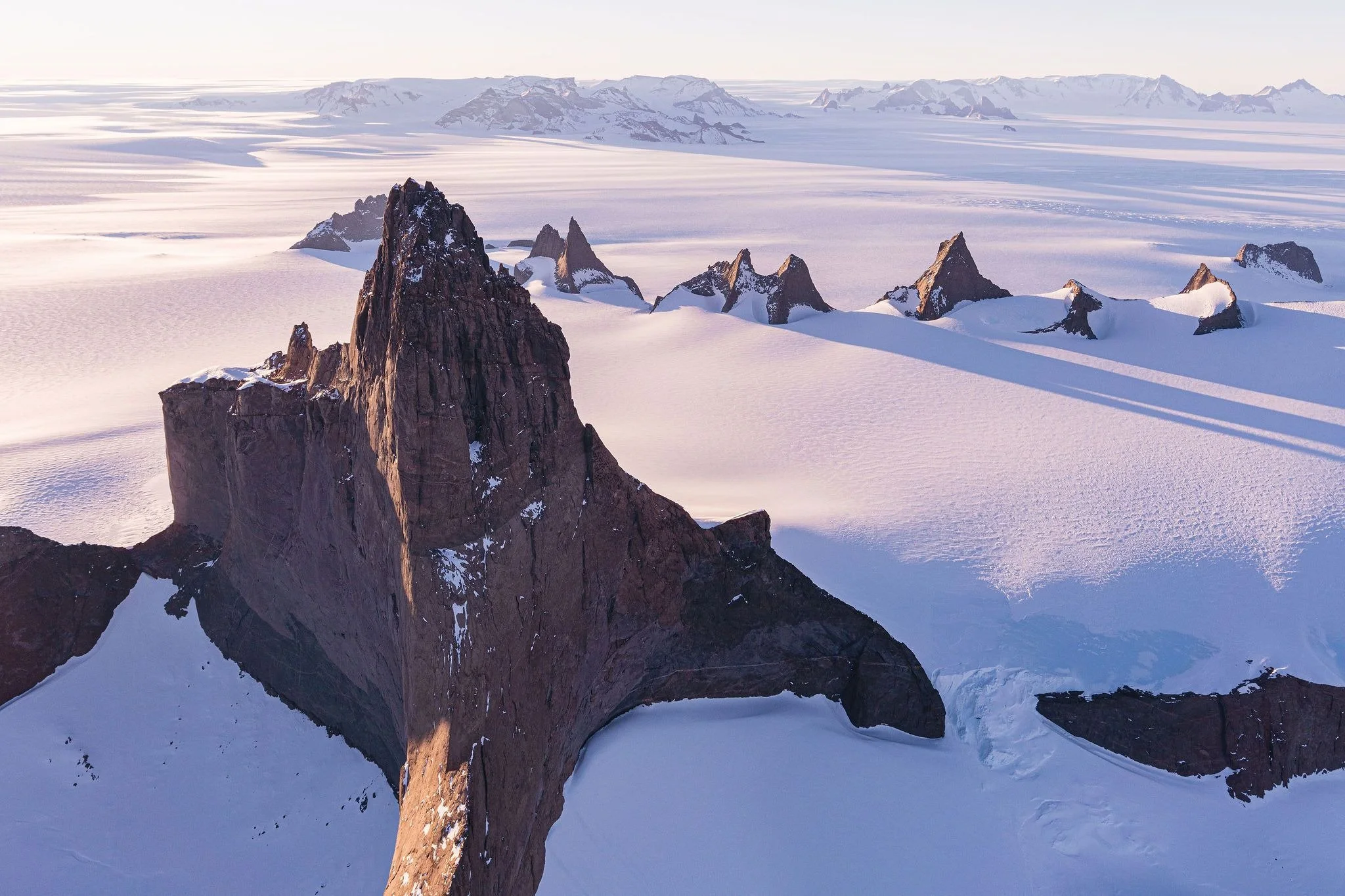
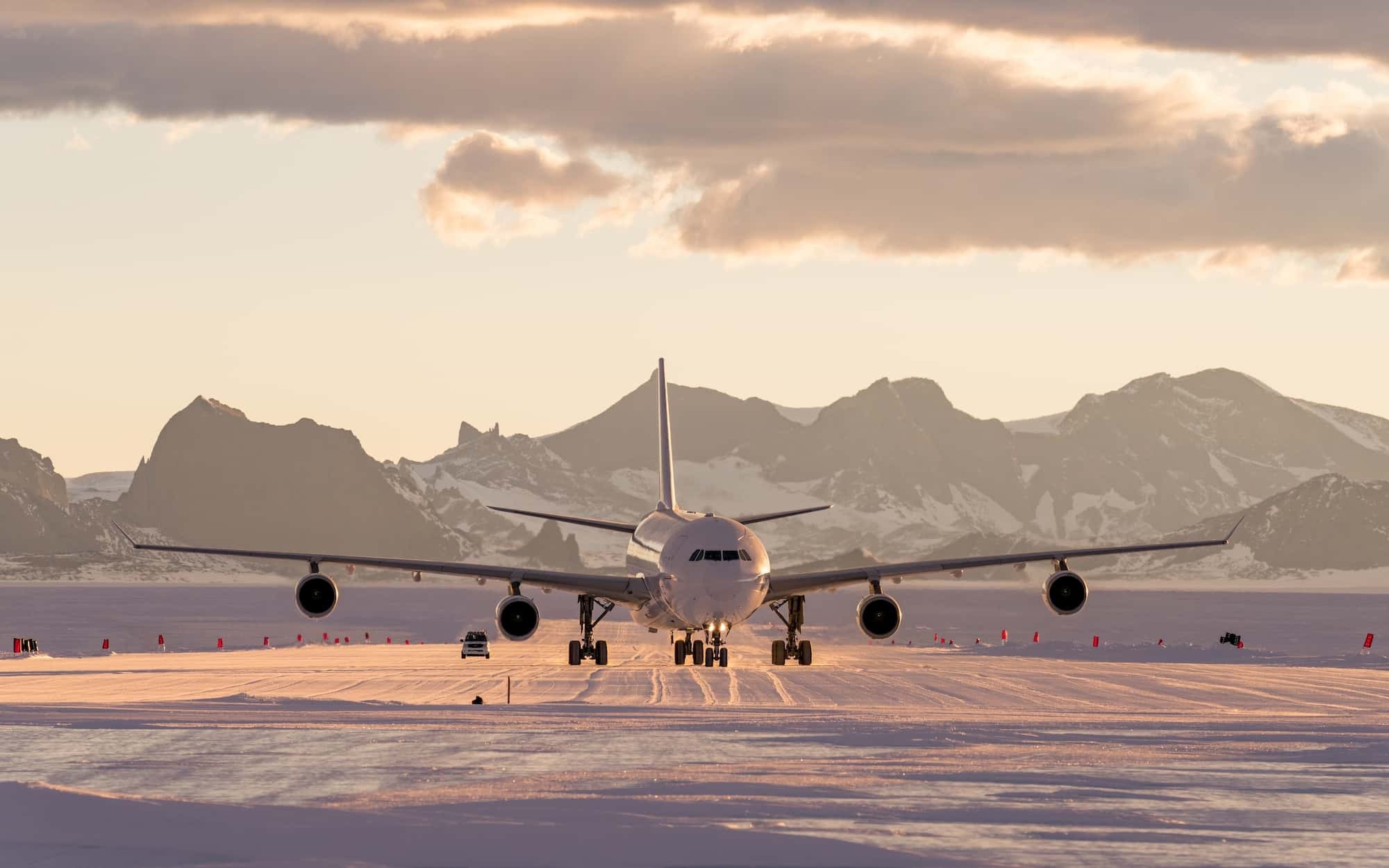
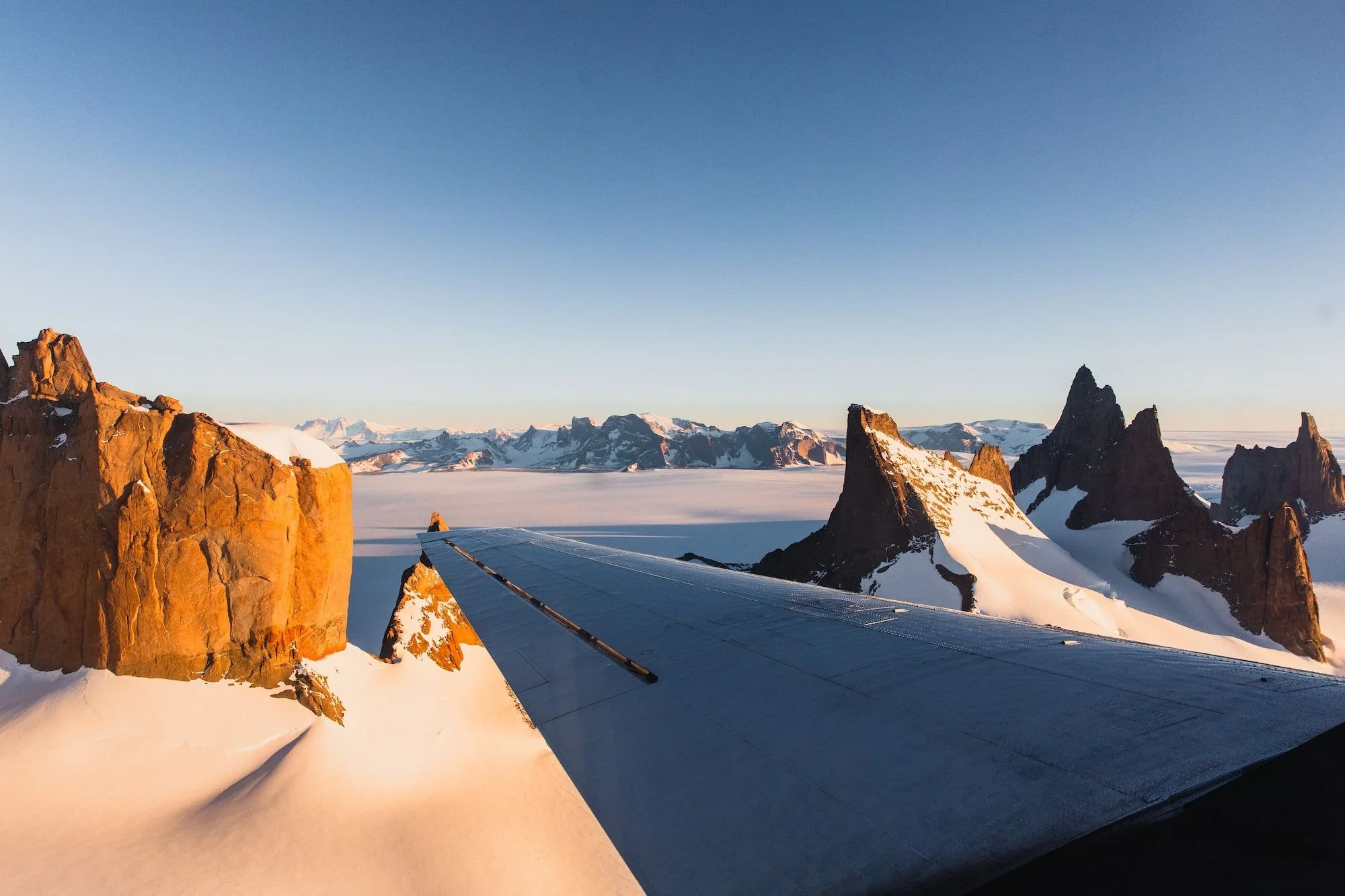
Antarctica changes character when the journey begins in Cape Town. Instead of approaching the Antarctic Peninsula by ship, White Desert flies south to a blue-ice runway in Queen Maud Land, where exposed mountain summits interrupt a landscape of glaciers and snow. Small camps provide warm bedrooms, carefully prepared meals and the starting point for journeys deeper into the continent. The scale is extraordinary; the daily experience remains personal.
The appeal is the combination of access and immersion. Depending on the itinerary, a stay might include time beside an emperor penguin colony, walks through intensely blue ice formations or a flight to the Geographic South Pole. These are distinct expeditions, with different seasonal opportunities and physical demands. Choosing between them matters as much as choosing a camp.
White Desert suits travelers who want considerable comfort while accepting the realities of a remote expedition. Weather can reorder the day, postpone a flight or change an excursion. The best approach is to build room into the wider journey and arrive interested in Antarctica itself, rather than treating each scheduled experience as an appointment.
From Polar Expeditions to a Network on the Ice
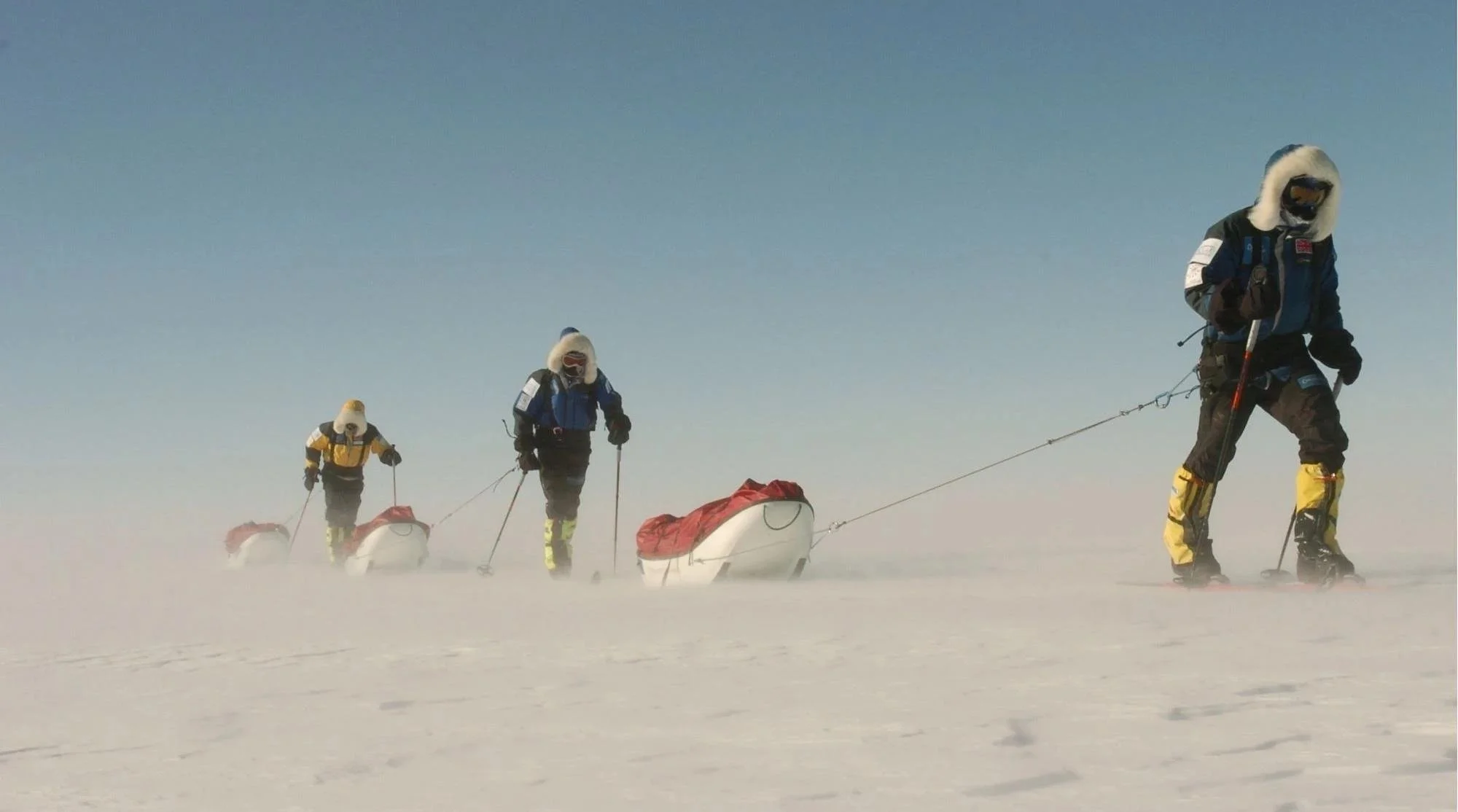
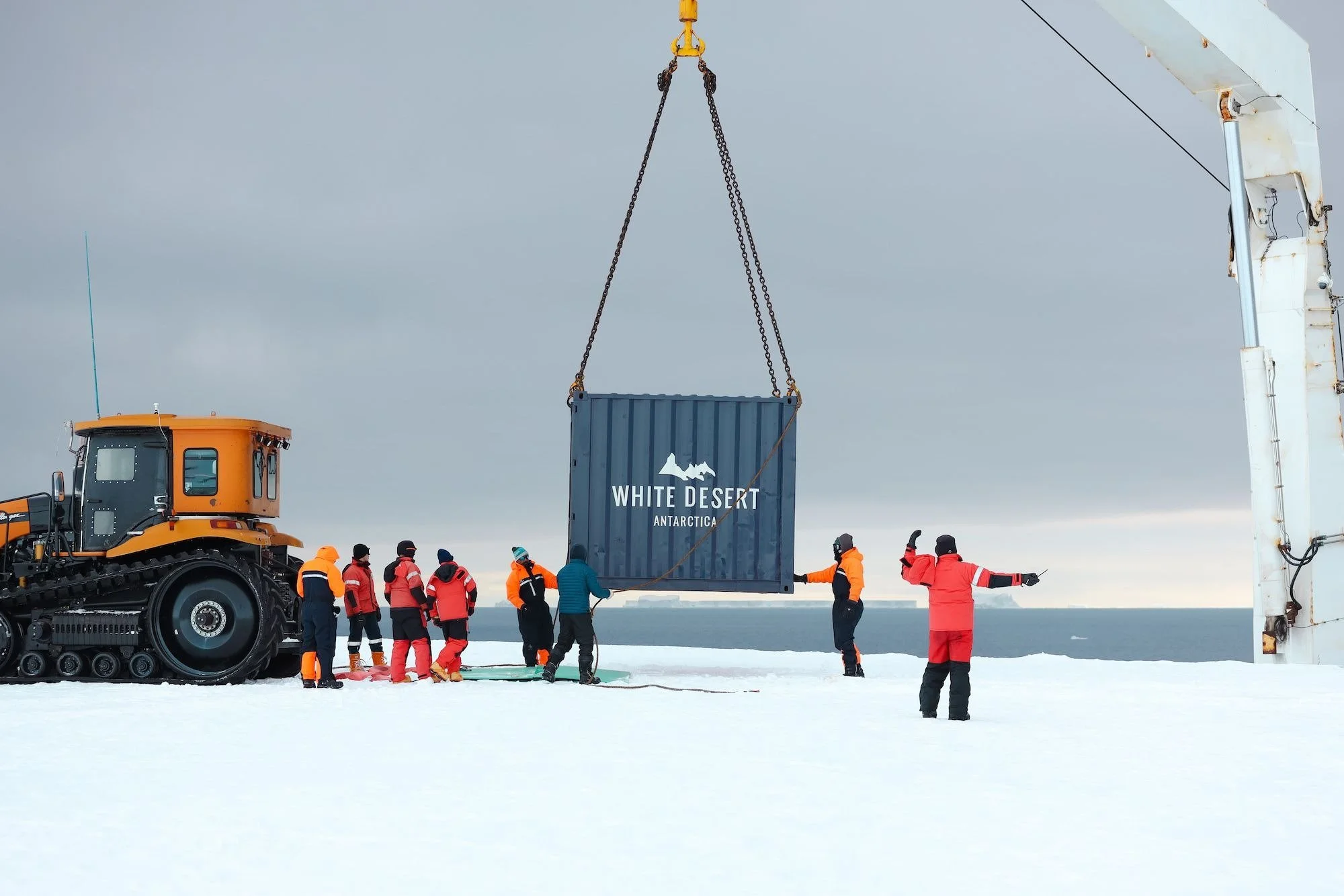
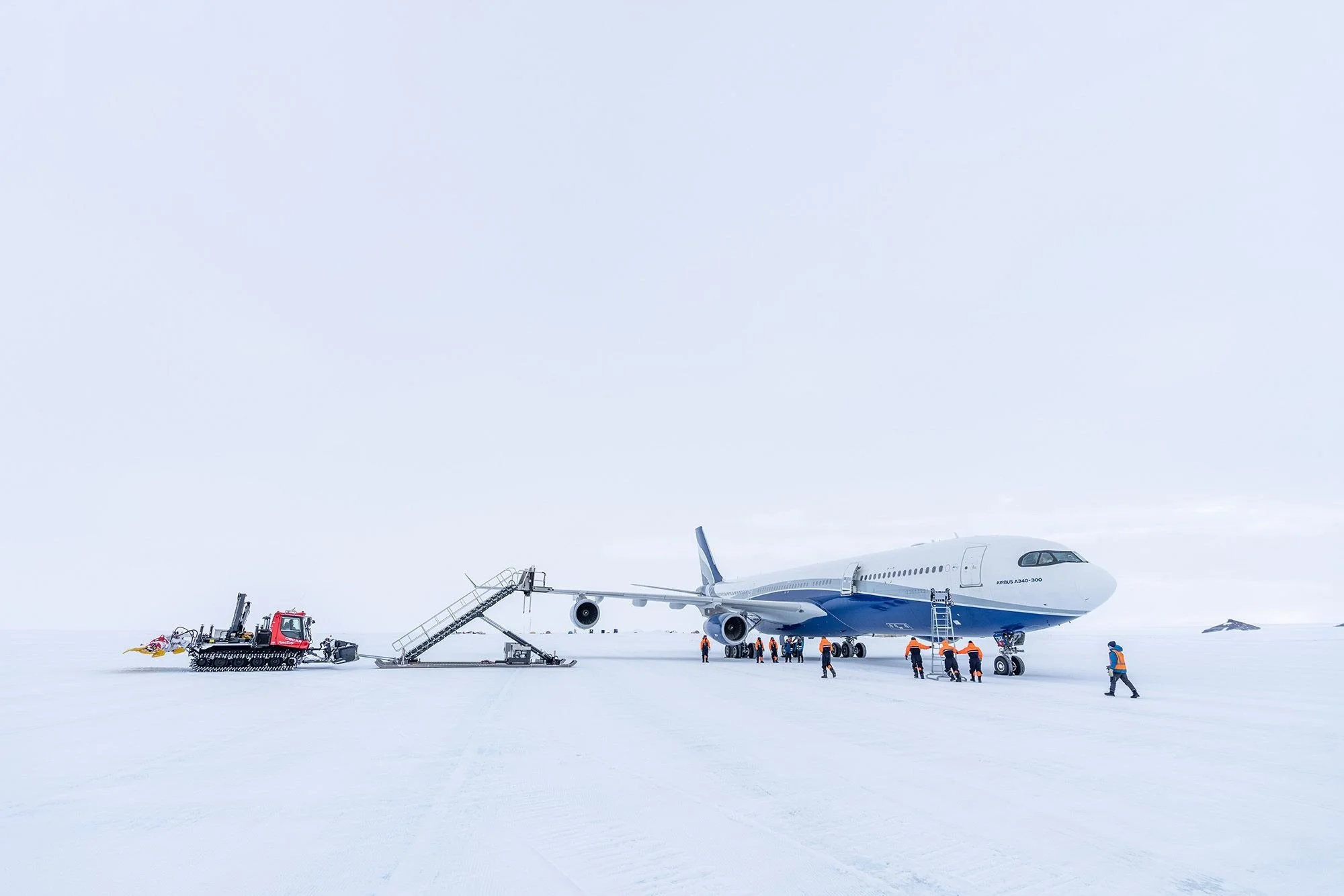
Patrick and Robyn Woodhead founded White Desert in 2005, drawing on their experience of polar exploration. Its development has depended on more than accommodation: aircraft, fuel logistics, guides and carefully maintained landing areas make the camps possible. Wolf’s Fang Runway, opened in 2017, became a particularly important part of that infrastructure.
The operation now encompasses three contrasting camps and flights that also support Antarctic scientific work. In September 2026, Lindblad Expeditions acquired a 60 percent interest in White Desert, which continues as a standalone business. That connection brings together two different approaches to polar travel, while White Desert’s defining experience remains its land-based access from southern Africa.
This background helps explain the atmosphere. The camps belong to a working expedition network, where pilots and field teams shape the journey alongside hosts and chefs. The polished interiors are one part of a much larger undertaking.
Three Interpretations of the Antarctic Landscape
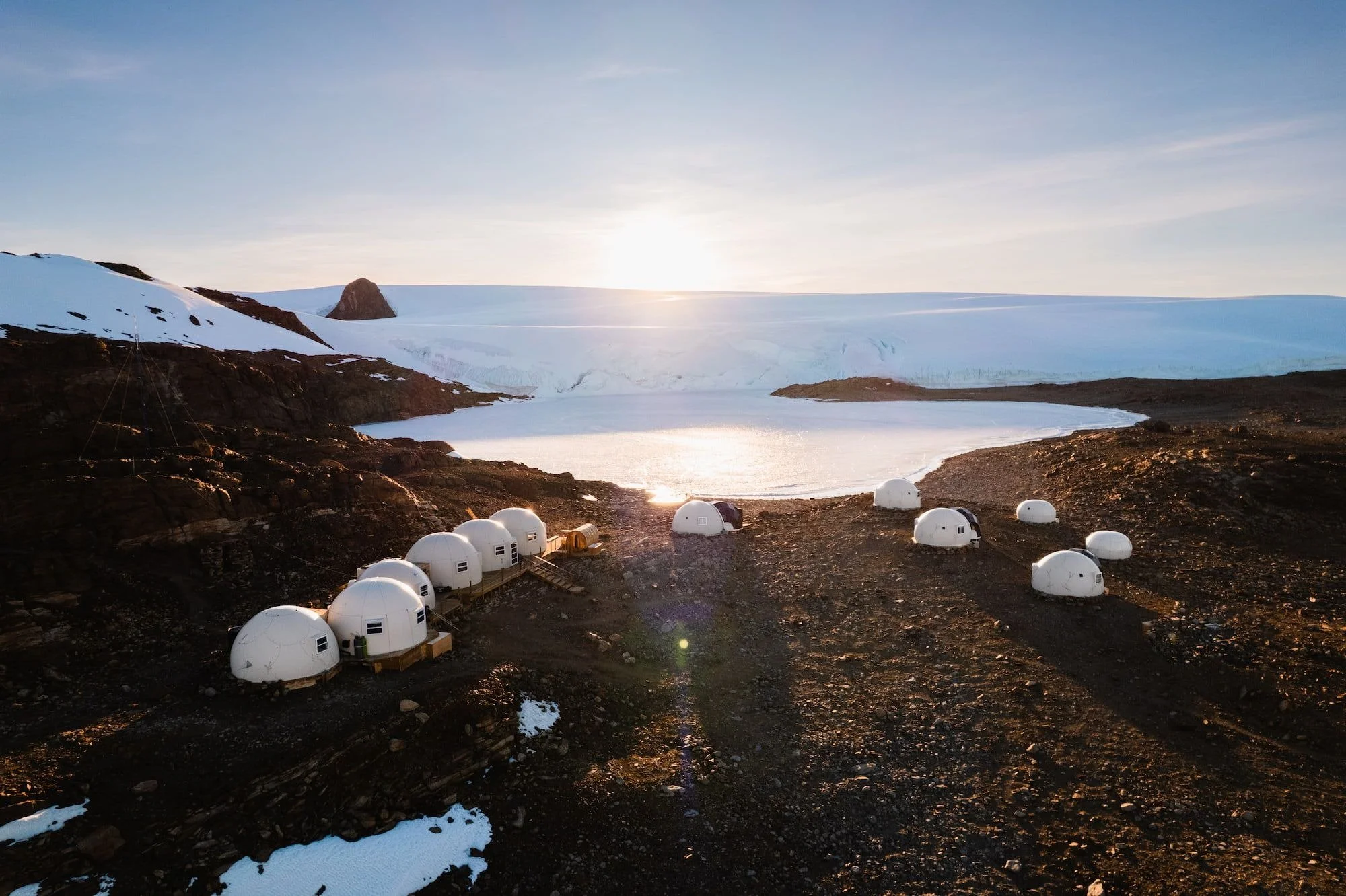
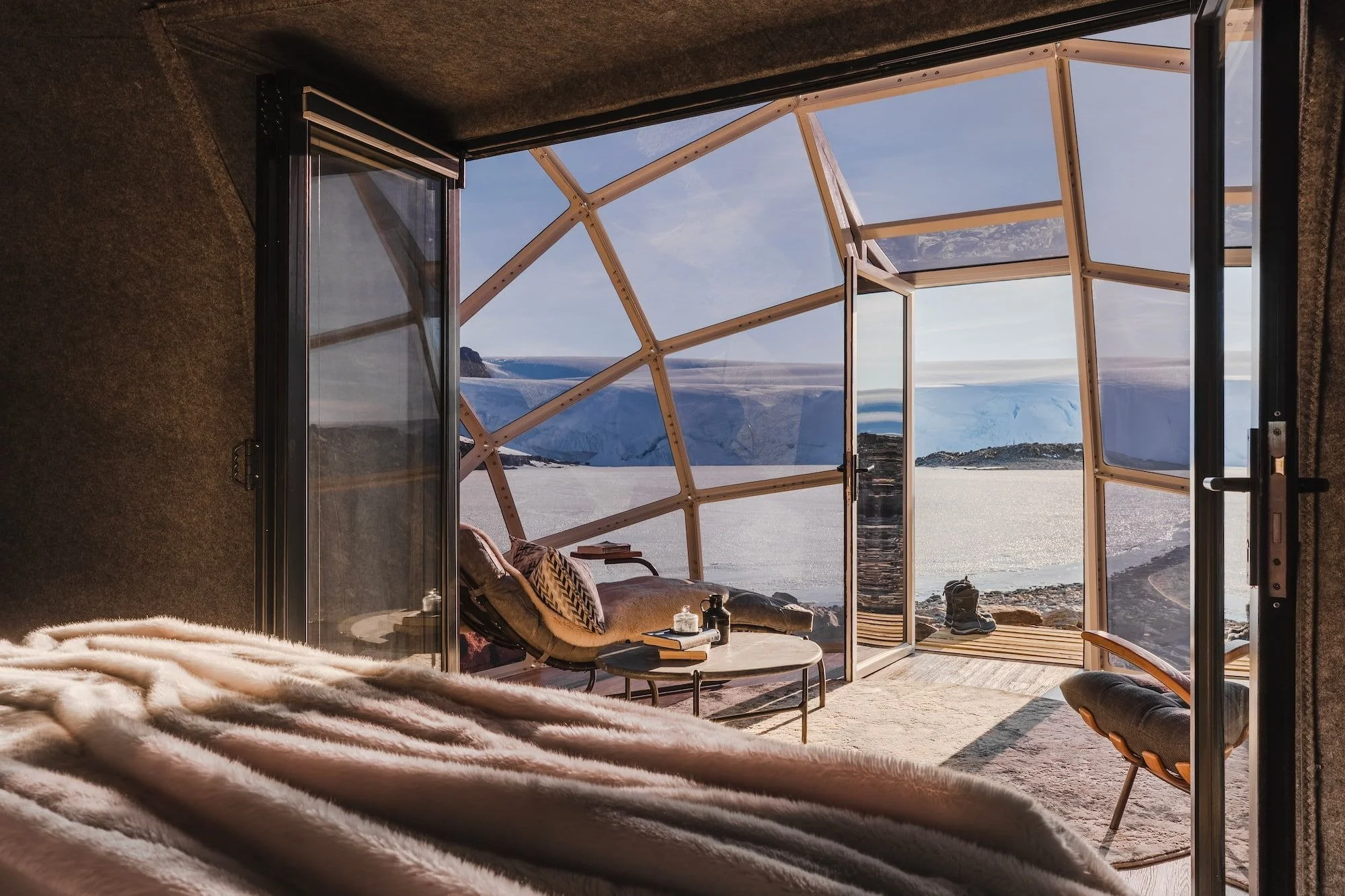
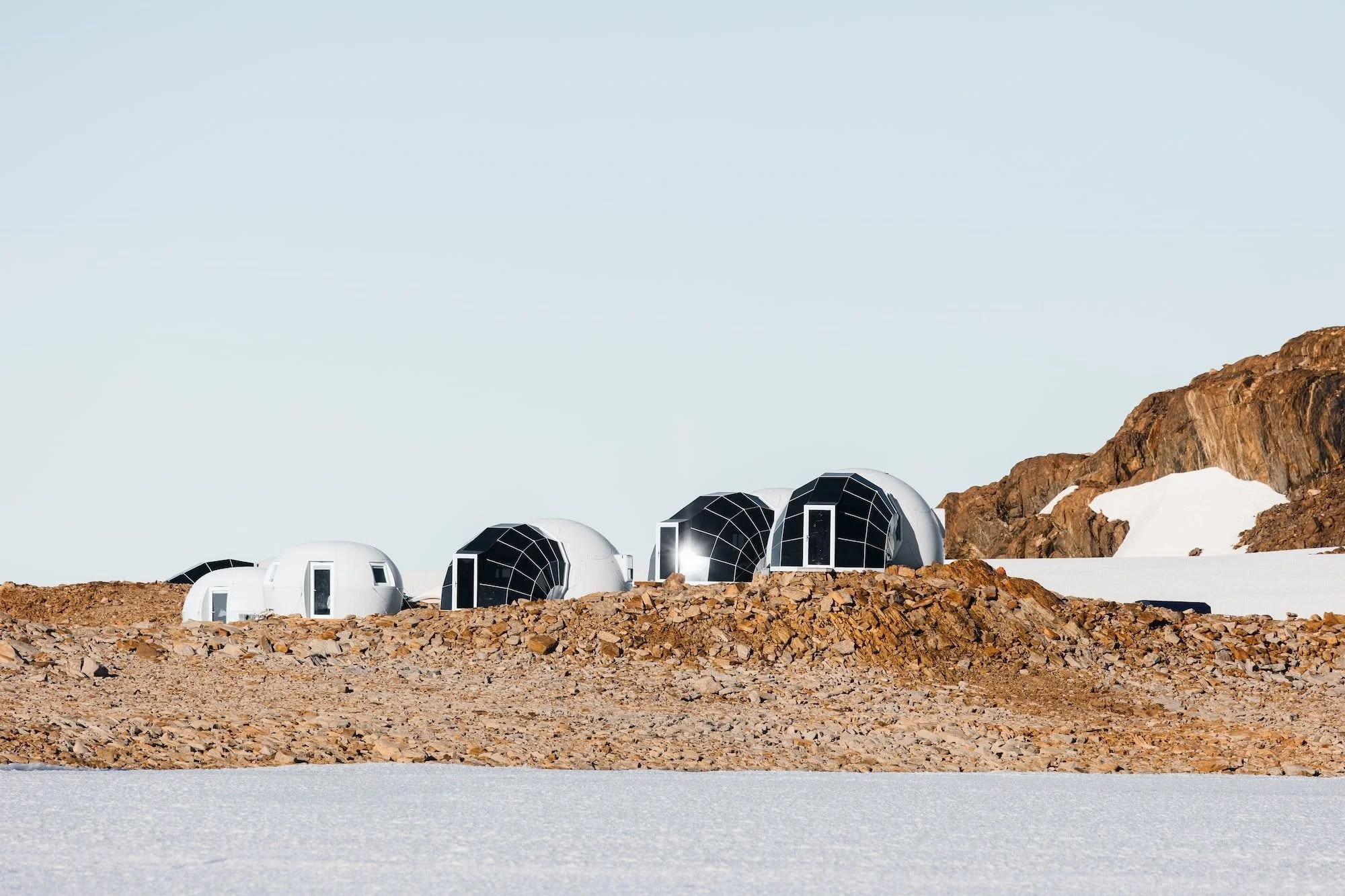
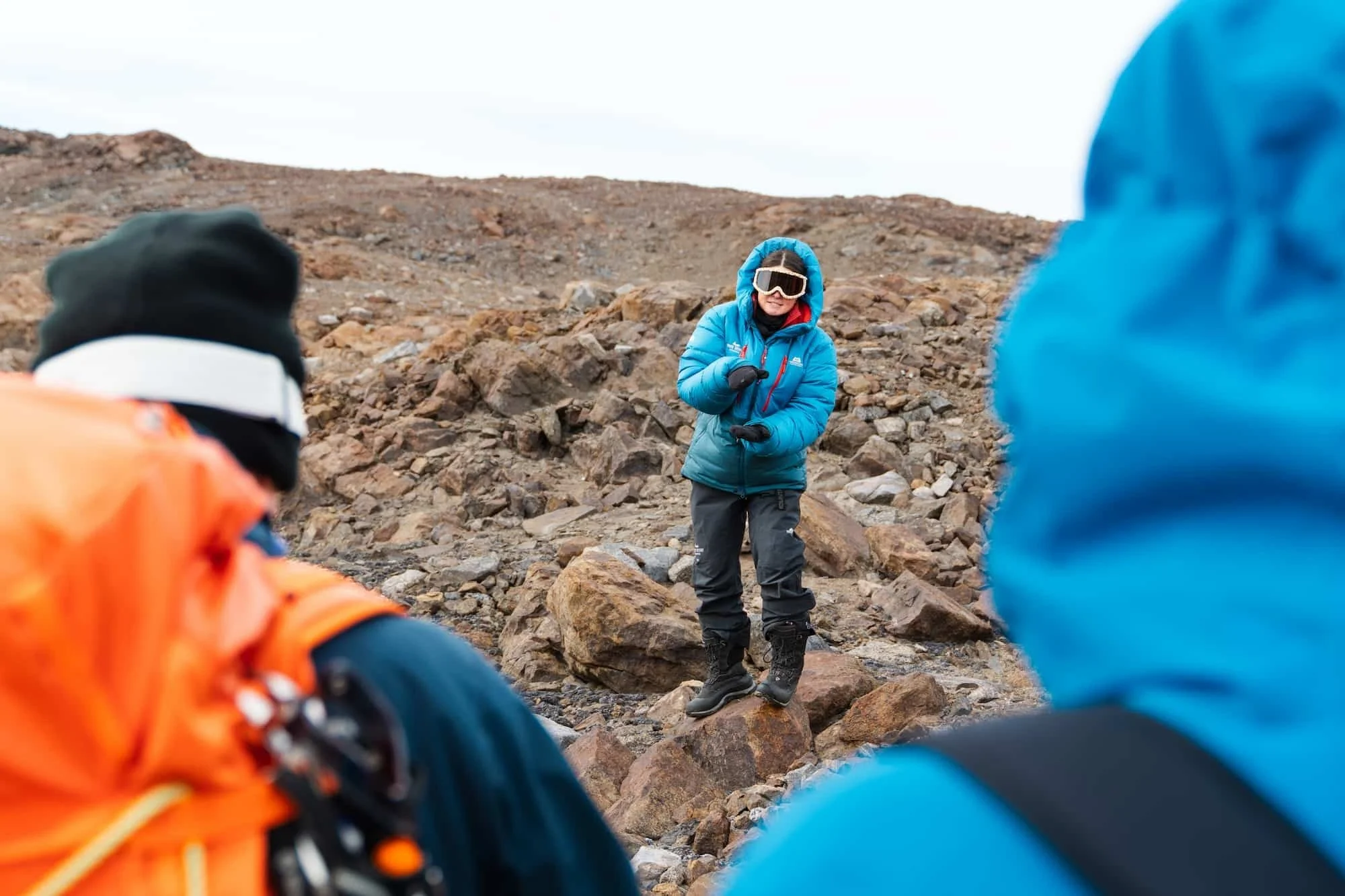
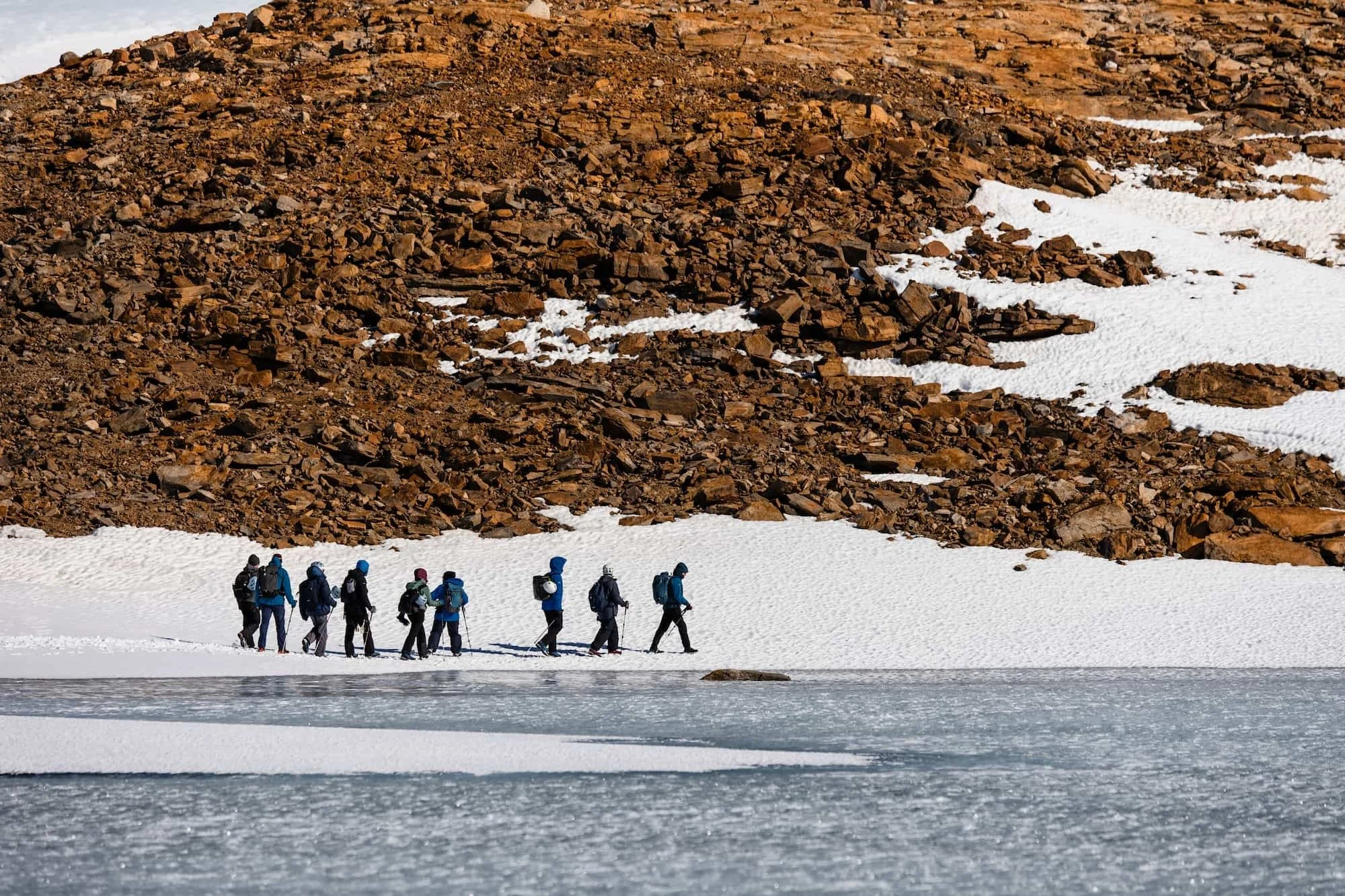
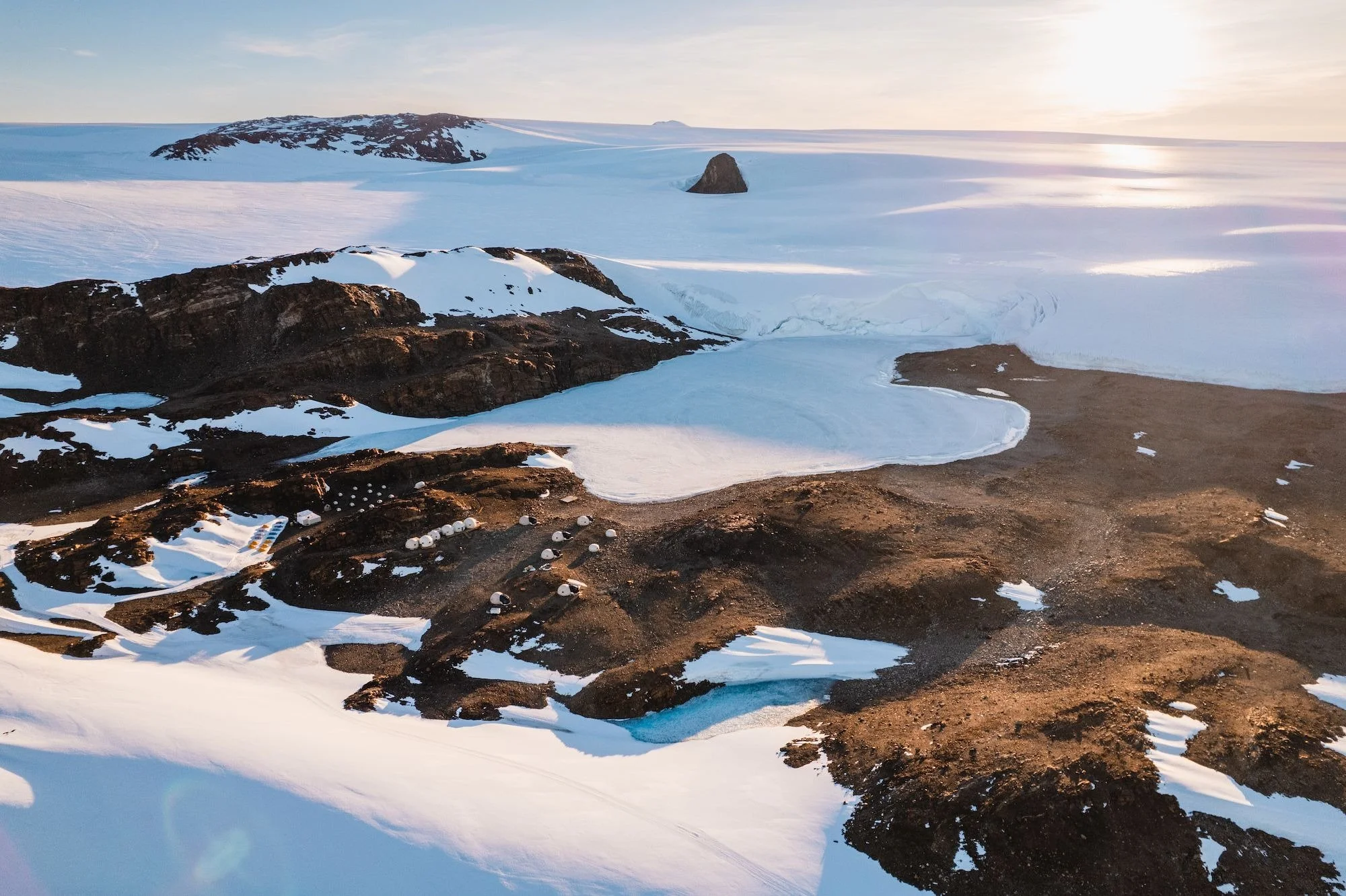
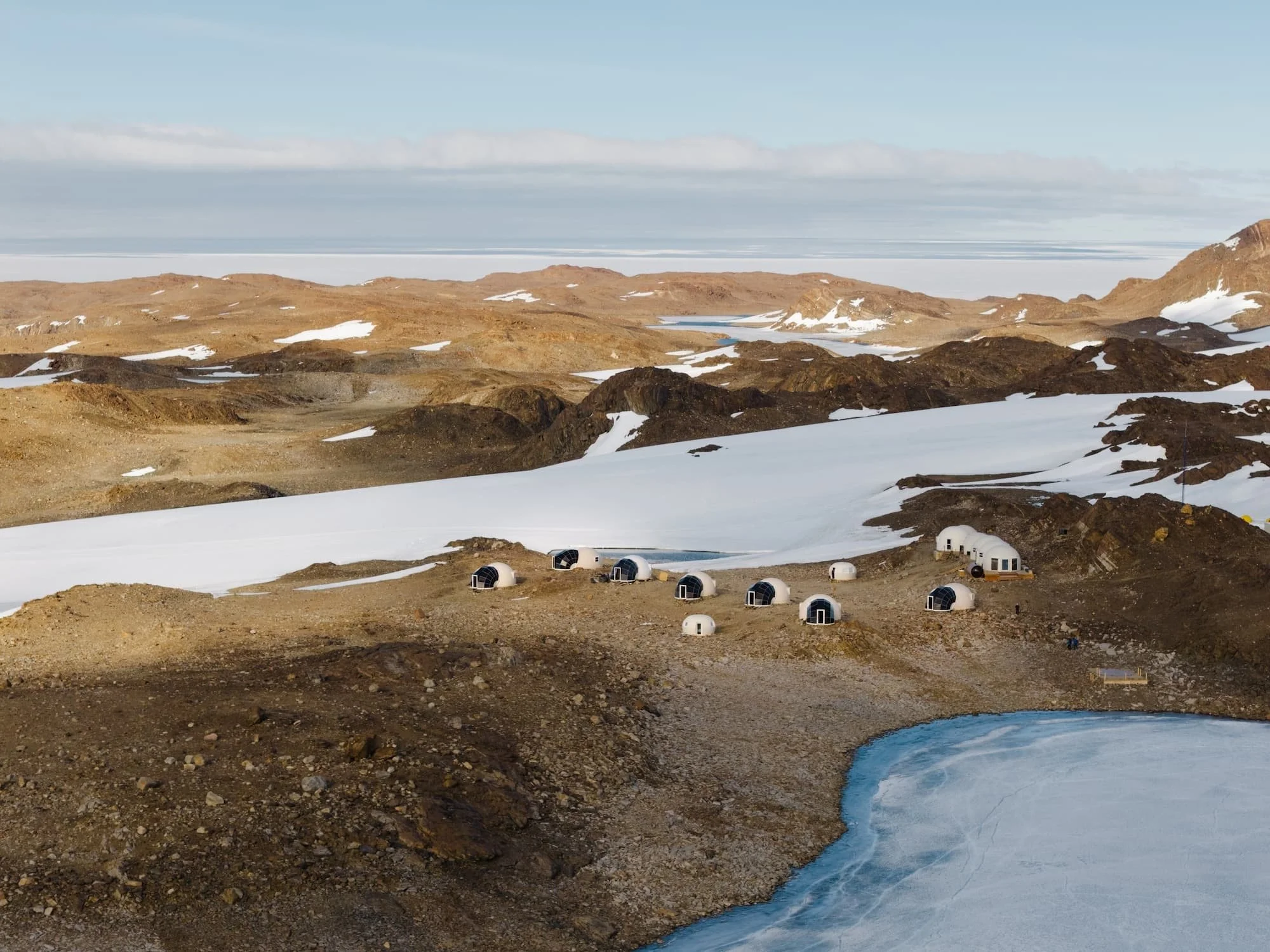
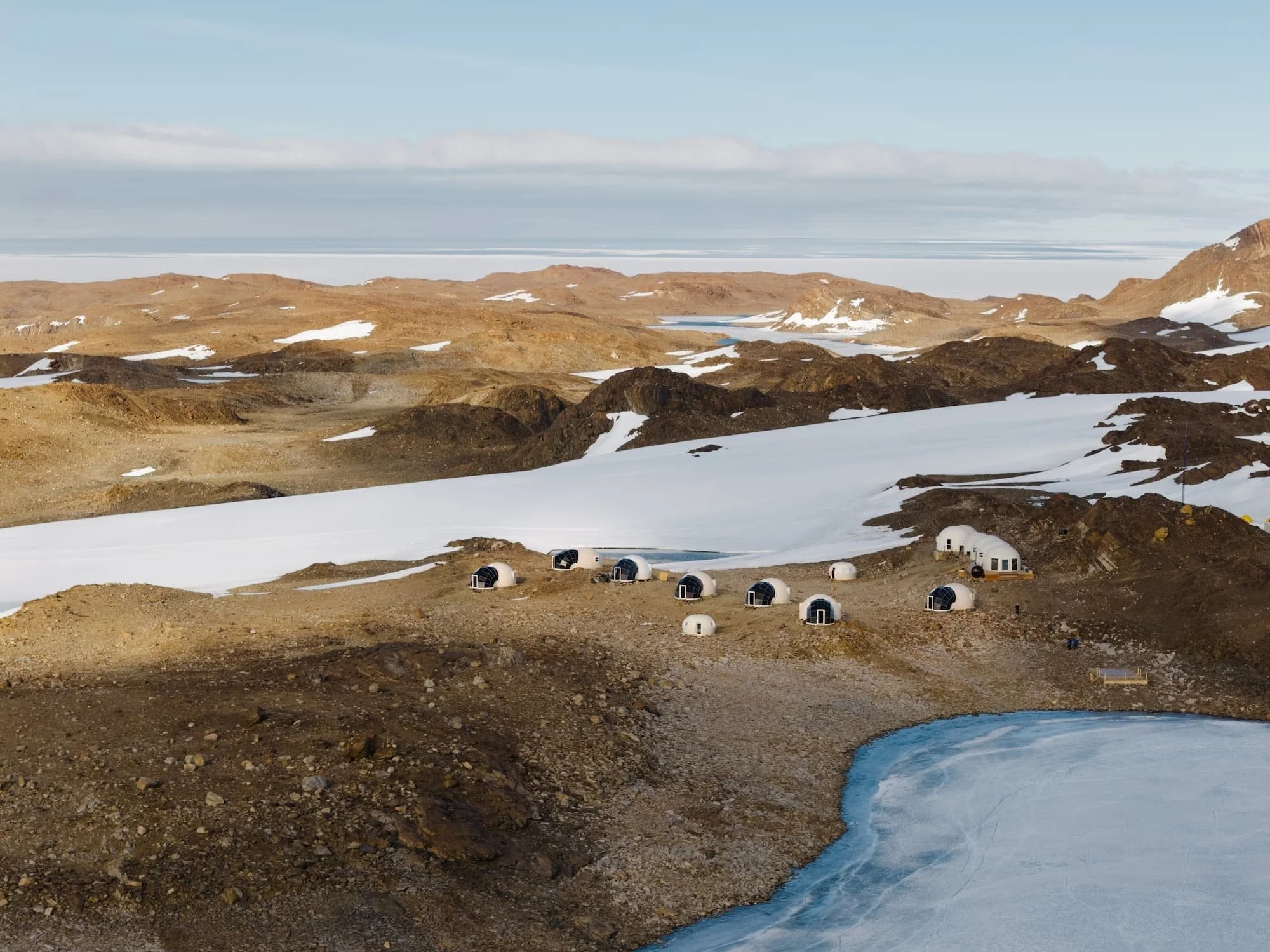
Whichaway Camp occupies the Schirmacher Oasis, where exposed rock and freshwater lakes complicate the familiar image of an entirely white continent. Its rounded pods and glass conservatories face a landscape of stone, water and glacier. The setting encourages close observation: texture and color become as compelling as scale.
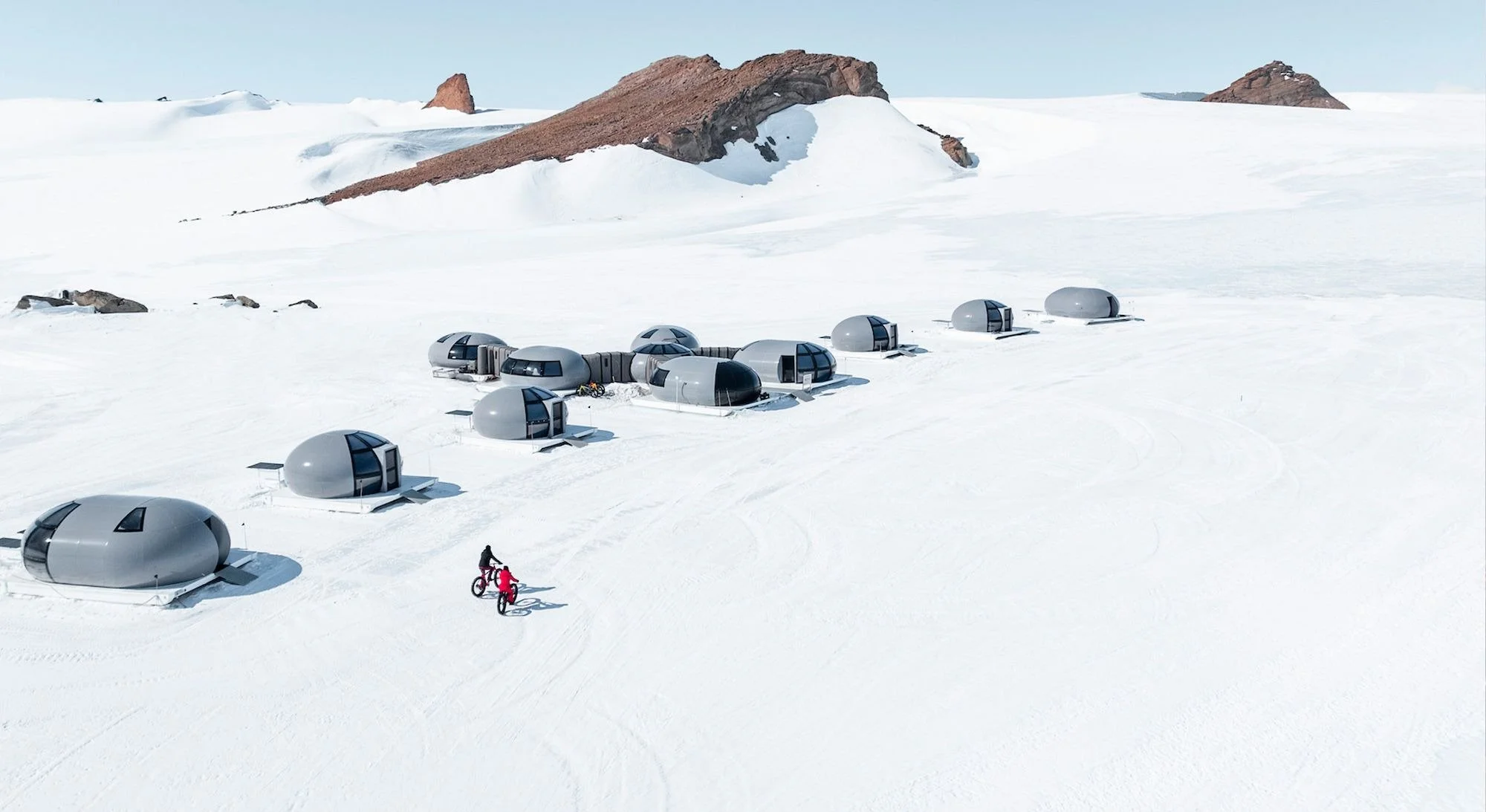
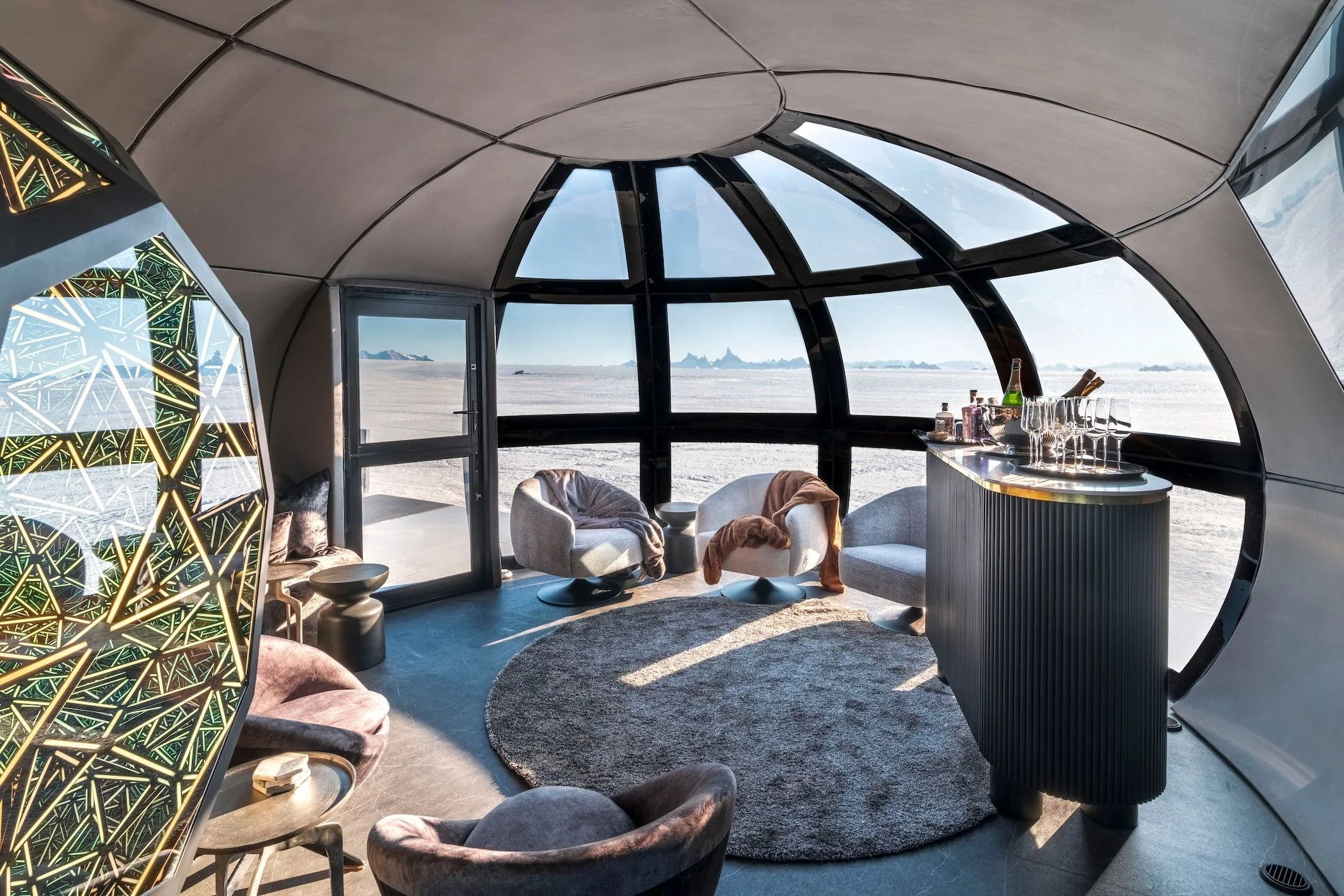
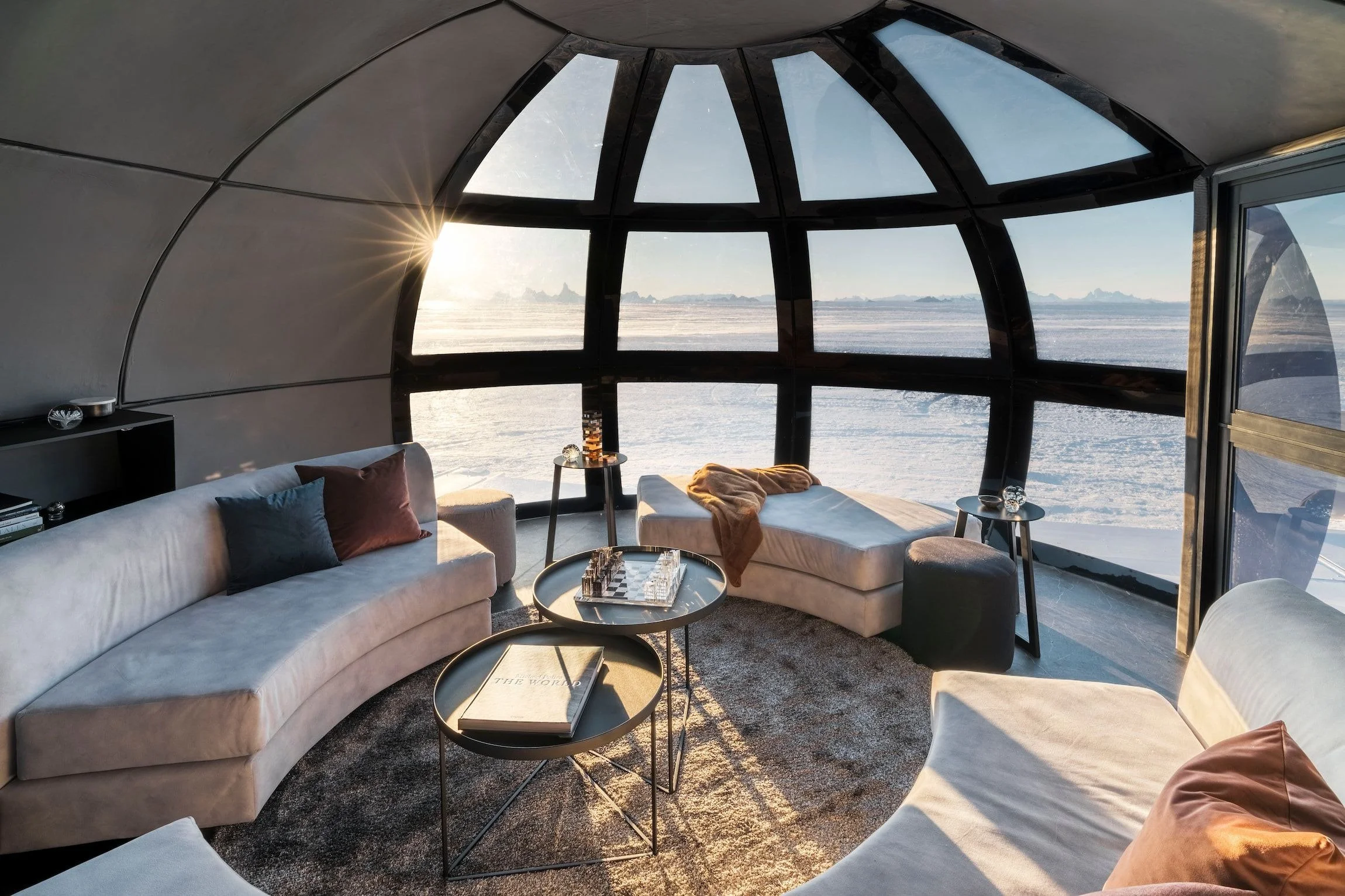
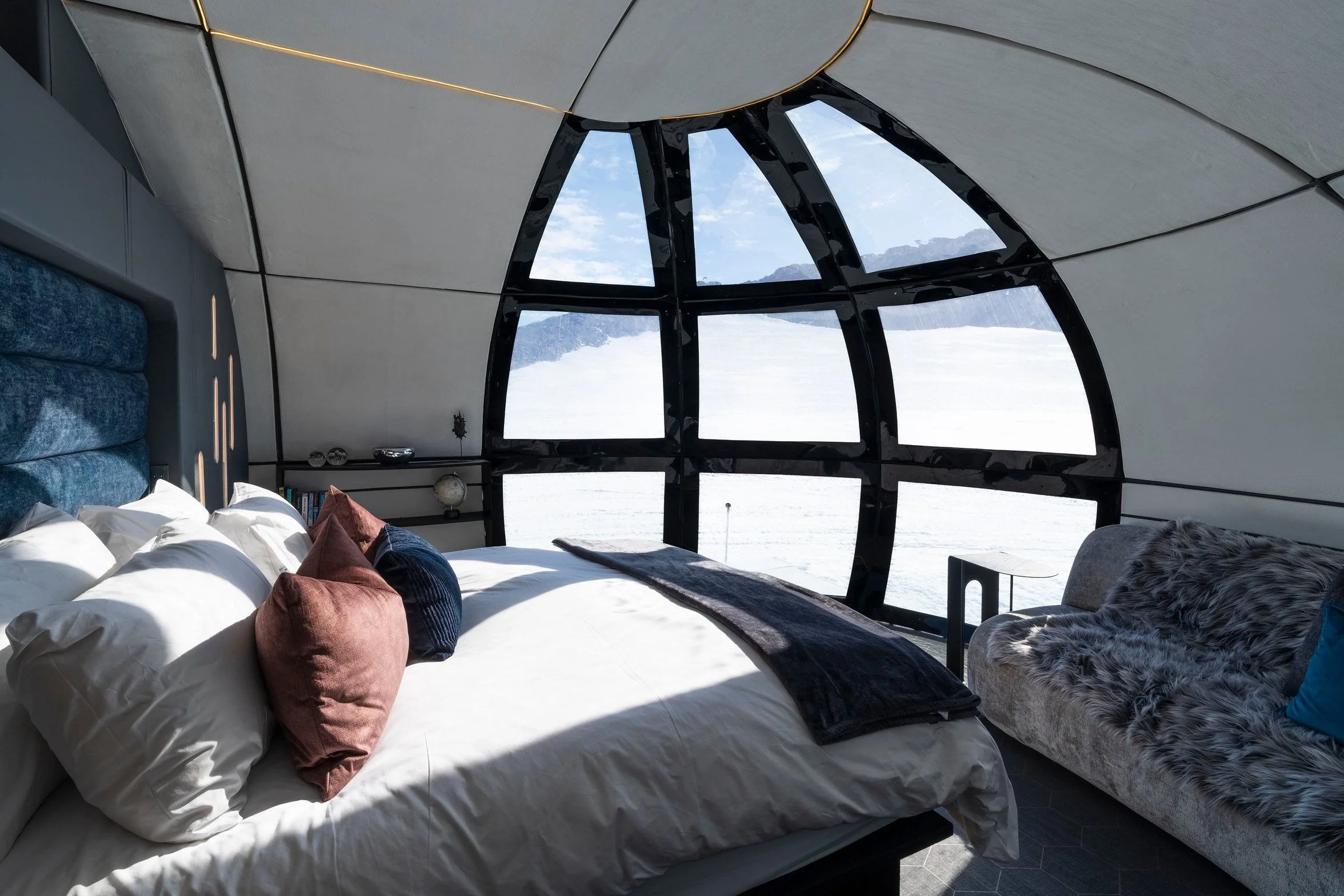
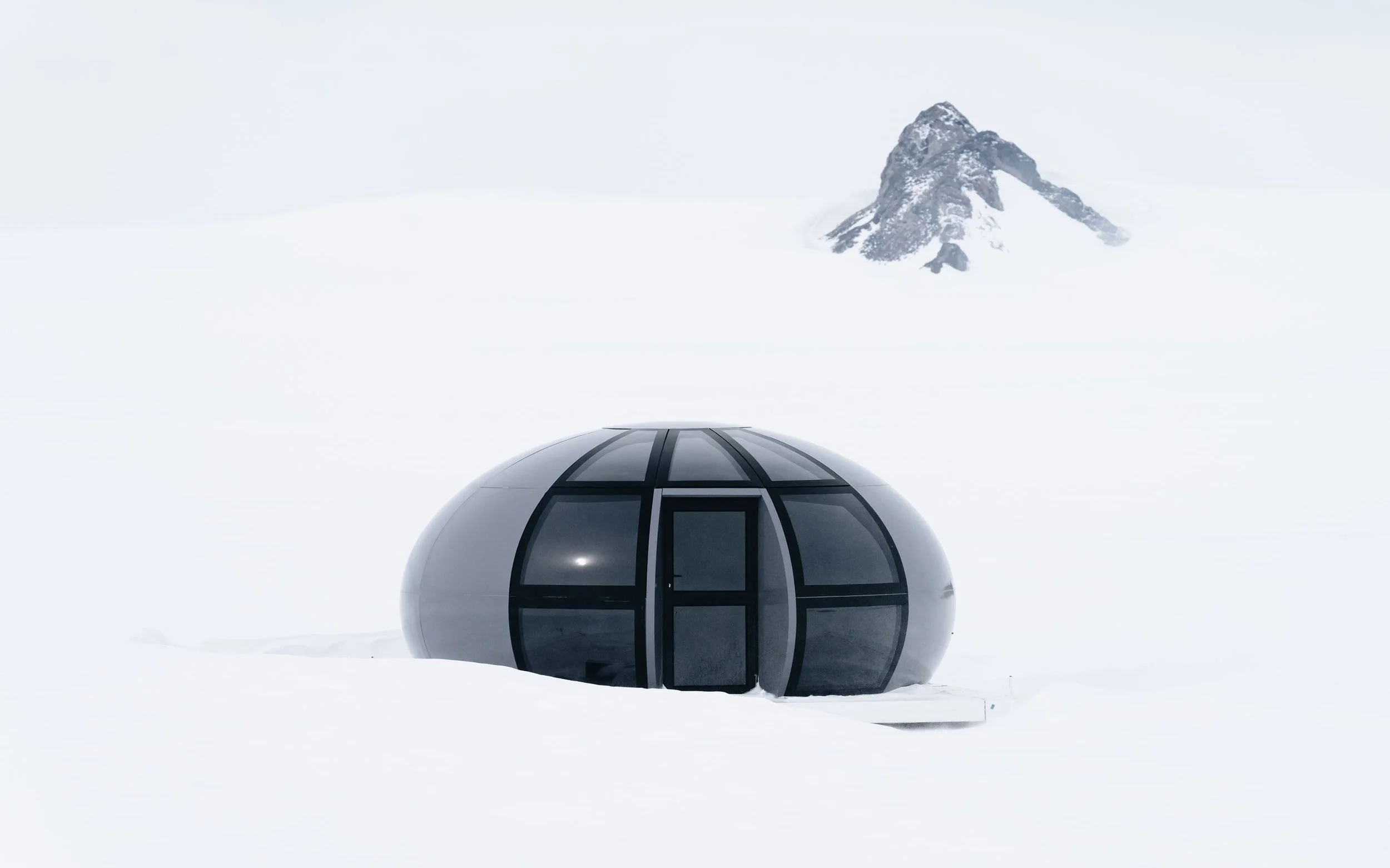
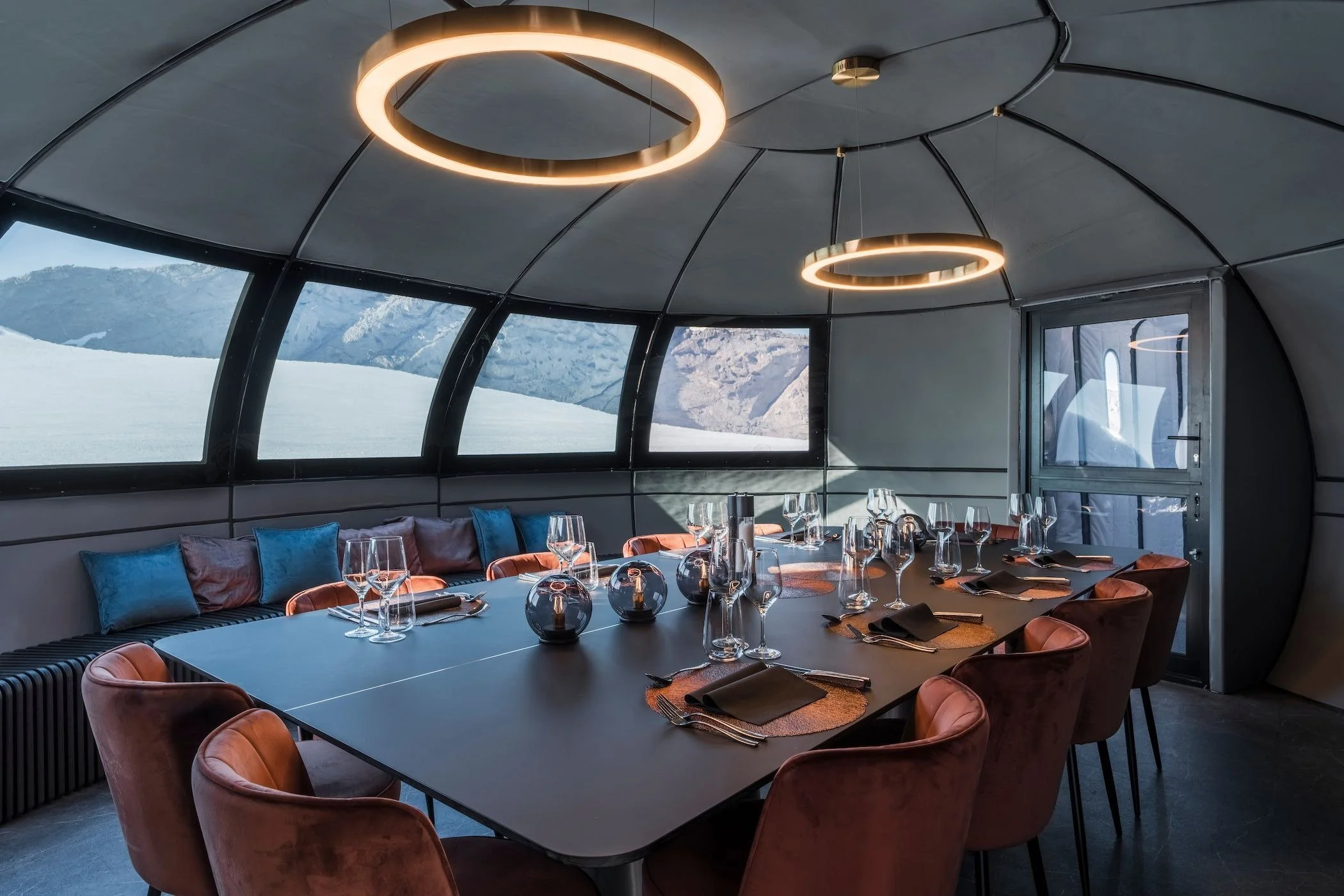
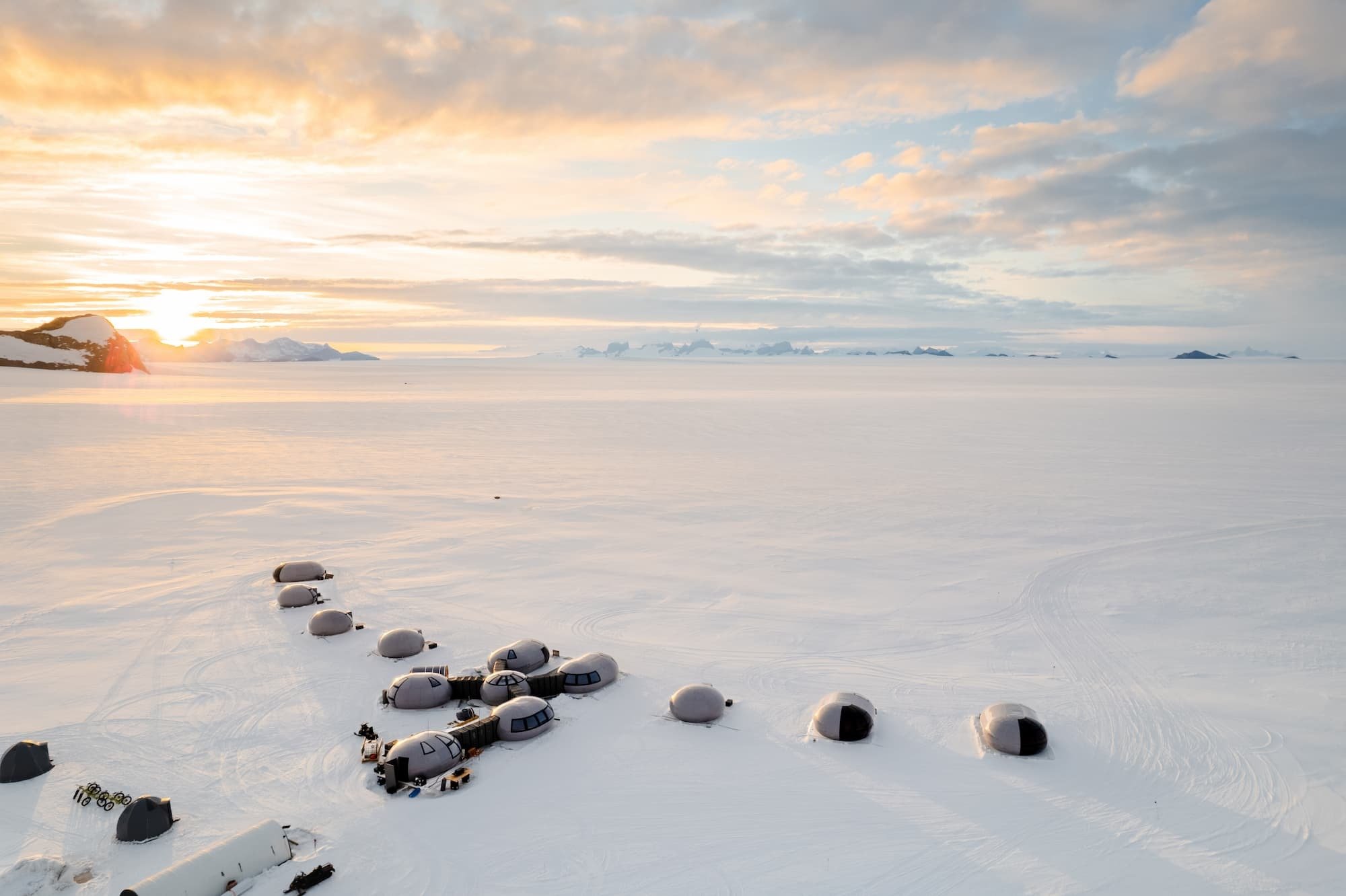
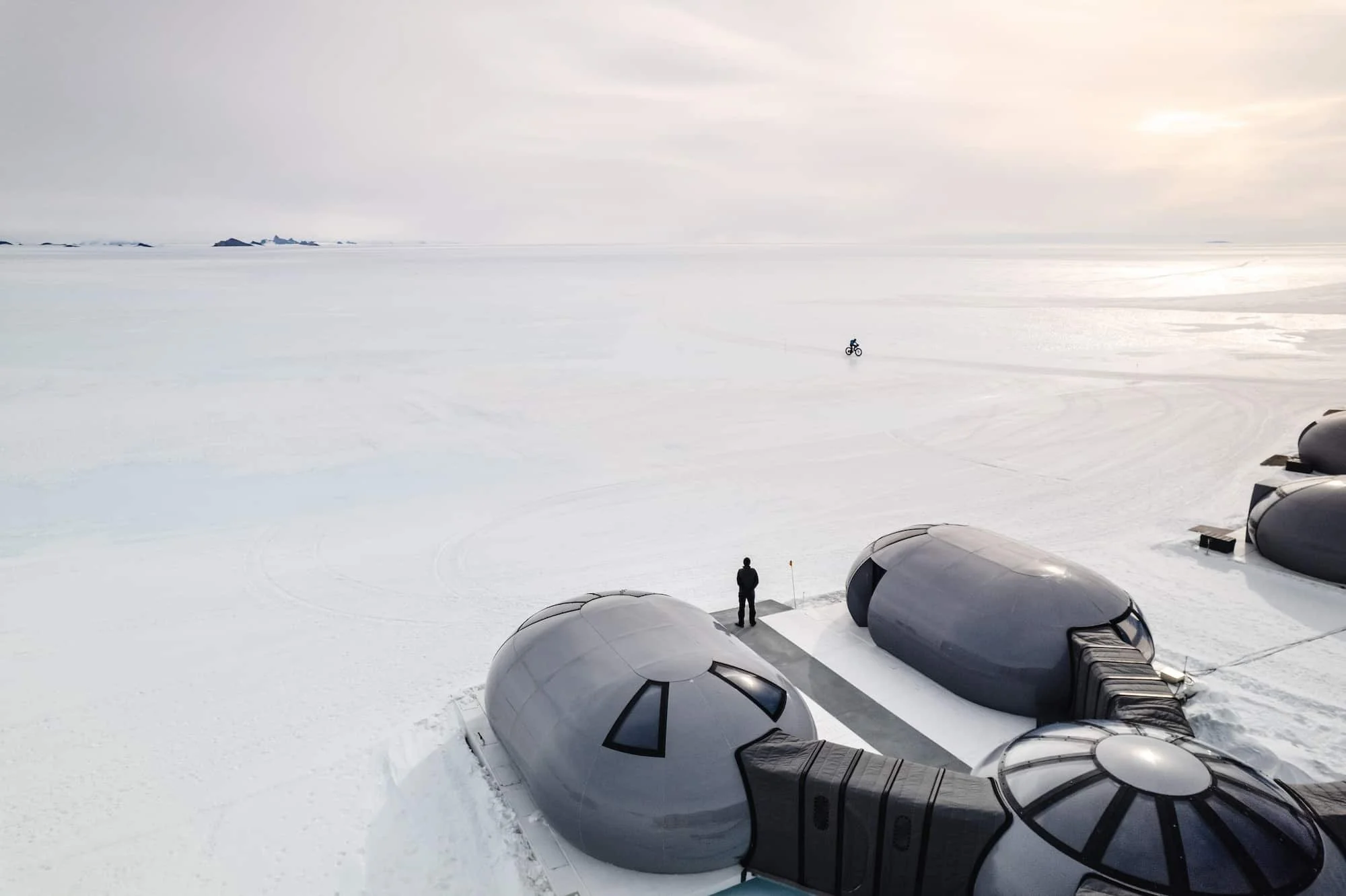
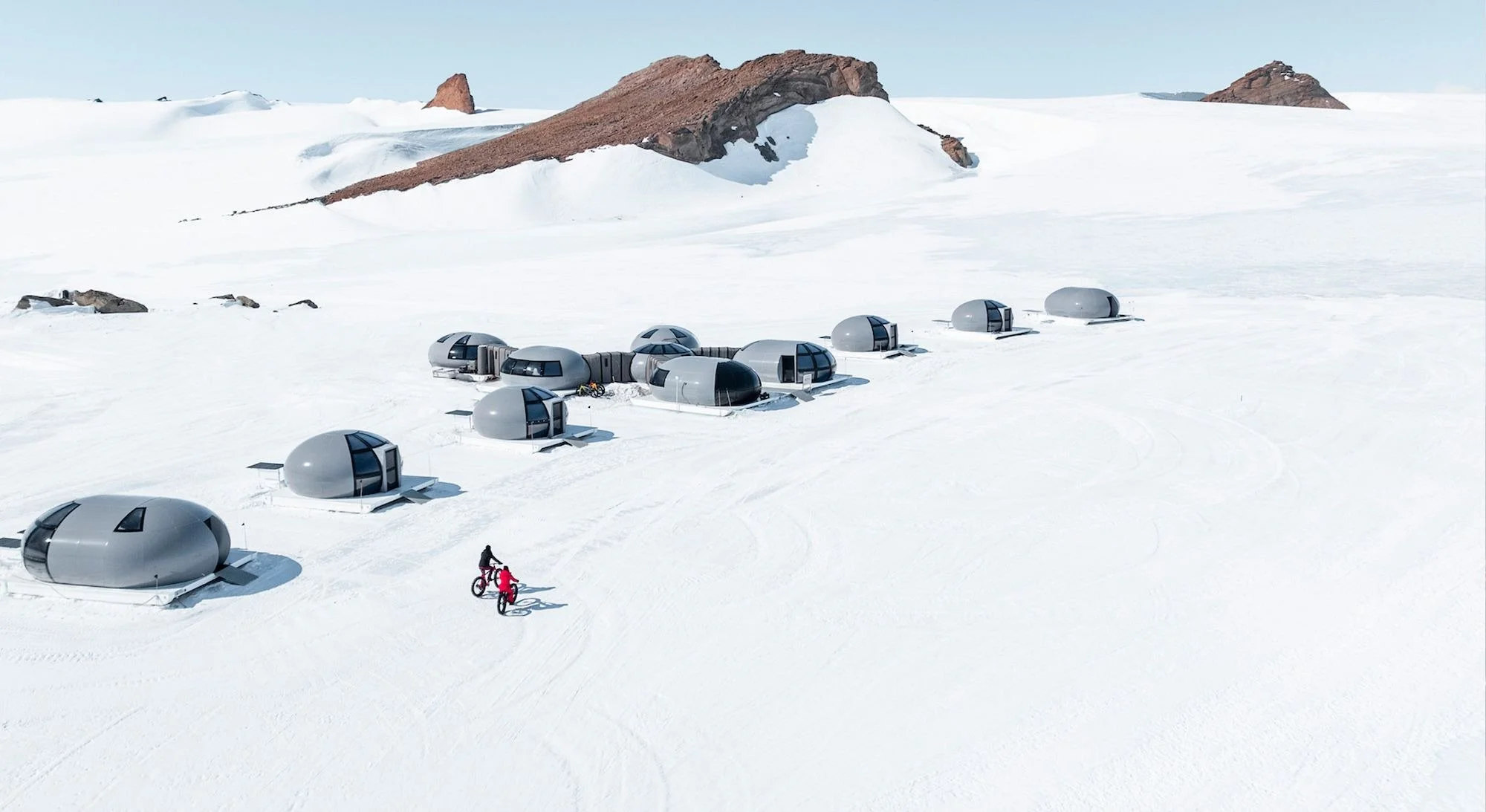
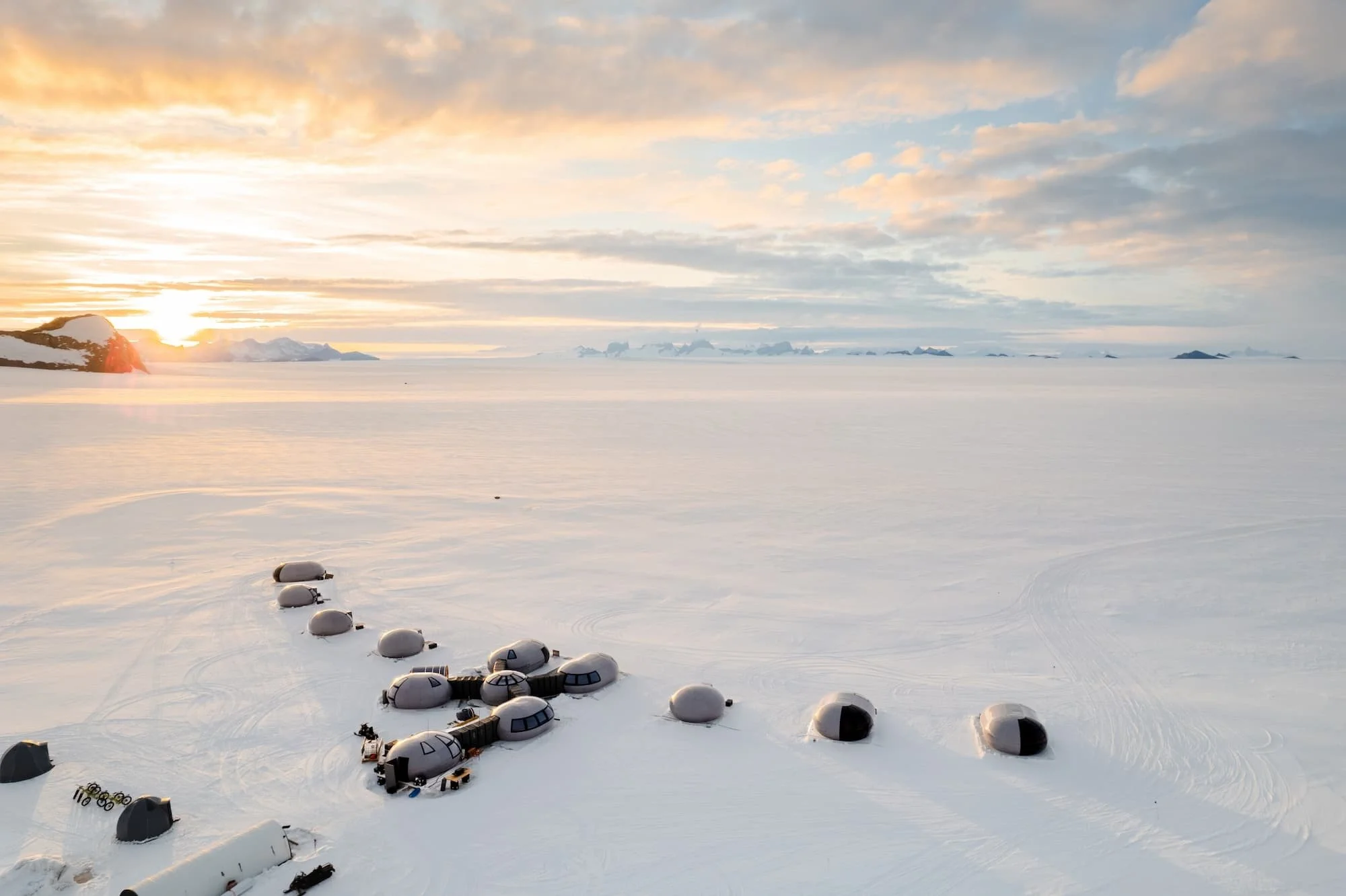
Echo Base takes a different architectural direction. Dark, curved pods and broad windows sit against the snow, with a visual language drawn from space exploration. Inside, the surrounding mountains remain the principal feature; the central bar’s Anthony James sculpture adds a deliberate piece of contemporary art.
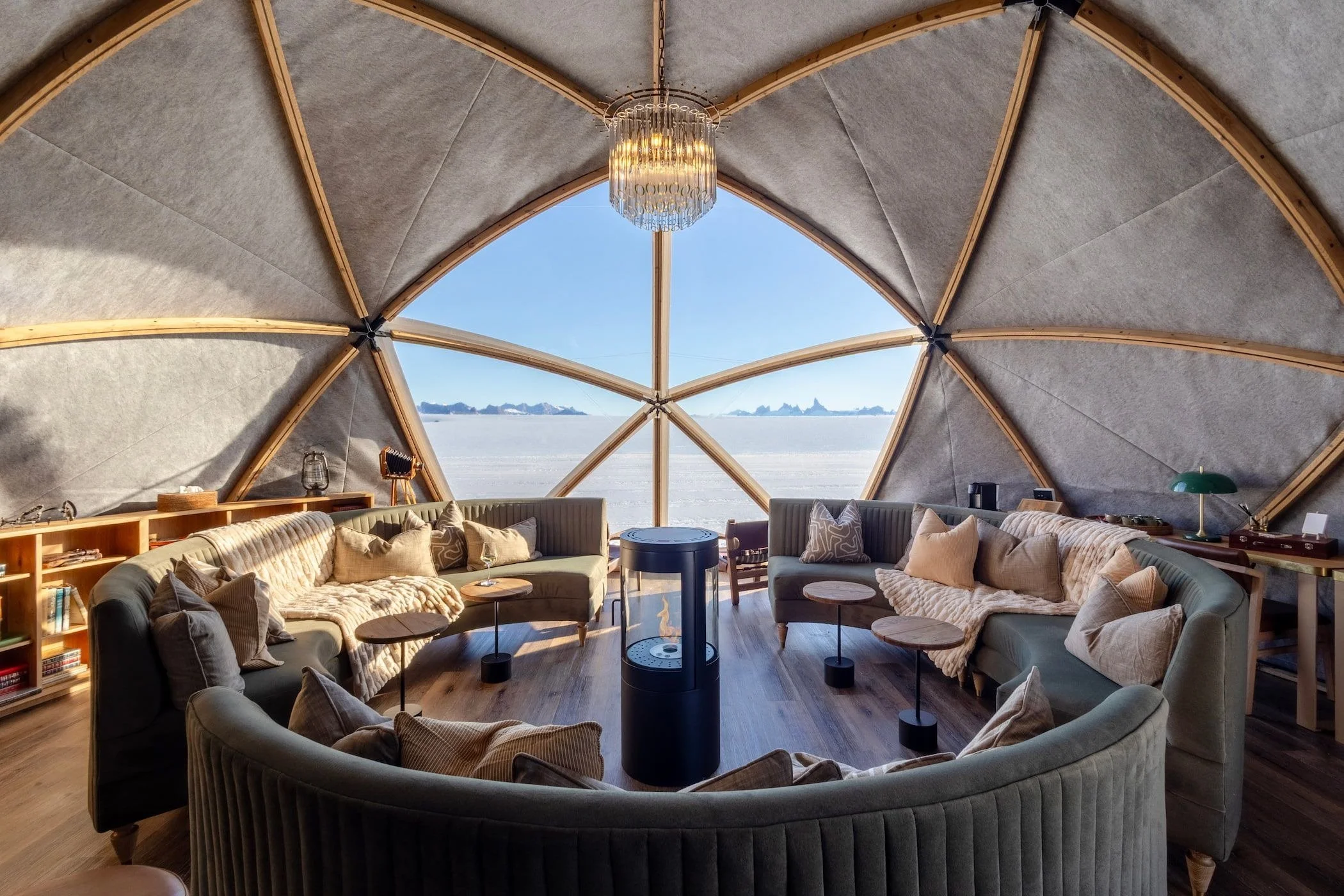
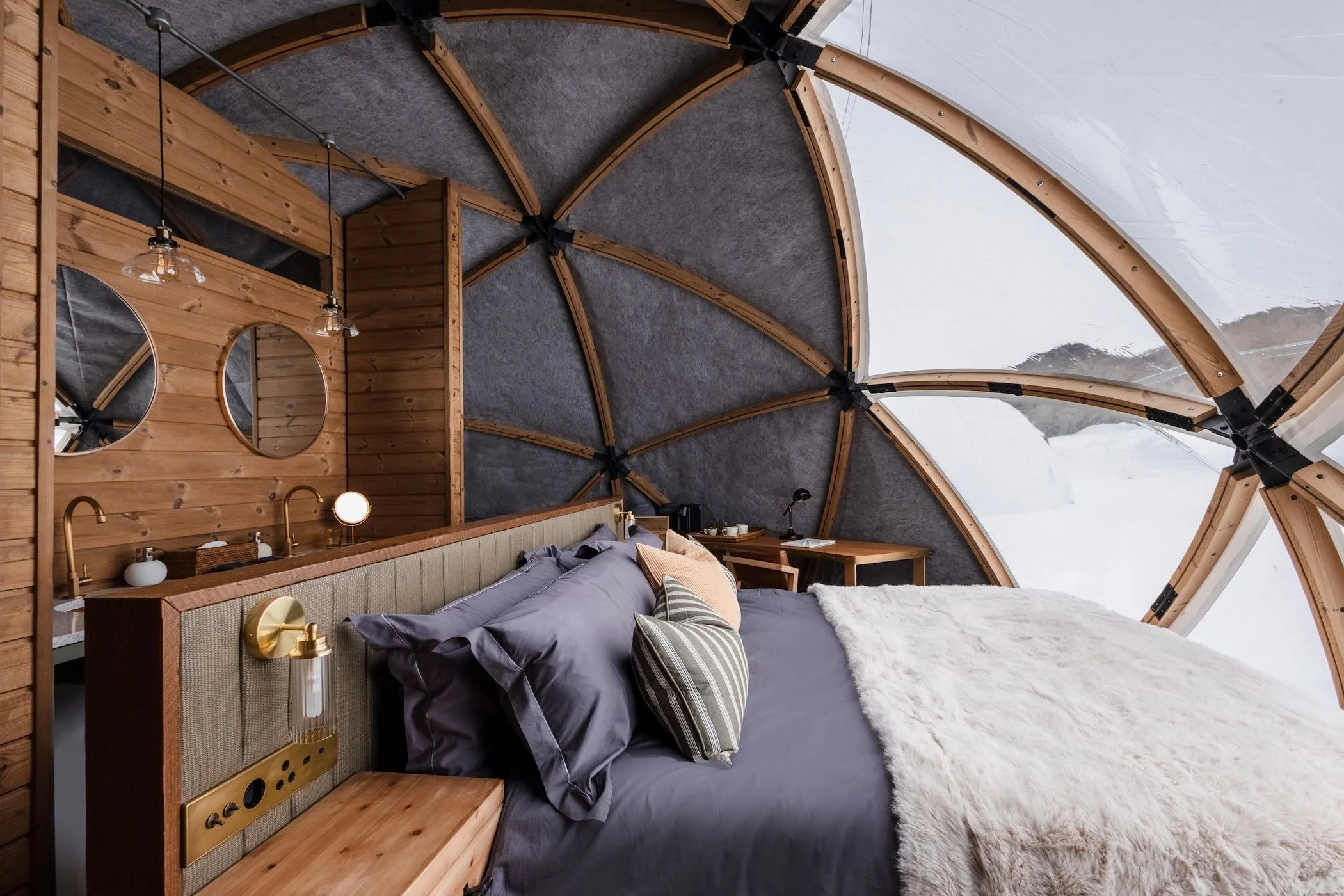
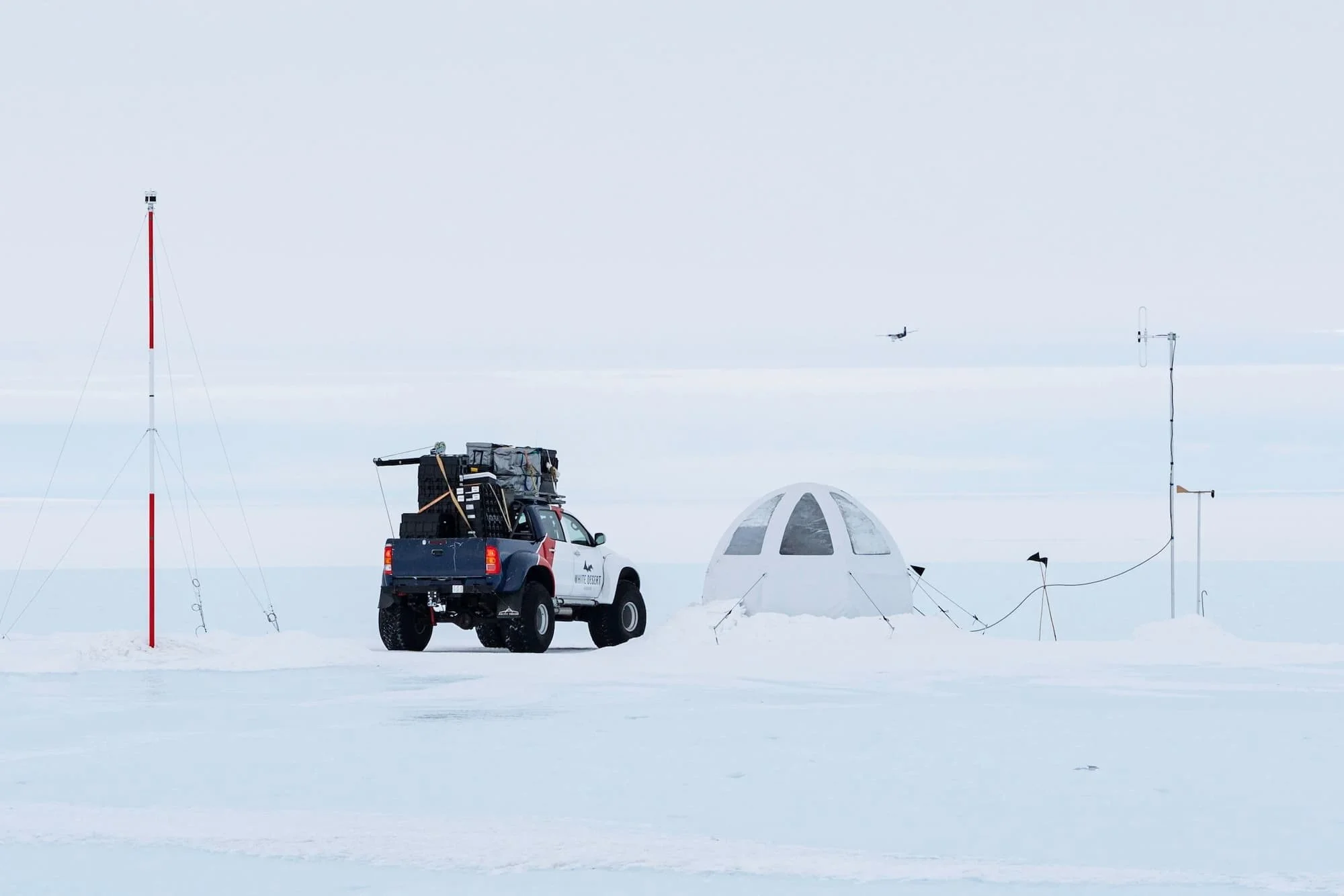
Explorer Camp returns to a more recognizably expeditionary vocabulary beneath T-Rex Mountain. Its heated tents combine timber finishes with translucent panels and large windows. Choosing between the camps is therefore a choice of both atmosphere and landscape, rather than simply a progression through larger rooms.
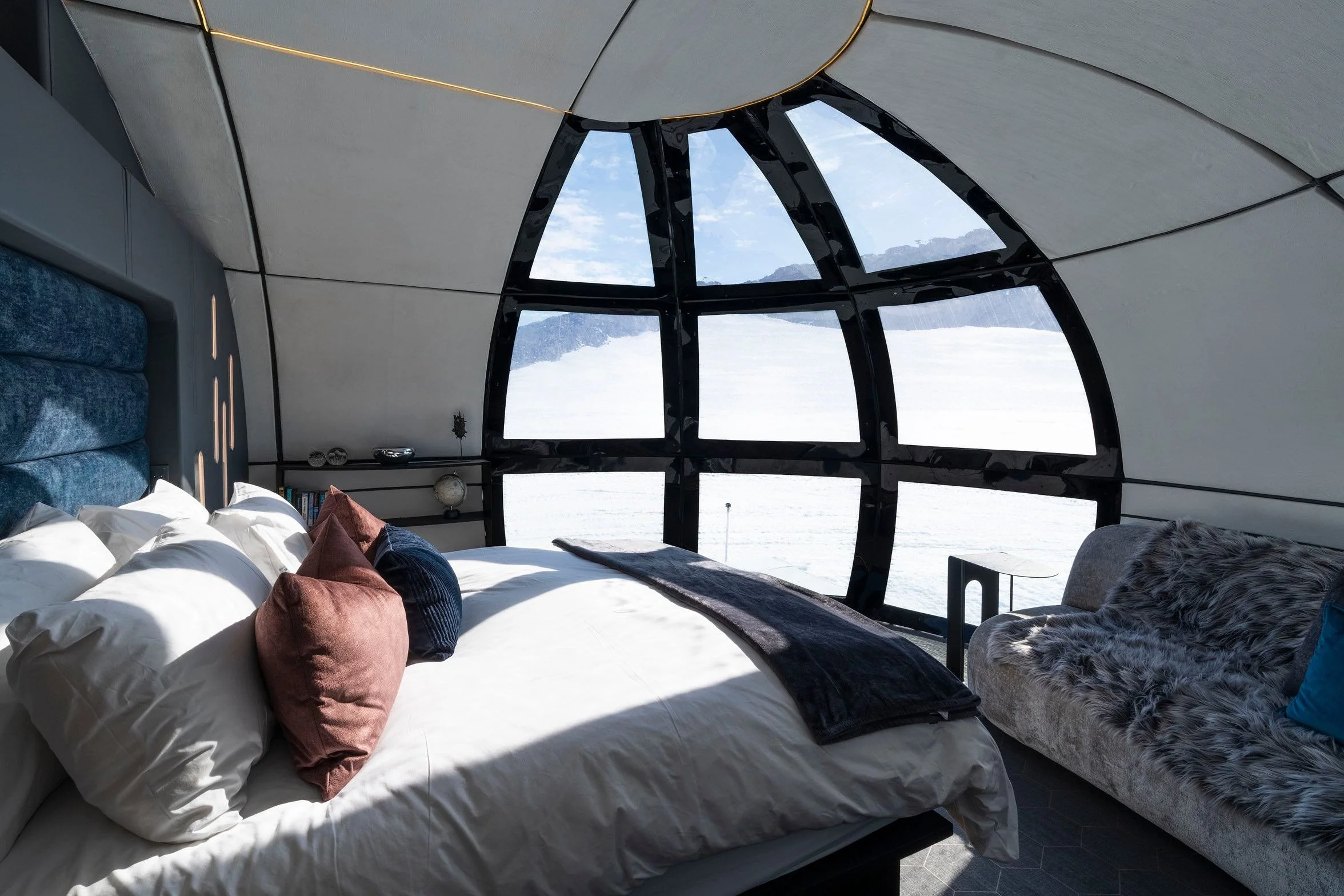
From Explorer Tents to Whichaway and Echo Pods
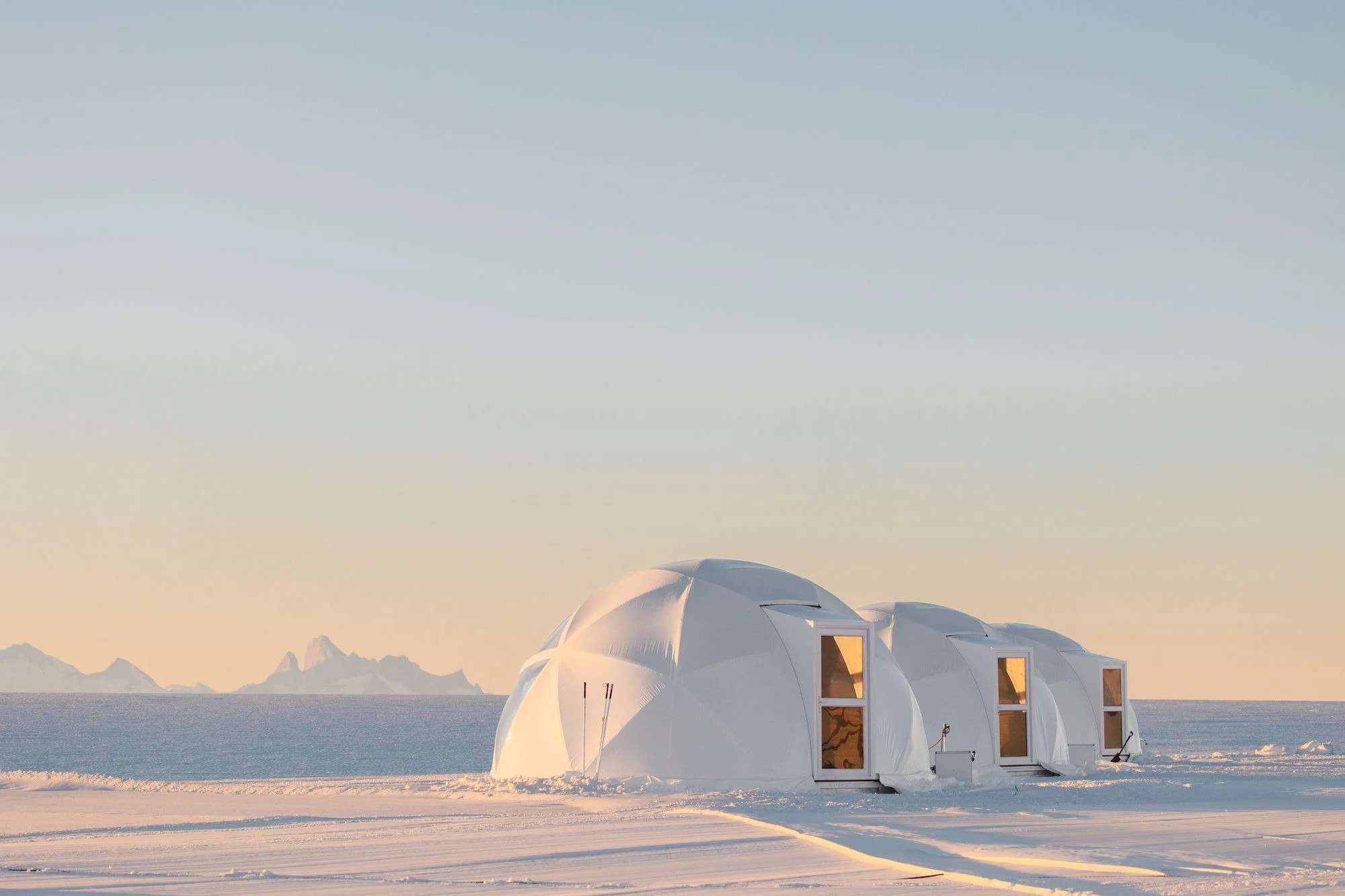
The accommodation collection starts with Explorer’s tented format and moves to the two flagship pod camps. Whichaway and Echo offer different design experiences at a comparable level, rather than a fixed hierarchy of standard rooms and suites. Each camp has six guest accommodations, keeping the scale intimate.
Explorer Camp Sleeping Tent: A heated bedroom tent with chalet-inspired interiors, landscape views, a private toilet and washing facilities; showers are shared in the camp’s communal facilities.
Whichaway Camp Pod: A heated bedroom pod with a private en-suite bathroom and shower, writing desk and glass conservatory with mirrored panels, creating a sheltered sitting space overlooking the oasis and glacier.
Echo Base Sky Pod: A heated bedroom pod with expansive one-way glazing, a private en-suite bathroom and shower, a writing desk and an immediate visual connection to the snowfields and surrounding mountains.
For couples, the strongest distinction is often Whichaway’s rocky lakeside setting versus Echo’s open expanse of ice. Explorer appeals to travelers drawn to the practical character of an expedition camp. Our team matches camp and departure together, taking account of the itinerary rather than selecting accommodation in isolation.
South Pole journeys can also include an overnight at Dixie’s Camp on the polar plateau. Its simple expedition tents form part of the route and should be understood separately from the comfort and bathroom arrangements at the principal camps.
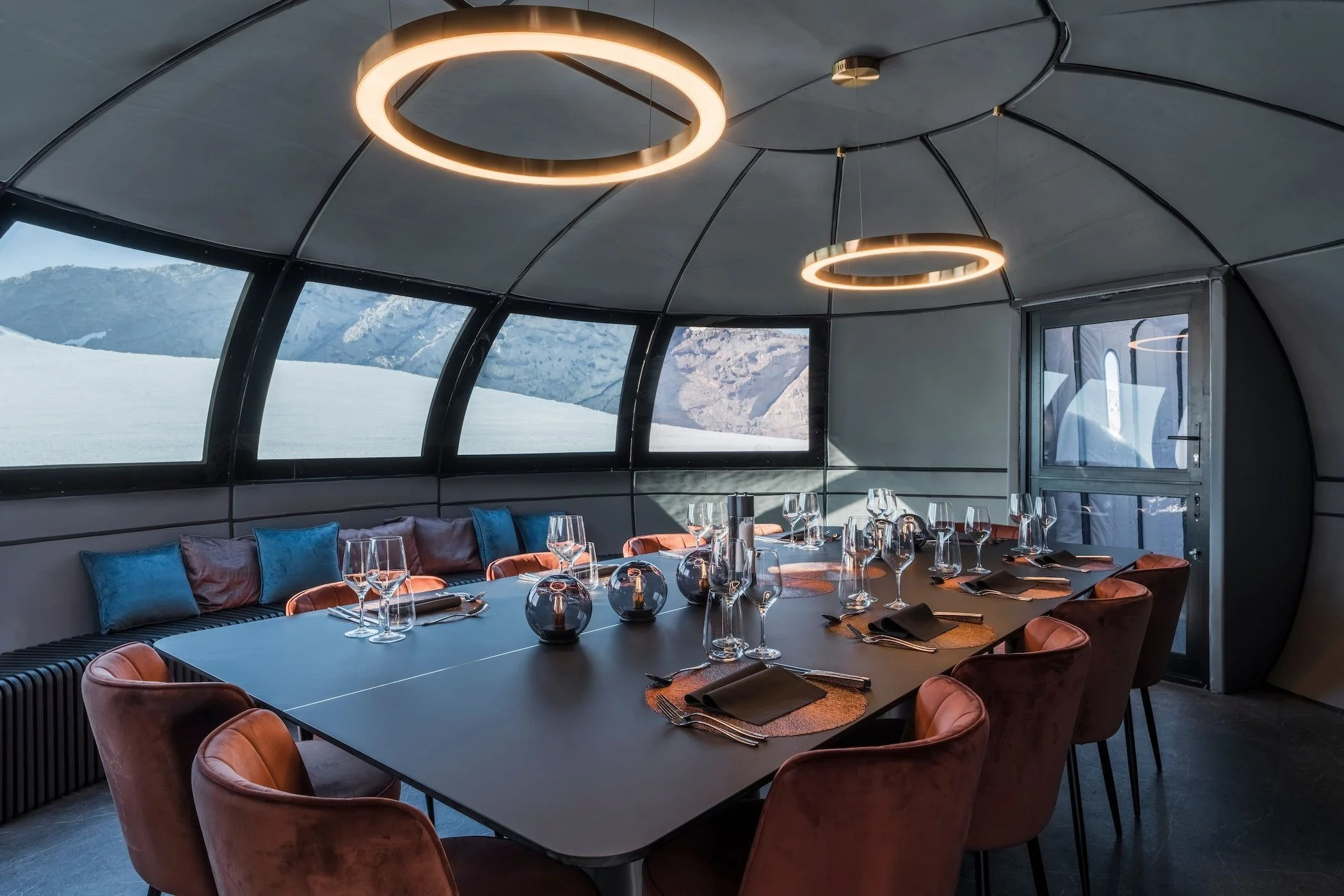
Dining at the Edge of the Flight Network
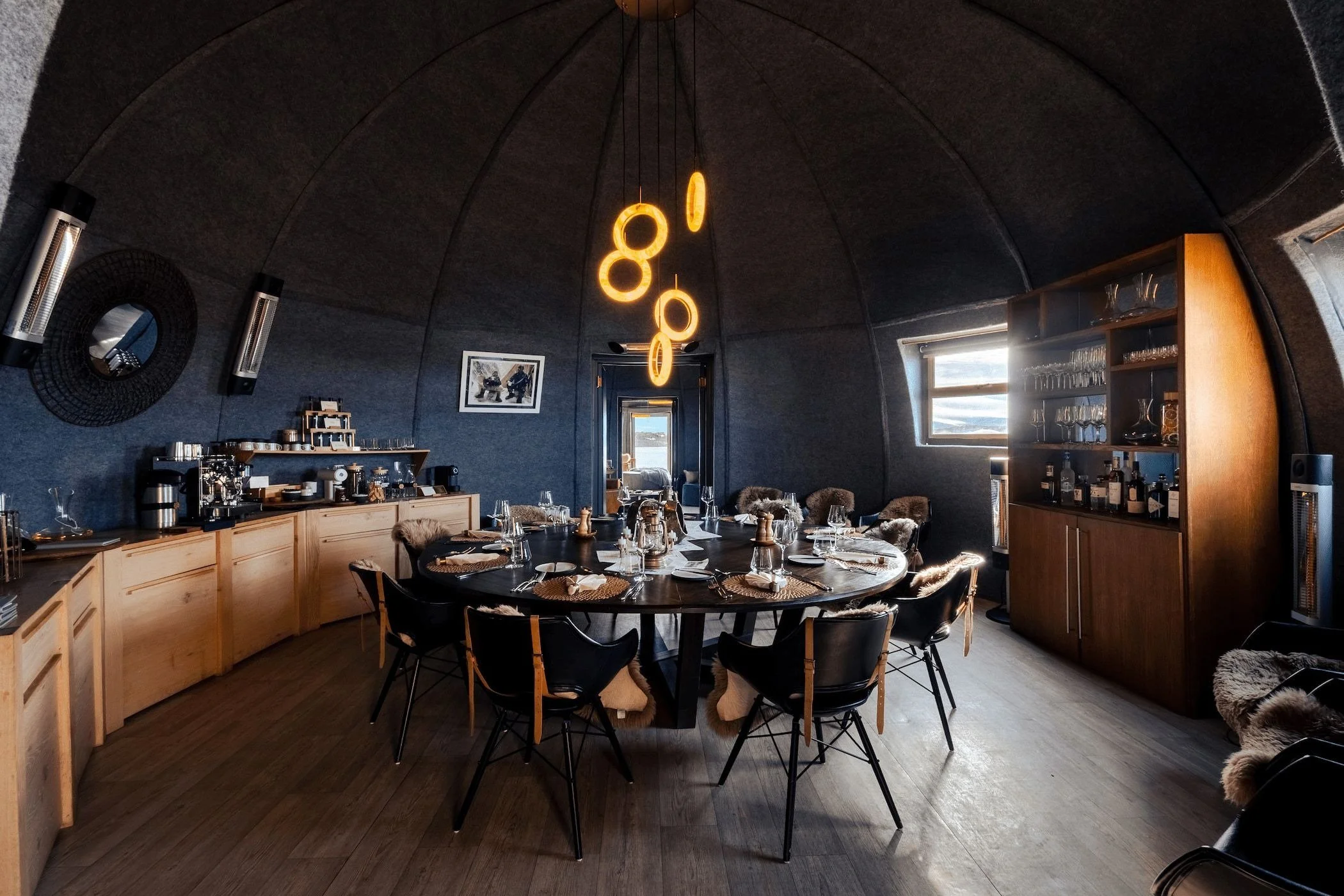
Meals provide structure after time outdoors, with chefs working from ingredients transported into Antarctica. At Whichaway and Echo, fresh supplies are flown in weekly. Menus must respond to both those deliveries and the movement of the expedition, so flexibility is part of the experience.
The dining settings are intimate camp spaces rather than a collection of independent restaurants. Dietary requirements deserve attention before departure, when the team can plan supplies and preparation.
Whichaway Camp Dining: A shared dining space with warm finishes and a sociable table, suited to returning from an excursion and comparing the day’s observations.
Echo Base Dining Room and Bar: Contemporary communal spaces combine chef-prepared meals, wines and a bar framed by the camp’s sculptural architecture.
Explorer Camp Dining: Chef-prepared meals accompany the camp’s more informal expedition setting, with the day’s timing shaped around activities and flight operations.
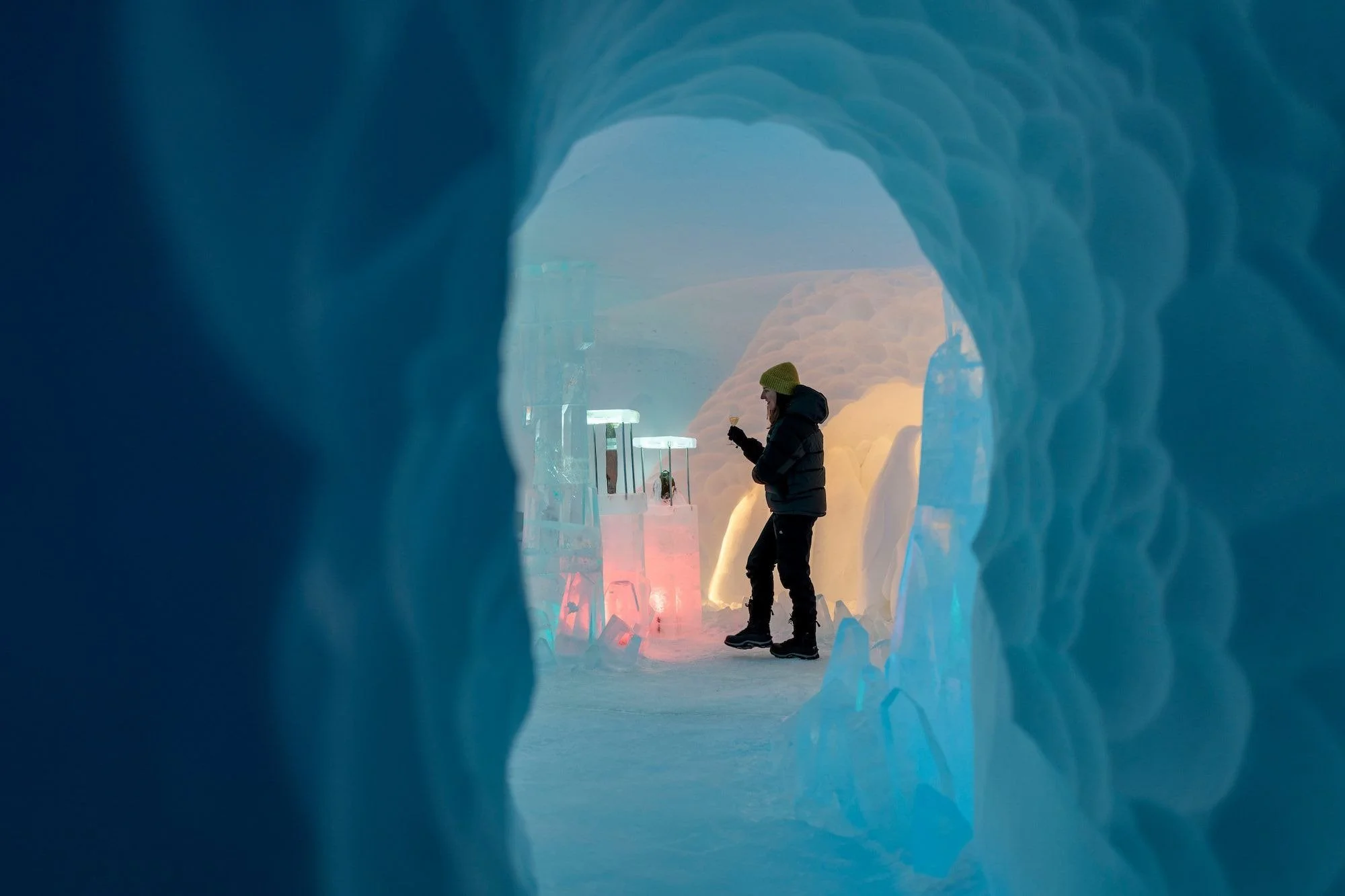
Wolf’s Fang Ice Bar: An ice-carved setting featured on selected experiences, including Antarctica in a Day, where a celebratory drink becomes part of the excursion rather than a conventional evening out.
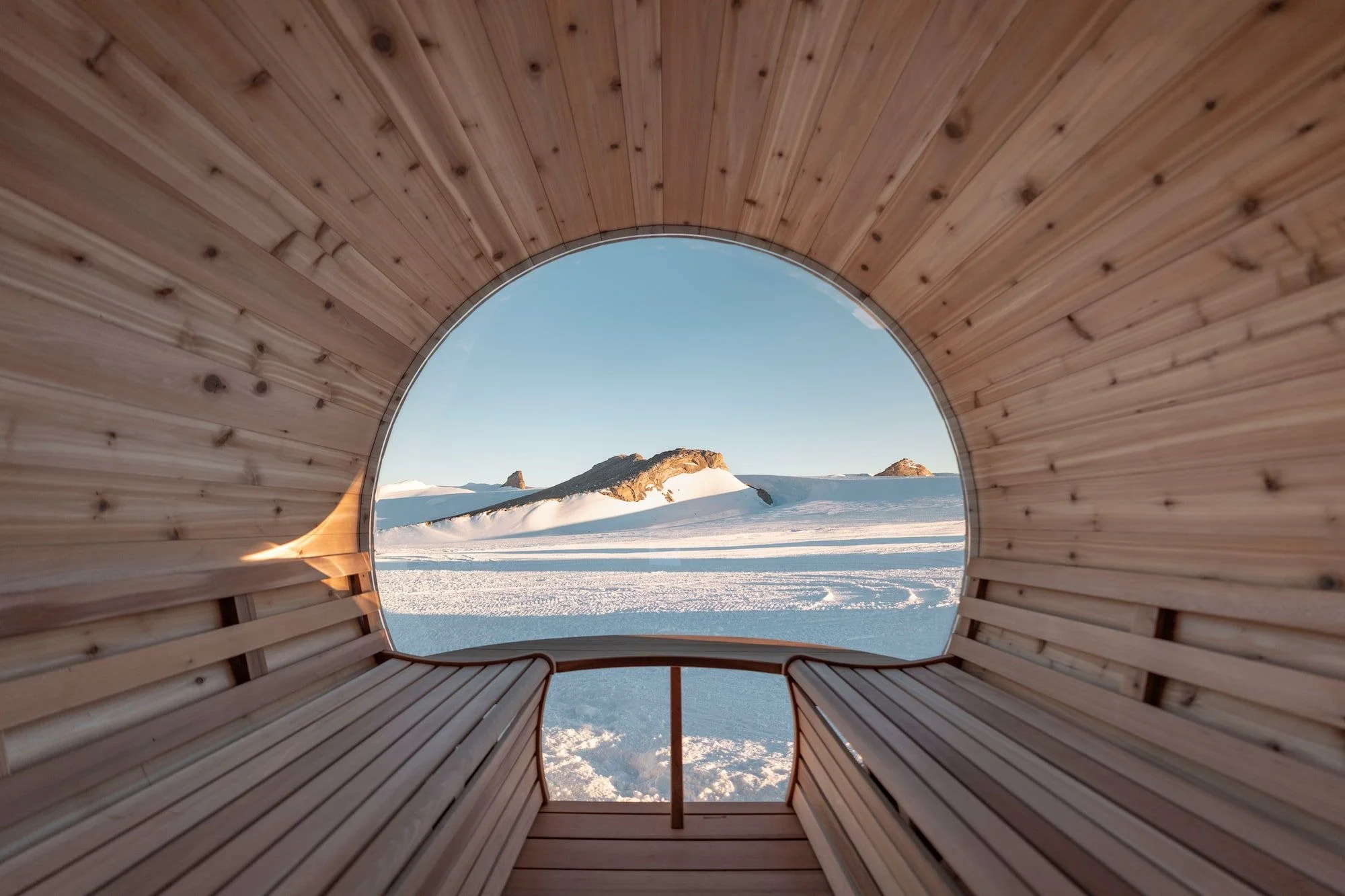
Warmth and Recovery Between Expeditions
The pleasure of returning indoors is unusually tangible here. Removing outdoor layers, settling beside a window and watching the landscape without wind or cold becomes a meaningful part of the day.
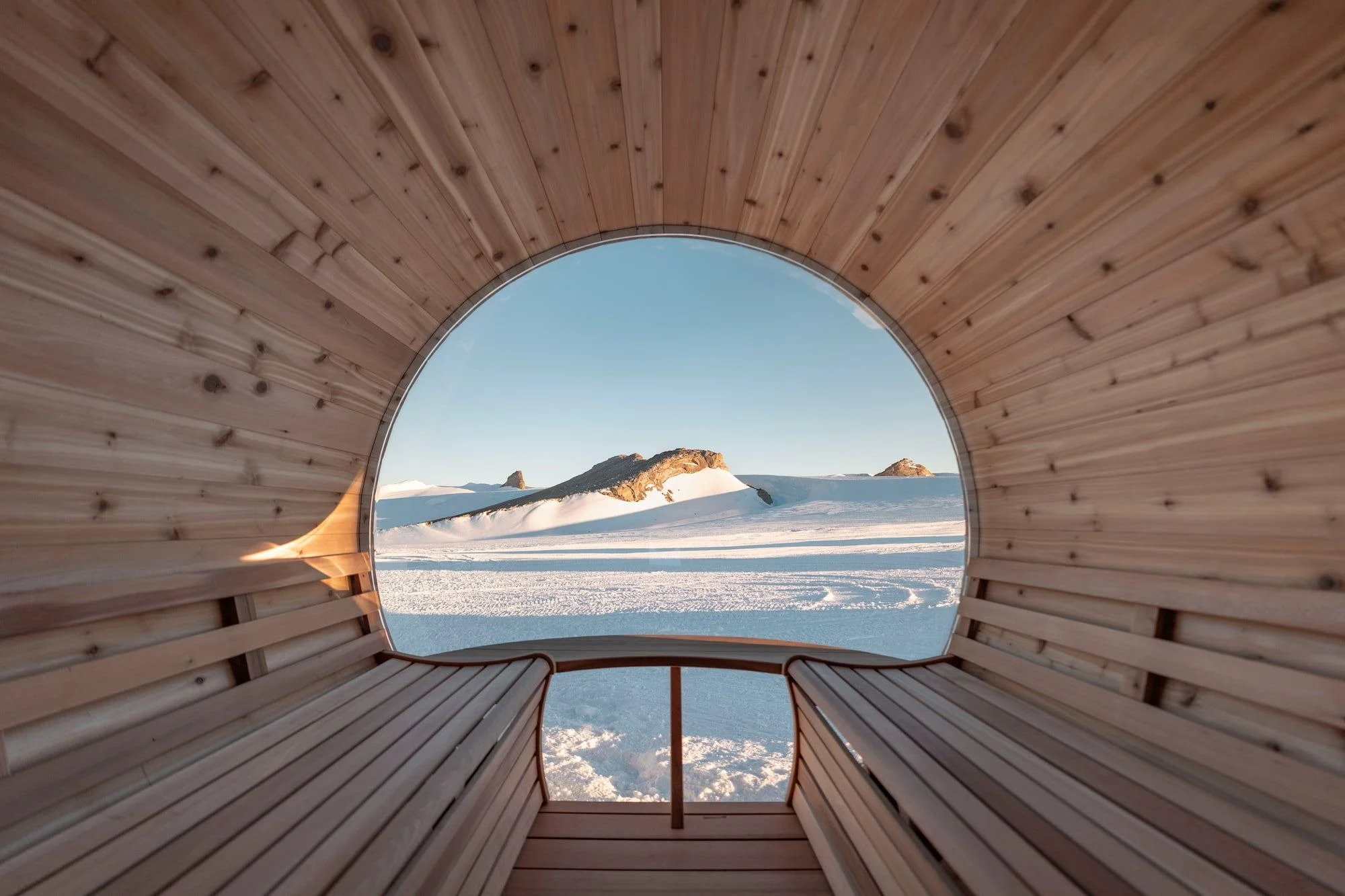
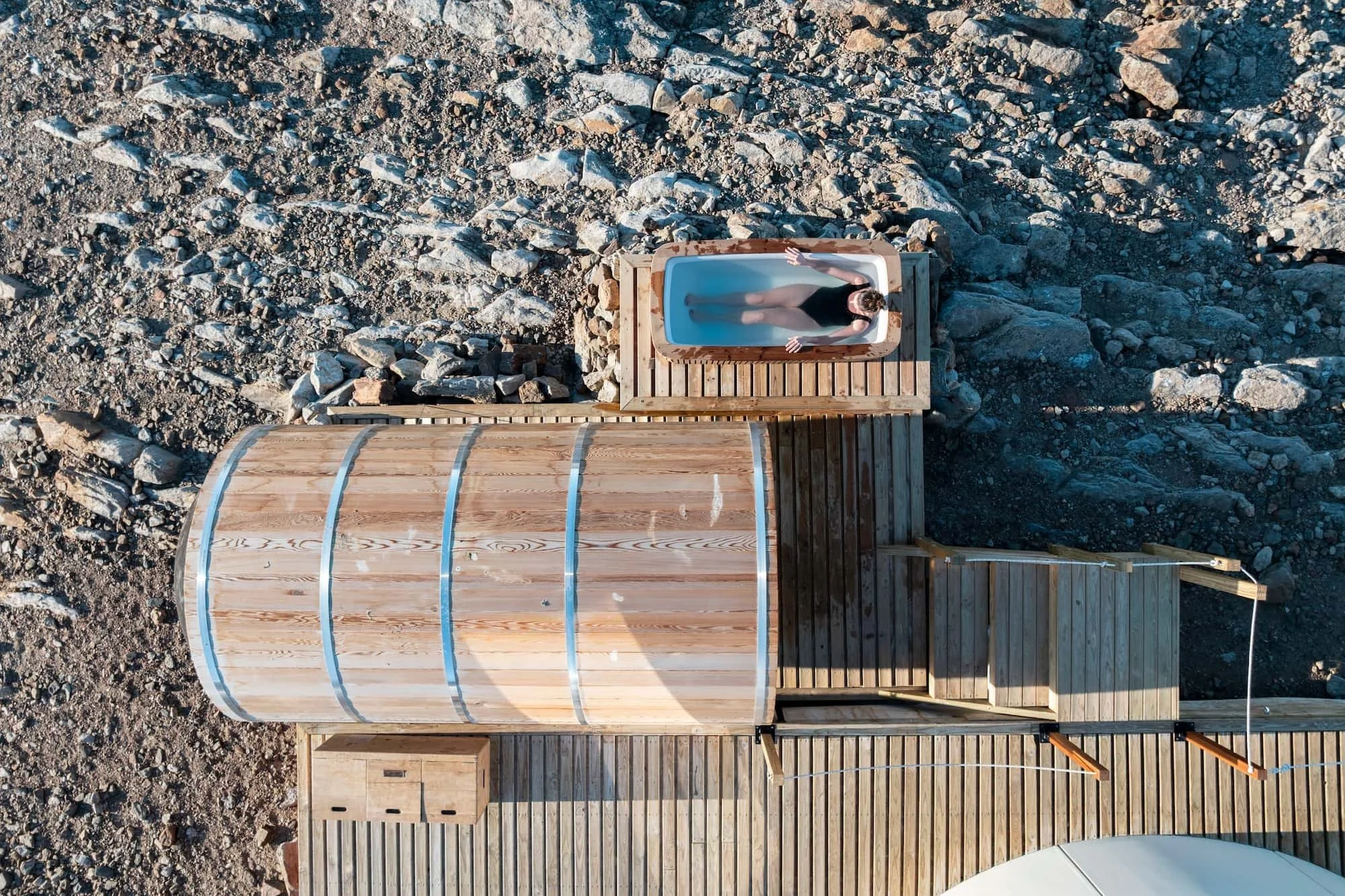
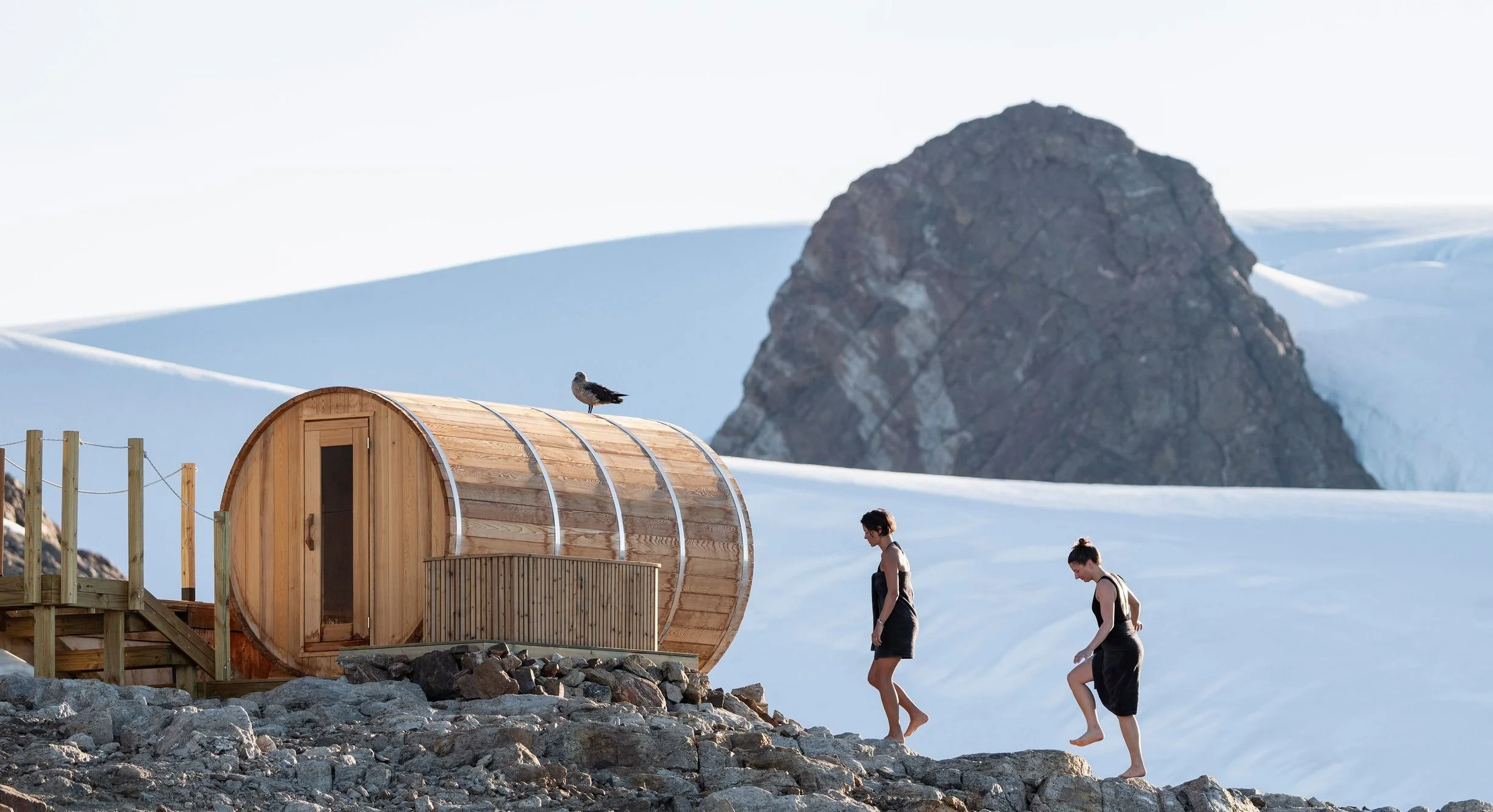
Whichaway and Echo offer sauna and ice-plunge experiences, massages, and spaces for yoga and meditation. These facilities complement days spent walking and exploring; they do not turn the trip into a conventional spa retreat. Explorer’s emphasis is on warm accommodation and expedition activity.
Outdoor exercise varies substantially, from a measured walk to more demanding climbing. The guiding team helps establish a suitable level, and there is value in leaving time to recover between major excursions. A South Pole journey, in particular, introduces the demands of the high polar plateau as well as a longer flying day.
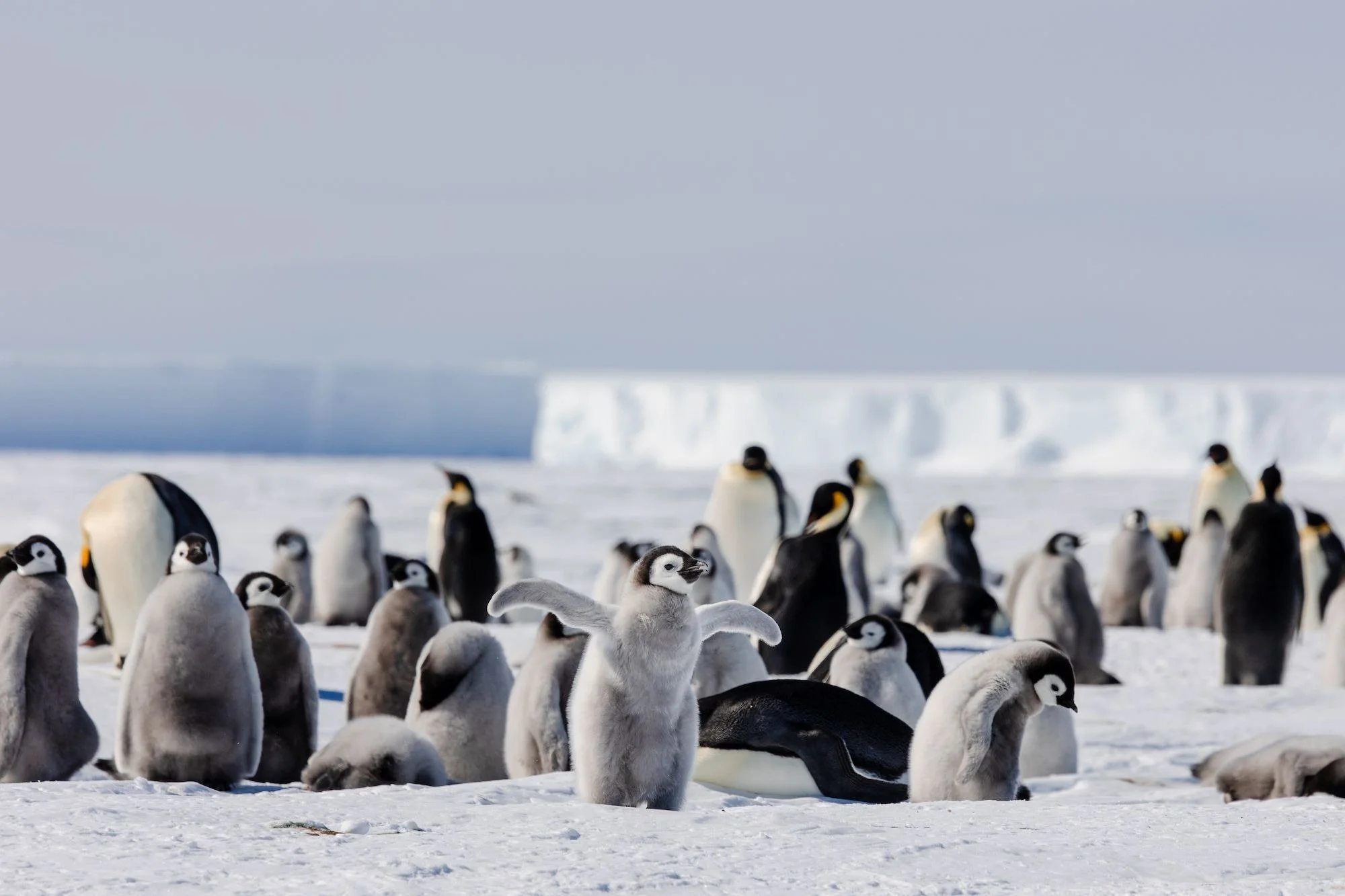
Emperor Penguins, Blue Rivers and the Geographic South Pole
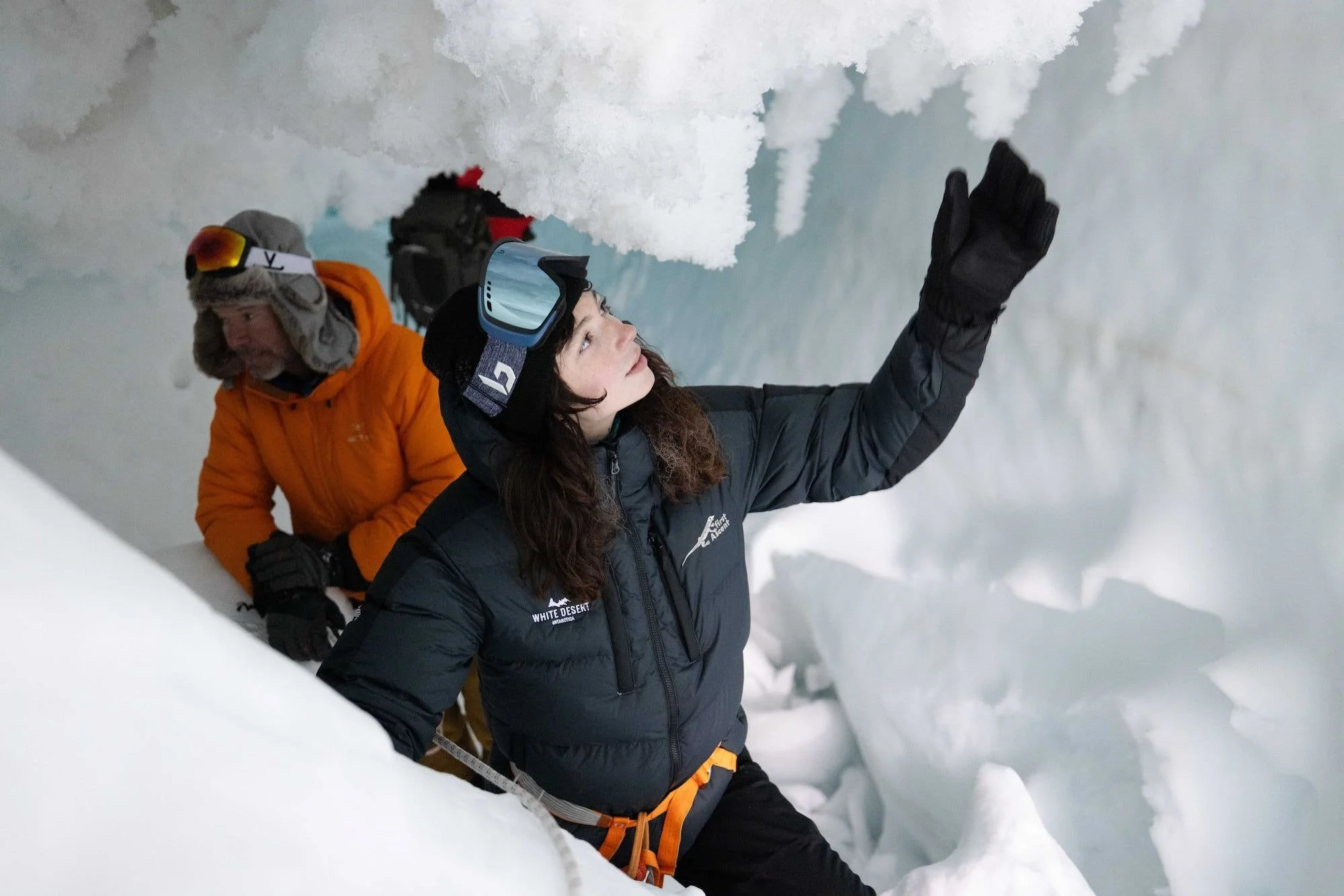
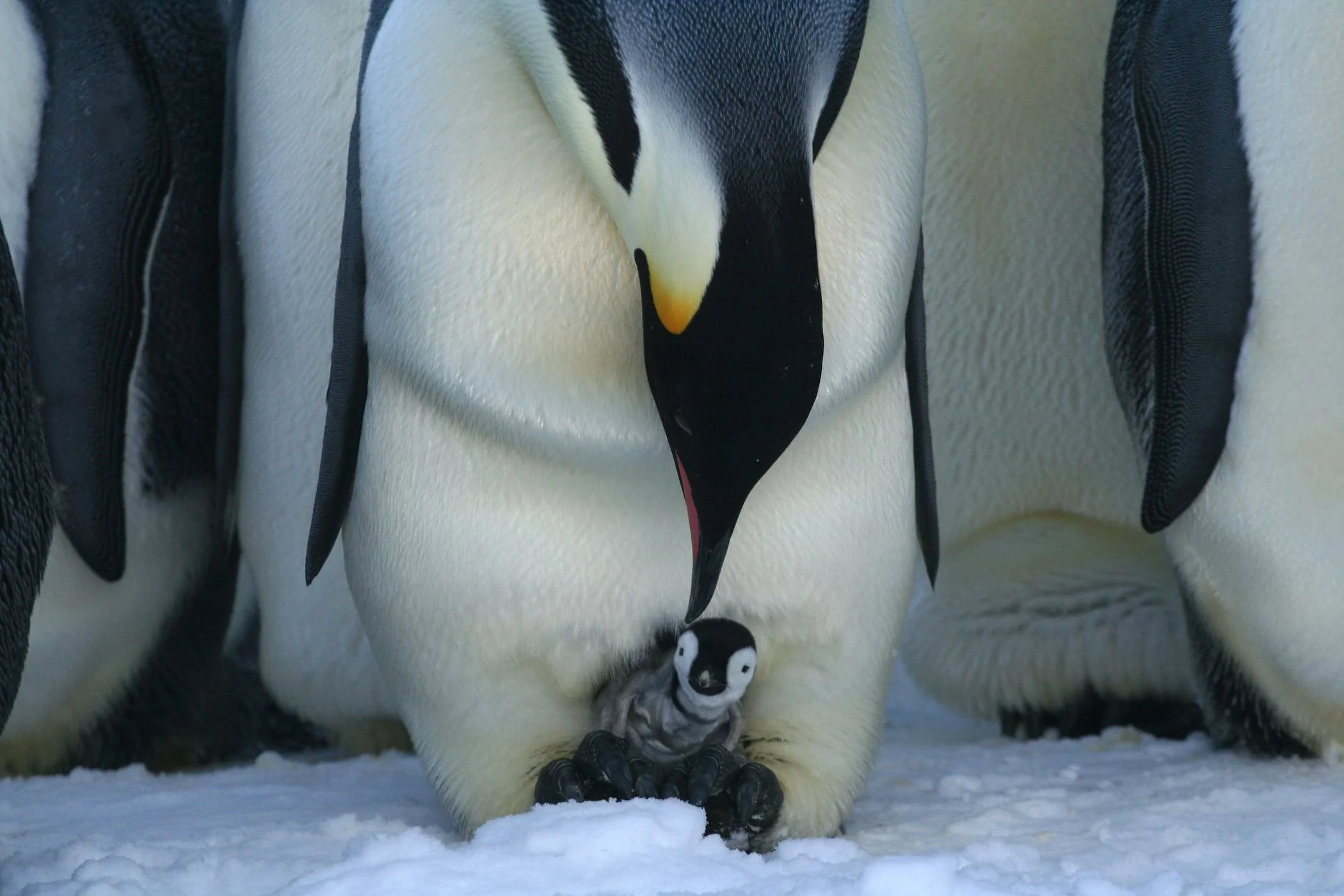
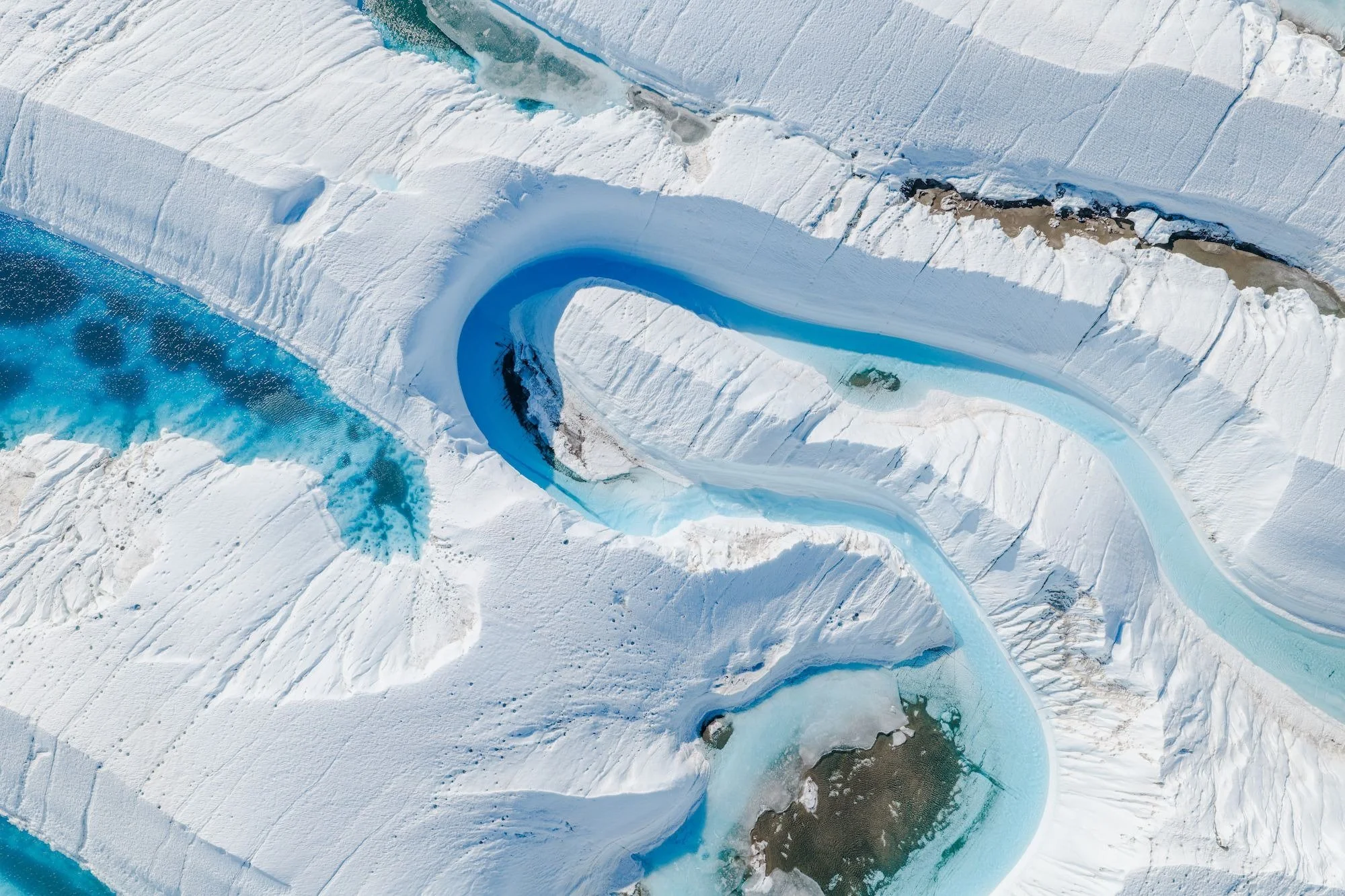
White Desert’s itineraries should be chosen around the experience that matters most. Baby Penguins & Blue Tunnels focuses on early-season encounters at Atka Bay and the blue formations of the ice. South Pole & Penguins combines wildlife with the journey to 90 degrees south, while South Pole & Blue Rivers pairs the Pole with the changing meltwater landscape later in the season.
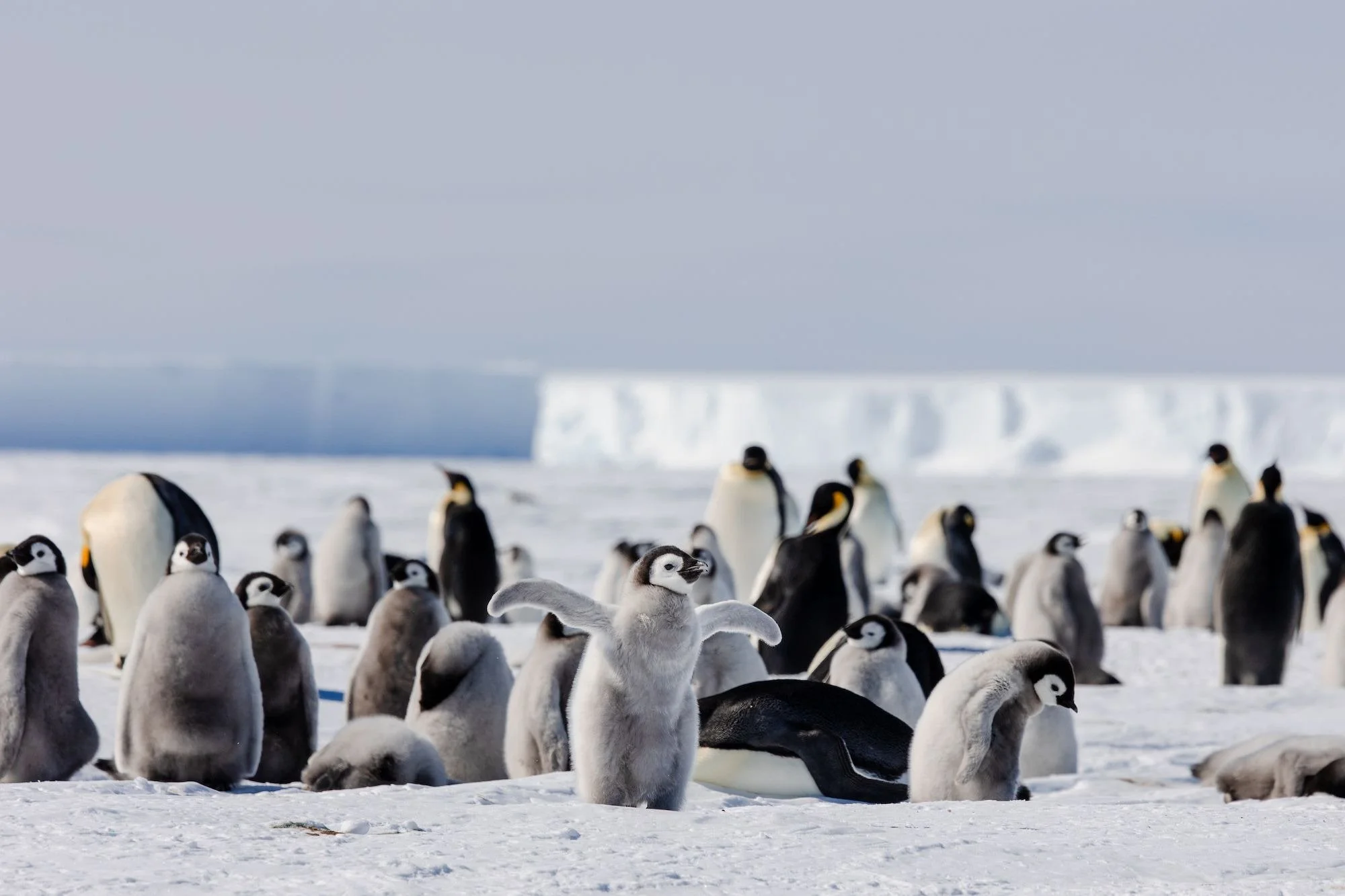
The emperor colony is reached by a separate flight and a guided approach. It is not beside the accommodation, and penguin viewing is not included in every departure. The guides control movement and distance around wildlife; access depends on the conditions and protocols in force at the time.
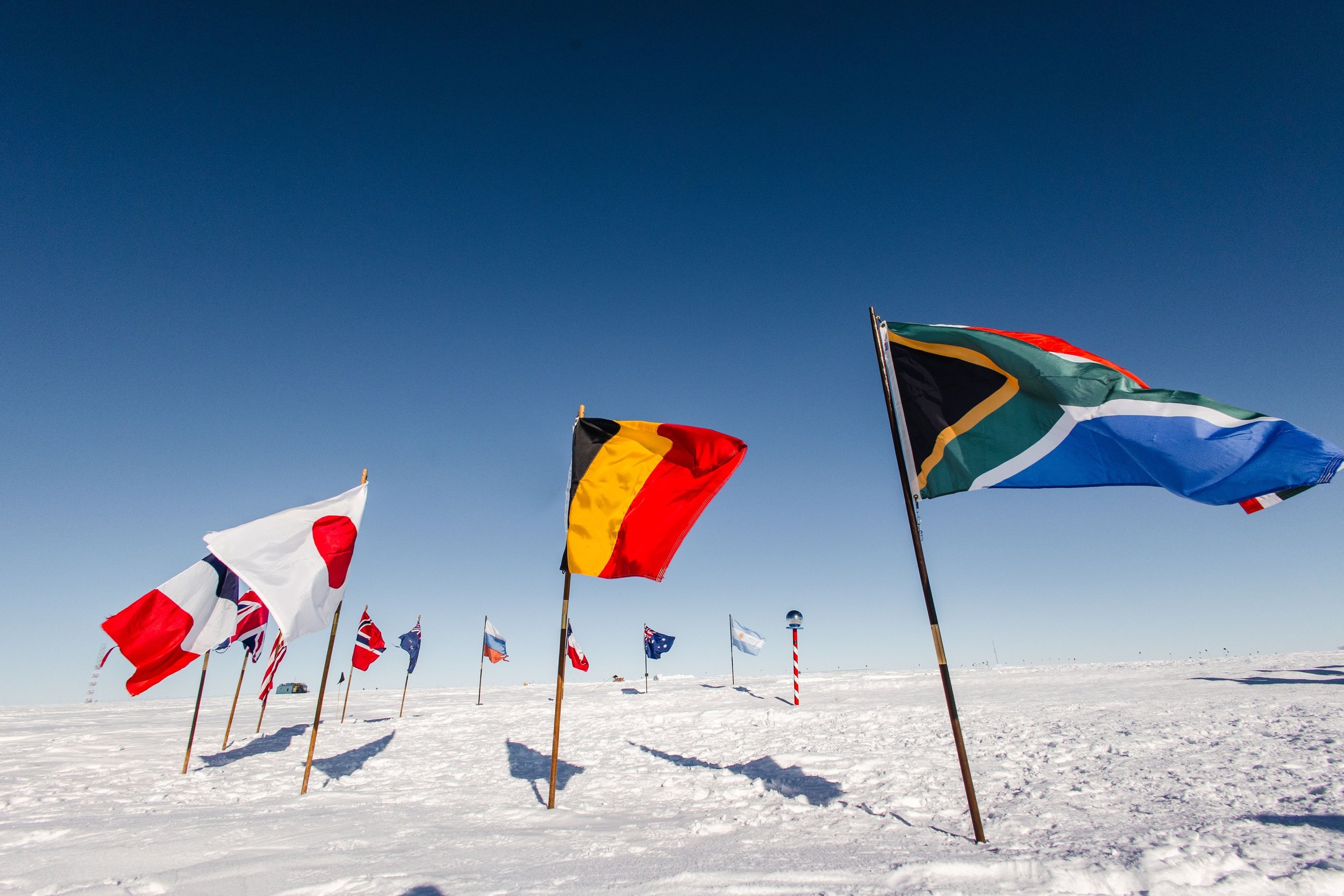
The South Pole is a substantial expedition within the stay. The route includes refueling at Dixie’s Camp and an overnight on the plateau on applicable itineraries. Reaching the Geographic South Pole carries a particular historical resonance, but the flight across the interior and the scale of the plateau are integral to the experience.
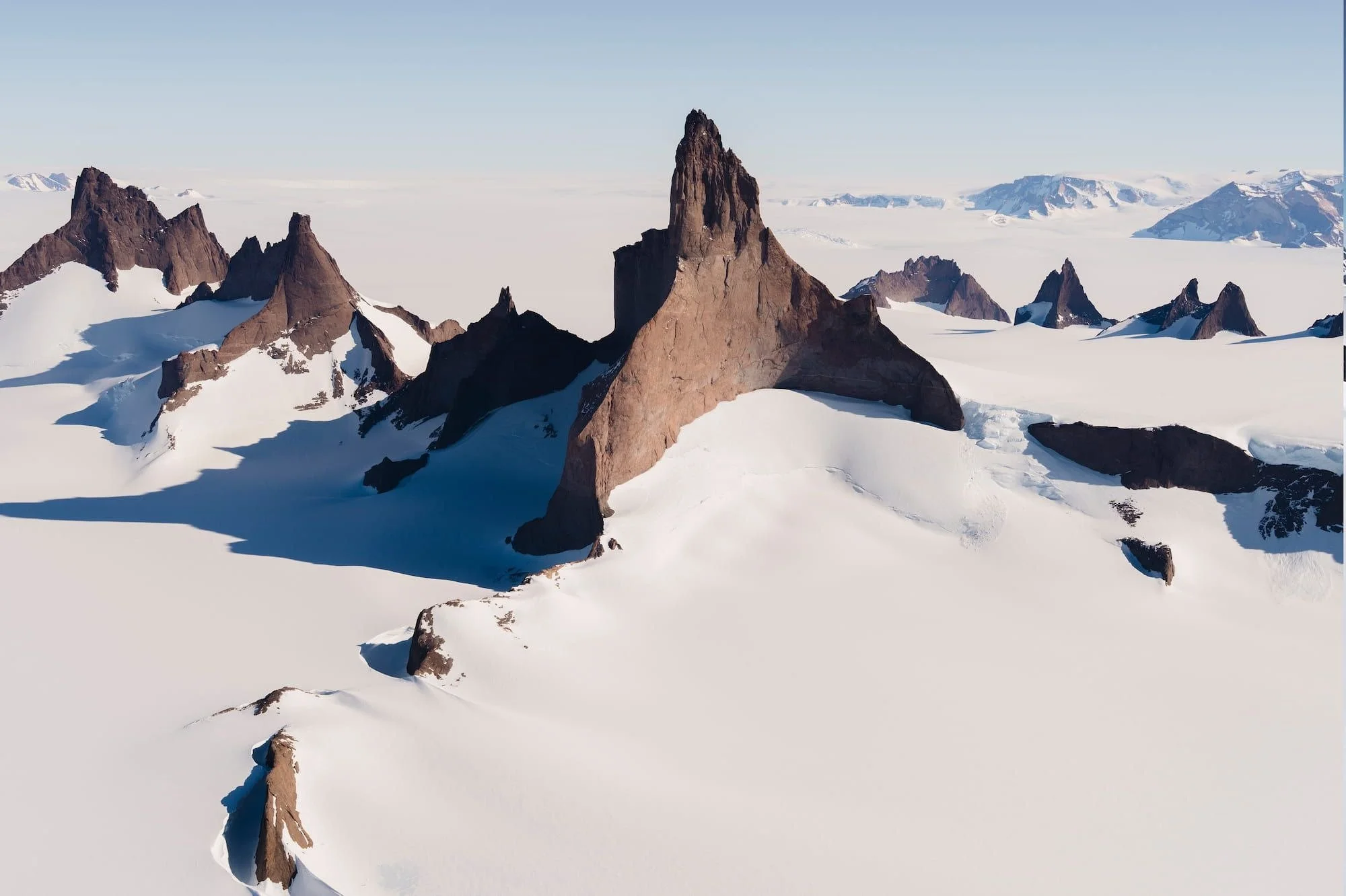
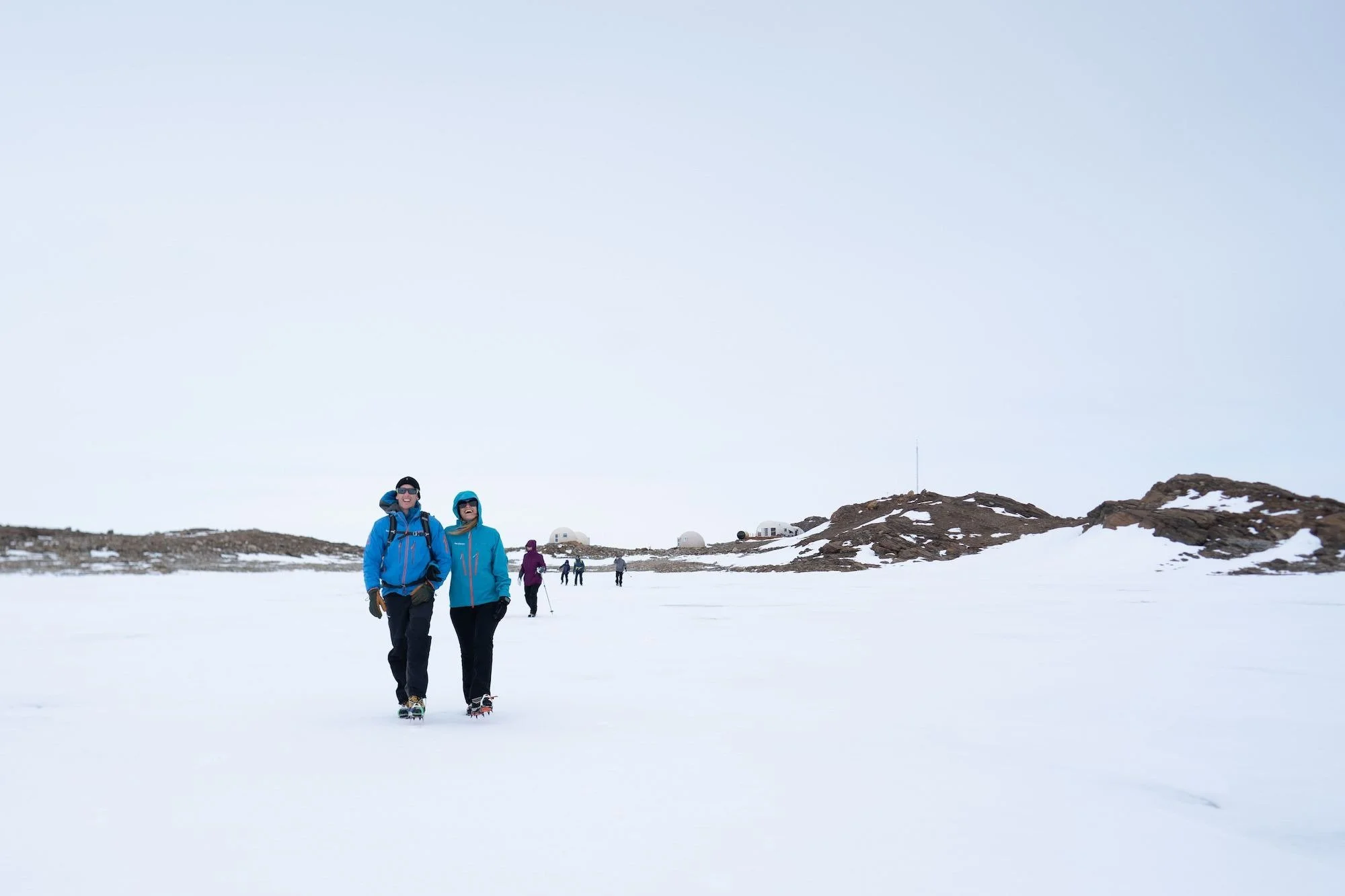
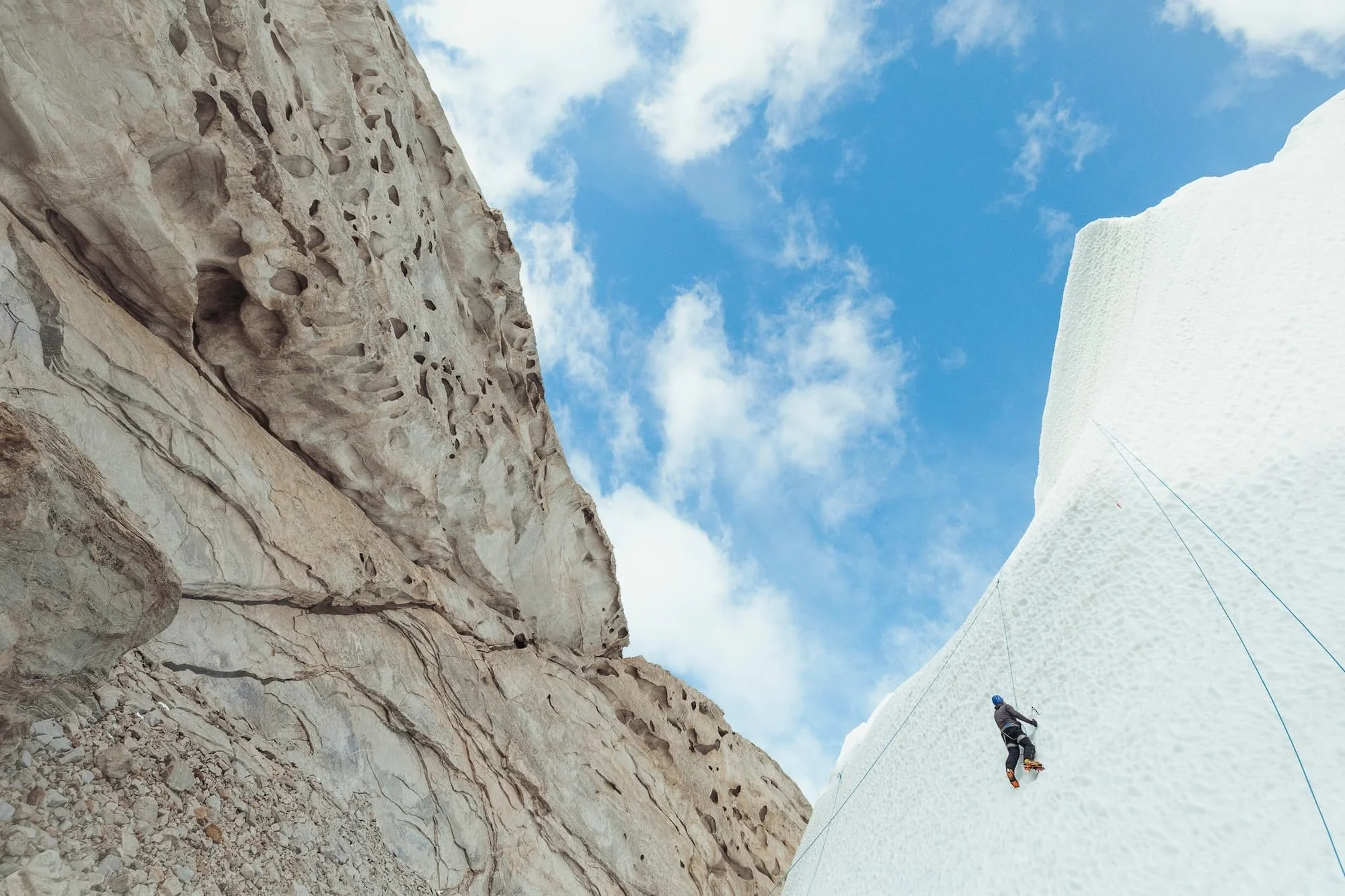
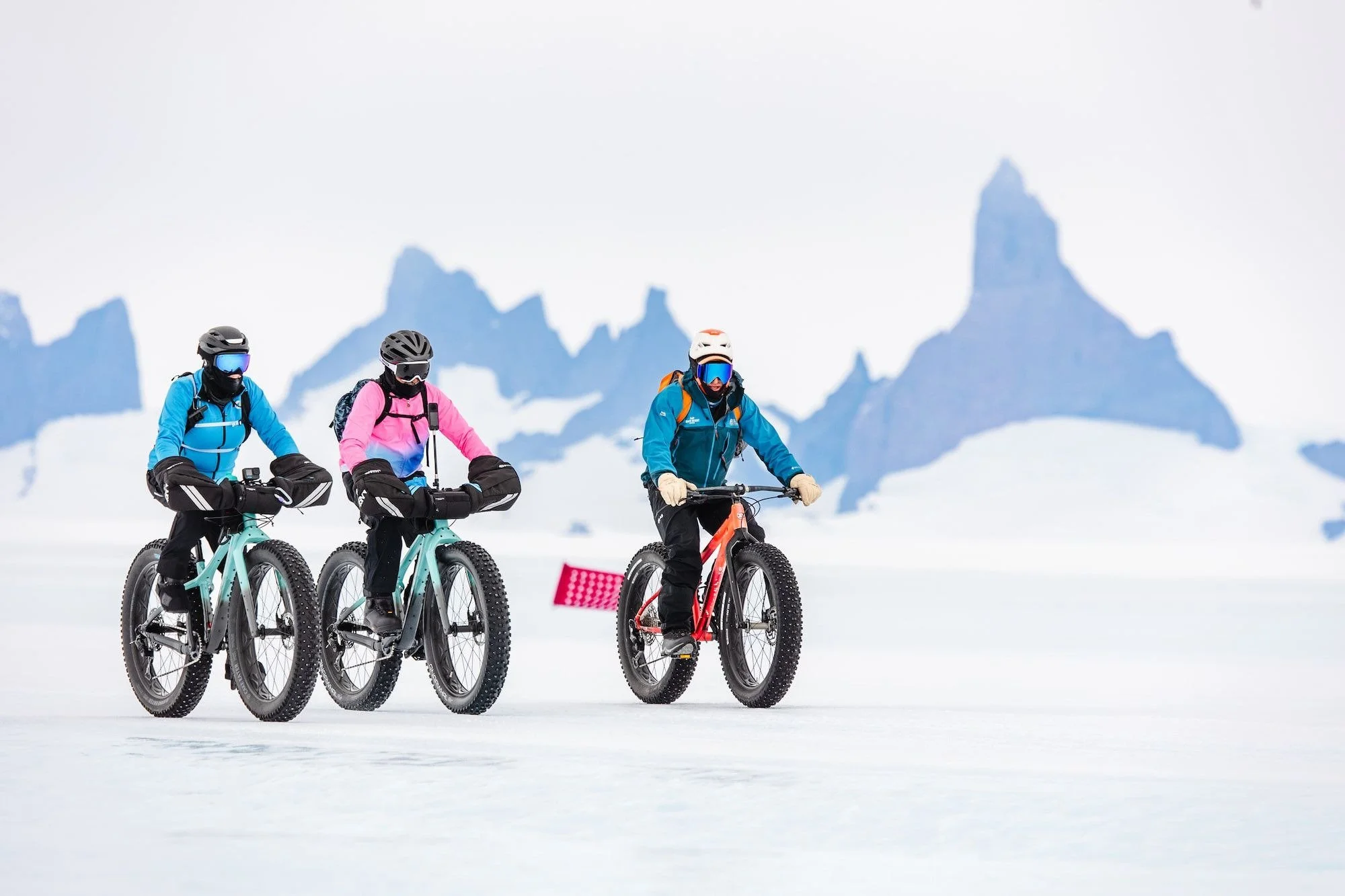
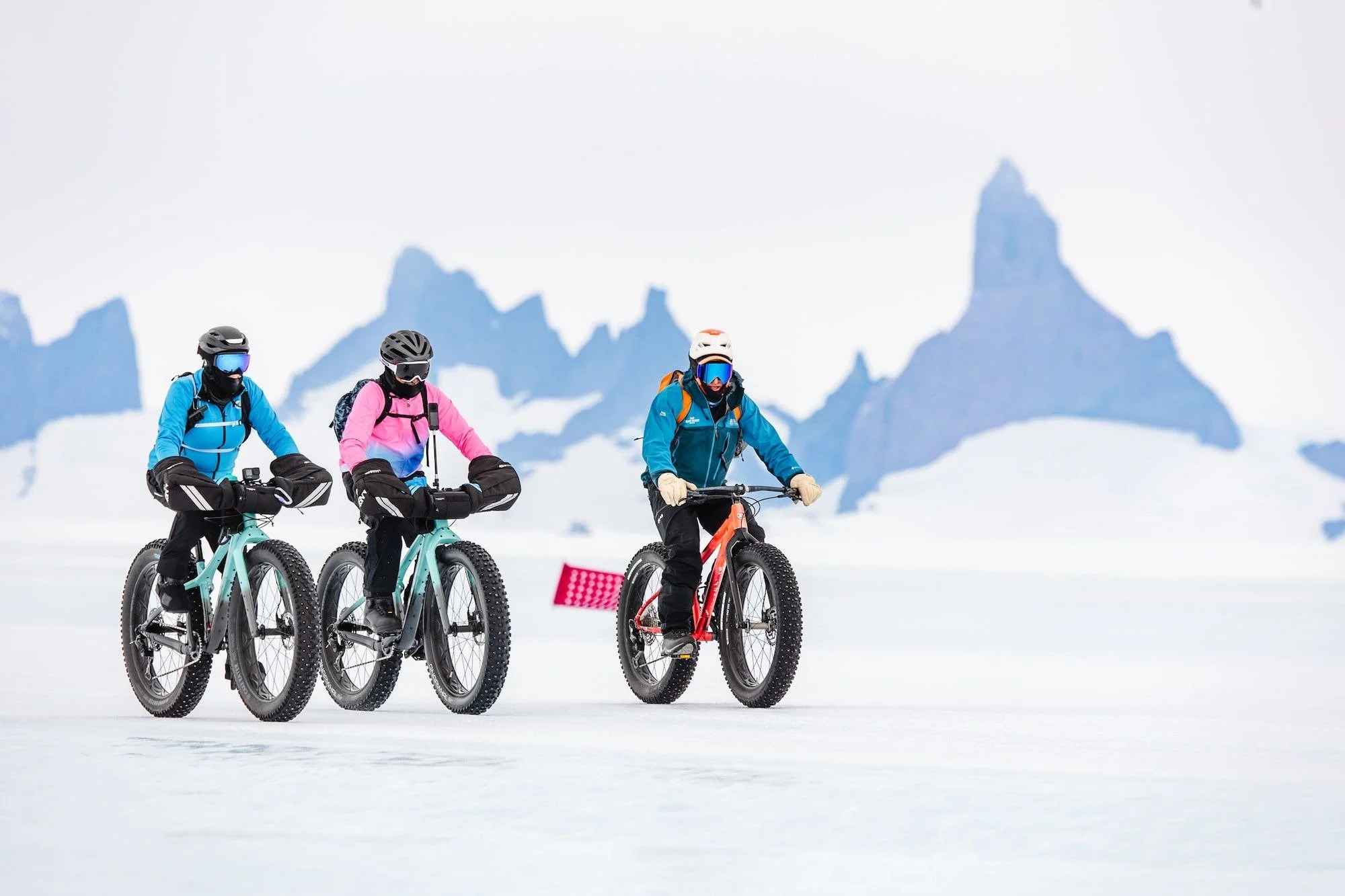
Around the camps, options include glacier walks, ice climbing, abseiling, fat biking and hikes among nunataks, the rocky summits projecting above the ice. Conditions and individual ability determine what is appropriate on a given day. The Long Stay combines Whichaway and Echo, while Discovery Week introduces a more explicitly science-led approach. Antarctica in a Day offers a shorter round trip from Cape Town, without substituting for the separate penguin and South Pole expeditions.
An Expedition for Curious Older Children
White Desert can be an exceptional shared journey for families interested in wildlife, geology and exploration. Its published age range begins at 10, while standard South Pole eligibility is narrower, from 16 to 75. Exceptions require individual medical approval by the operator.
A younger traveler who is not cleared for the South Pole must remain at the base camp with an adult from the traveling party. This is an important itinerary decision, especially when different generations have different ambitions.
The family experience centers on guided activities and discovery, rather than a children’s club or drop-off program. Our team helps build a realistic plan around the youngest traveler’s stamina, confidence and interests. Time examining ice, following a guide or observing penguin behavior can be more rewarding than filling every available hour.
The Practical Work Behind a Smaller Footprint
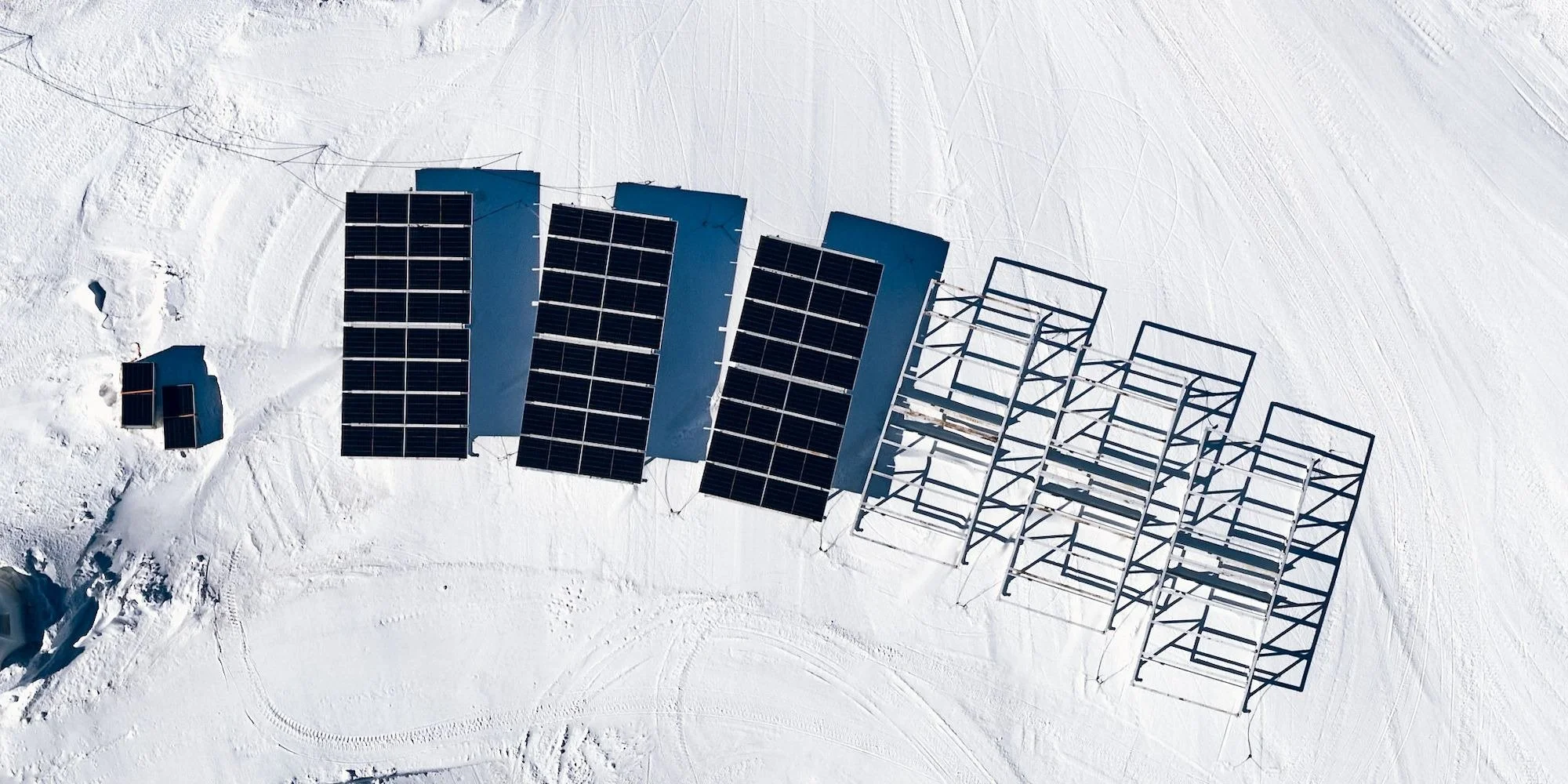
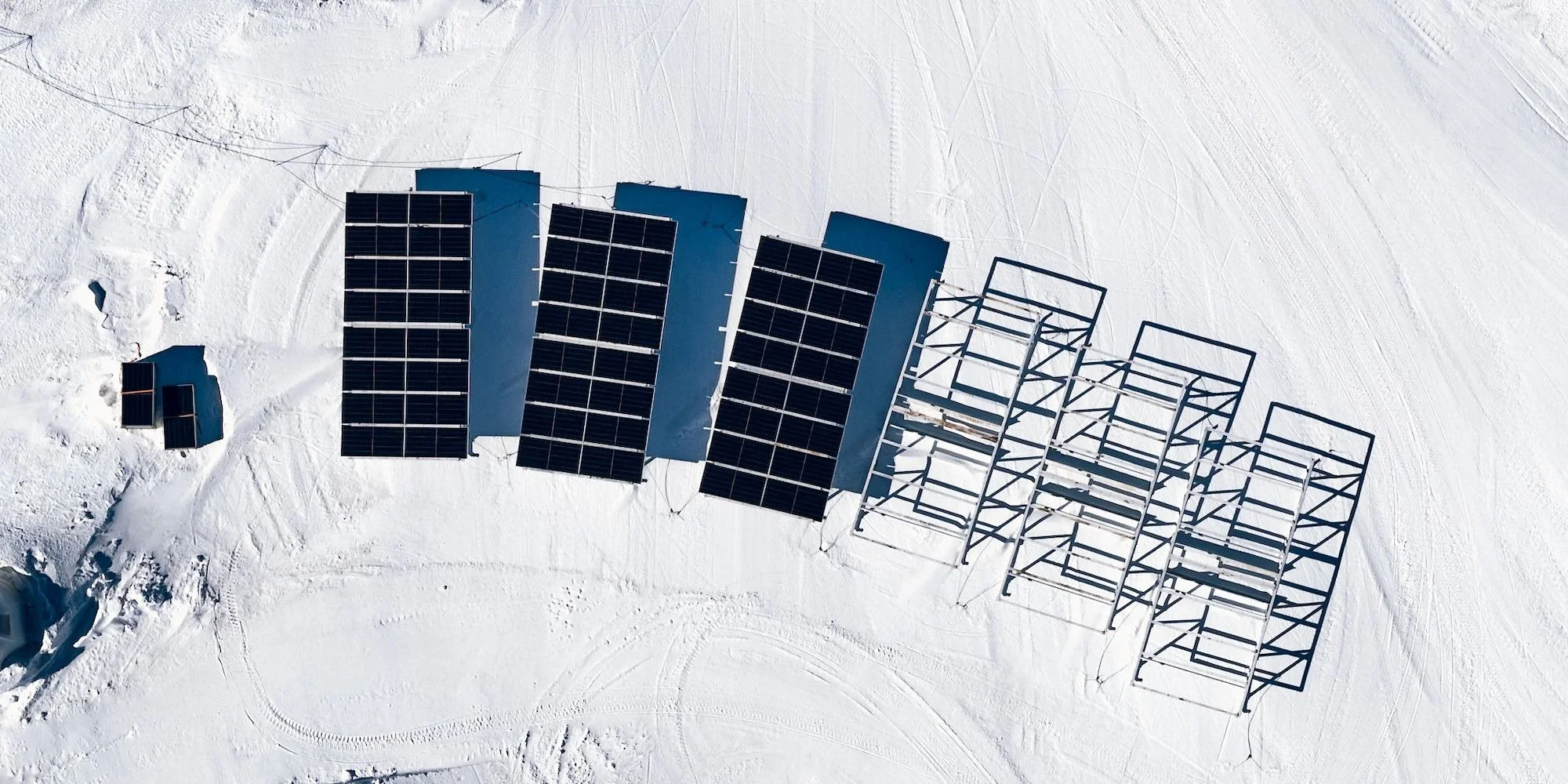
The environmental questions surrounding Antarctic travel deserve specific answers. White Desert uses removable camp structures without permanent foundations, exports waste from the continent and incorporates solar energy into its operations. Its aviation work also includes the use of sustainable aviation fuel, although flying to and within Antarctica continues to carry an environmental cost.
These measures sit alongside the less visible discipline of operating in a sensitive environment: managing supplies, controlling where people walk and maintaining strict practices around wildlife. The company also supports scientific activity through its logistics network and foundation.
For travelers, responsible participation is practical. Follow the field team’s instructions, respect restricted areas and accept changes that protect wildlife or the landscape. A carefully managed visit depends on those choices as much as on the design of the accommodation.
Matching the Expedition to Your Access Needs
White Desert requires an individual assessment of access and medical needs. The journey involves aircraft boarding, outdoor transfers and movement over snow, ice or uneven rock; a warm private bedroom does not remove those demands. The South Pole adds altitude and a more remote overnight setting.
Our team coordinates requirements with White Desert before a reservation is finalized, covering mobility, hearing or vision needs, bathroom arrangements, assistance and the activities suitable for each traveler. The objective is a workable plan for the whole journey, including transfers and contingency arrangements.
Medical screening and operator approval are part of preparation. White Desert also requires insurance with at least US$500,000 per person for medical expenses and emergency repatriation, extending at least five days beyond the anticipated return. Evacuation remains dependent on weather and operating conditions.
Let the Antarctic Summer Shape the Itinerary
The operating season runs through the austral summer, broadly November to February, with individual departures and experiences occupying narrower windows. Long daylight hours allow unusual flexibility on the ice, but they do not eliminate weather constraints.
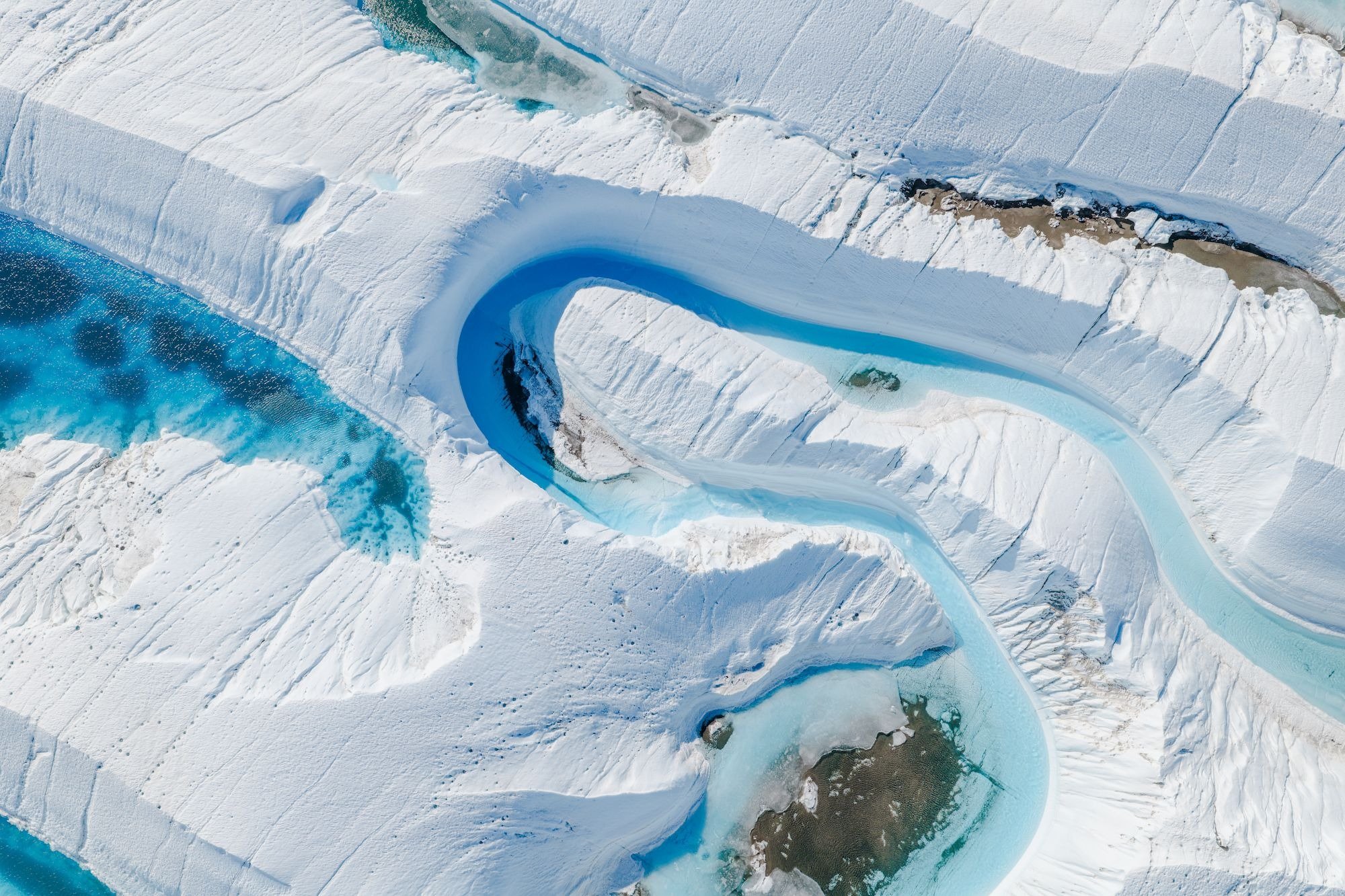
Early-season journeys emphasize emperor penguin chicks and blue ice formations. Later departures bring greater attention to meltwater rivers and the changing surfaces around the oasis. These are seasonal patterns rather than guarantees: the timing and appearance of natural features vary.
The right month follows the purpose of the trip. A traveler primarily interested in the penguin colony should choose a departure specifically built around it; someone drawn to the South Pole and blue rivers needs a different itinerary. Our team aligns those priorities with the camp, departure calendar and time available in Cape Town.
Plan Your Antarctic Journey With Destinations by David
White Desert participates in Virtuoso, and booking through Destinations by David connects that relationship with considered expedition planning. Our team helps select the camp and itinerary, coordinates accommodation in Cape Town and builds the wider trip around the realities of Antarctic operations. Eligible arrangements and any applicable benefits are discussed privately for your chosen departure.
The greatest value lies in making those decisions together. A South Pole itinerary affects medical preparation, family participation and contingency time; the camp choice affects the setting you return to each day. A safari or South African wine-country stay can complement the expedition, provided the schedule leaves sufficient flexibility.
Contact our team to plan and book White Desert, with the Antarctic journey and the time on either side arranged around your interests and priorities.
Arriving on the Blue Ice at Wolf’s Fang
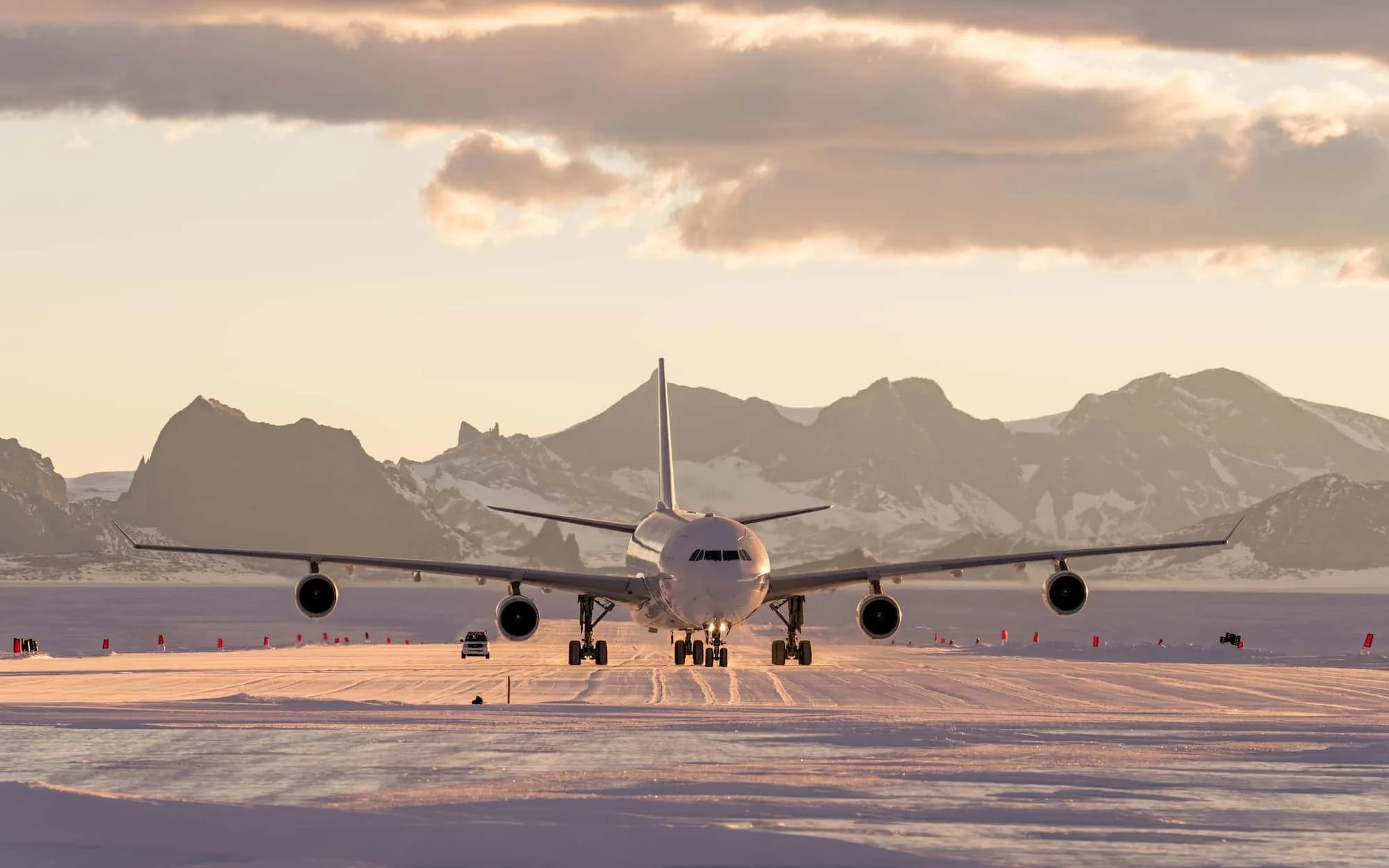
Cape Town, South Africa: Begin in Cape Town and arrive at least two days before the scheduled Antarctic flight, allowing time for the mandatory briefing, equipment checks and departure preparations.
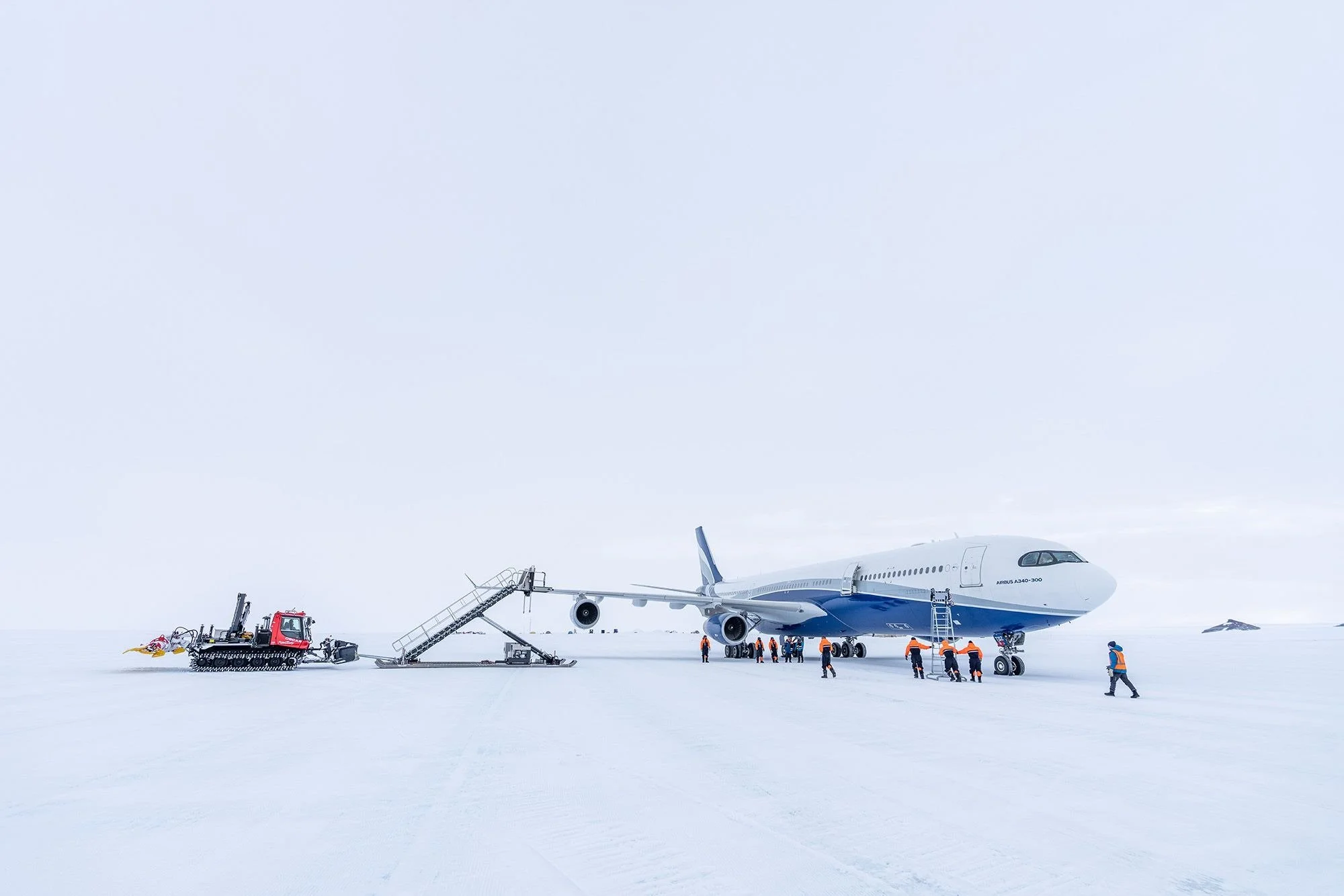
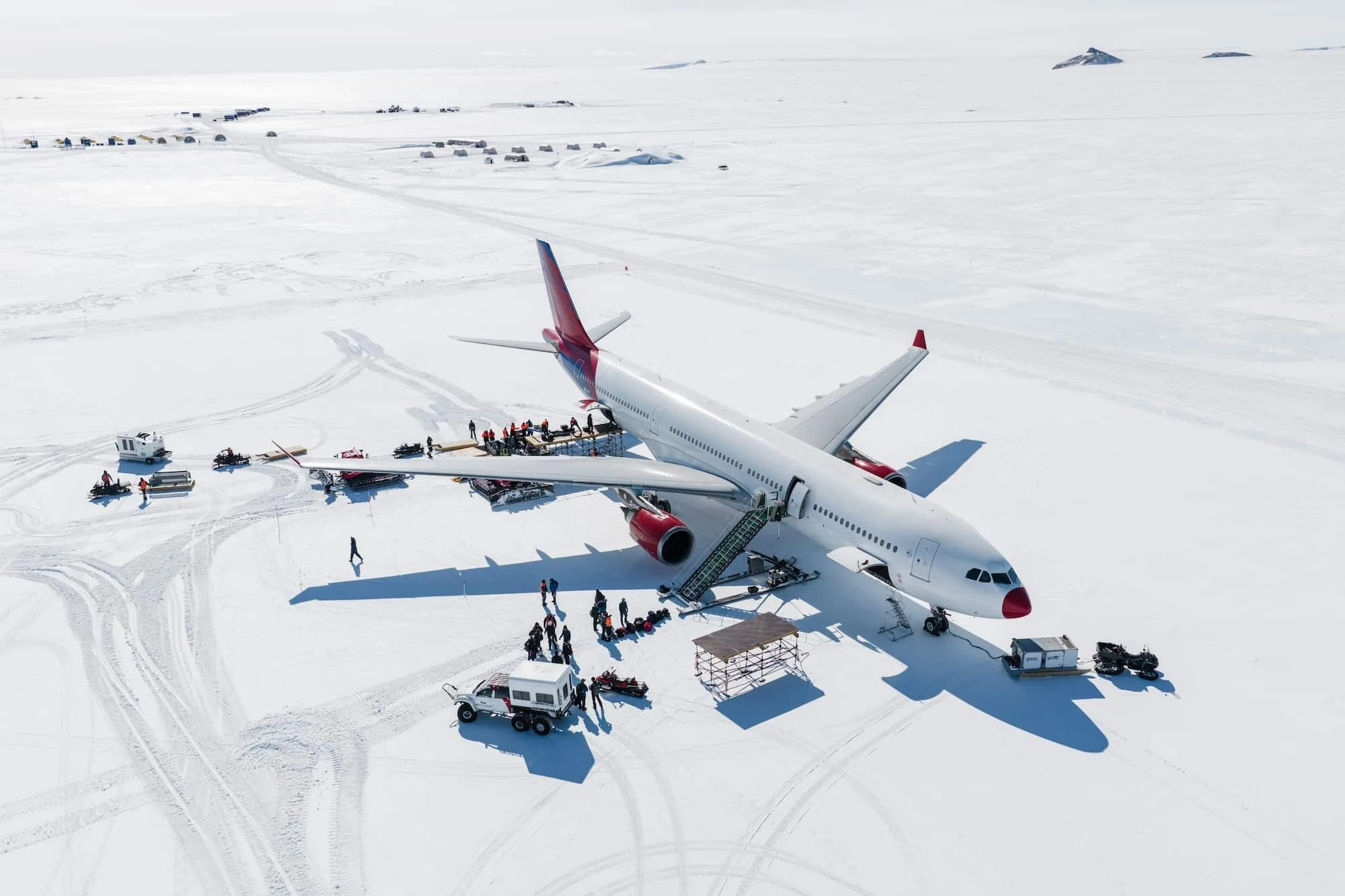
Flight to Antarctica: White Desert’s current operation uses Airbus aircraft for the approximately five-and-a-half-hour flight from Cape Town to Wolf’s Fang Runway; the aircraft and schedule remain subject to operational requirements.
Transfers to Camp: Echo and Explorer are reached by ground transport from the runway area; Whichaway requires an onward flight of approximately 30 minutes, followed by a ground transfer to the camp.
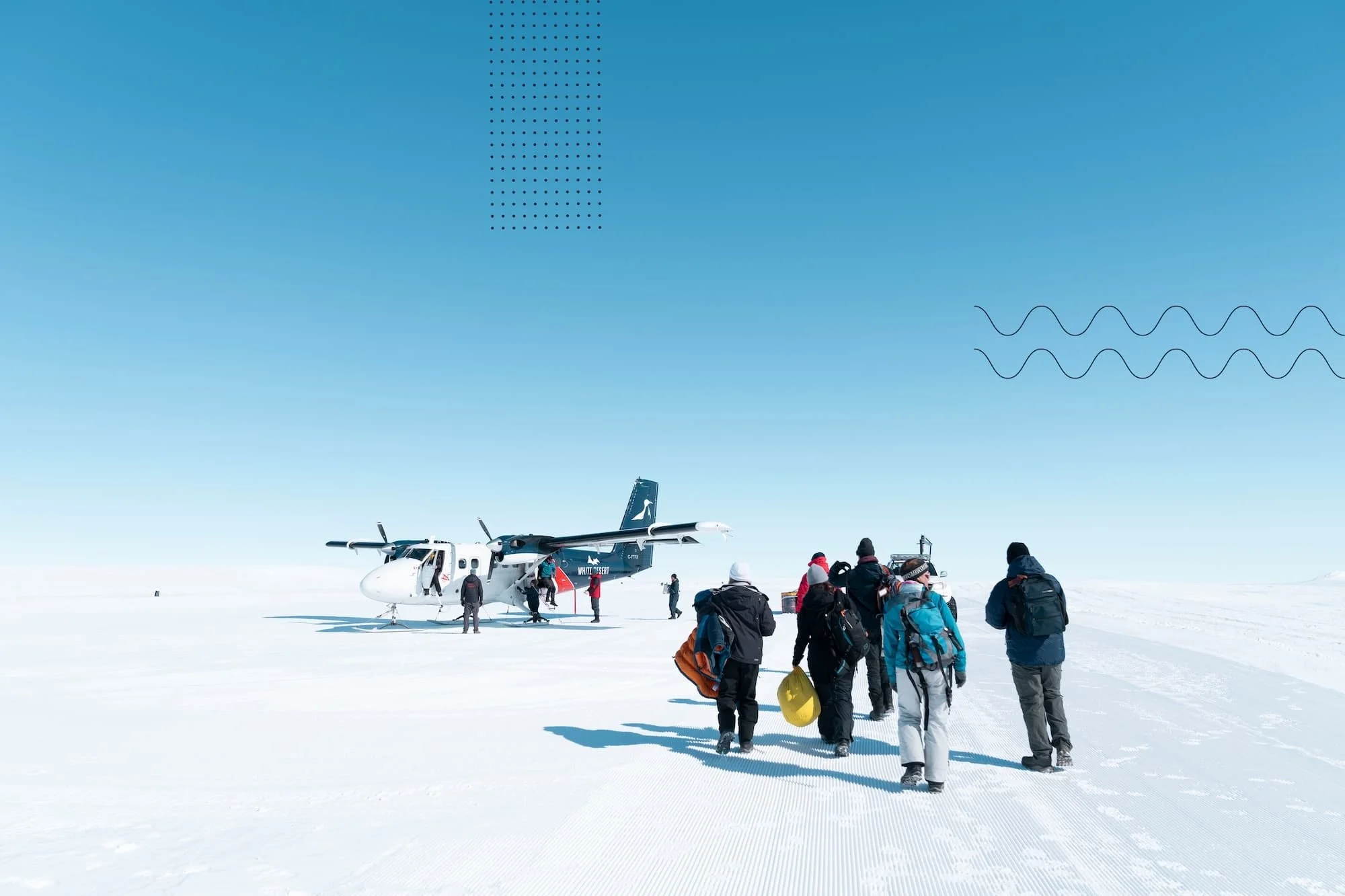
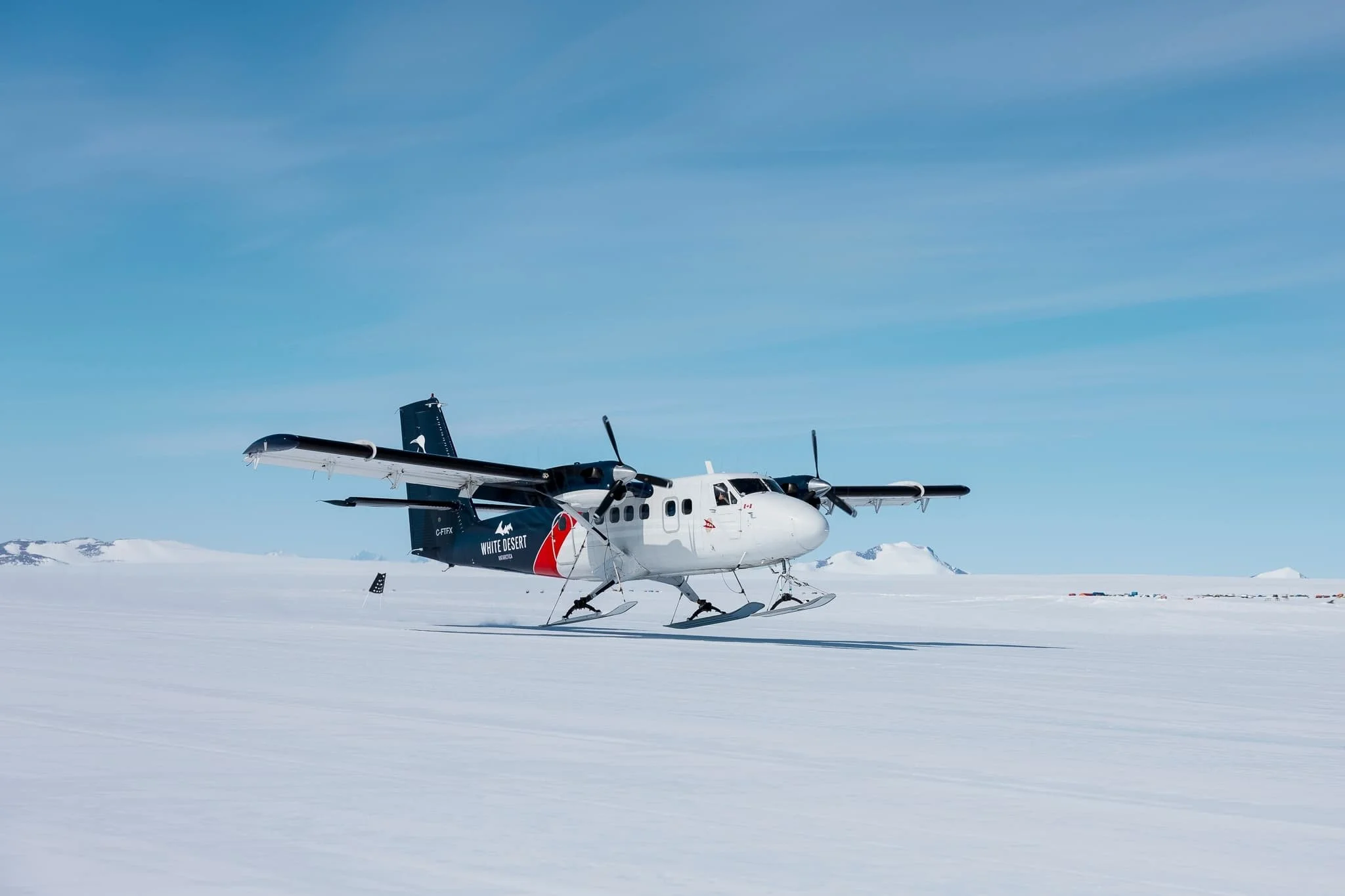
Flights Within Antarctica: Ski-equipped Basler BT-67 and Twin Otter aircraft support onward expeditions, with routes and timings determined by the selected itinerary and conditions.
Returning Through Cape Town: Leave at least two days between the planned return from Antarctica and your onward international flight, use flexible arrangements and allow for the possibility of a longer weather delay.
A Camp Small Enough to Leave the Landscape in Charge
White Desert’s most compelling achievement is the closeness it creates to a place of immense scale. A bedroom window, a shared dining table and the guidance of an experienced field team provide a human frame for Antarctica without diminishing it. Choose the journey carefully, leave space for the weather and give the quieter moments their due. The continent offers far more than a single landmark reached or a photograph brought home.