Cartagena, Colombia | Four Seasons Hotel and Residences Cartagena
Getsemaní Becomes the Front Door to Four Seasons
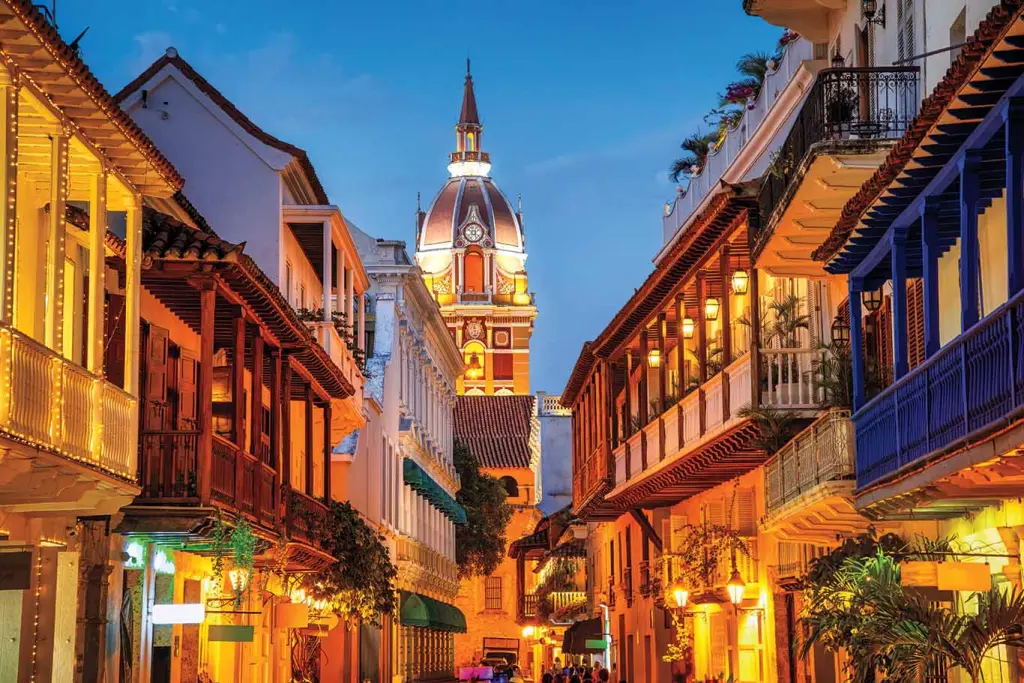
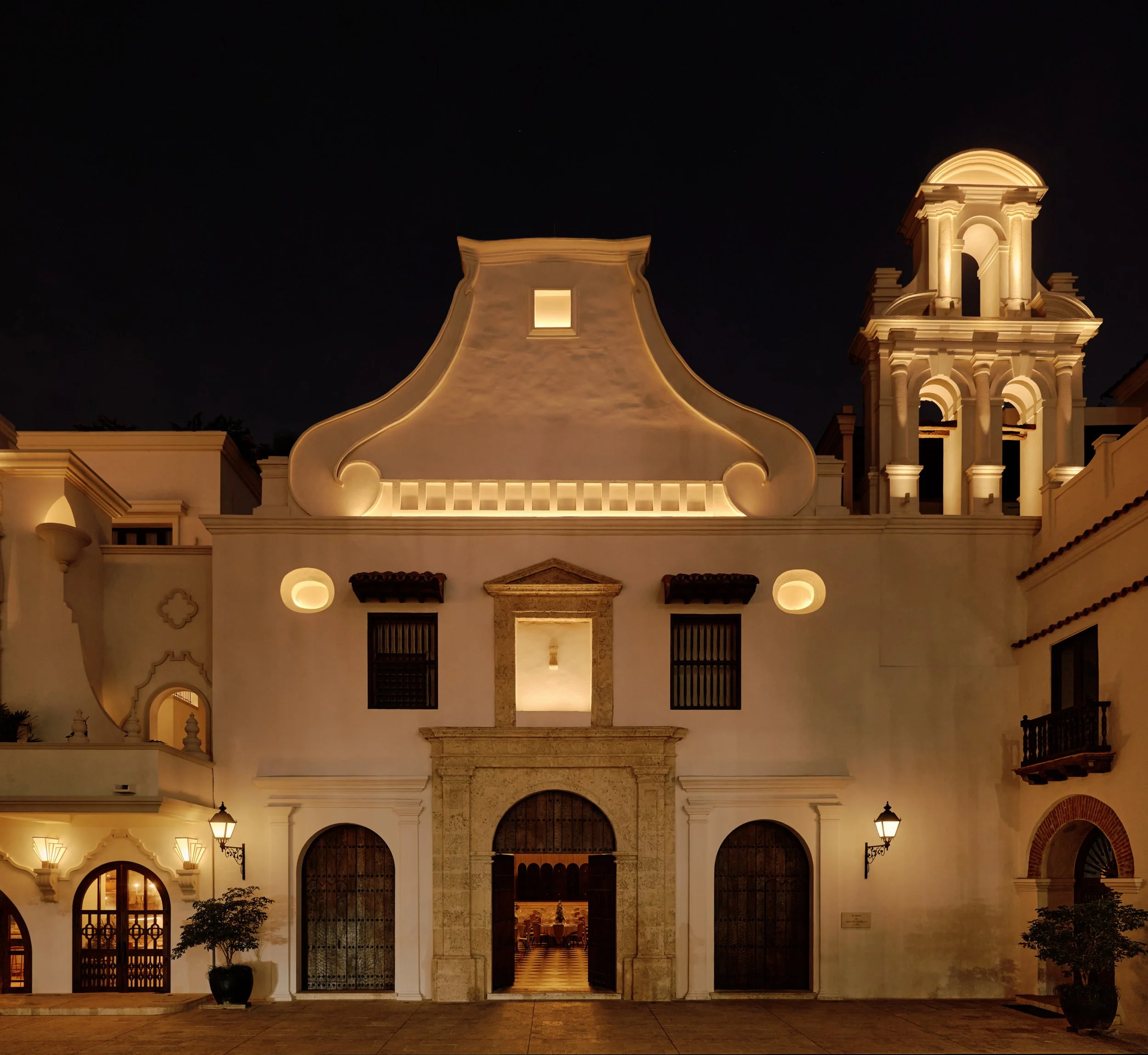
Four Seasons Hotel and Residences Cartagena occupies a collection of restored landmarks in Getsemaní, directly across from Parque Centenario and the Cartagena de Indias Convention Centre and only a short walk from the Walled City. Open since April 2, 2026, the hotel places travelers in one of Cartagena’s most culturally active neighborhoods rather than behind the walls of a self-contained resort.
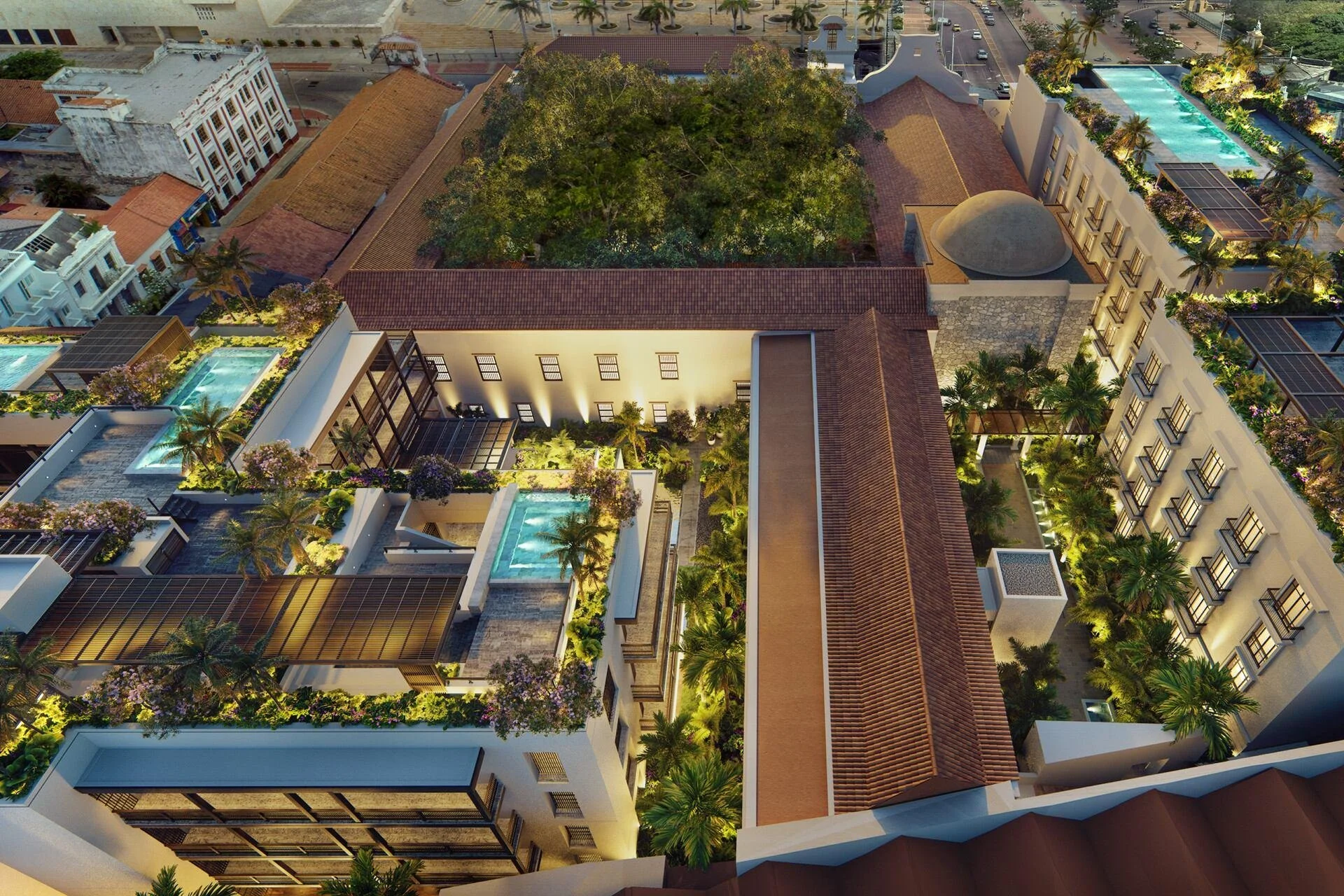
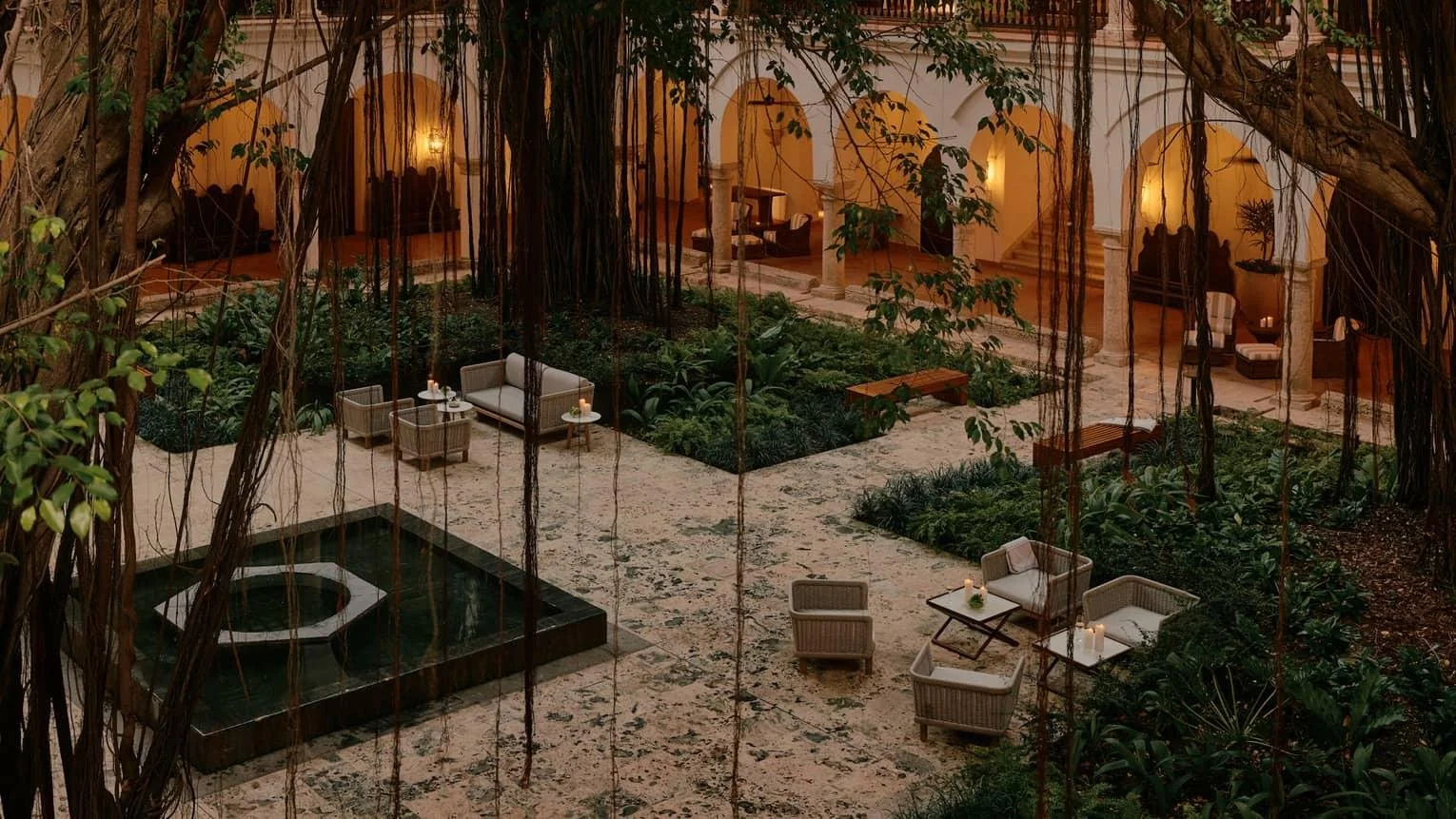
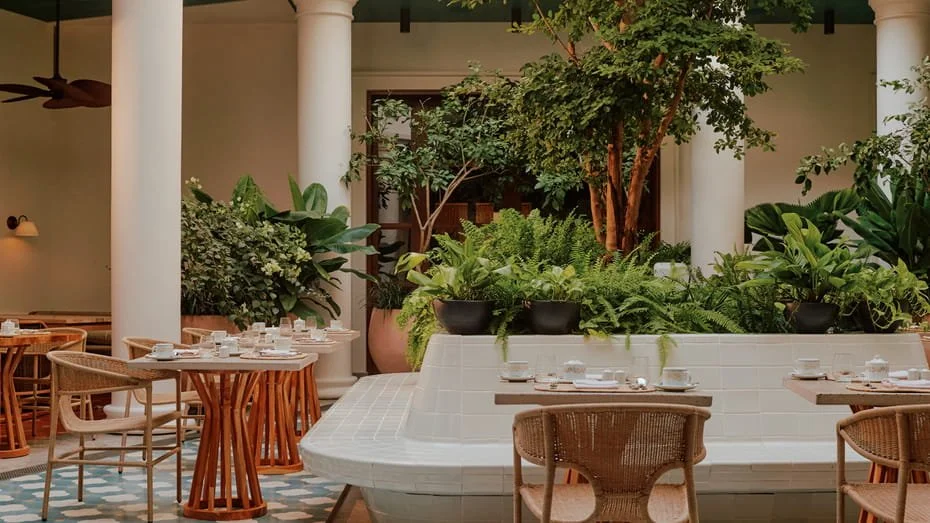
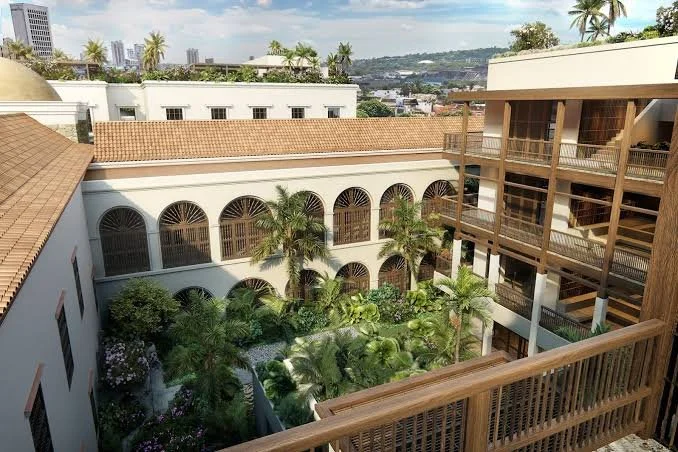
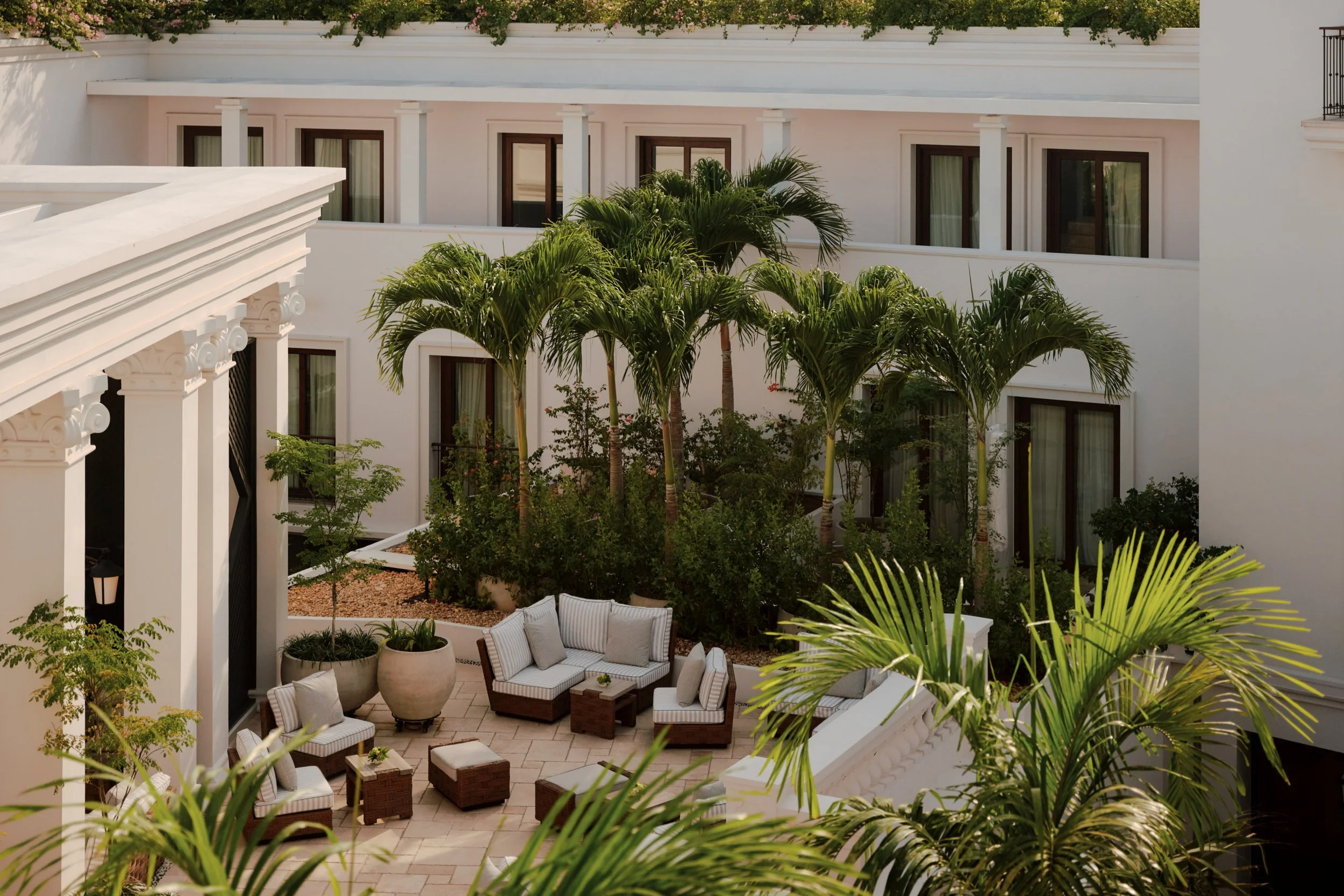
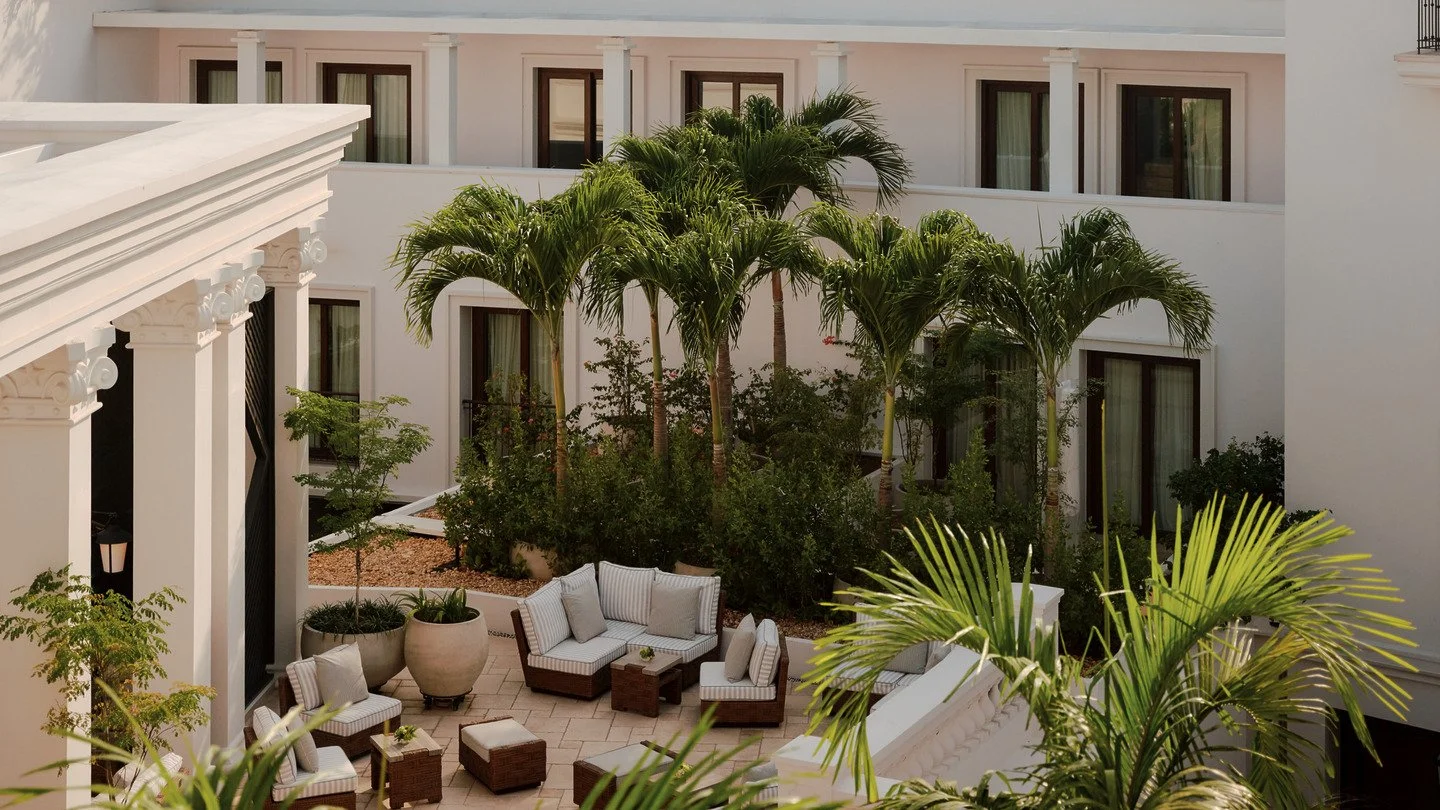
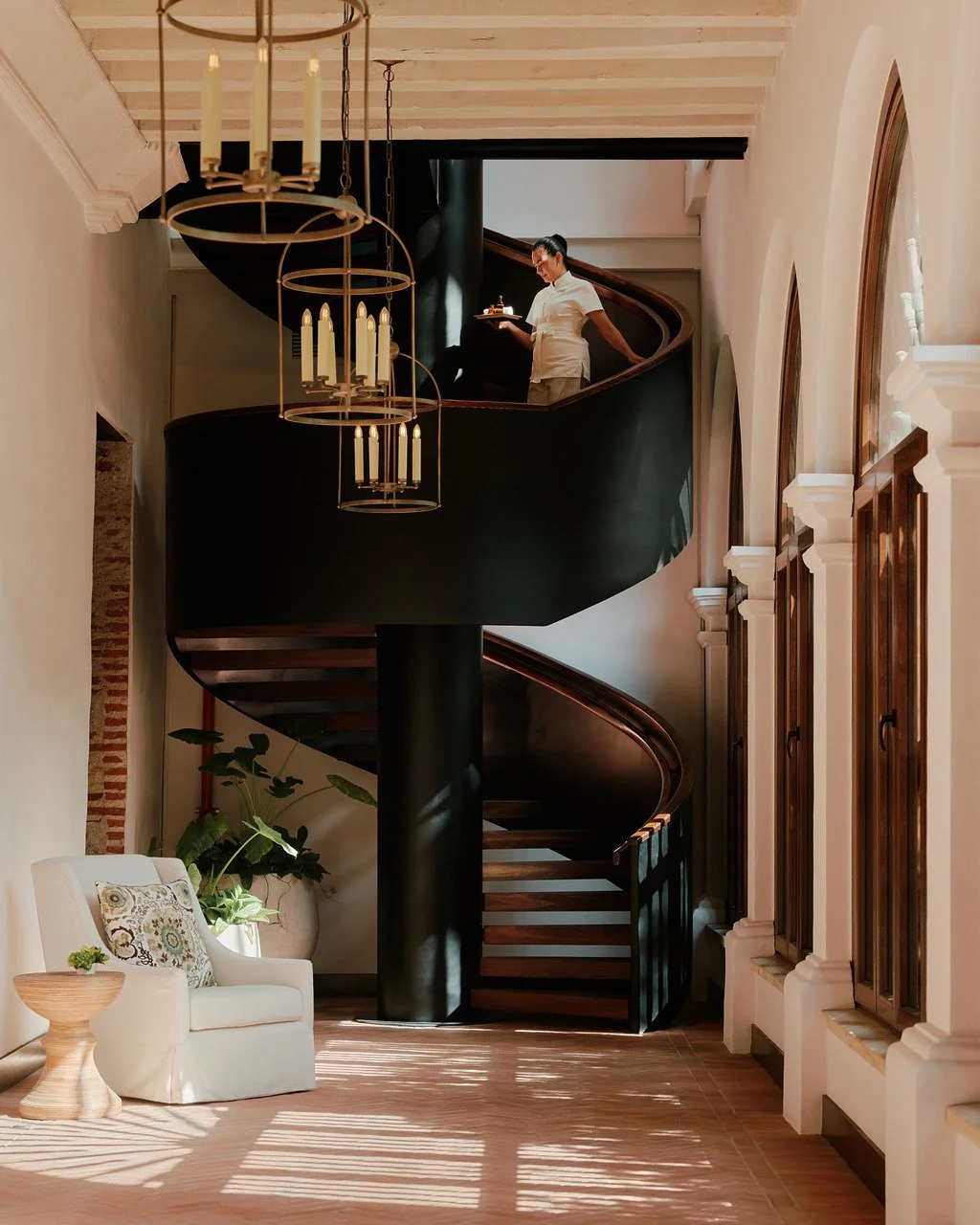
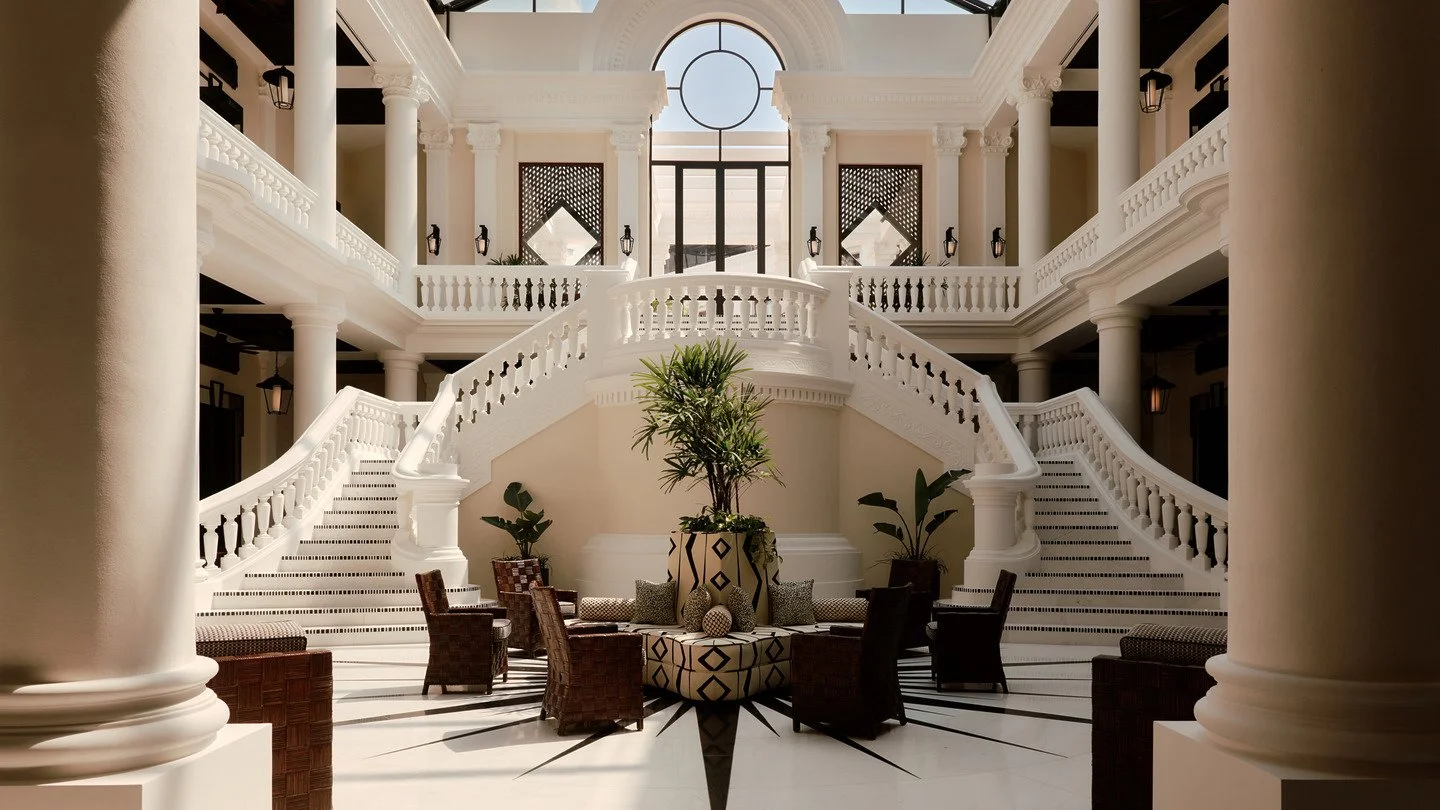
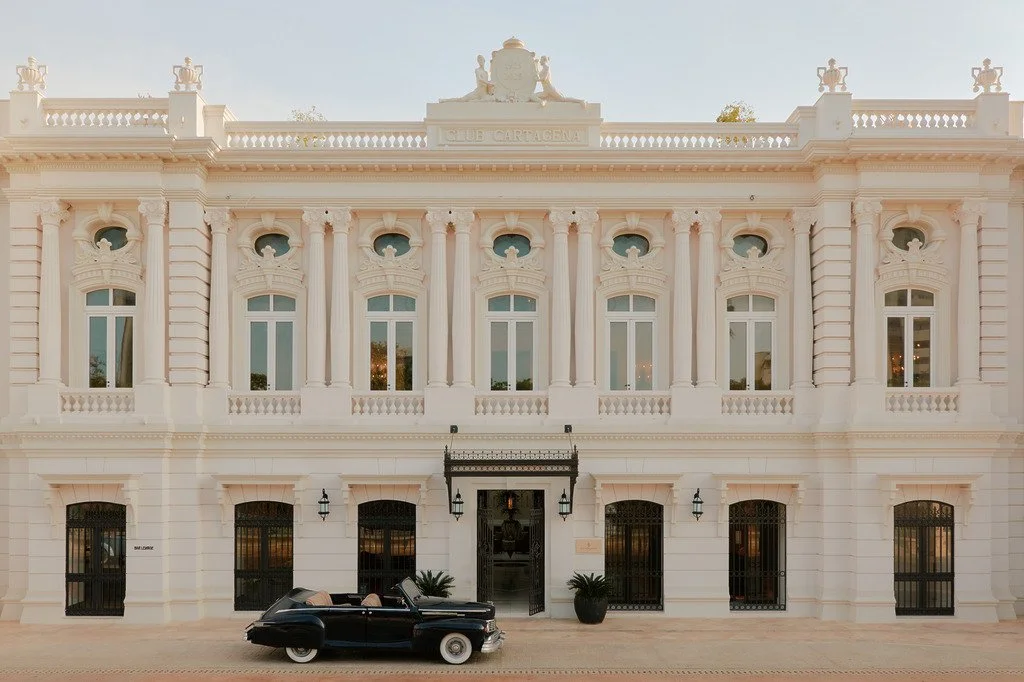
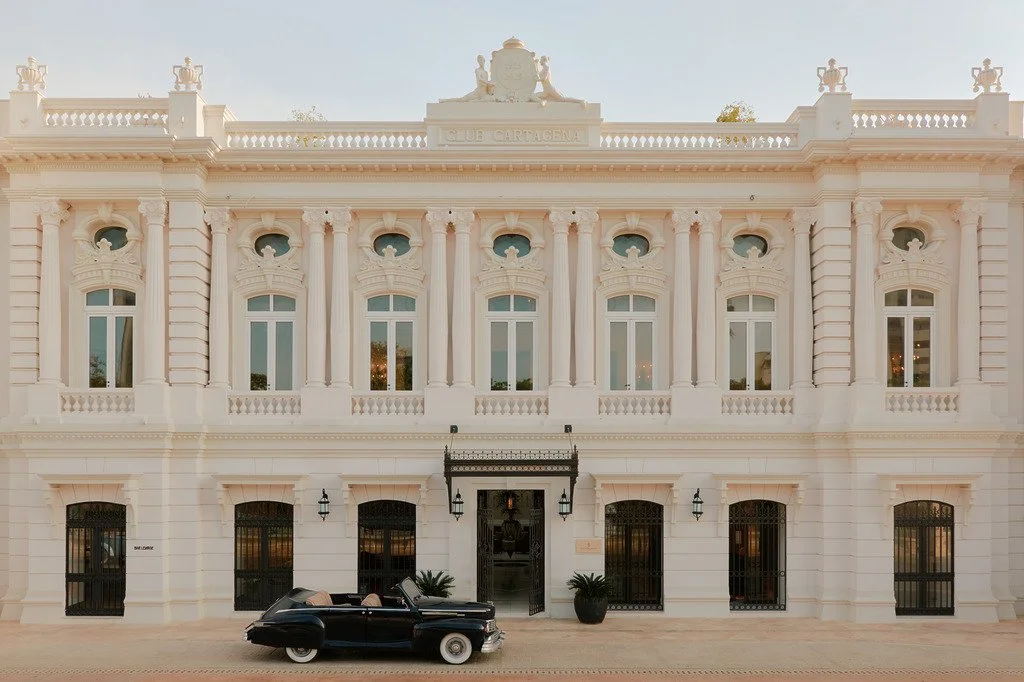
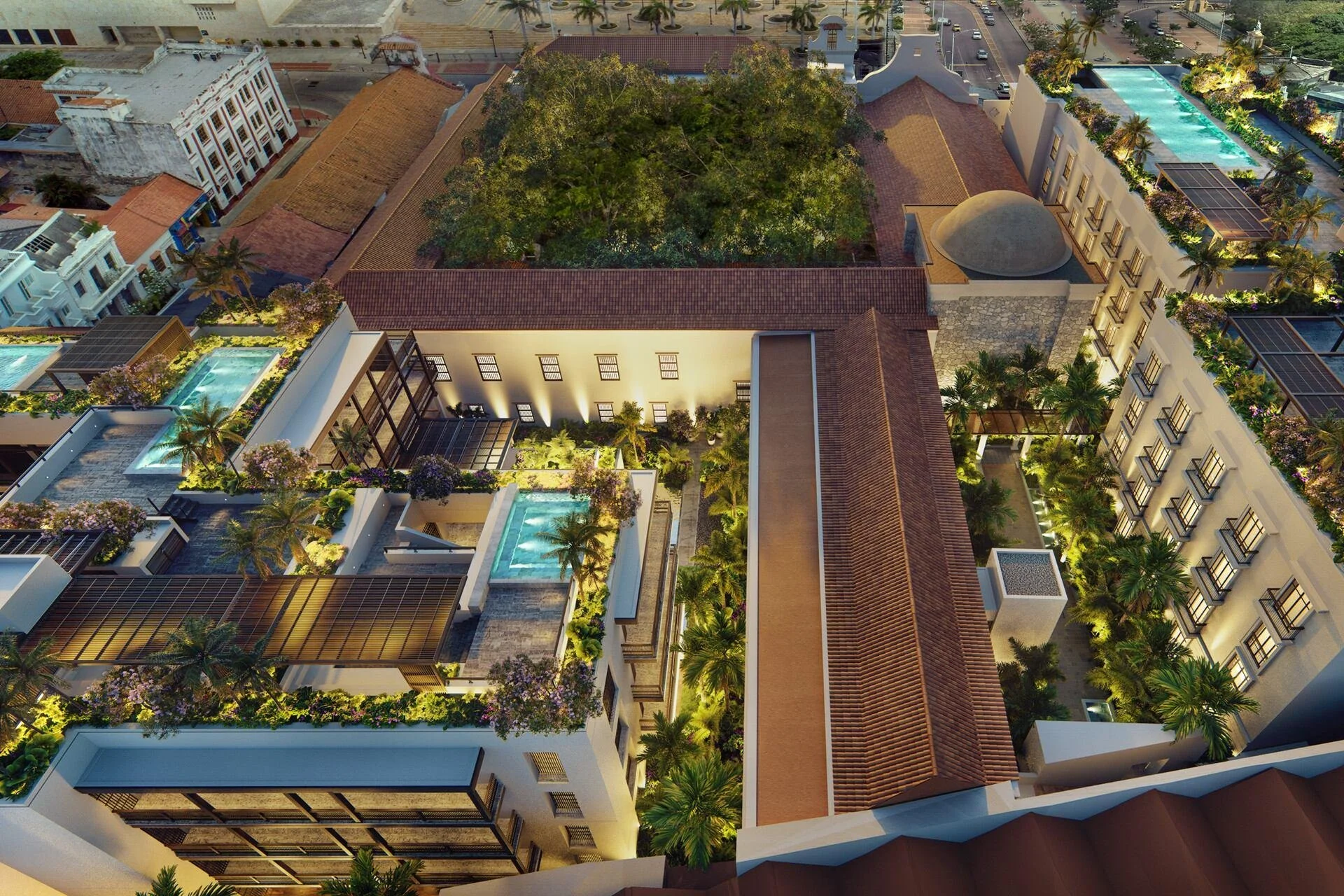
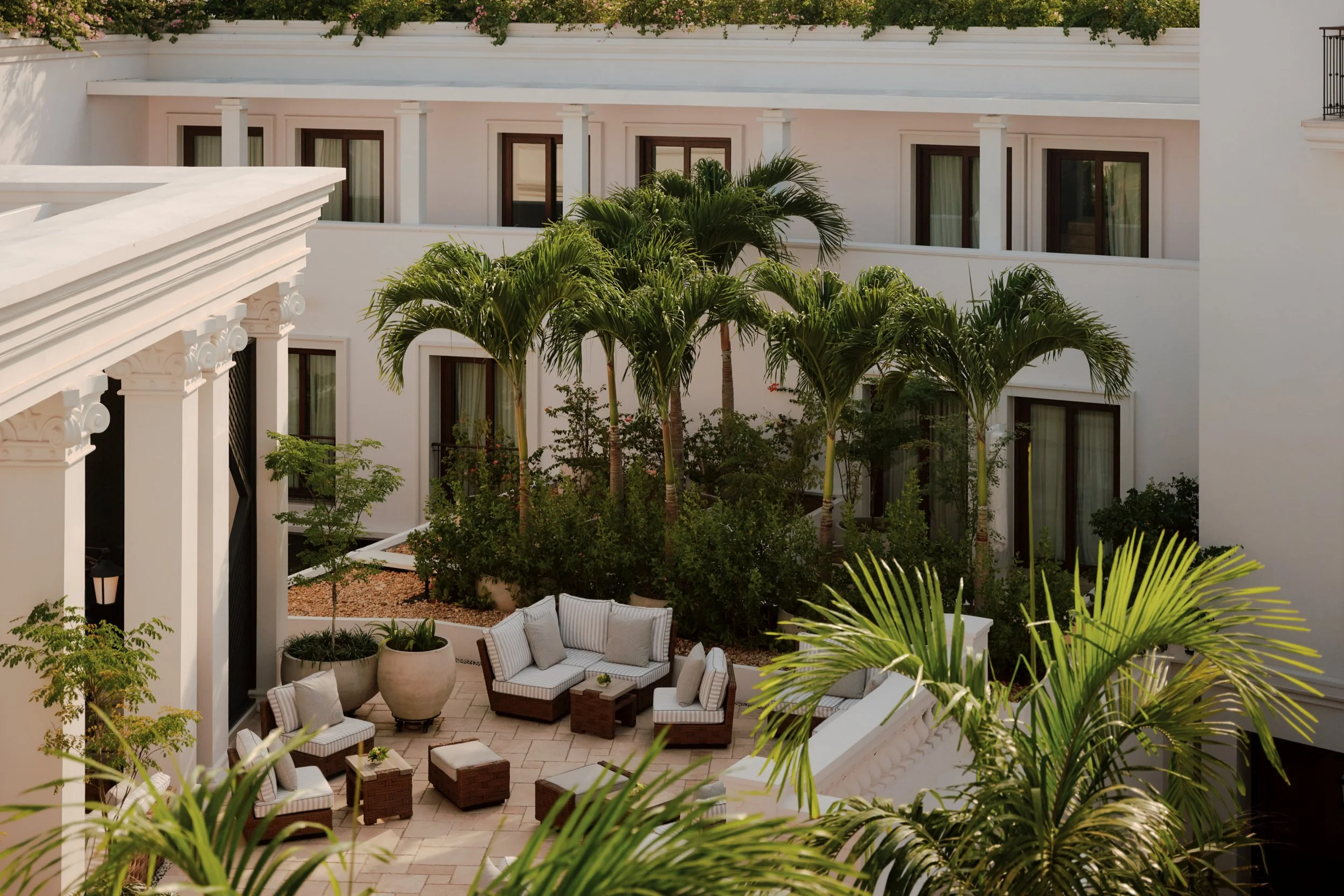
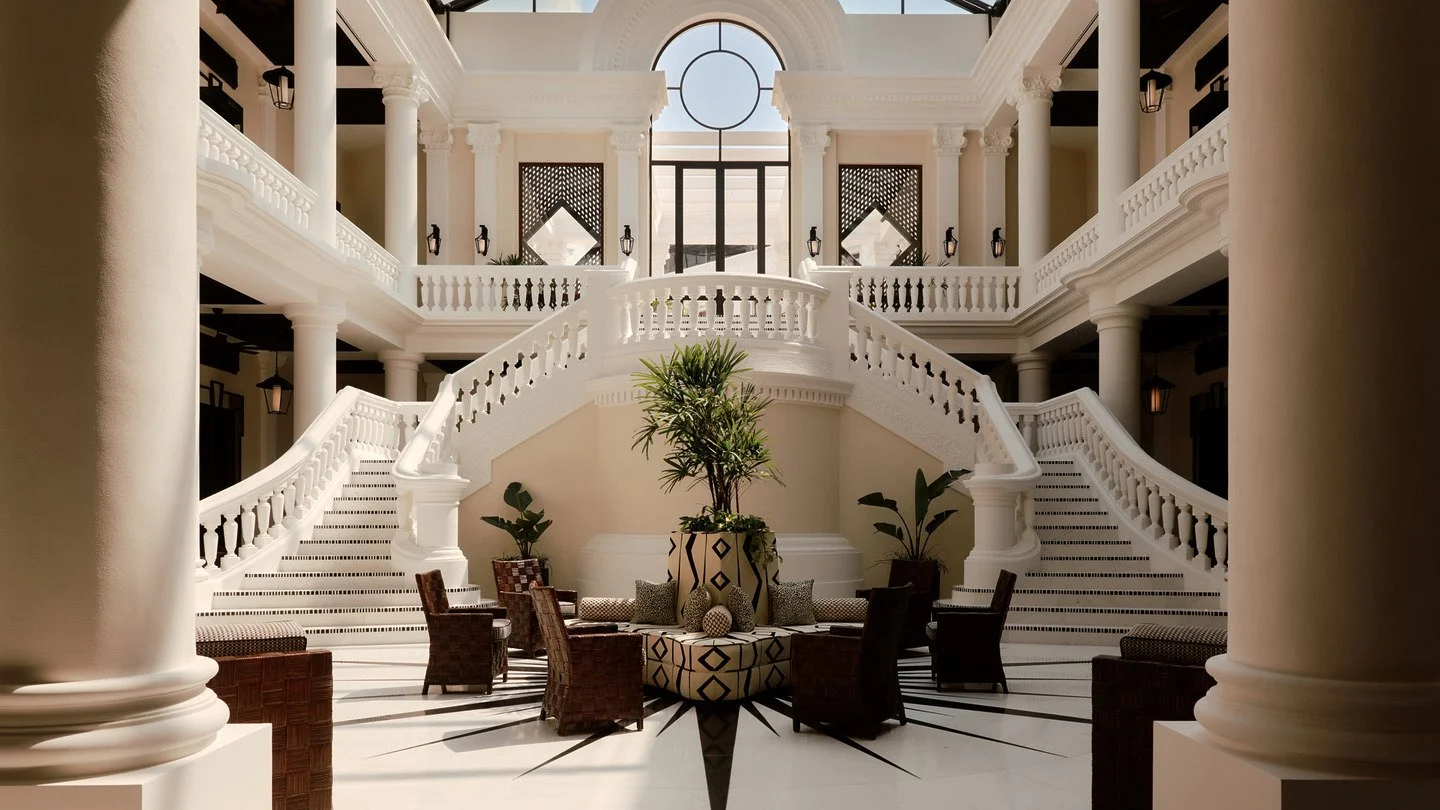
The setting is central to the experience. Street art, music, small plazas and neighborhood life remain visible just beyond the doors, while the Walled City begins within minutes on foot. Inside, the property shifts quickly into another register: tropical courtyards, restored cloisters, a grand Beaux-Arts club building, contemporary guestrooms, two rooftop pools and eight dining venues spread across a complex assembled from buildings of very different periods.
There are 131 guestrooms and suites in total, including 27 Colonial-style accommodations within the heritage buildings and 104 contemporary rooms and suites. The live inventory currently presents 15 bookable categories, ranging from 371-sq.-ft. accessible rooms to the 3,175-sq.-ft. Catroux Suite. Rather than smoothing those differences into one hotel aesthetic, Four Seasons uses them to make the property feel like a small piece of the city.
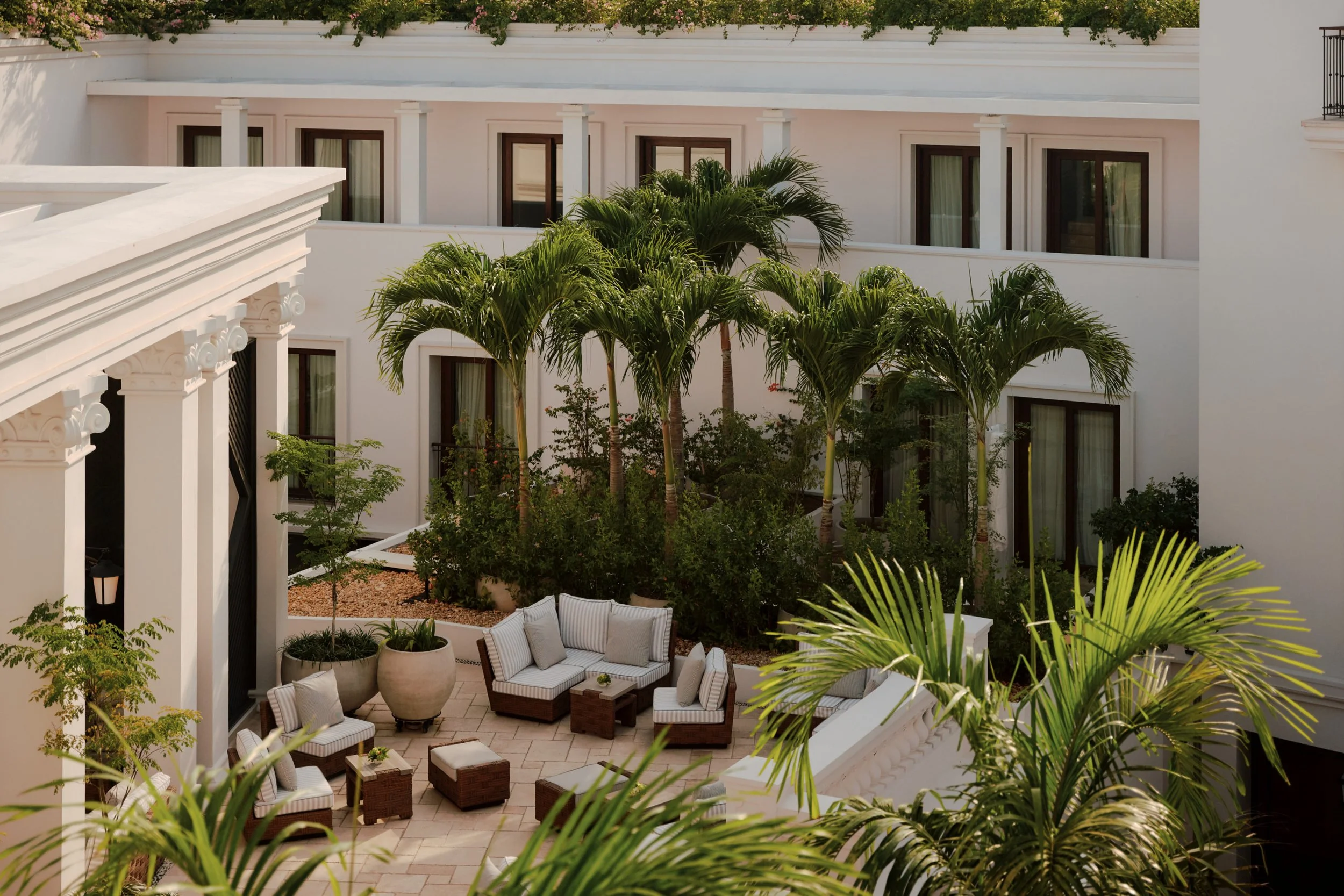
Sixteenth-Century Cloisters and a 1920s Social Club Share One Address
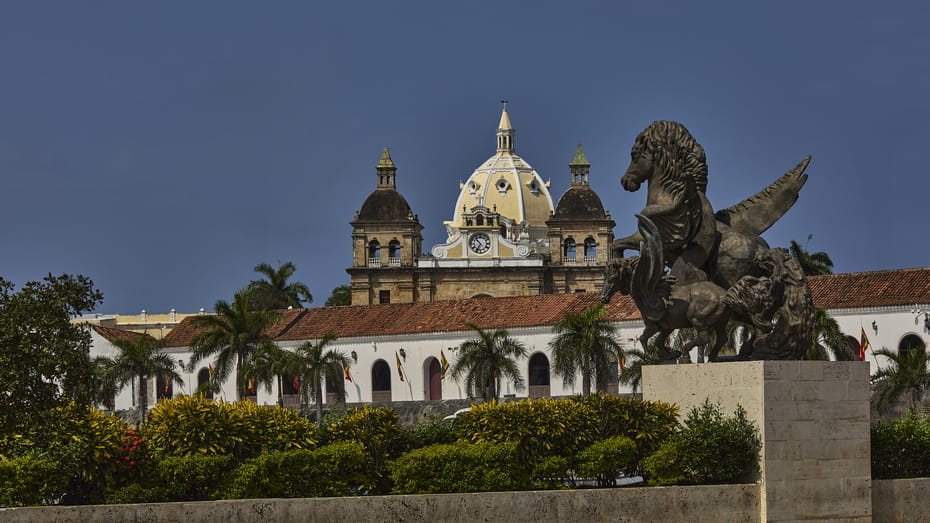
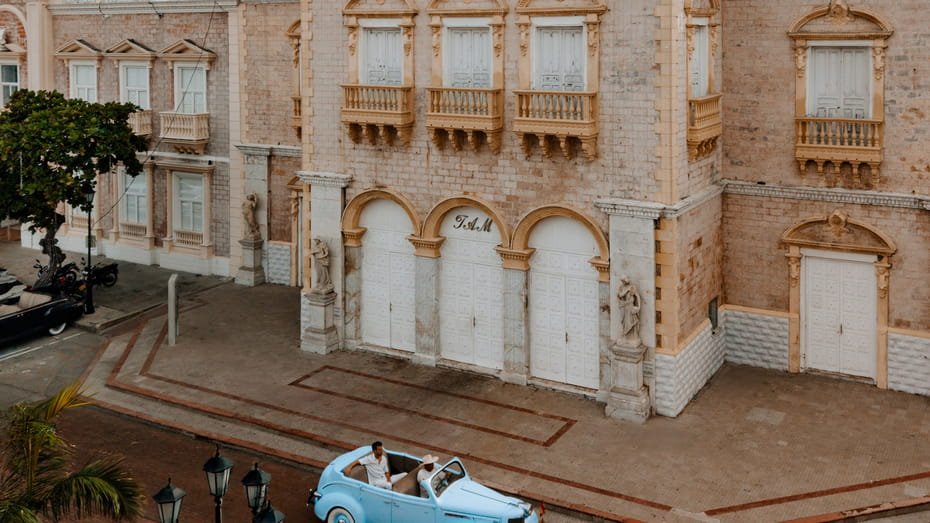
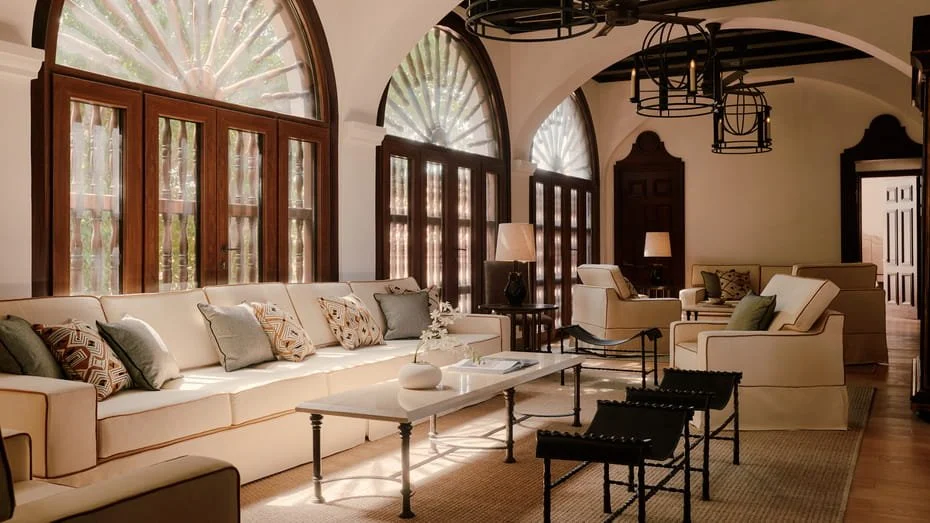
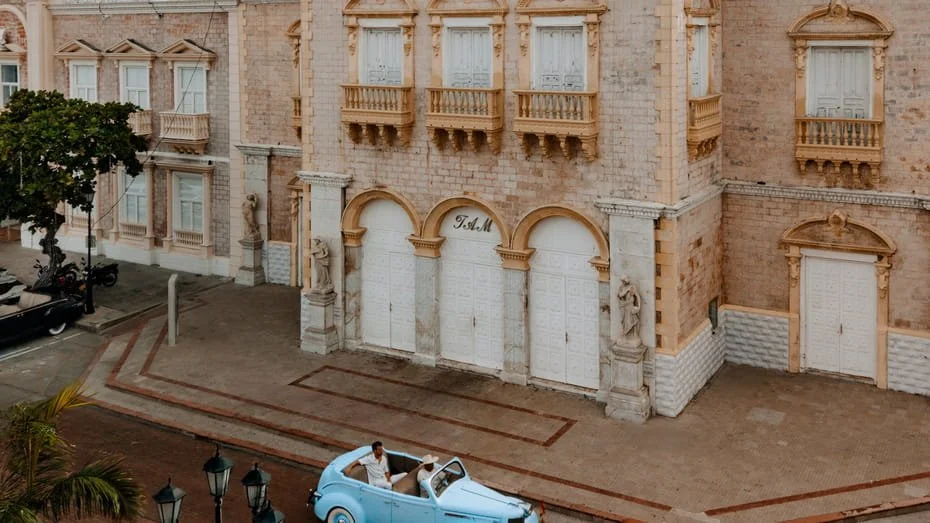
The hotel’s history is layered rather than singular. One part of the property incorporates the former San Francisco Cloister and Temple, whose origins reach back to the sixteenth century. Another major component is Club Cartagena, the 1920s Beaux-Arts social club designed by French architect Gastón Lelarge, one of the figures who helped shape Cartagena’s early-twentieth-century civic architecture.
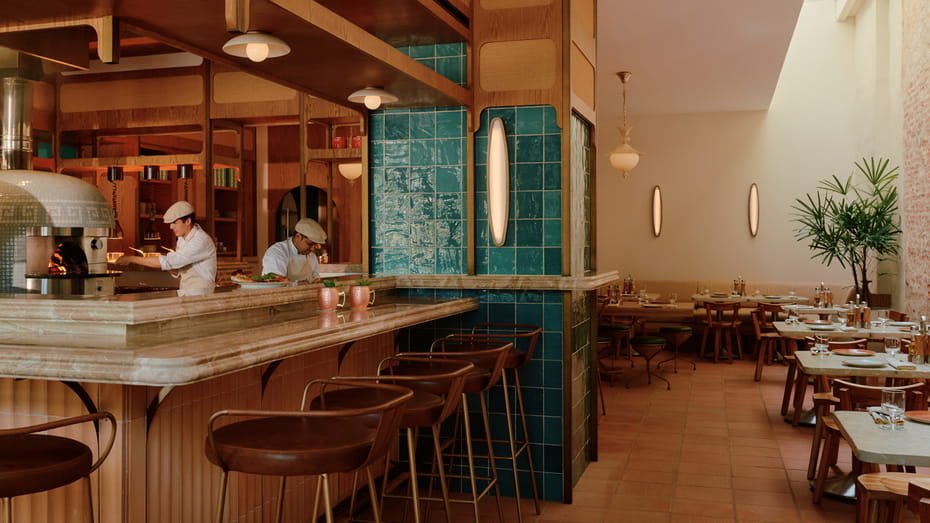
Other spaces record different chapters of the neighborhood. Pizzeria Della Chiesa occupies the former Teatro Cartagena, itself built on the site of the Iglesia de la Veracruz, while El Aljibe takes its name from the cistern that once served the complex. These are not decorative stories added after construction – the new uses are physically tied to what occupied the site before.
Four Seasons and ownership group San Francisco Investments first announced the project in 2019. Years of restoration followed before the property opened in April 2026. The work aimed to preserve significant stonework, arches, frescoes, façades and circulation patterns while connecting them with new structures capable of supporting contemporary guestrooms, restaurants and residences.
The most effective historical moments are the ones left visible rather than over-explained. A restored staircase, a rediscovered fresco or the mass of the old cloister carries more weight than a themed reconstruction could.
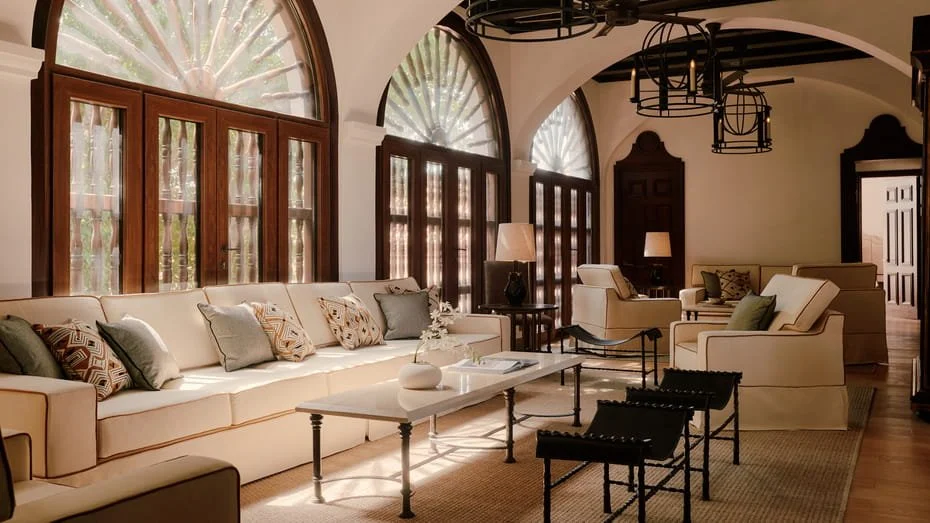
François Catroux Gives the Colonial Buildings a Modern Counterpoint
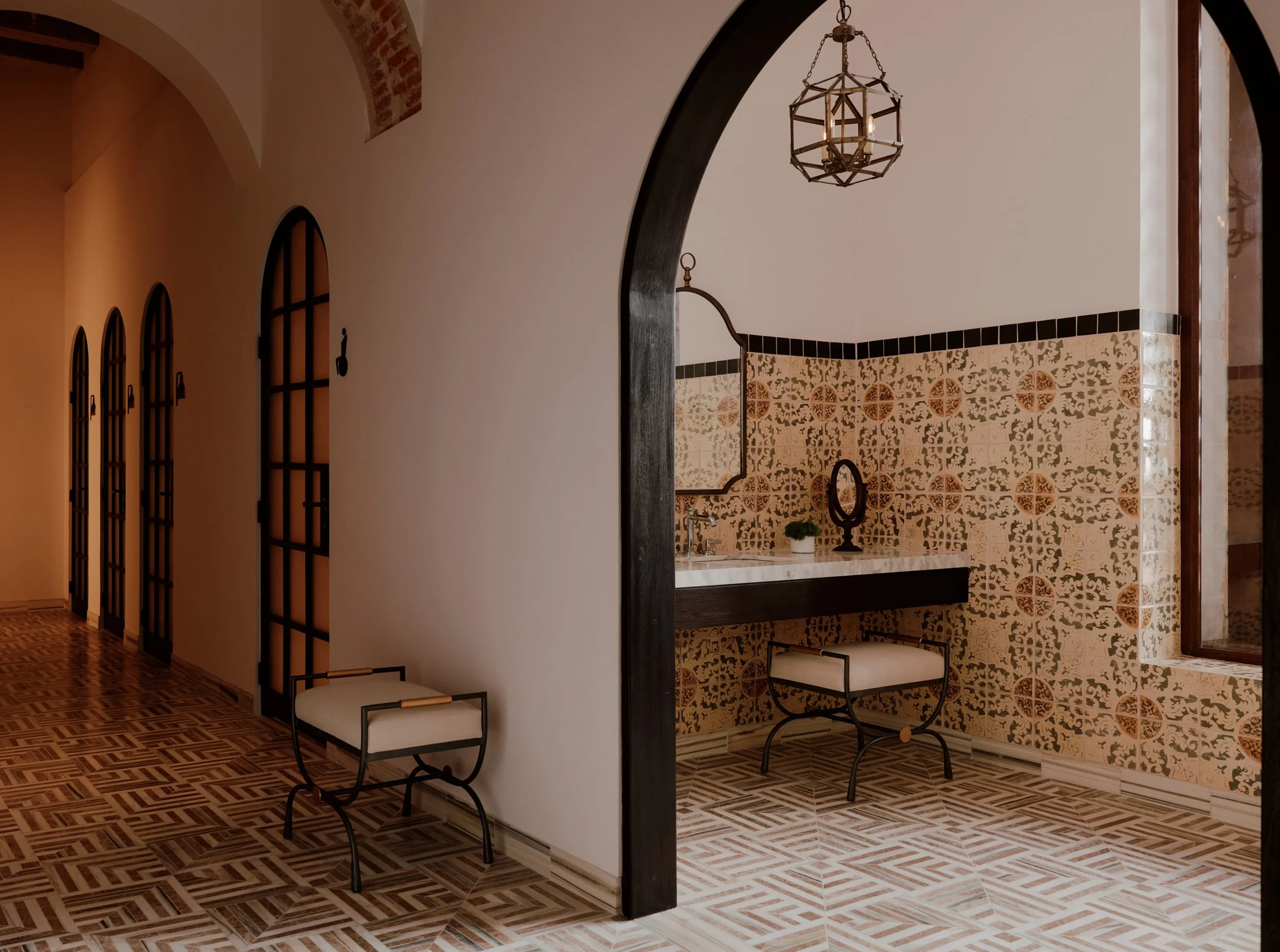
The late French designer François Catroux shaped the core interior vision, making this one of the relatively few hotel projects associated with his career and one of his final major works. His approach combines Spanish Colonial references with the restrained modernism for which he became known, avoiding a literal recreation of historic Cartagena.
WATG and Wimberly Interiors contributed to the broader architectural and interior program, while SBM Interior Design and AvroKO worked on food-and-beverage spaces. Enea Landscape Architecture, led locally by Colombian landscape architect Carolina Jaimes, developed the courtyards, rooftop planting and tropical gardens that link the individual buildings.
Colombian makers are embedded throughout the project. Designer Poli Mallarino created furniture, textiles, rugs, headboards and stone consoles, artist Miguel Cárdenas produced artworks and frames for guestrooms, Alejandro Hernández contributed sculptural plaster reliefs, and Eloin Rivera created large-scale landscape pieces.
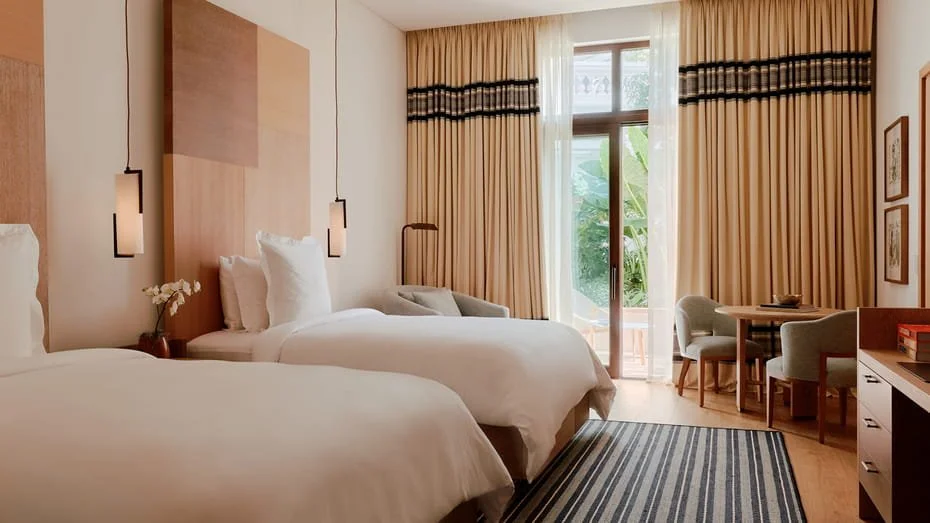
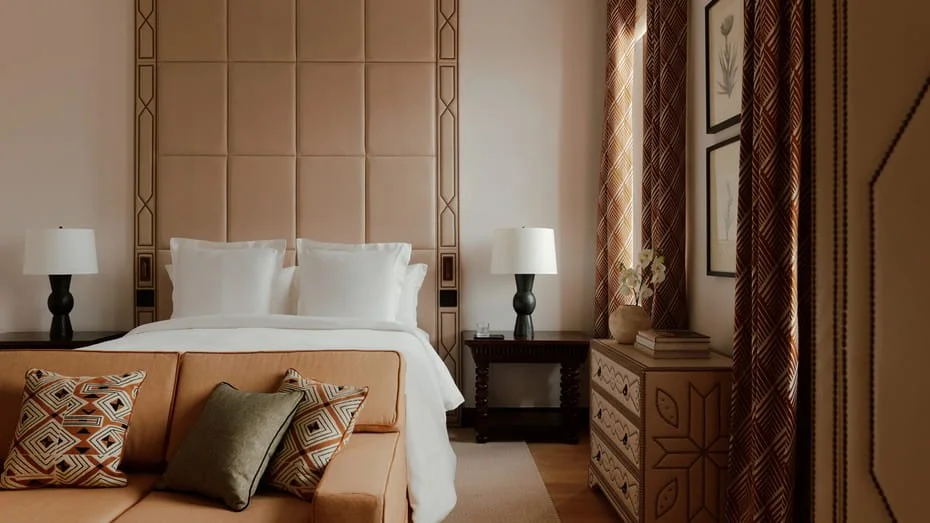
The contemporary building uses abstract woodwork, graphic textiles and softer palettes, while the Colonial accommodations are darker, higher-ceilinged and more materially tied to the historic fabric. The Catroux Suite brings both approaches together, pairing historical arched windows and generous proportions with contemporary furniture and a private outdoor plunge pool.
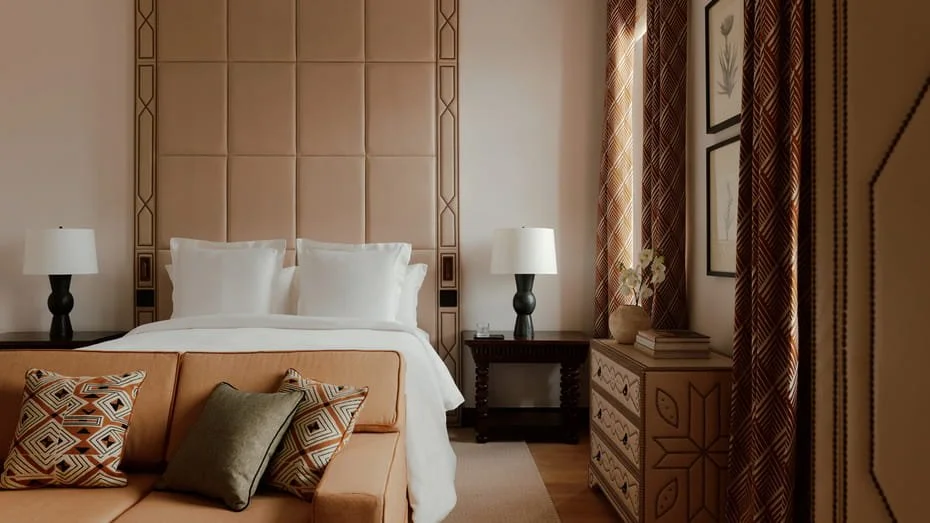
Fifteen Current Categories Range From Quiet Cloister Rooms to the Catroux Suite
Colonial Room: Approximately 388–560 sq. ft., with one king bed, high ceilings, dark-wood Colonial décor and a deliberately windowless plan in the Cloister Building that prioritizes quiet, light control and a particularly restful sleeping environment.
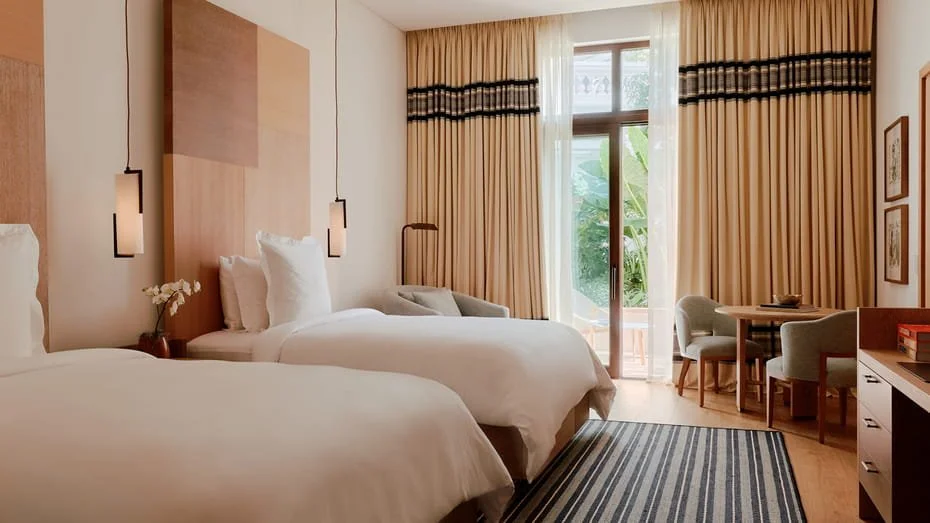
Superior Room: Approximately 366–420 sq. ft., with one king bed, contemporary abstract detailing, a balcony or window railing and views into the tropical courtyard gardens, with connecting rooms available in selected configurations.
Superior Landmark-View Room: Approximately 366–399 sq. ft., with one king bed, contemporary interiors and an outward-facing aspect toward Cartagena landmarks rather than the internal gardens, offering a stronger visual connection to the surrounding historic district.
Deluxe Room: Approximately 441–484 sq. ft., with one king bed or two double beds, contemporary custom furnishings, a lounge chair, dining/work table and garden views from a balcony or window railing, with connecting rooms available.
Deluxe Room with Terrace: Approximately 355–441 sq. ft., with one king bed or two double beds and a furnished outdoor terrace, balcony or window railing overlooking the internal gardens, trading some interior area for more usable outdoor space.
Premier Room: Approximately 495–517 sq. ft., with one king bed, the largest footprint among the contemporary guest rooms, a private balcony, extensive storage and a larger bathroom, with a bathtub available in selected layouts.
Premier Room with Terrace: Approximately 463–495 sq. ft., with one king bed or two double beds, a furnished terrace and tropical-garden outlook, plus selected sofabed and connecting configurations for families.
Grand Deluxe Colonial Room: Approximately 441–538 sq. ft., with one king bed, high ceilings, dark timber details, abundant natural light and a courtyard-garden outlook, combining a larger footprint with the more traditional decorative language of the heritage buildings.
Grand Premier Colonial Room: Approximately 560–614 sq. ft., with one king bed, soaring ceilings, a sofa, walk-in closet and tropical-courtyard views, making it the largest current Colonial-style guest-room category.
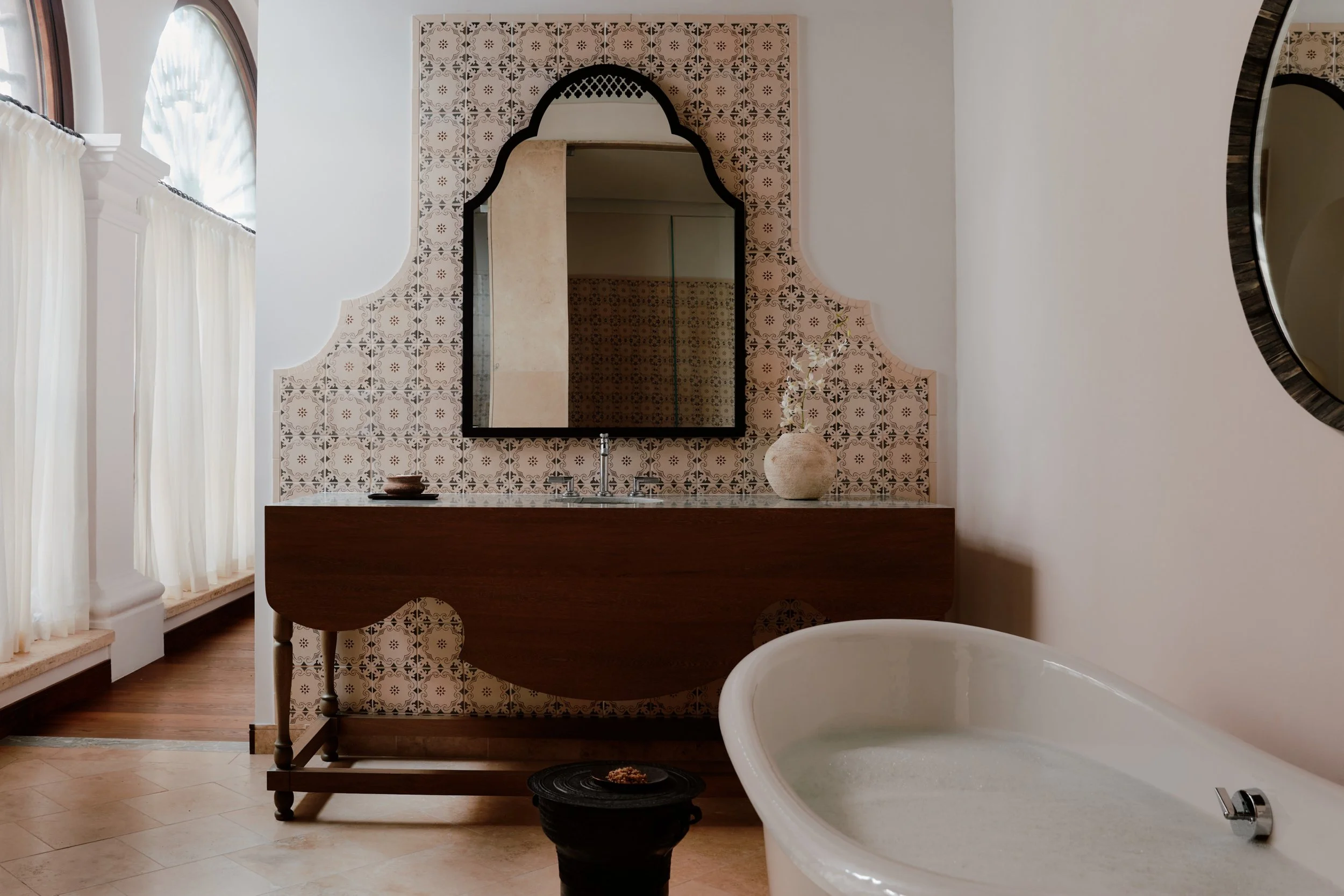
Studio Suite: Approximately 527–690 sq. ft., with one king bed or selected double-bedded layouts, a spacious studio plan, private balcony and garden views, with a freestanding tub and separate shower in the bathroom.
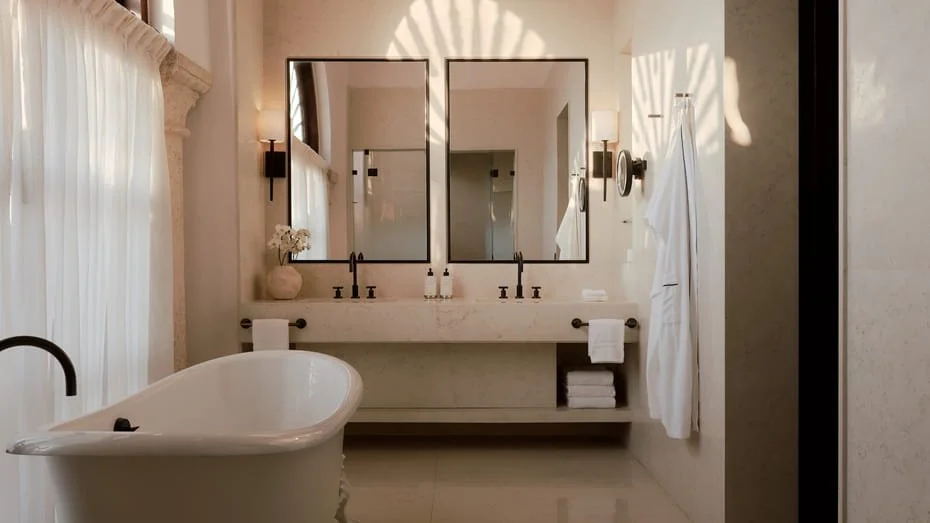
Colonial Studio Suite: Approximately 721 sq. ft., with one king bed, corner views, high ceilings and a discovered historic fresco in the bathroom, plus a freestanding tub, separate shower and the quieter character of the Cloister Building.
One-Bedroom Suite: Approximately 689 sq. ft., with one king bedroom, a separate living area, sofabed in selected configurations and a balcony, providing a clearer division between sleeping and daytime space than the studio suites.
Catroux Suite: Approximately 3,175 sq. ft. of indoor-outdoor space, with two king bedrooms, private elevator, living room, office, dining room, pantry kitchen and a furnished terrace with plunge pool framed by restored Colonial architecture.
Accessible Superior Room: Approximately 371 sq. ft., with one king bed, contemporary décor, courtyard-garden views and an accessible bathroom with roll-in shower and grab bars on floors one through four of the Contemporary Building.
Accessible Premier Room: Approximately 522 sq. ft., with one king bed, private balcony, expanded contemporary layout, tropical-garden views and a spacious accessible bathroom with roll-in shower and grab bars.
The current public inventory does not list every pre-opening specialty concept that appeared in early project materials, so the categories above follow the hotel’s live bookable collection rather than launch-era descriptions. Within the heritage buildings especially, exact geometry and historic details can vary even within one category.
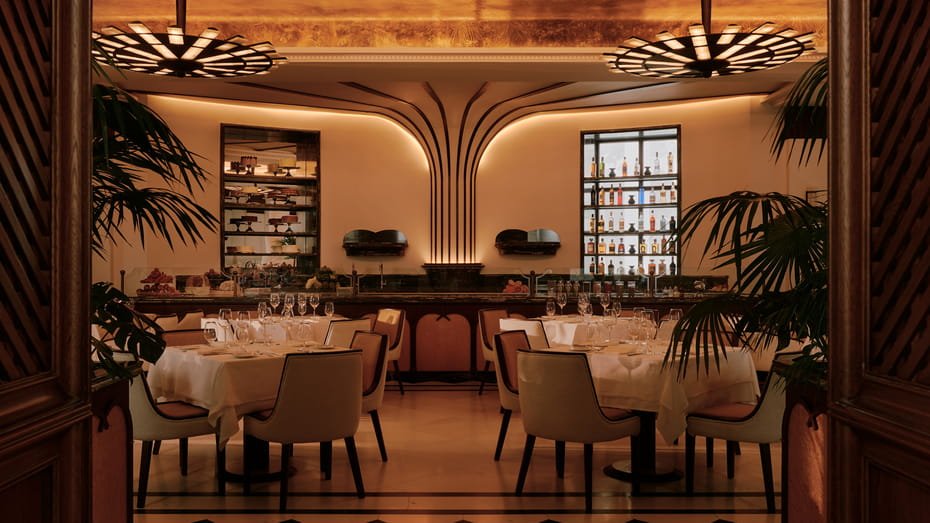
Eight Venues Turn Historic Rooms Into a Dining Circuit
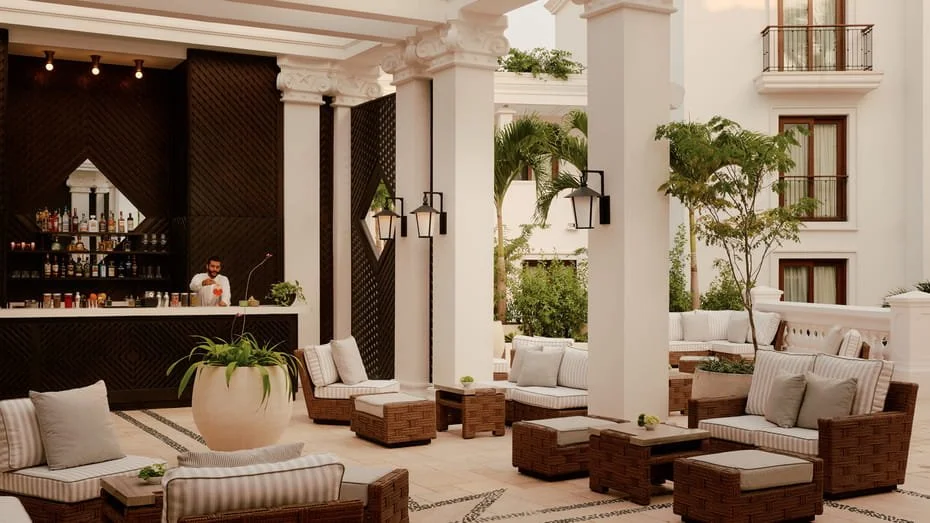
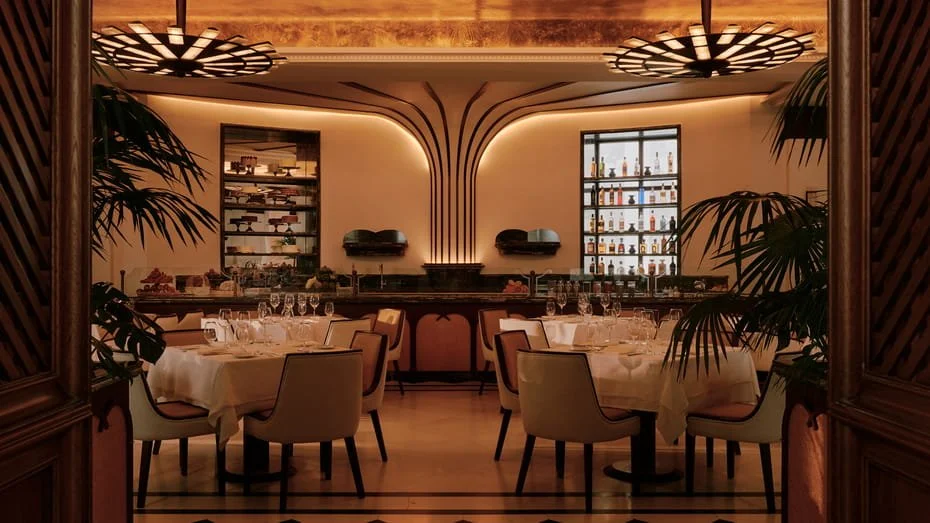
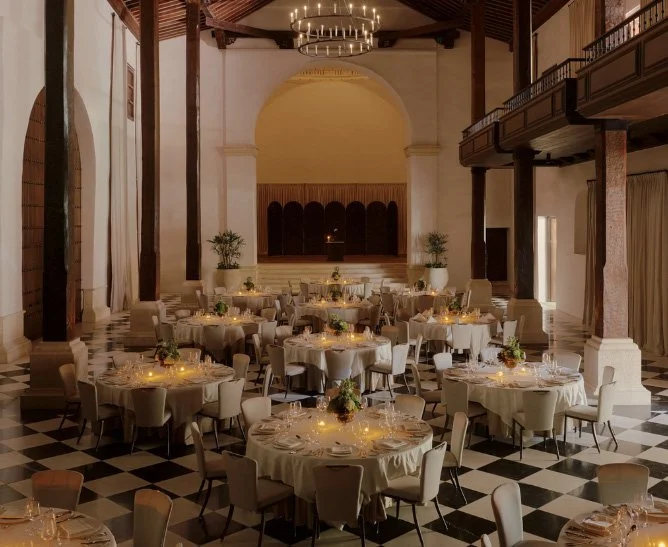
The Grand Grill: Set inside the restored 1920s Club Cartagena, this steakhouse concept developed with Major Food Group is led by chef Mario Carbone and pairs American prime beef, seafood and classic steakhouse dishes with Colombian ingredients, martinis and open-flame cooking.
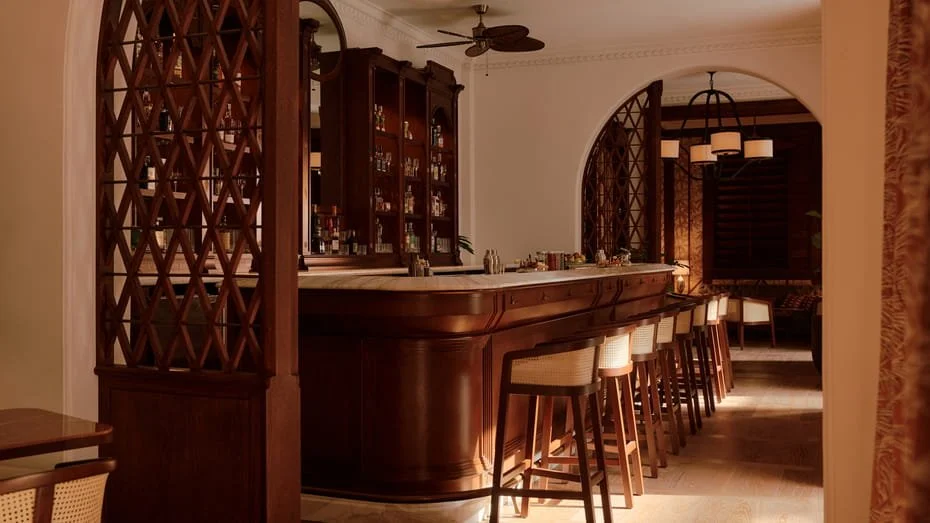
Bar Lelarge: Named for Club Cartagena architect Gastón Lelarge, this intimate companion to The Grand Grill focuses on premium spirits, wine and cocktails using local and seasonal fruit with a subtle Cuban influence.
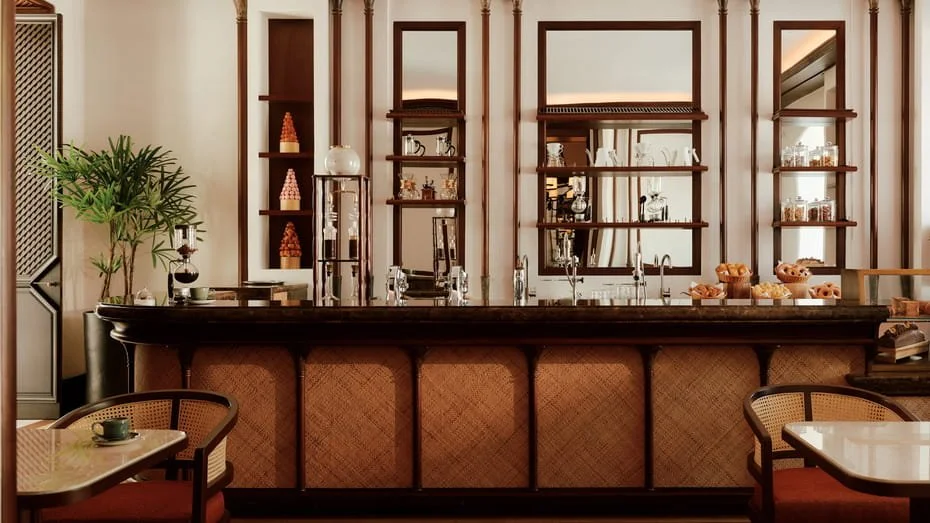
Café Rialto: A coffee-and-pastry café built around Colombian specialty coffee, baked goods and desserts, designed equally for guests sitting down and for those collecting something before heading into Getsemaní or the Walled City.
Pizzeria Della Chiesa: Located in the former Teatro Cartagena on the site of the earlier Iglesia de la Veracruz, this casual Italian venue serves Neapolitan-style pizza and pasta from a wood-fired oven in one of the hotel’s most historically layered spaces.
El Aljibe: Cartagena’s first hotel speakeasy occupies a hidden room whose name recalls the old water cistern once located here, with craft cocktails and small plates designed for a more intimate late-evening atmosphere.
El Patio del Limonar: The hotel’s breakfast restaurant is arranged around an open-air courtyard shaded by lemon trees, combining international breakfast standards with Colombian fruit, breads, regional dishes, fresh juices and made-to-order stations.
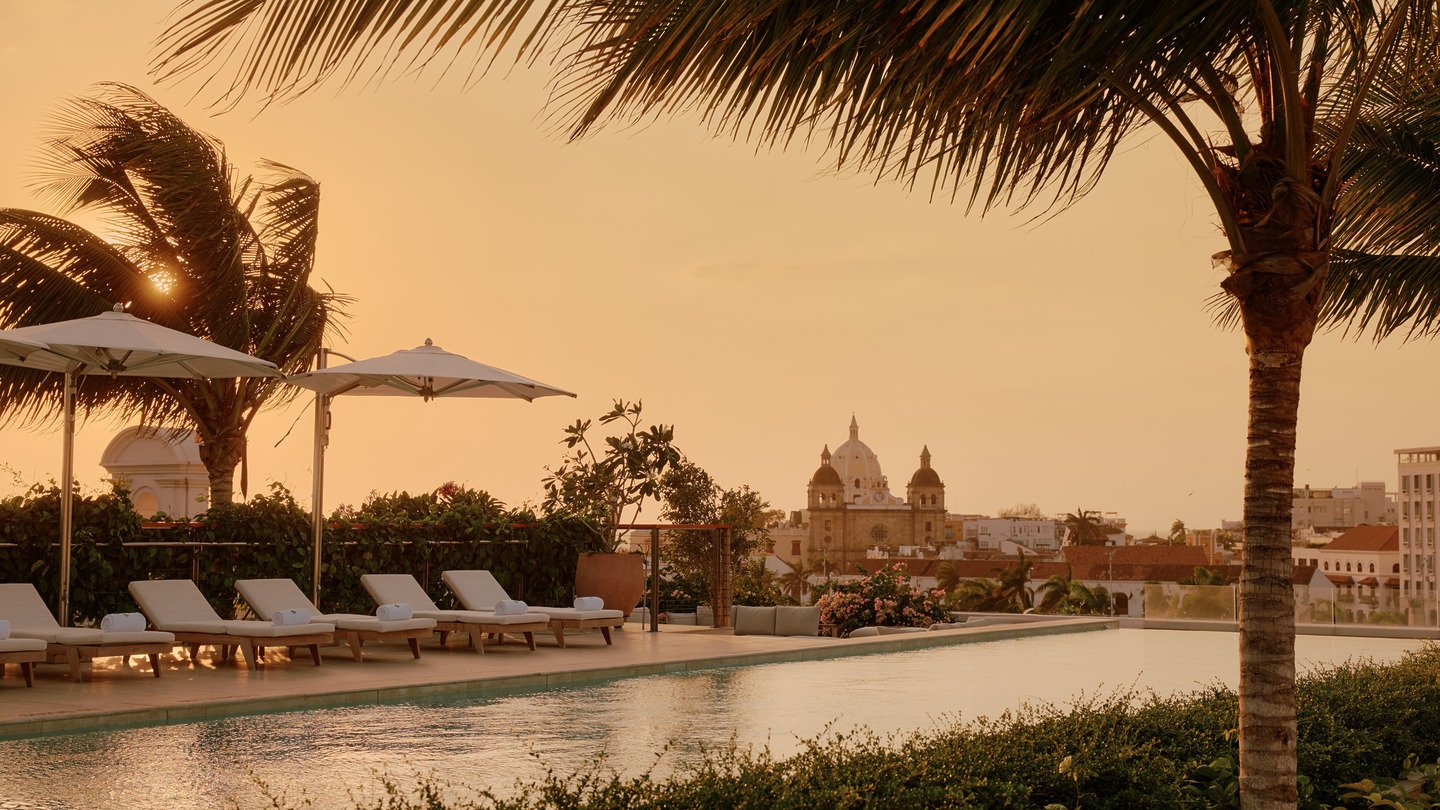
El Palmar: The rooftop restaurant and bar uses panoramic 360-degree views across Cartagena as part of the experience, shifting from daytime dining into sunset drinks, music and evening service above the surrounding rooftops.
Atrio: Set beneath a soaring glass ceiling with black-and-white marble floors and tropical planting, the central lobby lounge serves coffee, wine and cocktails throughout the day and functions as one of the hotel’s principal social spaces.
In-Room Dining: Twenty-four-hour service extends Four Seasons dining into guestrooms and suites, useful for early arrivals, late evenings and families who prefer to eat privately.
The strongest part of the program is how directly the restaurants use the buildings they occupy. The steakhouse belongs to Club Cartagena, the pizzeria reflects the former theatre and church site, and El Aljibe turns the memory of a water cistern into a hidden bar rather than smoothing every venue into one new-hotel aesthetic.
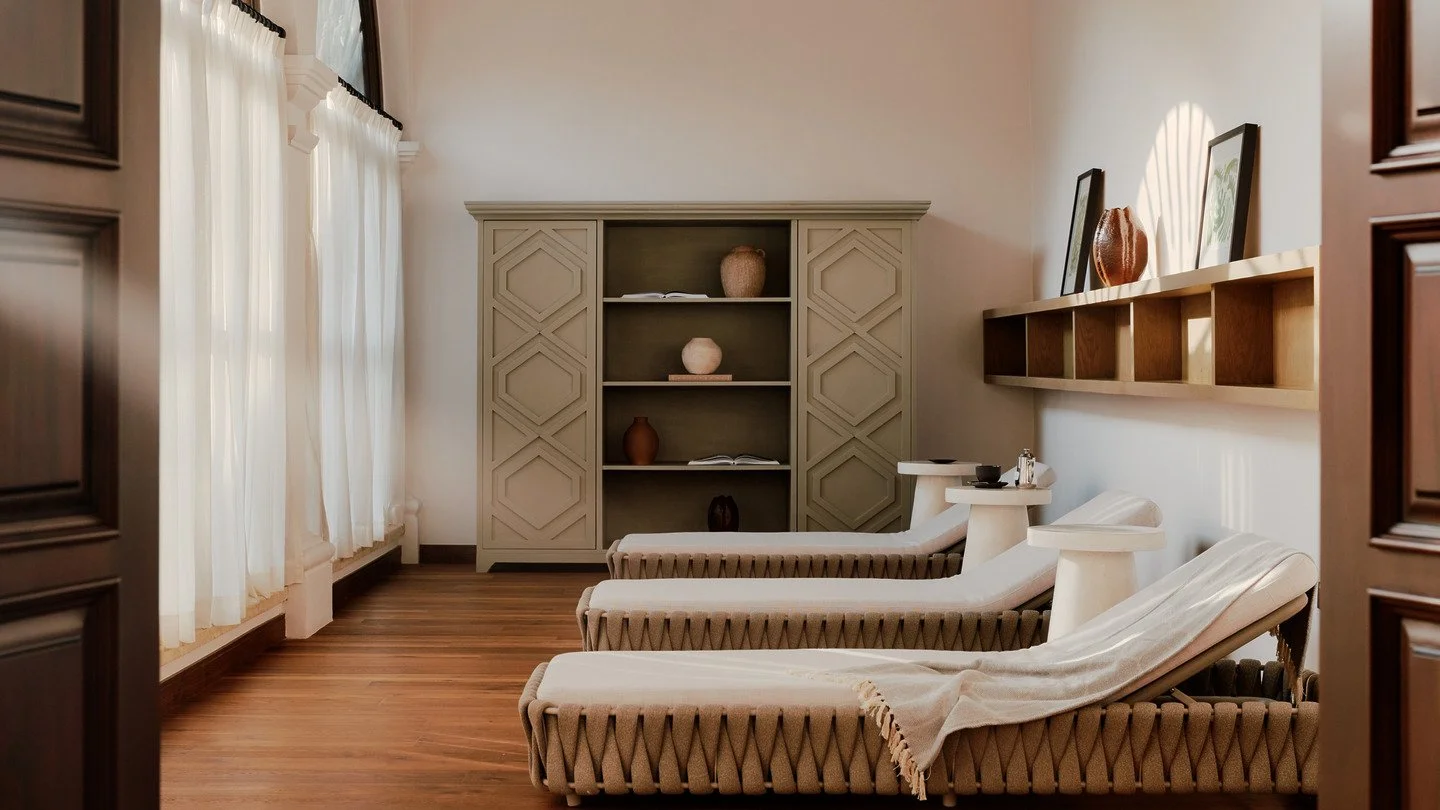
UMARI Uses the Restored Cloisters as a Place to Slow Down
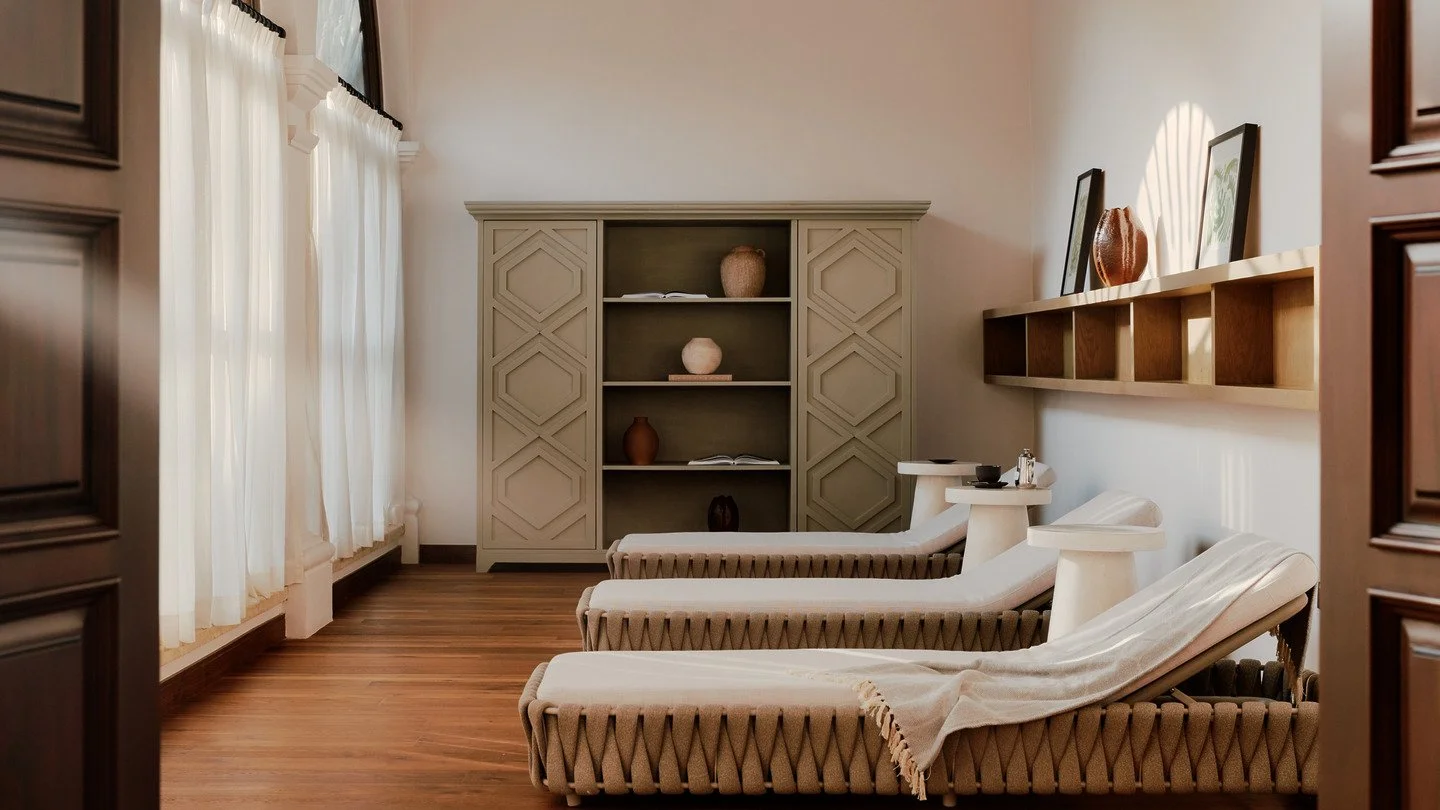
UMARI Spa sits within a restored heritage building and takes its name from a plant associated locally with nourishment and spiritual growth. Six treatment rooms include an oversized couples’ suite with its own lounge, bathtub and shower, while separate changing areas include steam rooms and relaxation lounges.
Treatments draw on Colombian botanicals, fruits and ancestral healing references without presenting them as a substitute for medical care. Massage, body rituals, facials and salon services are joined by mindfulness, meditation, sound healing and private fitness programs that can be scheduled with advance notice.
The spa is adults-only under the current policy. Guests aged sixteen or younger cannot receive massage or body treatments, while those aged seventeen to eighteen require a signed waiver. Salon services are available from age twelve with an adult present and the appropriate waiver.
A 24-hour fitness centre uses Technogym equipment for cardio, strength and functional training. Above the historic buildings, two rooftop pools provide the hotel’s more resort-like side, with open-air bar service and broad views across the Walled City, modern skyline and harbor.
The Best Experiences Leave the Hotel and Follow Cartagena’s Streets and Water
Four Seasons has built its activity program around private, concierge-arranged experiences rather than a fixed schedule of resort entertainment. In Getsemaní, guided walks can focus on neighborhood life, street art, small shops and local residents, including a version led with a Getsemanisense that ends with an introduction to champeta dancing.
The Walled City can be explored with a private guide, while other city experiences cover the Castillo San Felipe de Barajas, local architecture, food, shopping and broader histories of Cartagena. Timing matters in the tropical climate, and the hotel itself recommends early-morning or late-afternoon departures for walking tours to avoid peak heat.
The Caribbean is equally important. Private boats and yachts travel to Isla Barú and the Rosario Islands, with snorkeling, swimming and beach-club stops arranged according to weather and sea conditions. Selected larger yachts can include food prepared by a Four Seasons chef. Current Rosario Islands trips also support coral-reef conservation through Fundación Mejor Planeta.
Other arranged experiences include surfing, birdwatching and helicopter journeys toward the Sierra Nevada. These are private or third-party excursions coordinated by the hotel, not complimentary inclusions in the room rate.
Family Stays Rely on Flexible Rooms and Babysitting Rather Than a Kids Club
Four Seasons Hotel and Residences Cartagena does not currently advertise a standing supervised kids club. Family travel is supported instead through room configurations, connecting options, babysitting and individually arranged experiences.
The hotel’s family policy allows children eighteen and younger to share their parents’ or guardians’ room without an additional room charge where space permits. Superior, Deluxe and Premier Terrace categories include selected connecting options, while Studio Suites can accommodate a child in certain sofabed or extra-bed layouts. The two-bedroom Catroux Suite provides the most self-contained top-tier option for families wanting to remain together.
Cribs are available across the current room categories, and babysitting appears among the hotel’s published services. Families should request rates, minimum booking periods and caregiver availability before travel because those operational details are not published as a fixed daily schedule.
The two rooftop pools, casual Pizzeria Della Chiesa and the city’s private cultural experiences broaden the family program beyond the guestroom. Surfing, boat days and selected walking tours can also work for children when age, weather and comfort levels are considered in advance.
Water, Energy and Food Waste Are Being Tracked From the Start
Because the hotel only opened in April 2026, its sustainability record is still relatively young. The current property-level program is most useful when described through specific systems rather than broad claims of leadership or carbon neutrality.
Four Seasons tracks energy use, greenhouse-gas emissions, water consumption and waste through its global utility-management system. Guestroom controls and a smart-building platform are designed to optimize energy performance, while heat recovered from on-site energy generation helps provide hot and cold water.
Water-saving measures include efficient irrigation and the collection of rainwater and air-conditioning condensate for reuse. Single-use plastic water bottles, bathroom amenities and takeaway packaging have been removed or replaced, water-refilling stations are available in fitness and locker areas, and recycling and organic-waste diversion programs are in place.
The food-and-beverage program uses seasonal and locally sourced products where possible, serves cage-free eggs and employs AI-enabled tools to identify and reduce food waste. The hotel also links certain guest experiences with local conservation and community projects, including coral-restoration support through Rosario Islands boat excursions.
Two Dedicated Accessible Categories Make Planning More Concrete
The live room inventory includes two purpose-designed accessible categories. The Accessible Superior Room measures approximately 371 sq. ft. and includes a roll-in shower with grab bars, while the Accessible Premier Room provides approximately 522 sq. ft. with the same core bathroom features and a private balcony.
Both categories sit within the Contemporary Building and look toward the internal tropical gardens. That makes it possible to choose a verified room rather than relying on a standard category that may or may not work for a traveler’s needs.
Specific requirements should still be confirmed with the hotel before arrival, particularly doorway clearances, pool access, routes through the restored historic buildings, elevator locations, spa access and any hearing- or vision-related equipment. The property combines several old structures with new construction, so the most practical route may differ depending on the venue.
Getsemaní and the Walled City Work Best as Two Connected Neighborhoods
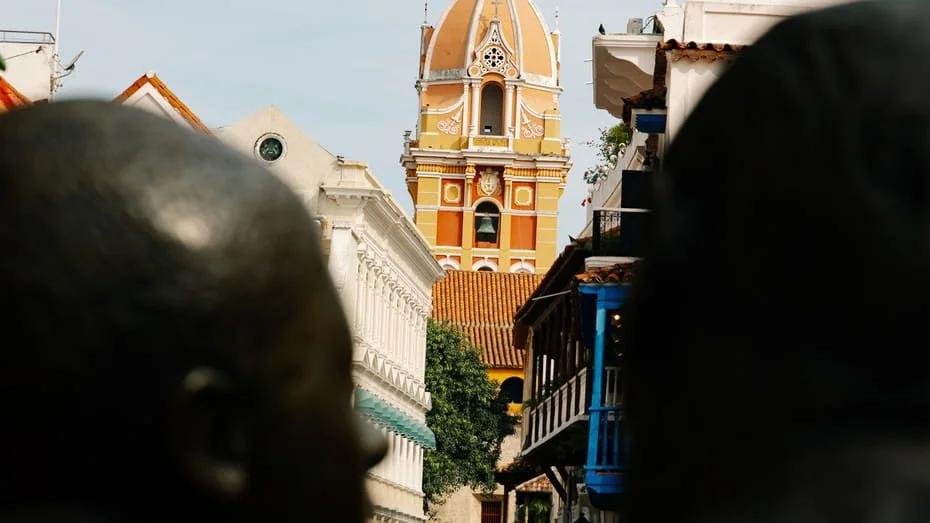
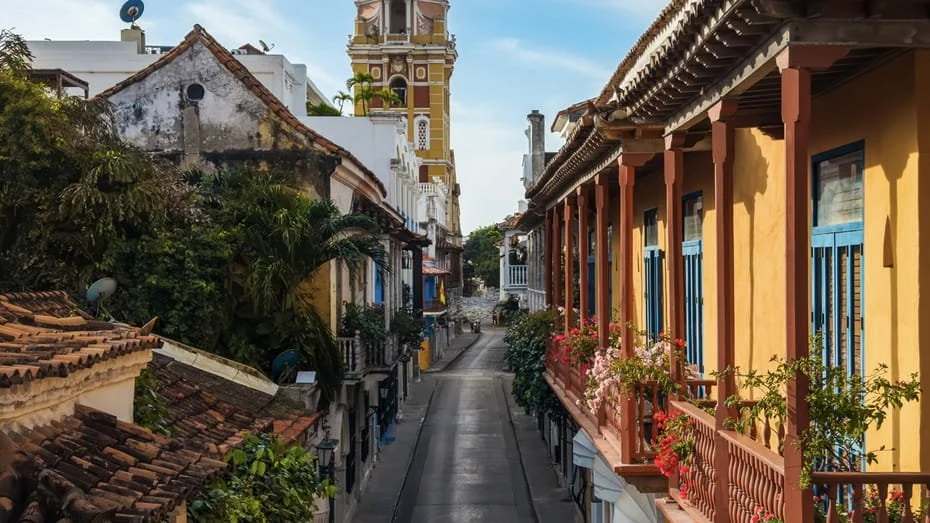
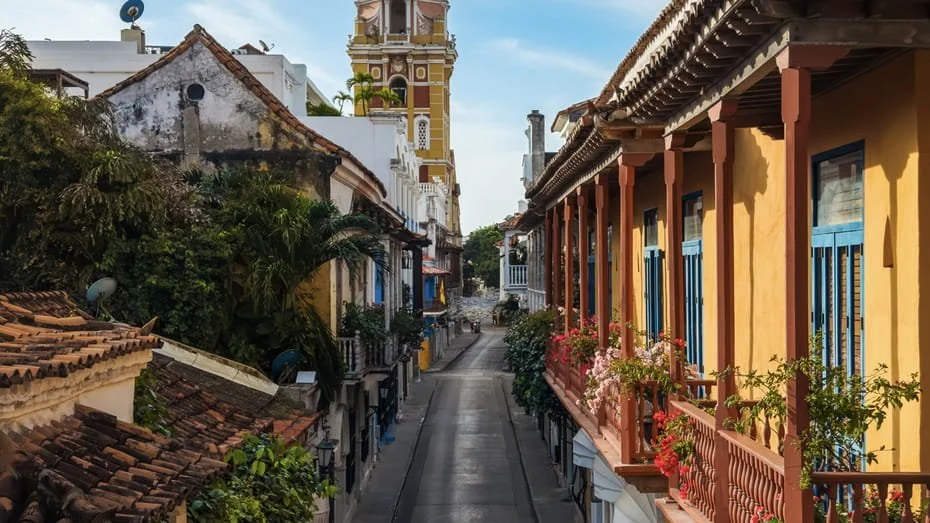
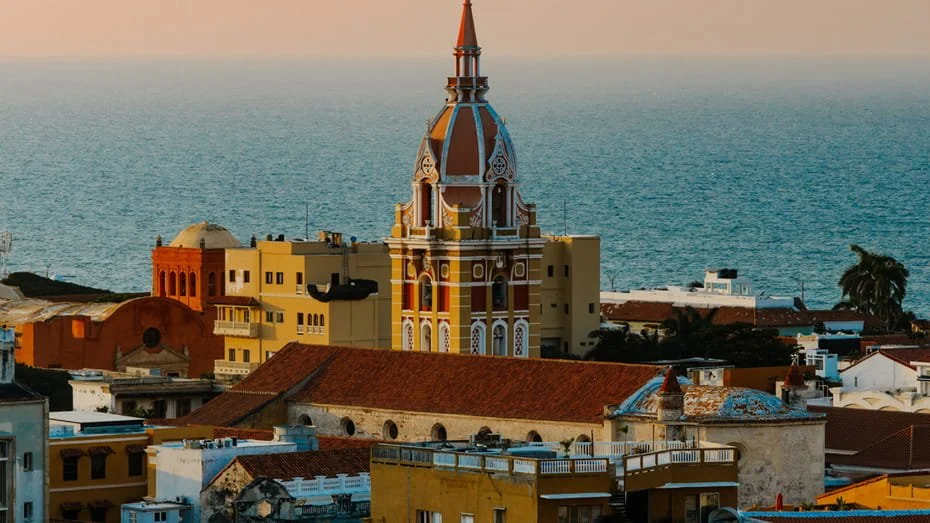
The hotel stands in Getsemaní, historically a working neighborhood just beyond Cartagena’s principal walls and now one of the city’s strongest centers for street art, music, nightlife and independent restaurants. Plaza de la Trinidad, painted façades and narrow residential streets make it visually distinct from the more formal colonial architecture of the Walled City.
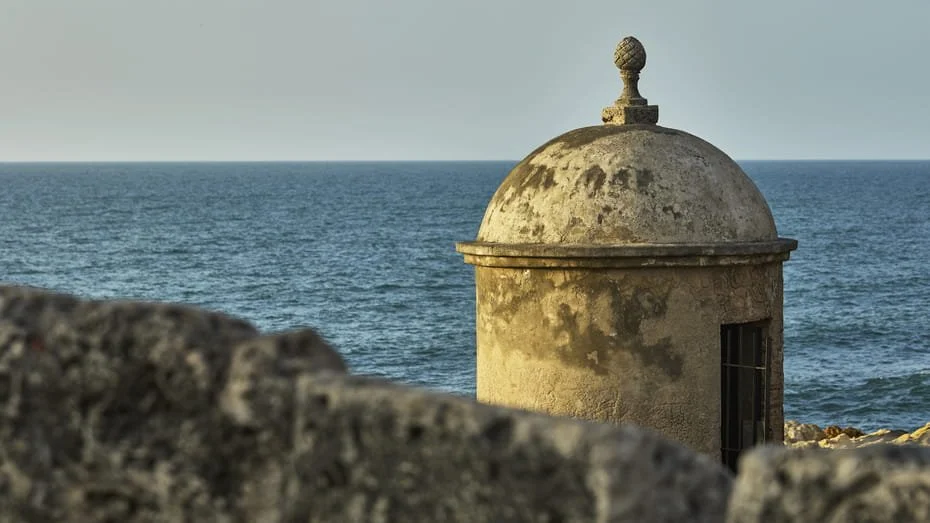
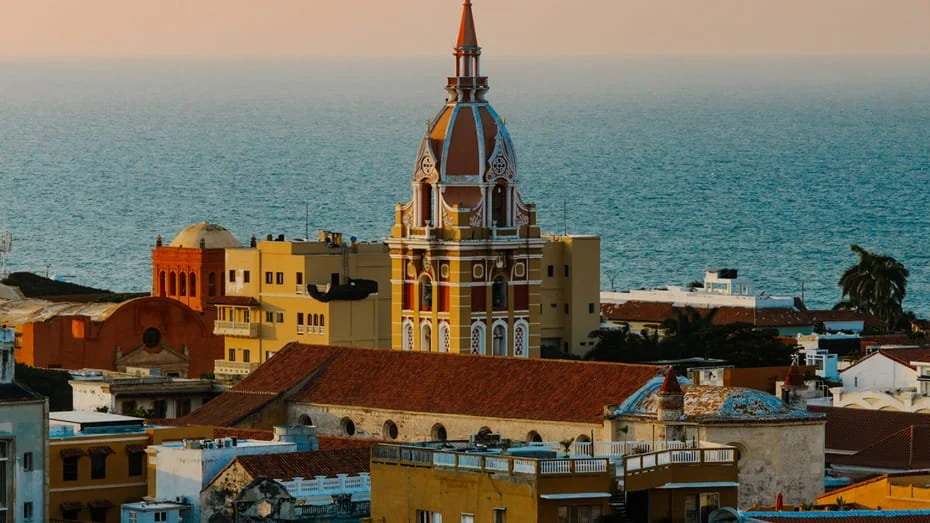
Cross Parque Centenario and the city changes character quickly. The Torre del Reloj marks the traditional entrance into the Walled City, where plazas, churches, balconies and defensive walls reflect Cartagena’s long role as a Caribbean port. The Cathedral, Palace of the Inquisition, churches of Santo Domingo and San Pedro Claver and the ramparts can all form part of a walk from the hotel.
Castillo San Felipe de Barajas requires a short transfer or a longer walk and gives the military history of Cartagena a different scale. The Caribbean extends the destination outward again: Barú and the Rosario Islands are reached by boat and should be planned as full-day or substantial half-day excursions rather than treated as immediate neighborhood attractions.
Rafael Núñez International Airport Is About 15 Minutes Away
Rafael Núñez International Airport (CTG): Four Seasons is approximately 3.4 miles from the airport, with the hotel quoting a road transfer of about 15 minutes in normal conditions; traffic can lengthen the journey.
Hotel-Arranged Transfers: The concierge can coordinate private luxury-car transportation for arrivals and departures, particularly useful for families, groups or travelers carrying substantial luggage.
Taxi and Rideshare: Taxis and app-based car services operate in Cartagena, although a hotel-arranged transfer offers the simplest door-to-door arrival for first-time visitors.
Private Aviation: Charter and private-aircraft arrivals use the Cartagena airport’s available private aviation services, with onward road transportation arranged separately.
Marina Transfers: Rosario Islands and Barú excursions typically begin with a short vehicle transfer from the hotel to the marina before continuing by boat; exact departure point and timing depend on the vessel and sea conditions.
Cartagena’s History Works Best Here When It Remains Visible
Four Seasons Hotel and Residences Cartagena succeeds because the restoration does not force every part of the site into a single period. The San Francisco cloisters, Club Cartagena, former theatre, new guestrooms, tropical gardens and rooftop pools all belong to different moments, and the hotel allows those differences to remain legible.
That approach also suits Getsemaní. The neighborhood is defined less by monumental perfection than by layers of everyday life, music, art and architecture accumulated over time. Staying here places the Walled City within easy reach without making it the only version of Cartagena visible from the hotel door.