Edinburgh, Scotland, UK | The Balmoral
A Clock Tower at the Meeting Point of Old and New Edinburgh
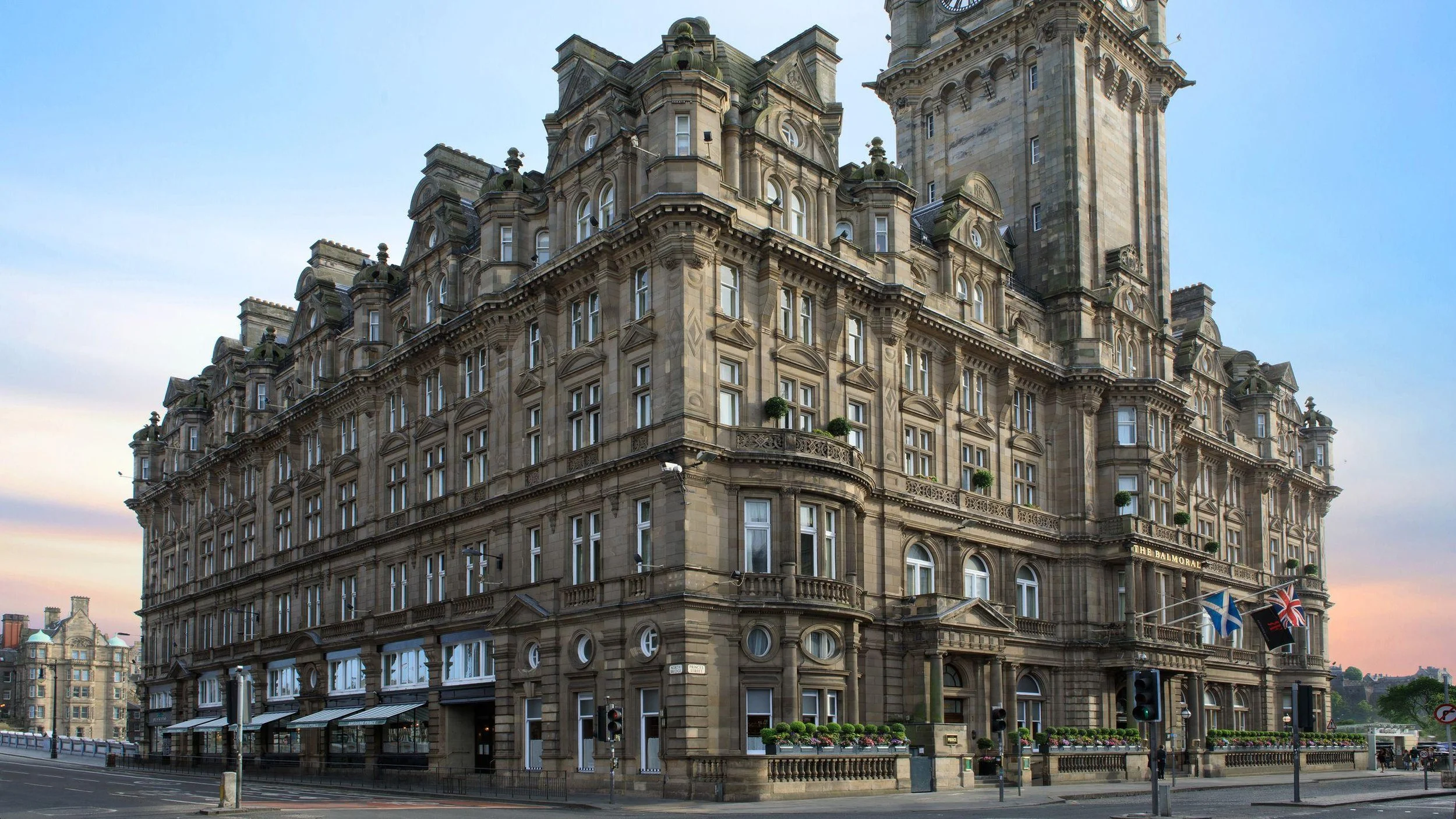
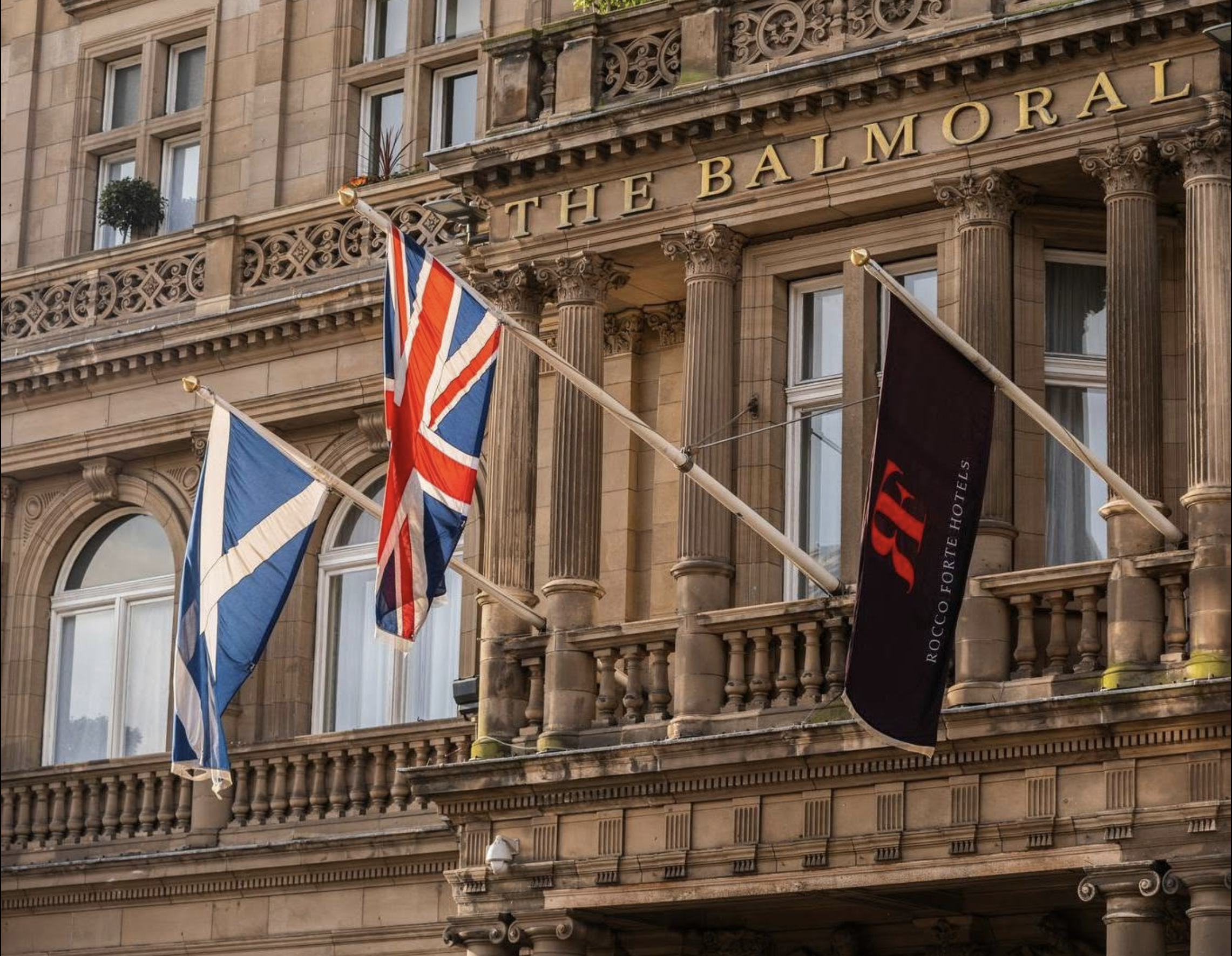
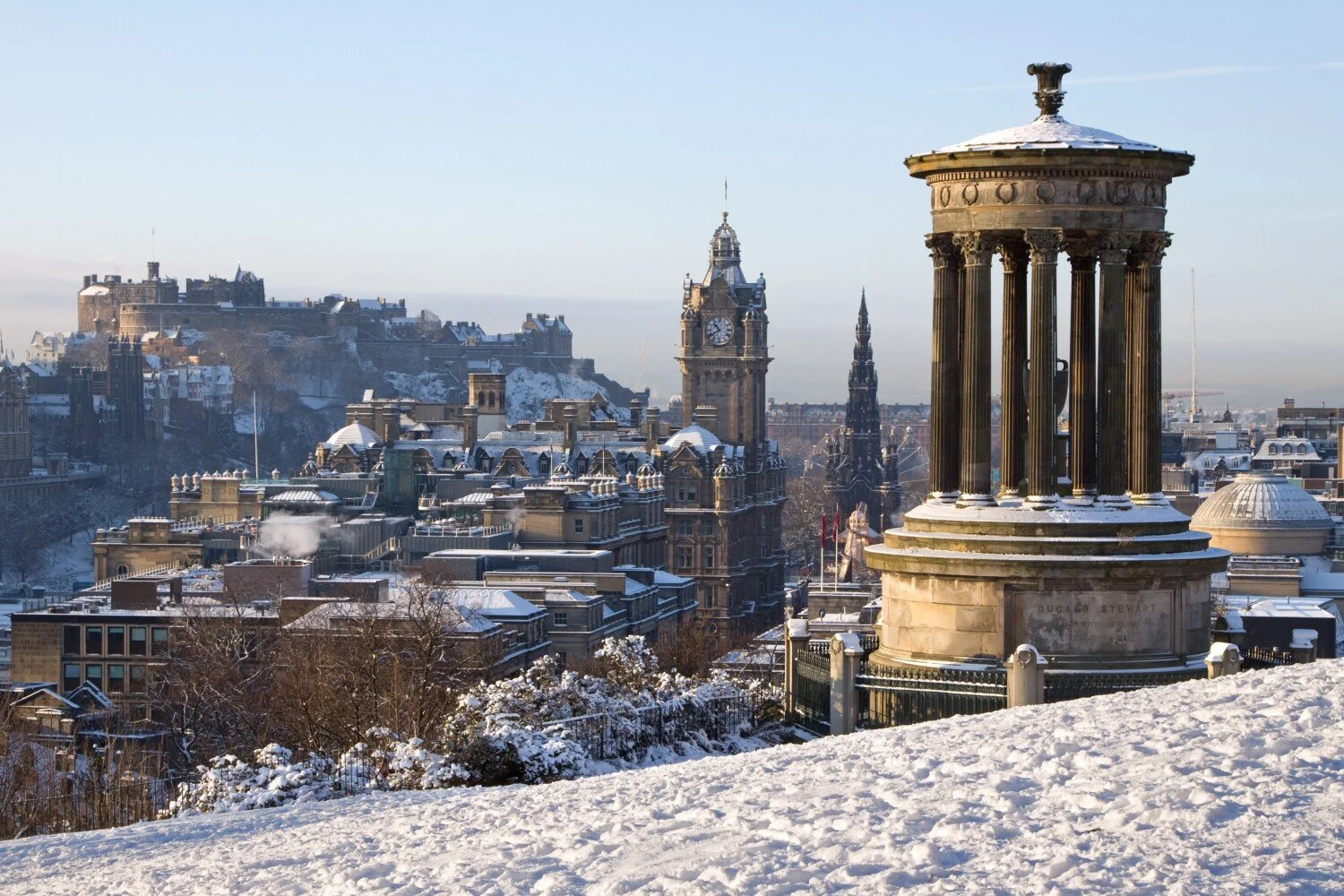
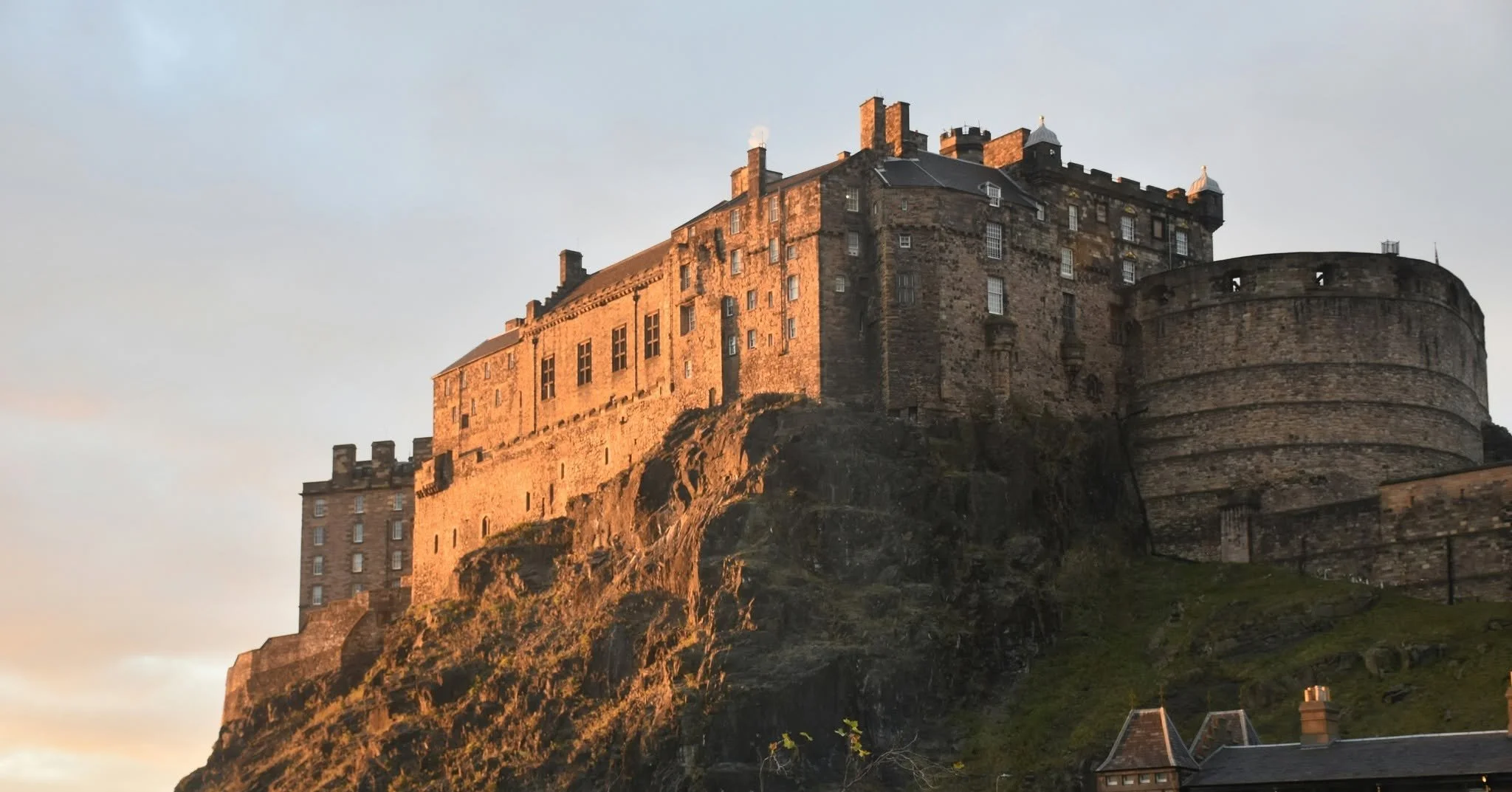
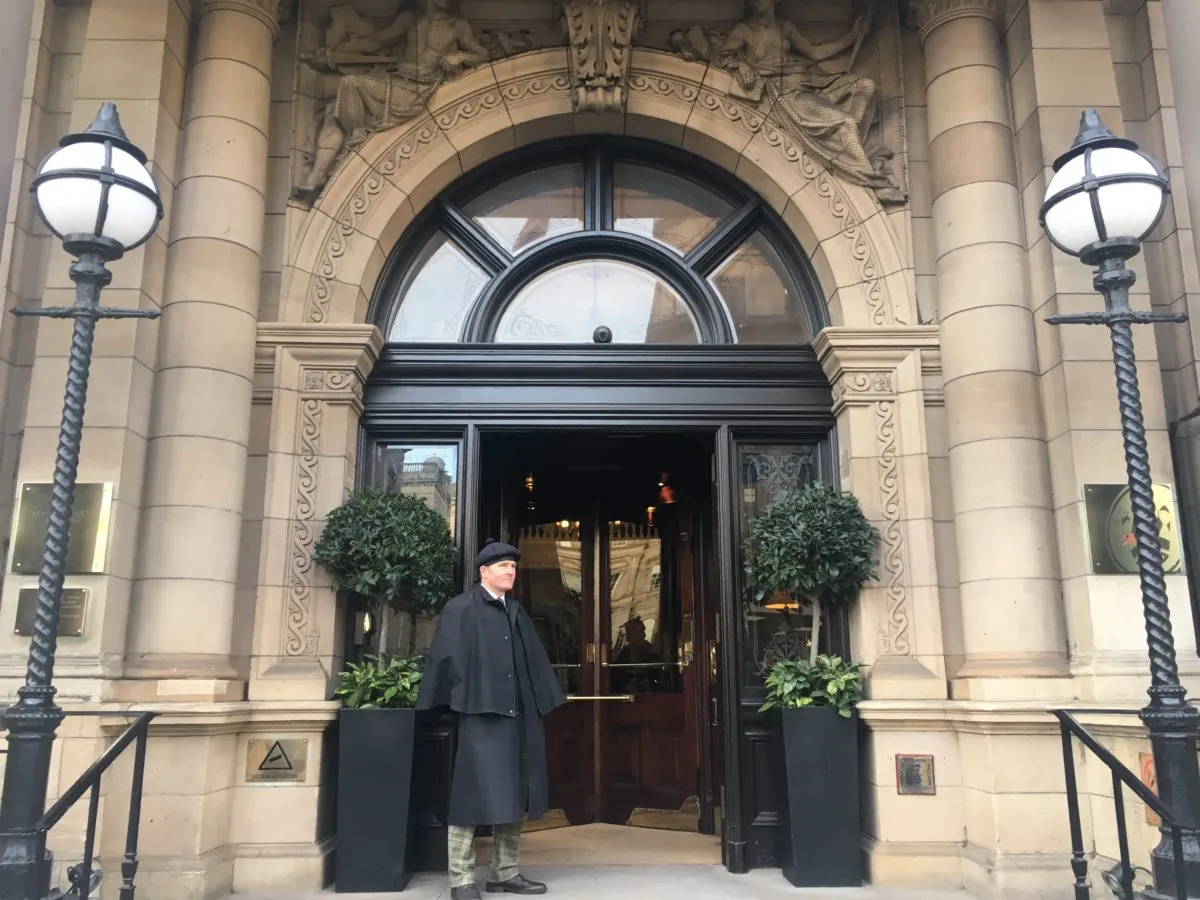
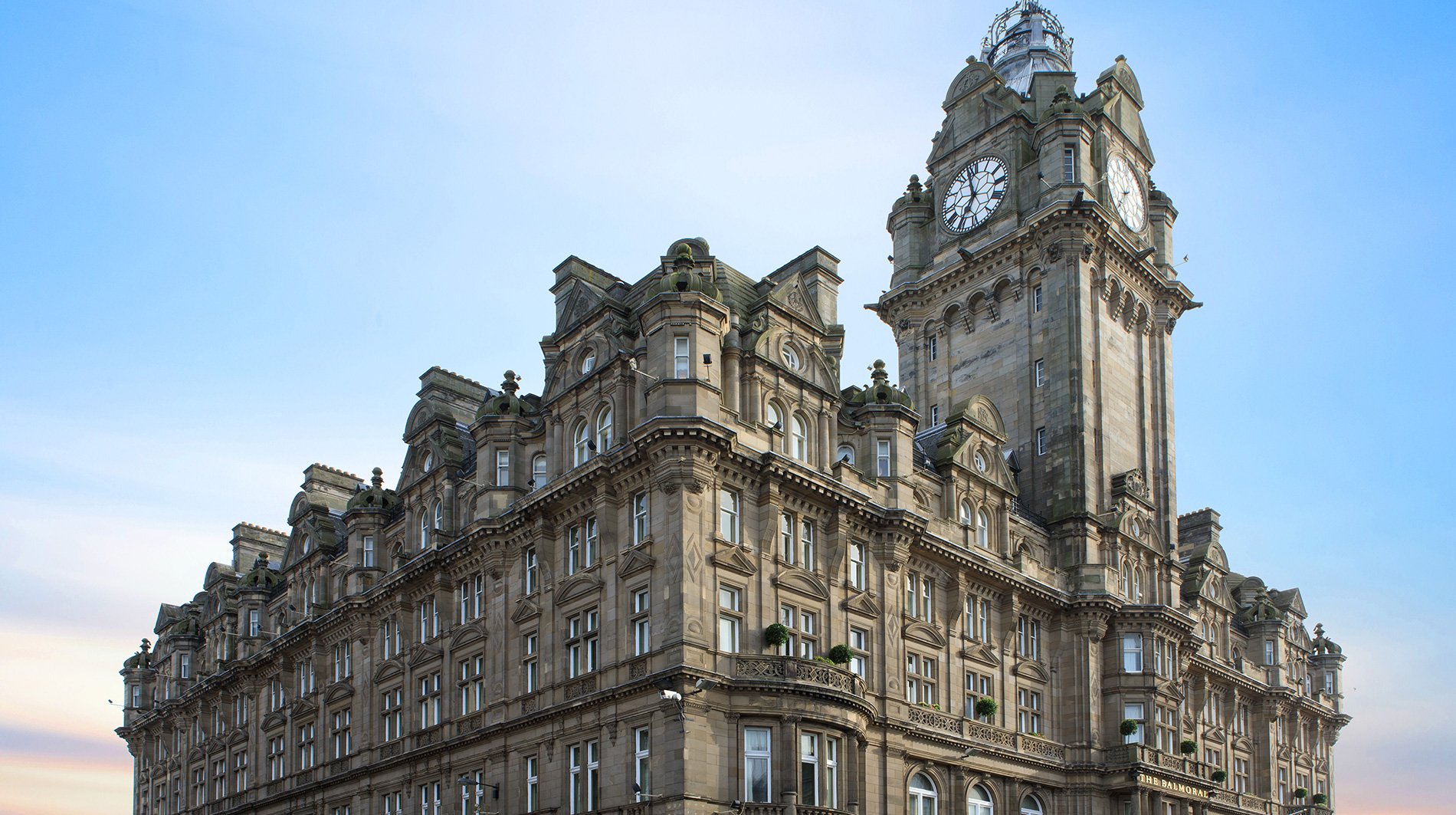
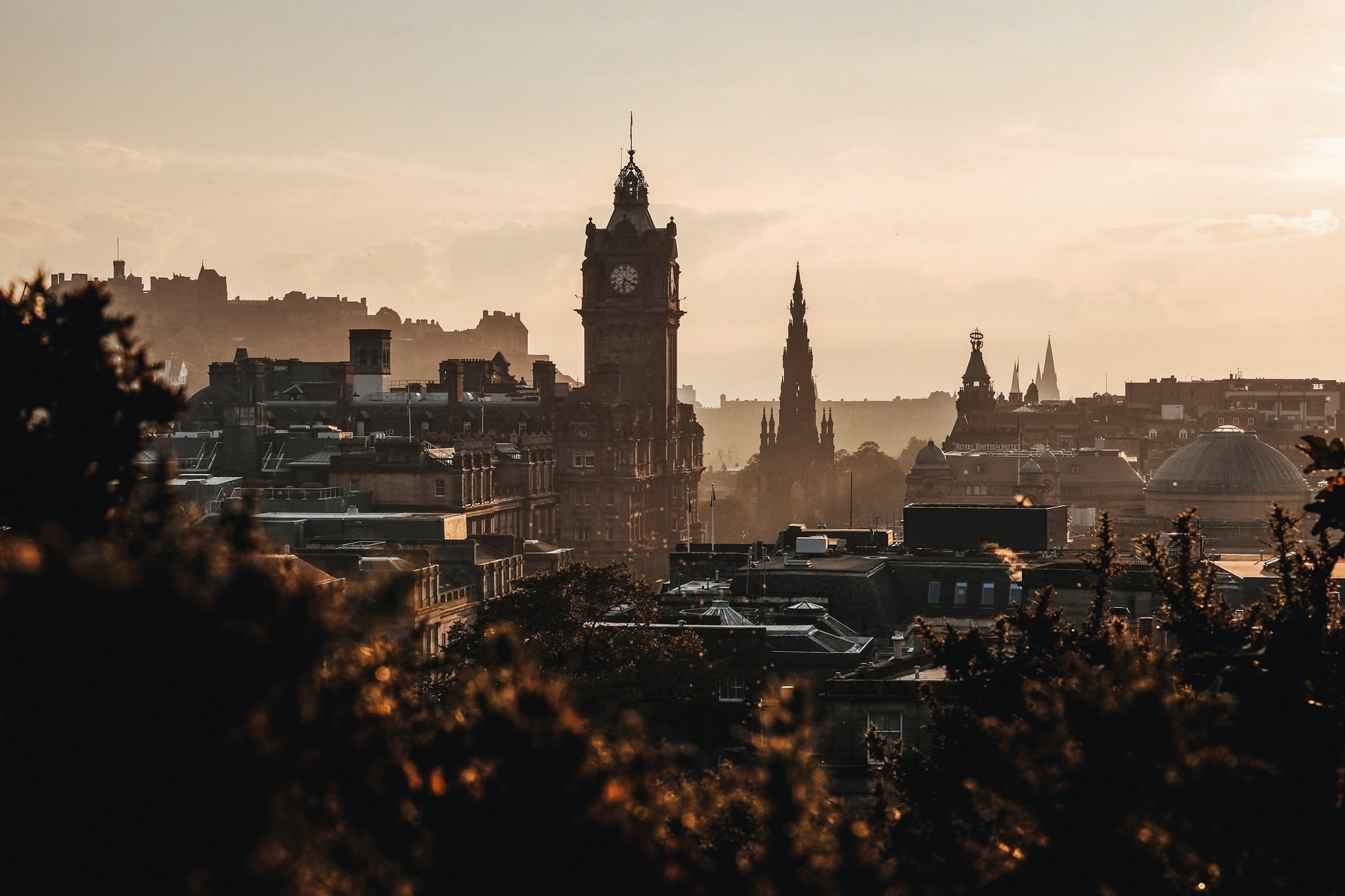
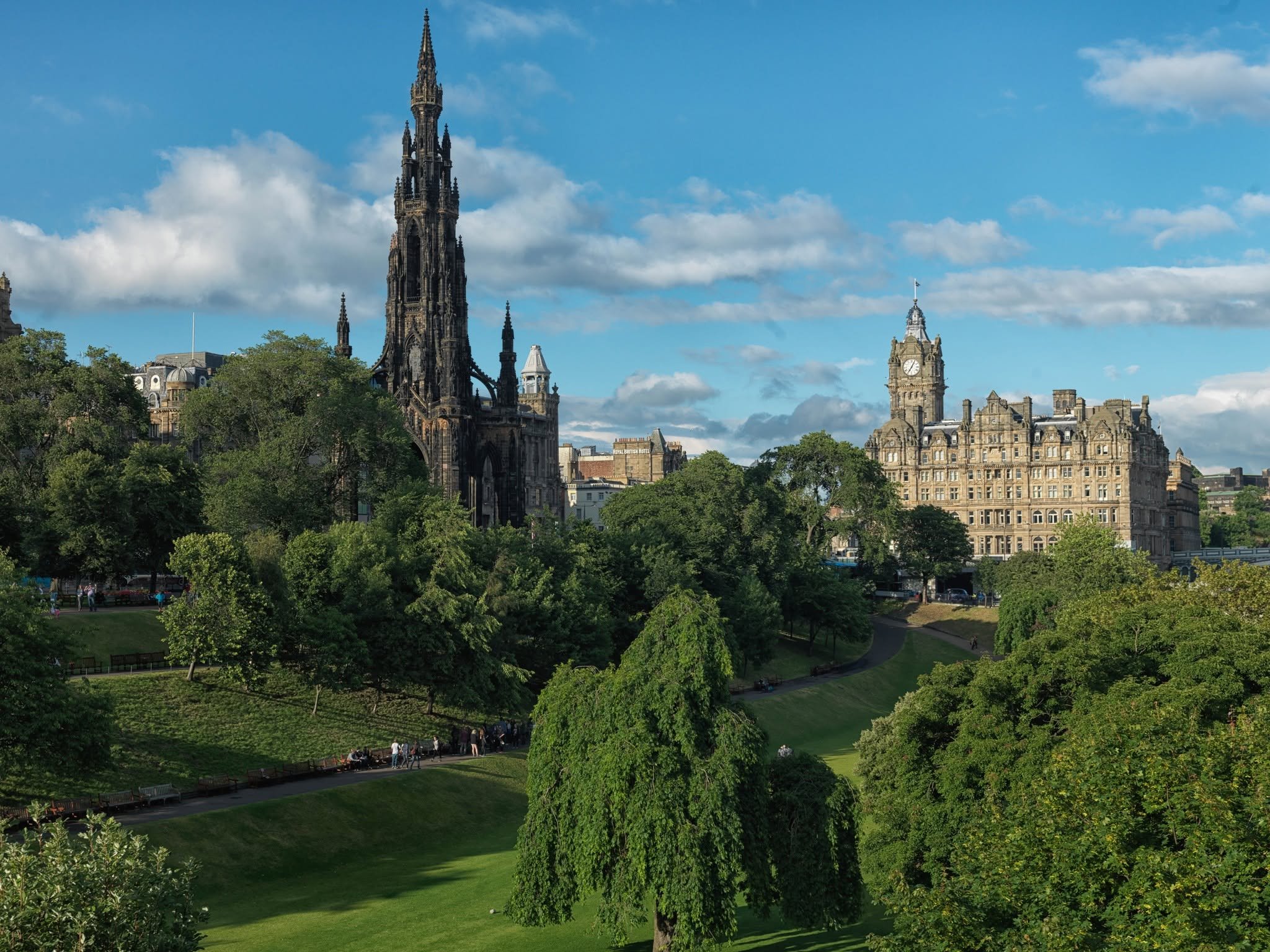
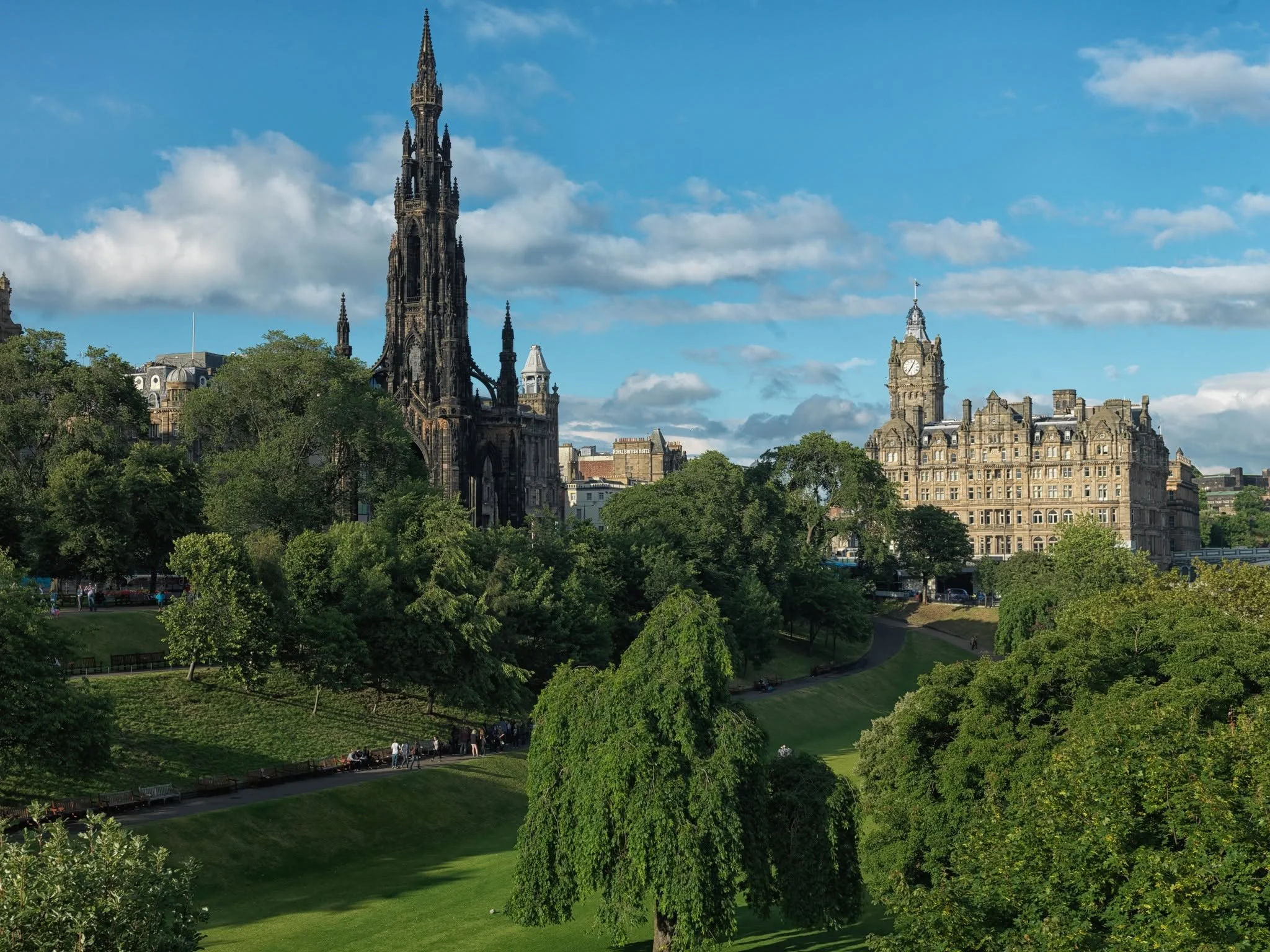
The Balmoral occupies one of Edinburgh’s most useful addresses: No. 1 Princes Street, directly beside Waverley Station and at the point where the medieval Old Town meets the Georgian New Town. The clock tower is part of the city skyline, while Edinburgh Castle, the Royal Mile, Princes Street Gardens, galleries, shopping and restaurants are all close enough to shape a stay on foot.
That location is only part of the appeal. The hotel combines 187 rooms and suites with destination dining, a serious whisky bar, a newly launched Irene Forte Spa and a collection of highly individual signature suites. It works equally well for a first Edinburgh visit, a festival weekend, a family city break or a longer Scotland itinerary beginning or ending by rail.
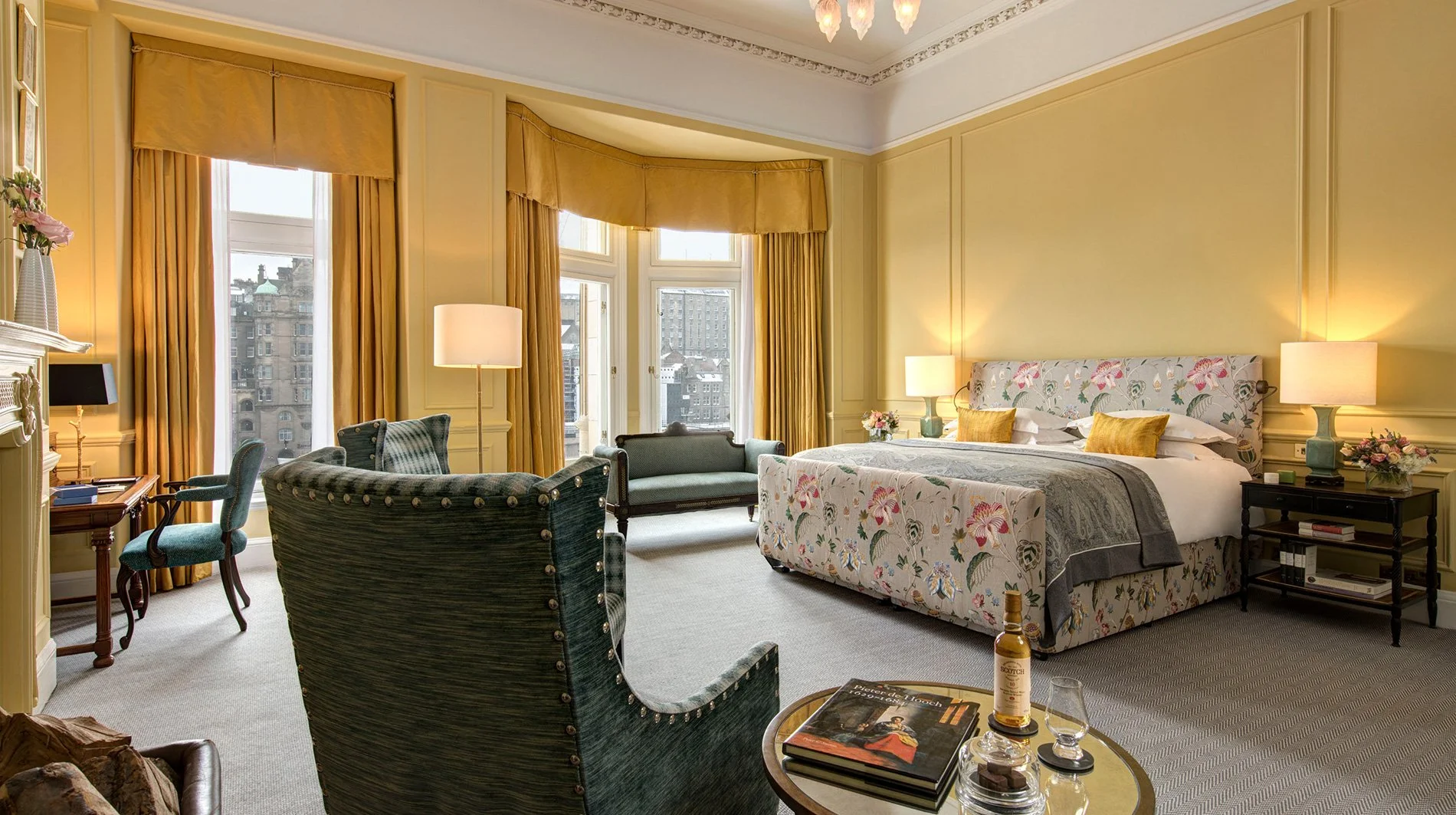
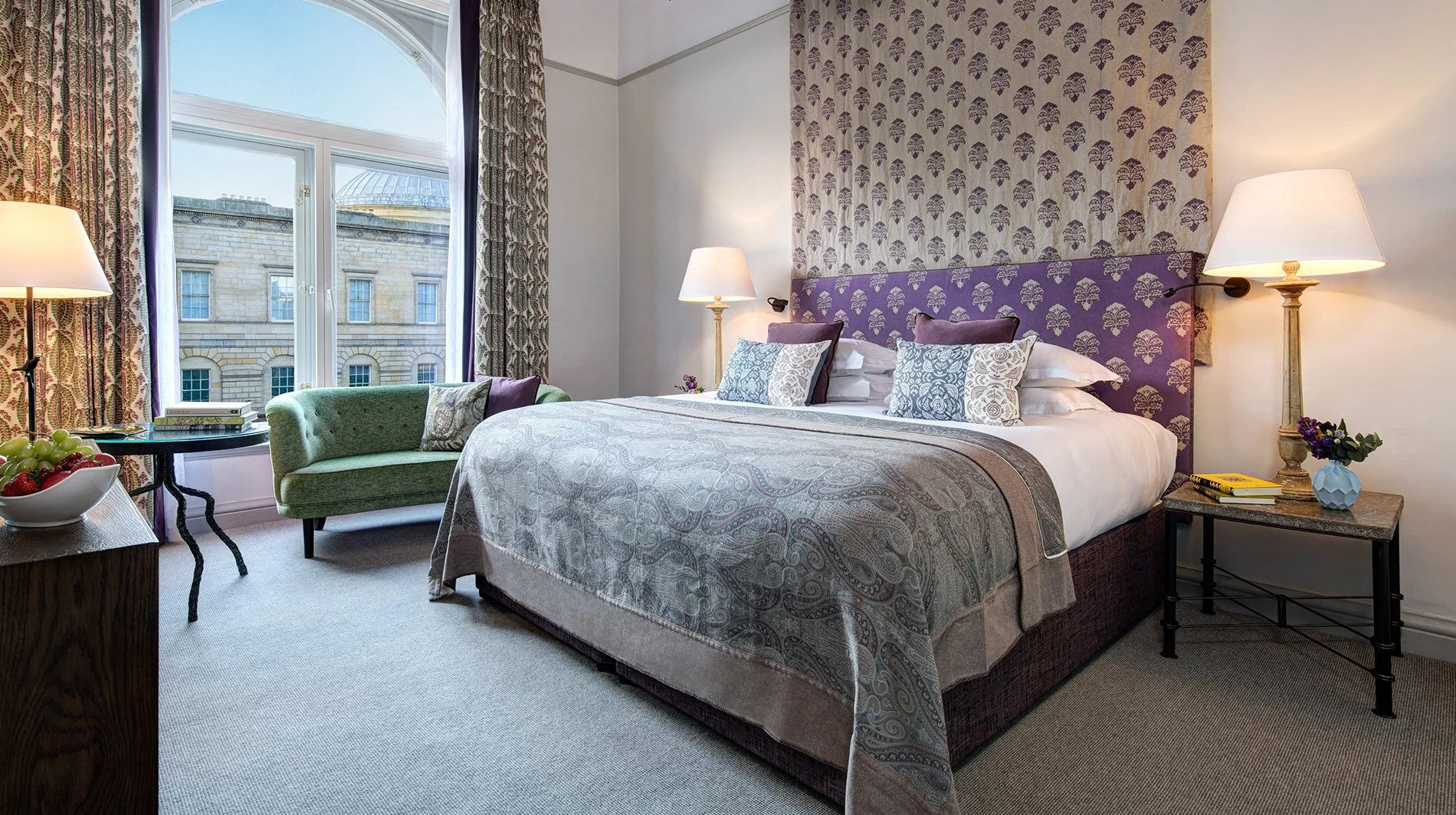
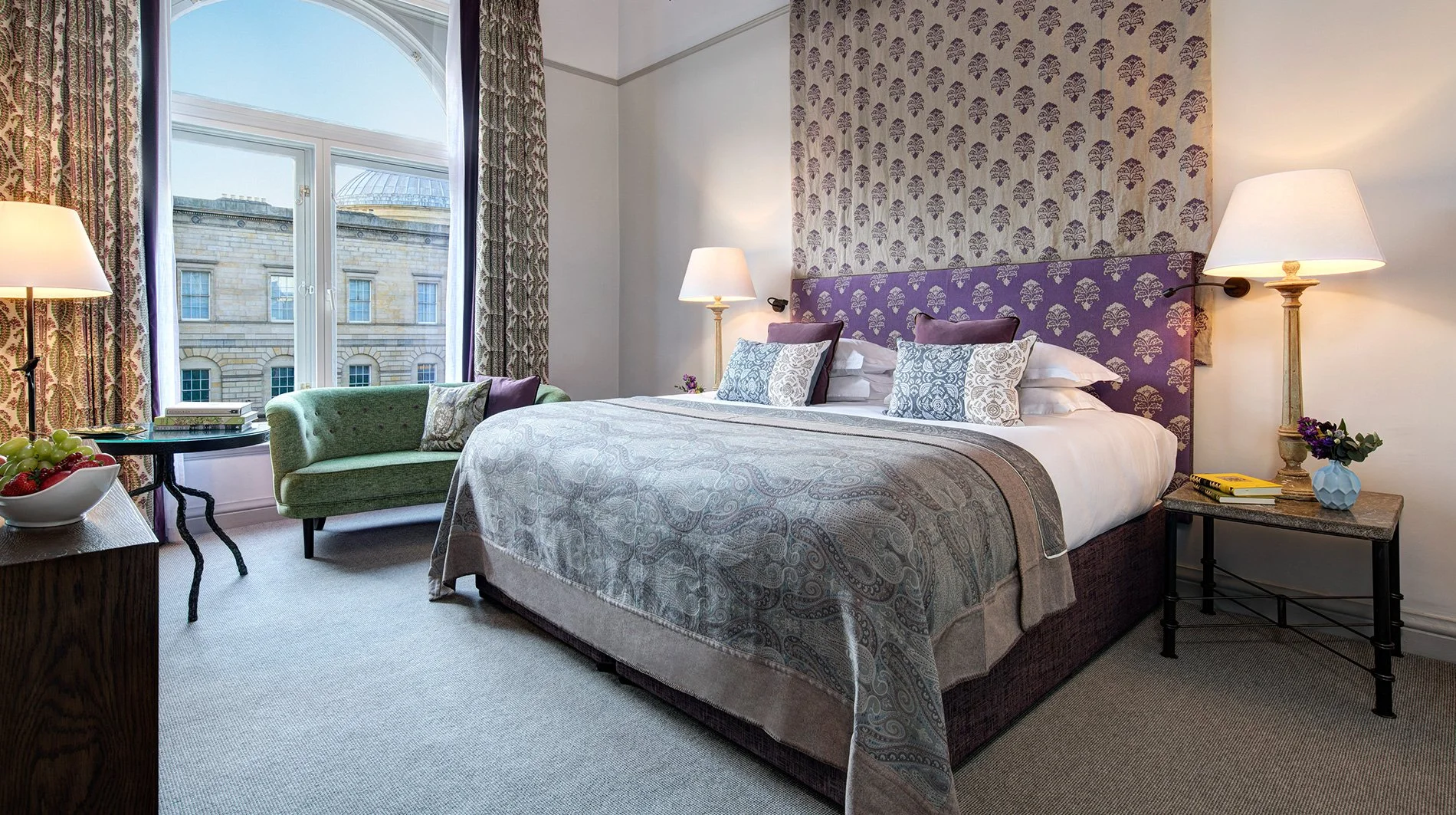
The room choice matters more than the hotel’s grand scale might suggest. Courtyard-facing rooms trade views for relative calm, Old Town and castle categories place Edinburgh directly outside the windows, and the Forte Suites introduce substantially more personality, history and living space.
From Railway Hotel to a Rocco Forte Landmark
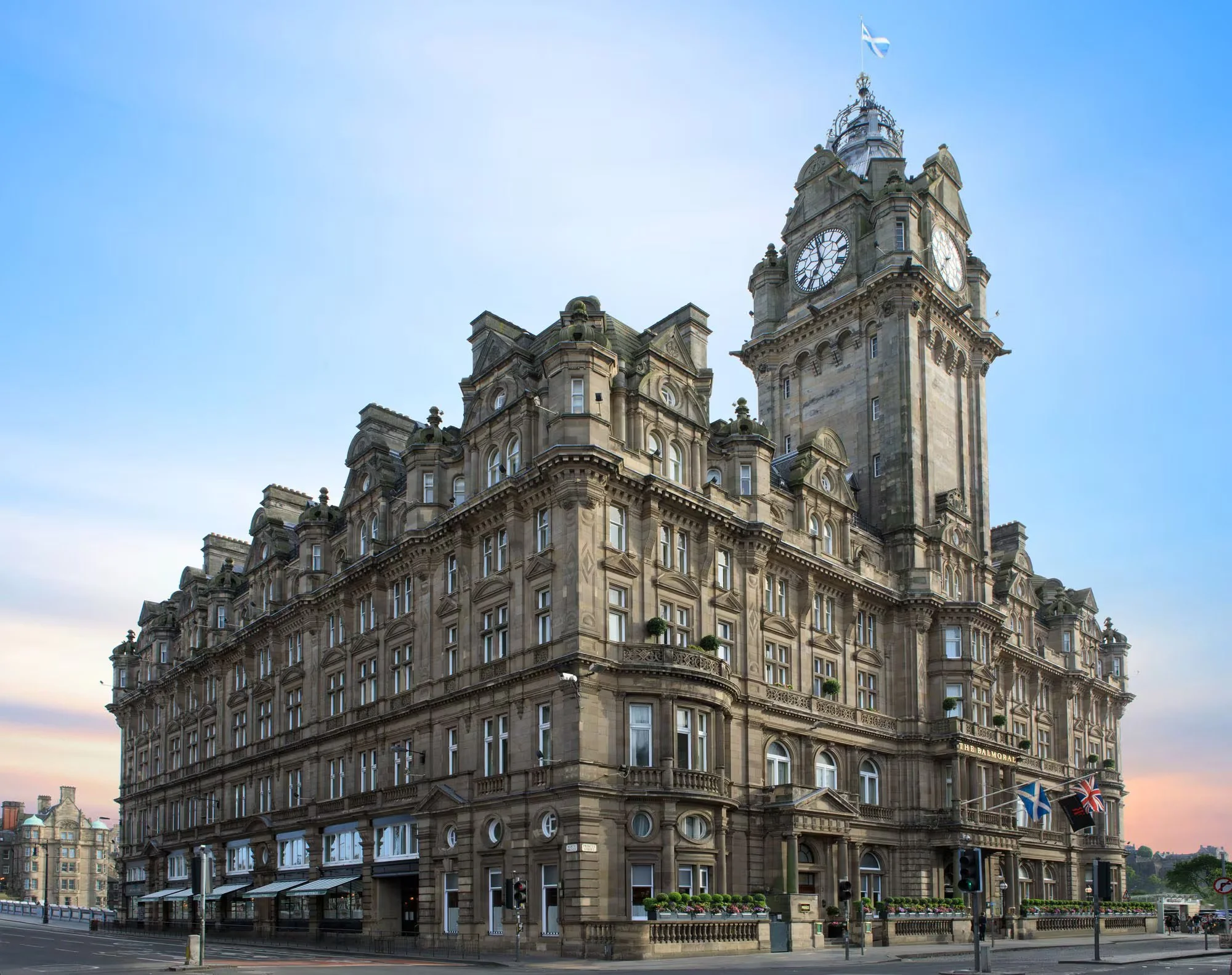
The building opened in 1902 as the North British Station Hotel, conceived for the golden age of rail travel beside Waverley Station. Architects W. Hamilton Beattie and A.R. Scott created an imposing composition of towers, turrets and dormers that blended European influences including French Renaissance references.
The hotel’s relationship with the railway remains physical as well as historical. Rocco Forte’s own account notes that lower levels connect closely with Waverley Station and platform 19, a reminder that this was designed as an arrival point for travelers rather than simply a hotel placed near a station.
The property became The Balmoral in 1988. Rocco Forte Hotels acquired it as the company’s first hotel in 1997 and reopened it under the new group in 1998, making Edinburgh the starting point for the collection that Sir Rocco Forte and Olga Polizzi went on to build across Europe.
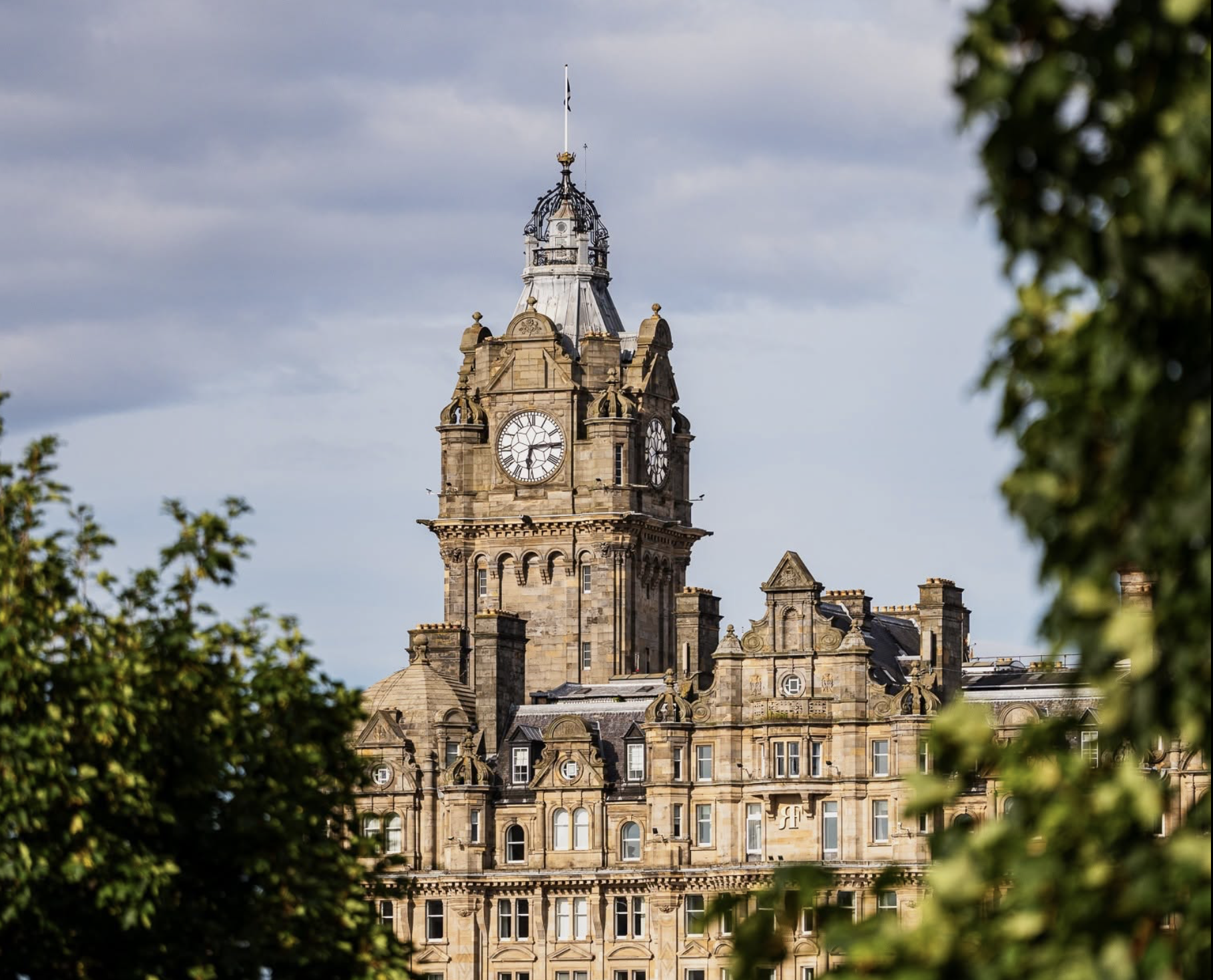
The clock has become part of the folklore. It normally runs three minutes fast, a tradition associated with helping rail passengers make their trains, and returns to the correct time for Hogmanay. Inside, another piece of literary history survives in the J.K. Rowling Suite, where the author completed the final Harry Potter novel.
Scottish Landscape, Contemporary Interiors
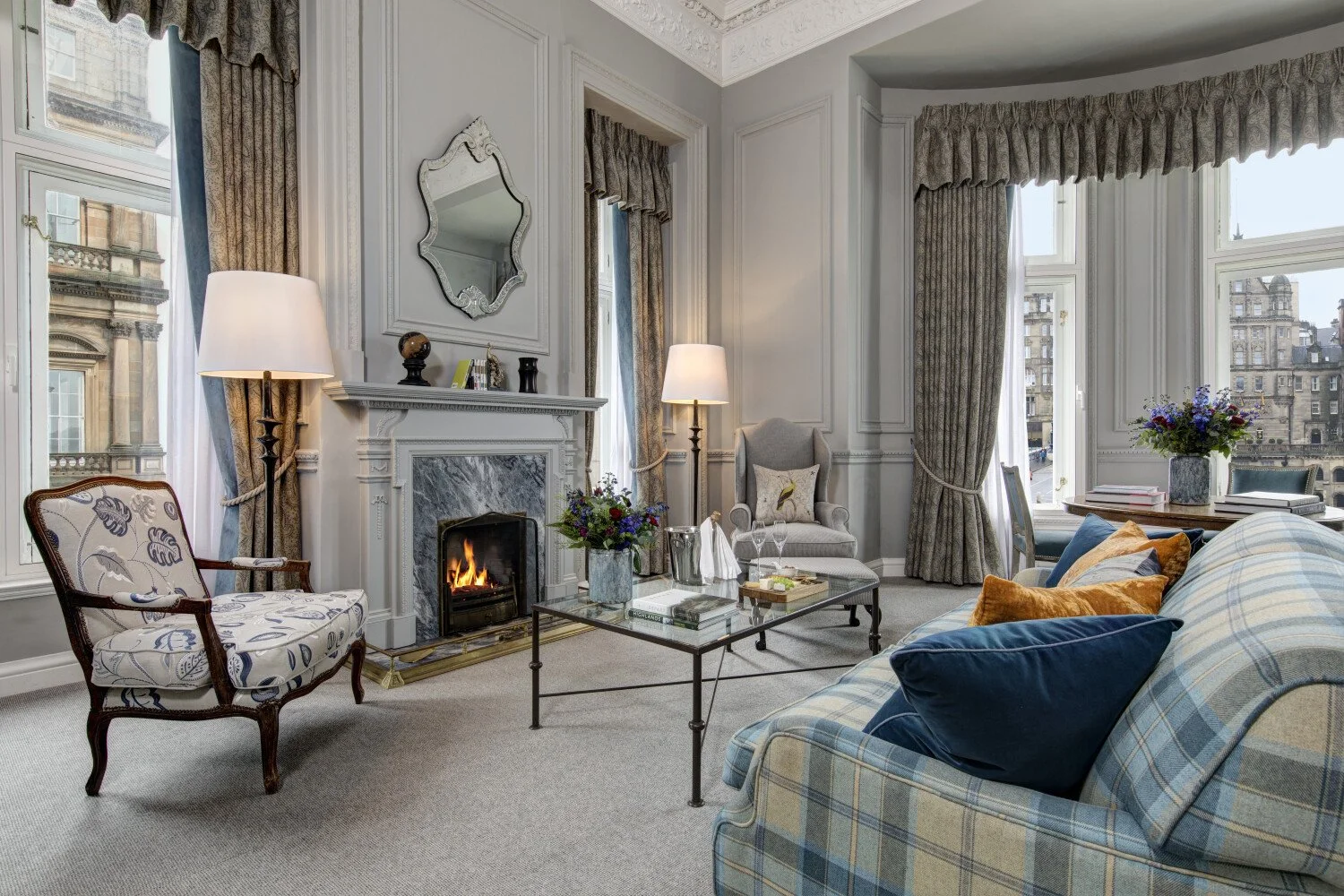
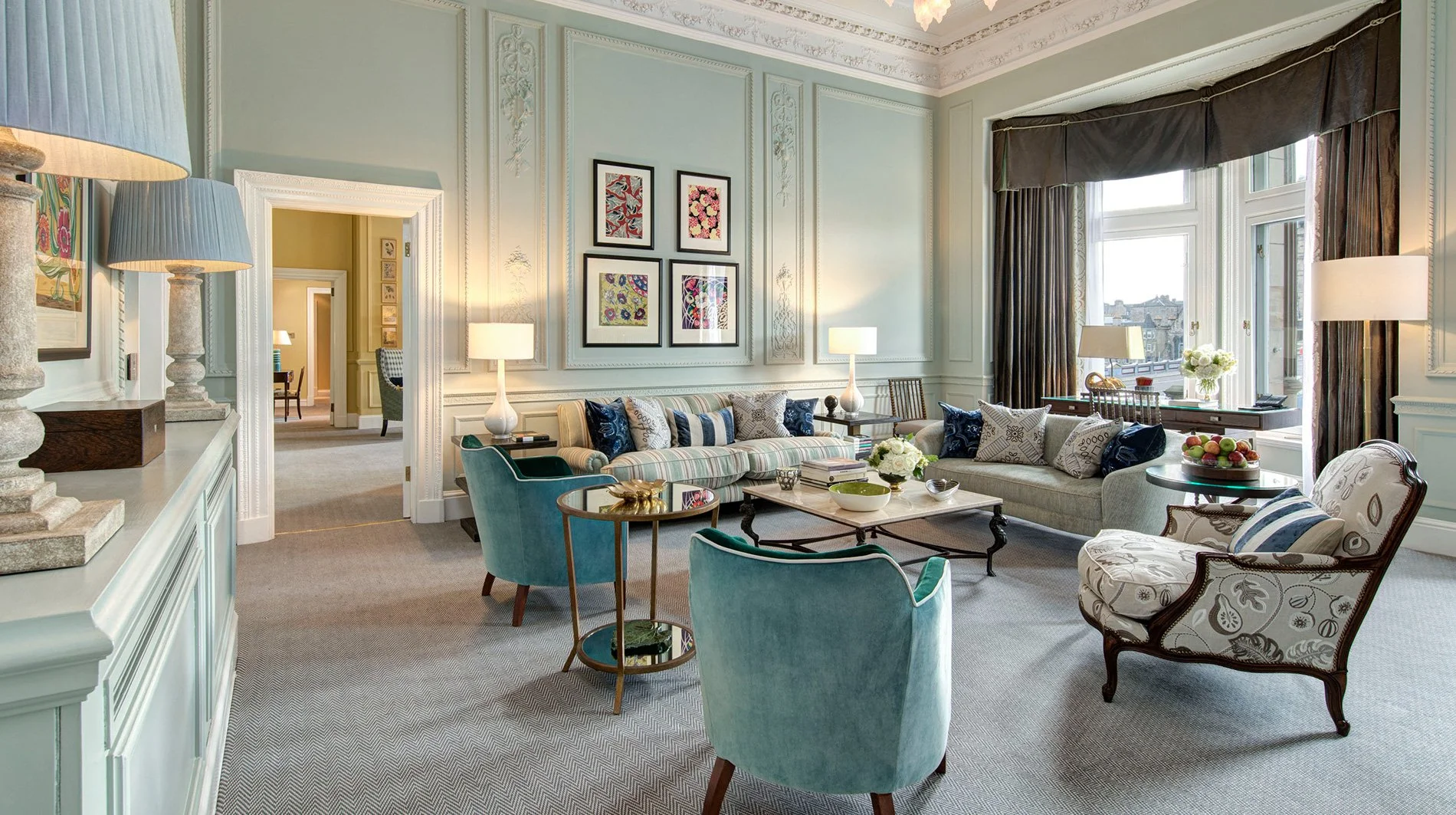
The exterior announces the hotel as an Edwardian landmark, but the interiors are not treated as a period reconstruction. Olga Polizzi’s design direction uses Scotland as the reference point through heather, moss, Hebridean blues, tartans, wool and artwork rather than through a single historic decorative scheme.
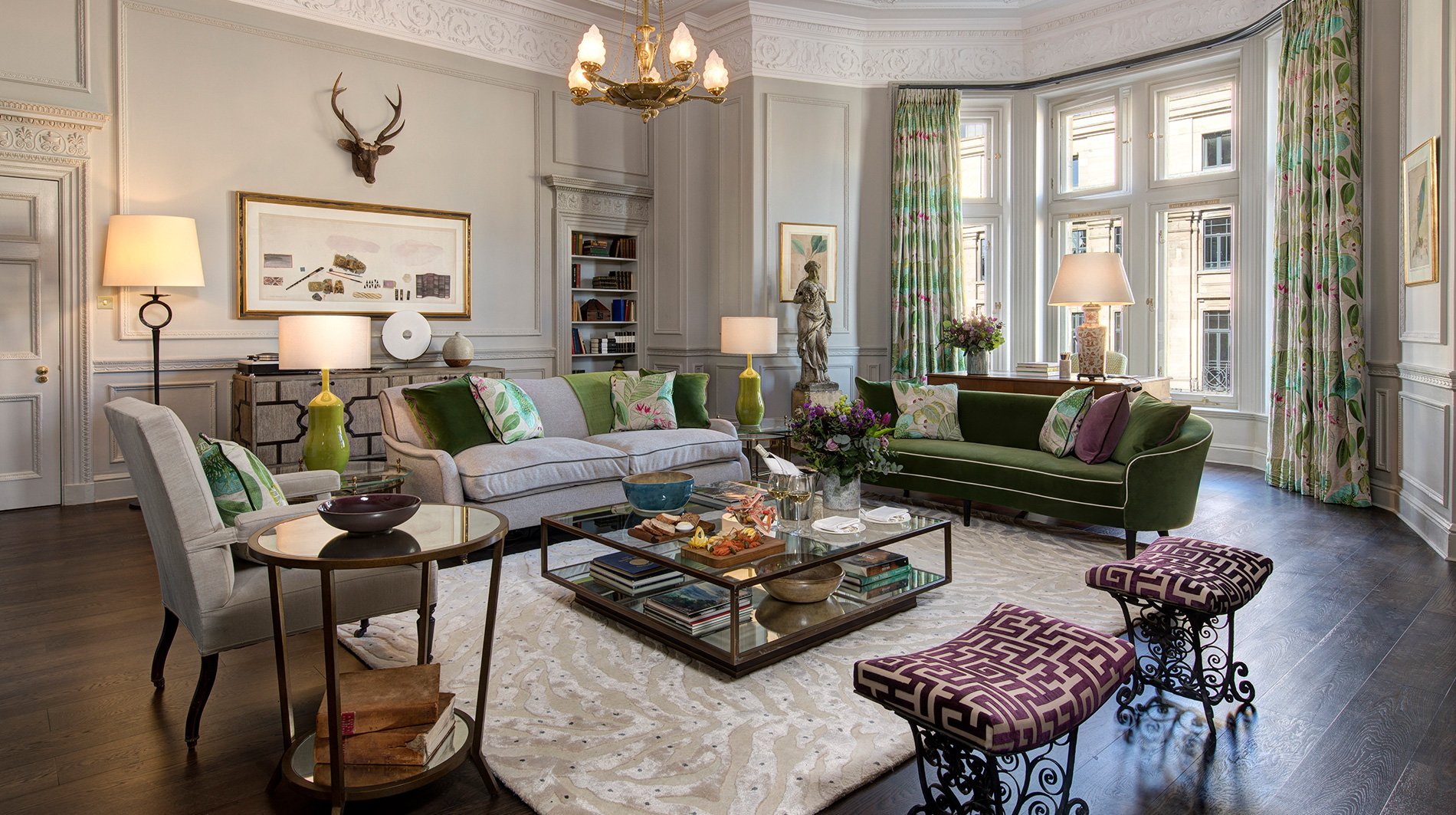
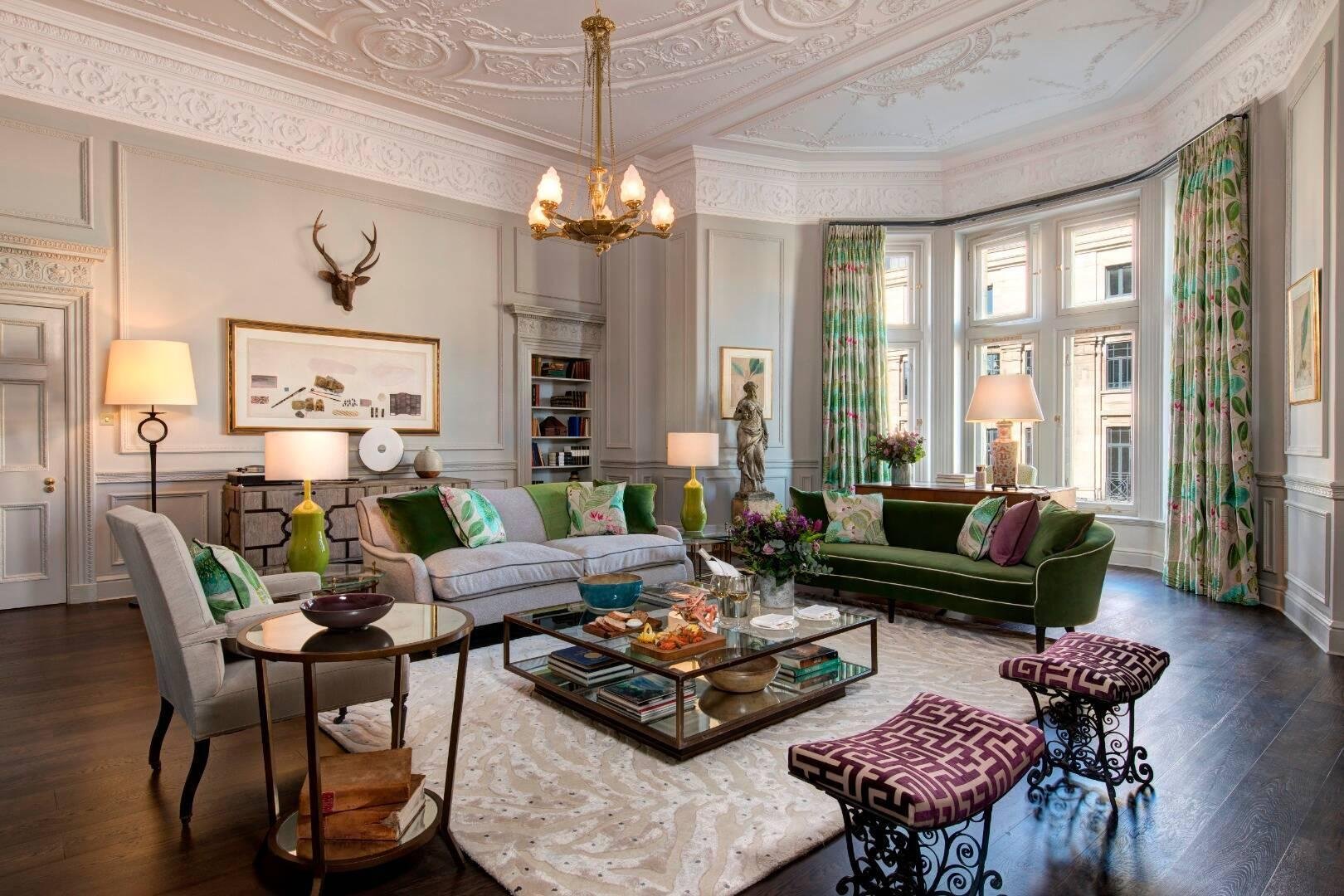
That approach is clearest in the rooms and suites, where view and individual character can differ considerably. Some categories look inward to the courtyard, others frame the Old Town, Calton Hill, Arthur’s Seat or Edinburgh Castle, and the largest Forte Suites layer those views with fireplaces, art, separate dining spaces and named historical references.
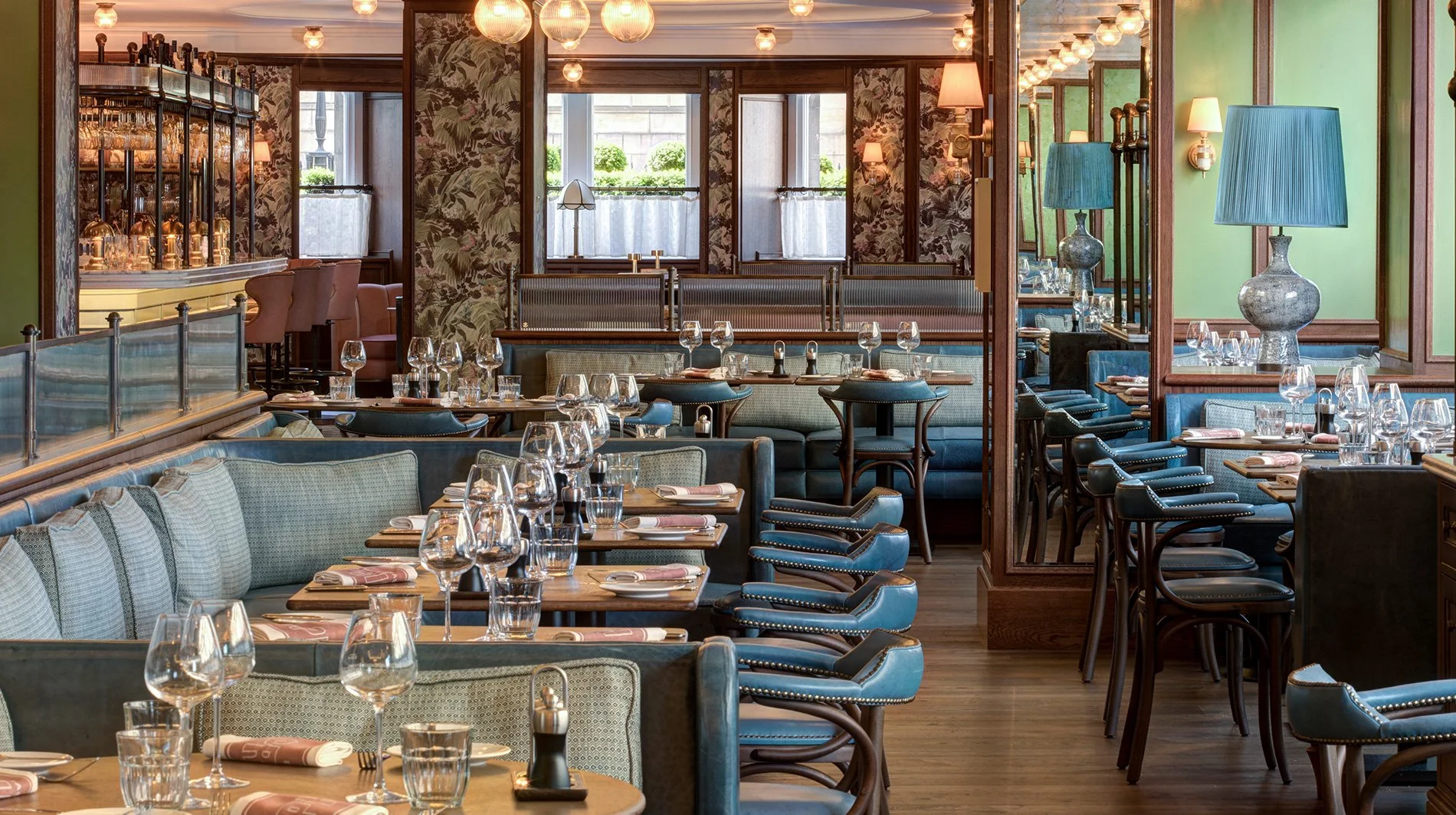
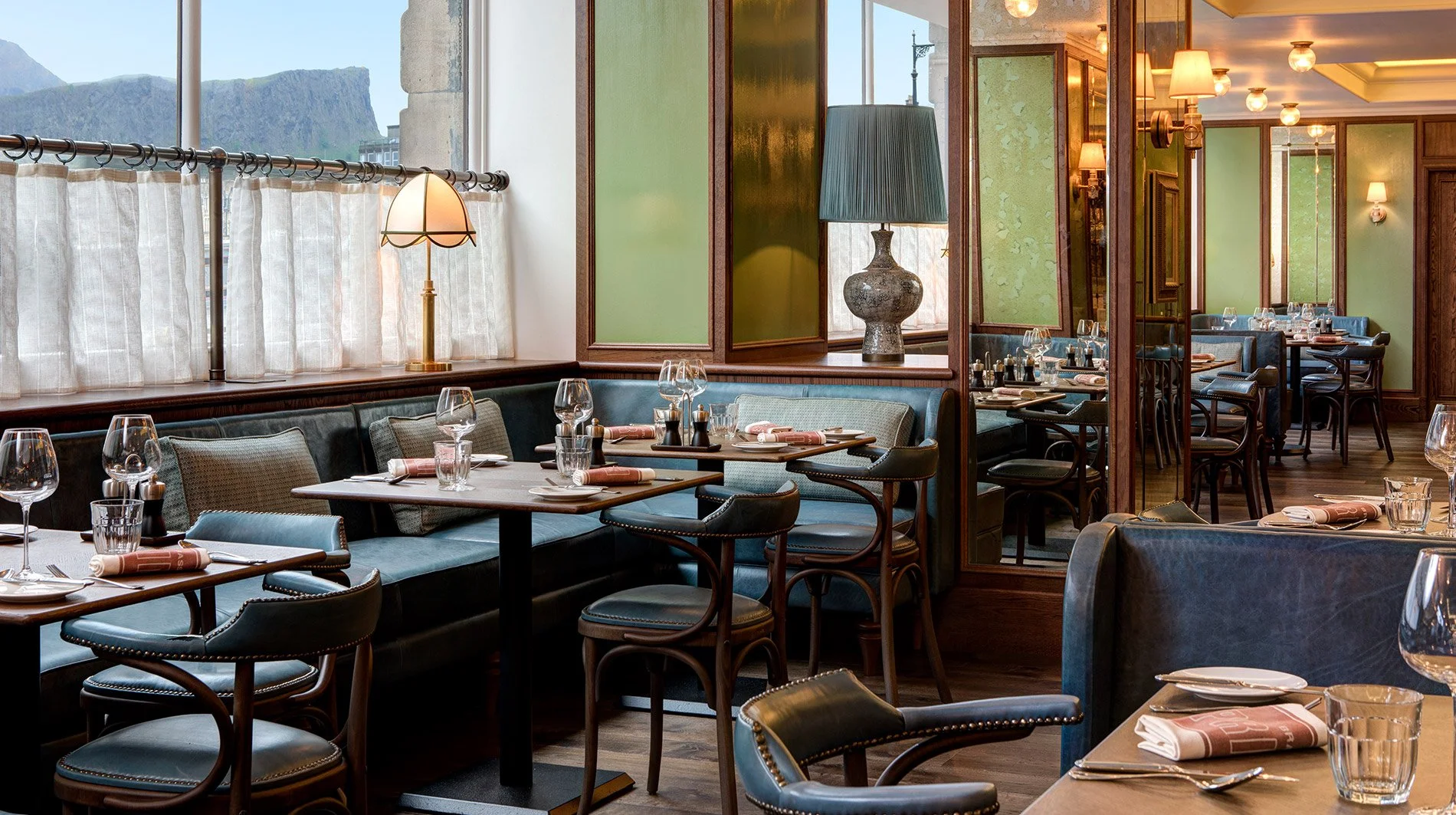
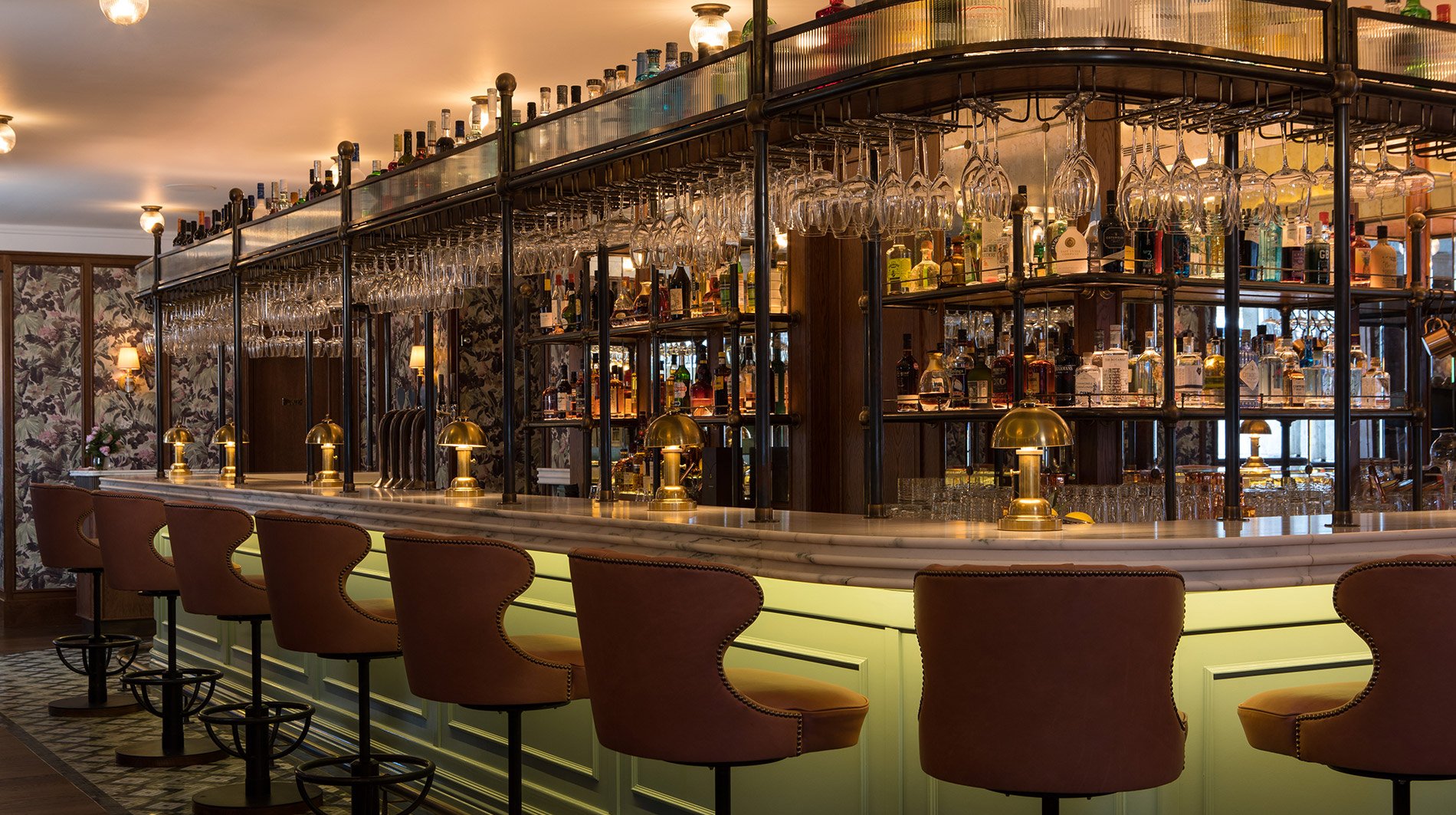
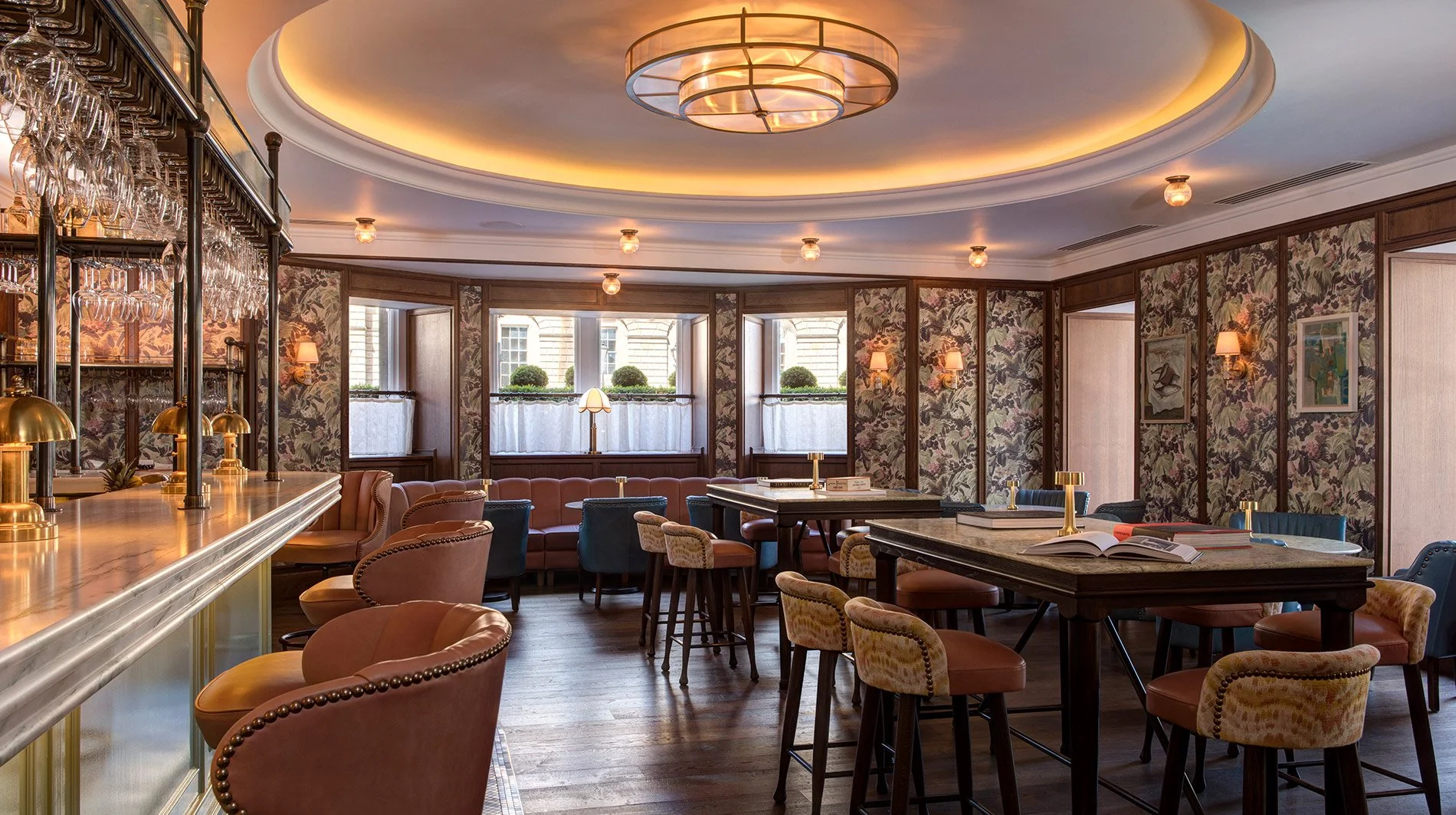
Bar Prince and Brasserie Prince show another side of the design language. Martin Brudnizki worked with Olga Polizzi on spaces that feel theatrical and contemporary while remaining connected to the building’s heritage.
Art is an important part of the identity rather than incidental decoration. The collection includes Scottish and British artists such as Callum Innes, Norman Ackroyd, Patrick Heron and Dame Elizabeth Blackadder, while The Gallery hosts changing exhibitions curated with The Scottish Gallery.
Twenty Published Categories From Courtyard Rooms to Forte Suites
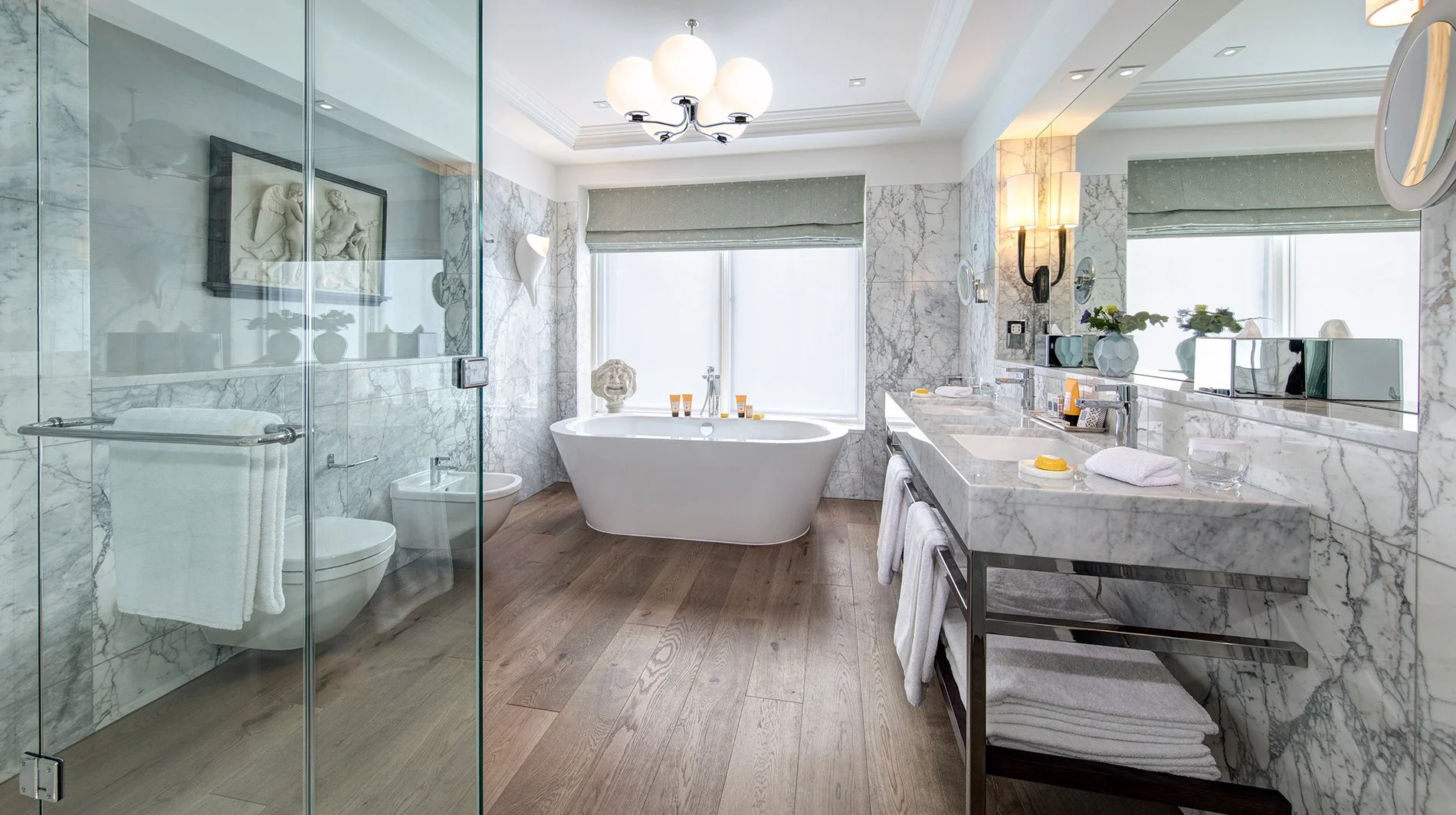
The Balmoral currently publishes seven core room categories, three family configurations, two junior-suite categories, three suites and five Forte Suites. The list below follows the hotel’s current hierarchy and includes the square footage published on its official accommodation pages. Family categories are hotel-published interconnecting configurations rather than separate standalone floorplans.
Classic Room: 205 sq. ft., with a queen bed and courtyard outlook; the most compact category and a practical choice for travelers who expect to spend most of the day in the city.
Executive Room: 269 sq. ft., with a king bed that can be twinned and either city or internal-courtyard views; an extra bed may be requested, subject to availability.
Executive View Room: 269 sq. ft., with a king bed that can be twinned and a city outlook, adding a stronger sense of Edinburgh than the courtyard-facing options.
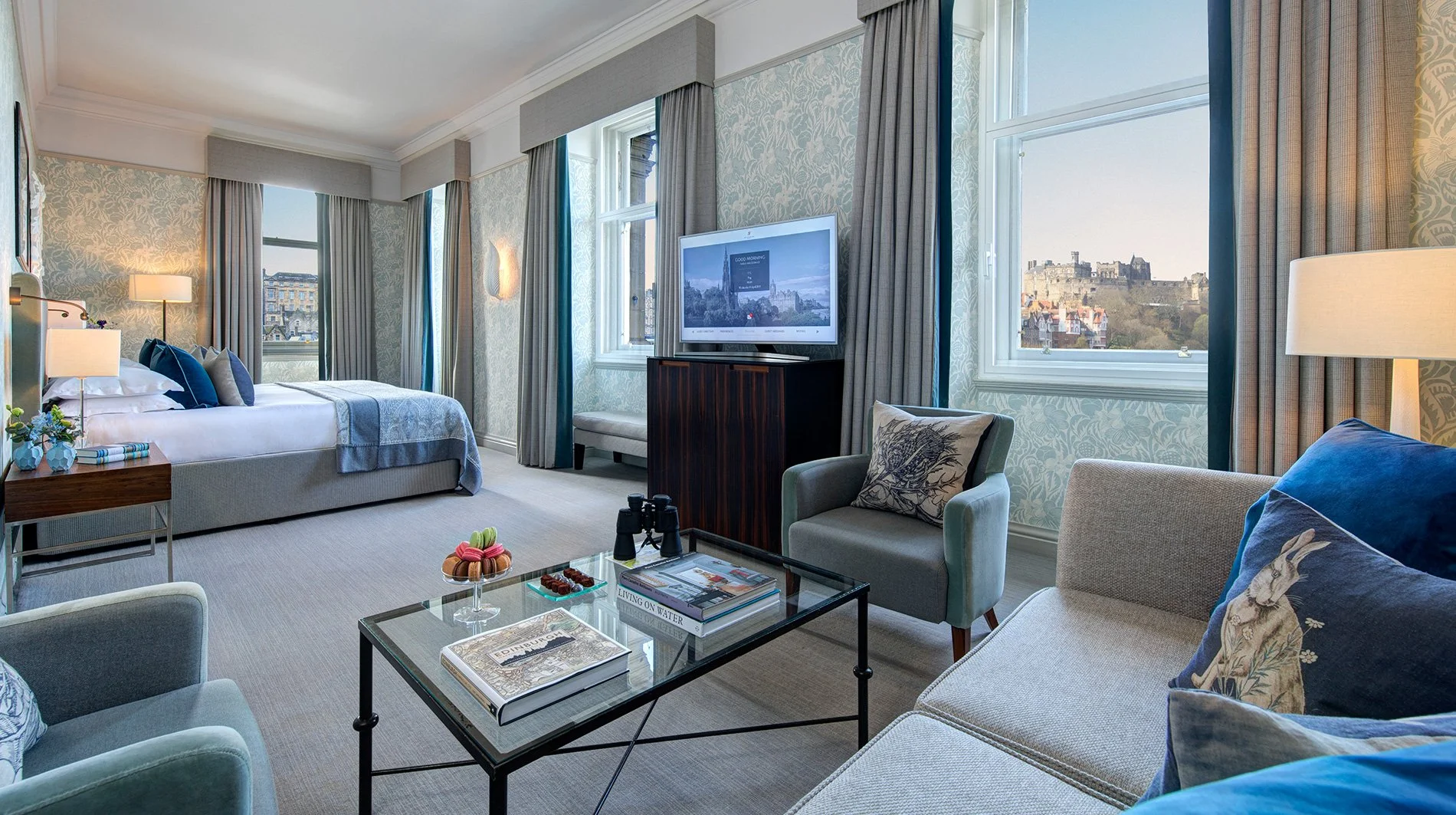
Executive Old Town View Room: 269 sq. ft., with a king bed that can be twinned, a sitting area and views toward the Old Town.
Deluxe Old Town View Room: 300 sq. ft., with a king bed that can be twinned and an Old Town outlook, offering slightly more space than the Executive view categories.
Deluxe Castle View Room: 300 sq. ft., with a king bed that can be twinned and views toward Edinburgh Castle, making the outlook the principal reason to choose the category.
Deluxe Room: 344 sq. ft., with a king bed that can be twinned and either city or internal-courtyard views; the largest standard room by published floor area.
Family Room: 538 sq. ft. across two interconnecting Executive View Rooms, with two bedrooms, two bathrooms and city views for up to four guests.
Family Junior Suite: 678 sq. ft., combining a Junior Suite with an Executive Room to create two bedrooms, a shared lounge area and city or Old Town views for up to four guests.
Family Castle View Suite: 892 sq. ft., combining a Castle View Suite with a Deluxe Castle View Room to create two bedrooms and two bathrooms with views toward Edinburgh Castle.
Junior Suite: 409 sq. ft., with a king bed that can be twinned, a lounge area and city views; suitable for longer stays or travelers who want more living space without moving into a separate-bedroom suite.
Junior Suite Castle View: 409 sq. ft., with a king bed that can be twinned, a lounge area and views of Edinburgh Castle and Princes Street Gardens.
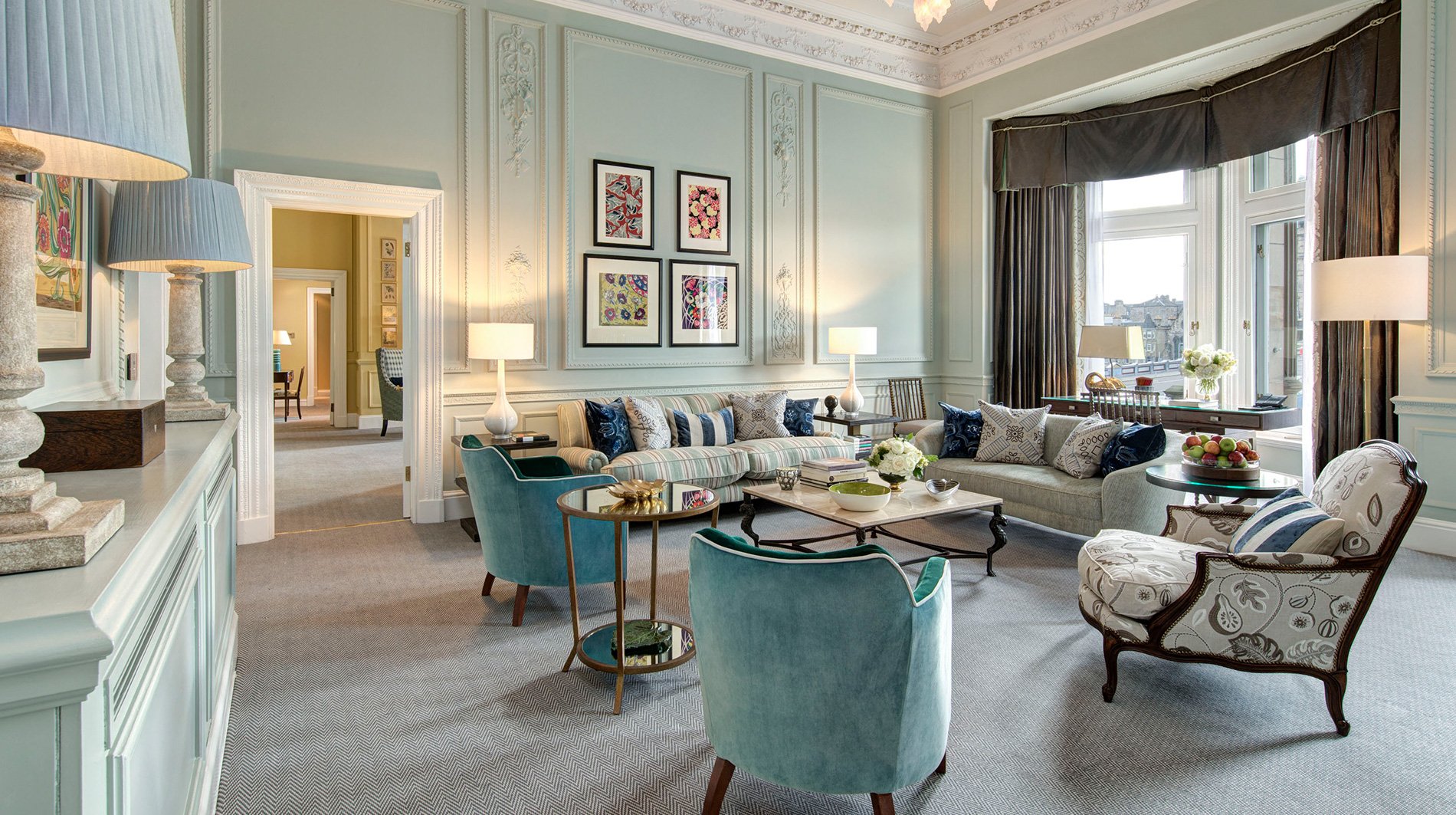
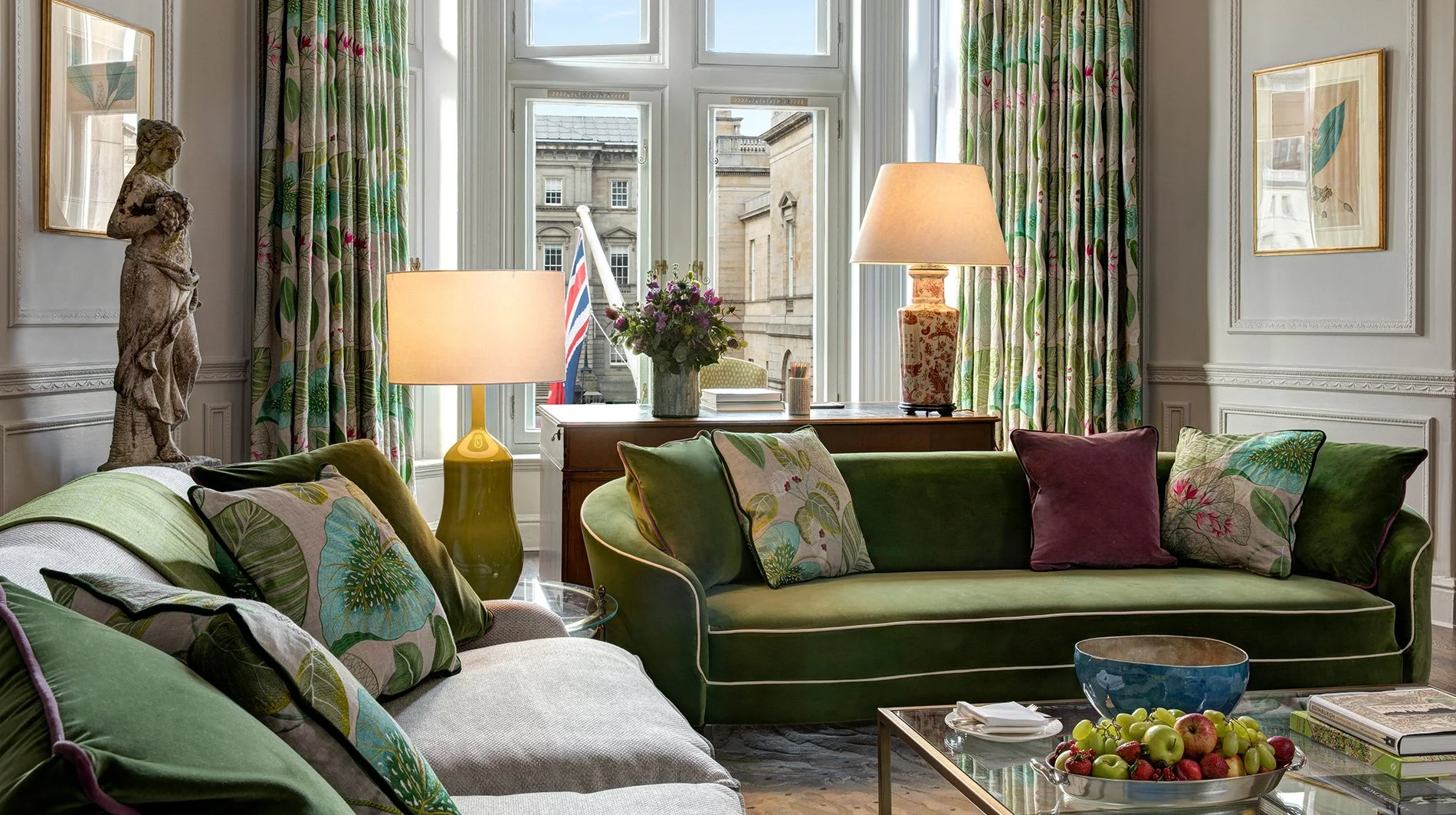
Classic Suite: 592 sq. ft. as published by the hotel, with a separate bedroom and living room and views toward North Bridge, Princes Street or the Old Town.
Castle View Suite: 592 sq. ft., with a separate bedroom and living room and direct views toward Edinburgh Castle, Princes Street Gardens and the Scott Monument.
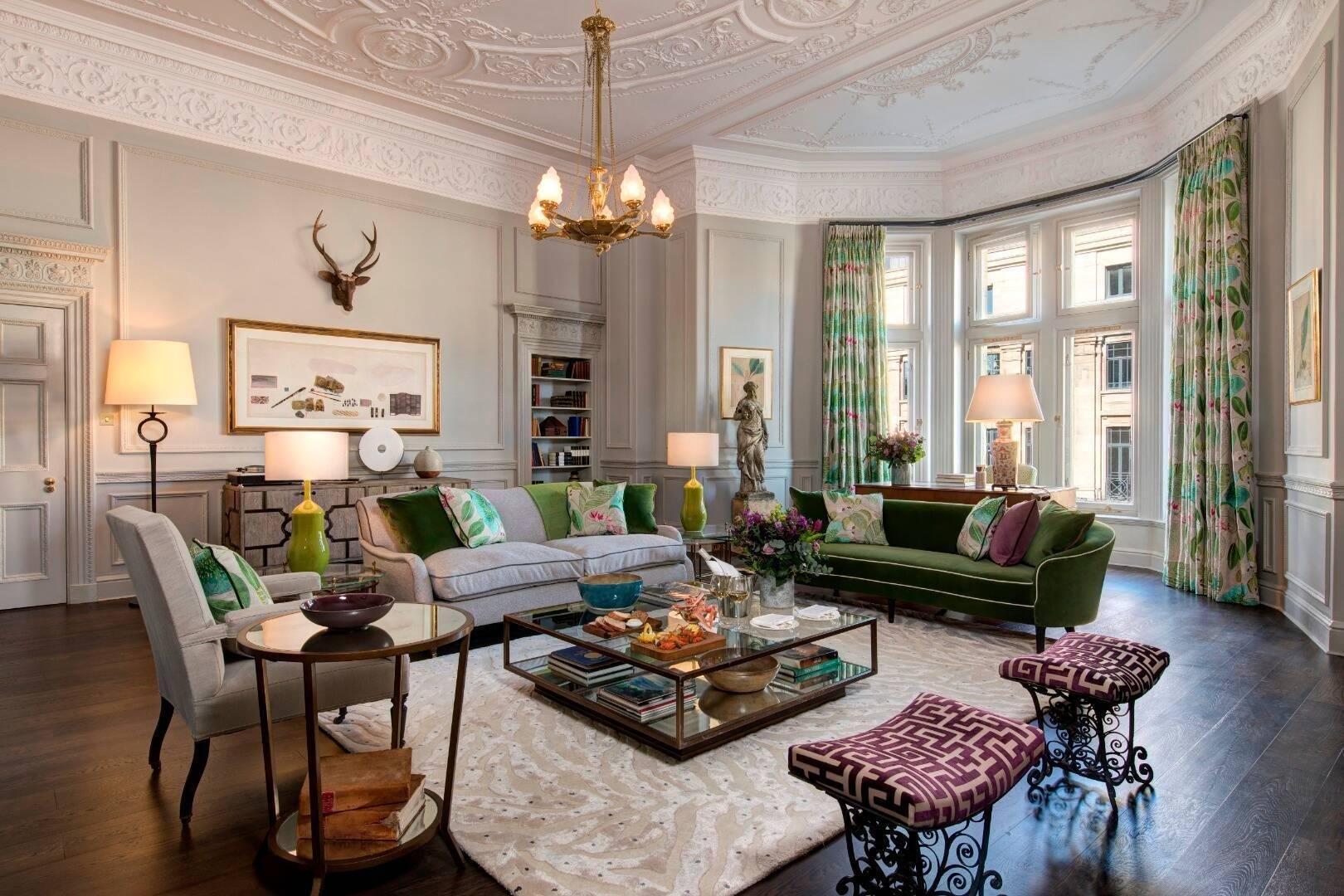
Grand Suite: 646 sq. ft., with a separate bedroom and living room and views toward Arthur’s Seat or Calton Hill; the four suites are individually named Braemar, Stirling, Dunrobin and Tay.
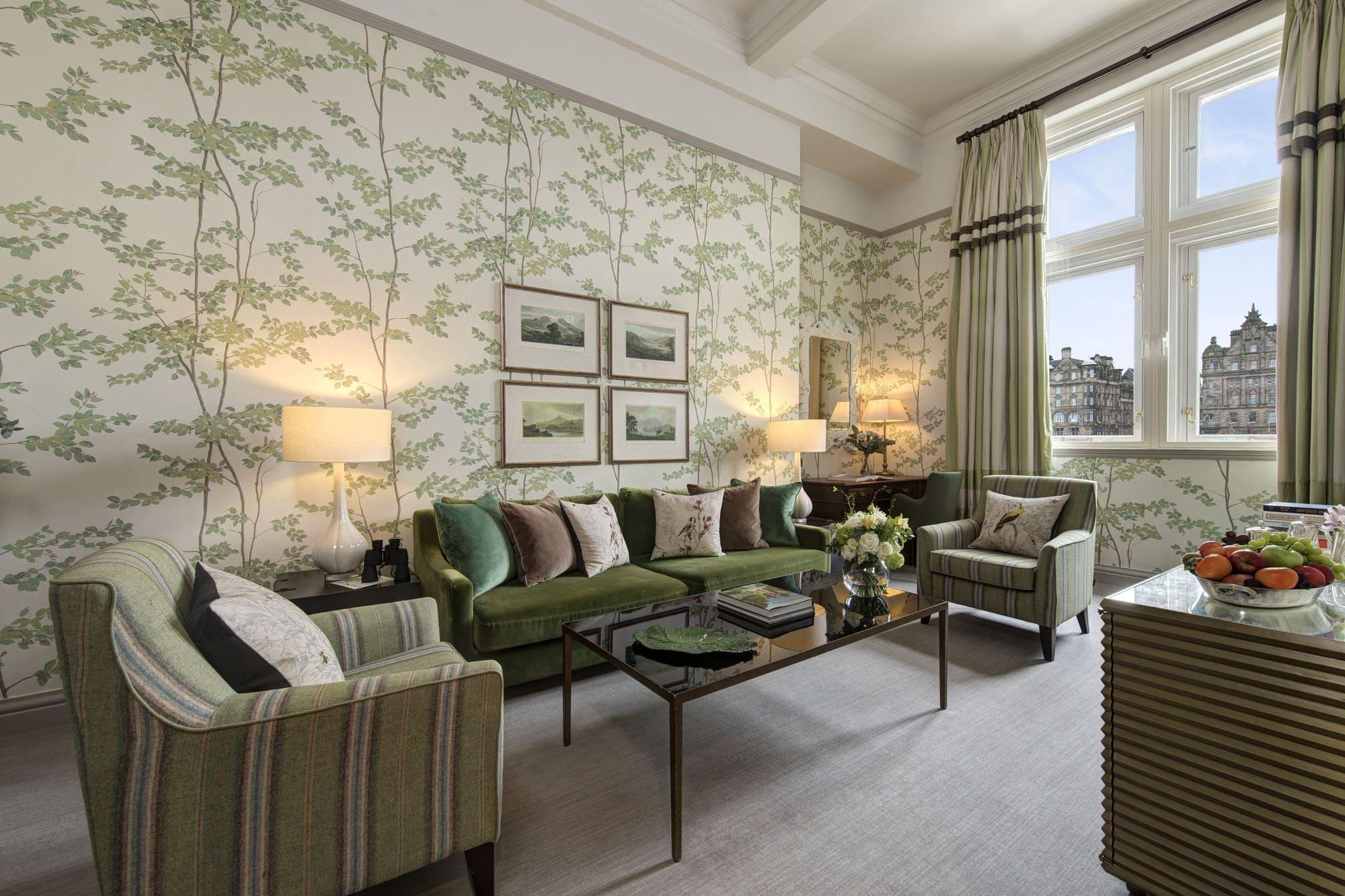
J.K. Rowling Suite: 592 sq. ft., with a king bedroom and Calton Hill view; this is the suite where J.K. Rowling completed Harry Potter and the Deathly Hallows, with a signed Hermes bust remaining as part of its story.
Balmoral Suite: 710 sq. ft., with a king bedroom, substantial living space and views toward Arthur’s Seat and the Old Town; the hotel publishes occupancy for up to four guests.
Bowes-Lyon Suite: 721 sq. ft., with a king bedroom and Princes Street view, named for Queen Elizabeth The Queen Mother, who was born Elizabeth Bowes-Lyon.
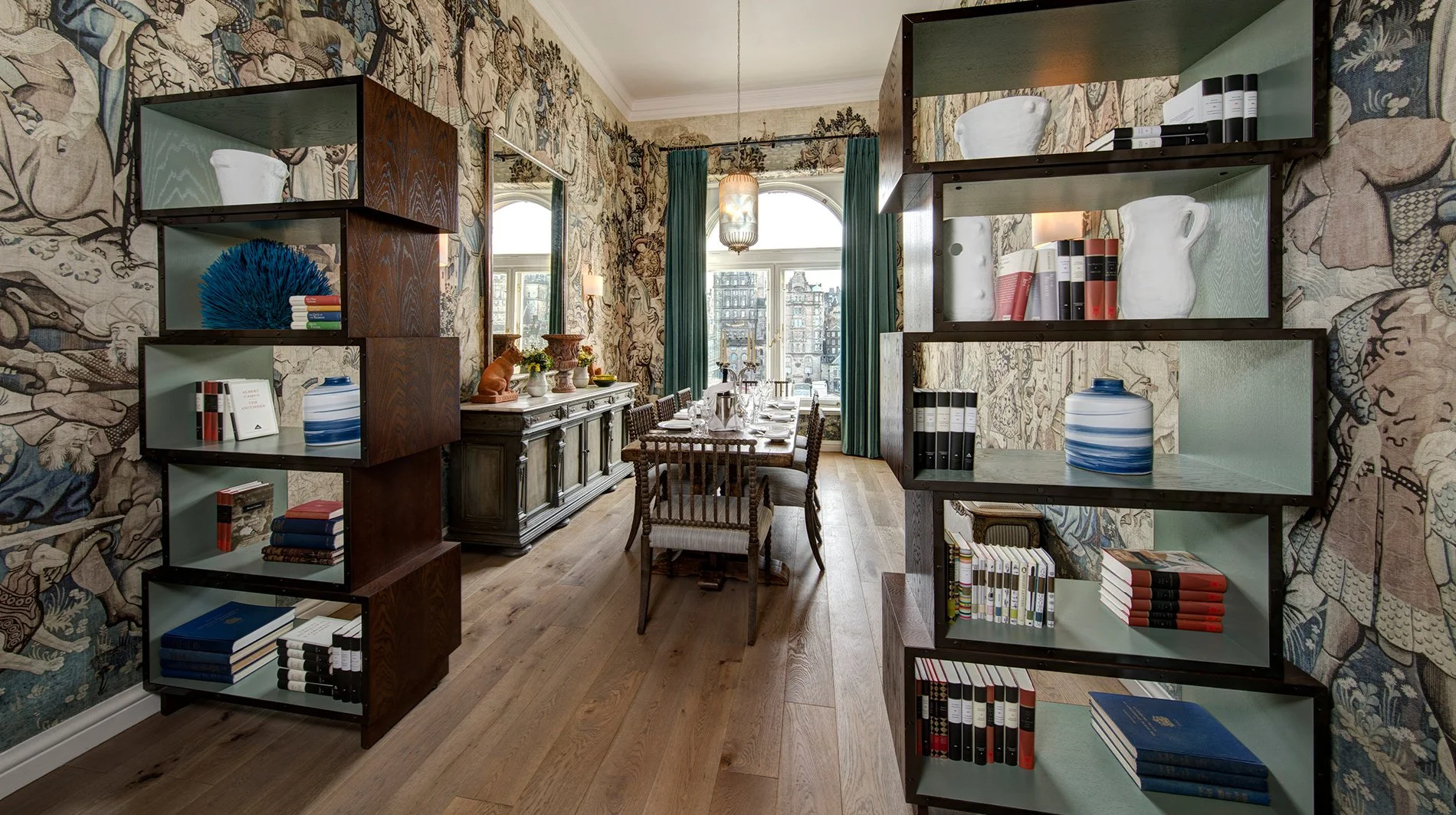
Glamis Suite: 1,130 sq. ft., with a king bedroom, living room, dining room, fireplace and Princes Street outlook; it can interconnect with Executive View Rooms when additional bedrooms are needed.
Scone & Crombie: 1,292 sq. ft. in the current official listing, with a king bedroom, expansive living space and Old Town views; this is the largest currently published base suite category.
For a short city stay, the key decision is usually whether the view justifies moving beyond the courtyard-facing categories. Castle and Old Town outlooks can materially change the sense of place. For longer stays, the separate living rooms in the suites become more useful, while the Forte Suites are worth considering when the accommodation itself is intended to be part of the trip.
One current source detail deserves caution: the hotel publishes the Classic Suite as 52 sq. m. and 592 sq. ft., figures that do not convert exactly. The client-facing copy uses the hotel’s published square-foot figure rather than silently recalculating it.
From Number One to Five Hundred Whiskies
The Balmoral has enough dining variety to keep several meals within the hotel without repeating the same atmosphere. The collection ranges from modern Scottish fine dining to French brasserie cooking, afternoon tea, cocktails and one of Edinburgh’s most substantial whisky selections.
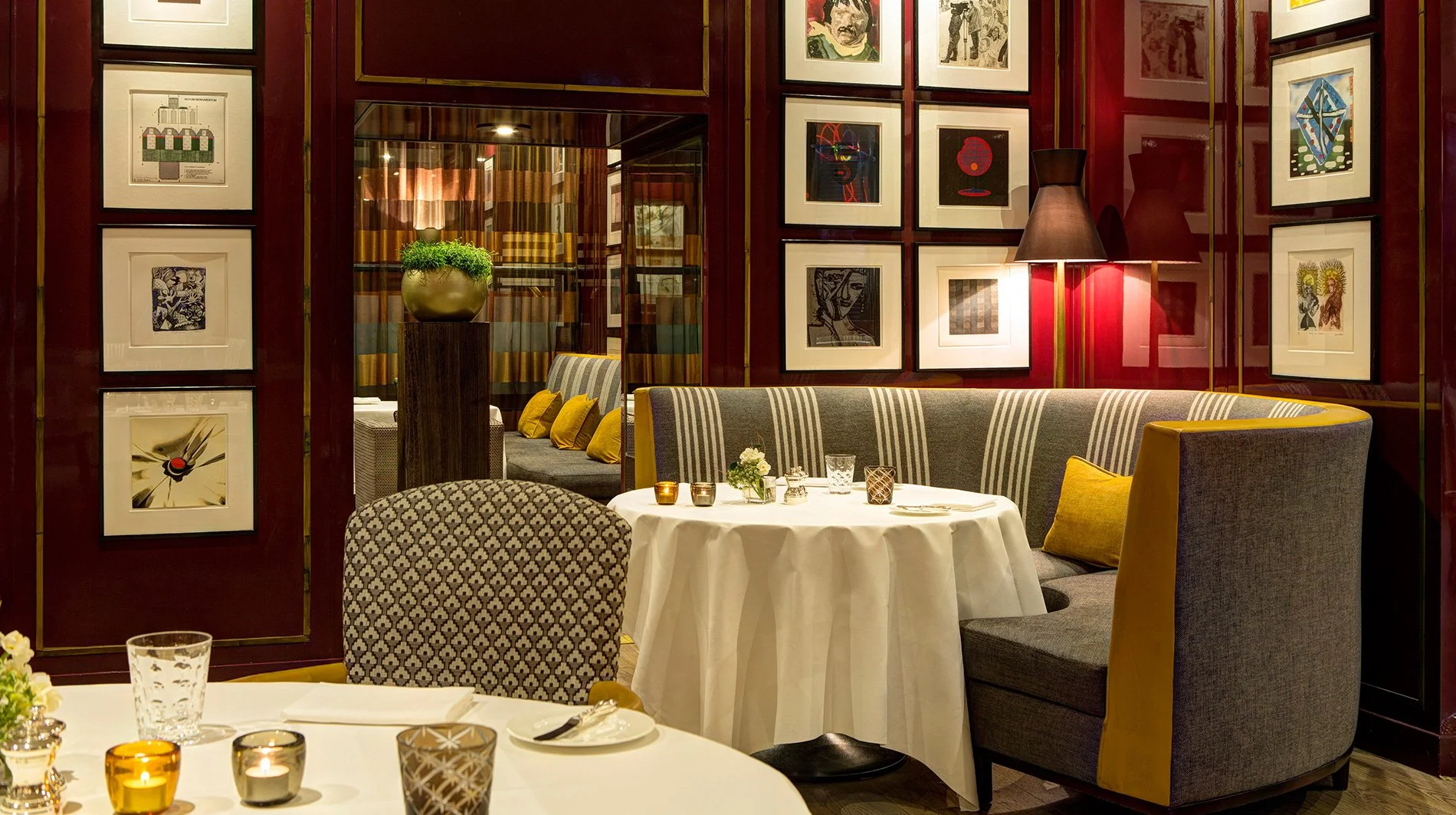
Number One: The hotel’s fine-dining restaurant holds four AA Rosettes and is currently Michelin Guide-recommended, with Head Chef John Munro serving three- and five-course menus built around seasonal Scottish ingredients.
Brasserie Prince: A relaxed all-day brasserie overseen by Executive Chef Paul Hart, combining classic French cooking with Scottish produce from breakfast through dinner.
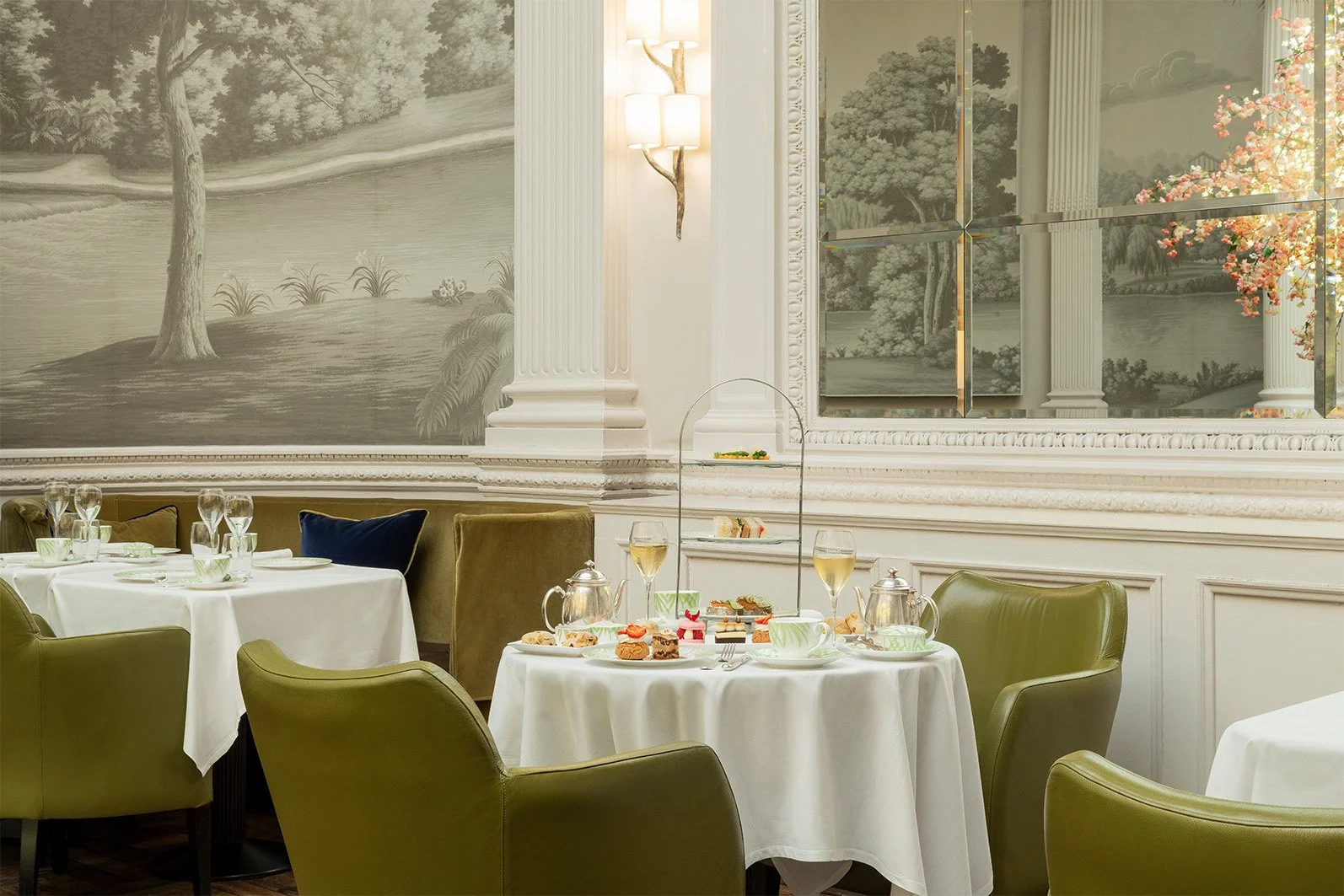
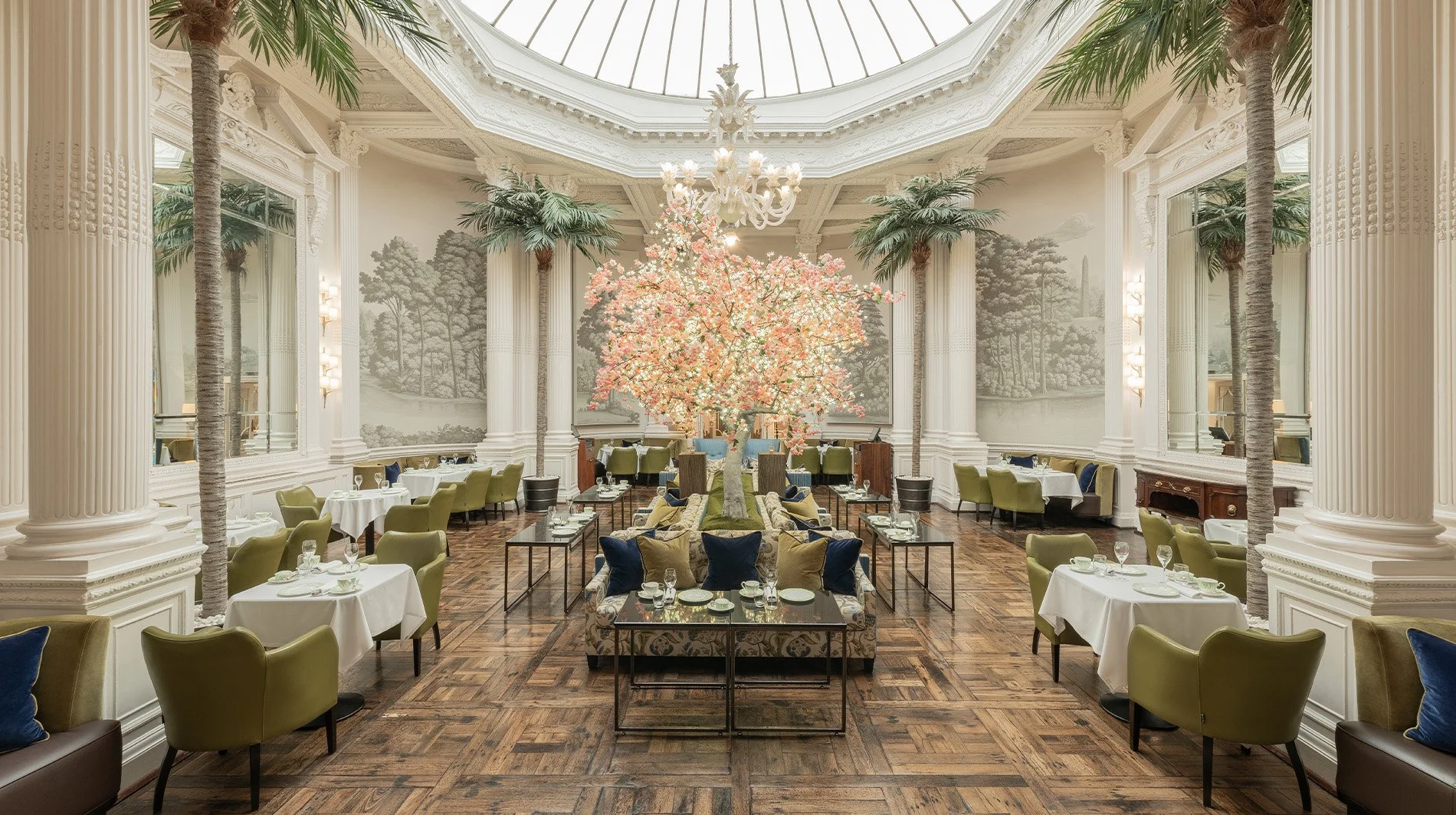
Palm Court: The hotel’s glass-domed lounge for award-winning afternoon tea, loose-leaf teas, pastries, savouries and Champagne, accompanied by live harp music.
Bar Prince: A cocktail bar designed by Martin Brudnizki with Olga Polizzi, serving classic and signature cocktails, Champagne, Scotch, British gin, wine and a food menu.
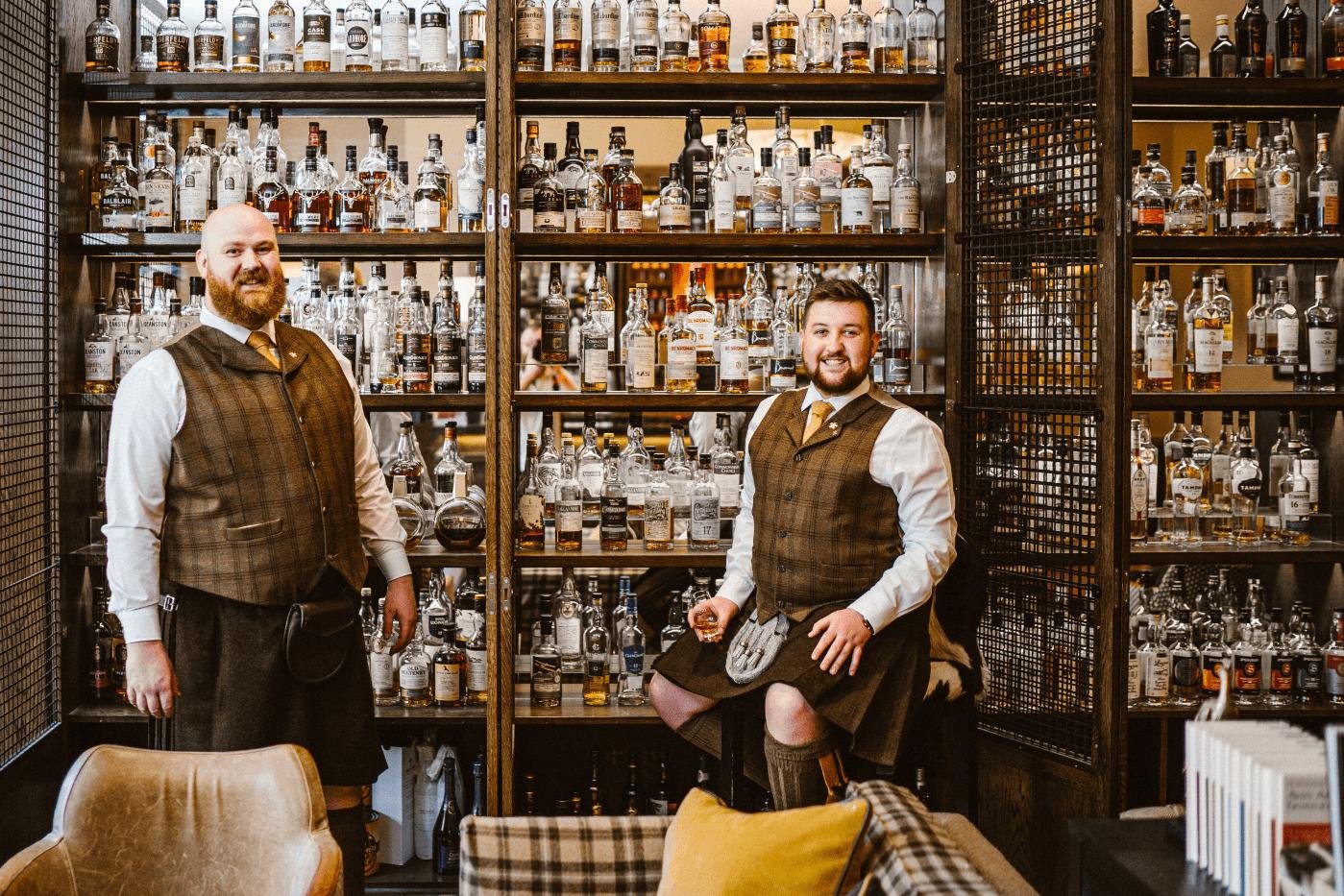
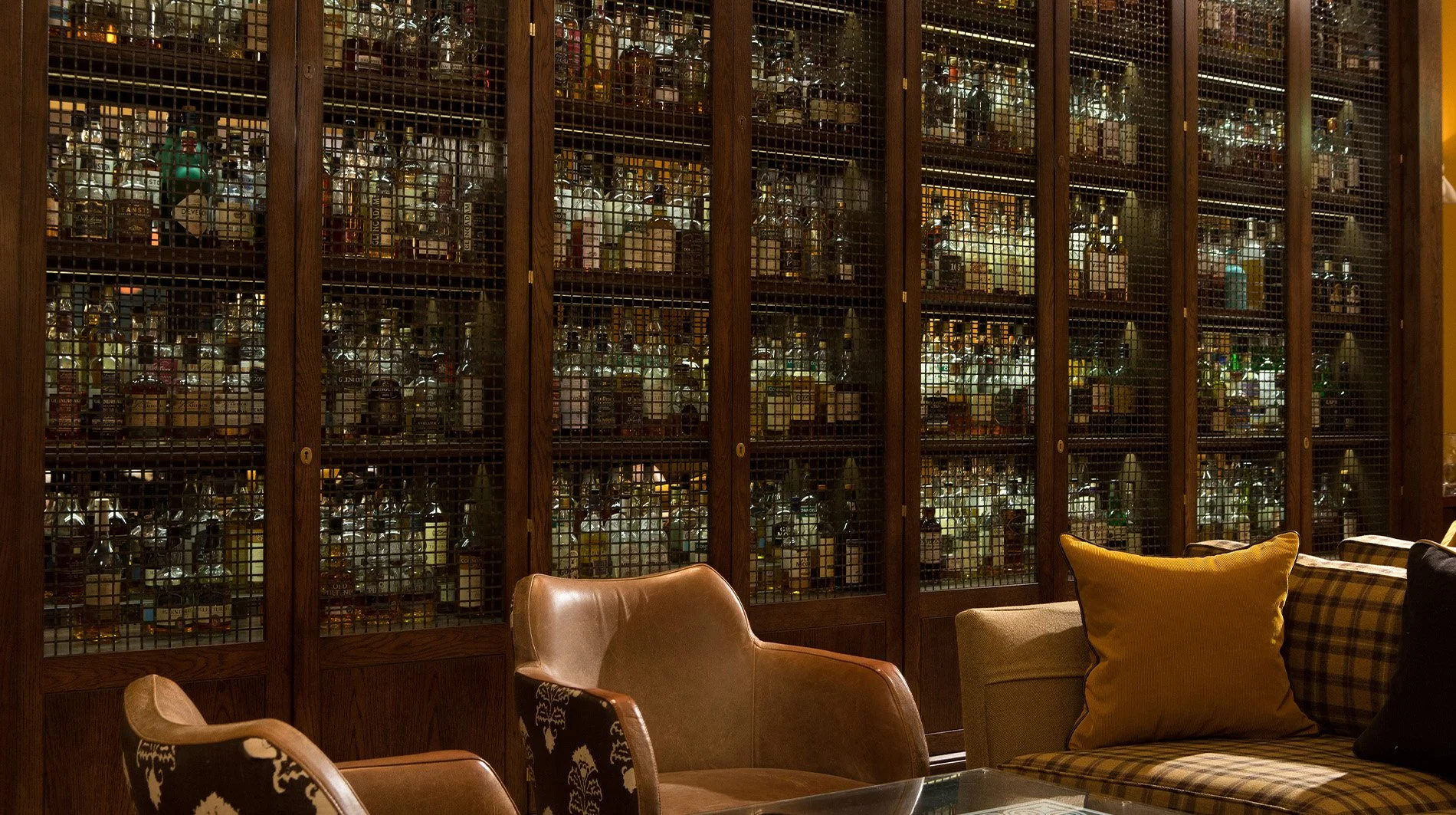
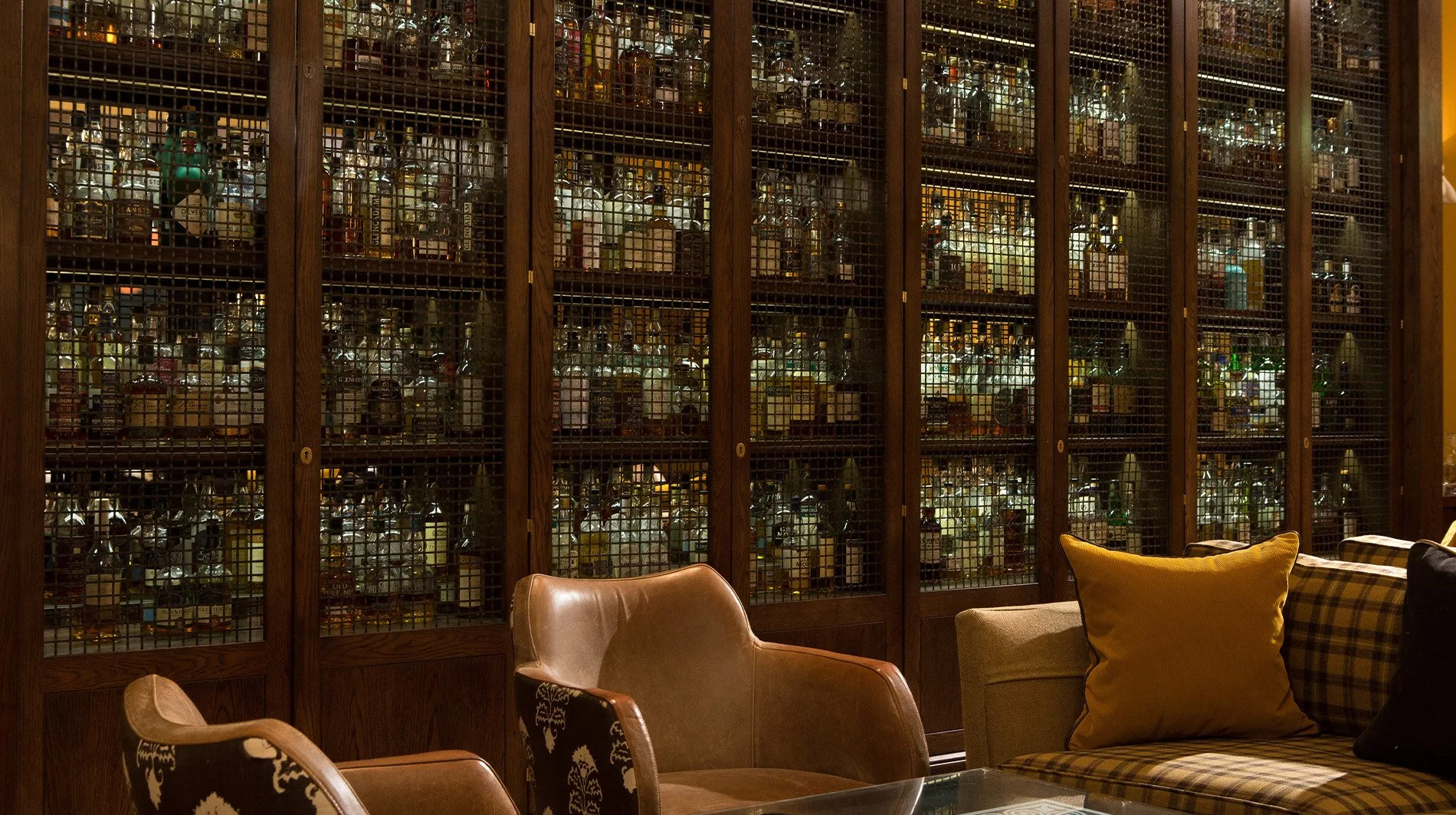
SCOTCH: A dedicated whisky bar with more than 500 unique Scottish whiskies and guided tasting experiences led by Whisky Ambassadors.
In-Room Dining: Available around the clock for private breakfasts, late arrivals or meals in the hotel’s larger suites.
Number One is the reservation to plan most carefully. It currently serves dinner Thursday through Monday, and the restaurant’s present status is four AA Rosettes and Michelin Guide-recommended. Older hotel articles still refer to a Michelin star, but that is no longer the current distinction and should not be carried into new copy.
SCOTCH is equally worth treating as an experience rather than simply a bar. The Whisky Ambassadors can structure tastings for both newcomers and collectors, which makes it a useful introduction before a distillery-focused day elsewhere in Scotland.
Irene Forte Spa Brings Sicily Into Edinburgh
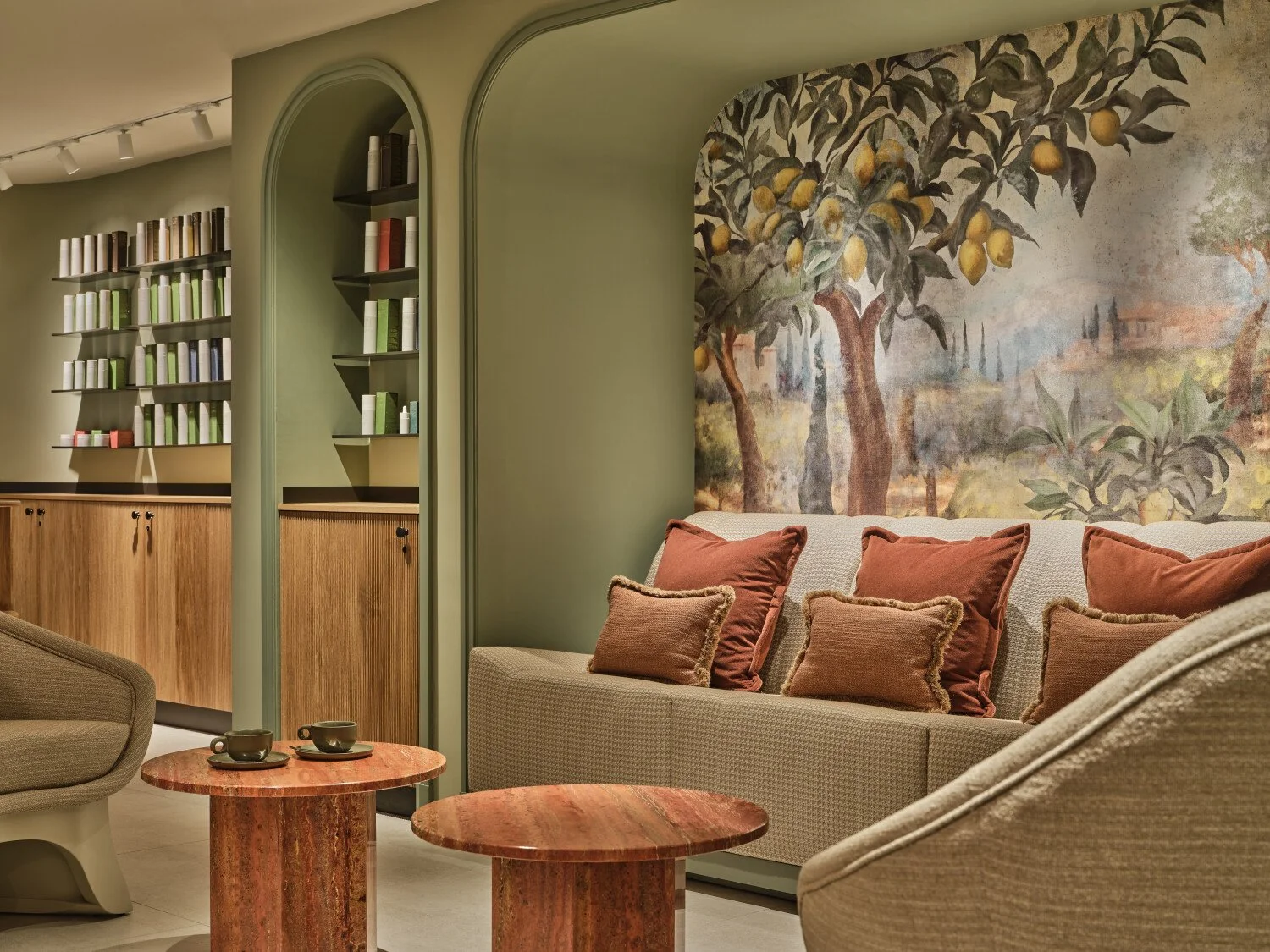
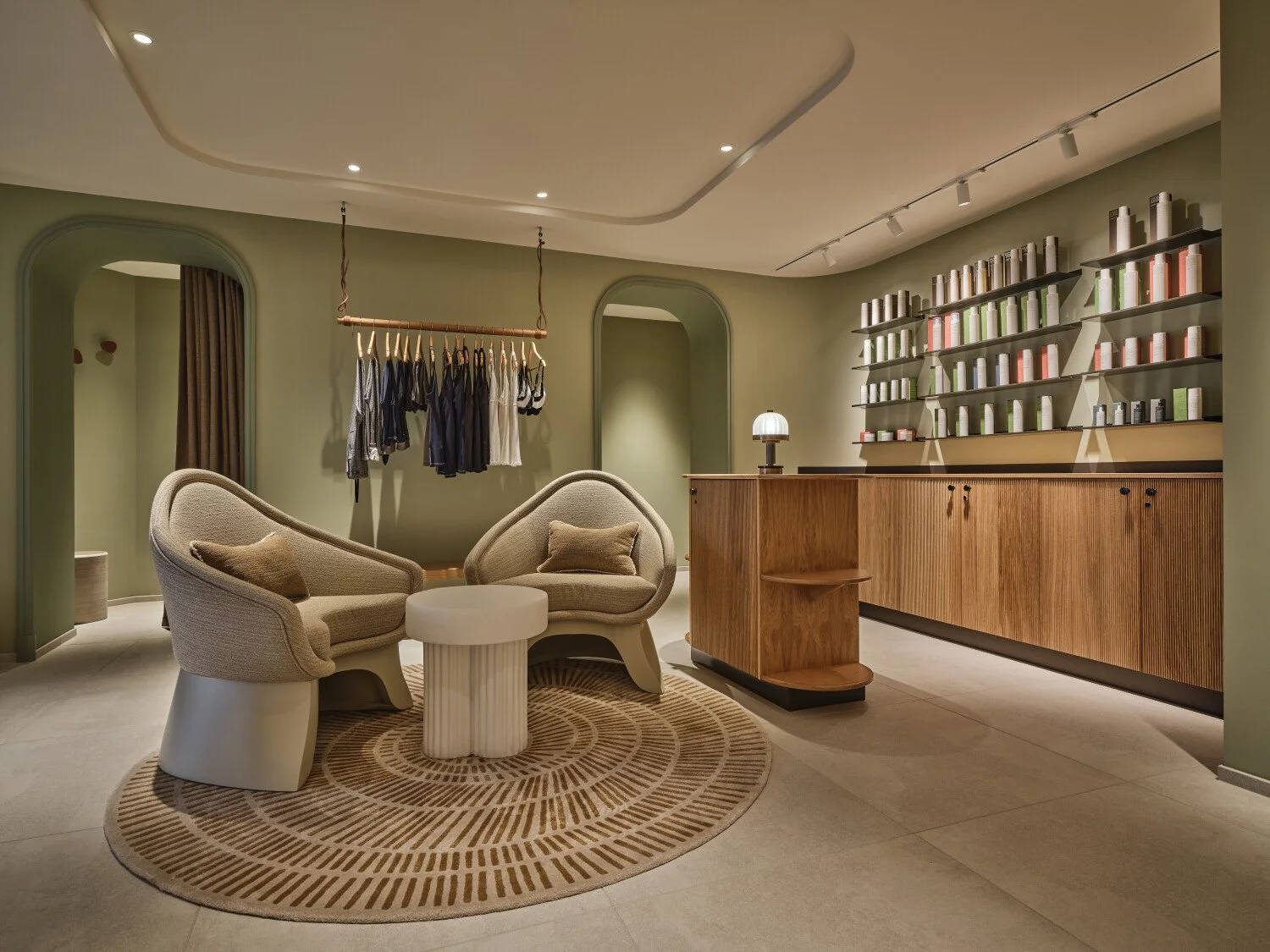
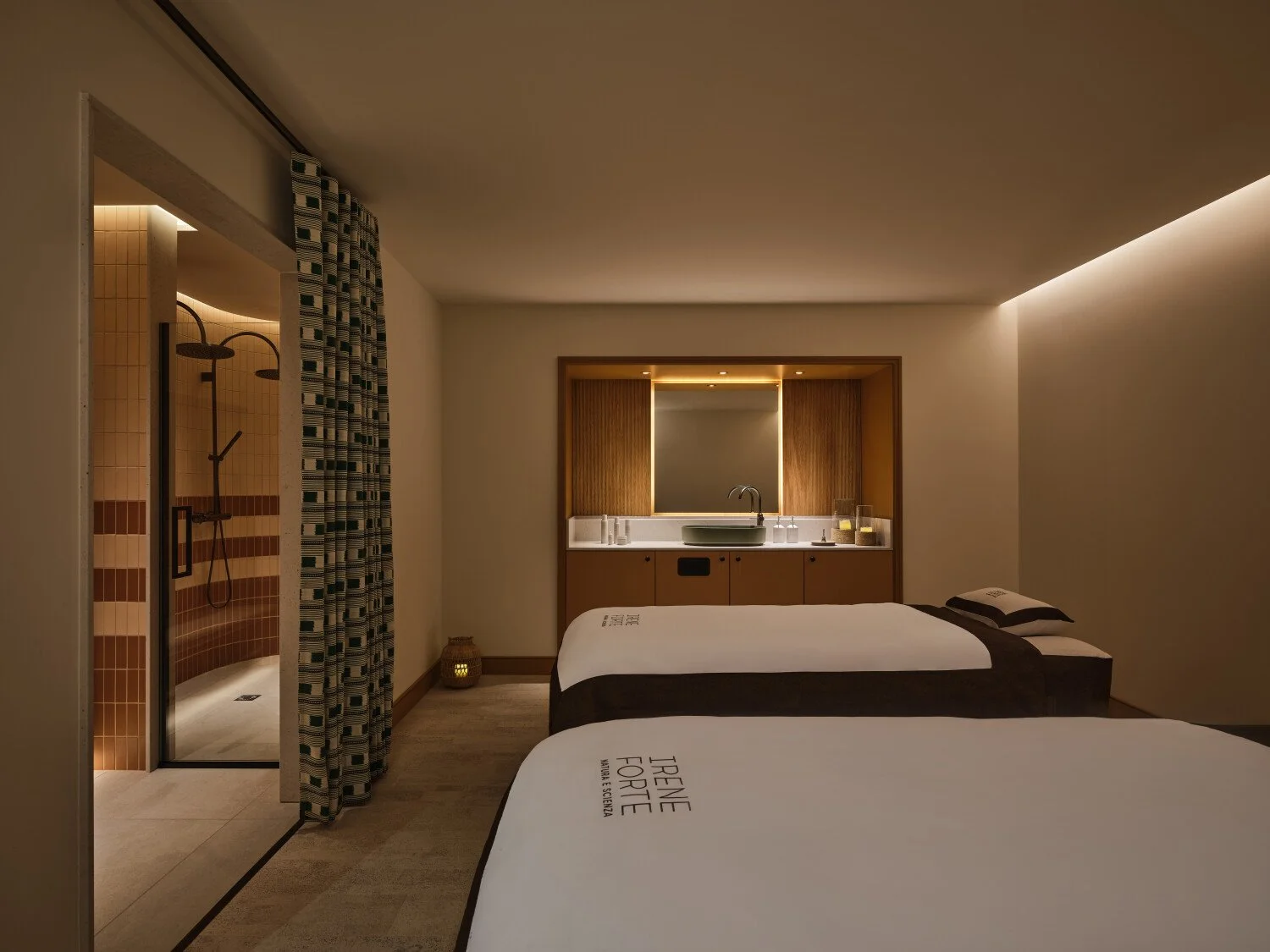
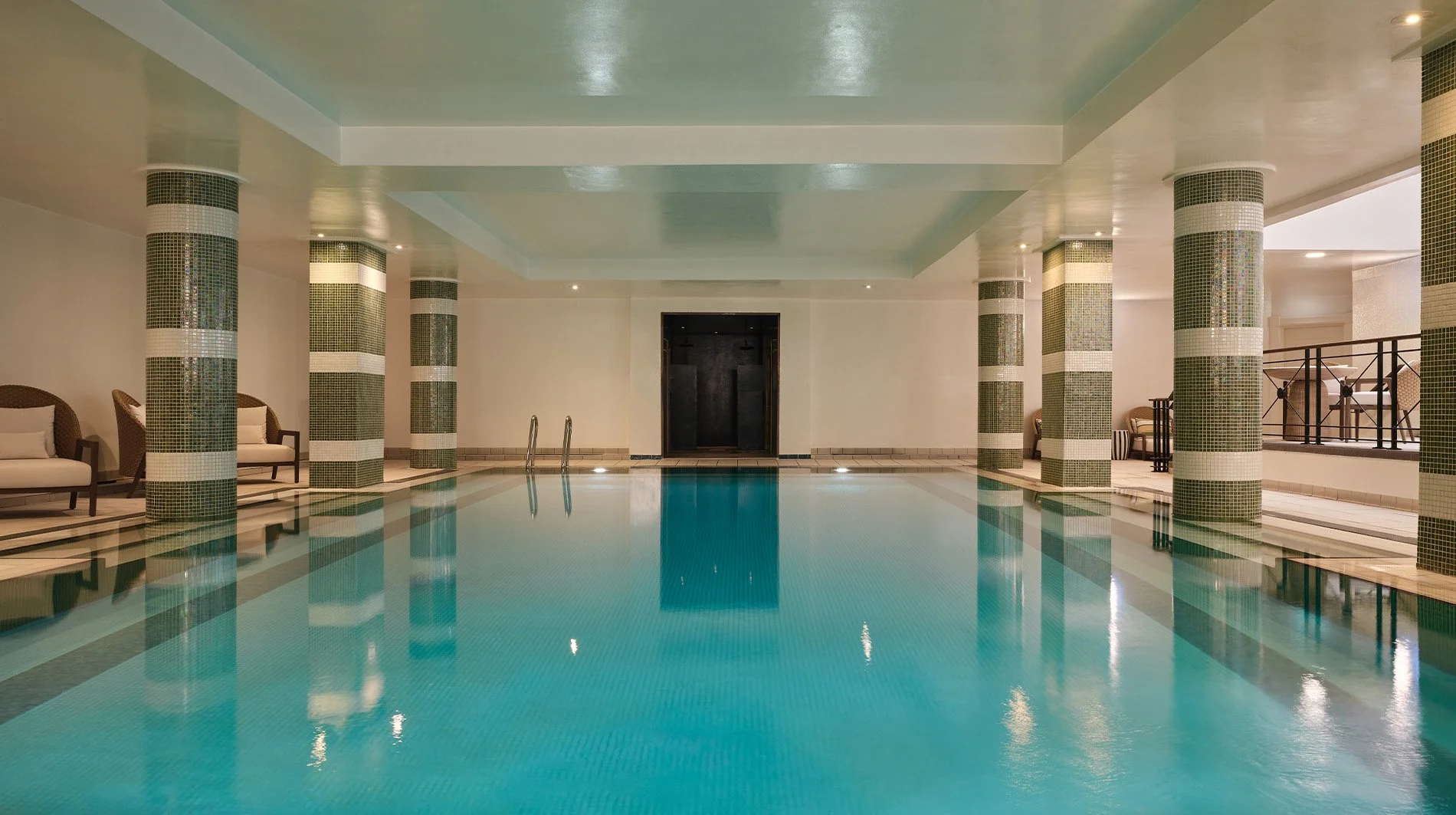
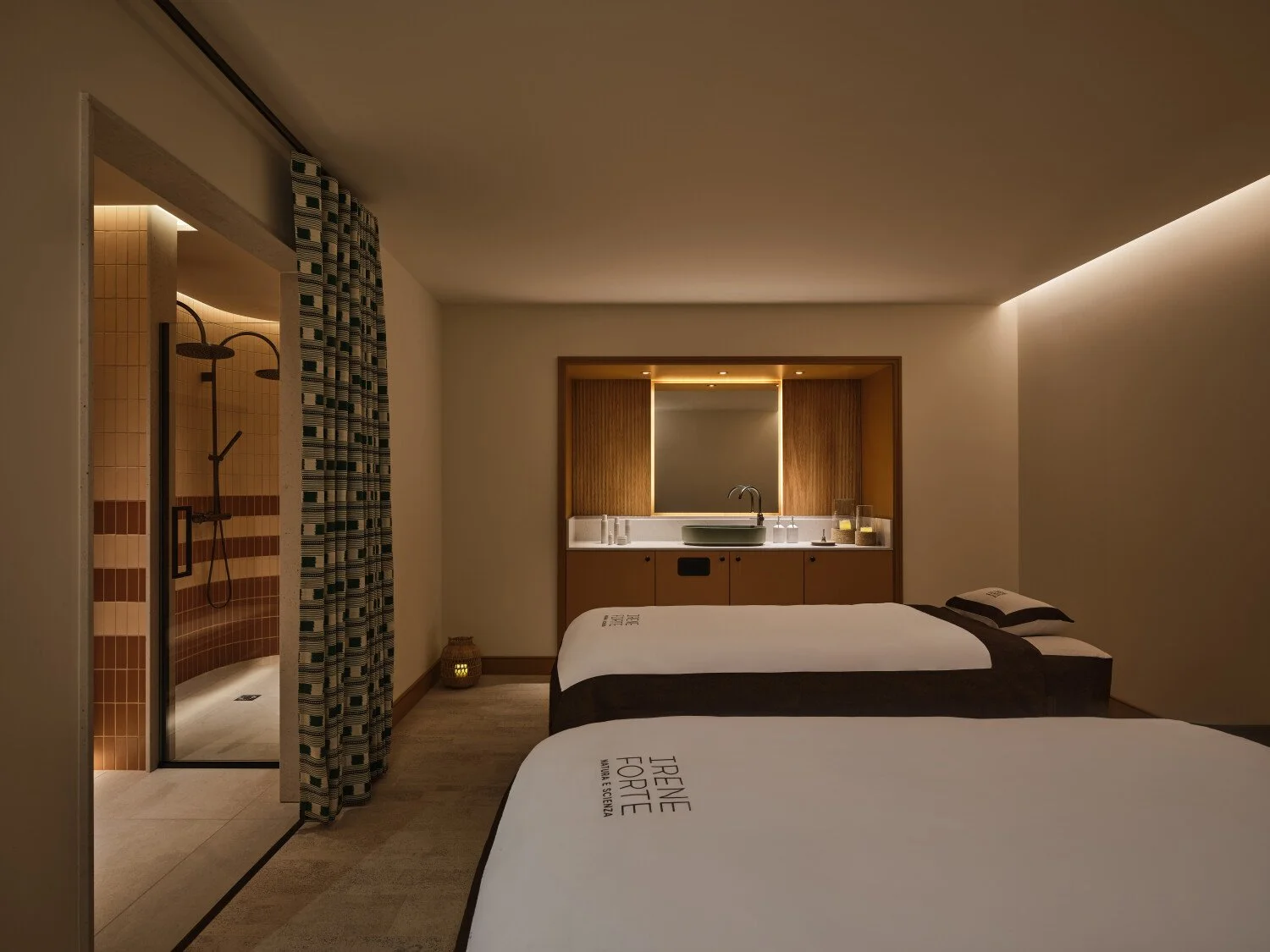
Irene Forte Spa opened at The Balmoral in November 2025, bringing the hotel’s wellness offering into the current Rocco Forte spa concept. The 1,102-square-metre space was designed by DO Design Studio with a palette of terracotta, sage, mosaics and curved forms that connects Edinburgh’s heritage with the Mediterranean origins of Irene Forte Skincare.
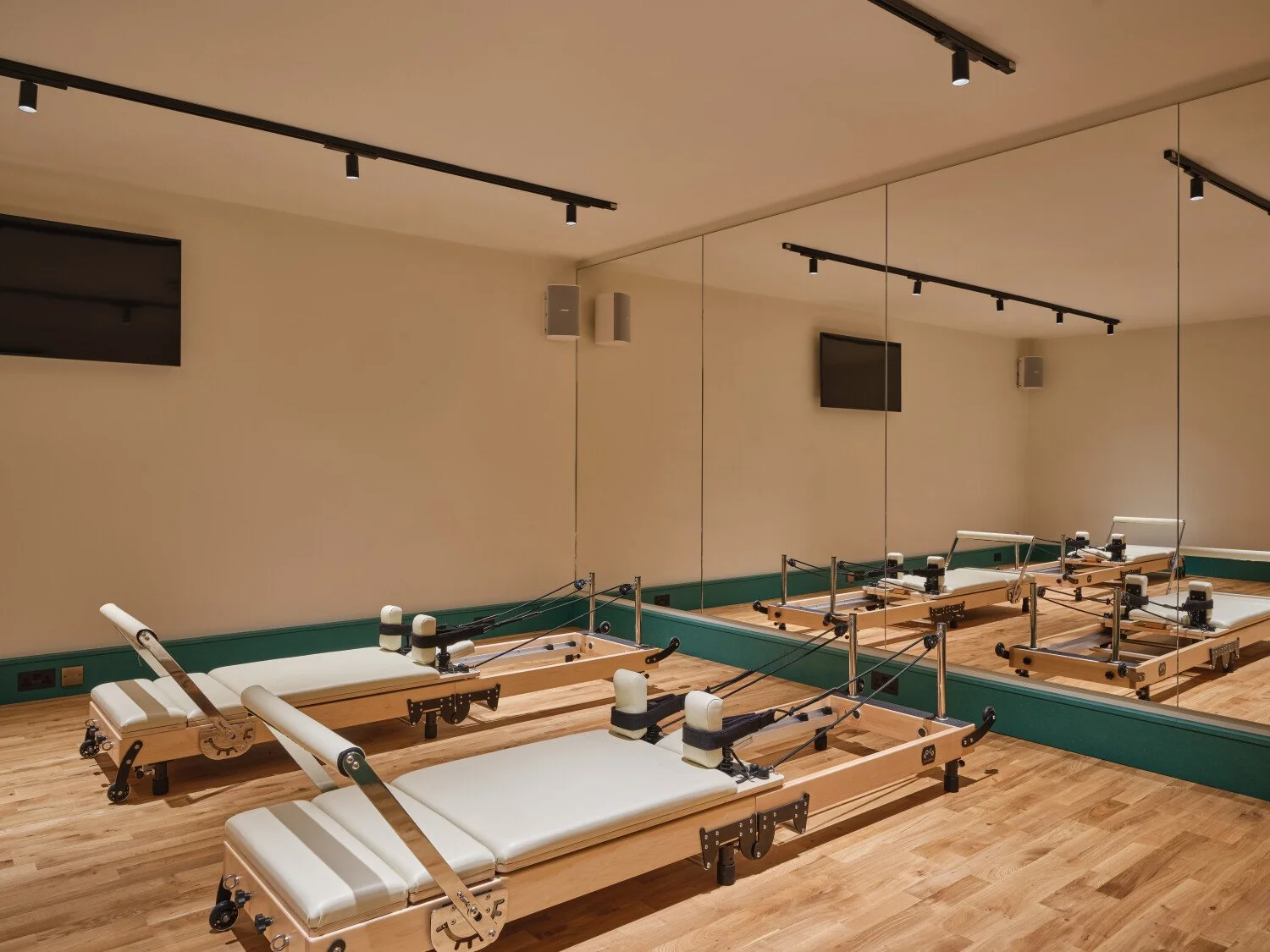
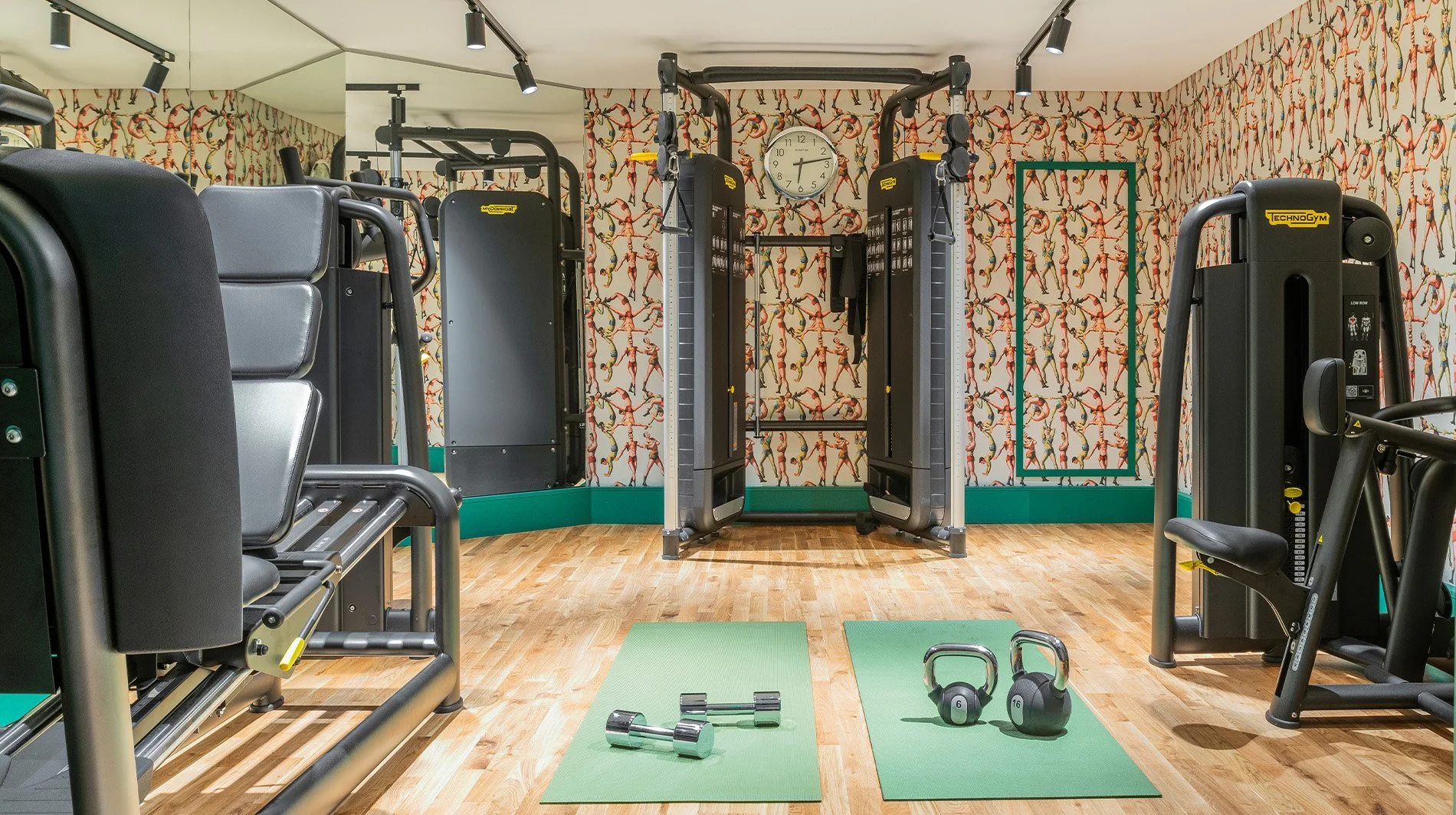
The facilities include five treatment rooms, a sauna, steam room, 15-metre indoor lap pool, Technogym-equipped gym and movement studio. The Forte Vita Bar adds express facials, hair and nail services, while a wellness bar serves lighter food, juices and infusions.
Treatments use Irene Forte Skincare and range from facials and body therapies to massages and locally influenced rituals incorporating Scottish Cairngorm quartz. The spa operates daily from 7:00am to 10:00pm.
For suite guests who prefer to keep a workout private, the hotel added an in-suite reformer Pilates service with FÔLD in January 2026. That option is particularly useful on a short itinerary when leaving time for both sightseeing and a full spa appointment would otherwise feel excessive.
Edinburgh Begins at the Front Door
The hotel’s greatest practical advantage is how little transportation is required once checked in. Edinburgh Castle, the Royal Mile, National Gallery of Scotland, Princes Street Gardens, Calton Hill and many central restaurants can be incorporated into a walking itinerary directly from the front door.
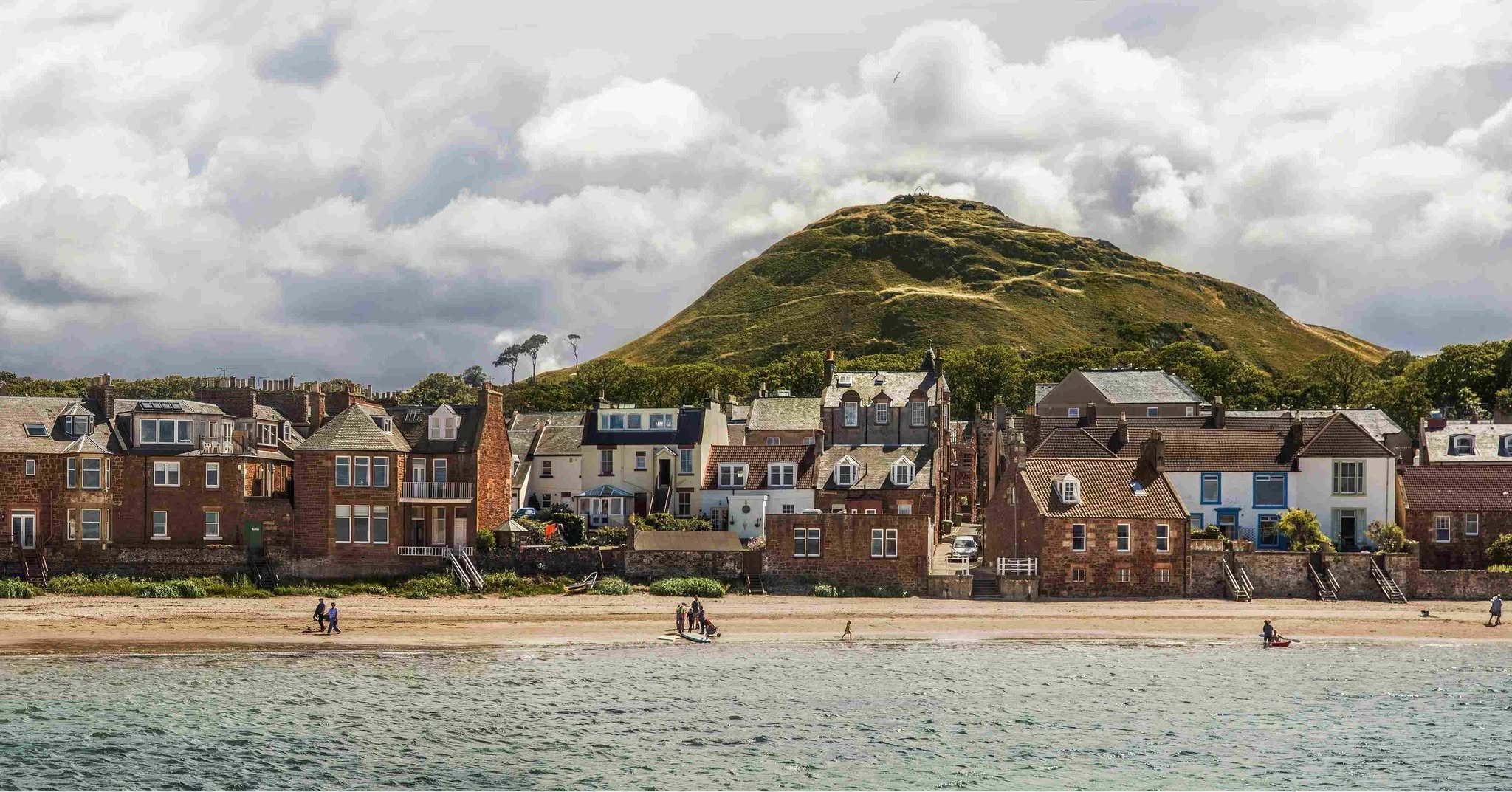
The hotel also builds experiences around Scottish culture. Current offerings include private whisky tastings at SCOTCH, personal shopping with stylist Zoë Rodrigues, golf planning, distillery tours, Royal Edinburgh itineraries, Outlander locations, Scottish craftsmanship in East Lothian and a private Scent Butler experience.
For travelers who want to go farther, Land, Loch and Sky combines castles, Loch Lomond by yacht and a helicopter component, while the Castles and Culture itinerary links Tantallon Castle and Rosslyn Chapel with contemporary art.
Two newer experiences add a literary and heritage emphasis. Be a Scot for the Day, introduced in 2026 for suite guests, explores ancestry, tartan and Scottish traditions. The Great British Cultural Journey links The Balmoral with Brown’s Hotel in London for Forte Suite guests, using rail travel and literary experiences to connect the two cities.
Rocco Forte Kids Makes a City Hotel Work for Families
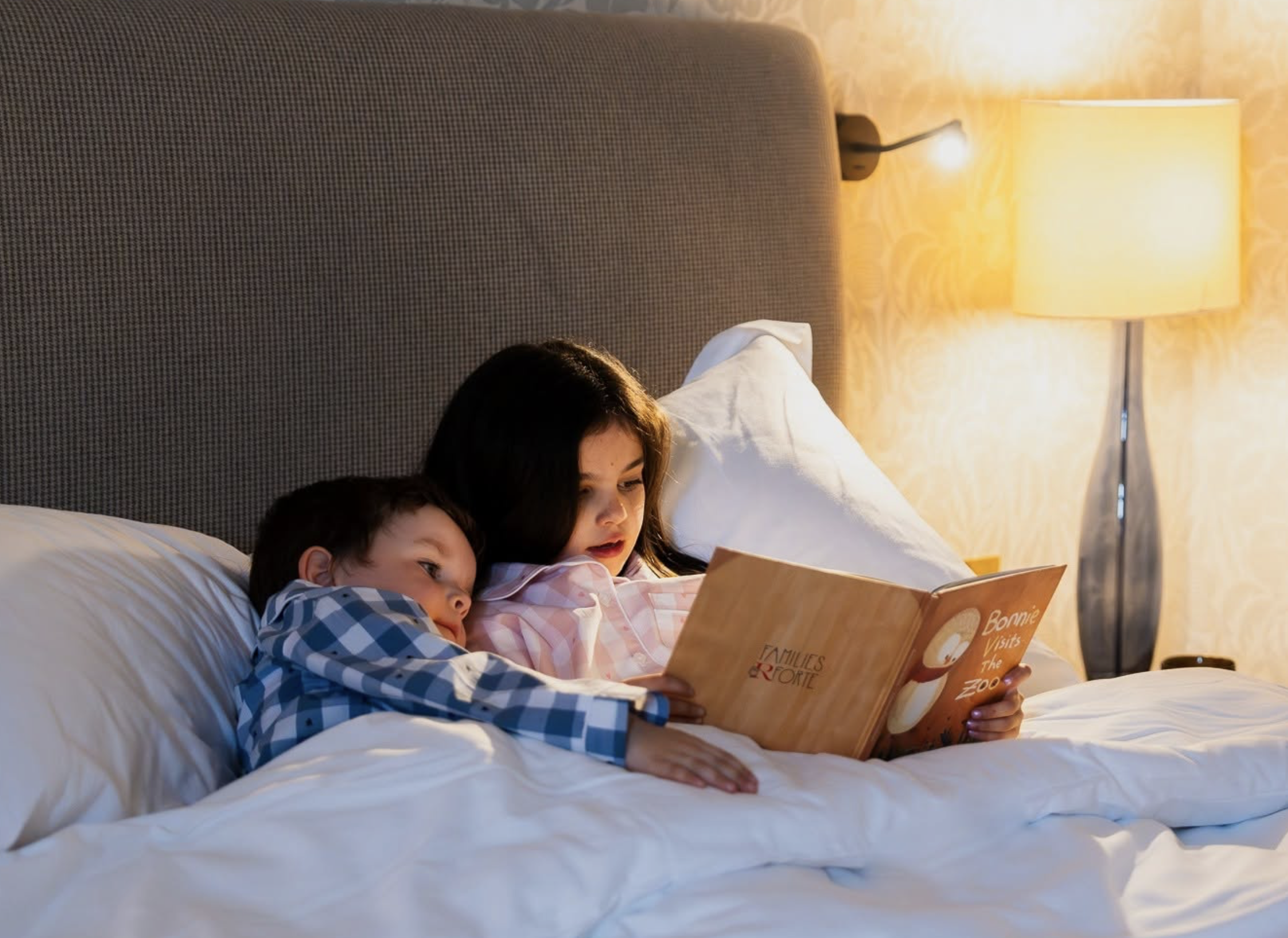
The Balmoral welcomes children of all ages through the Rocco Forte Kids program, which is divided into babies ages zero to three, children ages four to twelve and teens ages thirteen to sixteen. This is a city-hotel family program rather than a permanent supervised kids club.
Practical support is extensive. Cots, bottle warmers, sterilizers, baby baths, child-sized robes and slippers, books, games and protected Wi-Fi can be requested, while 24-hour babysitting is available for a fee. Baby meals are complimentary, and the hotel currently offers children ages four to twelve a discount on kids menus.
The three published family configurations remove much of the uncertainty around room selection. The Family Room connects two Executive View Rooms, the Family Junior Suite combines a Junior Suite with an Executive Room, and the Family Castle View Suite links a Castle View Suite with a Deluxe Castle View Room.
Edinburgh itself supplies the activity program. The National Museum of Scotland, Dynamic Earth, Camera Obscura and the city’s Harry Potter associations are all easy to incorporate, and the concierge can build age-appropriate city itineraries rather than requiring families to spend the day inside the hotel.
Local Producers, Rooftop Honey and Lower-Waste Operations
The Balmoral does not currently publish a property-specific sustainability certification, so the most useful way to assess its approach is through specific operating practices rather than a broad label.
Rocco Forte Hotels publishes group-wide measures that apply across its portfolio, including LED lighting, guestroom energy controls, water-saving programs, waste separation, glass bottled water and the replacement of many single-use plastic amenities with alternatives made from bamboo, corn starch and other lower-plastic materials. Irene Forte Skincare is also supplied in recycled and refillable packaging.
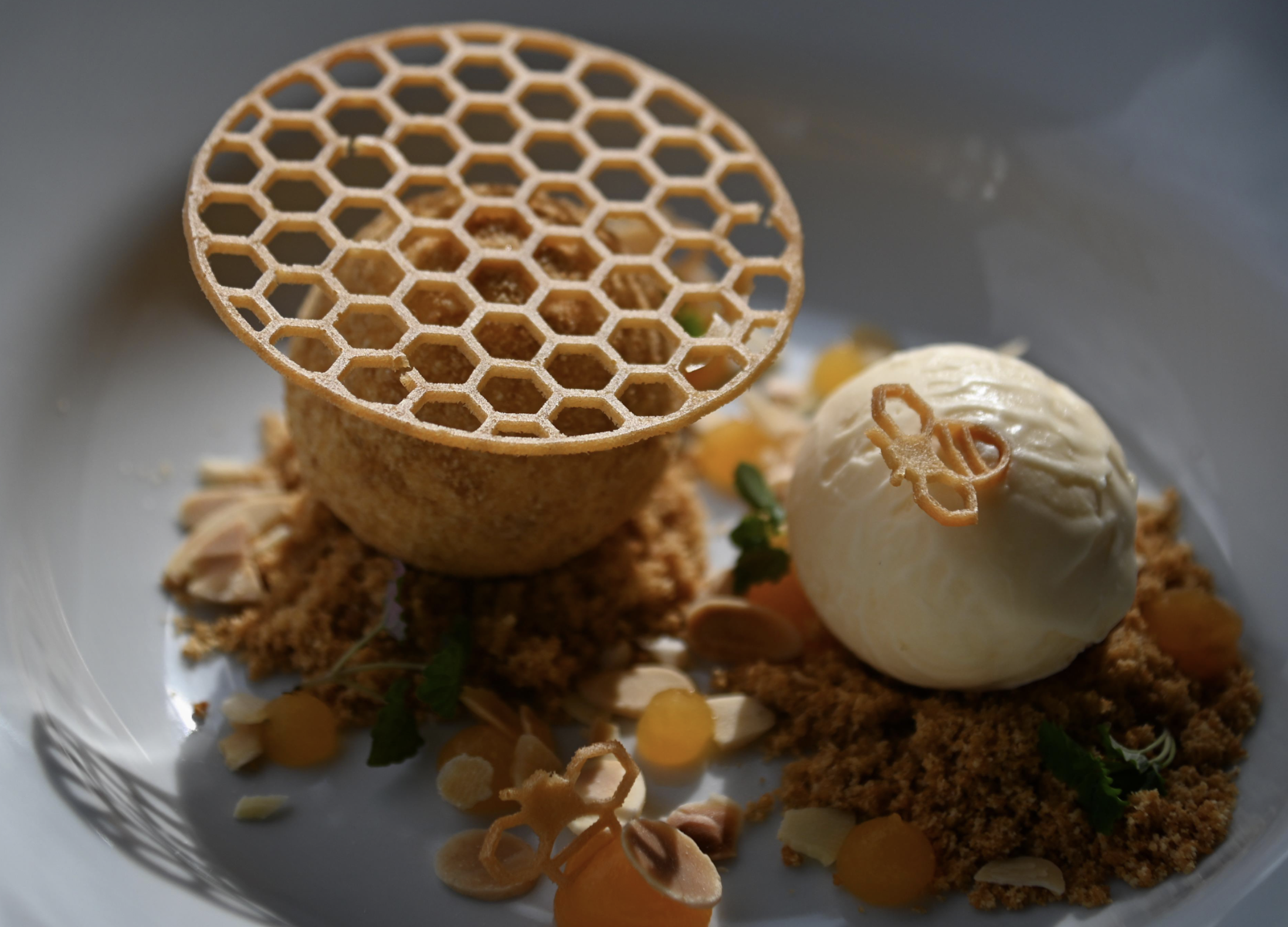
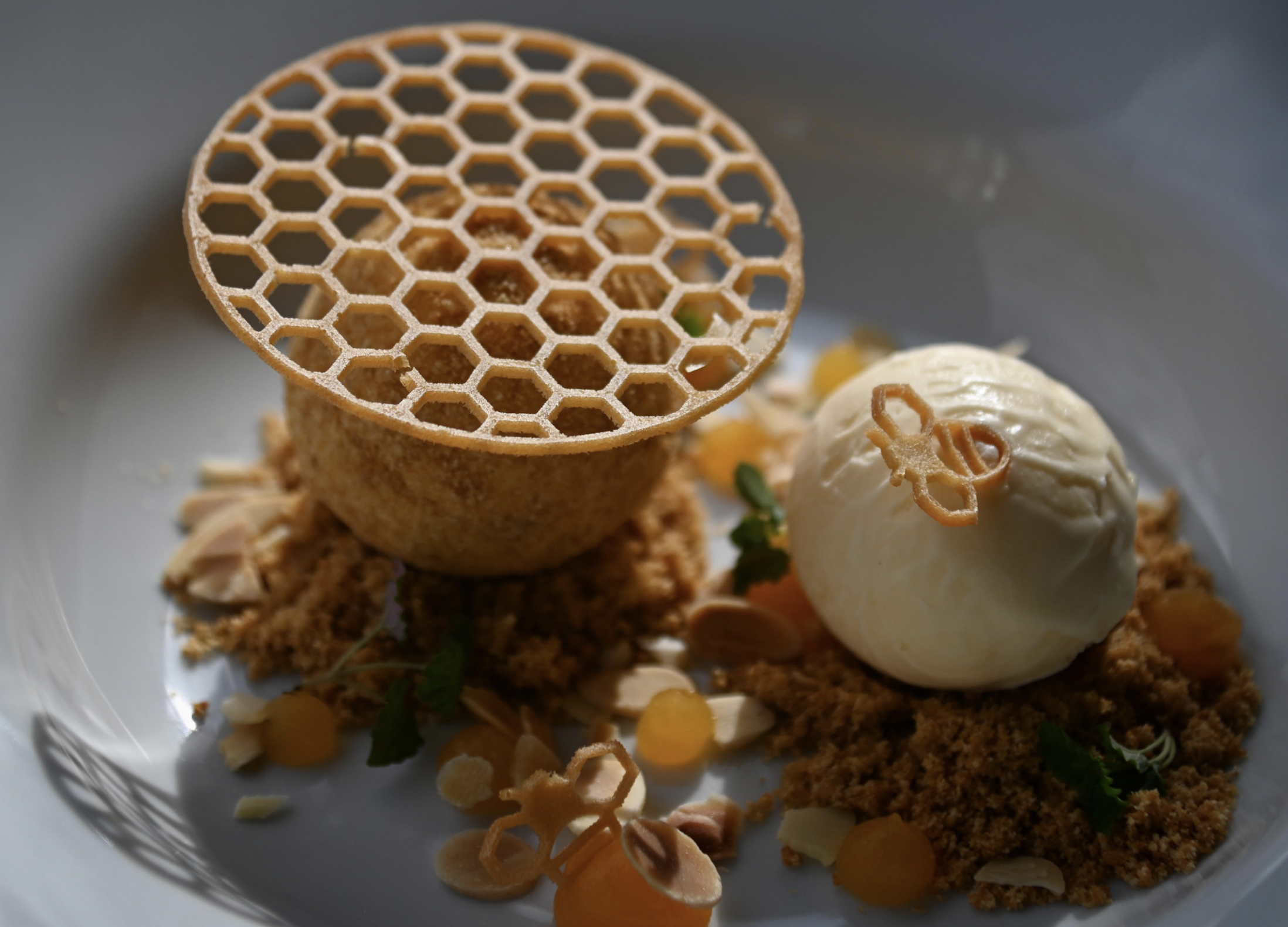
At The Balmoral, Number One gives the sustainability story a more local scale. Head Chef John Munro works with seasonal Scottish suppliers and introduced the restaurant’s first rooftop beehive in 2024, using its honey within the kitchen. The current menu highlights products such as hand-dived Orkney scallops and other ingredients sourced from Scotland’s land and sea.
These measures are more meaningful when treated as an evolving operating program rather than evidence that every aspect of a city hotel is low-impact. Travelers who care about food provenance will see the clearest expression through Number One and the hotel’s supplier relationships.
Match the Historic Building to Individual Access Needs
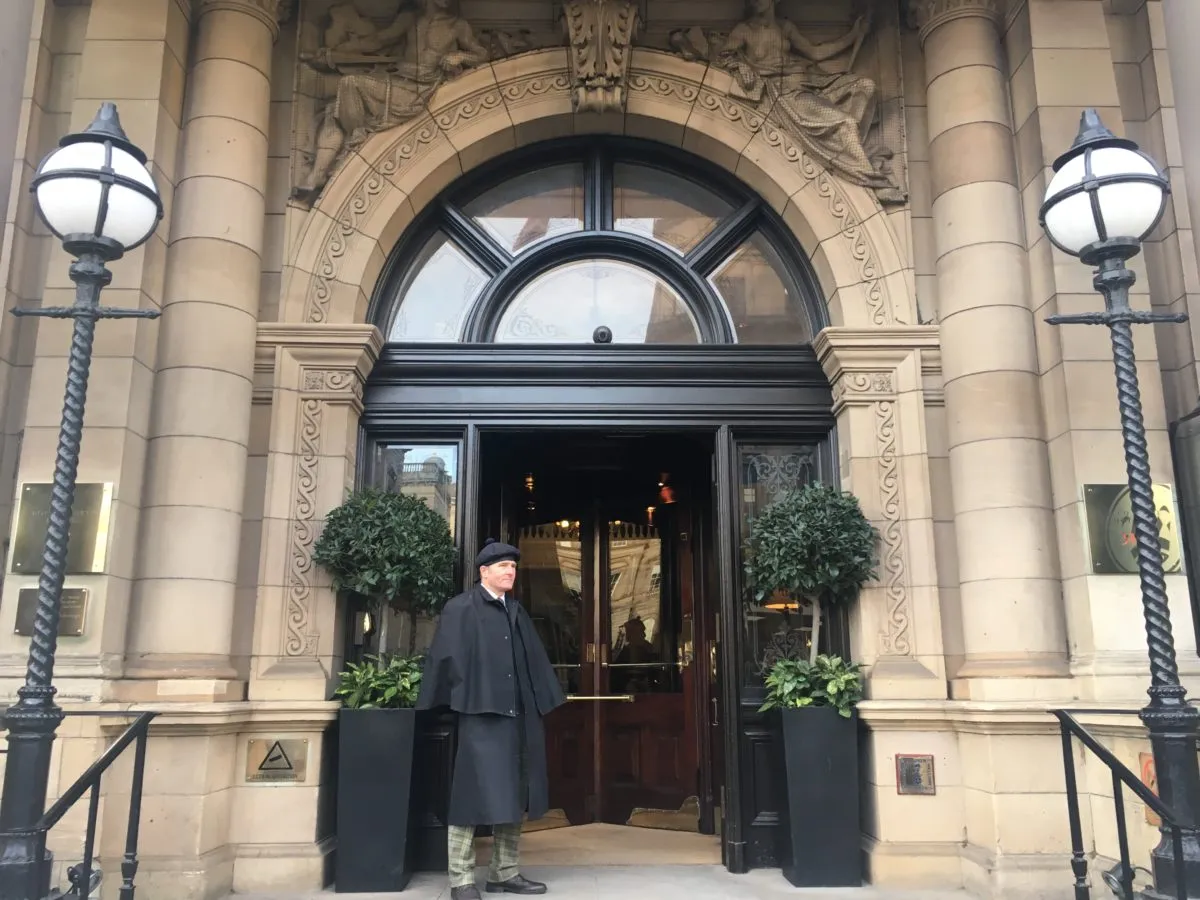
The Balmoral is a historic 1902 building in a dense city-centre setting, so accessibility planning should begin with the entire route rather than the room alone. The hotel’s position beside Waverley Station is extremely convenient, but Edinburgh’s surrounding streets also include gradients, historic paving and level changes.
Room layout is another reason to plan in advance. A castle view, separate living room or interconnecting configuration does not by itself establish suitability for a traveler who needs step-free access, a particular shower arrangement, specific bed height or hearing and visual support.
Our team can coordinate those requirements with the hotel before booking and request the most suitable available accommodation, arrival route and access to dining, the spa and event spaces. Travelers arriving by rail should also consider assistance within Waverley Station as part of the same plan rather than treating the hotel entrance as the only access question.
Festival August, Festive Winter and Quieter Shoulder Seasons
The Balmoral operates year-round, but Edinburgh changes dramatically with the calendar. August is the city’s most intense cultural period: the 2026 Edinburgh Festival Fringe ran from August 7 to 31, alongside the wider festival season. Travelers visiting in August should expect the city to feel busy from morning until late at night and should plan major dining and cultural reservations well ahead.
Late spring and early autumn are easier for travelers who want long days on foot without the concentration of festival crowds. Weather remains variable, but these months often provide a good balance between daylight, cultural programming and time for excursions beyond the city.
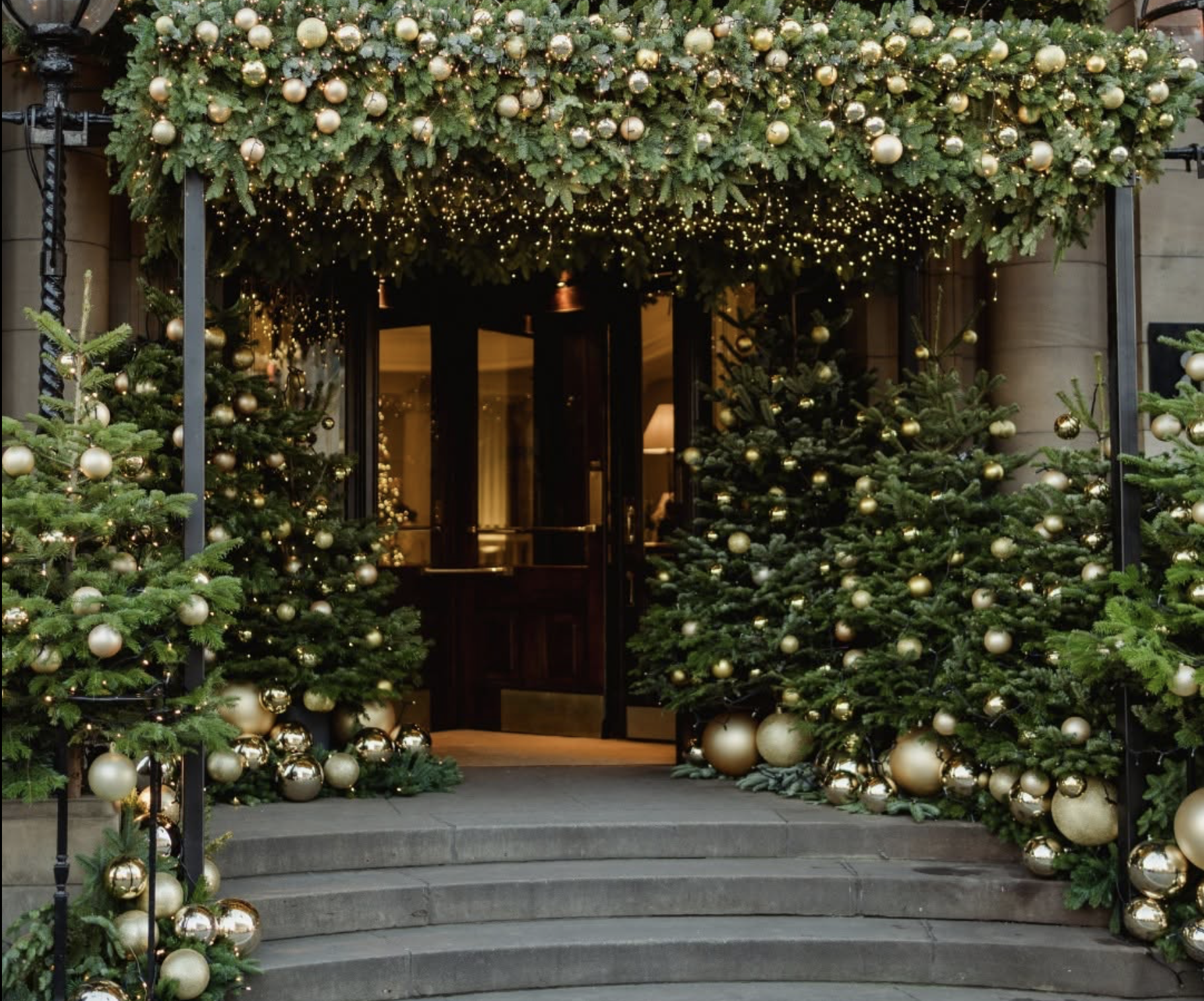
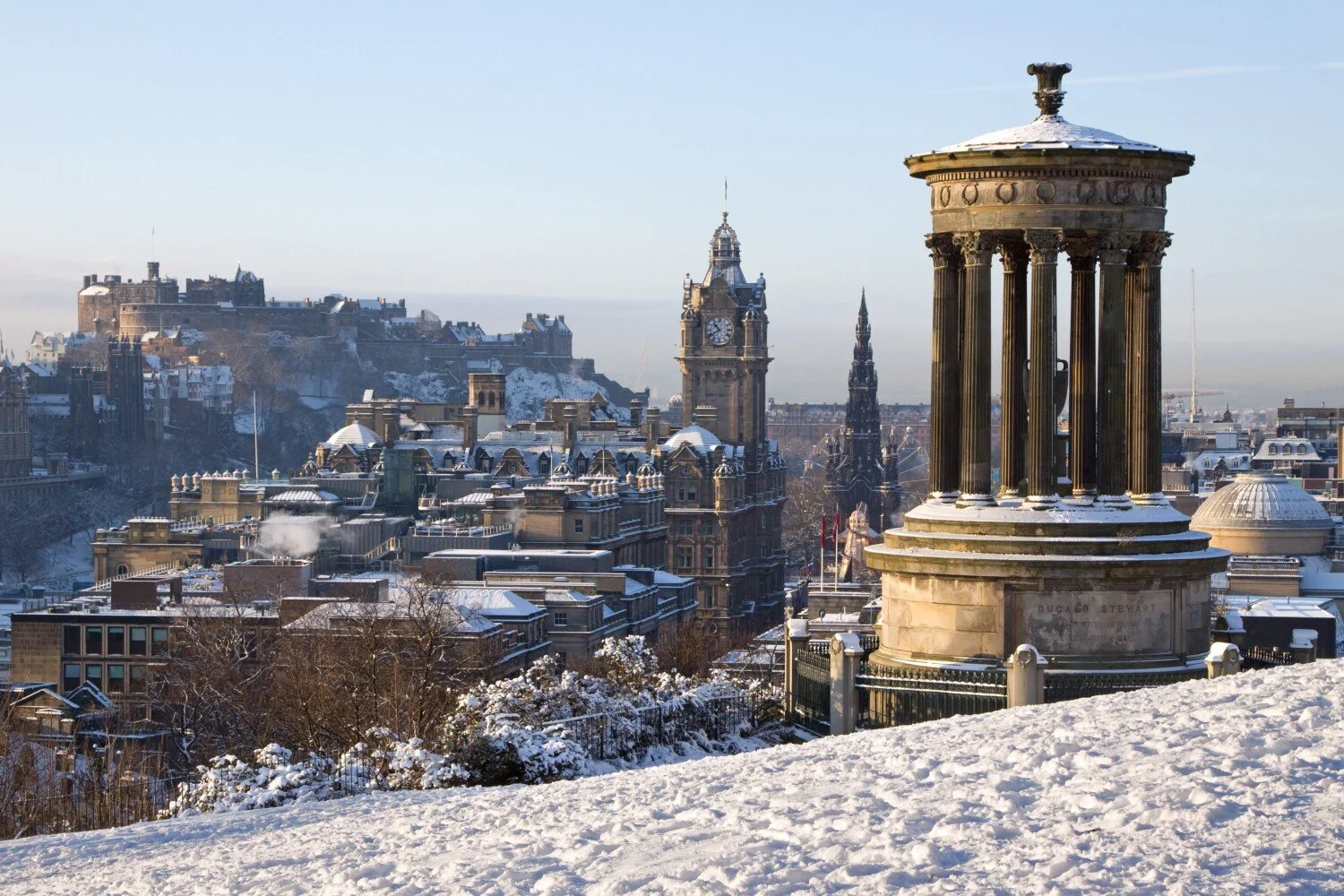
Winter shifts the emphasis toward restaurants, whisky, galleries, the spa and the festive calendar. The Balmoral is closely associated with Edinburgh’s Christmas and Hogmanay season, and the clock itself returns to true time for the New Year countdown.
January and February are quieter and darker, while Scotland’s weather can change quickly in any month. A flexible itinerary and good outerwear matter more than trying to identify a single guaranteed dry season.
Plan Your Stay With Destinations by David
Room selection at The Balmoral is less about finding the largest space and more about deciding which Edinburgh outlook matters. A courtyard room can work perfectly for a traveler spending all day outside, while Castle View and Old Town categories place the city into the room itself. Families have three published connecting configurations, and the Forte Suites are the natural choice when entertaining space, history or a special occasion is central to the trip.
Destinations by David can coordinate those decisions with the rest of the stay, including airport or rail arrival, Number One reservations, SCOTCH tastings, Irene Forte Spa appointments, family arrangements and private experiences in Edinburgh or farther into Scotland. No current property-specific Virtuoso or Destinations by David preferred-partner relationship has been published in this article without verification.
Contact our team to plan and book The Balmoral as a stand-alone Edinburgh stay or as the city anchor for a wider Scotland itinerary.
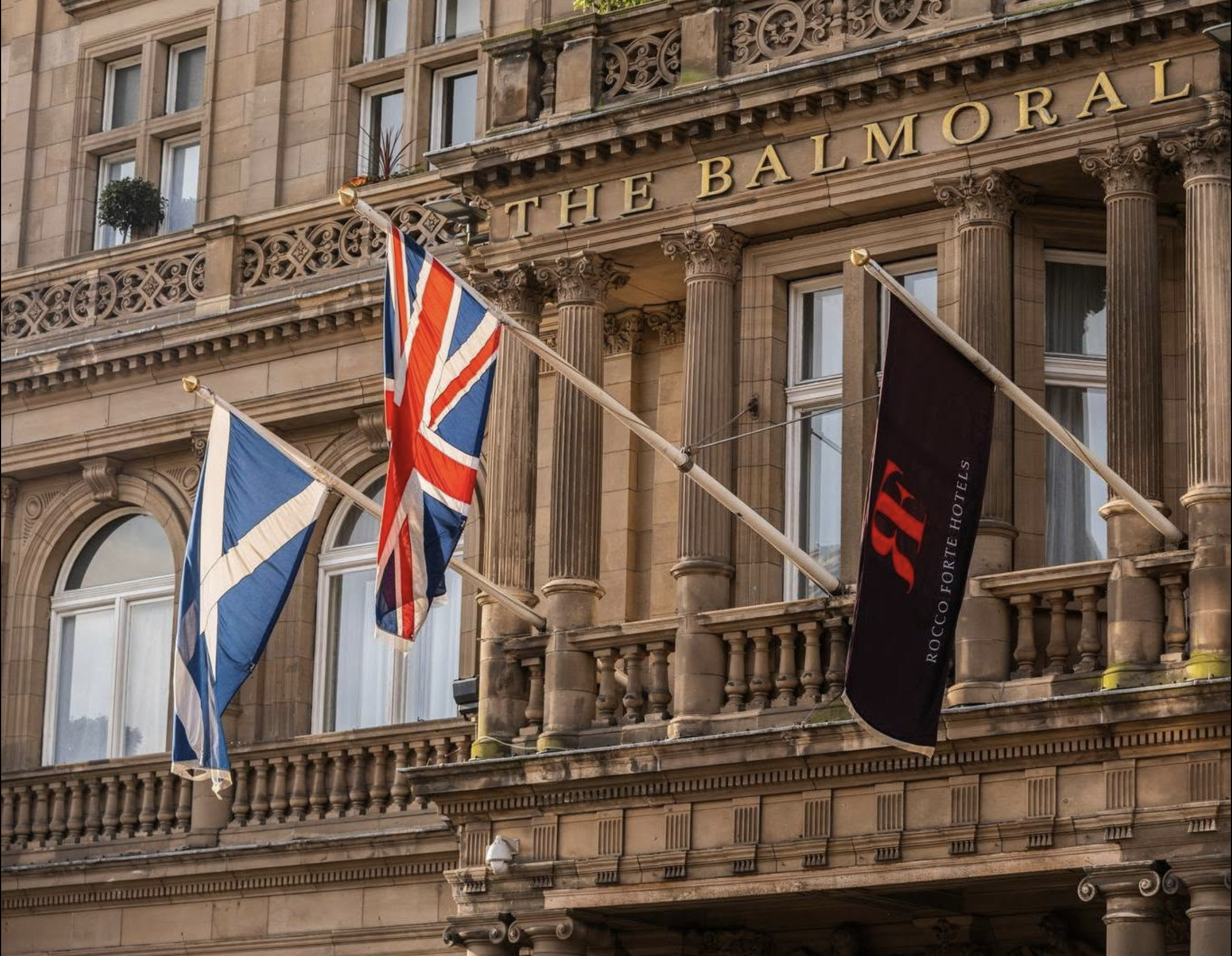
Arrive by Rail and Step Straight Into No. 1 Princes Street
The Balmoral is one of the rare grand city hotels where rail can be more convenient than a car. Waverley Station is directly adjacent, while Edinburgh Airport is close enough that even an air arrival requires only a short transfer.
Edinburgh Airport (EDI): The Balmoral quotes an approximately 25-minute drive from Edinburgh Airport, while the airport describes the city centre as around 20 minutes by taxi; traffic can extend either estimate.
Private Hotel Transfer: The hotel can arrange airport transfers, a useful option for travelers with significant luggage, families or arrivals tied to a precise rail or dining schedule.
Taxi: Edinburgh Airport’s official taxi rank provides a direct road alternative to No. 1 Princes Street, generally taking around 20–25 minutes depending on traffic.
Edinburgh Tram: Trams run from the airport to Princes Street in approximately 32 minutes on the current timetable, followed by a short walk to the hotel.
Edinburgh Waverley Station: The hotel is immediately adjacent to Waverley Station, with frequent rail links from London, Manchester and Birmingham; for rail arrivals, the transfer is essentially a walk from the station into the hotel.
For travelers continuing to London, the railway setting is especially useful. A city stay can end with a short walk to the platform rather than a separate station transfer, preserving the hotel’s original role as an elegant part of the rail journey itself.
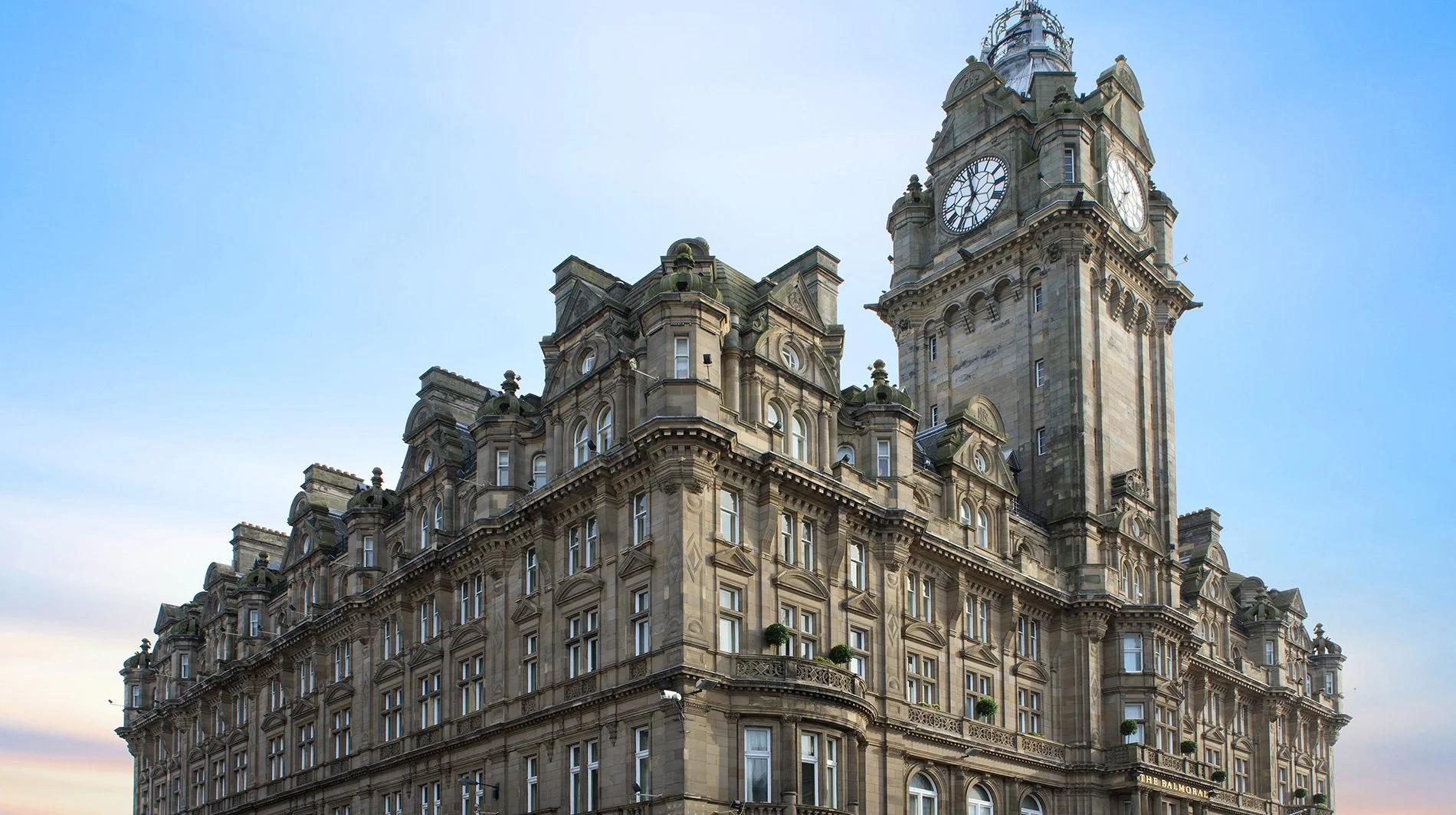
A Landmark That Still Works as a Base for the City
The Balmoral works because its history is not confined to a plaque in the lobby. The fast clock still marks the skyline, the railway station remains directly below, Scottish art and textiles continue through the interiors, and the best rooms frame the castle, Old Town or city hills rather than turning inward.
For a first visit, the location is difficult to improve upon. For a return stay, the individual suites, whisky program, spa and newer cultural experiences give the hotel enough depth to become part of the itinerary rather than simply the place where the day begins and ends.
The strongest version of the stay leaves time for both sides of the address: Edinburgh immediately outside the door, and enough unplanned hours inside The Balmoral to make No. 1 Princes Street feel like more than a landmark.