Fiesole, Italy | Villa San Michele, A Belmond Hotel
A Renaissance Retreat Above Florence
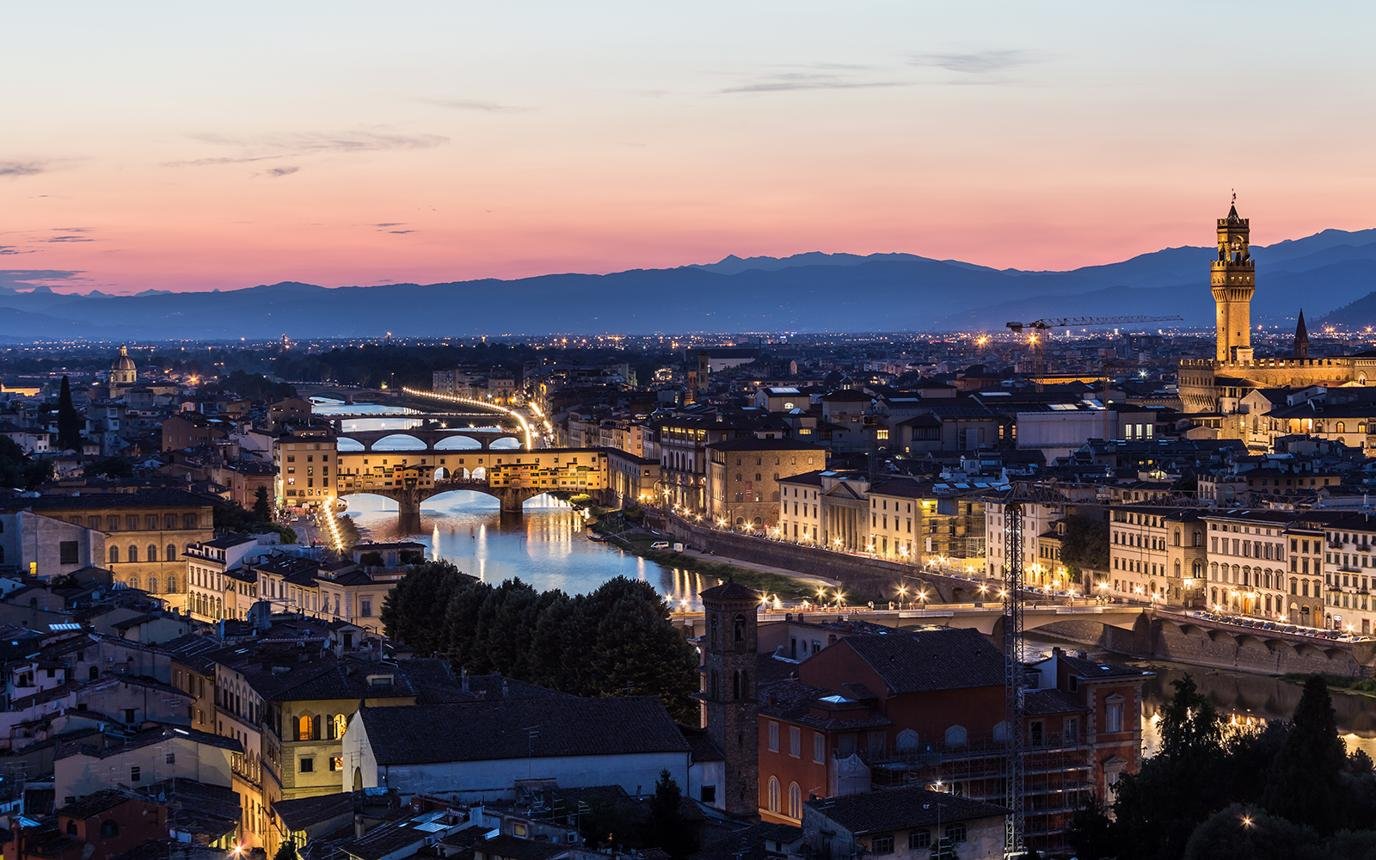
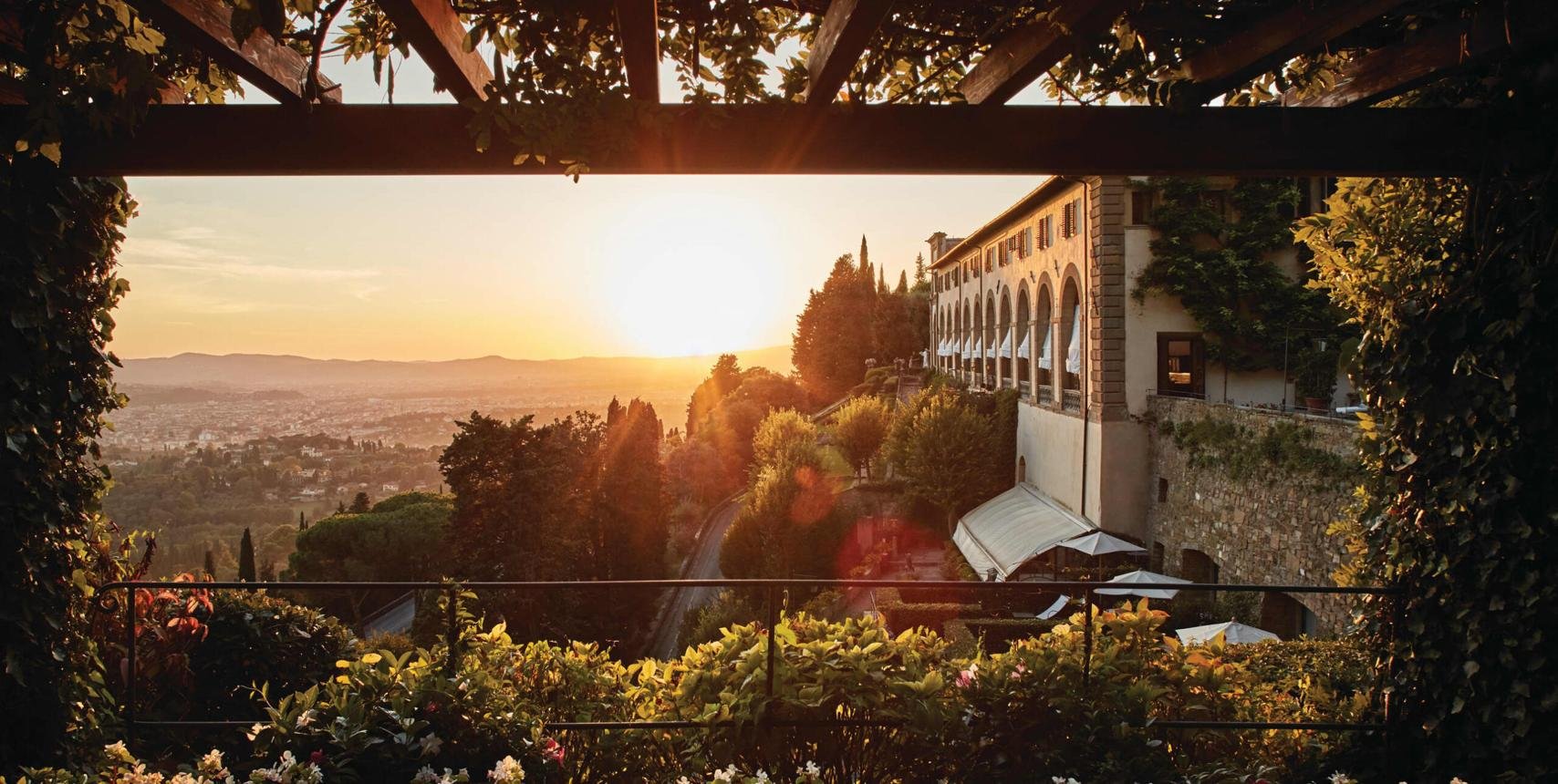
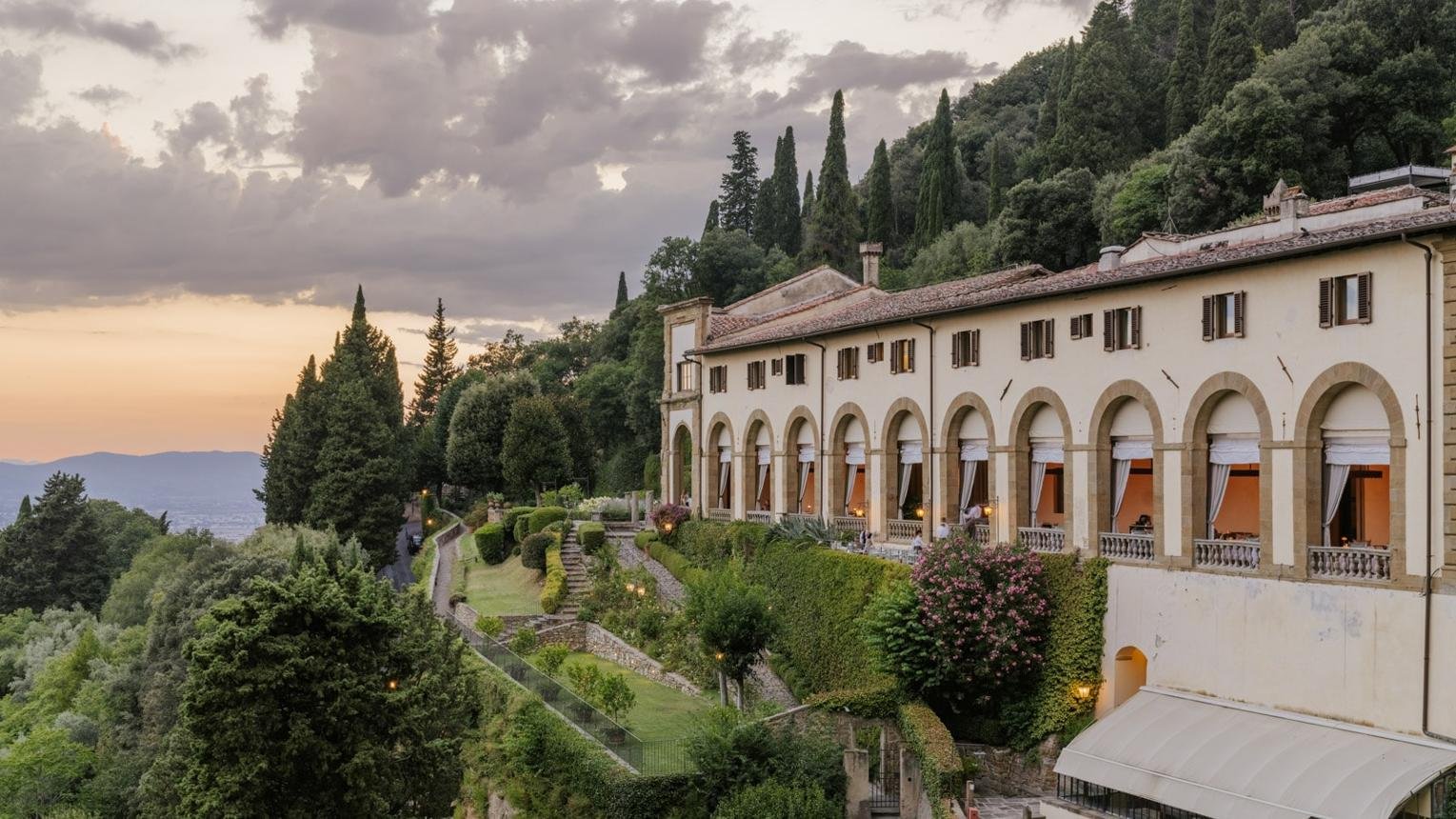
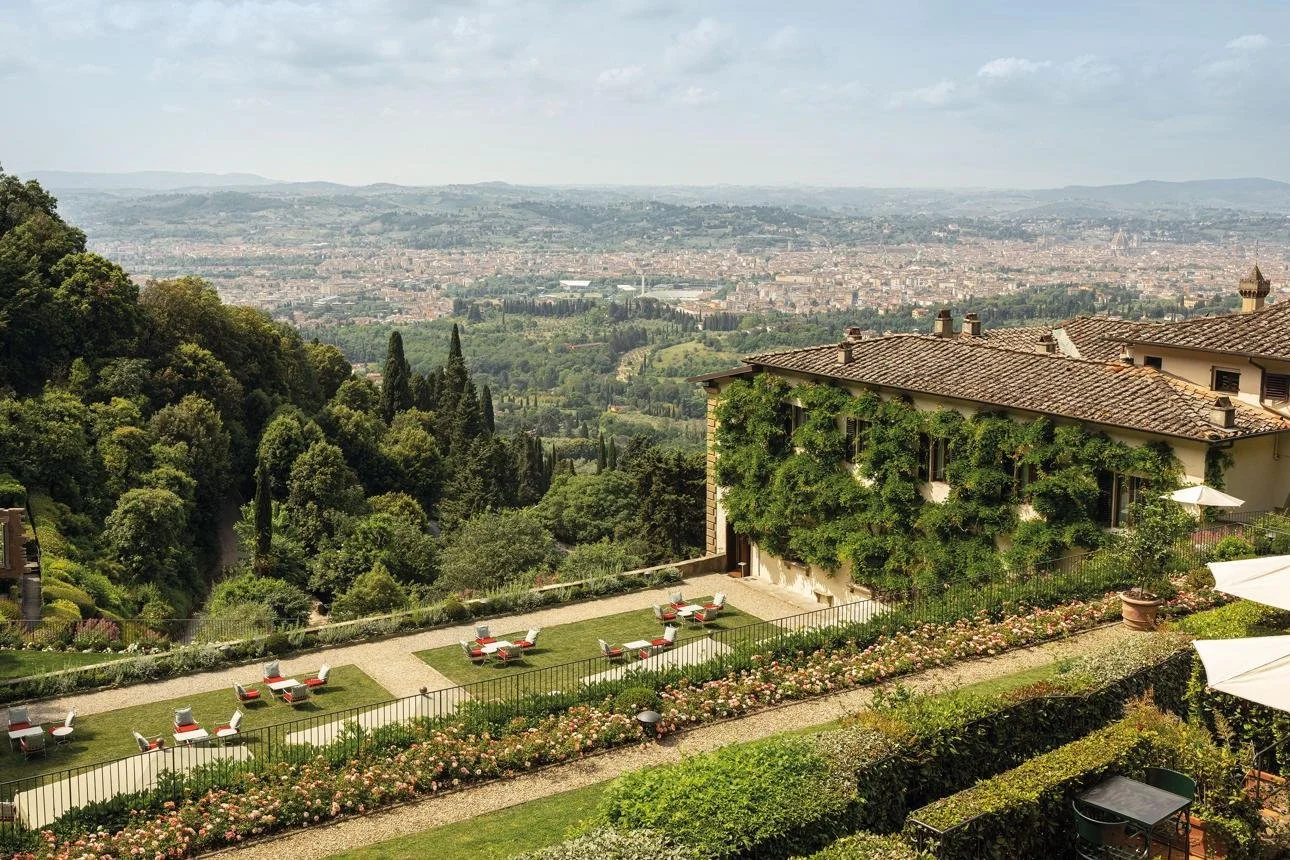
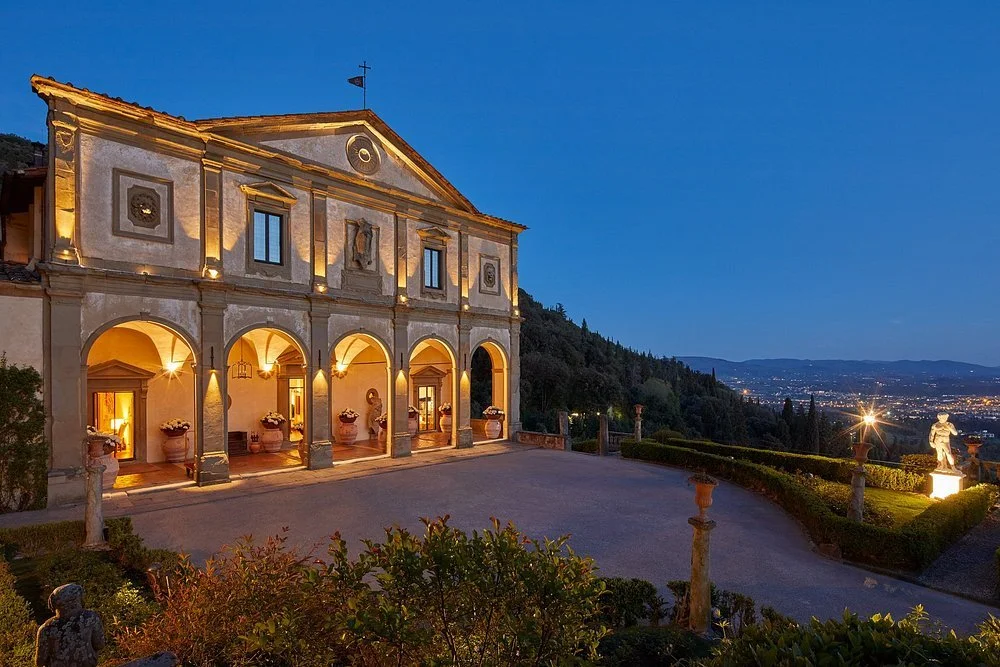
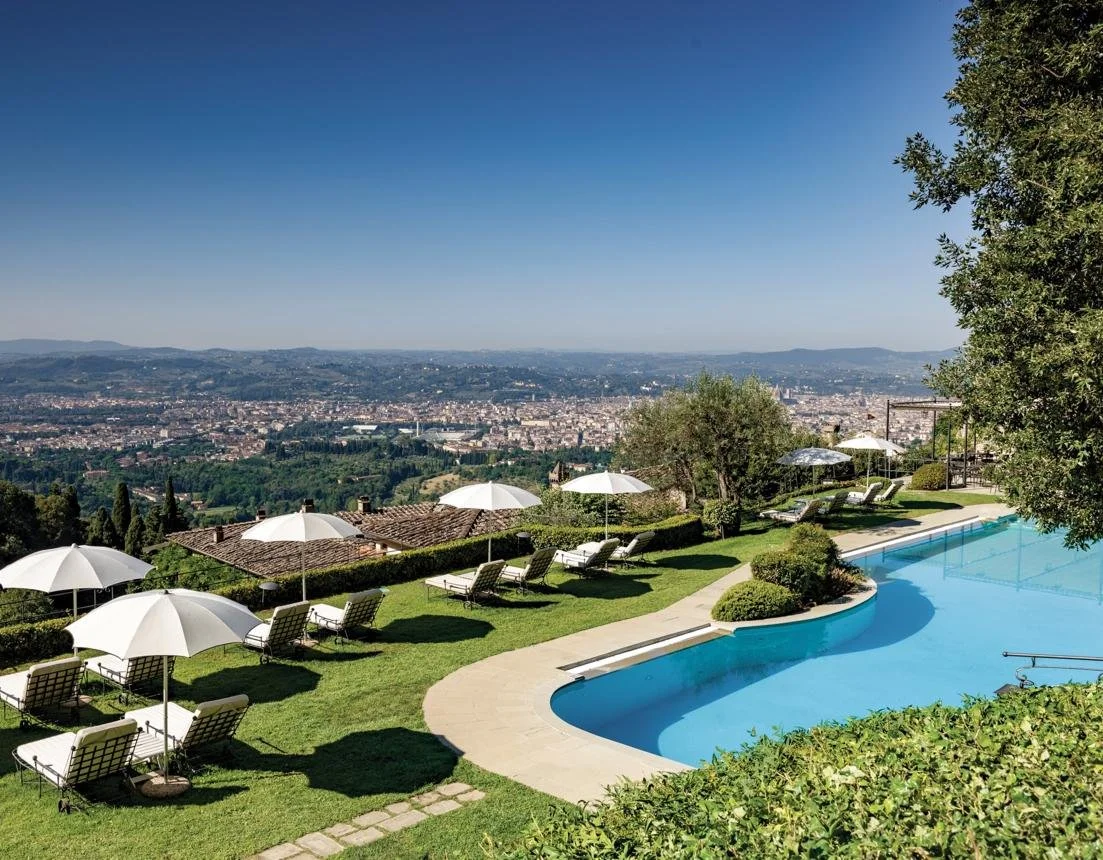
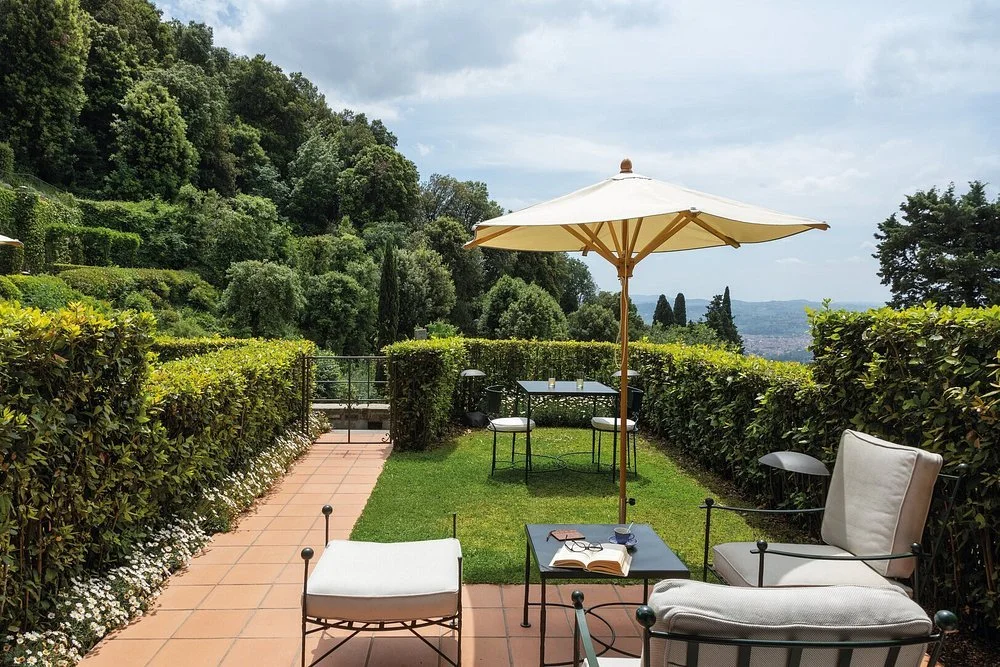
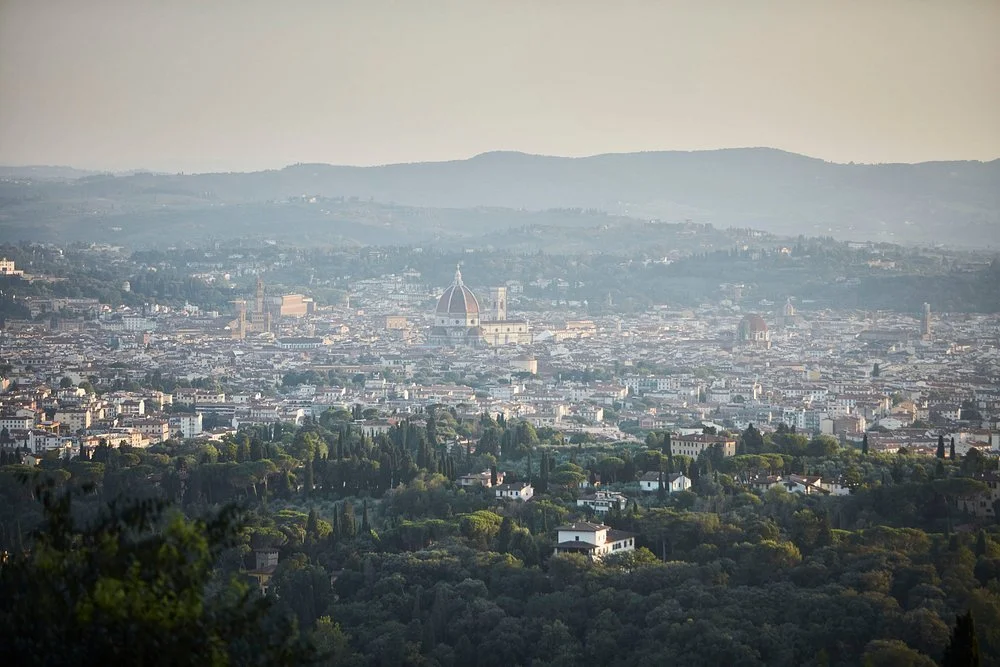
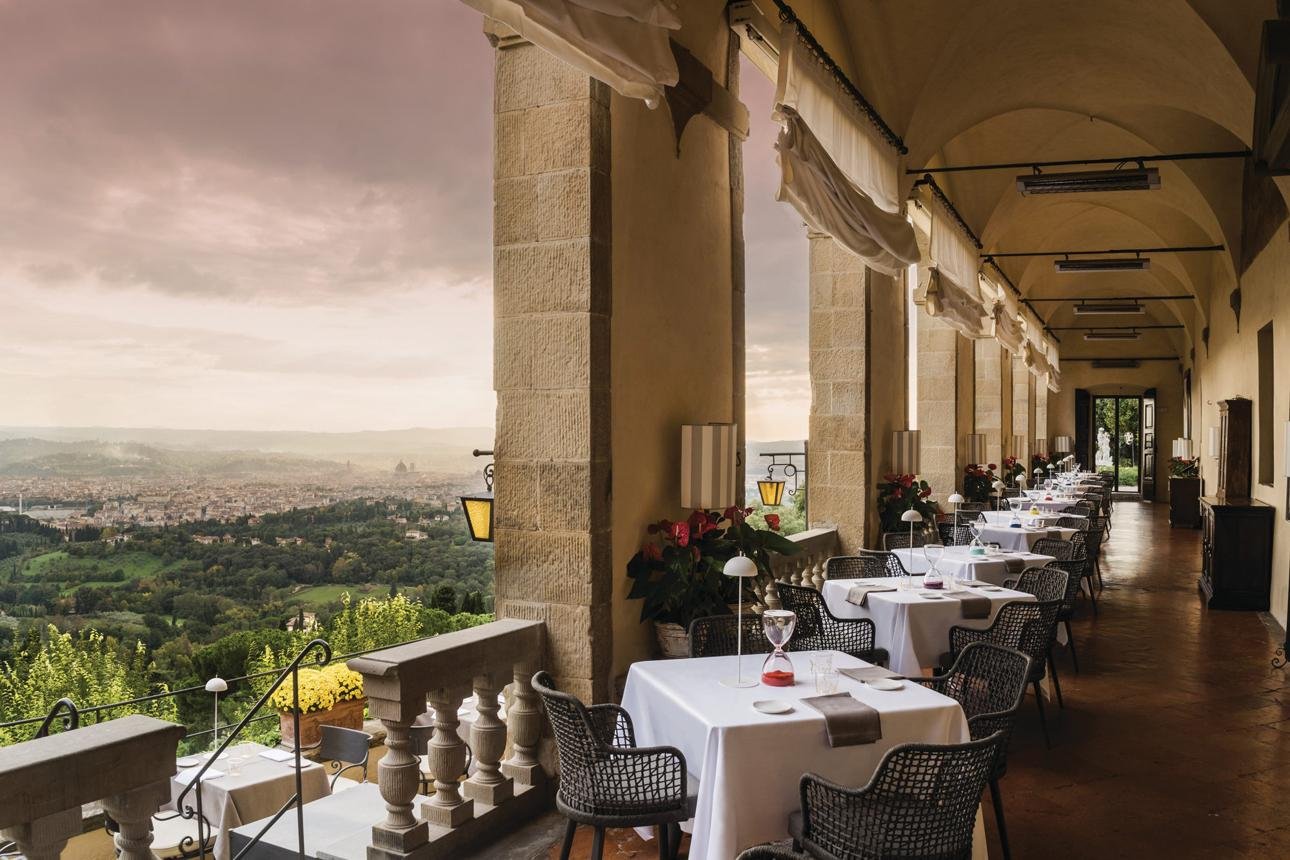
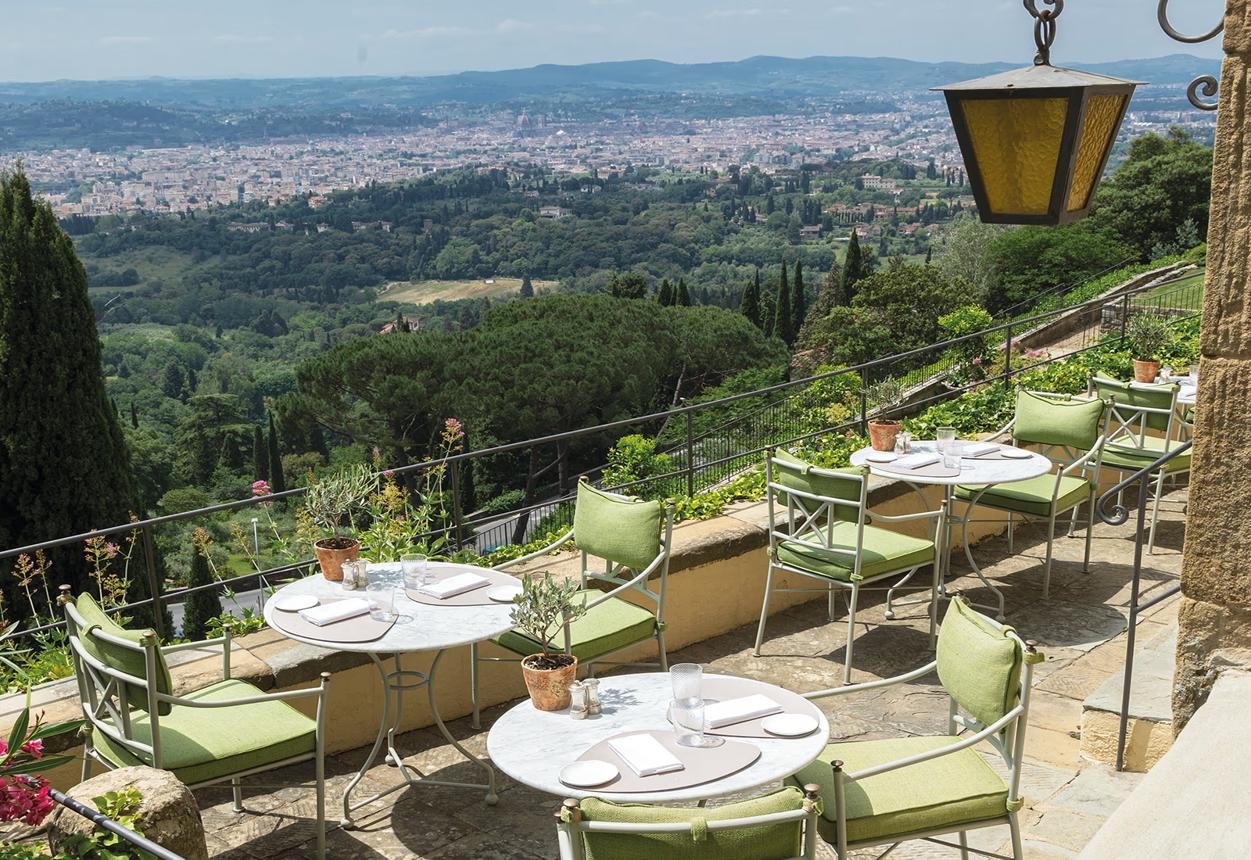
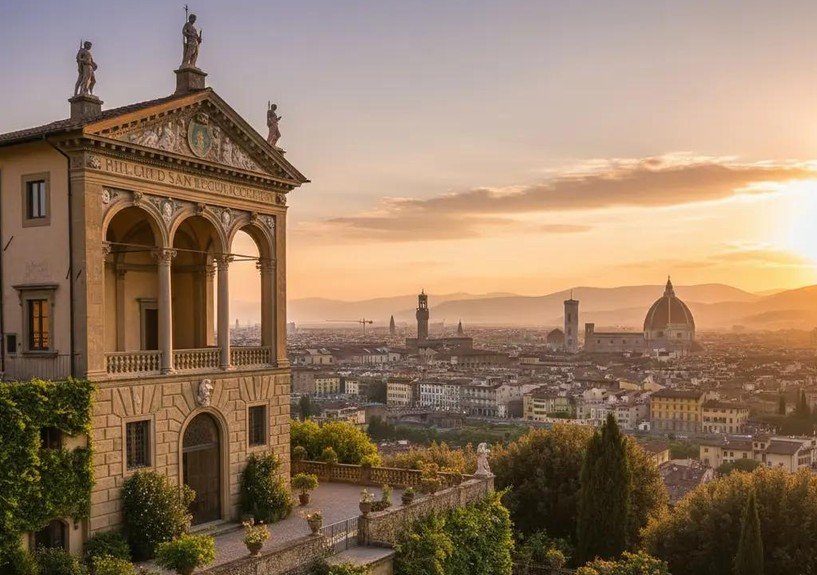
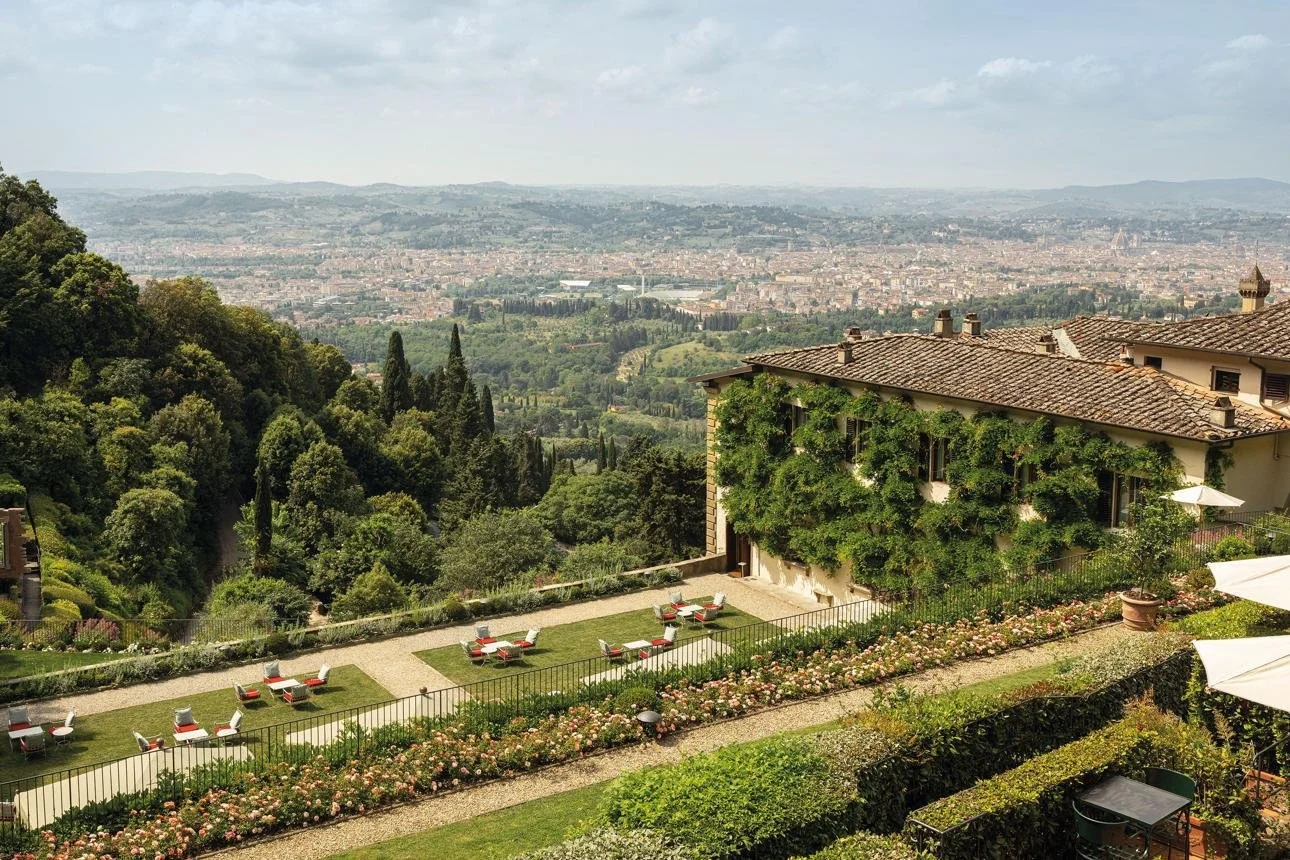
The first impression of Villa San Michele is not the building but the city below it. Florence stretches across the valley, the Duomo rising above terracotta roofs, while the hills of Fiesole provide a greener, quieter foreground. The view changes throughout the day: pale and architectural in the morning, softened by heat in the afternoon, and illuminated after sunset. For travelers who want to explore Florence without sleeping in its busy historic center, this relationship between town and hillside is the hotel's enduring advantage.
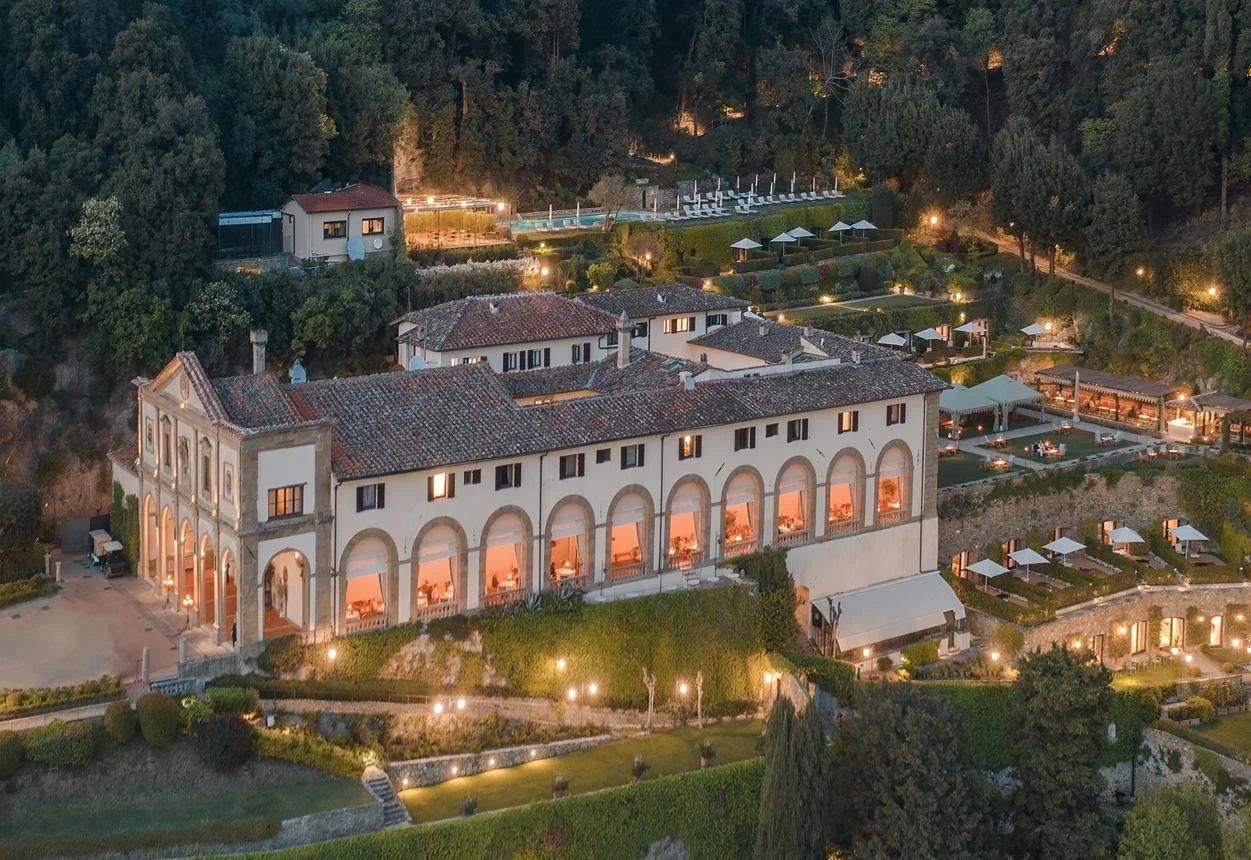
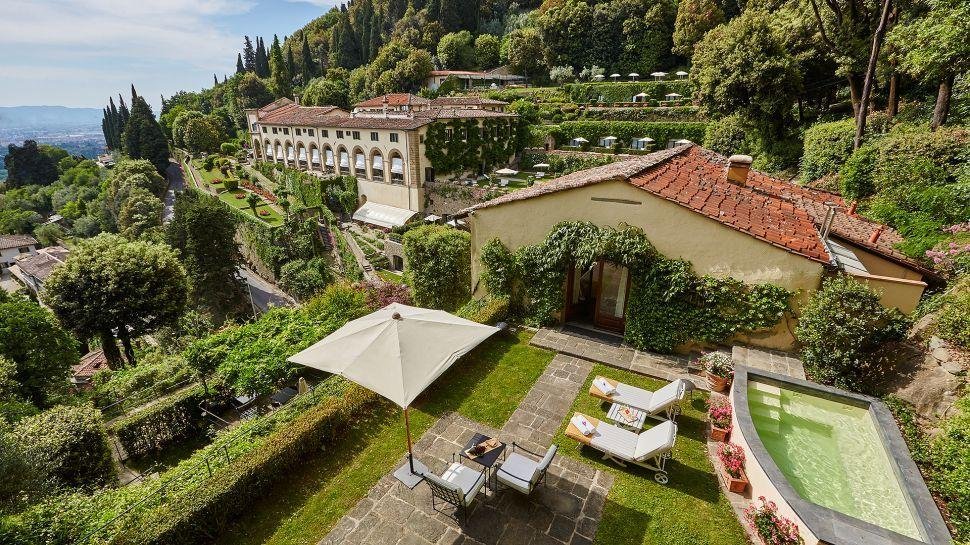
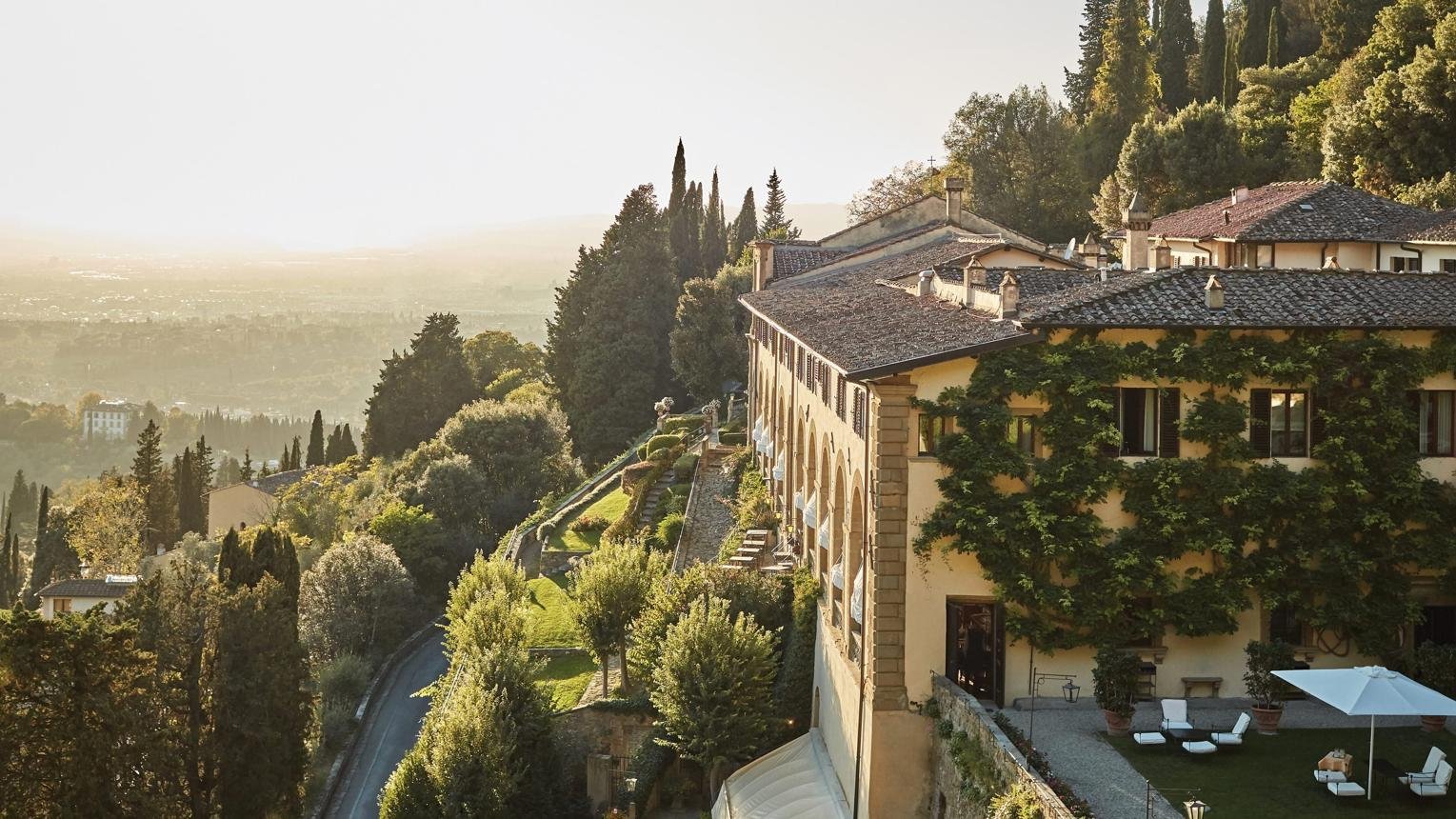
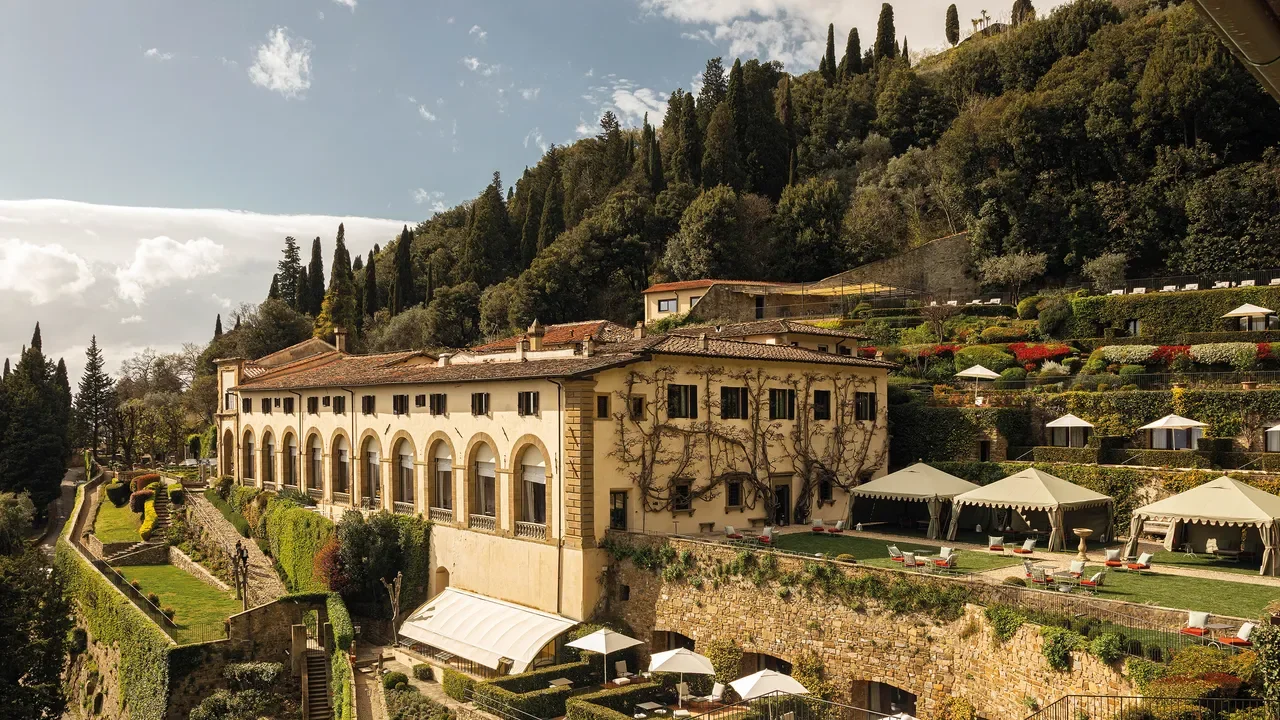
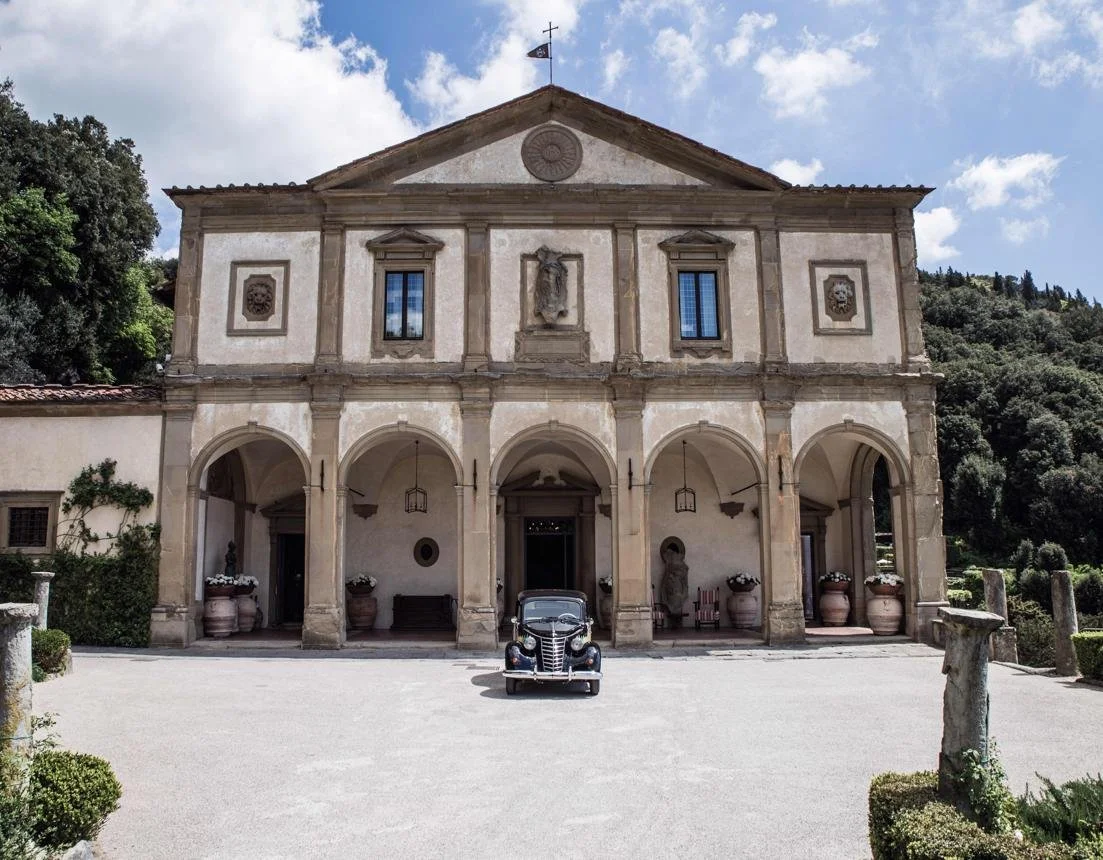
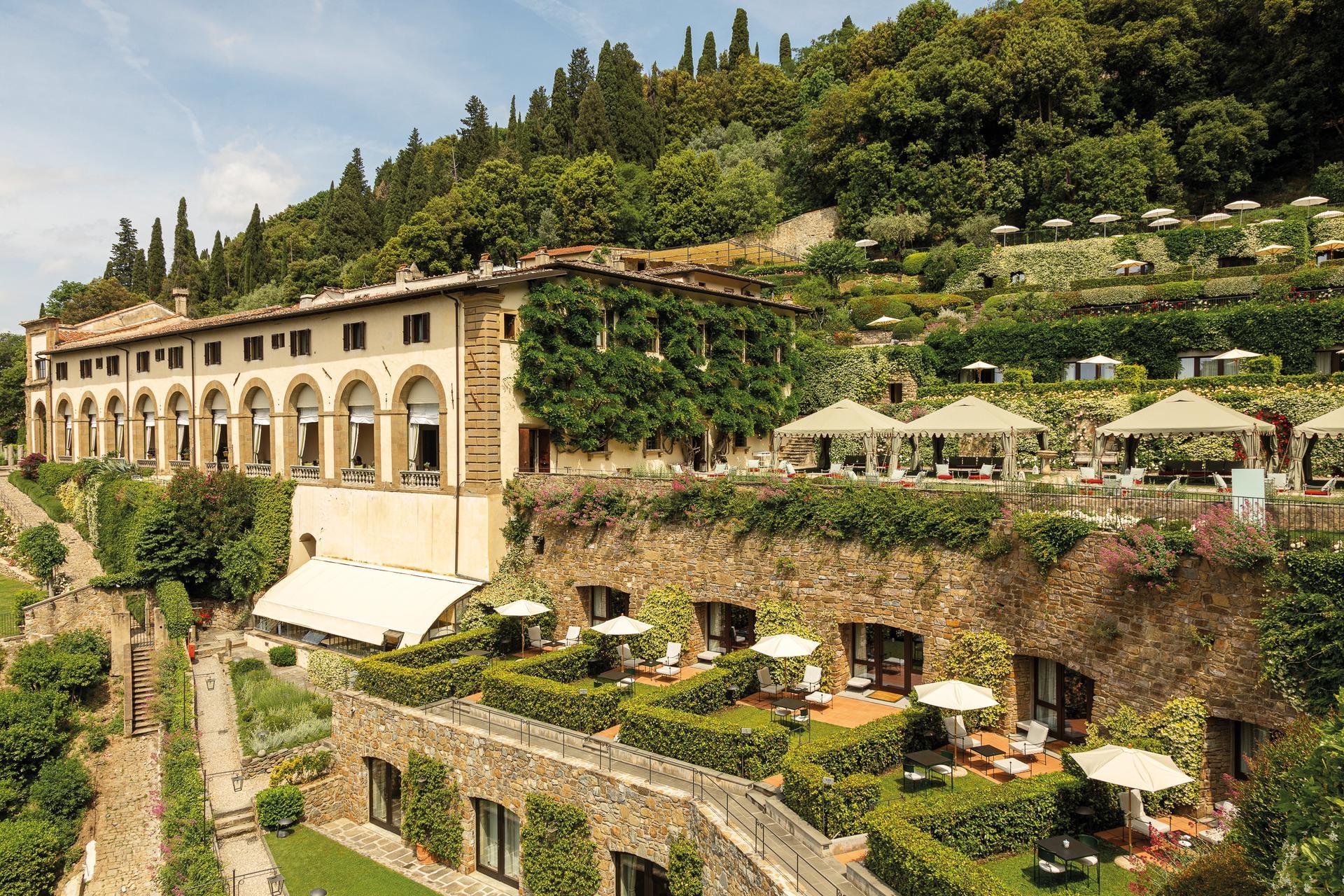
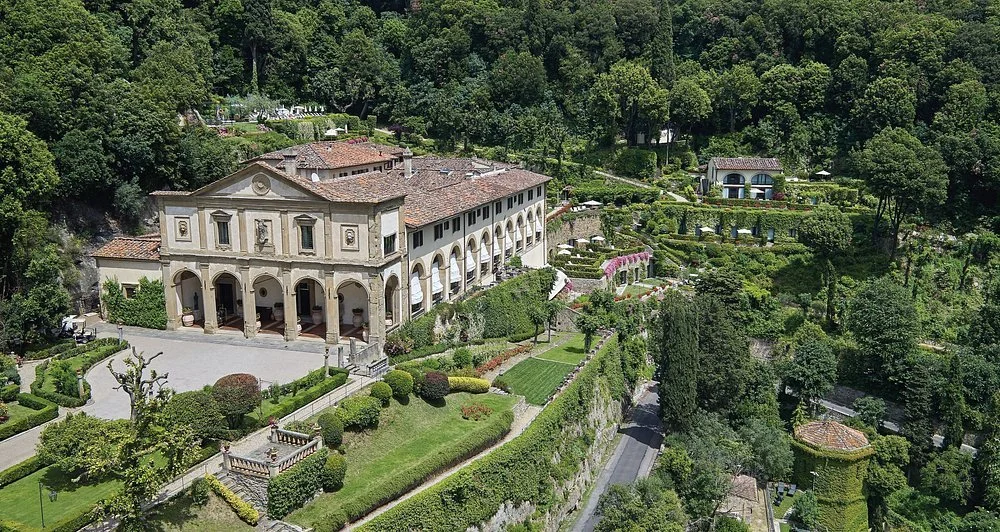
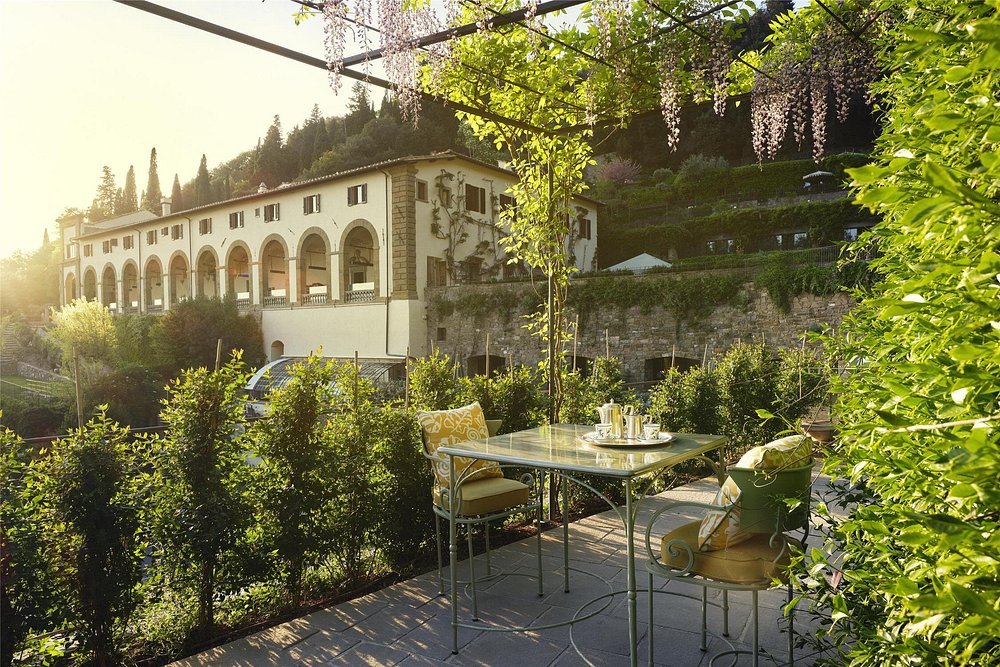
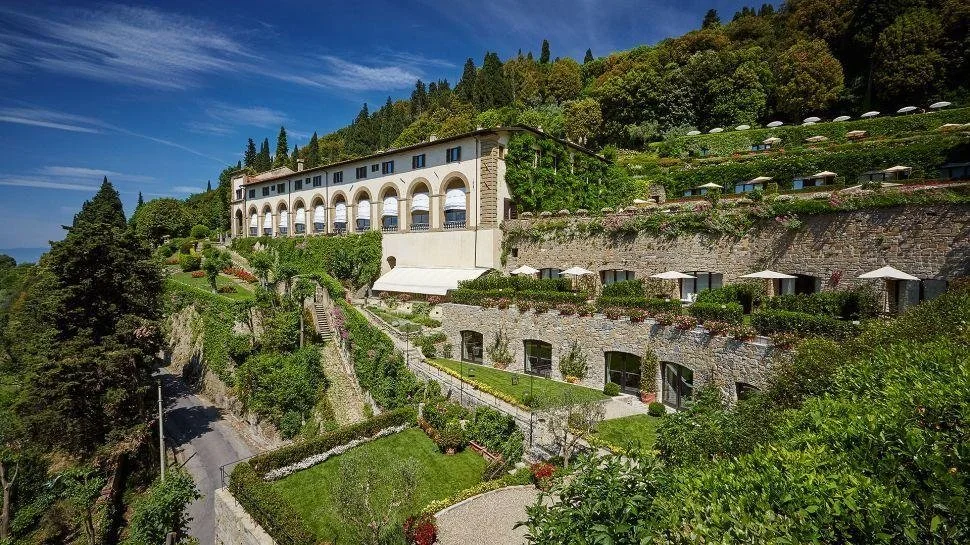
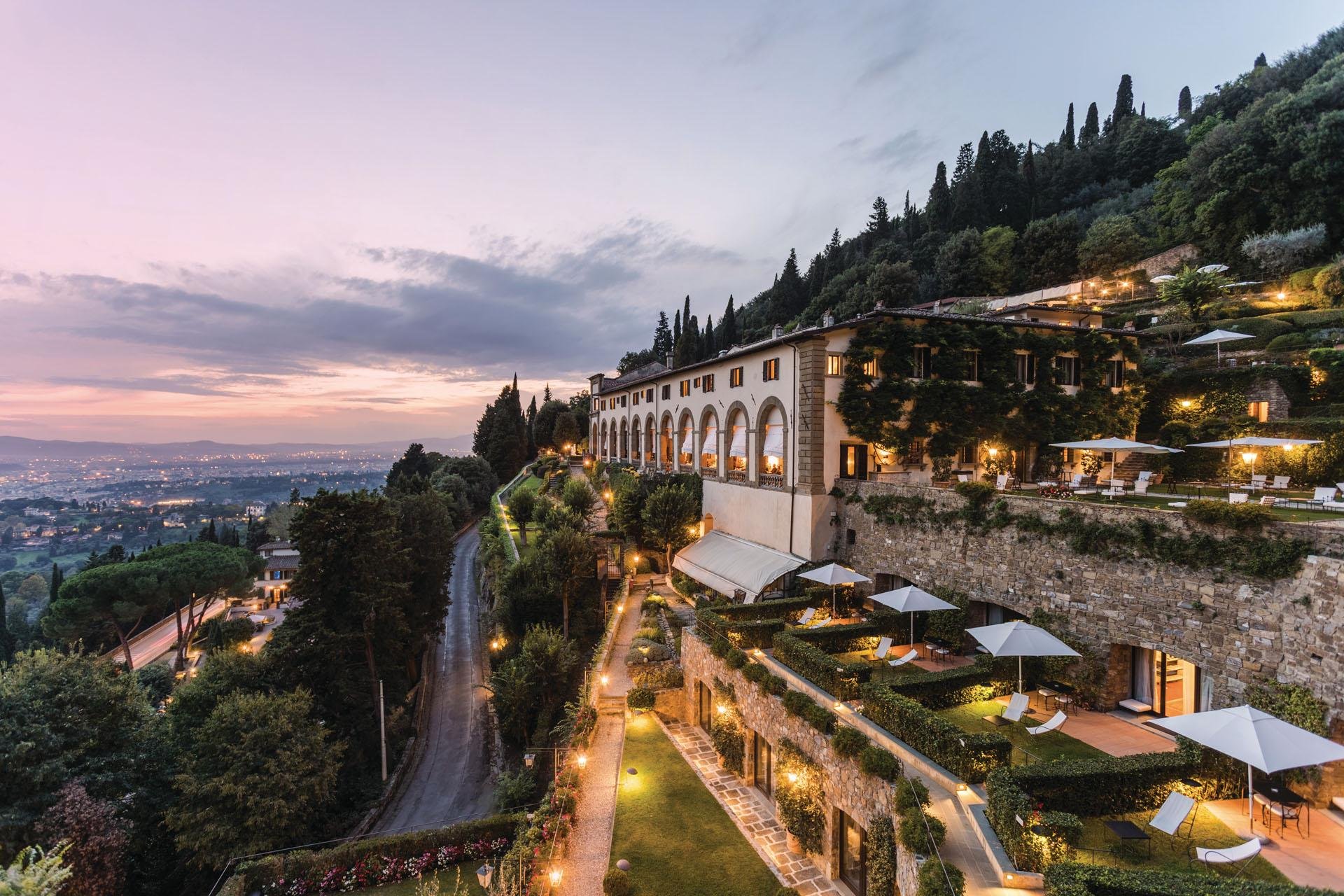
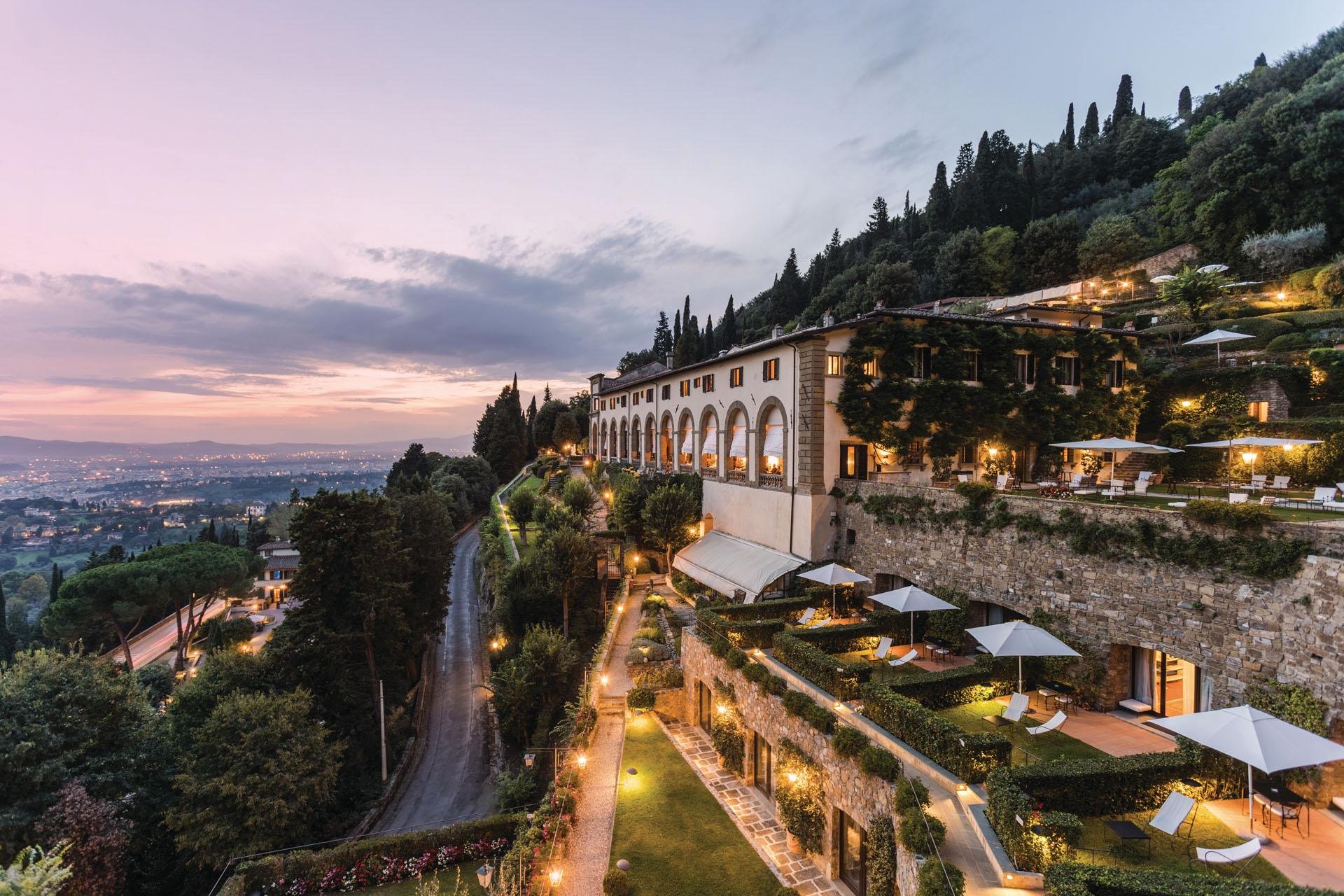
Villa San Michele occupies a former 15th-century monastery, surrounded by terraced gardens that retain a sense of the property's contemplative origins. It is intimate by resort standards, with 39 rooms and suites rather than the anonymity of a large countryside hotel. A complimentary shuttle connects guests with central Florence, making it possible to visit museums and restaurants before returning to the gardens for a quieter evening.
The property reopened on 28 April 2026 after an 18-month renovation. Its restored interiors, new Guerlain spa, expanded wellness programme and revised dining concepts create a compelling reason to reconsider a hotel whose history might otherwise lead visitors to assume that little has changed. The best stays balance those new facilities with the simple pleasure of remaining on the terrace long enough to watch Florence change colour.
From a Fifteenth-Century Monastery to a Reimagined Villa
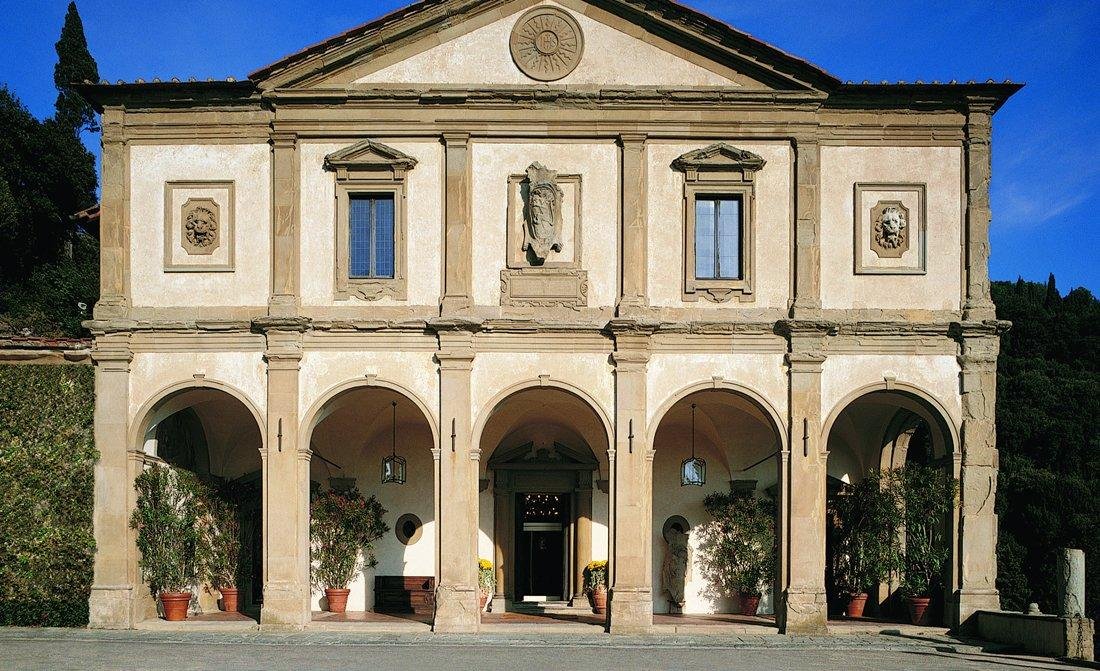
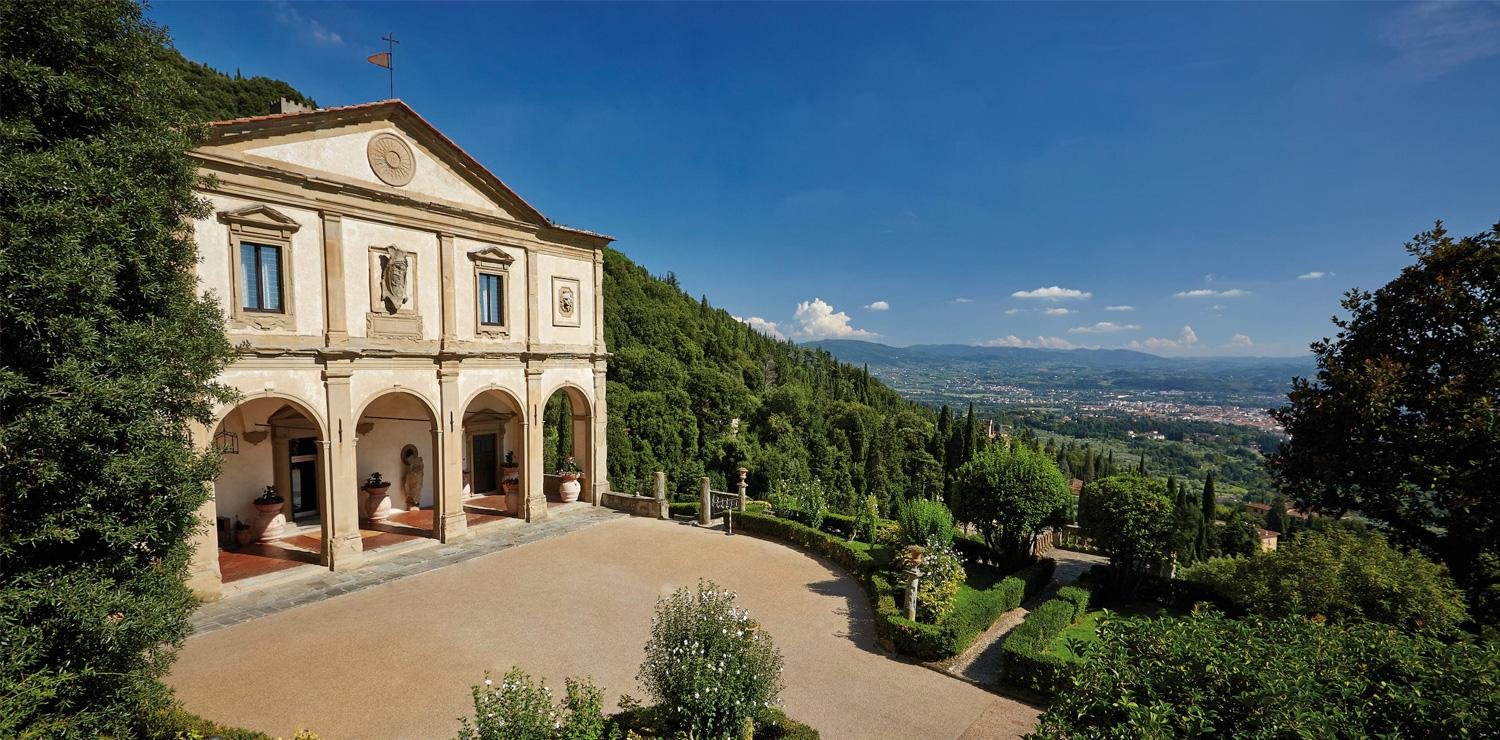
The origins of Villa San Michele are inseparable from the religious and artistic history of Fiesole. Its former monastic spaces, cloister-like architecture and tiered grounds reflect the rhythm of life established on this hillside centuries before tourism made Florence an international destination. The façade is traditionally attributed to the school of Michelangelo, an attribution worth distinguishing from a documented design by the artist himself.
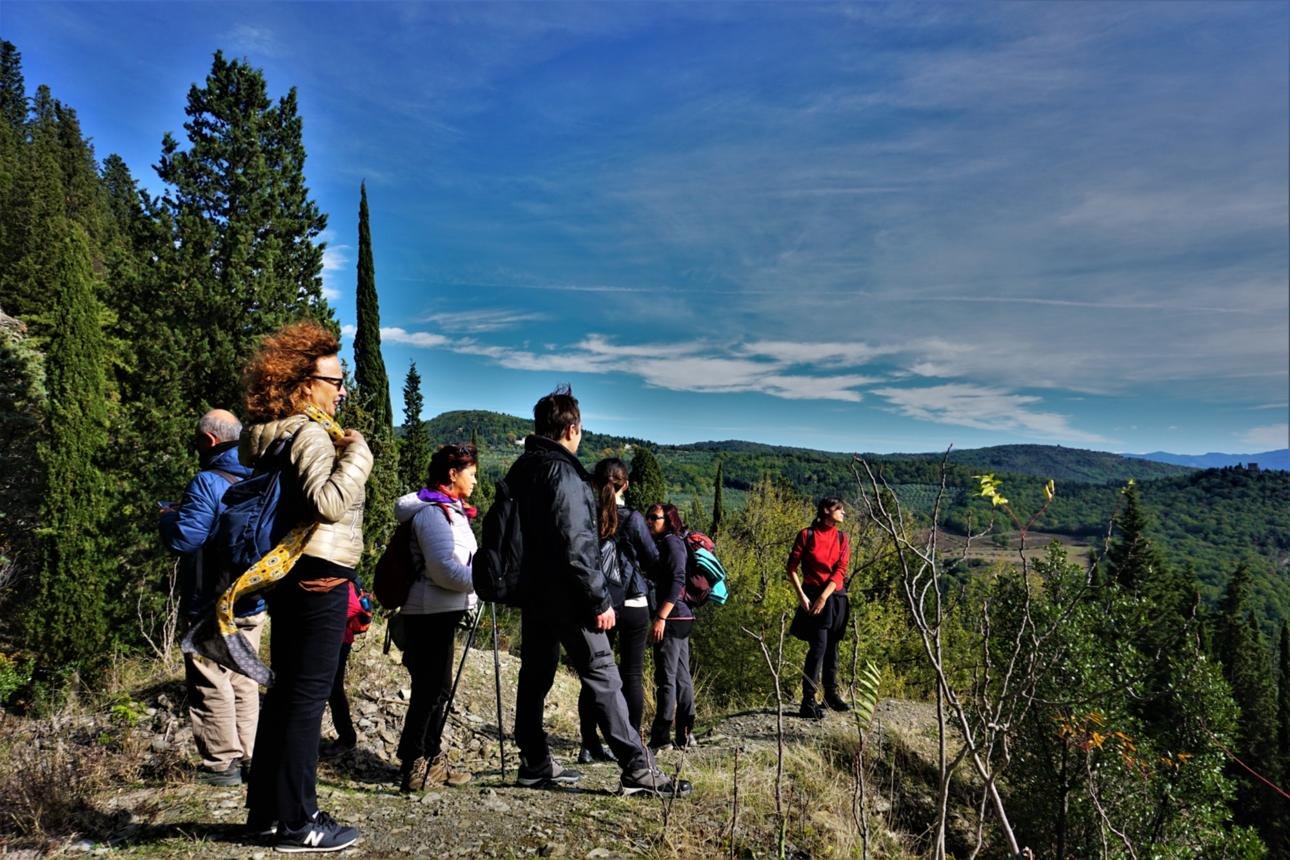
The surrounding landscape also carries a familiar Renaissance association. Nearby Monte Ceceri is linked to Leonardo da Vinci's investigations of flight, and the hotel's woodland experiences now draw upon that connection. History here is therefore not confined to frescoes and stonework; it extends into the hills and walking paths that frame the property.
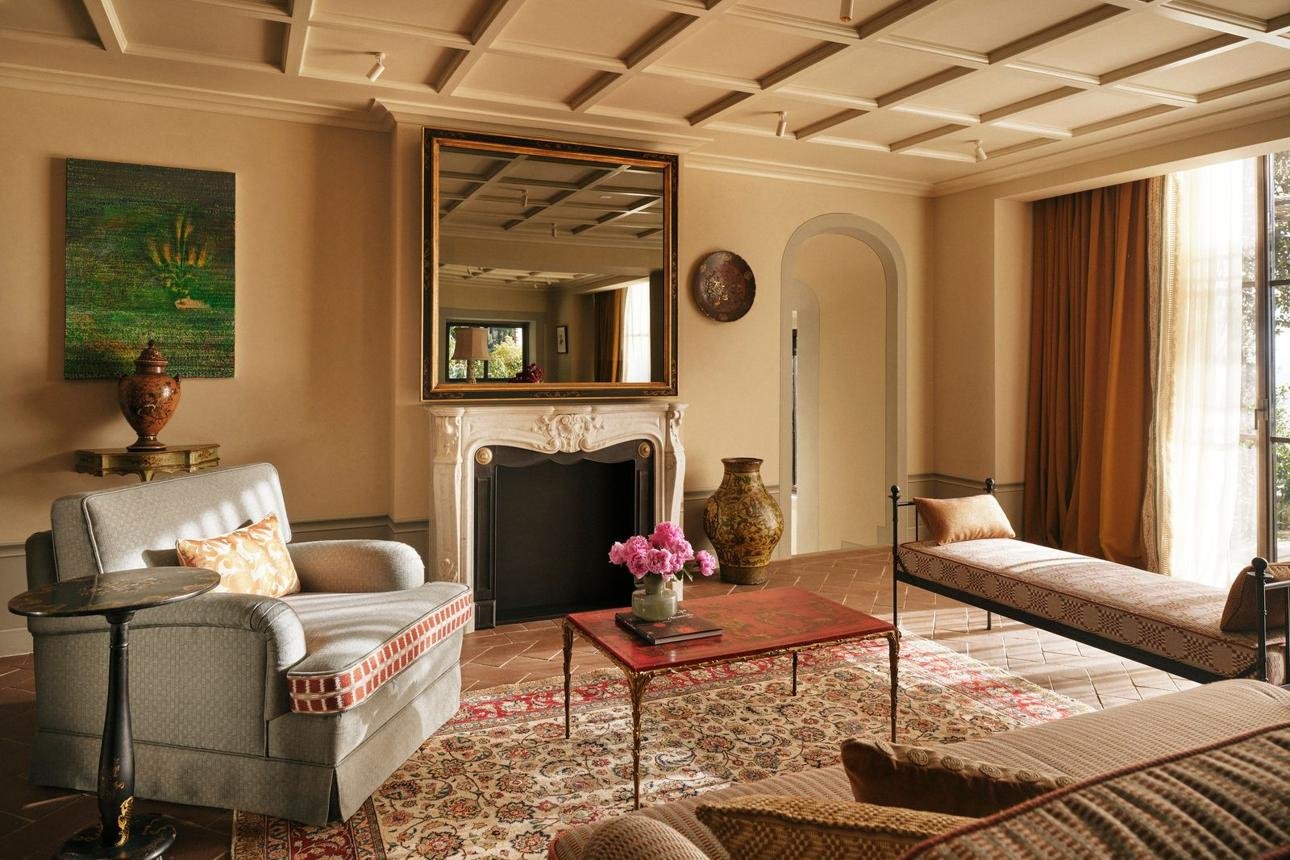
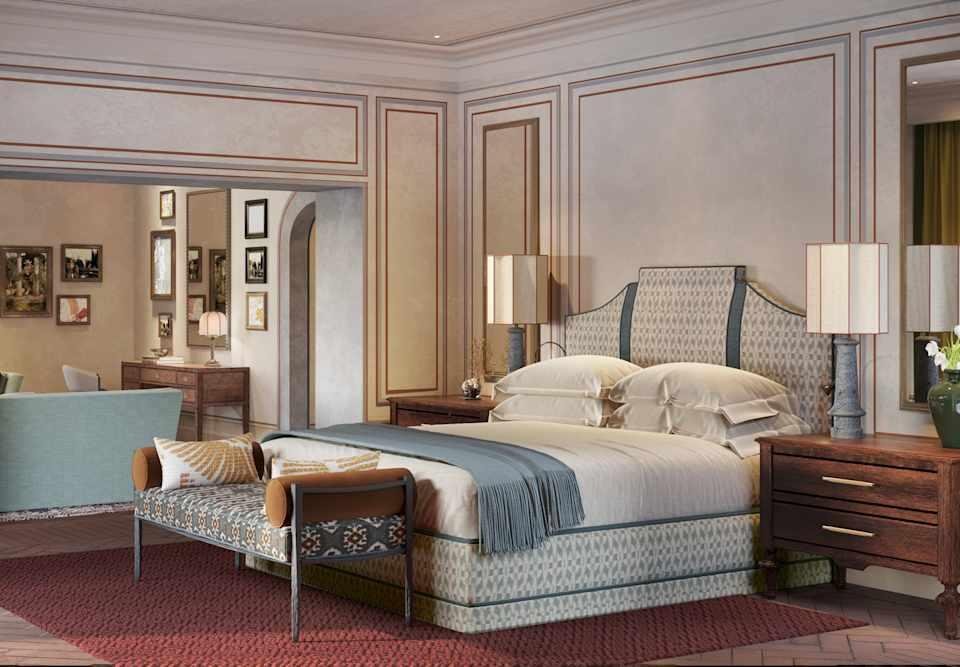
Belmond's 2026 restoration, led by Luigi Fragola Architects in collaboration with its design teams, sought to preserve the old monastery's character while making the guestrooms, dining spaces and wellness facilities more appropriate to contemporary stays. The reopening introduced three distinctive signature suites – Botanica, Grand Tour and Limonaia – alongside the first spa in the hotel's history. Rather than treating the monastery simply as a picturesque façade, the renovation made its interiors and gardens central to the experience once again.
Architecture, Interiors and the Gardens
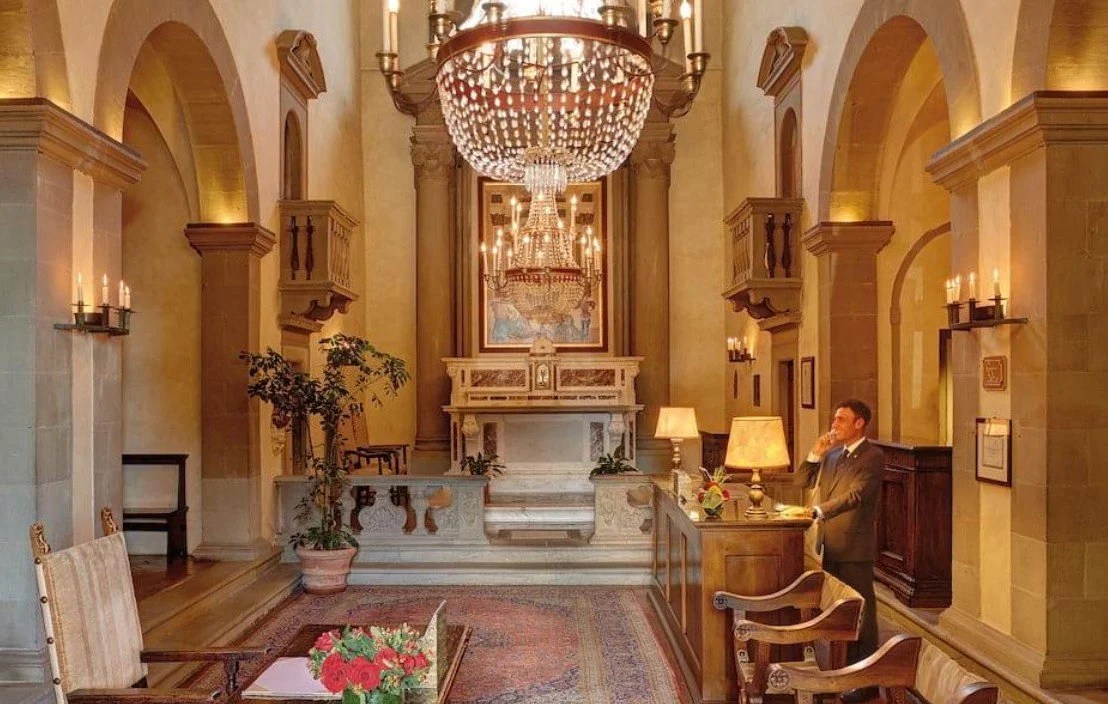
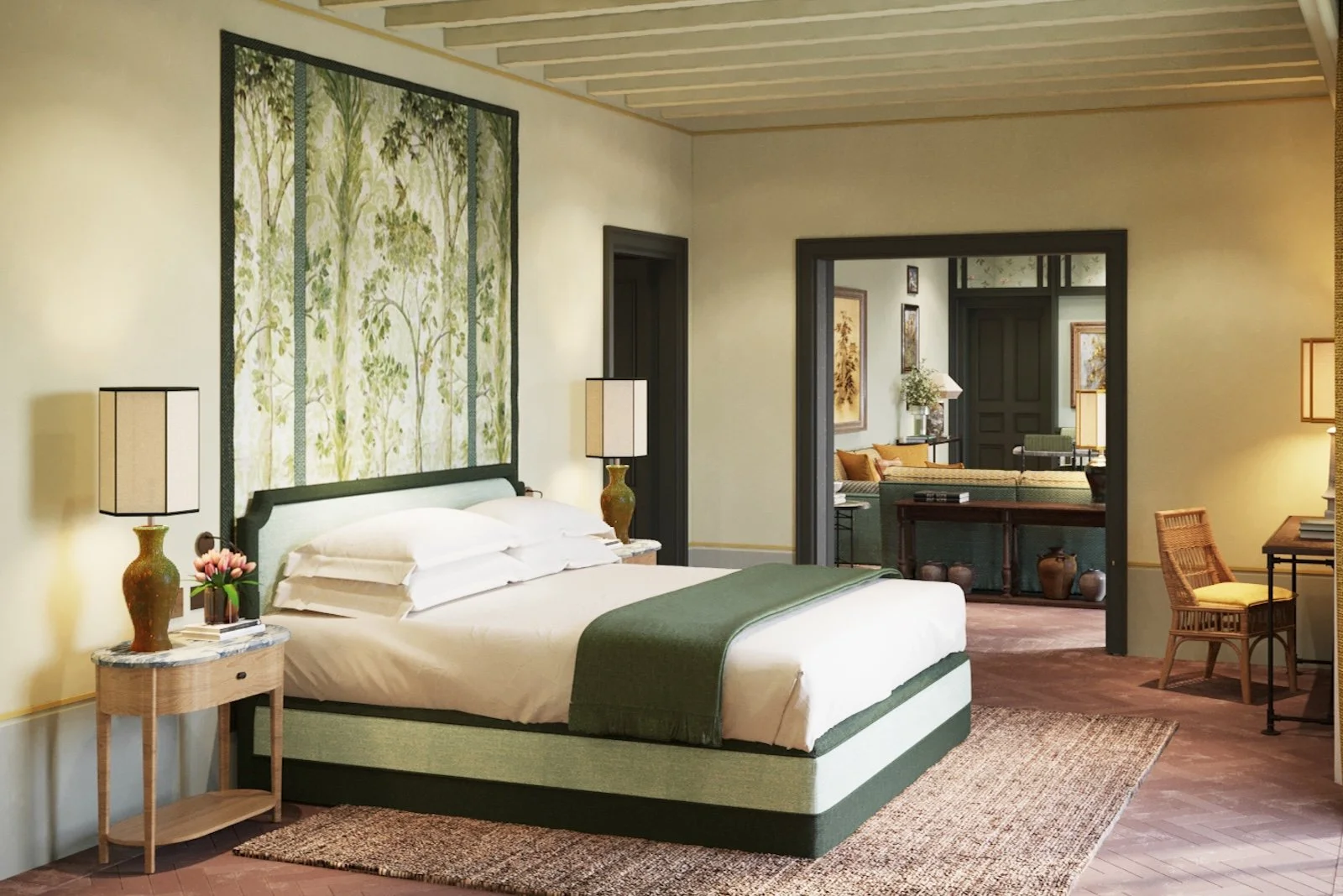
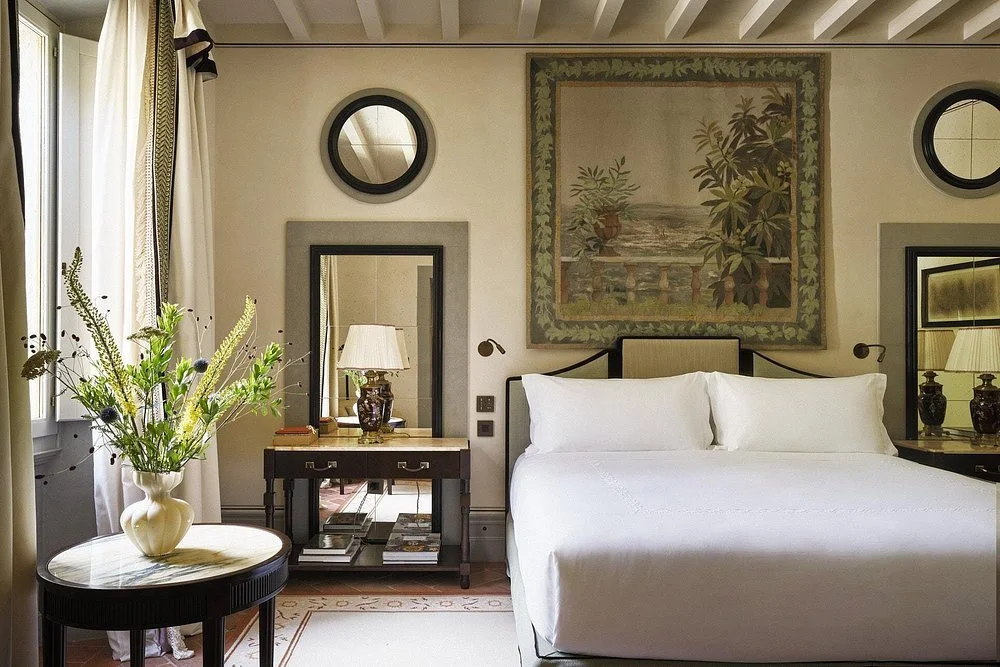
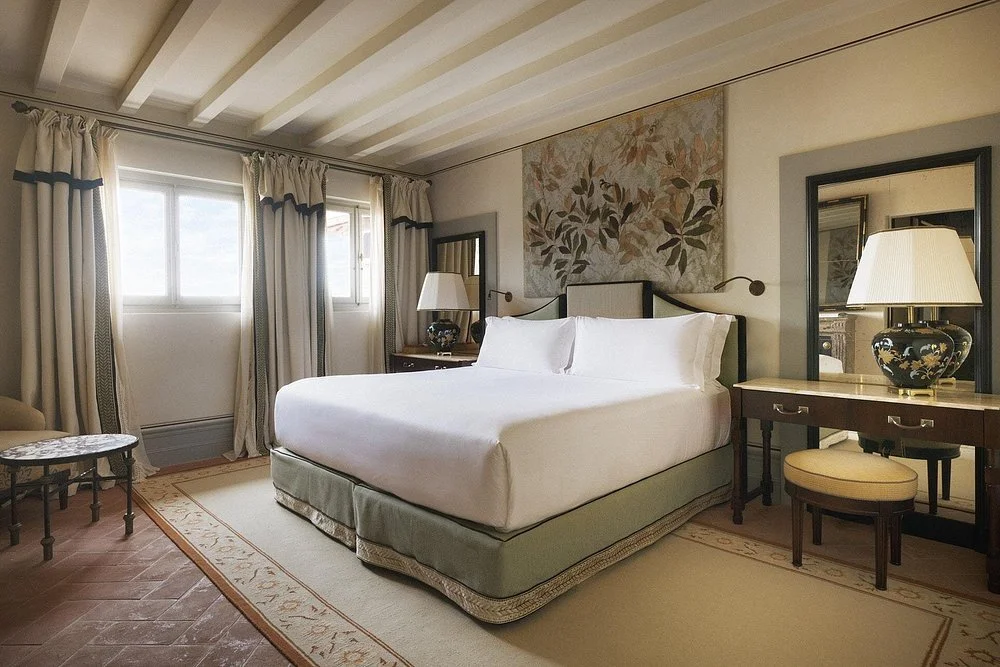
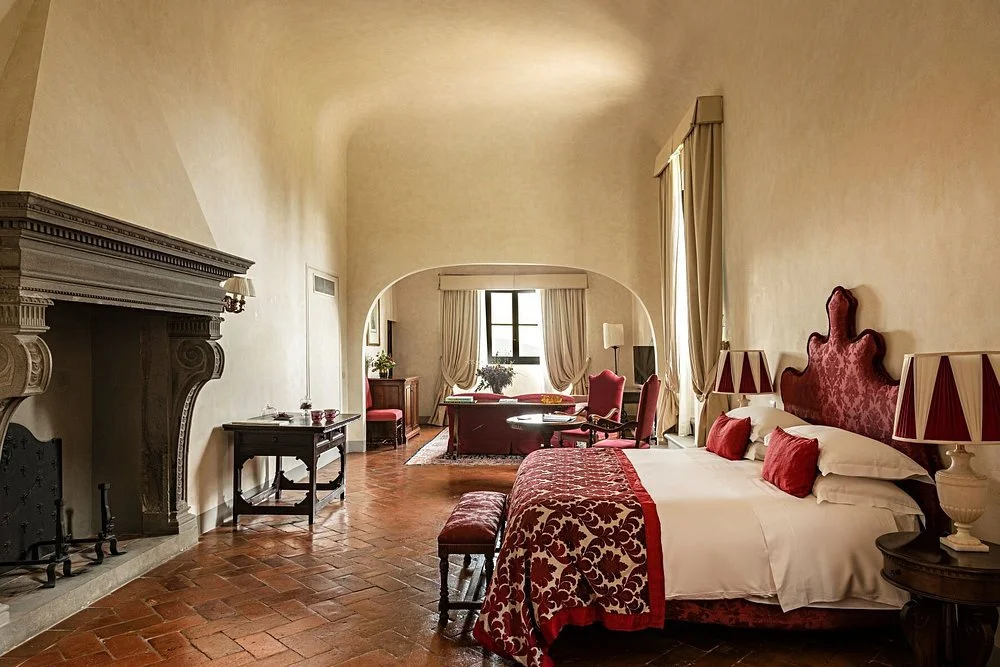
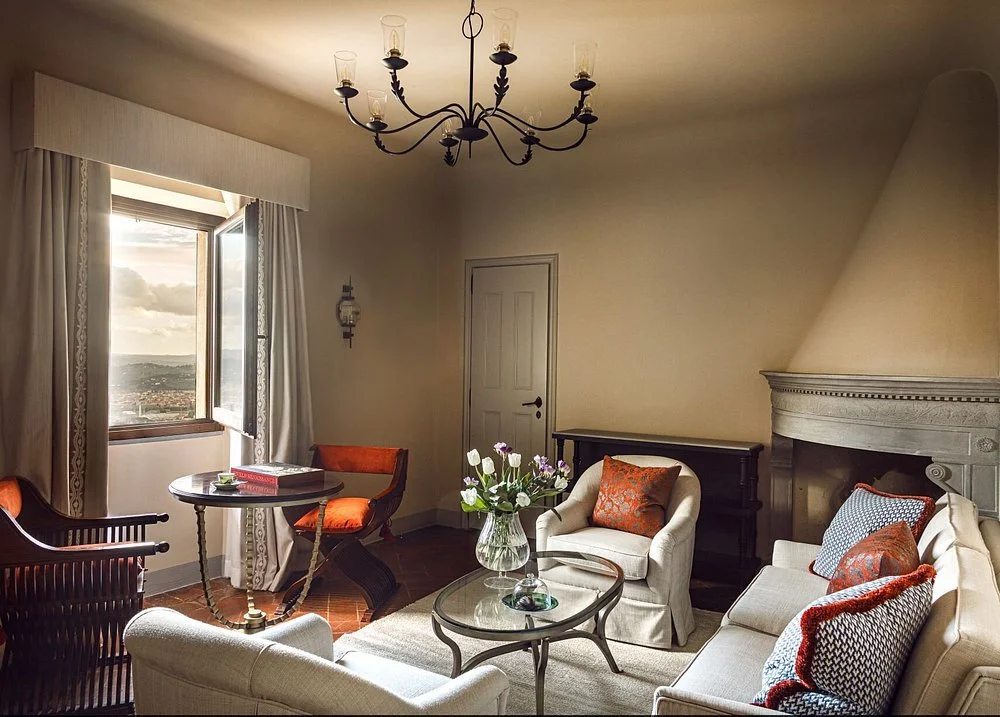
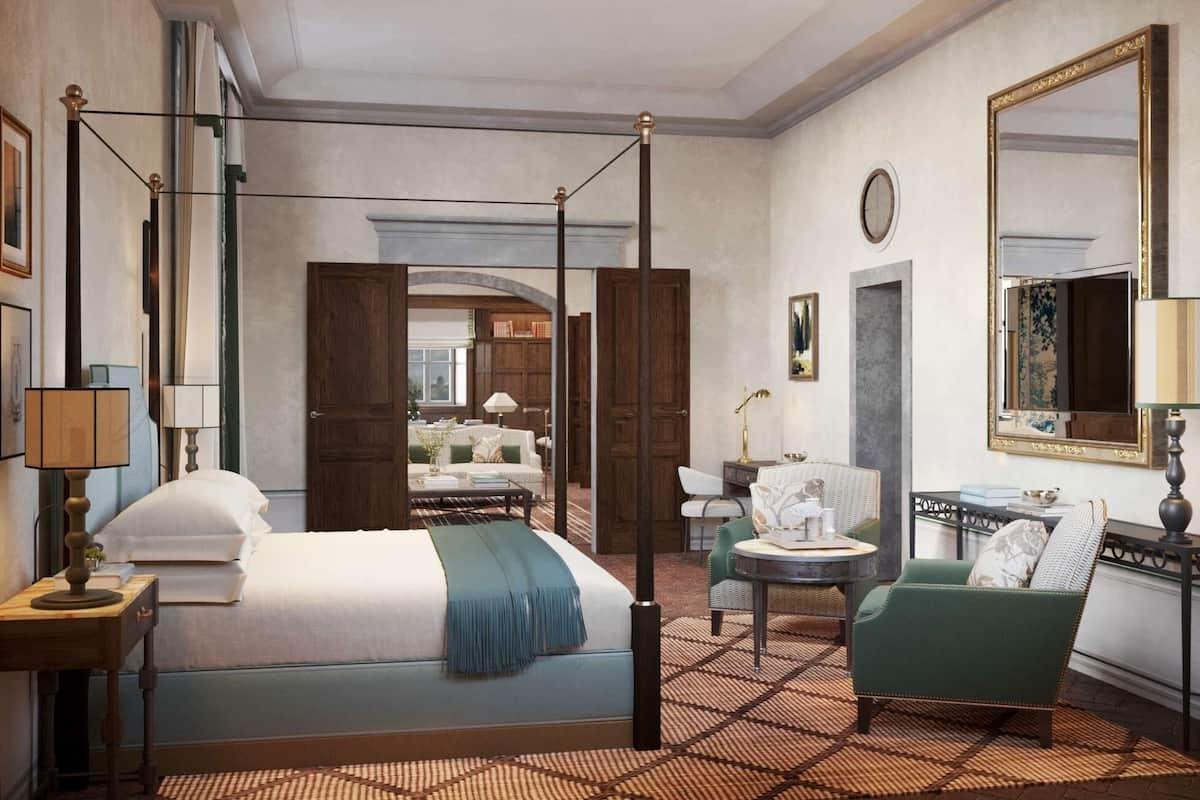
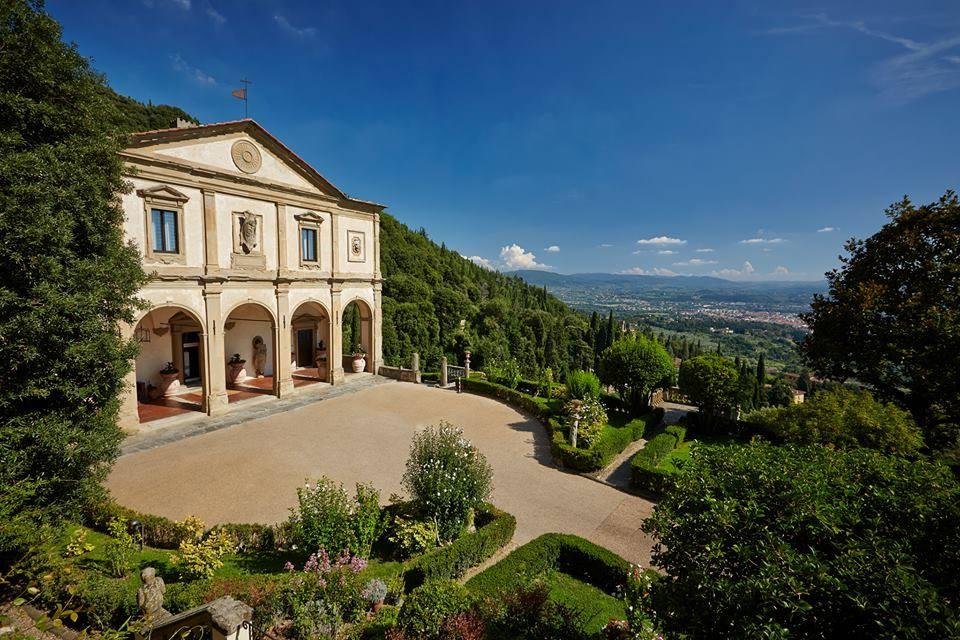
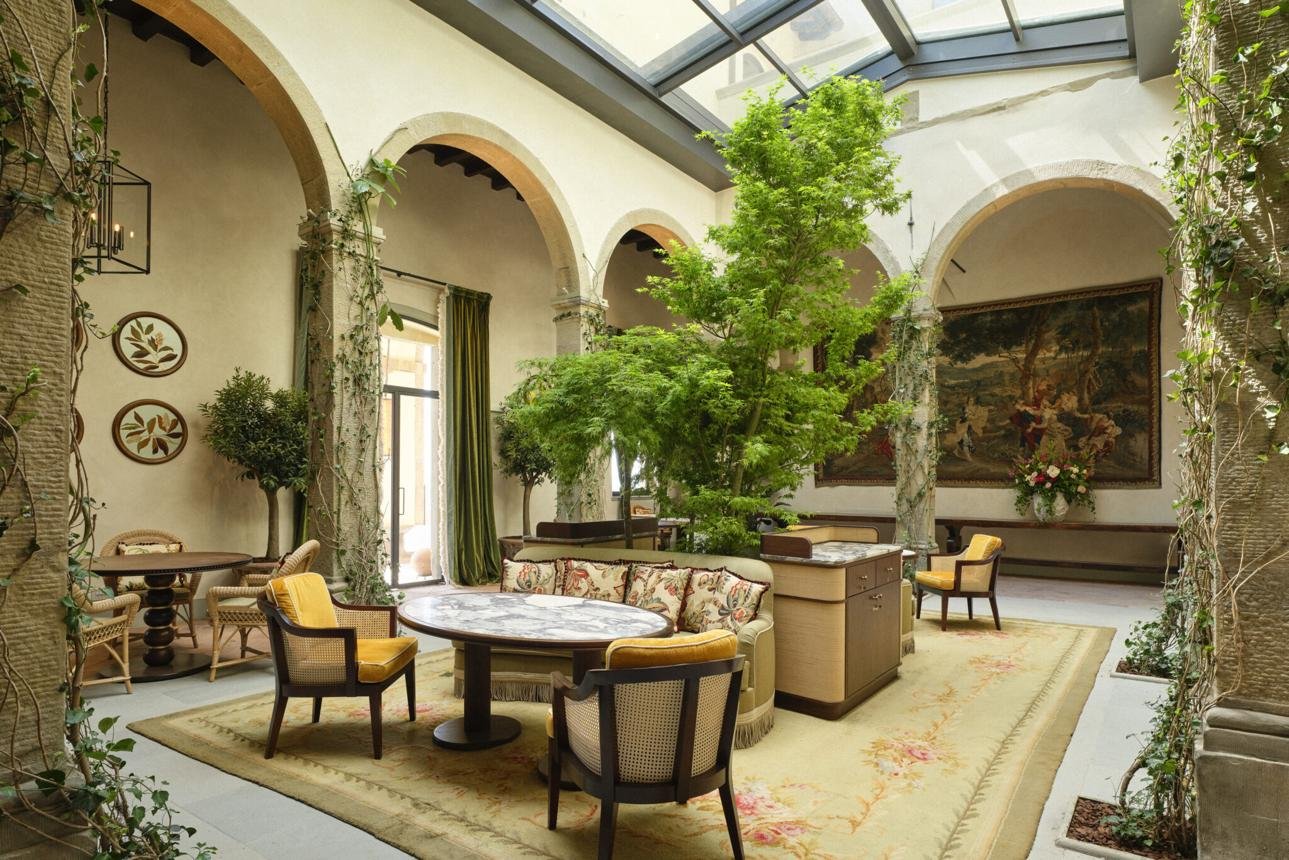
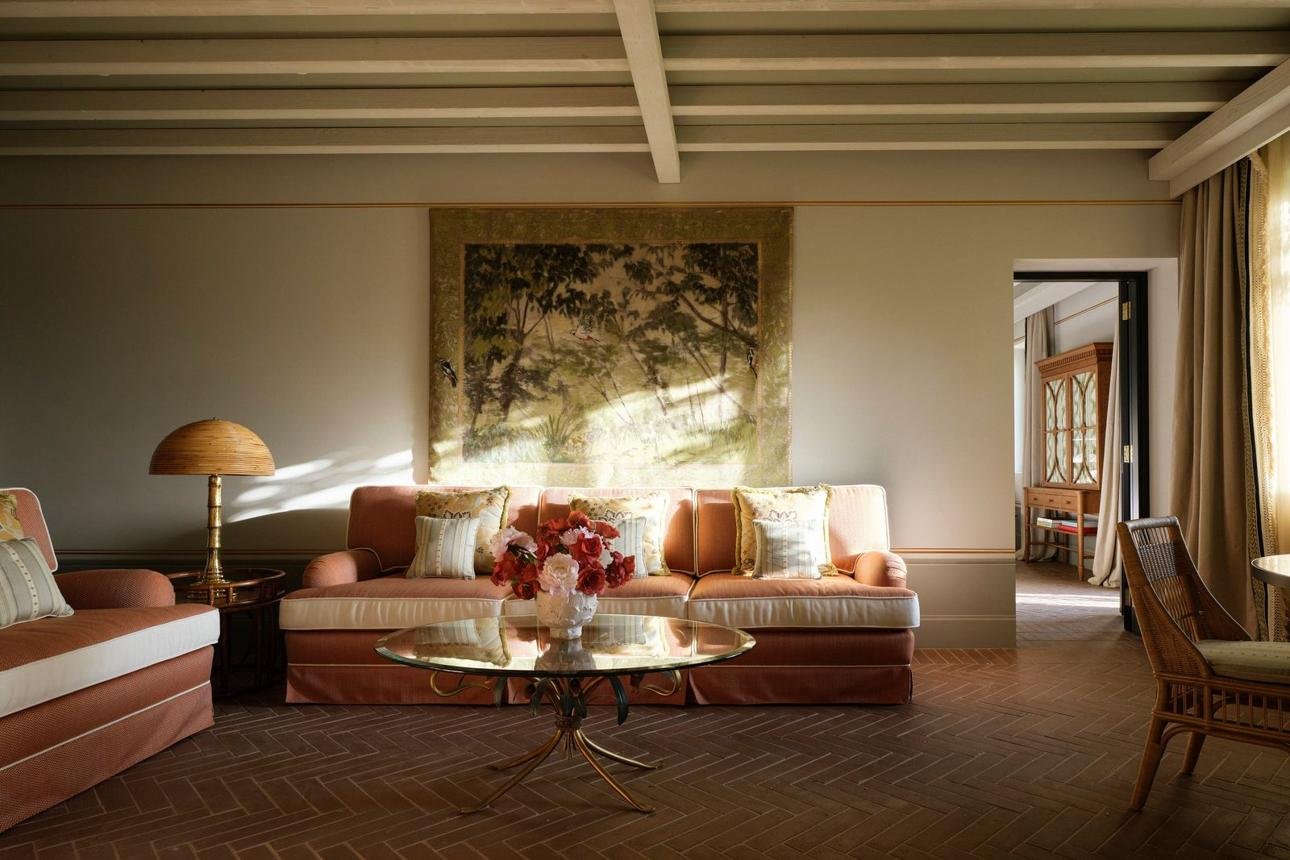
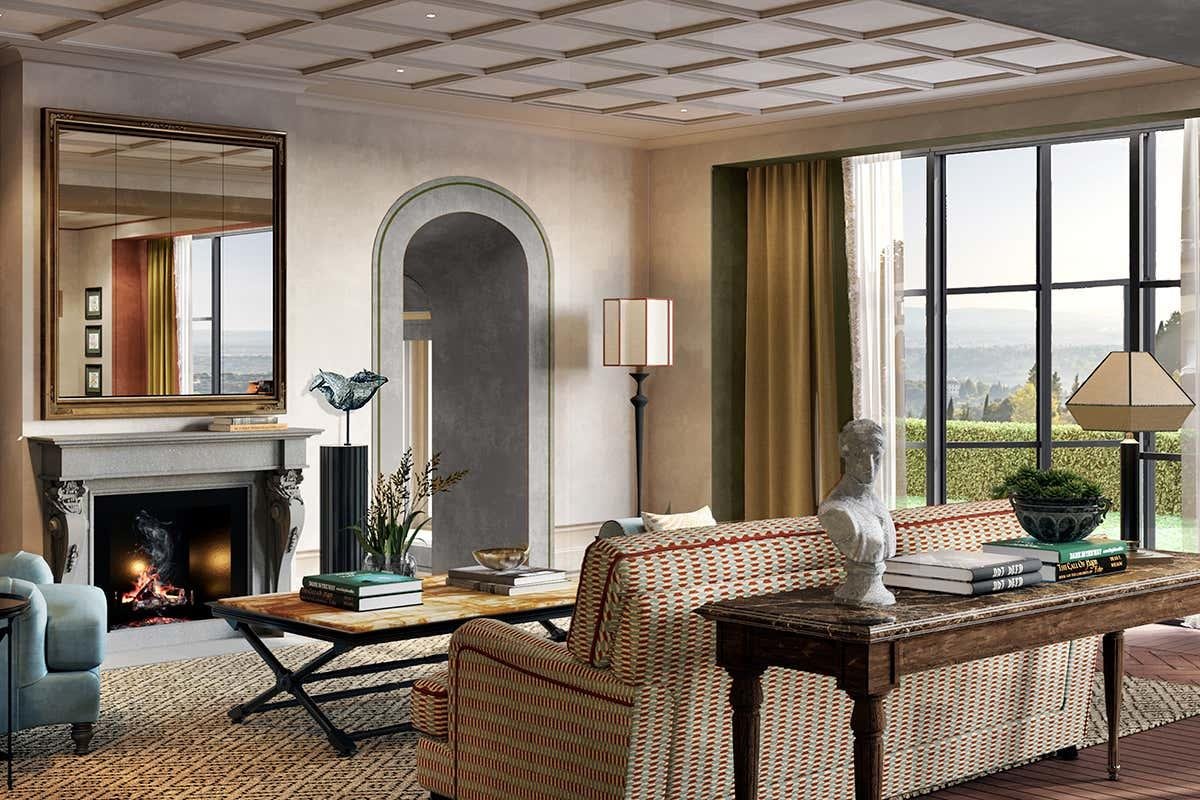
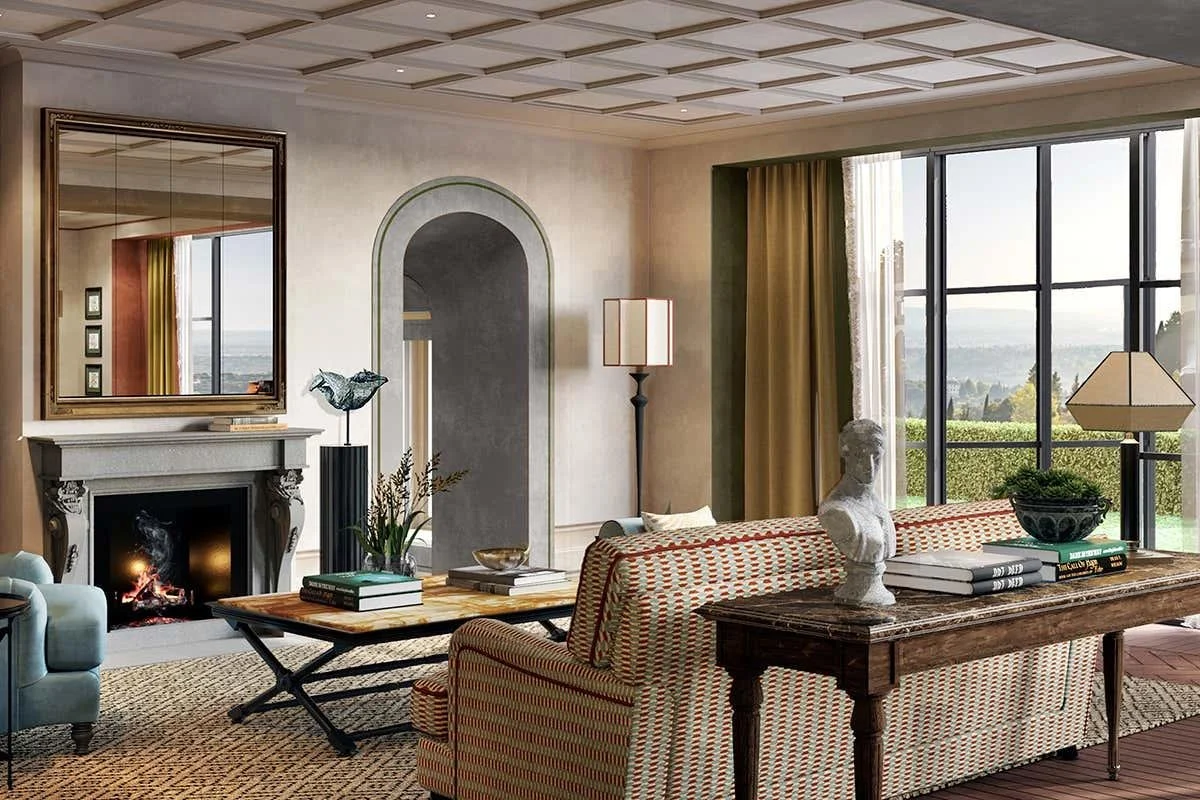
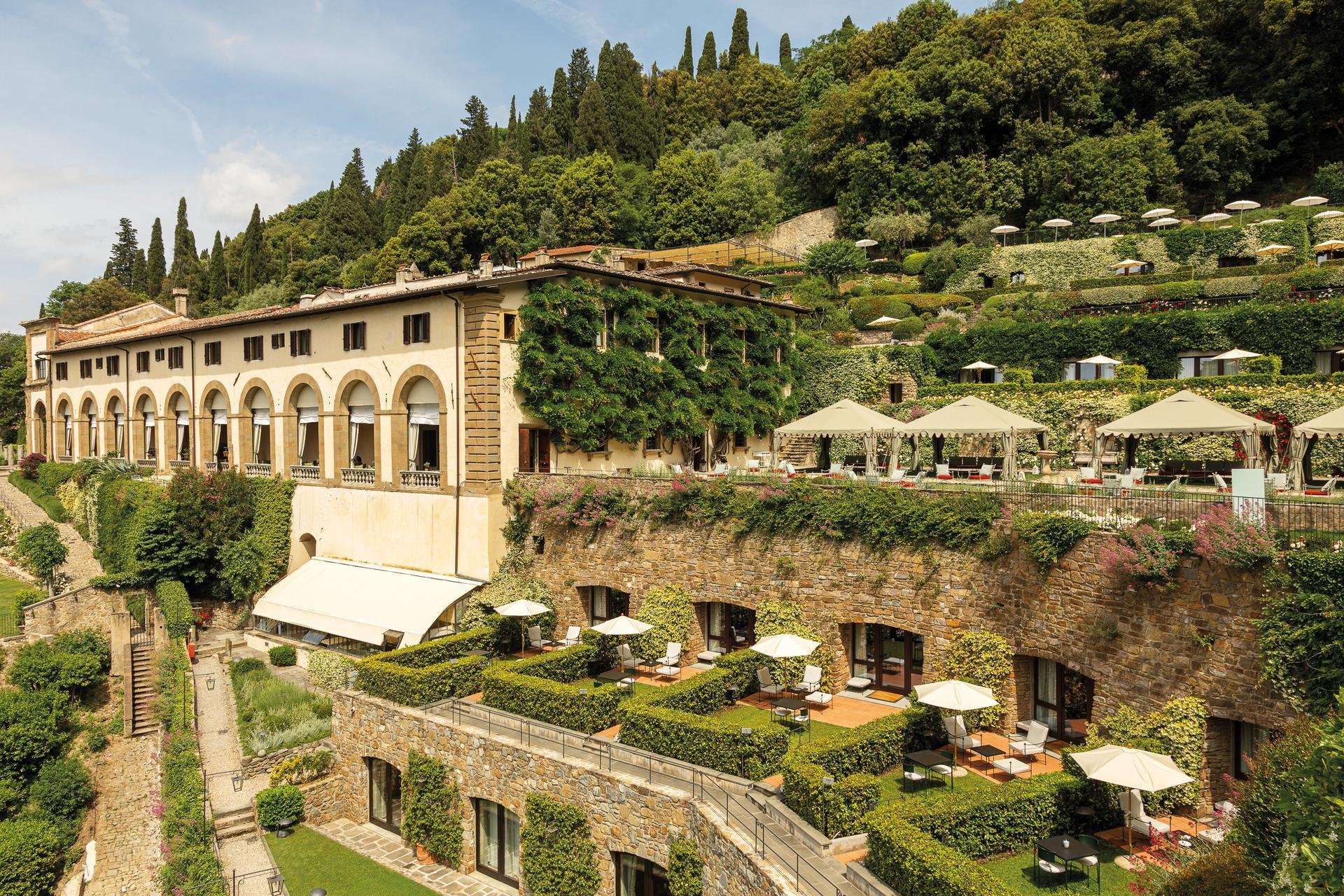
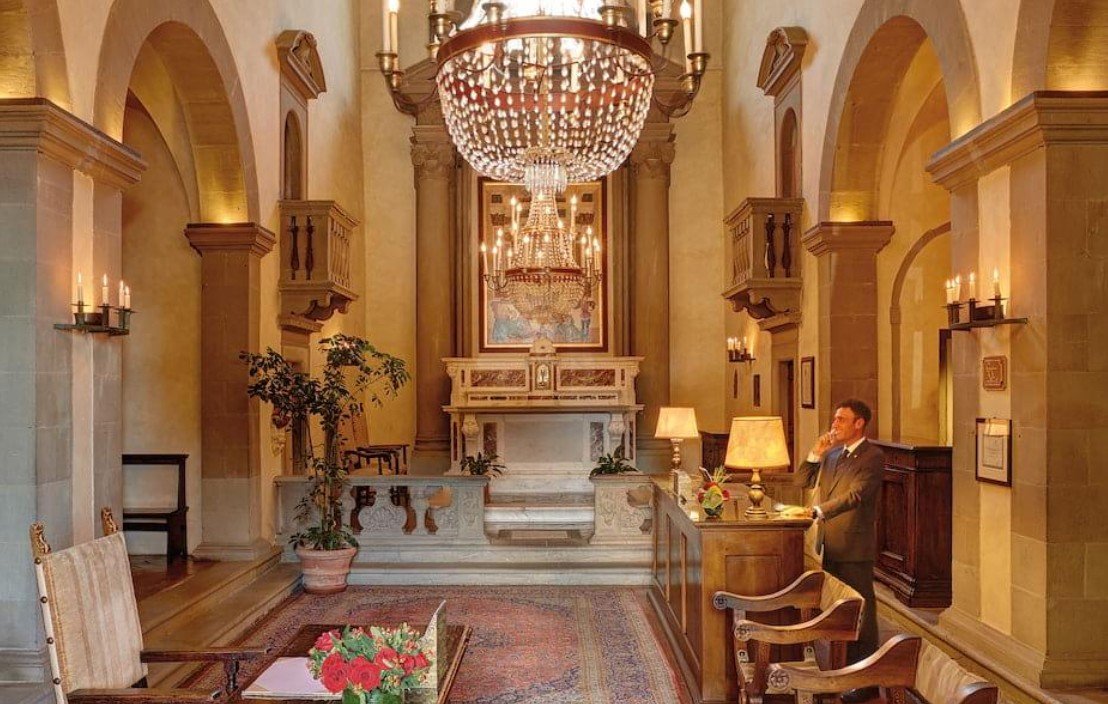
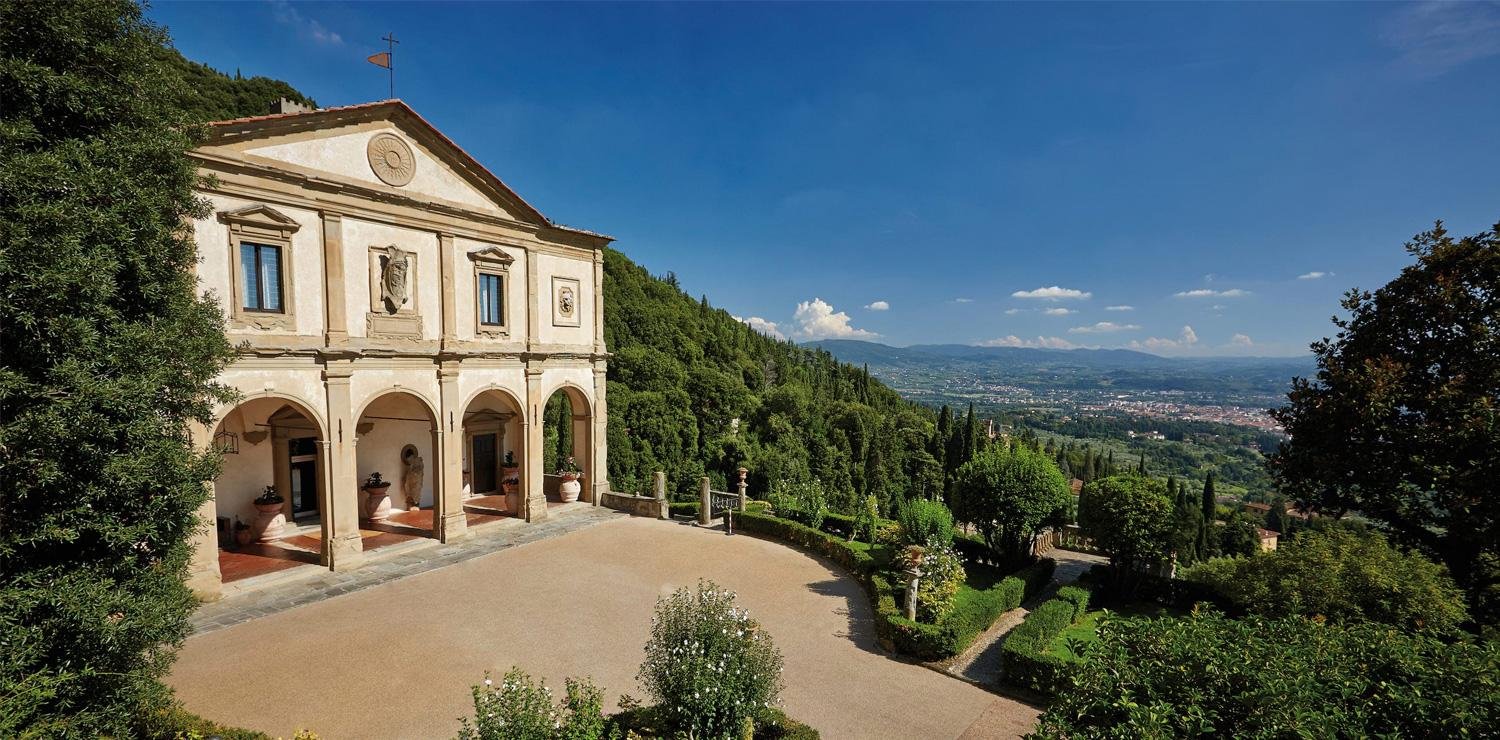
The Villa's exterior retains the restraint of a Renaissance religious building, with pale stone, arcades, arches and formal terraces. Inside, the reimagined guestrooms introduce refined colour, antiques, tapestries, decorative objects and carefully selected contemporary furnishings. Tuscan marble appears in the bathrooms, while the public spaces encourage guests to notice surviving architectural details rather than pass quickly through them.
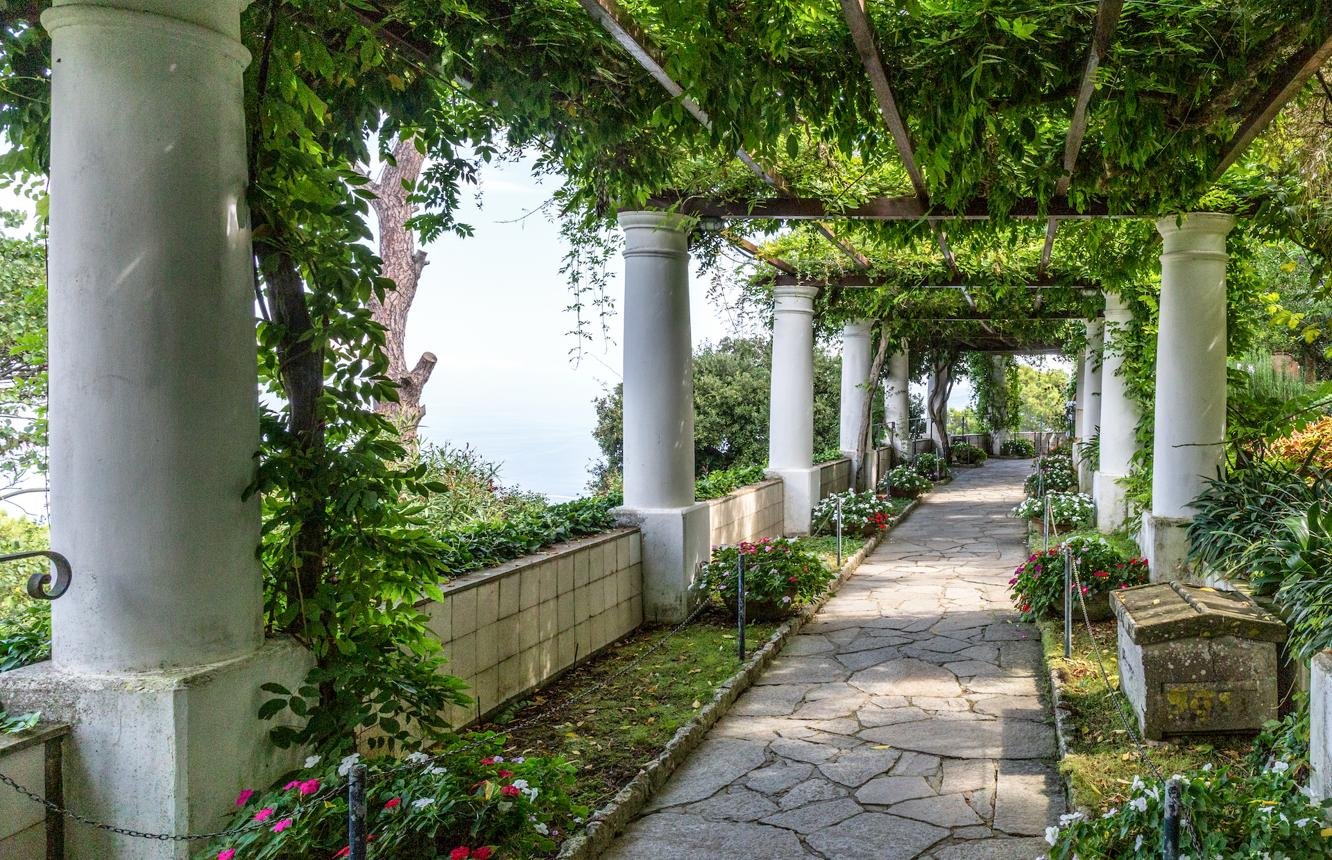
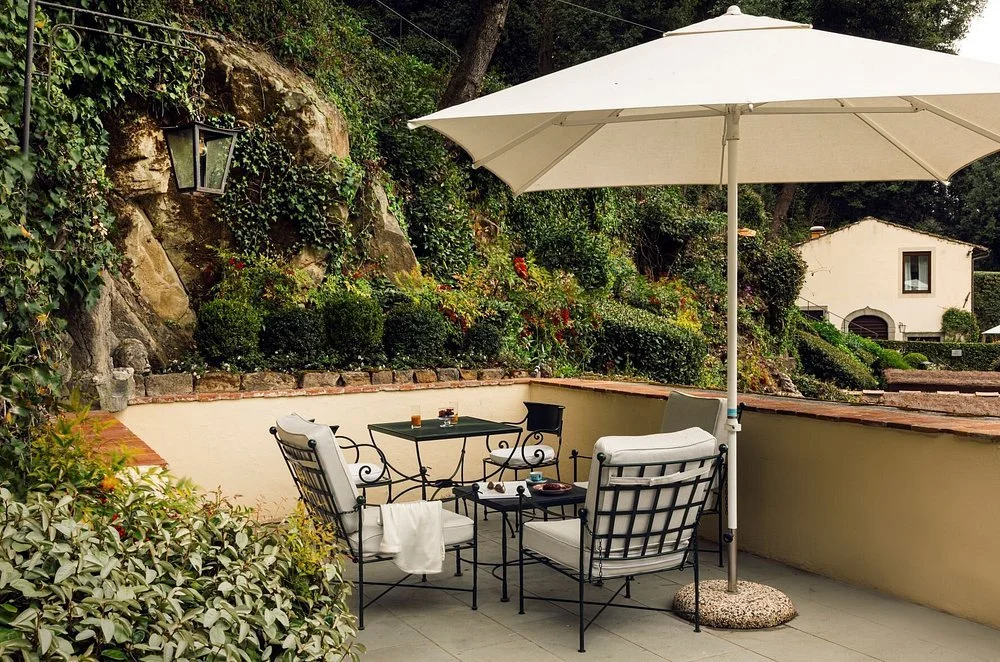
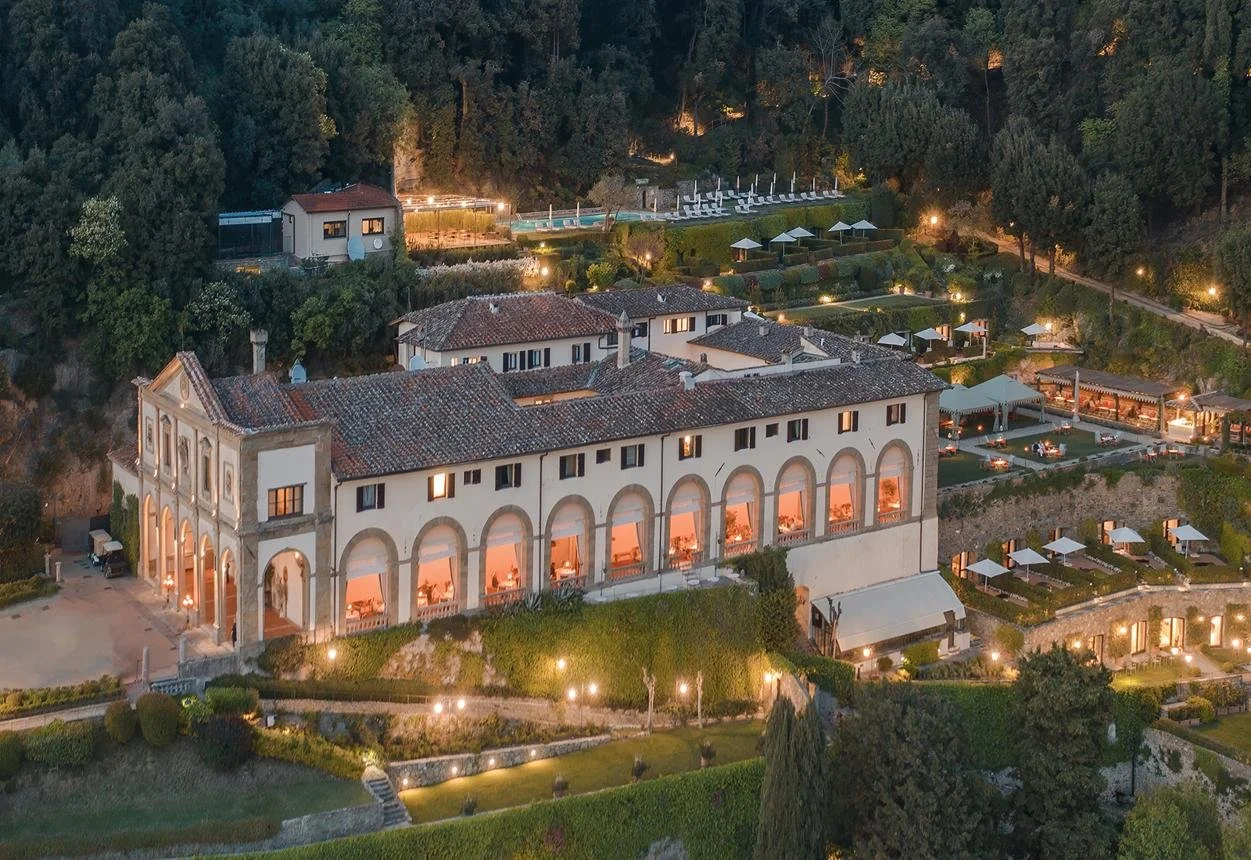
The landscape has equal importance. The gardens step down the hillside in a sequence of terraces, shaded passages and planted corners; views appear unexpectedly through arches and between trees. The transition from formal lawns to wooded paths is particularly effective, allowing a short walk to feel removed from the busy tourist routes of Florence. As rooms are distributed between the historic main building and garden areas, the setting changes substantially from one accommodation category to another.
This variety is attractive but calls for thoughtful selection. A room with an internal outlook is quite different from a suite with its own garden or the panoramic prospect from the Grand Tour Suite. The most desirable choice depends as much on how guests plan to use their outdoor space as on the published floor area.
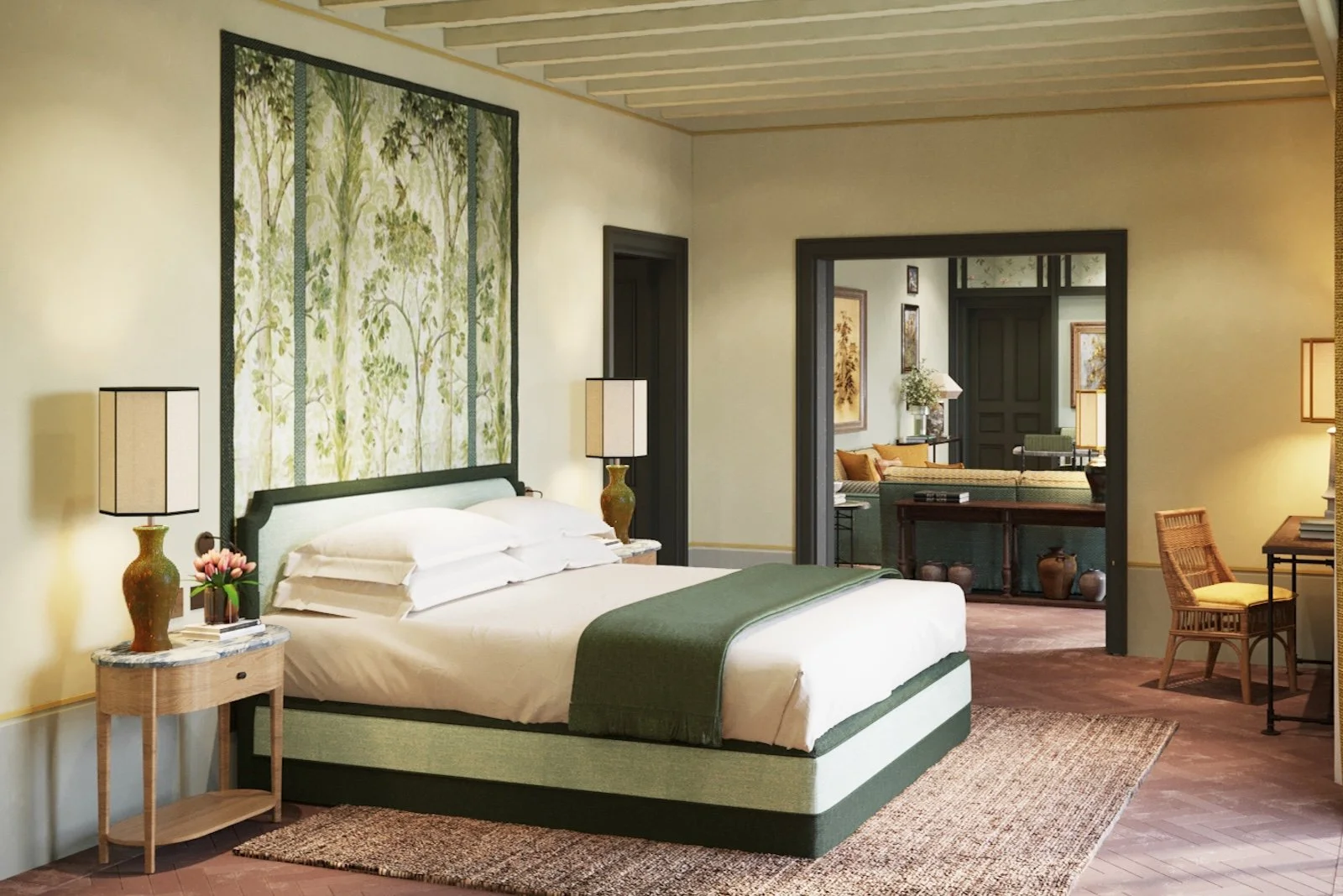
Rooms and Suites with Florence and Garden Views
The reimagined collection comprises 39 individually styled rooms and suites, including three signature suites. The categories below use Belmond's published measurements, with square feet first and square meters in parentheses. Floor plans, outdoor areas and specific views vary by room, so the selected reservation should be checked individually.
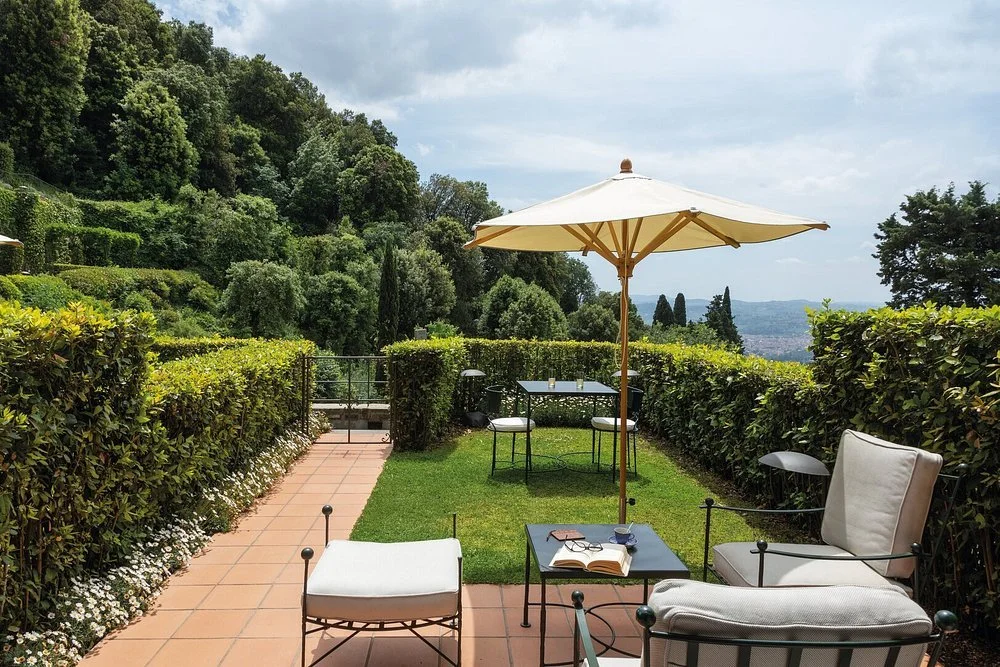
Chapel Room: 248 sq. ft. (23 sq. m.), offering king or twin bedding, garden views and a spacious furnished terrace in the Italian Gardens.
Deluxe Room: 312–398 sq. ft. (29–37 sq. m.), featuring king or twin bedding, a refined interior outlook and a position within the historic main building.
Premium Room: 334–484 sq. ft. (31–45 sq. m.), offering king or twin bedding and views toward the gardens or Florence from the main historic building.
Greenhouse Junior Suite: 409–700 sq. ft. (38–65 sq. m.), featuring a furnished terrace, garden or city views and a sofa bed option within the Italian Gardens.
Junior Suite: 431–538 sq. ft. (40–50 sq. m.), offering king or twin bedding and outlooks toward the former monastery or Arno Valley, with additional guest bedding in selected layouts.
Garden Junior Suite: 495–581 sq. ft. (46–54 sq. m.), featuring a private garden, furnished patio and city or garden views below the Italian Gardens.
Garden Suite: 538–796 sq. ft. (50–74 sq. m.), offering king or twin bedding and a setting within the Limonaia gardens with views toward Florence.
Premium Junior Suite: 592–635 sq. ft. (55–59 sq. m.), featuring king or twin bedding and garden or partial-to-full Florence views above the Italian Gardens.
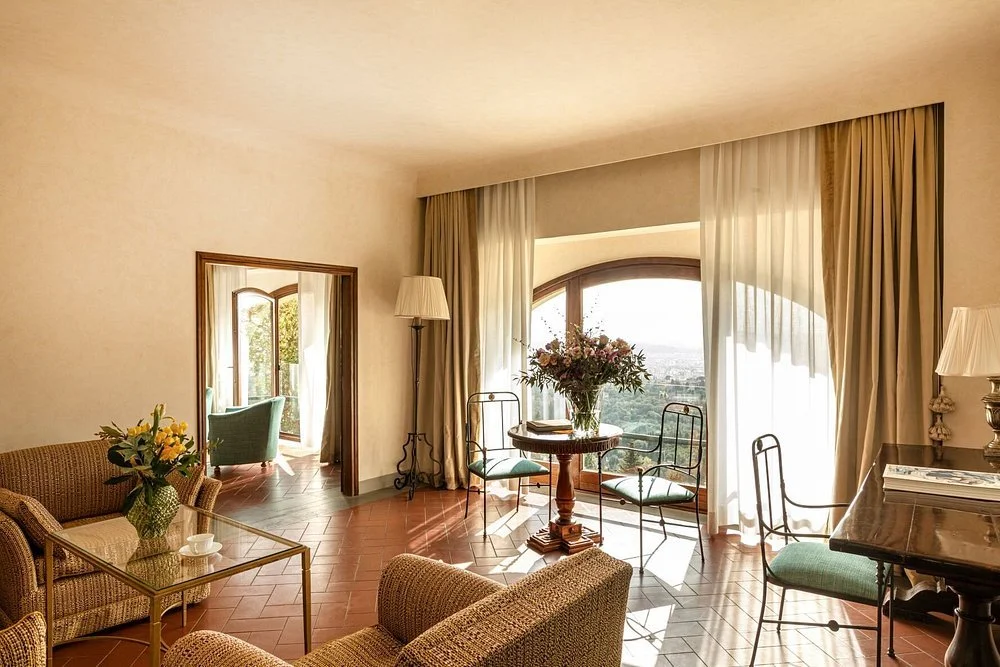
Monastery Suite: 603–775 sq. ft. (56–72 sq. m.), set within the historic main building, with panoramic views across Florence and the gardens and additional sofa-bed accommodation.
Botanica Suite: 1,173 sq. ft. (109 sq. m.), featuring king or twin bedding, a private furnished garden and views over Florence and the grounds, surrounded by the Italian Gardens.
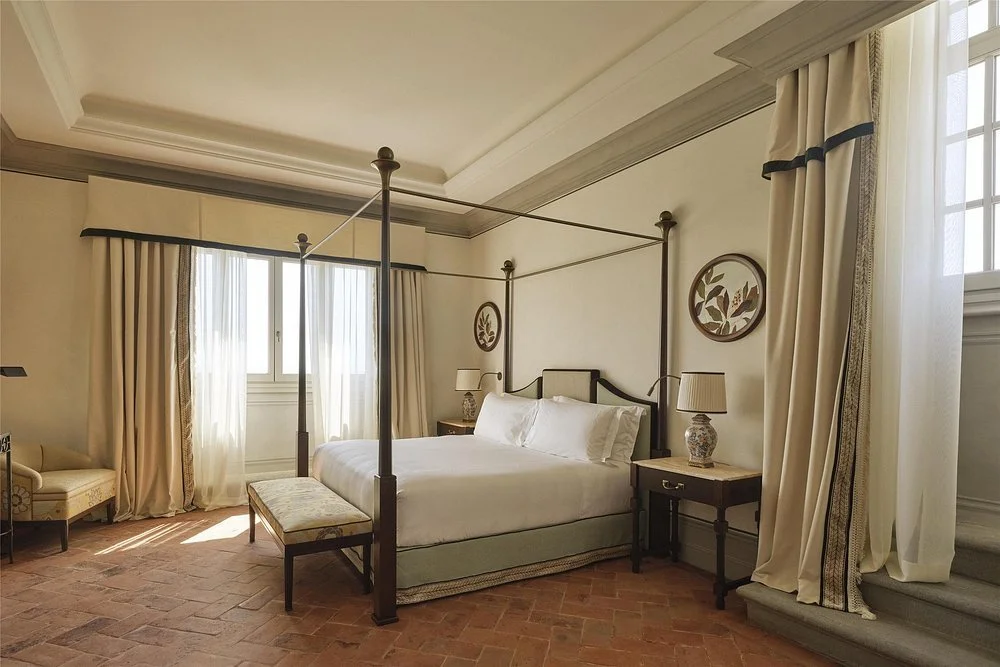
Grand Tour Suite: 1,313 sq. ft. (122 sq. m.), offering a king or twin canopy-bed configuration, panoramic Florence views and a historic setting associated with Napoleon Bonaparte.
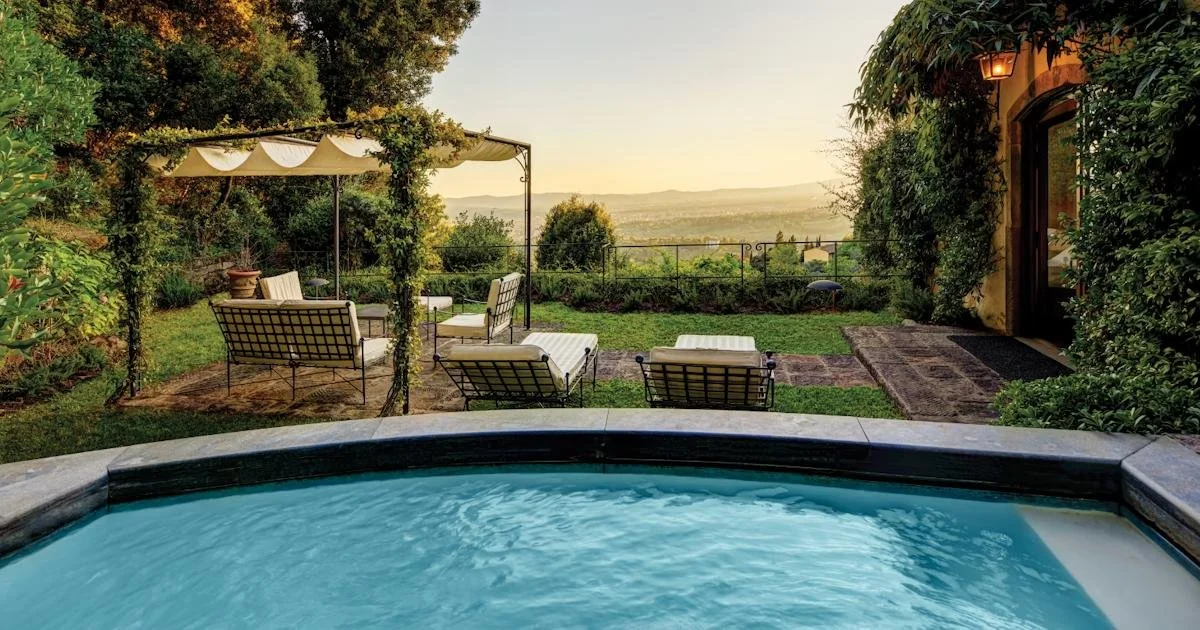
Limonaia Suite: 1,679 sq. ft. (156 sq. m.), featuring king or twin bedding, a furnished terrace, private garden outlooks and a heated plunge pool within the former orangery setting.
The Chapel Room's terrace may appeal to guests who prefer outdoor privacy over an expansive interior. For couples seeking the most expressive city views, the Premium Room and higher suite categories deserve closer comparison, while the garden junior suites work well for visitors who intend to spend time outdoors between excursions. The Limonaia Suite stands apart because of its heated plunge pool and residence-like setting. Actual occupancy depends on the bedding arrangement, age of children and the precise suite configuration.
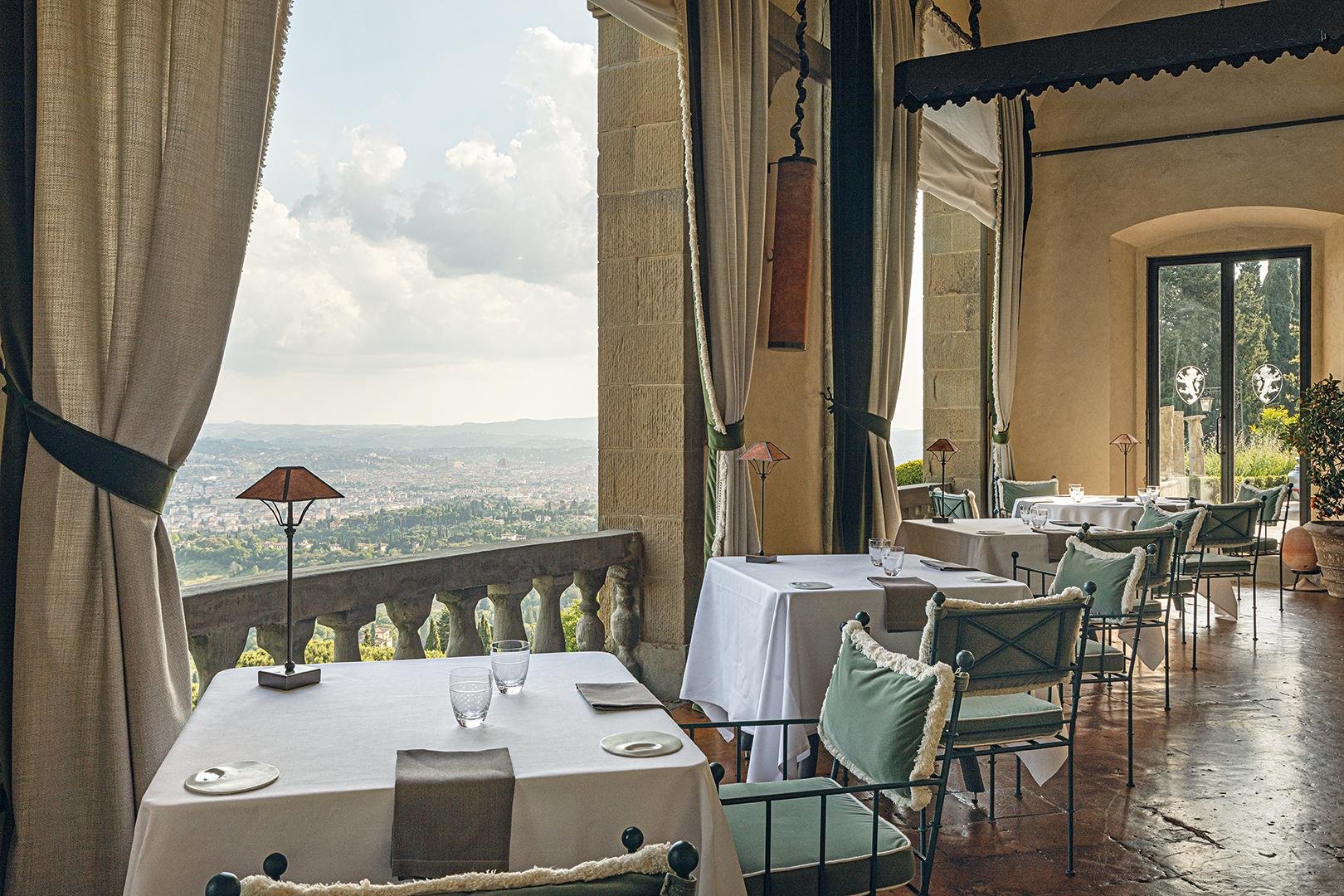
Dining from Tuscan Classics to Contemporary Italian Cuisine
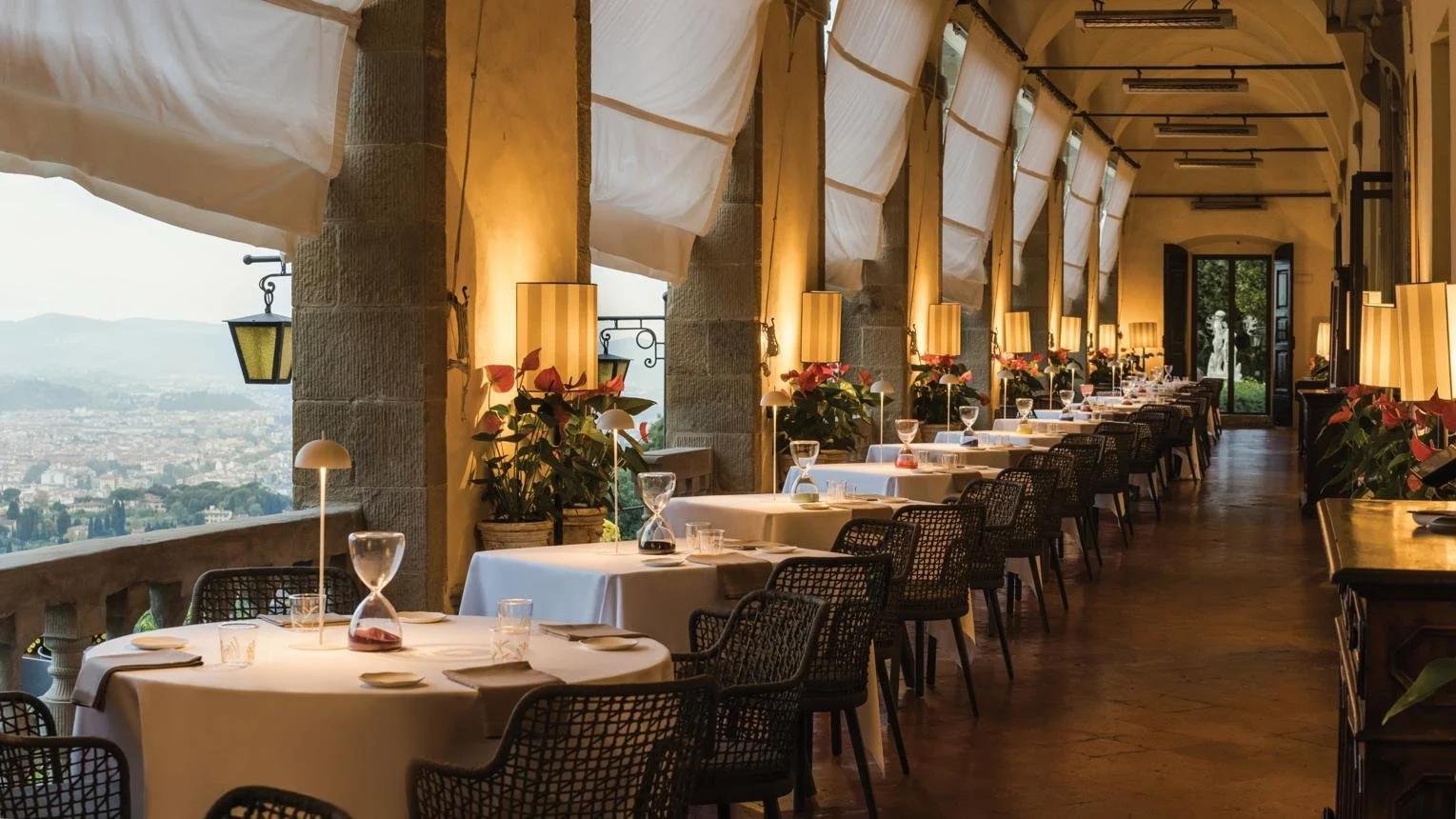
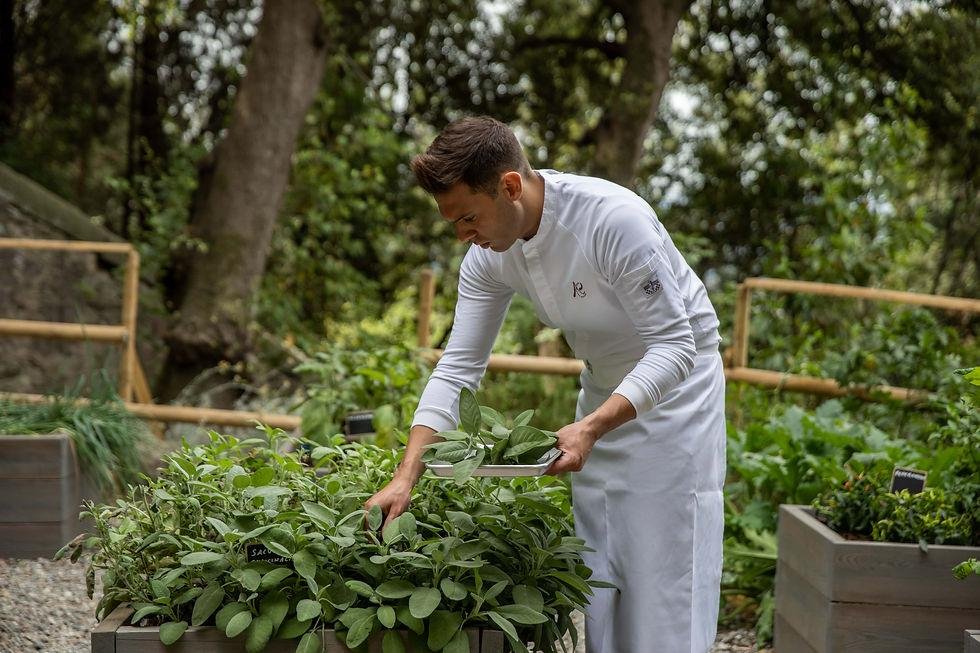
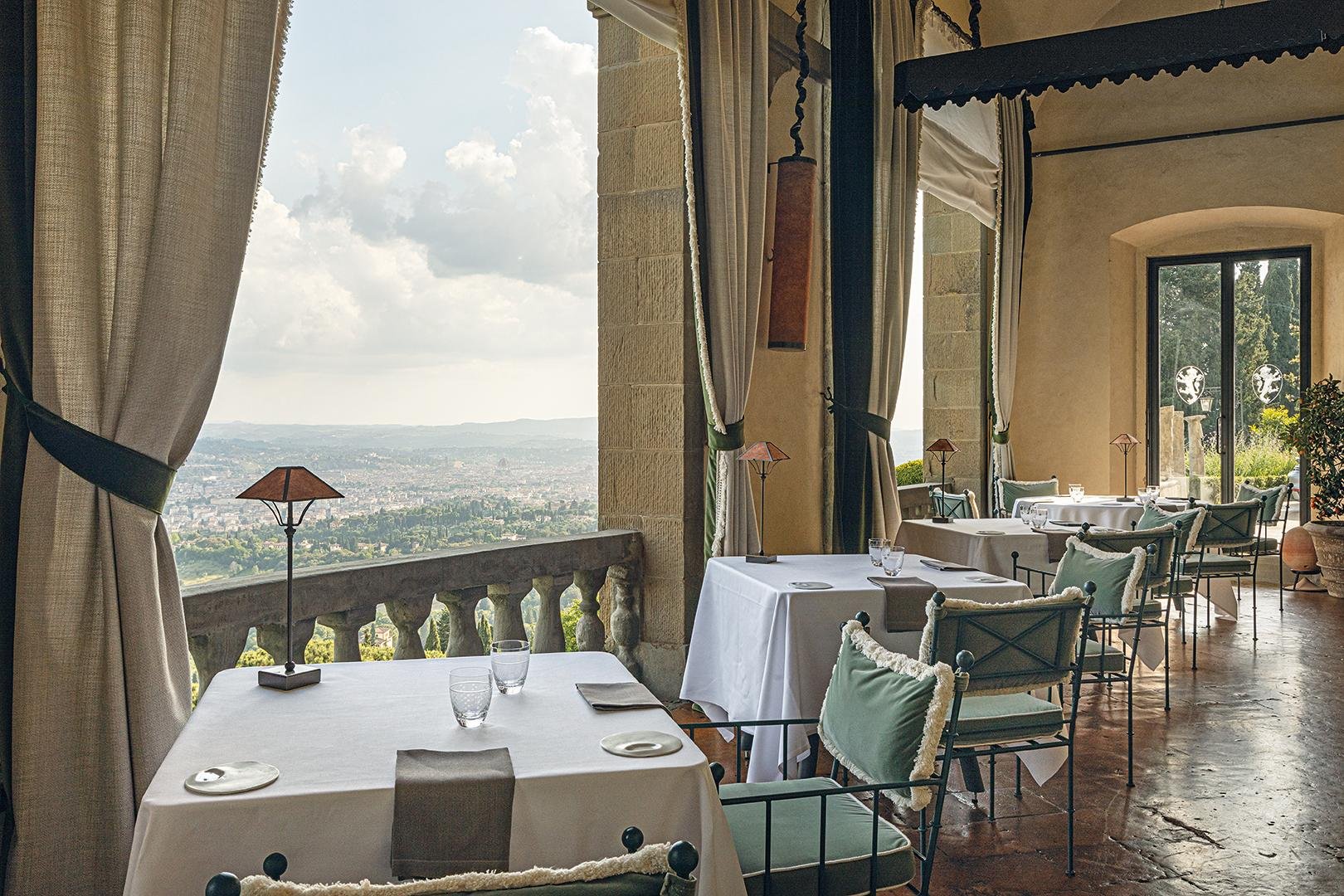
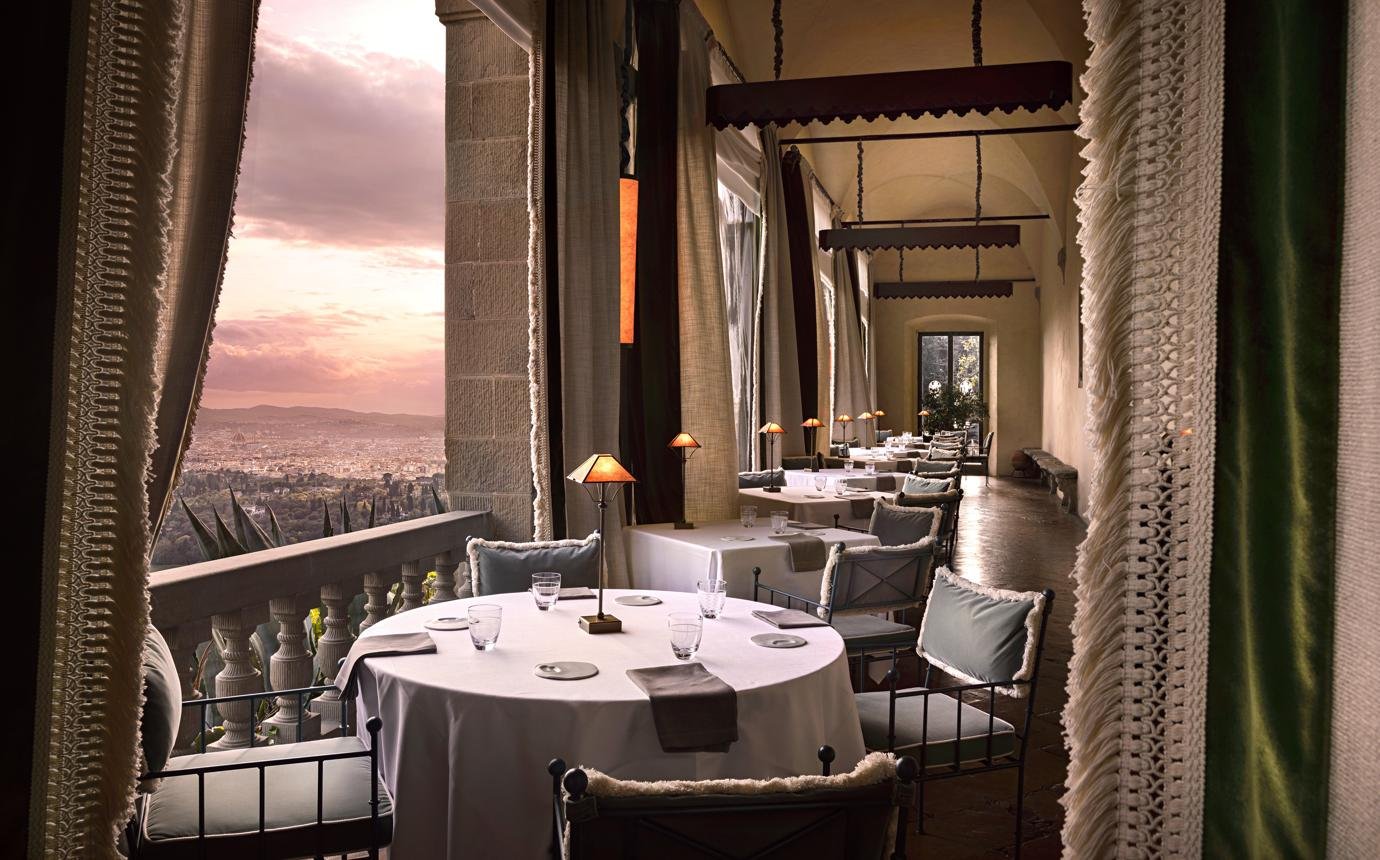
Dining at Villa San Michele is tied to the terrace and the valley below. The 2026 reopening introduced a new culinary direction led by Executive Chef Alessandro Cozzolino, with a mix of formal tasting experiences, familiar regional cooking and relaxed poolside meals. Although the setting makes dinner particularly memorable, lunch can be equally appealing when the landscape is easier to see.
Antesi: The hotel's contemporary fine-dining restaurant, where Chef Alessandro Cozzolino presents a thoughtful interpretation of Italian ingredients and seasonal flavours against the panorama of Florence.
Ristorante San Michele: A more traditional option celebrating Tuscan dishes and slower, convivial meals on the hotel's scenic terraces.
San Michele Grill: A casual poolside restaurant serving grilled dishes and relaxed lunches suited to afternoons spent at the Villa.
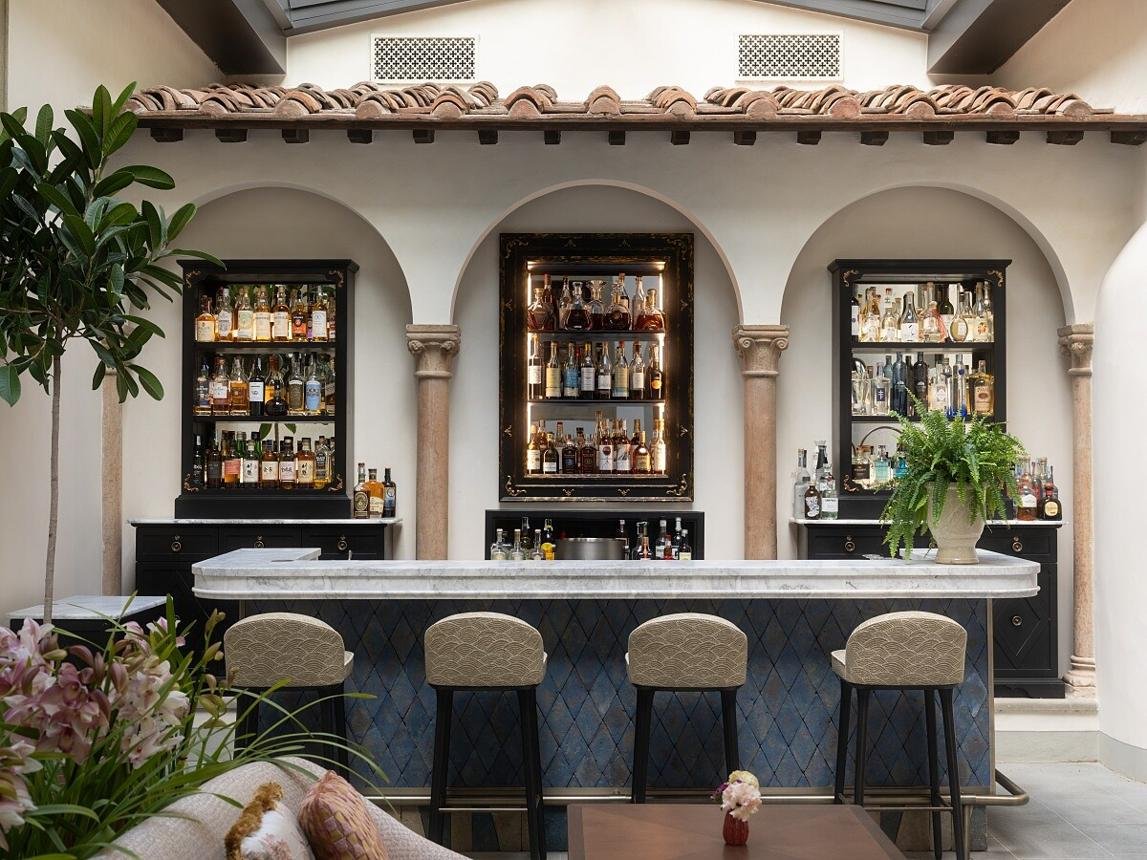
Bar Doccia: A refurbished cocktail bar within the historic complex, providing a comfortable setting for a Negroni or an aperitivo before dinner.
The distinction between Antesi and Ristorante San Michele is useful when planning several nights. One evening can be devoted to a curated gastronomic menu; another to regional flavours in a less formal atmosphere. Opening schedules and seasonal service arrangements should be confirmed at the time of booking, especially for travelers with only one evening available at the hotel.
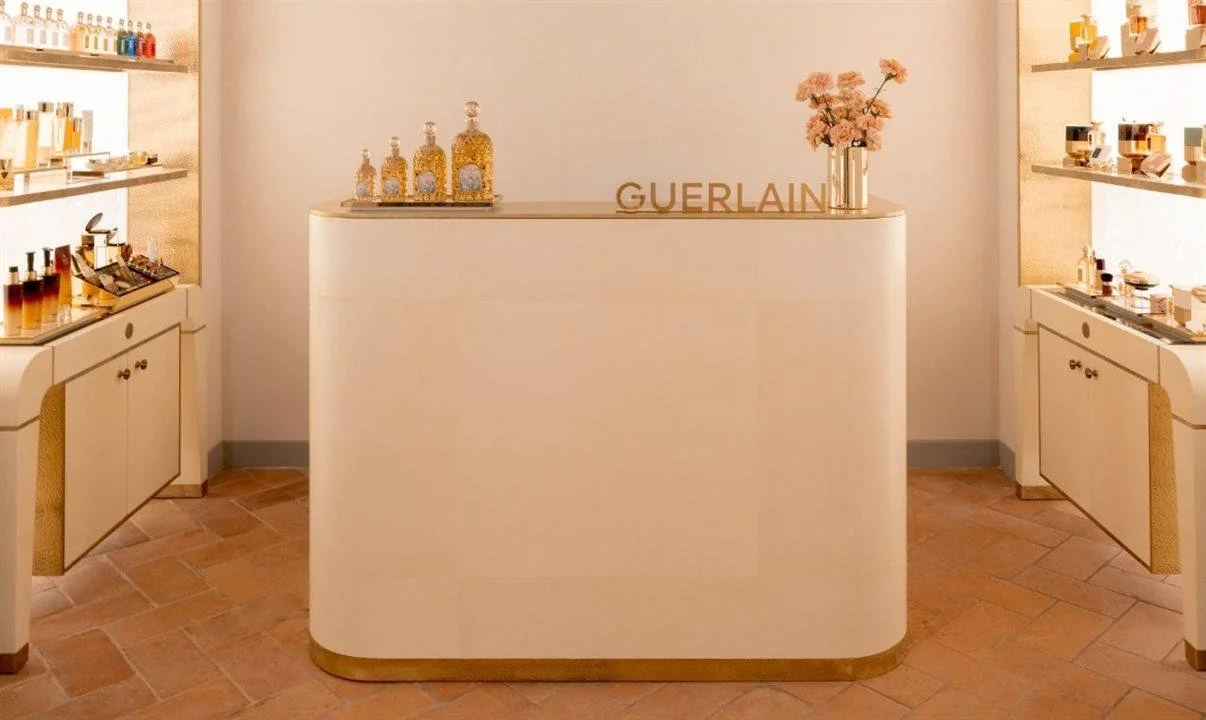
A New Guerlain Spa and Wellbeing in the Hills
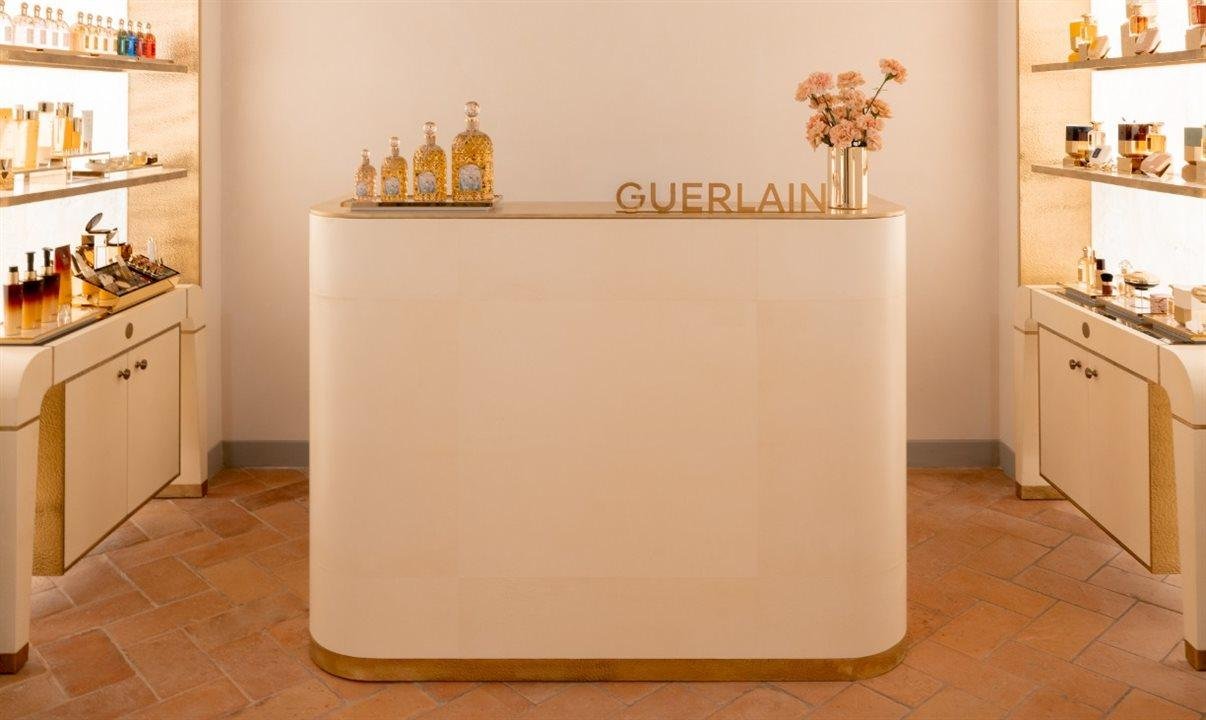
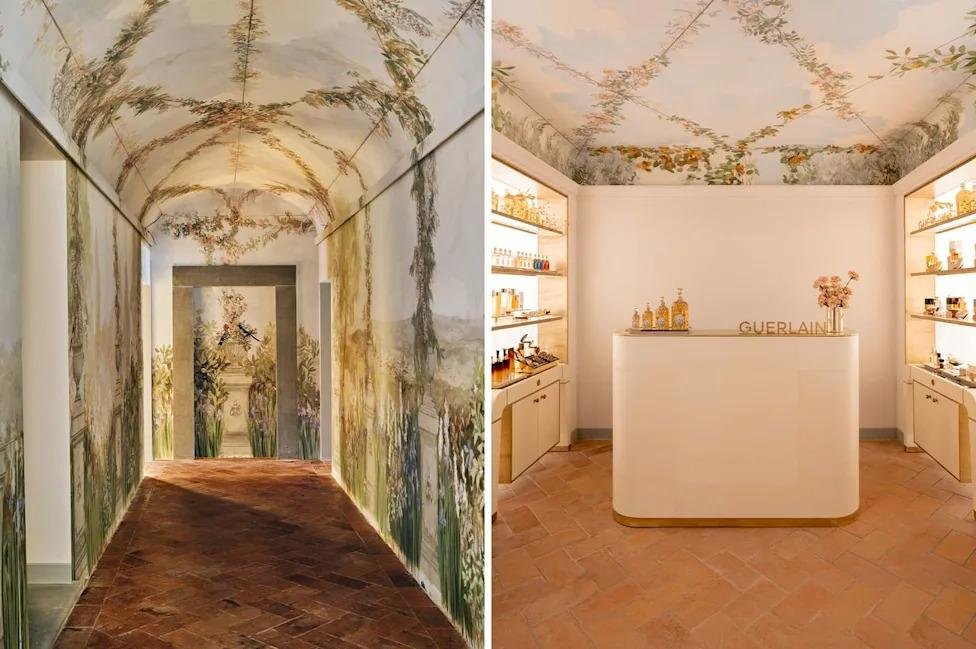
One of the most consequential changes from the renovation is Villa San Michele Spa by Guerlain, the property's first dedicated spa. Created within the historic monastery building, it brings treatments into rooms defined by restored decorative surfaces and the character of the original architecture. The spa has three treatment rooms and a menu informed by Guerlain's expertise and Italian Renaissance inspiration.
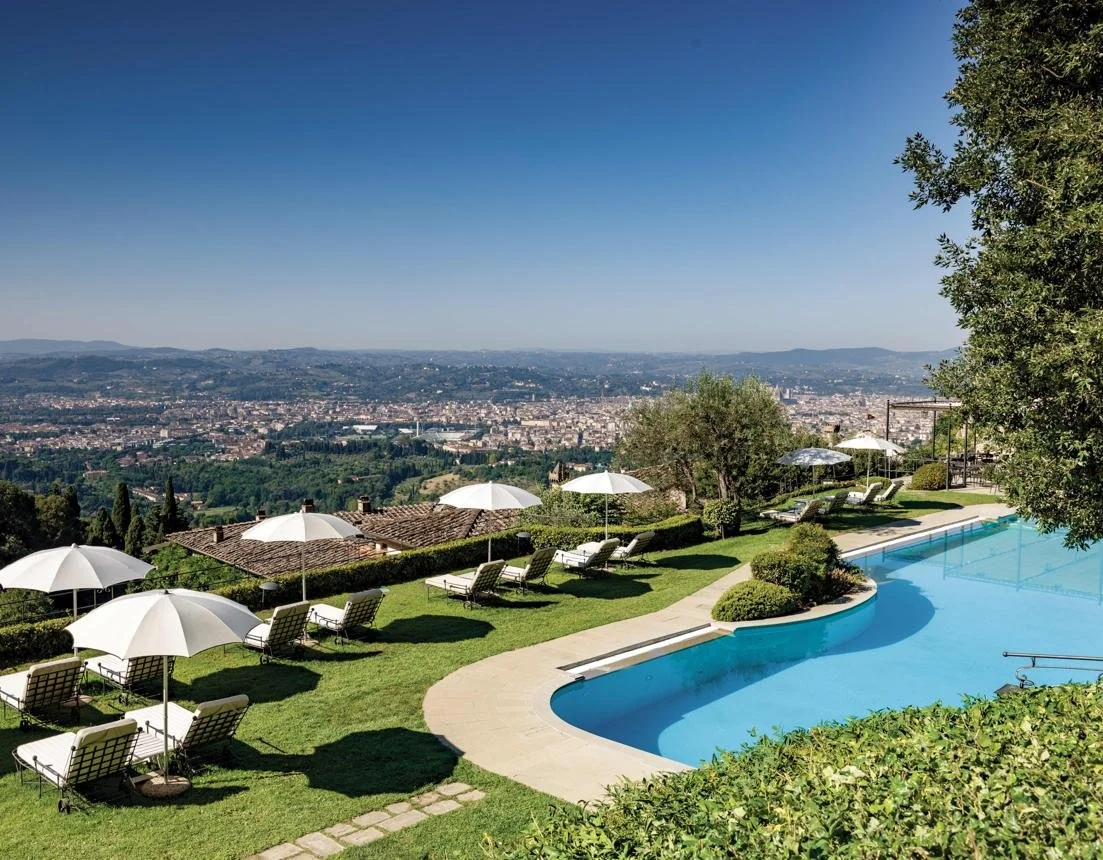
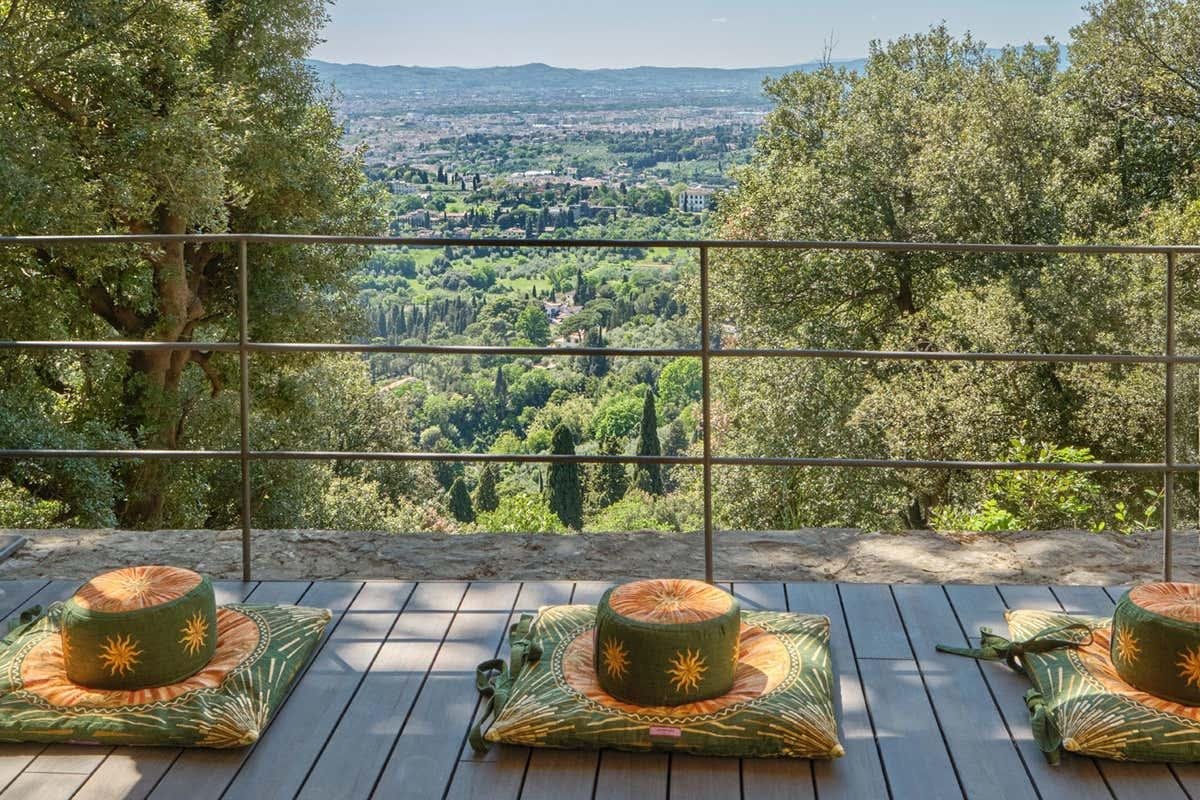
Wellness continues beyond treatment appointments. In collaboration with La DoubleJ, the hotel offers a programme of breathwork, yoga and sound-healing experiences that takes advantage of its gardens and wooded surroundings. Guests seeking movement can use the gym with views toward Florence or explore hillside walking routes, while the heated panoramic outdoor swimming pool offers a quieter way to spend the afternoon.
The spa's scale is deliberately intimate. Booking treatments ahead is sensible for weekend visits and for couples who want appointments near the same time. Experiences may change with the season, and not all wellness sessions operate every day.
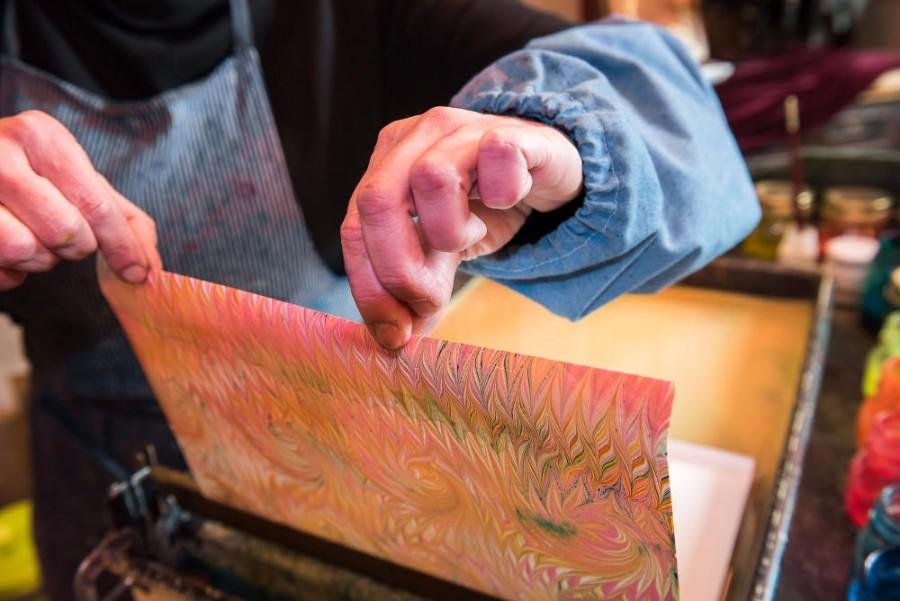
Art, Local Traditions and Experiences Beyond the Villa
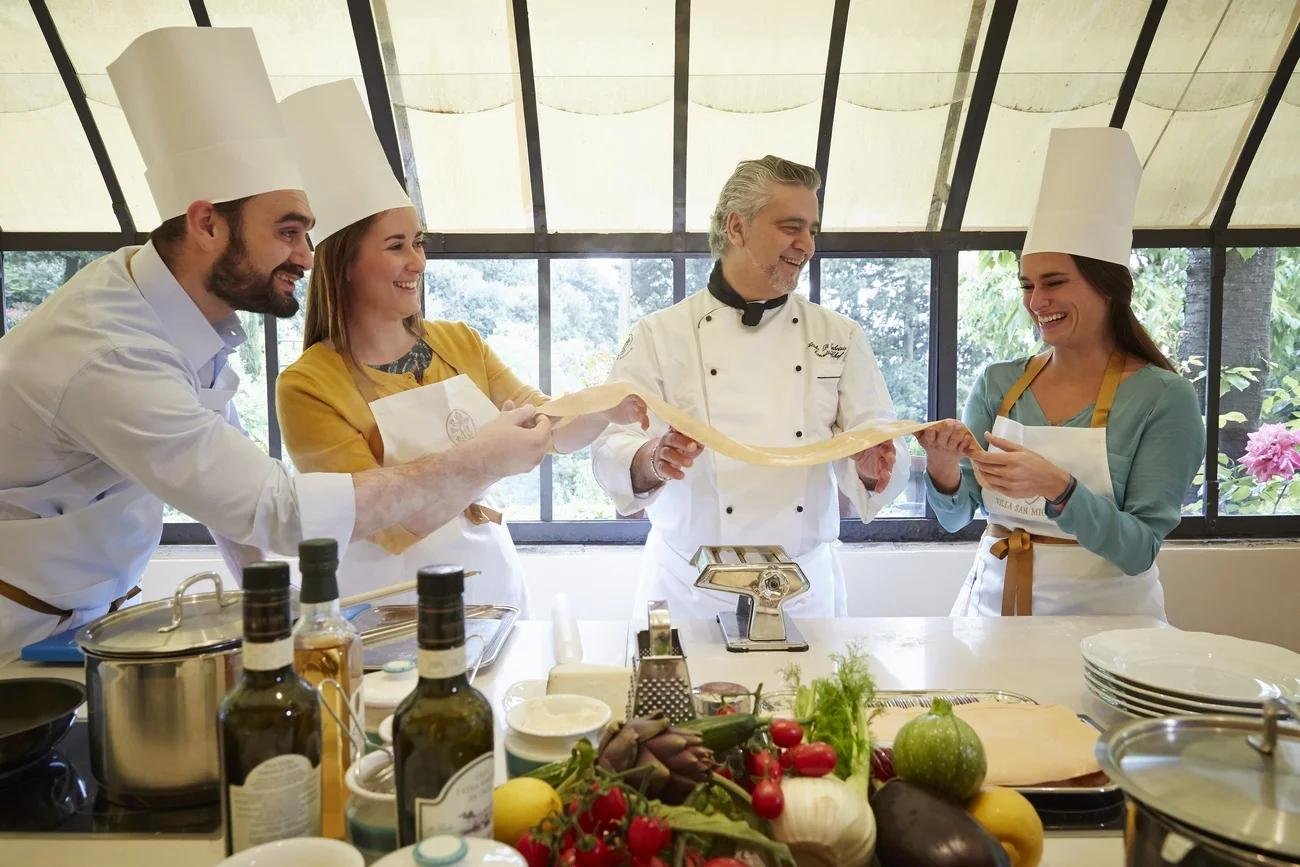
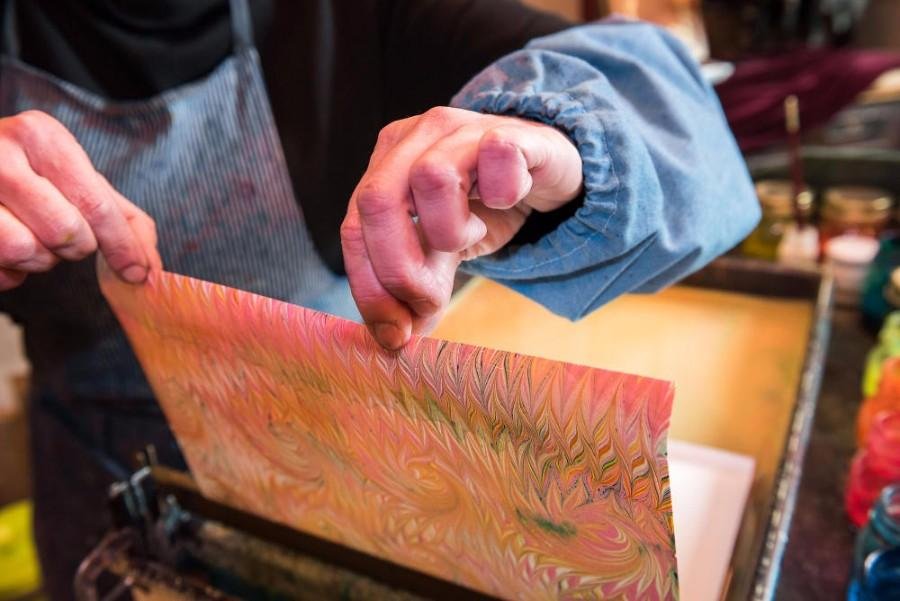
Florence rewards visitors who make time for its greatest collections, but a stay in Fiesole also supports more personal encounters with Tuscan culture. Villa San Michele's current experiences include paper marbling and papermaking, calligraphy, regional cooking, explorations of local craftsmanship and guided walks in Monte Ceceri. These offer a useful counterpoint to busy museum itineraries.
A guided outing into Fiesole can reveal a different side of Florentine history, including archaeological remains, churches and outlooks that face back toward the city. The surrounding countryside introduces villages, vineyards and artisan traditions without requiring a long transfer. Depending on interests, the hotel's concierge can organize food experiences, tailored cultural visits or a day beyond Florence's urban boundaries.
For guests visiting Florence for the first time, the Uffizi Gallery, Accademia, Duomo complex, Ponte Vecchio and the streets of Oltrarno remain essential. An early museum visit followed by lunch in the city and a return to Villa San Michele for the pool or gardens creates a balanced day. Private guiding and advance museum reservations can make a considerable difference during high season.
Family Stays and Multigenerational Travel
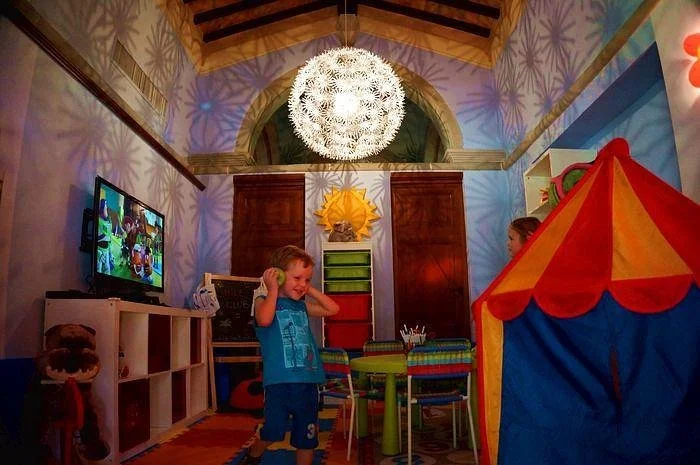
Villa San Michele is most naturally suited to couples, culture-focused travelers and families who appreciate a quieter base above Florence. Its smaller scale makes shared meals and time in the gardens appealing, while the pool and opportunities for hands-on cultural activities can offer variety for younger travelers.
Accommodation planning is important, however. Not every room permits an additional bed, and some suites accept sofa beds or rollaways only in specified configurations. Families should confirm ages, maximum occupancy, connecting possibilities and the suitability of terraces and steps before booking. The Botanica, Grand Tour and Limonaia suites provide more living space, but their permitted sleeping arrangements are not interchangeable.
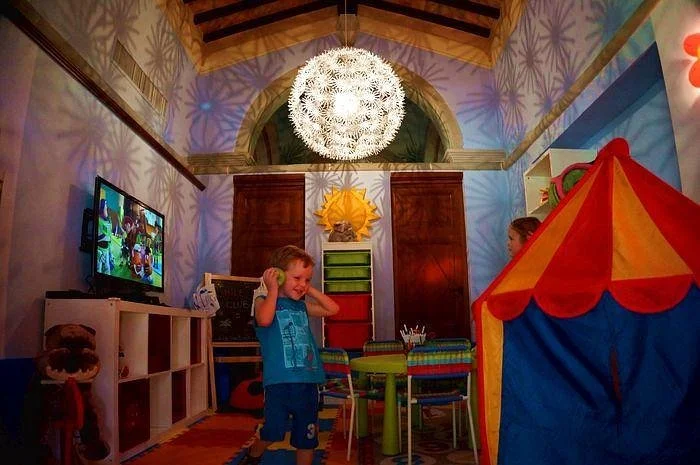
There is no reason to assume a conventional supervised children's club or an extensive resort-style kids' programme. Families planning museum-intensive days may benefit more from personalized guides, thoughtfully timed transfers and activities that match their children's ages.
Conservation, Sustainability and Responsible Travel
The preservation of a centuries-old building gives Villa San Michele a particular relationship with responsible hospitality. The 2026 renovation focused on renewing the monastery's rooms and public spaces rather than replacing the property with new construction. Its revitalized gardens and woodland experiences also help visitors engage with the landscape beyond the usual city sightseeing circuit.
The culinary programme emphasizes seasonality and the character of Tuscan ingredients. Choosing local craftspeople and guided experiences can further connect guests' spending with the surrounding community. While Belmond publishes broader environmental and social commitments, property-level carbon, waste and energy figures should not be presumed without specific supporting disclosures.
Travelers interested in conservation can ask how the hotel manages garden maintenance, historic restoration and local sourcing during their stay. Responsible travel here is as much about respecting a delicate historic setting as it is about operational targets.
Accessibility in a Historic Hillside Setting
Villa San Michele's heritage architecture and terraced hillside location make accessibility an especially important booking consideration. Paths between gardens and buildings may involve steps, slopes and uneven historic surfaces; published room-area measurements do not indicate wheelchair suitability. Accessibility should therefore be discussed directly with the hotel before an accommodation category is selected.
Guests with mobility requirements should request a precise review of the approach to the room, bathroom configuration, routes to dining and the spa, and available transportation. The complimentary city shuttle may not suit every mobility device or transfer requirement. It is better to obtain a property-specific confirmation than to infer access from a general description of an upgraded luxury hotel.
When to Visit Florence and Fiesole
Spring brings flowering gardens, comparatively mild conditions and opportunities to explore Florence on foot before the hottest part of the year. Late summer can be warmer and busier, but evenings on the hill retain their appeal, especially when dinner is timed for sunset. Autumn is rewarding for quieter cultural visits, changing countryside colours and seasonal Tuscan food.
The 2026 reopening also marked a significant extension of Villa San Michele's traditional operating season. Belmond currently indicates that the hotel is open through early January 2027, but guests should confirm the operating calendar for their intended year rather than assume year-round availability. Winter offers a different kind of stay, with greater emphasis on indoor experiences, gastronomy and spa treatments; the pool and outdoor programming may be more weather-dependent.
For first-time visitors, three nights allow one major Florence sightseeing day, a second day divided between Fiesole and an art or culinary experience, and enough time to enjoy the property itself. Travelers combining Florence with Chianti, Siena or the Val d'Orcia may prefer to add a separate countryside stay rather than attempt long daily drives.
Plan Your Stay With Destinations by David
Villa San Michele works particularly well when accommodation is chosen around the experience guests want from Florence. We can help distinguish rooms with a garden outlook from those with a stronger city panorama, arrange the most appropriate suite for a family, and plan whether a private terrace or the Limonaia Suite's plunge pool will be worth prioritizing. For a short stay, the timing of an Antesi dinner and Guerlain spa appointment should be considered before travel plans become fixed.
Destinations by David can coordinate a thoughtful stay with private airport transfers, advance museum arrangements, guided time in Florence and Fiesole, and excursions into Tuscany. We can also check eligible travel-advisor amenities and any applicable Belmond partner benefits for the specific booking; such privileges are subject to reservation terms and are not assumed for every rate.
Whether Florence is the centrepiece of a first Italian journey or a familiar city to revisit at a slower pace, we can help shape a stay that allows time for its art as well as the quiet of the hills.
Getting to Villa San Michele
Villa San Michele stands at Via Doccia 4 in Fiesole, above central Florence. The hotel describes the journey from Florence Airport as approximately 30 minutes by road, although actual travel times depend on traffic and the point of arrival. Private transfers are generally the simplest option for travelers arriving with luggage.
Florence Airport (FLR): Approximately 30 minutes by road, according to the hotel.
Pisa International Airport (PSA): Approximately one hour by road, according to the hotel, with travel times varying by traffic.
Florence Santa Maria Novella railway station: A private road transfer is advisable, particularly with luggage; allow time for urban traffic.
Central Florence: A complimentary hotel shuttle connects the Villa with the city, subject to its current timetable and operating arrangements.
Travelers driving should confirm parking instructions and the most convenient route to Fiesole before arrival, particularly if they are unfamiliar with Florence's restricted traffic zones. For onward journeys into Tuscany, a private driver may be more relaxing than collecting a rental car solely for one excursion.
Florence from a Different Perspective
The great attraction of Villa San Michele is the freedom to move between two Florences. One is the city of cathedral domes, Renaissance paintings, markets and crowded piazzas. The other is seen from above, framed by garden walls and cypress trees, its details gradually dissolving into the wider Tuscan landscape. Both belong to the same stay, and neither needs to dominate it.
After its 2026 renewal, the hotel offers more reasons to remain on the hillside: the Guerlain spa, reworked dining rooms, refreshed suites and experiences that place guests in closer contact with the surrounding gardens and craftsmanship. Yet its most enduring quality remains uncomplicated. A day spent among Florence's artistic treasures can end with a return to the stillness of a former monastery, and a view that makes the city's remarkable history feel both immediate and distant.