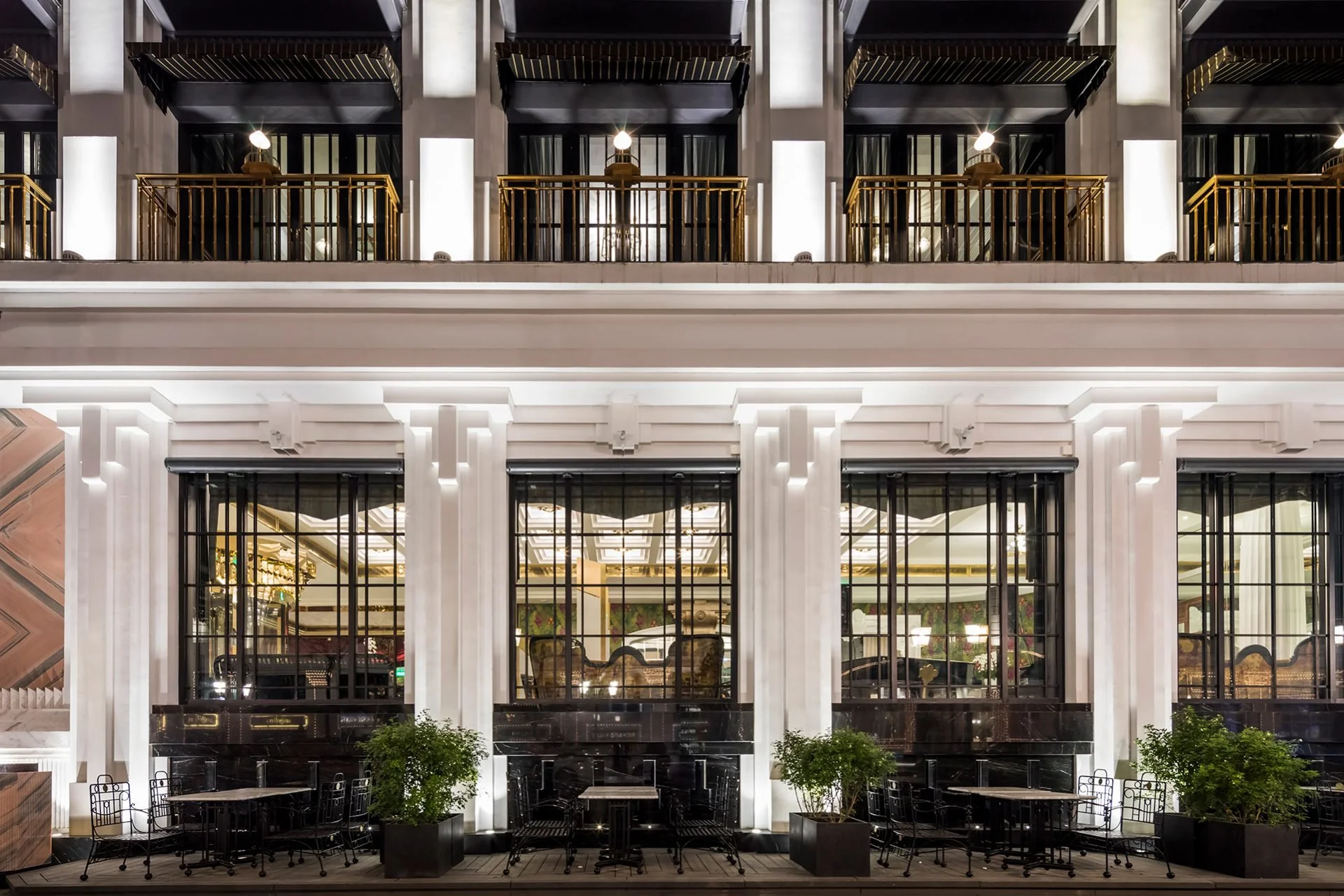
Hanoi, Vietnam | Capella Hanoi
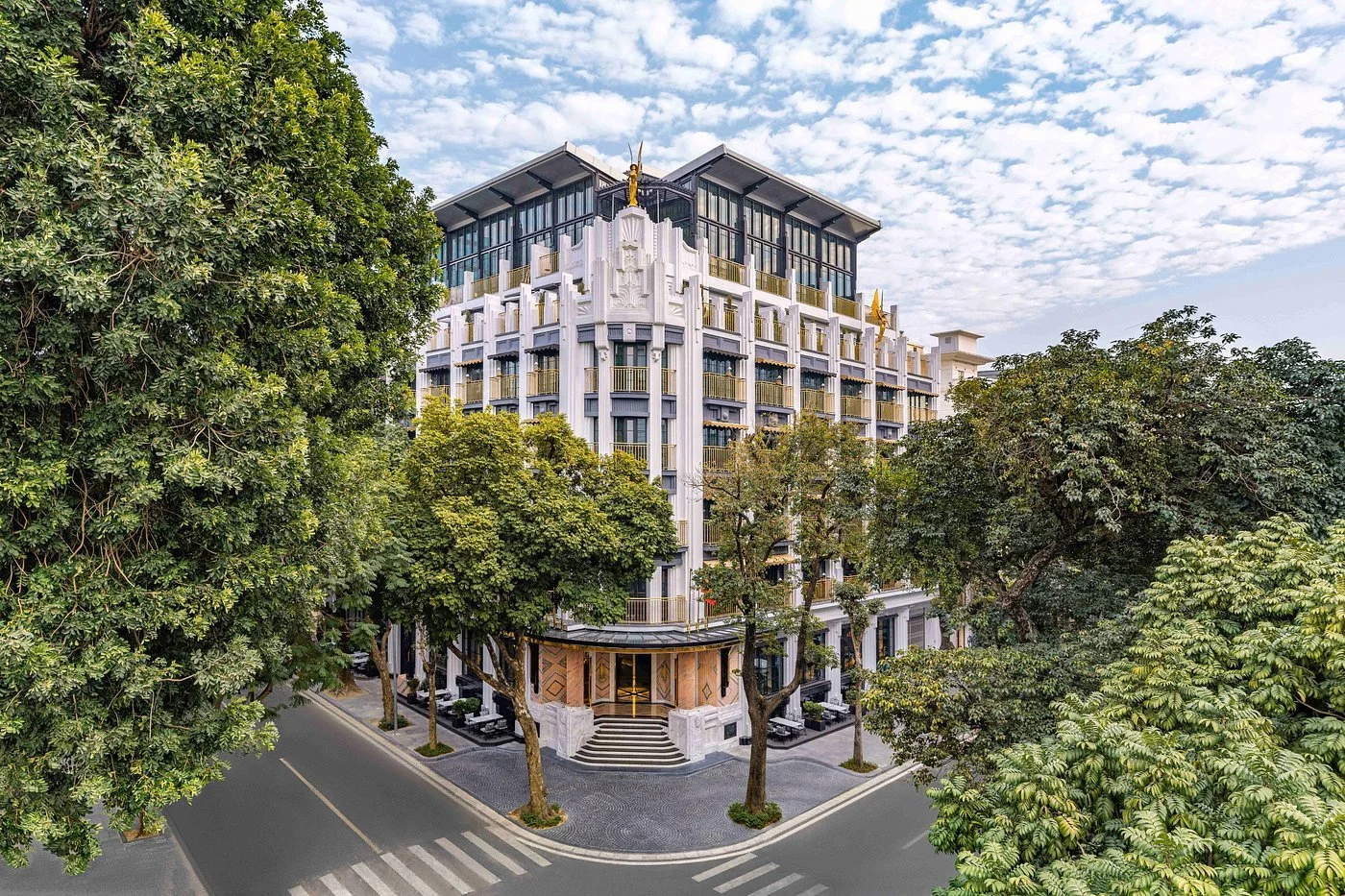
A Theatrical Address in the Heart of Hanoi
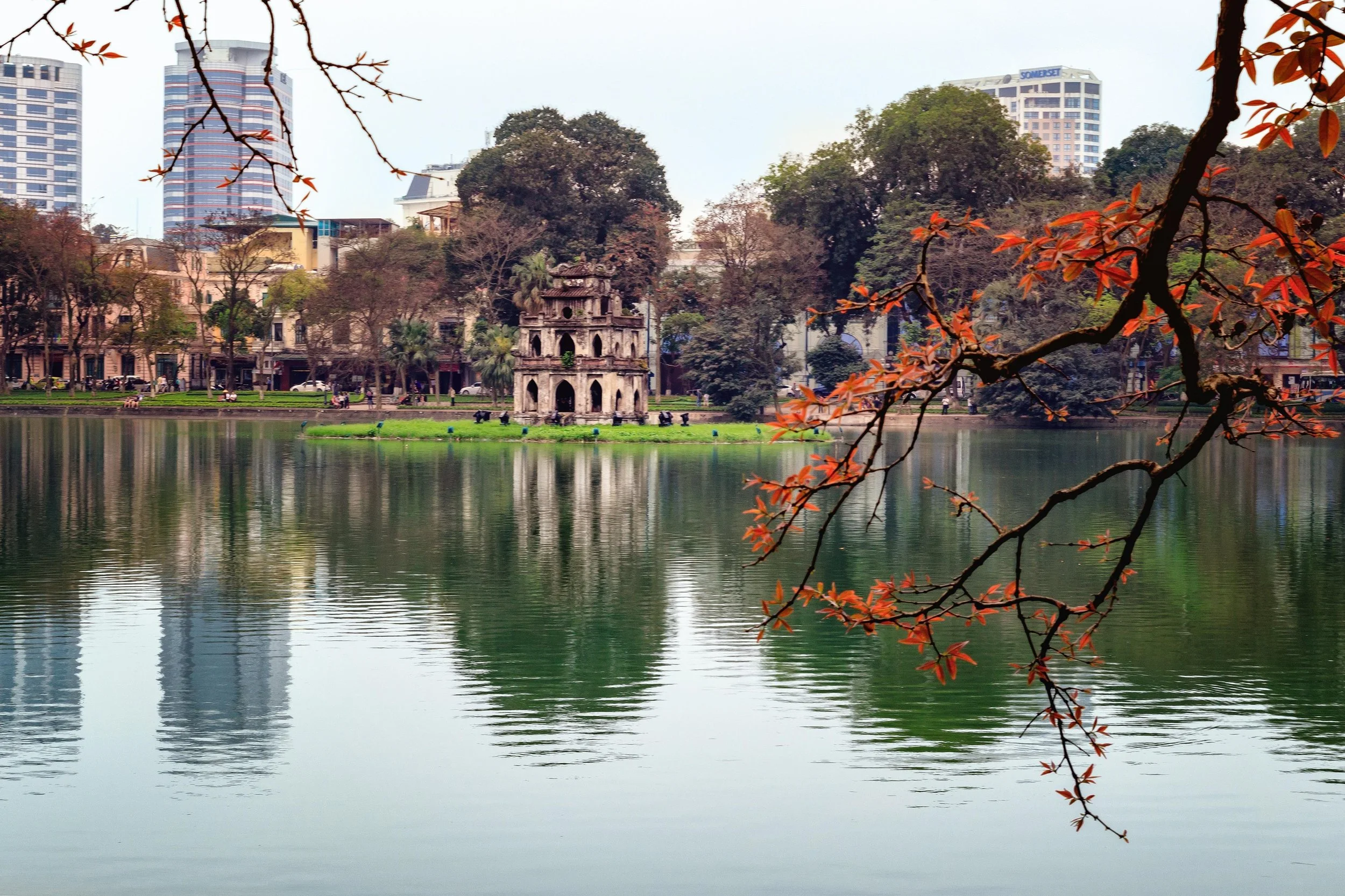
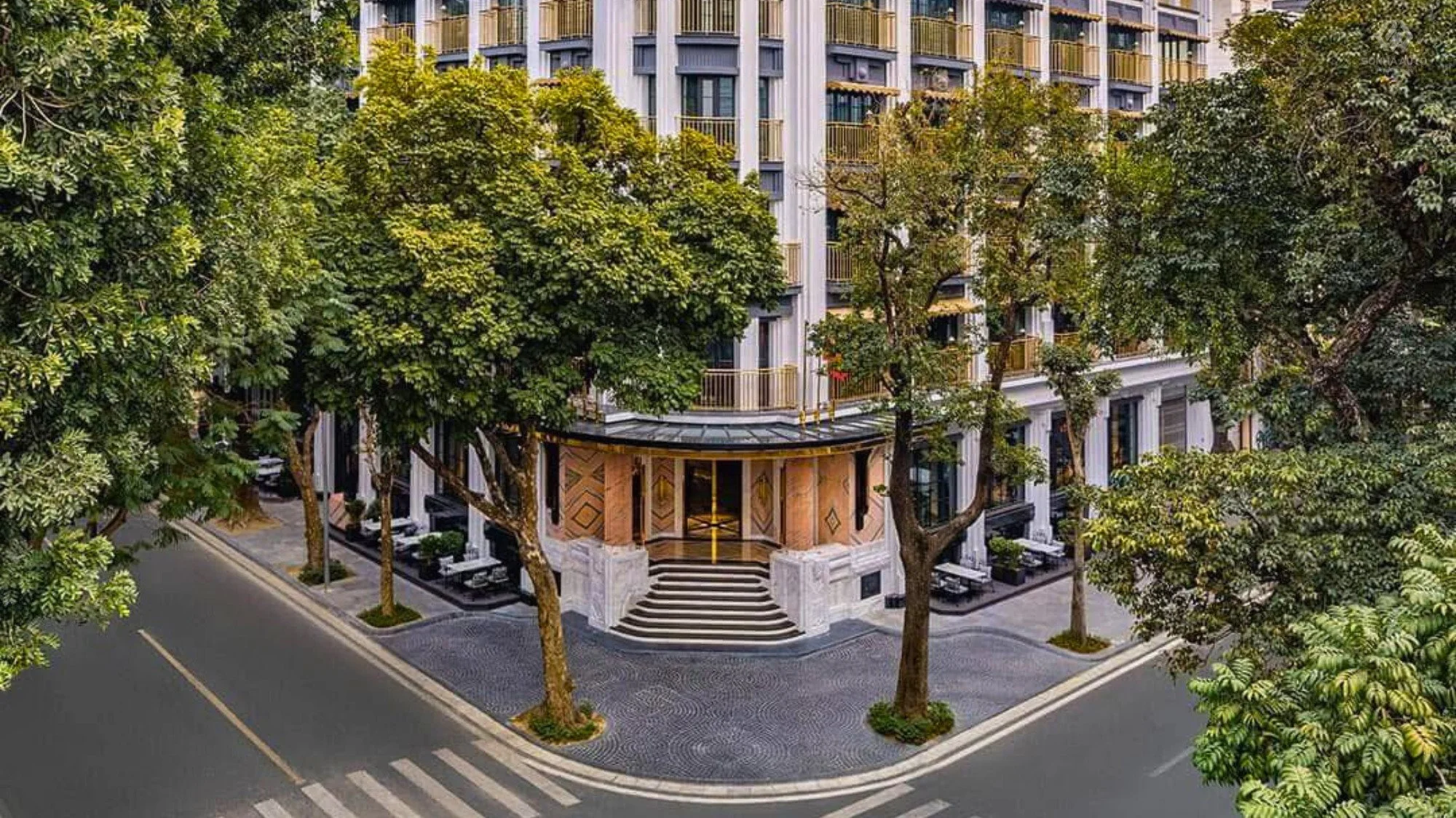
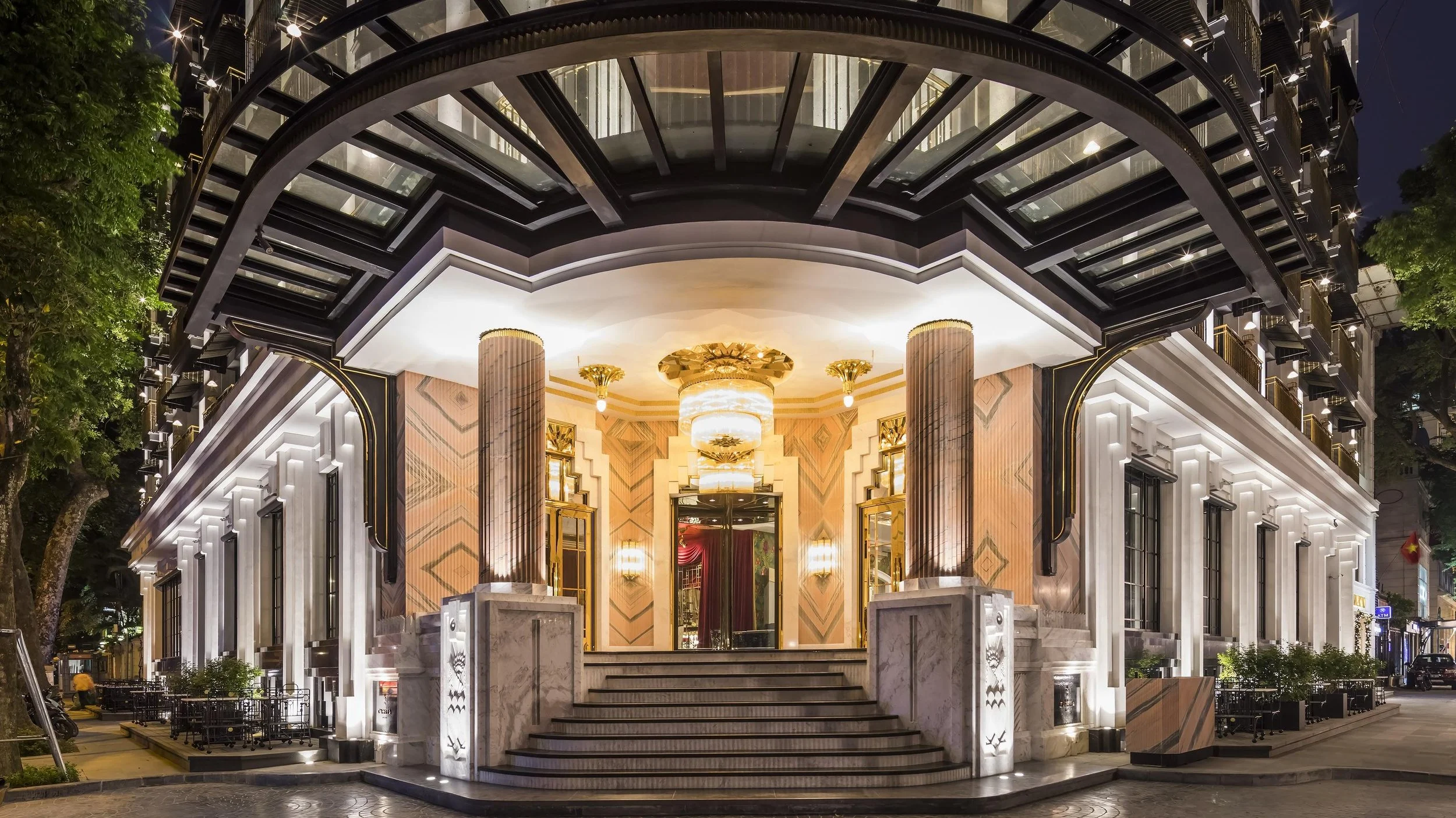
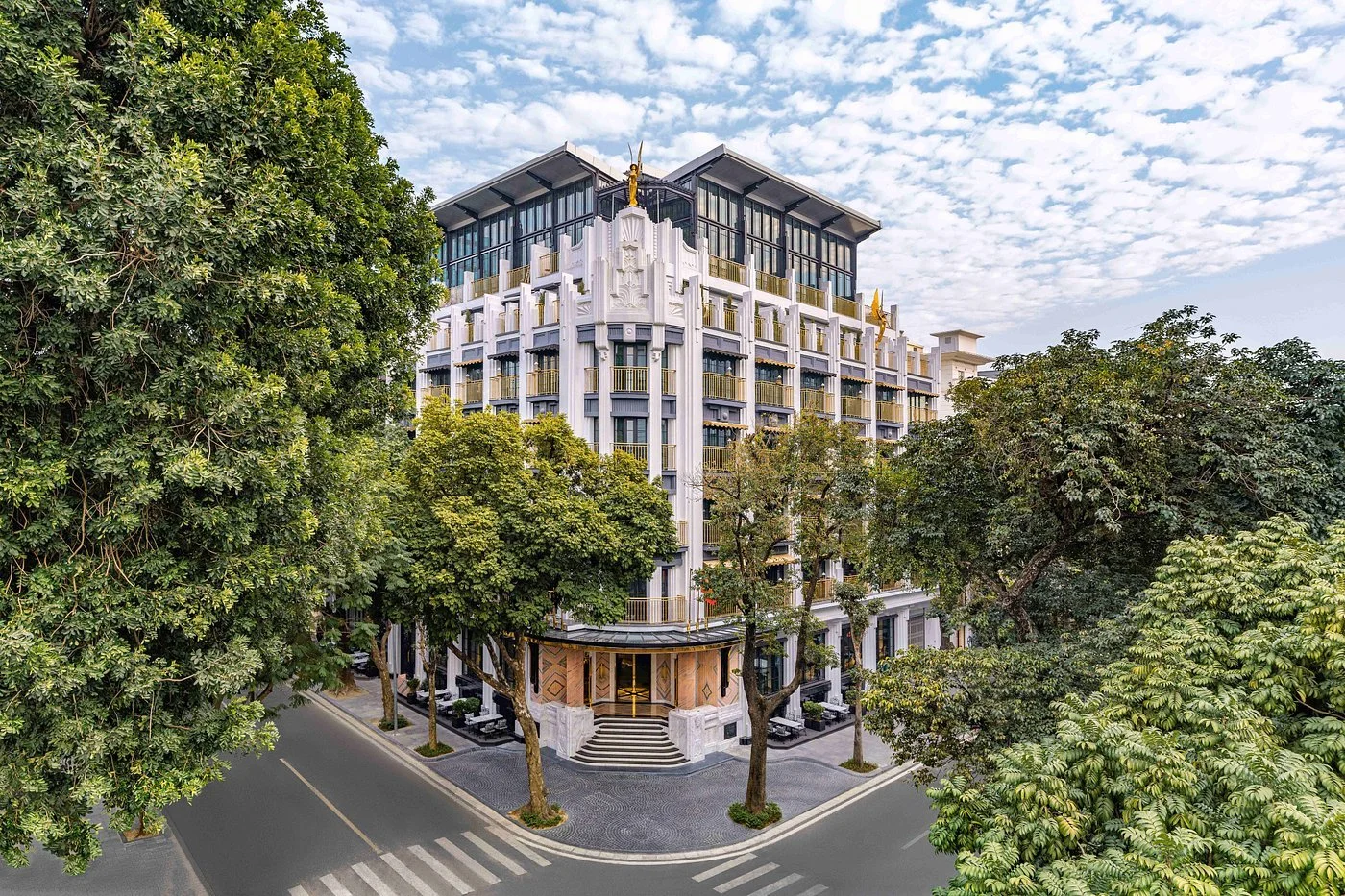
Capella Hanoi sits on Le Phung Hieu in Hoan Kiem, only a short walk from the Hanoi Opera House, Hoan Kiem Lake and the French Quarter. With just 47 rooms and suites, the hotel feels unusually intimate for a property with this much dining, wellness and cultural programming.
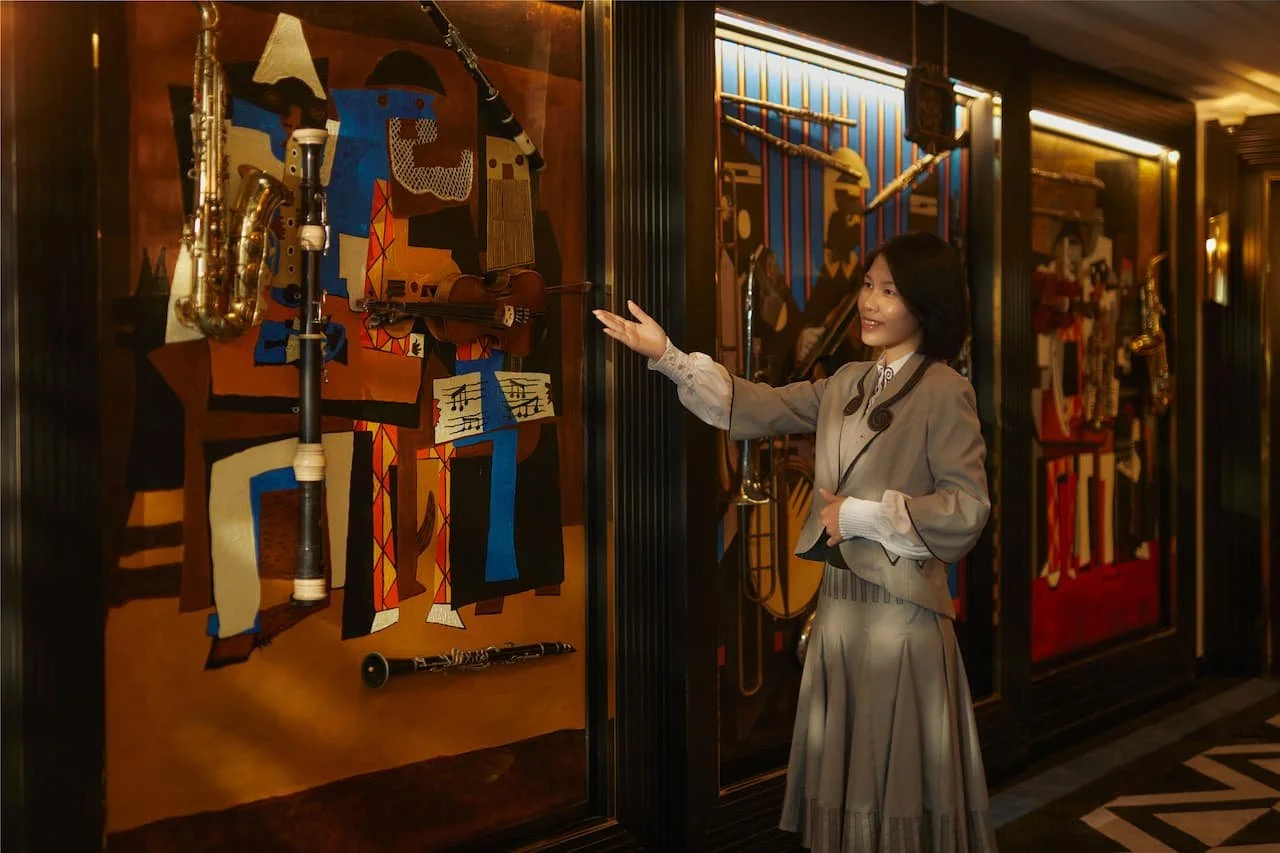
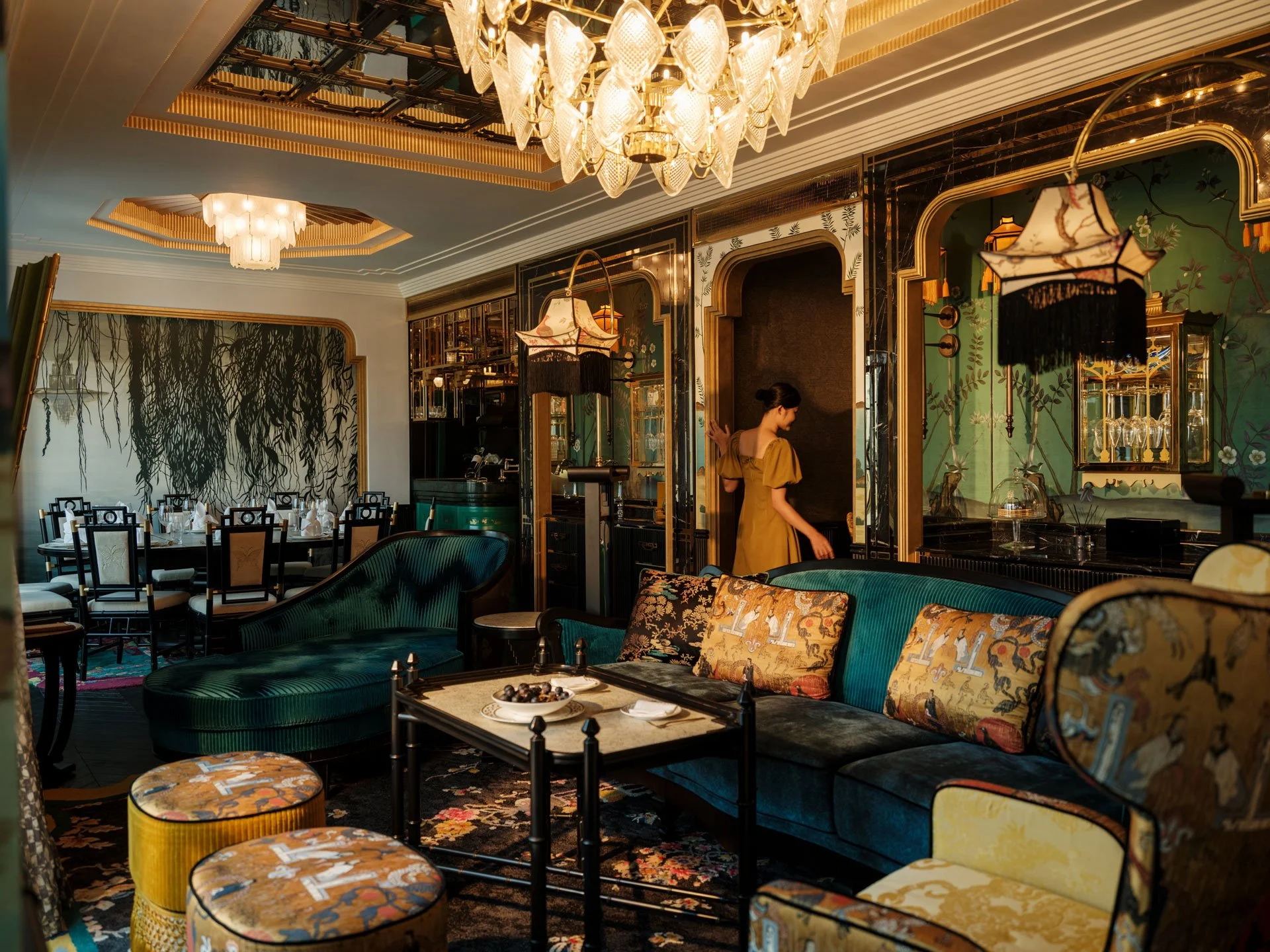
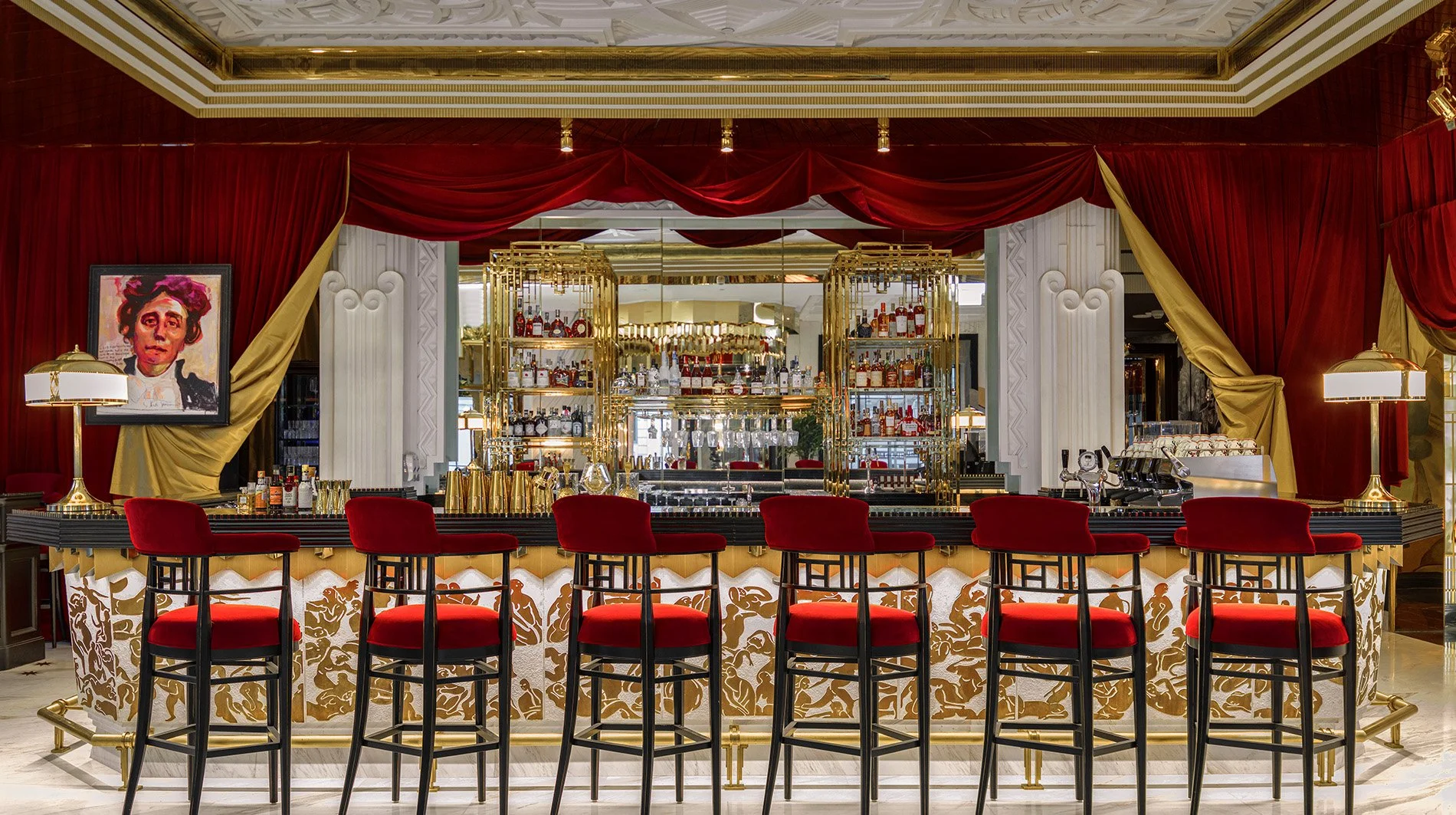
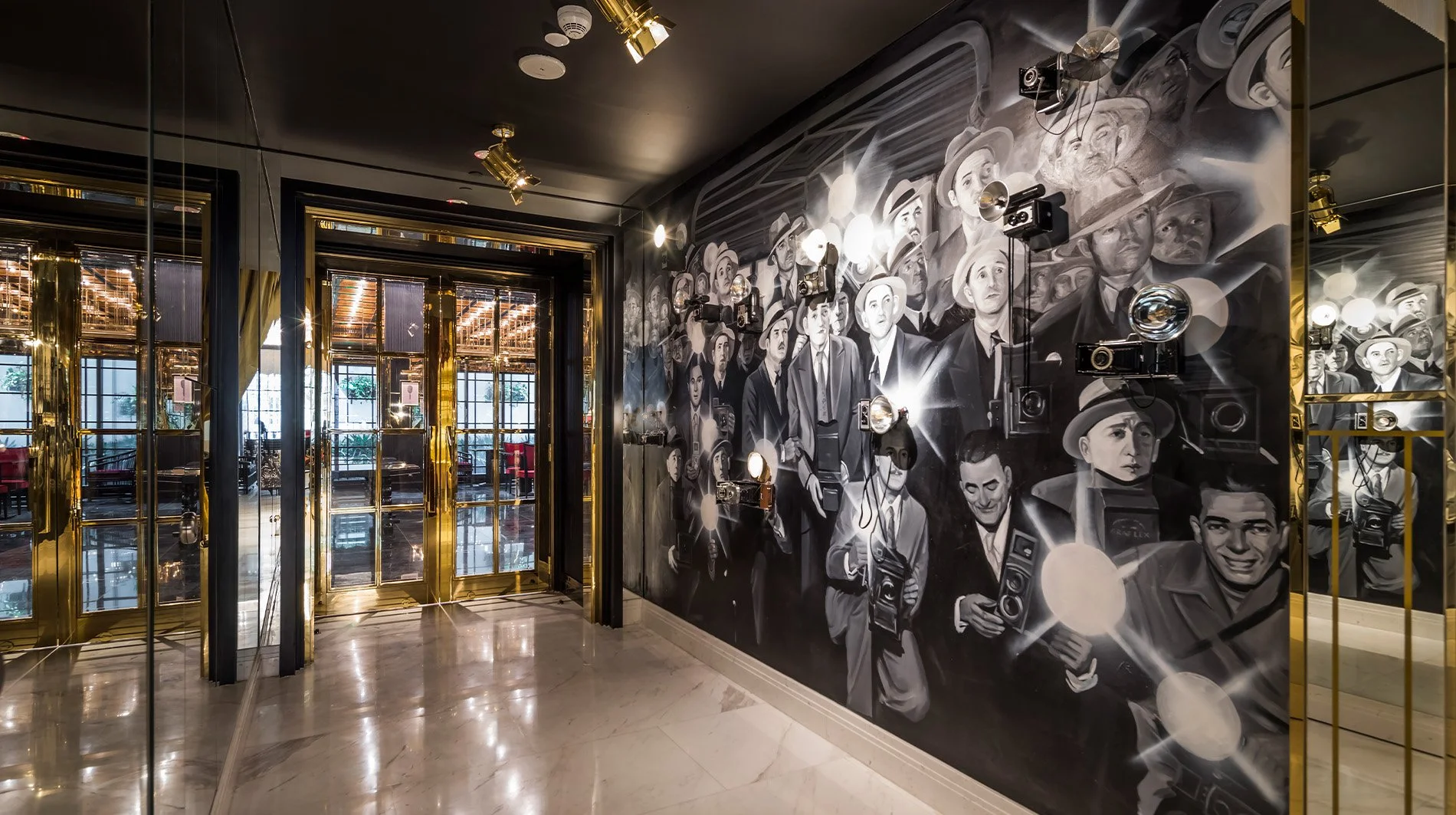
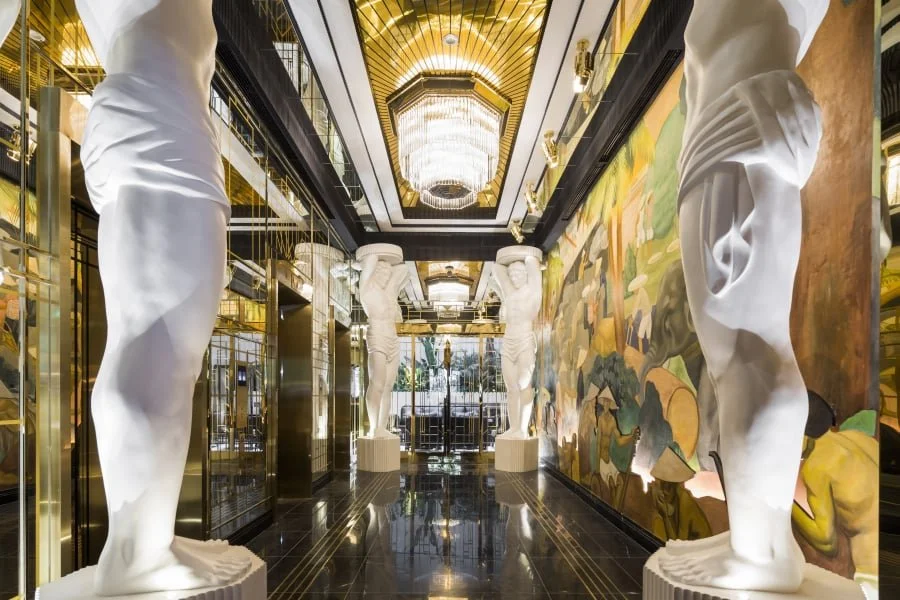
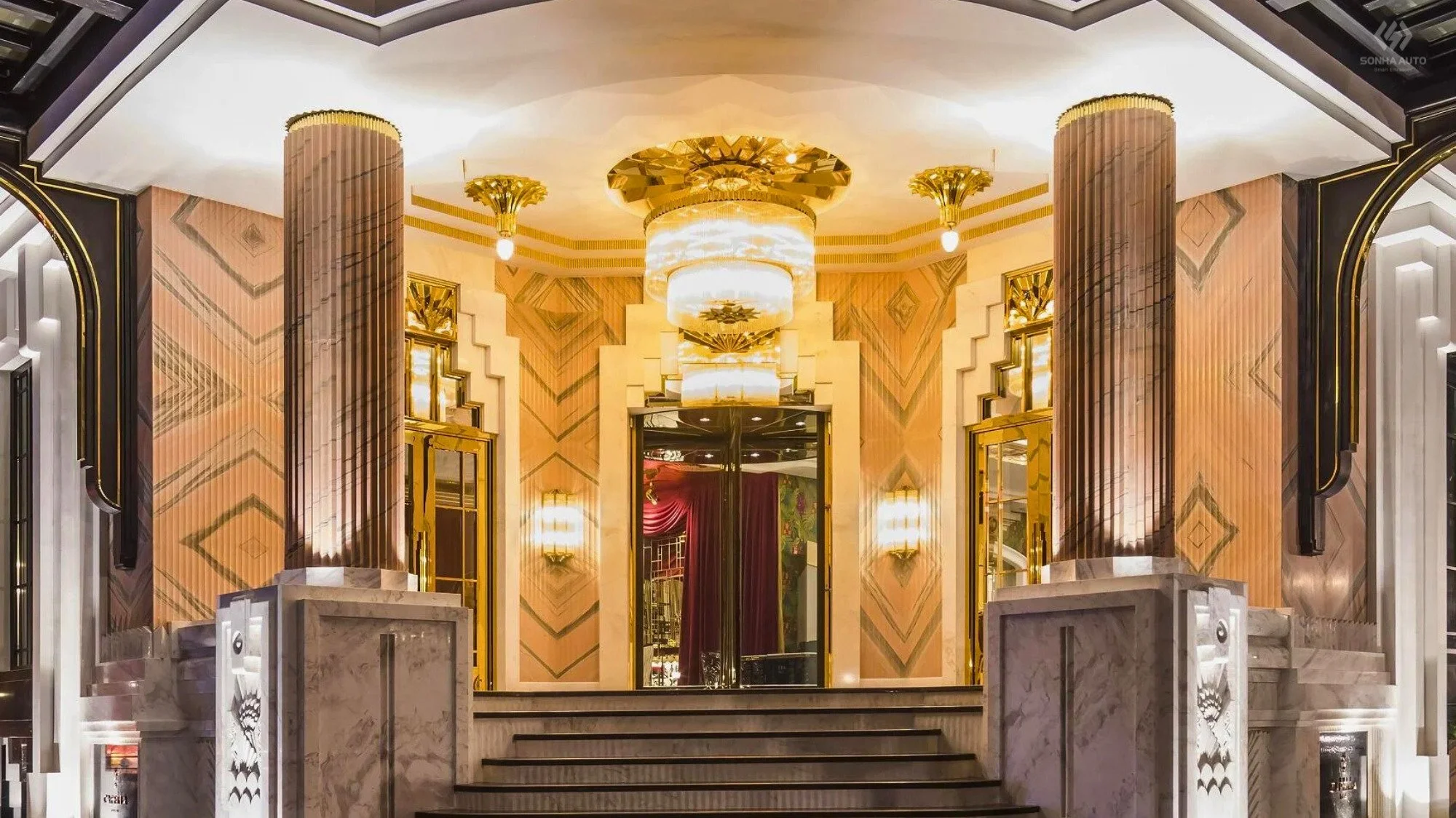
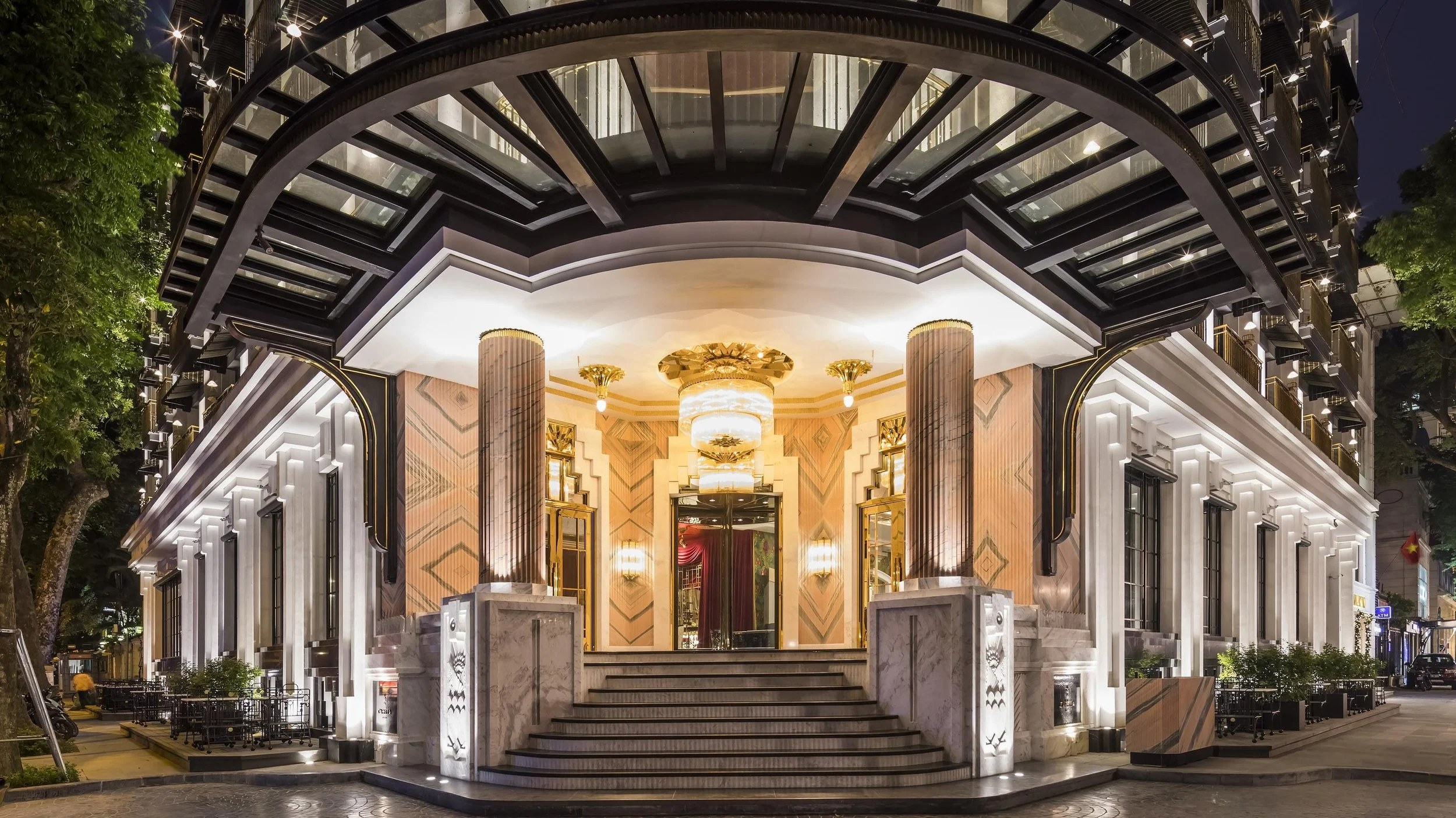
The appeal begins with personality. Bill Bensley designed the hotel around the imagined world of 1920s opera – rooms are individually themed, corridors are filled with theatrical references and the public spaces feel more like a collection of sets than a conventional city hotel. That sense of drama works because the location keeps the experience connected to Hanoi rather than isolating it from the city.
This is a particularly strong choice for travelers who value design, destination dining and walkability. Couples can build a stay around the Opera Suites and evening dining, families have a true two-bedroom option, and first-time visitors can reach many of central Hanoi’s most important sights without turning every outing into a transfer.
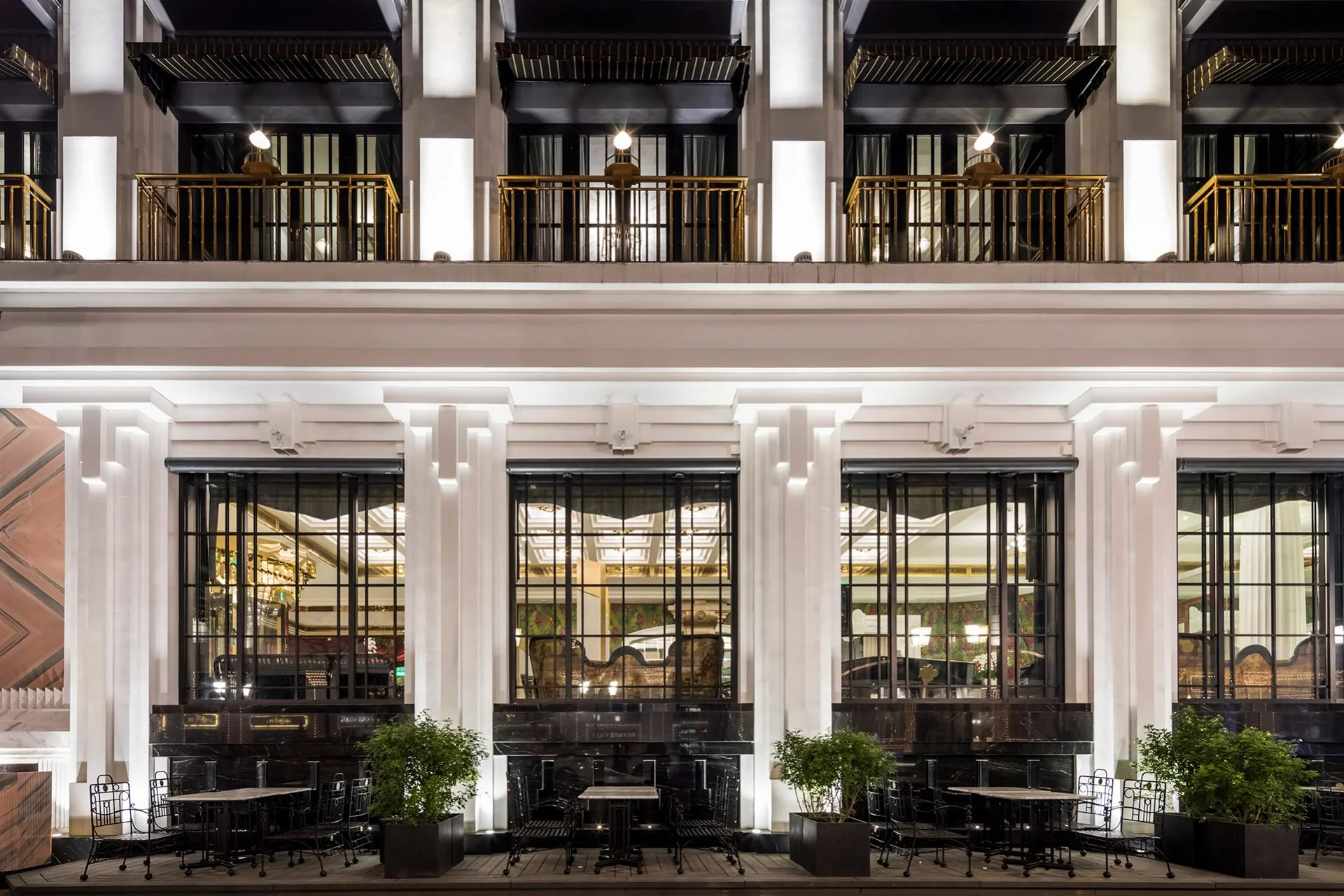
An Opera House Story Told in Forty-Seven Rooms
Capella Hanoi opened in March 2021 as Capella Hotel Group’s first property in Vietnam. Rather than restoring a historic opera hotel, the project created a new building around a fictional premise: a petite auberge where performers, composers, costume designers and patrons of the 1920s might have gathered after a night at the nearby Hanoi Opera House.
That distinction is important. The hotel is not presenting itself as a preserved relic of the French colonial period. Instead, it uses theatrical storytelling to interpret the era, allowing history, fantasy and contemporary Vietnamese references to overlap without pretending they are the same thing.
The concept has matured into one of Hanoi’s most recognized luxury addresses. By 2026, Capella Hanoi held Three MICHELIN Keys, retained its Forbes Travel Guide Five-Star rating and reached No. 81 on The World’s 50 Best Hotels extended list.
Bill Bensley Turns Every Room Into a Character
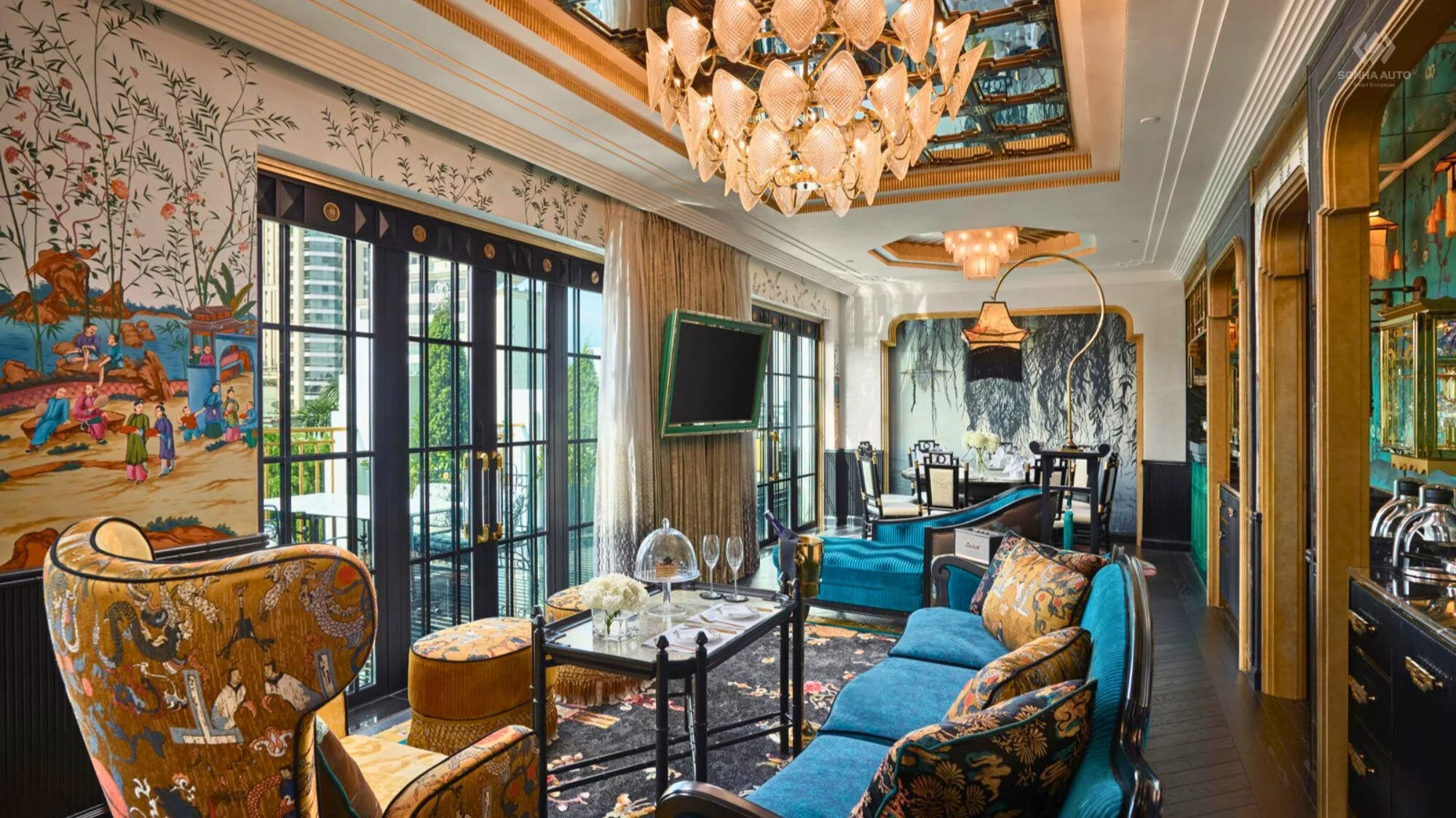
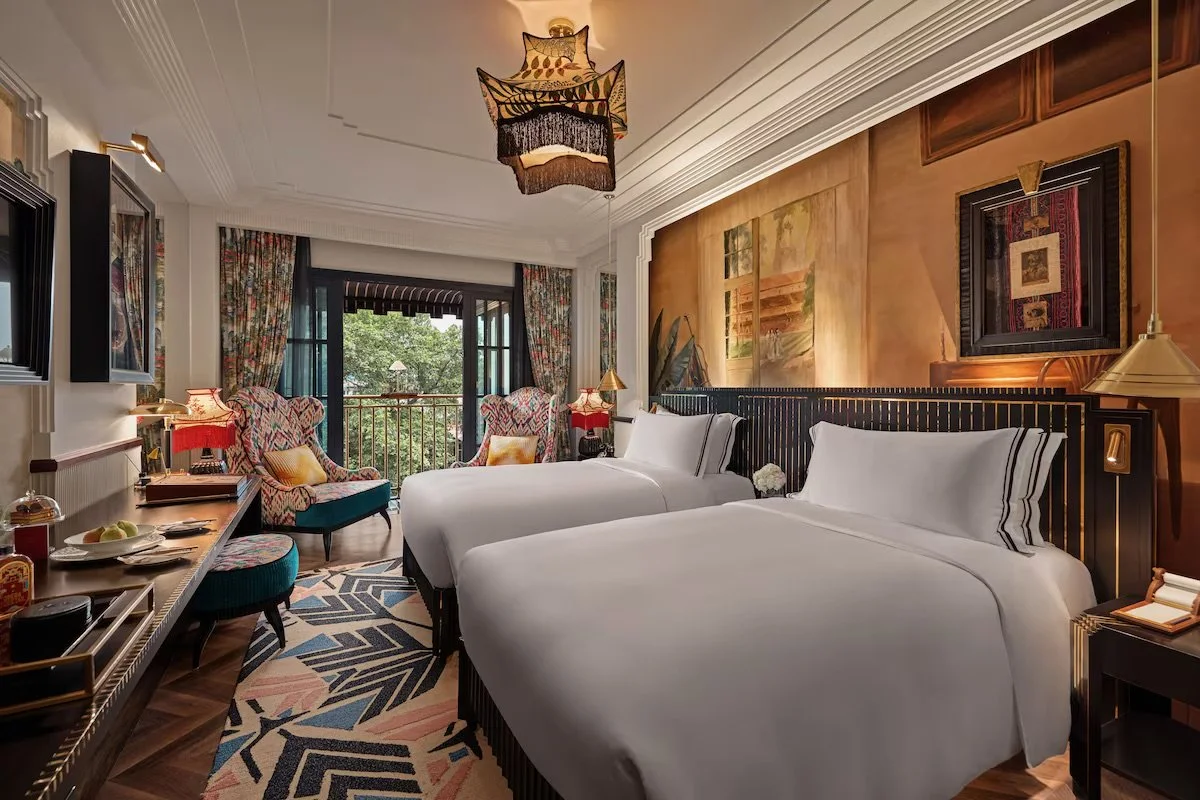
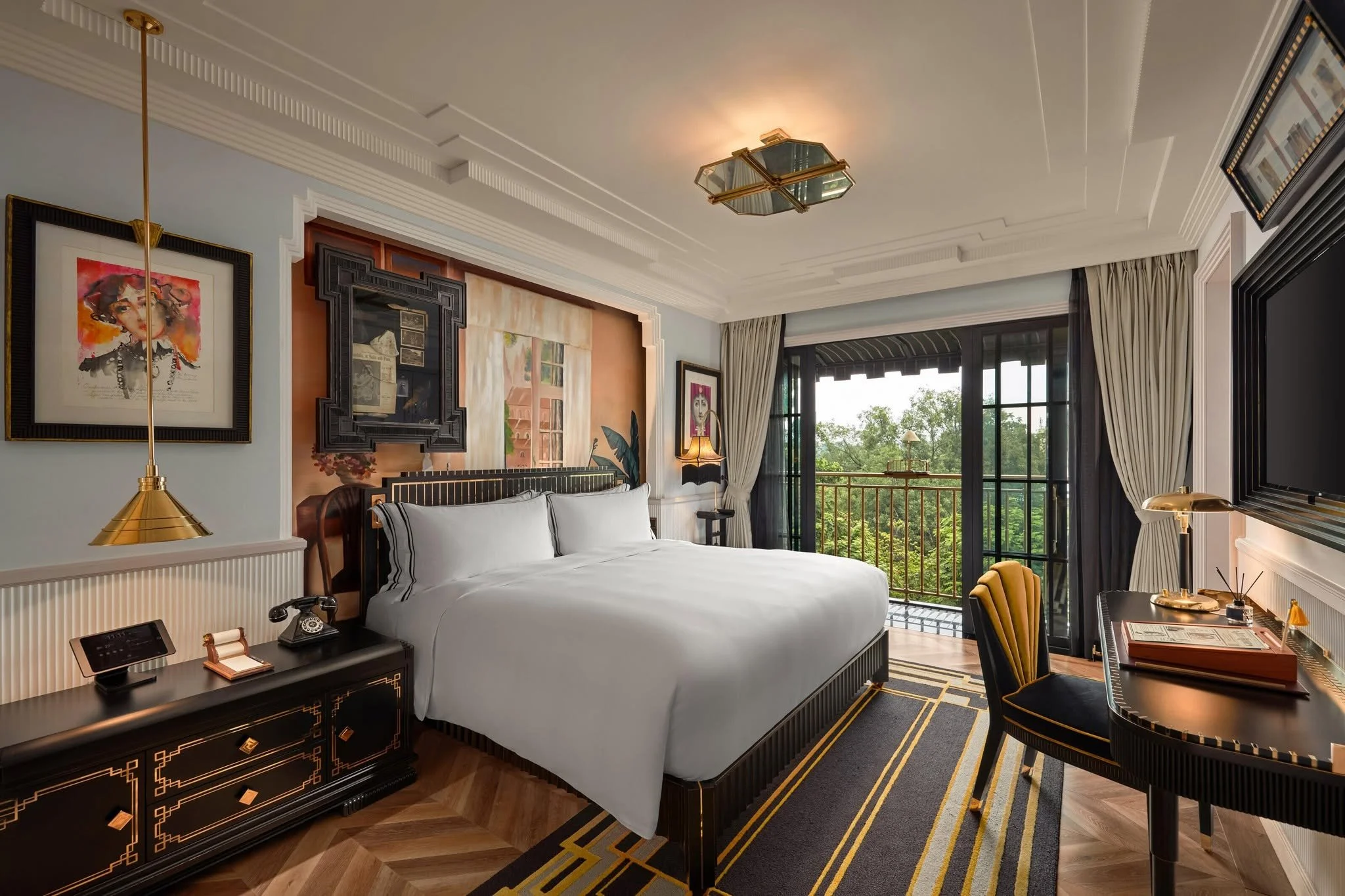
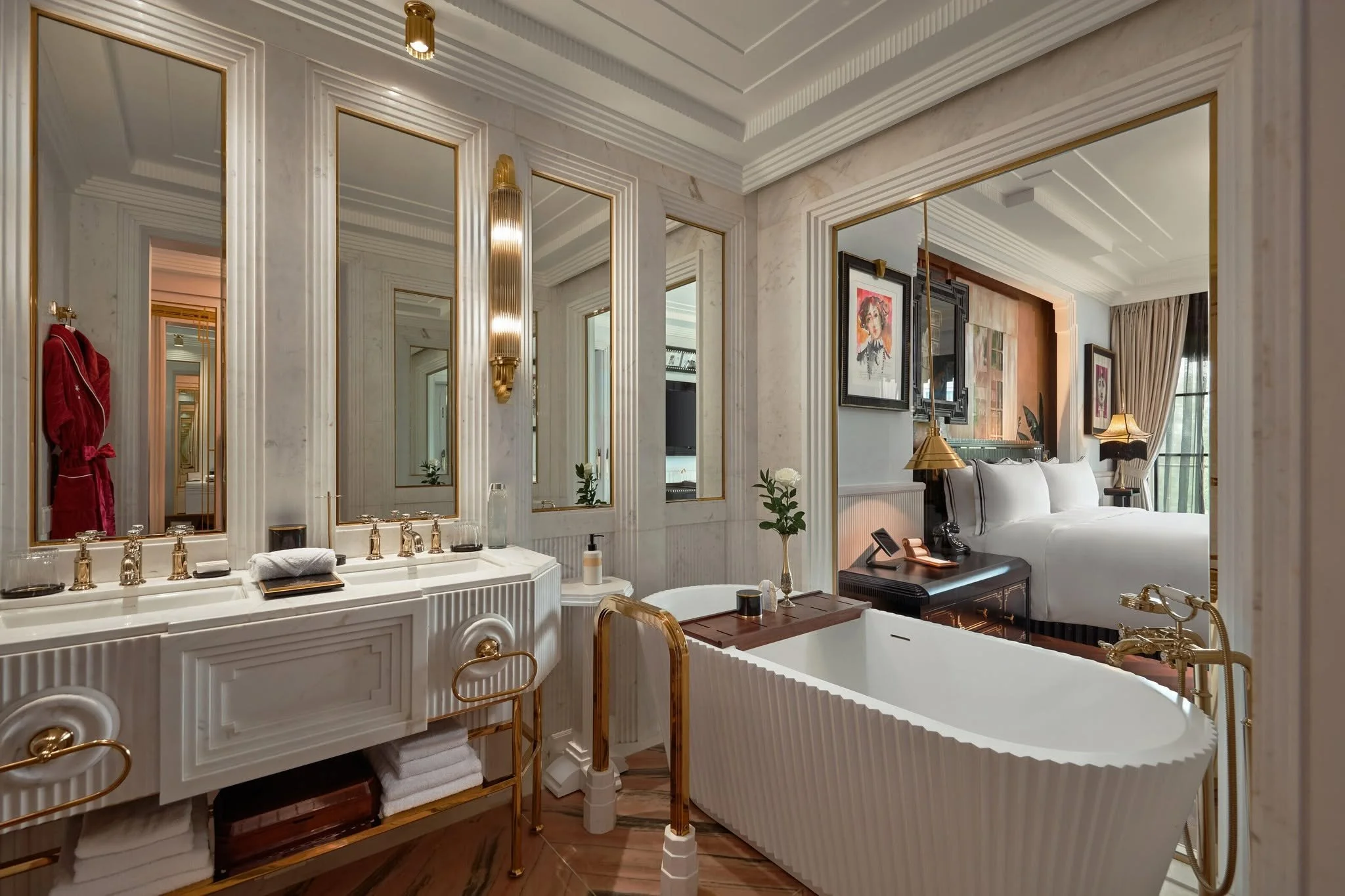
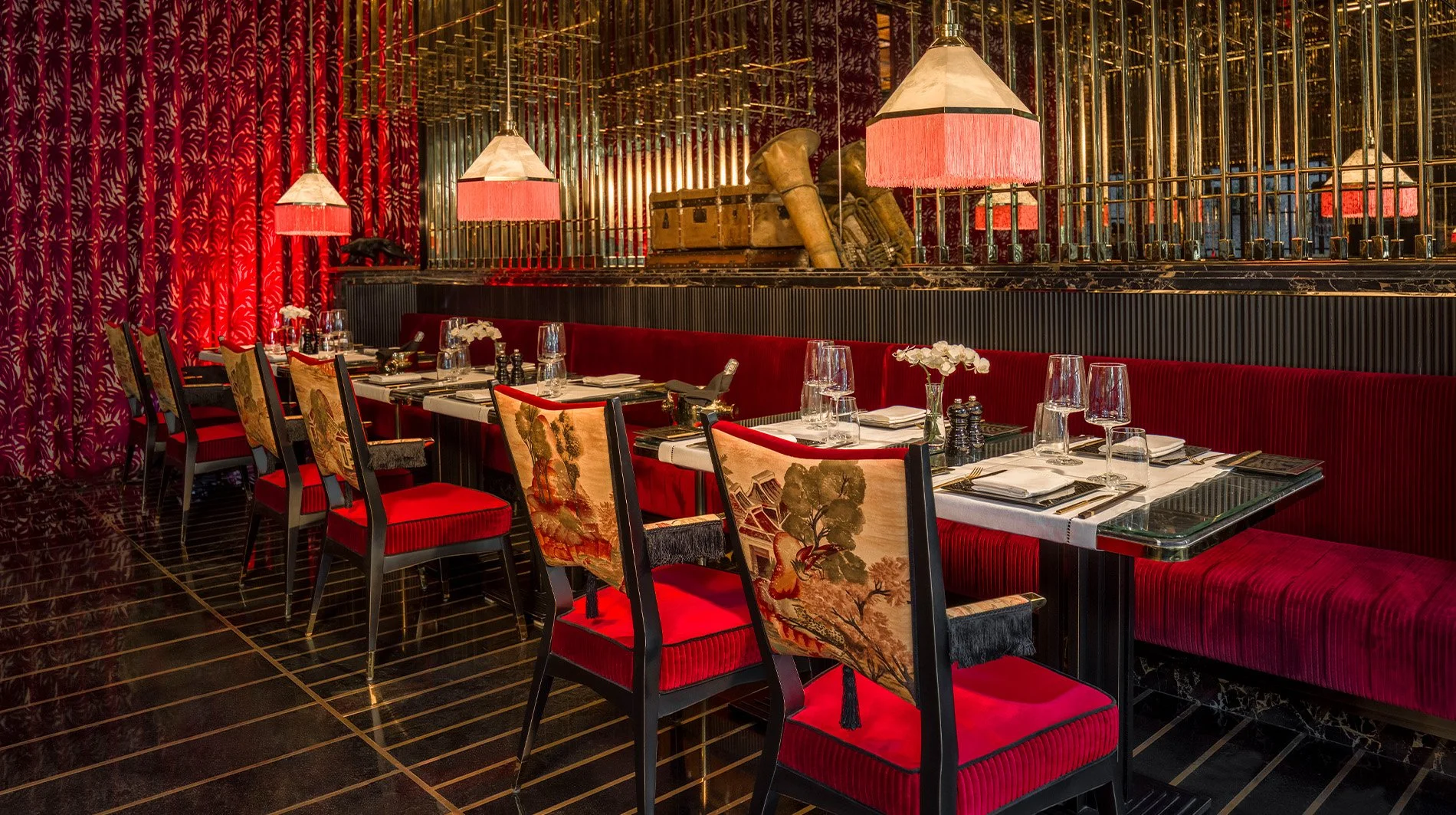
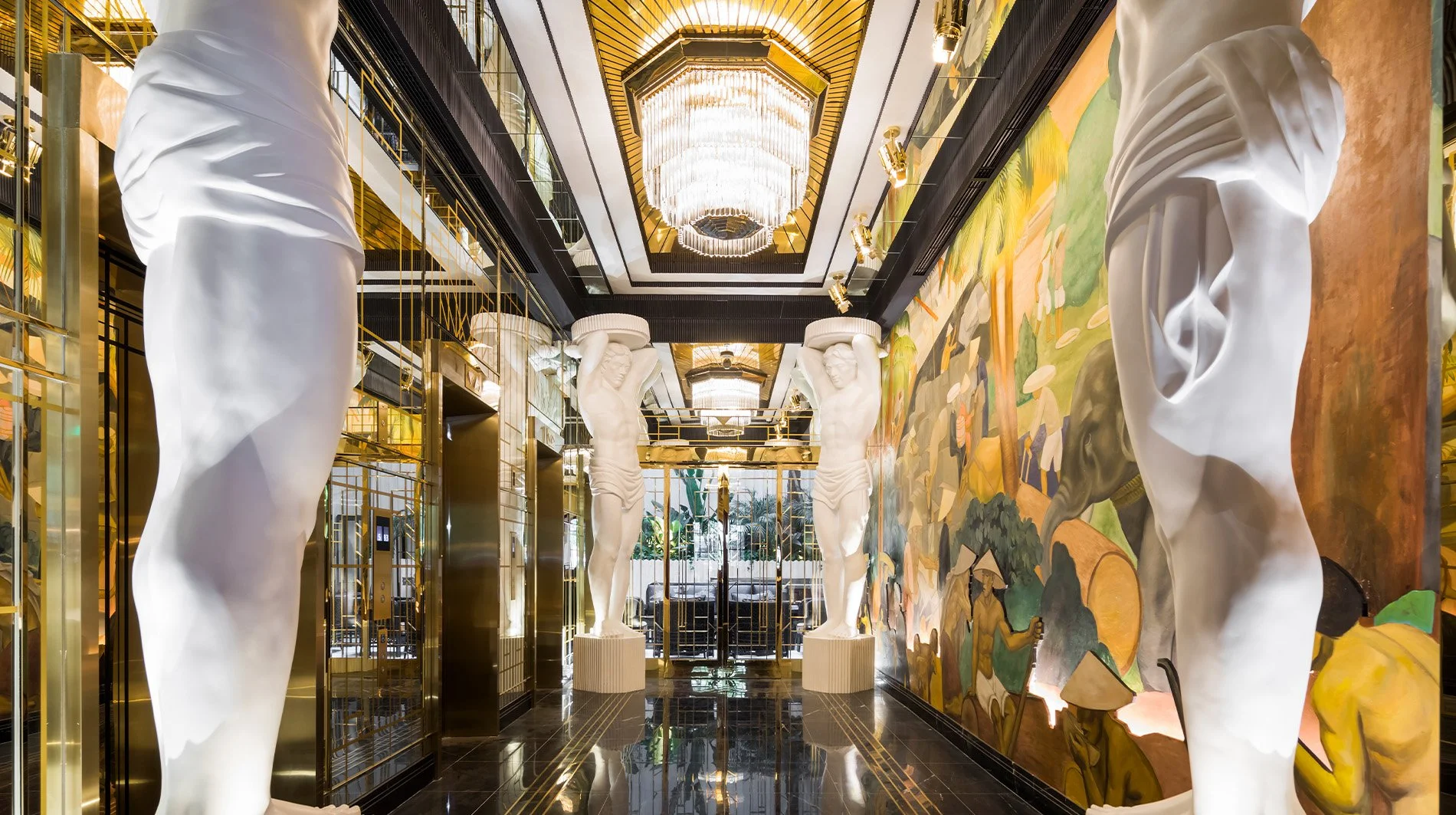
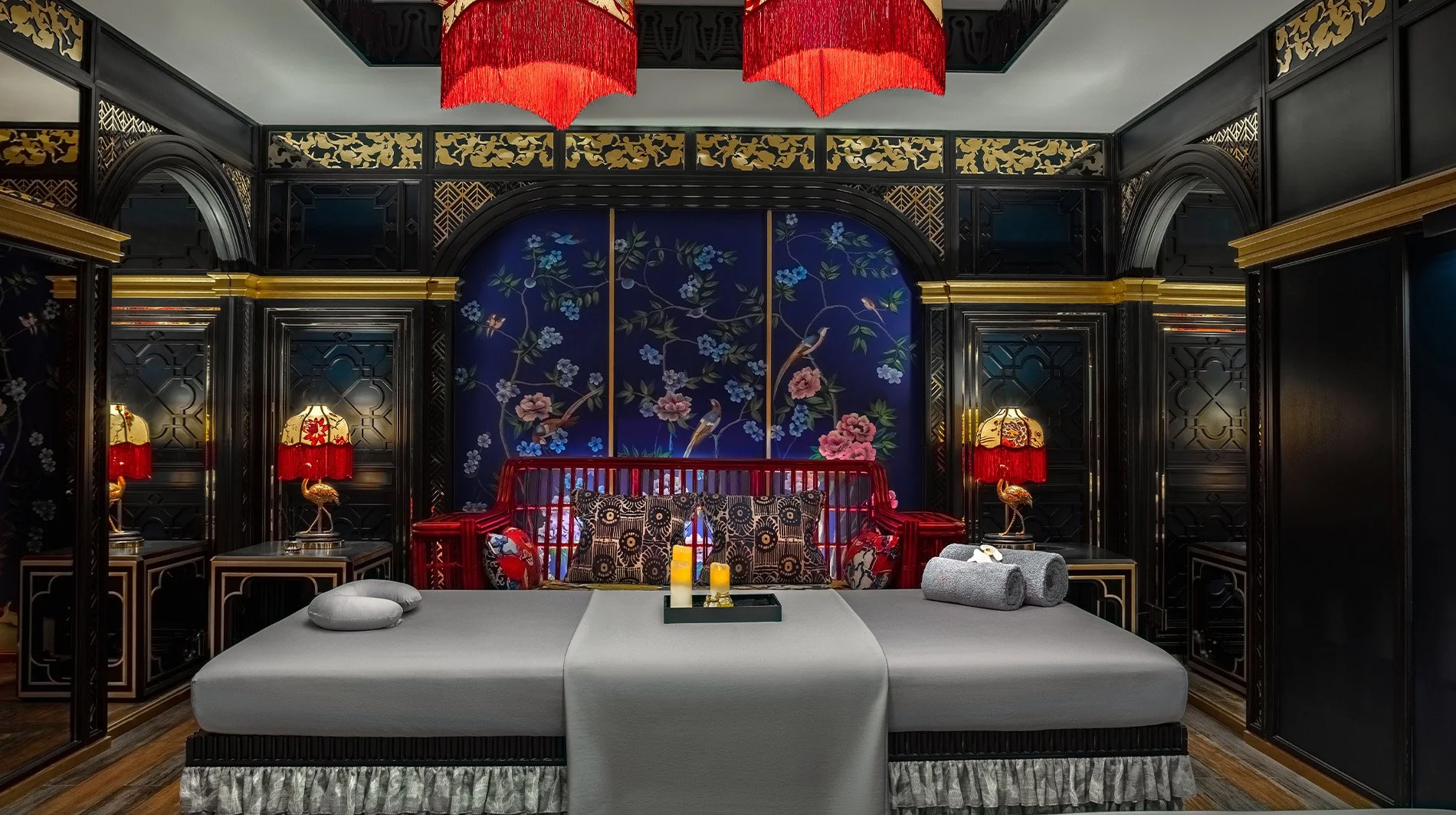
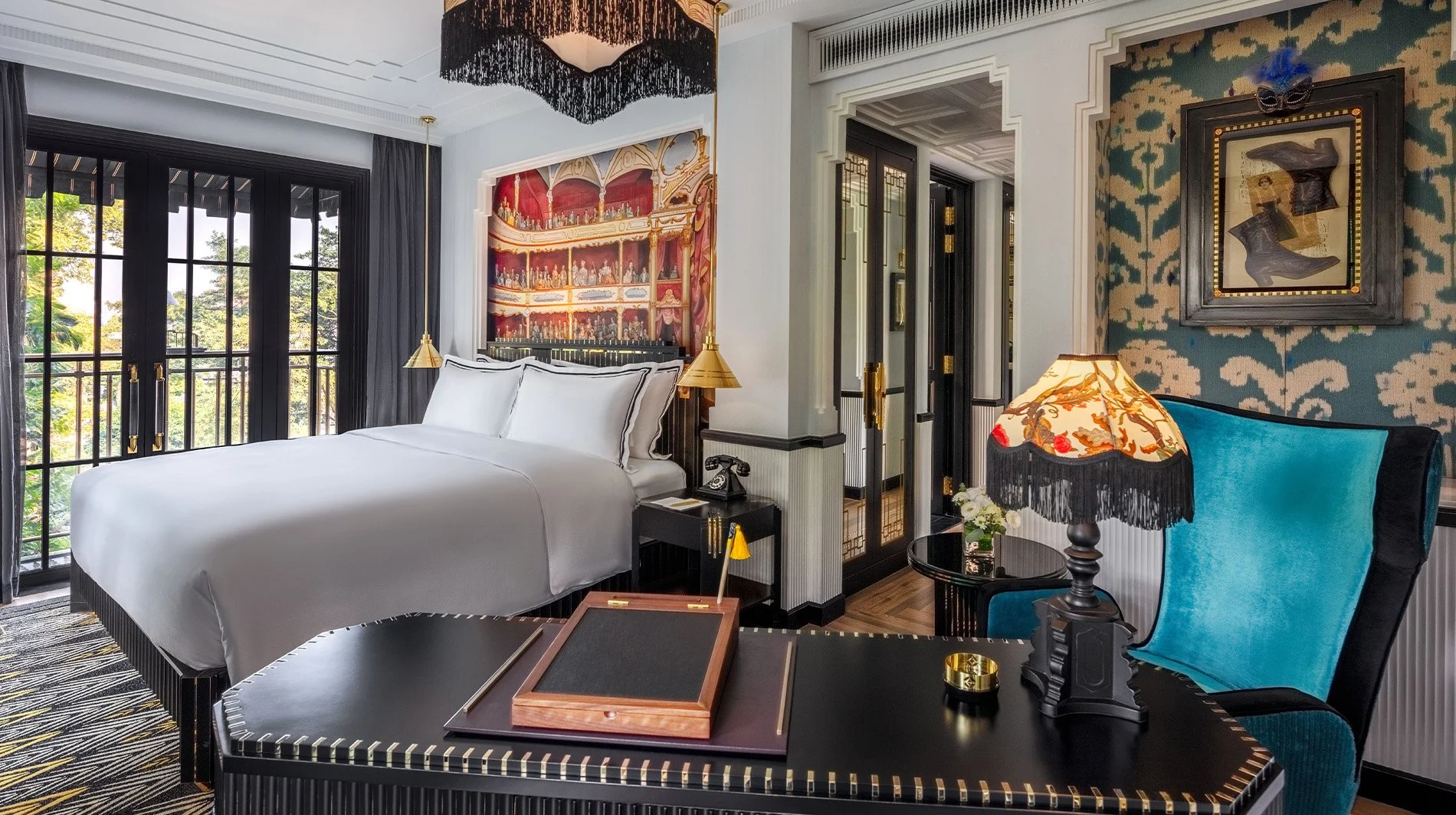
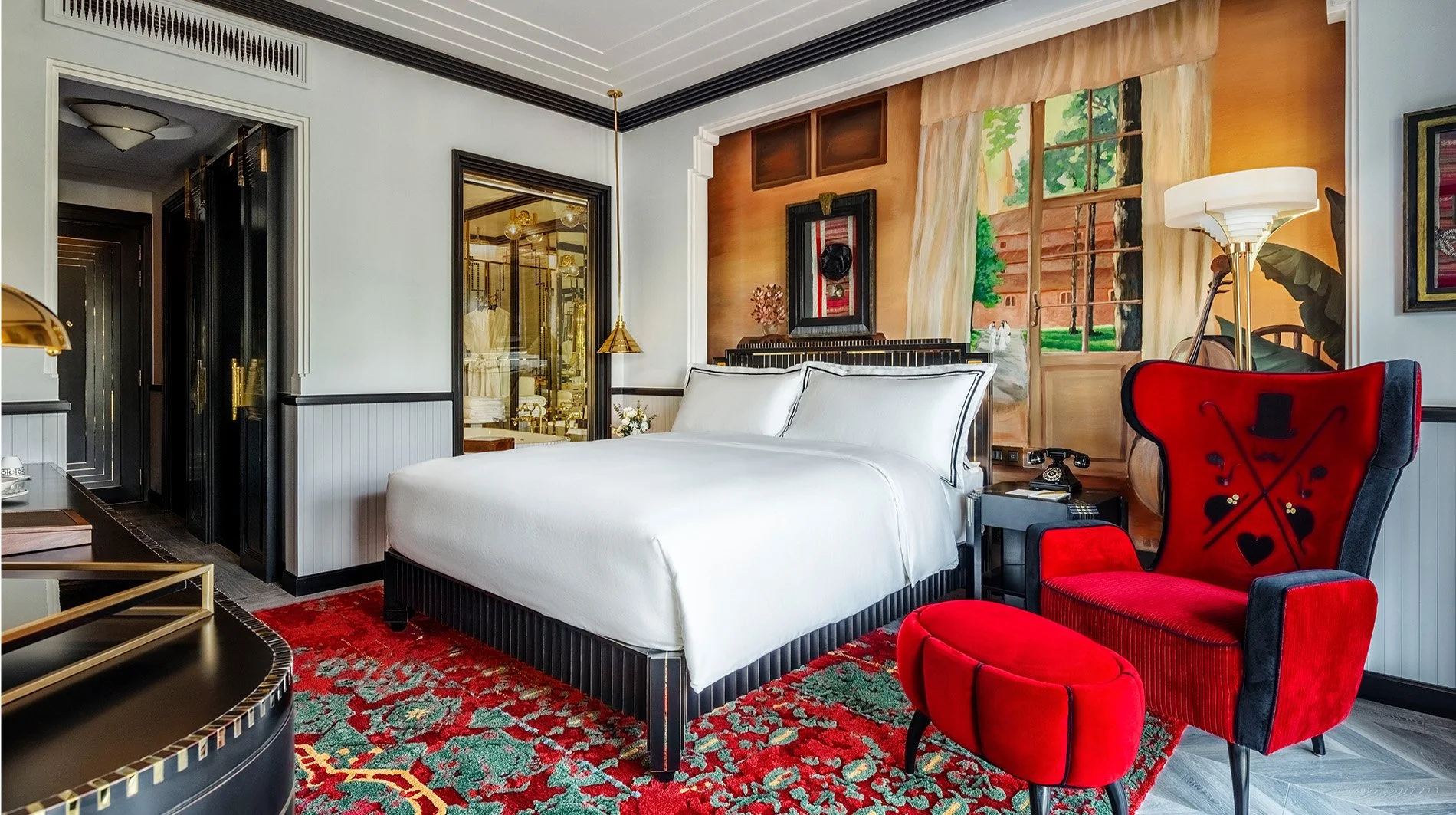
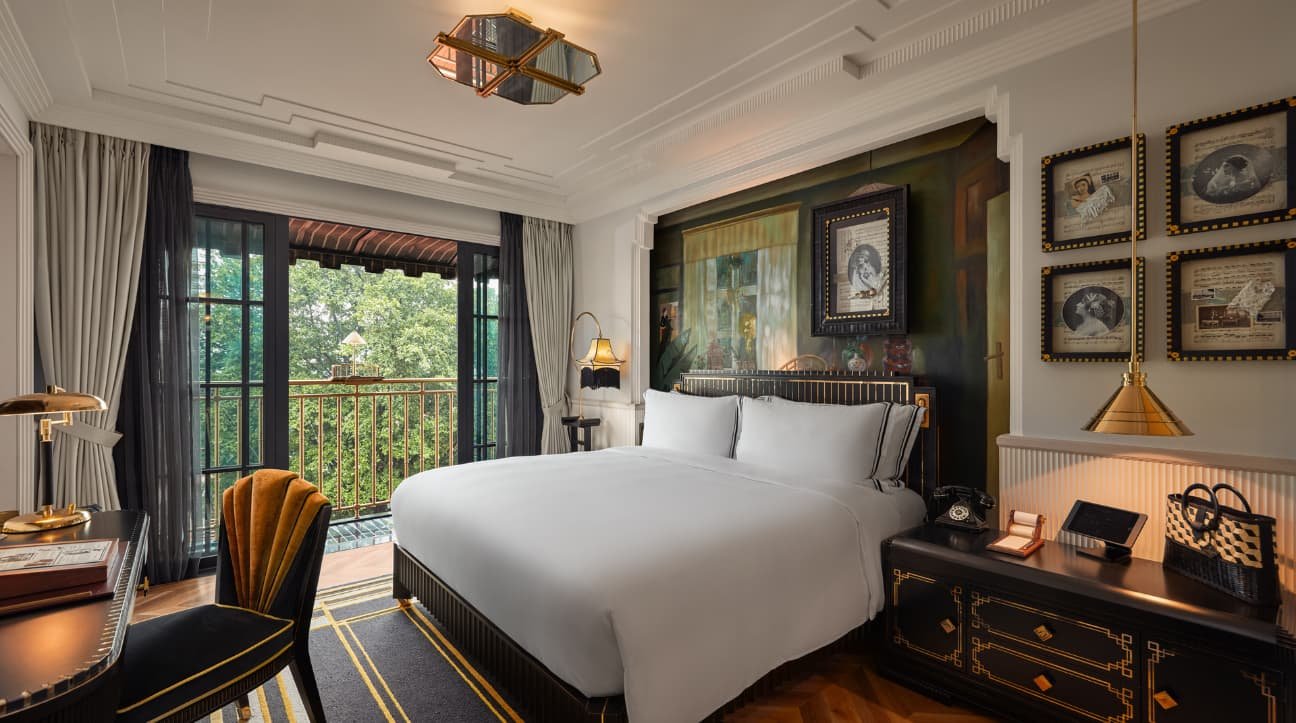
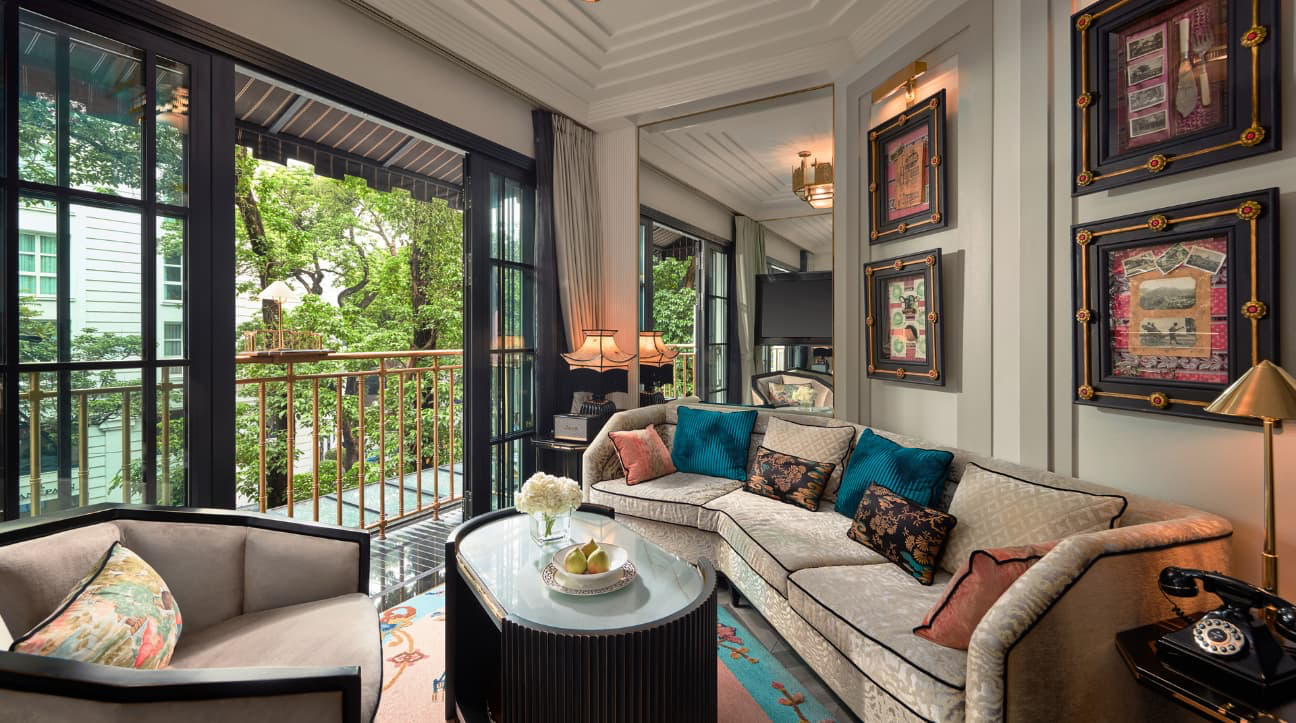
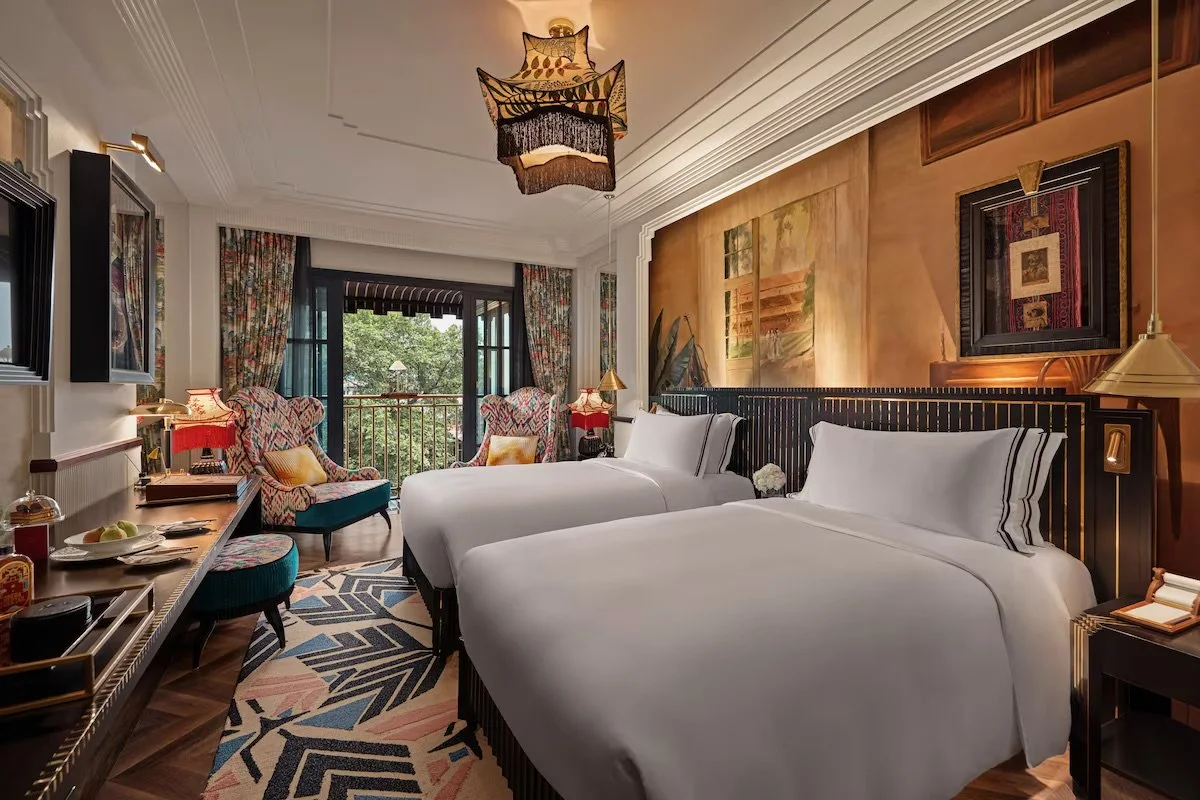
Bill Bensley’s interiors are deliberately expressive. Hand-painted murals, patterned floors, mirrored ceilings, sculptural lighting, custom furniture and opera memorabilia create a maximalist setting that feels very different from the quiet minimalism of many contemporary luxury hotels.
The design mixes Art Deco geometry, French influences and Vietnamese craftsmanship rather than following one historical template. Each room or suite has its own references, which means travelers should think of the category as the structural framework rather than a guarantee that every room will look identical.
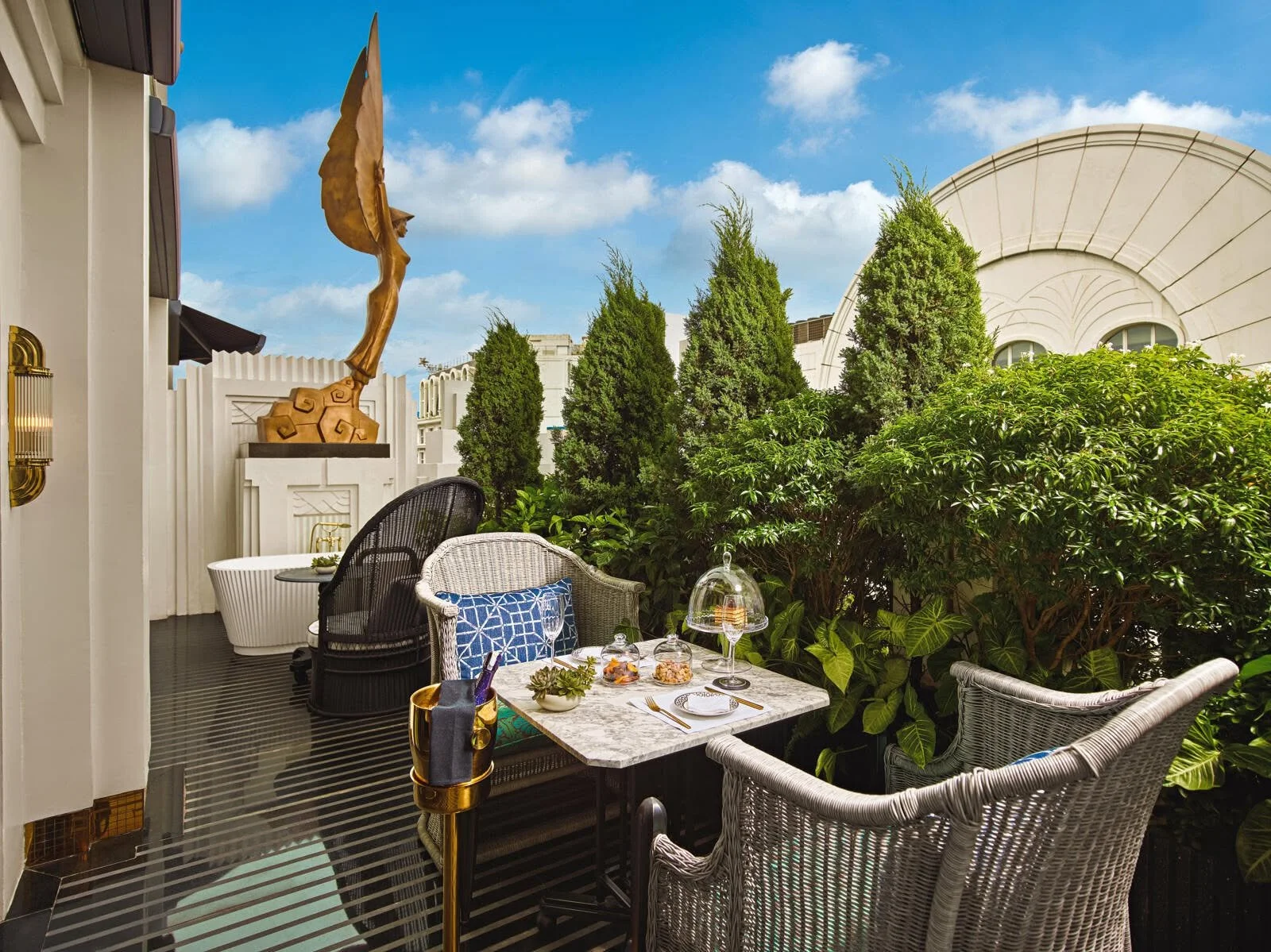
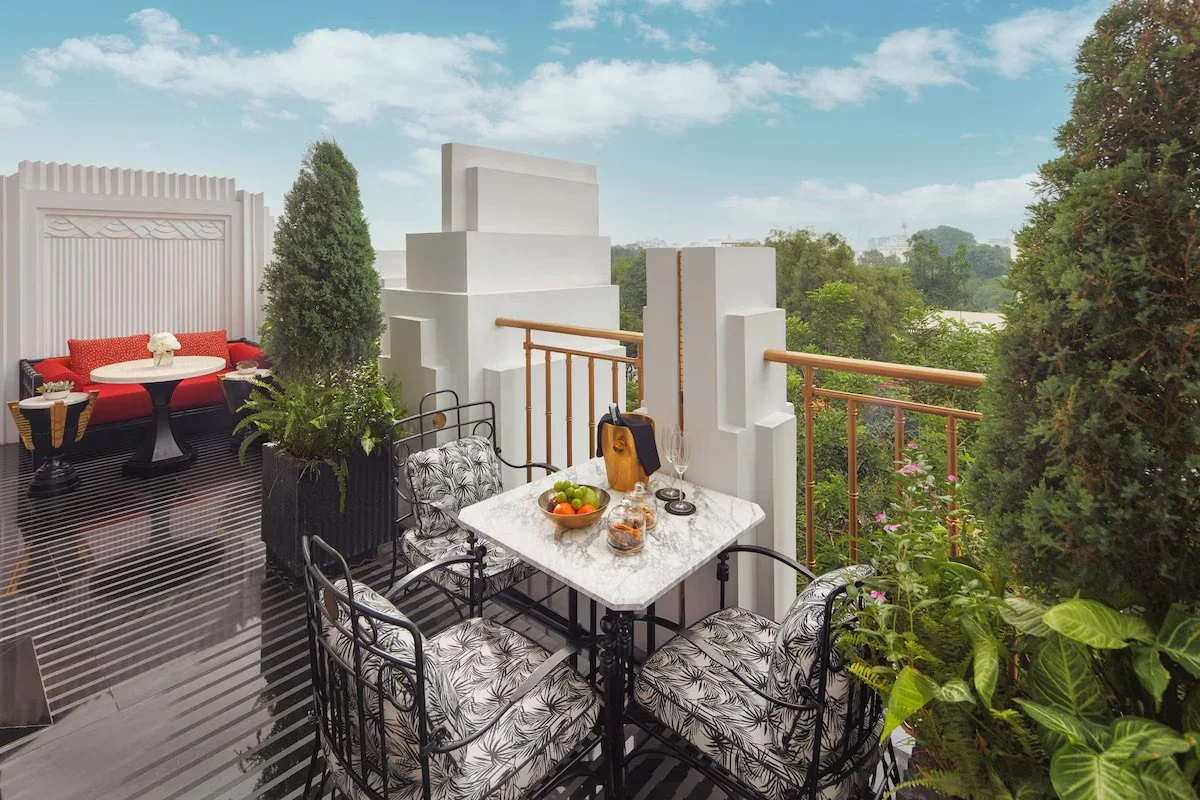
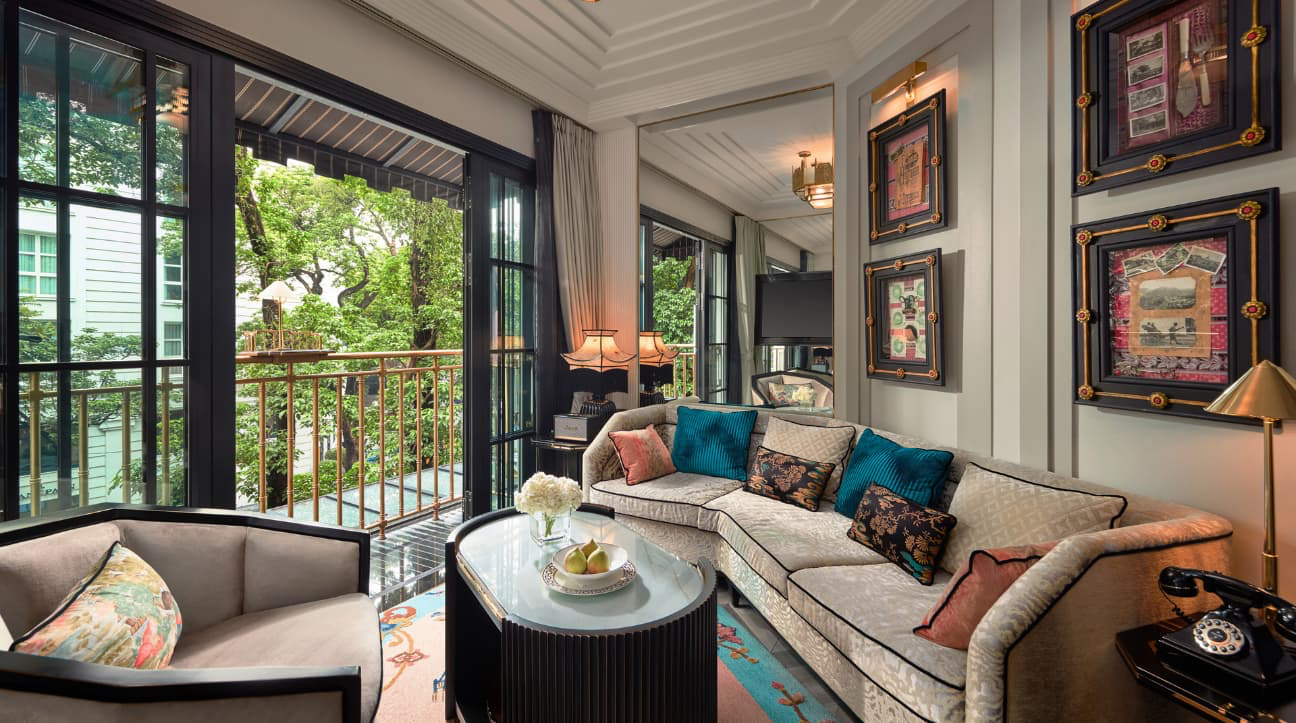
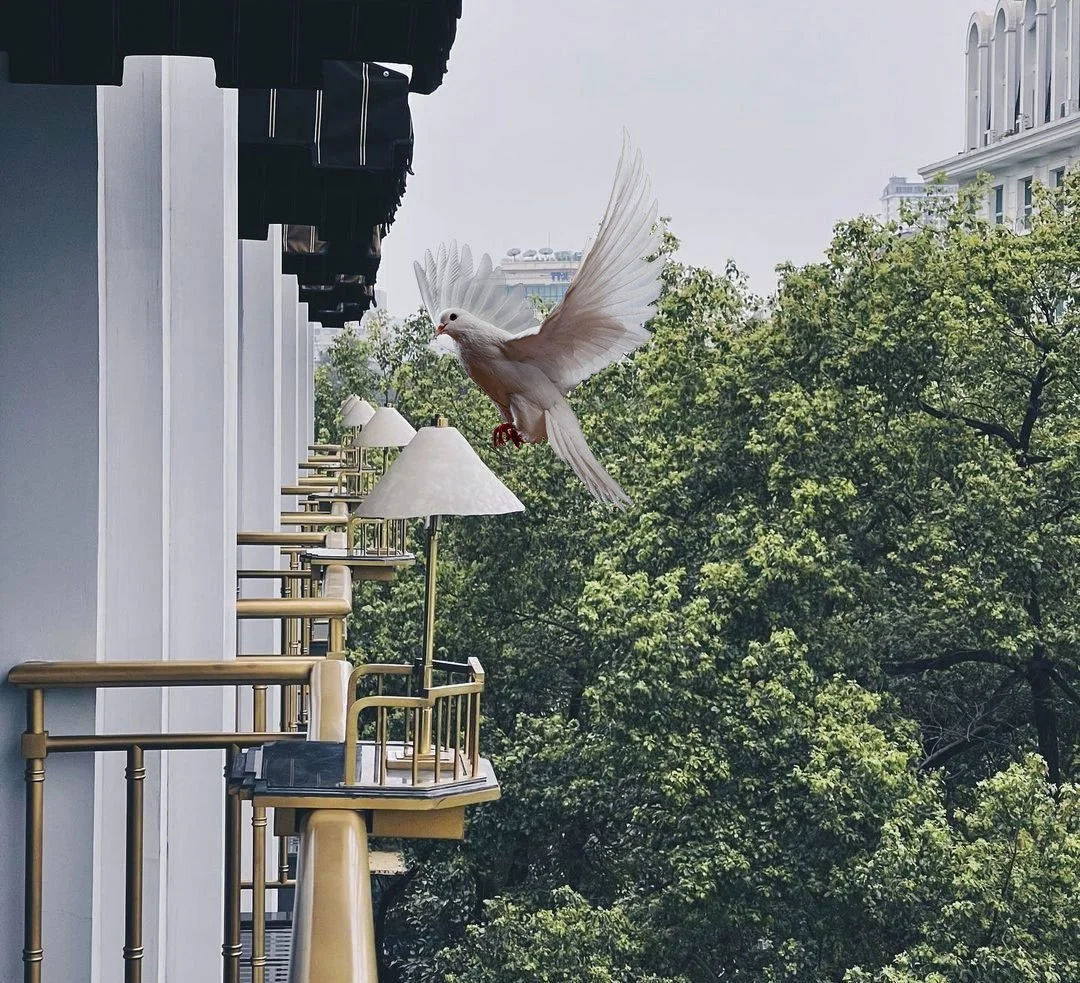
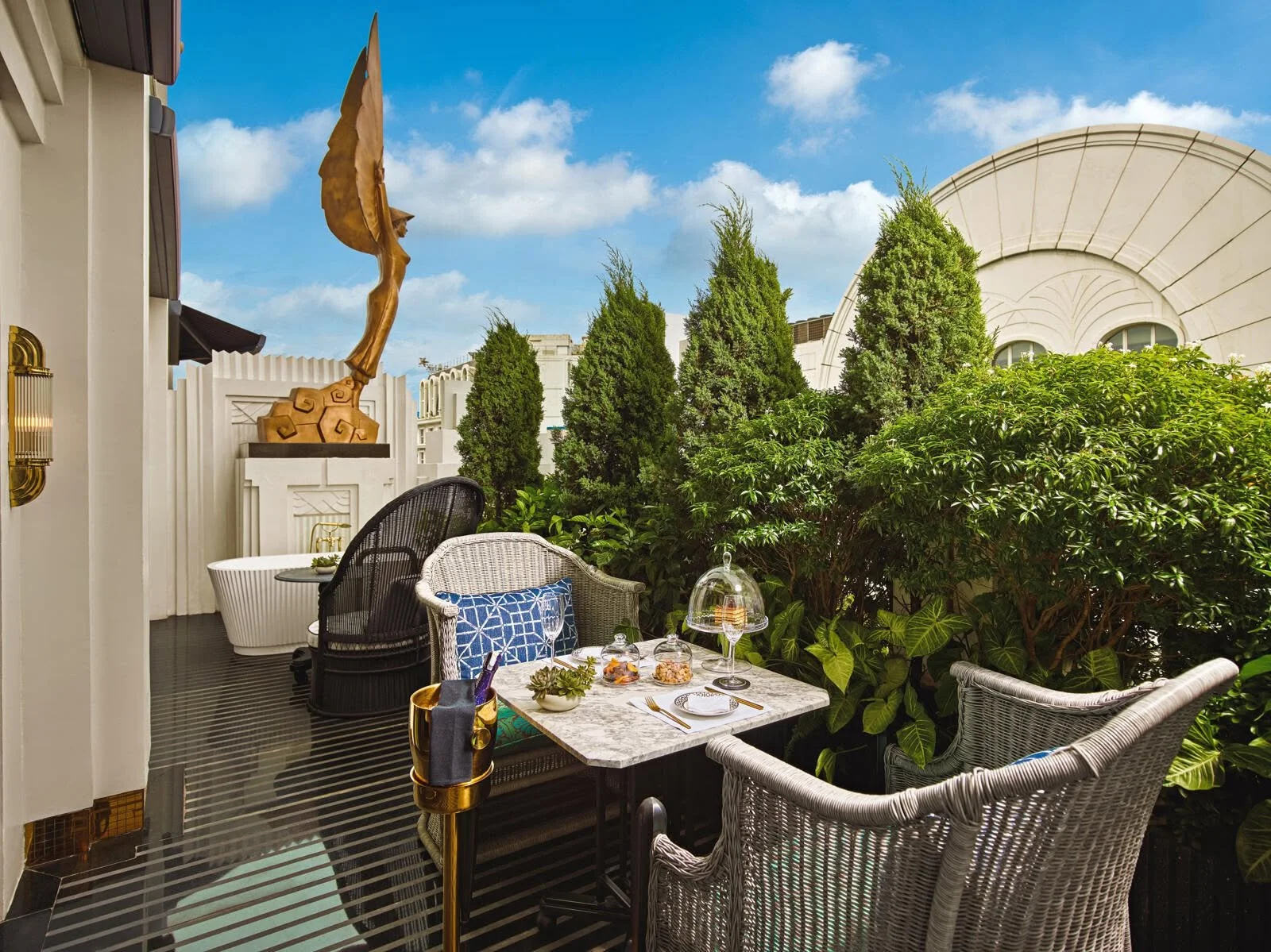
The strongest connection to Hanoi comes through the outdoor spaces. Premier Rooms use decorative French balconies, while the upper-floor Opera Suites add larger private terraces overlooking the Hoan Kiem district. For travelers who expect to spend time in the room rather than simply sleep there, that difference matters.
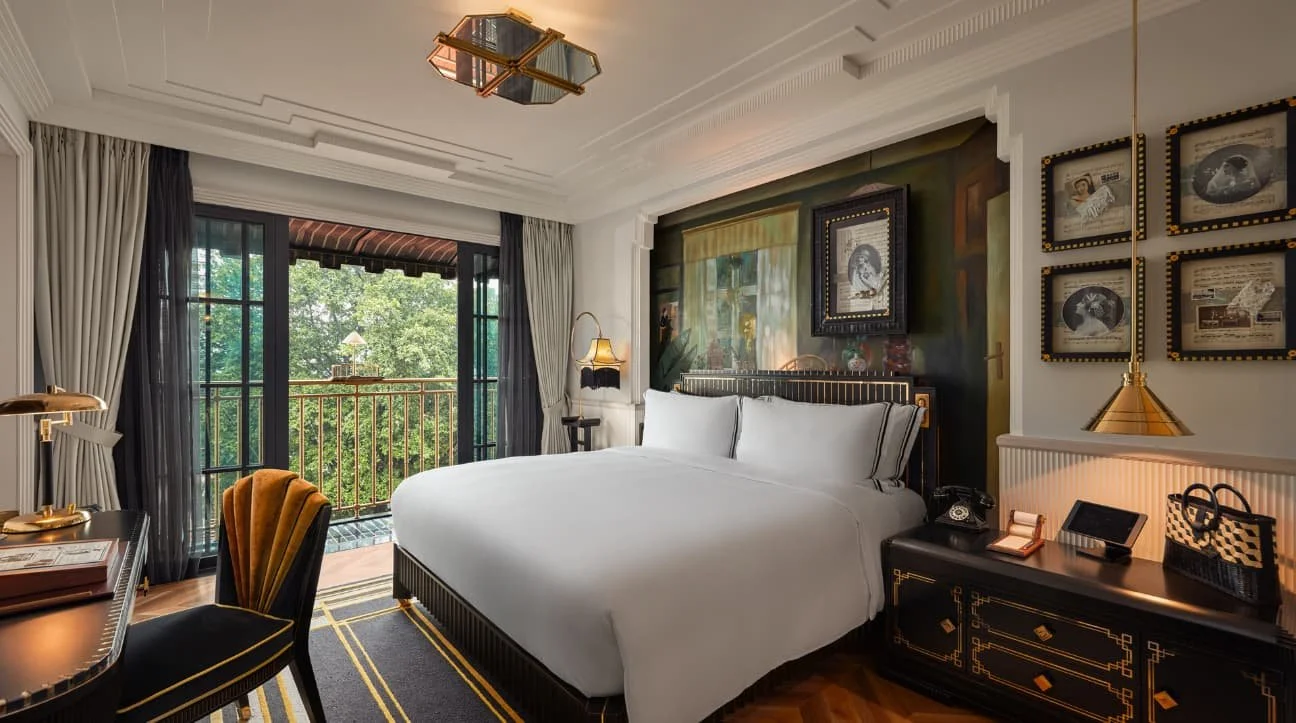
From Premier Rooms to the Grand Opera Suite
Accommodation choice deserves real attention at Capella Hanoi. The lower categories already have strong visual character, but the suites change the stay through separate living space, dining areas and, at the top end, substantial private terraces.
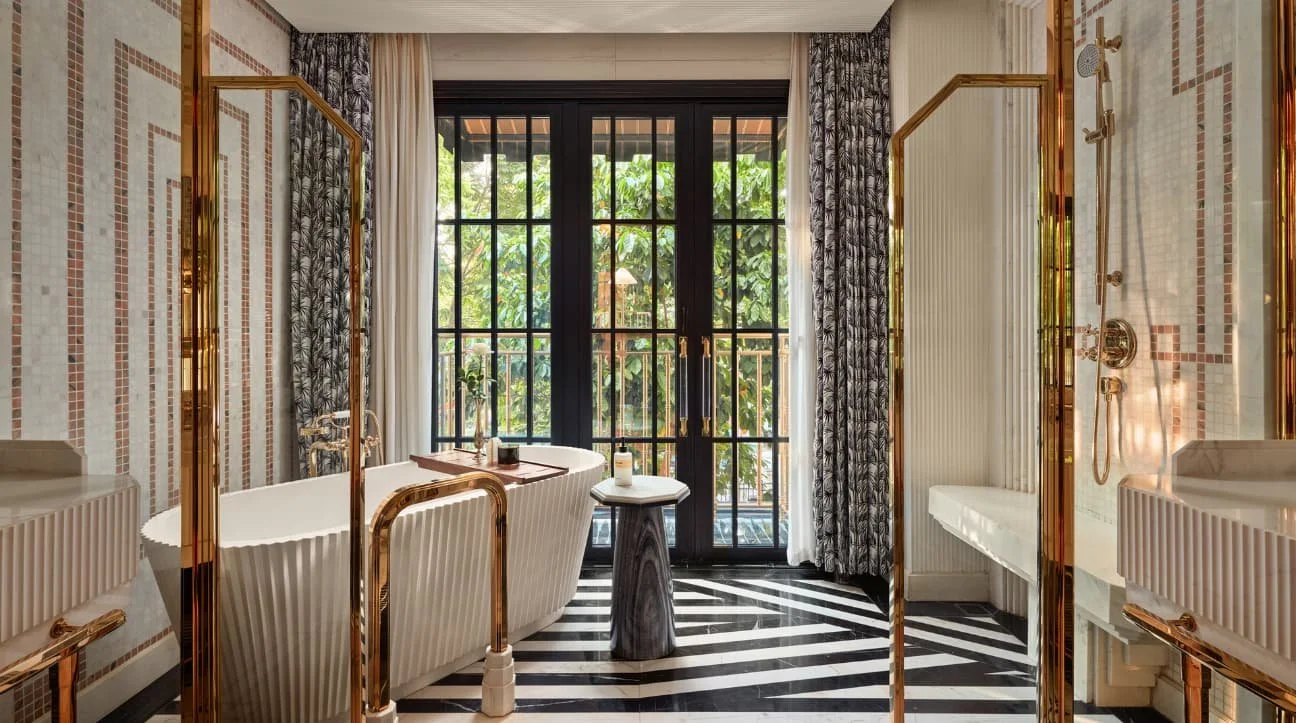
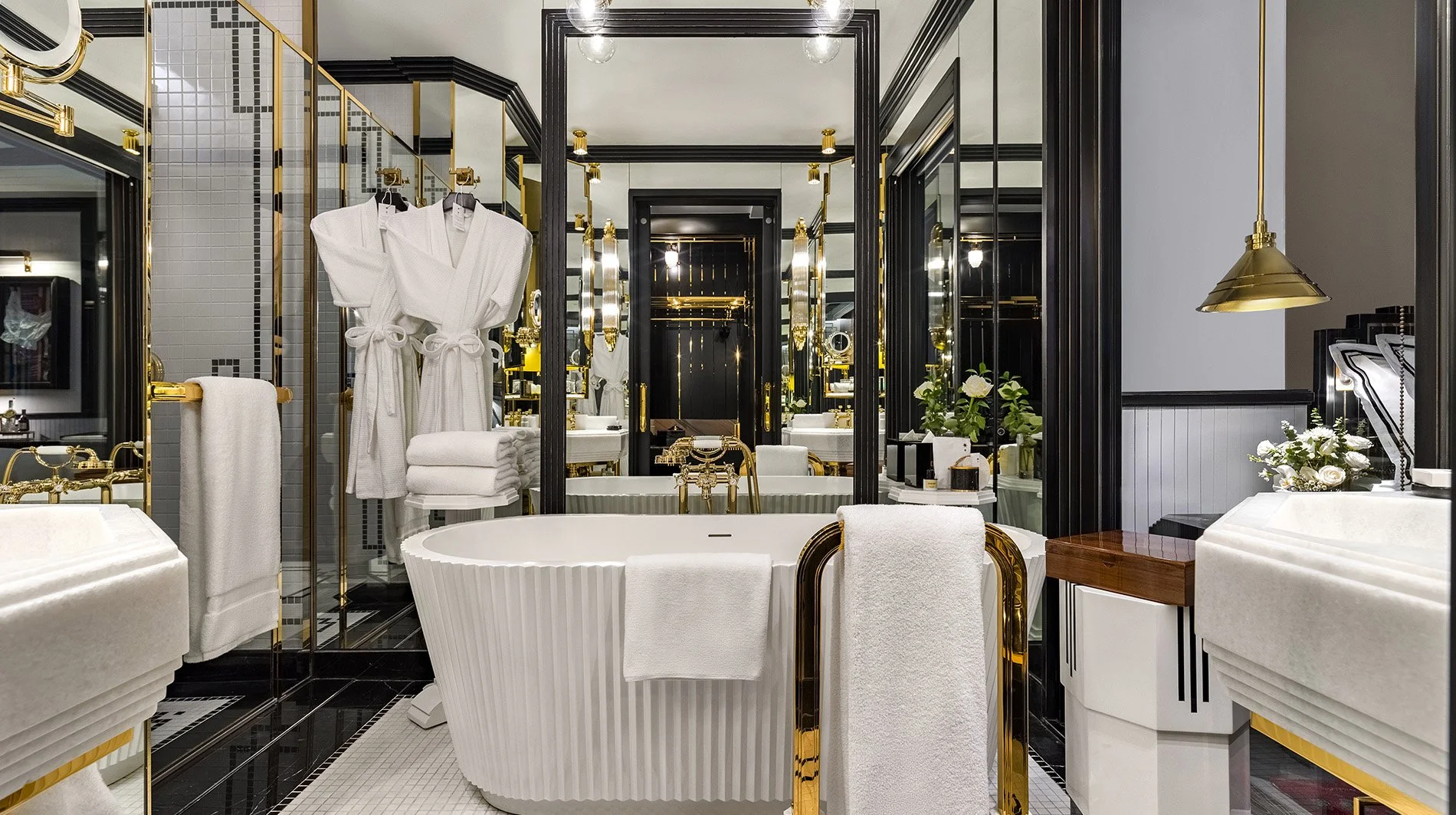
Premier Room: Approximately 377 sq. ft., with a king or twin bed, residential courtyard outlook, marble bathroom and decorative French balcony; the most compact choice for travelers who expect to spend most of the day out exploring.
Junior Suite: Approximately 635 sq. ft., with a separate living room, work area and French balcony facing the Hoan Kiem district, giving couples a meaningful step up in usable living space.
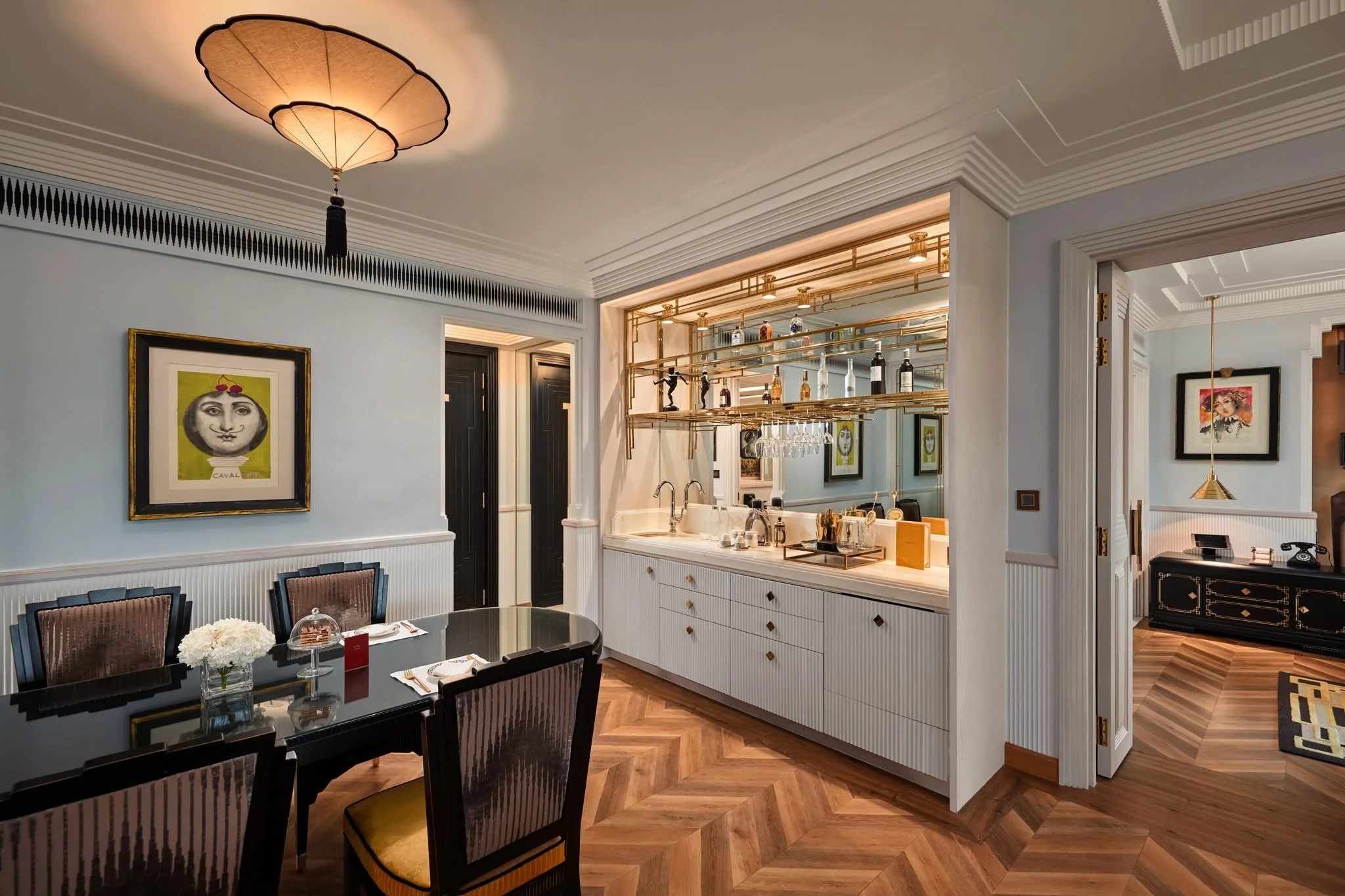
Premier Suite: Approximately 721 sq. ft., with separate living and dining rooms and an elegant pantry, making it particularly comfortable for longer stays or private meals.
Deluxe Suite: Approximately 764 sq. ft., with a separate living room, dining area and pantry, adding slightly more space while keeping the same residential style as the Premier Suite.
Terrace Opera Suite: Approximately 797 sq. ft., on the highest floor with a private alfresco terrace, living room and Hoan Kiem views; a strong option for couples who value outdoor space.
Capella Suite: Approximately 893 sq. ft., positioned on a corner with abundant natural light, a separate living room and a dedicated dining room overlooking greenery.
Classic Opera Suite: Approximately 1,023 sq. ft., on the highest floor with separate living and dining areas, a full-sized bar and private terrace, designed around the story of Turandot.
Two-Bedroom Royal Opera Family Suite: Approximately 1,324 sq. ft., with a primary king bedroom, a separate second bedroom, individual bathrooms, a shared lounge and dining area, private bar and terrace with an outdoor bathtub; the clearest fit for a family of four.
Grand Opera Suite: Approximately 2,088 sq. ft., the hotel’s largest suite, with one bedroom, an expansive living and dining area, a kitchen, alfresco terrace, outdoor bar and rooftop jacuzzi inspired by Madama Butterfly.
For couples, the Terrace Opera Suite and Classic Opera Suite make the strongest case when outdoor space matters. The Capella Suite is a better fit for travelers who prefer a larger interior living arrangement. Families should look first at the Two-Bedroom Royal Opera Family Suite, while the Grand Opera Suite is better suited to a couple or single party wanting entertaining space rather than a true two-bedroom layout.
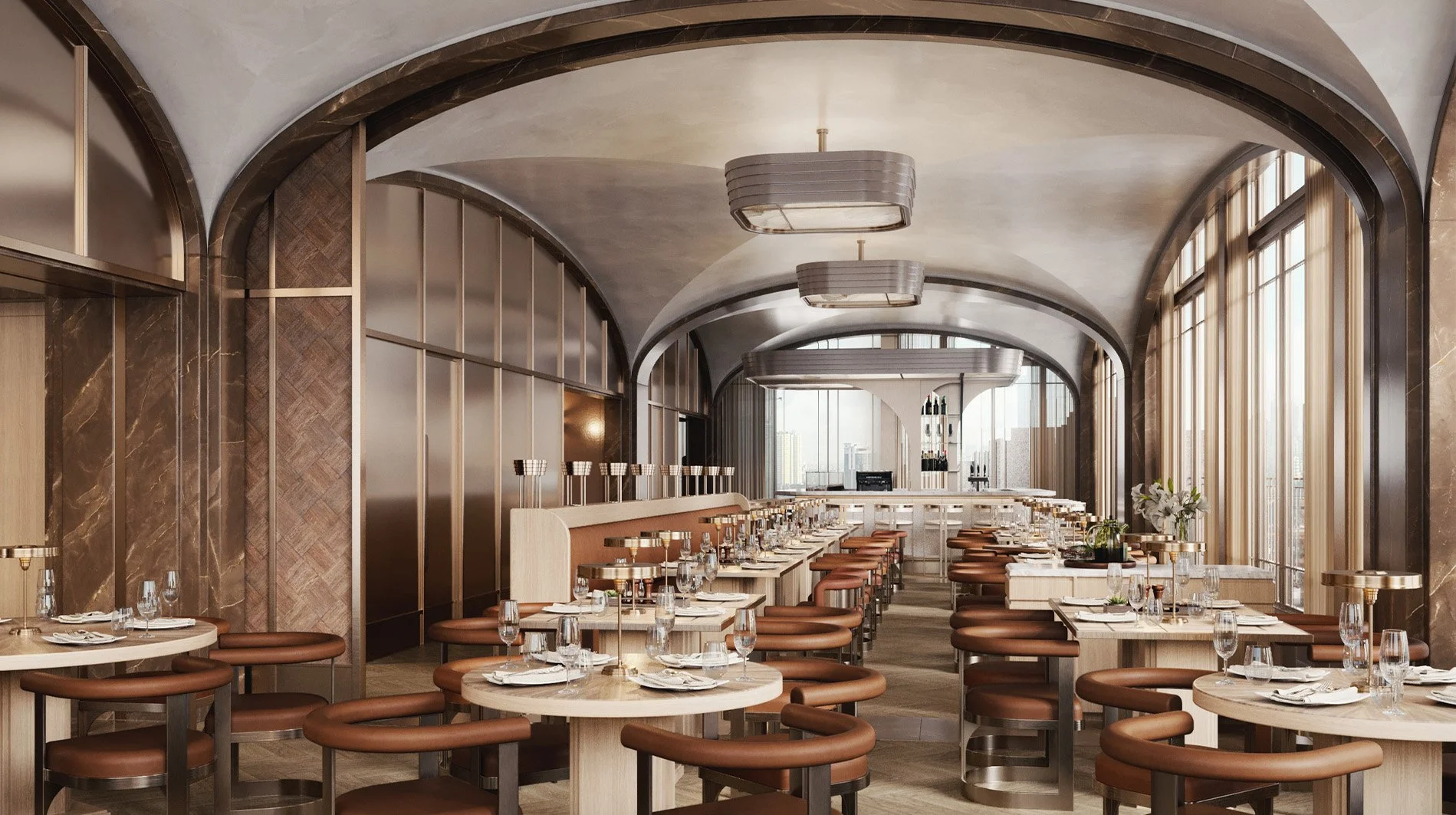
Vietnamese, Japanese and Rooftop Dining
Capella Hanoi’s dining program is unusually ambitious for a 47-room hotel. Each venue has a distinct identity, so a multi-night stay can move from Vietnamese cooking to Japanese fine dining and rooftop cocktails without repeating the same atmosphere.
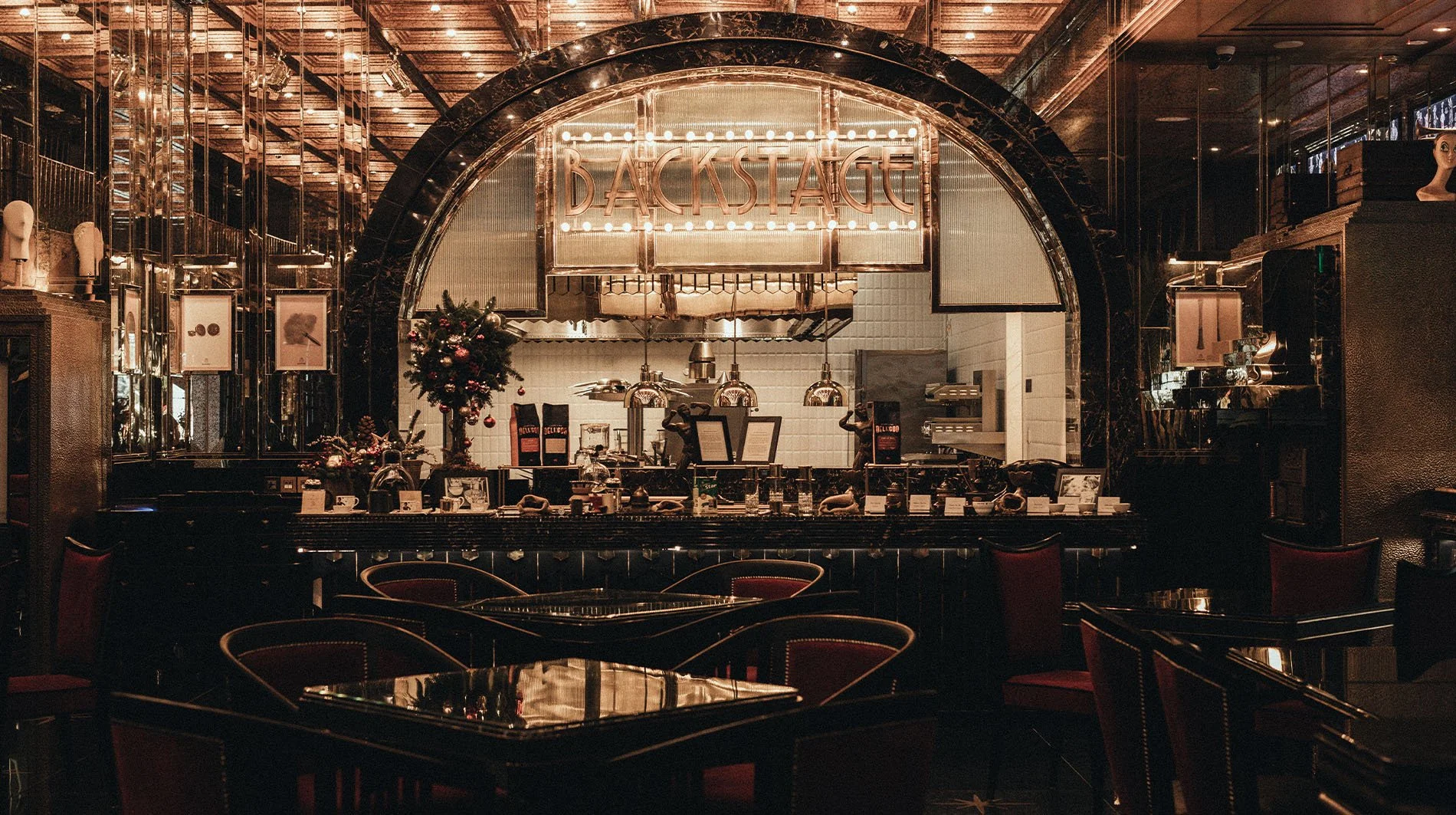
Backstage: The all-day restaurant serves contemporary interpretations of Northern Vietnamese cuisine alongside selected international dishes and is currently MICHELIN Selected.
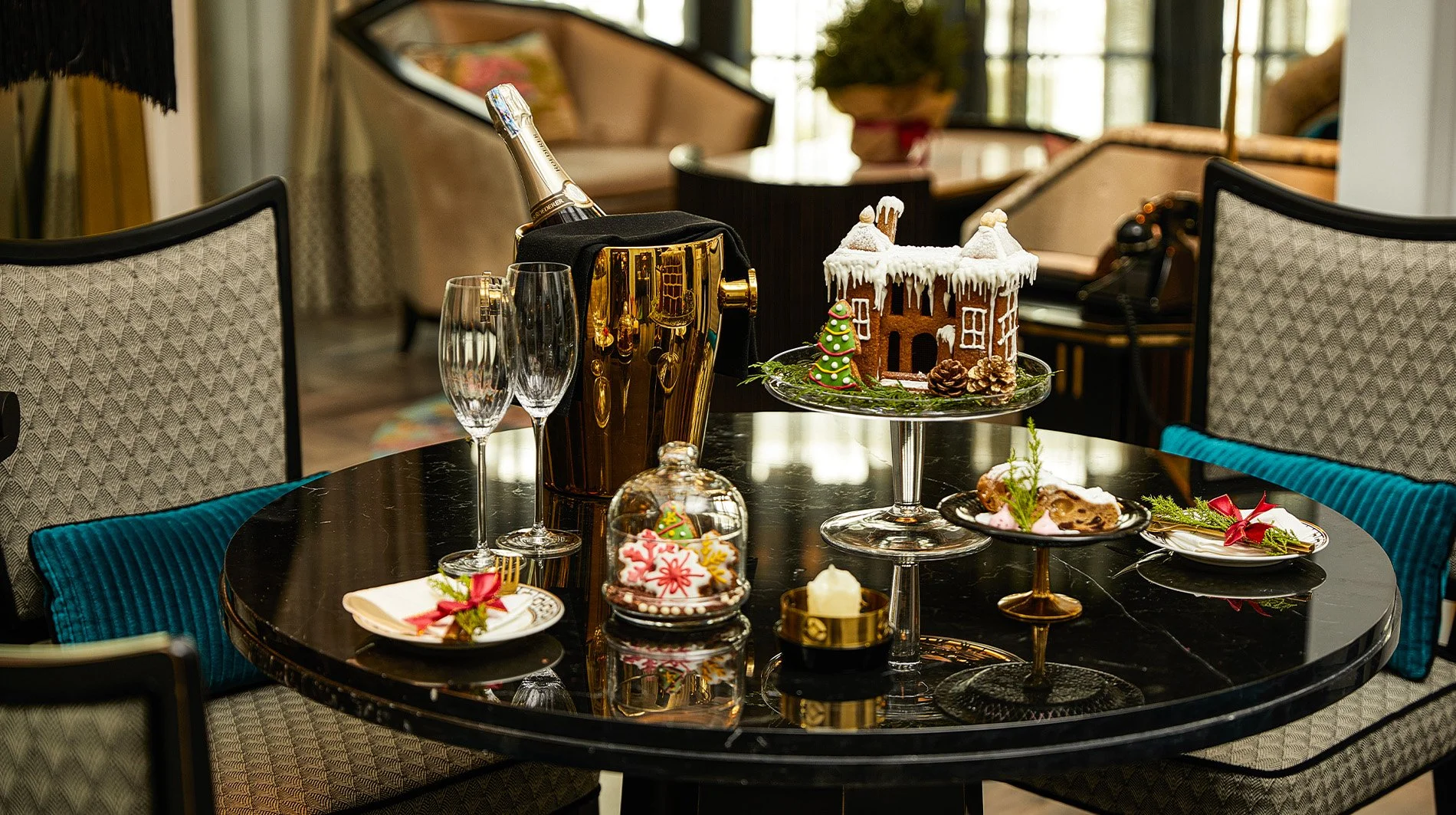
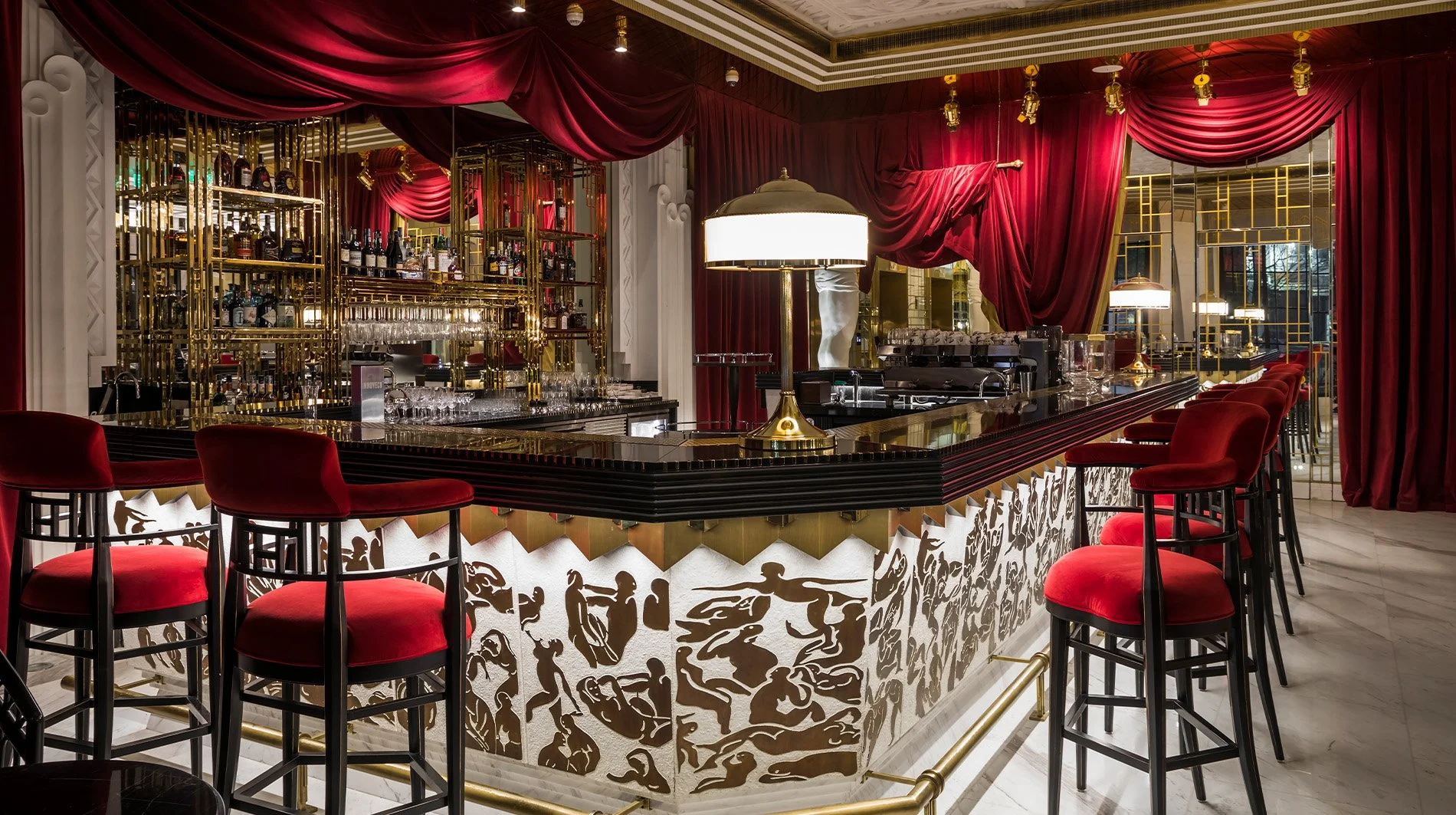
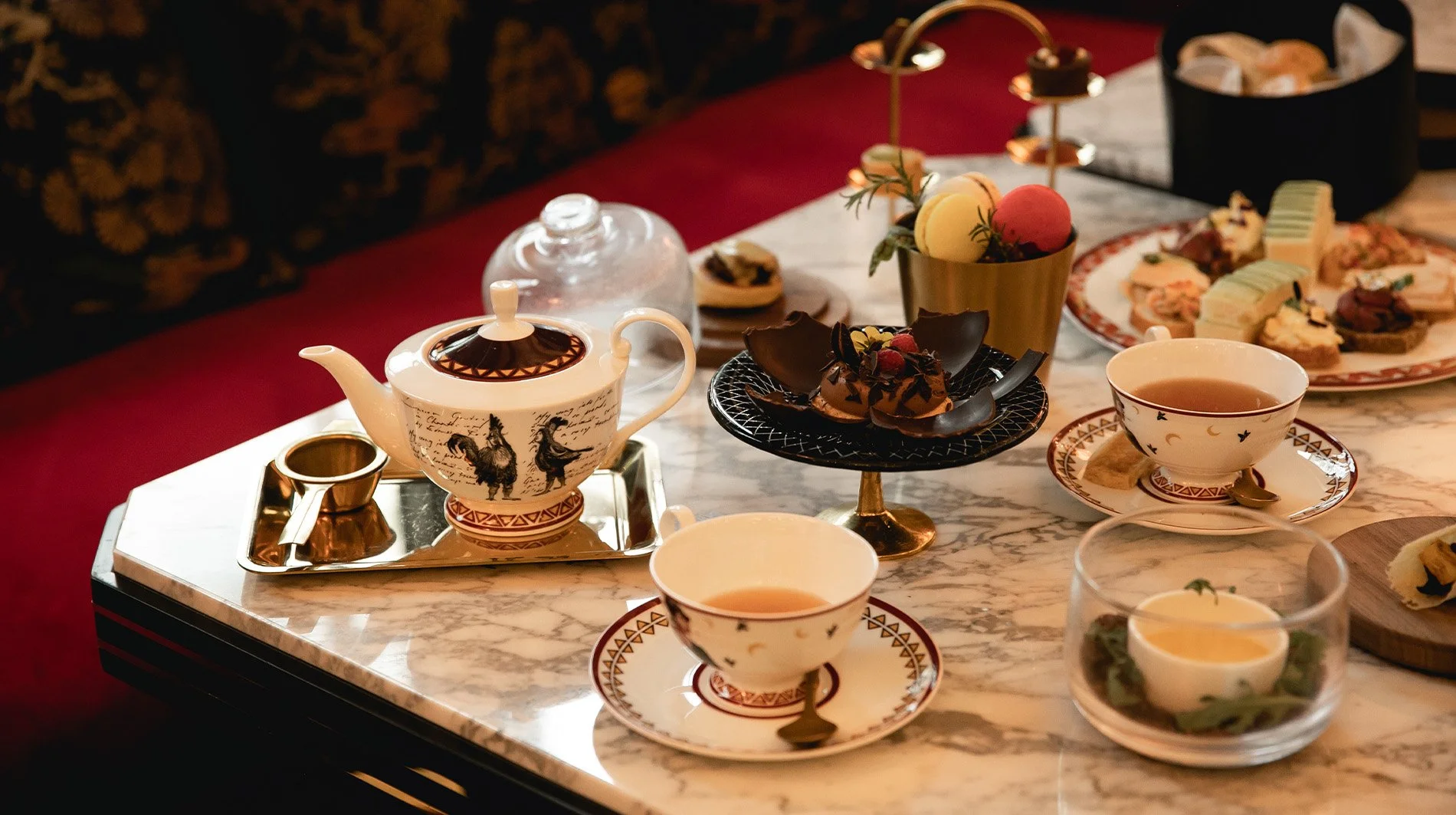
Diva’s Lounge: An all-day lounge and cocktail bar inspired by the great female performers of the 1920s, serving afternoon tea, pastries, cocktails and Vietnamese-influenced small plates.
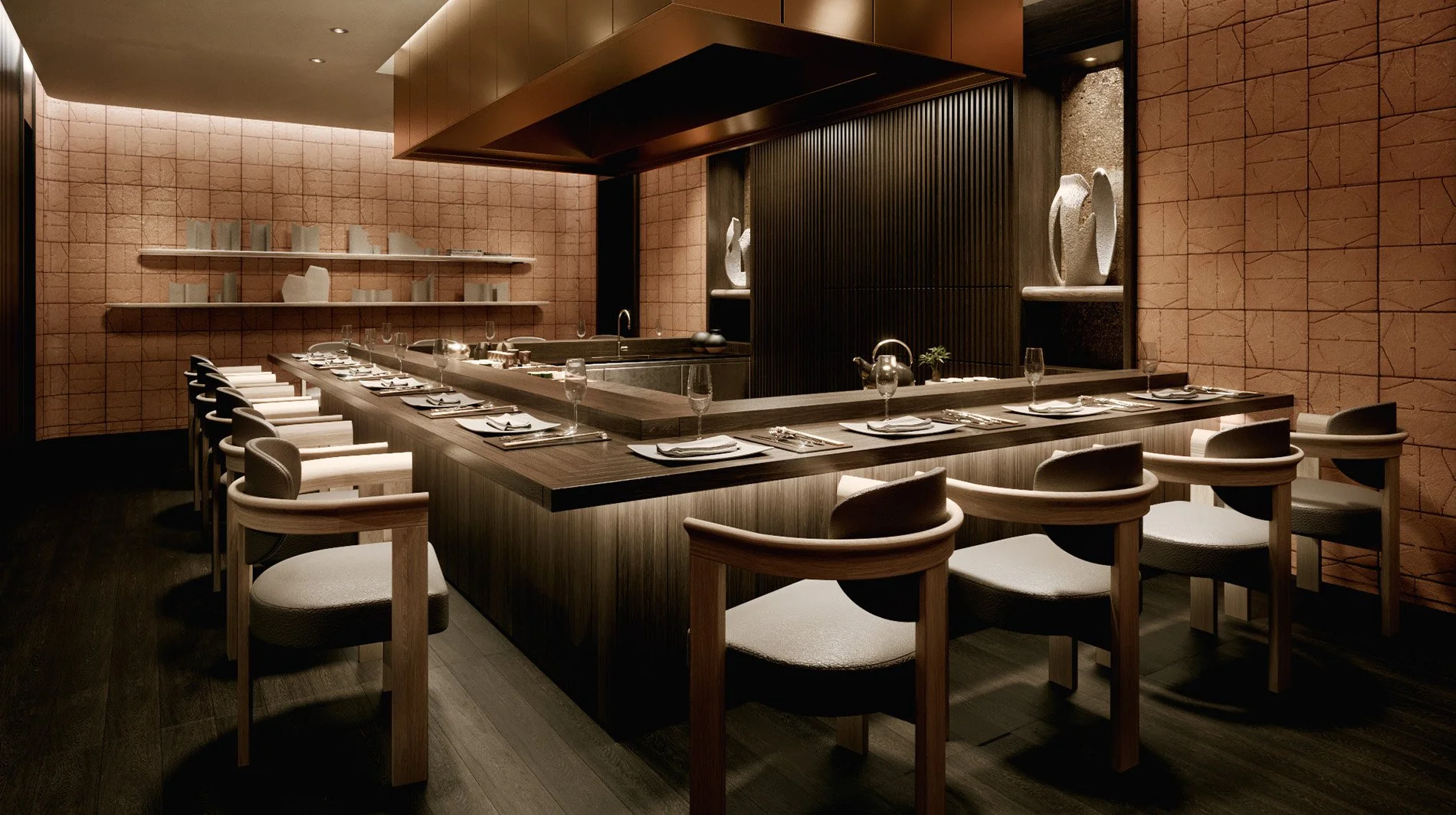
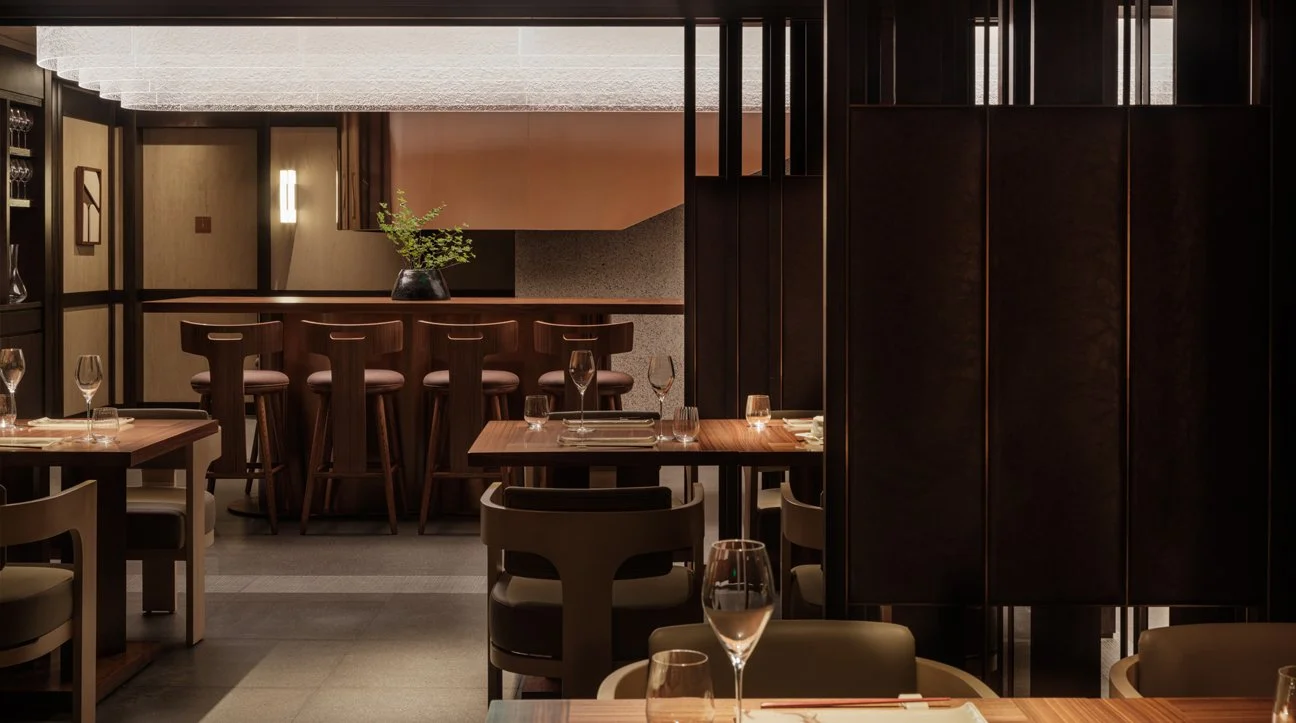
Hibana by Koki: The intimate teppanyaki counter at Koki holds One MICHELIN Star in the 2026 guide, with a highly structured Japanese dining experience prepared directly in front of diners.
Izakaya by Koki: A MICHELIN Selected Japanese izakaya within the Koki complex, offering a more relaxed alternative to Hibana while retaining the same emphasis on Japanese technique.
Chidori Sushi Room: A sushi-focused room within Koki, currently operating during evening service on selected days.
Akio Bar & Lounge: Koki’s sake and cocktail lounge, useful before or after dinner within the same multi-concept Japanese dining space.
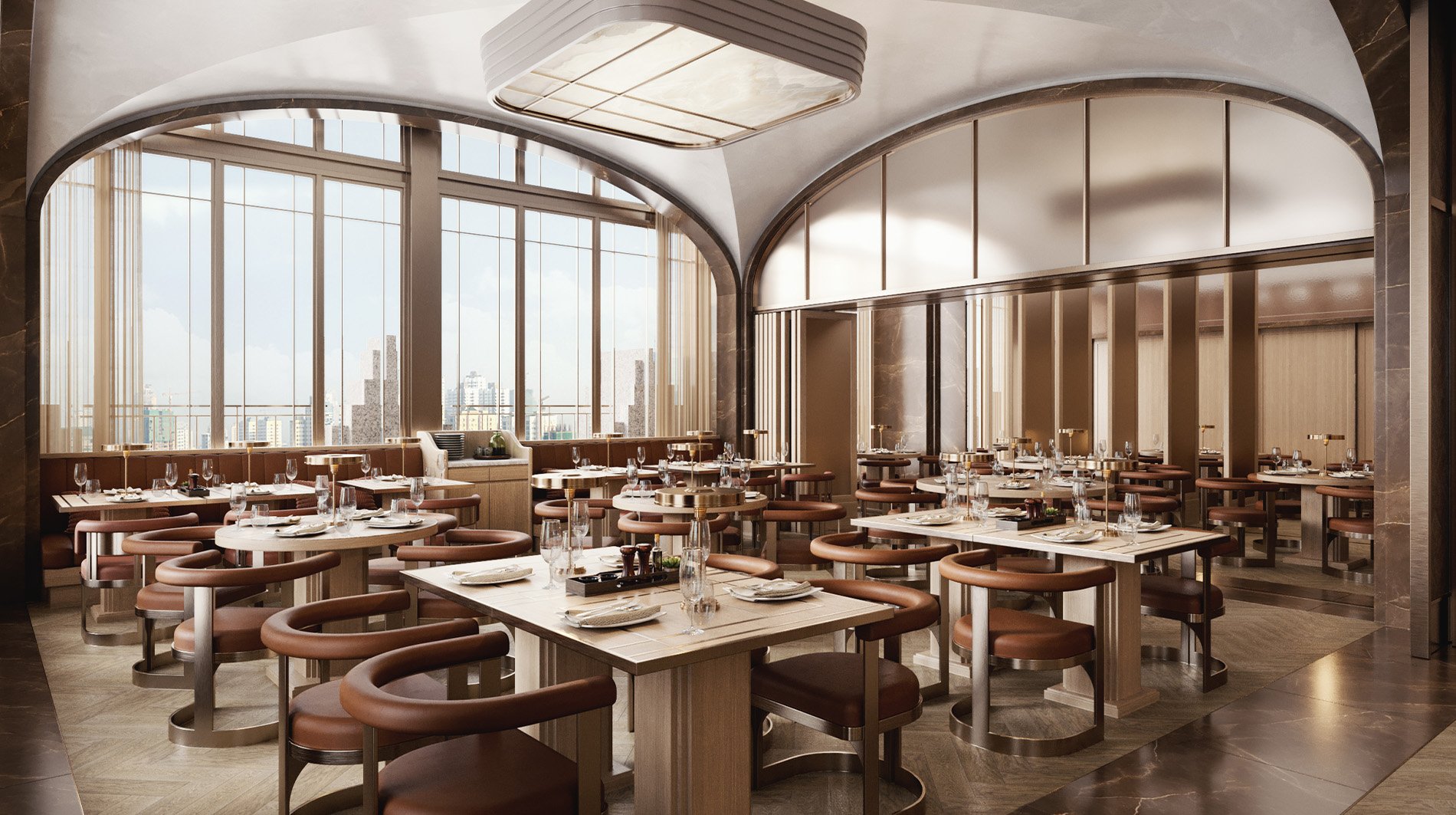
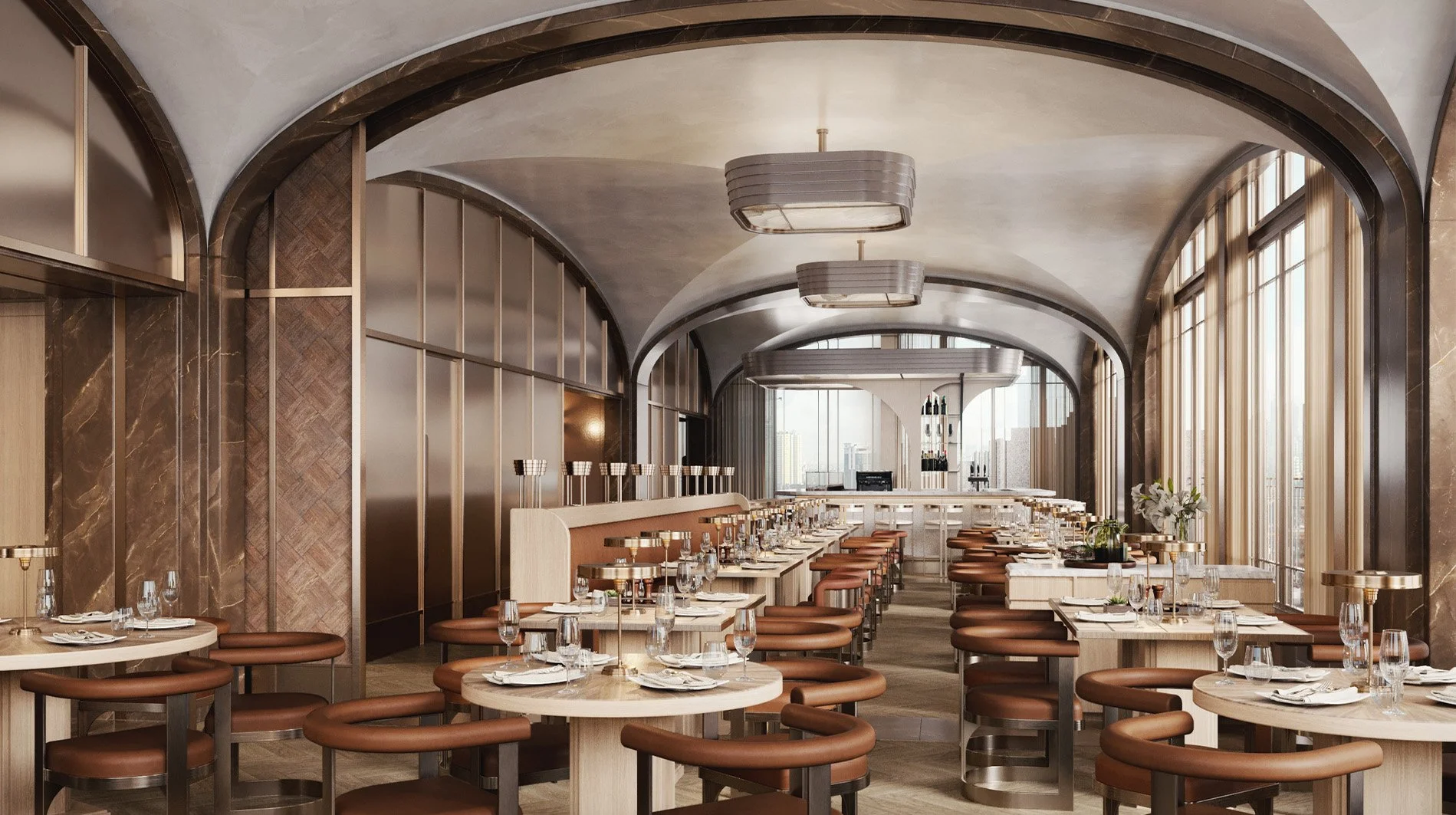
The Hudson Rooms: A rooftop restaurant and bar inspired by 1920s New York, centered on oysters, caviar, seafood, whiskey and cocktails; it reached No. 46 in Asia’s 50 Best Bars 2026.
The Living Room: A guest-only salon with books, refreshments and scheduled daily treats before joining the evening flow of Diva’s Lounge.
In-Room Dining: Available around the clock for travelers who want a private breakfast, late-night meal or dinner in one of the larger suites.
Hibana by Koki and The Hudson Rooms are the venues most worth reserving early. Koki operates on a limited weekly schedule, while rooftop hours and special programming can vary by day. For travelers who care about dining, those reservations should be built into the itinerary before arrival rather than left until check-in.
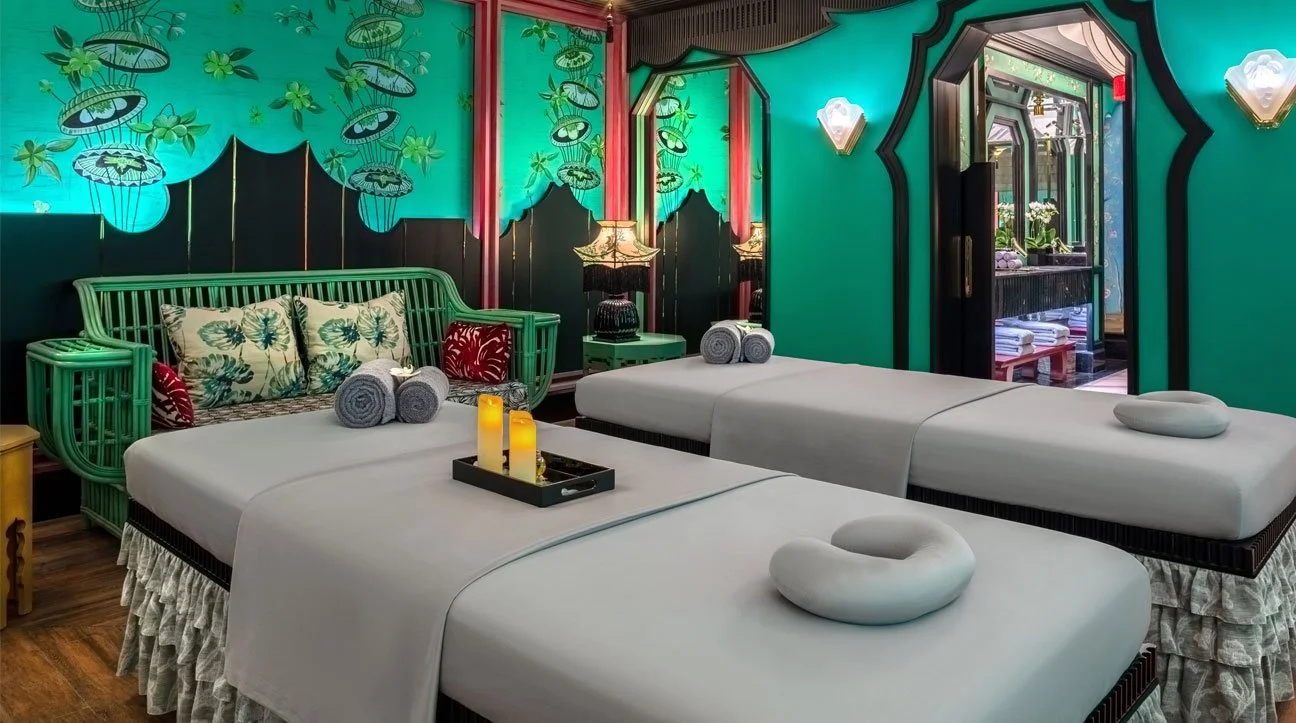
Wellness Beneath the Stage
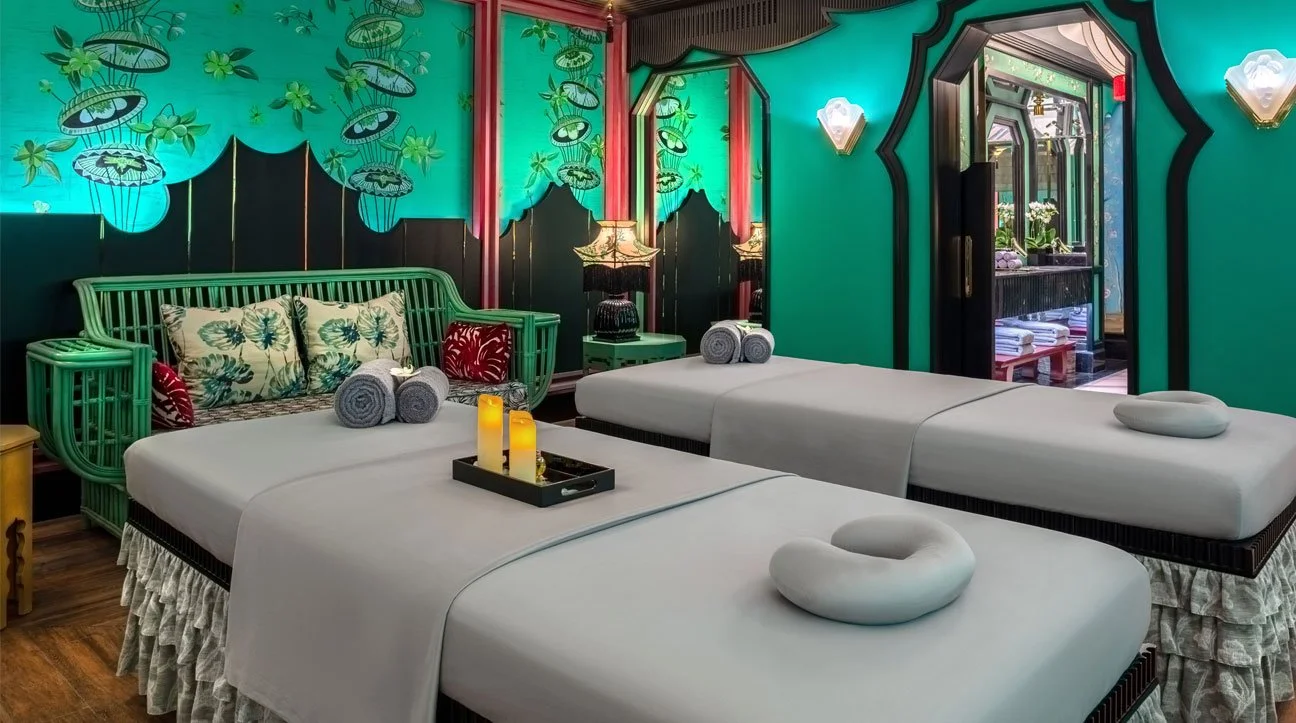
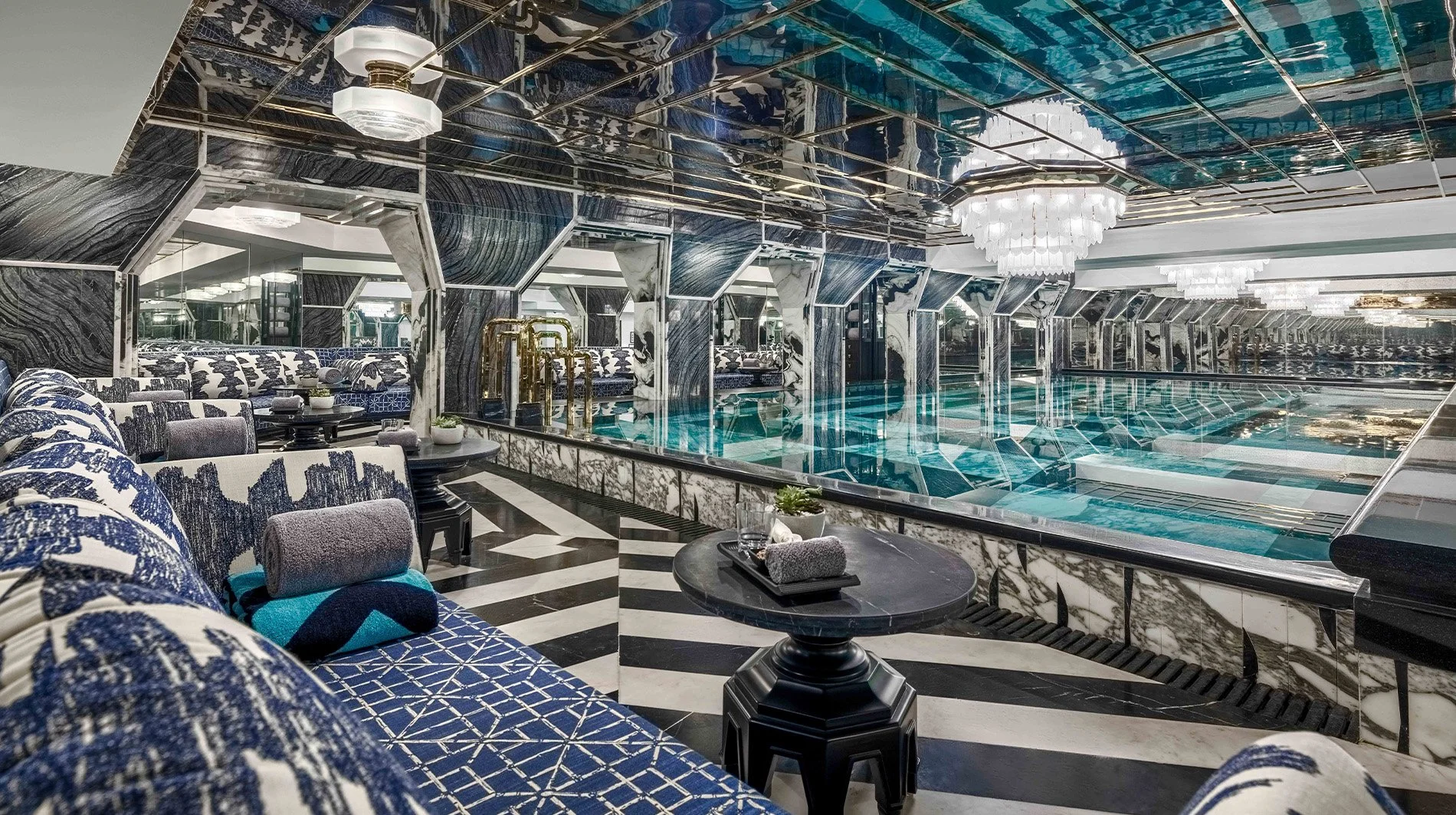
Regale places the hotel’s wellness facilities below the theatrical public spaces. Auriga Spa has two therapy suites with Vietnamese design references and follows Capella’s lunar-inspired approach to wellness, combining modern treatments with regional influences.
La Grotta, the heated indoor pool, gives the hotel a practical all-weather amenity. The Wet Relaxation Zone adds a sauna, steam room and cold bath, while the fitness center operates 24 hours a day with staff available during daytime and evening periods.
The scale is intentionally intimate. This is not a destination spa with dozens of treatment rooms, but it is more complete than many boutique city hotels and works especially well for travelers who want to balance long days on foot with a quiet recovery period indoors.
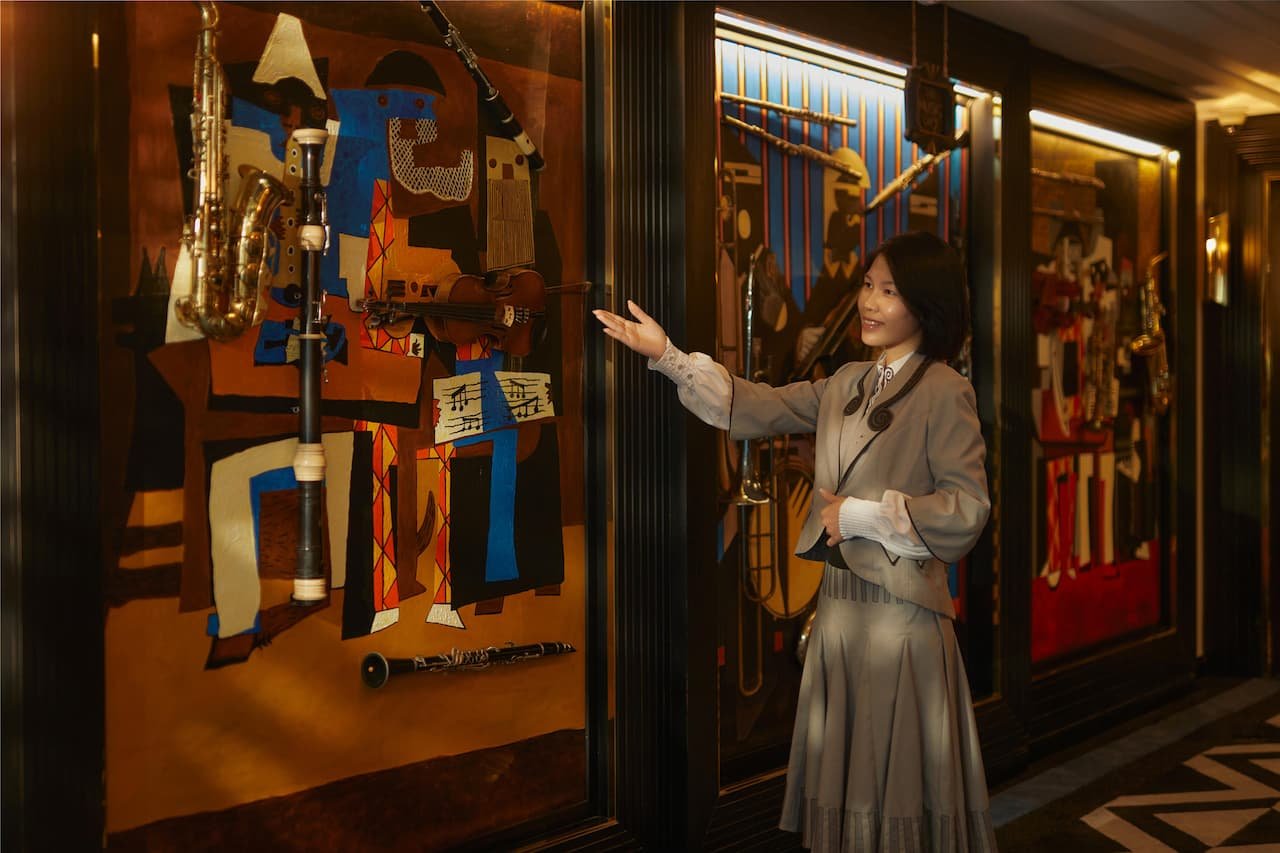
Explore Hanoi With a Capella Culturist
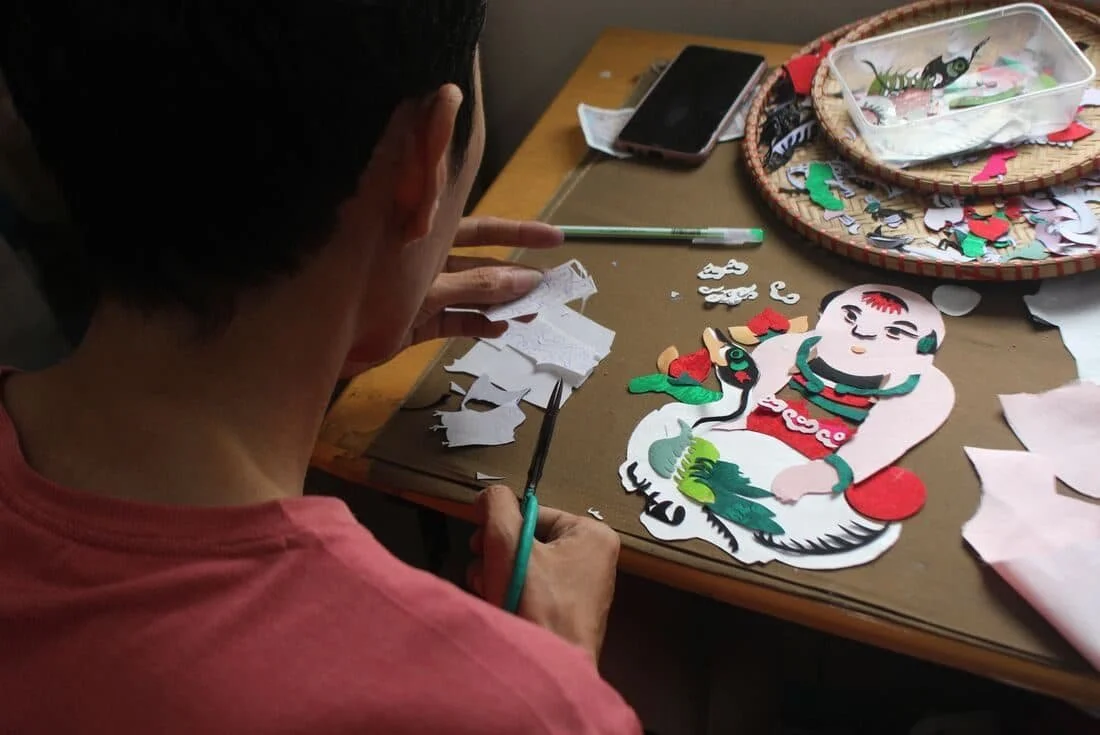
Capella Hanoi’s cultural program is one of the strongest reasons to use the hotel as more than a place to sleep. Capella Culturists curate experiences around Hanoi’s art, food and craft traditions, including current Capella Curates activities such as Vietnamese lacquer art.
Daily Capella Moments and rituals add smaller experiences inside the hotel. Hanoi Calling begins the morning with guided movement followed by Vietnamese coffee and bánh mì, while Jazz Soirée brings live music, drinks and small bites into the early evening.
Outside the hotel, the Hanoi Opera House, Hoan Kiem Lake, Old Quarter, Vietnamese Women’s Museum and French Quarter streets are all within easy reach. The best itinerary uses that proximity – one or two focused outings each day, with enough unscheduled time to walk, stop for coffee and return to the hotel between activities.
Little Stars and a True Two-Bedroom Family Suite
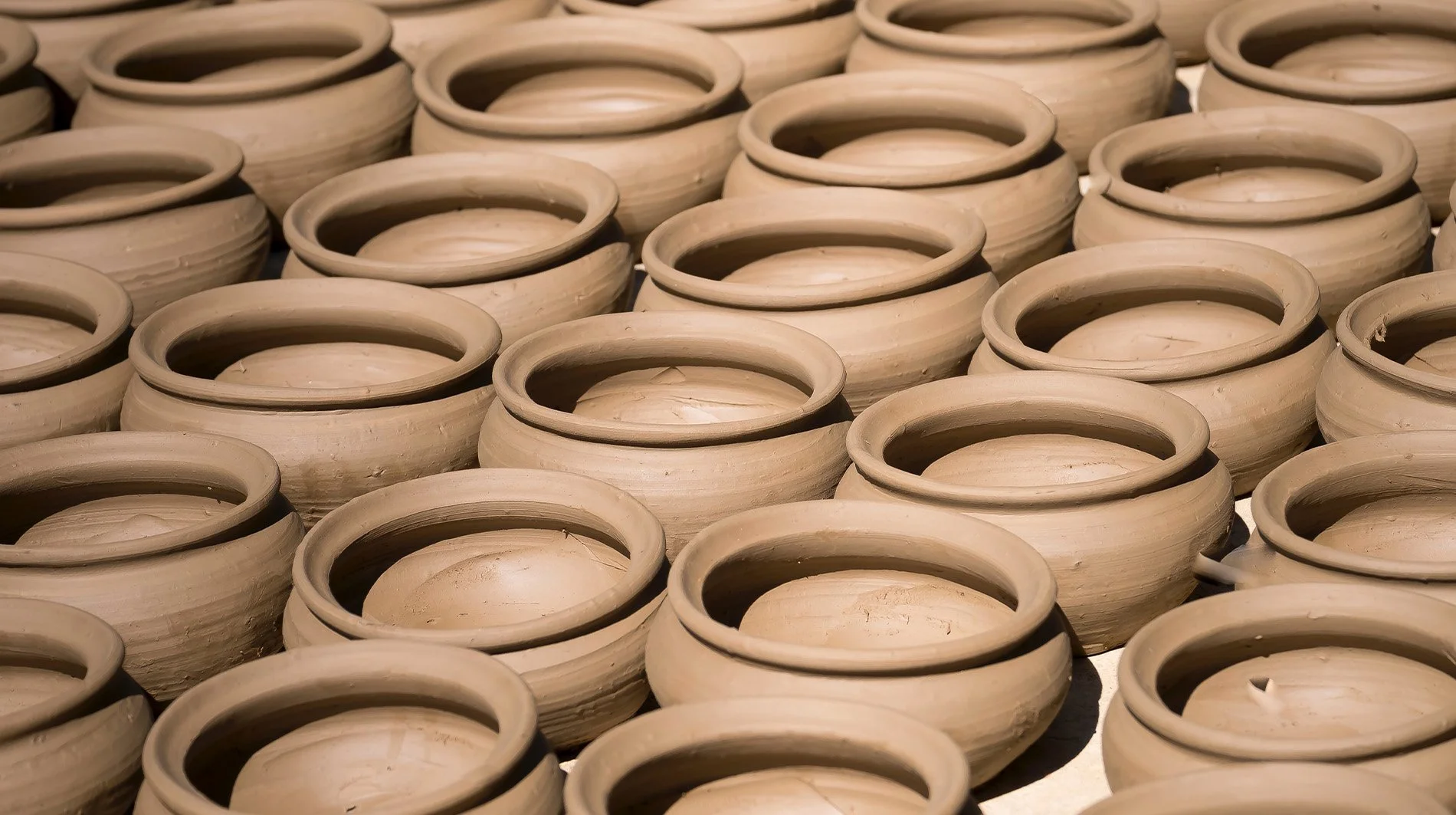
Capella Hanoi is family-friendly without functioning like a resort kids’ club. Little Stars activities are offered as part of the current guest-benefits program, and the Mini Escape package adds family-focused cultural experiences such as lacquer or ceramics activities.
Backstage publishes children’s dining options, and La Grotta is useful during hot, rainy or cooler weather. For younger travelers, the most important planning decision is still the room rather than the activity schedule.
The Two-Bedroom Royal Opera Family Suite is designed for a family of four, with separate bedrooms and bathrooms, a shared lounge and dining area and a private terrace. That is materially different from adding an extra bed to a one-bedroom suite, and it should be the first category discussed for parents who want real bedroom separation.
Little Stars schedules can change, so our team can coordinate current activity times and family arrangements with the hotel before arrival.

Certified Progress Behind the Drama
Capella Hanoi currently carries EarthCheck Silver certification and Forbes Travel Guide’s Responsible Hospitality VERIFIED designation. Those third-party credentials provide a more useful starting point than broad environmental language without measurable standards.
The hotel also supports Capella Youth initiatives in Vietnam. Through a partnership with SolarBuddy, Capella has helped provide solar-powered lights to young people in underserved communities, supporting study and household use after dark.
Cultural sustainability is visible in the guest program as well. Capella Curates experiences work with local craft traditions and makers, helping connect the hotel’s design-led identity with living Vietnamese practices rather than treating culture as decoration.
Plan the Room and Route Around the Traveler
Capella Hanoi’s compact footprint can work well for travelers who prefer a small city hotel, but room selection still matters. The Opera Suites sit on the highest floor and include larger terraces, while some travelers may prefer a lower or more straightforward route between the room, dining, pool and spa.
Bathroom configuration, thresholds, elevator access and the route to La Grotta or Auriga Spa should be matched to individual mobility needs rather than assumed from the category name alone. Our team can coordinate those requirements with the hotel before booking and request the most suitable available layout.
For travelers using mobility equipment or requiring specific hearing or visual support, the most useful approach is to resolve the room and internal route together. That produces a better plan than choosing a suite for its size or design first and addressing access afterward.
Choose Hanoi by Season
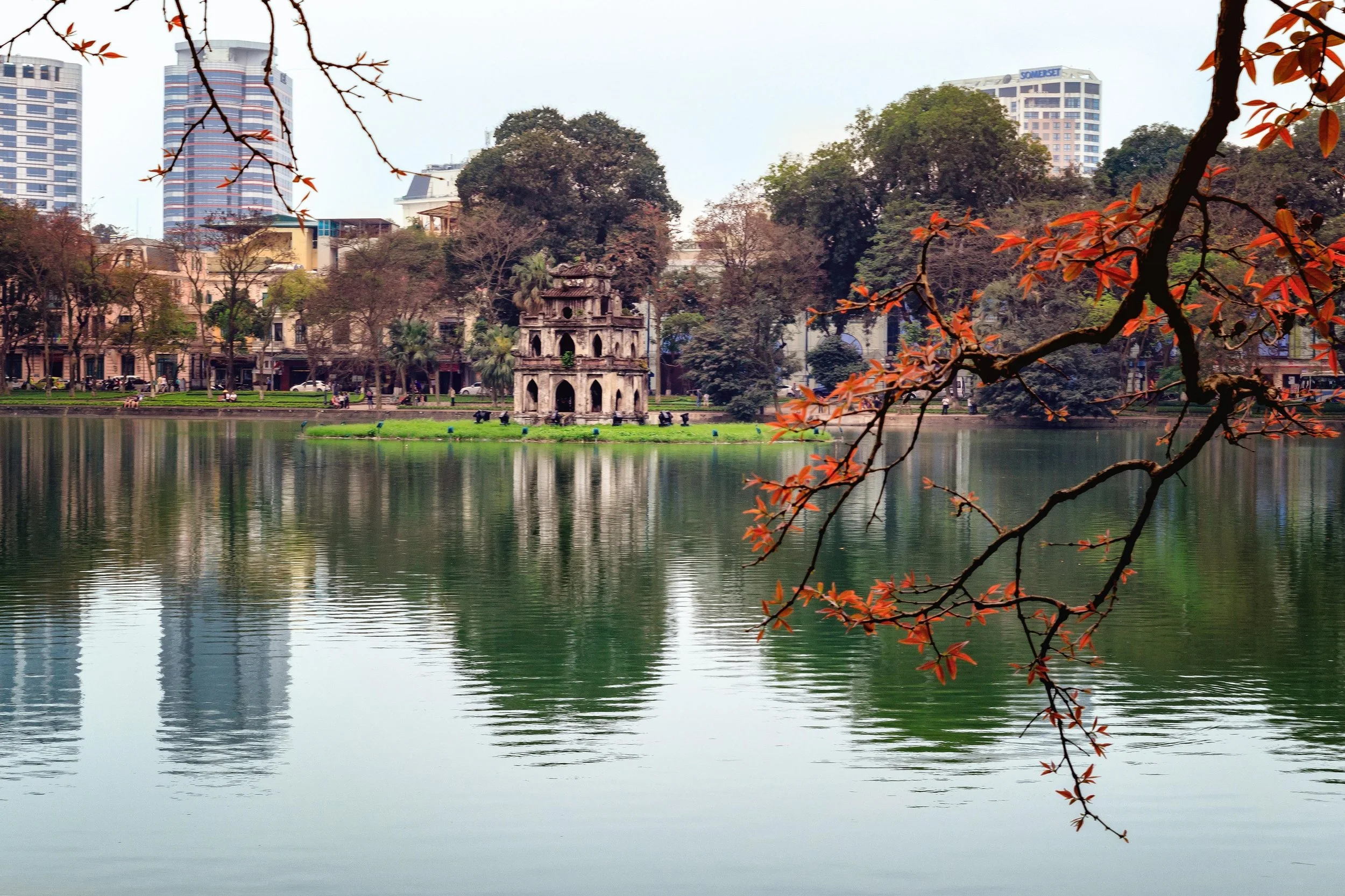
Hanoi has a humid subtropical climate with a hot, wetter summer and a cooler winter. October and November are among the most comfortable months for walking because temperatures generally ease after summer and rainfall starts to decline.
March and April are another strong period for city exploration. Spring temperatures tend to suit long days in the Old Quarter and around Hoan Kiem Lake without the most intense summer heat.
December through February can be cool, damp and grey, but the city remains atmospheric and Capella Hanoi’s indoor pool, spa and restaurants make that season easy to enjoy. June through August is hotter and wetter, so a slower itinerary with breaks back at the hotel works better than an uninterrupted day outdoors.
Tet can substantially affect restaurant schedules, traffic and local opening hours. Travelers visiting around Lunar New Year should plan dining, transfers and cultural visits well ahead.
Plan Your Stay With Destinations by David
The most rewarding Capella Hanoi stay begins with choosing the right amount of space. A Premier Room works well for travelers who expect to spend most of the day in the city, while the Terrace and Classic Opera Suites make outdoor space part of the experience. Families benefit most from the dedicated Two-Bedroom Royal Opera Family Suite, and the Grand Opera Suite is the strongest choice when entertaining space matters more than a second bedroom.
Destinations by David can coordinate the stay around those choices, from airport transfers and dining reservations to Auriga Spa appointments, Little Stars activities and Capella Curates experiences. Where an eligible preferred-program rate applies, our team will explain the applicable recognition and conditions privately during the booking process.
Contact our team to plan and book Capella Hanoi, with the accommodation, dining, wellness and cultural details arranged around the way you want to experience the city.
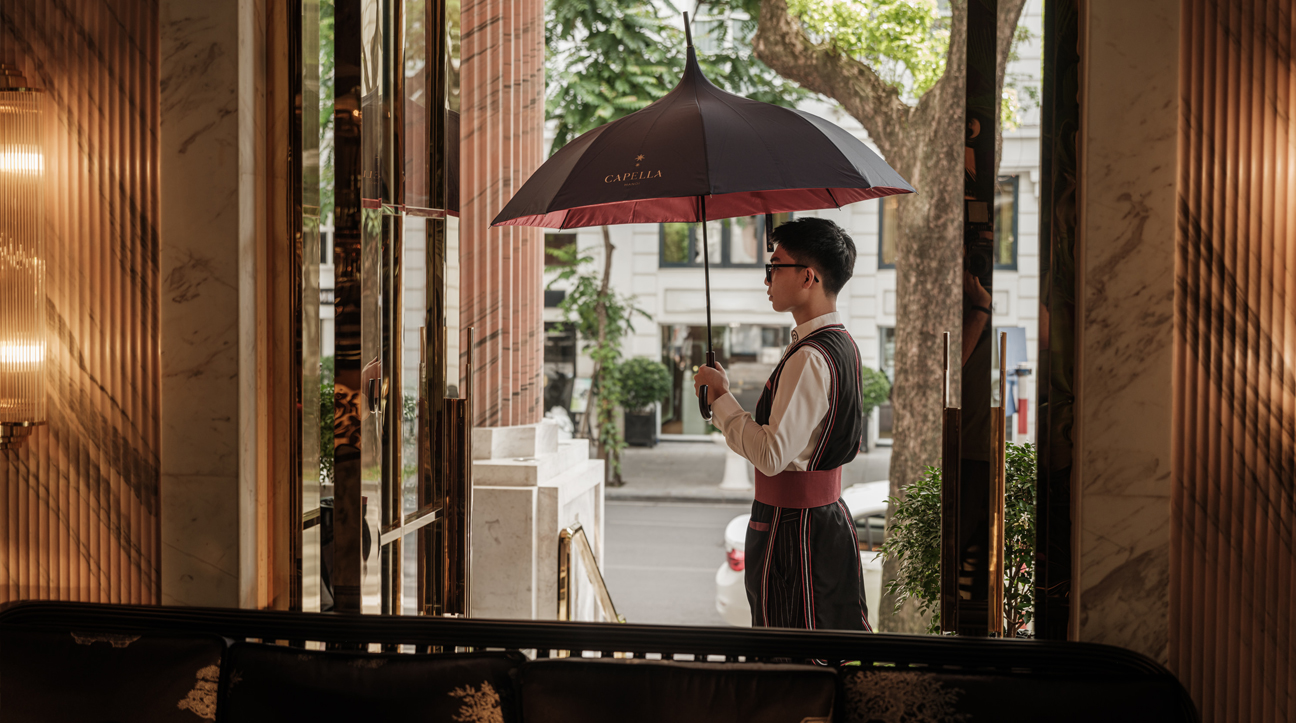
Arriving in Hanoi’s French Quarter
Capella Hanoi is reached by road rather than by a complex resort transfer, and the main variable is city traffic. Building some margin into the first and last day is sensible, particularly around weekday commuting periods.
Arrival Airport: Noi Bai International Airport is the principal gateway, with the road journey to Capella Hanoi typically taking around 40–50 minutes depending on traffic.
Private Hotel Transfer: A prearranged chauffeur transfer offers the simplest arrival and can be matched to luggage, family requirements and arrival timing; selected current suite packages also include airport FastTrack and return chauffeur service.
Airport Taxi: A licensed airport taxi provides a direct alternative, with a broadly similar 40–50 minute journey depending on traffic and departure time.
Hanoi Railway Station: The main railway station is a short drive from the hotel and is useful for travelers arriving by rail or continuing onward to destinations such as Ninh Binh, Hue or Lao Cai.
On Foot: Once at the hotel, the Hanoi Opera House is only a few minutes away, while Hoan Kiem Lake, the French Quarter and much of the Old Quarter can be explored without a car.
For most central-Hanoi stays, a car is unnecessary once checked in. The hotel’s Hoan Kiem location makes walking the simplest way to reach many restaurants, museums, cafés and historic streets.
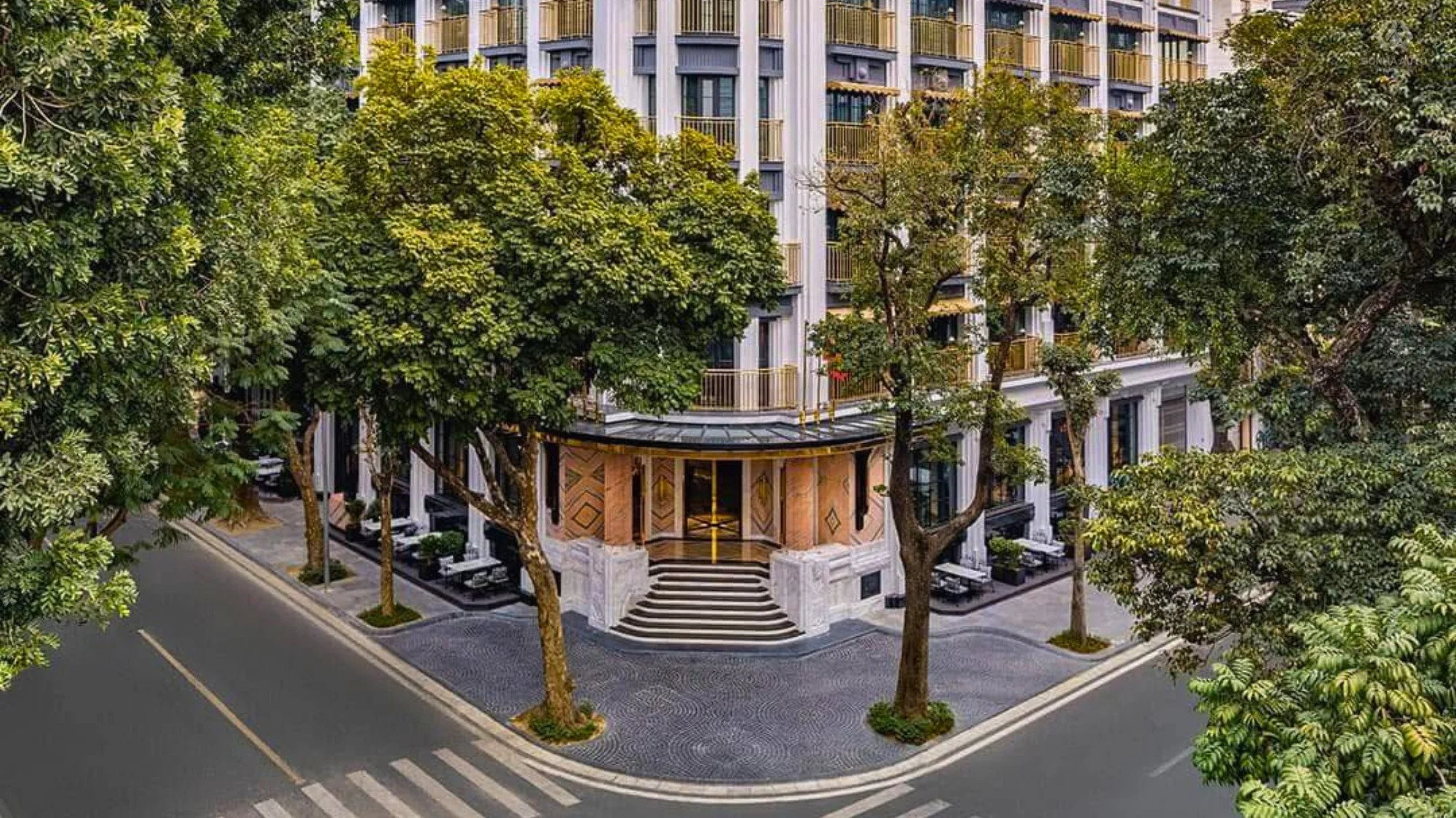
A Hotel That Makes Hanoi Part of the Story
Capella Hanoi is highly theatrical, but the hotel works because the story does not stop at the front door. The Opera House, Hoan Kiem Lake, the Old Quarter and Hanoi’s cafés, galleries and craft traditions are close enough to become part of the same experience.
For travelers who prefer quiet minimalism, the interiors may be too expressive. For those who enjoy narrative design, destination dining and a boutique scale, the hotel offers something far more specific than a generic city base.
The strongest stay combines the hotel’s own rituals and restaurants with plenty of time outside. Capella Hanoi is most compelling when it acts as both stage and starting point – a memorable interpretation of the city that still encourages travelers to step straight back into Hanoi.