Kyoto, Japan | Capella Kyoto
Capella Kyoto: A Contemporary Machiya in the Cultural Heart of Kyoto
Kyoto has always rewarded travelers who slow down. Its most memorable moments are often found away from the obvious landmarks: an early morning walk through Gion before the streets fill, the sound of water moving through a temple garden, or an evening when a maiko disappears through the doorway of an ochaya in Miyagawa-cho.
It is this quieter side of the city that Capella Kyoto has chosen to embrace.
Opened in March 2026, Capella Kyoto marks Capella Hotels and Resorts’ first property in Japan. The hotel occupies a particularly significant address in Miyagawa-cho, one of Kyoto’s historic kagai, or geiko and maiko districts, with Kennin-ji nearby and the Kamo River only a short walk away. The reconstructed Miyagawa-cho Kaburenjo Theatre sits alongside the hotel, placing travelers within a neighborhood where Kyoto’s performing arts and cultural traditions remain very much alive.
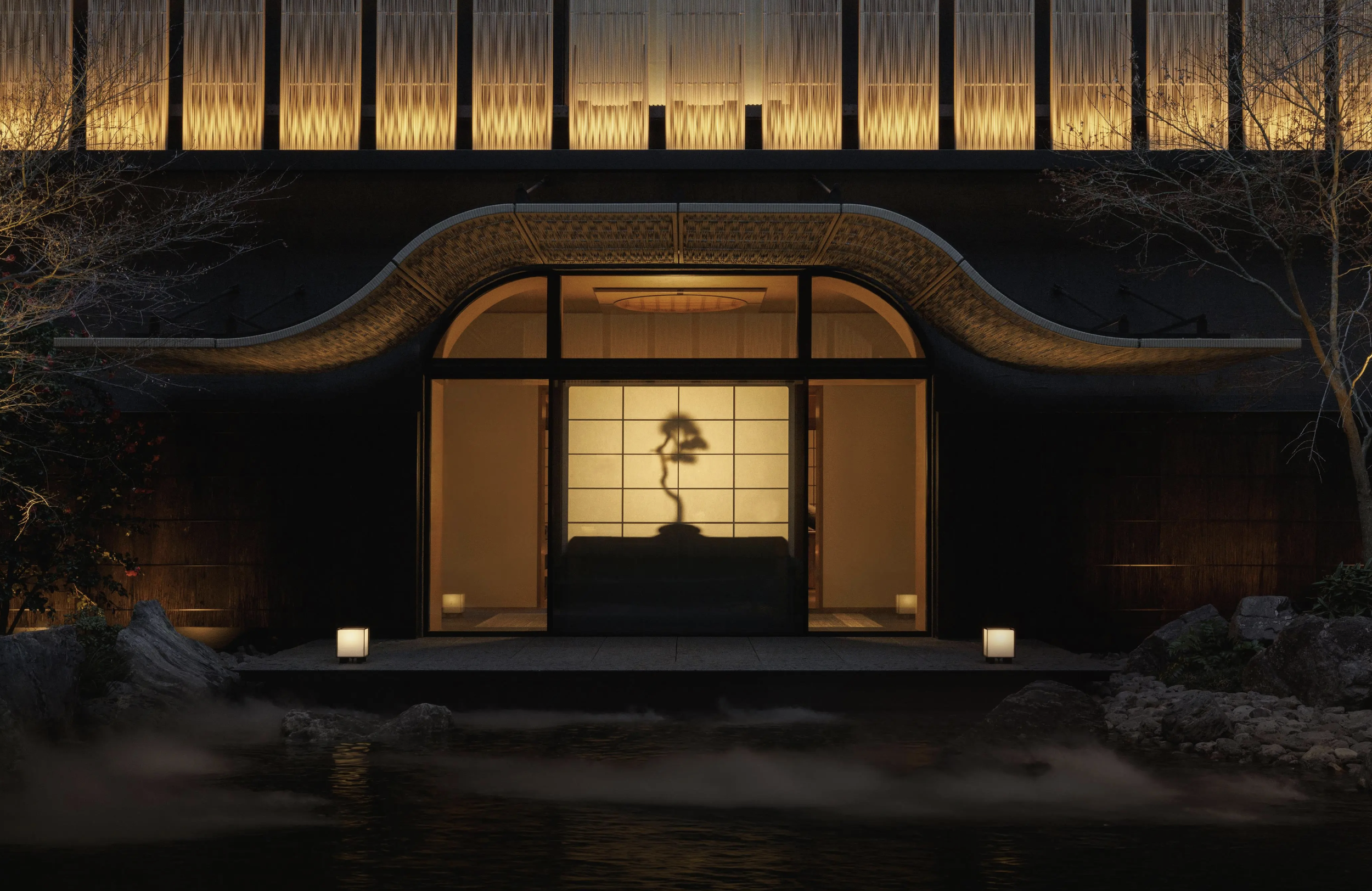
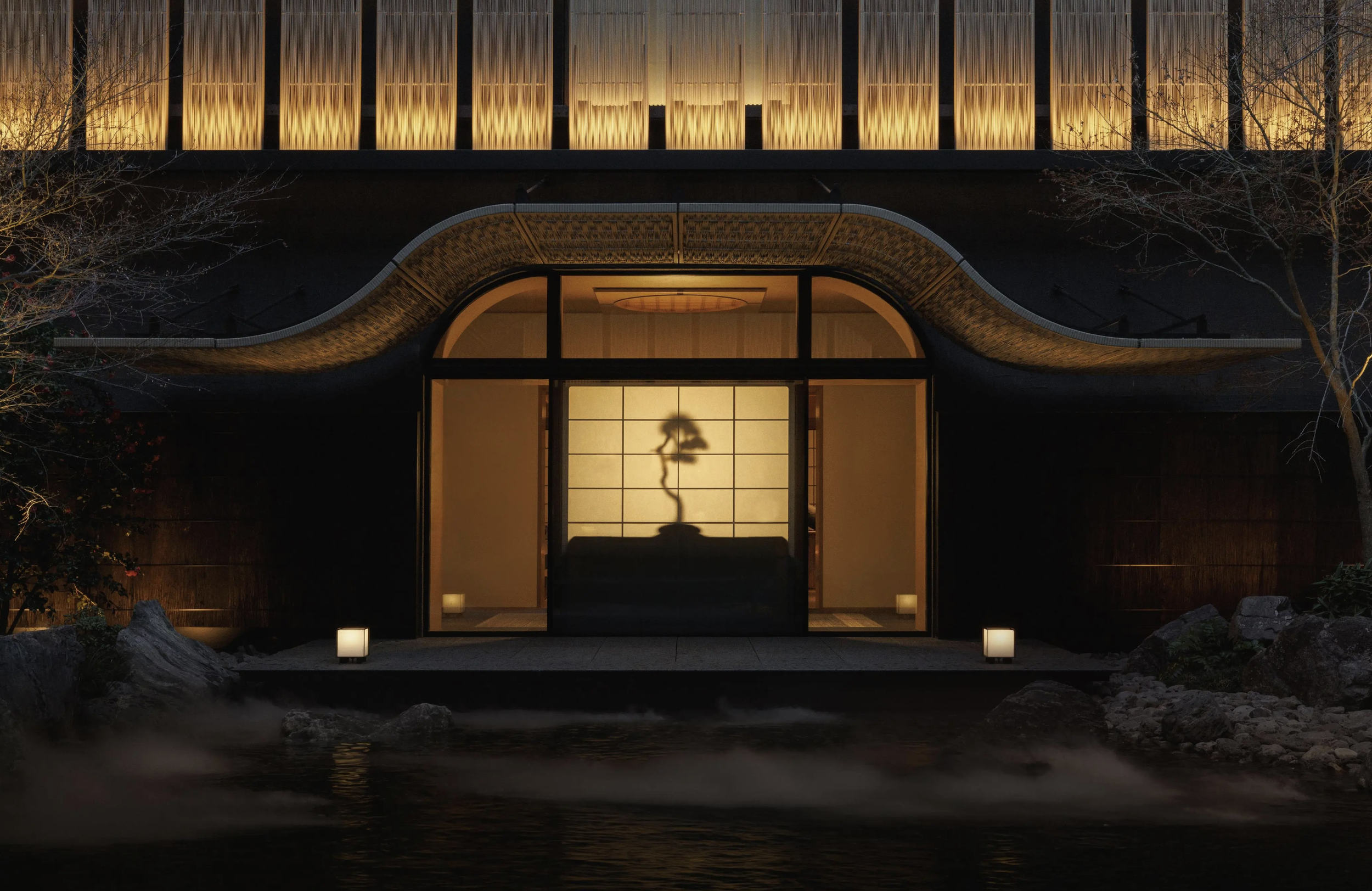
With only 89 rooms and suites, Capella Kyoto has the intimacy expected of the brand, but its strongest quality is how closely it has been tied to its surroundings. Kengo Kuma & Associates worked alongside Singapore-based Brewin Design Office to reinterpret the traditional Kyoto machiya, drawing from the narrow passages, interior courtyards, gardens and layered spaces that have defined the city’s architecture for generations.
Rather than attempting to recreate an old ryokan, Capella offers something distinctly contemporary while remaining connected to the character of Kyoto.
A Hotel Built Around Miyagawa-cho
Location can completely change the experience of Kyoto, and Capella places travelers within one of the most atmospheric corners of Higashiyama.
Miyagawa-cho is one of Kyoto’s five traditional kagai and remains closely associated with the city’s geiko and maiko culture. The neighborhood is quieter than some of the better-known streets of neighboring Gion, yet its wooden machiya, teahouses and performing arts traditions provide an immediate sense of place.
The Miyagawa-cho Kaburenjo Theatre is directly adjacent to the hotel, while Kennin-ji, founded in 1202 and widely recognized as Kyoto’s oldest Zen temple, is only moments away.
From here, much of eastern Kyoto can be explored on foot. Gion, Yasaka Shrine, Kiyomizu-dera, Chion-in and the historic lanes of Higashiyama are all within relatively easy reach. Cross the Kamo River and the atmosphere quickly becomes more contemporary, with central Kyoto’s restaurants, shops and nightlife nearby.
It gives Capella an unusual balance. Travelers are surrounded by some of Kyoto’s oldest traditions without feeling removed from the modern city.
A Contemporary Interpretation of the Machiya
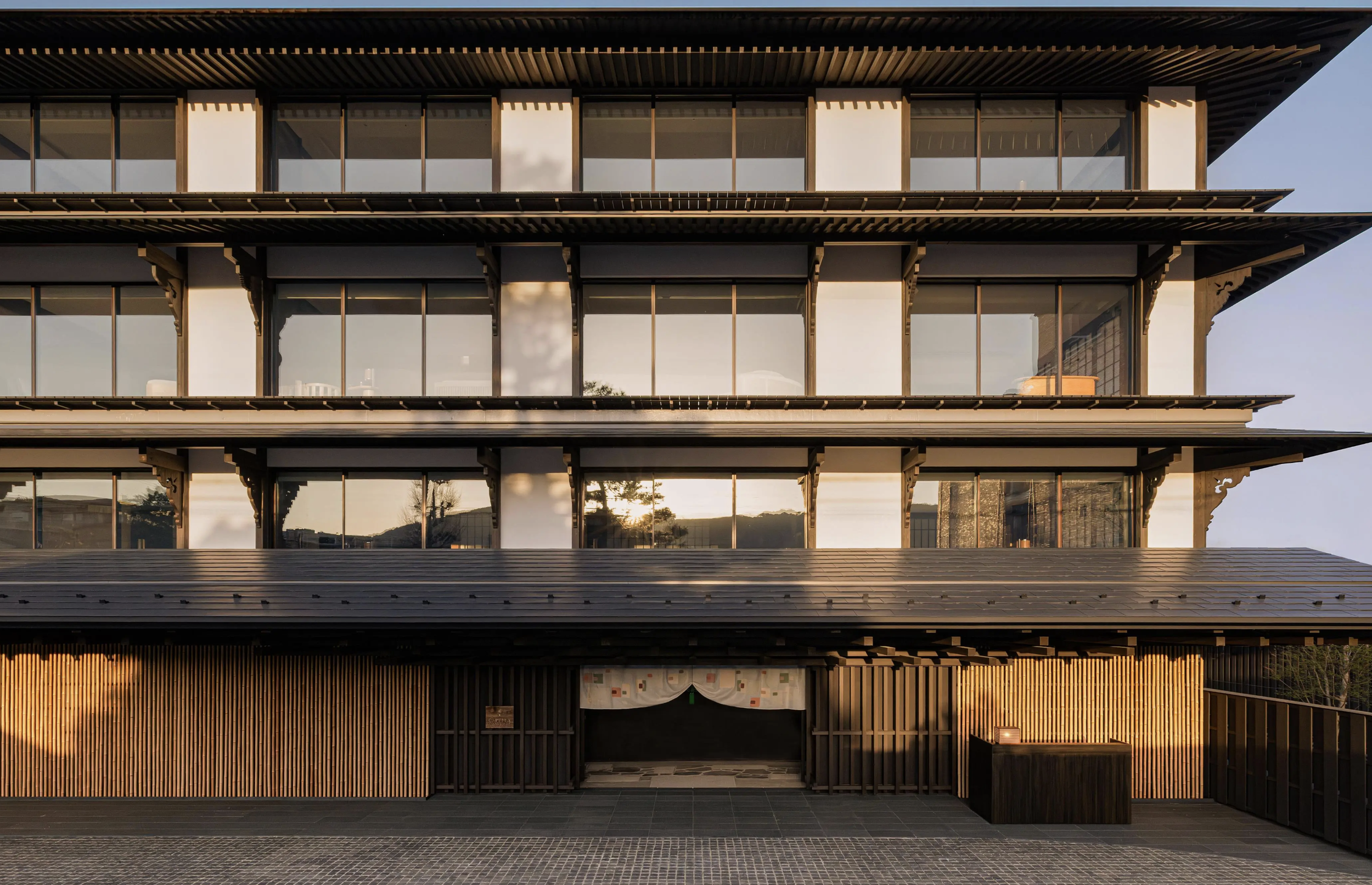
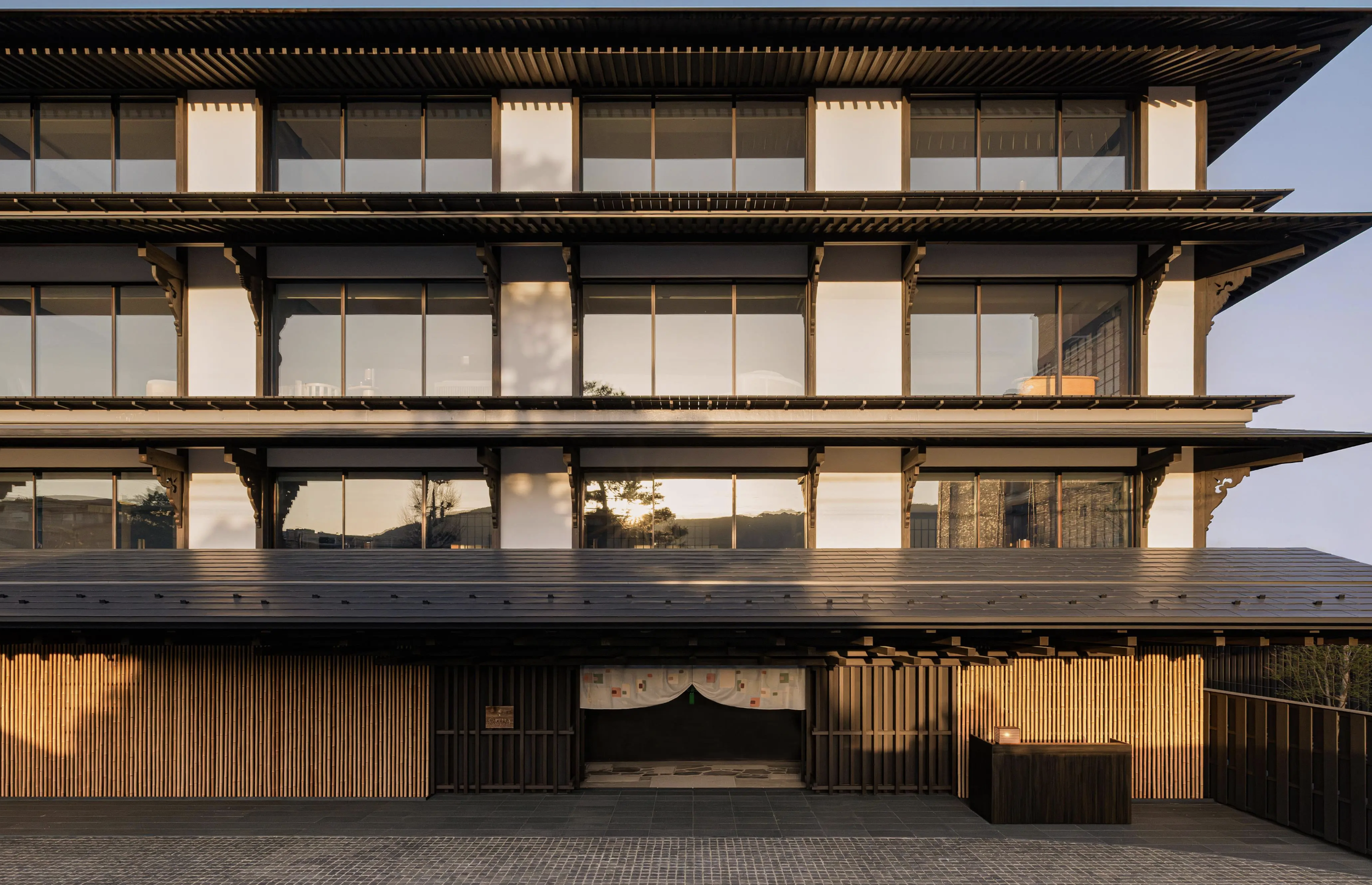
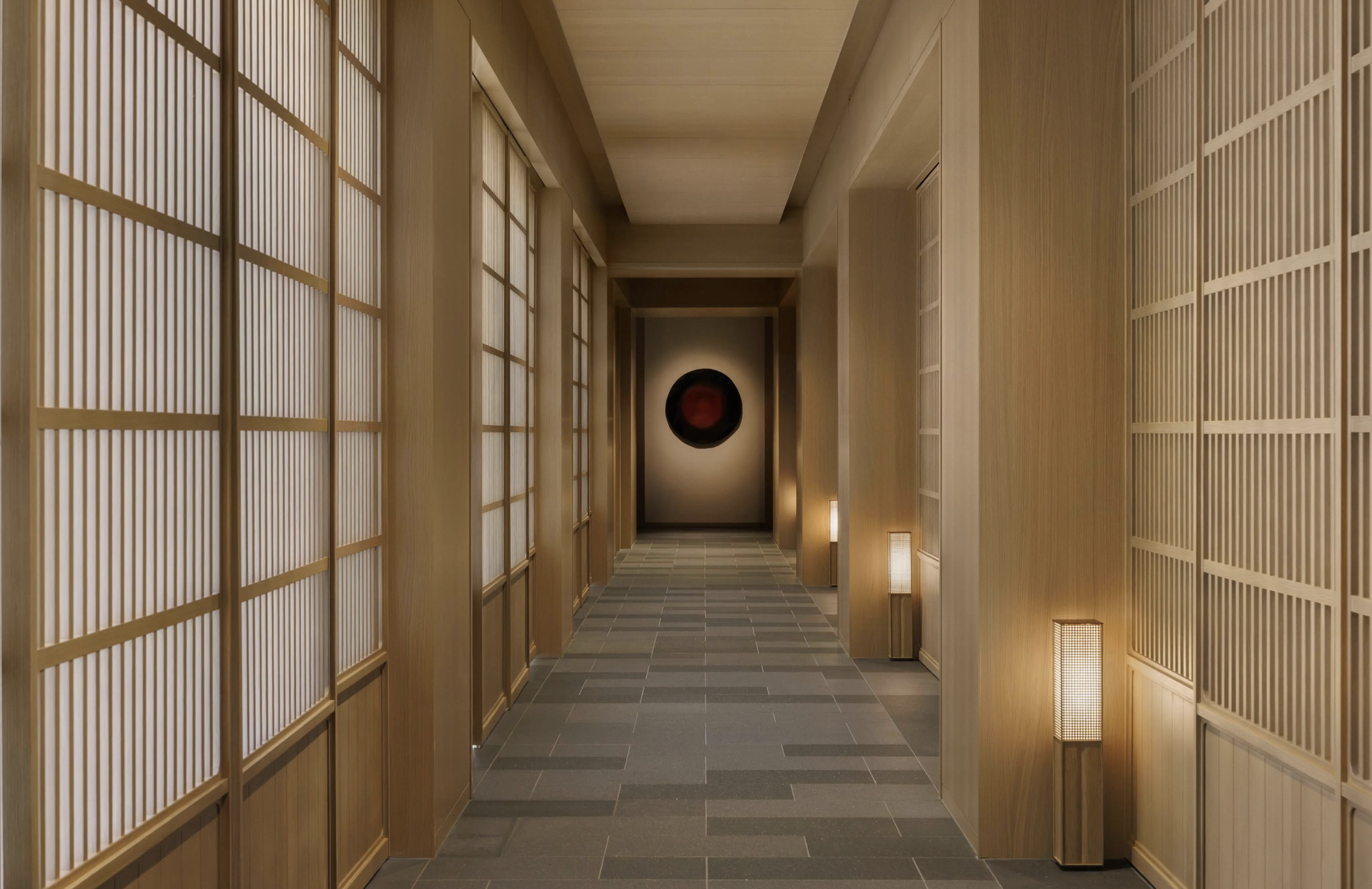
Designed by Kengo Kuma & Associates, with interiors by Brewin Design Office, Capella Kyoto draws heavily from the traditional machiya townhouses that have shaped Kyoto for centuries.
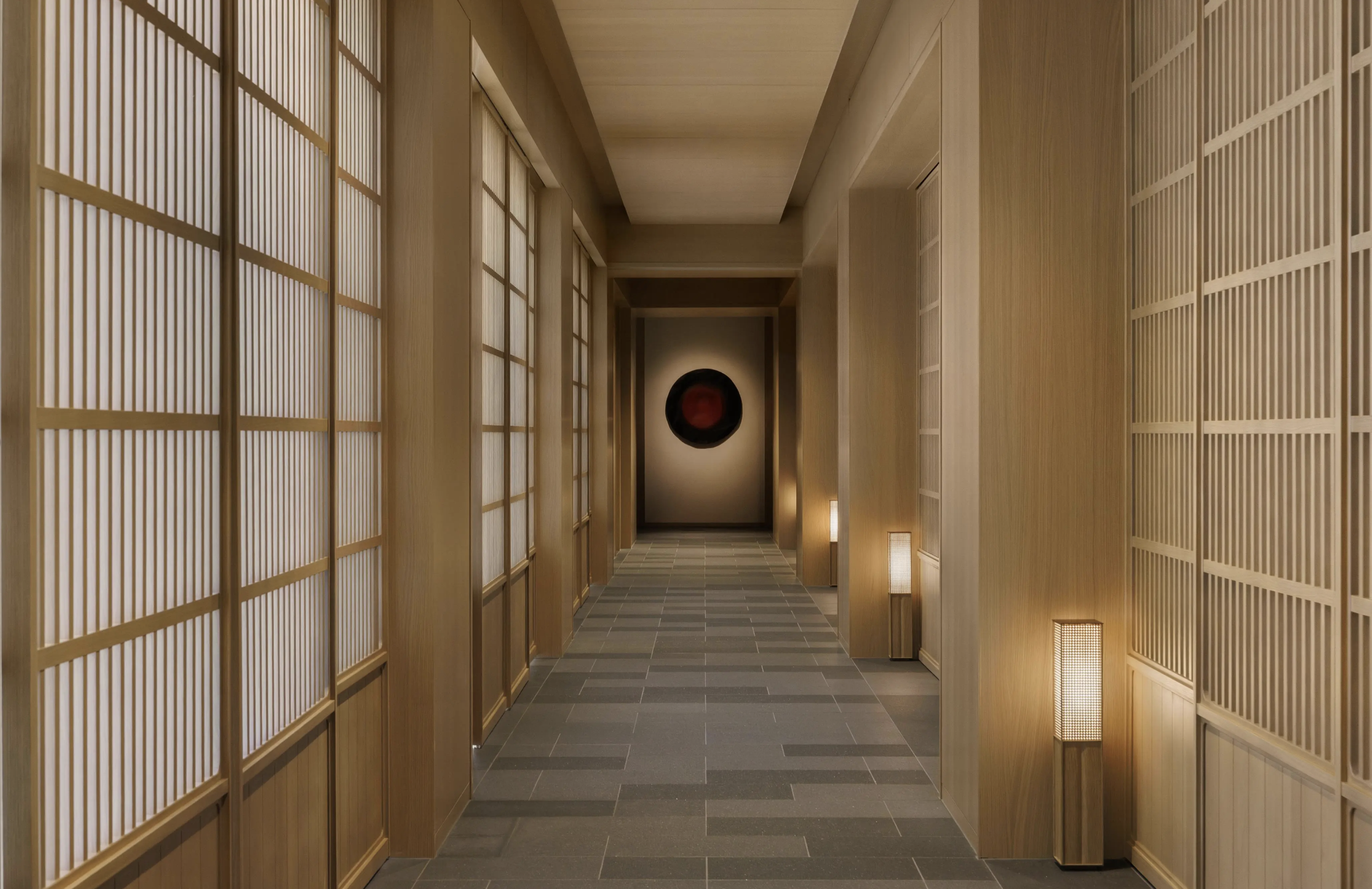
Rather than approaching the hotel as one monumental structure, the design unfolds gradually through passages, courtyards, gardens and changing perspectives. This progression reflects the way many traditional Kyoto buildings reveal themselves slowly rather than immediately exposing every space.
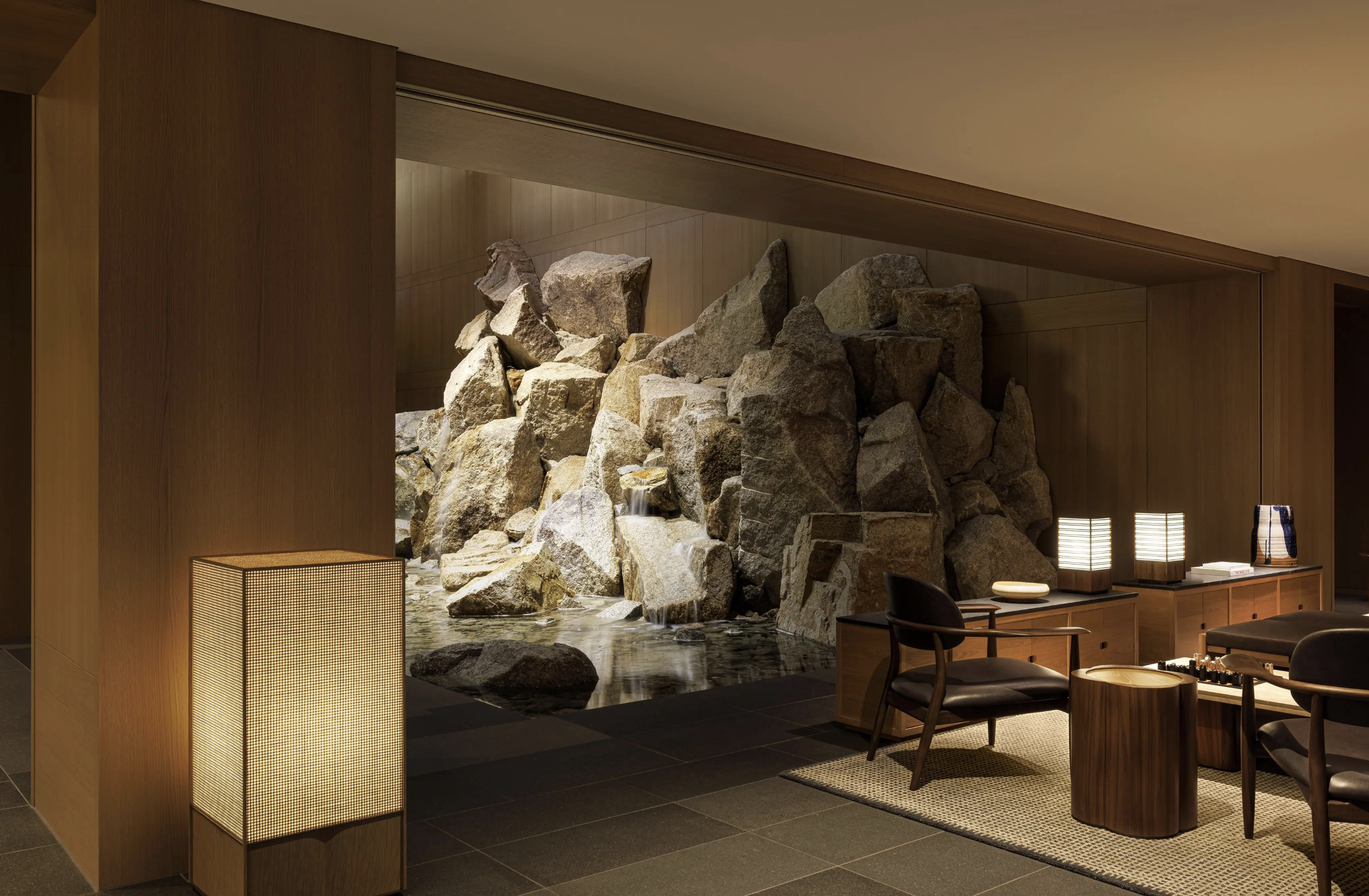
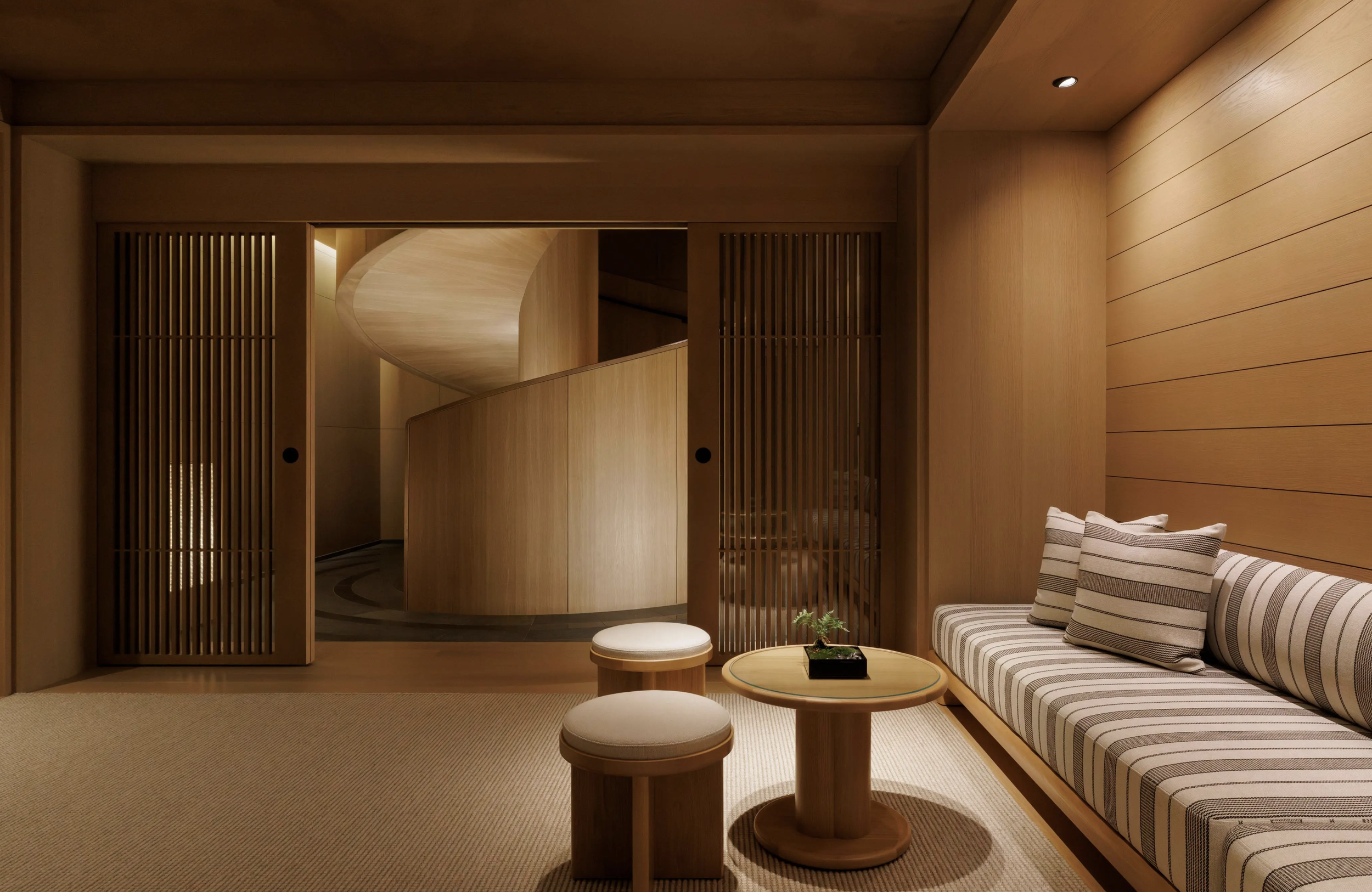
Natural materials and restrained interiors keep the focus on texture, craftsmanship and light. The building itself maintains a relatively low profile, allowing it to sit comfortably within the surrounding neighborhood.
The hotel's location also carries another layer of history. It occupies the former site of Shinmichi Elementary School, and a preserved cherry tree from the school remains incorporated into the development, maintaining a physical connection to the community that occupied the site before it became a hotel.
The result feels distinctly Japanese without relying on overly literal interpretations of traditional design.
Rooms and Suites Shaped Around Kyoto
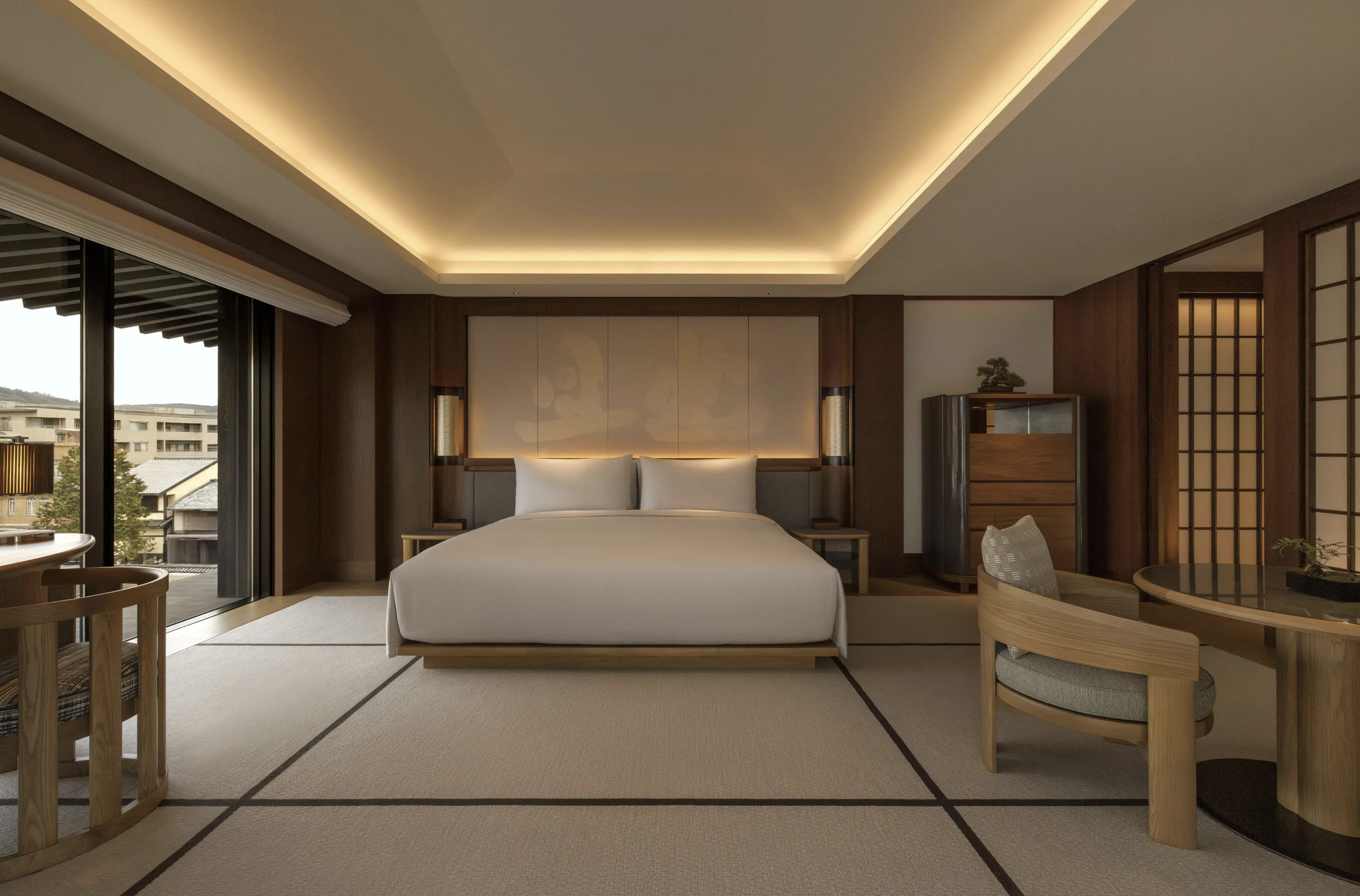
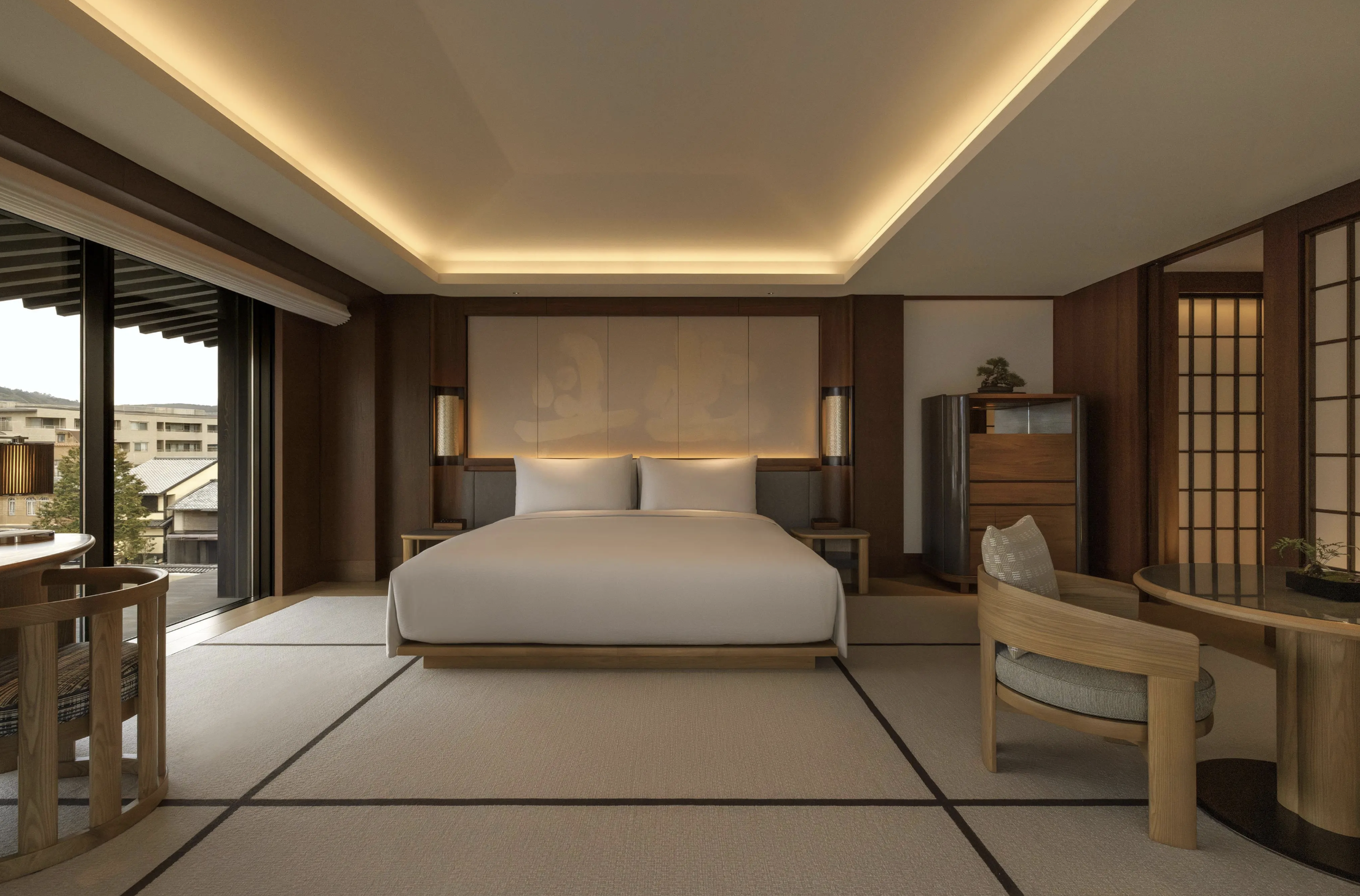
Capella Kyoto has 89 rooms and suites, including 29 suites and six Onsen Suites. Even the introductory accommodations begin at a generous 50 square meters, giving the hotel a residential quality that is particularly welcome after long days exploring Kyoto.
Views vary considerably between categories, with rooms looking toward Miyagawa-cho, the neighboring theater, Kennin-ji and the hotel’s interior gardens.
Accommodation categories include:
Deluxe City Room: Overlooking the streets of Miyagawa-cho, these spacious rooms offer either a king bed or two double beds and provide an excellent introduction to the hotel.
Premier Theatre Room: Positioned toward the Miyagawa-cho Kaburenjo Theatre, these rooms create a stronger visual connection with the cultural identity of the surrounding neighborhood.
Premier Temple Room: Views toward Kennin-ji distinguish this category, with king and double-bed configurations available.
Junior Corner Suite: Corner windows introduce additional natural light and views across Miyagawa-cho, while the larger layout works particularly well for longer stays.
Junior Temple Suite: Combining additional living space with views toward Kennin-ji, these suites are available with either king or double-bed configurations.
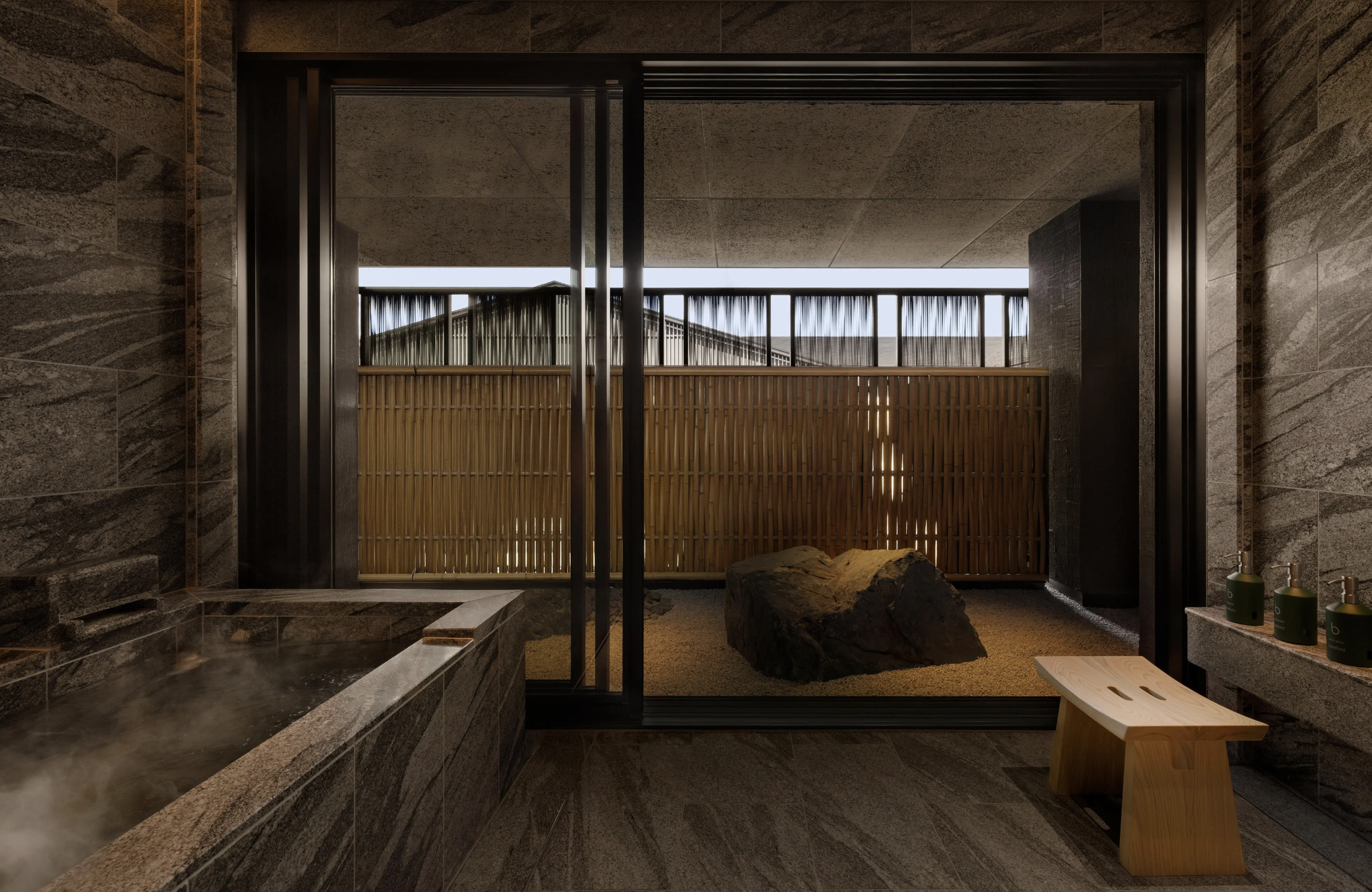
Onsen Suite: One of Capella Kyoto’s most distinctive accommodations. Only six are available, each incorporating its own private natural onsen bath overlooking an interior garden atrium.
Gion Suite: A larger residential-style suite with an open-plan living area and views toward Kennin-ji.
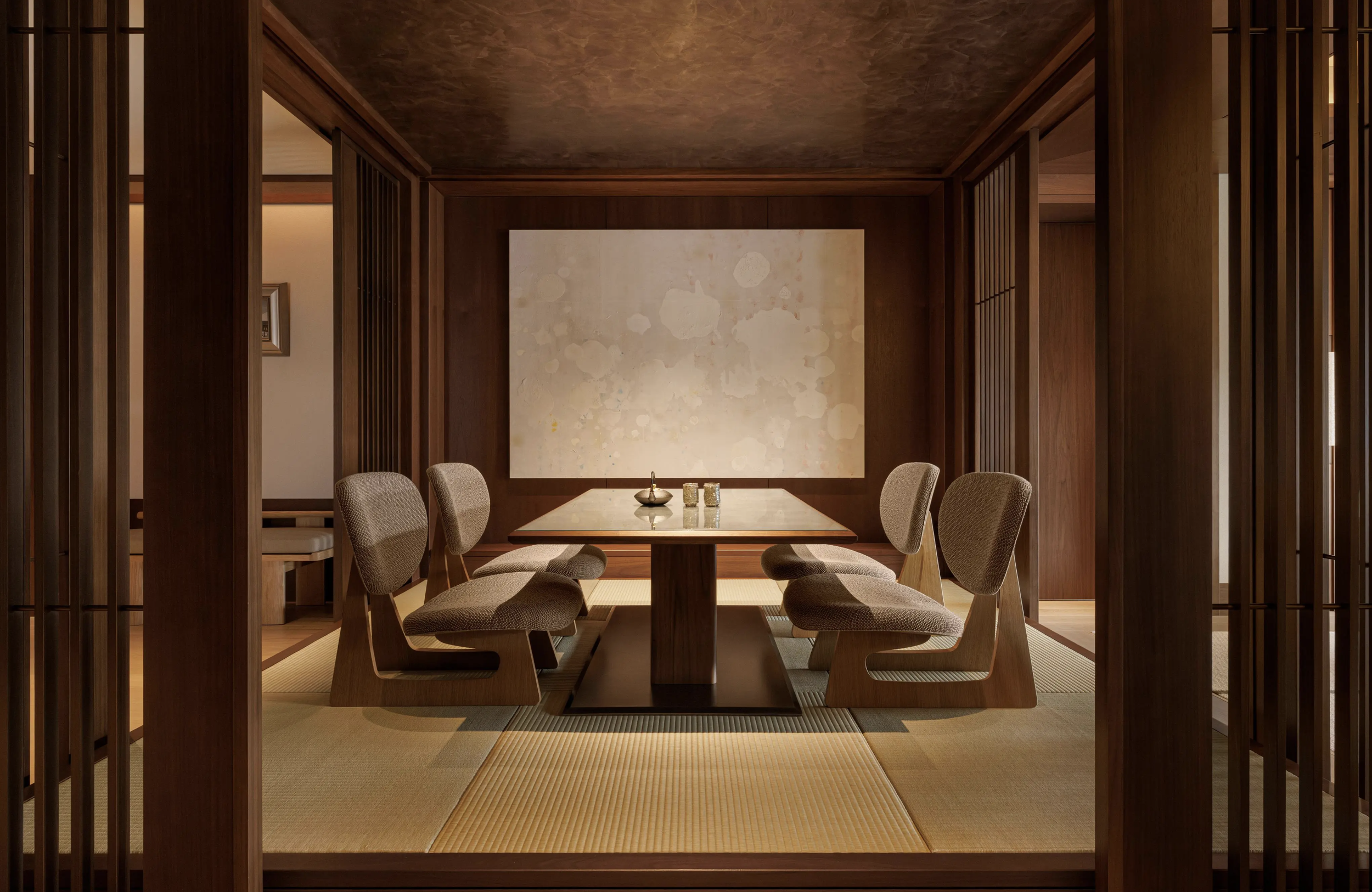
Capella Suite: The hotel’s premier accommodation is configured as a two-bedroom private residence with a separate living area and tatami dining room. Views extend toward Kyoto landmarks including Yasaka Pagoda and Kiyomizu-dera, making this particularly well suited to families seeking additional space.
Throughout the accommodations, the interiors remain restrained and tactile rather than decorative. The atmosphere is intentionally calm, allowing the views and changing light throughout the day to become part of the experience.
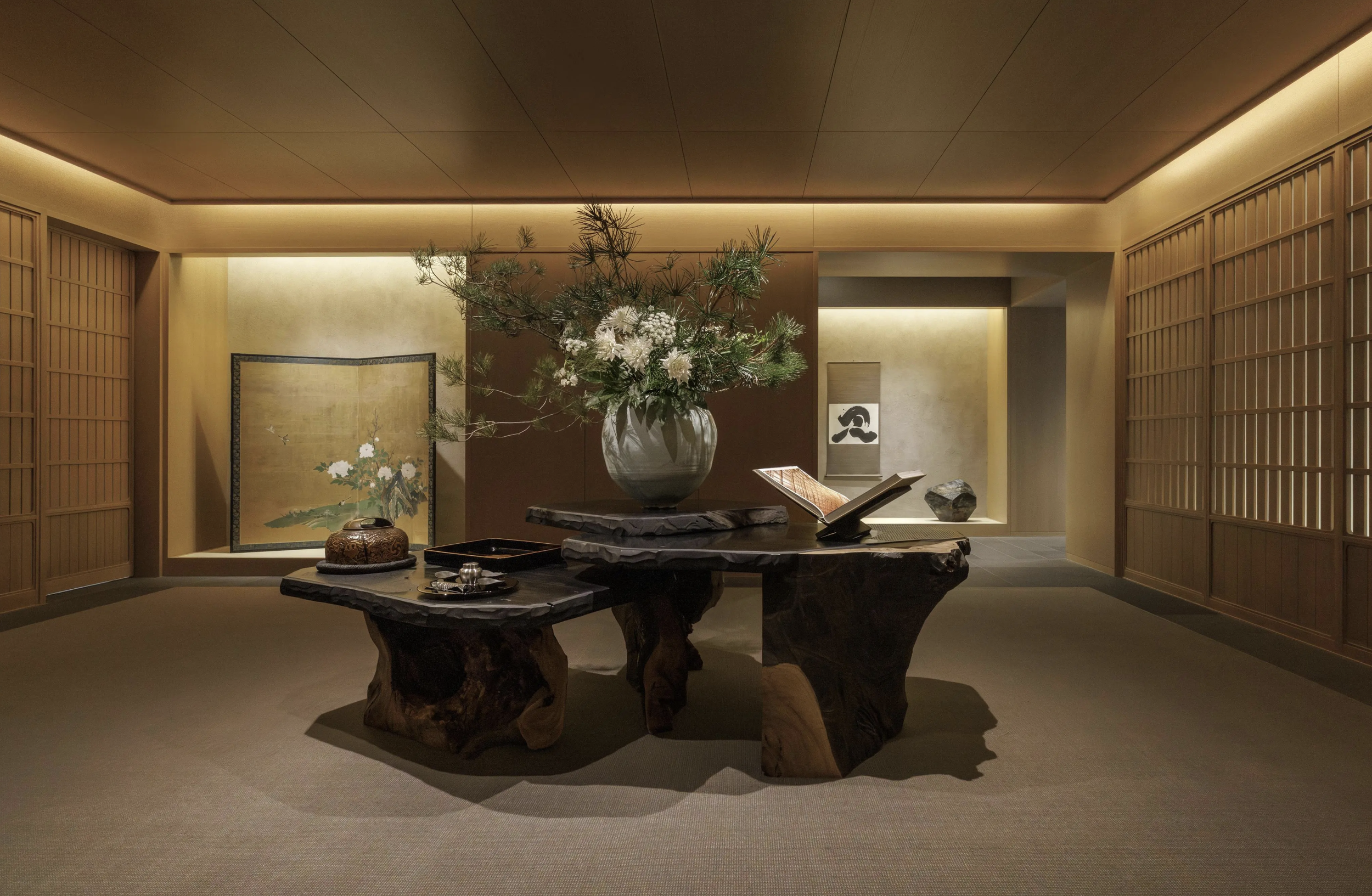
The Living Room
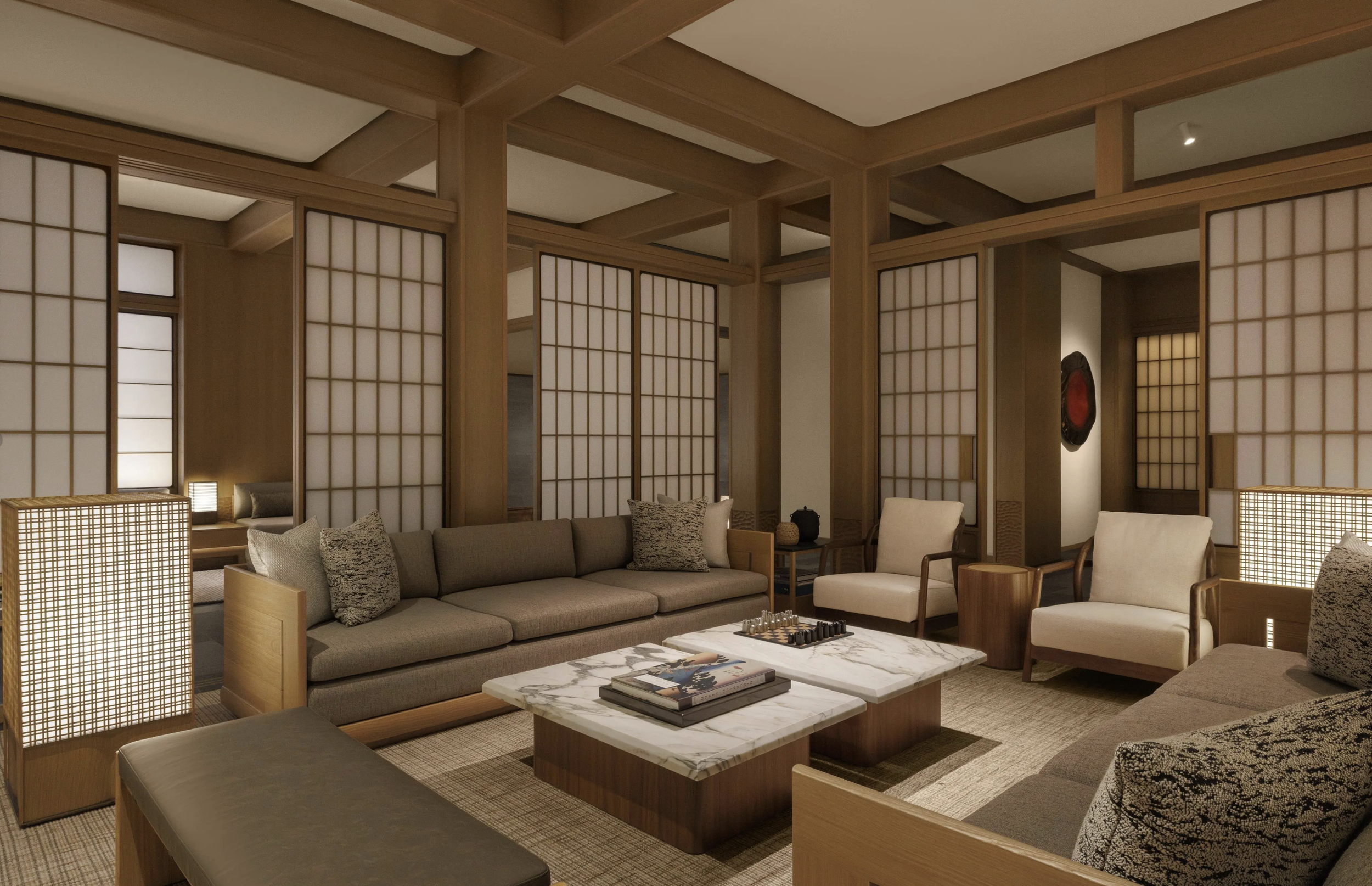
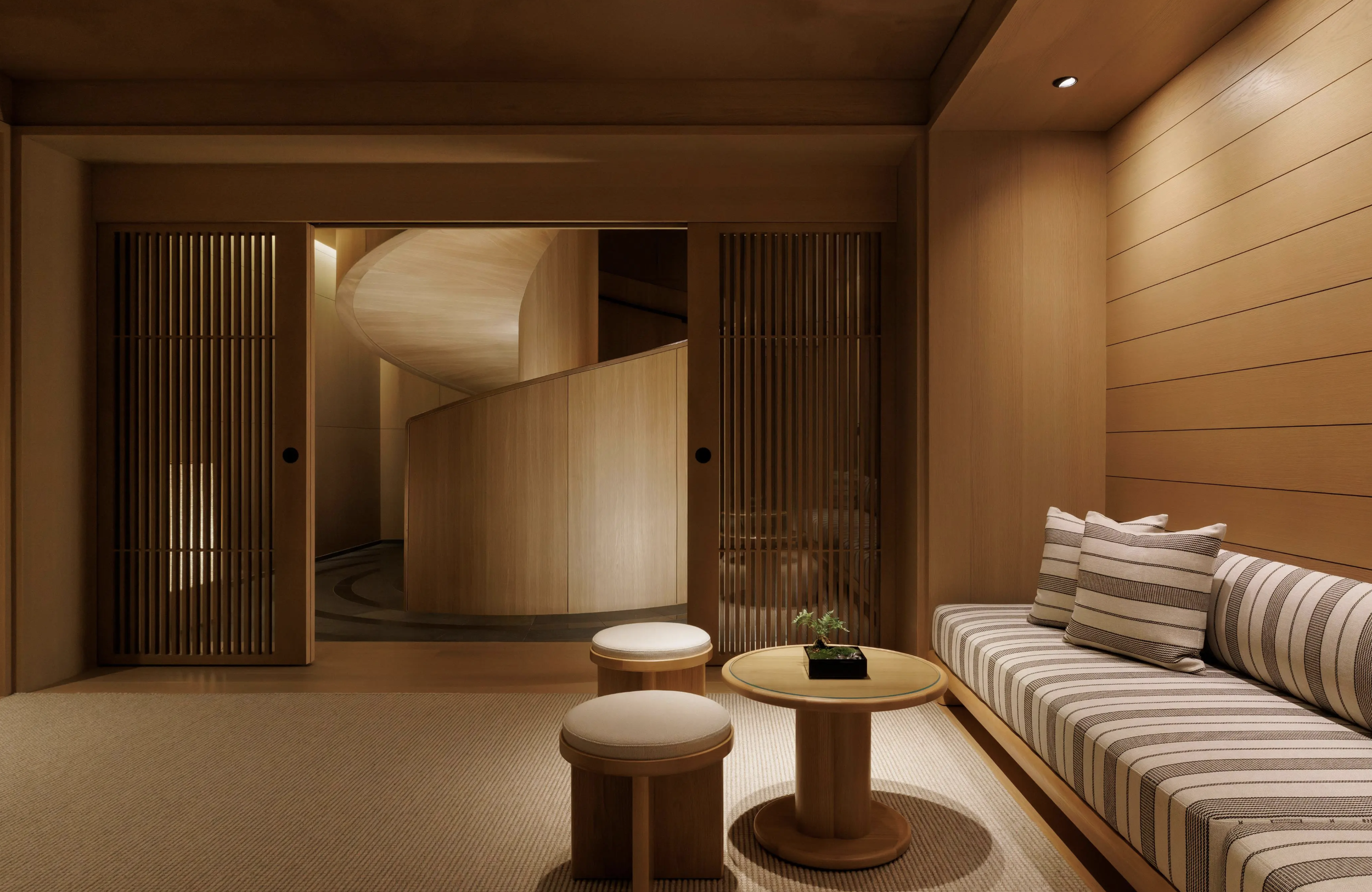
One of Capella’s signatures is its Living Room, a residential-style space reserved for hotel guests.
Rather than functioning as a conventional lobby lounge, it provides somewhere comfortable to return between plans, with a curated library, refreshments and a daily late-afternoon cocktail hour.
This concept works particularly well in Kyoto, where days can easily become packed with temple visits, restaurant reservations, shopping and long walks through different neighborhoods. Having somewhere beyond the guestroom to spend an hour between plans gives the hotel a more residential rhythm.
SoNoMa Brings SingleThread to Kyoto
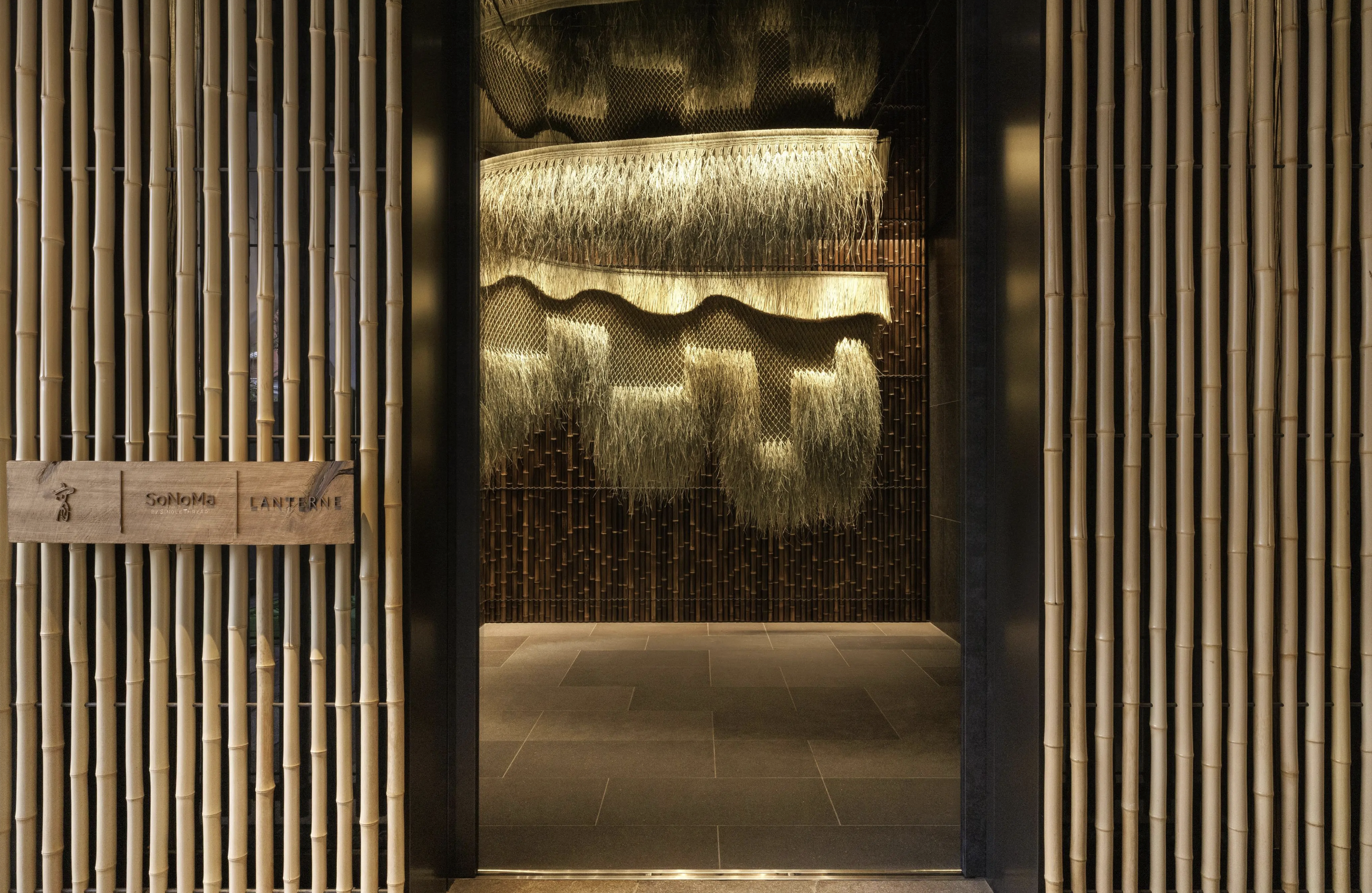
The culinary headline at Capella Kyoto is SoNoMa by SingleThread, the first international expression of Kyle and Katina Connaughton’s celebrated SingleThread in Healdsburg, California.
Rather than reproducing the Sonoma restaurant in Japan, SoNoMa has been developed specifically for Kyoto, exploring the relationship between the agricultural and culinary traditions of Sonoma and Japan.
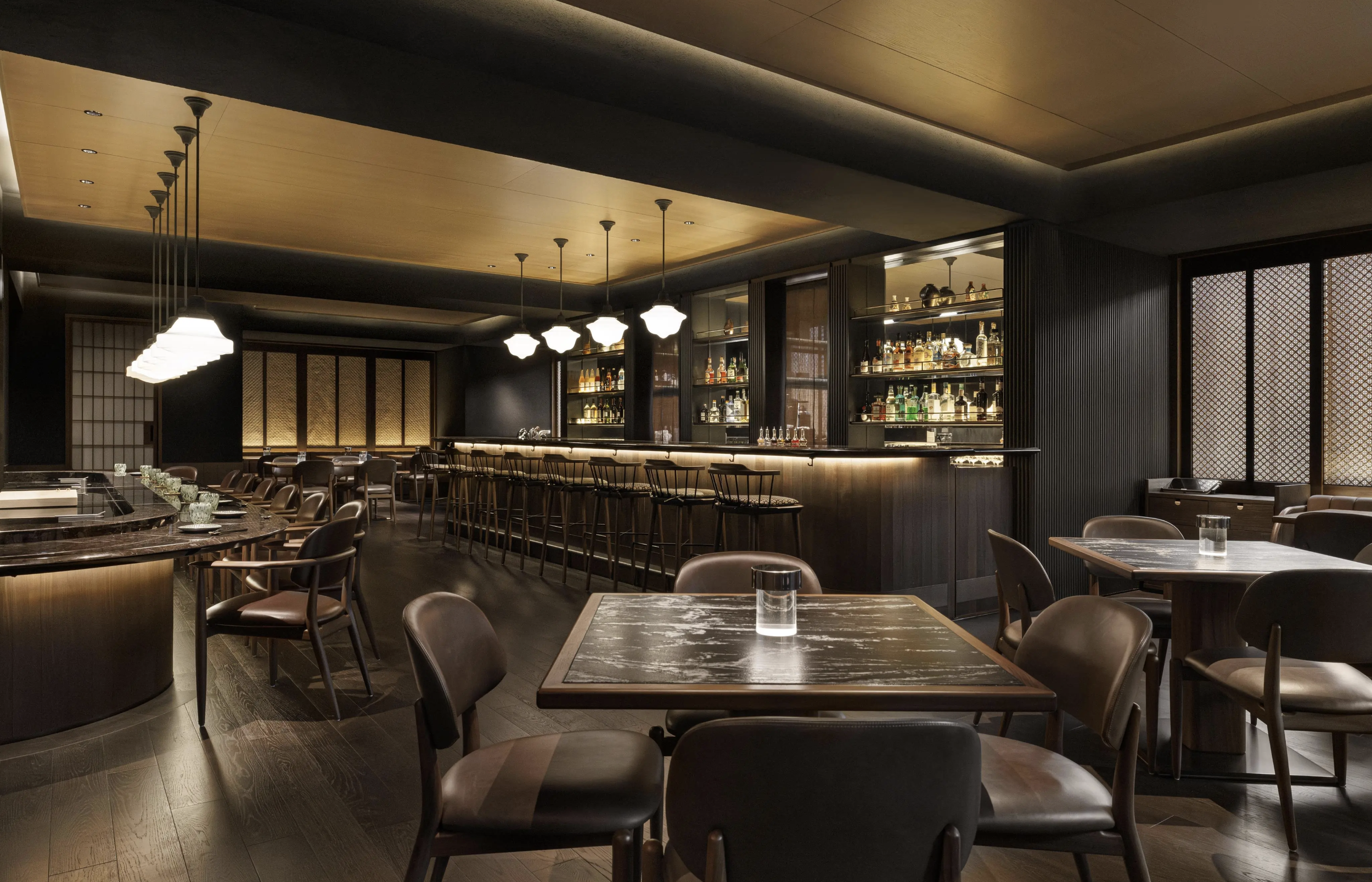
The restaurant is exceptionally intimate, with just 12 counter seats, alongside a 20-seat lounge bar. The design draws inspiration from a machiya teahouse, creating an experience centered as much on interaction and craftsmanship as the meal itself.
For travelers who plan trips around dining, SoNoMa will likely be one of the reservations to arrange well before arriving in Kyoto.
Dining Throughout the Day
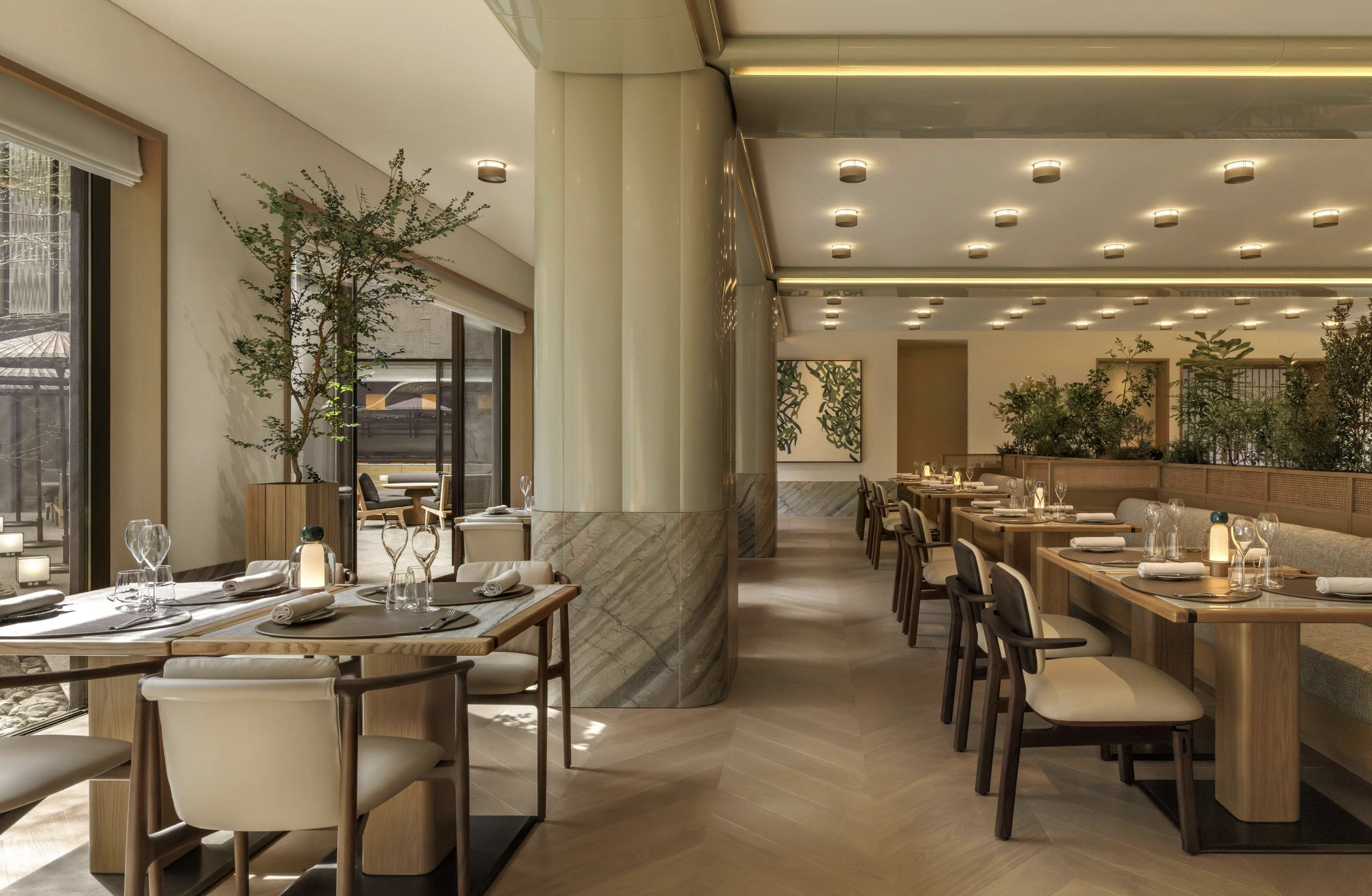
Capella Kyoto’s food and beverage program offers enough variety to remain interesting throughout a multi-night stay.
SoNoMa by SingleThread: The hotel’s signature culinary experience, combining SingleThread’s approach to seasonality with ingredients and influences from Kyoto and the wider Kansai region.
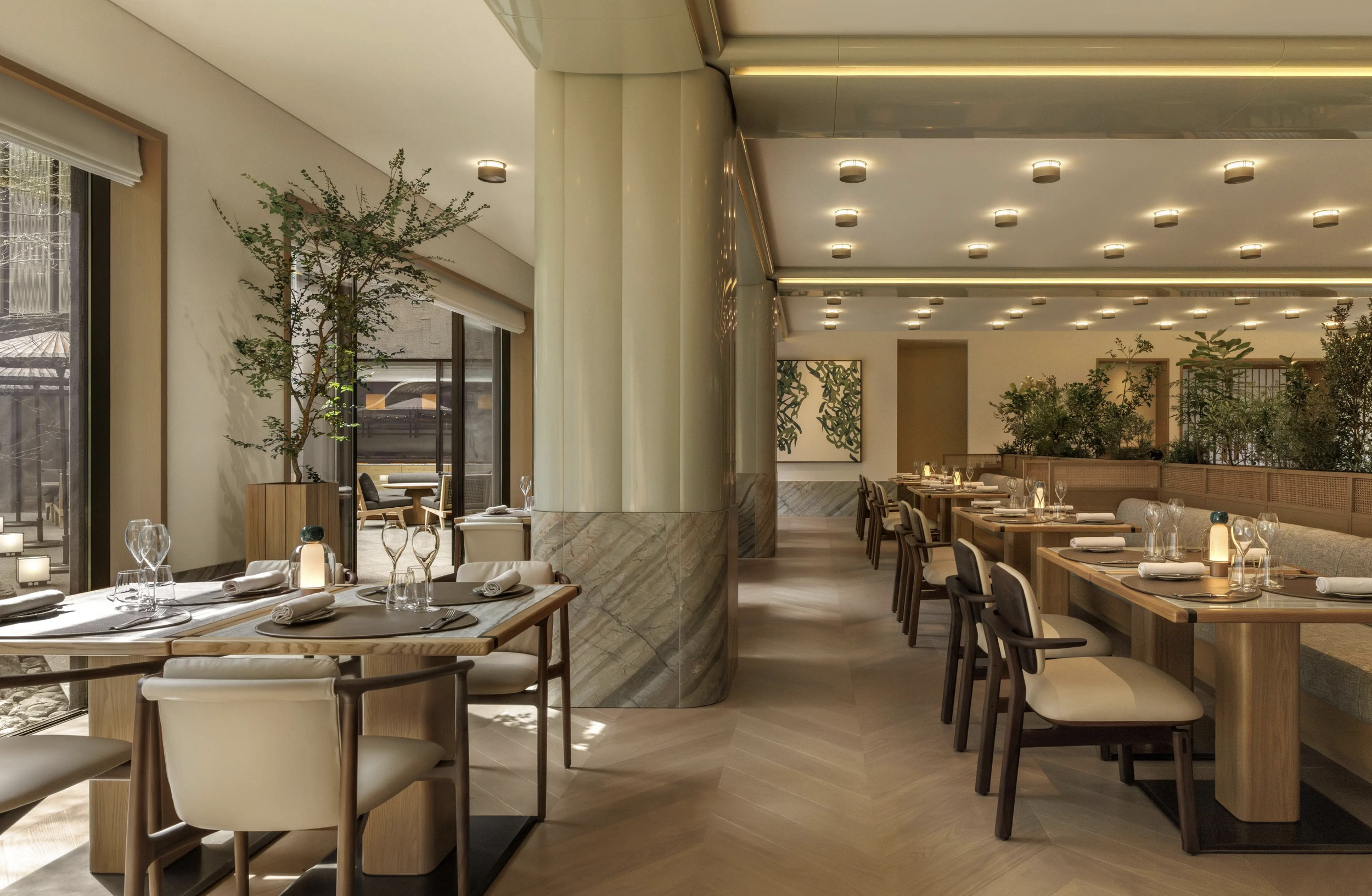
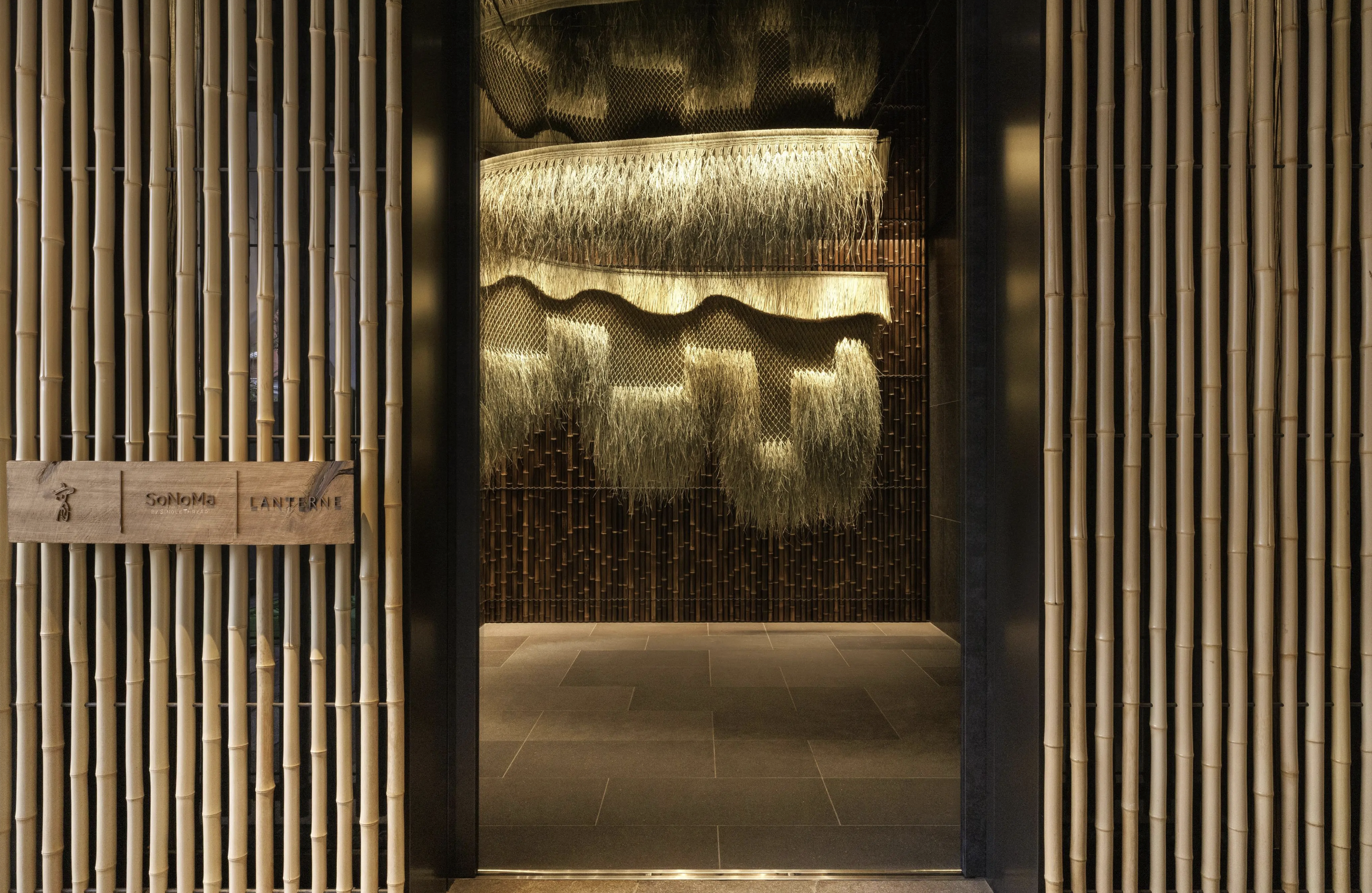
LANTERNE: A French brasserie serving breakfast, lunch and dinner, along with afternoon offerings. Kyoto ingredients are interpreted through French culinary techniques in a relaxed setting overlooking an atrium and terrace.
YOI: A contemporary Japanese restaurant and bar combining seasonal dishes with handcrafted cocktails. The setting incorporates elements of the former school site and takes on a more social atmosphere in the evening.
Pâtisserie: Seasonal pastries, desserts and savory items can be enjoyed at the hotel or taken away, making it an easy stop before heading out into Kyoto.
Twenty-four-hour in-room dining is also available, a useful option in a city where restaurant reservations can often dictate the schedule of an evening.
Auriga Spa and Private Onsen Bathing
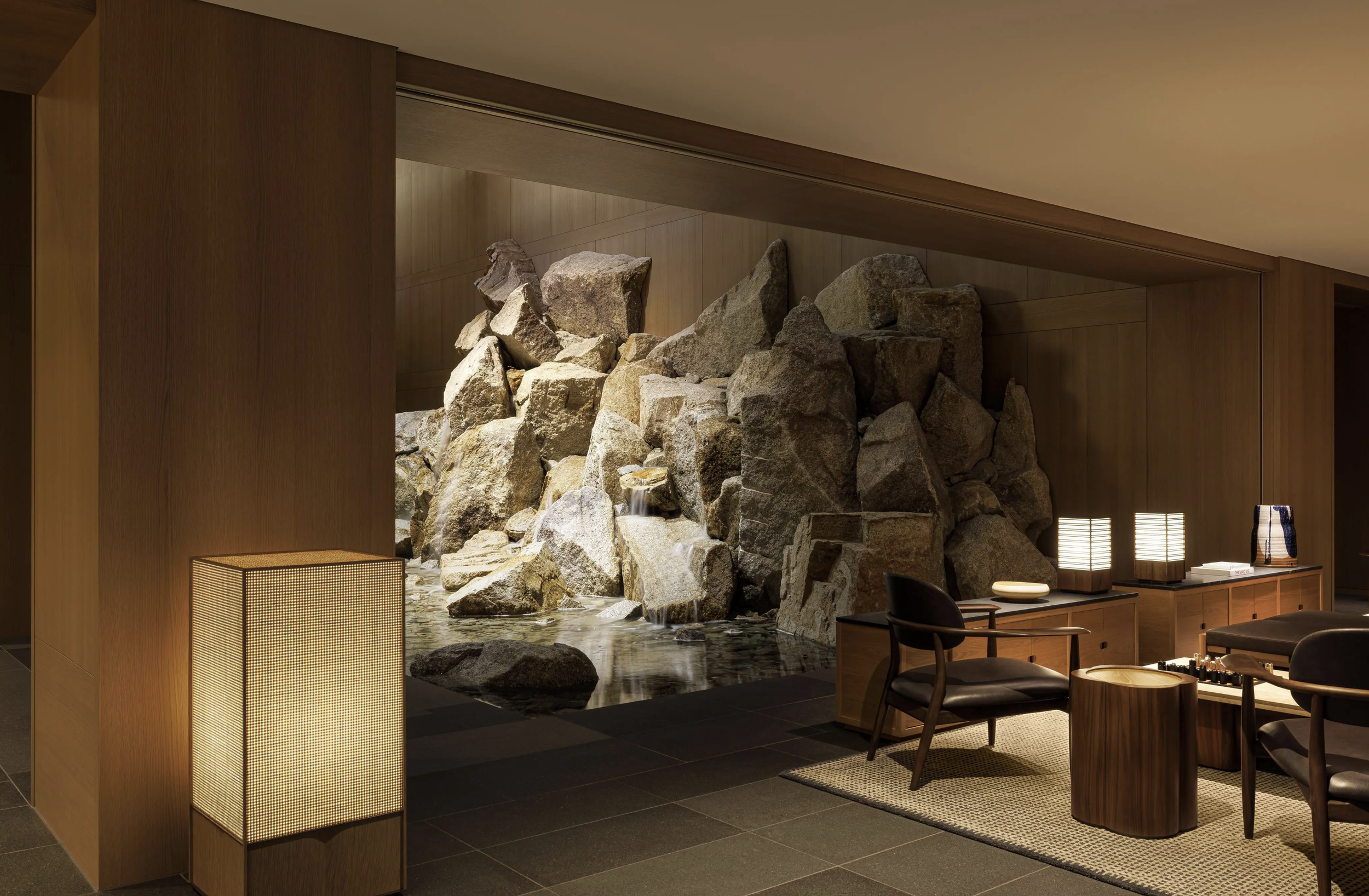
The hotel’s Auriga Spa draws from Japanese bathing traditions while incorporating Capella’s broader approach to wellness.
Facilities include four treatment suites, three private onsen rooms using naturally sourced hot spring water, separate steam rooms and dry saunas for men and women, experiential showers and a 24-hour fitness center.
The private onsen rooms are particularly appealing for international travelers who want to experience Japan’s bathing culture in a more personal environment. Guests staying in one of the six Onsen Suites can take that experience a step further, with their own private bath directly within the accommodation.
Auriga also collaborates with The Ginza by Shiseido on specialized treatments, bringing Japanese skincare into the spa program. Daily breathwork is available for hotel guests, while private yoga and fitness sessions can also be arranged.
After several days spent walking Kyoto’s temple grounds and historic streets, having this level of wellness within the hotel becomes particularly valuable.
Experiencing Kyoto Through Capella Curates
One of Capella Kyoto’s strongest advantages is its Capella Curates program, designed to connect travelers with the city through artisans, cultural figures and local traditions.
The hotel’s Capella Culturists can arrange experiences tied to the surrounding neighborhood, including opportunities connected with the Miyagawa-cho Kaburenjo Theatre and Kyoto’s geiko and maiko culture.
Private experiences involving an ochaya and maiko offer a particularly interesting window into a cultural world that traditionally operates through introductions and established relationships.
Kyoto’s temples and gardens can easily fill several days, but access and context can completely change the experience. Meeting an artisan, understanding the history behind a ceremony or experiencing a performance with someone who can explain its significance provides a much deeper perspective on the city.
Exploring the Neighborhood
Capella Kyoto is exceptionally well positioned for exploring eastern Kyoto on foot.
Kennin-ji is practically outside the door, while Gion, Yasaka Shrine and the historic streets of Higashiyama can all be incorporated into leisurely walks from the hotel. Continue farther south and uphill and the streets eventually lead toward Kiyomizu-dera, one of Kyoto’s most important temple complexes.
Heading north brings travelers toward Chion-in and Shōren-in, while crossing the Kamo River provides easy access to central Kyoto.
Complimentary bicycles are also available for hotel guests, opening another way to explore the city when weather permits.
The experience changes considerably by season. Spring brings cherry blossoms and enormous energy to Kyoto, while autumn transforms temple gardens with deep reds and golds. Summer introduces festivals and lush greenery, and winter reveals a quieter version of the city that can be especially atmospheric in Higashiyama.
Getting to Capella Kyoto
Capella Kyoto is located at 130 Komatsu-cho in Kyoto’s Higashiyama district, within Miyagawa-cho.
By Car from Kansai International Airport: Allow approximately 90 minutes to two hours, depending on traffic. A private chauffeured transfer provides the simplest door-to-door option following an international flight.
By Train from Kansai International Airport: The JR Haruka limited express connects Kansai International Airport with Kyoto Station in approximately 75 to 80 minutes. From Kyoto Station, allow roughly 15 to 20 minutes by car to reach the hotel.
By Shinkansen from Tokyo: The fastest Tokaido Shinkansen services connect Tokyo Station with Kyoto Station in approximately two hours and 10 minutes. From Kyoto Station, the hotel is approximately 15 to 20 minutes away by car, depending on traffic.
By Car from Osaka: From central Osaka, the journey generally takes approximately one hour to 90 minutes depending on traffic.
A New Perspective on Kyoto
Kyoto now has an extraordinary collection of hotels at the highest end of the market, which makes a genuine connection to place increasingly important.
Capella Kyoto has that connection built into its address.
Waking in Miyagawa-cho, walking to Kennin-ji in the morning, exploring Higashiyama on foot and returning for a private onsen or dinner at SoNoMa creates a stay that feels closely tied to the city rather than separated from it.
For travelers who already know Kyoto, Capella offers a new perspective from which to rediscover it. For those arriving for the first time, the location provides an exceptional introduction to the traditions, architecture and daily rhythms that make Kyoto unlike anywhere else in Japan.