London, England, U.K. | The Dorchester
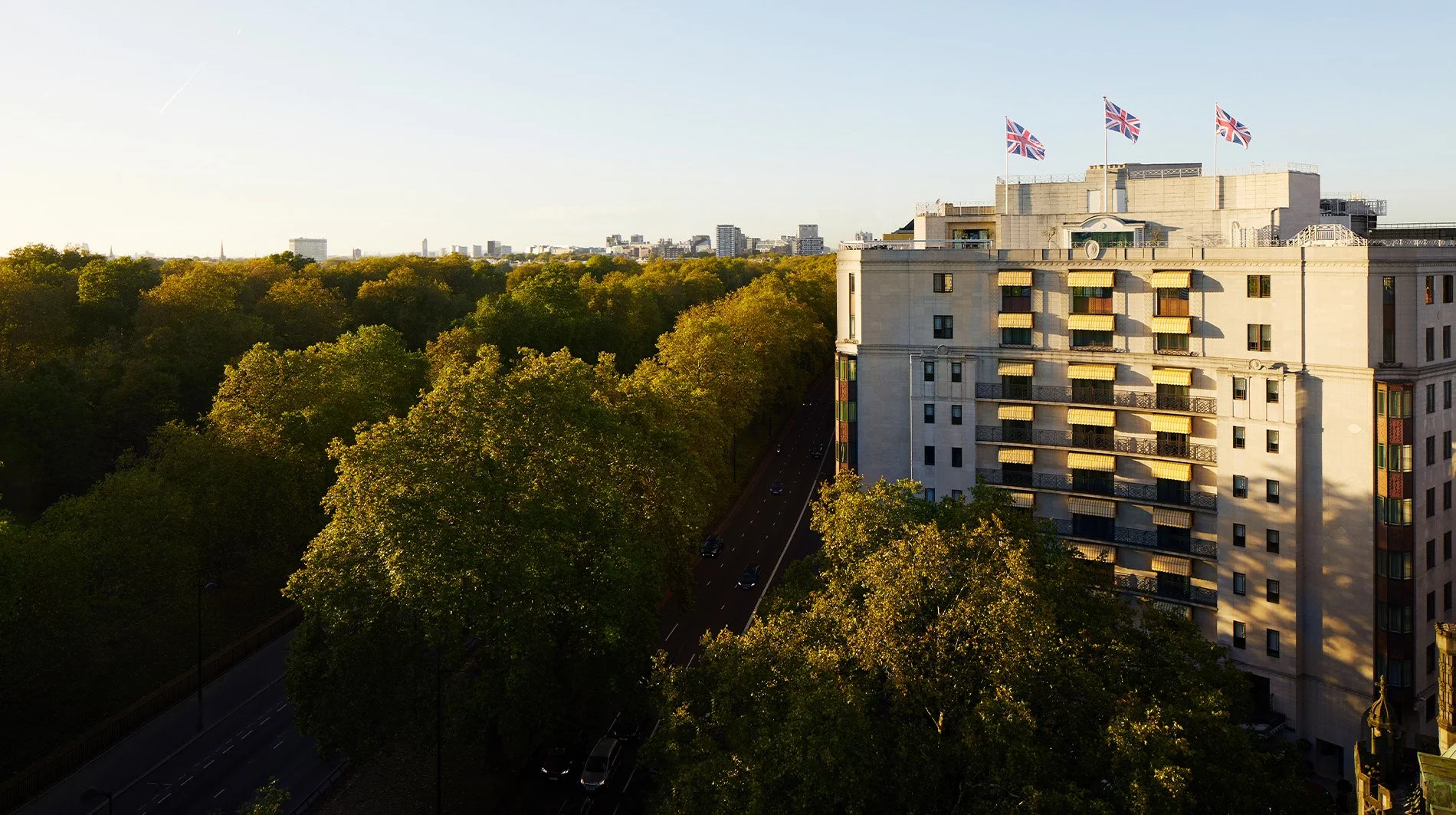
Park Lane With Hyde Park at the Window
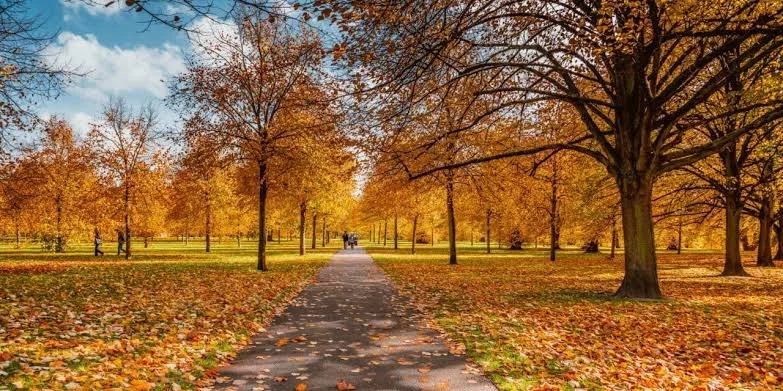
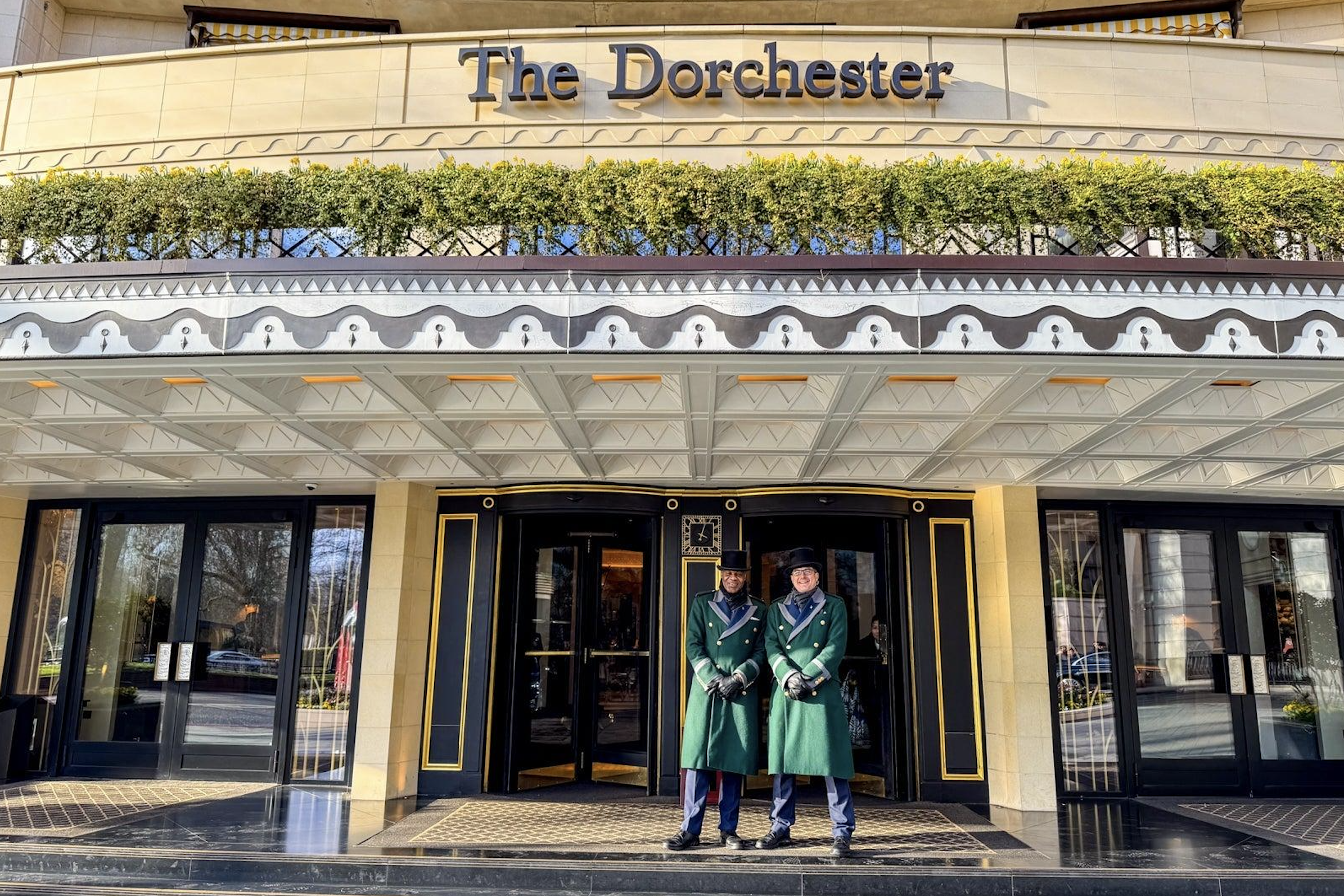
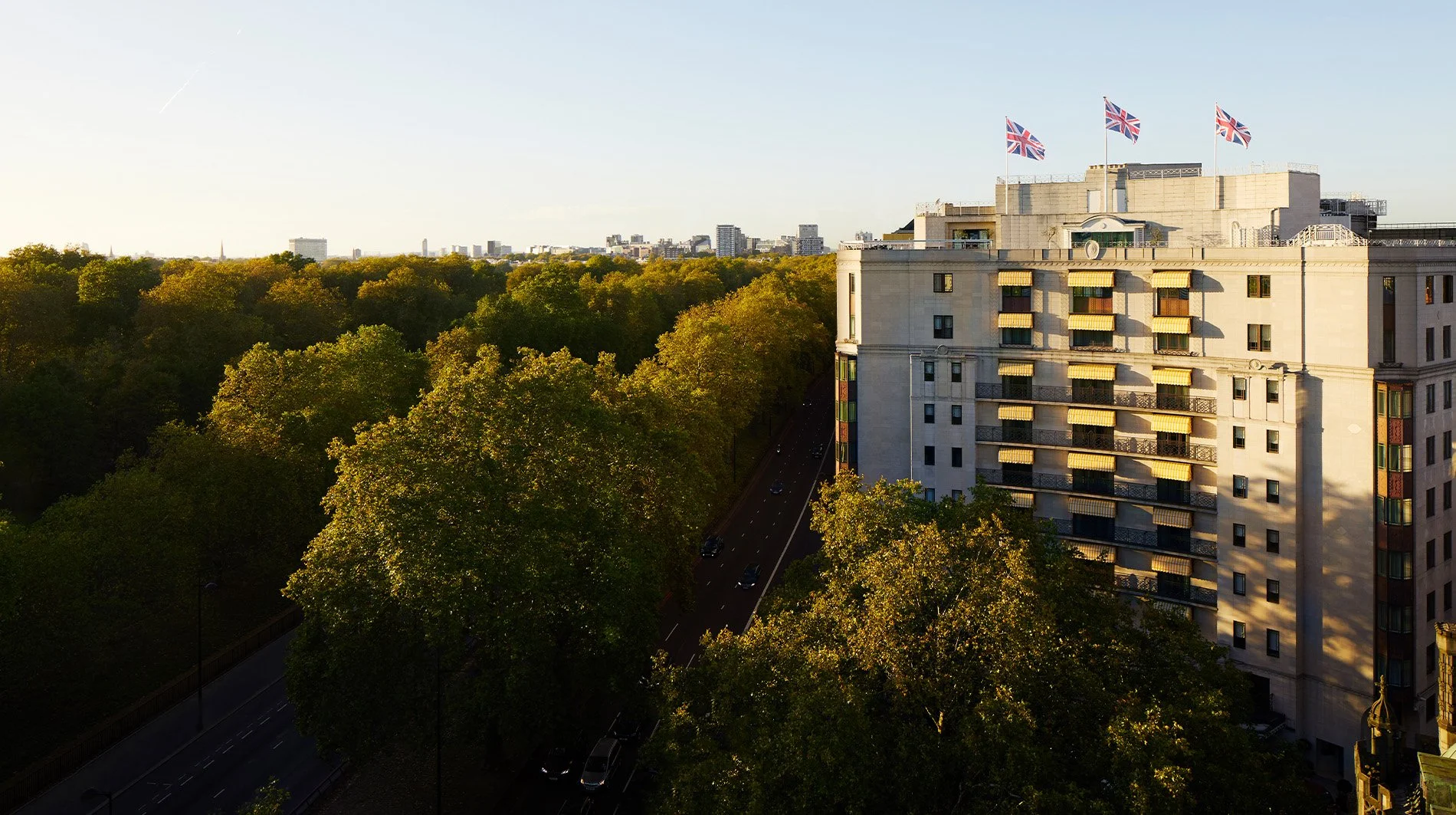
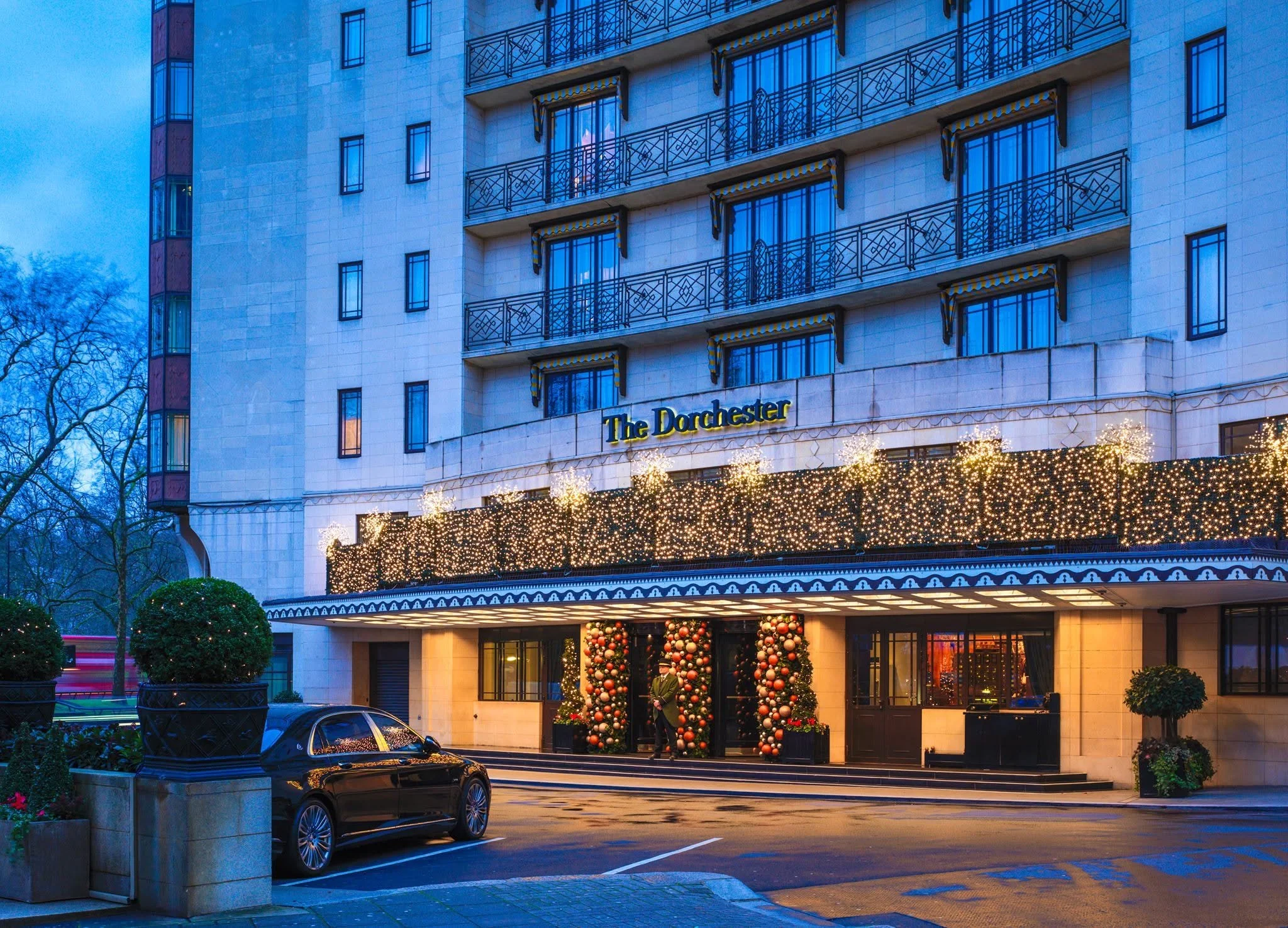
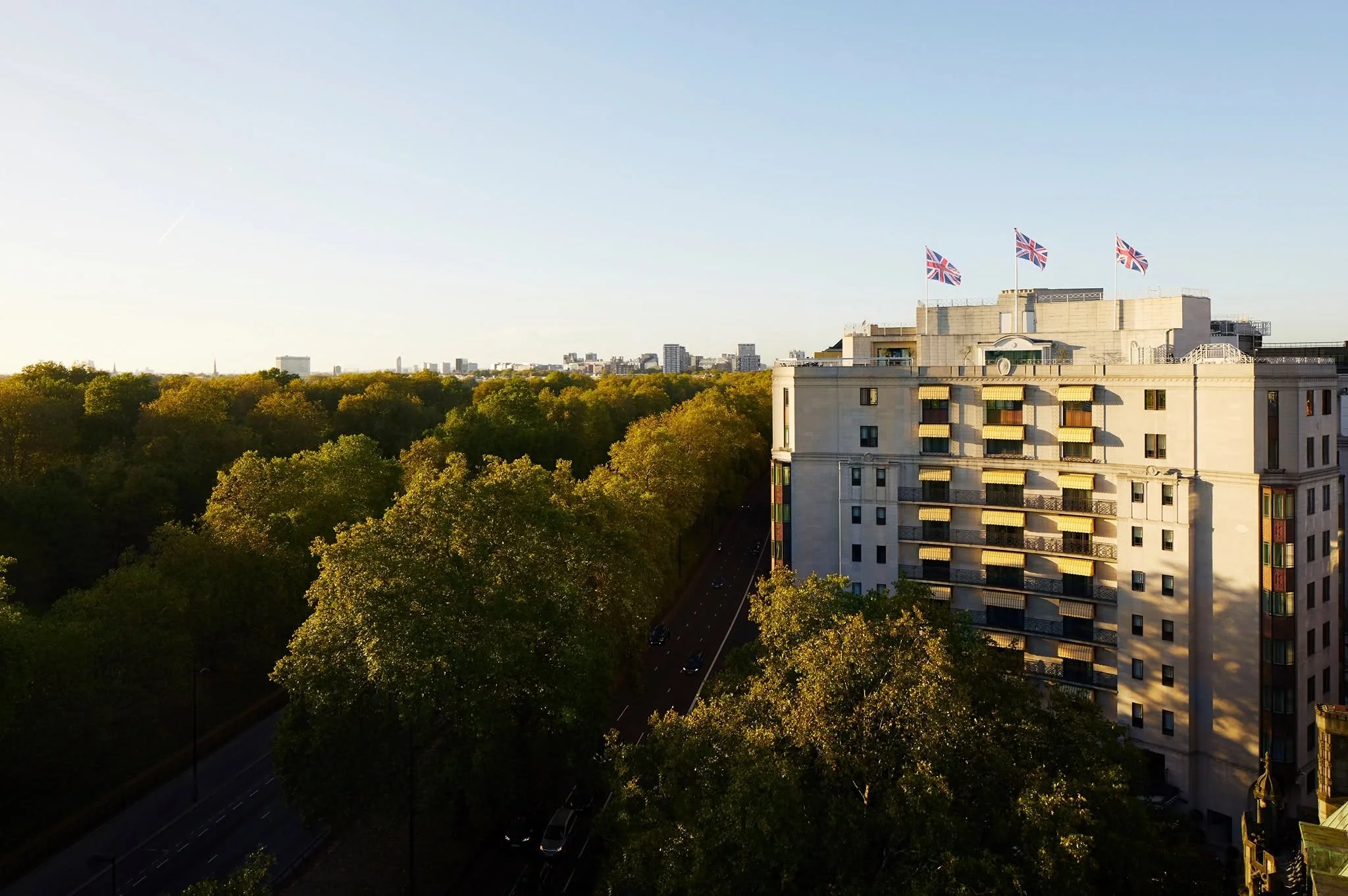
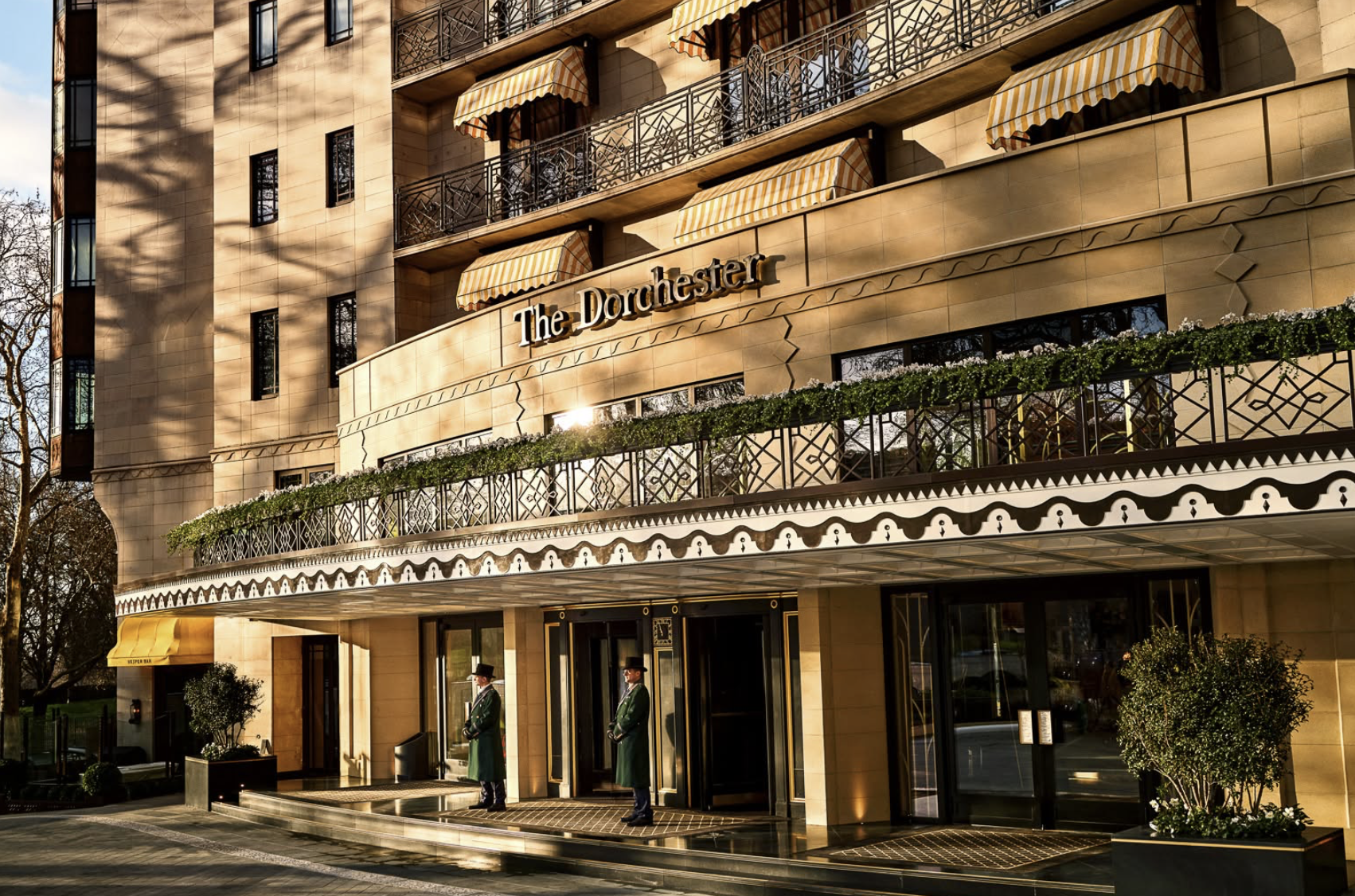
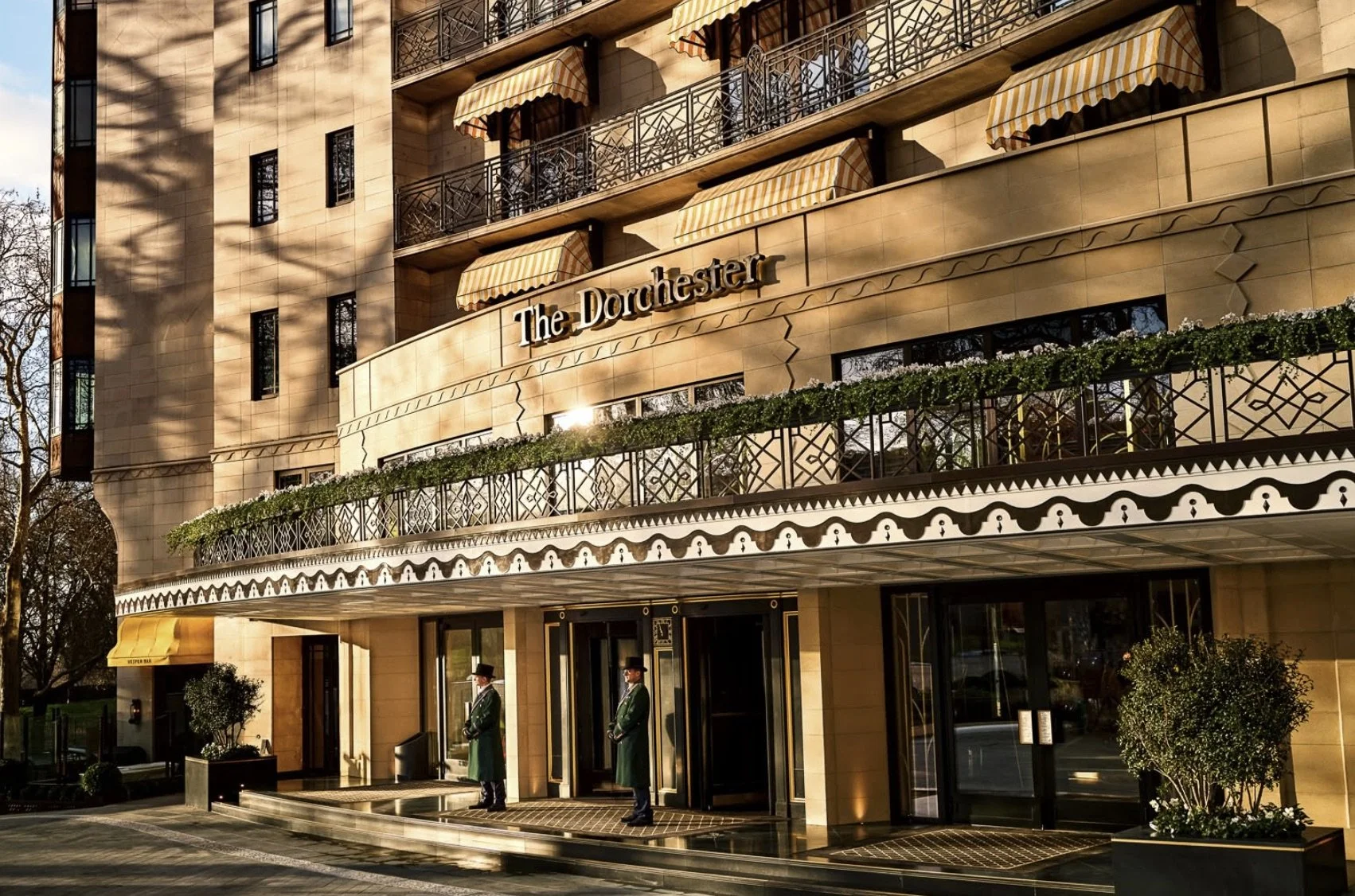
The Dorchester occupies one of London’s most recognizable hotel addresses, facing Hyde Park from Park Lane with Mayfair immediately behind it. That position gives a stay two useful rhythms. Mornings can begin with a walk through the park, while Bond Street, Mount Street, Piccadilly and the West End are close enough to shape the rest of the day without turning every outing into a cross-city journey.
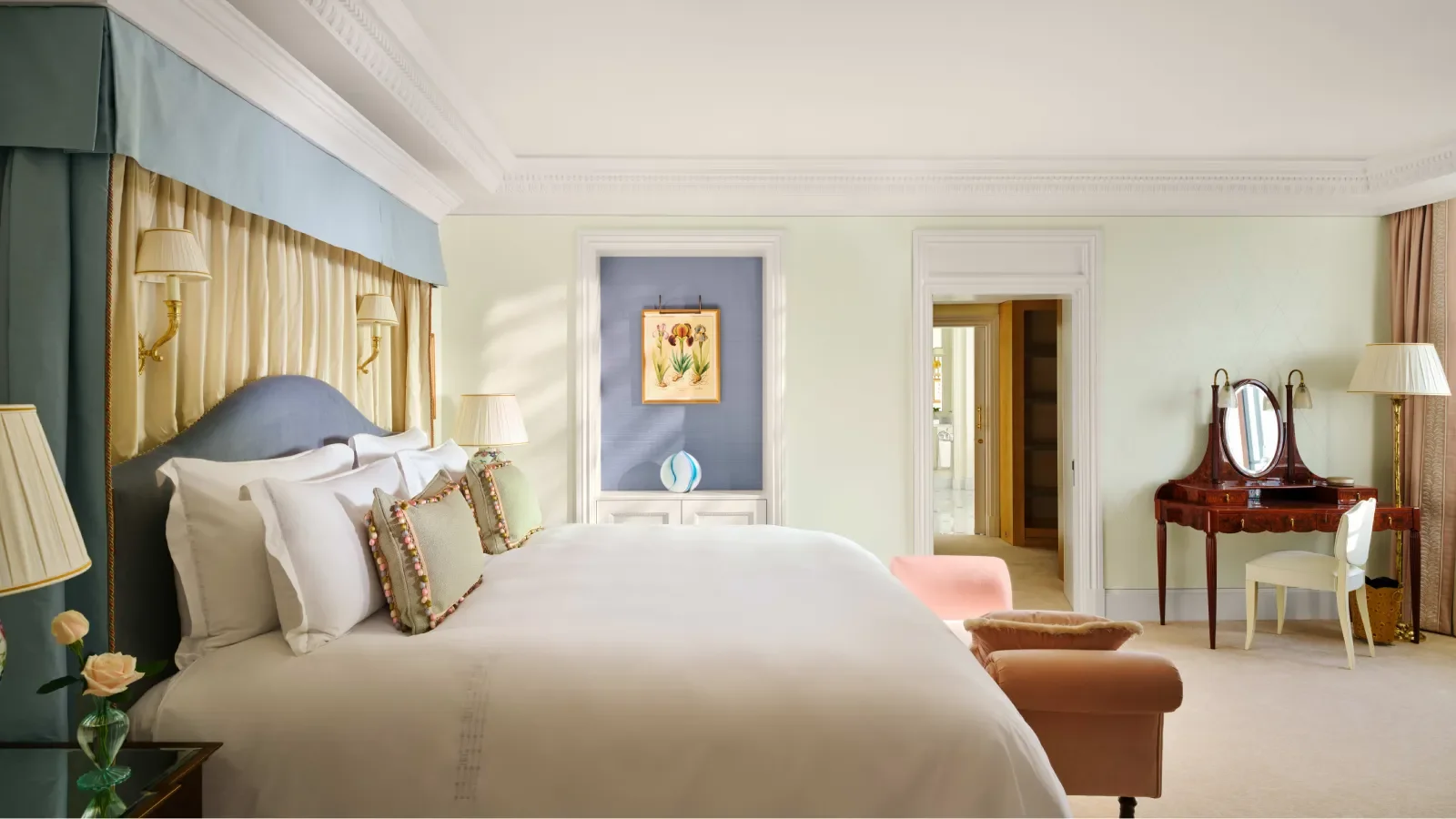
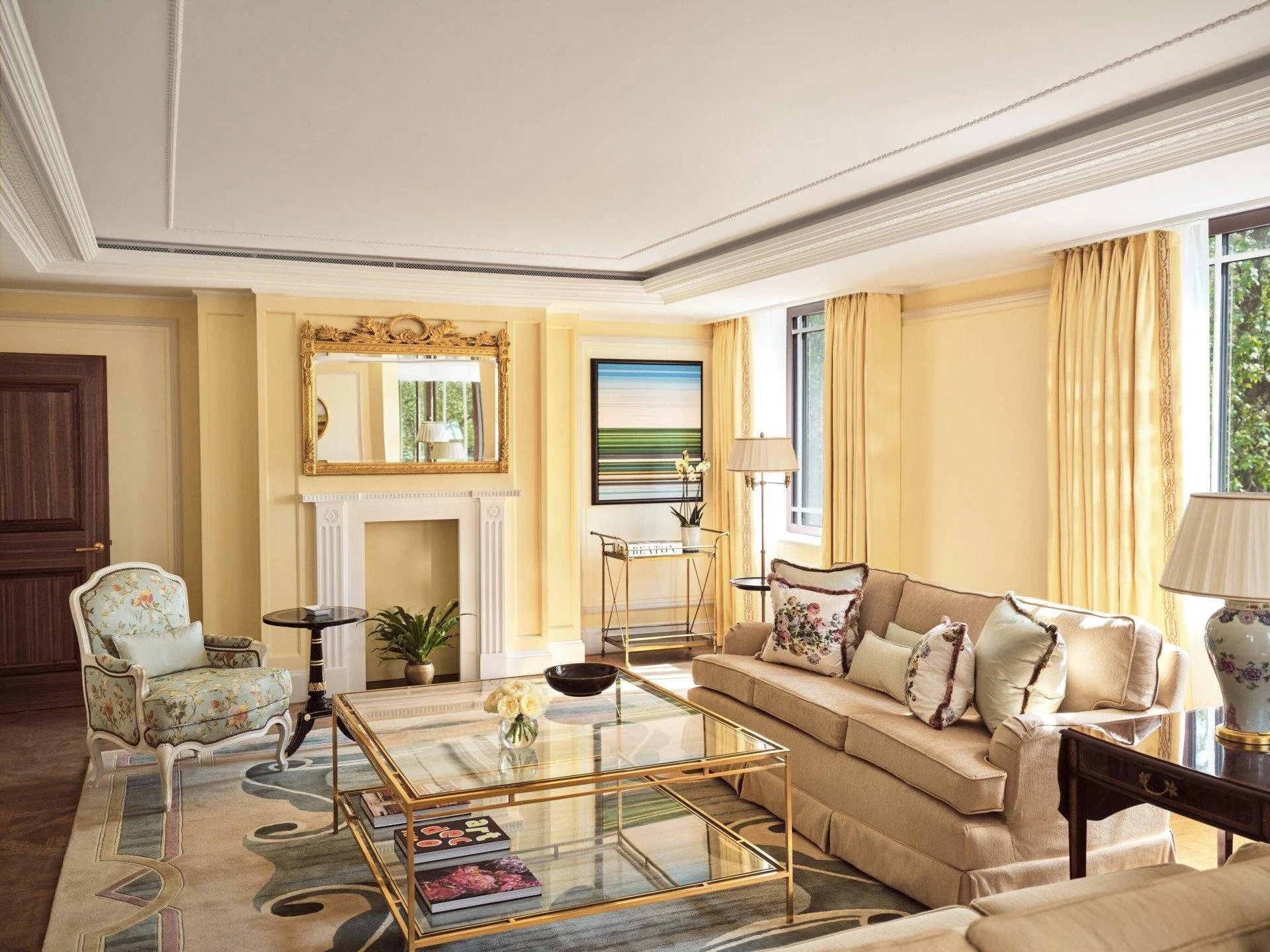
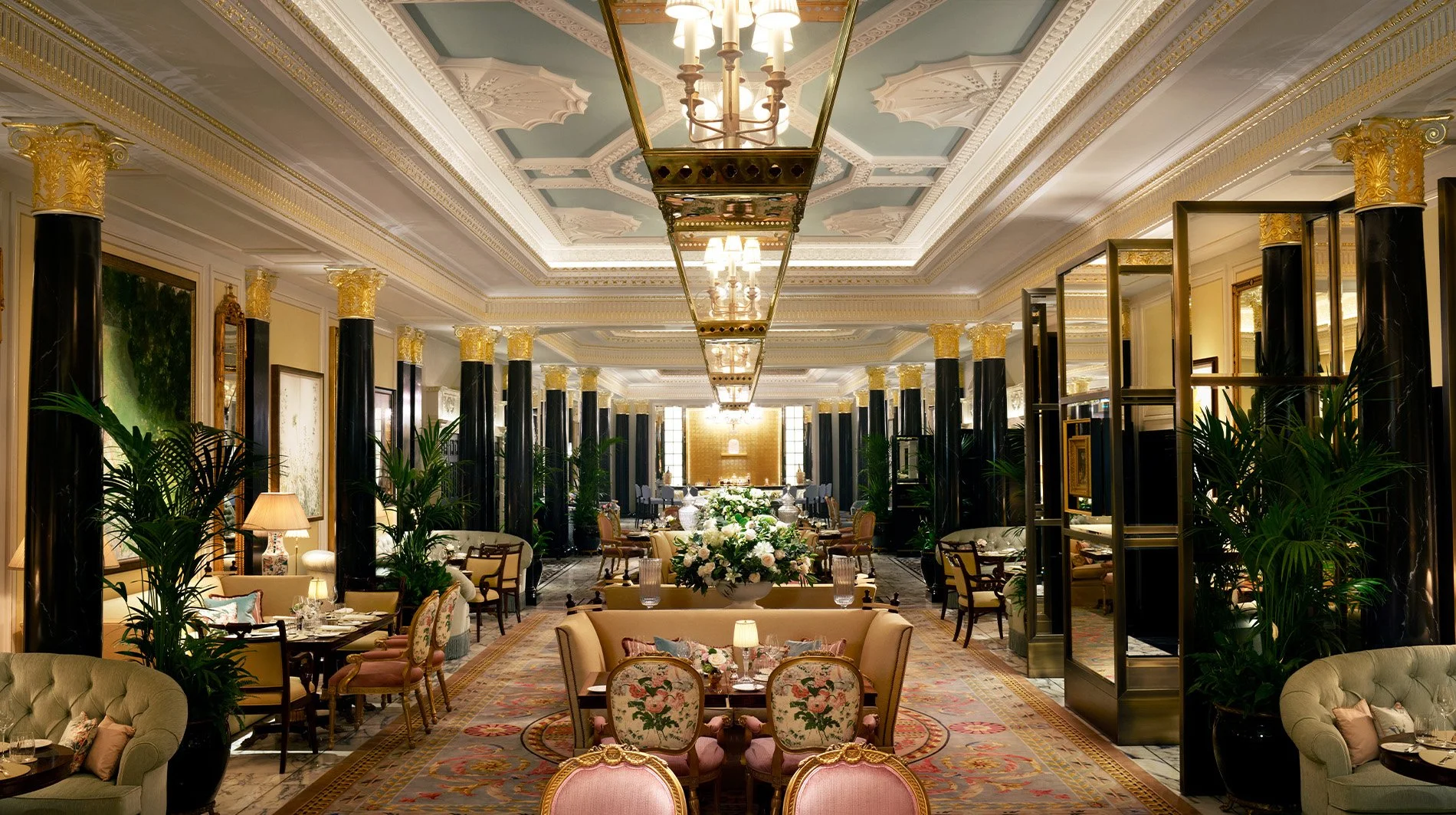
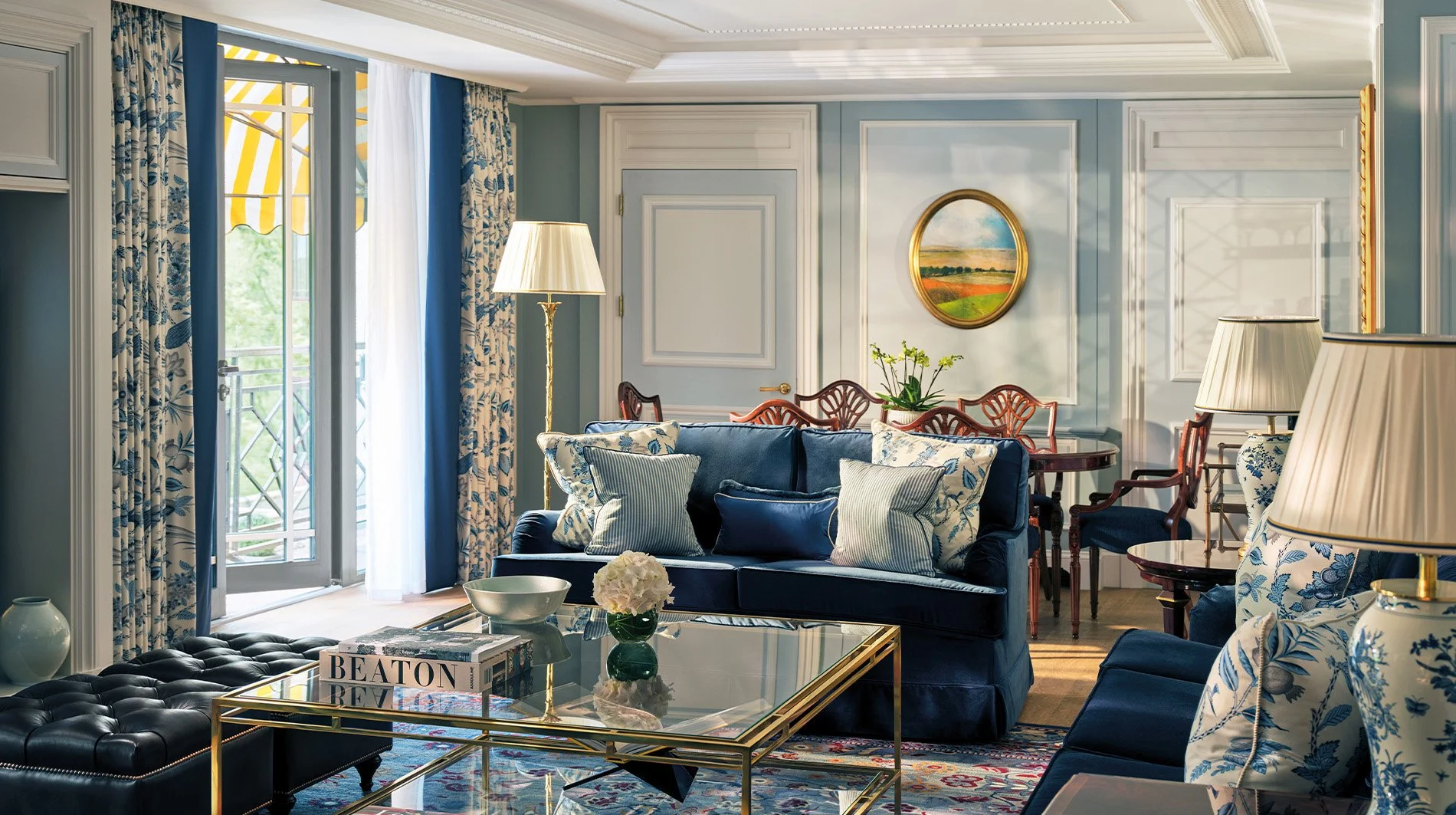
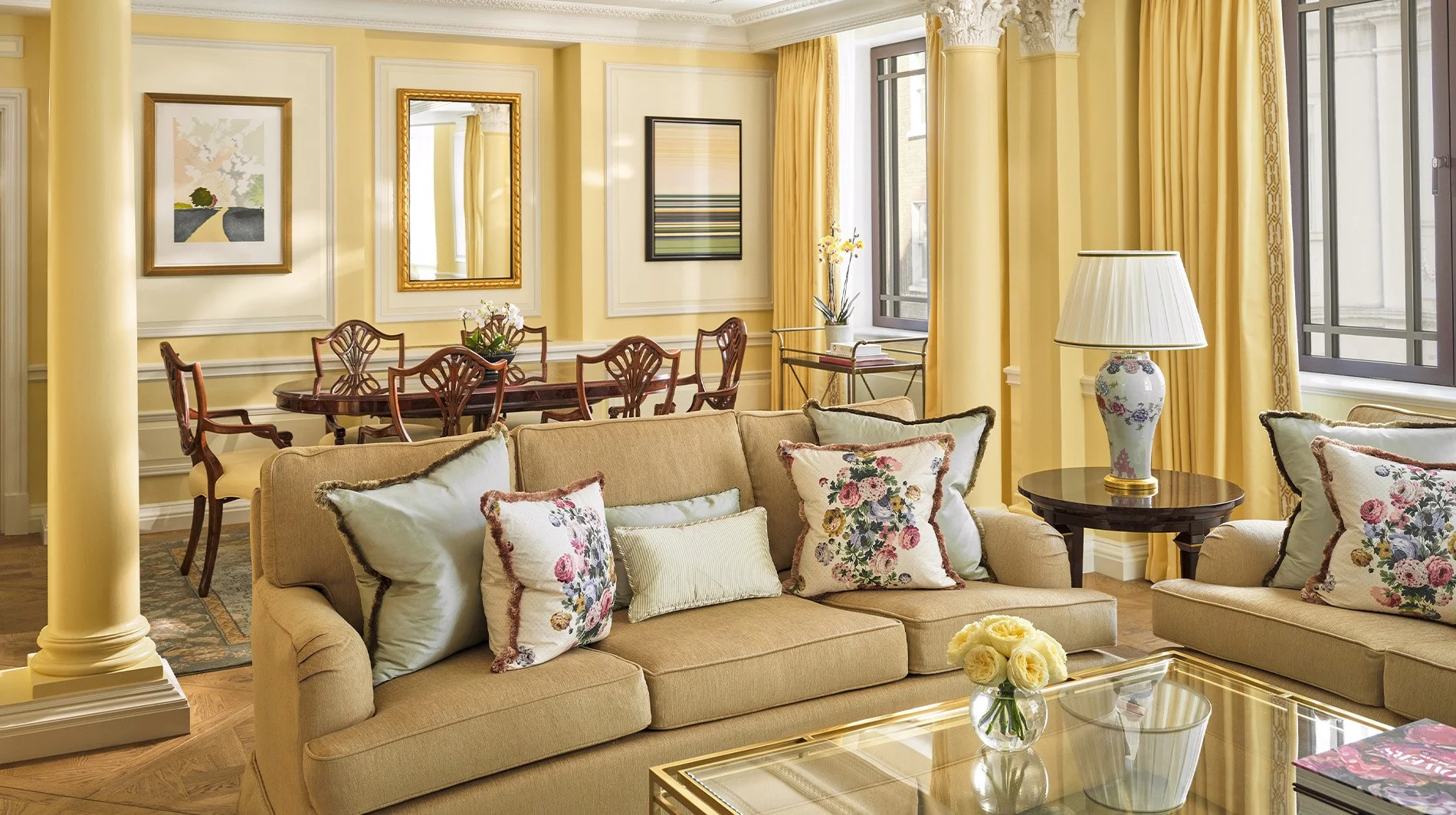
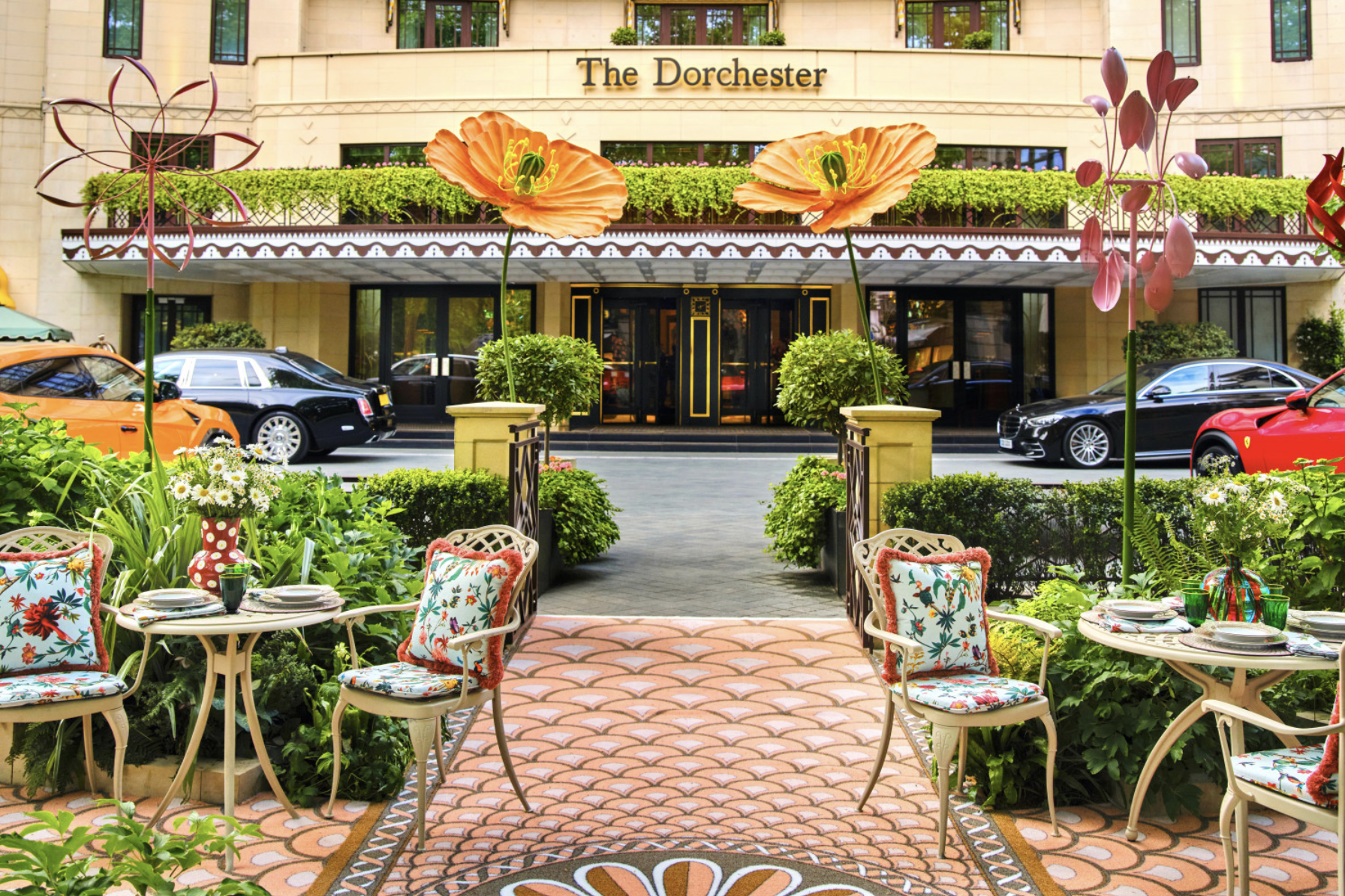
The hotel is large by Mayfair standards, with 173 rooms and 68 suites, yet the recent four-year renovation has made the experience feel more residential than institutional. Rooms draw color from an English garden, several suites open toward Hyde Park, and the ground floor moves between the social energy of The Promenade, Artists’ Bar and Vesper Bar rather than functioning as a single formal lobby.
For travelers choosing among London’s established grand hotels, The Dorchester is especially compelling when dining, location and a sense of continuity matter as much as the room itself. Alain Ducasse at The Dorchester remains one of London’s three-MICHELIN-star restaurants, while the hotel itself holds Two MICHELIN Keys in the 2026 Guide.
From Dorchester House to a 1931 London Landmark
The name predates the hotel. In 1792, Joseph Damer, Earl of Dorchester, acquired a house on the site that became known as Dorchester House. A grander Italian palazzo-style residence replaced it in 1853, later serving as the American Embassy and then as a hospital during the First World War before demolition in 1929.
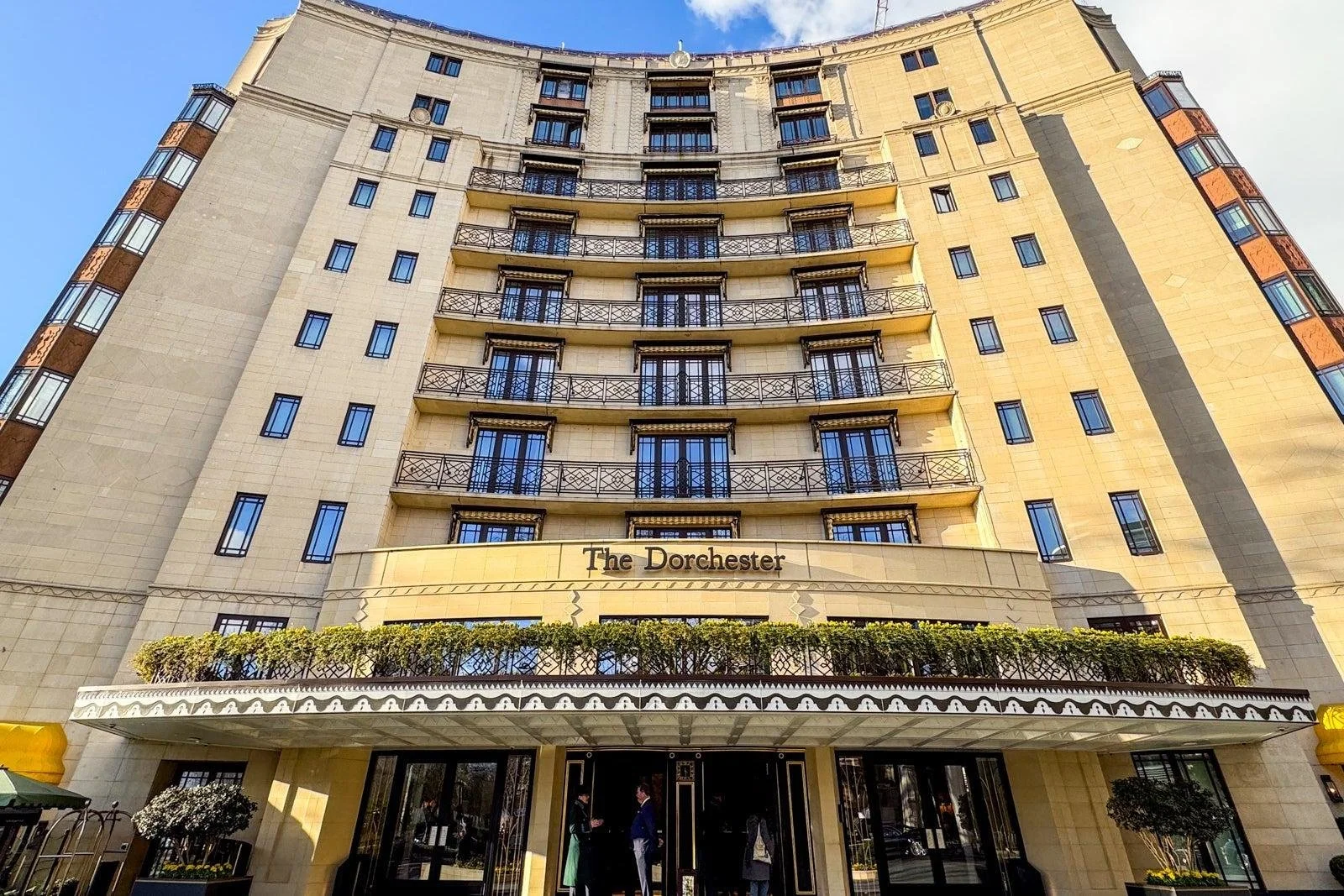
The present hotel opened on April 20, 1931. Sir Robert McAlpine set out to create what he considered the ideal modern hotel, and the building rose in just eighteen months. The reinforced-concrete structure was technically unusual for its time and allowed the property to develop the broad public rooms and relatively generous accommodation that became part of its identity.
During the Second World War, the hotel became closely associated with political and military life in London. General Dwight D. Eisenhower stayed here while planning Allied operations in Europe. That wartime chapter sits alongside a longer cultural history of performers, artists and public figures who used the hotel as both a residence and a social setting.
The latest transformation began more than ninety years after the opening. A four-year renovation, completed in 2026, refreshed all guestrooms and suites while reworking major public spaces. The project is the most extensive renovation in The Dorchester’s history, but it was conceived as an evolution rather than a reset.
An English Garden Reframed by Pierre-Yves Rochon
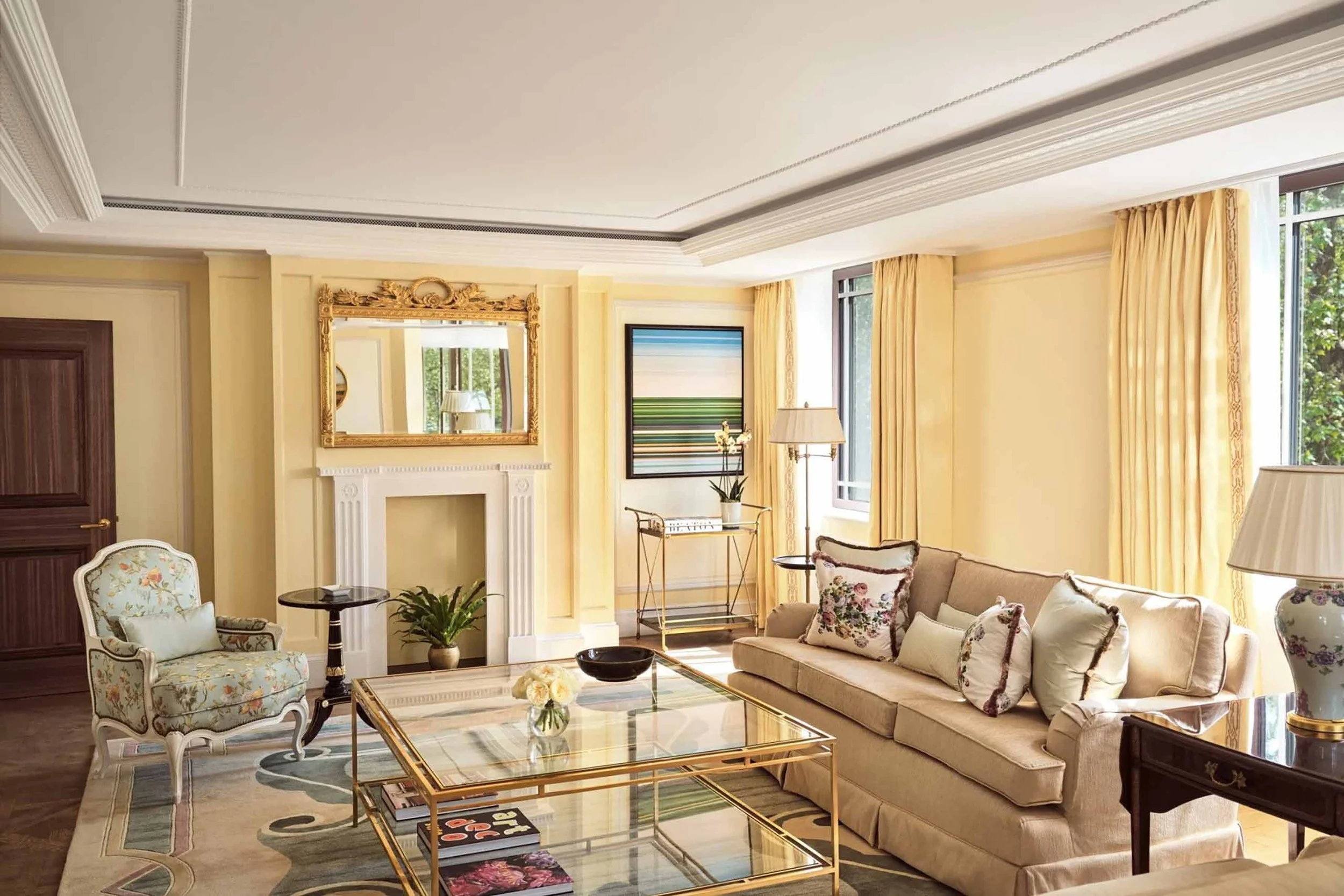
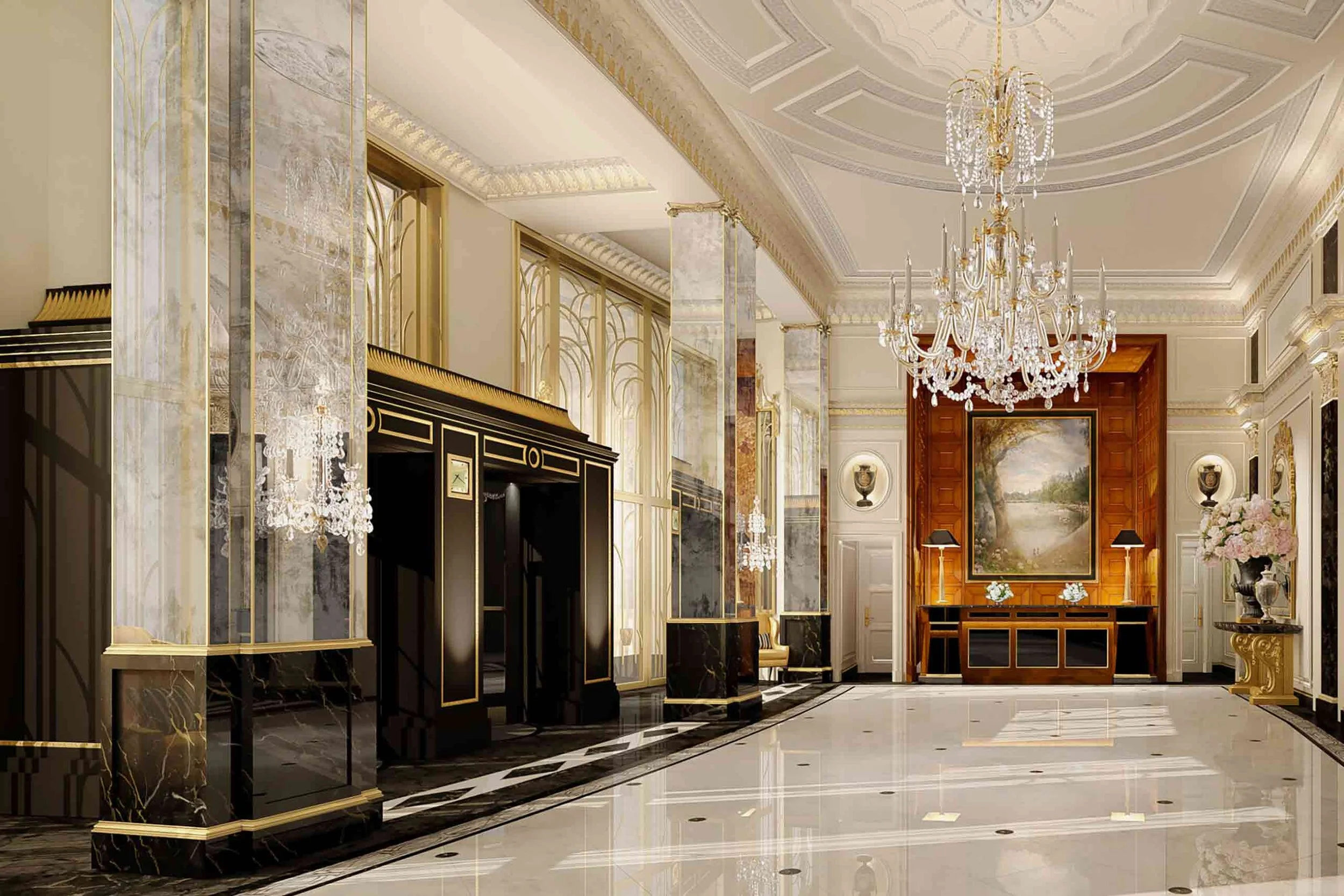
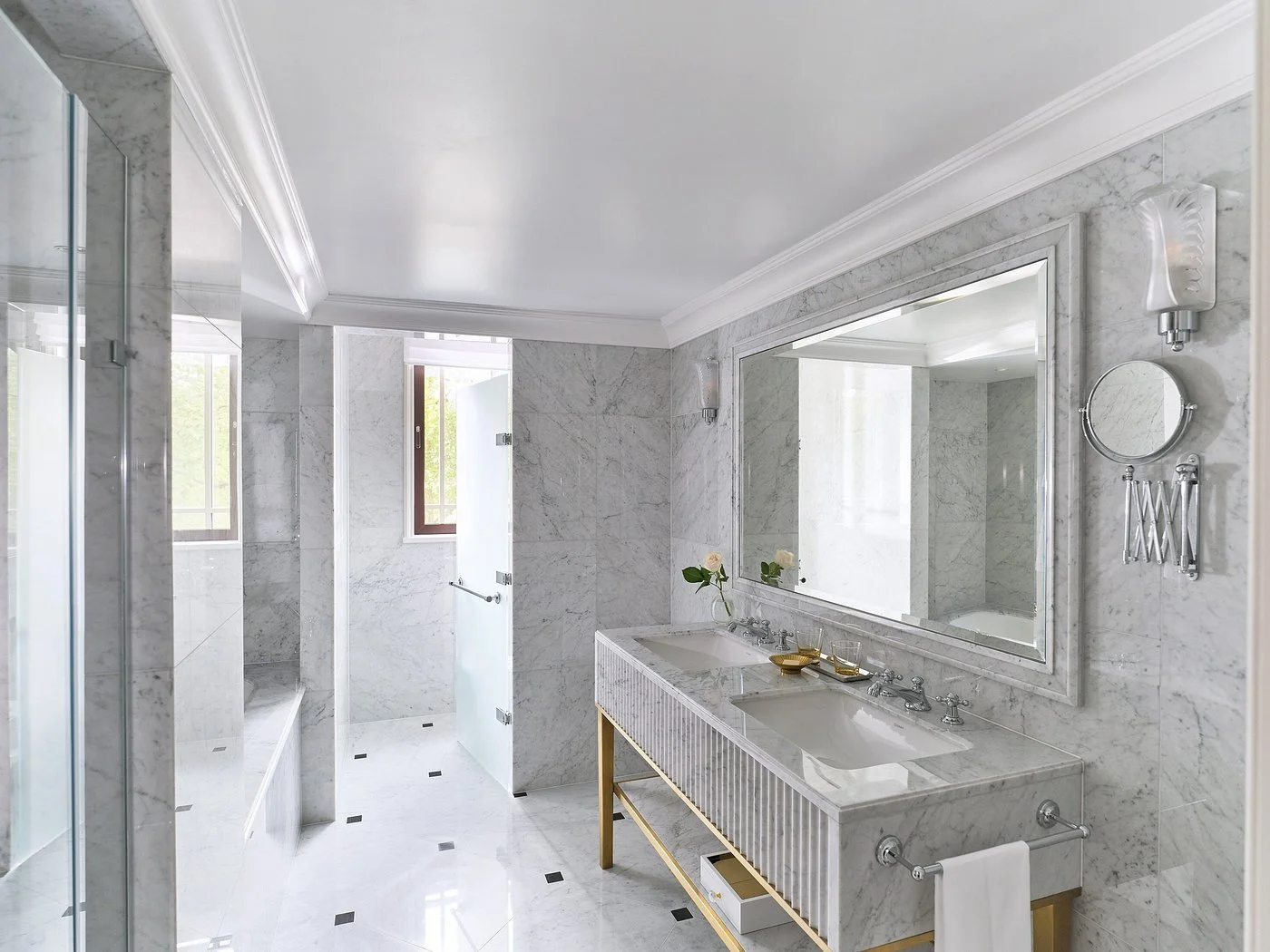
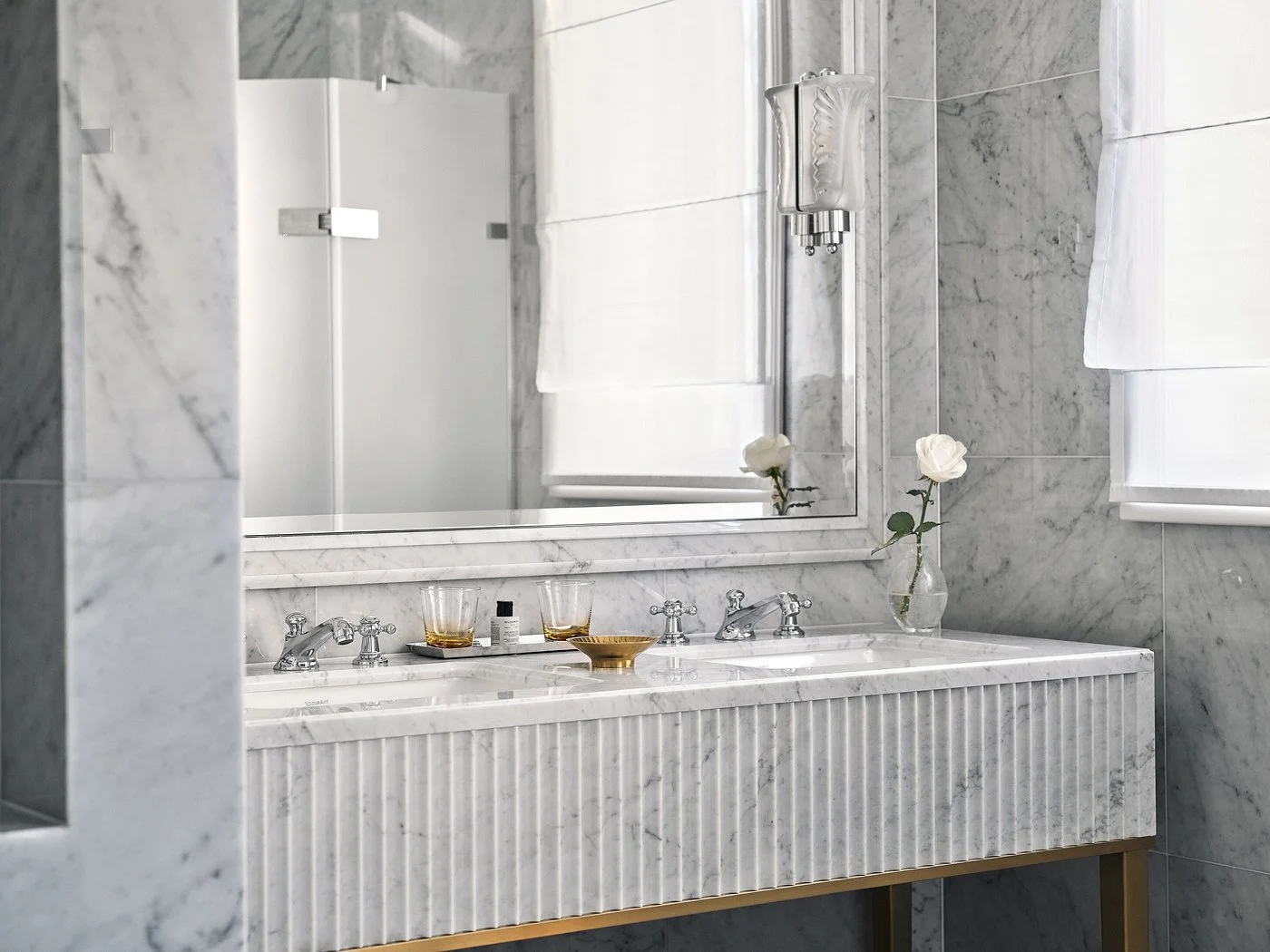
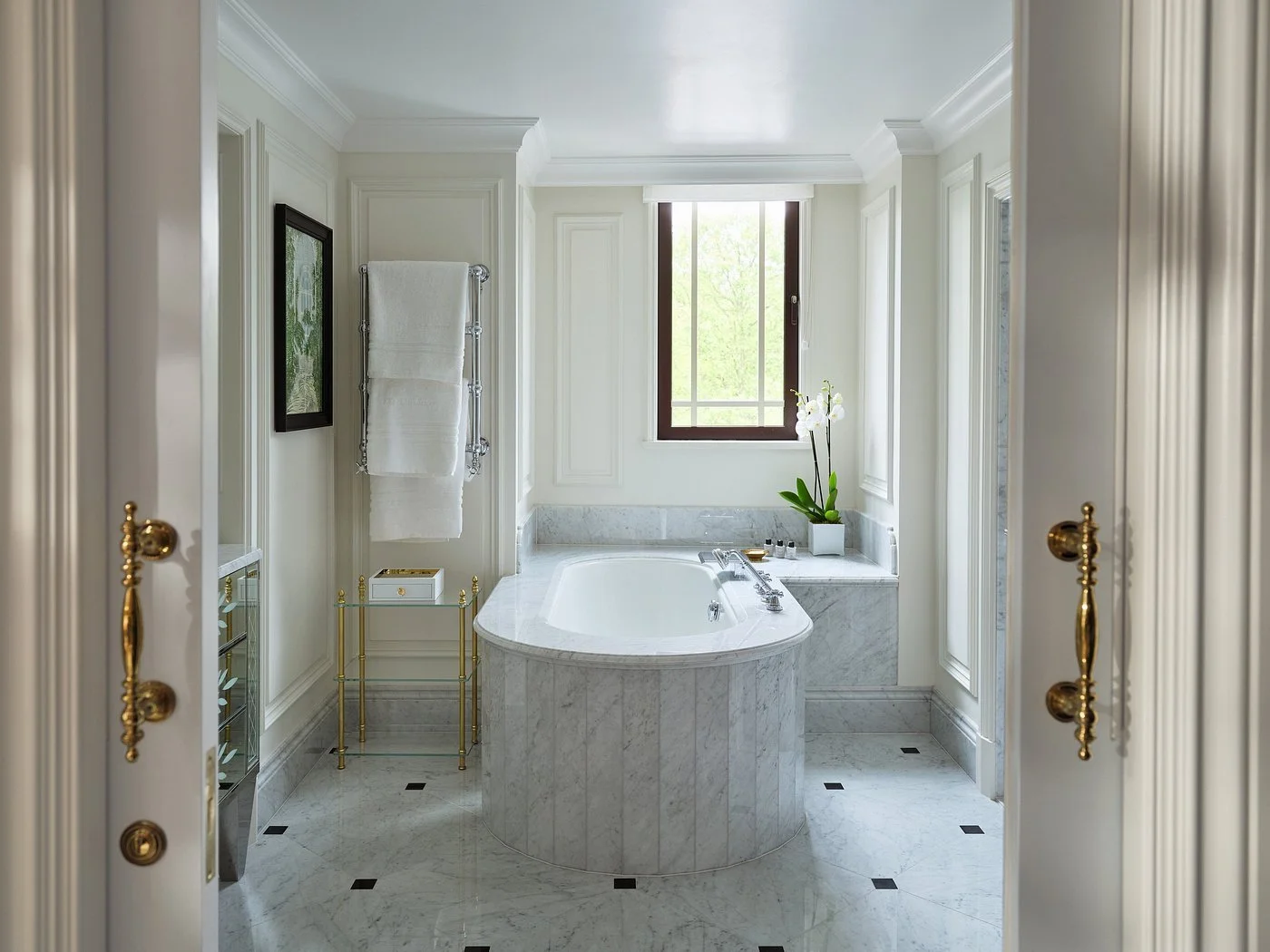
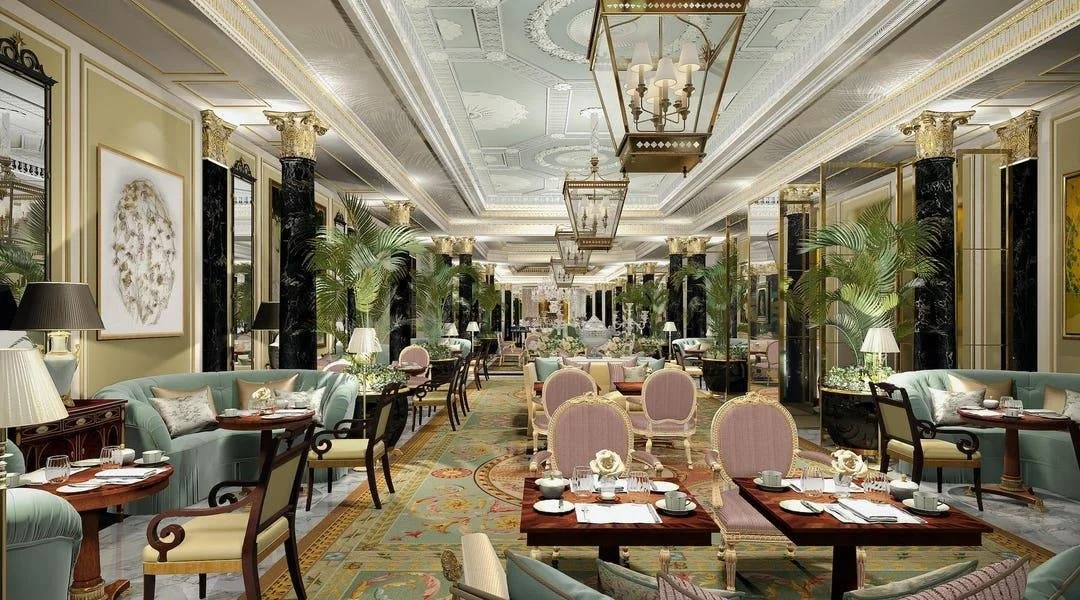
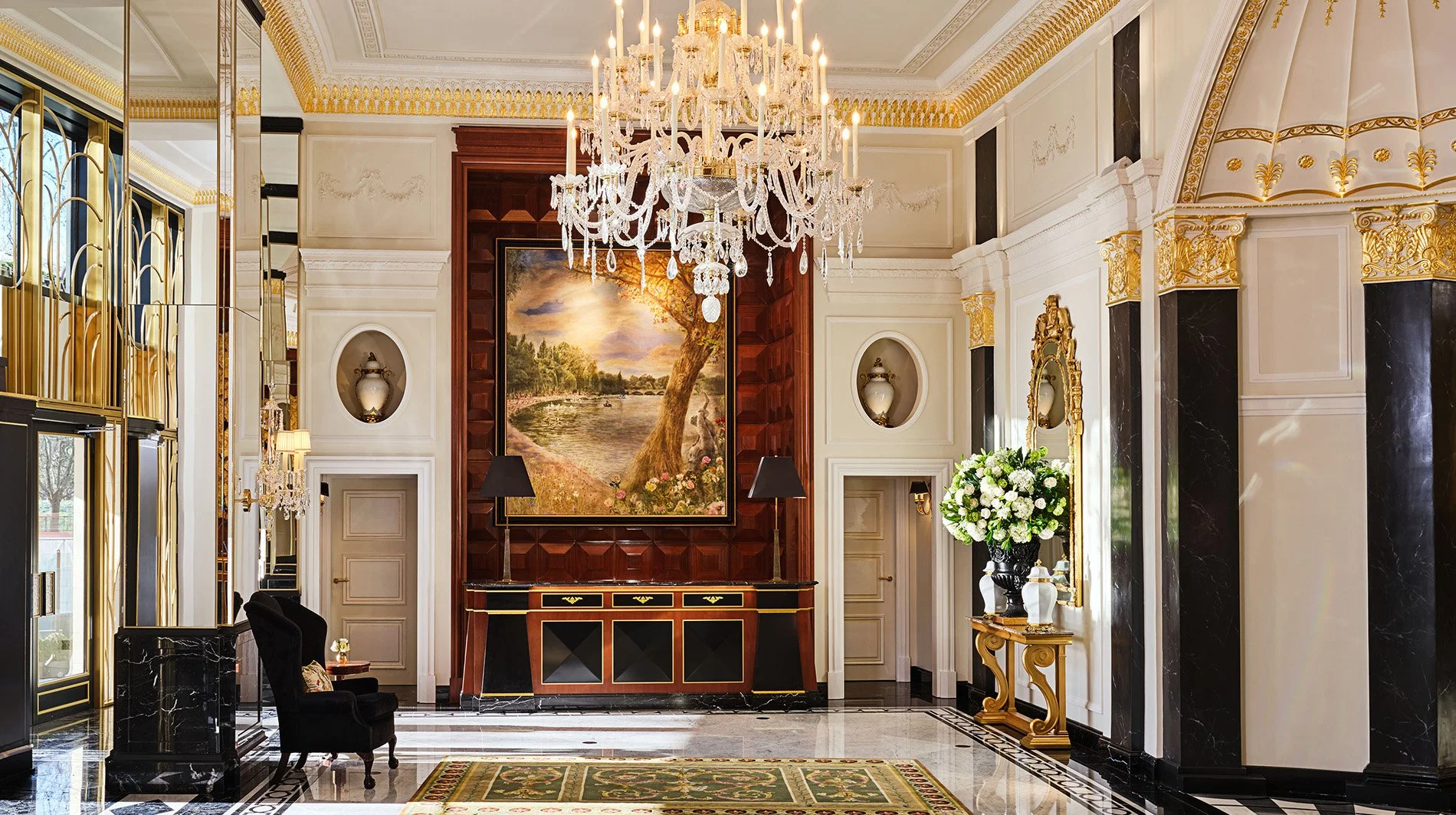
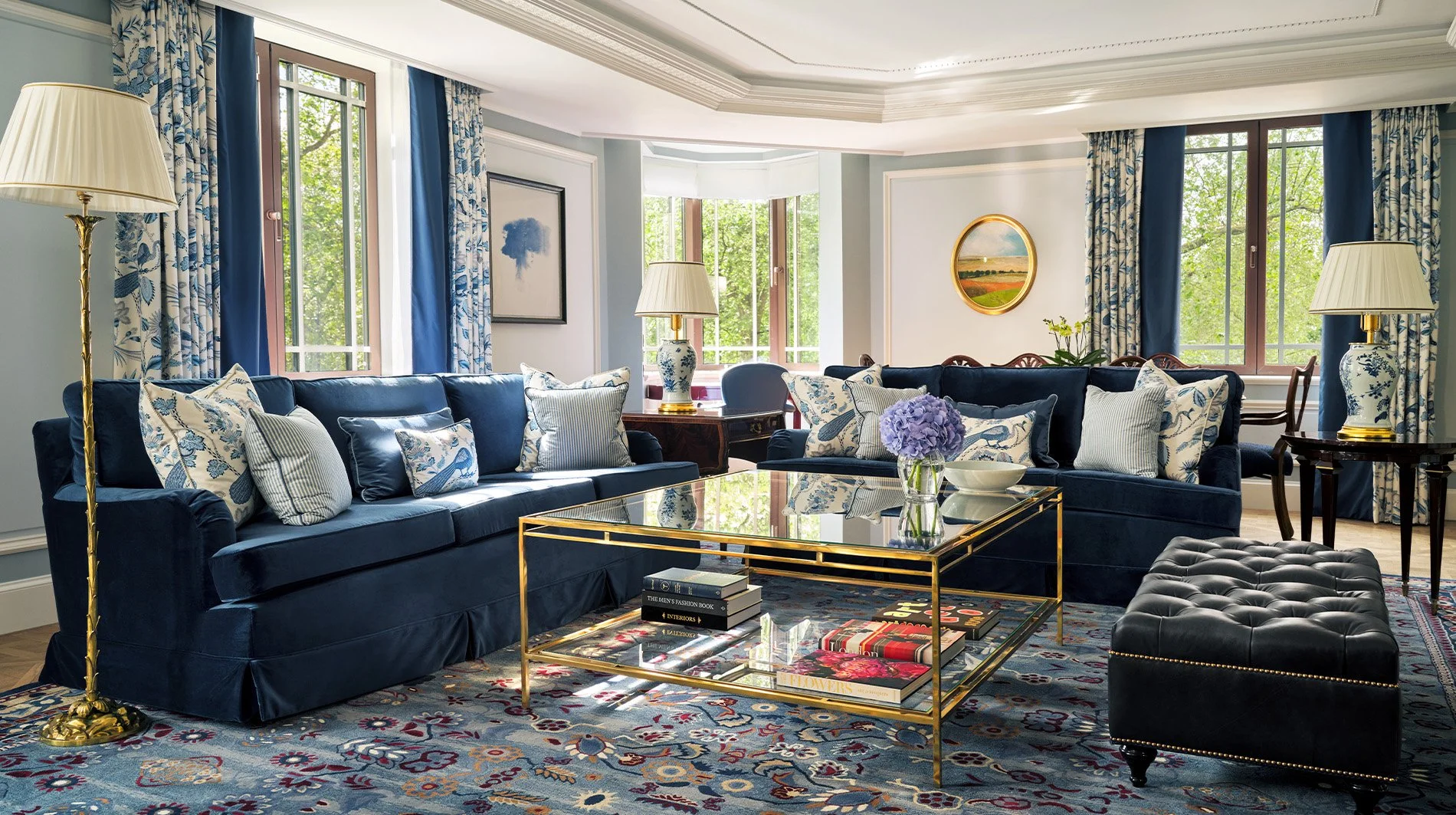
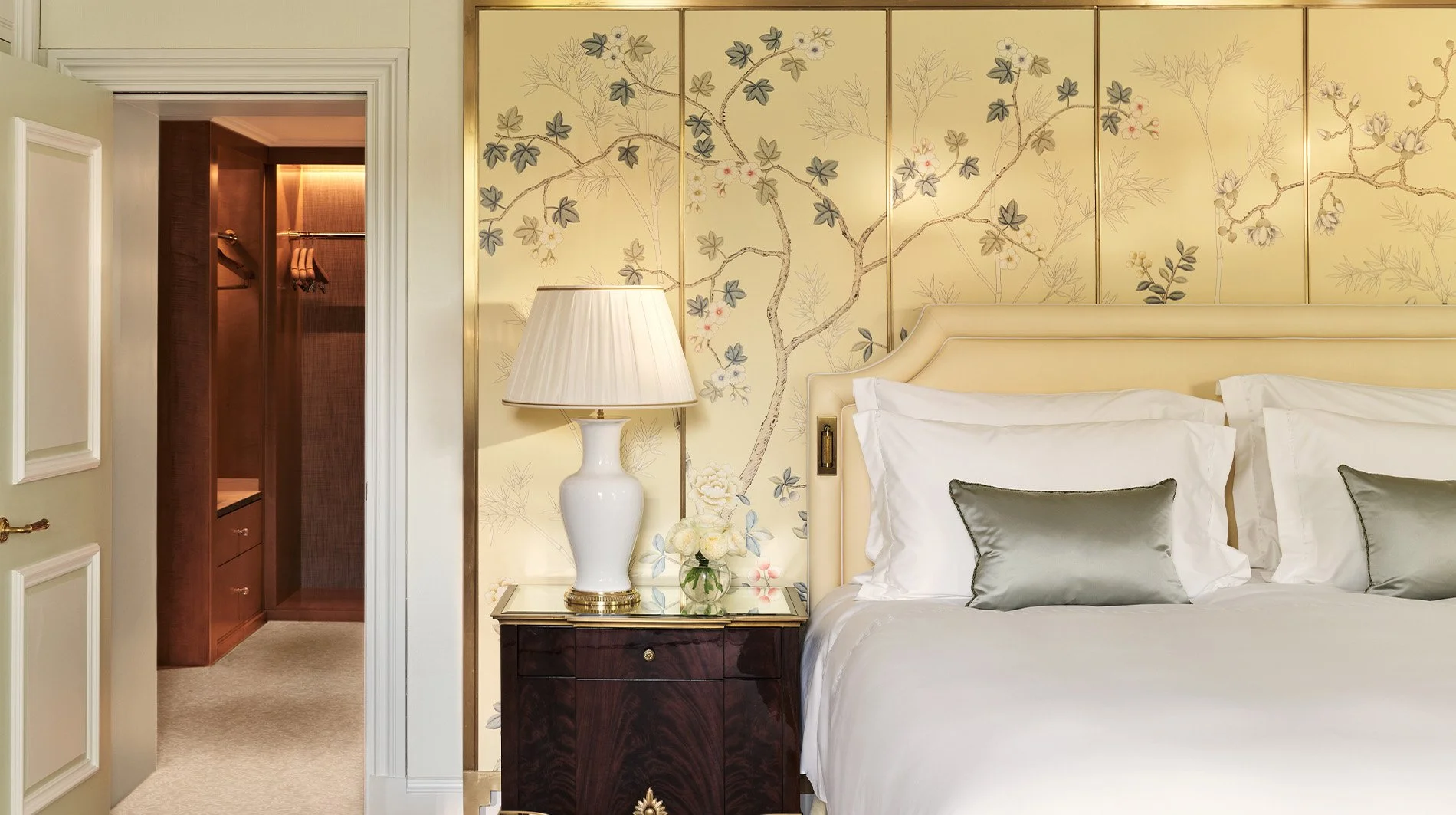
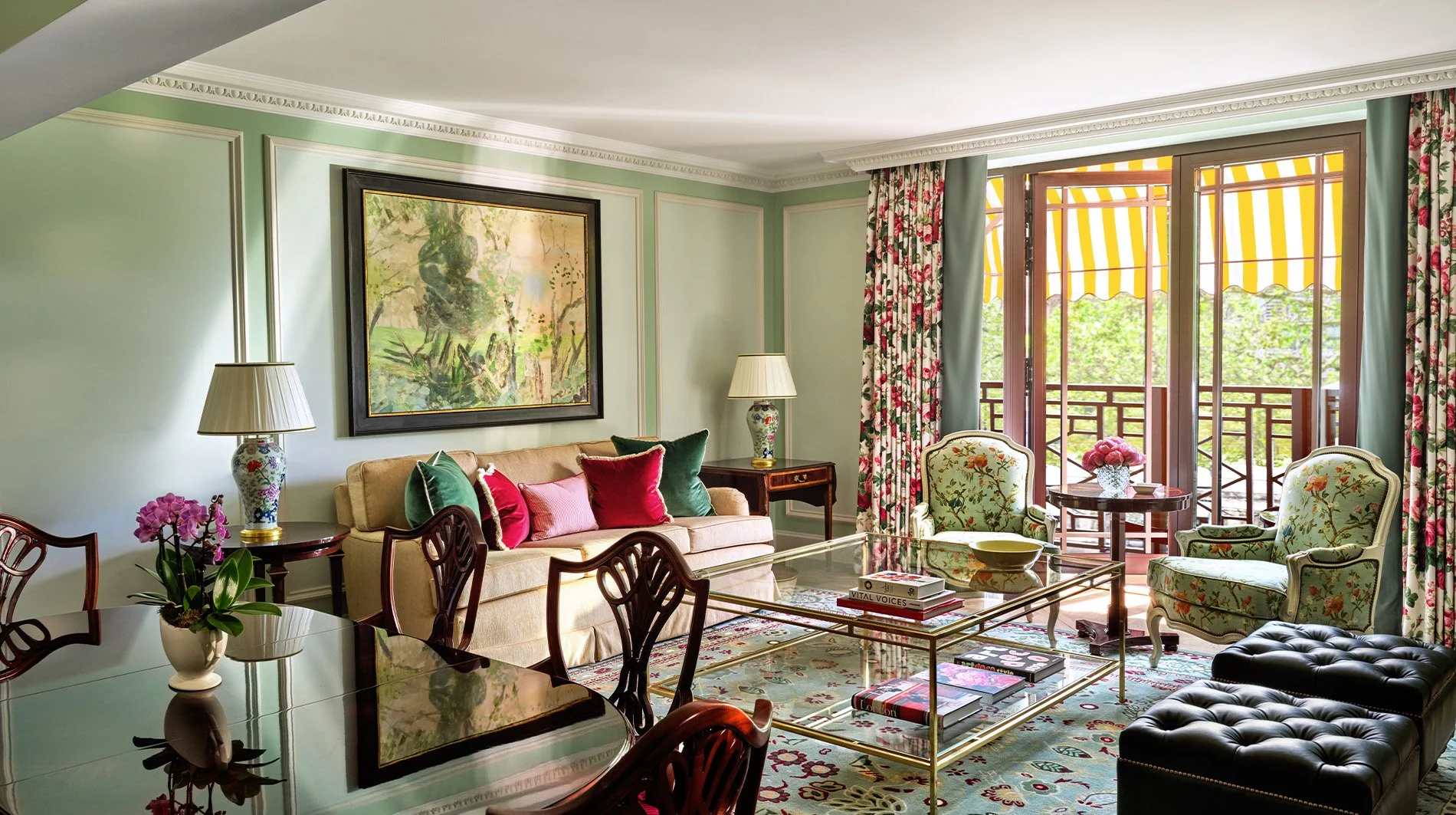
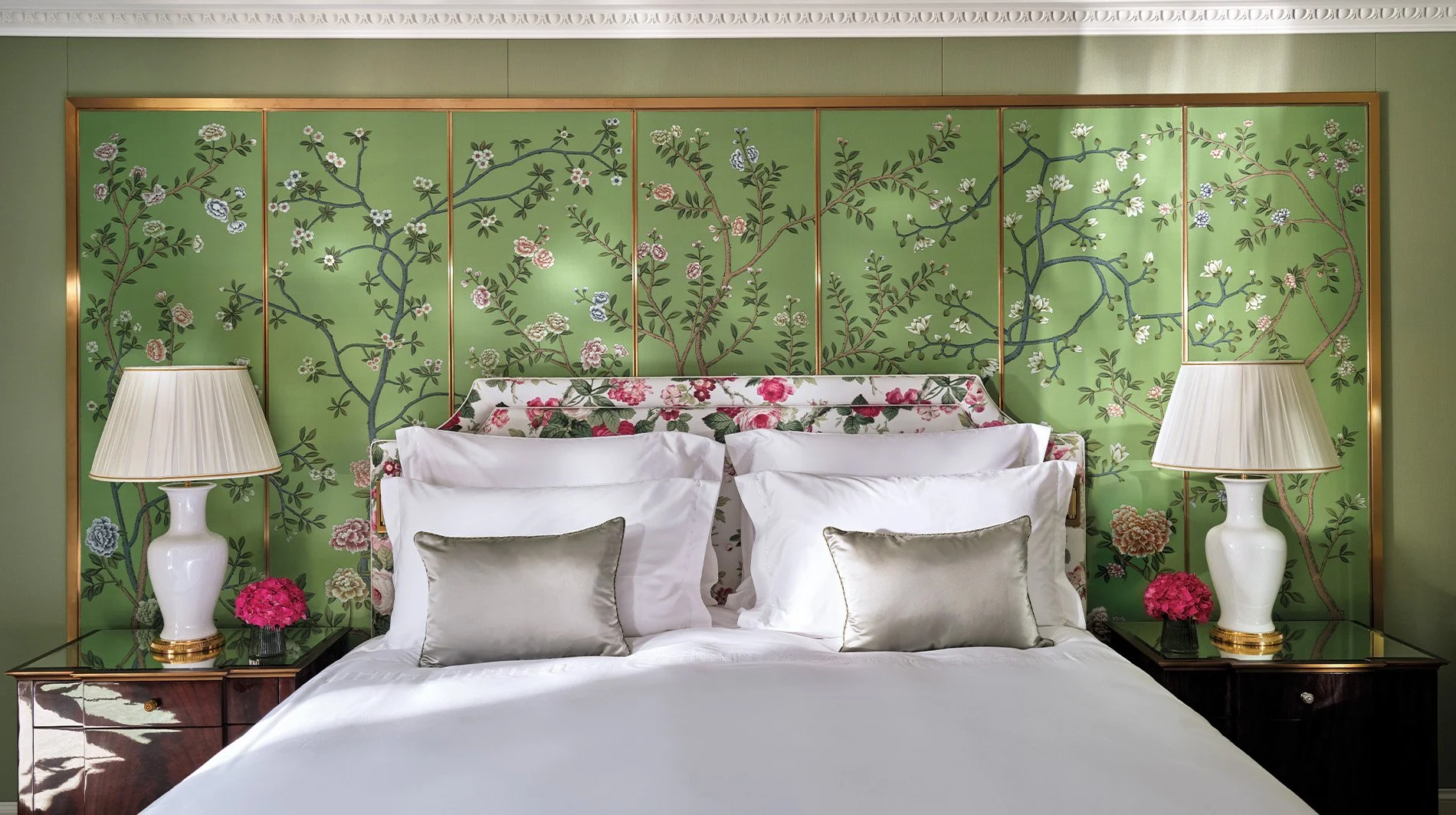
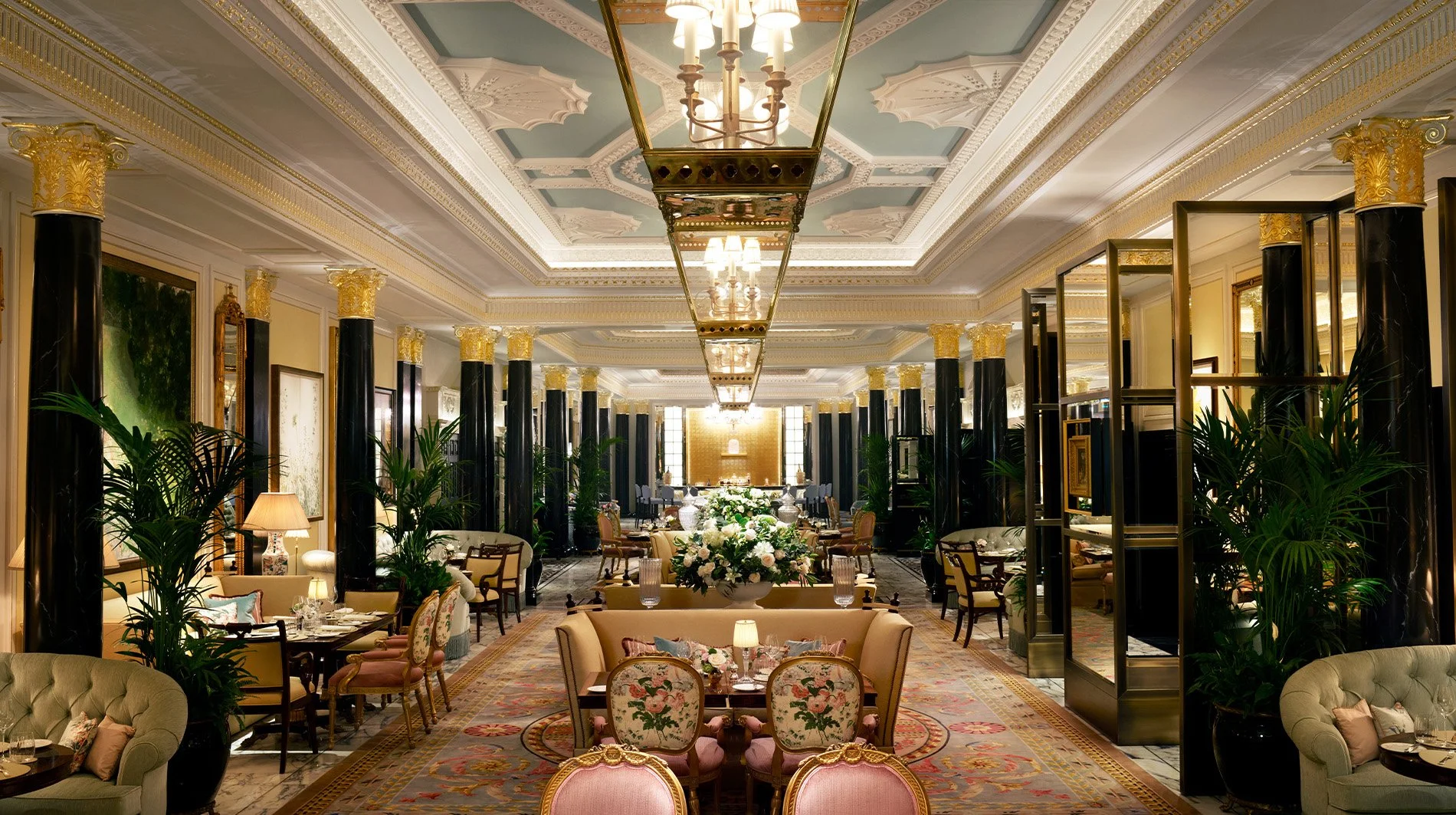
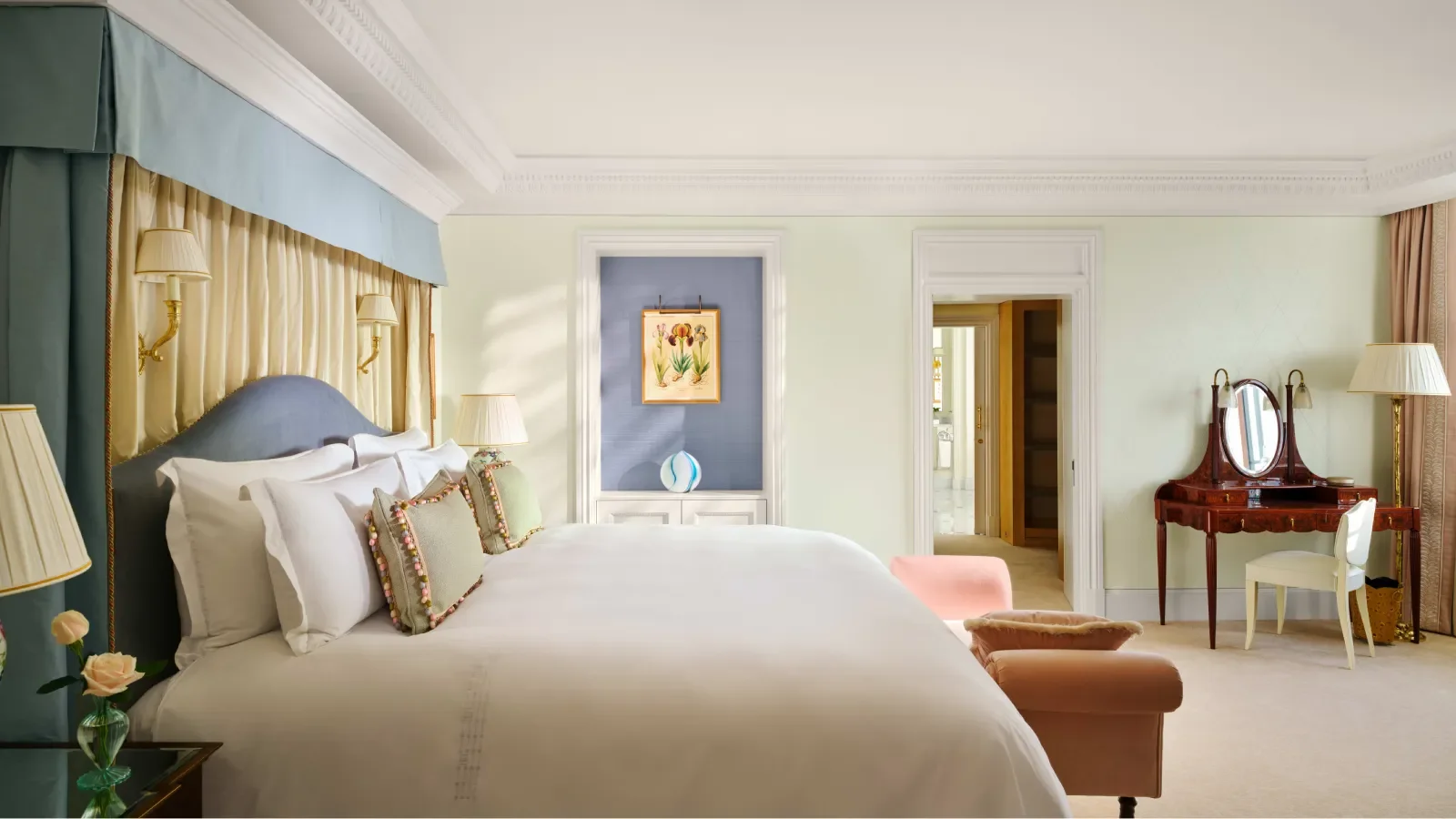
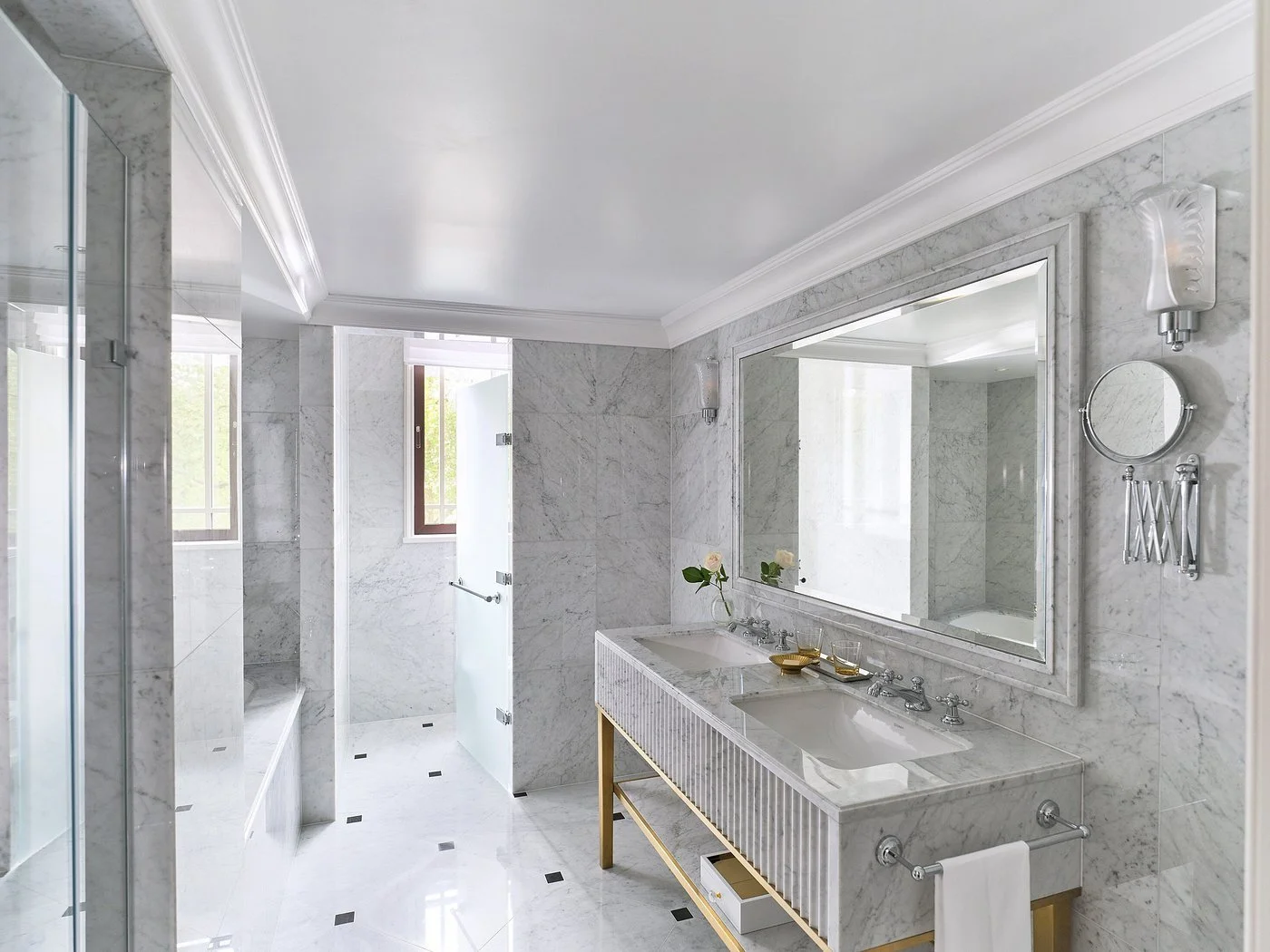
Pierre-Yves Rochon led the redesign of the entrance, lobby, The Promenade, Artists’ Bar and the rooms and suites. His palette takes its cues from nearby Hyde Park and English gardens – pale leaf green, rose, heather blue, soft yellow and botanical motifs appear across bedrooms and public rooms. Hand-painted chinoiserie, embroidered textiles, bespoke ceramics and polished marble keep the interiors detailed without forcing every space into one period.
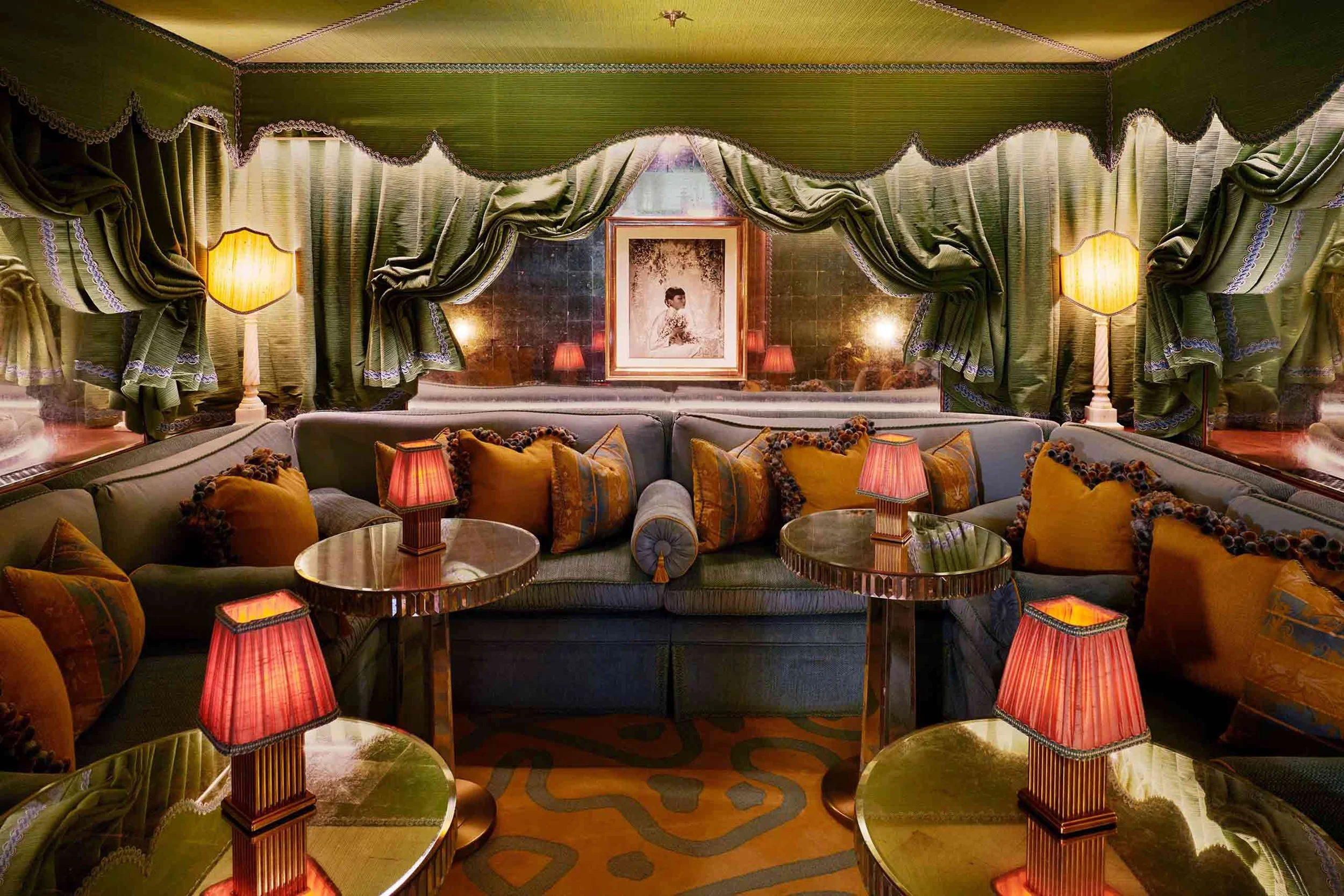
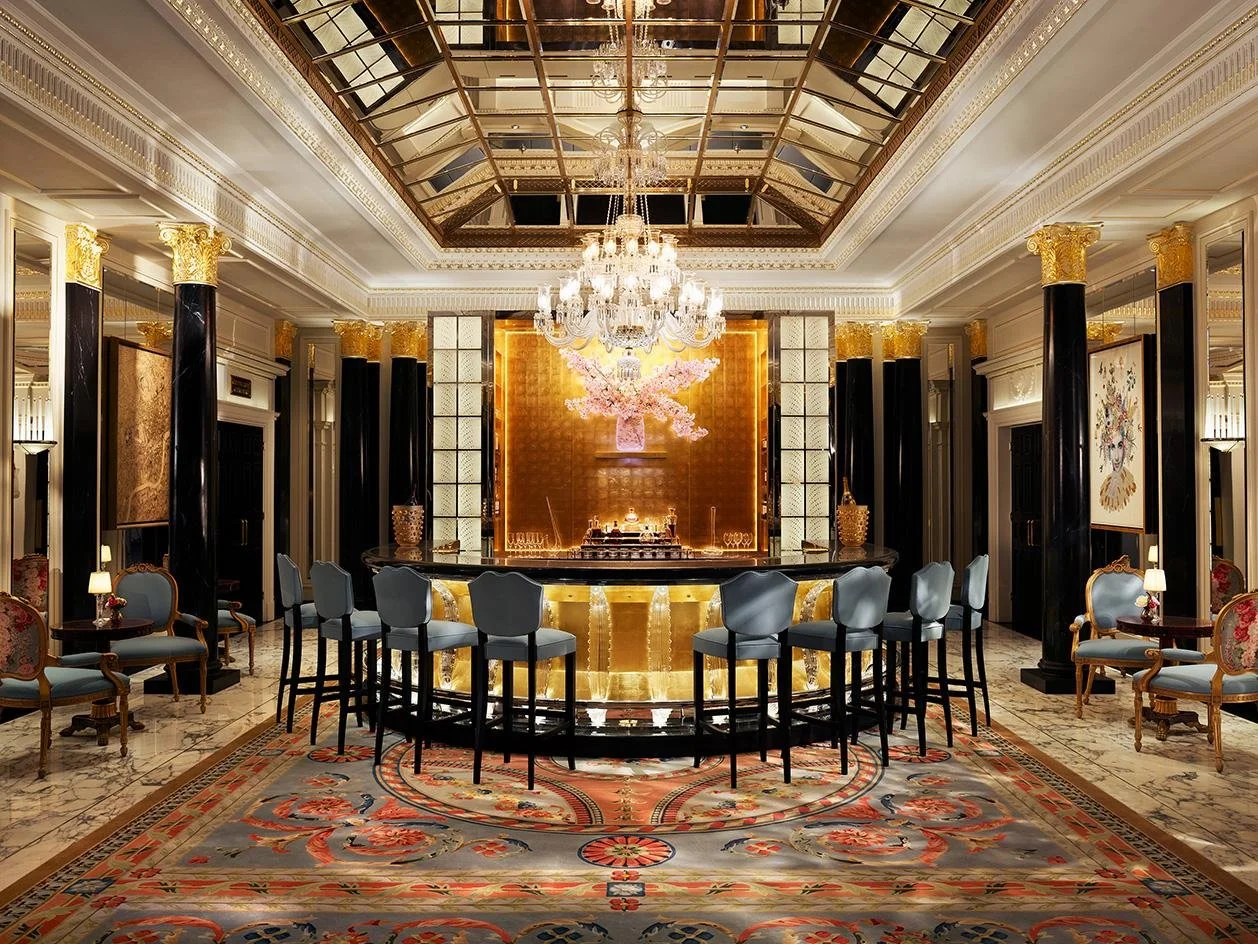
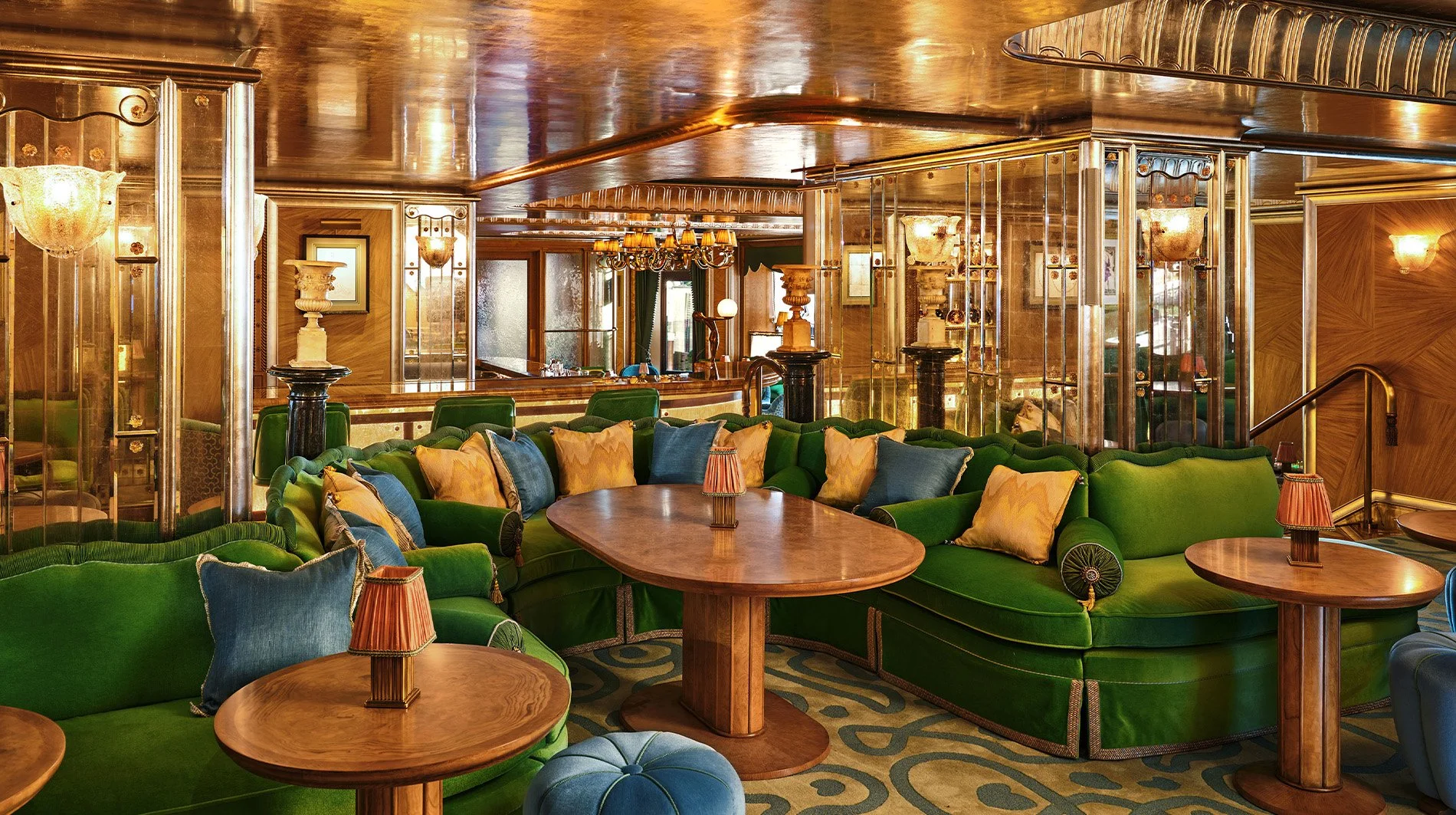
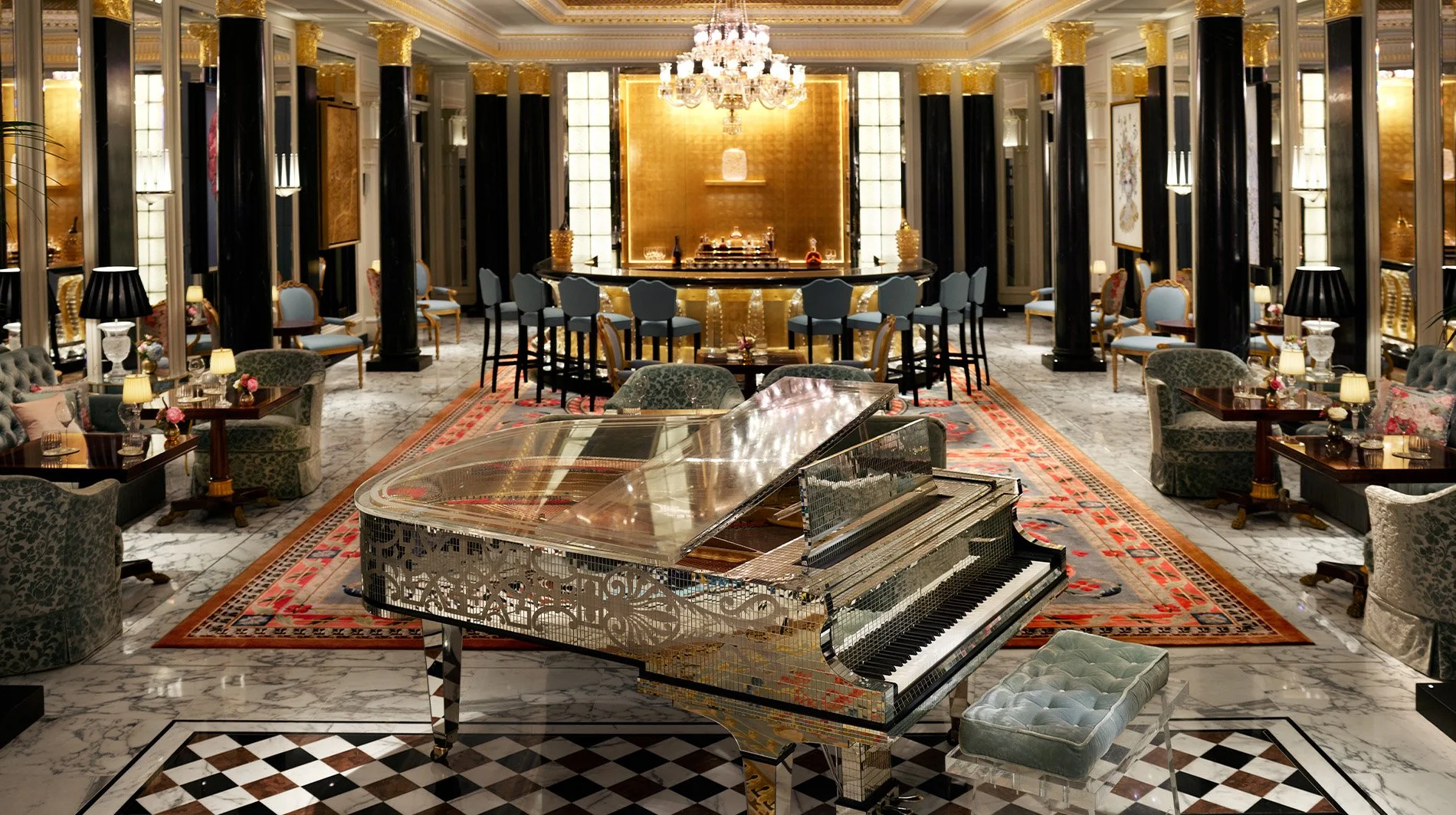
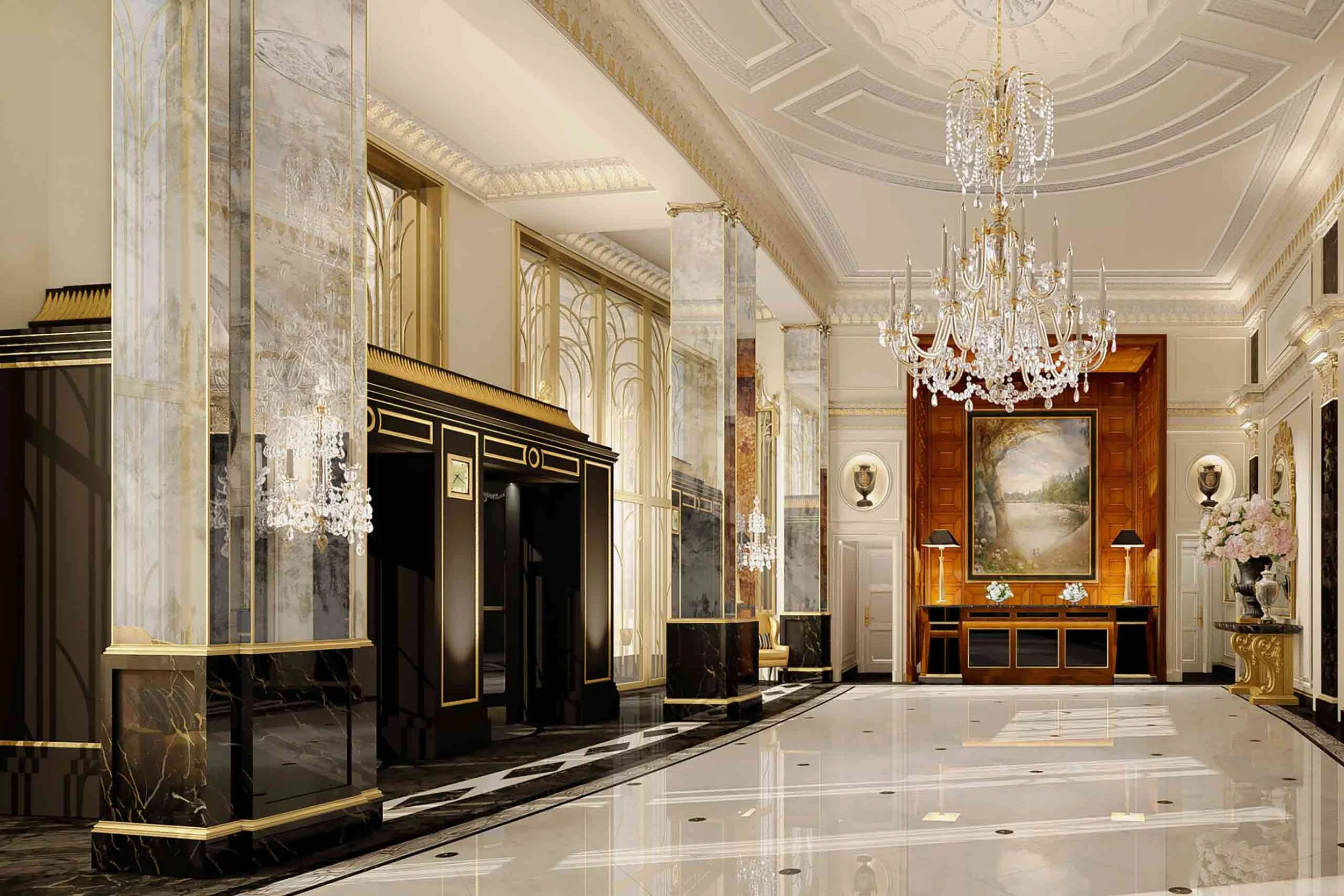
Artists’ Bar gives the ground floor its clearest focal point. A circular Lalique crystal bar, a large Saint-Louis chandelier, mirrored surfaces and art connected to London create a brighter counterpart to The Promenade. Martin Brudnizki took a different approach in Vesper Bar, drawing on the hotel’s 1930s and 1940s social history through richer colors, low light and references to Cecil Beaton.
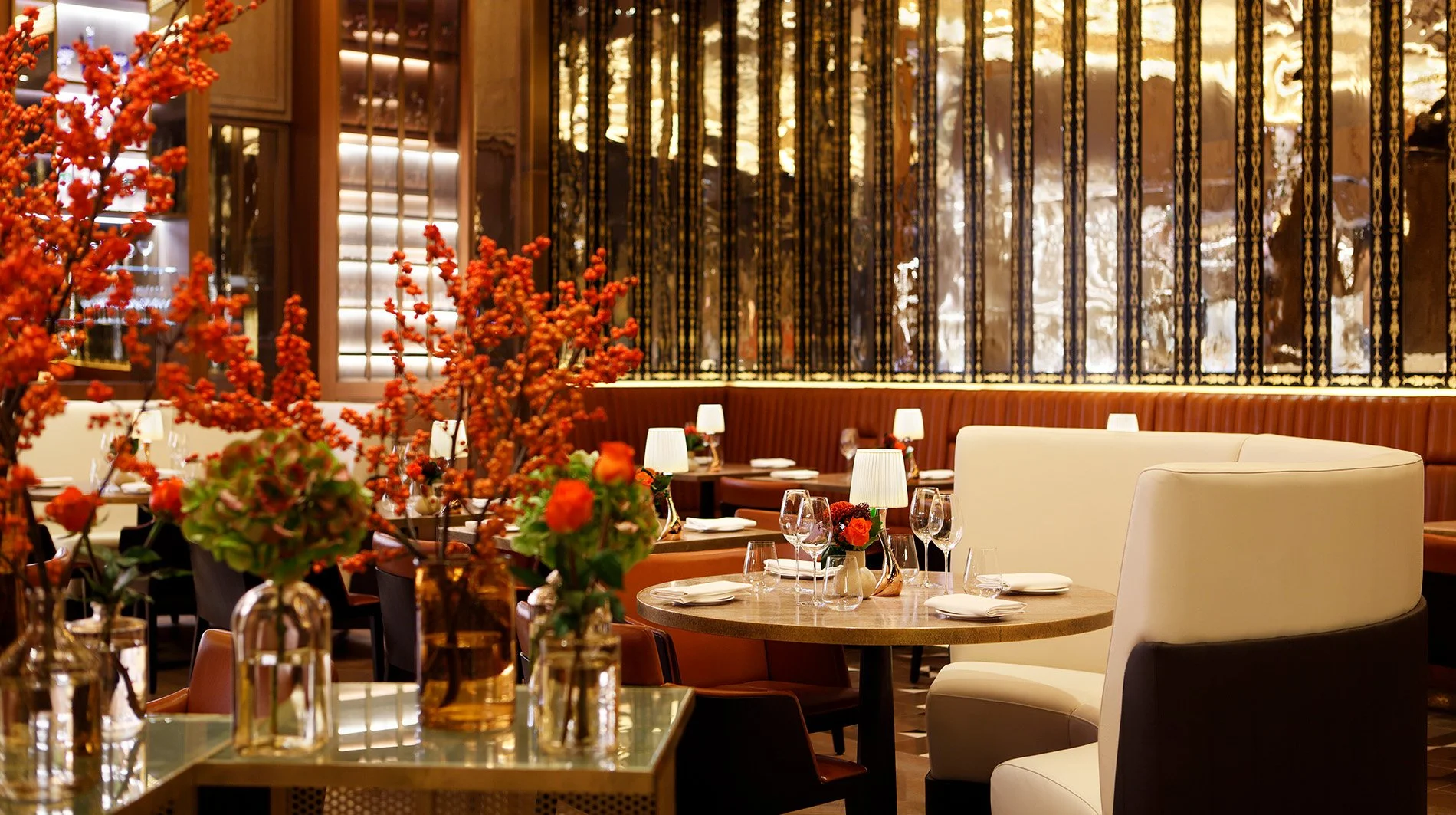
The hotel also preserves older design stories rather than replacing them wholesale. The Oliver Messel Terrace Suite continues the theatrical language associated with the British stage designer, while The Grill retains the golden interior created by Bruno Moinard. That mix is useful: The Dorchester reads as a building accumulated over time, not as a heritage hotel forced into a single decorative theme.
From Mayfair Rooms to the Royal Suite
The current room collection progresses from Mayfair-facing rooms to park-view categories, junior suites and a substantial group of one-bedroom and signature suites. The useful distinctions are view, separate living space, outdoor access and how far a suite can expand through connecting bedrooms.
Classic Room: The entry category pairs a king bed with a Mayfair outlook, a marble bathroom and a connecting-room option, using the renovation’s botanical palette in its most compact form.
Superior Room: A larger Mayfair-facing room with more natural light and a connecting option, suited to travelers who want additional breathing room without moving into a suite.
Deluxe Room: A bright Mayfair-facing category with a larger seating area and the same garden-inspired Pierre-Yves Rochon language found across the renovated room collection.
Executive Room: A more generous room with an inviting sofa, substantial desk and either Mayfair or quiet courtyard views, making it practical for a longer business or leisure stay.
Deluxe Park View Room: The first category centered specifically on Hyde Park, exchanging the Mayfair outlook for green views across the Royal Park while retaining a single-room layout.
Executive Park View Room: A larger Hyde Park-facing room with a dedicated working area and selected balconies, useful when the view and additional in-room space are both priorities.
Superior Junior Suite: The first junior-suite category adds more open living space while keeping Mayfair or quiet courtyard views and the residential feel of the renovated rooms.
Deluxe Junior Suite: A junior suite with a clearly defined separate living room, giving more division between sleeping and daytime use without moving into the full one-bedroom suite collection.
Executive Junior Suite: The largest junior-suite category functions more like a compact Mayfair apartment, with a substantial separate living room and either Mayfair or courtyard views.
Belgravia Suite: A one-bedroom suite with separate living and dining areas, three Juliet balconies and Park Lane and Hyde Park views, with connecting options that can expand the accommodation to five bedrooms.
Mayfair Suite: A one-bedroom suite looking toward Mayfair, with separate living and dining areas, a guest bathroom and the ability to connect additional bedrooms for a larger private setup.
Hyde Park Suite: A one-bedroom suite with separate living and dining rooms, Juliet balconies and a direct Hyde Park outlook, making the park view the defining difference from the Mayfair-facing suites.
Dorchester Suite: A light-filled corner suite with wrap-around Park Lane and Hyde Park views, separate living and dining rooms, workspace and connecting options for a multi-bedroom configuration.
Regal Suite: A larger corner suite with separate living and dining areas and Park Lane and Hyde Park views, with the option to add a second bedroom when available.
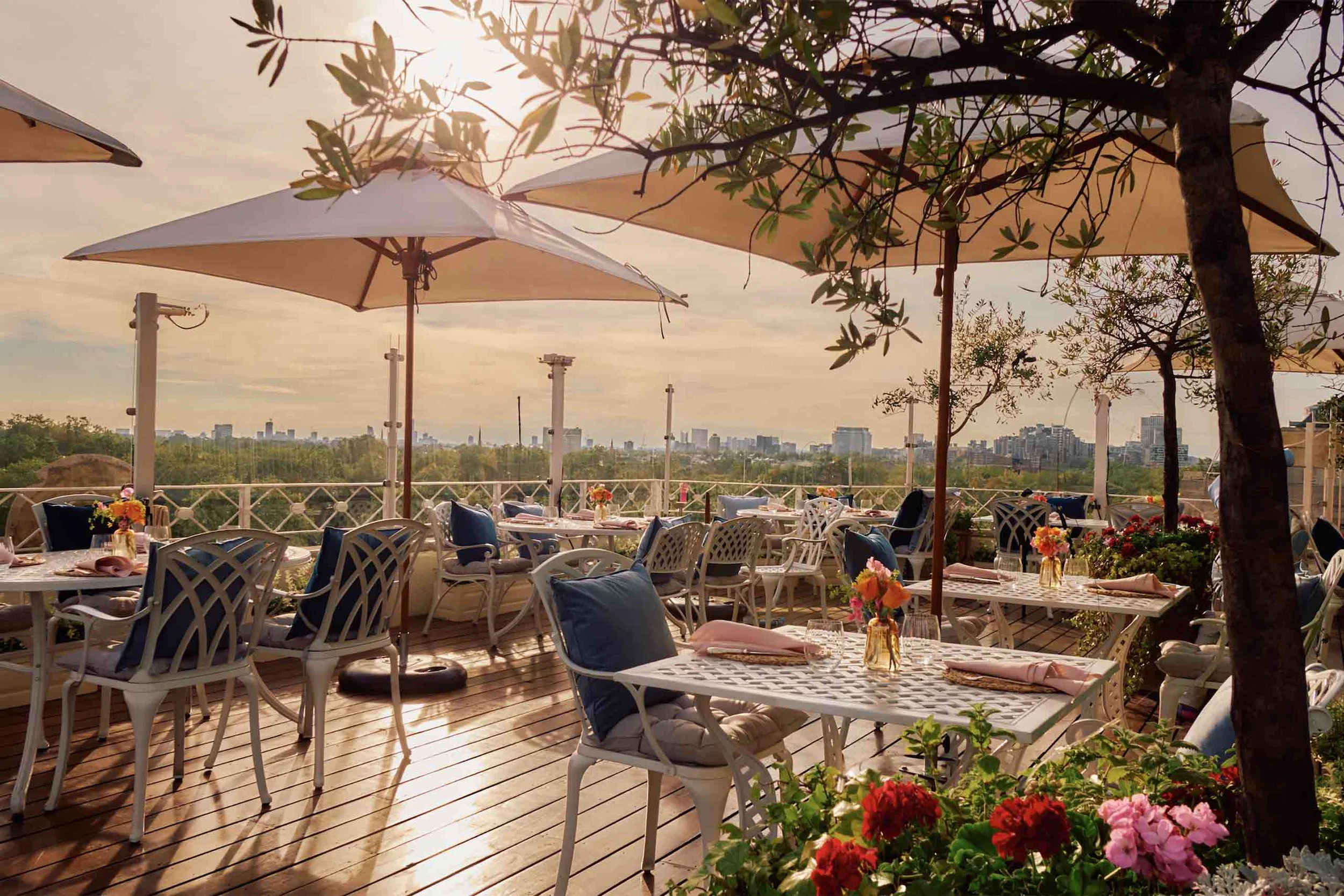
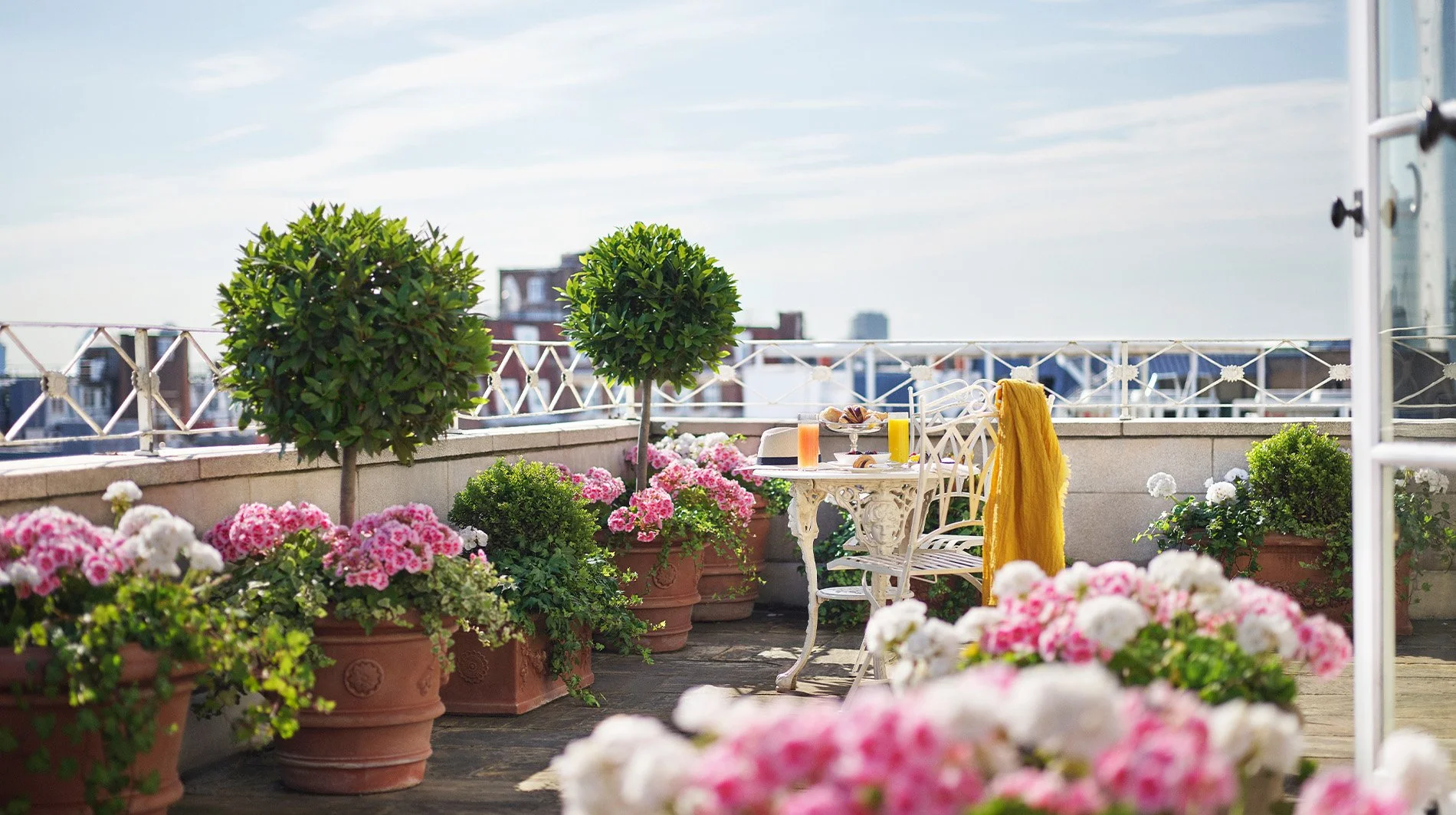
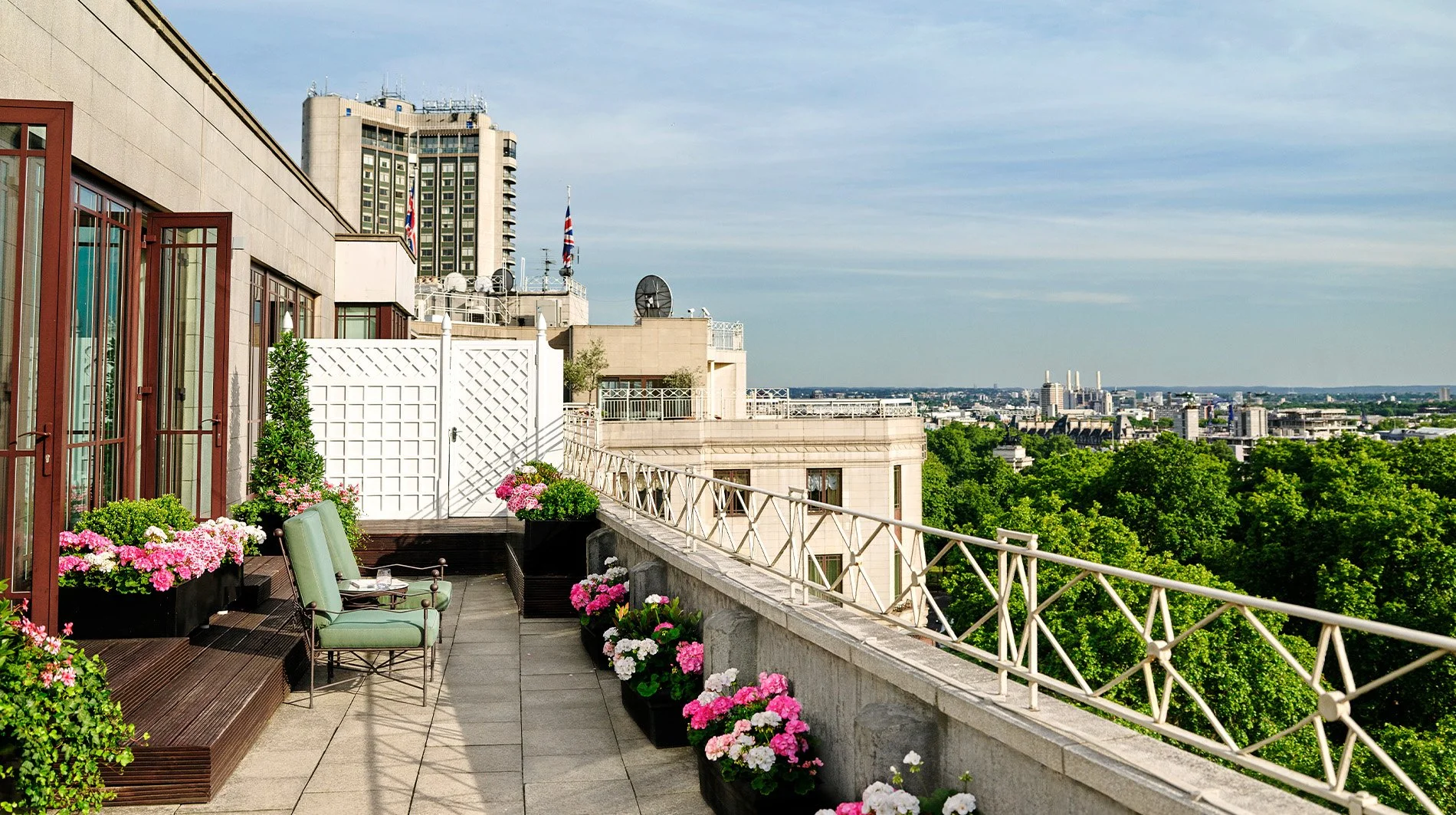
Garden Terrace Suite: A signature suite with separate living and dining rooms and a private terrace overlooking Mayfair and Hyde Park, with the possibility of connecting additional bedrooms.
The Oliver Messel Terrace Suite: A theatrical signature suite preserving Oliver Messel’s distinctive decorative legacy, with separate living and dining rooms, a private terrace and skyline views.
The Royal Suite: The hotel’s highest category occupies a corner of the eighth floor with double living rooms, a separate dining room, private study, full kitchen and Hyde Park and London skyline views, and can expand to four bedrooms.
Category photographs should be treated as representative rather than guarantees of a precise color scheme or individual artwork. For families and longer stays, confirm the exact connecting layout, balcony or terrace arrangement, bedding and view before the reservation is finalized.
Three MICHELIN Stars, British Grill Cooking and Two Very Different Bars
The Dorchester’s dining program is unusually extensive for a city hotel, moving from three-MICHELIN-star French cooking to British grill dishes, Cantonese cuisine, afternoon tea and two bars with very different personalities.
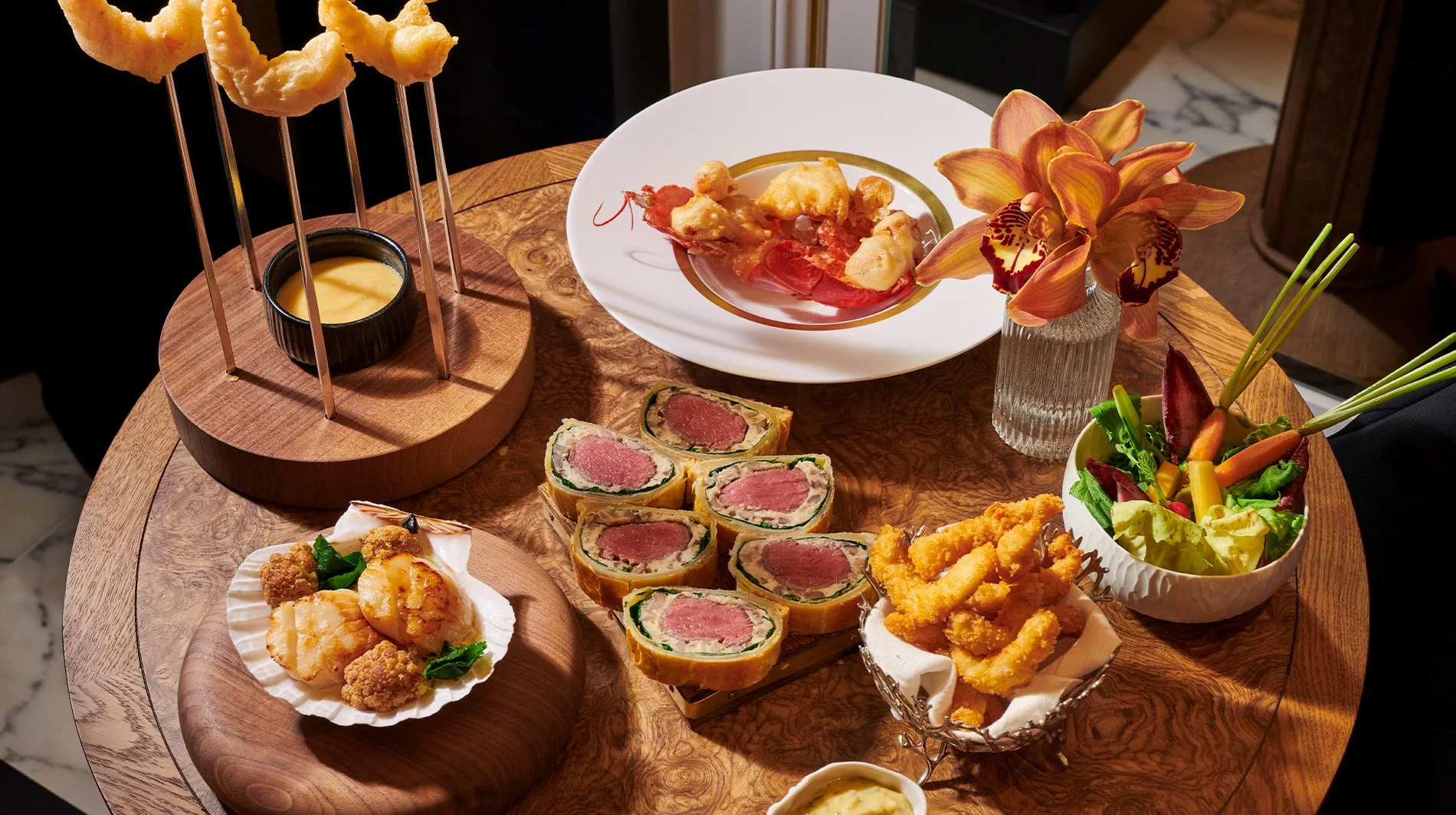
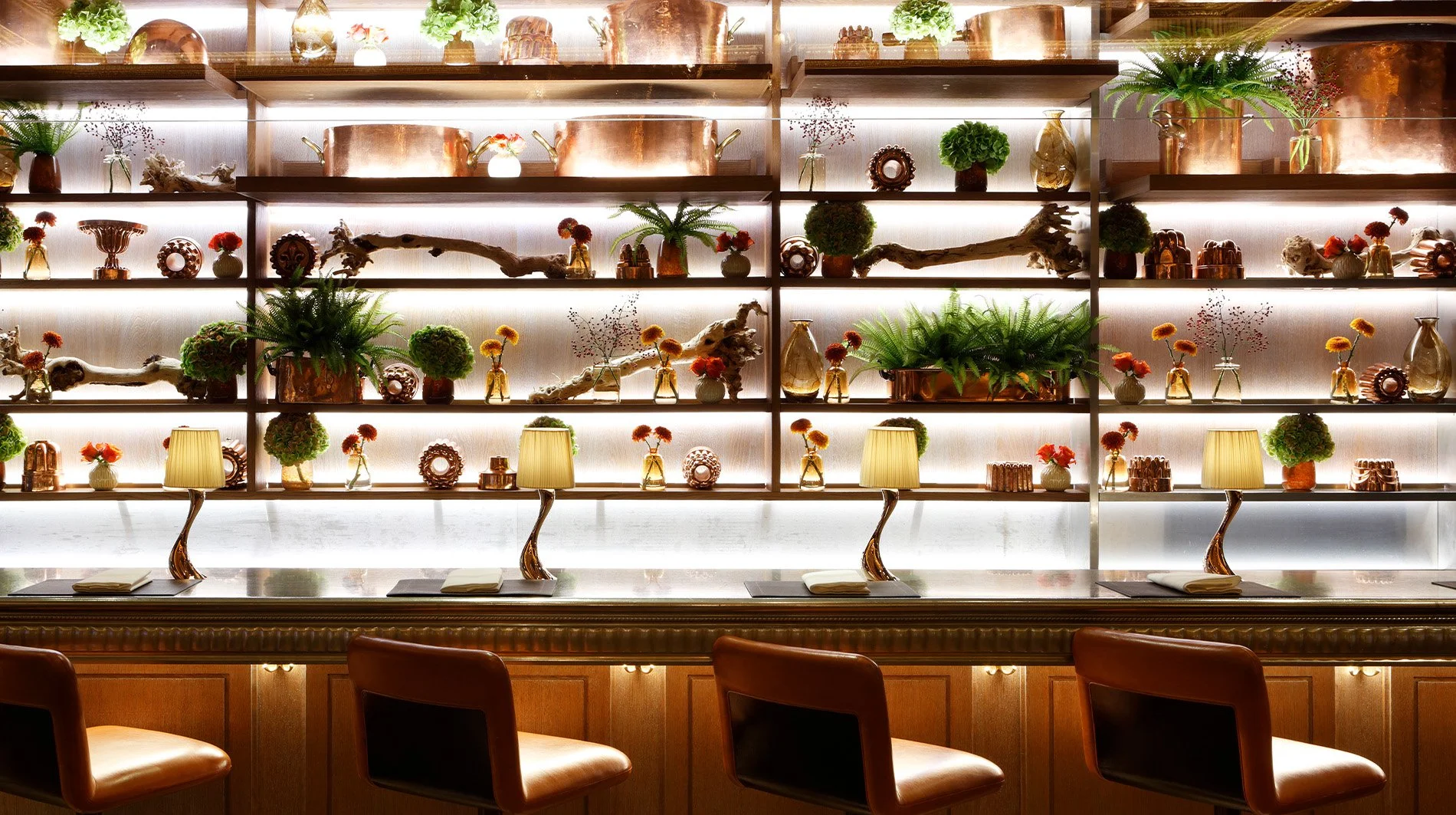
The Grill at The Dorchester: Martyn Nail’s British restaurant moves from breakfast and business lunch to dinner and Sunday roast, with local suppliers, tableside service and the hotel’s well-known pudding trolley giving it a polished but relatively relaxed character.
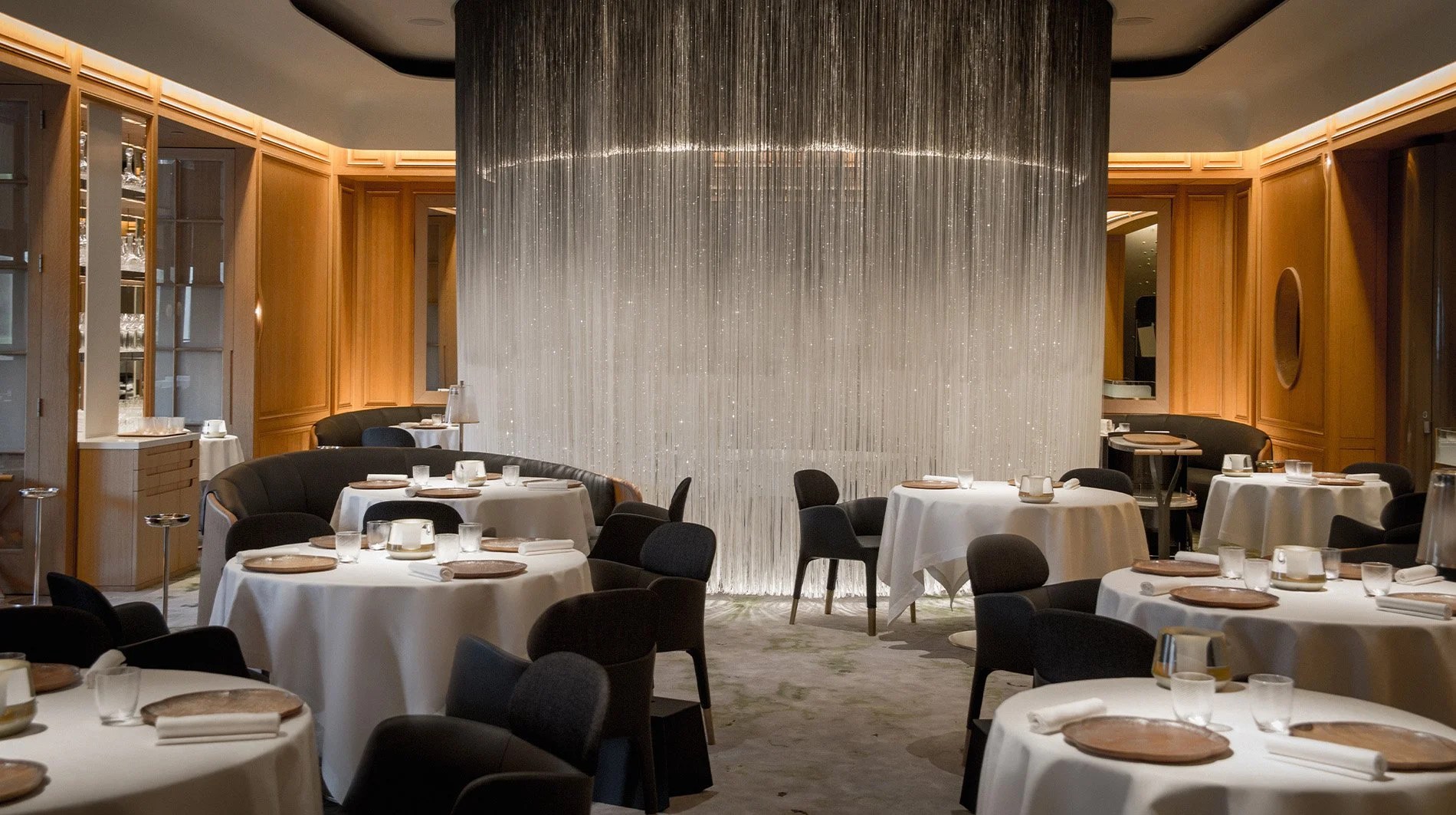
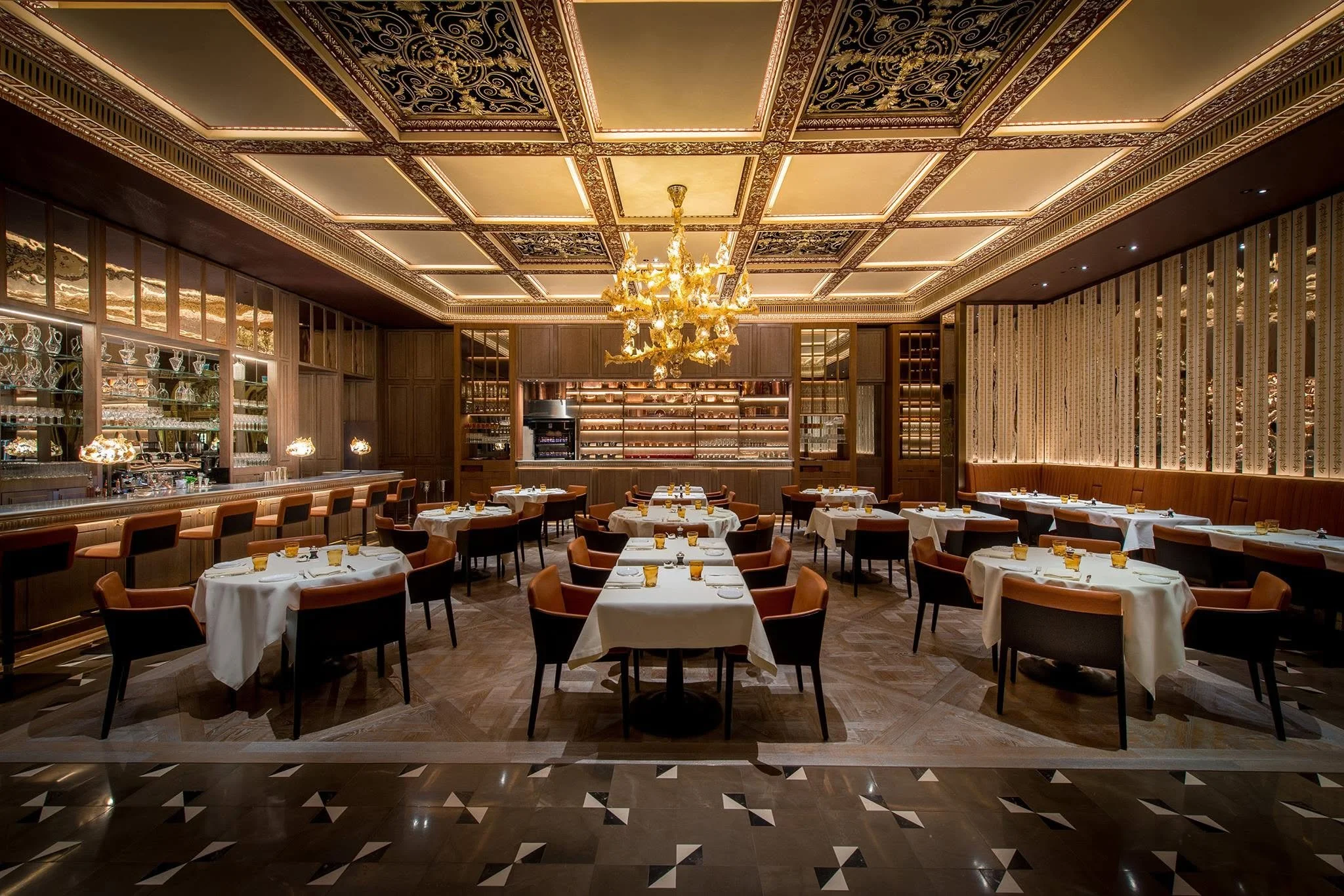
Alain Ducasse at The Dorchester: The hotel’s three-MICHELIN-star restaurant serves contemporary French haute cuisine at dinner from Tuesday through Saturday, with the dining room and Table Lumière designed for a more formal evening.
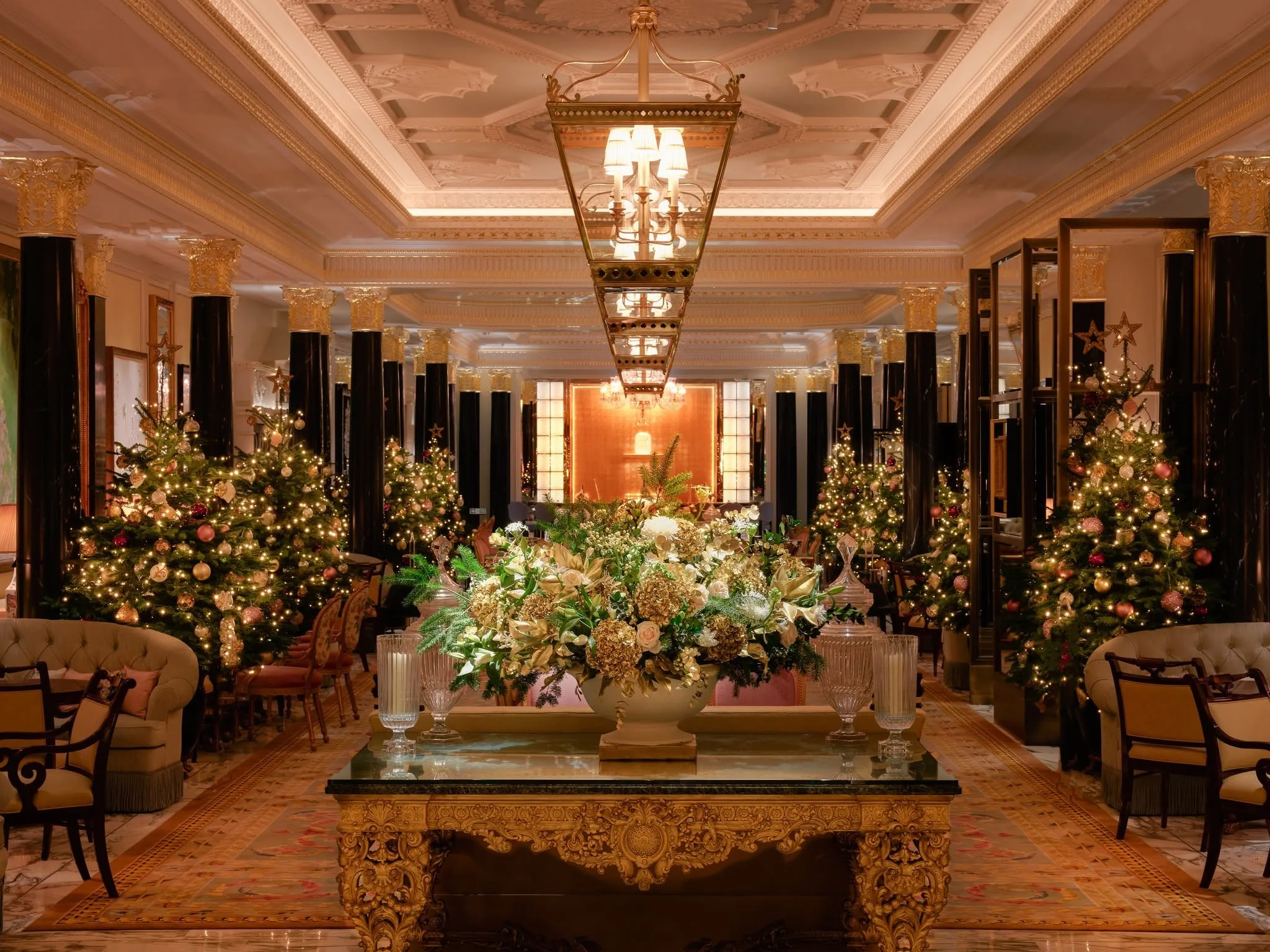
The Promenade: The hotel’s long central salon serves food and drinks throughout the day and remains the setting for afternoon tea, live music and the social movement between the lobby and Artists’ Bar.
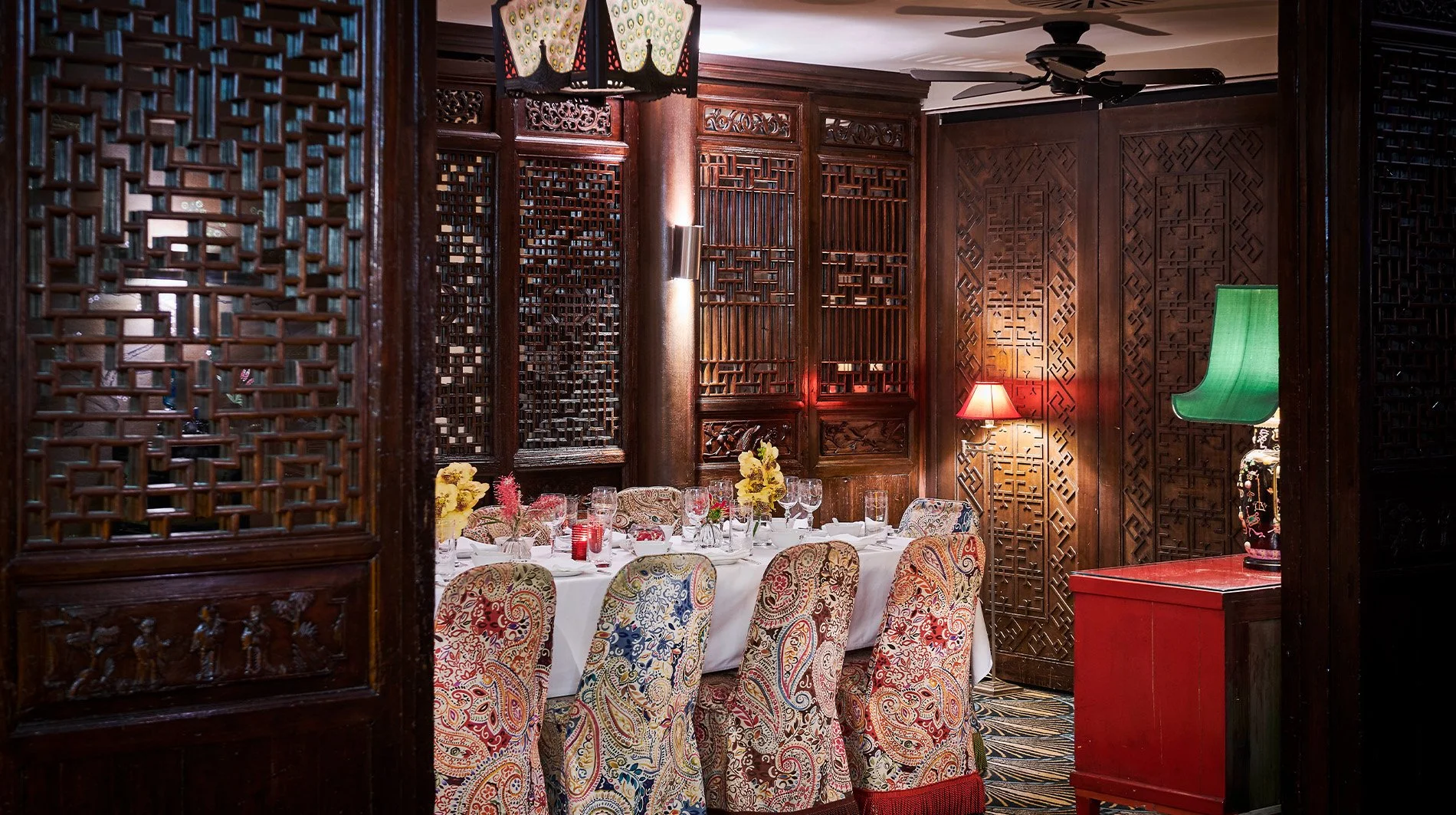
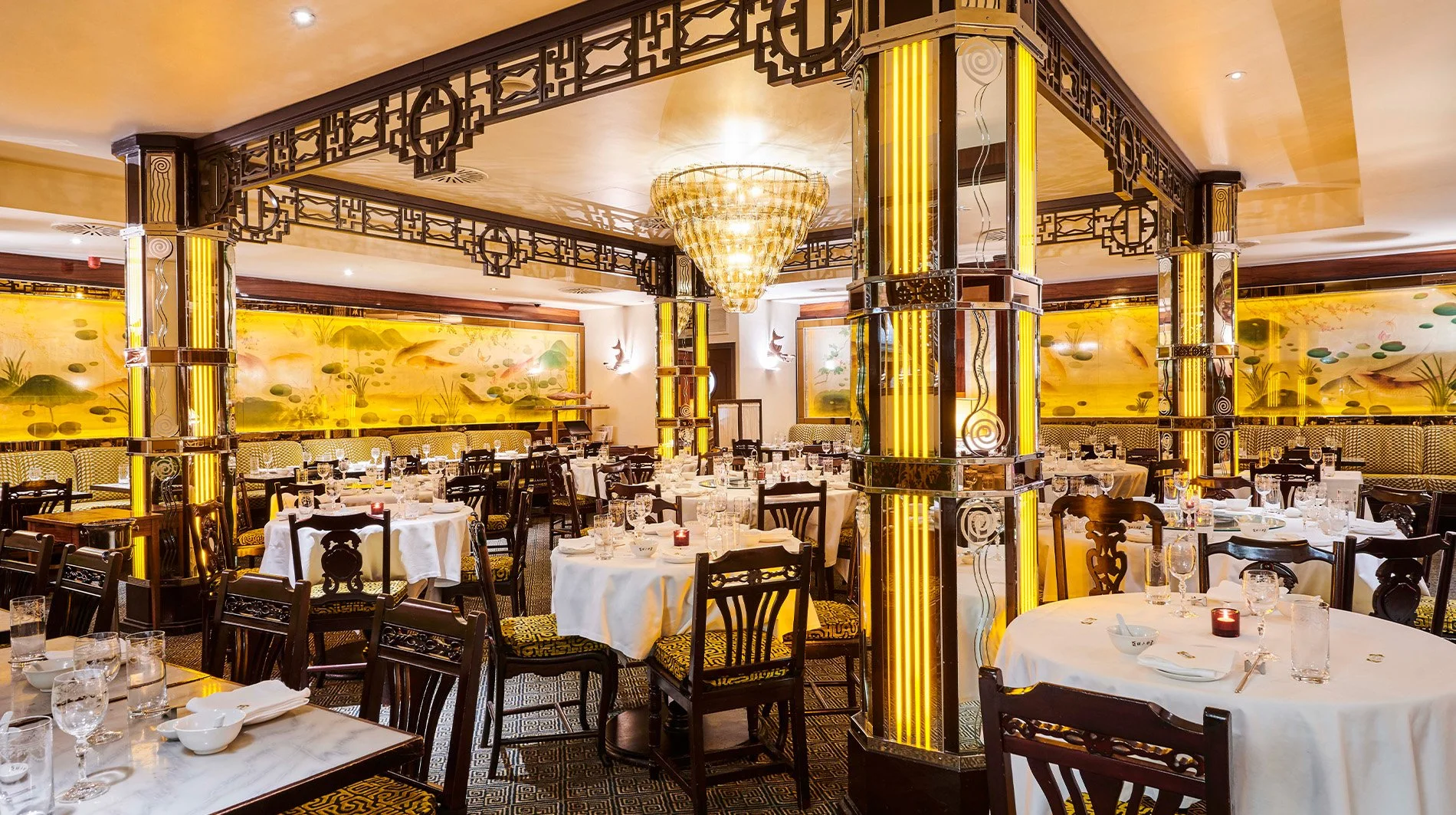
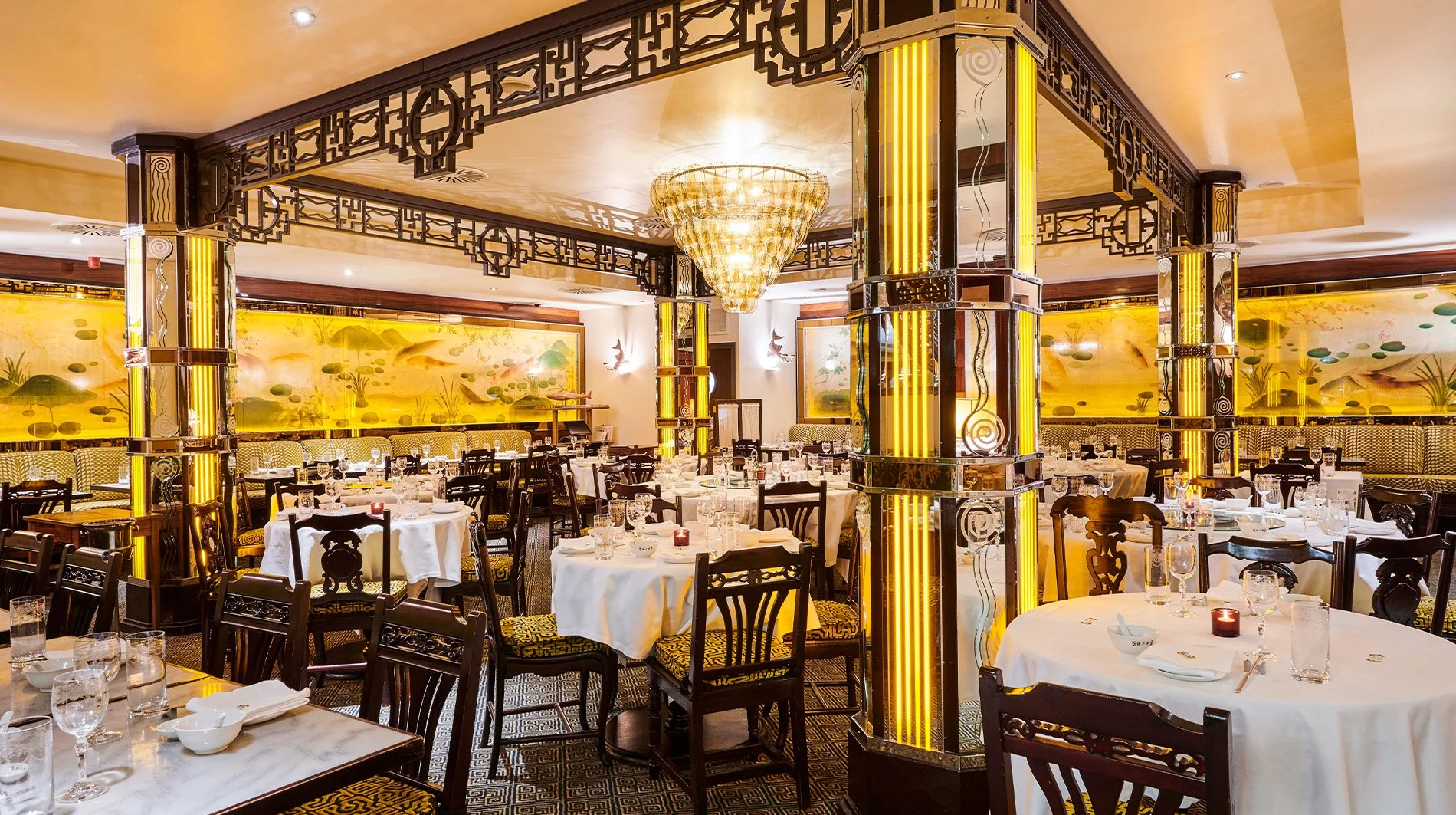
China Tang at The Dorchester: A basement Cantonese restaurant inspired by 1930s Shanghai, with dim sum, lunch and dinner served in richly detailed Art Deco-influenced rooms.
Artists’ Bar: Pierre-Yves Rochon’s Lalique-centered bar combines cocktails, Champagne, seafood, art and live piano, with accompanied children welcome only until 6pm.
Vesper Bar: Martin Brudnizki’s adults-only cocktail bar channels the hotel’s 1930s glamour through low lighting, Art Deco references and an ambitious drinks program that runs late into the evening.
Parcafe: A casual café option for coffee and lighter food, useful when the itinerary calls for something quicker than the hotel’s formal dining rooms.
The Spatisserie: The spa’s light-food setting provides a quieter option around treatments and wellness appointments.
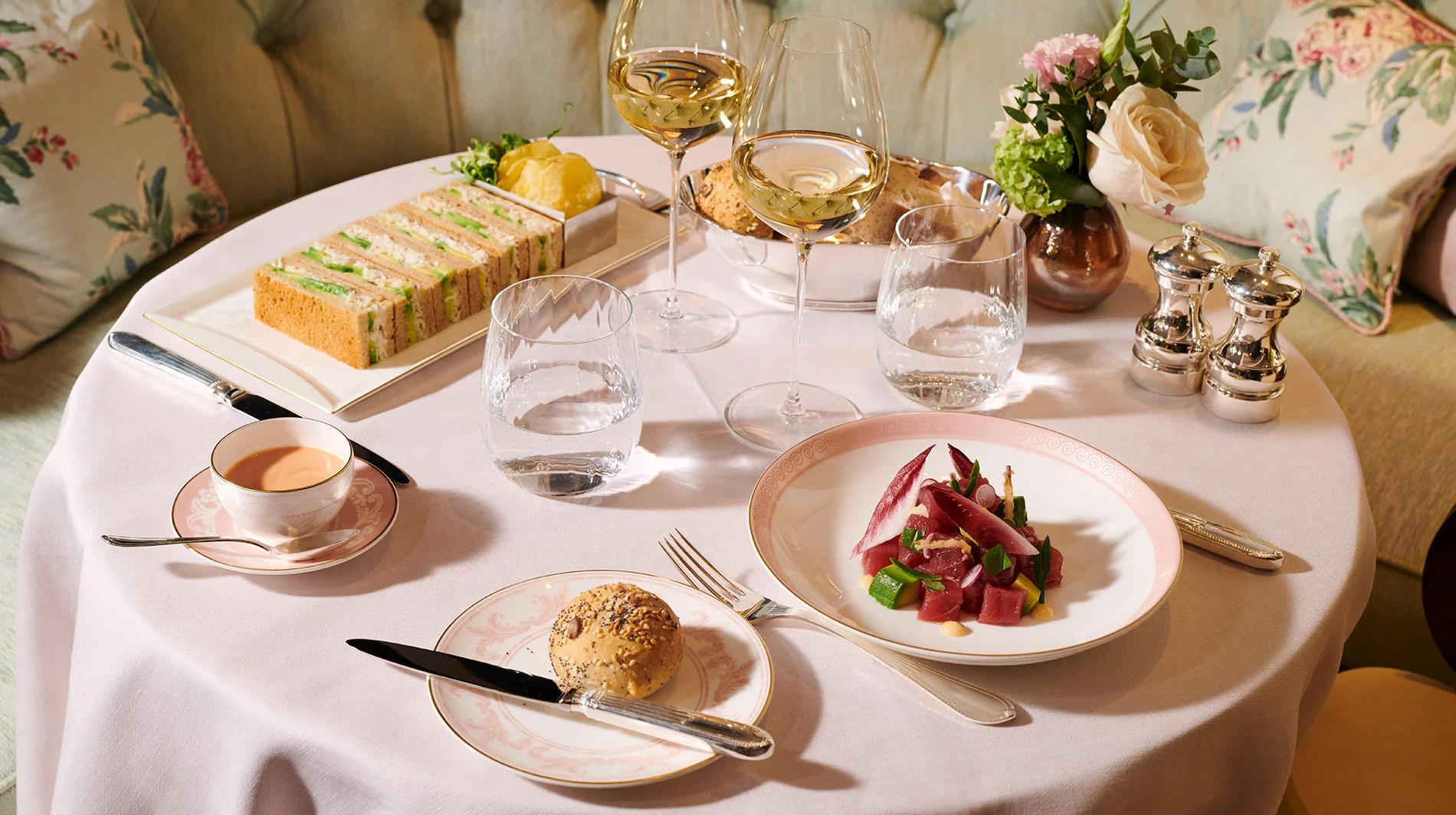
Afternoon Tea: Served in The Promenade, the hotel’s afternoon tea combines classic sandwiches and pastries with live music and should be reserved in advance during weekends and festive periods.
Cake & Flowers: The boutique combines pastry and floristry, offering cakes, gifts and floral arrangements as well as private masterclasses with the hotel’s florist.
Reservations matter most for Alain Ducasse, afternoon tea and weekend dining. Families should also note the different age policies at Artists’ Bar and Vesper Bar when building an evening around the hotel.
A Spa for Treatments Rather Than a Pool Day
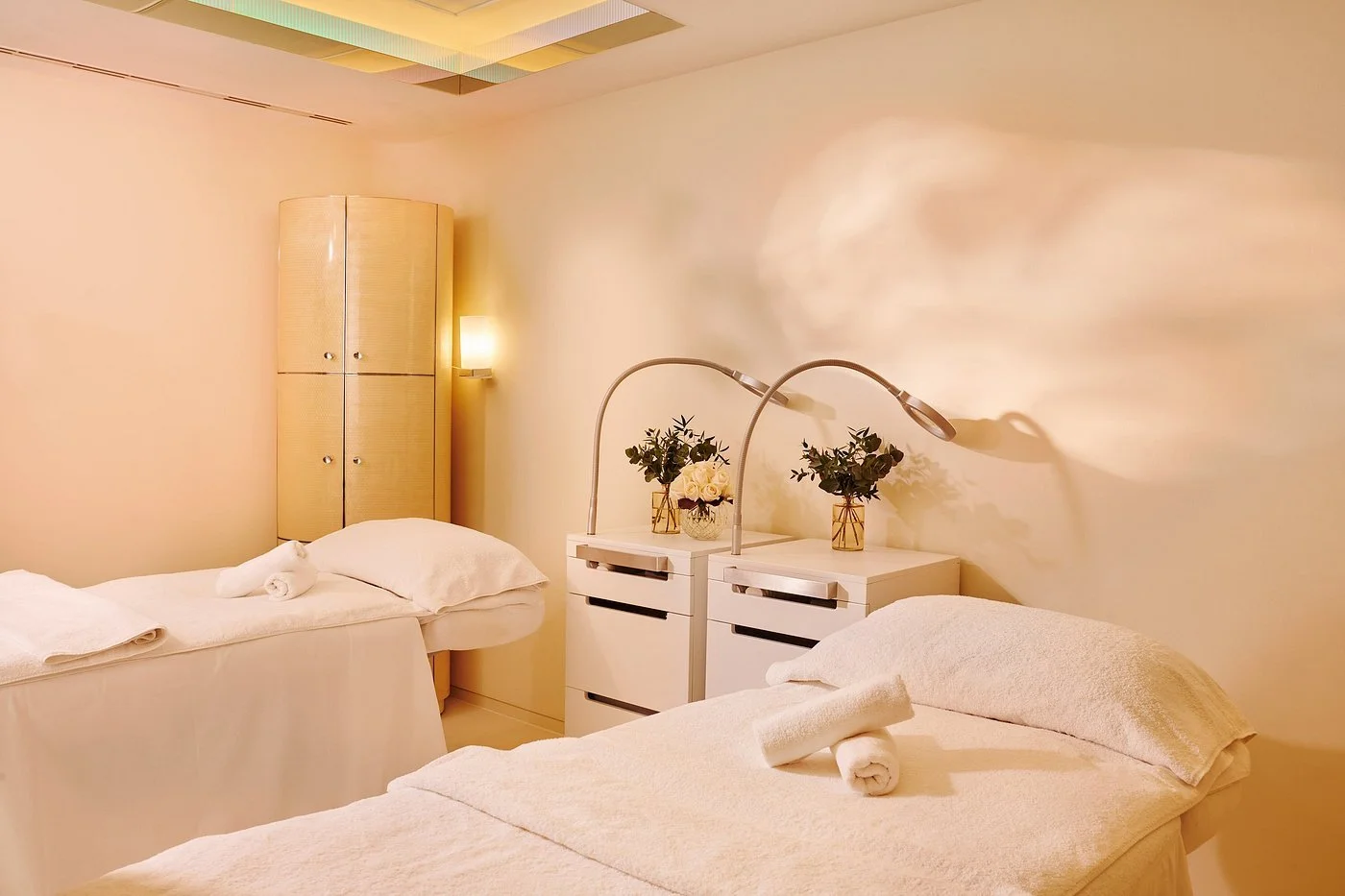
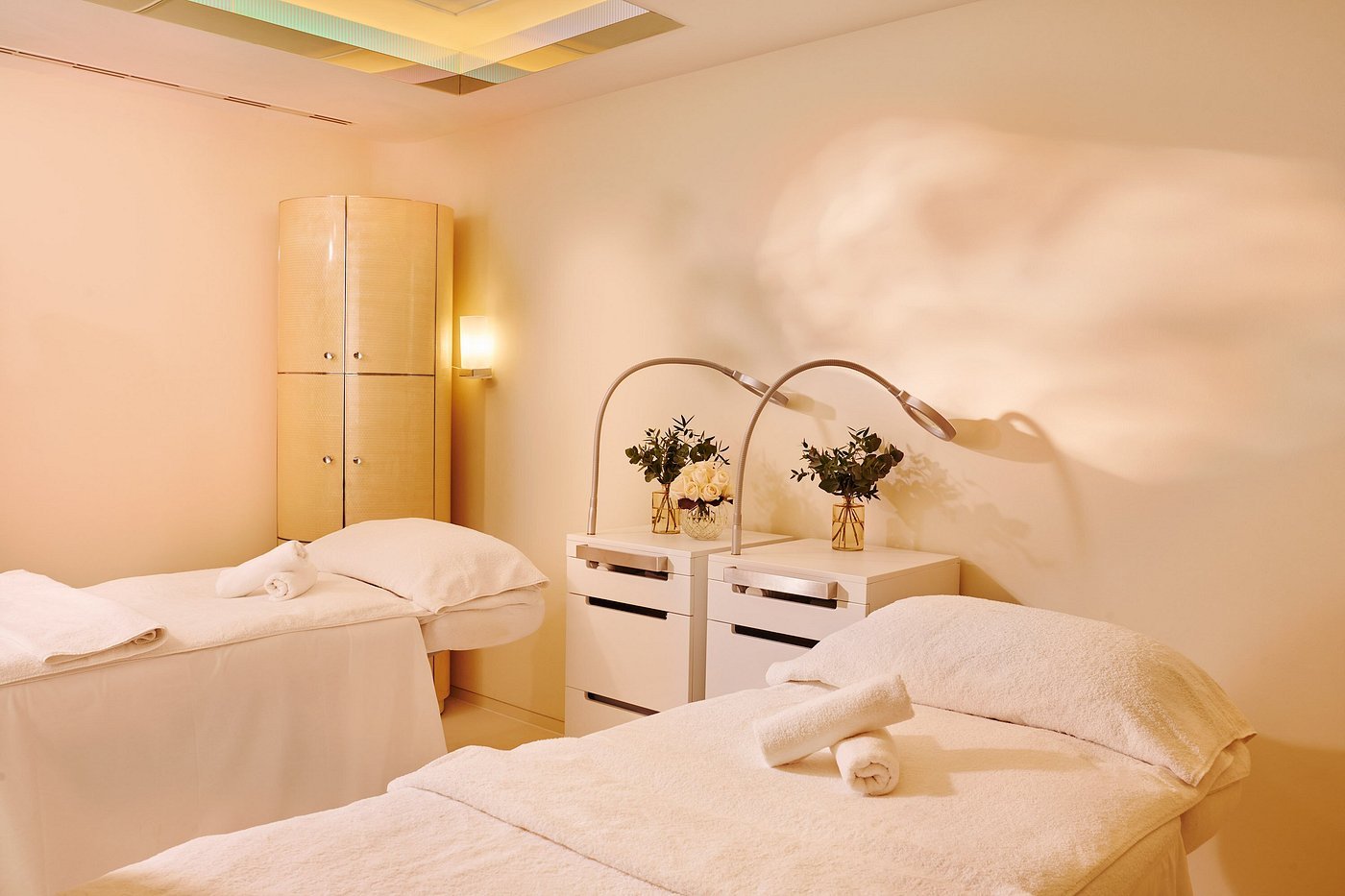
The Dorchester Spa is designed around treatments, beauty and recovery rather than a large wet-facility circuit. Its current facilities include treatment rooms, a relaxation room, an MLX Quartz treatment bed, La Prairie skincare, Carol Joy London hair services and a Technogym-equipped fitness center with personal training available.
Massage, facials, body treatments and specialist beauty services form the core of the menu. The spa also uses Welnamis loungers for short relaxation sessions, an amenity included with selected suite bookings. Advance reservations are sensible on weekends and during busy London periods.
There is no swimming pool at The Dorchester itself. Travelers who make a hotel pool central to a wellness-led city stay should factor that into the choice. The strength here is the ability to schedule a serious treatment or workout within a full Mayfair itinerary rather than devote half a day to a resort-style spa complex.
Let the Hotel Open Into Mayfair and Hyde Park
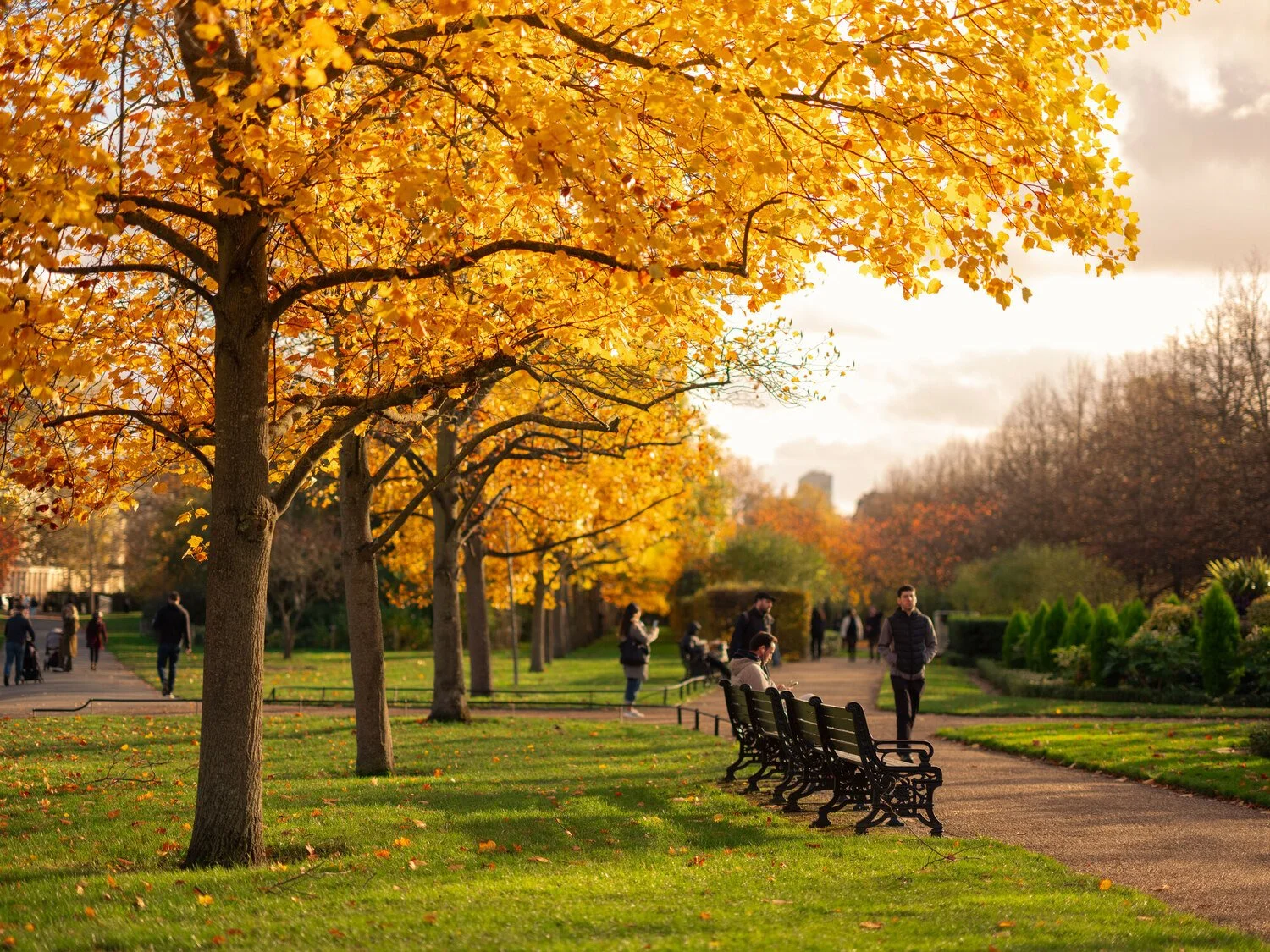
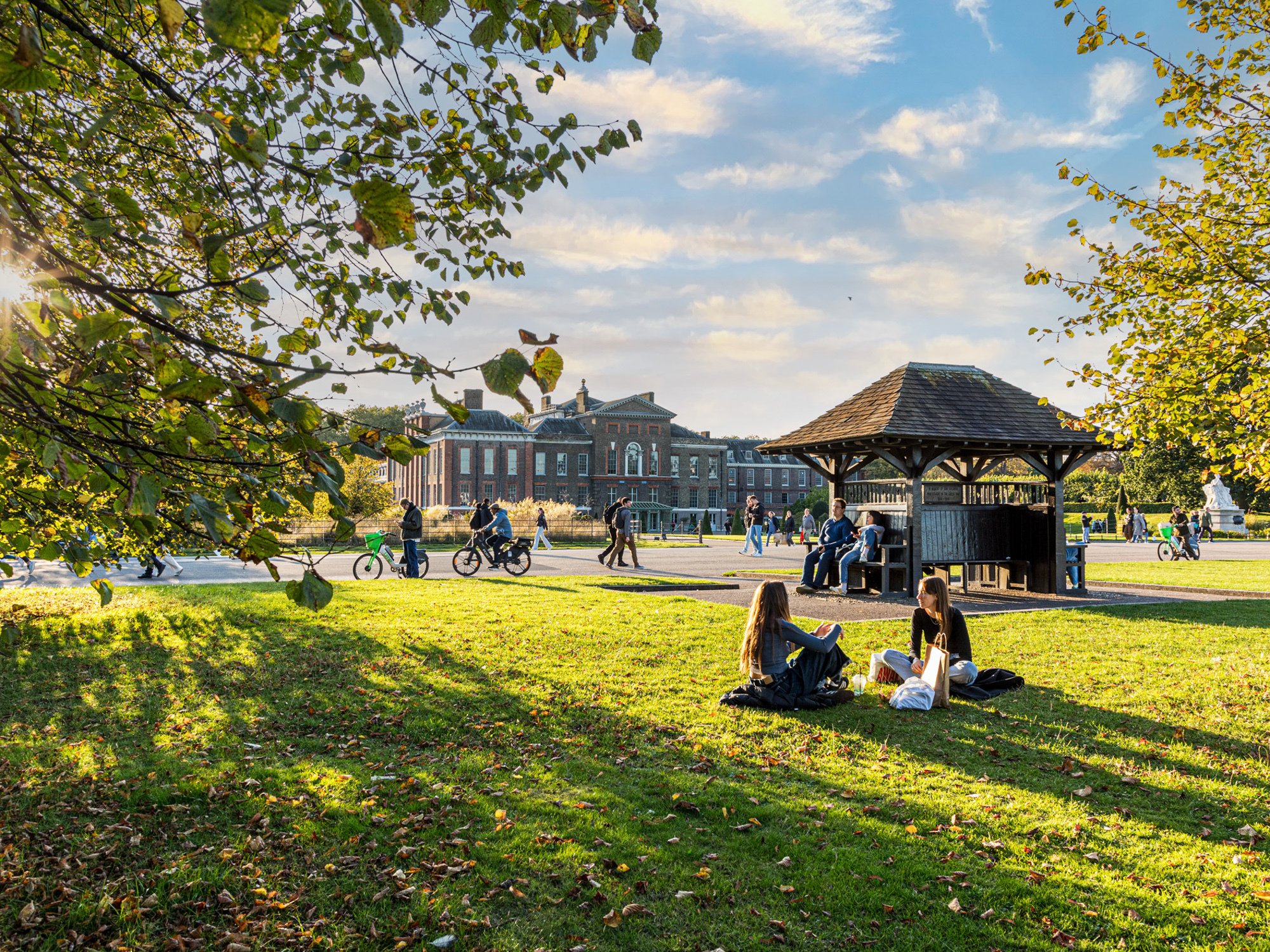
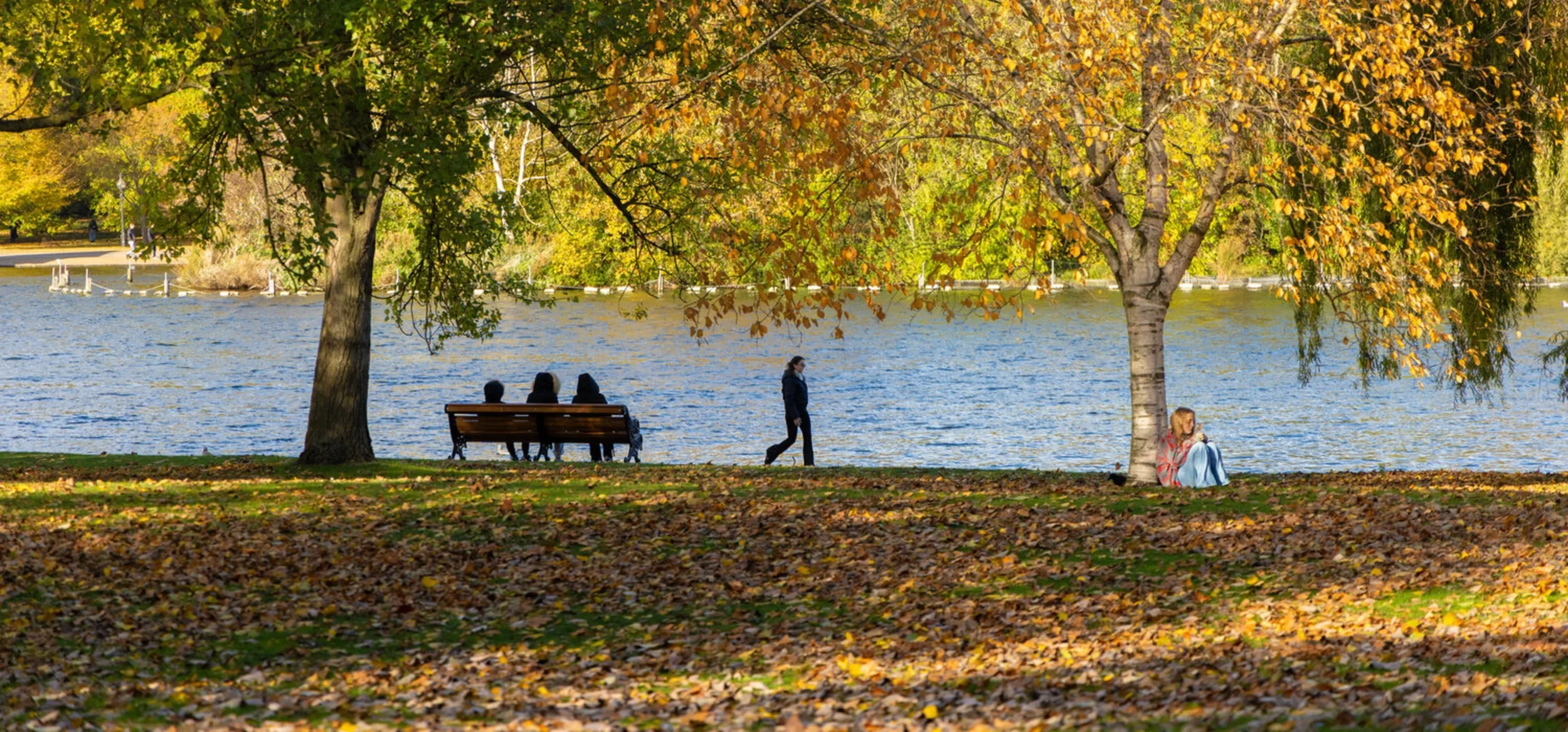
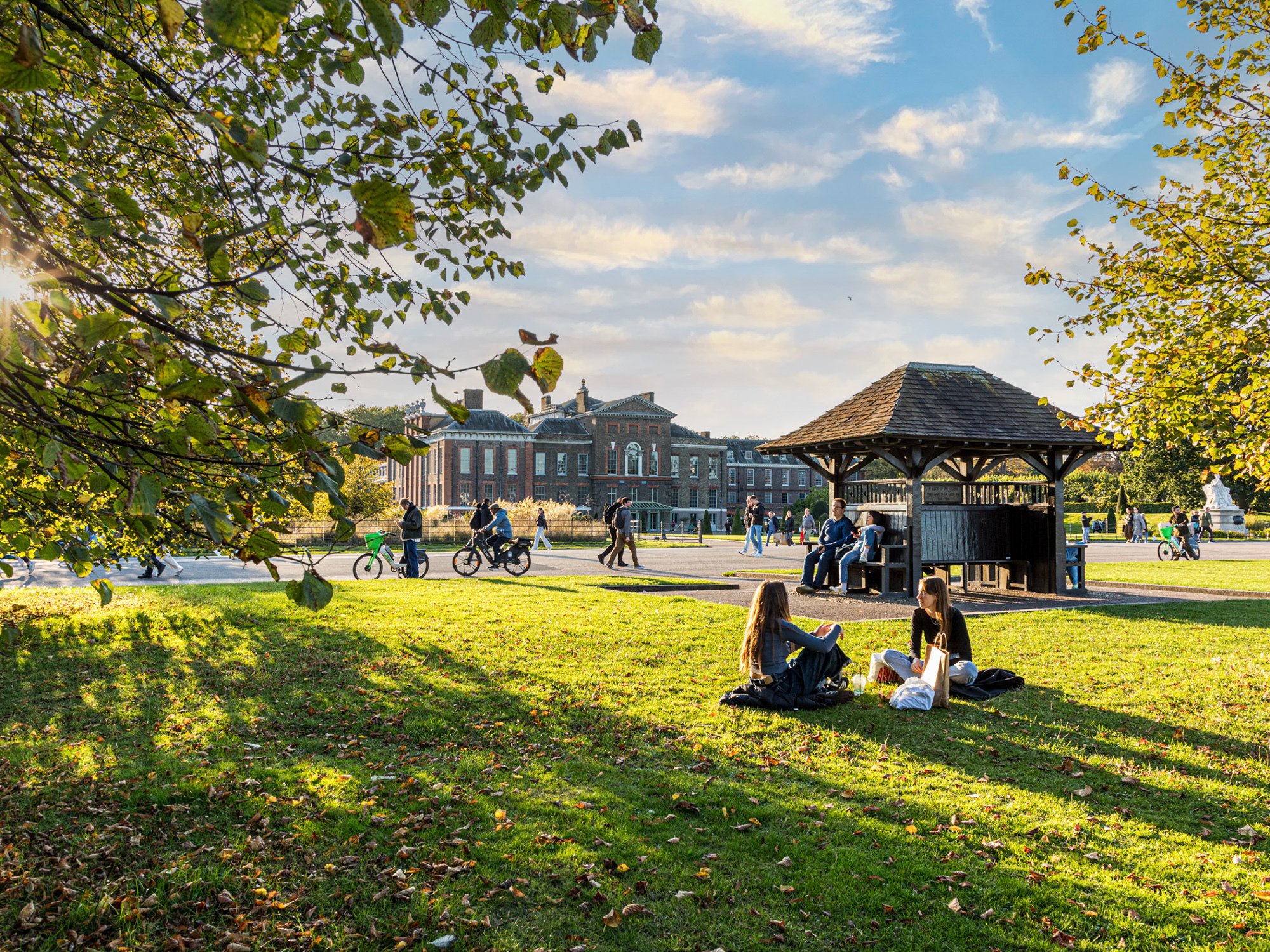
The simplest experience is outside the front door. Hyde Park begins across Park Lane, making an early walk, run or quiet hour by the Serpentine easy to build into a stay. Mayfair unfolds behind the hotel through Mount Street, Bond Street, Berkeley Square and a dense collection of galleries, boutiques and restaurants.
The hotel adds its own programming. The Grill offers hands-on cooking masterclasses around dishes such as beef Wellington and grilled steak, while Cake & Flowers runs private floral masterclasses with the in-house florist. In 2026, The Dorchester also developed cultural programming with Serpentine and launched an art-focused Salon Series around Frieze, giving the hotel a more direct relationship with London’s contemporary art calendar.
For a broader day out, Buckingham Palace, St James’s Park, the Royal Academy, the West End and major museums can all be reached without treating the hotel as an isolated base. The best itineraries use the location to return during the day – for afternoon tea, a spa appointment or simply a pause in the room – rather than staying out from breakfast until late evening.
Family Stays Work Best With Connecting Rooms
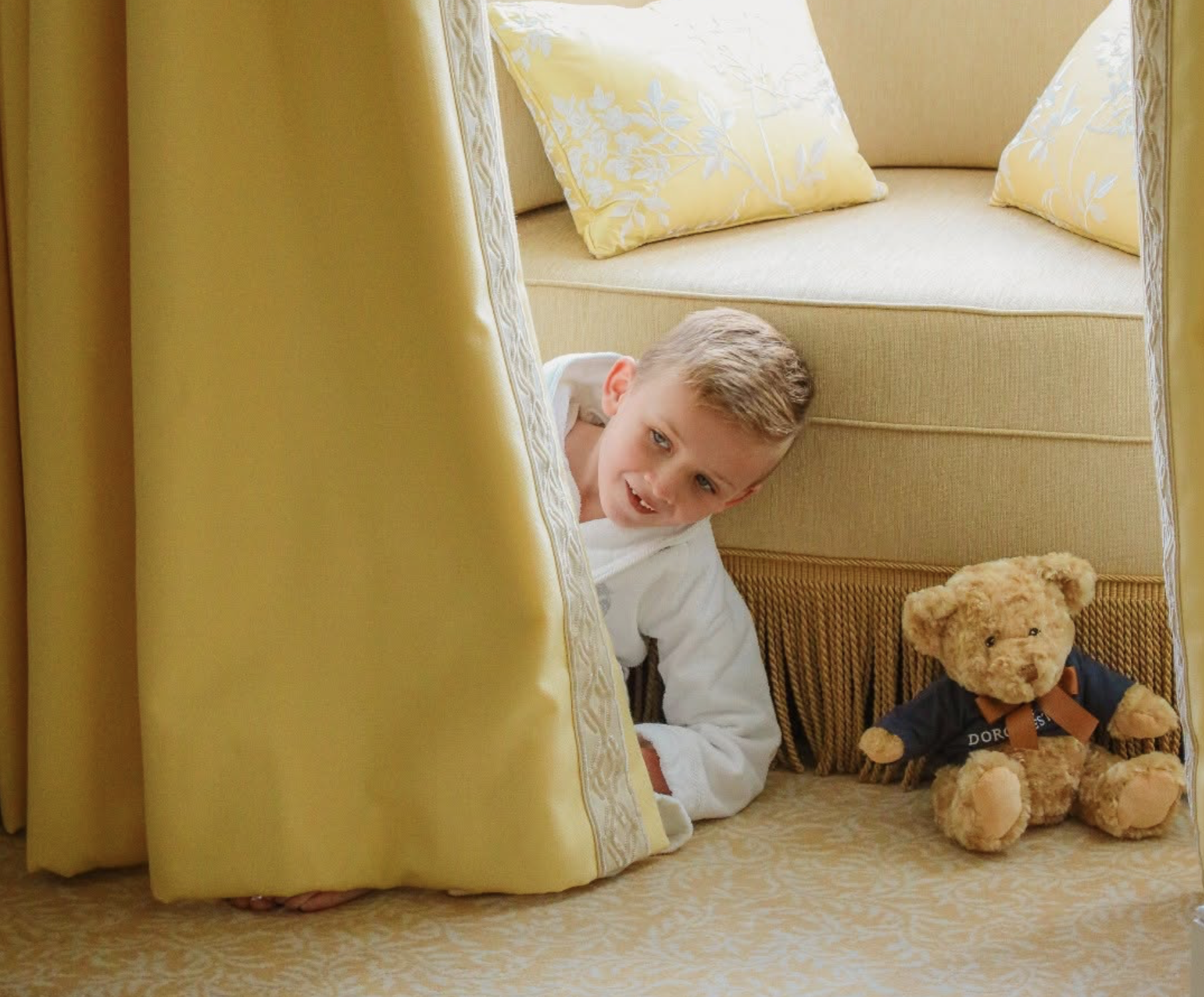
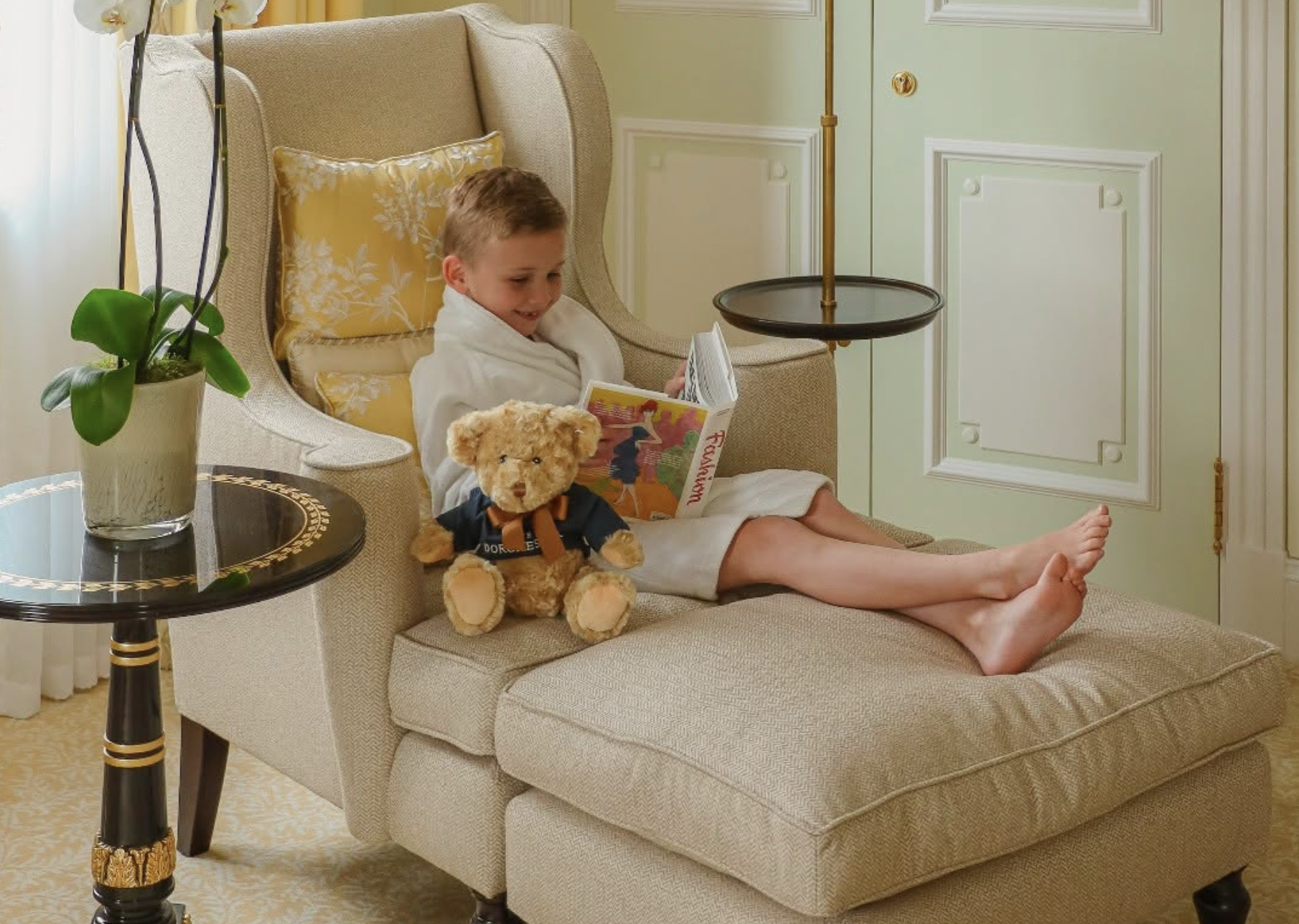
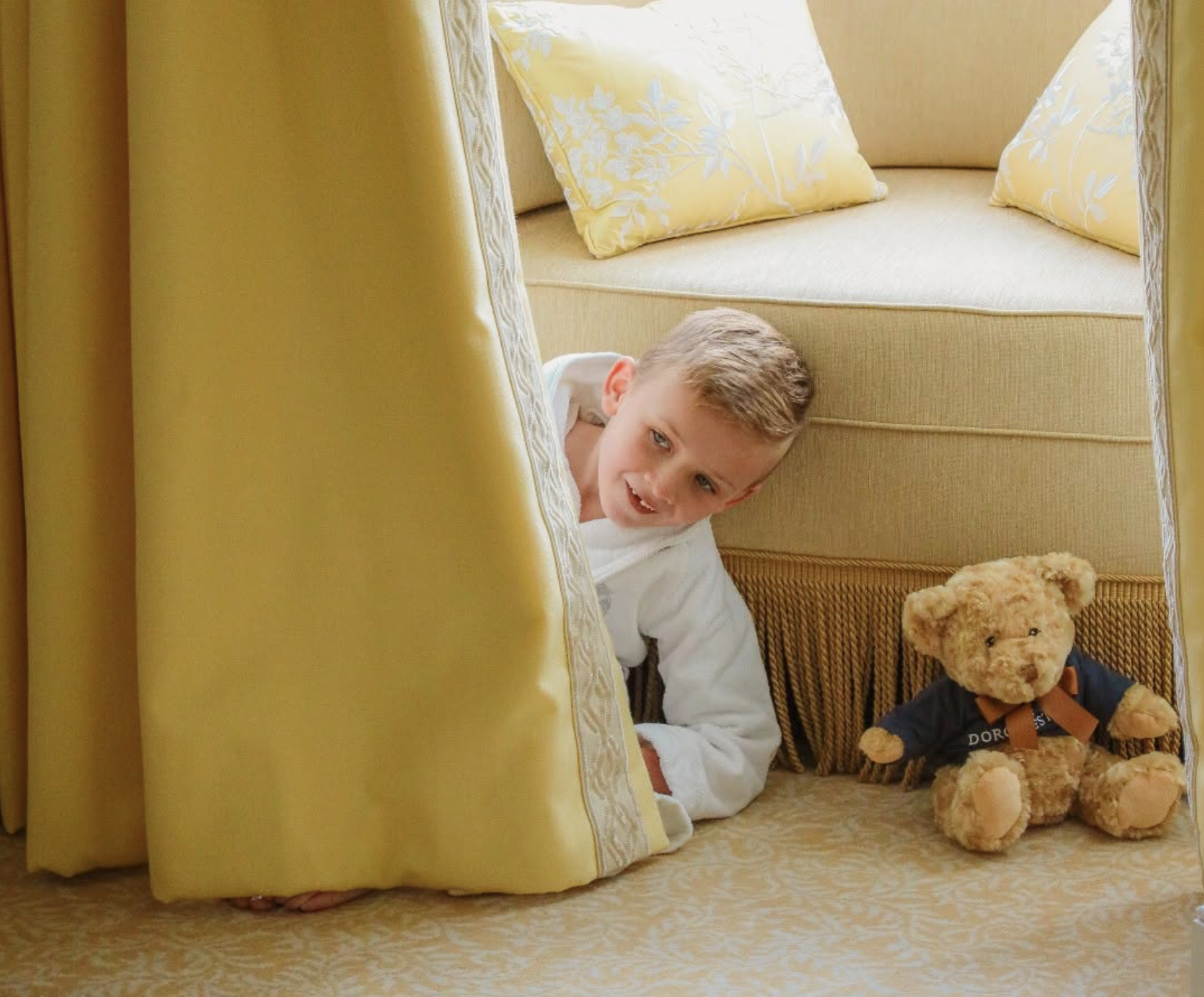
The Dorchester is family-friendly, but the practical advantage is accommodation flexibility rather than a large permanent children’s club. Current room categories include connecting options, complimentary cots are available for infants, and extra beds can be arranged in suitable rooms and suites for guests aged thirteen and older for an additional nightly charge.
The hotel’s current Family Time offer is built around two connecting rooms for two adults and two children under eighteen. Children’s rooms can be styled with Atelier Choux details, following the hotel’s collaboration with the French children’s lifestyle brand, and breakfast is included under that specific offer through its published 2026 validity period.
Dining policies vary by venue. Children of all ages are welcome at The Grill, while Artists’ Bar welcomes accompanied children only until 6pm and Vesper Bar is adults-only. Families should therefore decide whether evenings will revolve around the hotel’s restaurants or whether separate childcare and dining plans are needed.
For larger groups, several suites connect to additional bedrooms, and The Royal Suite can be expanded to four bedrooms. Confirm the precise connecting configuration and permitted occupancy before booking, particularly when more than one child is involved.
Concrete Environmental Measures Matter More Than Broad Claims
The clearest sustainability measures published for The Dorchester sit at both hotel and group level. Dorchester Collection has replaced small single-use bathroom bottles with refillable porcelain vessels for its Wildsmith amenities, a group initiative it says prevents more than 723,000 single-use plastic bottles each year.
Food sourcing is more visible at property level. The Grill explicitly emphasizes British cooking and local suppliers, while plant-based choices appear across the hotel’s dining program. The Royal Suite also has a direct connection to the landscape outside: a portion of each stay is donated to The Royal Parks, supporting the organization responsible for London’s historic parklands.
These initiatives are best read as specific operational choices rather than proof that every part of a large city hotel has minimal impact. The useful distinction is between Dorchester Collection’s group-wide resource and waste programs and the property-level actions a guest can actually see in the room, restaurants and relationship with Hyde Park.
Two Accessible Rooms and a Step-Free Deanery Street Entrance
The Dorchester publishes unusually detailed access information for a historic London hotel. Two accessible rooms are currently listed, with features that can include wheelchair-accessible bathrooms, roll-in showers with seats, grab handles, handheld showerheads and feather-free bedding on request.
The accessible hotel entrance is on Deanery Street. Ground-floor venues including The Grill, The Promenade, Artists’ Bar, Vesper Bar and Alain Ducasse at The Dorchester are wheelchair accessible, and accessible elevators are positioned near the adapted rooms. Public areas also provide accessible WCs, and service dogs are permitted.
Exact room matching still matters. Travelers should confirm bed height, bathroom configuration and the route to the specific venues they intend to use. The hotel currently notes that the Crystal Suite and Park Suite event spaces are not wheelchair accessible because of maintenance work, a limitation worth reconfirming if an event forms part of the stay.
London Changes Character With the Calendar
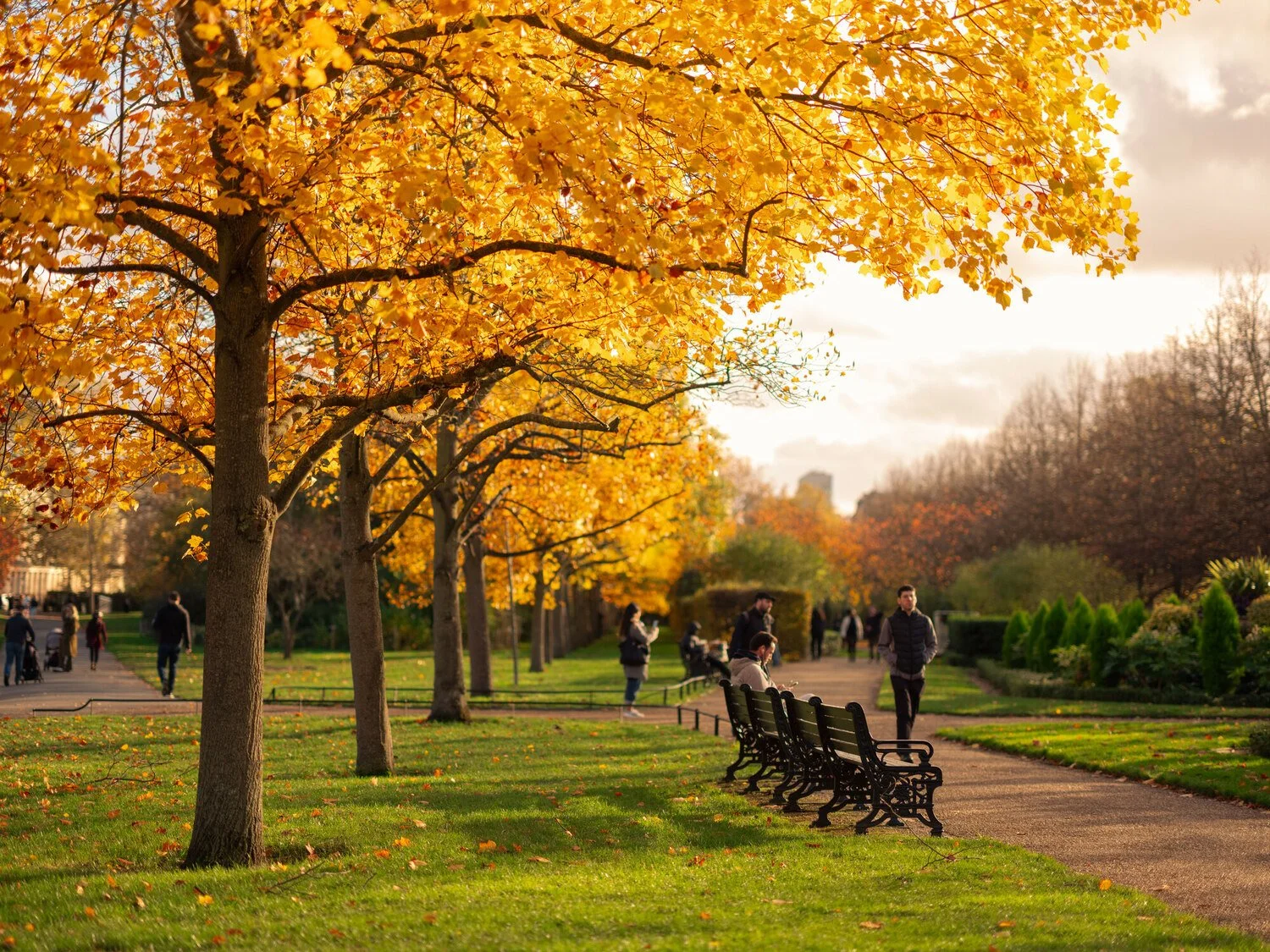
The Dorchester operates as a year-round city hotel, so seasonality is more about London’s pace than whether the property is open. Spring brings longer days and Hyde Park at its most colorful, making March through May particularly appealing for travelers who want to combine galleries, shopping and outdoor time.
Summer is busier and can be warm, but long daylight hours favor park walks, garden dining and a fuller events calendar. Autumn brings a strong cultural rhythm, including Frieze in October, while September and October often balance mild weather with fewer school-holiday crowds than midsummer.
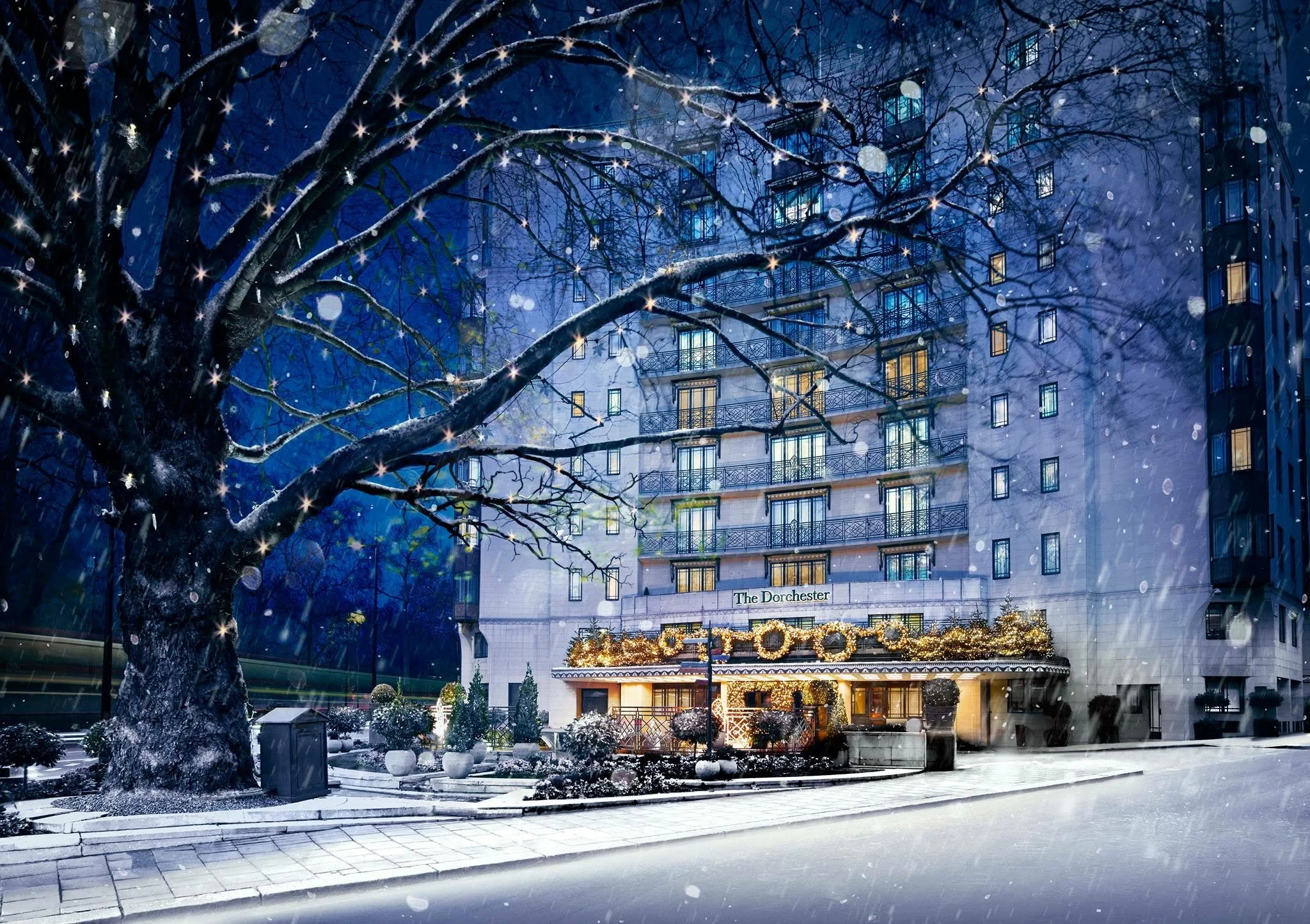
November and December are about lights, shopping and festive dining, with demand rising around the holiday period. January and much of February are generally quieter in London and can suit travelers who prioritize restaurants, museums and the hotel itself over long outdoor days. Whatever the month, packing for changeable weather remains sensible.
Book the Preferred Relationship, Then Confirm the Details Privately
Destinations by David operates through Global Travel Concepts, whose current public information lists Dorchester Collection among its preferred hotel relationships. Destinations by David also specifically identifies Dorchester Collection Diamond Club as part of the network available through that partnership.
That preferred relationship can add meaningful client value through recognition, coordination with the hotel and access to eligible partner advantages. In keeping with the program’s rules, the exact Diamond Club amenities should be confirmed privately for the selected rate, room category and travel dates rather than published as a fixed benefits list.
This is also where room selection becomes most useful. A Park View room, a terrace suite and a multi-bedroom connecting setup create very different stays even within the same hotel. Planning through Destinations by David allows those preferences, arrival details, dining priorities and special occasions to be coordinated with the property before travel.
Park Lane Is Straightforward From Heathrow and Central Rail Stations
Heathrow Airport: The Dorchester quotes approximately 45 minutes by car from Heathrow in normal conditions, although central London traffic can add substantial time during peak periods.
Hotel-Arranged Chauffeur: Airport transfers are available on request, and selected suites include round-trip transfers as part of the suite’s own published inclusions; confirm the exact entitlement for the reserved category.
London City Airport: The hotel’s current fact sheet places London City Airport at approximately 45 minutes by car, with journey time dependent on traffic across central London.
St Pancras International: The hotel’s published group material estimates roughly 10 minutes by car from the Eurostar terminal in light traffic; allow more time during busy periods.
Gatwick Airport: A practical public-transport route uses the Gatwick Express or other rail service to Victoria followed by a short taxi or car transfer to Park Lane; total timing depends on the selected rail service and London traffic.
Local Travel: Hyde Park, Mayfair, Bond Street and parts of the West End are walkable from the hotel, while taxis, private cars and the Underground are useful for destinations farther east, south or across the river.
A London Institution That Now Feels Lighter
The Dorchester’s recent renovation works because the hotel still feels recognizably itself. The Park Lane address, The Promenade, afternoon tea, formal dining and long cultural memory remain intact, but the new rooms bring more color, light and residential ease than the old grand-hotel formula might suggest.
The property makes the strongest case for travelers who want London immediately outside the door but still expect the hotel to carry part of the trip. A morning in Hyde Park, lunch at The Grill, an afternoon in Mayfair and a late drink at Vesper can all happen without the day feeling over-planned. In a city filled with excellent hotels, that combination of location, history and renewed interiors is what keeps The Dorchester distinct.