New York City, New York, U.S.A. | The Carlyle, A Rosewood Hotel
An Upper East Side Address That Feels Like Its Own New York
New York rewards travelers who choose their neighborhood carefully. The city changes dramatically from downtown to uptown, and on the Upper East Side the pace becomes more residential: Central Park replaces the density of Midtown, Madison Avenue brings fashion and galleries to street level, and Museum Mile places several of the city’s most important cultural institutions within walking distance.
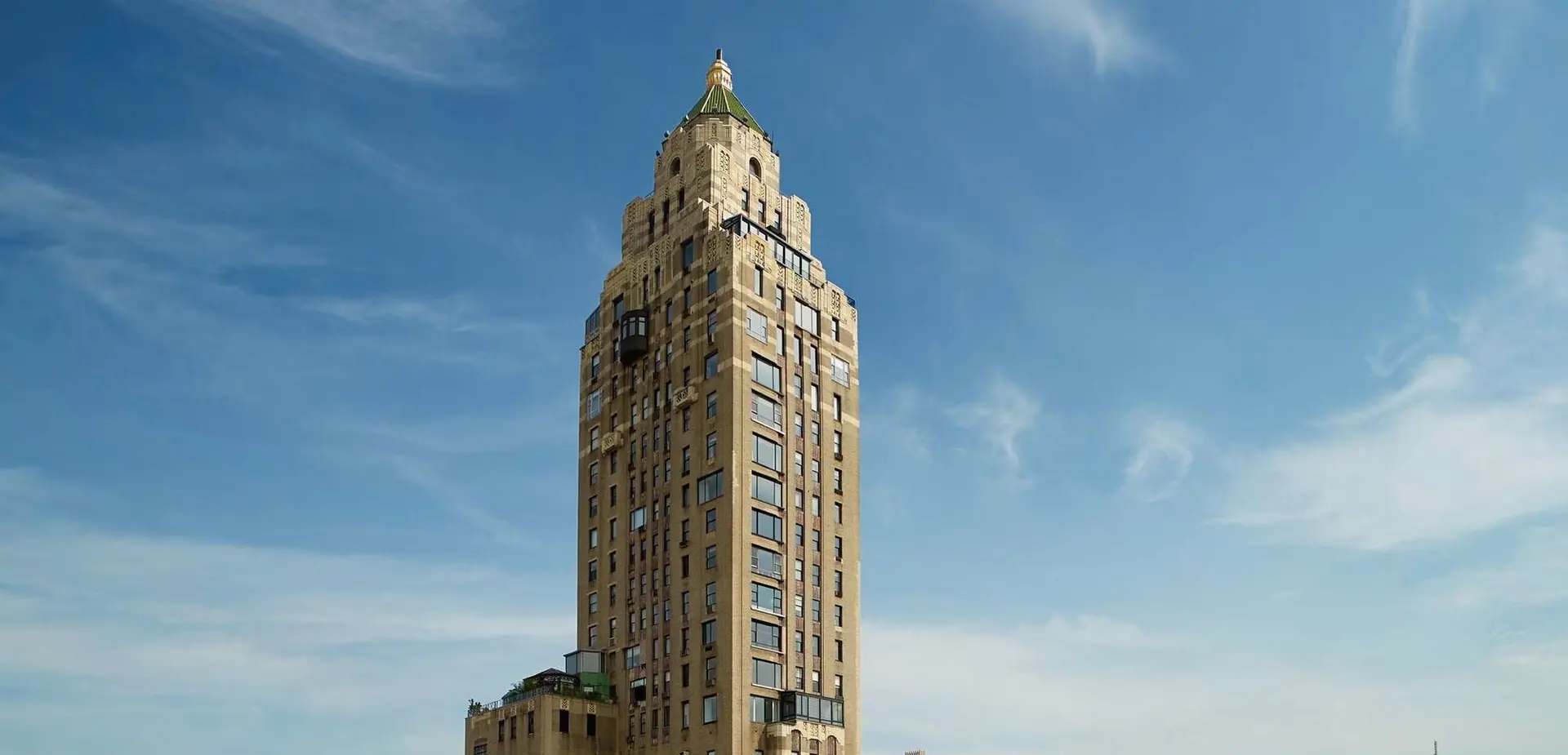
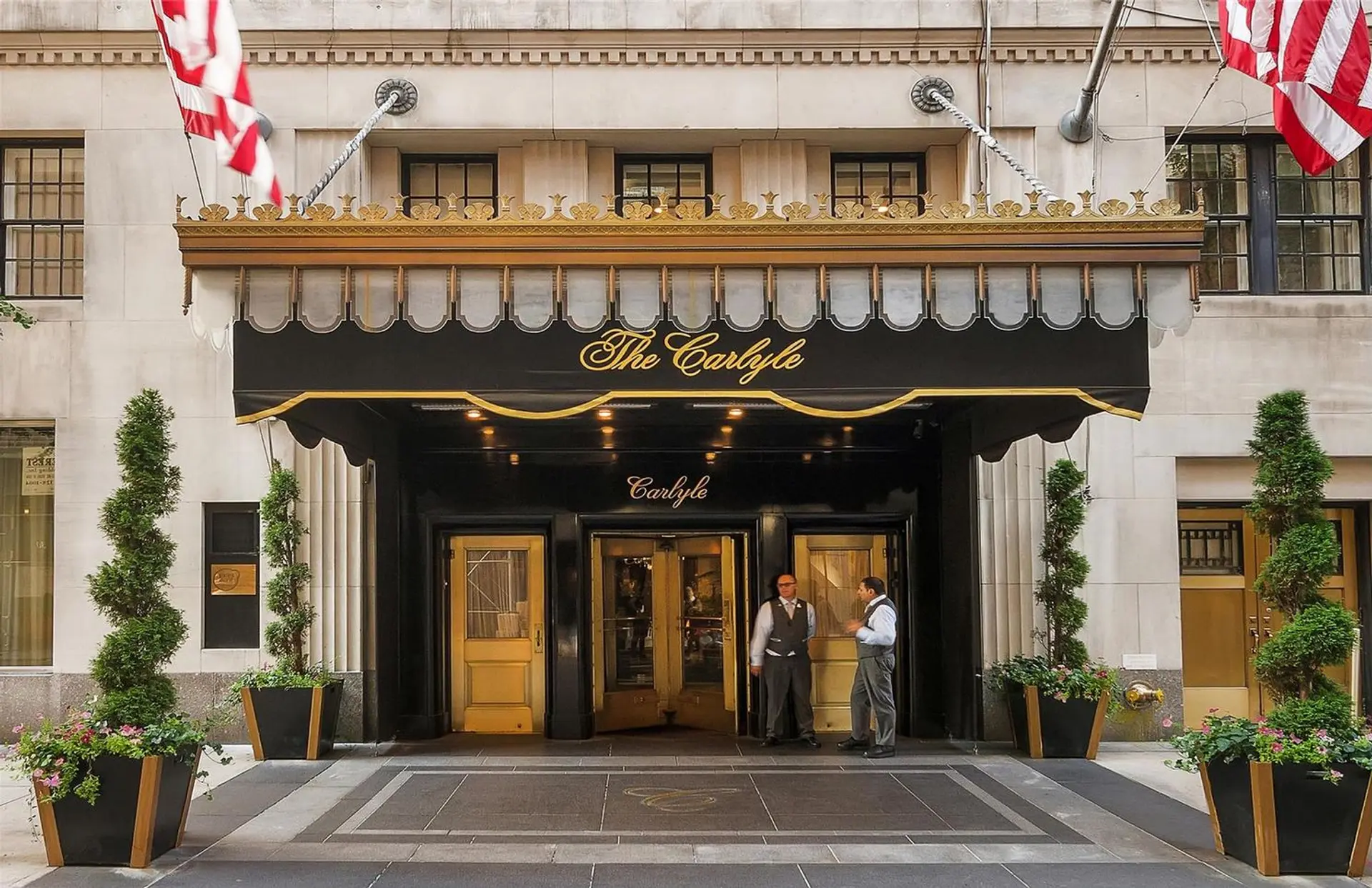
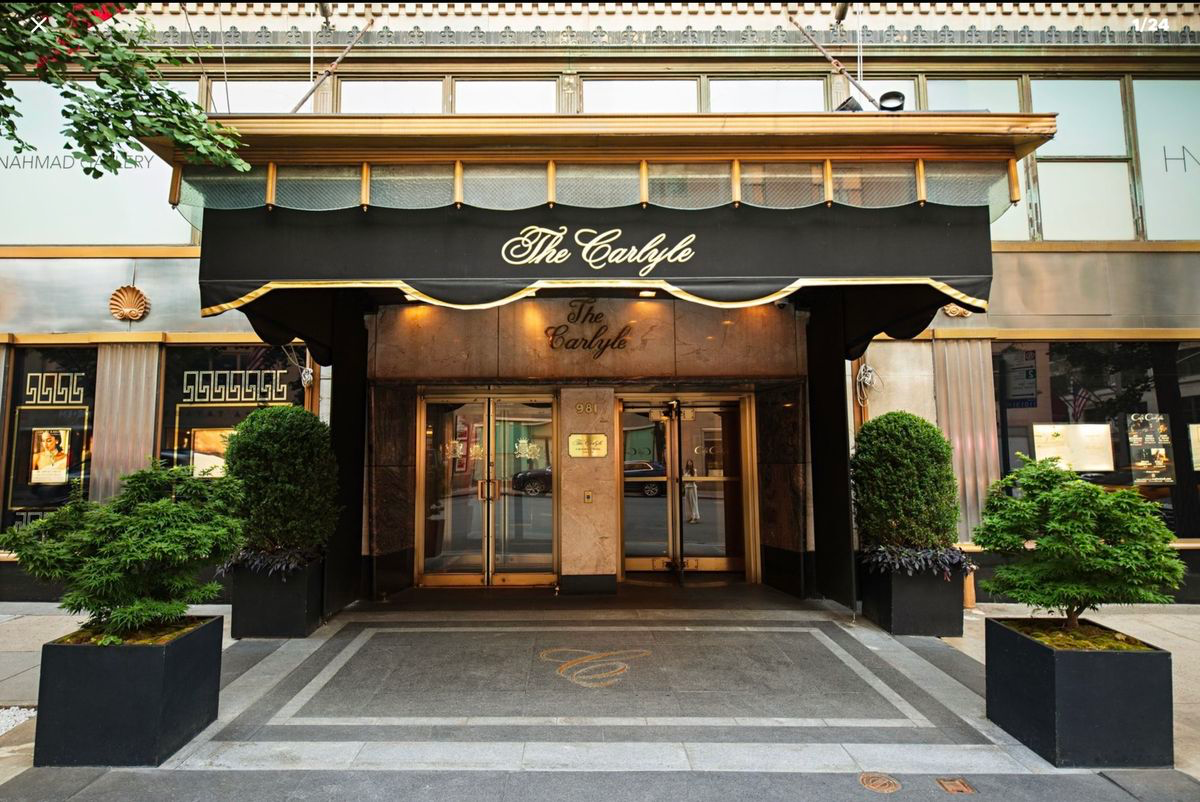
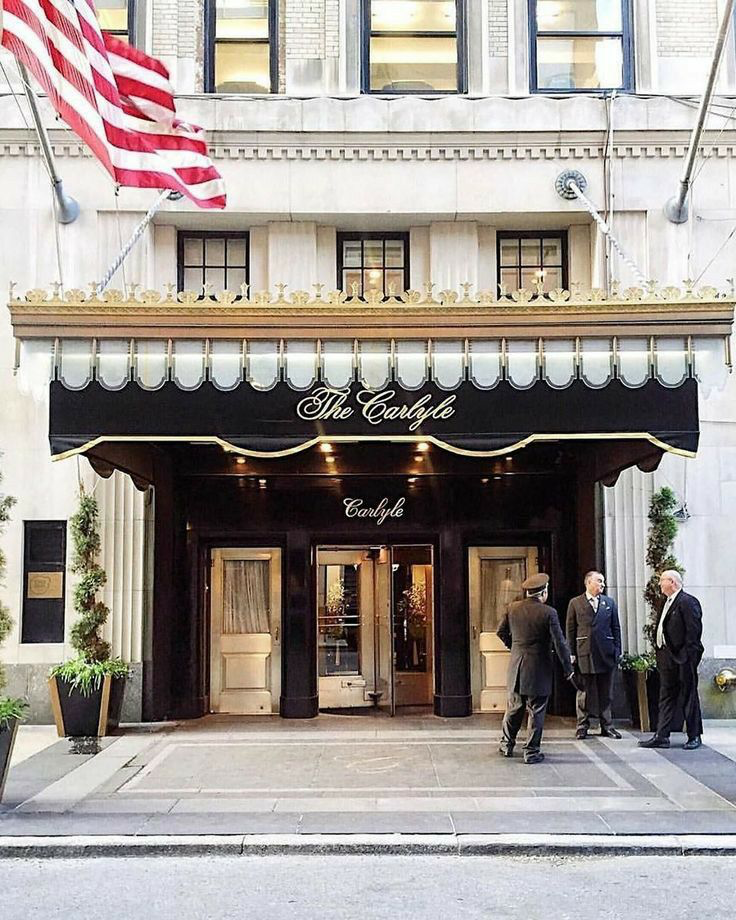
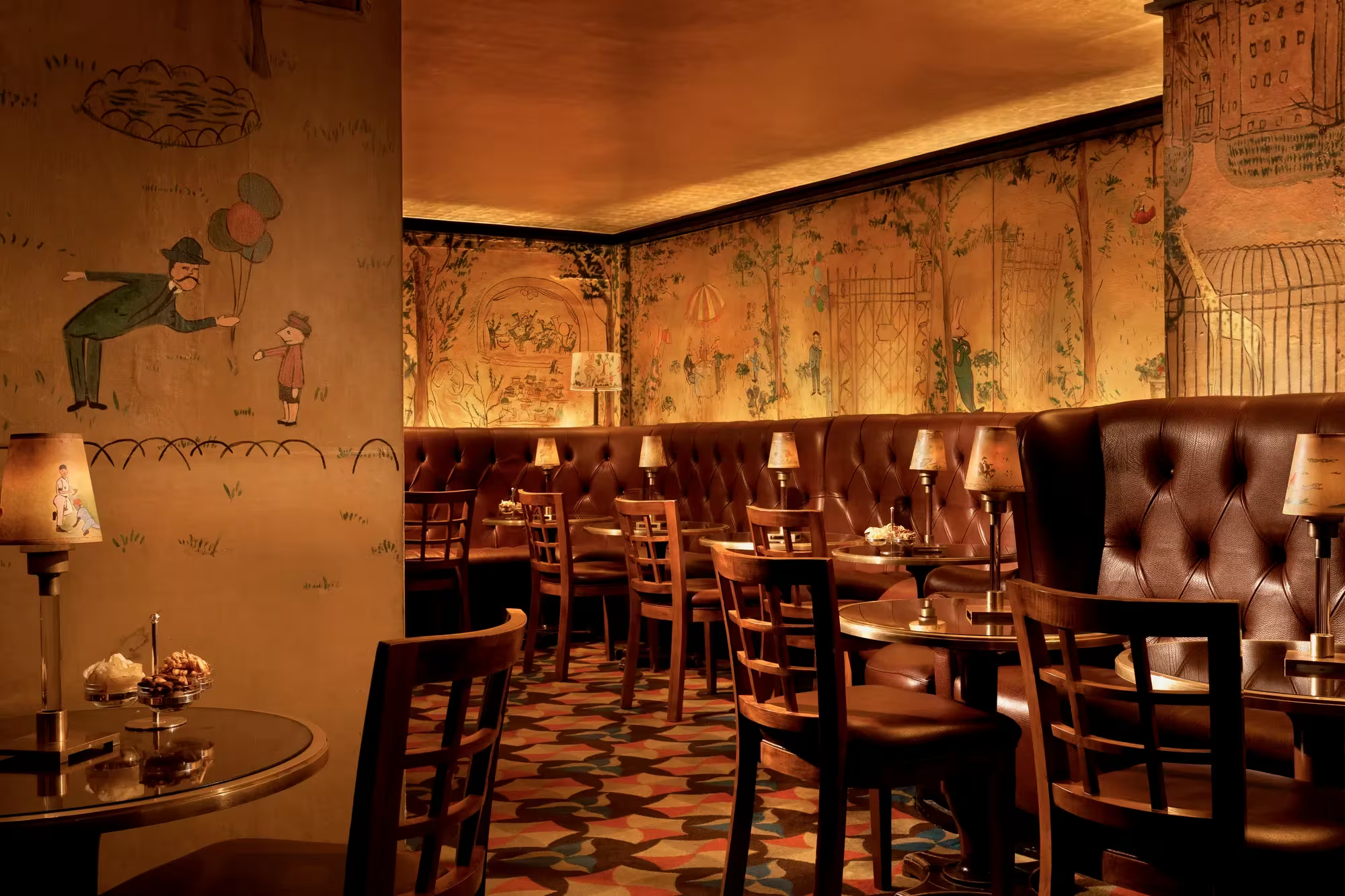
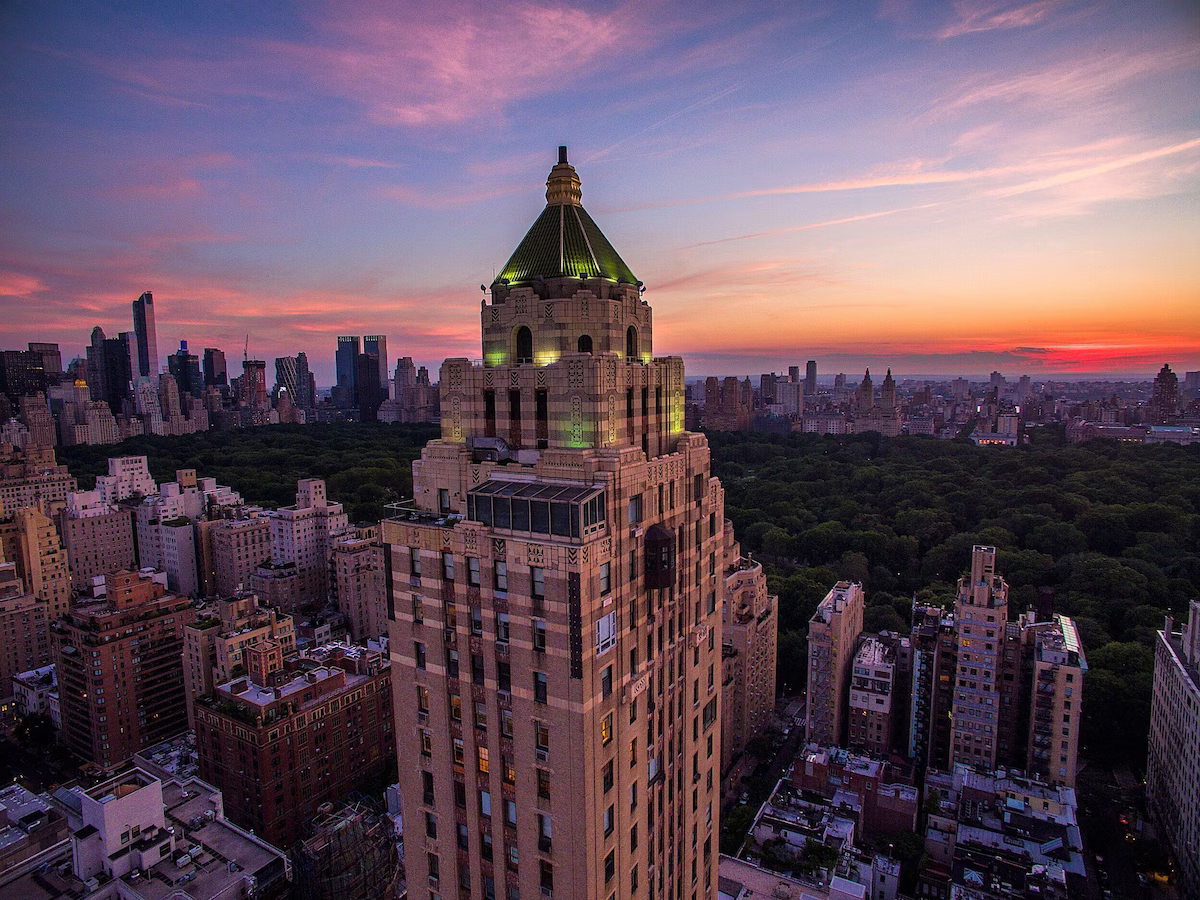
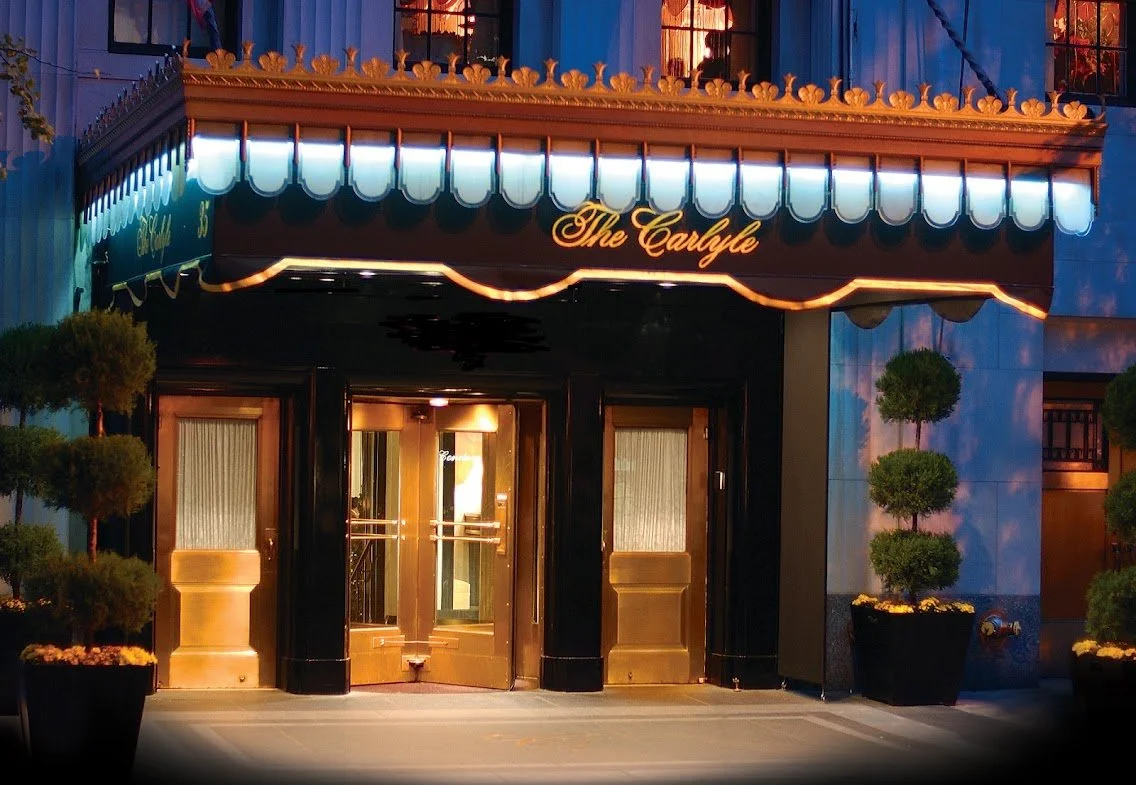
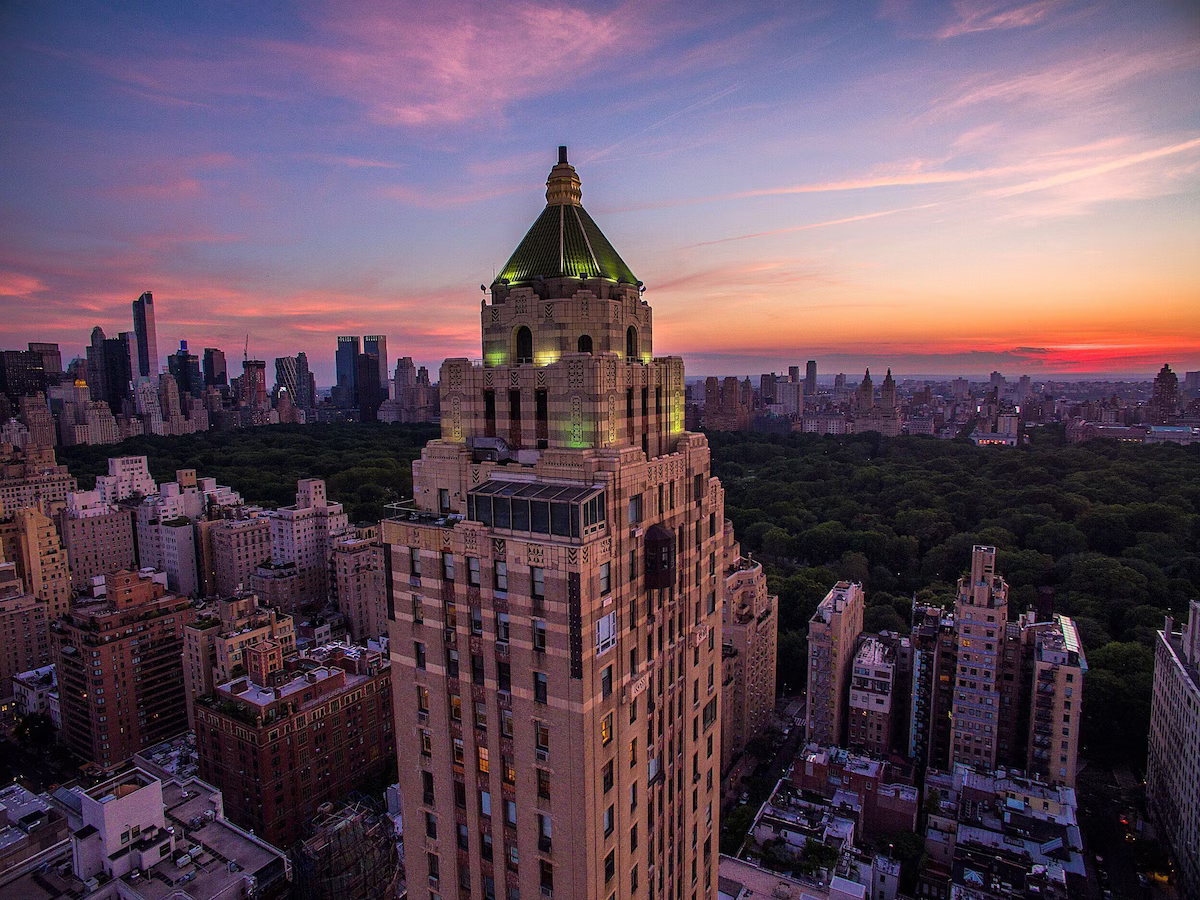
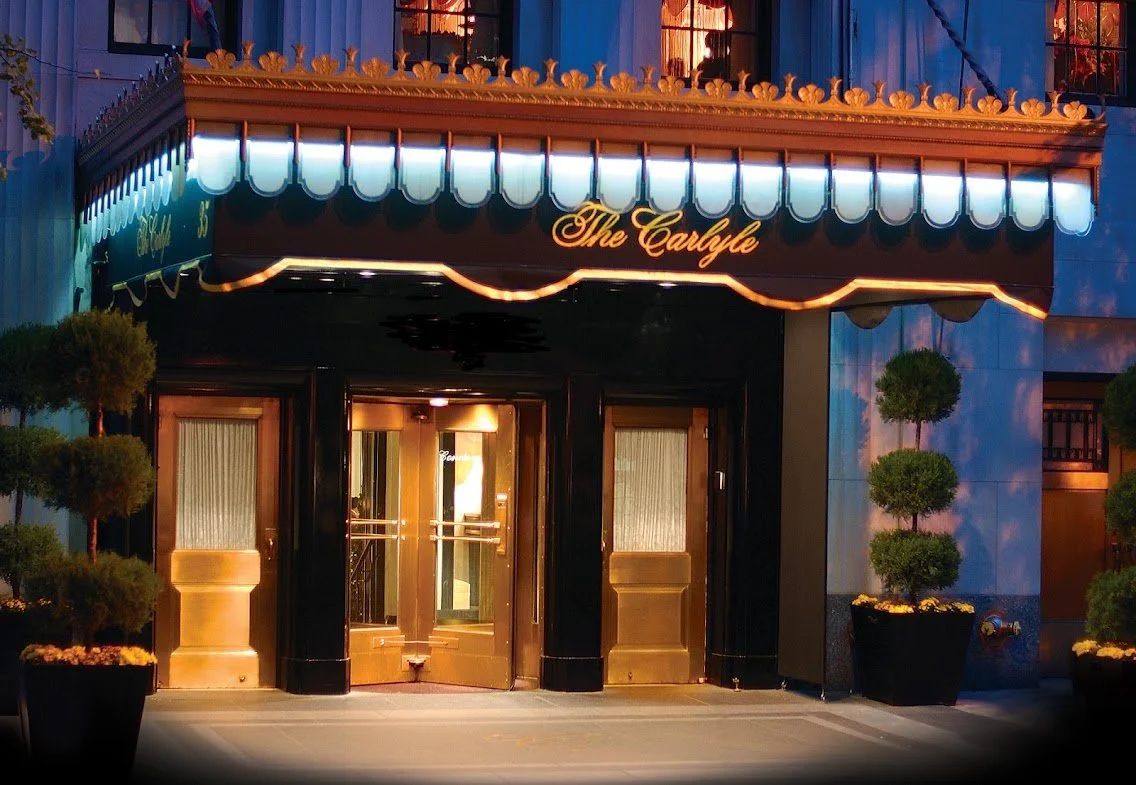
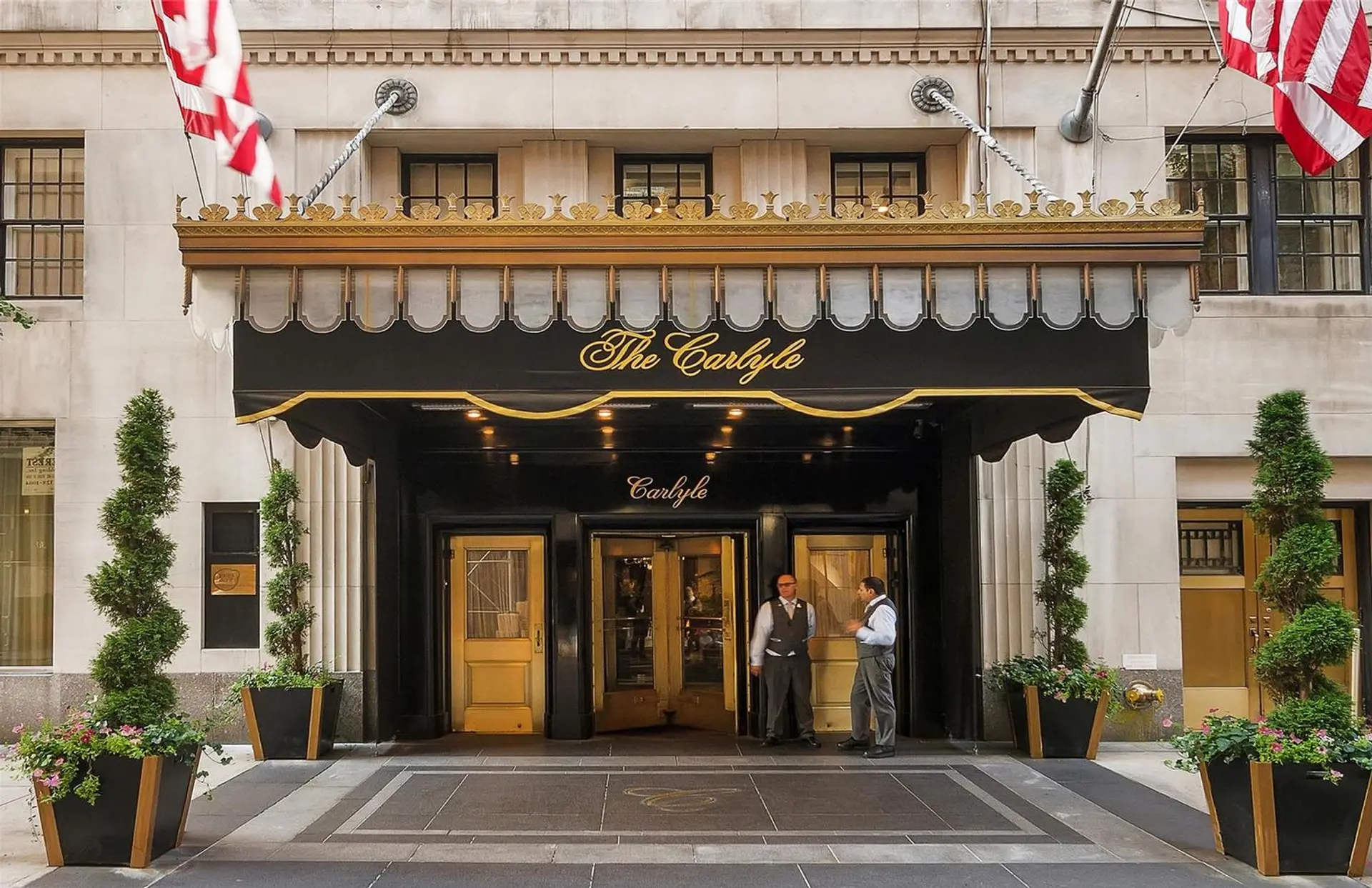
The Carlyle, A Rosewood Hotel sits at Madison Avenue and East 76th Street, one block from Central Park. Since 1930, it has operated as something between a grand hotel, private residence and cultural salon. Guests come for the rooms and suites, but much of the property’s identity is found downstairs—in Bemelmans Bar, at Café Carlyle, over dinner at Dowling’s, and among the New Yorkers who use the hotel as naturally as visitors do.
That distinction matters. The Carlyle is not a hotel designed around spectacle, enormous public spaces or a long list of amenities meant to fill an entire itinerary. Its appeal is more particular: location, discretion, history, live performance, art and the feeling of briefly occupying an Upper East Side address rather than simply checking into Manhattan.
Ninety-Six Years of New York History
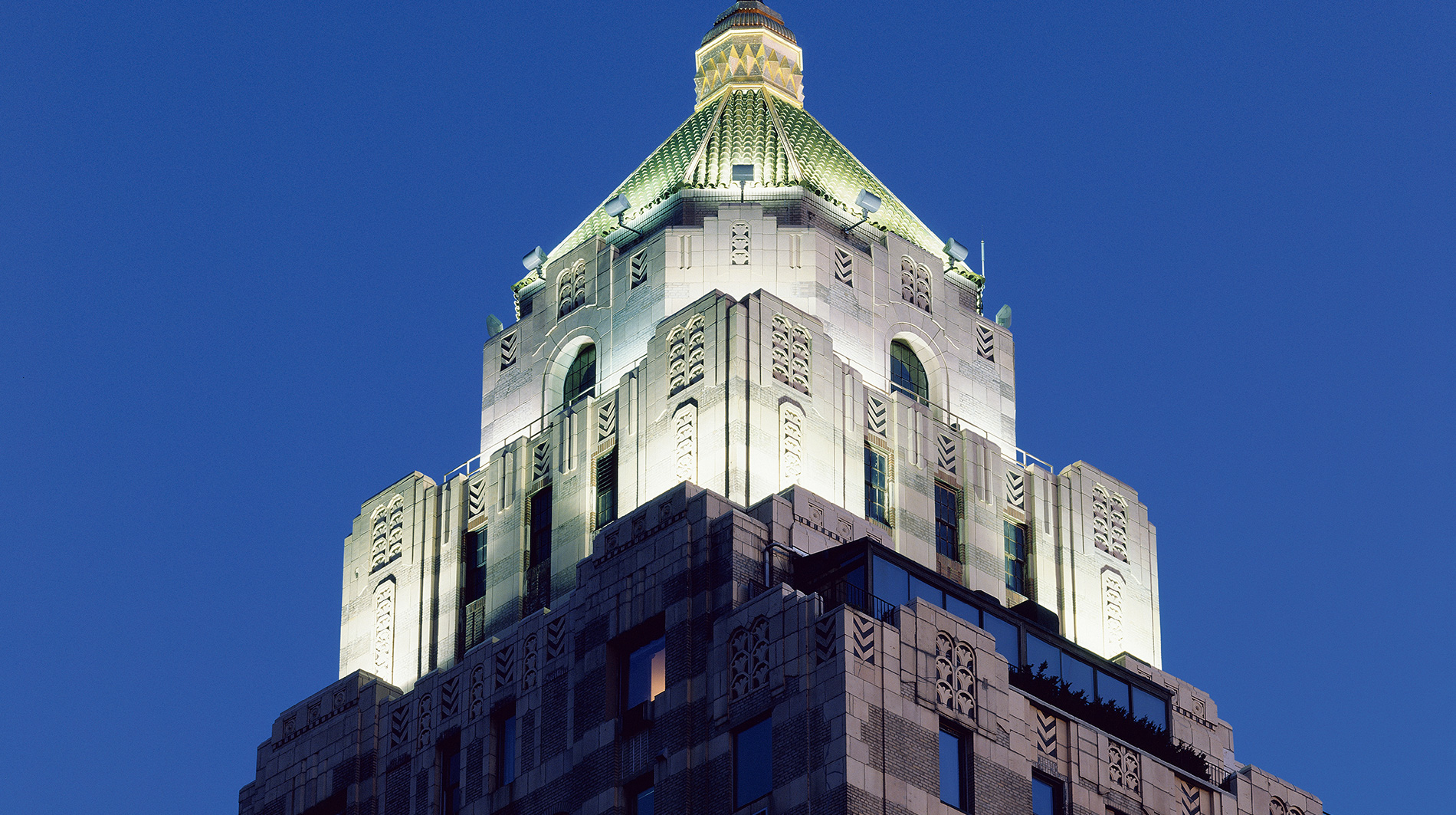
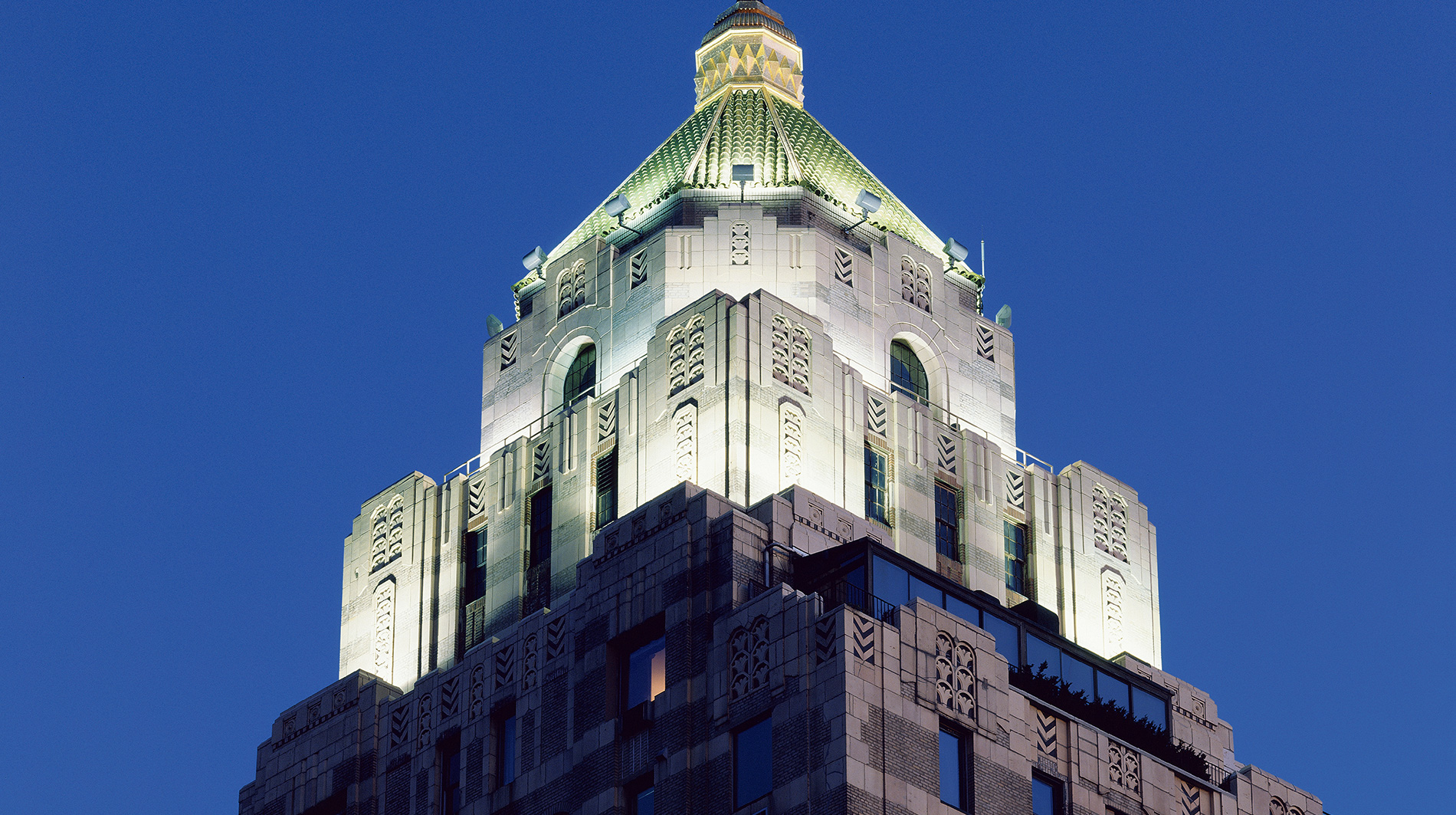
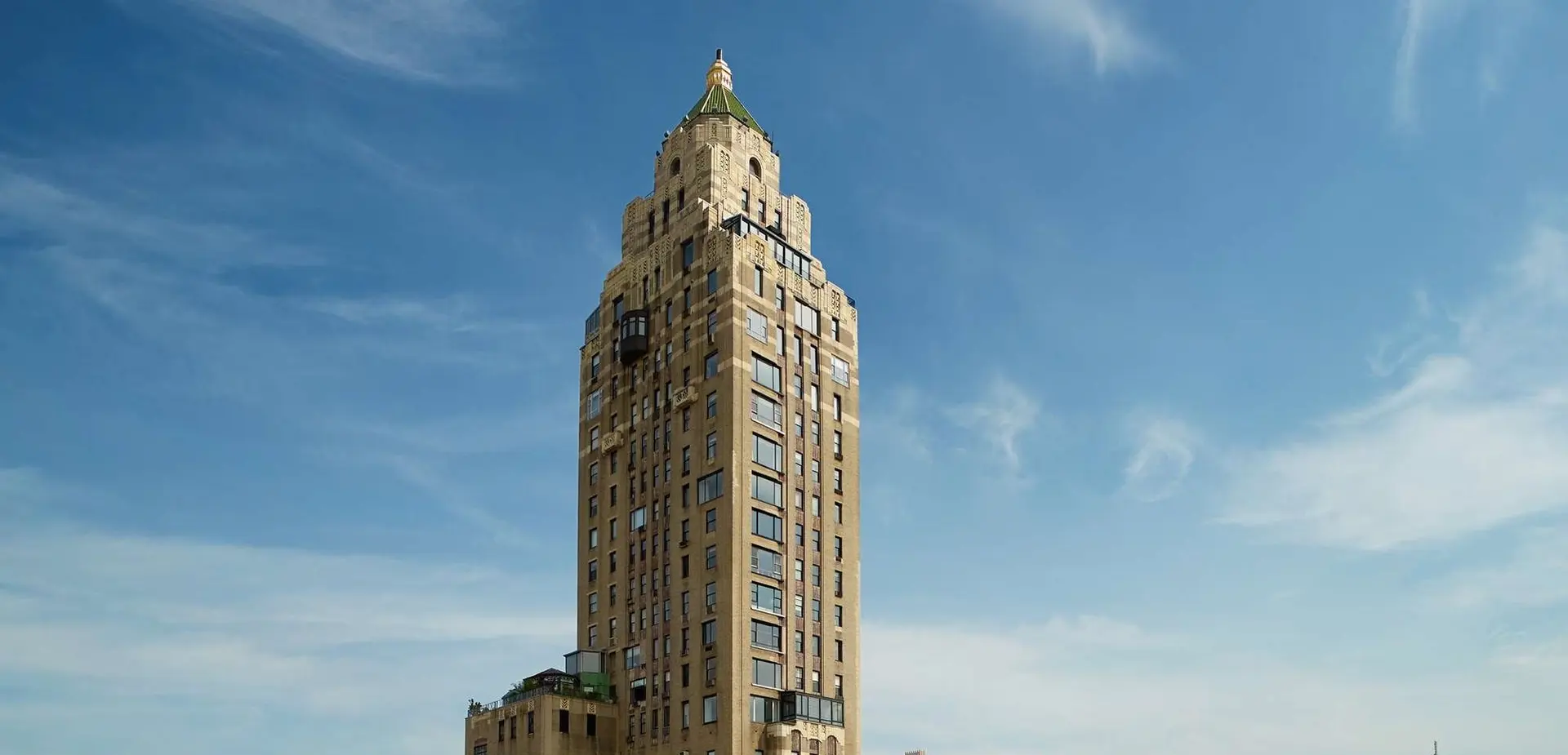
The Carlyle opened in November 1930 and was designed by the architectural firm Bien & Prince. Its name honors British essayist Thomas Carlyle, while its early interiors carried the influence of Dorothy Draper, whose decorative approach helped establish the hotel’s original character.
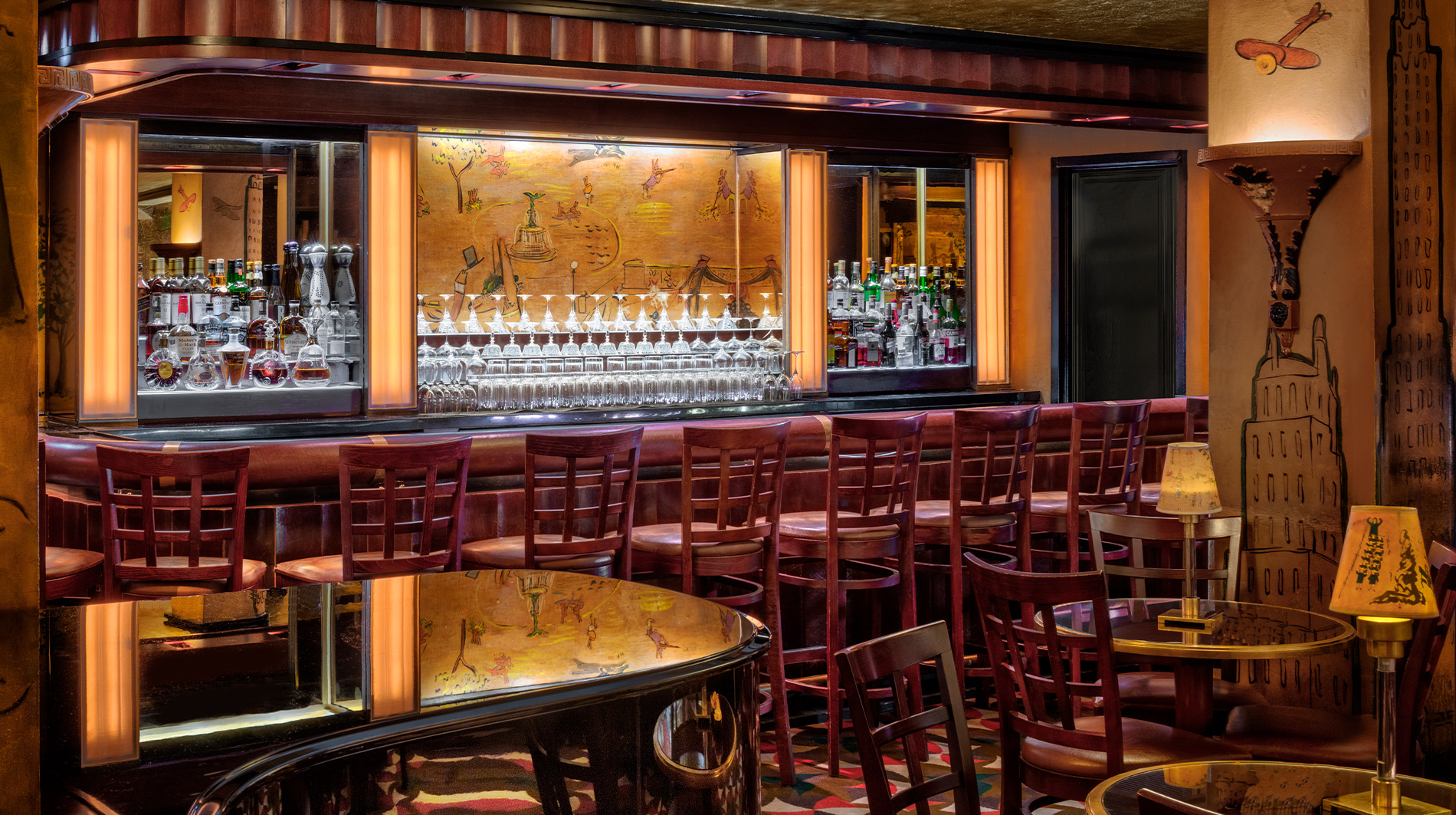
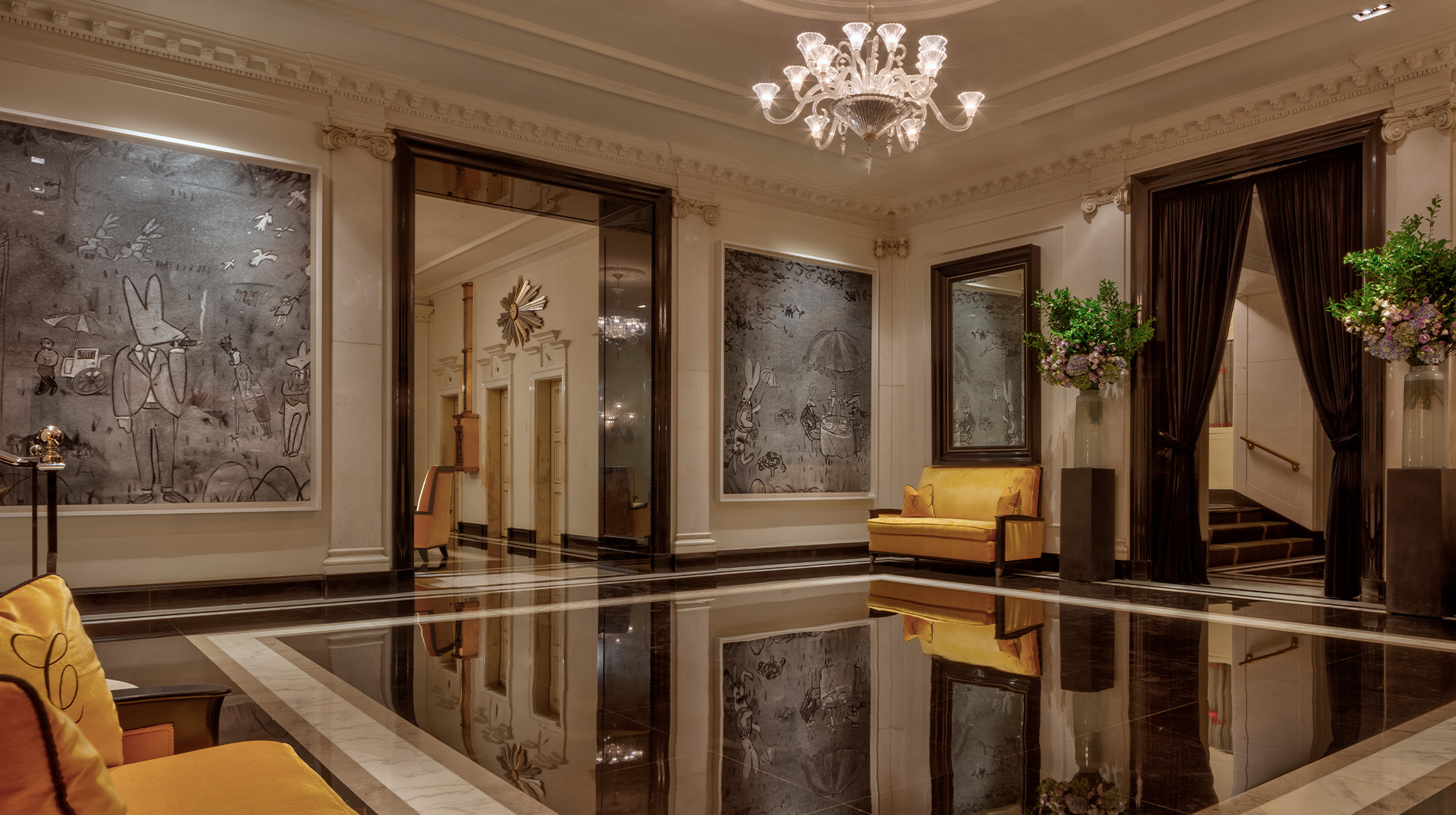
Robert Whittle Dowling acquired the hotel in 1944 and played an important role in transforming it into the social institution it became. Bemelmans Bar followed in 1947, its walls painted by Madeline creator Ludwig Bemelmans, and Café Carlyle opened in 1955, establishing a performance tradition that would later include decades of appearances by Bobby Short as well as generations of cabaret, jazz and stage performers.
Rosewood acquired The Carlyle in 2000. Two decades later, the hotel completed a major multi-year transformation that refreshed guest rooms and suites, introduced Dowling’s at The Carlyle and brought Valmont Spa to the property without attempting to erase the interiors and institutions that had accumulated over the preceding decades.
That layering is essential to understanding the hotel today. The Carlyle is historic, but it has never remained visually fixed in 1930.
Art Deco, Apartment Living and Rooms with Personalities
The original architecture establishes The Carlyle’s Art Deco foundation, but the interiors have developed through multiple designers rather than one continuous decorative scheme.
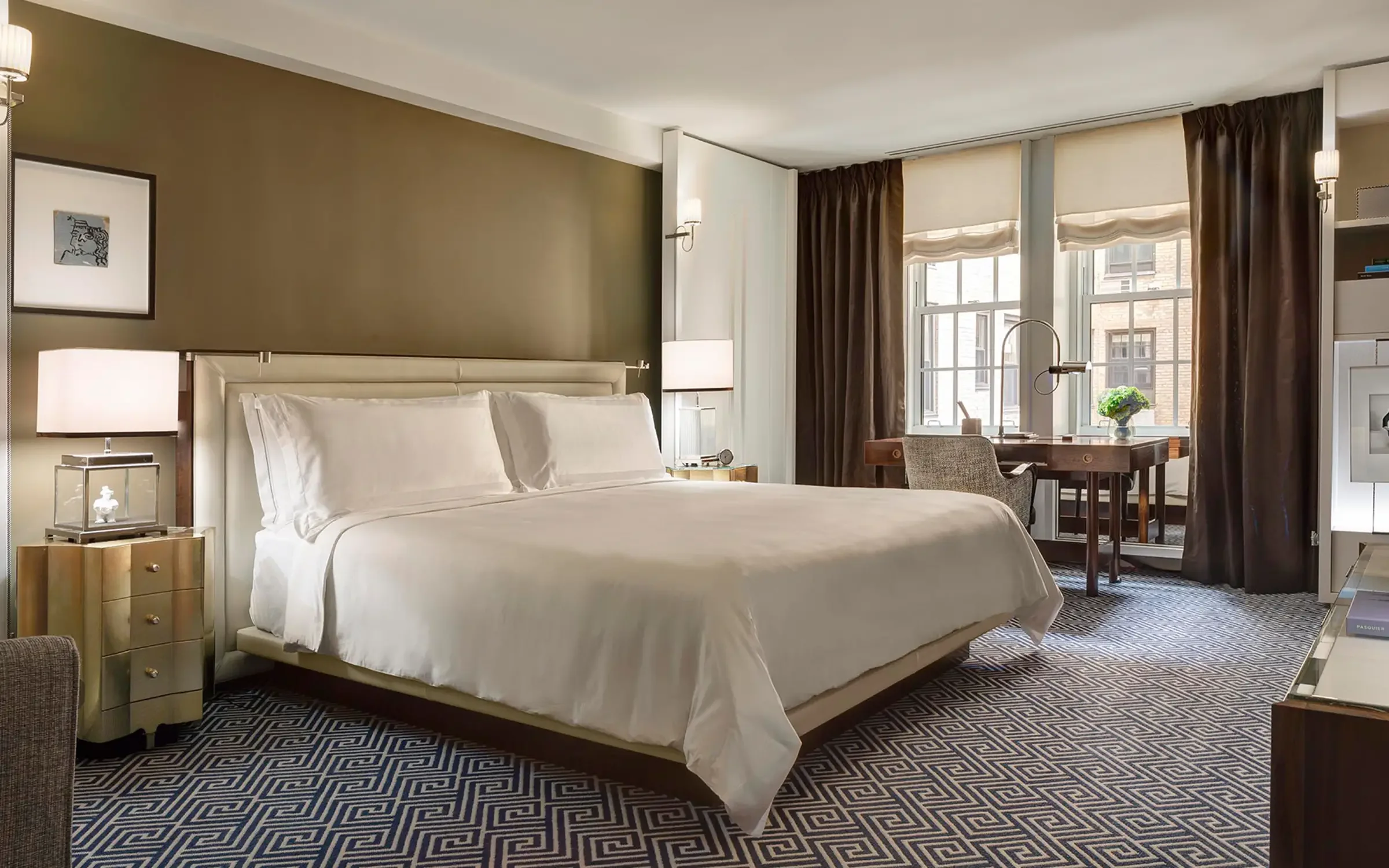
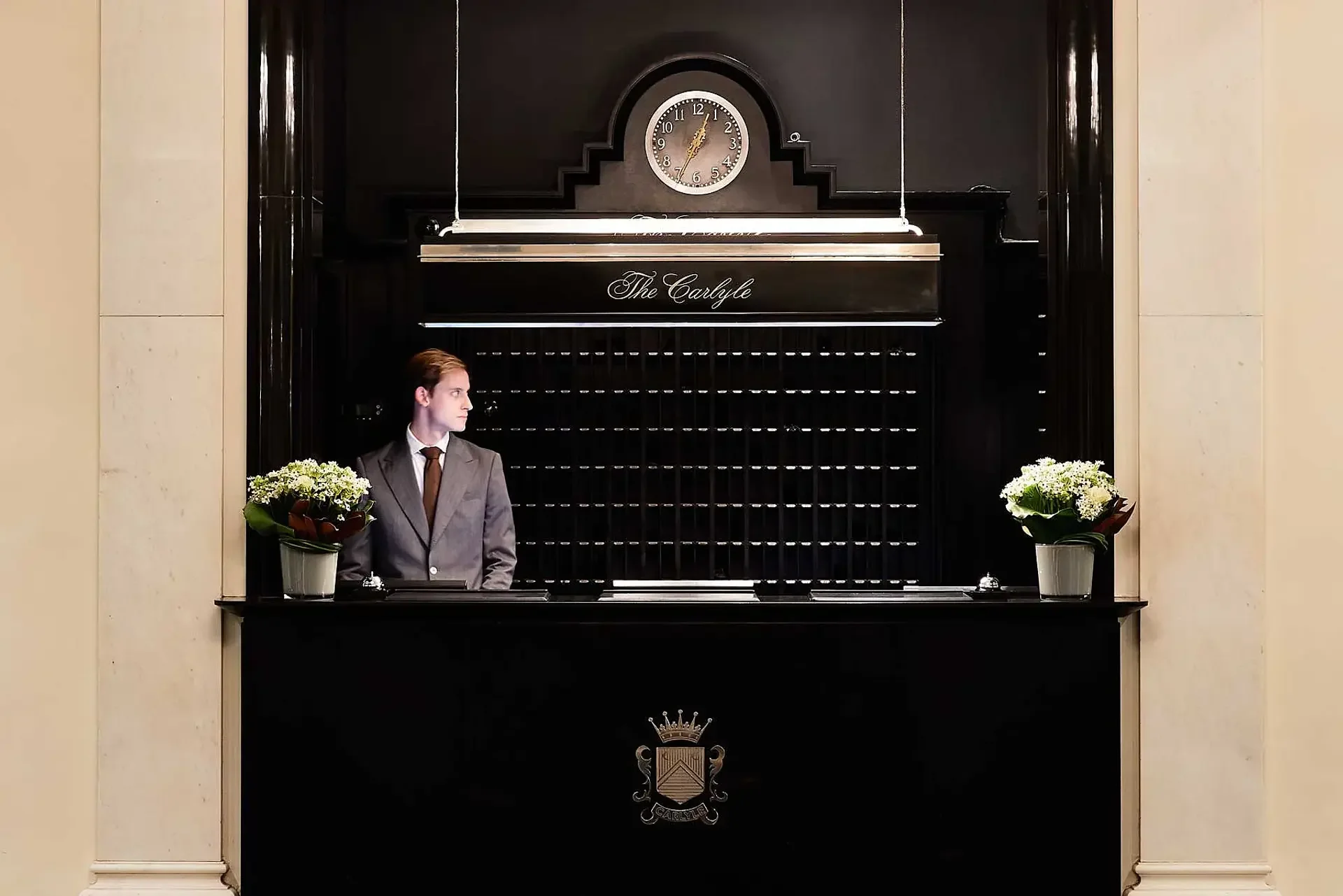
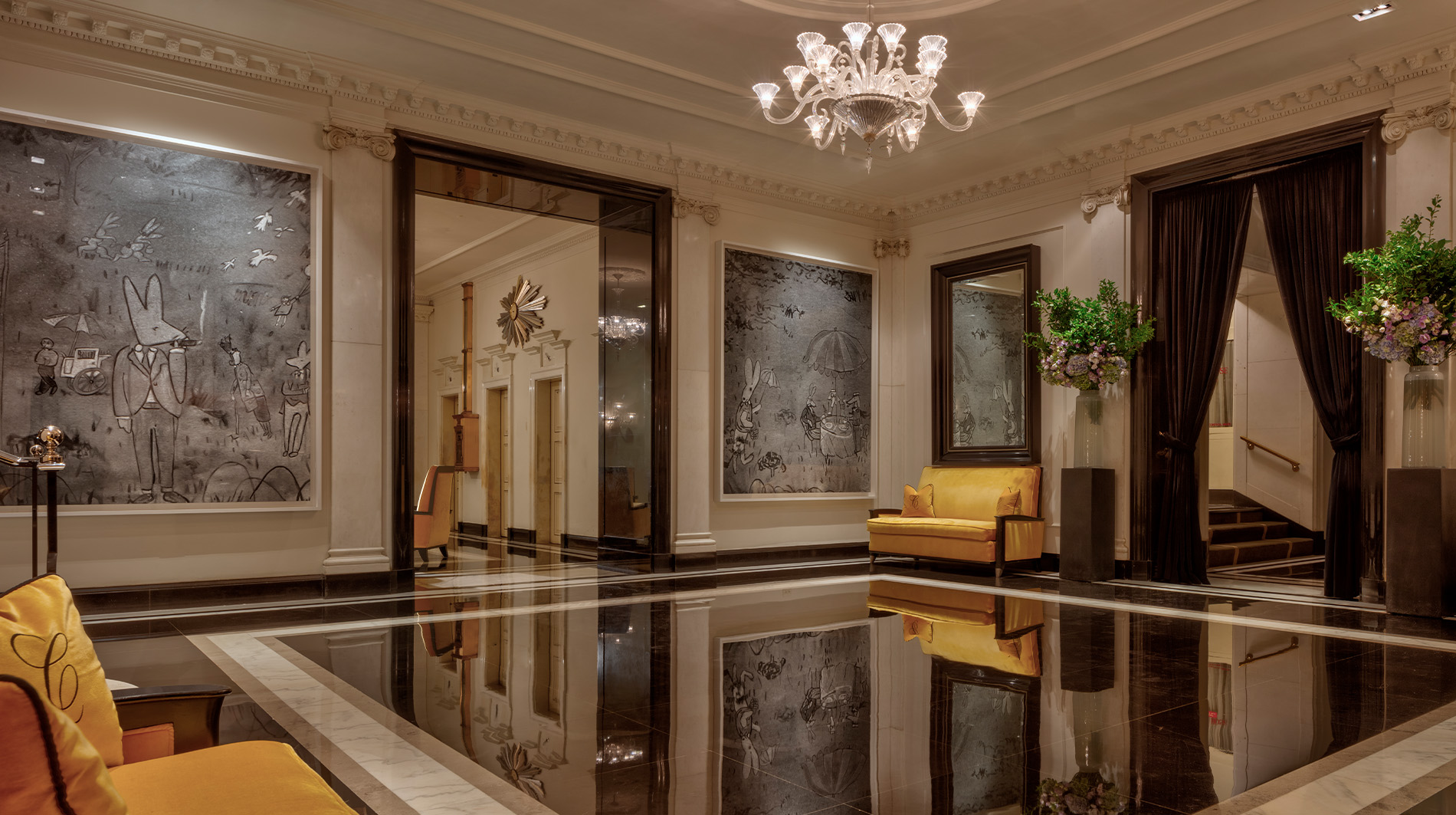
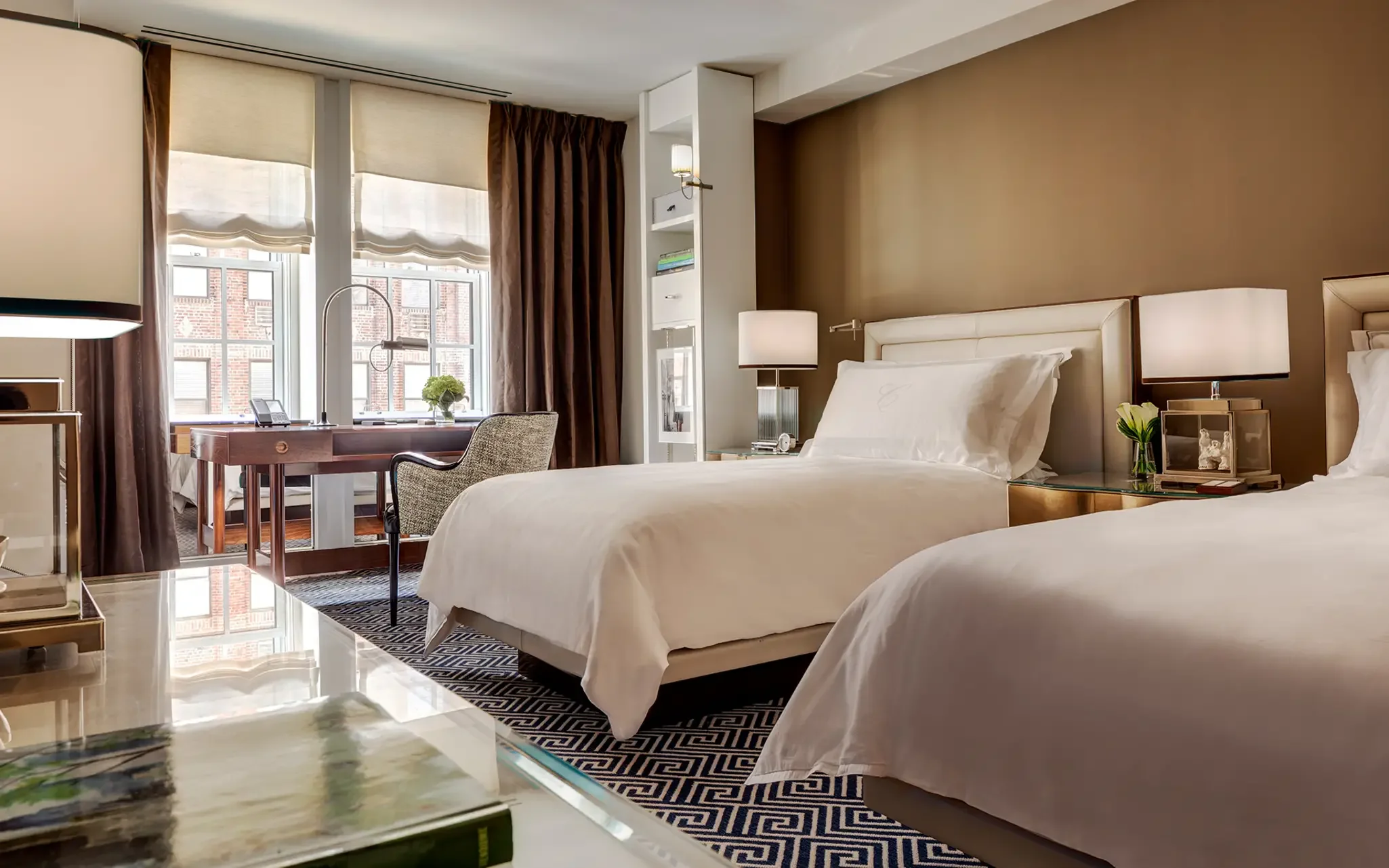
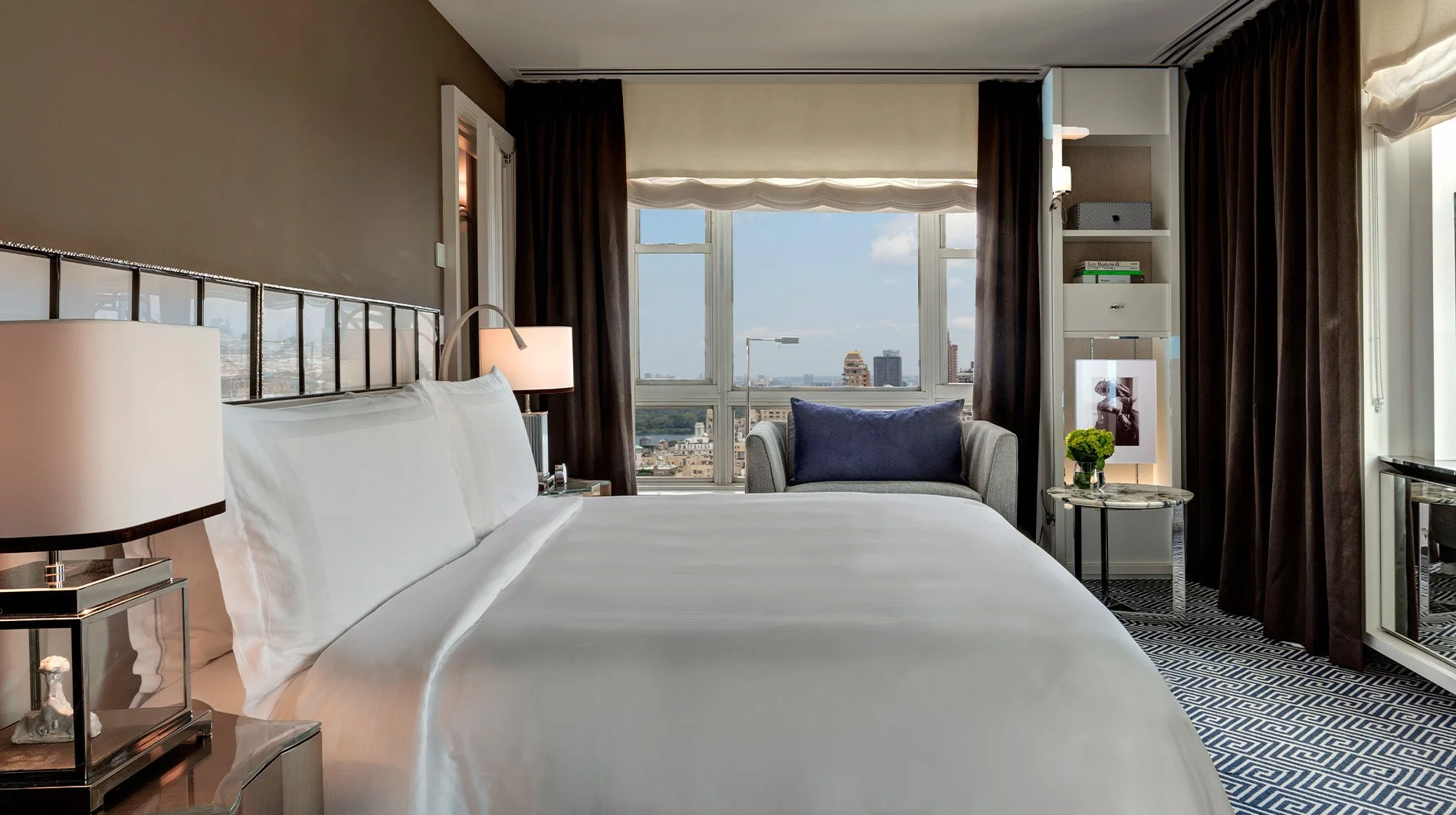
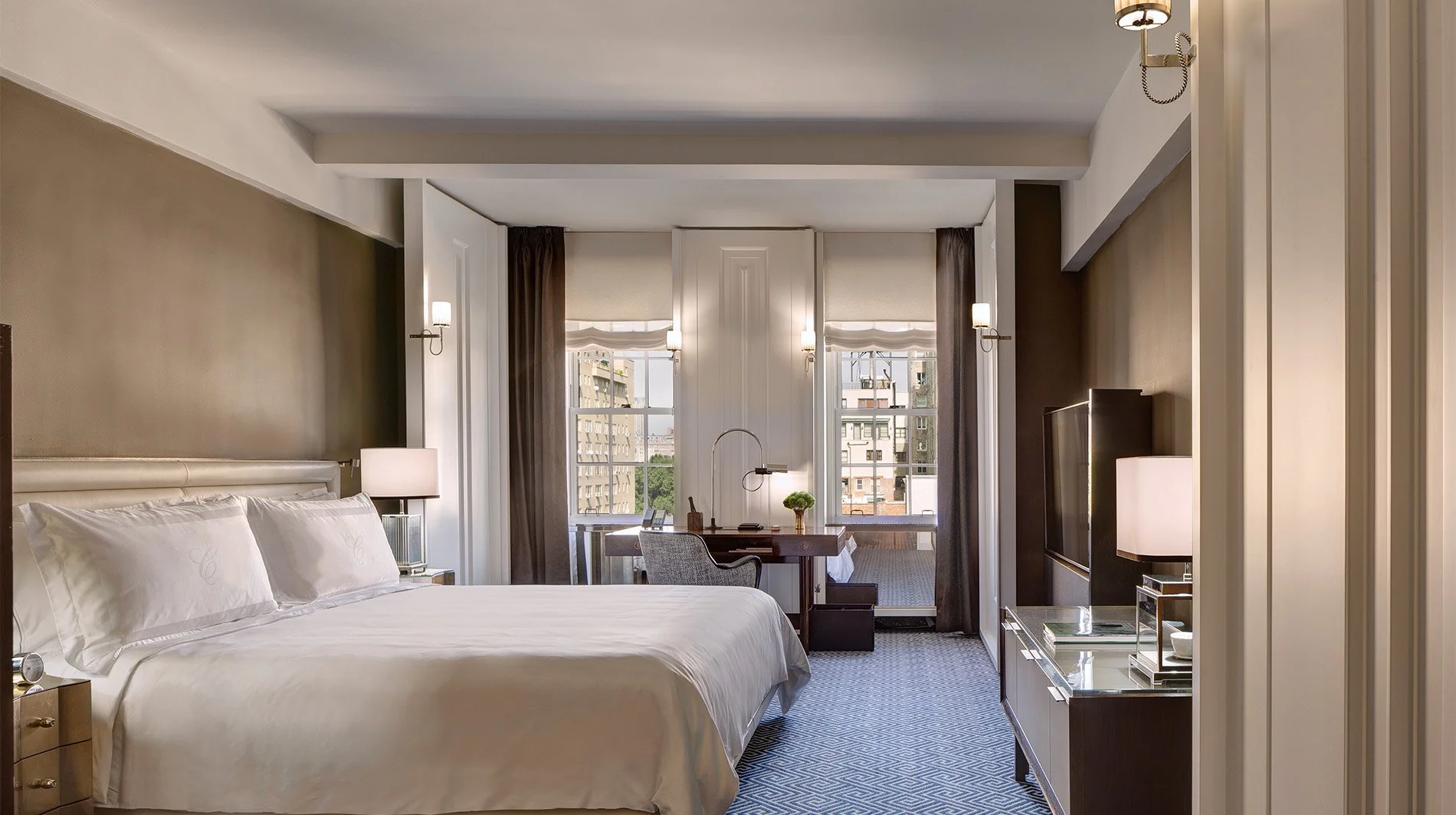
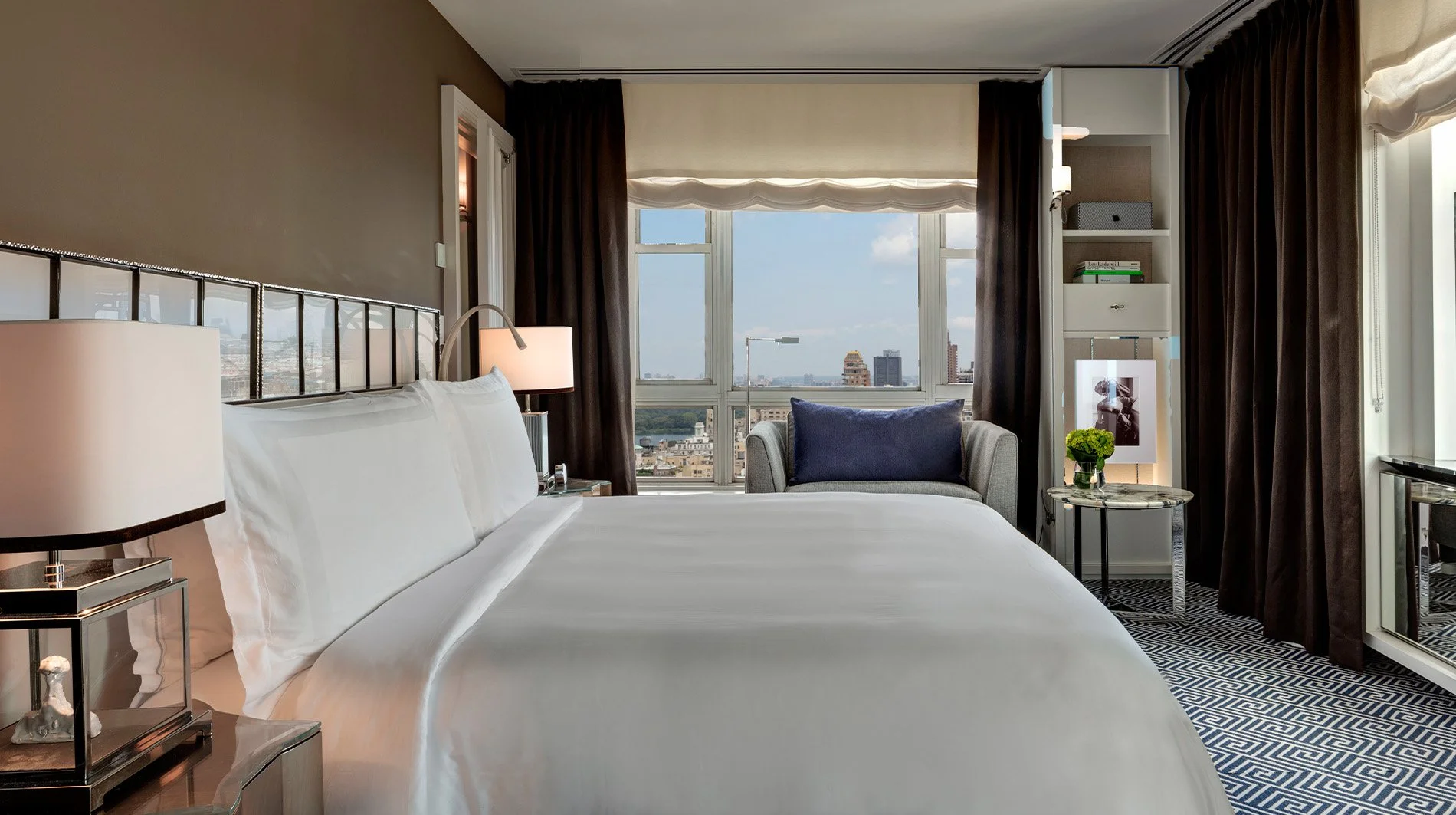
The most significant recent transformation was led by tonychi studio, with William Paley overseeing the redesign of a large portion of the hotel’s rooms and suites. The approach drew on pre-war Manhattan apartment living rather than conventional hotel-room design: black lacquer, hardwood, curated art and books, illustrated details referencing Central Park and subtle Art Deco geometry create interiors that feel residential rather than standardized.
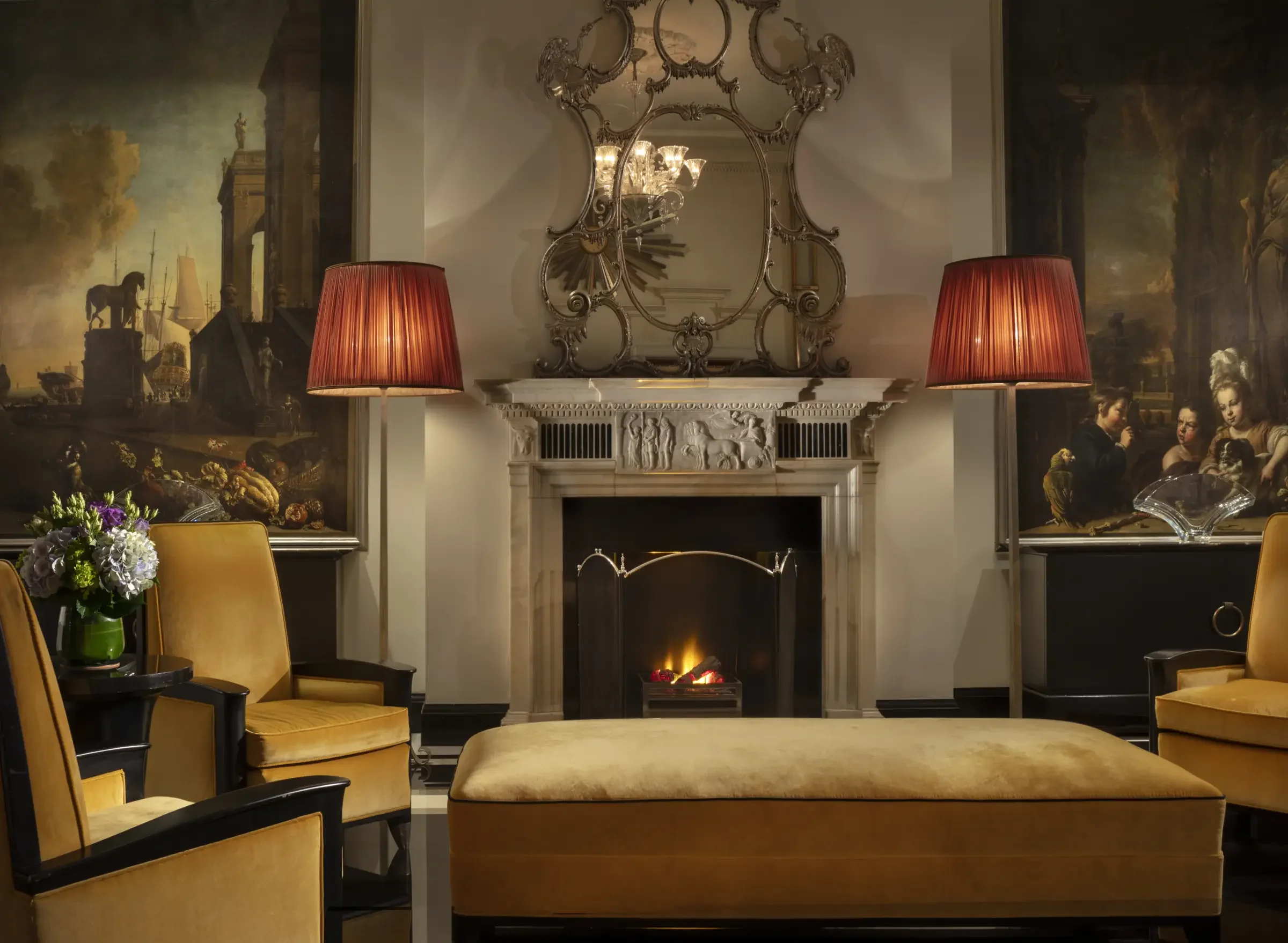
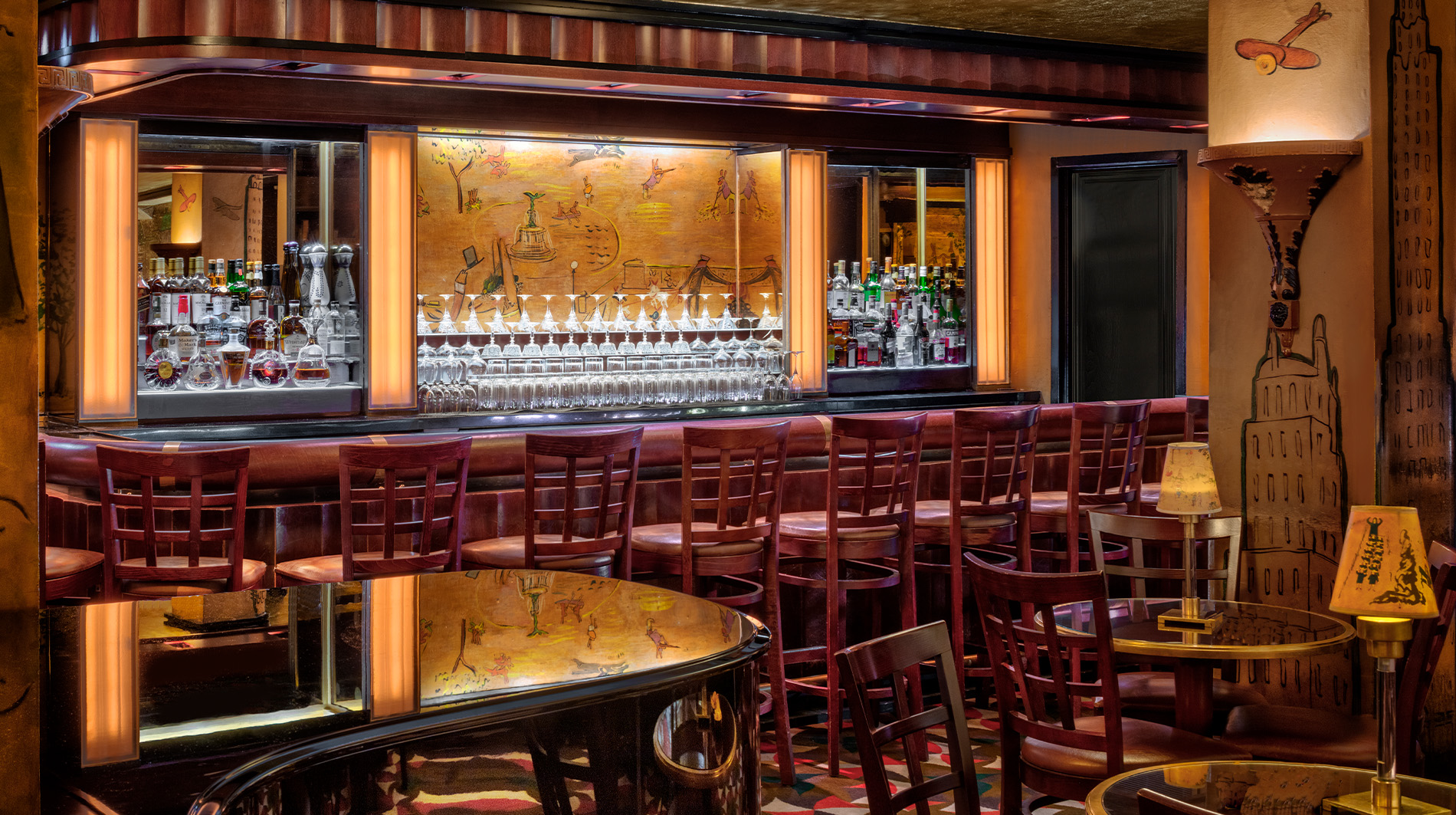
Other spaces preserve very different identities. Thierry Despont designed the duplex Empire Suite; some suites feature work by Dan Fink; Renzo Mongiardino created The Gallery as an ornate room inspired by Istanbul’s Topkapi Palace; Marcel Vertès’ music-themed murals surround Café Carlyle; and Ludwig Bemelmans’ whimsical Central Park scenes remain inseparable from the bar that bears his name.
For us, that variation is part of the hotel’s appeal, but it also means room selection deserves more attention than simply comparing square footage.
An Upper East Side Pied-à-Terre, From Rooms to Private-Floor Living
Rooms
Superior Room: At 360 sq. ft., this king-bedded room accommodates two guests in a quiet courtyard-facing setting with modern Art Deco styling and a marble bathroom.
Deluxe King Room: At 375 sq. ft., the Deluxe King offers a king bed, peaceful courtyard outlook and a slightly larger footprint while retaining the hotel’s updated residential design.
Deluxe Twins Room: At 360 sq. ft., this two-twin configuration accommodates two guests and pairs city outlooks with modern Art Deco details and marble finishes.
Madison Room: At 375 sq. ft., this king room is distinguished by natural light and views over Madison Avenue, making it a stronger option for guests who prefer a street-facing New York perspective.
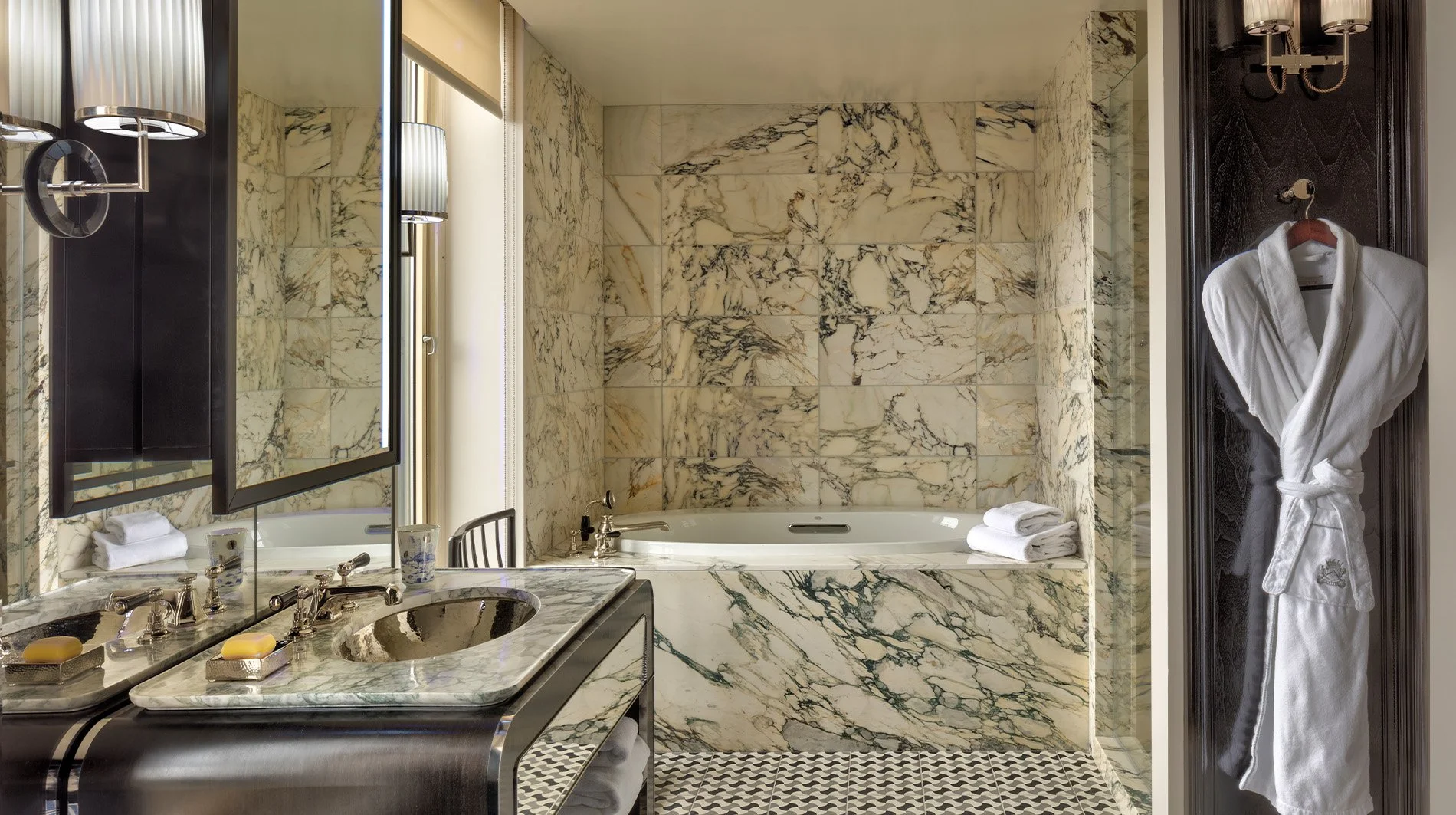
Premier Room: At 450 sq. ft., the Premier Room overlooks Madison Avenue and adds a larger marble bathroom with a deep soaking tub and rain shower.
Executive King: At 620 sq. ft., this king-bedded courtyard accommodation accommodates up to three guests and includes a separate lounge, while selected layouts also add a powder room or kitchenette.
Suites
Rosewood Suite: At 600 sq. ft., this one-bedroom king suite sits within the hotel’s Tower and combines a separate living room with Manhattan views and a more residential arrangement.
Premier Suite: Ranging from 720 to 870 sq. ft., this one-bedroom king suite includes a substantial living room, separate dressing area, marble bathroom with double vanity and deep soaking tub, and city views.
The Carlyle Suite: At 800 sq. ft., this corner one-bedroom suite overlooks Madison Avenue and East 76th Streetand features hardwood floors, a large dressing area and the ability to connect with neighboring rooms to create larger configurations.
Upper East Side Suite: Ranging from 720 to 1,000 sq. ft., these individually decorated one-bedroom suites include full kitchens, making them particularly well suited to longer stays or guests who want the experience of a true Manhattan apartment.
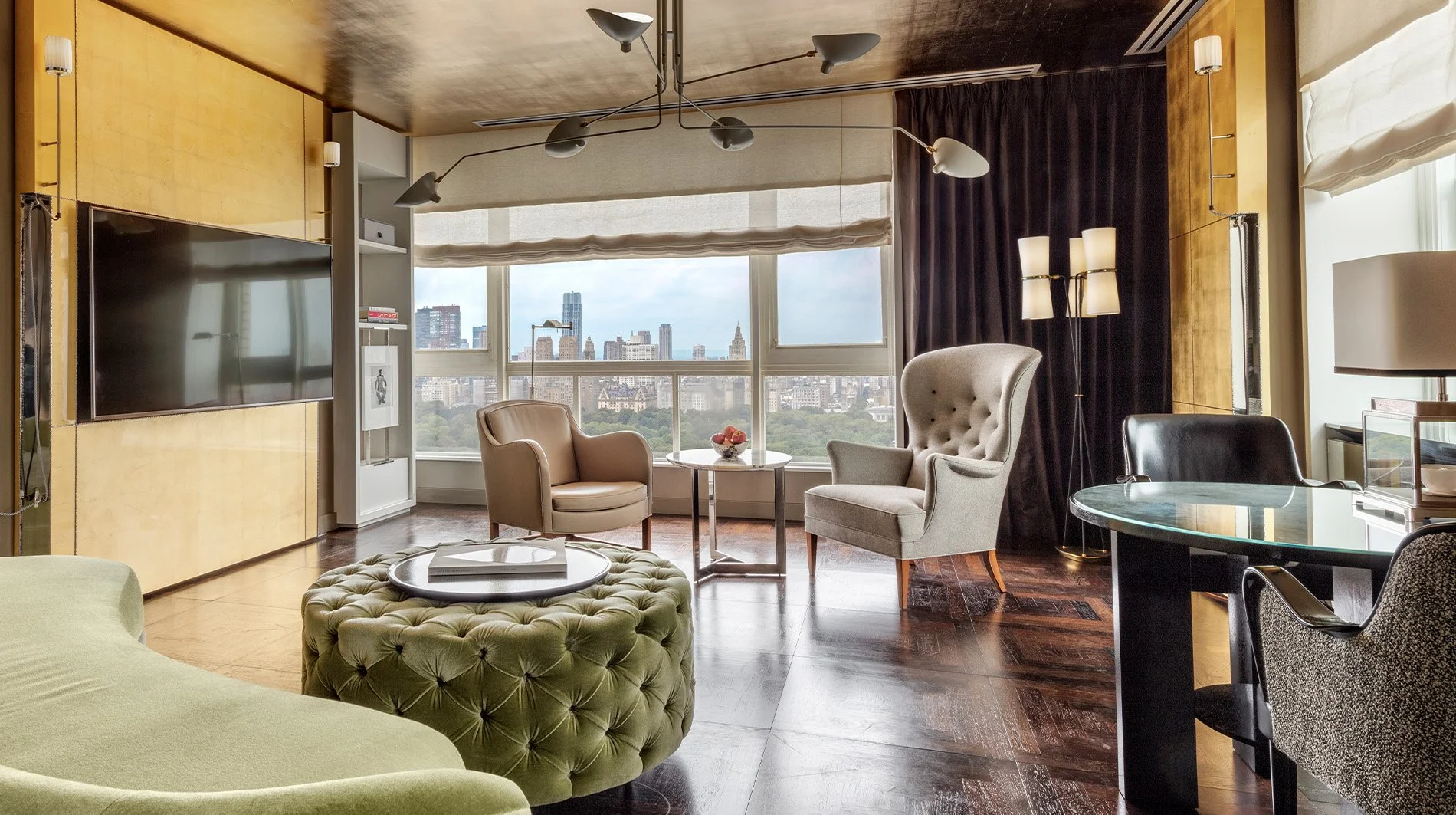
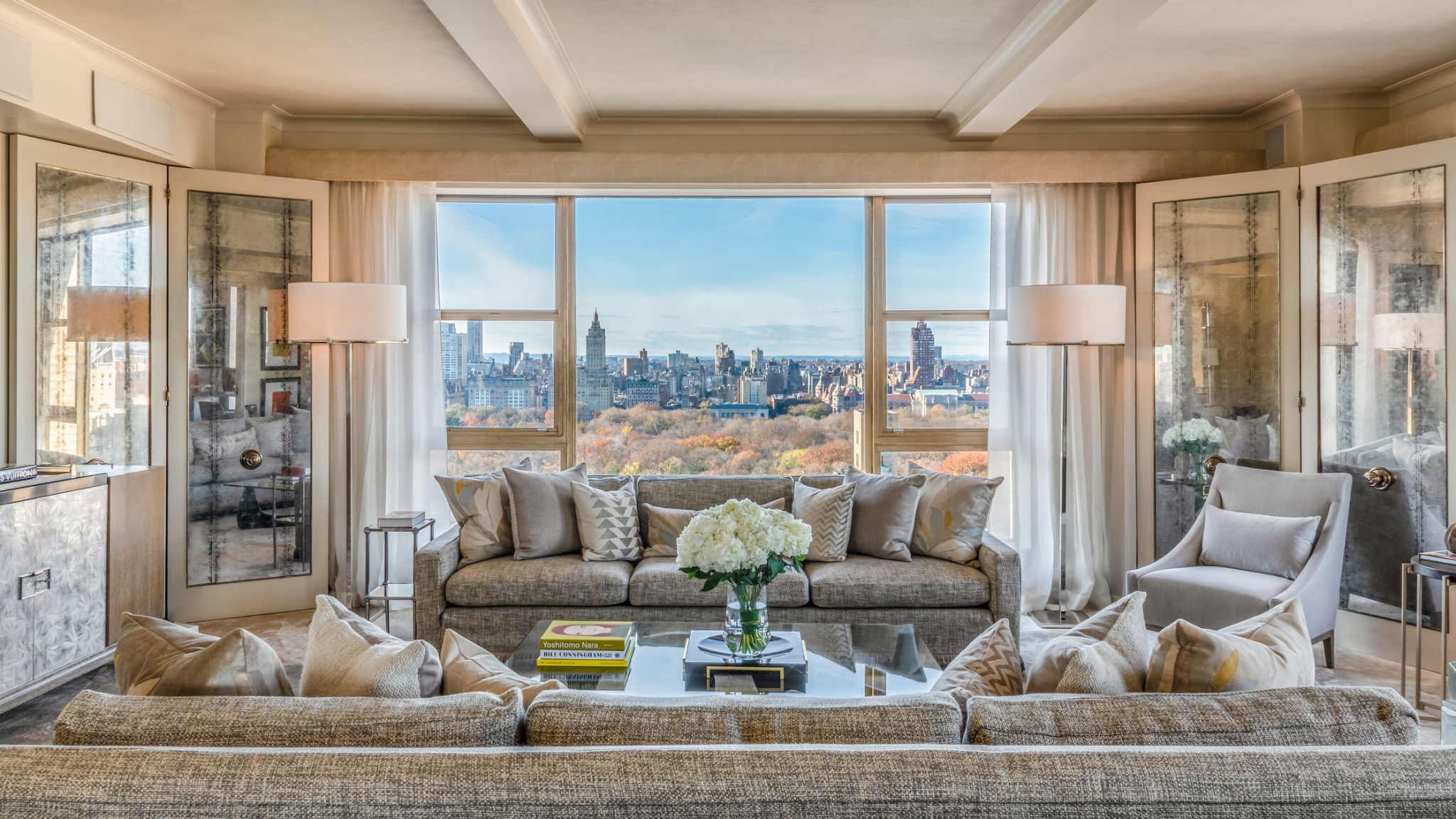
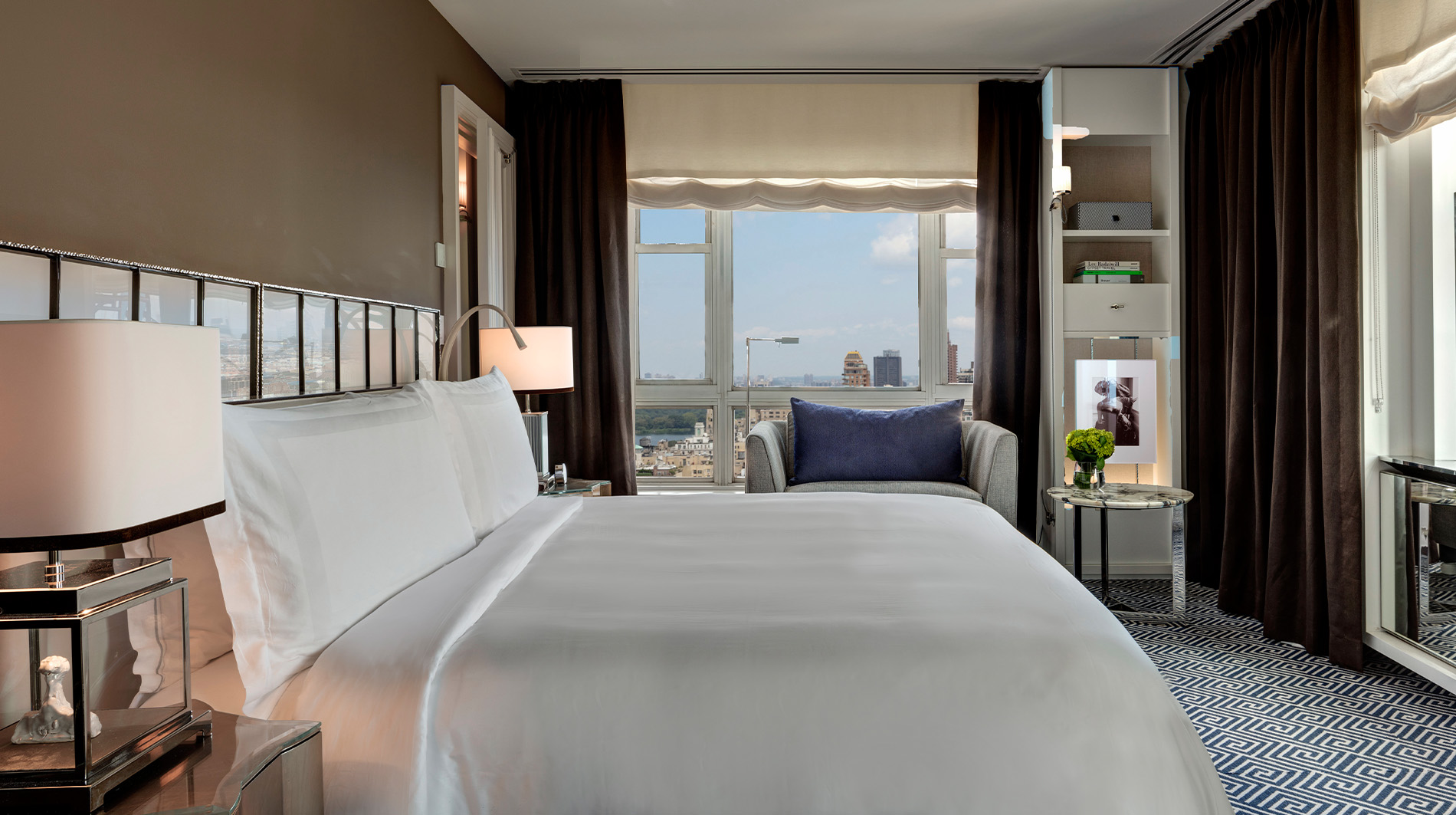
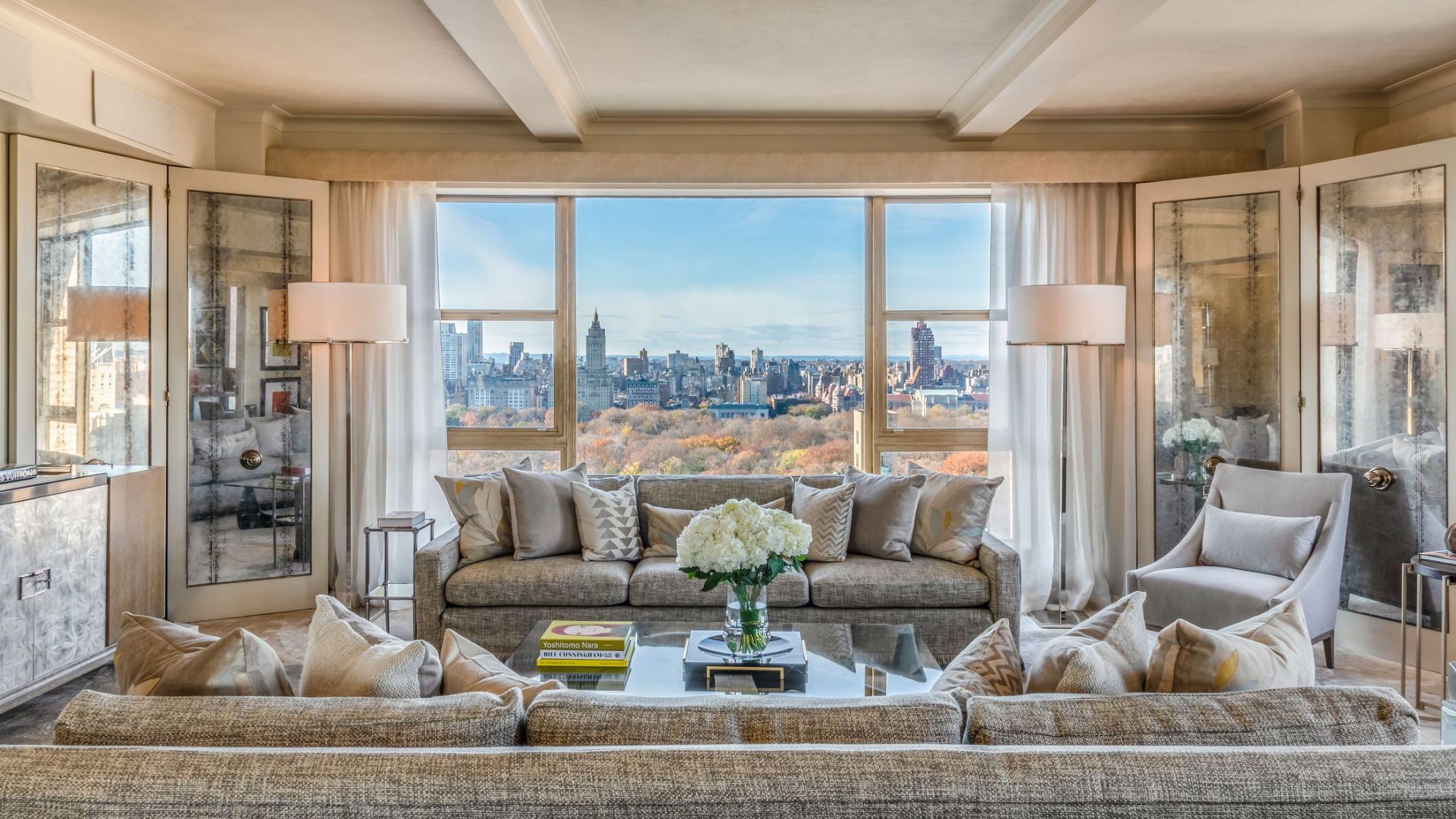
Central Park Suite: At 1,200 sq. ft., this one-bedroom king suite occupies the upper floors of the Tower with floor-to-ceiling windows, expansive Central Park and skyline views, a large kitchen, and the ability to connect into two- or three-bedroom configurations.
Superior Two-Bedroom Suite: Ranging from 1,000 to 1,350 sq. ft., this family-friendly configuration provides two king bedrooms, two marble bathrooms and generous shared living space, with selected layouts adding a powder room or kitchenette.
Premier Two-Bedroom Suite: At approximately 1,700 sq. ft., this two-king-bedroom configuration accommodates up to five guests and combines city views with substantially larger residential living space.
Empire Suite: At 2,600 sq. ft., Thierry Despont’s two-level suite occupies the 28th and 29th floors with two king bedrooms, four-and-a-half bathrooms, an office, full kitchen, two sitting areas and sweeping Central Park views through floor-to-ceiling windows.
Presidential Suite: At 2,722 sq. ft., this three-bedroom residence occupies the entire 26th floor with one king bedroom, two queen bedrooms, four full bathrooms and a powder room, private elevator landing, full kitchen, media area, piano and 360-degree views across Central Park, Midtown and Manhattan.
Accessible Accommodations
Accessible Deluxe Room: At 435 sq. ft., this adapted category offers one king or two twin beds and incorporates mobility-oriented features within a larger city-view layout.
Accessible Deluxe Twins: At 400 sq. ft., this two-twin room accommodates two guests while providing an adapted configuration within the hotel’s modern Art Deco room design.
Accessible Premier Suite: At 775 sq. ft., this one-bedroom king suite combines residential living space and city views with an adapted room and bathroom arrangement.
Accessible Superior Two-Bedroom Suite: Ranging from 1,000 to 1,350 sq. ft., this two-king-bedroom configuration includes two bathrooms and a kitchenette and is designed for guests requiring an accessible multi-bedroom option.
Accessible Central Park Suite: The hotel does not separately publish a square-footage figure for this adapted one-bedroom Tower suite, which includes a king bed, large kitchen, floor-to-ceiling Central Park views, widened circulation and bathroom accessibility features.
Couples staying for a short city visit may find the Madison or Premier Rooms entirely sufficient, while the Upper East Side and Central Park Suites make significantly more sense for longer stays because of their kitchens and residential layouts. Families should look first at the purpose-built two-bedroom configurations or connecting options rather than simply booking two unrelated rooms. At the highest level, the Empire and Presidential Suites operate much more like private Manhattan residences than traditional hotel suites.
Dinner, Martinis and a Cabaret Stage
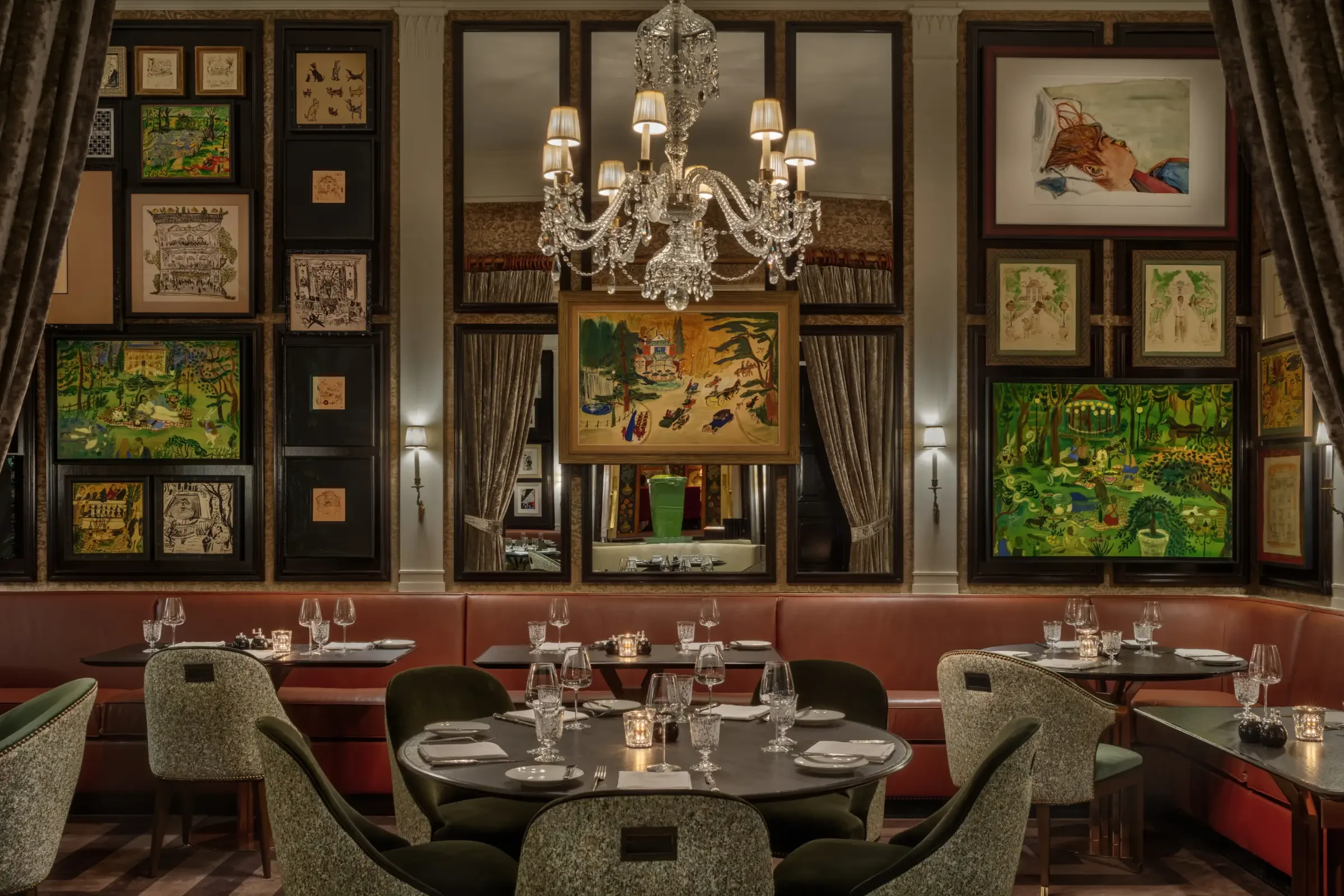
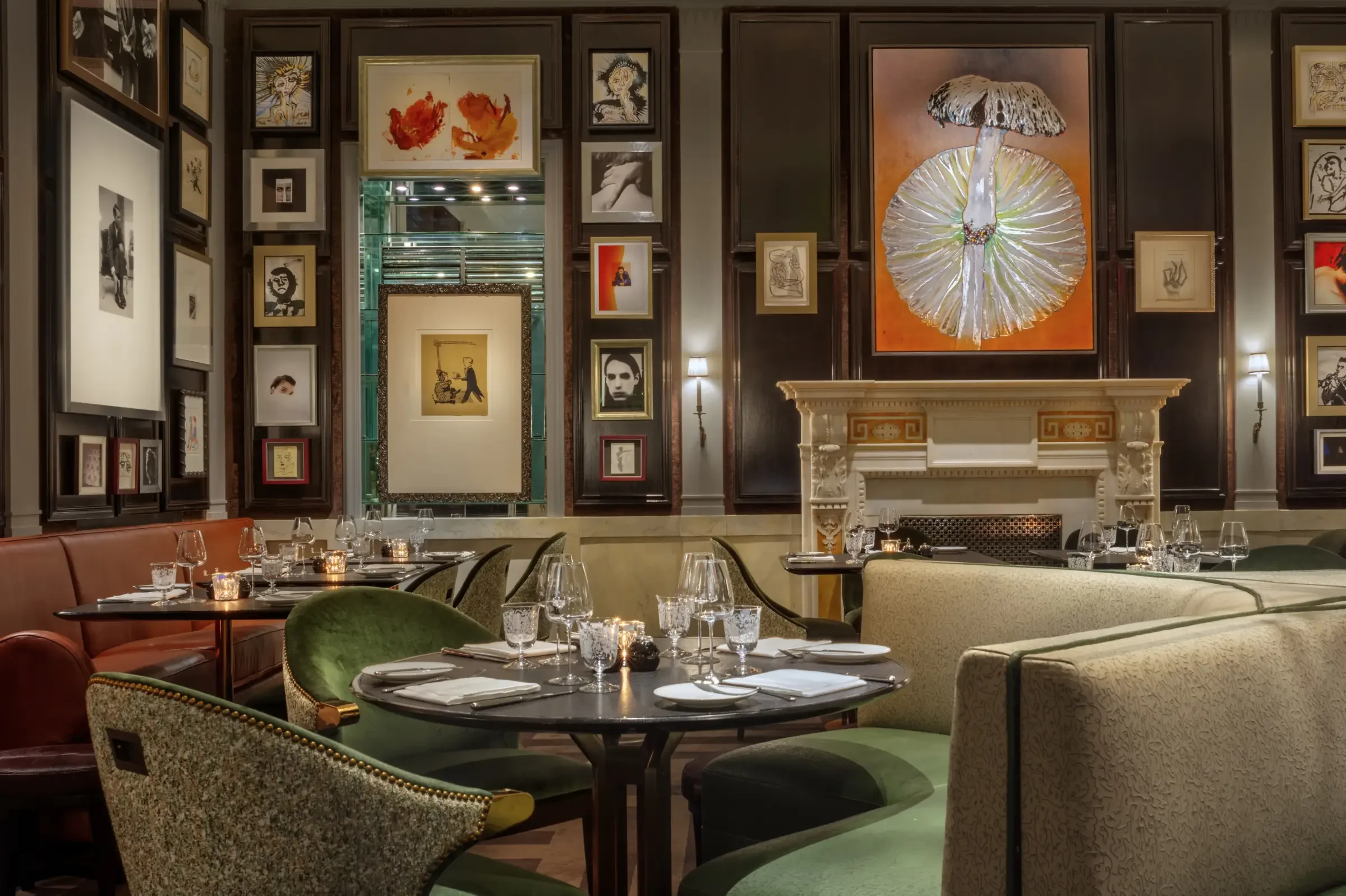
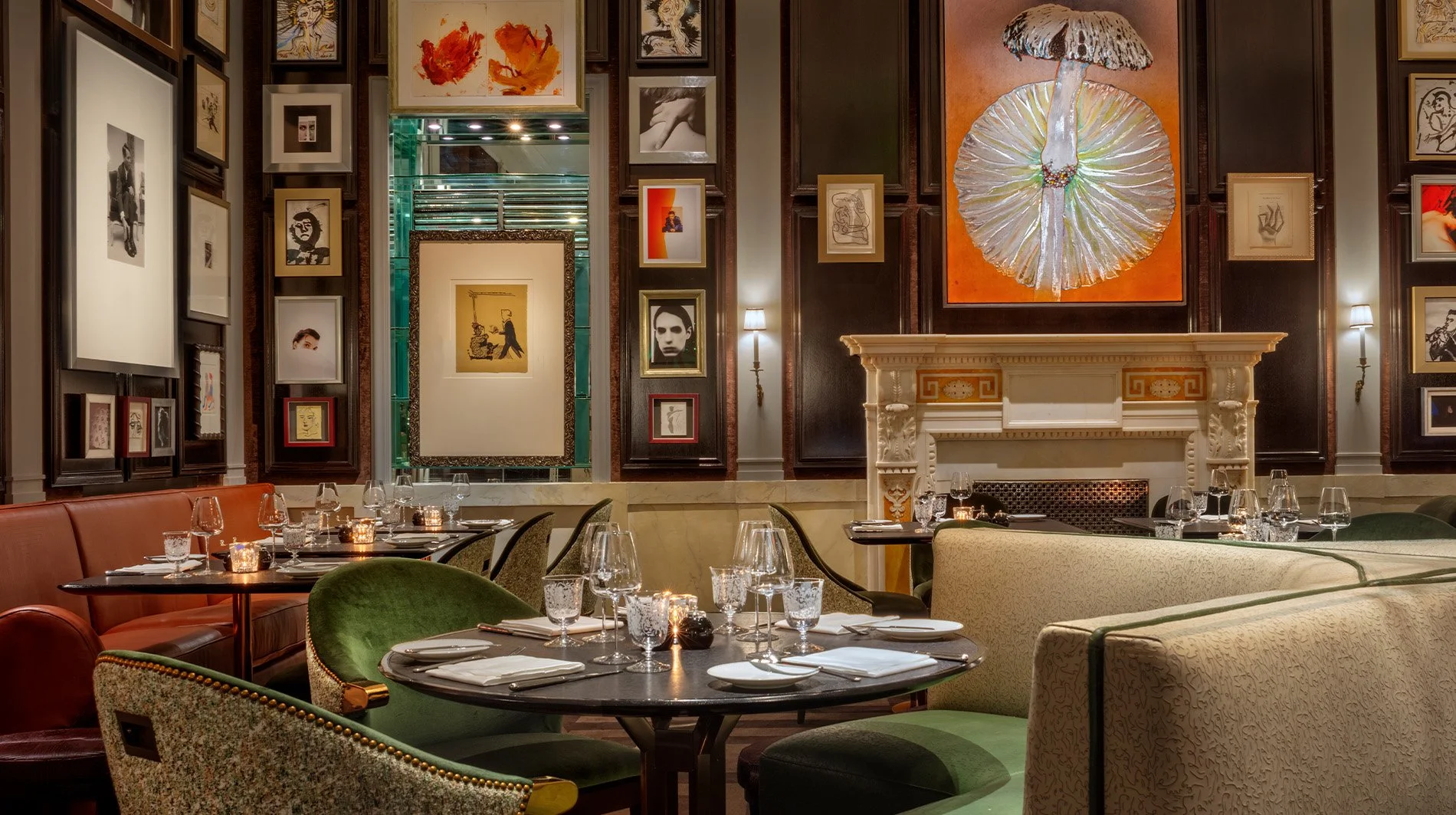
Dowling’s at The Carlyle: The hotel’s principal restaurant serves contemporary interpretations of New York classics using seasonal ingredients, surrounded by a collection of more than 200 works by local artists.
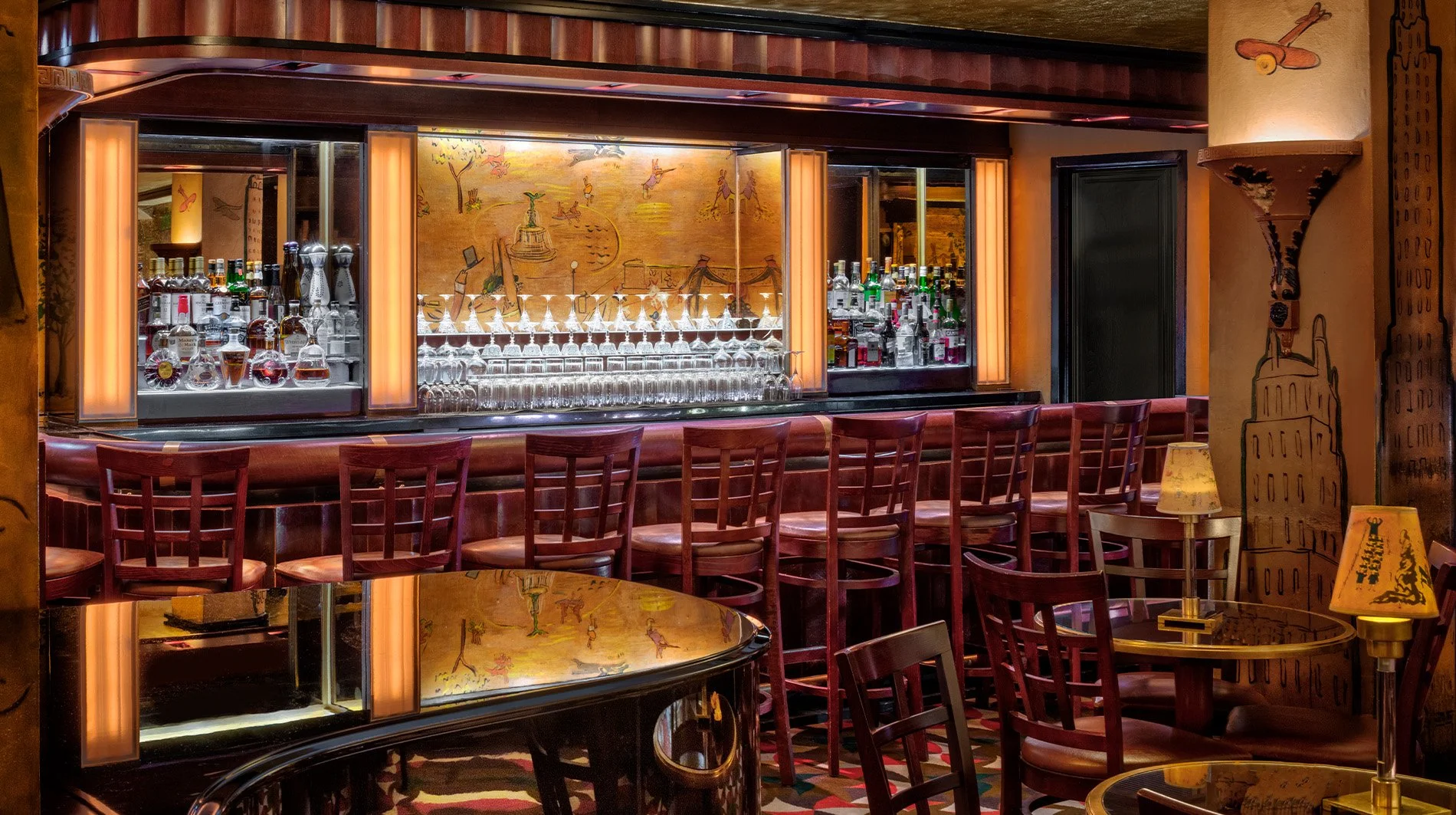
Bemelmans Bar: Open since 1947 and decorated with Ludwig Bemelmans’ only surviving public mural commission, the bar pairs classic cocktails and martinis with nightly piano and late-night jazz.
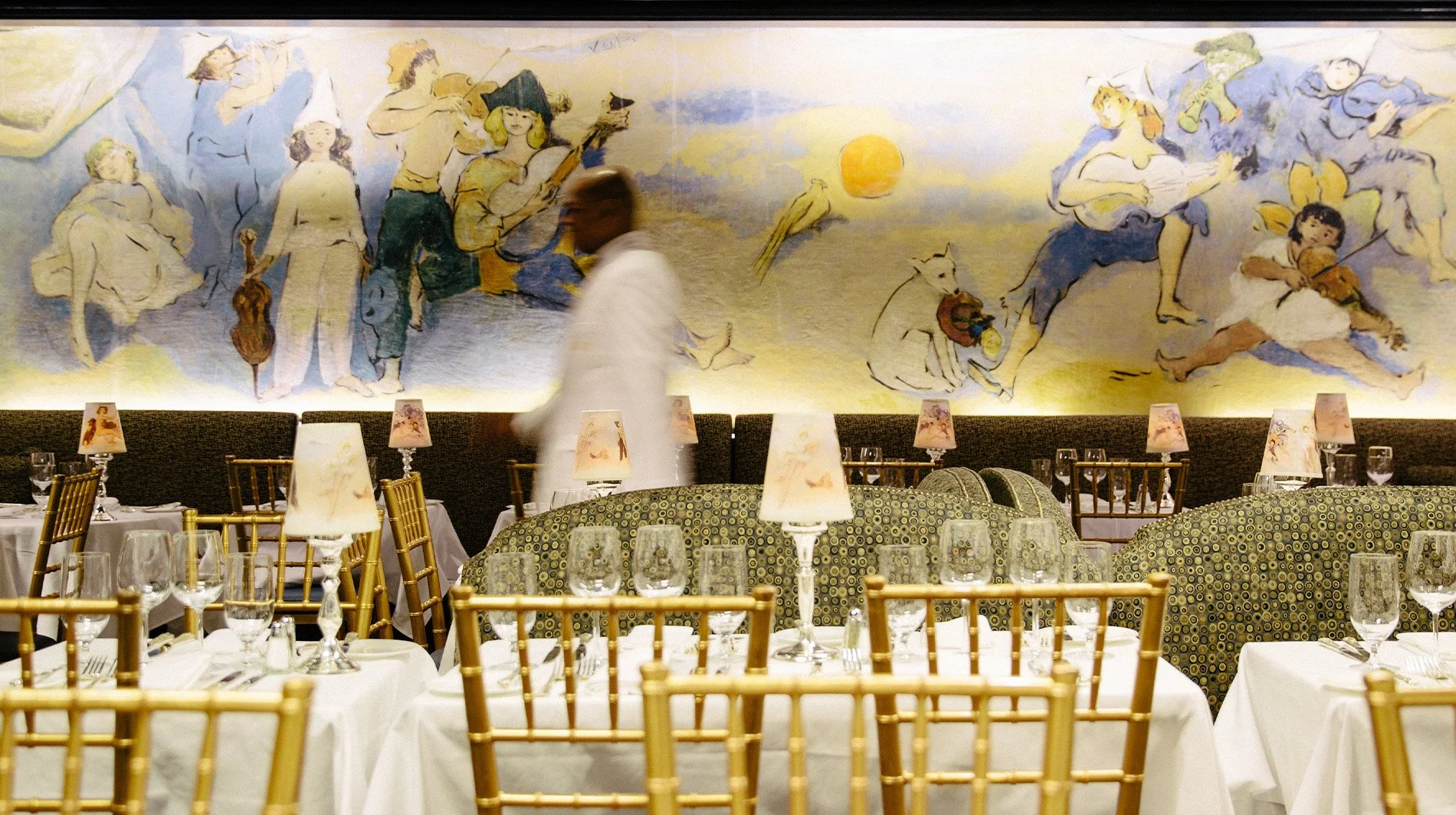
Café Carlyle: Opened in 1955, this intimate supper club combines dinner with cabaret, jazz, Broadway performers and other live acts beneath Marcel Vertès’ distinctive music-themed murals.
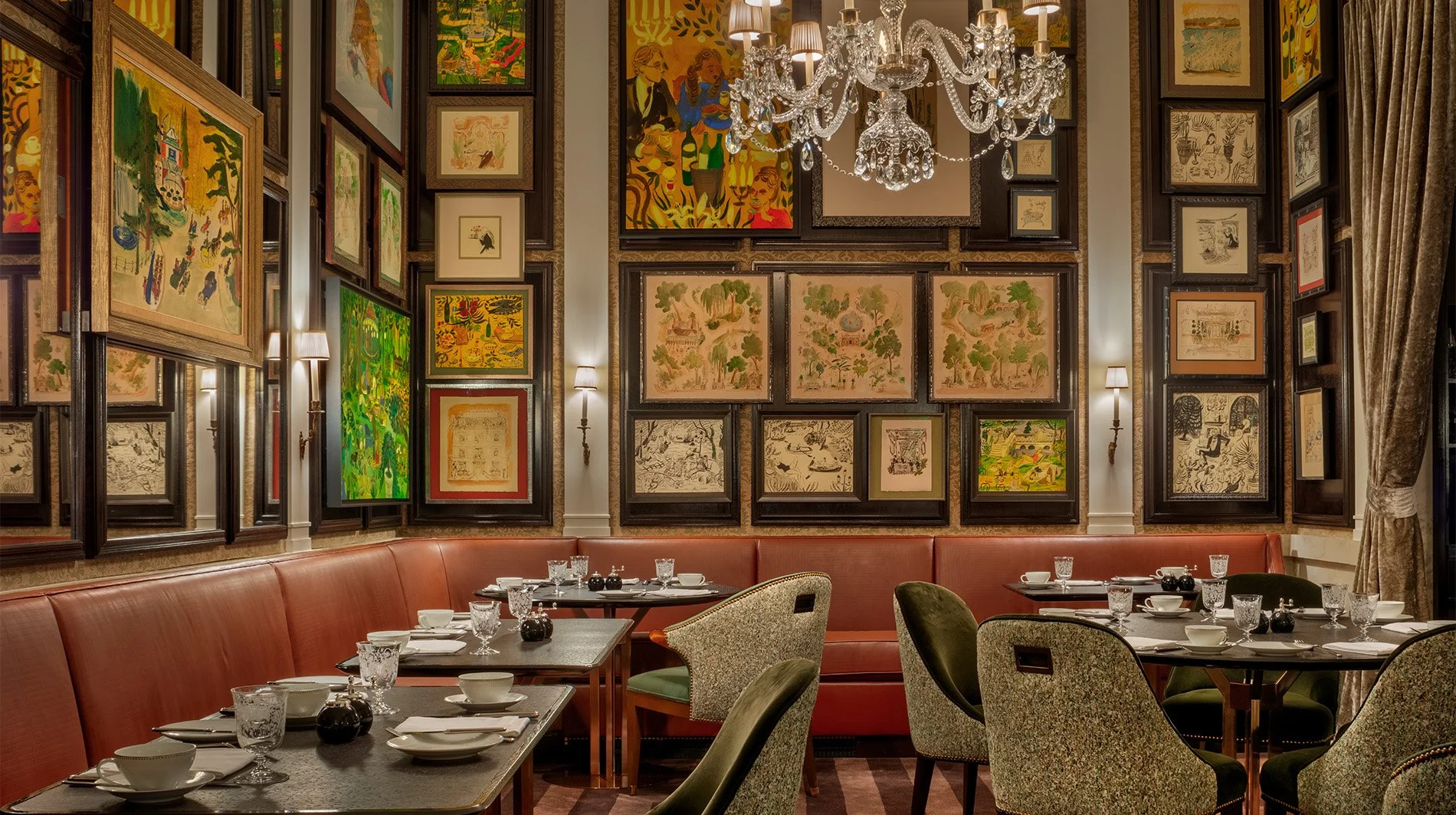
The Gallery: Designed under the creative direction of Renzo Mongiardino and inspired by Topkapi Palace, this richly decorated room serves afternoon tea, an all-day menu and evening refreshments.
In-Room Dining: Available around the clock, room service provides breakfast, an all-day menu and dedicated children’s options for guests who prefer to dine privately.
We would treat the venues as part of the reason to stay rather than conveniences attached to the hotel. Bemelmans deserves a dedicated evening, and Café Carlyle should be booked around the performer rather than added casually after dinner. The Gallery works particularly well on a quieter afternoon, while Dowling’s is the most straightforward place to begin or end a day on the Upper East Side.
Swiss Skincare Behind Madison Avenue
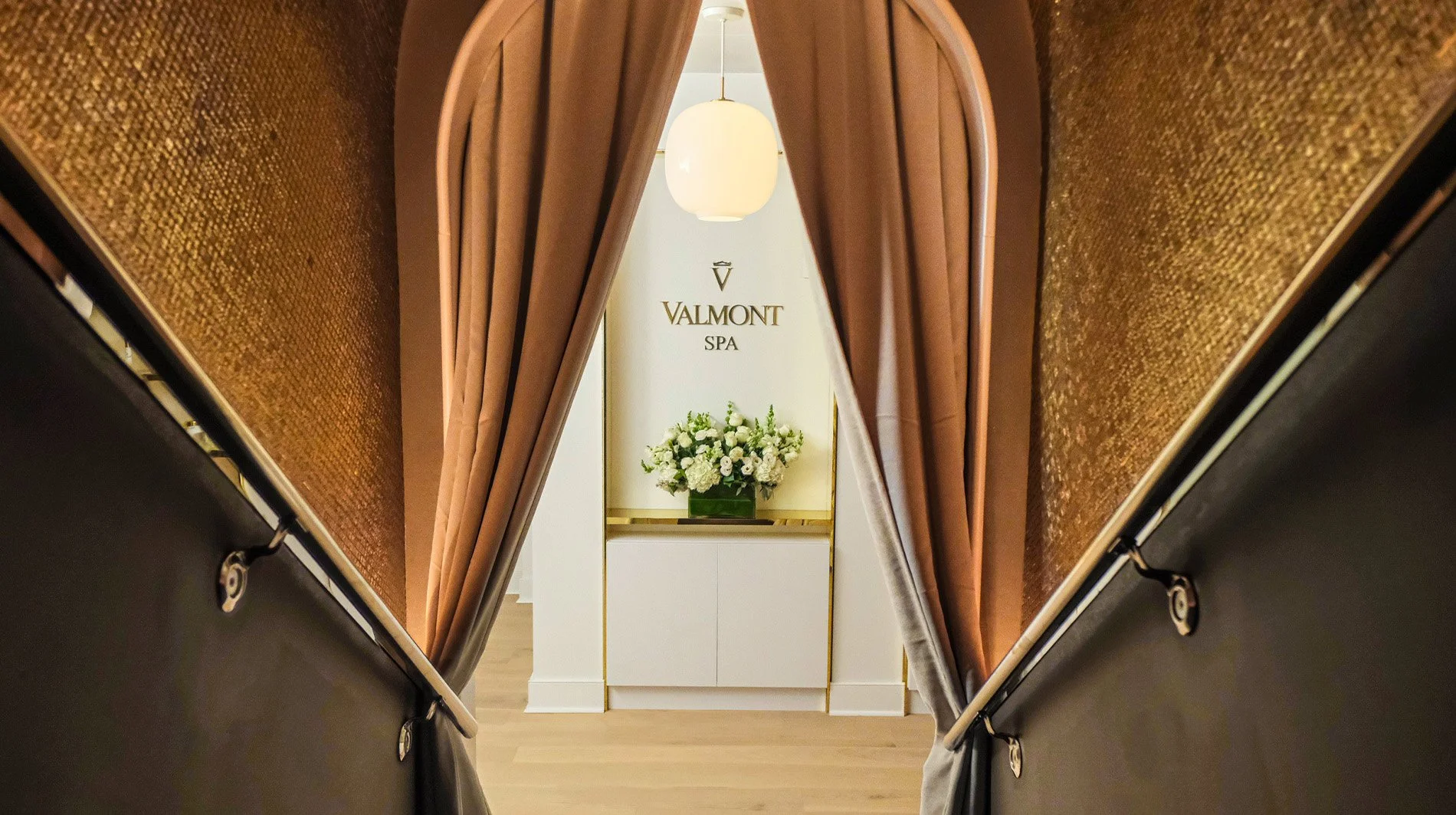
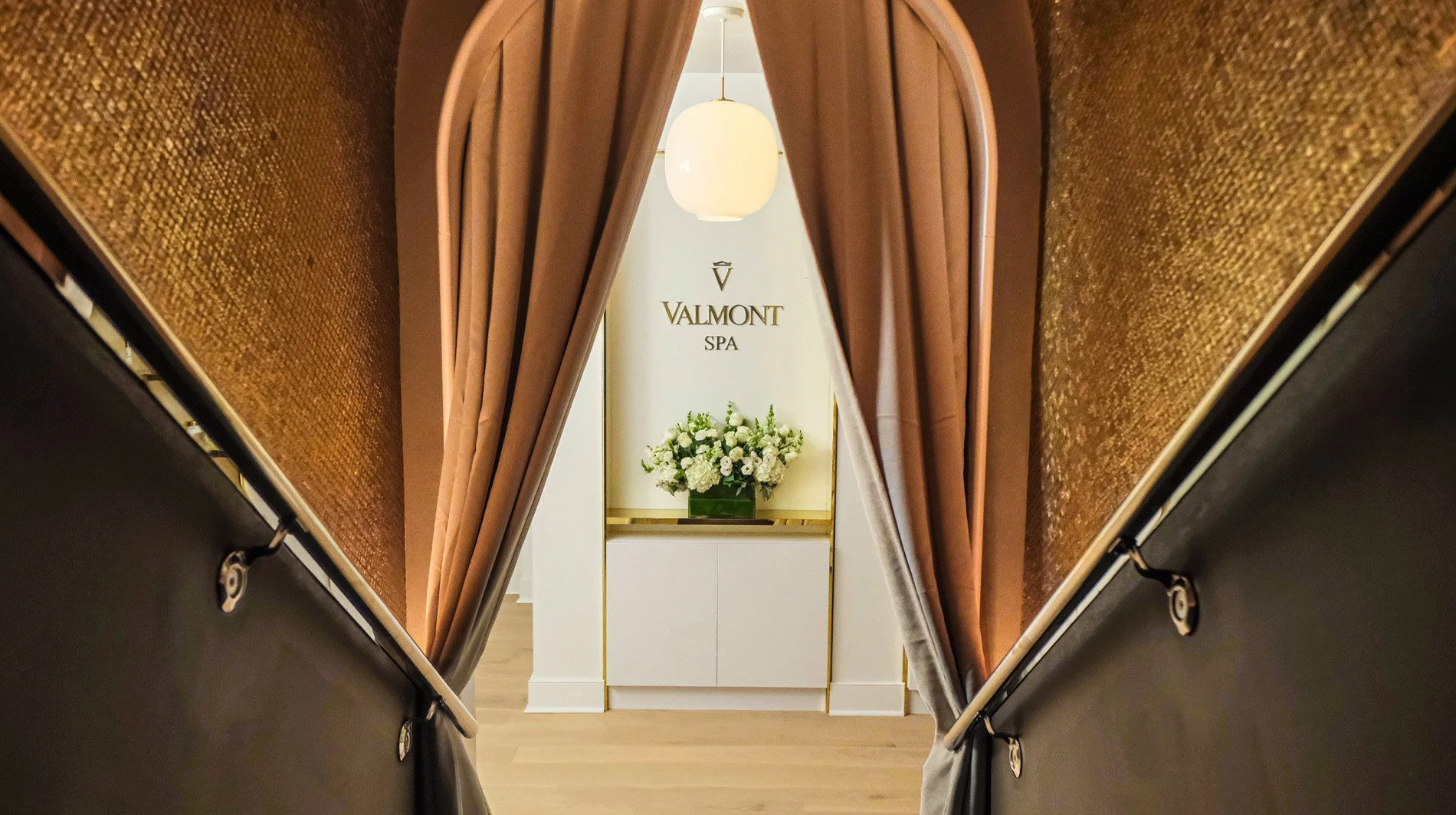
The Valmont Spa occupies the hotel’s third floor and combines the Swiss skincare house’s cellular-cosmetics approach with massages and body treatments. Valmont’s signature Butterfly Motion technique appears across its facial rituals, while treatments include Vitality of the Glaciers, the Carlyle-specific OxyLight facial, tailored massages, reflexology and body services.
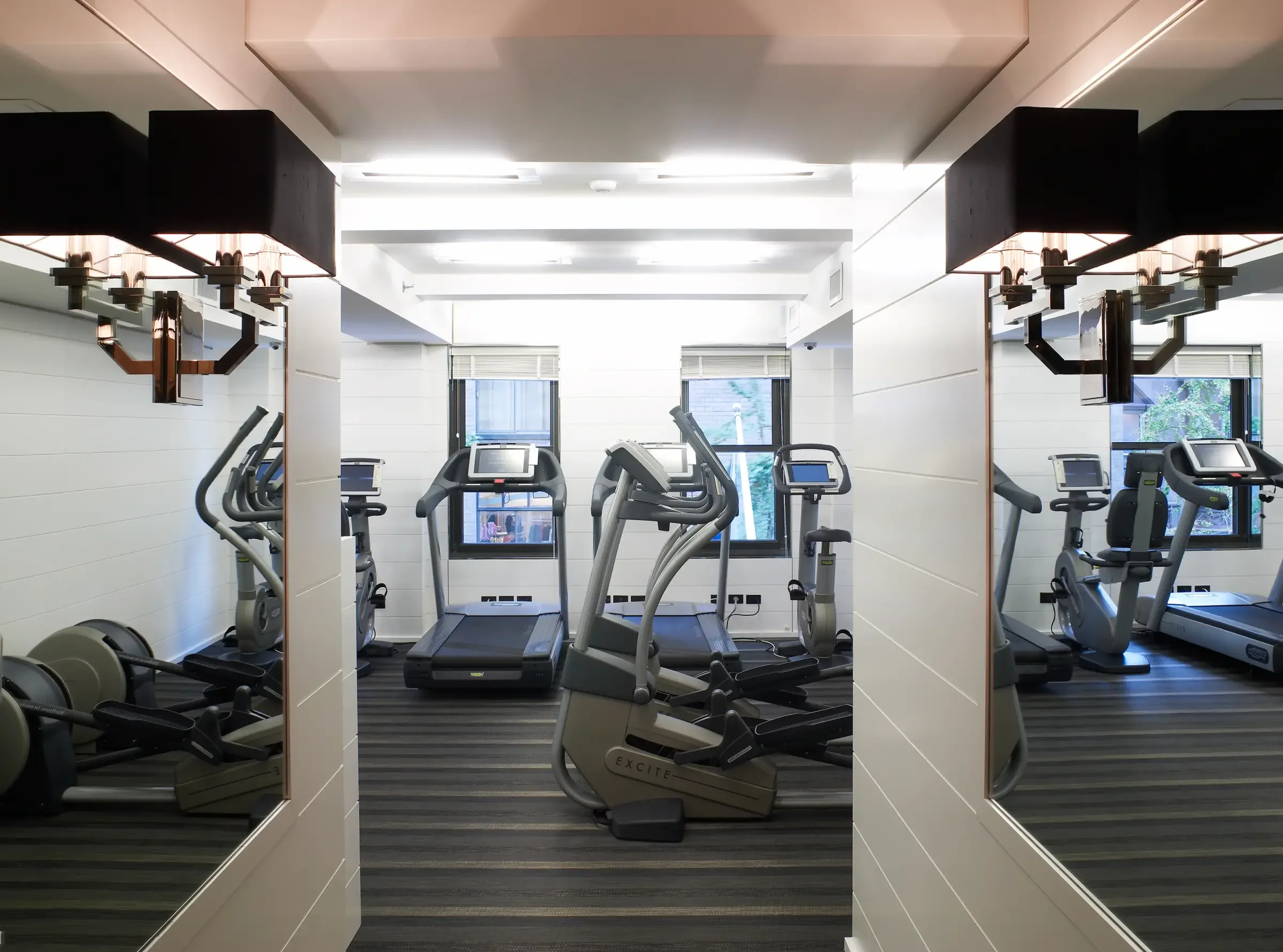
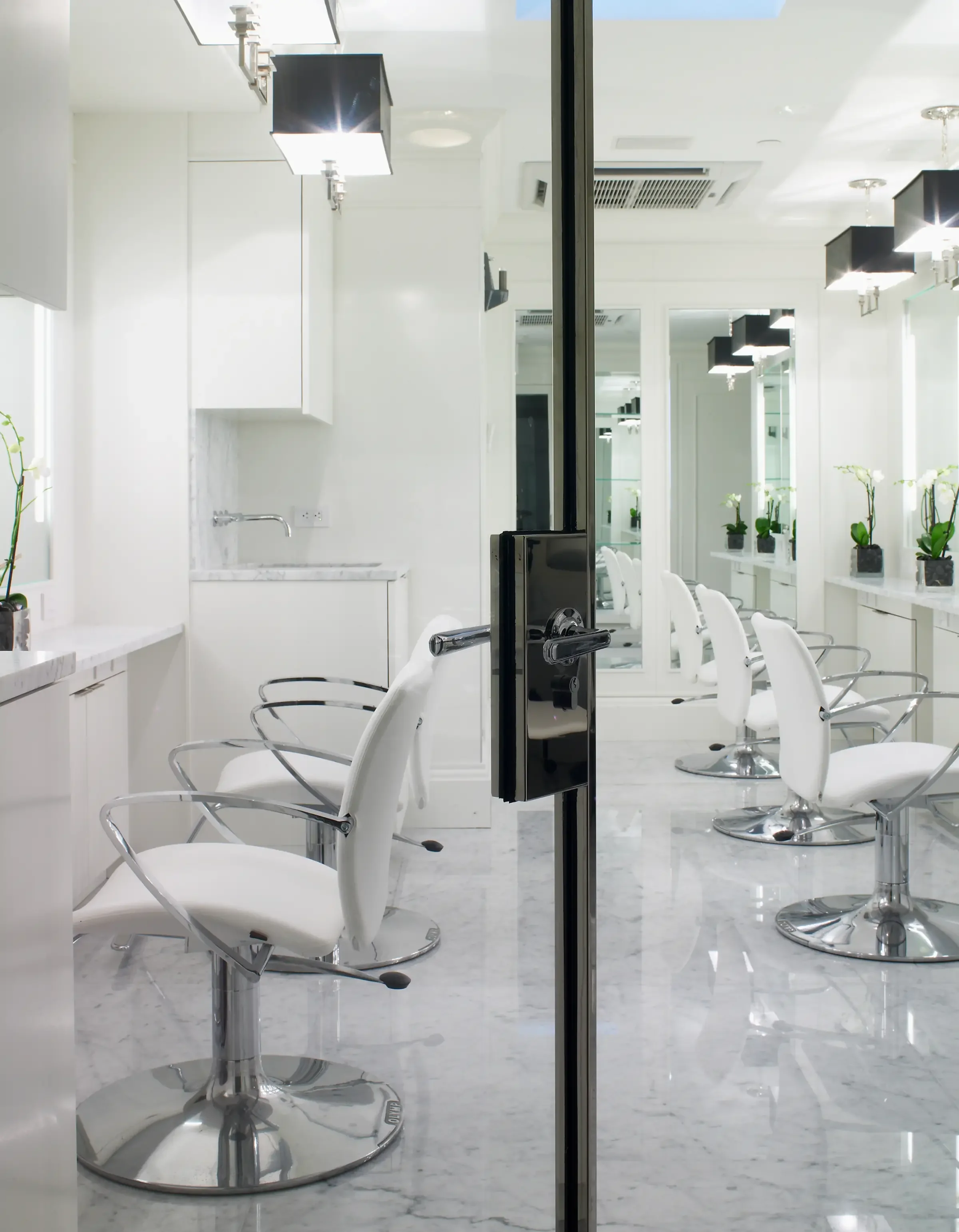
The wellness offering extends beyond the spa. Yves Durif Salon provides hair, makeup and nail services in an intimate setting, while the 24-hour fitness studio is equipped with Technogym treadmills, bicycles, resistance machines, free weights and a squat rack. Private training can also be arranged, and the wellness facilities include a sauna.
This is not a destination spa hotel, nor does it need to be. We would use wellness strategically—perhaps a Valmont treatment after an overnight flight or between several busy New York days—rather than planning the trip around spending entire afternoons inside the spa.
Museum Mile Outside, Music and Art Inside
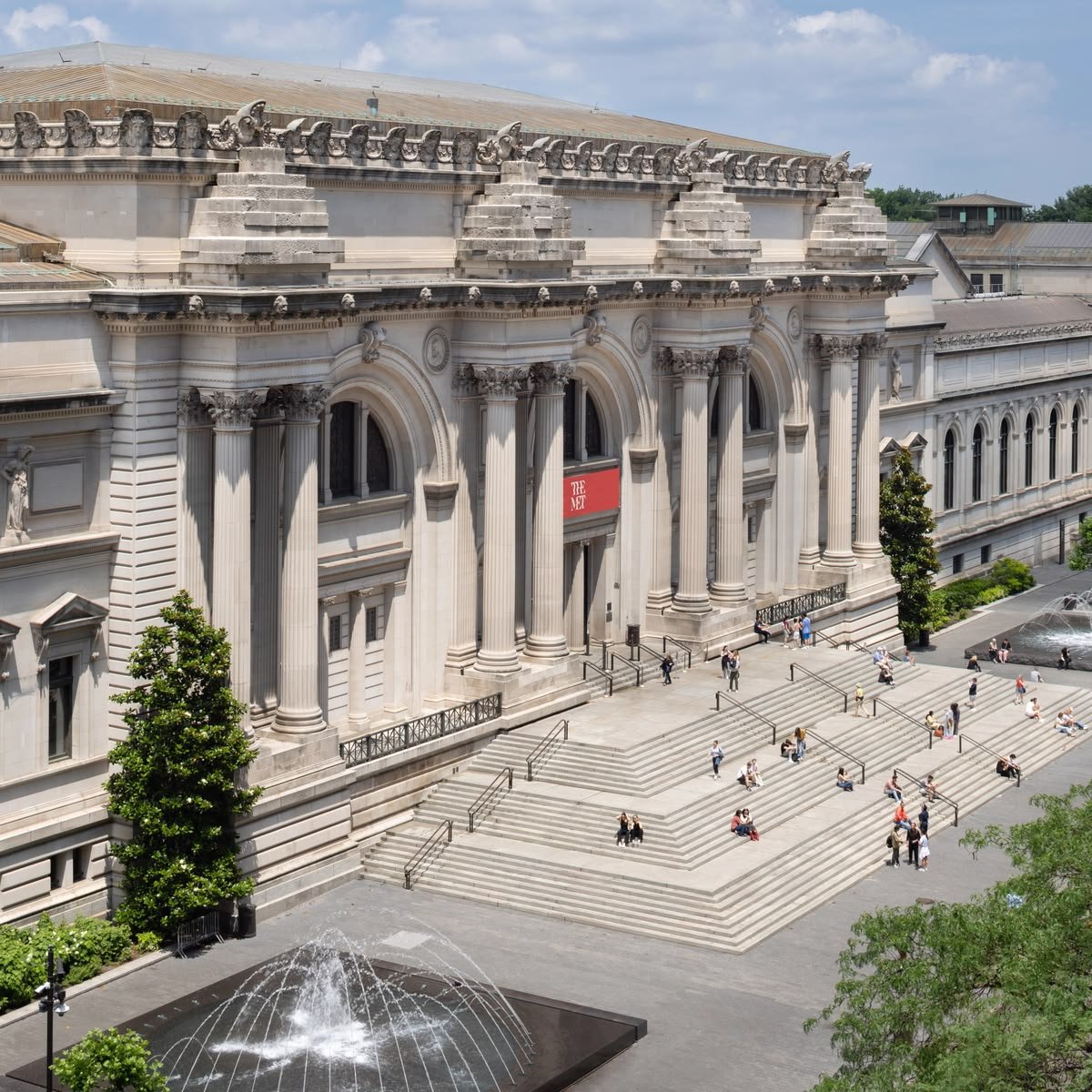
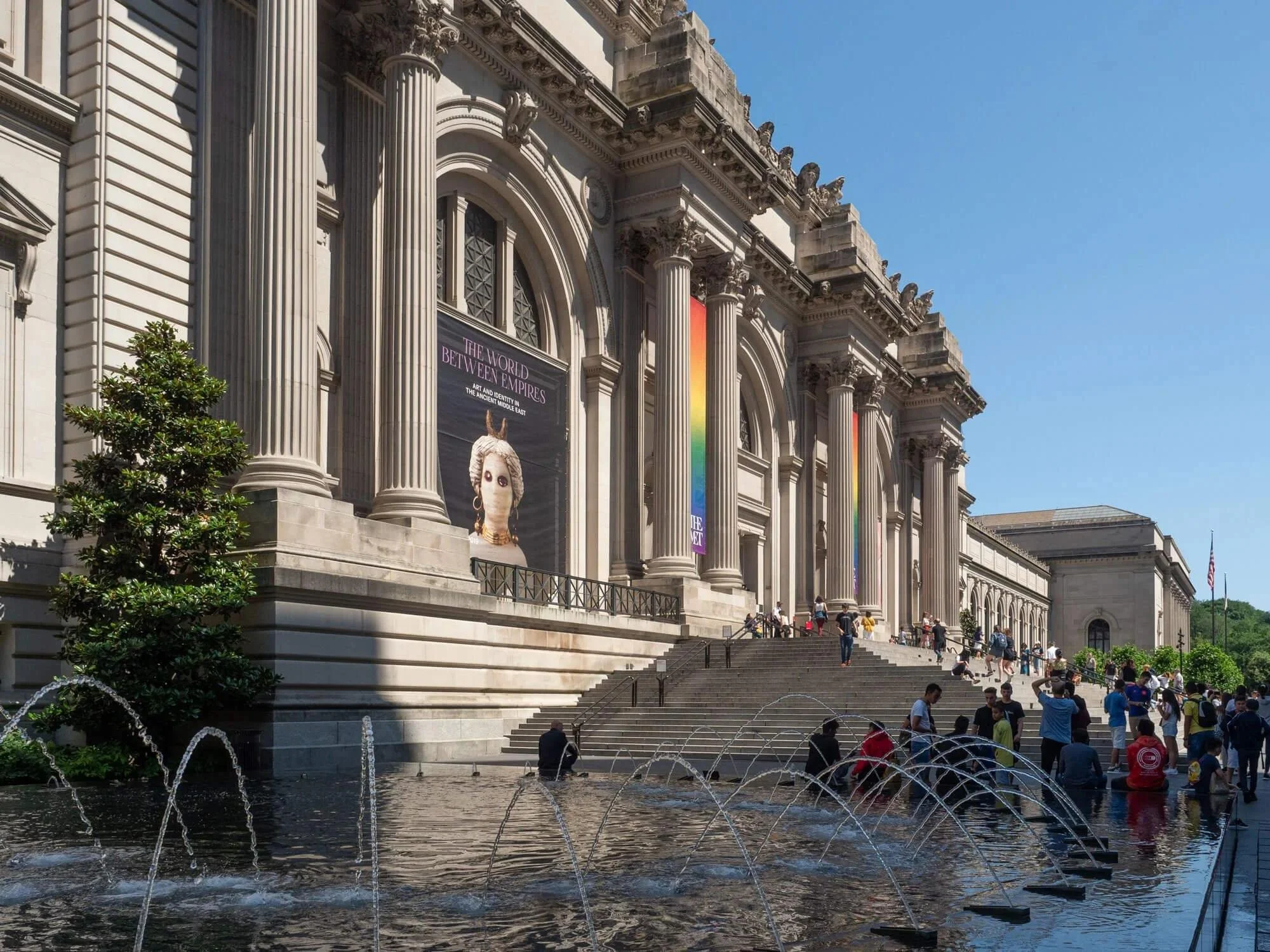
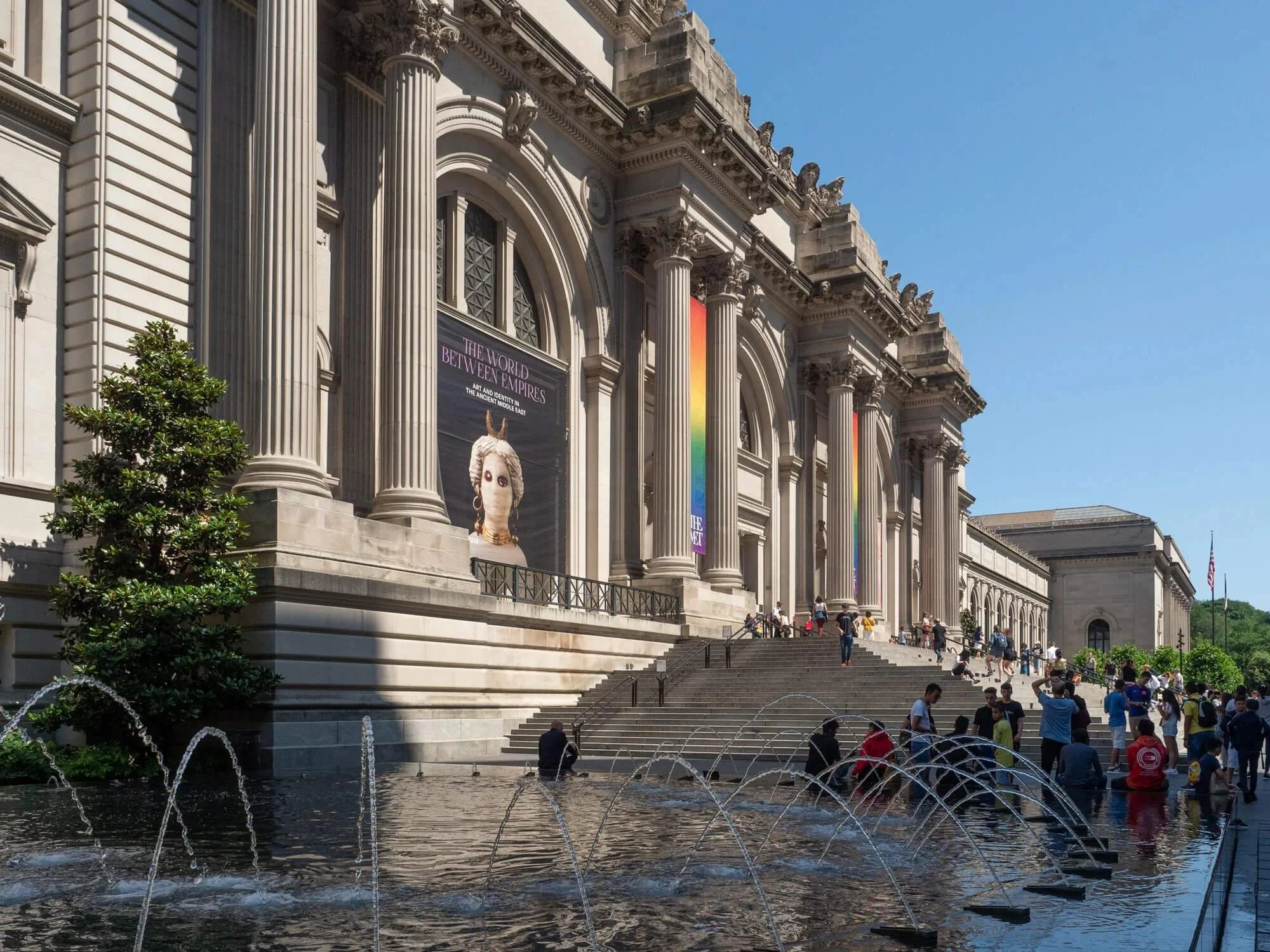
The Carlyle’s location is unusually strong for travelers whose New York itinerary is centered on art and culture. Central Park is one block away, while The Metropolitan Museum of Art, The Frick Collection and the Guggenheim Museum are among the major institutions within the surrounding Upper East Side and Museum Mile area. The concierge can also arrange private, expert-led museum visits.
The cultural experience continues inside the hotel. The Carlyle has its own fine-art collection, Bemelmans’ muralsfunction as both artwork and room-defining architecture, and live music remains central to Bemelmans Bar and Café Carlyle. Martini masterclasses and changing performances add programming without turning the hotel into a conventional activities resort.
For a first stay, we would leave time to experience the neighborhood on foot. A morning at The Met, a walk through Central Park, Madison Avenue in the afternoon and a return to The Carlyle for drinks and music creates a very different New York day from constantly crossing Manhattan by car.
Bringing Children Into a Very Grown-Up Hotel
The Carlyle may be known for martinis and cabaret, but it also accommodates multigenerational travel particularly well because of its connecting rooms and substantial two- and three-bedroom configurations.
Family amenities include children’s menus, robes, cribs and baby essentials, childproofing supplies and babysittingavailable through the concierge. Rosewood’s family programming also incorporates child-focused welcome touches and assistance creating age-appropriate Central Park and museum itineraries.
The hotel’s Rosewood Family Time programming illustrates how it approaches family stays, with selected accommodation categories supported by child-focused welcome touches and family-oriented benefits.
For families, we would solve the room configuration first. A Superior Two-Bedroom Suite or connected Central Park Suite arrangement can make the property feel like a genuine apartment base, particularly when children need separate sleeping space and parents still want somewhere to sit after bedtime.
Keeping a 1930 Landmark Relevant
The Carlyle’s sustainability story is less visible than that of a newly built eco resort, but Rosewood identifies several property-specific measures operating behind the scenes.
The hotel uses energy-efficient systems within its historic building and focuses its dining procurement on seasonality and provenance, including ingredients sourced from Hudson Valley farms and artisans. Food surplus is repurposed where possible, while a partnership with Clean the World gives used hotel soap a second life through redistribution programs.
These initiatives sit within Rosewood’s wider sustainability strategy, which emphasizes circular hospitality, reduced resource use, waste reduction and movement away from single-use plastics.
For a property of this age, the more relevant sustainability question is not whether the building looks overtly “green,” but how an established city hotel continues to reduce resource use while preserving historic interiors and operating at the level guests expect.
Accessibility Within a Historic High-Rise
The Carlyle provides an accessible route from the valet drop-off to the main entrance and lobby through an accessible lift, with elevator access to accessible guest rooms. Adapted guestrooms can include wider entrances, lever handles, transfer or roll-in showers, grab bars and visual and audible communication features.
The second-floor public restroom is wheelchair accessible, the fitness center can be reached by elevator, and accessible routes are available to meeting spaces. Dowling’s can be reached from the main entrance using a portable ramp, while guests coming from guestrooms can reach the restaurant by elevator.
Because room layouts differ substantially across this historic building, we would still confirm the exact accessible category and required bathroom configuration before booking rather than assuming every adapted room provides identical features.
Getting to Madison Avenue
John F. Kennedy International Airport: JFK is approximately 18 miles from The Carlyle; road time varies substantially with New York traffic, so we would arrange a private transfer when arriving with significant luggage or after a long-haul flight.
LaGuardia Airport: LGA is approximately 10 miles away and is generally the closest major commercial airport by distance.
Newark Liberty International Airport: EWR is approximately 20 miles from the hotel, with the Hudson River crossing making travel time particularly dependent on traffic.
Teterboro Airport: The primary private-aviation option listed by the hotel is approximately 30 miles away in New Jersey.
Grand Central Terminal: The station is approximately 2.2 miles from The Carlyle and is useful for travelers arriving by Metro-North or connecting through central Manhattan.
Pennsylvania Station: Approximately 3.4 miles away, Penn Station serves Amtrak and regional rail connections.
Private Chauffeur: The Carlyle’s concierge can arrange chauffeured transportation, while taxis are available from all major airports.
After a long flight, we would keep the first afternoon local. Central Park, Madison Avenue and the hotel itself provide enough to fill several hours without immediately committing to a downtown itinerary.
The New York Hotel That Does Not Need Reinvention
The Carlyle works because it is not trying to compete with Manhattan’s newest hotels on their terms. Its identity comes from accumulation: an Art Deco building from 1930, a bar painted by Ludwig Bemelmans, a cabaret stage that has been operating since the 1950s, designers from Dorothy Draper to Thierry Despont and tonychi, and generations of guests who have treated the property as part of New York social life rather than simply somewhere to sleep.
At the same time, The Carlyle is not surviving purely on nostalgia. The refreshed accommodations, Valmont Spa, Dowling’s and increasingly residential suite collection make the hotel practical for the way luxury travelers use New York now.
It is particularly well suited to travelers who value the Upper East Side itself: Central Park in the morning, museums within walking distance, Madison Avenue outside the door and an evening that can end with live music without leaving the building. Families can create multi-bedroom apartment-style stays, repeat guests can become increasingly specific about their preferred suite, and couples can build an entire weekend around dining, culture and the hotel’s social spaces.
For us, that is the reason The Carlyle remains distinct. New York has many grand hotels, but few are so closely tied to the personality of their neighborhood—or offer a version of the city that begins the moment you walk through the door.