Okinawa, Japan | Rosewood Miyakojima
Rosewood Miyakojima: An Island Chapter in a Journey Through Japan
A few days on Miyakojima change the shape of a trip to Japan. Mornings can begin with a swim, lunch might follow an outing through the mangroves, and an afternoon spent with a local weaver offers its own introduction to Japanese craftsmanship. Sugarcane fields, coral reefs, and roads crossing brilliant blue water give the island a landscape far removed from the cities most travelers know first.
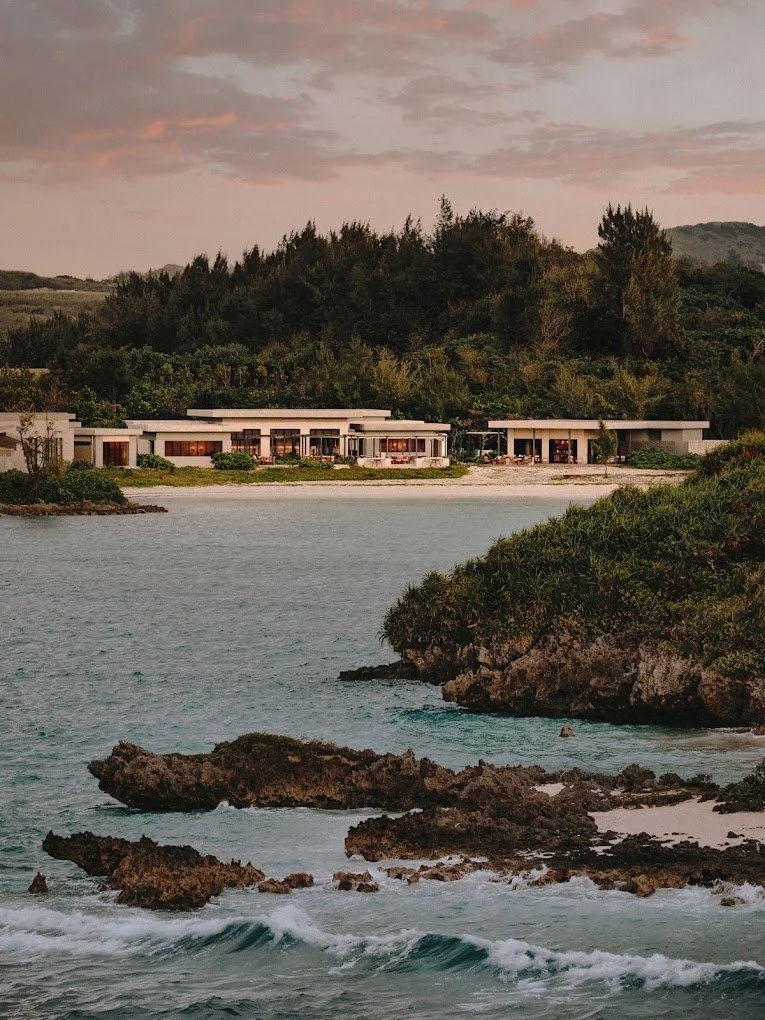
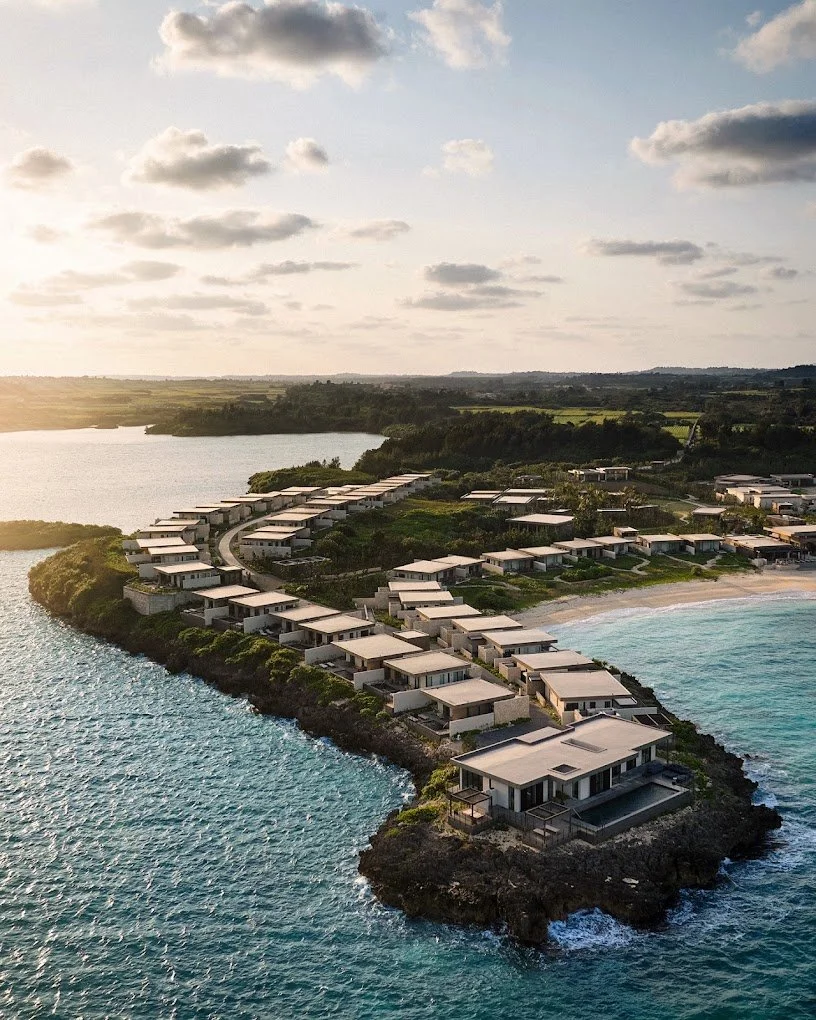
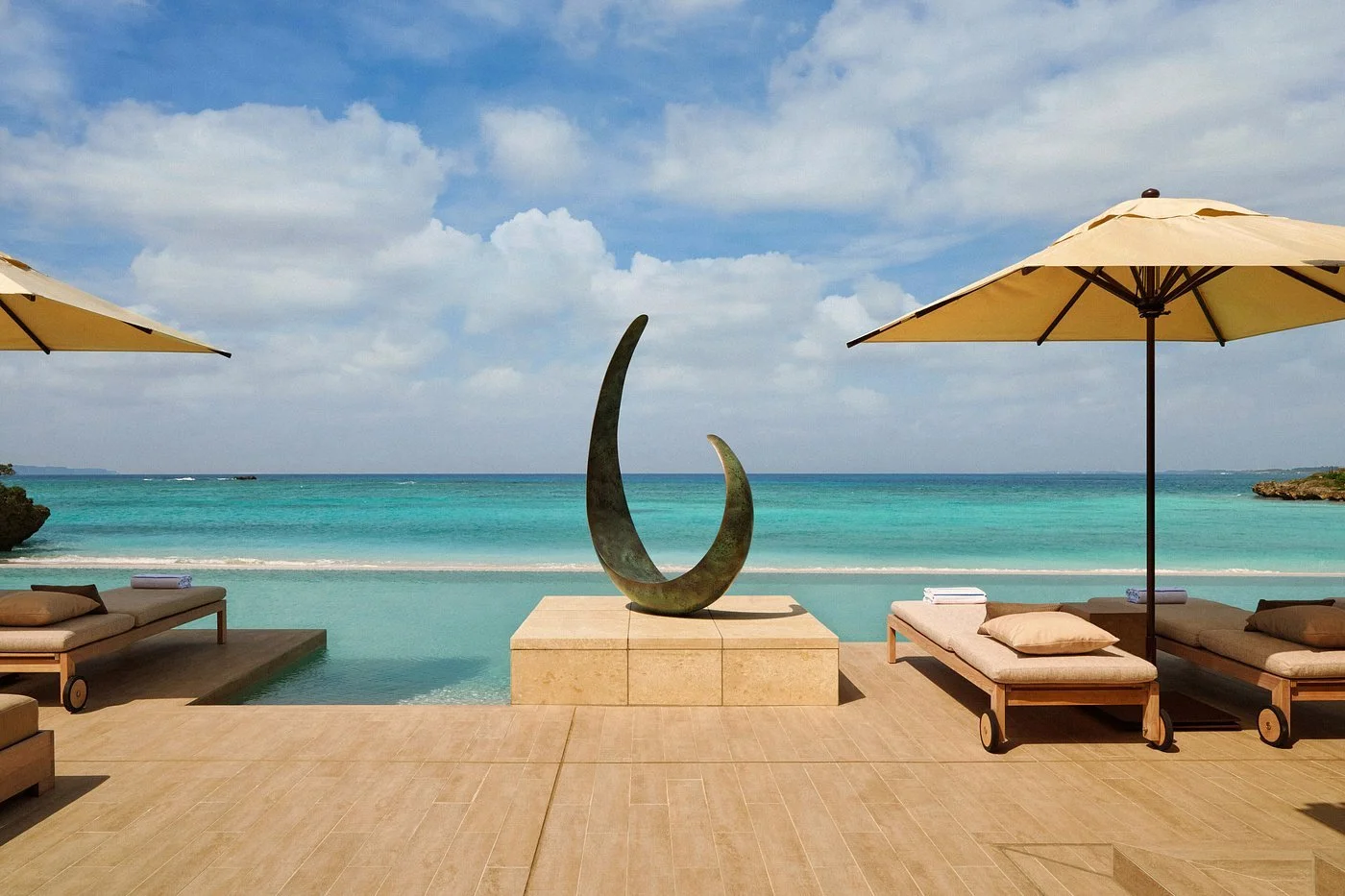
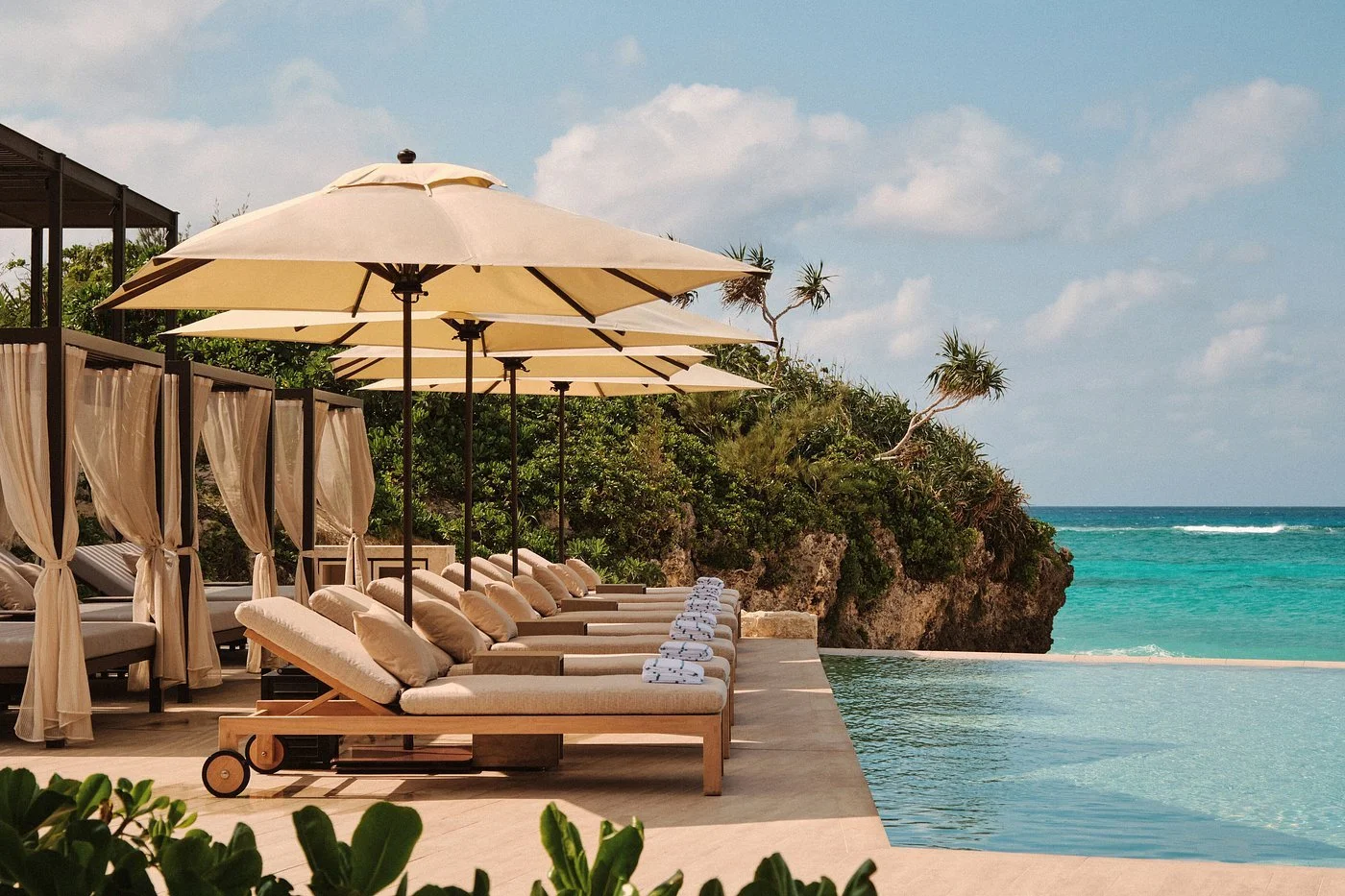
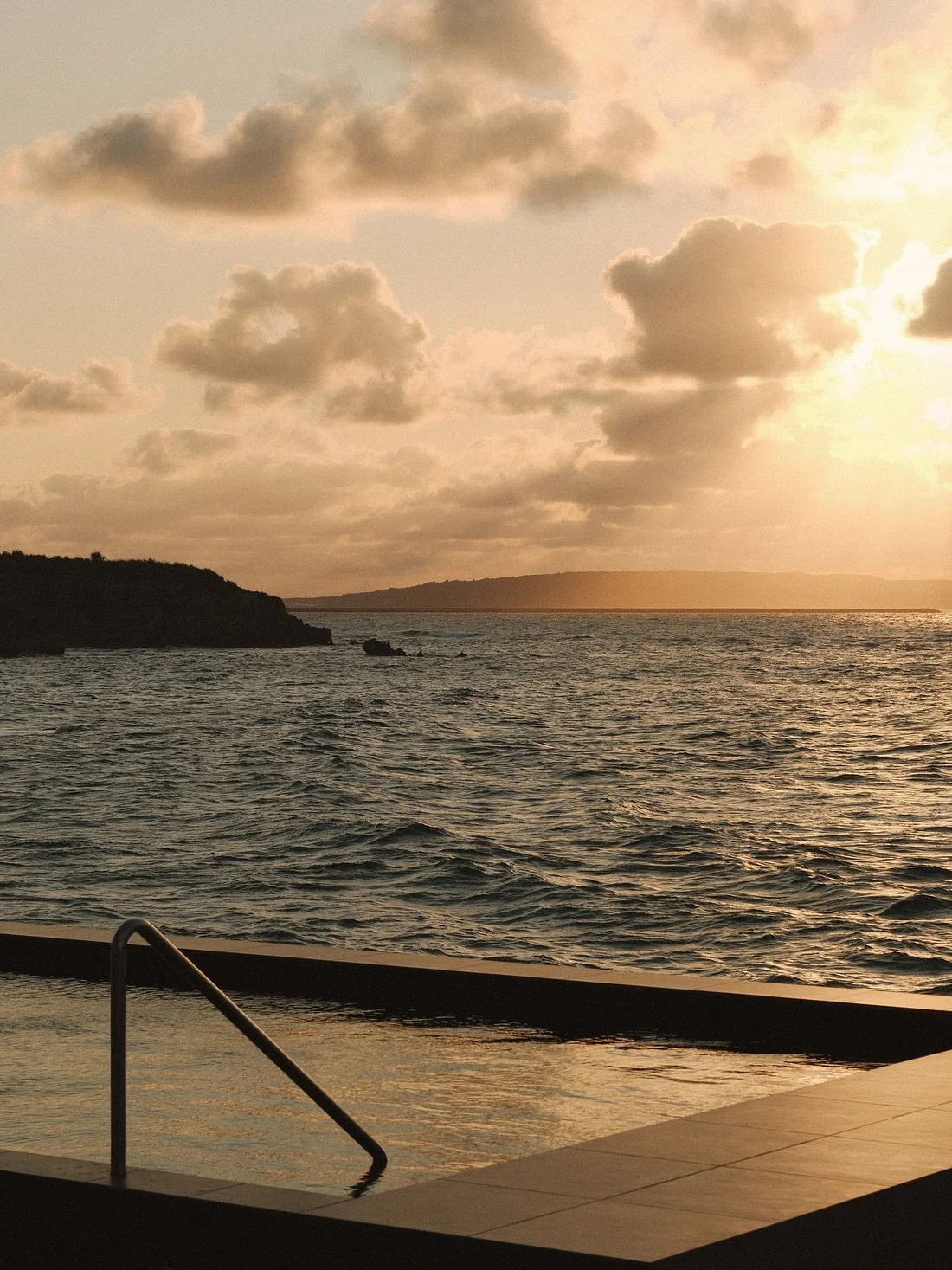
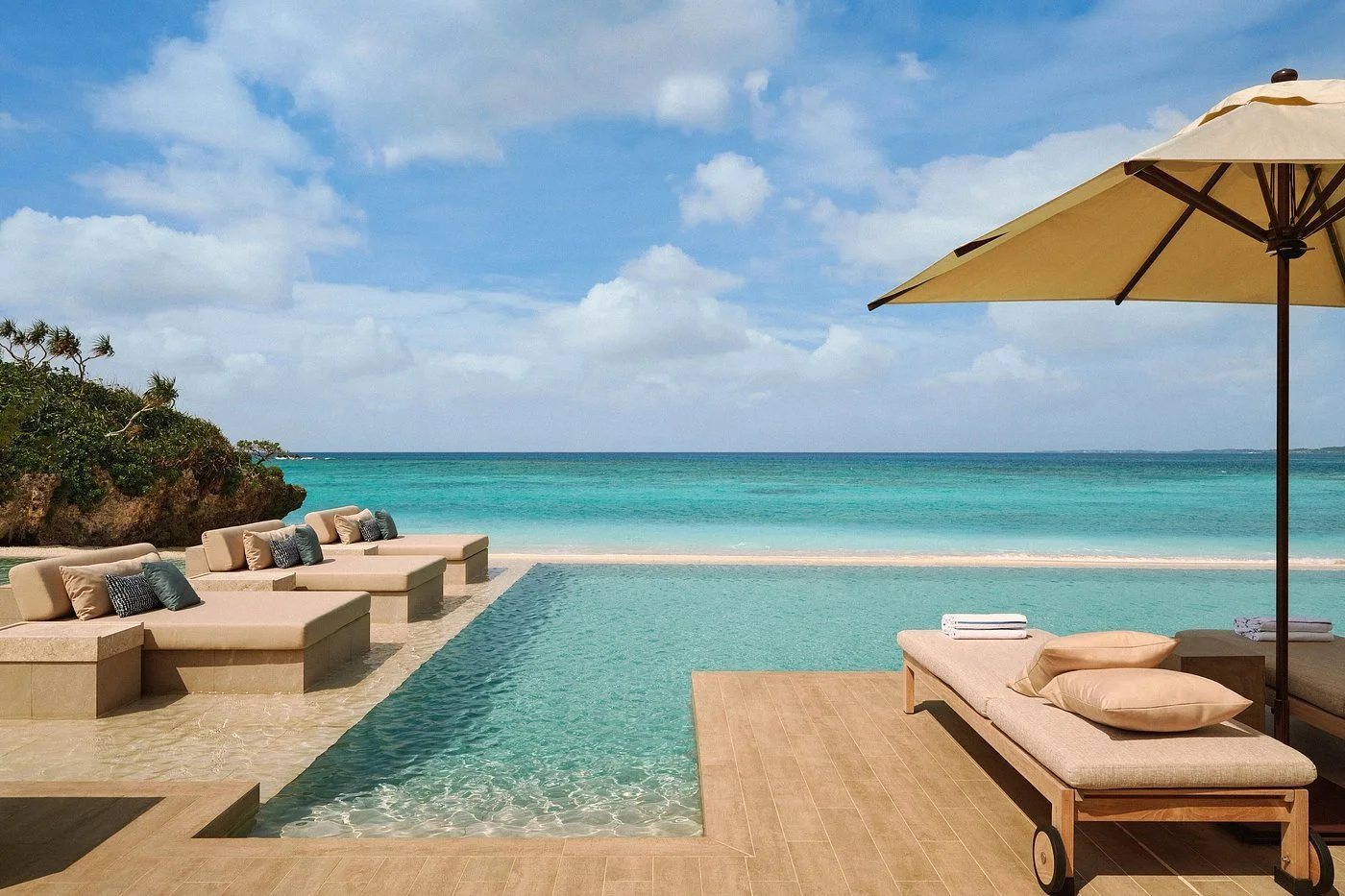
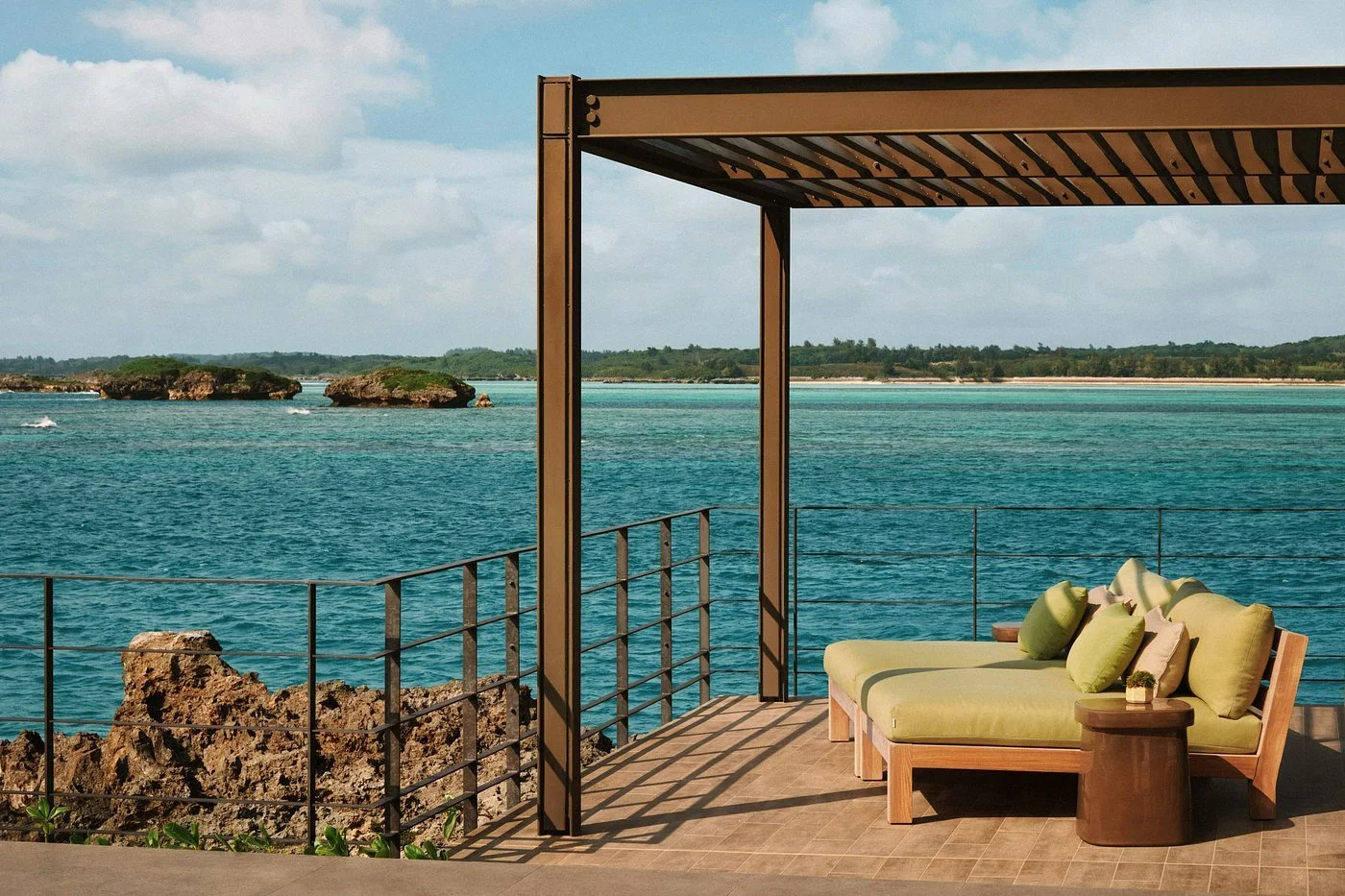
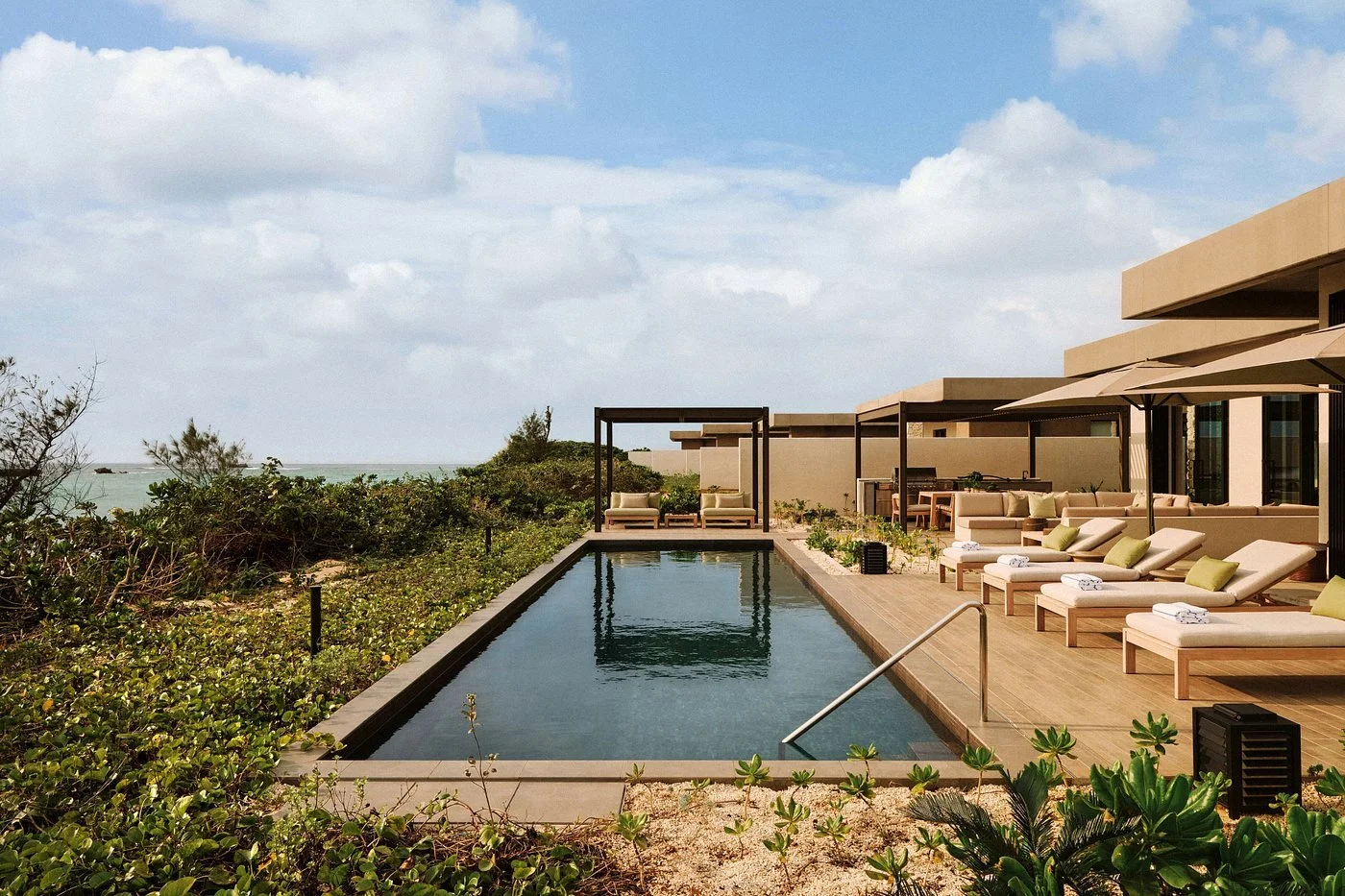
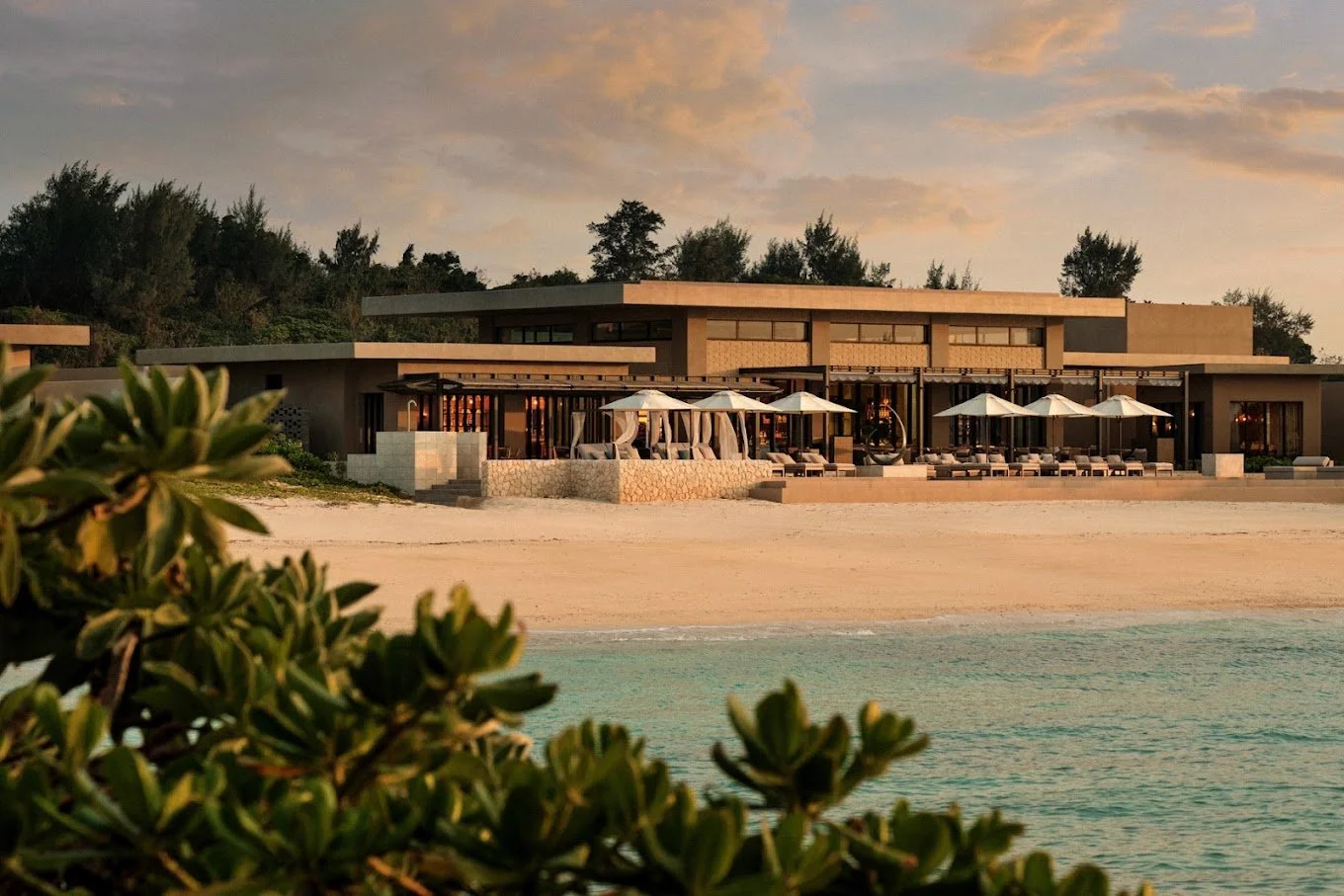
Rosewood Miyakojima makes a compelling reason to include this part of Okinawa in an itinerary. Opened in March 2025 as Rosewood Hotels & Resorts’ first property in Japan, the resort occupies a peninsula overlooking Oura Bay on Miyako Island’s northern coast. Its 55 villas and houses combine private pools and sea views with restaurants, an Asaya Spa, and experiences that introduce the island through its food, crafts, and surrounding waters.
The appeal reaches beyond adding a beach stay to a cultural journey. Miyakojima has a history and identity worth taking time to understand, and Rosewood provides a comfortable place from which to begin.
An Island With Its Own Heritage
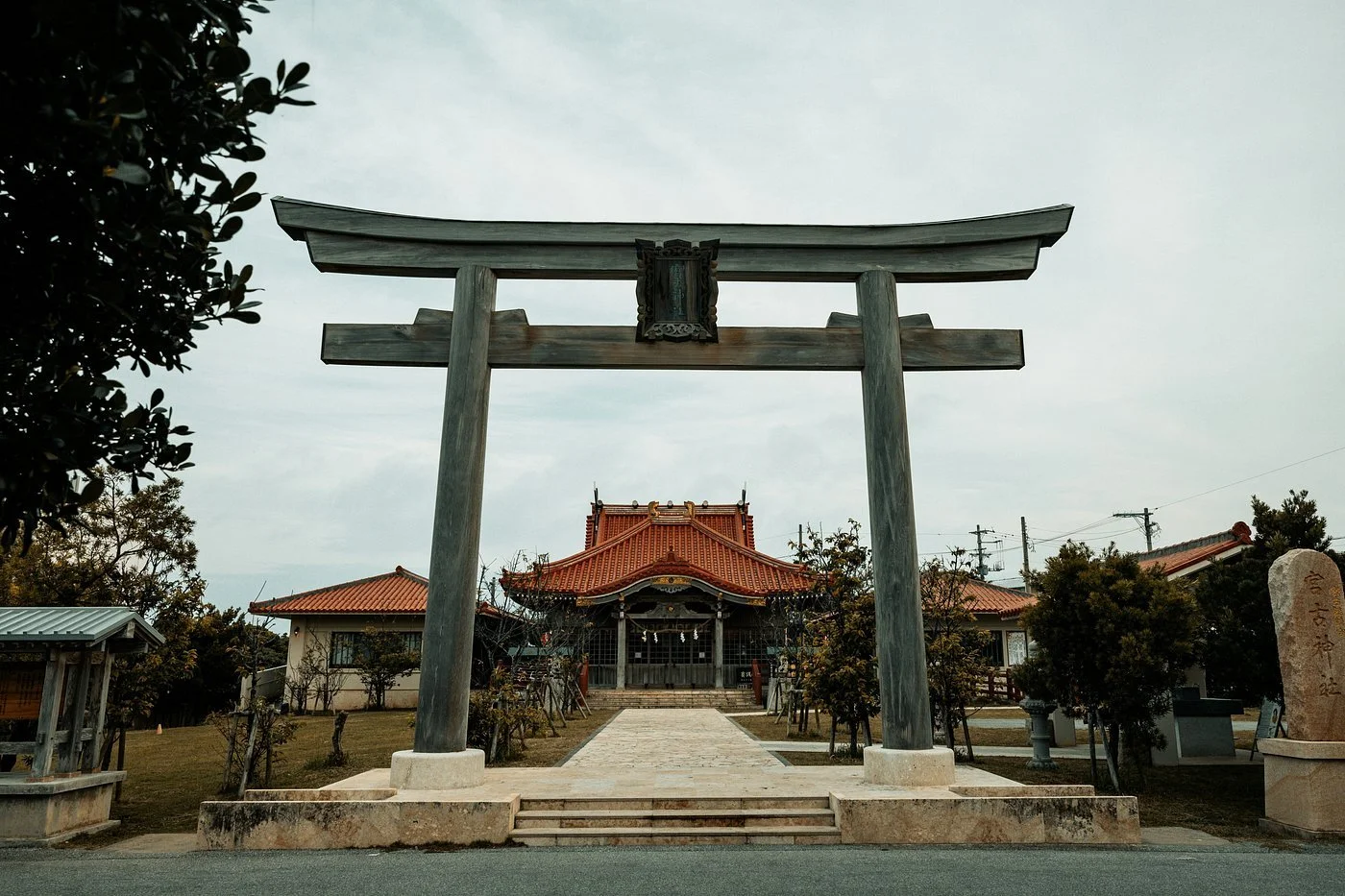
Miyako Island lies approximately 300 kilometers southwest of Naha, Okinawa’s prefectural capital. It belongs to the Ryukyu island chain, whose history developed through centuries of maritime exchange. The Ryukyu Kingdom, established in 1429, traded with China, Japan, Korea, and Southeast Asia before its incorporation into Japan in 1879. Those relationships helped shape the region’s distinctive artistic and culinary traditions.
Miyako’s own heritage remains visible in skills passed between generations. Miyako jofu, the island’s celebrated woven textile, begins with ramie plants whose fibers are extracted and made into thread. Patterned threads are dyed with indigo, woven, and the finished cloth beaten to create its characteristic smoothness and luster. Understanding the work behind it changes how you look at a seemingly simple piece of fabric.
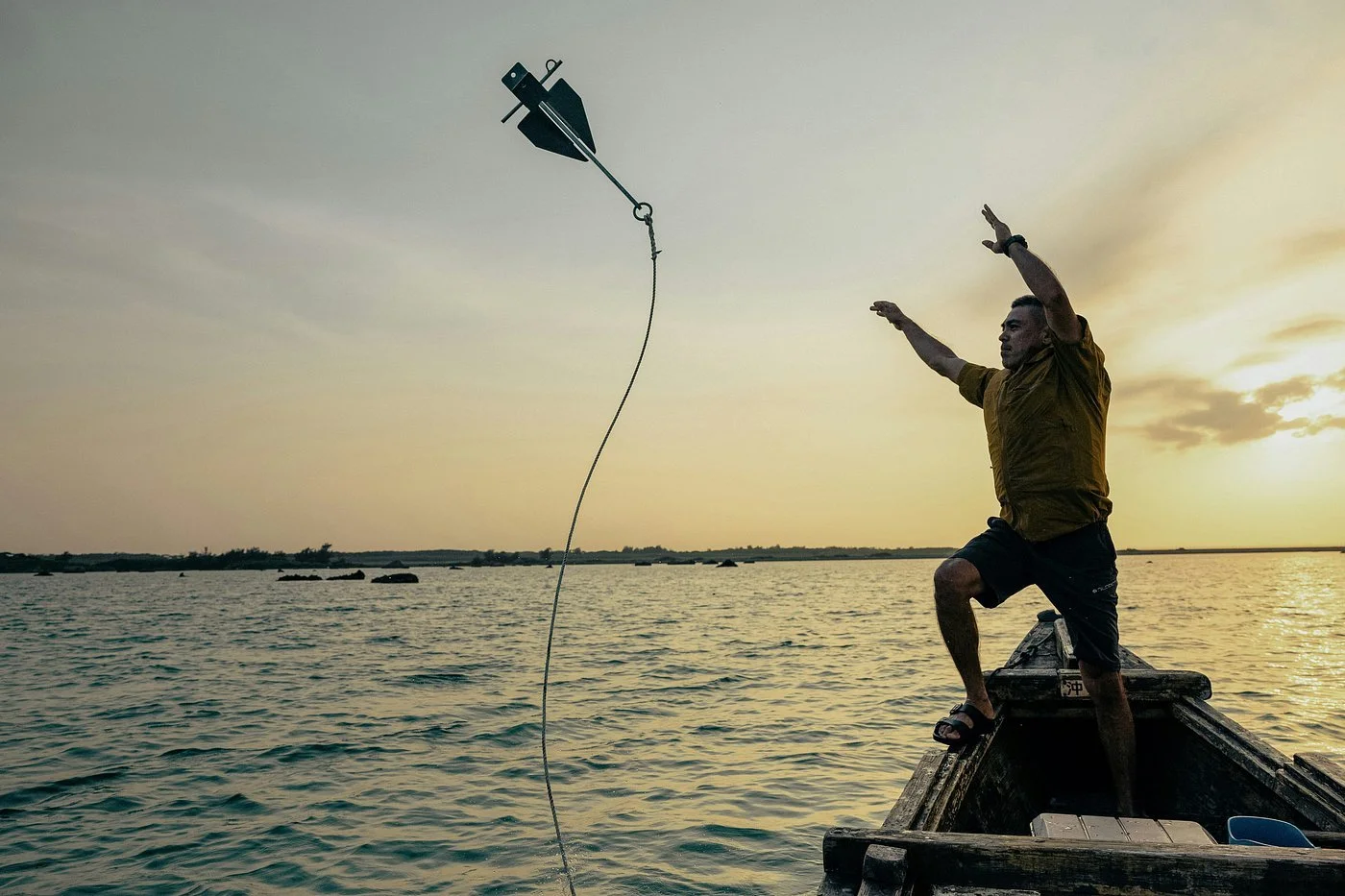
Around the island, farming and fishing continue alongside tourism. A meal, a visit to a workshop, or a conversation with a guide can reveal as much about Miyakojima as a scenic drive. Rosewood’s approach suits travelers who want those encounters alongside time on the beach, allowing the destination to remain an active part of the stay.
Architecture Connected to the Coast
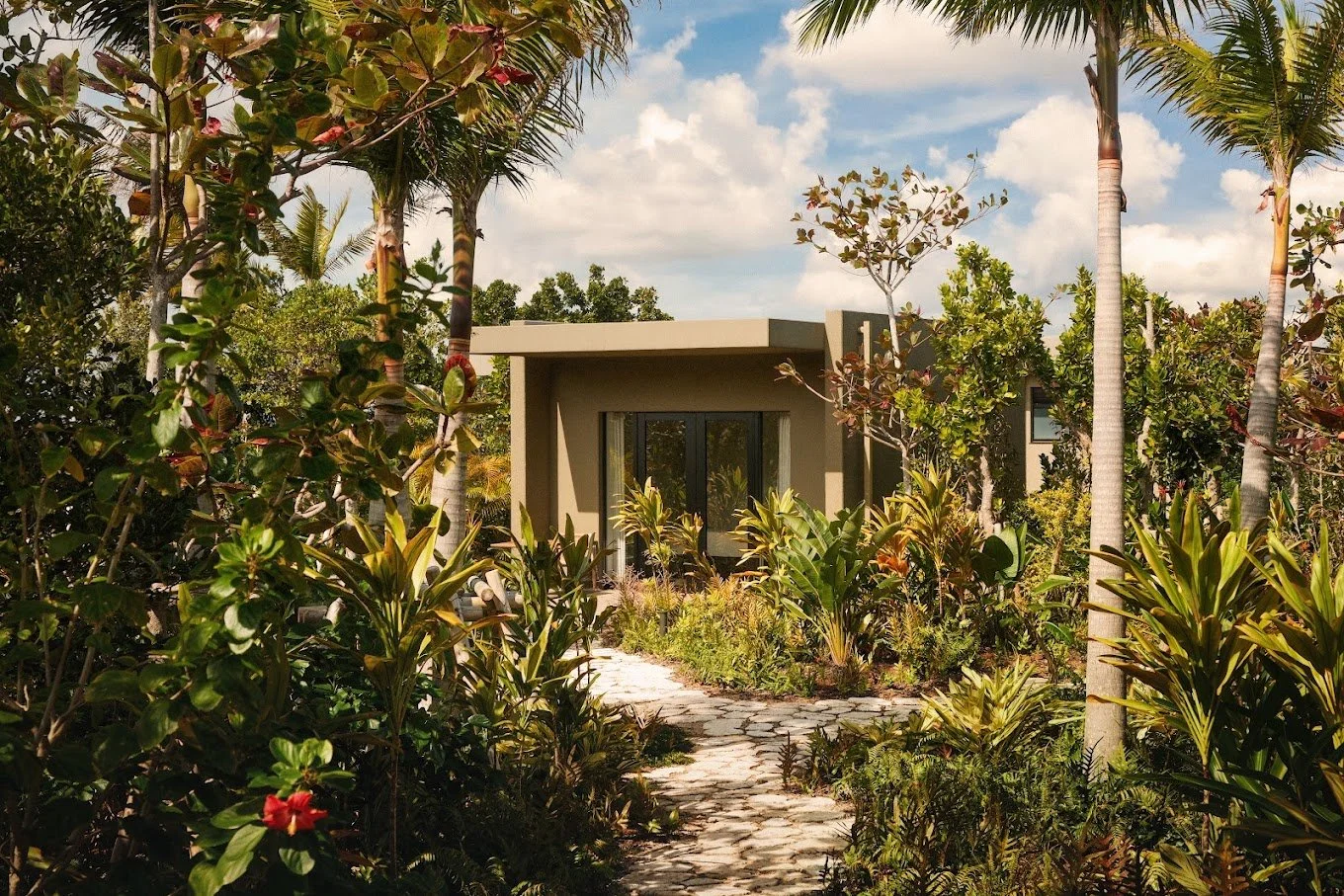
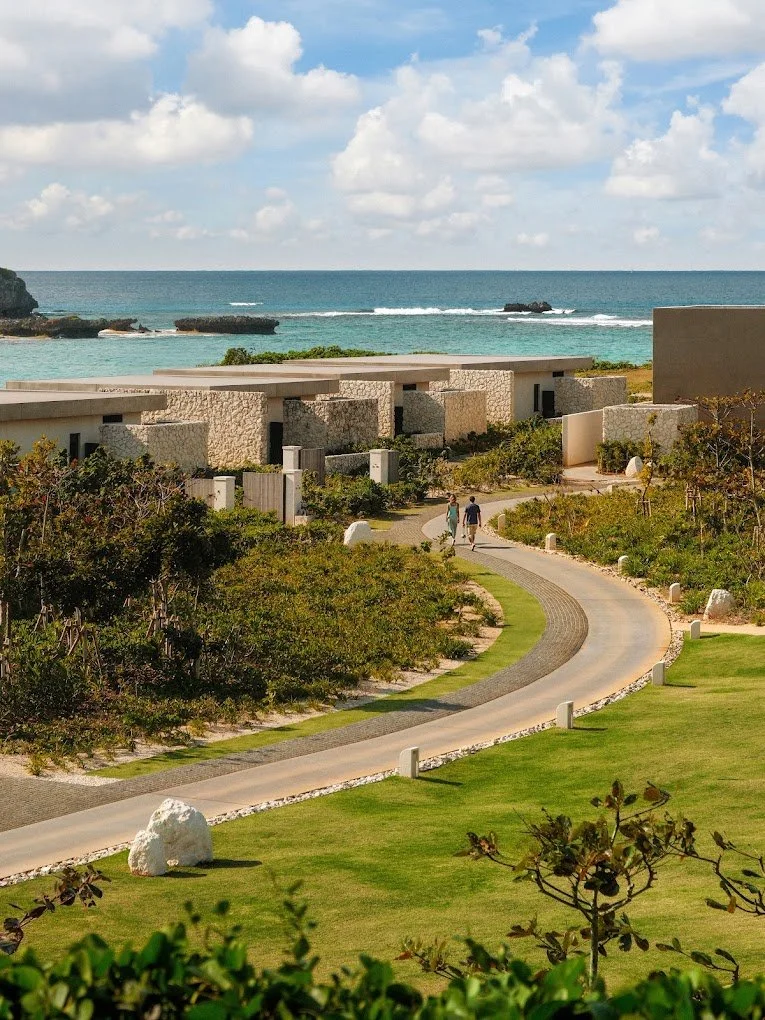
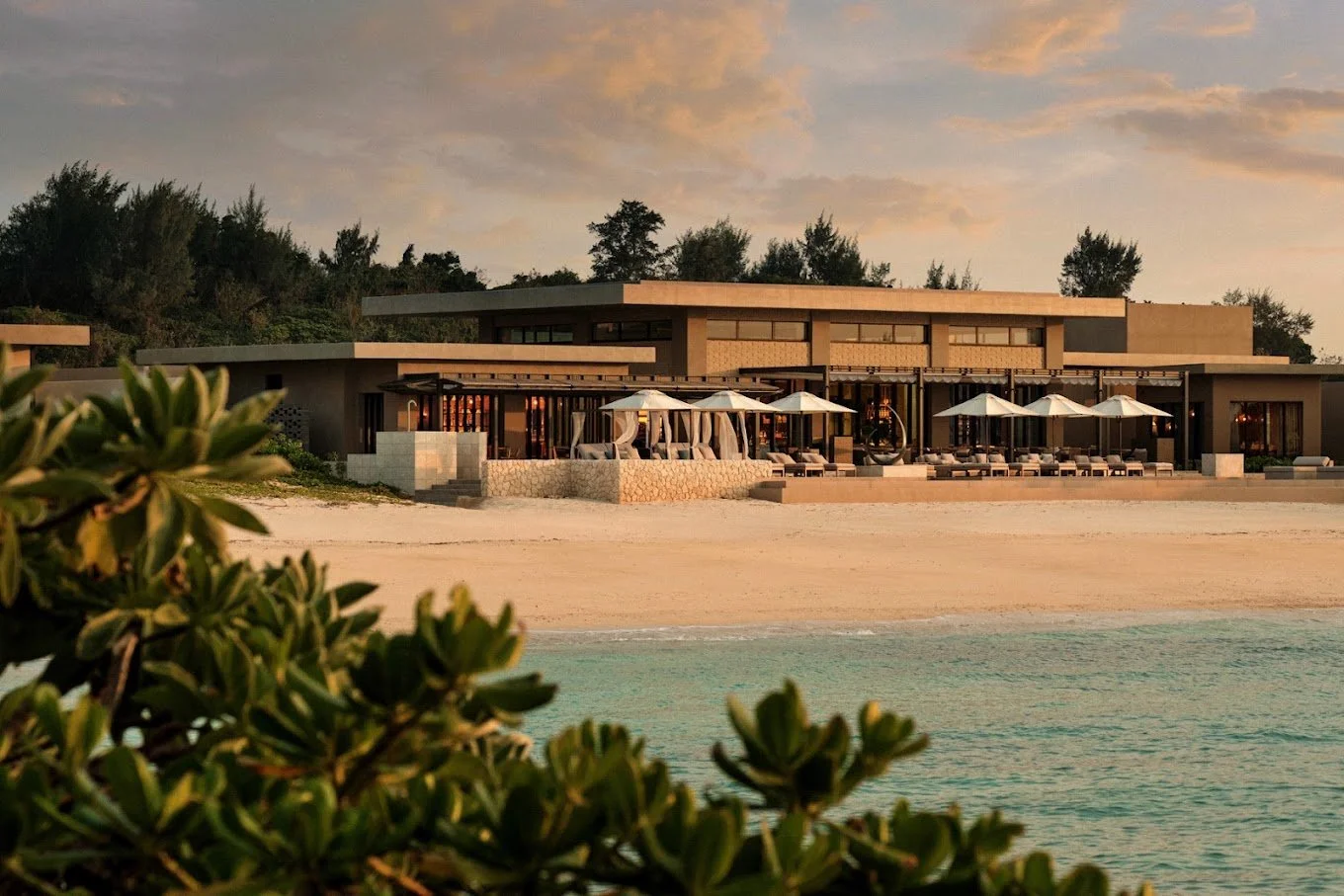
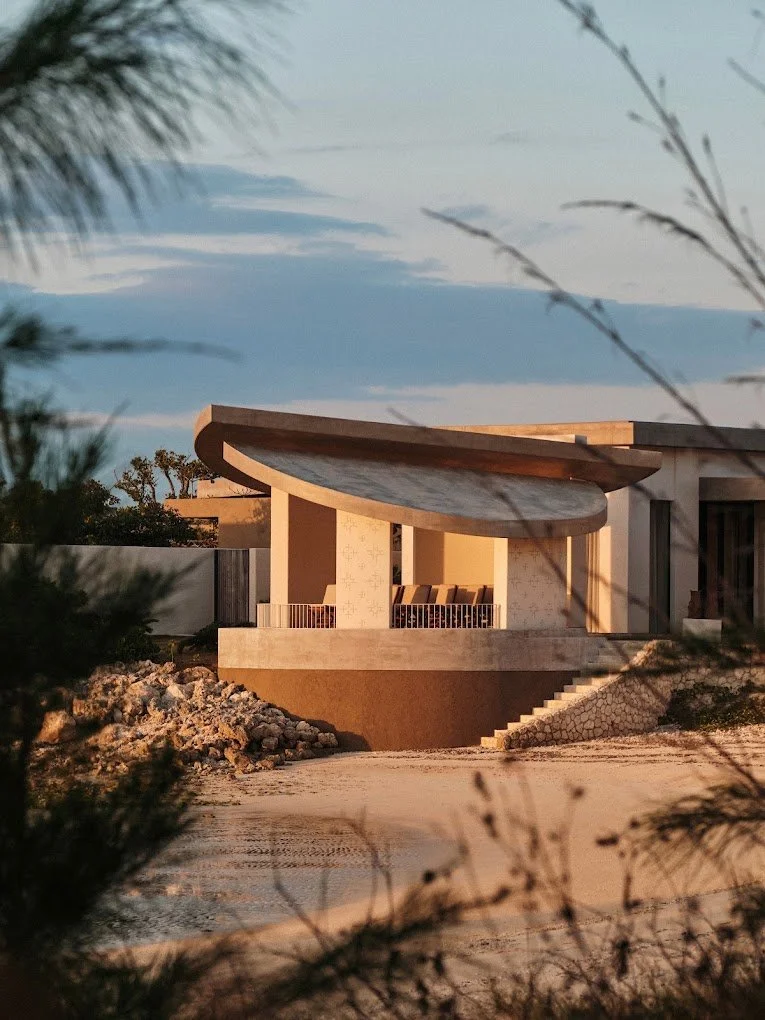
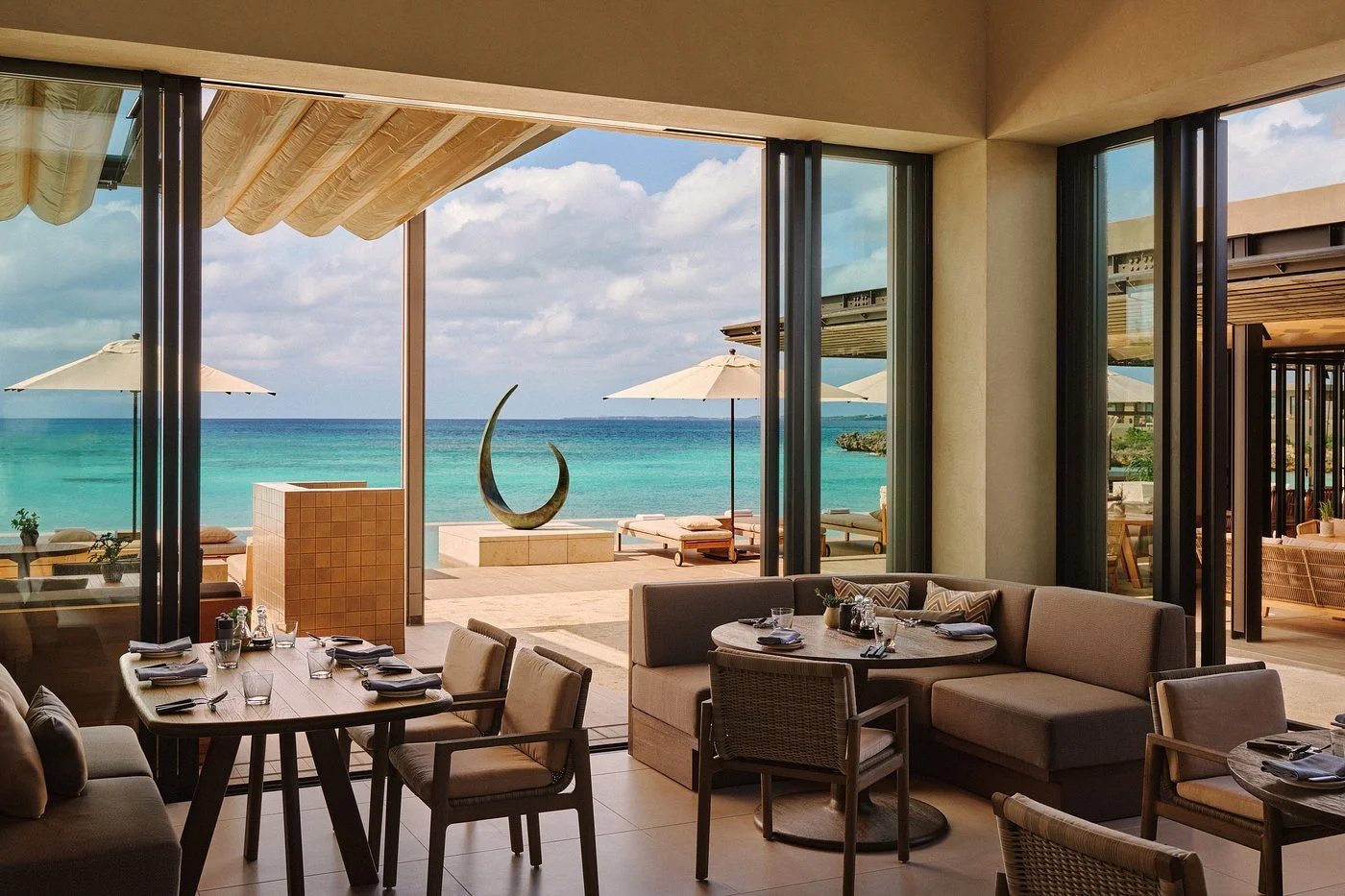
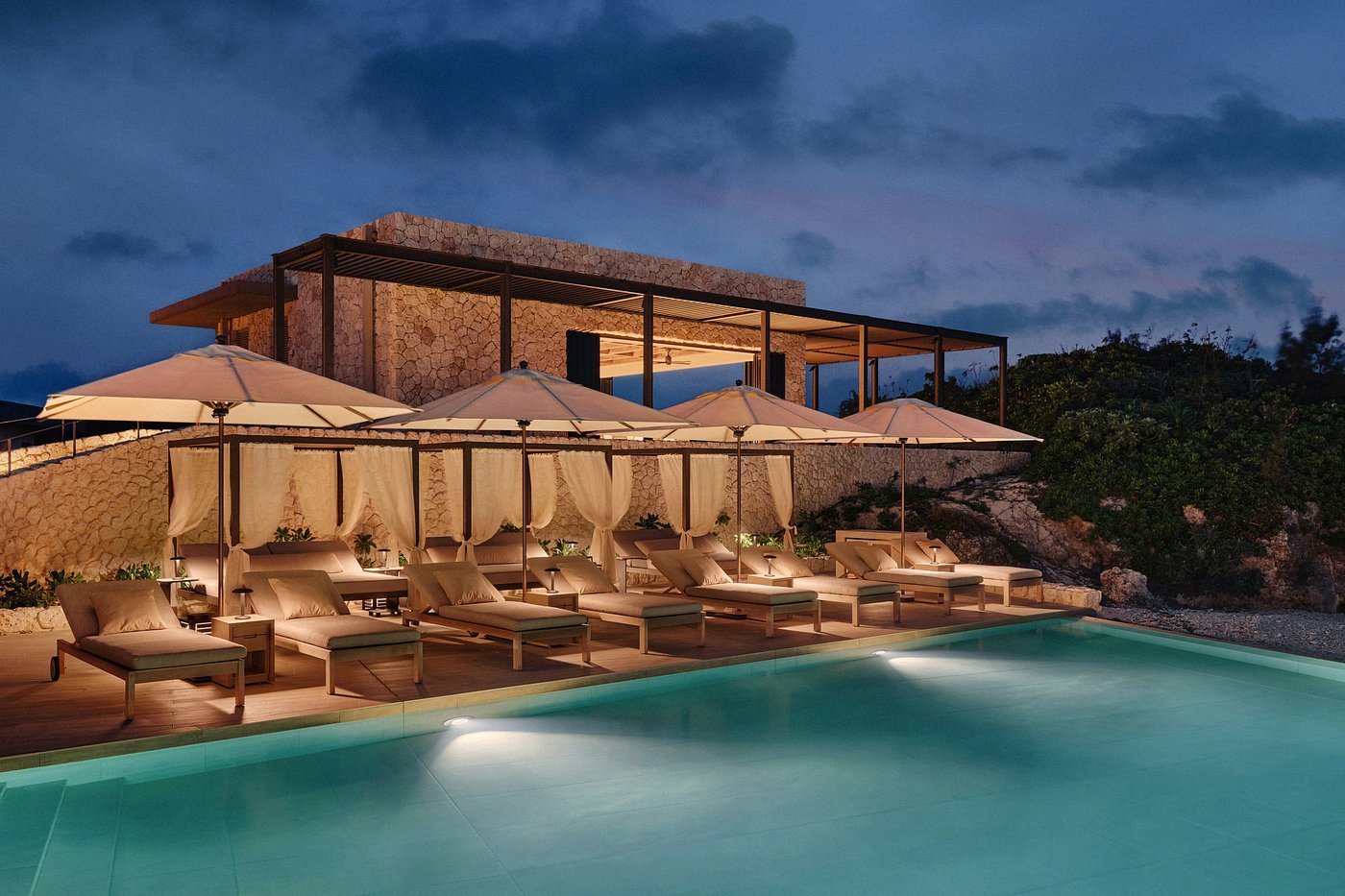
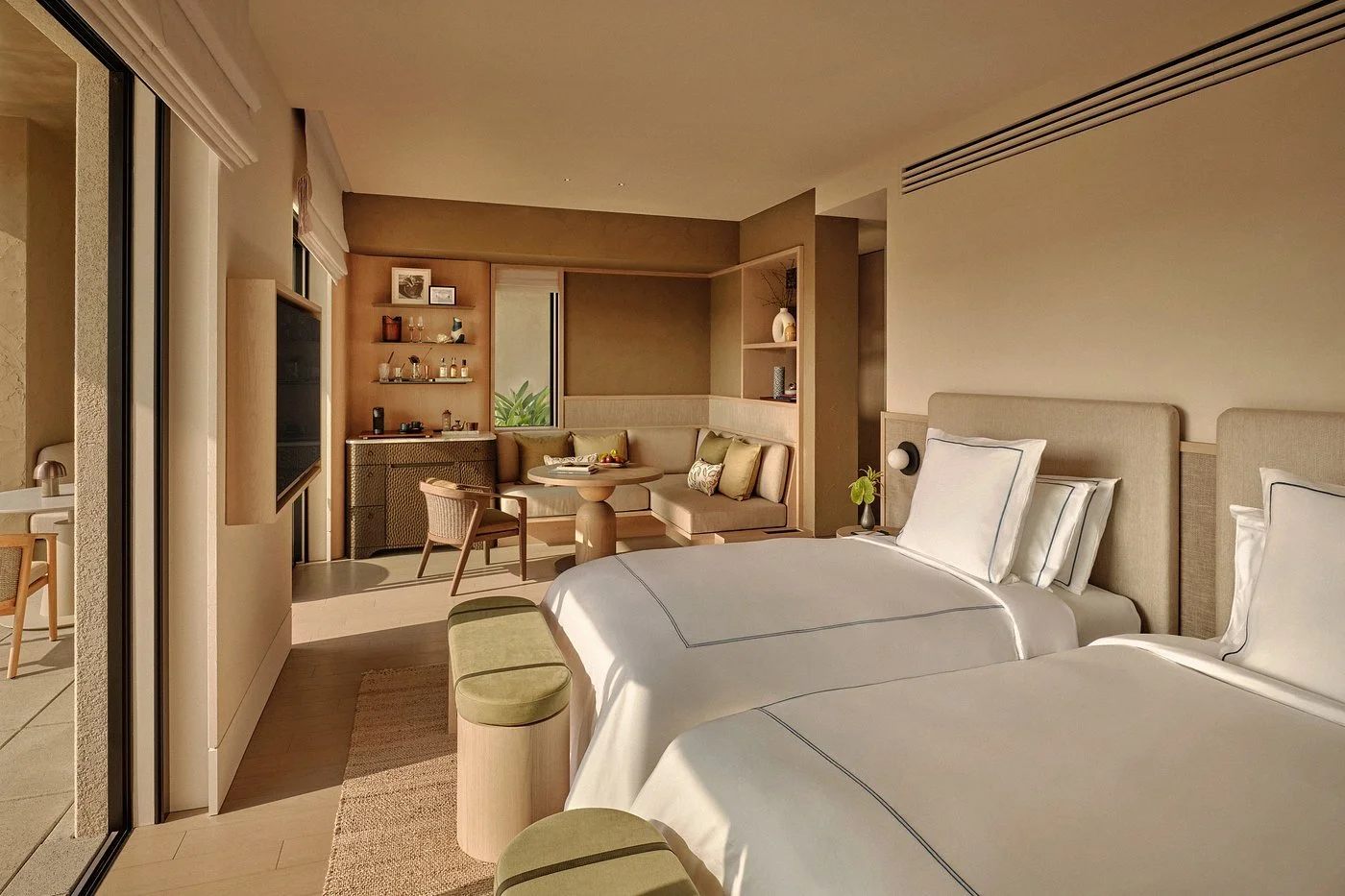
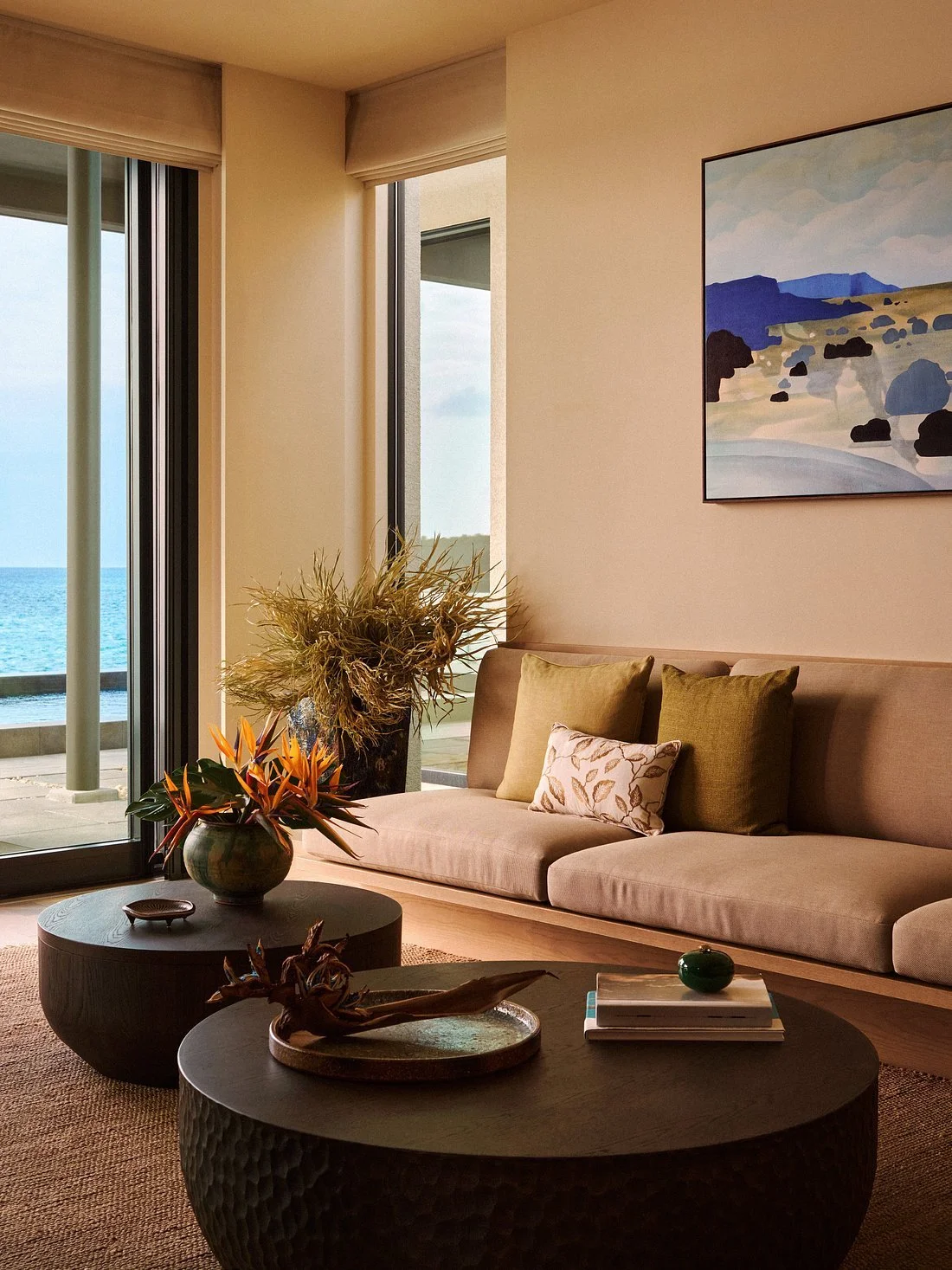
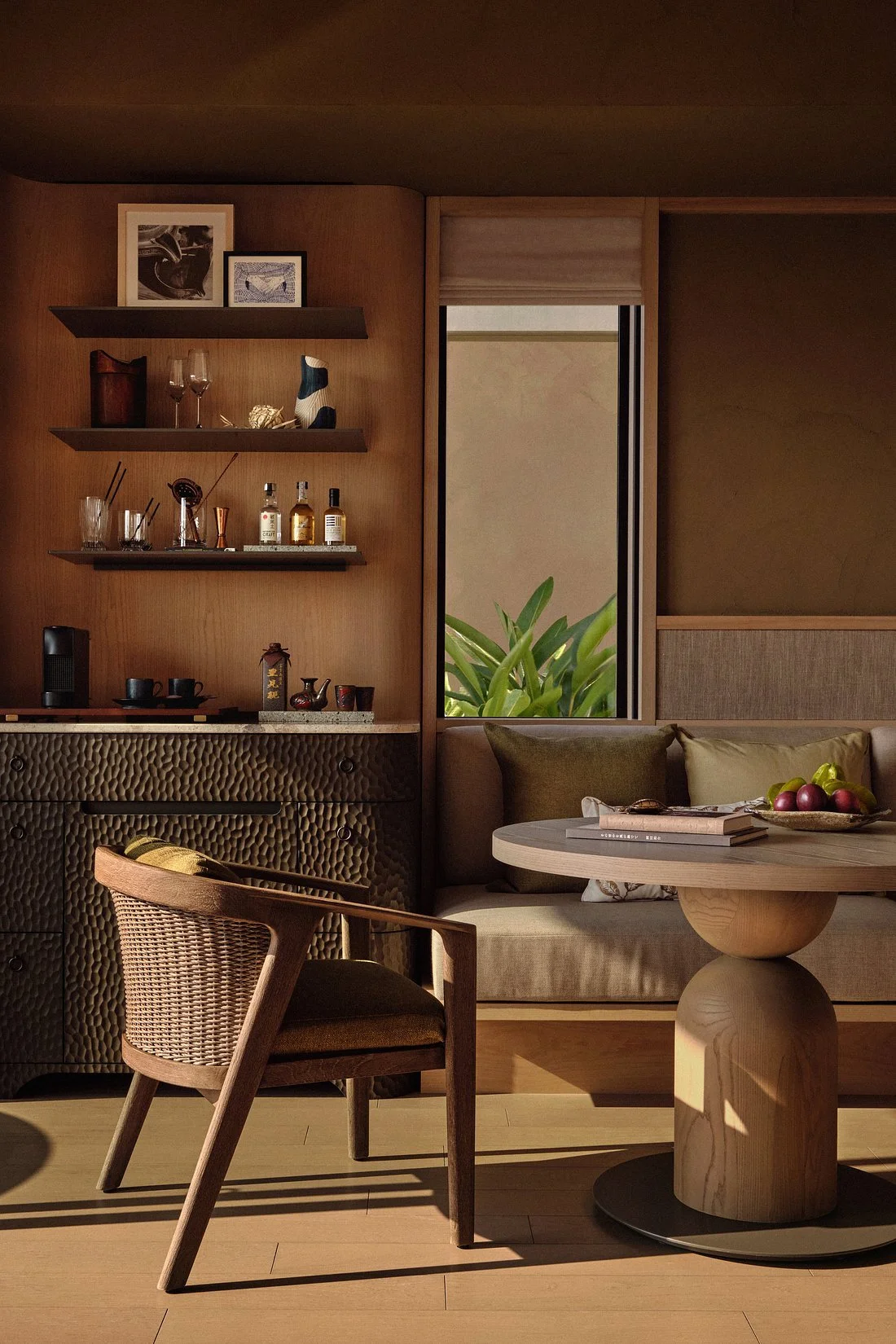
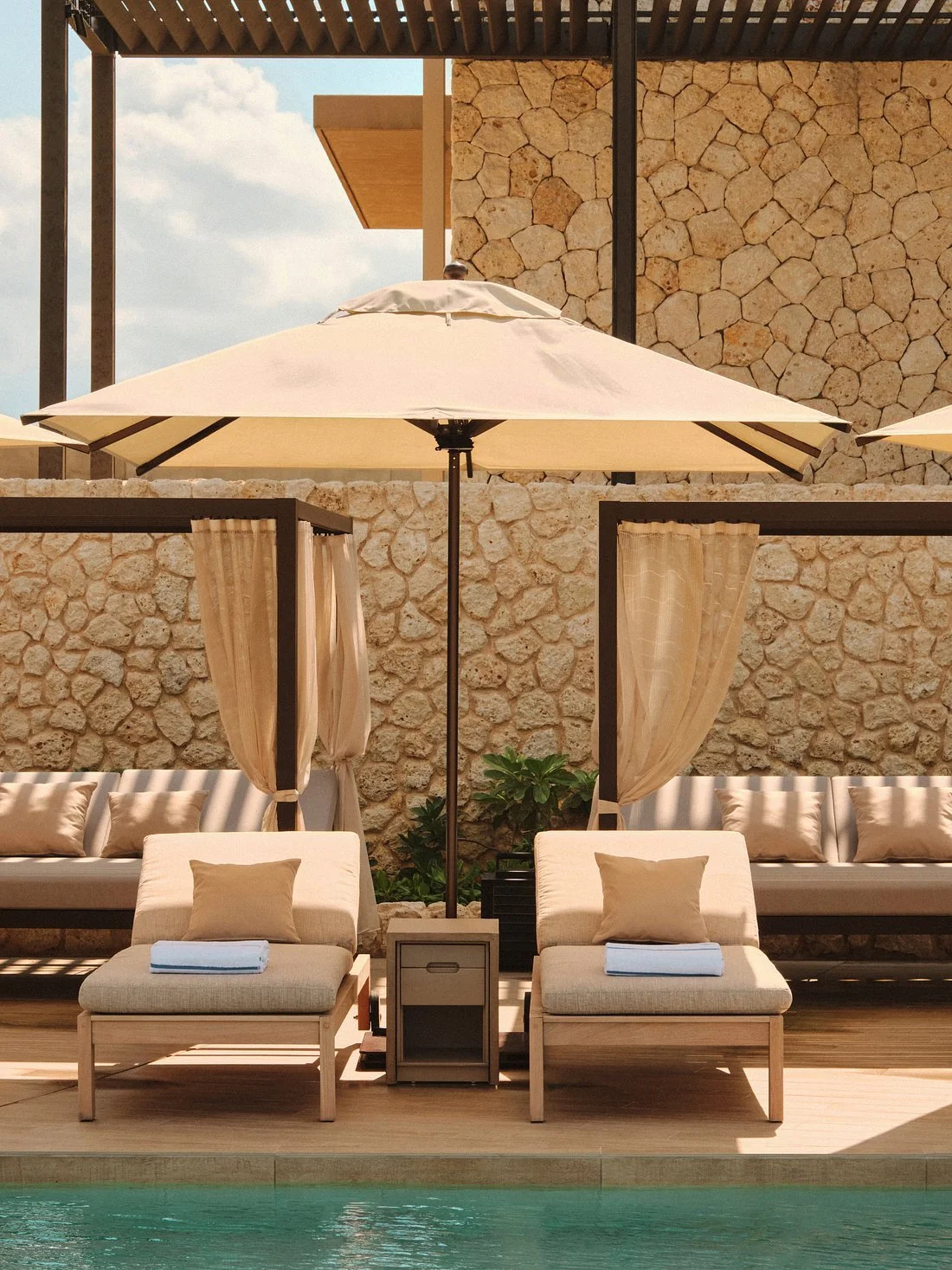
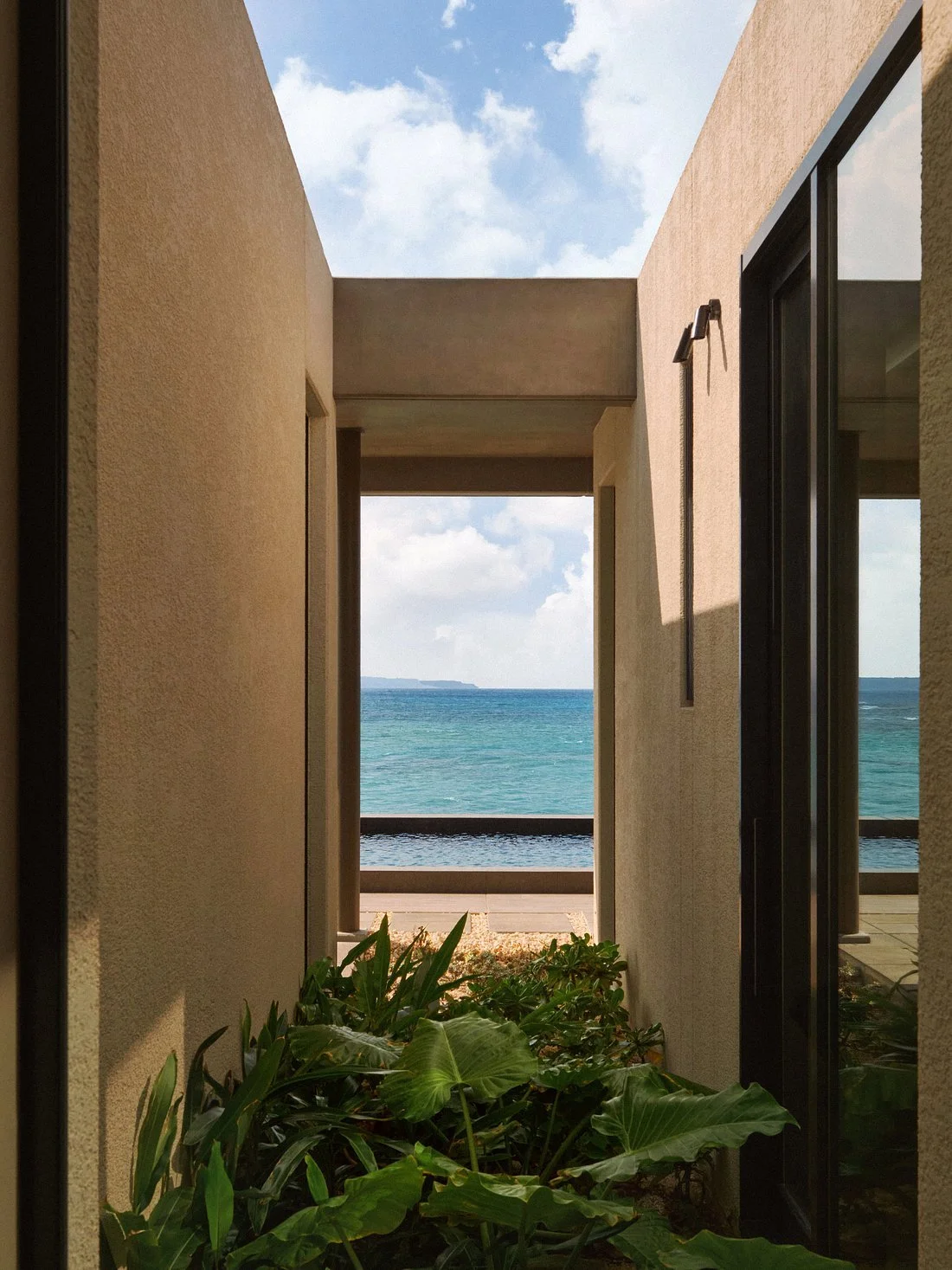
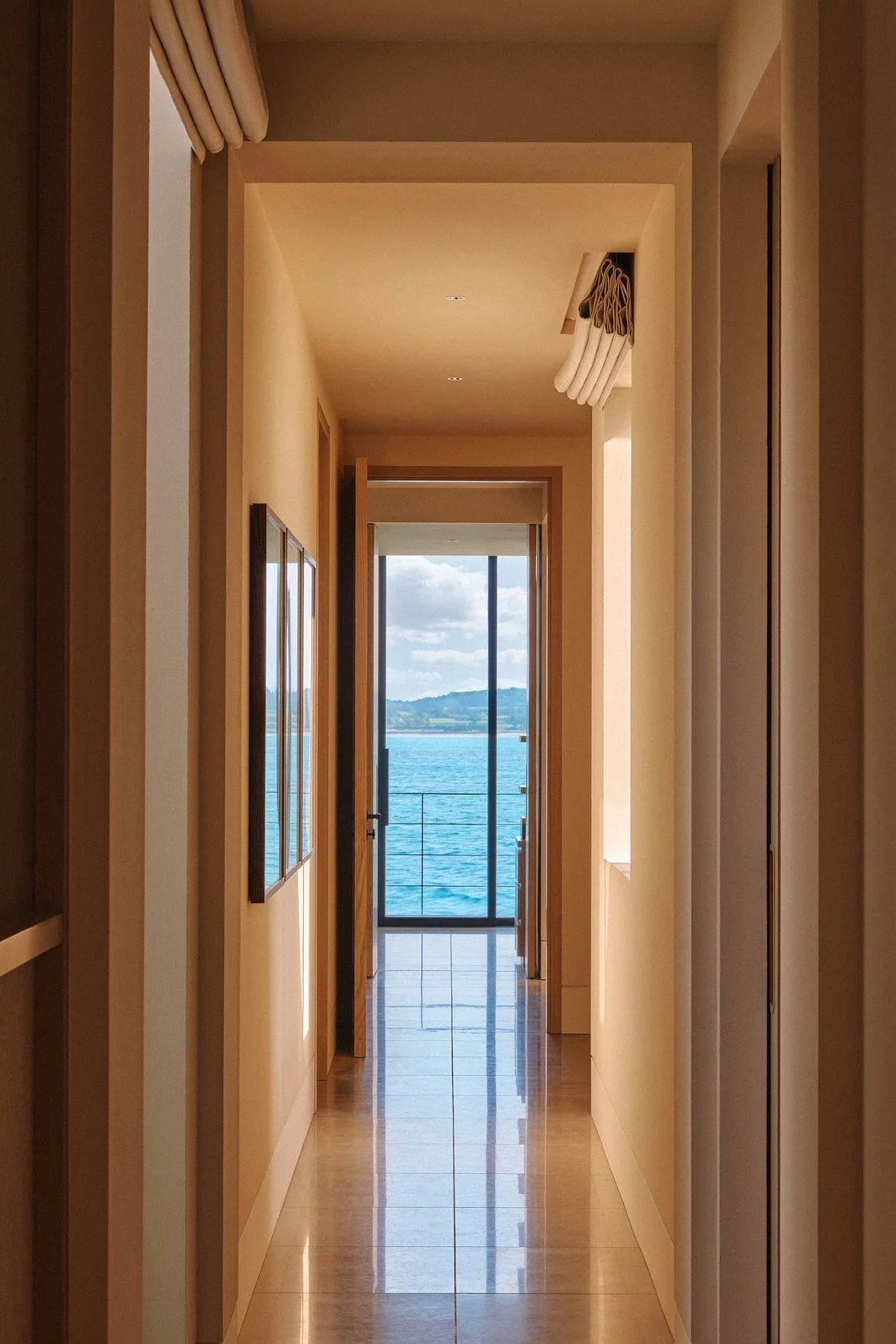
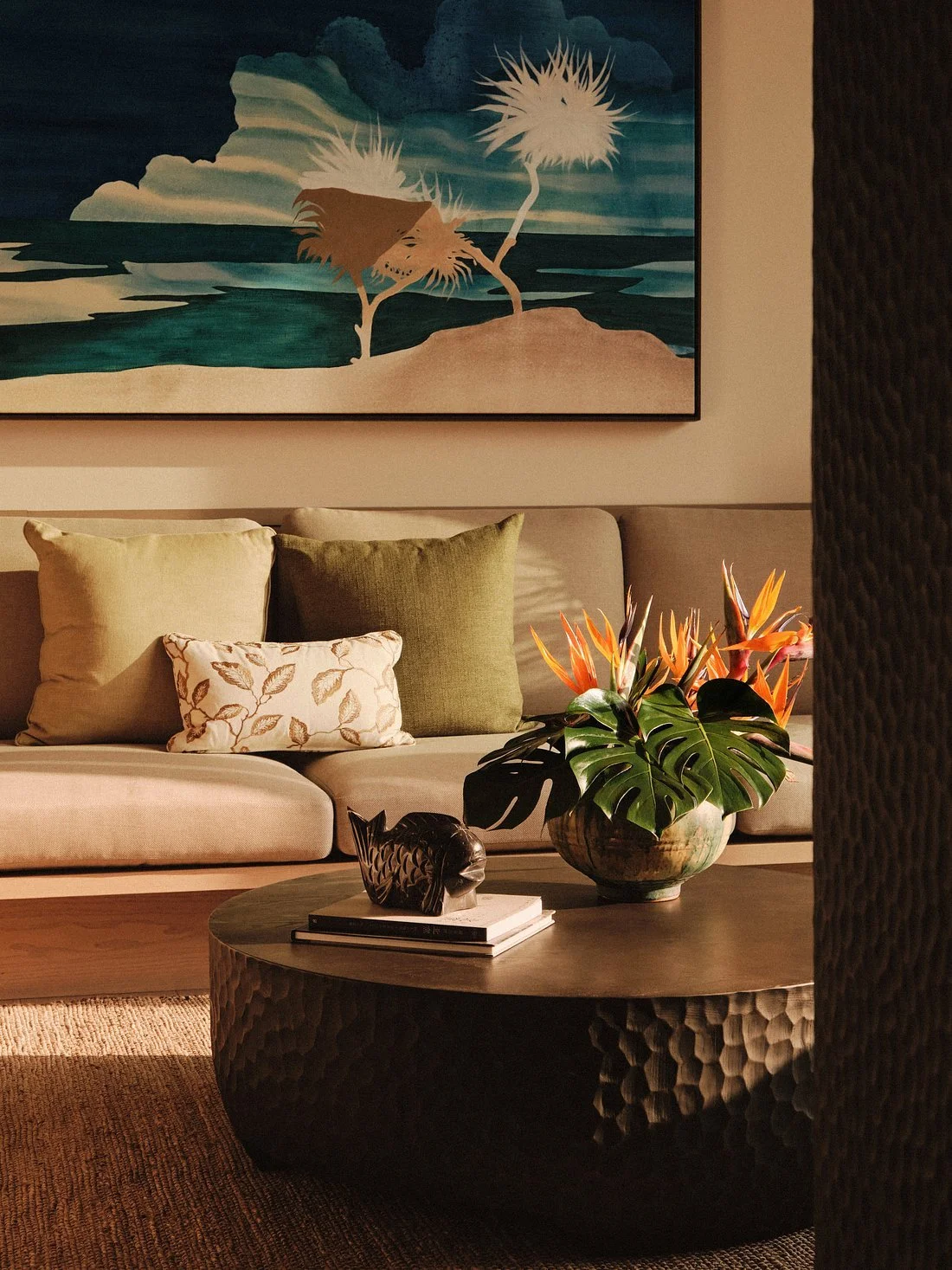
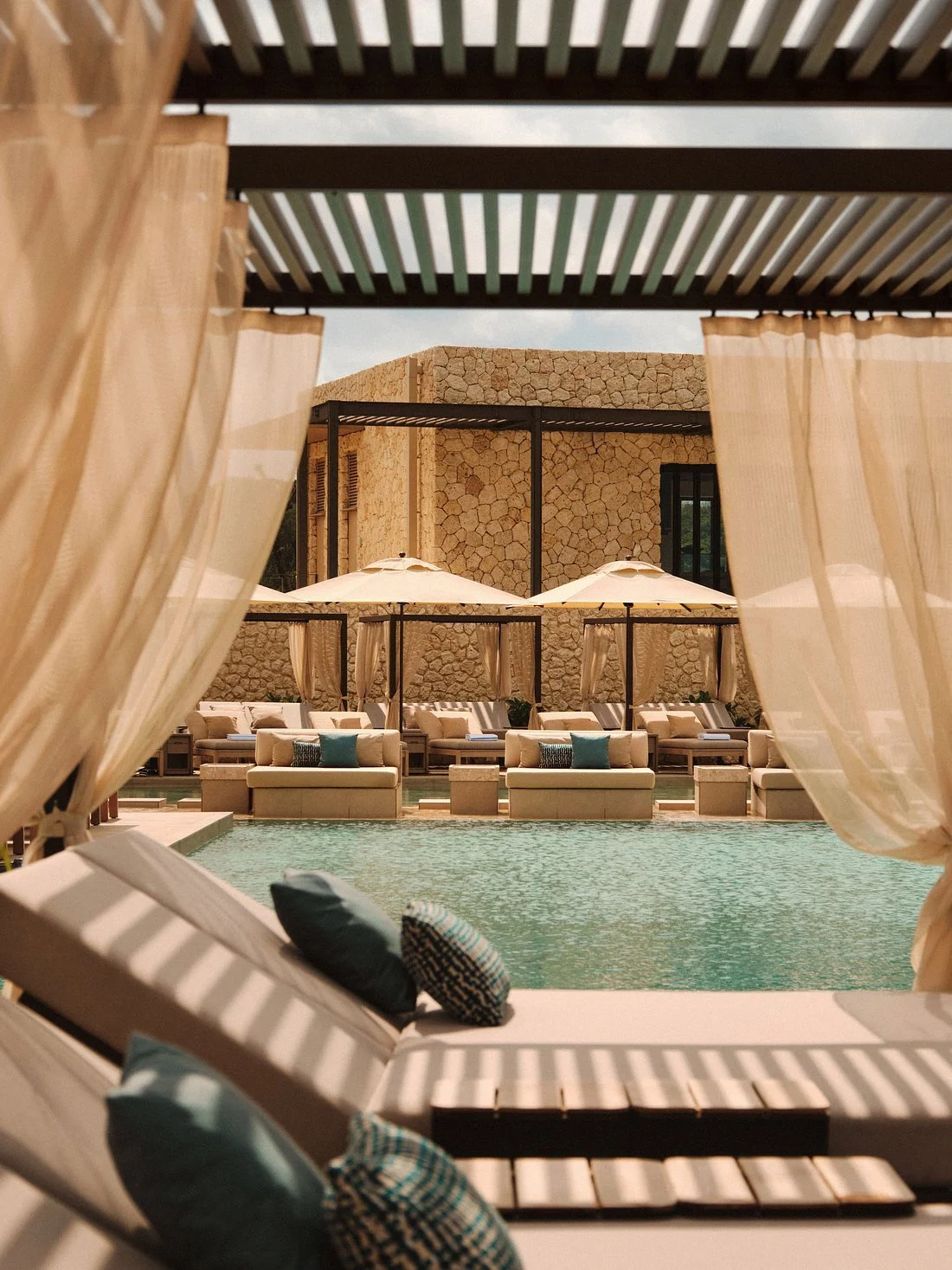
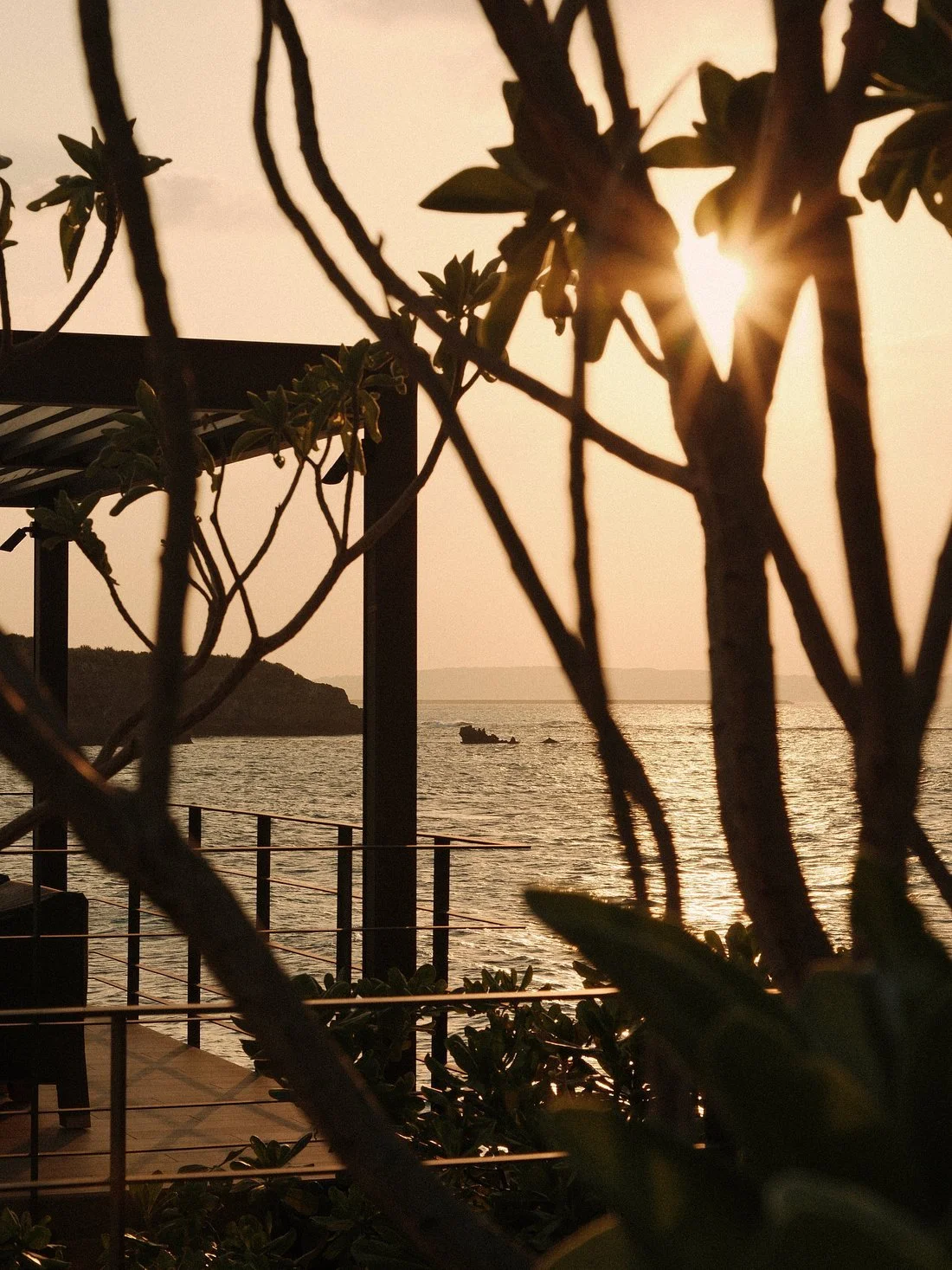
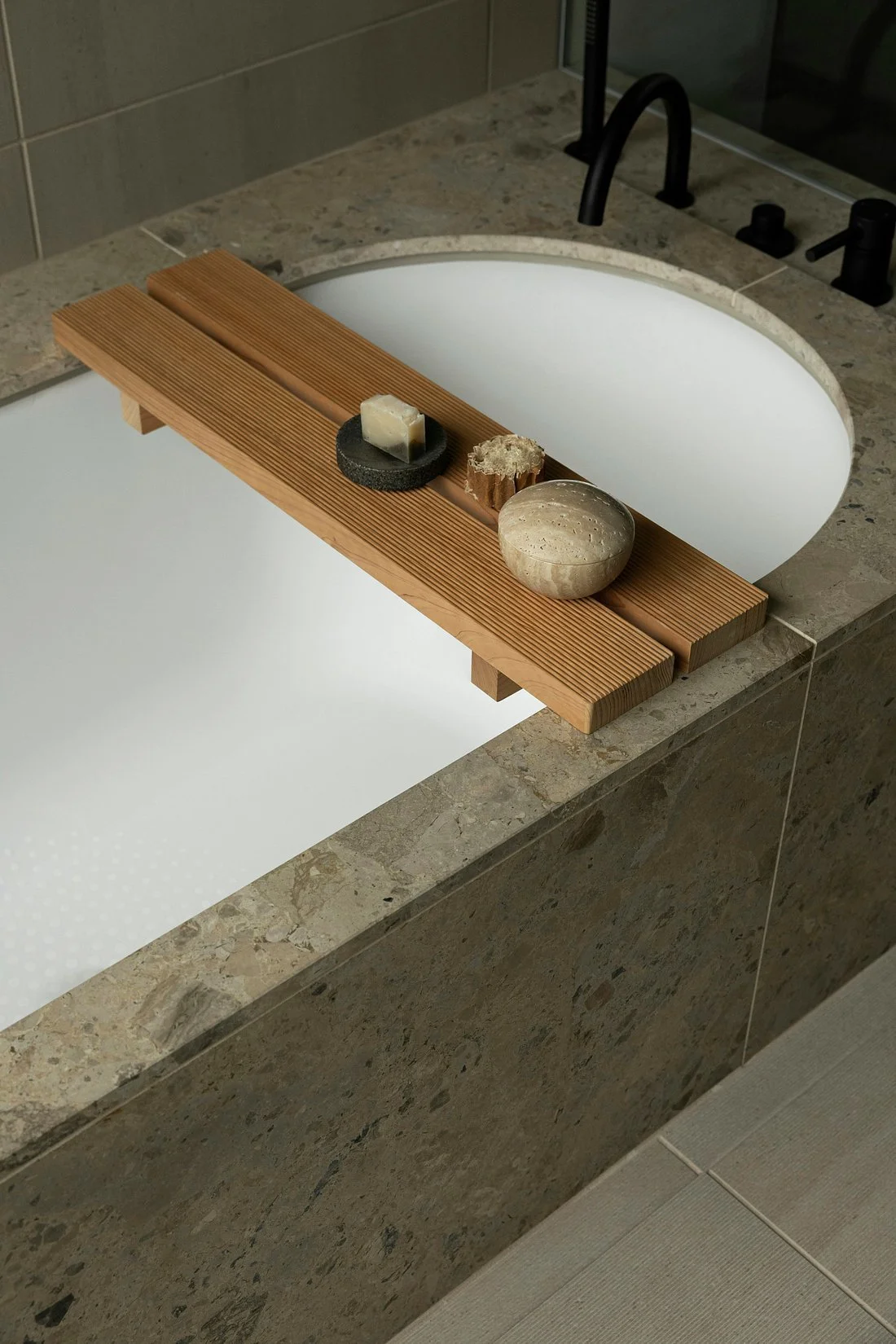
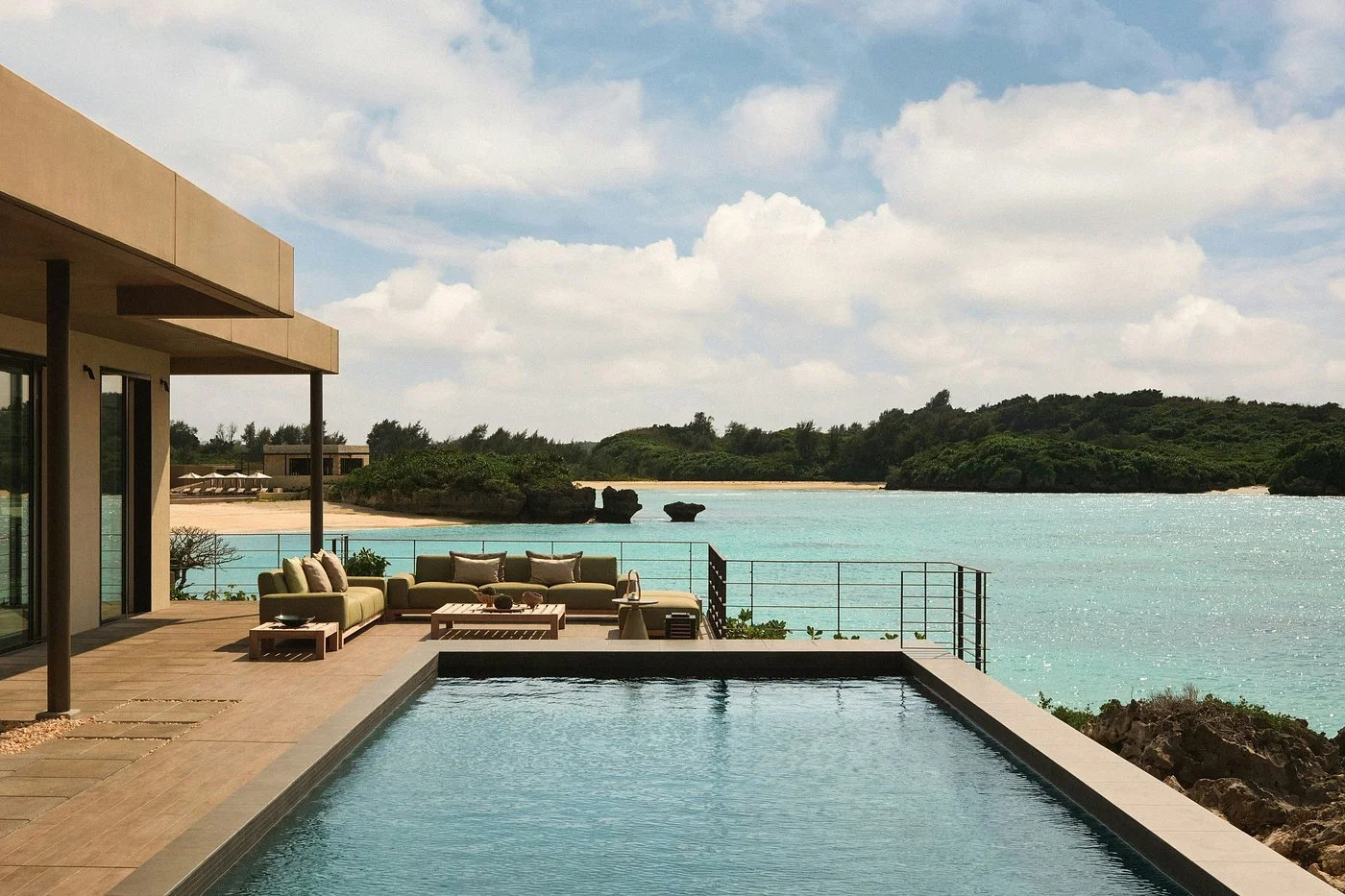
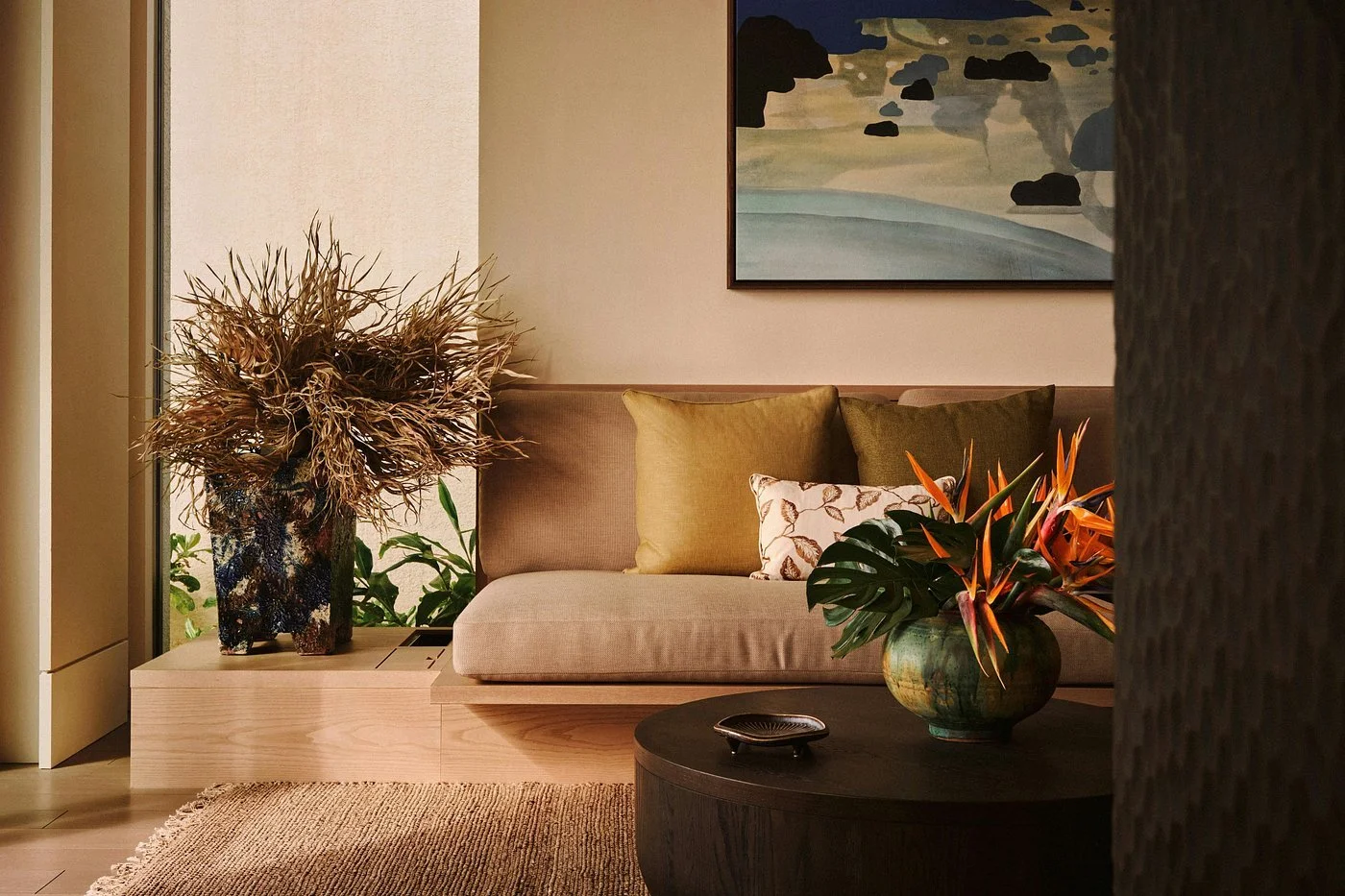
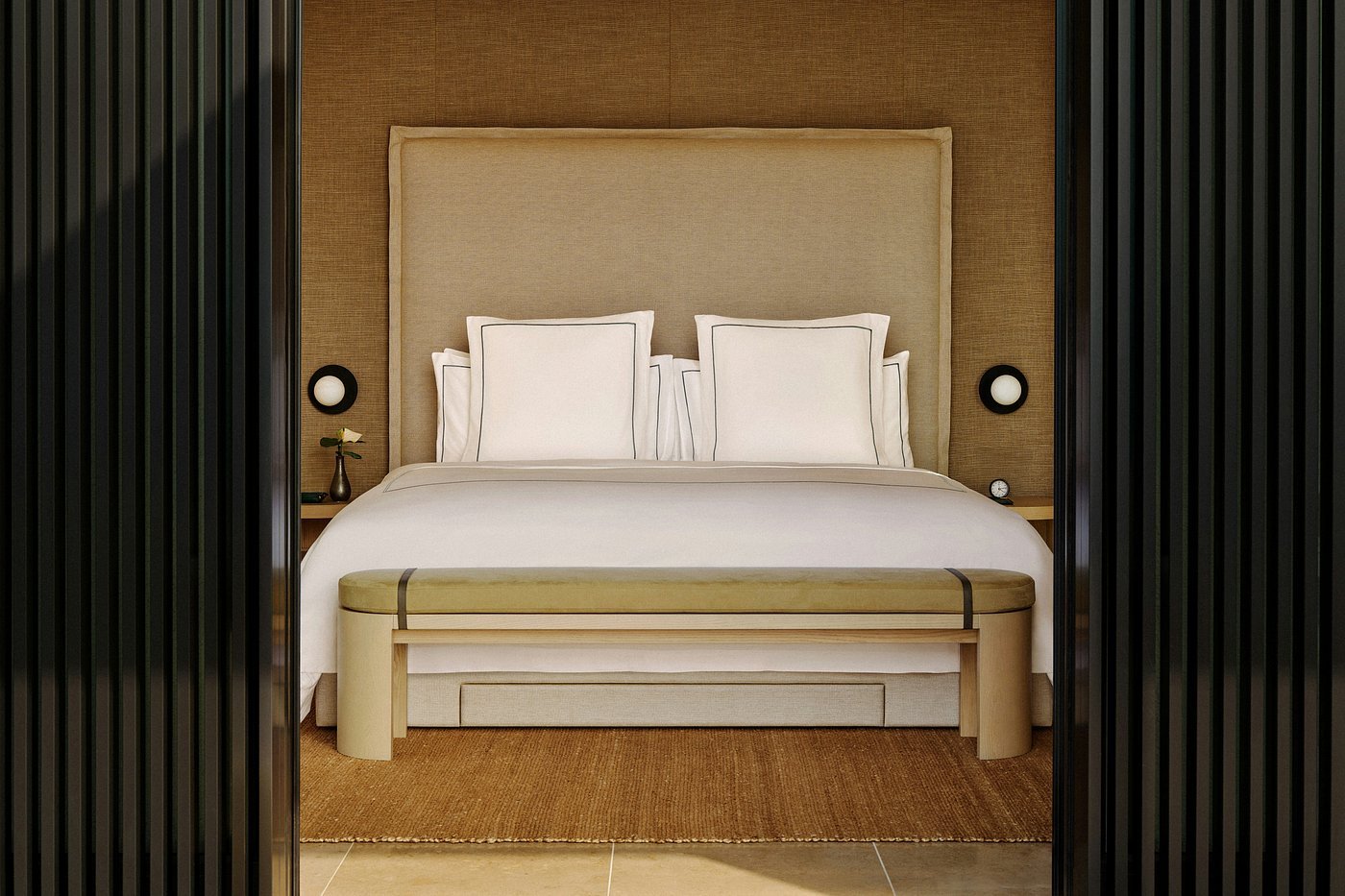
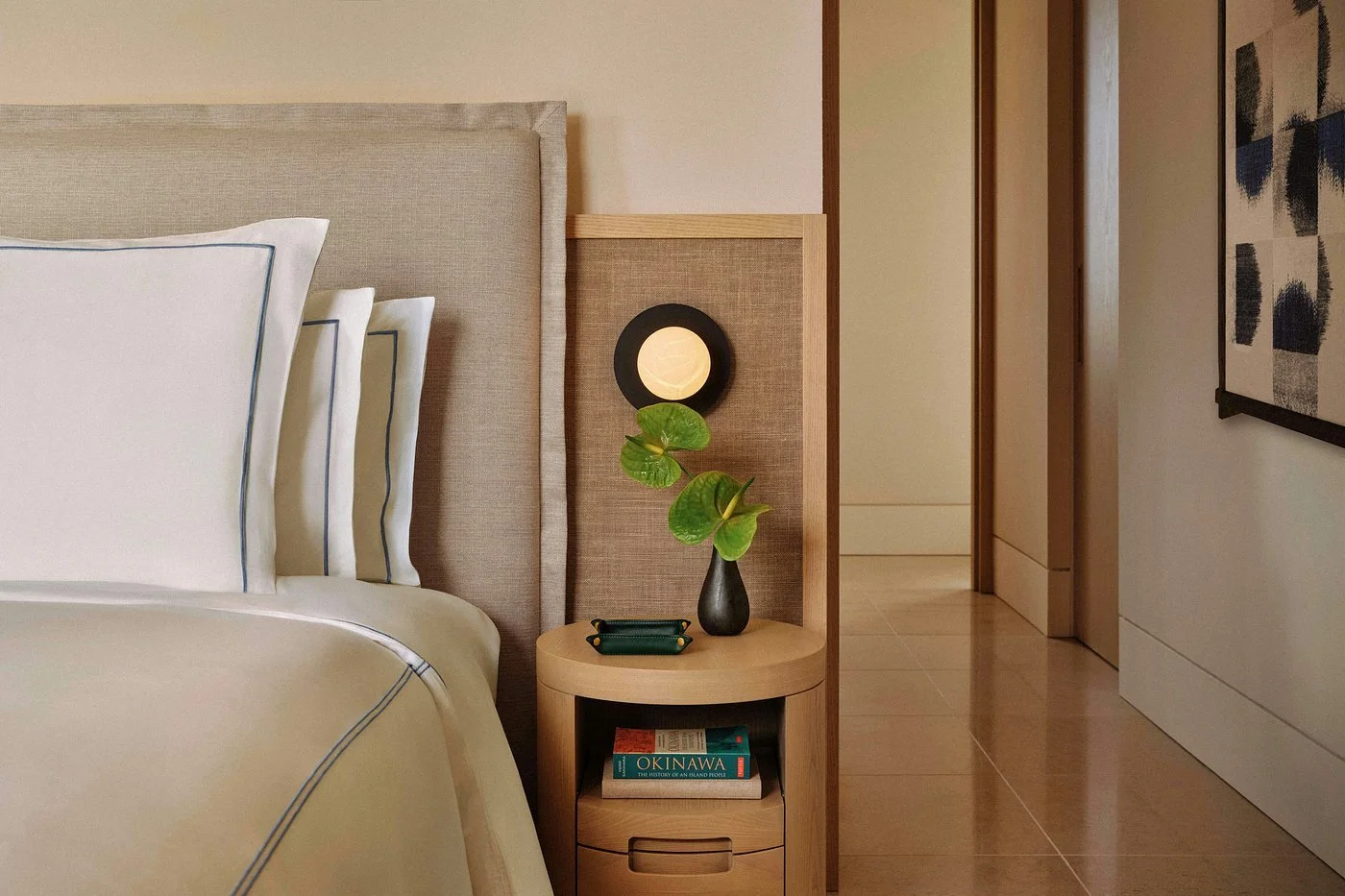
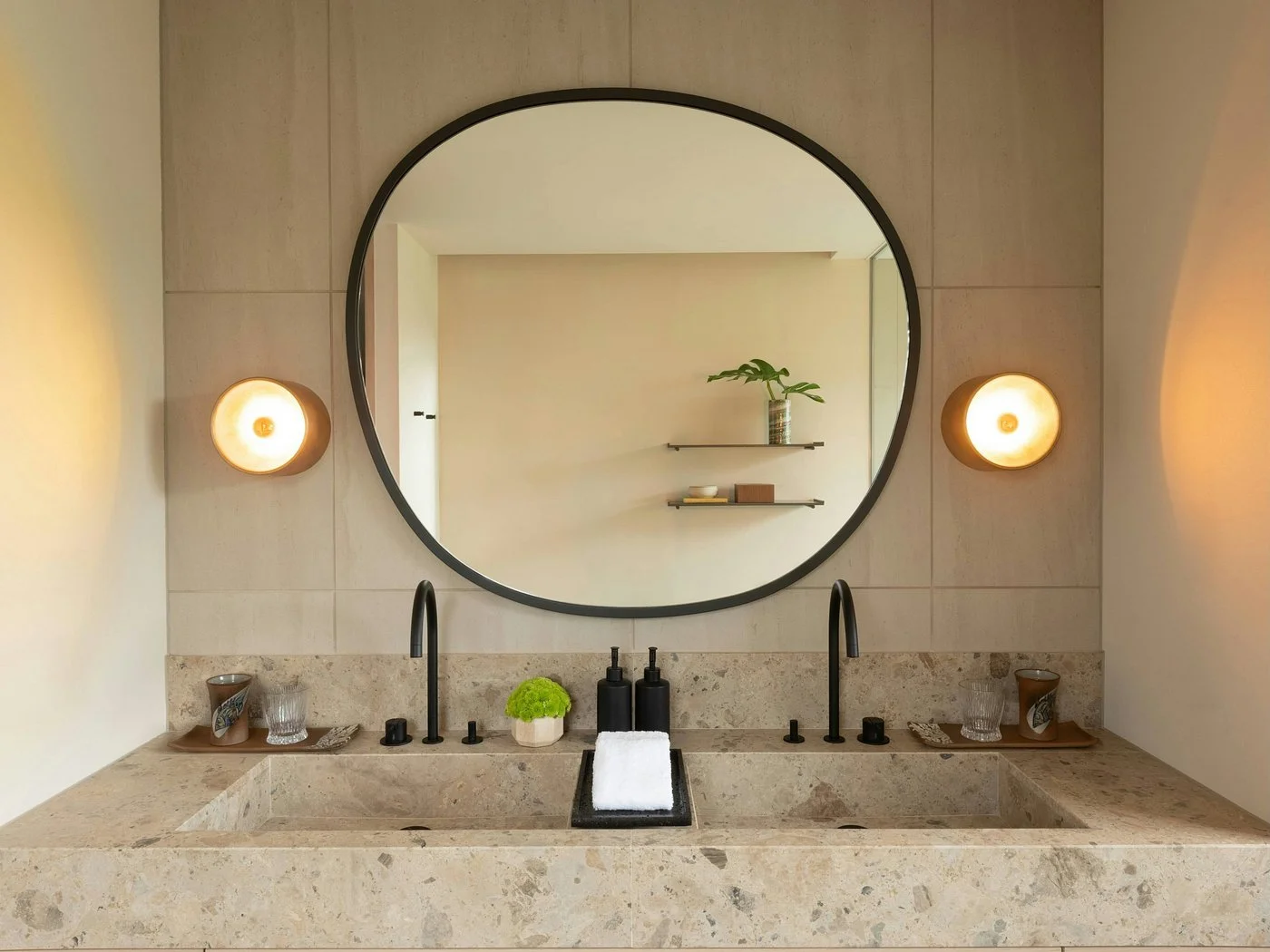
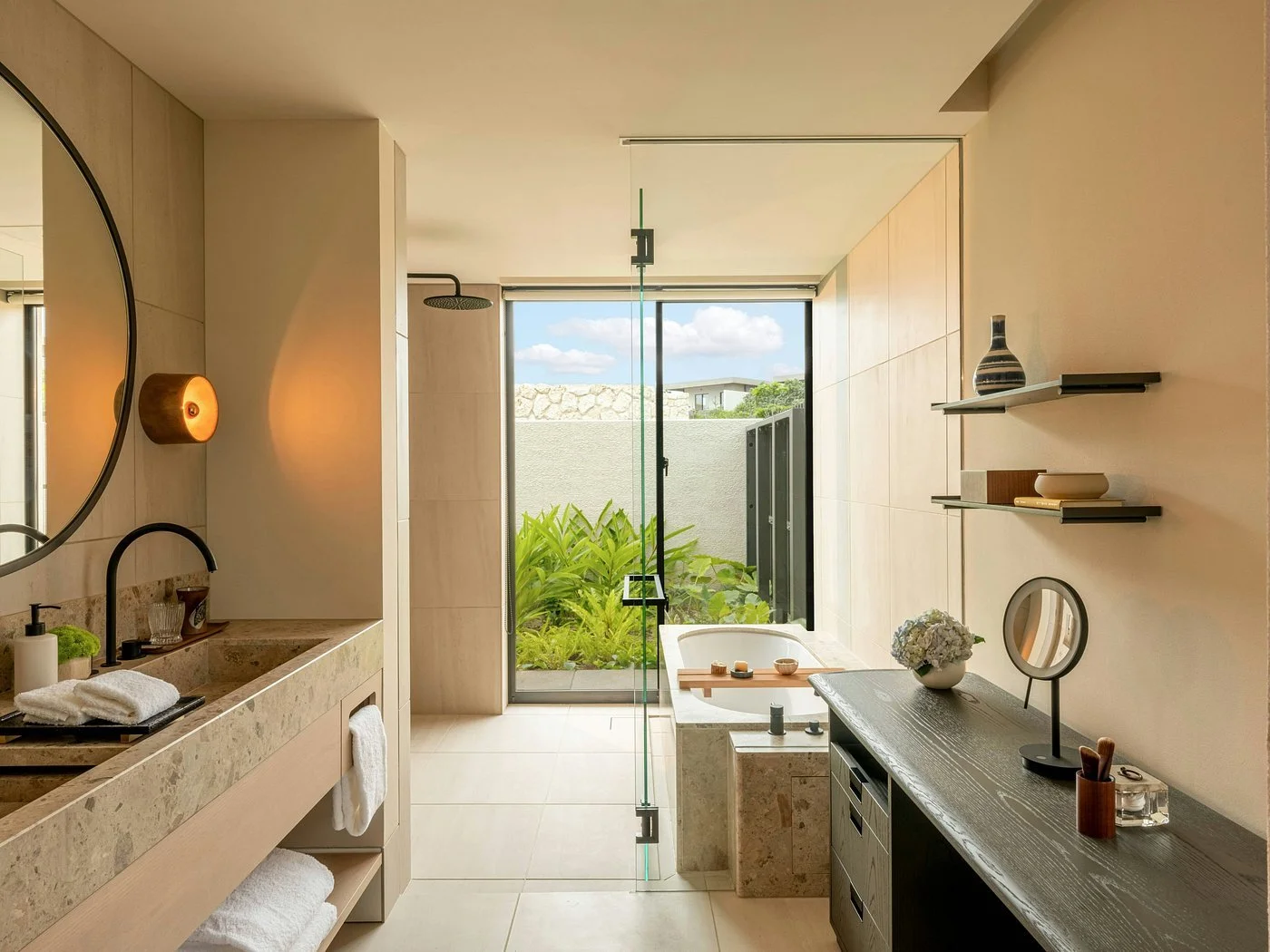
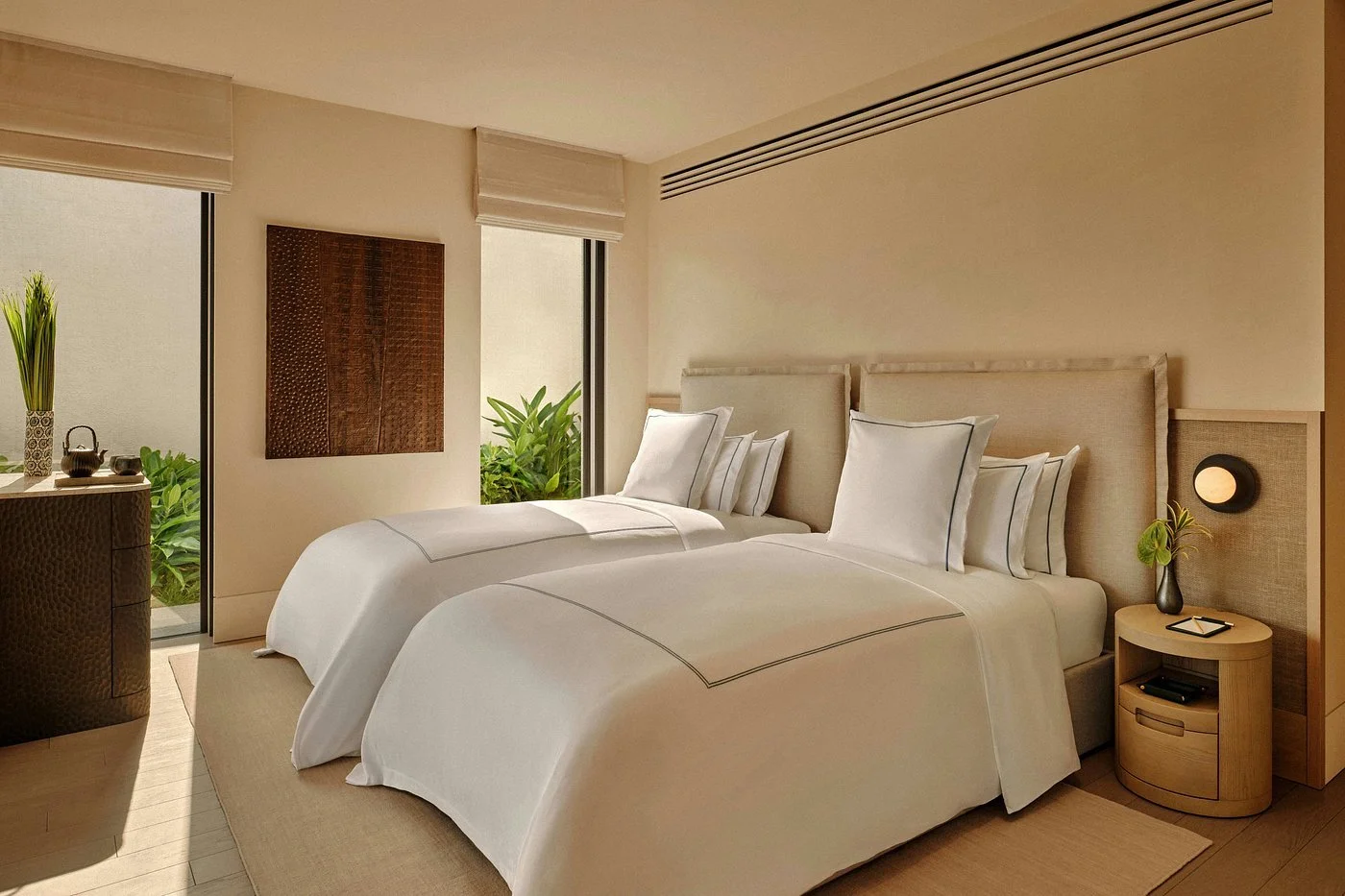
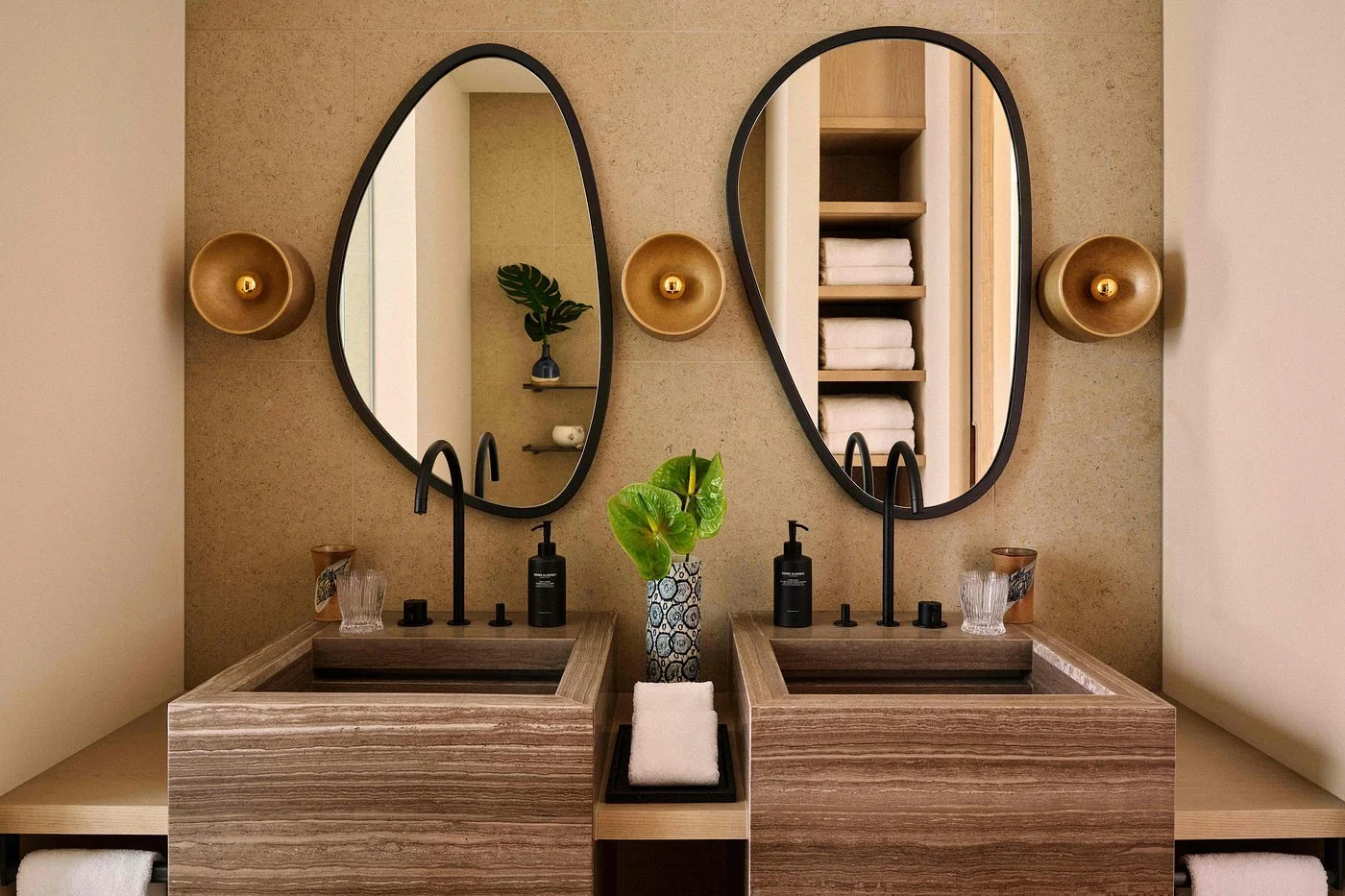
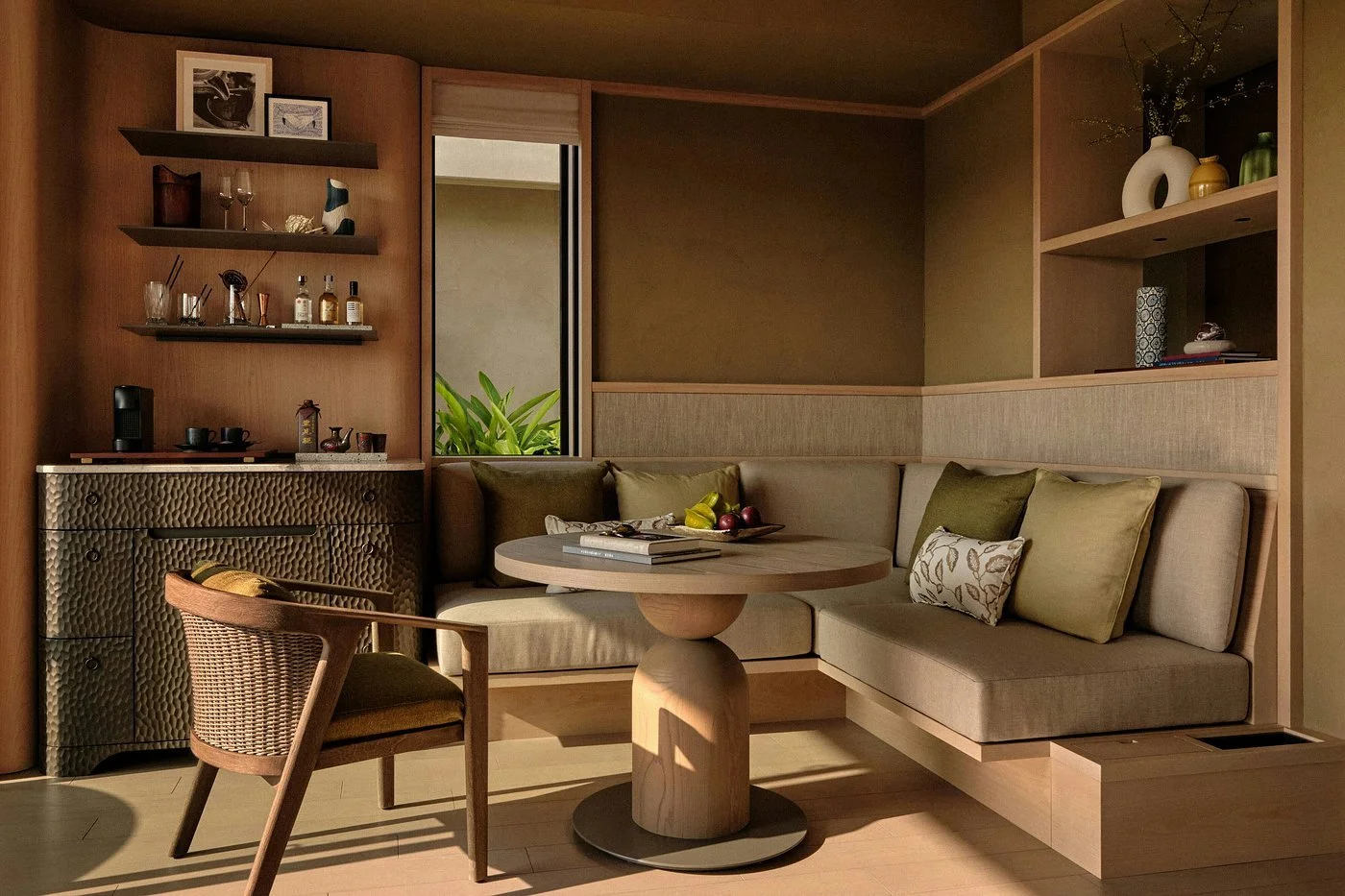
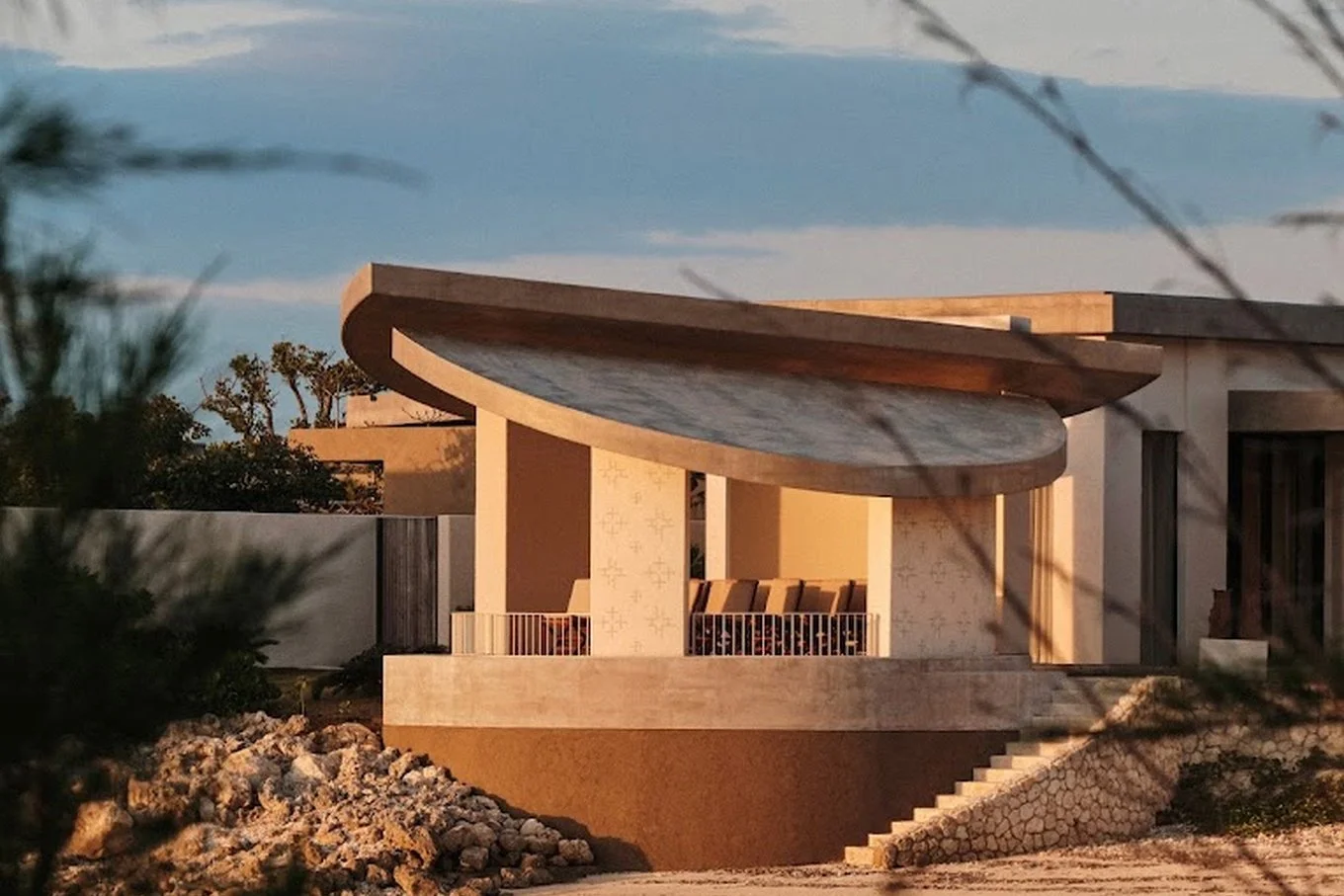
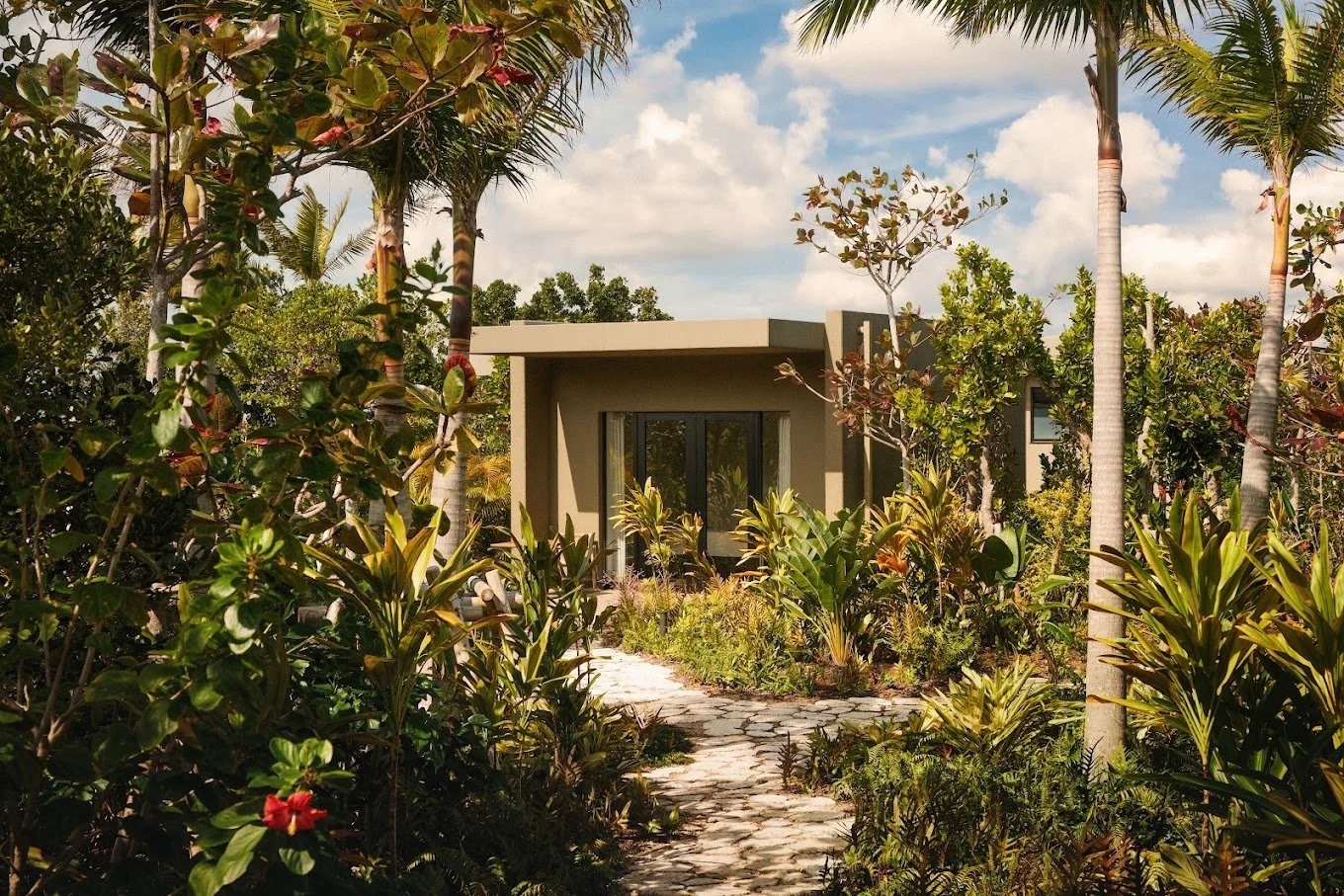
Studio Piet Boon designed the resort’s architecture and interiors, drawing on local building traditions and the peninsula’s natural setting. Ryukyu limestone gives the property a material connection to Okinawa, while restrained forms and a muted palette keep attention on the landscape. The buildings work with the coast’s changing contours, placing accommodations across different parts of the peninsula.
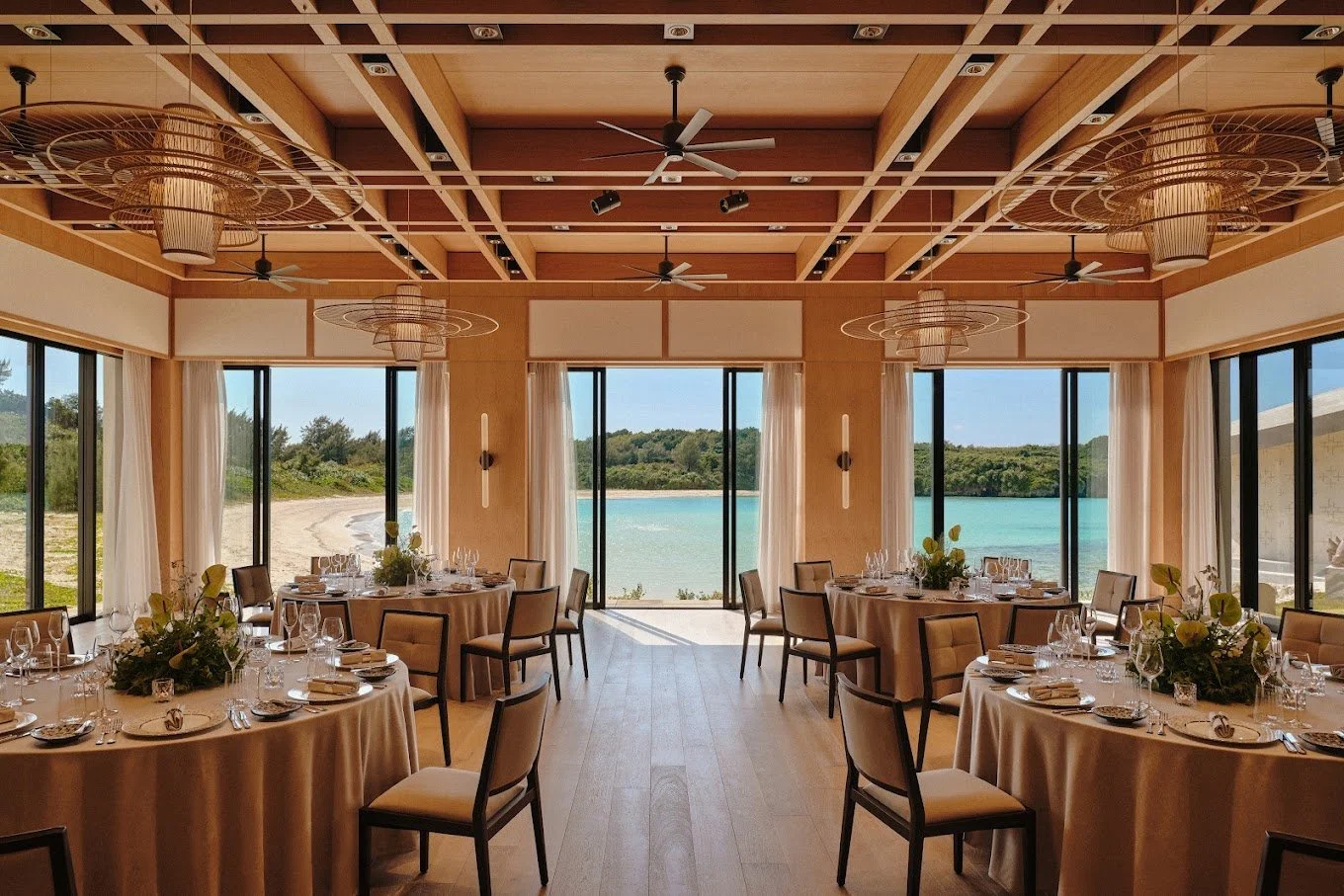
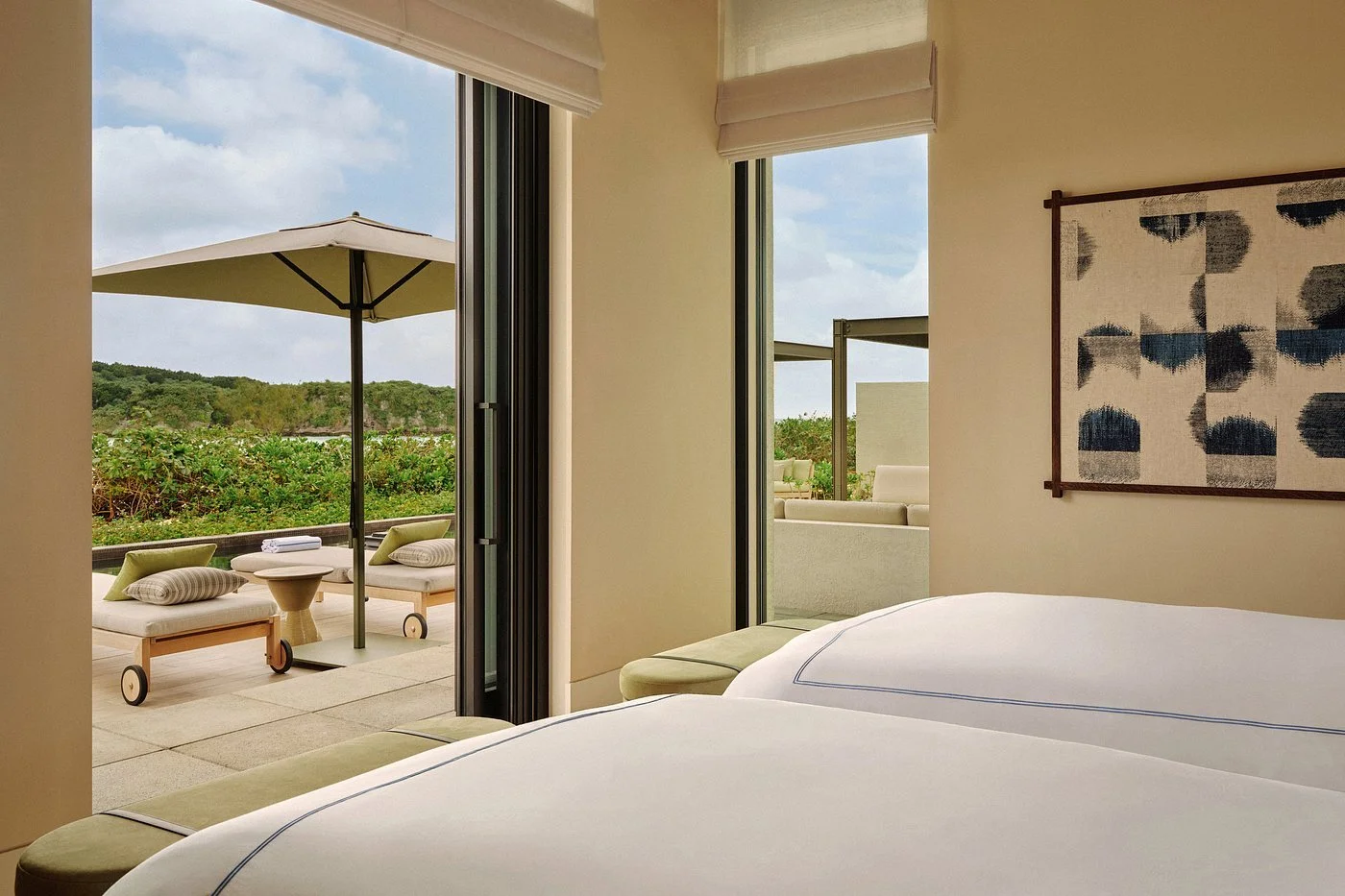
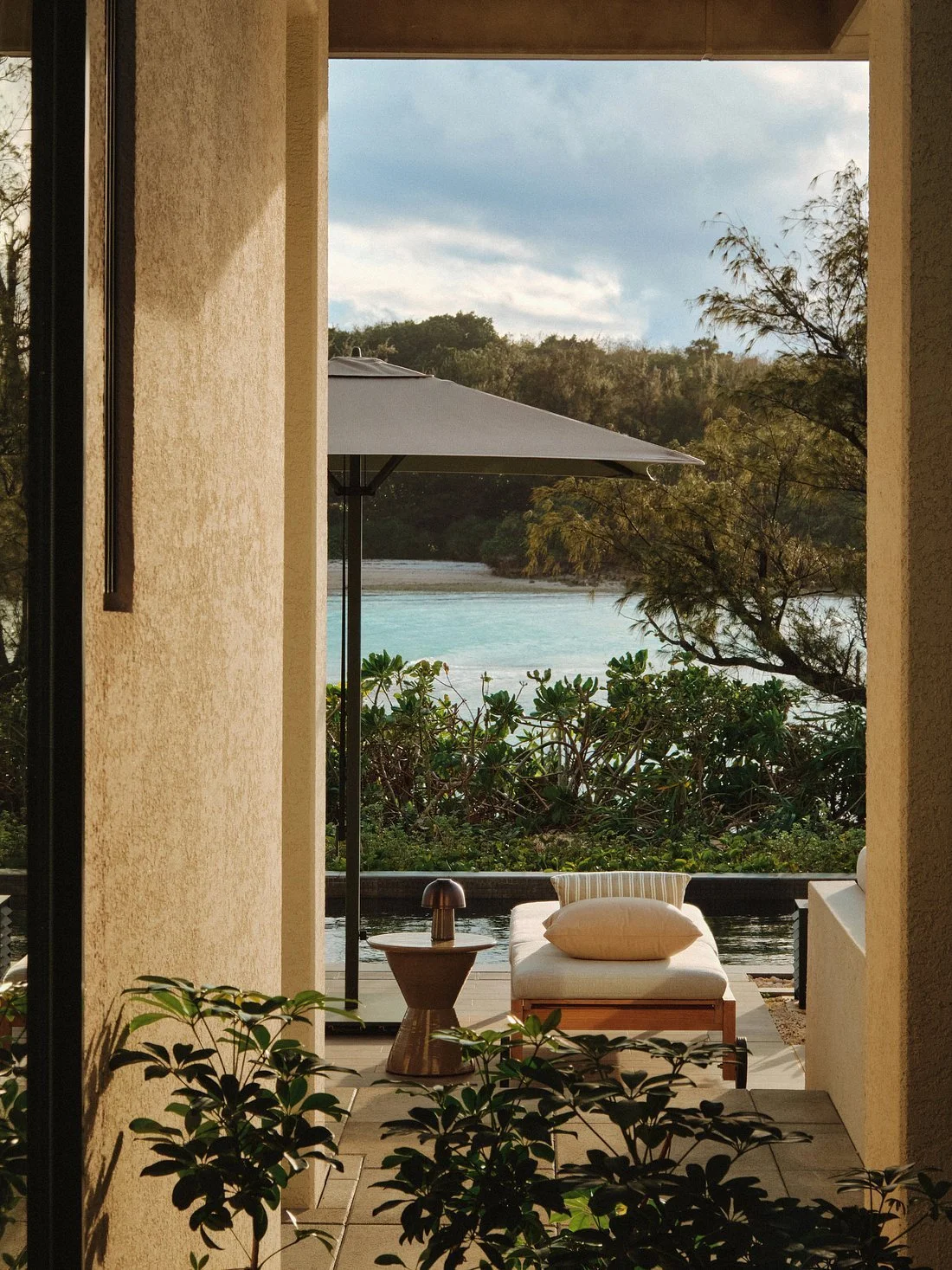
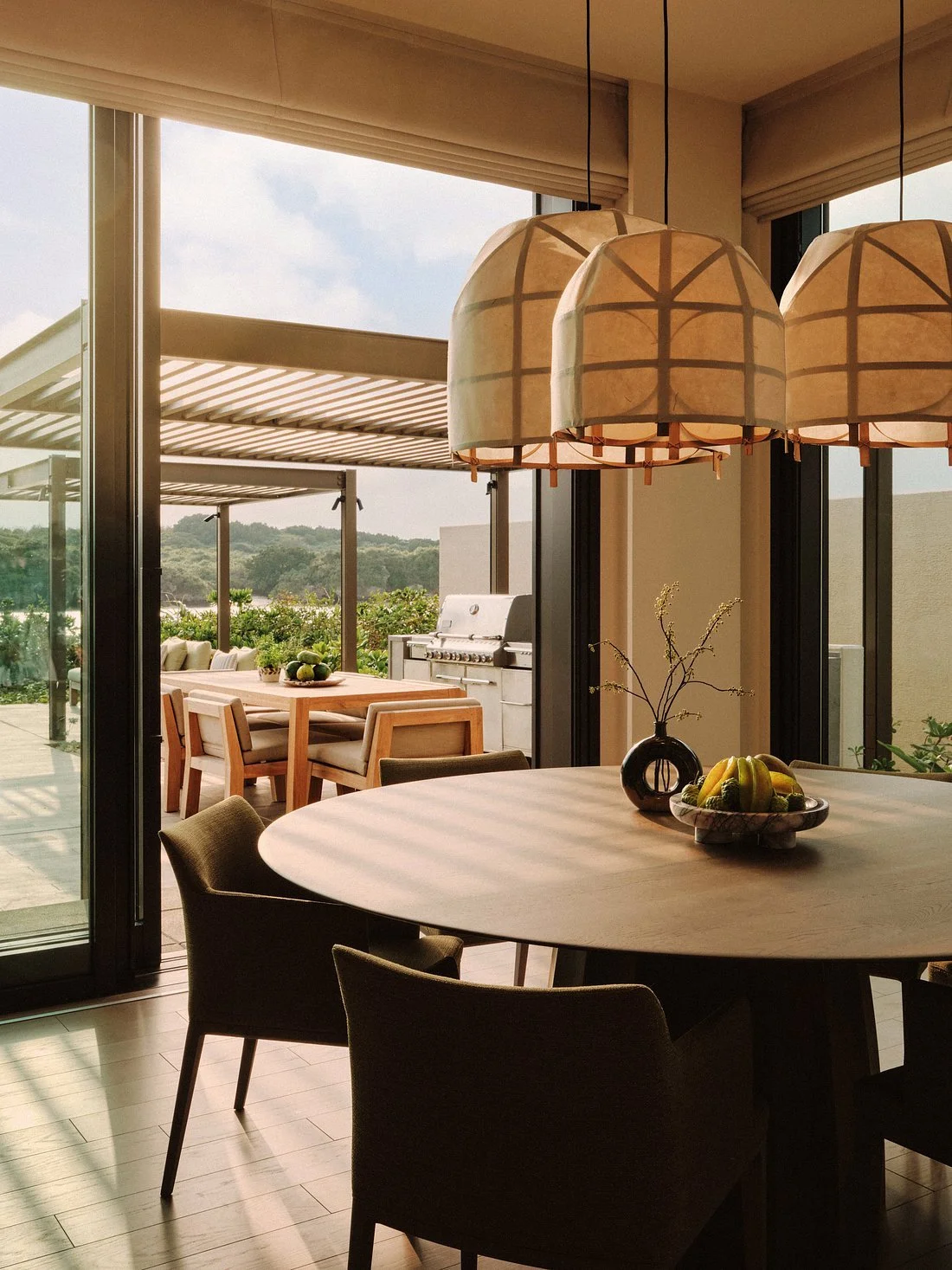
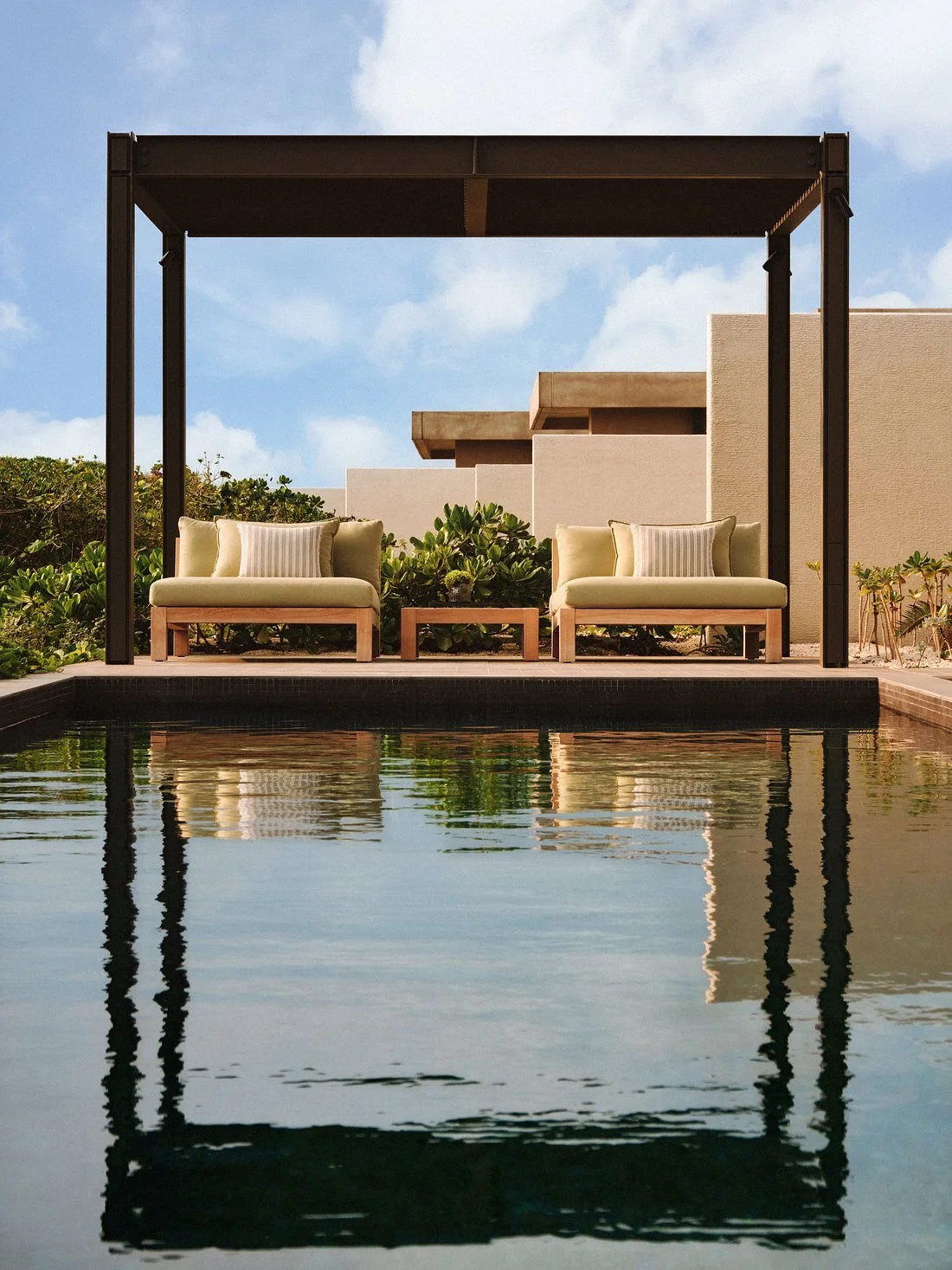
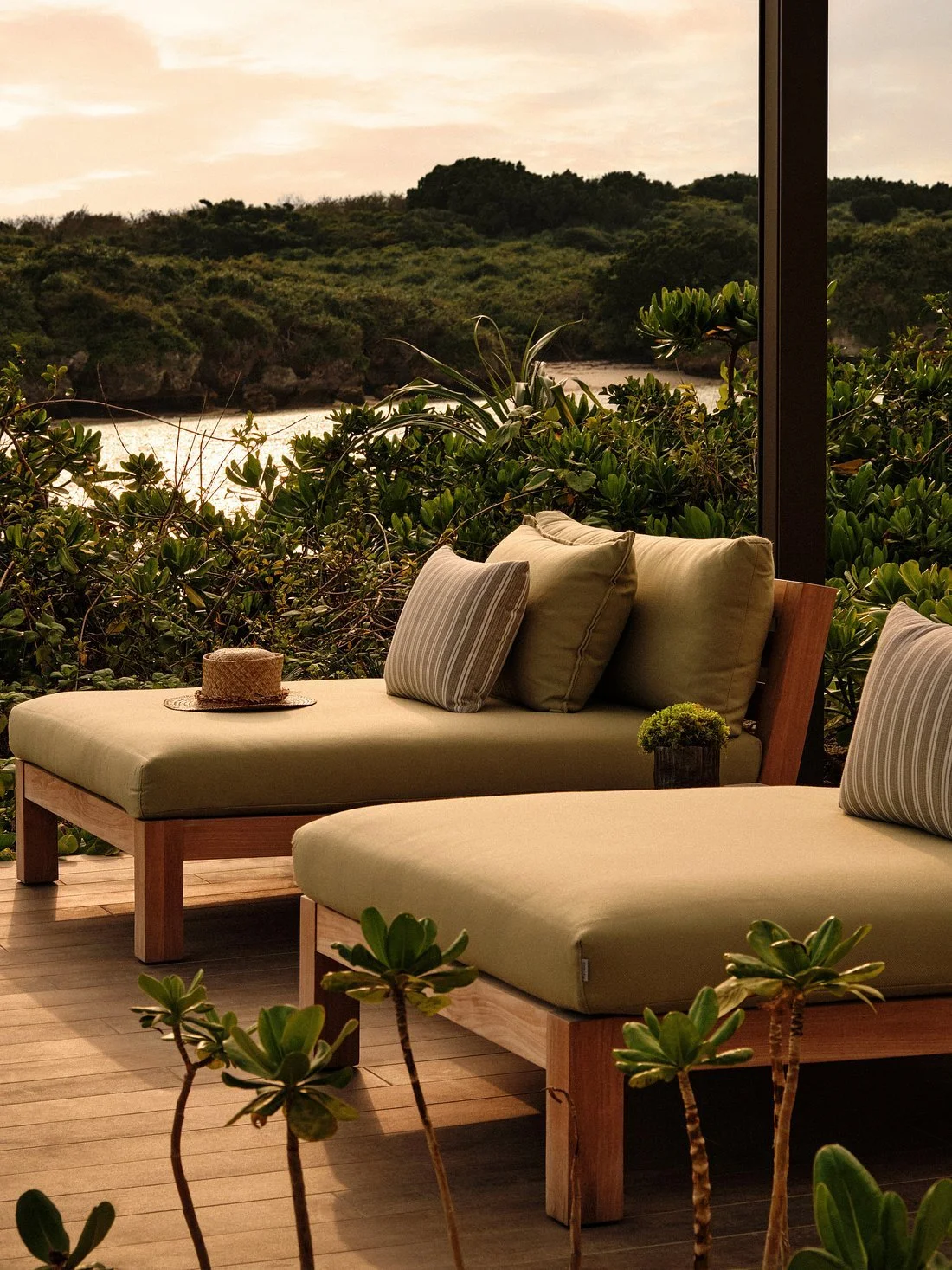
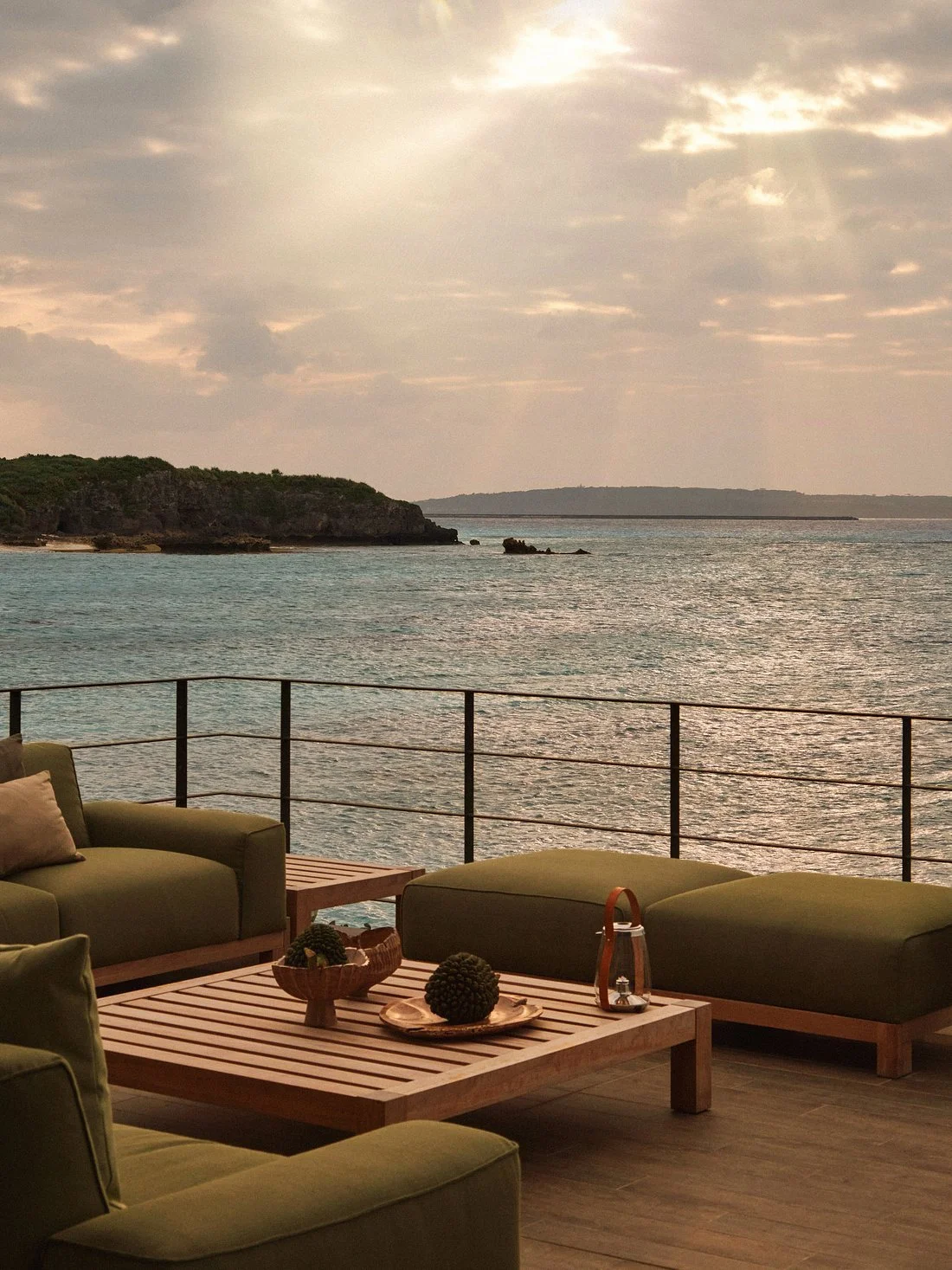
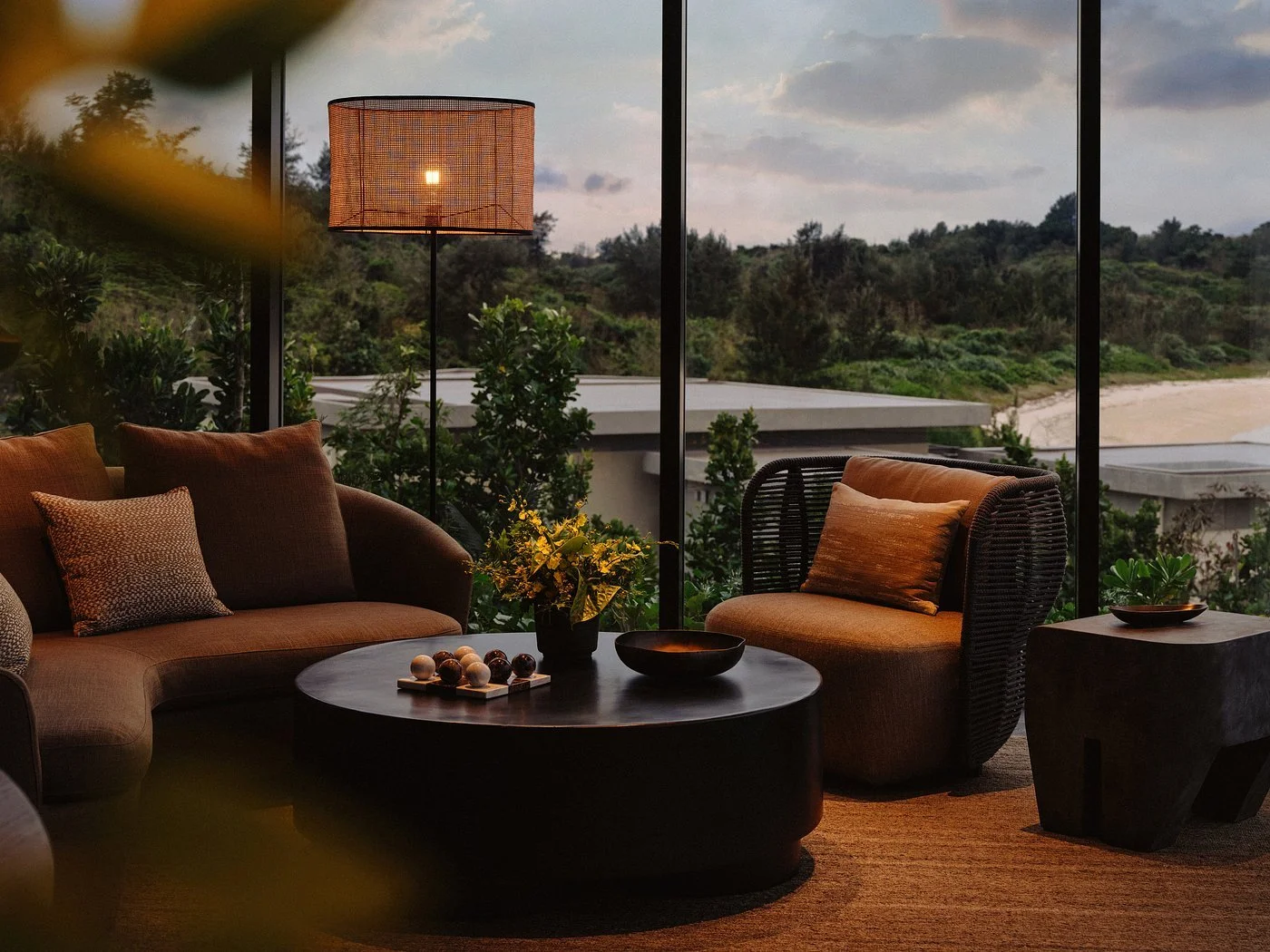
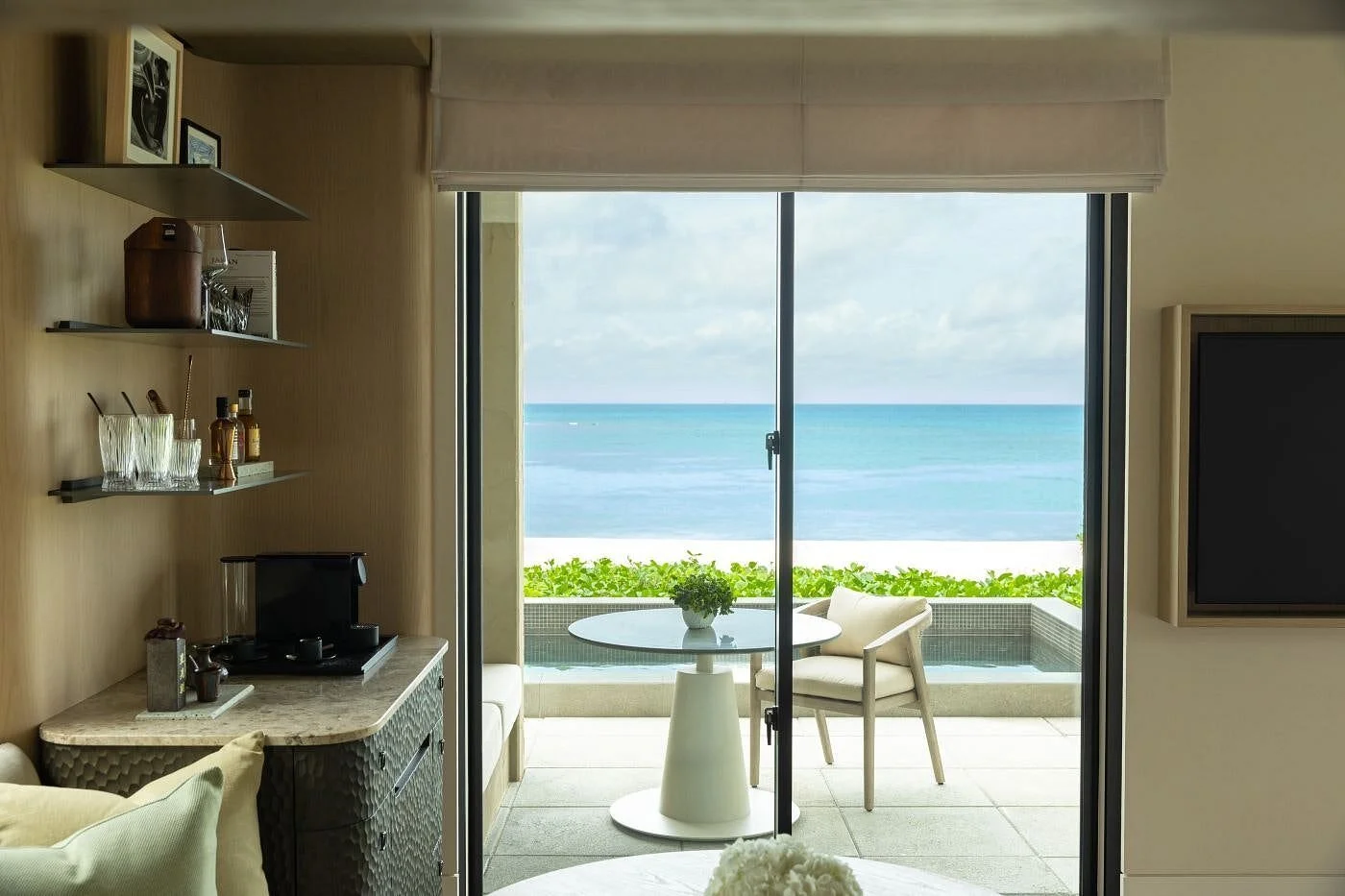
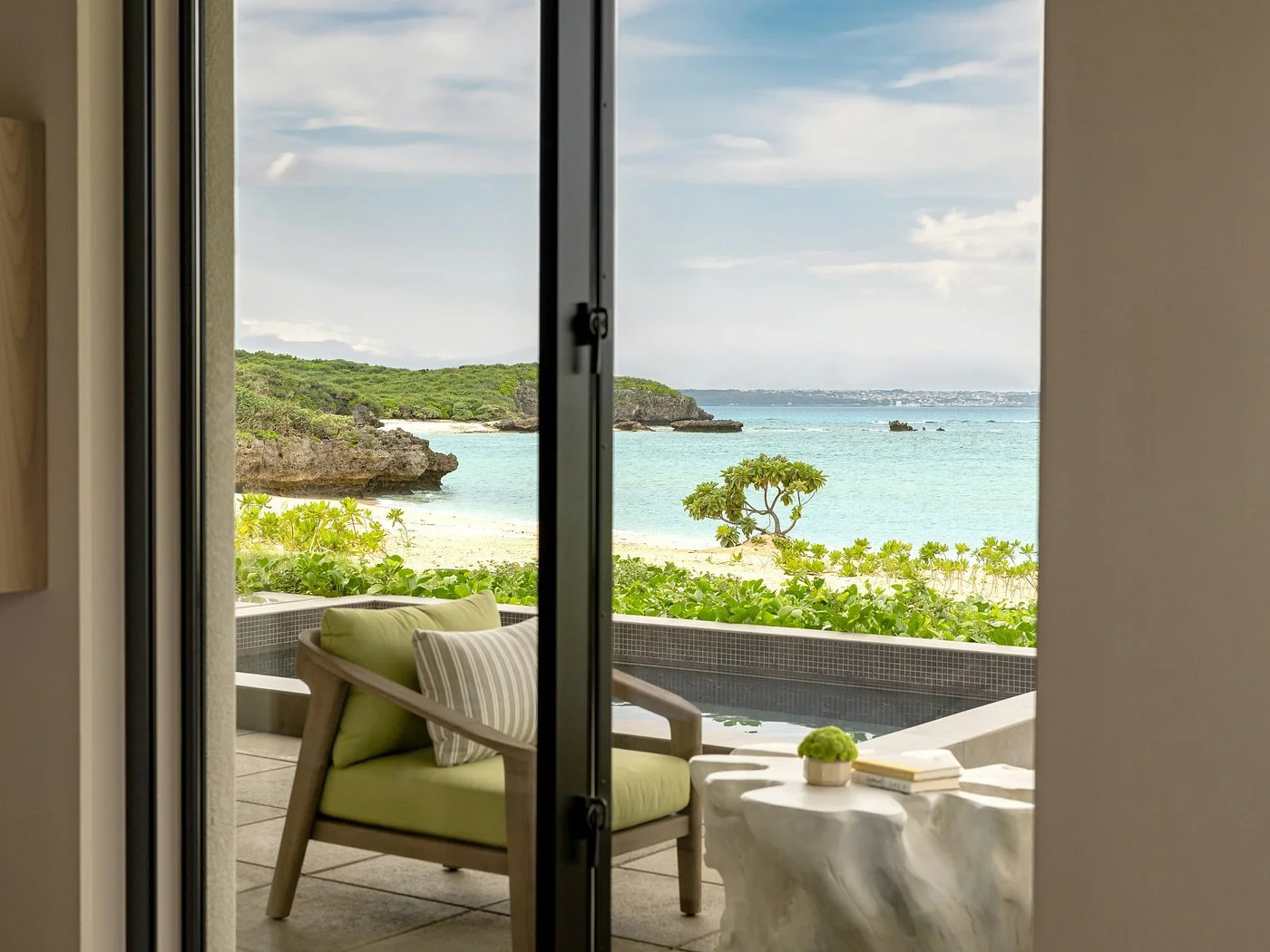
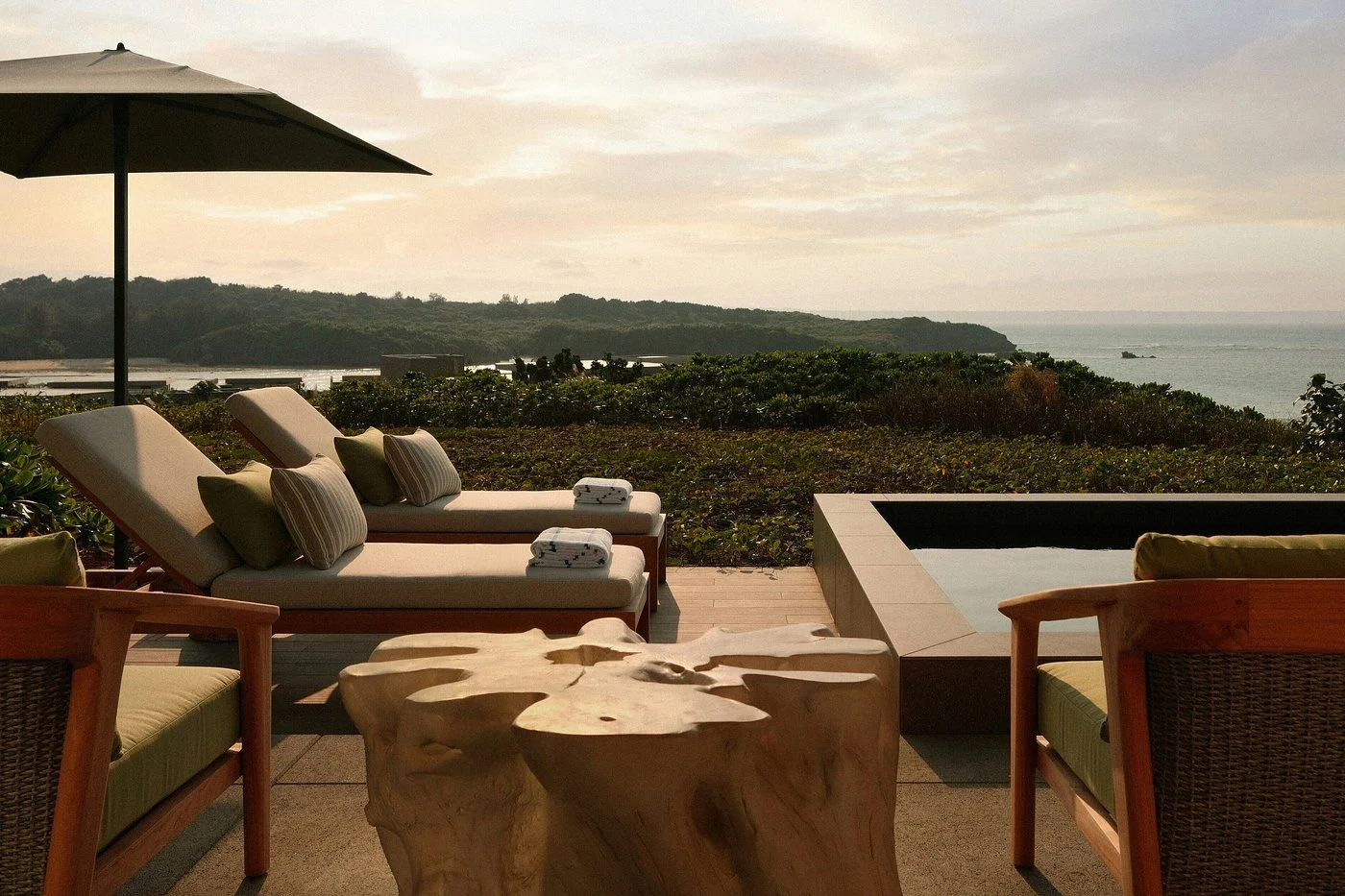
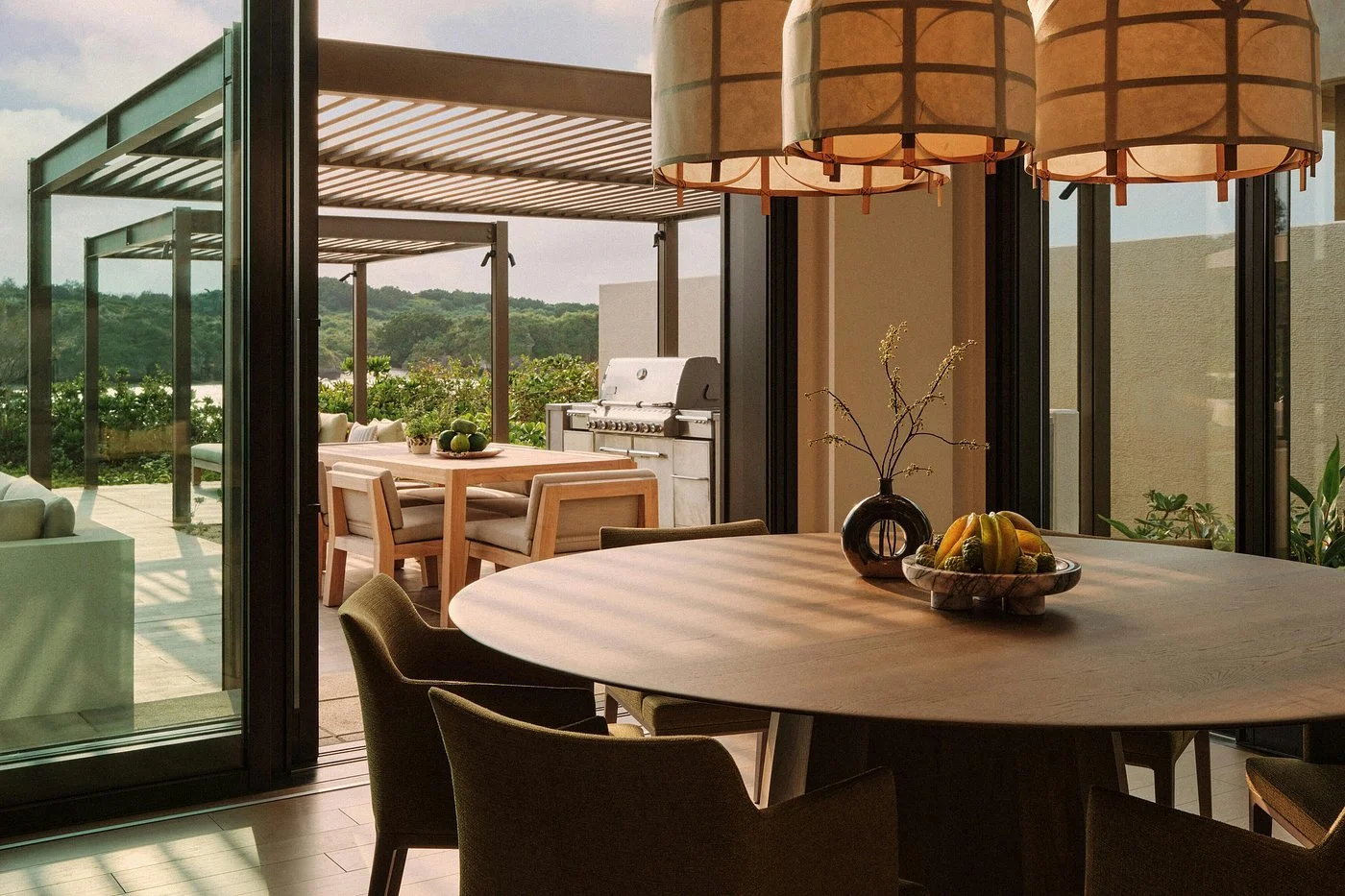
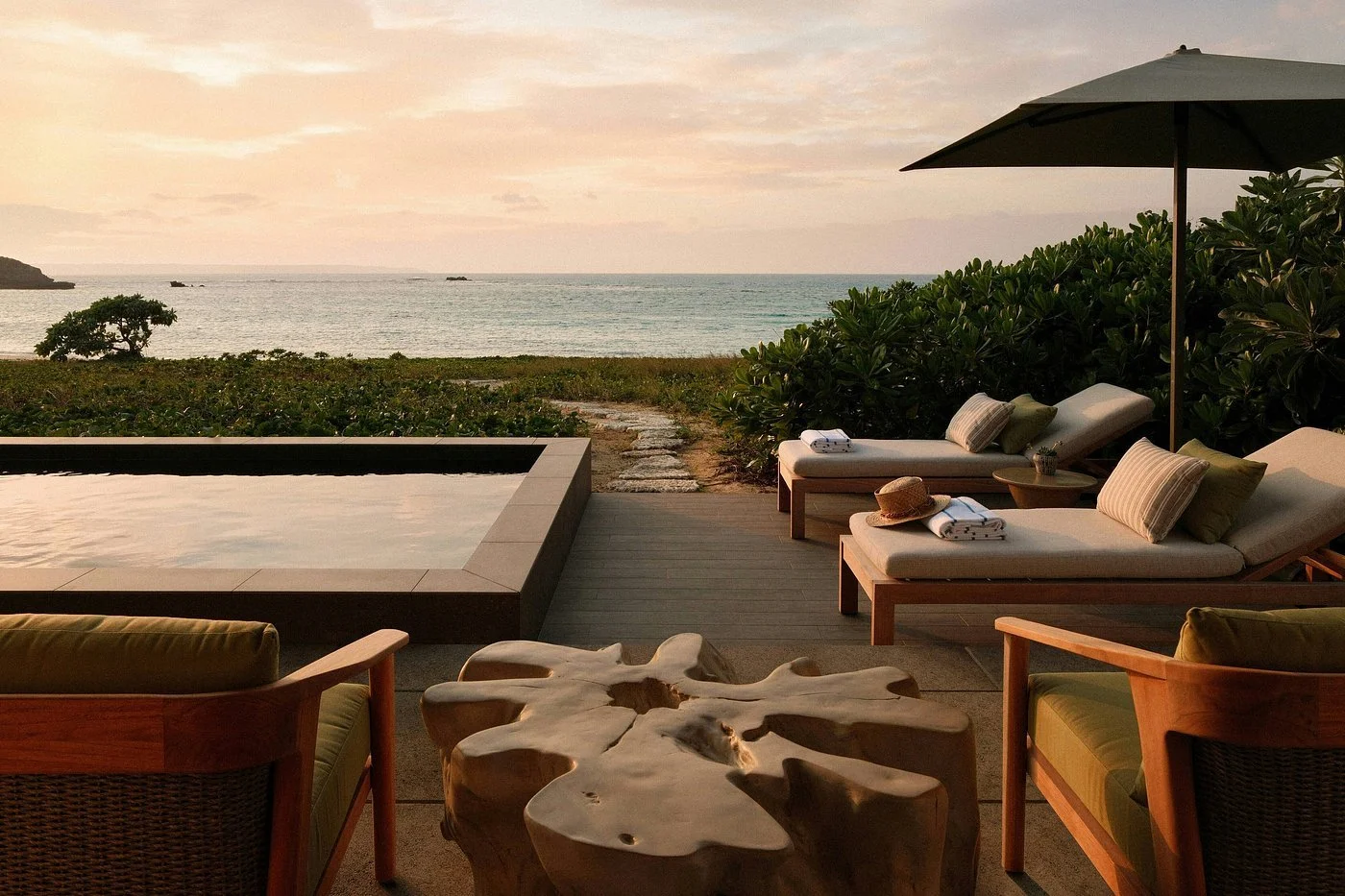
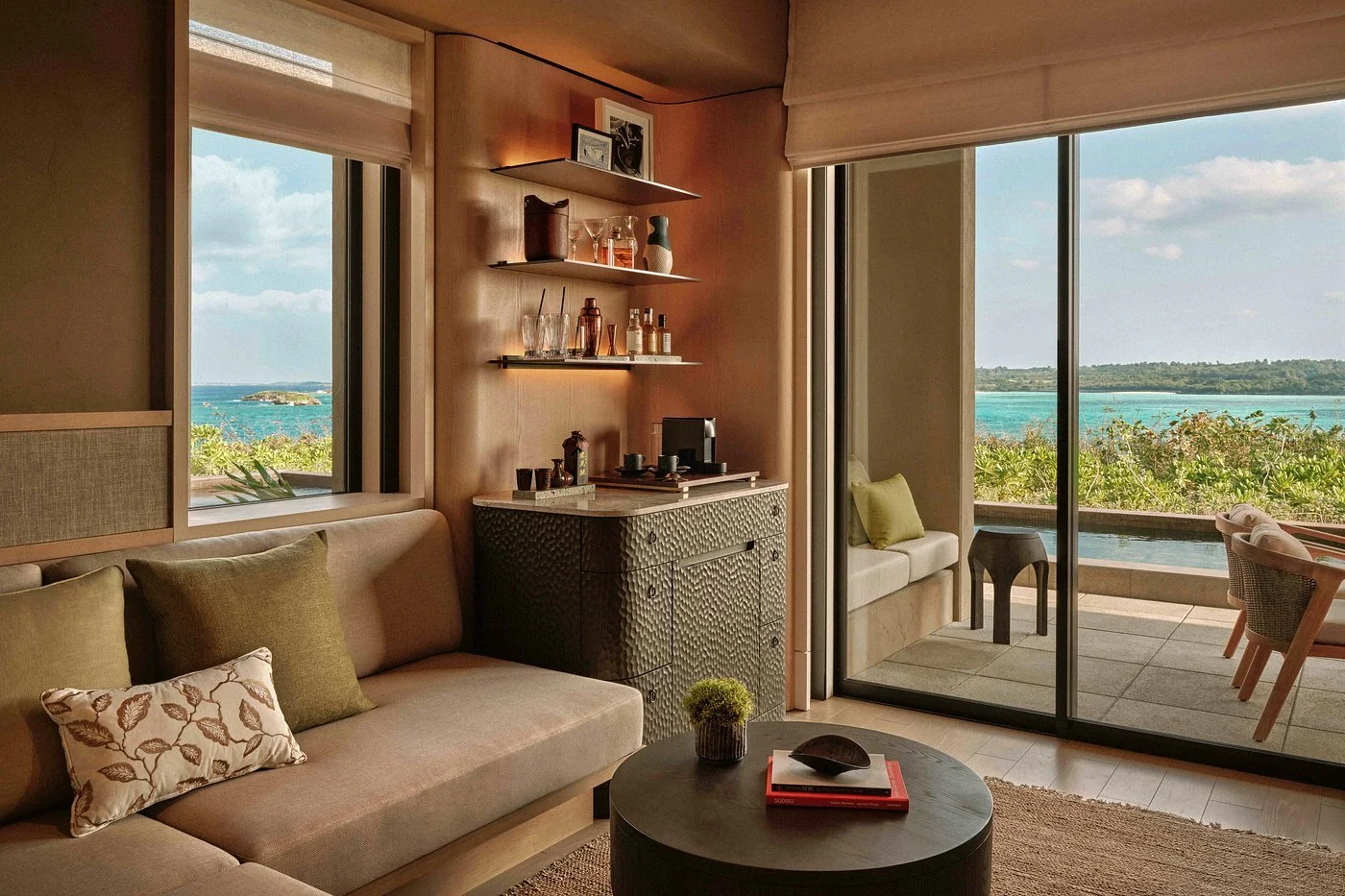
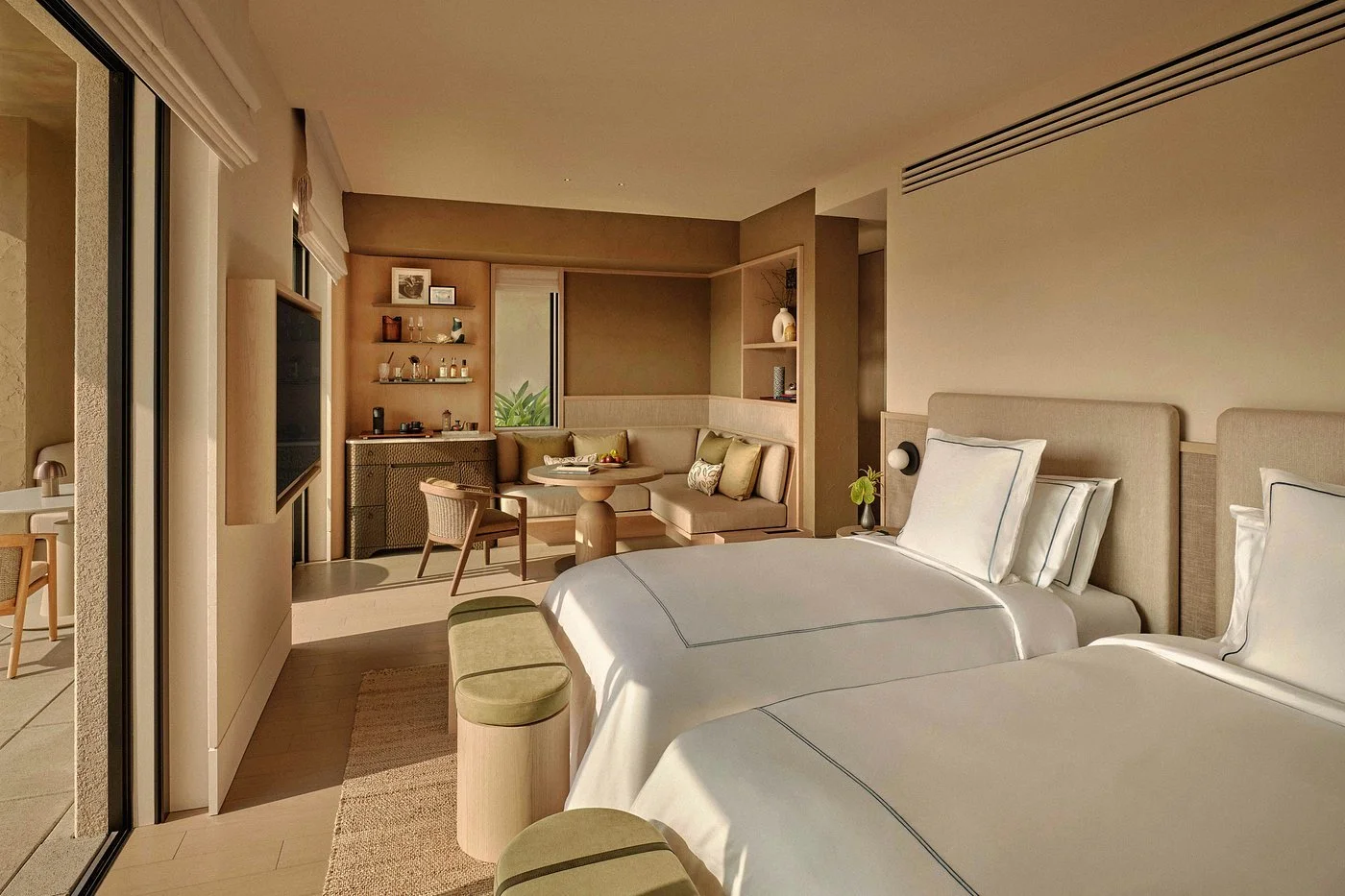
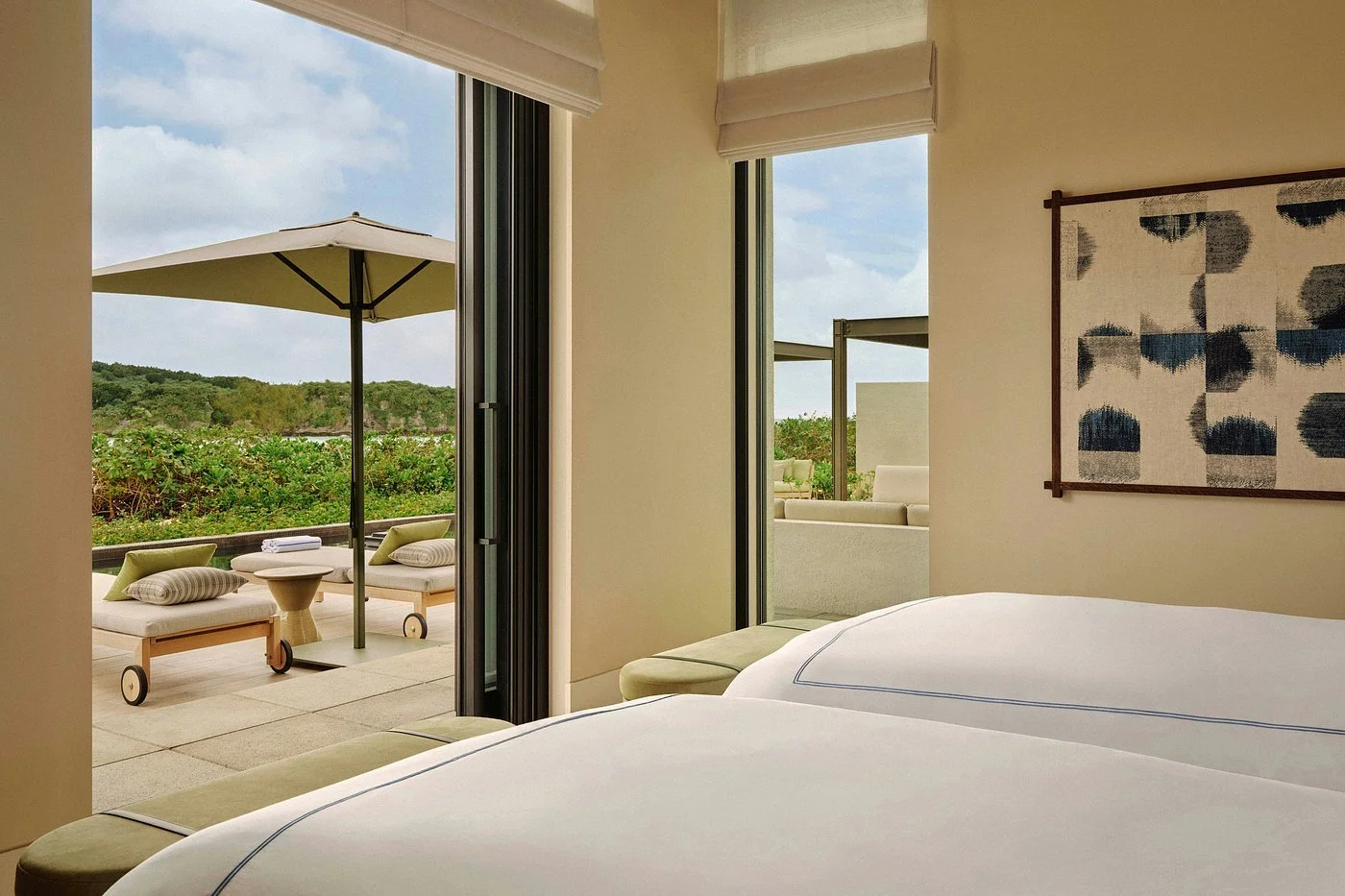
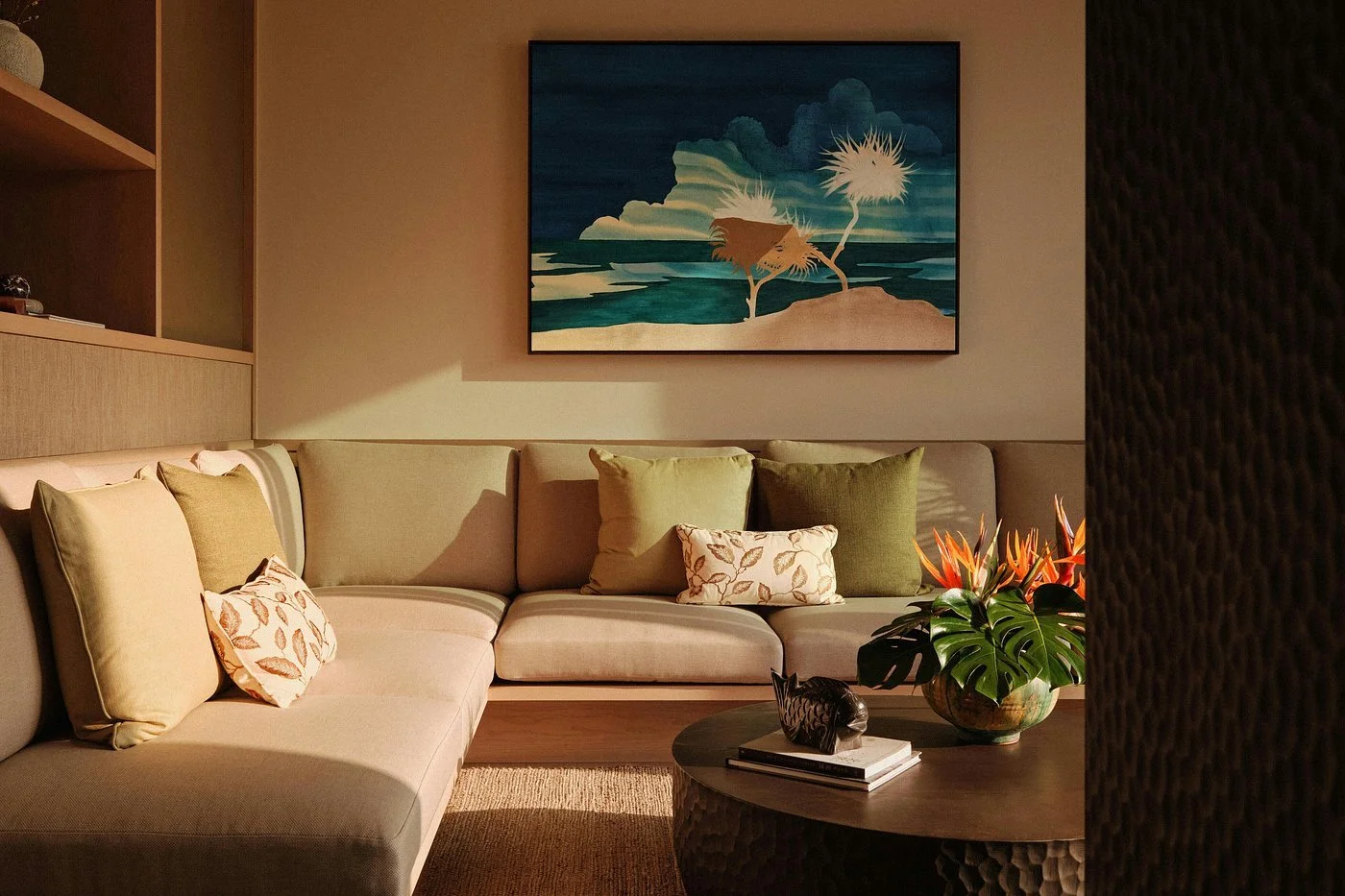
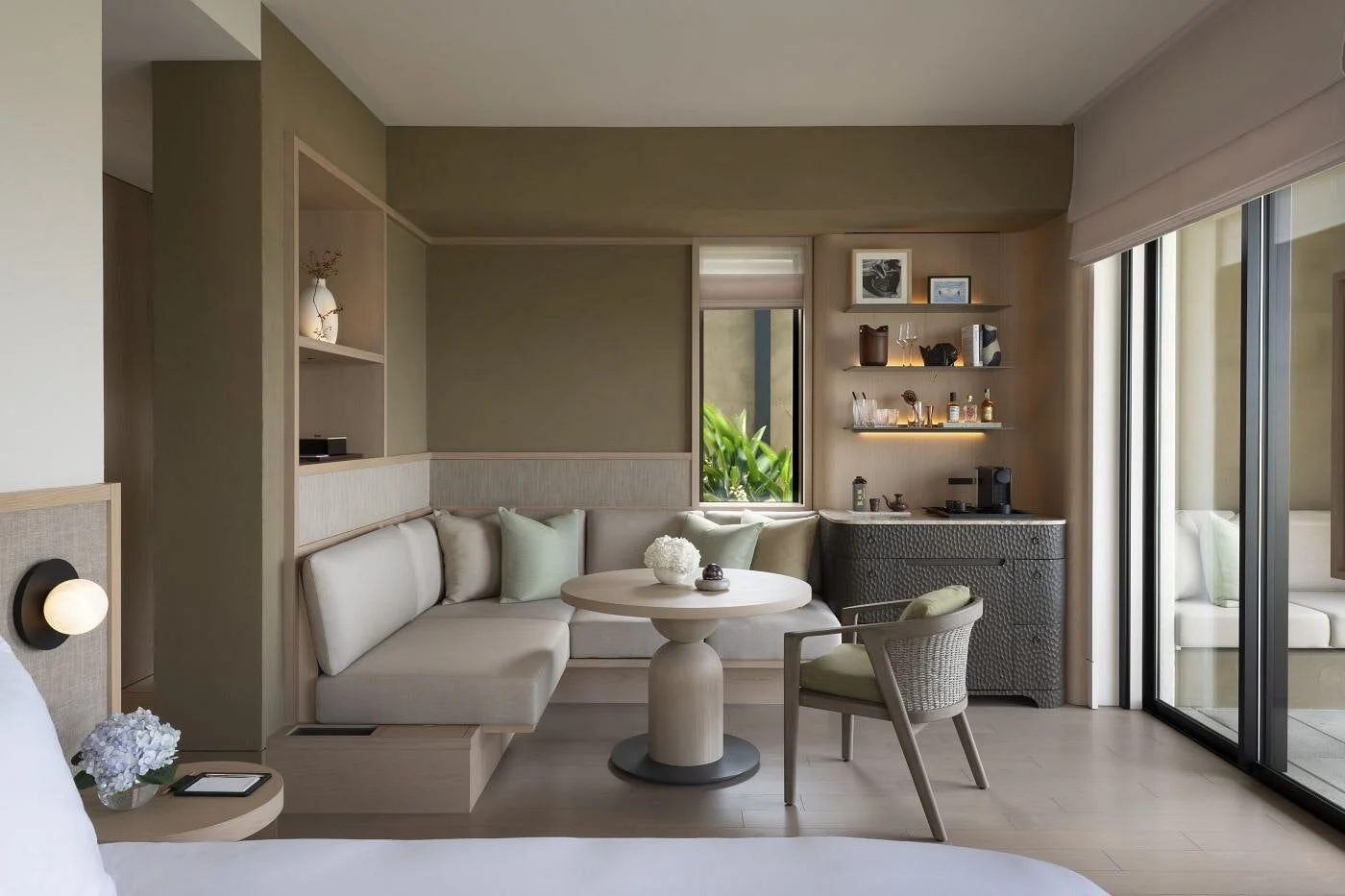
Inside, natural textures and generous openings create an easy relationship between rooms and terraces. The design feels particularly appropriate for a stay shaped by outdoor living: you can move from a shaded place to read to your own pool, with the sea remaining part of the view. There is enough detail to reward a closer look, without making the interiors feel precious.
The choice of location within the resort matters as much as the room itself. Some accommodations bring you close to the sand; others emphasize a broader outlook across the water. That variety gives the property a more individual character and makes selecting the right villa an important part of planning the stay.
Villas and Houses by the Sea
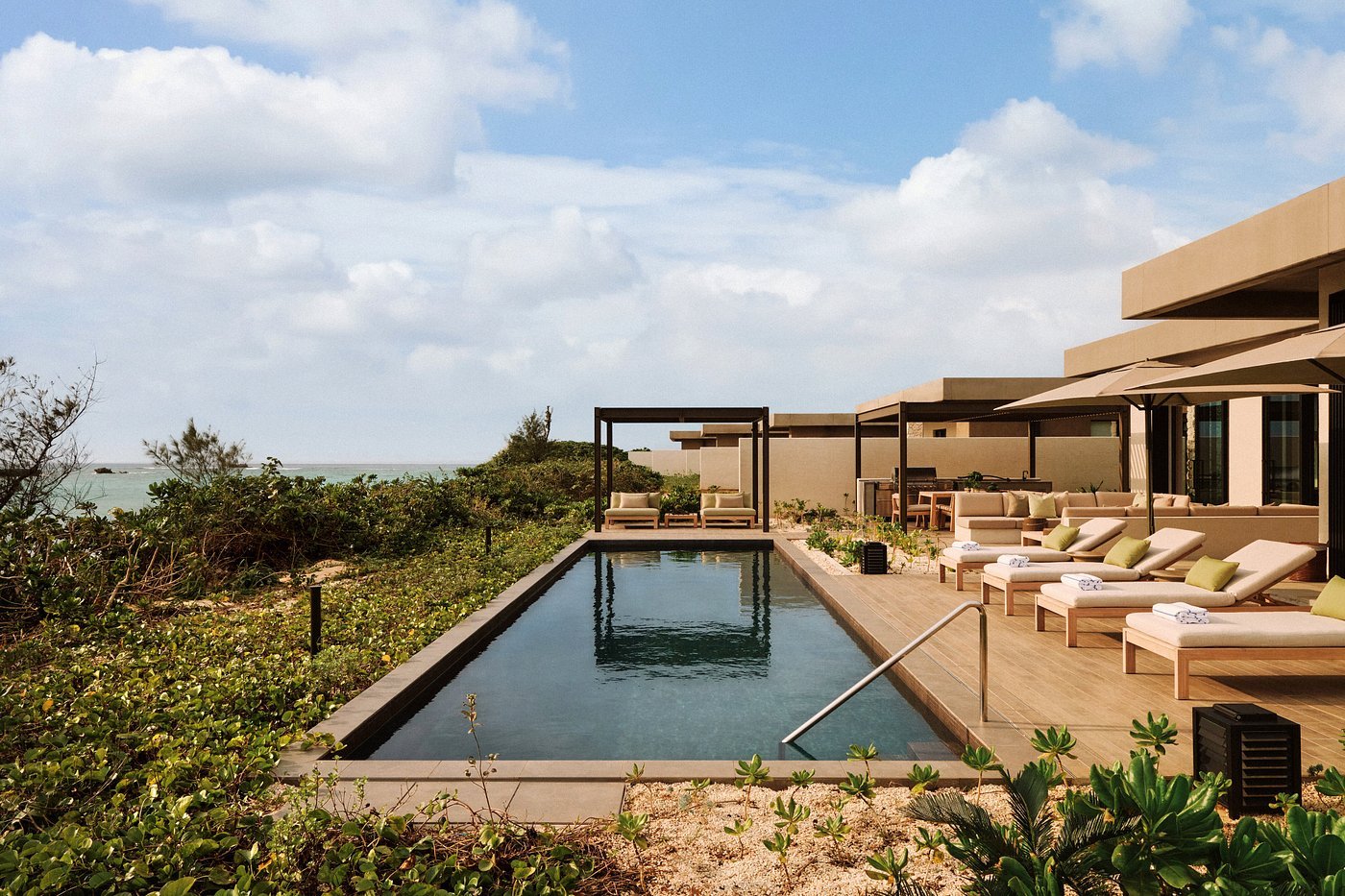
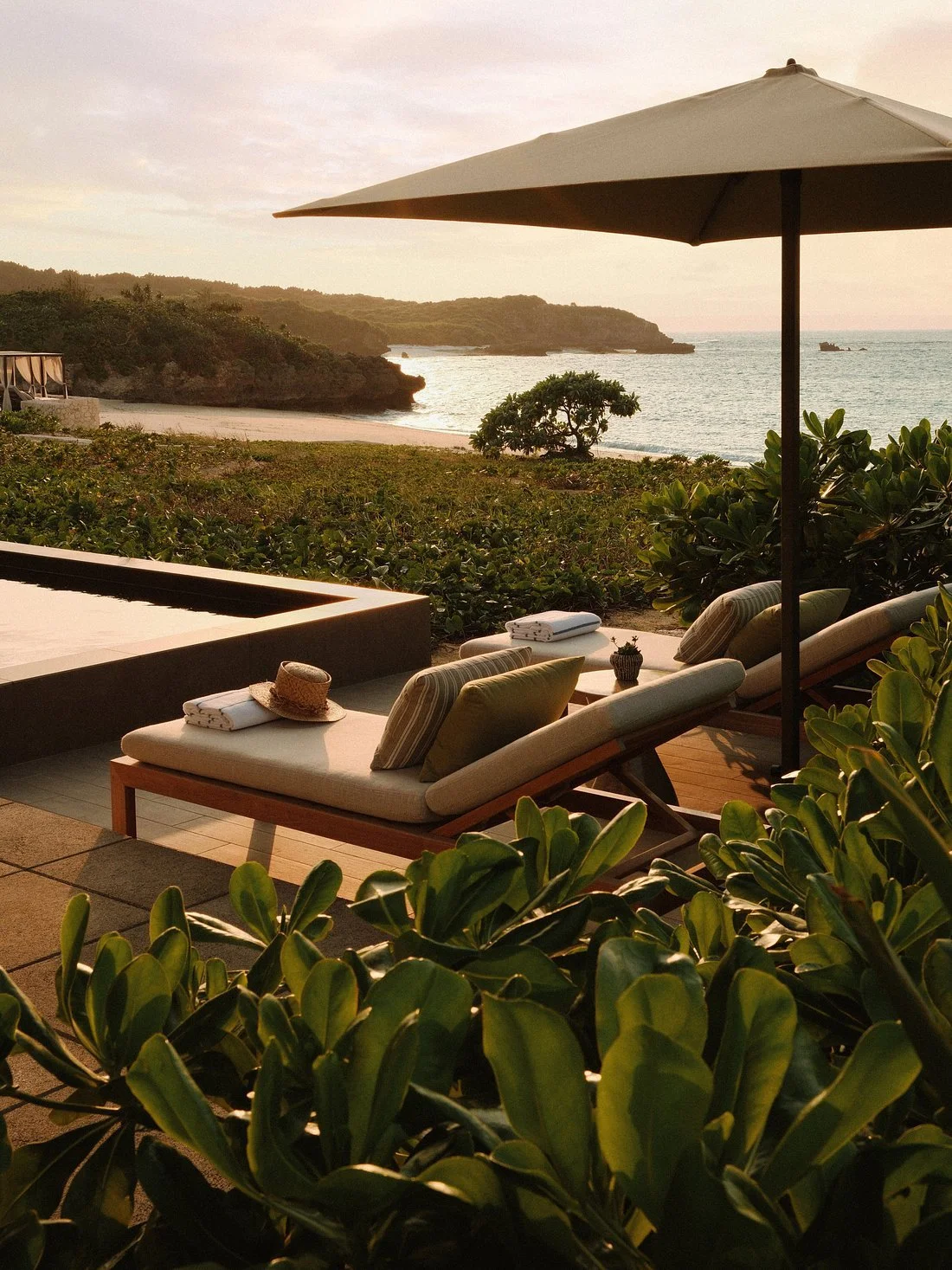
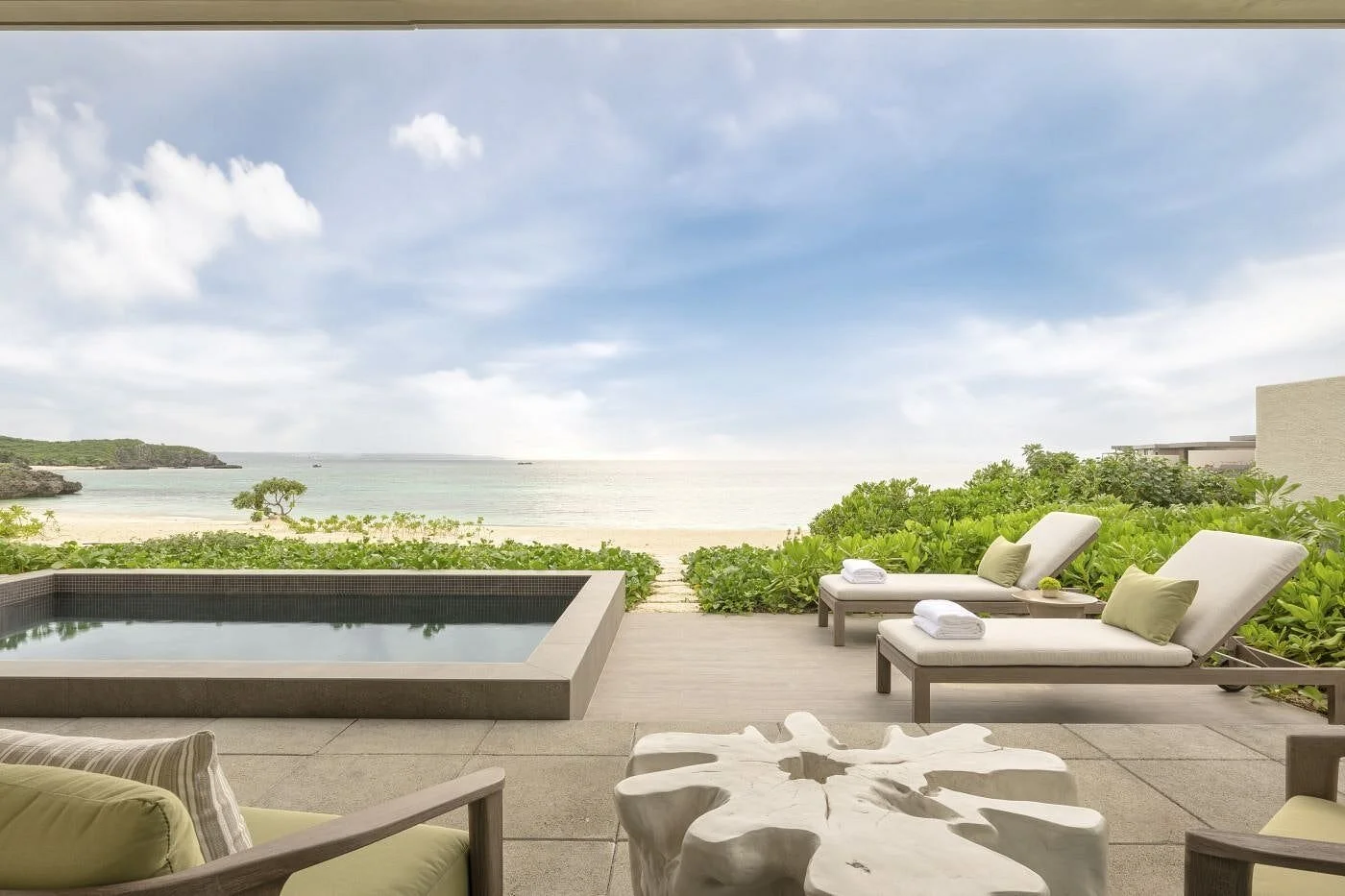
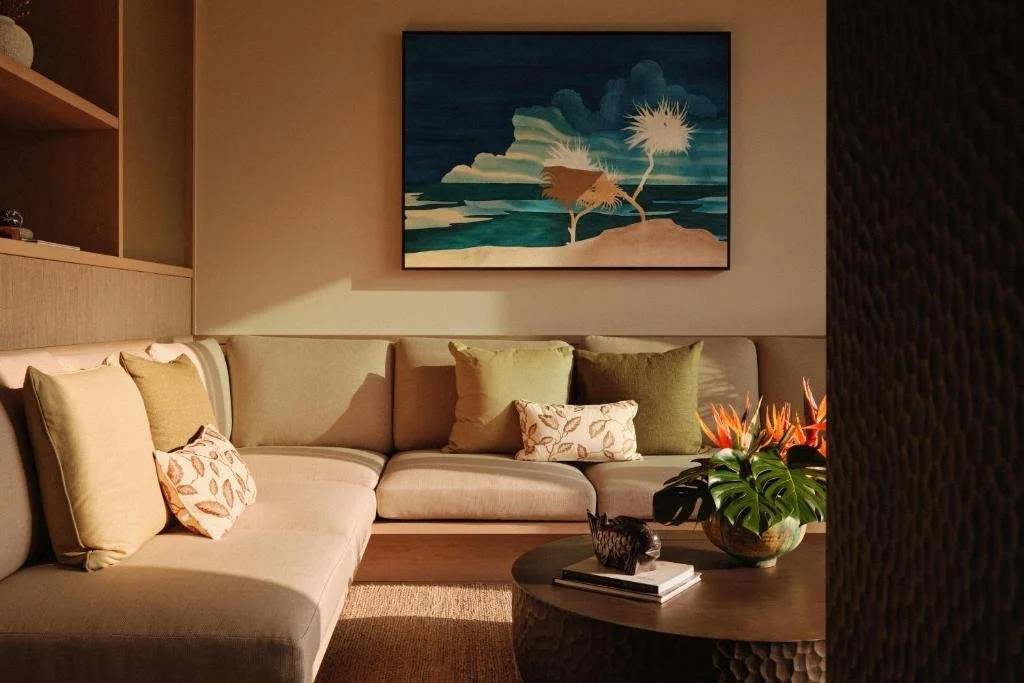
Every accommodation has a private pool, making time at your villa a substantial part of the experience. The current collection includes four villa categories and three individually named two-bedroom houses. Couples have several options depending on their preference for space and proximity to the shore, while the houses provide larger gathering areas for families and friends.
Oceanview Villa: A private pool, outdoor living space, and sea views make this a comfortable choice for two. The connection between the interior and terrace encourages relaxed mornings at home before venturing farther into the resort.
Beachfront Villa: For travelers drawn to the shoreline, this category places the accommodation beside the beach. Its appeal is immediate access to the coastal setting, with a private pool offering another place to spend the afternoon.
Deluxe Oceanview Villa: Additional indoor space gives this category a more generous lounge and dining arrangement. It is worth considering for a longer stay, particularly if you expect to enjoy meals or spend substantial downtime in your villa.
Deluxe Beachfront Villa: This option combines a beachside position with more room indoors. It suits travelers who want the shoreline nearby and space to spread out between excursions, spa appointments, and dinner.
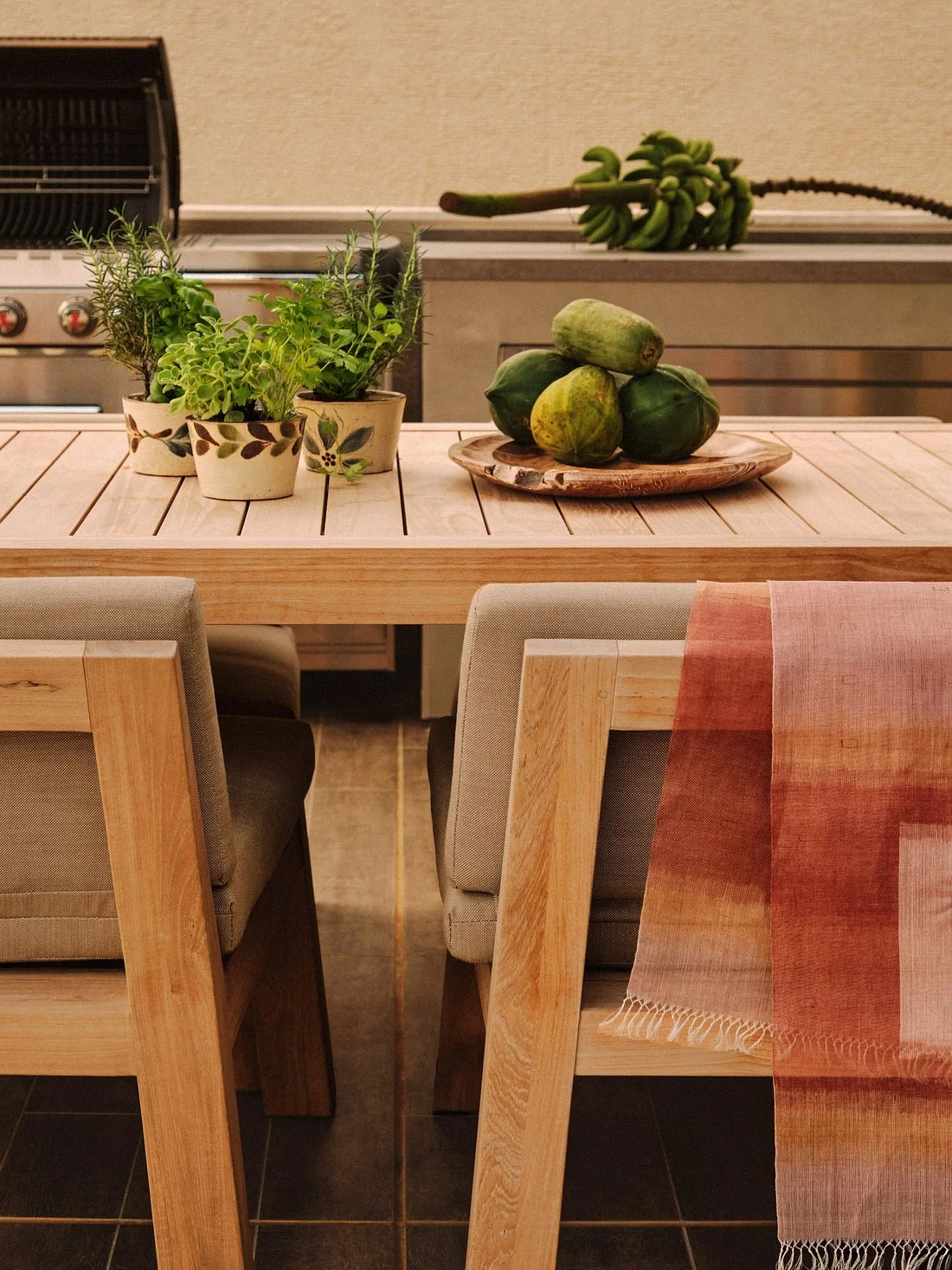
Kuura House: Two bedrooms, a service kitchen, dining room, and private pool create a residential setting for a shared holiday. Butler service and indoor and outdoor dining make it particularly appealing for families who want flexibility around meals and time together.
Upra House: With two bedrooms, a private pool, terrace, and indoor and outdoor dining areas, including a barbecue area, Upra House offers several places to gather. It provides a comfortable base for a family or friends traveling together.
Kamii House: Occupying the tip of the peninsula, Kamii is the largest of the three houses. Its two bedrooms, generous pool, dining spaces, and butler service make it a strong choice for travelers seeking a spacious private base with a distinctive coastal outlook.
Dining With an Island Connection
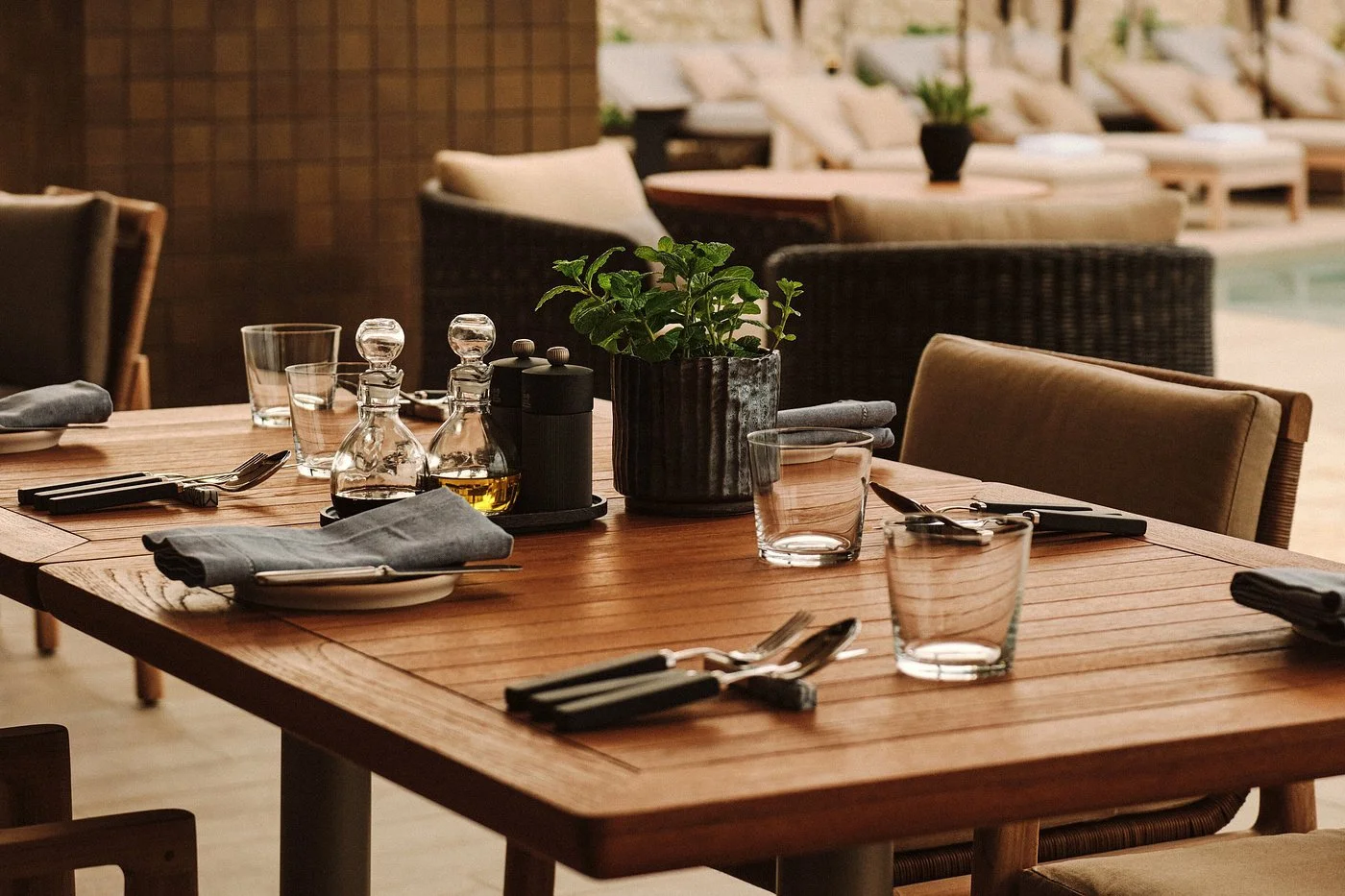
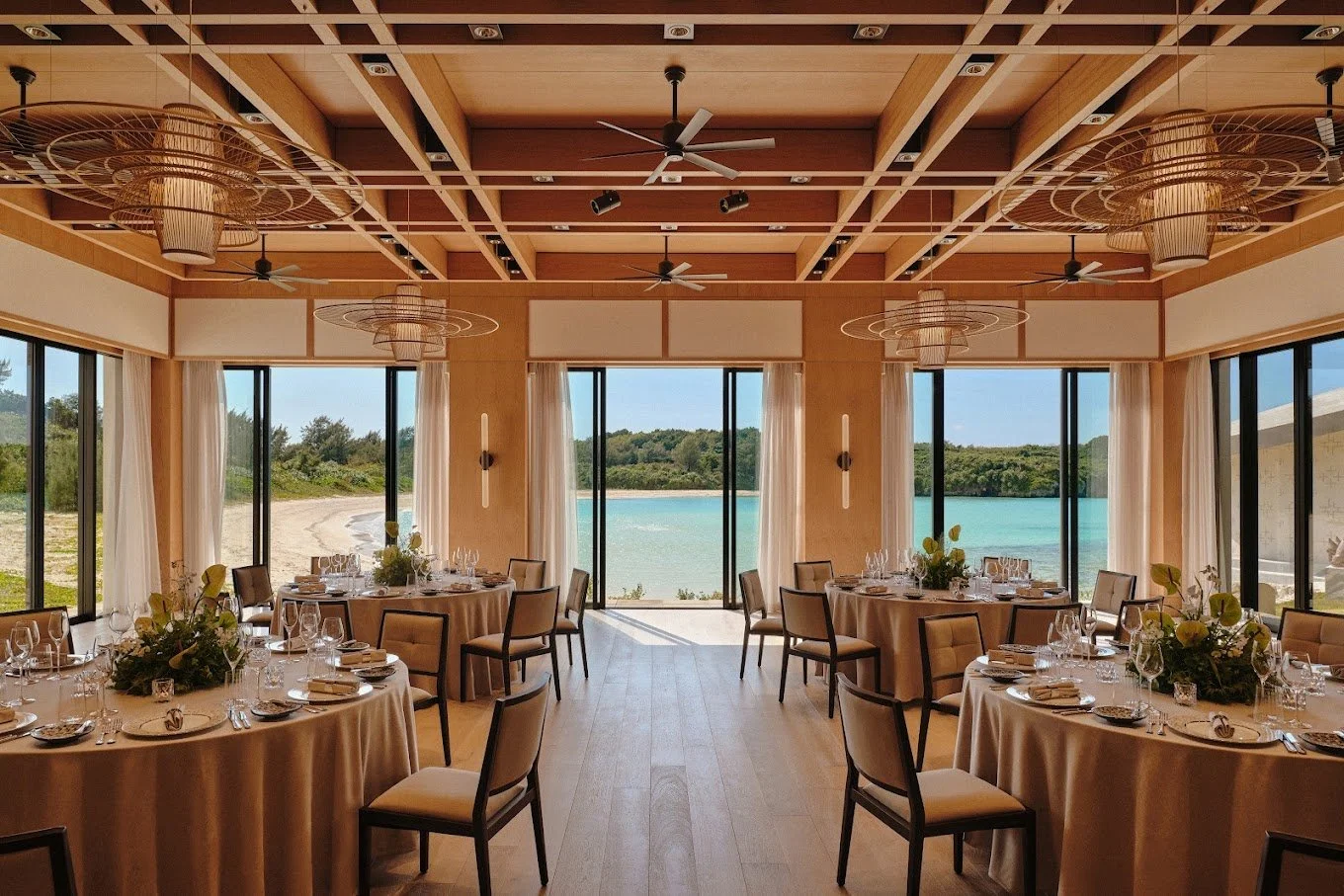
Food provides one of the most accessible introductions to Miyakojima. The island is known for its beef, seafood, and seasonal produce, including summer mangoes. Across Rosewood’s restaurants, those surroundings inform a varied dining experience, with enough choice to make several evenings at the resort appealing.
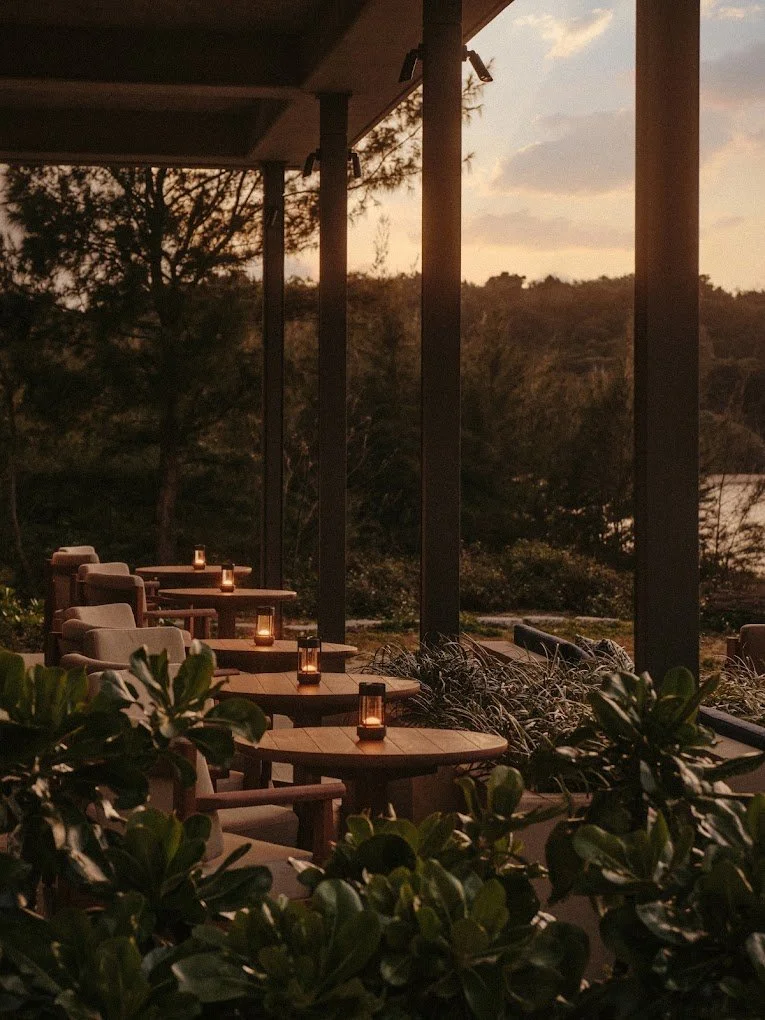
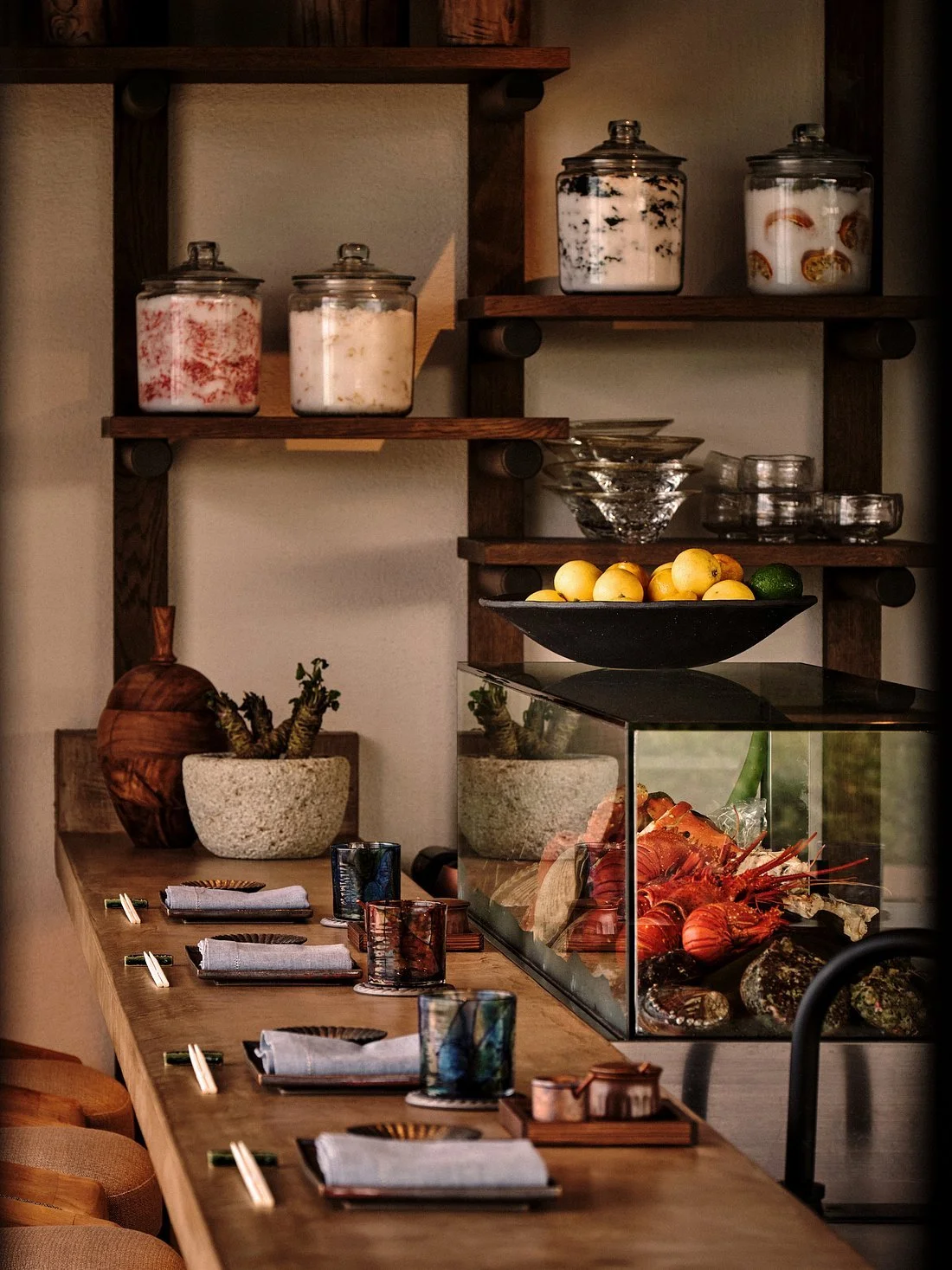
Choma centers on four Japanese culinary disciplines: sushi, teppanyaki, tempura, and yakitori. Dedicated counters allow each to retain its own style of preparation and service. An evening here can be planned around the particular experience you want, whether that means sushi or watching the precise work involved in tempura. For travelers extending a food-focused journey through Japan, the restaurant gives another reason to spend time in the south.
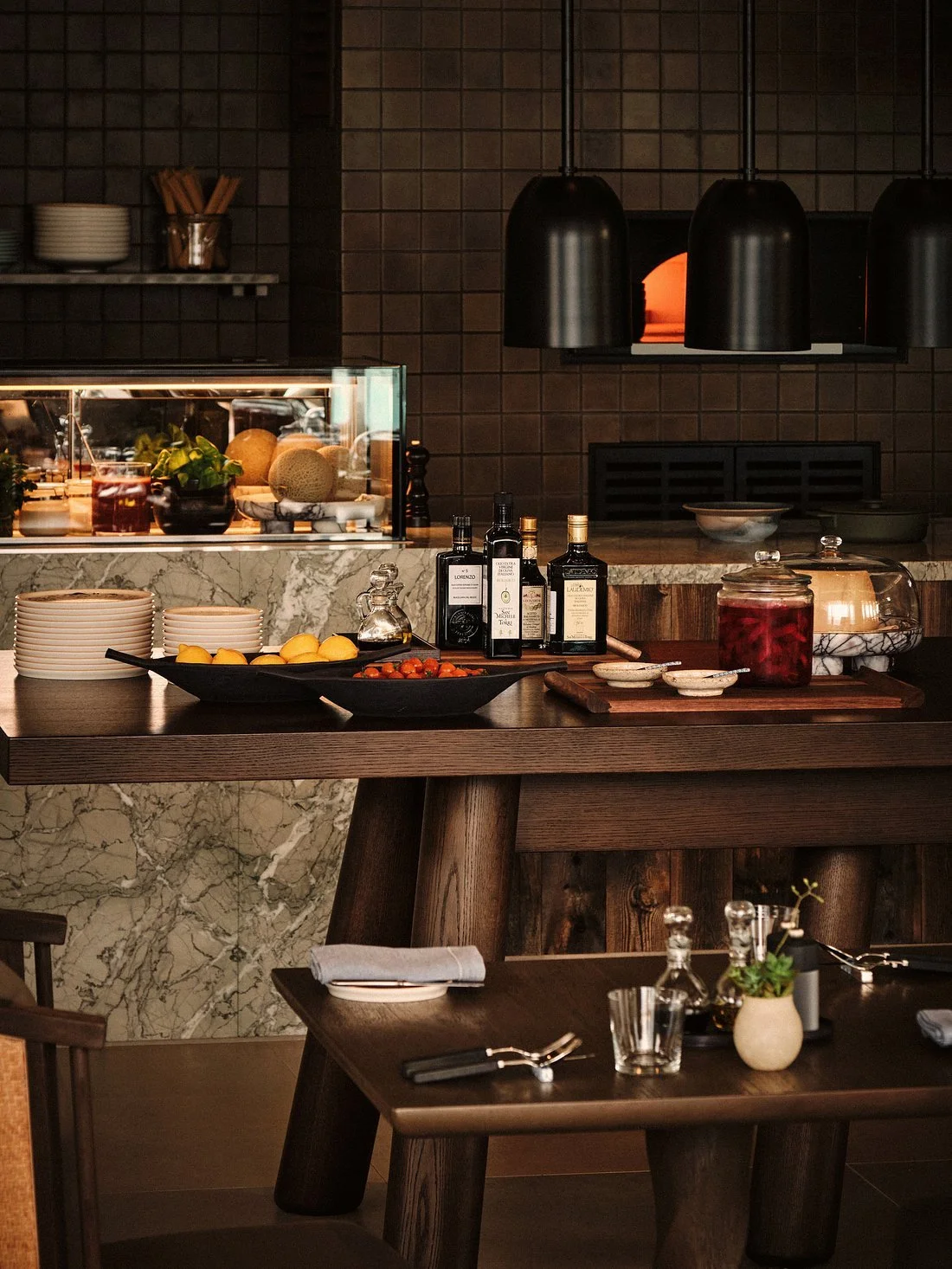
Nagi brings Italian cooking to the resort, with a Japanese influence and a setting overlooking the water. It offers a welcome change of pace over a longer visit, especially for families whose tastes differ. Maas focuses on seafood and simple preparations, keeping the sea central to both the surroundings and the meal.
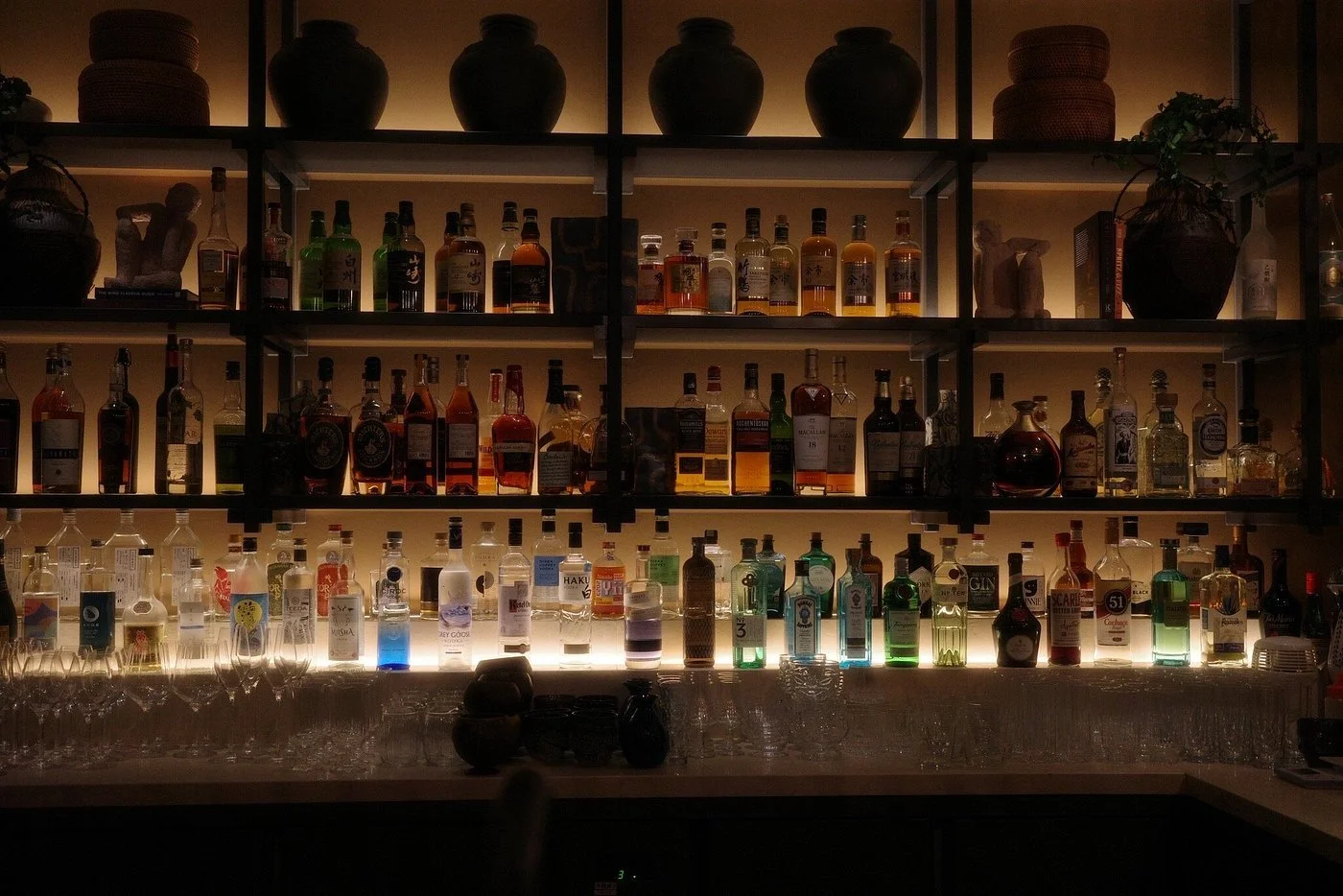
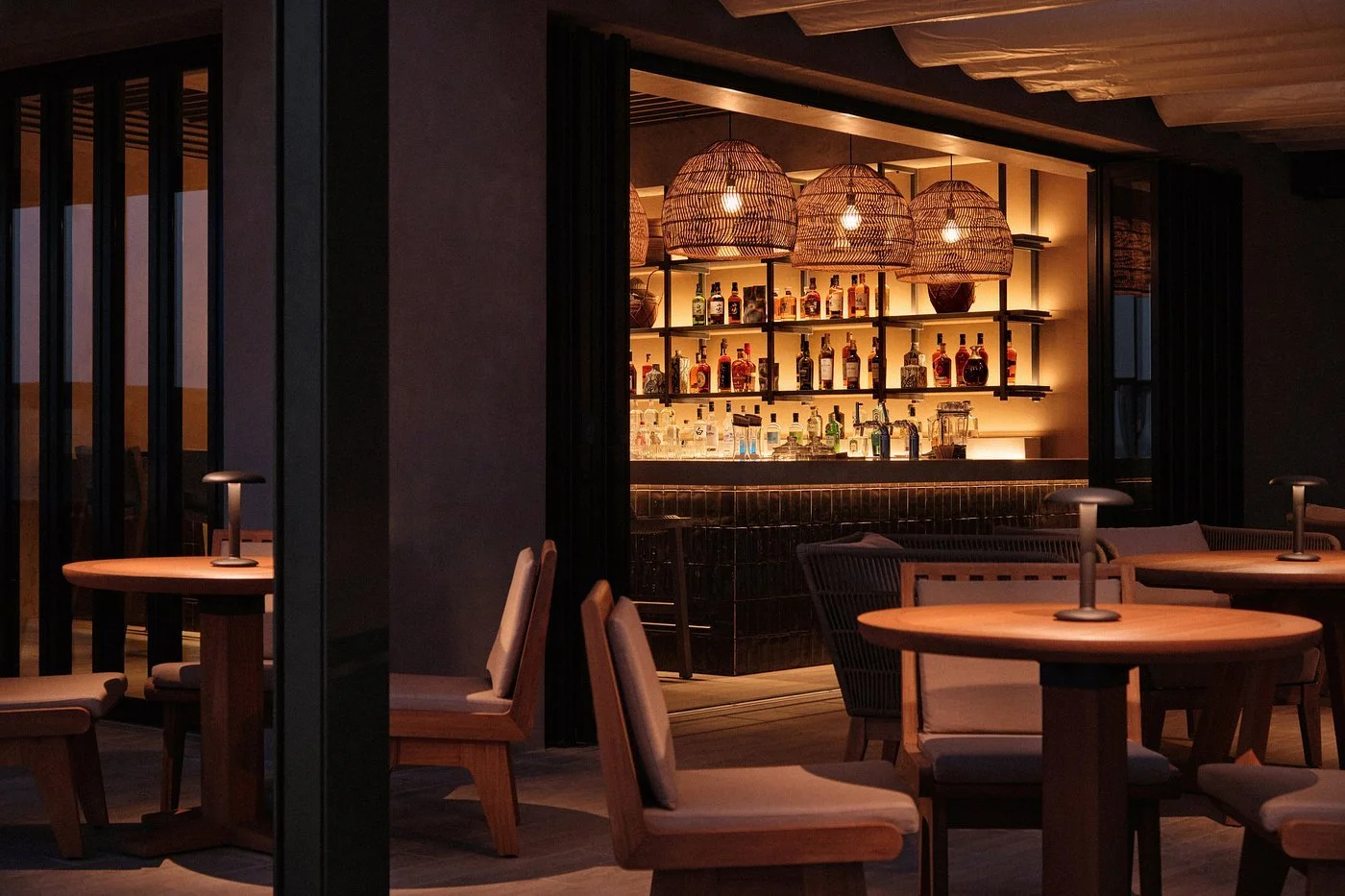
Yukuu, the poolside bar, suits an easy drink between swims, while Choma Bar draws inspiration from the Miyako islands in its cocktails. Private dining adds further flexibility. Those staying in a house can arrange a chef-led barbecue, and the resort also offers culinary experiences that may include ingredient gathering or learning sushi and tempura techniques. These provide an opportunity to take an interest in the food beyond choosing from a menu.
Asaya and the Pleasure of Slowing Down
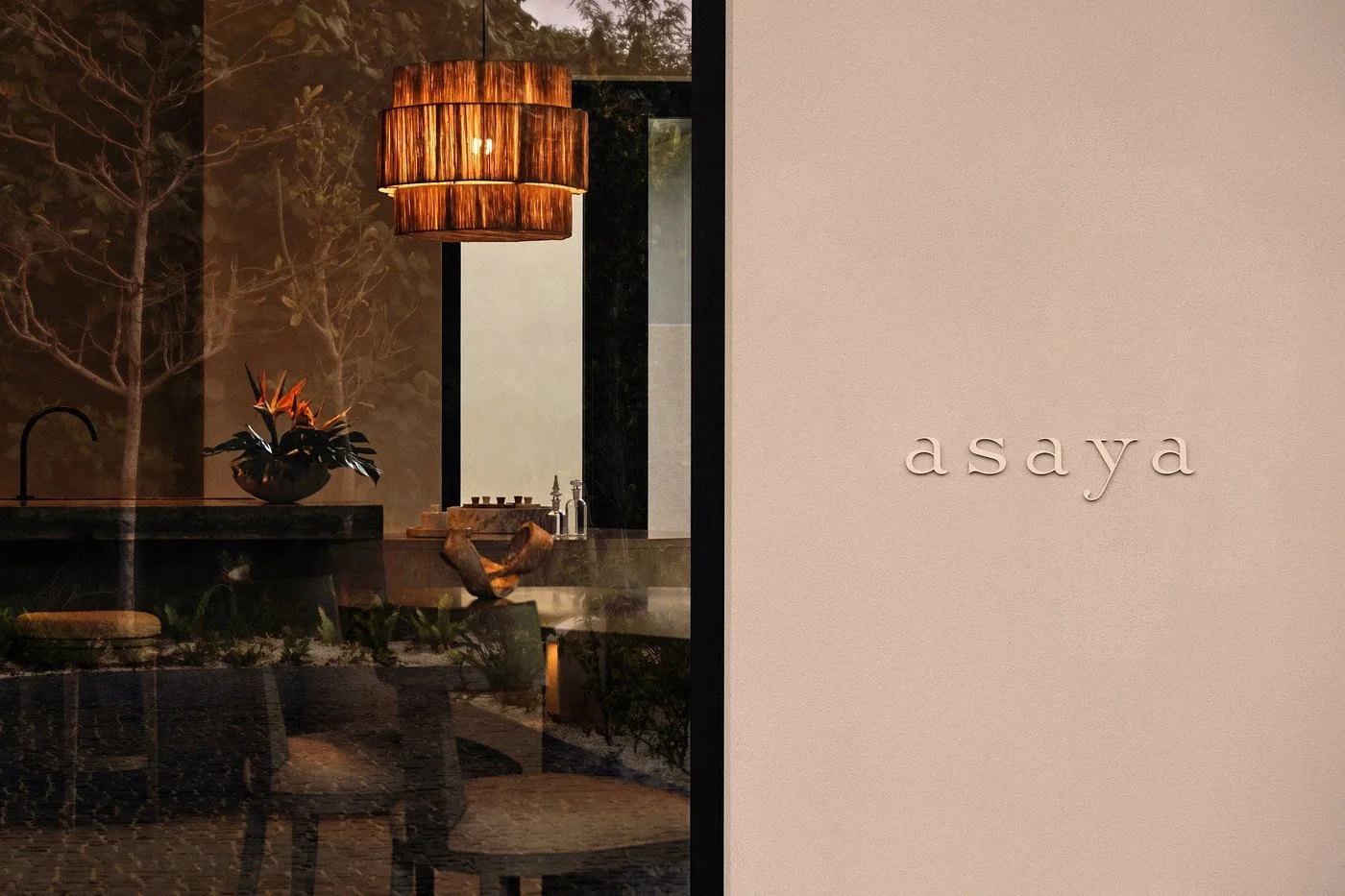
At Asaya Spa, Rosewood’s wellness concept takes inspiration from Okinawan ingredients and traditions. Treatments include a welcoming foot ritual using Miyakojima’s snow salt and a mud treatment inspired by the island’s Paantu festival. These references give the spa a local connection without requiring you to commit to a structured wellness retreat.
Sauna and steam facilities, hot plunge pools, and a vitality pool allow time before or after a treatment to become part of the visit. A fitness studio and options for yoga and Pilates make it easy to maintain a familiar routine. For something more closely connected to Okinawan culture, the resort can arrange an introduction to karate with a local master.
The most satisfying approach may be to leave room around these appointments. A morning session followed by breakfast, or a treatment after an outing on the water, fits comfortably into a beach holiday. Your private pool also makes a quiet afternoon at the villa an attractive plan in its own right.
Exploring Above and Below the Water
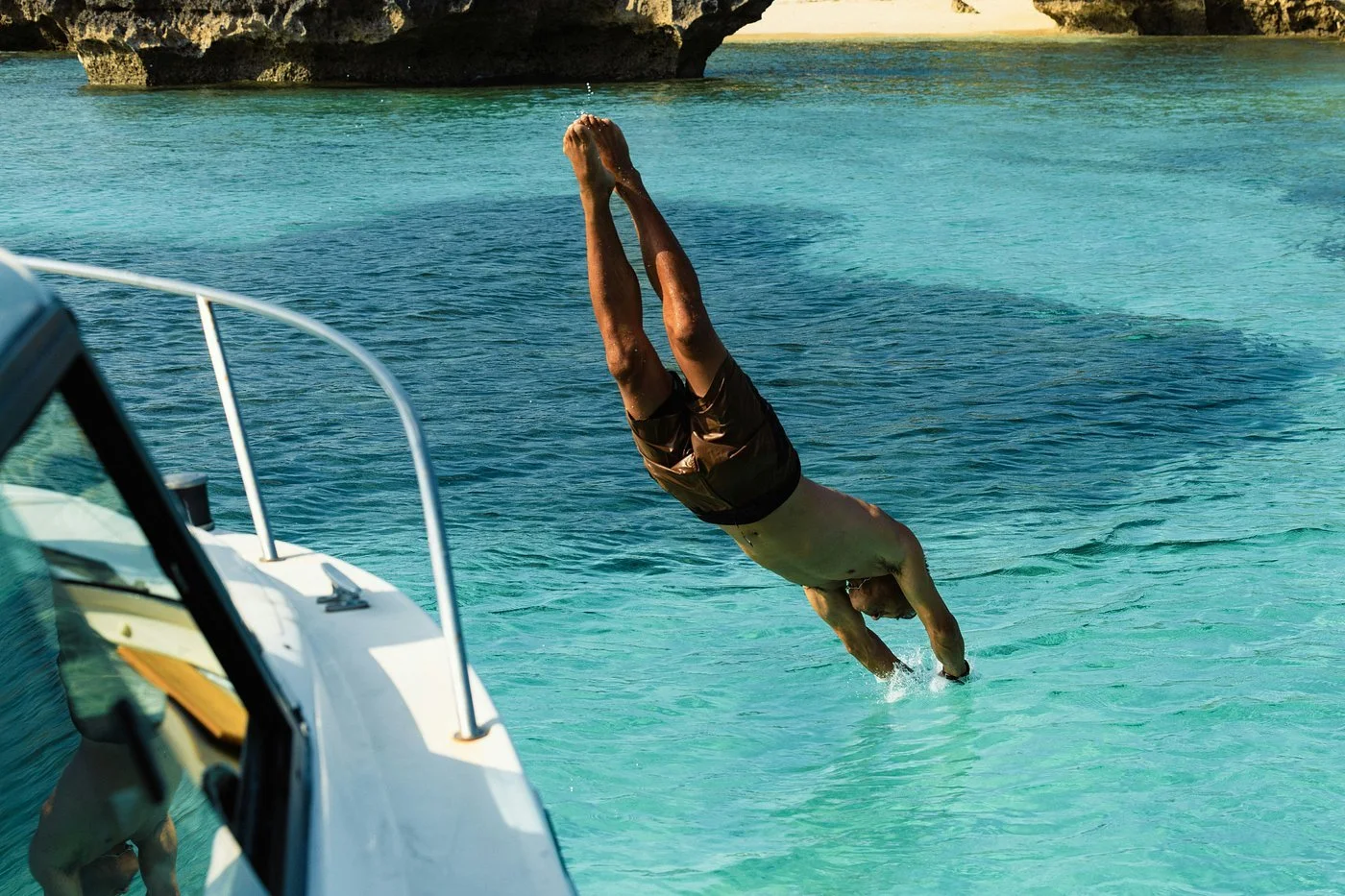
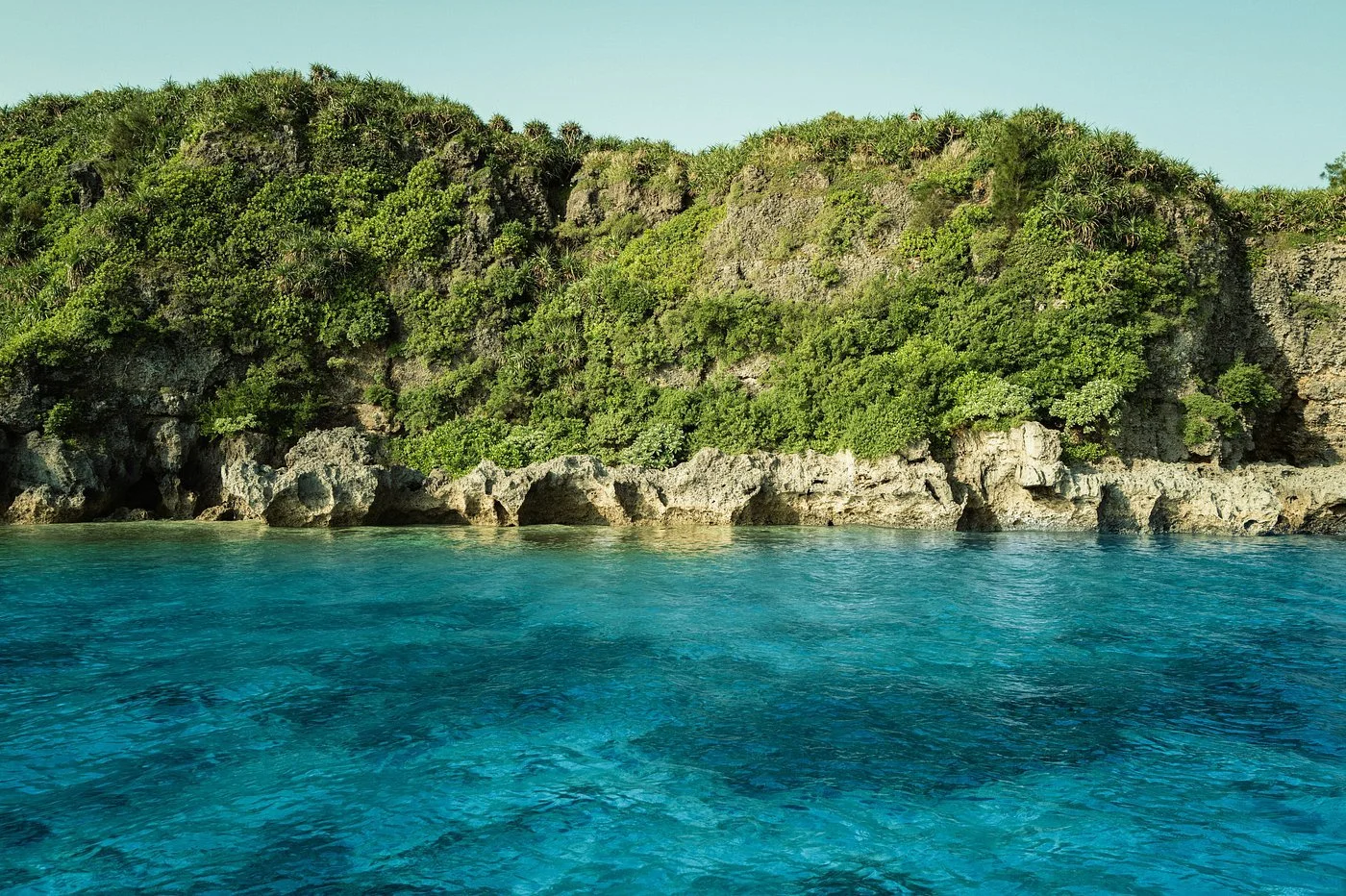
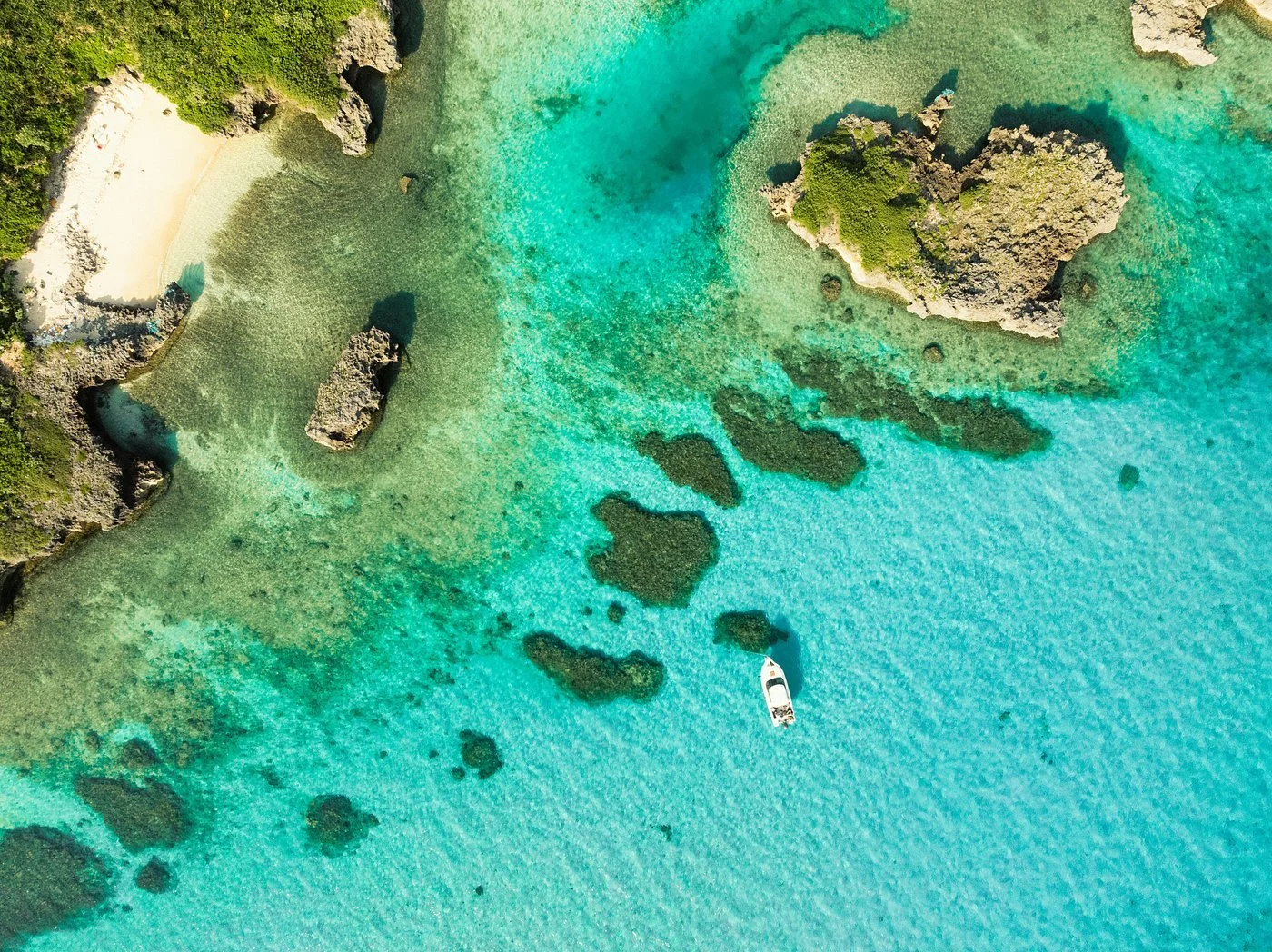
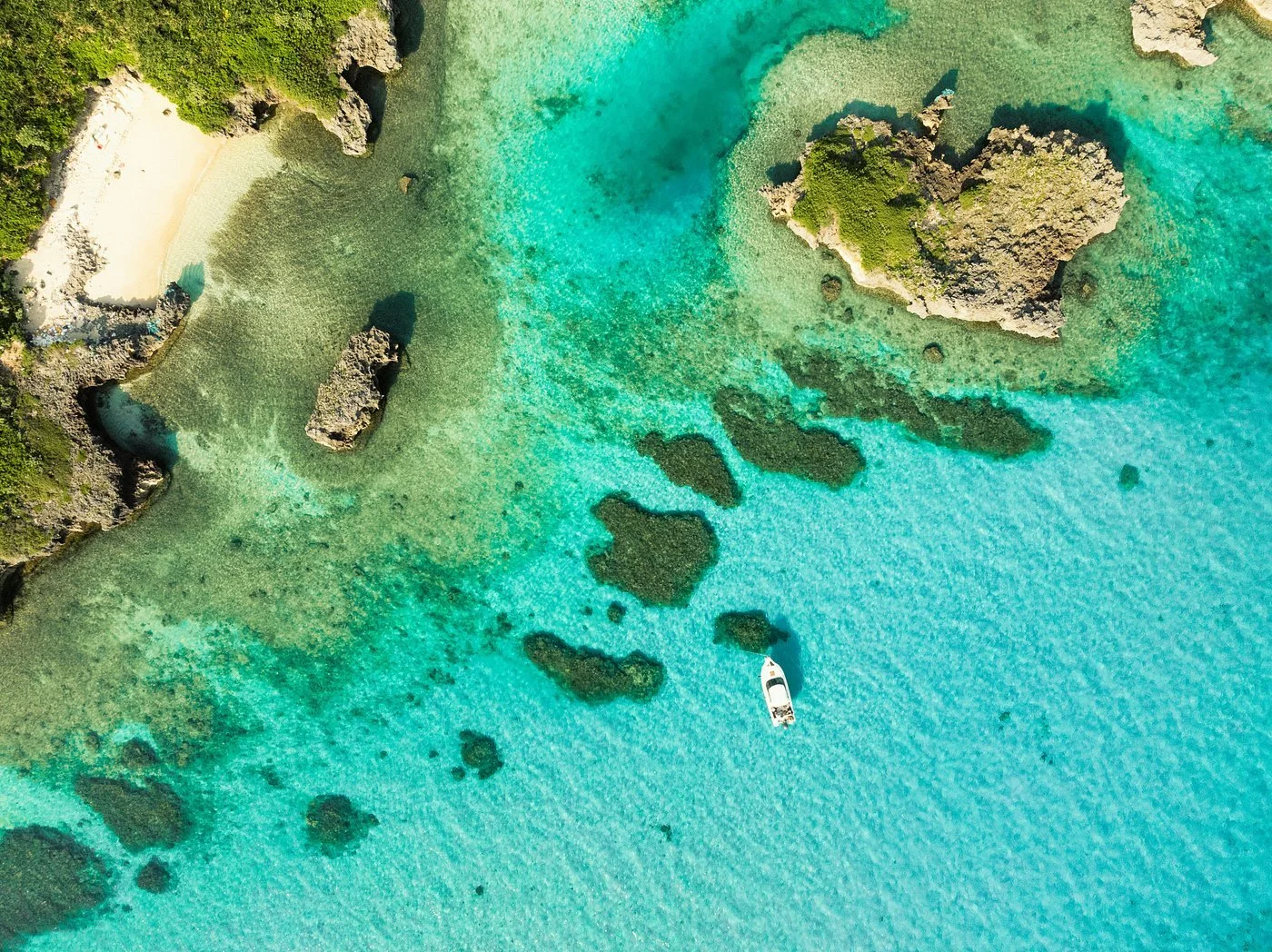
Miyakojima’s sea is a major reason to come. Coral reefs, tropical fish, and underwater landscapes attract snorkelers and divers, while kayaking and paddleboarding offer a different way to experience the coast. Rosewood arranges guided snorkeling outings and water activities, with the day’s plans shaped by weather and sea conditions.
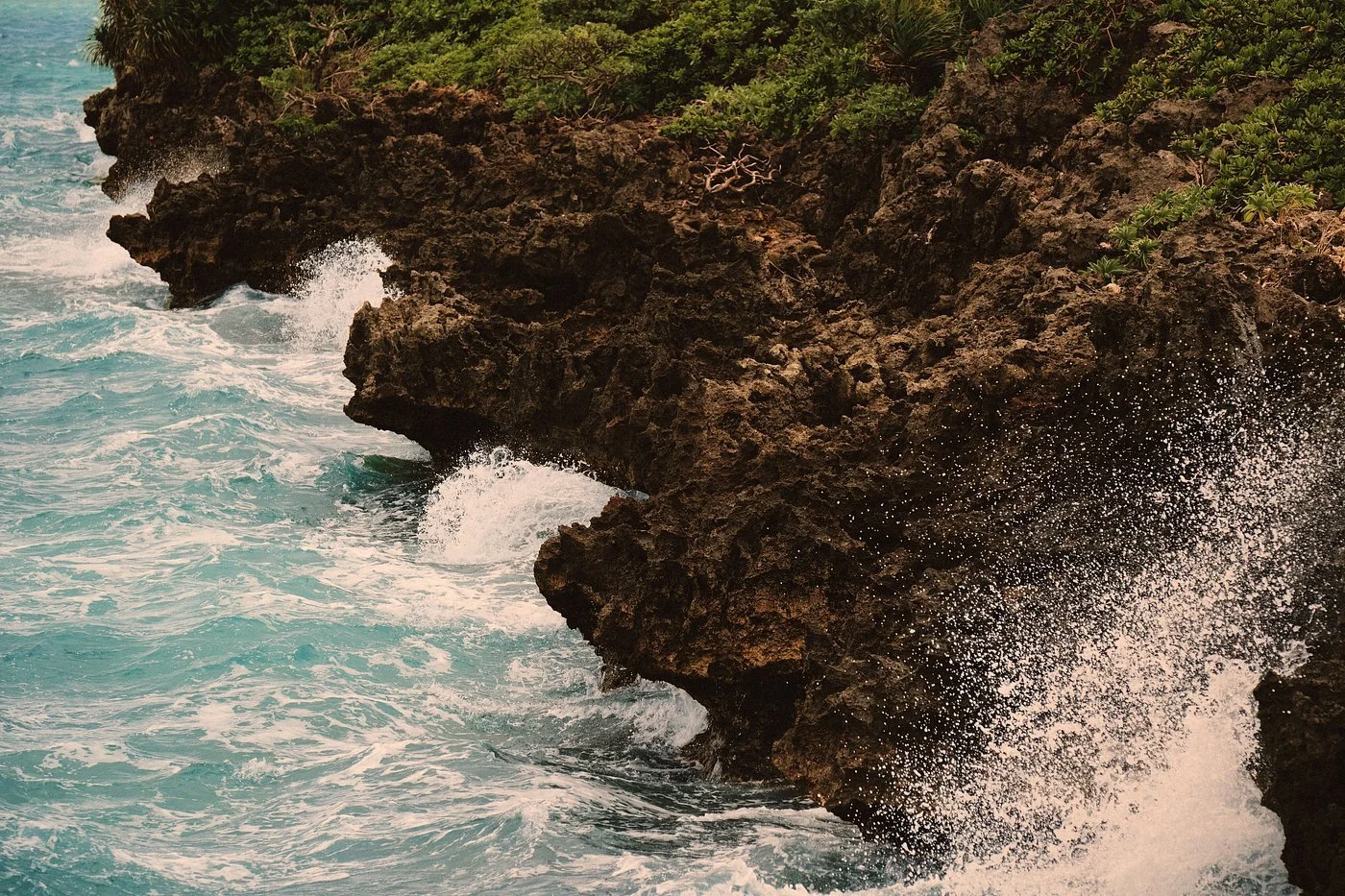
Away from the open coast, a kayak outing through the Shimajiri mangroves introduces another environment. It is a worthwhile change from time on the beach, allowing you to appreciate the island’s ecological variety. A drive to Higashi-Hennazaki brings a broader coastal perspective, with rock formations and open views at the cape.
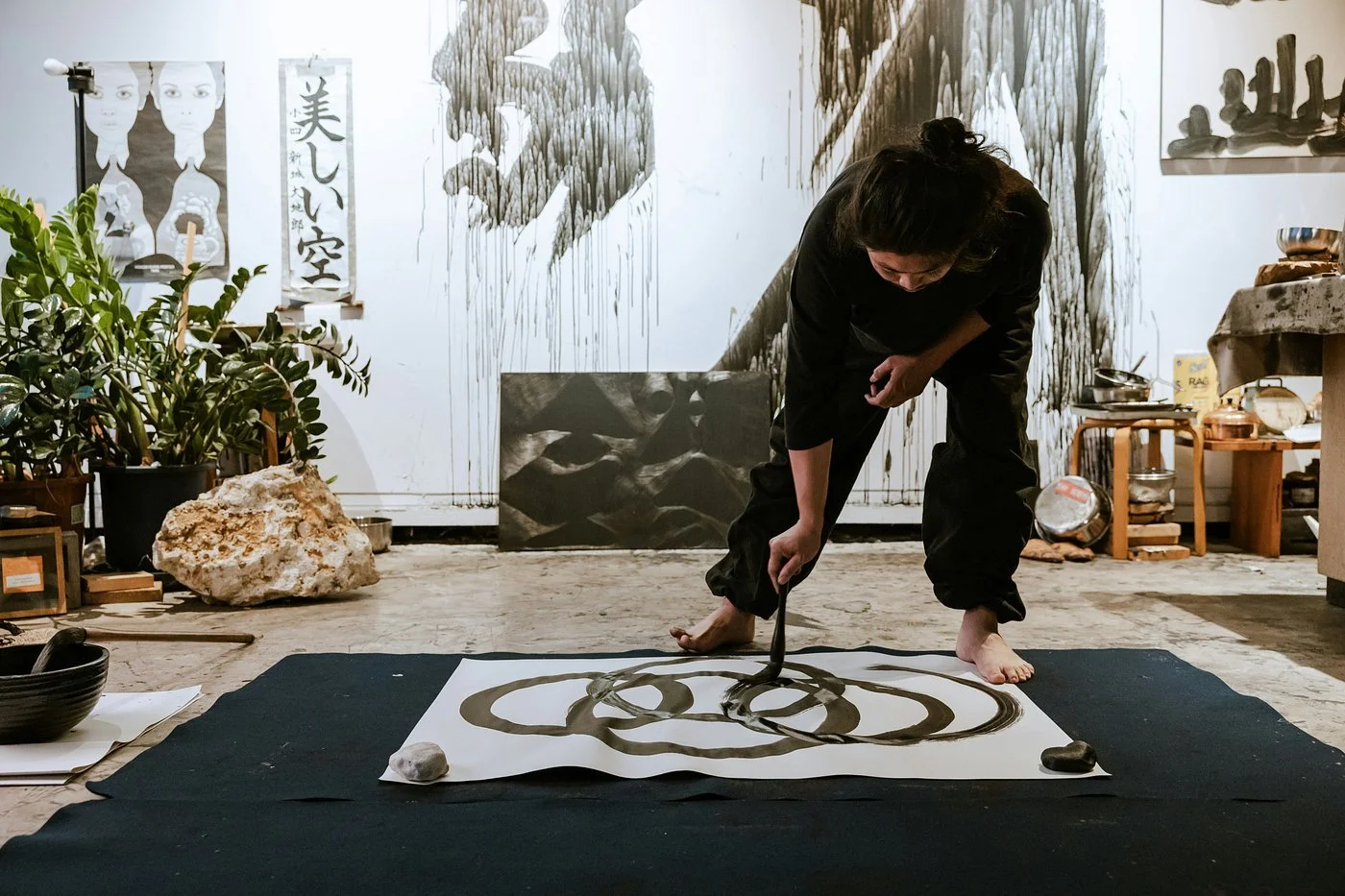
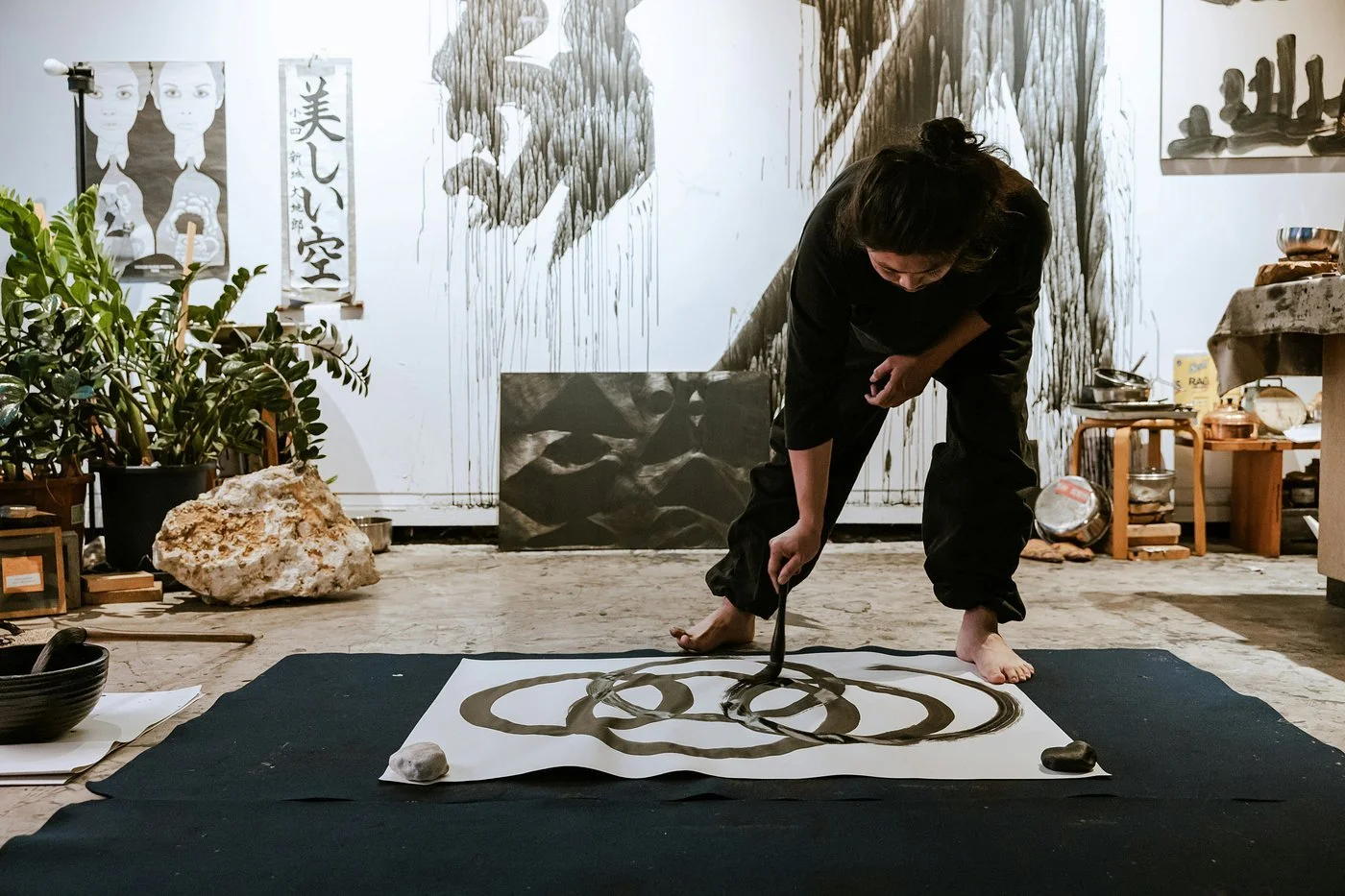
The resort’s cultural experiences are equally worth considering. Adan weaving uses leaves to make objects such as baskets and small charms, while pottery workshops offer an introduction to regional forms and motifs. A Miyako jofu experience brings you closer to the island’s textile tradition. Choosing one or two of these encounters gives a stay greater depth while leaving plenty of time for the water.
Space for a Family Holiday
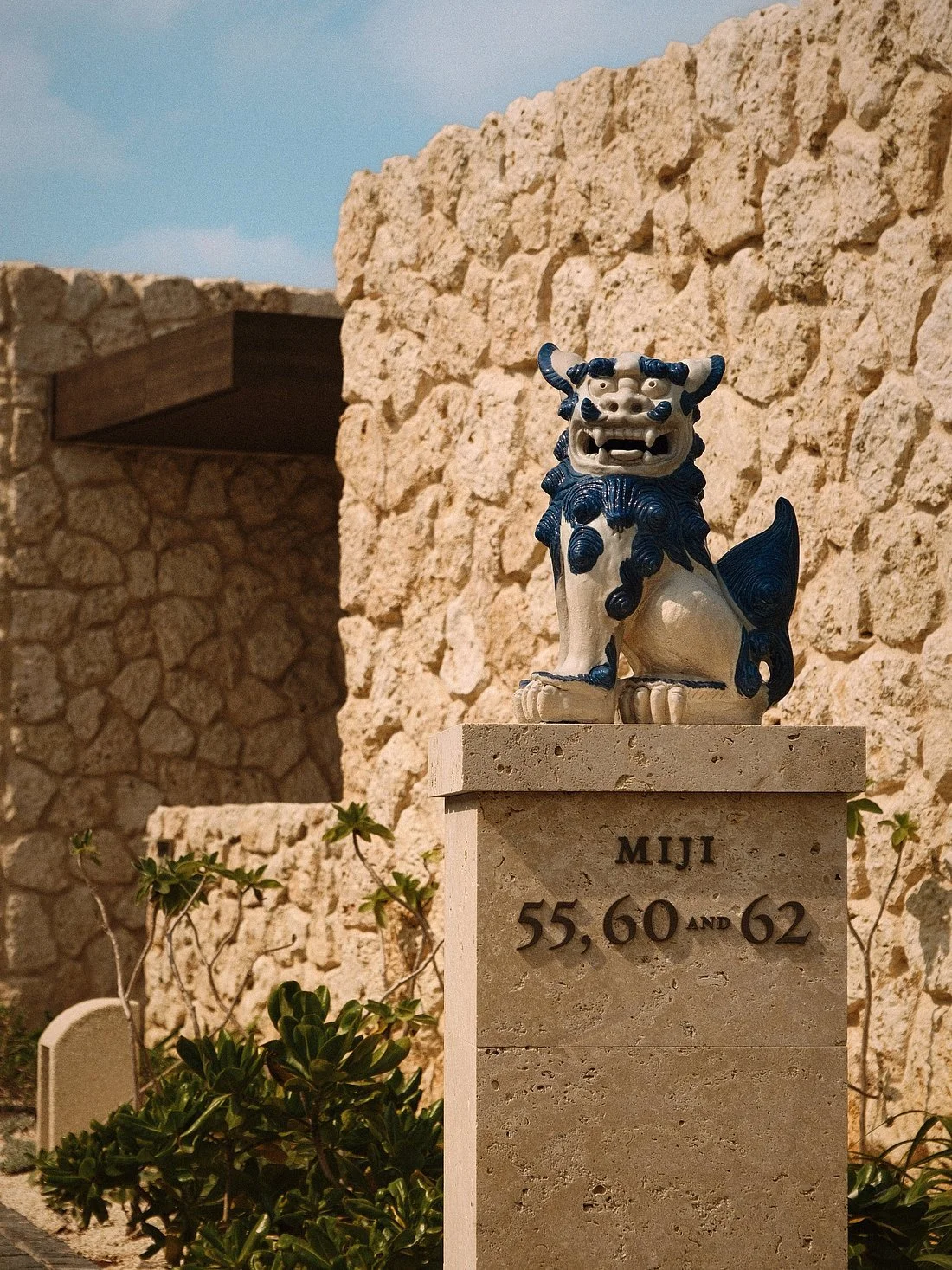
Rosewood Explorers welcomes children aged four to twelve with activities that draw on local culture as well as familiar holiday pleasures. Programs include crafts, origami, and opportunities to learn about Okinawan shisa guardian figures. Pizza making at Nagi provides another way for younger travelers to get involved.
The practical arrangements matter, too. Children’s amenities, meal options, and babysitting services support time spent together and occasional time apart. For families sharing one of the houses, having separate bedrooms and common dining areas makes the daily routine easier. A morning exploring can give way to a quiet afternoon at home, with enough space for everyone to enjoy it differently.
Getting to Rosewood Miyakojima
Miyakojima is reached by air, with two airports serving the area. The best choice depends on the rest of your itinerary and the available flight connections. Both offer straightforward road transfers to the resort.
Via Miyako Airport: Miyako Airport (MMY), on Miyako Island, is approximately 10 kilometers from Rosewood. The drive takes around 20 minutes. Domestic services connect the island with Naha and several major Japanese cities, making it possible to include the resort within a wider Japan itinerary.
Via Miyako Shimojishima Airport: Shimojishima Airport (SHI) is approximately 20 kilometers from the resort, with a transfer time of around 30 minutes. The journey uses the bridges connecting Shimoji, Irabu, and Miyako islands. This airport is also an option for private aviation, subject to arrangements and availability.
Connecting through Naha: The flight from Naha to Miyako Airport generally takes around 50–60 minutes, followed by the approximately 20-minute drive to Rosewood. Connection time should be considered separately when planning the full journey.
Airport transfers and getting around: Rosewood can arrange chauffeured transfers, while taxis and rental cars are also available. Allow approximately 20 minutes by road from Miyako Airport or 30 minutes from Shimojishima, whichever vehicle option you choose, with additional time for collection formalities. A private driver is useful for island outings; a rental car suits travelers who prefer to explore independently.
A Reason to Travel Farther South
Rosewood Miyakojima adds a rewarding dimension to a Japanese itinerary. The private pools and coastal setting make it easy to enjoy a few restful days, but the island also offers experiences that deserve their own place in the journey. Watching a weaver work, exploring the mangroves, and spending time over dinner at Choma can become as memorable as the beach itself.
For a first visit to Japan, this is an opportunity to see how much changes as you travel south. For a return trip, it opens a region with its own traditions and a different daily pace. Give Miyakojima enough time, and the resort becomes both a place to unwind and a comfortable starting point for discovering the island around it.