Pamalican Island, Palawan, Philippines | Amanpulo
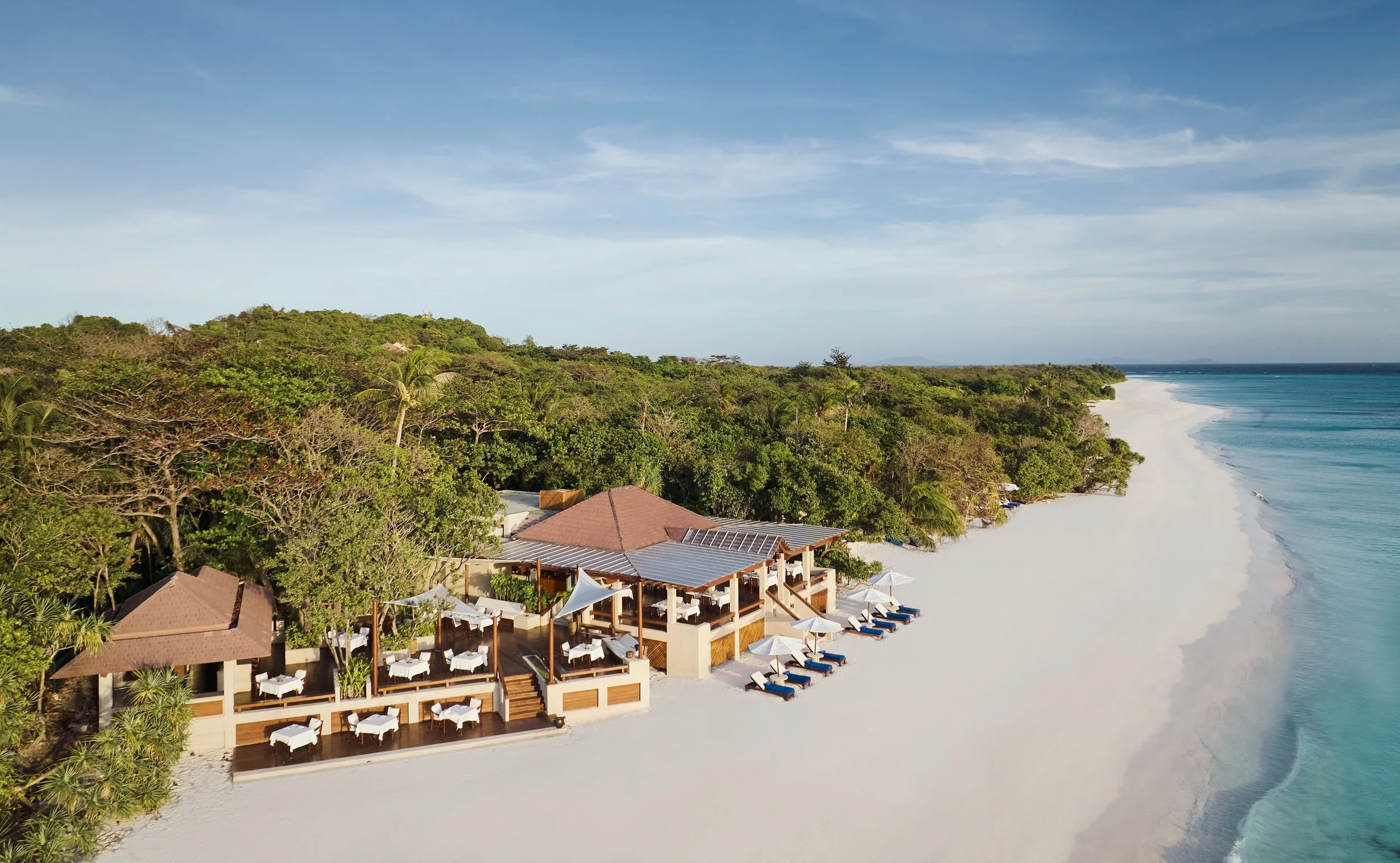
Pamalican’s White-Sand Shore
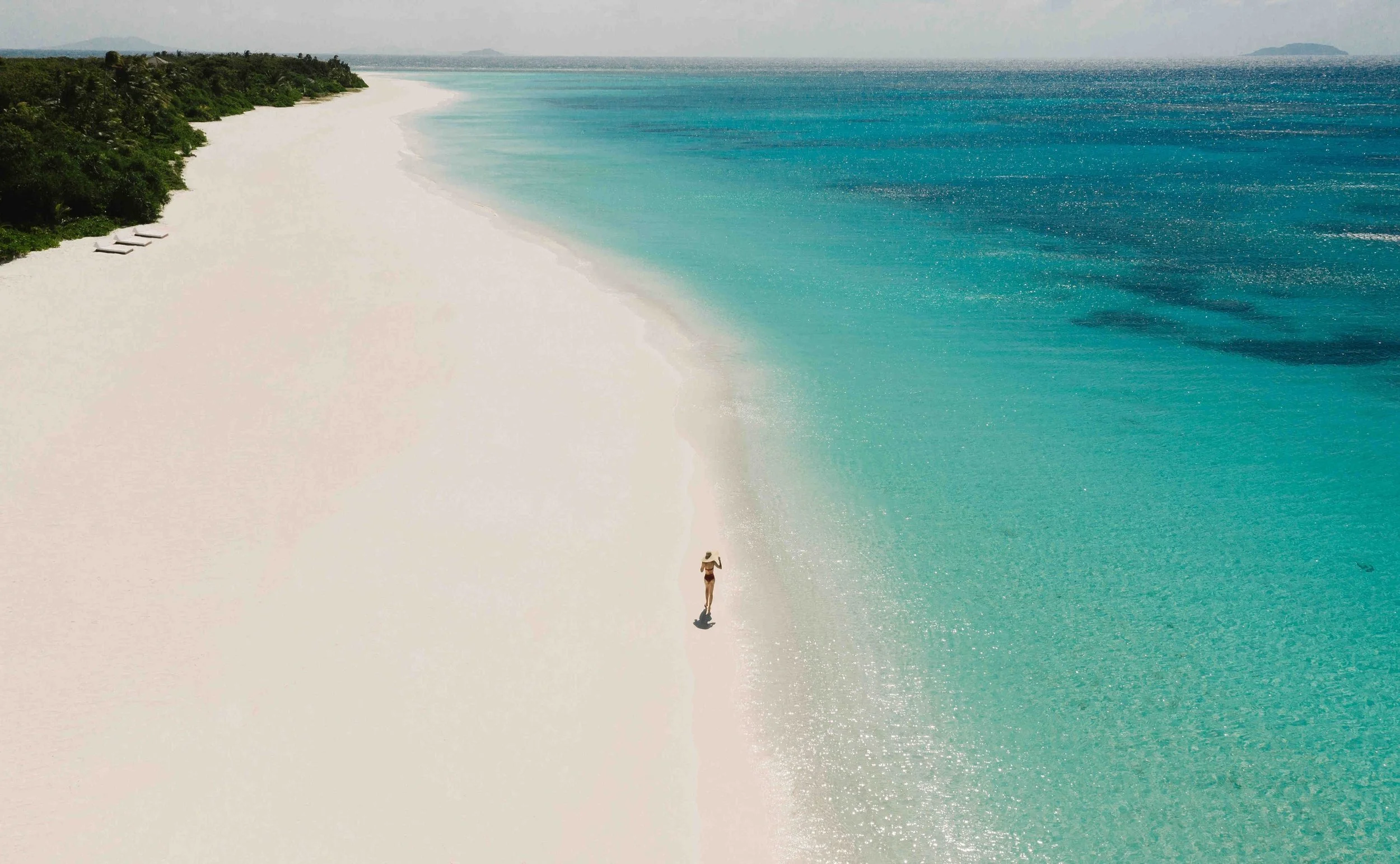
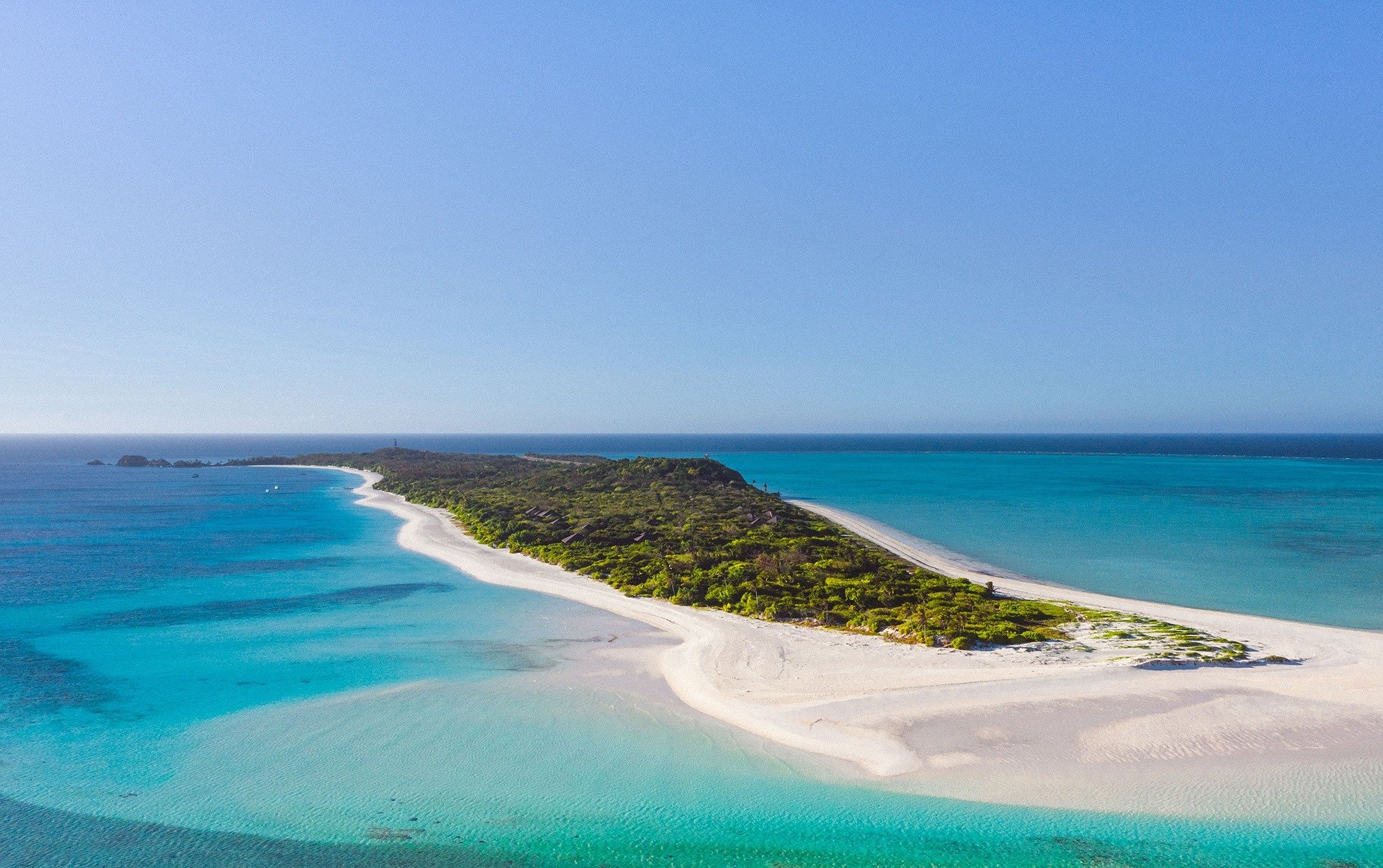
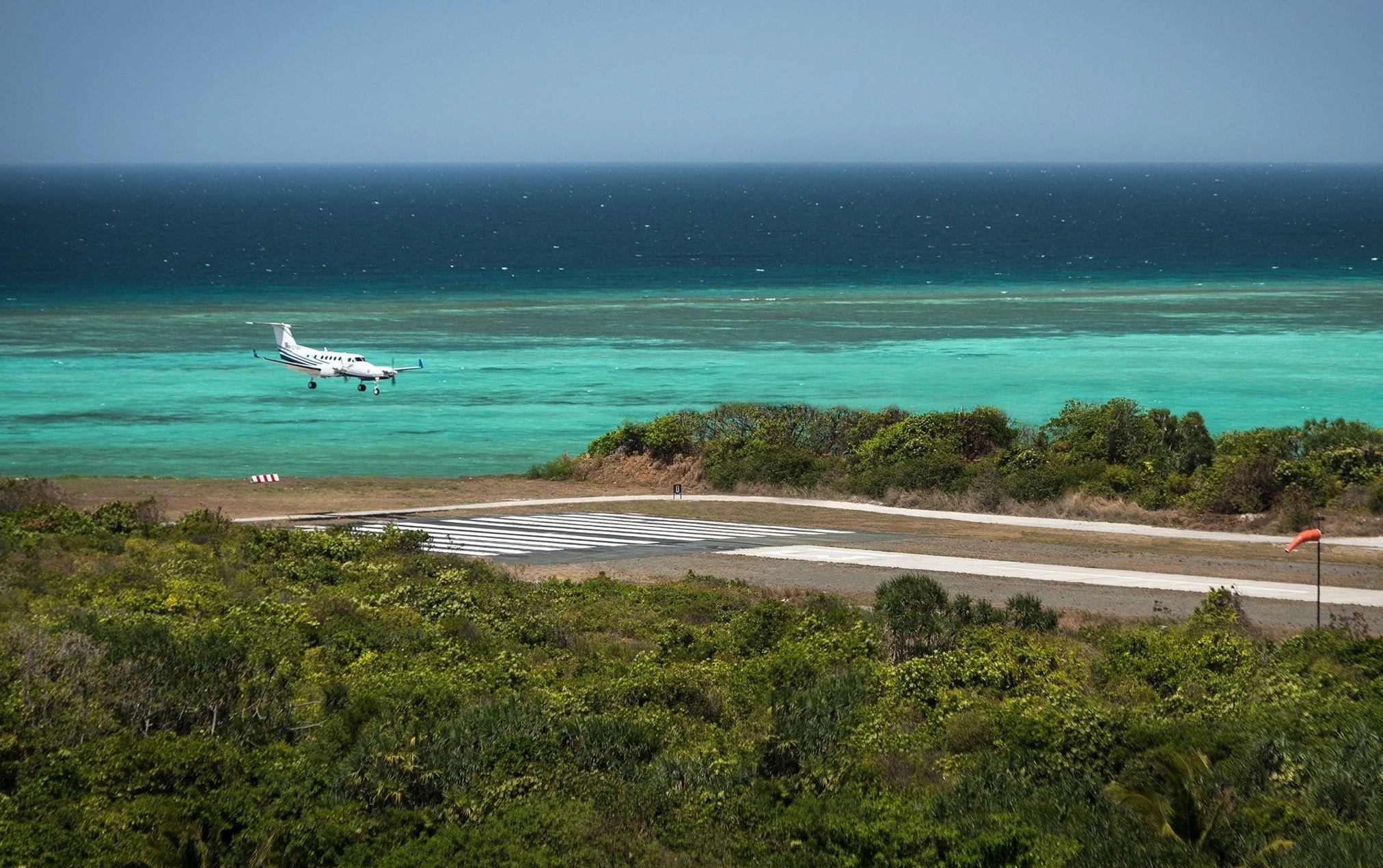
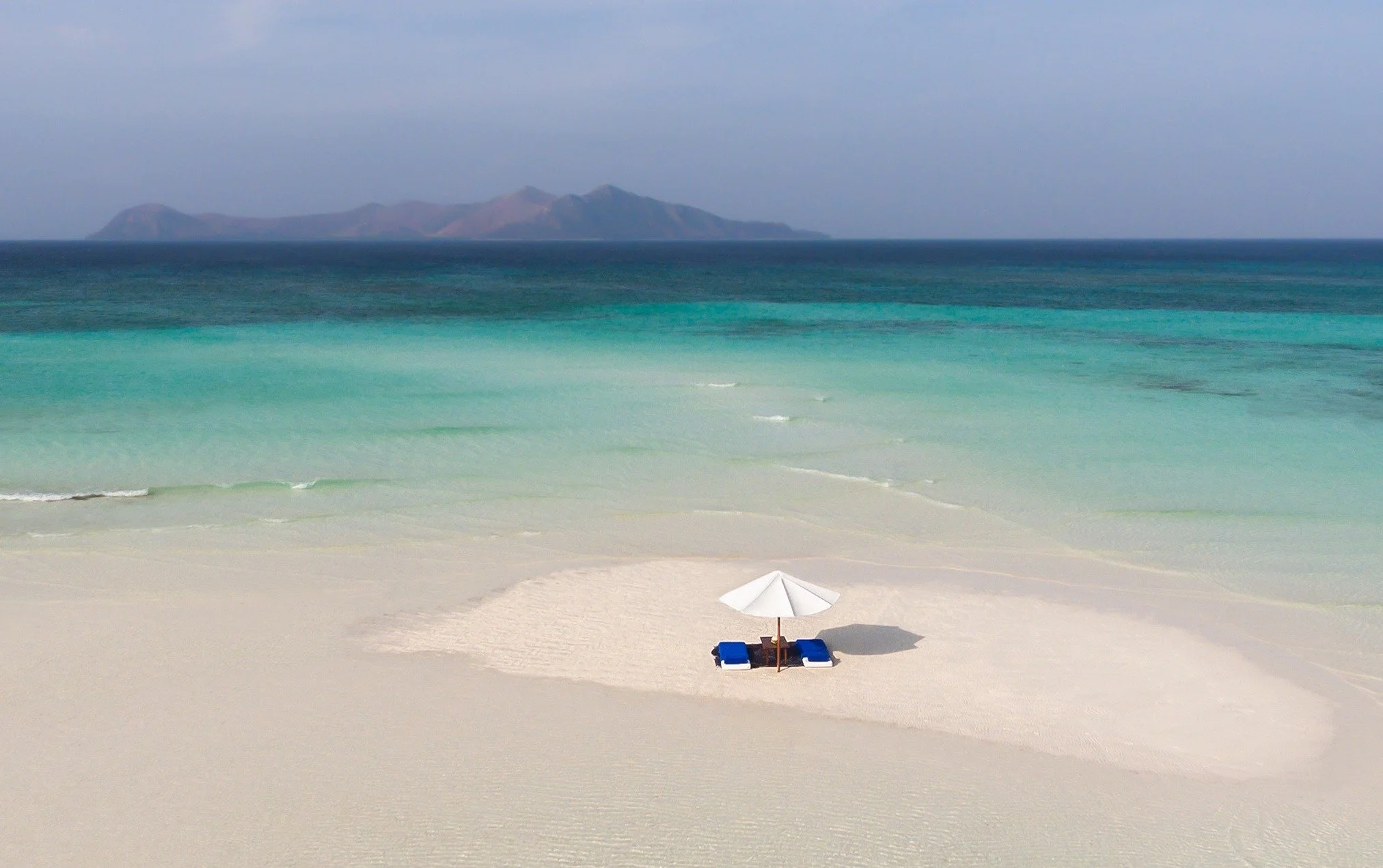
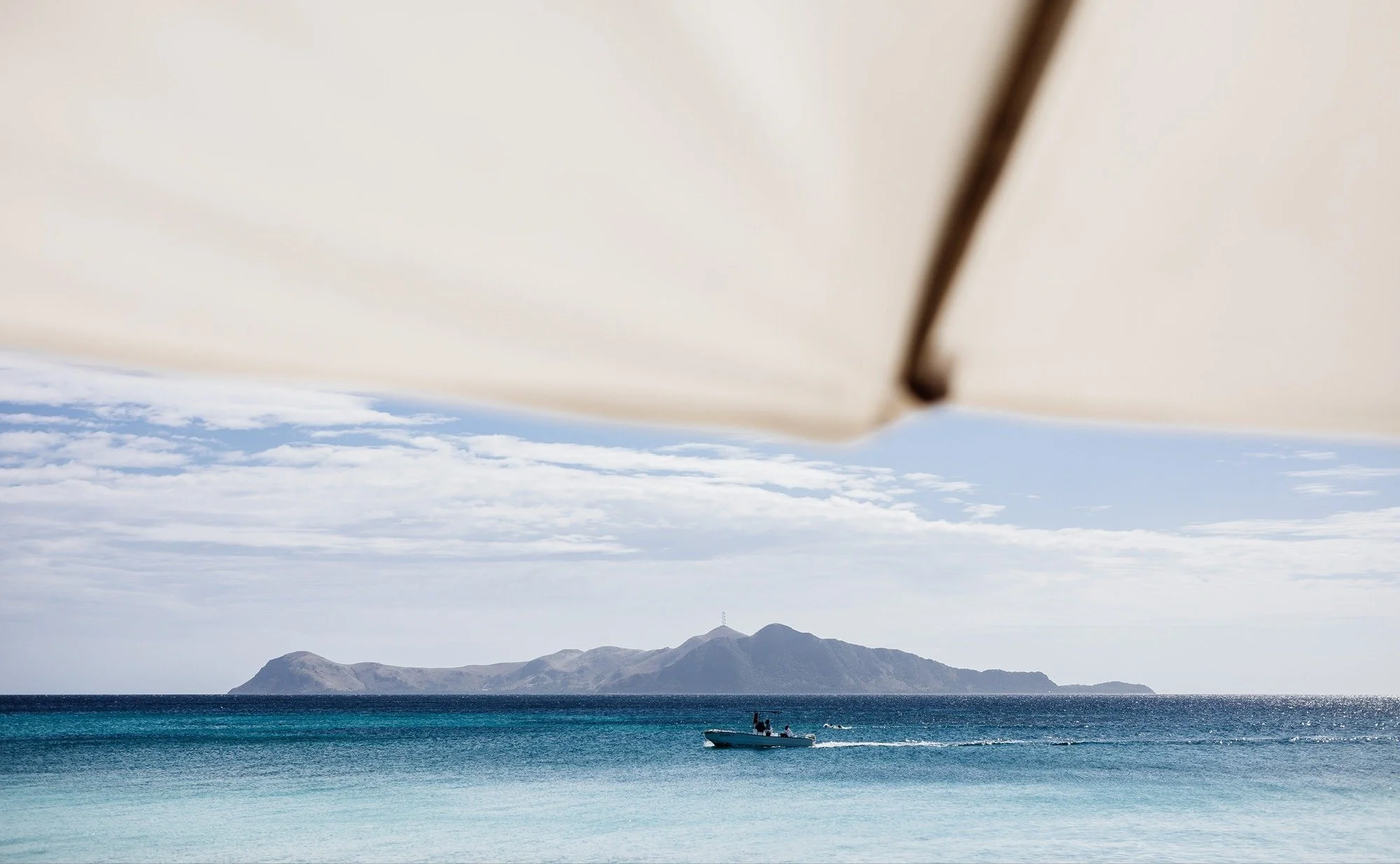
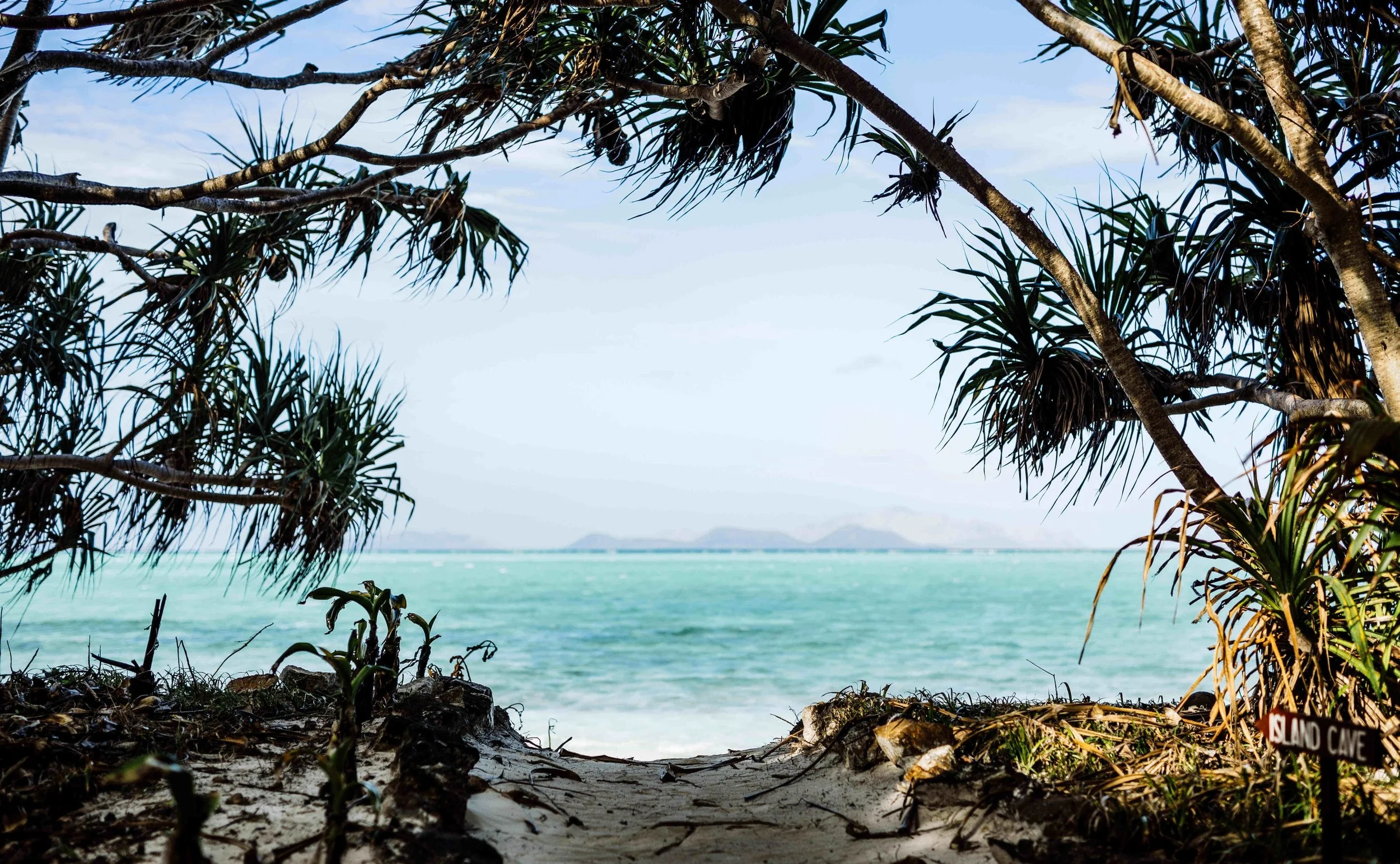
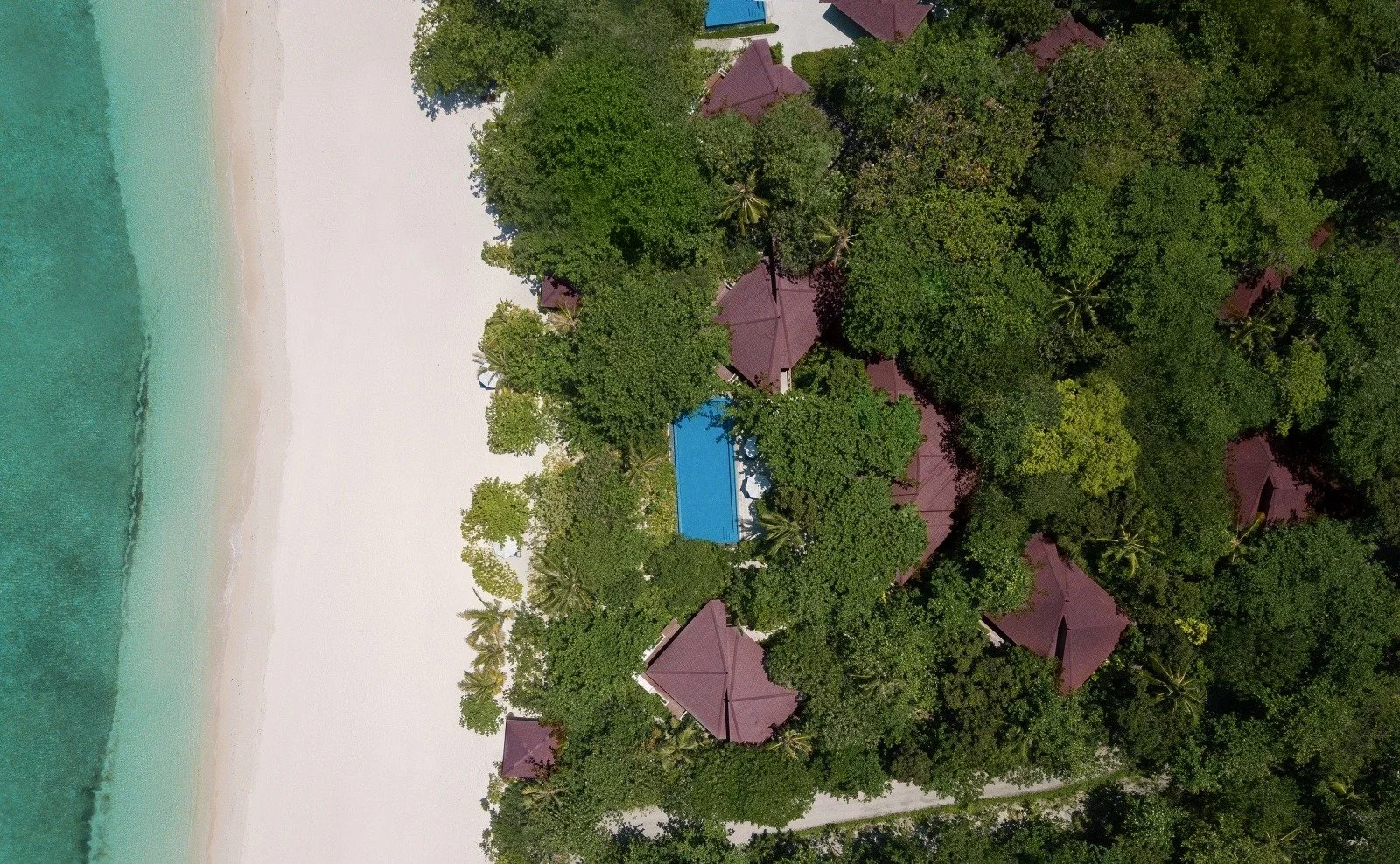
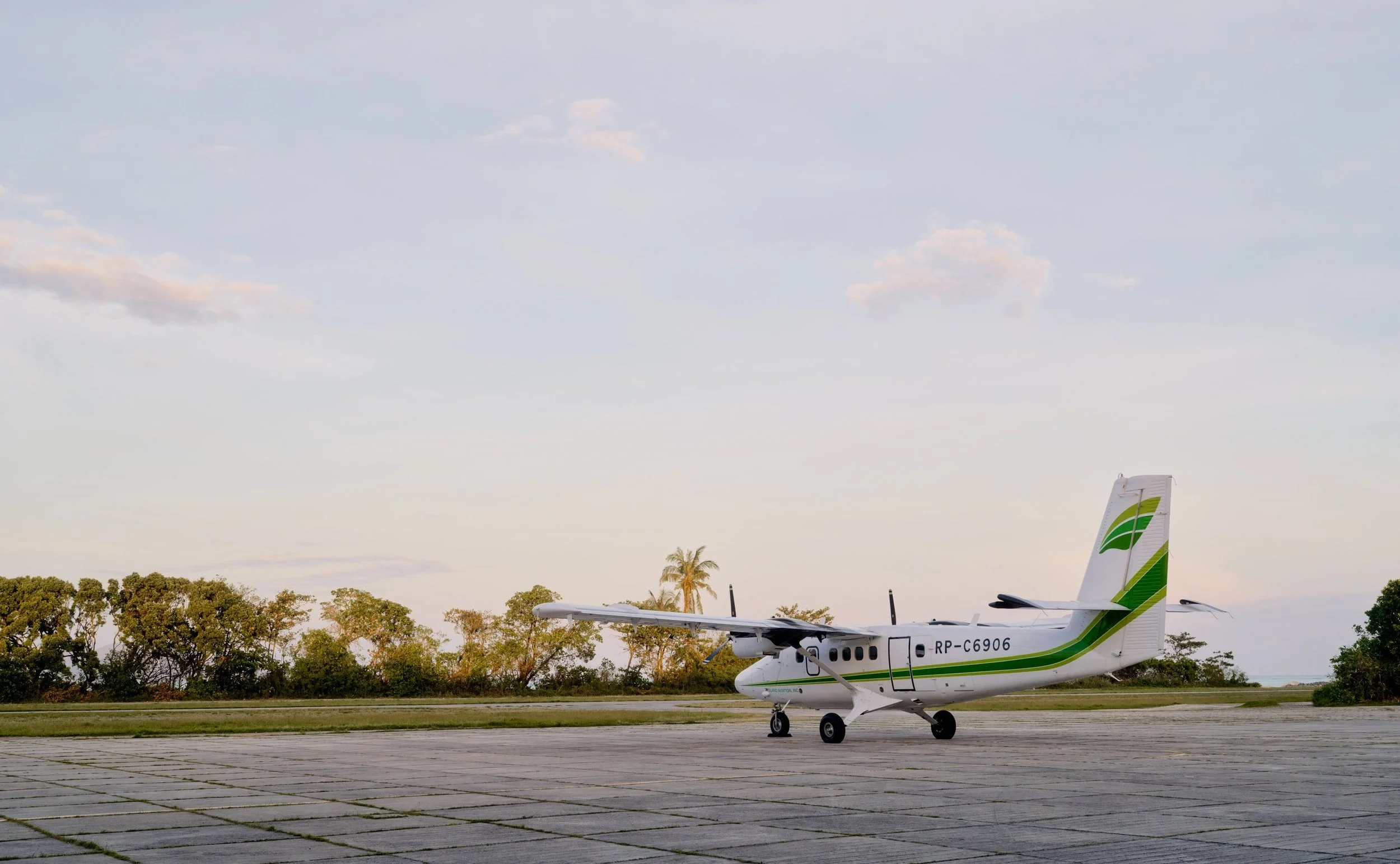
Amanpulo begins with an arrival that makes its geography unmistakable. A small aircraft descends toward Pamalican Island, where a ribbon of white sand separates dense tropical vegetation from water that shifts between pale turquoise and deep blue. The runway belongs to the island, and the island’s only resort is Amanpulo.
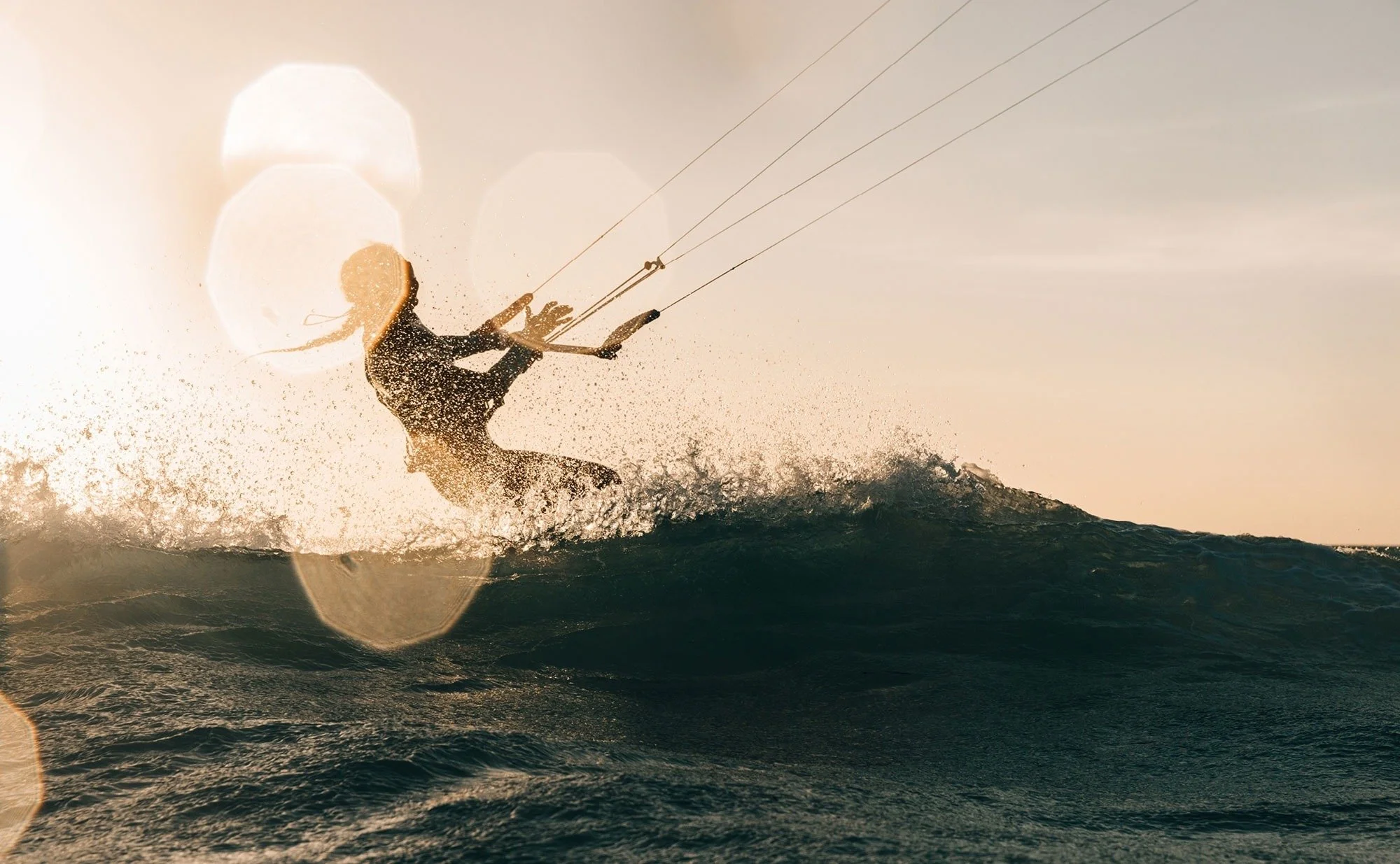
Located in the Cuyo Archipelago of northern Palawan, this is a destination for travelers who want the sea to shape their days. Snorkelling, a shaded lunch, an afternoon treatment and a walk along the beach can form a complete itinerary. There is also enough to occupy more active visitors, from scuba diving and seasonal kitesurfing to tennis and guided boat excursions.
The accommodation gives the experience two distinct expressions. Casitas suit couples and smaller families seeking a private retreat within the resort, while beachfront villas offer separate bedroom pavilions, private pools and dedicated staff. Across both, the appeal rests on space, thoughtful service and a setting that rewards slowing down.
An Island Vision Since 1993
Amanpulo opened in 1993, transforming a small coconut plantation into a resort whose architecture took its direction from the Philippines. Filipino architect Francisco “Bobby” Mañosa drew on the country’s traditional dwellings and indigenous materials, creating buildings that feel connected to their setting.
That approach remains central to the property’s identity. Accommodation is distributed among the trees, along the hillside and beside the beach, with pathways linking individual buildings. The result is a resort experienced through small journeys: from a shaded deck to the shore, from a casita to the Clubhouse, or uphill toward the spa.
Its longevity also gives Amanpulo a different character from a newly built island retreat. The landscape has become an integral part of the experience, while the property’s relationship with neighboring communities and the surrounding marine environment extends beyond the resort’s immediate boundaries.
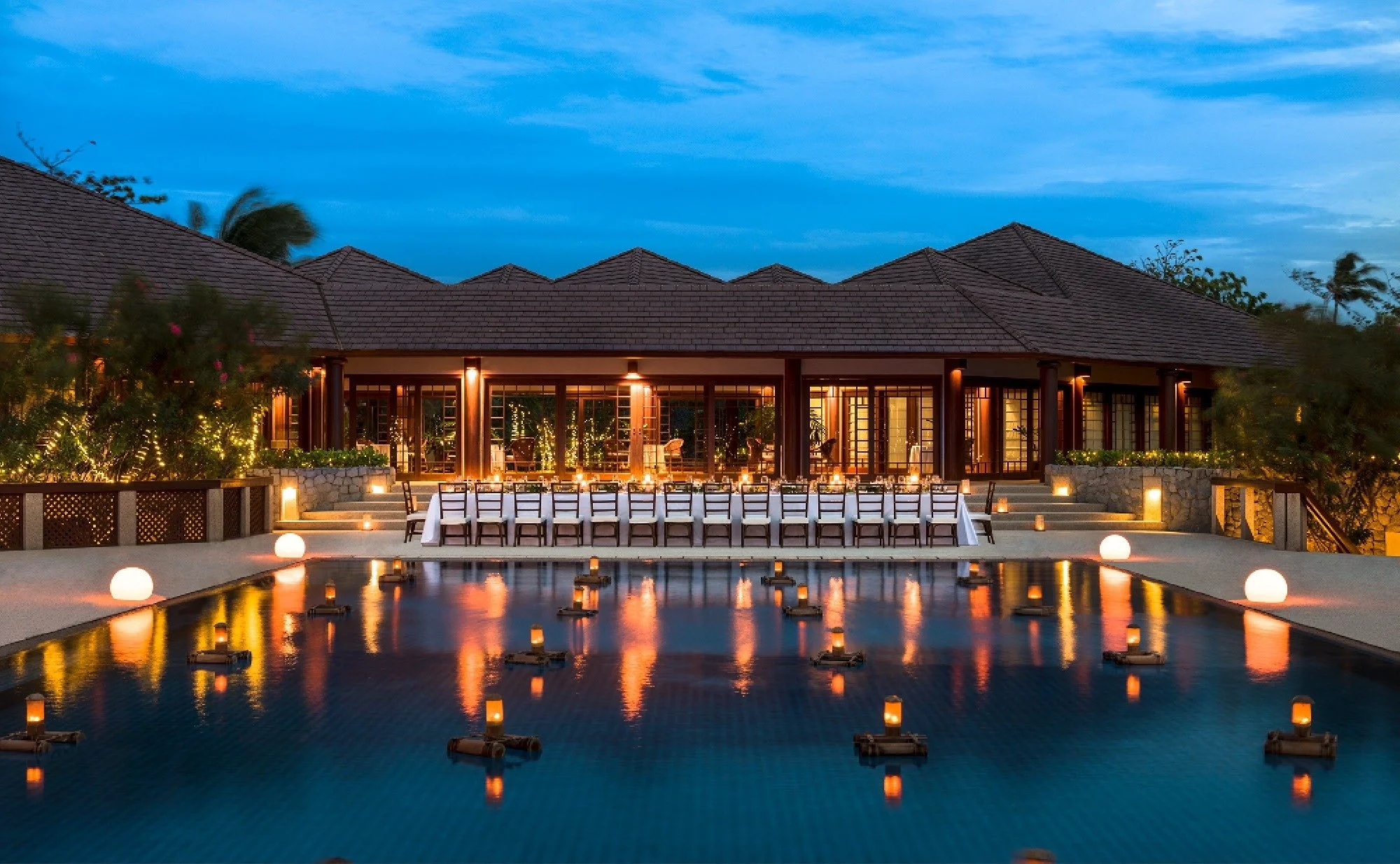
Filipino Architecture in Island Light
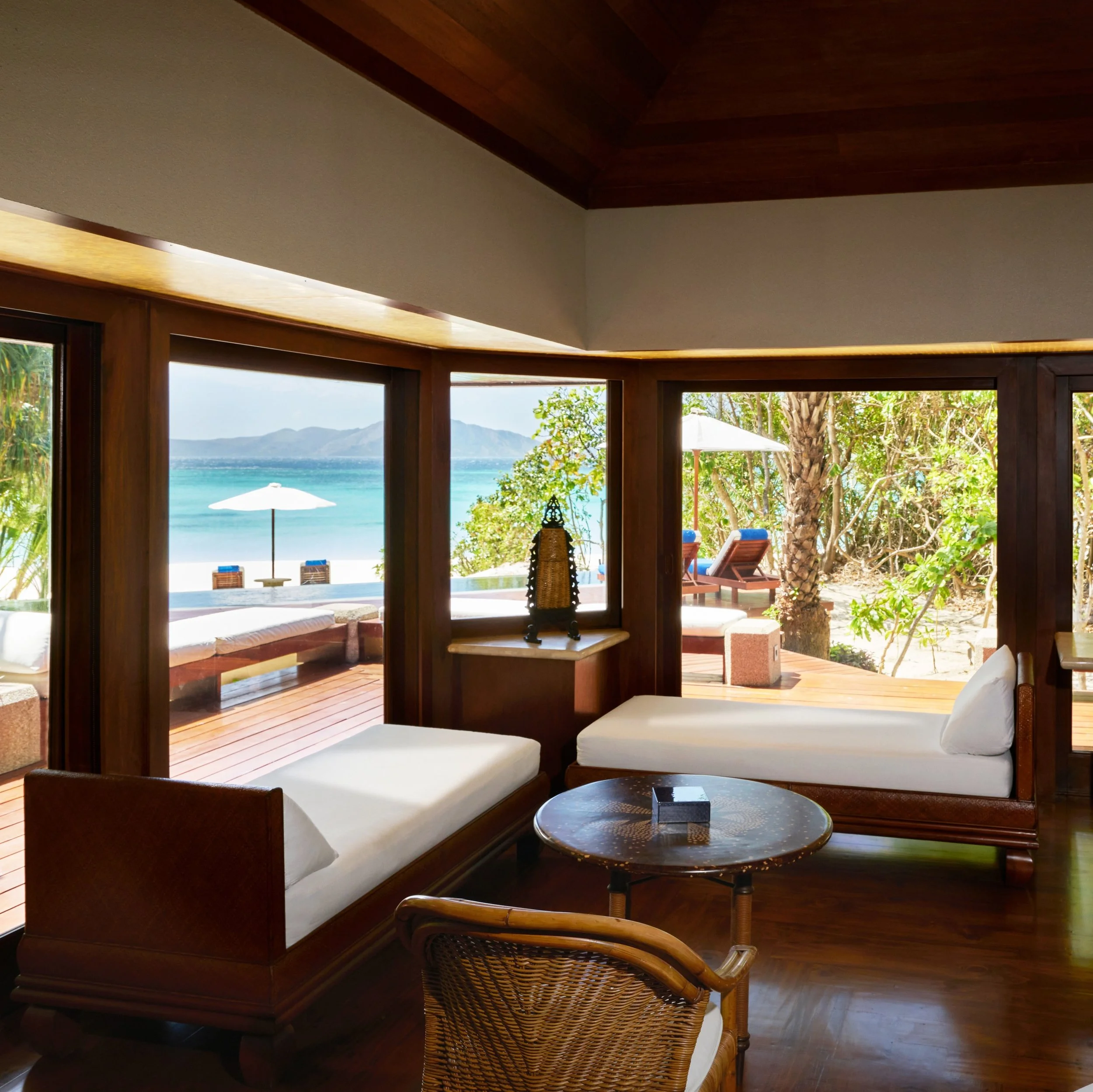
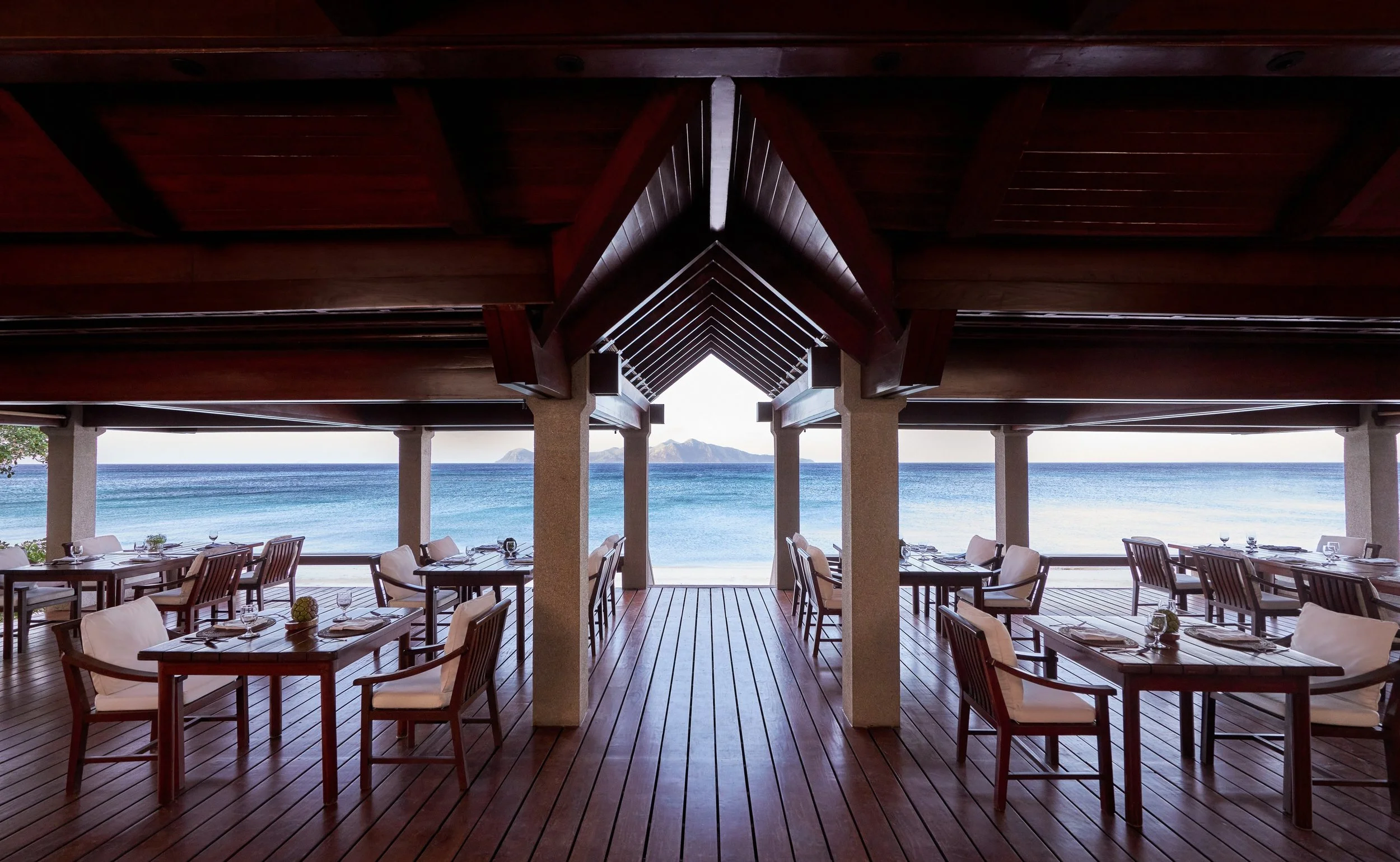
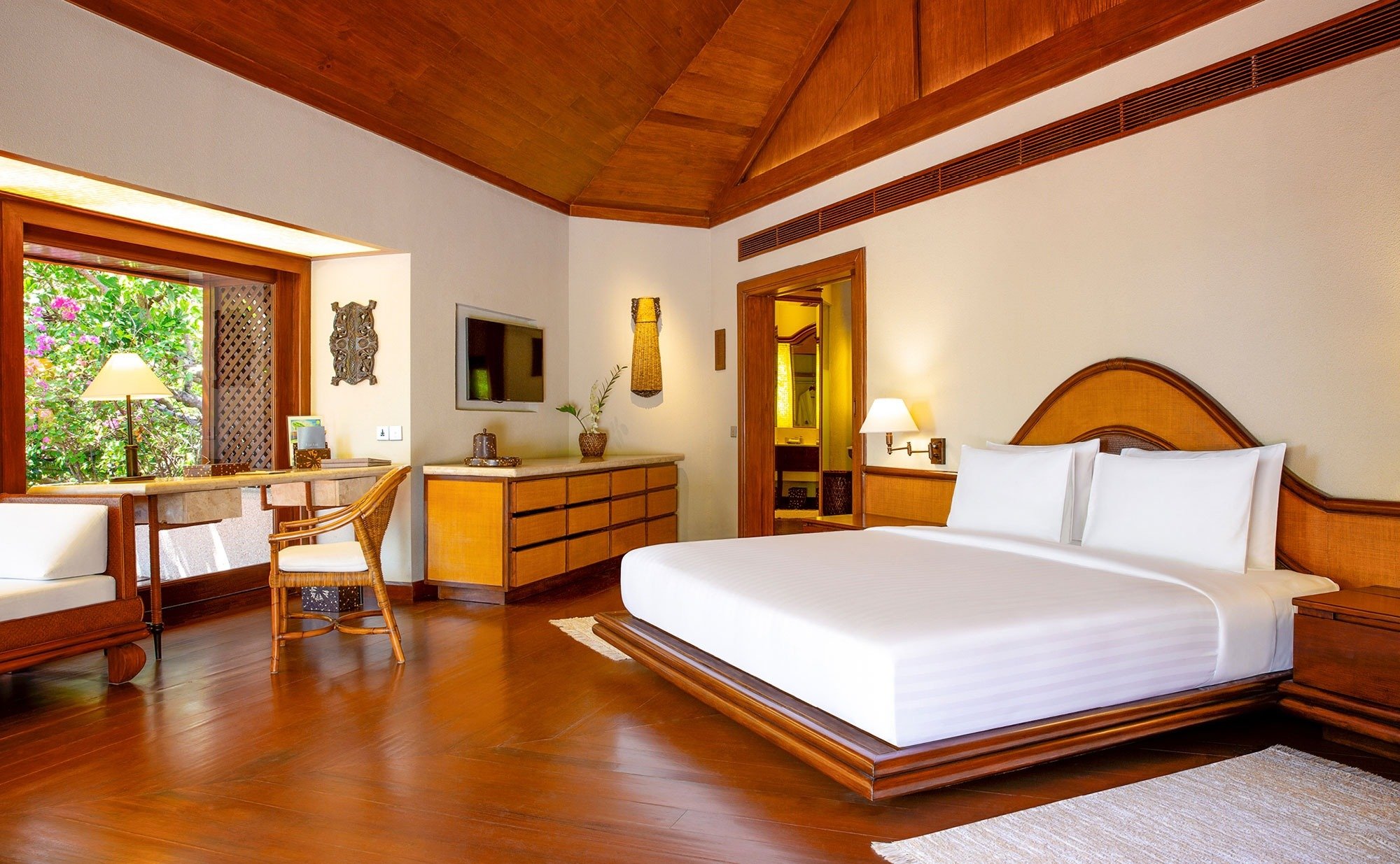
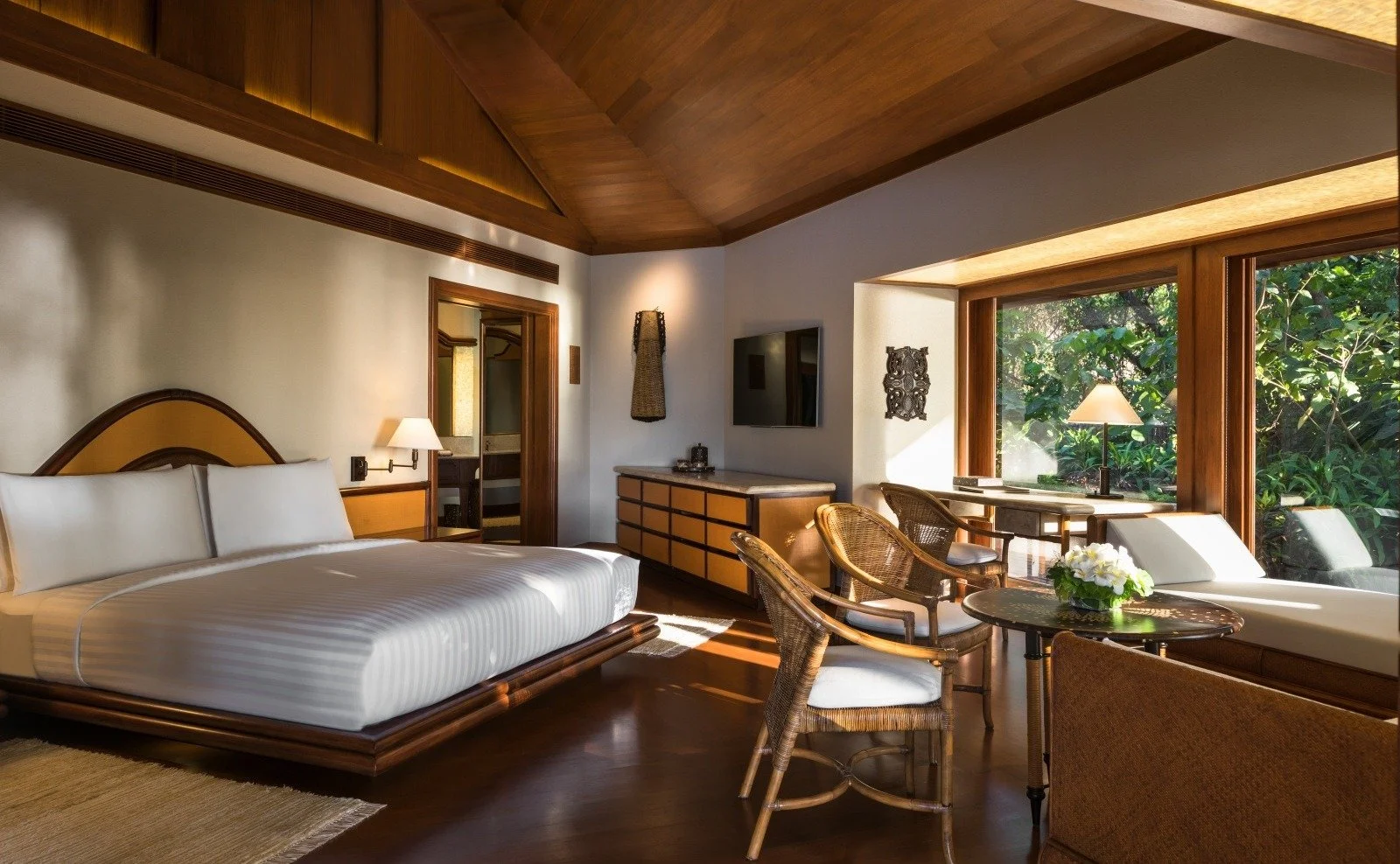
Mañosa’s architectural language is most apparent in the combination of pitched roofs, vaulted timber ceilings and generous outdoor space. Pebble-washed walls, coconut-shell detailing and Cebu marble bring texture to interiors that favor natural materials over conspicuous decoration.
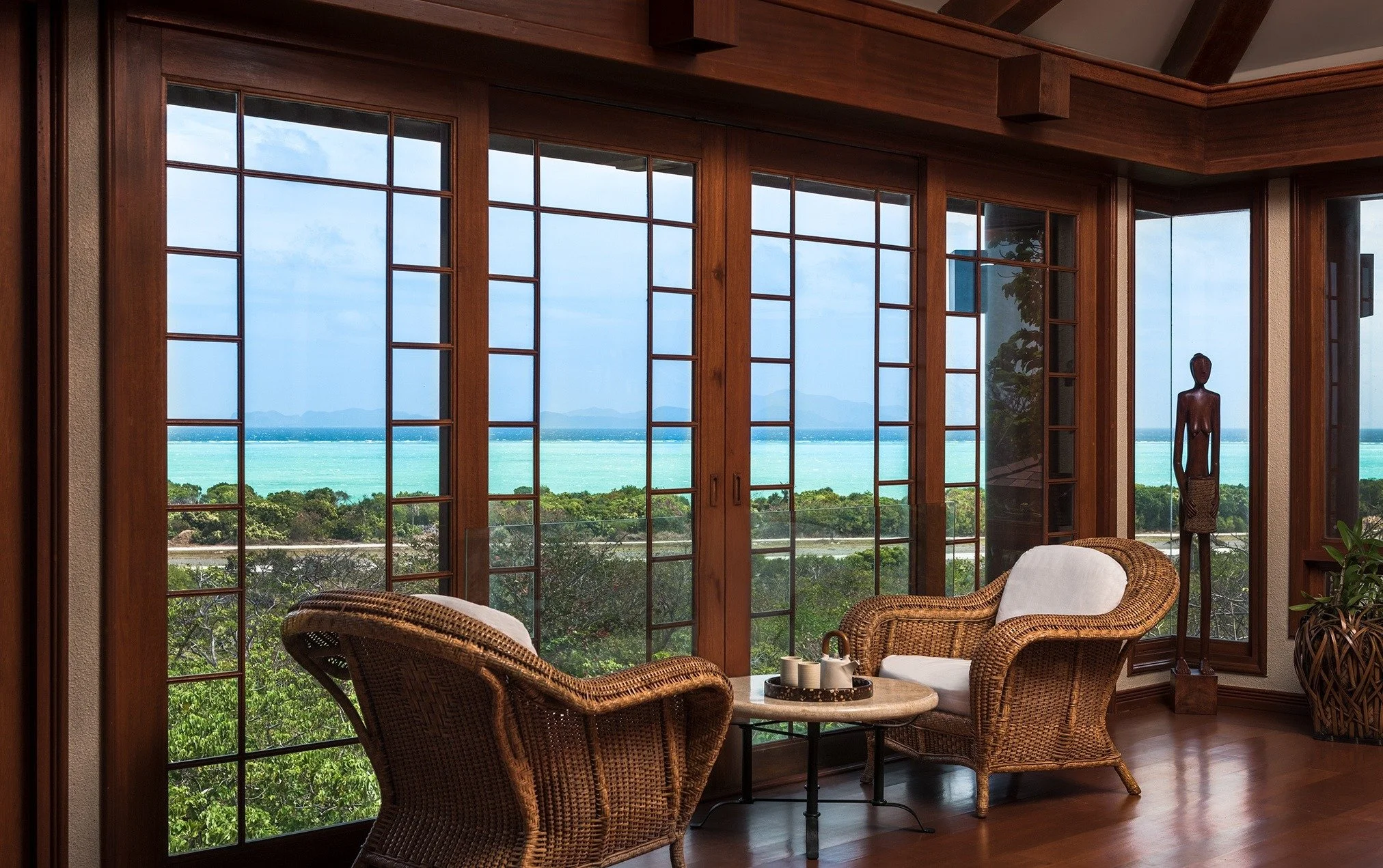
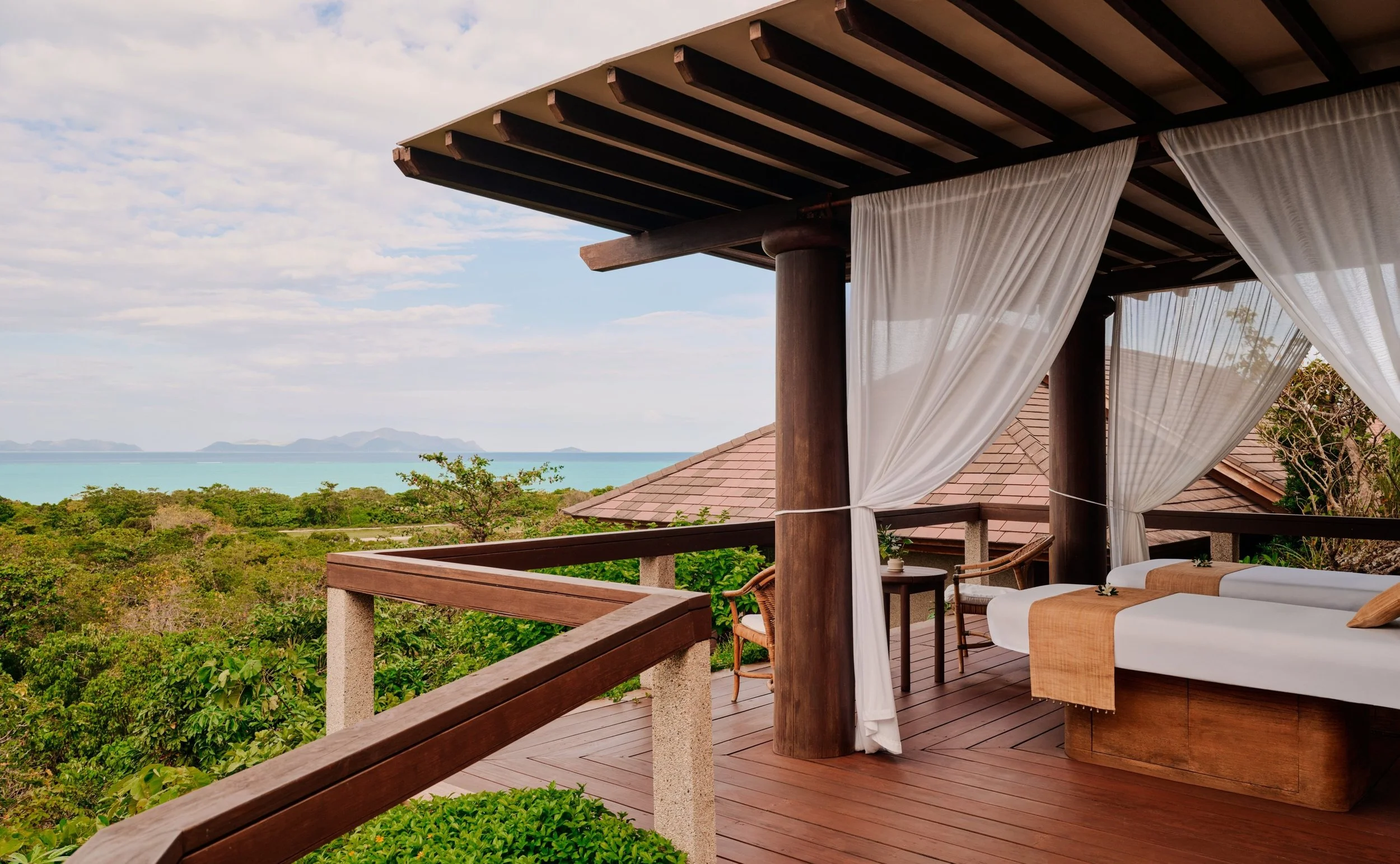
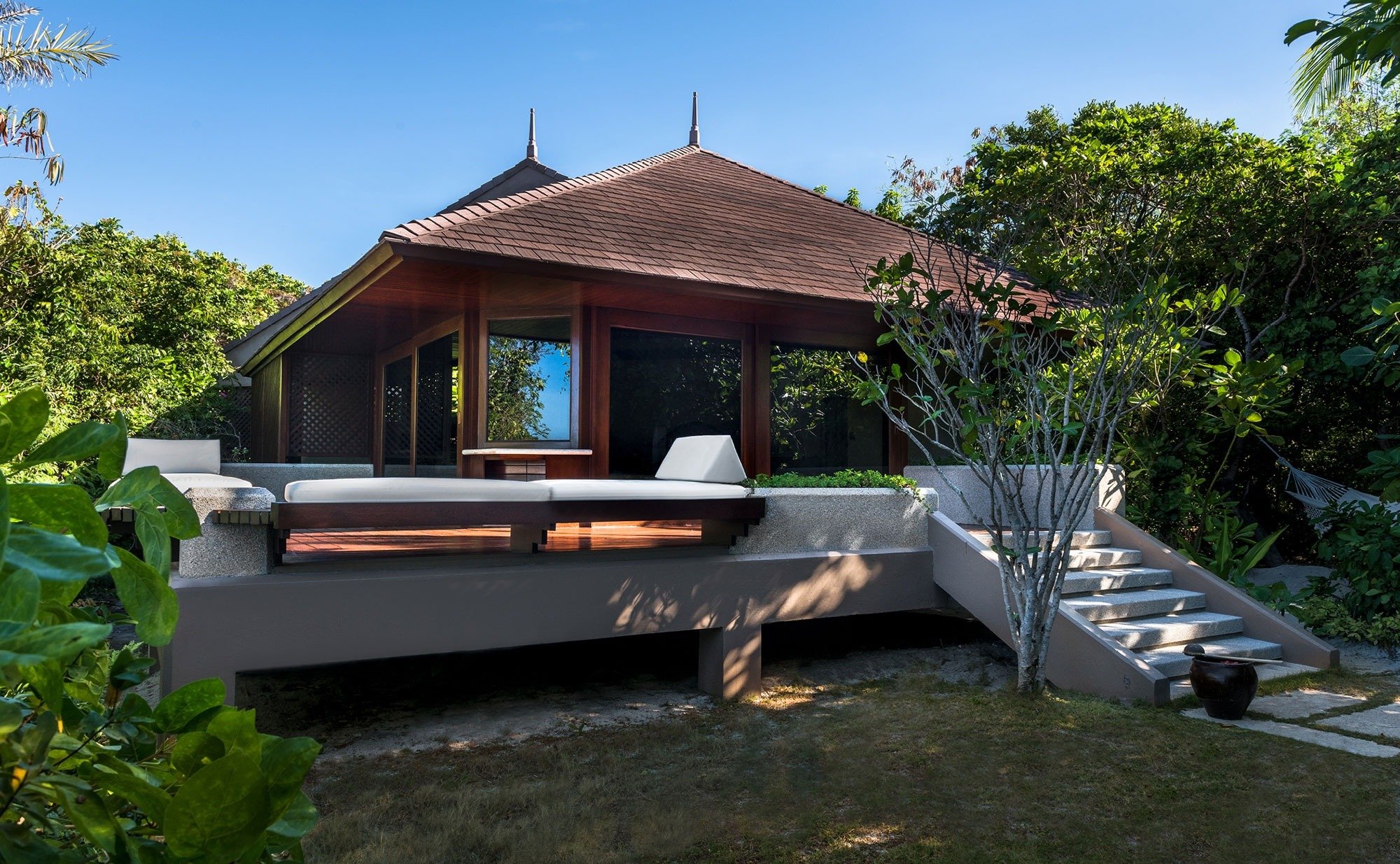
The casitas translate the proportions of traditional Philippine dwellings into comfortable contemporary accommodation. Decks create an intermediate space between the bedroom and landscape, while large windows keep the greenery or sea in view.
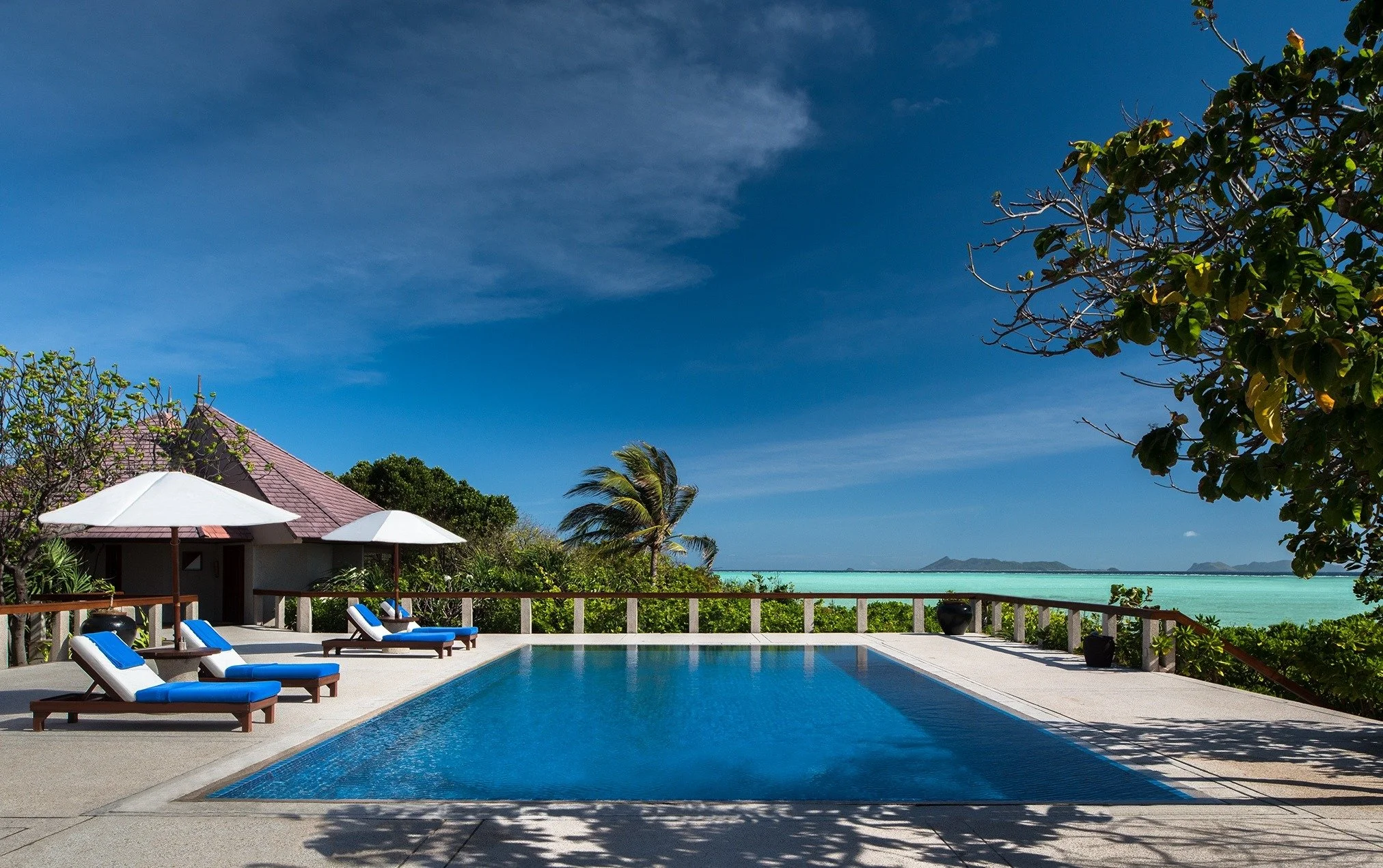
The villas take a more dispersed form, with bedroom casitas arranged around shared living areas and a pool. This pavilion layout is particularly appealing for groups who want time together without sharing every part of the day.
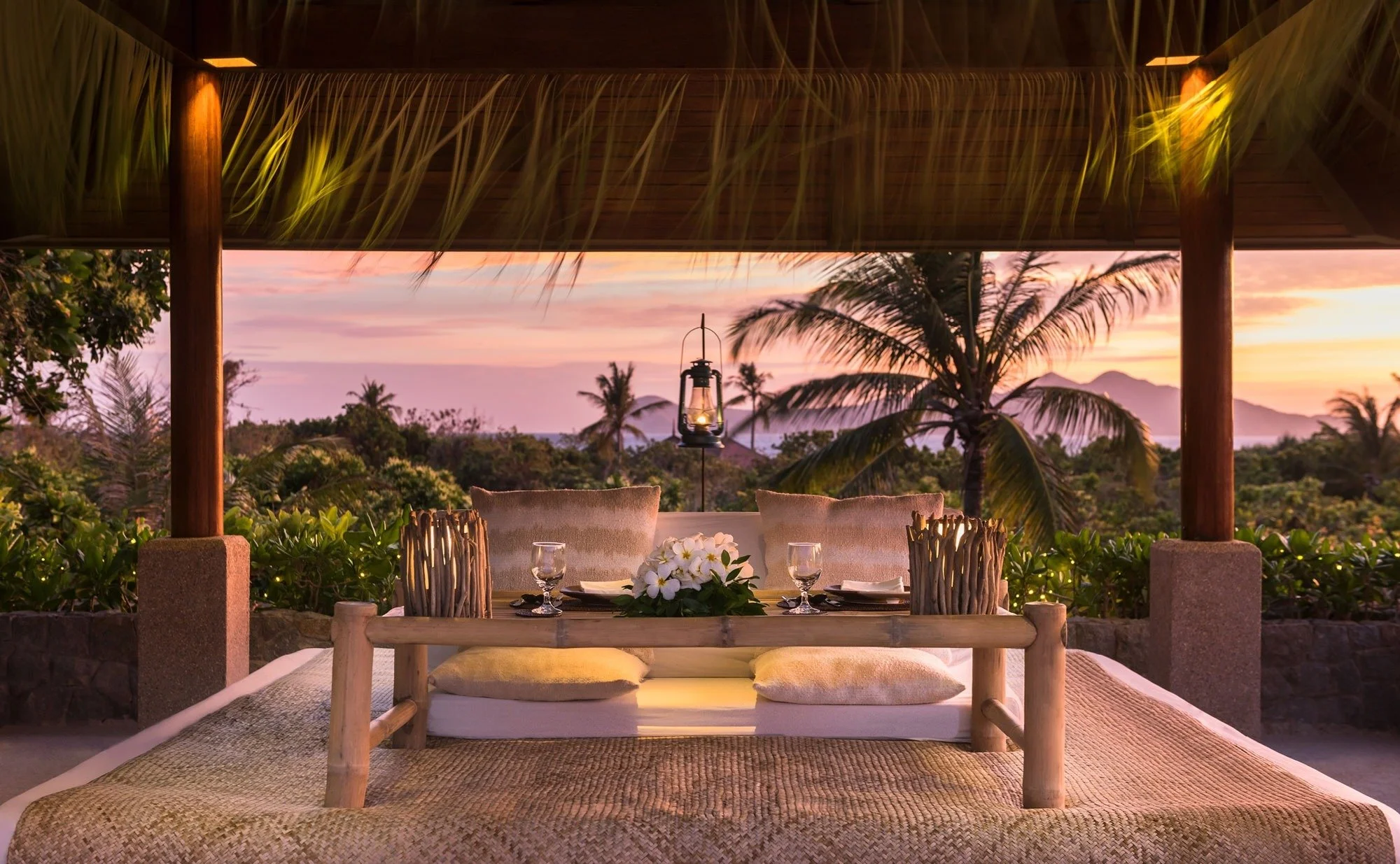
Amanpulo is also a resort where orientation matters. Western settings favor sunset views, while eastern locations offer a different quality of morning light. A hillside outlook, a shaded forest setting and immediate beach access each produce a noticeably different stay, even when the accommodation’s interior size is similar.
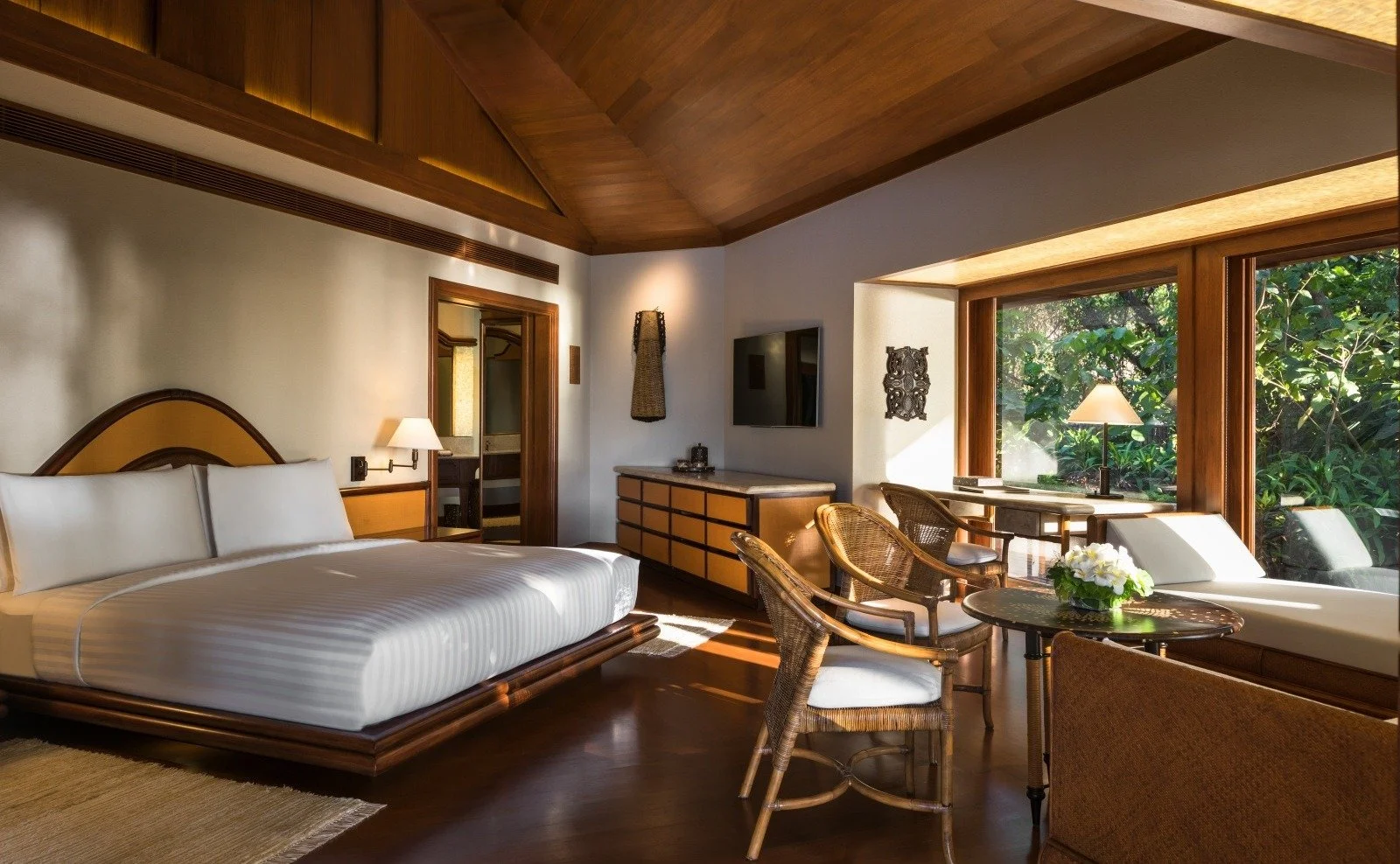
Casitas and Beachfront Villas
Amanpulo’s accommodation progresses from forest and hillside casitas to beachfront pool categories, followed by staffed villas with up to four bedrooms. For the standard casitas, location and outdoor features often matter more than additional interior space.
Sizes below follow Aman’s published square-foot figures. Villa measurements refer to interior space, rather than the much larger surrounding estate areas.
Treetop Casita: At 731 sq. ft., this forest-set category offers a king bed, spacious bathroom and private wooden sundeck overlooking the canopy.
Hillside Casita: At 731 sq. ft., a king bedroom and large bathroom open toward a private deck in an elevated setting with partial sea views.
Deluxe Hillside Casita: At 731 sq. ft., this category retains the core casita layout while offering a broader panorama of the sea and neighboring islands.
Treetop Pool Casita: At 731 sq. ft., this casita adds a private pool and wooden sundeck within the forest canopy, with a king bedroom and generous bathroom.
Beach Casita: At 731 sq. ft., this beachfront category combines a king bedroom with a wooden sundeck, hammock, outdoor shower and a private path to the sand.
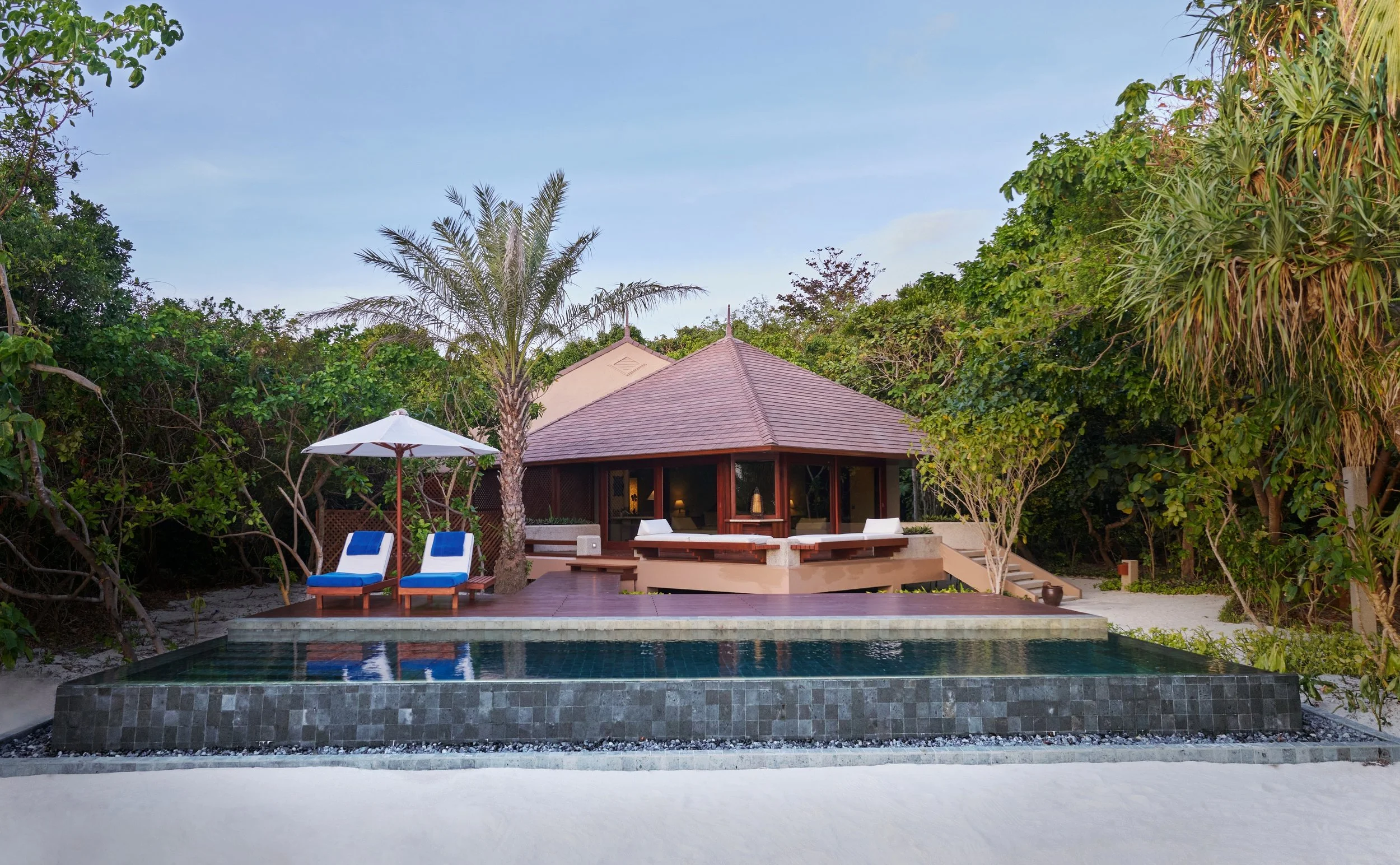
Beach Pool Casita: At 731 sq. ft., this category adds a private plunge pool to the beachfront setting, with the shore just steps away.
Grand Beach Pool Casita: With a published size of 2,766 sq. ft., this secluded retreat on the island’s southeastern edge offers a king bedroom, private plunge pool, separate outdoor Jacuzzi, beach sala and direct beach access.
The villa collection introduces dedicated chef and butler service, kitchens, private pools and more extensive shared spaces:
One-Bedroom Villa: With 1,281 sq. ft. of air-conditioned interiors, this beachfront villa combines a king-bedroom casita with living areas, outdoor dining and a poolside sala.
Two-Bedroom Villa: With 2,314 sq. ft. of air-conditioned interiors, two en suite king-bedroom casitas are arranged around shared dining and lounge pavilions and a central swimming pool.
Three-Bedroom Villa: With 3,046 sq. ft. of interiors, three en suite bedroom casitas accompany a private pool, terrace and gathering spaces in a secluded beachfront setting.
Four-Bedroom Lagoon Villa: With 3,788 sq. ft. of interiors, this eastern-shore category comprises four bedroom casitas, a shared pavilion, private pool and verandas overlooking the sea or surrounding greenery.
Four-Bedroom Palawan Villa: With 3,788 sq. ft. of interiors, this west-facing category offers sunset views, separate king-bedroom casitas, a living and dining pavilion, private pool and expansive deck.
The distinction between a large casita and a villa is not simply one of size. A villa introduces a household-style arrangement, with staff and shared spaces that can support meals and gatherings within the accommodation. For families with younger children, the separation between bedroom pavilions deserves particular attention when choosing a layout.
Club cars make it easier to move around the island, although beach proximity remains worth prioritizing for travelers who expect to spend much of each day beside the water.
From the Clubhouse to Kawayan
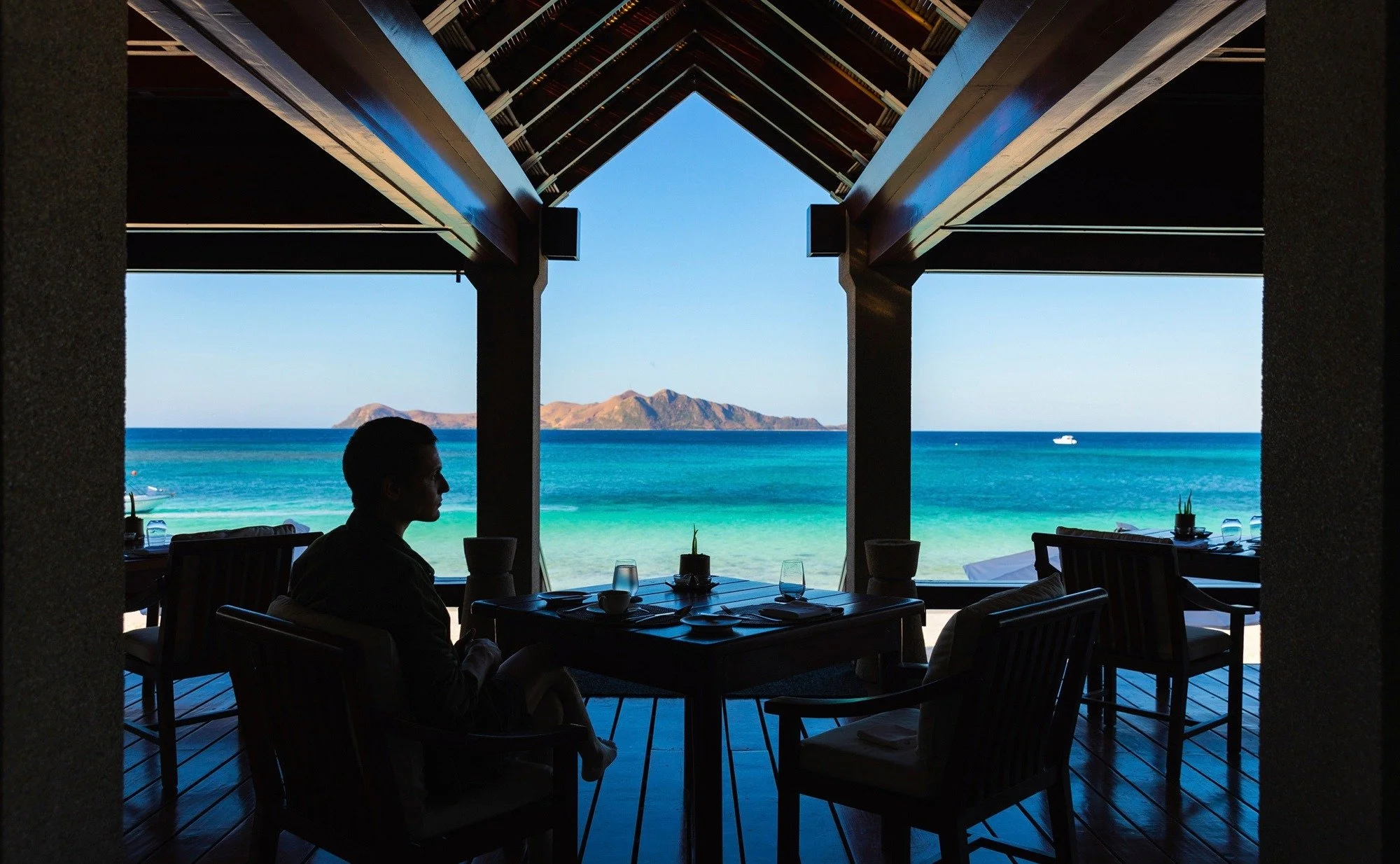
Dining moves between the center of the island and its two shores. Filipino cooking provides a sense of place, complemented by Mediterranean dishes, Japanese cuisine and informal lunches close to the beach.
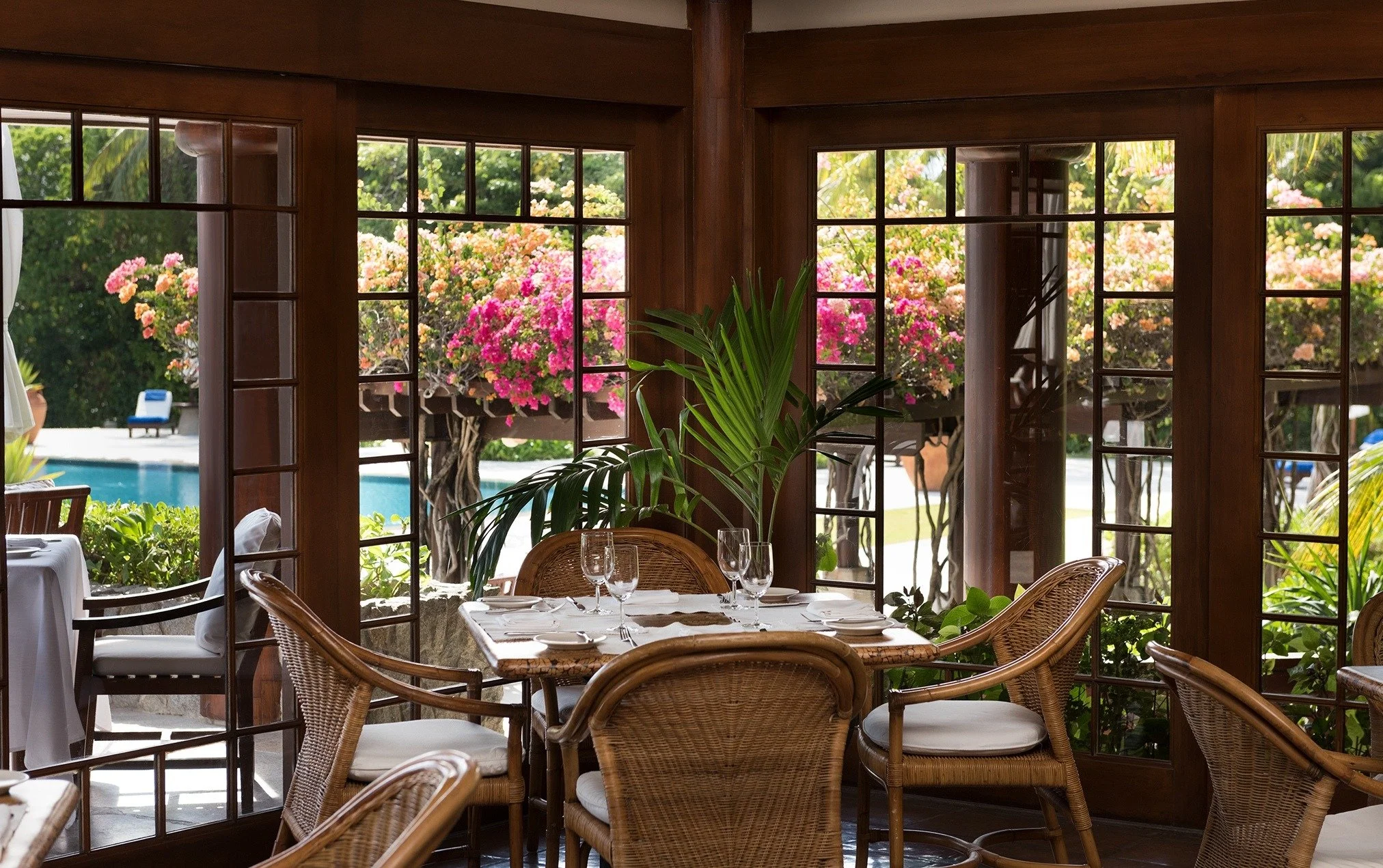
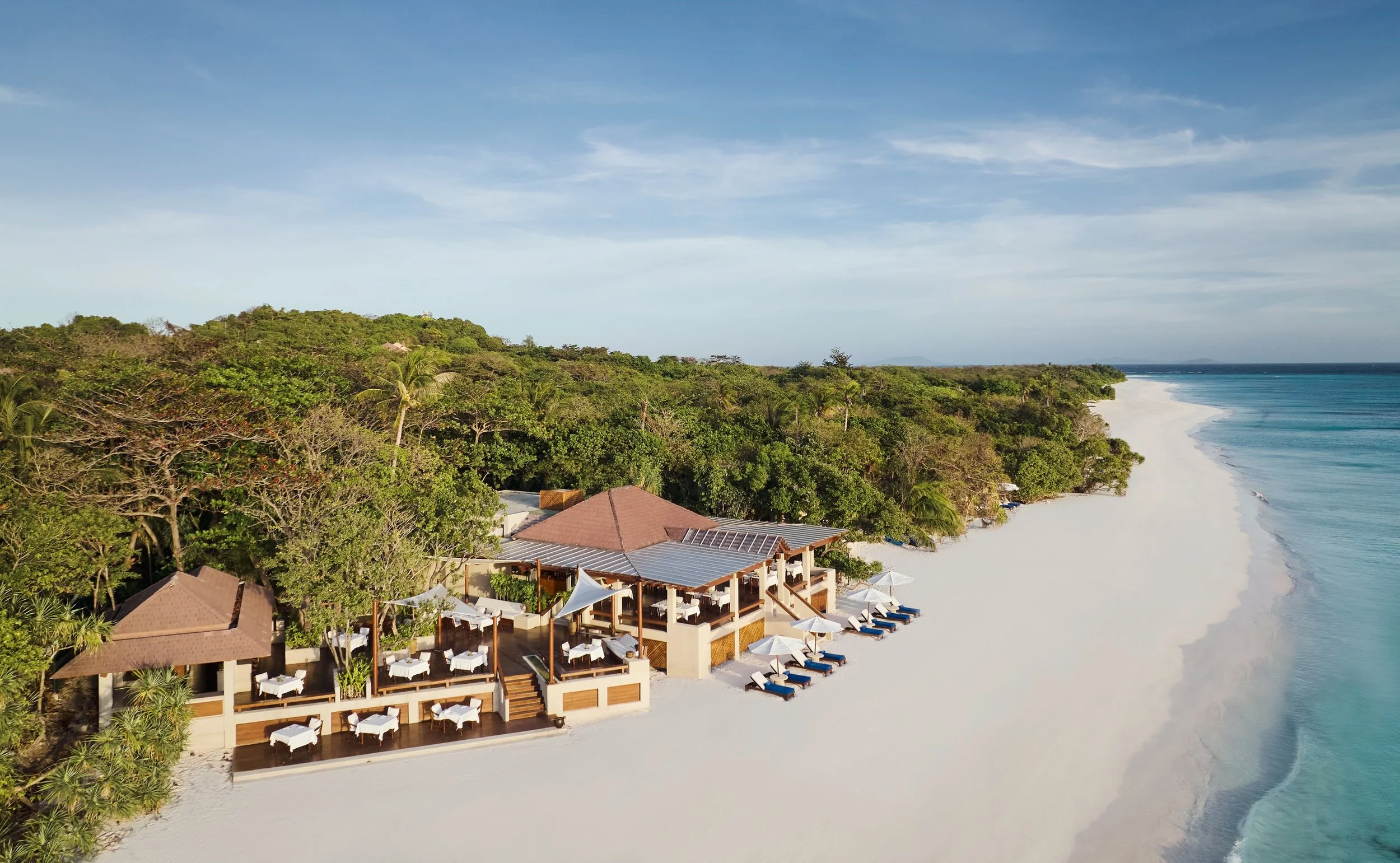
Clubhouse Restaurant: The resort’s central all-day restaurant serves Filipino specialties and Southeast Asian favorites, with indoor and poolside seating.
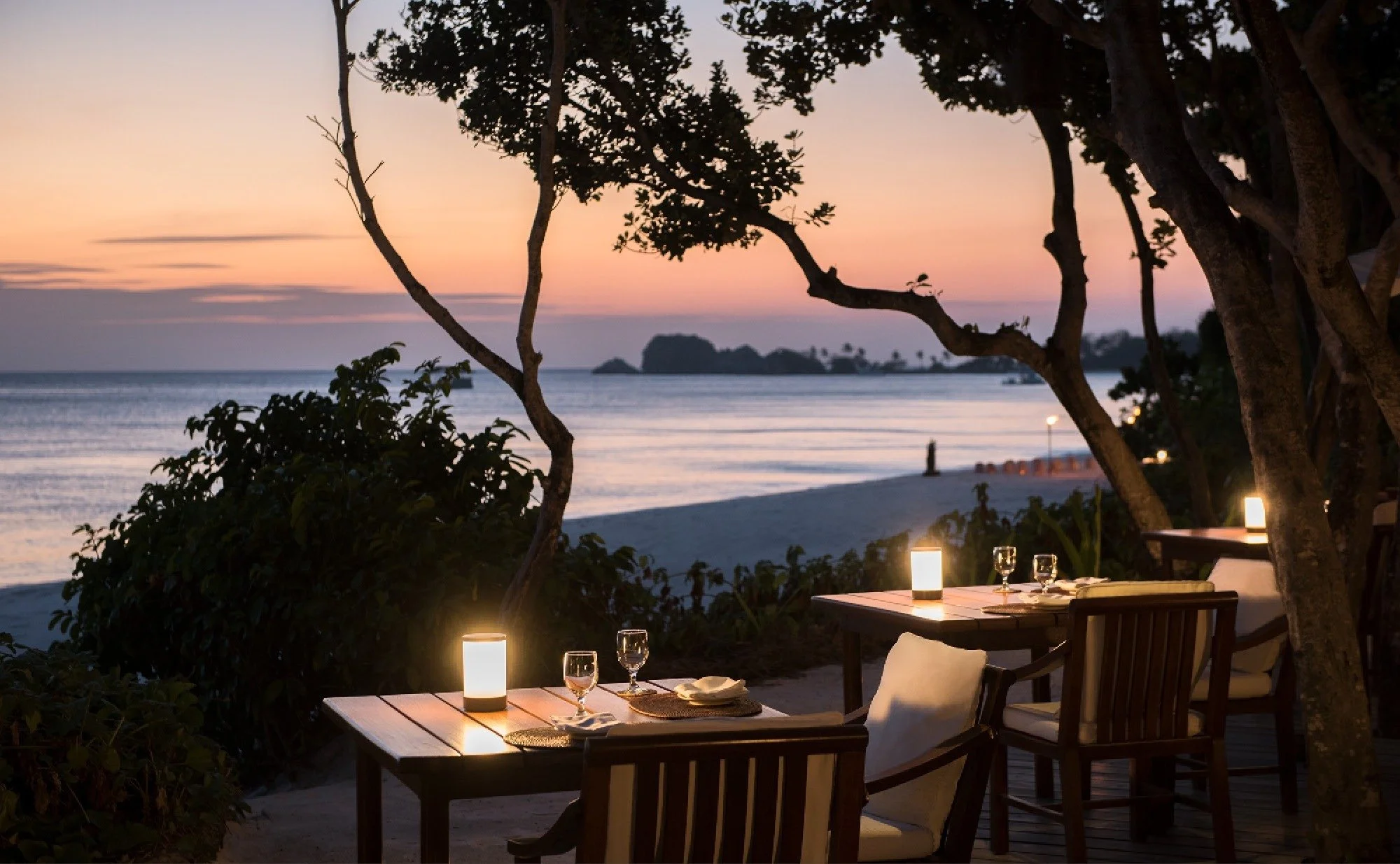
Beach Club: This seasonal venue on the western shore focuses on Mediterranean cooking and seafood, with a setting particularly suited to sunset cocktails.
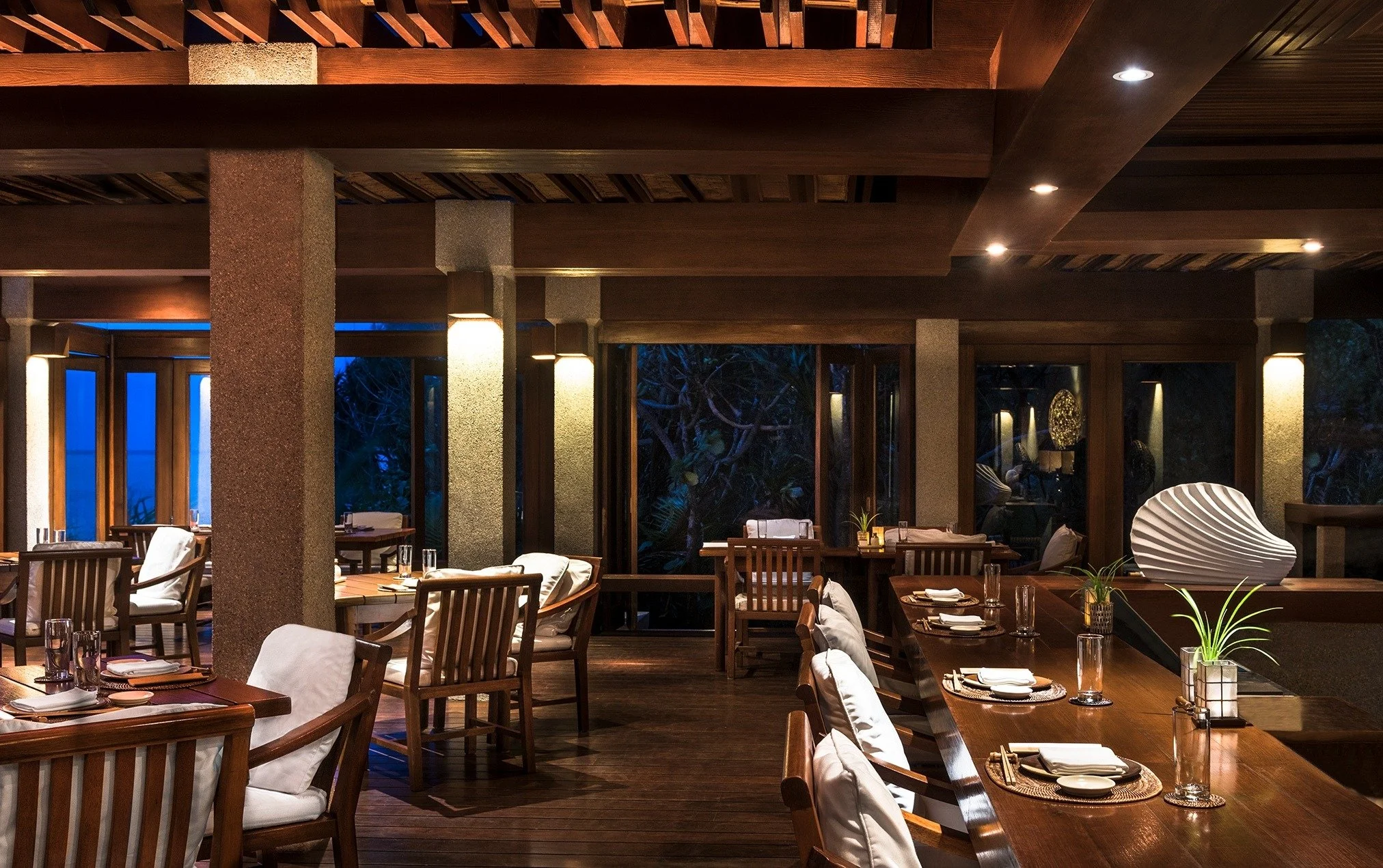
The Lagoon Club: On the eastern coast, this seasonal restaurant serves Japanese cuisine, including sushi, sashimi, Wagyu beef and selections from Aman’s Akari repertoire.
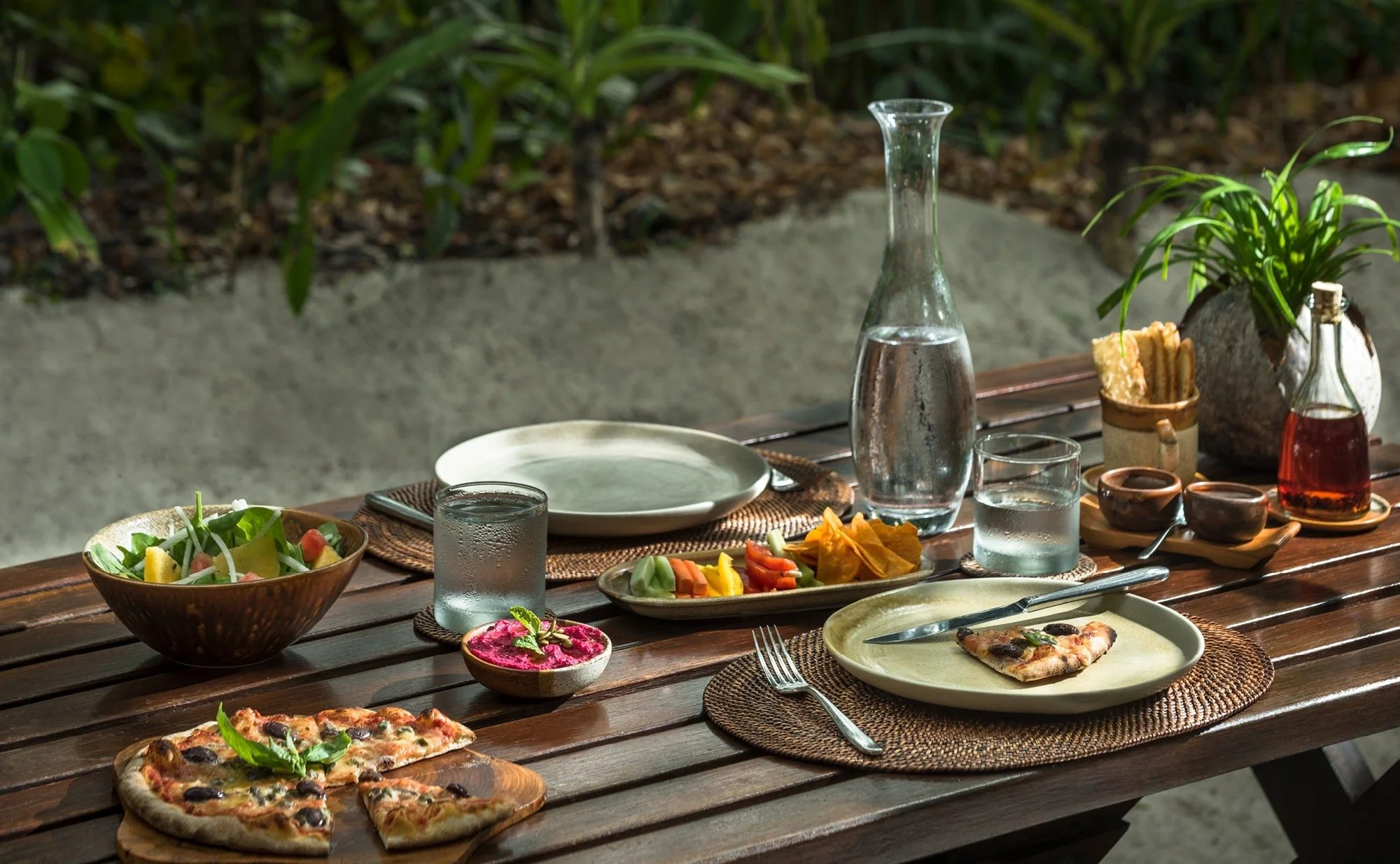
The Picnic Grove: A seasonal lunch venue beneath a canopy of trees serves handmade wood-fired pizzas, garden salads and desserts near the beach.
Lobby Bar: Located within the Clubhouse, this intimate bar offers cocktails, spirits and wines, including opportunities to explore Philippine rum.
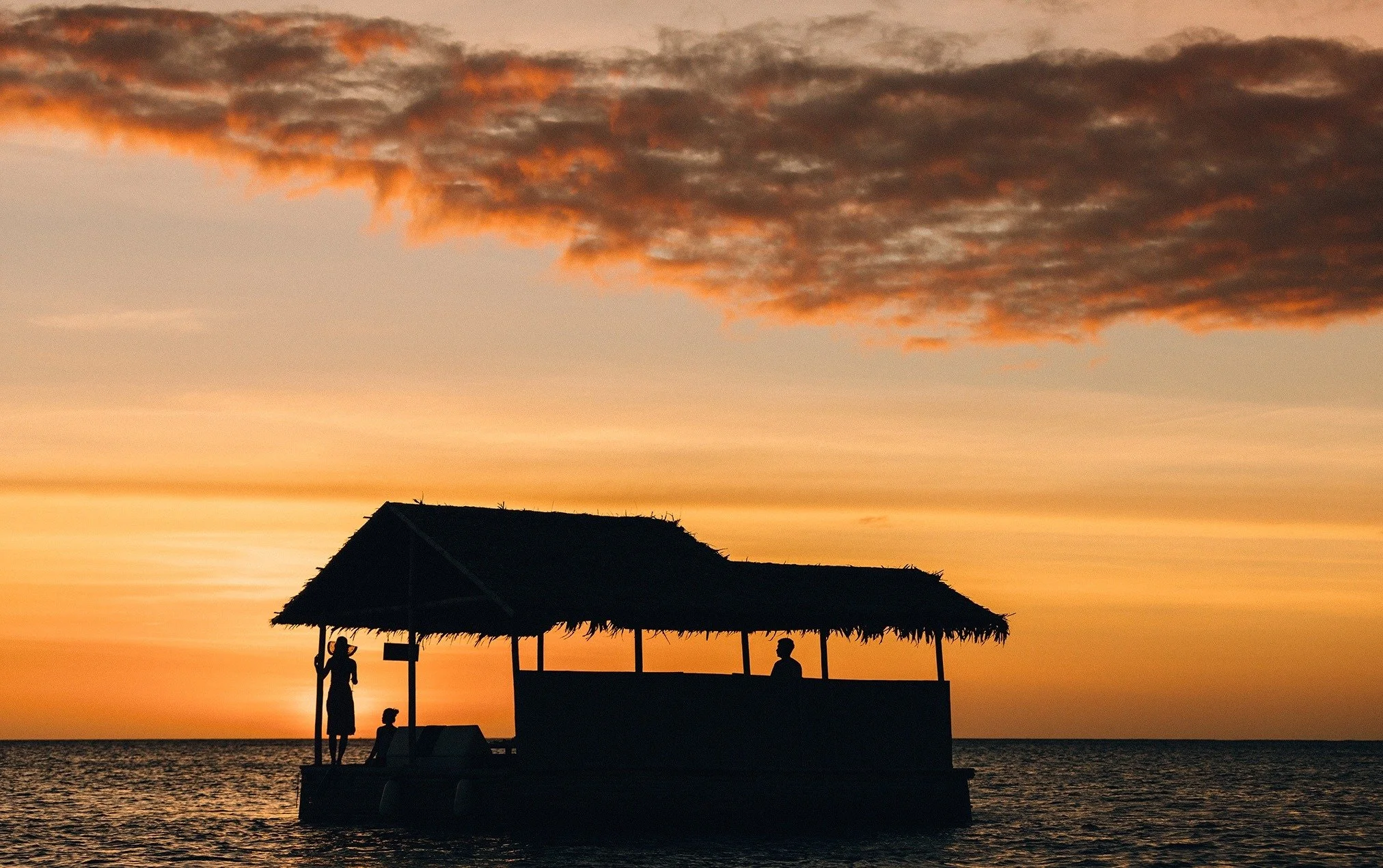
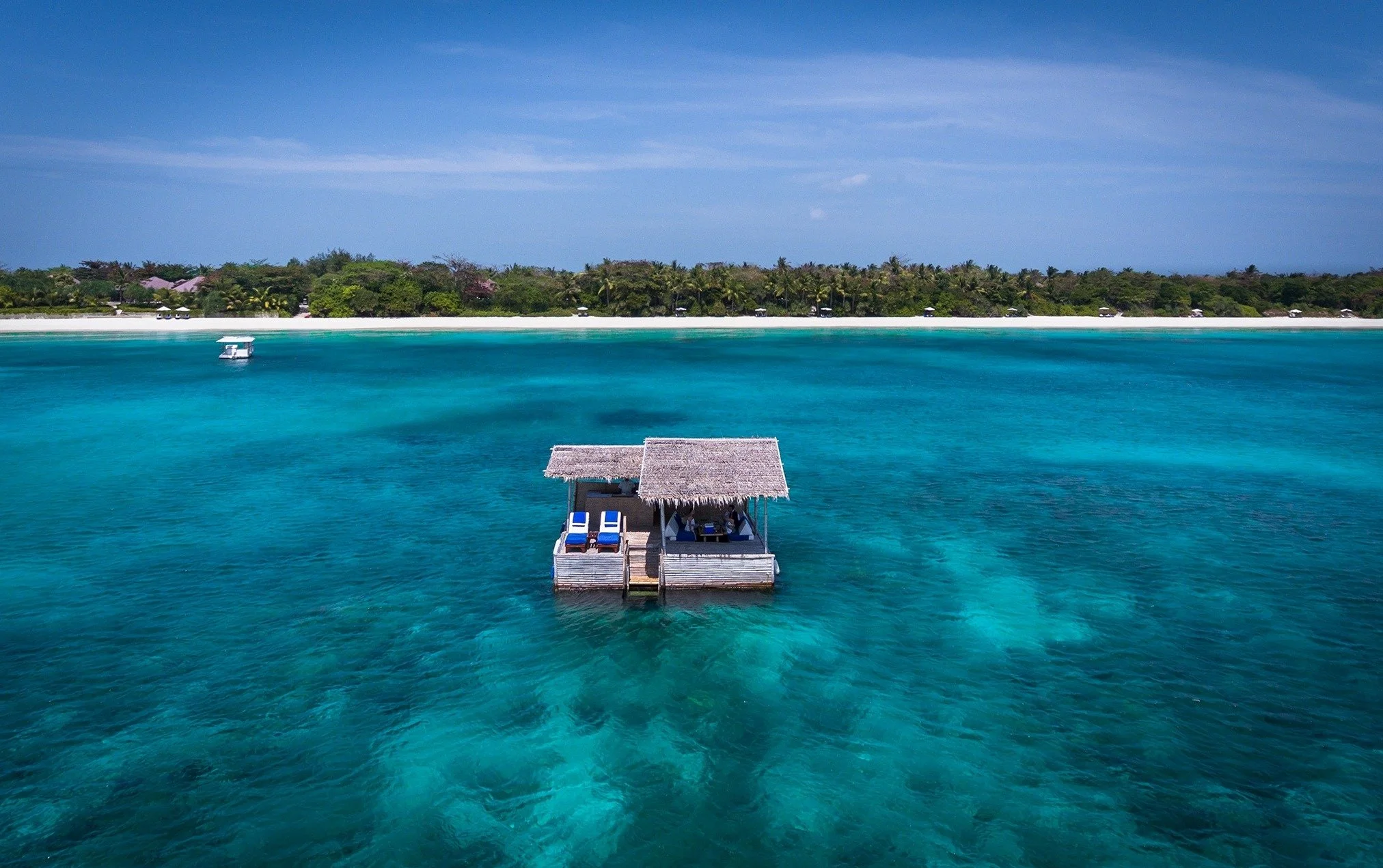
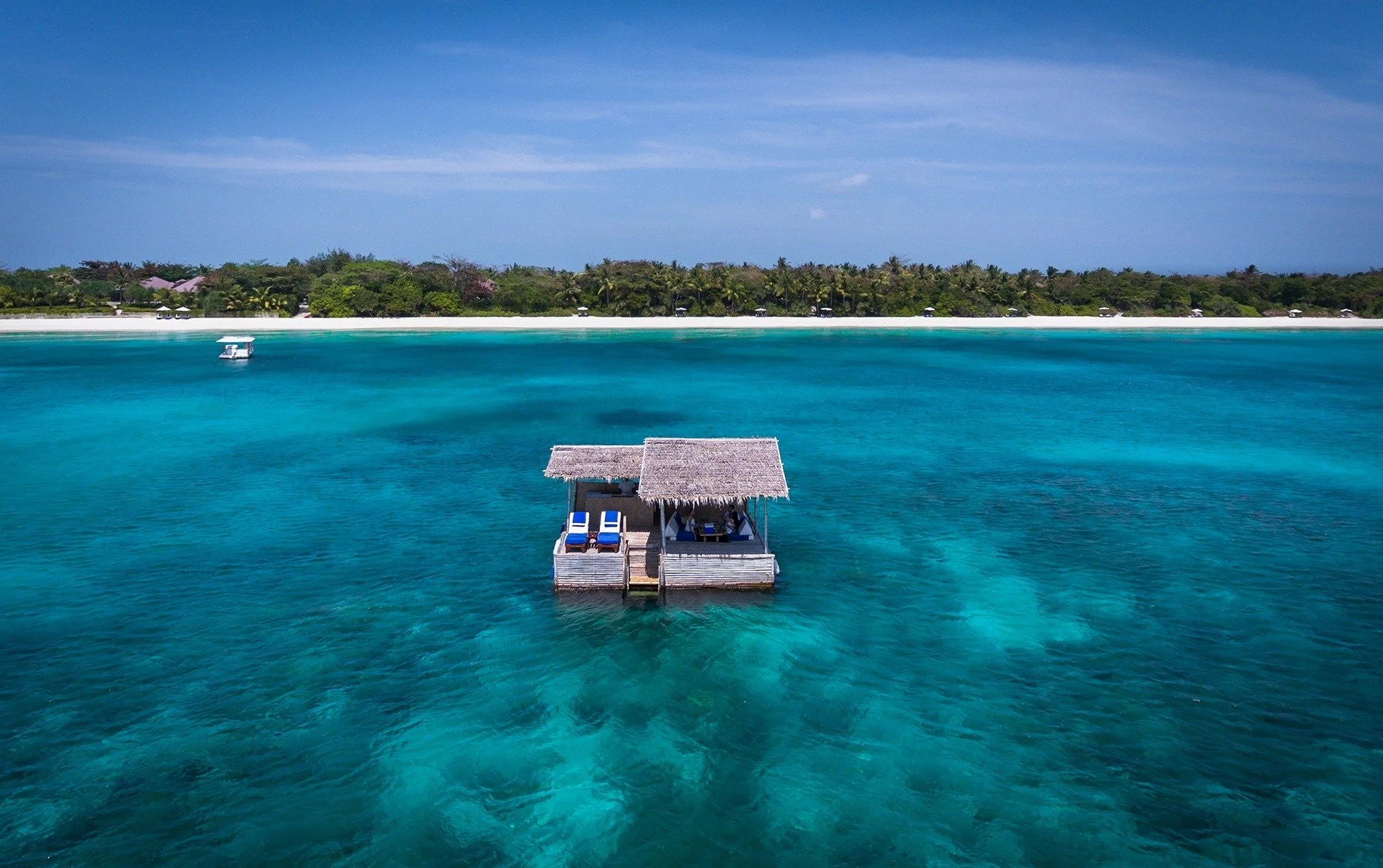
Kawayan Bar: A floating bamboo platform provides a distinctive setting for a reserved picnic or drinks between swimming and snorkelling.
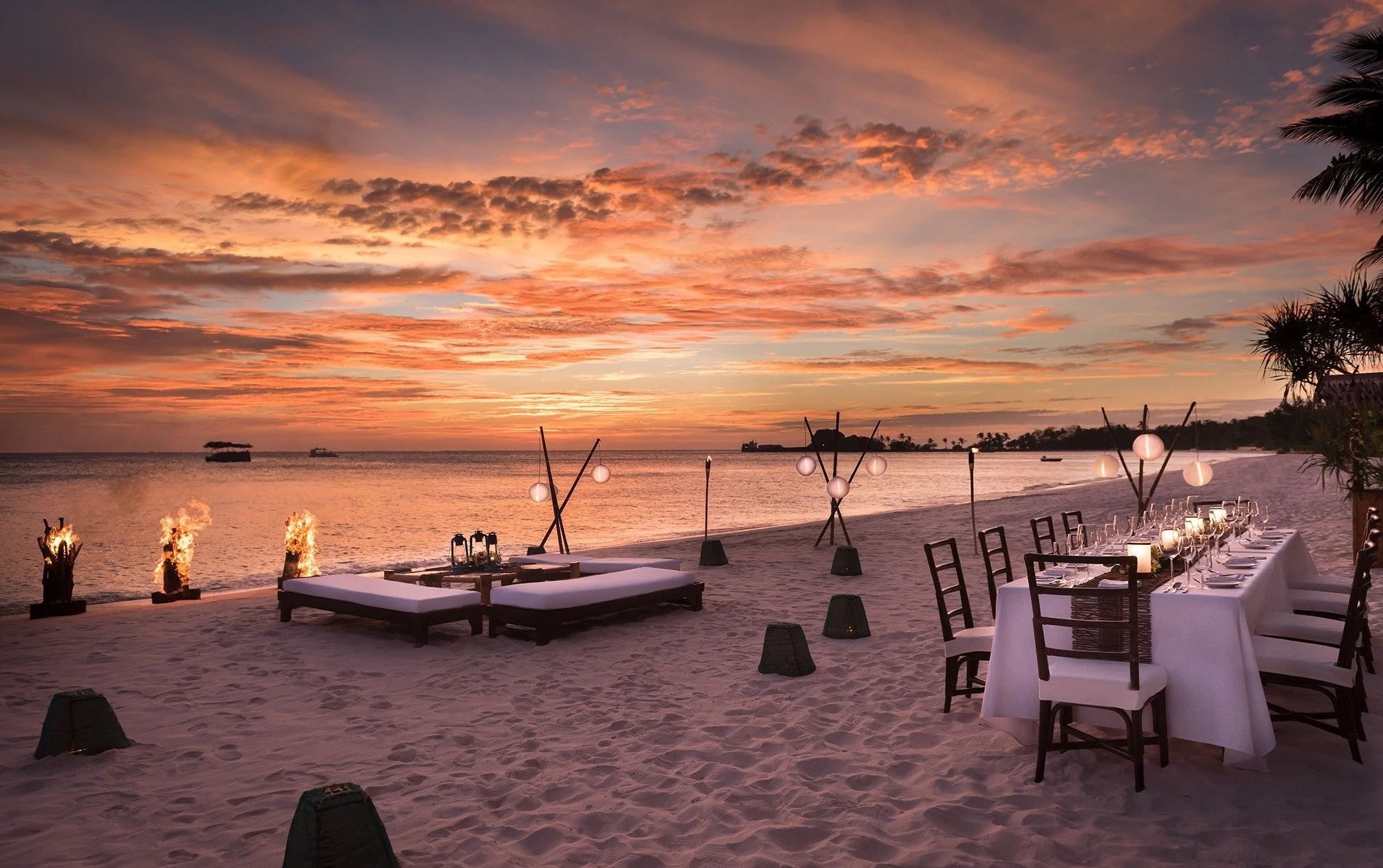
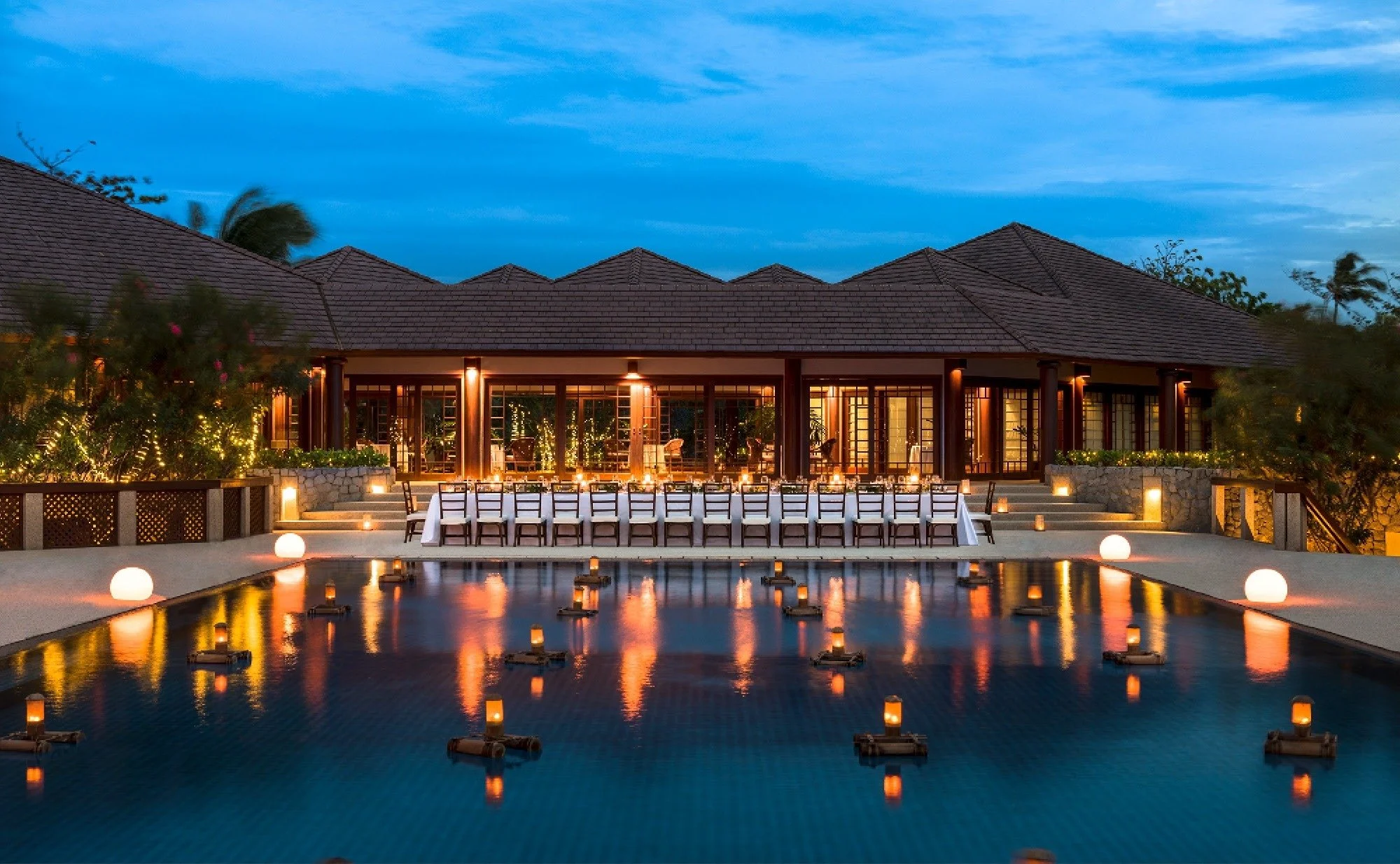
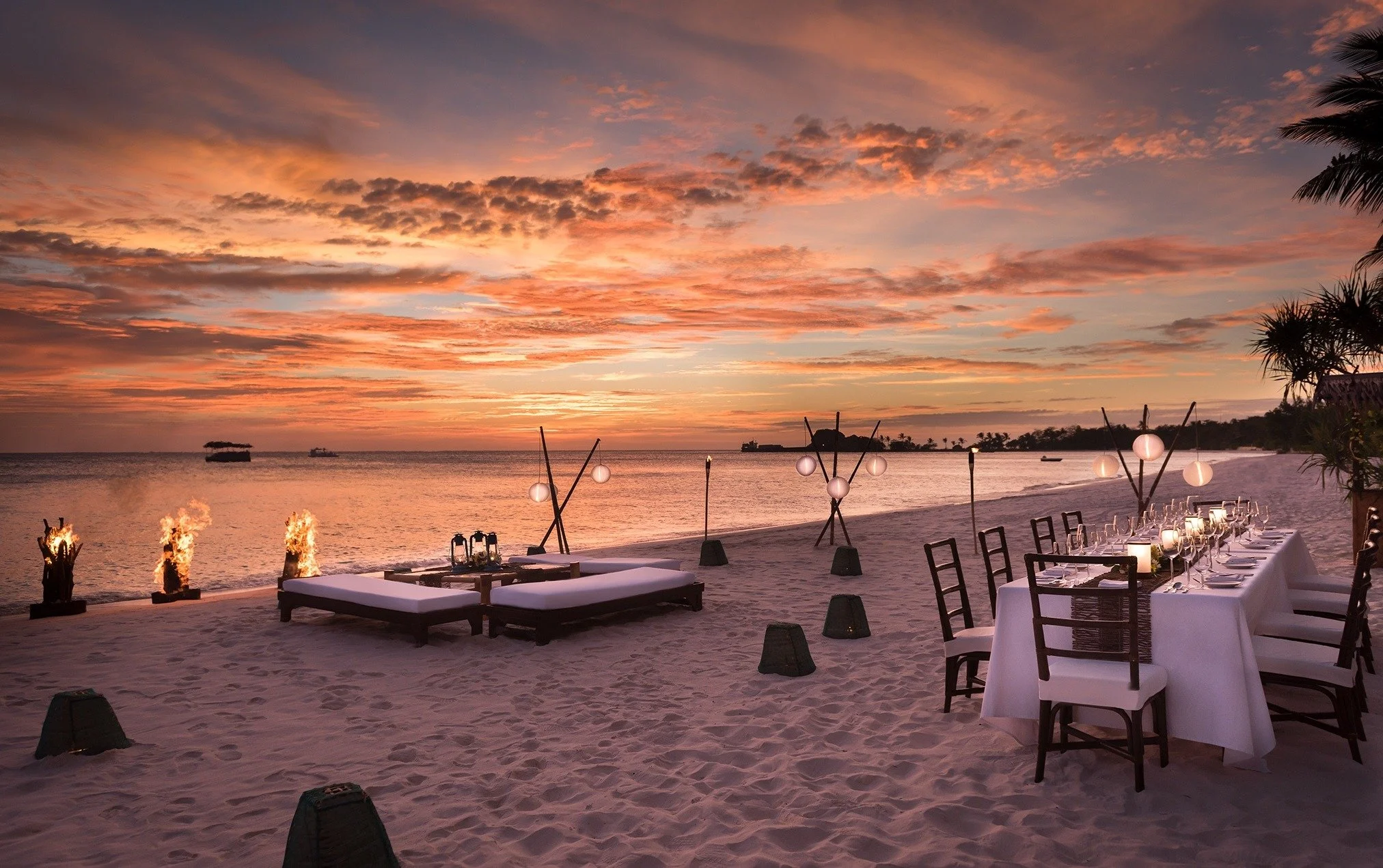
Private dining is an important part of the experience. A beach barbecue, a meal in a secluded outdoor setting or dinner at a villa can give a celebration its own atmosphere without requiring an elaborate event.
Restaurant operations vary seasonally, so dining plans should reflect the venues available during the stay. For longer visits, alternating restaurant meals with private dining helps make the island’s culinary offering feel more varied.
Aman Spa Above the Canopy
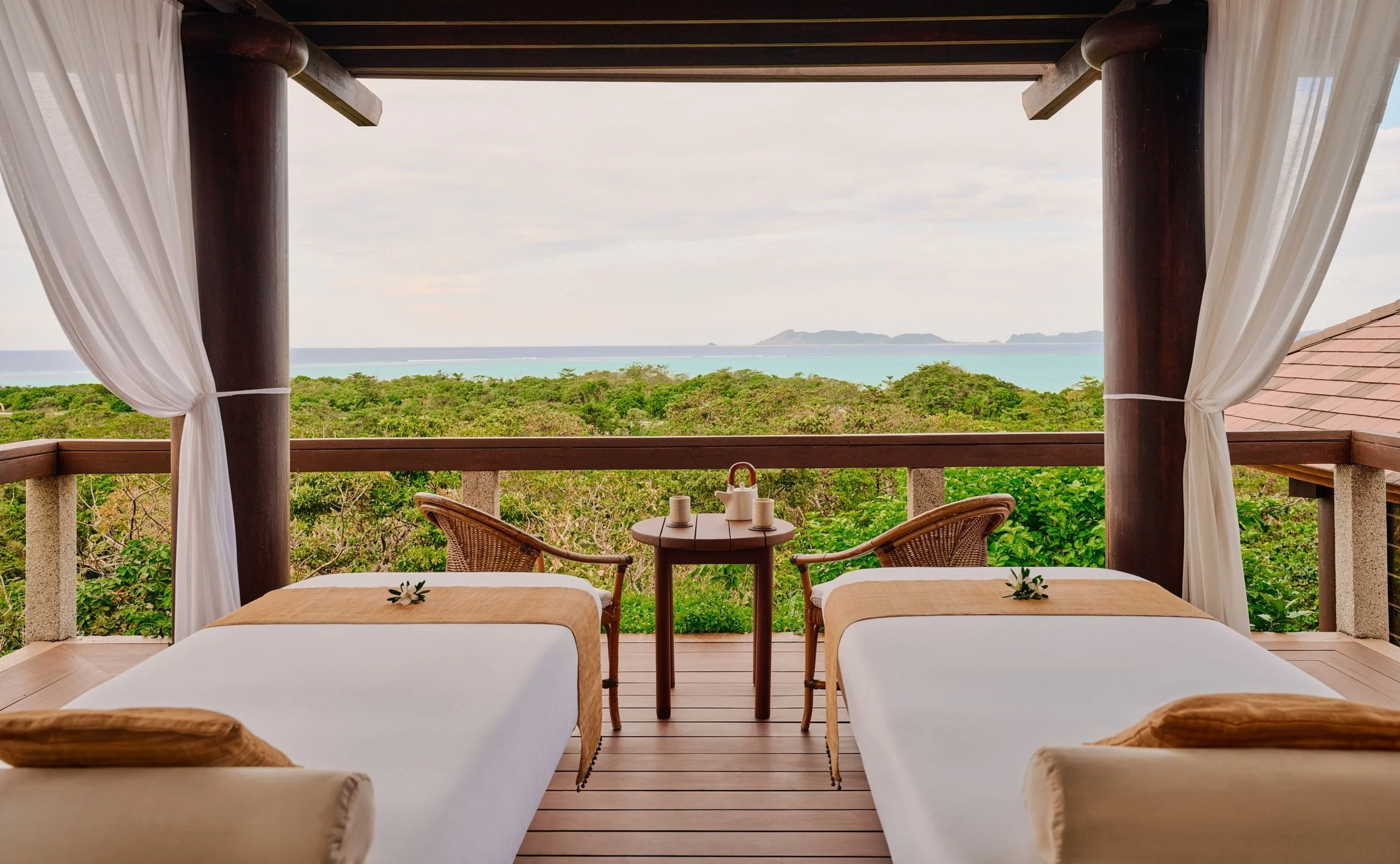
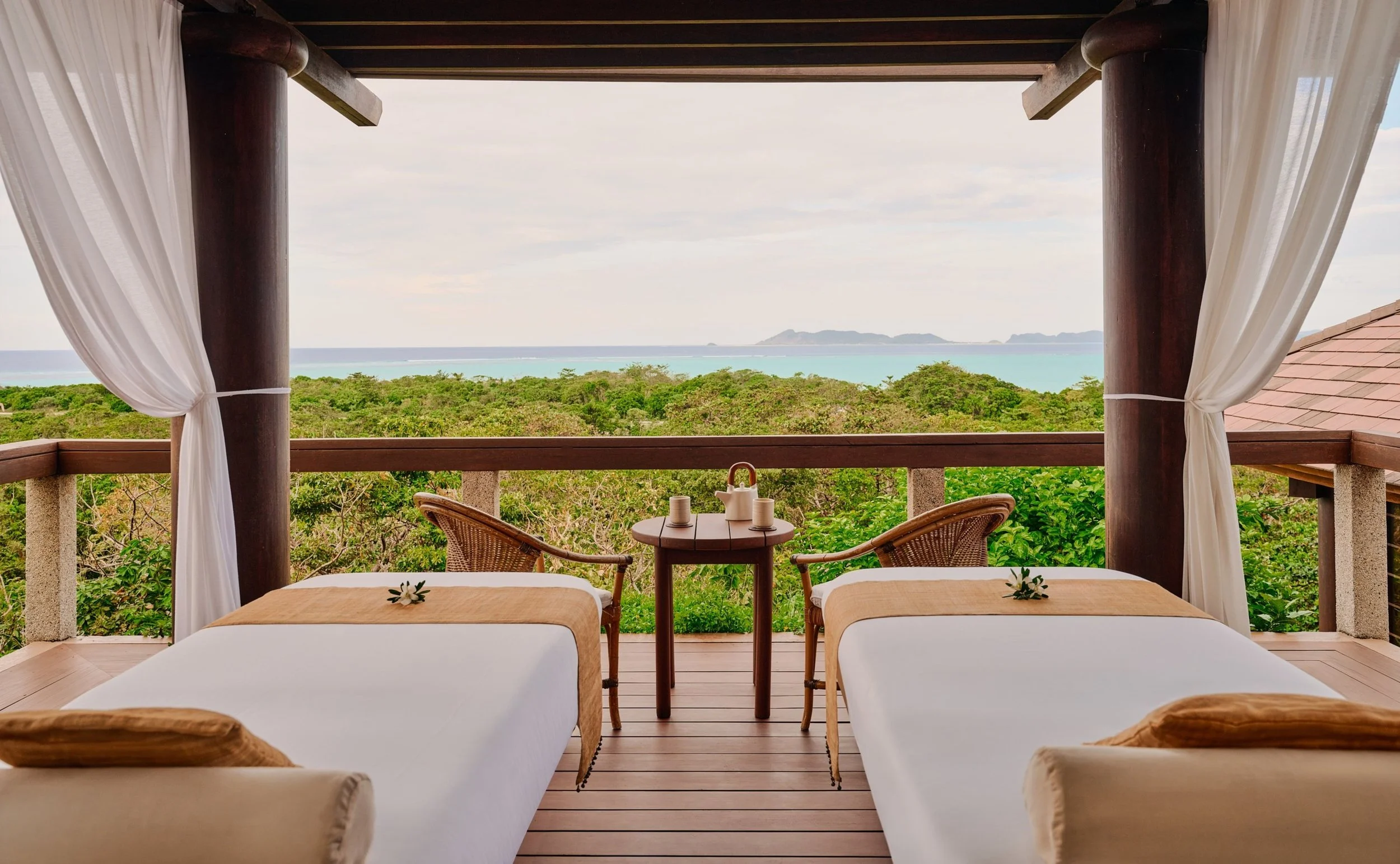
Aman Spa occupies the northern hillside, with treatment pavilions and relaxation spaces looking across the island landscape. Its six treatment suites support massages, body treatments and facials, while outdoor salas provide somewhere to linger afterward.
The menu includes hilot, a traditional Filipino massage incorporating banana leaves and coconut oil. It offers a locally rooted choice alongside the broader treatment collection, without requiring a stay to revolve around a formal wellness program.
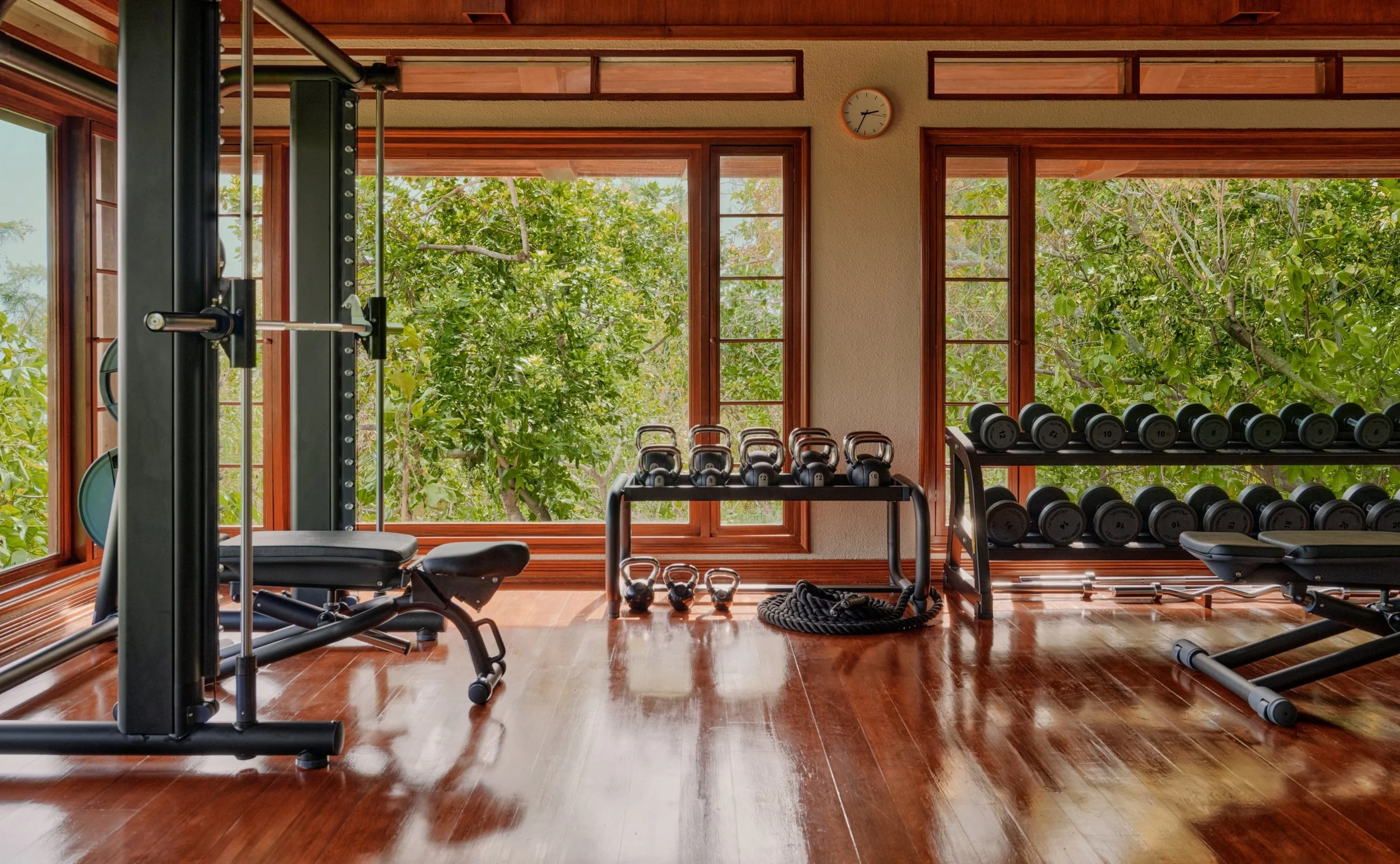
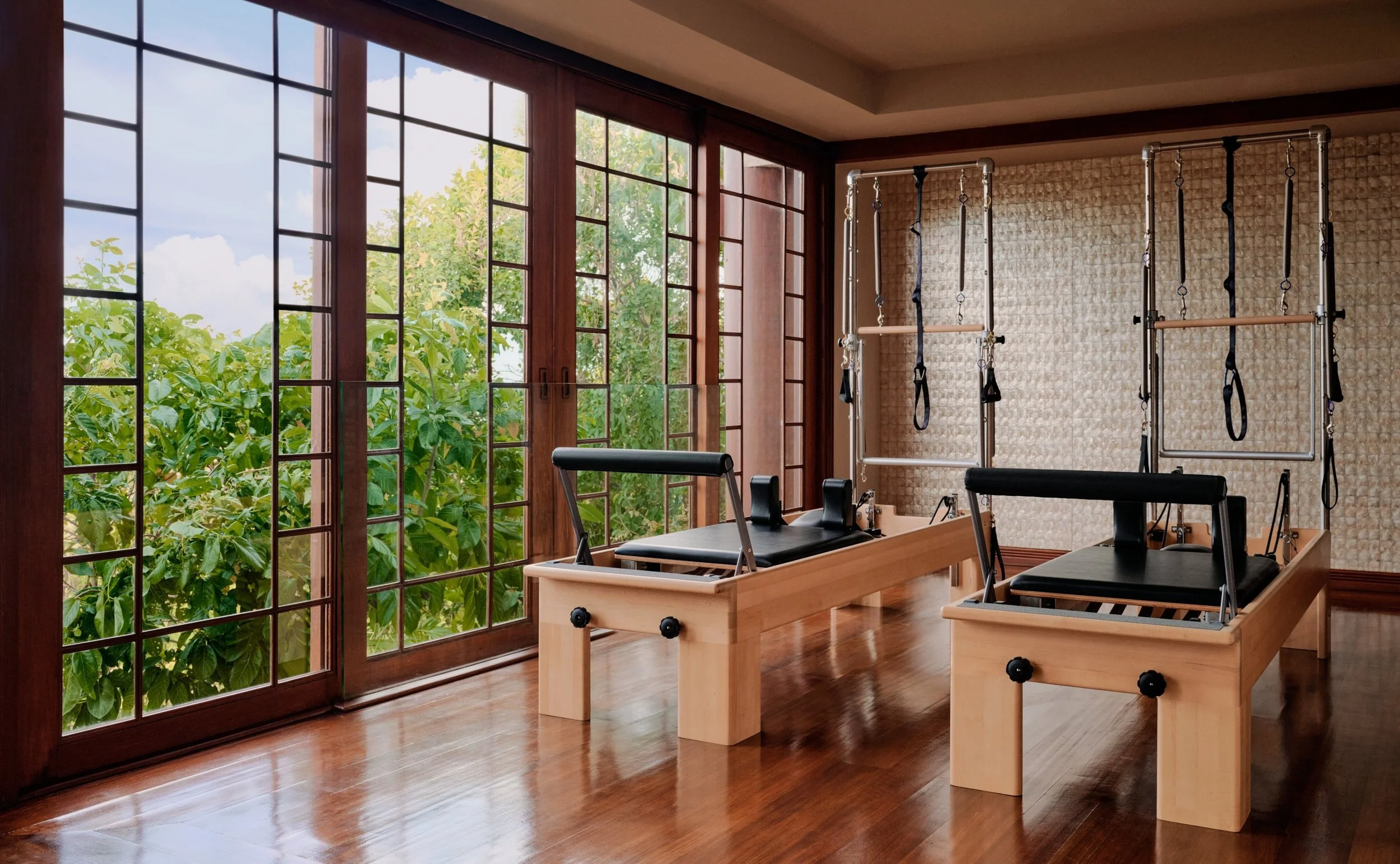
Facilities include a fitness center, a Pilates studio with reformers, a yoga and meditation pavilion, hydrotherapy suites, steam rooms and cold plunge pools. Private sessions allow the pace and focus to be adapted to the individual, while scheduled group classes provide a less structured way to participate.
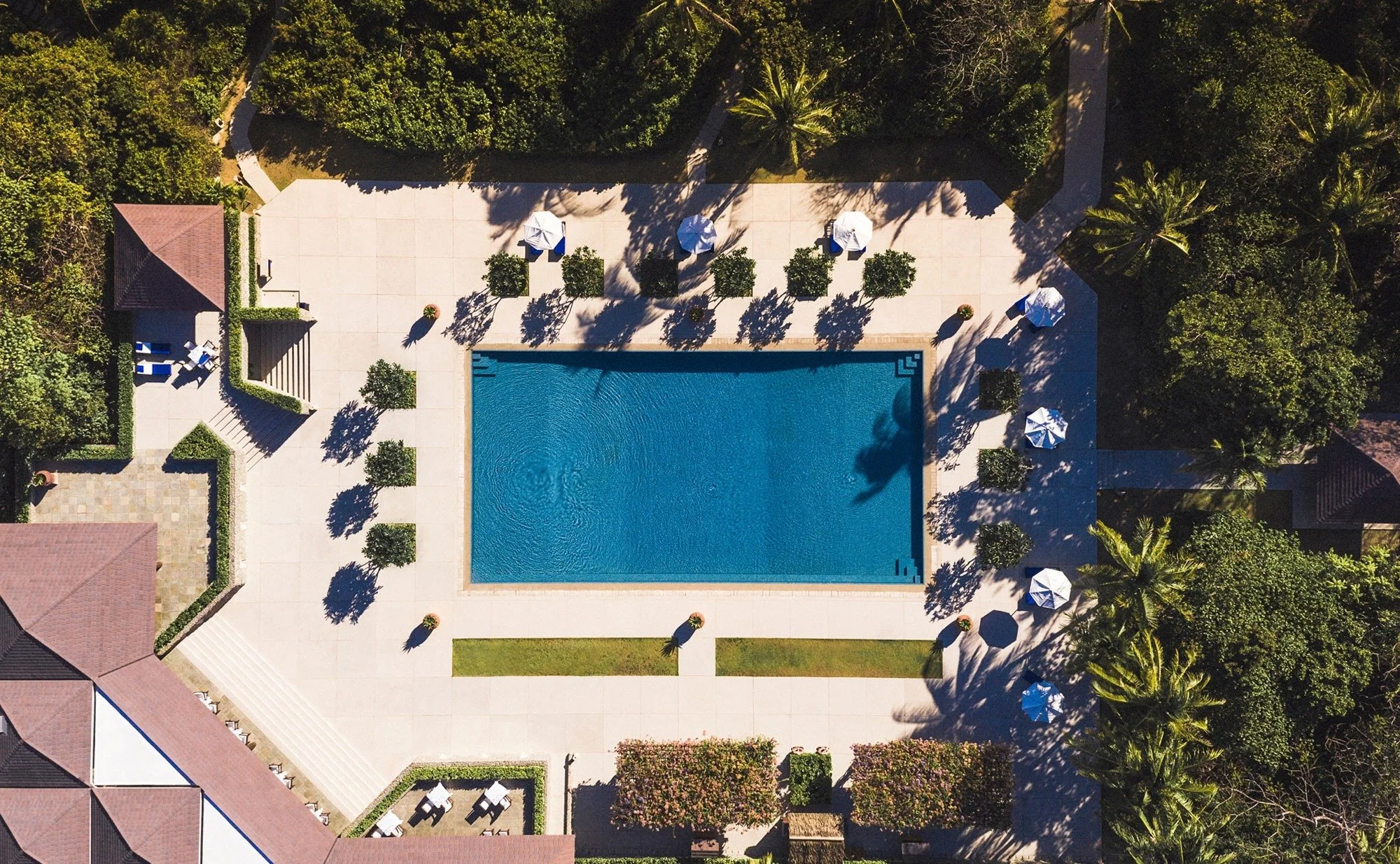
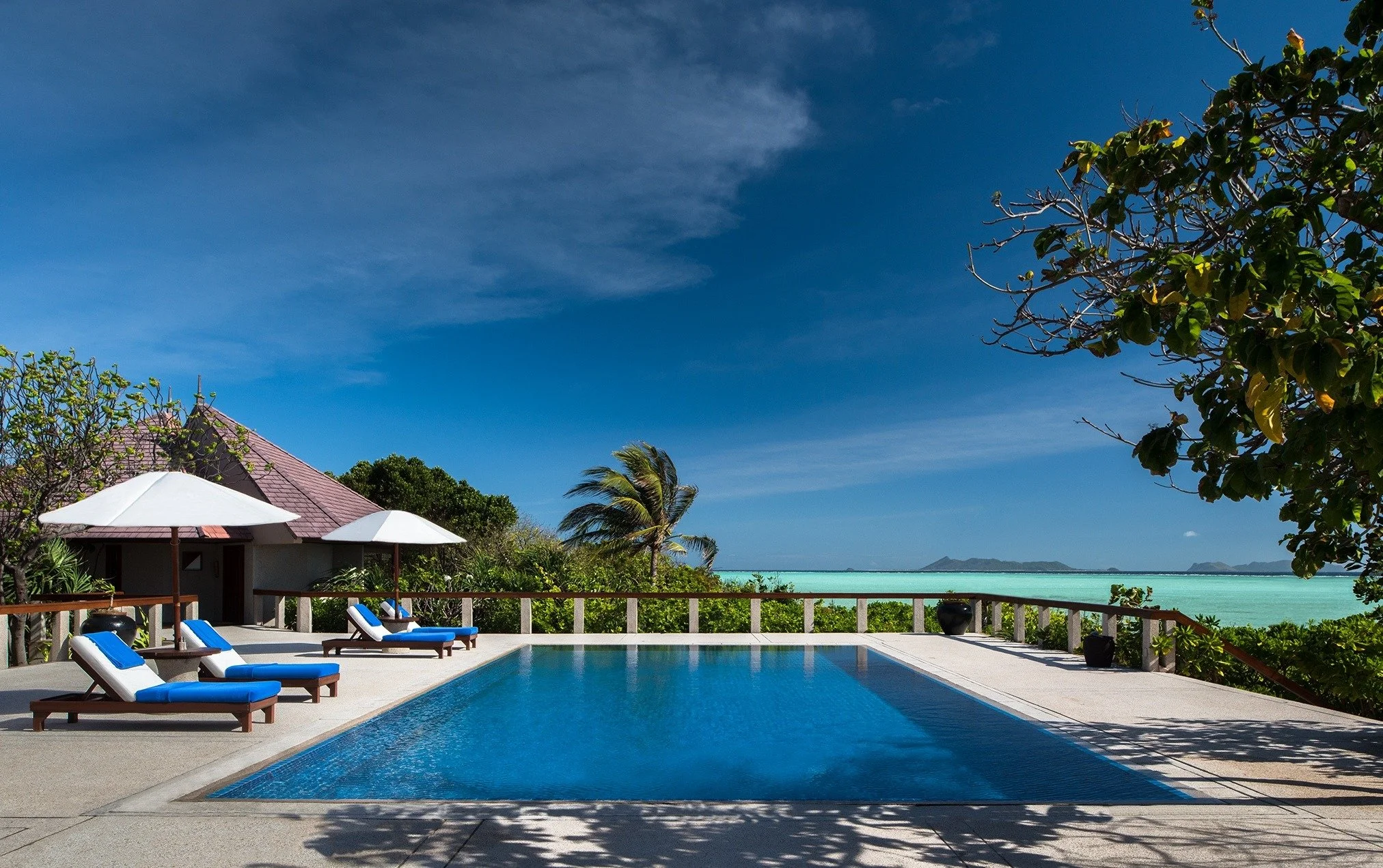
The main swimming pool near the Clubhouse offers another setting for exercise or an unhurried afternoon. Together, these facilities make it easy to alternate time in the sea with activities on land.
Reefs, Sails and Island Exploration
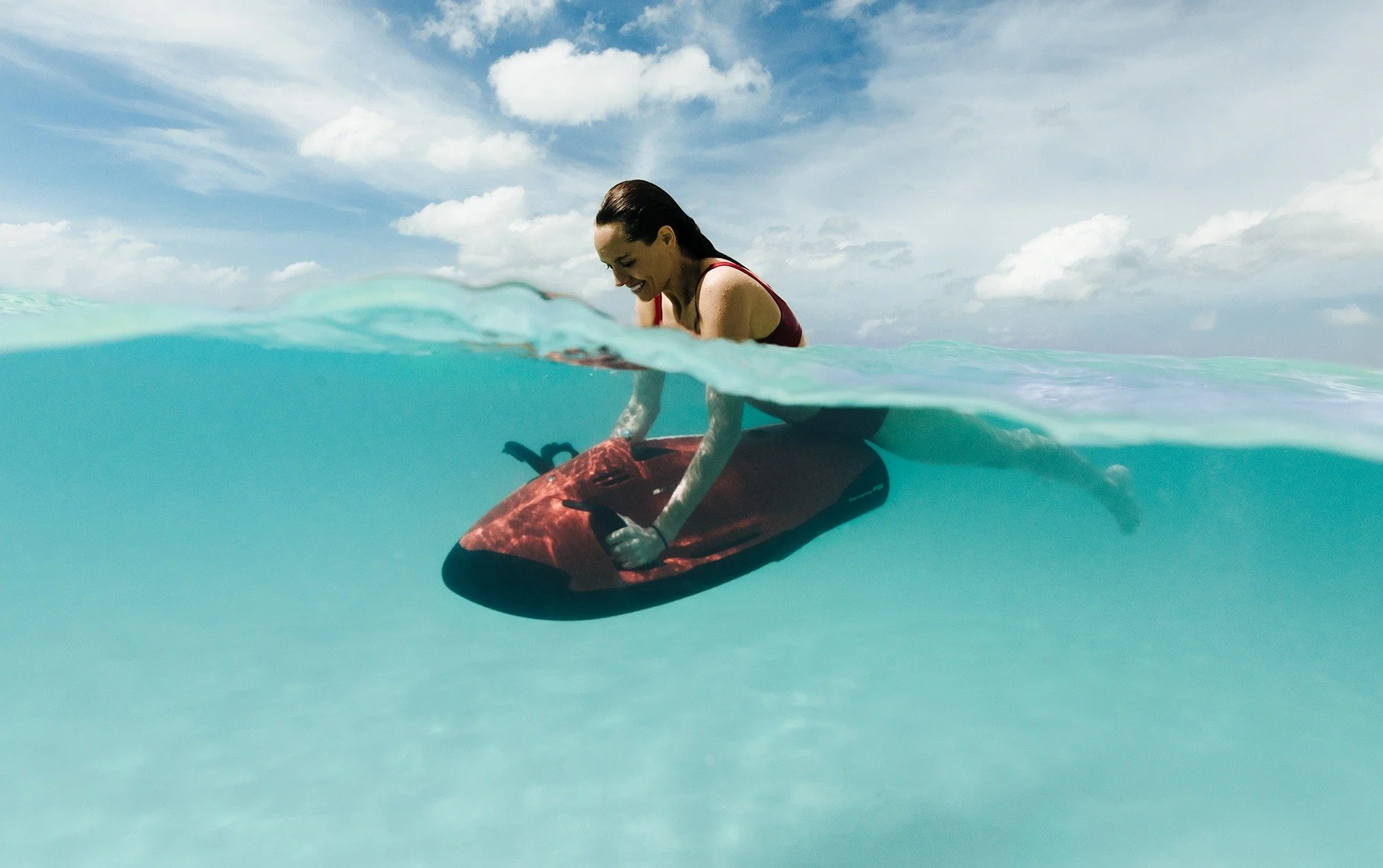
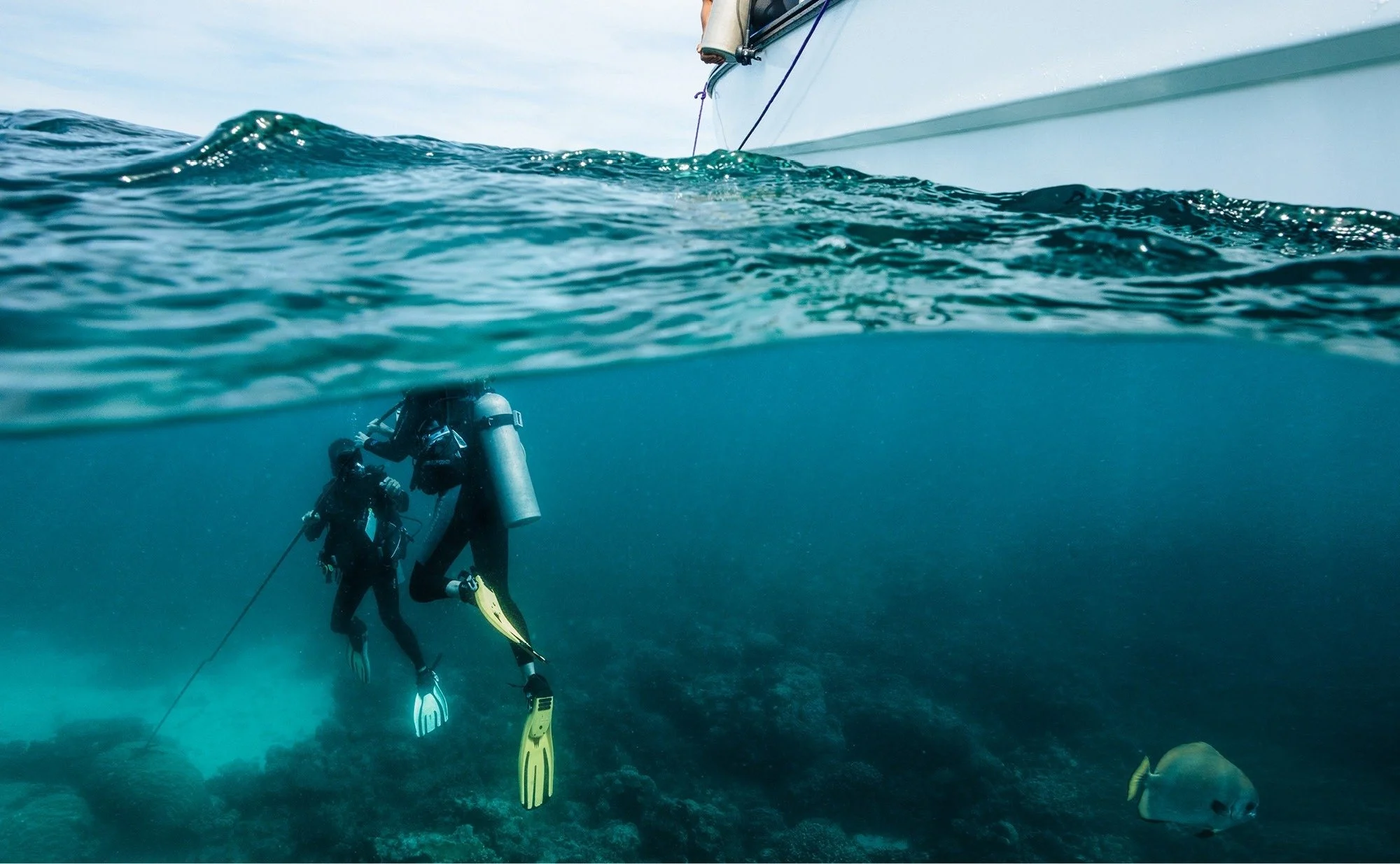
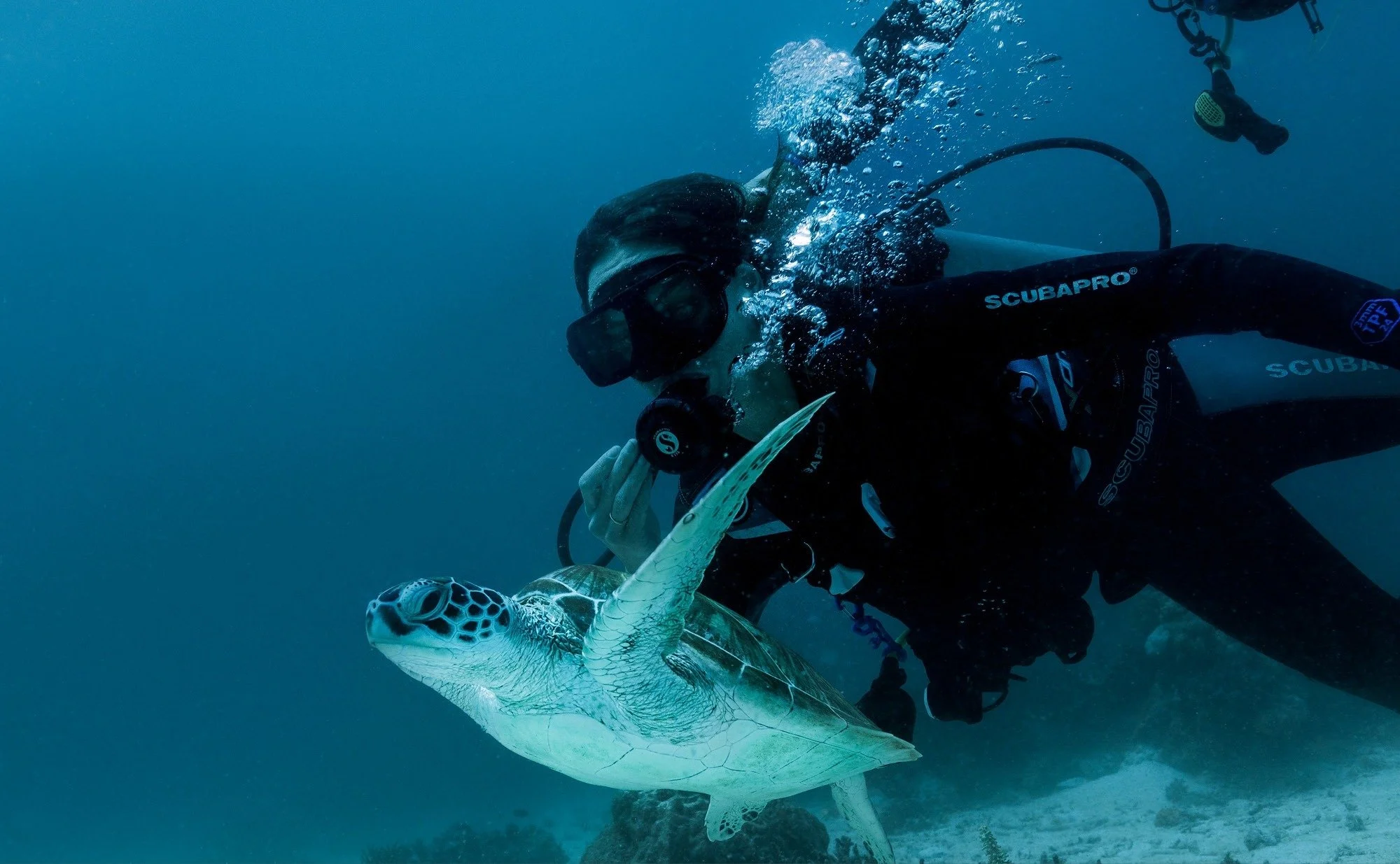
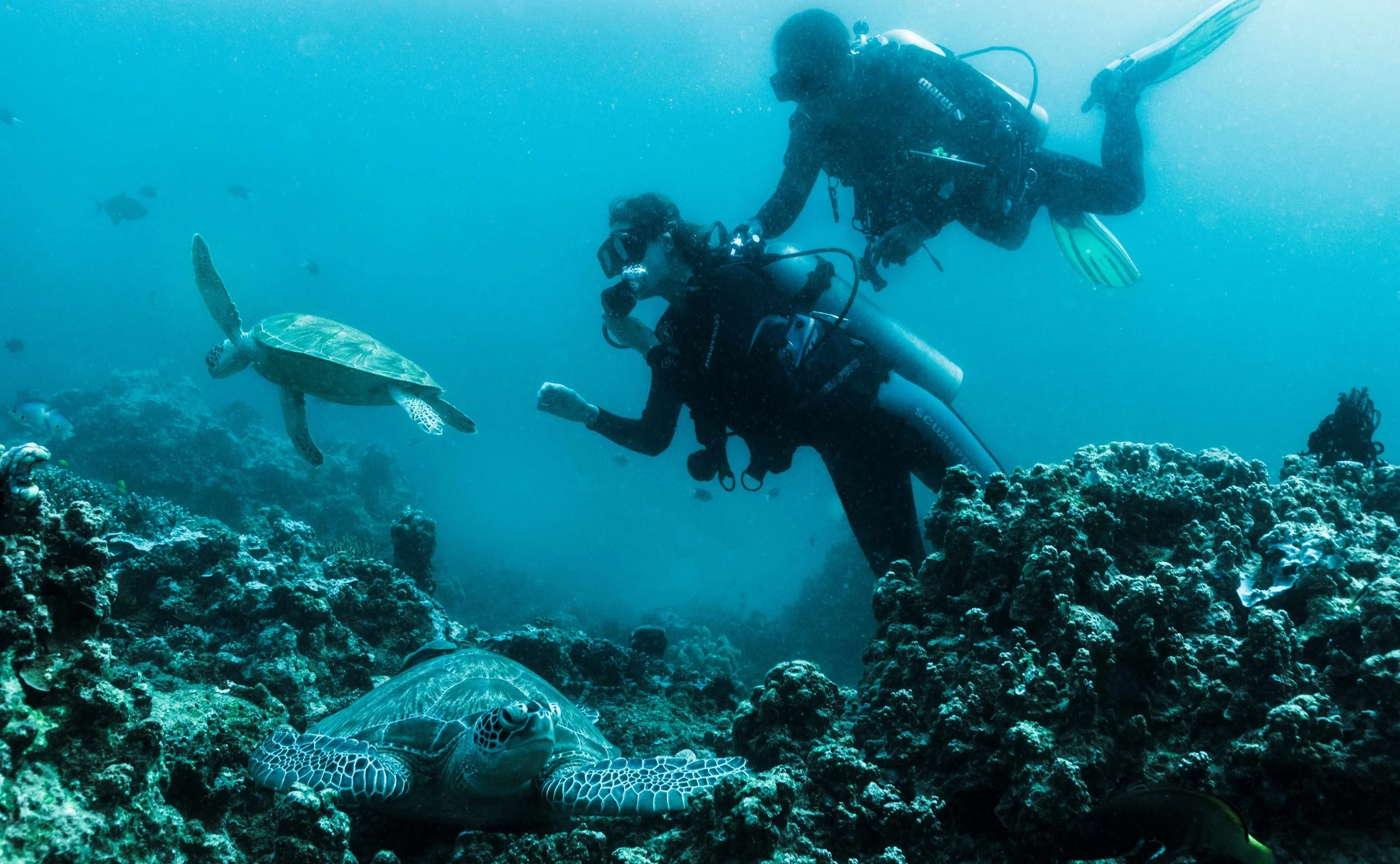
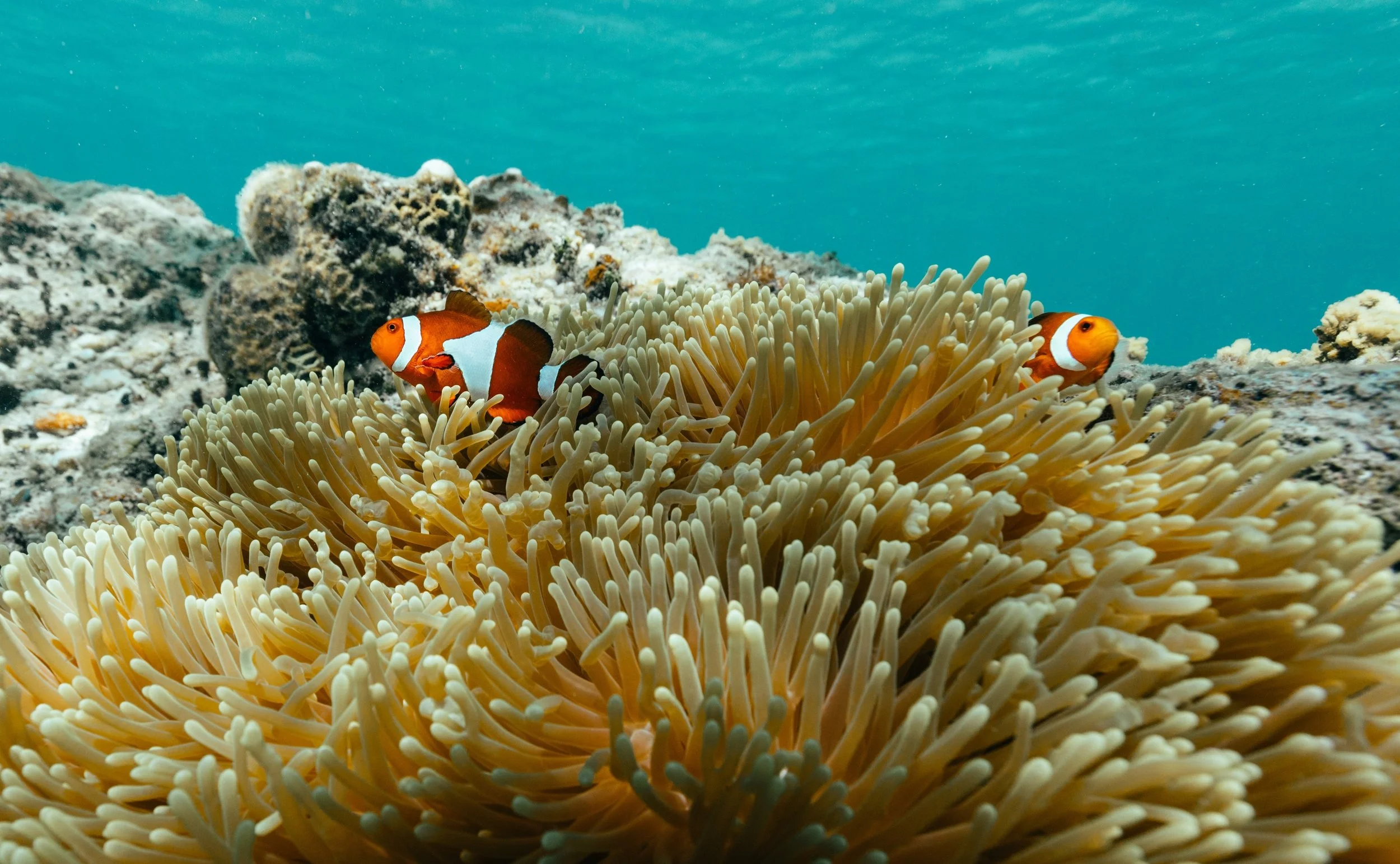
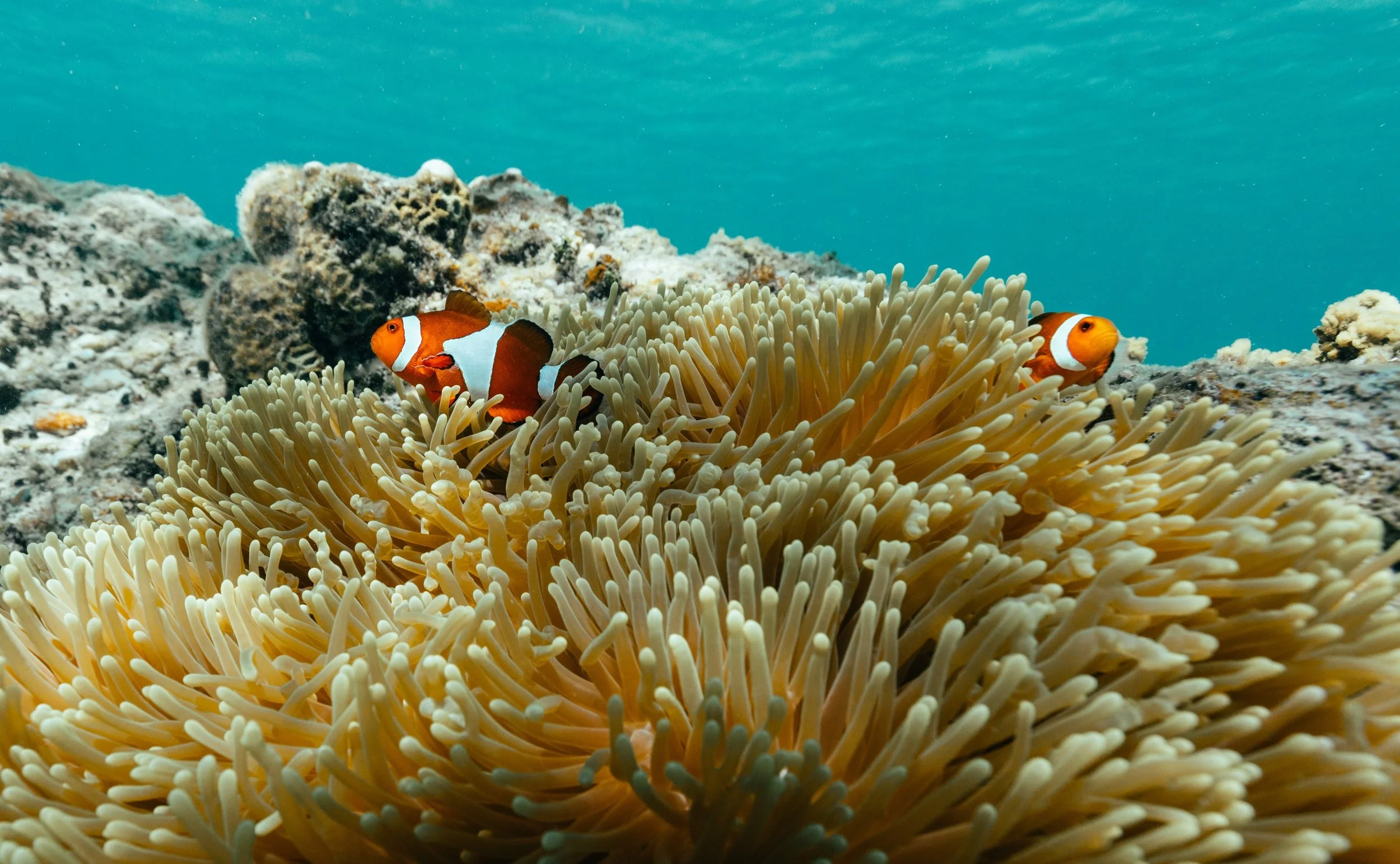
The surrounding water is Amanpulo’s principal playground. Snorkelling introduces the nearby reefs without demanding a full day away, while the resort’s dive center supports beginners, returning divers and those seeking more advanced instruction.
Many dive sites are a short boat ride from the island. Guided outings explore different reef environments, with marine life and conditions varying by location and day. For experienced divers, several shorter excursions can fit naturally into a longer stay without turning the entire holiday into a diving itinerary.
Kitesurfing adds a different energy during the northeast monsoon. The seasonal Kite & Surf Centre takes advantage of the amihan winds, with instruction tailored to different ability levels. December through March is the resort’s principal period for the sport.
Boat outings can include sunset cruises, sandbar visits and excursions toward neighboring Manamoc. These are worthwhile ways to understand the island’s wider setting, though the weather and sea conditions should determine the day’s plans.
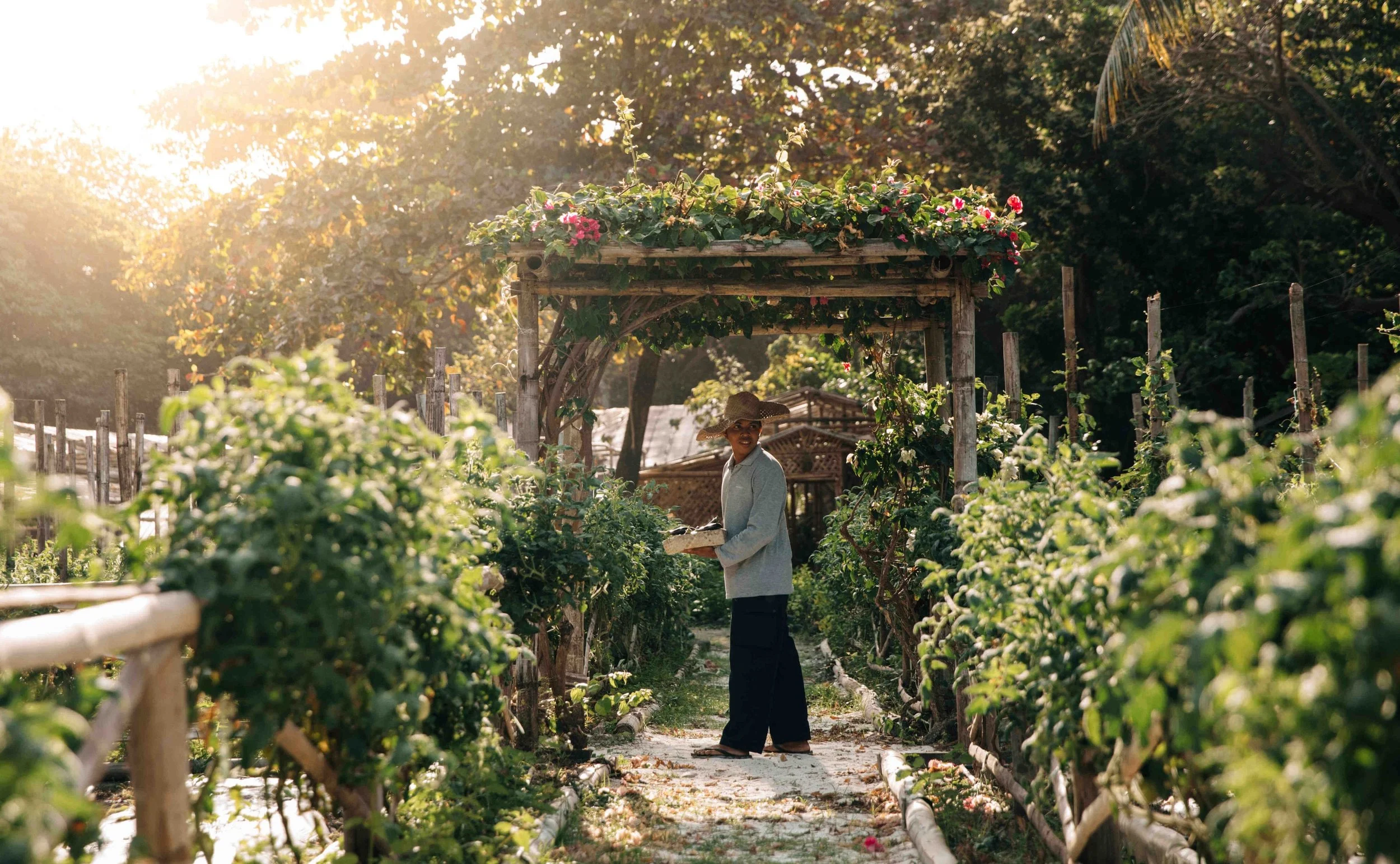
On land, tennis, cycling, nature walks and visits to the organic farm provide variety. Even a simple walk along the shoreline can be rewarding, particularly when changing light transforms the same stretch of sand over the course of the day.
An Island for All Generations
Amanpulo’s quiet atmosphere does not make it an adults-only retreat. The property welcomes families, and its Kids’ Club offers books, toys, games and arts-and-crafts activities. Babysitting can also be arranged.
The most important family decision is often the accommodation. A Beach Casita makes frequent trips to the sand straightforward, while a villa provides shared living areas, a kitchen and dedicated staff. Separate bedroom pavilions can work especially well for older children, adult siblings or several generations traveling together.
For younger children, bedroom proximity and the relationship between sleeping areas and the pool need careful consideration. Our team can review the proposed layout before booking.
Days need not be heavily scheduled. Pool time, beach play and age-appropriate introductions to the marine environment can provide enough structure, with organized activities added according to each child’s interests.
Protecting Pamalican’s Living Landscape
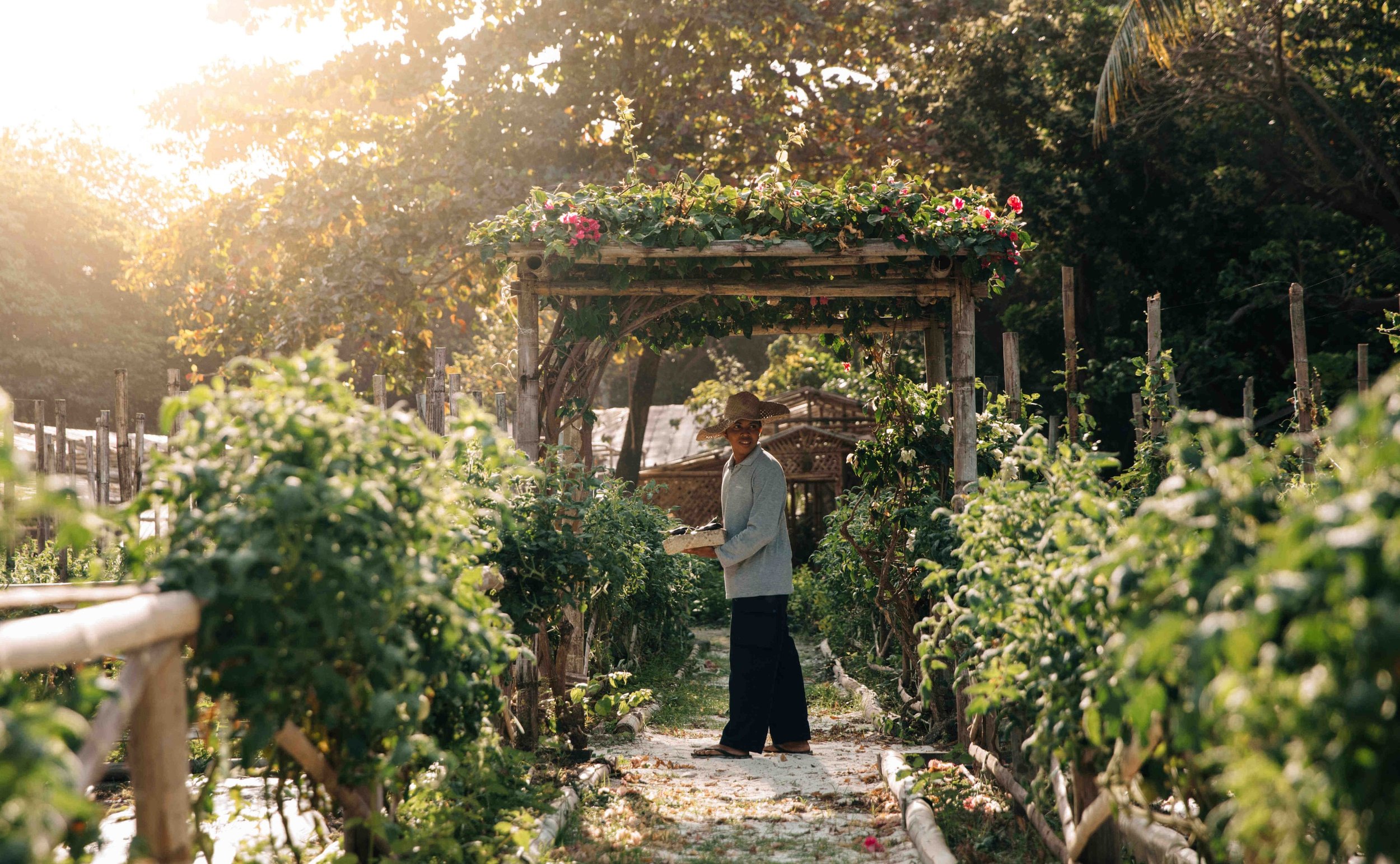
Amanpulo publishes several specific environmental and community initiatives. Its team monitors surrounding reefs for crown-of-thorns starfish outbreaks and works with its dive partner on interventions intended to protect coral.
Sea-turtle conservation includes monitoring nesting activity and protecting nesting sites. These efforts concern a living habitat rather than a guaranteed guest experience; any opportunity to observe nesting or hatchlings depends on natural timing.
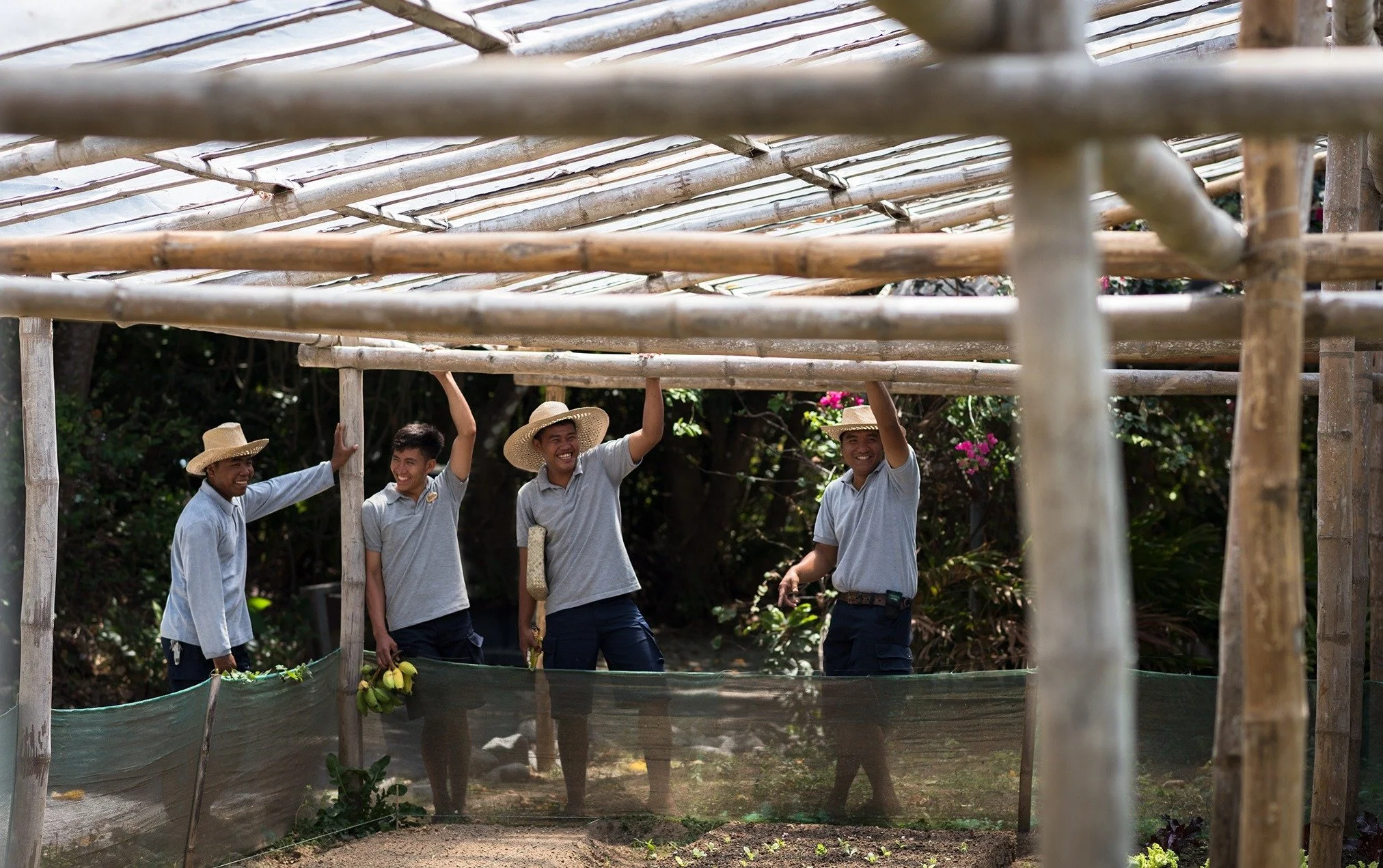
The resort also produces drinking water on the island and bottles it in reusable glass containers. It reports treating wastewater for use in gardens and fire hydrants, while an organic farm supplies produce to its kitchens.
Its community work extends to neighboring Manamoc, including support for hospitality-related education and practical training. These initiatives connect the resort’s operation with the people and environment that sustain it.
Planning Access on Pamalican
Amanpulo’s island setting requires a more individualized approach to accessibility than a conventional city hotel. Arrival involves a small turboprop aircraft, while movement around the resort includes club cars, sandy paths, beach surfaces and hillside locations.
Travelers who need step-free access or assistance transferring between seats should have the full journey reviewed before confirming a stay. Aircraft boarding, mobility-equipment carriage, bathroom layout and routes to dining and wellness facilities all need to be considered together.
A beachfront location may reduce some movement around the island, but proximity to the sand does not by itself establish a suitable room configuration. Our team can coordinate specific requirements with the resort and flight operator so that the accommodation and arrival arrangements support a comfortable visit.
Choosing Your Island Season
For travelers prioritizing beach time, the early months of the year generally offer the clearest starting point. Regional climate records show particularly low rainfall from January through April, while the middle of the year is substantially wetter.
The drier period also overlaps with the northeast winds that support kitesurfing. That makes it important to distinguish between a good season for wind sports and a preference for consistently calm water.
The wetter months can still offer rewarding stays, but flexibility becomes more important for boat outings and outdoor dining. Weather can also affect the island flight, so a tightly timed international connection is rarely the most comfortable approach.
Restaurant and activity schedules change through the year. Choosing dates should therefore begin with the experience that matters most: quiet beach days, diving, kitesurfing, a family gathering or a celebration with particular dining arrangements.
Plan Your Stay With Destinations by David
Amanpulo participates in Virtuoso, and booking through Destinations by David brings our Virtuoso affiliation together with attentive, personalized planning.
Our team can help you choose the right part of the island, compare casitas and villa layouts, and coordinate the flights that make the journey work smoothly. We can also arrange private dining, spa appointments and time on the water around your interests.
For couples, that may mean a beachfront casita and a few carefully chosen experiences. For a larger family, it may mean the right villa configuration, meals planned with the chef and activities that accommodate different ages.
Contact us to plan and book Amanpulo as a dedicated island escape or as part of a wider journey through the Philippines.
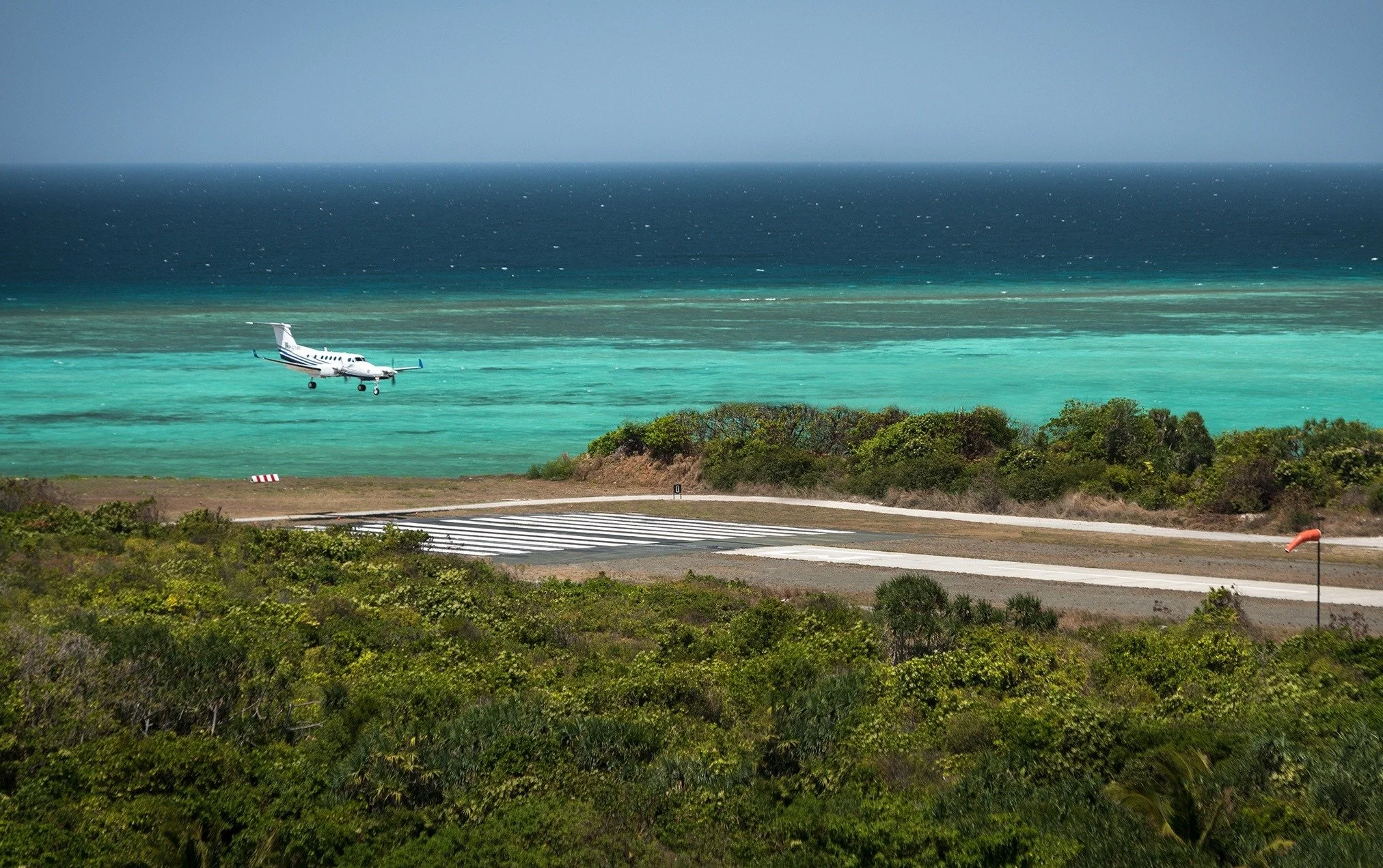
The Flight to Pamalican
Via Clark International Airport: Amanpulo’s scheduled island flights currently depart from its private lounge and hangar at Clark International Airport (CRK), with a flight time of approximately 90 minutes to Pamalican.
Via Manila: Travelers arriving at Ninoy Aquino International Airport (MNL) can continue by road to Clark, allowing approximately two hours or longer depending on traffic, followed by the 90-minute island flight and the necessary connection time.
By Private Charter: Alternative departure arrangements may be requested through the resort, with flight duration depending on the origin and aircraft.
Scheduled flights land directly on Pamalican’s own airstrip. Seats and resort accommodation should be coordinated together, rather than treating the island flight as an afterthought.
Baggage allowances are more restrictive than on many international flights, making advance packing guidance useful. For long-haul arrivals, an overnight stop before continuing to the island can provide a more relaxed start.
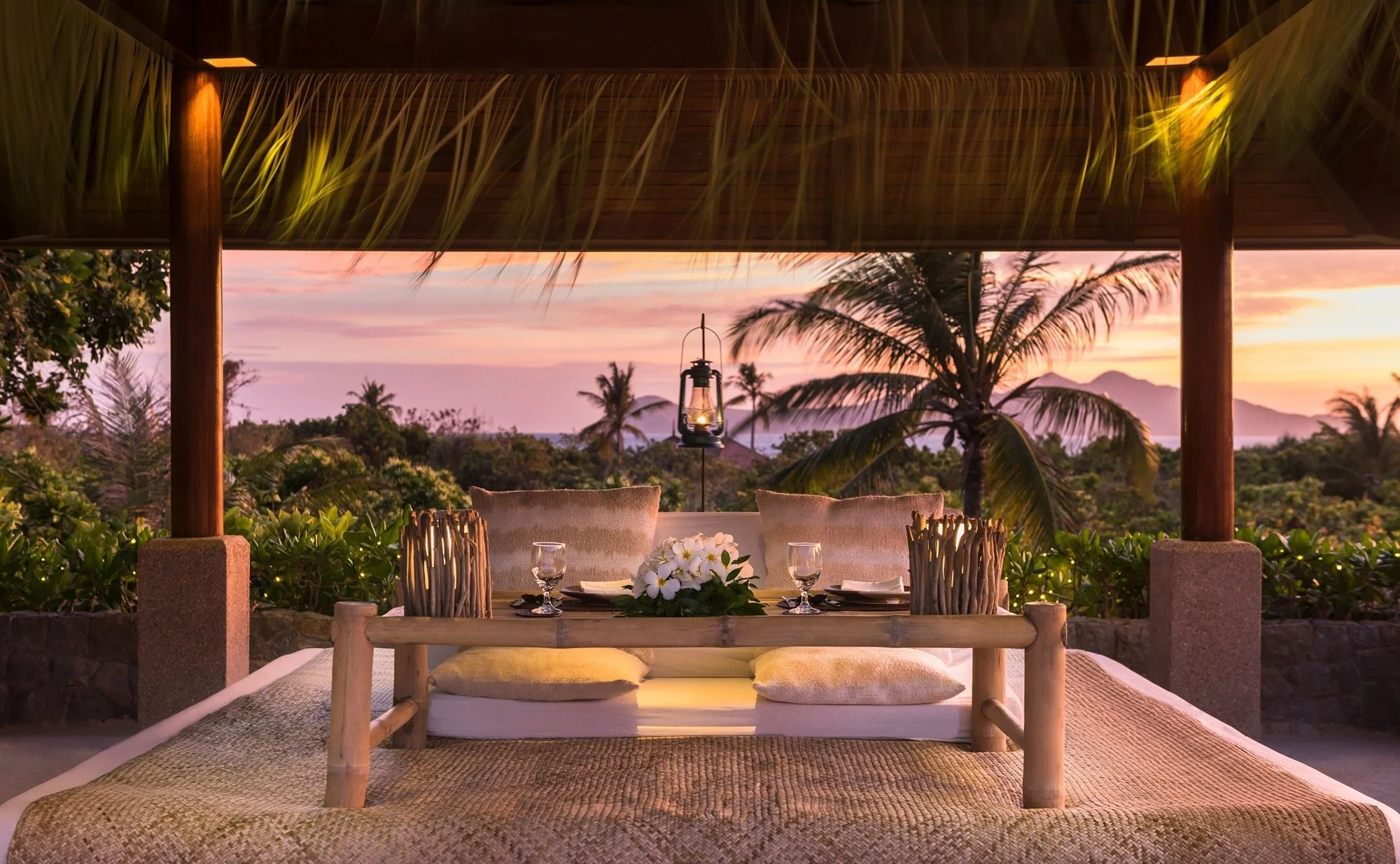
Time to Return to the Sea
Amanpulo gives a holiday a clear center: the island itself. Its architecture draws attention to the landscape, its accommodation allows for privacy, and its activities offer reasons to explore without filling every hour. A few well-chosen arrangements leave space for the moments that need none at all – a morning swim, a shaded deck and the changing color of the sea.