Paris, France | La Réserve Paris Hotel and Spa
A Private Mansion Just Off the Champs-Élysées
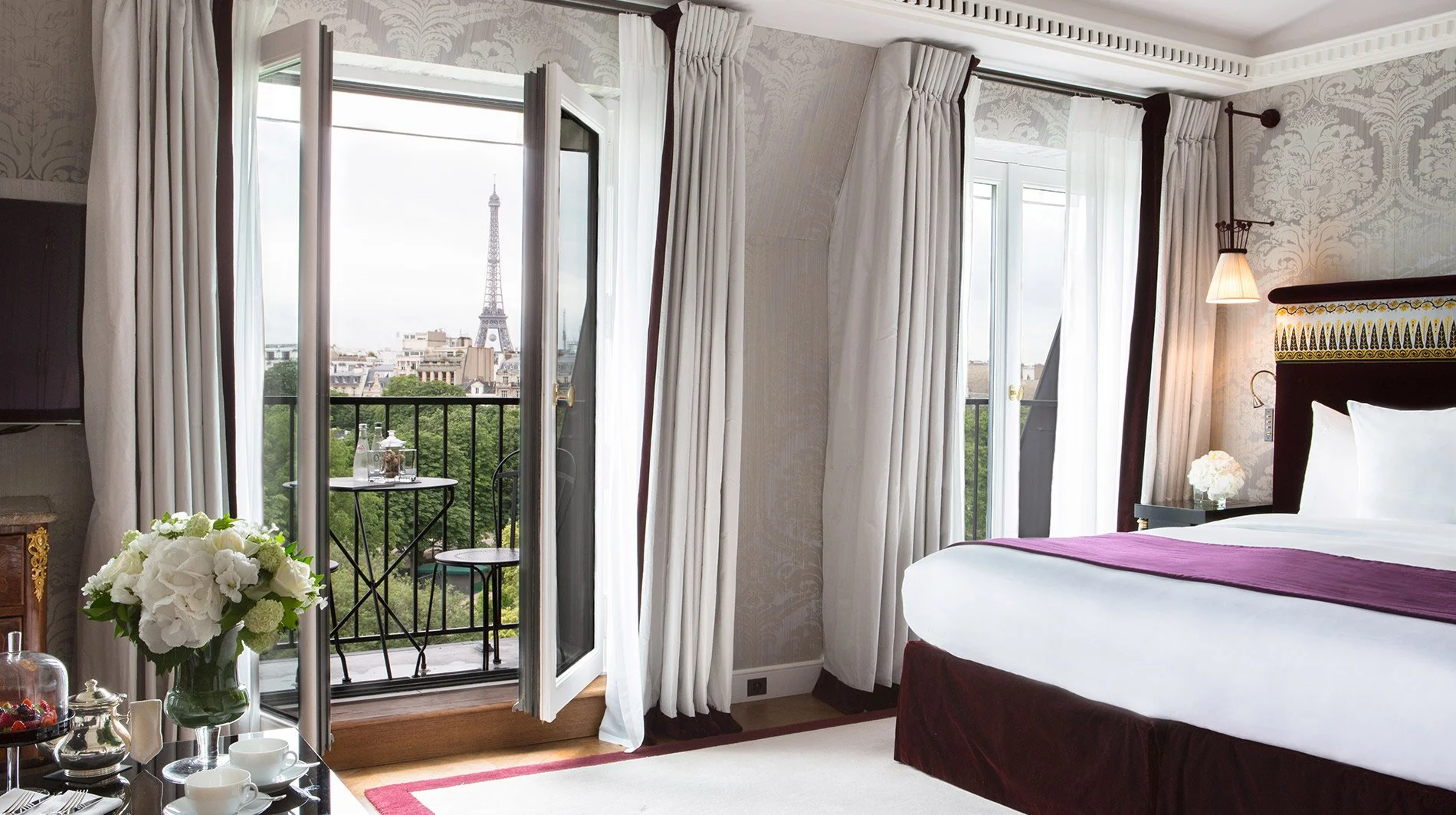
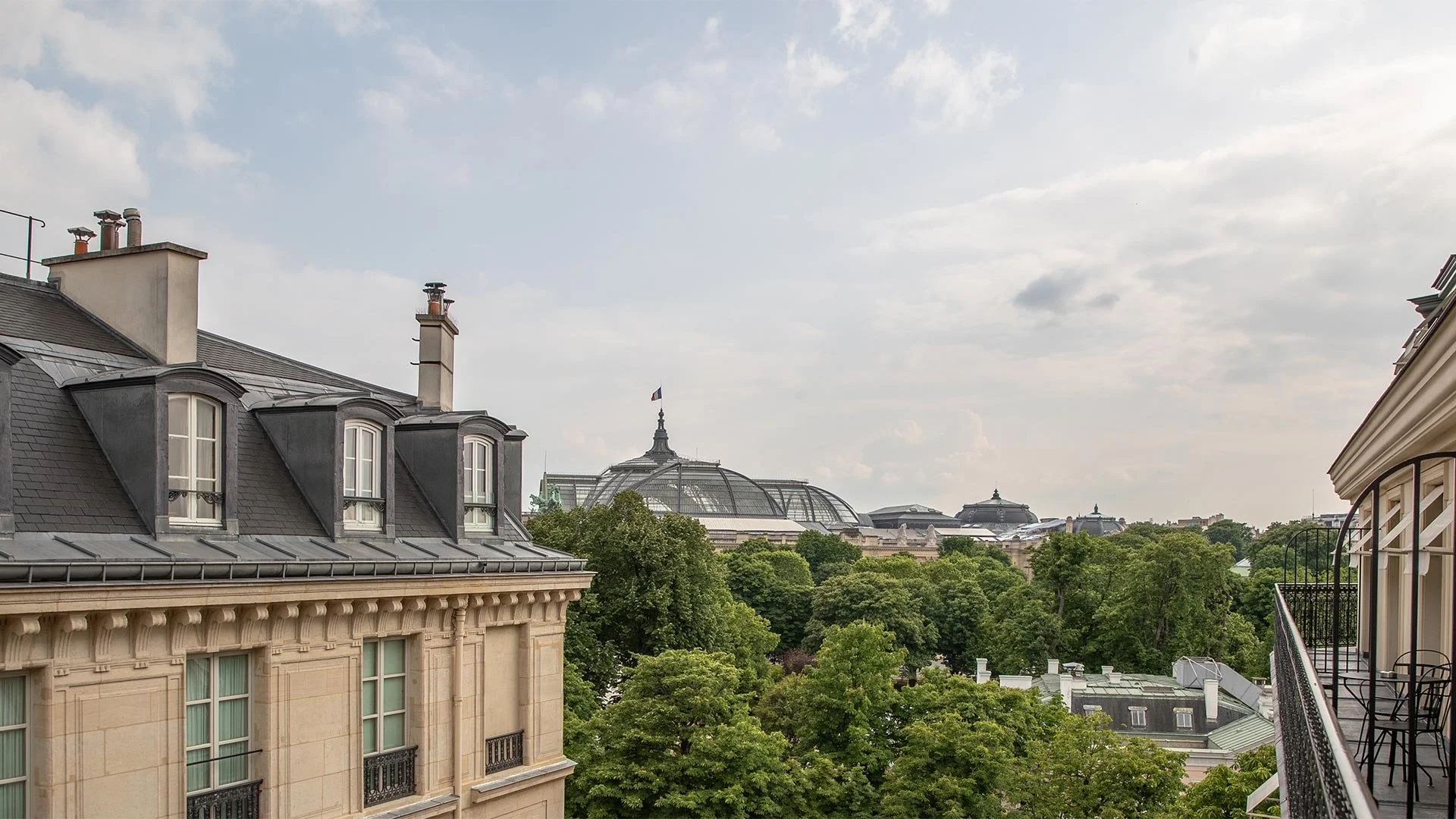
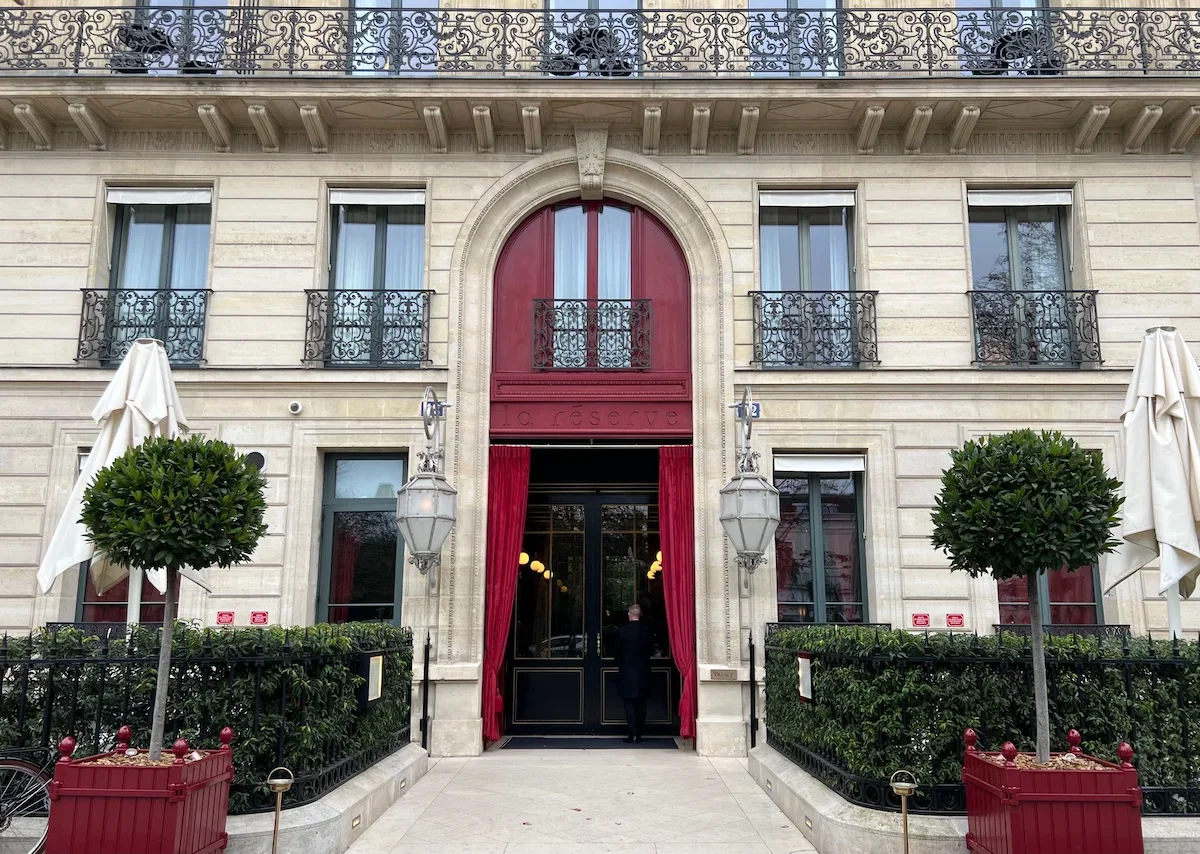
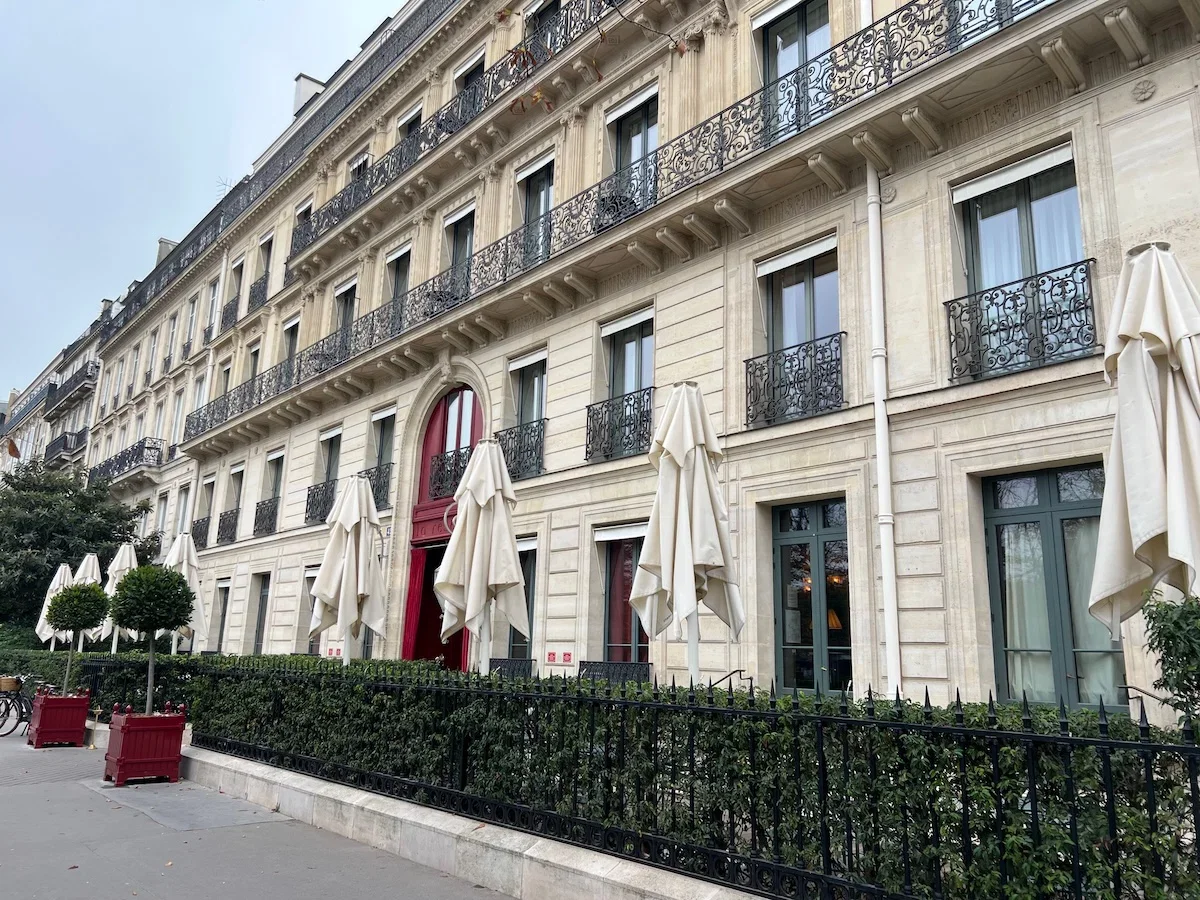
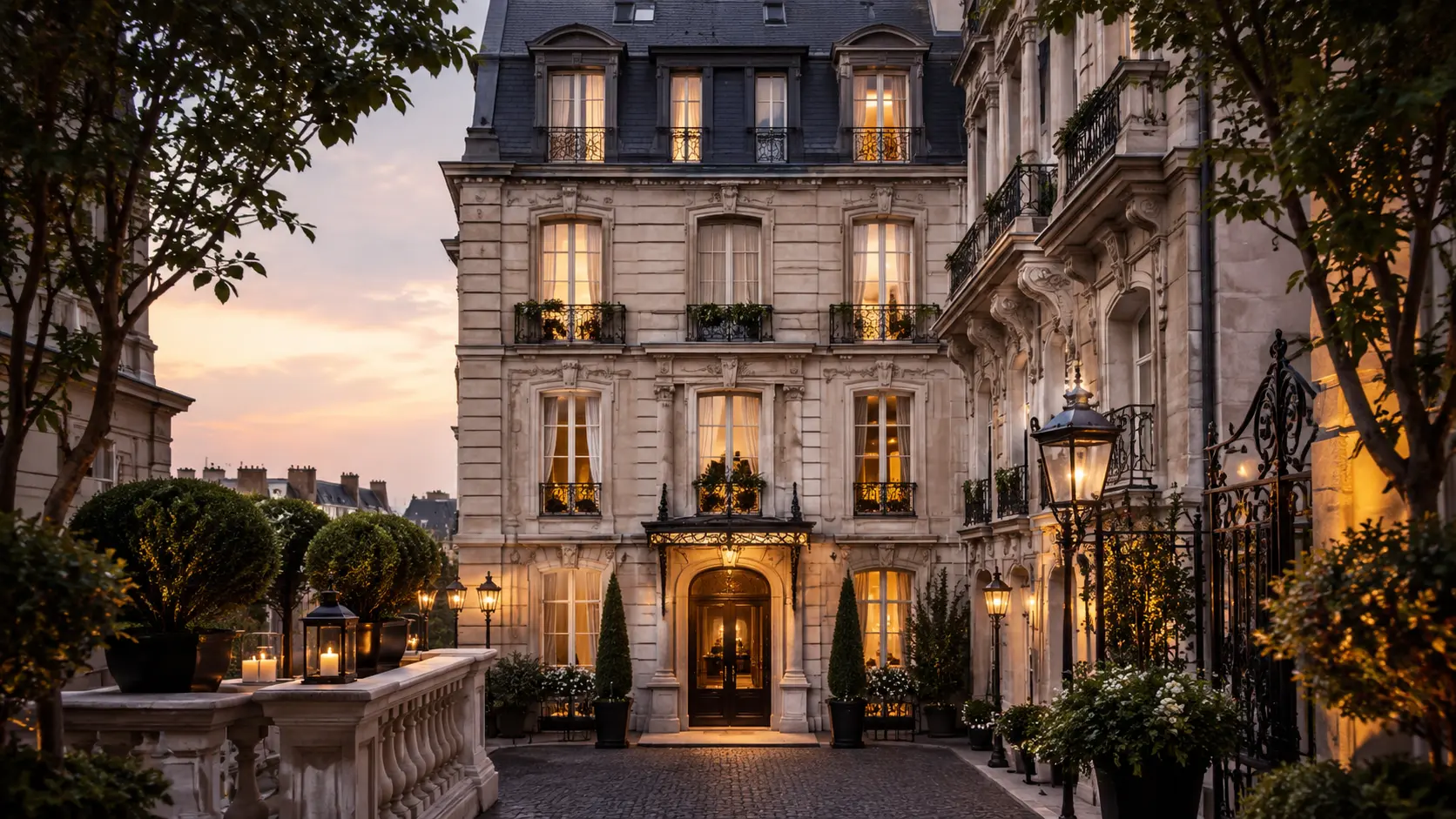
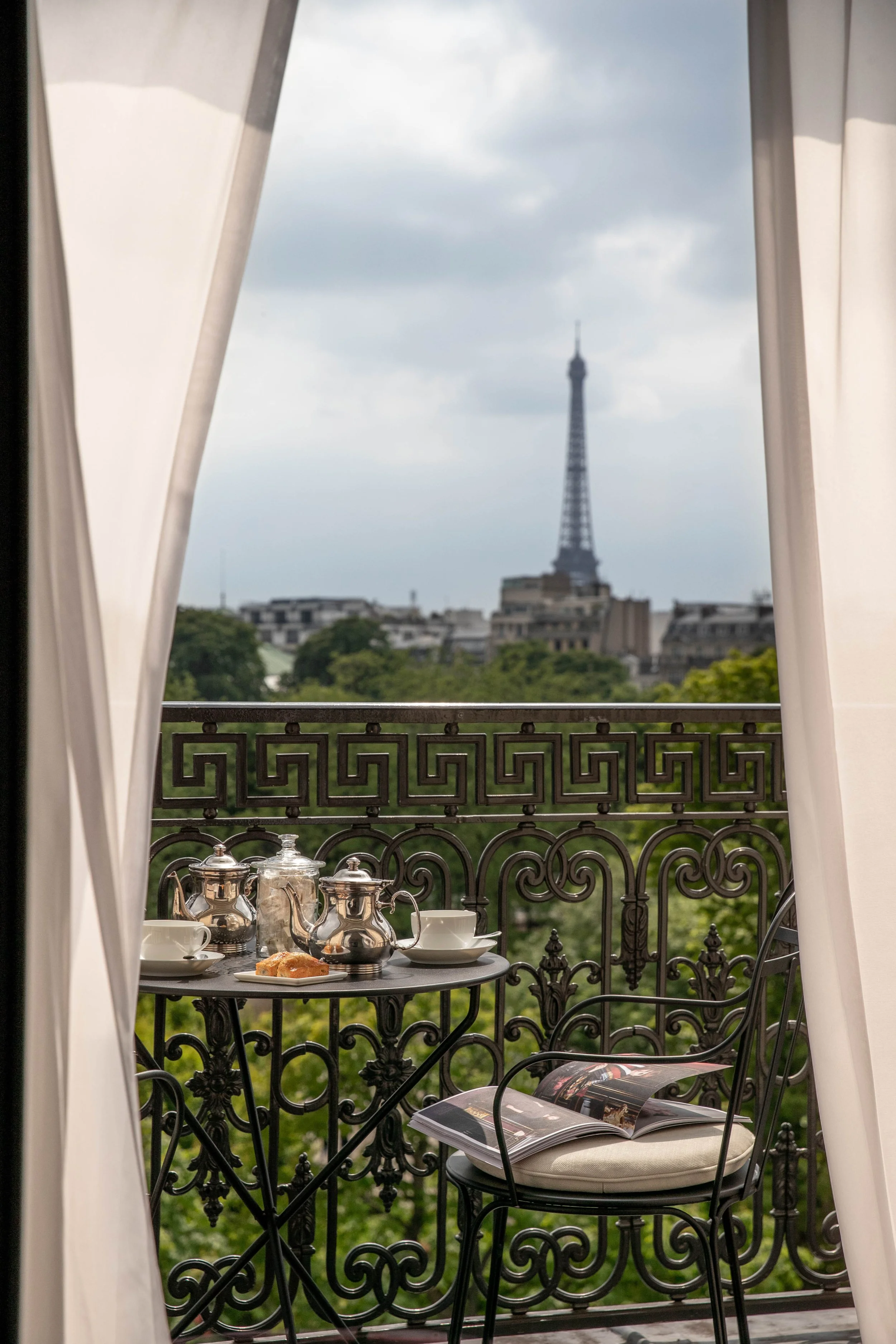
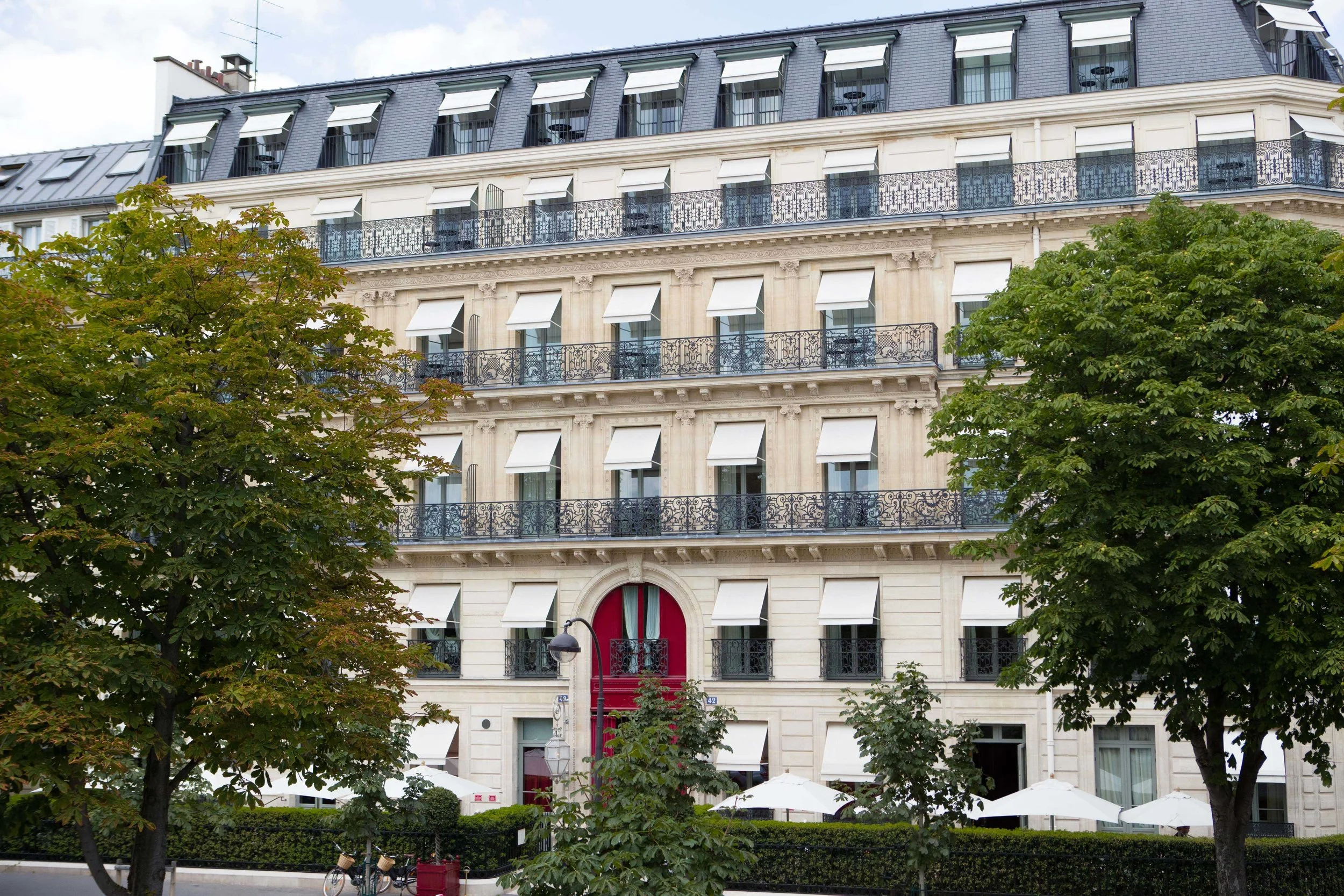
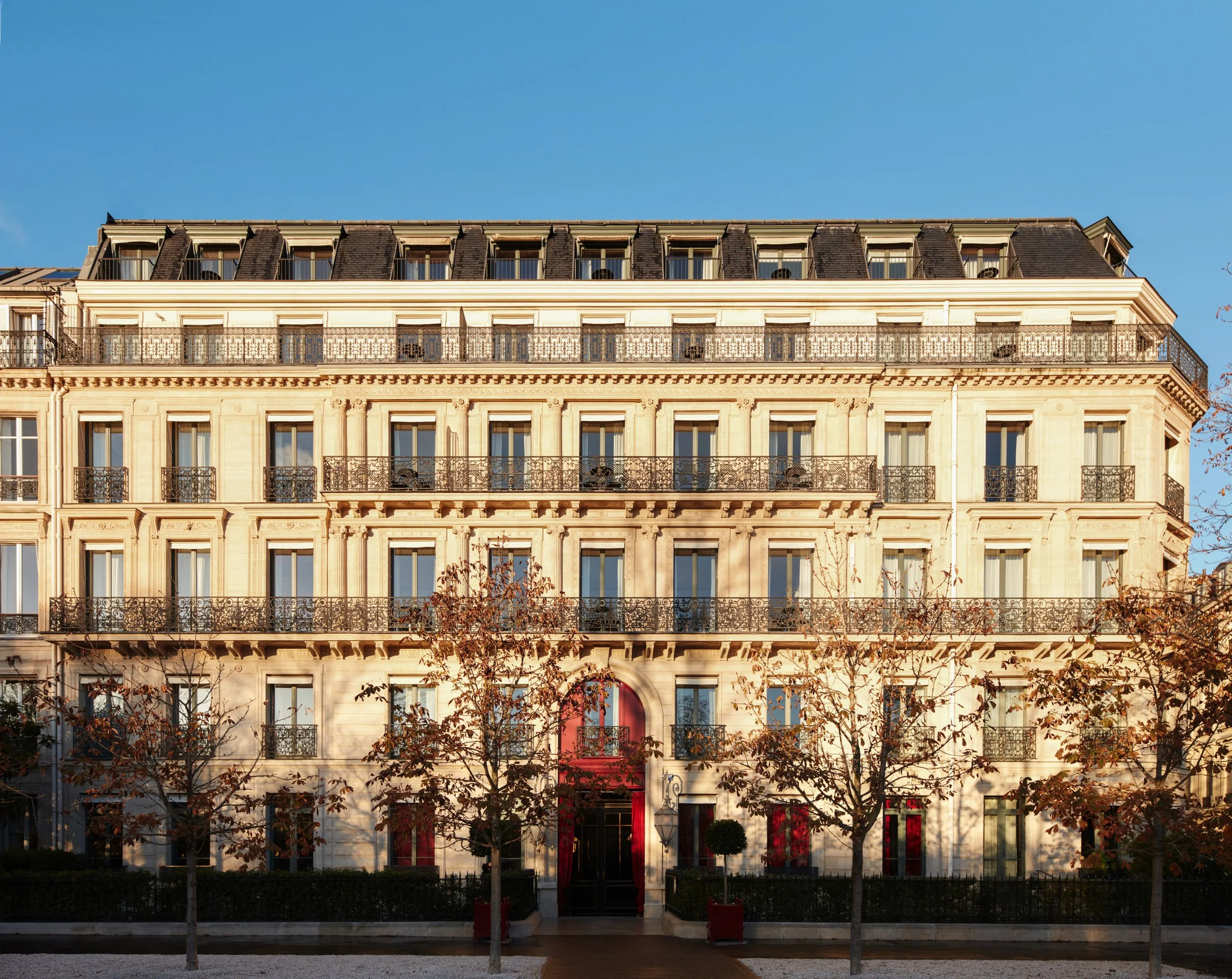
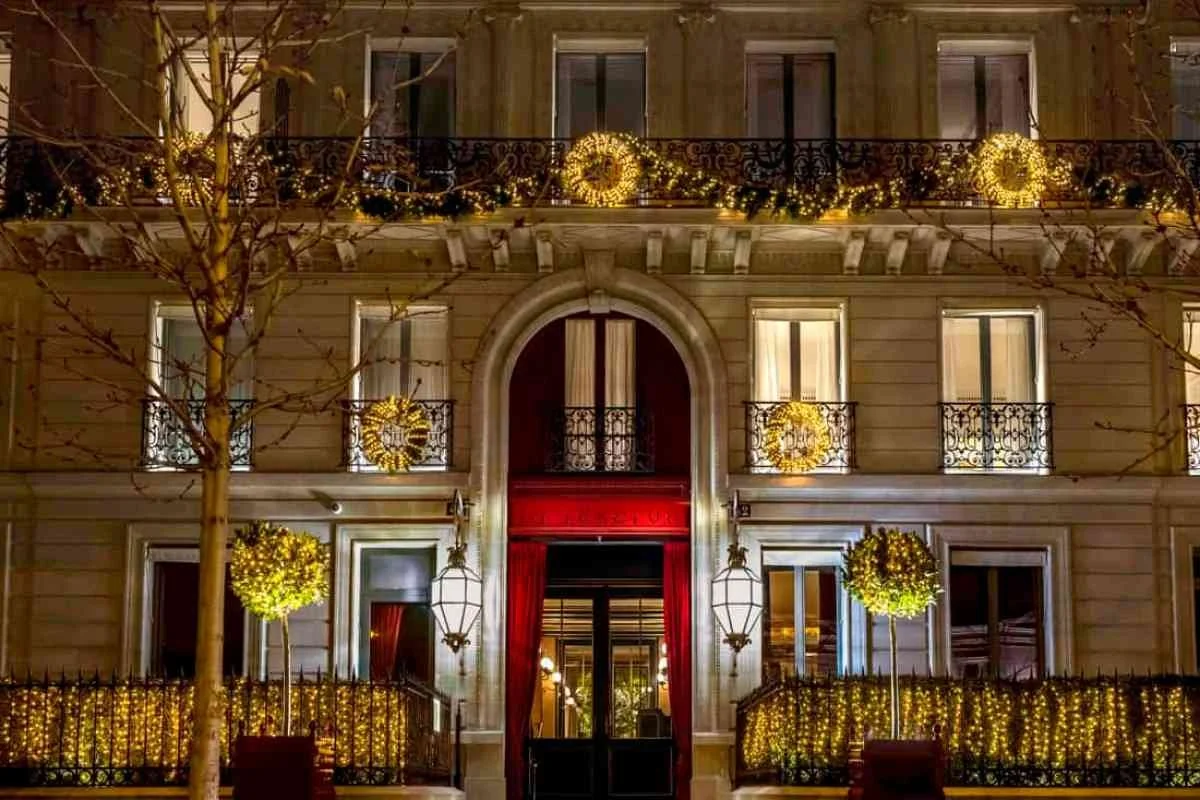
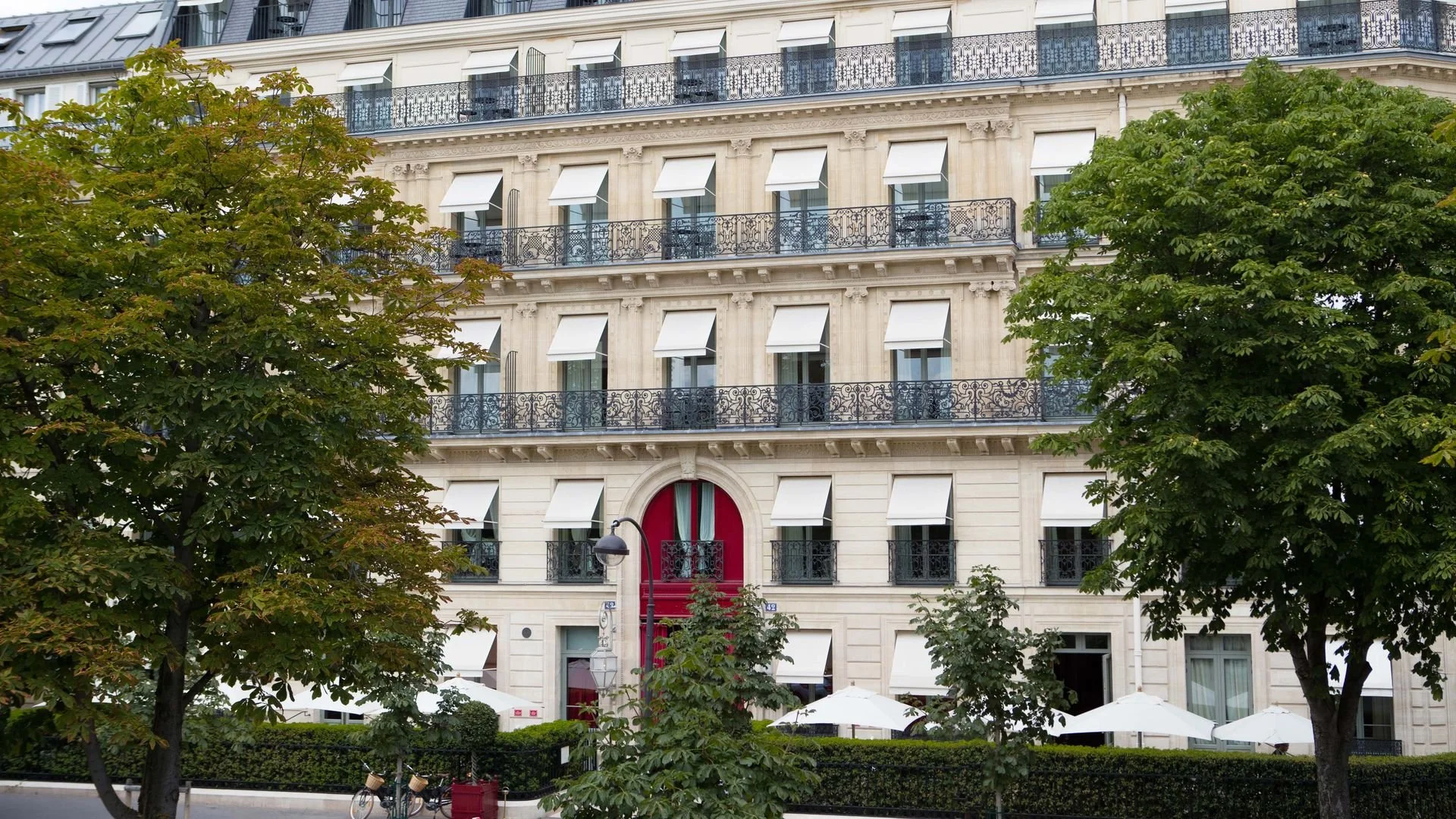
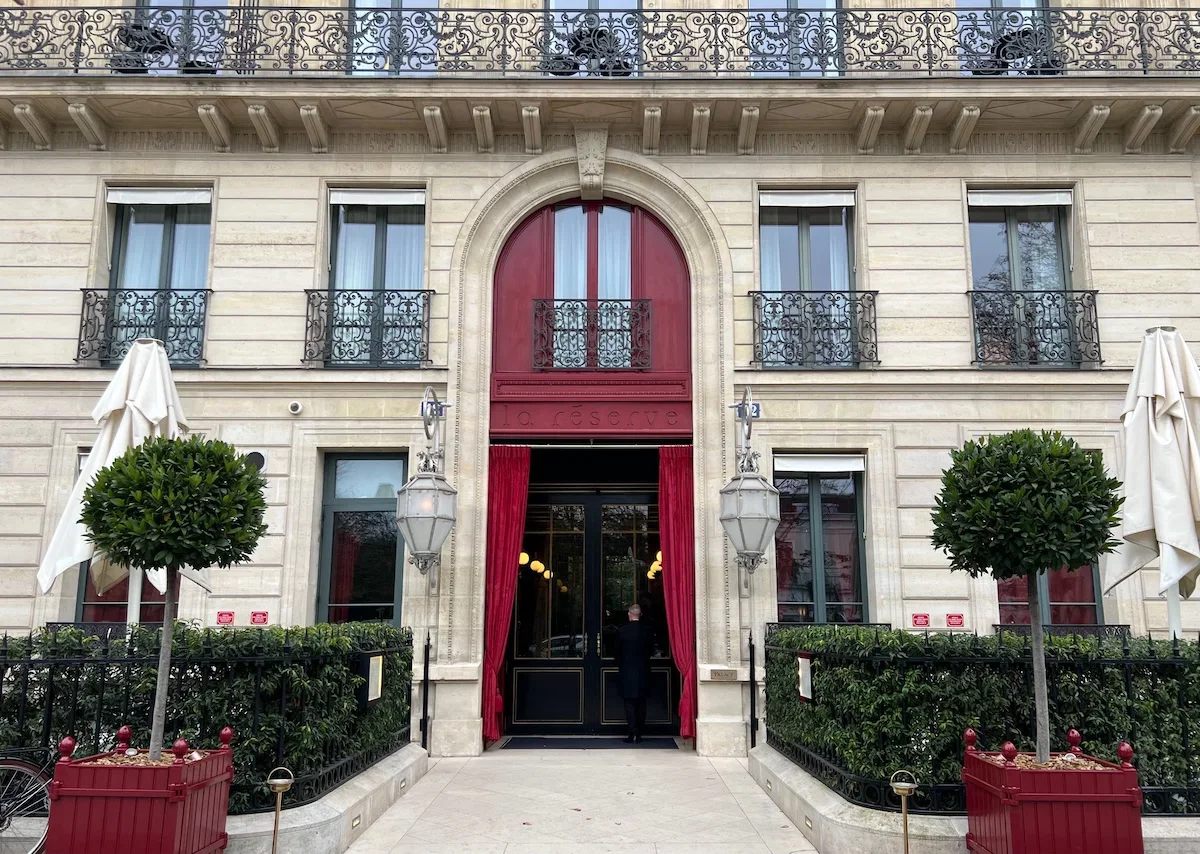
La Réserve Paris – Hotel and Spa occupies a particularly discreet position in the 8th arrondissement, set back from the Champs-Élysées on tree-lined Avenue Gabriel between Avenue Montaigne and Rue du Faubourg Saint-Honoré. The Grand Palais rises beyond the greenery, while the Eiffel Tower, Place de la Concorde and several of central Paris’s most recognizable monuments appear from selected upper-floor rooms and suites.
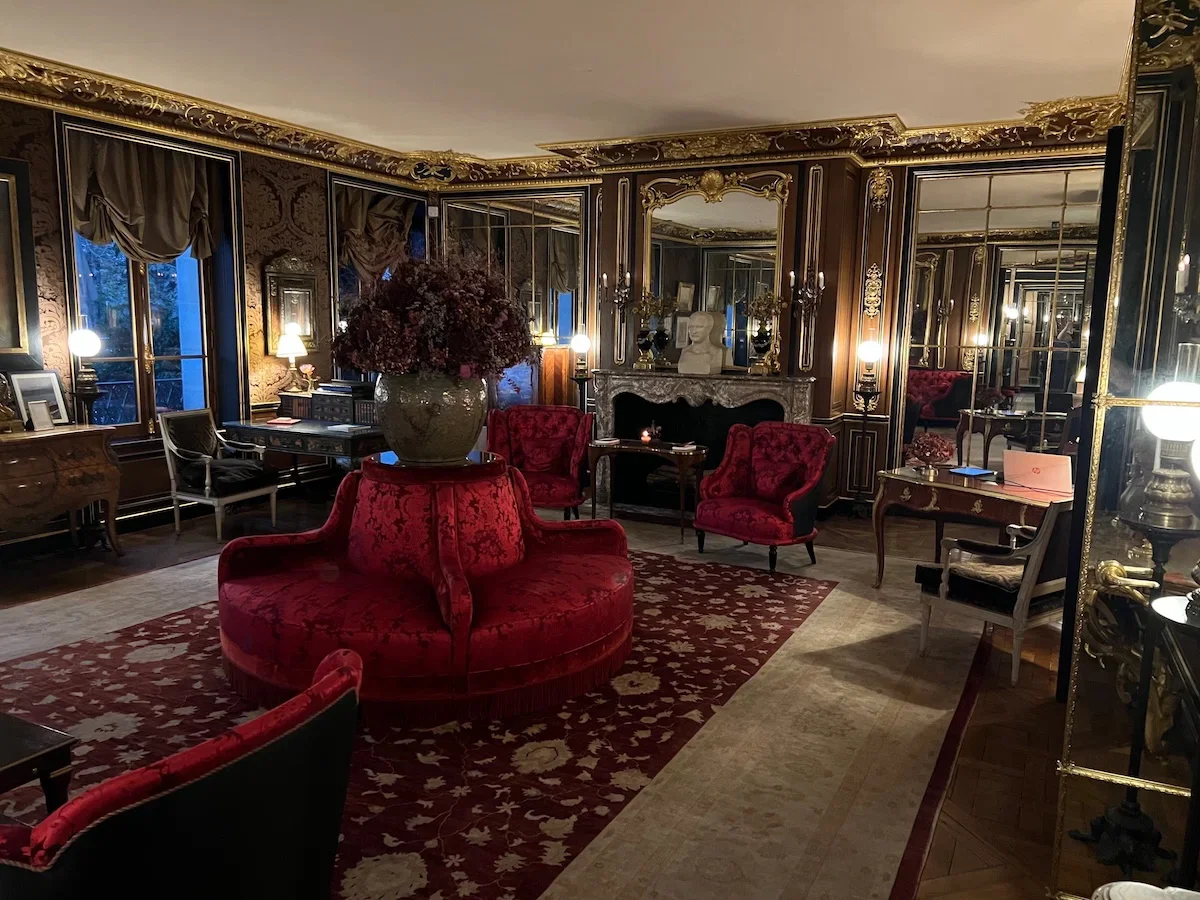
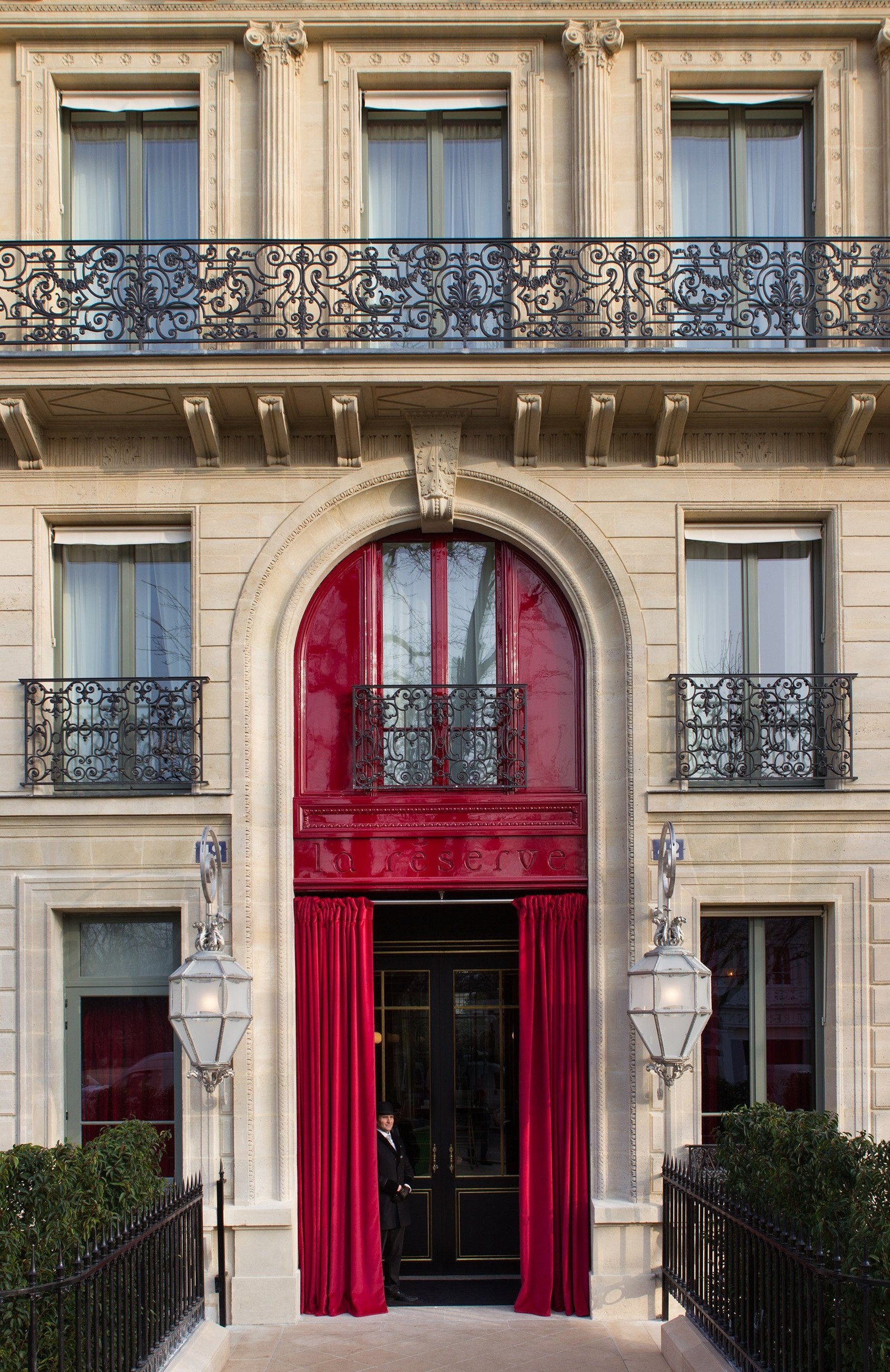
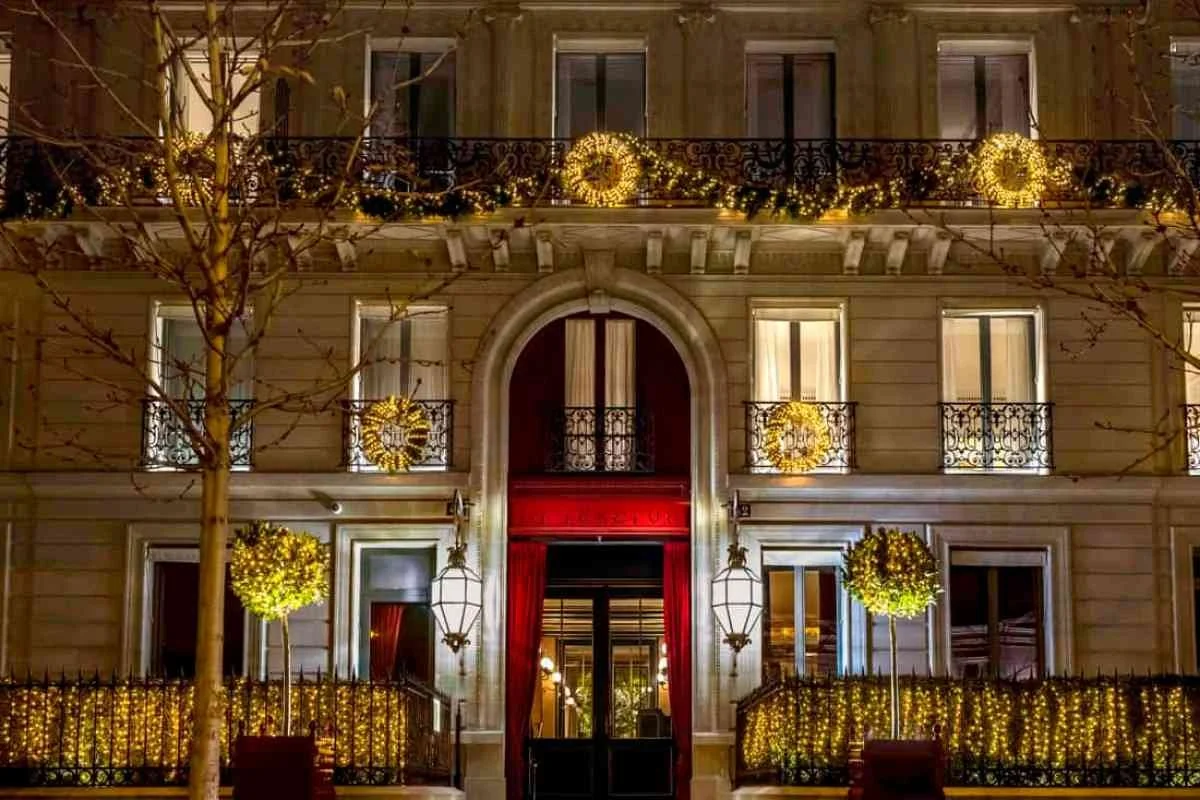
Its scale immediately separates it from many of the city’s better-known palace hotels. La Réserve has only 40 accommodations – 15 rooms and 25 suites – and deliberately presents itself more like a private Parisian residence than a conventional grand hotel. There is no traditional reception desk dominating the entrance. Guests are welcomed in the Louis XV Salon before being shown to their room or suite, establishing a residential tone from the beginning.
That sense of intimacy has not prevented the hotel from accumulating major recognition. In 2026, La Réserve Paris retained Three MICHELIN Keys for the third consecutive year, remained part of France’s official Palace category and entered the extended World’s 50 Best Hotels list at No. 51. La Liste also placed it at the top of its global hotel ranking for a second consecutive year.
From the Duc de Morny to Michel Reybier
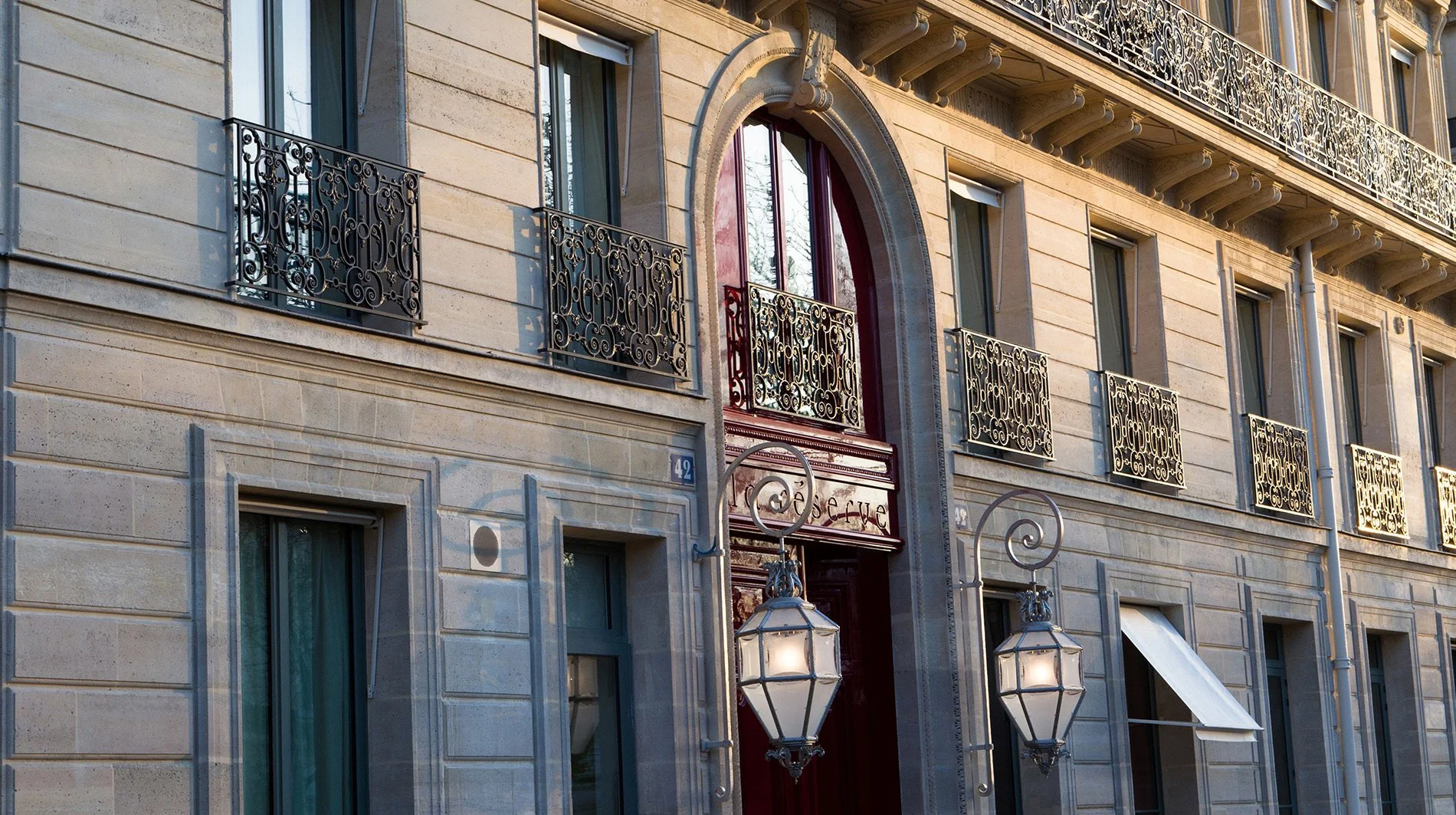
The building at 42 Avenue Gabriel dates to 1854, when this part of the 8th arrondissement was becoming one of the most fashionable residential districts of Second Empire Paris. It belonged to the family of the Duc de Morny, the influential half-brother of Napoleon III, and remained in the family until 1888. Large private apartments originally occupied the property, establishing the domestic scale that still informs the hotel today.
After passing through institutional ownership and later Pierre Cardin’s company, the building became part of Michel Reybier’s hospitality portfolio. Reybier entrusted the transformation to interior designer Jacques Garcia, whose work sought to recover the atmosphere of an elegant Parisian residence rather than erase the building’s past behind a contemporary hotel vocabulary.
The current La Réserve Paris opened in 2015. A year later, it received the official French Palace distinction. In 2025, the hotel marked its tenth anniversary – a relatively short history under the La Réserve name compared with Paris’s century-old grand hotels, but one built inside a property whose relationship with the city stretches back to the nineteenth century.
Jacques Garcia Reconstructs a Parisian Interior
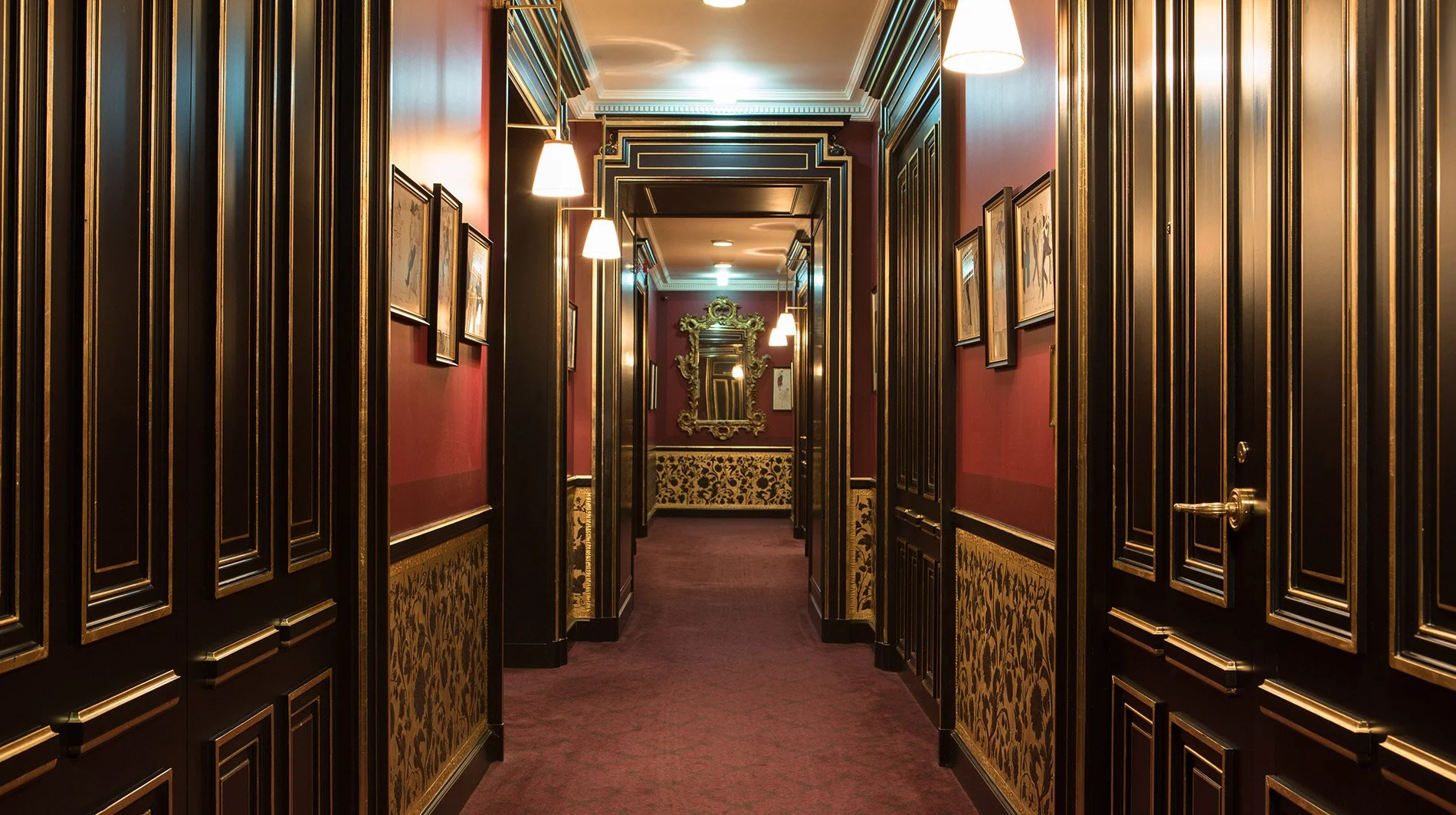
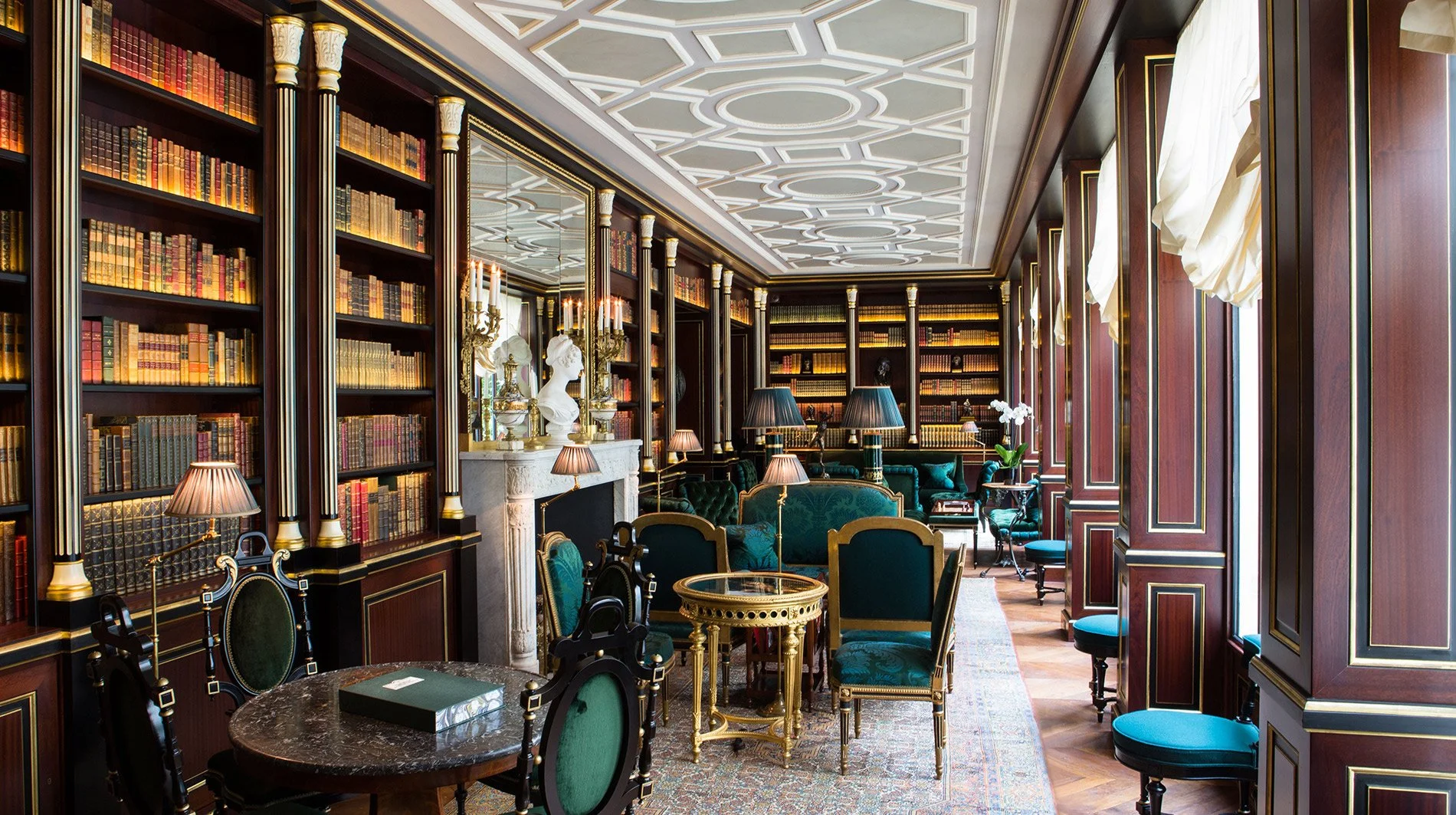
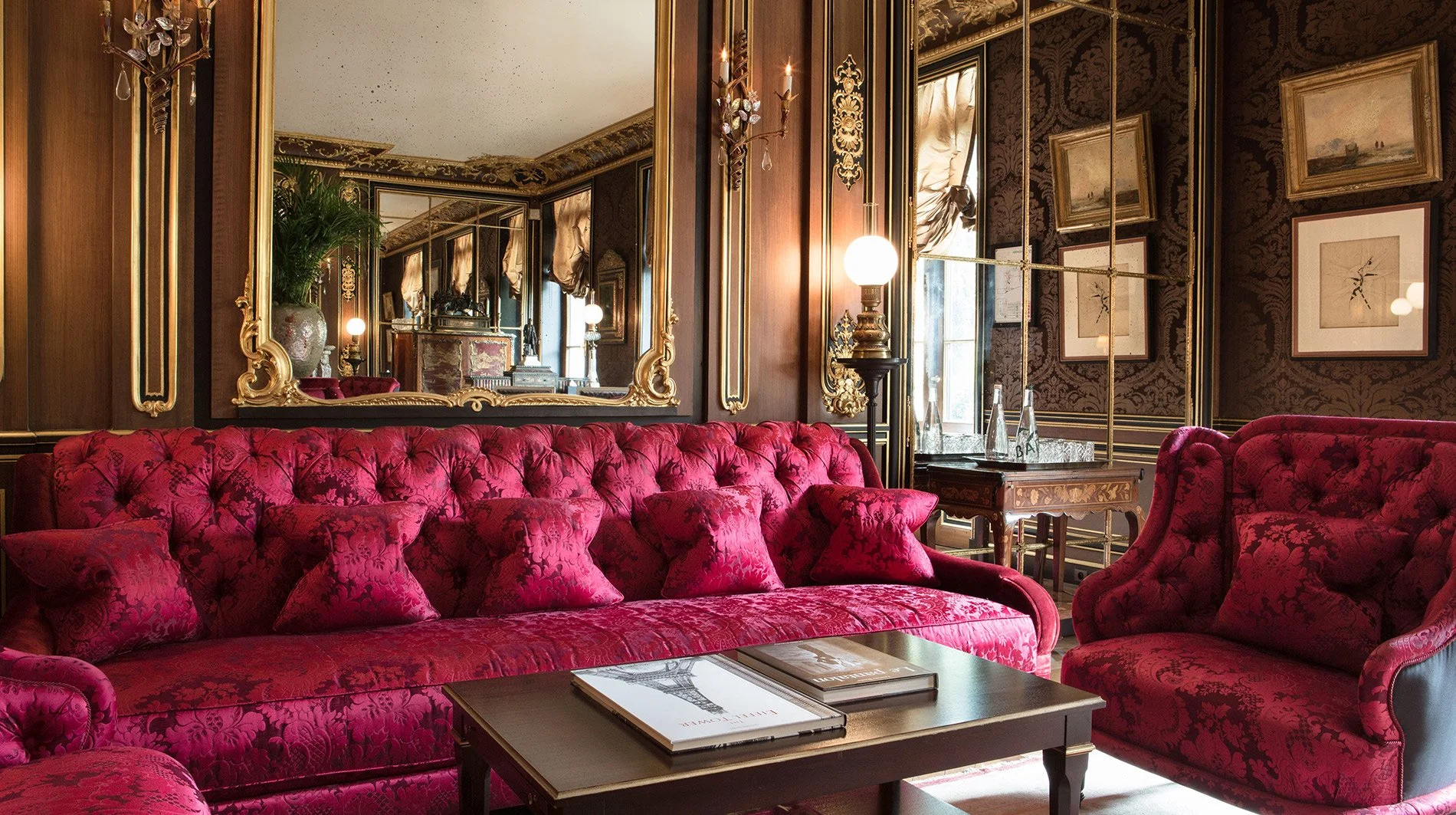
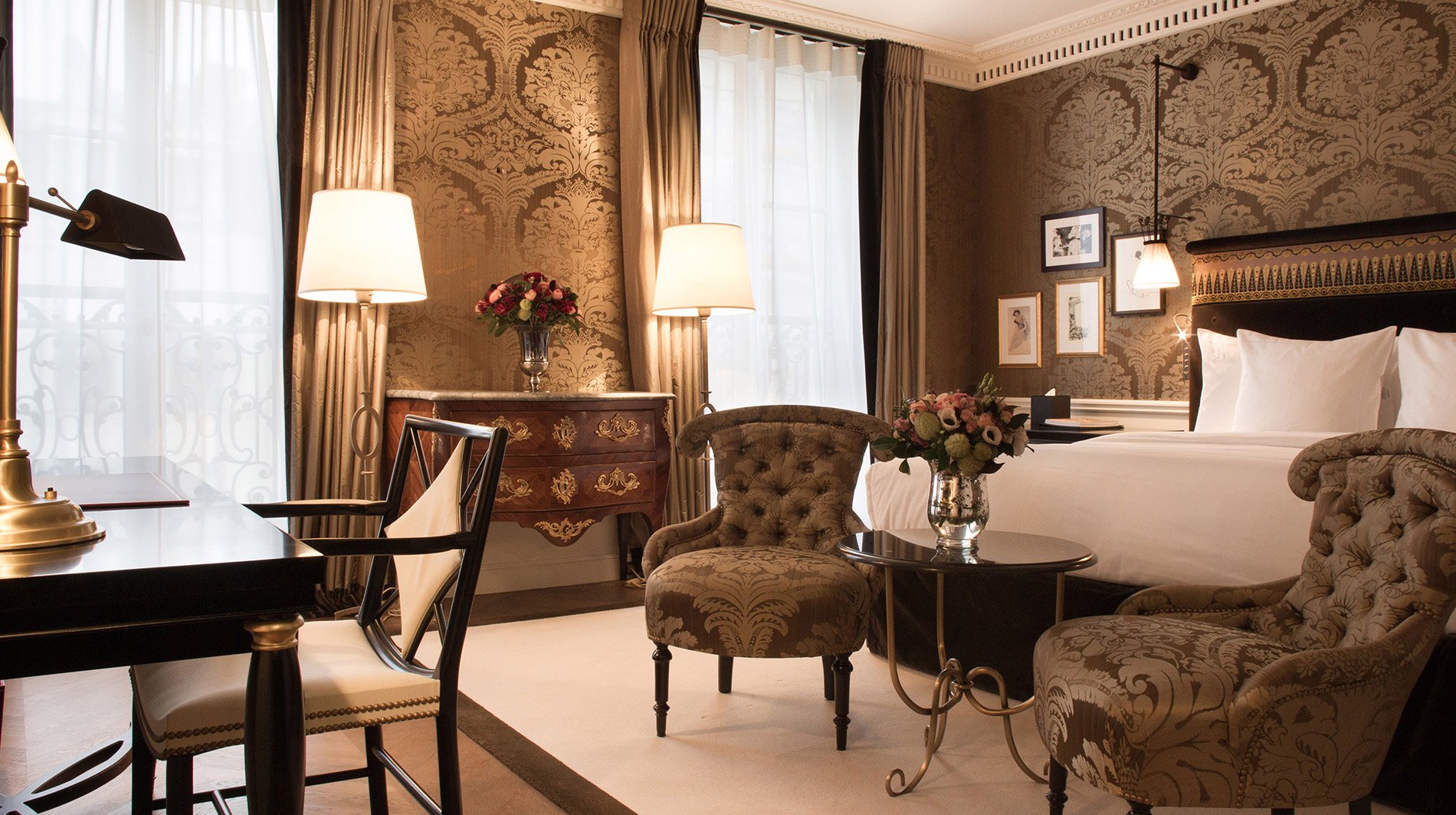
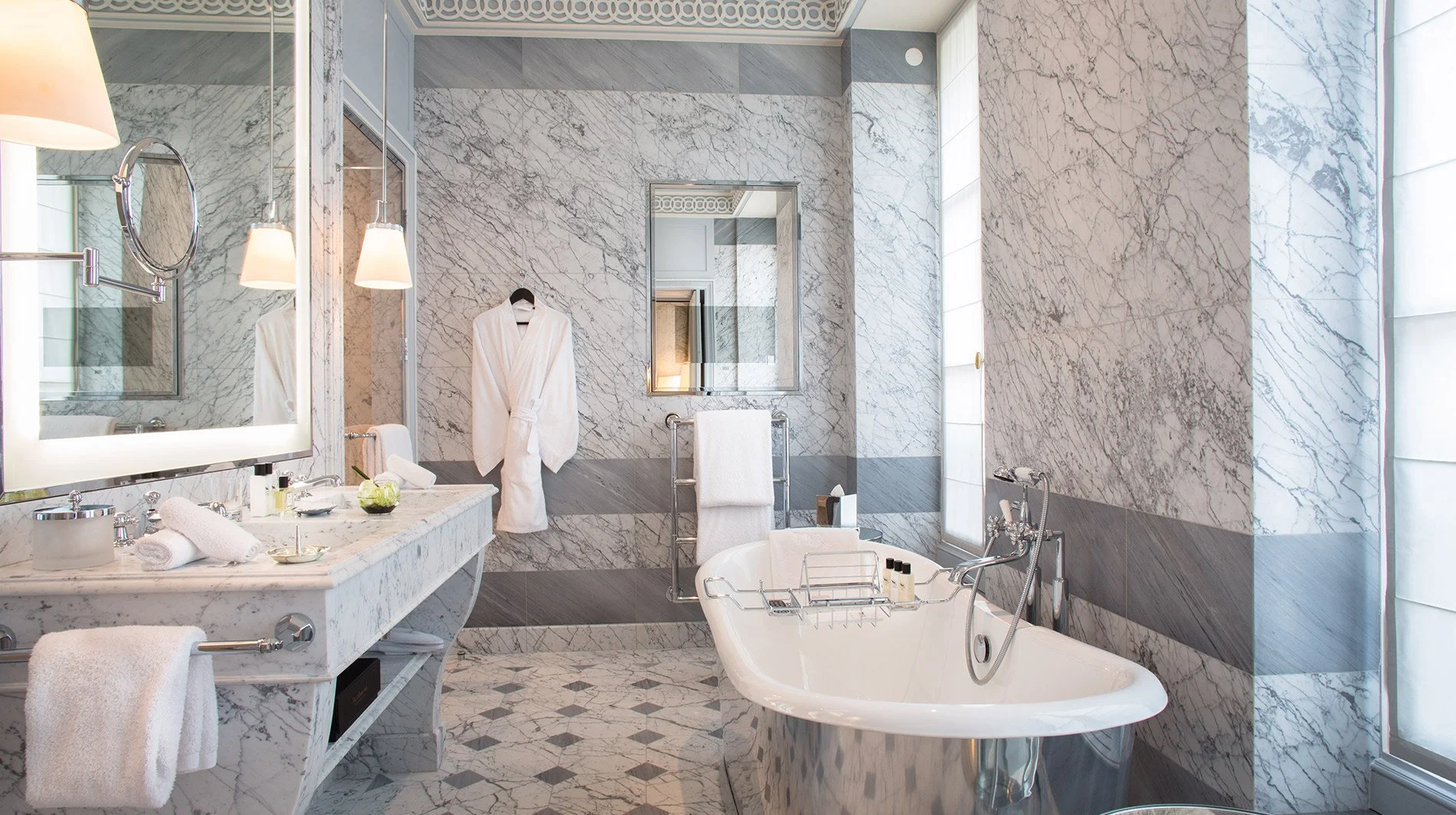
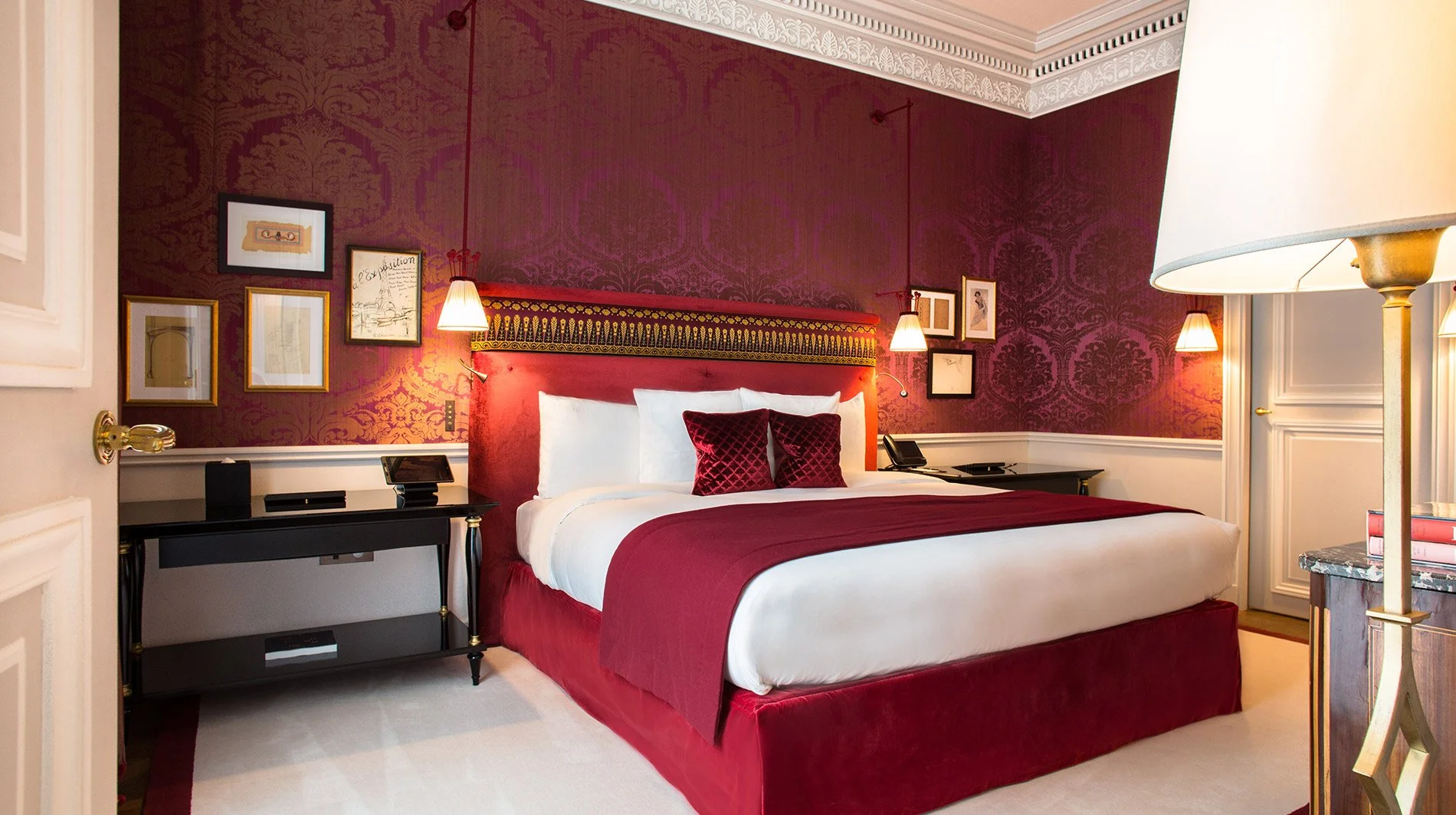
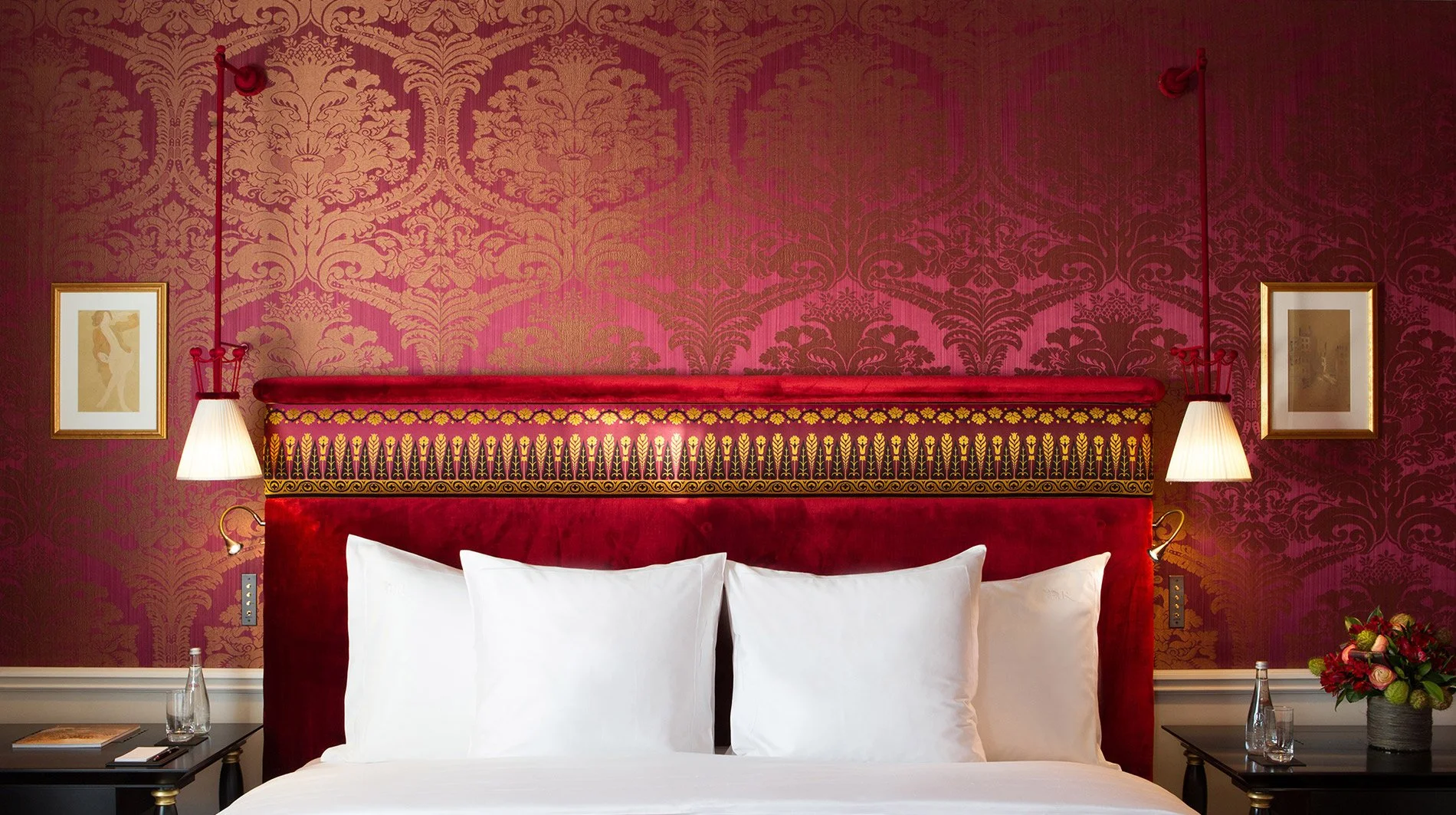
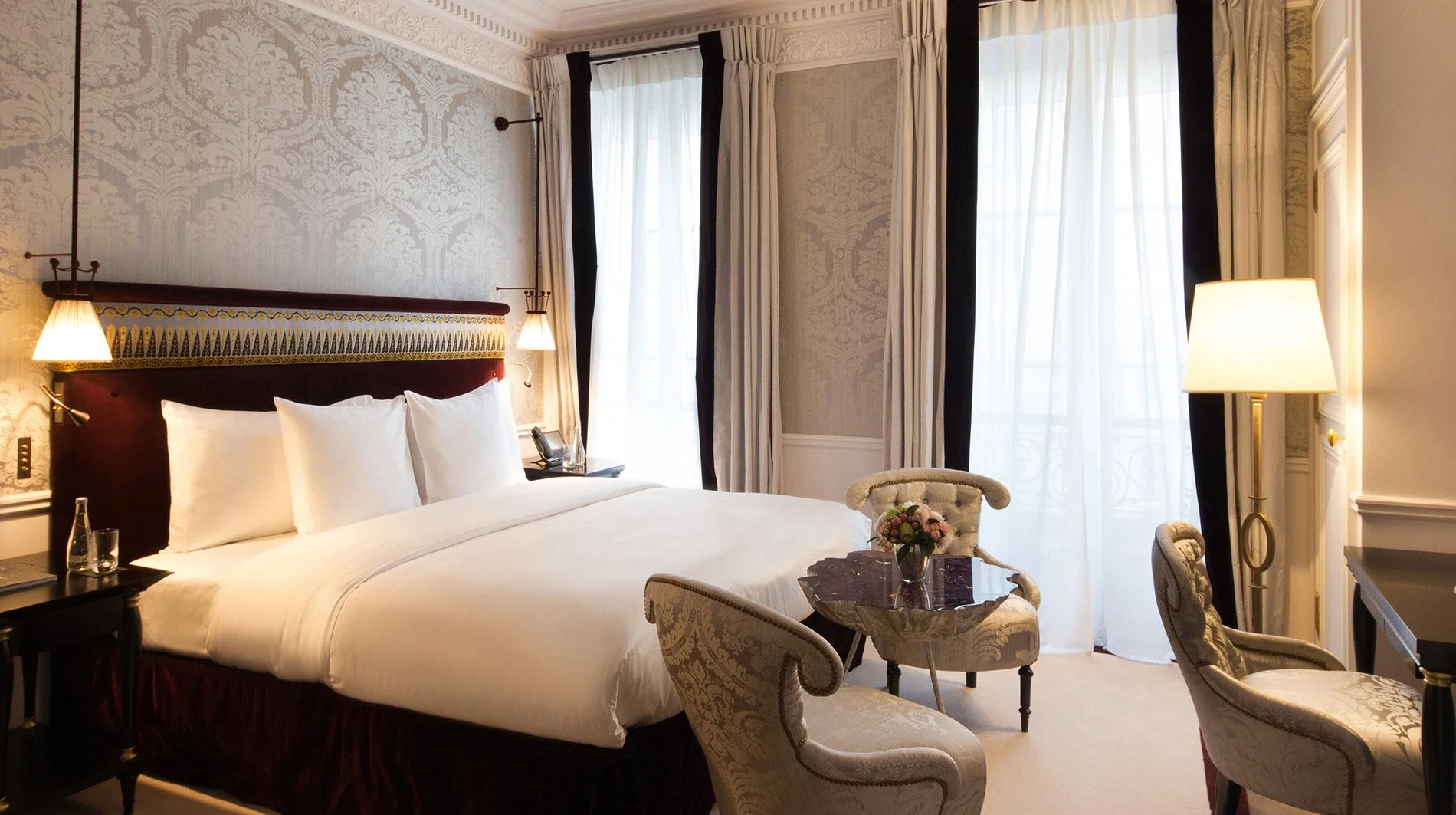
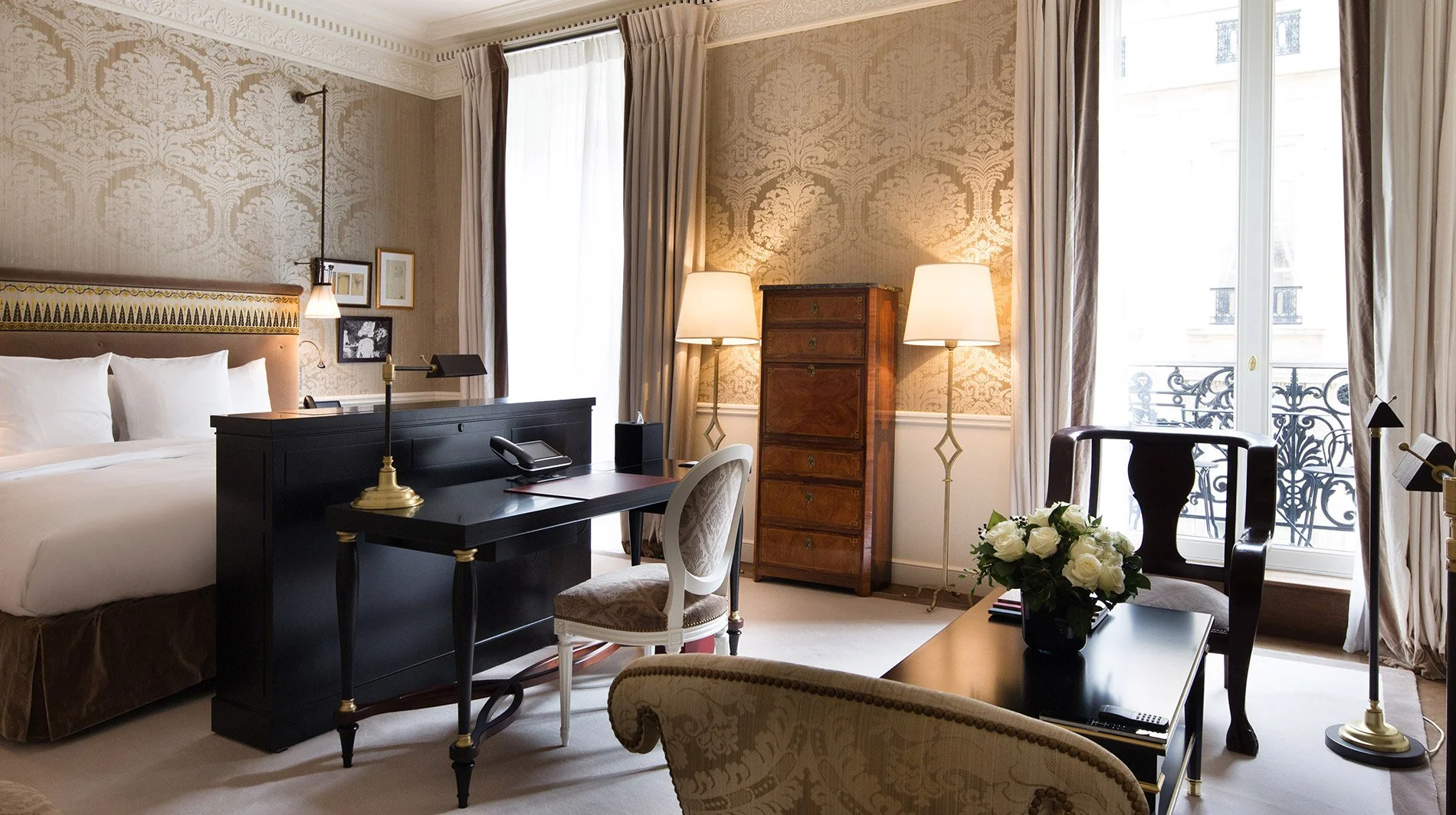
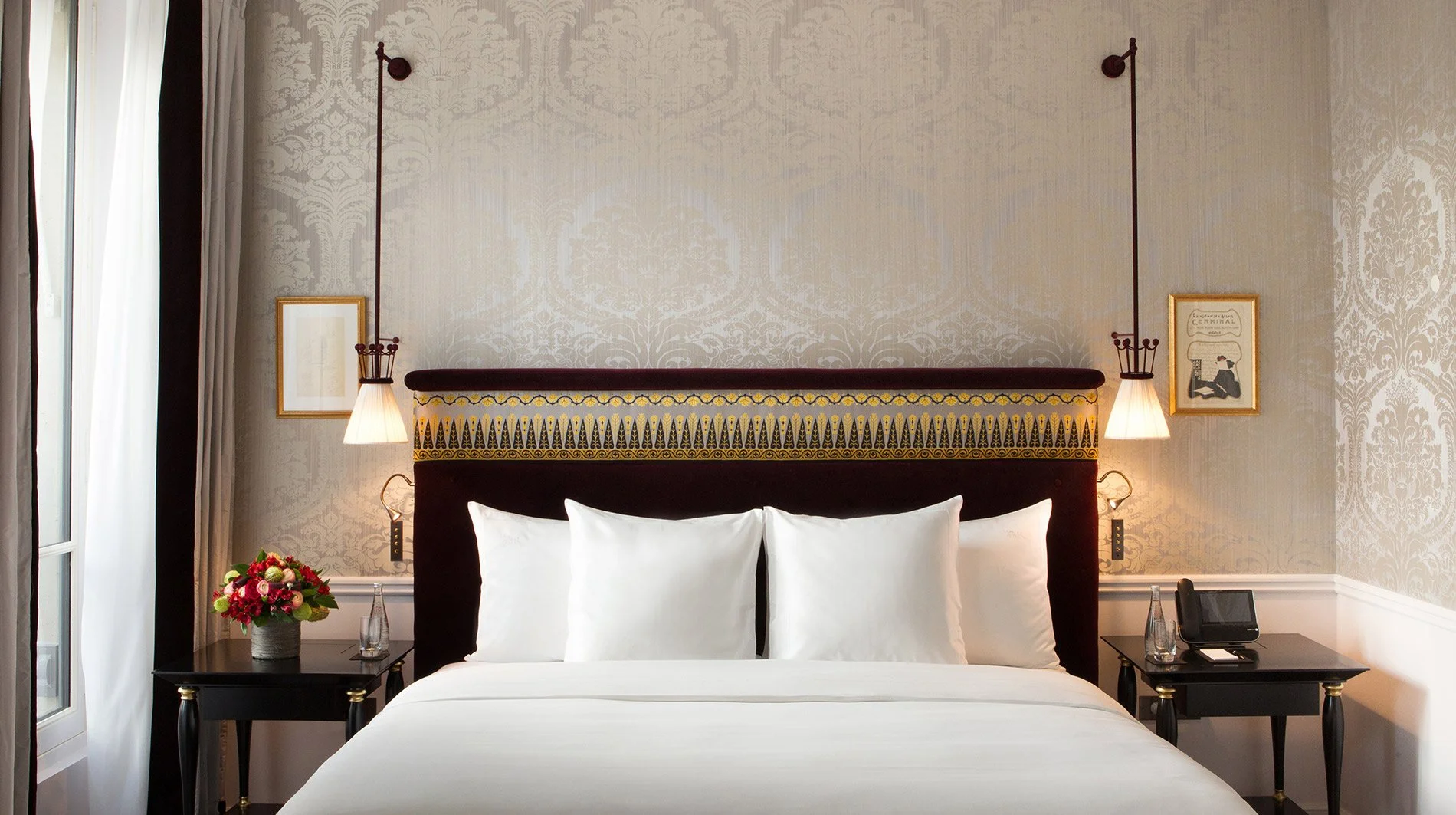
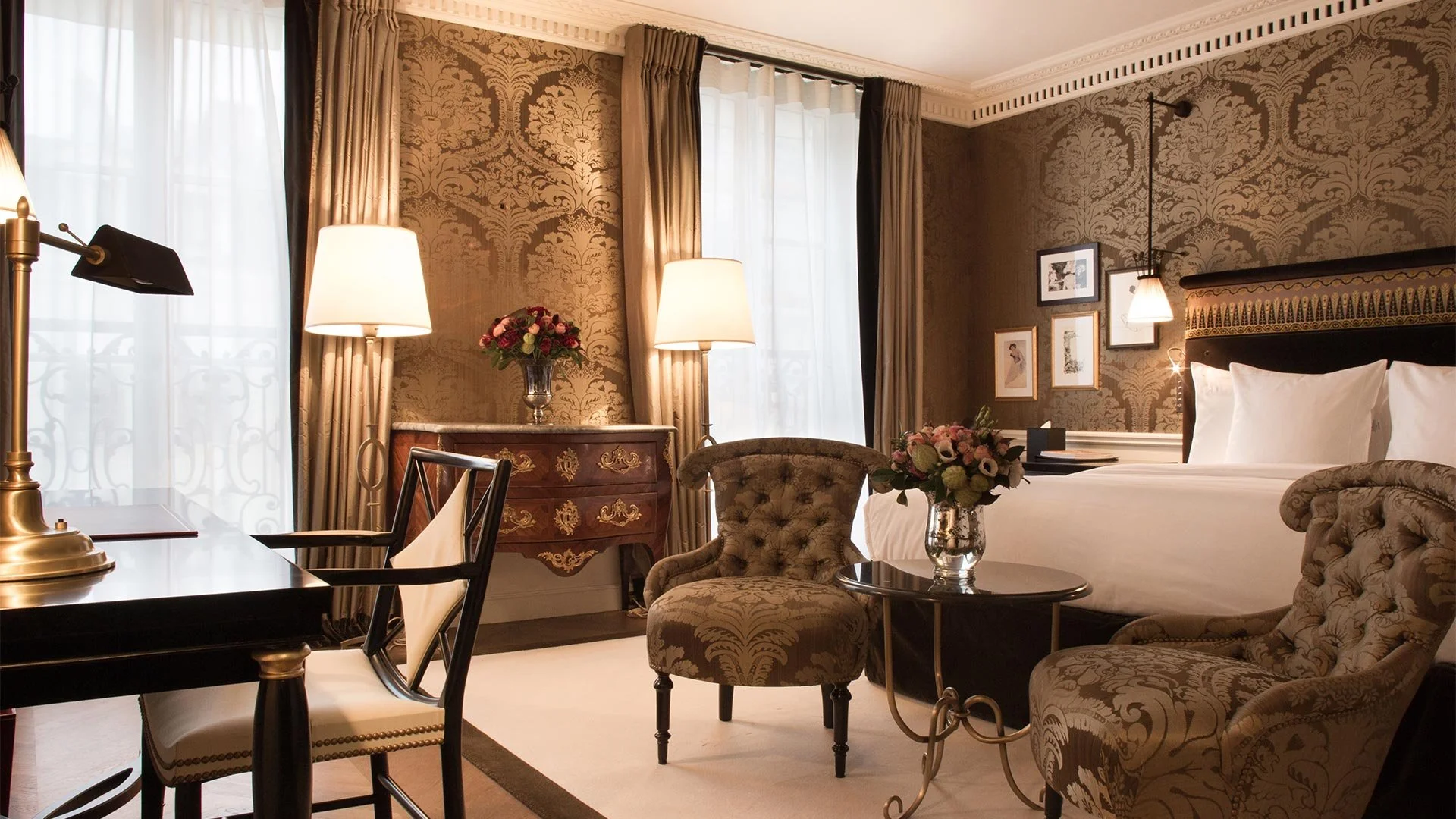
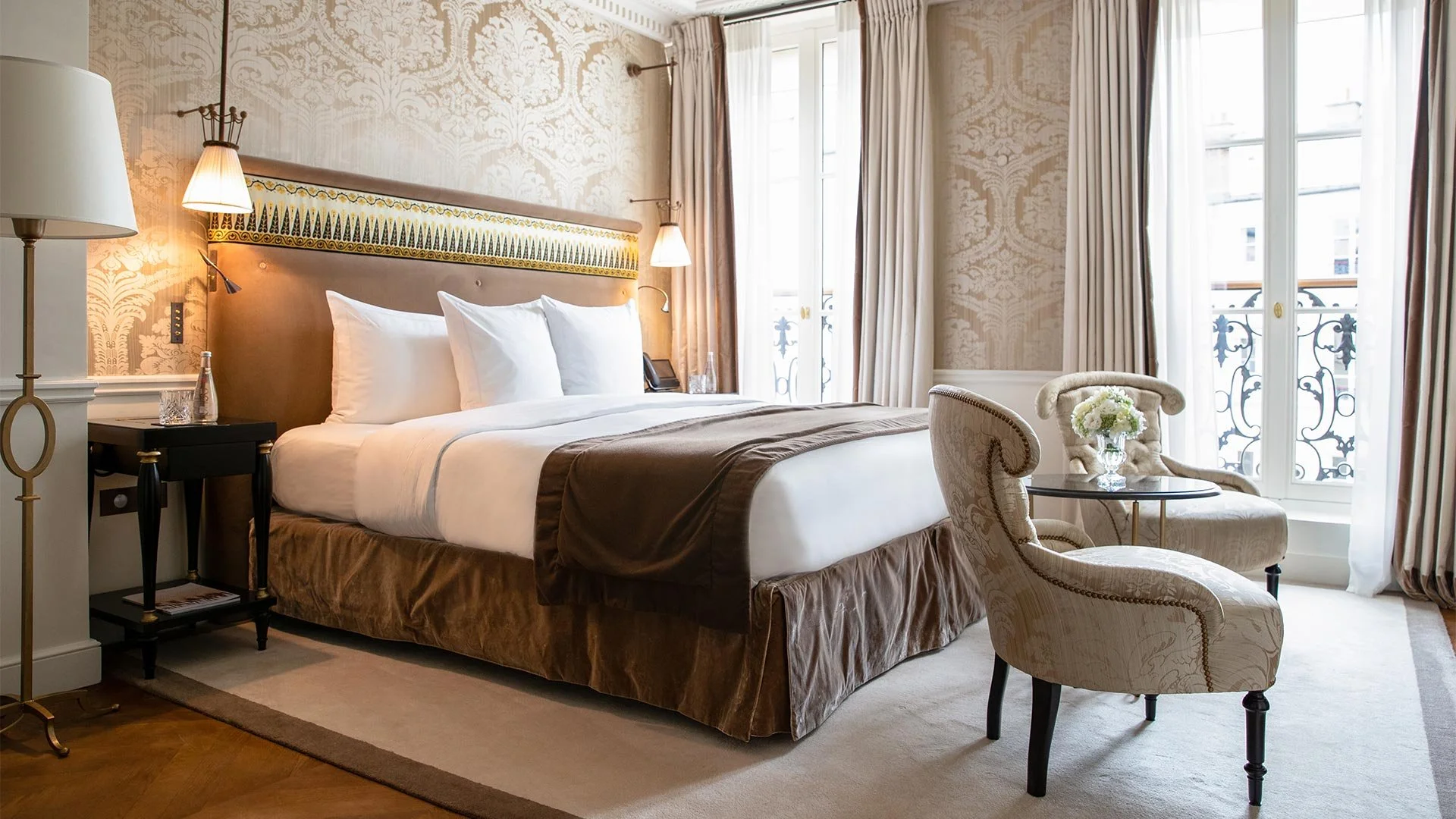
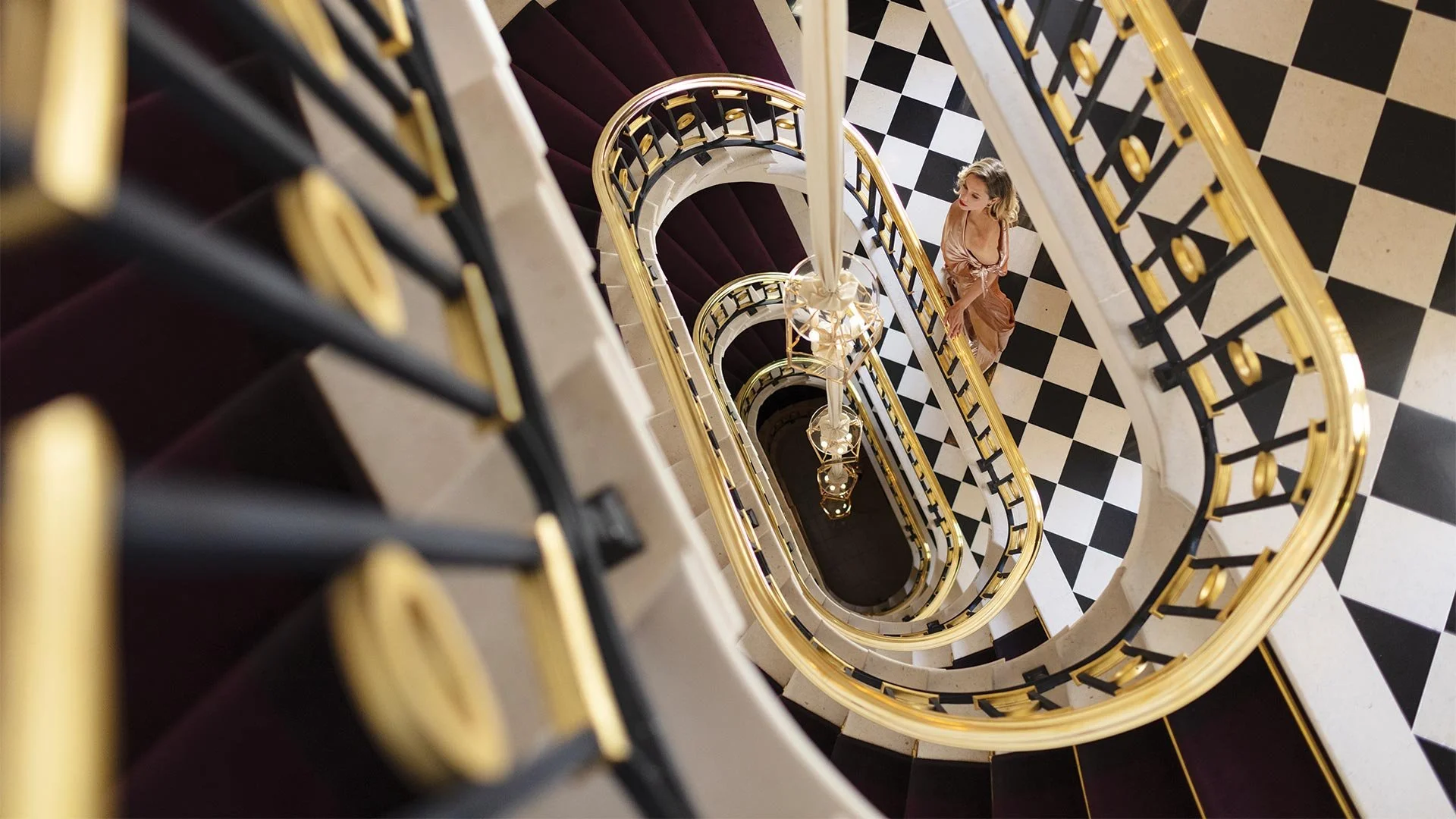
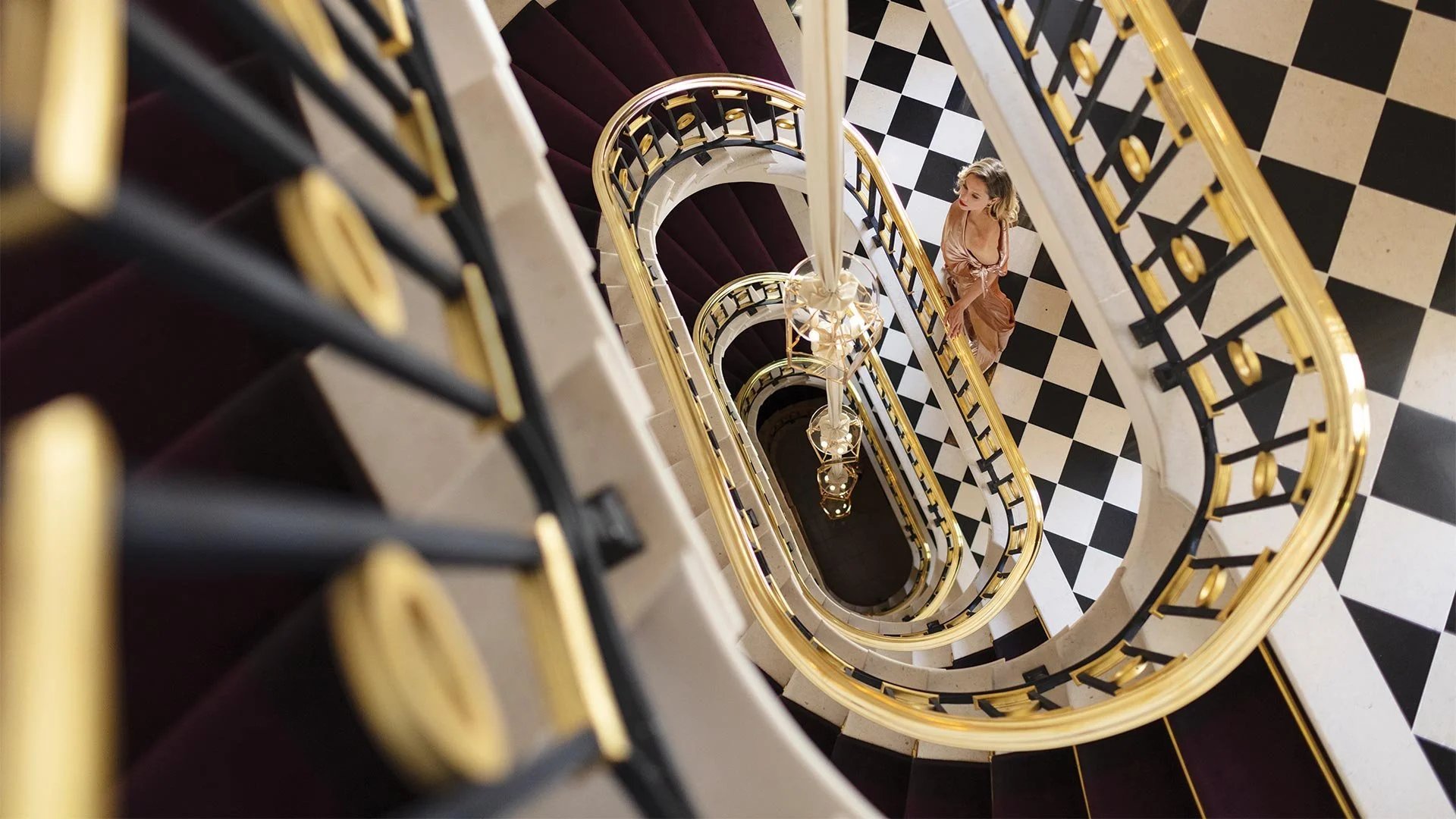
Jacques Garcia’s interiors rely on the decorative grammar of a grand private apartment: silk-hung walls, velvet drapes, herringbone oak floors, antique furniture, marble fireplaces, carved moldings and richly patterned fabrics. The design is historical in mood without functioning as a museum reconstruction.
Restoration work recovered old ornamentation, woodwork, cornices and decorative elements, especially in the Louis XV Salon. Garcia then layered these architectural details with black-and-gold lacquered doors, engraved Cordoba leather, contemporary artworks and carefully controlled lighting. Public spaces feel deliberately small in scale, including the Duc de Morny Library and winter garden, rather than arranged around a vast lobby.
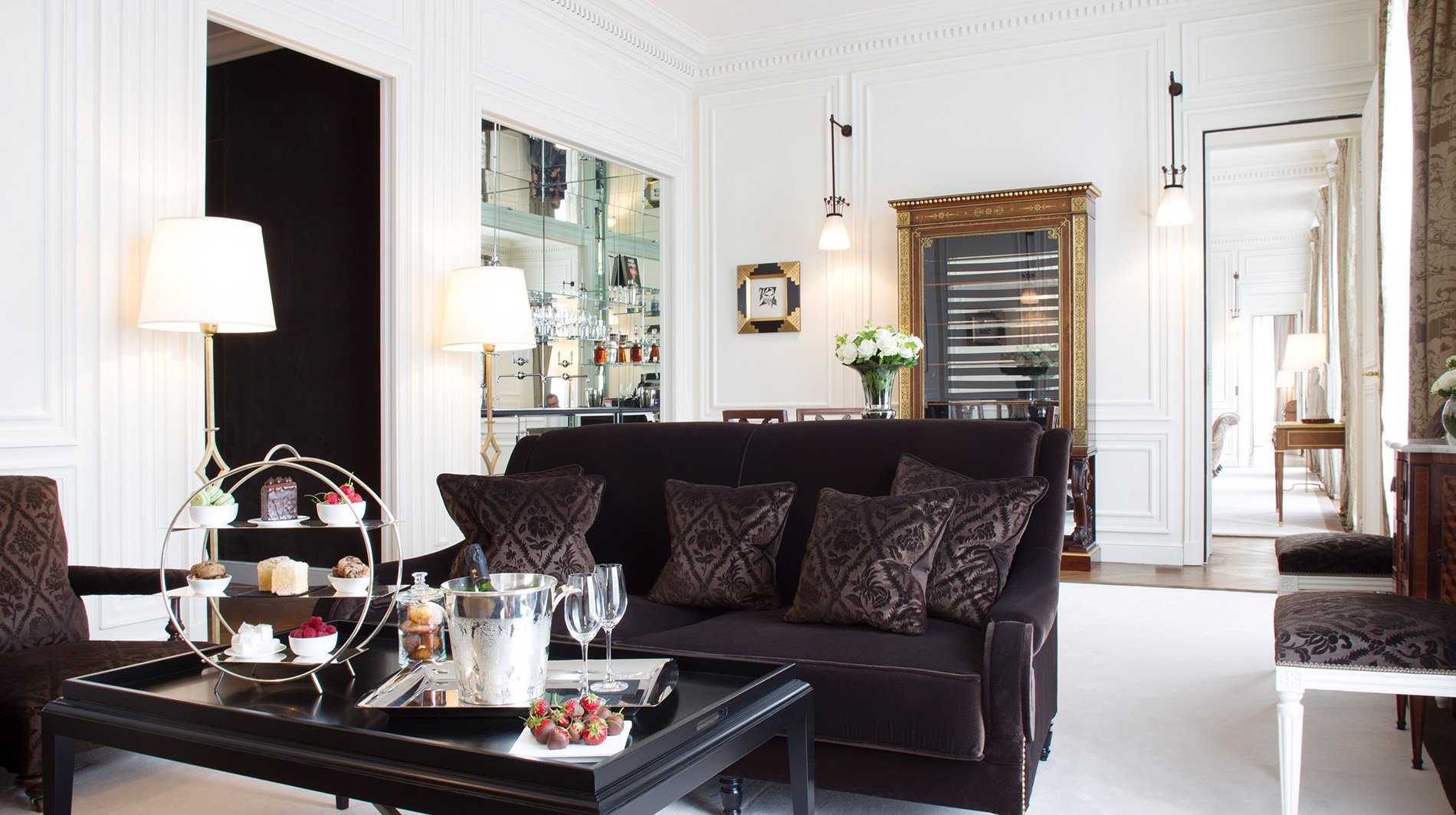
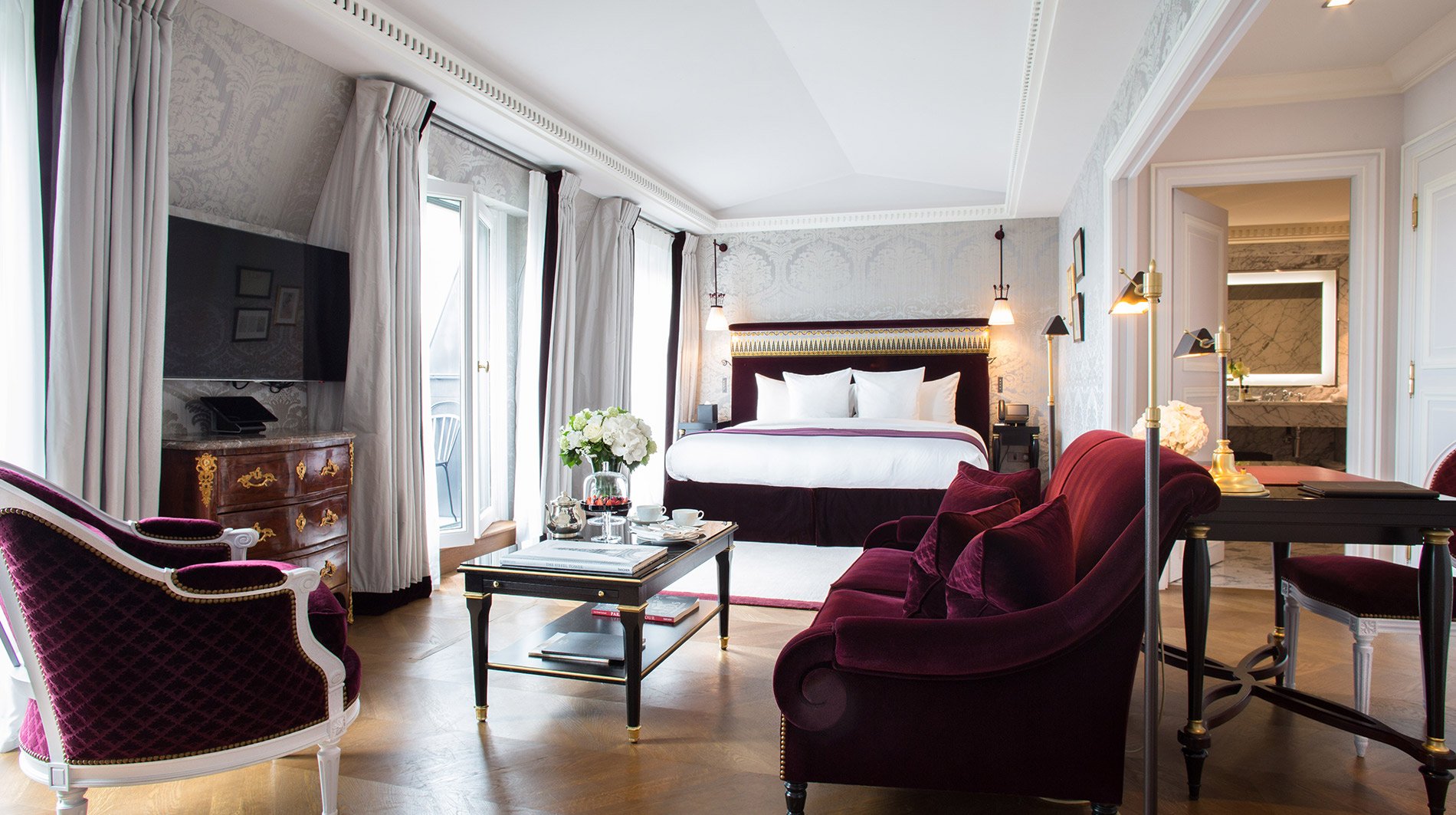
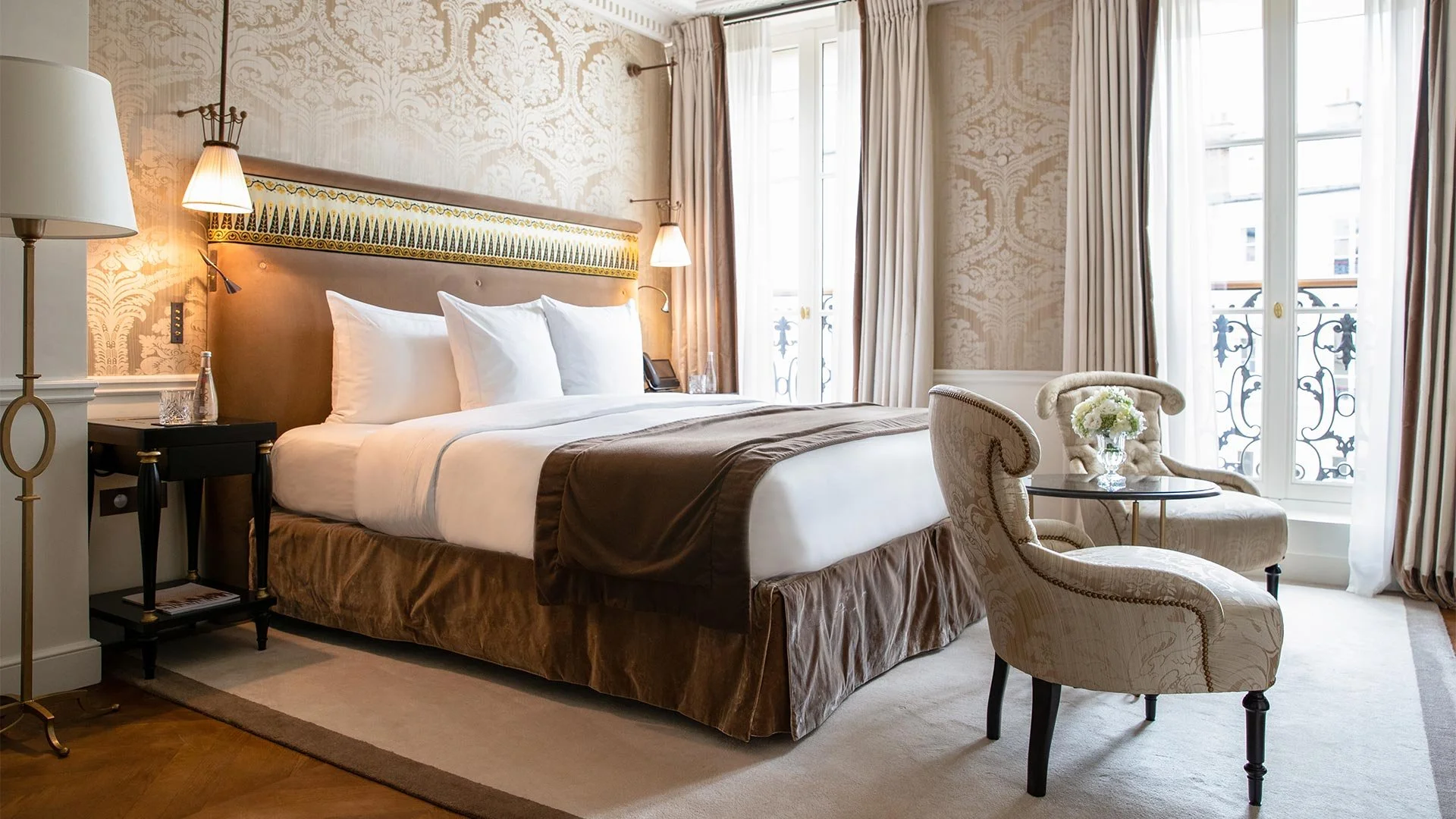
The palette becomes lighter in some guestrooms and more dramatic in others, but the fundamental approach remains consistent: rooms should feel like individually furnished Parisian apartments. That is especially effective in a hotel where no two suites are presented as entirely identical and where upper floors can incorporate terraces or views over the Grand Palais and Eiffel Tower.
Forty Rooms and Suites, With More Suites Than Rooms
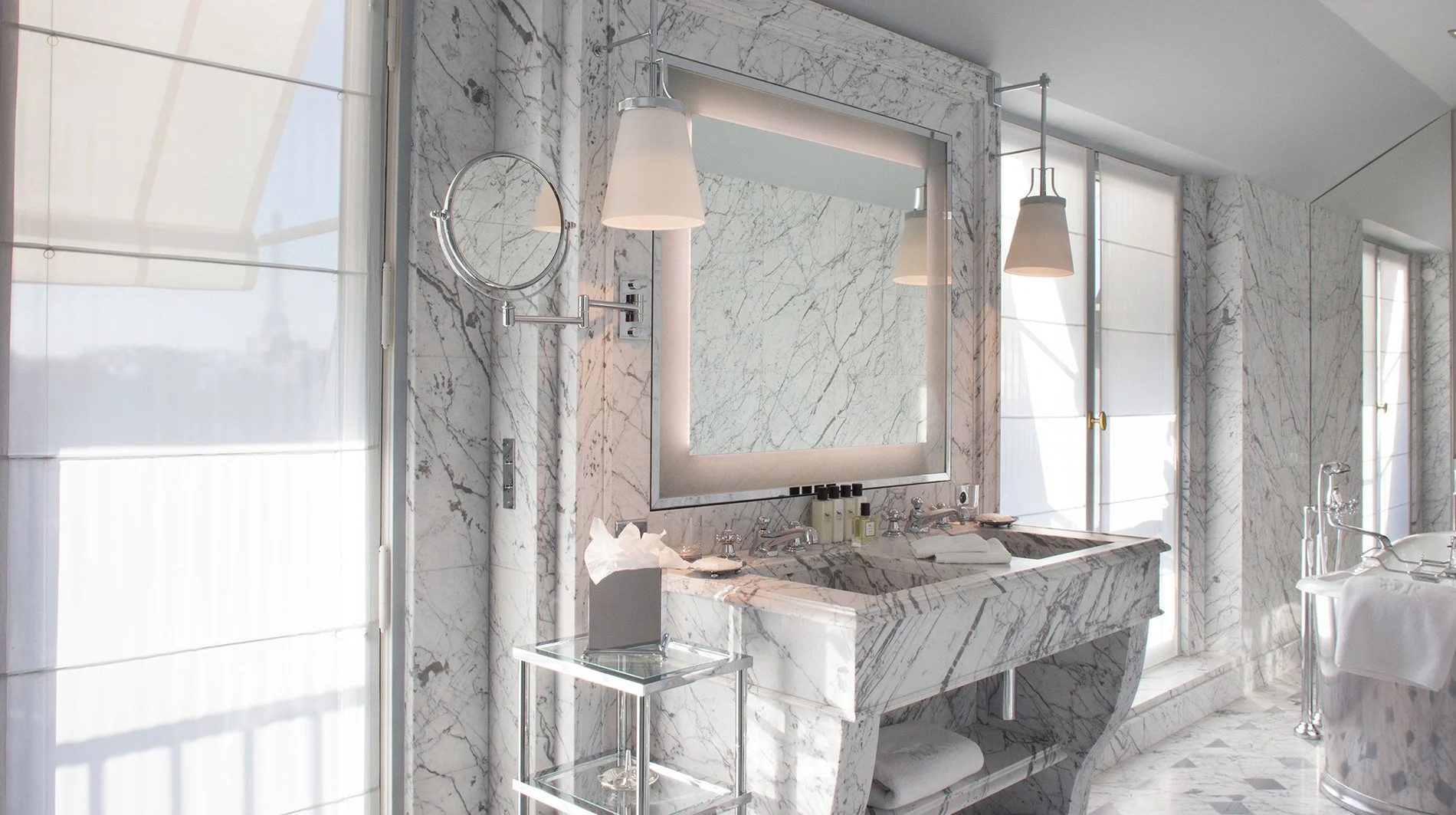
Prestige Room: Approximately 430 sq. ft., with one king bed, generous proportions for an entry-level Paris room, silk and patterned textile detailing, herringbone parquet and a marble bathroom finished in the hotel’s residential nineteenth-century-inspired style.
Premier Room: Approximately 490 sq. ft., with one king bed and a larger residential footprint, combining Jacques Garcia’s layered fabrics, period references and contemporary room controls with a spacious marble bathroom.
Prestige Junior Suite: Approximately 540 sq. ft., with one king bed and a more expansive sitting area, maintaining the hotel’s apartment-like approach through individually arranged furnishings, rich textiles and marble bathrooms.
Junior Suite Terrace: Approximately 540 sq. ft., with one king bed and the addition of private outdoor space, offering a rare opportunity to step outside without leaving the intimacy of the hotel’s upper floors.
Eiffel Junior Suite: Approximately 560 sq. ft., with one king bed and views oriented toward the Eiffel Tower, combining the hotel’s classic interiors with one of the most recognizably Parisian outlooks in the room collection.
Deluxe Suite: Approximately 650 sq. ft., with one king bed, a separate living component and a larger apartment-style plan, suited to travelers who want meaningful space beyond the bedroom without moving into the signature-suite categories.
Prestige Suite: Approximately 860 sq. ft., with one king bed and more substantial living space, conceived as a private Paris residence with individual furnishings, rich fabrics and the hotel’s dedicated butler service.
Eiffel Suite: Approximately 860 sq. ft., with one king bed, separate living space and Eiffel Tower views that make the city itself part of the suite’s visual identity.
Duc de Morny Suite: Approximately 1,250 sq. ft., with one king bed and a large residential plan whose name recalls the family associated with the building during the Second Empire.
Eiffel Imperial Suite: Approximately 1,270 sq. ft., with one king bed and an expansive layout oriented toward major Paris views, combining large living spaces with the hotel’s more ceremonial decorative language.
Eiffel Presidential Suite: Approximately 1,500 sq. ft., with one king bed and broad living areas, offering one of the property’s largest one-bedroom configurations together with landmark views.
Elysée Suite: Approximately 1,830 sq. ft., with two king bedrooms and space for up to four guests, making it one of the most practical high-end options for families or two couples who want to remain within one residential suite.
Grand Palais Suite: Approximately 2,370 sq. ft., with two king bedrooms and accommodation for up to four guests, representing the largest category in the current hotel inventory and emphasizing broad living spaces alongside views toward the Grand Palais.
Every room and suite includes dedicated butler service, and the hotel can also configure connecting accommodations. The result is a room inventory that feels closer to a collection of private apartments than a standardized tower hotel.
Jérôme Banctel, From Le Gabriel to La Pagode
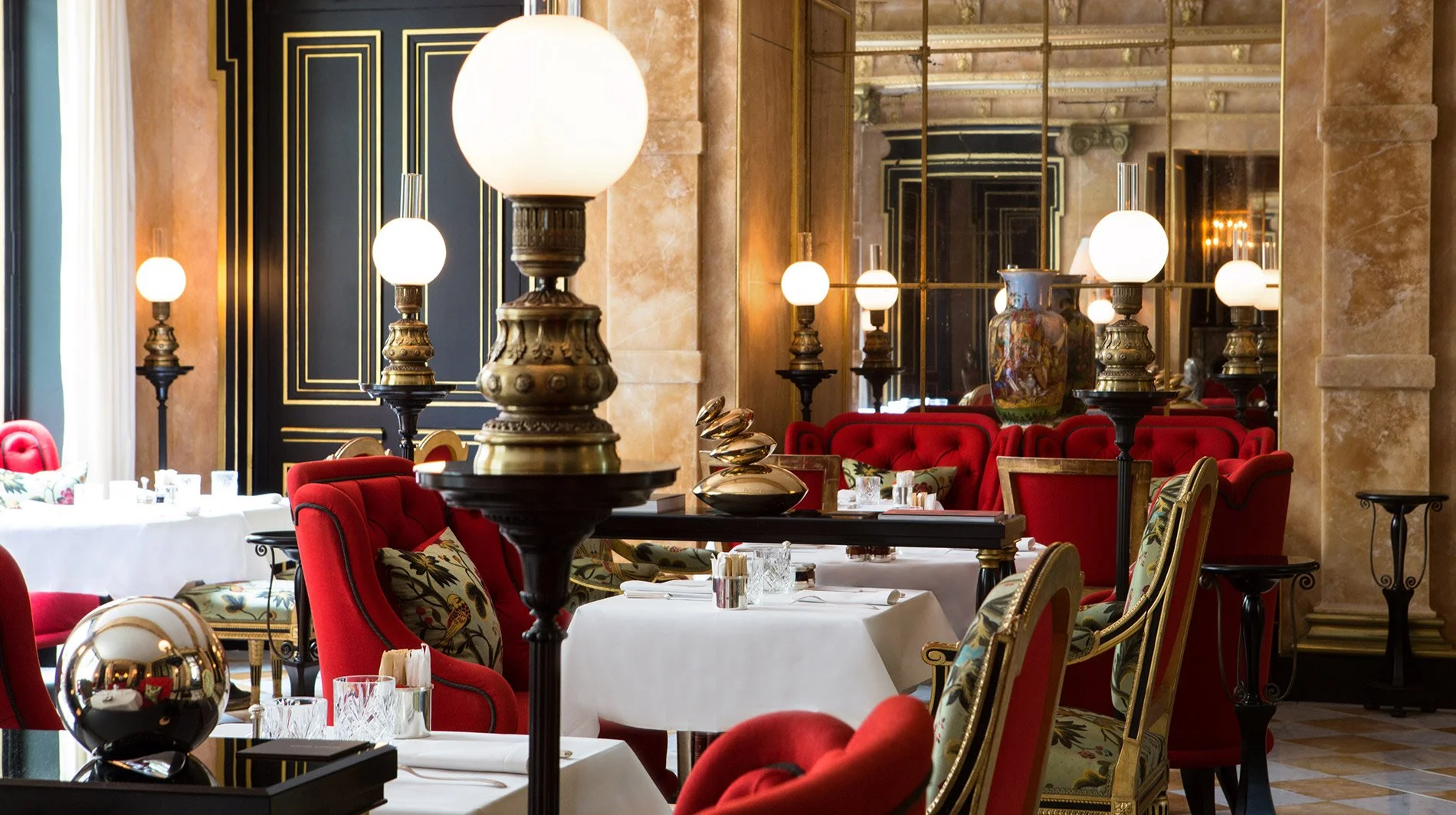
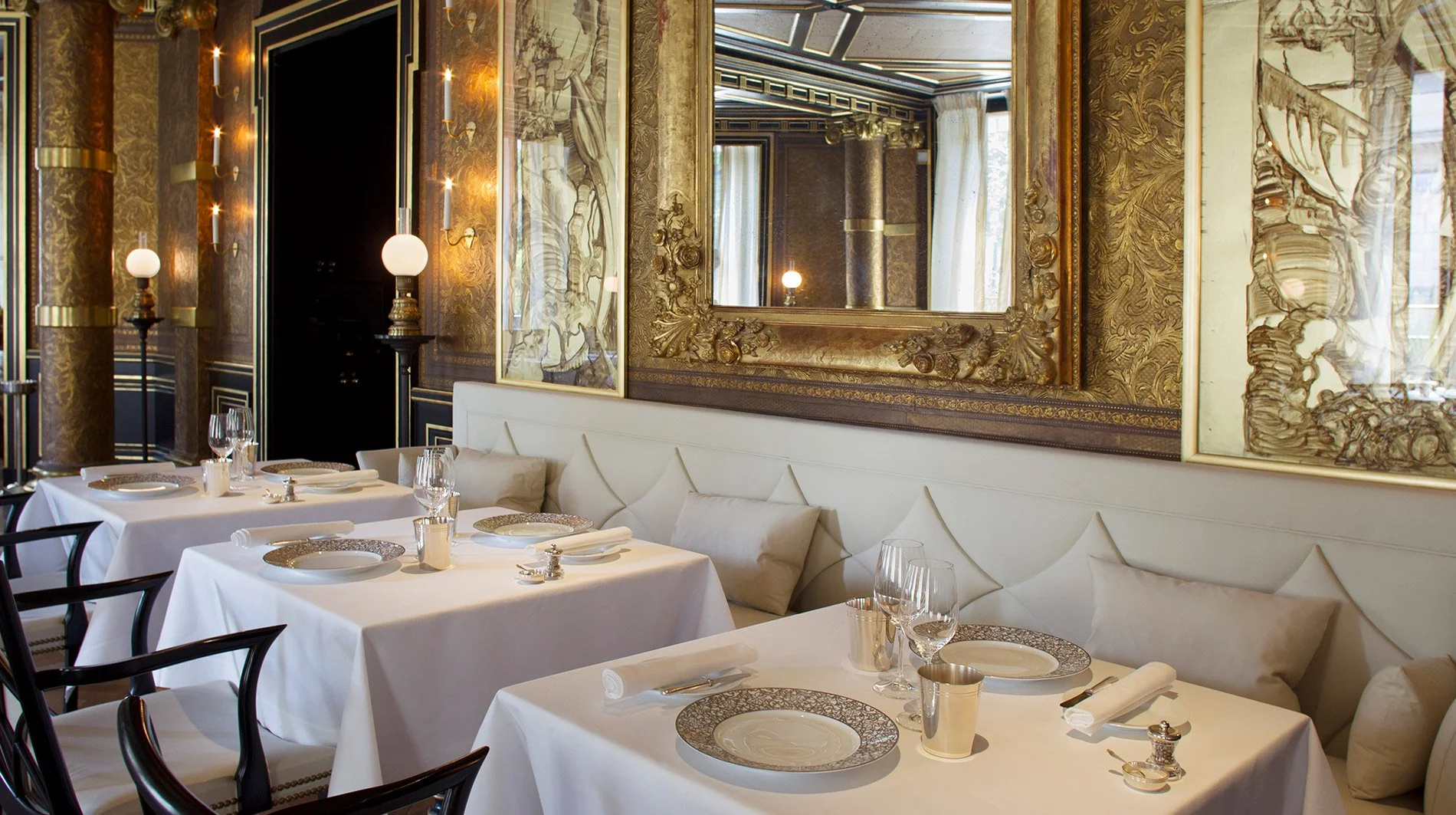
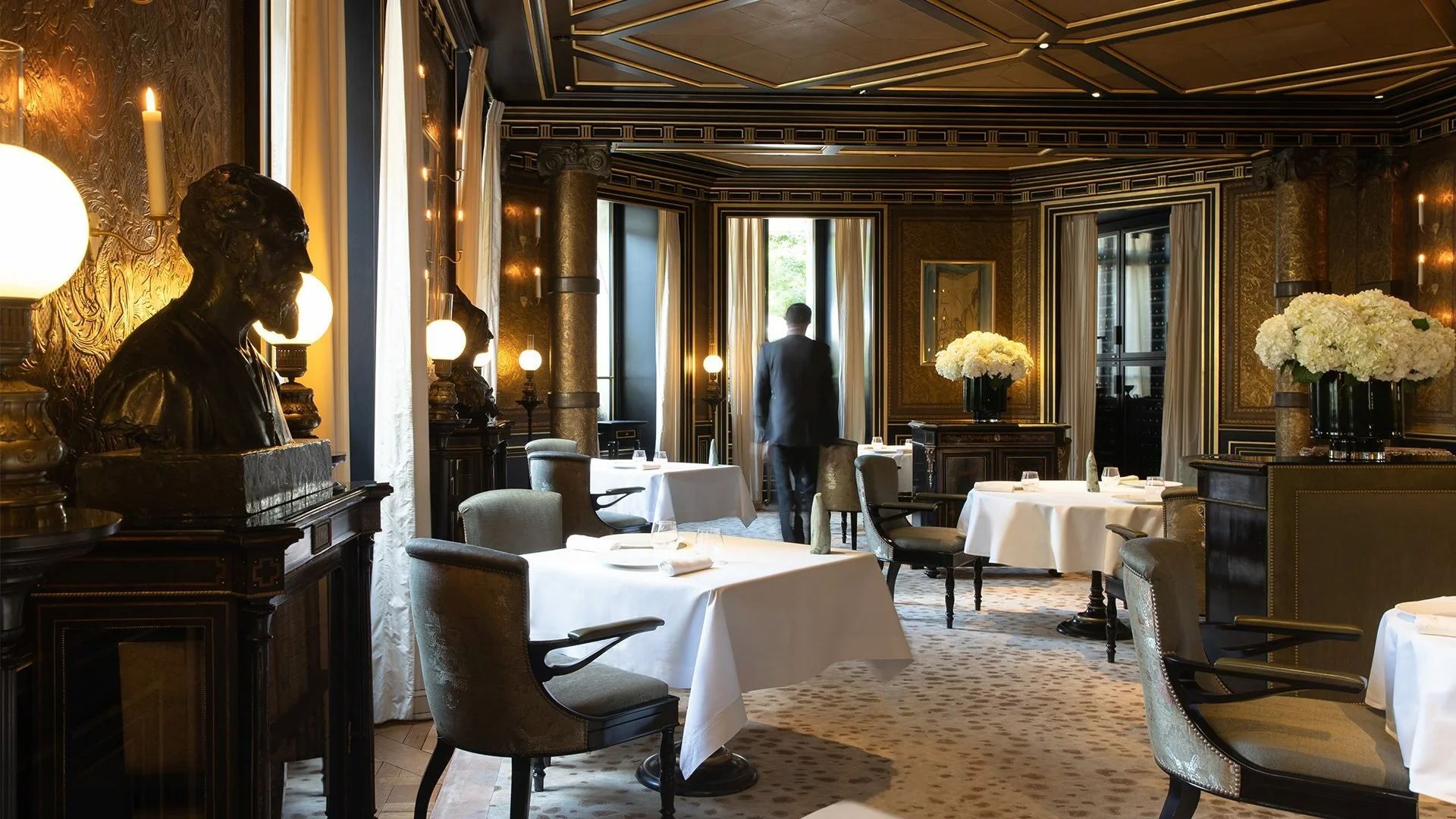
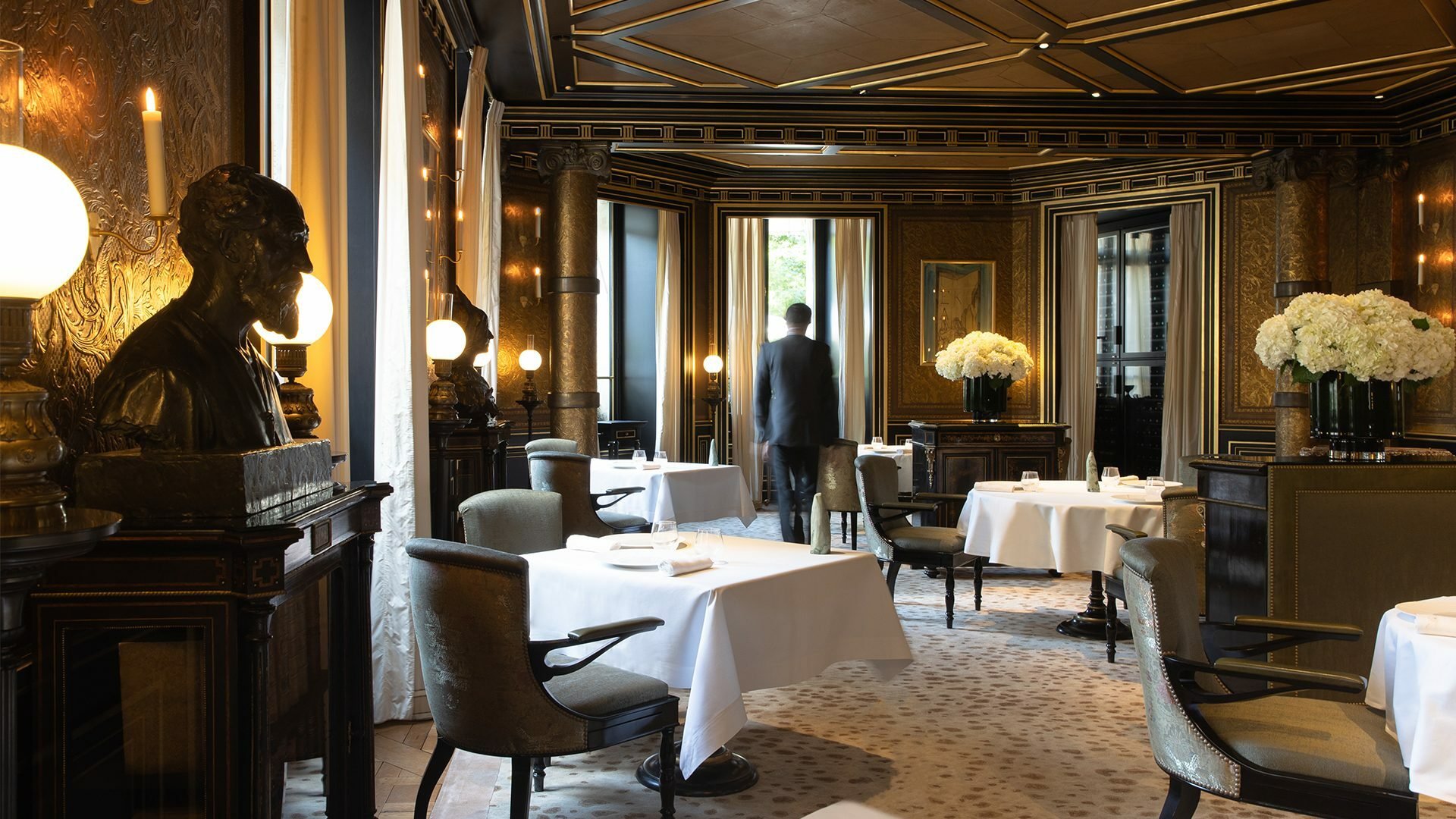
Le Gabriel: The hotel’s signature restaurant is led by Executive Chef Jérôme Banctel and holds three Michelin Stars, with tasting menus built around concentrated flavor, controlled acidity, French technique and Banctel’s distinctive use of ingredients and methods gathered through travel.
La Pagode: Relaunched with a new identity in 2026, the hotel’s contemporary restaurant now focuses more explicitly on French cuisine under Banctel, including palace-brasserie classics such as vol-au-vent, beef bourguignon and blanquette alongside refined seafood, vegetable and seasonal dishes.
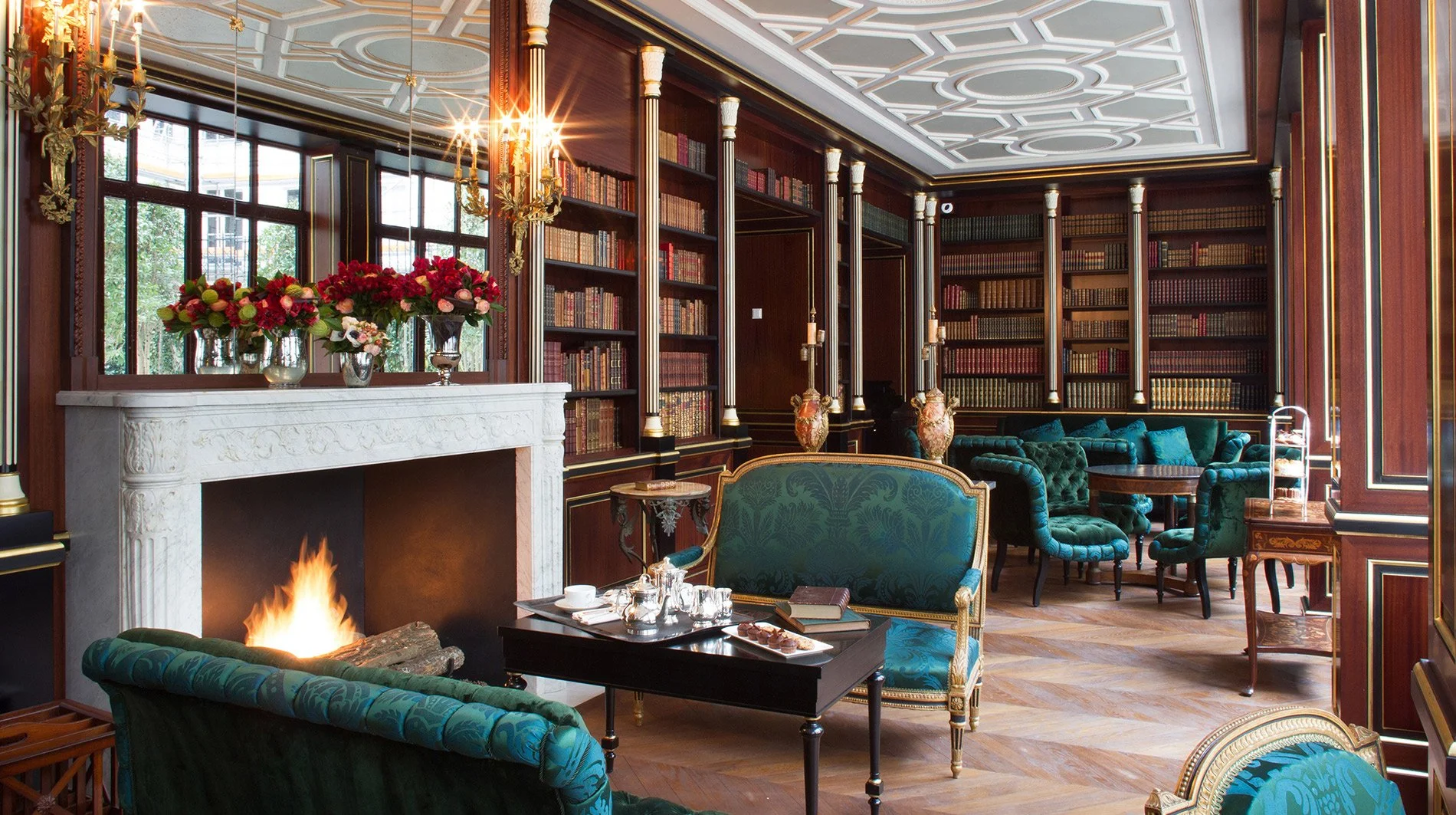
The Duc de Morny Library: A wood-paneled retreat with fireplace, books, velvet and soft lighting, where guests and local regulars can meet for coffee, tea, Champagne, cocktails or dishes from the hotel’s broader culinary offering.
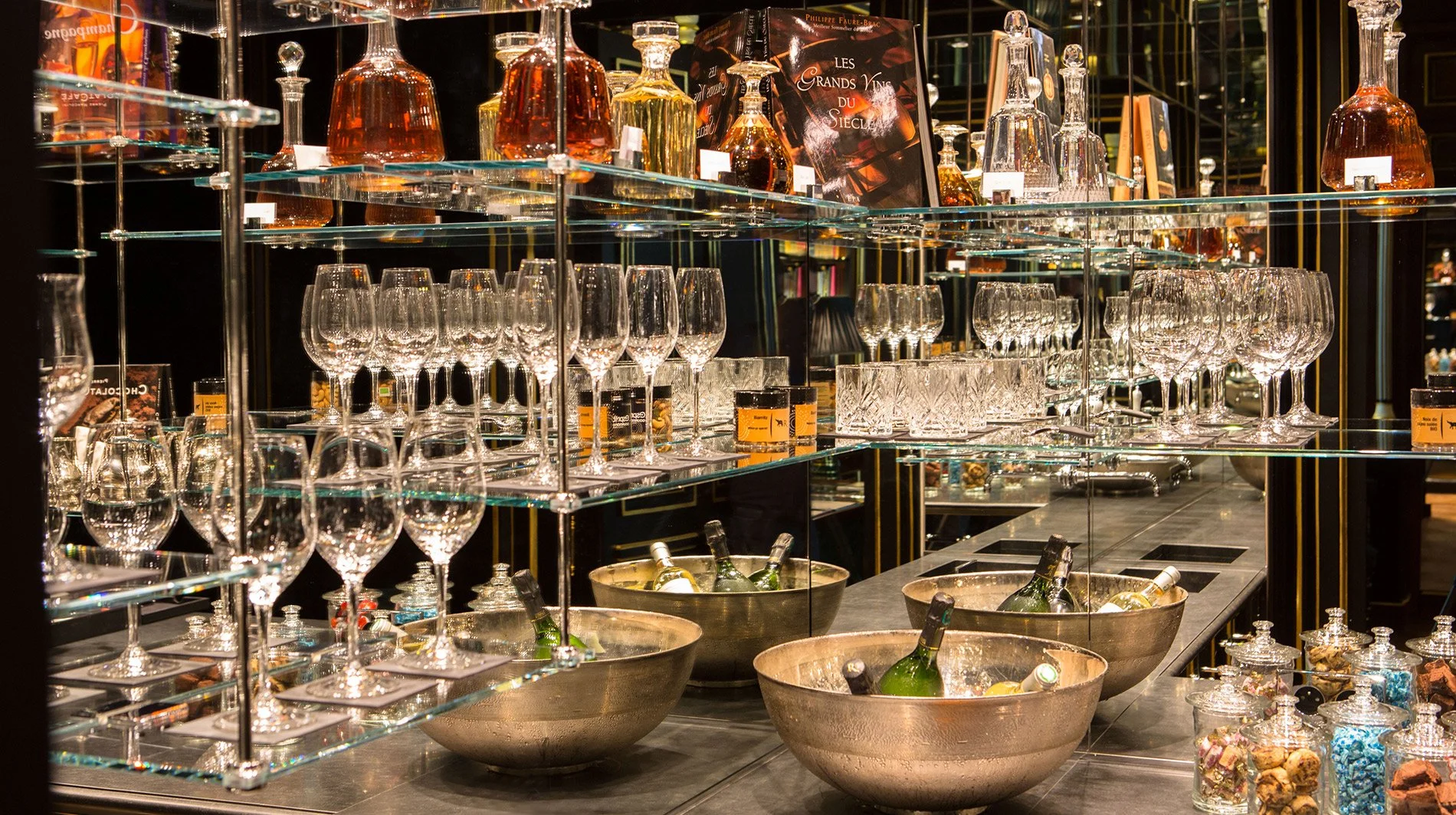
Le Gaspard: The hotel bar serves cocktails and lighter dishes in an intimate setting that extends to seasonal terraces, with Friday vinyl evenings forming part of the 2026 program.
The Winter Garden: A light-filled extension of the hotel’s social spaces where the private-house atmosphere continues, particularly useful for quieter daytime meetings, tea or an informal pause between outings.
Le Gabriel is the culinary headline. Banctel has led the kitchen since the hotel opened in 2015, and the restaurant’s progression to three Michelin Stars reflects a long-term relationship between chef, owner and property rather than a recently imported celebrity-chef concept. In 2026, Banctel also introduced a fully plant-based tasting menu built around his signature limestone-cooking technique.
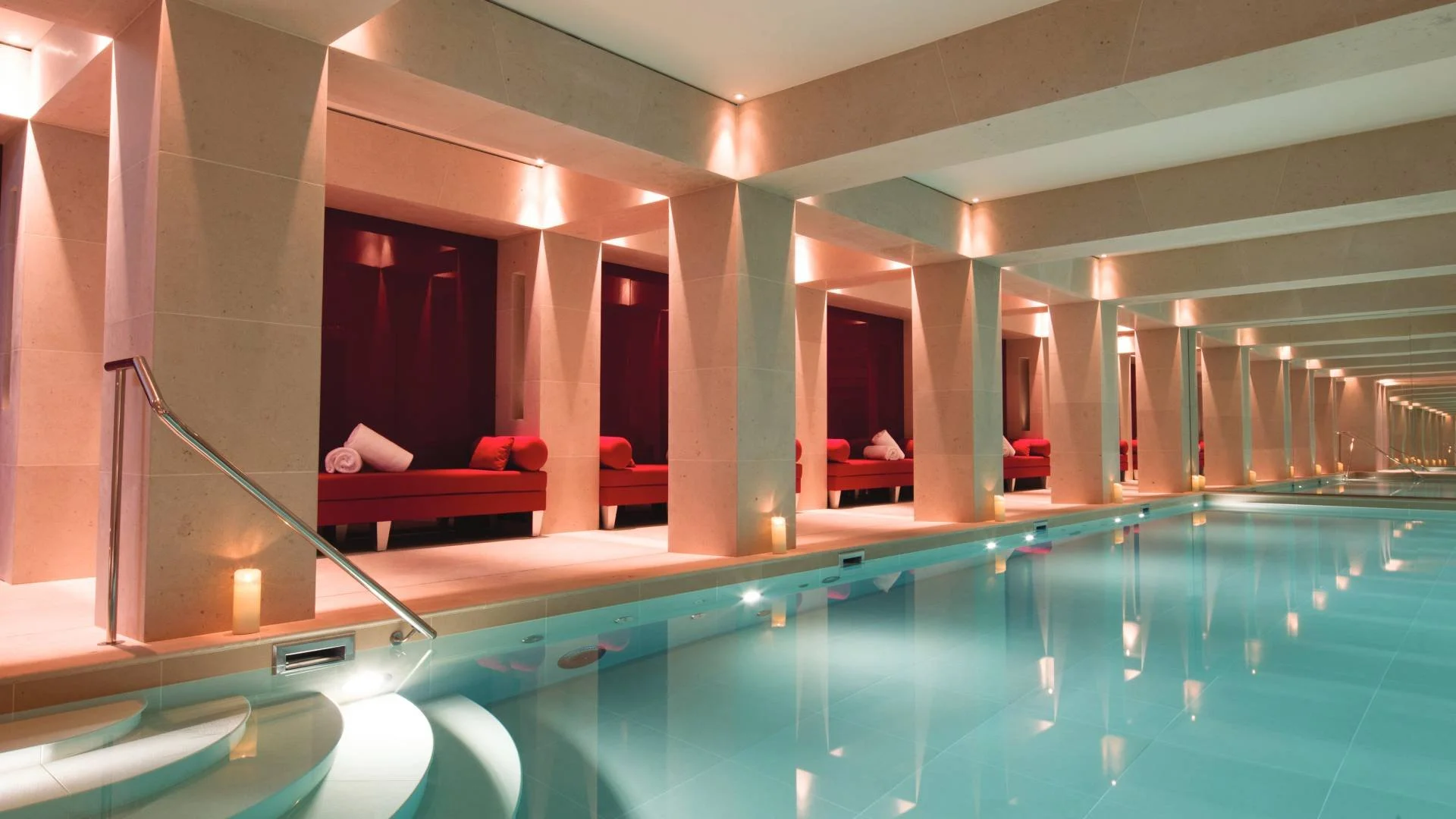
A 16-Meter Pool Beneath Avenue Gabriel
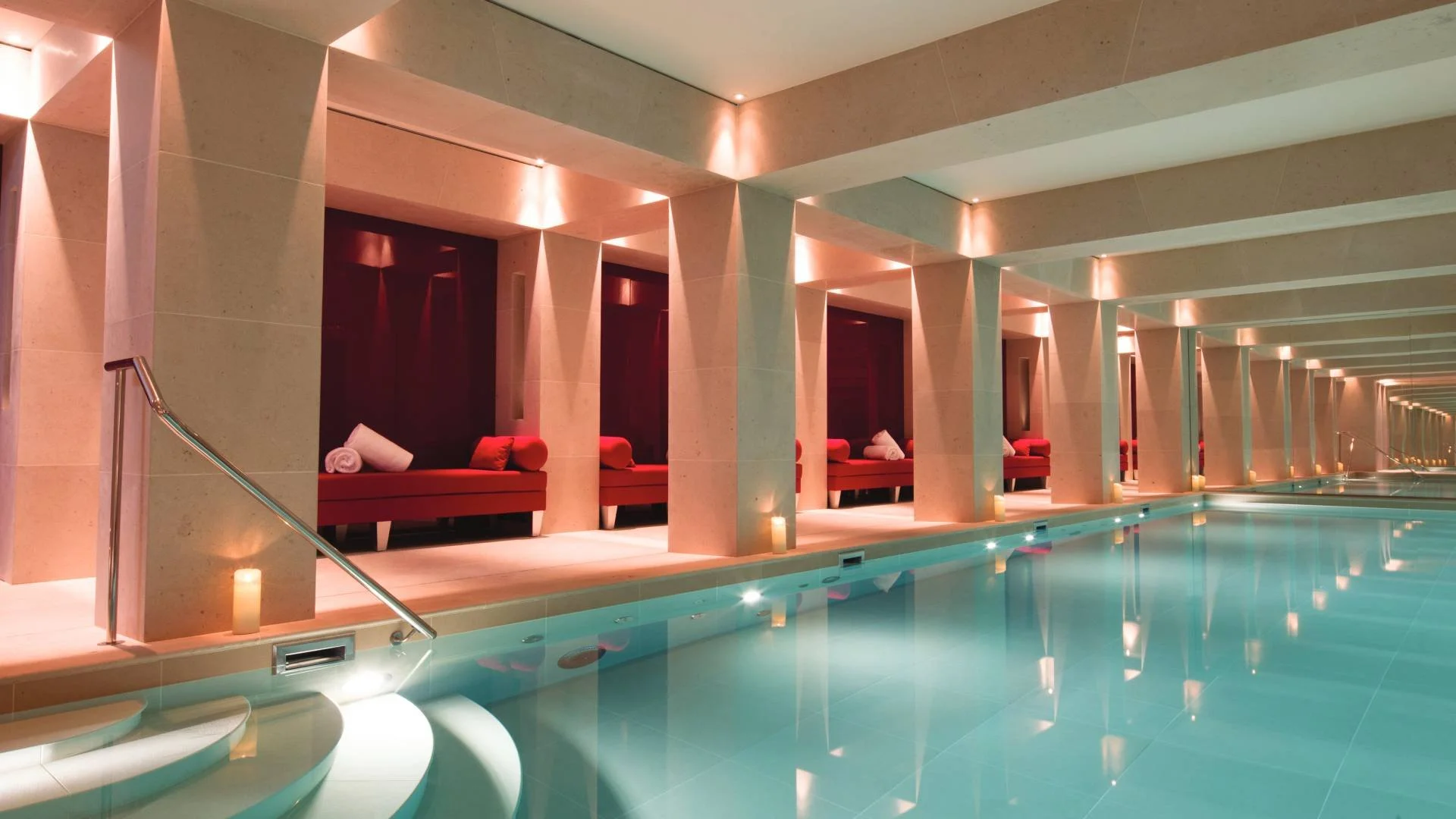
Spa Nescens gives La Réserve Paris one of its most unexpected physical features: a 16-meter indoor swimming pool beneath an otherwise compact urban mansion. The spa also includes a hammam, fitness studio and three treatment rooms, creating a wellness program substantial enough to support a full afternoon rather than merely a short treatment between appointments.
Nescens brings its Healthy Aging approach to facial and body care, with programs shaped by the brand’s links to preventive medicine and aging biology. Treatments range from massage and expert facial rituals to structured wellness and fitness programs, while the fitness offering includes personal training, Pilates, yoga and other movement sessions.
The pool and fitness center are reserved for hotel and apartment guests, private-class clients and spa members. Children under 16 must be accompanied by an adult and are welcomed at the pool before 10:00 a.m. and after 7:30 p.m., a useful scheduling detail for families.
Paris Through a Concierge Rather Than a Checklist
La Réserve’s experience program is less about maintaining a long menu of in-house activities and more about using its concierge team to open Paris in a highly personalized way. The central location makes many of the city’s most important museums, gardens, fashion houses and monuments accessible on foot, while the concierge can arrange more structured cultural, shopping and private experiences.
The Grand Palais and Petit Palais are close enough to shape an afternoon around a current exhibition. The Tuileries, Musée de l’Orangerie, Louvre and Musée d’Orsay can be linked through a longer walk, while Avenue Montaigne and Rue du Faubourg Saint-Honoré place major fashion houses within the same neighborhood.
The hotel has also used special programming to connect guests with Michel Reybier’s wider world, including wine-related experiences associated with Cos d’Estournel. These should be treated as seasonal or specifically arranged opportunities rather than permanent inclusions in every stay.
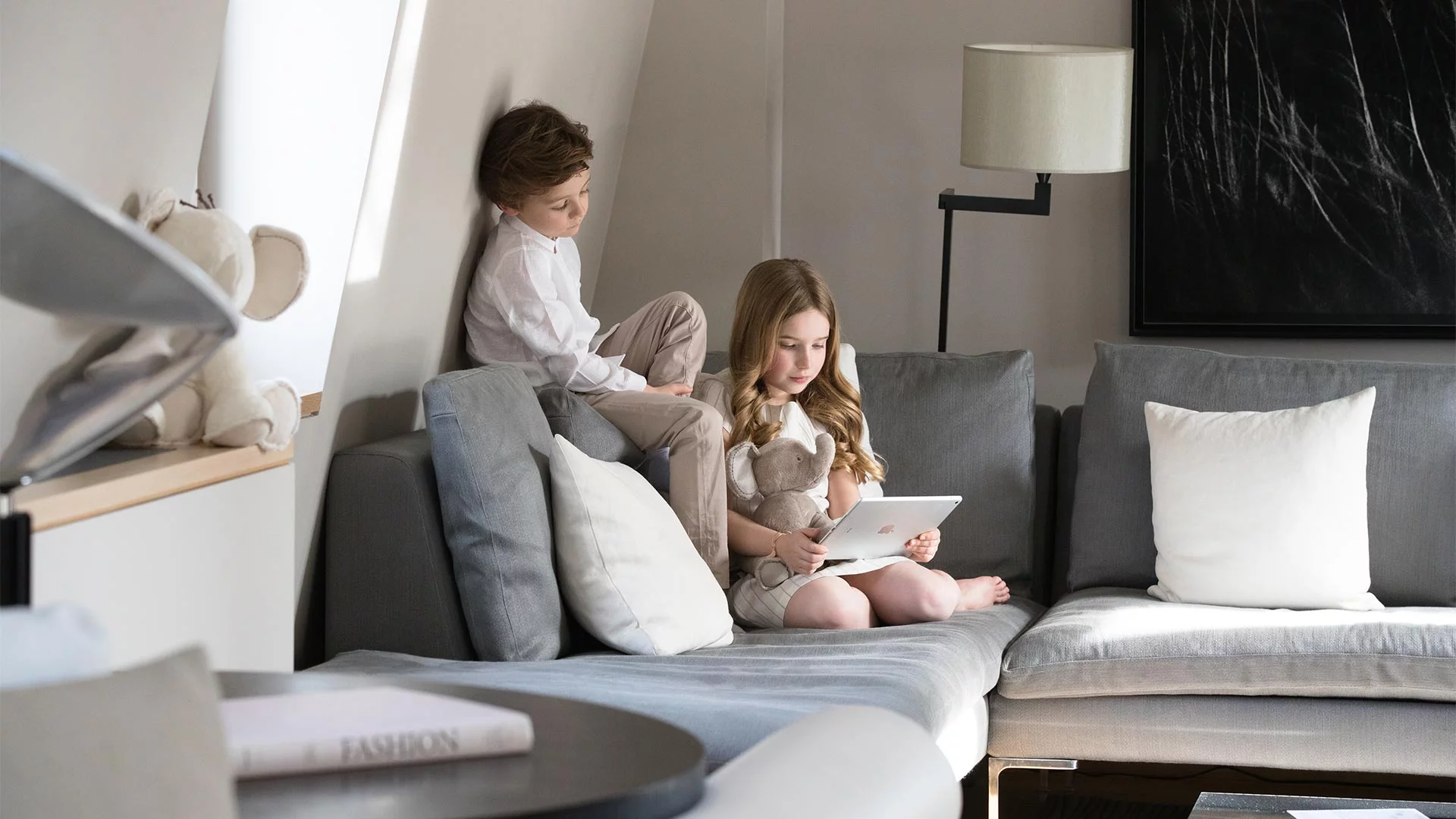
Children Are Treated as Residents, Too
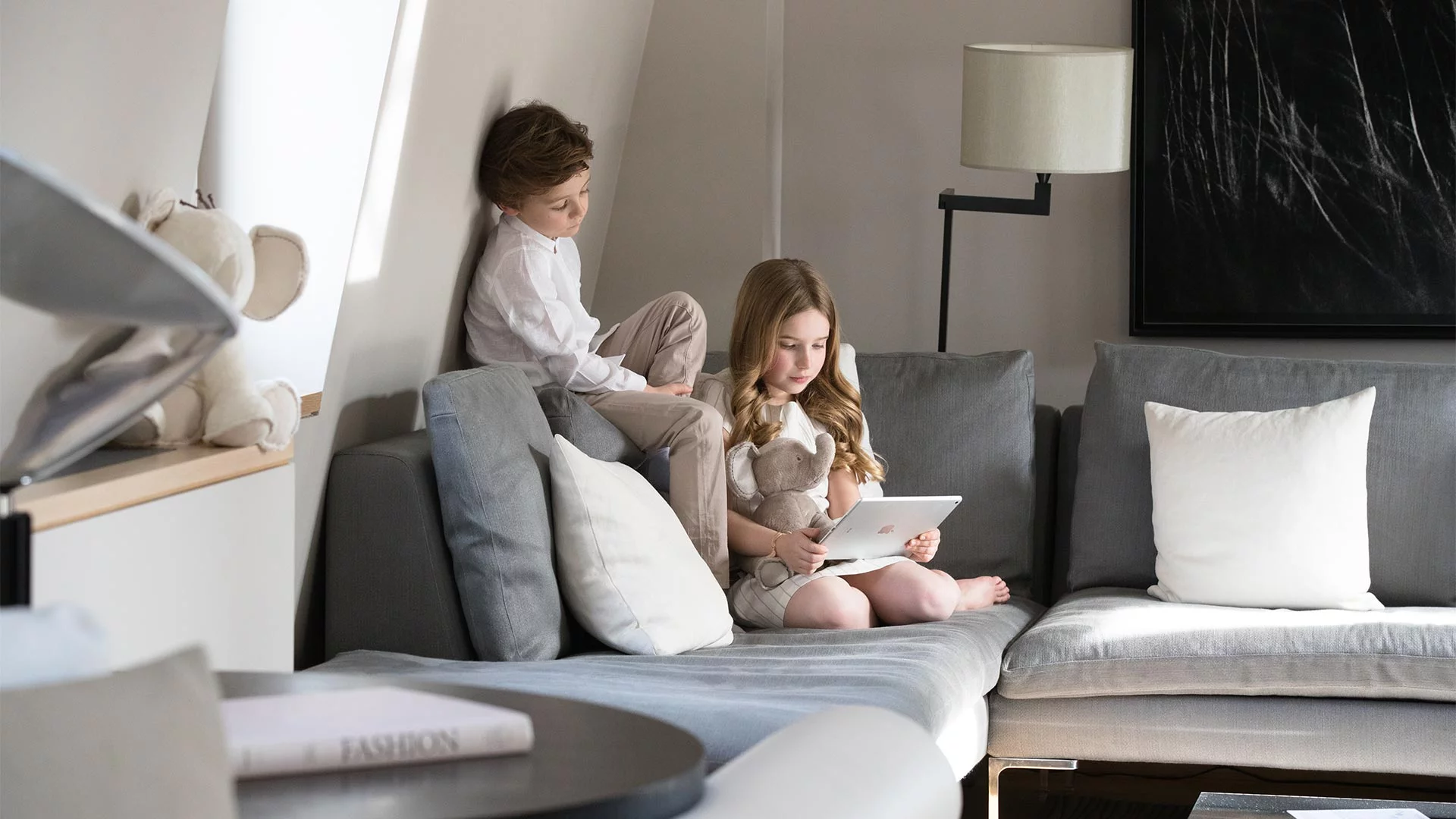
Despite its formal interiors, La Réserve Paris has a clearly developed family program. Connecting rooms are available, suitable furniture can be arranged, and children receive age-appropriate touches that may include personalized biscuits, pastries, a soft elephant toy, coloring materials and organic bath products.
Babysitting, room decoration, exhibitions, shows and guided visits can be arranged at additional cost. The concierge also suggests family days built around Paris itself – museums with children’s programming, miniature boats in the Tuileries Garden, Seine outings and nearby cultural attractions – rather than relying on a conventional kids’ club.
The indoor pool is a major advantage for families, particularly in poor weather, although children under 16 are restricted to designated morning and evening swimming windows and must be accompanied by an adult. Larger suites and connecting rooms provide the most practical layouts for parents traveling with children.
Environmental Claims Kept in Proportion
La Réserve Paris does not currently publish a detailed property-level sustainability report on its main hotel website with the kind of measurable energy, water, waste and carbon data needed to support sweeping environmental claims. For that reason, it is better to avoid language suggesting carbon neutrality, zero waste or independent environmental certification unless current documentation is supplied directly by the hotel.
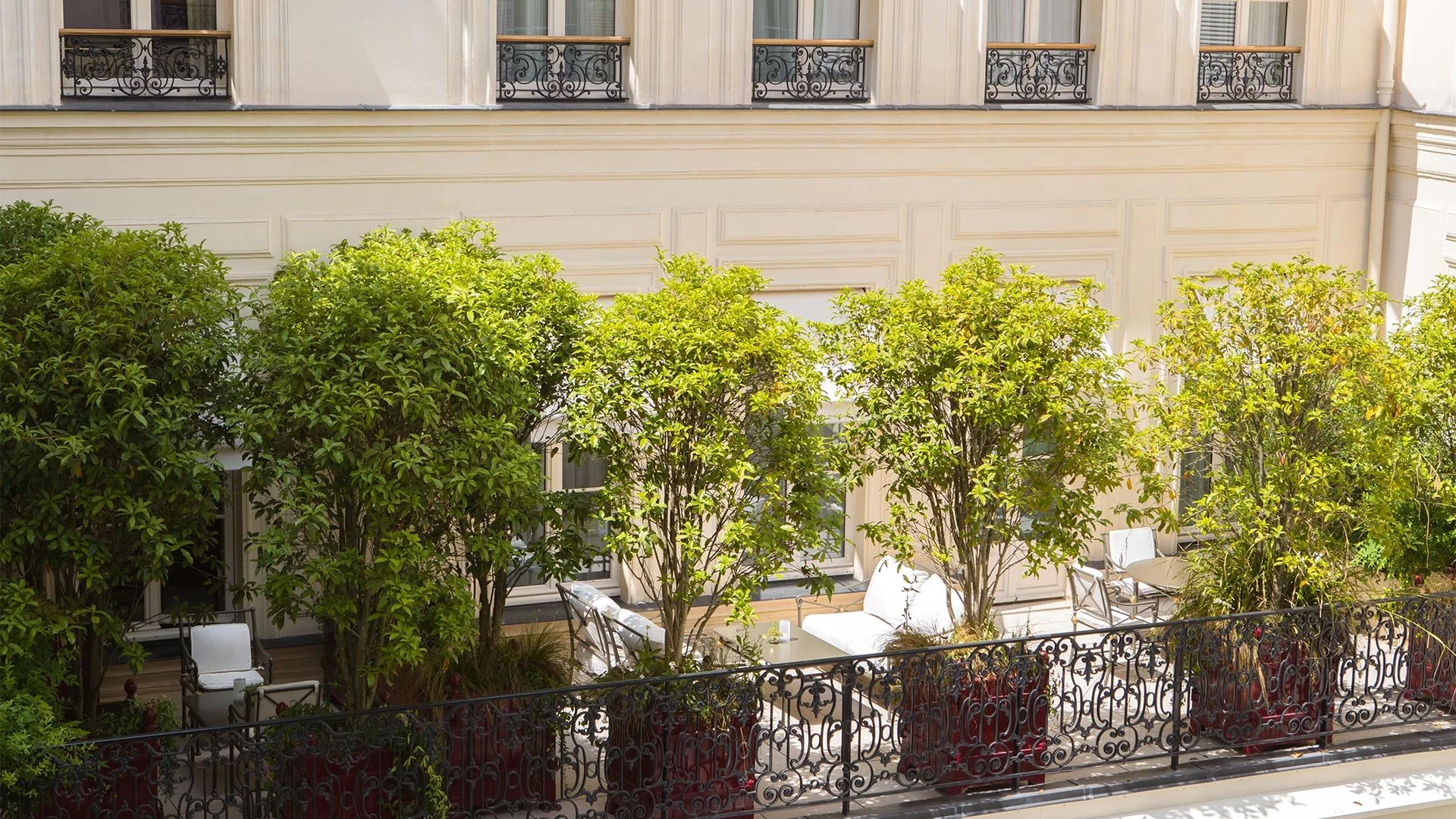
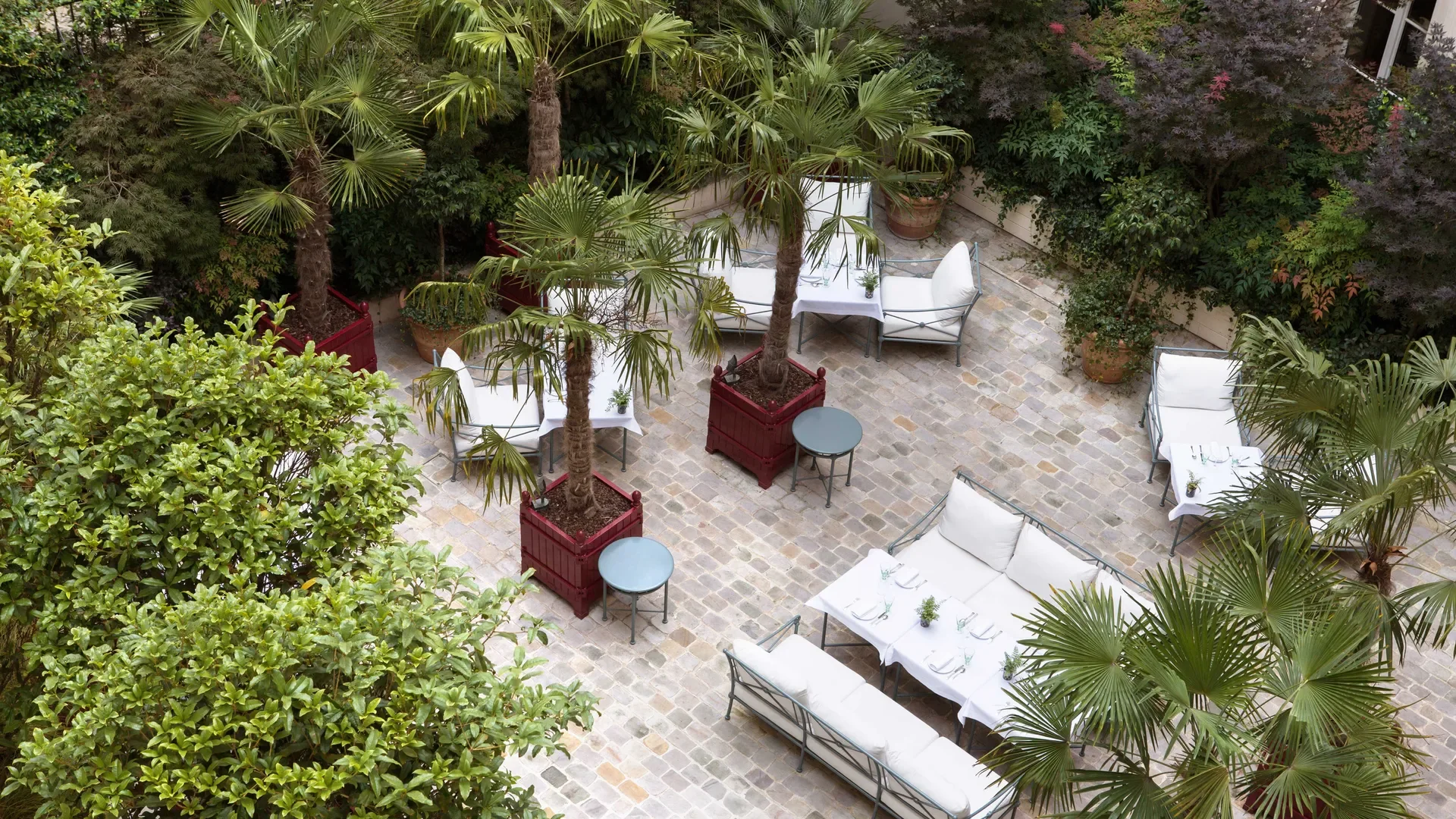
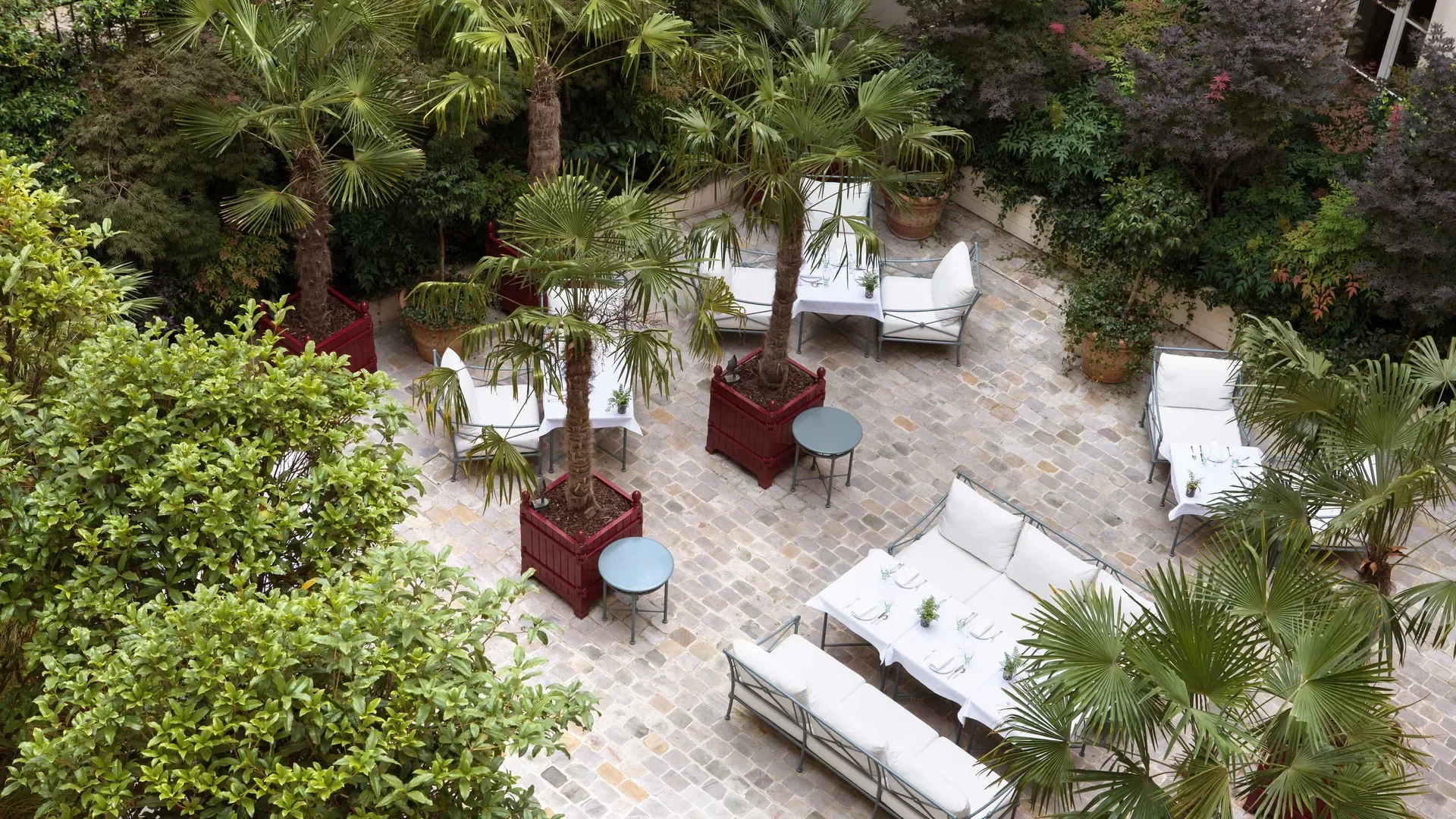
The property’s compact scale and central location can reduce the need for daily car transfers once guests are in Paris. Major museums, gardens, shopping streets and monuments are within walking distance, and the hotel’s courtyard and seasonal terraces incorporate established greenery into a dense urban setting. Those qualities are useful context but should not be presented as substitutes for verified environmental performance.
Travelers for whom sustainability is a deciding factor should request current information on energy systems, water use, sourcing, food waste, linen practices and any group-level targets from Michel Reybier Hospitality before drawing broader conclusions.
Accessibility in a Historic Mansion
La Réserve Paris states that the hotel provides access for people with reduced mobility and that its rooms and suites can be adapted with workspaces including an adapted desk, printer and additional screen. This is encouraging for a nineteenth-century building where heritage architecture could otherwise create complications.
Specific mobility requirements should still be confirmed before booking. Travelers may wish to verify the exact accessible room configuration, bathroom layout, shower access, bed clearance, lift dimensions and step-free route between the entrance, restaurants, spa and guestroom floor. The property’s compact scale can simplify movement, but it should not be assumed that every historic space has identical access.
Because the hotel is in France, accessibility should be discussed in terms of the property’s actual features and French reduced-mobility provisions rather than applying a blanket U.S. ADA label.
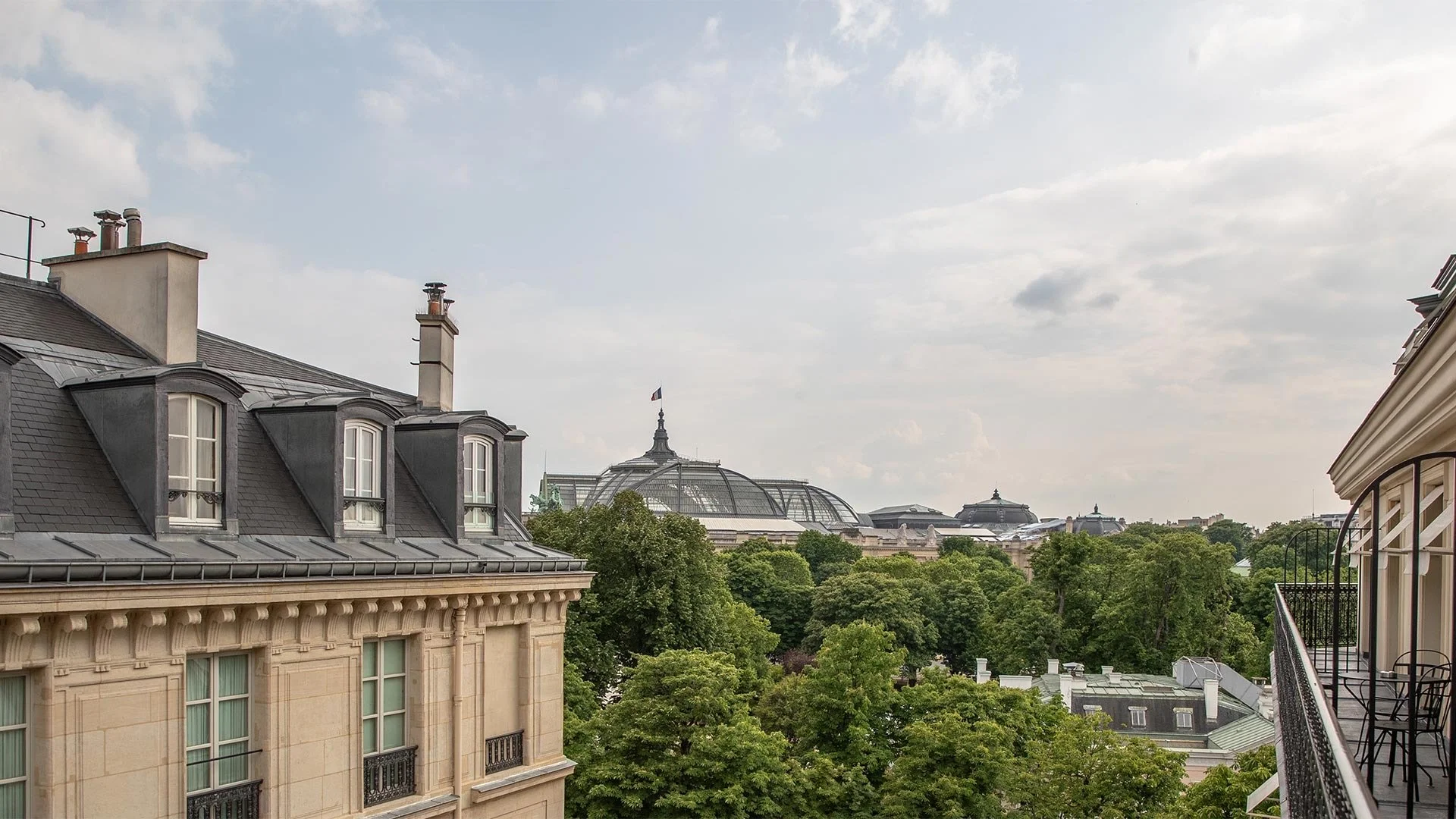
The Grand Palais at the End of the Street
The immediate neighborhood is one of the hotel’s strongest assets. Avenue Gabriel runs along the gardens bordering the Champs-Élysées, placing La Réserve between several different versions of Paris: the monumental axis of Place de la Concorde, the luxury-shopping streets of the Golden Triangle, the exhibition halls of the Grand Palais and the quieter gardens and avenues surrounding the Élysée Palace.
The Grand Palais and Petit Palais are close by, while Pont Alexandre III opens toward Les Invalides across the Seine. A longer walk reaches the Tuileries Garden, Musée de l’Orangerie and Louvre in one direction, or the Arc de Triomphe in the other. Avenue Montaigne and Rue du Faubourg Saint-Honoré offer a different kind of cultural geography, defined by couture, jewelry and Parisian retail institutions.
That walkability changes the way the hotel works. Guests can leave for an exhibition, lunch or appointment without turning every movement into a formal transfer, then return to a property that feels markedly quieter than the avenues surrounding it.
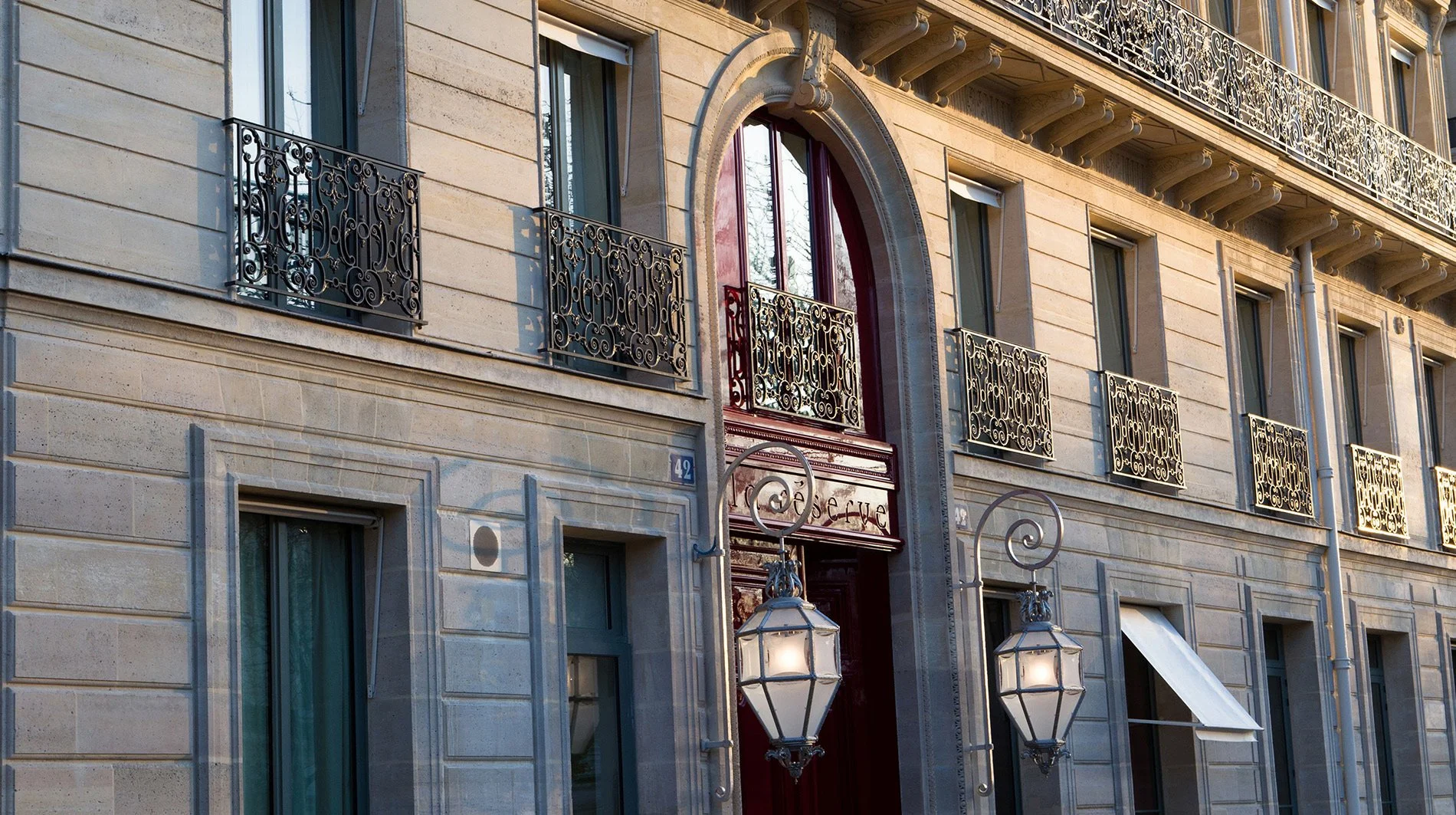
Arriving at 42 Avenue Gabriel
Paris Charles de Gaulle Airport (CDG): Allow approximately 40–70 minutes by car in ordinary conditions, with longer transfers possible during peak traffic; the hotel can coordinate private transportation in advance.
Paris Orly Airport (ORY): The road journey is commonly around 30–50 minutes depending on traffic, making Orly a convenient option for many European and regional arrivals.
Paris–Le Bourget Airport (LBG): Private-aviation travelers can reach the hotel from Le Bourget in approximately 30–45 minutes in favorable conditions, although Paris traffic remains the principal variable.
Hotel-Arranged Transfers: Chauffeured airport and station transfers can be coordinated through the concierge, particularly useful for guests arriving with substantial luggage or tight schedules.
Within Paris: Once at the hotel, many of the 8th arrondissement’s principal sights, shops and museums are accessible on foot, reducing the need for a car for everyday sightseeing.
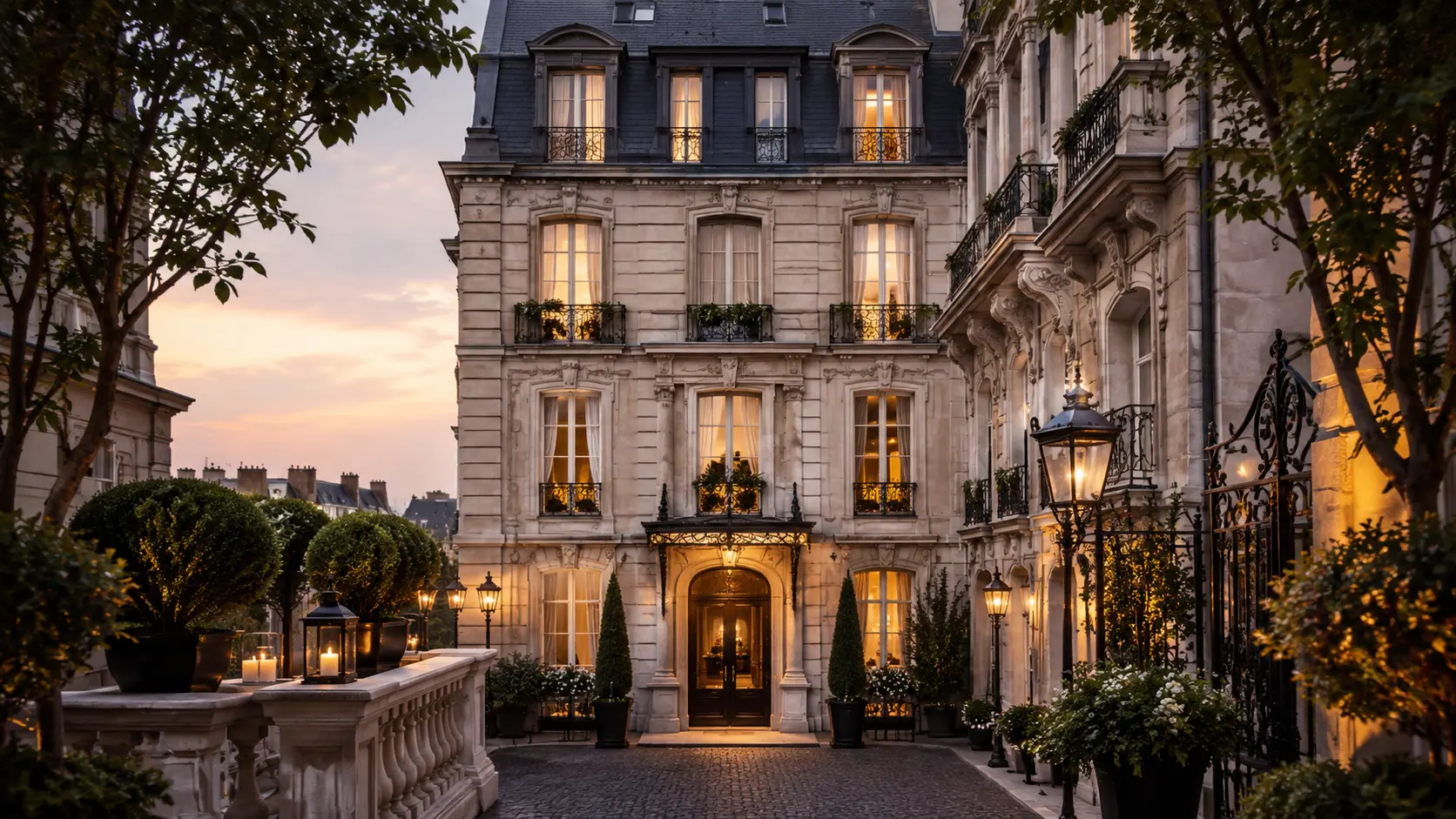
A Palace That Behaves Like a Private Home
La Réserve Paris succeeds because it does not attempt to compete with larger Paris palaces on scale. Its forty rooms and suites, small public rooms and residential service model produce a different rhythm – one closer to staying in an exceptionally staffed private mansion than moving through a grand hotel.
The history of the building gives that idea credibility. The address began as a private residence, and Jacques Garcia’s interiors deliberately preserve the sense of layered domestic spaces rather than replacing them with a contemporary luxury template. The result feels especially coherent in the library, suites and upper-floor rooms where the city appears beyond fireplaces, silk walls and balcony doors.
Le Gabriel’s three Michelin Stars, Spa Nescens and the indoor pool give the hotel substantial reasons to remain inside, but its location makes staying indoors equally unnecessary. The Grand Palais, Tuileries, Avenue Montaigne and Place de la Concorde sit close enough that Paris becomes an extension of the property rather than a destination reached after leaving it.