Paris, France | Le Bristol Paris
A Garden Behind the Faubourg Saint-Honoré
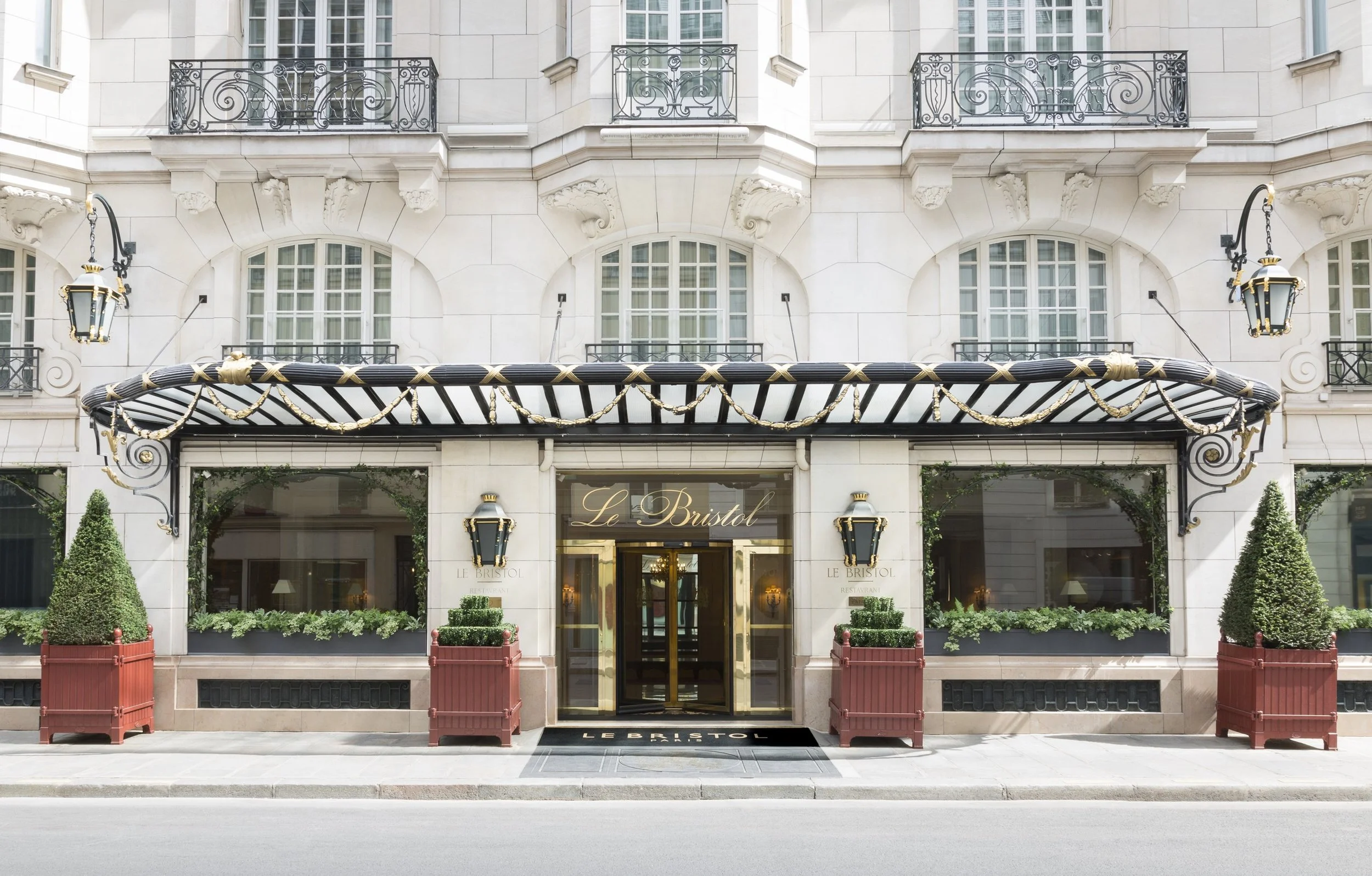
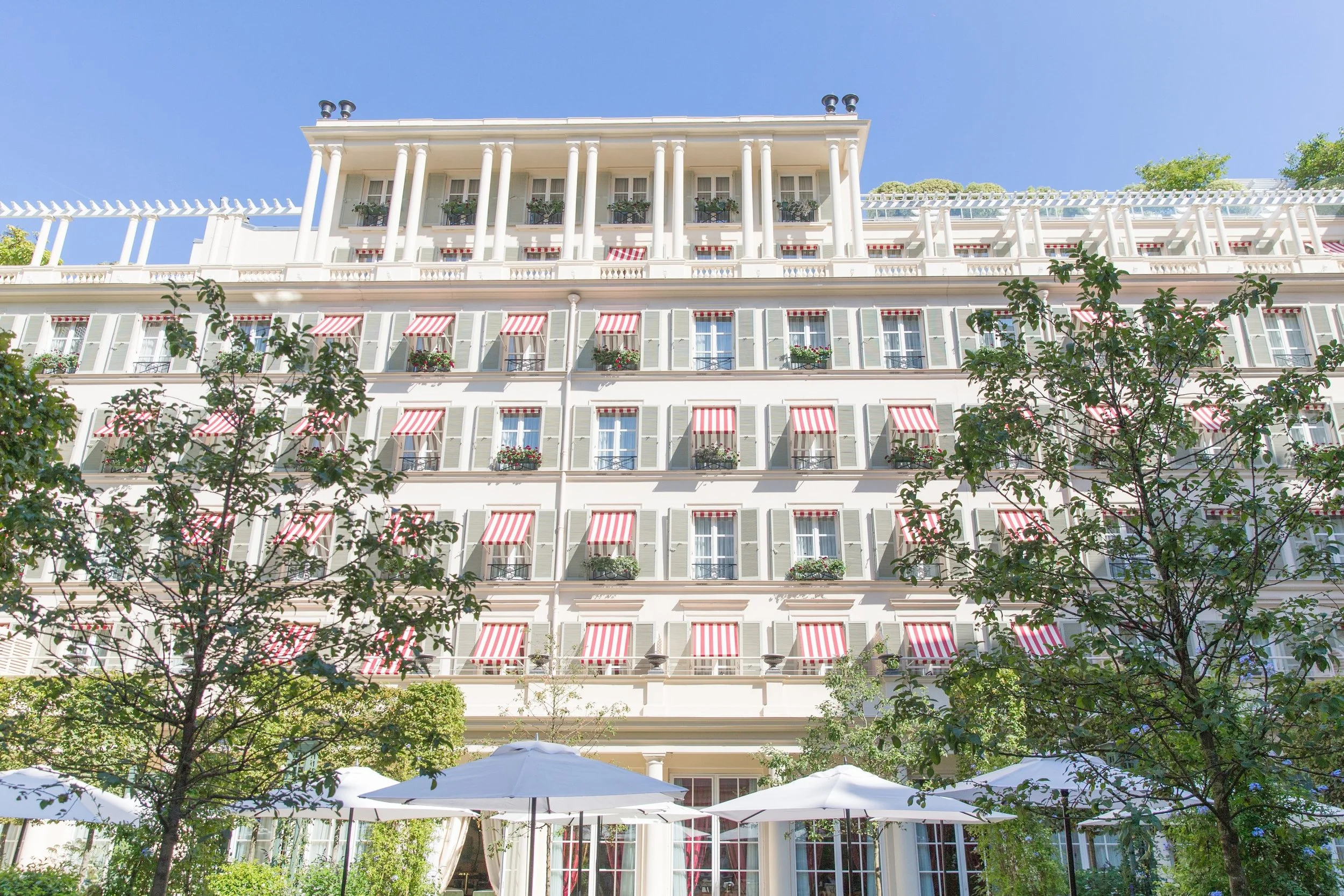
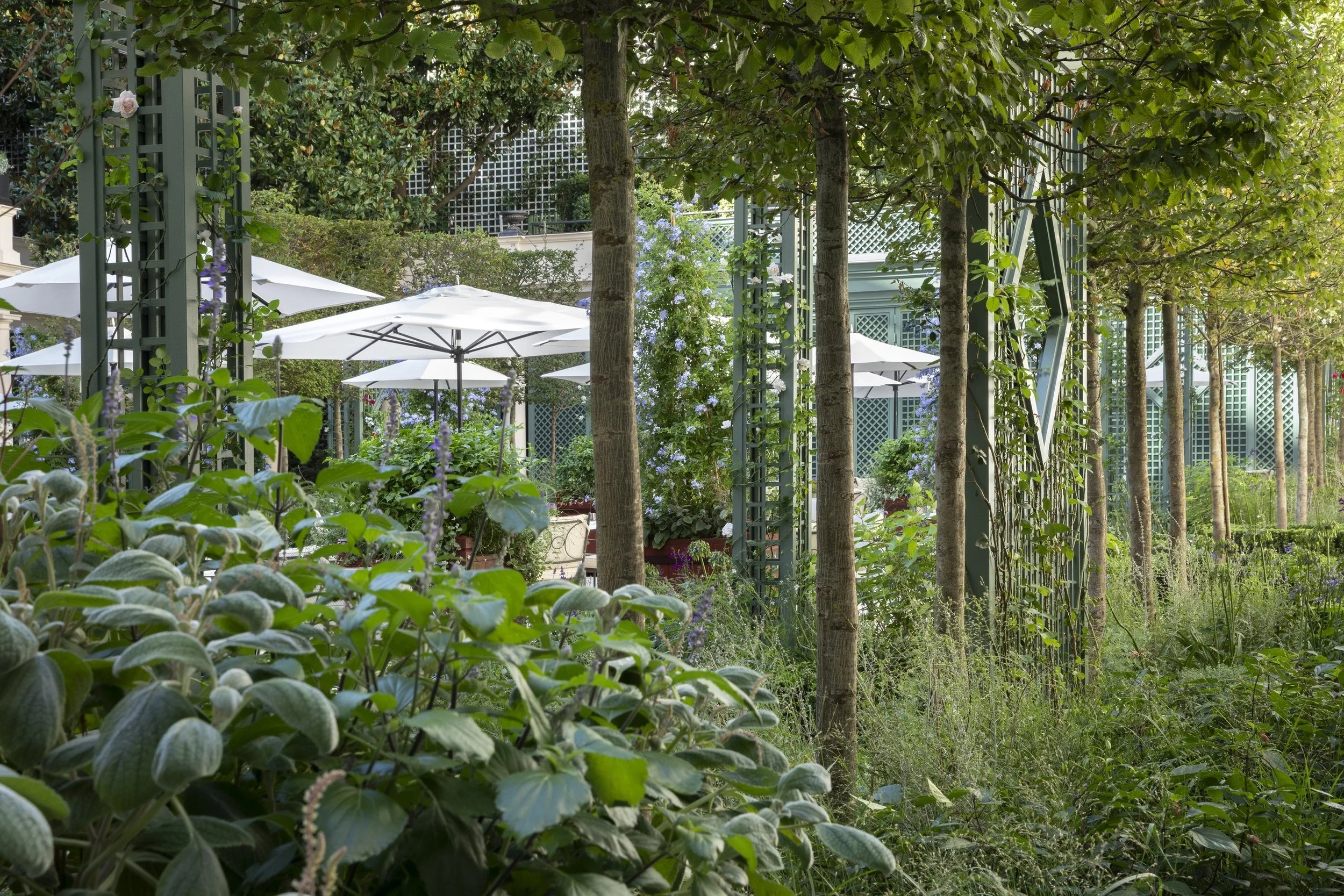
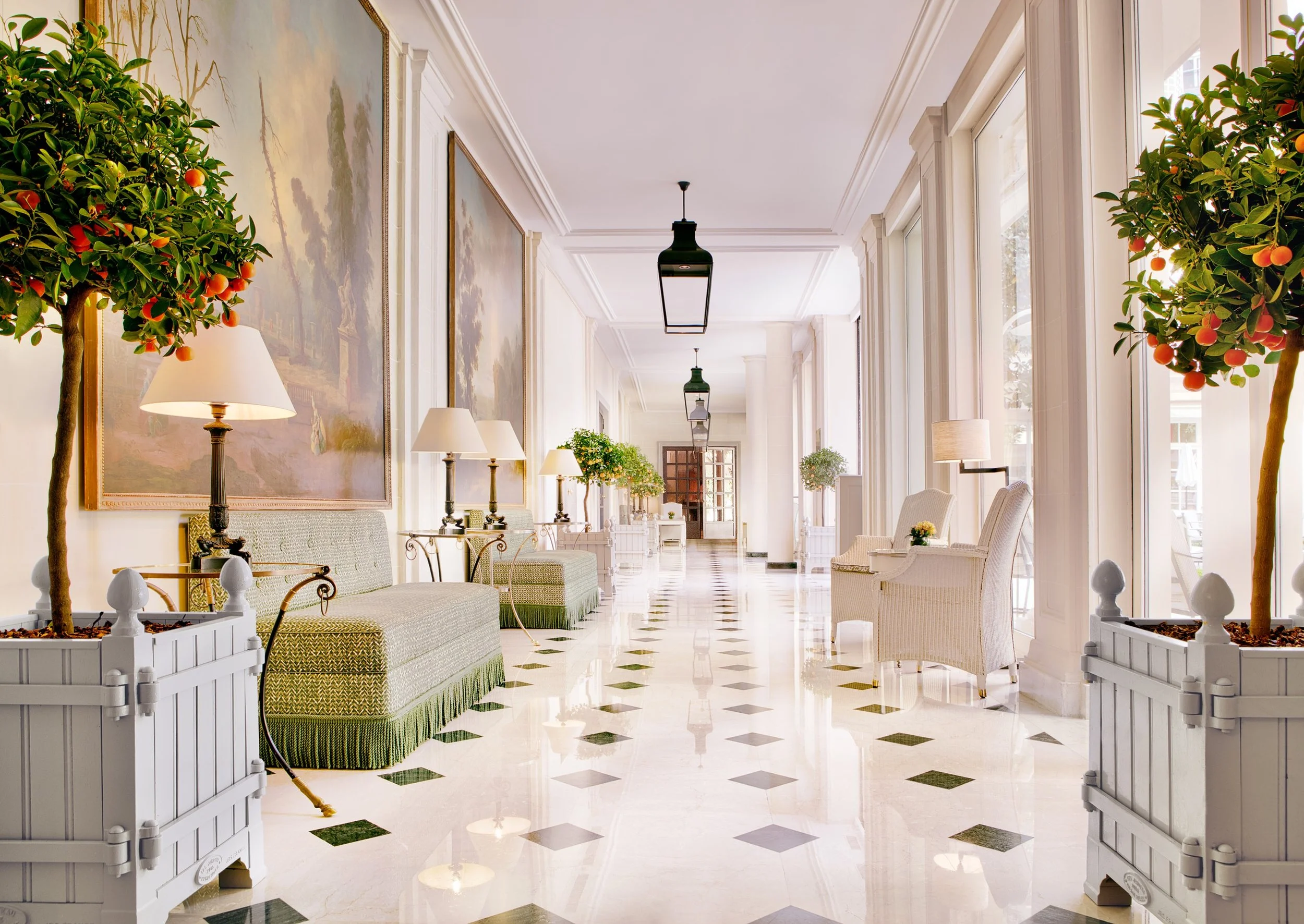
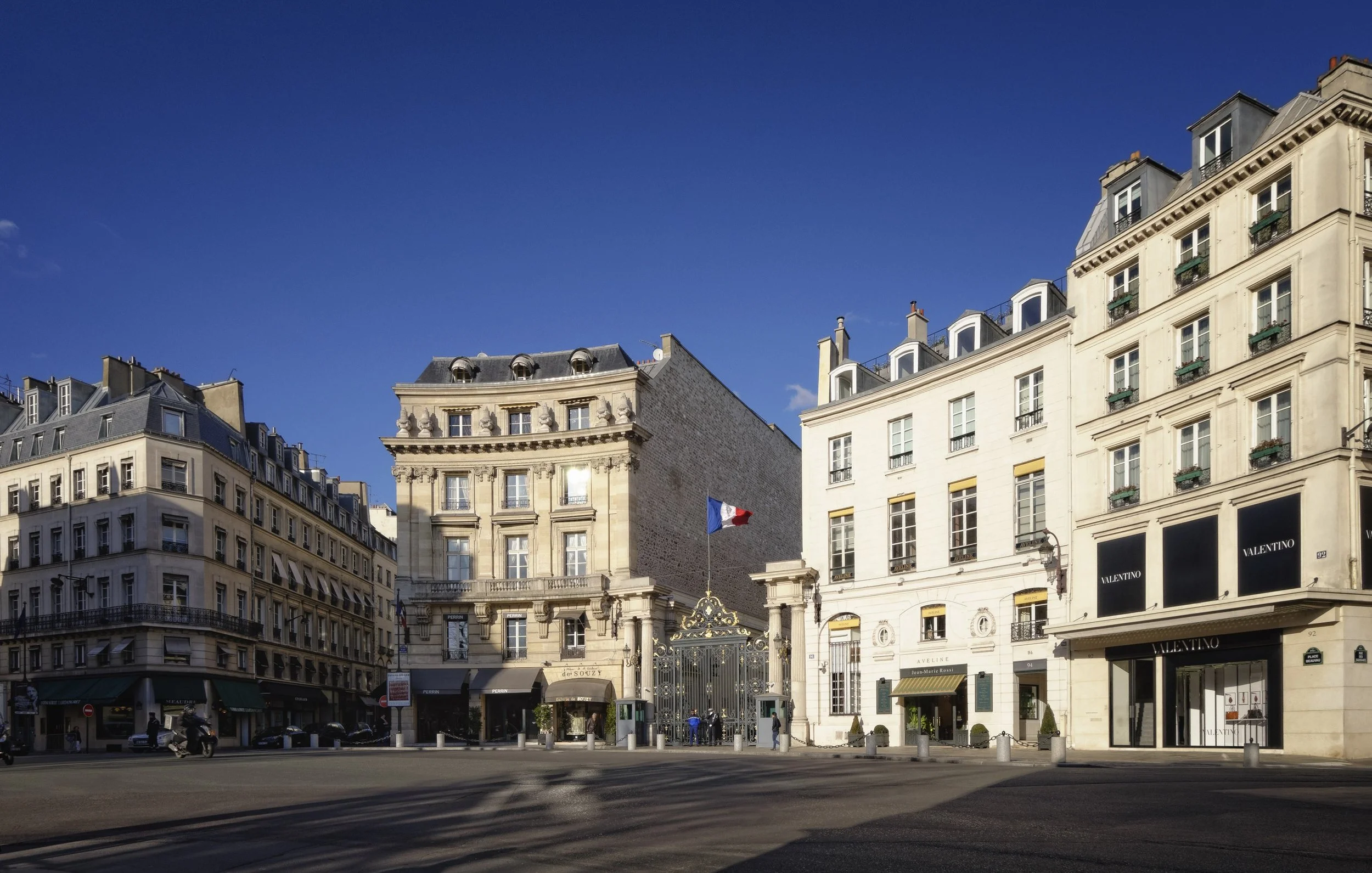
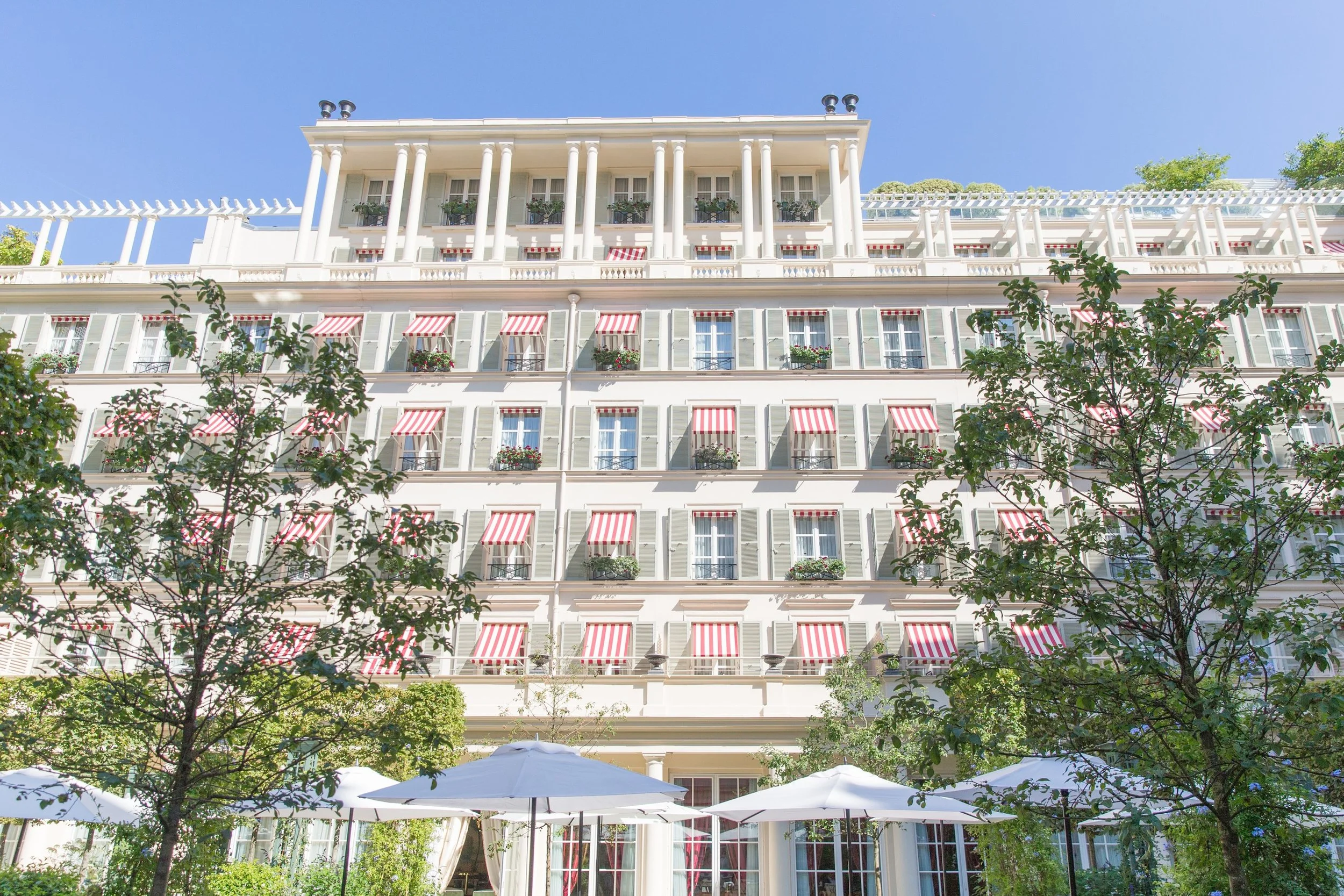
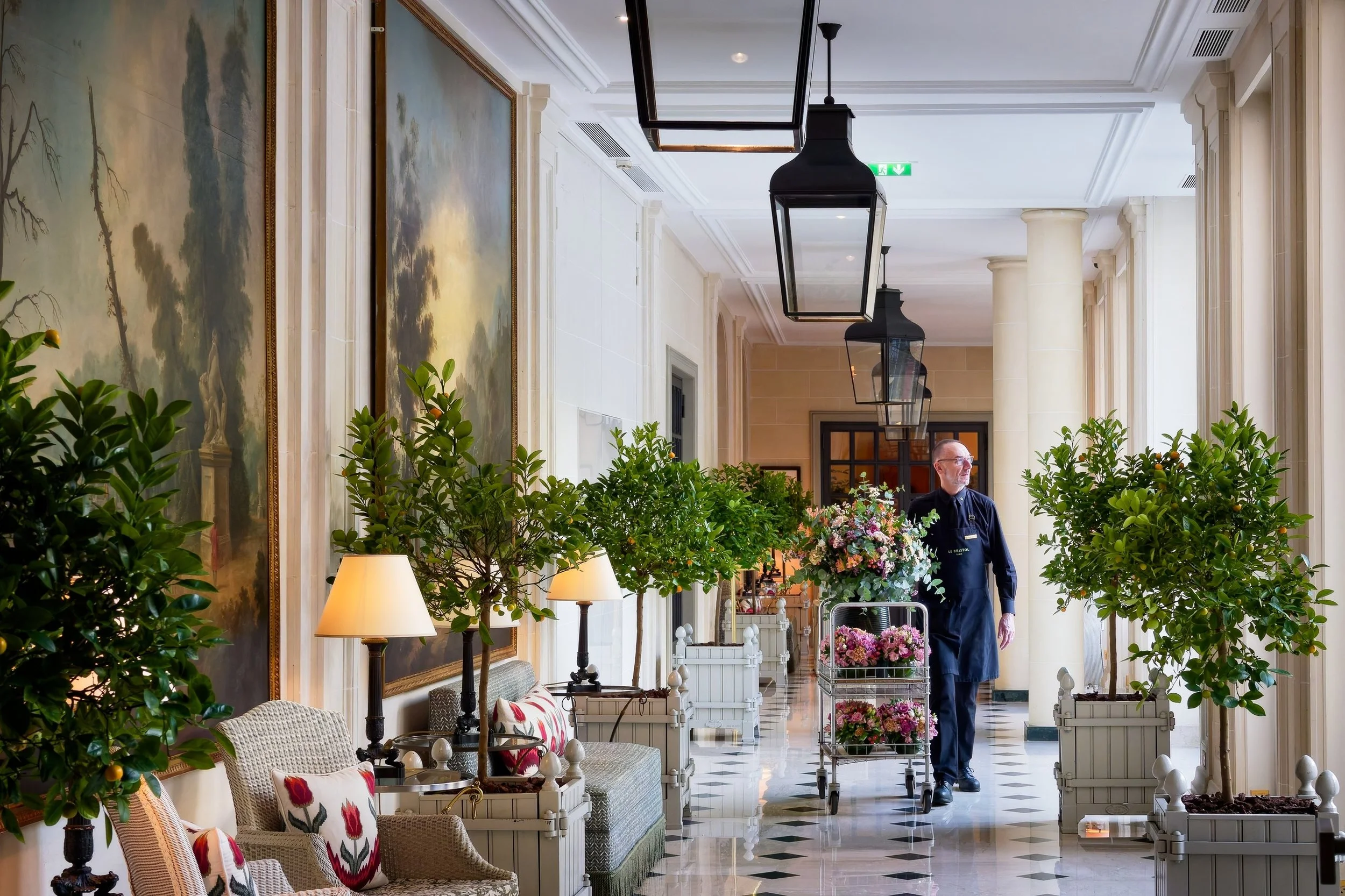
Le Bristol Paris offers two versions of the city at the same address. Outside, rue du Faubourg Saint-Honoré connects fashion houses, galleries and the diplomatic world around the Élysée Palace. Inside, a garden interrupts the density of the eighth arrondissement, giving breakfast, an afternoon conversation or the view from a bedroom a surprisingly leafy backdrop.
That relationship between city and retreat explains much of the hotel’s appeal. Le Bristol suits travelers who want to spend their days in Paris without treating the hotel simply as somewhere to sleep. Its restaurants, artisan food workshops, indoor rooftop pool and substantial collection of suites make returning in the afternoon part of the pleasure.
The atmosphere is unmistakably French and comfortably traditional: patterned fabrics, antique furnishings, polished service and rooms with individual identities. Yet the hotel continues to evolve, introducing contemporary artists, redesigned suites and new culinary direction. For couples, families and travelers planning a longer stay, the strongest reason to choose Le Bristol is the combination of a useful Right Bank address and a house with enough character to become part of the trip itself.
The Jammet Family’s Ambition, a Century On
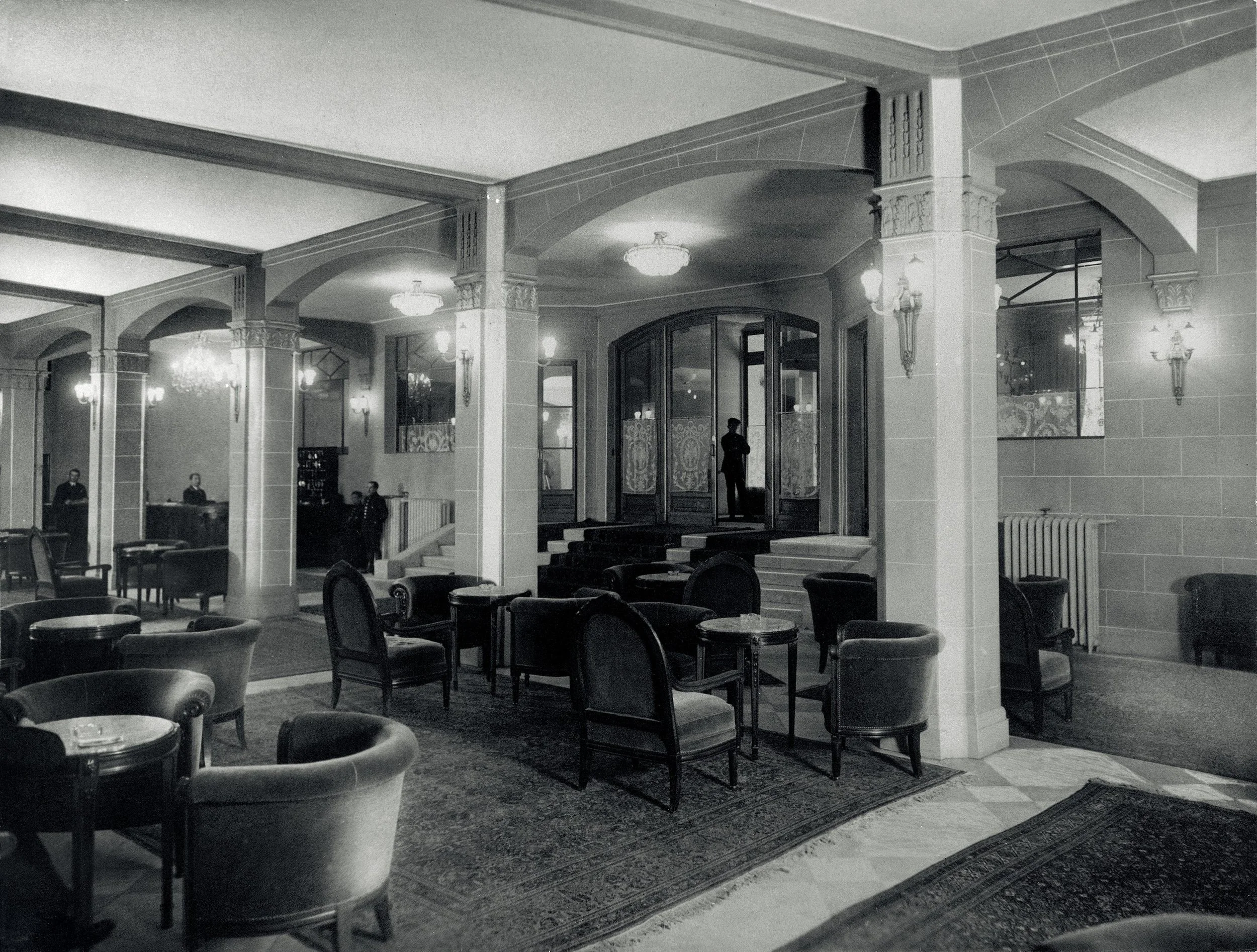
Hippolyte Jammet acquired the former property of Jules de Castellane in 1923 and opened Le Bristol in April 1925. The name honored Frederick Hervey, the fourth Earl of Bristol, an eighteenth-century traveler whose name became associated with European hospitality.
The timing placed the hotel in the Paris of the Roaring Twenties, when fashion, music and the visual arts were reshaping the capital. Its location grew increasingly relevant as the Faubourg developed into one of the city’s defining luxury-shopping streets.
In June 1940, the hotel housed the American Embassy and American nationals, remaining among the luxury hotels that escaped requisition. The Jammet family’s stewardship continued until Rudolf Oetker acquired Le Bristol in 1978, beginning the family ownership that links it to properties including Hôtel du Cap-Eden-Roc.
The centenary in 2025 became an opportunity for renewal. The hotel’s latest signature suites demonstrate how that process works: retaining French decorative traditions while introducing commissioned art, more ambitious outdoor spaces and private wellness facilities. The history remains visible, but it does not require the hotel to stand still.
French Decorative Arts With Room to Breathe
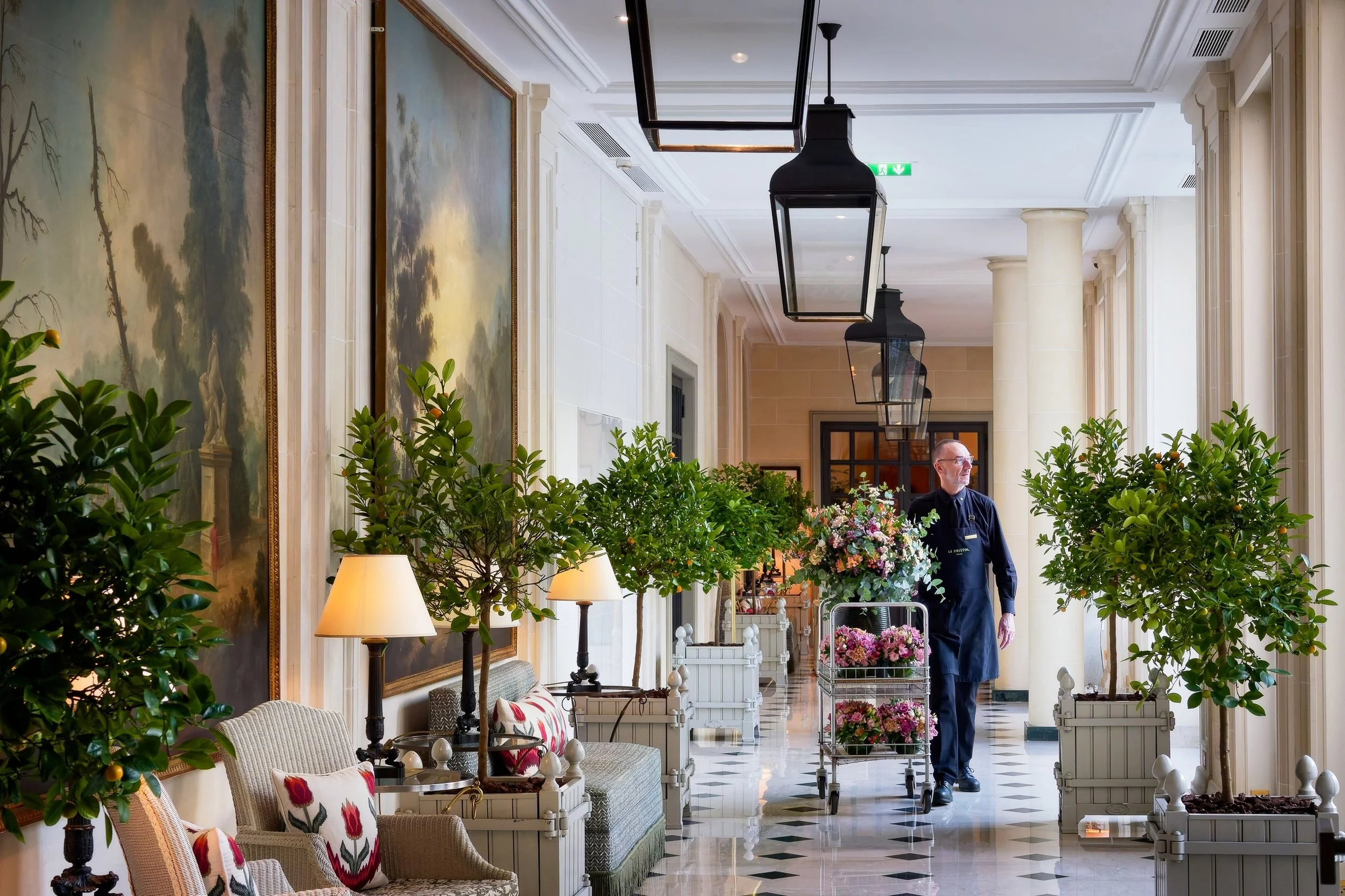
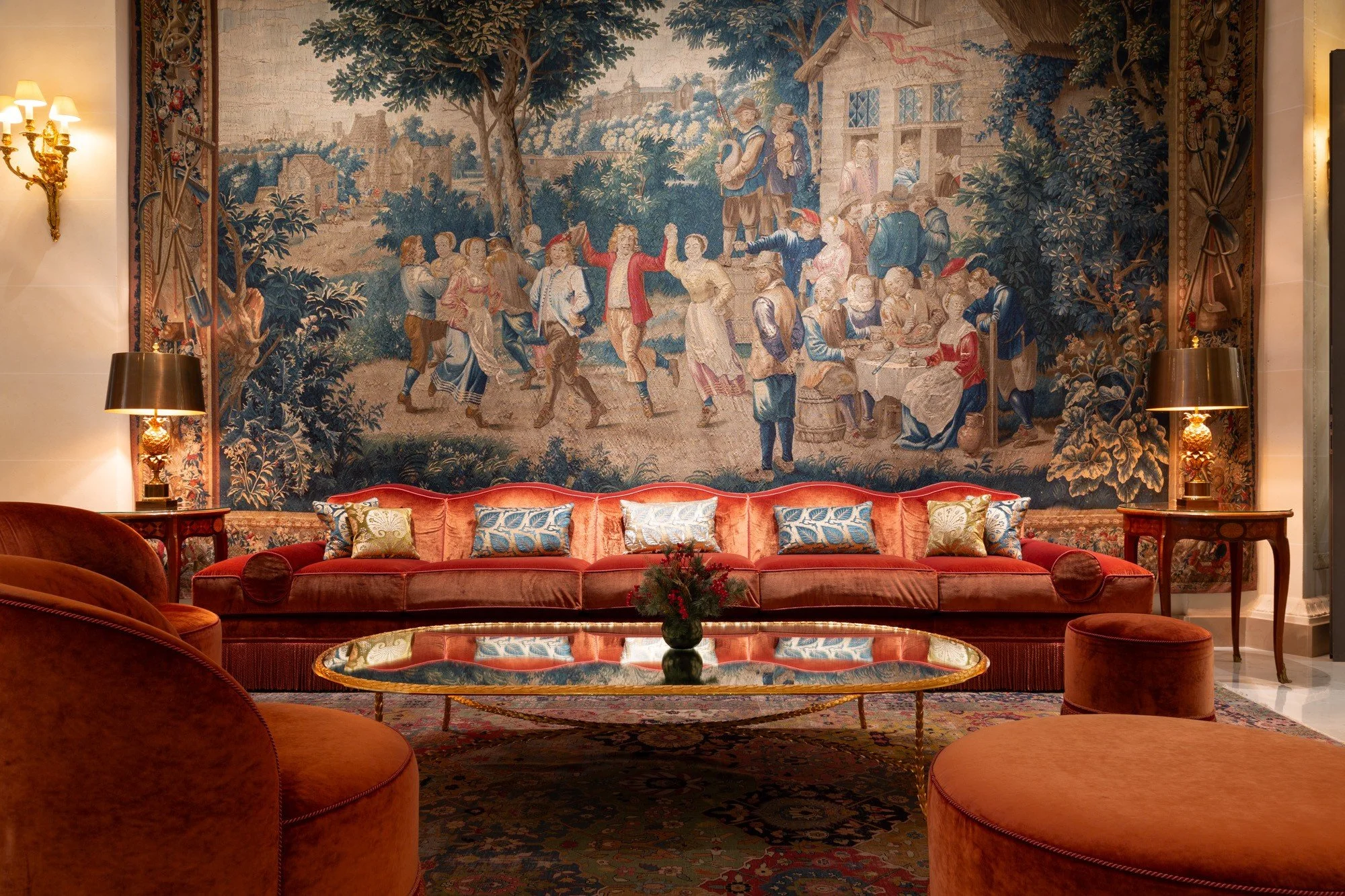
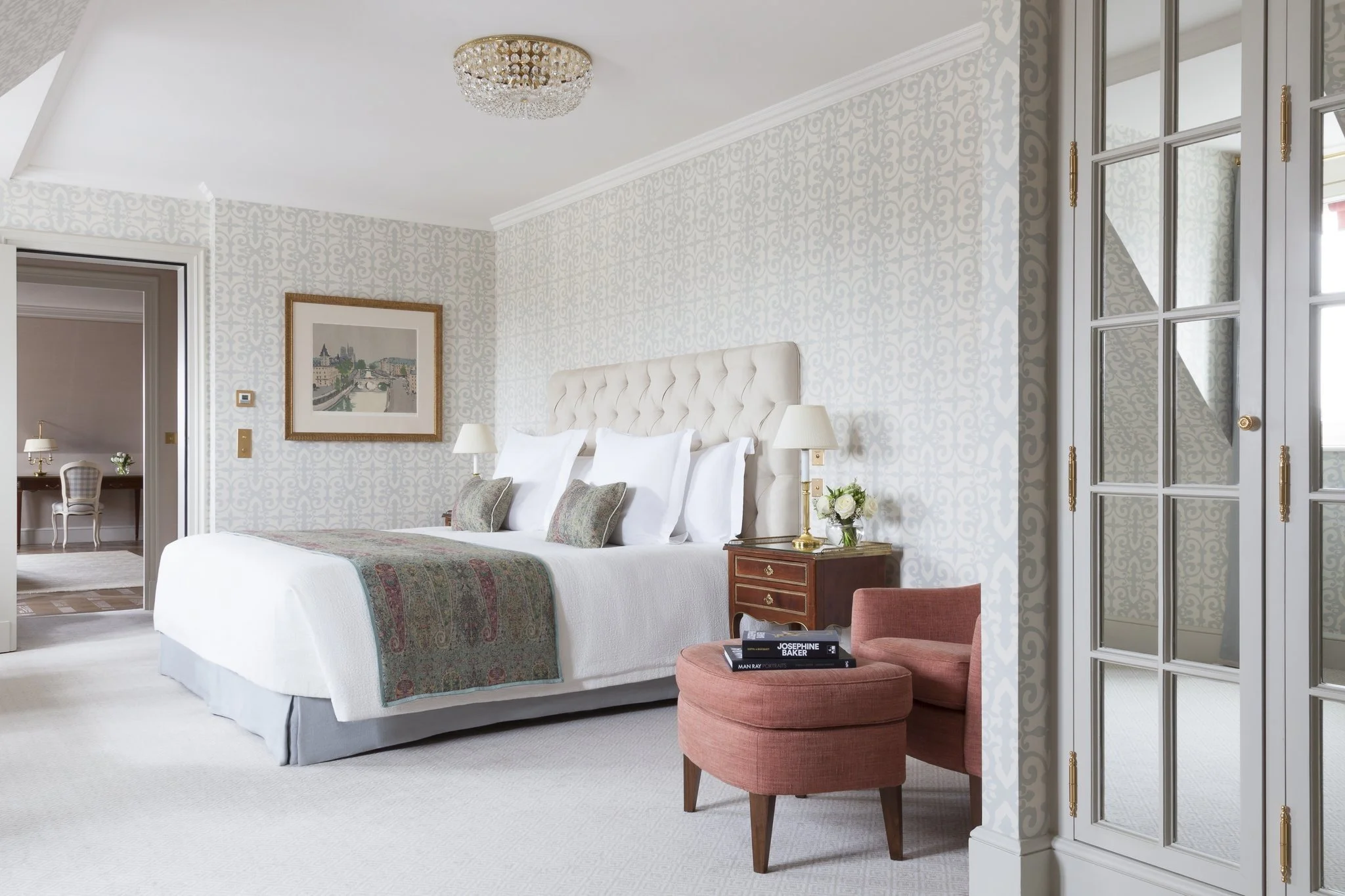
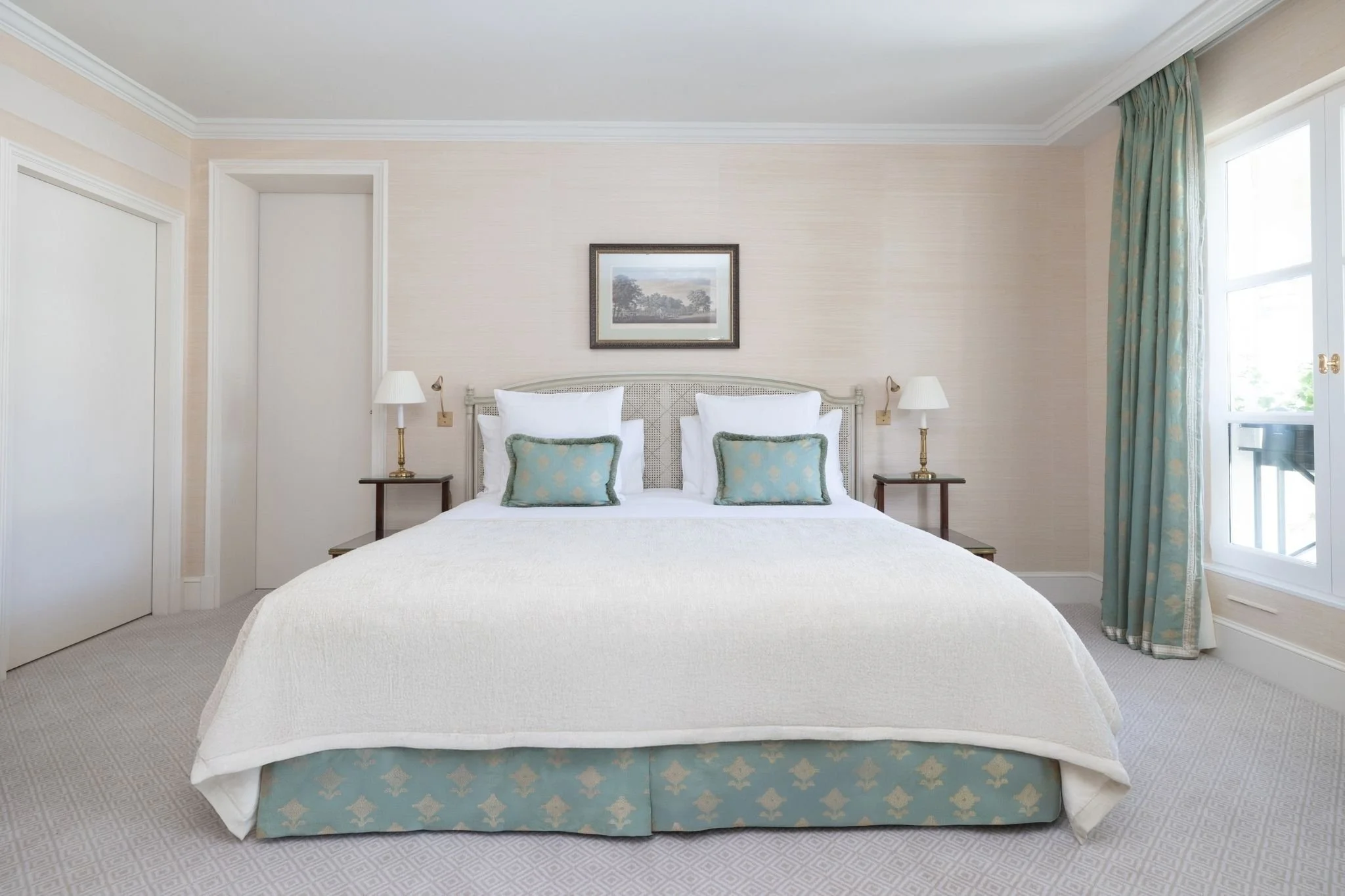
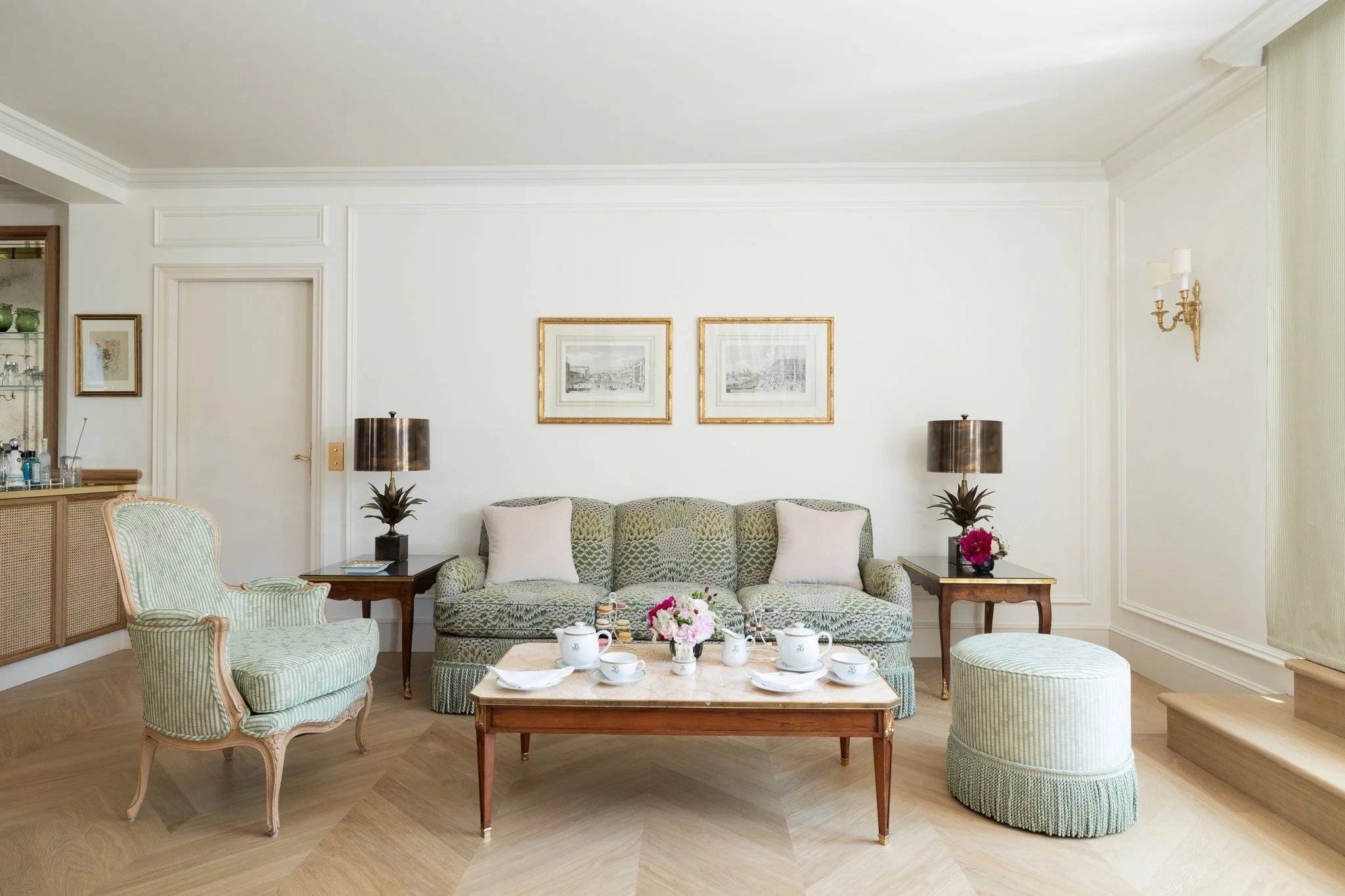
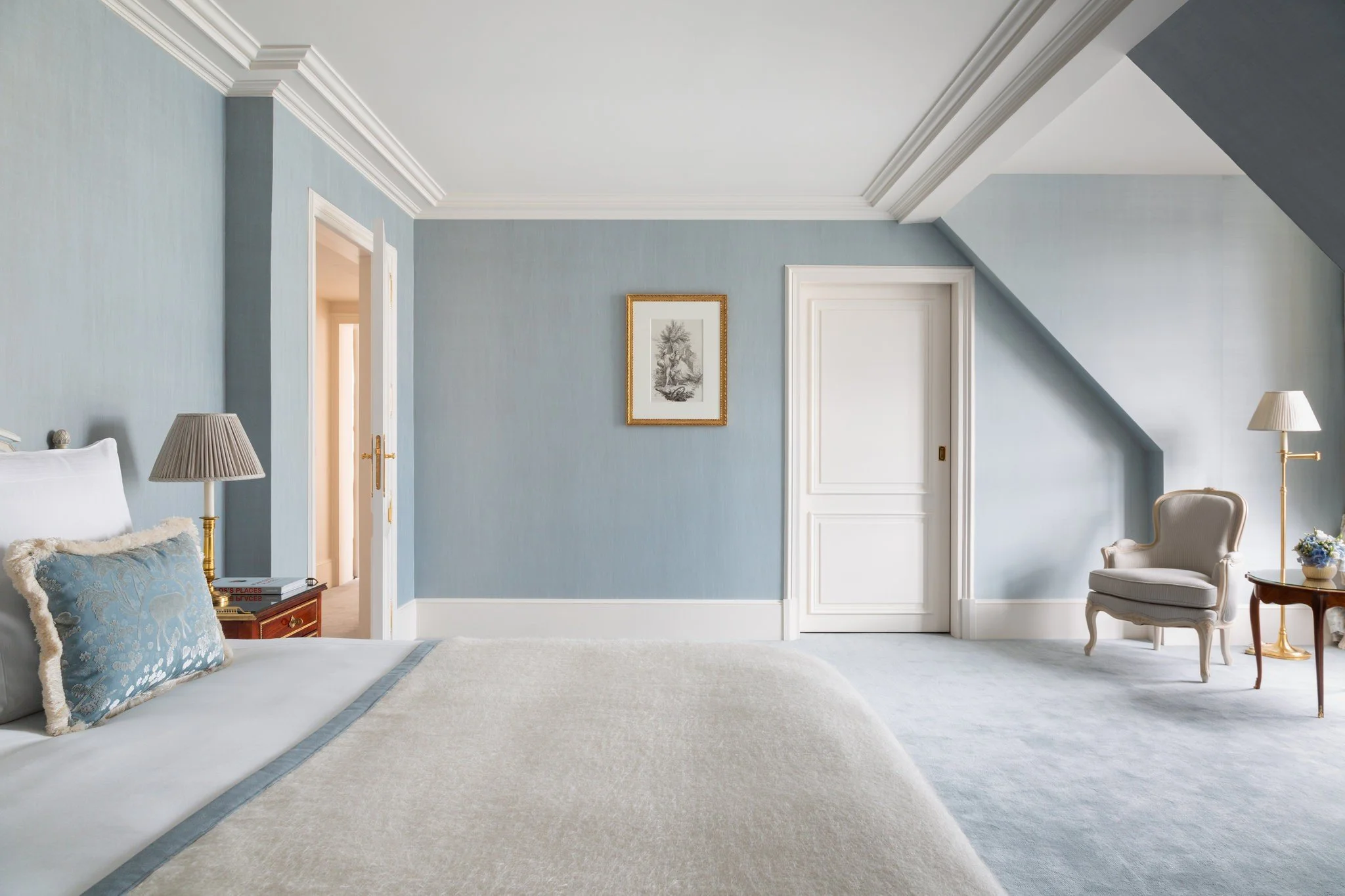
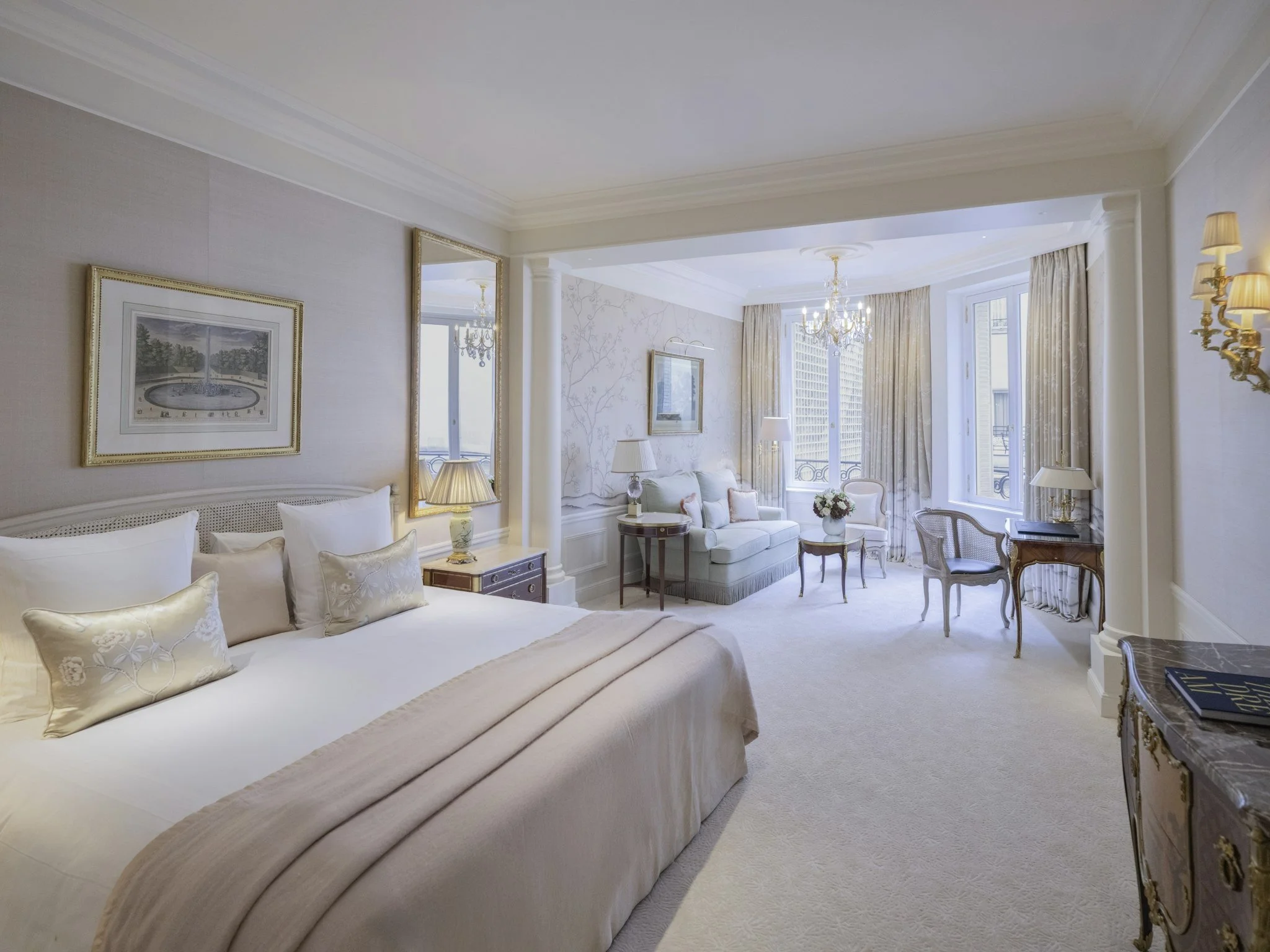
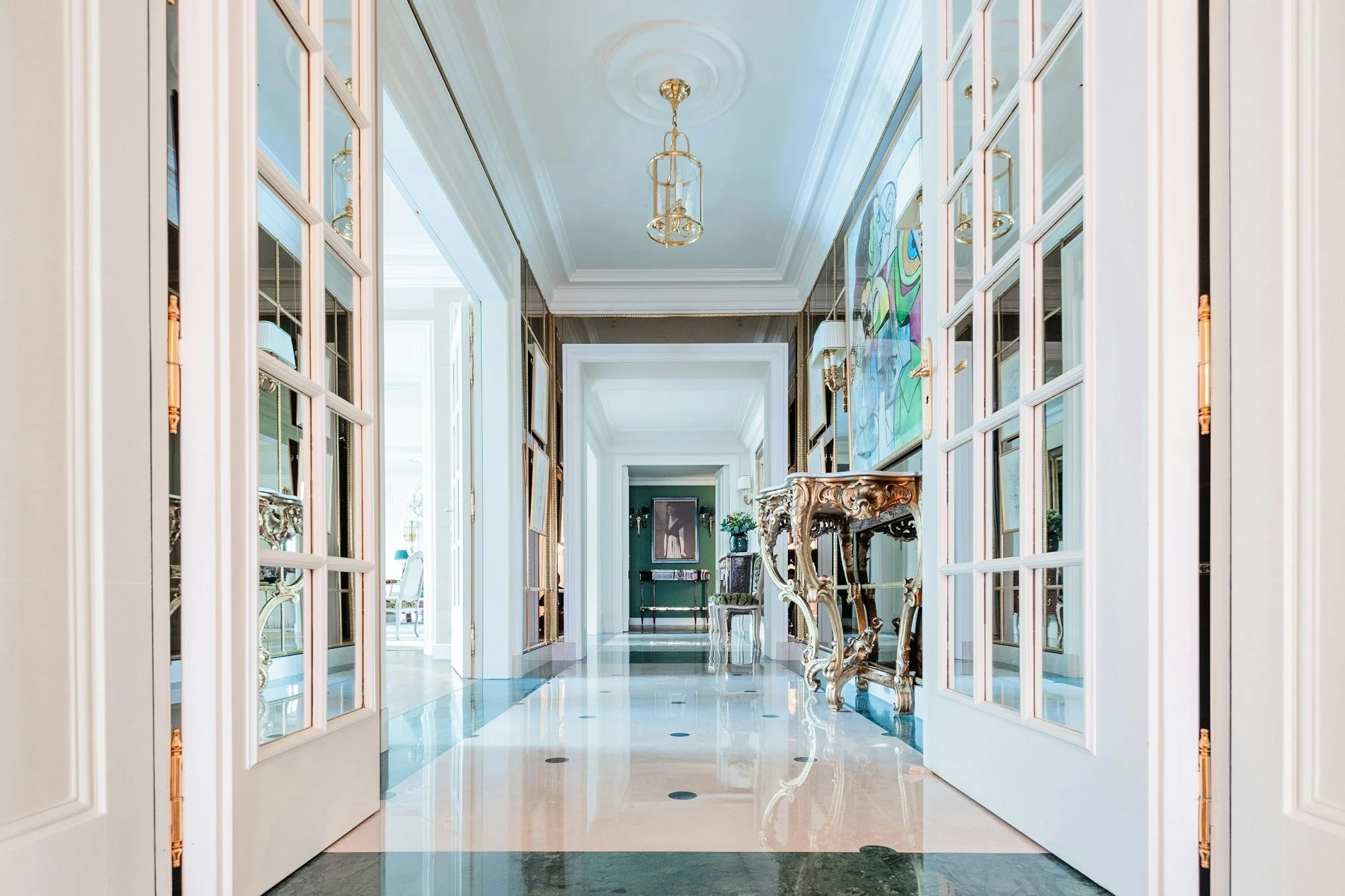
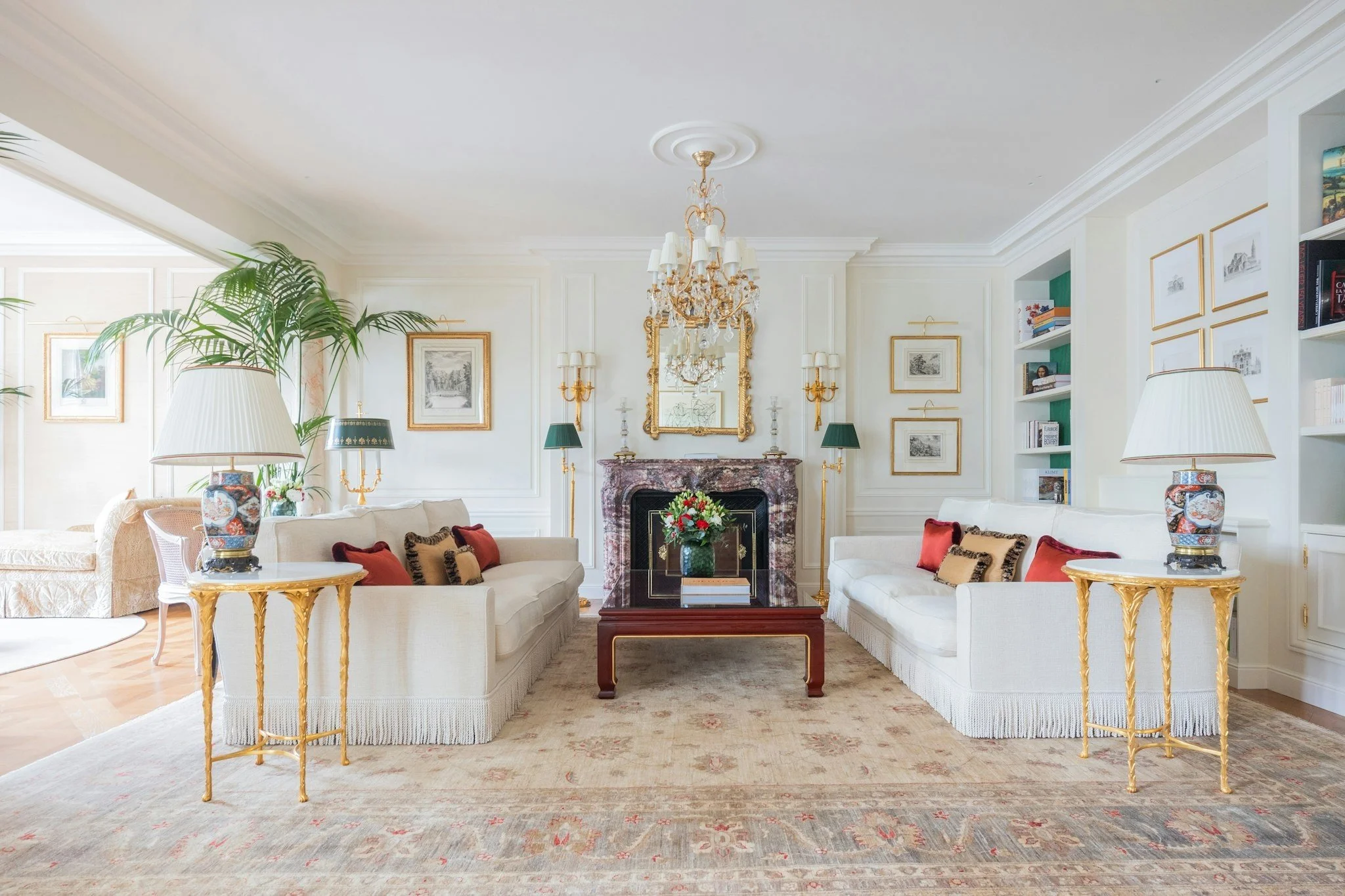
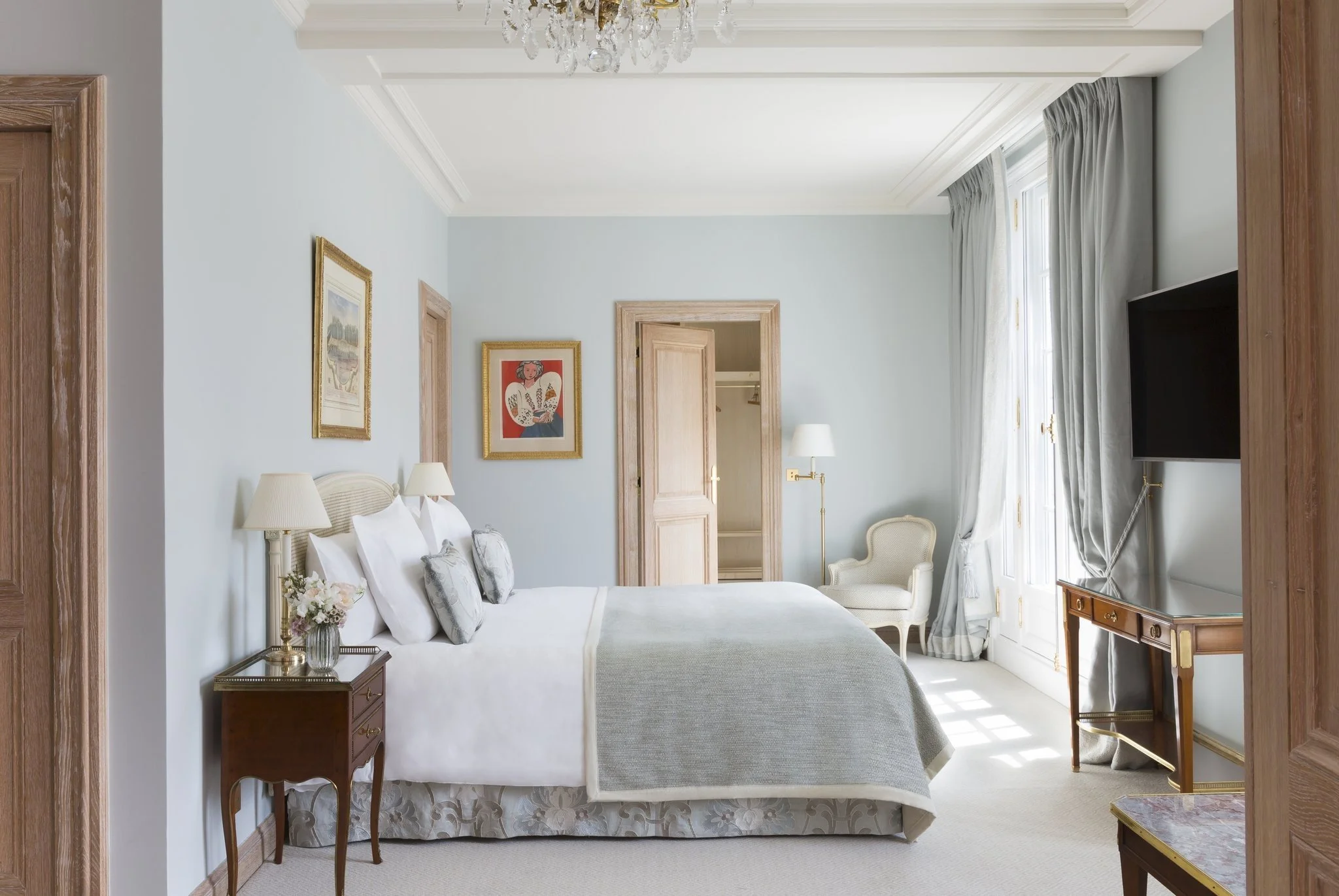
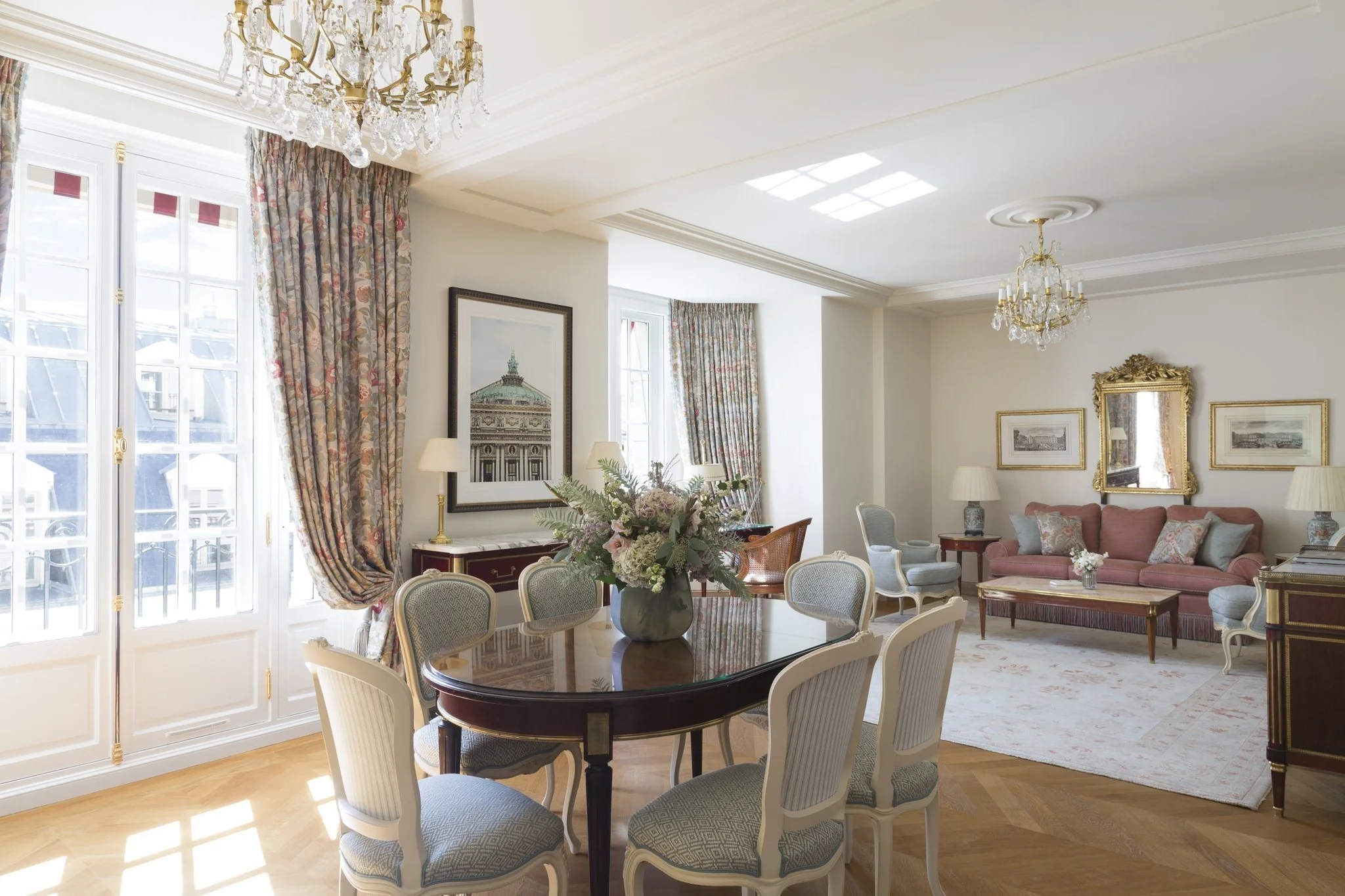
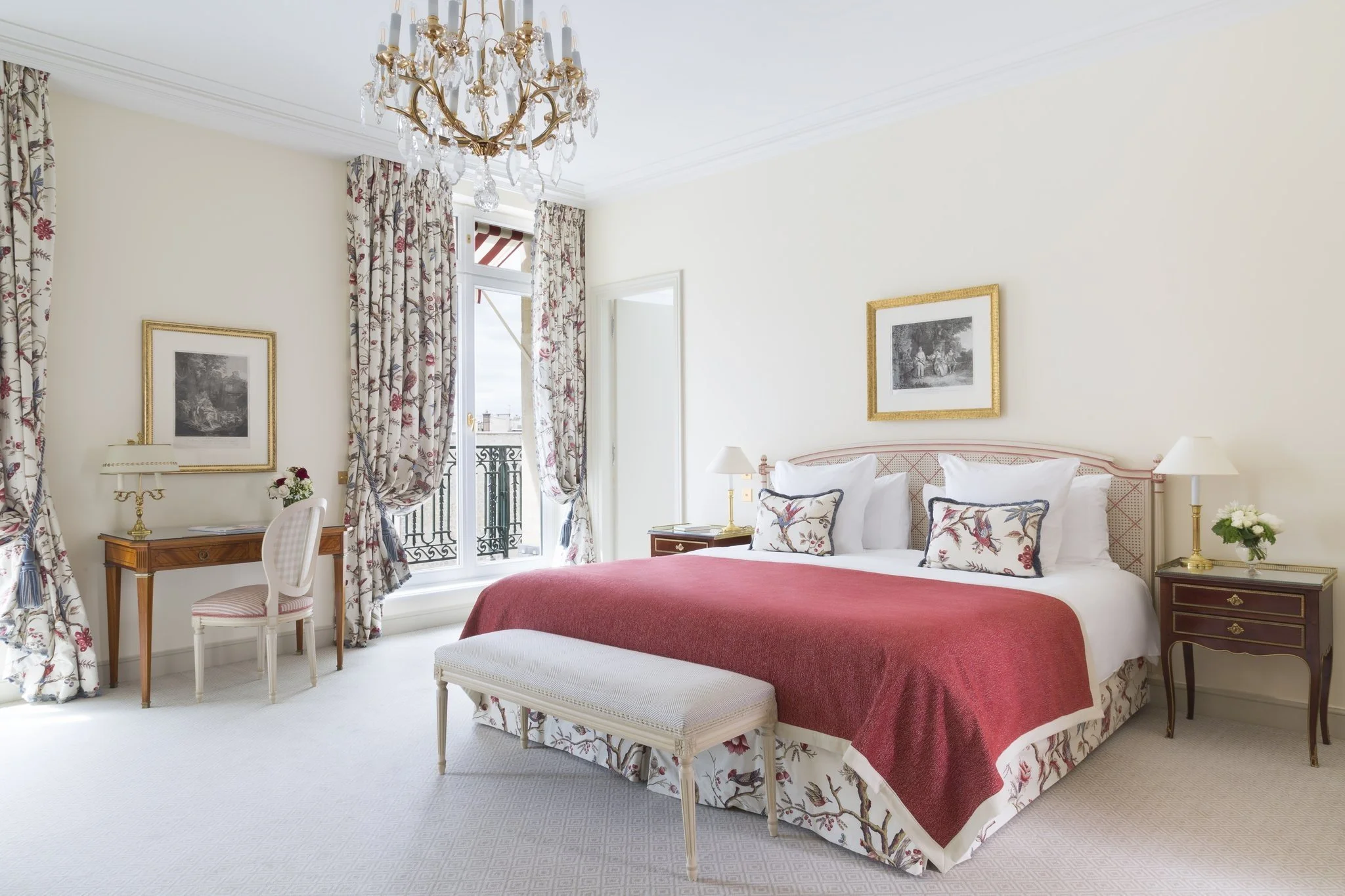
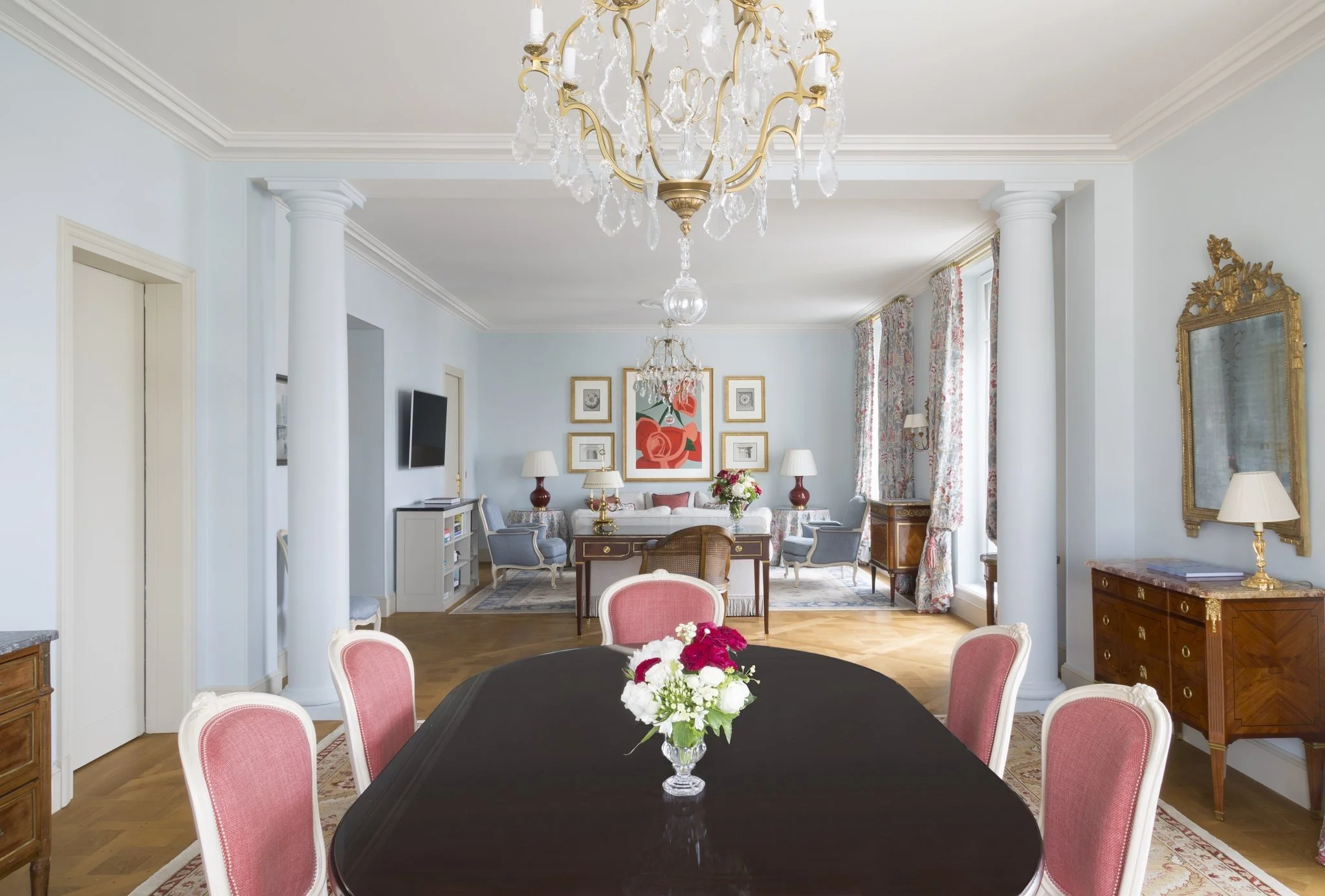
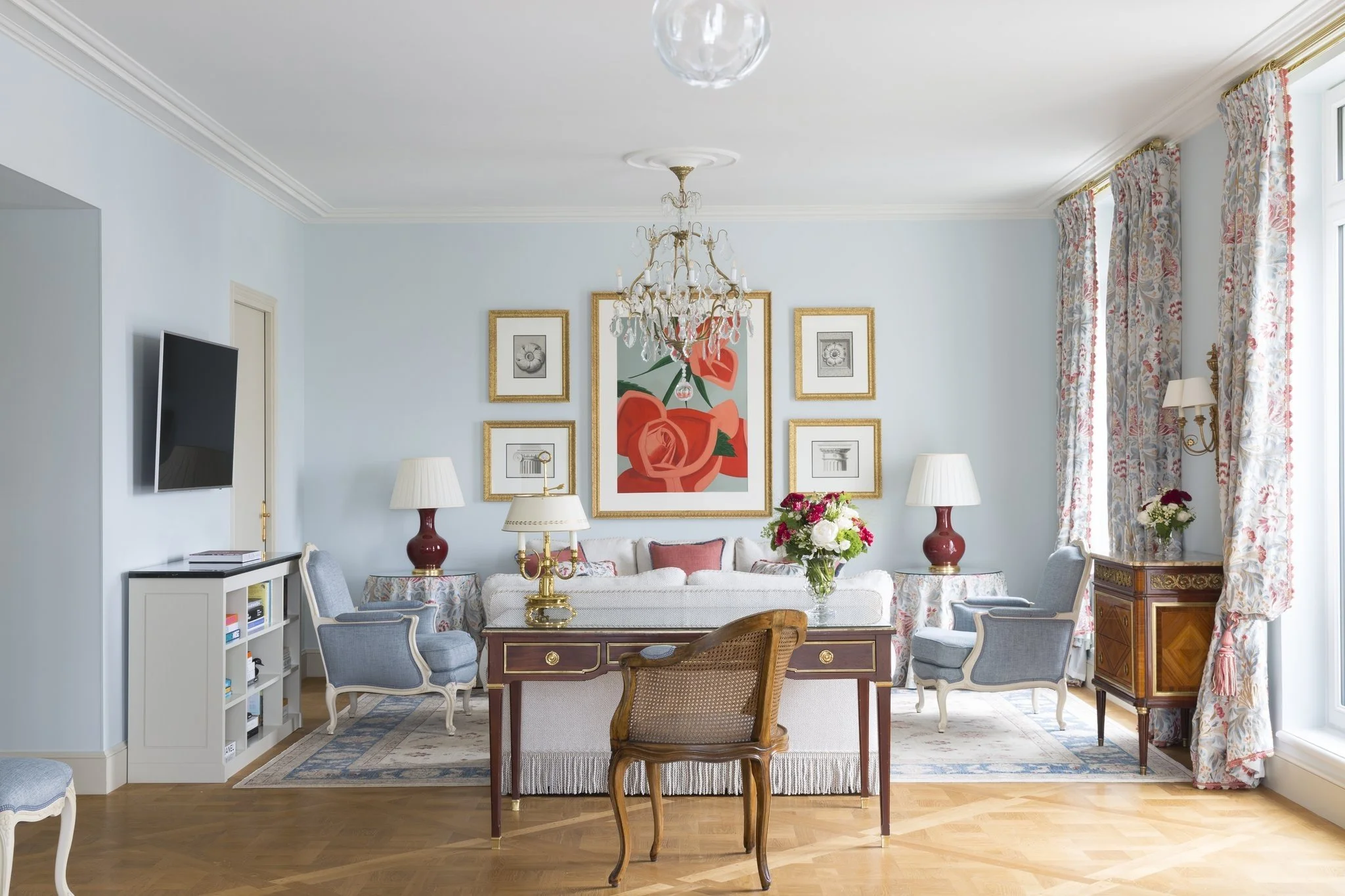
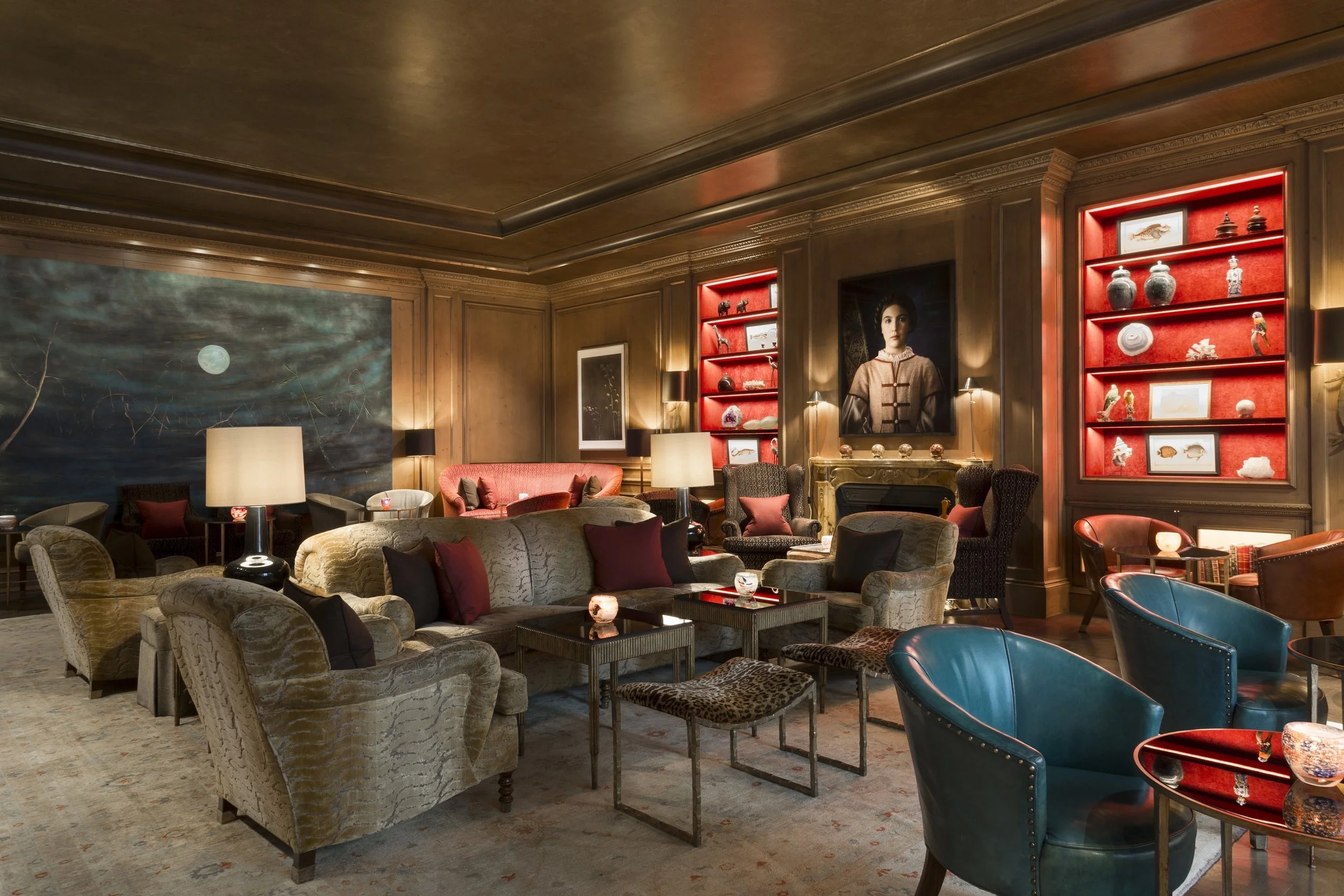
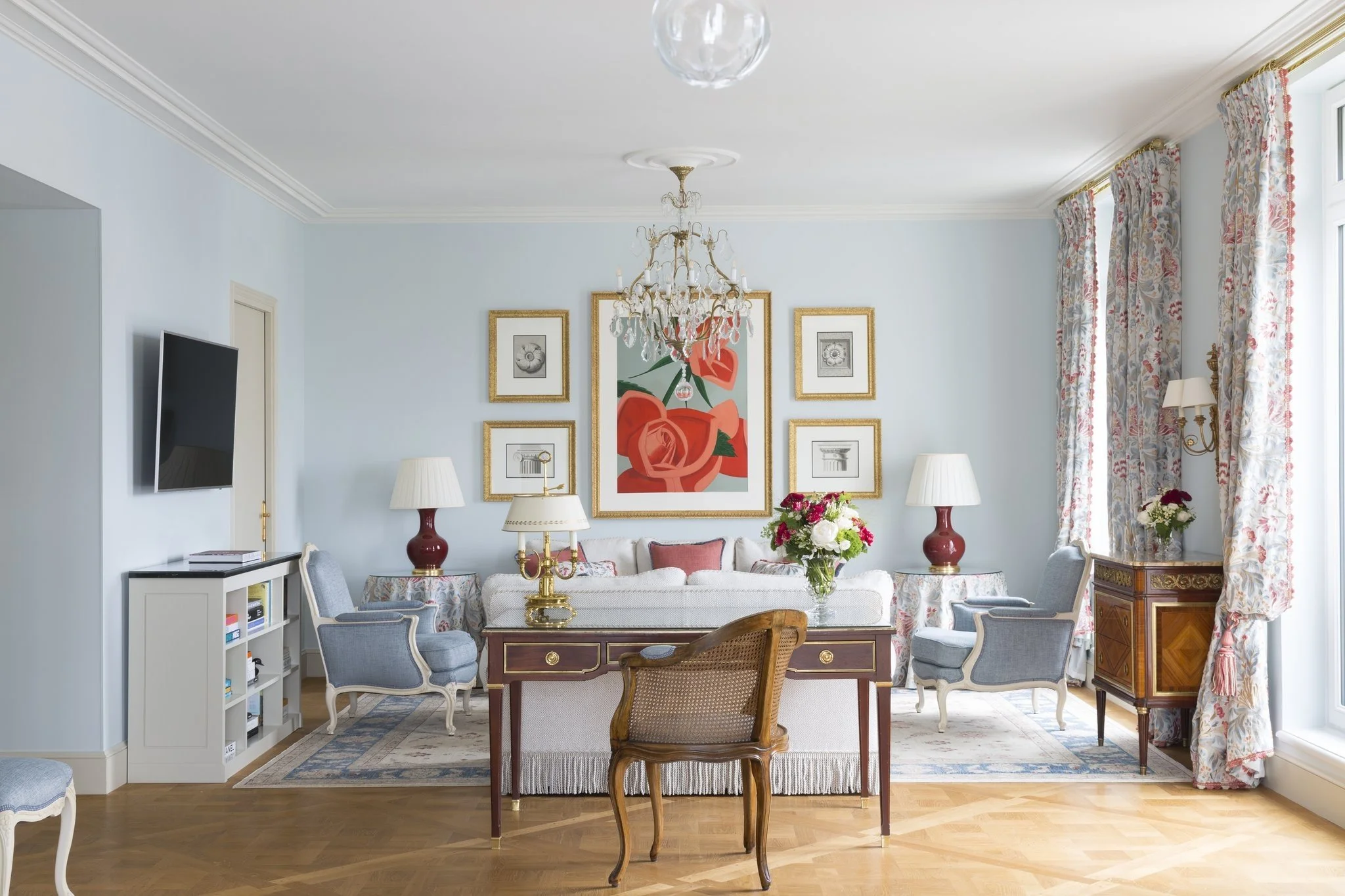
Le Bristol’s interiors draw on Louis XV and Louis XVI forms, with marble bathrooms, carefully chosen textiles and a mixture of classical and contemporary art. Fabrics from houses such as Pierre Frey, Loro Piana and Braquenié contribute texture rather than a uniform hotel-room formula. Colors and furnishings vary even within a single accommodation category.
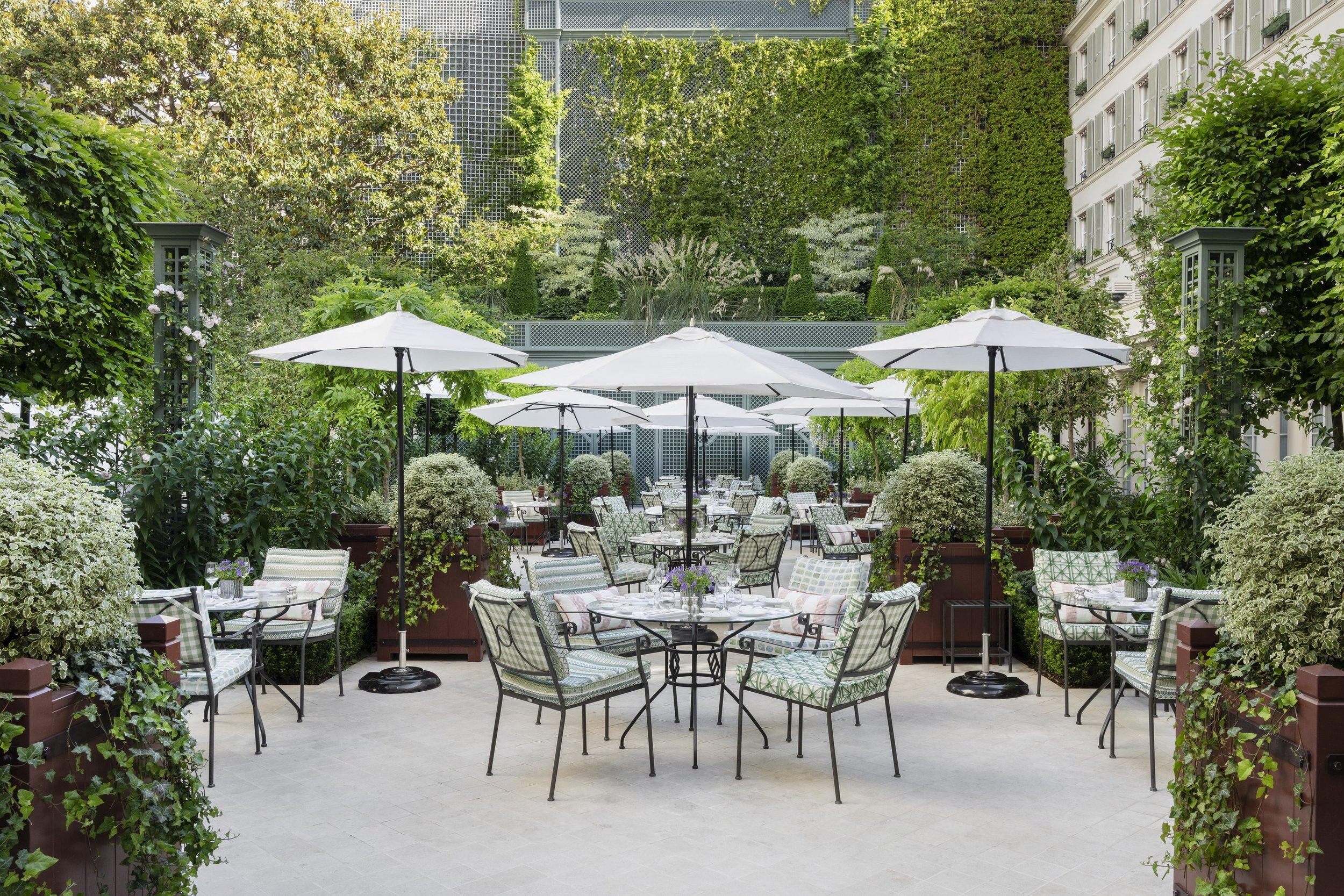
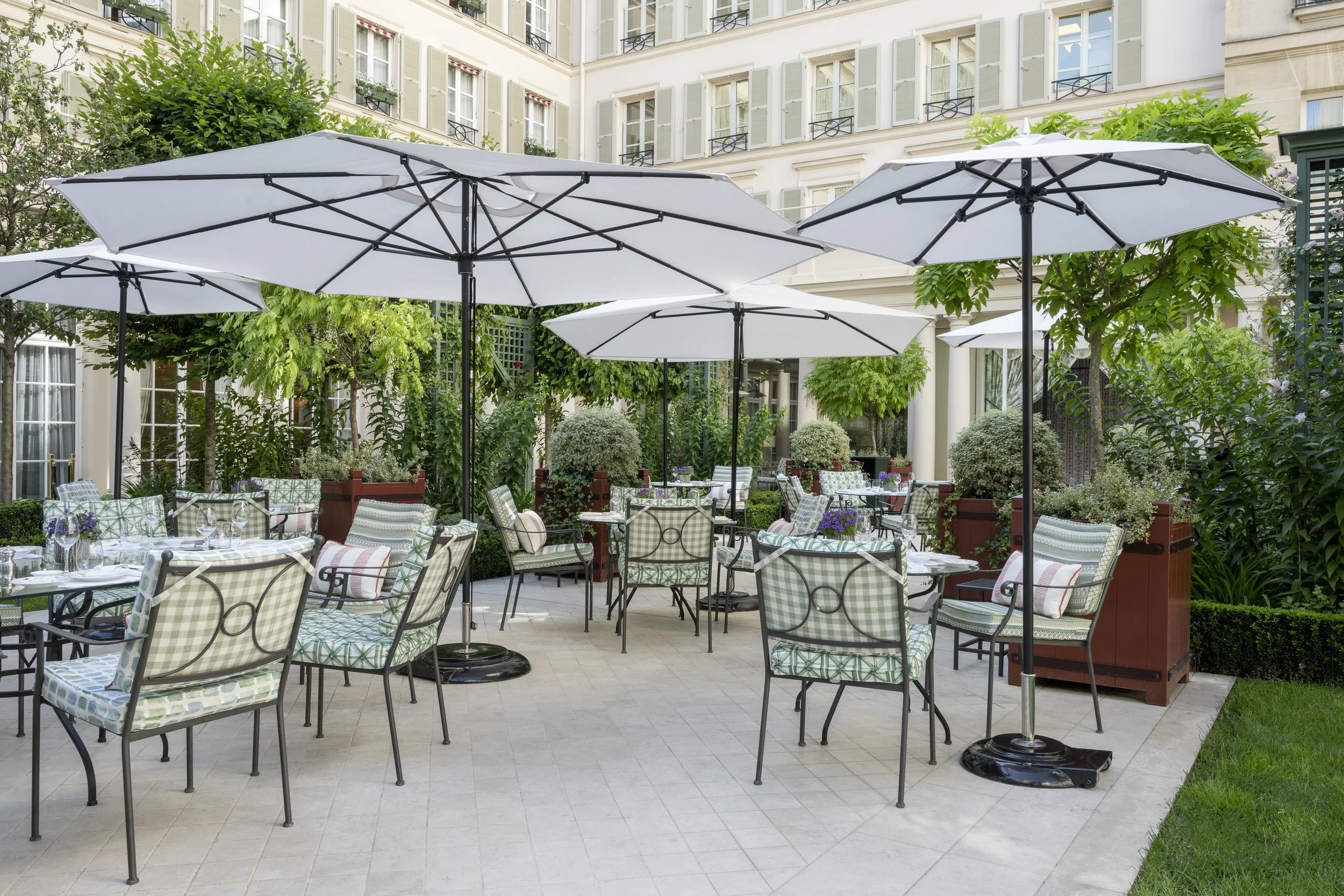
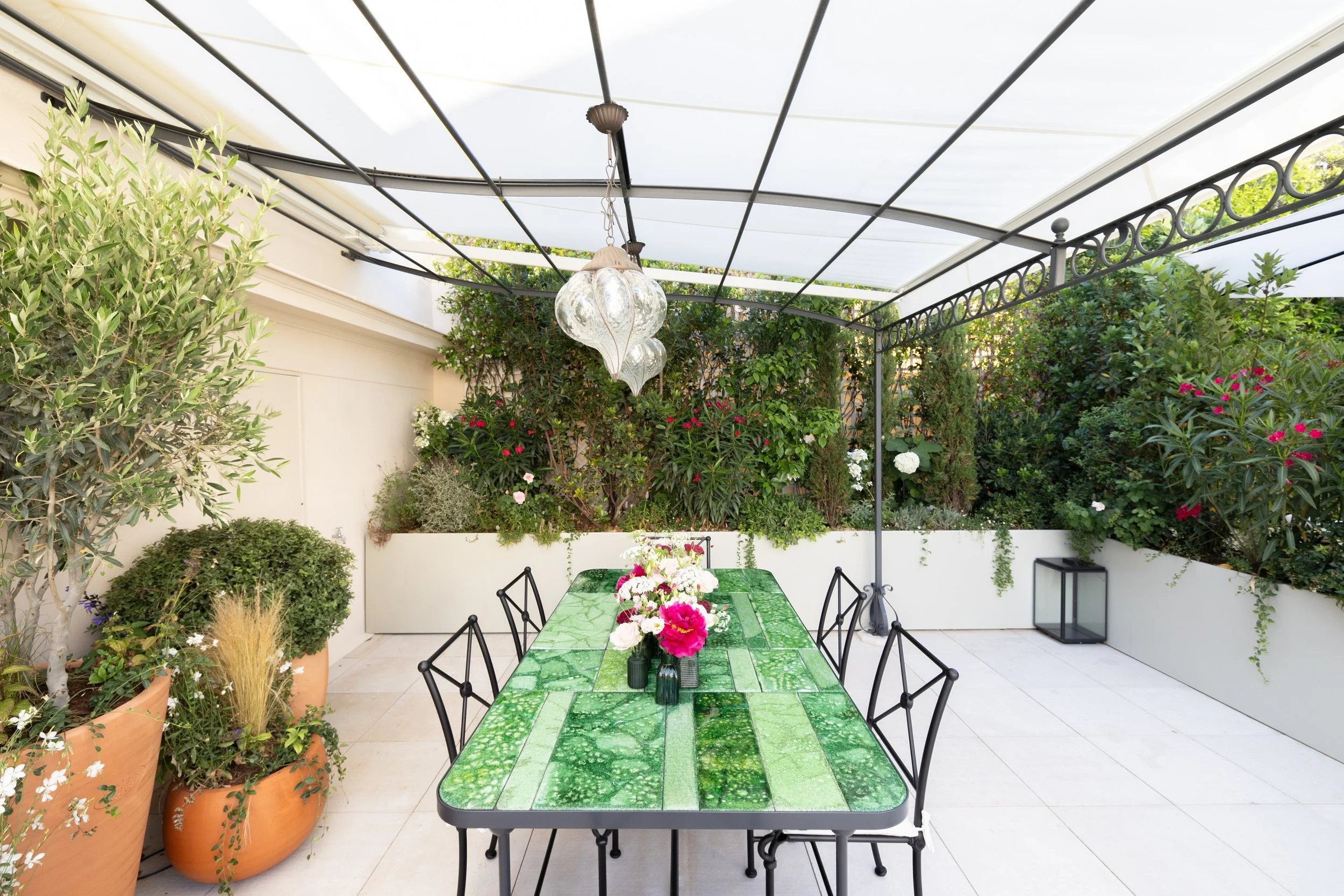
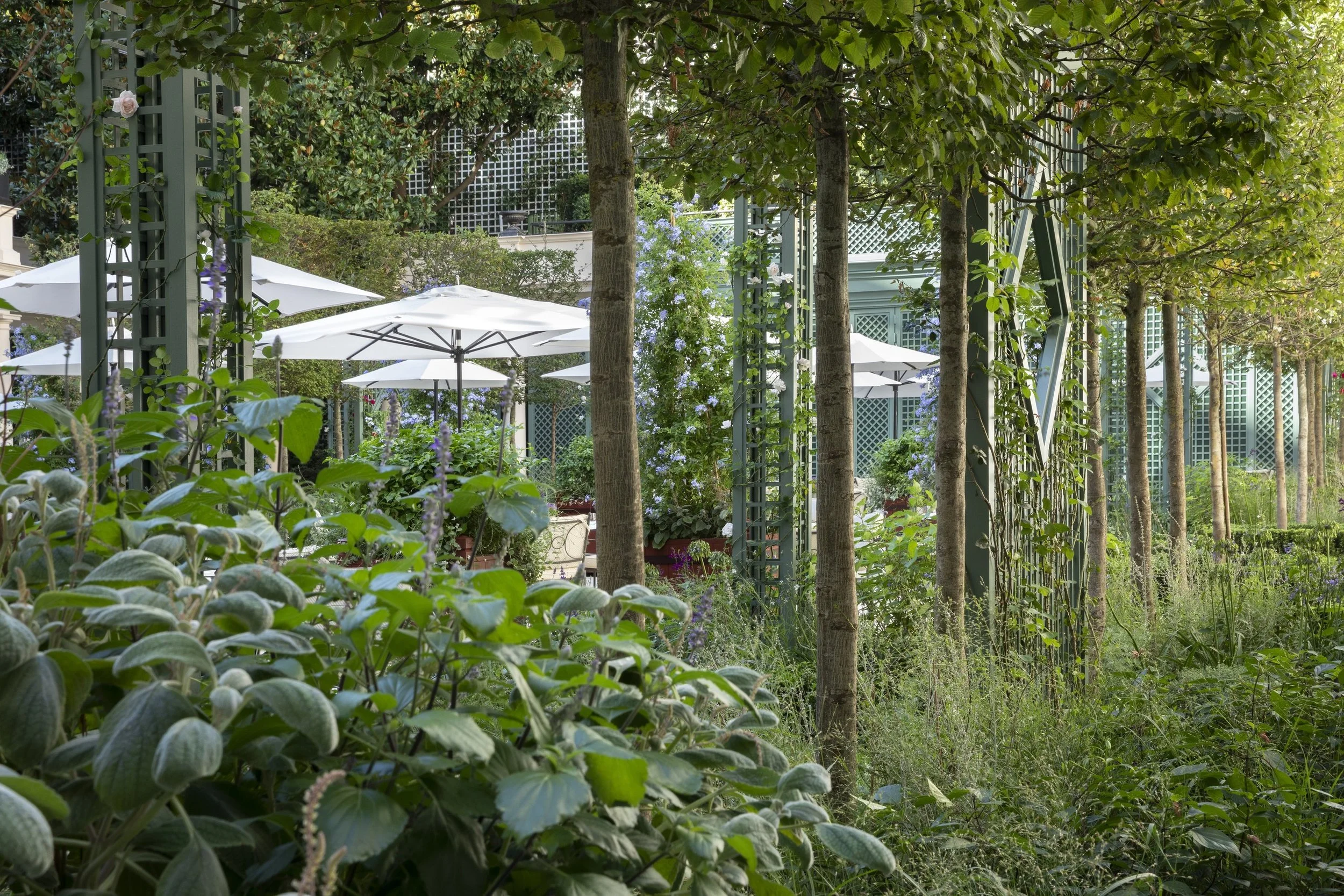
The garden, reimagined by landscape designer Arabella Lennox-Boyd, is central to the experience. Trees, flowering borders and places to sit create a substantial green space enclosed by the hotel’s façades. A garden-facing room offers a notably different outlook from one surveying the life of the Faubourg.
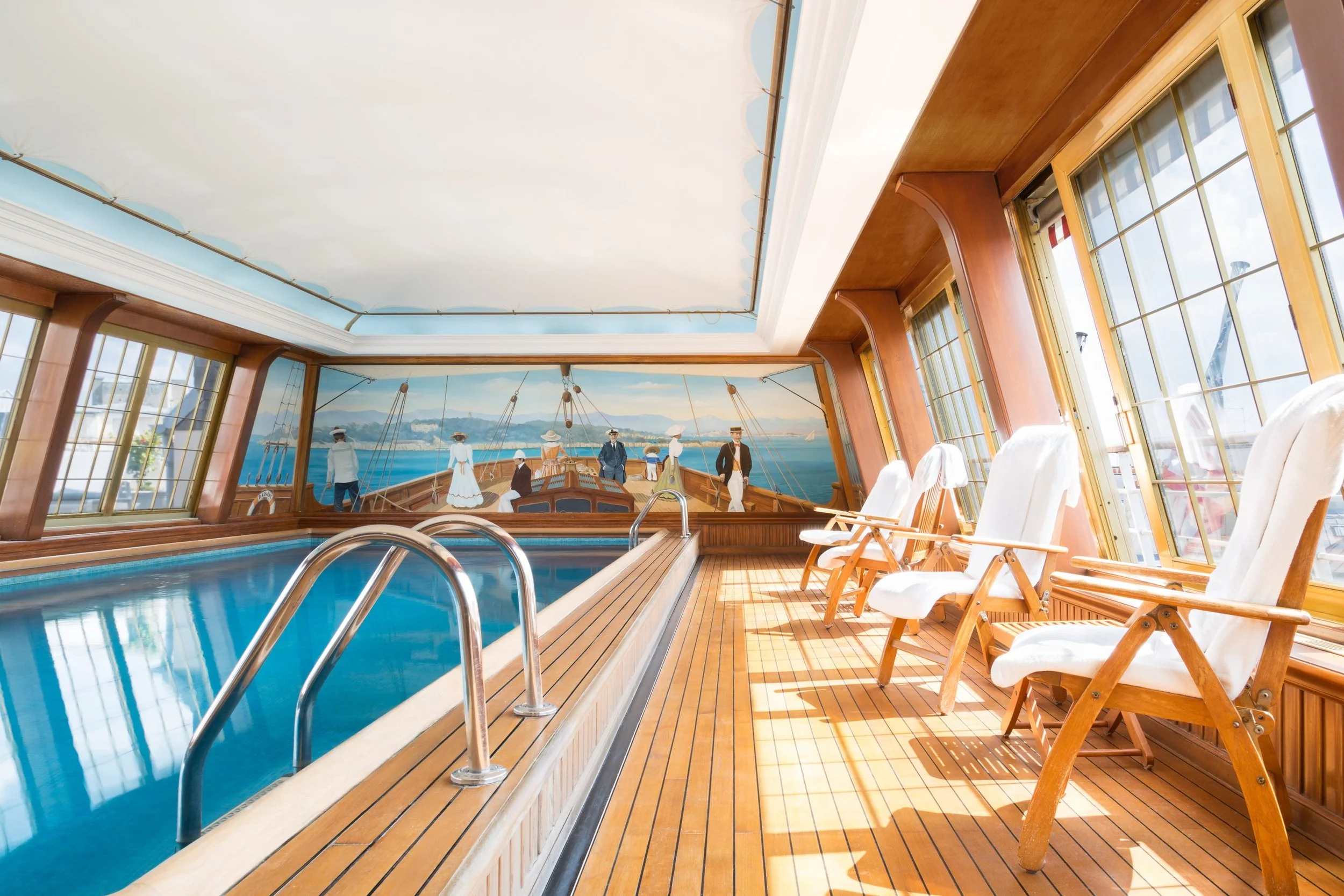
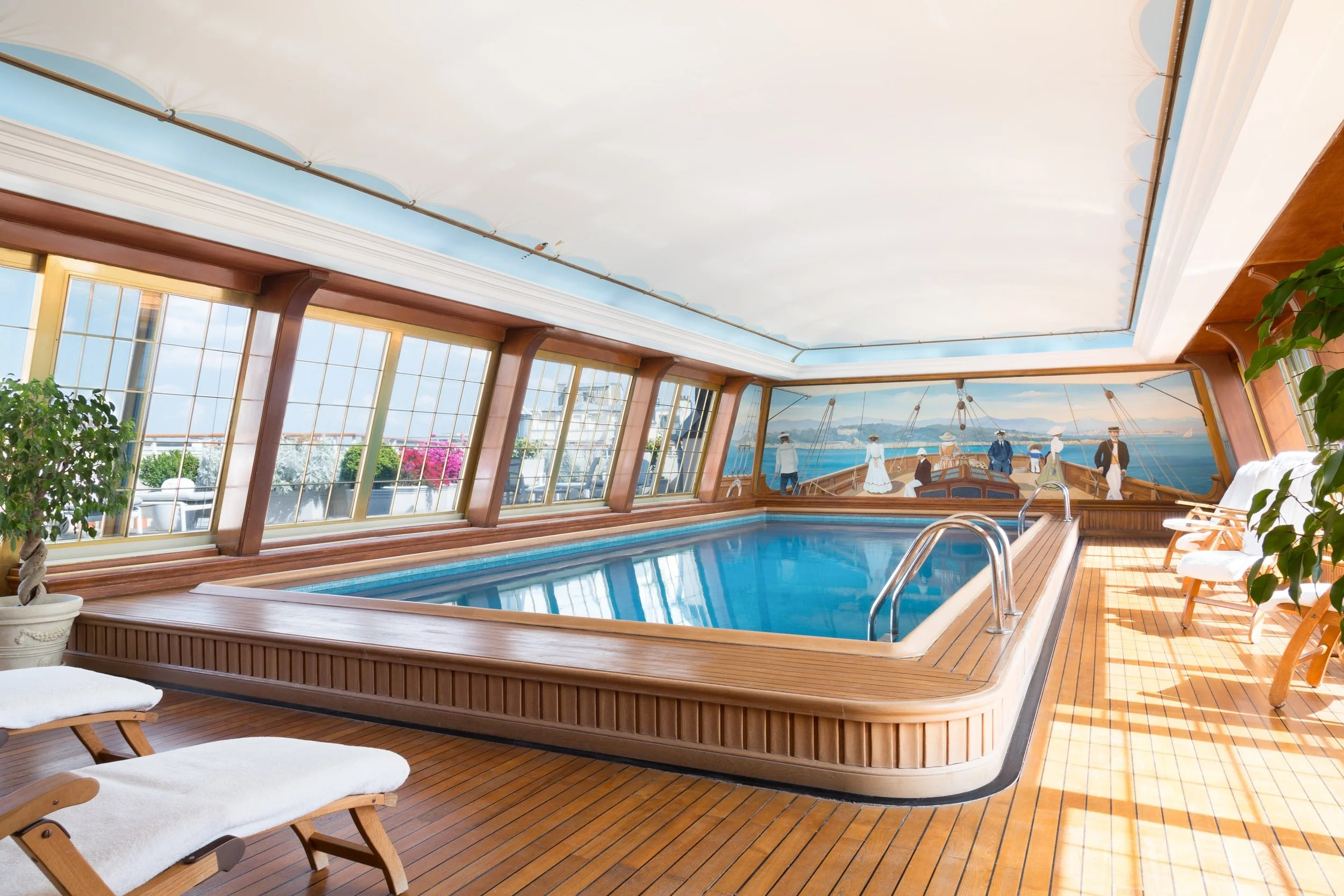
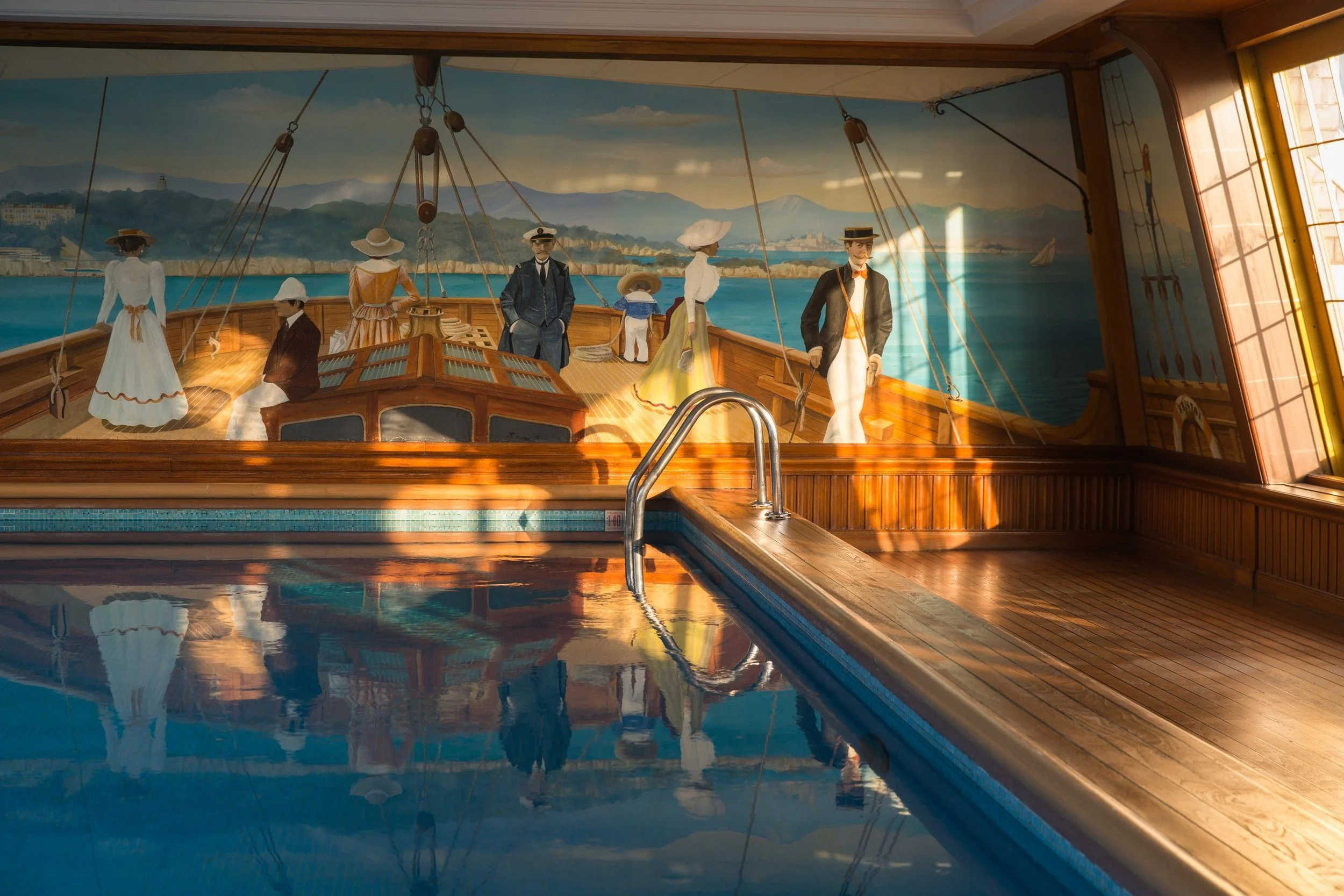
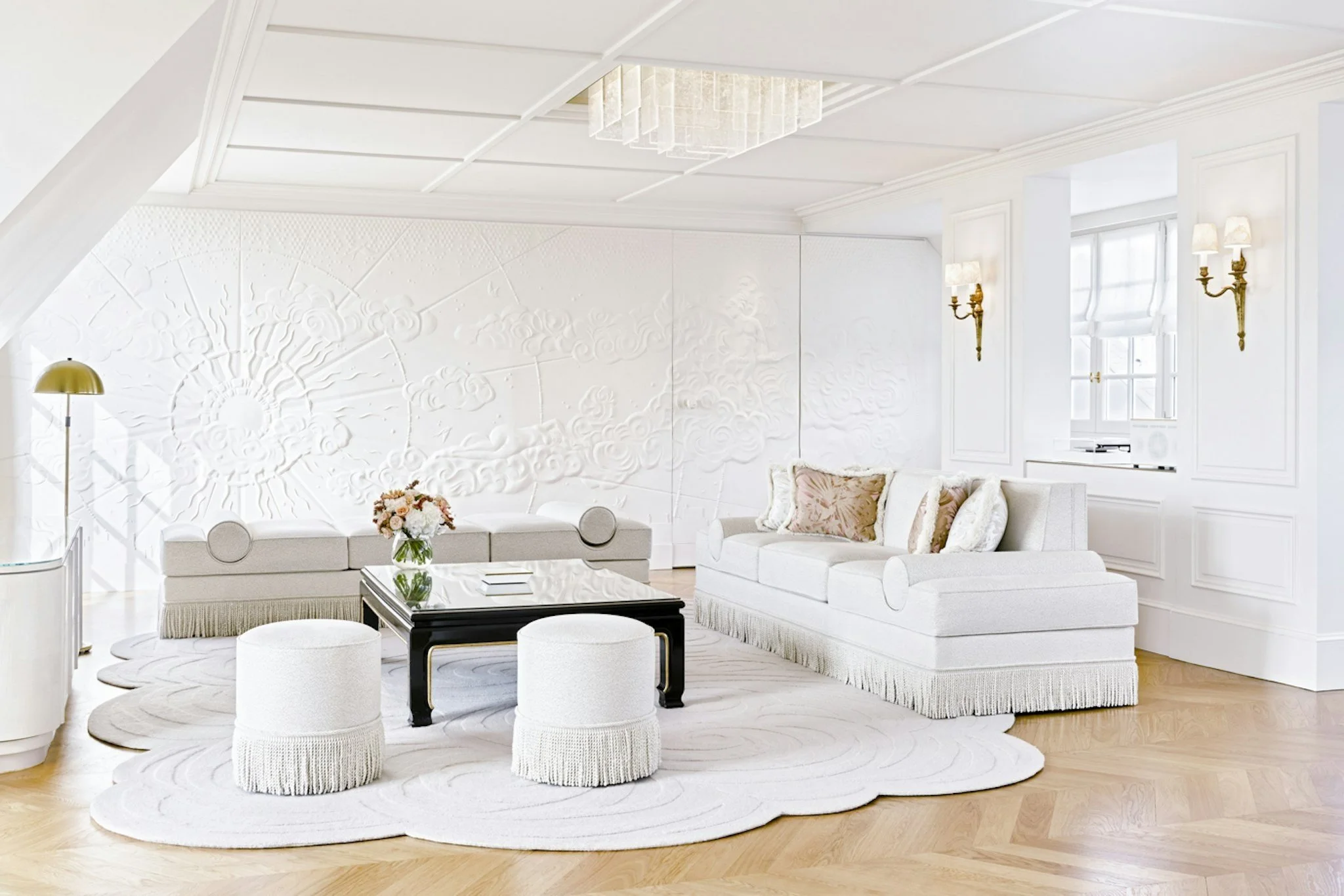
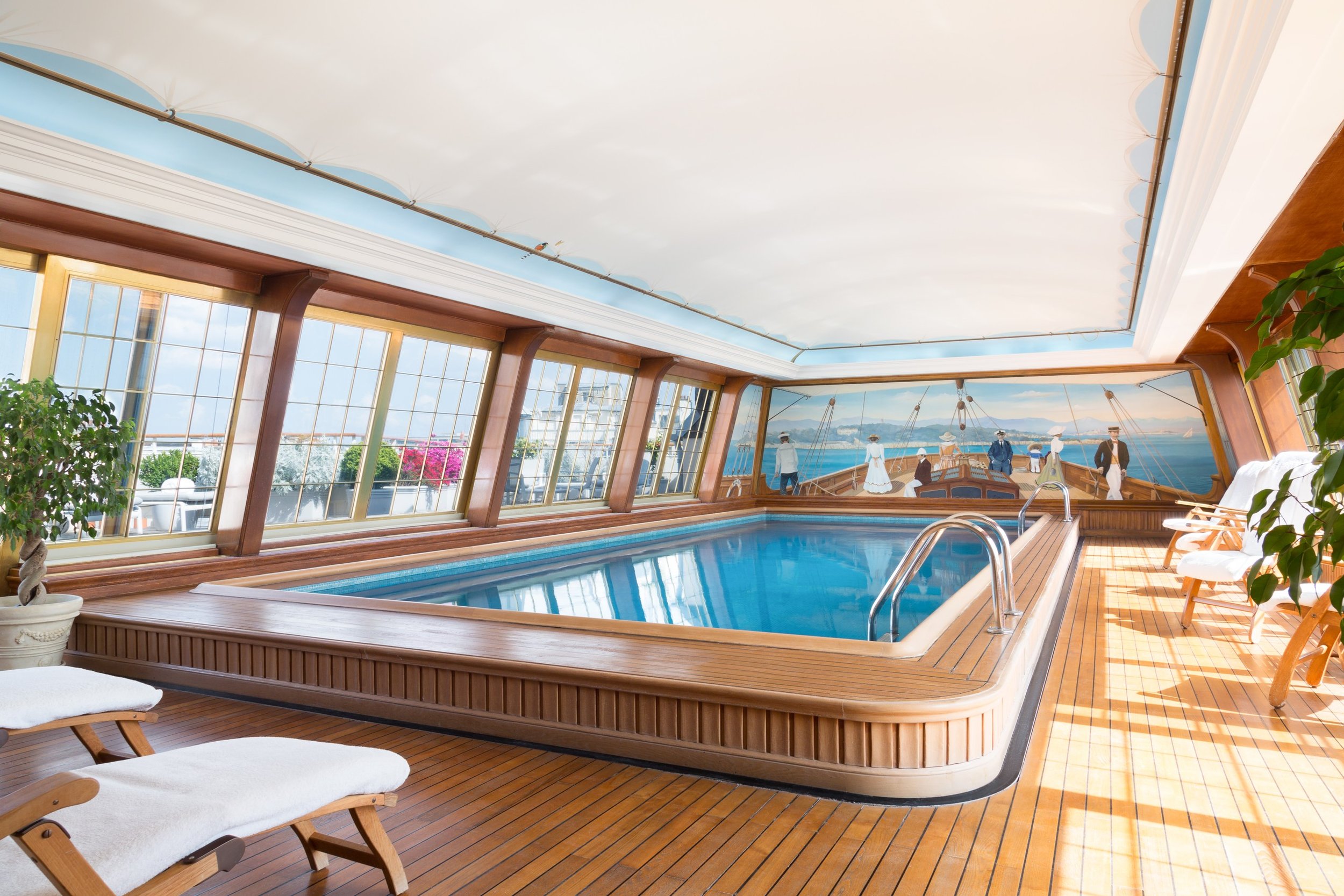
Elsewhere, the decorative language becomes more playful. The sixth-floor swimming pool, designed by naval architect Cäsar Pinnau, evokes a yacht through teak decking and trompe-l’œil details. Contemporary work by George Condo in the Suite Impériale and Agnès Sandahl in the Suite Azur adds another register. These are specific artistic collaborations, not a suggestion that every room shares the same collection.
From Courtyard Rooms to the Suite Impériale
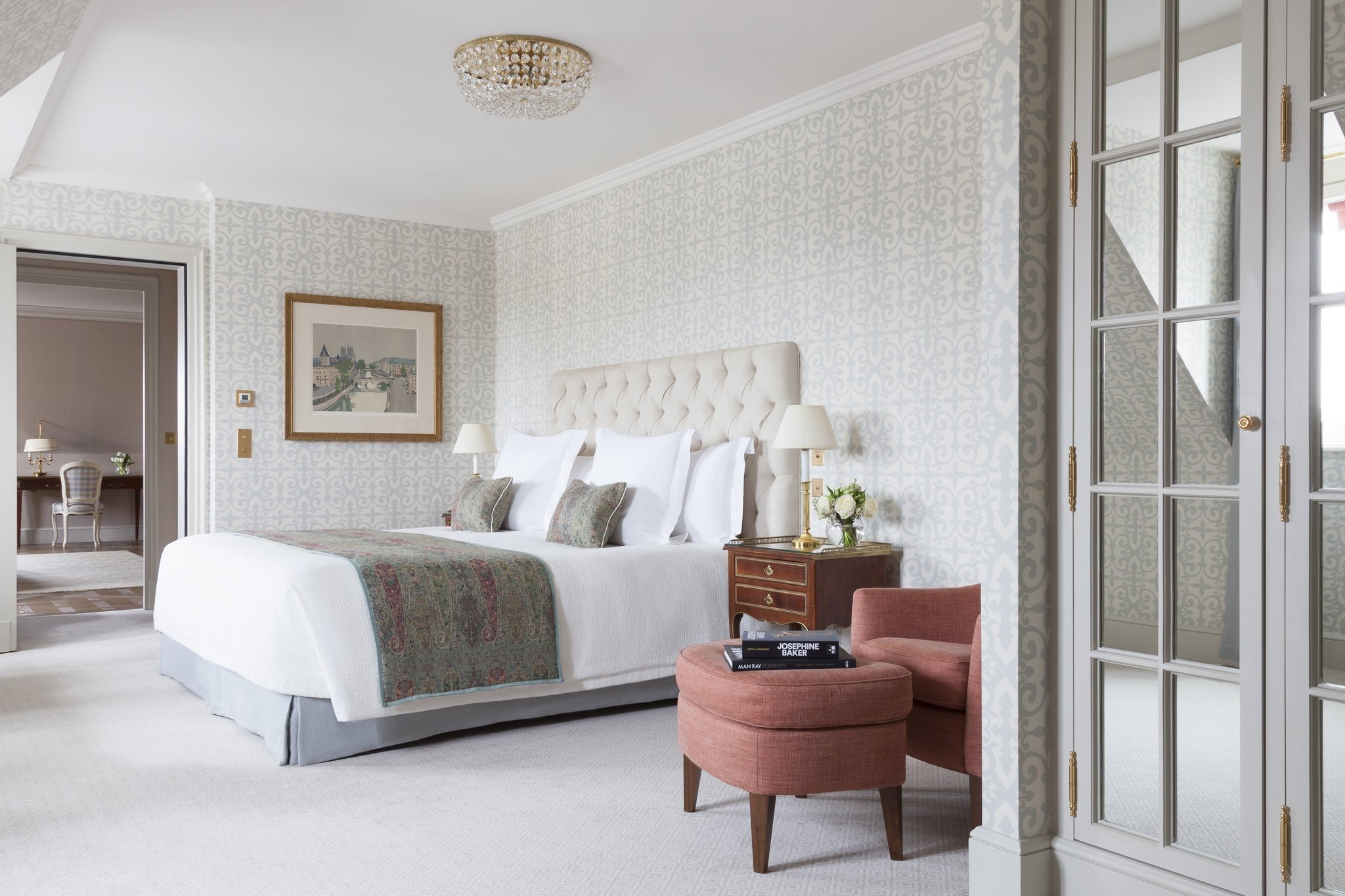
The accommodation collection progresses from individual rooms through junior suites, larger apartments and signature suites. View, outdoor space and the arrangement of living rooms matter as much as floor area. Square footage is approximate; ranges reflect the hotel’s published configurations, and connecting accommodation must be reserved specifically.
Superior Room: Approximately 376 sq. ft., with a queen bed, courtyard outlook and marble bathroom, designed for one adult.
Executive Room: Approximately 430 sq. ft., with a king bed, courtyard views and more space for two, with connecting arrangements available in selected rooms.
Deluxe Room: Approximately 484 sq. ft., with a king bed and views of the courtyard or rue du Faubourg Saint-Honoré.
Deluxe Room With Garden View: Approximately 484 sq. ft., distinguished by an outlook over the hotel’s landscaped garden.
Deluxe Room With Balcony: Approximately 484 sq. ft., adding a private balcony above the garden to the Deluxe room format.
Prestige Room: Approximately 540 sq. ft., with a sitting area and courtyard or Faubourg views, plus selected connecting options.
Prestige Room With Balcony: Approximately 540 sq. ft., with a sitting area and private balcony for time outdoors between city outings.
Junior Suite: Approximately 595 sq. ft., combining the bedroom with an open sitting area and a courtyard or street outlook.
Junior Suite With Garden View: Approximately 595 sq. ft., offering the junior-suite layout with views across the garden and selected connecting-room possibilities.
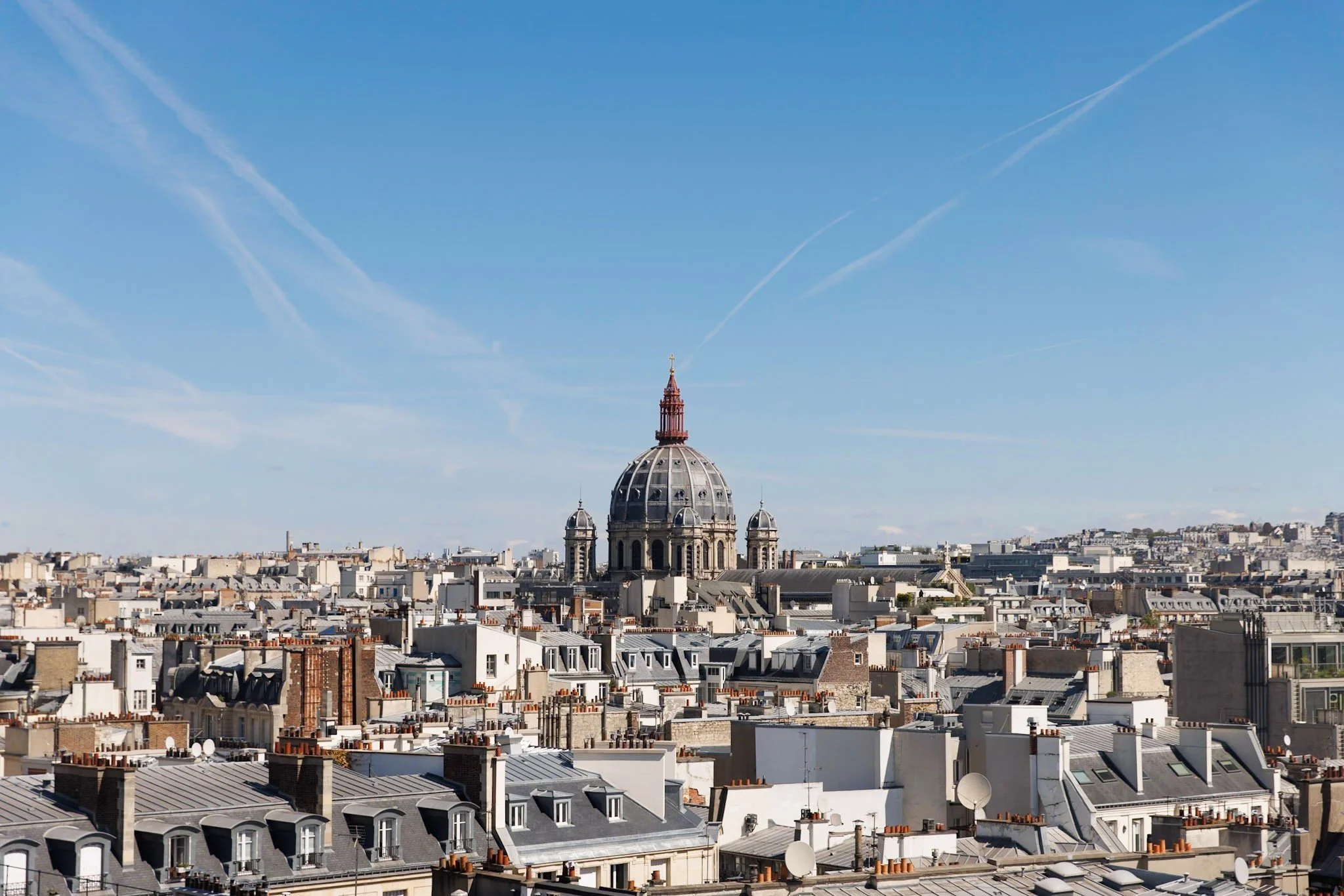
Junior Suite With Skyline View: Approximately 595 sq. ft., located on upper floors for a perspective over Parisian rooftops.
Junior Suite With Balcony: Approximately 595 sq. ft., with a private balcony and a bathroom containing a separate bathtub and shower.
Corner Junior Suite: Approximately 595 sq. ft., in the Matignon wing, with double-aspect windows overlooking Avenue Matignon and rue du Faubourg Saint-Honoré.
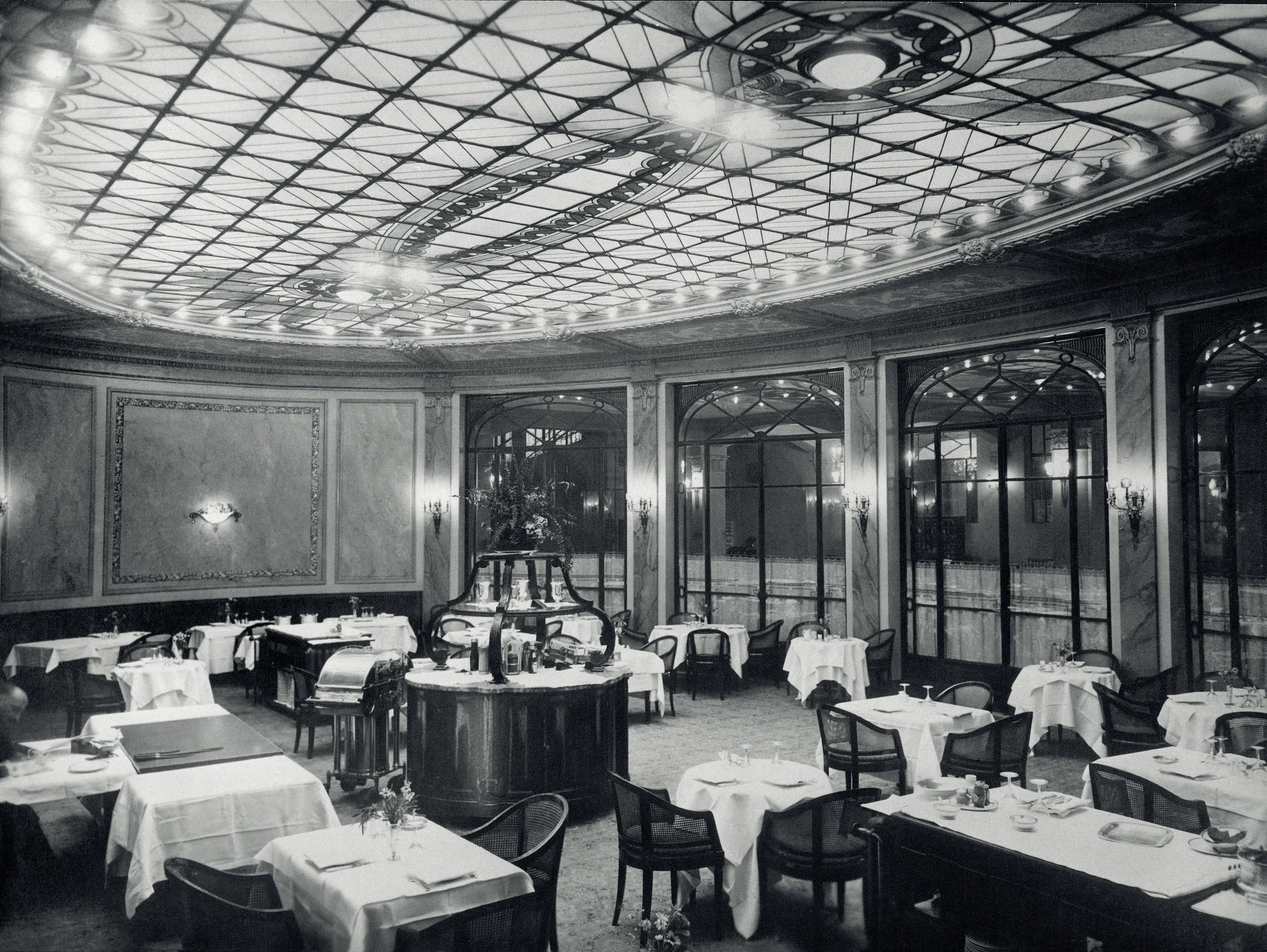
Deluxe Junior Suite: Approximately 805 sq. ft., with a substantial sitting area, dressing room and courtyard outlook toward the Castellane Salon’s glass dome.
Prestige Junior Suite: Approximately 805 sq. ft., with a separate living room and a courtyard setting in the original hotel building.
Deluxe Suite: Approximately 968 sq. ft., with a separate bedroom and living room overlooking the courtyard or Faubourg Saint-Honoré.
Deluxe Terrace Suite: Approximately 968 sq. ft., with a private terrace and garden or courtyard views in the original building or Residence wing.
Deluxe Suite Garden: Approximately 968 sq. ft., with separate living and sleeping spaces and a garden outlook.
Deluxe Suite With Balcony: From approximately 753 sq. ft., with a separate living room and private balcony, pairing an apartment-like layout with outdoor space.
Suite Magnolia: Approximately 968 sq. ft., with a separate living room and a private terrace shaded by the mature magnolia tree that gives the suite its name.
Suite Saint-Honoré: Approximately 1,185 sq. ft., with a private dining room, library and two full bathrooms, extendable to approximately 2,153 sq. ft. through connecting rooms.
Prestige Elysée Suite: Approximately 1,292 sq. ft., extendable to approximately 2,691 sq. ft., with a dining area for up to 12 and two full bathrooms.
Suite Présidentielle: Approximately 1,290–2,690 sq. ft., with separate living space in the Matignon wing and configurations of one, two or three bedrooms.
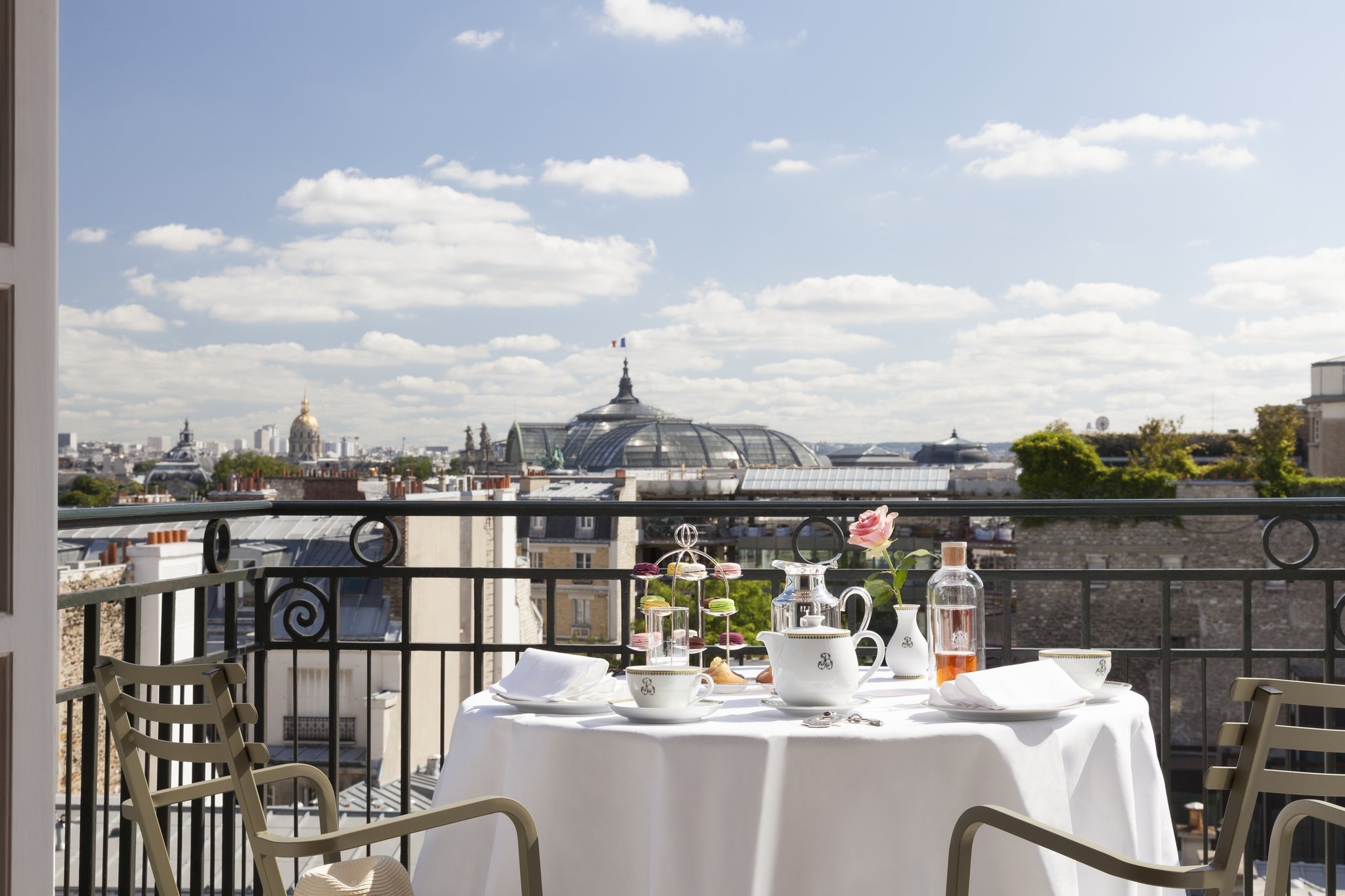
Suite 1925: Approximately 753–1,292 sq. ft., paying tribute to Josephine Baker with a separate living area and views of the Eiffel Tower and Paris rooftops.
Suite Lumière: Approximately 1,291 sq. ft., with a separate living room, dining area, private bar and library overlooking rue du Faubourg Saint-Honoré.
Suite Azur: Approximately 1,238 sq. ft., with separate living and dining areas, two bathrooms, a tree-lined terrace and original works by Agnès Sandahl.
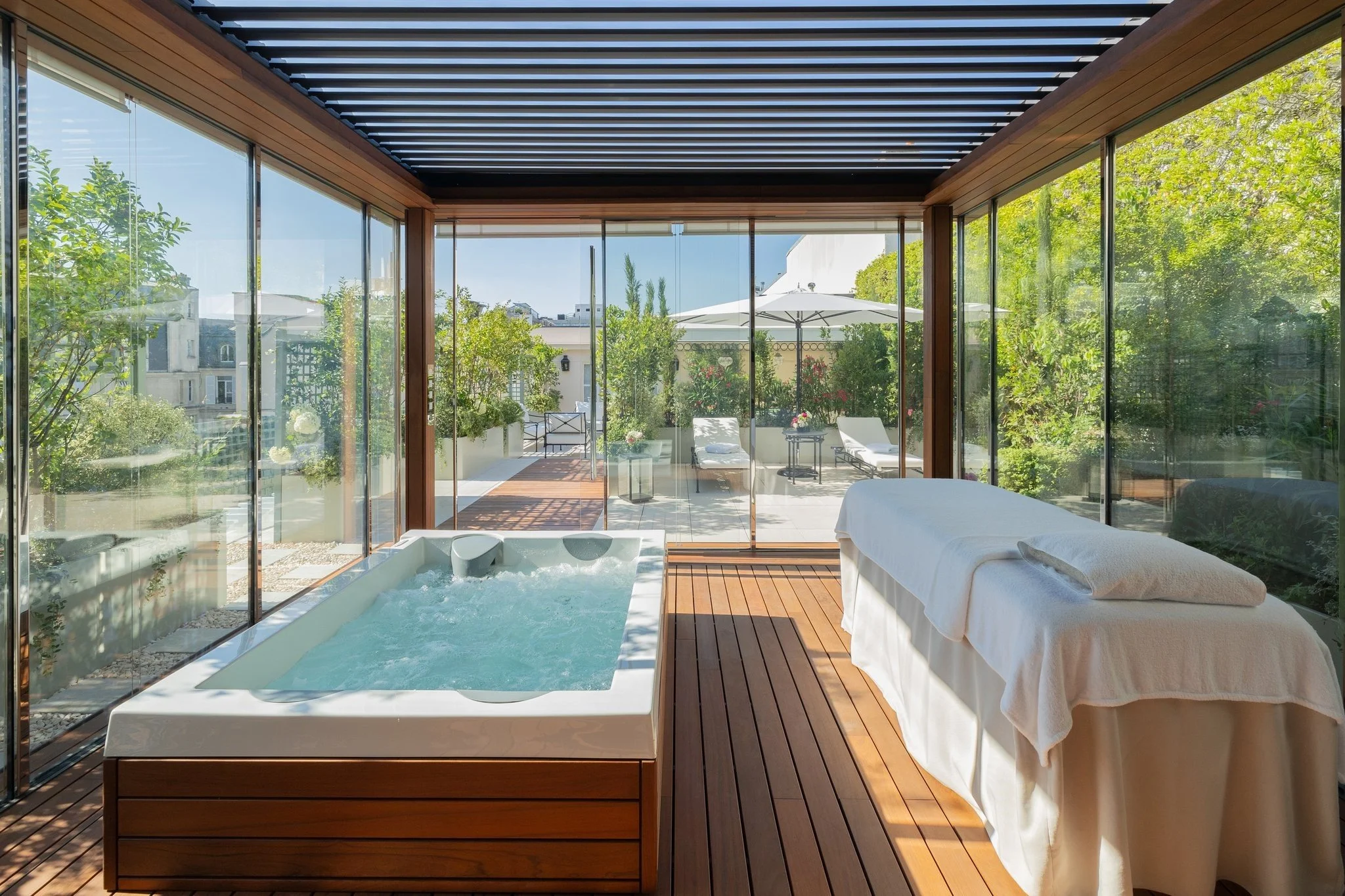
Suite Eden: Approximately 1,185 sq. ft. indoors, plus a 1,615 sq. ft. landscaped terrace with a private wellness area containing a hammam, sauna and Jacuzzi.
Suite Penthouse: Approximately 2,155–3,765 sq. ft., with a large sitting room, dining area, study and private terrace overlooking the rooftops or garden.
Suite Panoramique: Approximately 1,725–2,155 sq. ft., with a dining room, views toward Montmartre and the Opéra Garnier, and an optional additional bedroom reached by a private staircase.
Suite Paris: Approximately 1,725–2,152 sq. ft., with a wrought-iron balcony, private dining room and views that include the Eiffel Tower.
Suite Honeymoon: Approximately 1,776–2,314 sq. ft., on the eighth floor, with balconies, a private kitchen and the option of a second bedroom with an Eiffel Tower view.
Suite Princière: Approximately 1,615 sq. ft., with either a grand dining room or a double living room, depending on the particular suite.
Suite Royale: Approximately 3,445 sq. ft., with garden or courtyard views, a dining area for up to 12 and a private hammam.
Suite Impériale: Approximately 2,850–3,445 sq. ft., configurable with one, two or three bedrooms and distinguished by George Condo’s original artworks and bespoke French decorative craftsmanship.
For a first visit, a garden view provides a restful counterpoint to days in the city. For an extended stay, a separate living room may be more valuable than a balcony. At the upper end, Suite Eden is especially compelling for private wellness, while the larger apartment configurations suit travelers who need several bedrooms or space to host. The photograph of a particular suite should guide a conversation about the exact unit, not create an assumption about every room in its category.
Epicure and the Craft Behind the Table
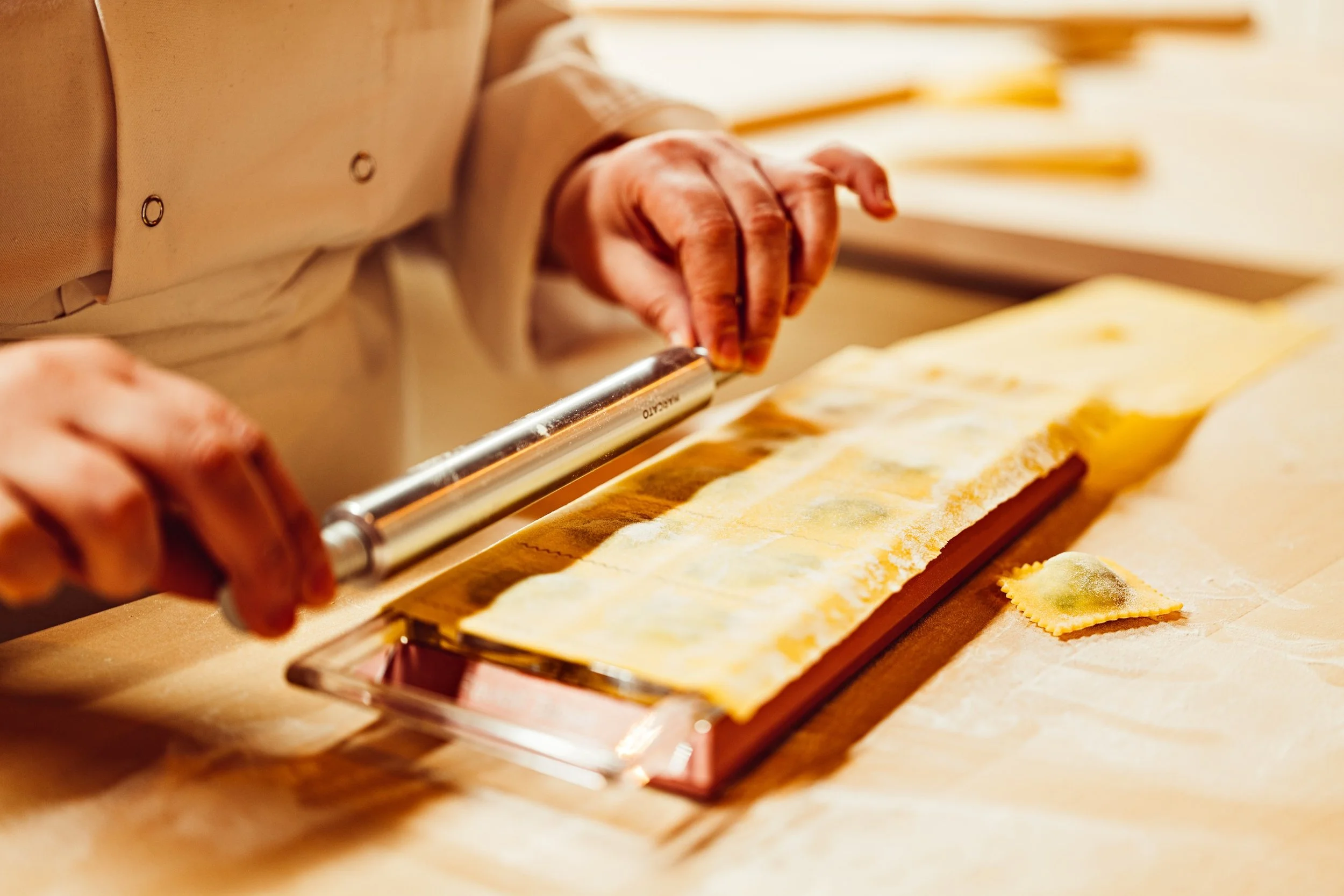
Food is one of Le Bristol’s strongest reasons to stay. Chef Arnaud Faye leads a culinary approach that gives seasonal ingredients and French producers a clear role, while the hotel’s in-house workshops make bread, chocolate, cheese maturation and pasta part of its identity.
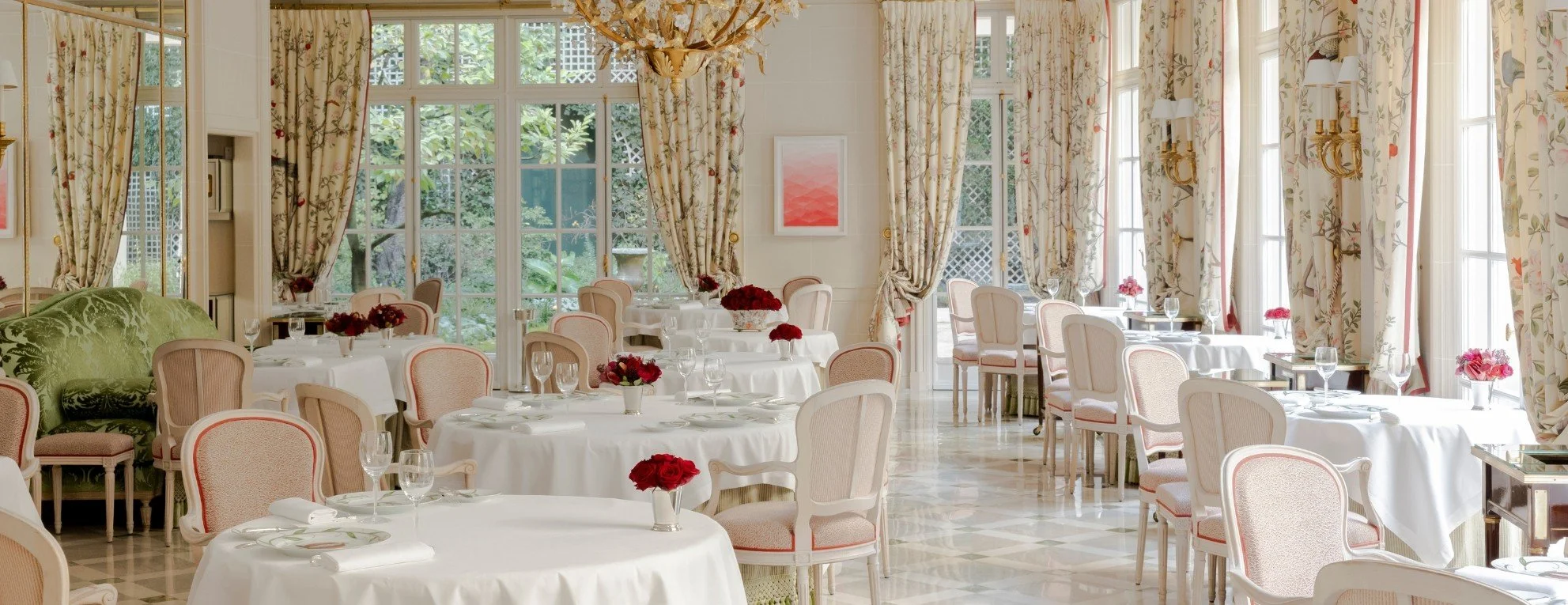
Epicure: The three-Michelin-starred restaurant presents Arnaud Faye’s contemporary French cuisine in a garden-facing dining room, with tasting menus shaped by the season.
114 Faubourg: The Michelin-starred brasserie is currently closed until further notice and should not be included as an available dining reservation when planning a stay.
Café Antonia: An all-day meeting place for breakfast, lunch, dinner and afternoon tea, with frescoes, chandeliers and pastries by Maxence Barbot.
Le Jardin Français: The garden terrace serves lunch, afternoon tea and dinner in suitable weather, making outdoor dining part of the hotel’s warmer-season appeal.
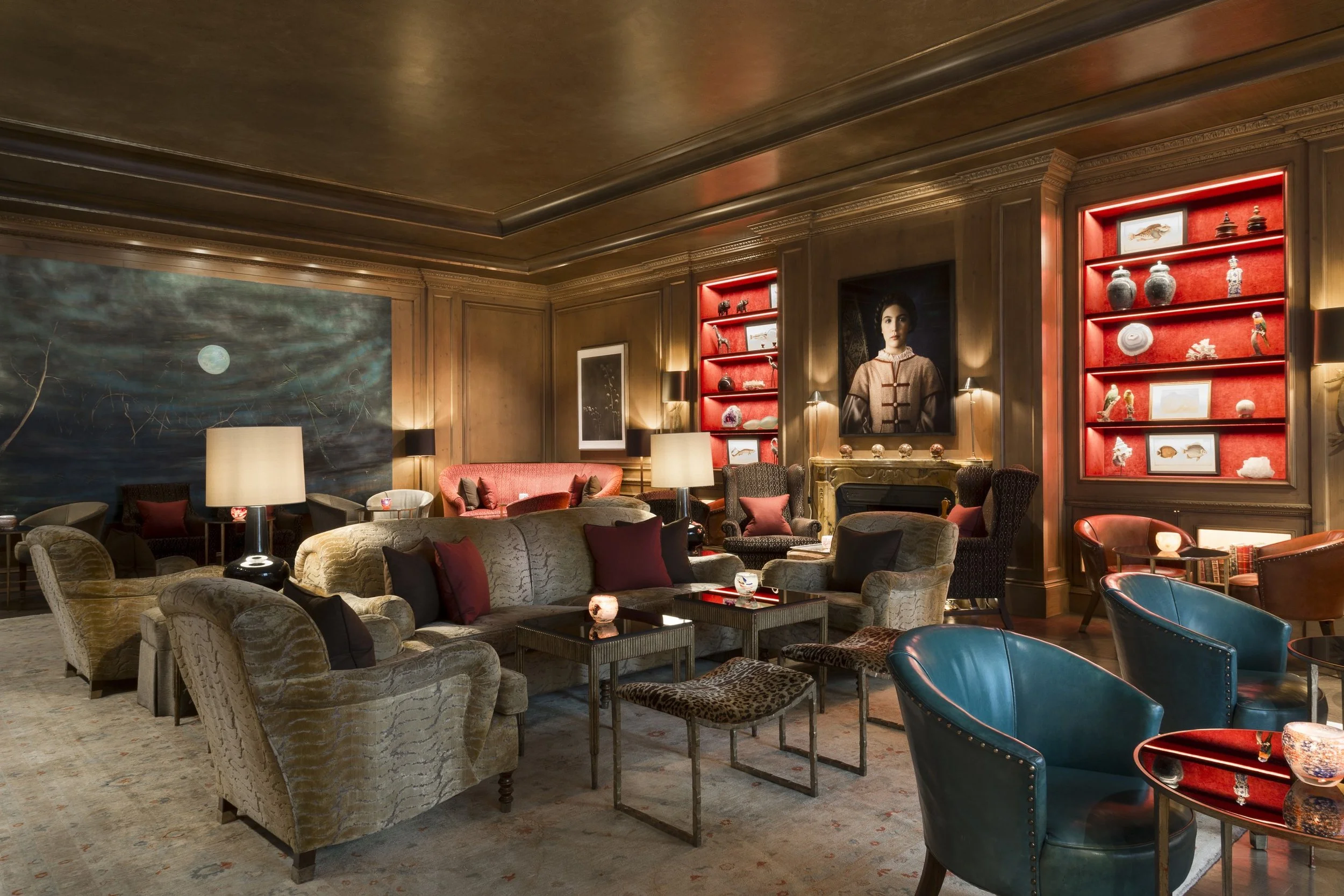
Le Bar du Bristol: An intimate cocktail bar for an aperitif or a later evening, with a more animated atmosphere during its programmed music nights.
L’Épicerie des Ateliers du Bristol: The hotel’s gourmet shop offers an opportunity to take its breads, pastries, chocolates and other artisan products into the city or home after a stay.
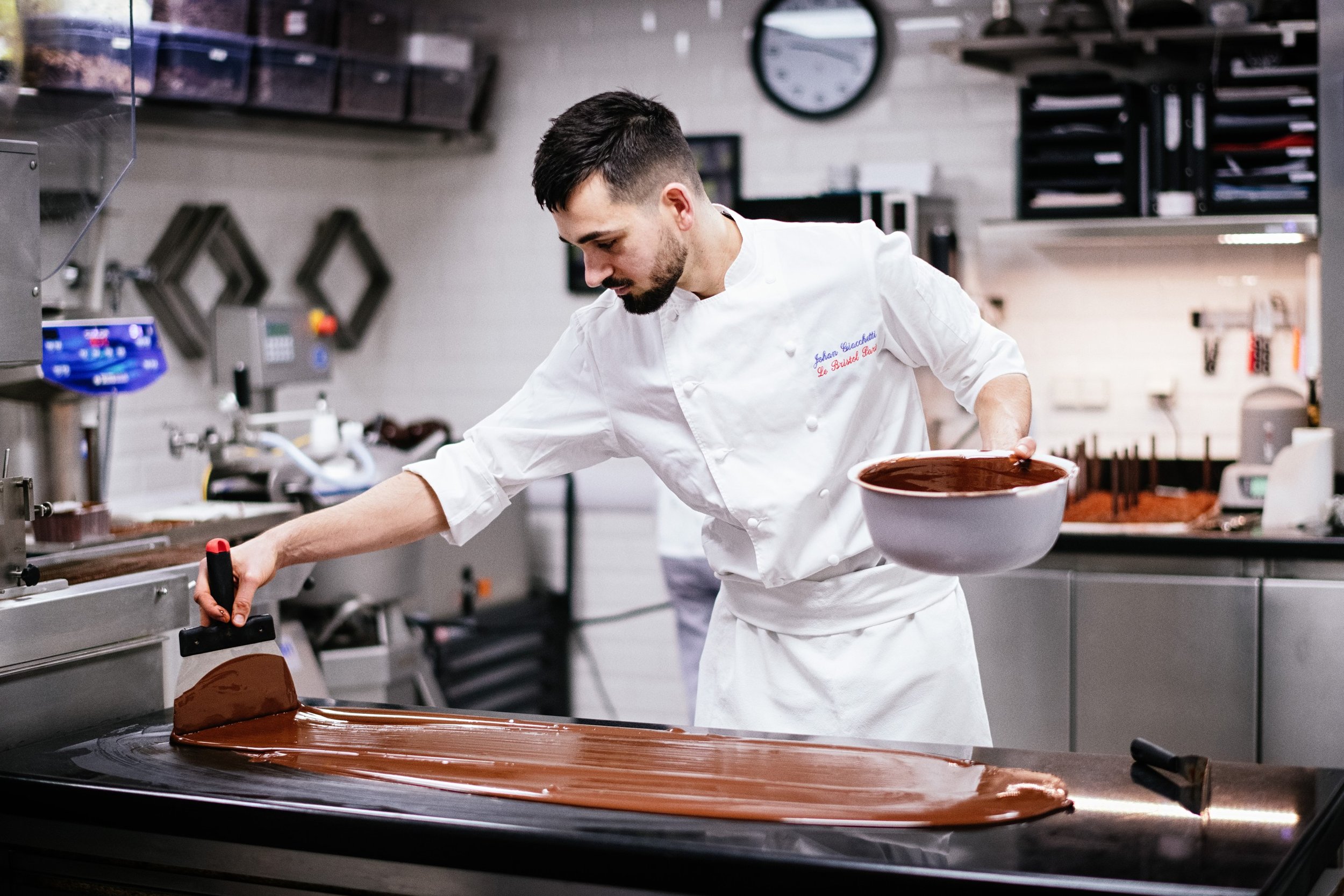
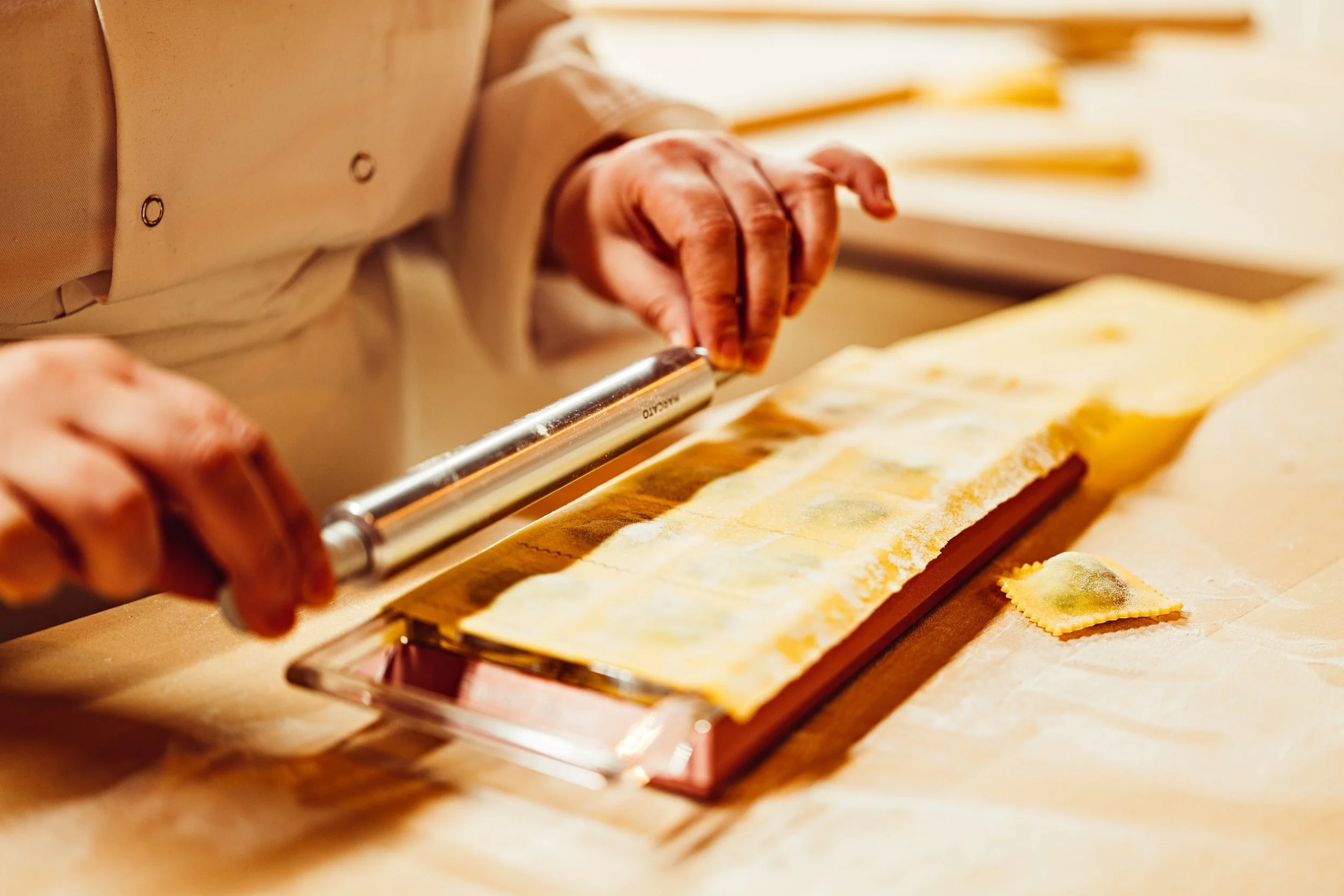
Les Ateliers du Bristol are the workshops behind much of this food, rather than an additional restaurant. A working flour mill processes organically grown heritage wheat, while the chocolate atelier, cheese cave and Il Pastificio pasta workshop contribute to different corners of the hotel’s menus.
Epicure deserves advance planning. Its current lunch and dinner service runs Tuesday through Saturday, and the restaurant requires a jacket. A tasting-menu evening works best when the afternoon is left relatively open, allowing time to return, change and enjoy the meal without rushing from another appointment.
A La Mer Treatment and a Swim Above Paris
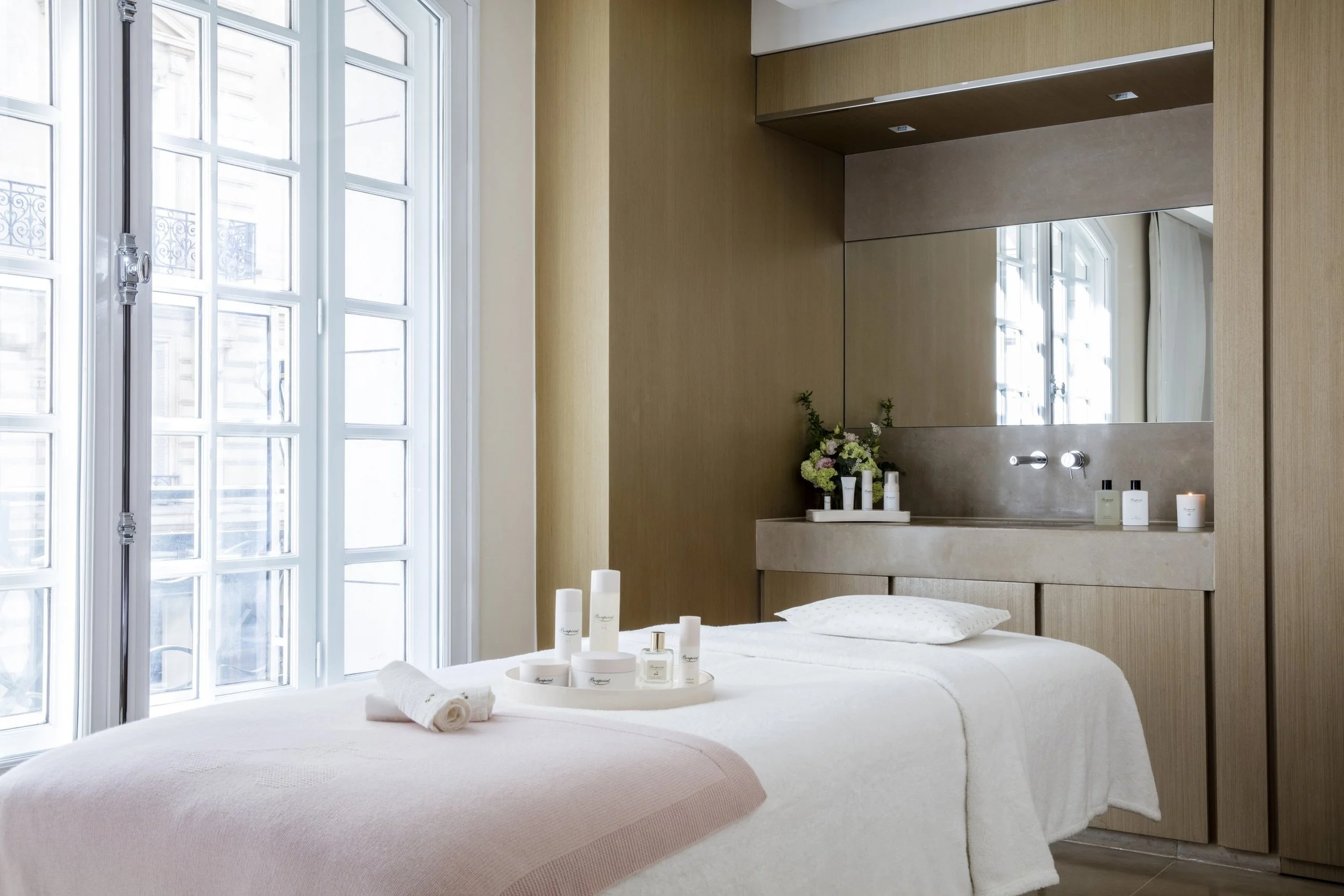
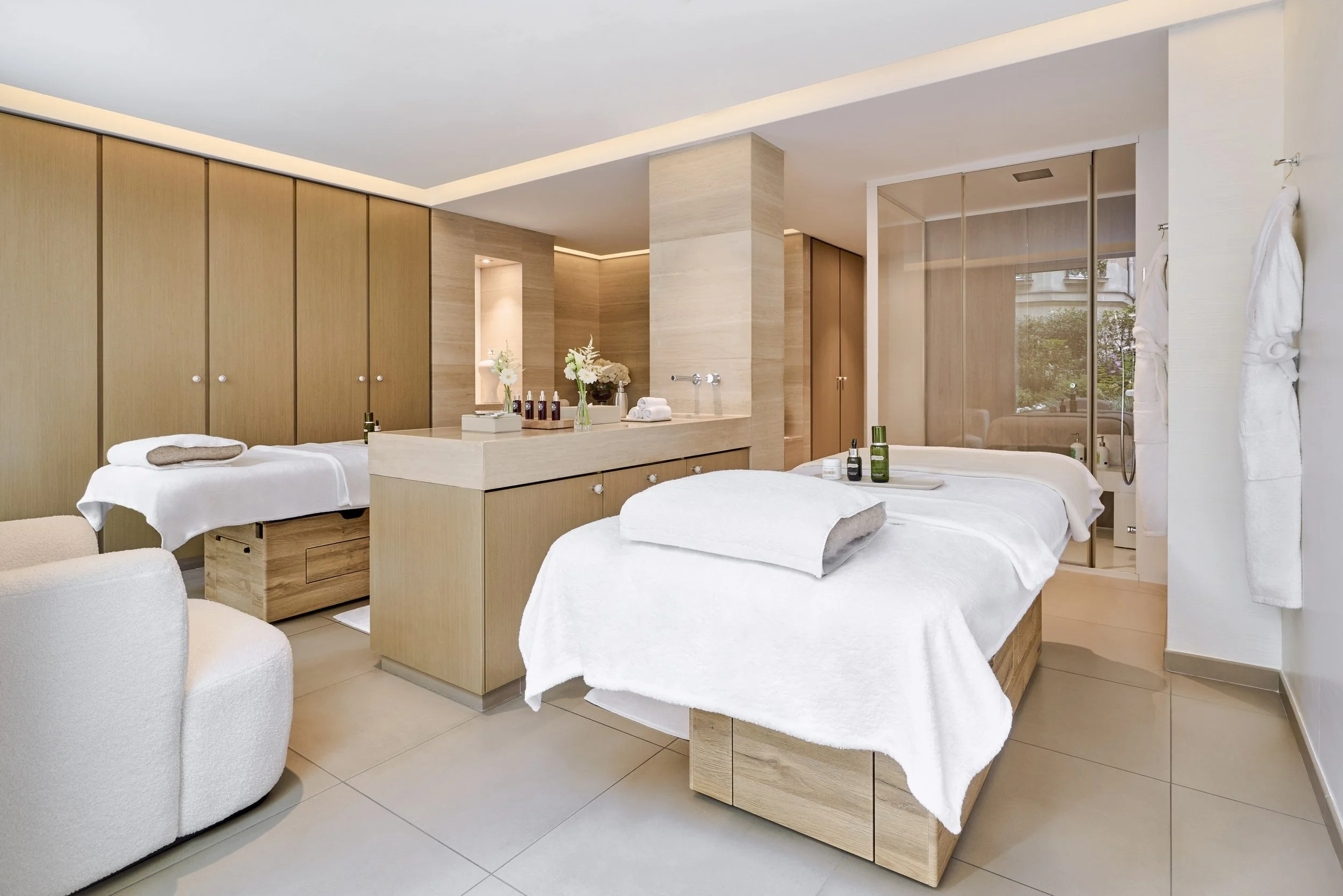
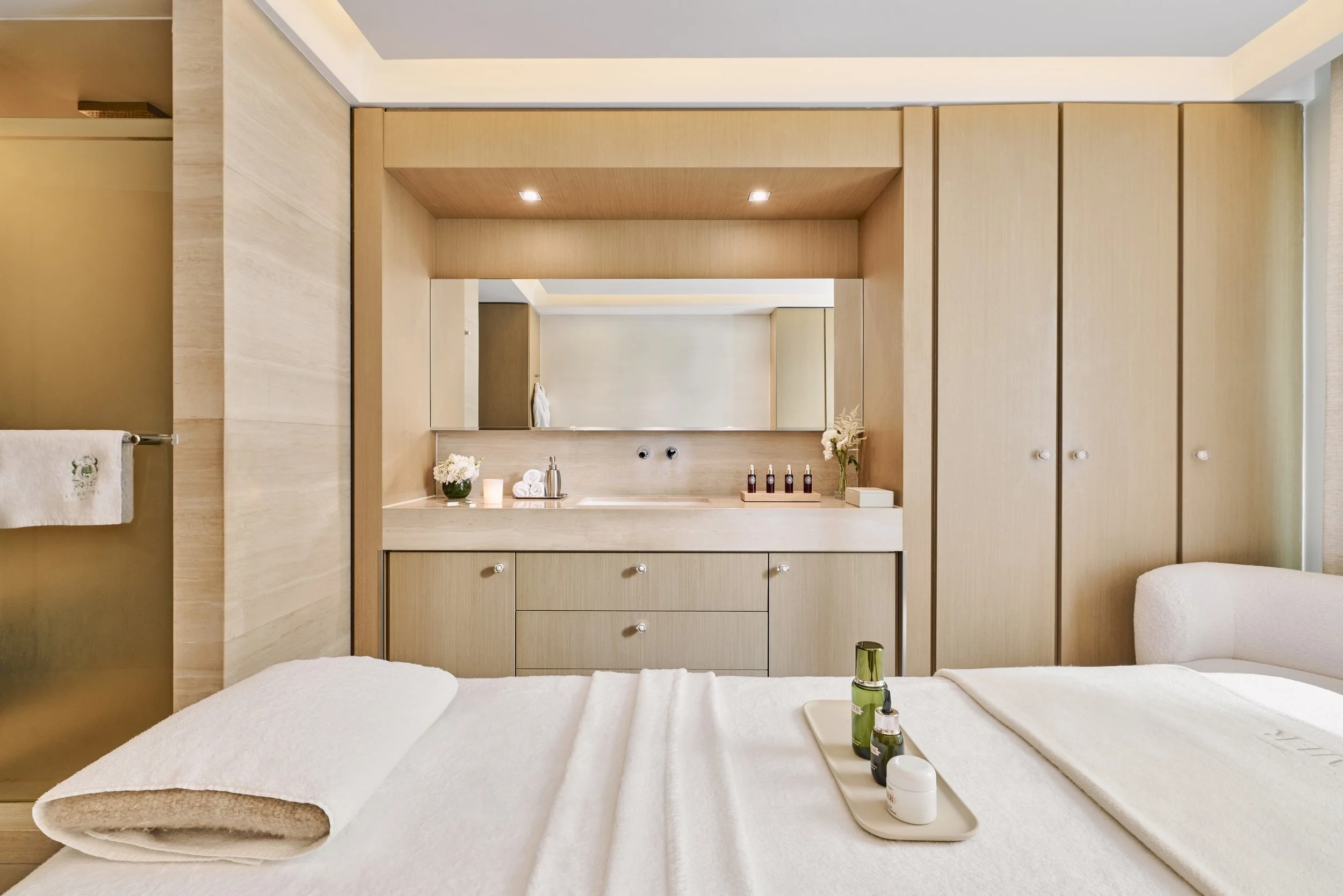
Spa Le Bristol by La Mer has eight treatment rooms, including two duo suites, with a menu that also brings together Tata Harper, Kos Paris and Bonpoint. The setting opens toward an interior garden, providing a quieter scale than the city outside. Facials, body treatments and massages can be fitted around a cultural itinerary rather than requiring an entire day at the spa.
The indoor swimming pool occupies the sixth floor and is reserved for hotel guests. Its yacht-inspired interior and views over the rooftops make it one of the property’s most distinctive spaces. Because the pool is enclosed, it remains useful in winter as well as summer.
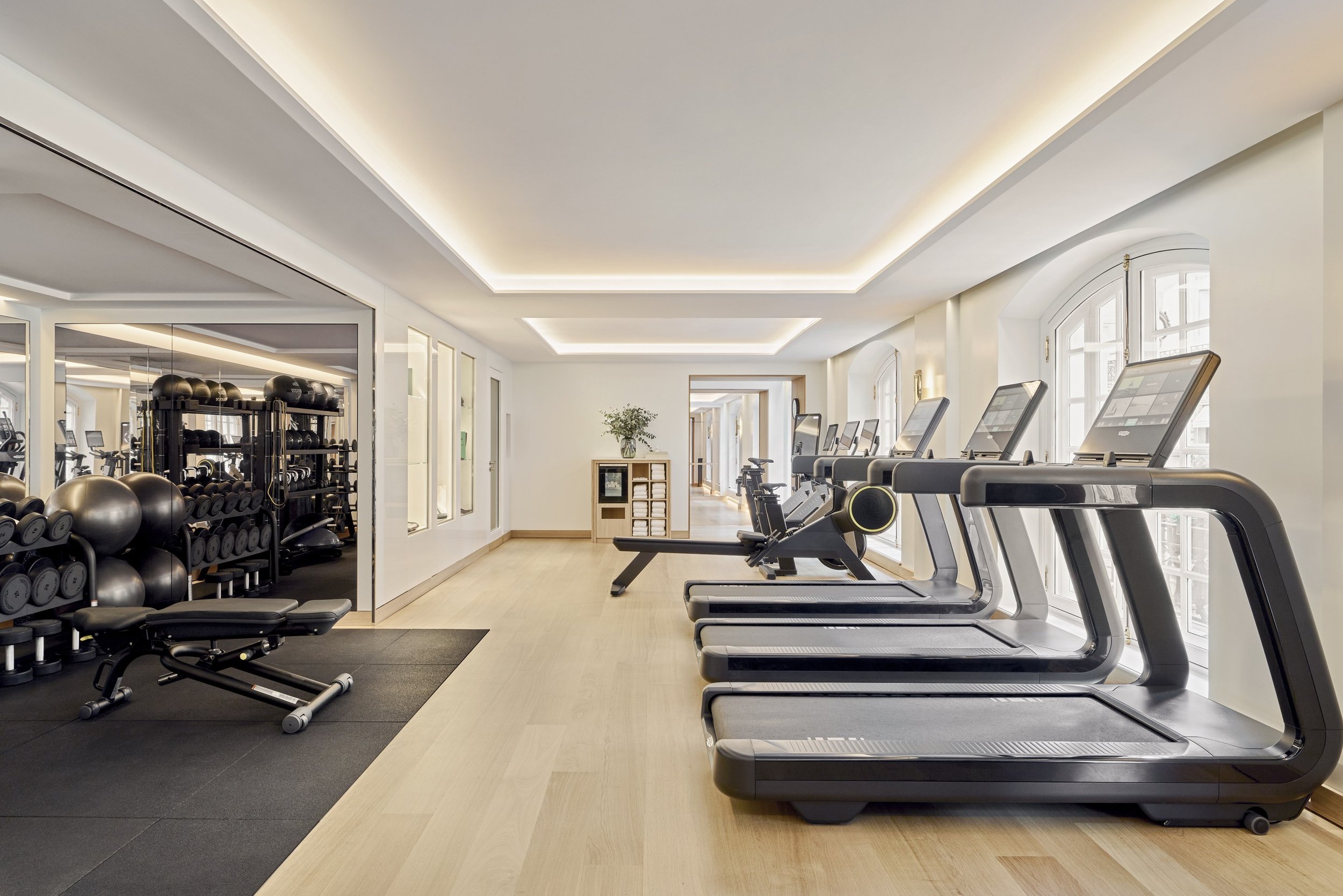
Fitness facilities include exercise equipment, a Pilates Reformer and a private coaching room, with personal training available by arrangement. Travelers seeking wellness within their own accommodation should consider Suite Eden’s dedicated terrace facilities; its Jacuzzi is a hot tub, not a private swimming pool.
A Right Bank Base for Art, Fashion and Wandering
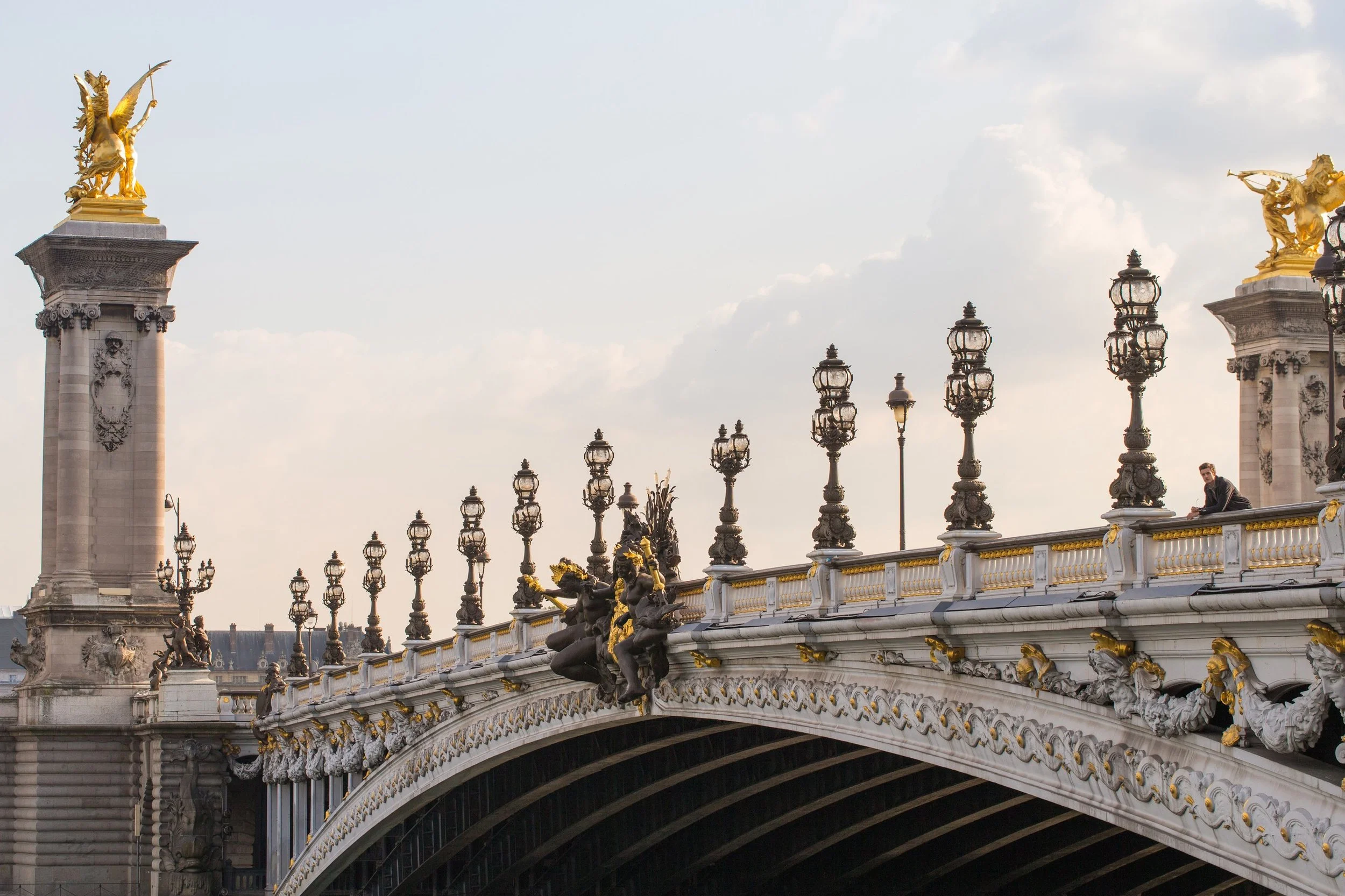
Le Bristol’s address makes the Faubourg’s boutiques and galleries part of the immediate neighborhood. The Élysée Palace gives the area its diplomatic character, while the Grand Palais, Petit Palais and Champs-Élysées provide natural directions for a walk. For an unhurried first afternoon, exploring this smaller radius is often more rewarding than crossing the city repeatedly.
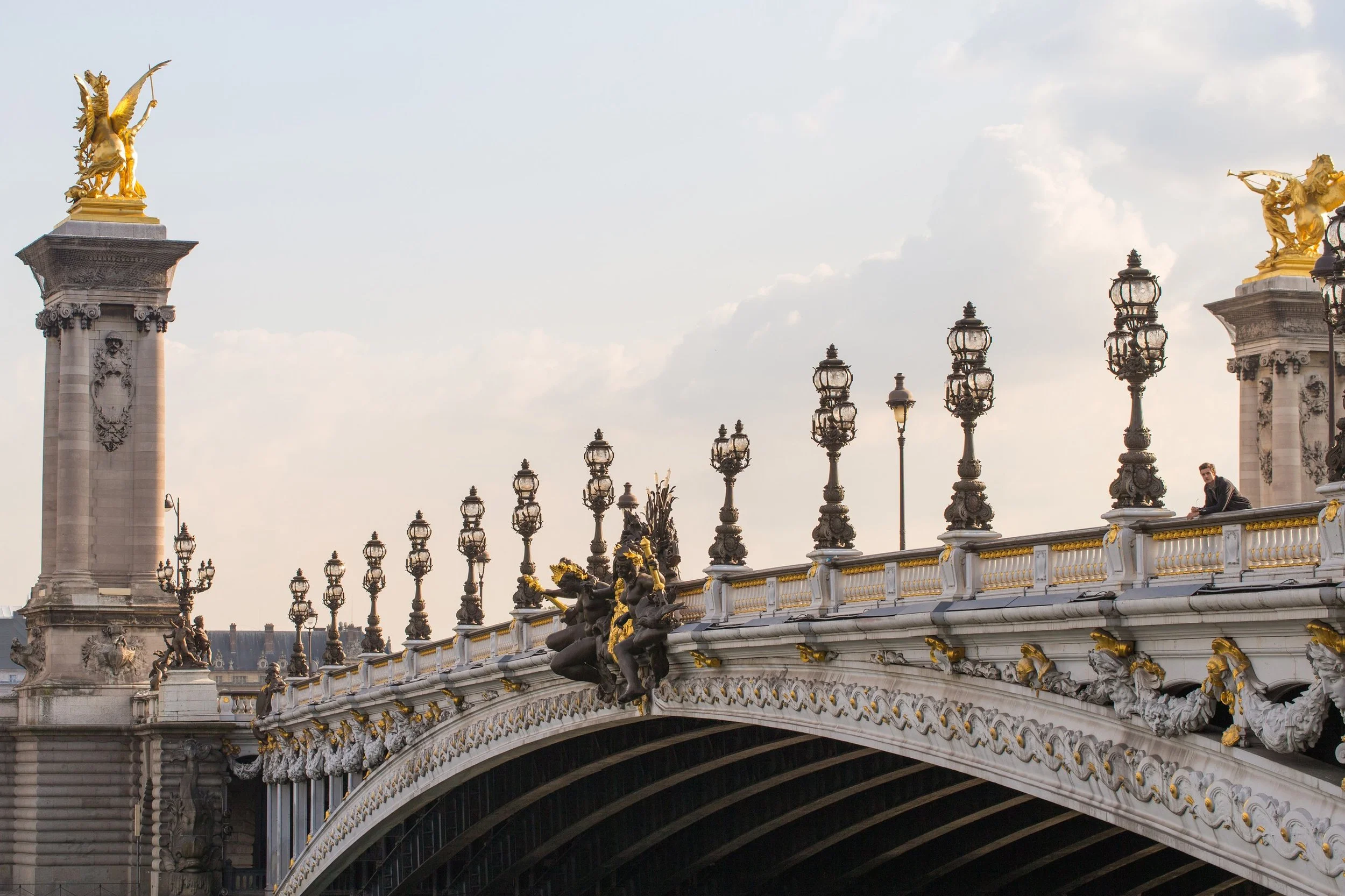
A longer stay allows different kinds of Paris to emerge. Pair the Louvre with time in the Tuileries, or devote a separate morning to the Musée d’Orsay and the Left Bank. Museum reservations and a knowledgeable guide can make a major collection more manageable, particularly when the visit is organized around a period, artist or interest.
The hotel’s concierge team can help shape days around shopping, exhibitions and performances. Our team can coordinate those arrangements with dining and transport, leaving enough room for discoveries that do not require a booking. A day at Versailles is worthwhile for travelers with the time to appreciate both palace and gardens, but it should have its own place in the itinerary rather than being squeezed between city appointments.
Back at the hotel, afternoon tea or a stop at the gourmet shop provides a smaller pleasure. Le Bristol is particularly effective when a stay alternates between substantial cultural experiences and these less scheduled moments.
A Parisian Palace That Makes Space for Children
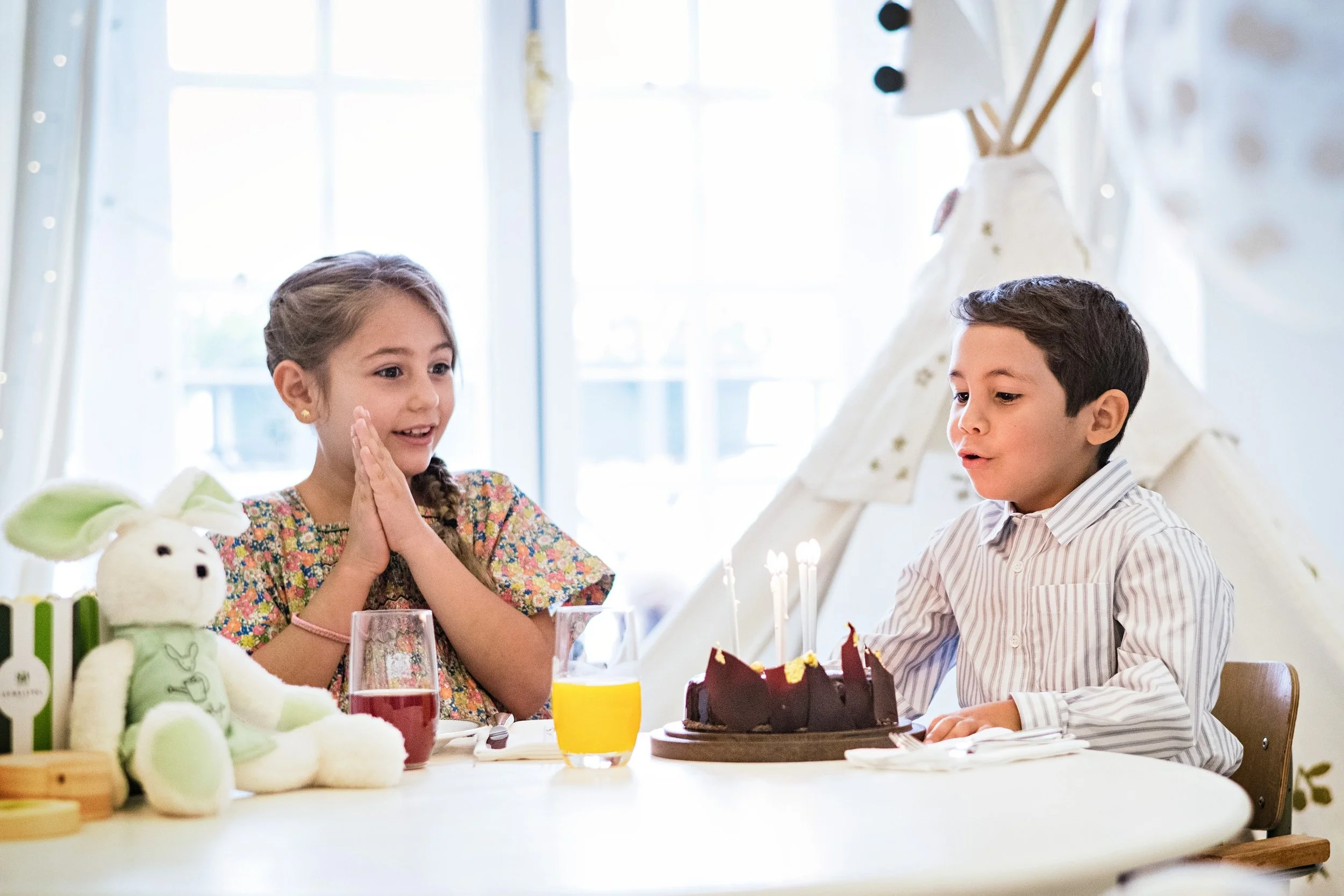
Le Bristol welcomes families with connecting rooms, flexible suite configurations and practical touches designed for younger travelers. The difference between a connecting bedroom and a sofa bed is meaningful on a longer trip, so the arrangement should be settled before arrival.
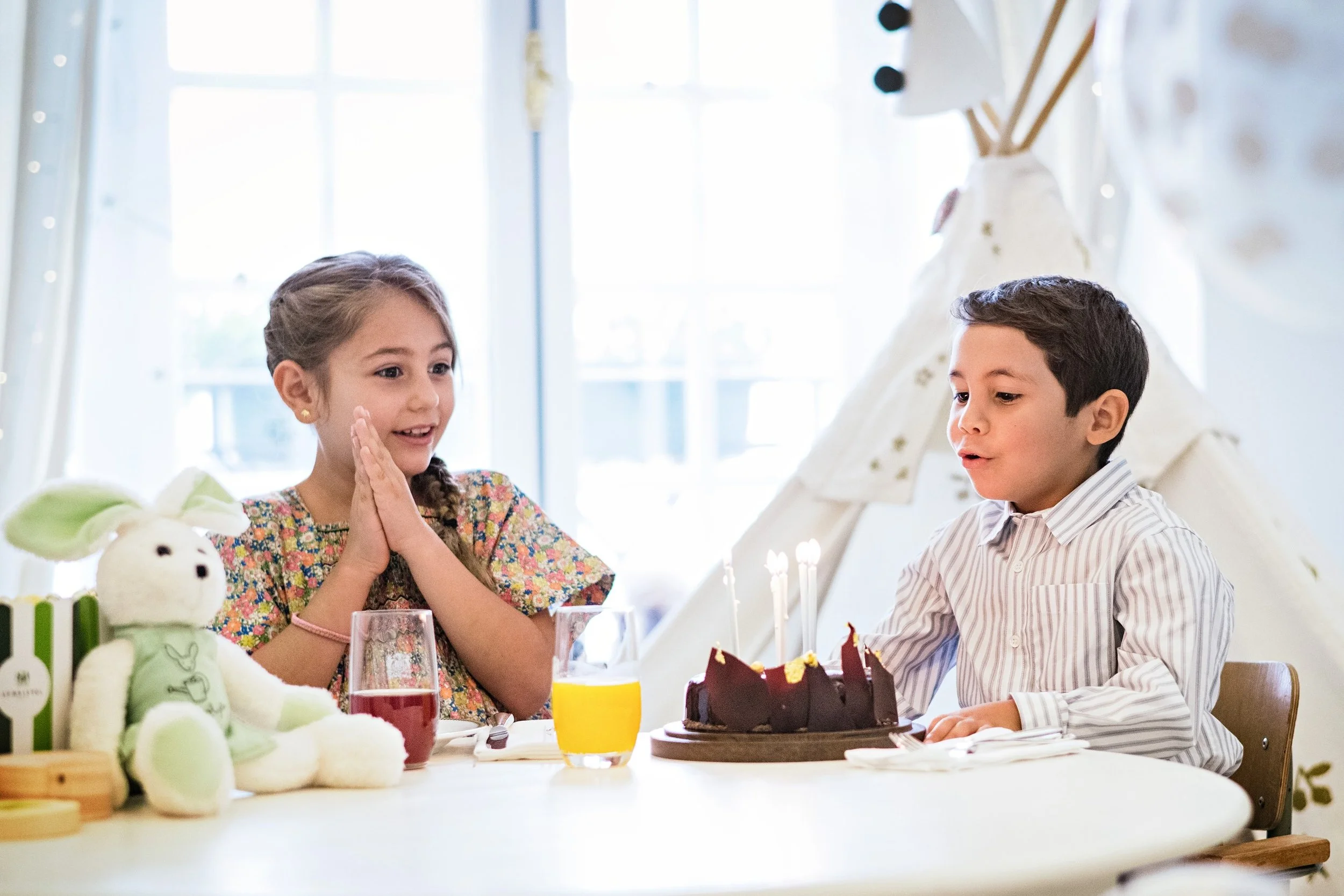
The hotel offers a children’s play area on the sixth floor and can arrange professional babysitting. Its family experiences include a rabbit mascot, Hyppolyte, and playful details such as treasure hunts and child-sized bathrobes. Bonpoint treatments add another option, with selected experiences for children aged six to 12 and shared parent-and-teen treatments for ages 12 to 16.
Socrate, the resident Birman cat, gives the public spaces another source of interest for children. The overall atmosphere remains that of a city hotel, making Le Bristol particularly suitable for families who want museums, neighborhood walks and downtime together rather than a resort-style supervised activity schedule.
Artisan Production and Measurable Choices
Le Bristol’s sustainability work is most useful to understand through specific practices. Its flour mill uses organically grown heritage wheat from France, connecting bread production to agricultural diversity and traditional craftsmanship. The hotel also works with BE WTR as part of its approach to reducing the impact of drinking-water provision.
The property holds the Green Key label, and an internal team brings staff from different departments into its sustainability work. In-room Giving Bags allow travelers to leave suitable unwanted belongings for charitable donation instead of discarding them.
These initiatives sit alongside the resource demands of a full-service city palace. They are concrete measures to consider, rather than a reason to describe a stay as impact-free. The most persuasive part of the approach is that several practices are embedded in everyday operations, from the kitchens to the guest rooms.
Choosing the Right Room for Comfortable Access
Le Bristol publishes specific accessibility provisions, including five designated accessible rooms, an adapted spa treatment cabin and a lobby elevator with accessible access. Elevators have Braille and audible indicators, and equipment such as a wheelchair, shower chair or stool and non-slip mats is available on request.
The precise room and route still matter. Suite layouts vary, and the optional additional bedroom in the Suite Panoramique is reached by a private staircase. A prestigious category therefore does not automatically provide the most suitable arrangement.
Our team can request the relevant floor plan and confirm entrance routes, bathroom configuration, lift access and access to the intended dining and wellness spaces before booking. That advance coordination is especially useful in a historic property with several wings and individually configured suites.
Paris Through the Garden’s Seasons
Spring and early autumn are appealing for travelers who want to combine museums with long walks and time outdoors. The garden becomes a more substantial part of daily life as temperatures rise, while a balcony or terrace has greater practical value during a stay built around warmer weather.
Summer brings long evenings, although hot spells make an early start and a slower afternoon sensible. Winter shifts the balance toward exhibitions, shopping, extended lunches and the indoor pool. The hotel remains a year-round choice rather than a seasonal retreat.
Fashion weeks, major exhibitions and the festive period can shape availability and the character of a visit. Book the particular suite and essential restaurant reservations early if they are central to the trip. Garden dining is weather-dependent, and restaurant operations should be considered separately from the hotel’s year-round opening.
Plan Your Le Bristol Stay With Destinations by David
Through our Oetker Pearl Partner affiliation, booking Le Bristol Paris with Destinations by David offers access to preferred arrangements alongside personal planning and direct coordination with the hotel. Our team will help choose the right room or suite, shape the itinerary and communicate the details that matter before you arrive.
At Le Bristol, that guidance begins with the accommodation: a garden-facing room, a terrace suite, an apartment with connecting bedrooms and a signature suite with private wellness facilities offer different ways to experience Paris. We can then bring dining, museum visits, shopping appointments and transfers into a schedule that feels considered without becoming crowded.
Contact our team to plan and book Le Bristol Paris, whether for a short city escape, a family celebration or a longer journey through France. We will discuss the preferred arrangements privately and tailor the stay around your priorities.
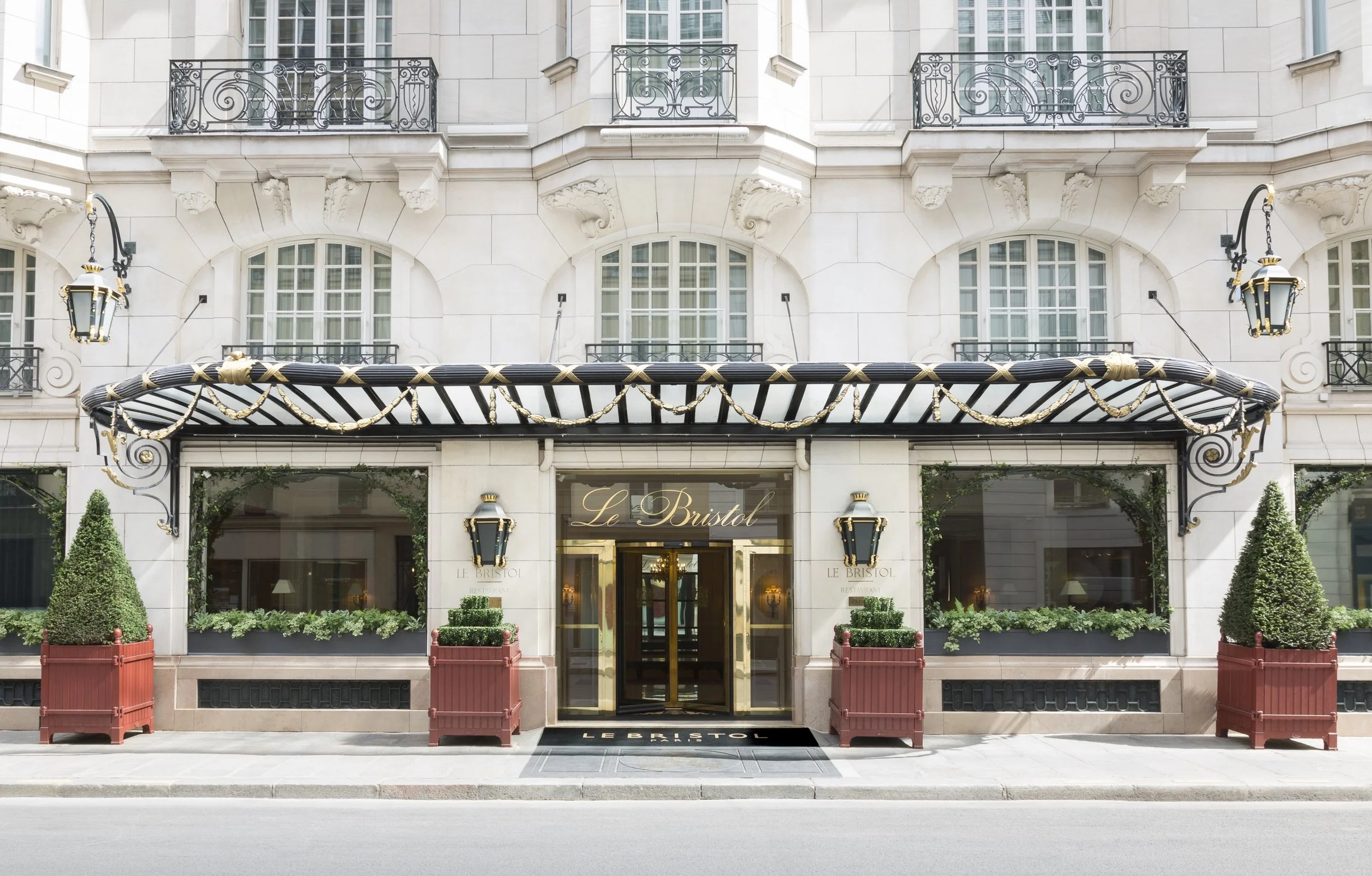
Arriving at 112 Rue du Faubourg Saint-Honoré
From Paris Charles de Gaulle Airport: Allow approximately 45–75 minutes by private car, with additional time during heavy traffic; the hotel can arrange a limousine transfer.
From Paris Orly Airport: Allow approximately 40–60 minutes by car, depending on traffic and the arrival time.
From Gare du Nord: After arriving by Eurostar or another train service, allow approximately 20–35 minutes for a car transfer to the hotel.
By Métro: Miromesnil, served by lines 9 and 13, is approximately a five-minute walk away; luggage and step-free access requirements may make a private transfer preferable.
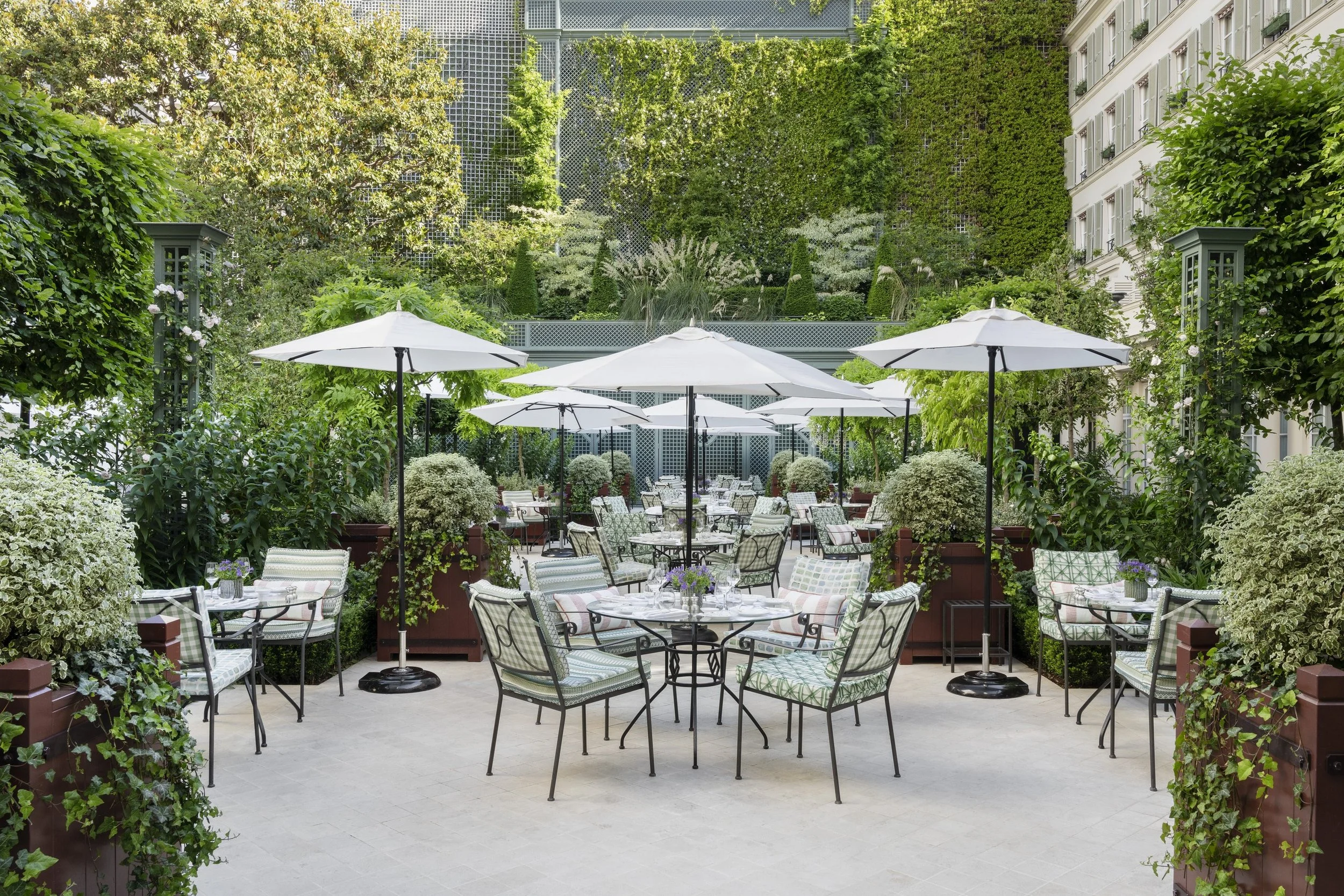
Let Paris Continue Behind the Hotel Door
Le Bristol’s lasting attraction is that it contributes something distinct to a Paris itinerary. The garden gives the city a softer edge, its workshops make familiar foods worth noticing, and its suites offer markedly different perspectives on the same neighborhood. Choose the room carefully, allow time for the table and leave an afternoon without an appointment. The address opens the door to Paris; the hotel gives you a reason to enjoy coming back.