Riviera Nayarit, Mexico | Rosewood Mandarina
Where the Rainforest Meets the Pacific
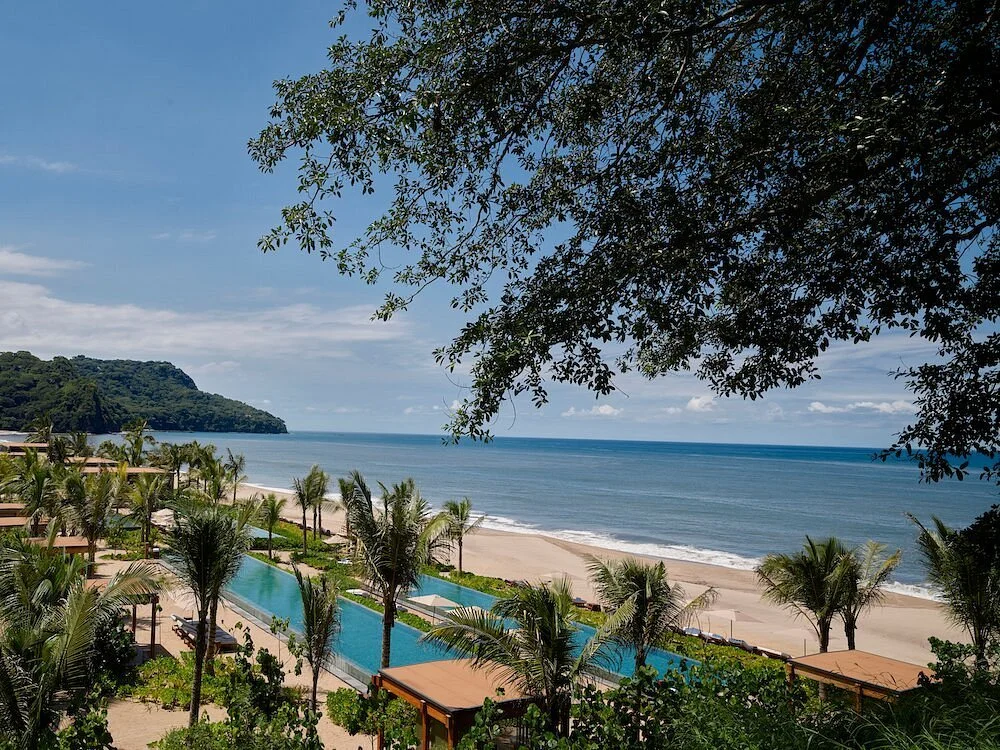
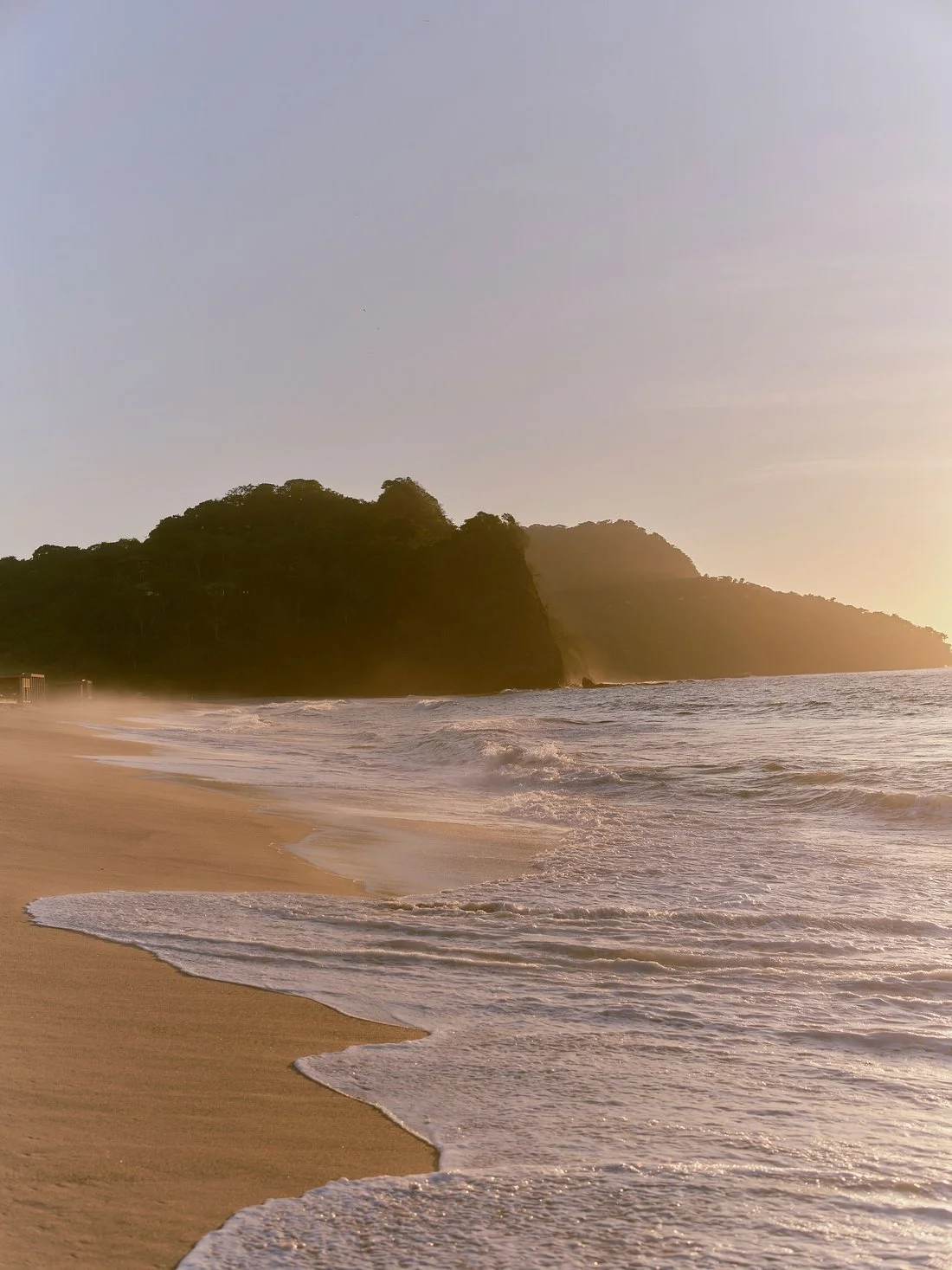
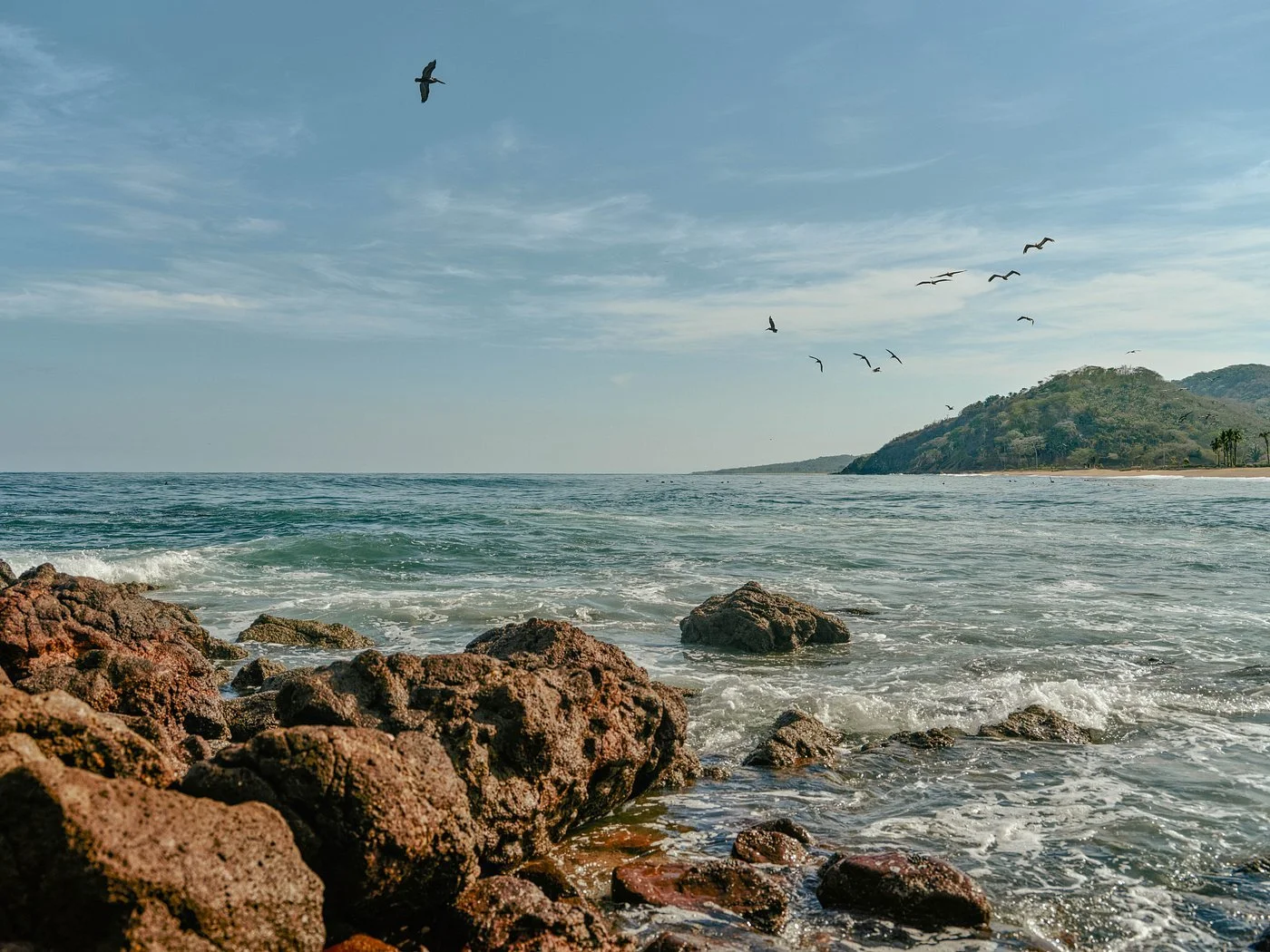
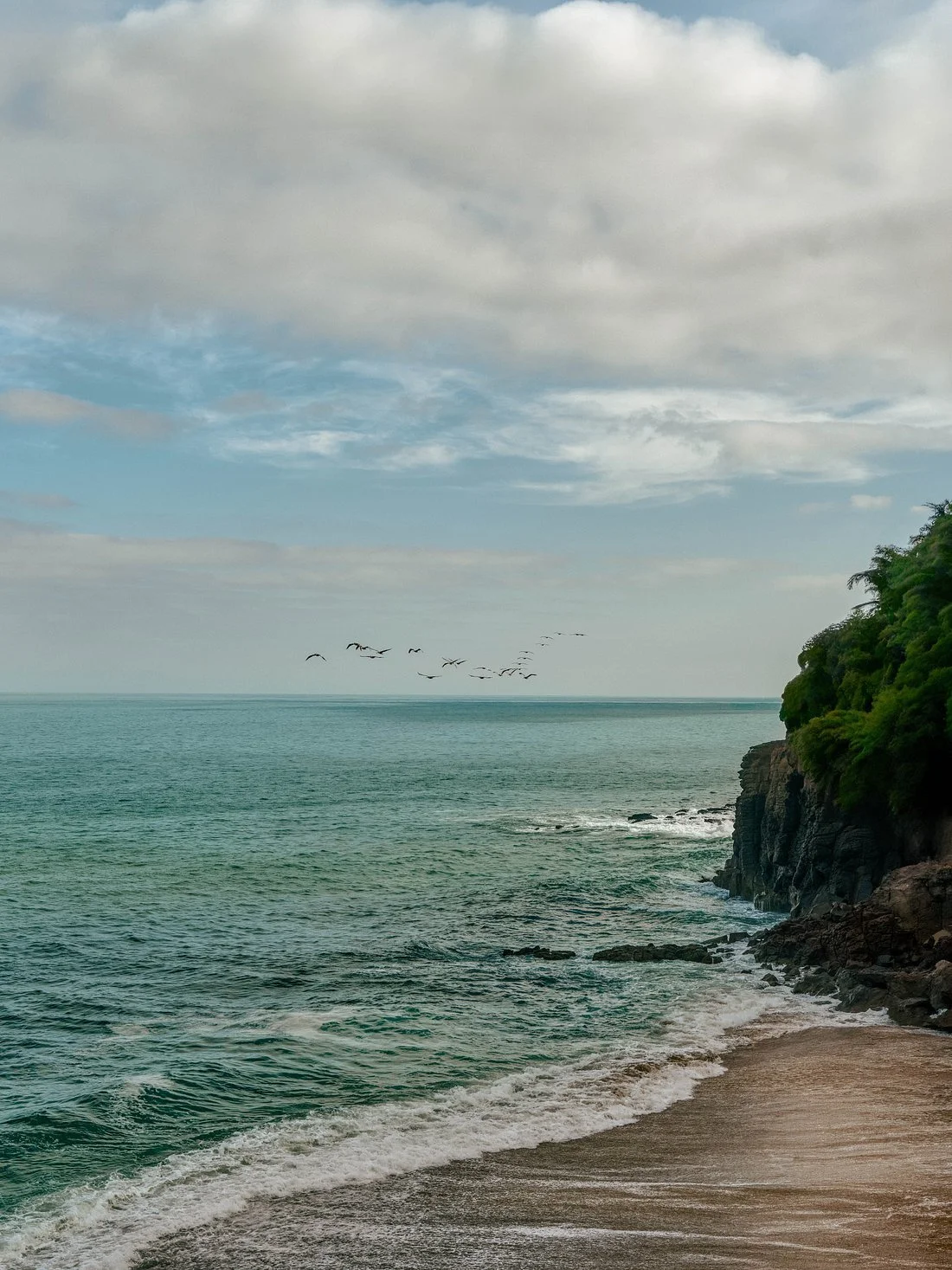
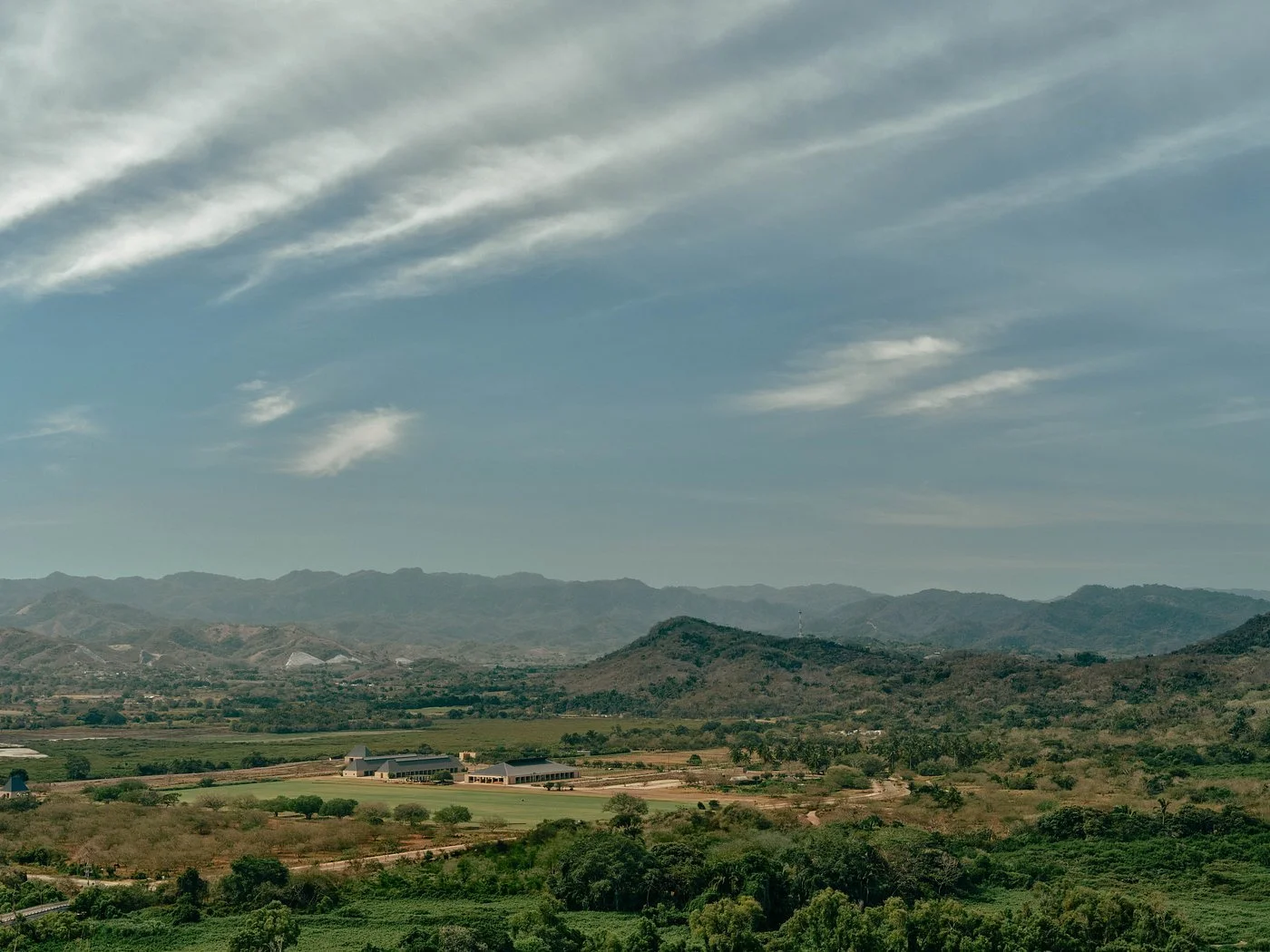
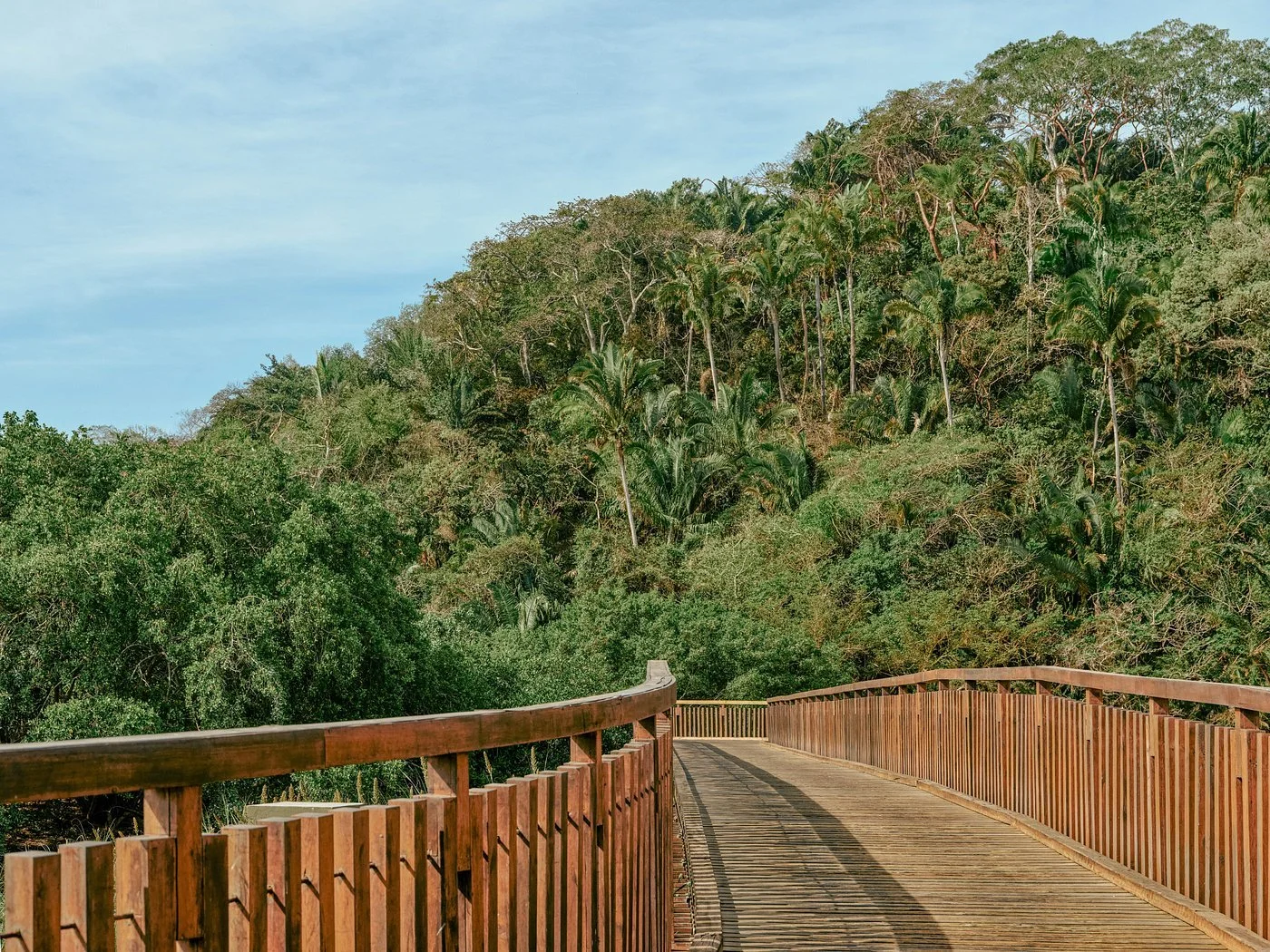
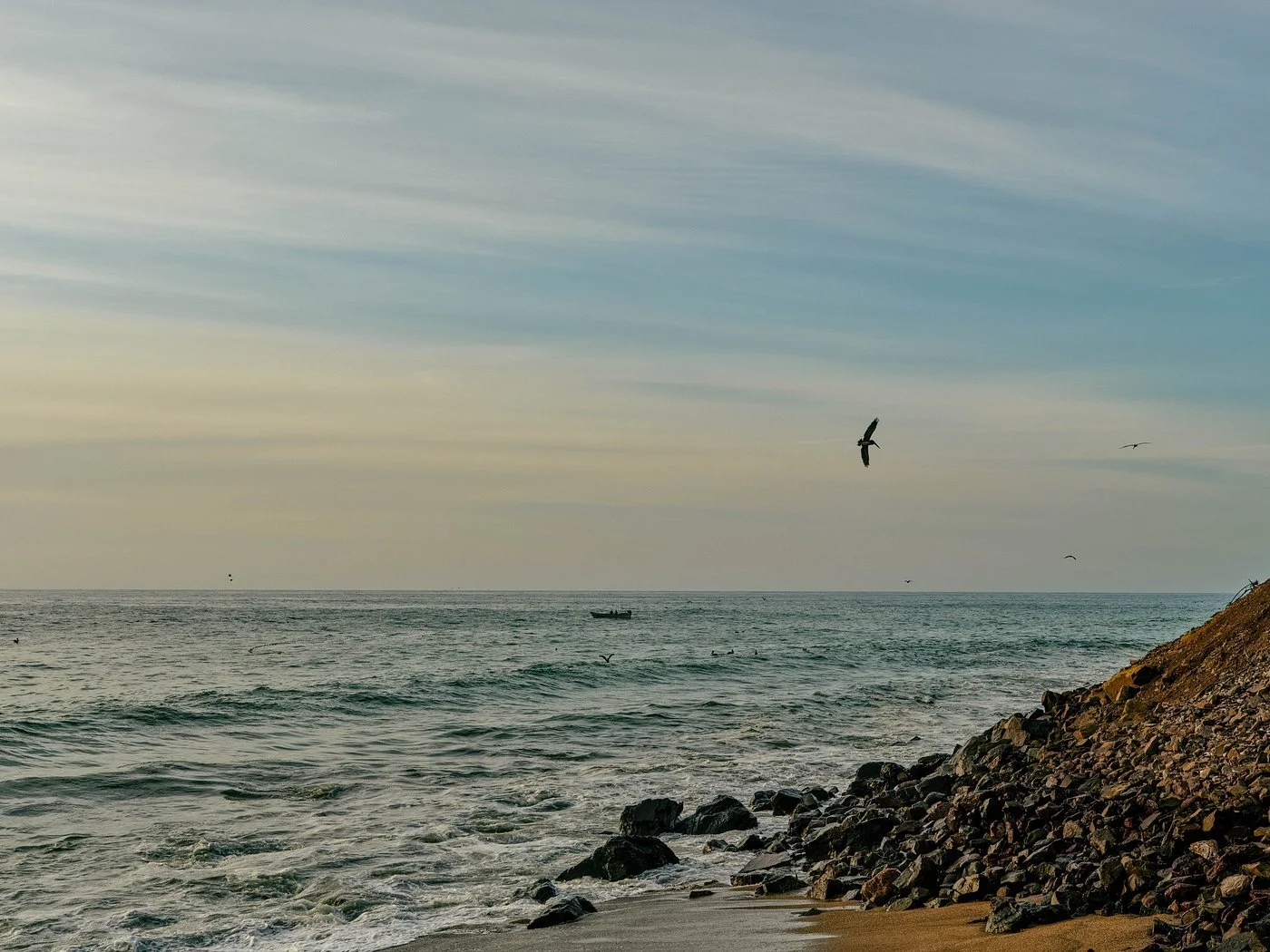
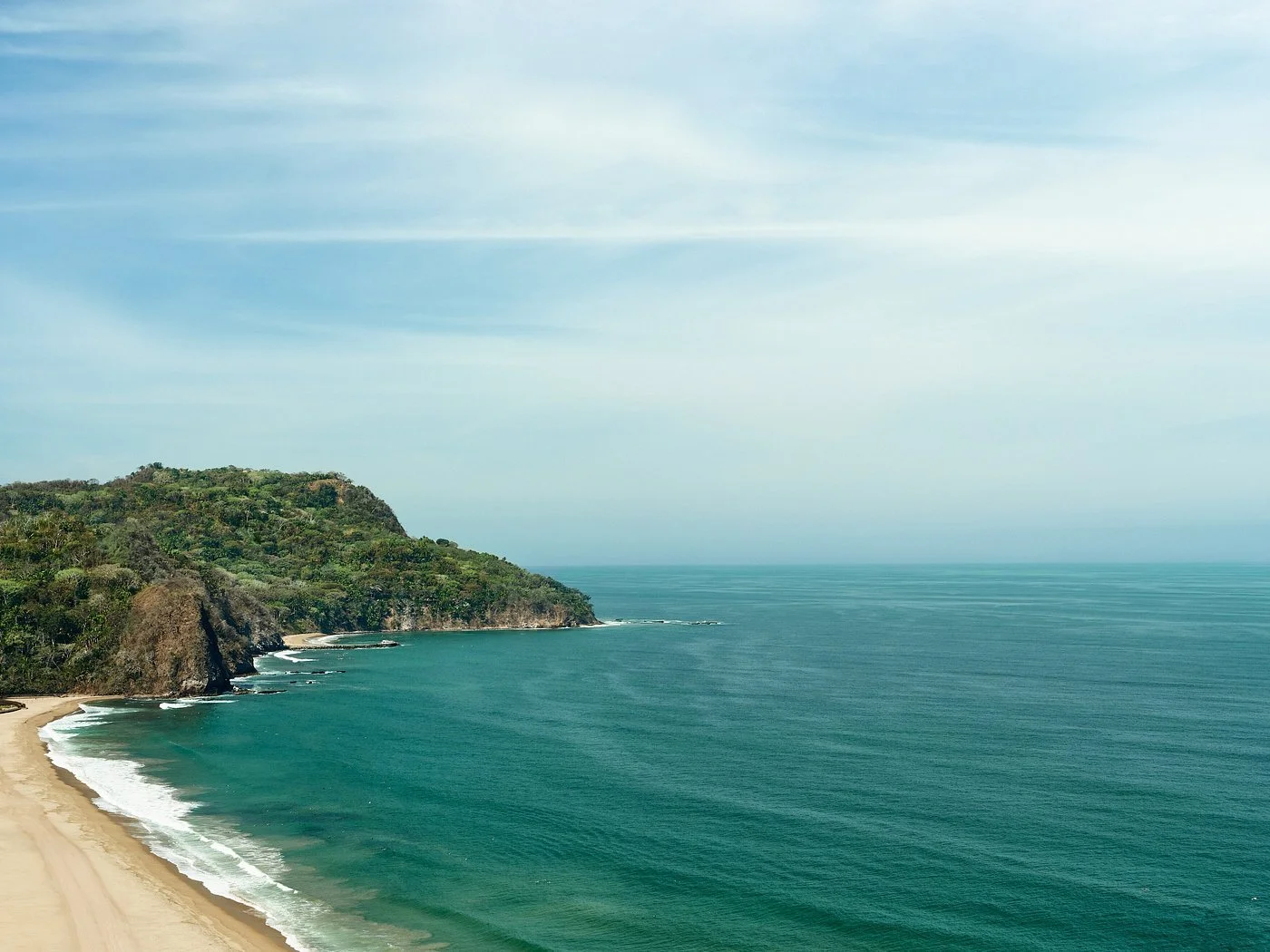
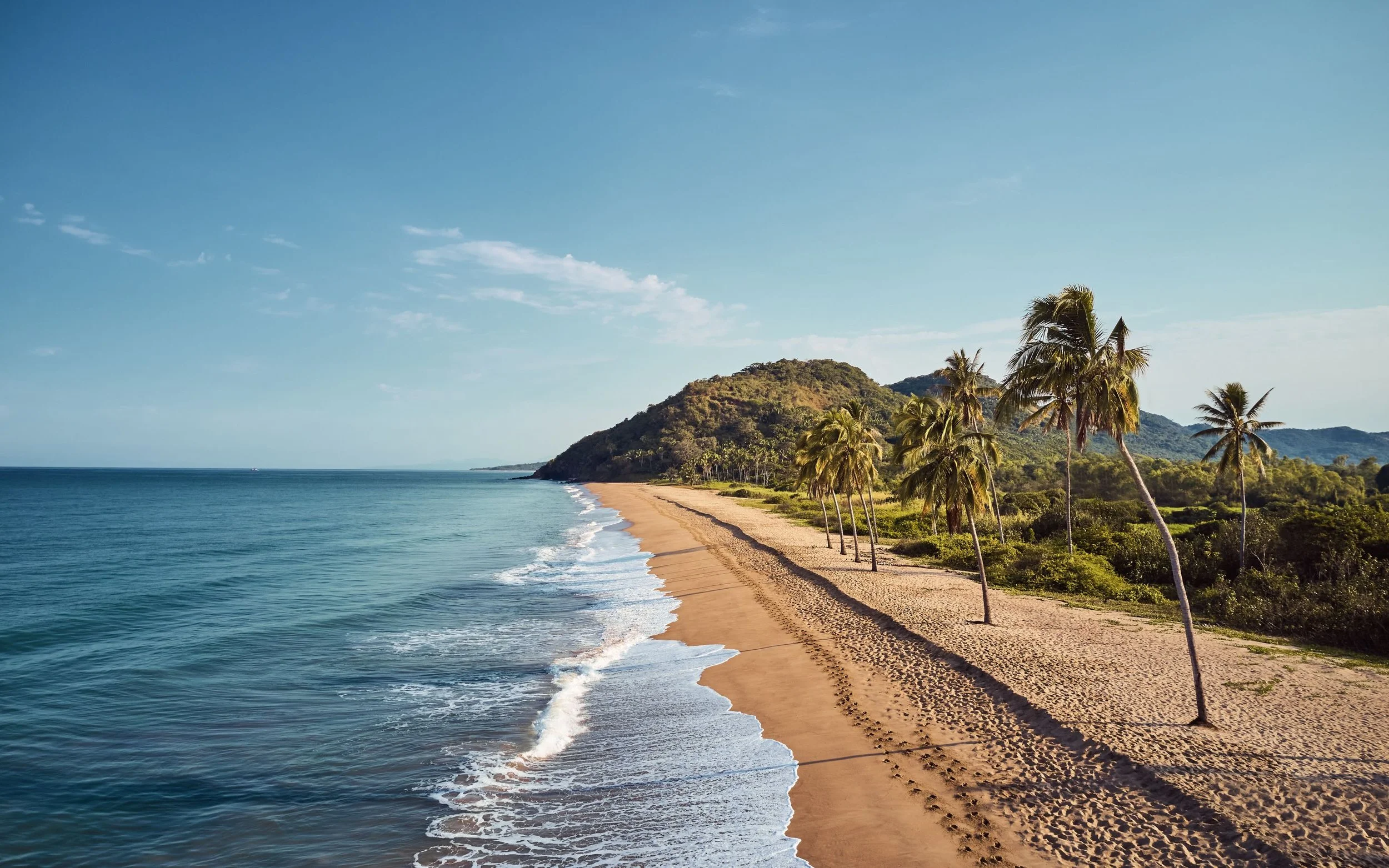
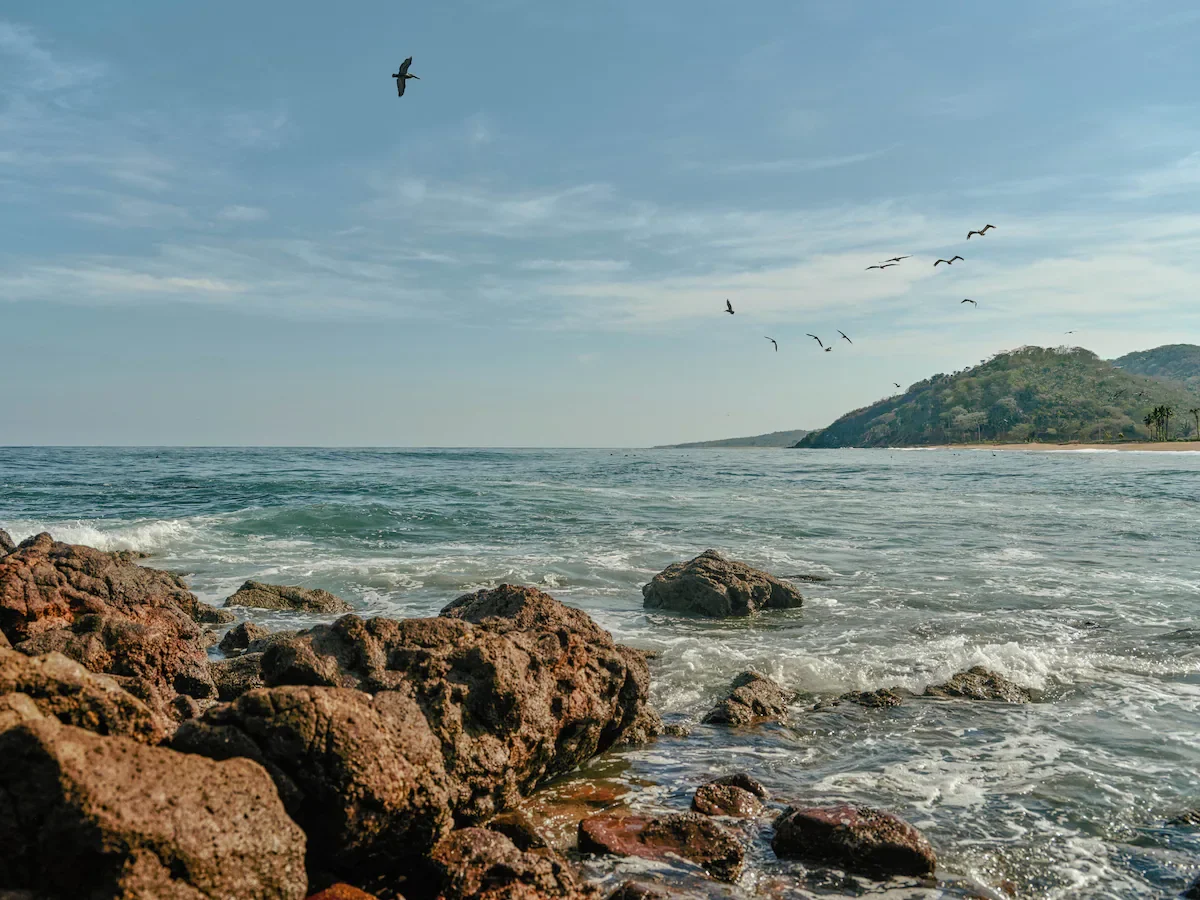
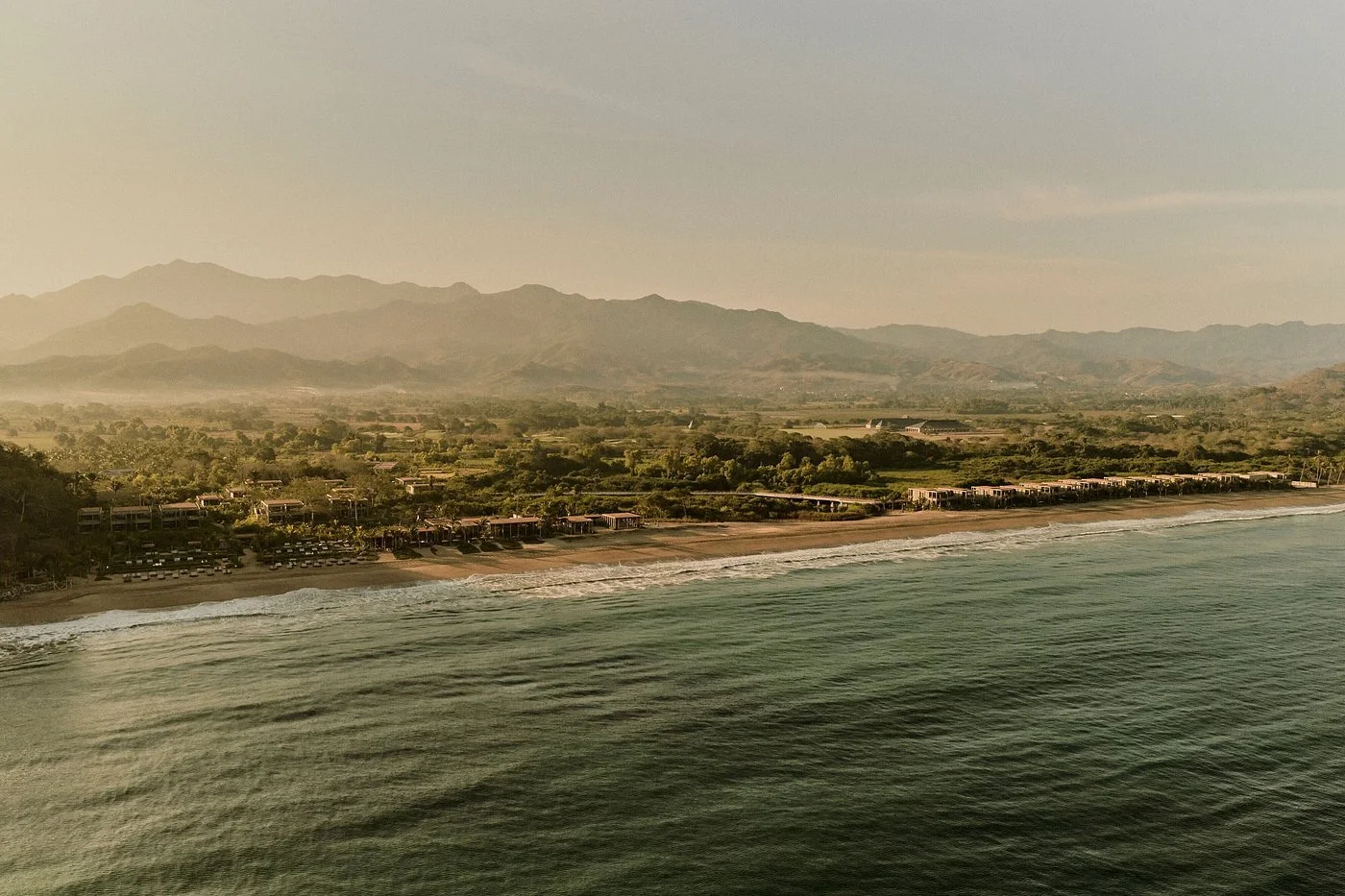
Riviera Nayarit is a place defined by contrast. The Pacific Ocean meets dense tropical forest, broad green flatlands sit beneath the Sierra Madre, and coastal communities still move at a very different pace from Mexico’s larger resort destinations.
Rosewood Mandarina places guests directly inside that landscape.
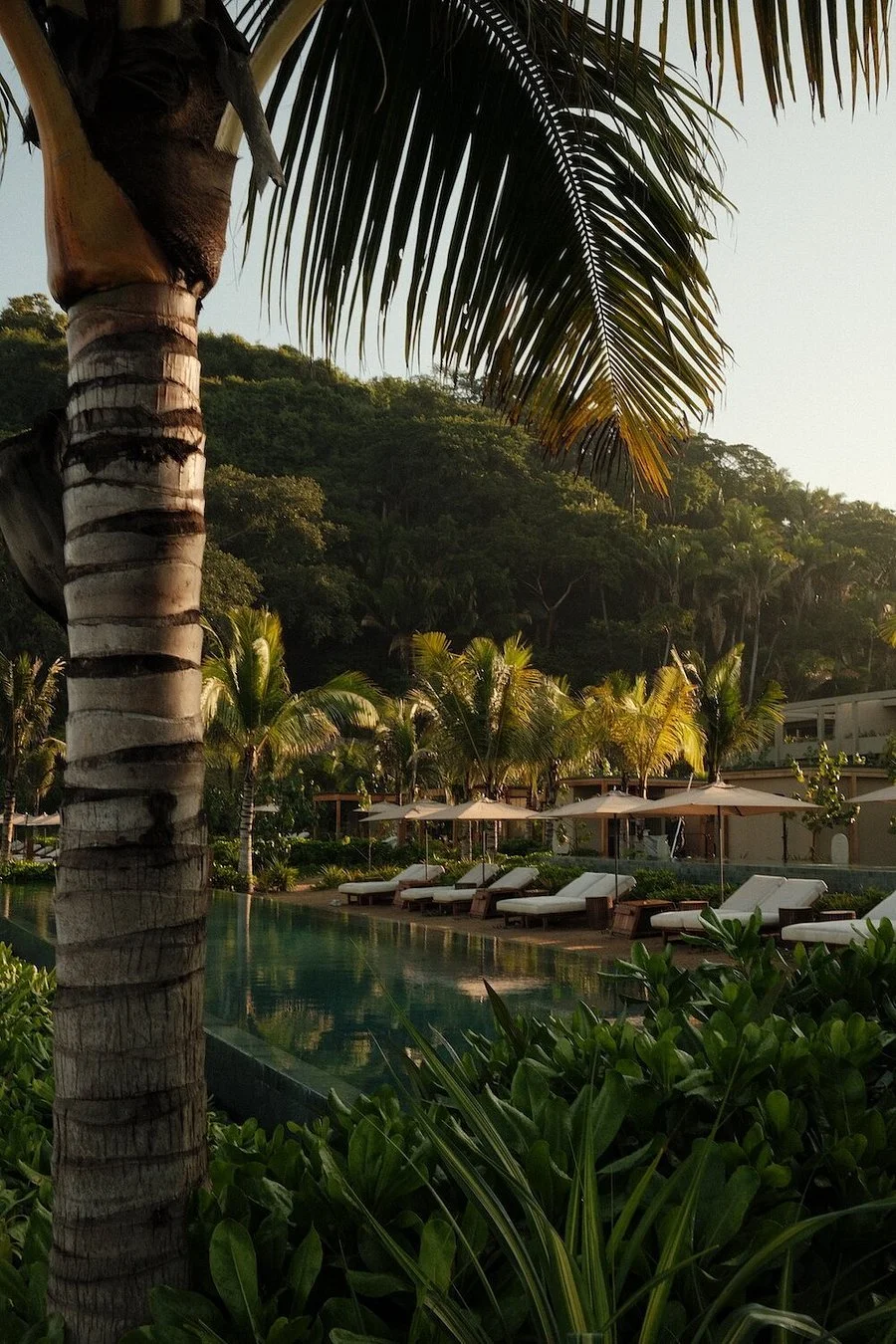
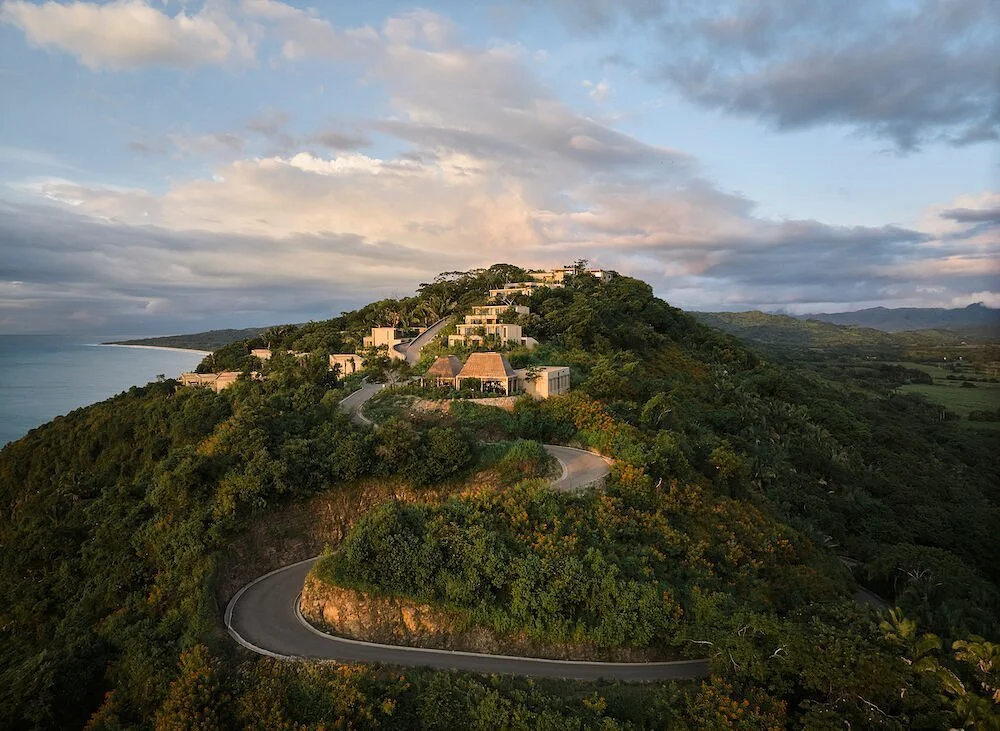
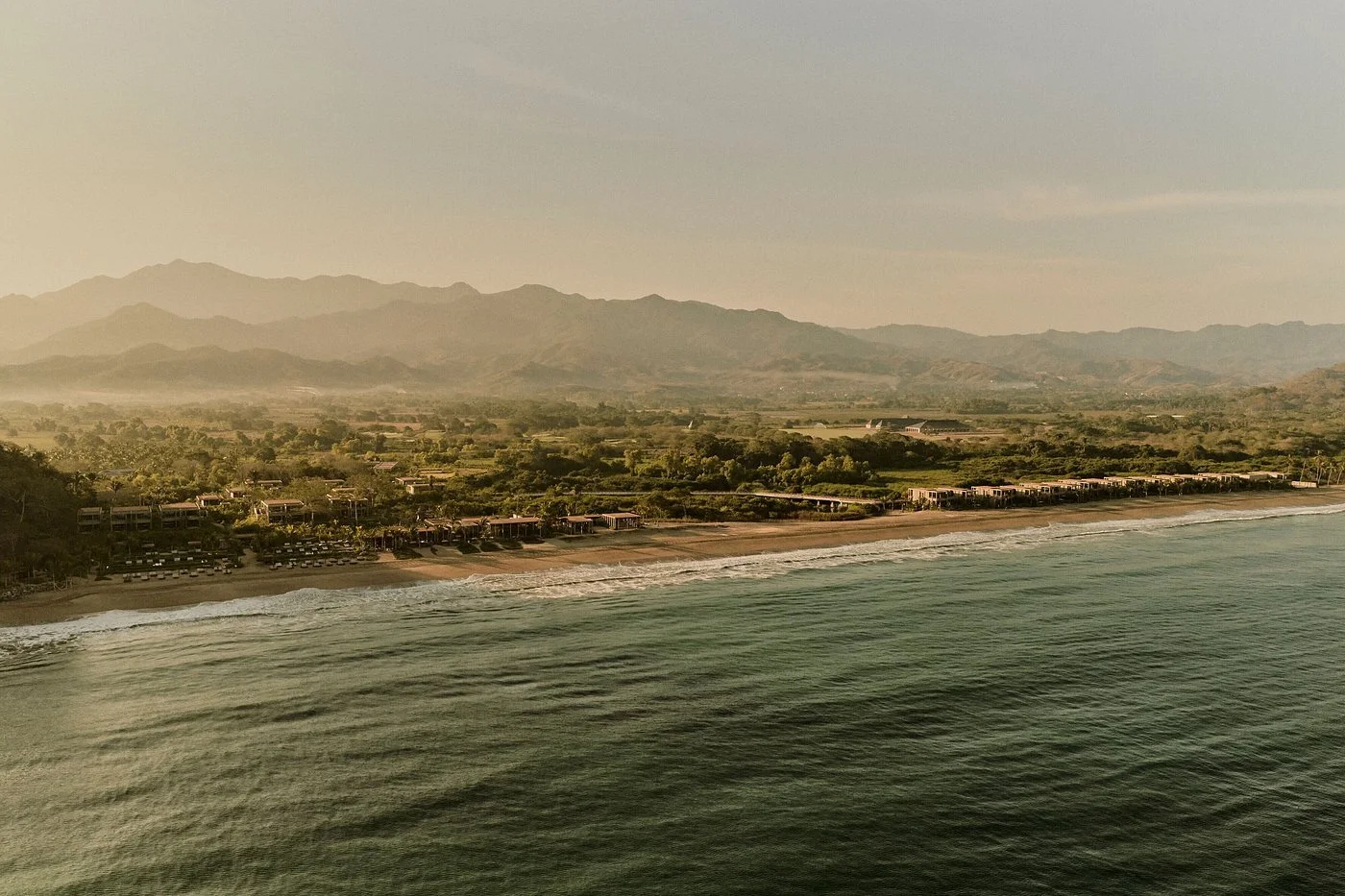
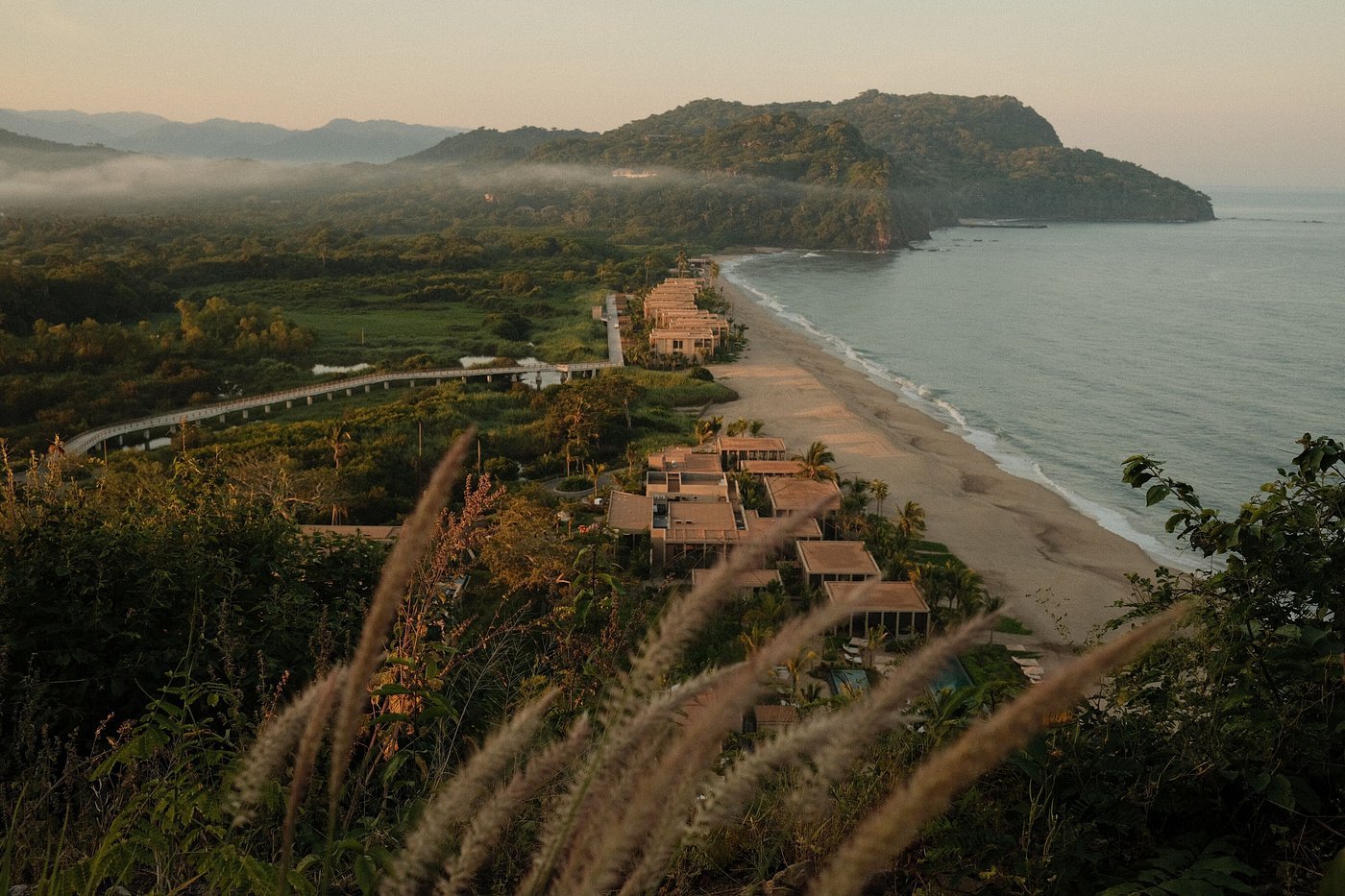
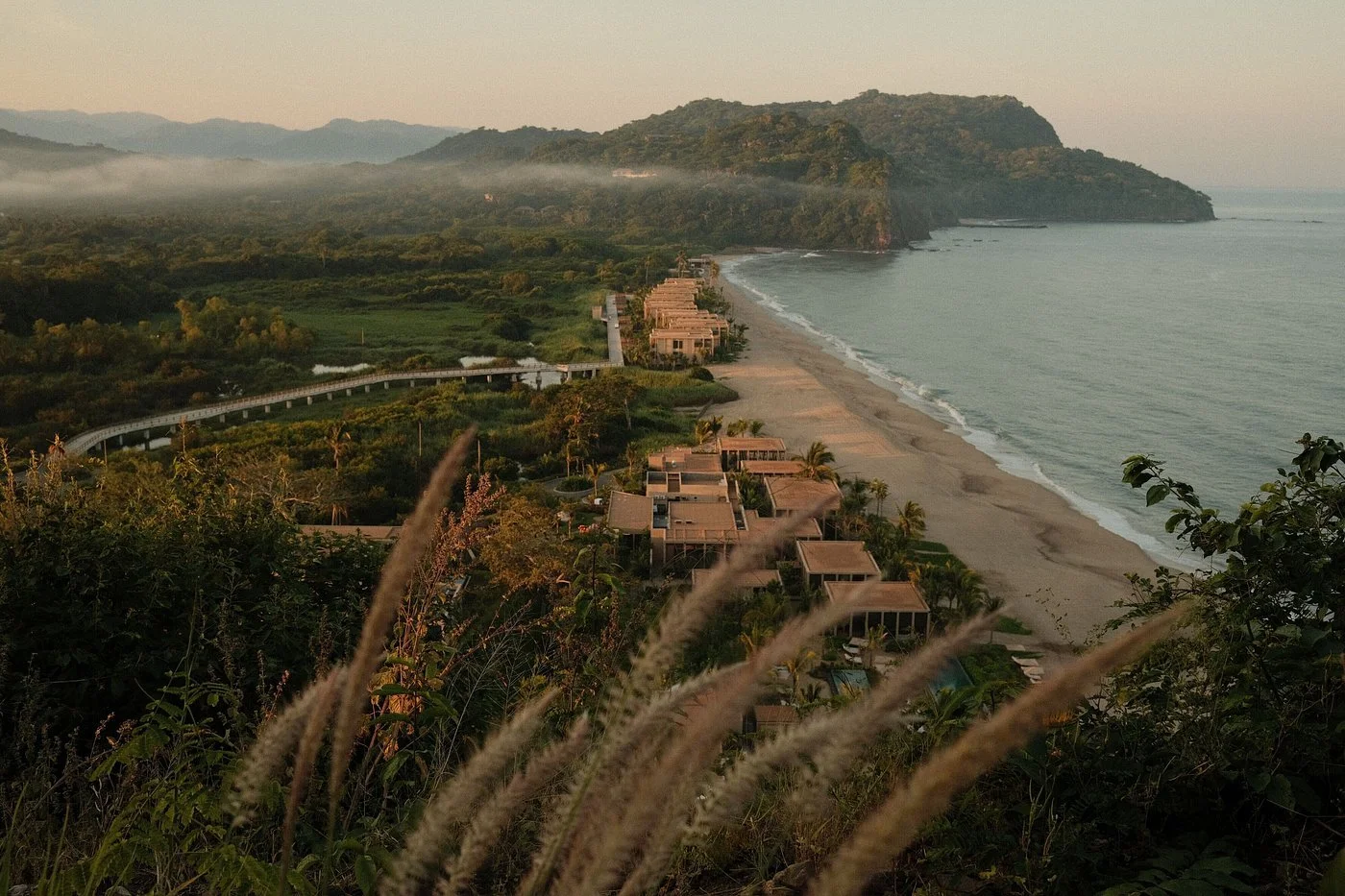
Set within the private Mandarina development on Mexico’s Pacific coast, the resort opened in 2025 as Rosewood’s fourth property in the country. The site stretches from rainforest-covered mountains to open flatlands and the beach, allowing the resort to feel less like a single hotel and more like a series of private enclaves shaped by the terrain.
For us, that relationship with the land is the reason to come.
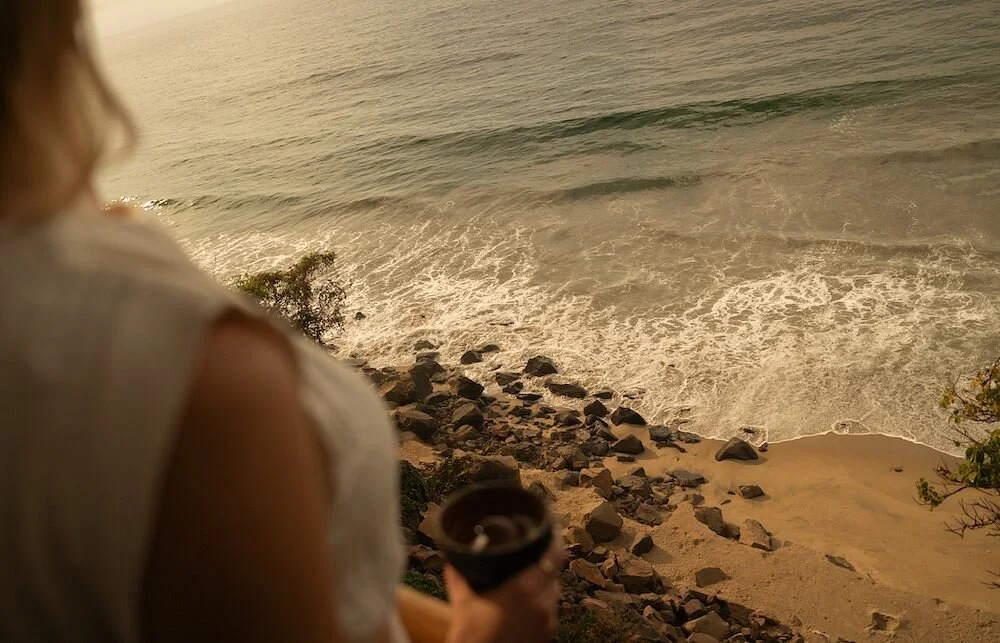
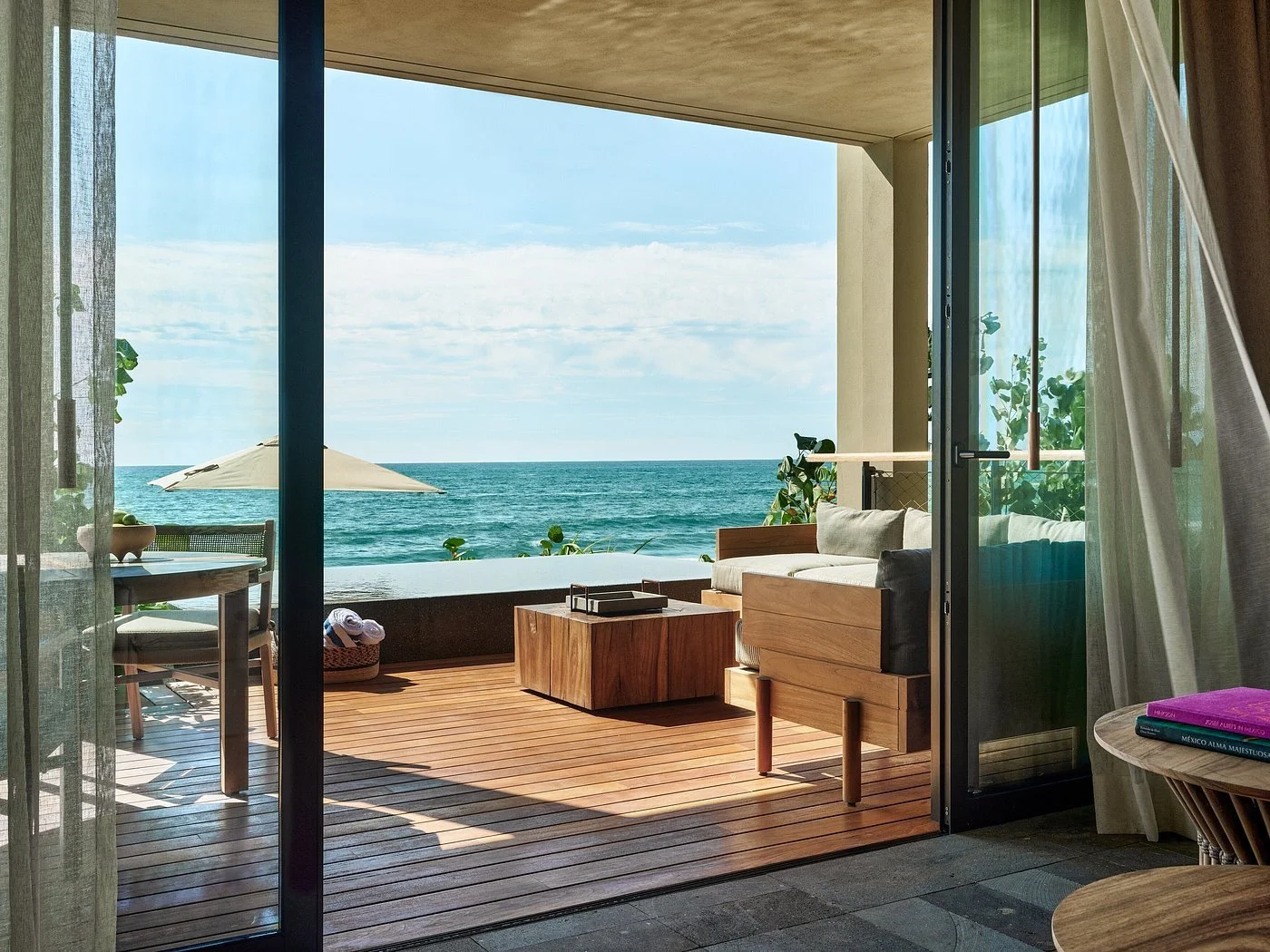
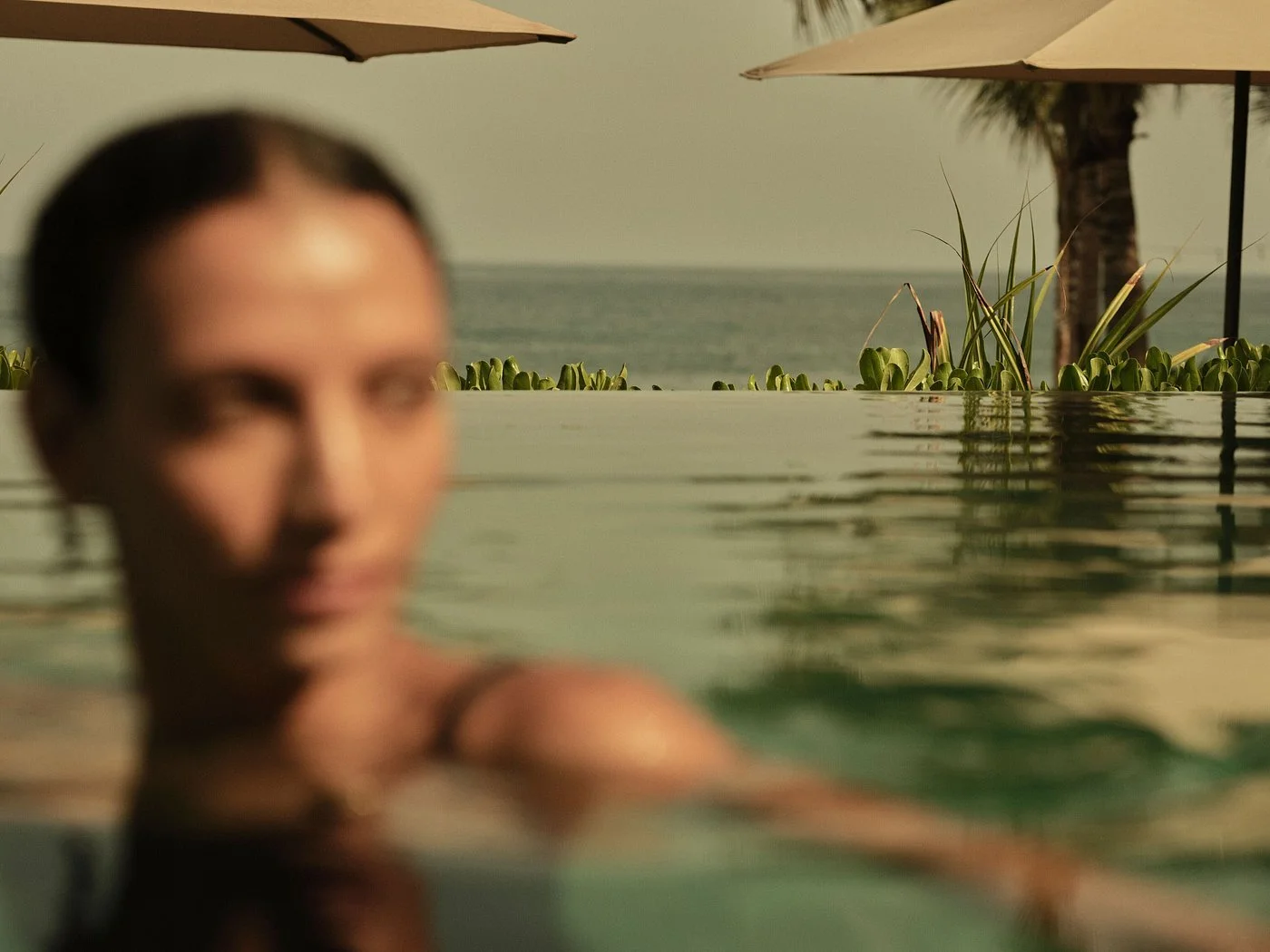
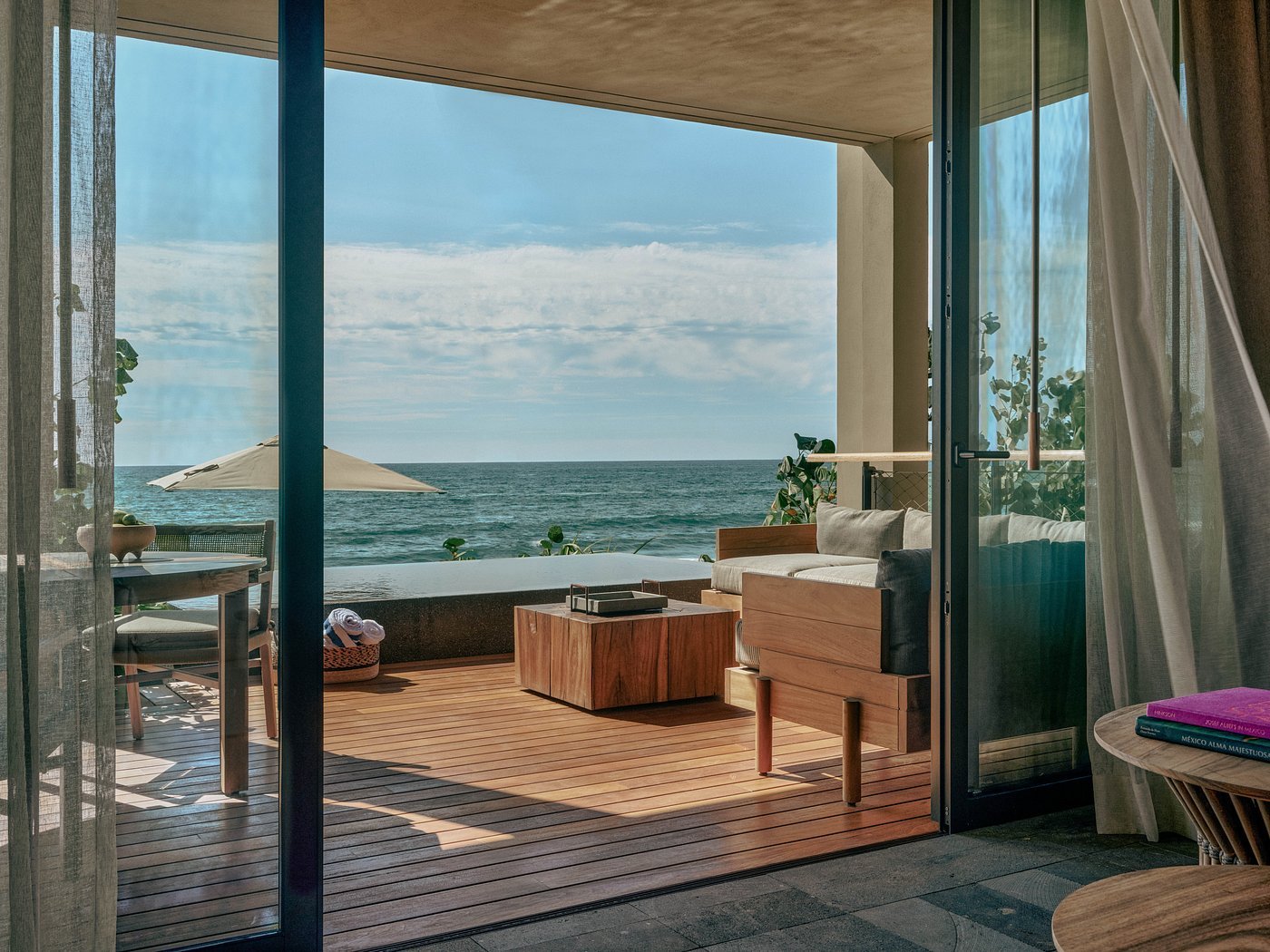
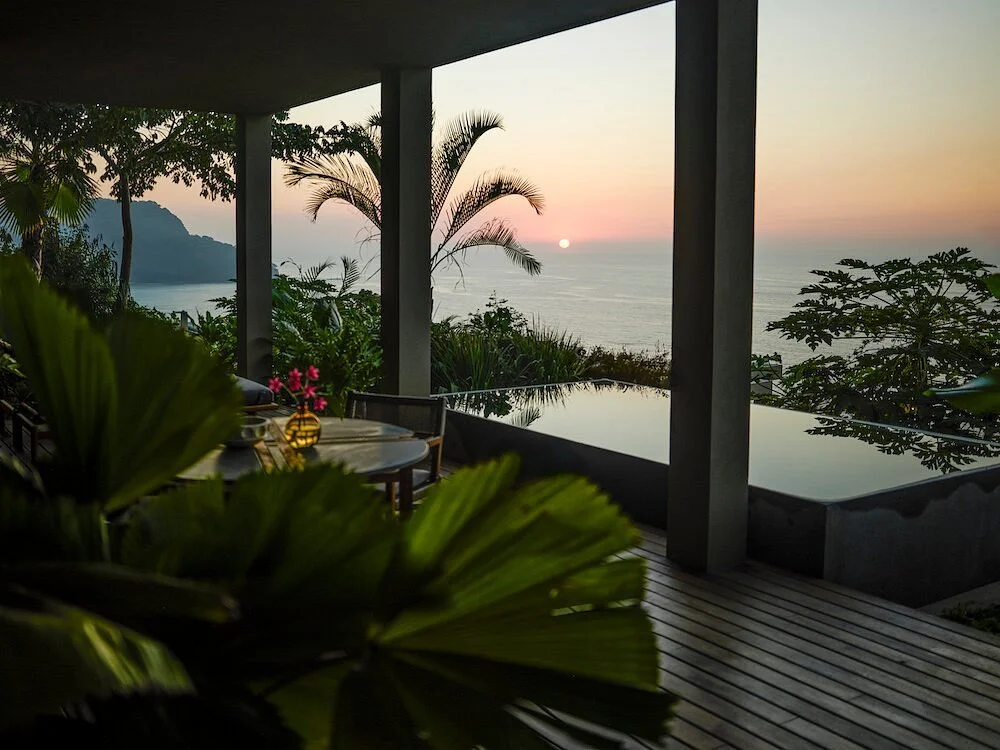
Some suites sit high in the mountains with broad ocean views. Others are positioned directly along the beach, while another collection occupies the flatter interior of the property. Every accommodation includes a private plunge pool, so the difference between categories is less about whether guests have outdoor space and more about which part of Mandarina they want to inhabit.
The result is a resort that can feel adventurous and deeply private at the same time.
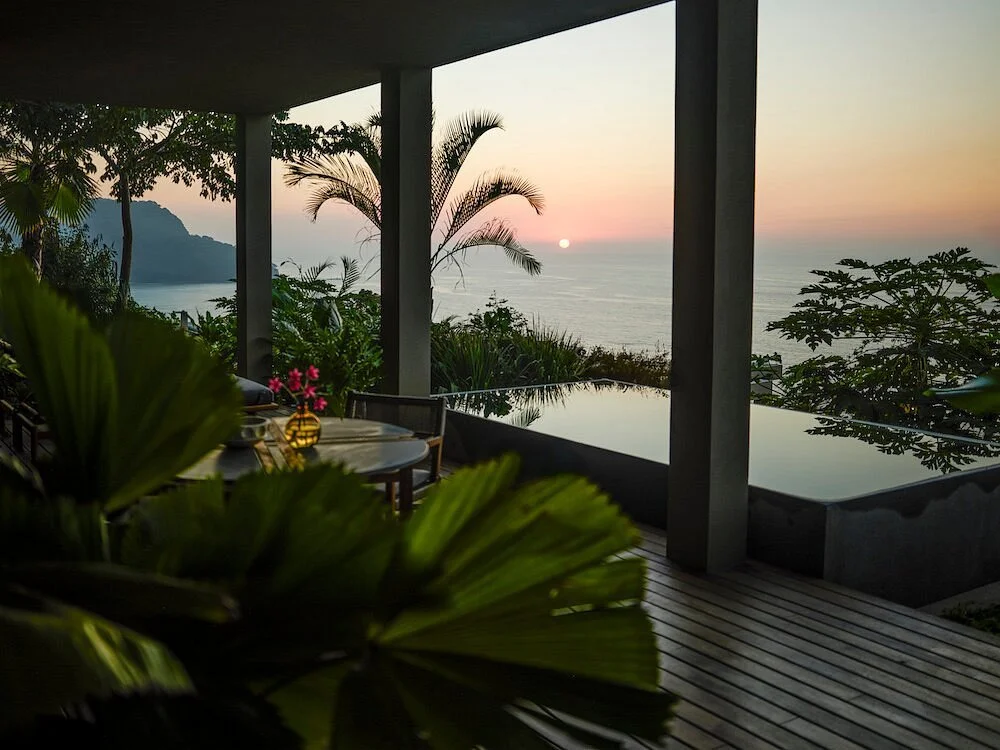
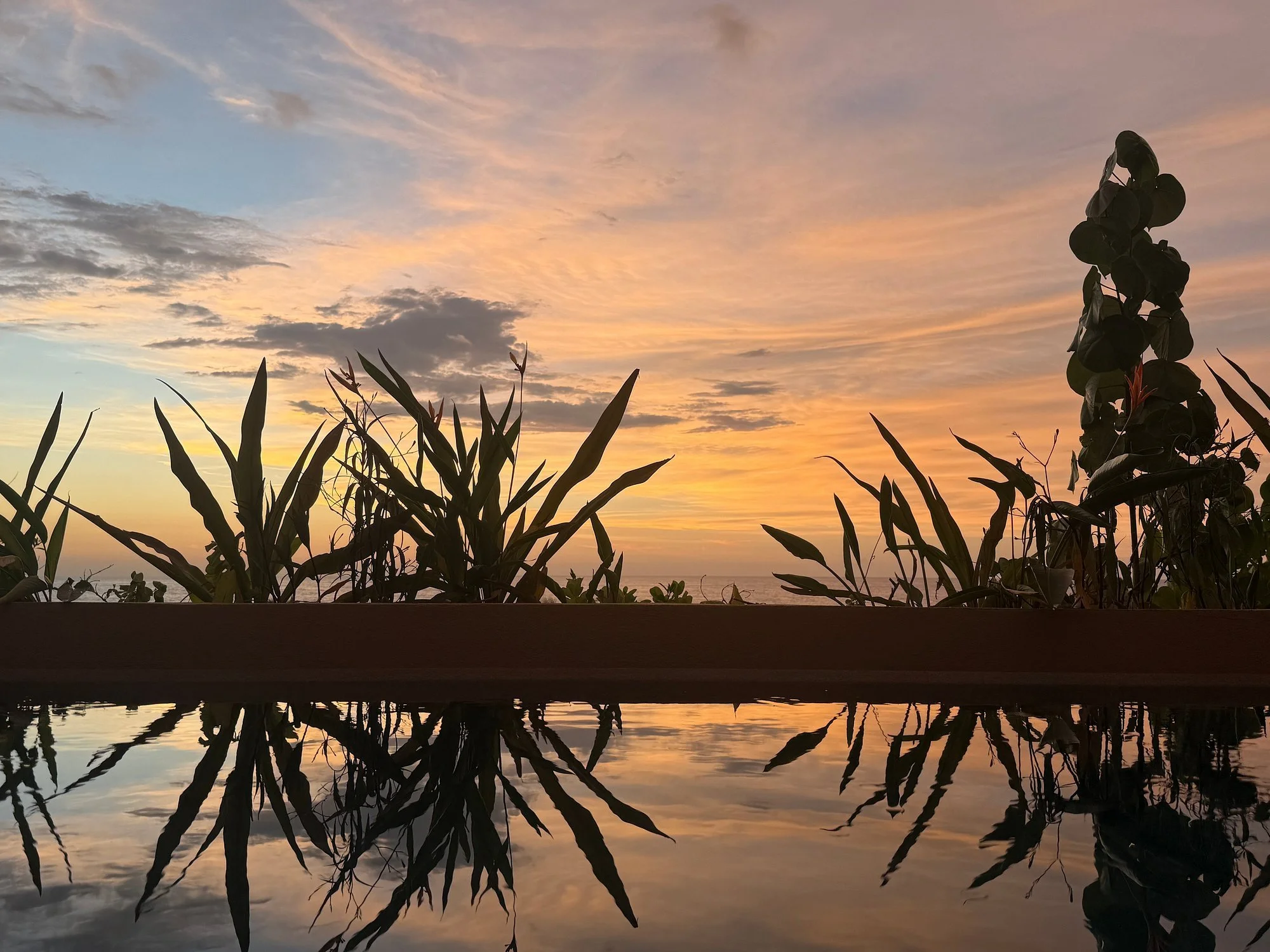
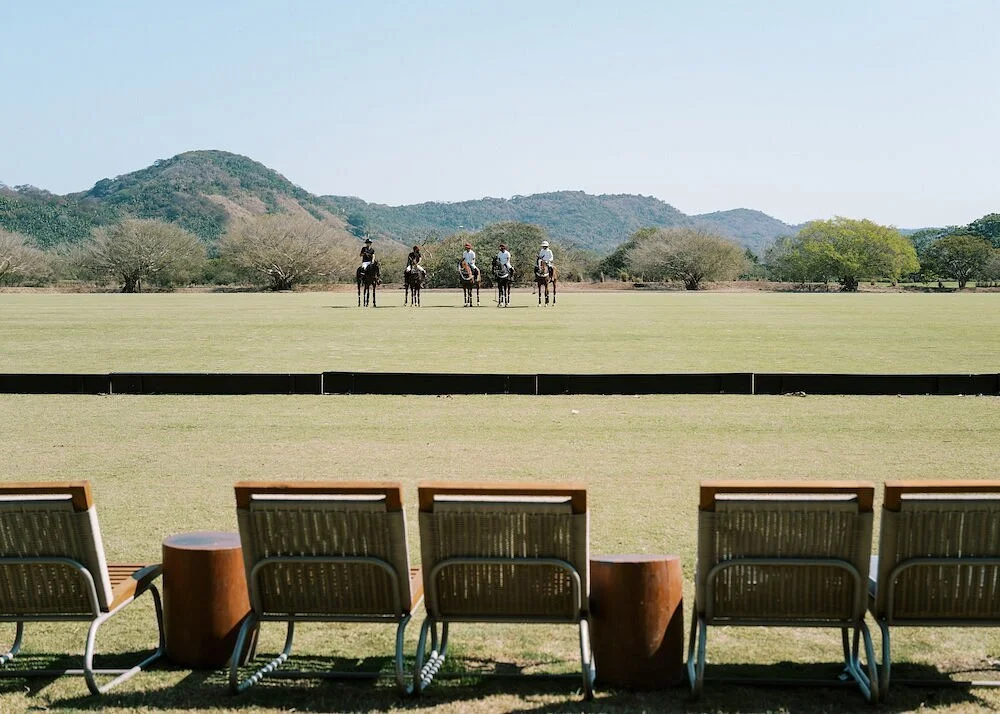
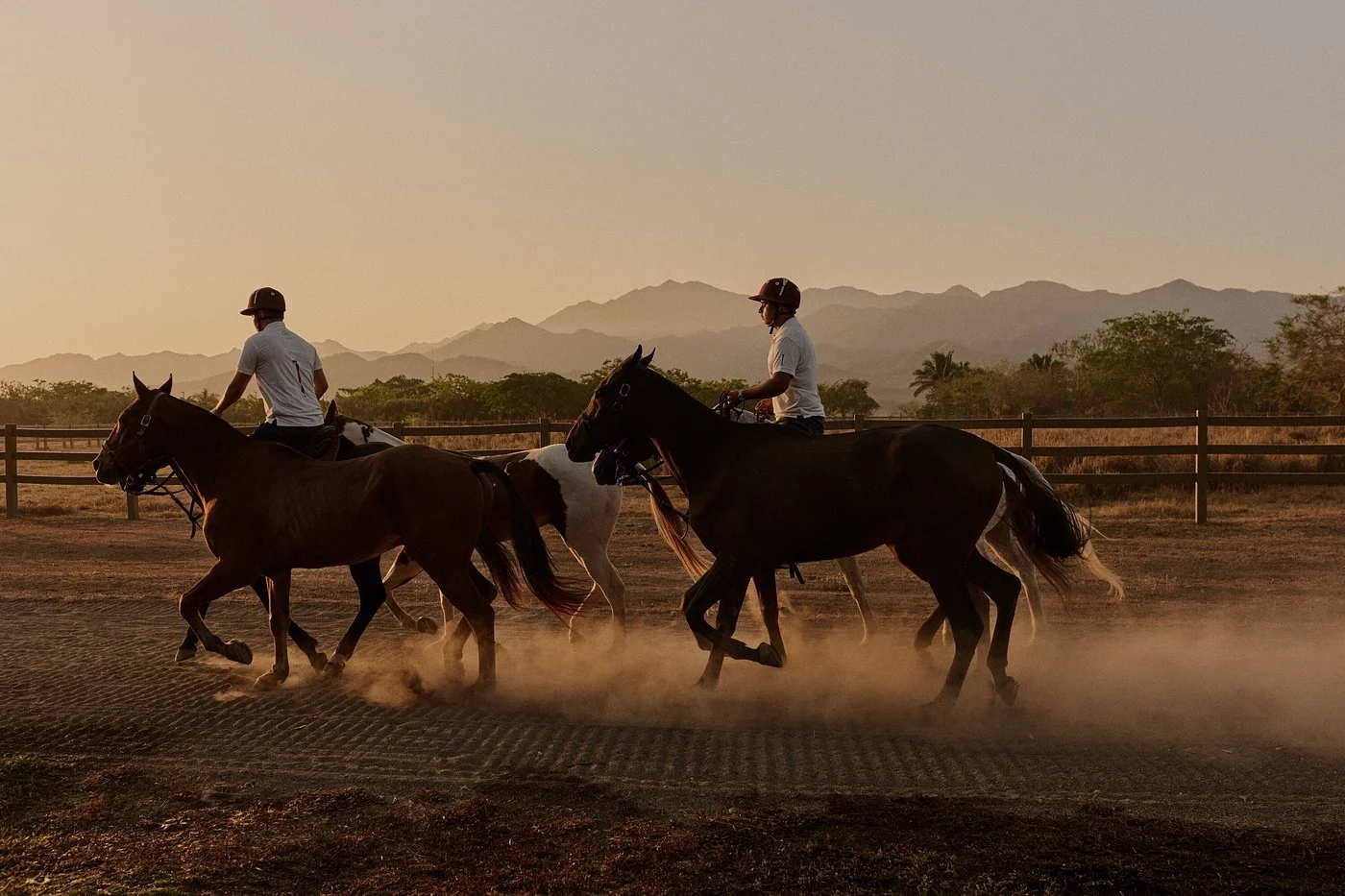
A morning may begin on horseback beneath the mountains, move into a tortilla-making class beside the beach and end with a sunset from a private pool overlooking the Pacific.
Rosewood Mandarina does not ask guests to choose between nature and luxury. Its strongest moments come from allowing the two to remain inseparable.
A New Resort Shaped by an Older Landscape
Rosewood Mandarina is new, but the landscape surrounding it carries a much longer story.
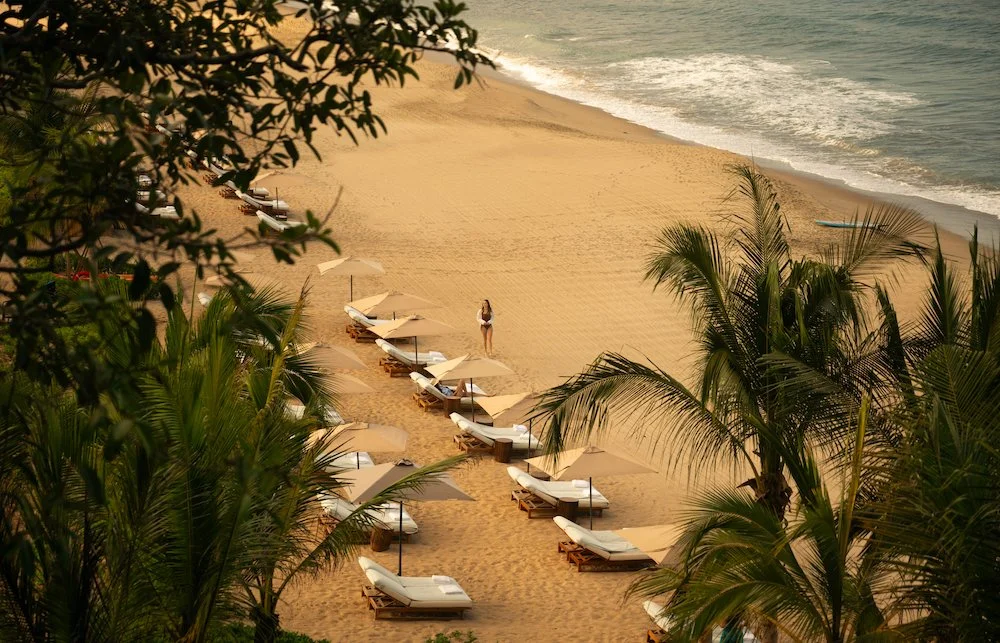
The resort forms part of Mandarina, a private coastal community in Riviera Nayarit where rainforest, estuaries, mountains, flatlands and Pacific shoreline meet within one large natural setting.
Rosewood opened its property here in 2025, bringing the brand’s Sense of Place philosophy to a destination where local culture and geography could influence nearly every aspect of the experience.
That approach extends beyond visual design.
The resort draws on the traditions and worldview of the Wixárika people, one of the Indigenous communities of western Mexico. Their relationship with the natural world appears throughout the wellness program, children’s experiences and broader storytelling of the property.
Mandarina itself also brings together several very different elements: the Rosewood resort, polo and equestrian facilities, golf, water sports and extensive outdoor adventure.
Rather than treating those amenities as separate attractions, the hotel uses them to build a larger sense of destination.
For us, the history here is less about an old building or a converted estate and more about the continuity of the landscape.
The hotel is new. The mountains, ancient trees, migration routes, Indigenous traditions and relationship between the coast and the communities around it are not.
A New Resort Shaped by an Older Landscape
Rosewood Mandarina is new, but the landscape surrounding it carries a much longer story.
The resort forms part of Mandarina, a private coastal community in Riviera Nayarit where rainforest, estuaries, mountains, flatlands and Pacific shoreline meet within one large natural setting.
Rosewood opened its property here in 2025, bringing the brand’s Sense of Place philosophy to a destination where local culture and geography could influence nearly every aspect of the experience.
That approach extends beyond visual design.
The resort draws on the traditions and worldview of the Wixárika people, one of the Indigenous communities of western Mexico. Their relationship with the natural world appears throughout the wellness program, children’s experiences and broader storytelling of the property.
Mandarina itself also brings together several very different elements: the Rosewood resort, polo and equestrian facilities, golf, water sports and extensive outdoor adventure.
Rather than treating those amenities as separate attractions, the hotel uses them to build a larger sense of destination.
For us, the history here is less about an old building or a converted estate and more about the continuity of the landscape.
The hotel is new. The mountains, ancient trees, migration routes, Indigenous traditions and relationship between the coast and the communities around it are not.
Architecture That Disappears Into the Landscape
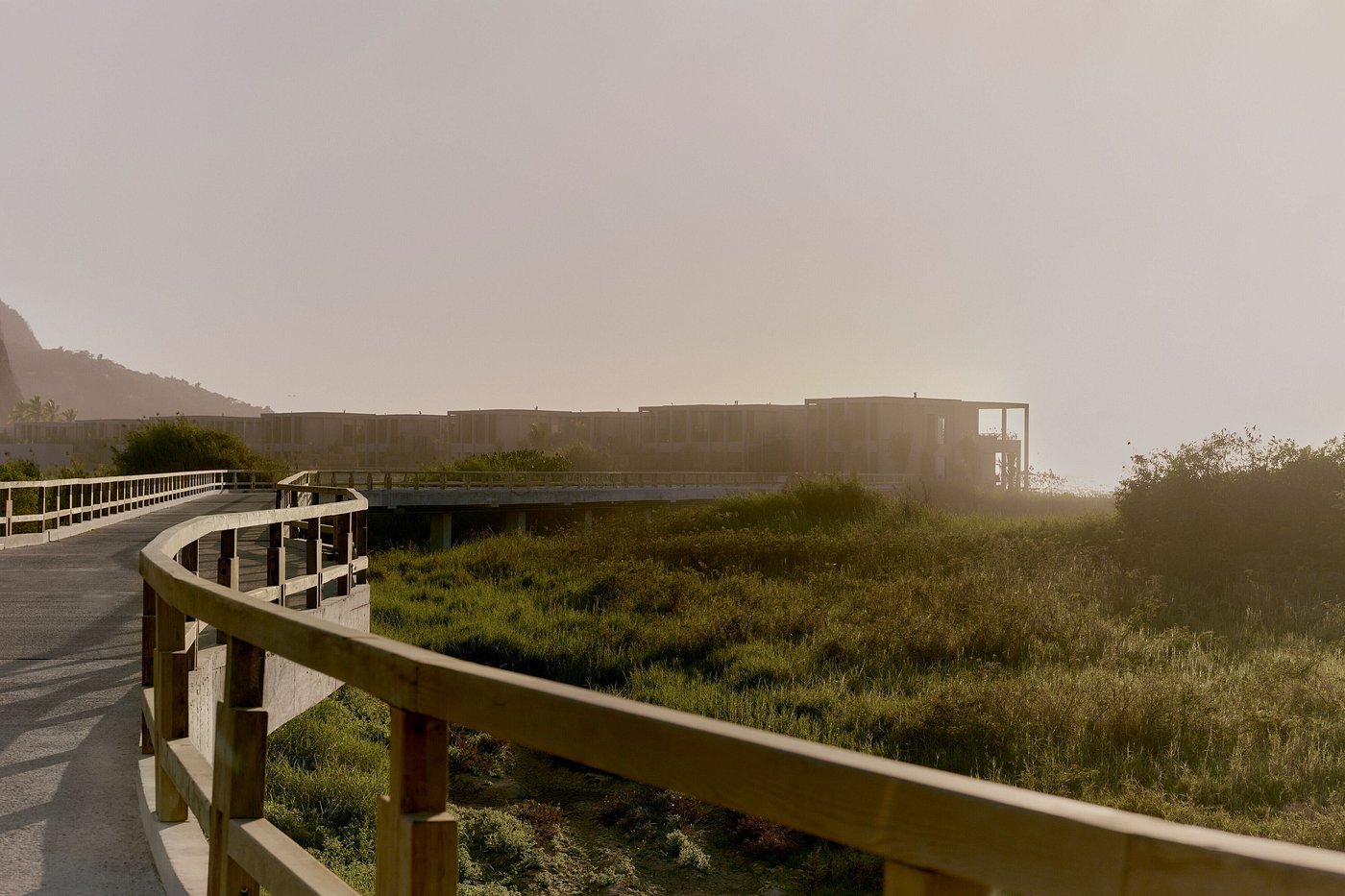
Rosewood Mandarina was designed to remain subordinate to its setting.
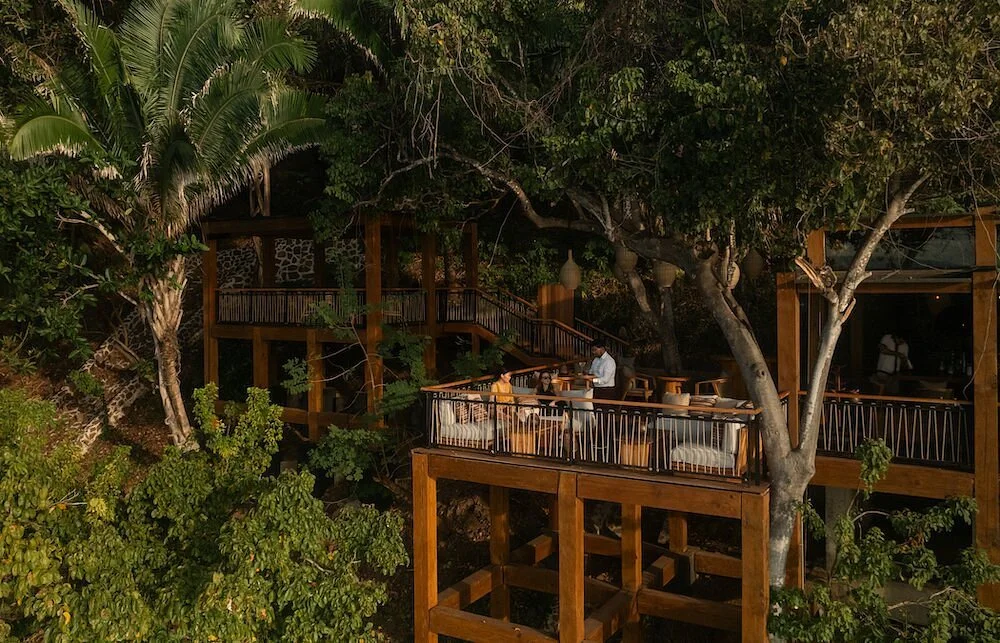
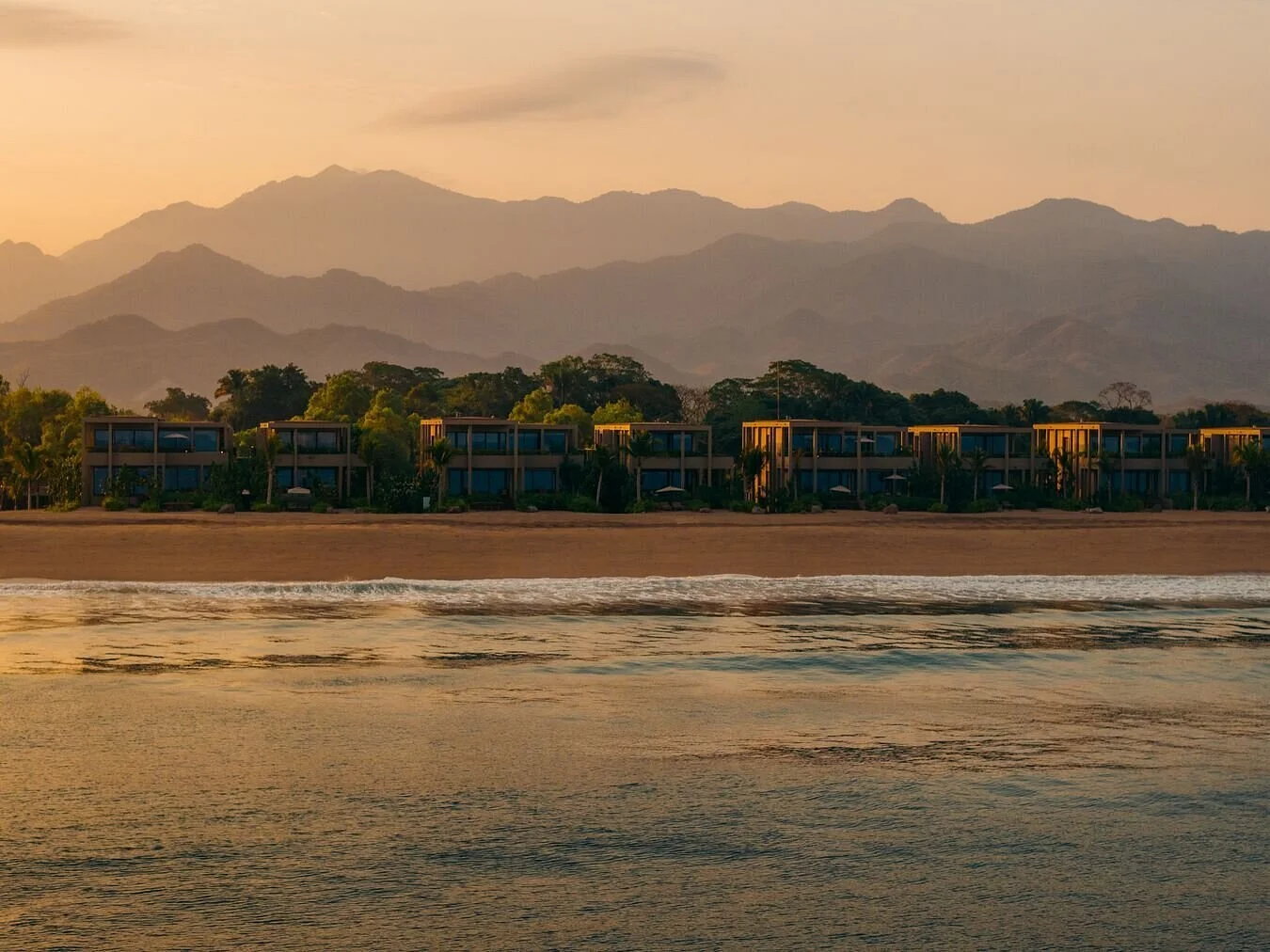
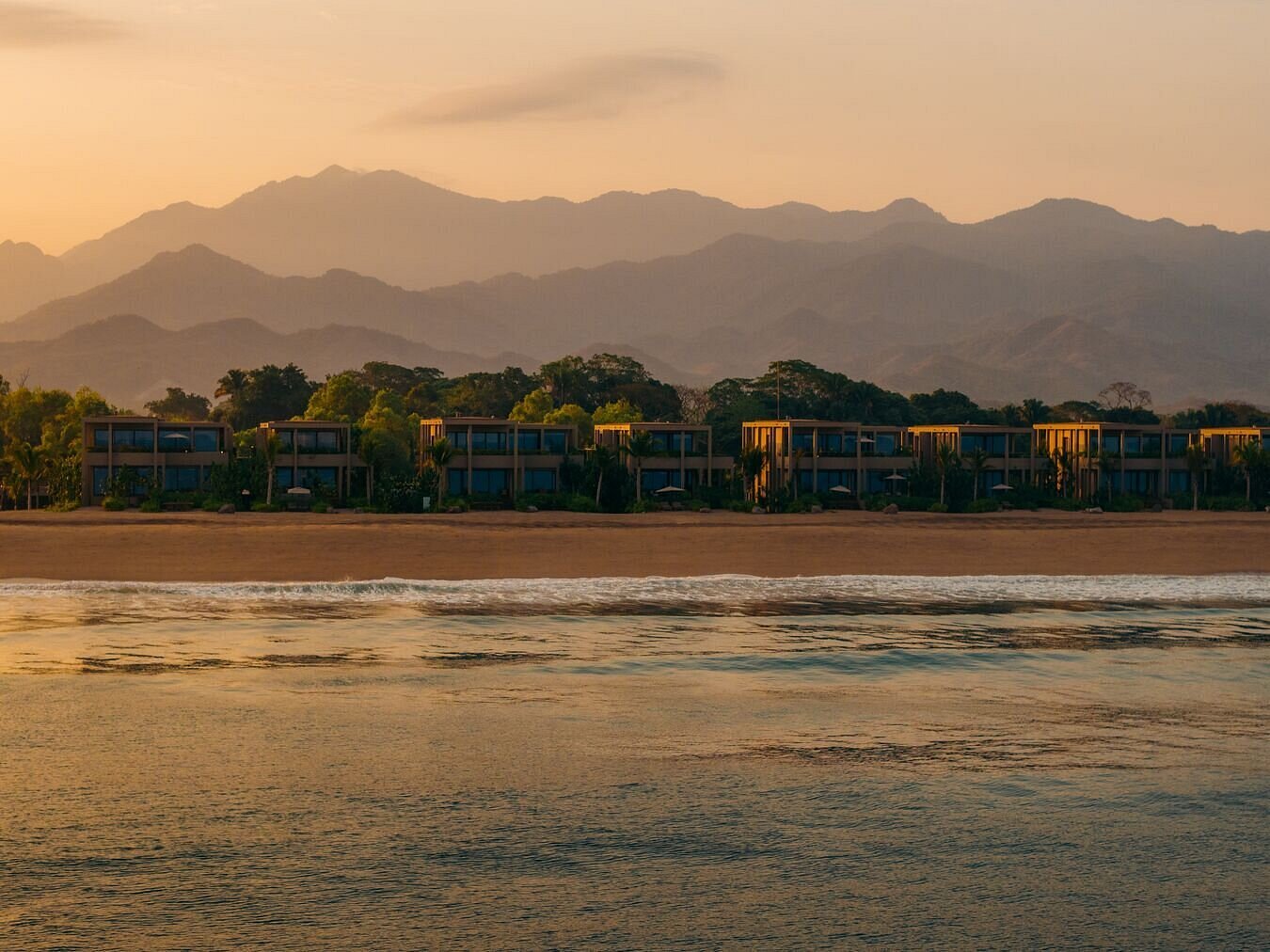
Instead of one central hotel building dominating the site, accommodations are distributed across three distinct environments: the mountains, the beach and the flatlands.
The architecture responds differently in each.
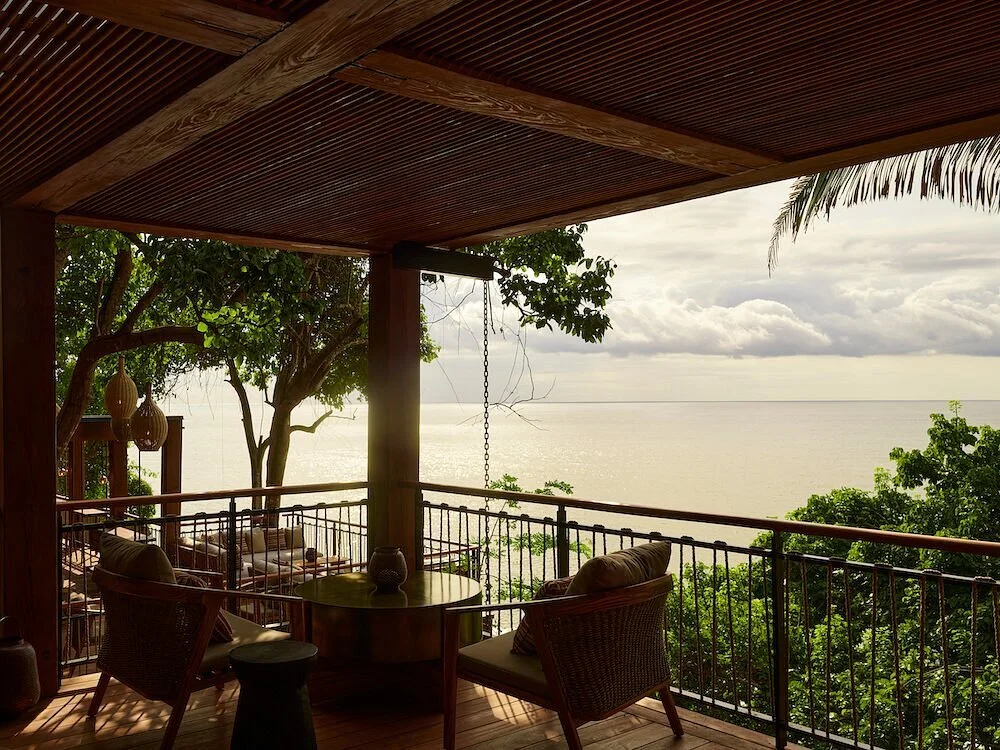
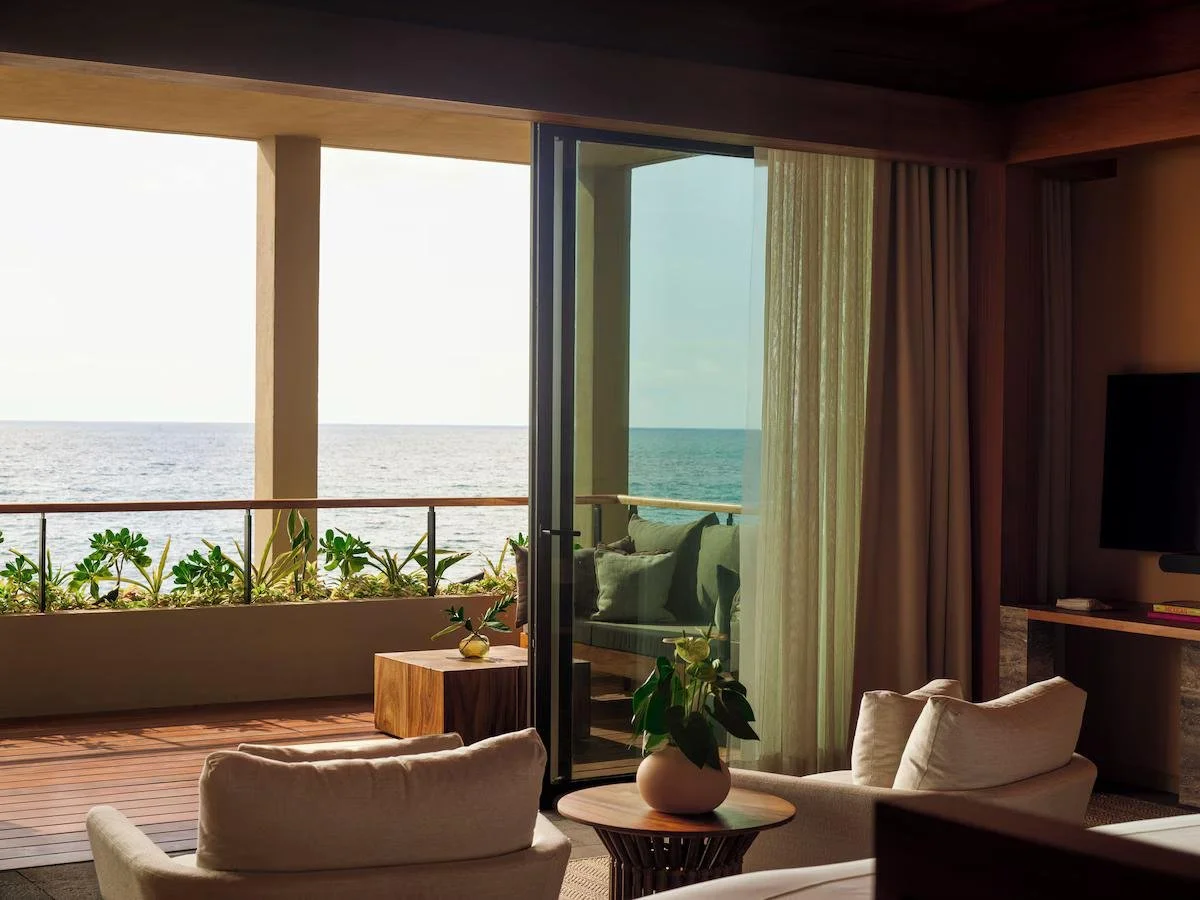
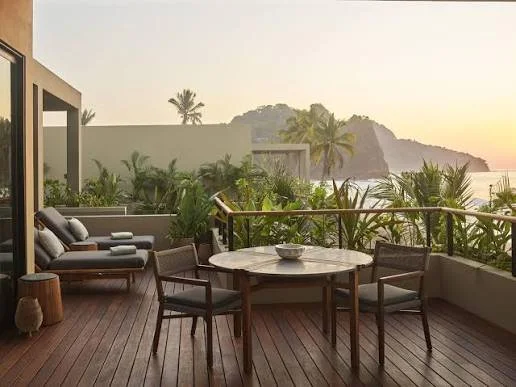
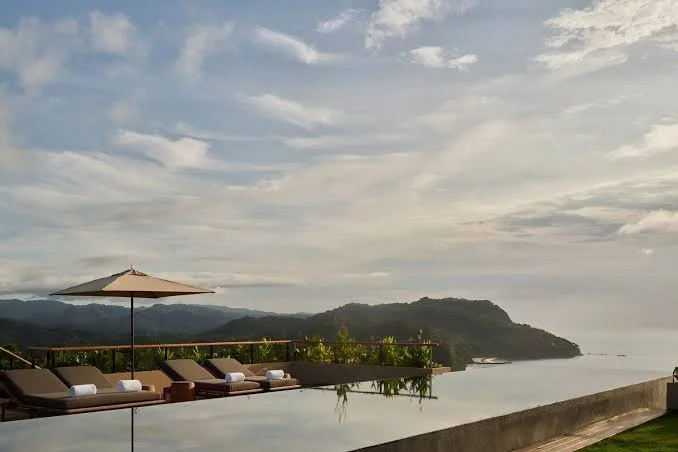
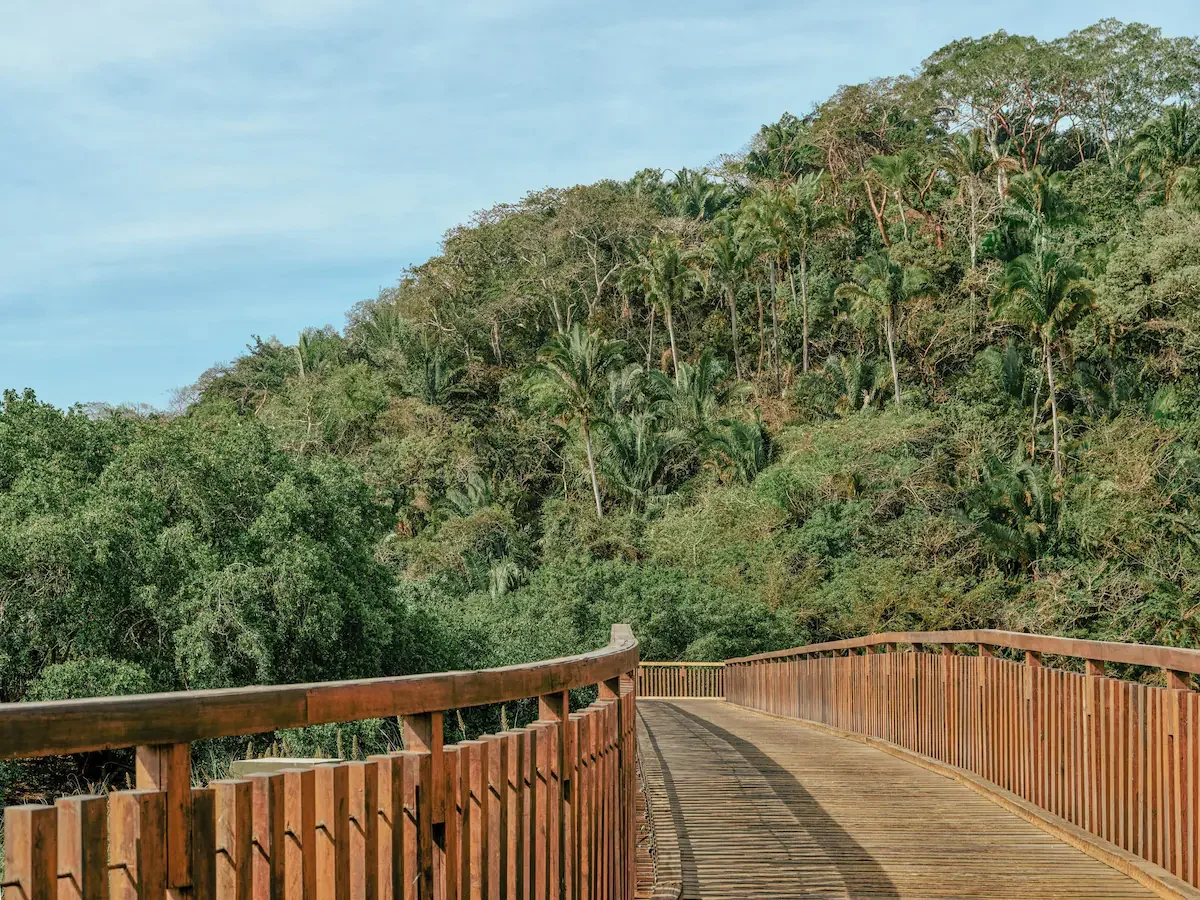
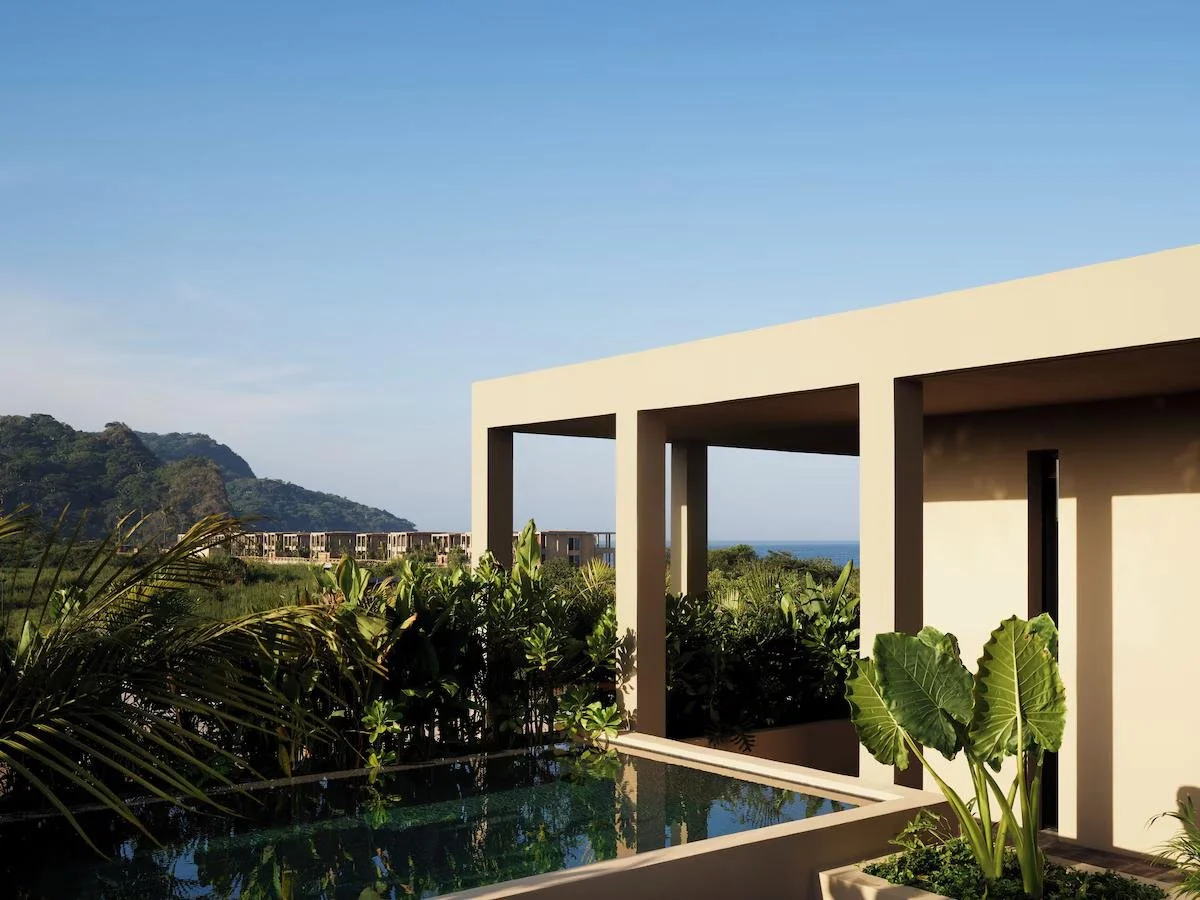
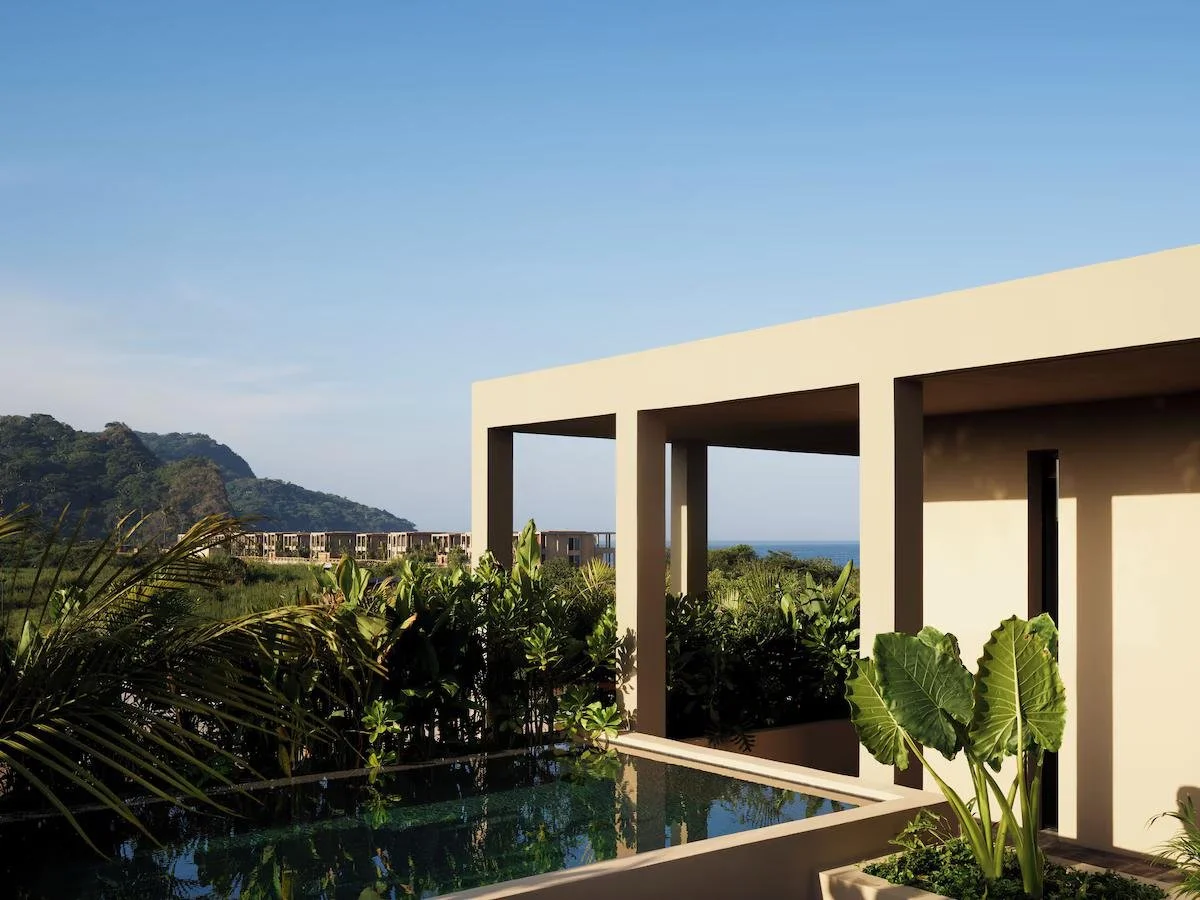
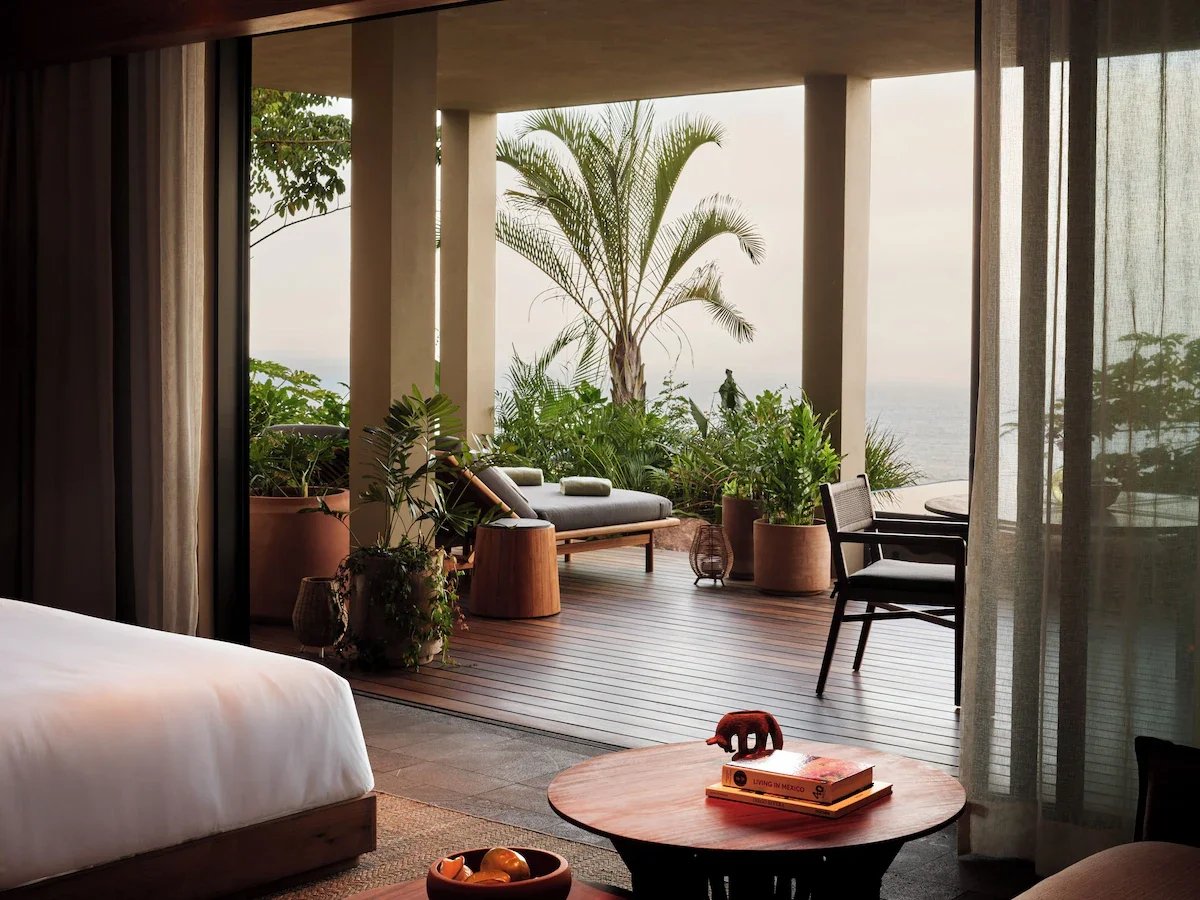
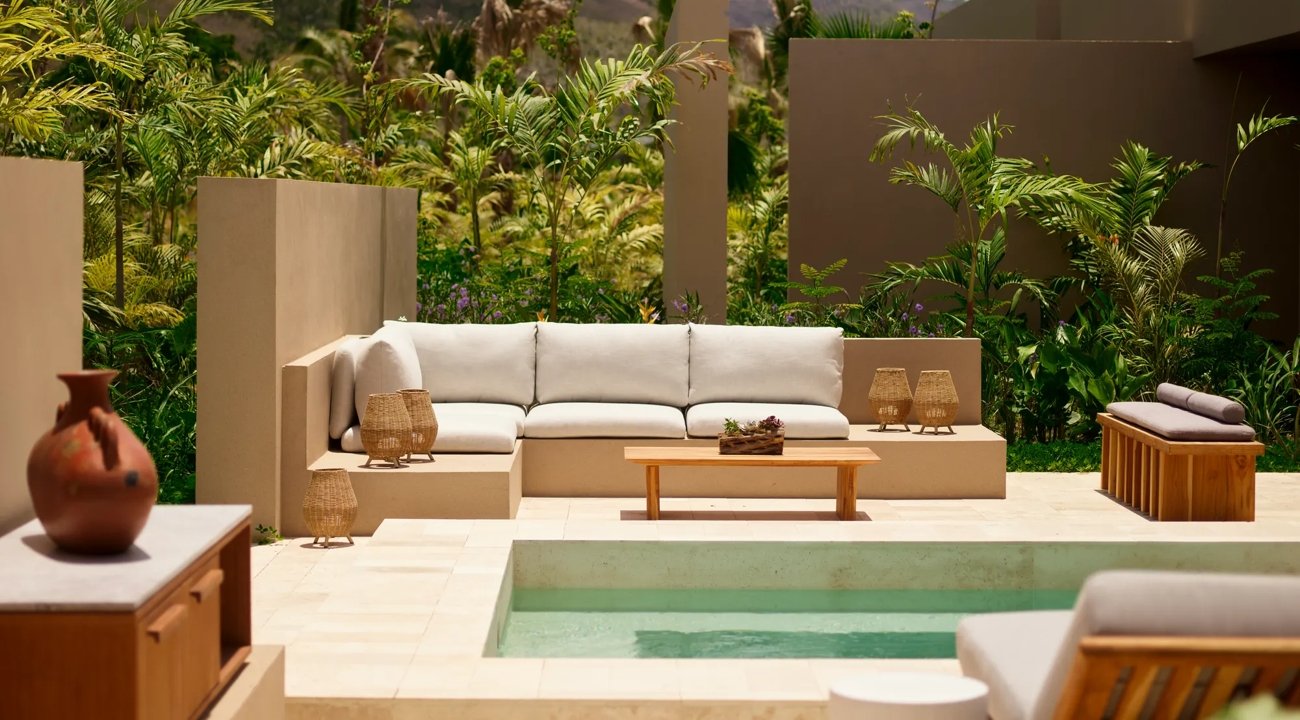
Mountain suites feel suspended above the forest, with broad terraces and plunge pools facing toward the Pacific. Beachfront accommodations sit close to the sand and are designed around the sound and movement of the ocean. Flatland suites use gardens, outdoor dining areas and open space to create a more grounded, residential feeling.
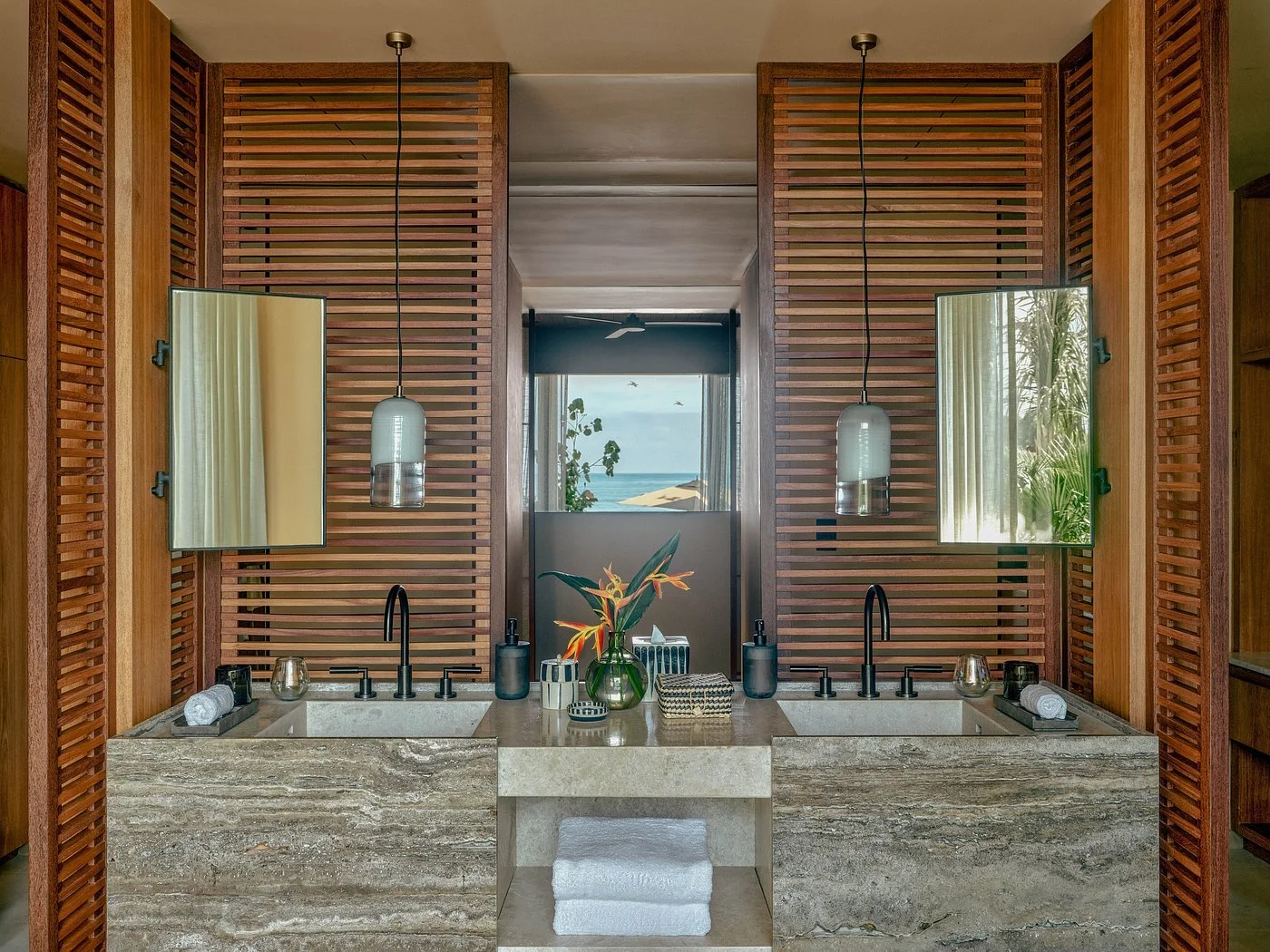
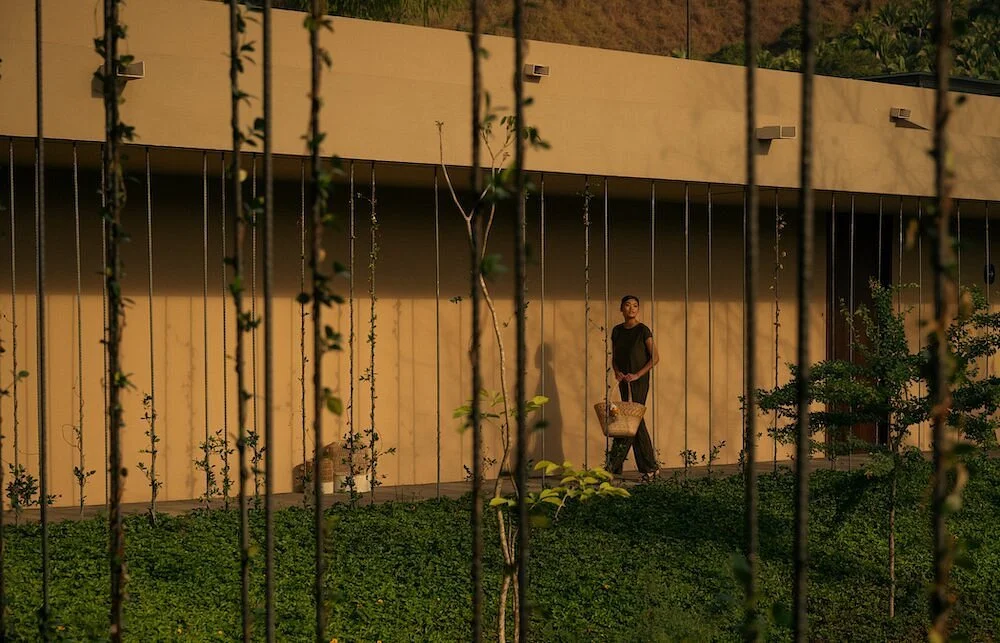
Natural materials, handcrafted details and work produced in collaboration with local artisans help connect the interiors to the wider region.
The overall design language is contemporary, but never entirely polished away from its surroundings.
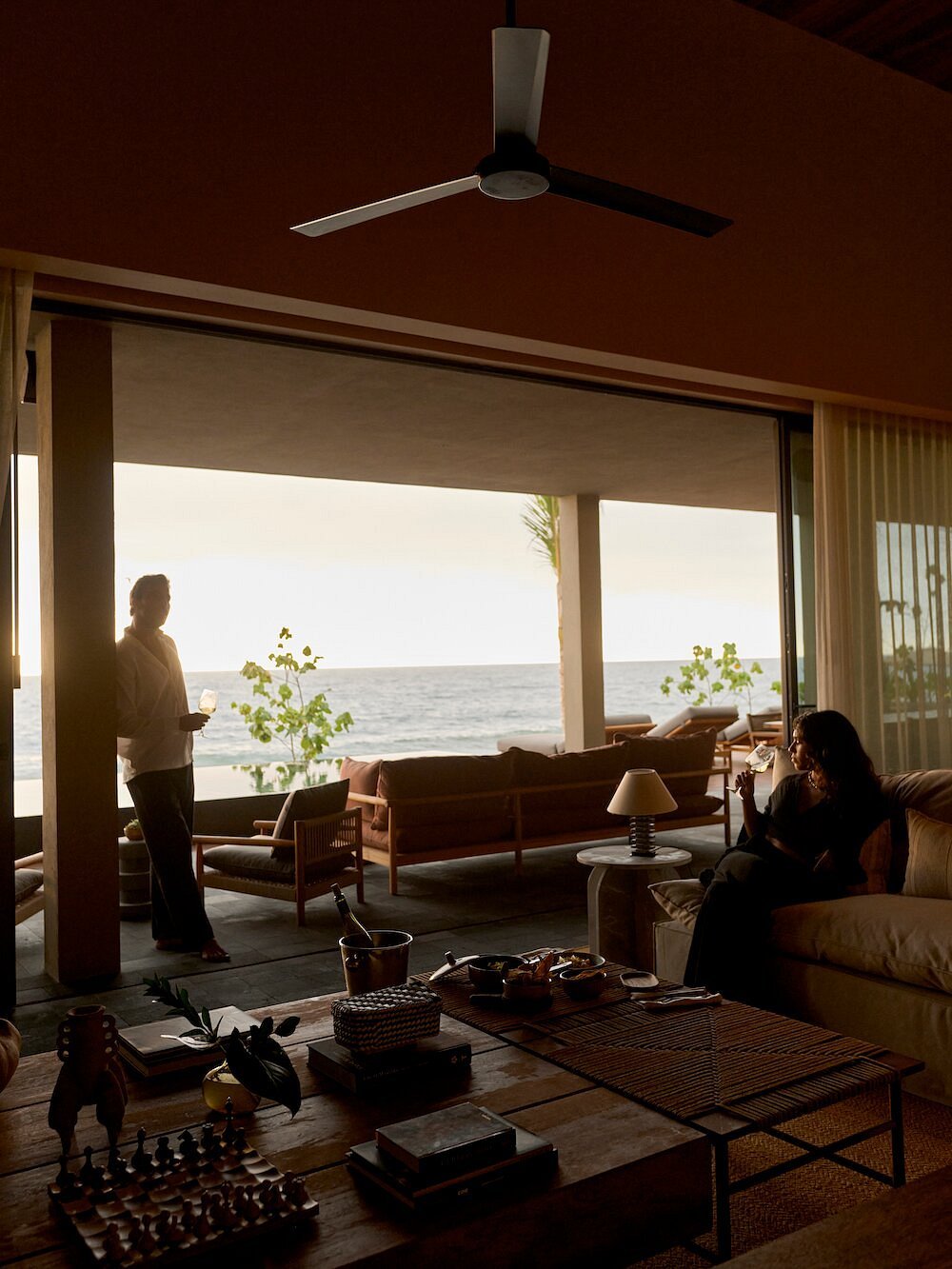
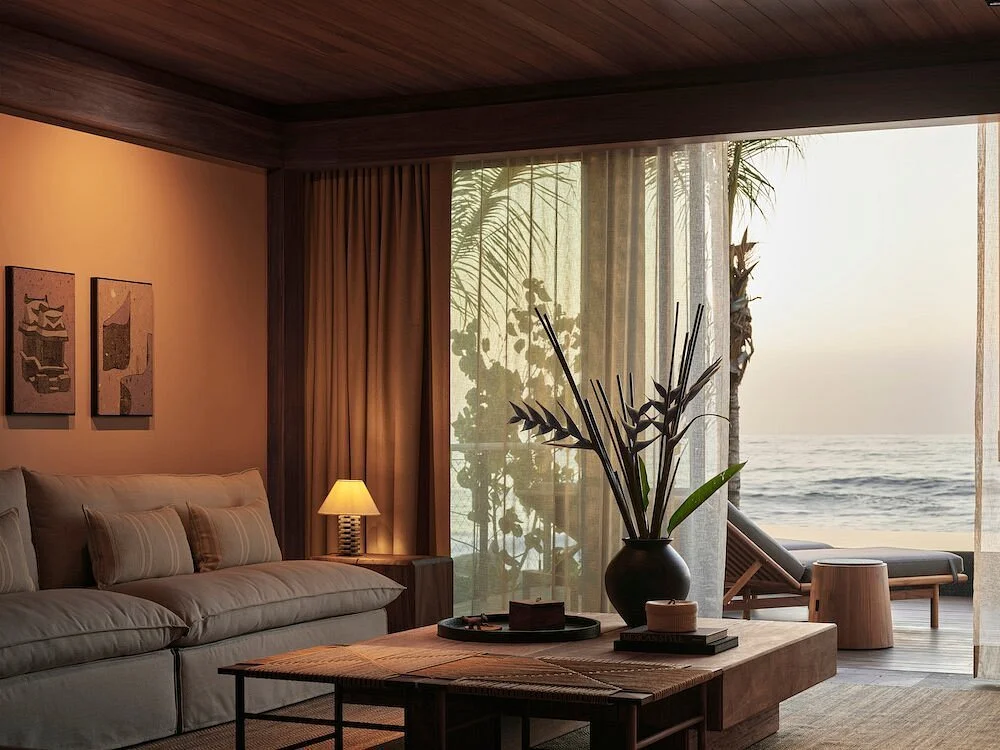
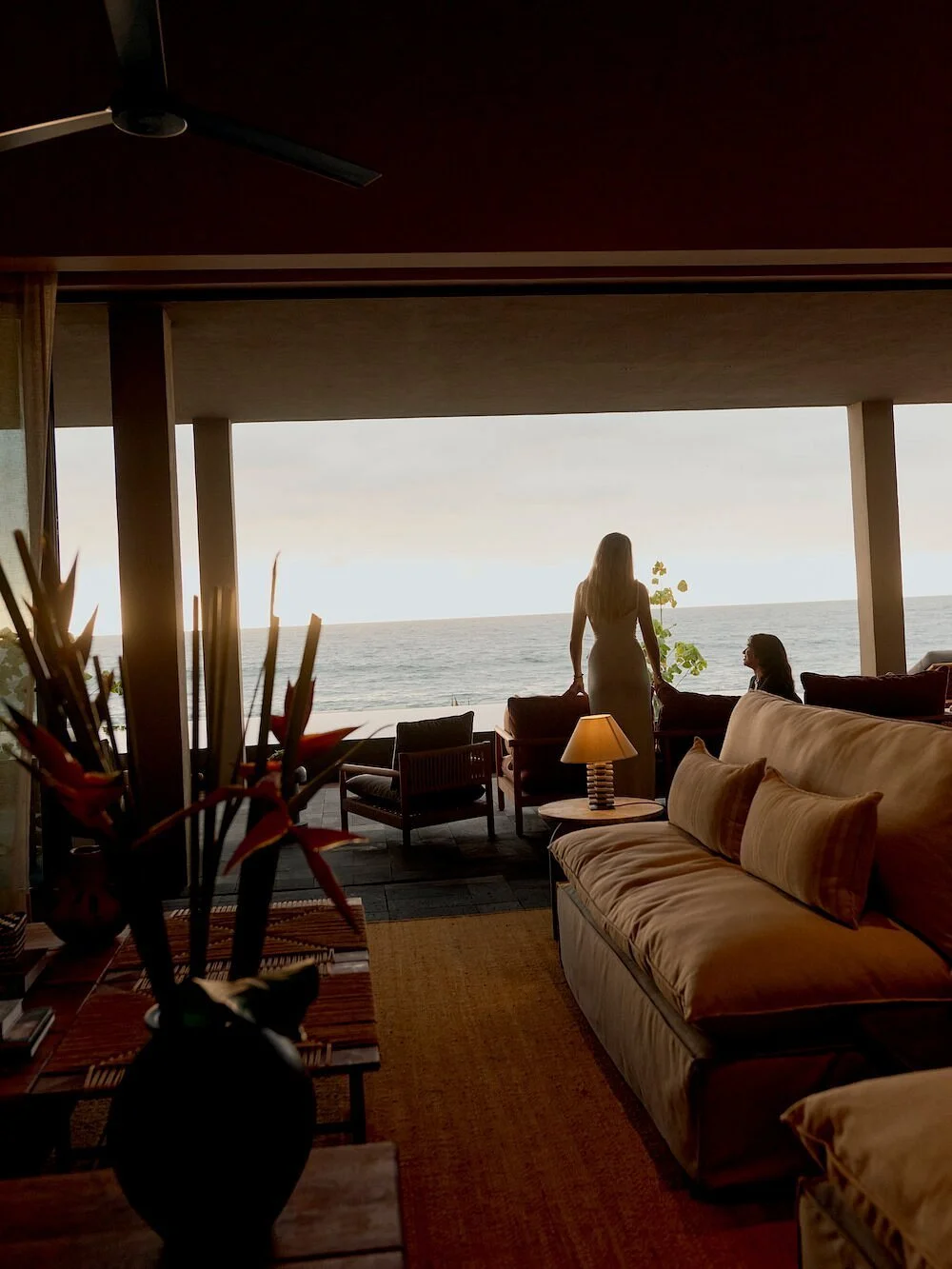
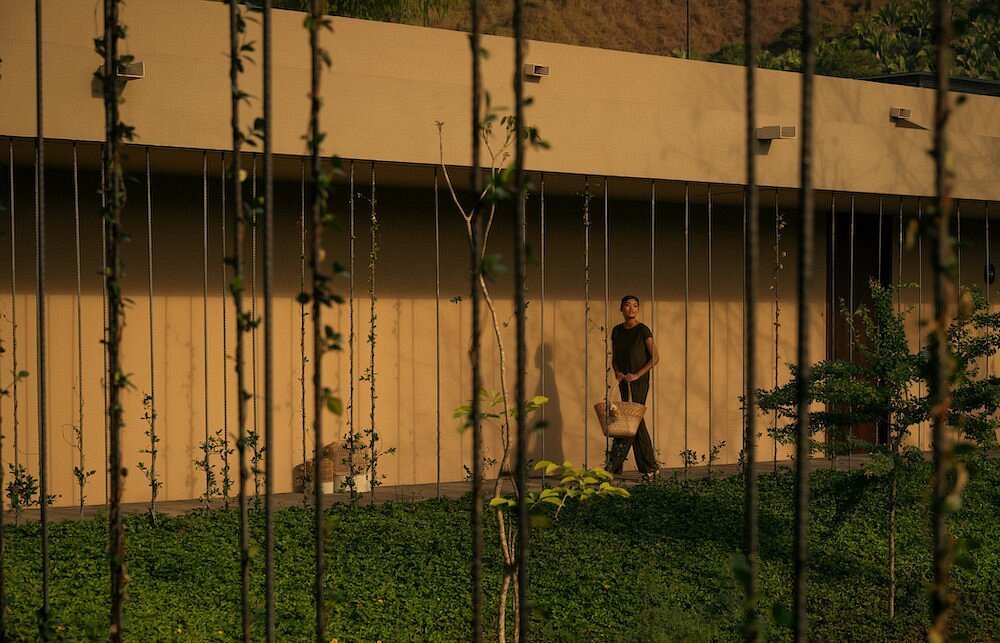
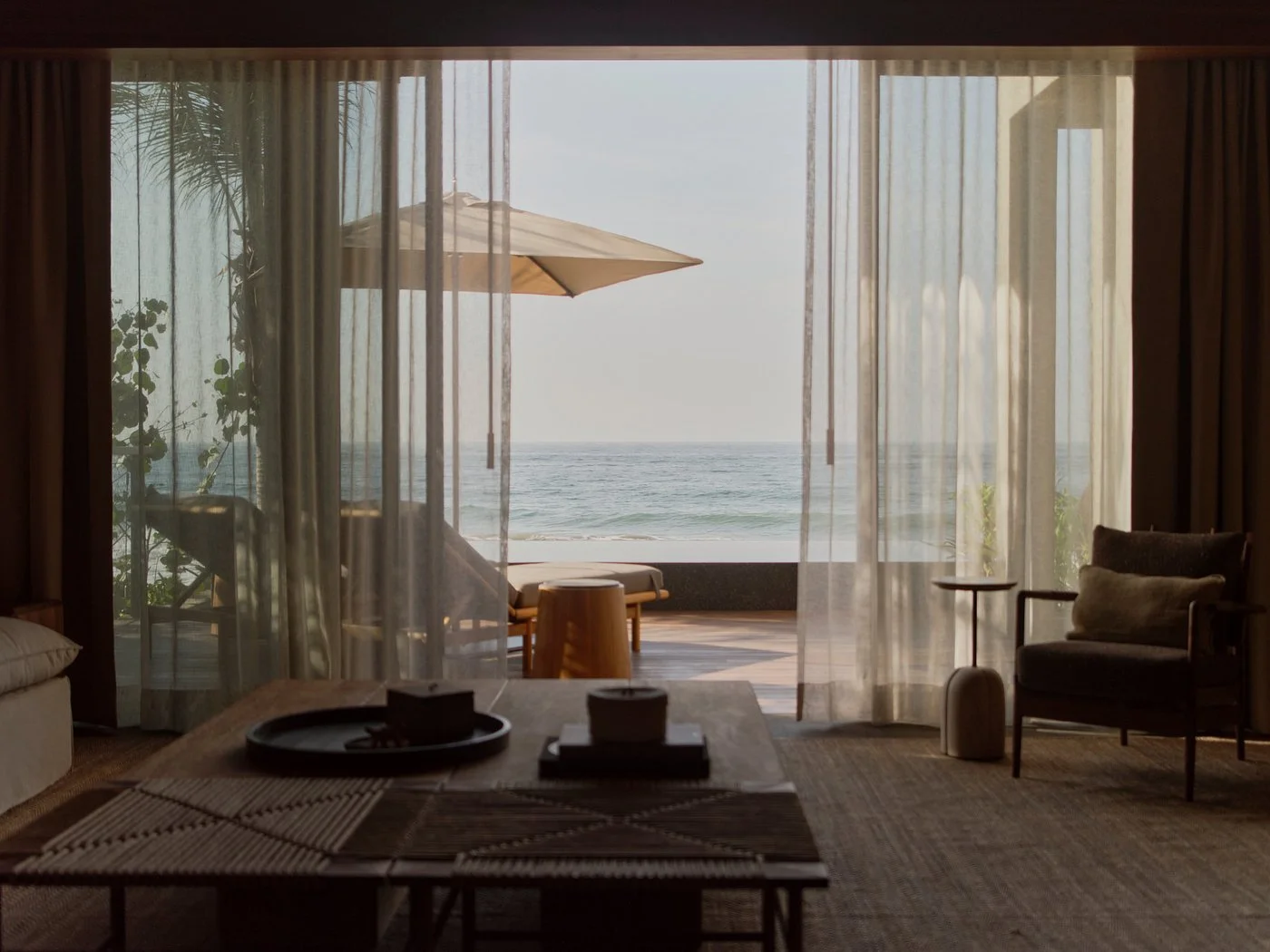
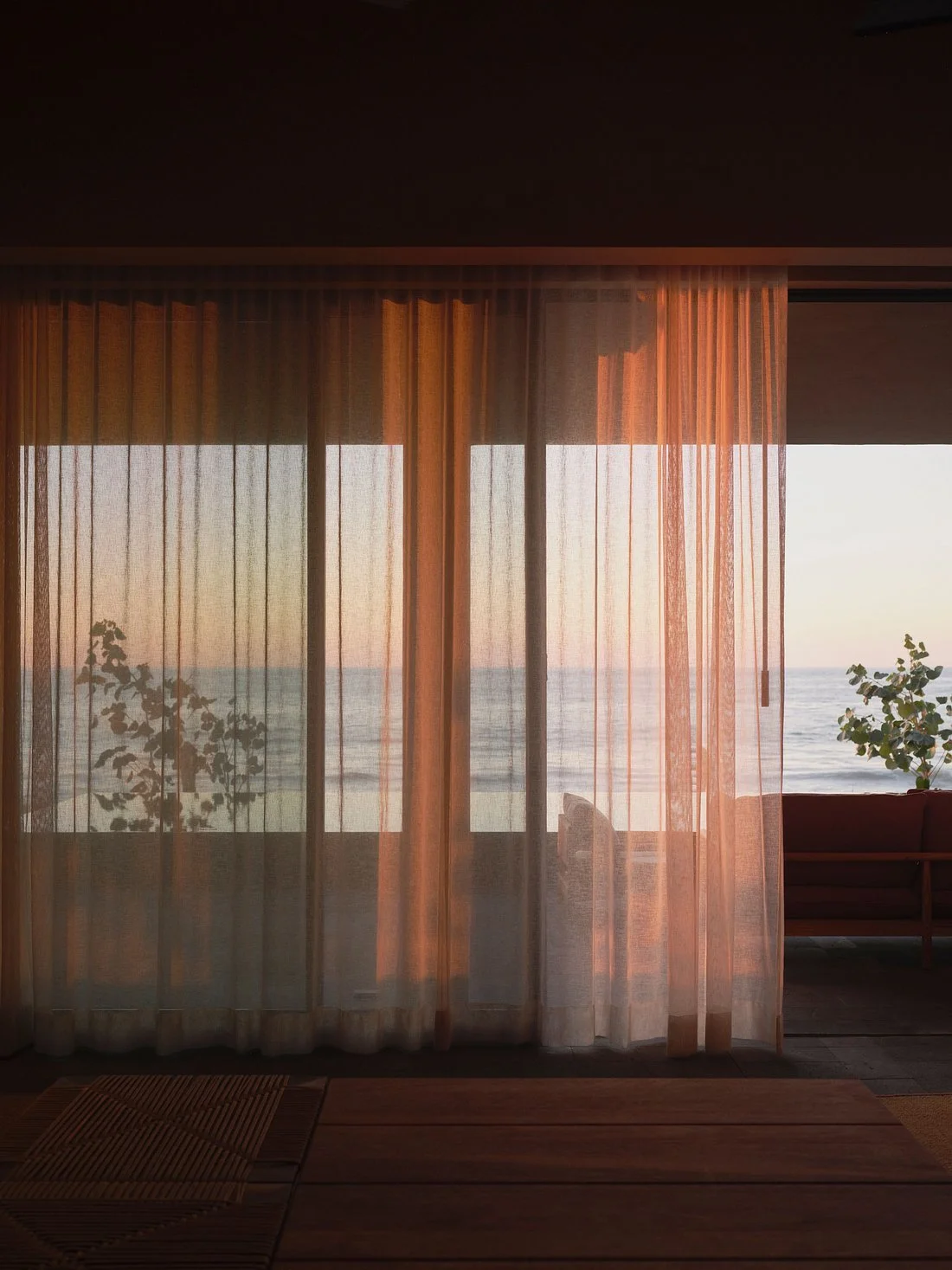
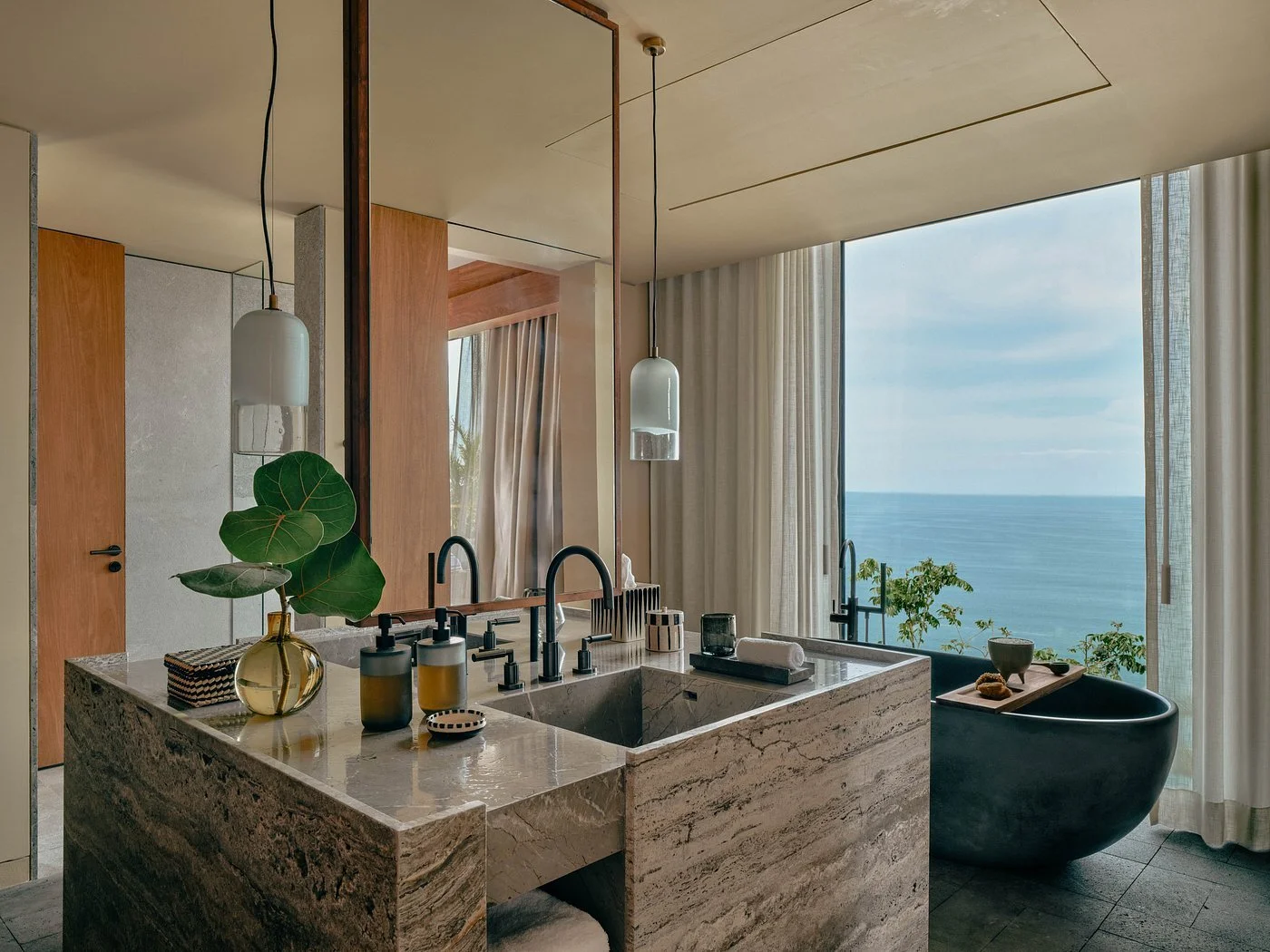
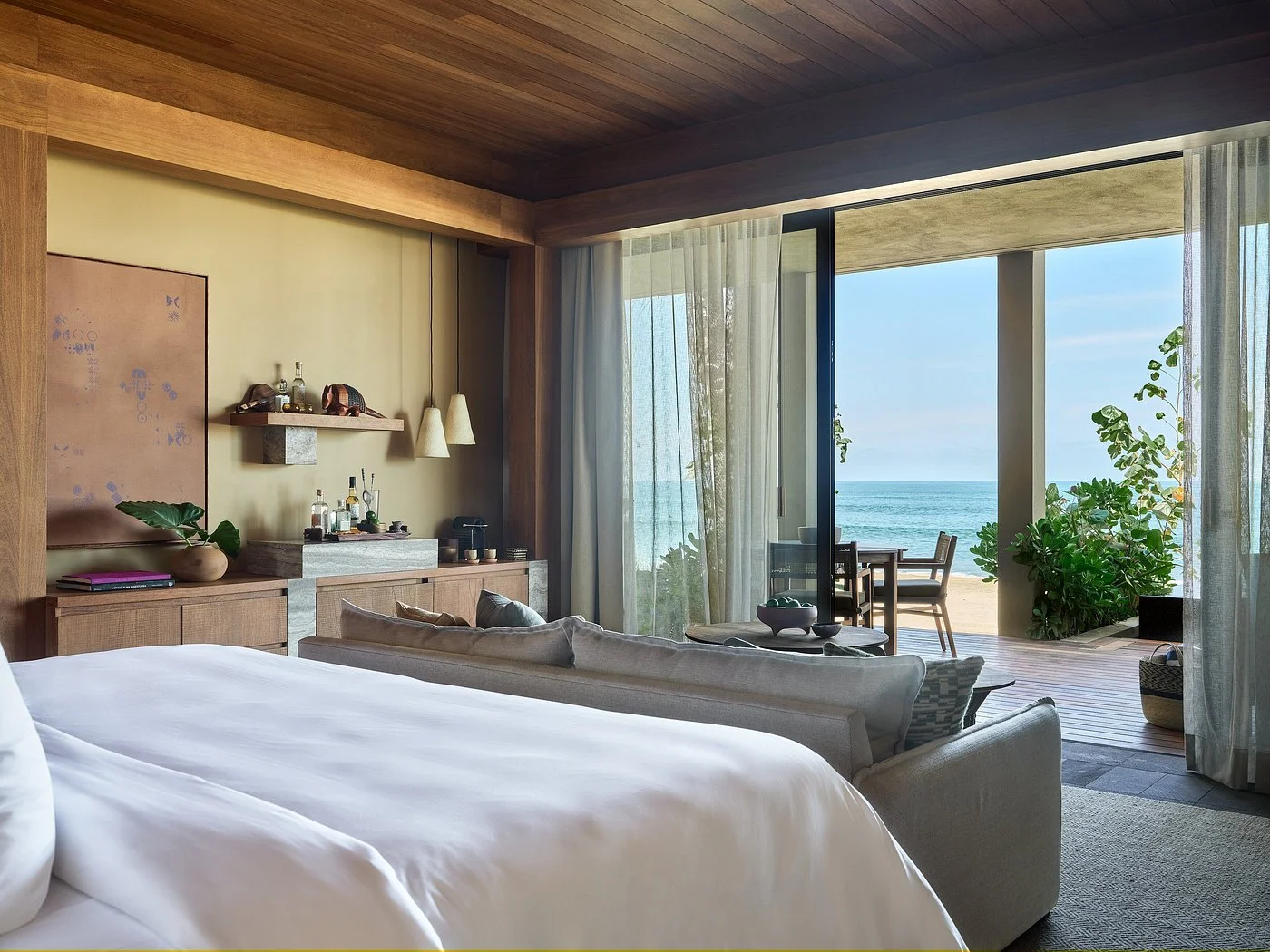
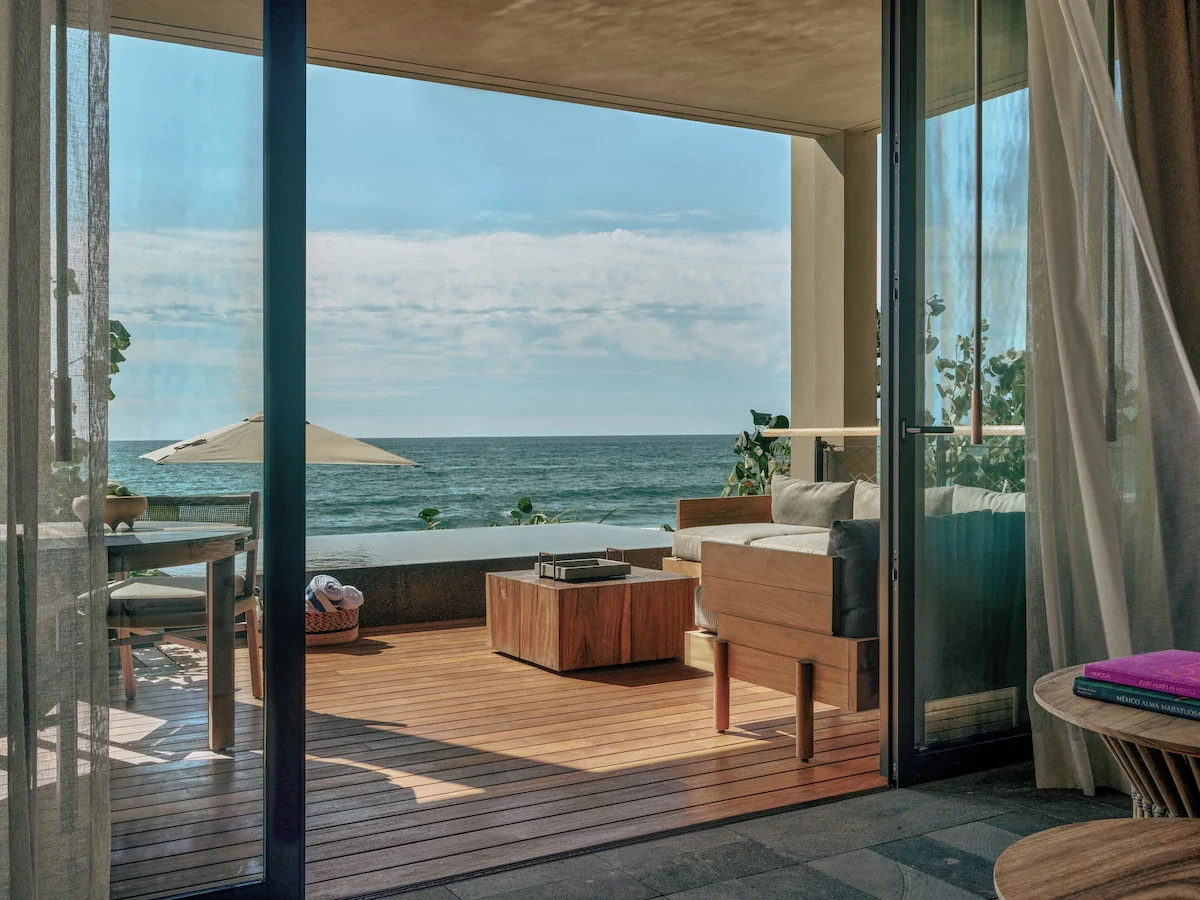
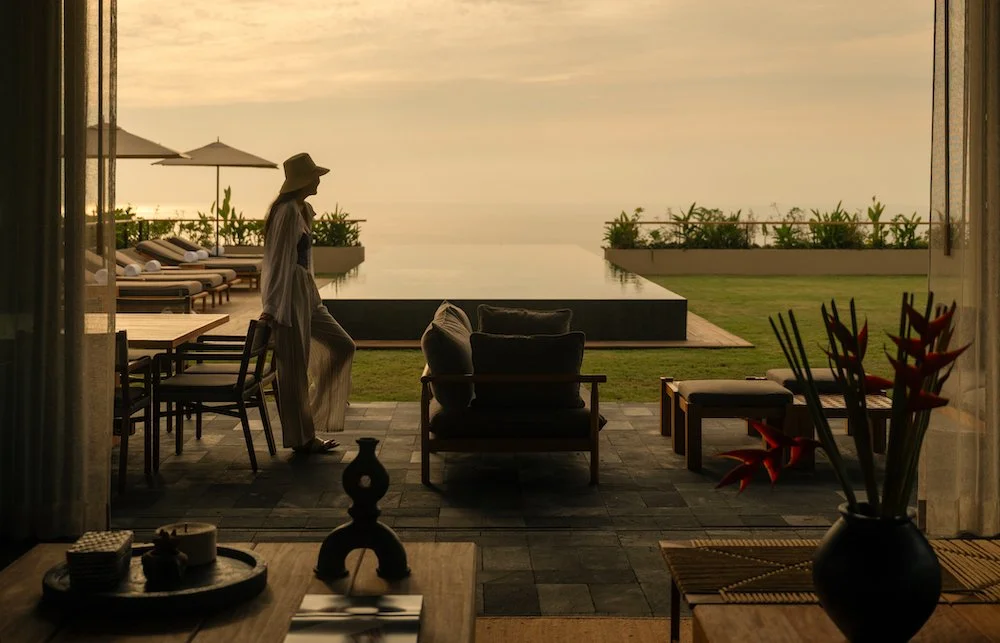
Timber, stone, woven textures, earthy tones and large openings reinforce the indoor-outdoor relationship. Terraces become extensions of the room rather than decorative additions, and plunge pools frame many of the most important views.
For us, the strongest aspect of the design is that guests are constantly aware of where they are.
The forest remains visible from the mountain accommodations. The Pacific defines the beachfront suites. In the flatlands, the scale becomes broader and more communal.
The architecture does not attempt to provide one interpretation of Mandarina.
It allows each part of the landscape to speak differently.
Choosing Between Mountain, Beach and Flatland
Rosewood Mandarina’s accommodation collection is easier to understand once guests decide which part of the landscape they want to experience most closely. Every accommodation includes a private plunge pool and generous outdoor living space.
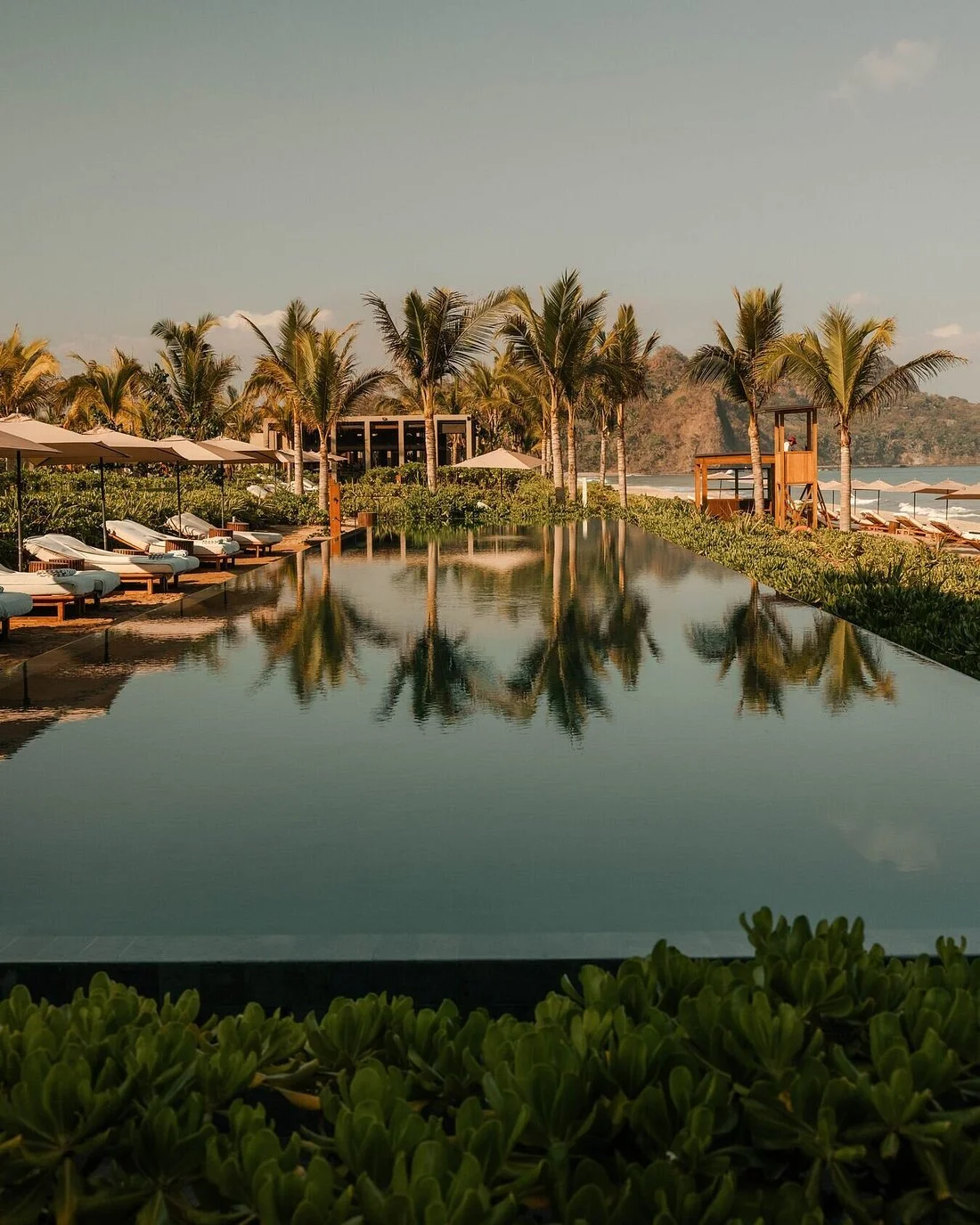
Flatland Studio Suite: With 827 sq. ft. of interior space plus 498 sq. ft. outdoors, this flatland retreat pairs a large private garden, infinity plunge pool and outdoor dining patio with a relaxed residential atmosphere at the communal heart of the resort.
Ocean View Mountain Studio Suite: Offering 789 sq. ft. of interior space plus 203 sq. ft. outdoors, this elevated mountain suite combines a private plunge pool with expansive views across Riviera Nayarit’s tropical landscape toward the Pacific.
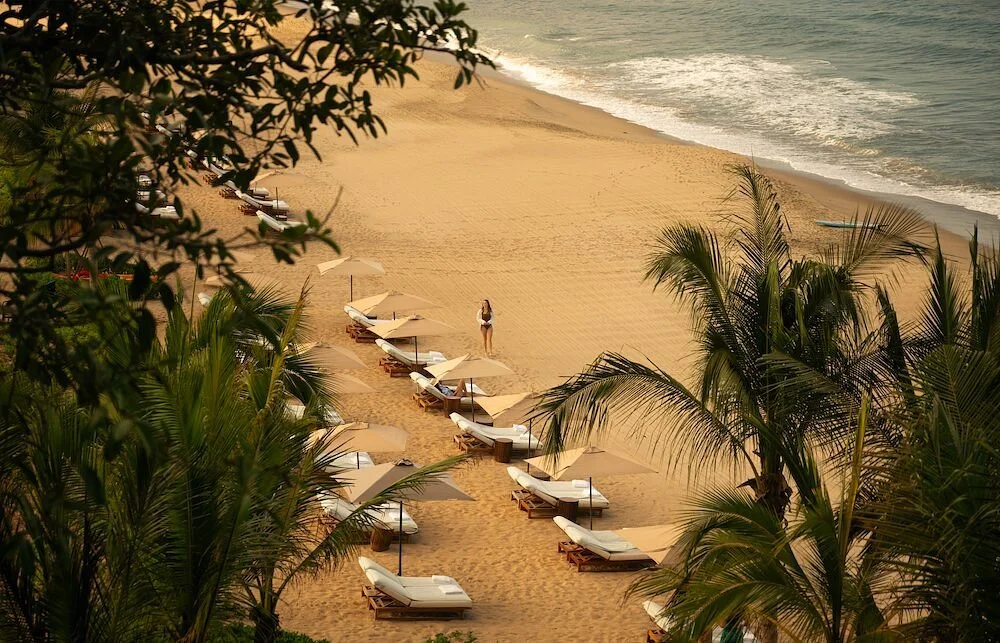
Beachfront Studio Suite: With 770 sq. ft. of interior space plus 207 sq. ft. outdoors, this beachfront suite is designed for seamless indoor-outdoor living, placing guests directly above the sand with open Pacific views and a private plunge pool.
Premier Beachfront Studio Suite: Offering 770 sq. ft. of interior space plus 305 sq. ft. outdoors, this category expands the terrace experience with more generous outdoor space, a private plunge pool and a position close to the rhythm of the waves.
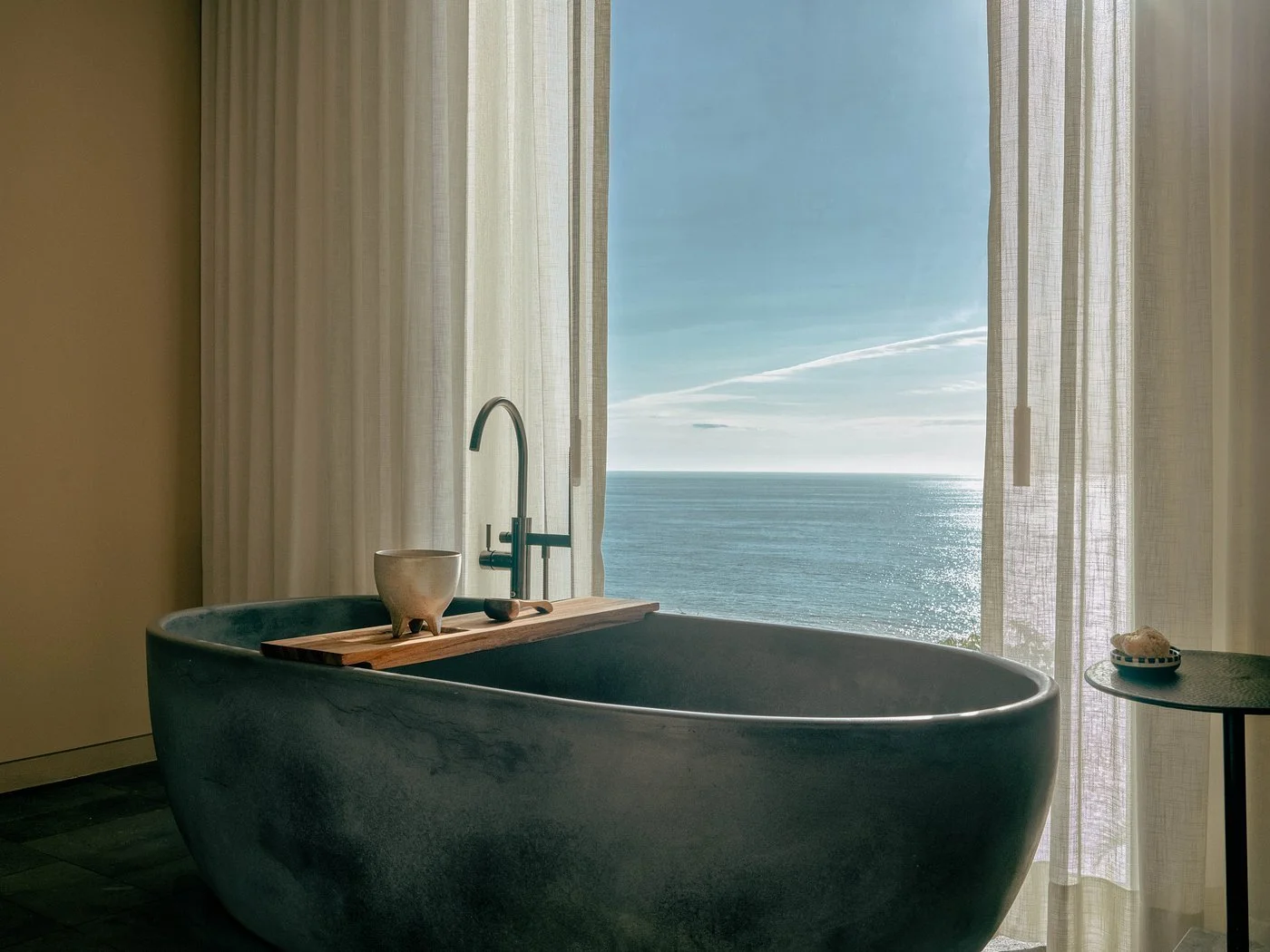
Beachfront Suite: With 1,036 sq. ft. of interior space plus 506 sq. ft. outdoors, this one-bedroom beachfront suite adds a separate living area, indoor dining space, deep soaking tub, outdoor rain shower and private infinity plunge pool facing the Pacific.
Premier Beachfront Suite: Offering 1,460 sq. ft. of interior space plus 450 sq. ft. outdoors, this larger one-bedroom suite sits directly on the beach and combines stylish interiors with a generous sunlit terrace, private infinity pool and uninterrupted oceanfront setting.
Oceanfront Mountain Studio Suite: With 793 sq. ft. of interior space plus 380 sq. ft. outdoors, this mountain category is positioned for panoramic Pacific views and pairs its elevated setting with a private plunge pool and broad outdoor terrace.
Ocean View Mountain Suite: Offering 1,089 sq. ft. of interior space plus 462 sq. ft. outdoors, this one-bedroom mountain suite includes a separate living area, deep soaking tub and infinity plunge pool overlooking the Pacific and surrounding landscape.
Flatland Rooftop Studio Suite: With 771 sq. ft. of interior space plus 1,041 sq. ft. outdoors, this category stands out for its exceptionally large rooftop-style exterior area, where a private plunge pool and open-air living space create a strong connection to Mandarina’s flatlands.
Panoramic Sunset Oceanfront Three Bedroom Villa: This expansive three-bedroom configuration combines a Panoramic Sunset Villa with two Oceanfront Mountain Studio Suites, creating a large multi-room retreat with several private infinity plunge pools and uninterrupted Pacific sunset views.
Canalan Beachfront Villa: Spanning approximately 8,286 sq. ft., this two-level beachfront villa places guests directly on the sand and includes two king bedrooms, a full kitchen, indoor and outdoor living and dining areas, a private gym, media room, jacuzzi, indoor garden, deep soaking tub and private infinity pool.
Cora Four Bedroom Mountaintop Villa: Spanning more than 13,000 sq. ft., this four-bedroom mountaintop residence combines panoramic Riviera Nayarit views with a private gym, media room, kitchen, lounge and dining areas, expansive terraces and a full-sized infinity pool projecting over the hillside.
For us, the first decision should always be location.
Couples who want privacy and elevation may prefer the mountain categories. Guests who want to hear the ocean from the moment they wake up should look toward the beachfront options.
Families and larger groups may find the flatlands and villas easier for shared time and movement between activities.
Mexican Hospitality at the Table
Dining at Rosewood Mandarina reflects the same relationship between place, landscape and regional identity that shapes the rest of the resort.
La Cocina Mandarina: The resort’s all-day Mexican restaurant, centered around a traditional comal where tortillas are prepared by hand and local ingredients are used through a home-style interpretation of Mexican cooking.
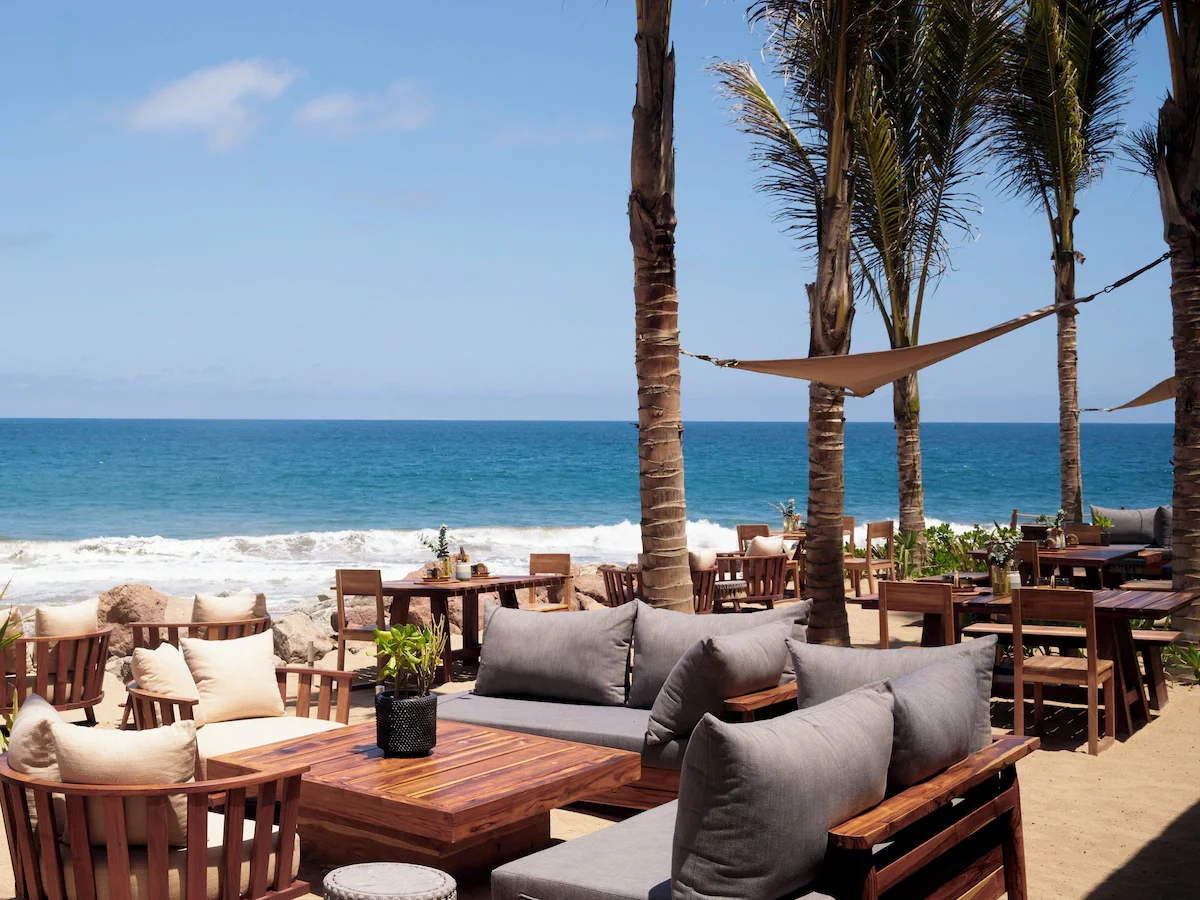
Buena Onda: A relaxed beachfront venue with a coastal Spanish influence, designed for long lunches, seafood and easygoing days beside the Pacific.
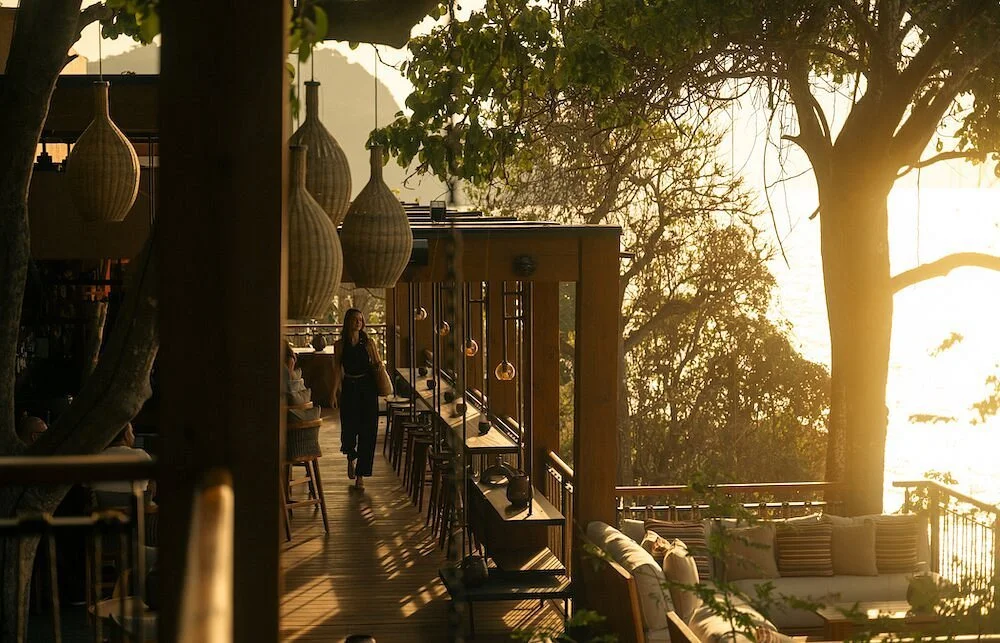
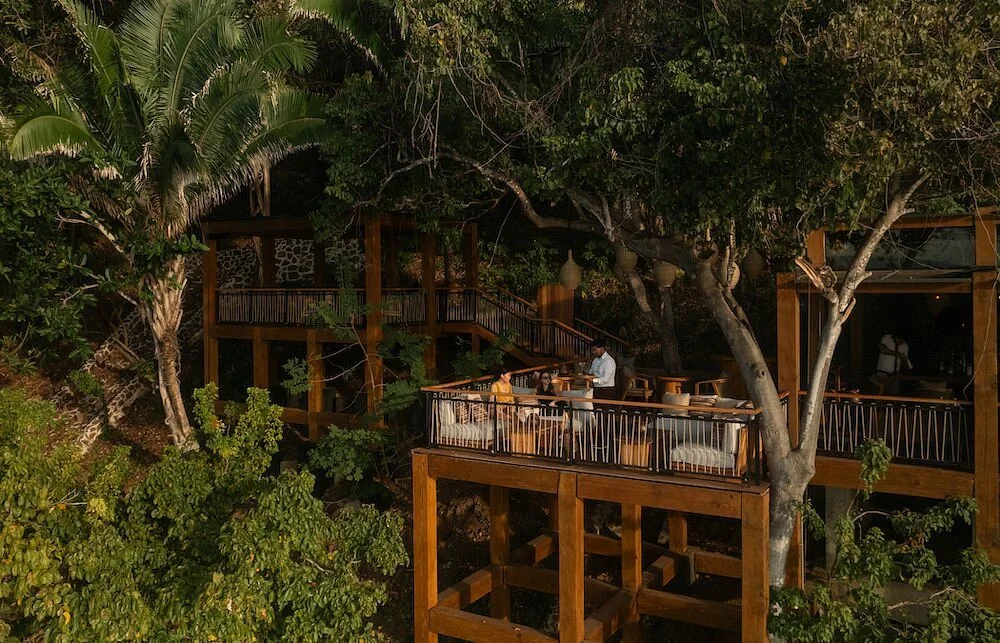
Toppu: A mountaintop Japanese restaurant pairing Japanese technique with Mexican ingredients and dramatic views over the coastline.
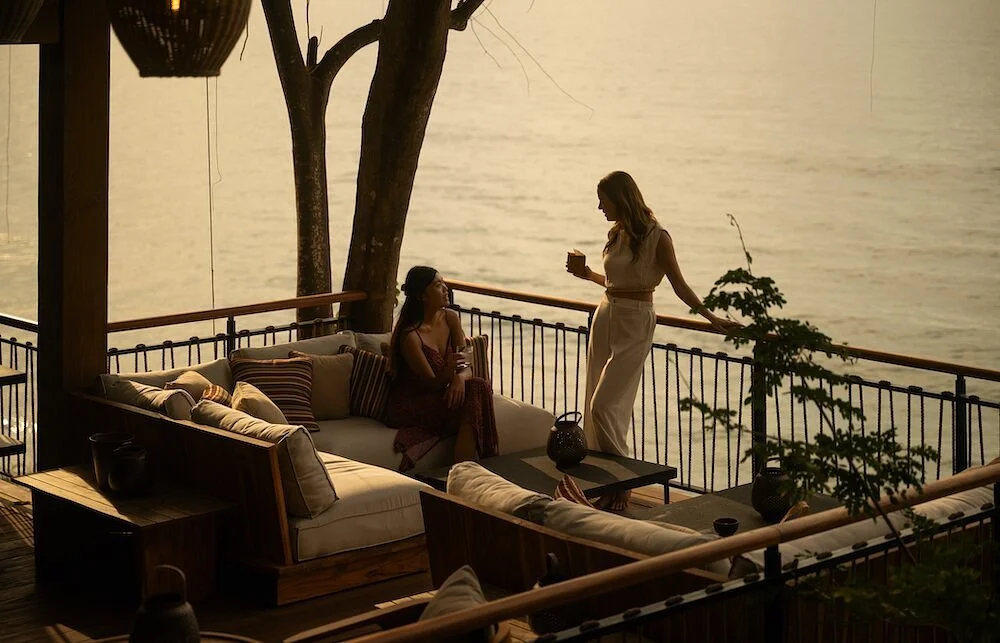
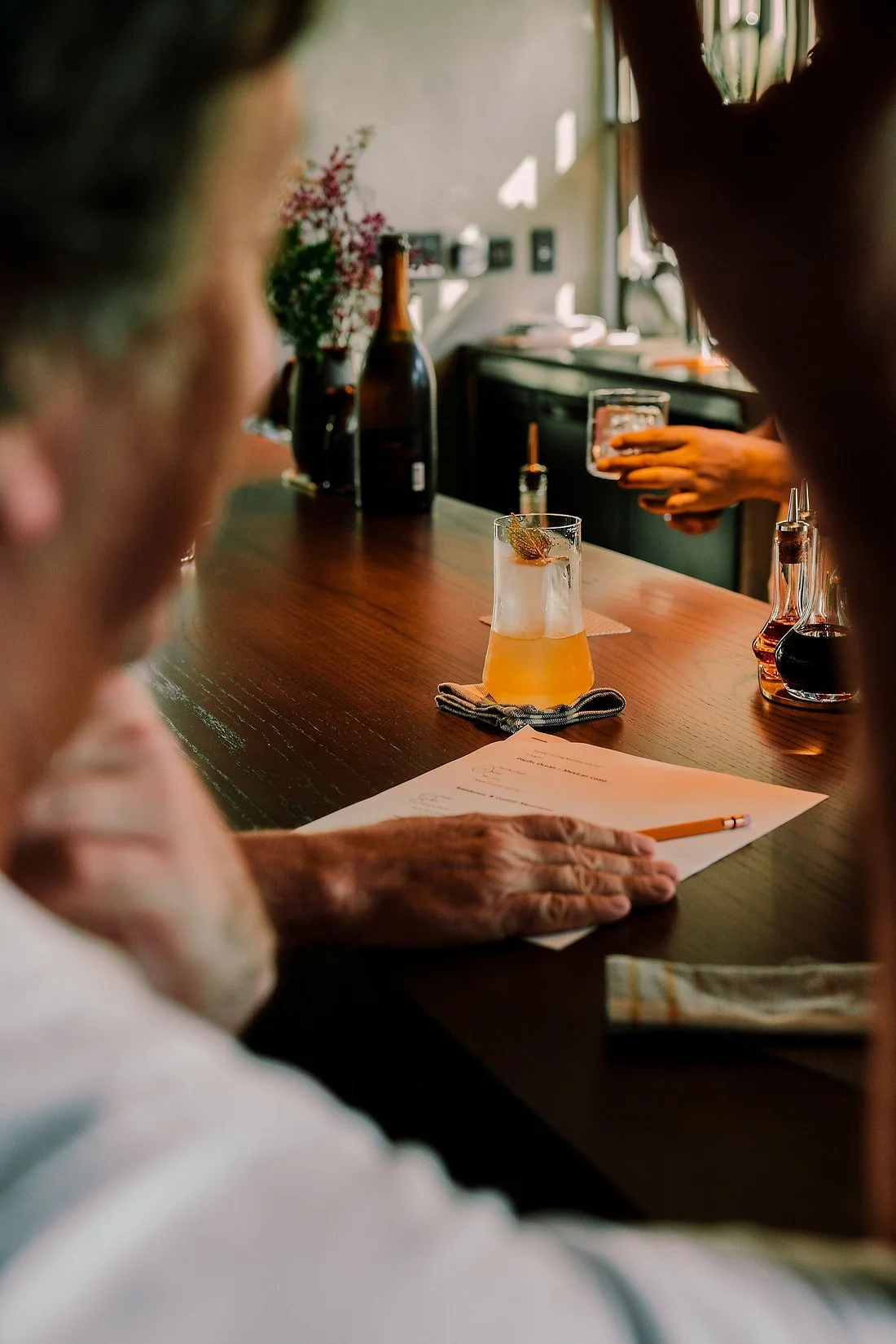
Barra Peñasco: A hidden mountainside bar built around cocktails, sunset views and a more intimate evening atmosphere.
The collection is intentionally focused rather than oversized.
For us, that works particularly well here because guests are not meant to experience Mandarina entirely through formal restaurants.
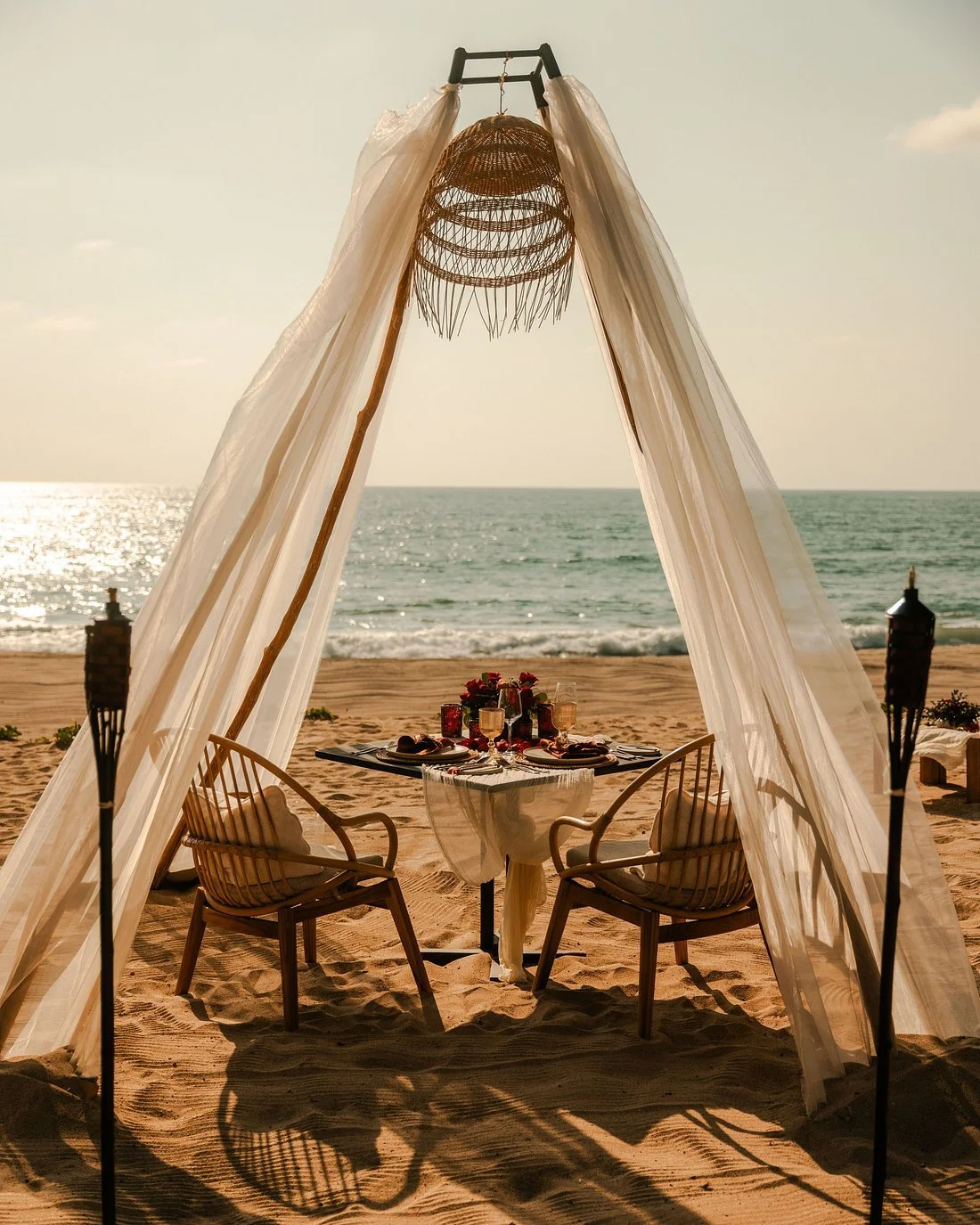
Tortilla-making classes, private beach dinners, agave tastings and other culinary experiences extend the food program beyond conventional dining rooms.
La Cocina is likely to become the most natural everyday restaurant because it anchors the resort in Mexican flavors and techniques.
Toppu, by contrast, is the restaurant we would plan more deliberately around sunset, while Buena Onda makes the most sense as part of a slower beach day.
Ancient Trees and the Rituals of Asaya
Wellness at Rosewood Mandarina is deeply connected to the natural and cultural landscape.
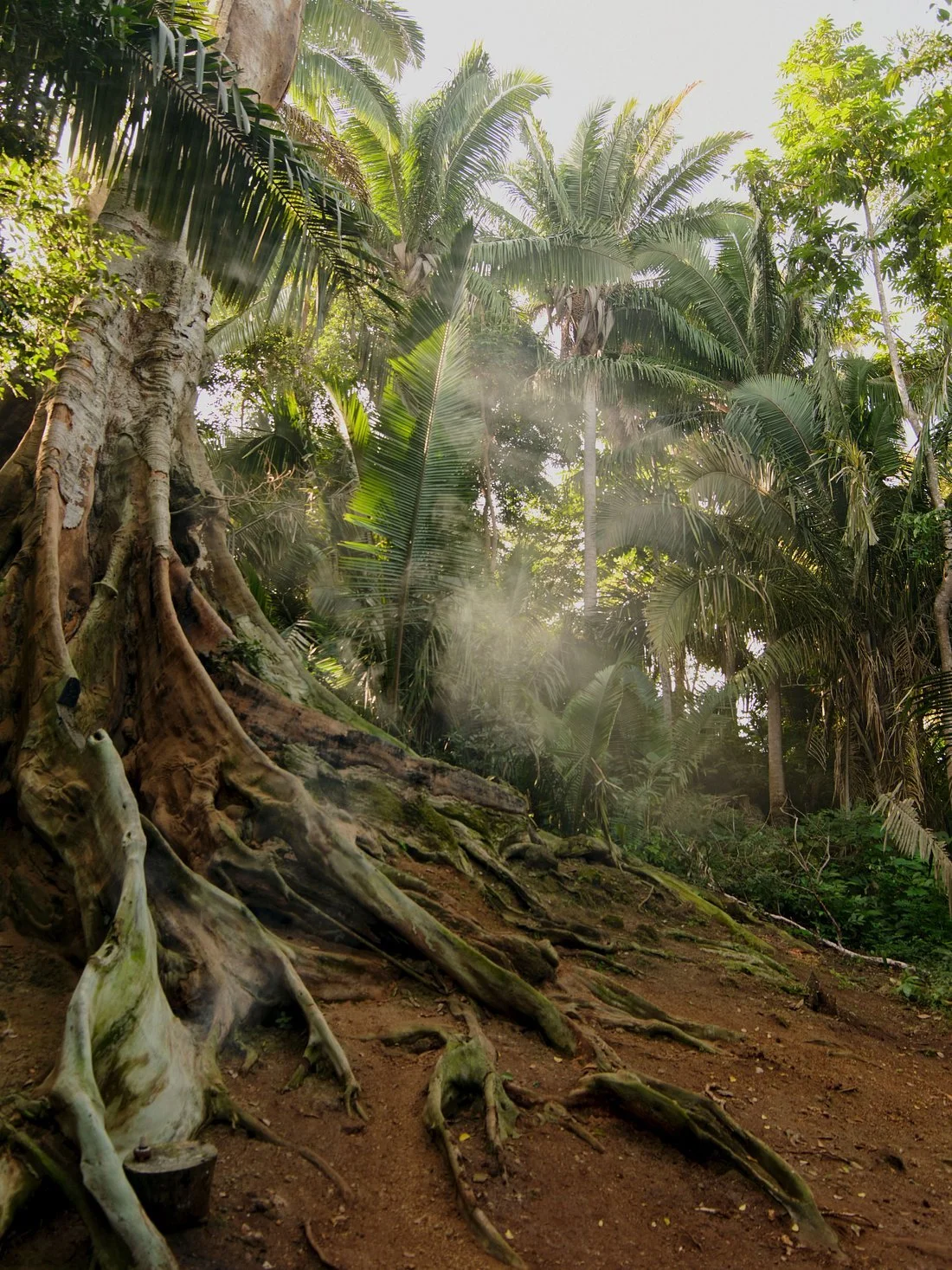
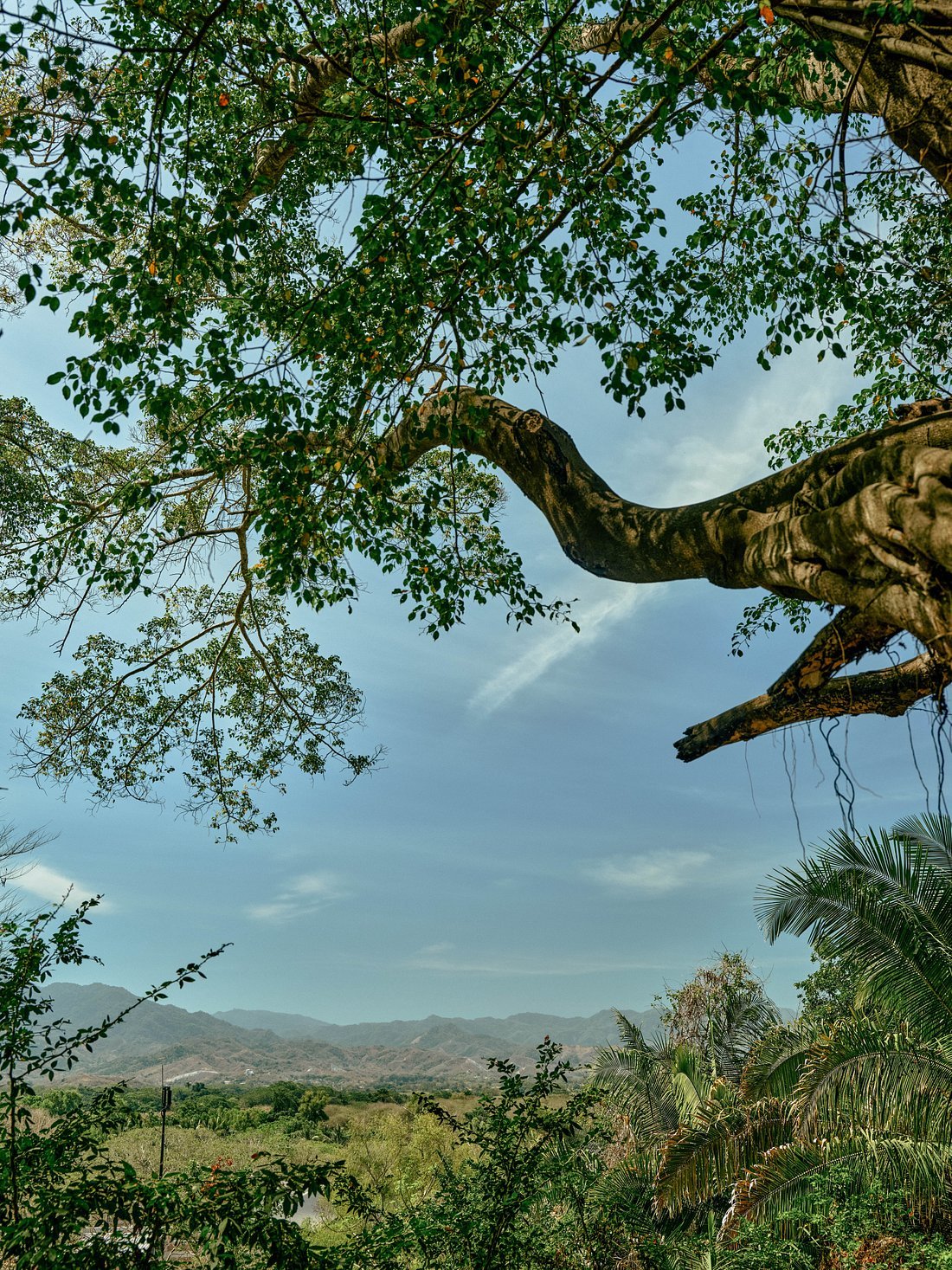
Asaya Spa is centered around an ancient Parota tree and draws inspiration from traditions associated with the Indigenous communities of Nayarit, including Wixárika perspectives on nature and well-being.
Treatments move beyond a conventional resort spa menu.
Massage, breathwork, body therapies, skincare and locally inspired rituals are combined with experiences designed around rest, intention and connection to the natural environment.
The treatment collection includes rituals influenced by regional healing traditions, including massage experiences that combine aromatherapy, breathwork and slow restorative techniques.
The spa also includes sauna and steam facilities, a cold plunge and a 24-hour fitness center.
Its Social House creates another layer of wellness: a private setting for groups with treatment space and opportunities for curated wellness experiences.
Wellness can also move beyond the spa entirely.
Outdoor fitness, surfing, hiking, tennis and meditation beneath ancient trees make it possible to approach well-being through activity as easily as through treatment.
For us, that is the most compelling part of the program.
Mandarina itself becomes part of the wellness experience.
Horses, Surf and the Mountains Beyond
Rosewood Mandarina is one of those resorts where activities are not simply used to fill an afternoon.
They are a central part of understanding the destination.
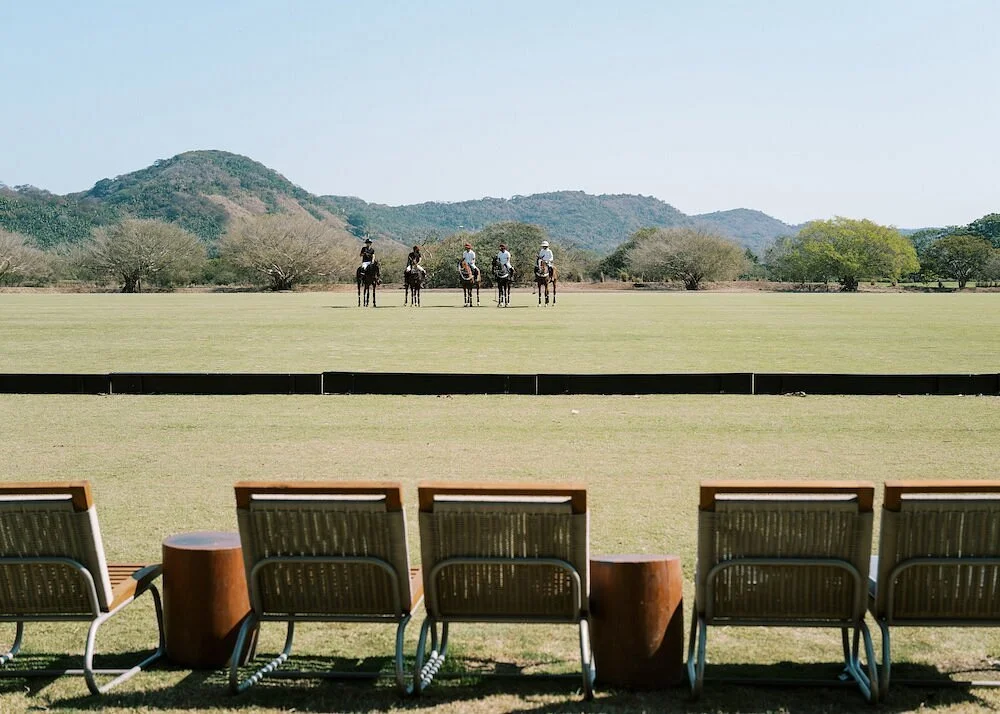
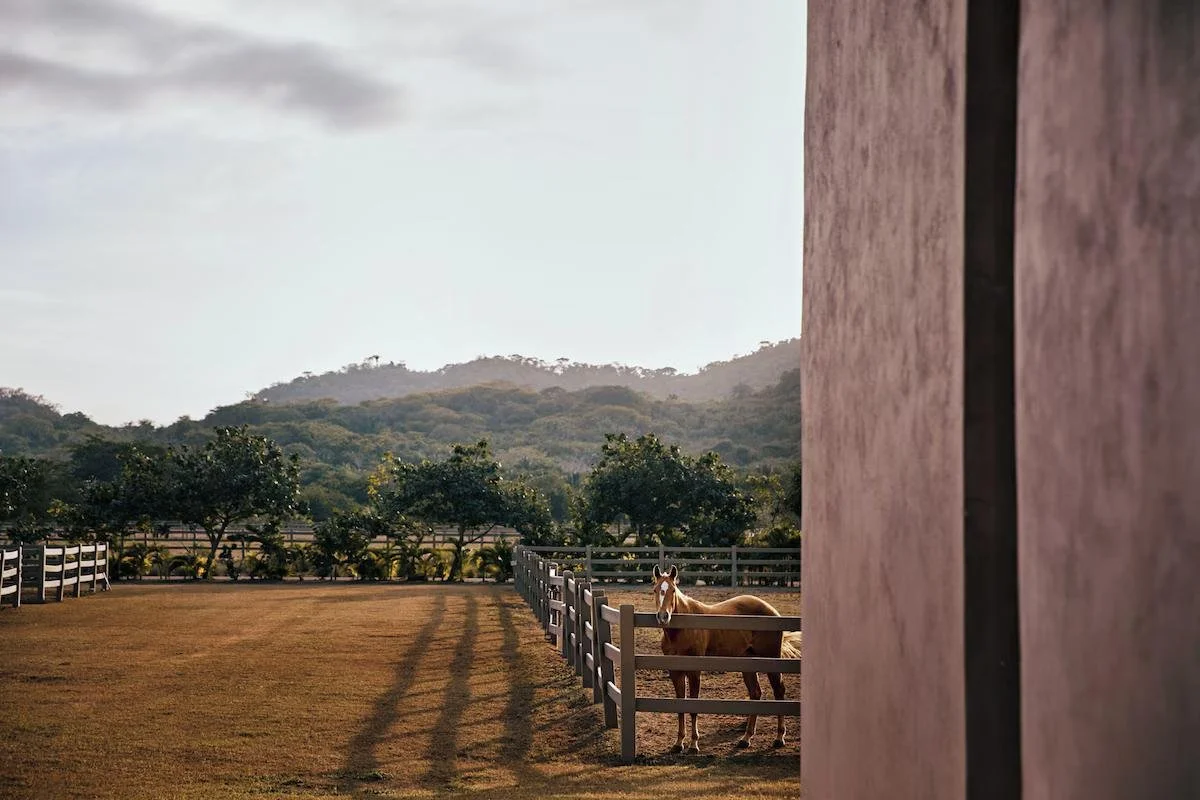
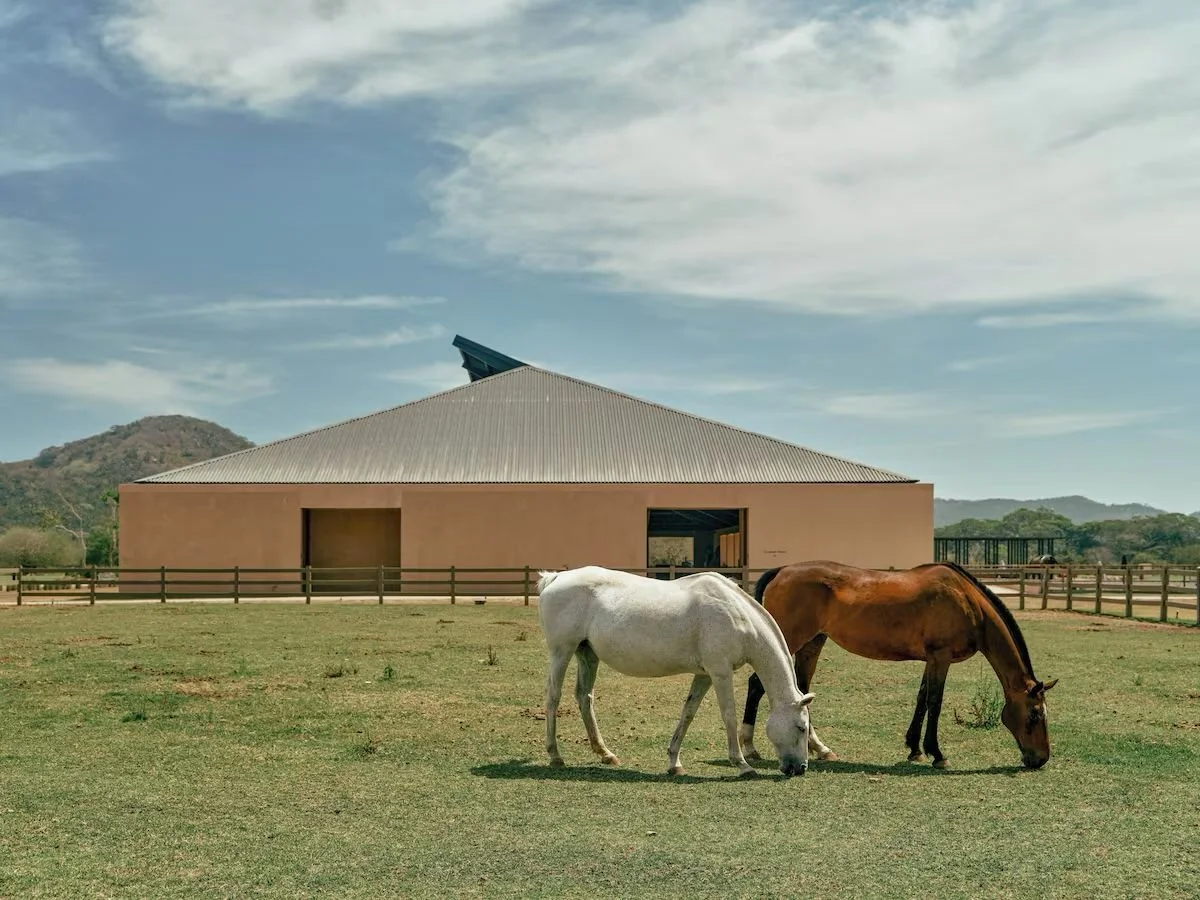
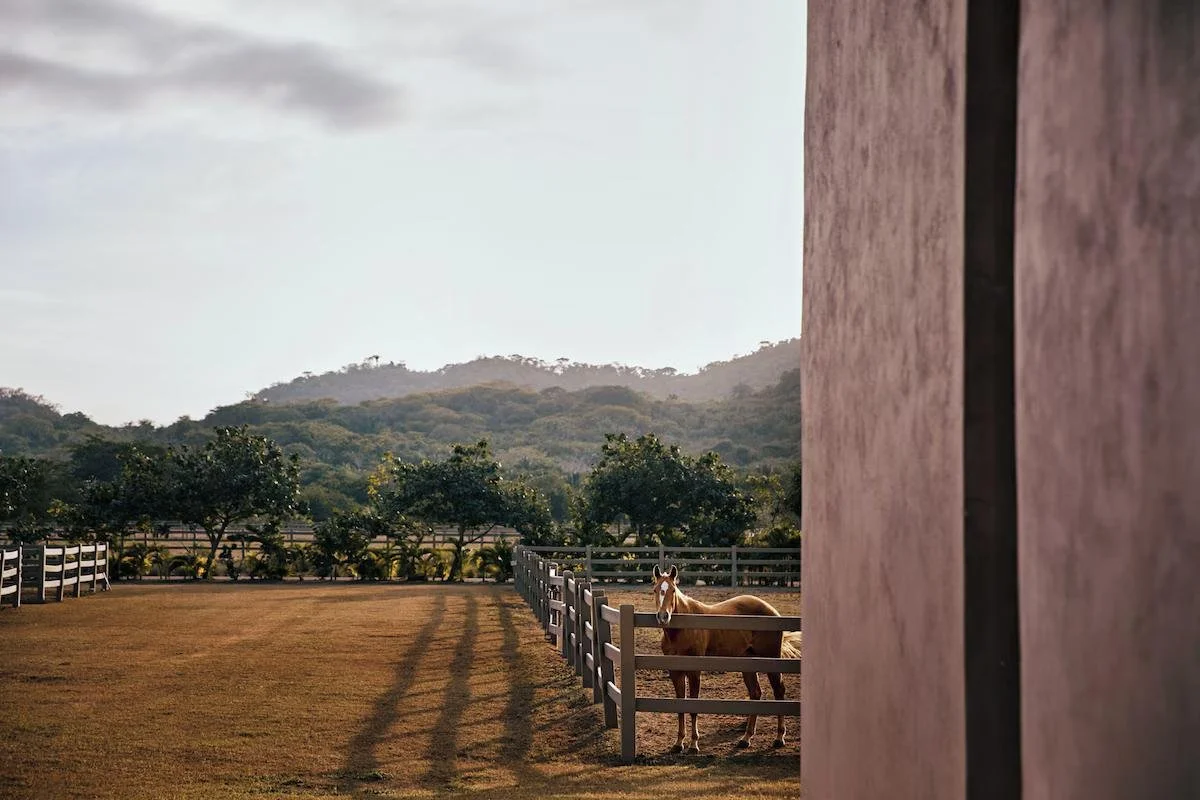
The Mandarina Polo & Equestrian Club allows guests to ride through the property, take lessons and watch seasonal polo matches beneath the Sierra Madre.
The Mandarina Golf Club, designed by Greg Norman, offers a nine-hole par-3 course with an additional challenge hole set across the green flatlands.
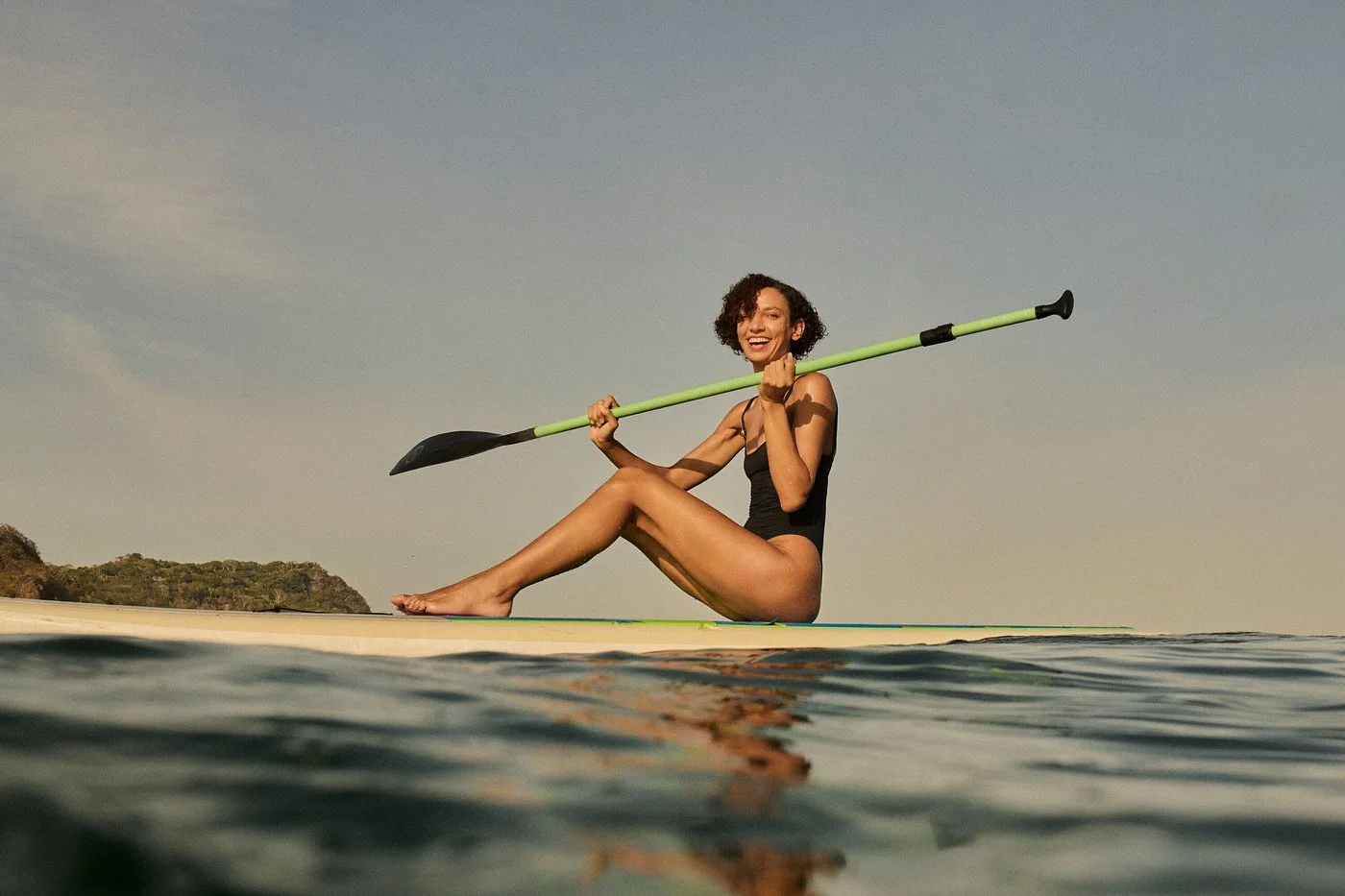
Closer to the water, guests can surf, paddleboard, fish, snorkel or arrange private yacht charters along the Pacific coast.
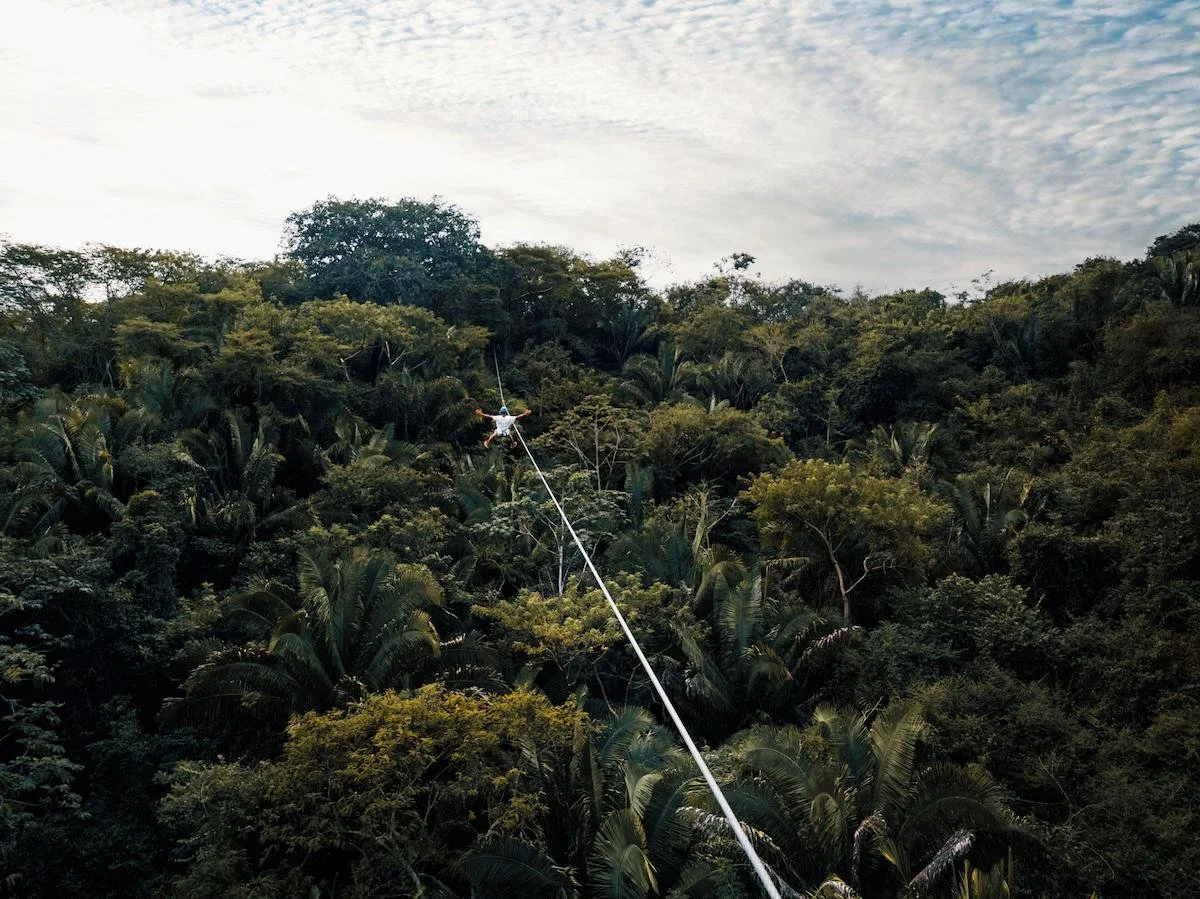
On land, hiking, mountain biking, tennis, pickleball, archery, ziplining and a ropes course open up very different parts of the property.
Some experiences are quieter.
A guided Sacred Trees Hike introduces native flora and fauna before ending in meditation beneath an ancient Parota tree.
Beyond Mandarina, excursions can include the bohemian coastal towns of Sayulita and San Pancho or a journey to the protected Islas Marietas.
For us, a stay should include at least one experience on land and one on the water.
The scale and diversity of the landscape are difficult to appreciate otherwise.
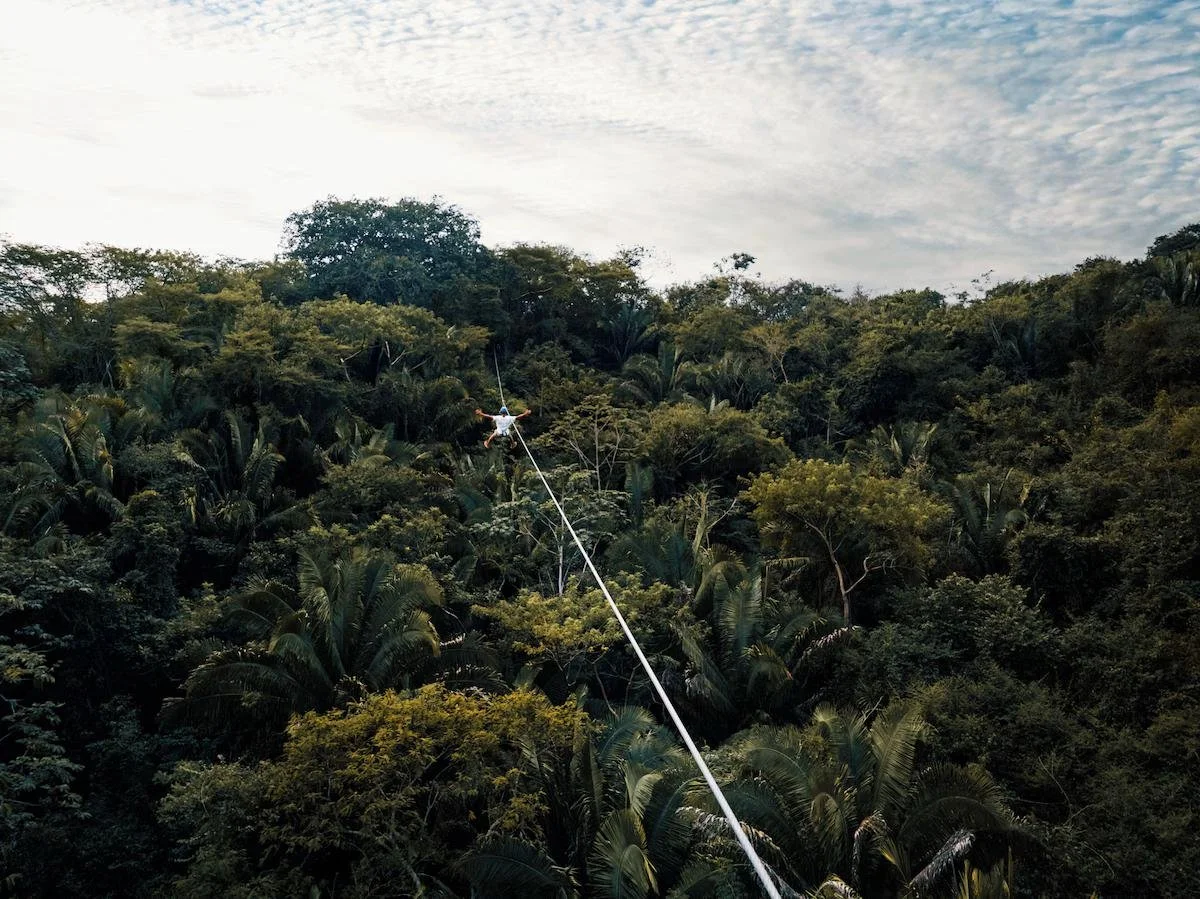
Rosewood Explorers in the Wild
Families are particularly well served at Rosewood Mandarina.
The Rosewood Explorers program is built around nature, culture and adventure rather than a conventional indoor kids’ club model.
Its programming draws inspiration from the Wixárika story of The Journey of Tunuri and the Blue Deer, using exploration as a way to introduce younger guests to stewardship and the natural environment.
Activities may include nature hikes, water-based adventures, fossil searches, sustainability workshops and cultural excursions.
Families also benefit from the wider resort infrastructure.
Horseback riding, swimming, beaches, water sports and outdoor adventure allow different generations to participate in the destination without following exactly the same schedule.
For younger children, the resort provides practical amenities such as cribs, baby-proofing, changing equipment, baby bathtubs, bottle warmers, bed rails and baby monitors.
Babysitting and child-care services can also be arranged.
For us, Rosewood Mandarina makes the most sense for families when the resort is treated as the itinerary rather than simply the accommodation.
There is enough here to build several days around shared experiences without creating an overly structured schedule.
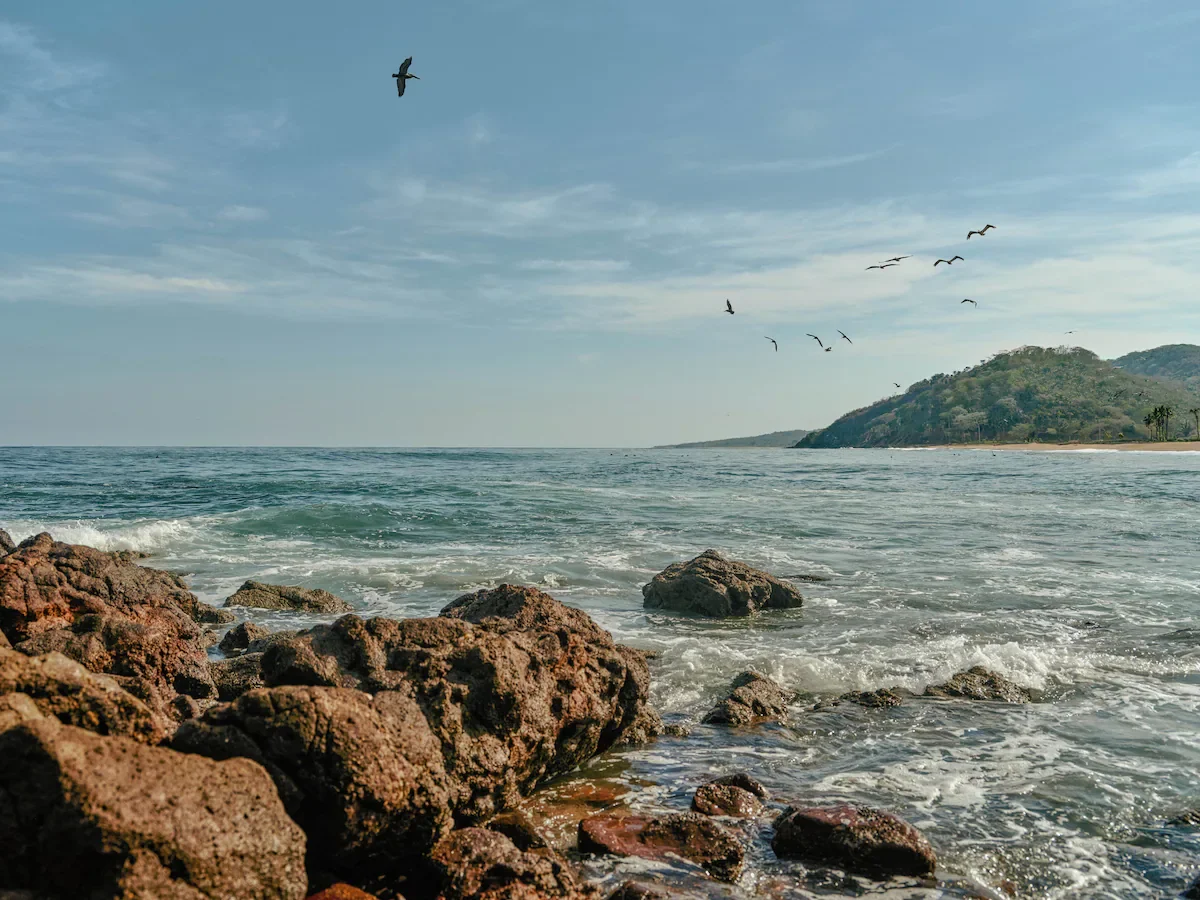
Conservation as Part of the Experience
Sustainability at Rosewood Mandarina is closely tied to the biodiversity of the destination.
The resort sits within a landscape that includes rainforest, estuaries, coastline and mountains, supporting wildlife ranging from coatis to American crocodiles and a broad variety of marine and bird species.
Rosewood works with local and national organizations on environmental and community initiatives designed to protect those ecosystems.
Guests are also invited to participate directly.
Seasonal sea turtle releases create one of the most visible examples, while sustainability workshops, recycling initiatives and community-focused activities form part of the broader experience program.
The resort also works with local artisans and uses cultural programming to support regional craft and knowledge.
For us, the most meaningful part of the sustainability story is that conservation is not separated completely from the guest experience.
Children encounter it through Rosewood Explorers. Adults may experience it through guided hikes, workshops or cultural programming.
That approach makes the landscape something to understand rather than simply admire.
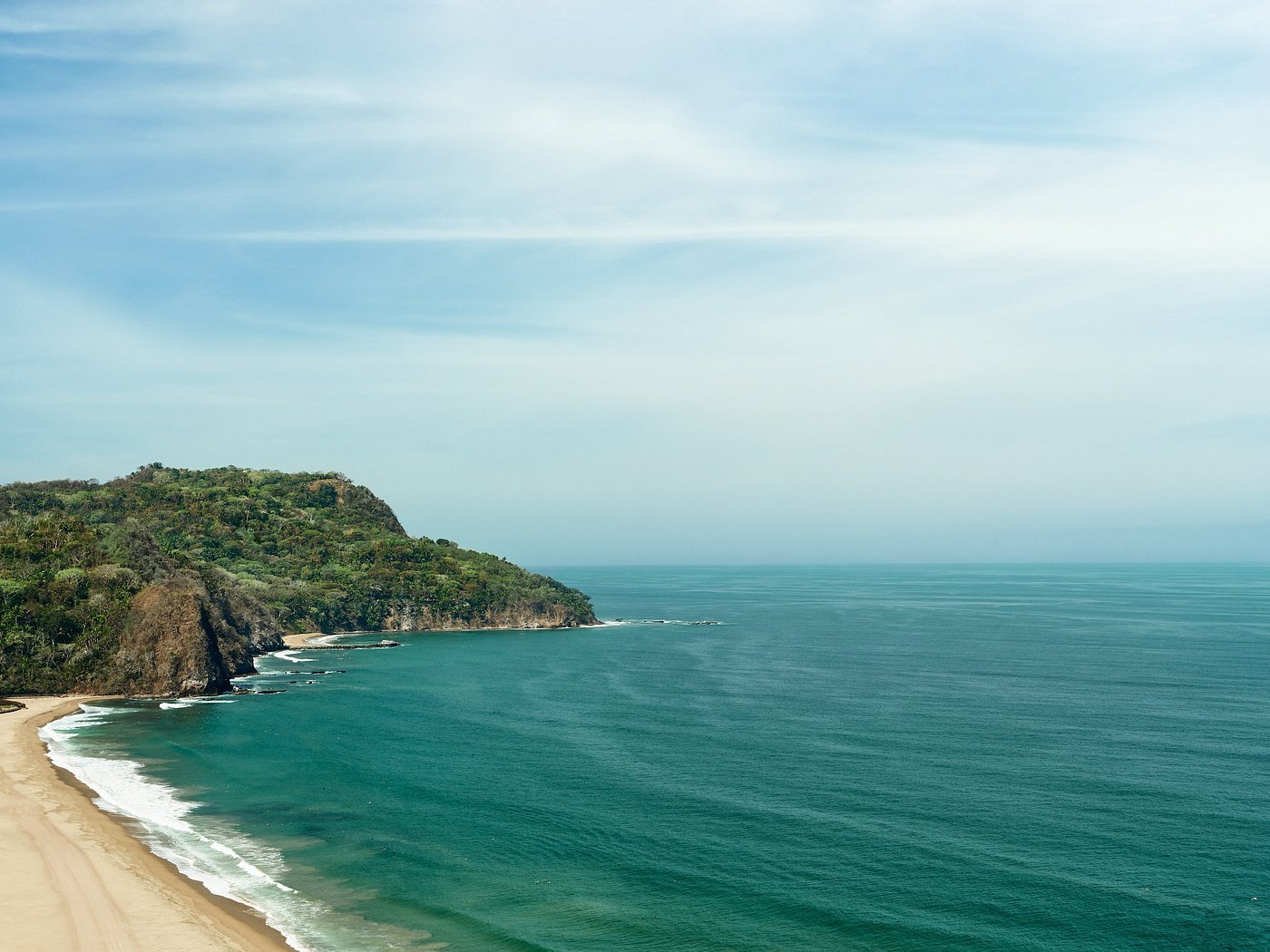
Planning for Comfortable Access
Rosewood Mandarina is spread across mountains, flatlands and beachfront terrain, so guests with mobility requirements should discuss their individual needs before selecting an accommodation category.
The difference between a mountain suite and a flatland or beachfront suite is not simply visual.
Elevation, distance and access routes can affect how easily guests move between restaurants, the beach, spa and other facilities.
We would therefore confirm the exact location of the accommodation, step-free routes, bathroom configuration and internal transportation requirements directly with the resort before booking.
Villa layouts should also be reviewed carefully, particularly where multiple levels, terraces or private pools are involved.
Accessible airport transportation and any additional assistance should be arranged in advance so the entire journey can be planned around the traveler.
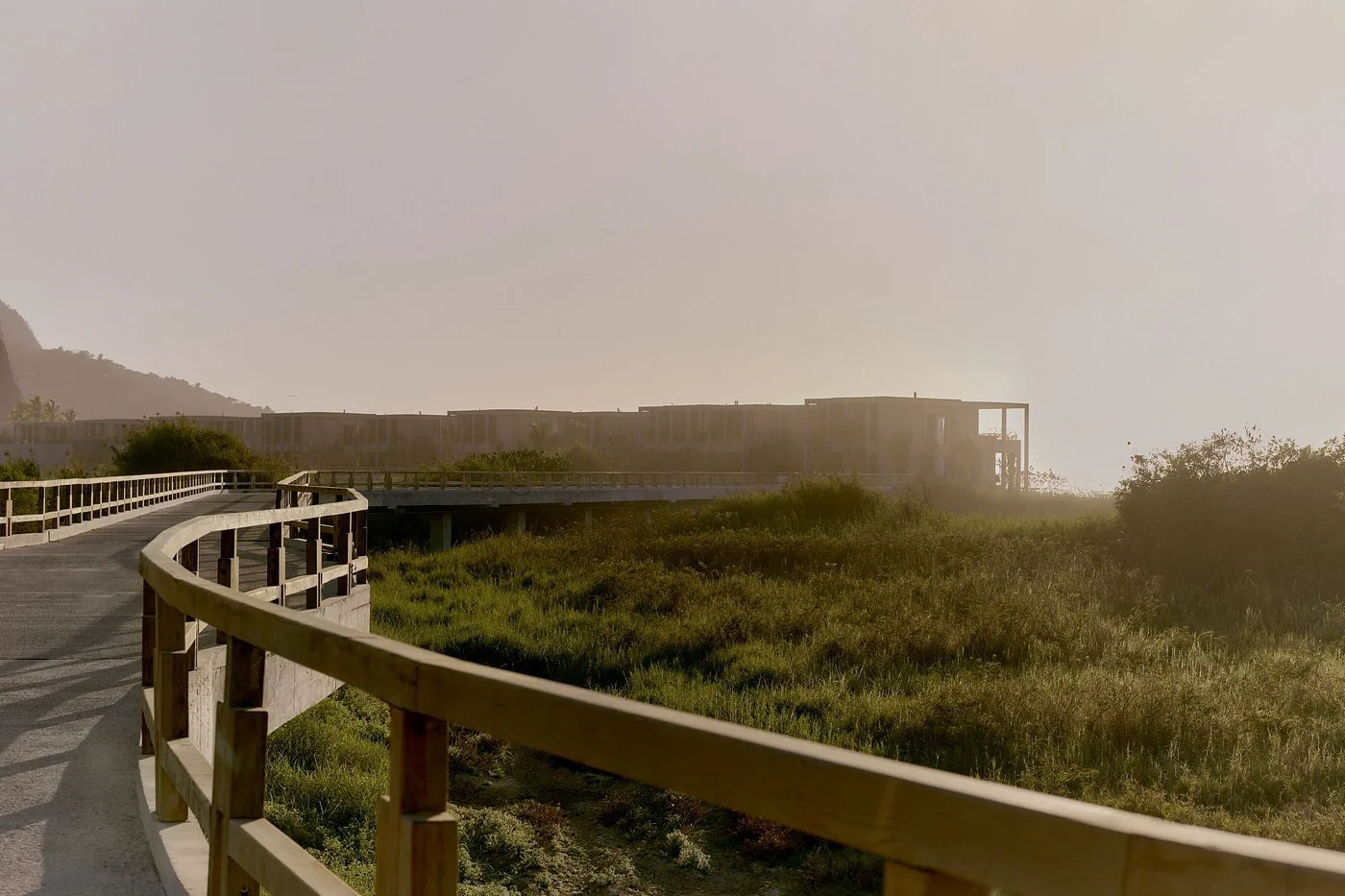
From Puerto Vallarta to Mandarina
Rosewood Mandarina is located on Riviera Nayarit’s Pacific coast, north of Puerto Vallarta.
By Air – Puerto Vallarta International Airport: The resort is approximately a 50-minute drive from Puerto Vallarta International Airport, the principal gateway for most international travelers.
By Private Transfer: Private luxury SUV transfers can be arranged through the resort and are the most seamless way to arrive.
By Private Aviation: Private aircraft can use the aviation facilities serving Puerto Vallarta, with onward private transfer arranged to Mandarina.
By Road: Guests traveling along the Riviera Nayarit coast can reach Mandarina via Federal Highway 200.
By Sea: Private yacht excursions and coastal journeys can be incorporated into a wider Pacific itinerary, although road transfer remains the principal arrival method for most hotel guests.
For us, the first afternoon should remain simple.
Arrive, settle into the suite, use the plunge pool and allow the landscape to establish the pace of the stay before adding activities.
Mandarina is not a destination that needs to be understood immediately.
It reveals itself gradually.
A Different Kind of Pacific Resort
Rosewood Mandarina is compelling because it refuses to reduce Riviera Nayarit to a beach.
The Pacific is important, but so are the mountains, the flatlands, the horses, the ancient trees and the cultural traditions that shape the wider destination.
The hotel uses those elements to create several different experiences within one resort.
One day can revolve entirely around the water. Another may begin on horseback, continue with lunch at La Cocina and end with a spa ritual beneath the trees.
Families can spend their time between Rosewood Explorers, the beach and outdoor adventures. Couples can disappear into a mountain suite and barely leave their private pool.
For us, that range is what makes Rosewood Mandarina particularly interesting.
It offers the privacy and polish expected of a contemporary luxury resort, but the strongest memories are likely to come from moments when the hotel itself moves into the background.
A horse moving through the flatlands. The sound of the Pacific below a mountain terrace. A handmade tortilla straight from the comal. A quiet walk beneath an ancient Parota tree.
Those experiences make the resort feel less like an escape from Riviera Nayarit and more like a way of entering it.