Rome, Italy | Bvlgari Hotel Roma
A Roman Homecoming on Piazza Augusto Imperatore
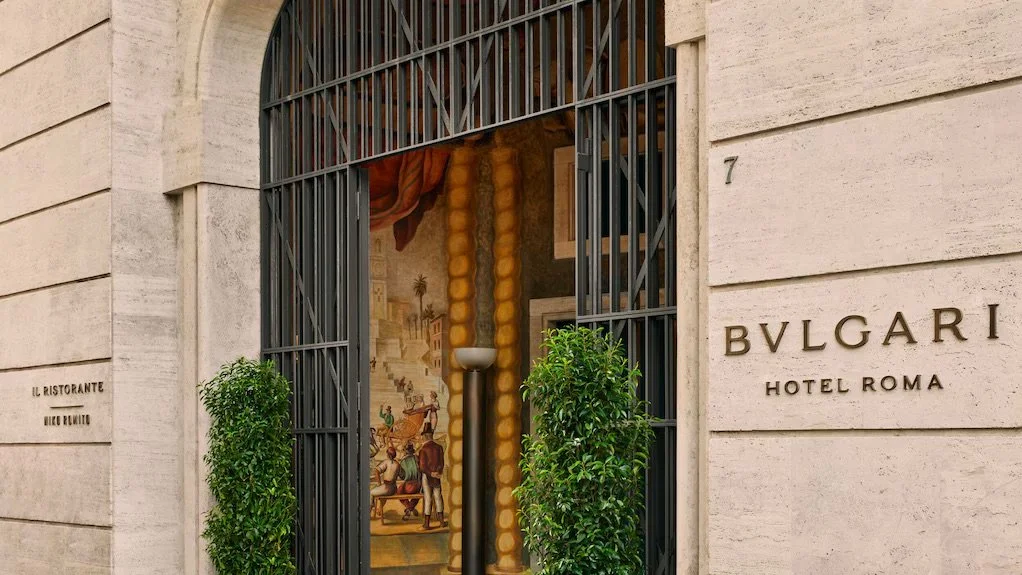
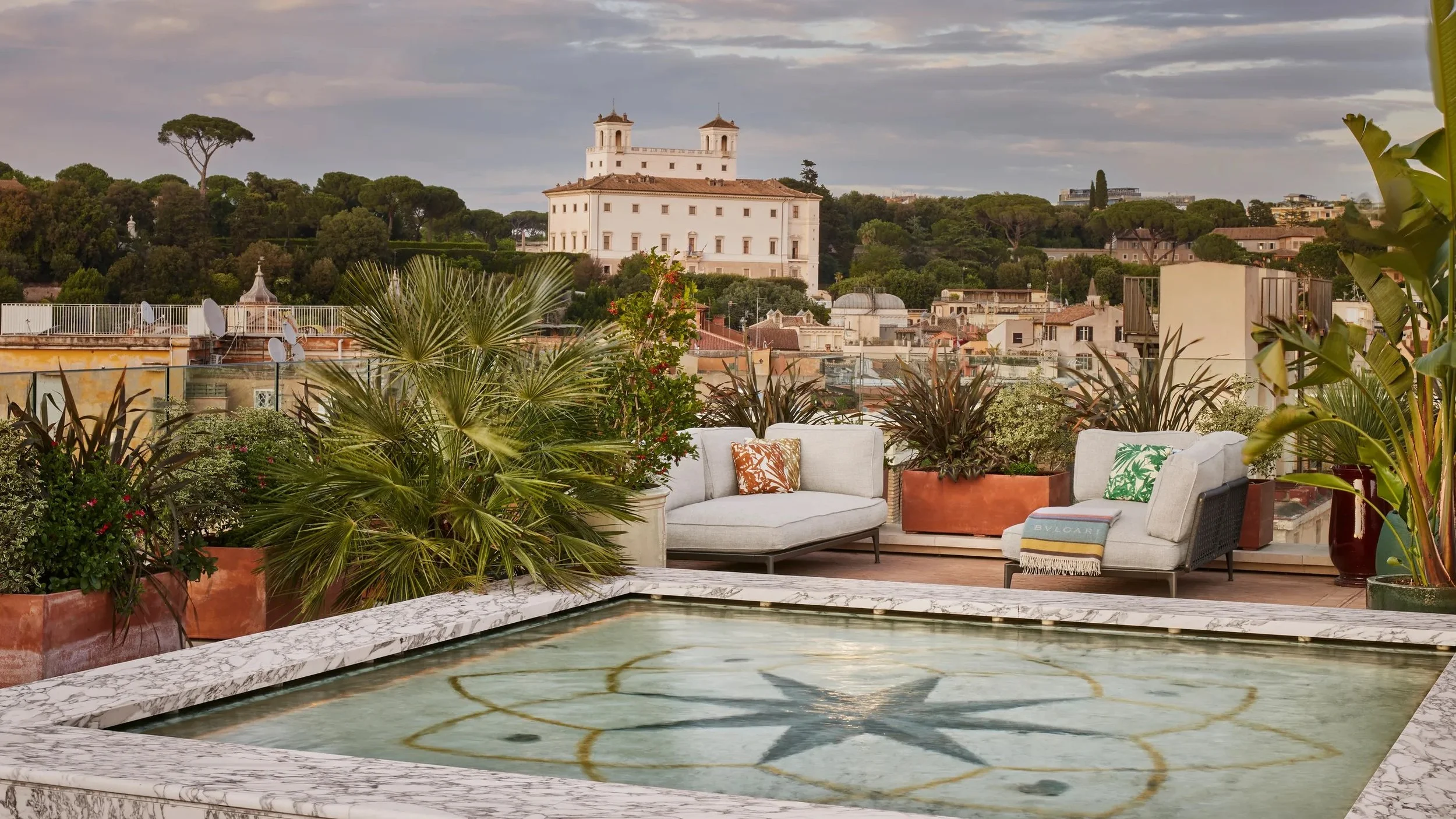
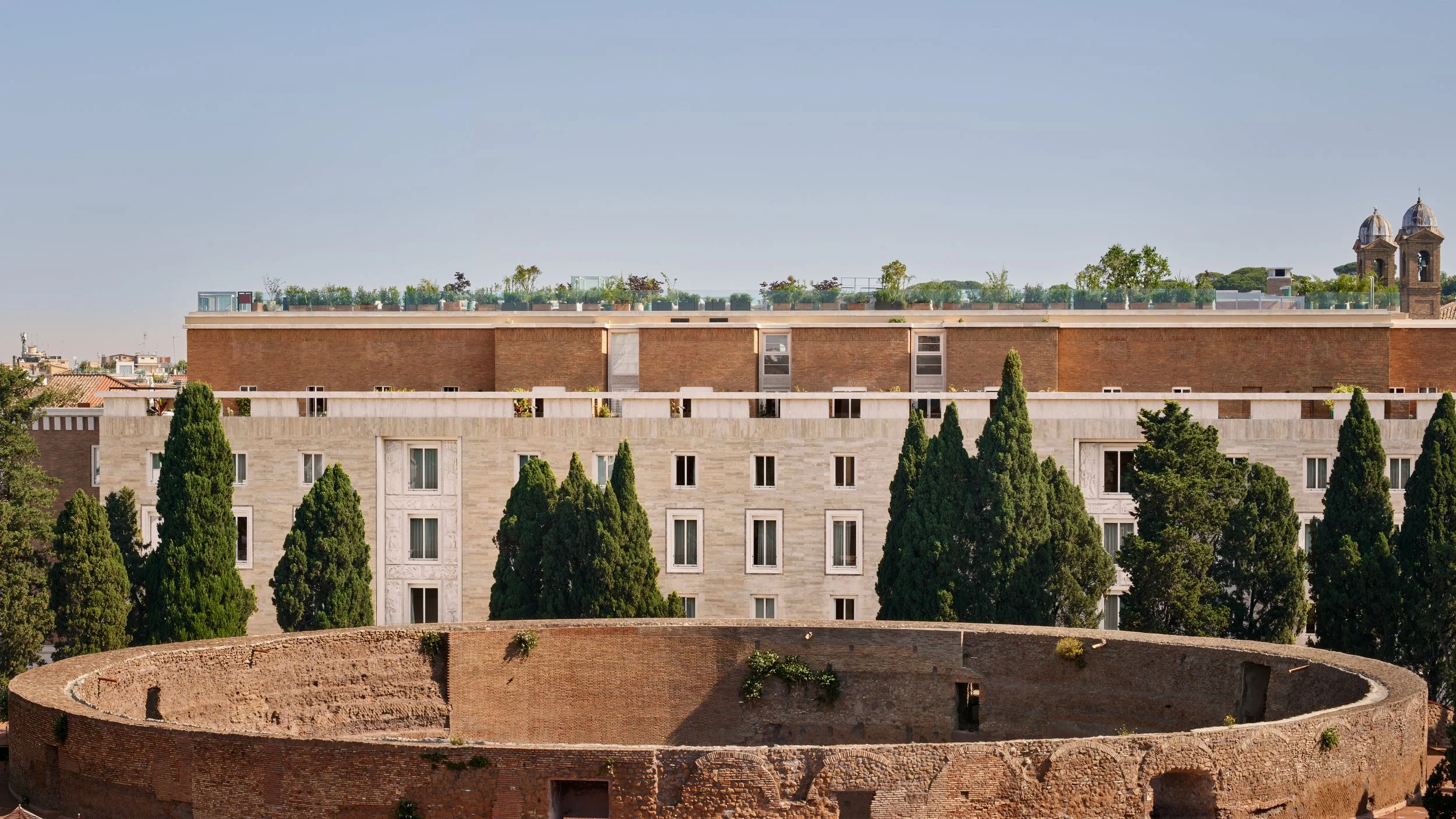
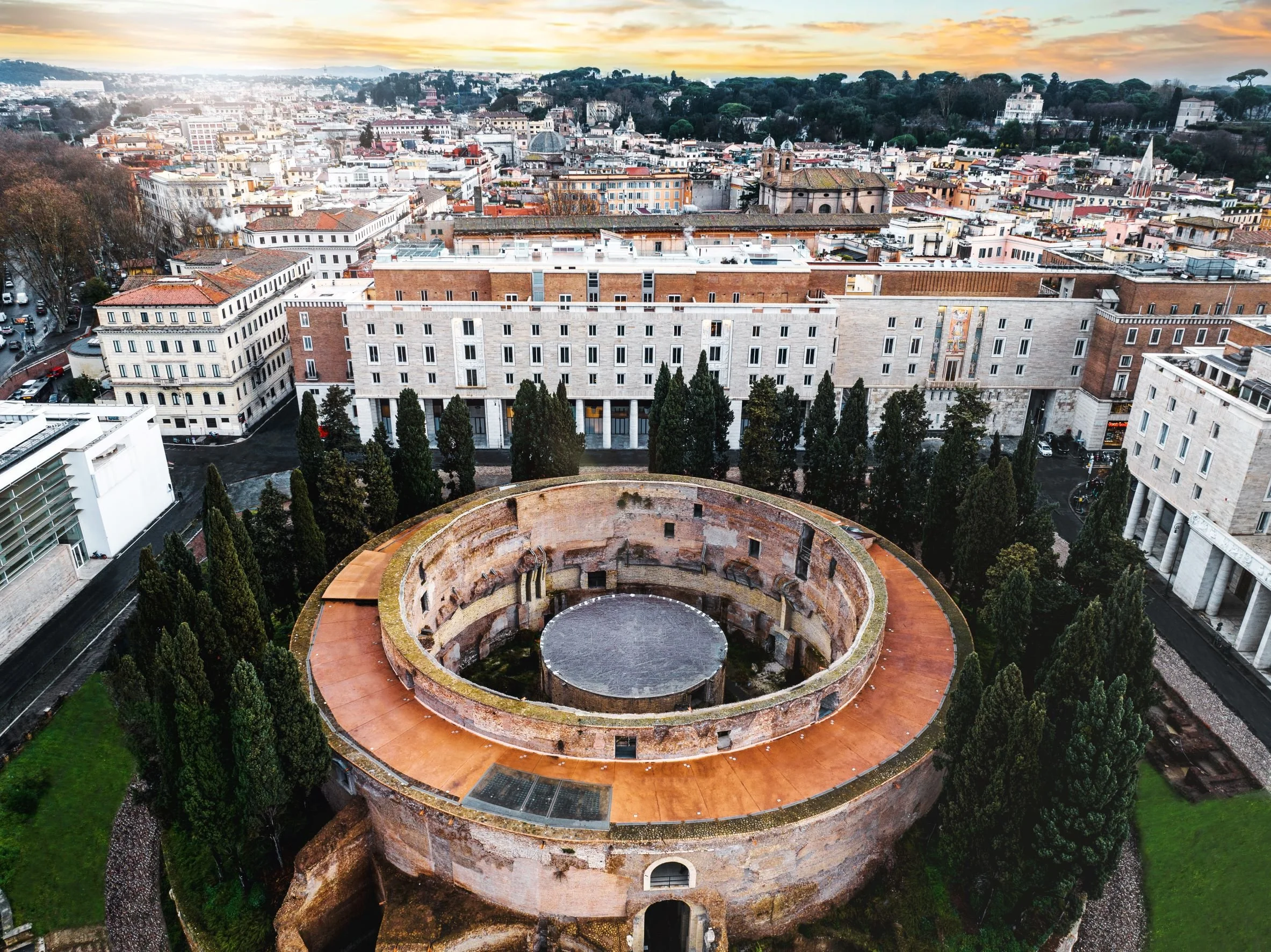
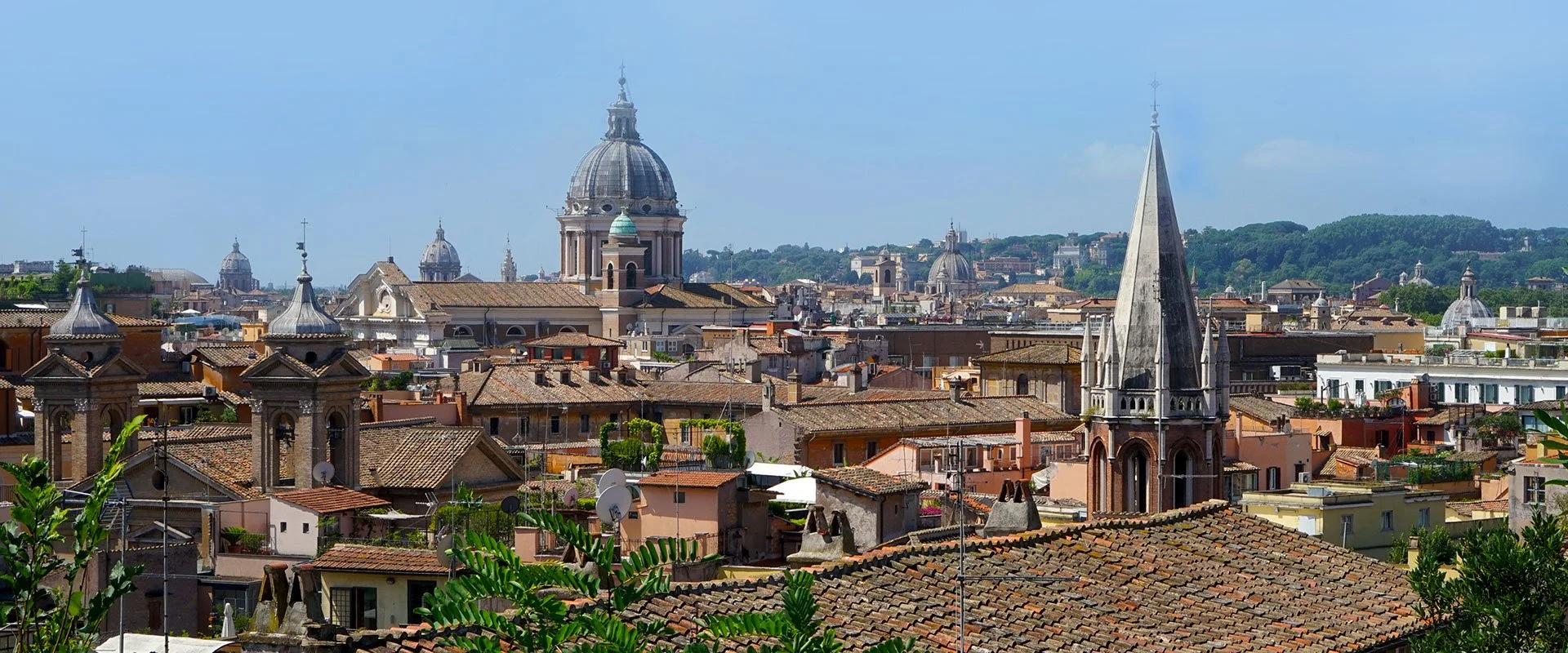
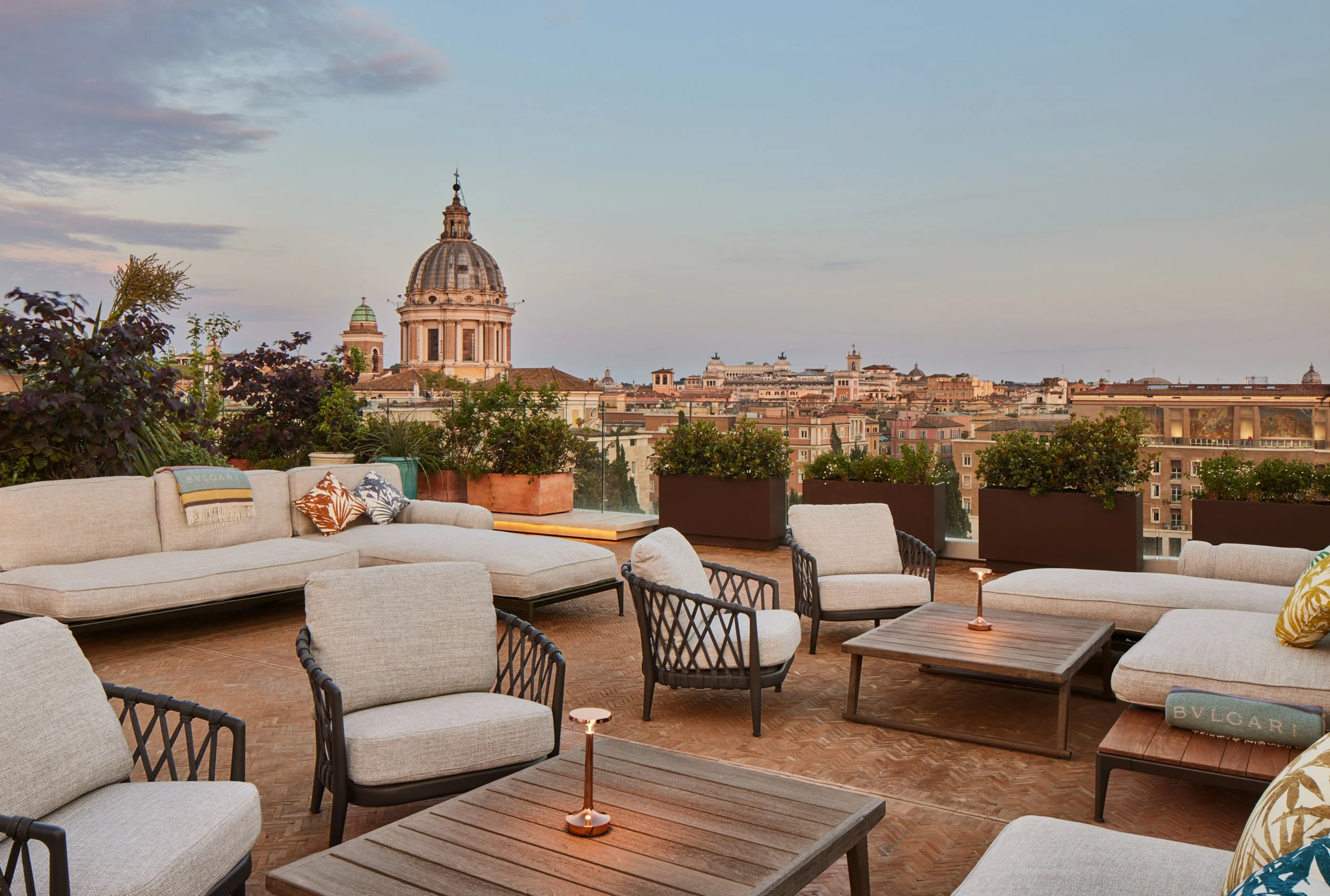
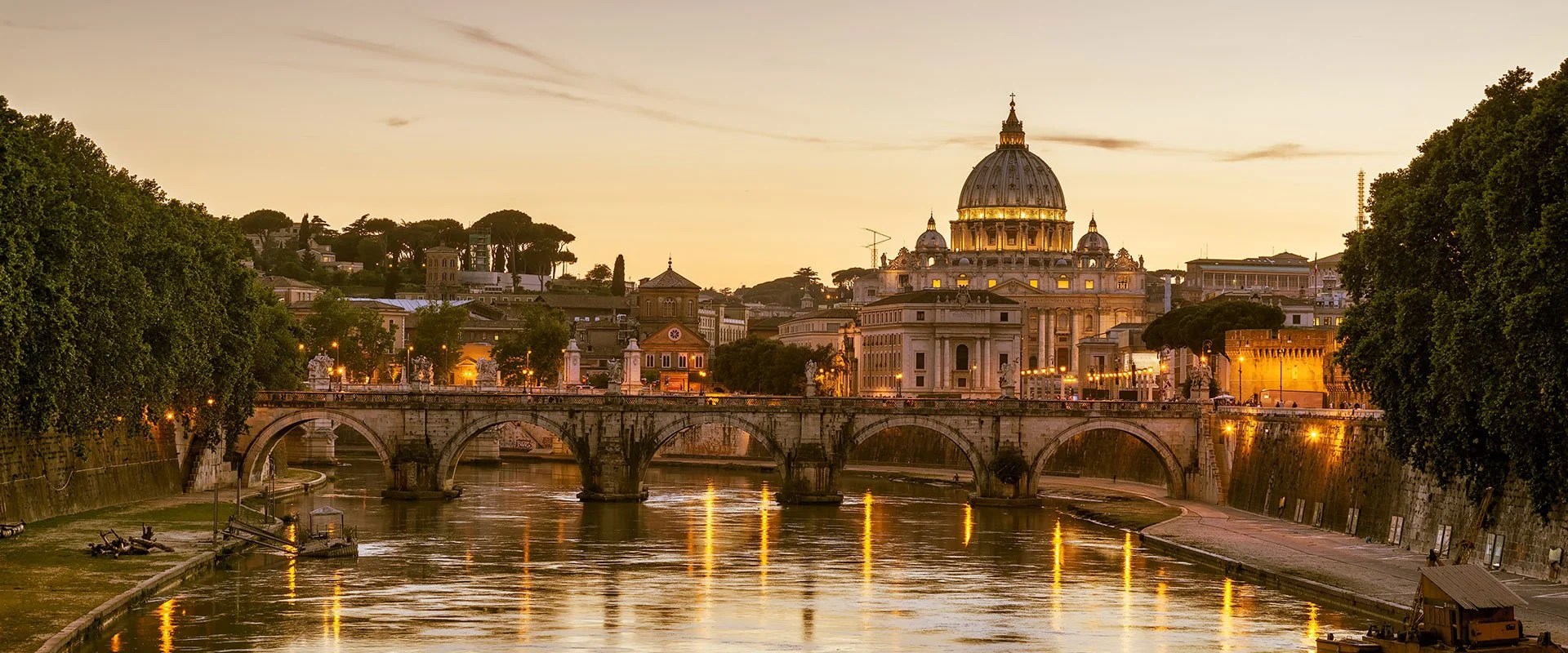
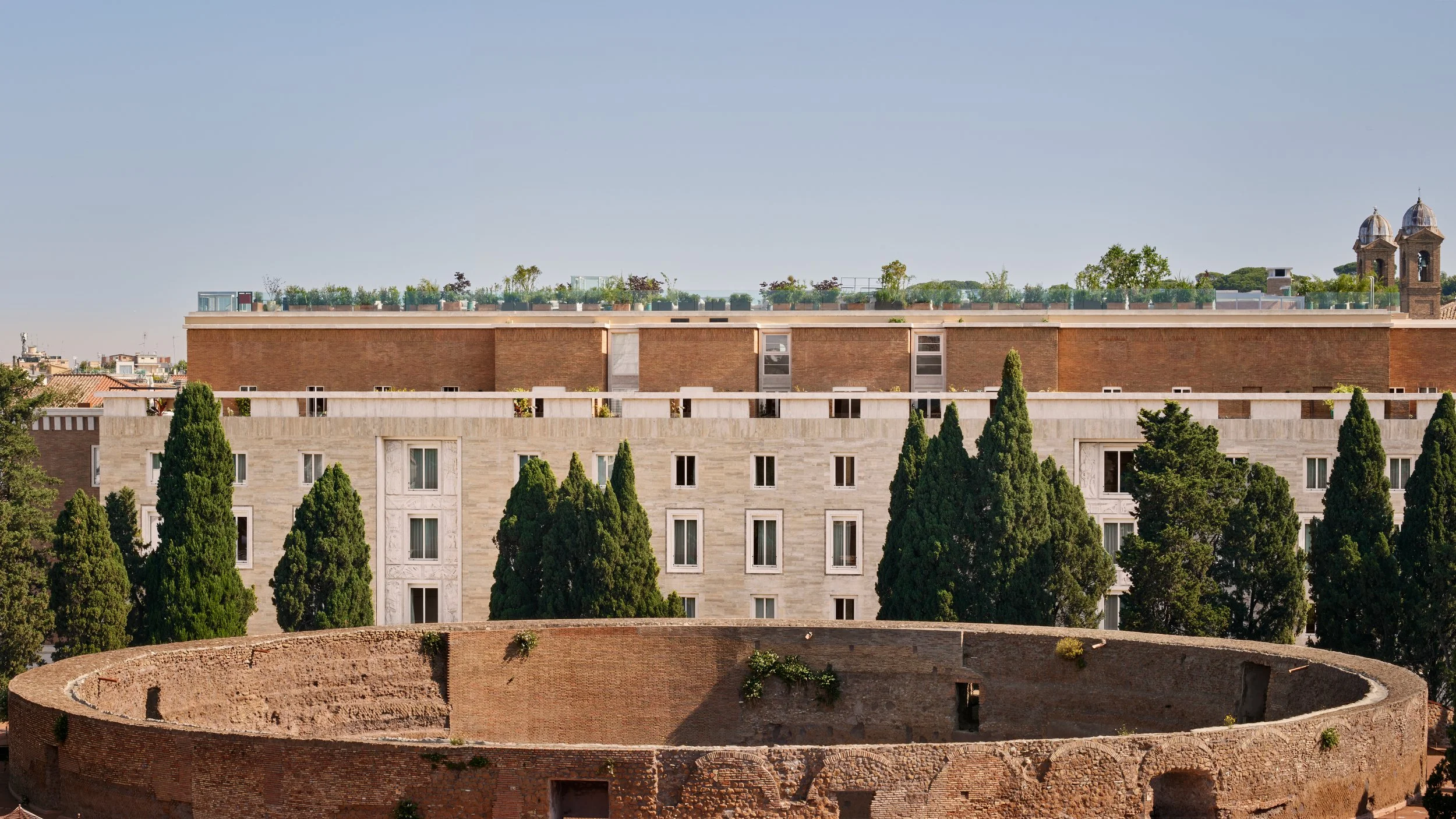
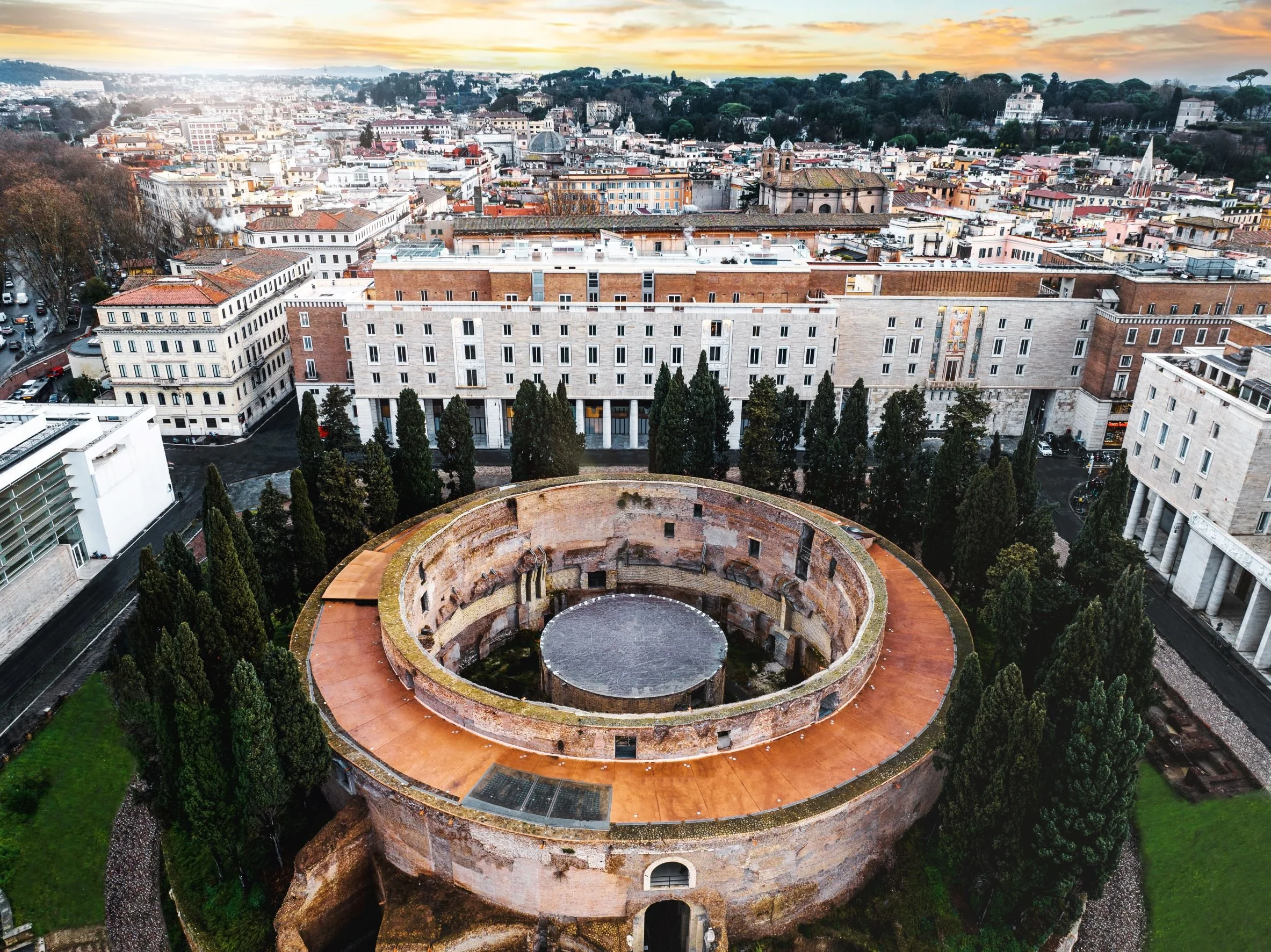
At Bvlgari Hotel Roma, the city’s history is immediately in view. Across Piazza Augusto Imperatore stands the Mausoleum of Augustus; nearby, the Ara Pacis Museum places an ancient Roman altar within Richard Meier’s contemporary architecture. Above the surrounding streets, the hotel’s terraces look toward church domes, tiled rooftops, and the changing light over Rome.
Opened in June 2023, the hotel brought Bvlgari’s hospitality collection to the city that has shaped the jewelry house’s identity. Its 106 rooms and suites occupy a restored 1930s building in Campo Marzio, within easy reach of Via Condotti, the Spanish Steps, and the Tiber.
The property has quickly earned international recognition, including No. 32 in The World’s 50 Best Hotels 2026. Its appeal, however, is rooted in specific details: richly colored marble, an extraordinary indoor pool, Italian dining directed by Niko Romito, and a location that makes returning between outings genuinely practical.
For us, that balance is central to its character. Rome remains present throughout the stay, whether through a bedroom window, a mosaic pattern, or a quiet hour in the hotel’s library.
From Rationalist Architecture to Bvlgari’s Roman Address
The building predates the hotel by more than eight decades. Designed by architect Vittorio Ballio Morpurgo and constructed between 1936 and 1938, it belongs to the rationalist redevelopment of Piazza Augusto Imperatore.
That history carries complexity. The piazza’s transformation during the Fascist period involved demolishing the neighborhood surrounding the Mausoleum of Augustus to create a monumental architectural setting. The hotel’s strong geometry, stone façade, and substantial proportions remain part of that twentieth-century intervention.
Bvlgari’s restoration gave the building a new purpose while retaining its architectural identity. The resulting hotel opened on June 9, 2023, as the ninth property in the Bvlgari Hotels & Resorts collection.
Its setting also places the brand close to its historic Via Condotti boutique. This connection gives the Rome property a particular resonance: the materials, craftsmanship, and classical references that inform Bvlgari jewelry can be encountered in the surrounding city itself.
Marble, Murano Glass, and the Colors of Rome
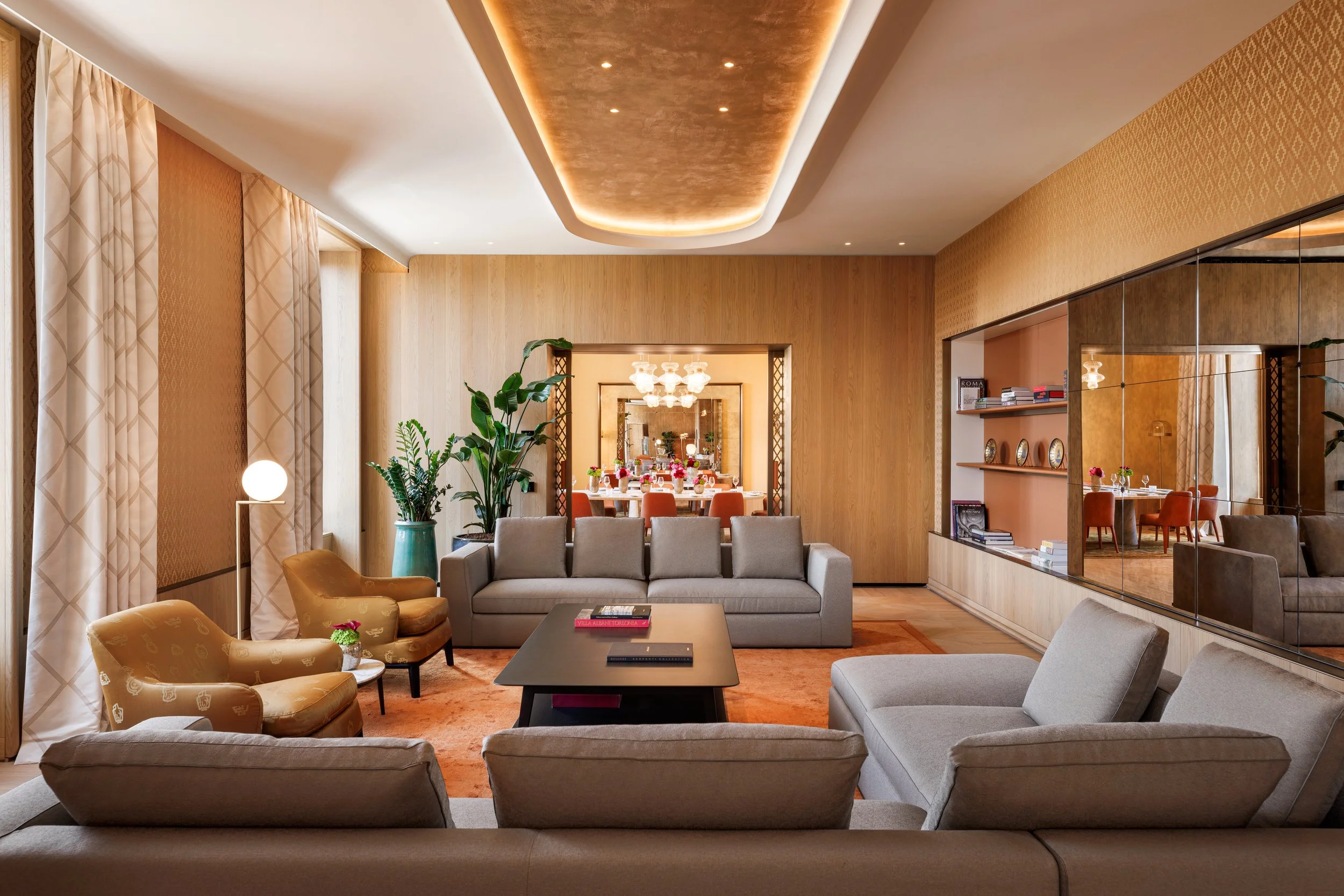
ACPV ARCHITECTS Antonio Citterio Patricia Viel designed the interiors, introducing warmth and color within the building’s disciplined exterior.
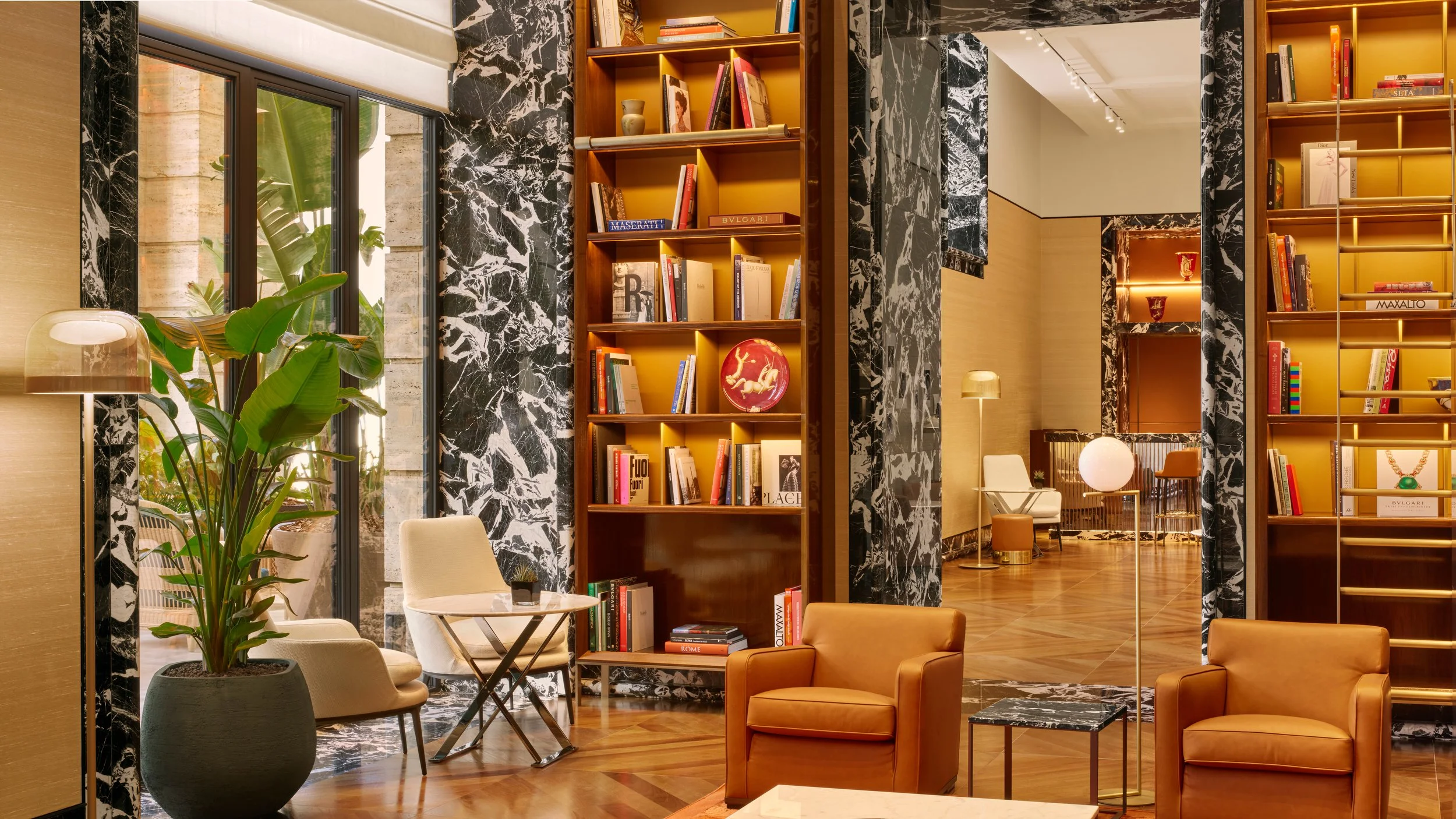
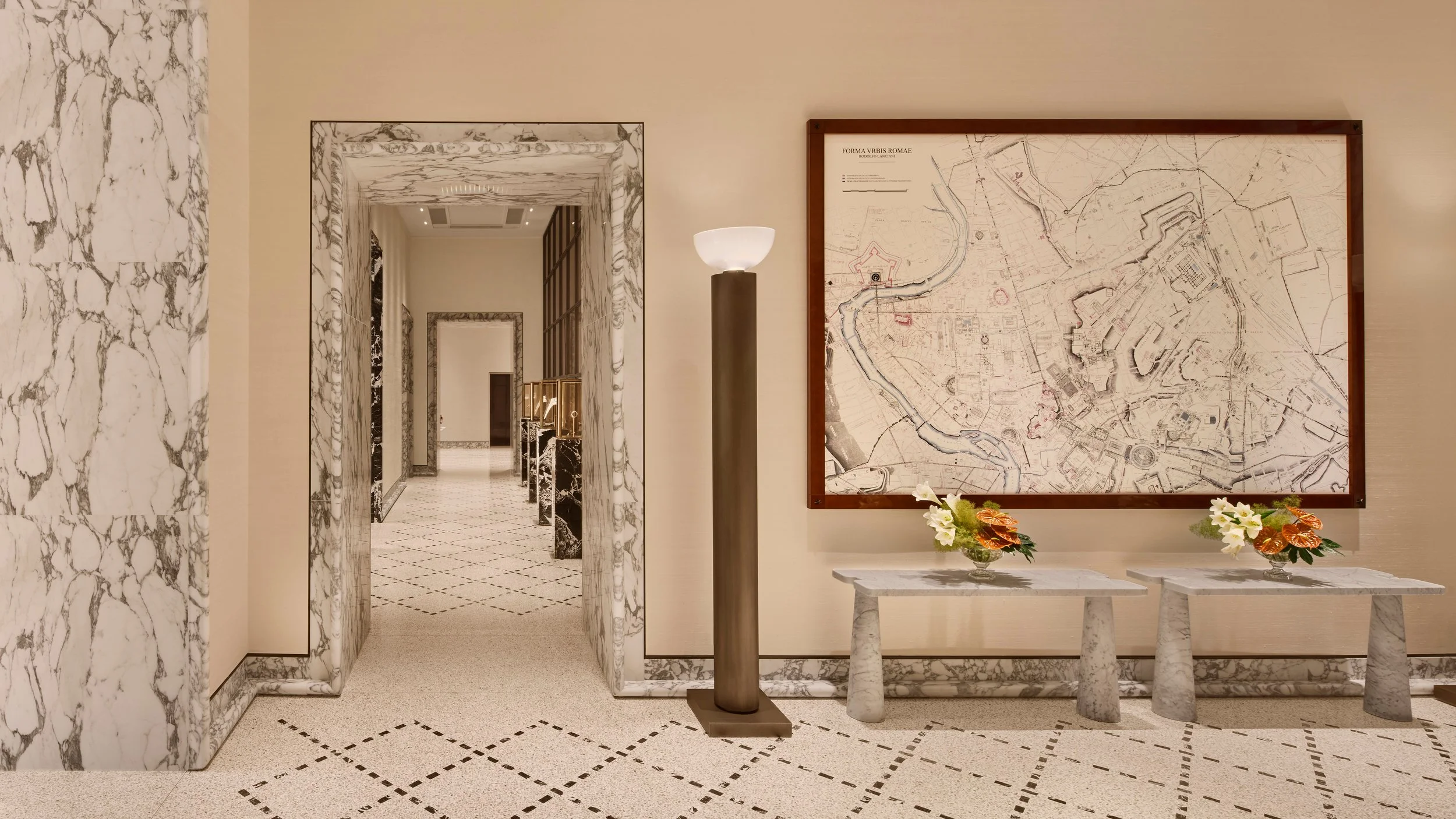
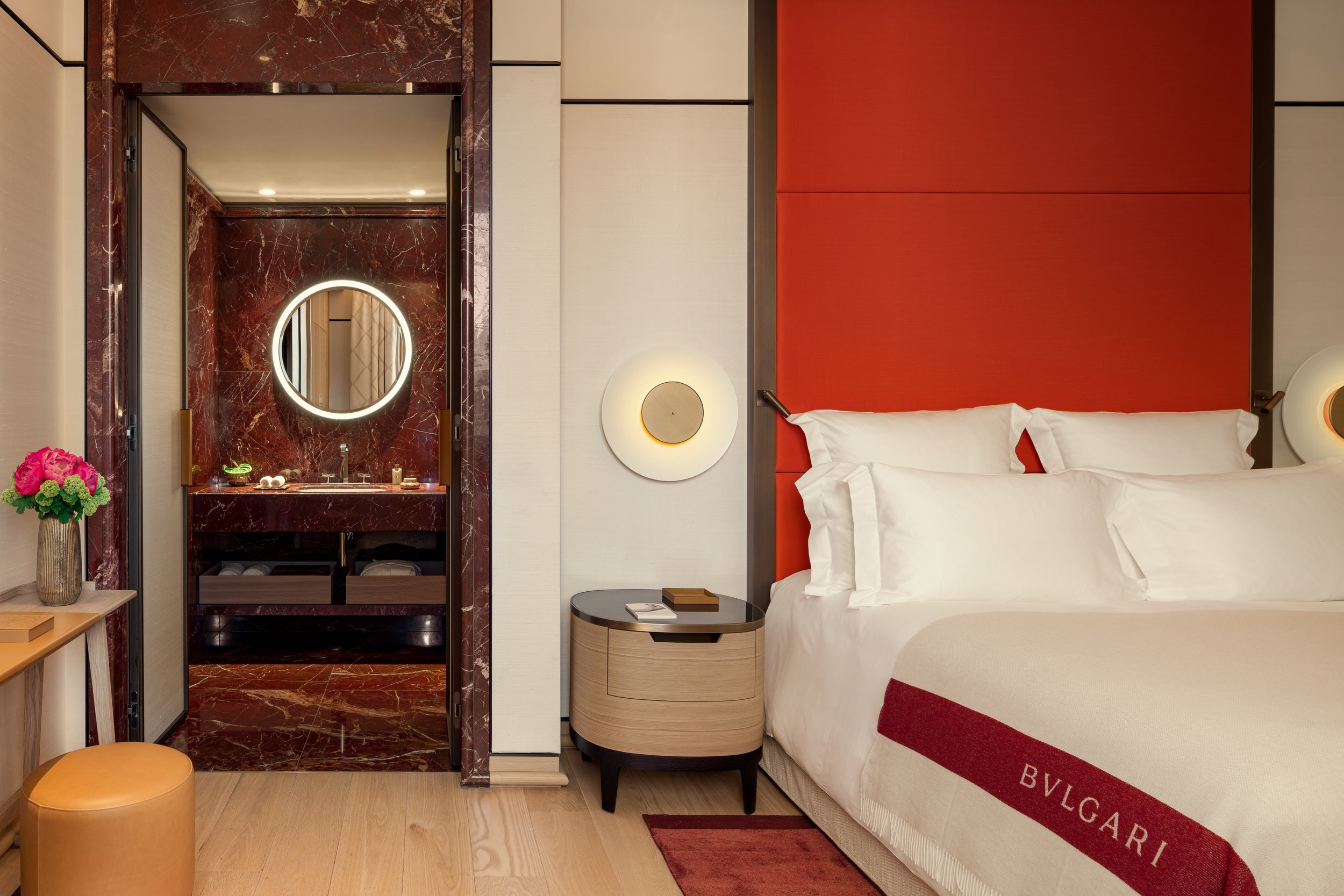
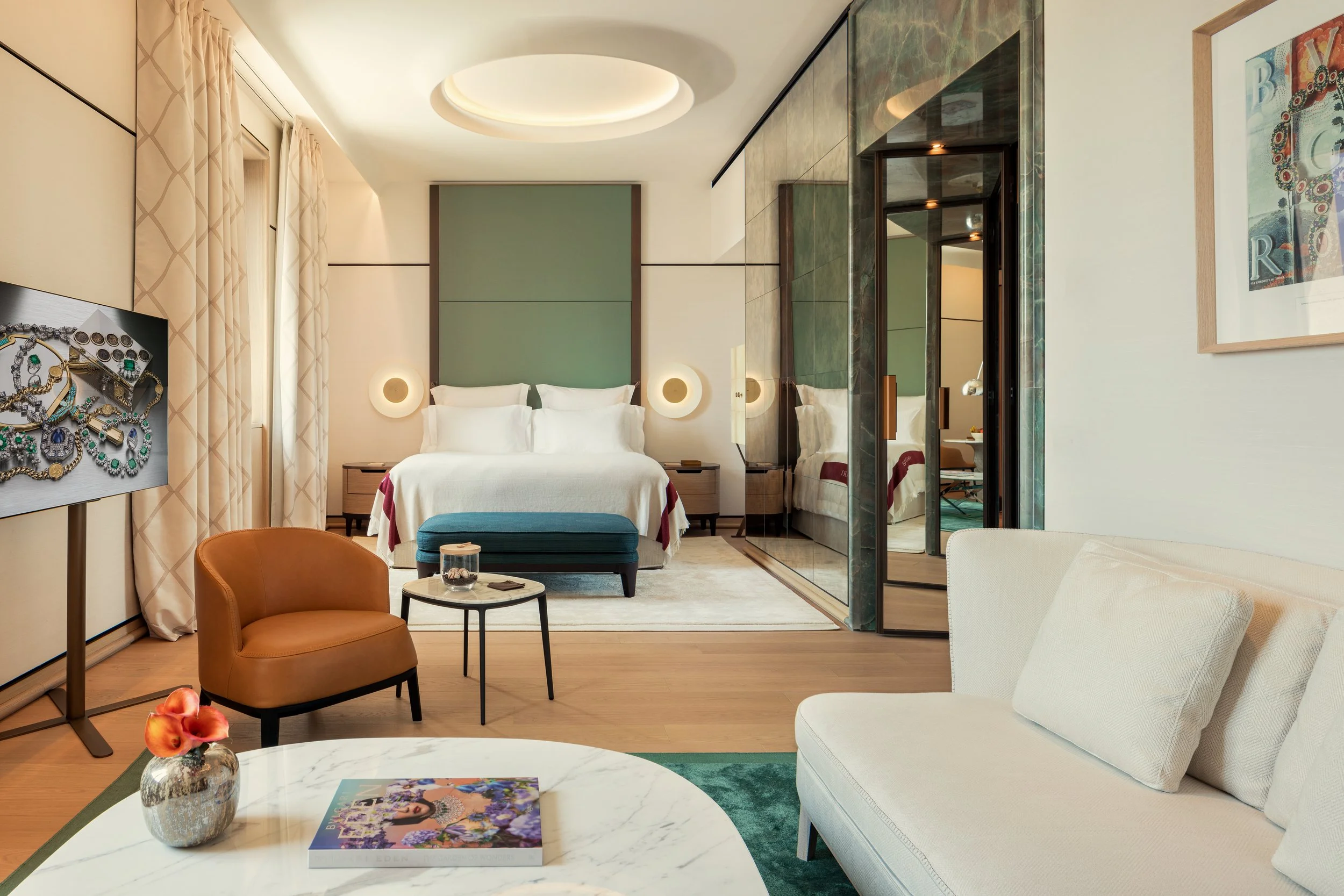
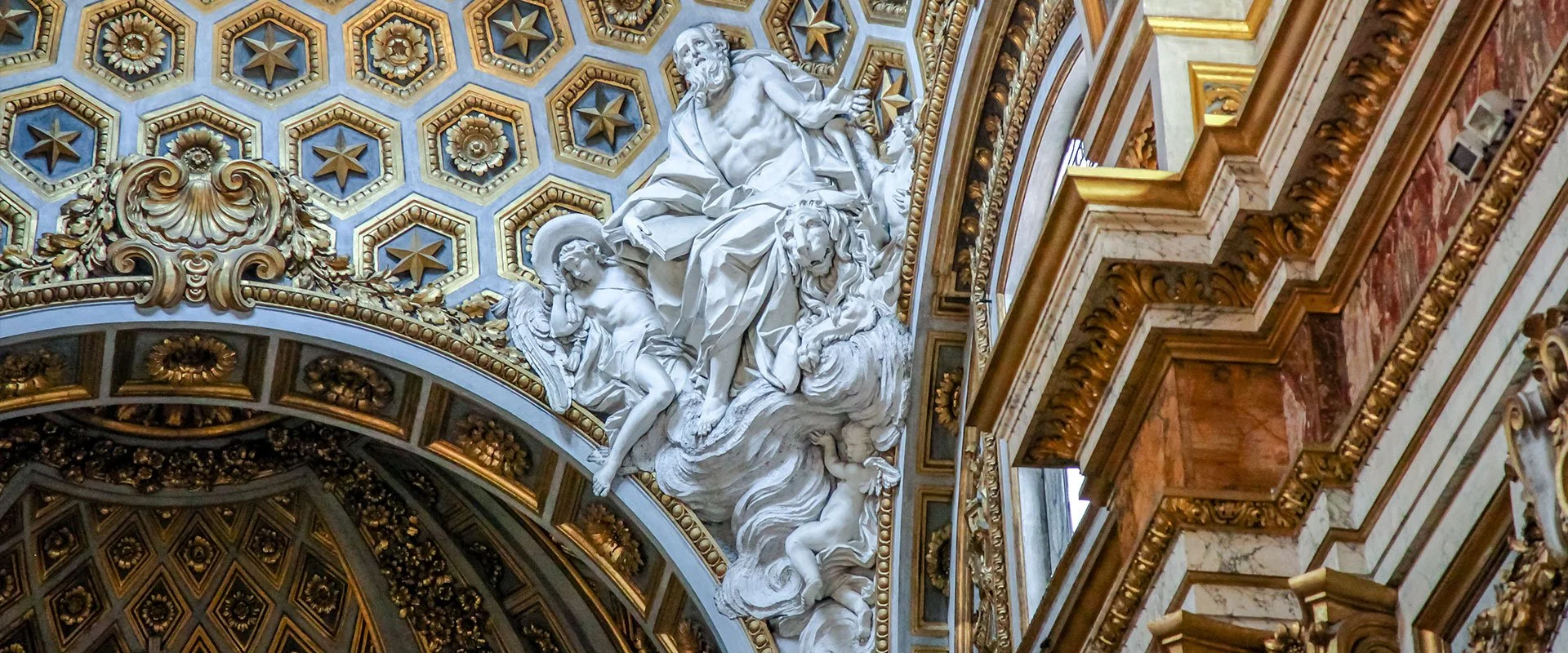
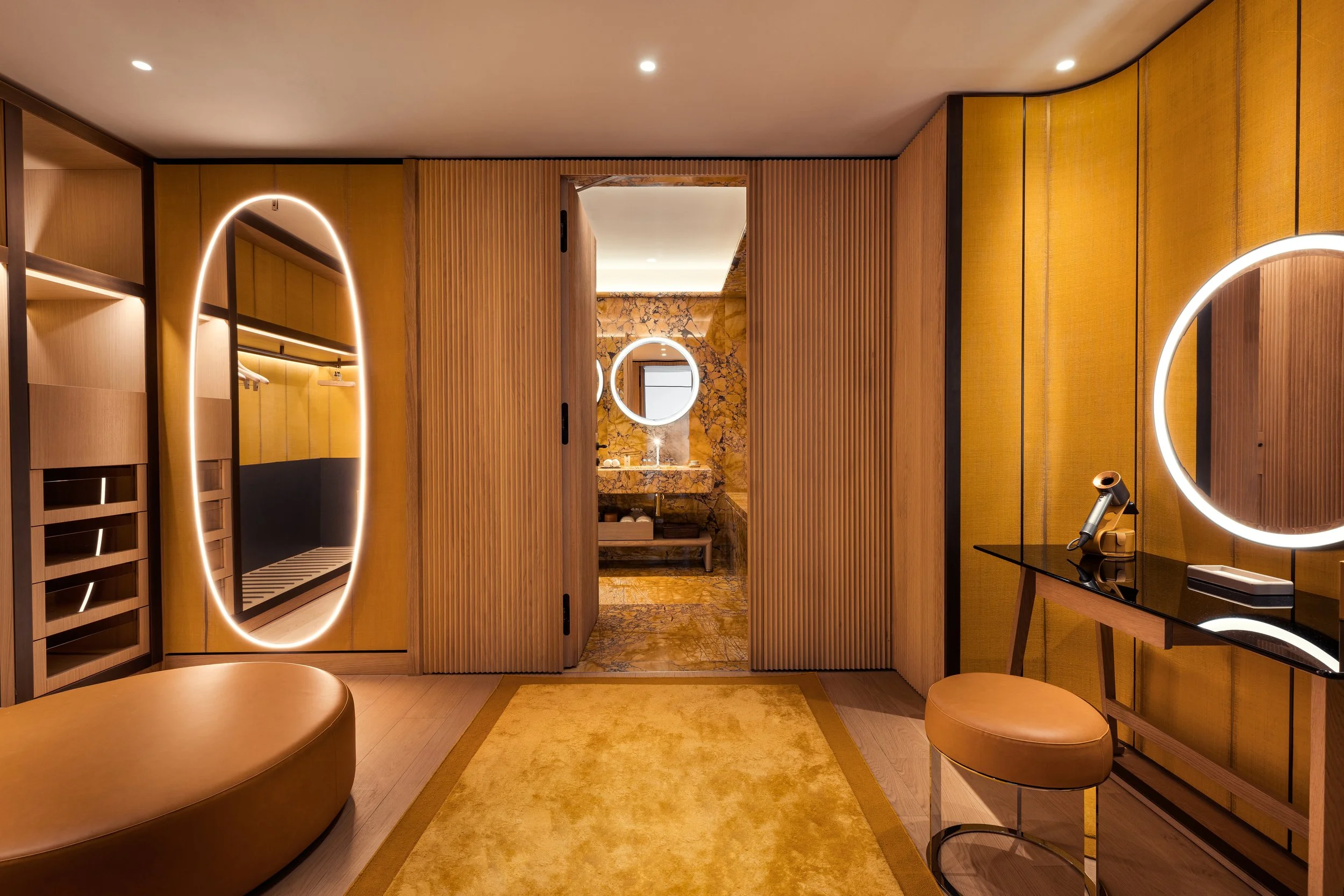
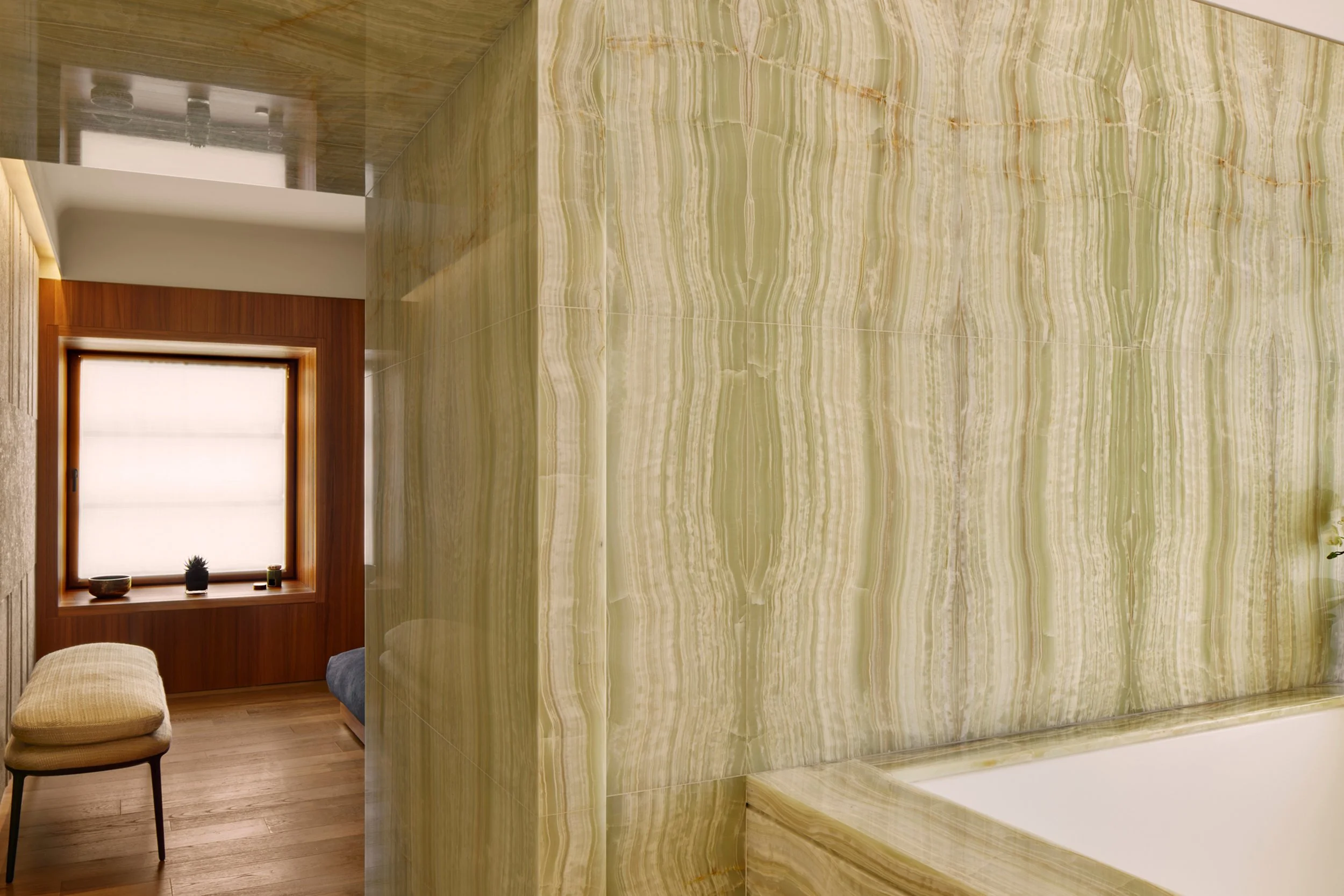
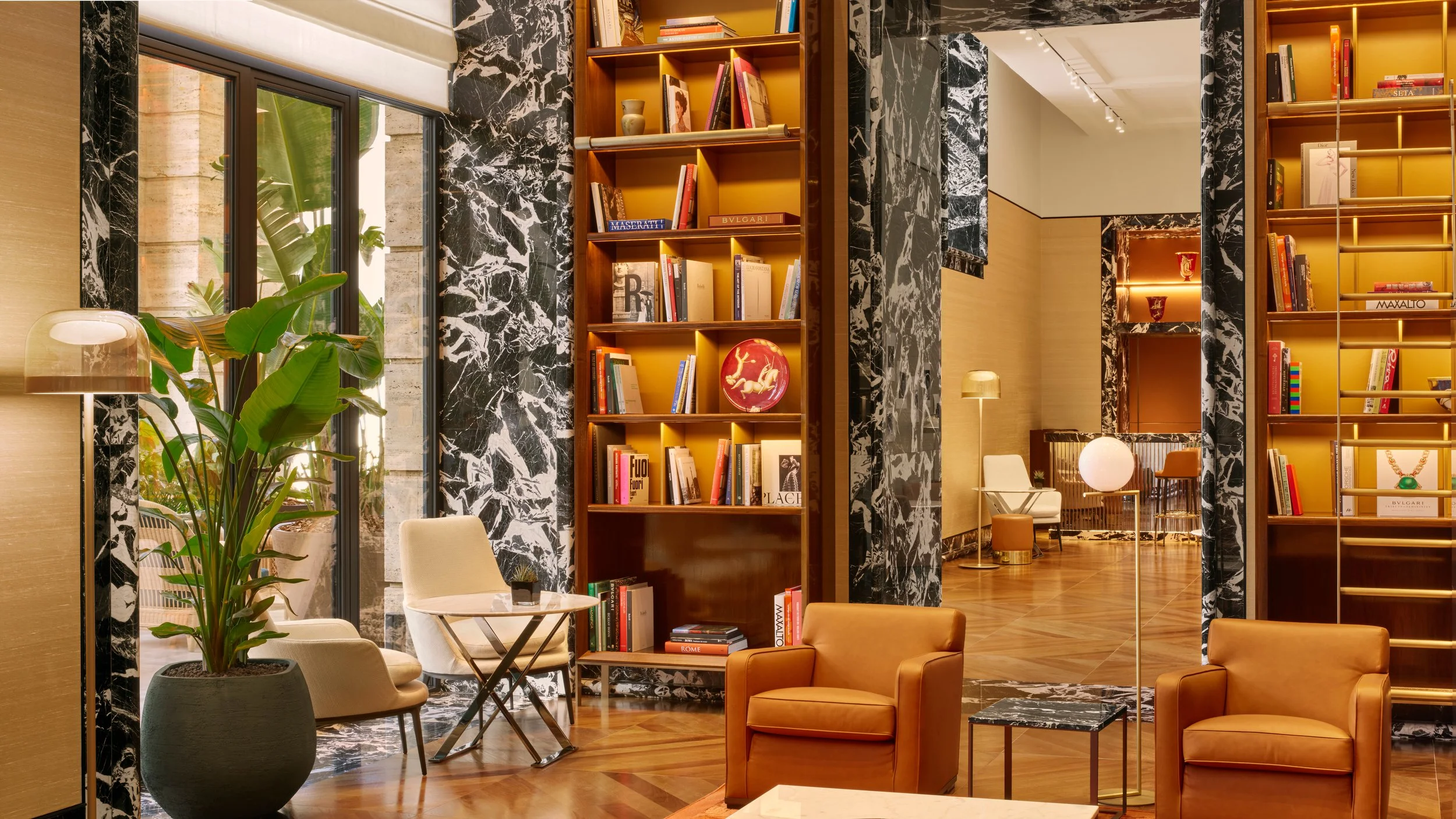
Mediterranean marble is a defining material, appearing in richly patterned bathrooms and public spaces. Handcrafted mosaics, Venetian glass, and custom textiles introduce references to Bvlgari’s jewelry without turning the hotel into a literal showroom. Original Gio Ponti designs for Ginori bring another layer of Italian decorative history.
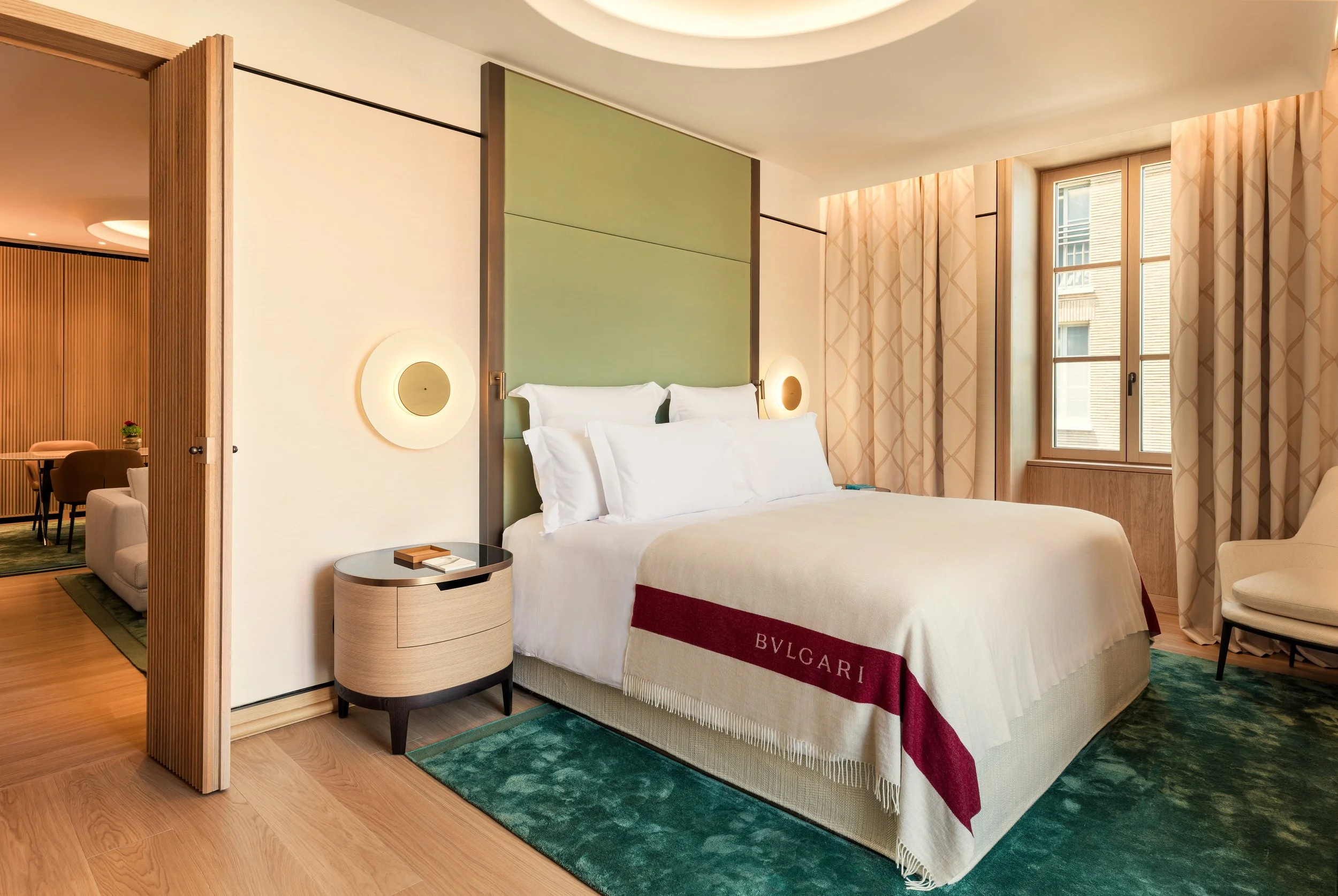
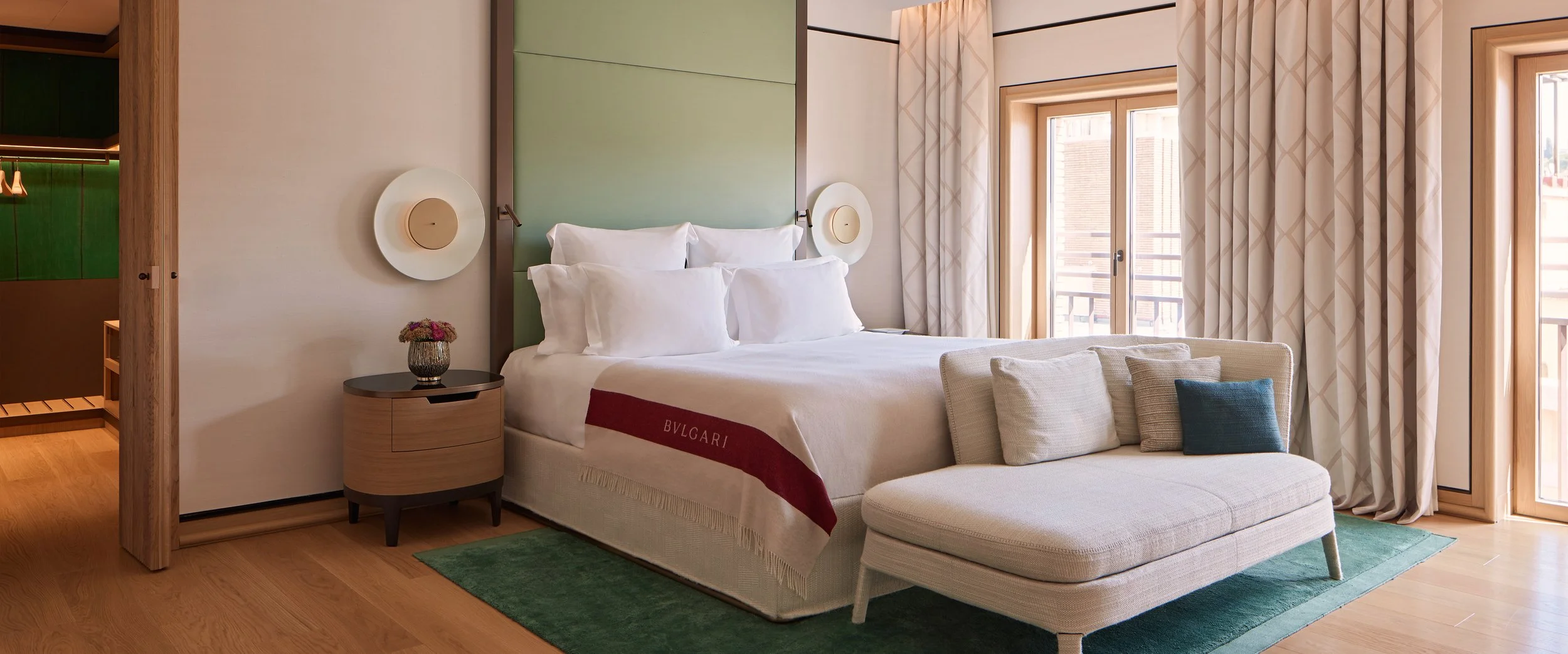
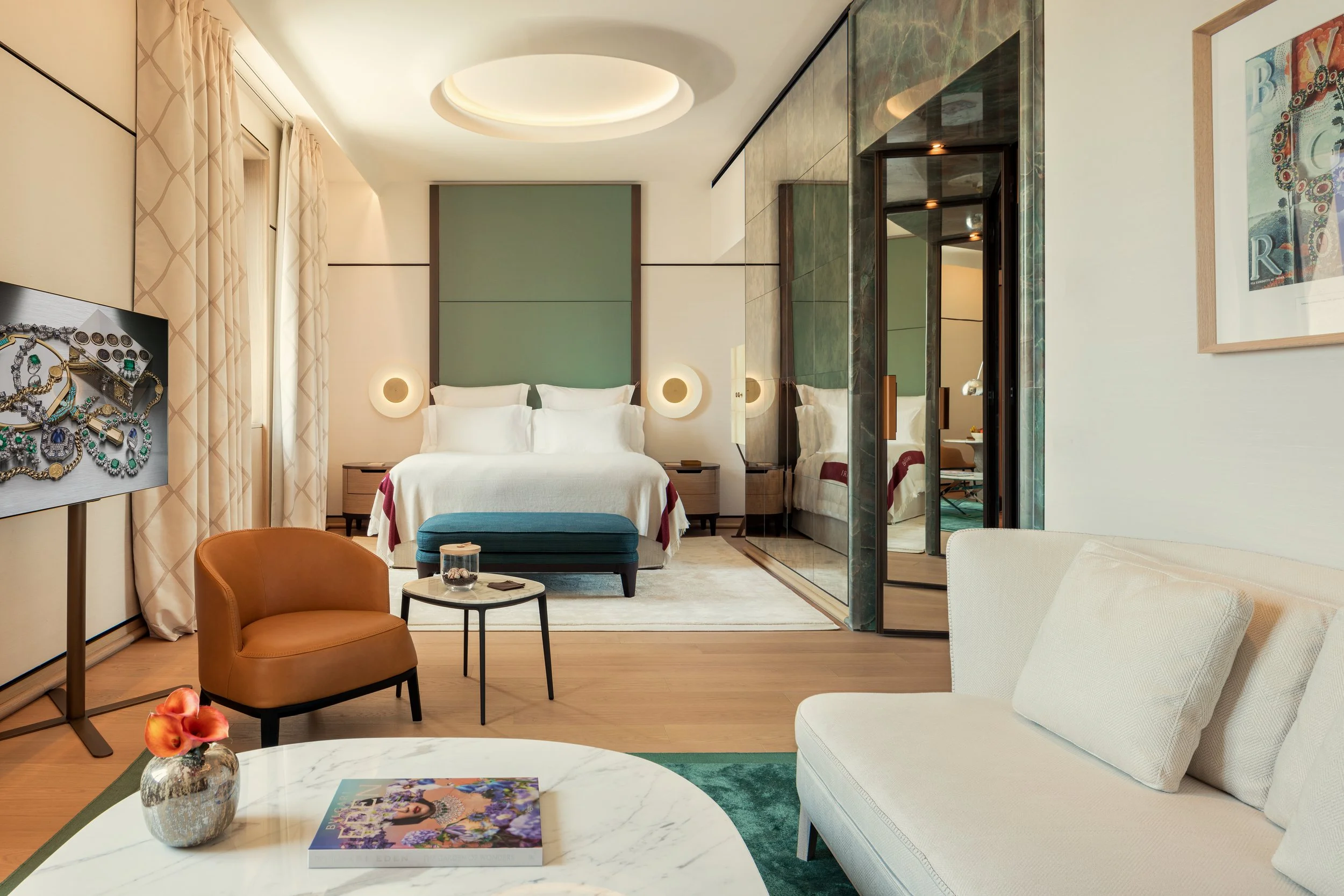
The rooms follow four principal color families: white, yellow, red, and green. These palettes influence upholstery, stone, and smaller decorative elements, giving different accommodations their own atmosphere.
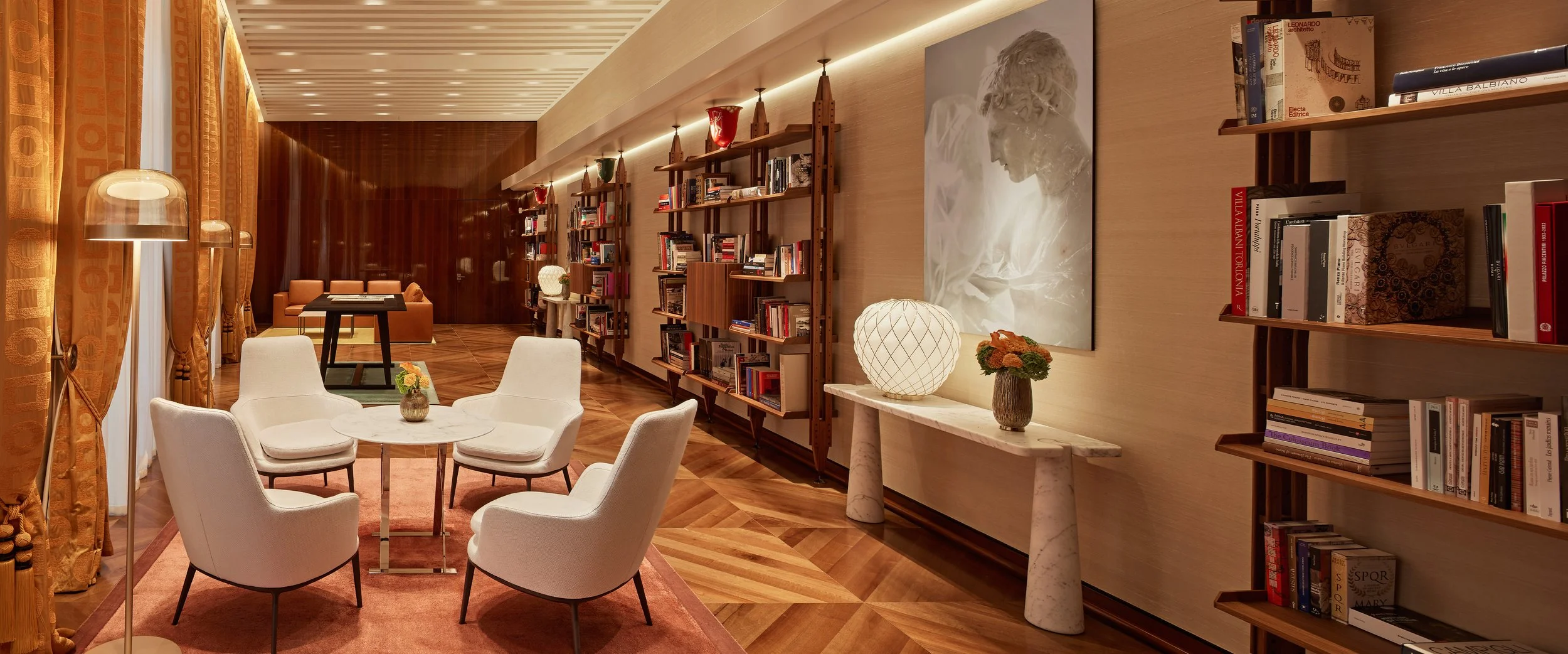
The Library offers a quieter expression of the design. Overlooking Via della Frezza, it contains books devoted to Rome’s architecture, history, traditions, and personalities, displayed on shelving designed by Franco Albini for Cassina. It is a room for lingering, particularly after a morning spent among the very buildings described on its shelves.
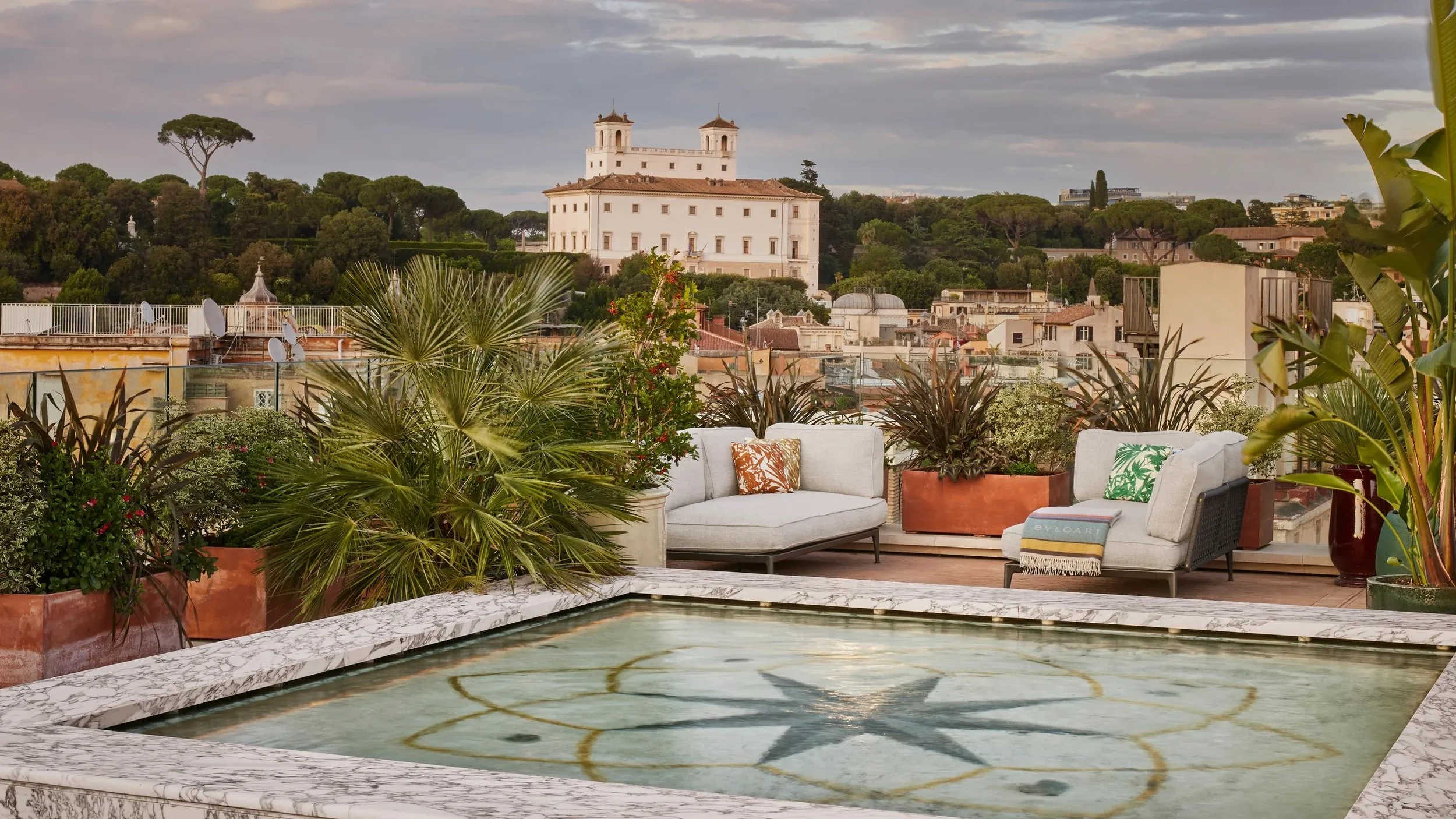
Elsewhere, planted terraces soften the stone architecture and create outdoor spaces that feel closely connected to Rome’s tradition of rooftop gardens.
Rooms and Suites with a Roman Point of View
The accommodation collection ranges from compact city rooms to the expansive Bvlgari Suite. Views and layouts vary, making the individual category an important part of choosing a stay.
Approximate sizes below are converted from the hotel’s published measurements.
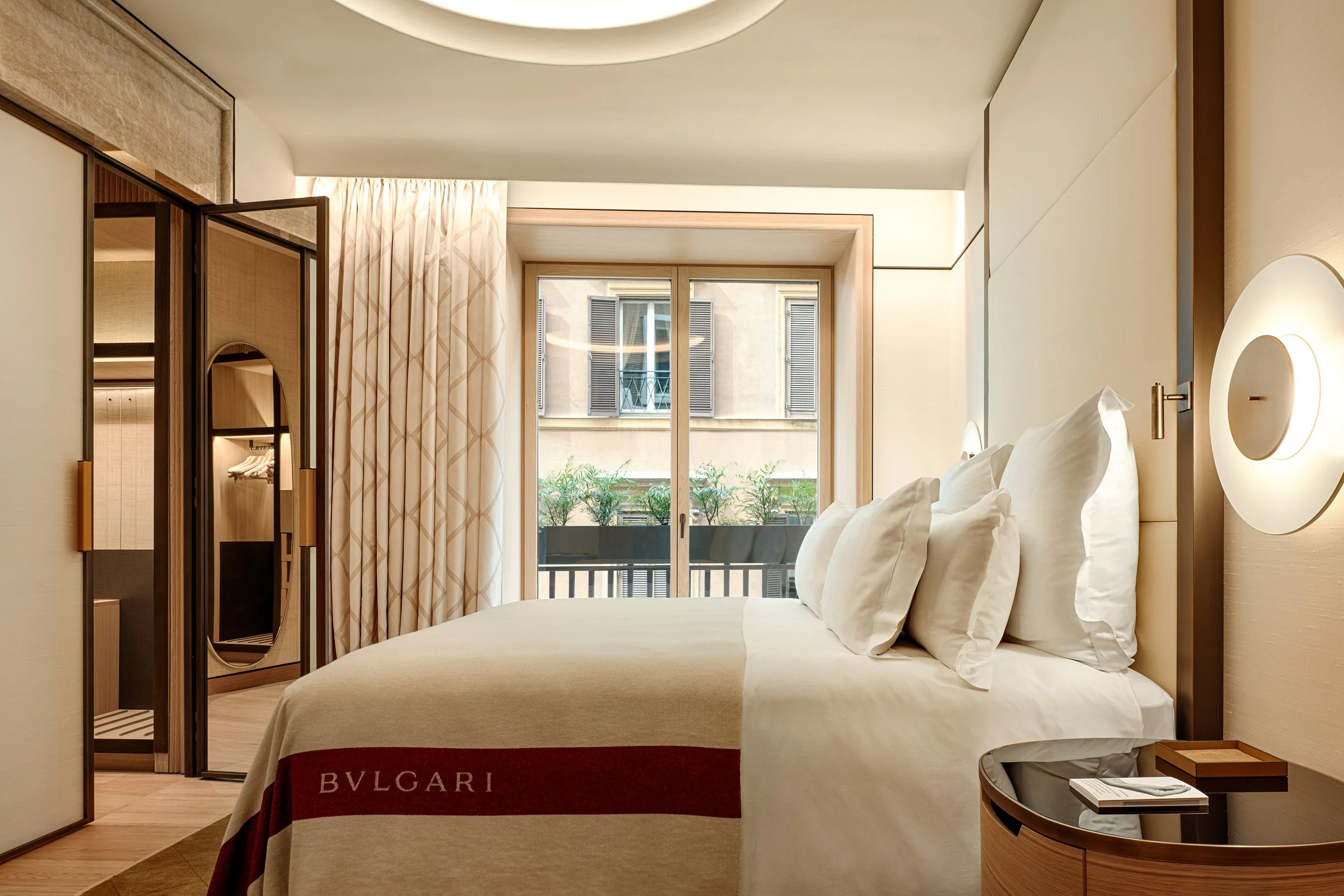
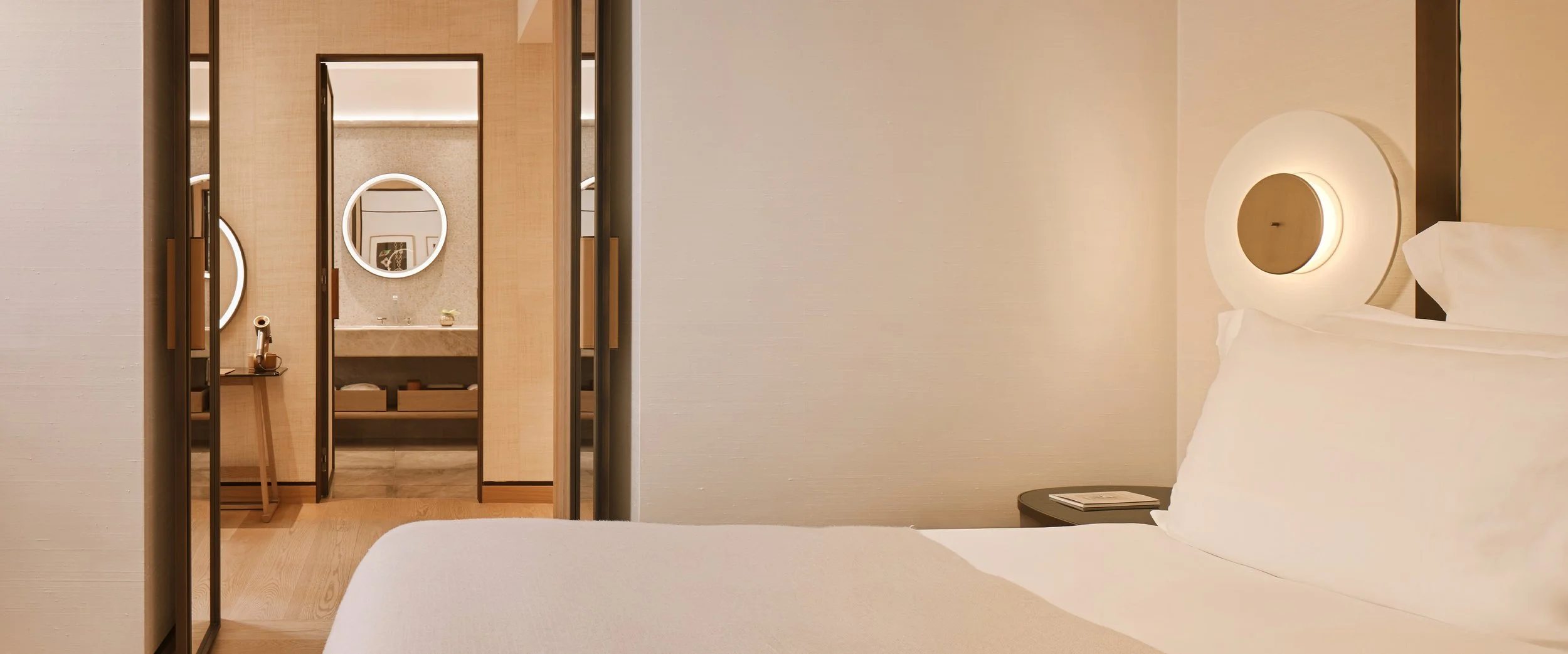
Superior Room: Approximately 355 sq. ft., combining Italian furnishings, a coordinated gemstone-inspired palette, and a Mediterranean marble bathroom in an intimate space suited to a stay centered on exploring Rome.
Deluxe Room: Approximately 398 sq. ft., offering additional space, views toward Piazza Augusto Imperatore or Via della Frezza, and richly finished interiors that carry the bathroom’s marble colors into the bedroom.
Premium Room: Approximately 527 sq. ft., pairing a more generous bedroom with textured fabrics, Italian furniture, and a substantial marble bathroom that gives the accommodation a distinctly residential character.
Junior Suite: Approximately 549 sq. ft., providing more room to unwind within interiors overlooking either Piazza Augusto Imperatore or Via della Frezza, with coordinated upholstery, mosaic details, and colored marble.
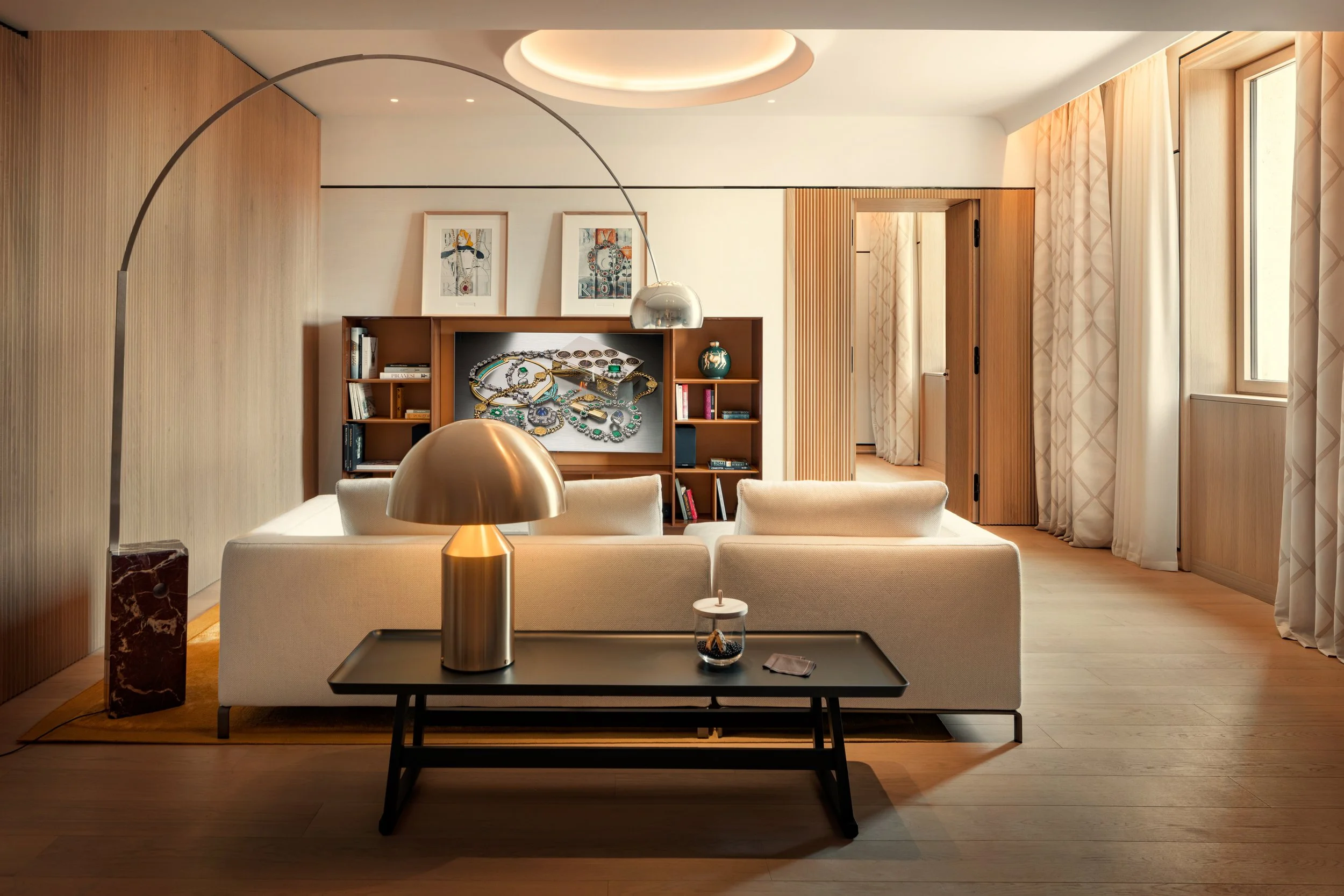
Superior Suite: Approximately 624 sq. ft., bringing together gemstone-toned finishes, decorative bathroom mosaics, and vintage Bvlgari advertisements in a suite that connects the house’s design history with contemporary Italian furnishings.
Deluxe Suite: Approximately 872 sq. ft., overlooking the piazza and offering an expansive setting with rich fabrics, Mediterranean marble, sculptural lighting, and room to settle in between museum visits and evenings out.
Serpenti Suite: More than 872 sq. ft., creating an immersive interpretation of Bvlgari’s enduring serpent motif through interiors devoted to one of the jewelry house’s most recognizable design signatures.
Premium Suite: Approximately 1,432 sq. ft., overlooking Piazza Augusto Imperatore and combining generous proportions with jewel-toned marble, distinctive lighting, and finely worked mosaic details.
Bvlgari Suite: Approximately 3,229 sq. ft., featuring ten windows overlooking the Mausoleum of Augustus, substantial living and dining spaces, a private kitchen and bar, and a master bathroom with a steam shower and bathtub carved from a single block of Corchia marble.
The Bvlgari Suite can also connect with adjacent suites for a larger arrangement. For families or guests traveling together, we would consider the exact configuration alongside total square footage, particularly when separate sleeping areas and privacy are priorities.
Italian Dining from the Portico to the Rooftop
Dining unfolds across several distinct spaces, from the street-level café to the hotel’s upper terraces. Niko Romito’s culinary direction gives the offering a coherent Italian identity while allowing each venue to serve a different part of the day.
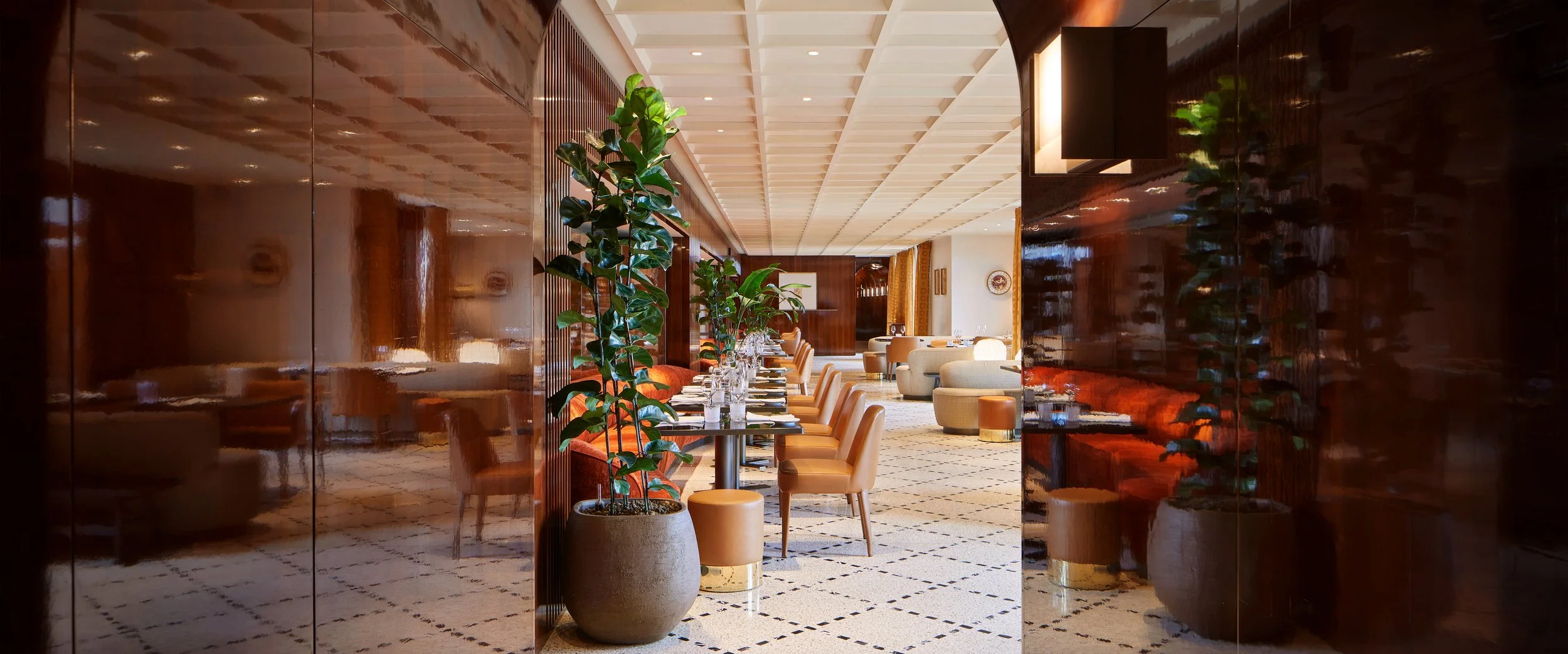
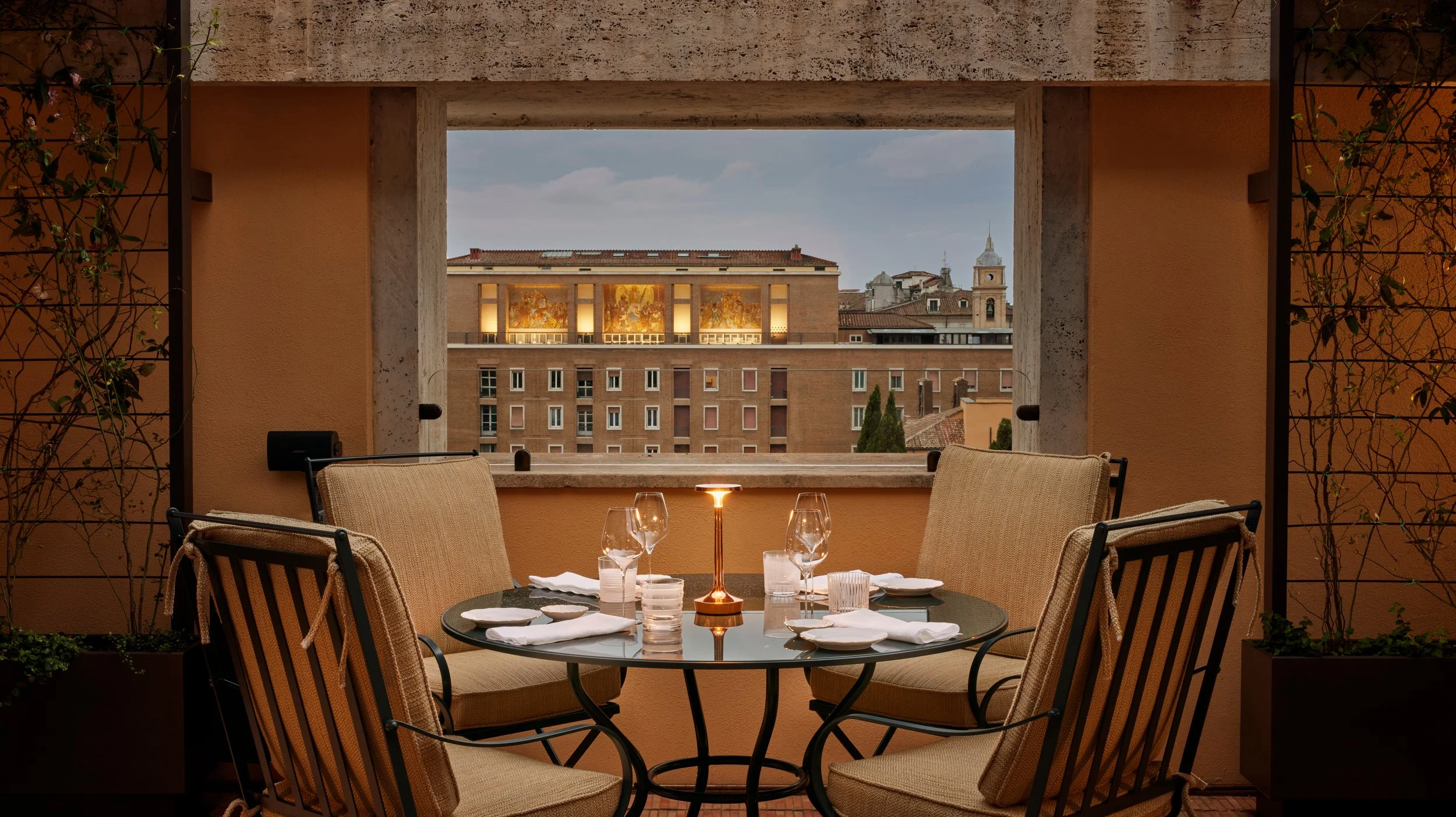
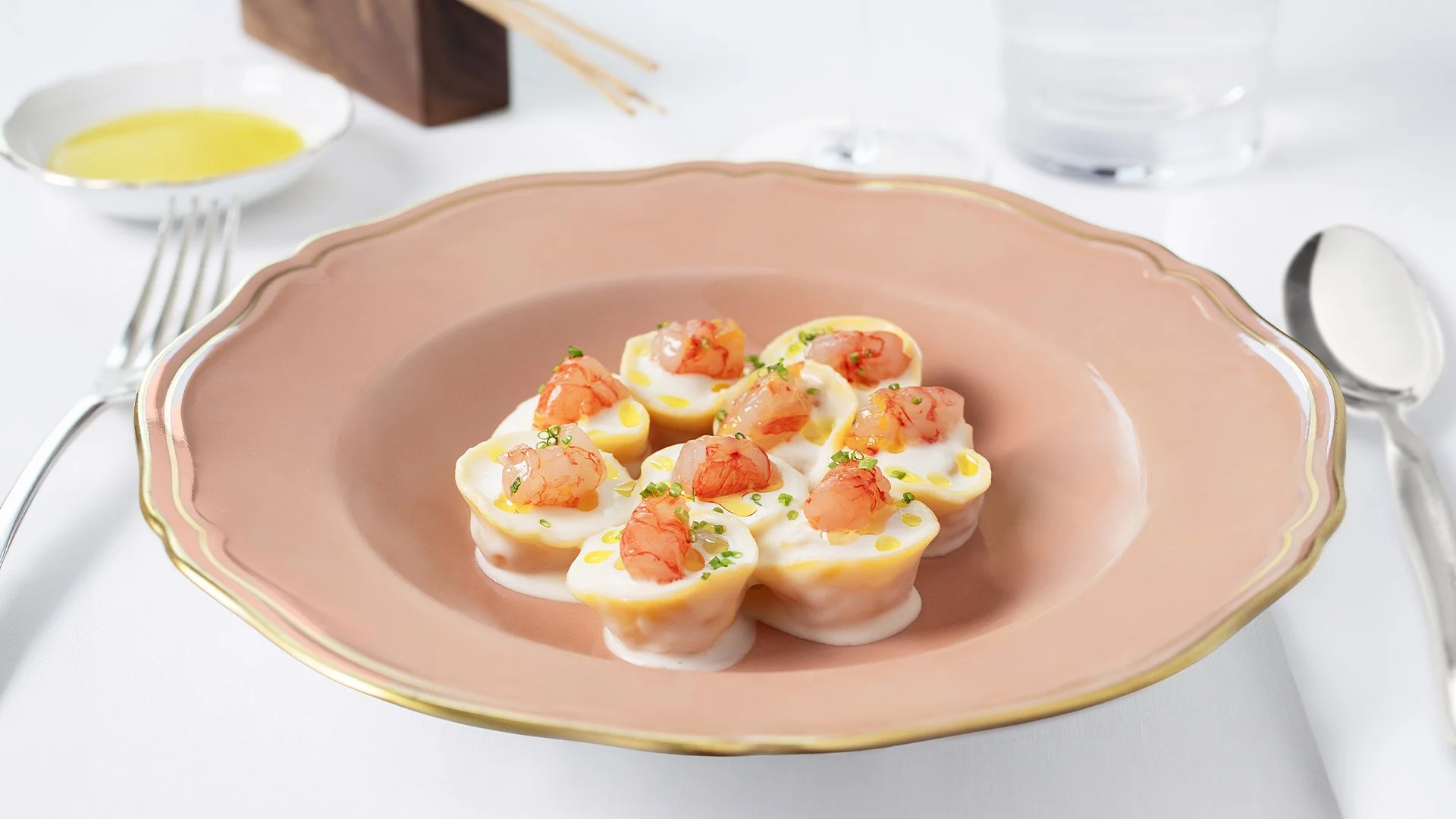
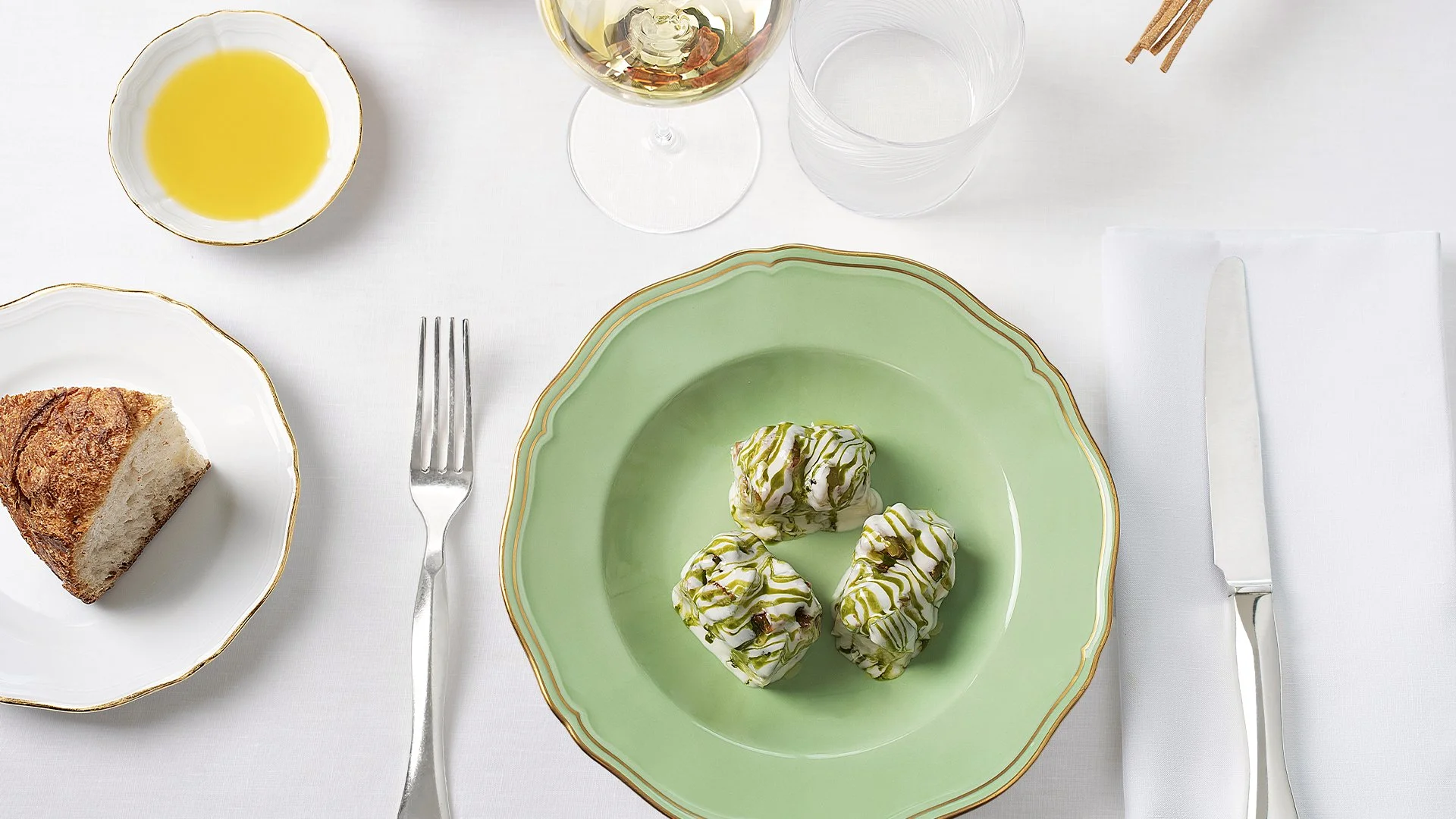
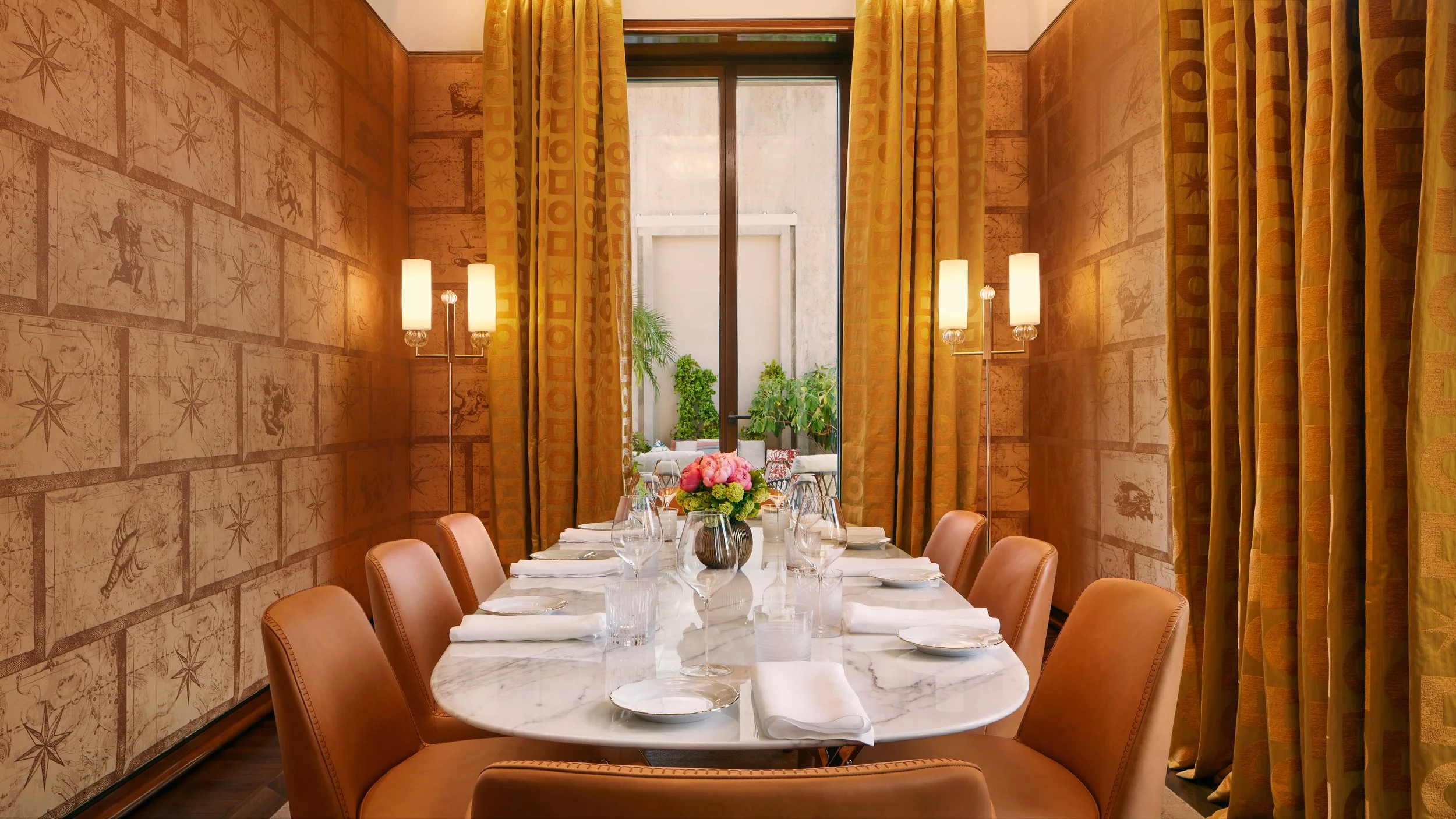
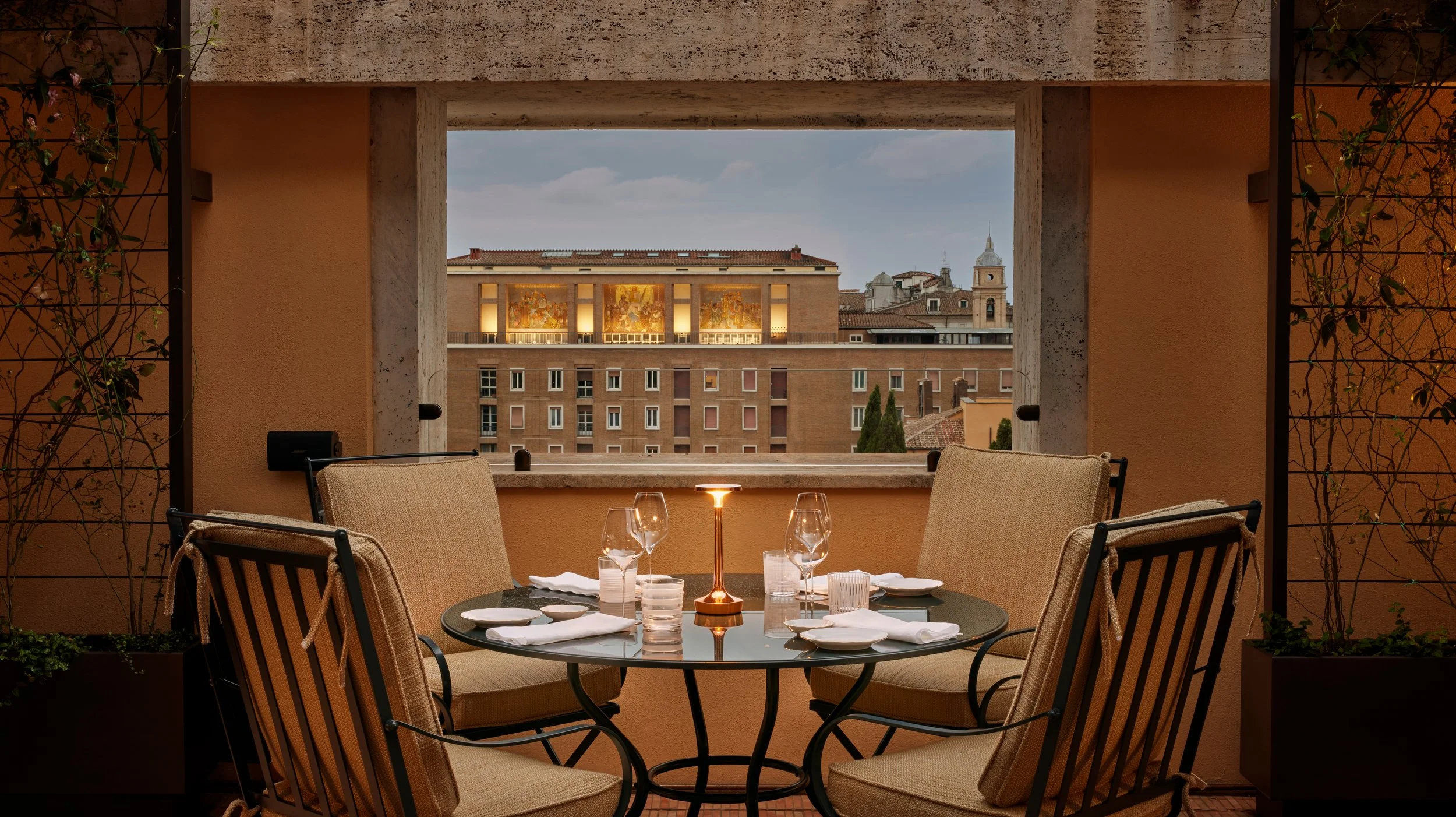
Il Ristorante – Niko Romito: The fifth-floor signature restaurant presents contemporary Italian cooking under Romito’s direction, executed by chef Gabriele Gervasi, with an elegant mahogany-lined dining room and terrace overlooking the Mausoleum of Augustus.
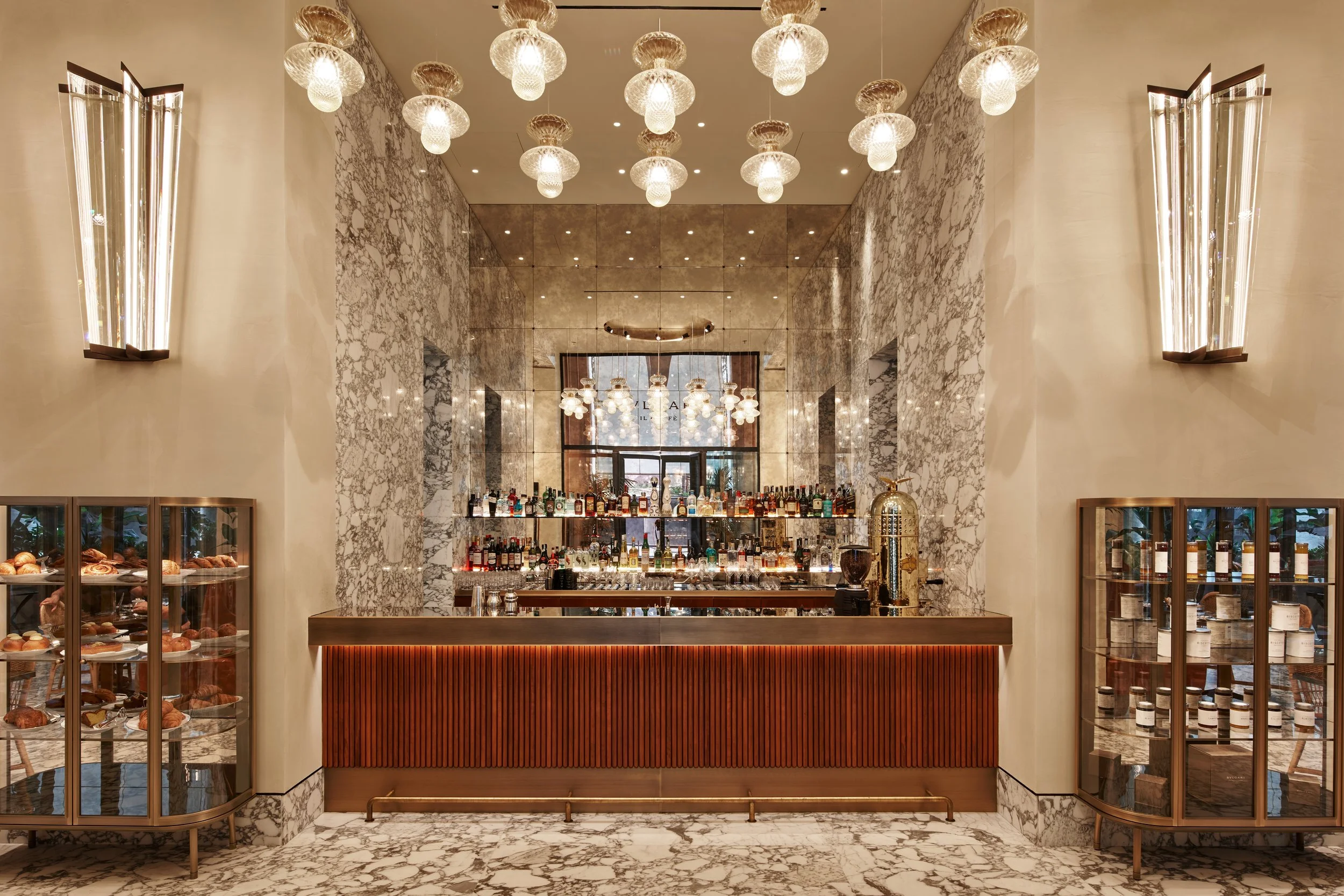
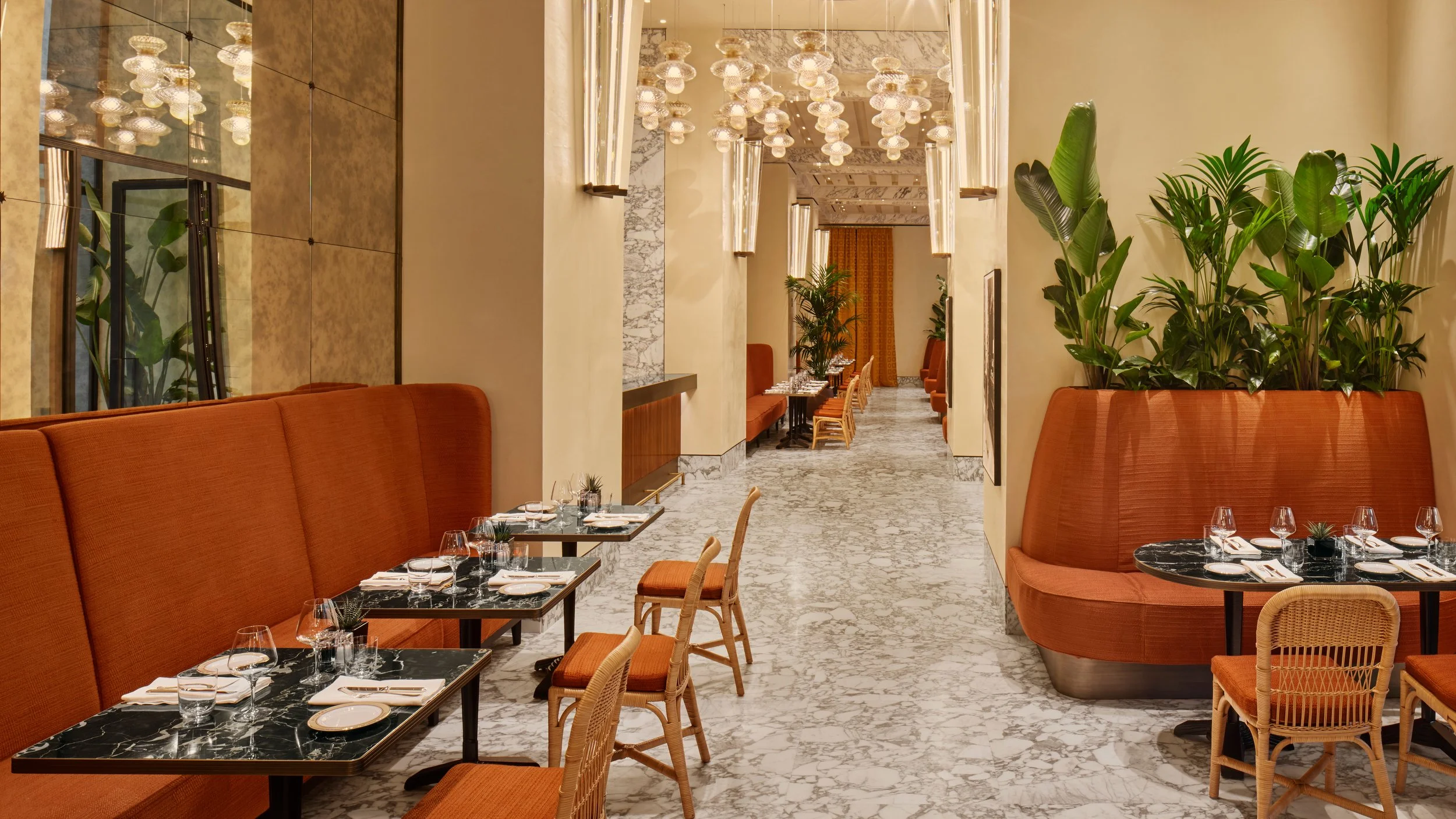
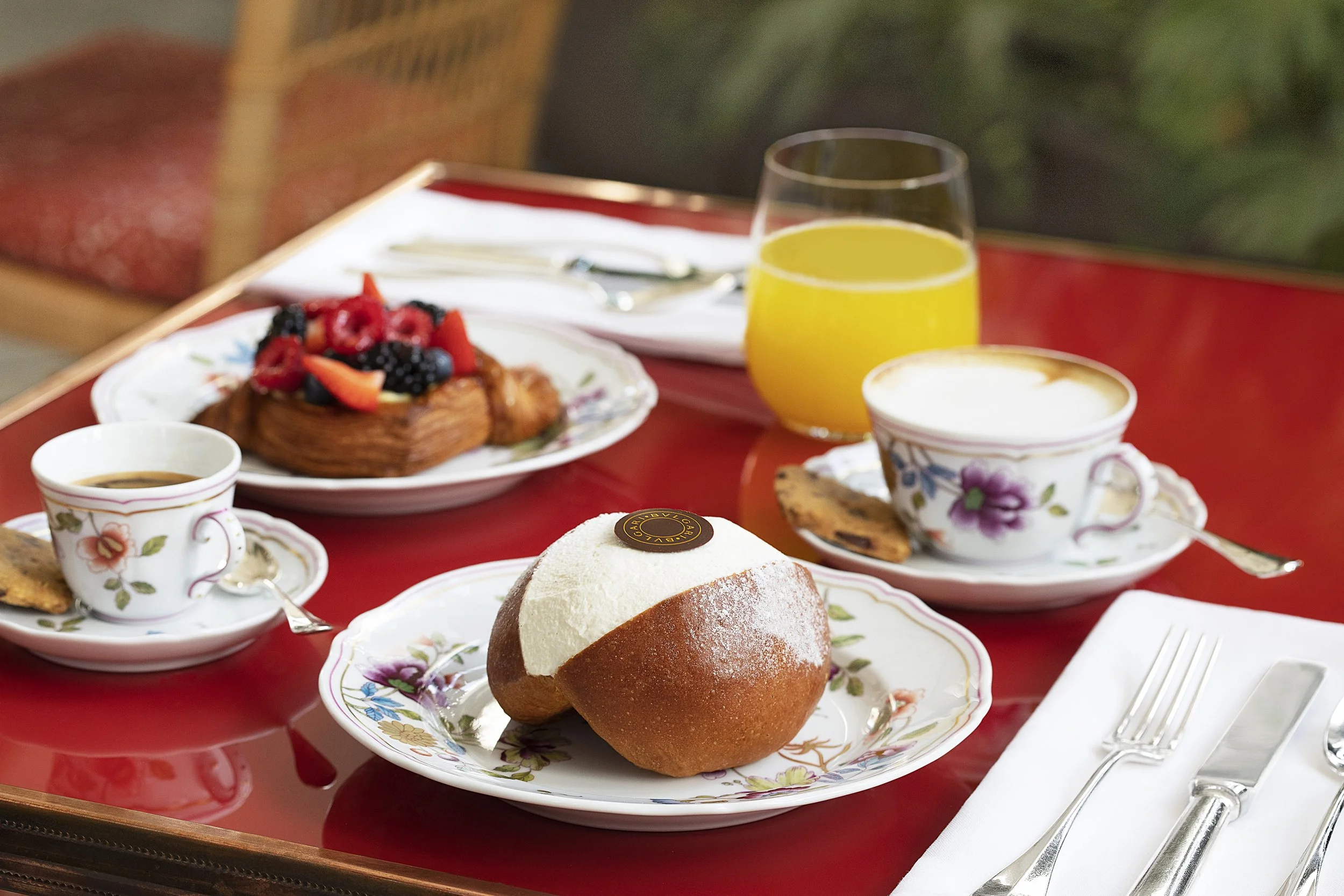
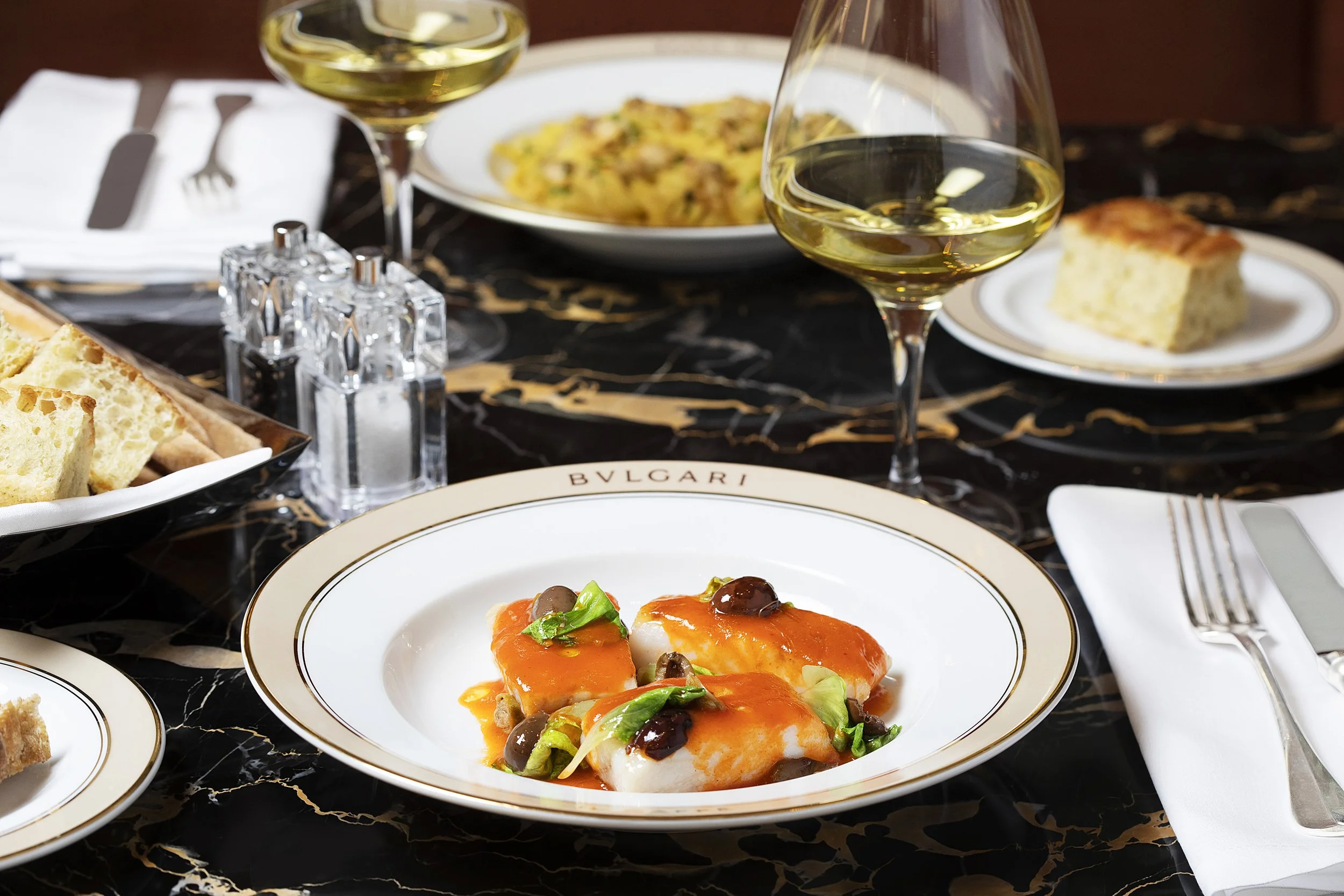
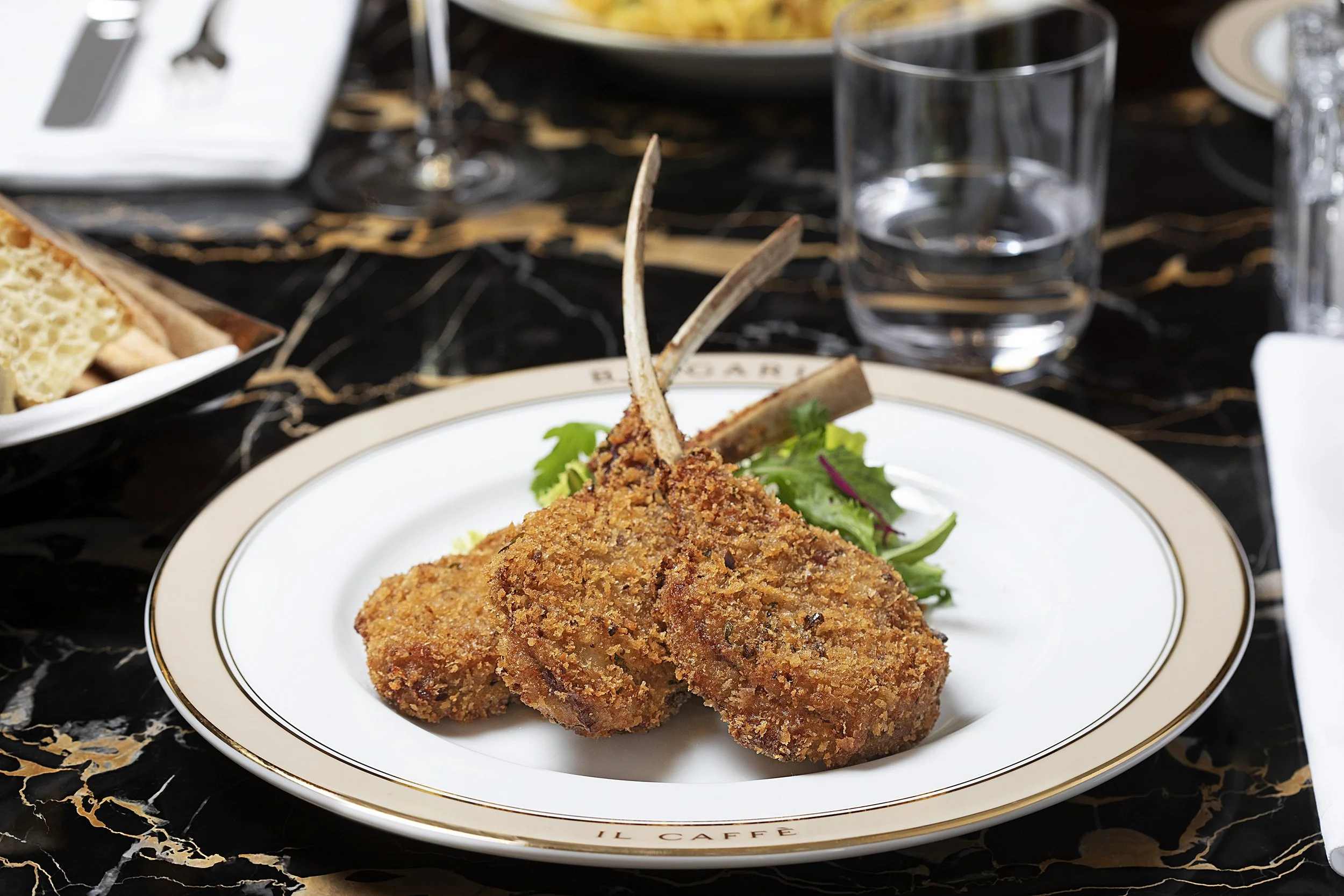
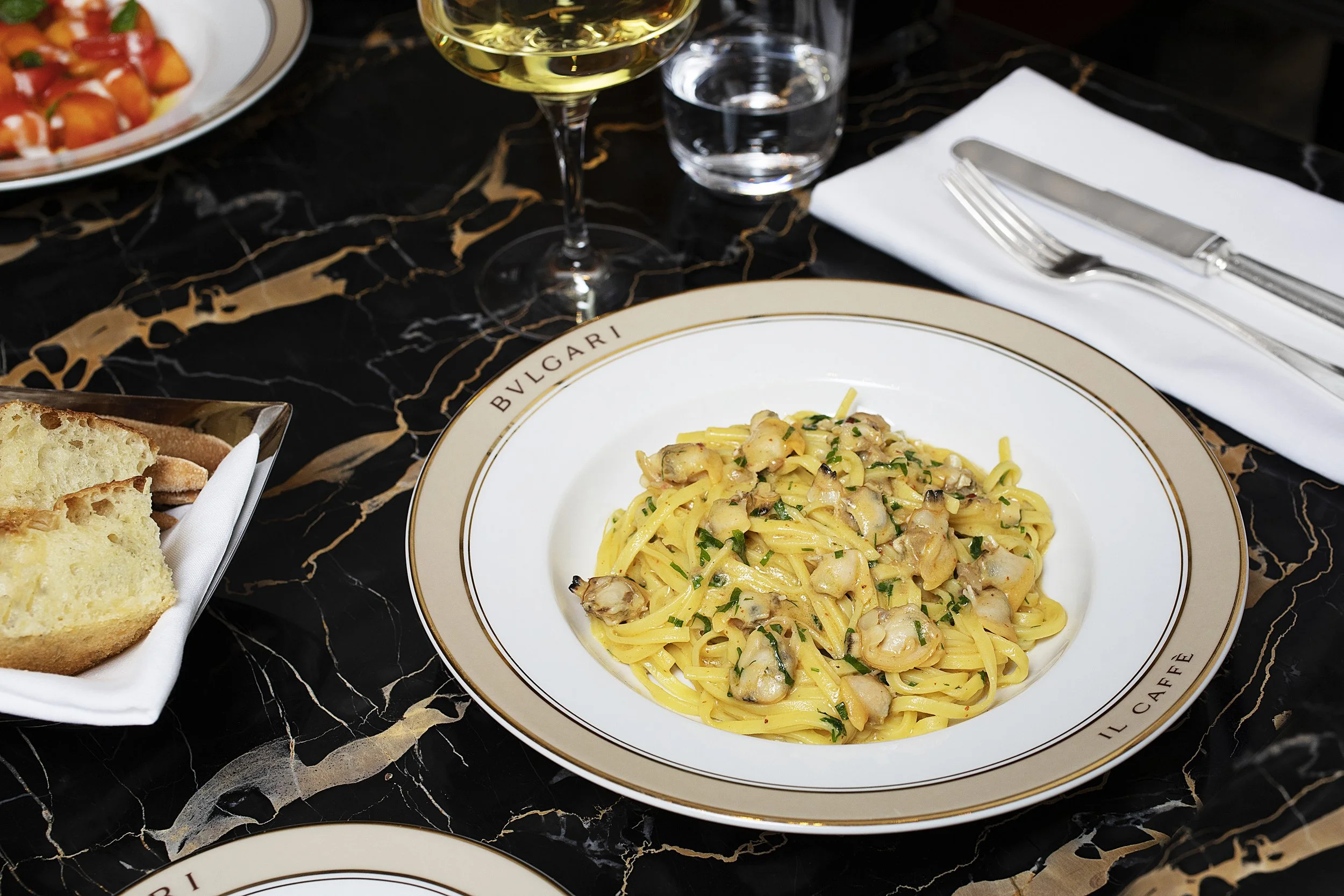
Il Caffè: Located on the ground floor beneath the piazza’s monumental porticos, this relaxed venue serves breakfast, Roman-inspired dishes, and afternoon tea in interiors that extend into an outdoor area framed by planting.
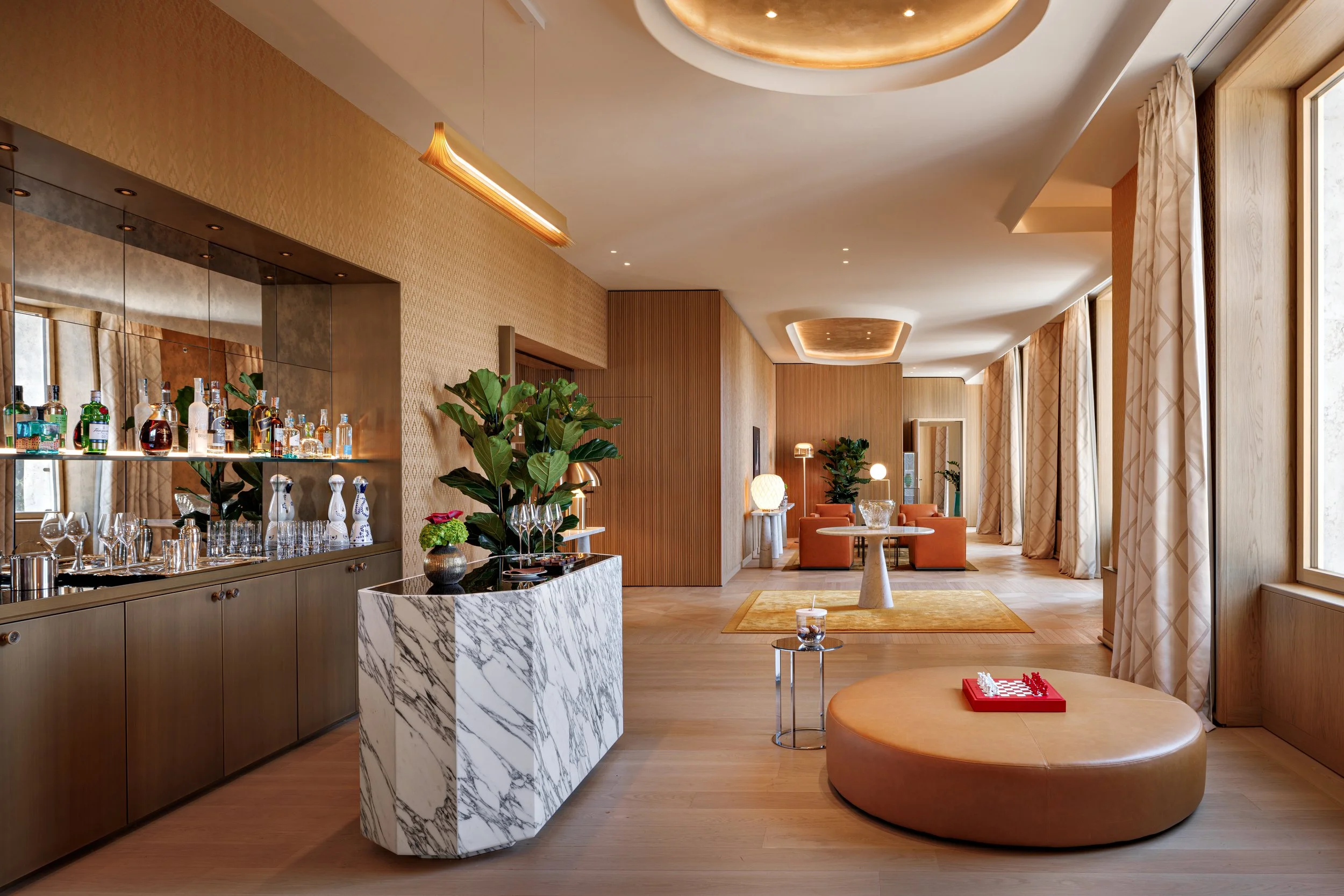
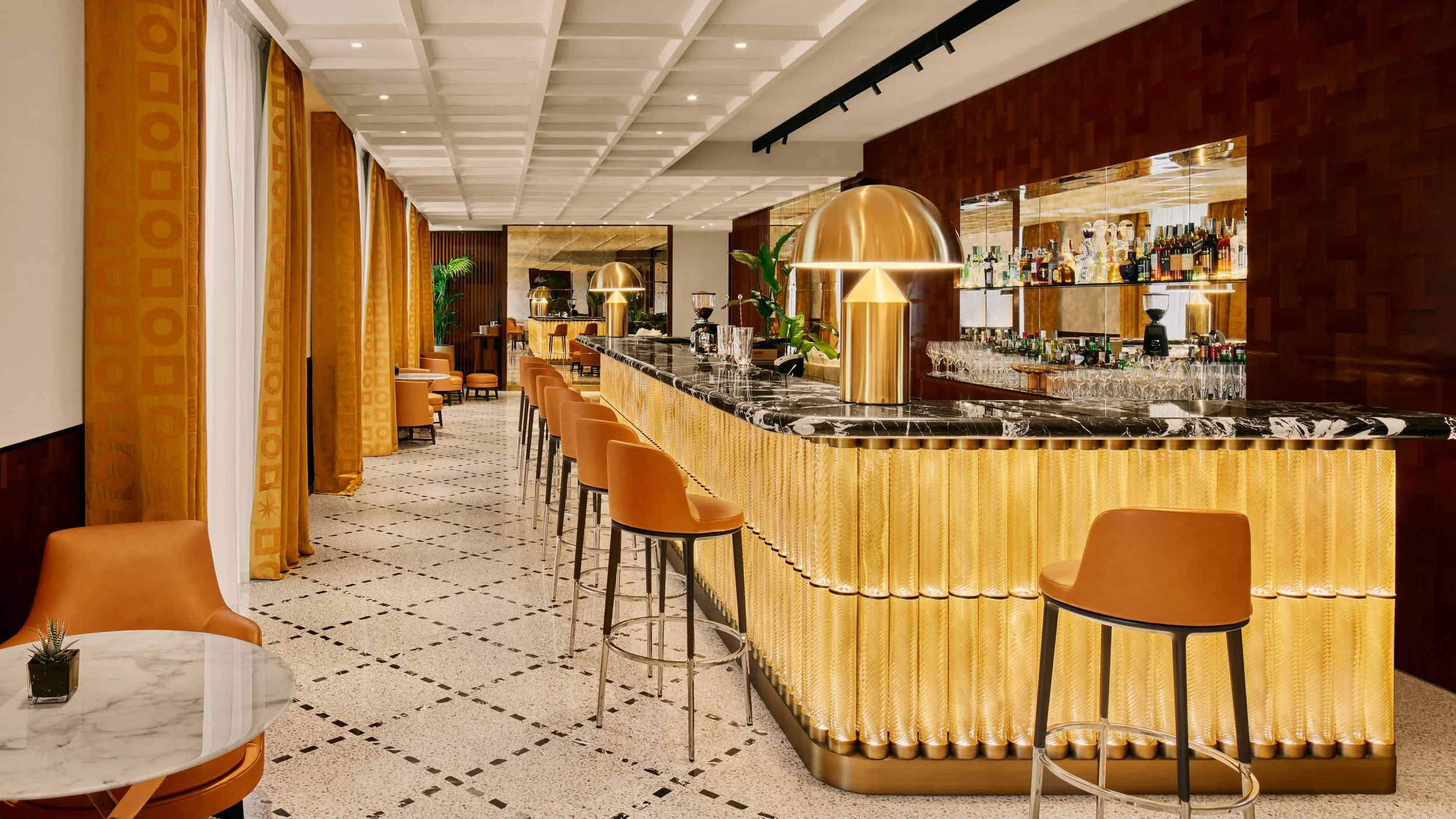
The Bvlgari Bar: A setting for cocktails and aperitivo, the bar combines a black marble counter with elaborate Murano glass lighting and an outdoor terrace for evenings when the weather invites lingering.
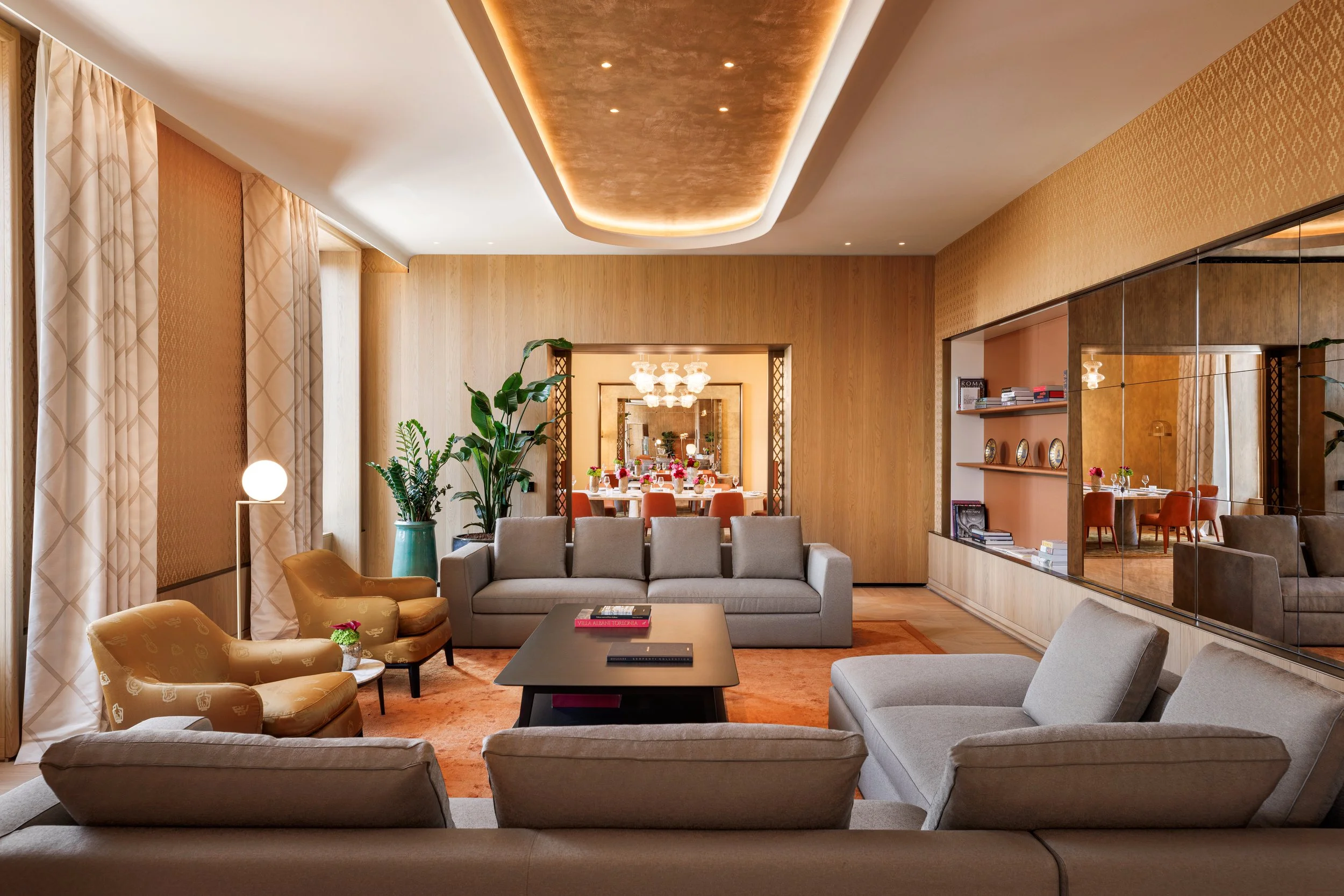
The Bvlgari Lounge: Reserved for hotel guests throughout the day, this lounge beside the entrance foyer overlooks the piazza and provides a quieter setting for afternoon tea or an aperitif.
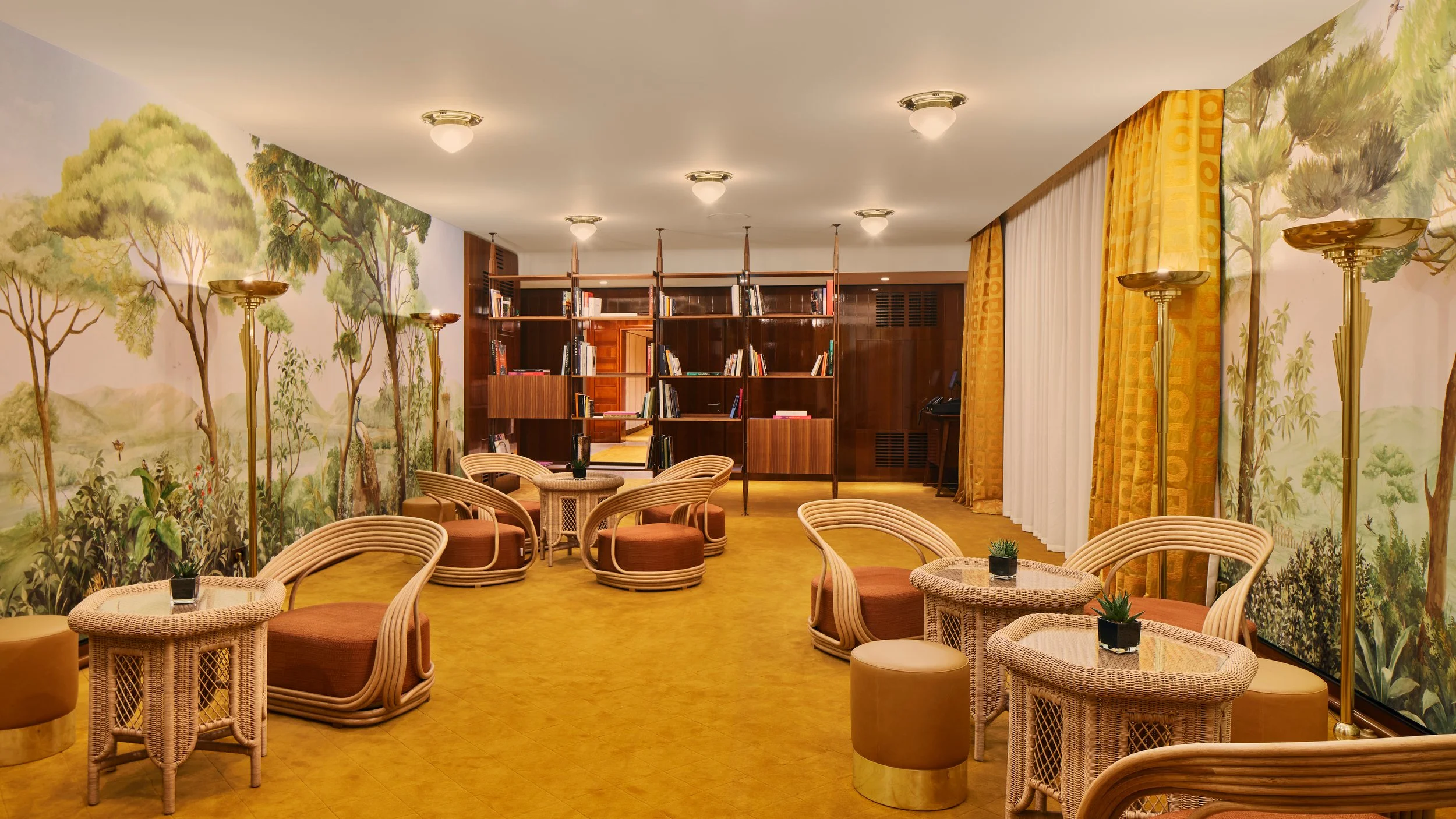
Champagne Bar: An intimate room dedicated to champagne, featuring a Dom Pérignon trolley, wicker furniture, and painted garden scenes that draw on Rome’s tradition of illusionistic frescoes.
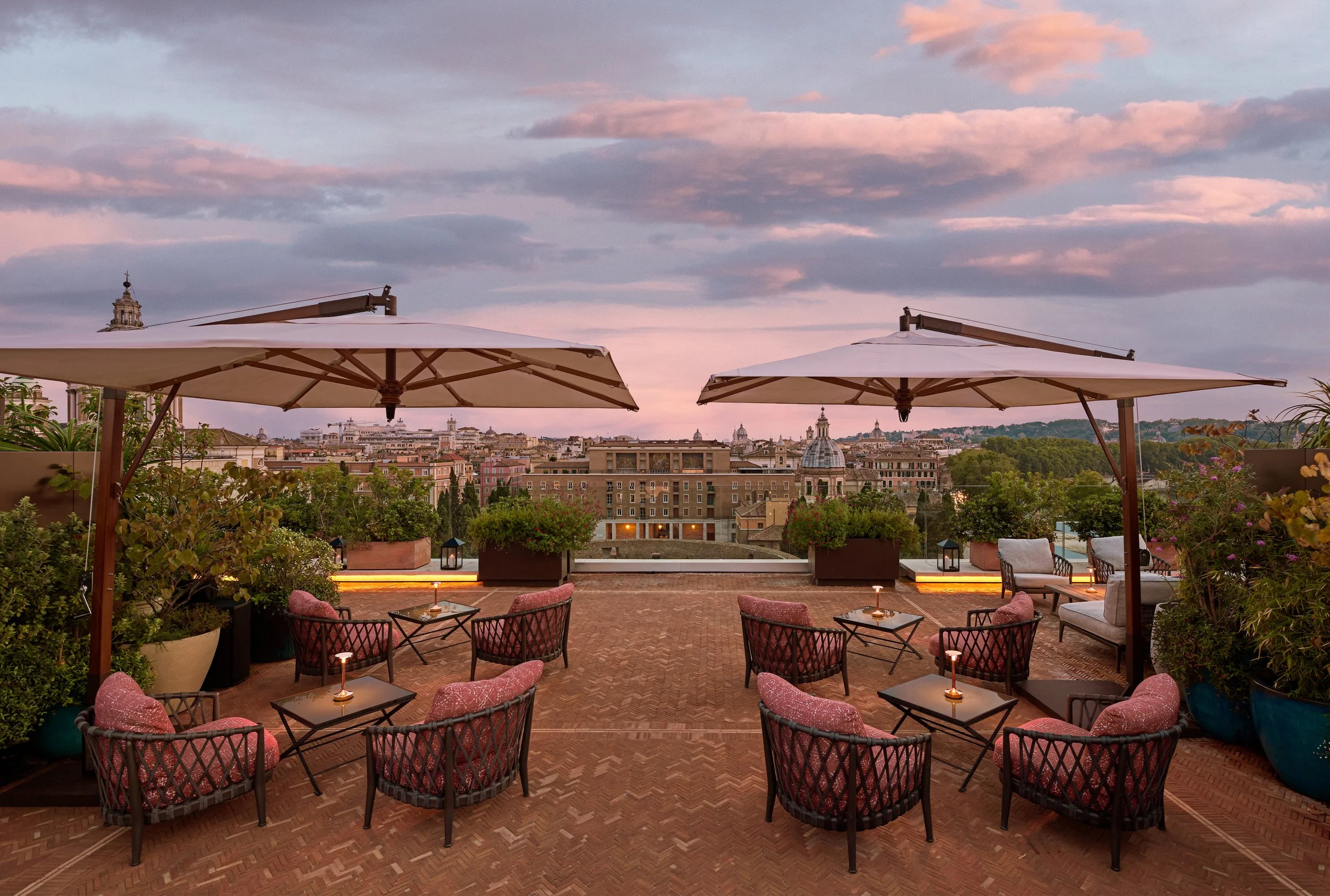
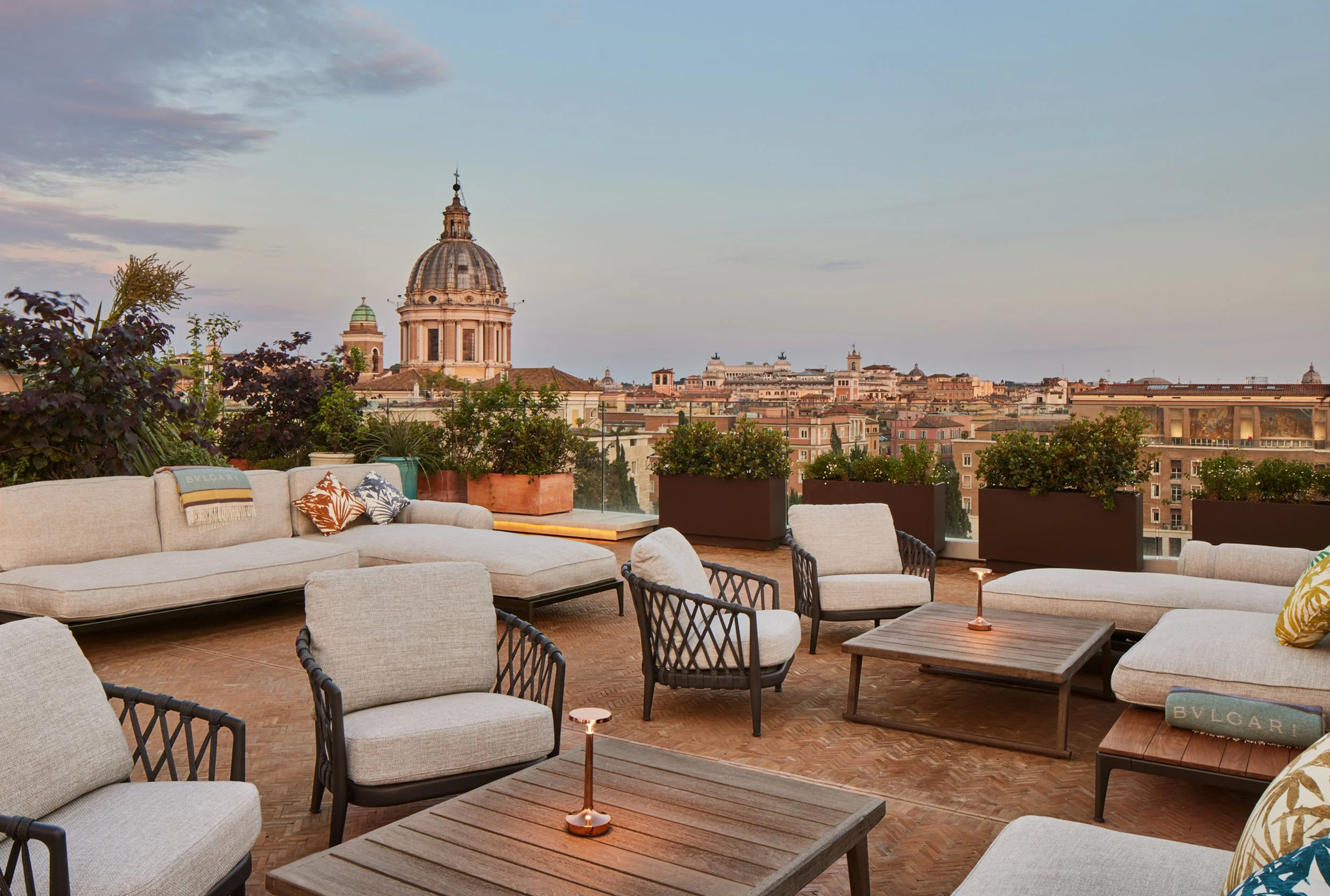
La Terrazza: The rooftop terrace opens onto sweeping city views, providing an atmospheric setting for drinks as the light moves across Villa Medici, Trinità dei Monti, the Tiber, and the Janiculum.
Pizza Bar – Pier Daniele Seu: A temporary pop-up on La Terrazza introduces contemporary pizzas made with long-fermented dough and Italian ingredients, with availability dependent on the hotel’s seasonal programming.
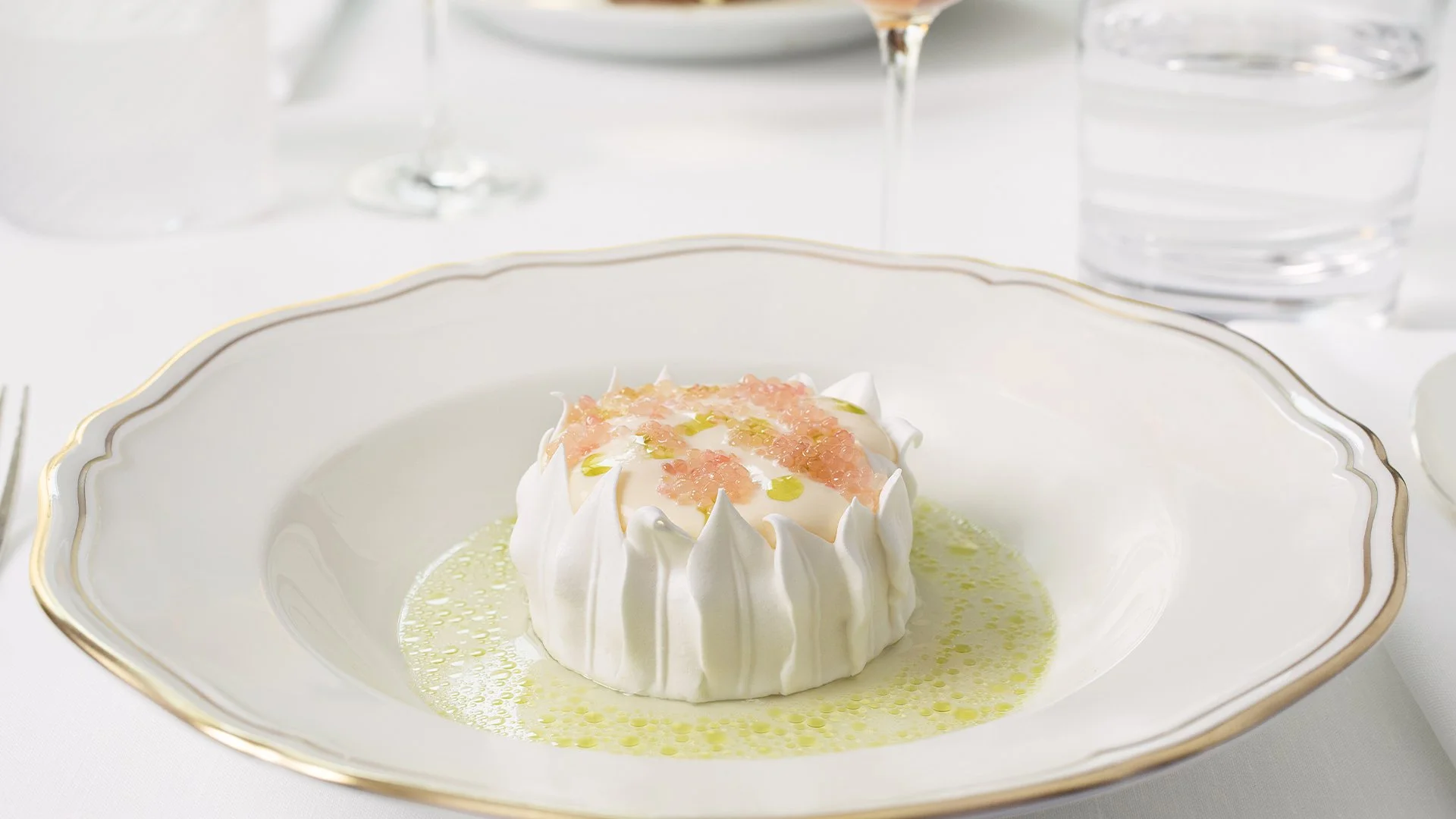
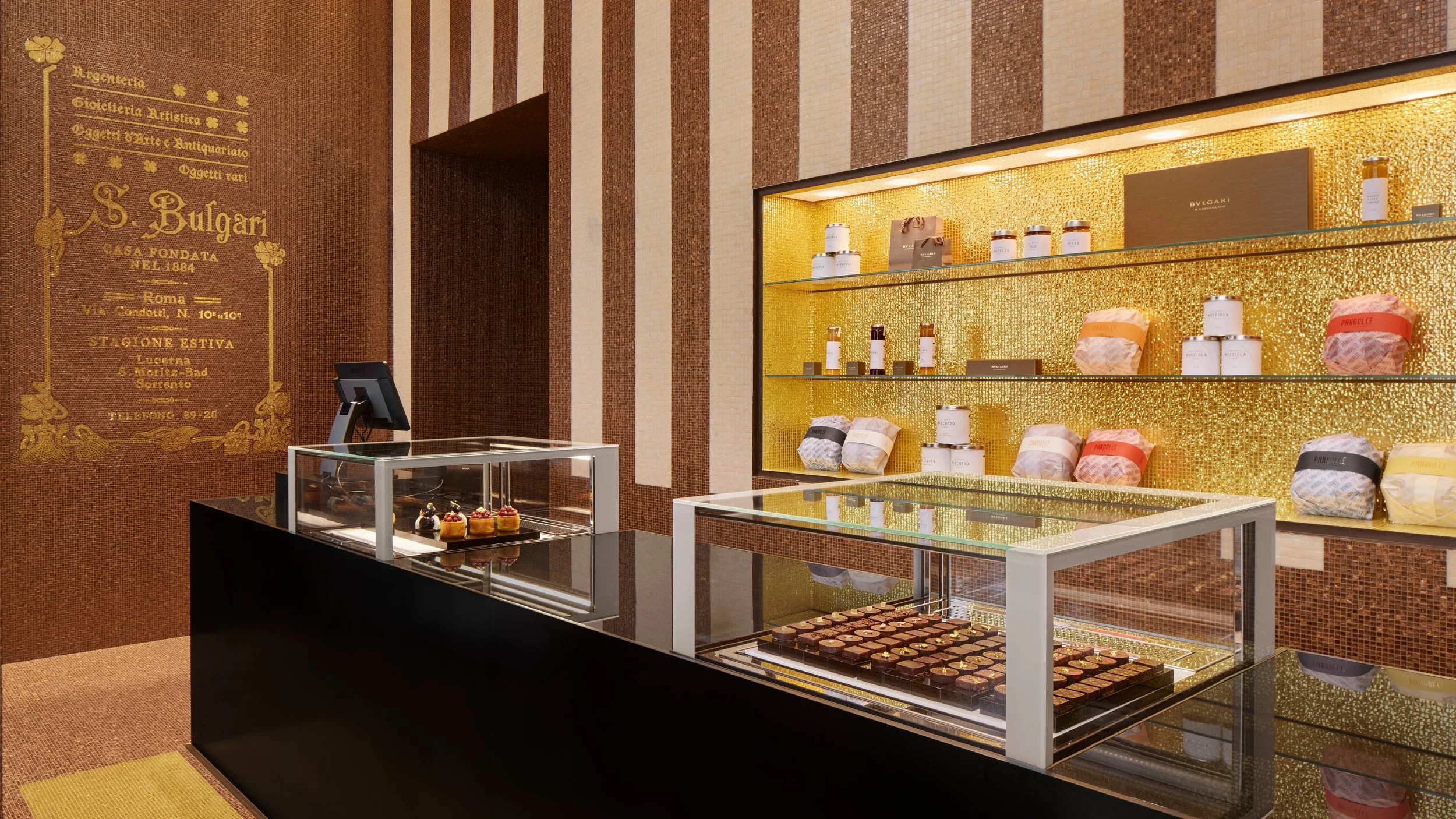
Bvlgari Dolci: The hotel’s chocolatier and patisserie offers carefully presented sweets that translate the house’s attention to detail into a small, edible indulgence.
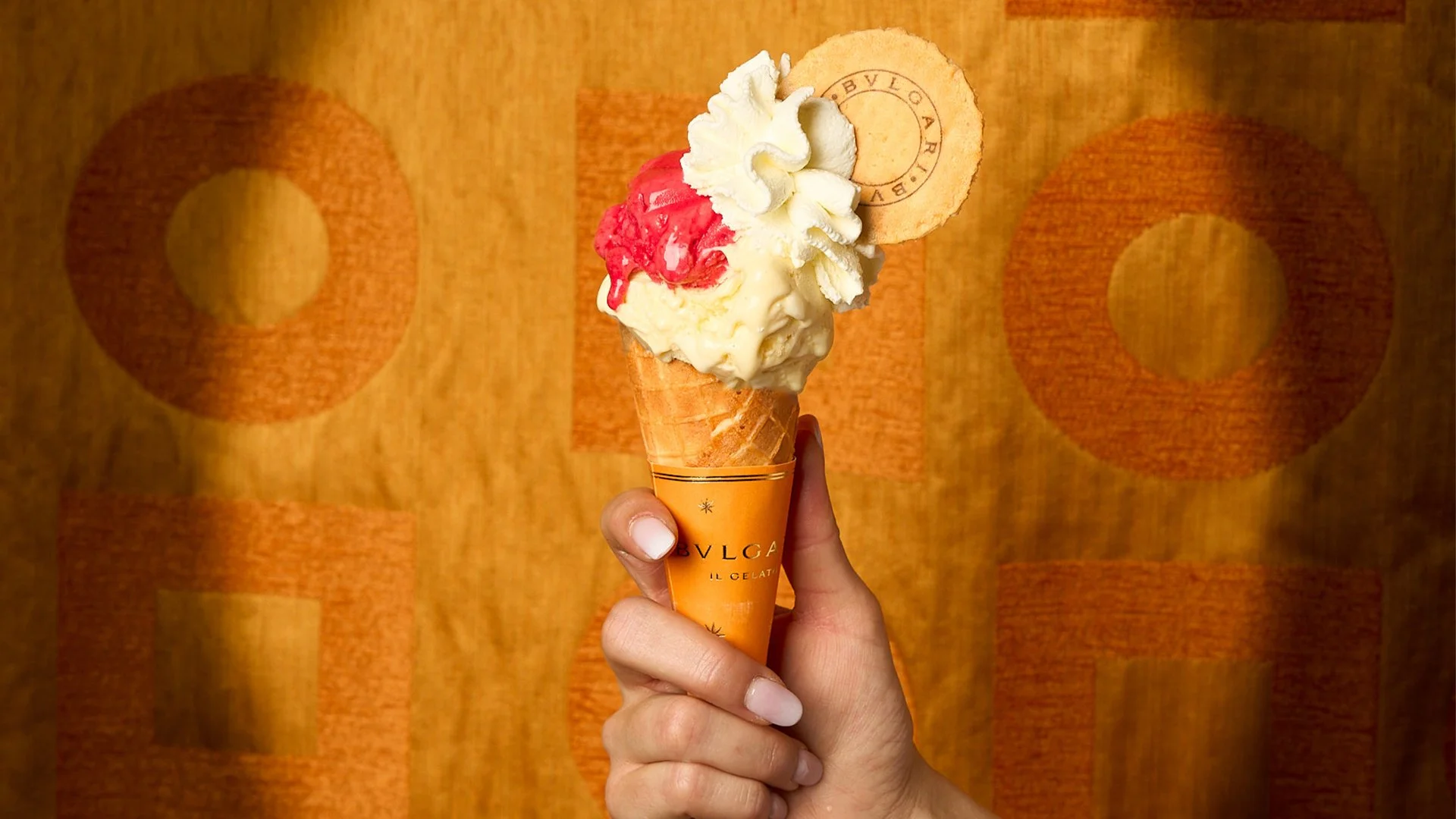
Il Gelato: The hotel’s gelato offering adds an informal pleasure to the stay, particularly as a pause between walking through Campo Marzio and returning upstairs.
The distinction between the dining spaces matters. La Terrazza is the rooftop setting, while the pizza concept is a temporary offering within it. Reservations and seasonal availability are worth checking before building an evening around a particular venue.
Rome Through Its Makers and Private Interiors
The hotel’s experiences draw on the city’s artistic and social life, with opportunities to move beyond its best-known monuments.
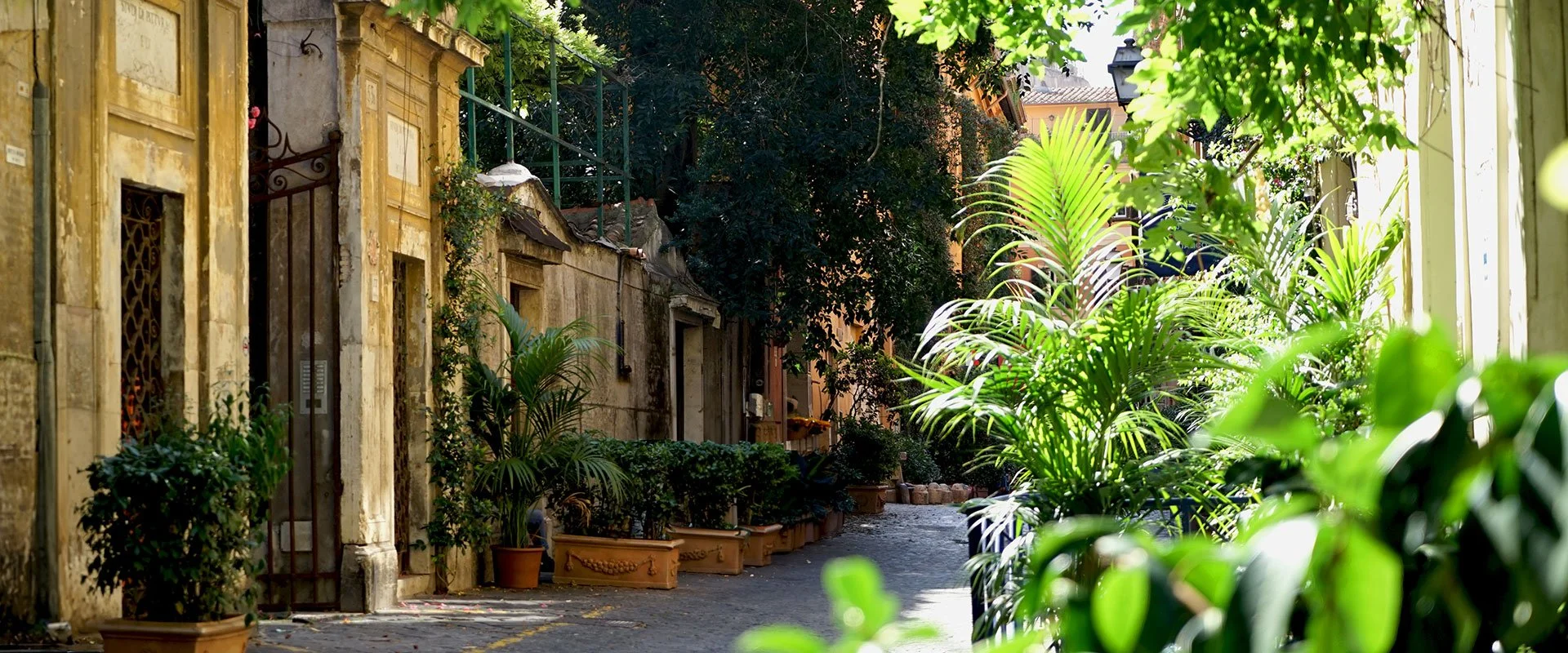
The Streets of Artists and Artisans explores Campo Marzio’s longstanding association with craftsmanship. Marble workers, mosaic makers, framers, and antique dealers provide a different perspective on a neighborhood often associated primarily with shopping.
Art Behind the Scenes focuses on private access to cultural spaces, allowing visits to be arranged around particular collections and interests. Lunch in a Private Home introduces another side of Rome through dining in private residences, where architecture and hospitality become part of the same experience.
These arrangements require advance planning, and the specific venues depend on access and availability. We find their greatest value in giving a trip a personal thread: an interest in mosaics, for example, can connect the hotel’s interiors with an artisan visit and a day exploring Roman churches.
A Contemporary Interpretation of the Roman Baths
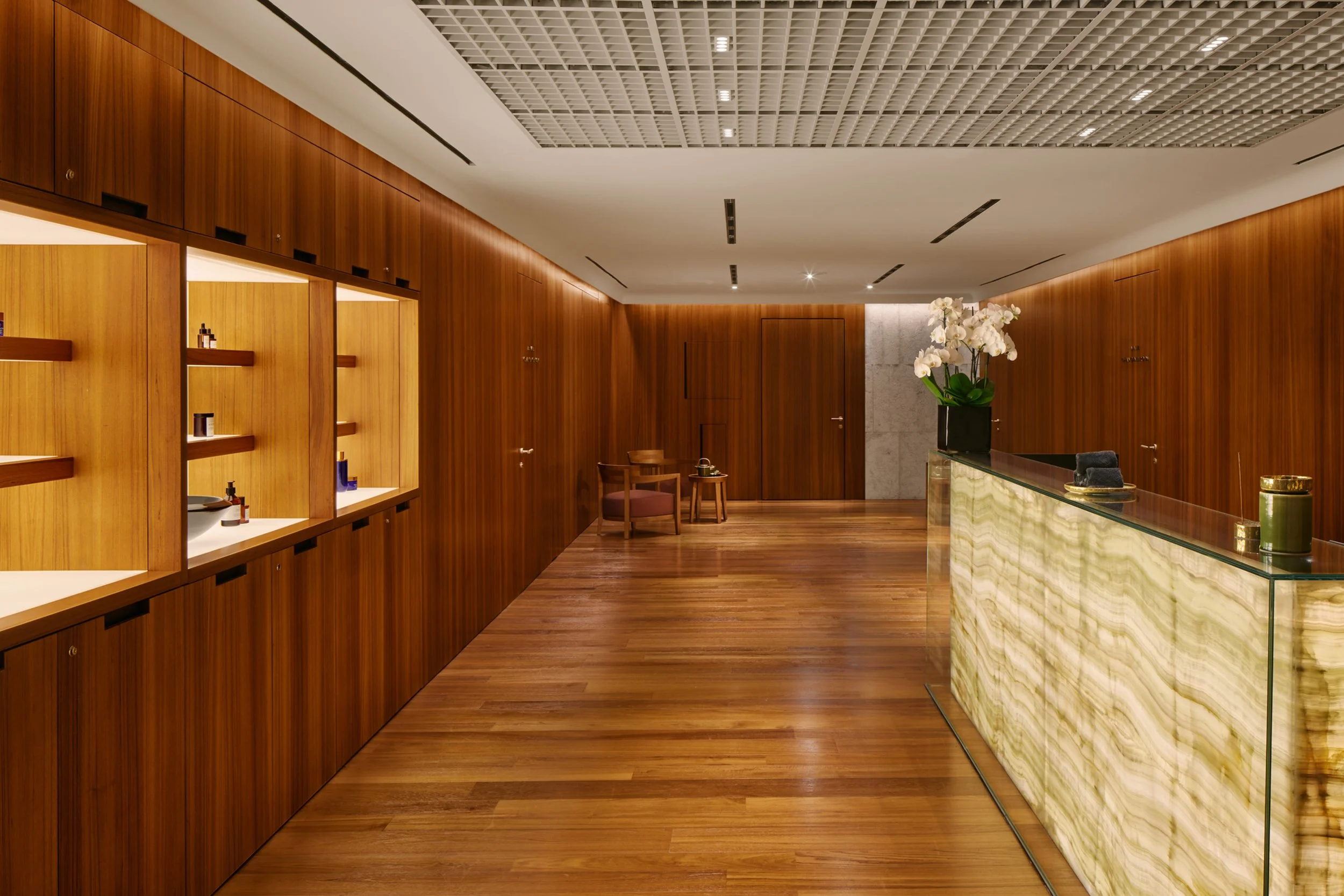
The Bvlgari Spa occupies approximately 16,146 sq. ft., with design references drawn from the city’s bathing traditions.
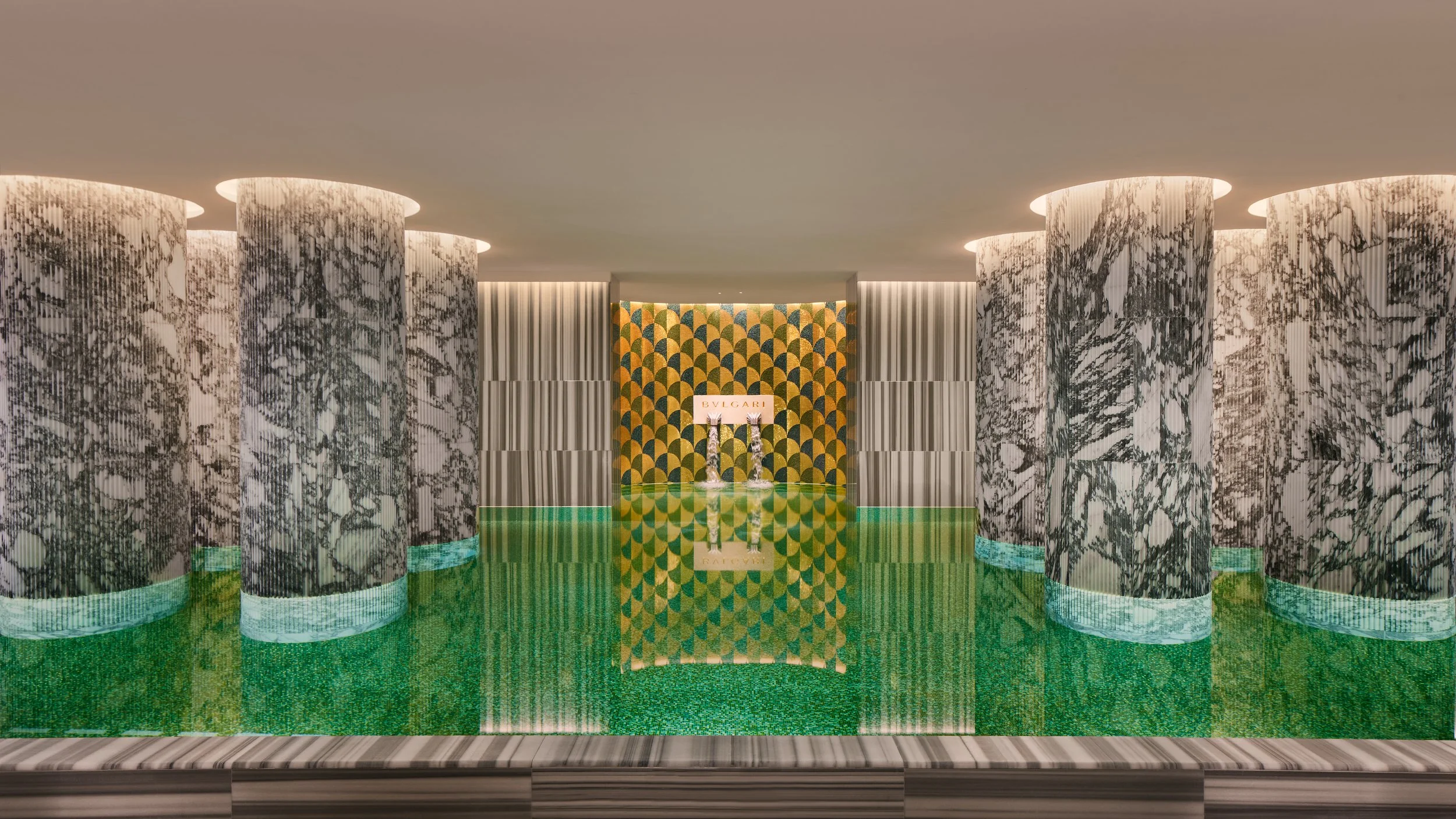
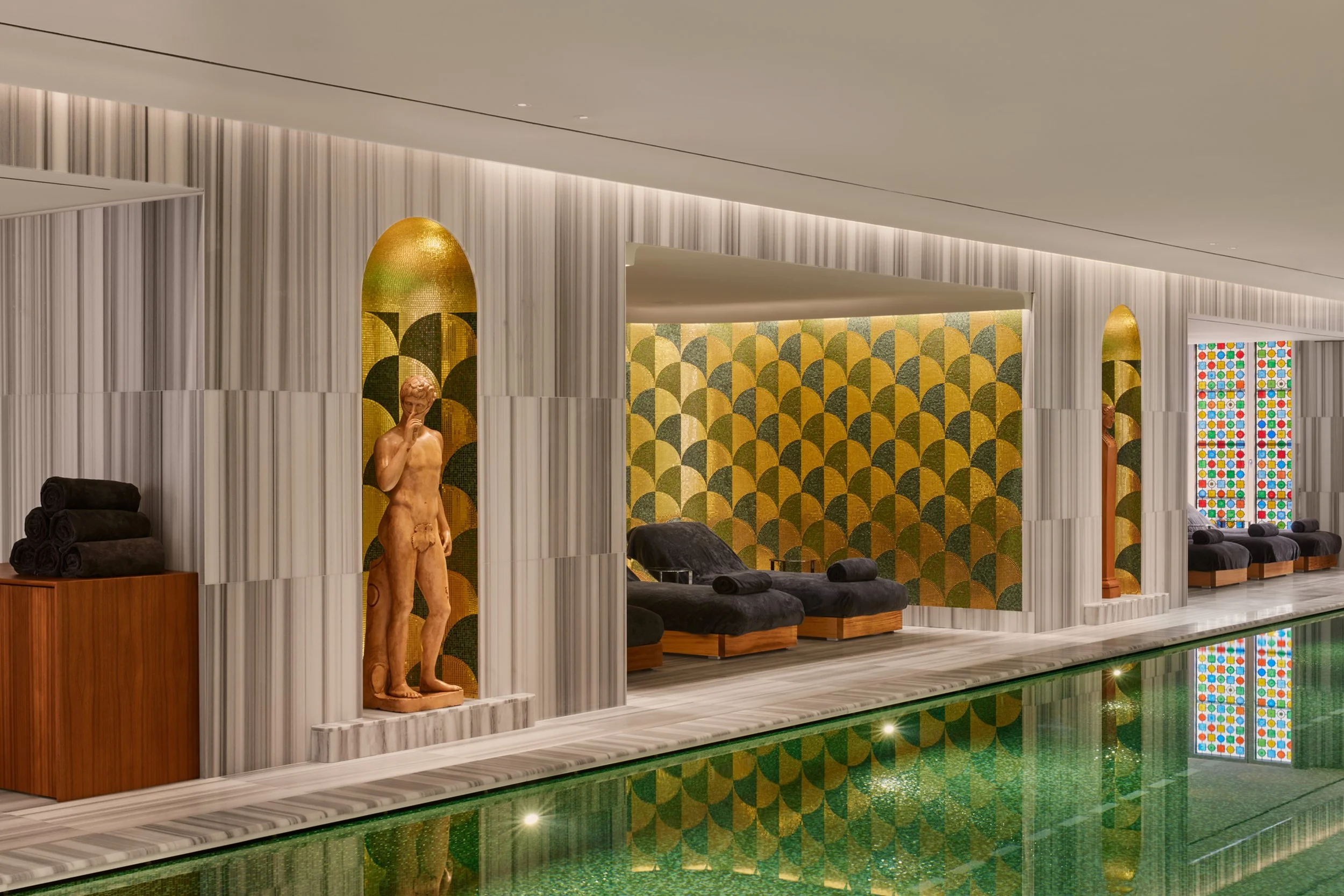
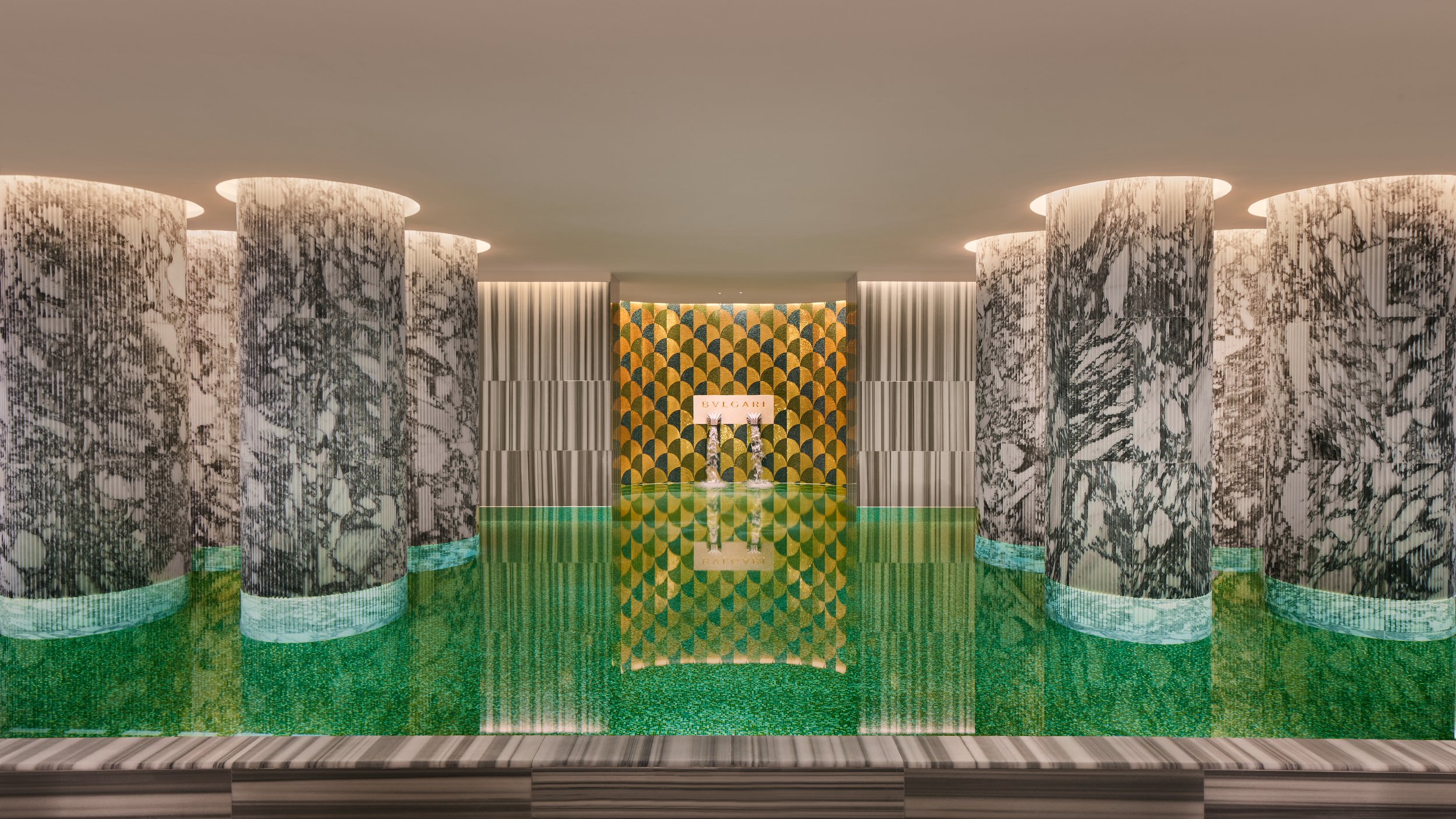
Its centerpiece is a 66-foot indoor pool, bordered by marble columns and decorated with mosaics inspired by the Baths of Caracalla. The scale and architectural detail make this one of the hotel’s most memorable spaces, particularly after a day of walking.
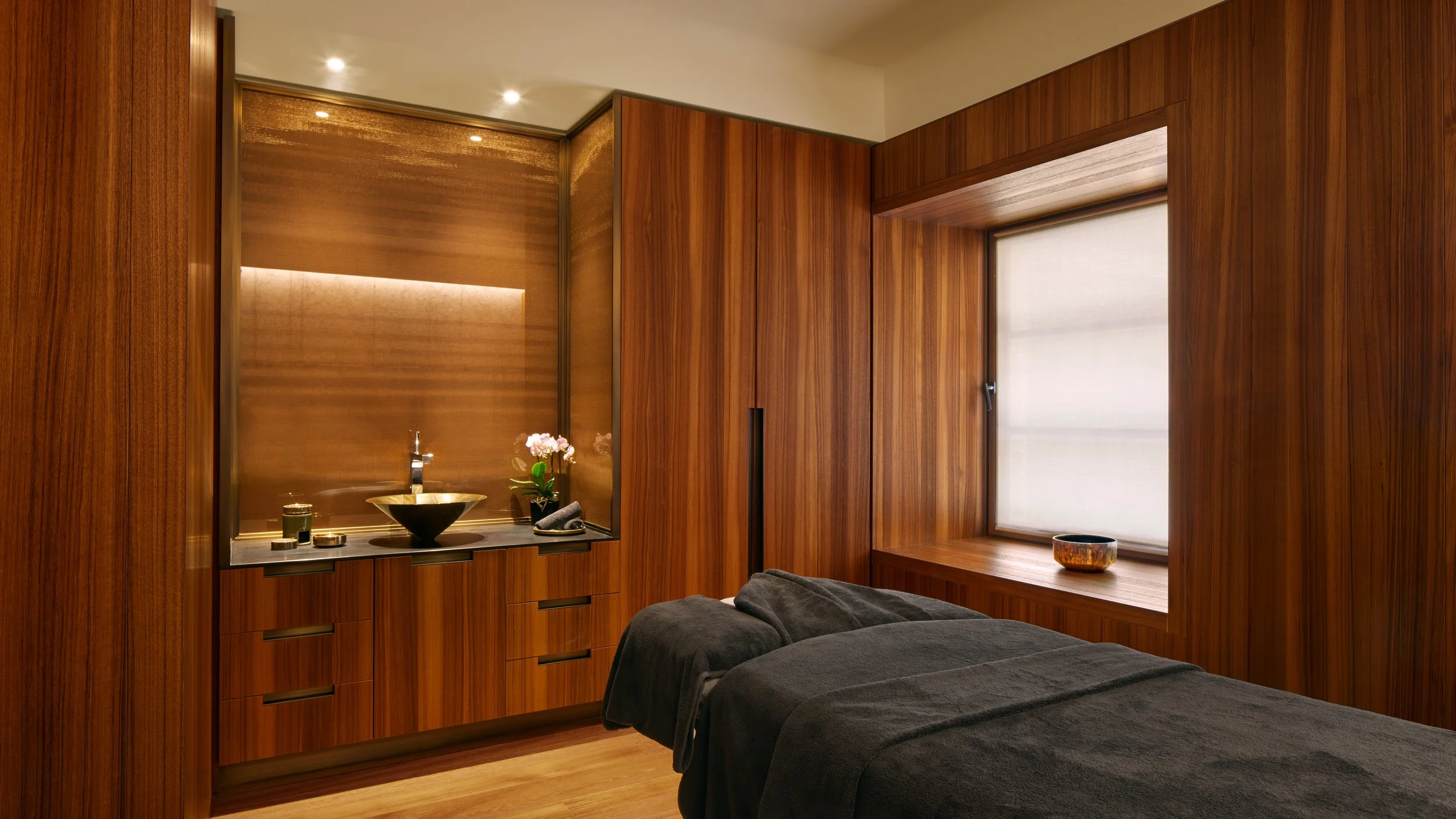
Eight treatment rooms and a dedicated Spa Suite support a menu that includes Augustinus Bader treatments. The Spa Suite’s green onyx bath extends the hotel’s interest in richly colored stone into a more private setting.
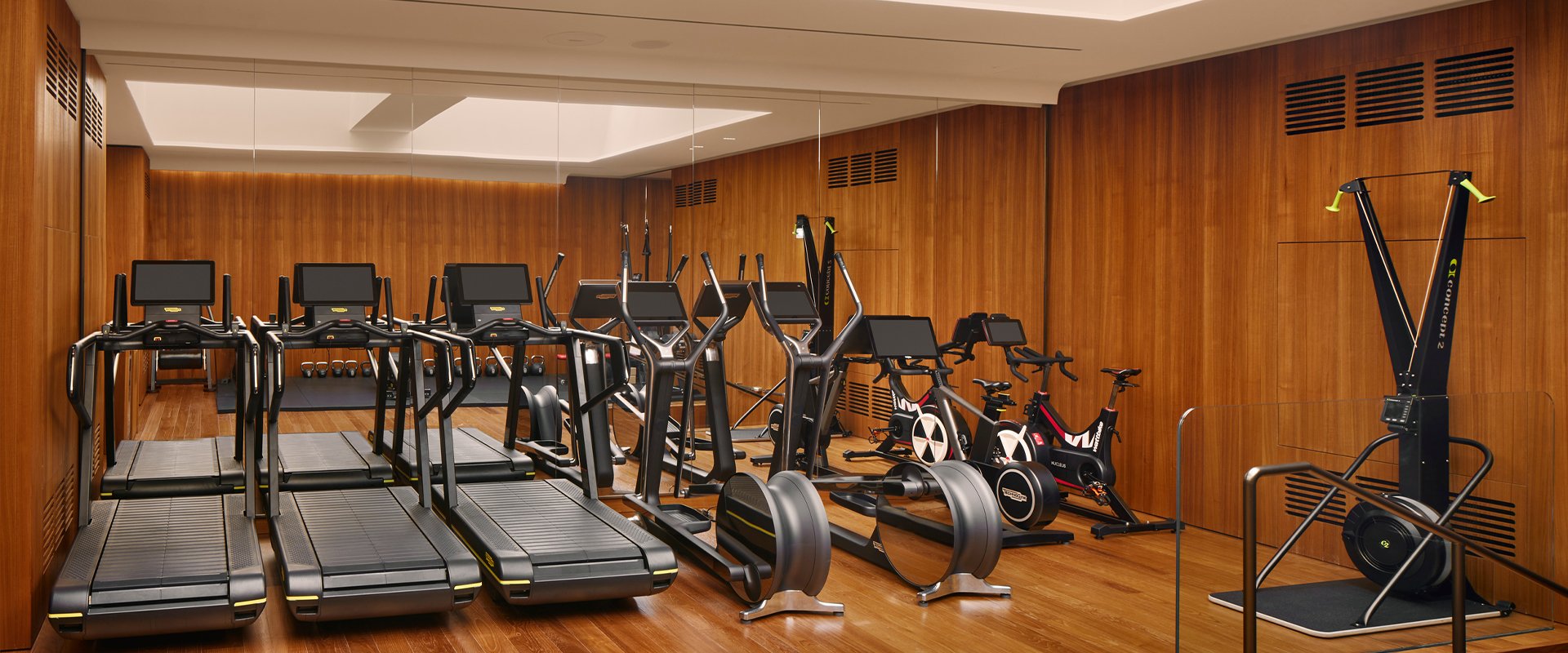
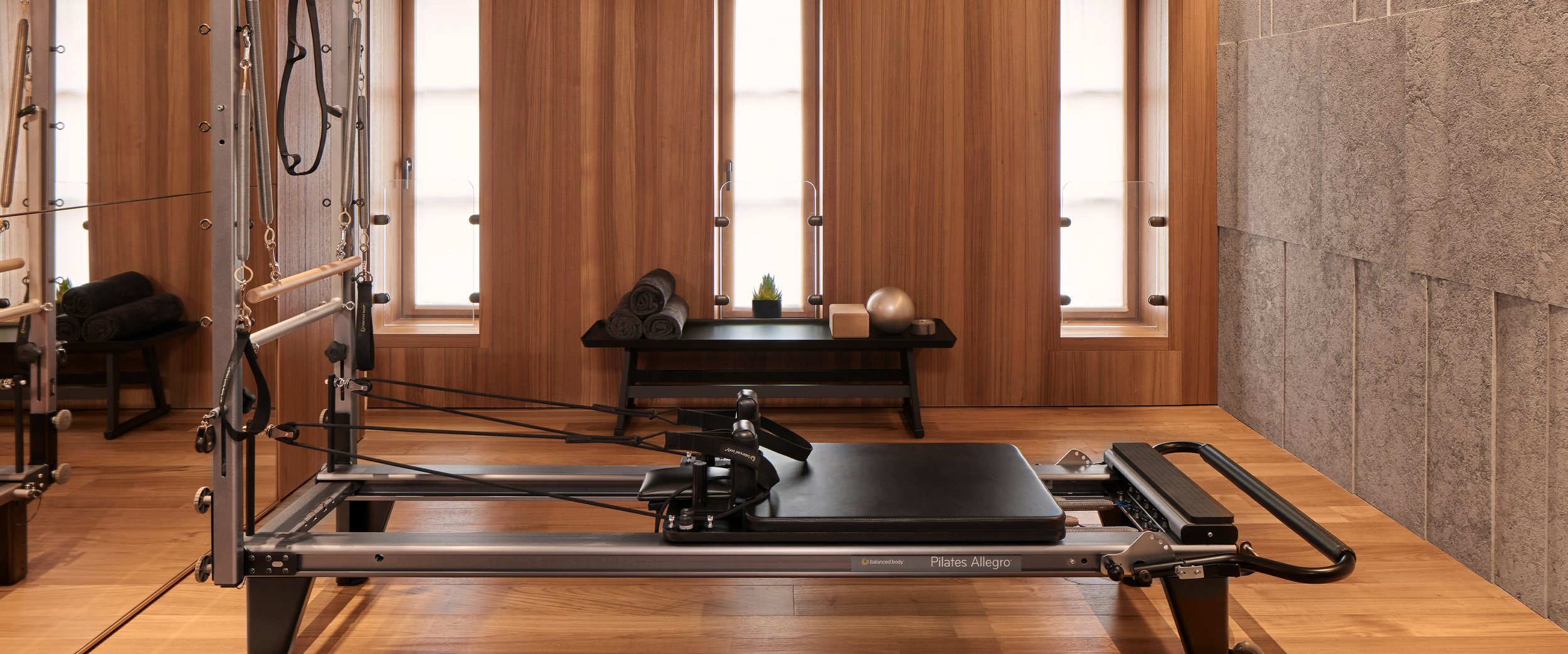
Fitness is centered on Bvlgari Gymnasivm, developed with Technogym. The concept includes assessment tools, personalized training programs, and access to on-demand workouts, allowing guests to maintain a routine during their stay.
We would leave meaningful time for this part of the hotel. A swim or treatment fits naturally between a morning of sightseeing and dinner, without requiring a separate excursion across the city.
Discovering the City as a Family
For families, the hotel’s central location makes it possible to organize shorter outings with comfortable breaks in between.
The R-Home of Wonders – The Treasure Hunt experience is particularly relevant. Designed around guests’ interests and pace, it can incorporate cultural landmarks, ateliers, private residences, and spaces within the hotel. Its playful structure offers an alternative to a day built entirely around conventional guided visits.
Larger suites and connecting arrangements can help accommodate different ages and schedules, although the precise setup should be confirmed before booking.
Nearby excursions can also be kept simple: time in Villa Borghese, a walk toward the Spanish Steps, or gelato between stops. We would approach the property as a base for tailored family exploration, with activities arranged around the children’s interests.
Preserving More Than a Façade
The hotel publishes several concrete environmental and community initiatives.
Approximately 4,500 plants are distributed throughout the property, with planting inspired by Rome’s native flora and terrace gardens. Around 400 shutters from the original building were preserved and repurposed by artist Rodolfo Lacquaniti as an artwork.
Operational initiatives include reducing plastic use, choosing energy providers that use renewable sources, and sourcing organic and local ingredients. The hotel also highlights support for neighborhood craftspeople and historic workshops.
Its broader approach includes cultural preservation, contributions connected with the Mausoleum of Augustus and Ara Pacis Museum, and social inclusion through its relationship with Save the Children.
These efforts are most meaningful when considered individually: retaining original materials, supporting local skills, and investing in the neighborhood are tangible ways for the property to participate in Rome’s continuing life.
A Stay Planned Around Individual Access Needs
Published property listings identify wheelchair-accessible restaurant and spa facilities. Guests requiring step-free accommodation should nevertheless confirm the exact room configuration, bathroom fittings, doorway clearances, and routes to terraces and wellness areas before arrival.
We would also establish any pool-access requirements directly with the hotel, rather than infer suitability from photographs.
Outside, Rome’s uneven paving and the entrances of individual historic sites deserve similar attention. Accessible transportation and carefully selected museum routes can make a substantial difference to the comfort of each day.
Campo Marzio and the City Beyond
The immediate neighborhood rewards unhurried exploration. The Ara Pacis Museum is an especially natural starting point, pairing the ancient altar’s detailed carving with a modern architectural setting close to the hotel.
Via di Ripetta and the streets around Via della Frezza lead into a Rome of small shops, cafés, and unexpected views. Continue toward Via Condotti and Piazza di Spagna for fashion, people-watching, and the Spanish Steps, or turn south toward the Pantheon and the surrounding lanes.
Villa Borghese offers a change of pace, with gardens and space to step away from the density of the historic center. Its museums can anchor a more focused outing, while the park itself suits a less structured afternoon.
The Vatican, Colosseum, and Roman Forum remain major parts of many first visits, but we would avoid filling every day with large archaeological or museum appointments. Leaving room for a church encountered by chance, an extended lunch, or a second visit to a favorite street often gives Rome its lasting texture.
Back at the hotel, the rooftop offers a useful change in perspective. Places explored at street level become part of a larger panorama.
Arriving at Piazza Augusto Imperatore
From Rome Fiumicino Airport (FCO): The hotel lists an approximate drive of 30–45 minutes, although traffic can extend the journey considerably.
From Rome Ciampino Airport (CIA): Allow approximately 45 minutes by car, with additional time during busy periods.
Private Transfers: A car transfer can be arranged in advance, with vehicle size and accessibility requirements specified when booking.
For Guests Driving: Valet parking is available; confirm the permitted approach and any restricted-traffic-zone instructions with the hotel before arrival.
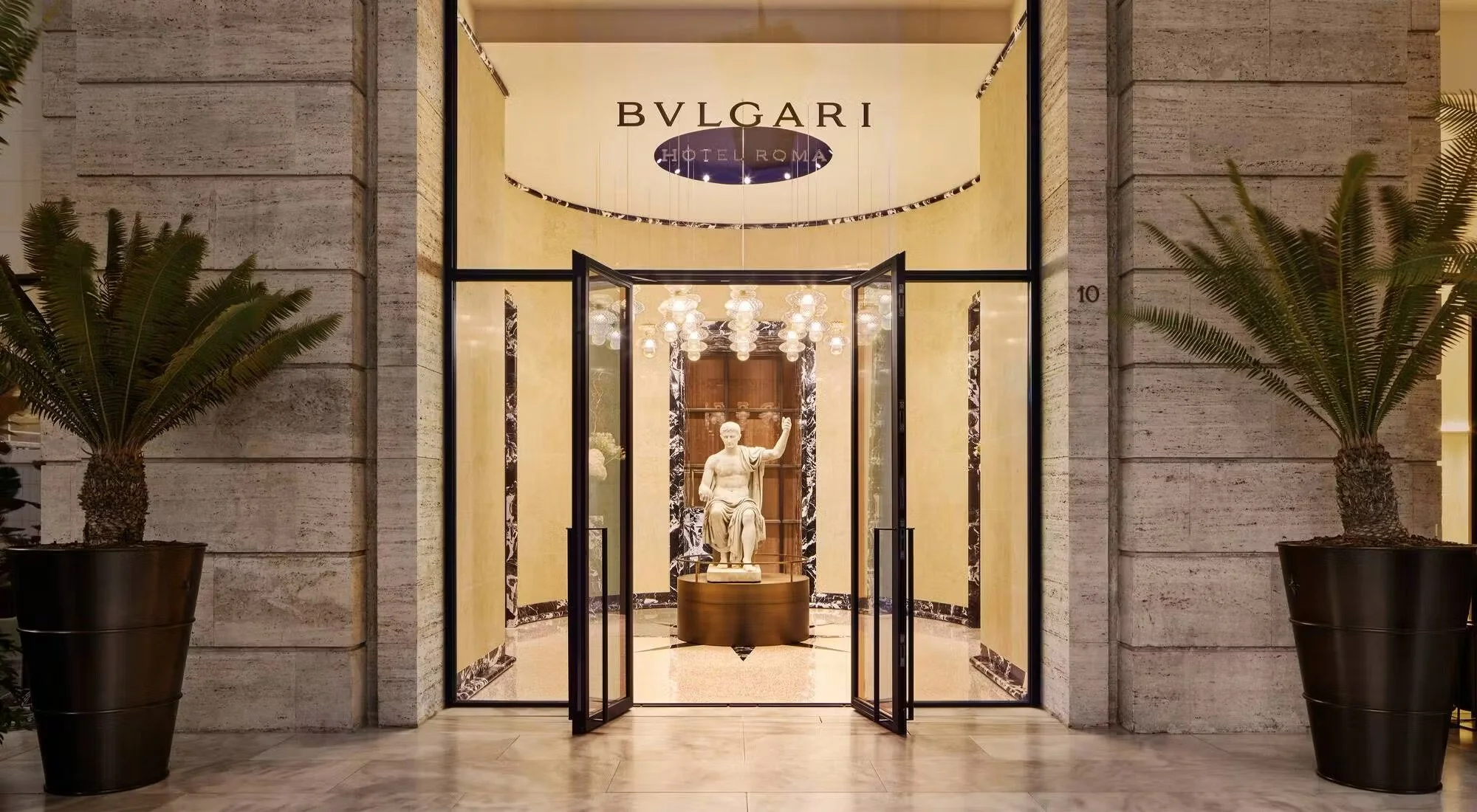
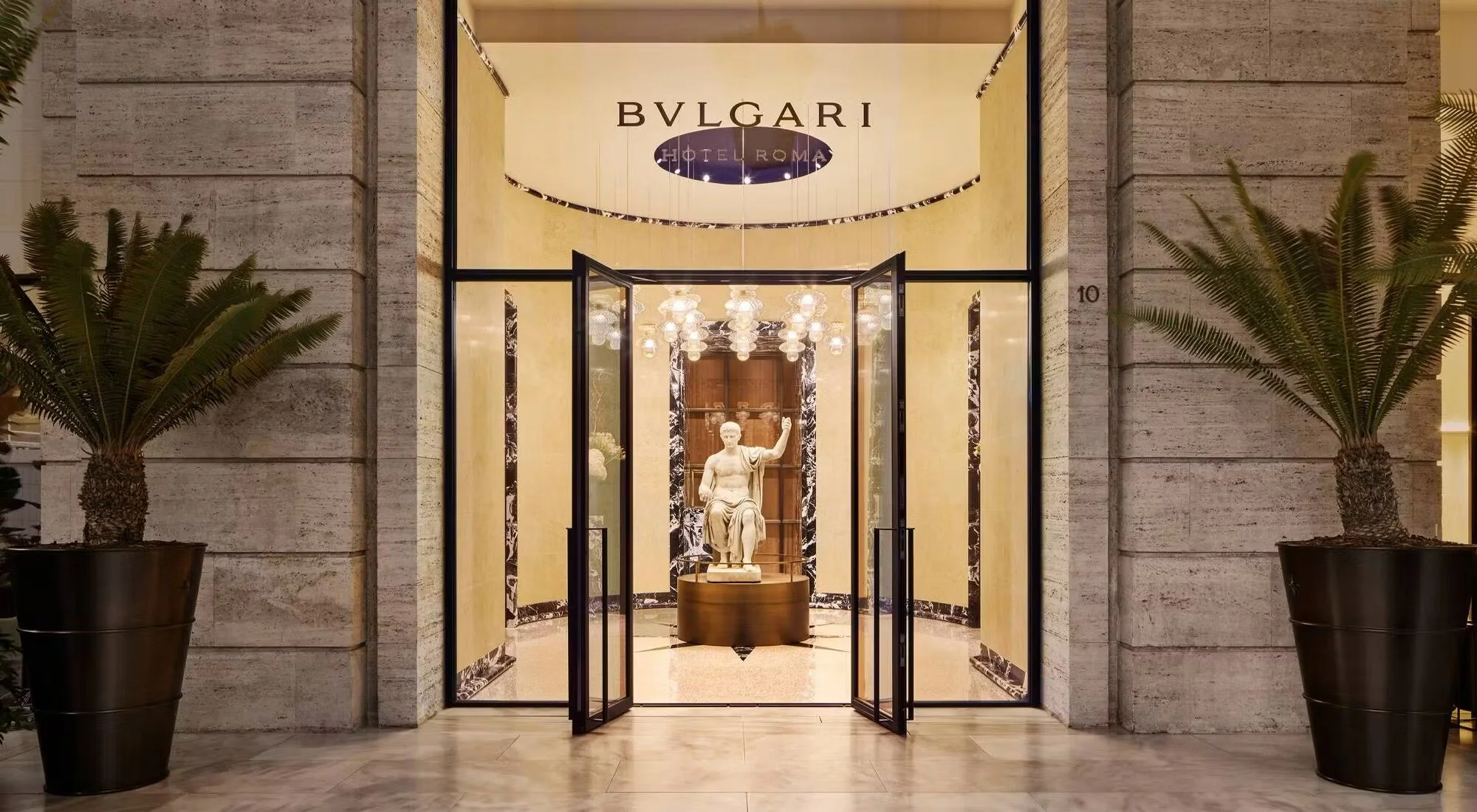
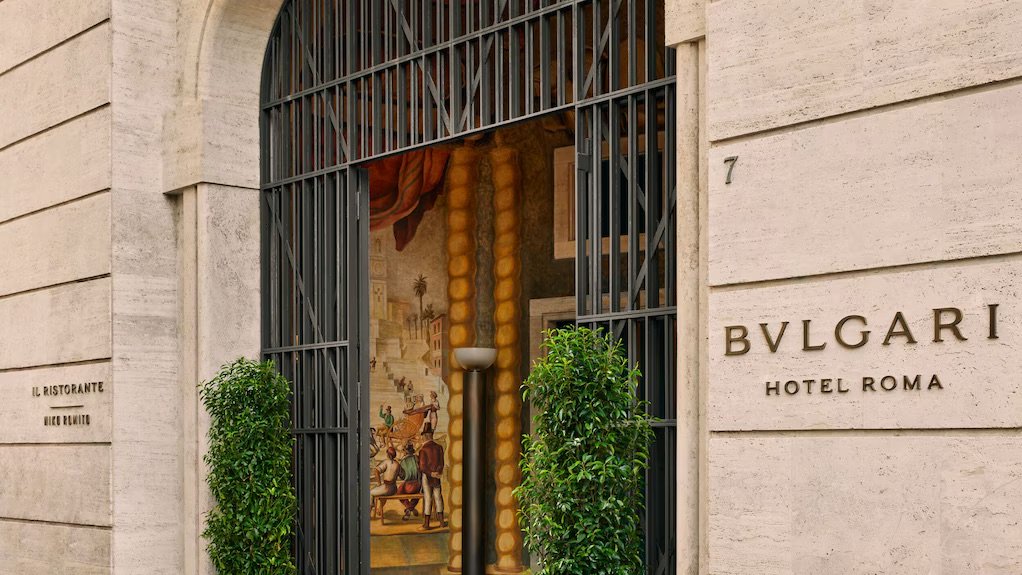
Hotel Address: Piazza Augusto Imperatore 10, Rome, Italy.
The City, Seen Again
What stays with us about the idea of Bvlgari Hotel Roma is the continuity between the hotel and its surroundings. Marble encountered in a bathroom recalls materials seen in a church; a mosaic pattern leads back to the city’s ancient baths; a rooftop view brings the day’s walking route into focus.
The hotel gives those connections room to register. After the crowds, collections, and movement of Rome, there is time to return, open a book, and watch the light change across the mausoleum opposite.