Shanghai, China | The Peninsula Shanghai
A Front-Row Seat to Shanghai
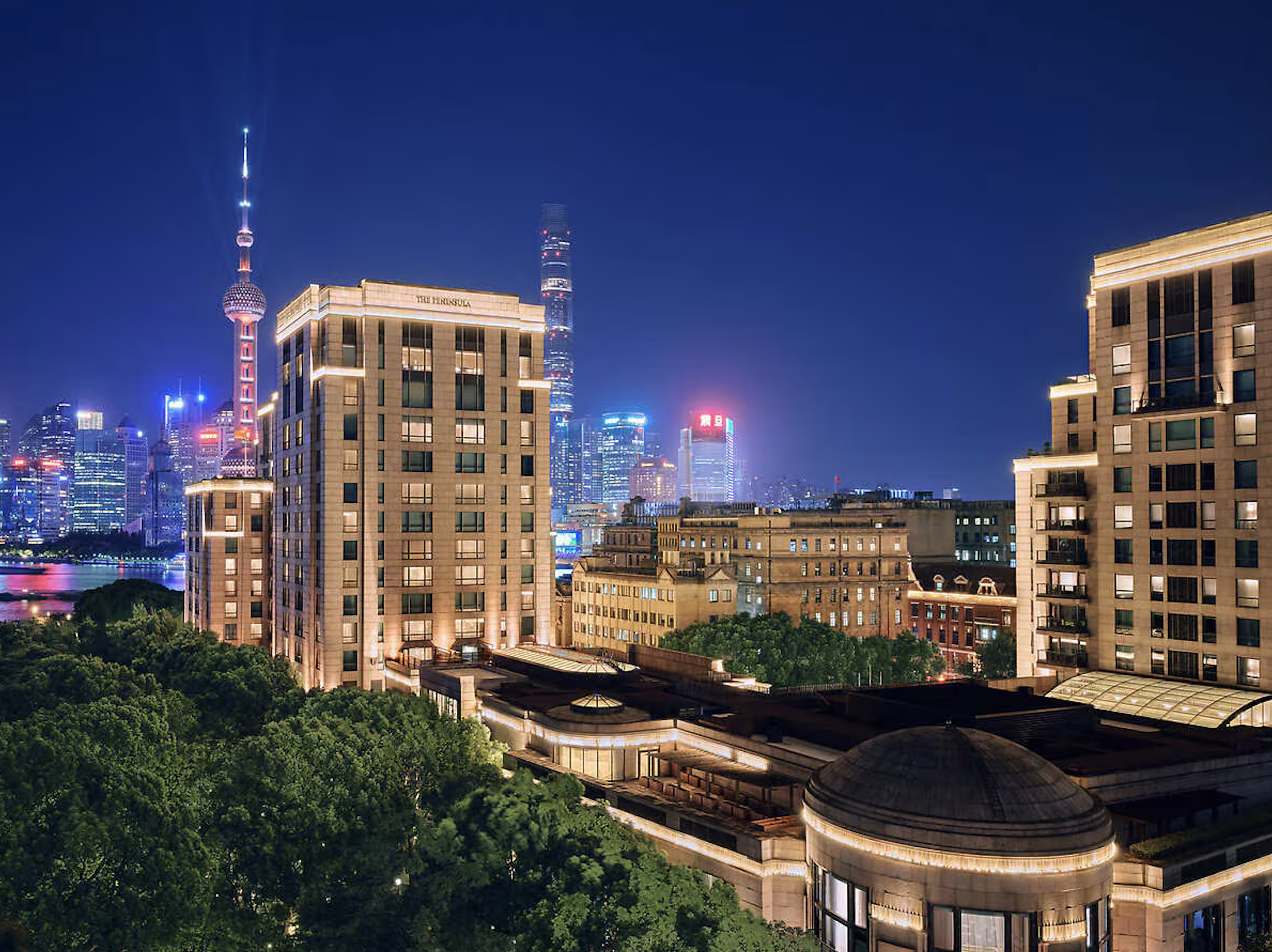
Shanghai’s riverfront reveals the city in two directions: the stone façades of the Bund on one bank and the towers of Pudong on the other. The Peninsula Shanghai occupies a particularly rewarding position at the northern end of this stretch, close to the meeting of Suzhou Creek and the Huangpu River, where gardens and the historic Garden Bridge add another layer to the view.
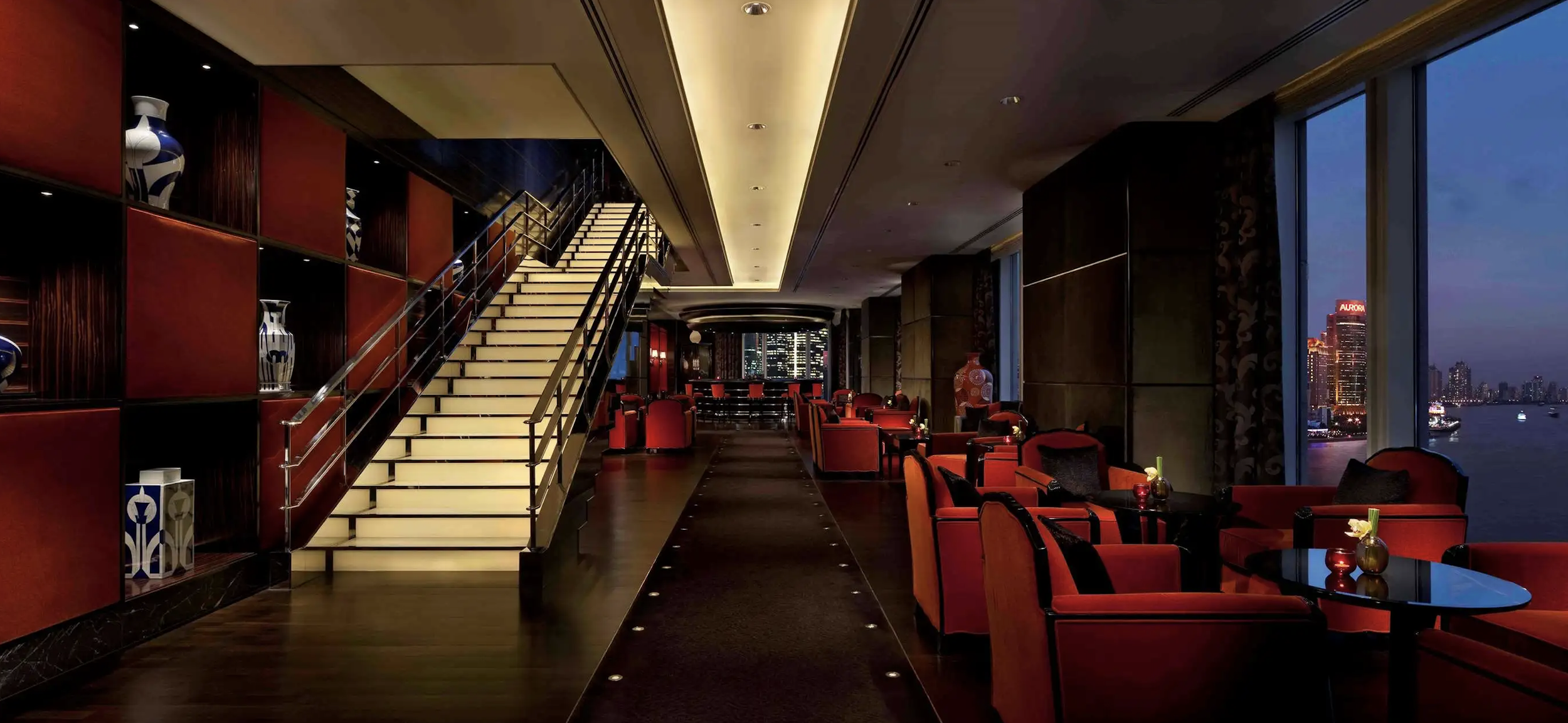
Inside, the atmosphere draws on the glamour of Shanghai in the 1920s and 1930s. Polished wood, pale stone, softly lit rooms, and the ceremony of afternoon tea establish a measured pace, while the river outside remains busy with working boats and sightseeing vessels.
With 235 rooms and suites, several distinctive dining venues, and a substantial spa, the hotel offers enough variety for a longer city stay. We particularly like its location for travelers interested in architecture and urban history: the surrounding streets give context to the interiors, while the outlook across the water keeps contemporary Shanghai firmly in sight.
A Return to the Bund
The Peninsula Shanghai opened in 2009, bringing the hotel group back to a city closely connected with its parent company, The Hongkong and Shanghai Hotels. That relationship predates the present property and includes historic Shanghai hotels whose names are recalled in suites such as the Astor and Majestic.
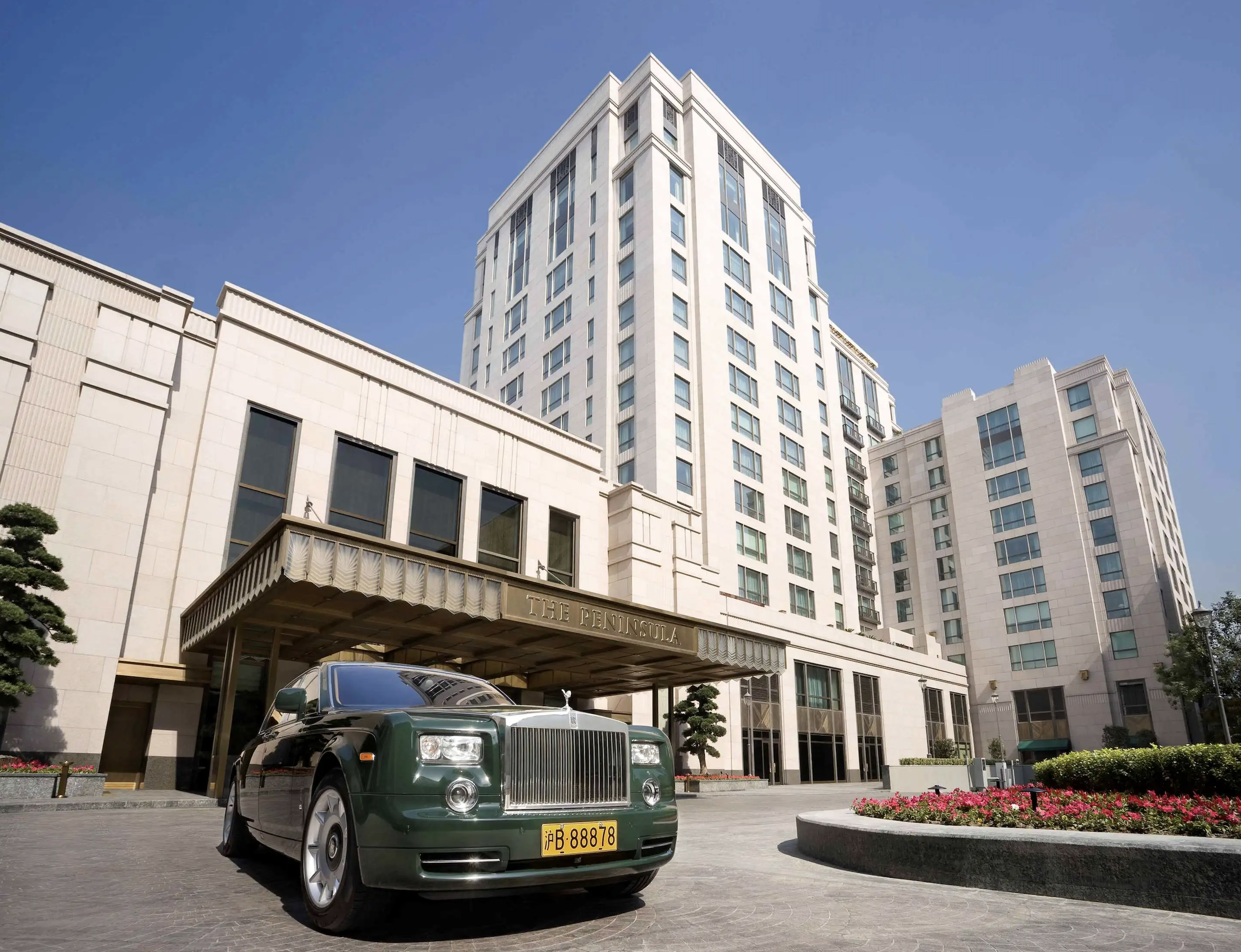
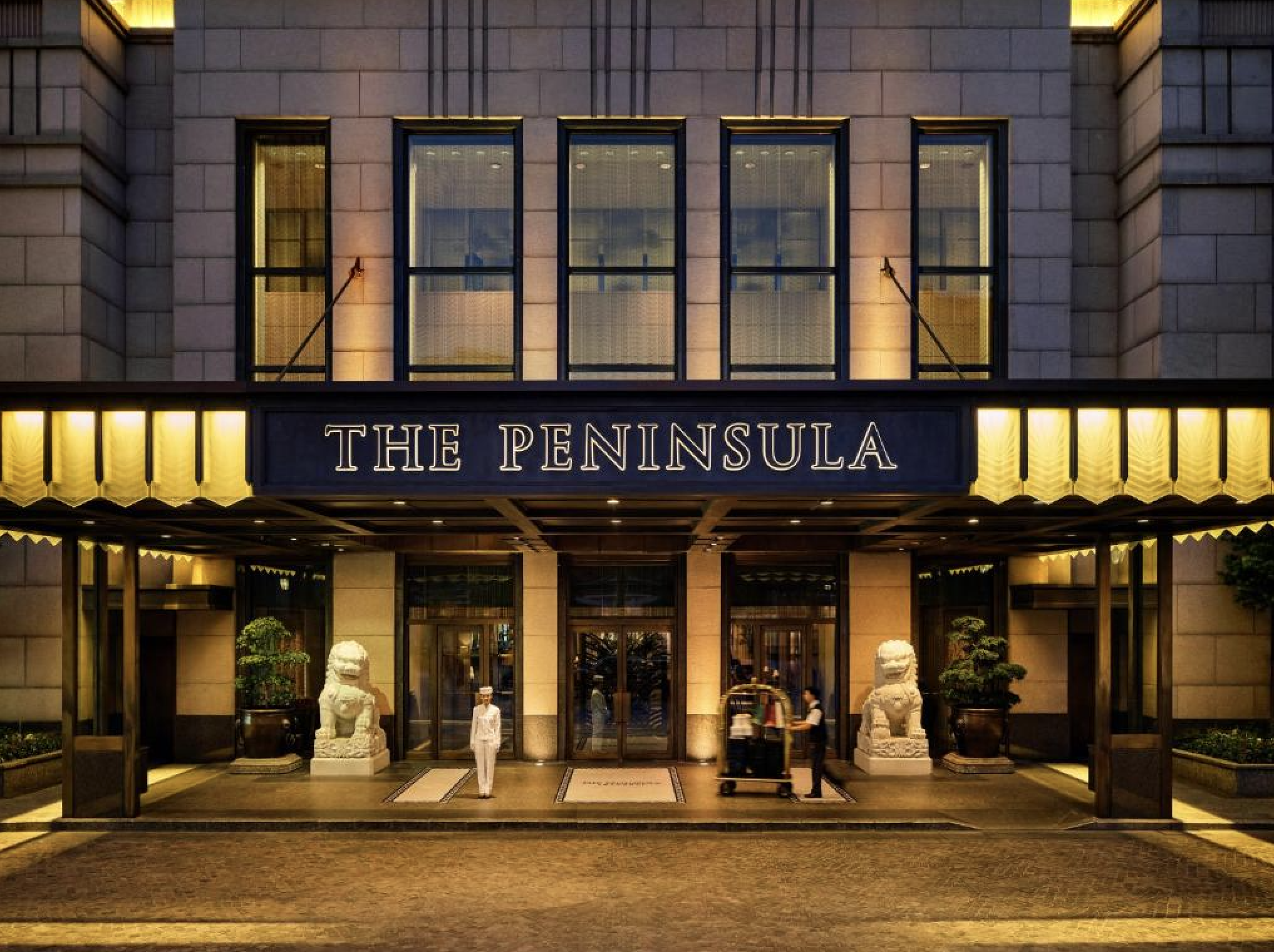
Despite its period appearance, the building was constructed for its present role. Its design looks back to the era when the Bund’s banks, trading houses, and hotels helped define Shanghai’s international waterfront, translating that architectural language into a modern hotel with generously sized accommodations.
This distinction is part of its character. The history belongs both to the company and to the neighborhood, while the building itself represents a more recent chapter. Understanding those layers makes a walk along the Bund more interesting: the Peninsula joins an established streetscape whose buildings tell separate stories of commerce, migration, and the city’s changing fortunes.
Art Deco with a Shanghai Accent
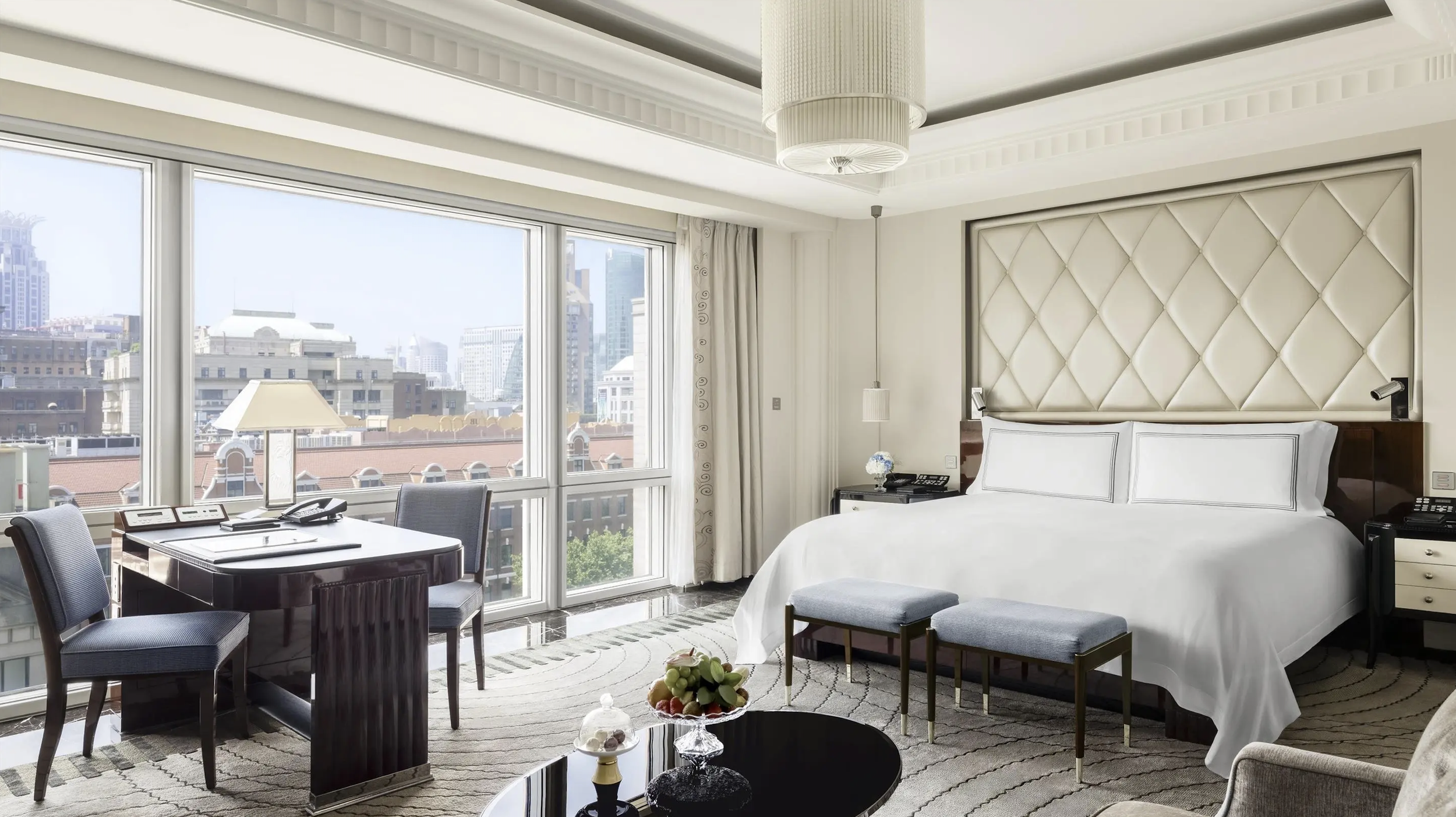
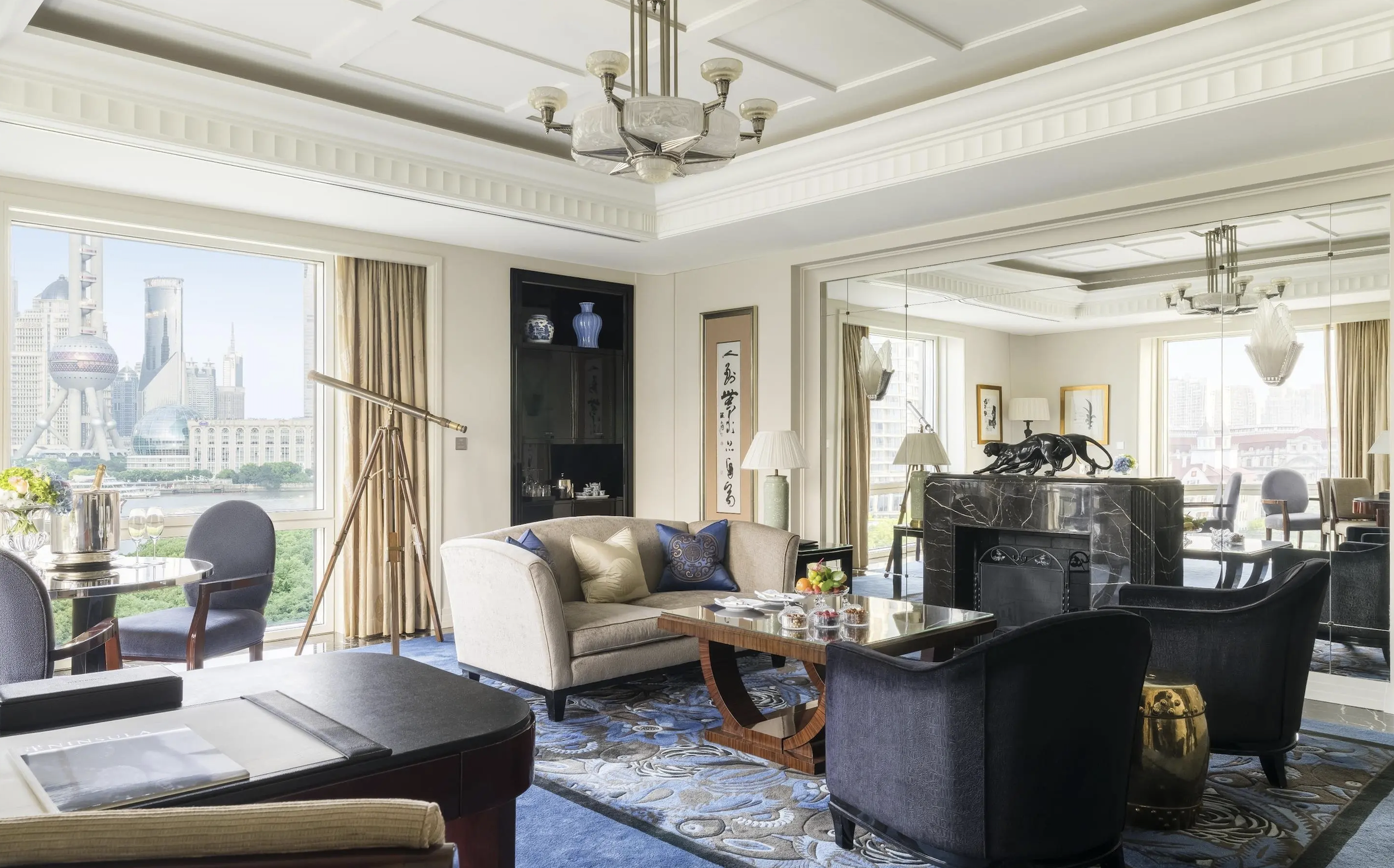
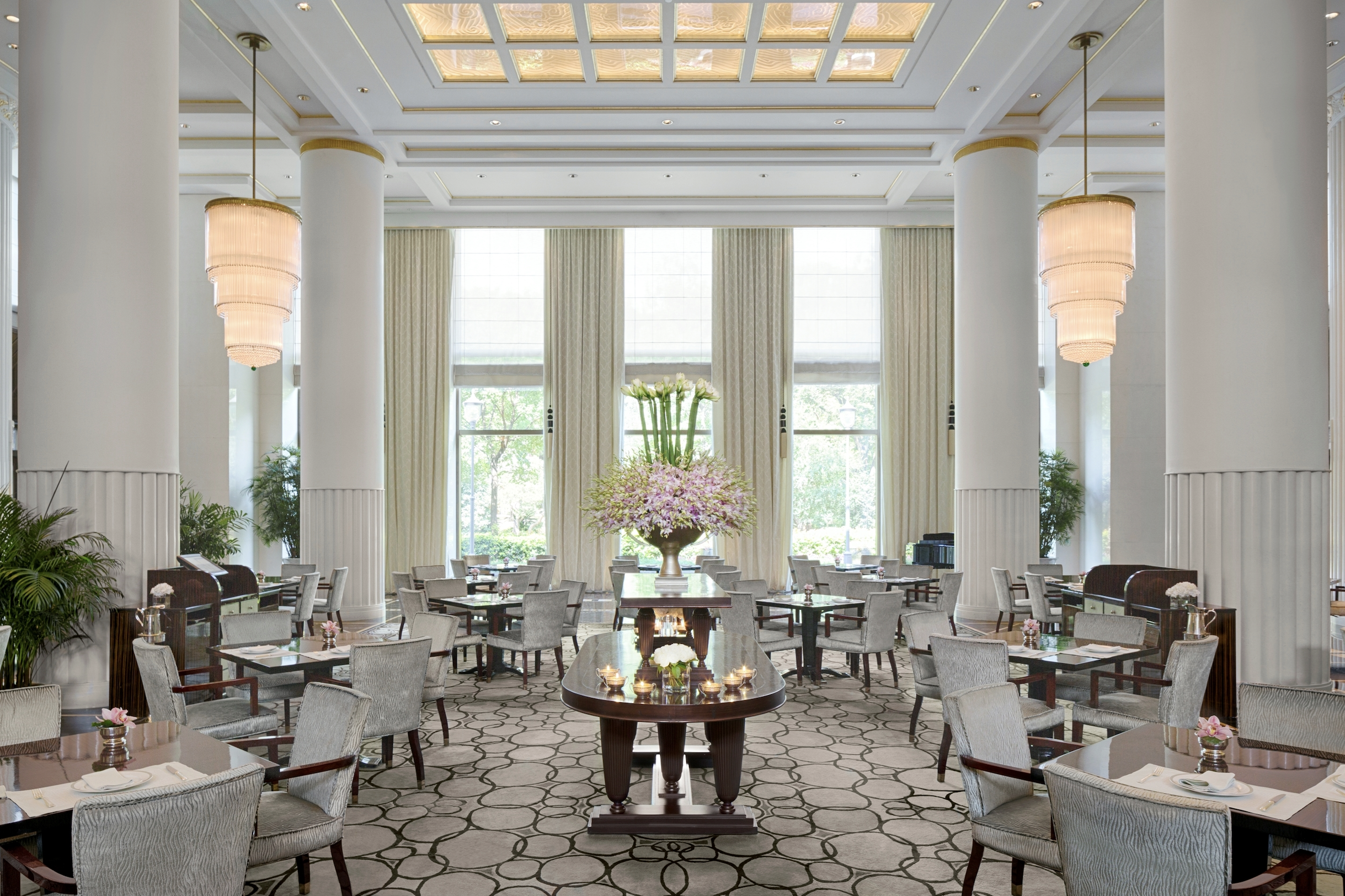
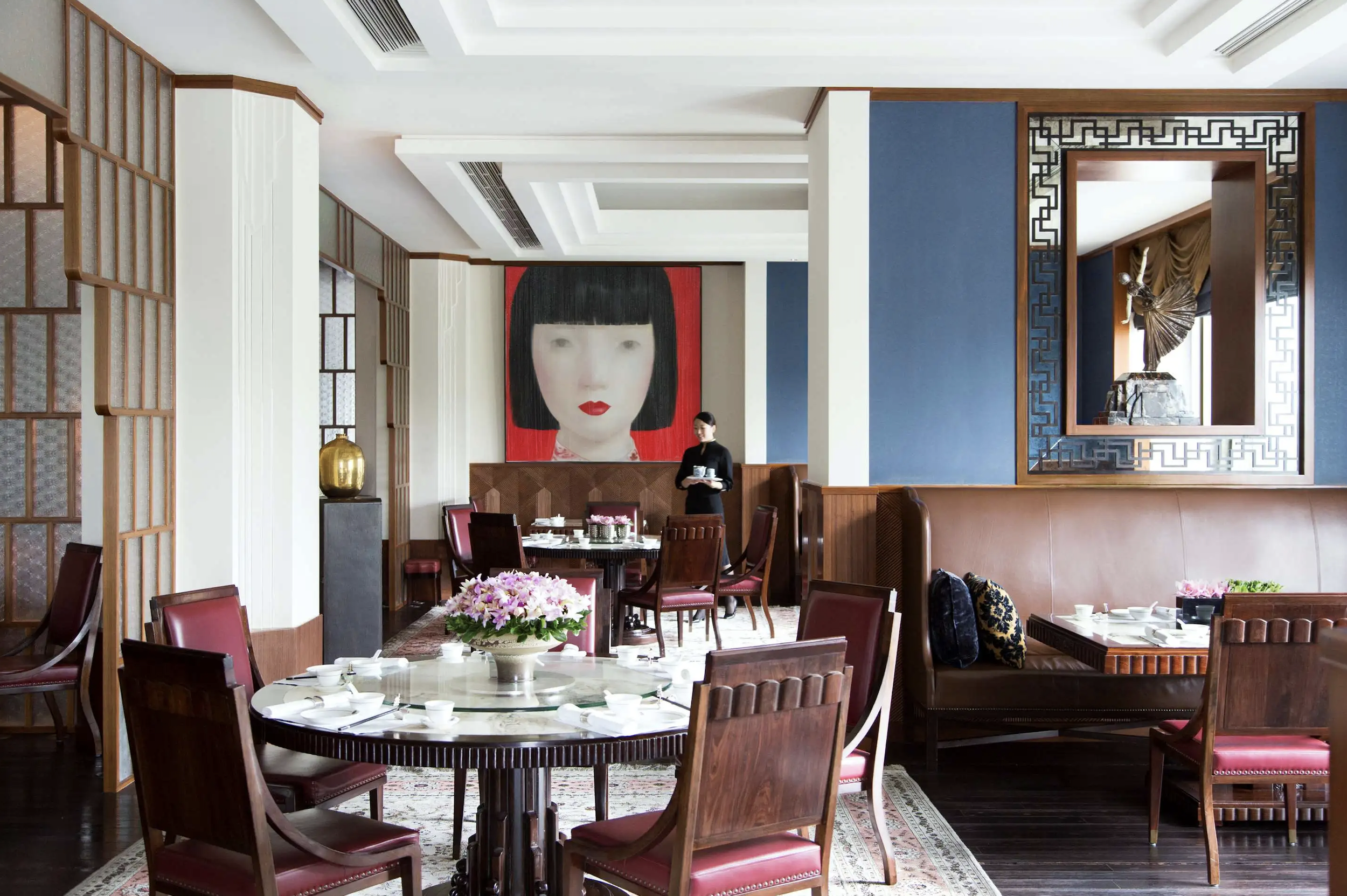
Interiors by Pierre-Yves Rochon interpret the proportions and decorative confidence of early twentieth-century Shanghai through an Art Deco vocabulary. Dark timber, lacquered finishes, patterned surfaces, and carefully arranged lighting give the public rooms a formal rhythm, with Chinese decorative references appearing throughout.
The effect is especially clear in the transition from the arrival spaces to The Lobby, where the scale of the room suits both afternoon tea and the steady movement of a city hotel. Upstairs, softer palettes and substantial dressing areas make the accommodations feel more residential.
One of the most distinctive details is the hotel’s replica of a 1930s Schindler lift, modeled on an example sourced through a Belgian lift museum. It is a small architectural flourish that makes the period references tangible.
The hotel’s location also contributes to the design experience. Garden-facing windows introduce greenery and views toward Suzhou Creek, while river-facing rooms place the geometry of Pudong’s skyline against the quieter lines of the interiors.
Rooms with Space to Settle In
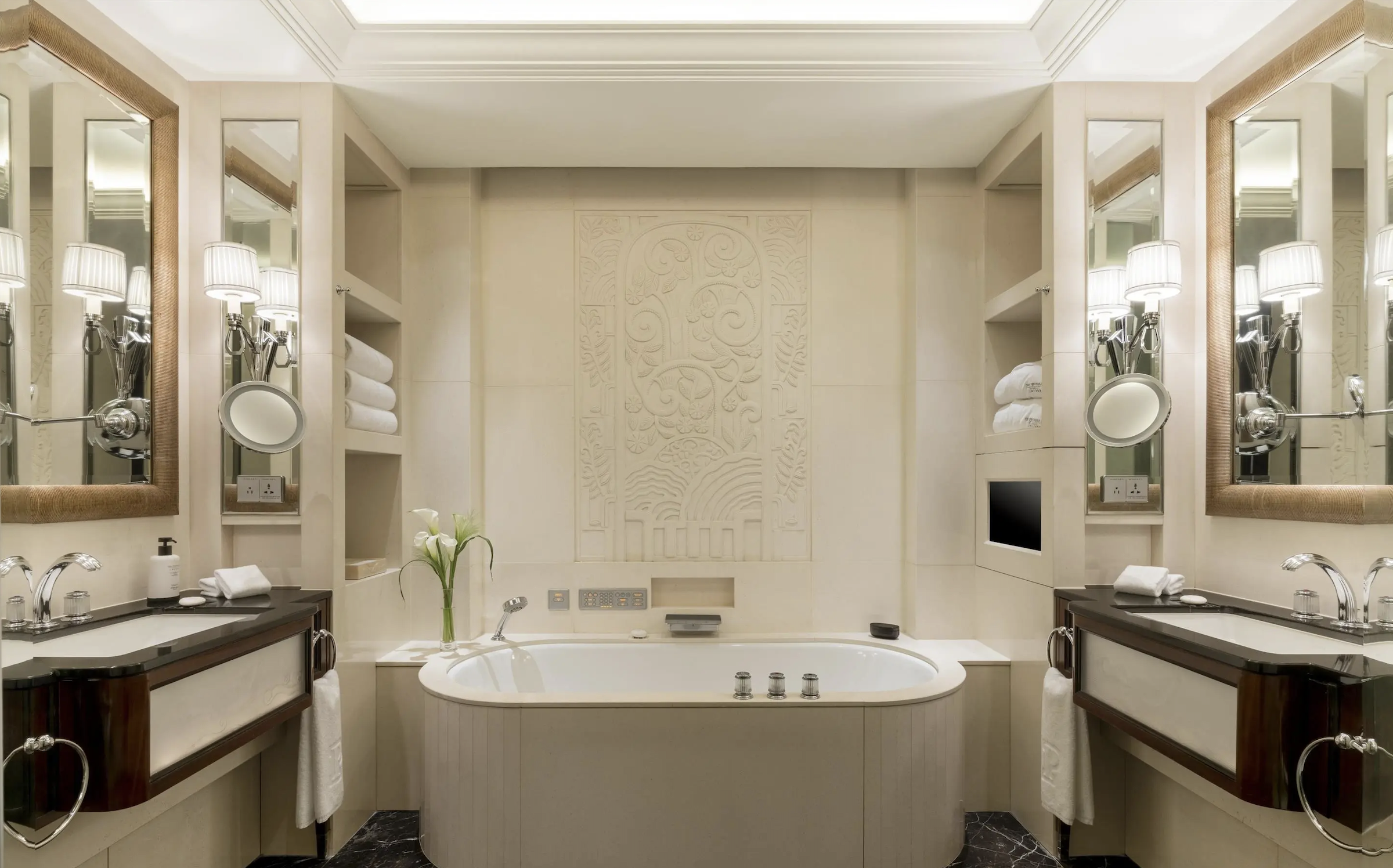
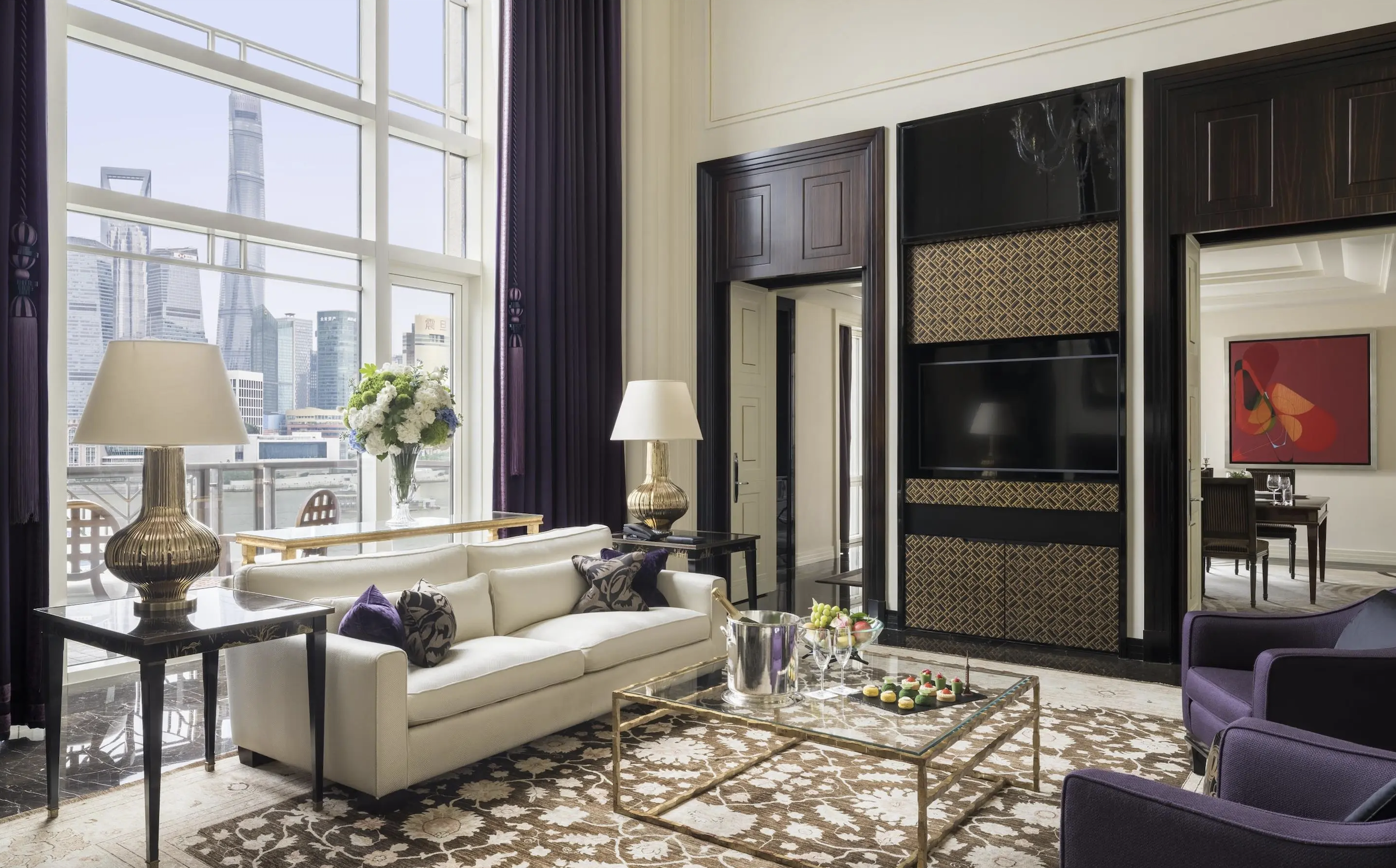
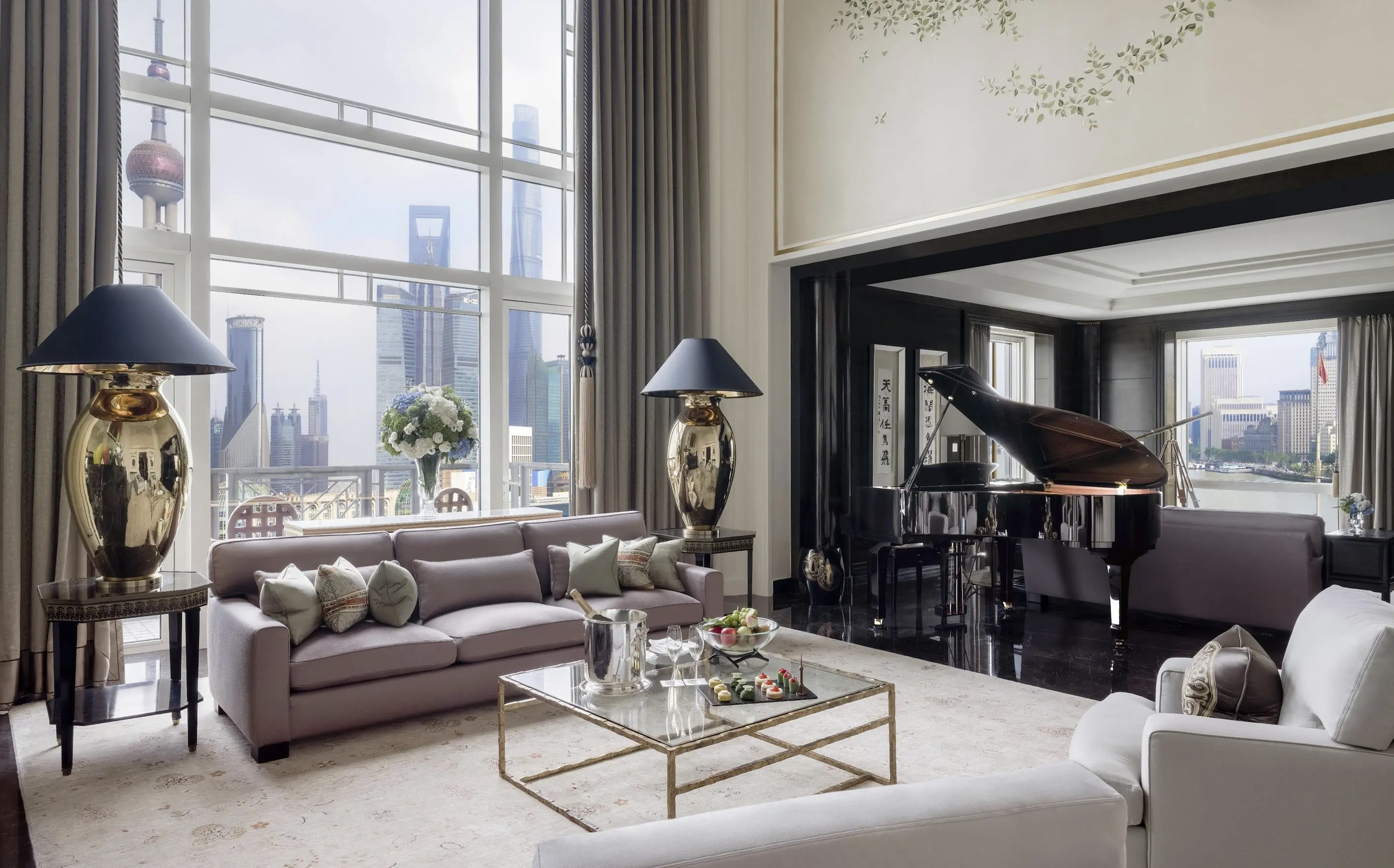
Accommodations begin at approximately 581 sq. ft., with dressing areas and marble bathrooms making even the entry categories comfortable for more than a short stopover. The main choices concern outlook, a separate living room, and access to private outdoor space.
For a first visit, we favor a river-facing category when the budget allows. The changing light over the Huangpu becomes part of the stay, from daytime river traffic to the illuminated skyline after dark.
Deluxe Room: Approximately 581–635 sq. ft., with a king bed or twin beds, views toward the city or hotel forecourt, a separate dressing area, and a marble bathroom within interiors inspired by Shanghai’s Art Deco heritage.
Deluxe Garden Room: Approximately 581–635 sq. ft., with king or twin beds and a leafy outlook toward the gardens, Suzhou Creek, and historic Garden Bridge, bringing a gentler setting to the hotel’s classic interiors.
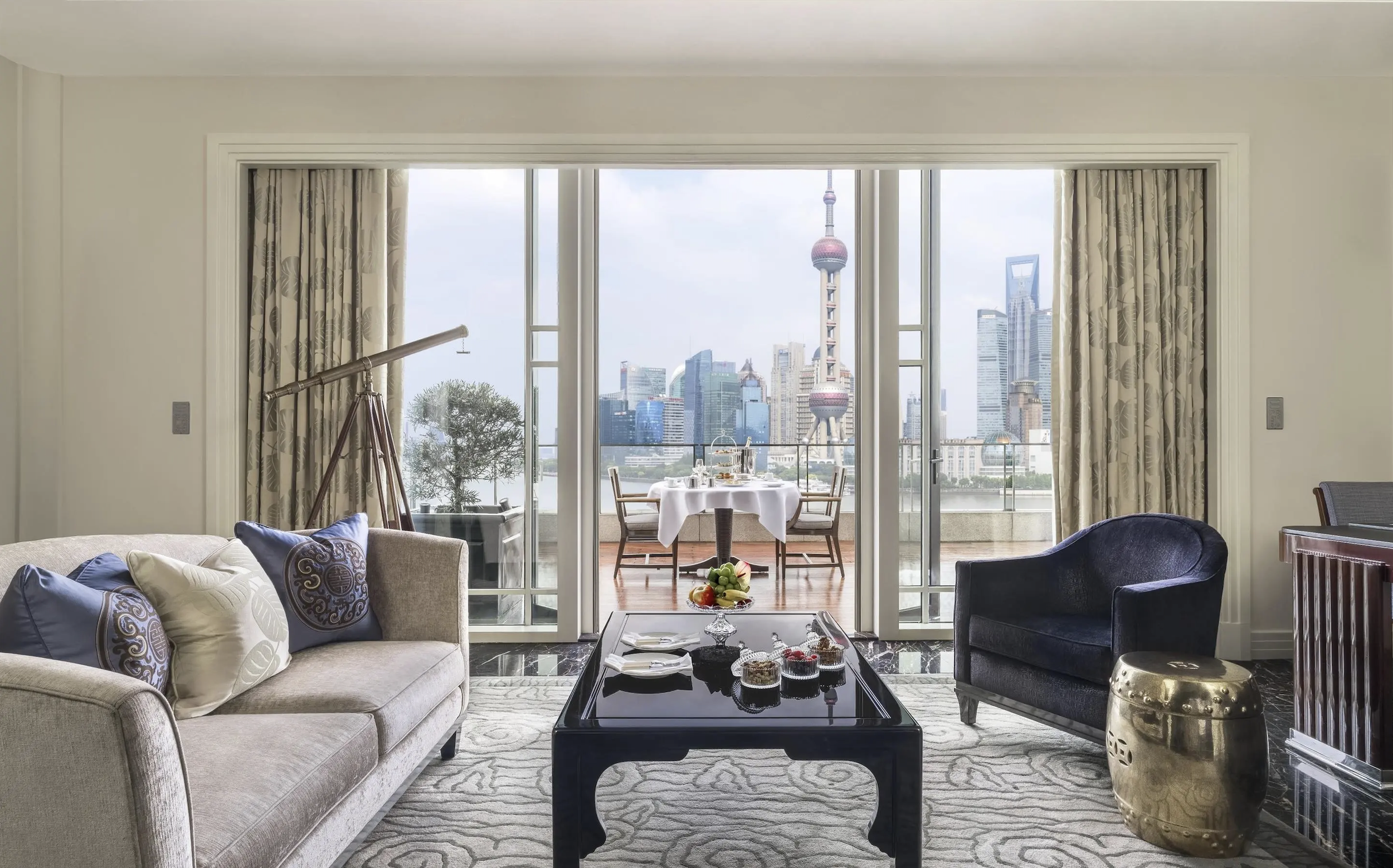
Deluxe River Room: Approximately 581–592 sq. ft., with a king bed, neutral fabrics, dark lacquer accents, and views across the Huangpu toward Pudong, making the riverfront setting the defining feature of the room.
Grand Deluxe River Room: Approximately 764–958 sq. ft., with king or twin beds, an entrance area, and generous sitting and sleeping spaces oriented toward the Huangpu River and Pudong skyline.
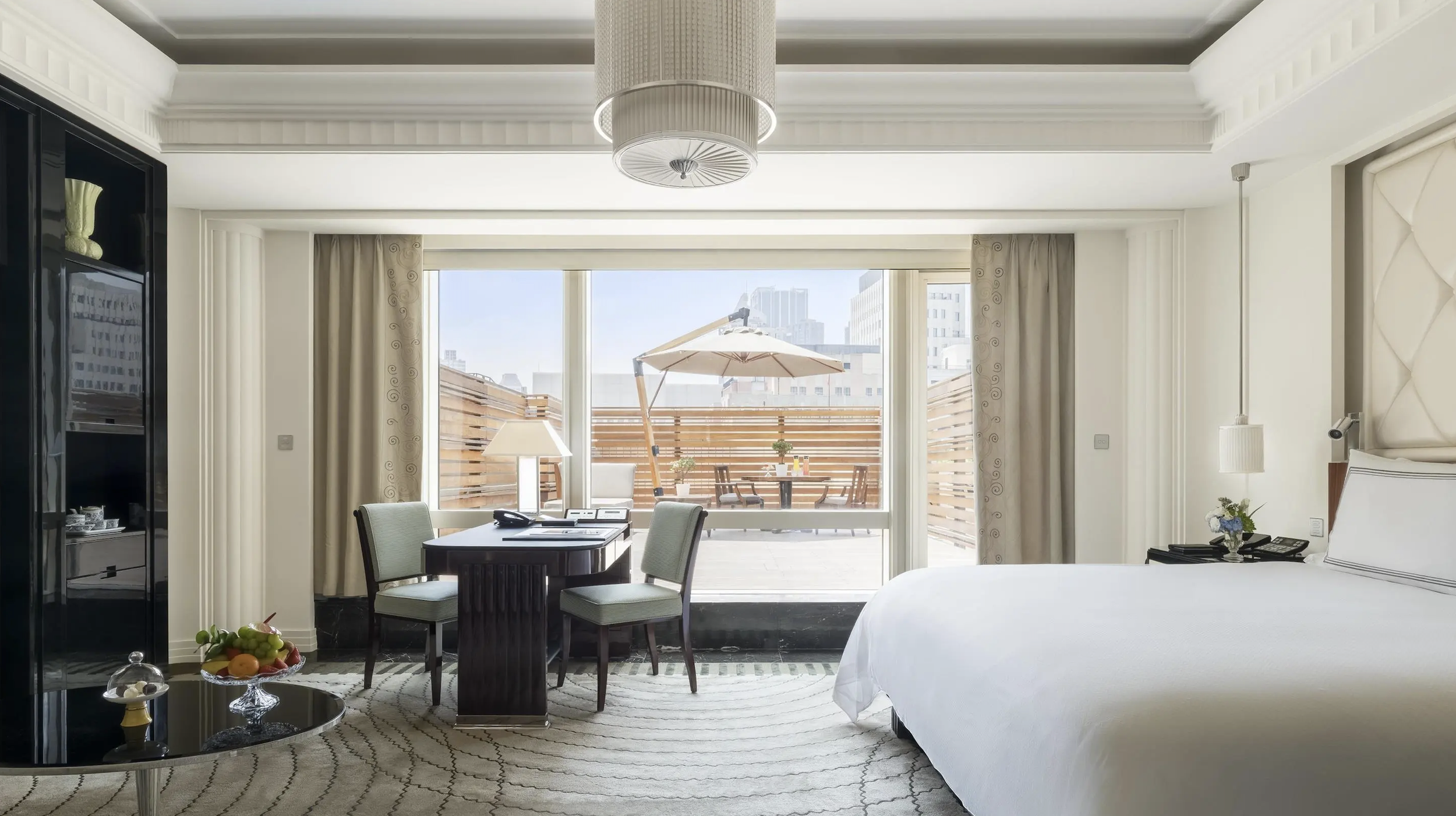
Deluxe Terrace Room: Approximately 689 sq. ft., with a king bed, richly finished timber detailing, contrasting stone surfaces, and a private terrace that creates space for breakfast or a quiet evening outdoors.
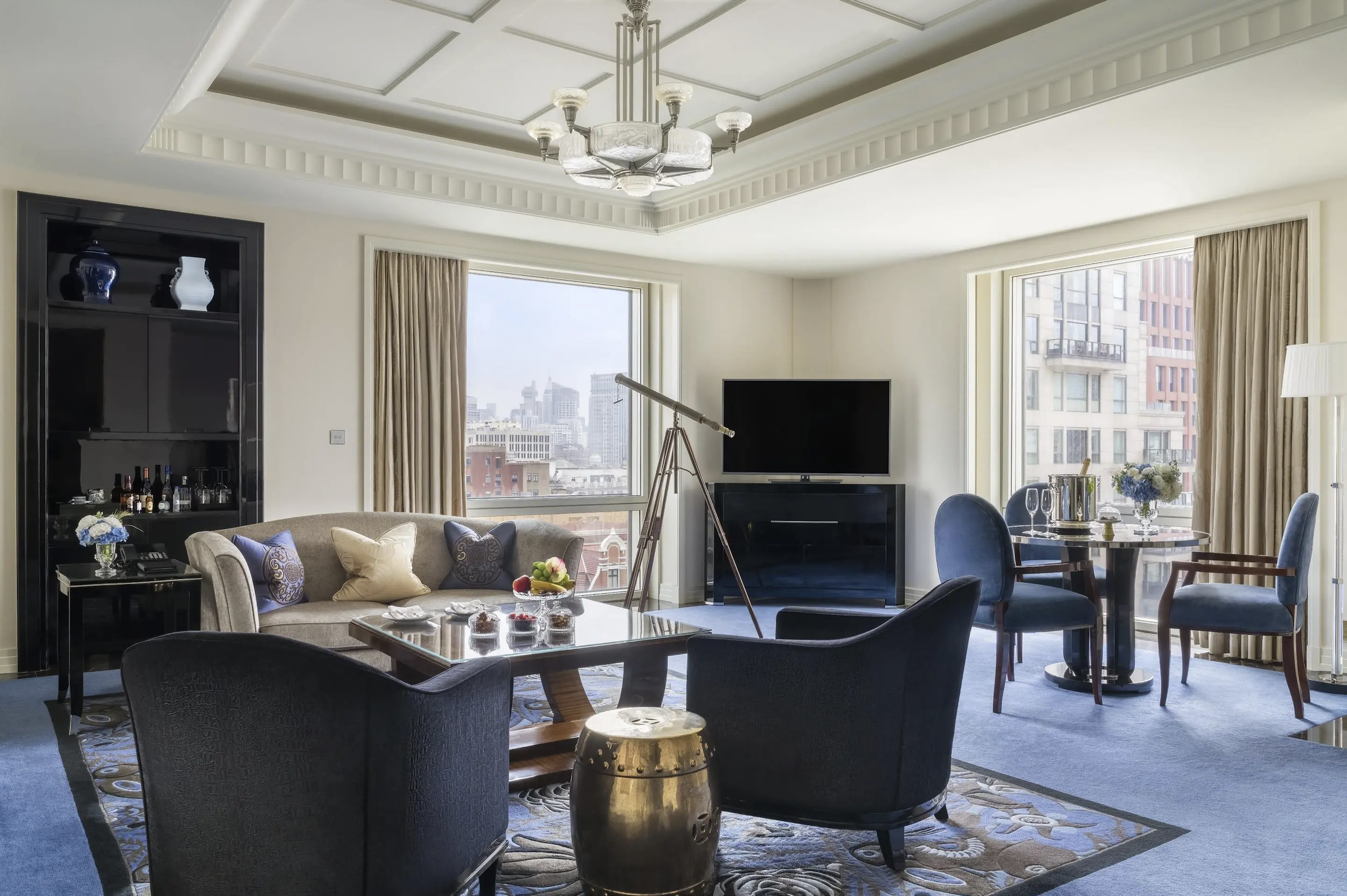
Executive Suite: Approximately 969–1,012 sq. ft., occupying a corner position with windows on two sides, separate living and sleeping rooms, and views toward the gardens and historic Garden Bridge.
Deluxe Garden Suite: Approximately 1,130–1,184 sq. ft., with a separate living and dining room, a table for four, a fireplace feature, a dressing room, and a guest powder room overlooking the hotel gardens.
Deluxe River Suite: Approximately 1,130–1,184 sq. ft., with separate living and sleeping areas, an Art Deco decorative fireplace, river and skyline views from the living room, and an outlook toward Garden Bridge from the bedroom.
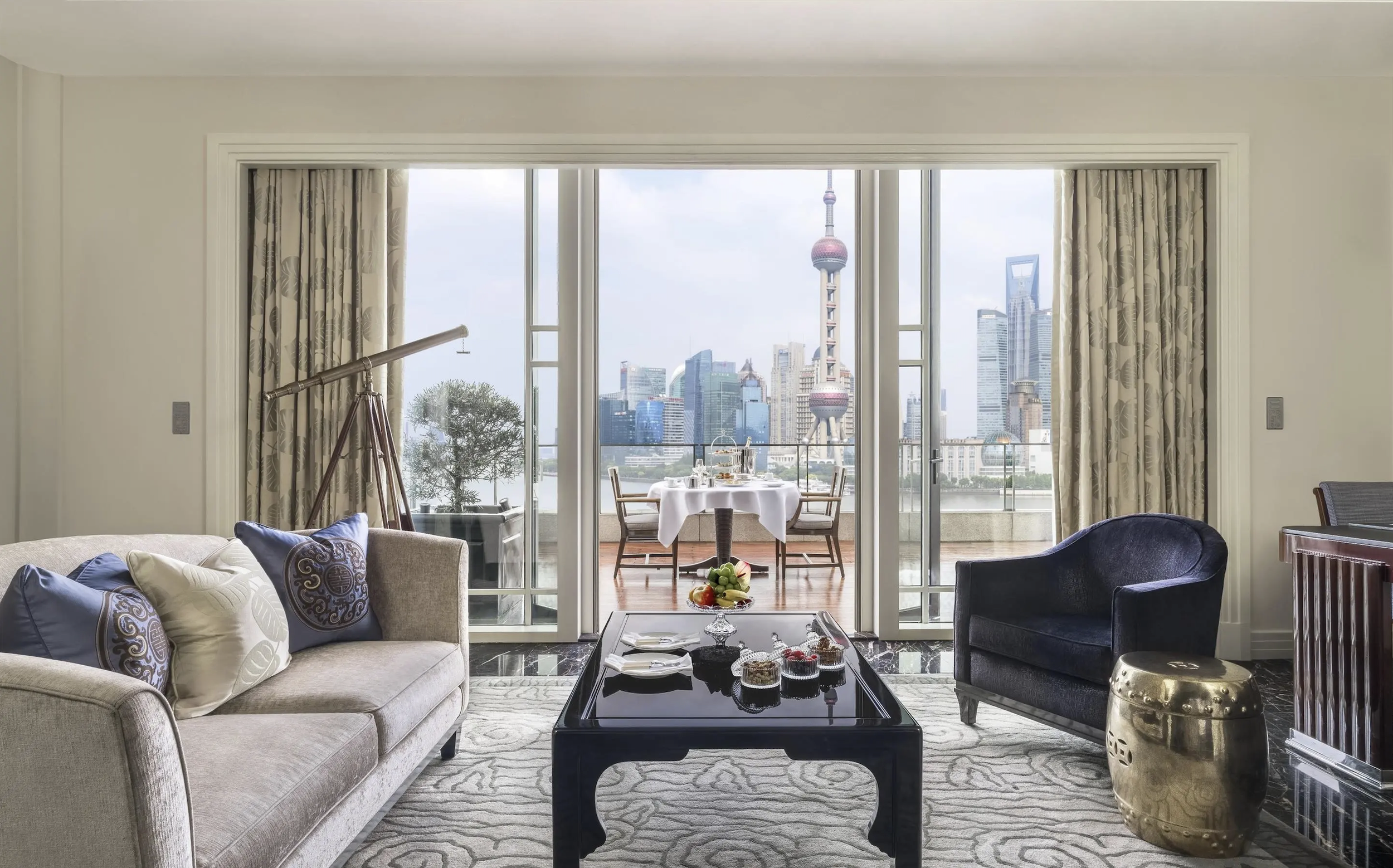
Grand Deluxe Suite: Approximately 1,292–1,345 sq. ft., with a circular entrance hall, a spacious sitting room overlooking the Bund and river, and a garden-facing bedroom that gives the accommodation two distinct perspectives on its surroundings.
Grand Deluxe River Suite: Approximately 1,292–1,345 sq. ft., with a circular entrance hall, expansive sitting space facing the Huangpu and Pudong, and a separate bedroom looking toward the gardens.
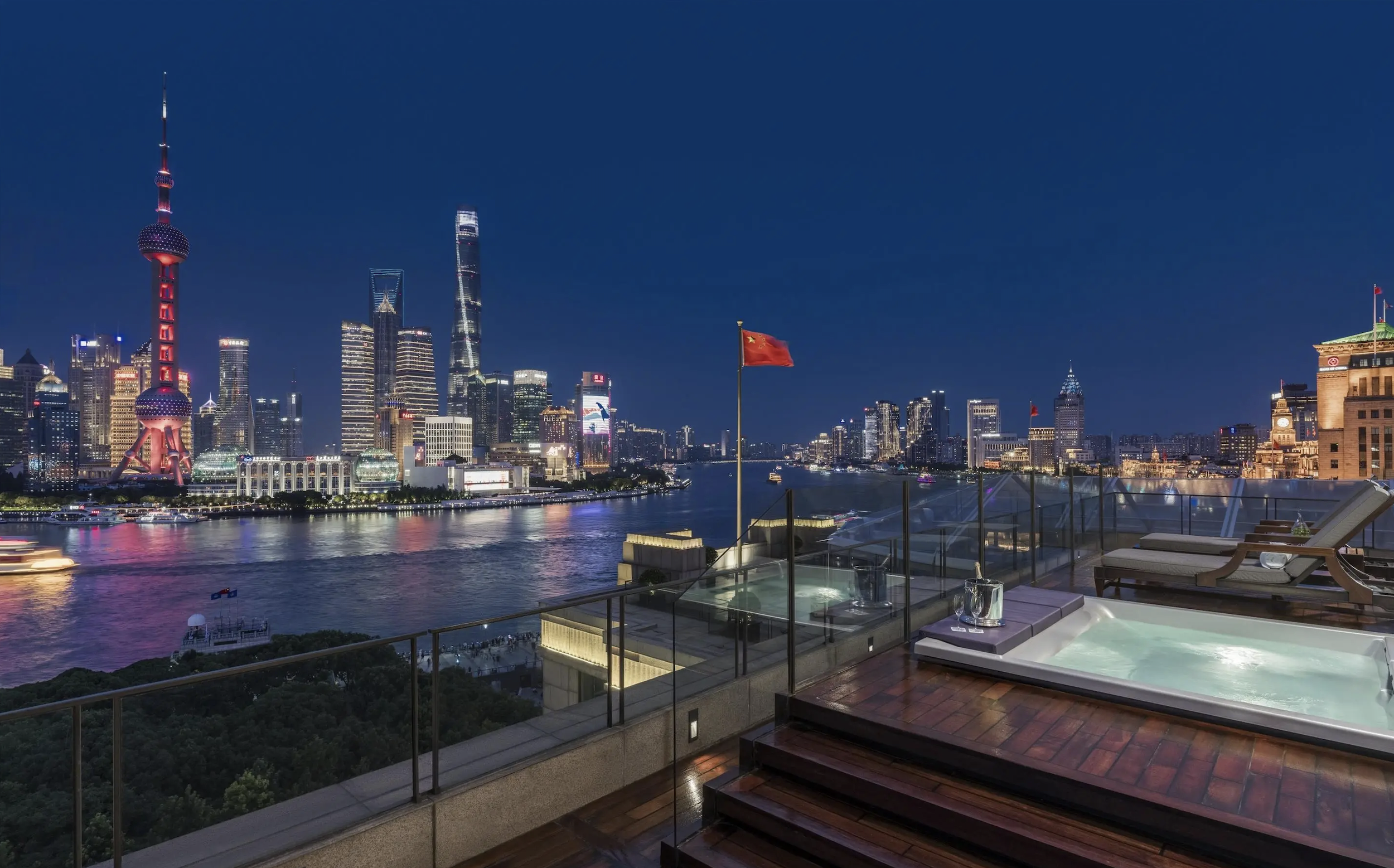
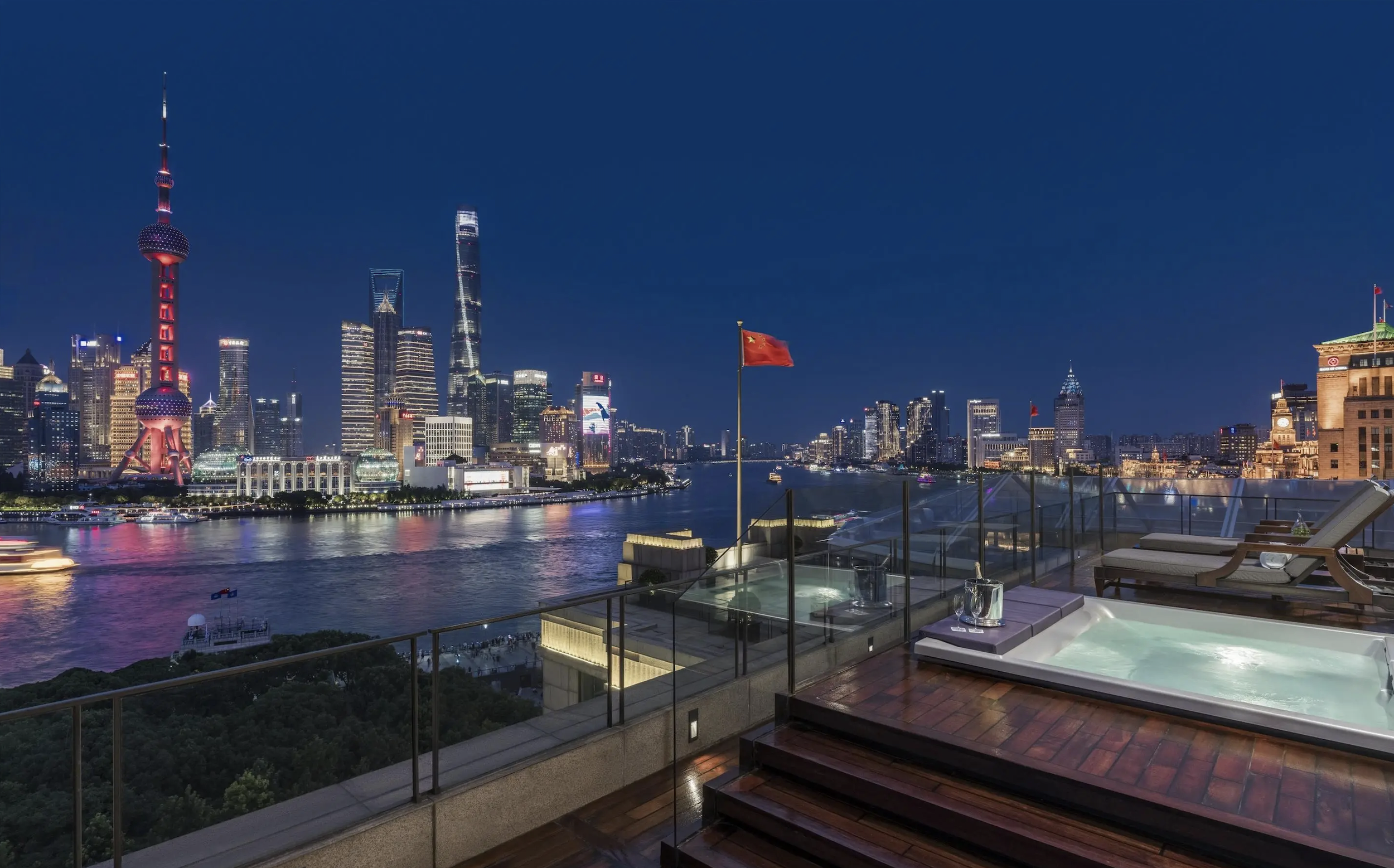
The Astor Suite: Approximately 1,249 sq. ft., with separate living and sleeping spaces and an additional private terrace of approximately 1,238 sq. ft. featuring a whirlpool tub and views across the Bund and Huangpu River.
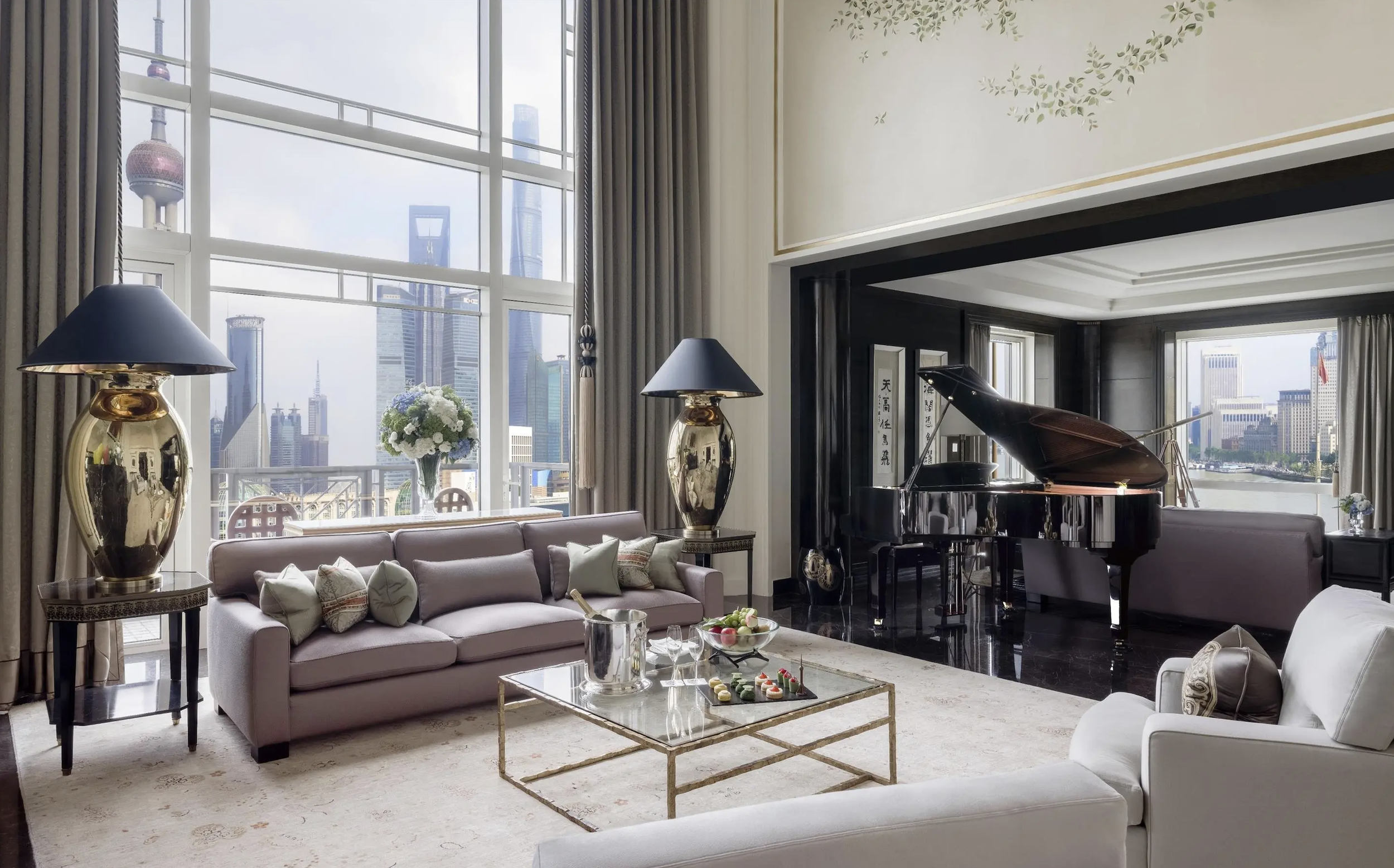
The Majestic Suite: Approximately 2,691 sq. ft., with a king bedroom, double-height living and dining spaces, a private balcony, study, kitchen, and a whirlpool bathtub in the principal bathroom overlooking the riverfront setting.
The Palace Suite: Approximately 3,294 sq. ft., with expansive indoor entertaining areas and an exceptionally large wraparound terrace featuring a marquee and far-reaching views along the Bund and across the Huangpu toward Pudong.
The Peninsula Suite: Approximately 4,305 sq. ft., with two bedrooms, a double-height dining room, a living room with a working fireplace, a balcony, study, private gym, and fully equipped kitchen and pantry.
Cantonese Craft and Rooftop Evenings
Dining is a substantial part of the hotel’s appeal, with enough range to make several meals on property feel distinct. The current lineup spans Cantonese cooking, Northern Italian cuisine, Japanese tempura, afternoon tea, and cocktails above the river.
Yi Long Court: The hotel’s Cantonese restaurant presents refined regional cooking in an elegant setting, making it a natural choice for a considered lunch or a more formal dinner.
Sir Elly’s Restaurant: Contemporary Northern Italian cuisine defines the restaurant’s current direction, with elevated views adding a strong sense of occasion to an evening meal.
TAKIYA SHANGHAI: The first international outpost of Tokyo’s TAKIYA brings a specialist approach to Japanese tempura to the hotel’s dining collection.
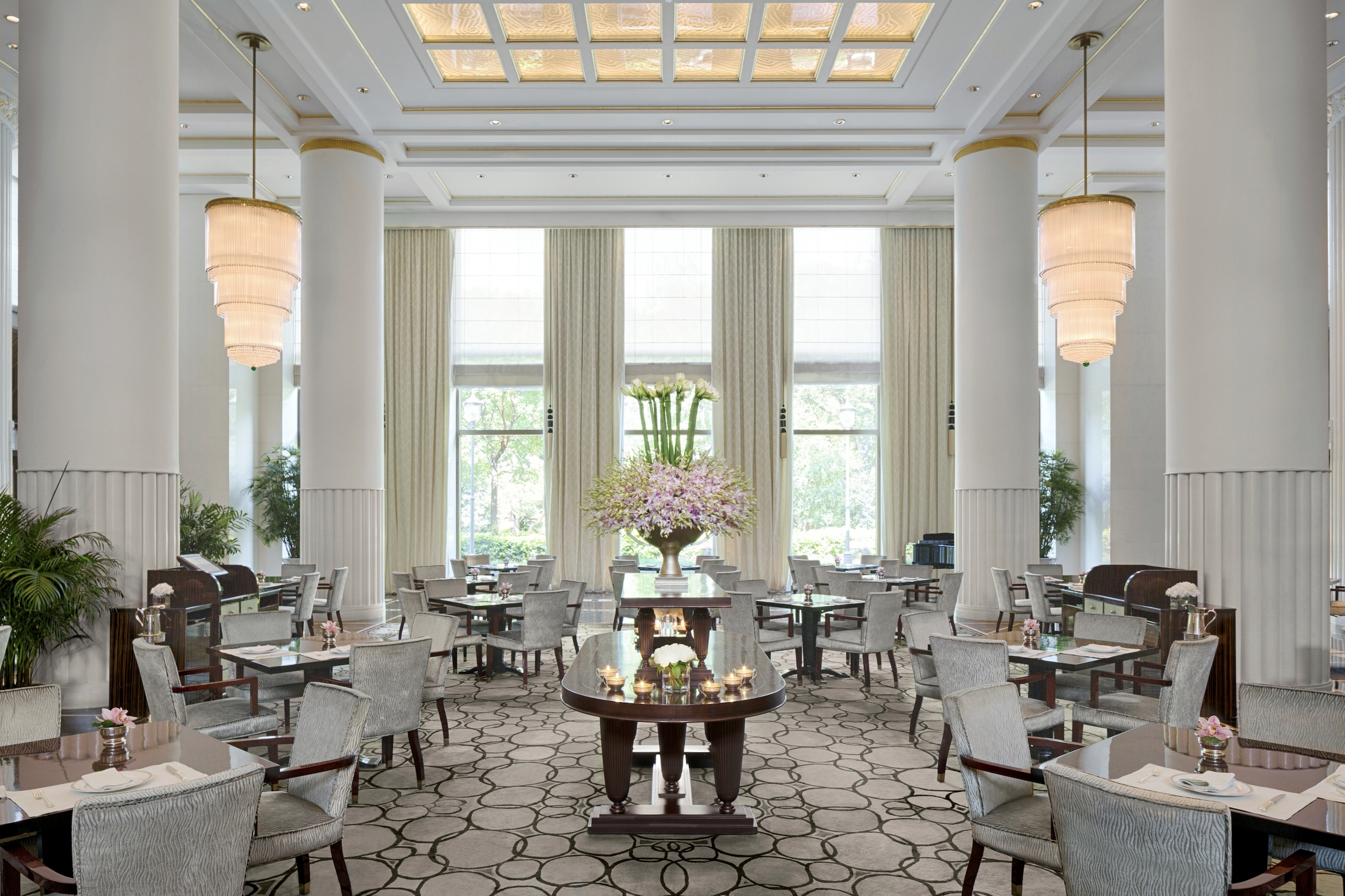
The Lobby: An all-day meeting place for international and local flavors, The Lobby is also the setting for Peninsula afternoon tea, served amid the hotel’s Art Deco interiors.
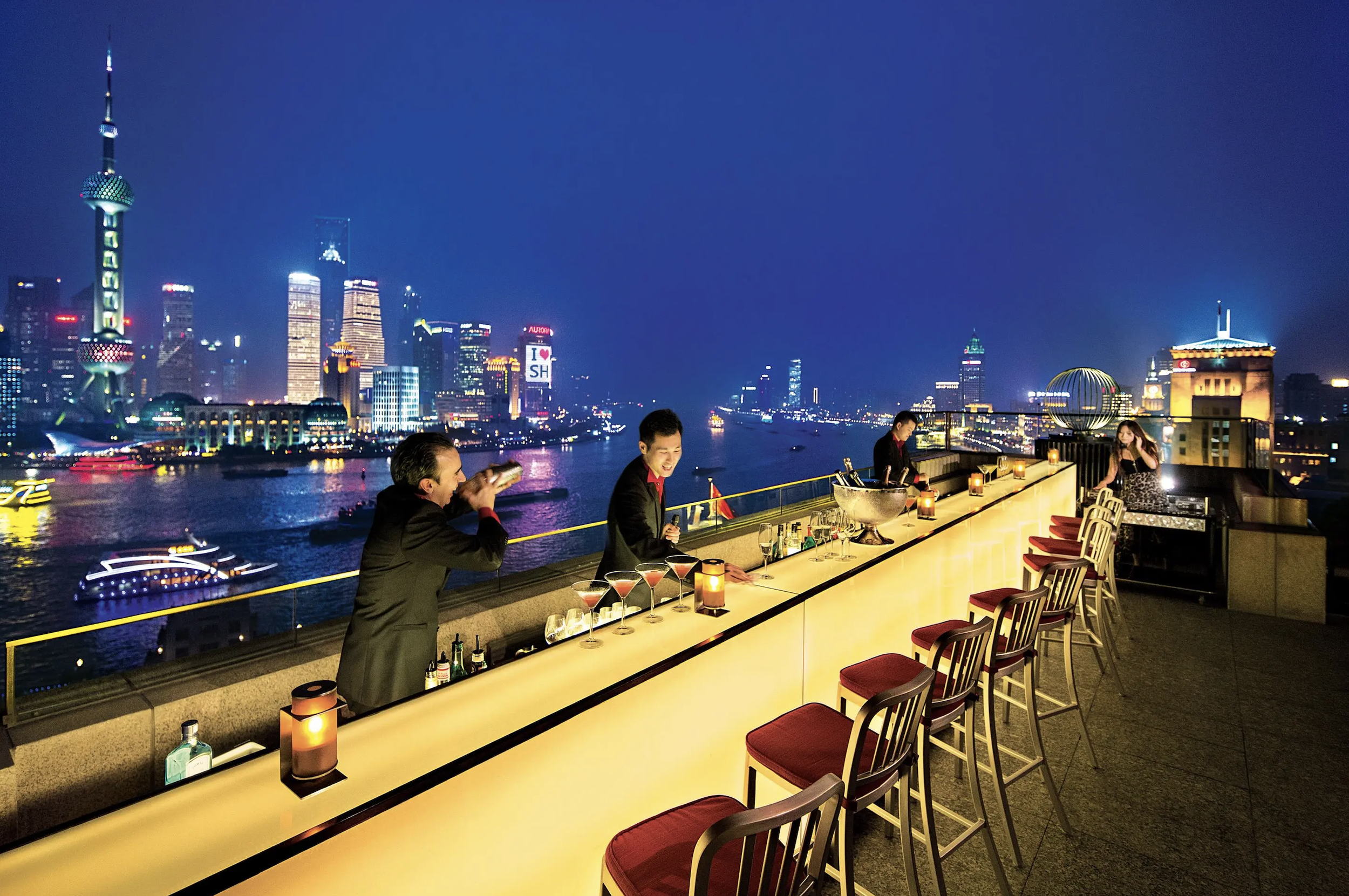
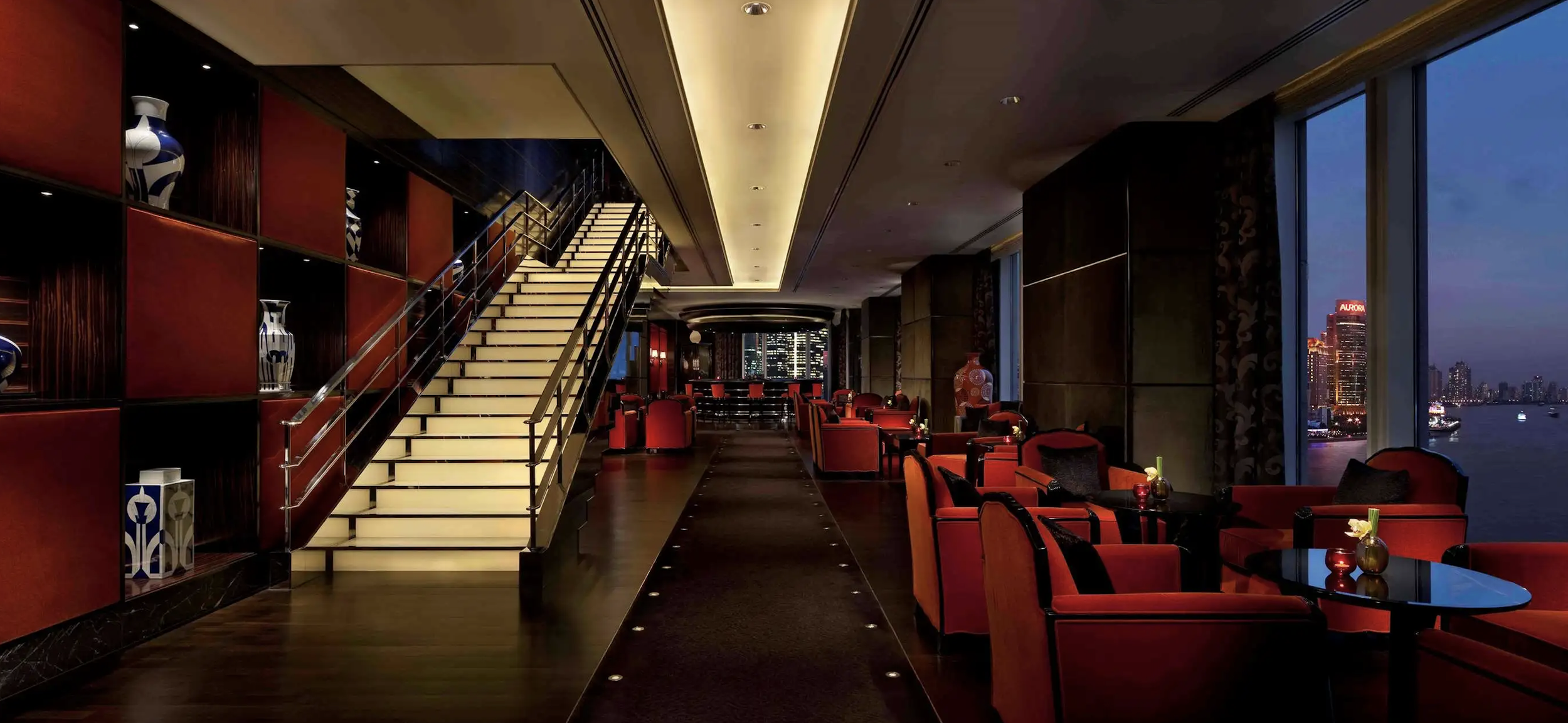
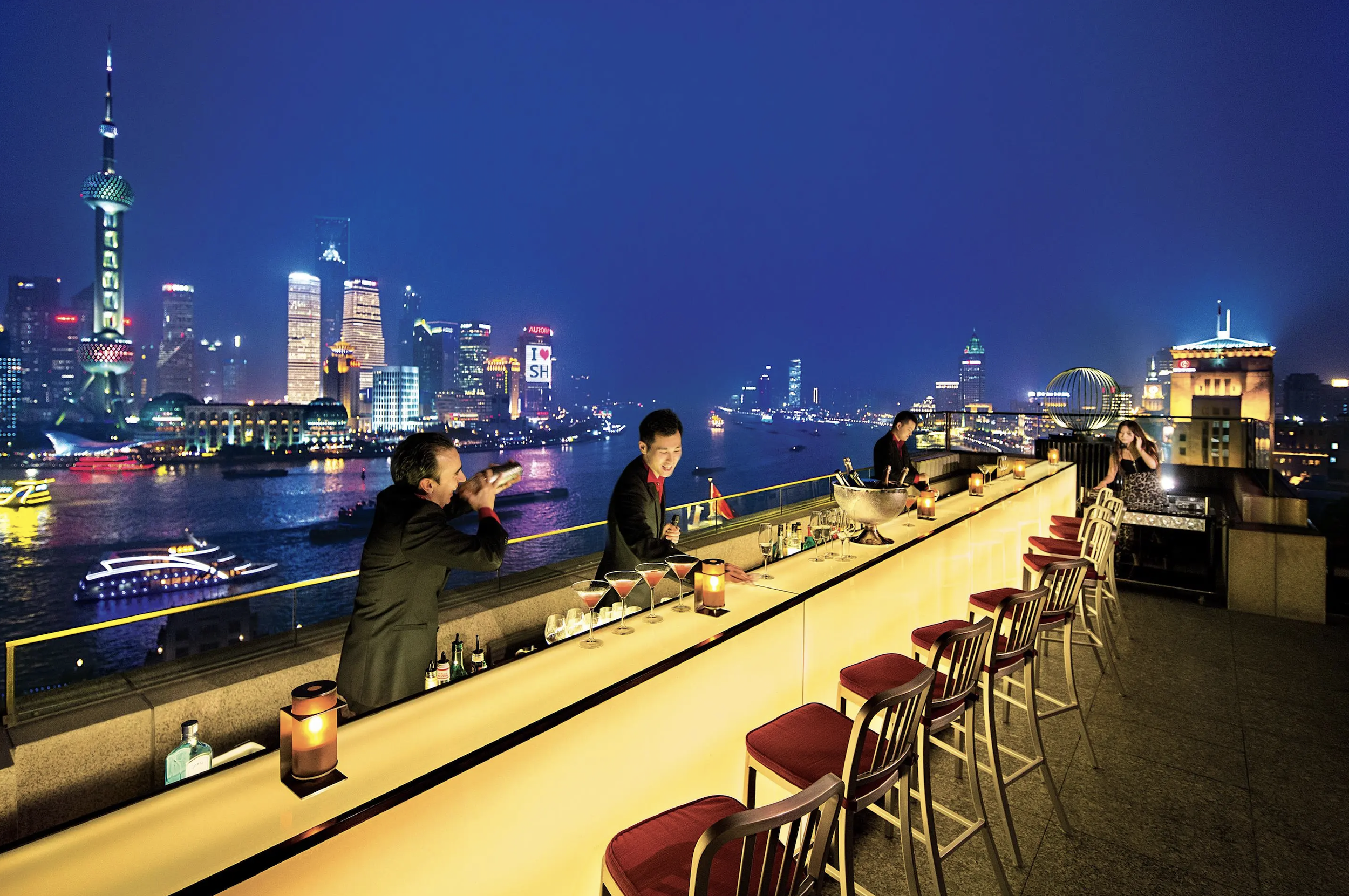
Sir Elly’s Terrace: This outdoor venue pairs cocktails and light bites with broad views of the river and skyline, with the experience naturally dependent on weather and seasonal opening arrangements.
Compass Bar: Maritime references give this intimate bar its identity, providing a setting for a drink before dinner or a quieter close to the evening.
In-Room Dining: Private dining allows breakfast, a late arrival meal, or an unhurried evening to unfold around the room’s sitting area or the outdoor space available in selected categories.
We suggest balancing a Cantonese meal here with time devoted to Shanghainese cooking elsewhere in the city, since the two offer different introductions to Chinese food.
Shanghai from the Water and on Foot
The Peninsula’s location makes an early walk along the Bund an easy way to begin the day. Returning later reveals a different atmosphere as the buildings and skyline illuminate and the promenade fills with people.
For a closer look at the city’s history, the concierge is a useful starting point for arranging a private guide with an architectural focus. The former banking and commercial buildings along the river reward explanation, particularly when their original functions are connected to the Shanghai of today.
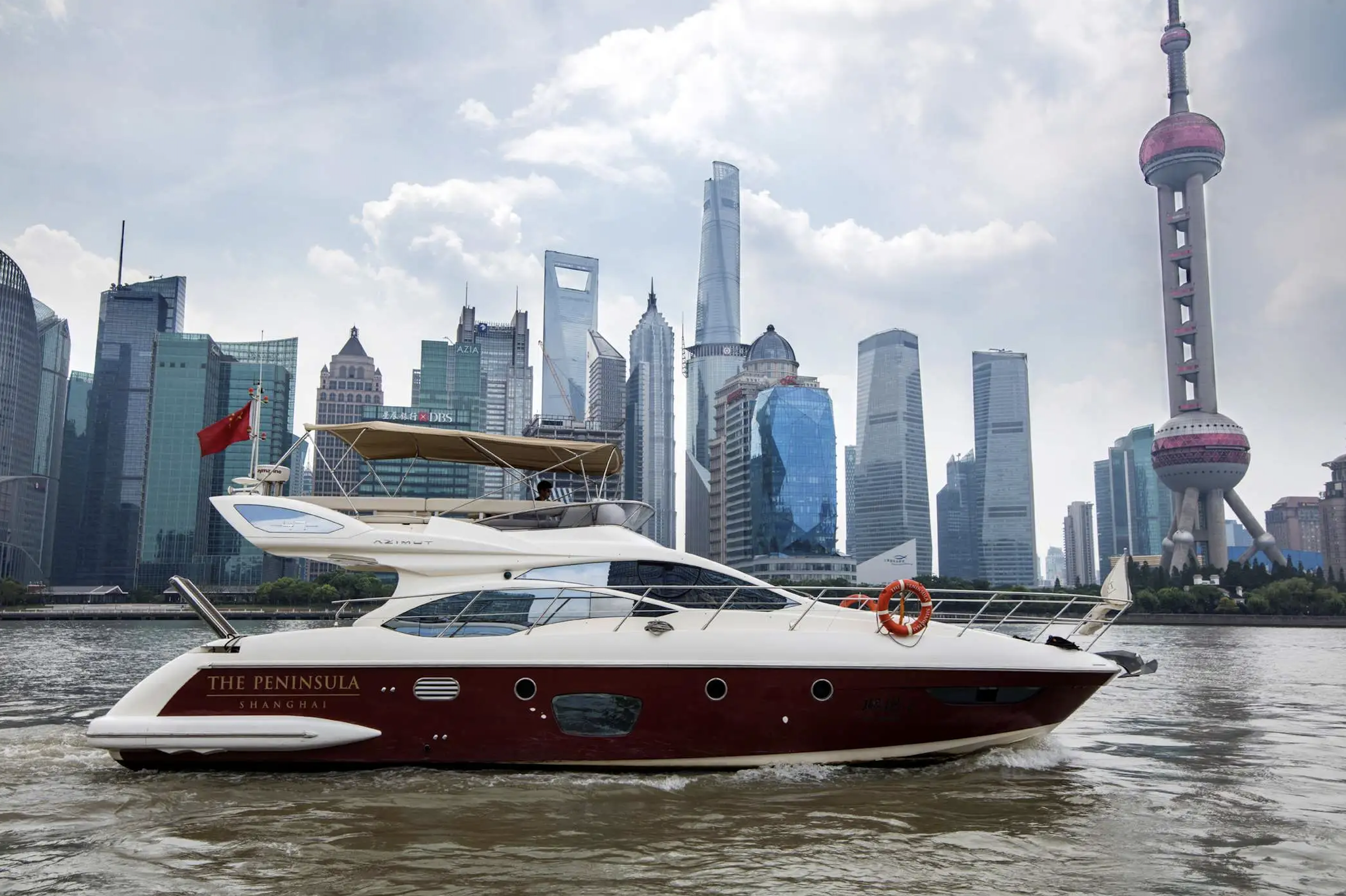
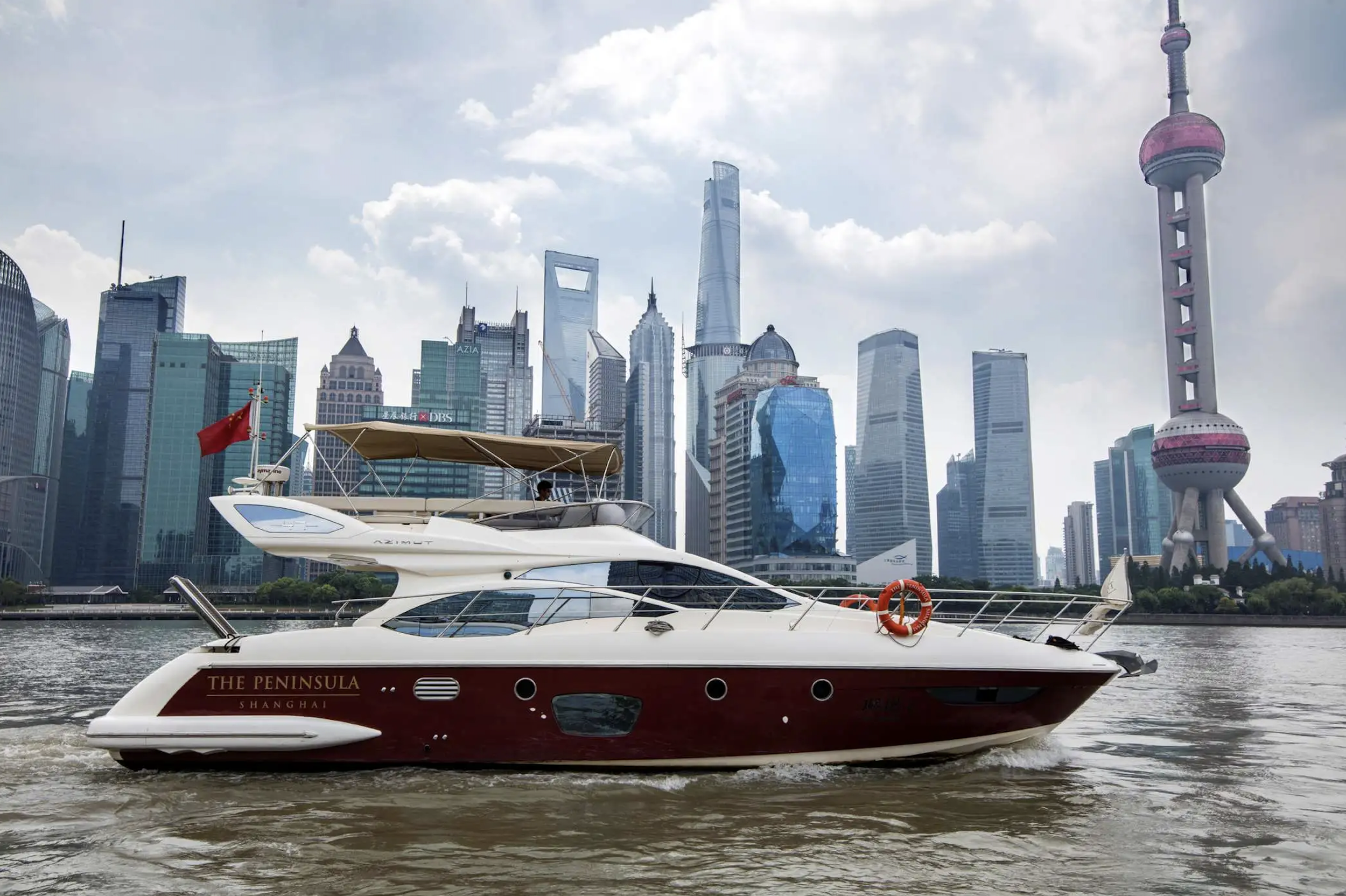
The hotel also lists a private yacht experience on the Huangpu, offering another perspective on the waterfront; arrangements, availability, and pricing should be established in advance. On land, chauffeured touring is available through the hotel’s vehicle fleet, while The Peninsula Arcade brings a collection of luxury boutiques directly into the property.
There is value in leaving some time unstructured. An afternoon tea, a slow walk beside Suzhou Creek, or a drink overlooking the river gives the setting room to register between more ambitious excursions.
A Quiet Interlude Above the City
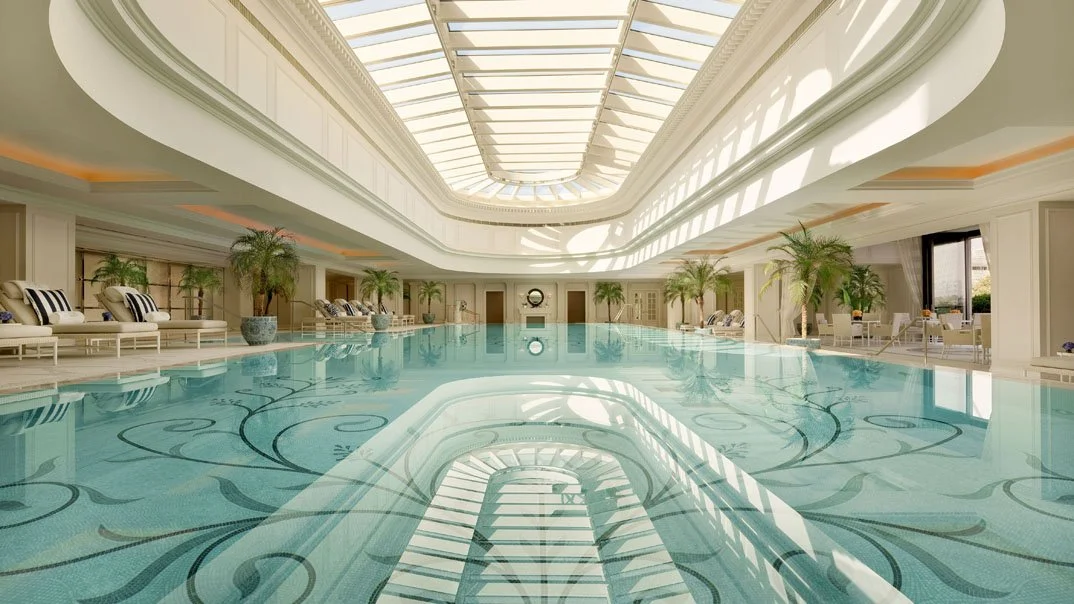
The Peninsula Spa carries the hotel’s period references into a more intimate environment, using dark wood, soft lighting, and decorative details inspired by the 1930s. Treatment options encompass massage, facials, body treatments, and longer spa journeys, with Chinese and Ayurvedic influences represented in the menu.
Seven treatment rooms include two private couples’ suites, while thermal facilities provide space to linger before or after an appointment. Specific treatments and access arrangements are best selected around the current spa menu and individual preferences.
The 25-meter indoor swimming pool is particularly appealing for travelers who like to swim proper laps. Its Art Deco setting and adjoining outdoor terrace make it a comfortable place to pause even without a treatment booked. A fitness center with cardiovascular equipment, resistance machines, and free weights supports a regular exercise routine during a city stay.
We favor leaving a light afternoon after a long-haul arrival, with a swim or massage and an early dinner, before beginning more demanding sightseeing the following day.
A City Stay for Different Generations
For families, the hotel’s generous room sizes and connecting accommodation options are useful starting points. A separate living room can make a meaningful difference when younger children need an earlier bedtime, while a two-bedroom configuration may suit families who want to remain together.
The indoor pool offers an easy break from sightseeing; children under 12 require adult accompaniment. Meals in The Lobby and in-room dining also provide flexibility when everyone is adjusting to a new time zone.
We would structure a family stay around manageable outings, with a clear pause between morning and afternoon plans. Watching boats on the Huangpu, exploring the shapes and pathways of a Chinese garden, and sampling dumplings can be as engaging as a full day of formal sightseeing. Connecting rooms, extra beds, and any childcare requests should be discussed before booking so the arrangement fits the family’s actual needs.
The Work Behind a More Considered Stay
The Peninsula Shanghai operates within the group’s Sustainable Luxury Vision 2030, which addresses resource use, climate change, and social responsibility. The wider strategy includes attention to sourcing, energy, water, food, and the communities surrounding its hotels.
A visible measure at the Shanghai property concerns disposable amenities: items such as toothbrushes and combs are supplied on request rather than automatically placed in every room. This reduces the routine distribution of items that many travelers already carry.
For travelers interested in sustainability, these practical details provide a more useful starting point than broad claims about a hotel’s environmental character. Walking the surrounding neighborhood, carrying reusable essentials, and taking a considered approach to transfers are straightforward ways to complement the property’s own efforts during a stay.
Planning for Comfortable Access
The hotel lists a dedicated Deluxe Garden Room Accessible category. For travelers with mobility requirements, we recommend confirming the specific room layout, bathroom fittings, doorway clearances, and step-free routes to restaurants and wellness facilities before arrival.
Accessibility needs should also guide transport arrangements and sightseeing plans. A standard luxury sedan may not accommodate every wheelchair or transfer requirement, and older streets and heritage attractions can present different conditions from those inside the hotel. Matching the accommodation and vehicle to the traveler is the most useful first step.
Beyond the Riverfront
The Bund provides an excellent introduction to Shanghai, but the city’s character becomes richer when a stay includes neighborhoods beyond the waterfront.
Yu Garden brings a different scale and architectural language, with pavilions, rockeries, ponds, and carefully framed views. Its surrounding area is lively and heavily visited, so we prefer approaching the garden as a focused outing with time to explore, rather than squeezing it between several other major stops.
The streets of the former French Concession offer another change of pace. Around areas such as Sinan Road, historic houses and shaded streets make walking itself the principal activity, with opportunities to pause for coffee or a meal along the way.
Across the river, Pudong puts the skyline seen from the hotel into a different perspective. Spending time on both banks helps explain the scale of the city and the speed of its transformation.
Food deserves its own place in the itinerary. Shanghainese dishes, soup dumplings, and neighborhood dining rooms reveal a side of the destination that a sequence of landmark visits can easily miss. We prefer organizing each day around one part of the city, leaving room for a longer lunch or an unexpected discovery instead of repeatedly crossing town.
Getting There
From Shanghai Pudong International Airport (PVG): The hotel is approximately one hour away by car, with additional time needed during heavier traffic.
From Shanghai Hongqiao International Airport (SHA): Allow approximately 45 minutes by car, depending on traffic and the arrival terminal.
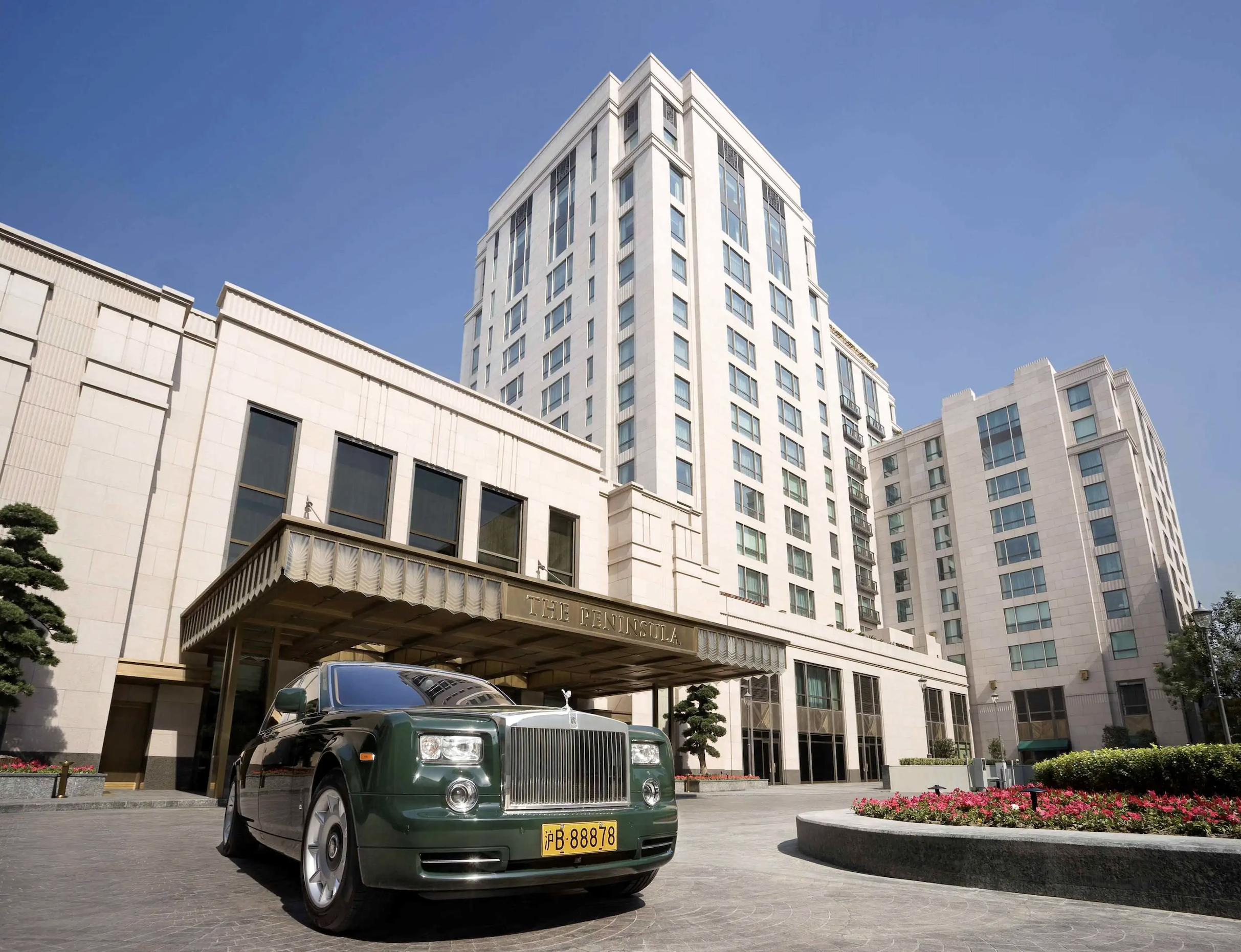
Private Transfers: The hotel can arrange chauffeured airport transfers using its vehicle fleet, including Rolls-Royce and BMW options, with vehicle availability, luggage capacity, and pricing confirmed in advance.
When the Riverfront Lights Come On
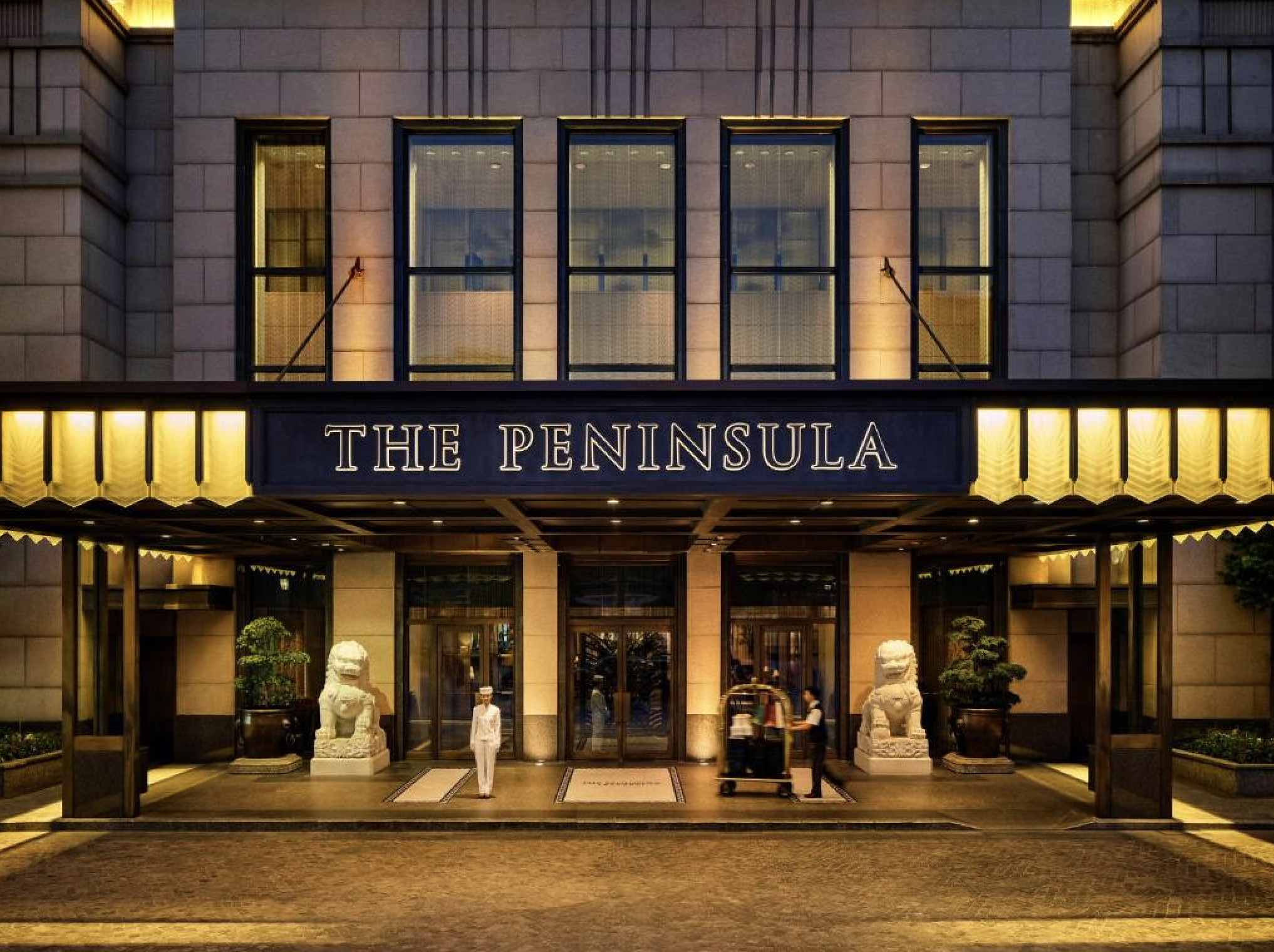
The Peninsula Shanghai is at its most expressive when the city changes around it. Morning brings movement on the river and softer light across the gardens; evening sharpens the outlines of the Bund and turns Pudong into a field of illuminated towers.
Inside, the pace remains measured. A table in The Lobby, a quiet room above the water, and a familiar route back from the promenade become small constants in a city of considerable scale. That relationship between the hotel and its surroundings gives the stay its lasting character: Shanghai is always close, visible, and still worth another look.