Stockholm, Sweden | Grand Hôtel Stockholm
Stockholm Across the Water
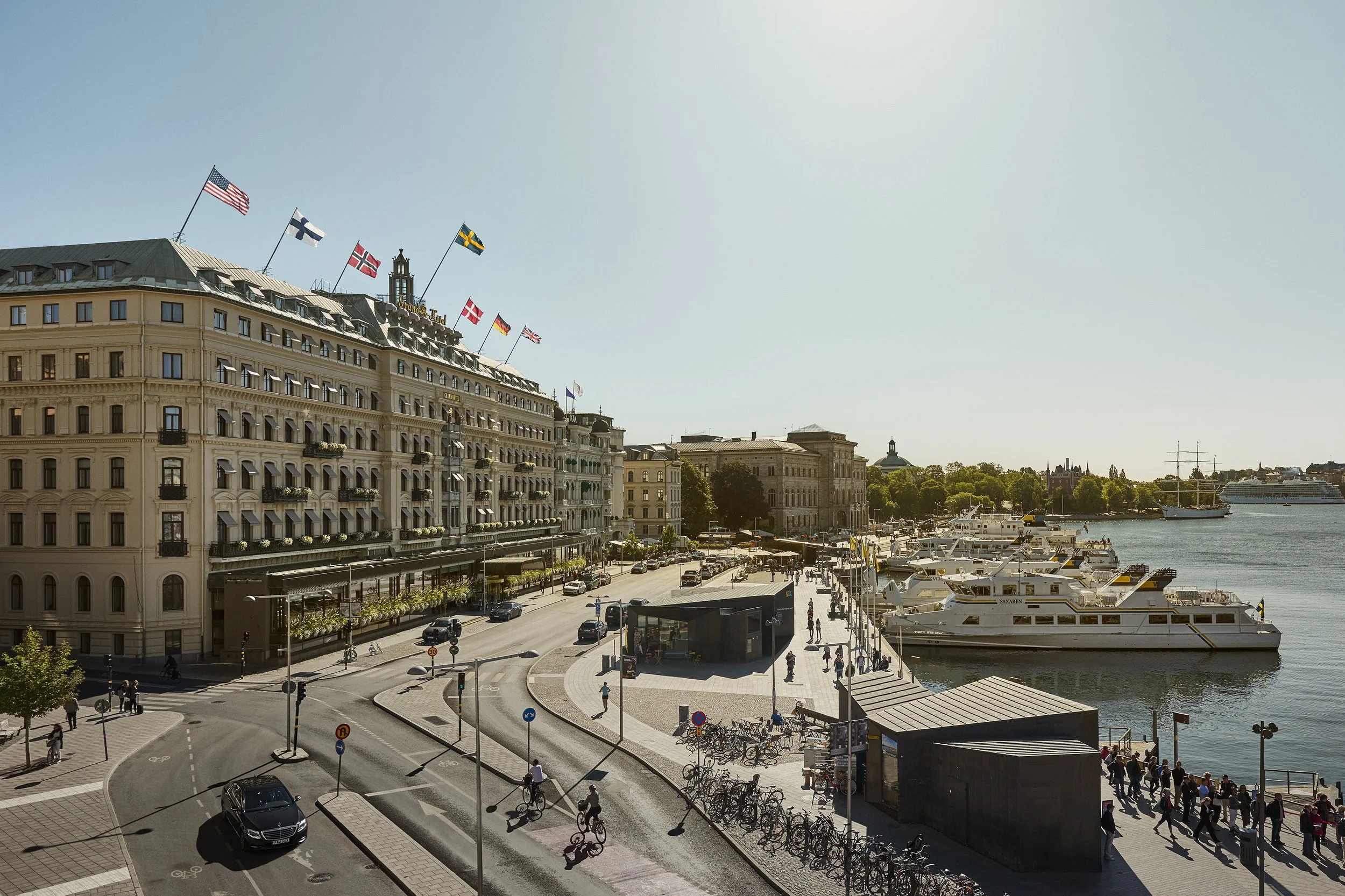
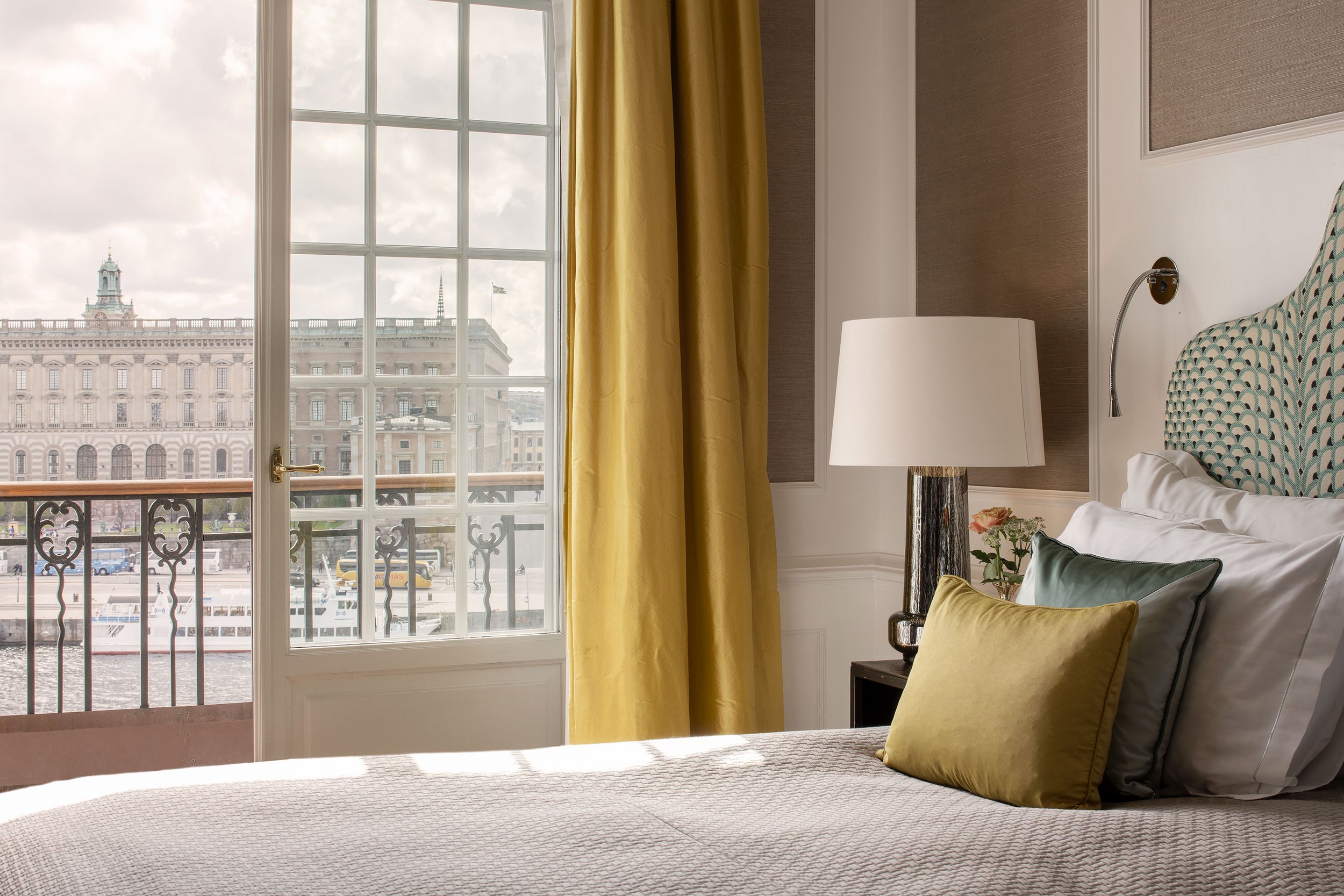
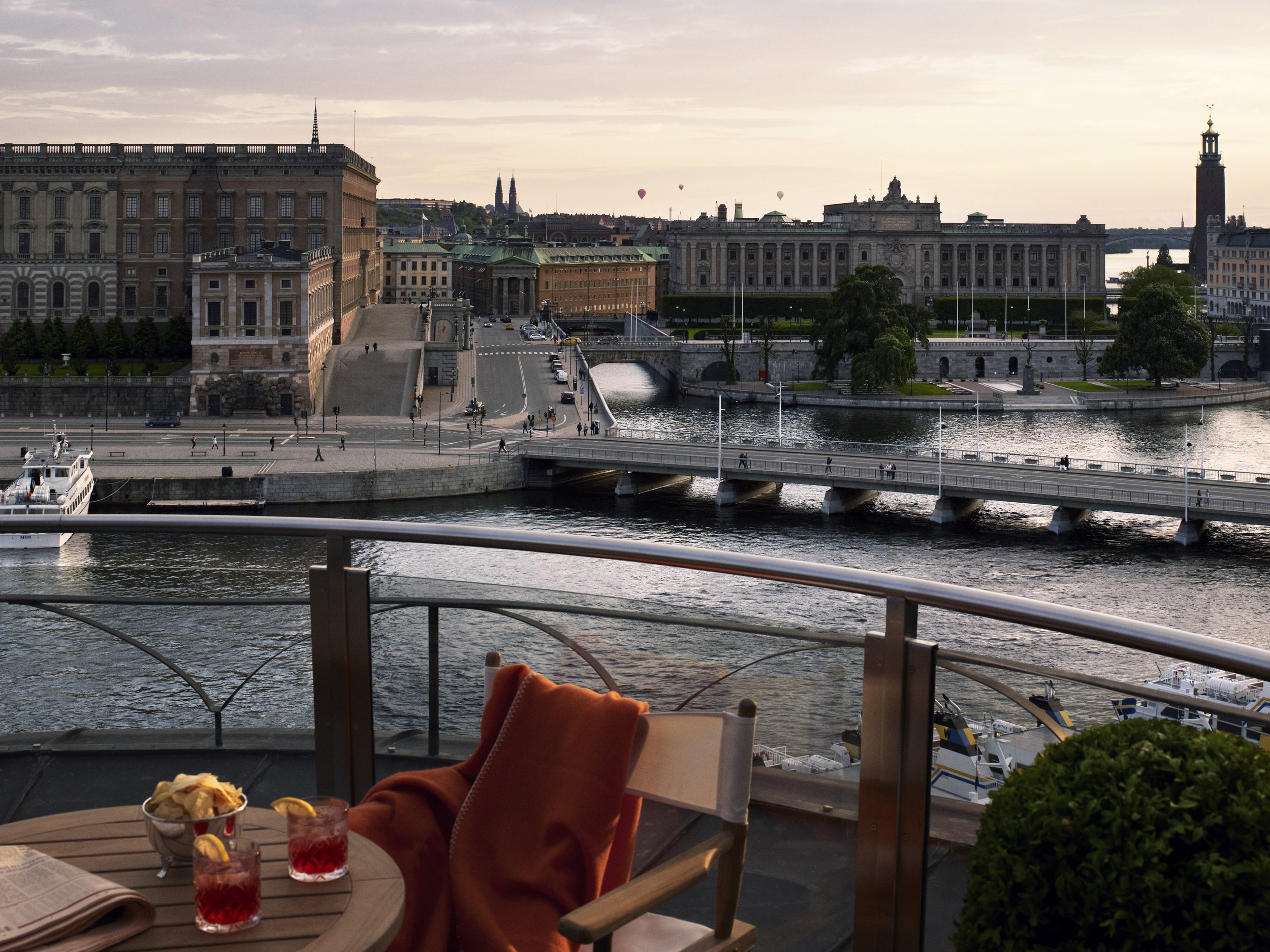
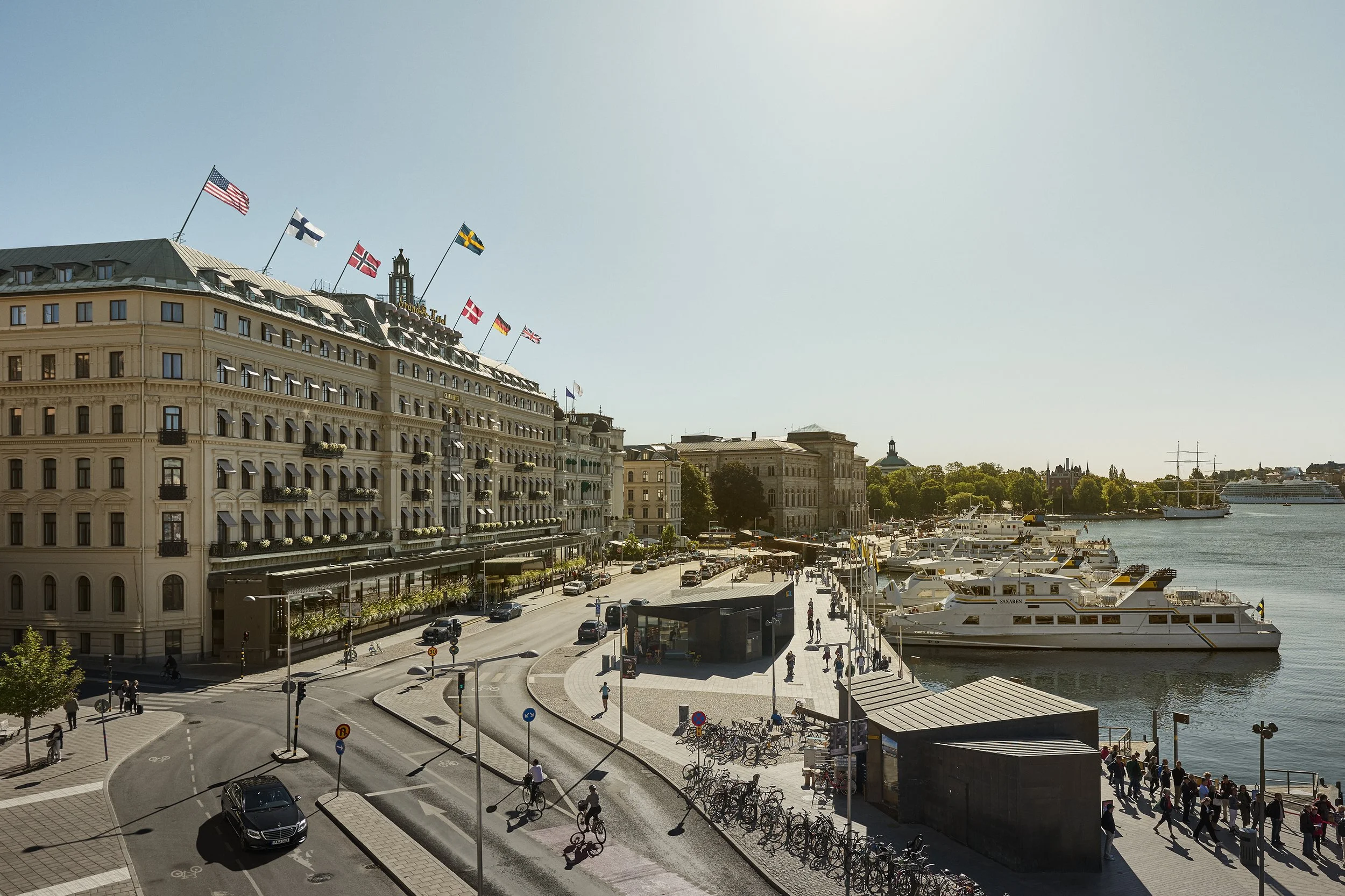
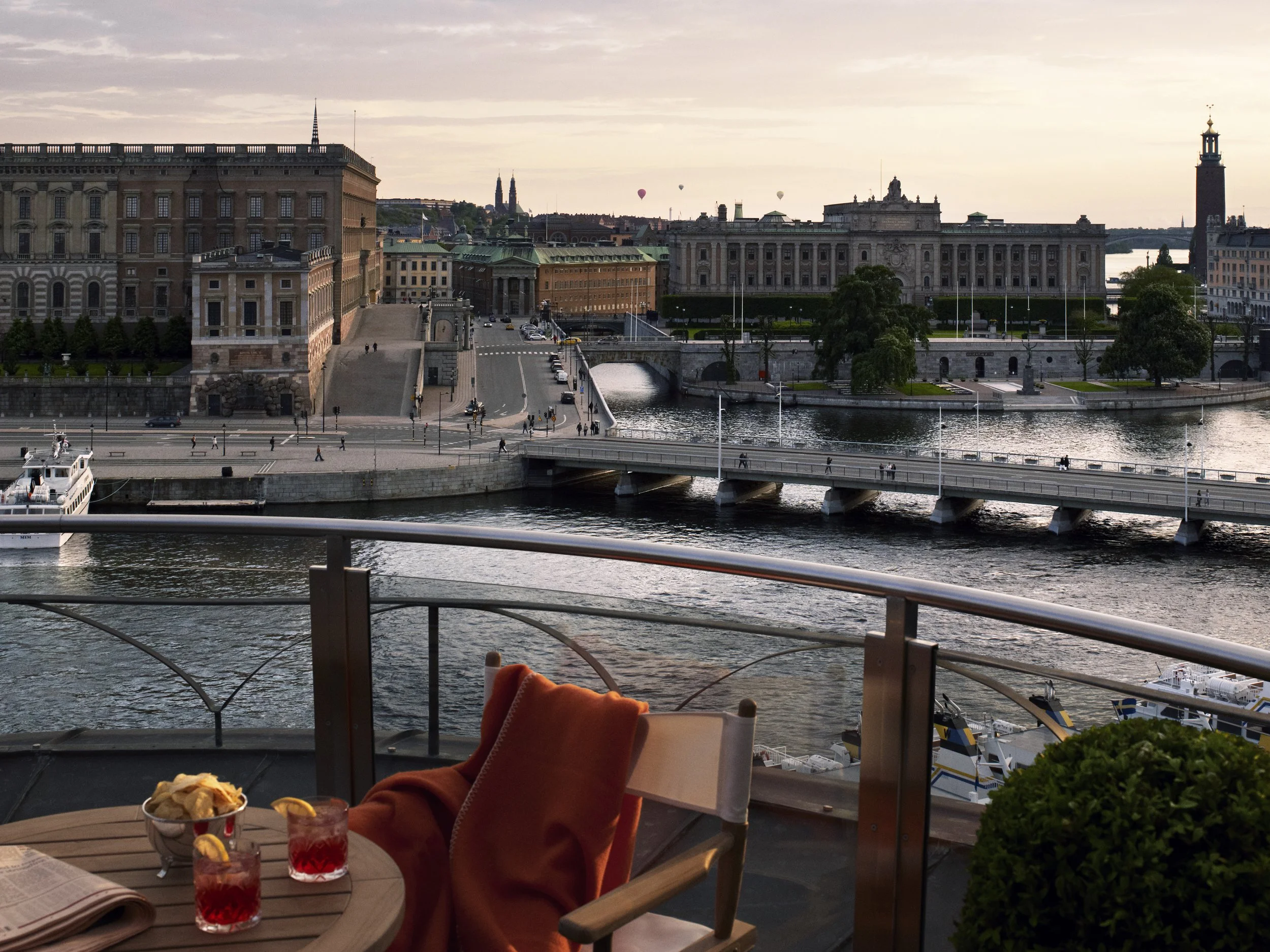
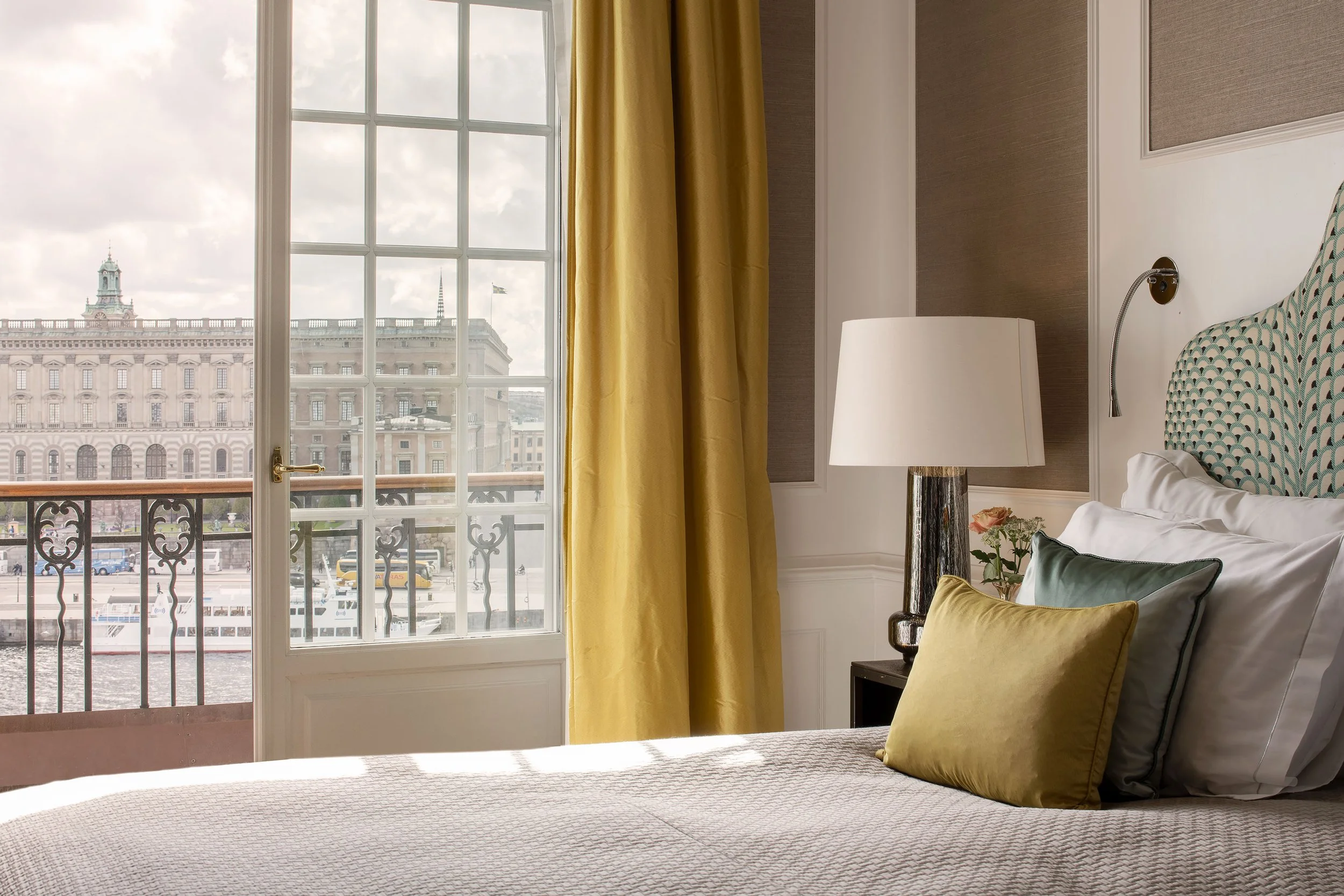
From the Grand Hôtel, Stockholm presents itself across a moving foreground of boats and reflected light. The Royal Palace and Gamla Stan face the hotel across the water, while Nationalmuseum stands nearby on Blasieholmen. It is a setting that makes the Swedish capital’s geography immediately legible: islands, bridges, quays and handsome civic buildings, with water connecting them all.
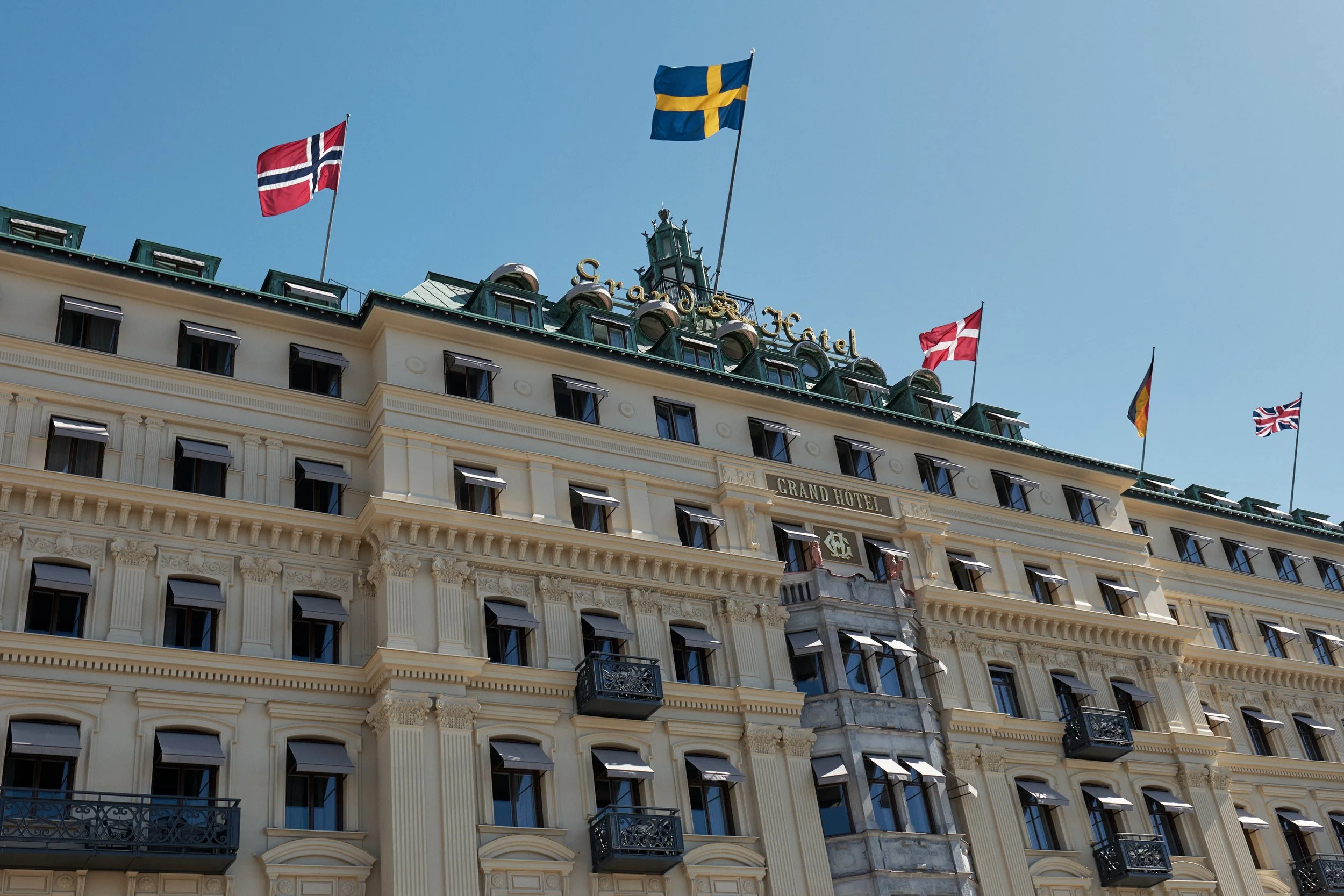
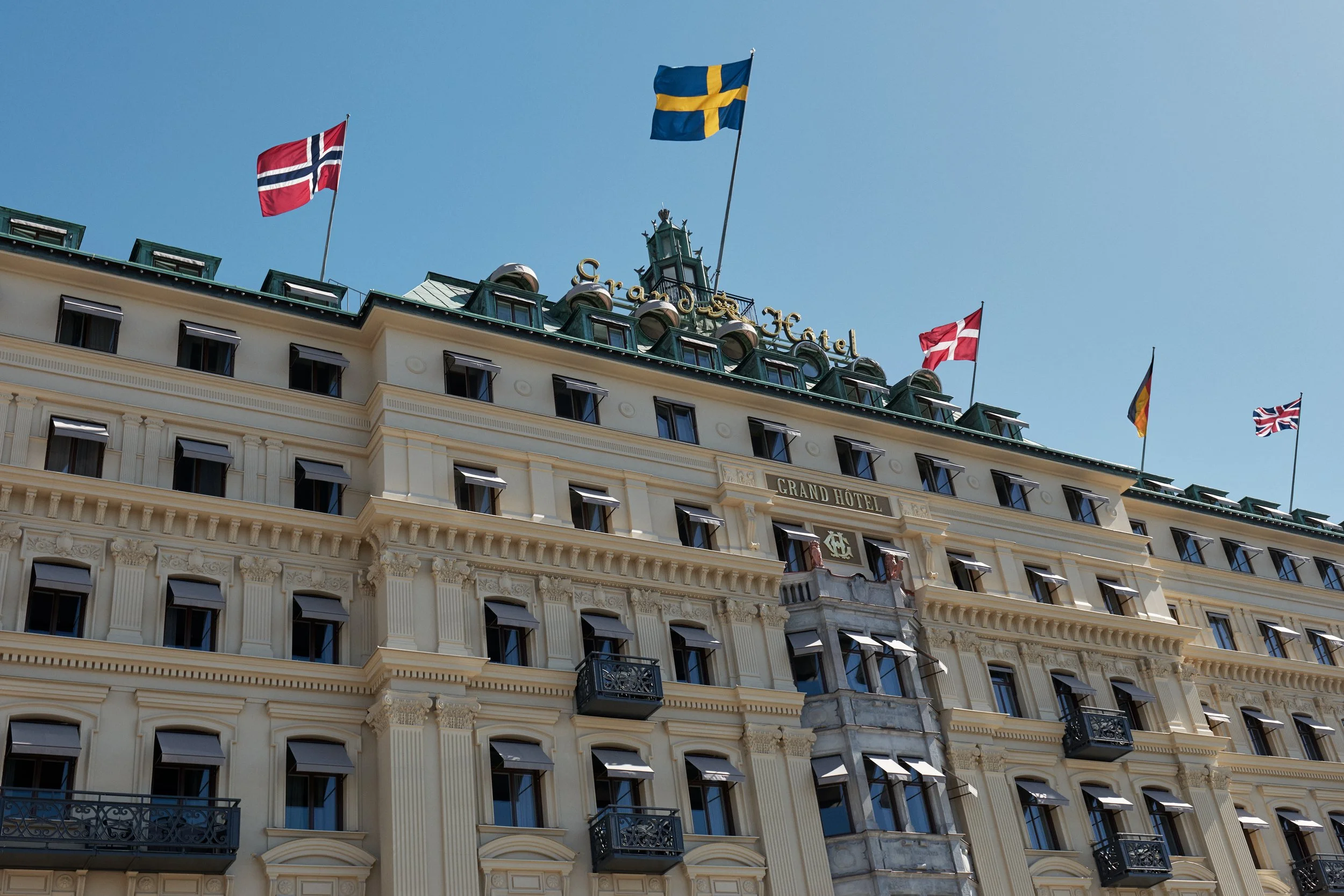
The Grand has occupied this address since 1874. Its appeal rests on a combination of location, individually decorated accommodation and public rooms that remain part of Stockholm’s social life. Breakfast overlooking the palace, a carefully paced dinner and an evening in the Cadier Bar can give structure to a day without taking travelers away from the city.
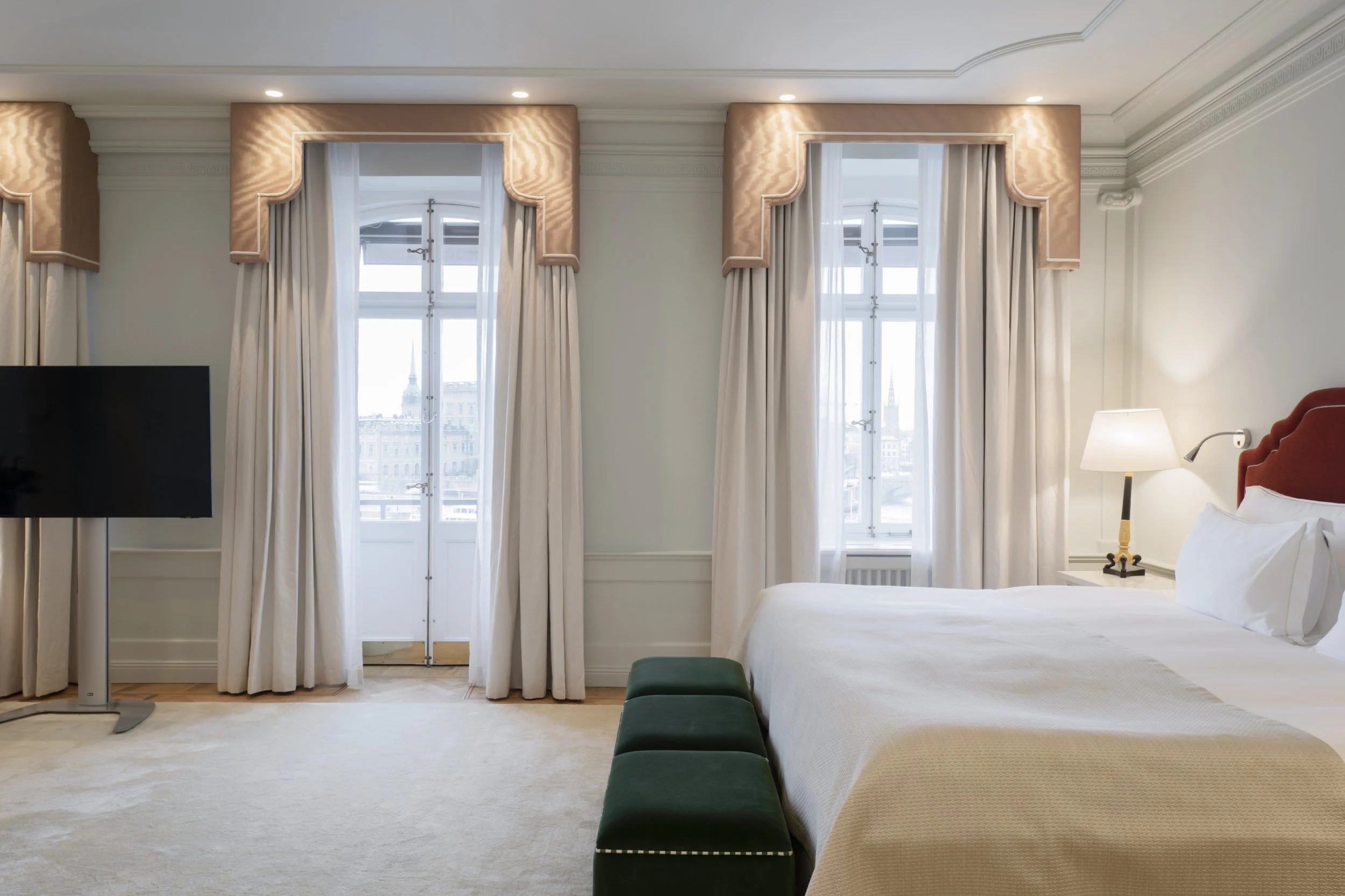
This is particularly rewarding for a first visit, when proximity to major sights matters, or for a return trip centered on museums, food and time on the water. A waterfront room makes the setting part of the stay from the moment the curtains open.
Régis Cadier, Nobel Laureates and a Swedish Institution
French chef Régis Cadier founded the hotel with the ambition of bringing the standards of Europe’s established grand hotels to Stockholm. The bar still carries his name, preserving a connection between the founder and one of the building’s busiest contemporary spaces.
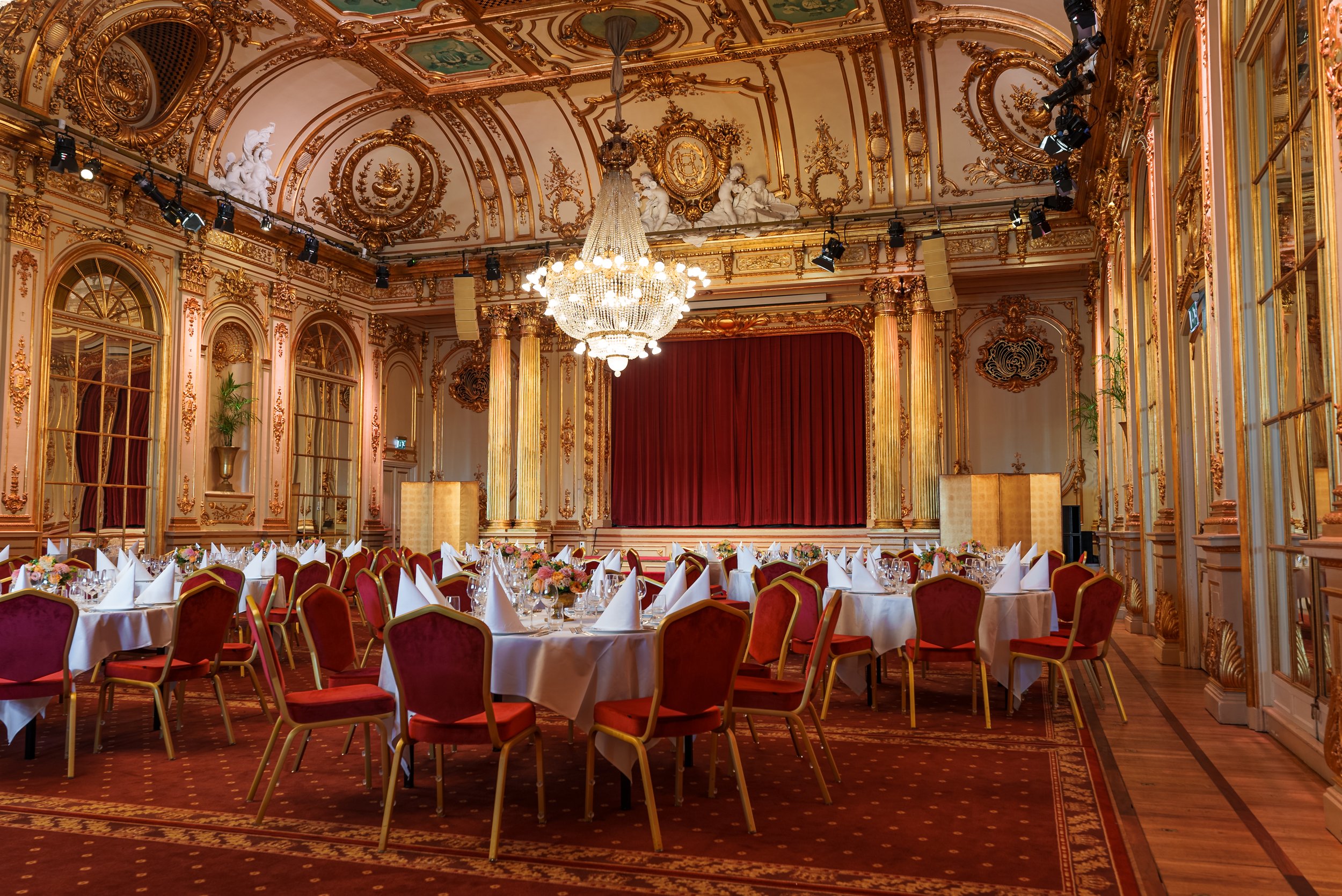
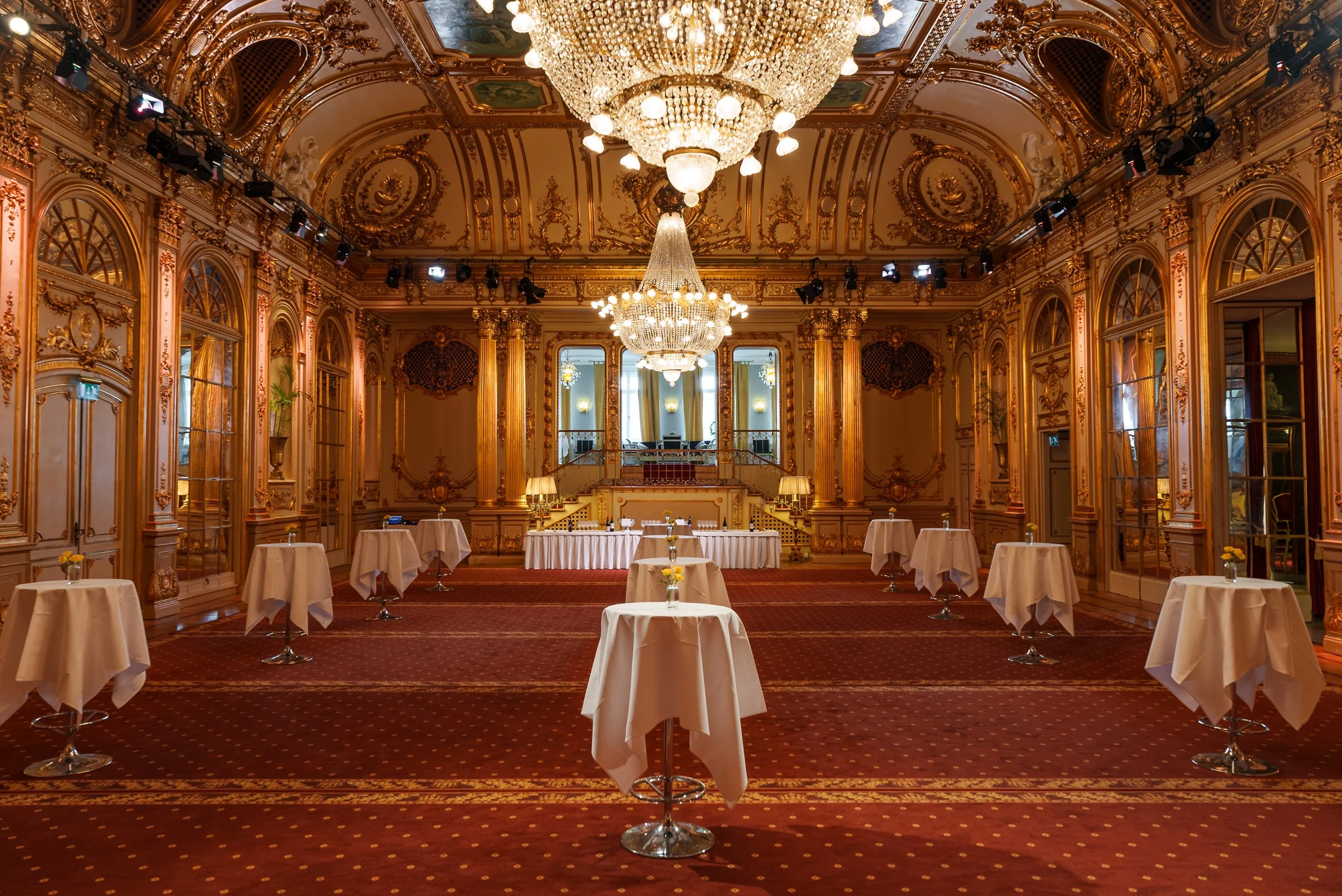
The Grand hosted the first Nobel Prize banquet in 1901, in the Spegelsalen, or Hall of Mirrors. Its association with Nobel laureates has continued beyond the banquet’s move to City Hall, giving the hotel a place in Sweden’s cultural and scientific history as well as its hospitality story.
Another defining figure was managing director Wilhelmina Skogh, whose influence shaped the Grand Hôtel Royal expansion and its Winter Garden, inaugurated in 1909. The space later became a setting for Stockholm’s dancing and jazz culture. The Wallenberg family acquired the hotel in 1968; today it is owned through FAM and the Grand Group. It is also a member of The Leading Hotels of the World.
Mirrored Halls and Rooms With Individual Character
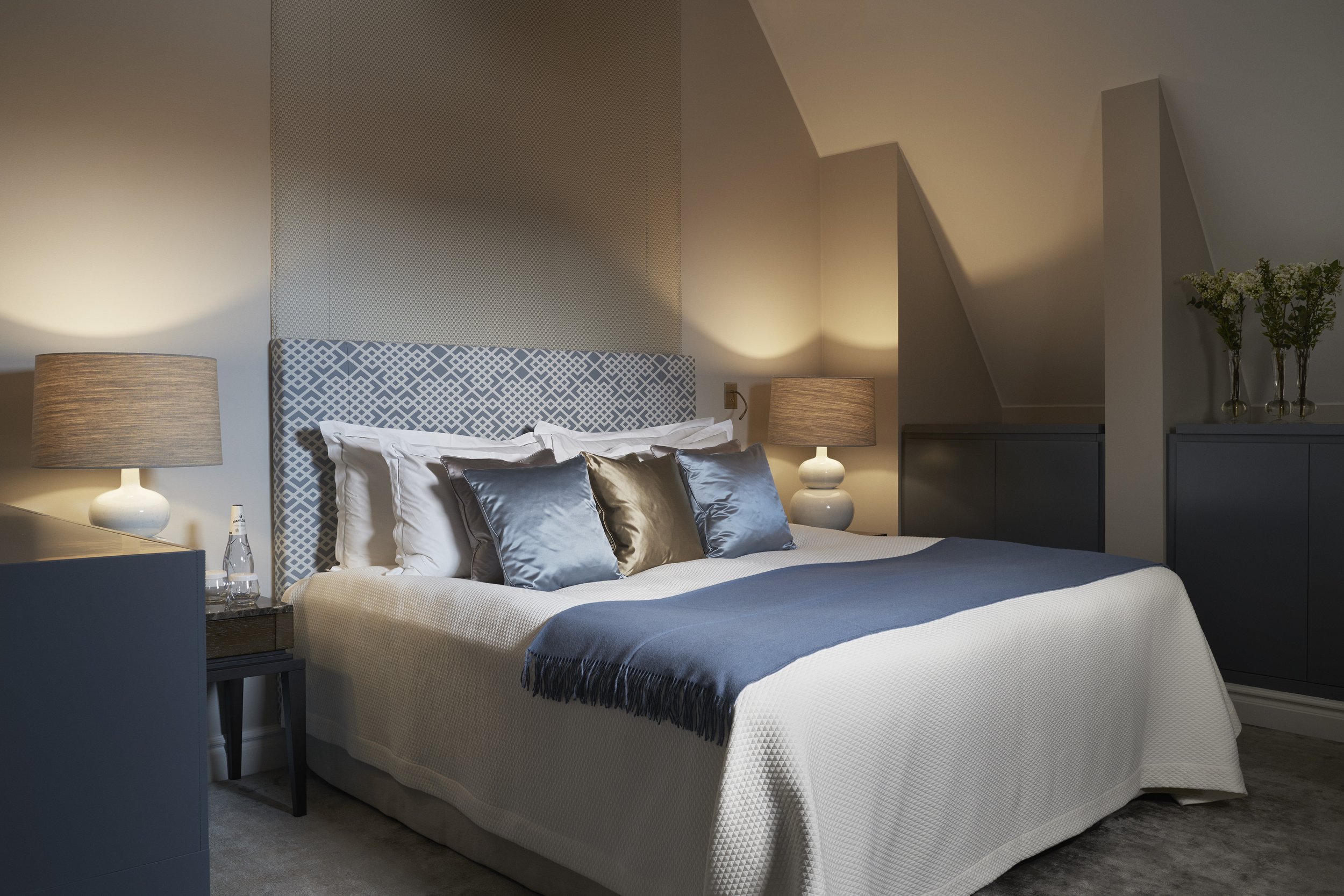
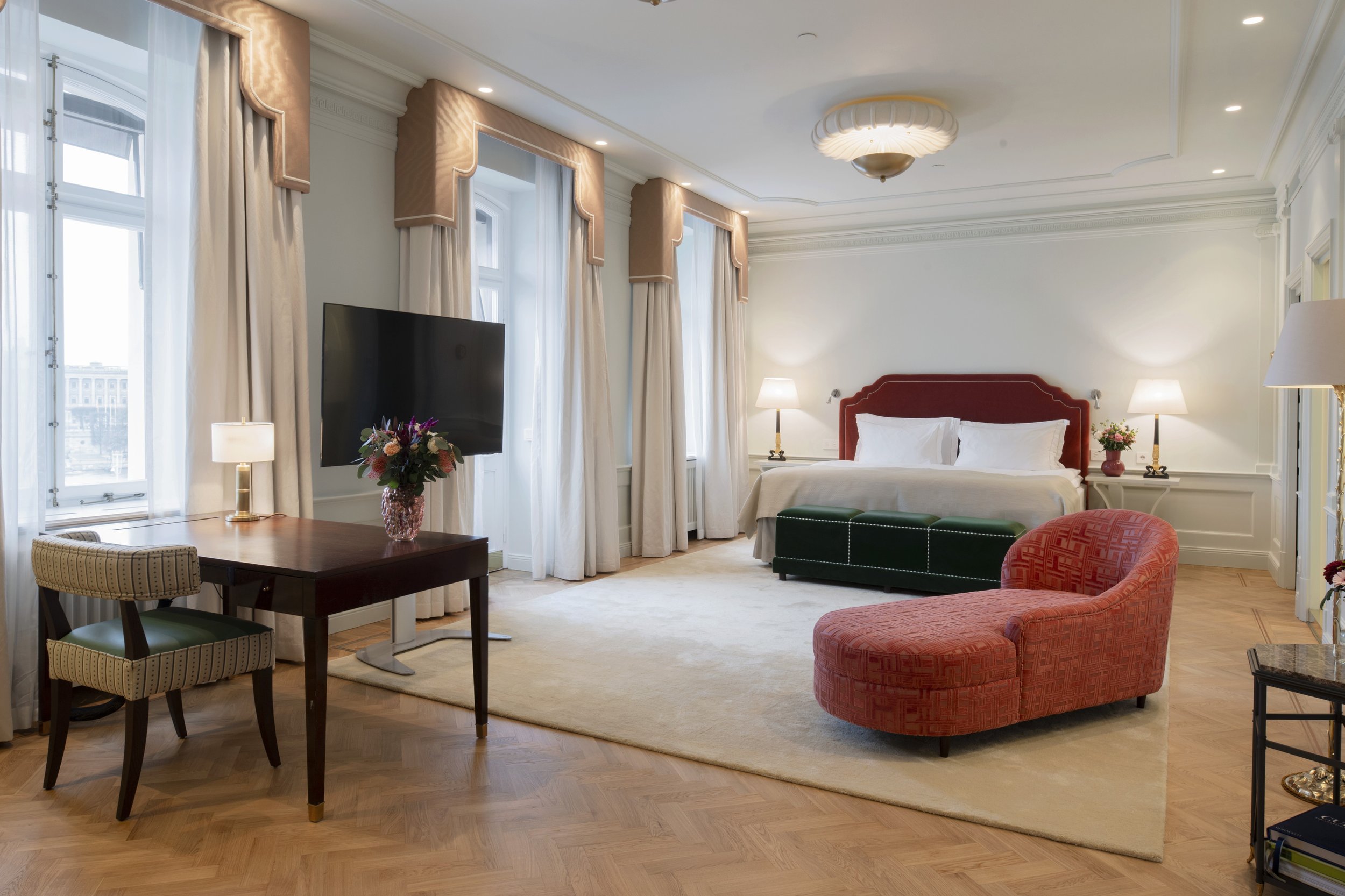
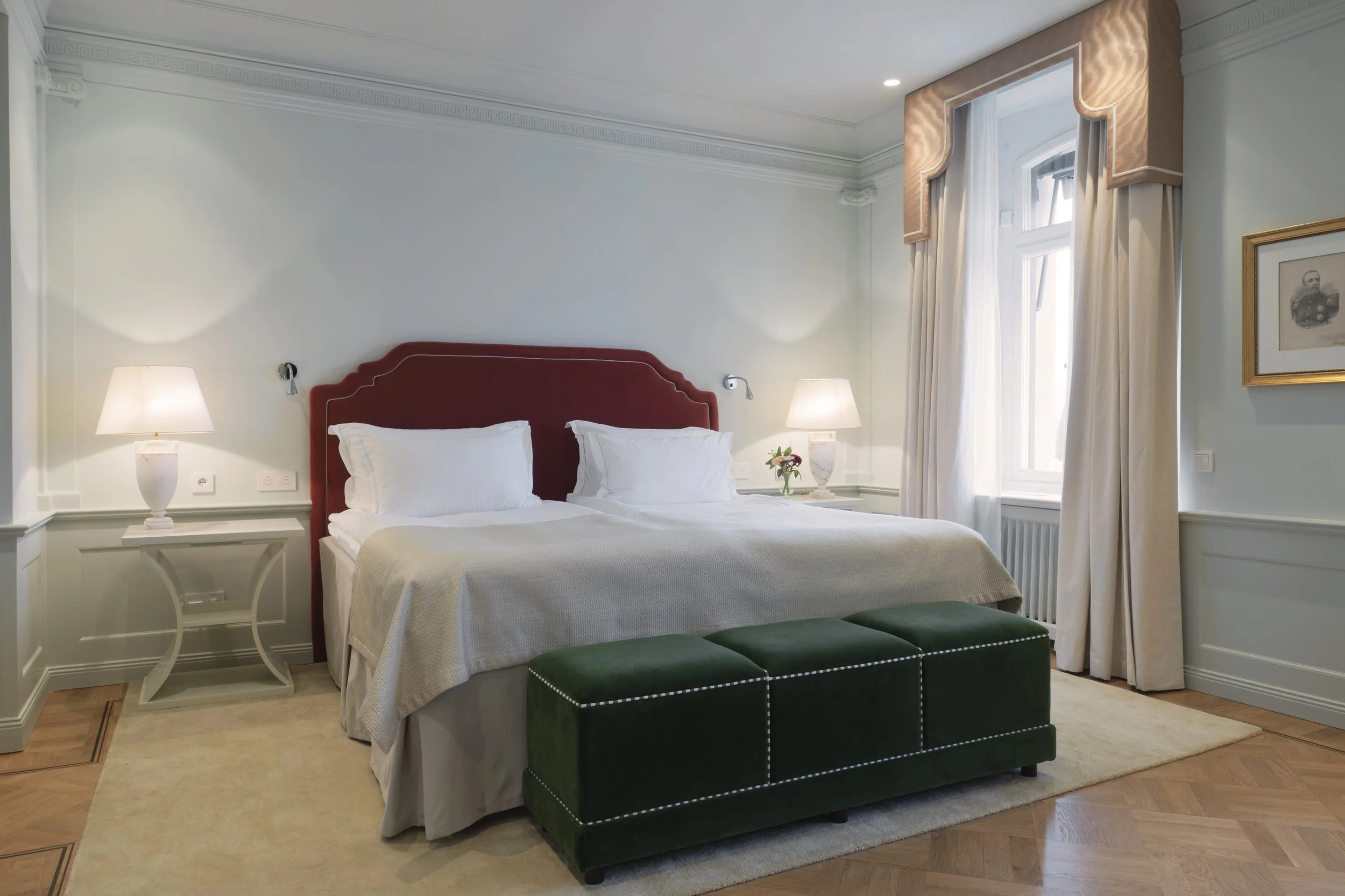
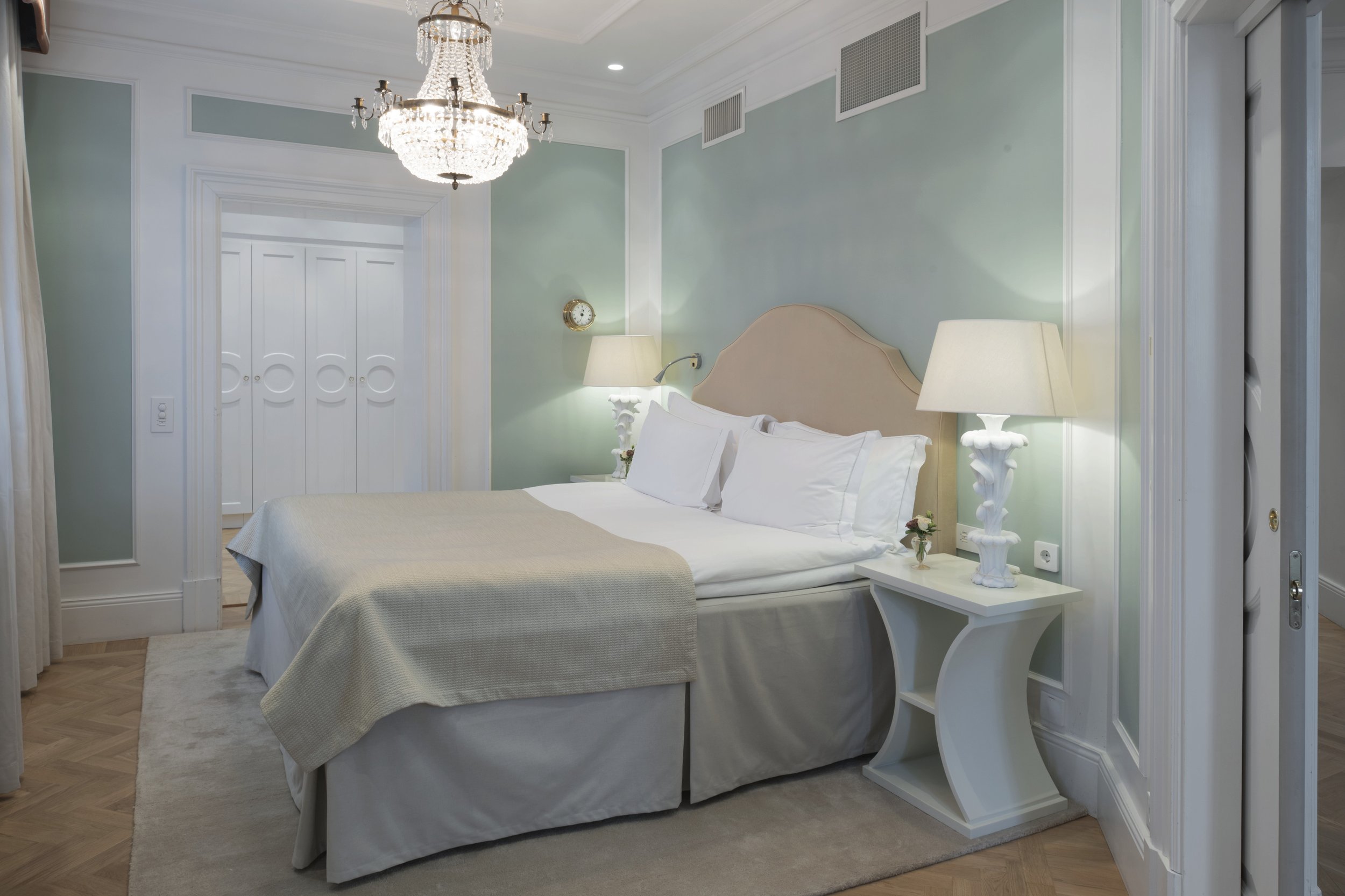
The waterfront façade gives the Grand a coherent public identity, but the interiors reveal a more varied property. Formal entertaining rooms, decorated ceilings and richly furnished lounges sit alongside bedrooms that differ in palette, proportion and atmosphere. Choosing accommodation here involves deciding which expression of the hotel best suits the trip.
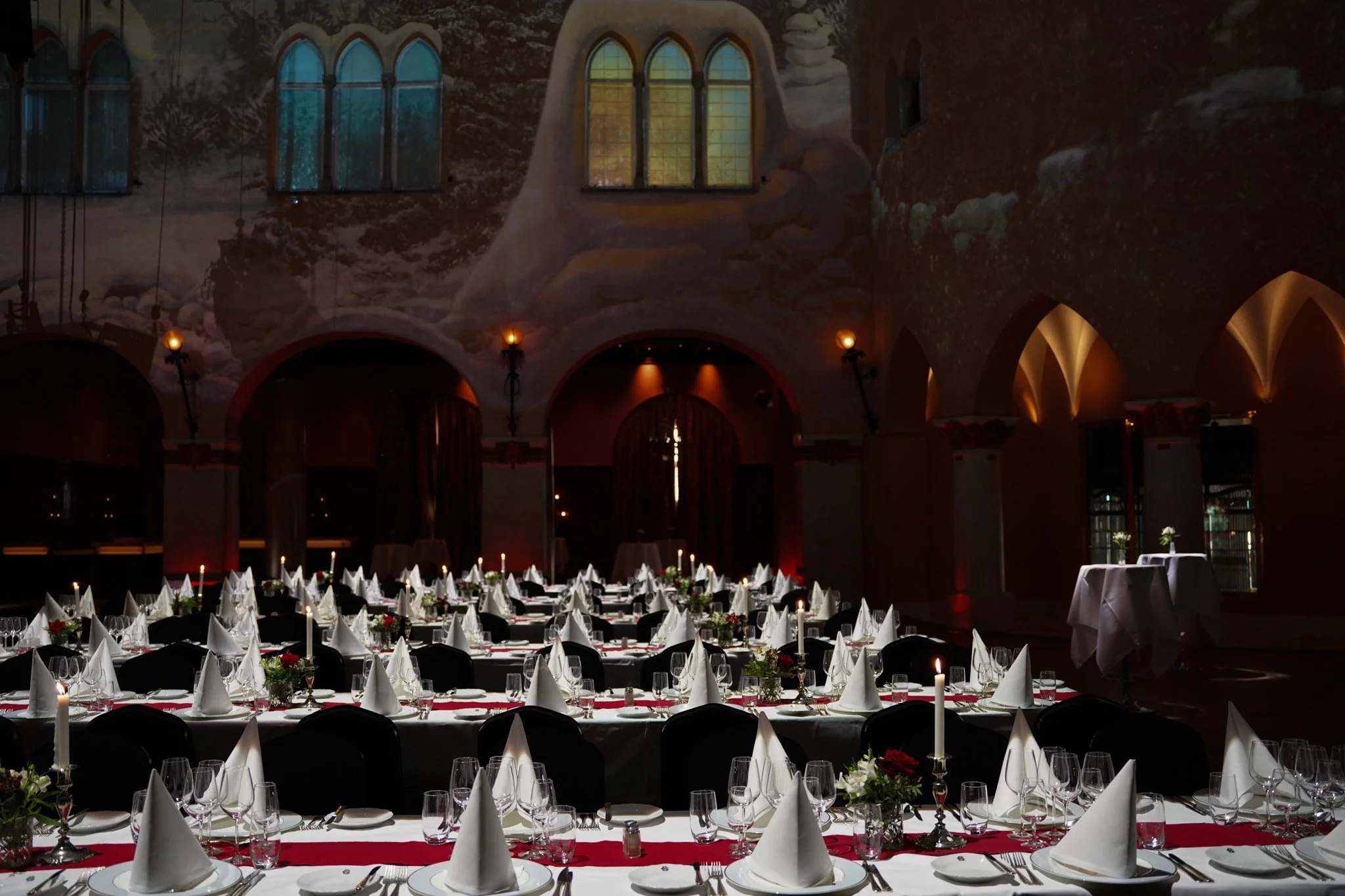
The Hall of Mirrors supplies some of the most ceremonial architecture, while the Winter Garden reflects a different chapter in the hotel’s development. These are working event spaces, so access depends on the hotel’s program and private functions.
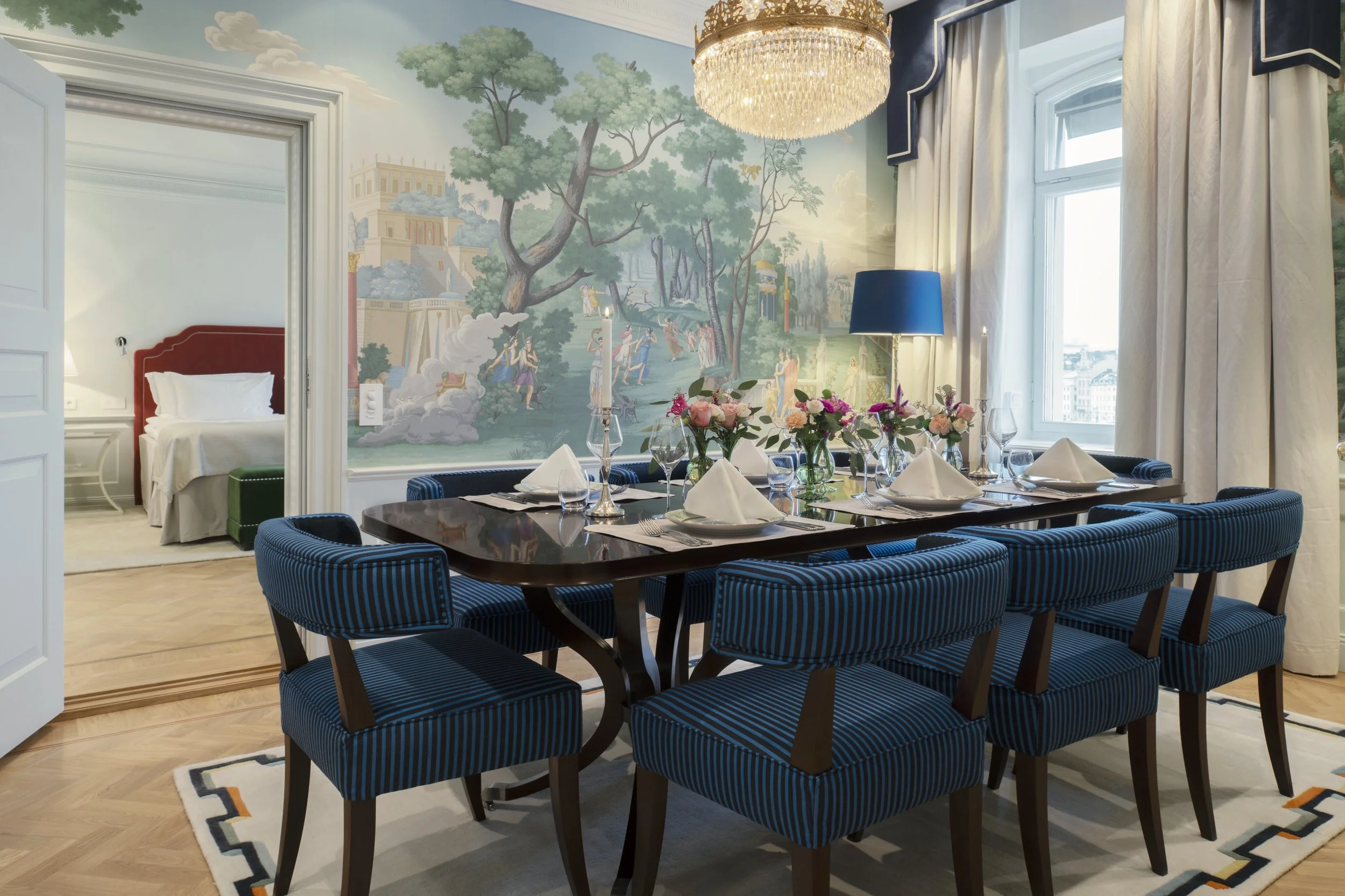
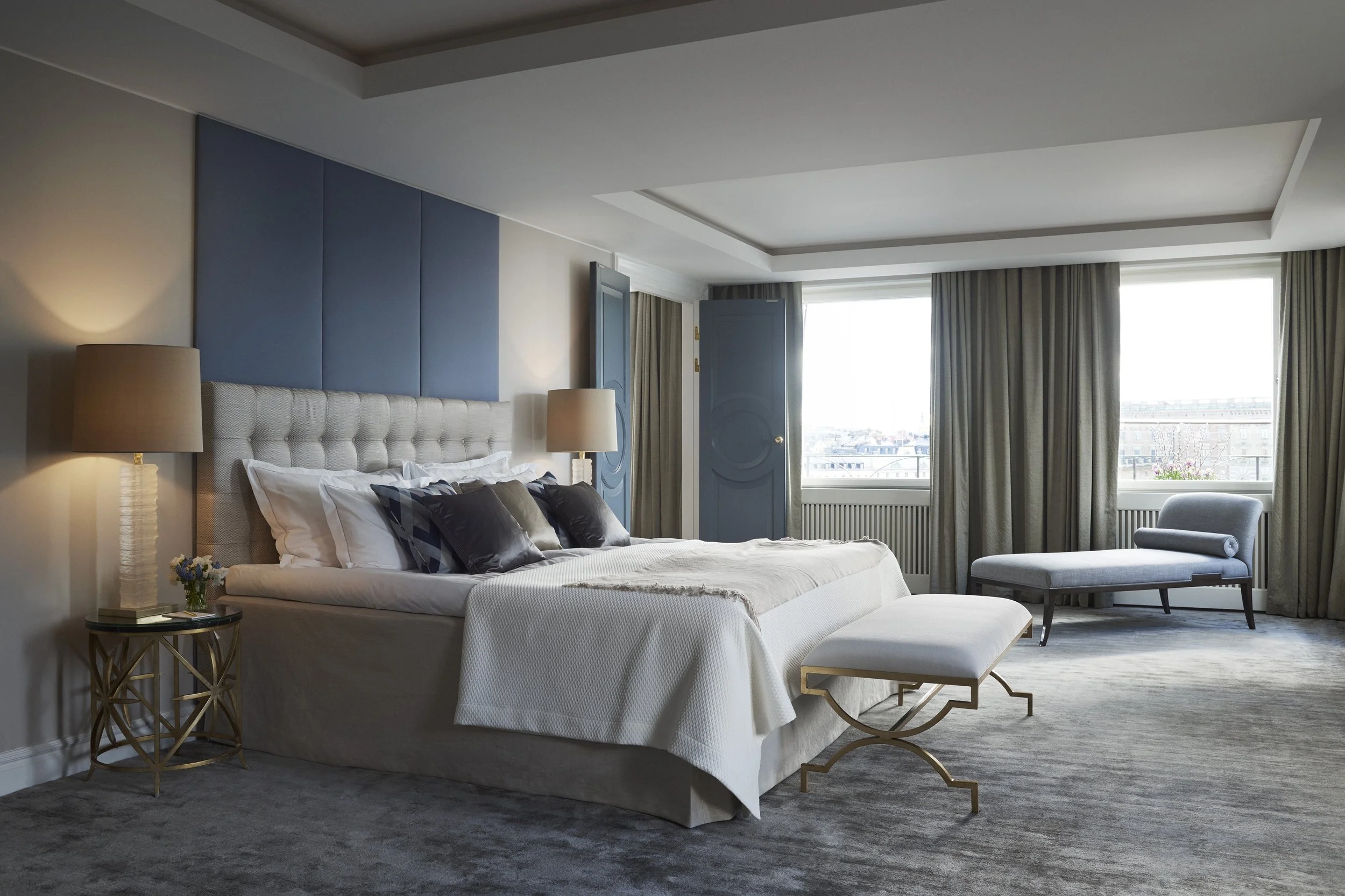
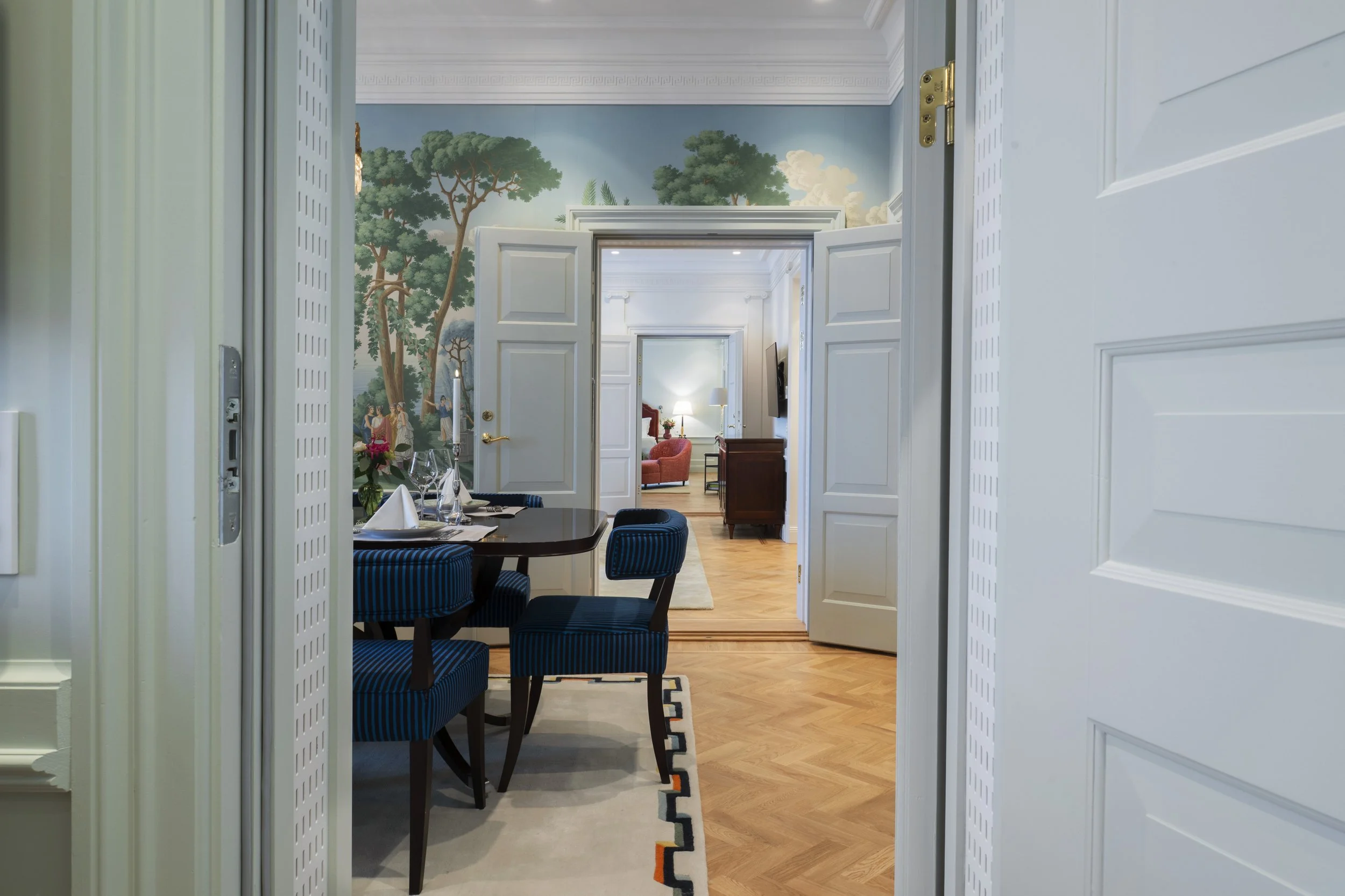
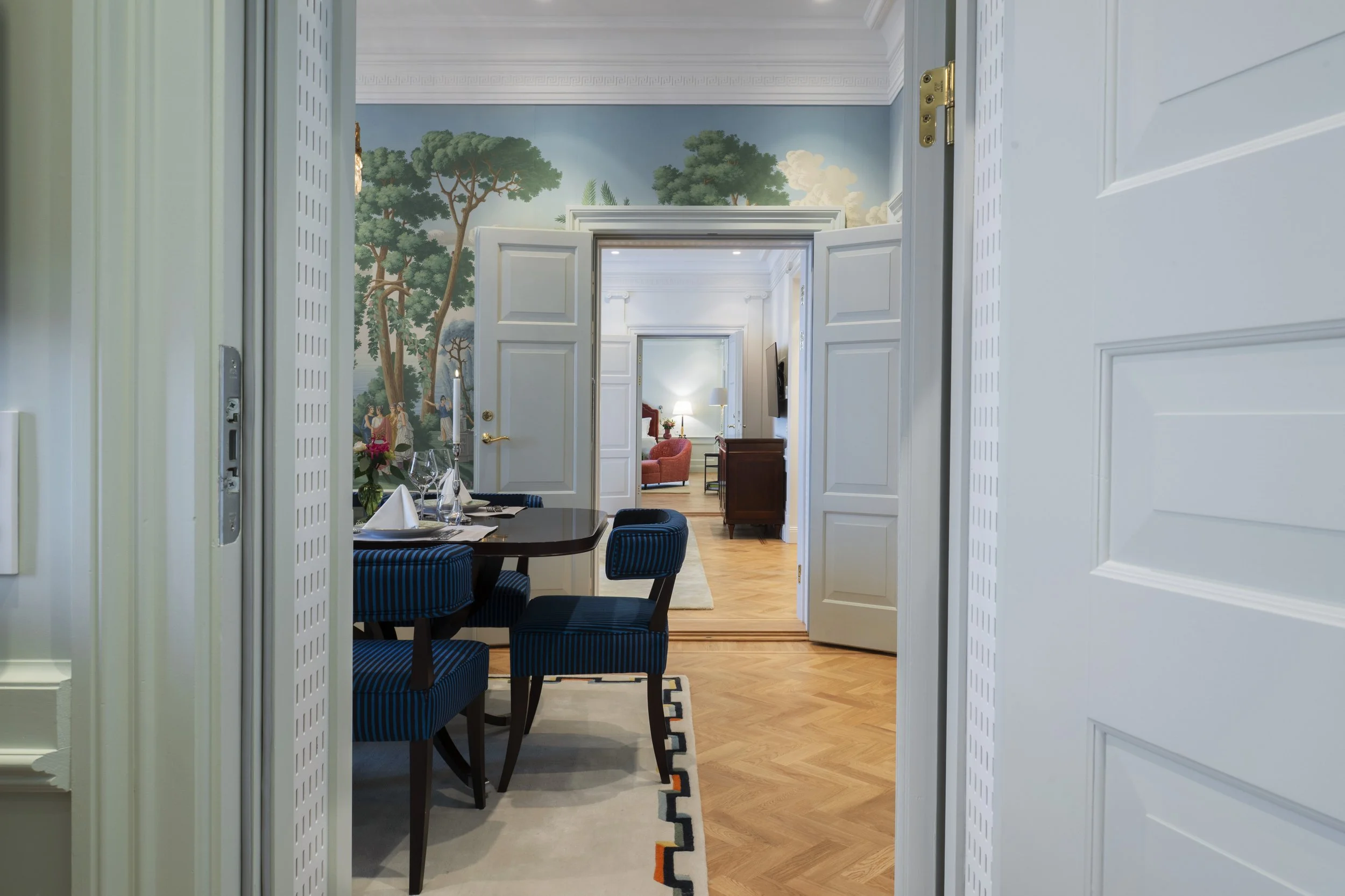
Contemporary design has its own place. Martin Brudnizki reworked the Flag and Rooftop suites with a residential approach, and the Bolinder Suite introduces colorful wallpaper, light woods and a distinct decorative language by Susanne Josephson. The effect is a collection of spaces with individual identities, held together by the hotel’s setting and service.
From a Single Room to Princess Lilian’s Apartment
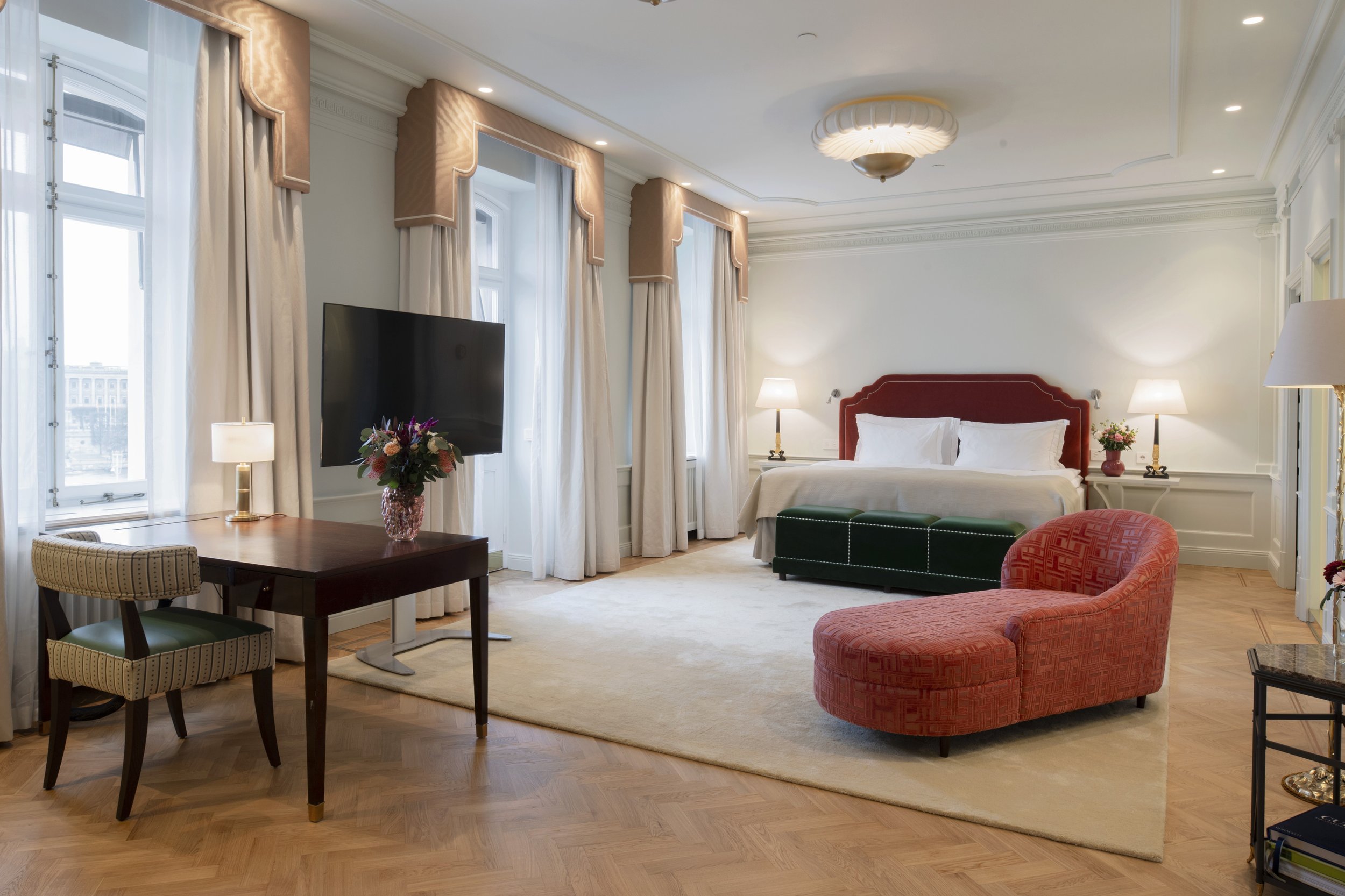
The main room and suite categories progress from compact accommodation for solo travelers to separate living spaces and waterfront suites. Where a category is offered with either a water view or a courtyard or side-street outlook, the view should be selected explicitly. Square footage below follows the hotel’s published figures; approximate figures convert its published metric sizes.
Single Room: Starting at 161 sq. ft., these individually decorated rooms provide a double bed, desk and armchair in a compact layout intended for one traveler.
Superior Room: From 215 sq. ft., these rooms offer a choice of waterfront views toward the Royal Palace and Gamla Stan or a courtyard or side-street outlook.
Deluxe Room: Starting at 322 sq. ft., this larger room category adds more space for working and relaxing, with water-view and courtyard or side-street options.
Junior Suite: From 484 sq. ft., these suites combine the sleeping area with a distinct sitting area, with waterfront and inward-facing options.
Superior Suite: Starting at 538 sq. ft., these suites introduce a separate bedroom and living room, making them useful for longer stays or different sleeping schedules.
Executive Suite: From 753 sq. ft., these waterfront suites have a separate bedroom and sitting room, with a bathroom containing a bathtub and separate shower.
The named suites add particular architectural features, more substantial entertaining space or a stronger connection to the hotel’s history. They range from intimate retreats to the property’s largest private apartment.
Wilhelmina Skogh Suite: Approximately 624 sq. ft., this suite occupies room No. 250, the number associated with the former director’s own quarters, with colors inspired by her portrait.
Bolinder Suite: At 710 sq. ft., Susanne Josephson’s colorful suite can be linked with additional rooms to create an arrangement of approximately 2,153 sq. ft.
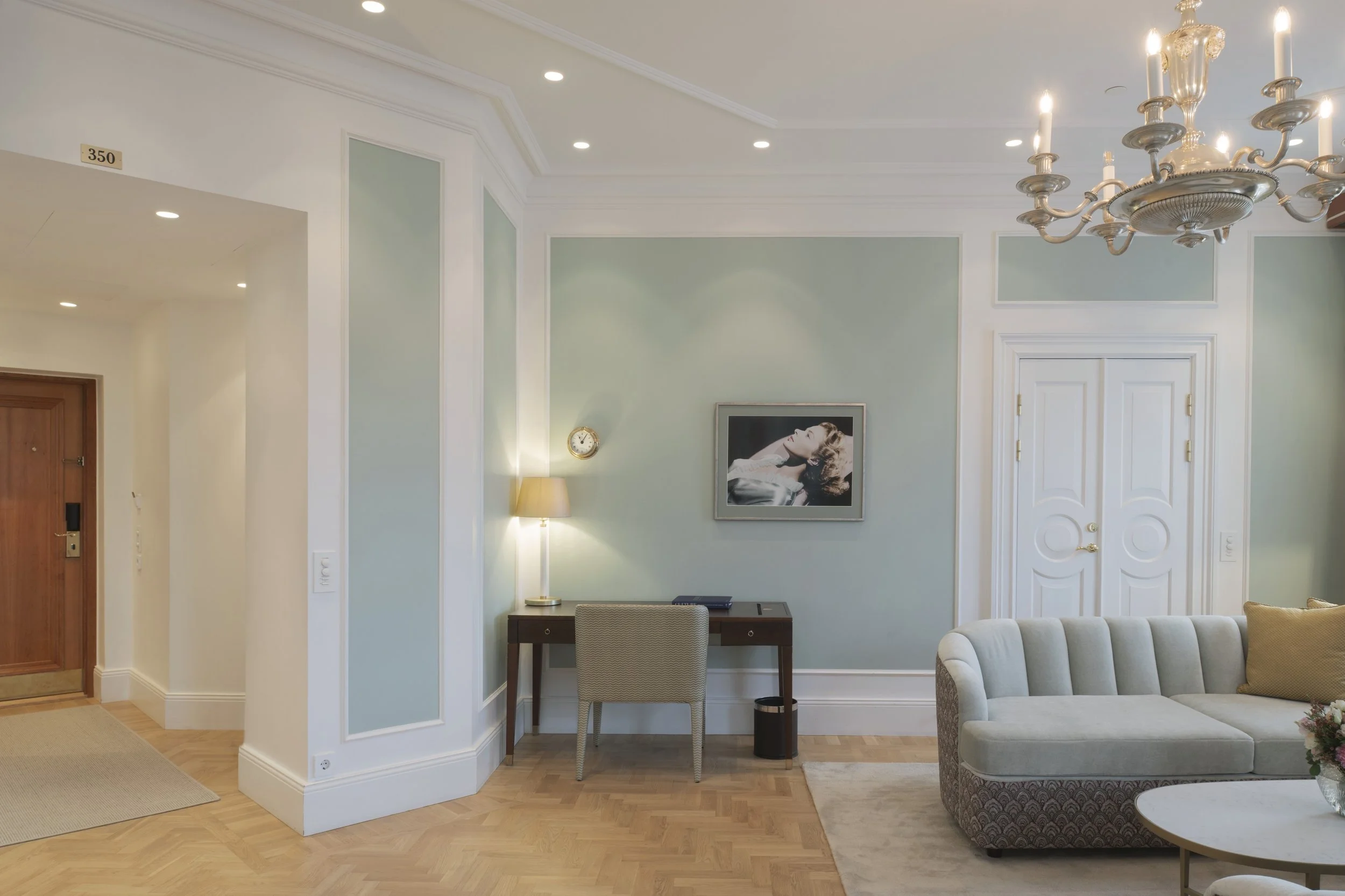
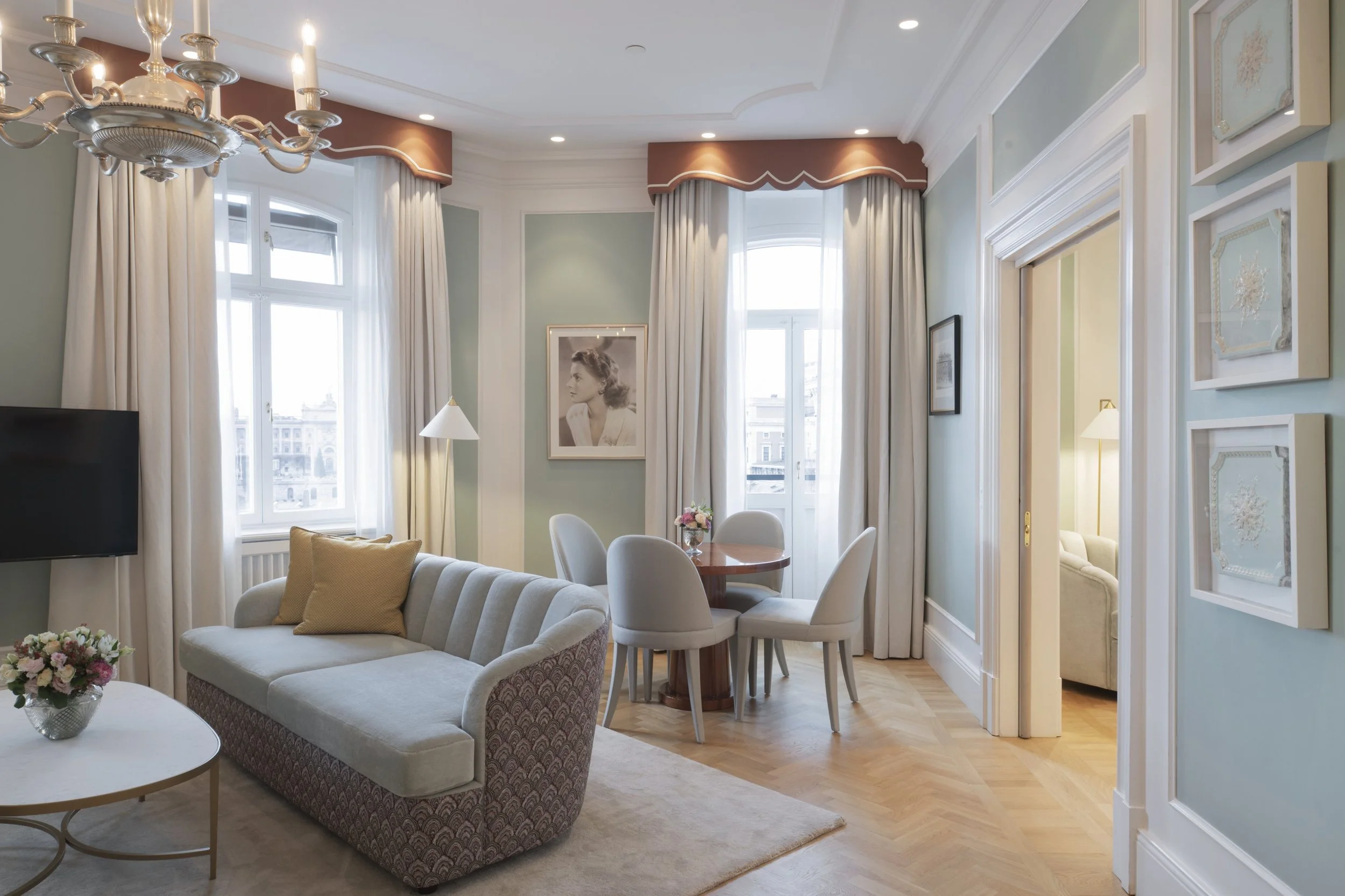
Ingrid Bergman Suite: Approximately 818 sq. ft., this corner suite includes a walk-in closet and film-related details, including a portrait of the Swedish actor and tiles from the original hotel café.
Terrace Suite: Approximately 840 sq. ft., this suite’s defining feature is an outdoor terrace with seating for four and views of the Royal Palace, Gamla Stan and the waterfront.
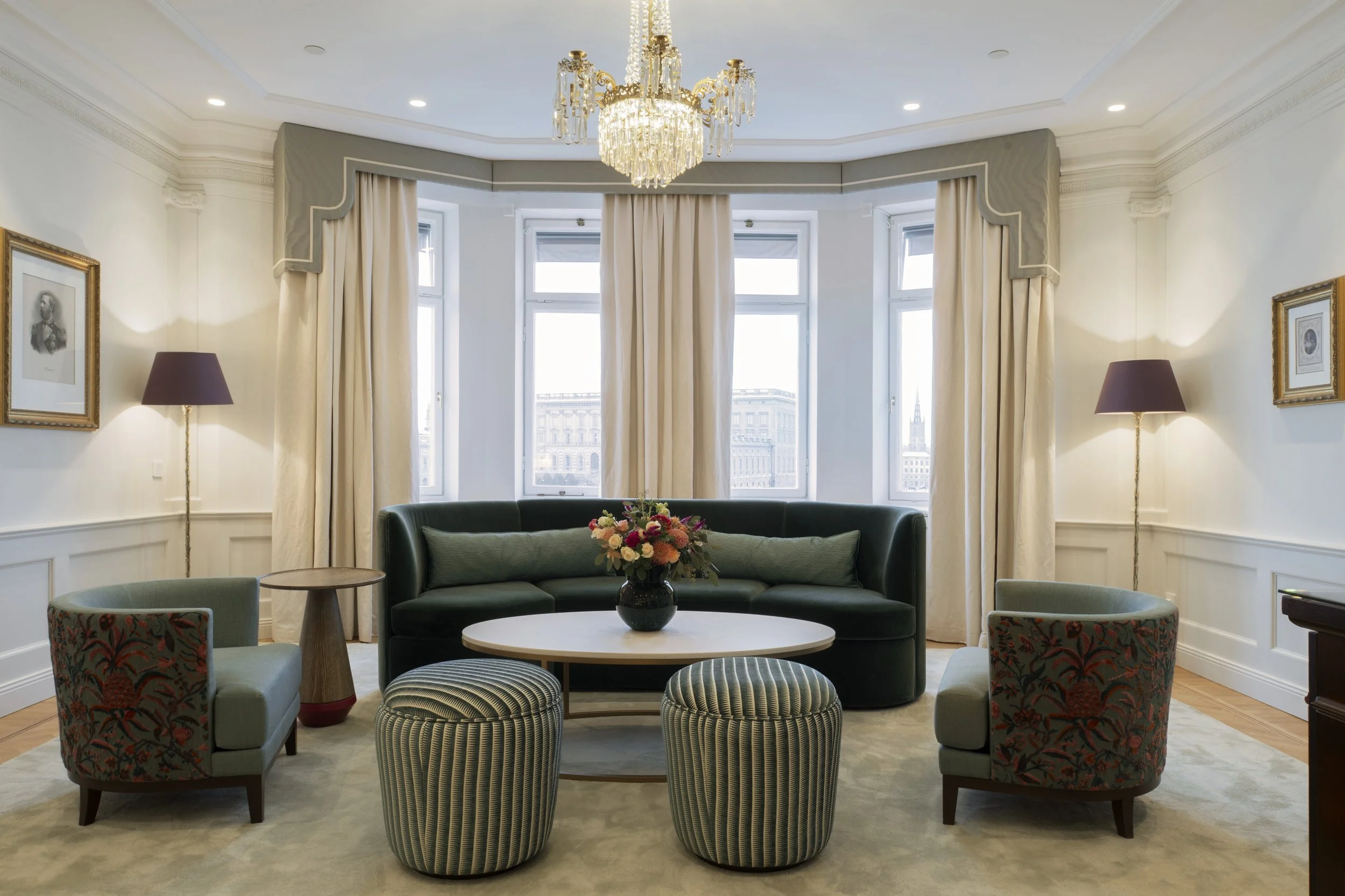
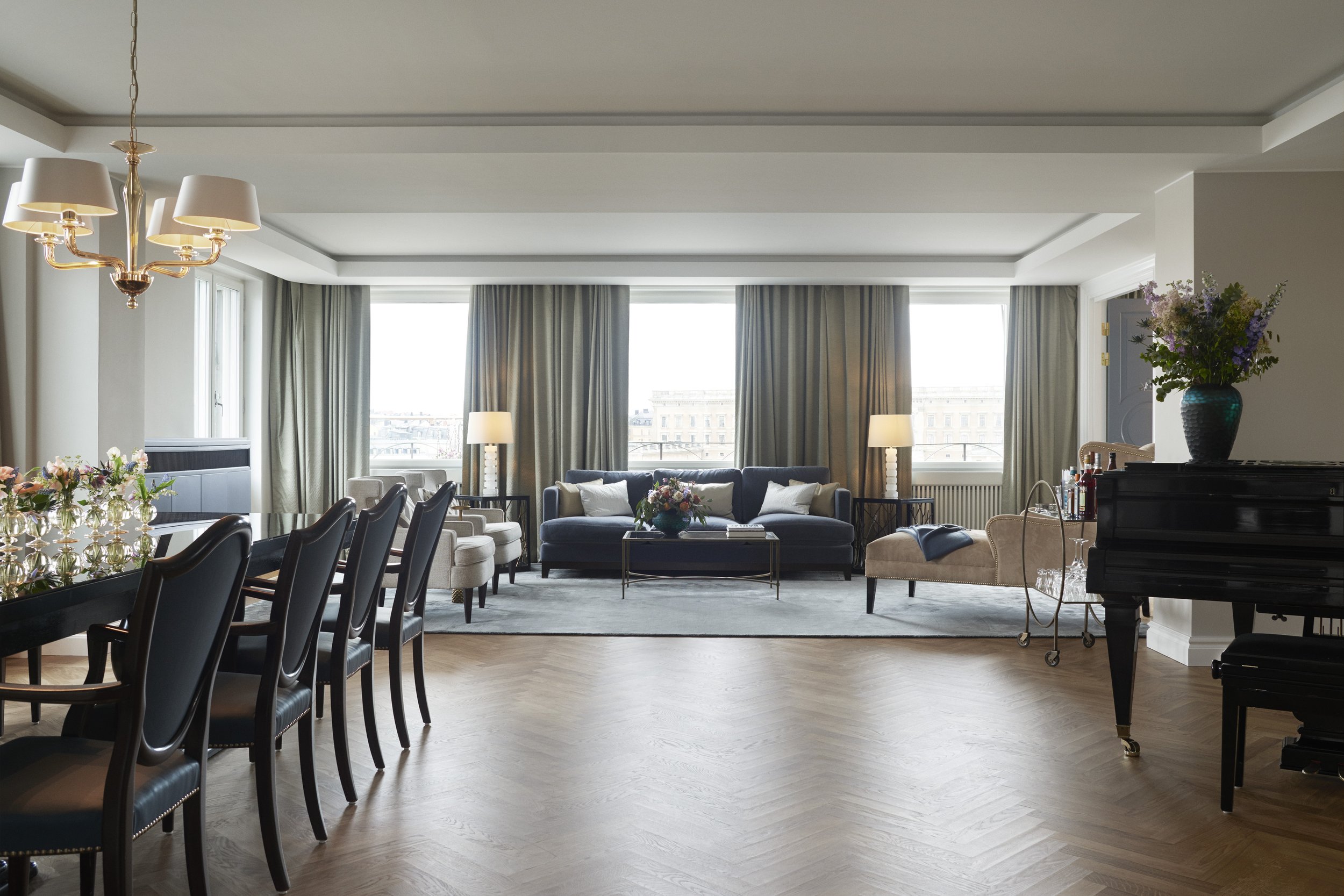
Royal Suite: Approximately 883 sq. ft., this one-bedroom suite combines a living room, a separate dining or meeting room and a French balcony facing the Royal Palace.
Rooftop Suite: Approximately 915 sq. ft., this king-bedded suite has broad city and waterfront views, residential furnishings and both a principal and guest bathroom.
Flag Suite: Approximately 1,076 sq. ft., this king-bedded suite has a private rooftop terrace, an open fireplace and a spiral staircase leading to a glass lookout with panoramic views.
Bernadotte Suite: At 1,776 sq. ft., this two-bedroom suite offers a sitting room, a dining room with a table for six and views of the waterfront and Royal Palace.
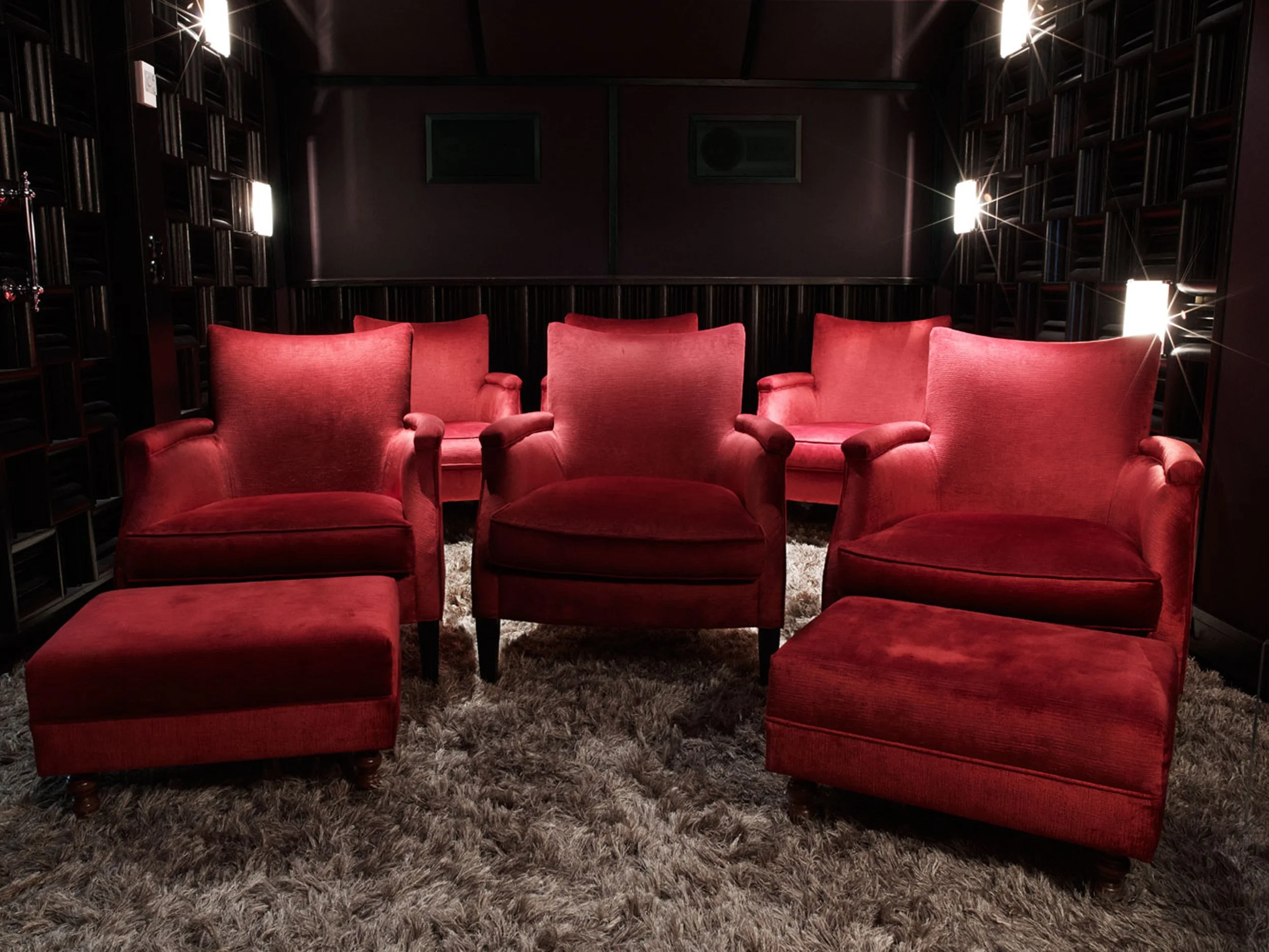
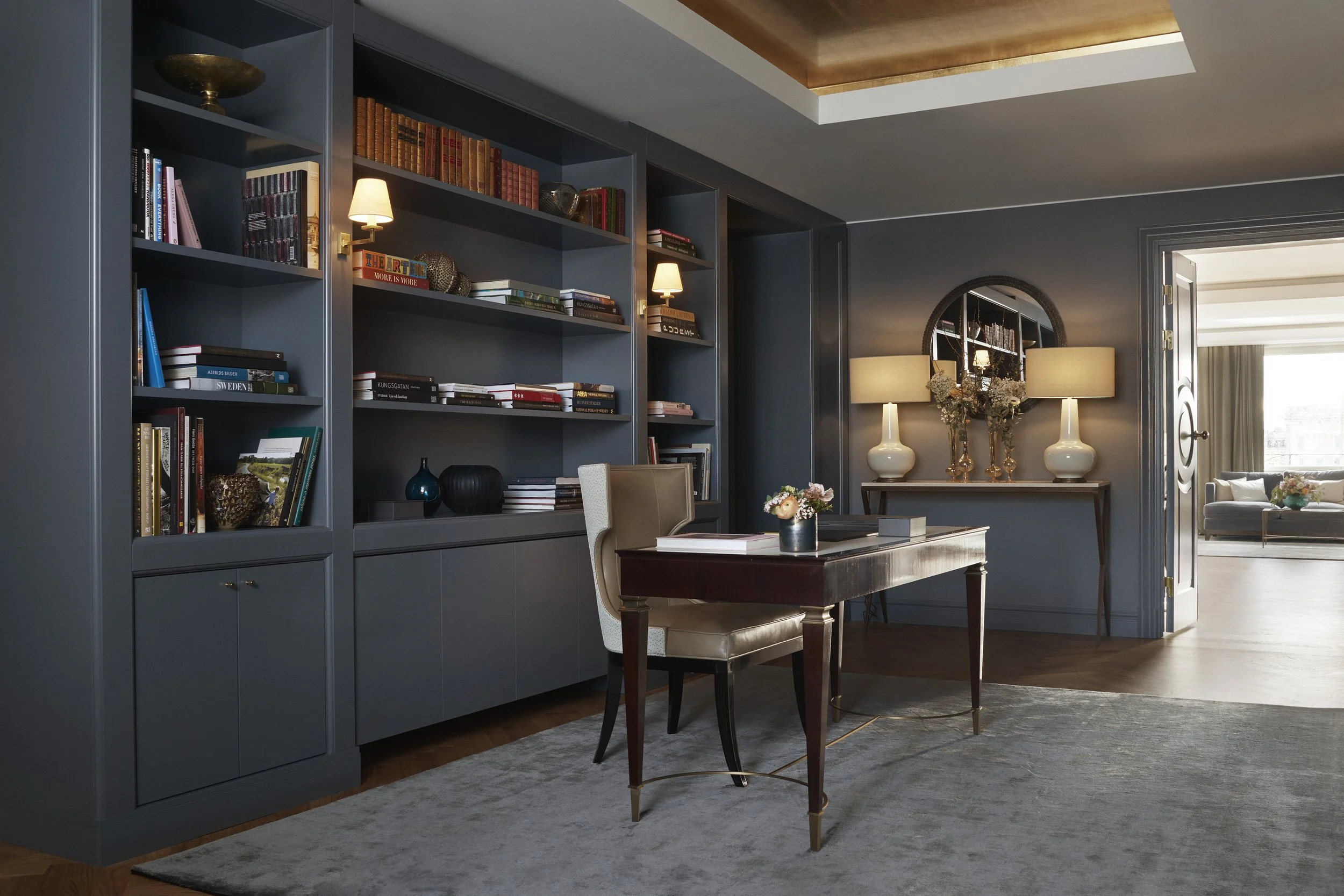
Princess Lilian Suite: The largest signature accommodation, at 3,552 sq. ft., contains two bedrooms, a library, kitchen, dining space, a private cinema and a spa area with a deep soaking tub and sauna.
The Flag and Rooftop suites can be combined into approximately 1,991 sq. ft. of accommodation on their own floor. Other options include the split-level Attic Suites, with bedrooms upstairs, and suites expanded with adjoining parlours for dining and entertaining. These arrangements need individual attention to layout, bedroom count and access between spaces.
For a couple, a well-chosen waterfront room may deliver the essential Grand experience. For a family or celebration, the value of a larger suite lies in how its bedrooms, living areas and entertaining spaces work together.
Smörgåsbord, Seafood and the Cadier Bar
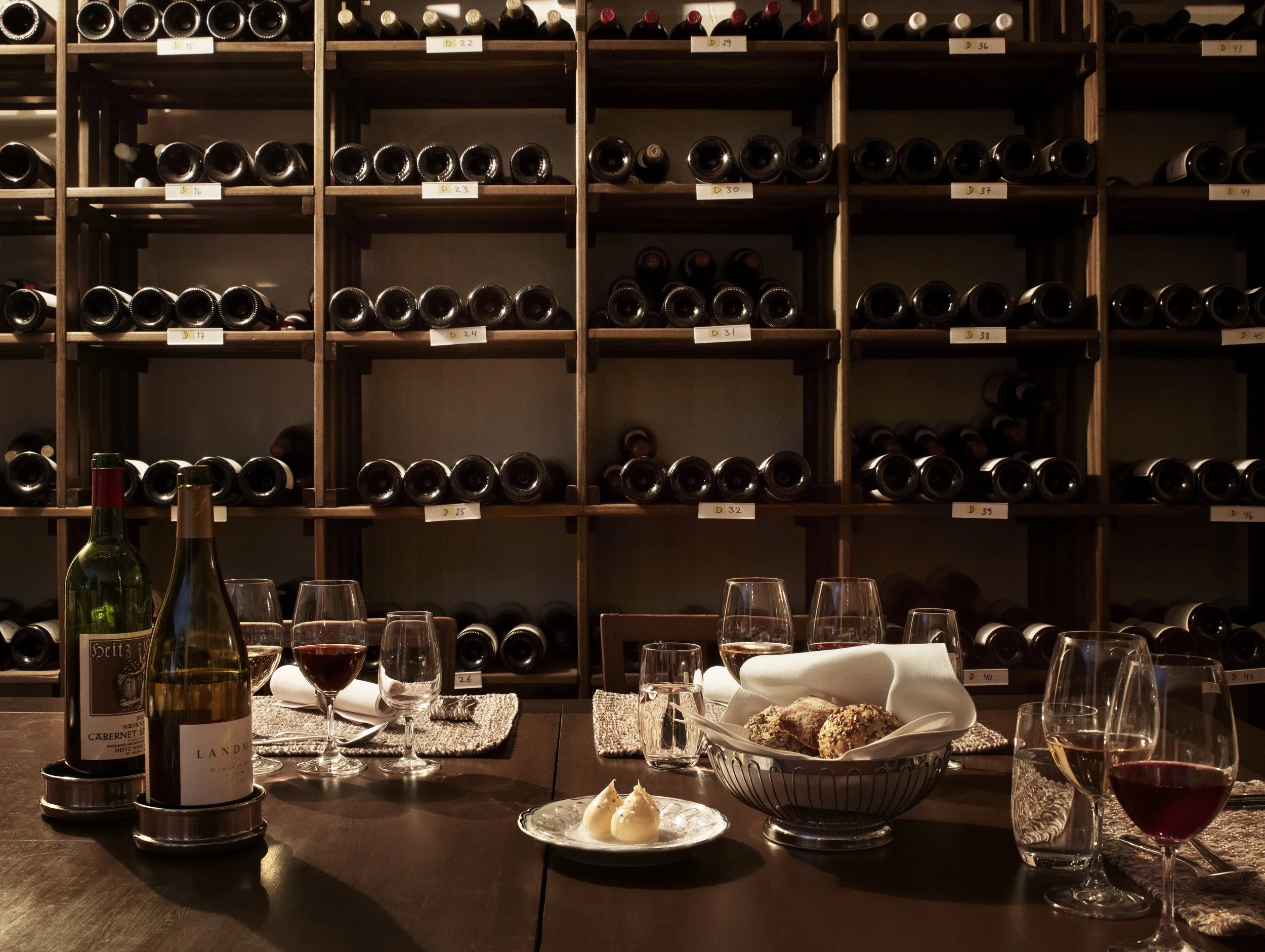
The Grand’s dining collection connects several sides of Stockholm: Swedish traditions, internationally minded cooking and a long-established appetite for meeting over drinks. Advance reservations are worthwhile for the more focused restaurant experiences.
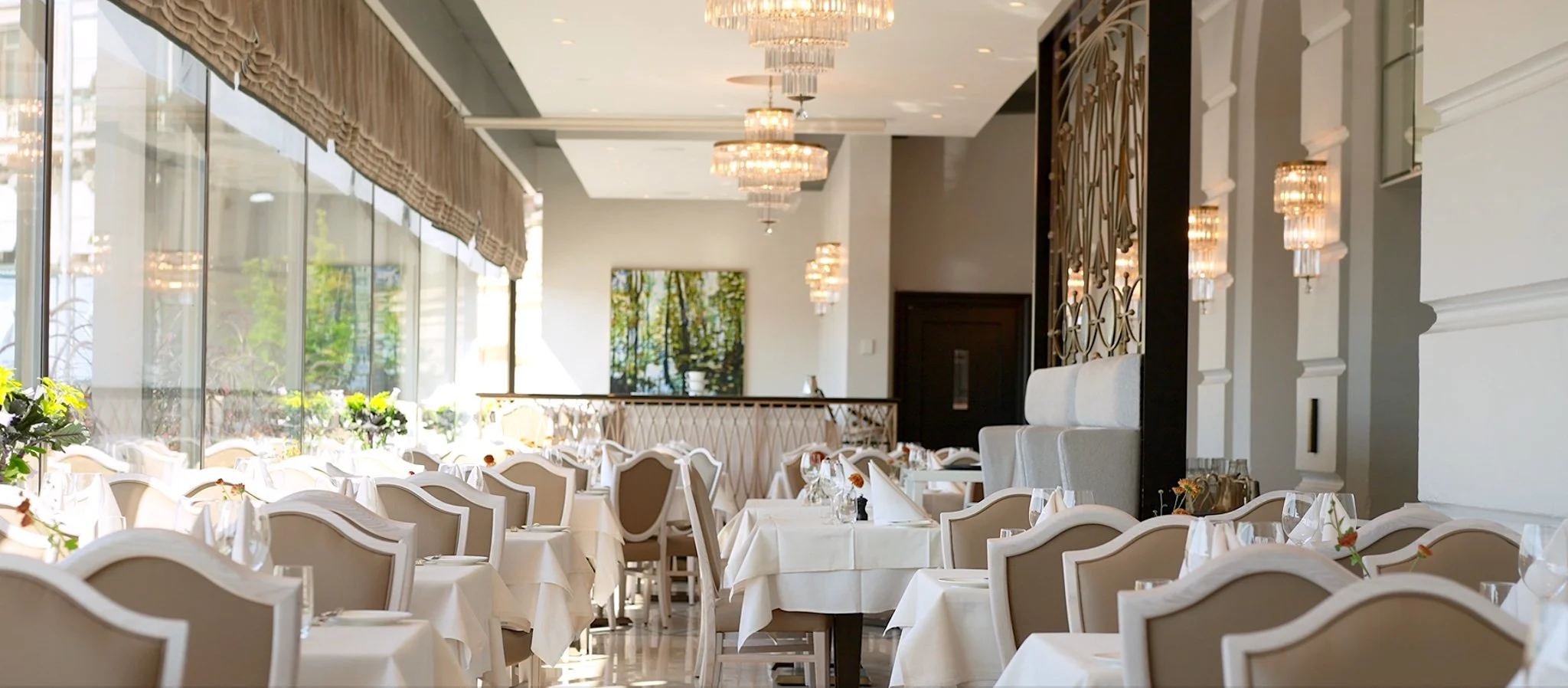
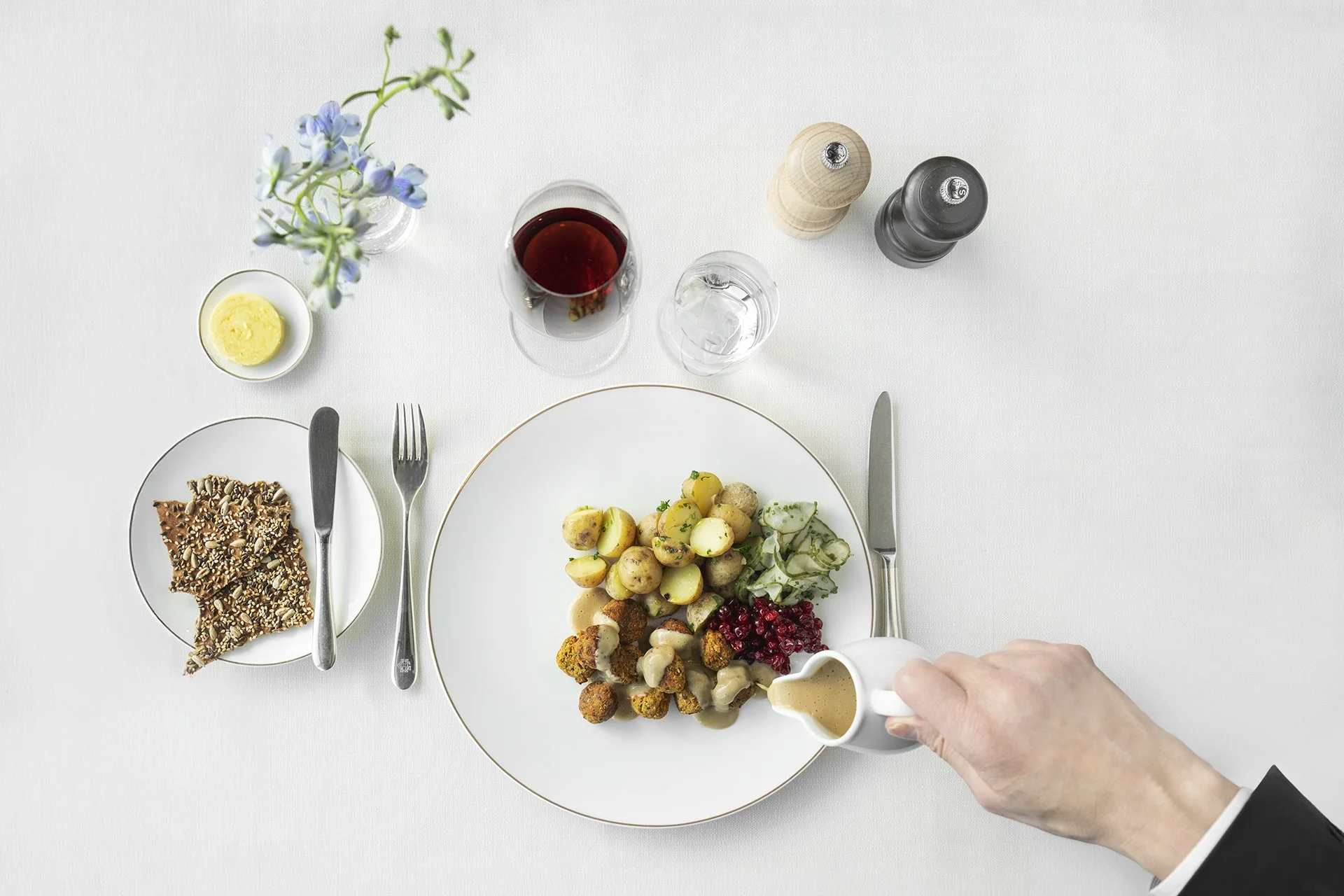
The Veranda: The waterfront restaurant serves breakfast, Swedish dishes and seasonal dining programs, including its traditional smörgåsbord, which is currently scheduled to return after its seasonal pause on April 30, 2027.
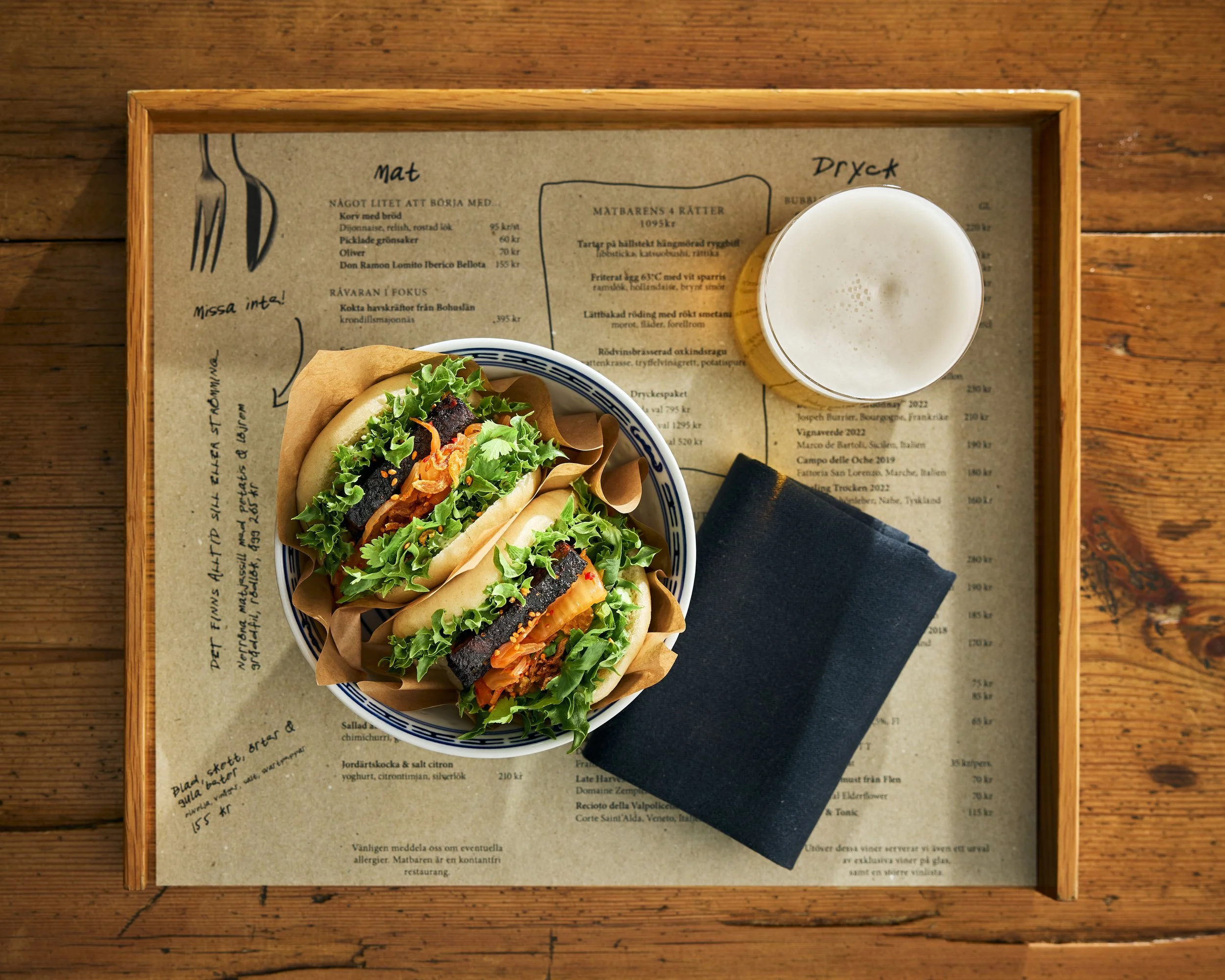
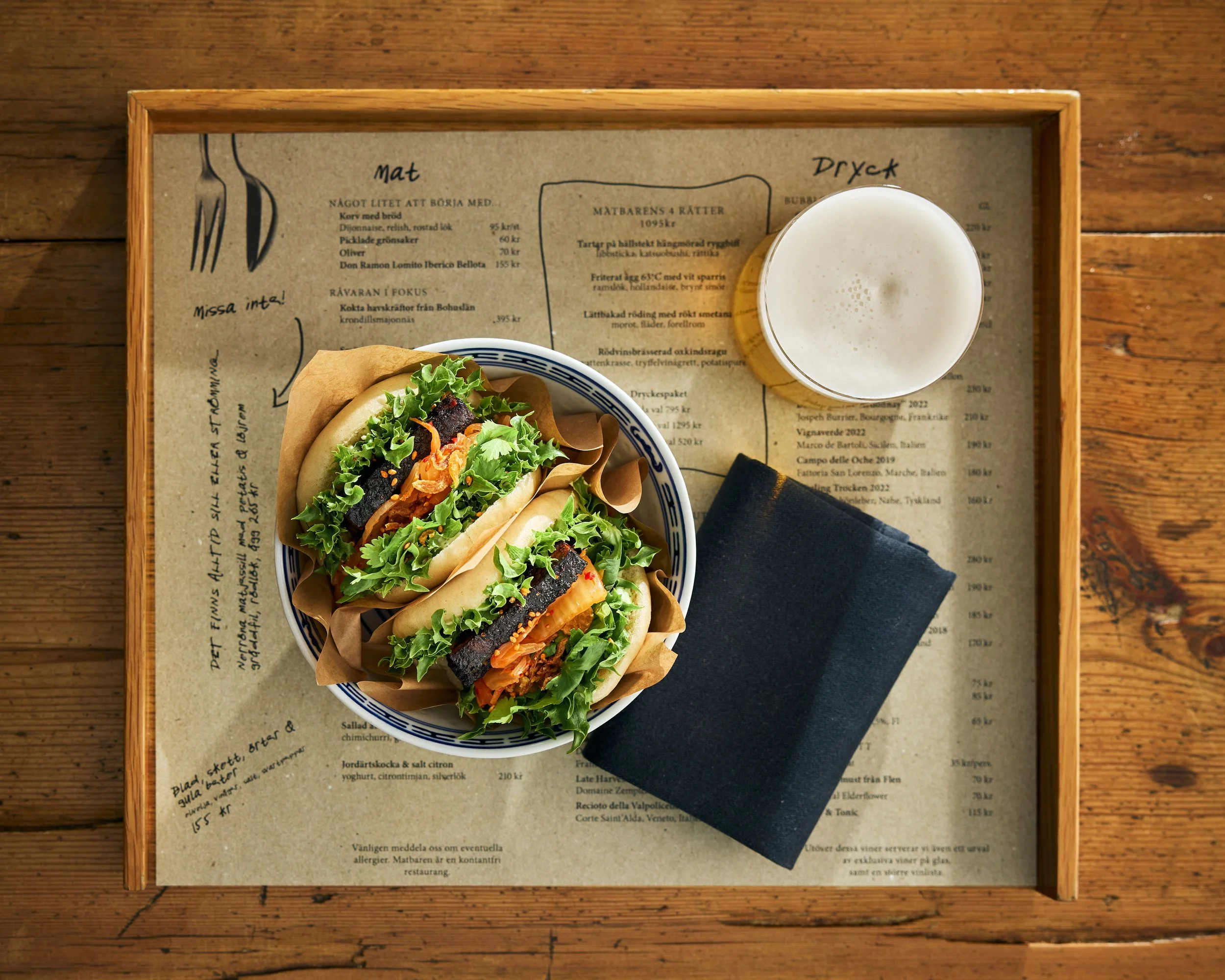
Matbaren: Mathias Dahlgren’s informal bistro serves medium-sized dishes built around seasonal ingredients, with seating at tables and a large counter.
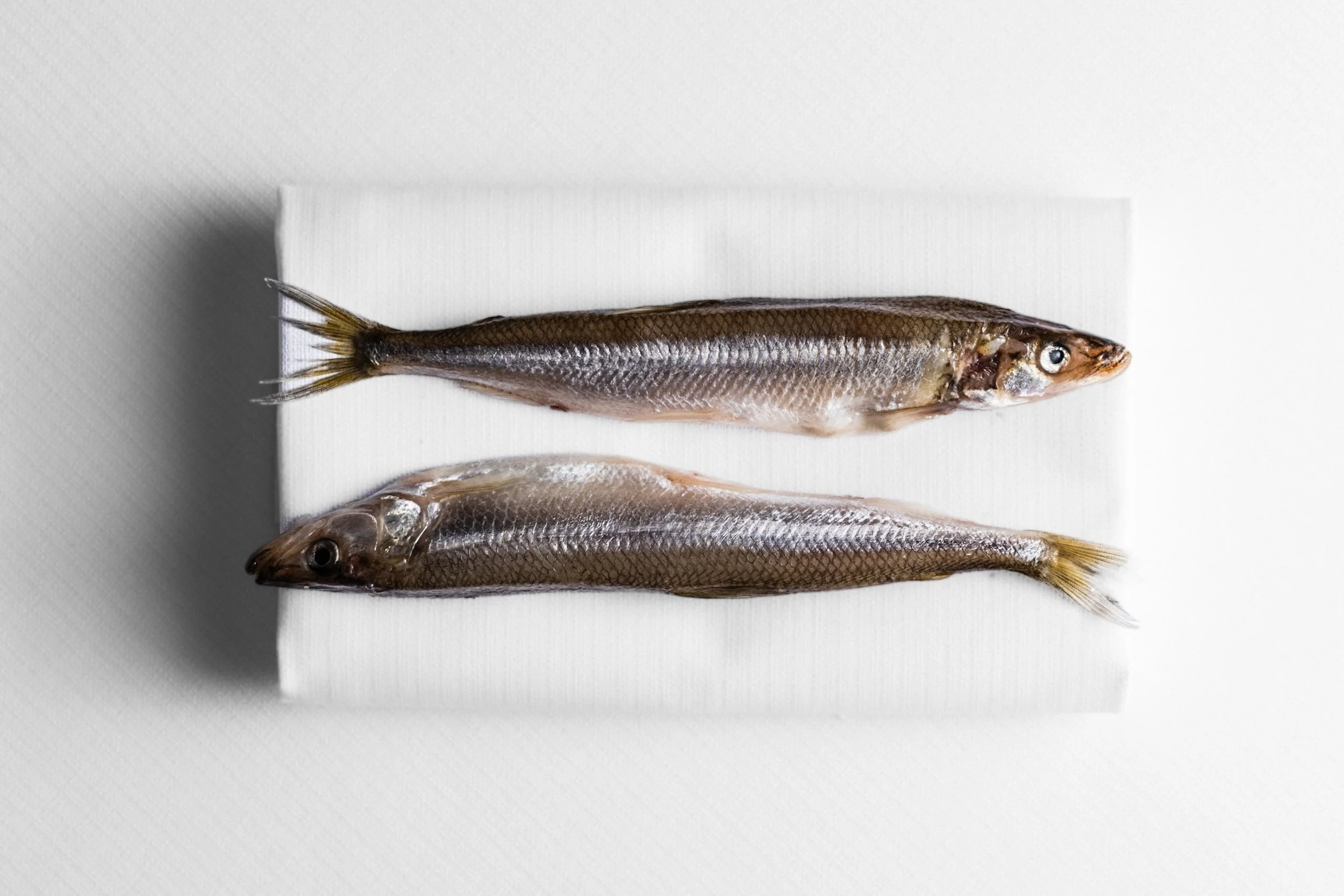
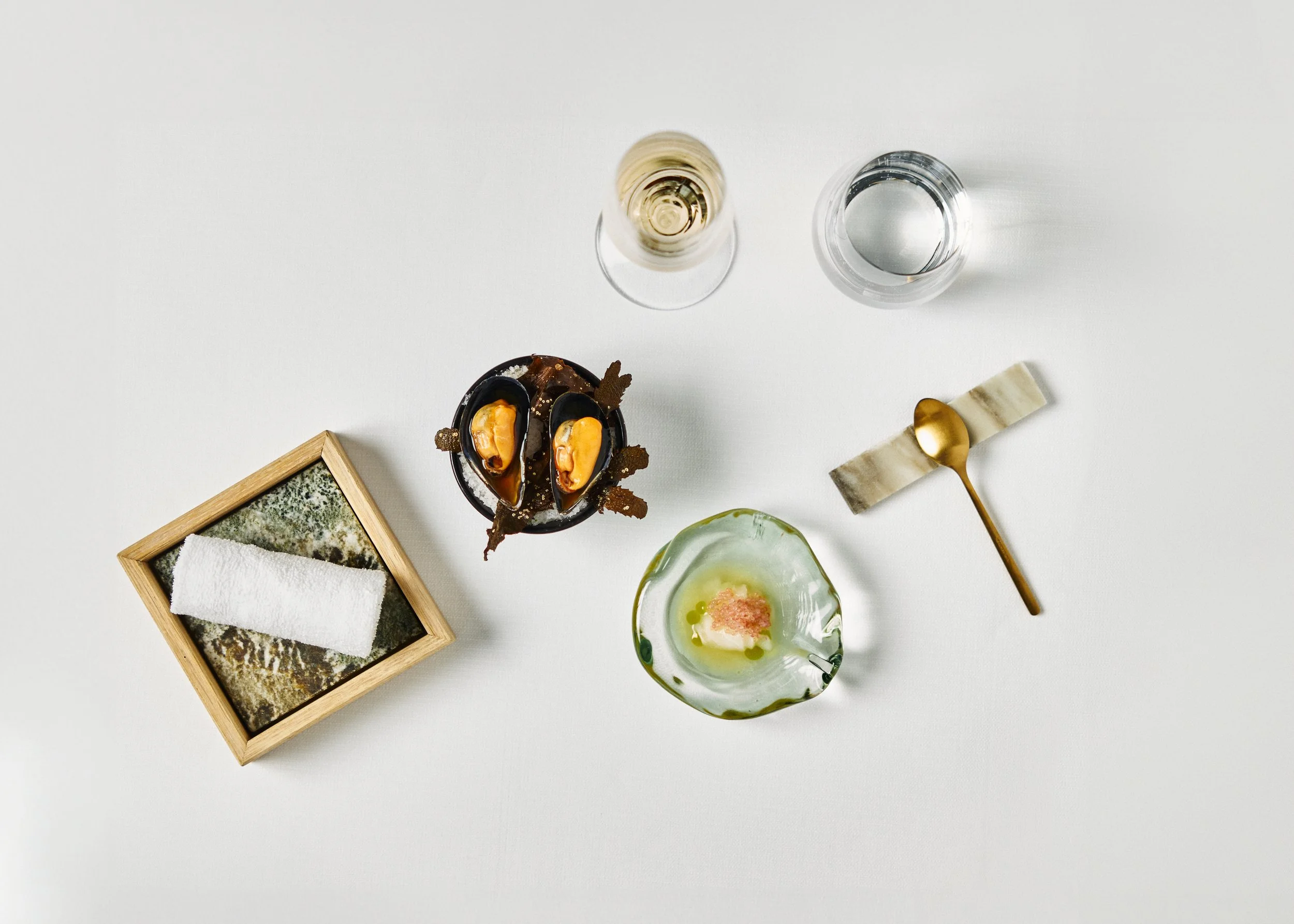
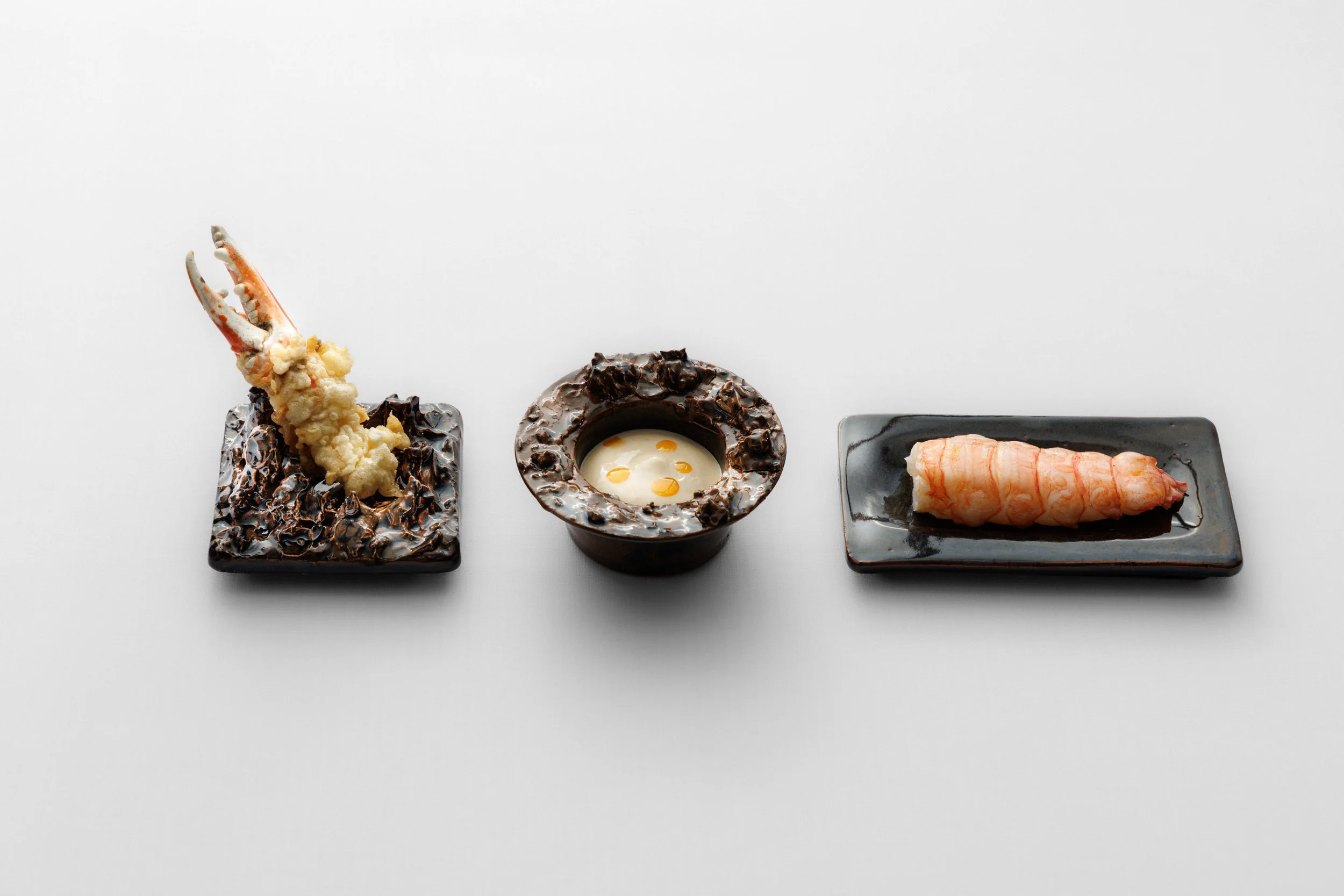
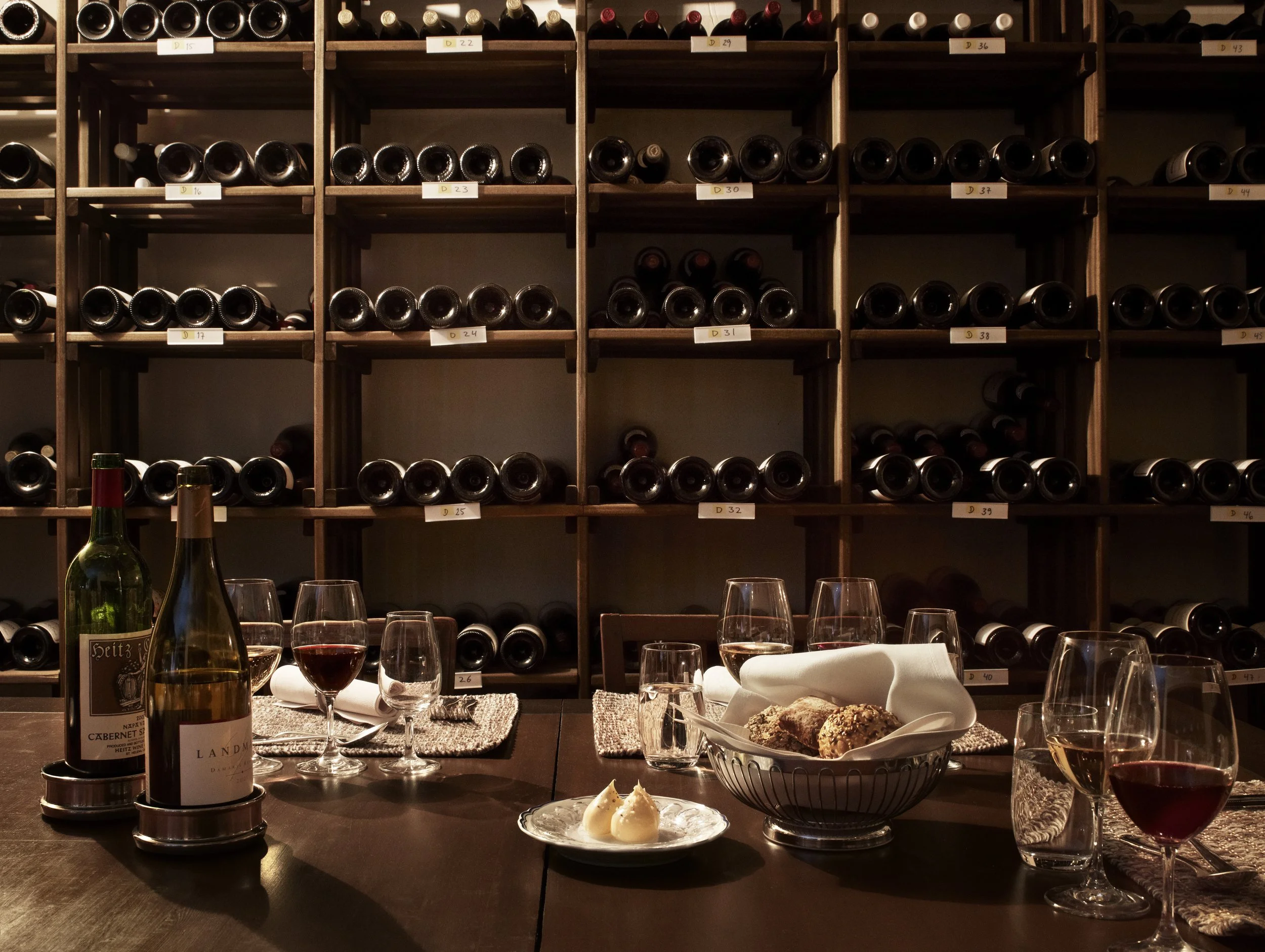
Seafood Gastro: Awarded one Michelin star in the 2026 guide, this tasting-menu restaurant explores ingredients from aquatic and coastal environments, with alcoholic and non-alcoholic beverage pairings.
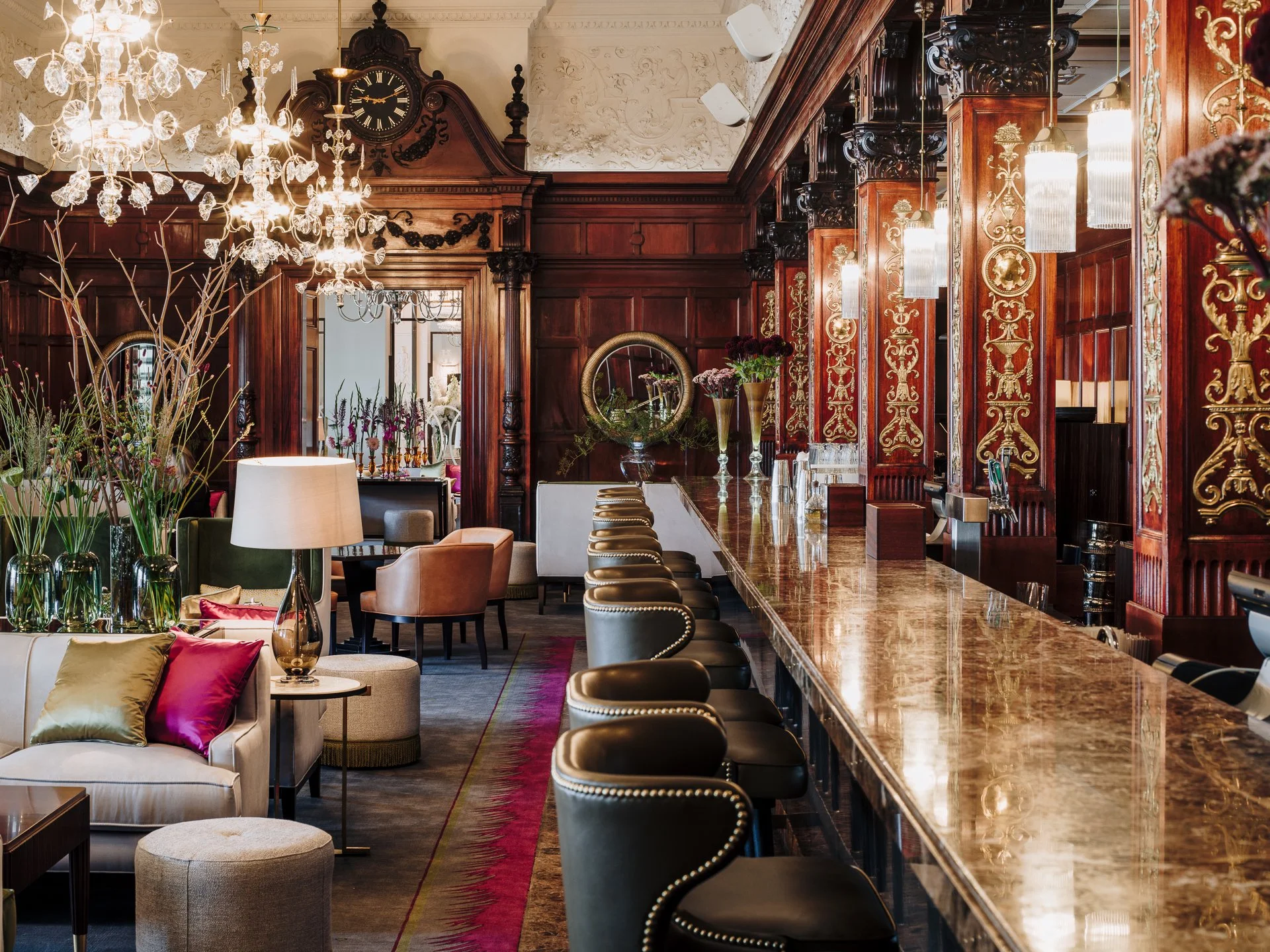
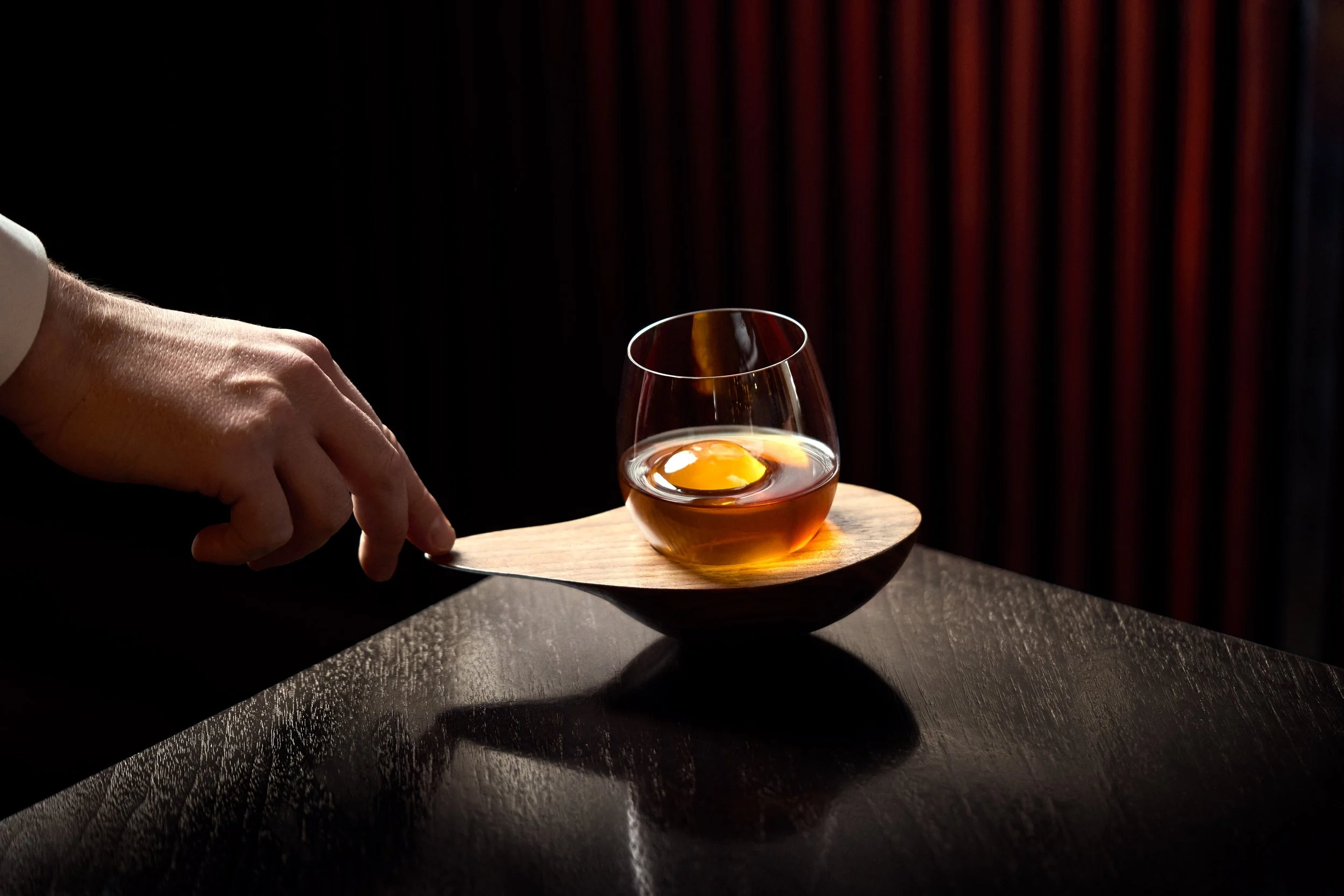
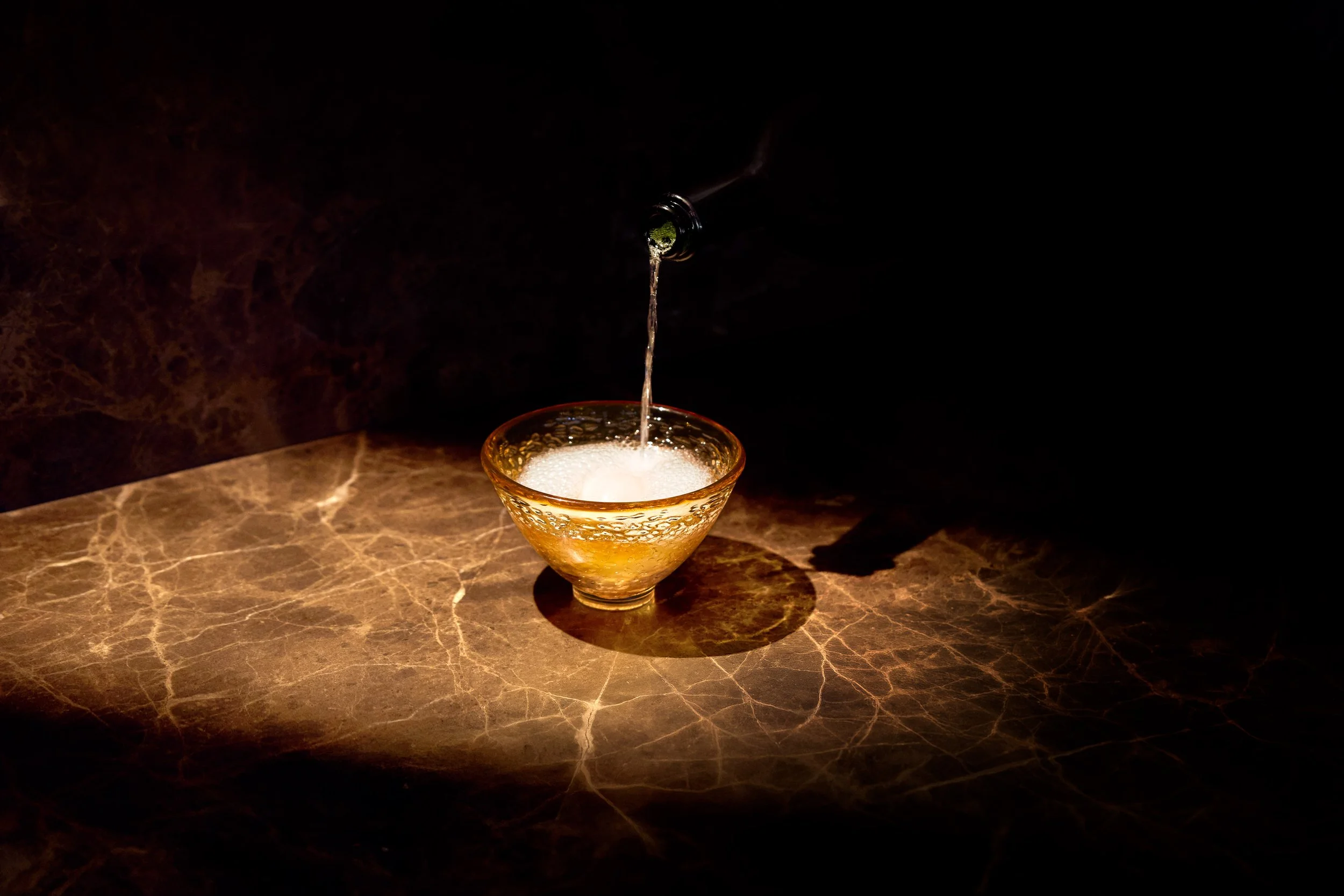
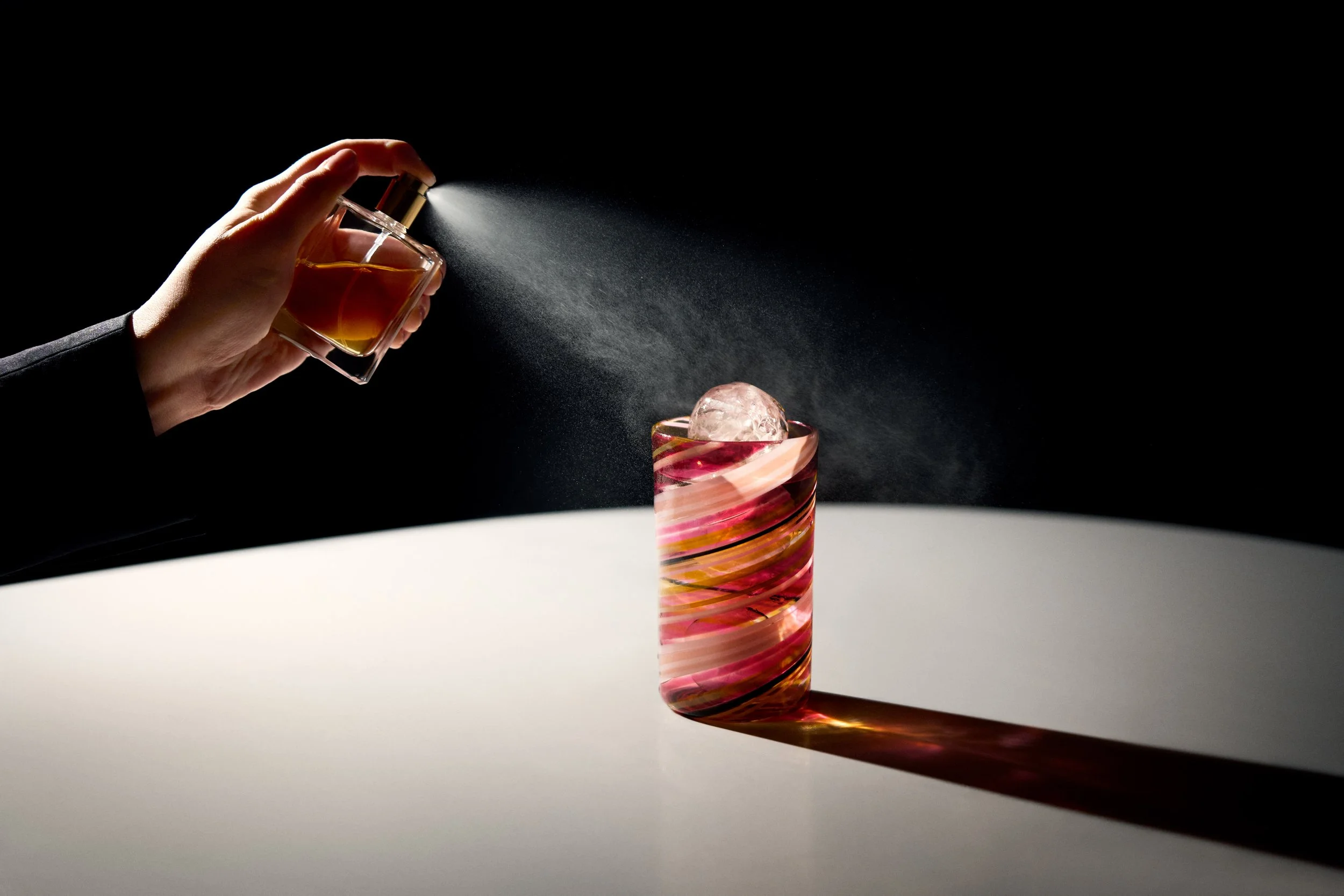
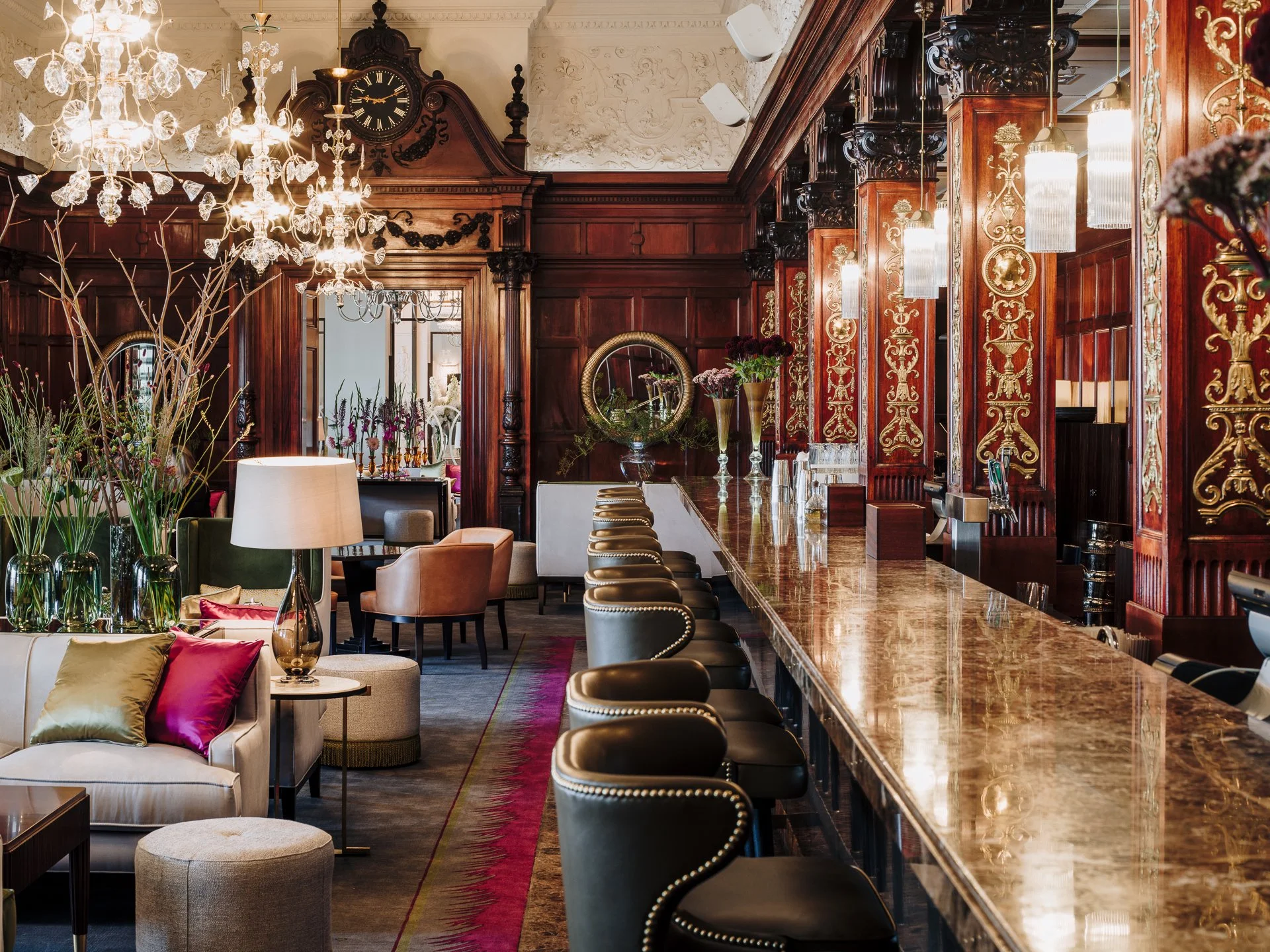
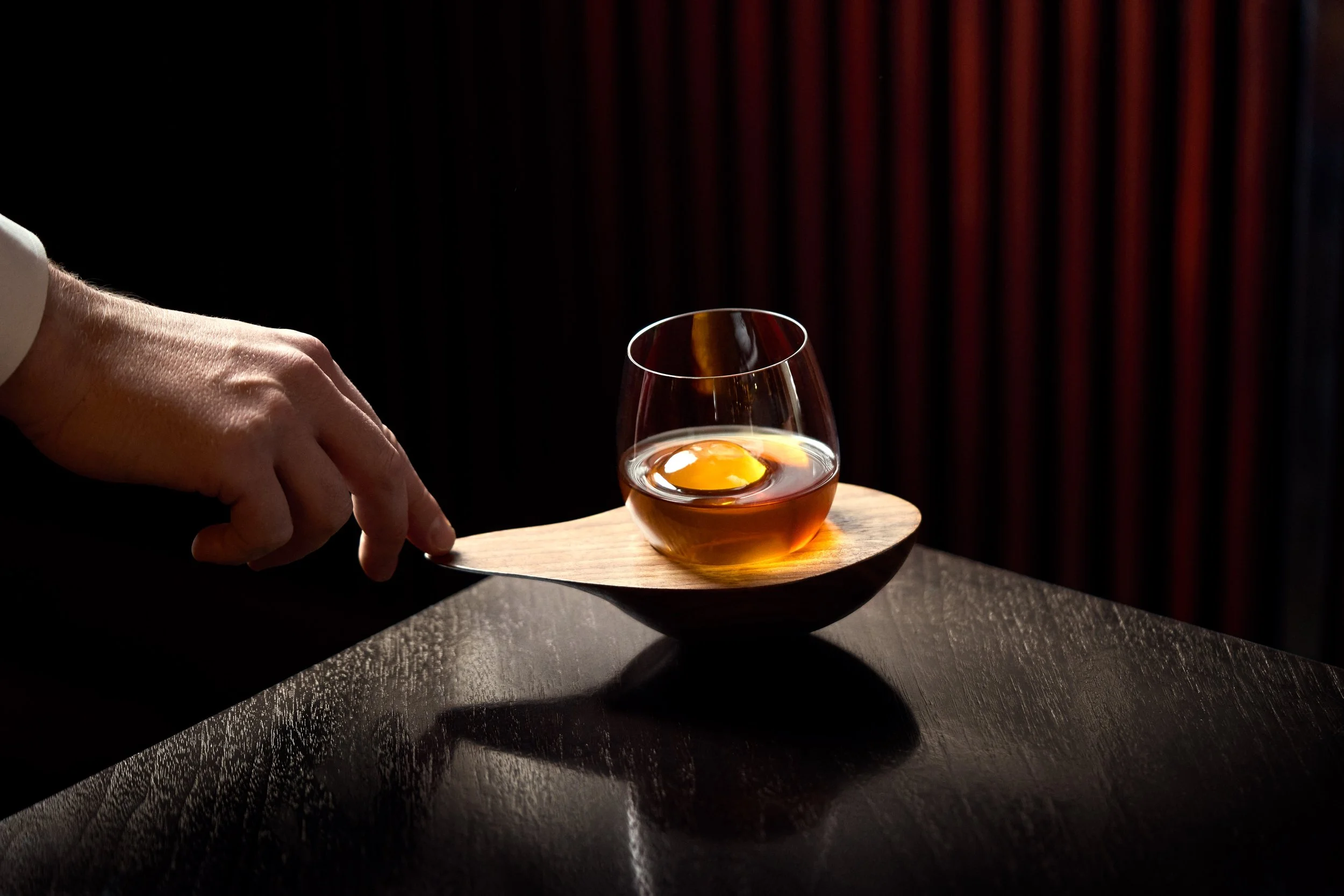
The Cadier Bar: Named for the hotel’s founder, this lounge combines cocktails and food with breakfast and afternoon tea, making it a natural meeting place throughout the day.
The Champagne Bar: Beside the lobby and the entrance to the Cadier Bar, this venue offers a broad selection of Champagne by the glass.
Grand Soleil: The hotel’s Riviera-inspired restaurant draws on French and Italian coastal cooking for lunch and dinner in a bright, contemporary setting.
UTE: Mathias Dahlgren’s seasonal outdoor venue serves small plates, snacks and summer drinks; it is currently closed for the season, with a return announced for 2027.
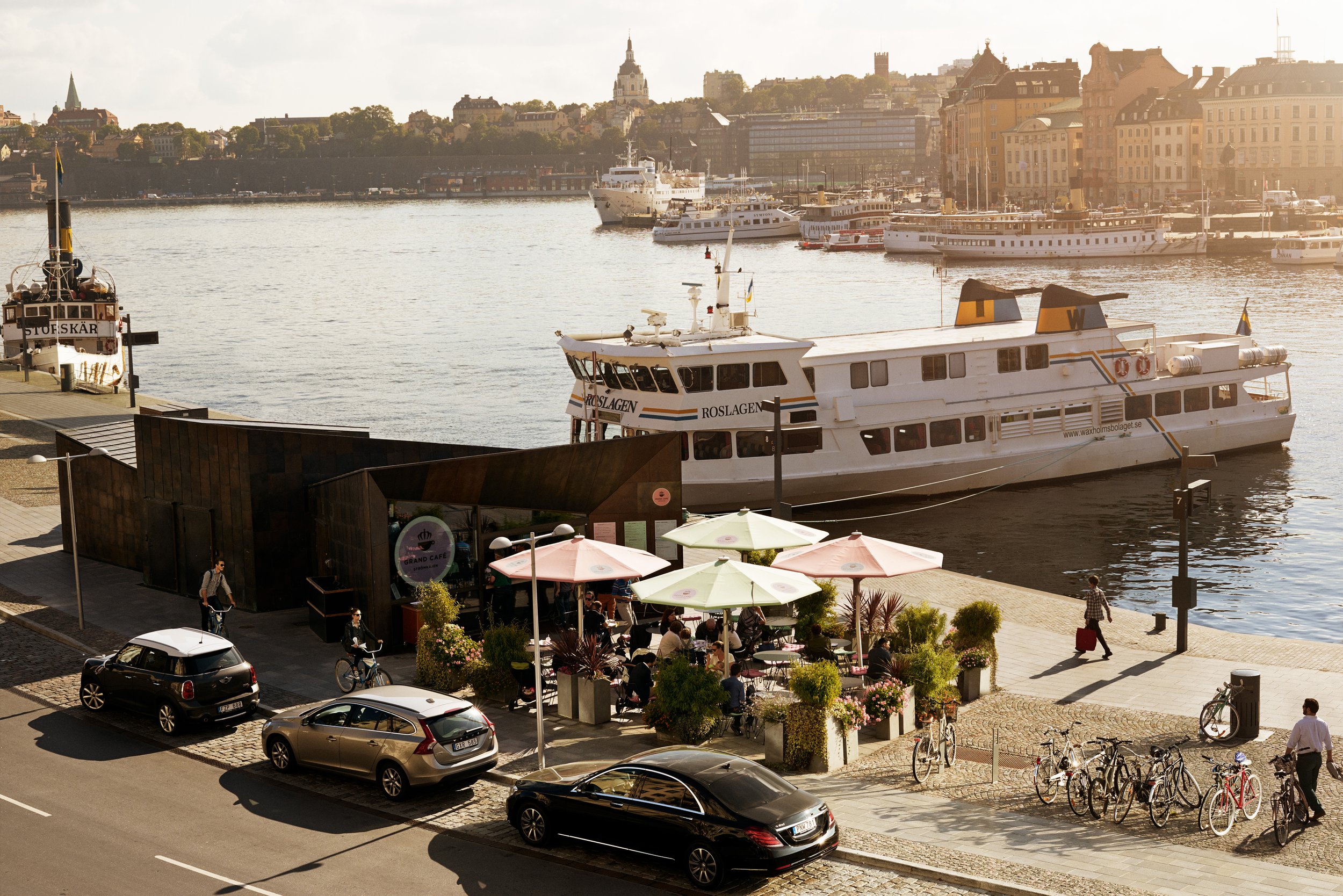
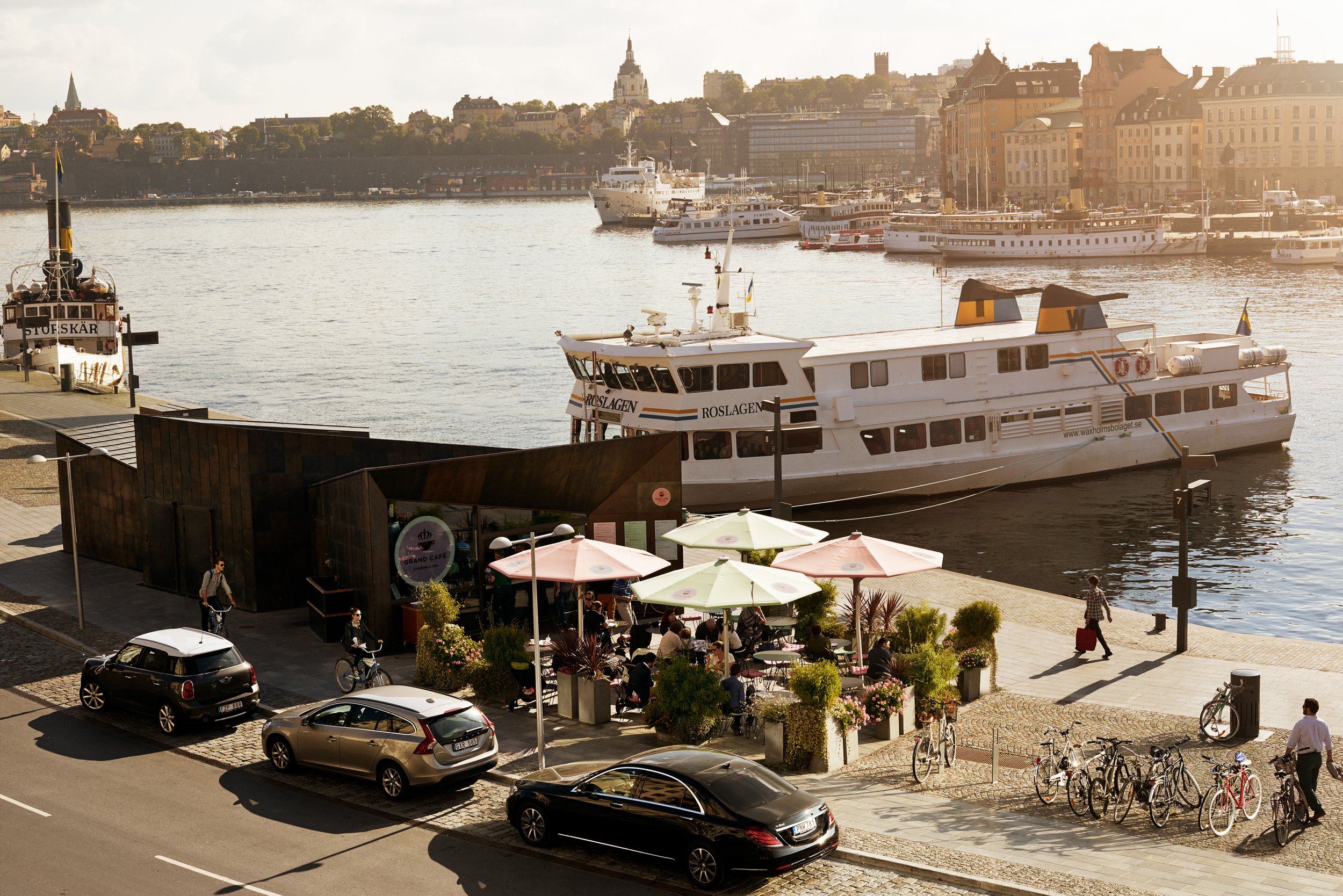
Grand Café: On the quay in front of the hotel, this seasonal café serves coffee, sandwiches, salads and pastries, with reopening currently planned for spring 2027.
Room Service: Available 24 hours a day, it provides a flexible alternative for early departures, late arrivals and private meals in a suite.
Seafood Gastro’s concept has practical implications for dietary planning: the restaurant does not offer vegetarian, vegan, seafood-free, fish-free or milk-protein-free menus. Other dining choices should be considered when those requirements apply. The Veranda’s seasonal buffets also make it worth aligning a visit with the particular Swedish food tradition that interests you.
Nordic Bathing Below the City’s Surface
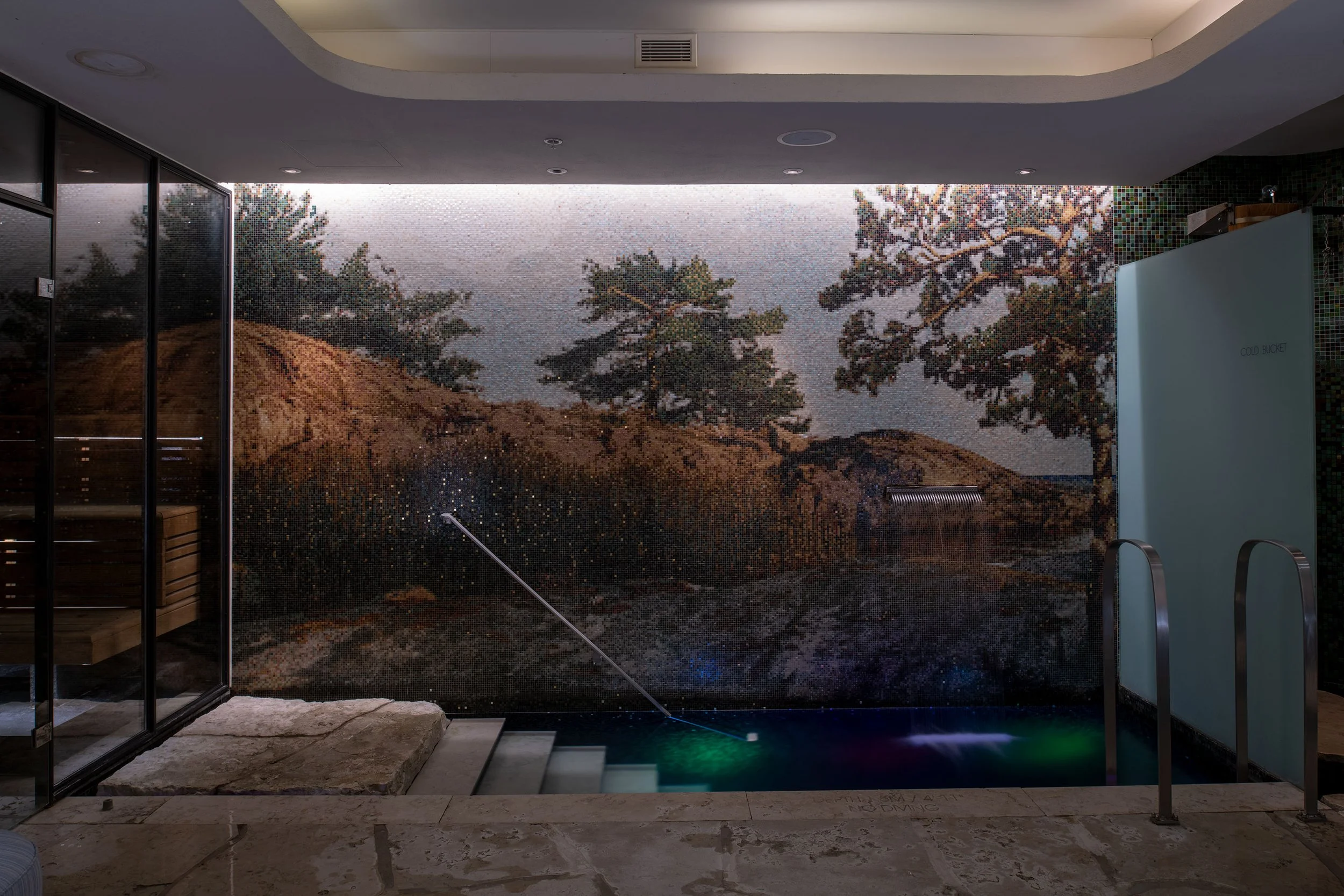
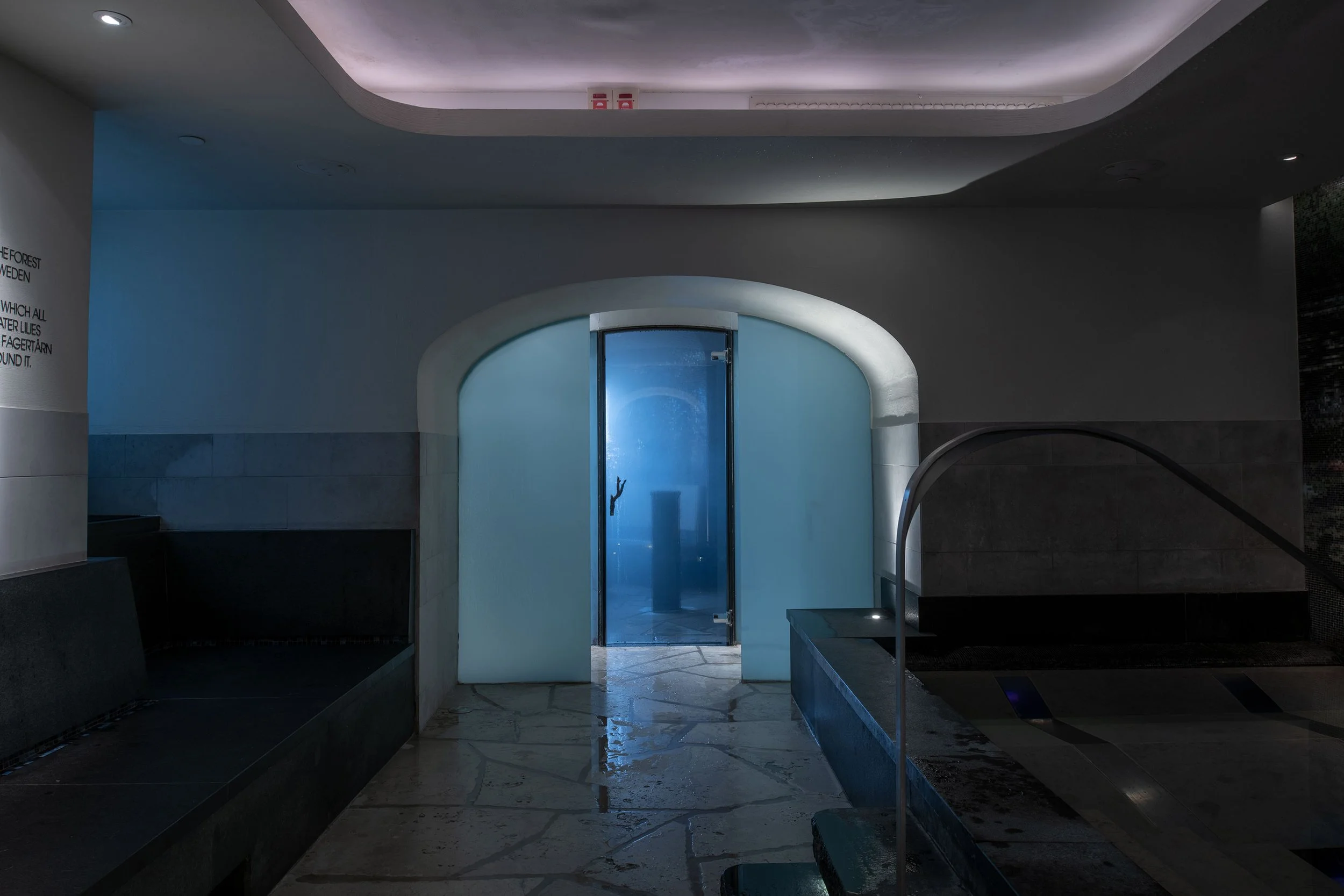
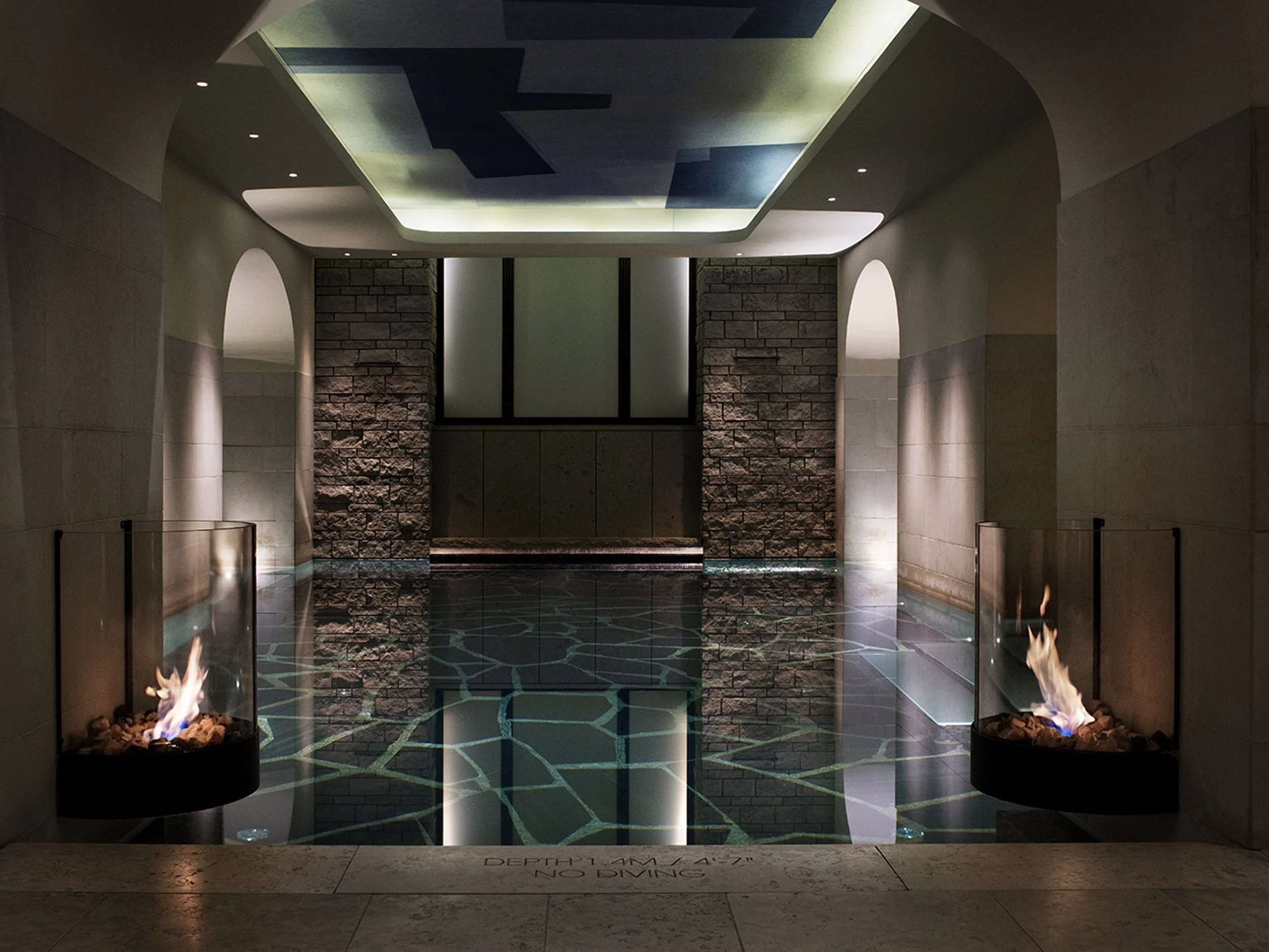
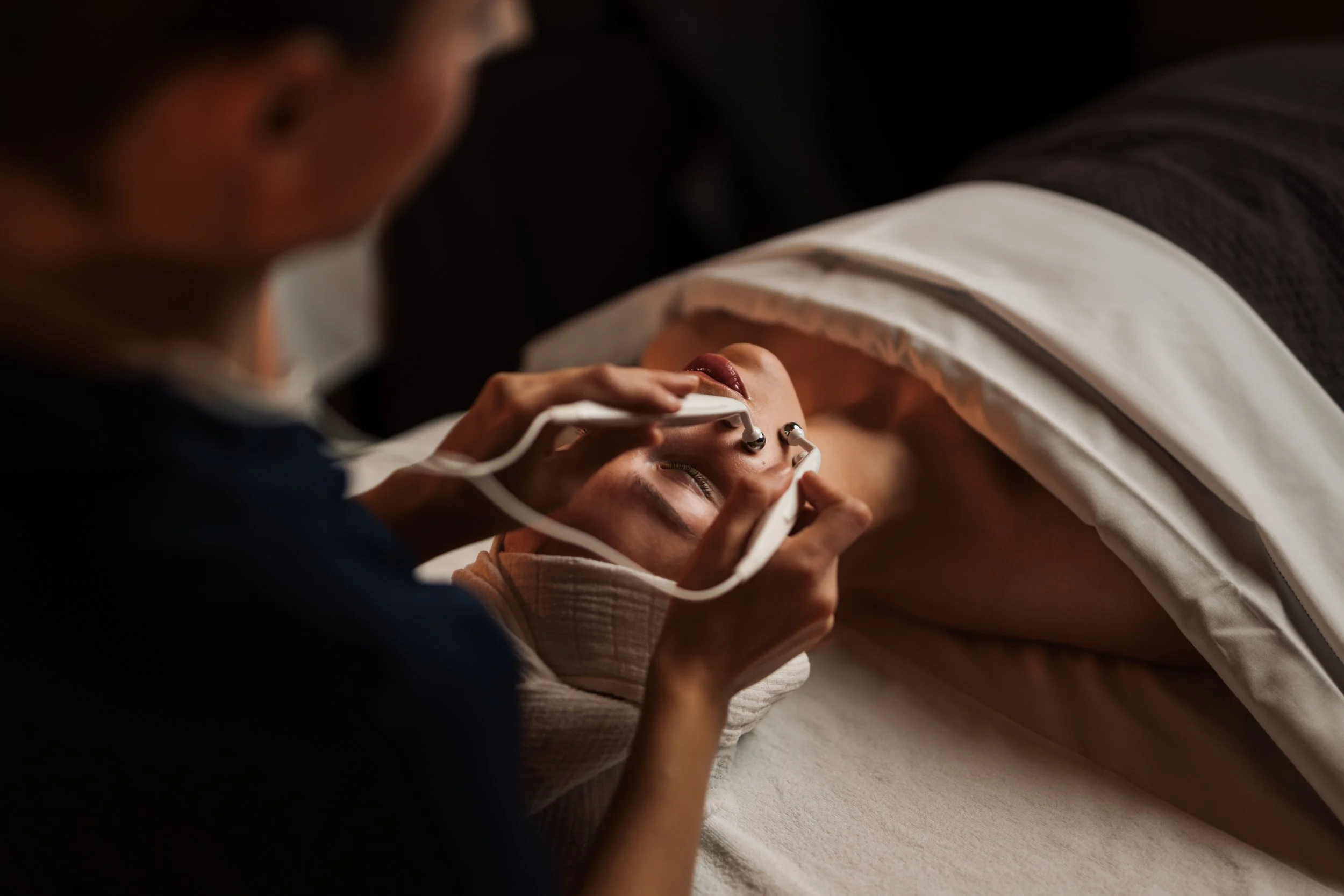
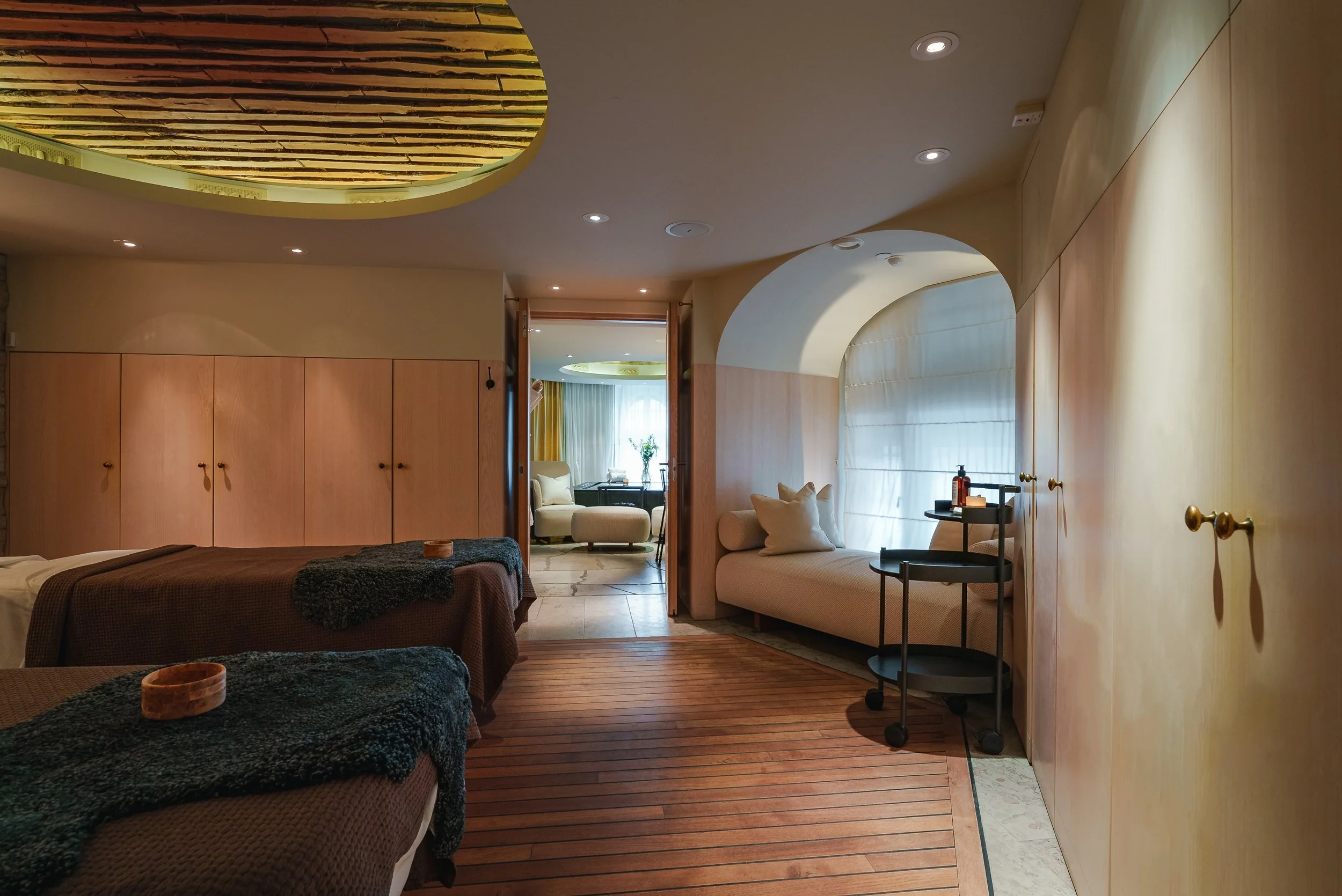
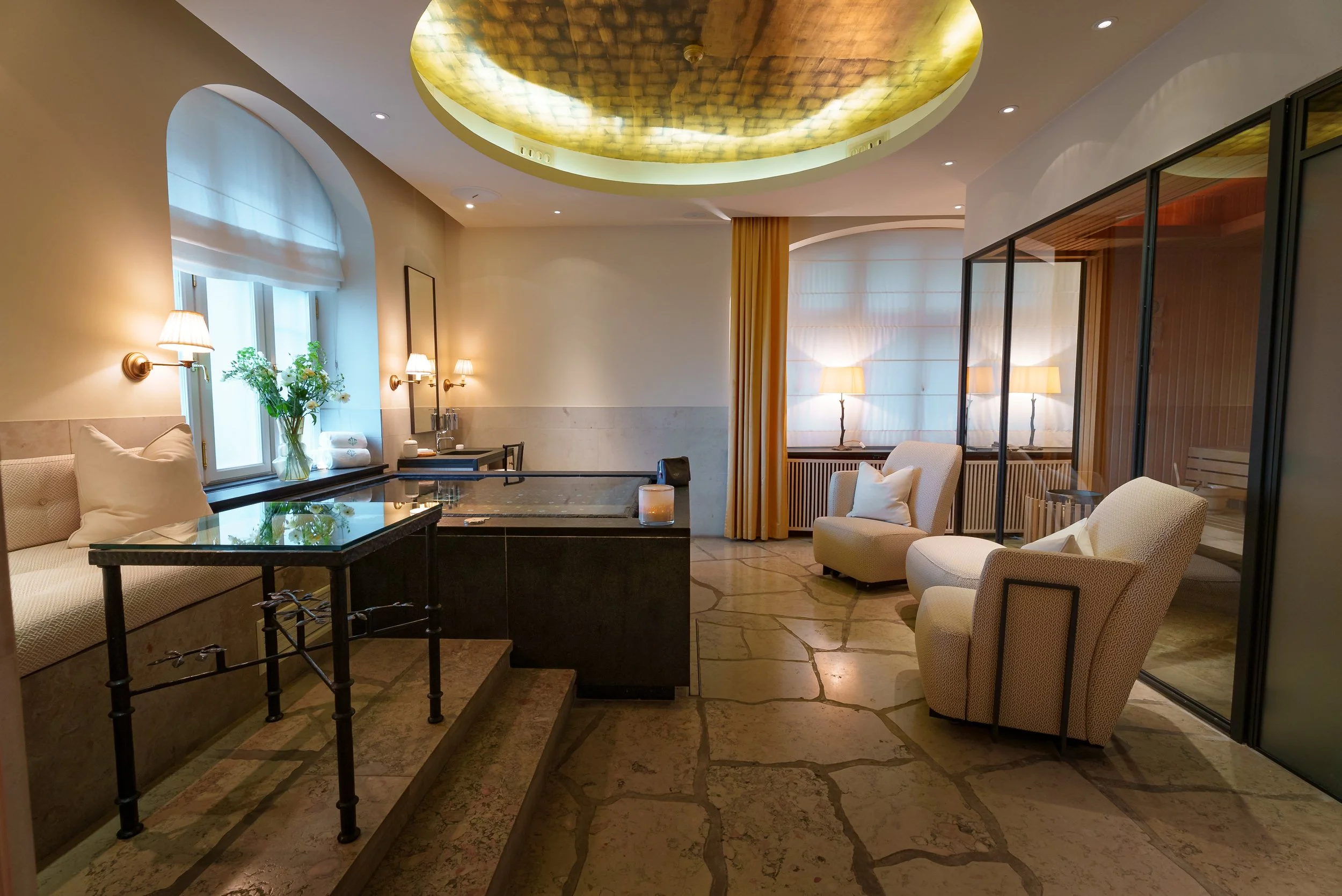
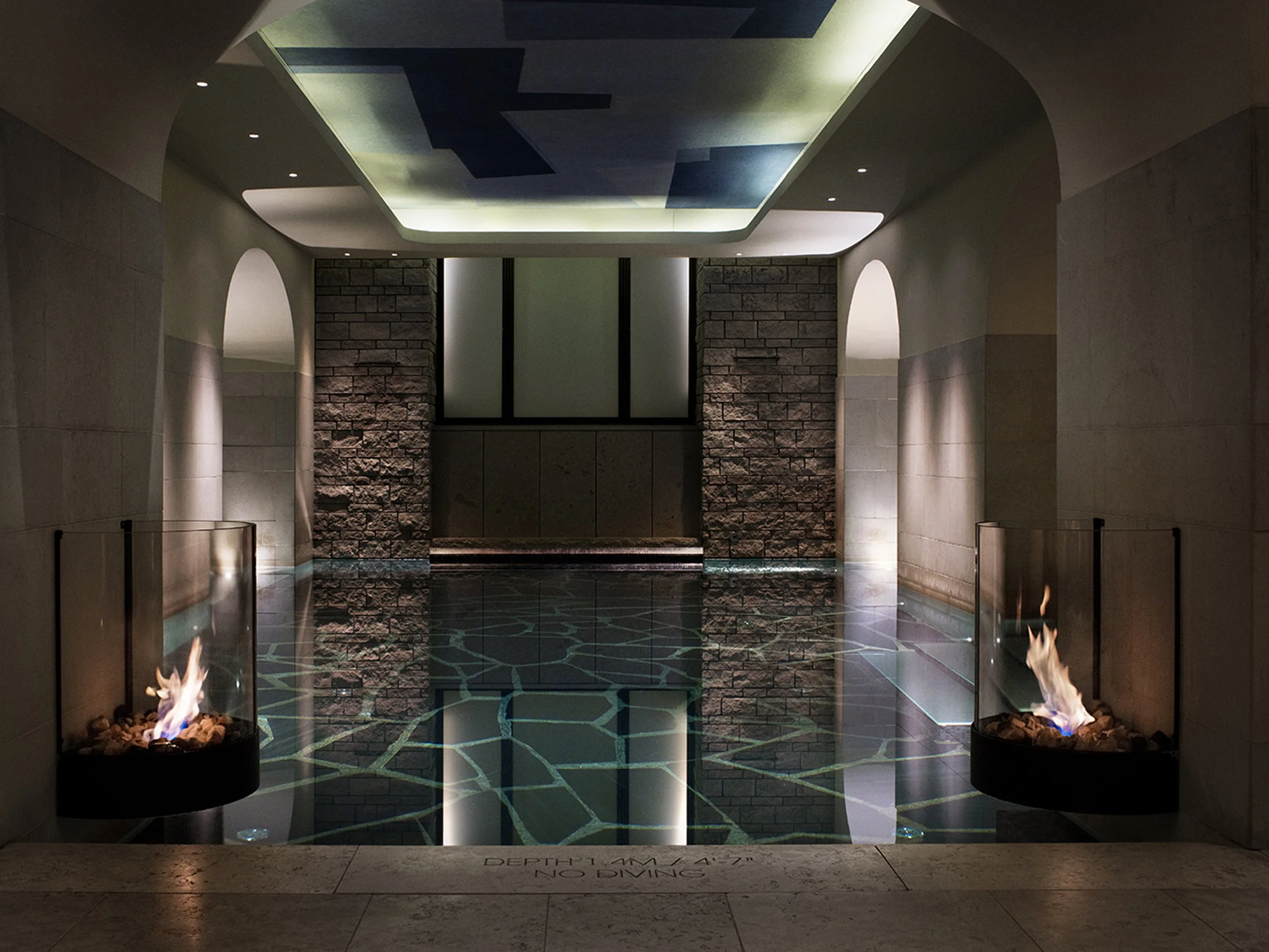
The Grand’s spa takes inspiration from the Stockholm archipelago, using granite from Grythyttan and Rauk stones from Gotland to connect its interiors with the Swedish landscape. Warmth, water and quiet form the core of the experience, with a pool, hydromassage pool, cold-water pool, steam and dry sauna facilities.
Swedish massage, facials and other body treatments complement the bathing areas. Private spa-suite experiences add a sauna, pool and lounge with treatment beds for travelers who prefer a more secluded session. These are spa facilities, distinct from the Princess Lilian Suite’s private accommodation and its soaking tub.
The waterfront fitness center and personal training provide another way to spend time between excursions. Spa access depends on the accommodation and booking arrangements: selected suites include it, while entry should be checked separately for other reservations. Both spa and fitness facilities have a minimum age of 16.
Art, Islands and the Palace Across the Quay
Nationalmuseum makes an easy starting point for exploring Swedish art and design, while the Royal Palace and Gamla Stan are reached across the water by bridge. The old town rewards a guided walk that goes beyond its main squares, particularly for travelers interested in Stockholm’s mercantile and royal history.
Djurgården offers a different day, combining museums with generous outdoor space. The Vasa Museum is an especially compelling introduction to Sweden’s maritime past, while Skansen gives families and culturally curious travelers another perspective on the country’s traditions.
The hotel’s concierge can arrange guides, tickets and excursions, including time in the archipelago. A boat outing introduces the island landscape that informs so much of Stockholm’s identity; the route, vessel and duration should suit the season and the amount of time available. Leaving one afternoon lightly scheduled allows room for the waterfront, a museum return or an unhurried meal.
A City Stay for Families
The Grand’s family appeal comes from flexible accommodation, its central position and services that can be arranged around a household’s needs. Babysitting is available through the concierge, with the hotel describing experienced caregivers who have first-aid training. Walks, museum visits and other suitable children’s activities can also be organized with parental permission.
Two-bedroom suites and connecting arrangements can make the difference between a workable family stay and one with comfortable space for everyone. Confirm the complete configuration, rather than relying on the total floor area alone. The spa’s age limit is equally important: its pools are not an option for children under 16, even when accompanied by an adult.
A day divided between a focused museum visit and time outdoors is often the most enjoyable introduction to Stockholm for younger travelers.
Preserving Craftsmanship and Reducing Waste
The hotel’s sustainability work includes retaining and refurbishing furniture, using Swedish furnishings and local textiles, and choosing materials intended for long service. Some pieces from the hotel’s earliest years remain in use, updated with new fabrics and finishes.
Operational measures reported by the property include renewable electricity, LED lighting, food-waste monitoring and coordinated deliveries. Kitchens reuse suitable surplus food from events for staff meals and make stocks from vegetable, fish and meat by-products. Four electric-car charging points are available in the garage, and electric vehicles form part of the transport offering. These specific measures provide a clearer picture of the hotel’s approach than broad environmental claims.
Choosing the Right Route Through the Grand
Published hotel access information lists elevators, wheelchair-accessible reception and concierge desks, an accessible route to the elevators and wheelchair-accessible restaurant facilities. Individual accommodation still needs to be matched to a traveler’s requirements, particularly in a hotel with varied historical layouts.
The Attic Suites place their bedrooms upstairs, and the Flag Suite’s lookout is reached by a spiral staircase. Those features make the exact layout important for anyone avoiding stairs. Our team can coordinate a review of the proposed room, bathroom and routes to dining and wellness facilities before booking, along with suitable transfers and sightseeing arrangements.
Long Summer Evenings and Stockholm in Winter
Late spring and summer favor time outdoors: waterfront walks, terrace dining and excursions among the islands. Long daylight hours allow the city to be explored at a relaxed pace, though popular restaurants and guides still warrant advance arrangements.
Autumn places more emphasis on museums, restaurants and the spa, while winter brings short days, illuminated interiors and the hotel’s festive dining traditions. The Grand operates year-round, but outdoor venues, boat schedules and particular buffets are seasonal. December’s Nobel and holiday calendar can also make advance planning particularly useful.
The best timing depends on the intended trip: choose warmer months for a substantial archipelago component, or a cooler-season visit for a stay built around art, food and the hotel’s indoor spaces.
Your Stockholm Stay With Destinations by David
Grand Hôtel participates in Virtuoso, and Destinations by David’s Virtuoso affiliation can bring added value and personalized attention to an eligible reservation. Our team will explain the arrangements available for your dates privately and help select the room, view and configuration that best fit the stay.
That guidance is especially useful here, where a courtyard room, a palace-facing suite and a private rooftop setting create distinctly different experiences. We can coordinate restaurant reservations, specialist guides, airport transfers and an archipelago excursion, while sharing your preferences with the hotel before arrival.
Contact Destinations by David to plan and book the Grand Hôtel as a Stockholm city escape or as part of a wider journey through Sweden and Scandinavia.
The Journey to Grand Hôtel Stockholm
Arrival Airport: Stockholm Arlanda Airport is the principal international gateway; allow approximately 40–60 minutes by road to the hotel, depending on traffic.
Private Hotel Transfer: A prearranged chauffeur connects Arlanda directly with the hotel in approximately 40–60 minutes, with vehicle selection based on passenger numbers and luggage.
Airport Taxi: A taxi provides a direct alternative, with a similar approximate journey time of 40–60 minutes; confirm the fare arrangements before departure.
Arlanda Express: The train reaches Stockholm Central in approximately 18–19 minutes, followed by a short taxi ride of roughly 5–10 minutes or about 15–20 minutes on foot.
From Stockholm Central: Travelers arriving by intercity rail can take a taxi for approximately 5–10 minutes or walk to the hotel in about 15–20 minutes.
The hotel stands on Strömkajen, opposite the Royal Palace. Our team can coordinate a comfortable arrival and an appropriate vehicle, leaving flexibility for airport formalities and city traffic.
A Grand Address With Stockholm in View
The Grand Hôtel brings the city into the stay through its outlook, its food and its place in Swedish history. A visit might move from a morning at Nationalmuseum to an afternoon on the water, then return to a table at Matbaren or a drink in the Cadier Bar. Giving those quieter hotel moments as much consideration as the sightseeing is what allows this address to become part of the Stockholm experience.