St. James, Barbados | Sandy Lane
The Platinum Coast’s Most Recognizable Address
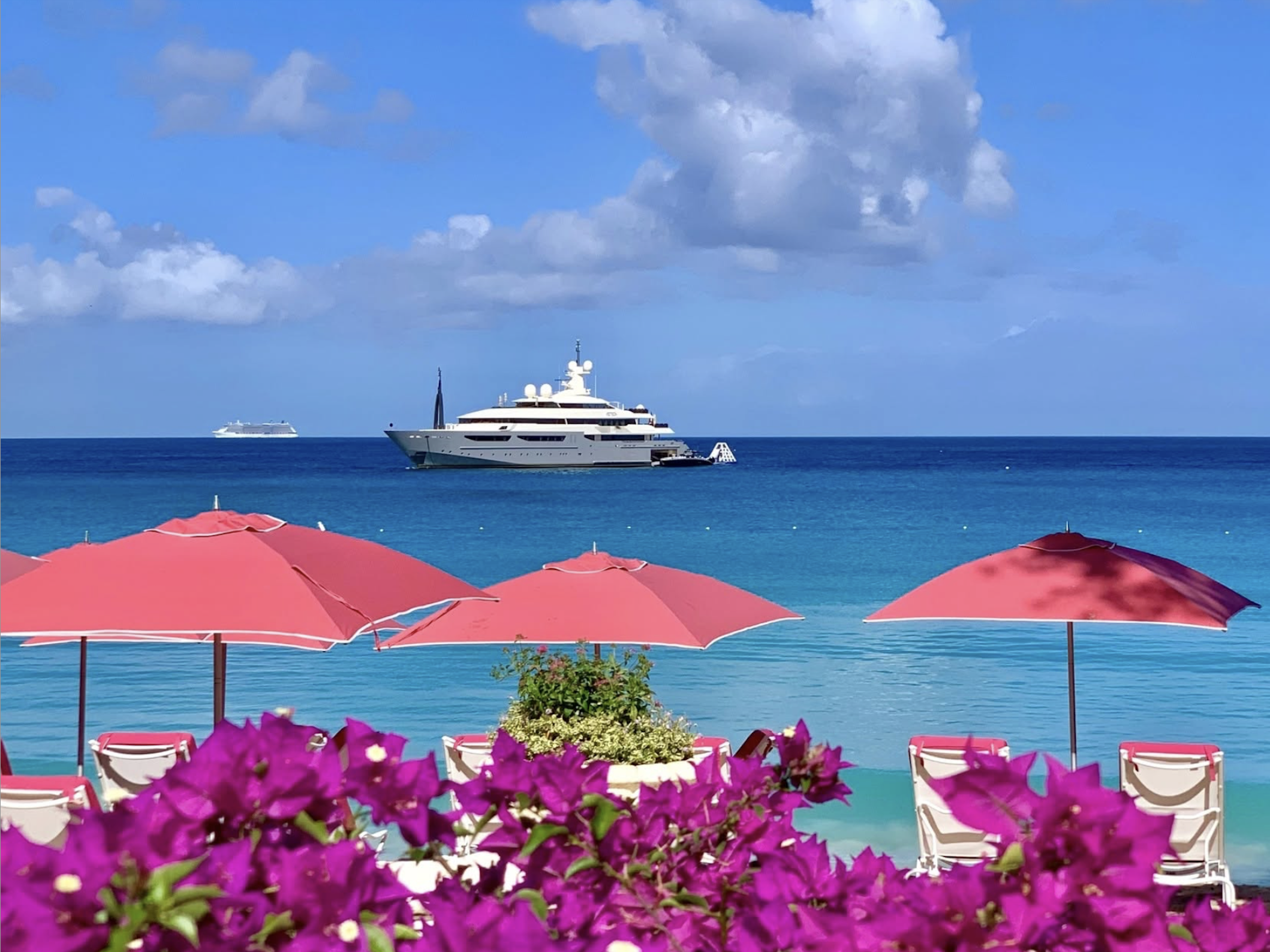
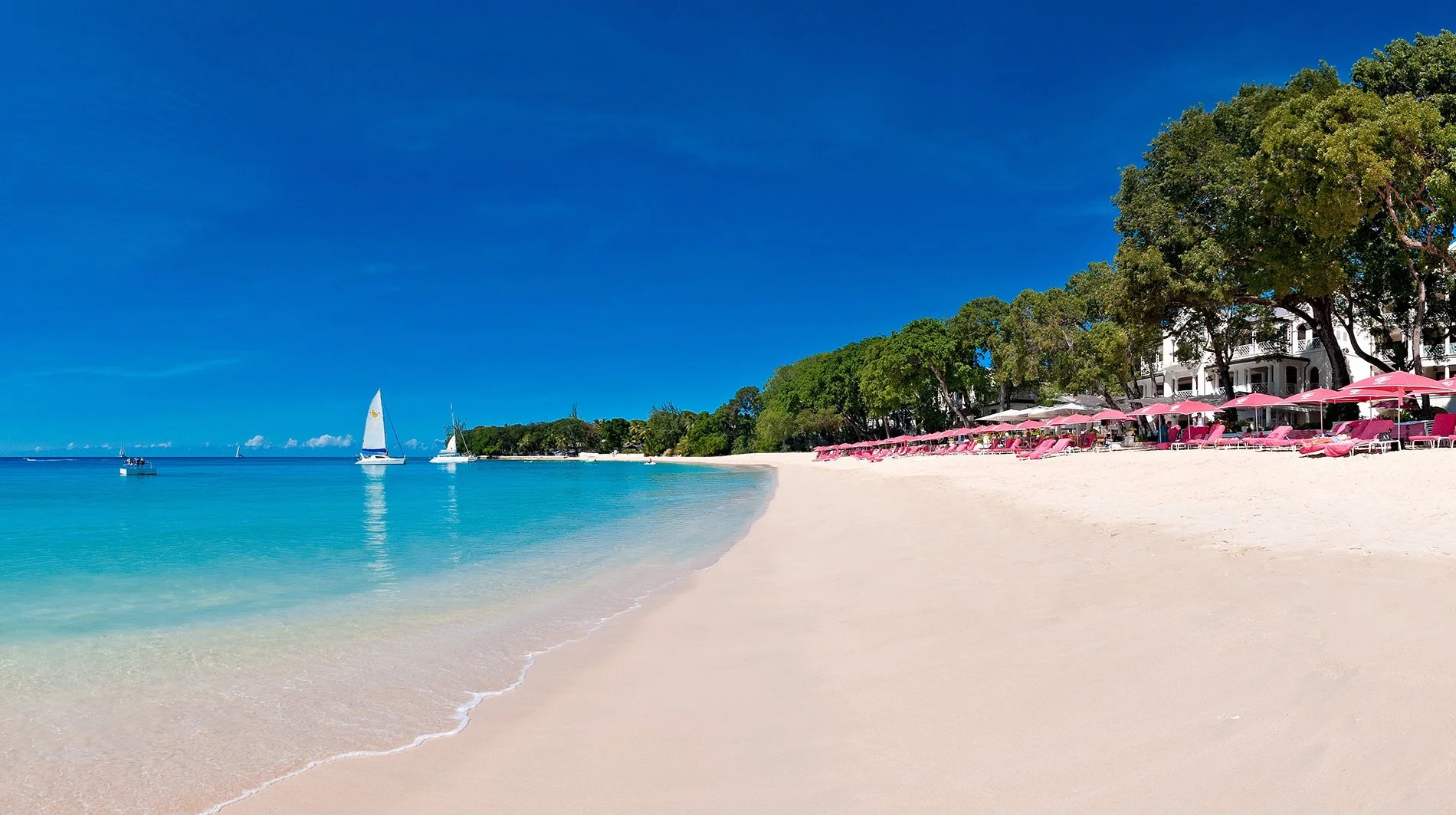
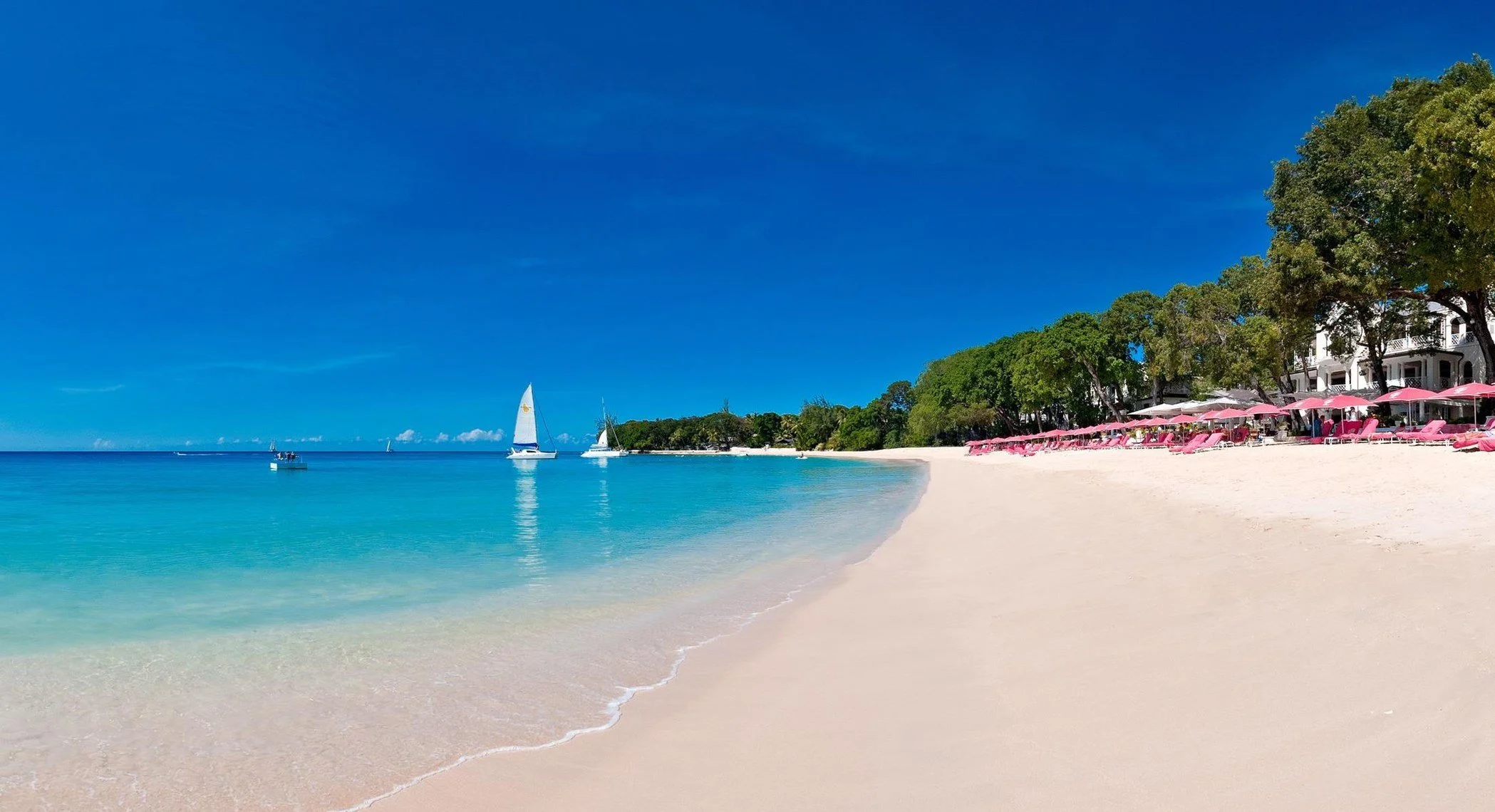
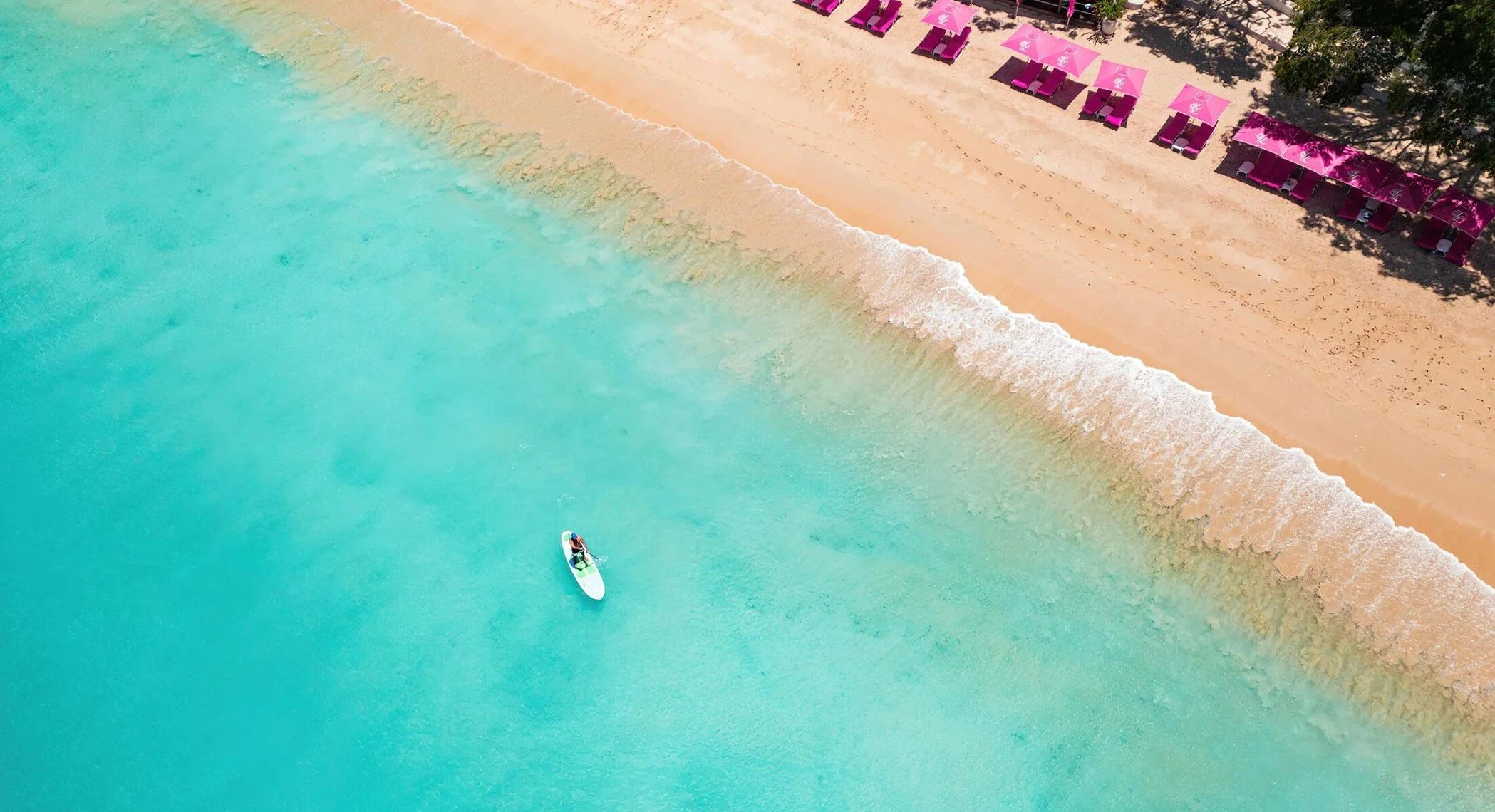
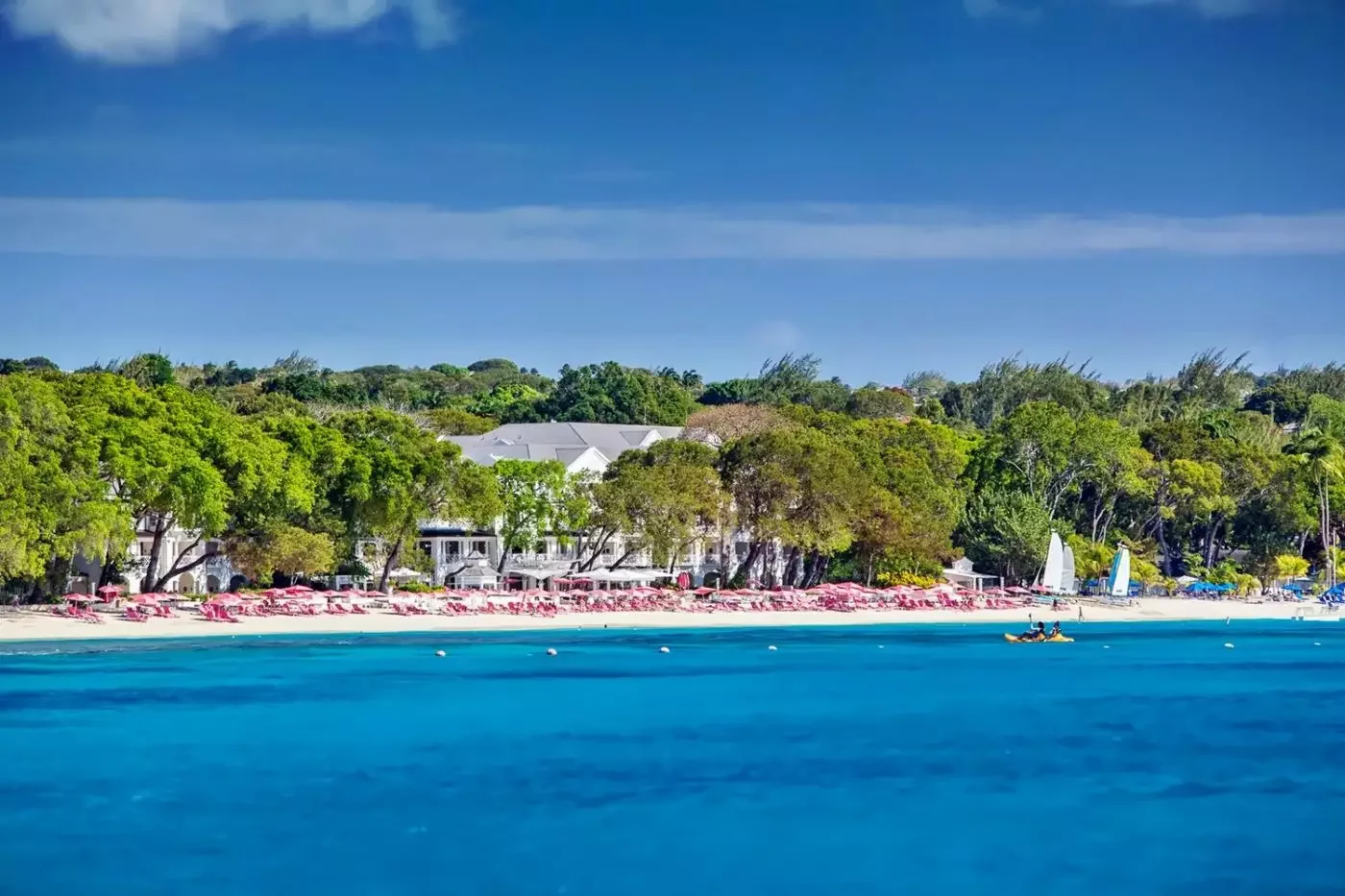
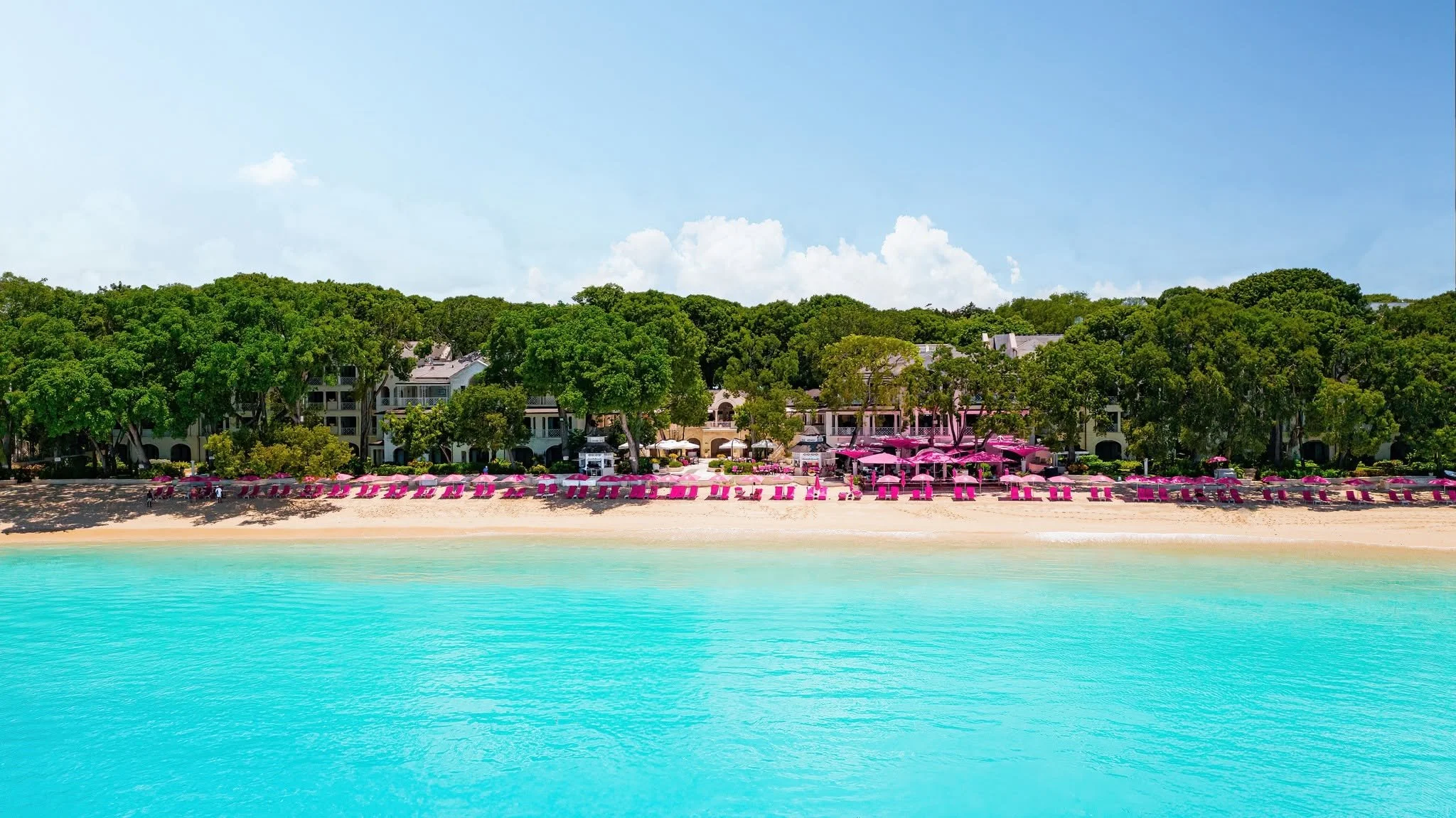
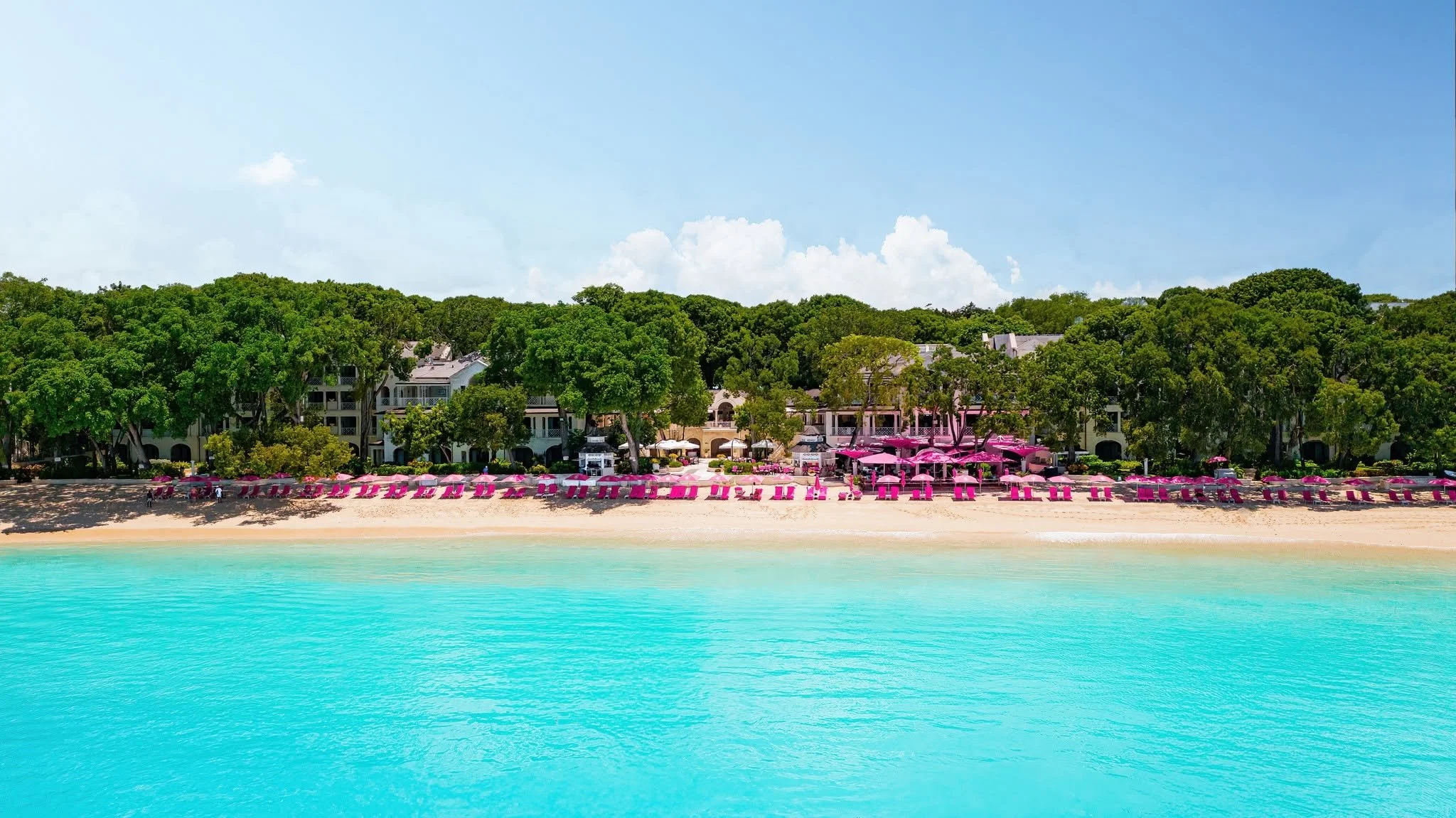
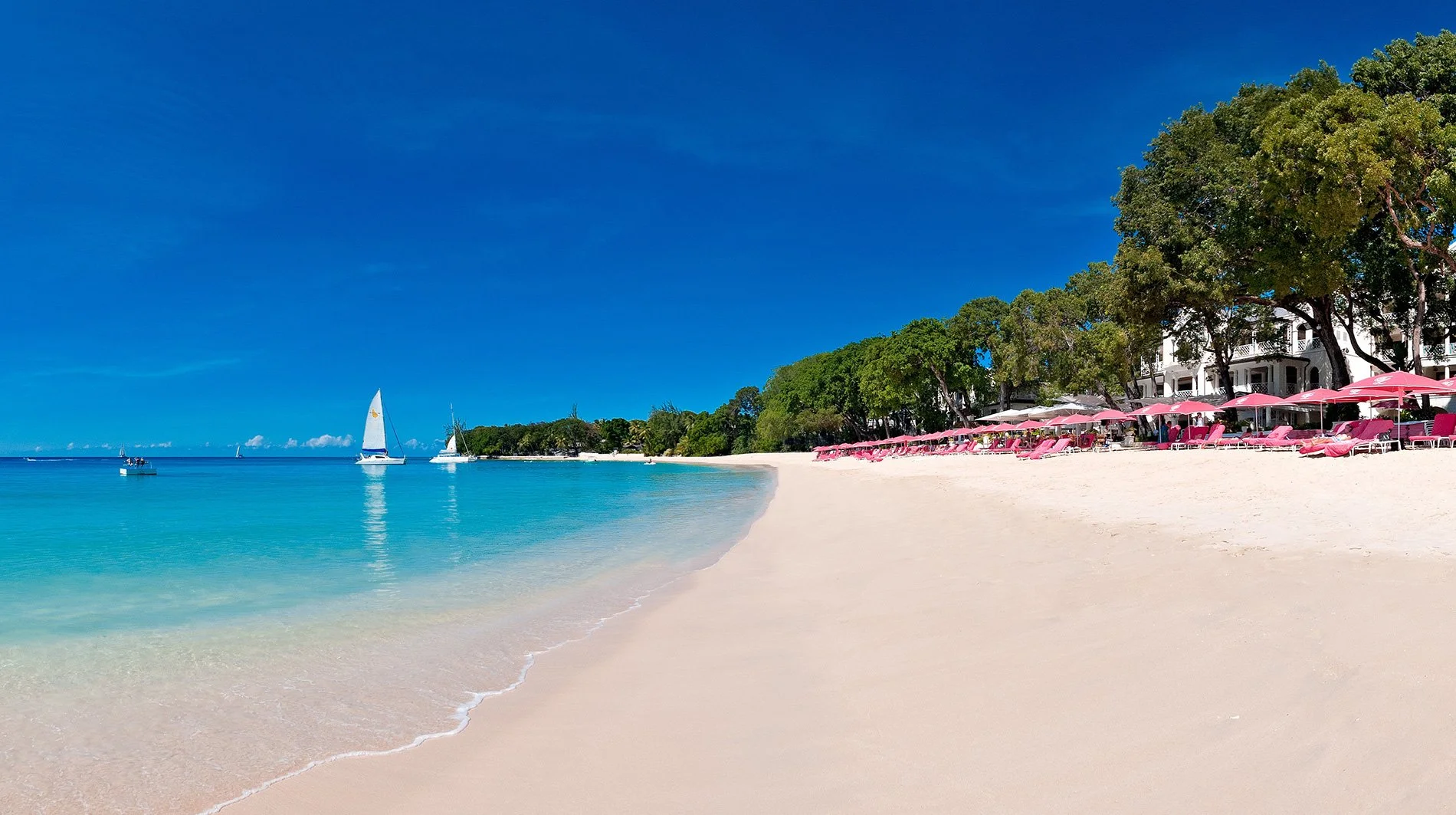
Sandy Lane occupies a broad sweep of Barbados’ west coast in St. James, where mature mahogany trees, coral-stone architecture and a 1,000-foot crescent of beach frame one of the Caribbean’s longest-running luxury-resort stories. Holetown lies only a short drive to the north, Bridgetown is roughly five miles away, and the calm Caribbean side of the island makes swimming, sailing and sunset-facing rooms central to the experience.
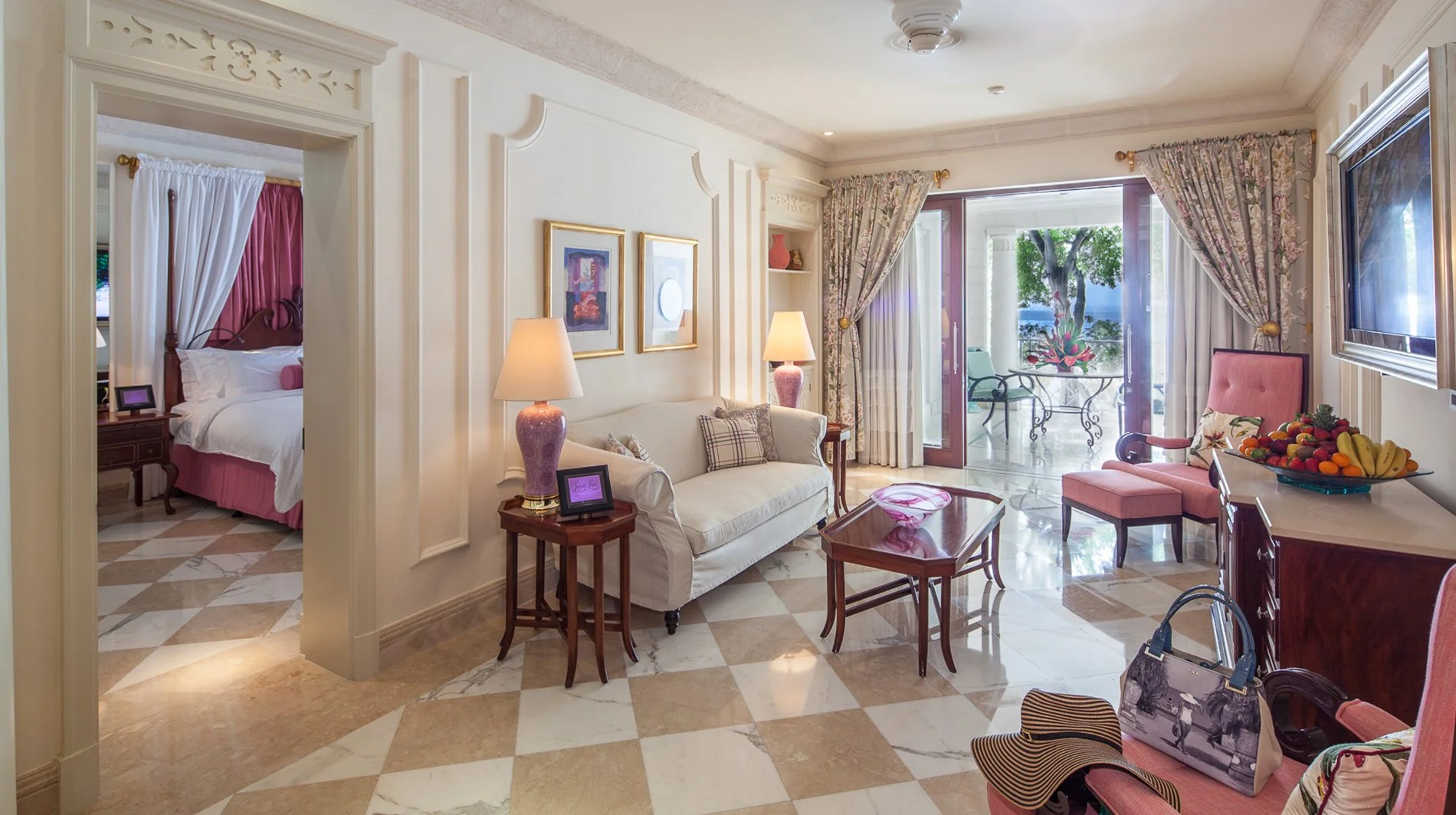
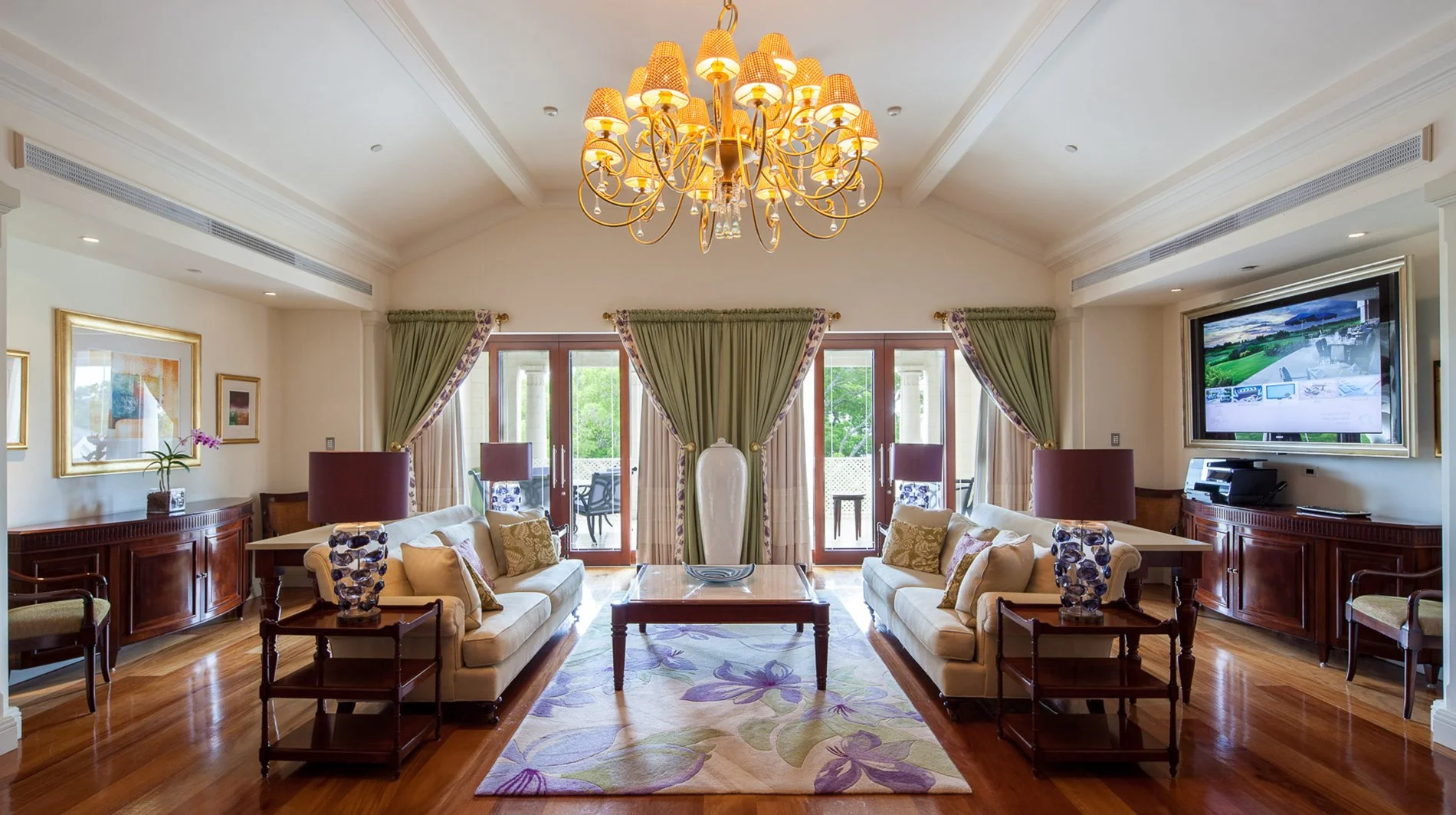
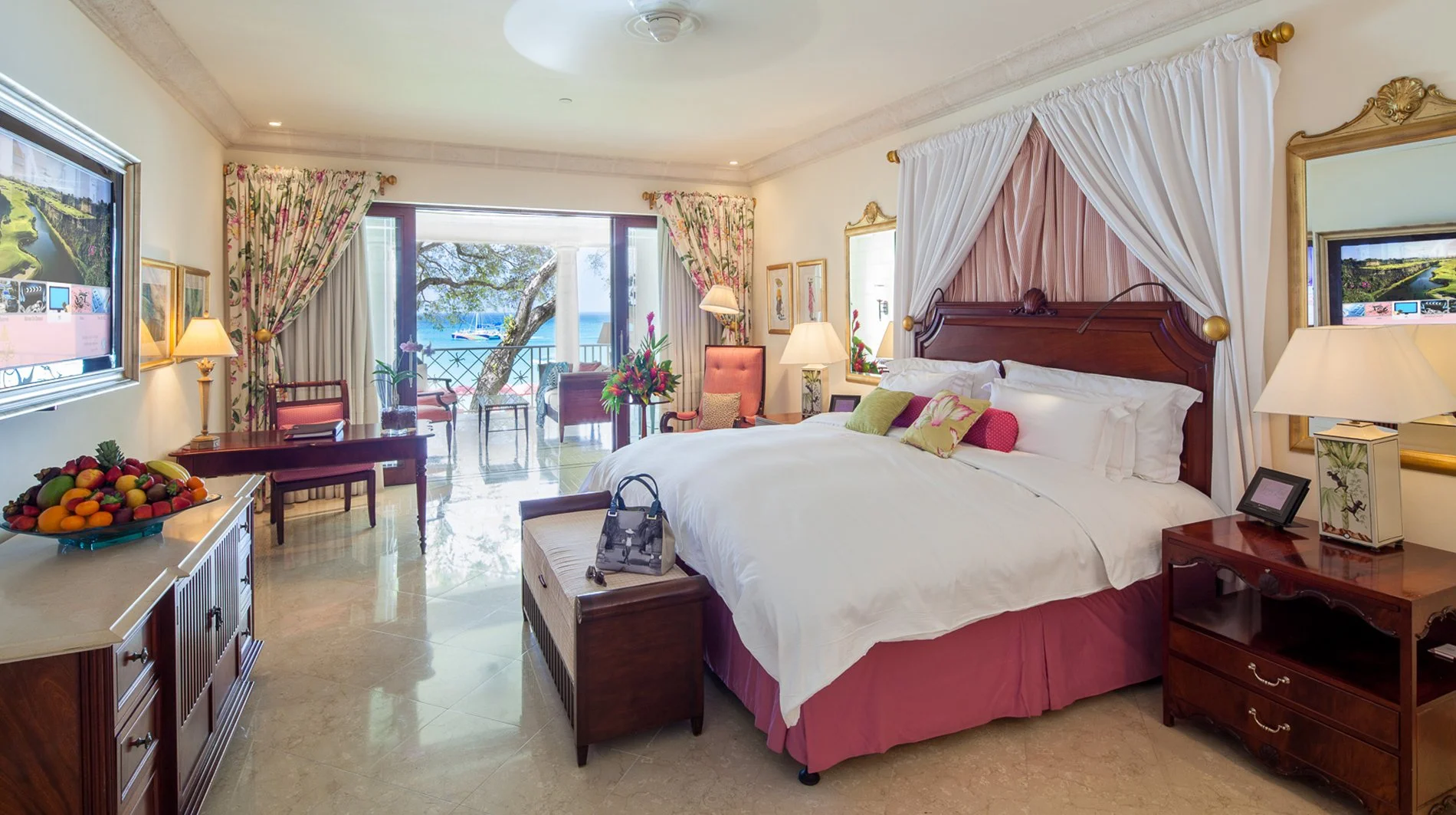
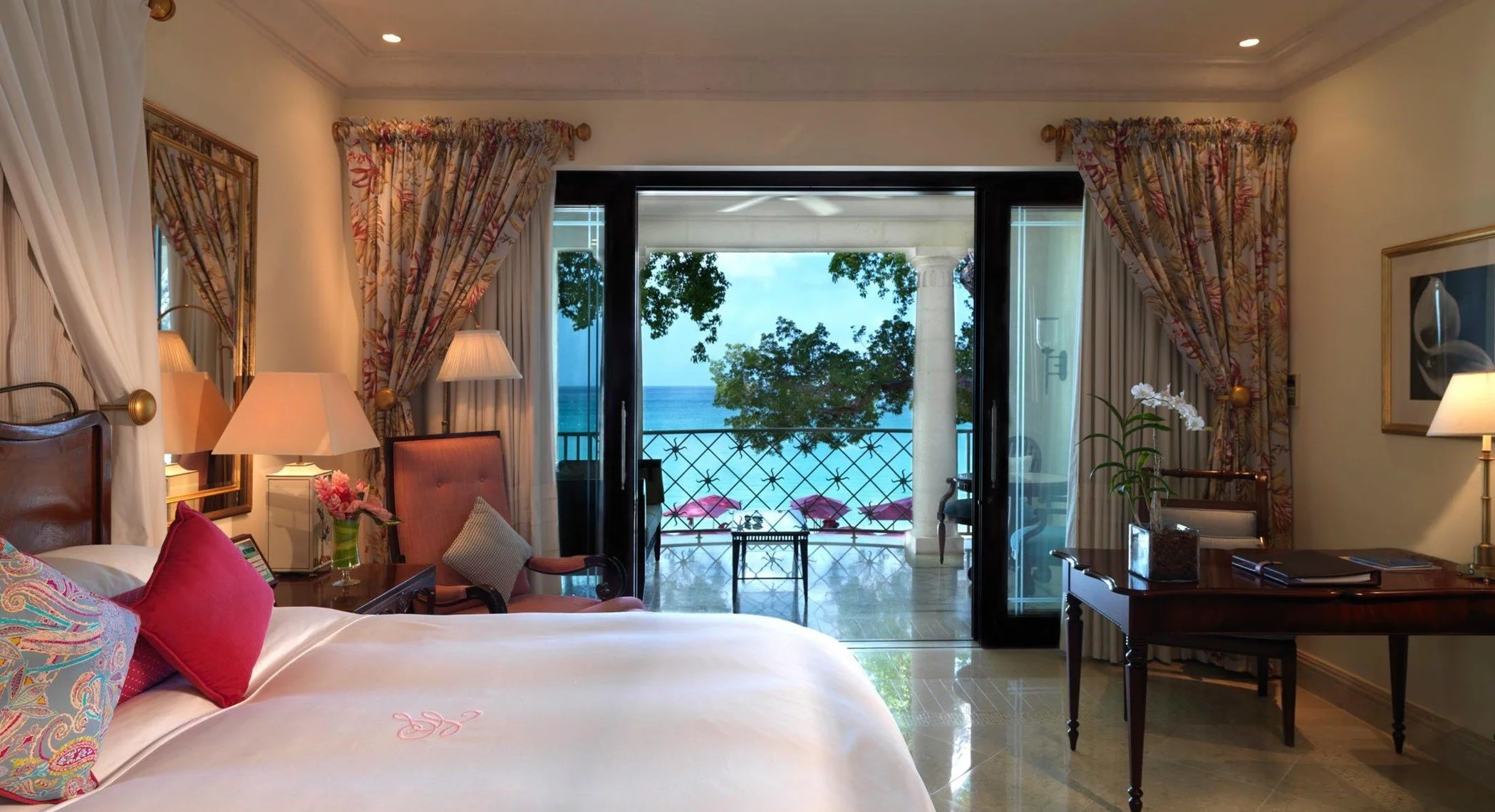
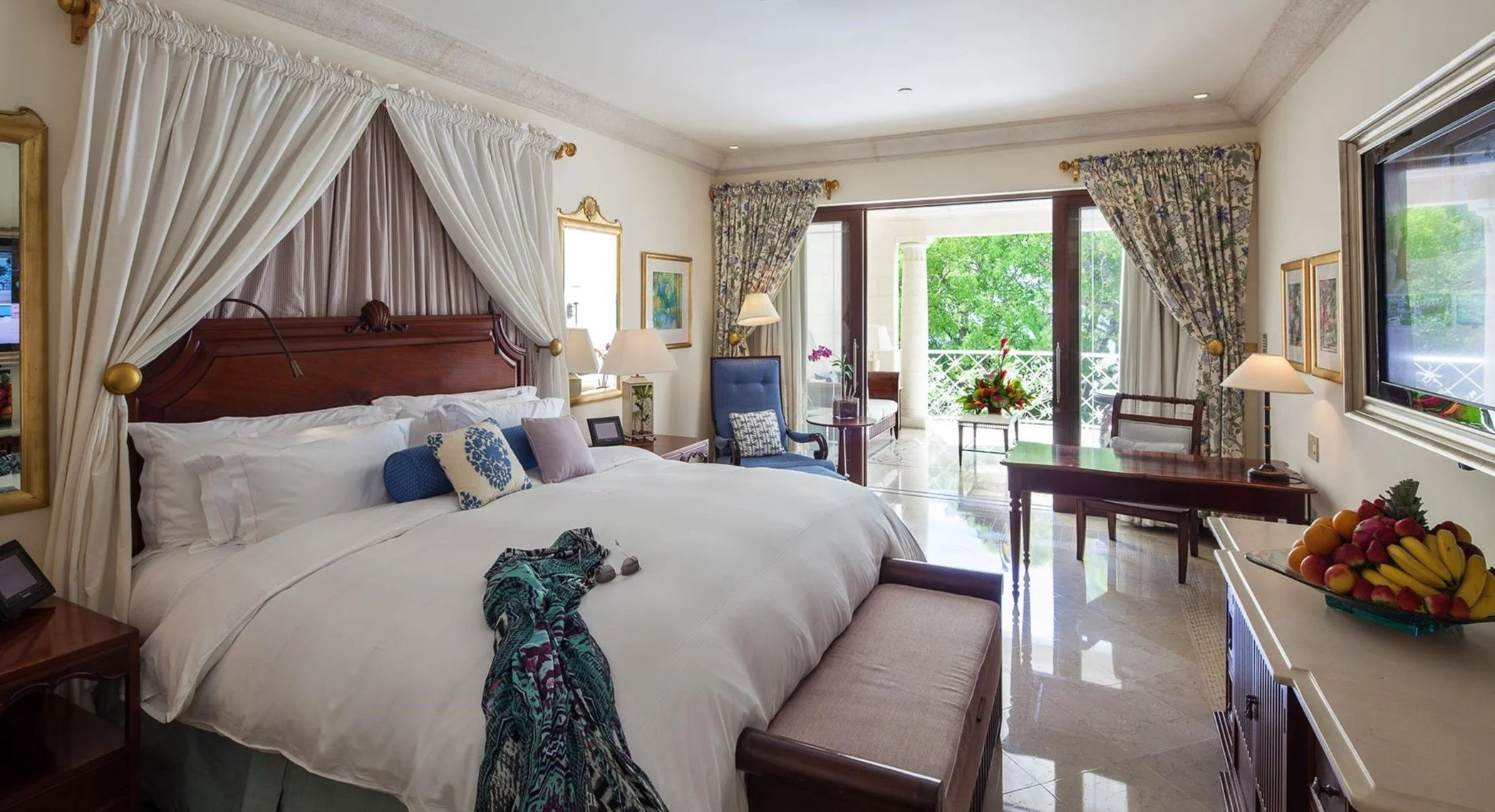
The resort has 113 rooms and suites plus a five-bedroom private villa, with accommodations distributed among the Orchid, Turtle, Seahorse and Dolphin wings. Most rooms are unusually large by Caribbean standards, and even the entry categories begin at more than 700 sq. ft. The design language remains deliberately formal – coral stone, Italian marble, mahogany furniture, verandas and a restrained palette of cream, gold and soft tropical color.
In 2026, Sandy Lane remains a Forbes Travel Guide Five-Star hotel and also received Condé Nast Traveler’s Triple Crown Award. Its golf program, spa and family facilities have their own long-running reputations, but the defining quality remains continuity: generations of repeat guests return to a resort that has changed its infrastructure considerably since 1961 without abandoning the ceremonial arrival, beachfront rhythm and highly personalized service associated with the Sandy Lane name.
From a 52-Room Hotel to an 830-Acre Estate
The story begins in the years after the Second World War. An investment group appointed architects Happy Ward and Jimmy Walker in the late 1950s to create a new hotel on Barbados’ west coast, with the old coastal road moved inland to make space for the project. Sandy Lane opened on February 1, 1961 with just 52 bedrooms.
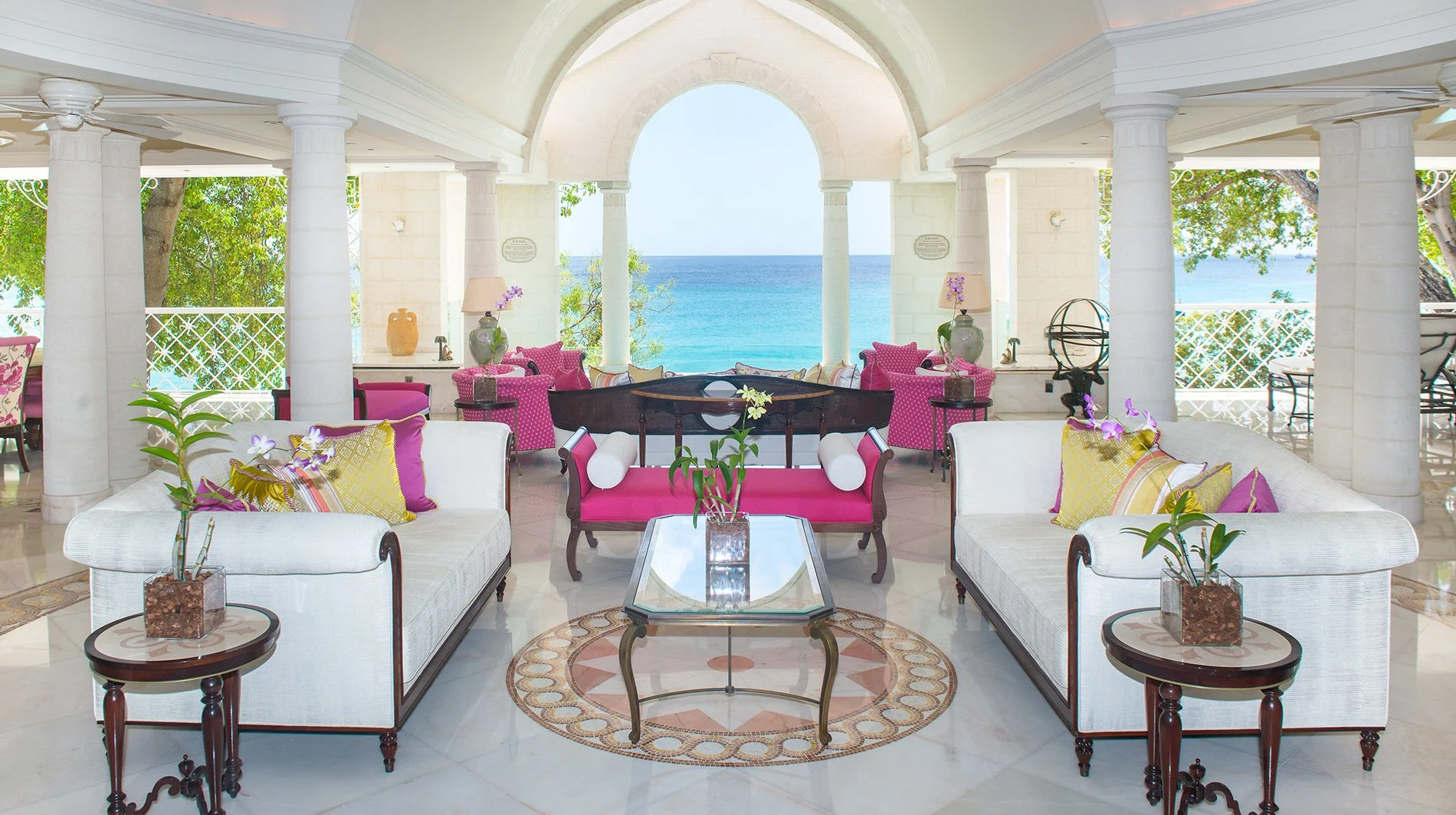
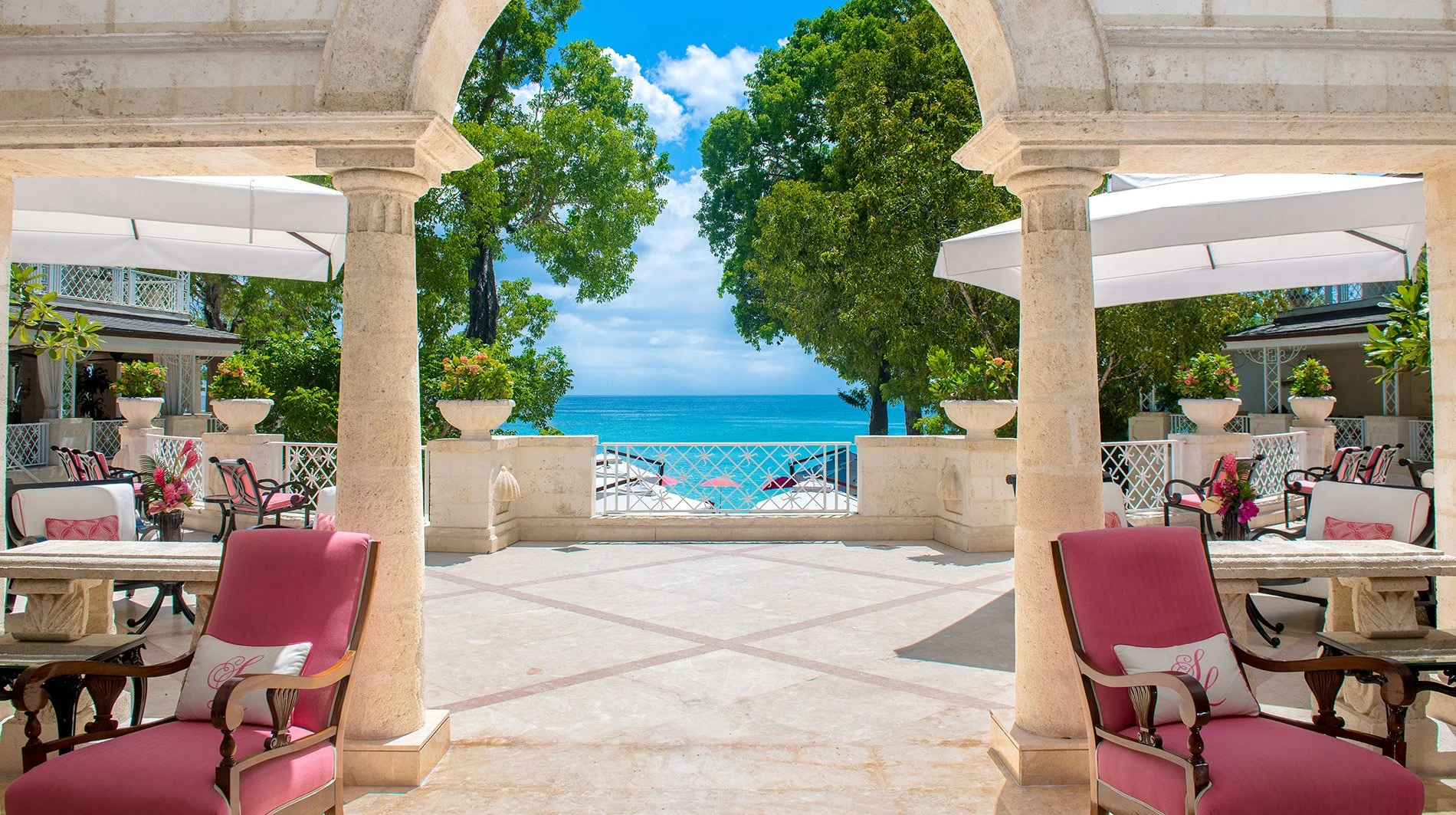
The early hotel was neo-Palladian in character, built from coral stone and arranged around existing mahogany trees rather than clearing the site entirely. Its open lobby was deliberately aligned to frame the Caribbean Sea, a visual idea that remained central when the hotel was later rebuilt.
After changing ownership over the following decades, Sandy Lane entered its most significant transformation in the late 1990s. The existing structures were largely demolished and rebuilt, while the owners sought to preserve the visual identity, mature trees and residential atmosphere of the original resort. The property reopened on St. Patrick’s Day in March 2001 after a redevelopment that expanded the wider estate from approximately 380 to 830 acres.
The new version added a 47,000-sq.-ft. spa, substantially larger guestrooms, extensive back-of-house infrastructure, a private villa and 45 holes of golf. That redevelopment explains why Sandy Lane feels older in spirit than in physical fabric – its heritage comes from continuity of address, landscape and style rather than from untouched 1961 buildings.
Coral Stone, Mahogany and a Carefully Preserved Arrival Sequence
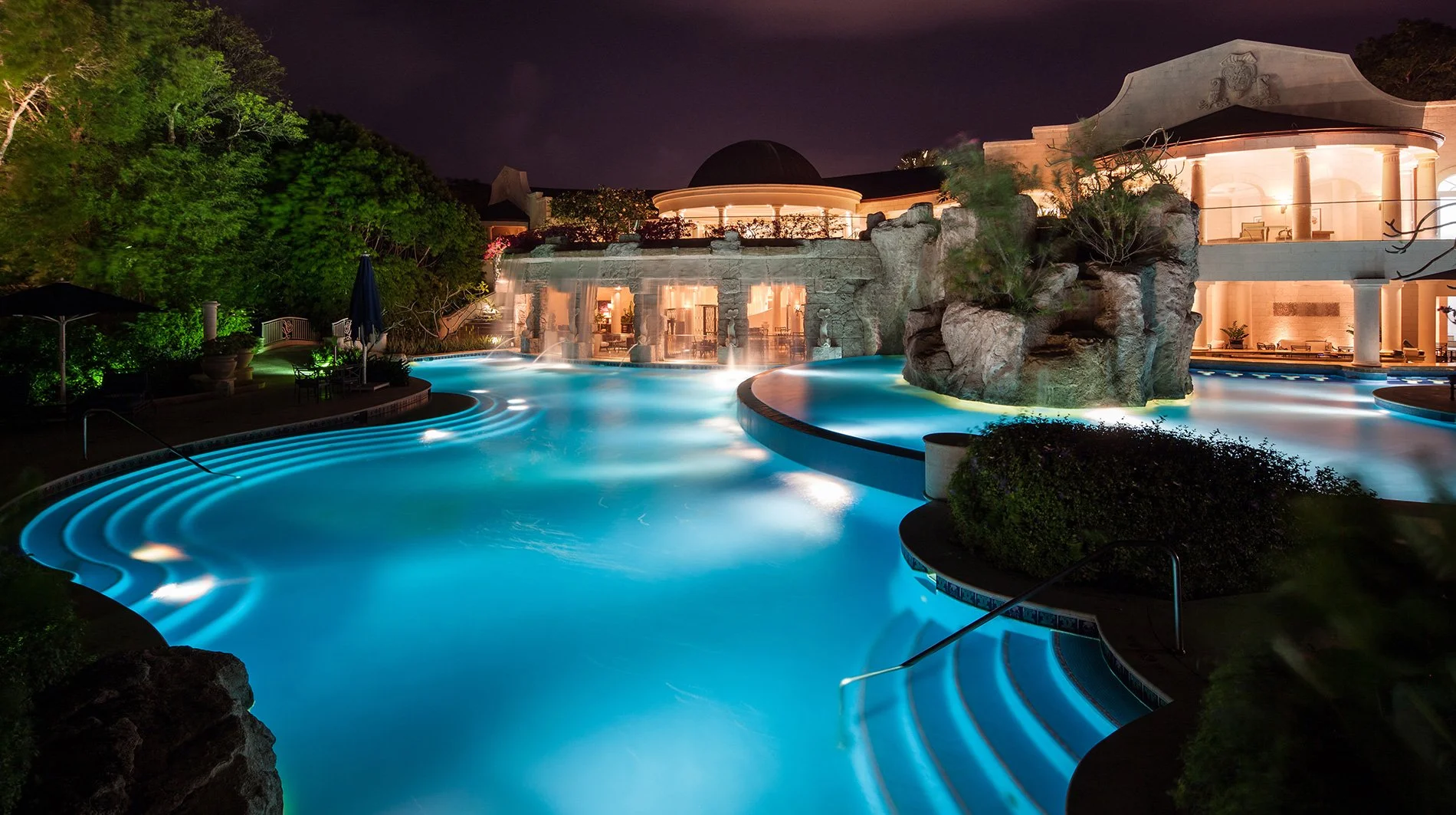
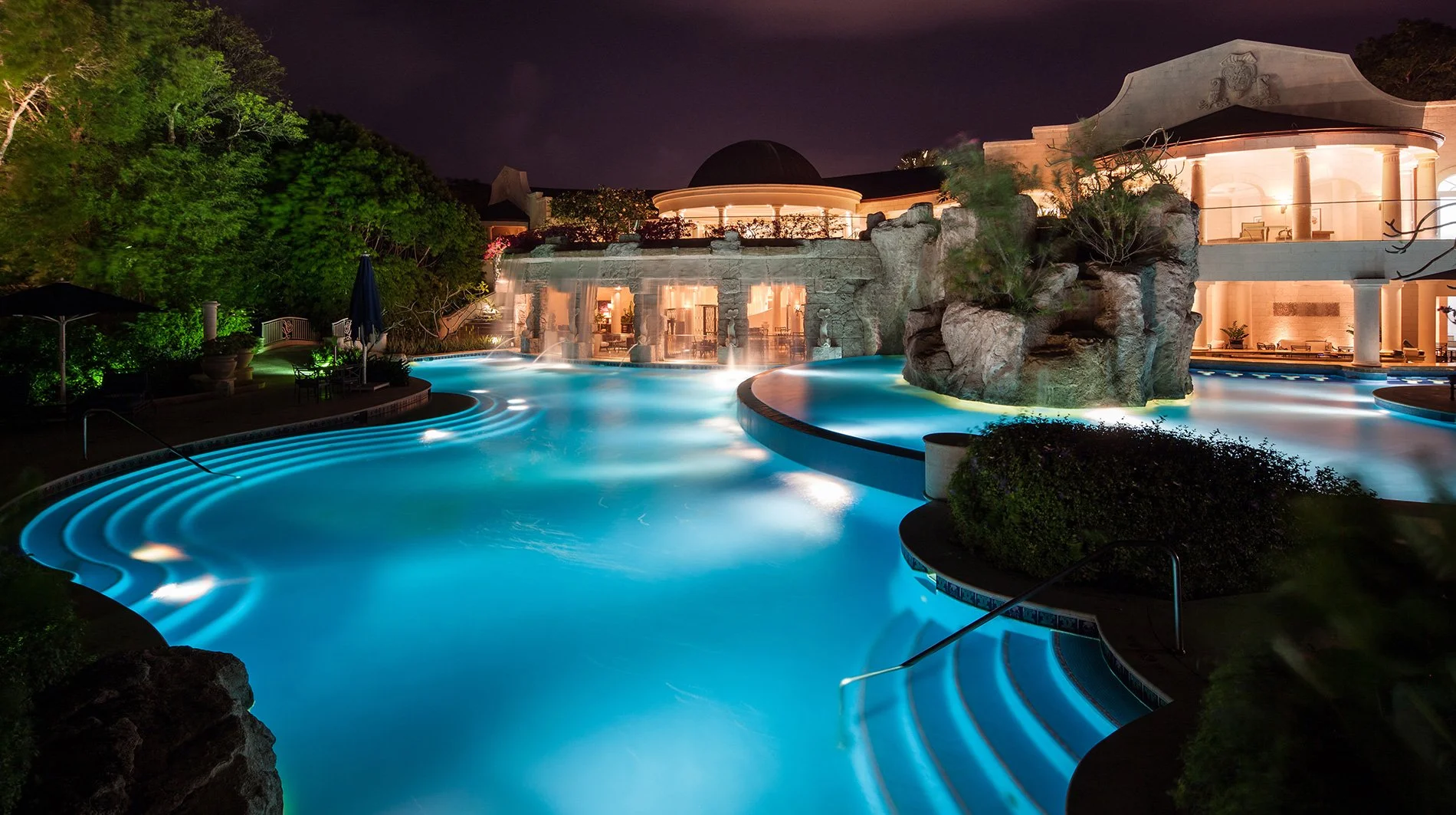
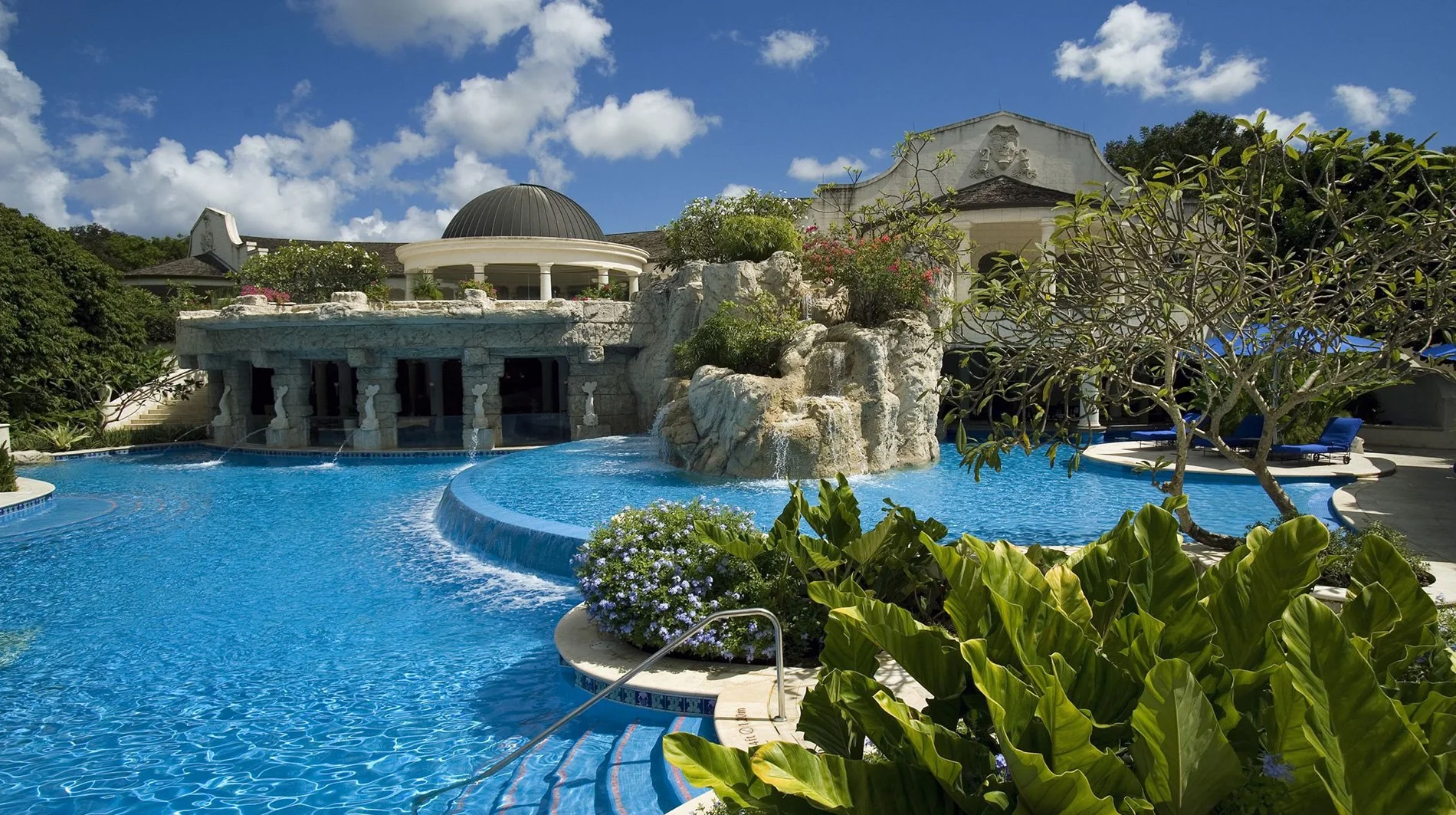
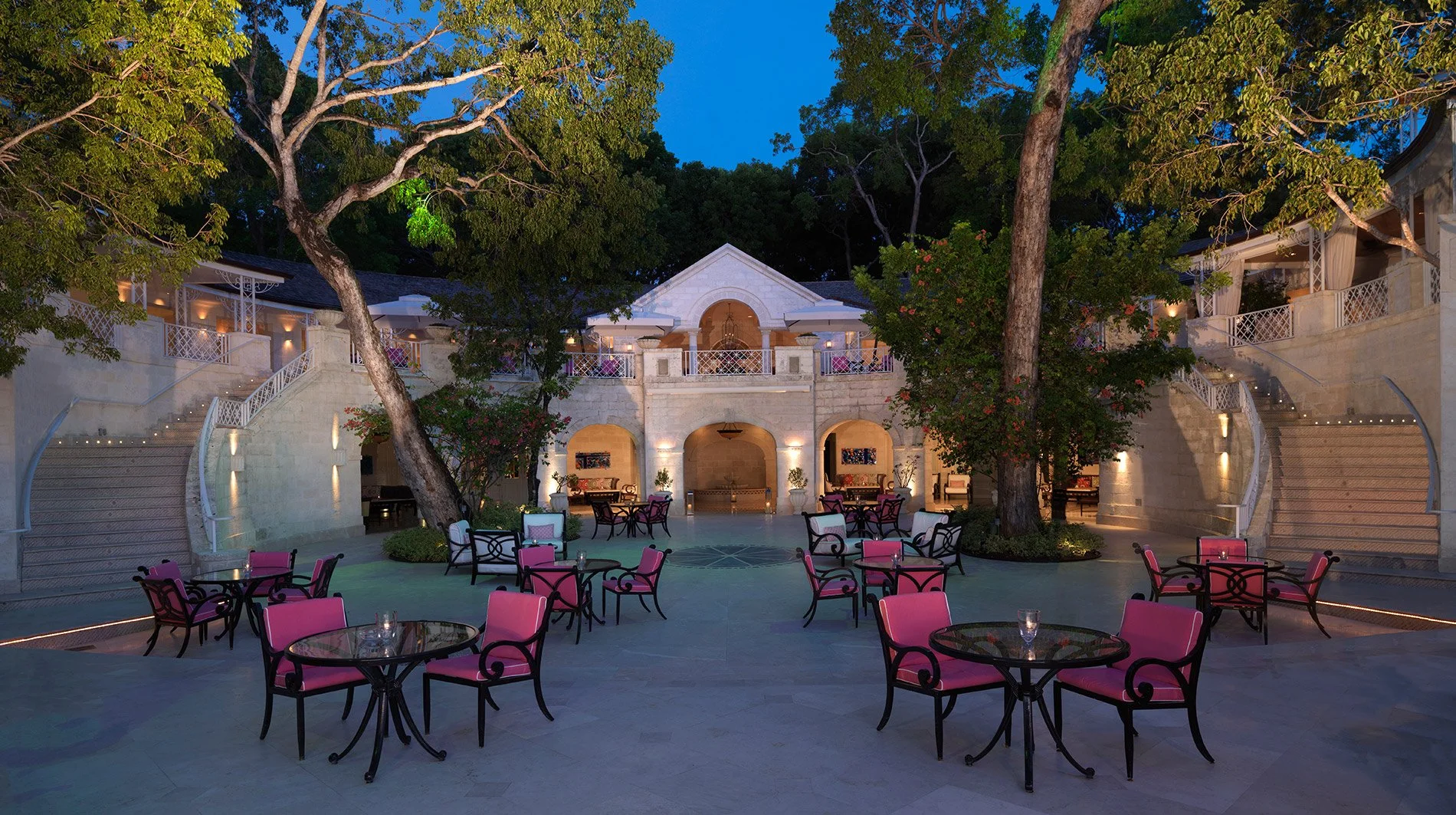
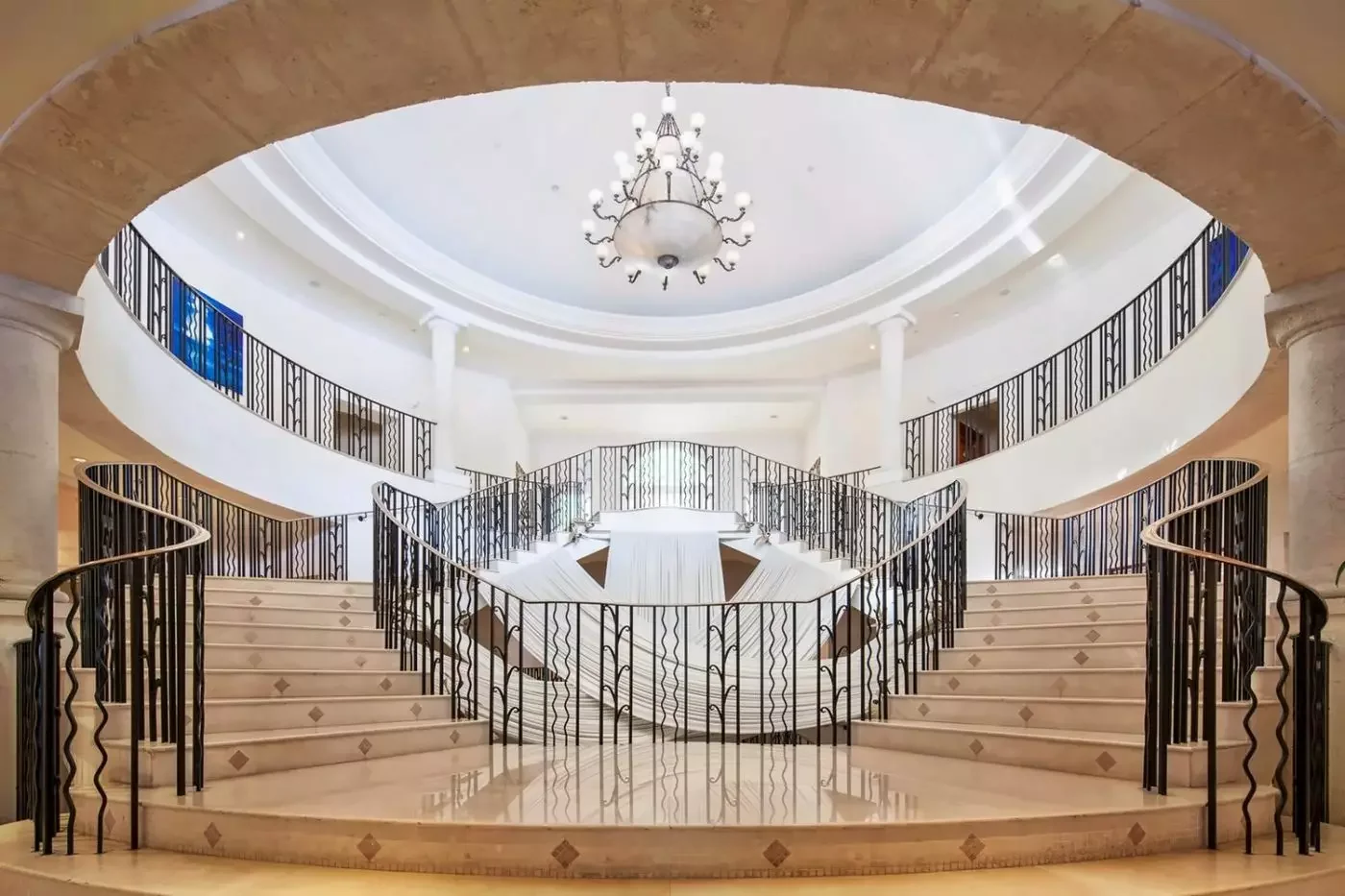
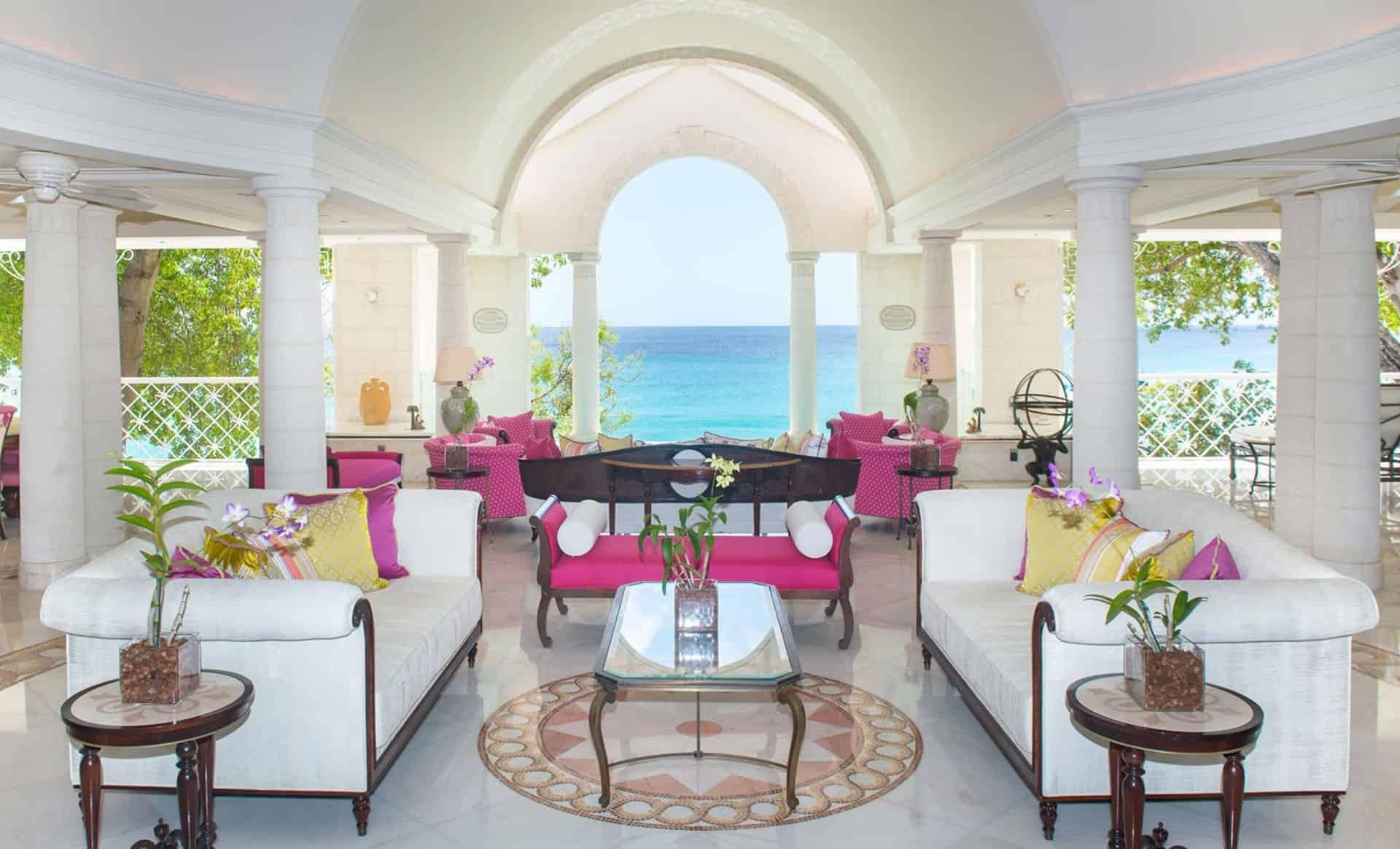
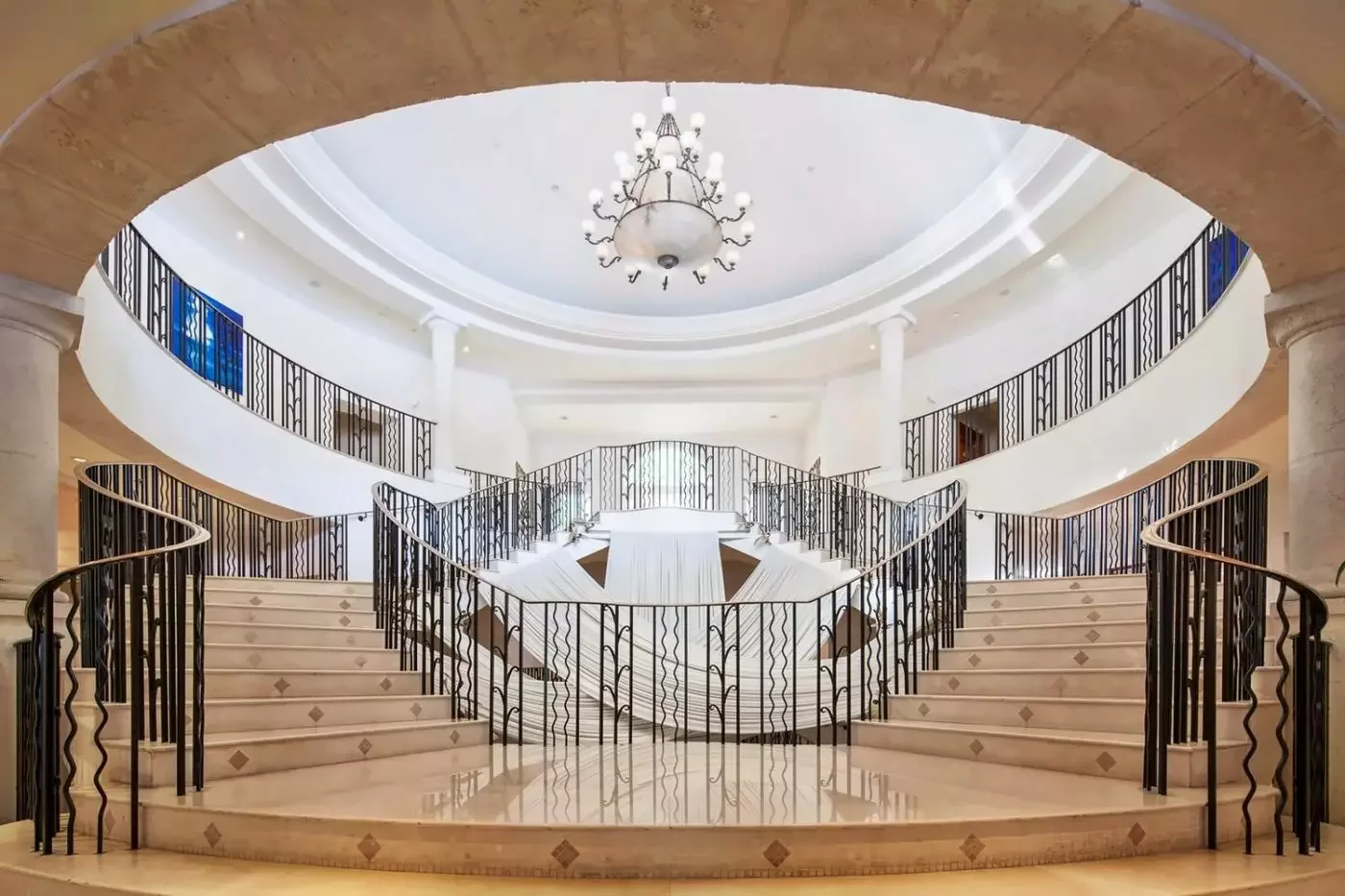
Sandy Lane’s architecture uses neo-Palladian symmetry, pale coral stone and formal colonnades to create a visual language more associated with grand houses than beachfront resorts. The arrival still depends on one of the property’s most effective architectural gestures: the lobby opens toward the sea, allowing the Caribbean to appear through the building rather than after it.
The 2001 reconstruction kept the original aesthetic while enlarging the scale. Italian marble floors and bathrooms appear throughout guestrooms, plantation-style furniture reinforces the residential character, and broad verandas function as outdoor living rooms rather than narrow balconies. The result is deliberately traditional and has resisted the cycle of frequent redesign common in newer Caribbean hotels.
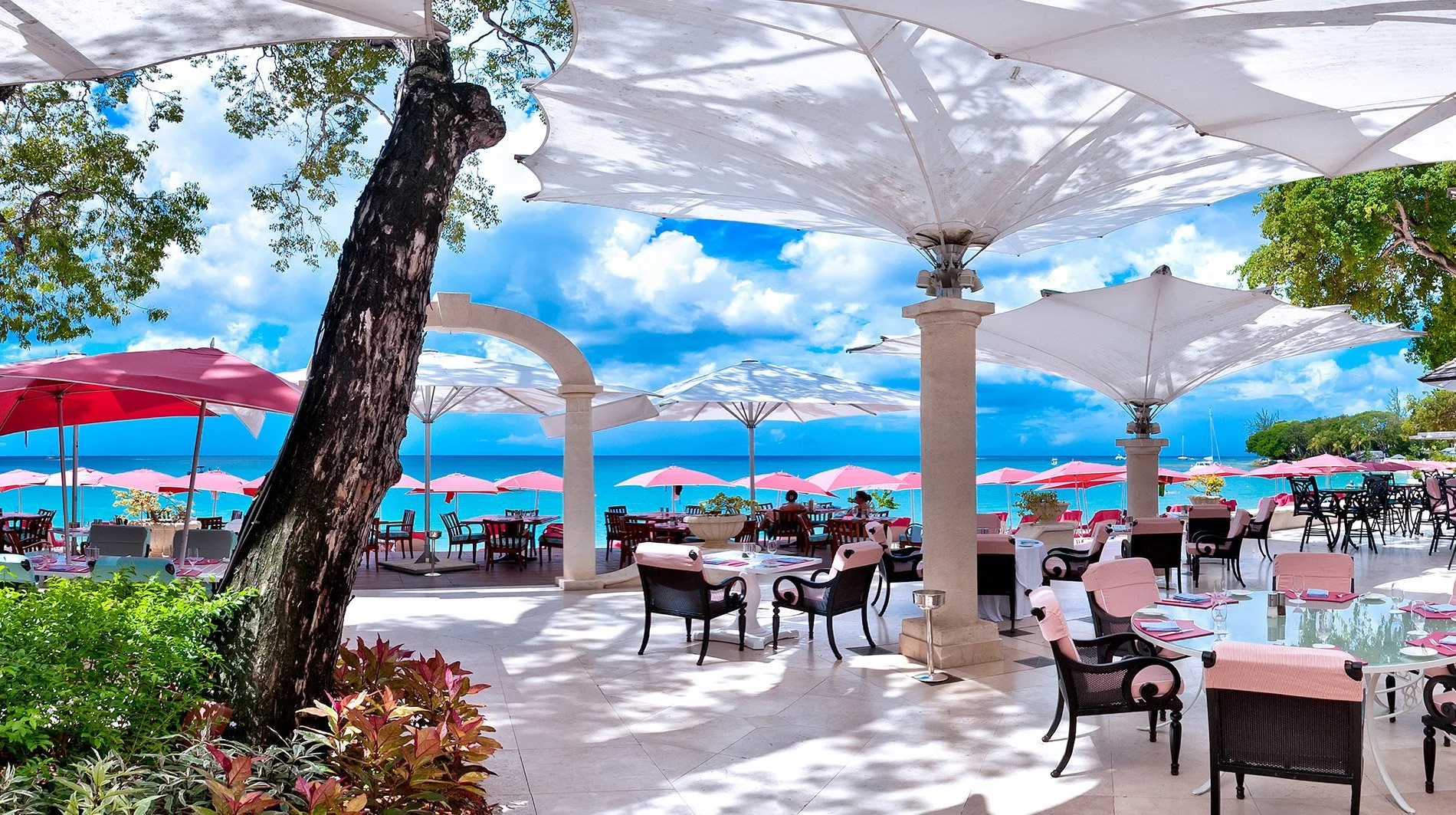
Landscape architecture is equally important. Mature mahogany trees shade the Lower Terrace and public spaces, while tropical gardens soften the wings and provide privacy for Orchid accommodations and the private villa. The hotel’s nursery now maintains thousands of plants, linking the decorative landscape with the resort’s broader horticultural program.
Nine Main Accommodation Types, All Built Around Space
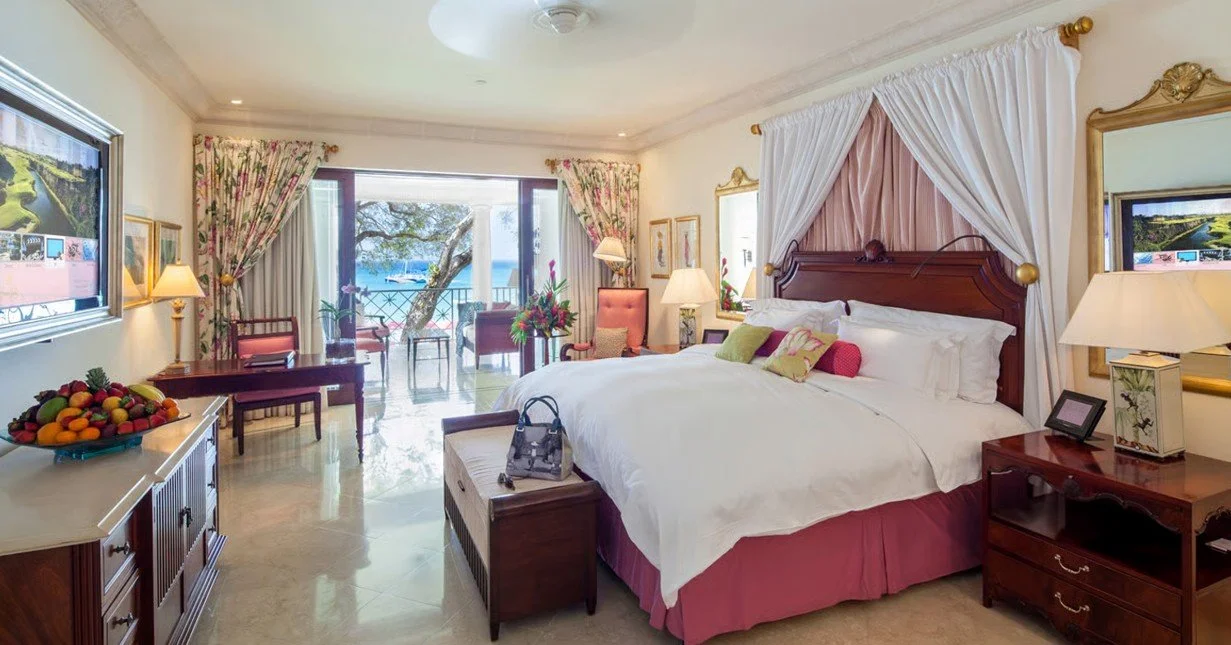
Orchid Room: Approximately 779 sq. ft., with one king bed or twin configuration, a private veranda or patio, Italian marble bathroom and garden outlook from the Orchid Wing, with connecting options that make the category particularly useful for families.
Ocean Room: Approximately 707 sq. ft., with one king bed, a private veranda or patio and direct Caribbean Sea views from the centrally positioned Turtle Wing, plus a bathroom with separate tub and shower.
Luxury Ocean Room: Approximately 867 sq. ft., with one king bed, a larger bedroom and bathroom, separate make-up area and dining veranda overlooking the beach, sea and west-coast sunsets from the Seahorse and Dolphin wings.
Dolphin Suite: Approximately 1,443 sq. ft., with one king bedroom, separate living and dining space and an expansive ocean-facing balcony or patio, creating a residential one-bedroom option within the Dolphin Wing.
Luxury Orchid Suite: Approximately 1,575 sq. ft., with two bedrooms, a separate living room, multiple verandas and garden views, designed for families who want greater privacy while remaining within the quieter Orchid Wing.
Luxury Dolphin Suite: Approximately 1,575 sq. ft., with two en-suite bedrooms, living room, powder room, two patios and a private balcony facing the Caribbean, with selected suites connecting to an additional Luxury Ocean Room for larger family groups.
Orchid Penthouse: Approximately 3,971 sq. ft., with two bedrooms, a large foyer, living and dining rooms, kitchen, extensive terraces and garden views from the top of the Orchid Wing, with the option to connect to a Luxury Orchid Suite.
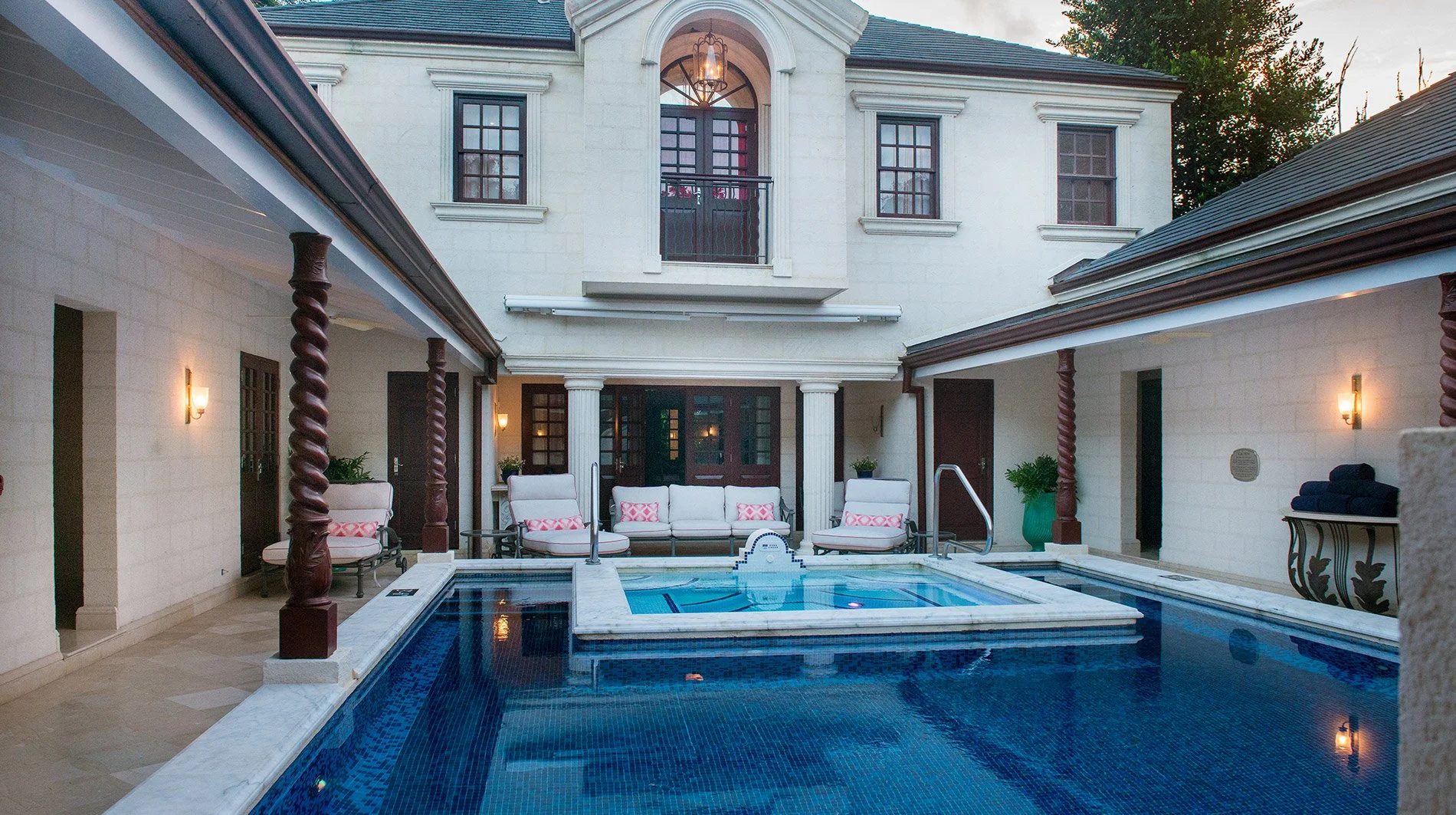
The Sandy Lane Suite: Approximately 7,360 sq. ft., with four en-suite bedrooms, private elevator, kitchen, bar, office, open-air dining area and a heated infinity pool on the terrace, positioned on the second floor of the Turtle Wing with direct beach access and panoramic sea views.
The Villa at Sandy Lane: Approximately 7,300 sq. ft., with five en-suite bedrooms, private pool, oversized Jacuzzi, kitchen, multiple patios and balconies, plus a dedicated team including a butler, housekeeper, chef and night security within a gated garden setting.
The current accommodation mix is unusually easy to understand because each category changes either outlook, bedroom count or degree of independence. Orchid categories face the gardens, Ocean and Dolphin categories emphasize the sea, and the Penthouse, Sandy Lane Suite and Villa function as private residences rather than enlarged hotel rooms.
The Monkey Club Marks the Biggest Dining Change in Years
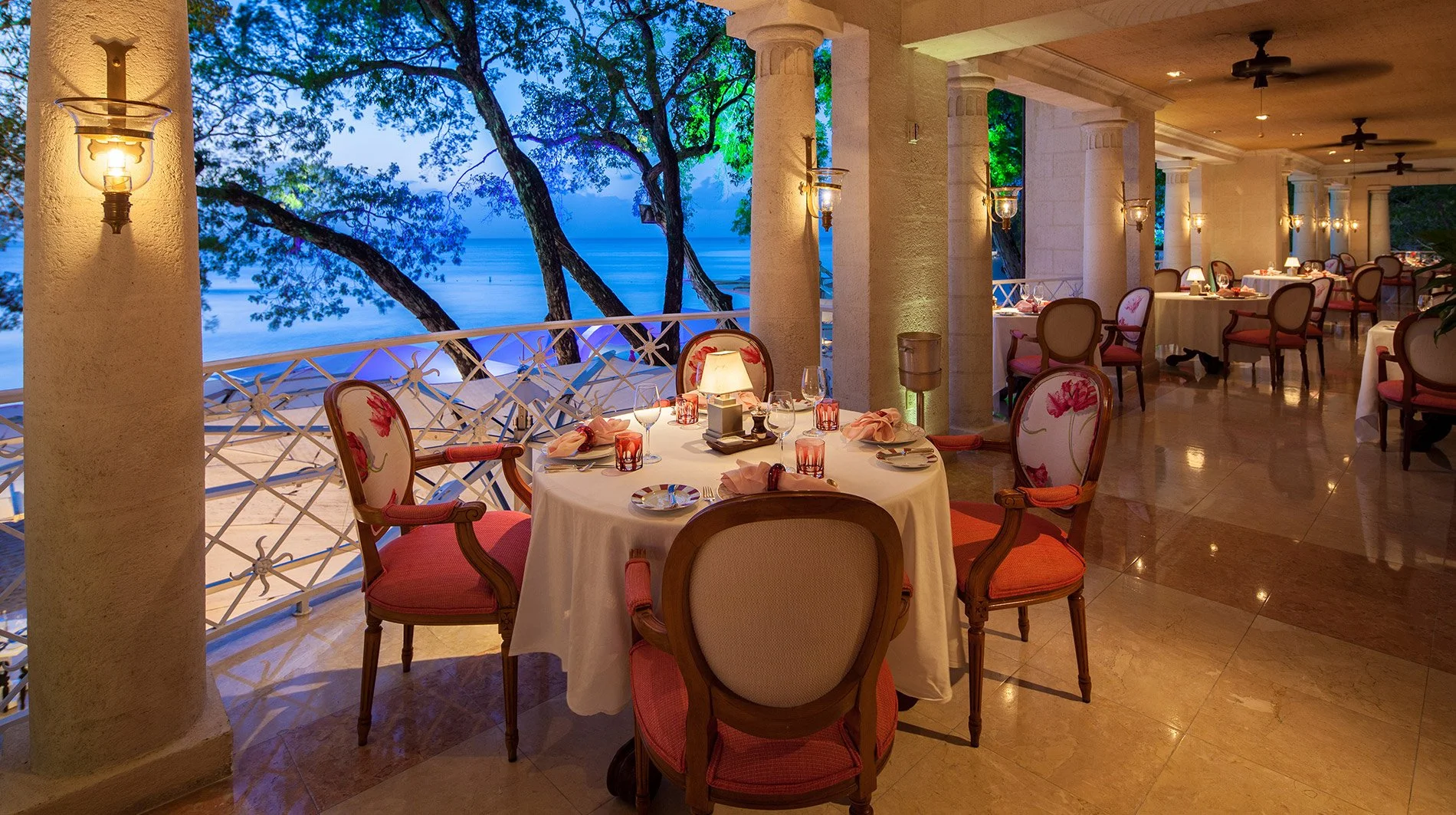
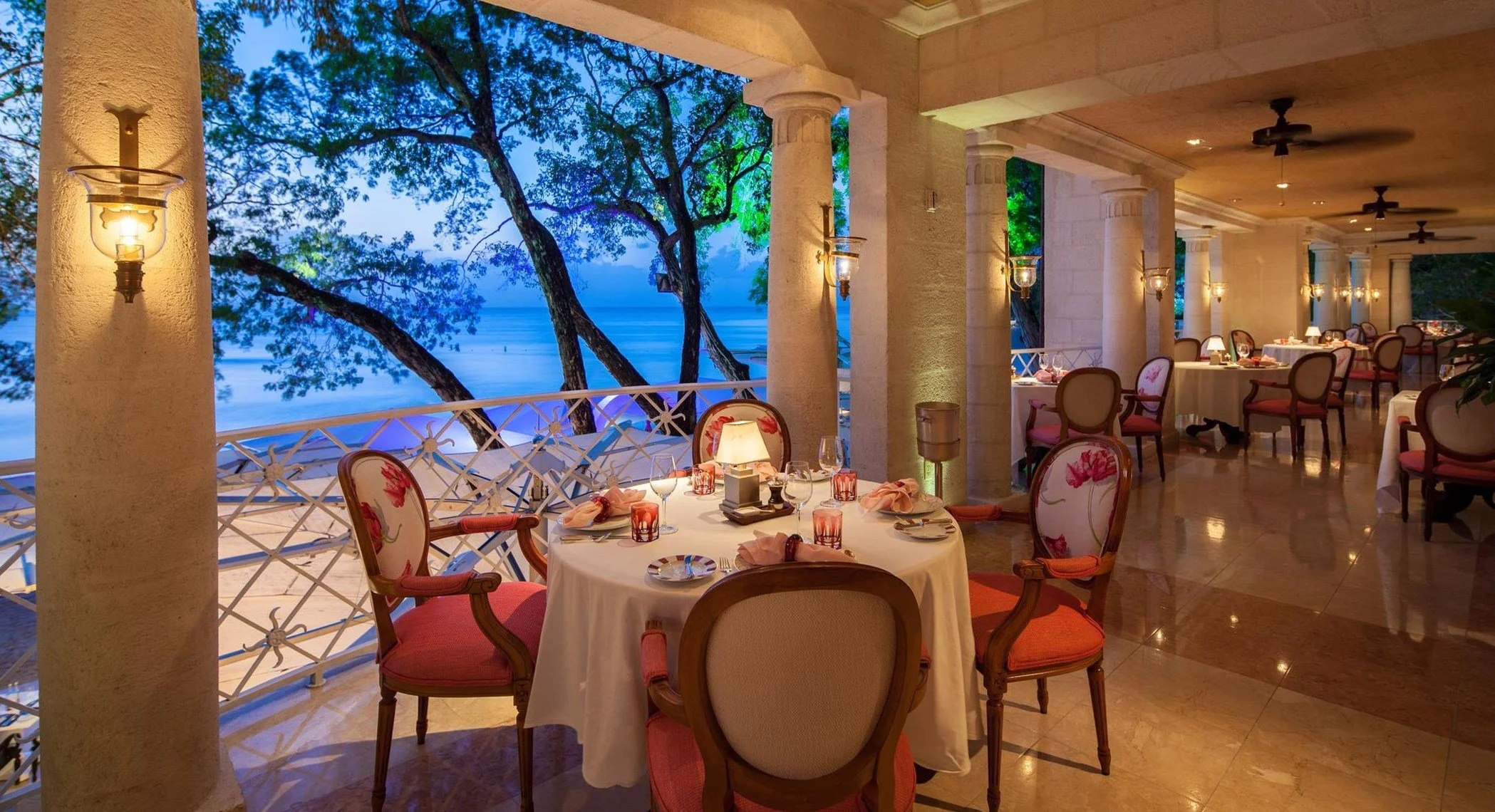
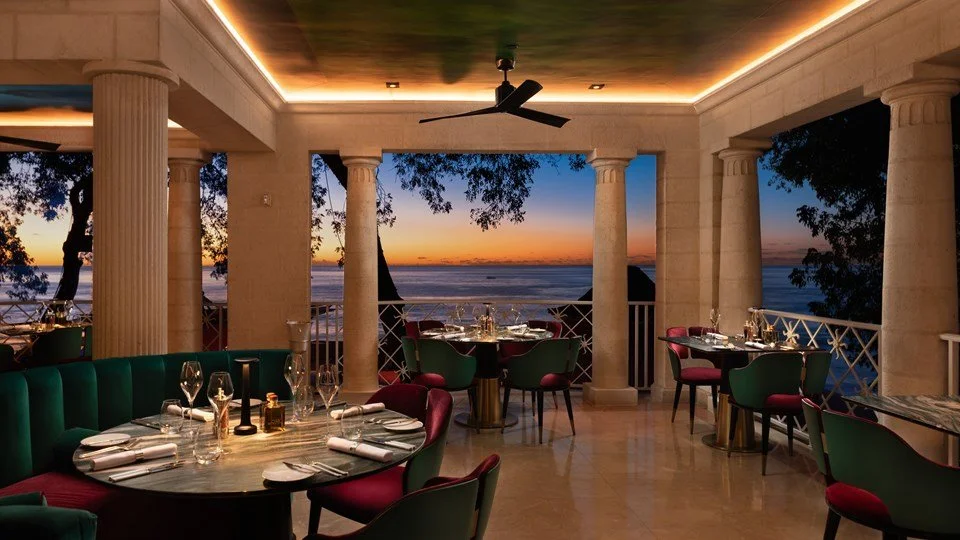
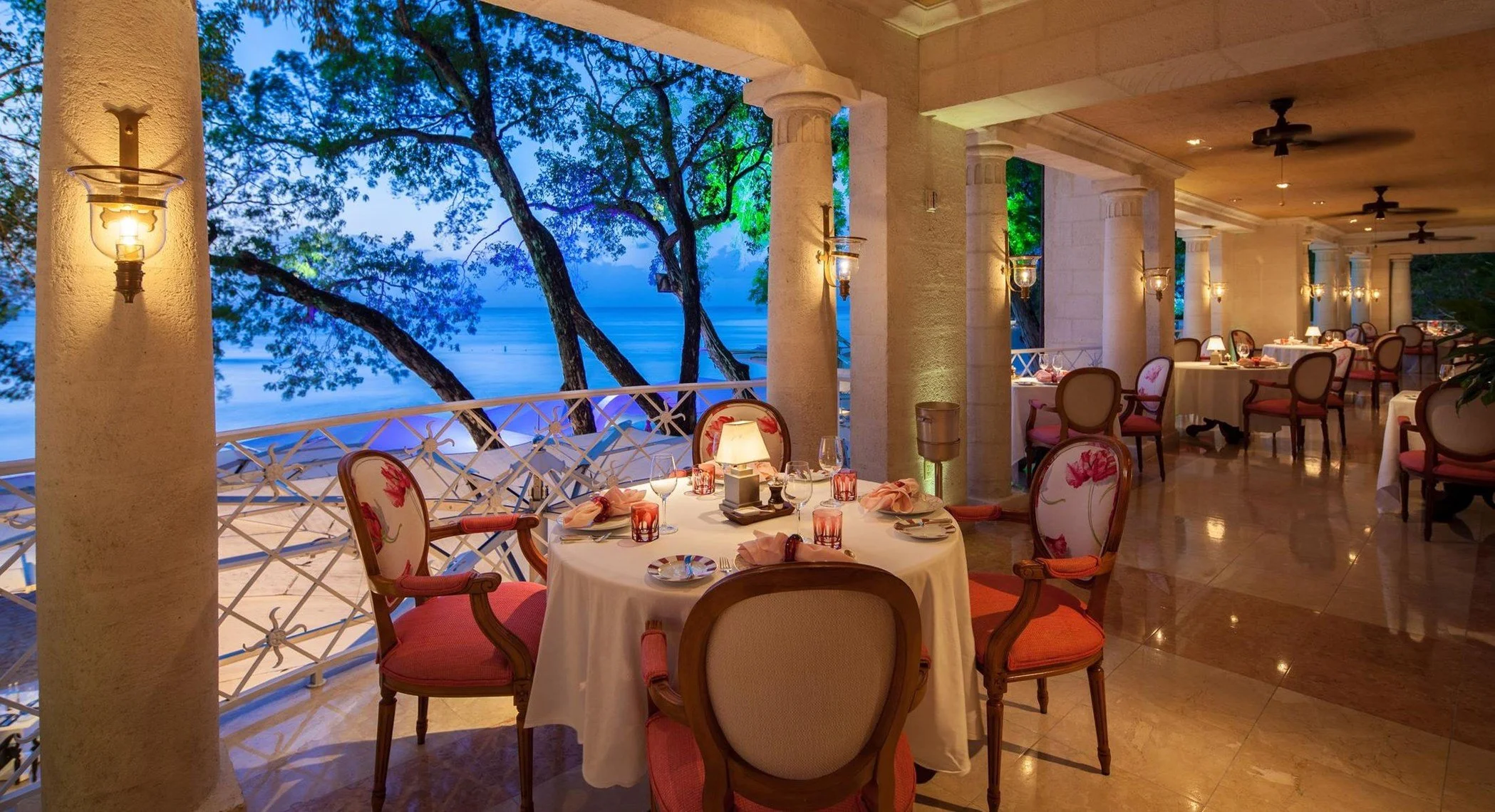
The Monkey Club: Sandy Lane’s current signature dinner venue occupies the beachfront space long associated with L’Acajou, offering an evening-focused fine-dining experience that is also open to non-resident guests under current policy; the restaurant is scheduled to close from September 1–30, 2026 and reopen October 1.
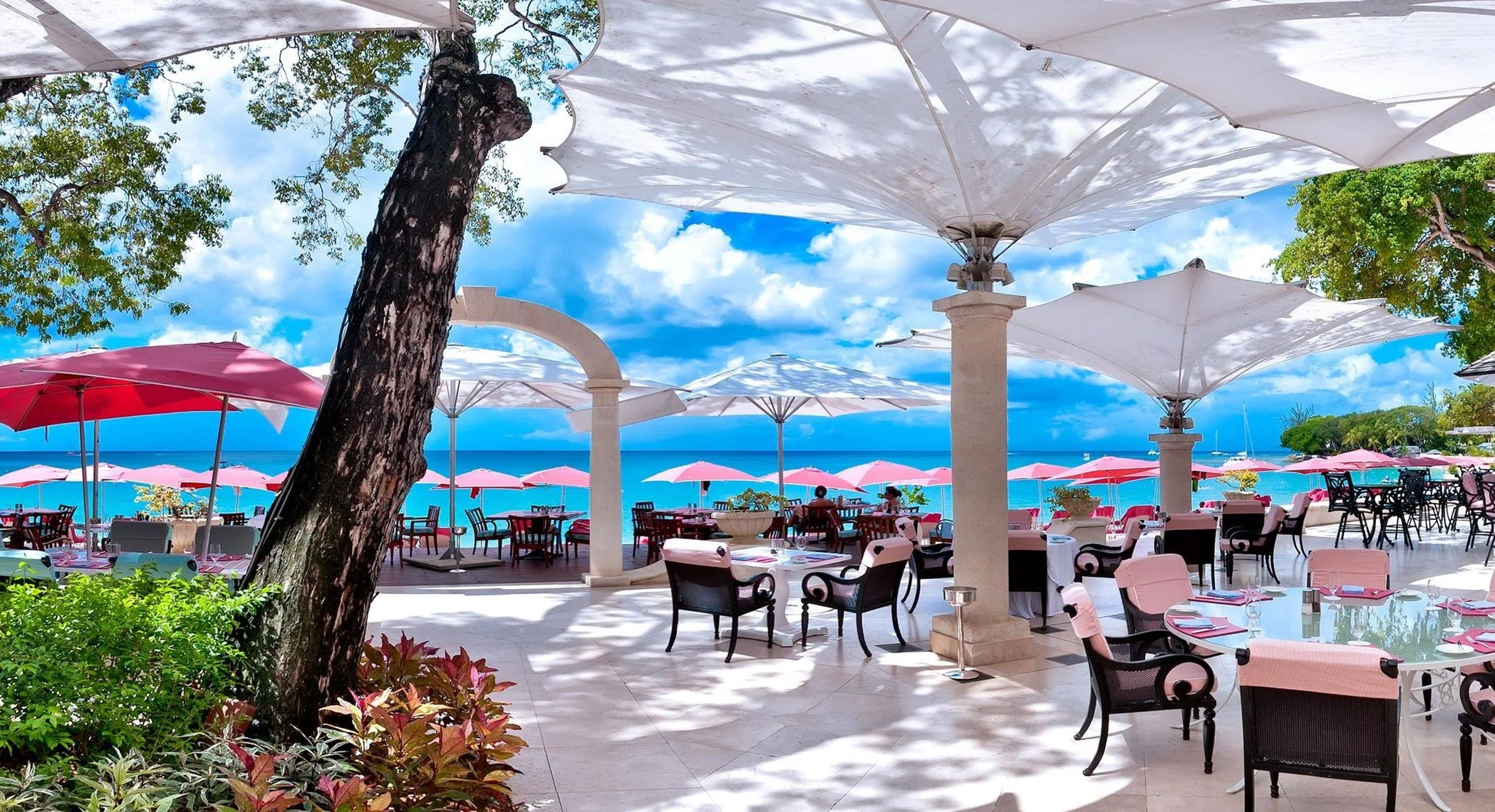
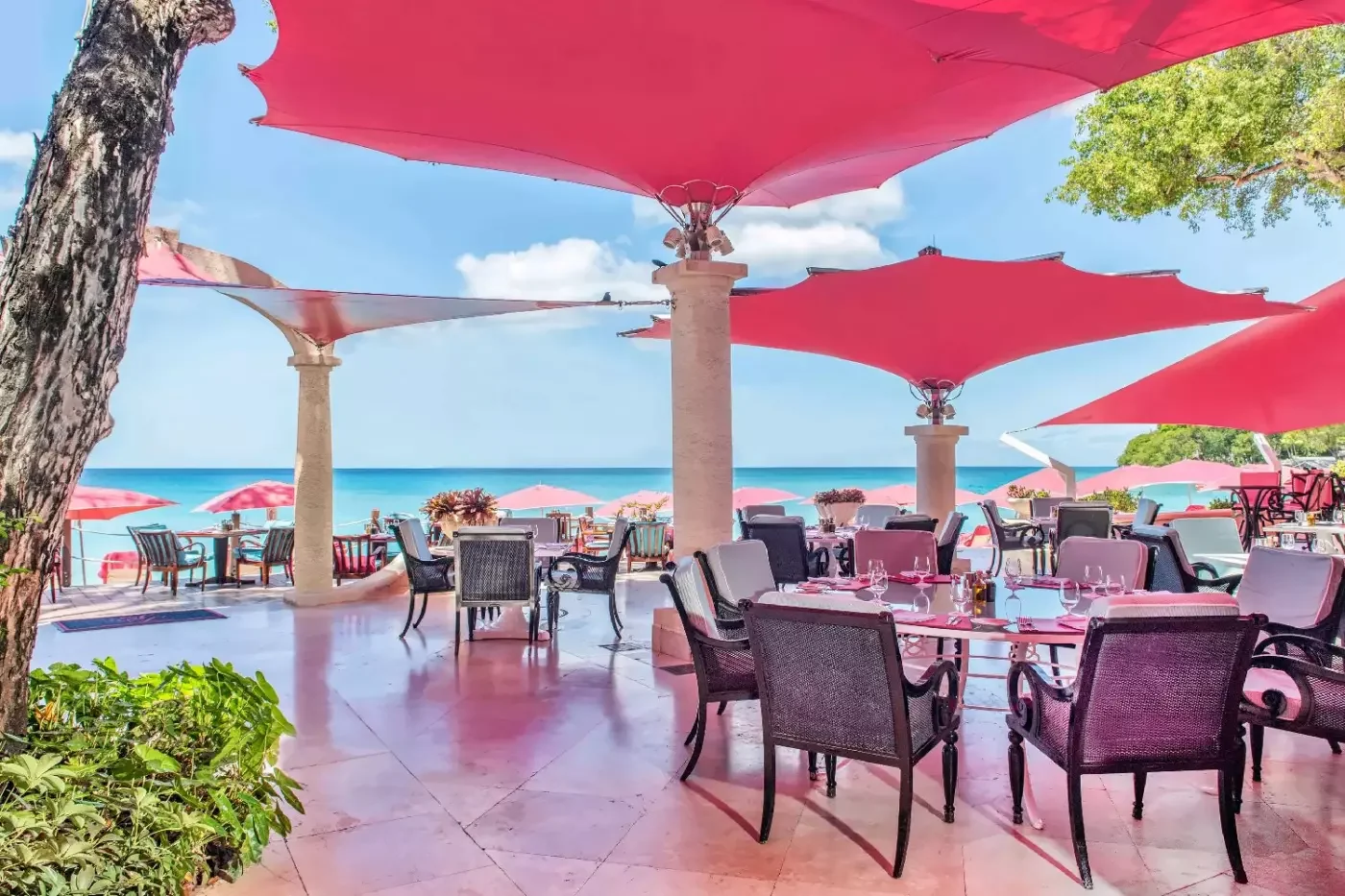
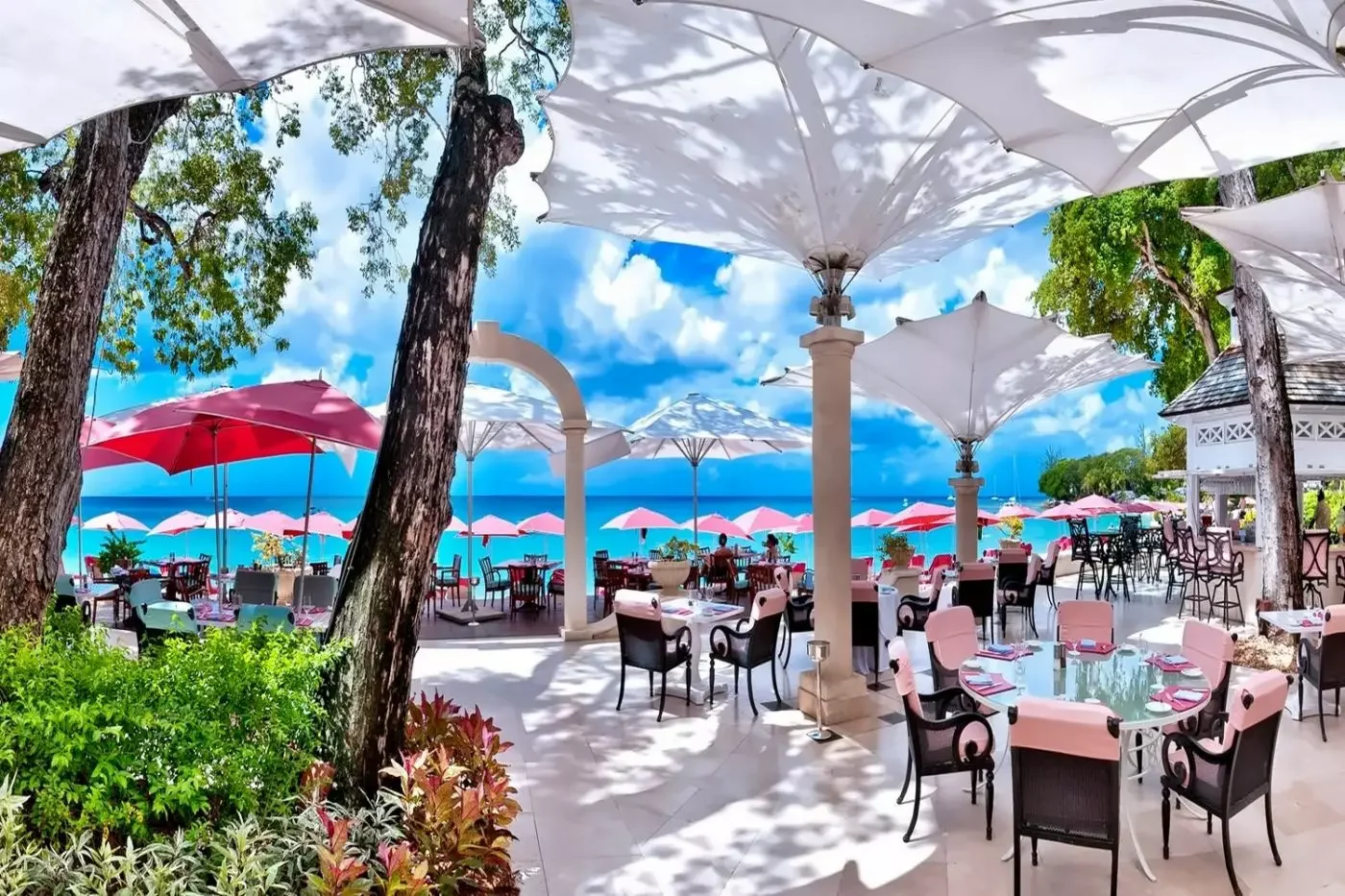
Bajan Blue: The resort’s open-air beachside restaurant serves breakfast, lunch and dinner with European, Caribbean and Asian influences, a sushi station, grill, themed buffet nights and a long-established Sunday brunch.
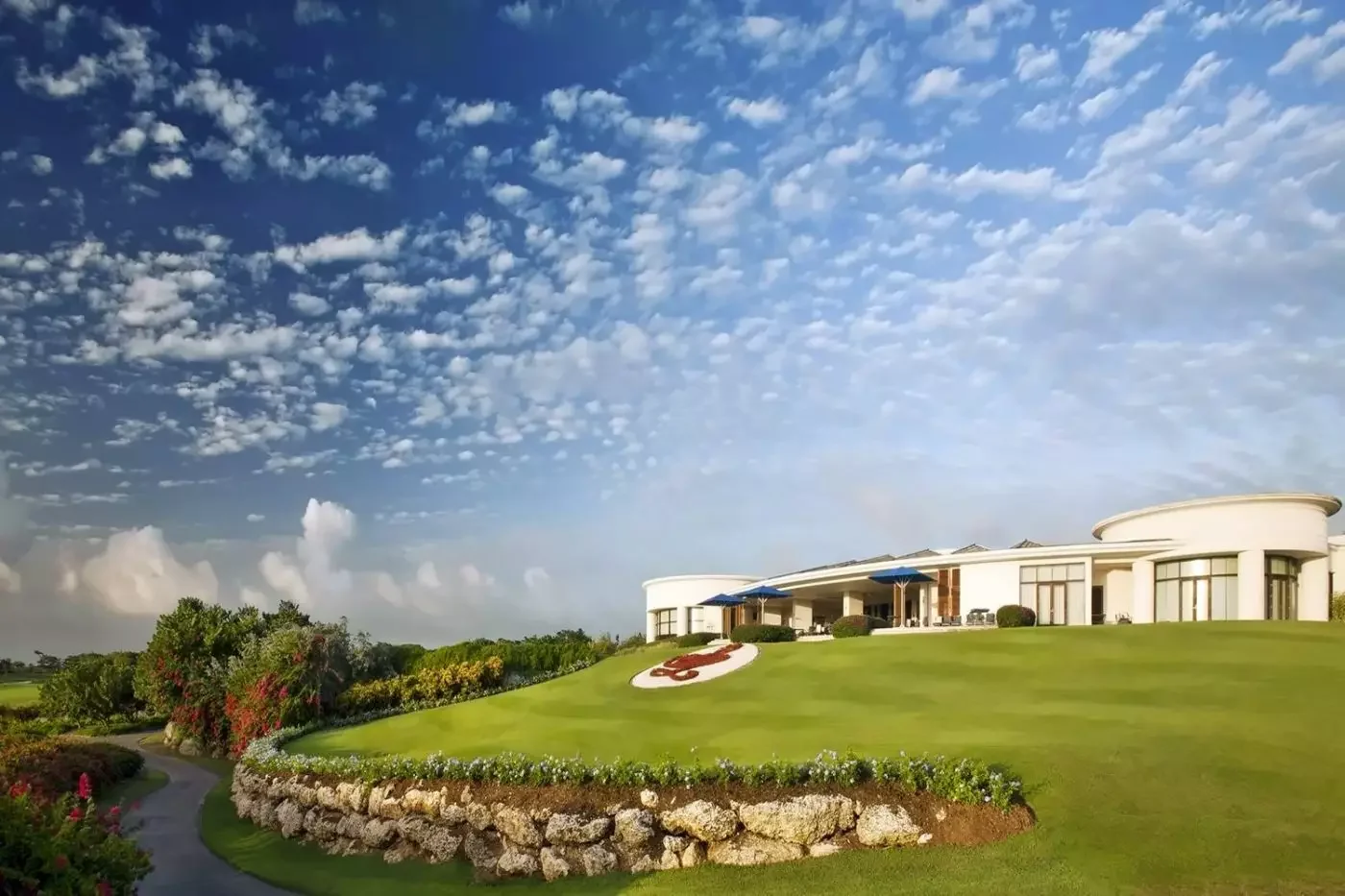
The Country Club: Positioned above the golf courses, this daytime restaurant serves breakfast and lunch with broad views over the fairways toward the Caribbean, making it particularly convenient before or after a round.
The Spa Café: A lighter lunch venue beside the spa pool, focused on salads, soups, sandwiches and fresh dishes that fit naturally around treatments, fitness sessions and time in the spa complex.
The Lower Terrace: Set beneath the resort’s mature mahogany trees, this open-air lounge and dining space operates throughout the day and is also the setting for traditional afternoon tea.
The Monkey Bar: A late-night cocktail bar decorated with monkey-themed murals and objects, known for handcrafted drinks and an intentionally intimate atmosphere that continues well after dinner service.
The Beach Bar: A casual shoreline bar serving drinks and light refreshments close to the sand and watersports area, useful for the long stretch between lunch and sunset.
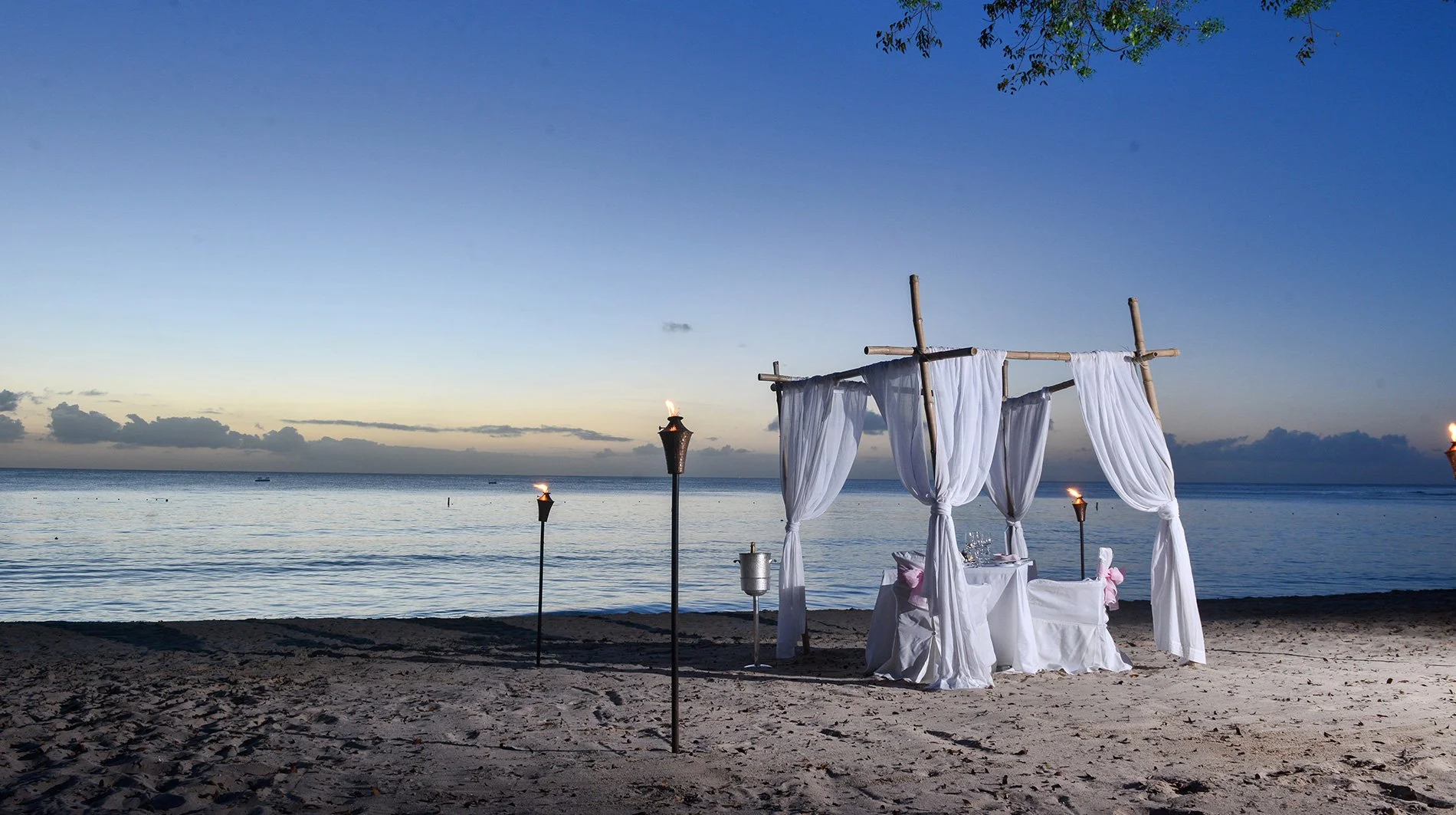
Beach Dining: Private meals can be arranged directly on the sand for breakfast, lunch or dinner, moving the setting away from the resort’s formal restaurants without leaving the property.
In-Room Dining: Available 24 hours a day, with international comfort dishes, wine and celebration service delivered to guestrooms, suites and residences.
The current 2026 dining program is in transition compared with older Sandy Lane references. L’Acajou remains important to the resort’s history, but the live booking system now presents The Monkey Club as the active signature restaurant. Bajan Blue, The Country Club, Spa Café and the resort’s bars provide the continuity around that change.
A 47,000-Square-Foot Spa That Still Operates at Resort Scale
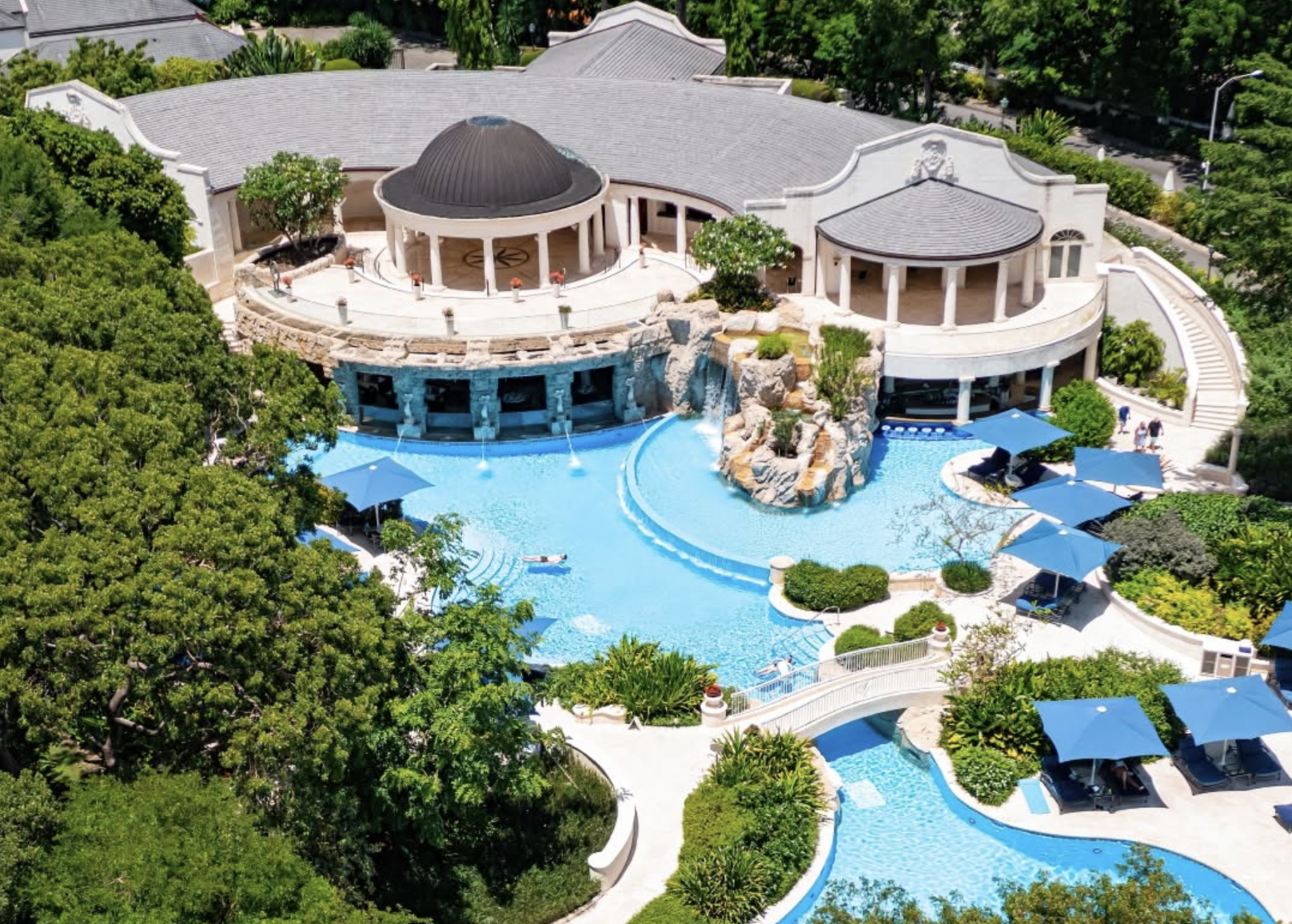
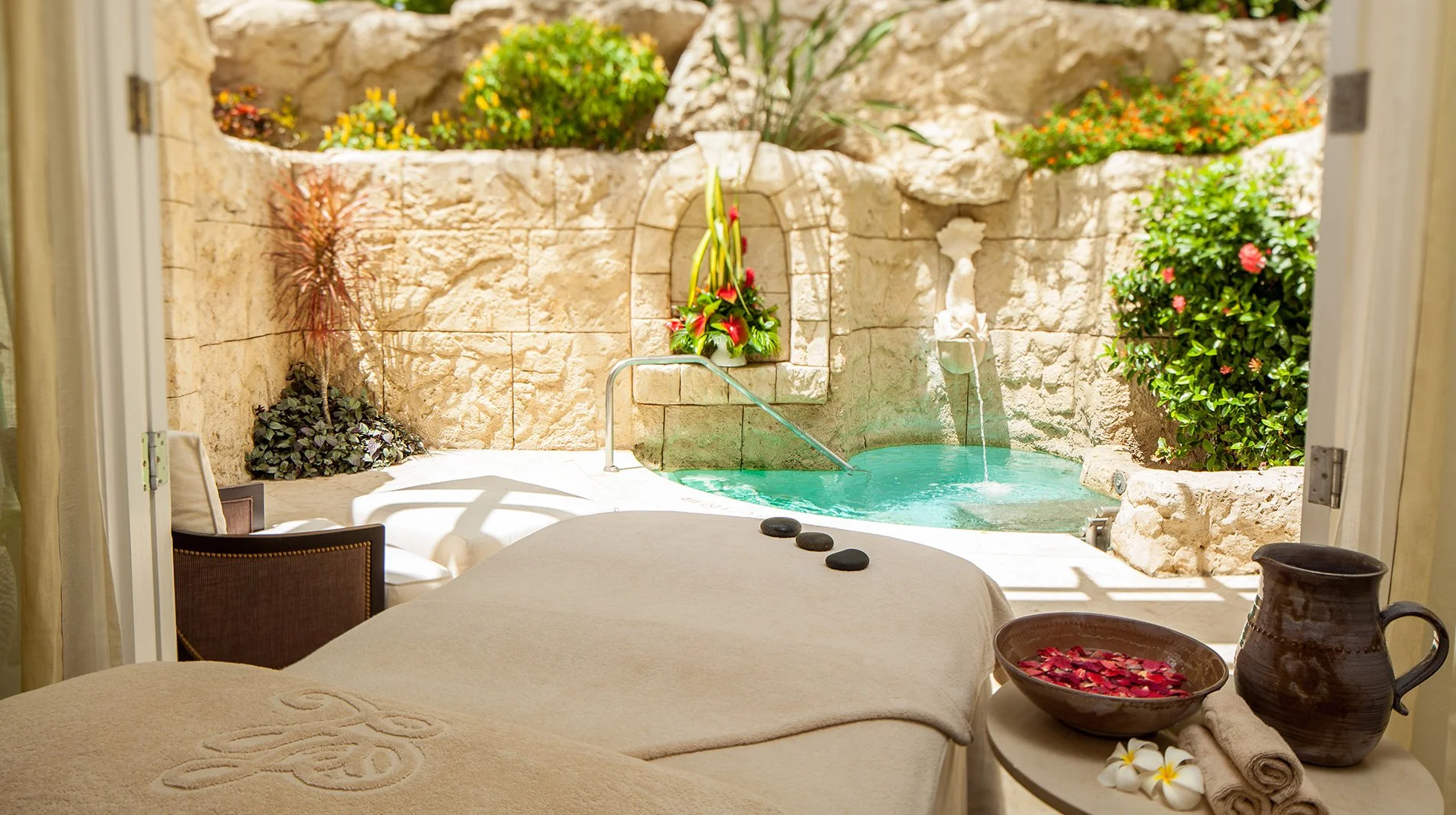
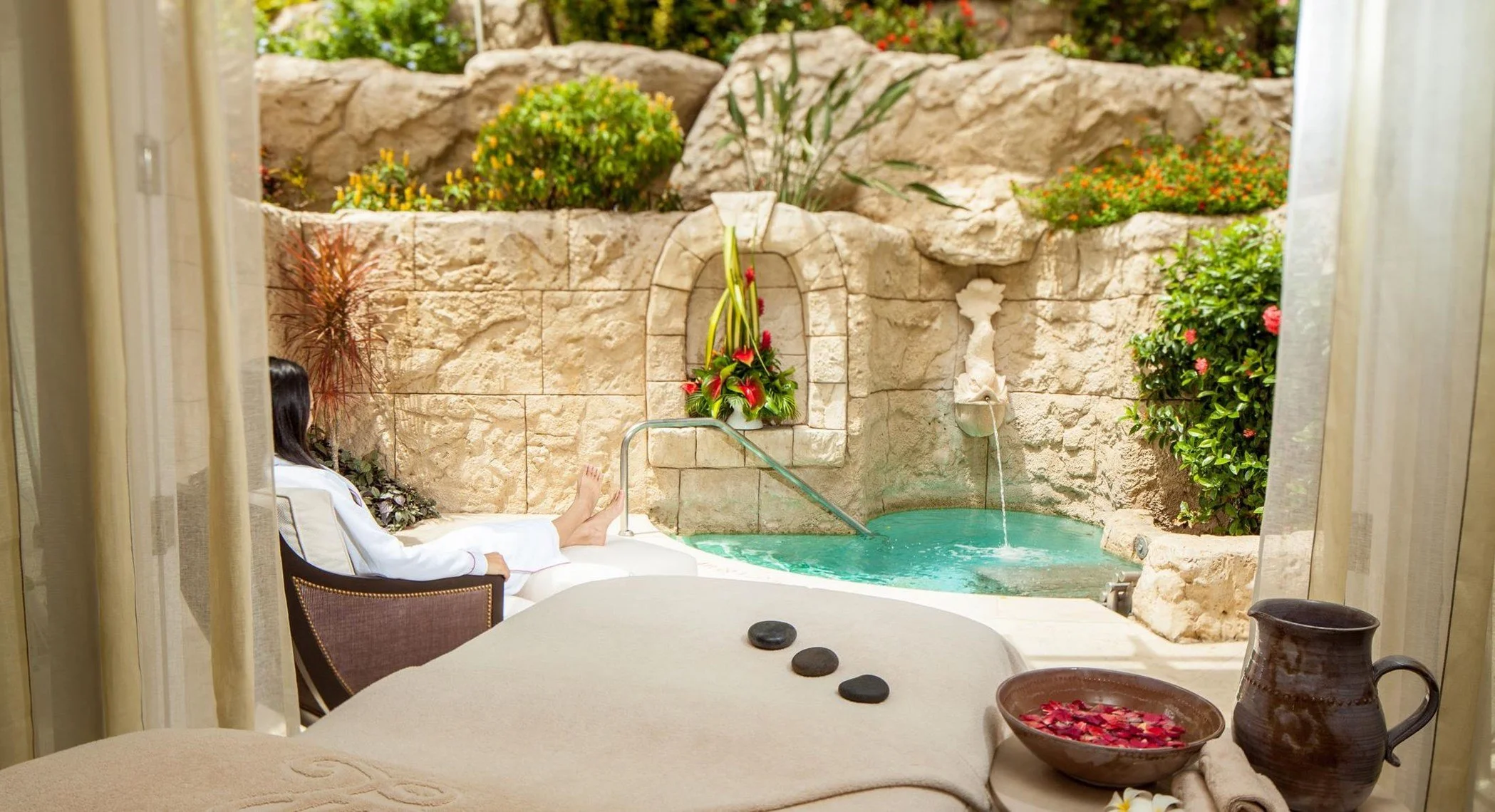
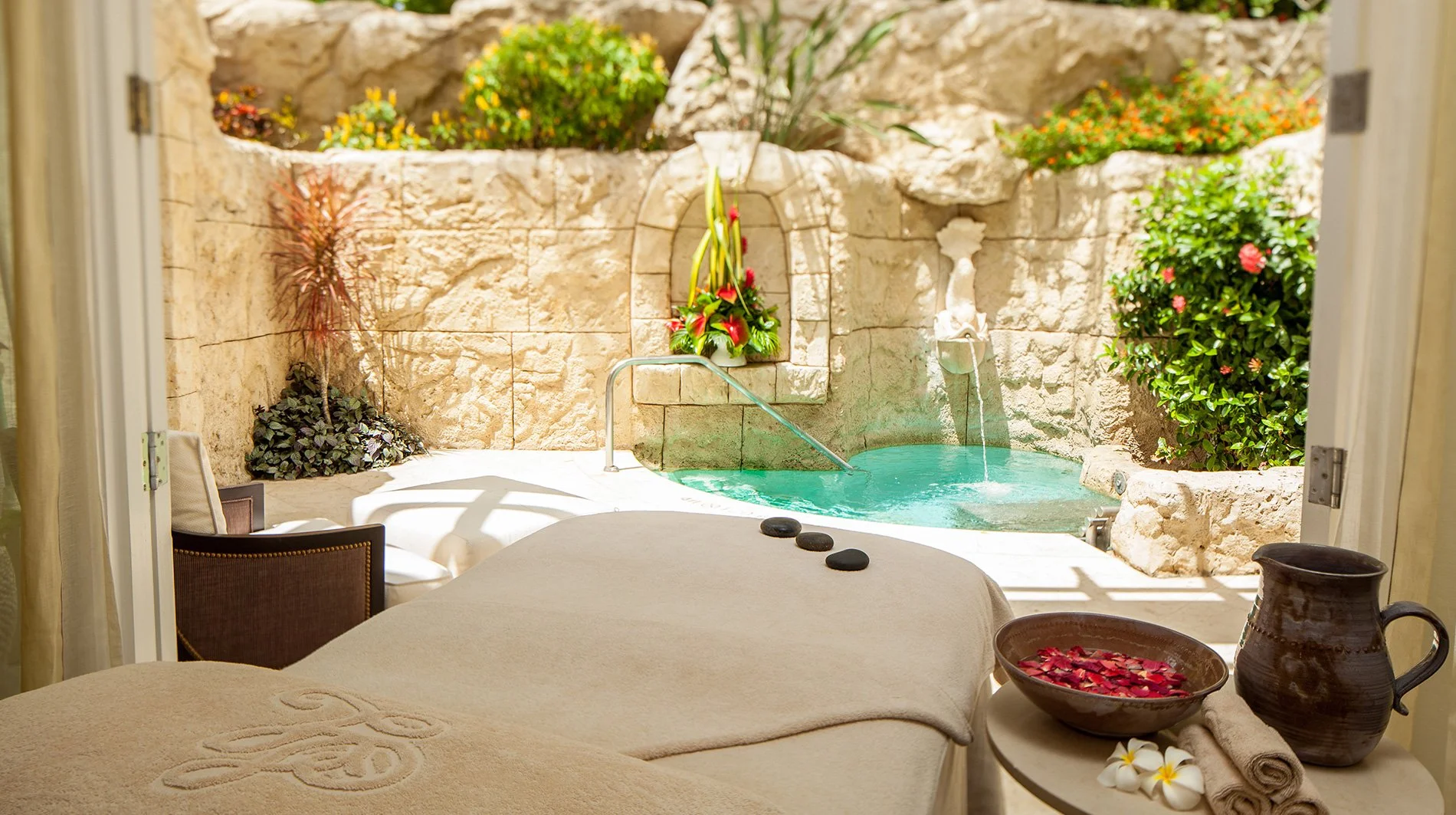
The Spa at Sandy Lane covers approximately 47,000 sq. ft., making it one of the largest dedicated hotel spas in the Caribbean. The scale is immediately different from the compact spa floors found in city hotels: treatment rooms open to private gardens or hydrotherapy areas, while a central pool and waterfall create a separate environment from the beach resort outside.
Treatments draw from Barbadian and Caribbean traditions as well as European, North American and Ayurvedic approaches. Couples’ rituals can conclude in a private hydro pool, while specialist rooms include amethyst and Thai massage facilities.
The fitness center measures approximately 2,500 sq. ft. and includes supervised training, boxing equipment, cardio and strength facilities, alongside yoga and exercise studios. Personal-training programs can be built around strength, flexibility or general conditioning rather than relying on a fixed class timetable.
In 2025, the spa was named Barbados’ Best Resort Spa at the World Spa Awards, while Sandy Lane’s broader spa reputation continues to be one of the resort’s clearest distinctions beyond golf and beach service.
Golf, Tennis and the Caribbean Waterline Shape the Day
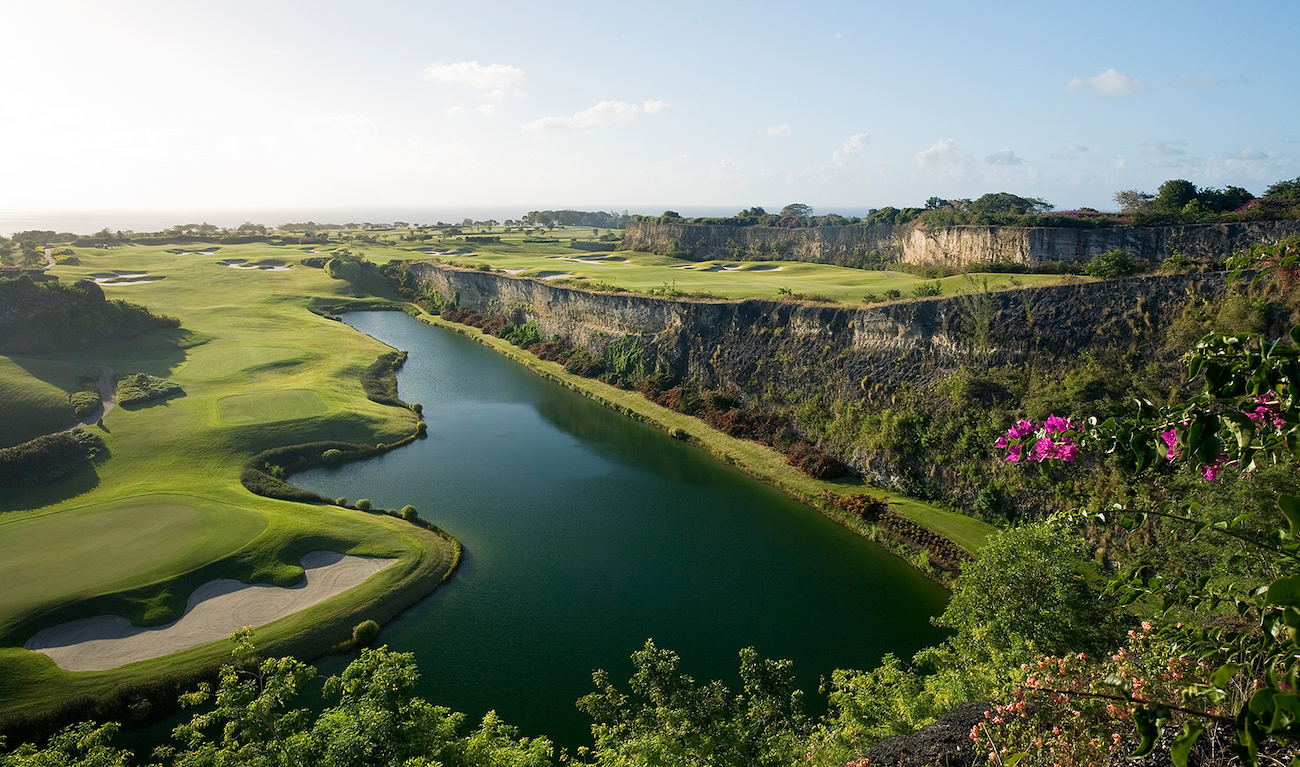
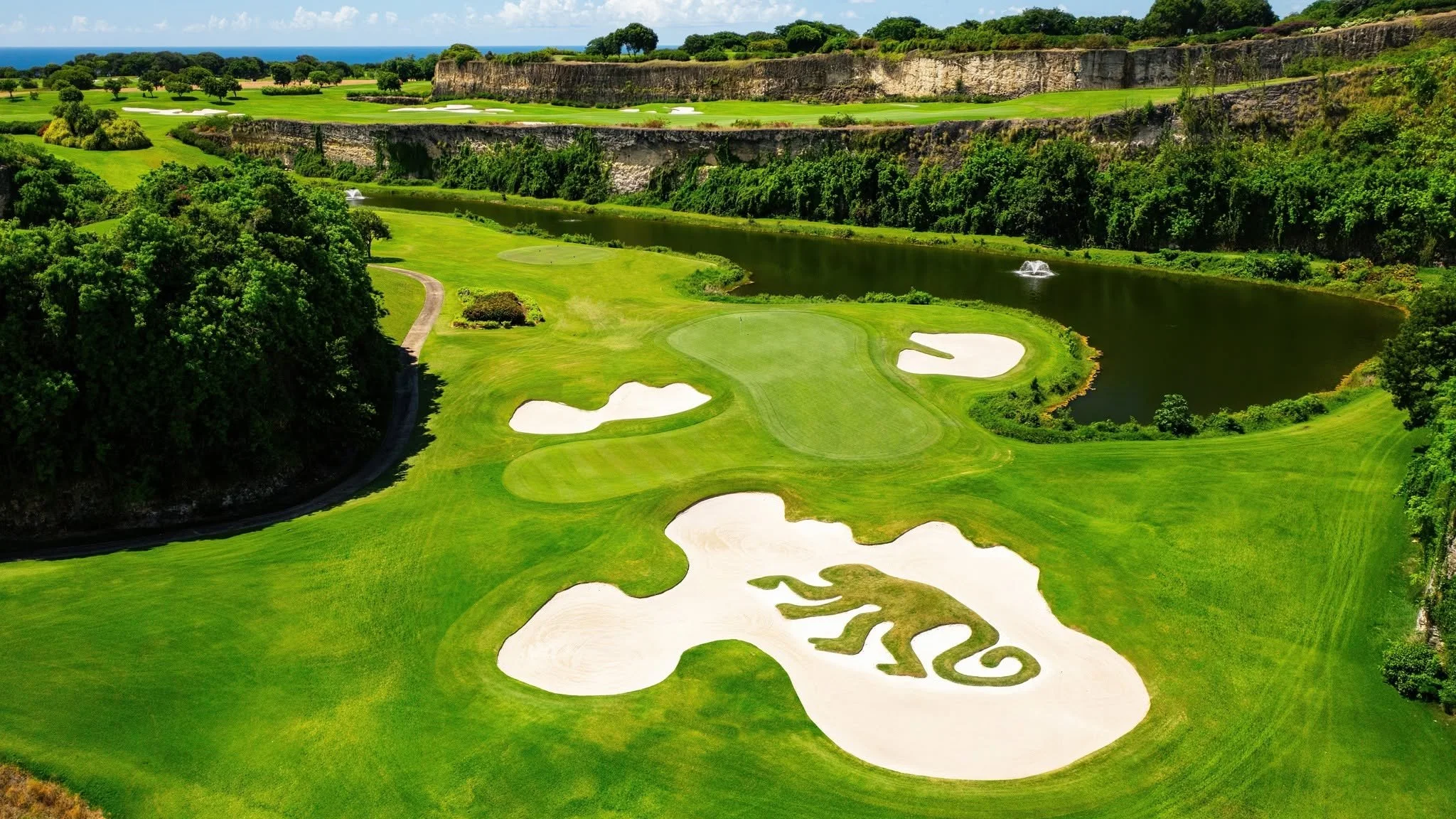
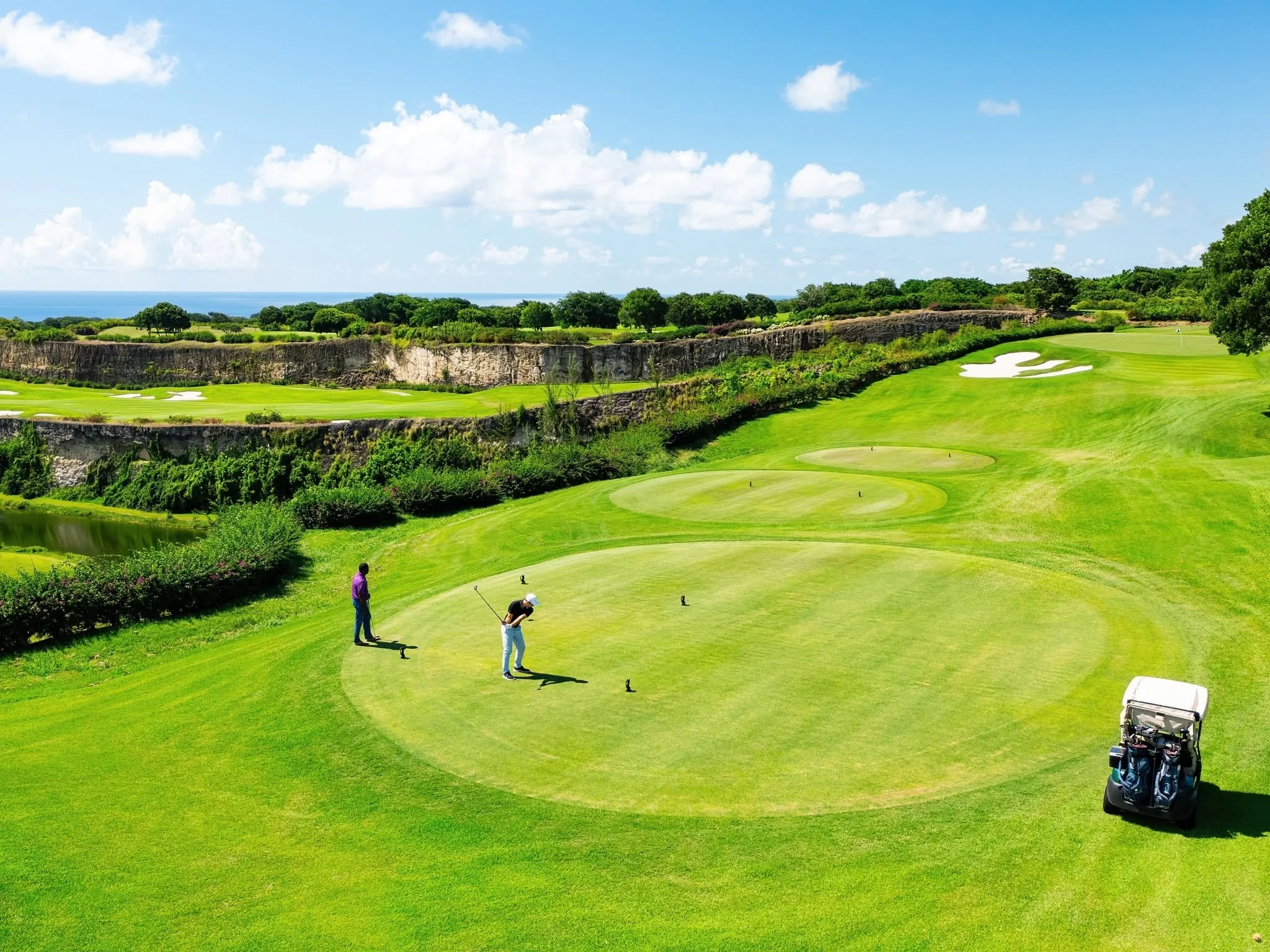
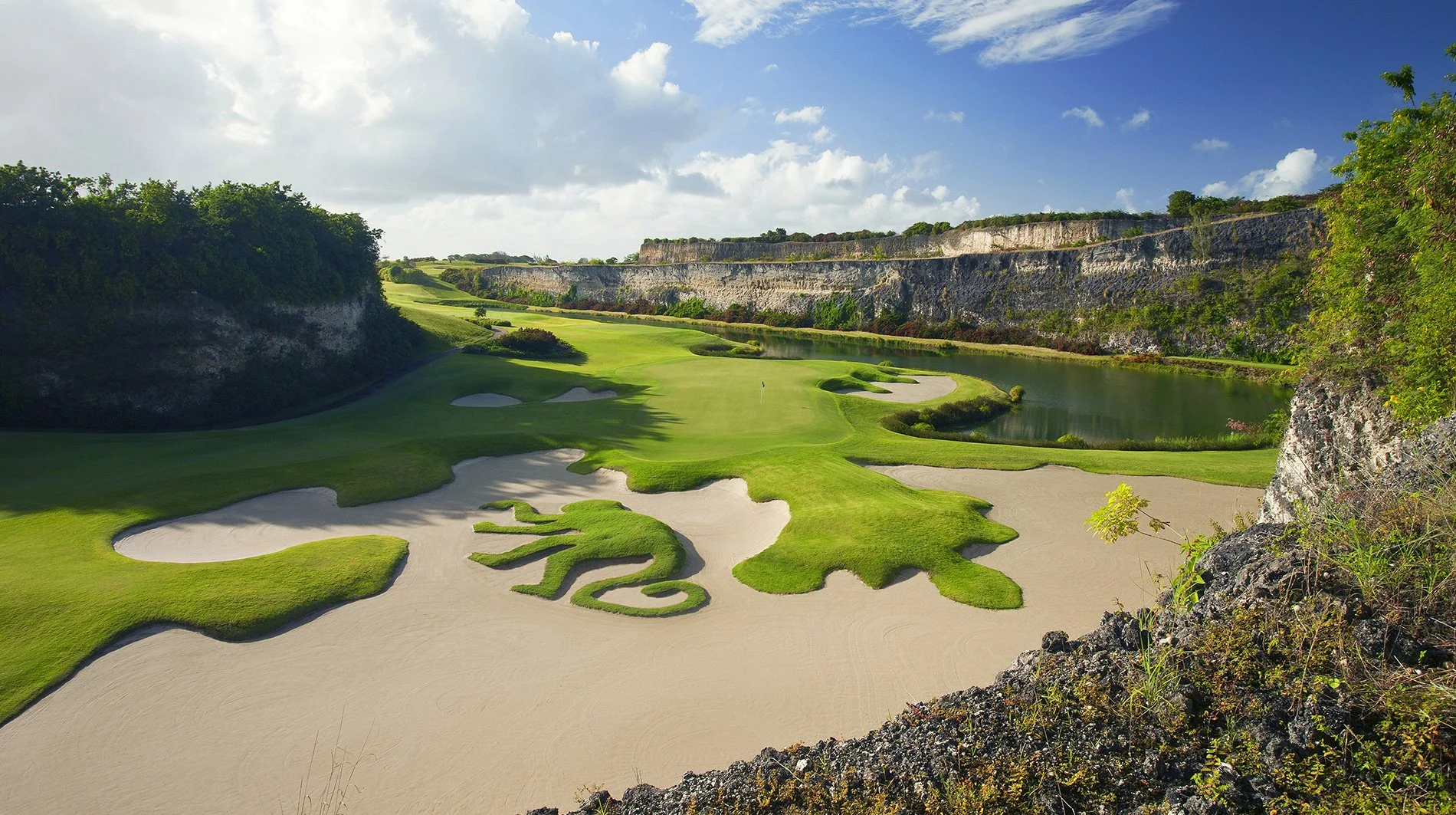
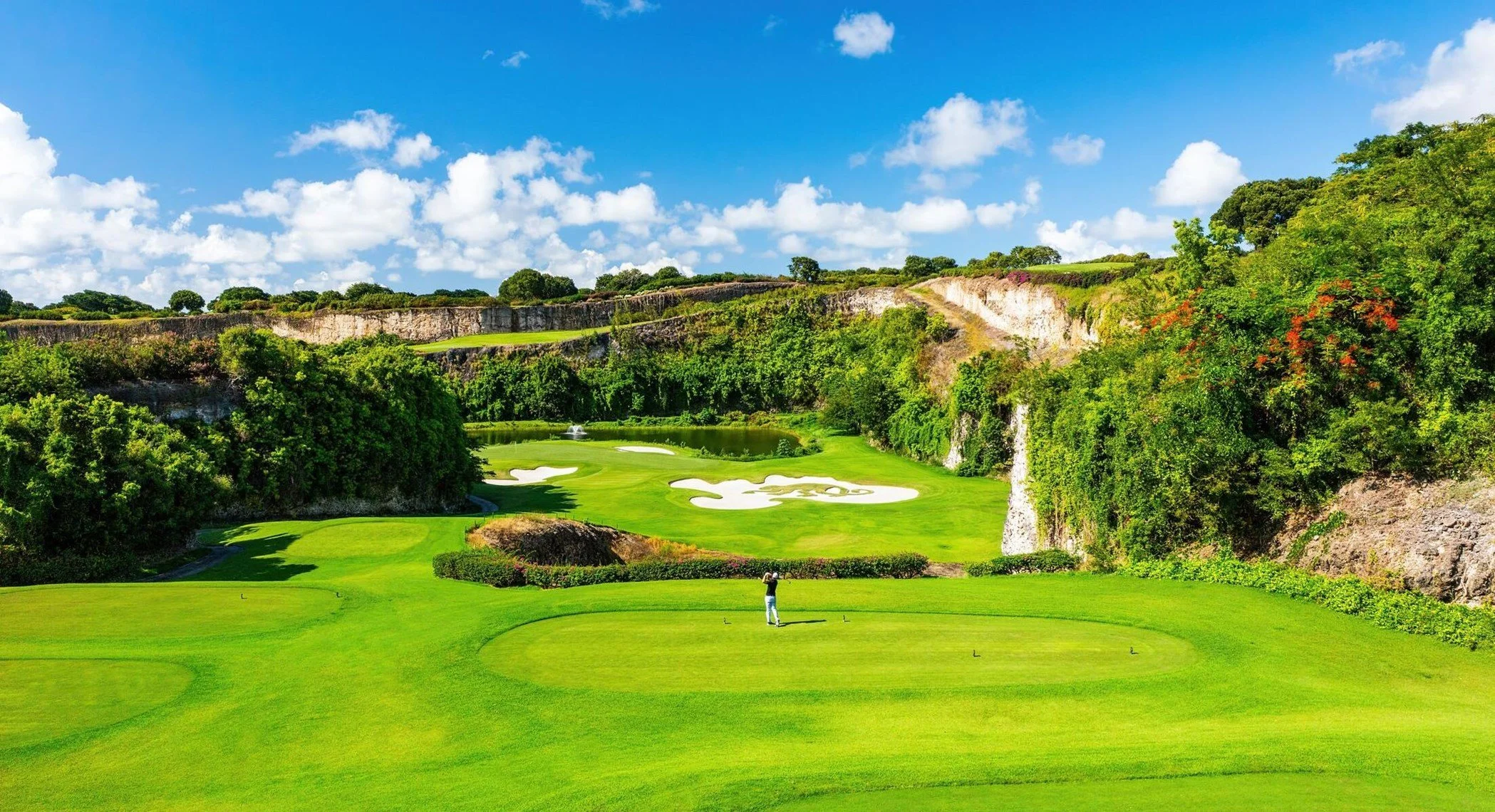
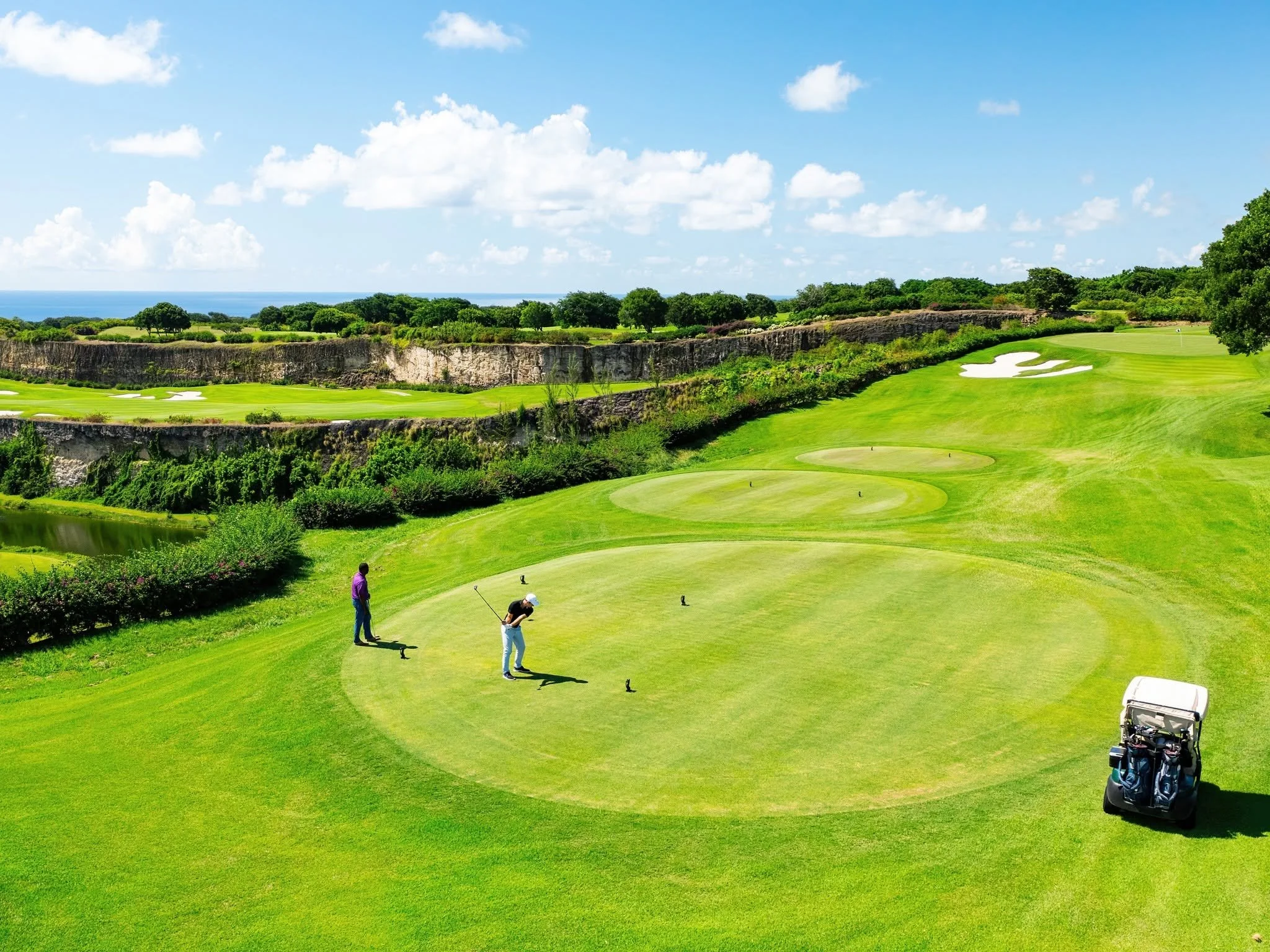
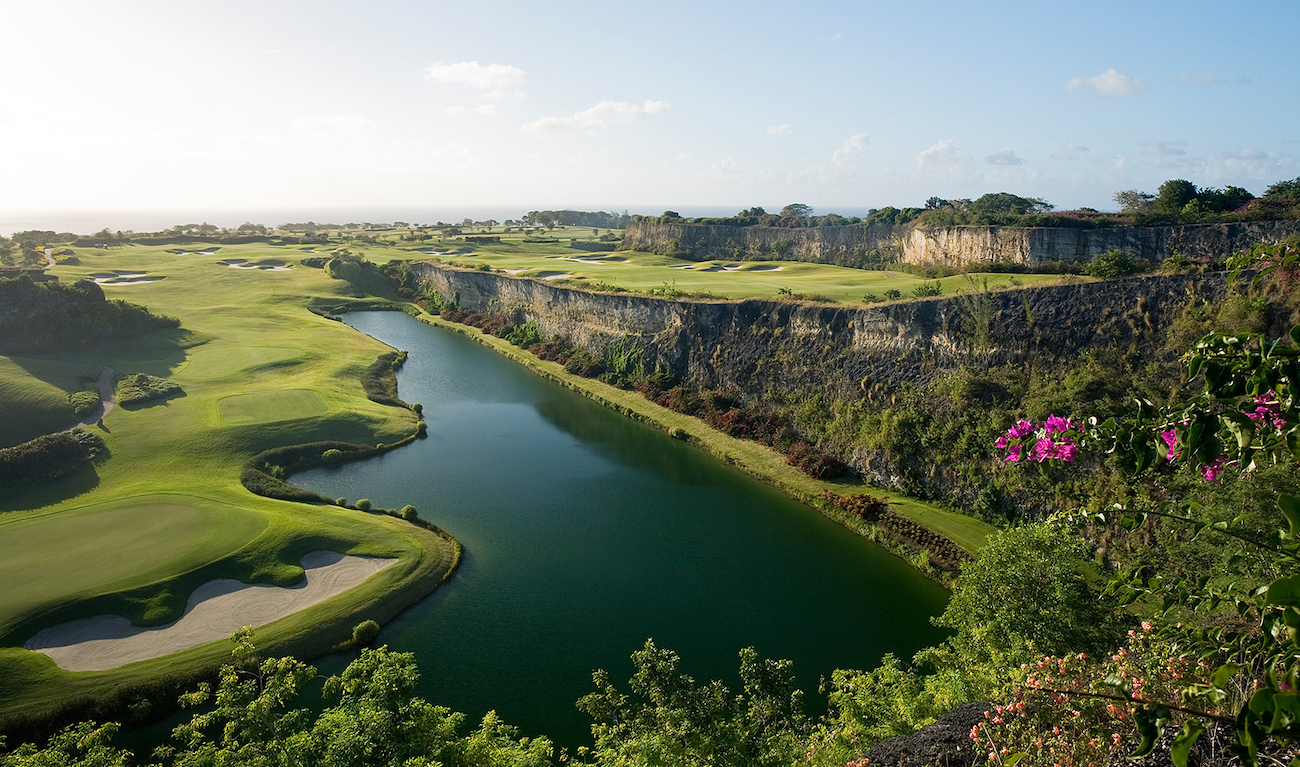
Golf is one of Sandy Lane’s defining experiences. The estate includes three courses: The Green Monkey, The Country Club and The Old Nine. The Green Monkey and Country Club were designed by Tom Fazio, while The Old Nine preserves a more traditional layout closer to the original resort.
The Green Monkey is the most exclusive of the three and is reserved for resident hotel guests on a limited basis. Carved through a former limestone quarry, the course uses exposed rock faces, dramatic elevation changes and sea views to create a setting that feels very different from a typical flat Caribbean resort course. Caddies are mandatory on both The Green Monkey and The Country Club.
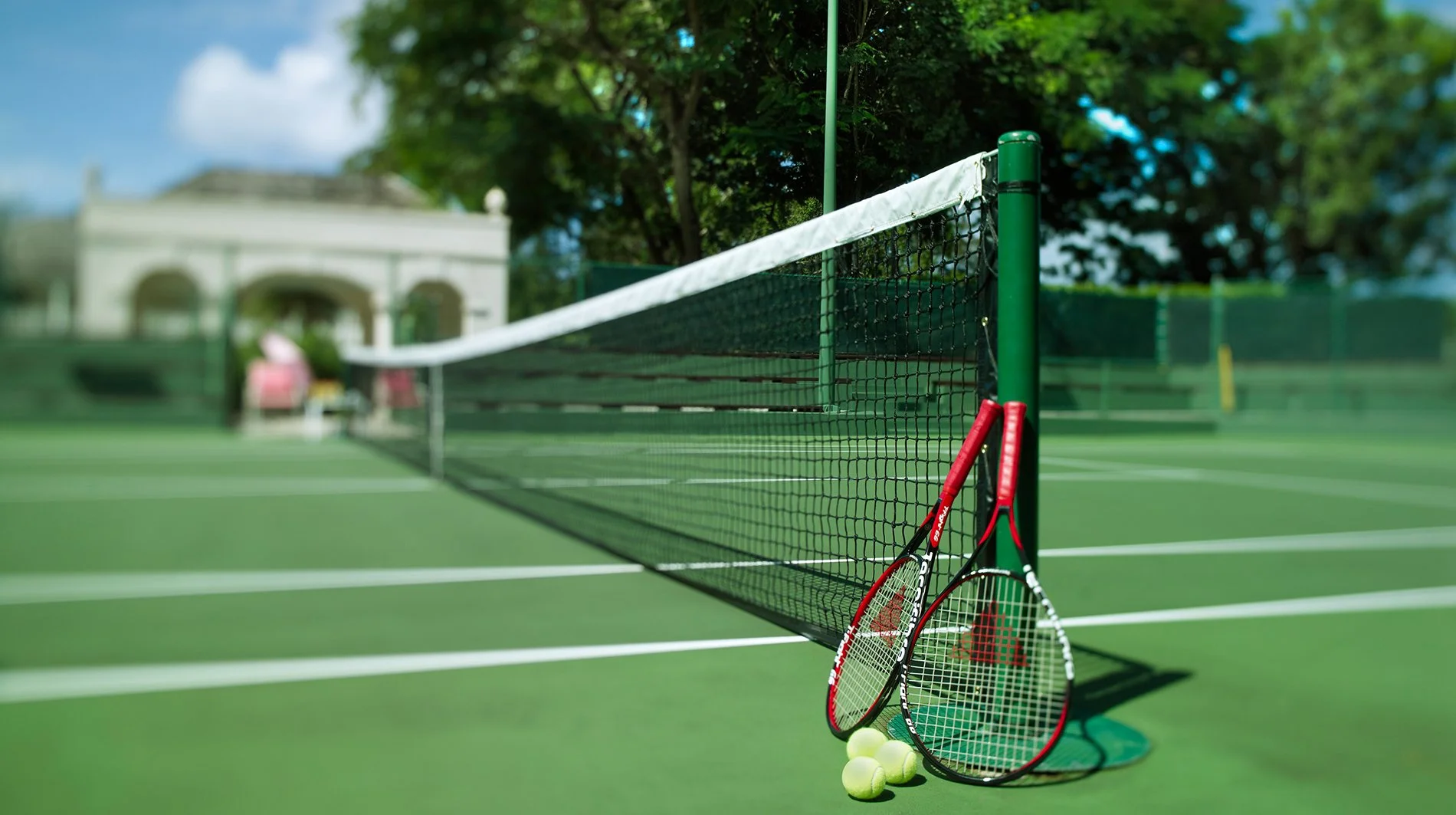
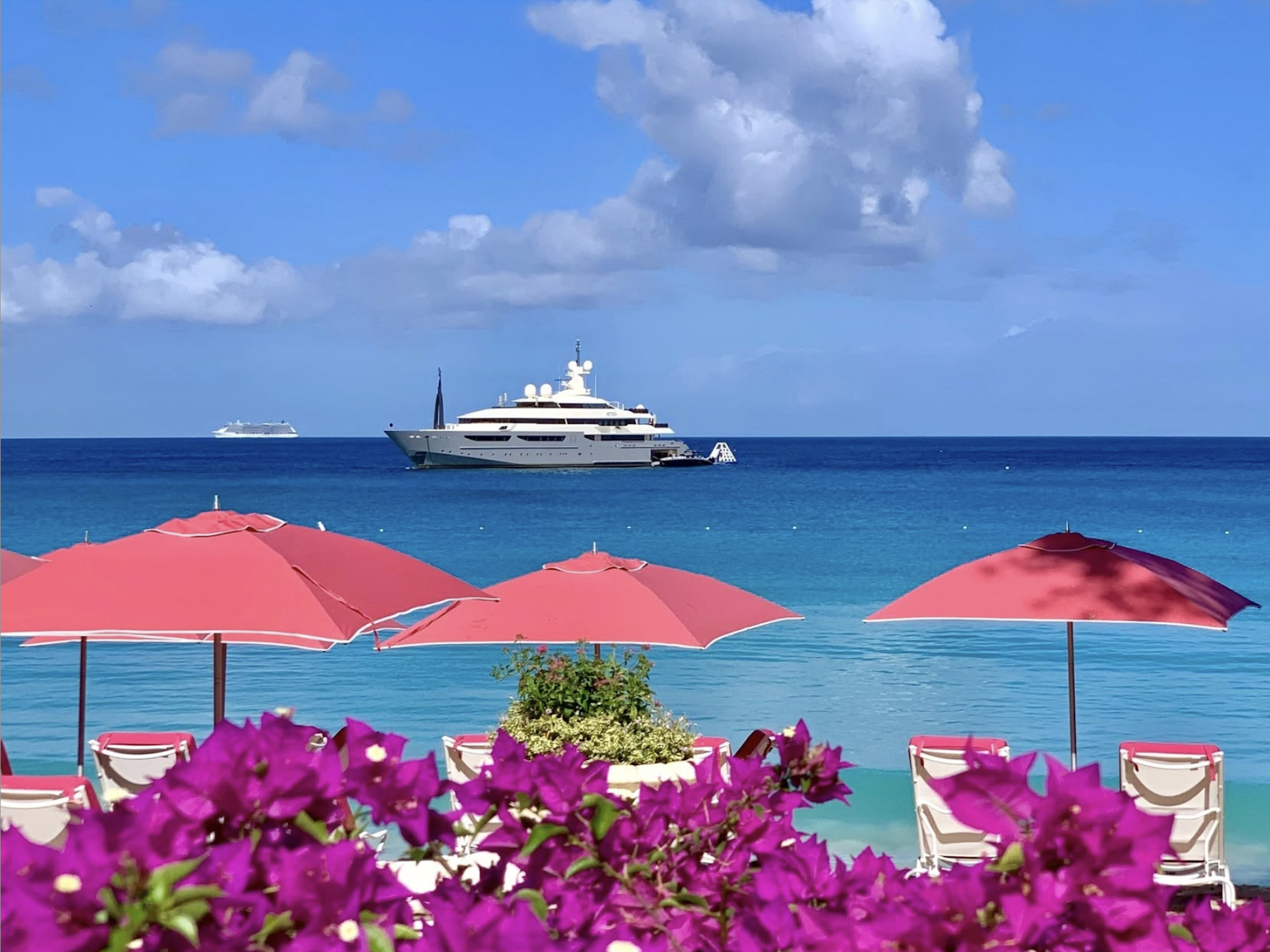
Beyond golf, Sandy Lane maintains seven floodlit tennis courts and four padel courts under its current resort program, while the beach club supports non-motorized watersports such as Hobie Cat sailing, kayaking, windsurfing and snorkeling. Motorized options and diving can also be arranged depending on the activity and package.
The island itself adds turtle encounters, catamaran cruises, rum distillery visits, plantation houses, racing at Garrison Savannah and excursions along the east coast. These are external experiences arranged through the concierge rather than resort-operated inclusions.
Treehouse Club and The Den Give Different Ages Their Own Space
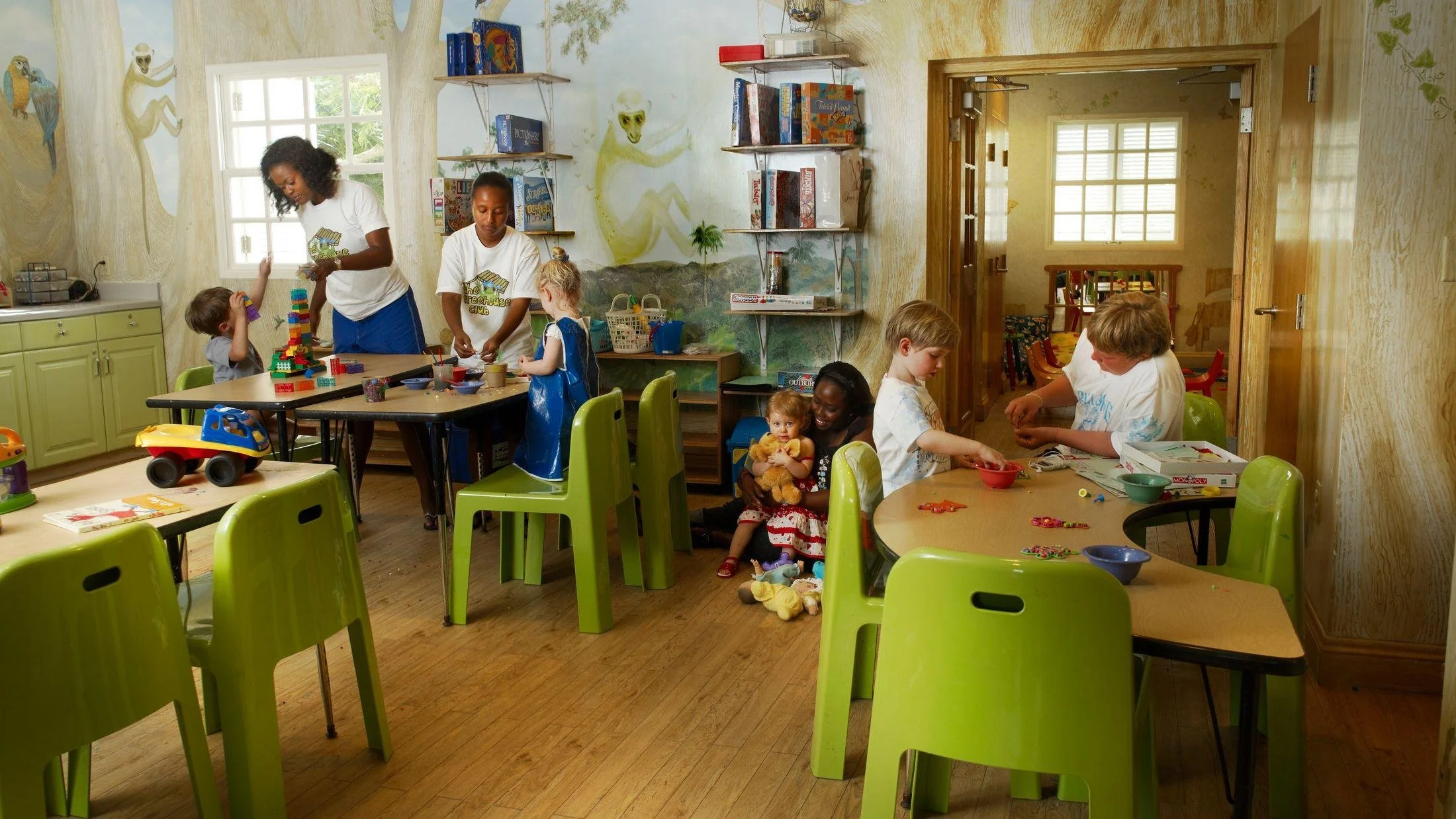
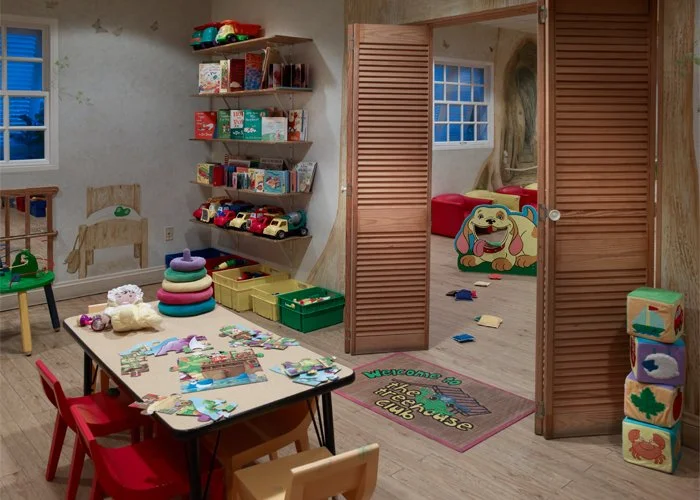
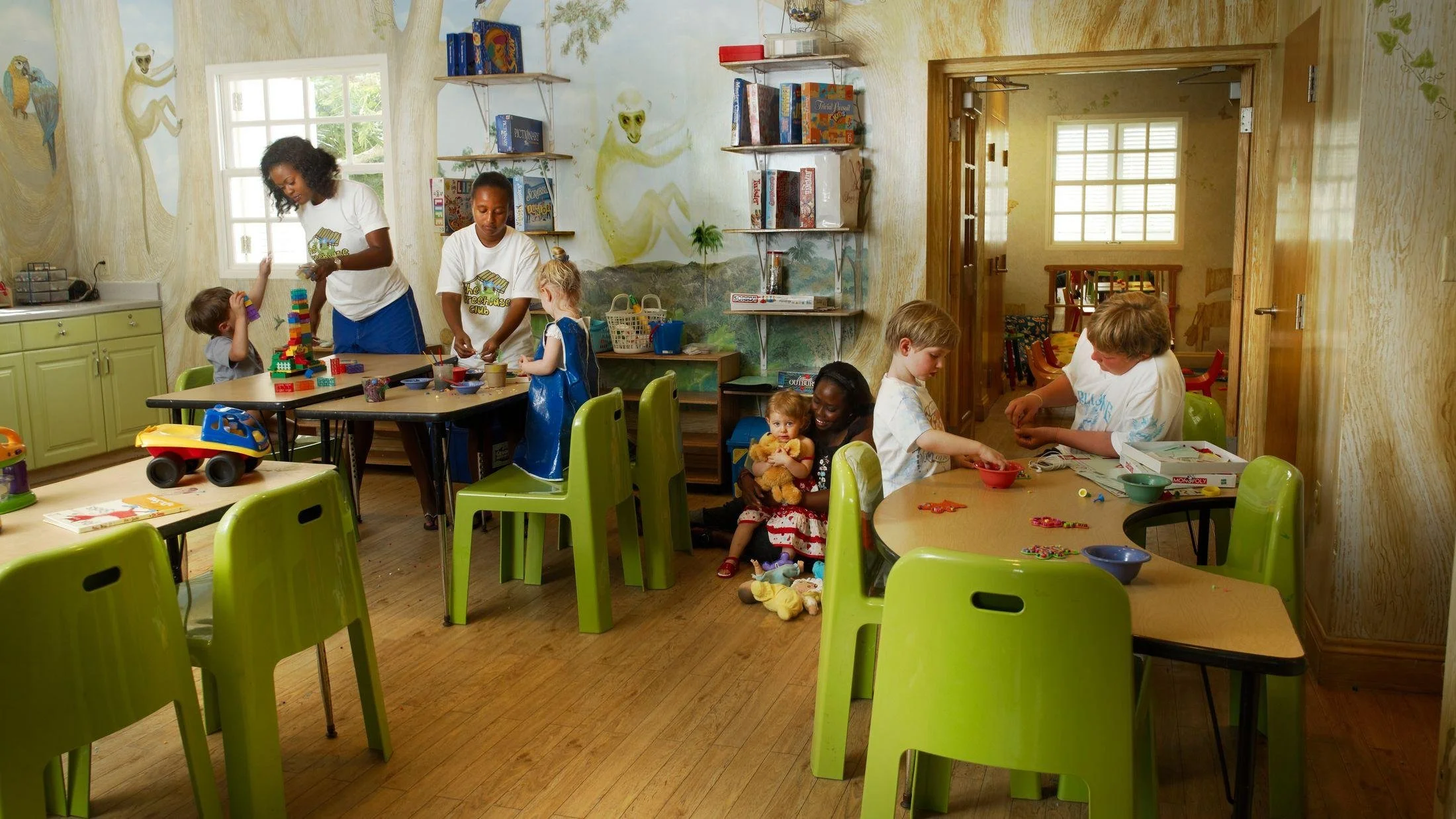
Sandy Lane remains particularly strong for multigenerational travel because children and teenagers have separate spaces rather than being grouped into one family room. The Treehouse Club runs organized activities for younger children, including daily arts and crafts, supervised swimming, movies and themed dinners during holiday periods and selected dates.
The Den gives teenagers their own lounge with pool tables, foosball, electronic and board games, computer stations and large-screen televisions, along with off-site activities when scheduled. This division allows older children more independence without placing them in a program designed for younger ages.
Accommodation planning also works well for families. Luxury Ocean Rooms interconnect, the two-bedroom Orchid and Dolphin suites provide shared living areas, and the Penthouse, Sandy Lane Suite and Villa can absorb multigenerational groups without splitting everyone across unrelated wings.
Babysitting is available through the resort, and the Villa adds a private staff model that can be particularly useful for families who want meals and daily logistics managed within their own residence.
Coral Replanting and Water Reuse Sit Behind the Manicured Gardens
Sandy Lane’s current sustainability program is strongest where it identifies specific infrastructure and projects. The resort participates in Barbados’ coral reef replantation program, linking the health of the beach and surrounding sea with broader marine-biodiversity work.
Water management is equally concrete. Stormwater lift stations and an on-site wastewater-treatment plant collect, filter and reuse water for irrigation, while a desalination plant uses reverse osmosis to supply water to irrigation lakes across the golf courses. These systems are particularly relevant on a large estate where gardens and 45 holes of golf create significant water demand.
The resort’s nursery supports conservation and replanting across the property, while beekeeping and fruit-tree programs contribute to biodiversity; Sandy Lane states that more than 100 trees have been planted since 2011 and that the resort maintains almost 6,000 plant varieties.
Beach erosion has also required direct intervention. Sandy Lane completed major beach-renourishment projects in 2019 and again in 2024 to replace sand lost through natural erosion and increase the width of the bay. Those projects are better understood as shoreline management than as proof of environmental neutrality, but they are a significant part of maintaining the physical setting on which the resort depends.
Accessibility Information Is Less Detailed Than the Rest of the Resort
Sandy Lane publishes a detailed accessibility statement for its website, but its current accommodation pages do not provide the same level of room-by-room physical-access information found at some newer hotels. The public room pages do not clearly identify dedicated wheelchair-adapted categories, roll-in shower dimensions or hearing and visual-alert features.
For that reason, travelers with mobility, hearing, vision or other access requirements should confirm the exact room configuration directly with the resort before booking. Useful questions include step-free routes from arrival to accommodation, lift access, shower and bathtub setup, doorway widths, beach access, pool entry and transportation between the hotel, spa and golf facilities.
The estate is large and includes separate golf and spa areas, gardens, terraces and beachfront paths, so mobility planning may depend as much on room location as on the bathroom itself. Golf carts and resort vehicles may be useful, but assistance should be arranged in advance rather than assumed.
Holetown Adds History and Nightlife to the West Coast
Sandy Lane sits south of Holetown in St. James, part of the stretch commonly known as Barbados’ Platinum Coast. The west side of the island has calmer water than the Atlantic-facing east coast and has developed around beach resorts, private villas, restaurants and residential neighborhoods rather than one dense resort strip.
Holetown is historically significant as the site associated with early English settlement in Barbados. Today, its older parish landmarks sit alongside Limegrove Lifestyle Centre, restaurants on First and Second Streets and the colorful Chattel House Village, giving the area a mix of shopping, nightlife and local architectural references.
Farther south, Bridgetown and the Garrison area provide a broader historical context, while inland plantation houses and rum distilleries connect the west coast with the island’s agricultural and colonial past. The east coast around Bathsheba presents the clearest geographical contrast, where Atlantic surf and rock formations replace the gentler water outside Sandy Lane.
Grantley Adams Airport Is Roughly 35 Minutes Away
Grantley Adams International Airport (BGI): The resort is approximately 19–20 kilometres from the airport, with a road transfer typically taking around 35 minutes in normal traffic and longer during busy arrival periods.
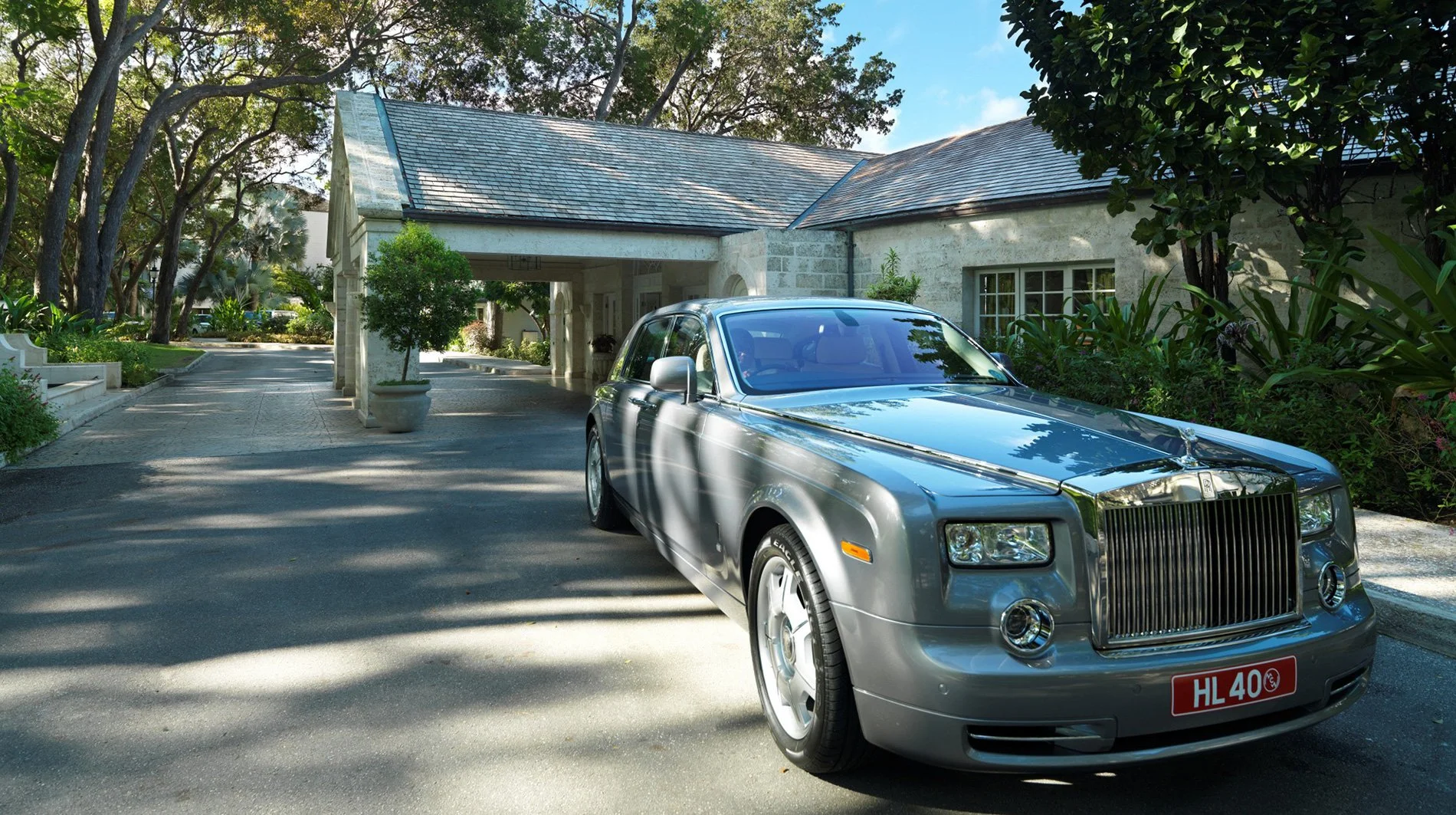
Included Airport Transfers: Round-trip airport transportation in an executive vehicle is included in Sandy Lane’s standard accommodation rates, together with airport concierge assistance on arrival.
VIP Fast-Track: Sandy Lane’s airport concierge can assist with expedited immigration through a dedicated VIP process and escort guests through the terminal to their waiting driver.
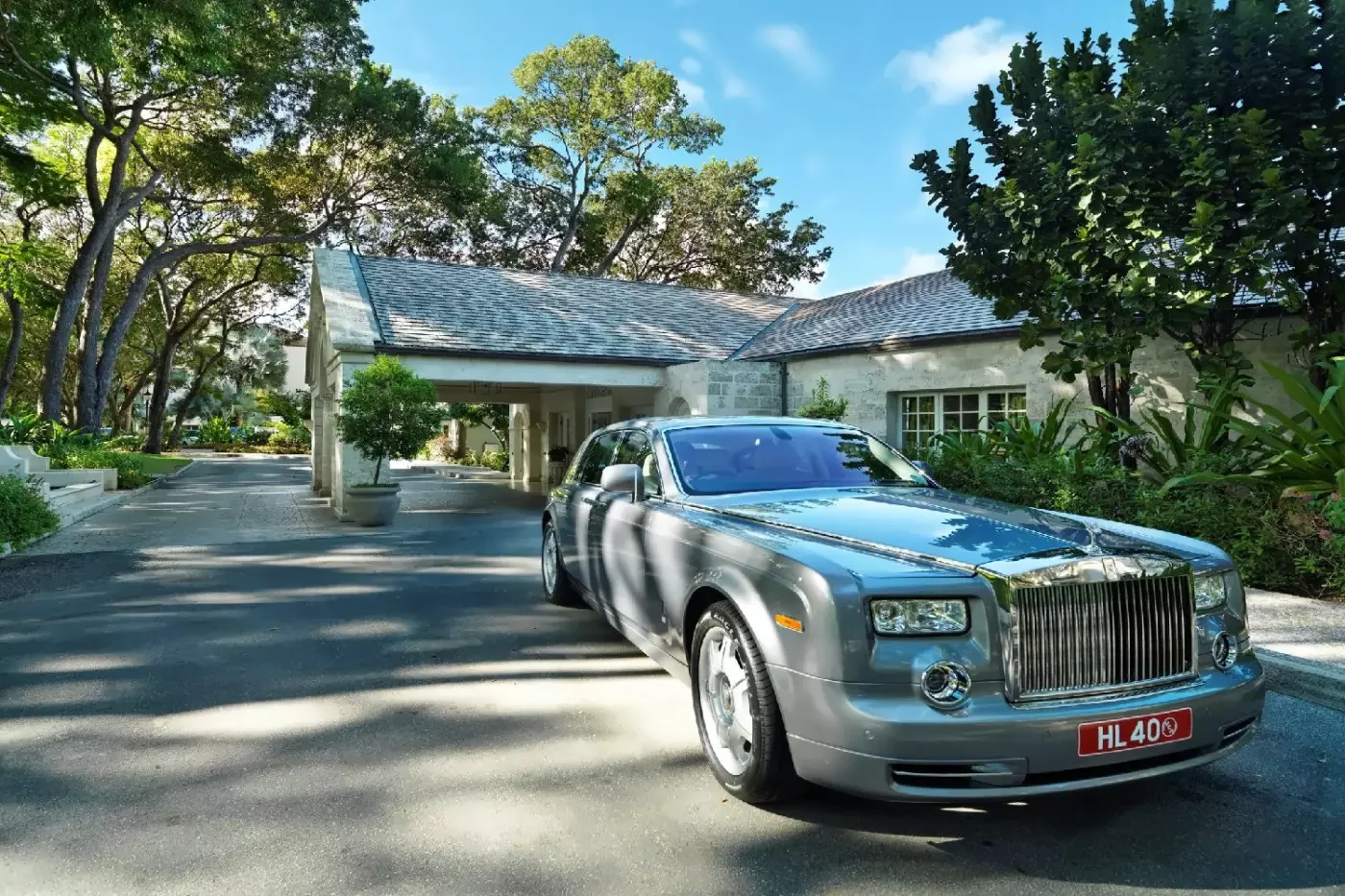
Rolls-Royce Upgrade: Guests can upgrade the standard airport transfer to a chauffeured Rolls-Royce Phantom, with Champagne served during the journey.
Private Aviation: Grantley Adams International Airport has multiple private-jet terminal options, and the hotel concierge can coordinate onward transportation and related arrival services.
Holetown and Bridgetown: Holetown is a short drive north of the resort, while Bridgetown lies approximately five miles to the south; journey times vary with west-coast traffic.
Sandy Lane’s Strength Is Continuity Rather Than Reinvention
Sandy Lane has survived in a market crowded with newer Caribbean resorts because it has never tried to compete primarily through novelty. The resort’s identity remains tied to the same combination of coral-stone architecture, mahogany trees, broad verandas, west-coast sunsets, golf and a service culture built around remembering how returning guests prefer to spend their time.
The 2001 reconstruction proved that continuity does not require preserving every physical wall. Sandy Lane rebuilt almost completely while retaining the visual sequence and atmosphere that had made the property recognizable since 1961. More than two decades later, that decision still defines the stay – a resort that feels established rather than retro, and formal enough to feel special without becoming disconnected from the ease of Barbados.