Beaver Creek, Colorado | The Ritz-Carlton, Bachelor Gulch
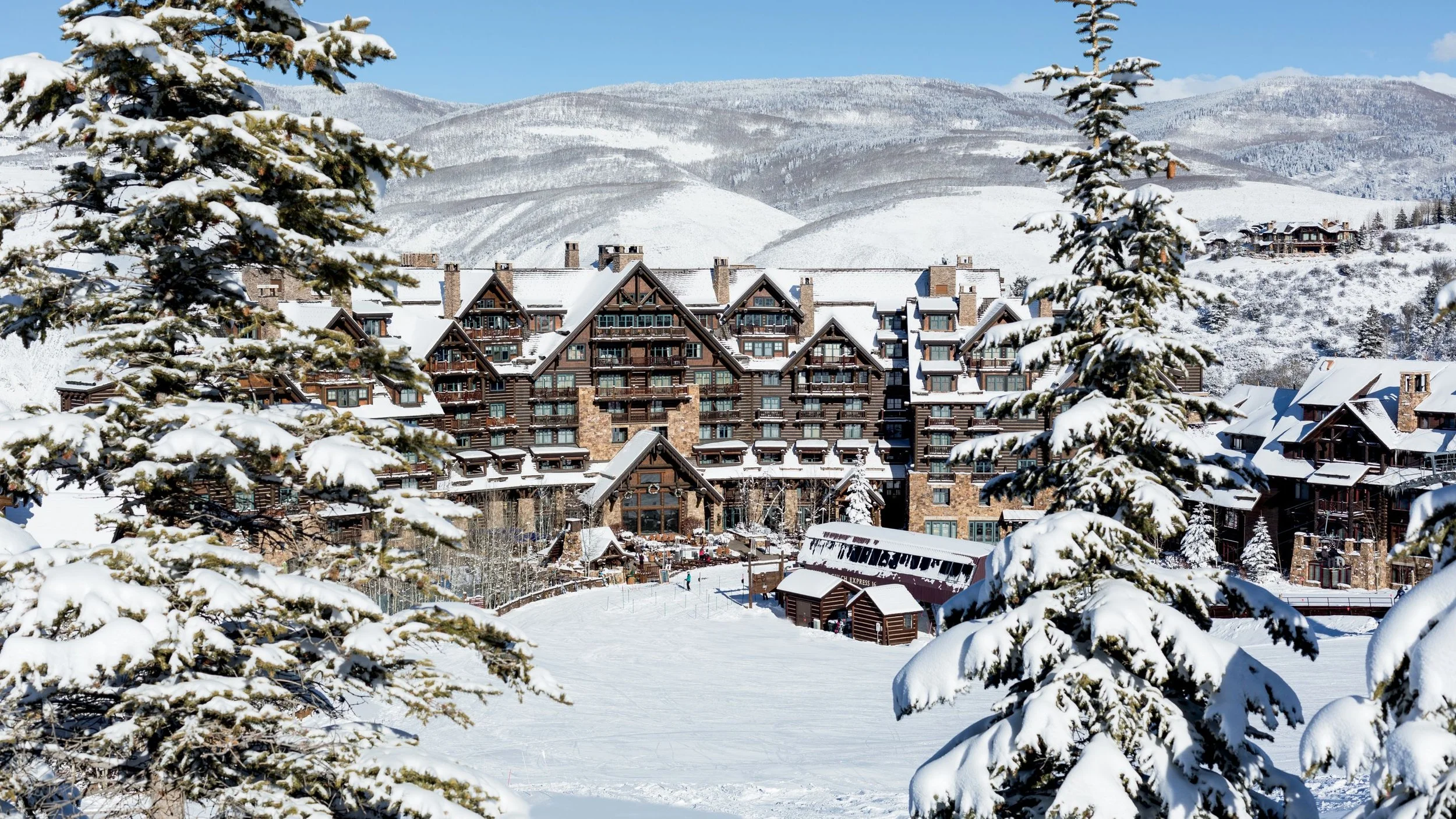
Where the Mountain Meets the Great American Lodge
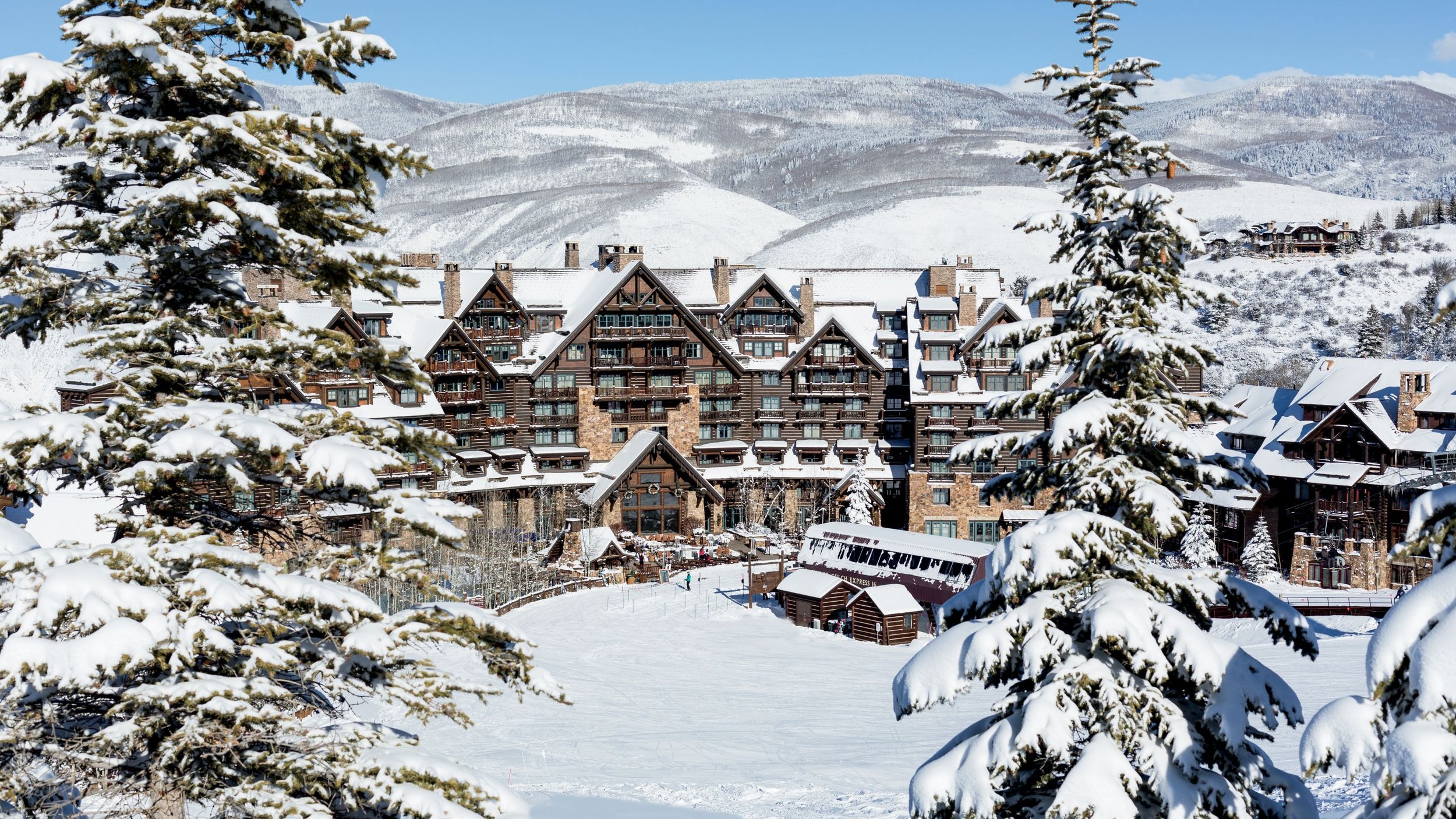
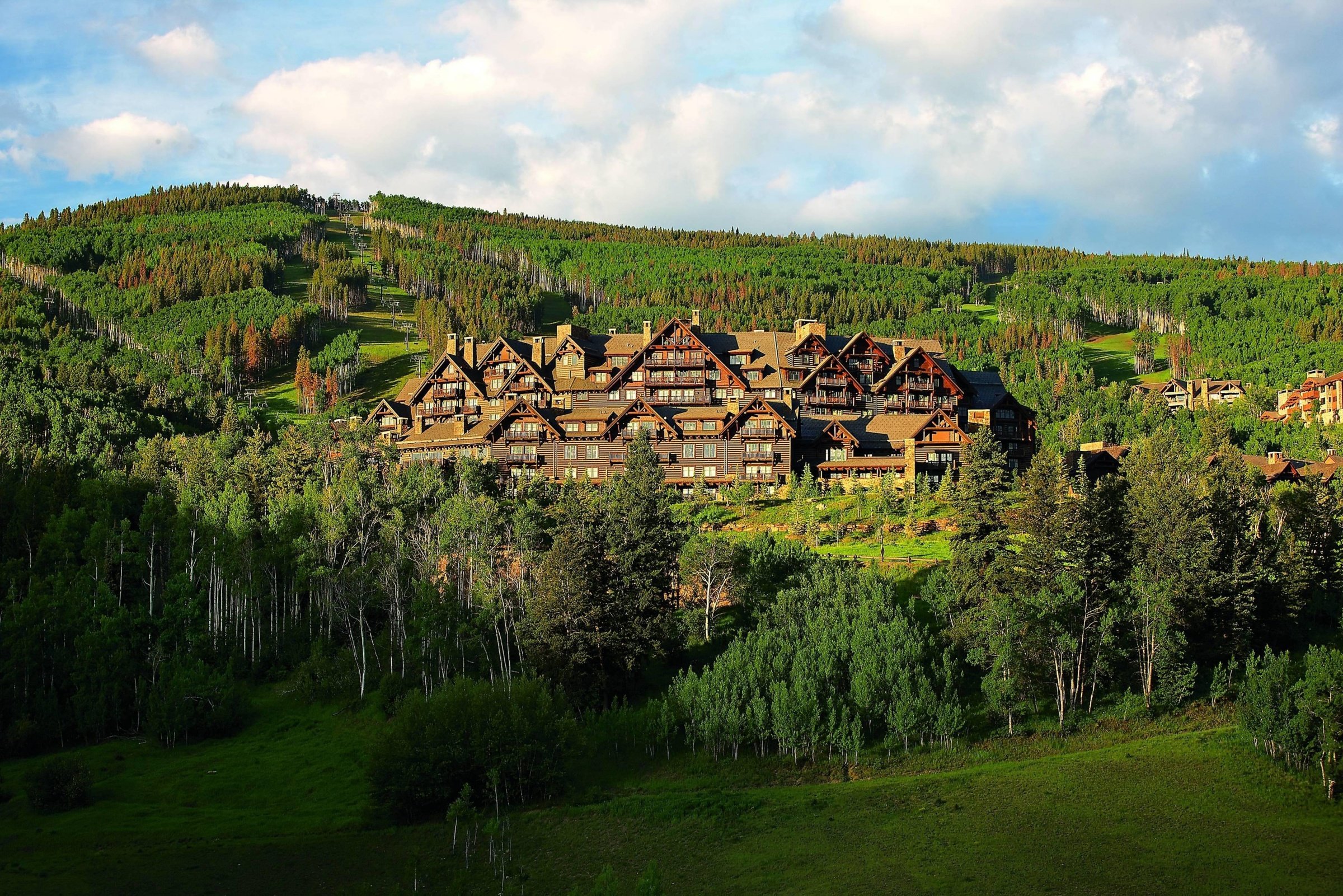
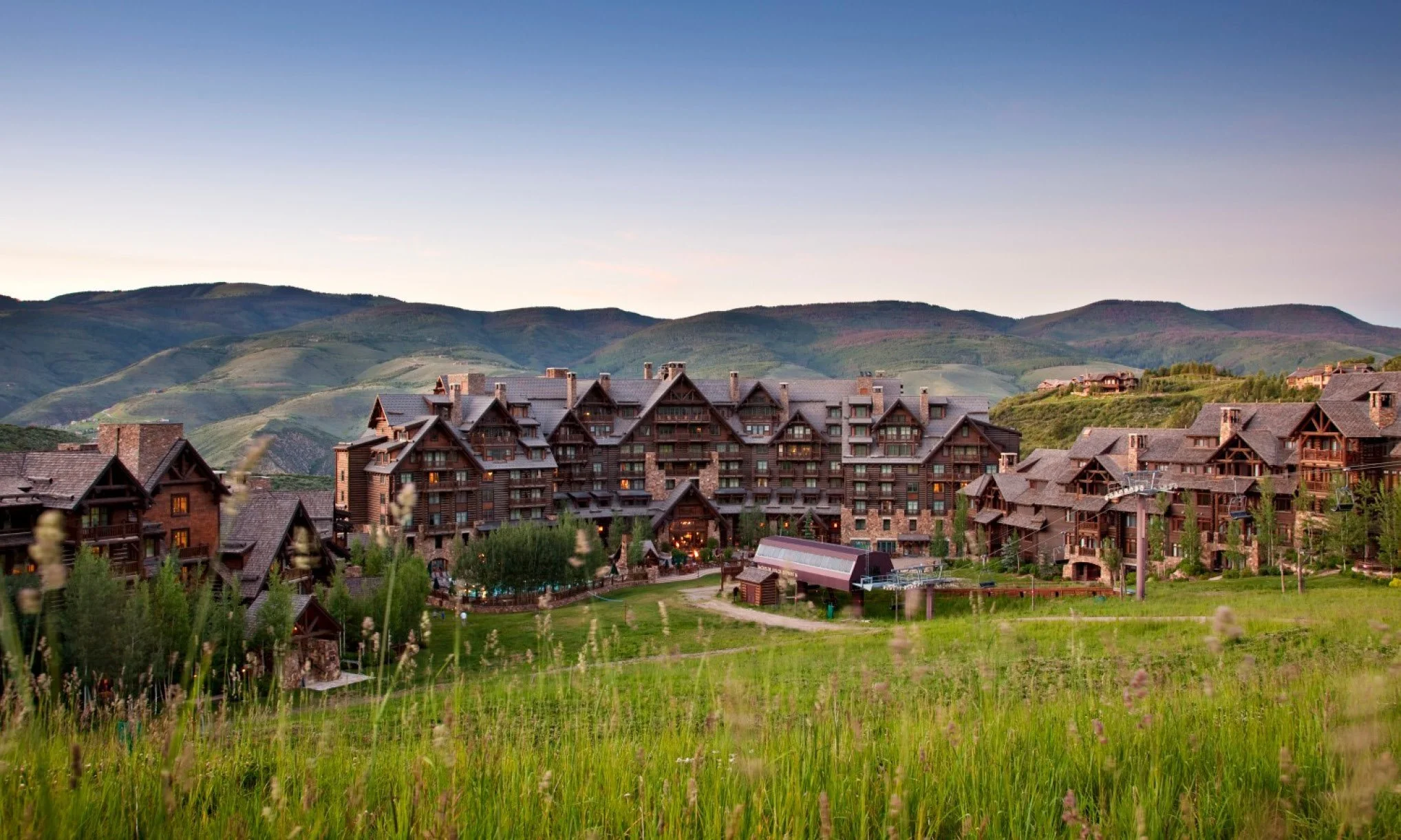
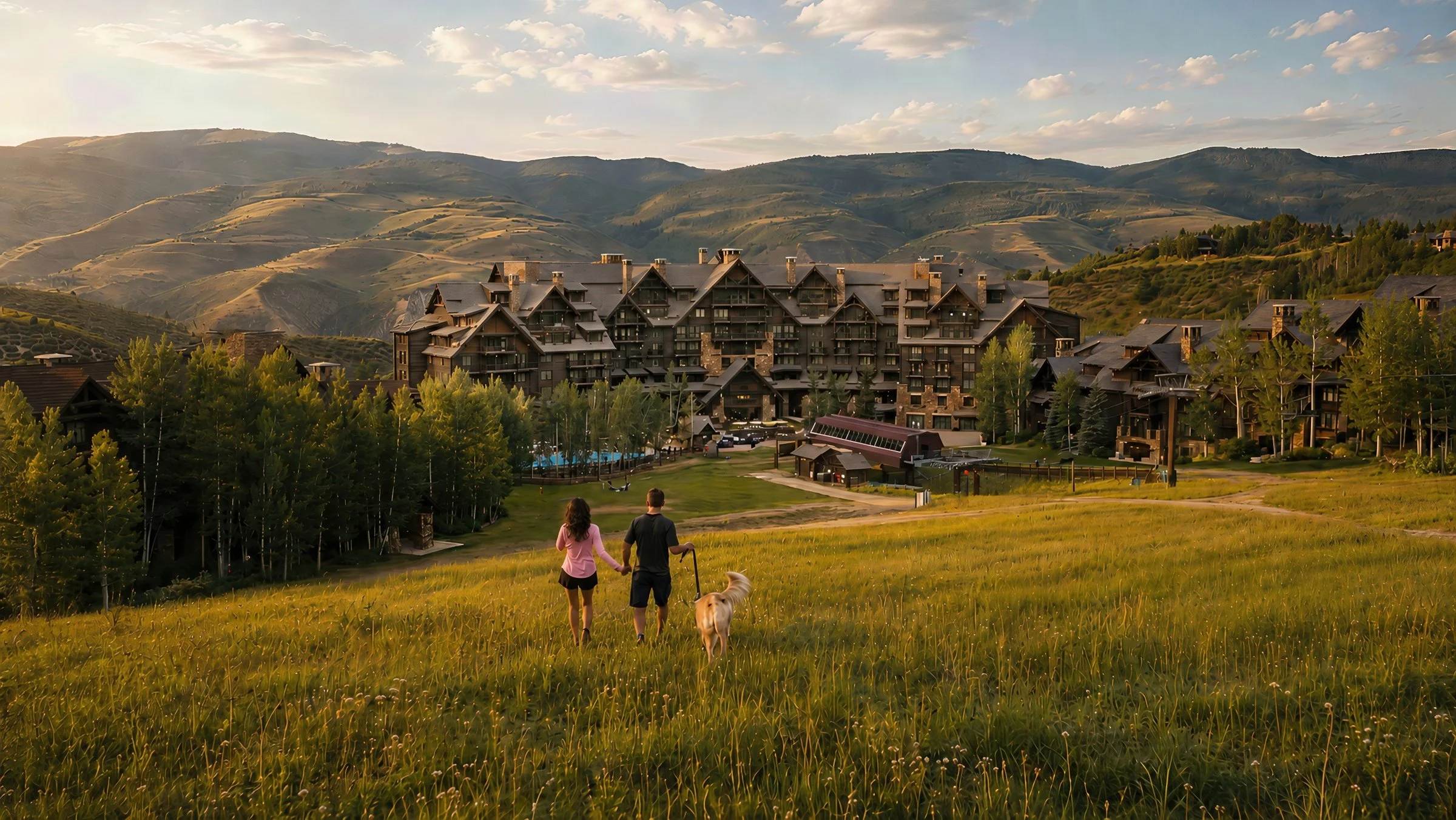
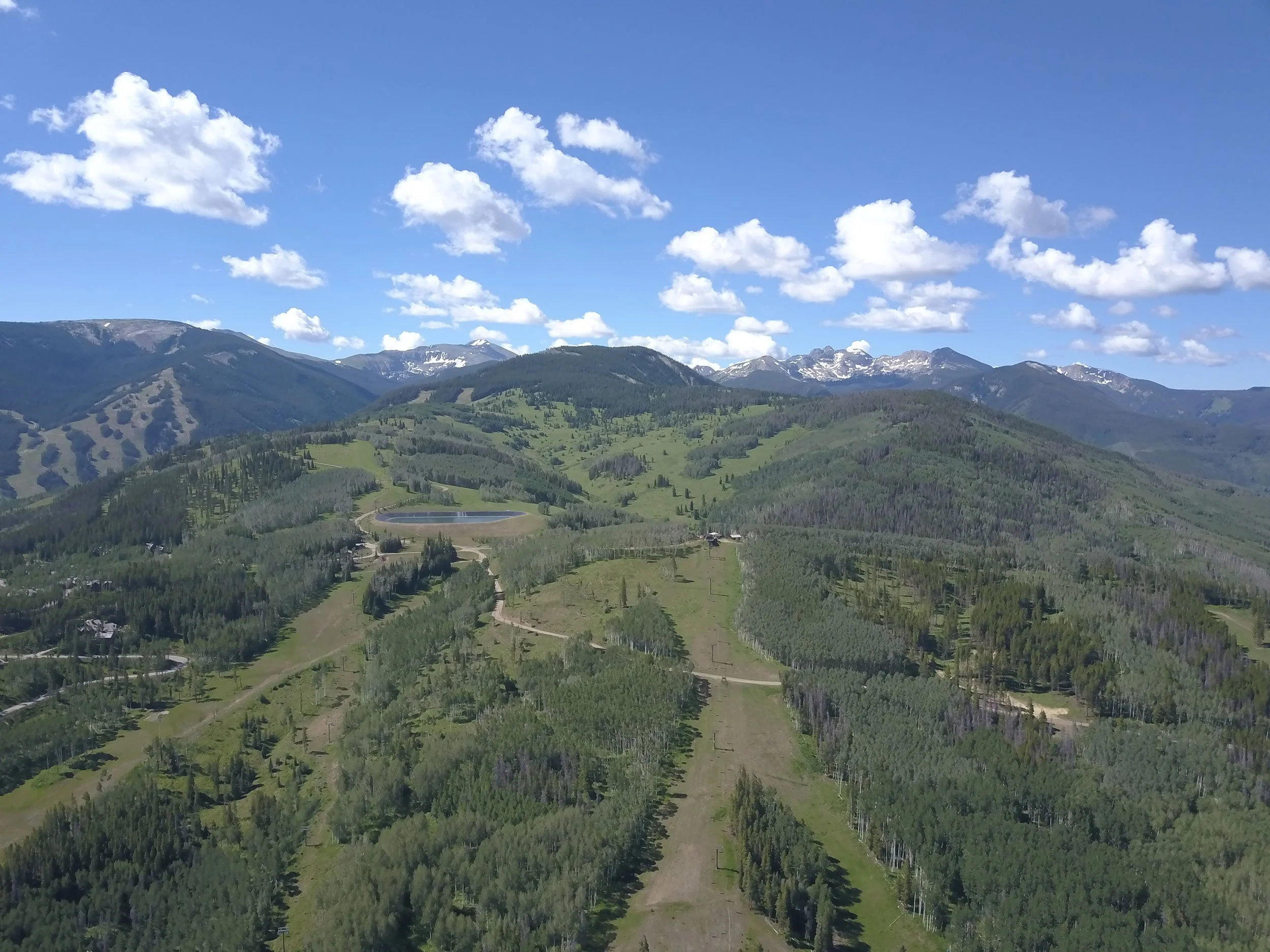
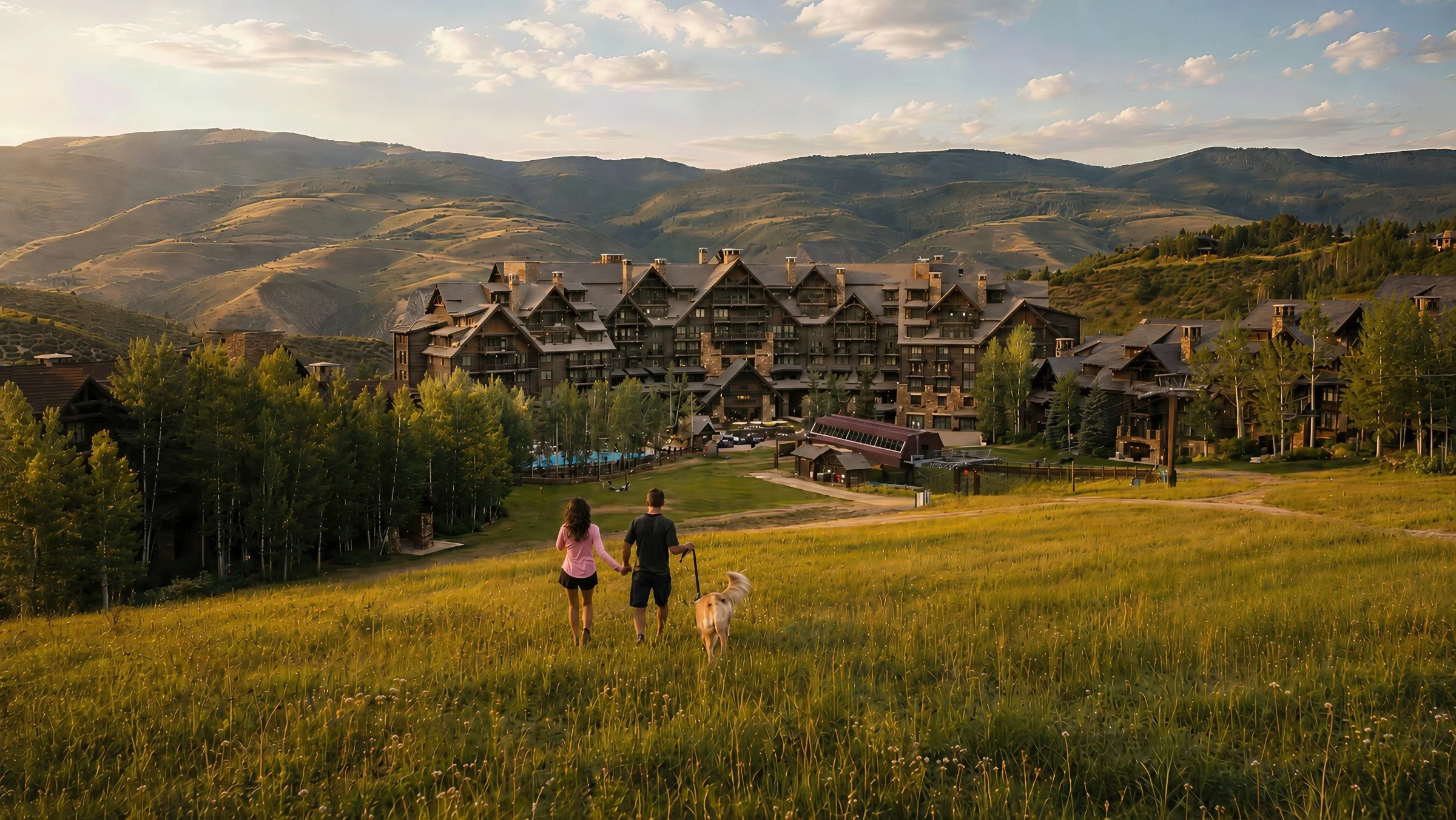
A mountain hotel takes much of its character from what happens immediately outside its doors. At The Ritz-Carlton, Bachelor Gulch, that means skiers crossing the snow toward a chairlift in winter, hikers returning through the grass in summer, and the wooded slopes of Beaver Creek rising behind an enormous lodge of timber and stone. The setting gives the resort a distinct sense of place before a guest ever reaches the fireplace.
Located in the Bachelor Gulch enclave of Beaver Creek, the hotel combines direct mountain access with the comforts of a substantial destination resort. There are residential suites for extended family stays, several places to eat without leaving the property, and a spa that provides an appealing reason to take a day off the slopes. Forbes Travel Guide currently recognizes the hotel with its Recommended designation.
We see its location as one of the most important considerations when planning a stay. Bachelor Gulch feels separate from the shops and activity of central Beaver Creek Village. That separation is part of the appeal: mornings begin at the mountain, and evenings tend to gather around the hotel's terraces, restaurants, and Great Room.
From Bachelor Homesteads to a Mountain Landmark
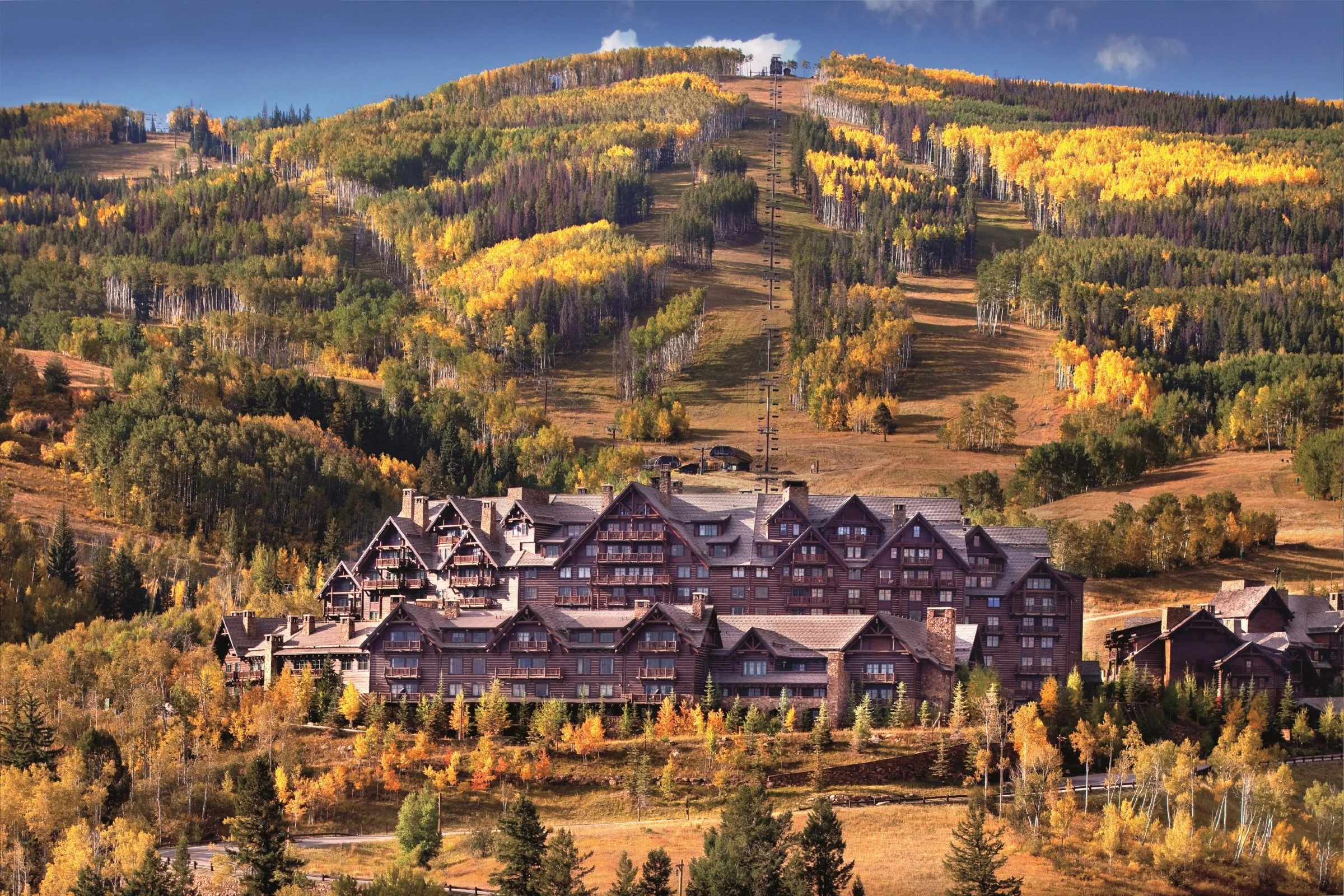
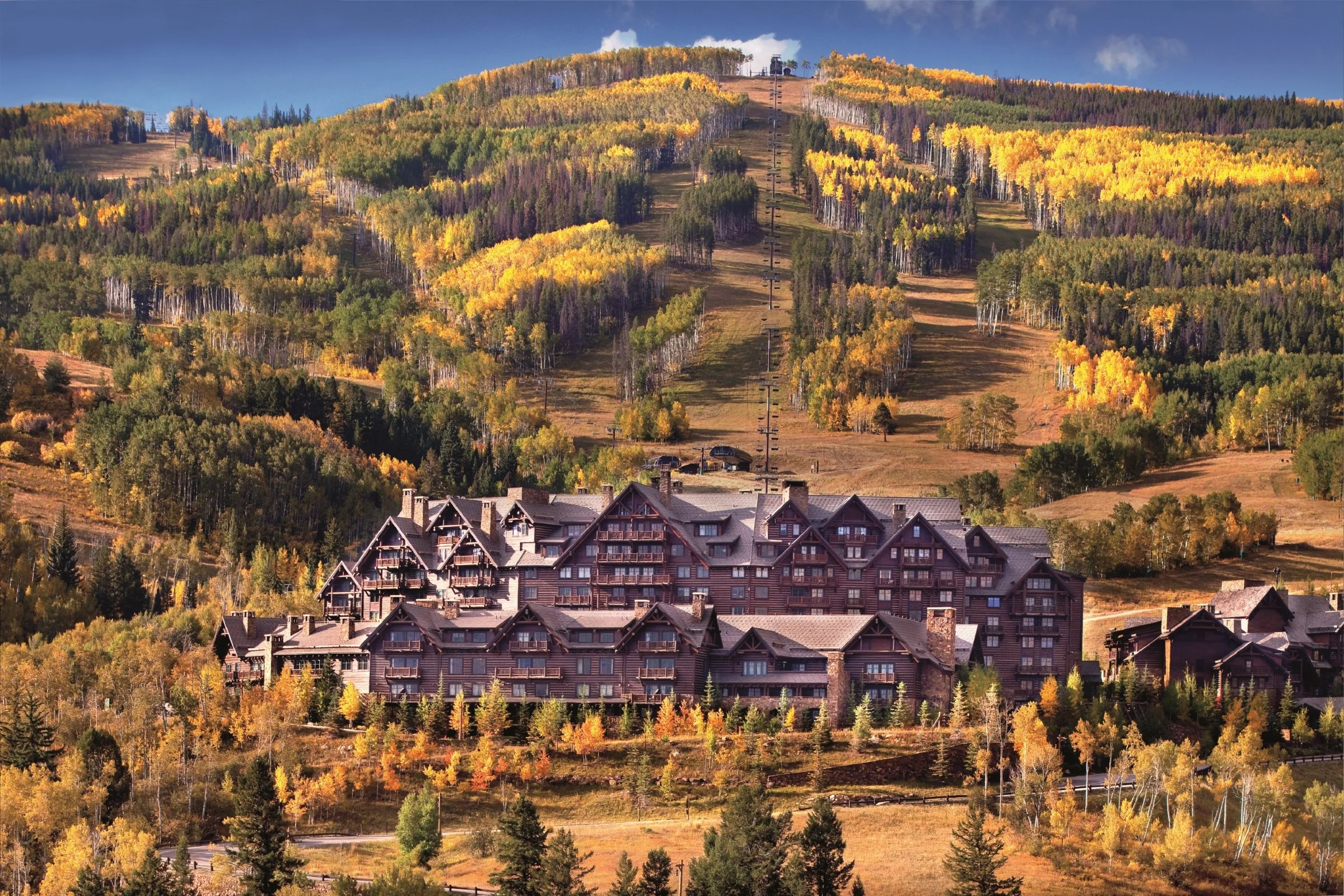
The resort opened on November 21, 2002, bringing a new interpretation of the American mountain lodge to Beaver Creek. Its architecture drew inspiration from Old Faithful Inn and the grand lodges associated with America's national parks, using substantial timbers and stone to connect a large luxury hotel to its forested surroundings.
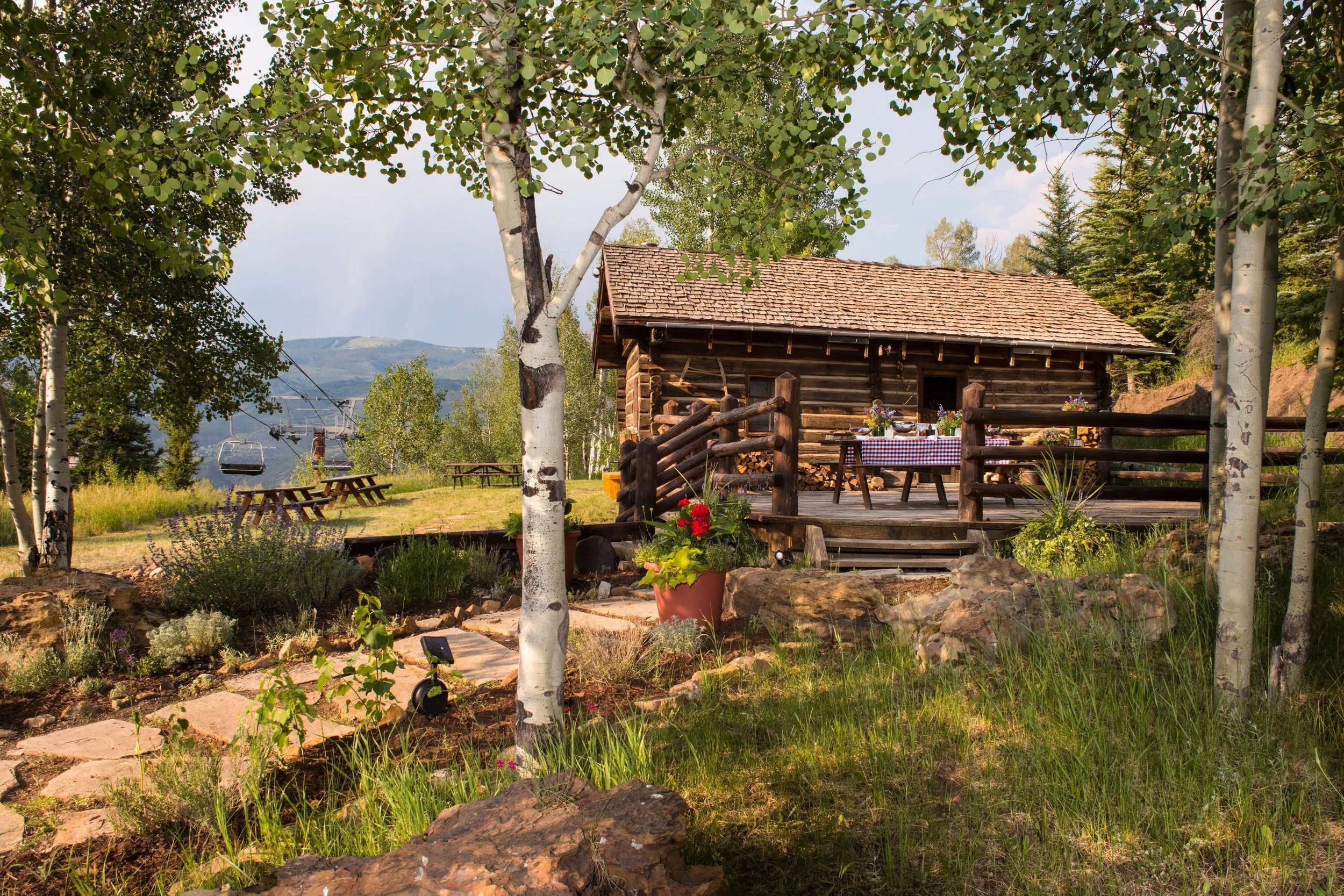
The name Bachelor Gulch reaches further back. Seven bachelors settled in the area in the early 1900s, and the original home of one of them, John Anderson, survives above the resort. Today, Anderson's Cabin provides a small-scale counterpoint to the main hotel and a setting for private dining.
A major renovation completed in 2022, around the hotel's twentieth anniversary, updated guestrooms and public spaces. Simon Hamui Design Studio helped bring a more contemporary sensibility to the interiors while retaining the lodge's defining architectural features. The result preserves the building's recognizably Colorado character without leaving the accommodations fixed in the aesthetic of its opening years.
Timber, Stone, and Rooms Made for Gathering
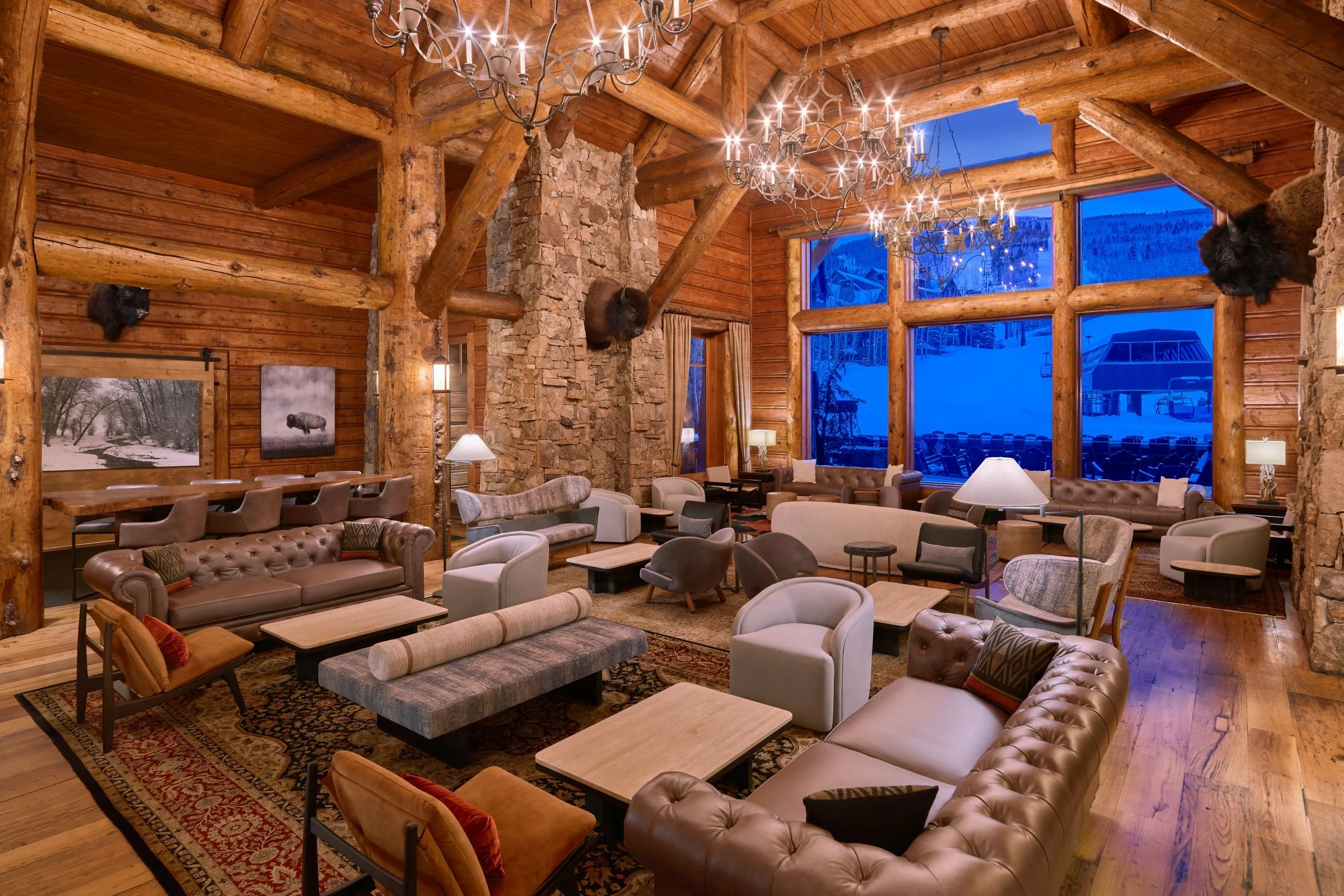
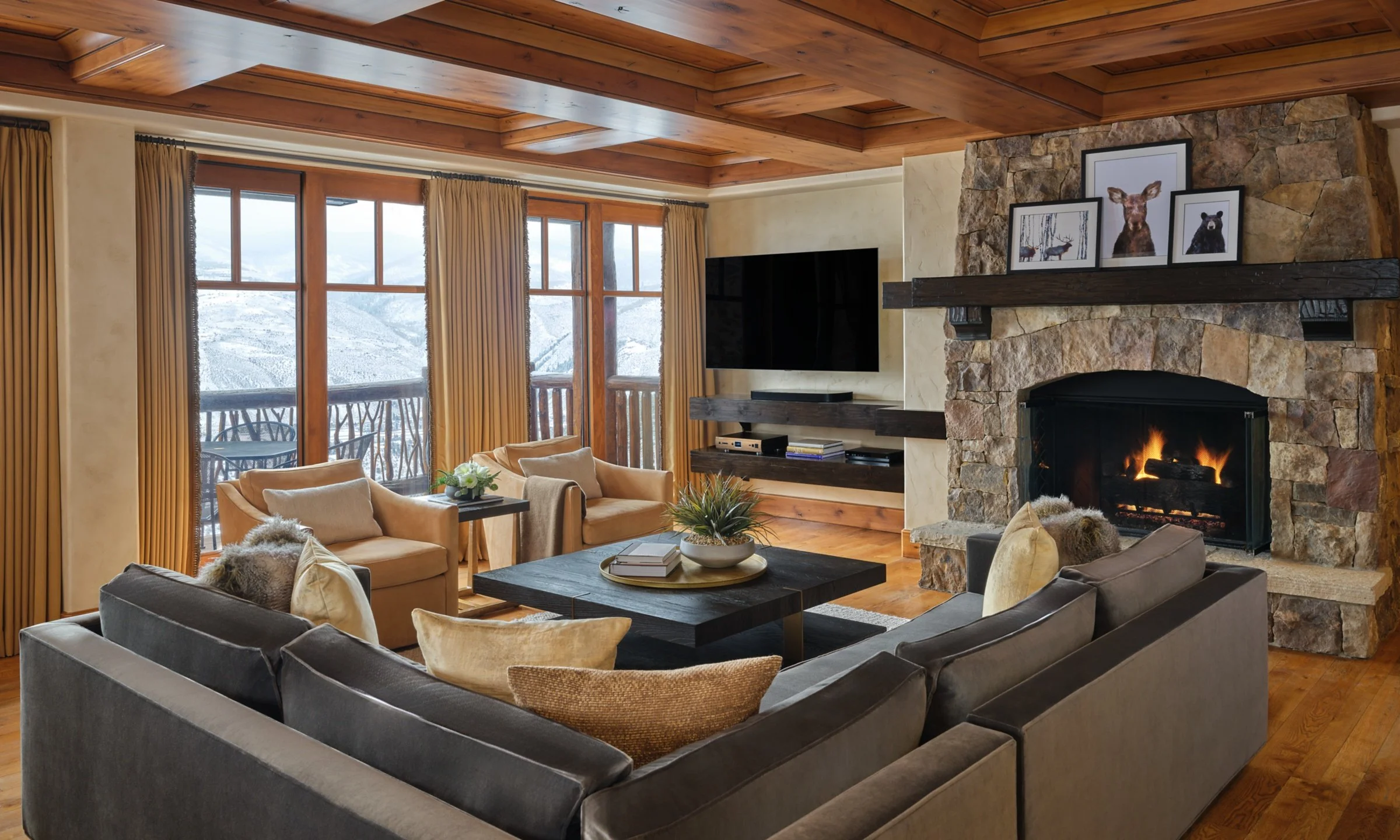
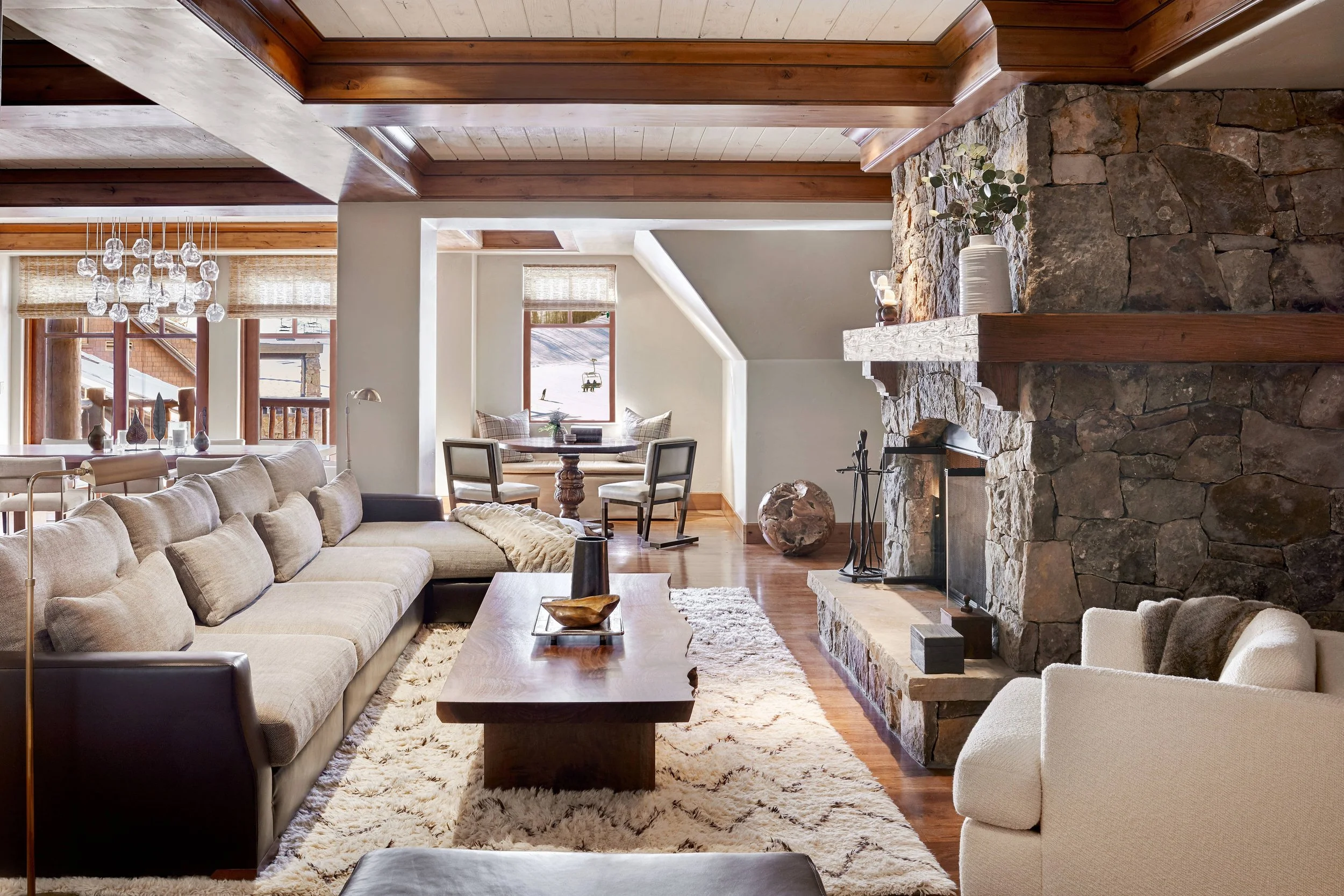
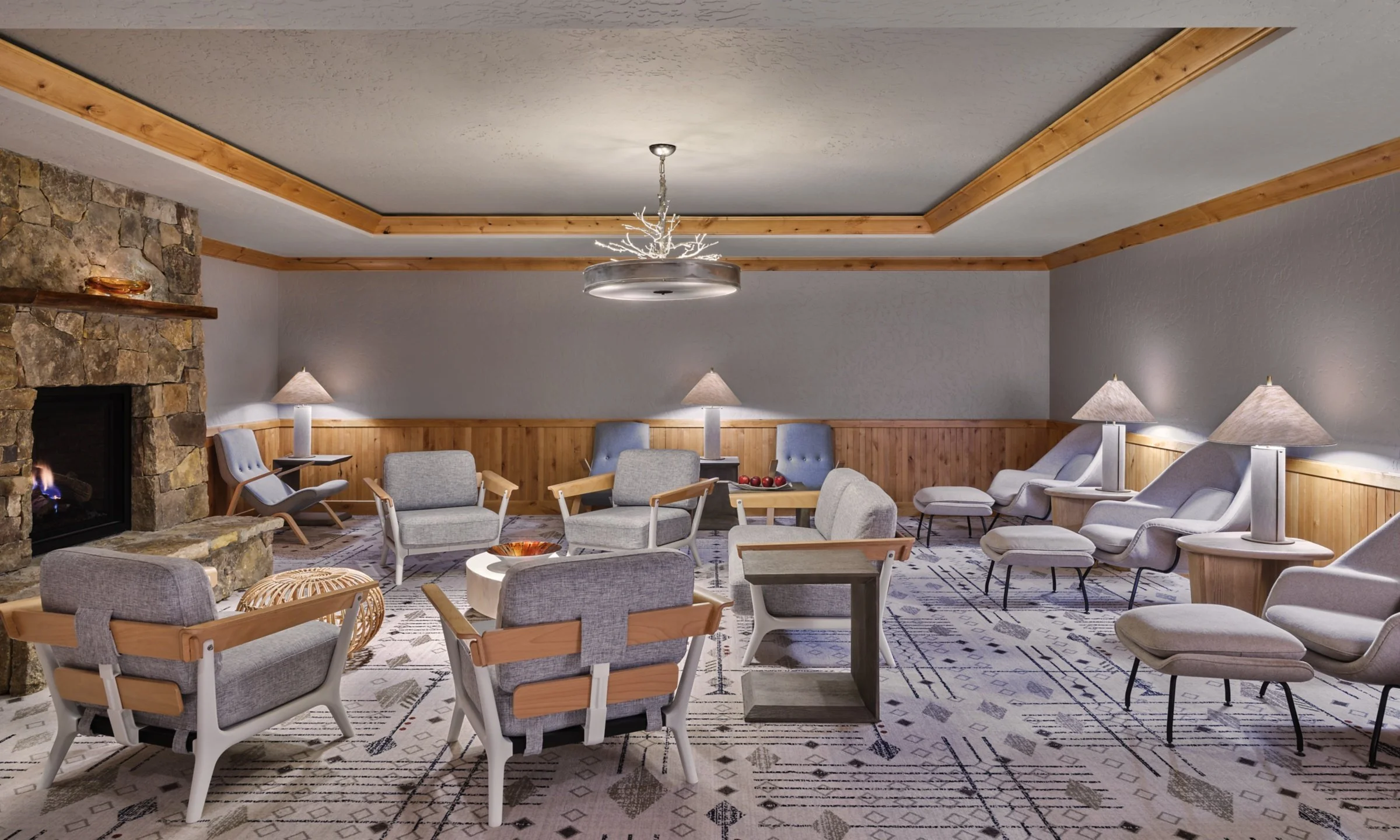
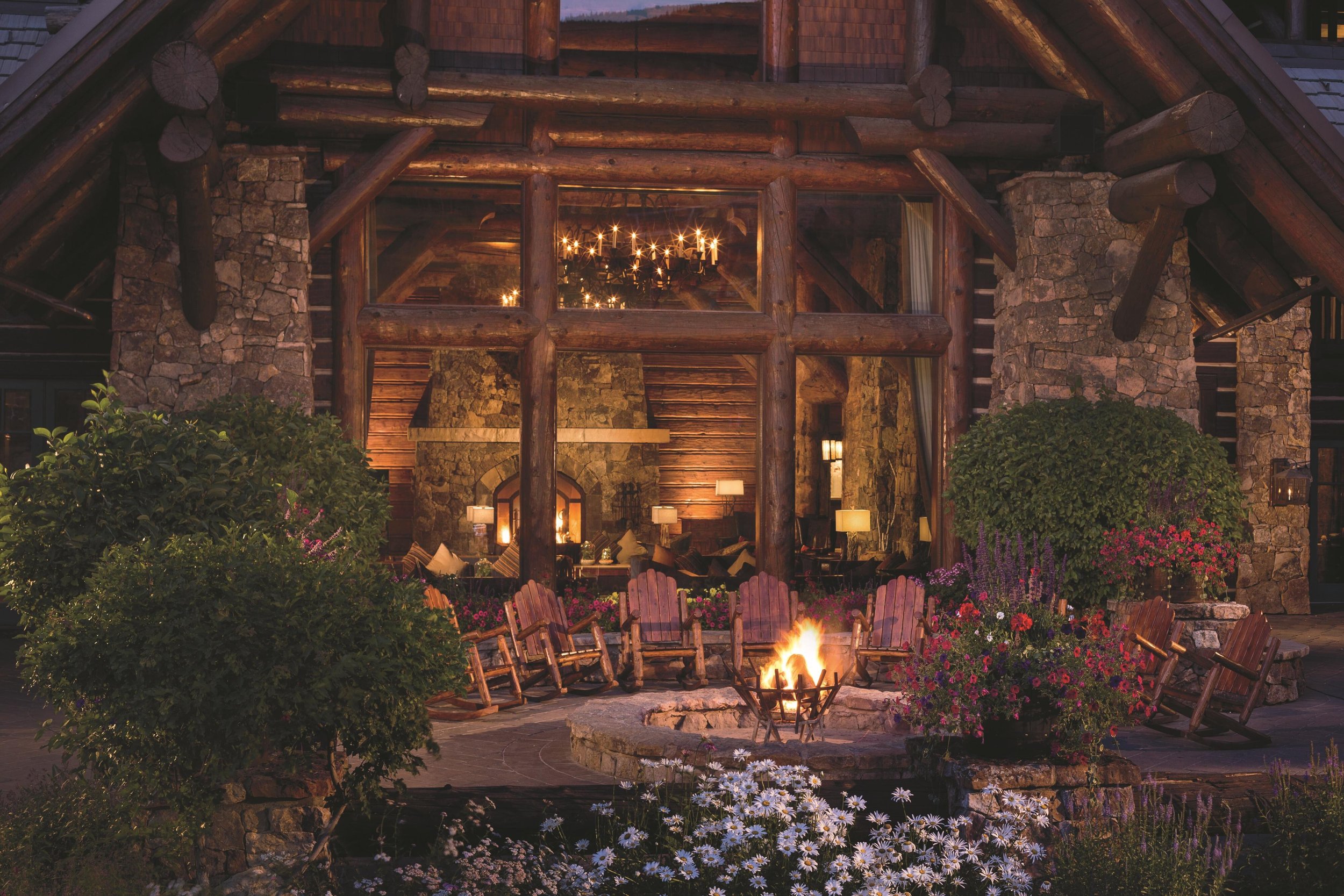
The Great Room establishes the scale of the hotel. Its soaring timber structure and three-story stone fireplace create an interior that feels closely related to the landscape outside. Seating is arranged for conversation, with generous sofas and chairs encouraging guests to linger after skiing or dinner.
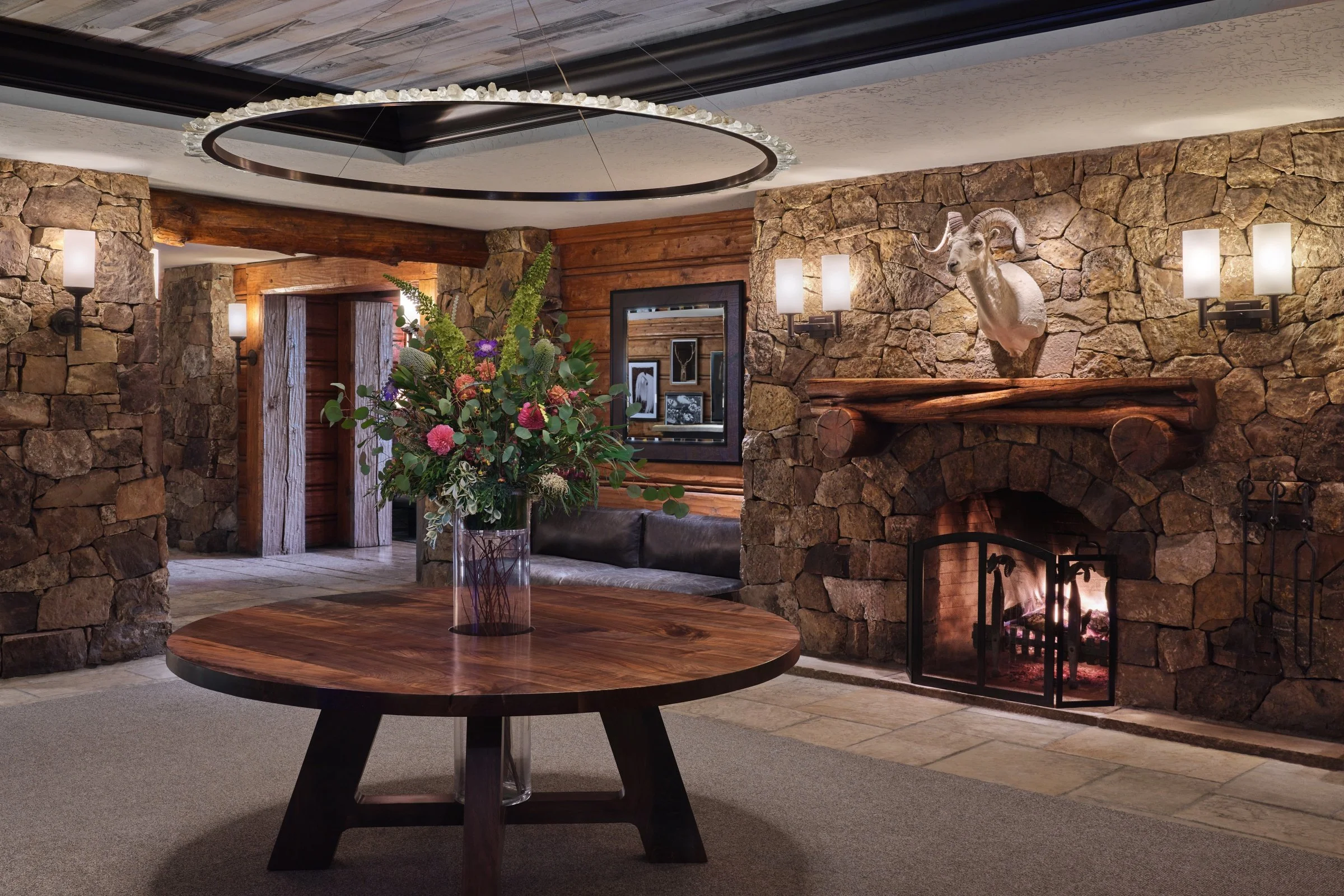
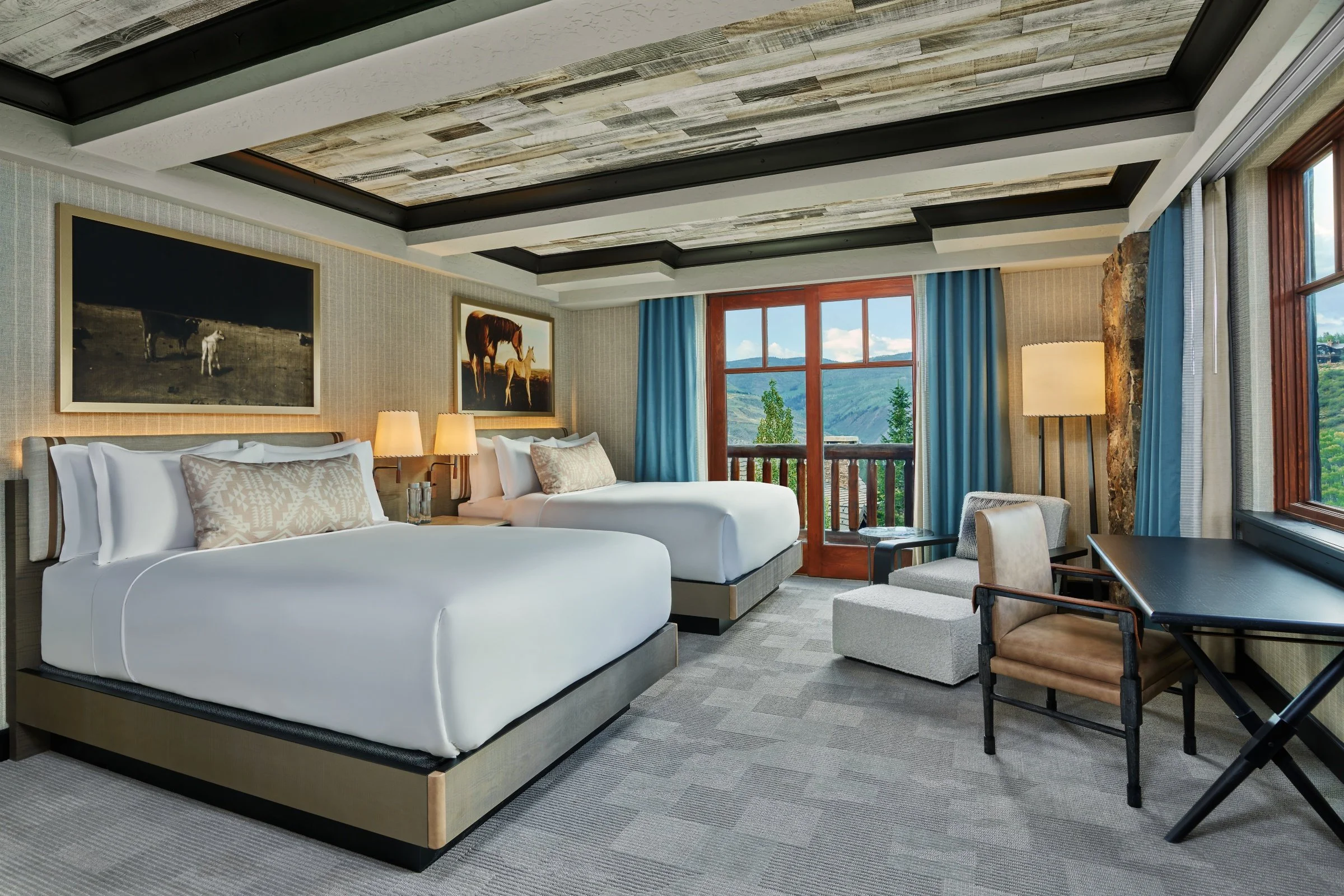
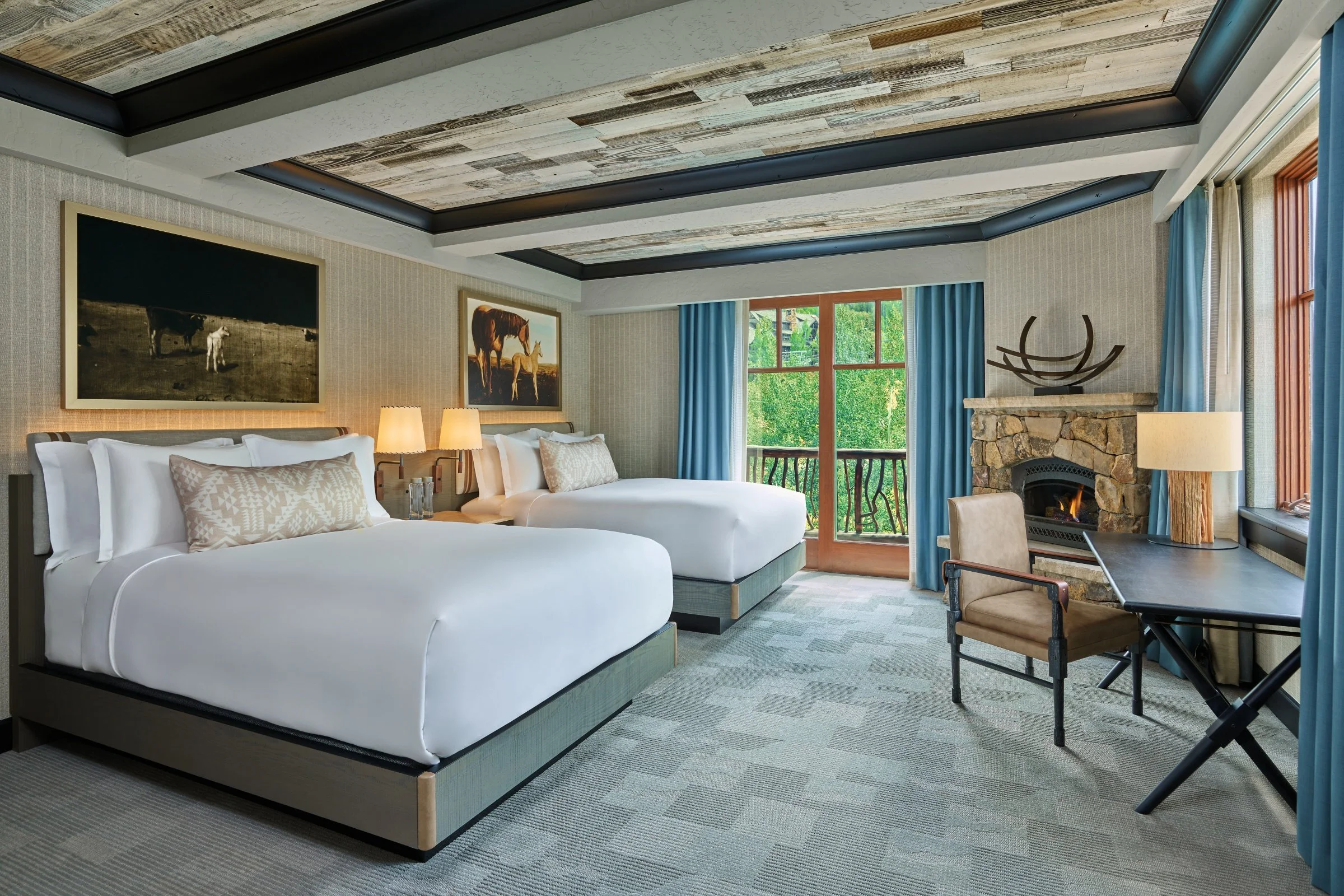
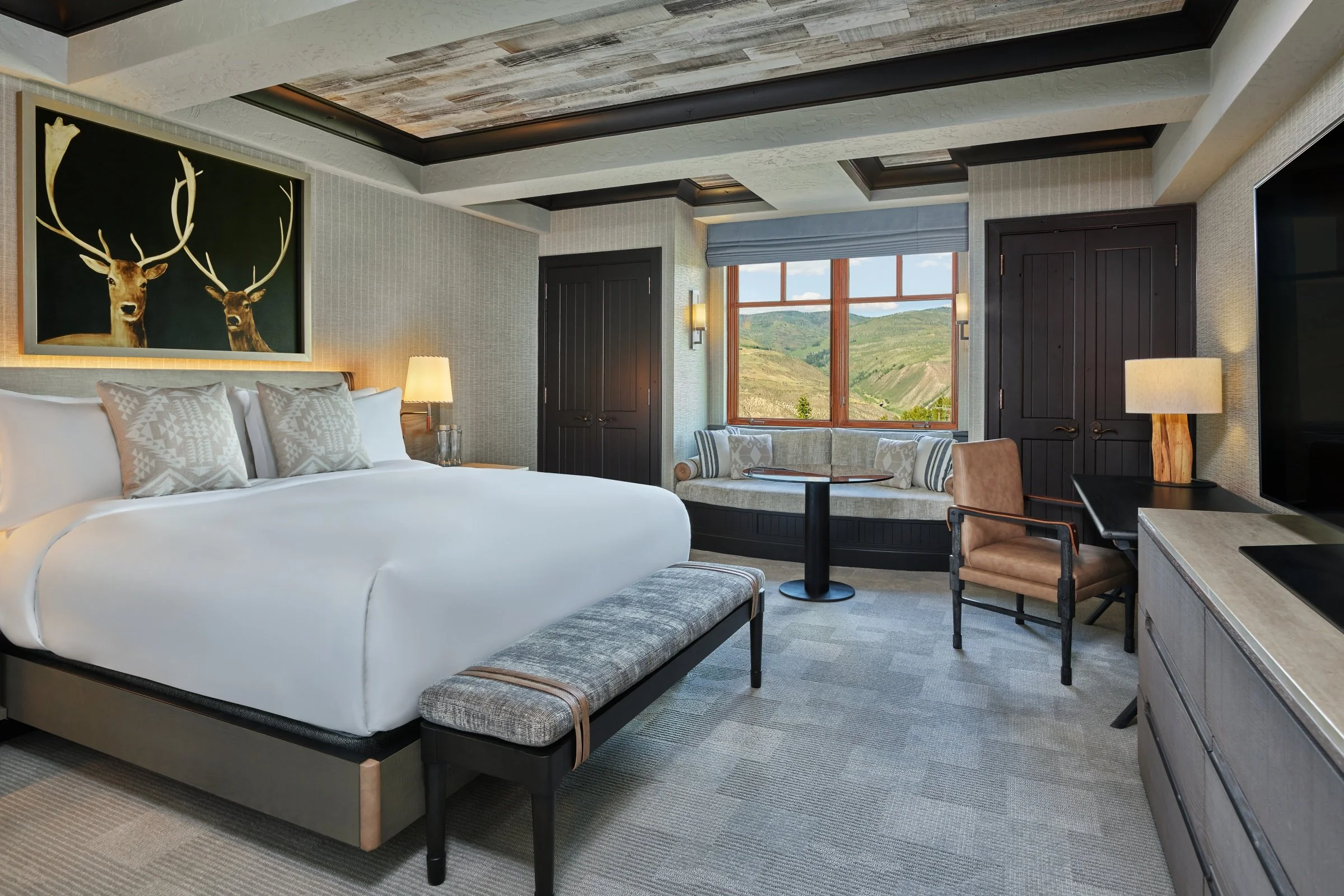
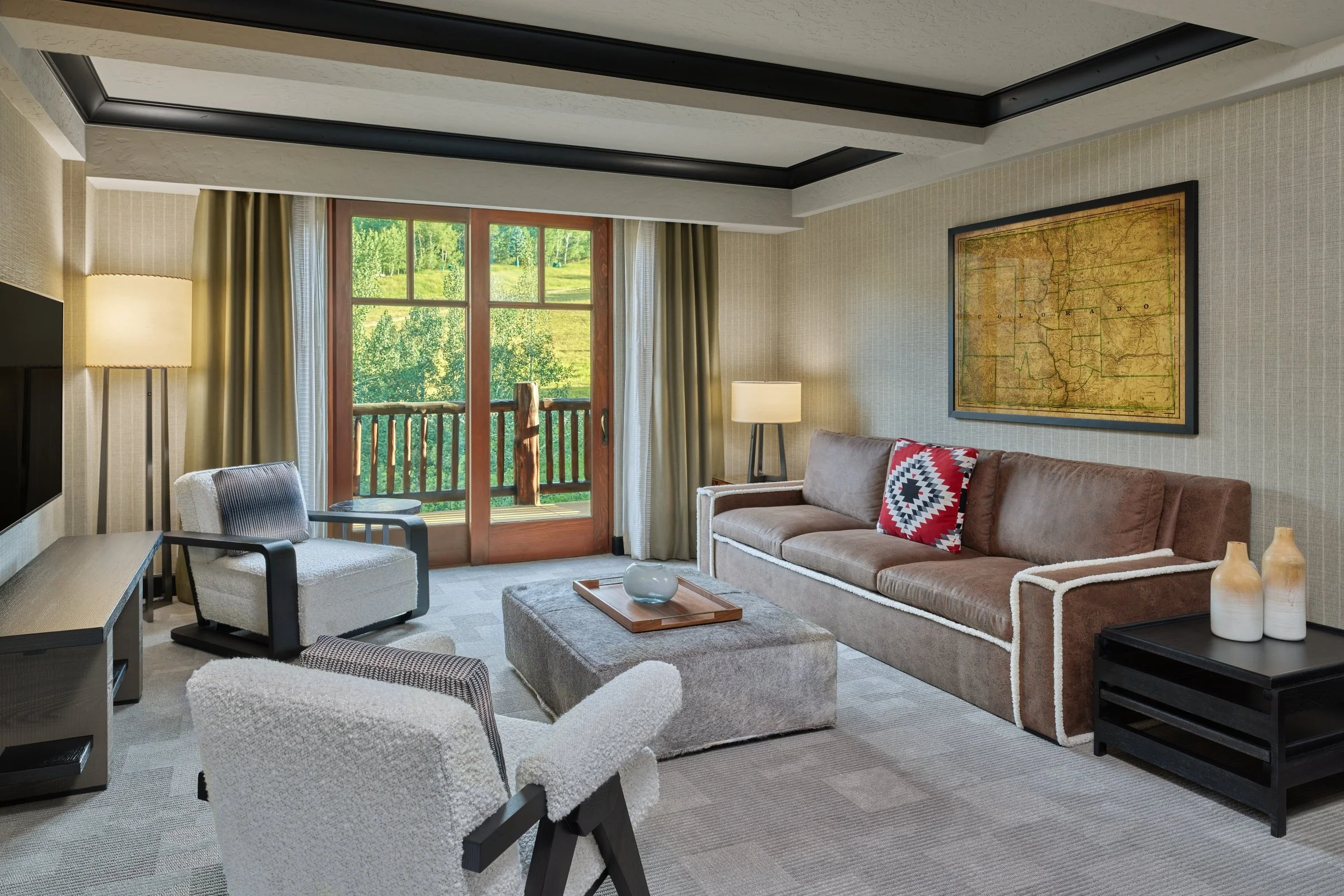
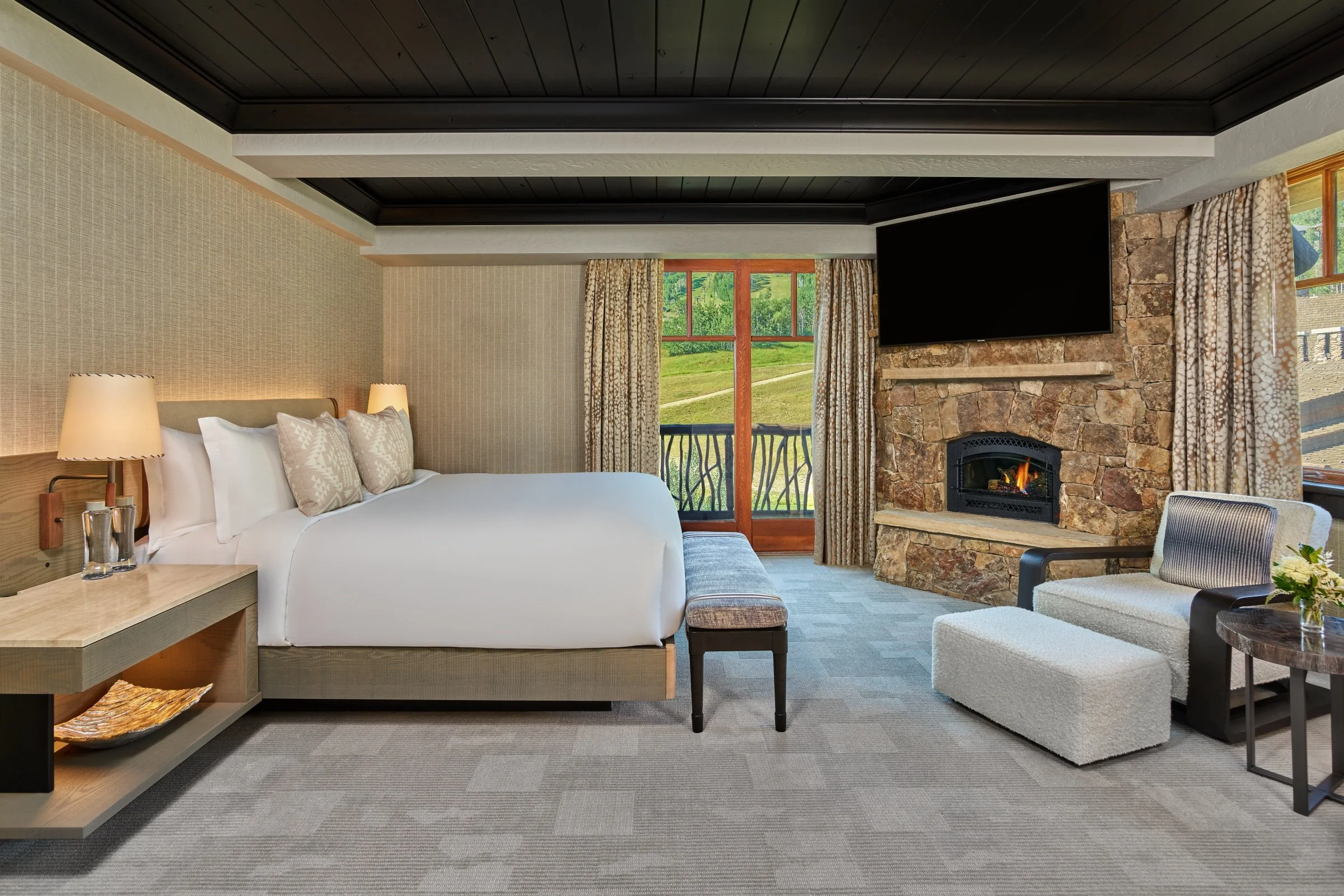
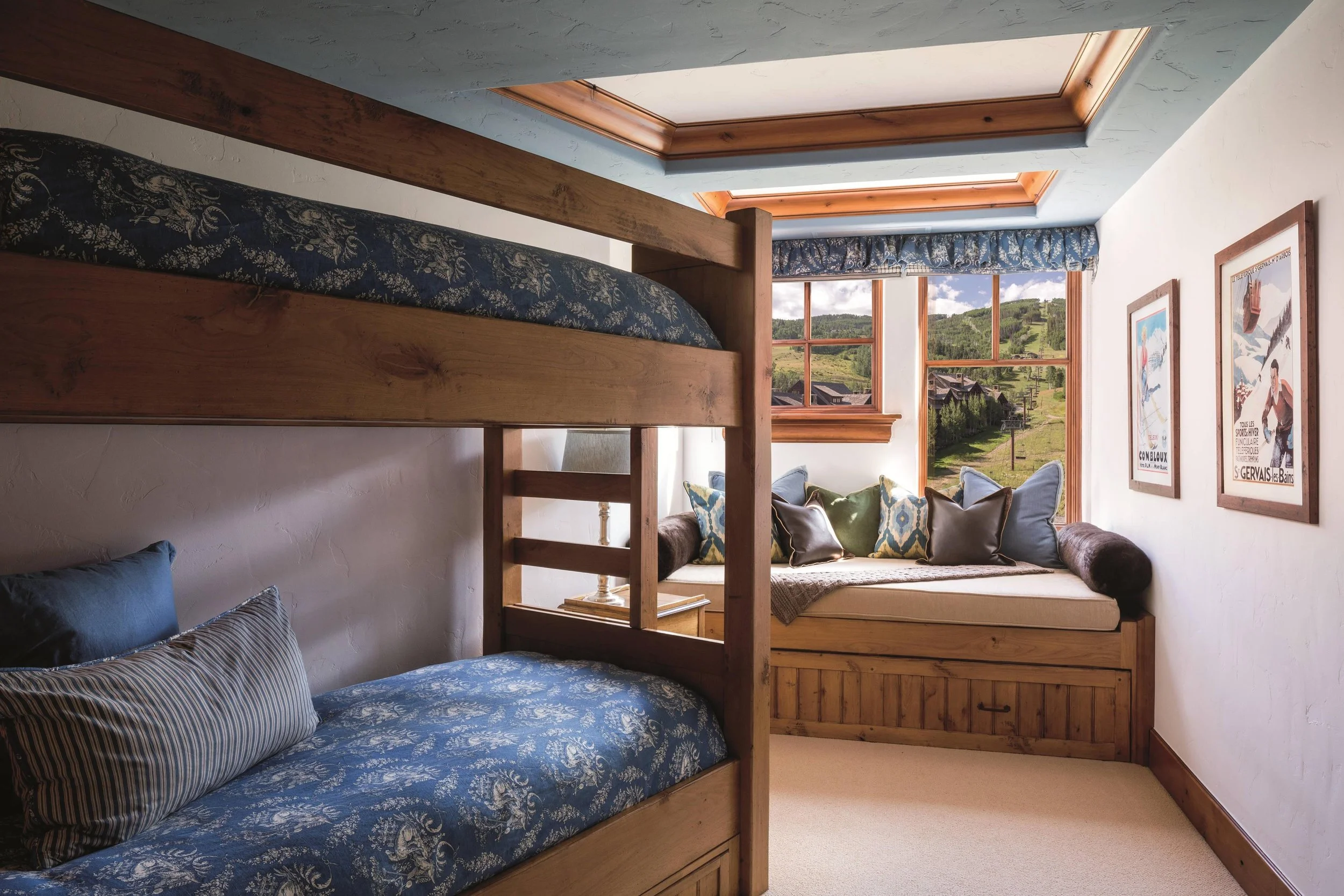
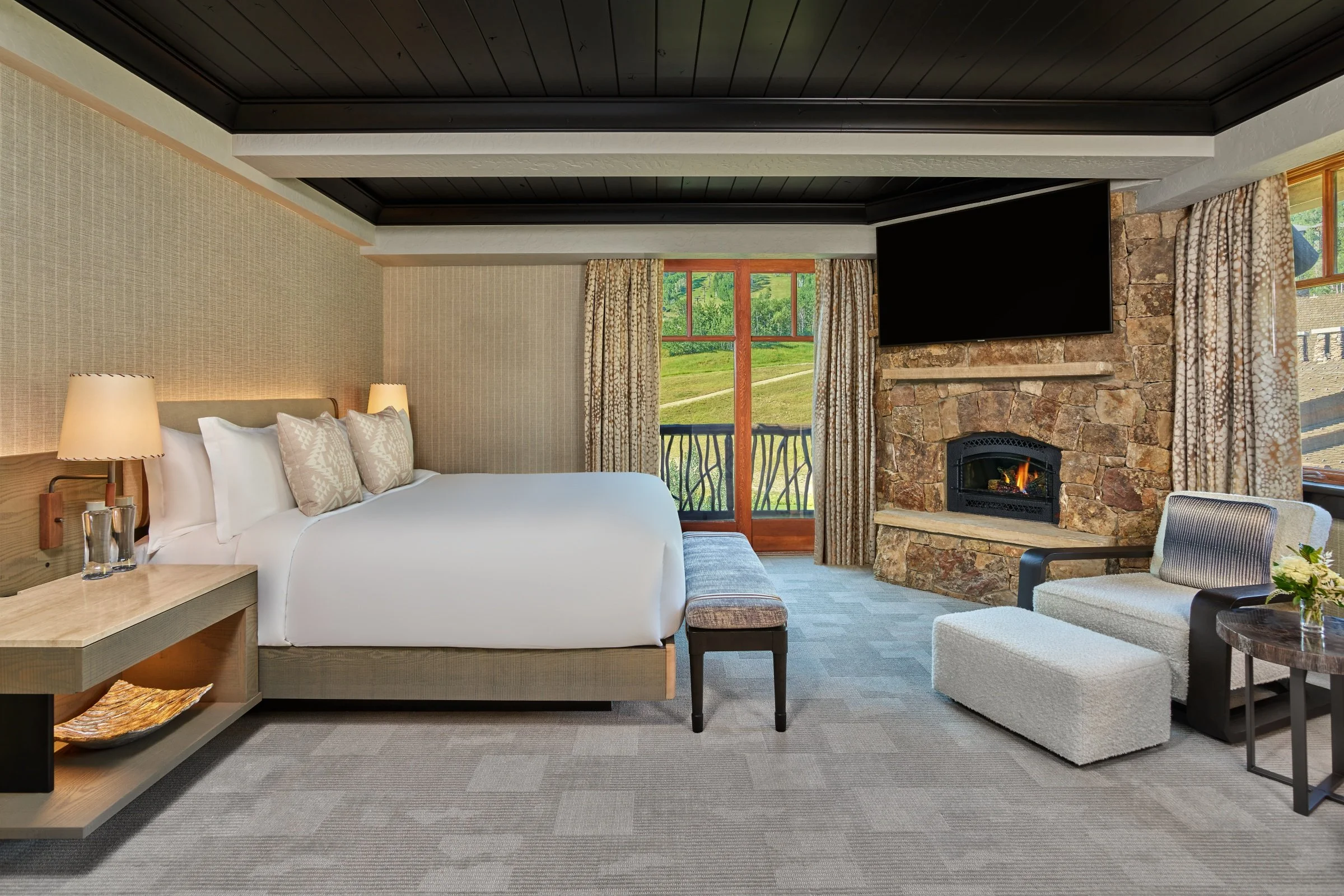
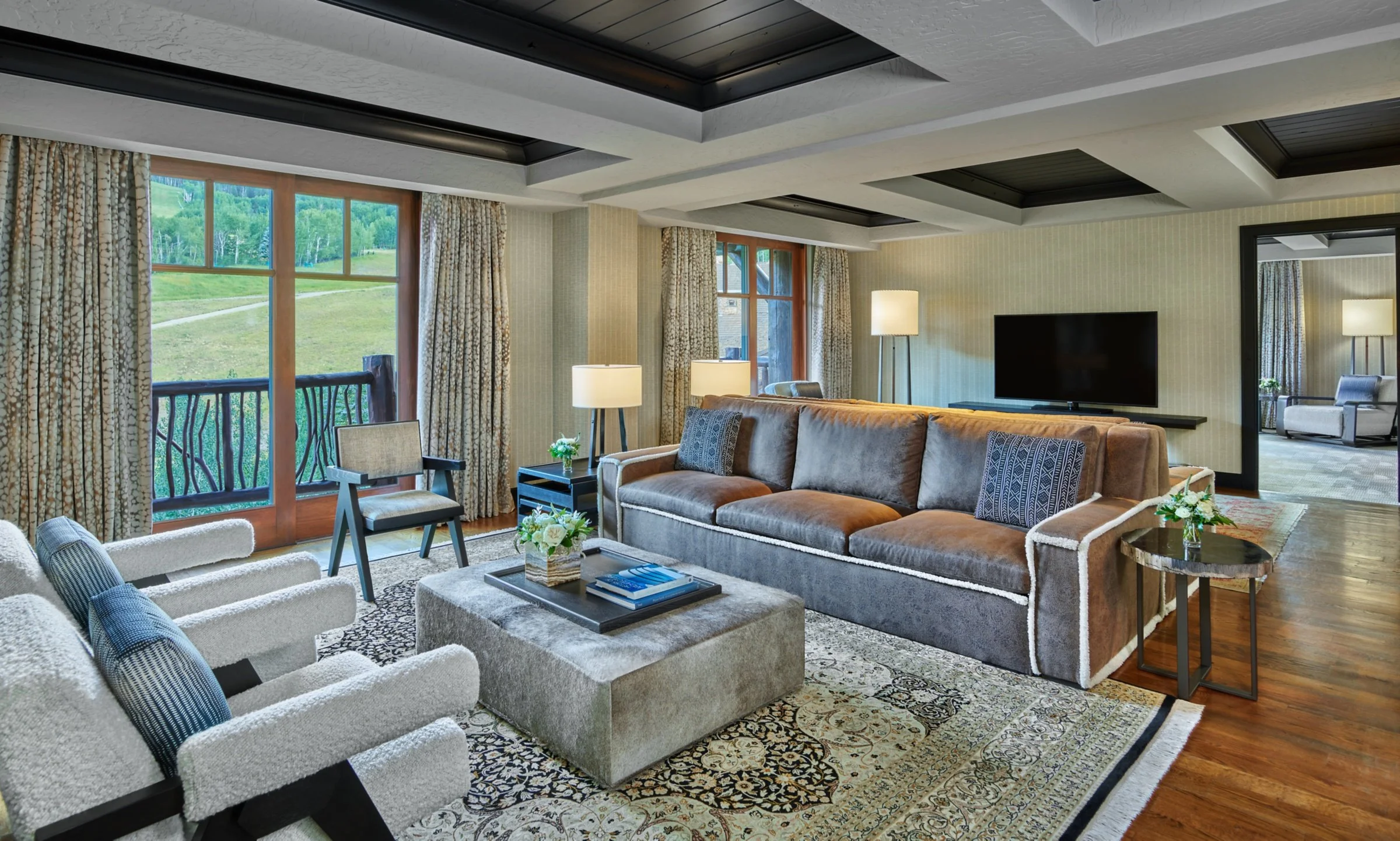
Elsewhere, the design becomes more intimate. Wood finishes, nature-inspired artwork, and restrained colors carry the mountain theme into guestrooms without overwhelming them. Patterned textiles and upholstered furniture soften the heavier architectural materials, while windows frame either the mountain or the valley.
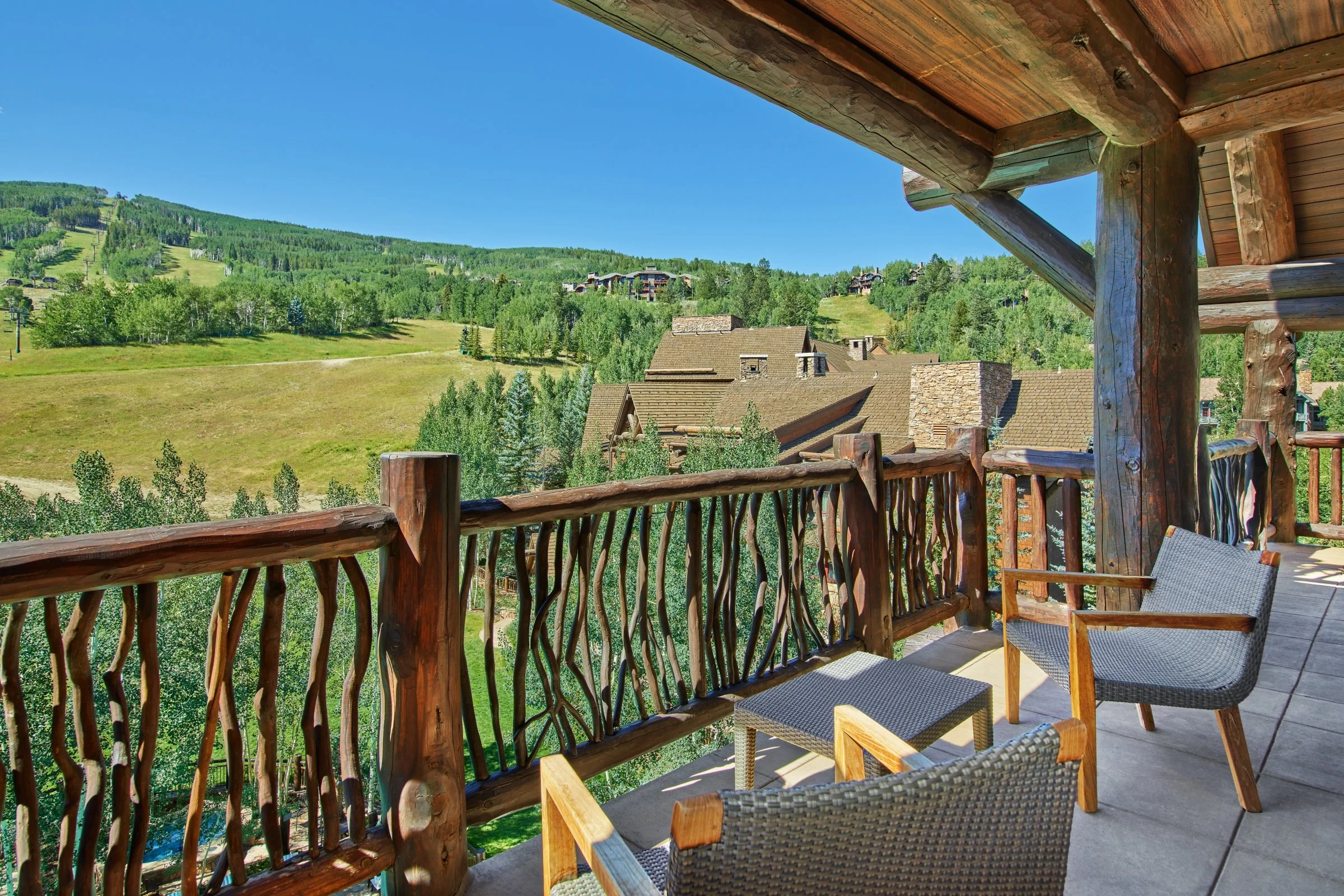
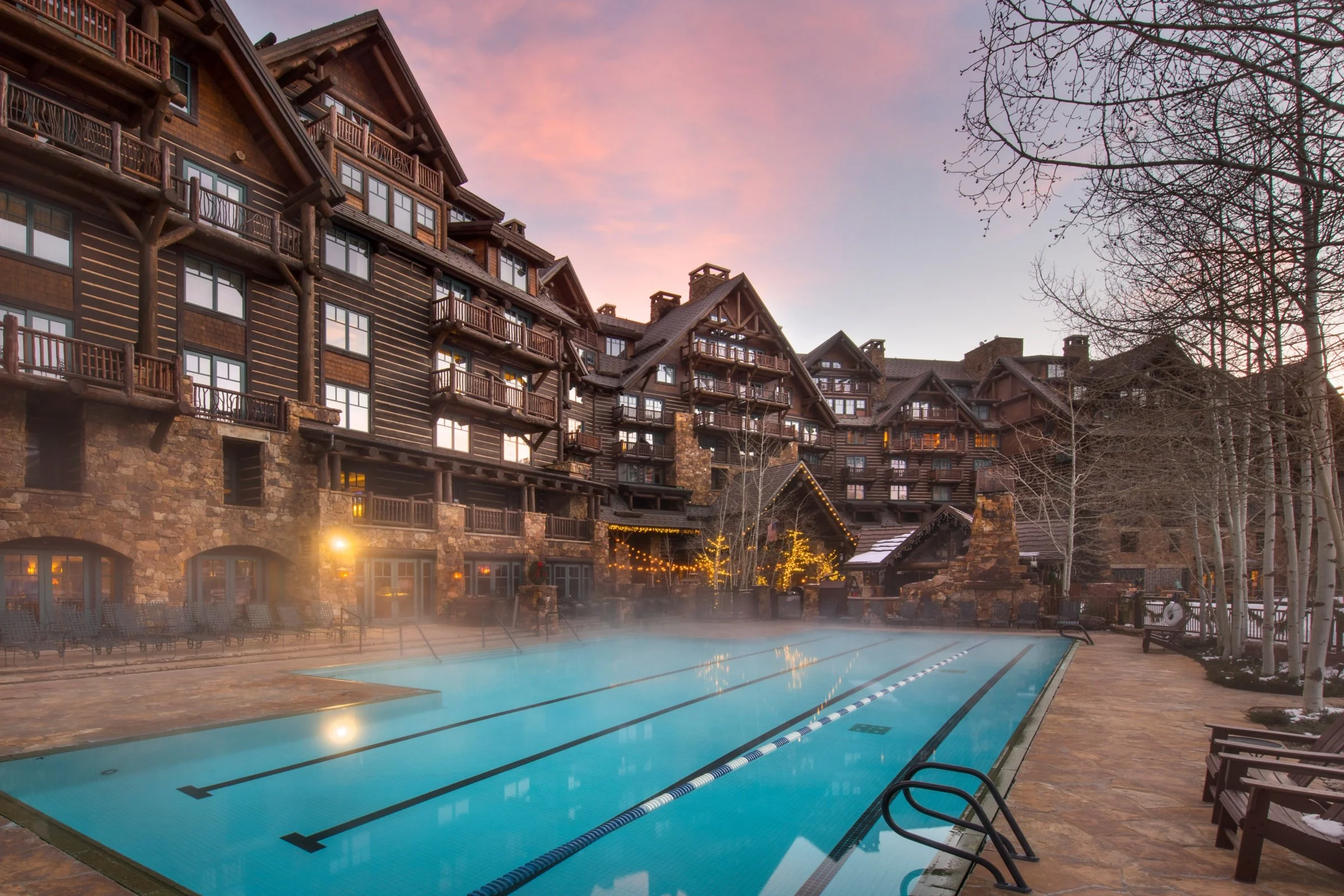
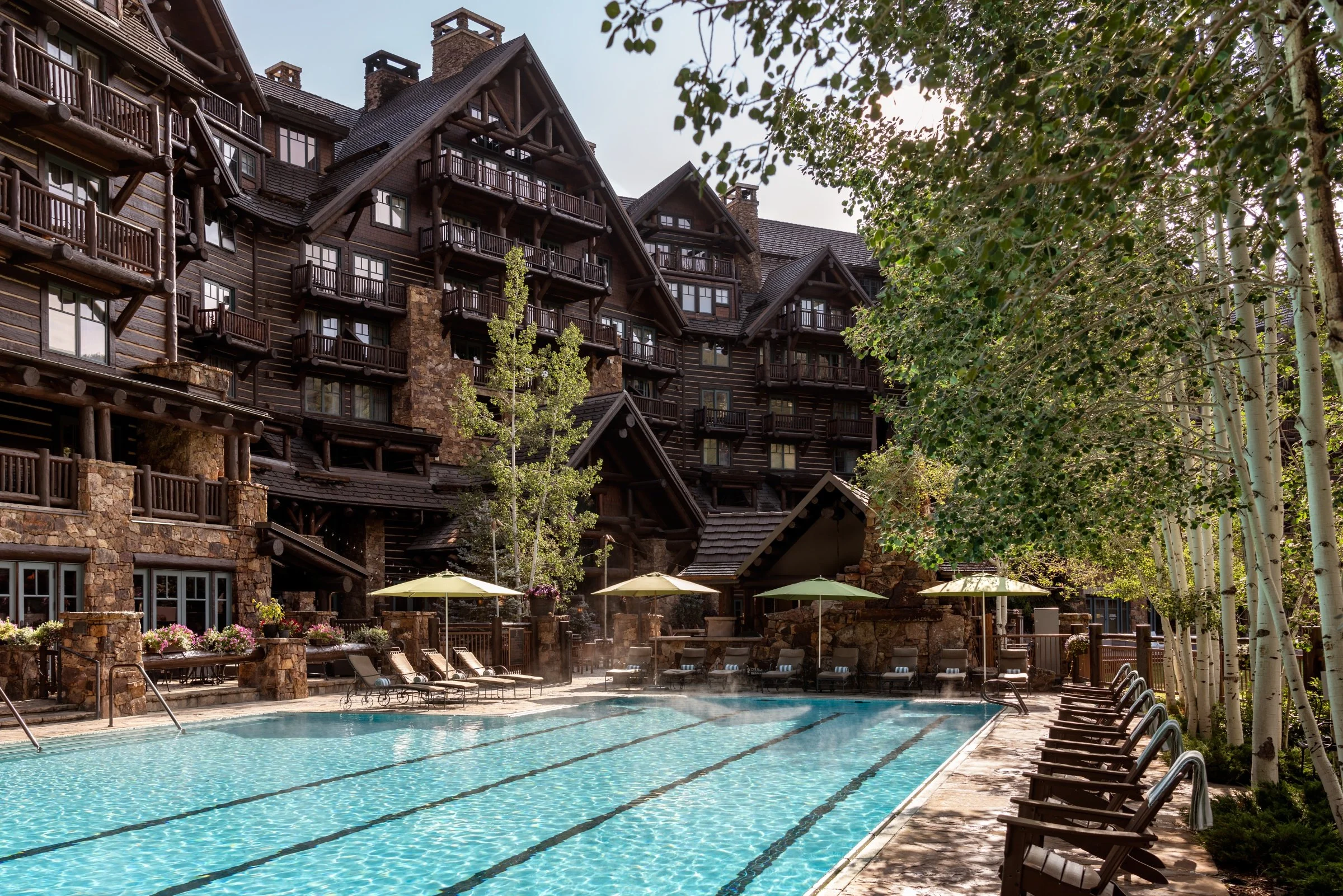
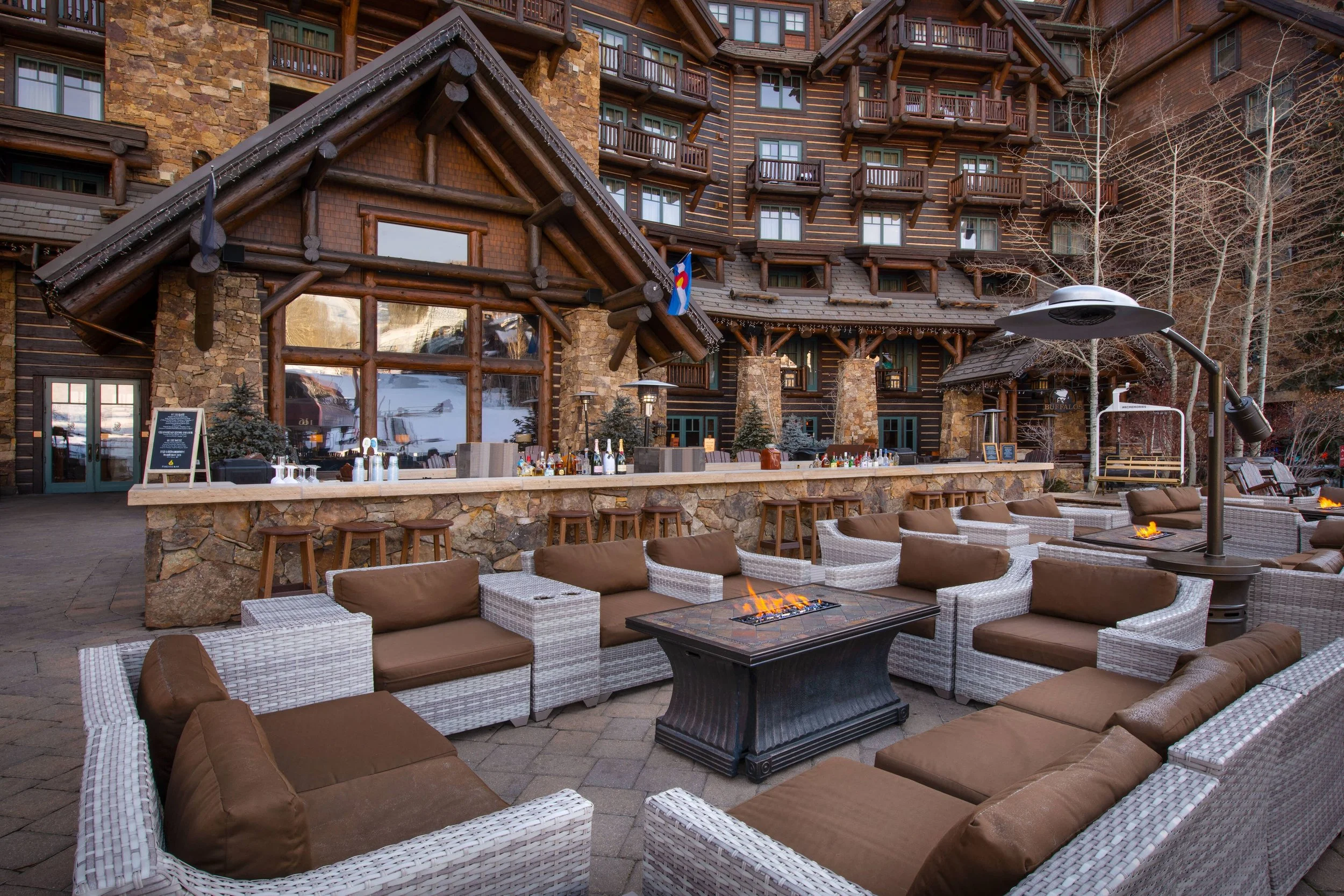
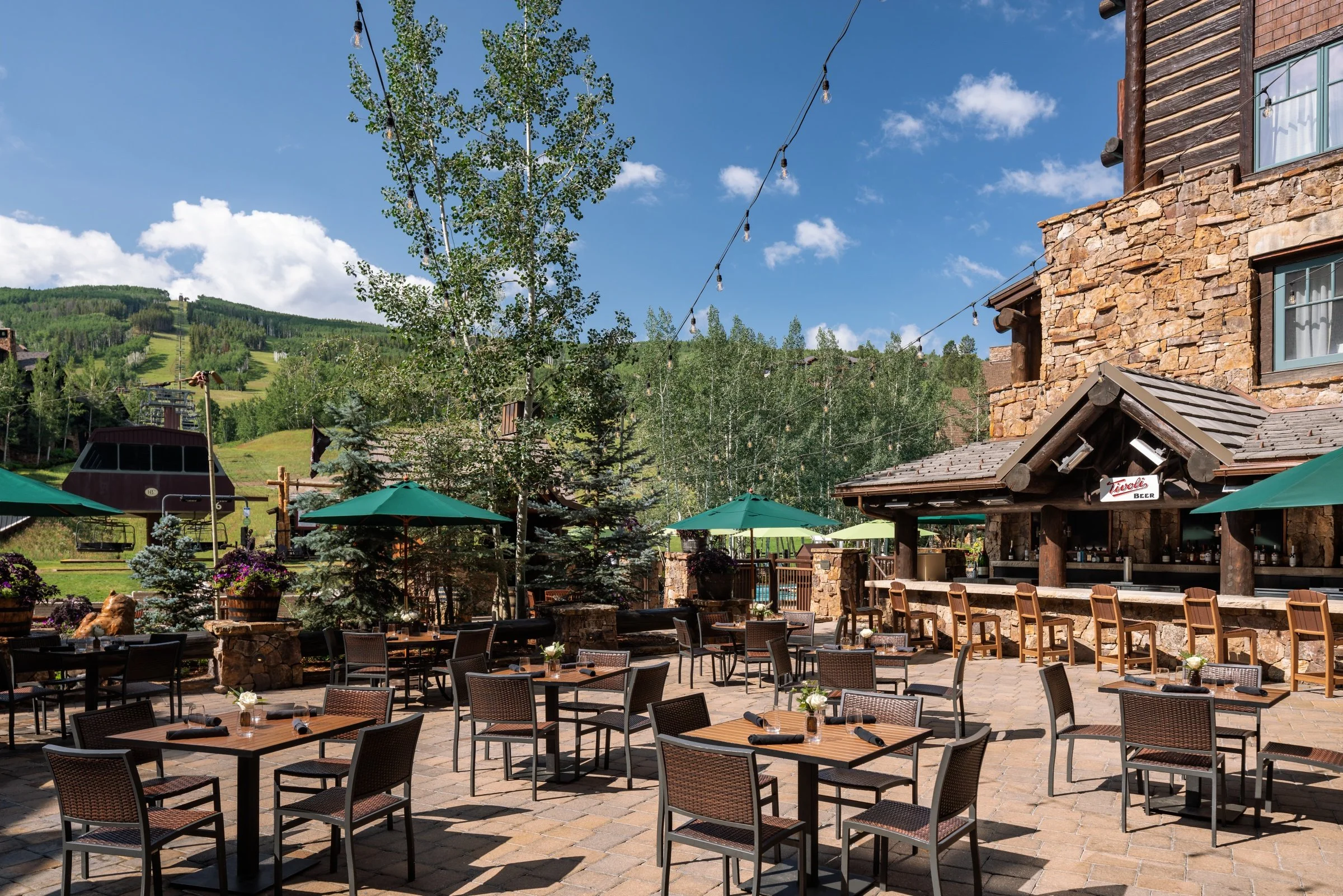
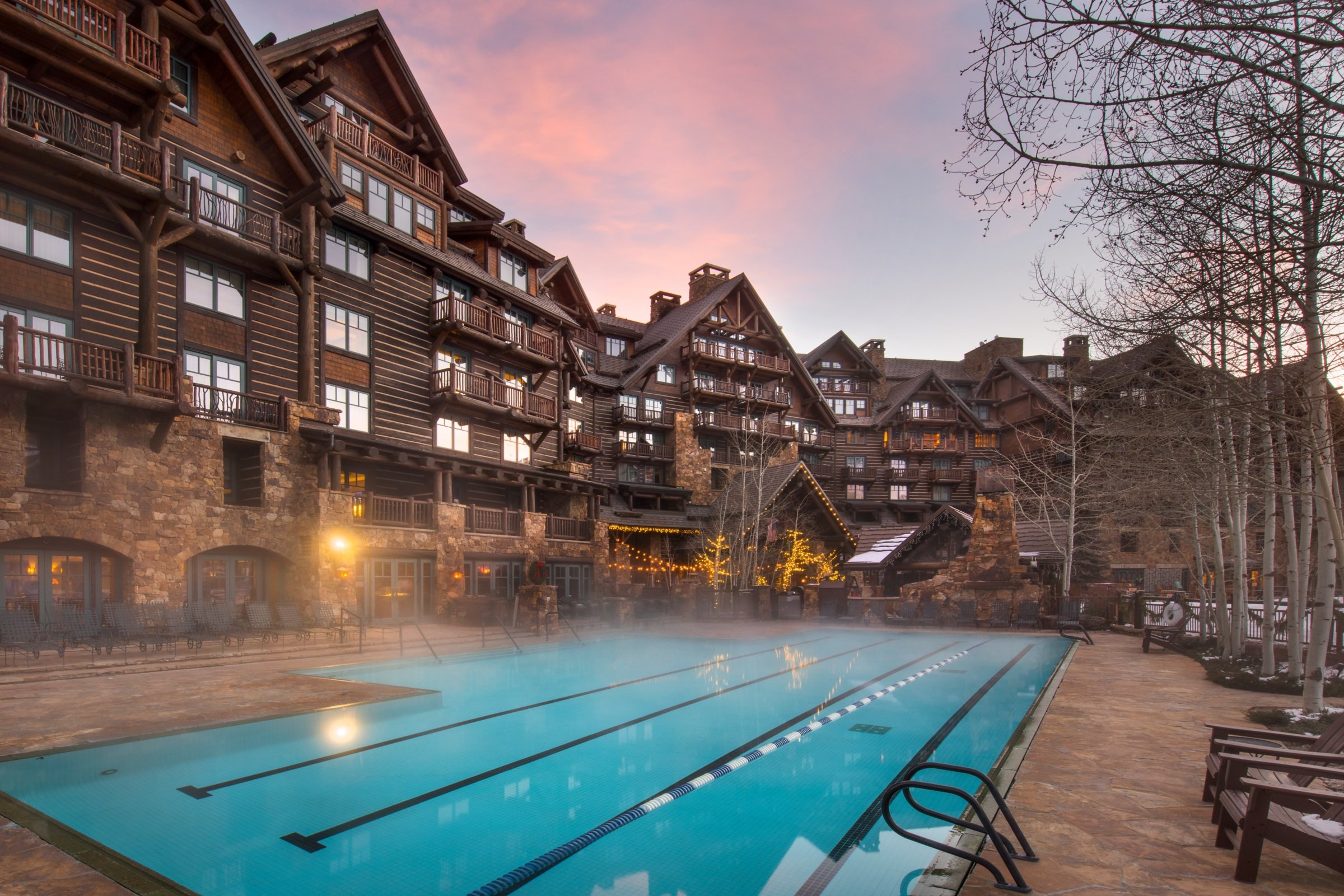
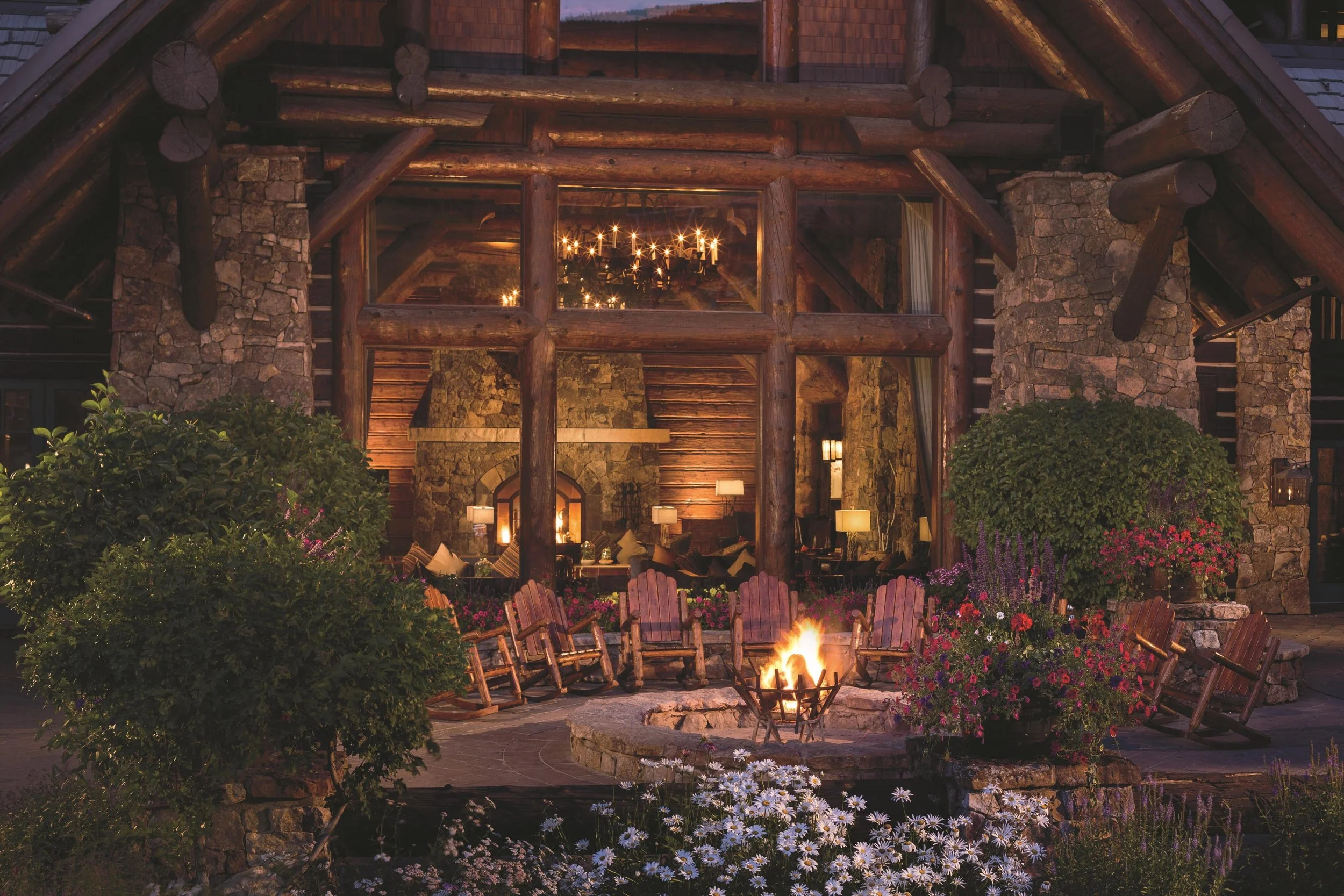
The outdoor spaces are equally important. Terraces face the slopes, fire pits draw people together, and the heated pool sits against the lodge's timber balconies and steep rooflines. In summer, these spaces extend the hotel's living areas into the open air; in winter, they give the building much of its visual drama.
A Room for the Weekend, a Residence for the Season
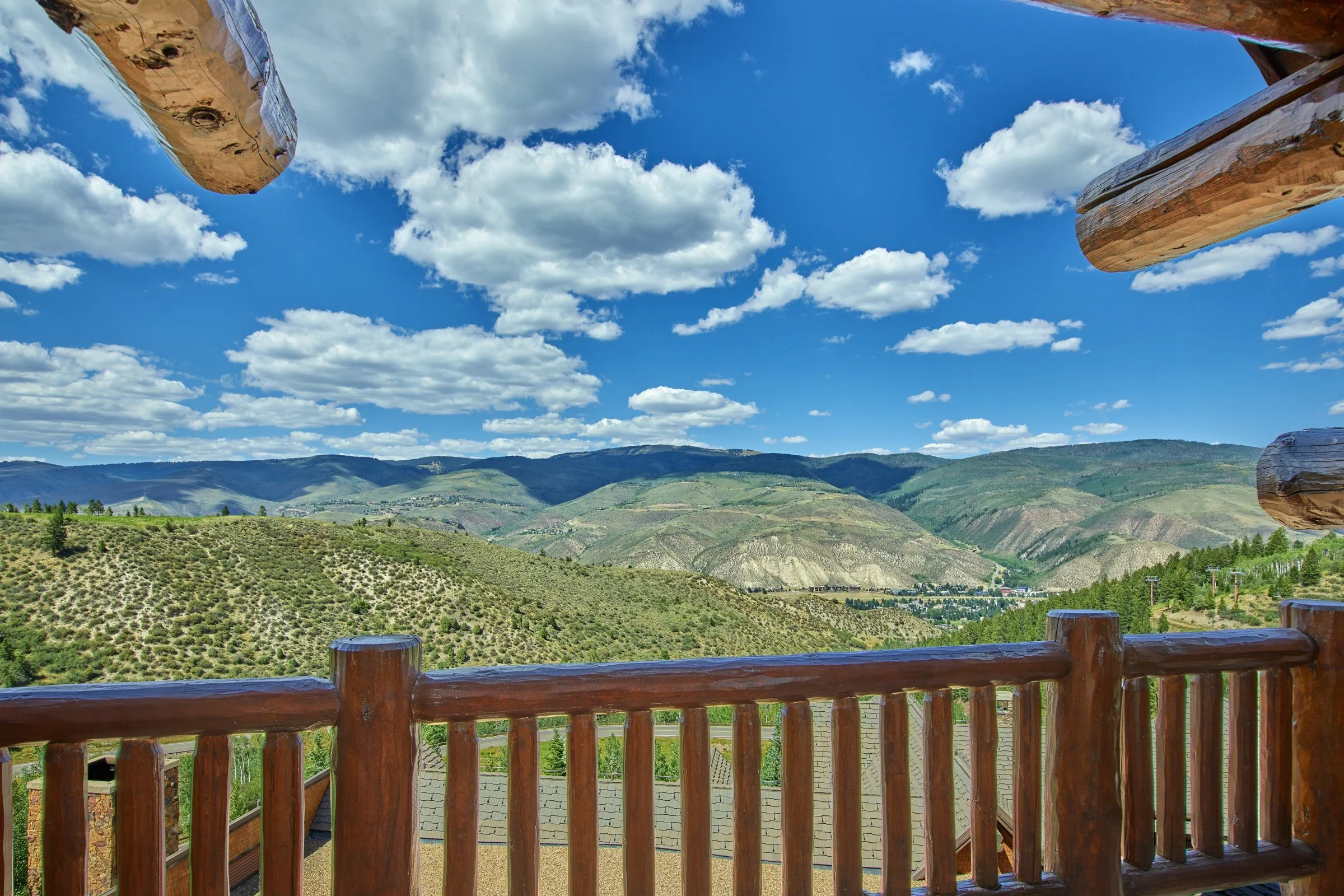
Accommodations range from traditional guestrooms to residential suites and individually designed penthouses. Mountain-facing rooms look toward the ski area, while valley-facing accommodations offer a different perspective across the surrounding landscape. Fireplaces and balconies are available in selected categories and configurations, so they should be confirmed individually.
Representative categories include:
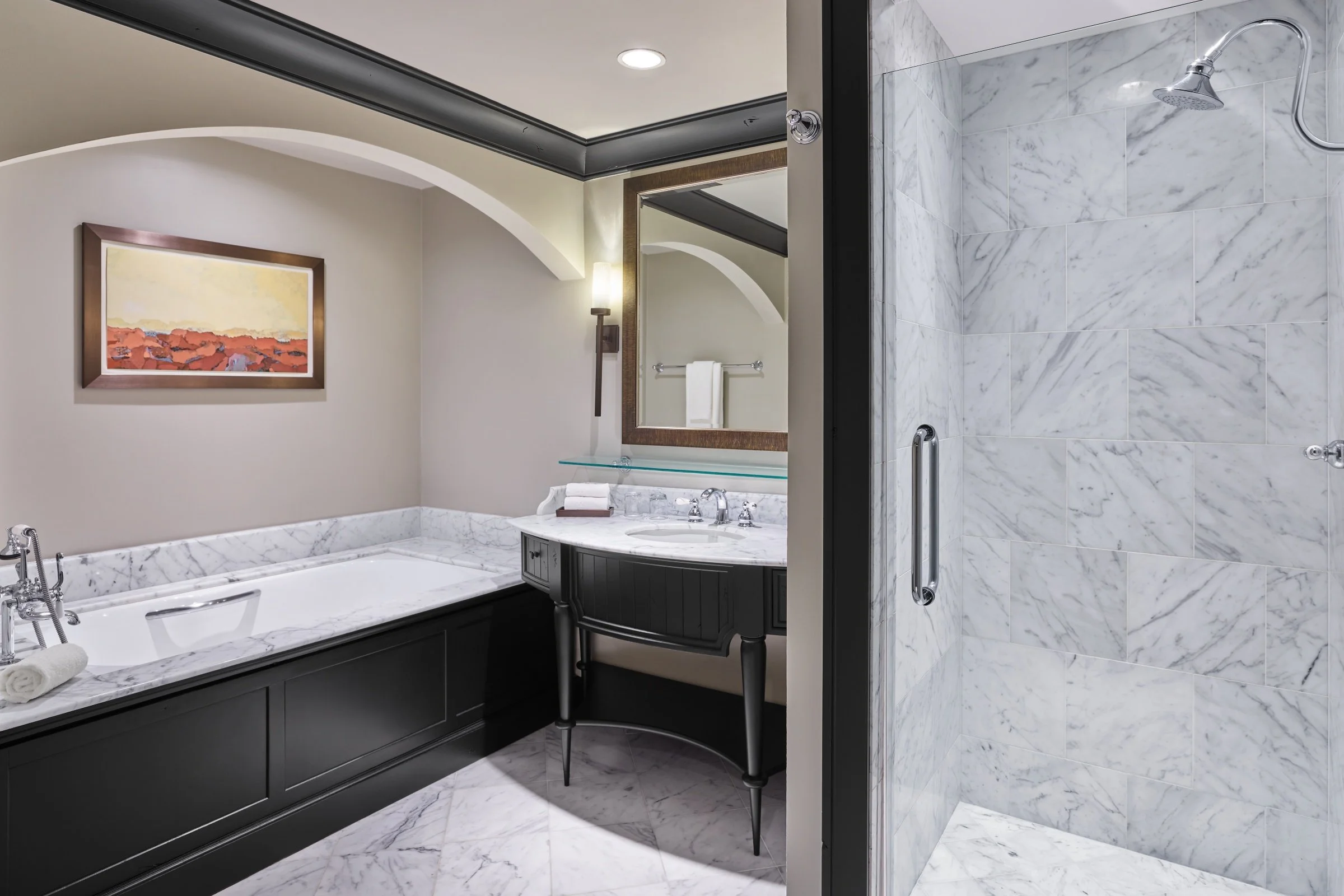
Deluxe Valley View Room: Approximately 450 sq. ft., with a king bed or two queen beds, a sitting area, a marble bathroom with a separate bathtub and shower, and views that draw attention toward the valley beyond the resort.
Deluxe Mountain View Room: Approximately 450 sq. ft., with a king bed or two queen beds, warm wood finishes, upholstered seating, and mountain-facing windows that make the changing appearance of the slopes part of the room's atmosphere.
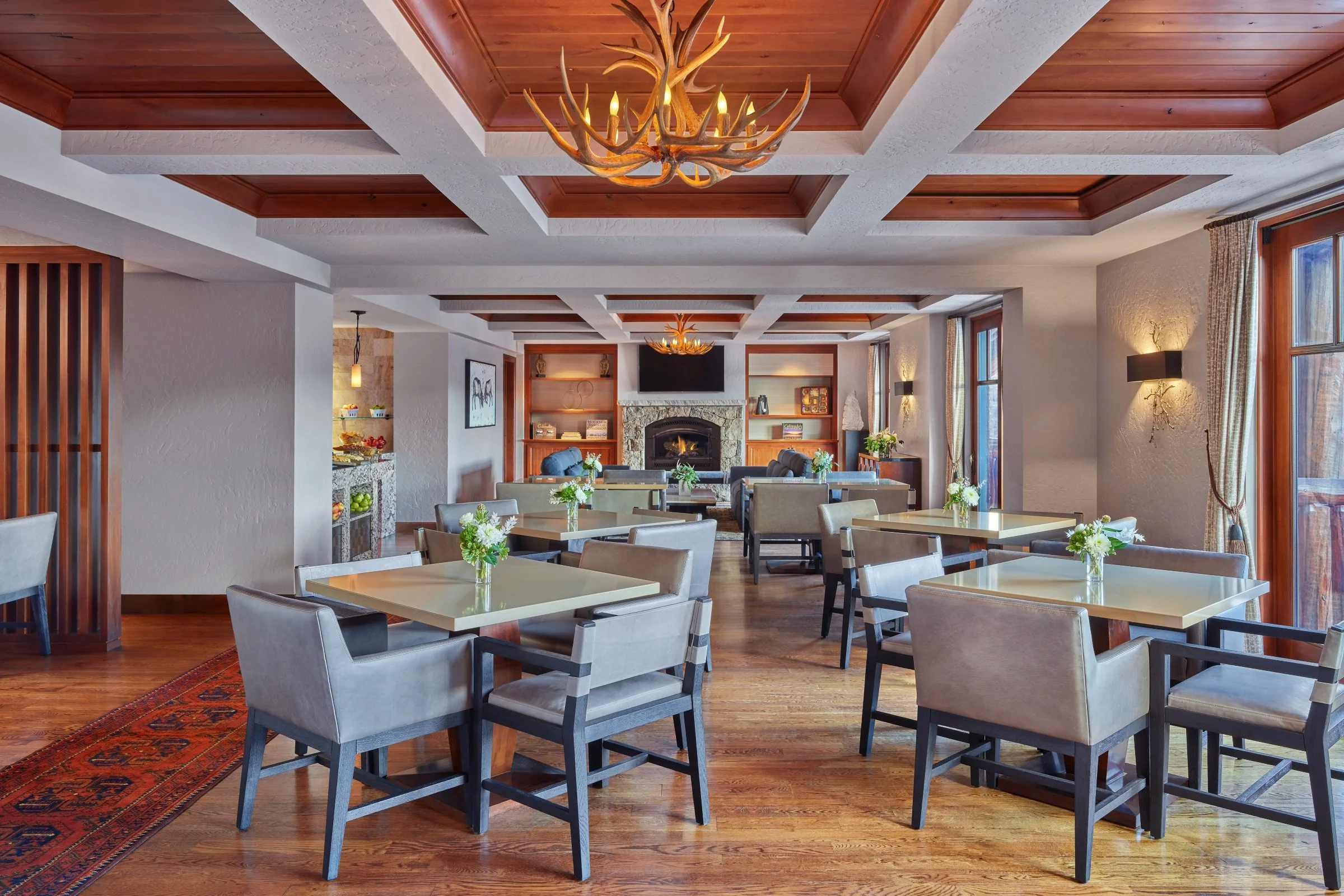
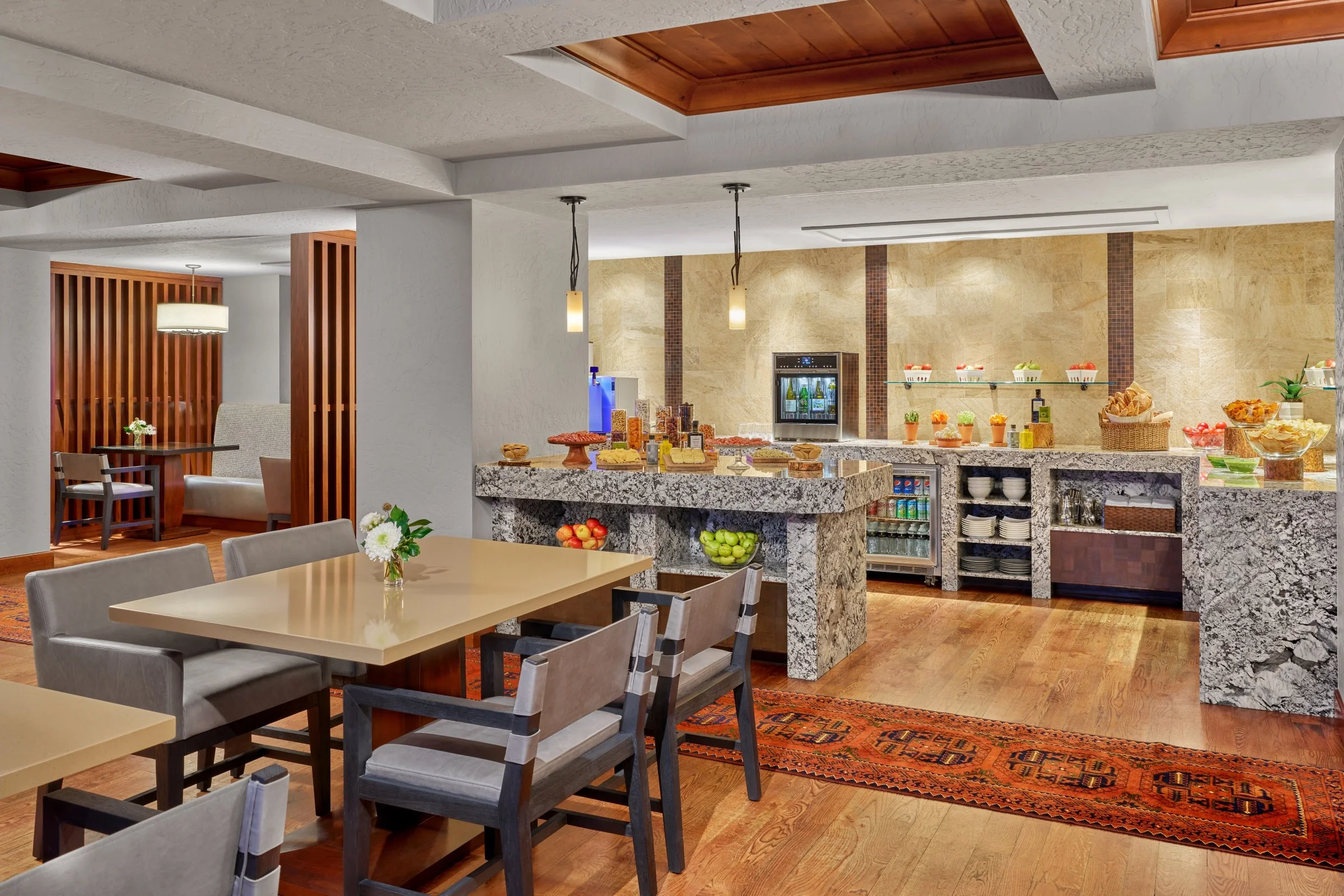
Club Level Guest Room: Approximately 450 sq. ft., combining the hotel's lodge-inspired bedroom and marble bathroom with access to the Club Lounge and its dedicated concierge and food presentations when the lounge is operating.
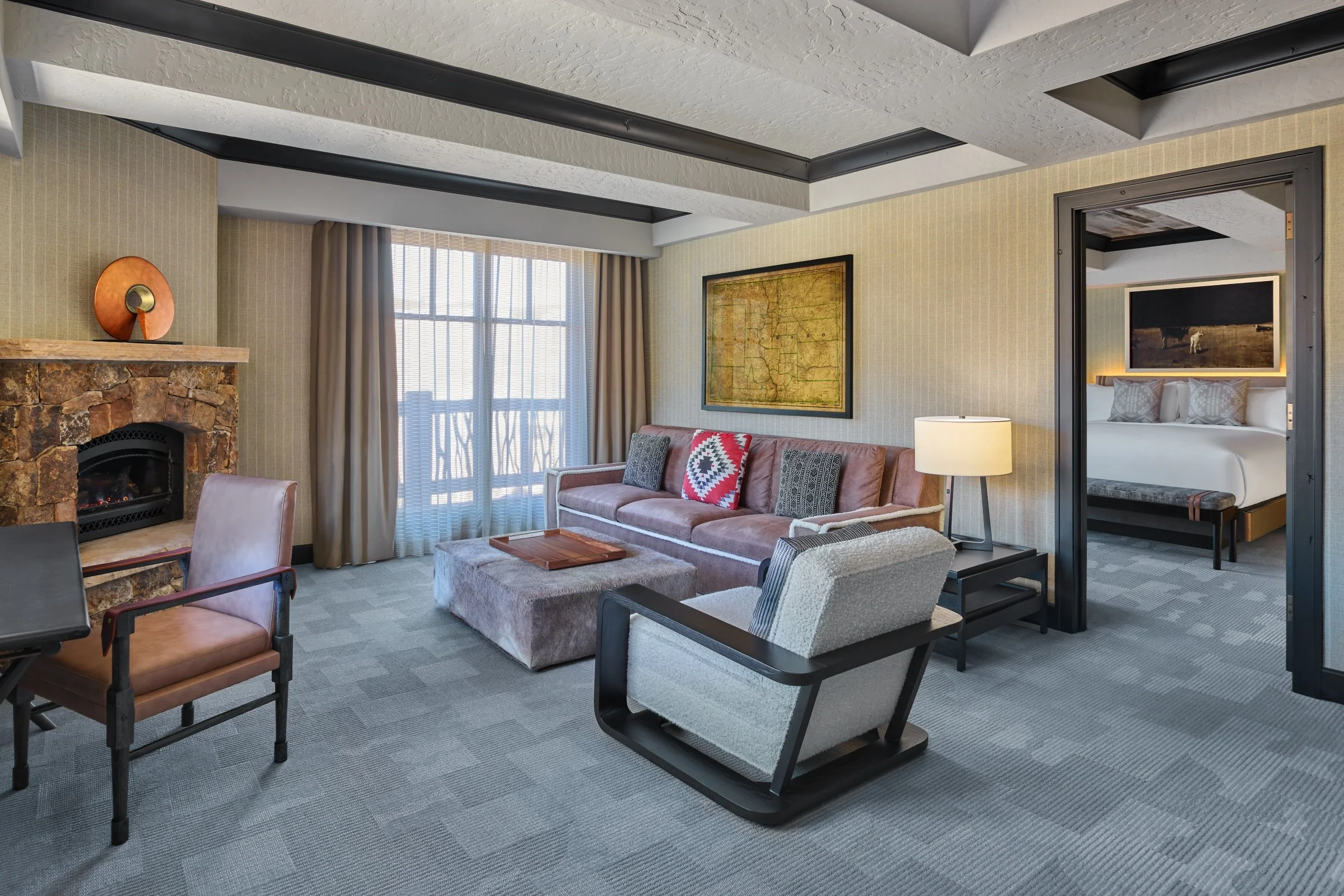
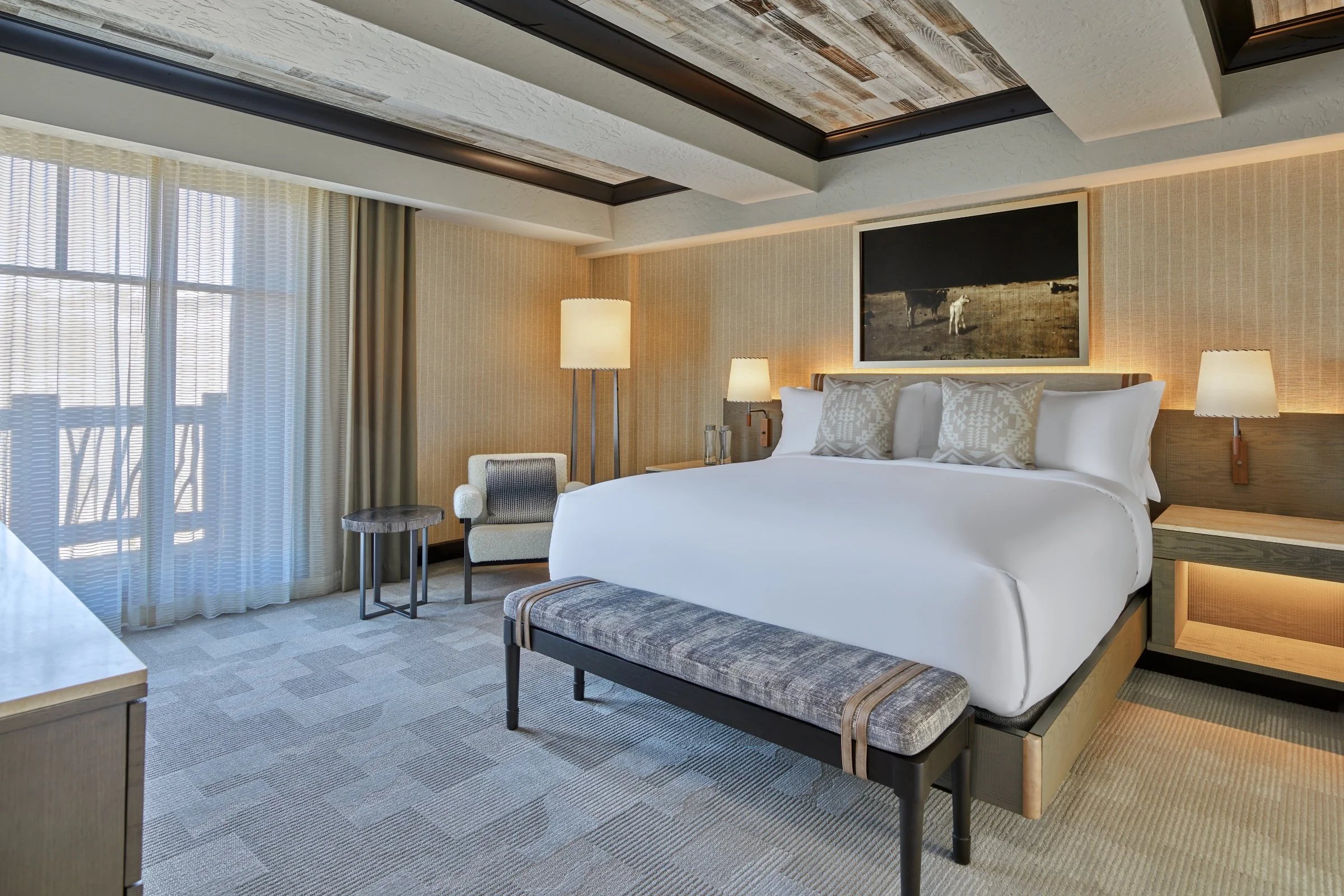
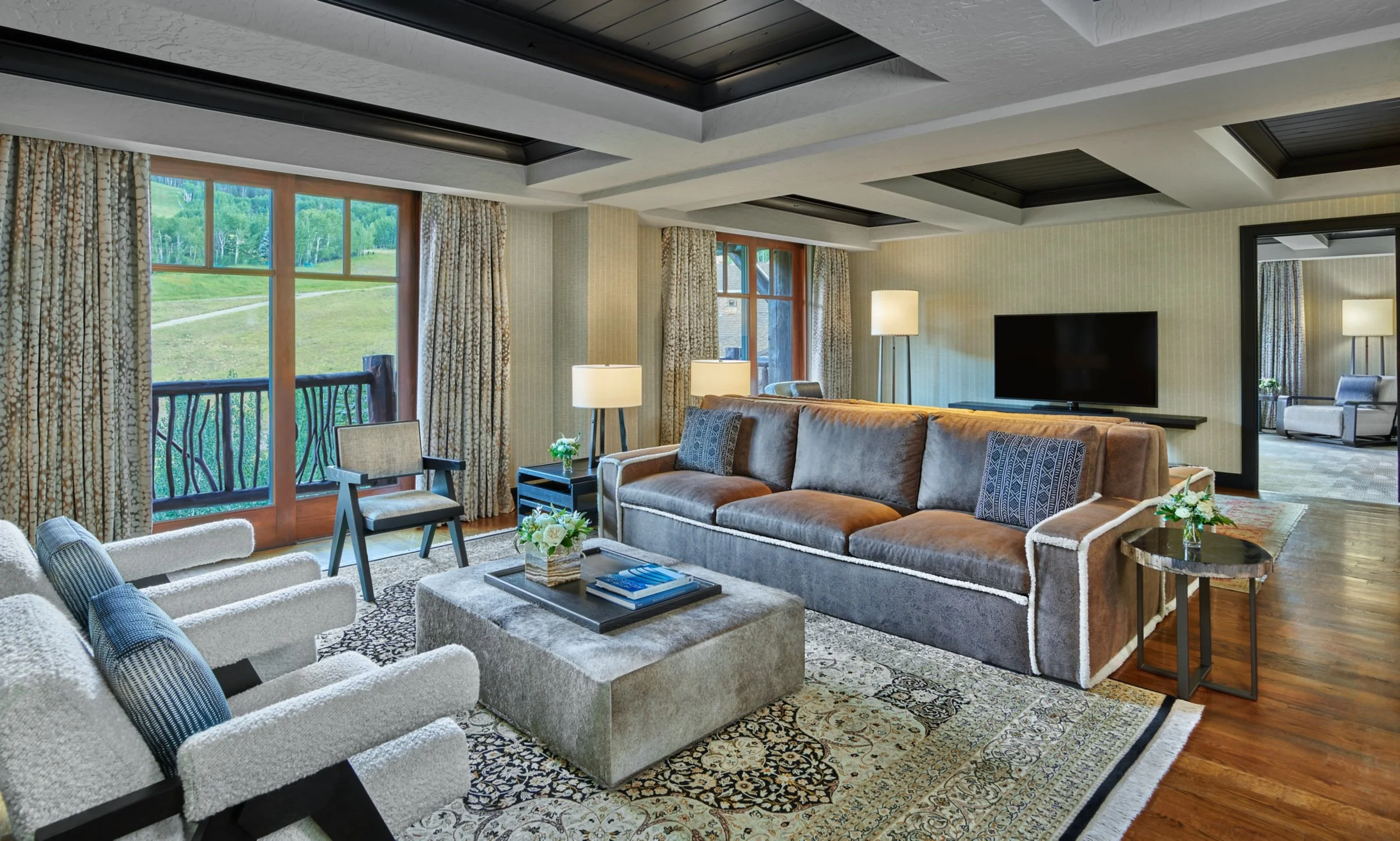
Executive Suite: Approximately 900 sq. ft., with a separate king bedroom and living room, a sofa bed, and additional space to relax between activities, making it a practical choice for guests who want more separation than a traditional room provides.
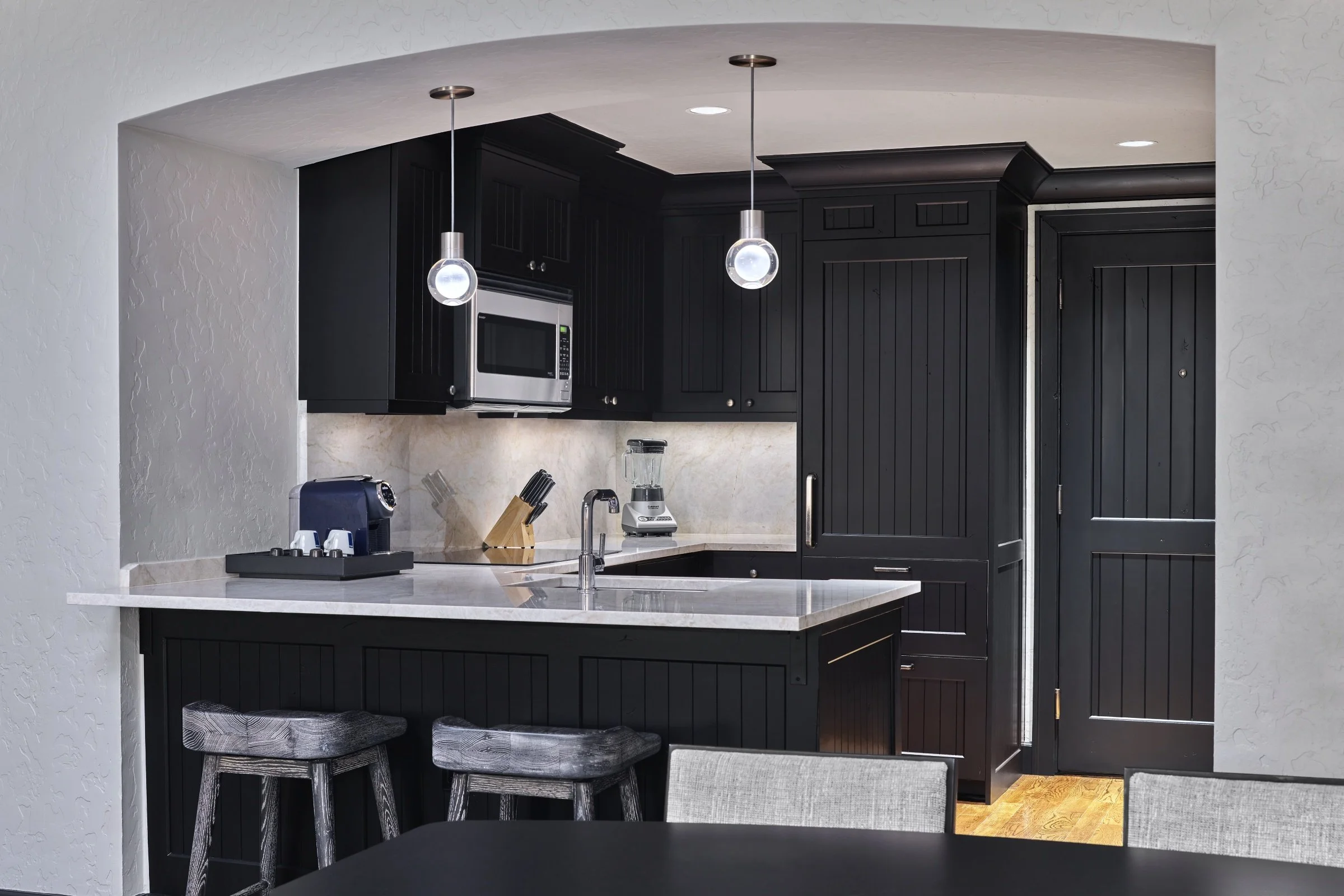
One-Bedroom Valley View Residential Suite: Approximately 900 sq. ft., with a private bedroom, a separate living area, a kitchen, and dining space that allow for breakfasts and relaxed evenings at home while retaining access to the hotel's restaurants and services.
One-Bedroom Mountain View Residential Suite: Approximately 900 sq. ft., pairing a separate bedroom with a kitchen, dining area, and comfortable living room, with a mountain-facing outlook that suits guests planning to make the slopes central to their stay.
Two-Bedroom Residential Suite: Approximately 1,350 sq. ft., with two bedrooms and shared living, dining, and kitchen facilities that offer families or friends a more residential arrangement and a convenient place to gather before and after mountain activities.
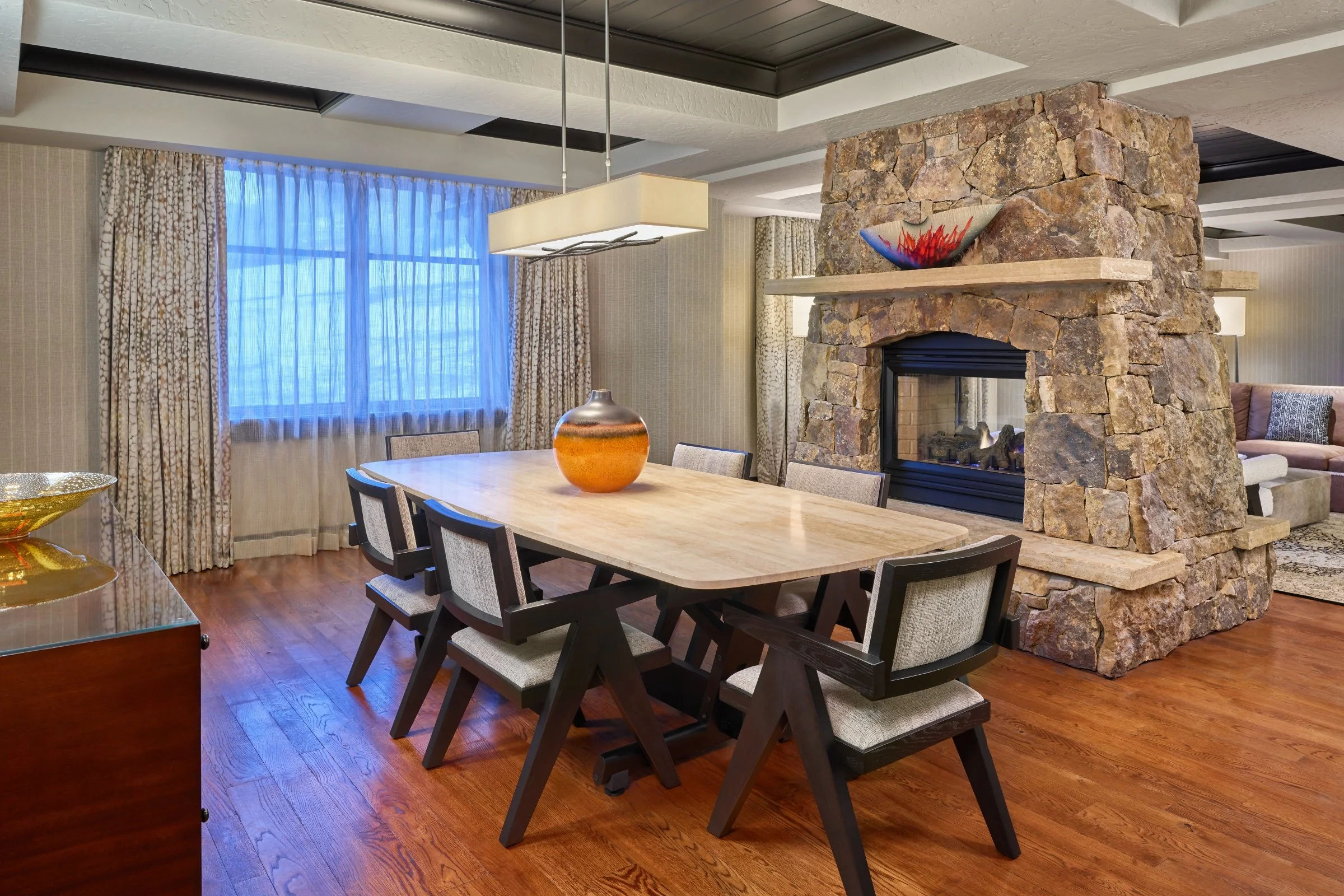
The Ritz-Carlton Suite: Approximately 1,800 sq. ft., with a king bedroom, expansive living areas, a stone fireplace, a private study, and a dining room with a butler's pantry, complemented by a balcony overlooking the mountain.
Three-Bedroom Mountain View Penthouse: Approximately 1,814 sq. ft. in a listed configuration, with separate bedrooms, a kitchen, and living and dining areas that bring a private-residence atmosphere to a stay shared by family members or friends.
Three-Bedroom Valley View Penthouse: Approximately 2,127 sq. ft. in a listed configuration, with individually decorated interiors, distinct sitting and dining areas, a fireplace, and a balcony that opens the accommodation toward the wider valley landscape.
Four-Bedroom Penthouse: Approximately 3,122 sq. ft. in a listed configuration, with multiple bedrooms and substantial shared living and dining spaces that give larger parties room to spend time together while maintaining separate sleeping arrangements.
Penthouse layouts, furnishings, bedding, and dimensions vary by residence; the exact floor plan matters more than the bedroom count alone. Club access also needs to be part of the reservation rather than assumed from a suite booking. The lounge has seasonal closures, an important detail for stays outside the busiest winter and summer periods.
Colorado Ingredients and Evenings by the Fire
The dining collection provides variety for a stay that might otherwise revolve around the same mountain routine. Some settings lend themselves to an unhurried dinner; others work best for a drink, a late lunch, or an easy meeting point after skiing.
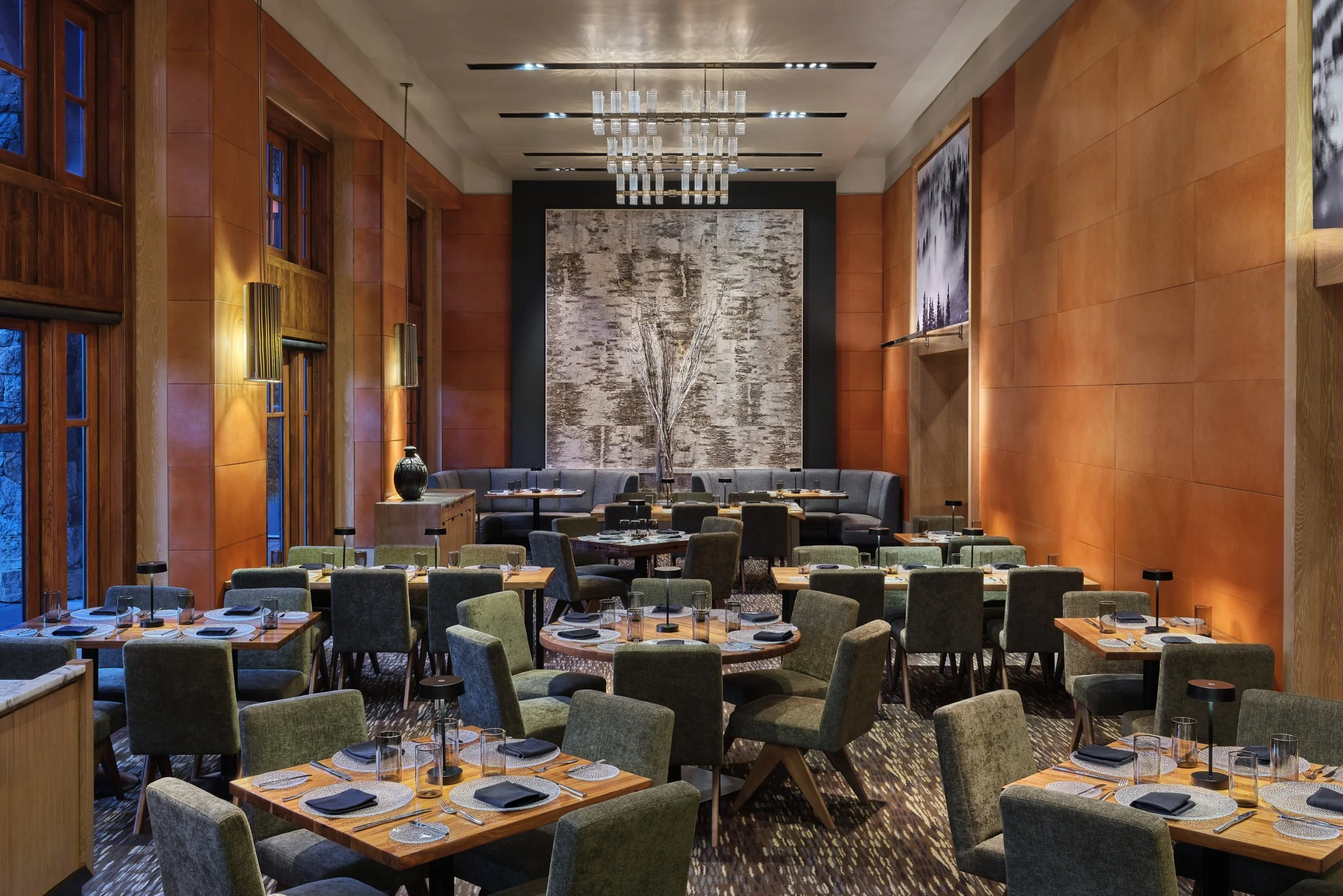
WYLD: The signature restaurant takes a contemporary approach to Colorado dining, pairing locally influenced dishes with a substantial wine selection and an elegant dining room; its published accolades include a Wine Spectator Award of Excellence for 2025.
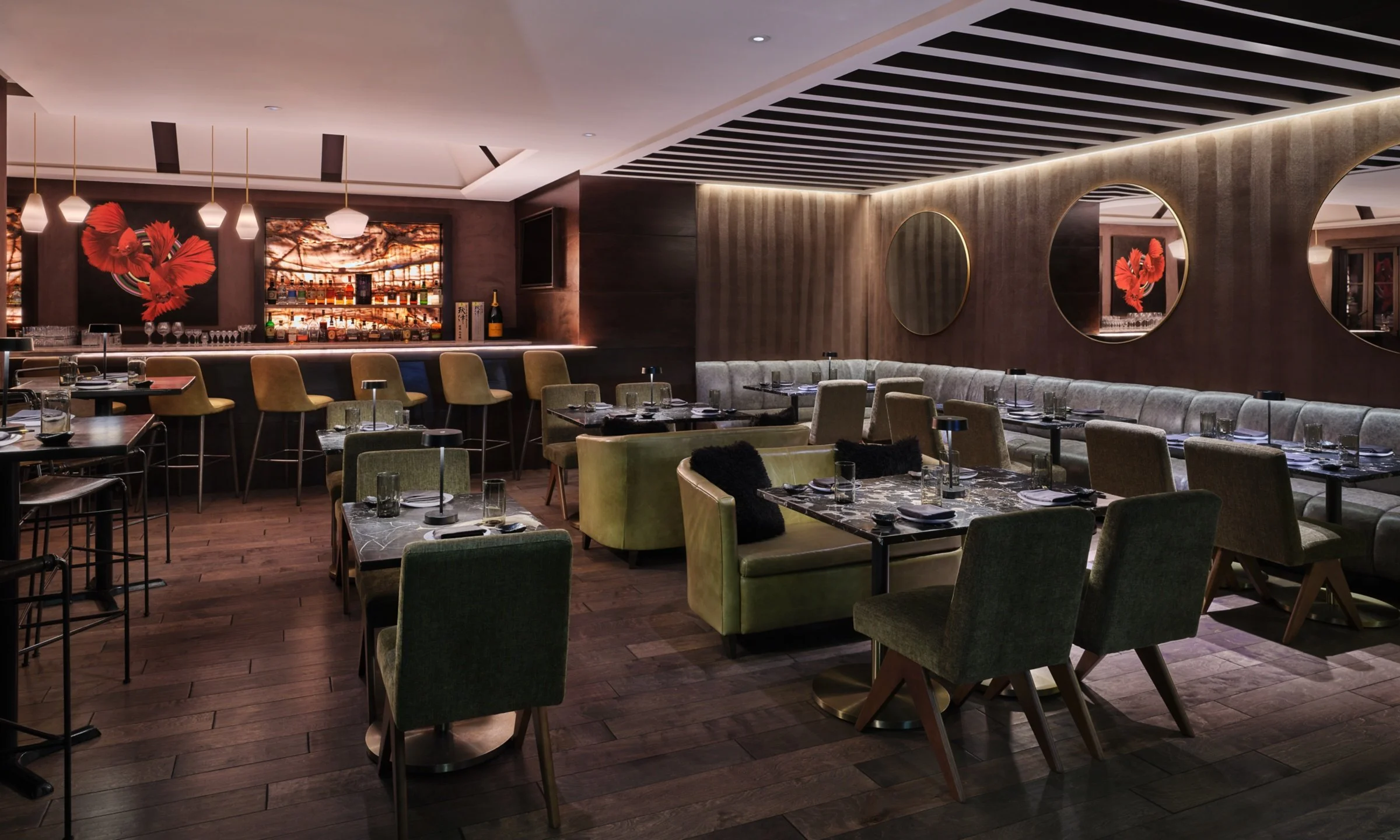
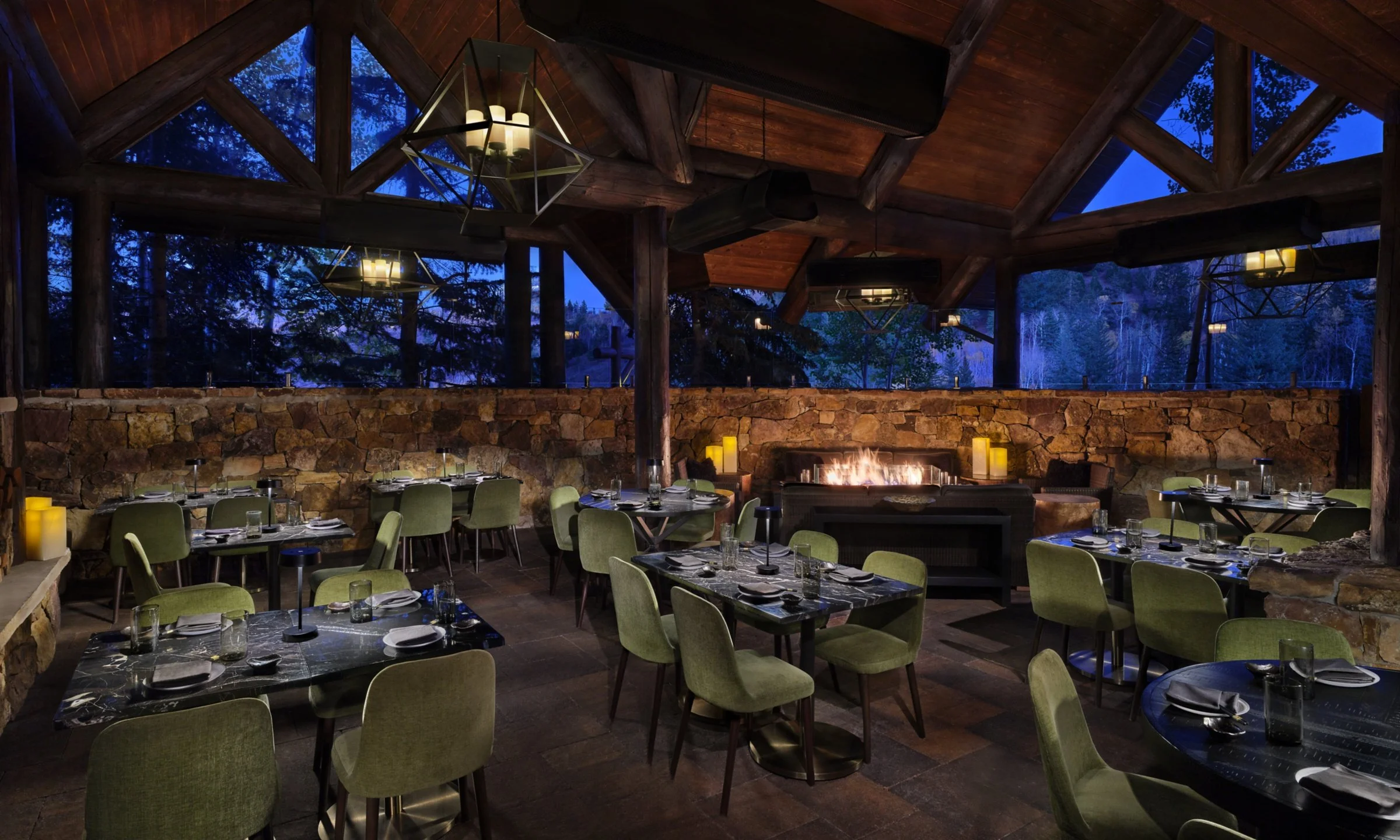
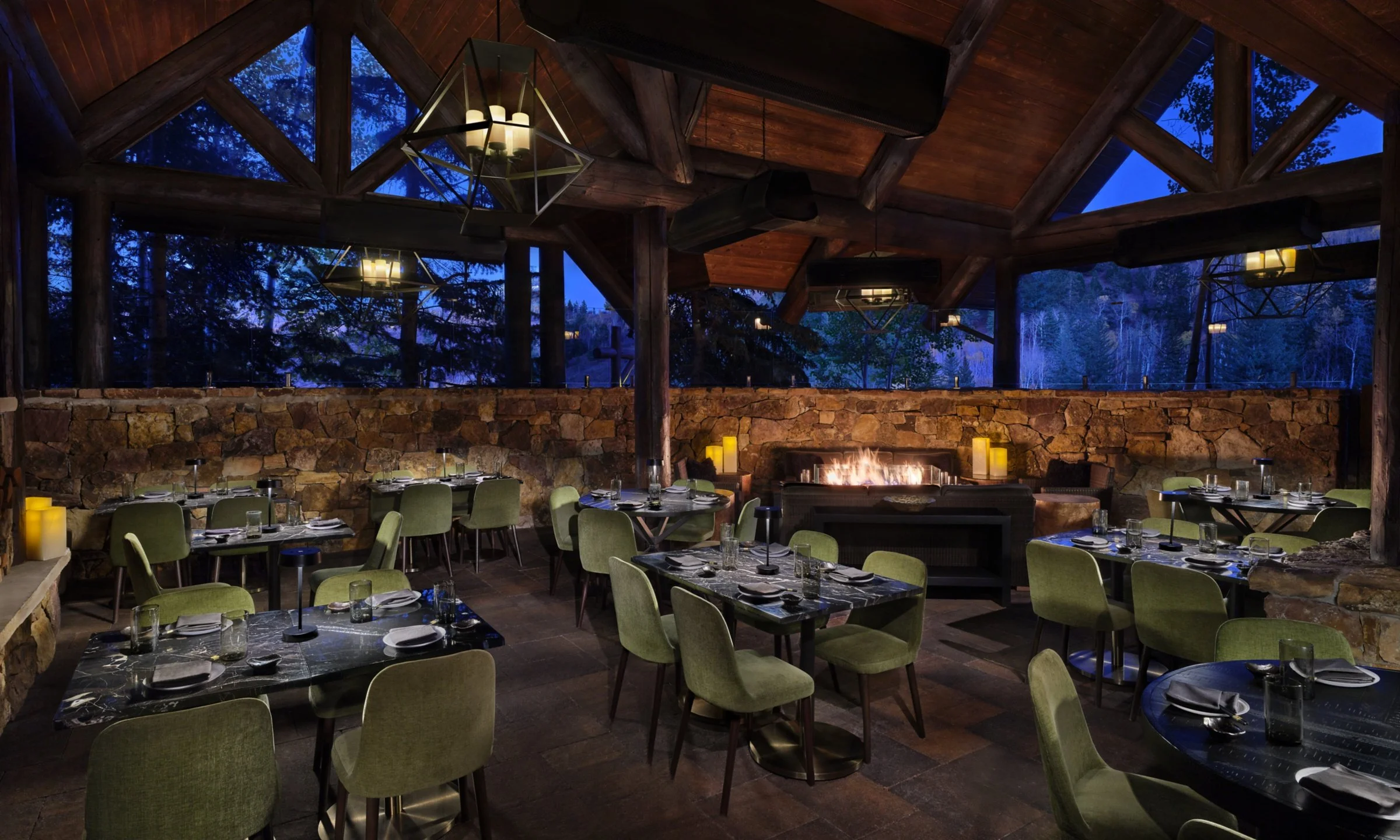
Sakaba: A Japanese restaurant centered on sushi and other carefully prepared dishes, with sake, Japanese whisky, and cocktails adding depth to the experience, plus a heated patio that extends its intimate dining space outdoors.
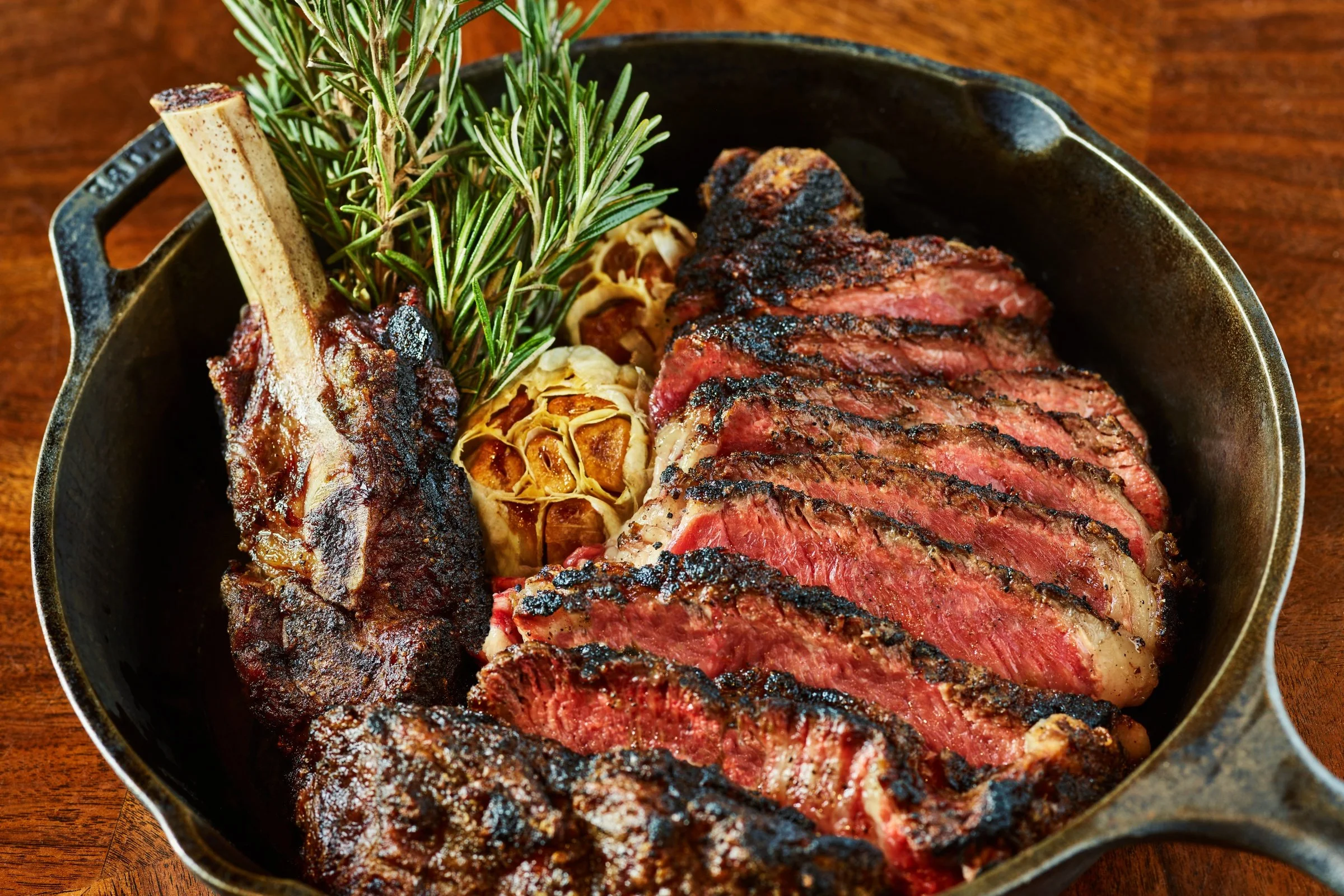
Buffalos: A relaxed restaurant whose current offering combines steakhouse dishes and Mexican-inspired entrées with regional beers and cocktails, giving guests a substantial, informal option and a heated terrace for outdoor dining.
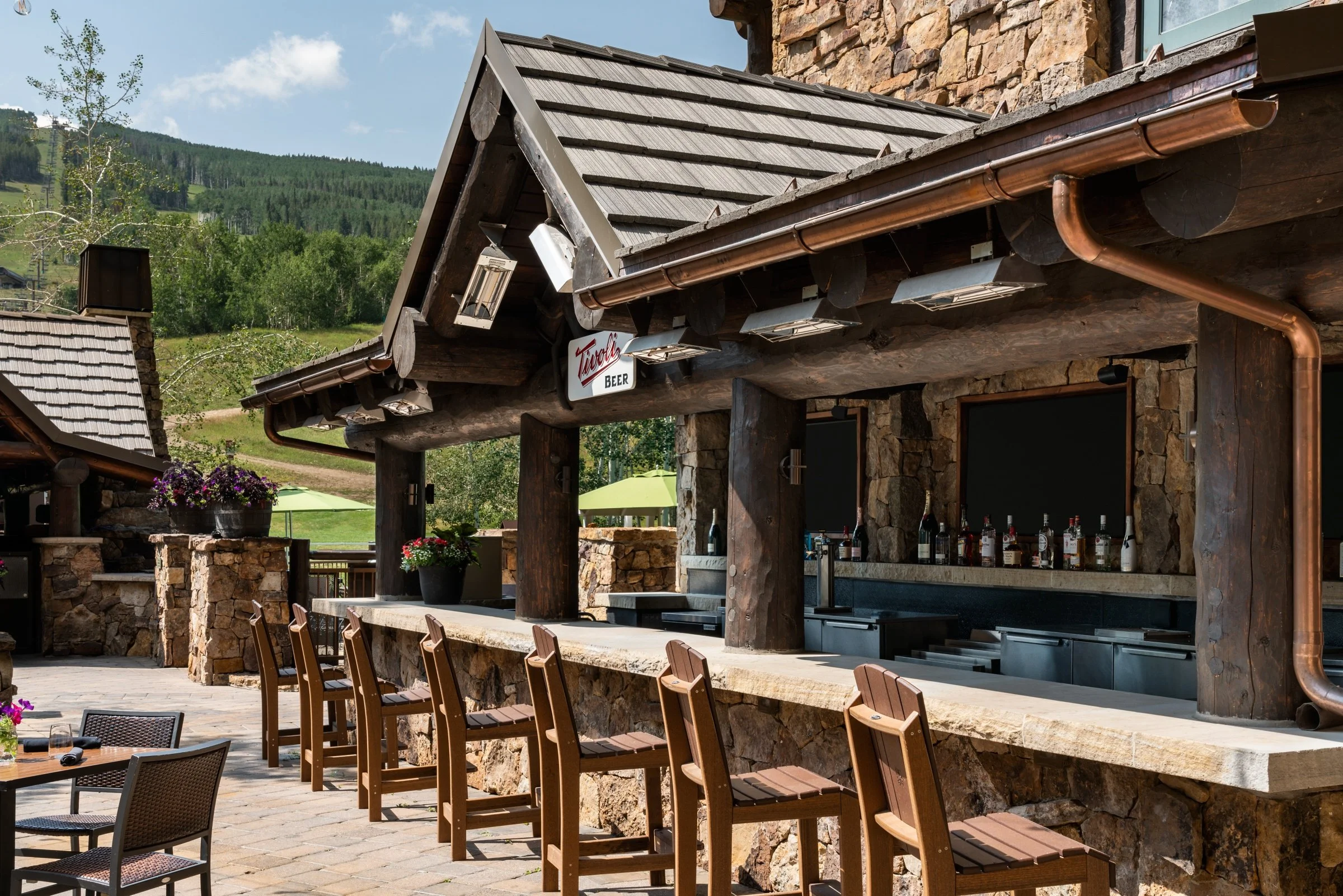
Fireside Bar & Daniel's BBQ: Located on the Mountainside Terrace, this outdoor venue pairs casual food and cocktails with the atmosphere of the slopes, with music and seasonal programming contributing to its après-ski appeal when weather permits.
The Great Room: The hotel's central gathering place serves drinks and appetizers around the monumental fireplace, making it a natural setting for an early-evening conversation or a relaxed pause between outdoor plans and dinner.
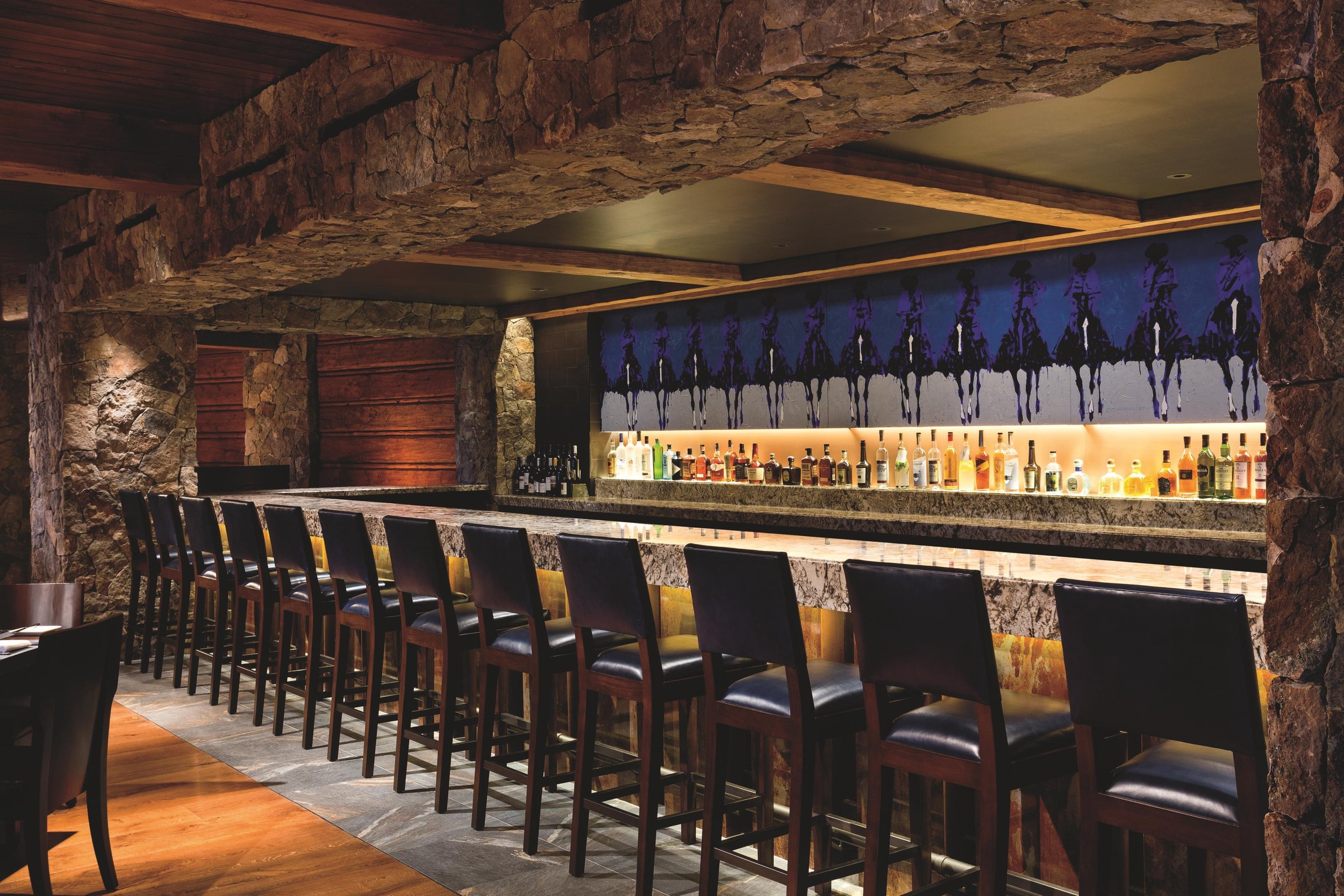
WYLD Bar: A separate bar setting for cocktails, wine, and lighter dining, particularly useful when the evening calls for something less structured than a full restaurant reservation.
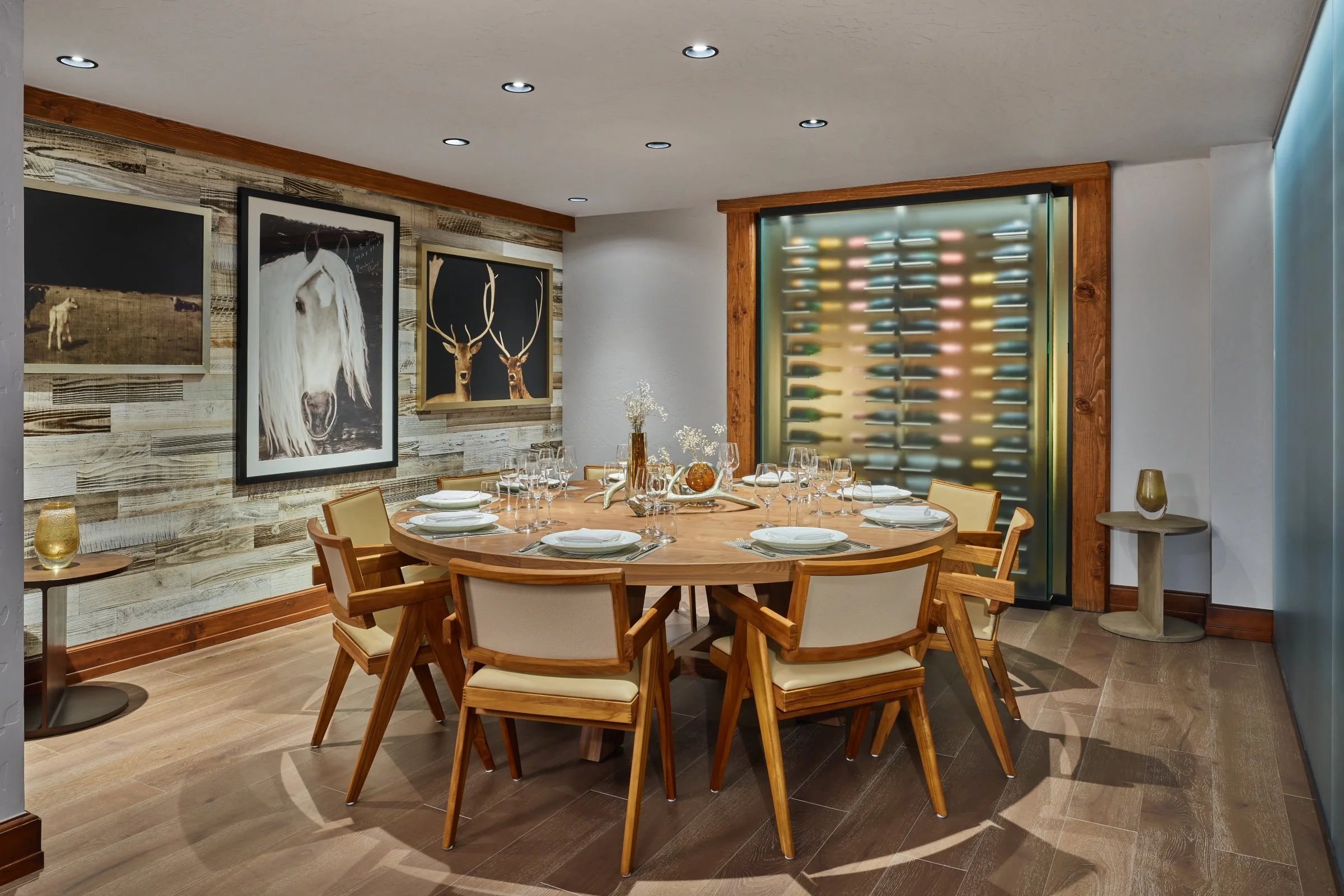
The Edge of WYLD: A private dining room accommodating up to 12 guests, with menus tailored to the occasion, whether the gathering is a family celebration, a dinner with friends, or a more elaborate tasting experience.
Anderson's Cabin: A historic cabin above the hotel available for private dining for up to 10 guests, offering an intimate setting whose connection to Bachelor Gulch's early residents gives the evening another dimension.
In-room dining is available around the clock. Restaurant schedules and outdoor service change with the season, so a particular dining experience is worth reserving rather than leaving entirely to chance.
First Tracks and Trails Through the Aspens
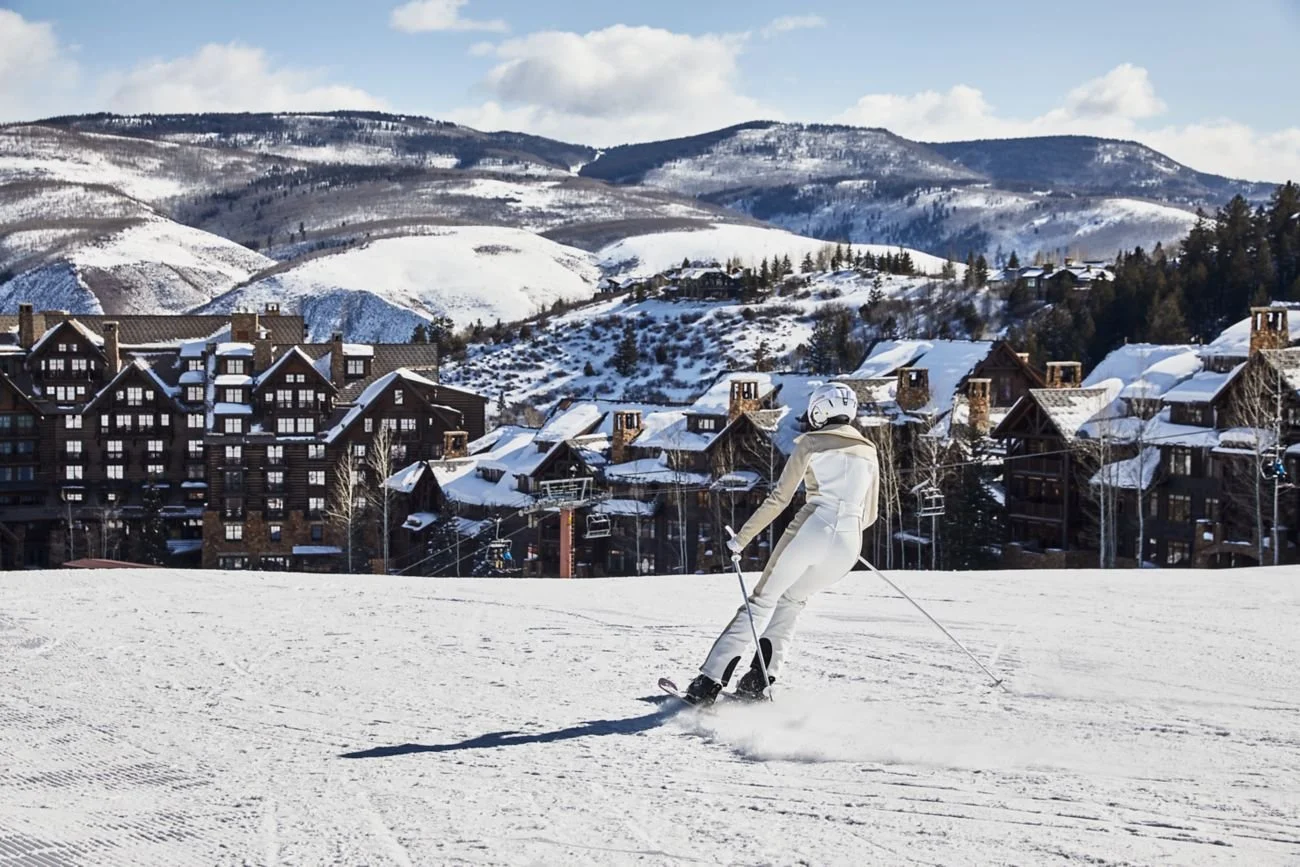
Winter brings the hotel's most immediate advantage into focus: ski-in, ski-out access beside the Bachelor Gulch Express lift. From here, guests can explore Beaver Creek's connected mountain terrain, with groomed runs, learning areas, and more demanding skiing across the resort.
Ski concierge and valet services help simplify equipment handling, while on-site rentals are available through Beaver Creek Sports. Lessons, lift access, and rental equipment should be arranged separately unless specifically included in a package. Direct access also depends on snow coverage and lift operations, particularly near the beginning and end of the season.
We would leave room for more than downhill skiing. Snowshoeing offers a different way to experience the mountain, and a shorter outdoor excursion can sit comfortably alongside lunch and an afternoon at the spa.
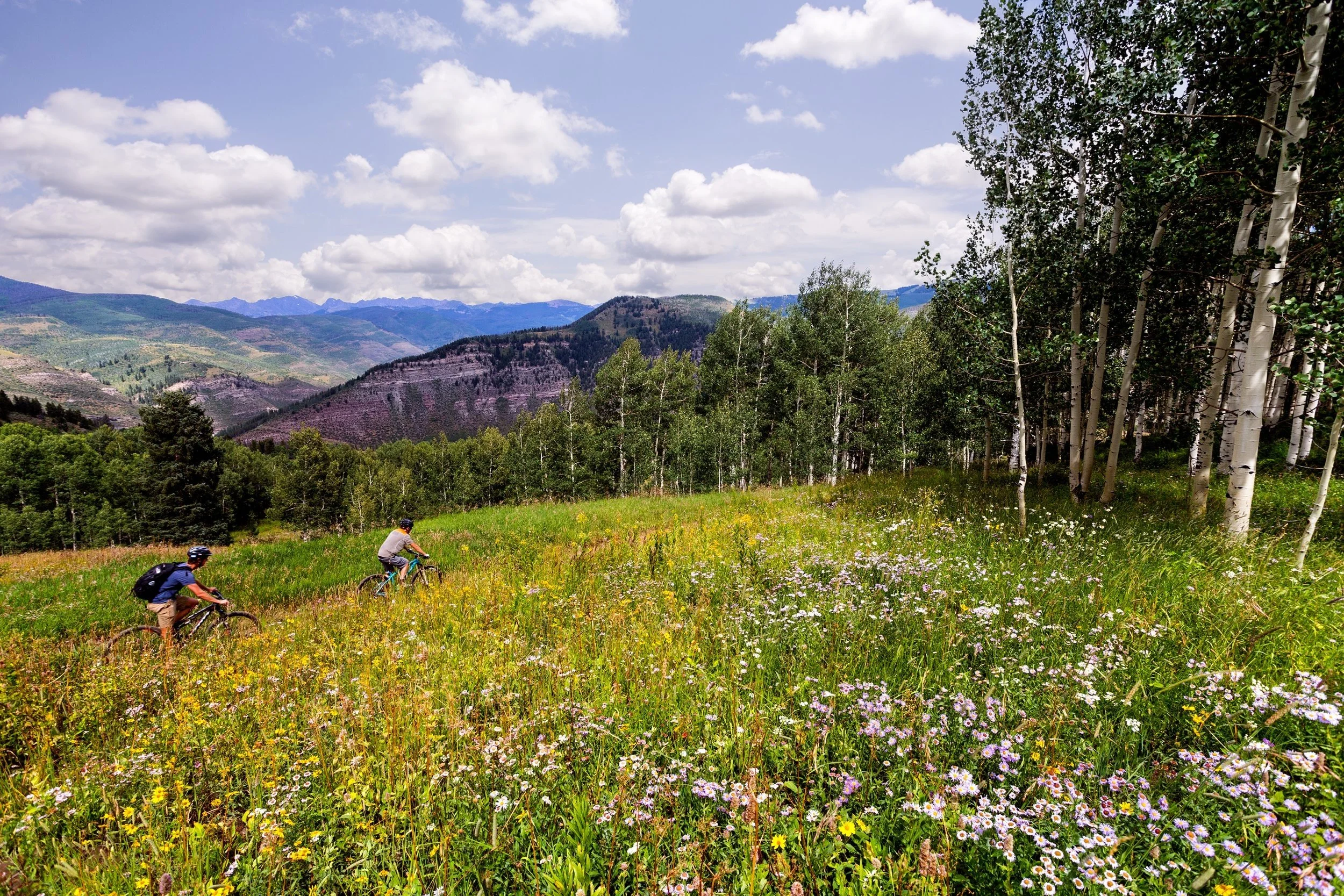
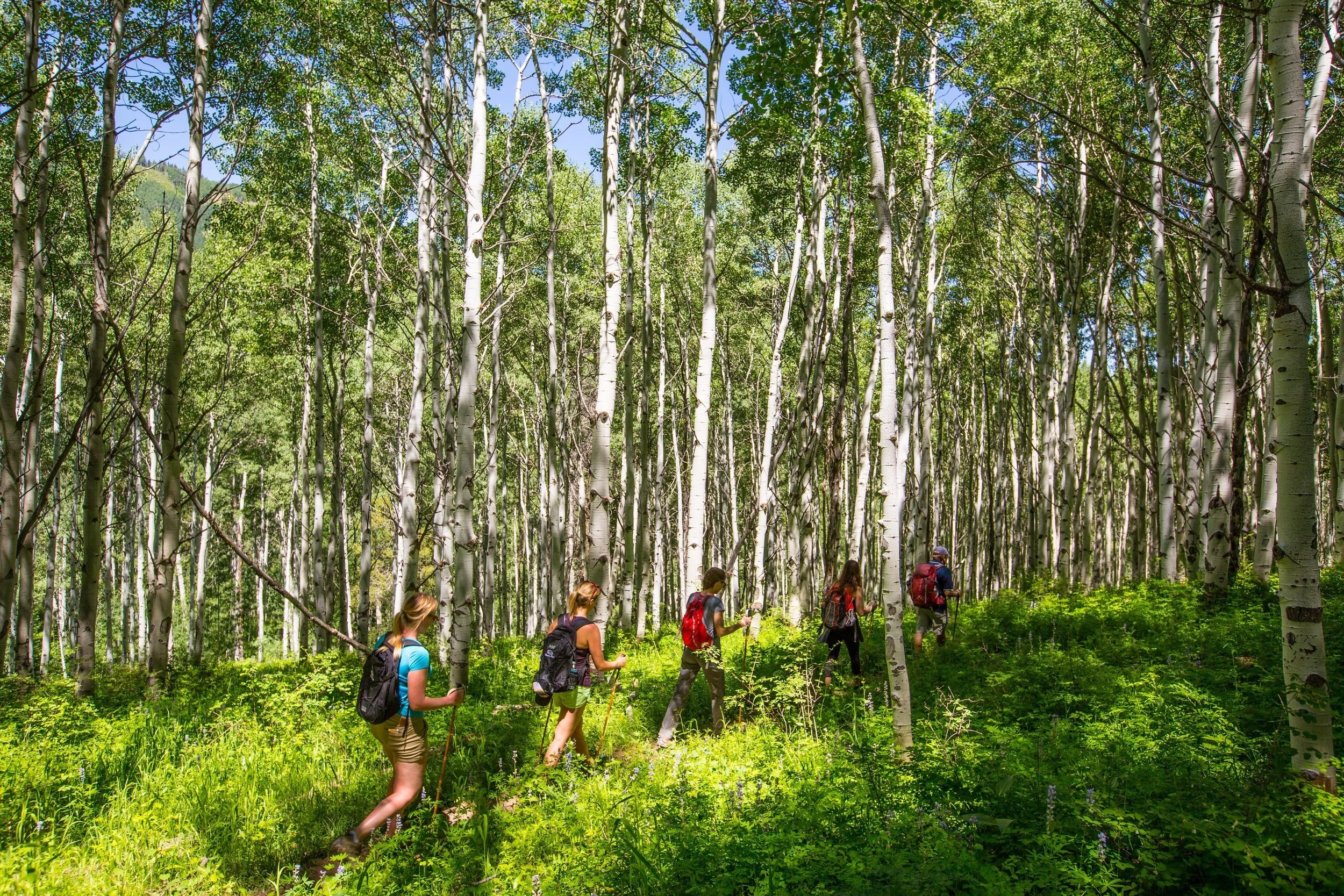
Summer changes the pace. Guided hikes introduce the area's plants and wildlife, while biking, golf, and fly-fishing provide reasons to explore the broader valley. The same slopes that organize a winter visit become an open landscape for walking and photography. Back at the hotel, bookable beverage classes and tastings add an indoor option for a quieter afternoon.
Warm Water After a Cold Mountain Morning
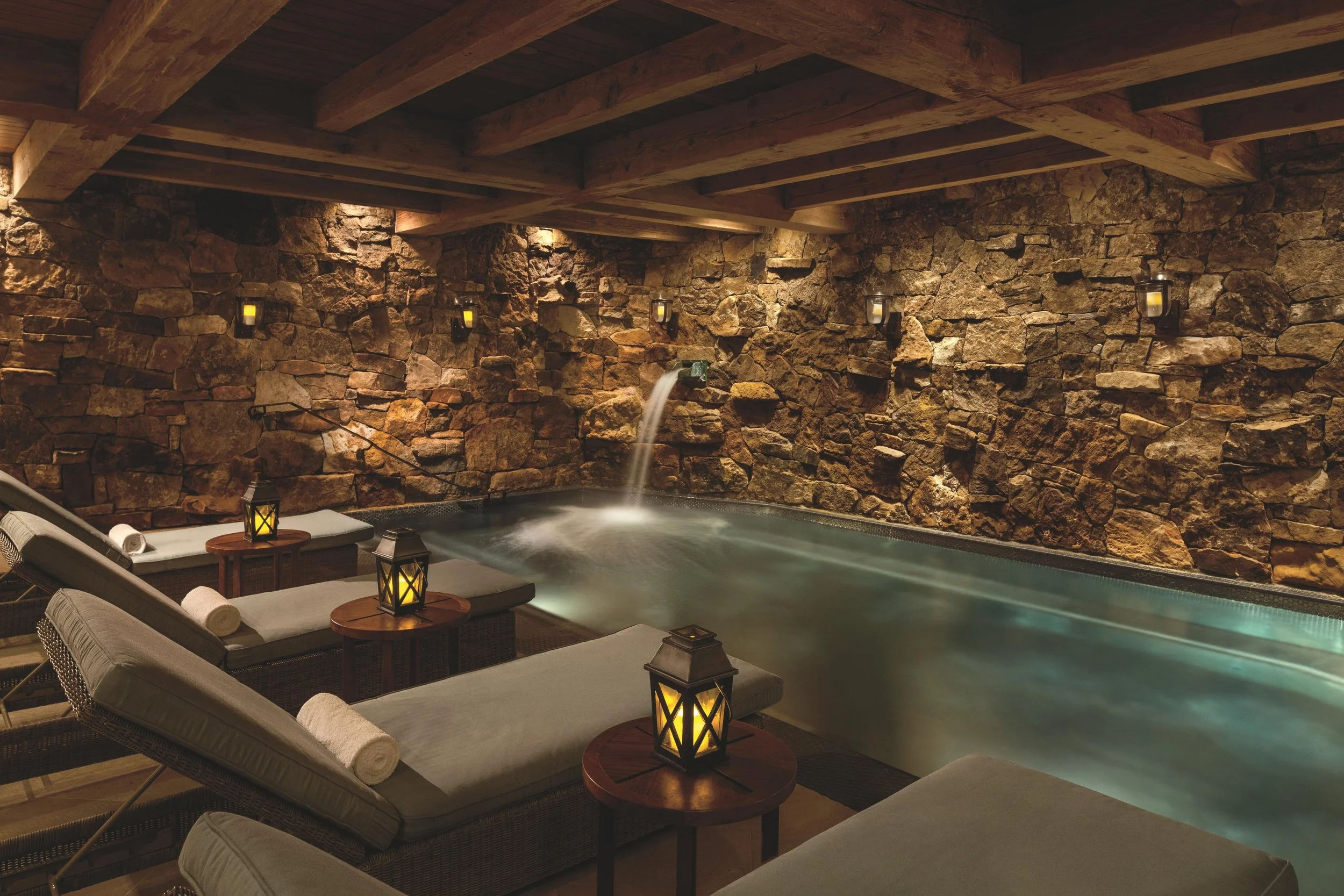
The 21,000-sq.-ft. spa and fitness complex makes wellness a substantial part of the stay. Its best-known feature is the stone-lined grotto, where the enclosed setting creates a marked change of atmosphere from the open slopes outside.
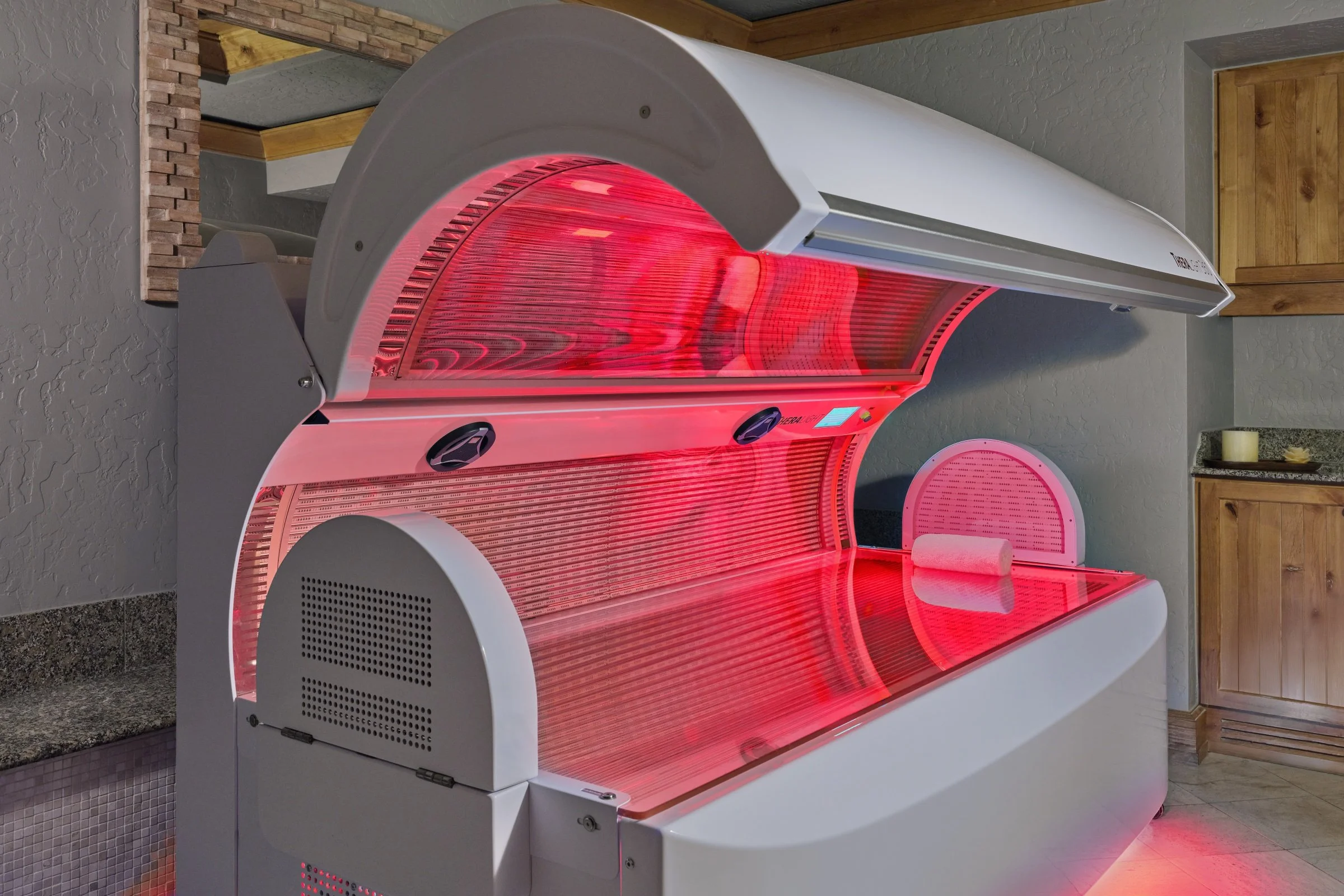
The thermal facilities include a Himalayan salt-wall dry sauna, a steam room, and a cold plunge. Treatments encompass massages, facials, body rituals, and services for couples, while the Recovery Lounge offers Theralight sessions. These experiences are best approached as additions to a restful mountain holiday rather than promises of a particular health outcome.
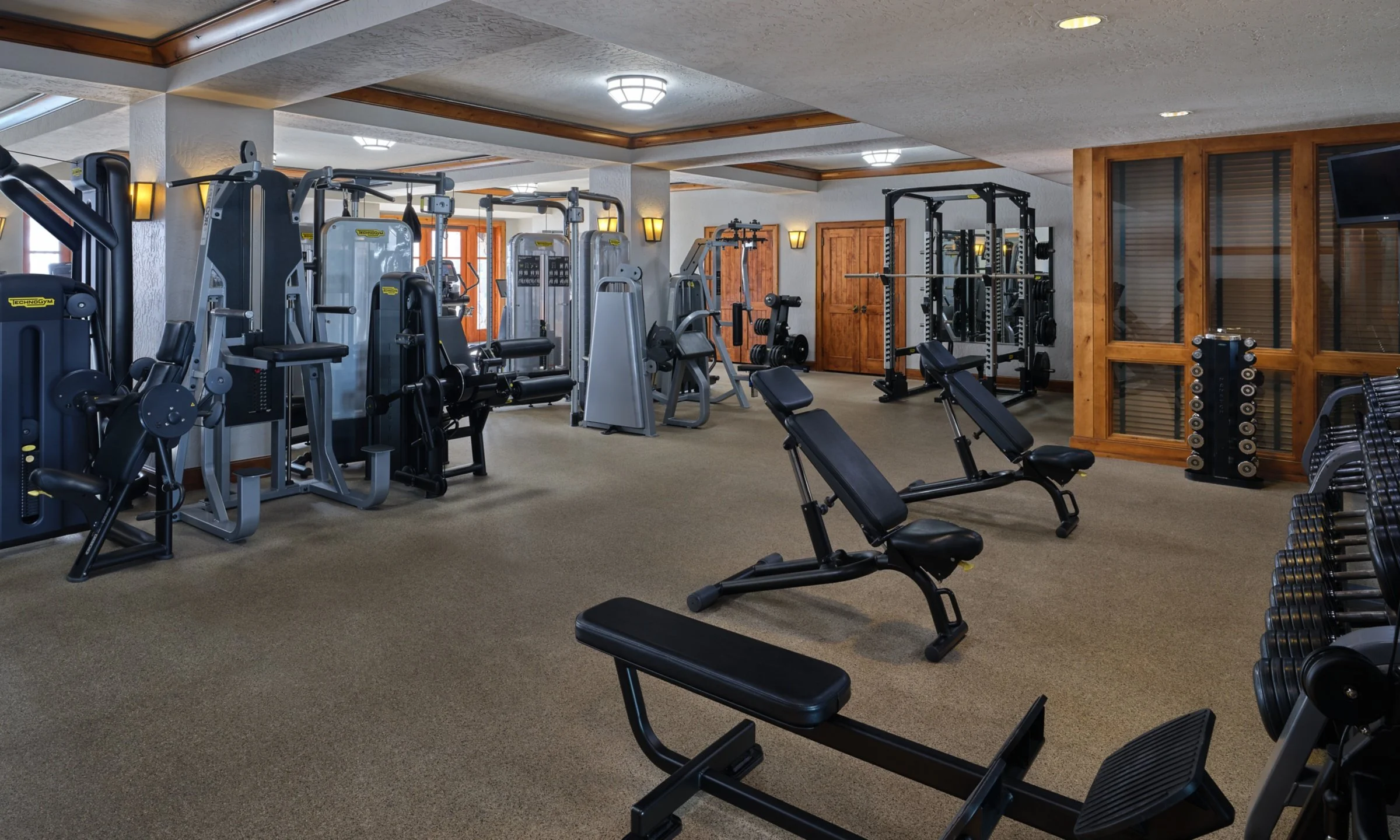
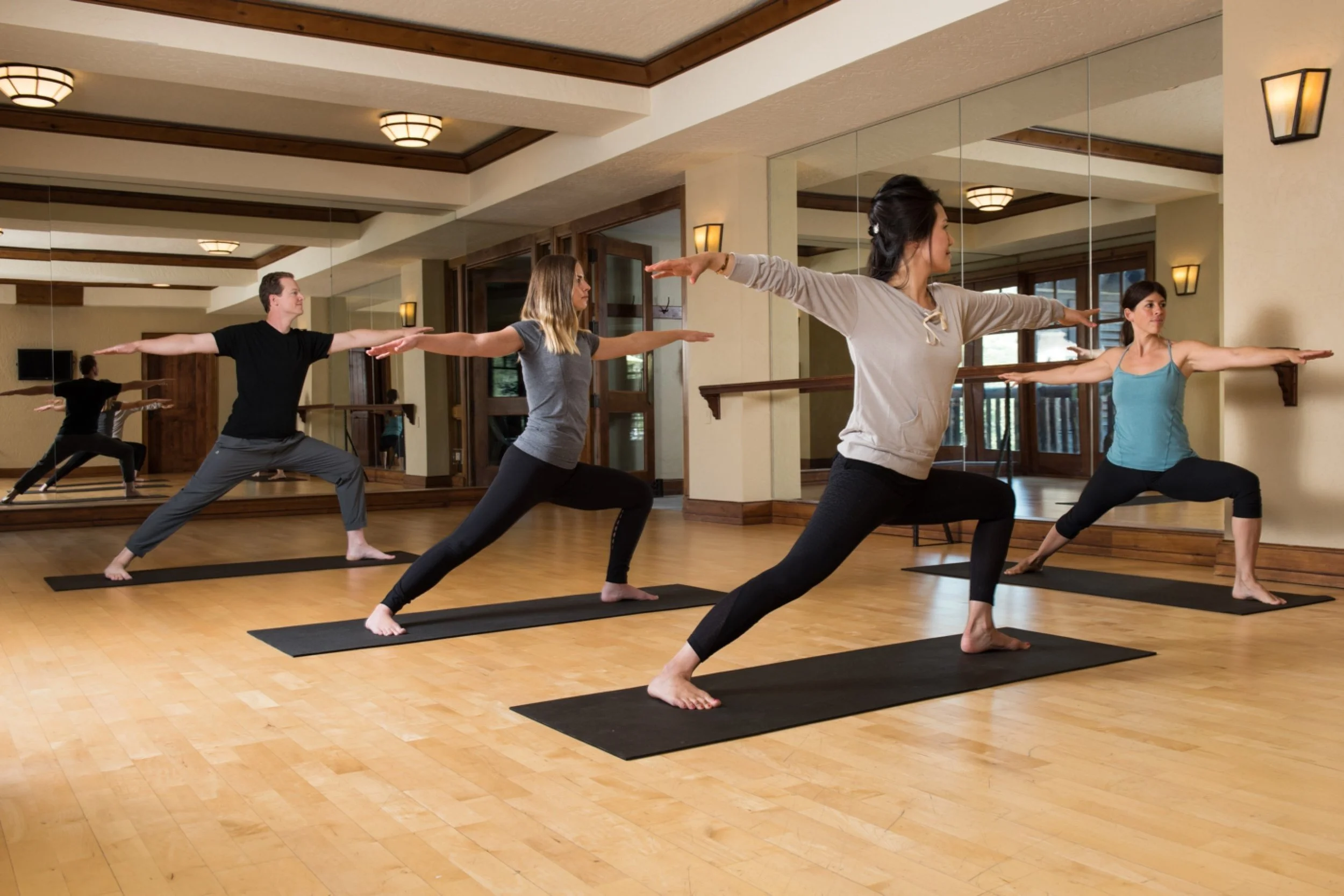
A 24-hour fitness center allows guests to maintain their own routine, and scheduled group classes include yoga, Pilates, and sound-bowl sessions. Group fitness classes are included in the resort fee, subject to the current schedule.
The heated outdoor pool and whirlpools provide another way to slow down. Regular spa services and thermal facilities are reserved for guests aged 18 and older; family access to a private grotto experience, when offered, requires separate arrangements.
Small Adventures for Younger Mountain Travelers
Ritz Kids serves children aged 5 to 12 with programming built around creativity, outdoor discovery, and the mountain environment. Depending on the operating calendar, options include half-day sessions, full-day programs, and Kids Night Out. The program operates seasonally, so families should confirm availability for their dates.
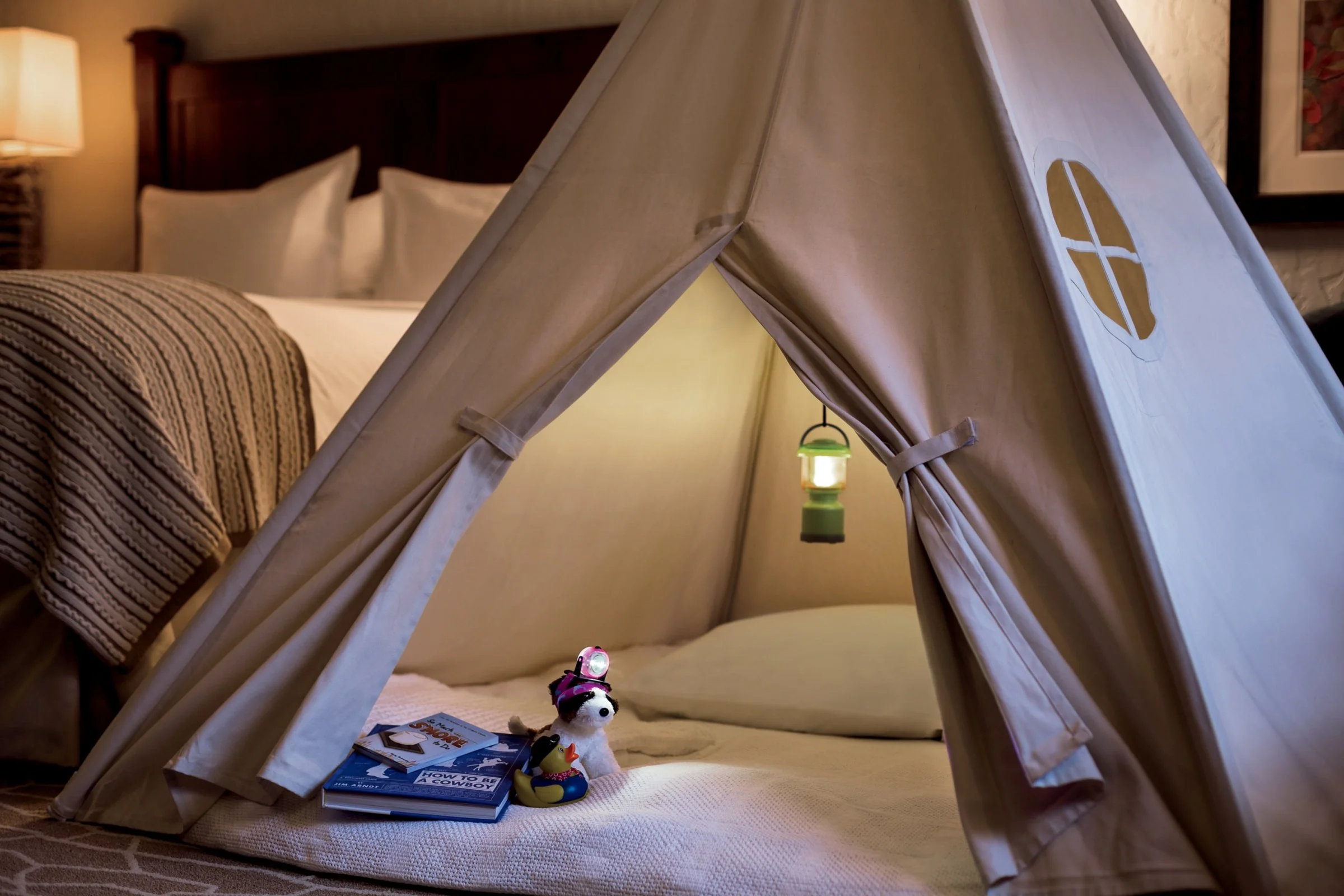
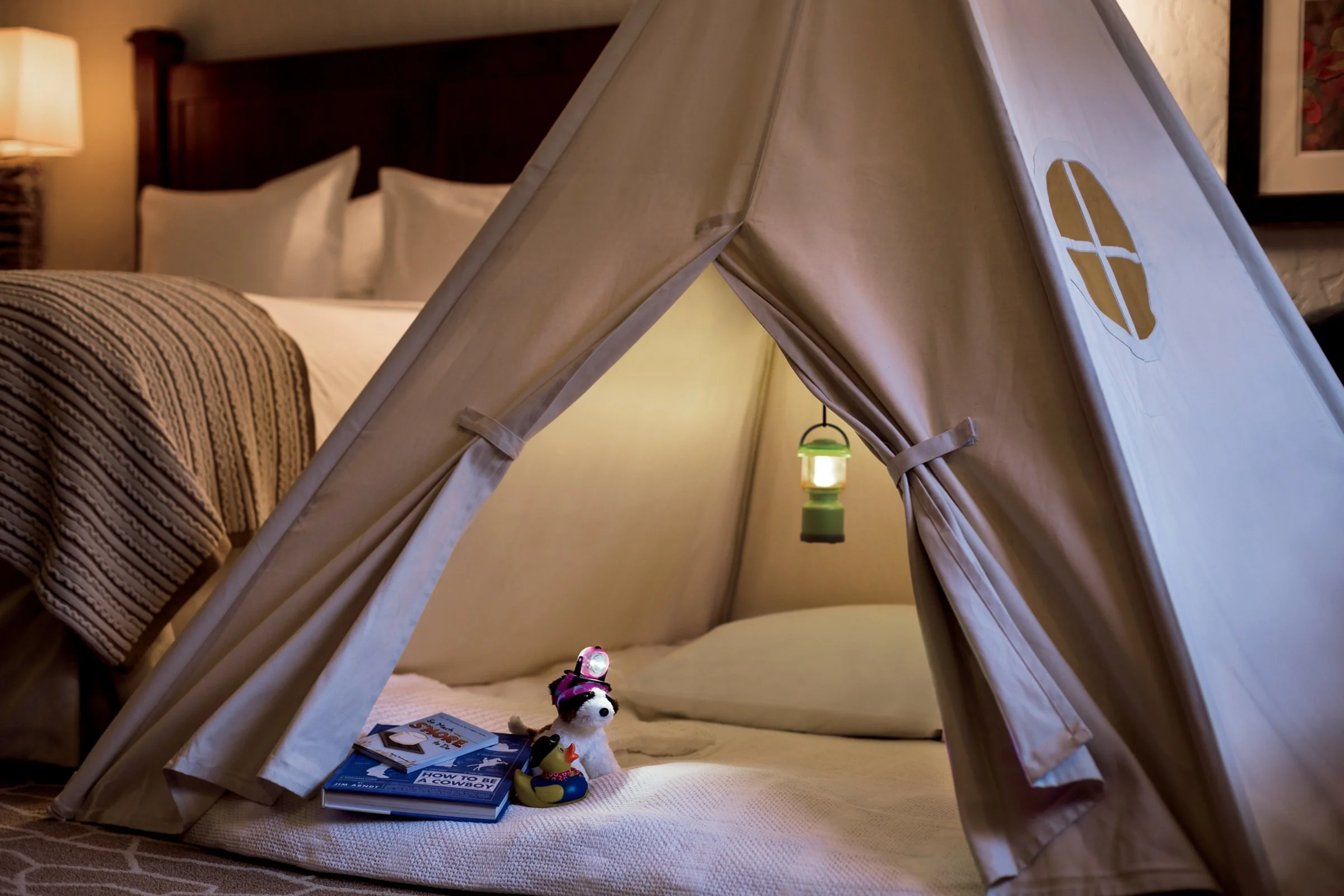
Other experiences work across a wider range of ages. An in-room camping setup brings a tent and blankets into the guestroom, while swimming and time around the outdoor gathering spaces allow families to enjoy the hotel together. A picnic can turn a relatively simple afternoon into an outing of its own.
For families traveling with several generations, the residential accommodations are especially relevant. A kitchen makes different breakfast schedules easier, and a separate living room means adults need not end their evening when younger children go to bed. Ski lessons should be planned around each child's ability and the confirmed meeting location rather than assuming every lesson begins at the hotel.
Looking After the Landscape Outside
The hotel's published sustainability information lists certification through the Green Key Eco-Rating Program, along with guestroom recycling and electric-vehicle charging. Its Community Footprints materials also identify energy and water conservation, waste management, and responsible sourcing among the property's environmental priorities.
These practical measures matter in a destination whose appeal depends so directly on its surroundings. For guests, that connection can be as straightforward as staying on designated trails, keeping a respectful distance from wildlife, and using shared transportation where it suits the day's plans.
The landscape is also part of the experience offered through guided outdoor activities. Learning to recognize the local plants and understand the terrain adds something to a mountain holiday that a view from the window alone cannot provide.
Planning a Comfortable Stay for Every Guest
The resort lists mobility-accessible accommodations and hearing-accessible rooms or equipment, together with elevators and accessible routes to restaurants, the fitness center, spa, and pool. Bathroom features vary by room and may include roll-in showers, bathtub seating, and grab rails.
Guests with specific ADA-related requirements should confirm the exact accommodation and bathroom arrangement in advance. Pool entry assistance, bed height, and the route between the room and frequently used facilities are useful details to discuss. Outdoor mountain terrain and snowy surfaces introduce different considerations from the hotel's interiors, and accessible transportation should be arranged around the guest's individual needs.
Beyond Bachelor Gulch
Beaver Creek Village provides a change of scene from the hotel, with pedestrian areas, shops, restaurants, and its outdoor ice rink. The Vilar Performing Arts Center, located beneath the rink, presents concerts and other performances that can give an evening a focus beyond dinner.
Bachelor Gulch and Beaver Creek Village are connected through the wider resort, but they are distinct places to stay. Visiting the village generally calls for arranged local transportation when traveling without skis. That is worth keeping in mind for dinner reservations or a performance with a fixed start time.
The wider Vail Valley invites exploration in different seasons. Summer brings walking and cycling opportunities, while autumn draws attention to the changing aspens. Vail itself offers another village atmosphere for a day out, although its ski mountain is separate from Beaver Creek and requires a road transfer.

The Journey into Bachelor Gulch
Nearest Airport: Eagle County Regional Airport (EGE) is approximately 28 miles from the hotel, with a road transfer typically taking around 30–45 minutes in normal conditions.
Major Gateway: Denver International Airport (DEN) offers a broader range of flight connections, with the drive to Bachelor Gulch generally taking approximately 2½–3 hours or longer when traffic or winter weather affects the route.
Airport Transfers: Private cars and independent shuttle services can be arranged in advance; the hotel does not operate its own airport shuttle, and transfer costs should be considered separately from the room rate.
Arriving by Car: The hotel is located at 0130 Daybreak Ridge in Avon, within Bachelor Gulch, with valet parking and electric-vehicle charging available; parking charges apply and charging availability should be confirmed.
Exploring Locally: Coordinate transportation for Beaver Creek Village and outings elsewhere in the valley, allowing extra time for weather, evening plans, and winter road conditions.
When the Mountain Grows Quiet
By late afternoon, Bachelor Gulch begins to change character. The activity around the lift gives way to conversations on the terrace, the light moves across the timber balconies, and the Great Room becomes a gathering place again. In summer, the same transition follows a day on the trails, with the slopes still visible beyond the outdoor tables.
The lasting impression is one of proximity: to the mountain, to the weather, and to the people sharing the trip. The lodge gives those days a comfortable place to begin and a familiar place to return.