Crans-Montana, Switzerland | Six Senses Crans-Montana
A Different Perspective on the Swiss Alps
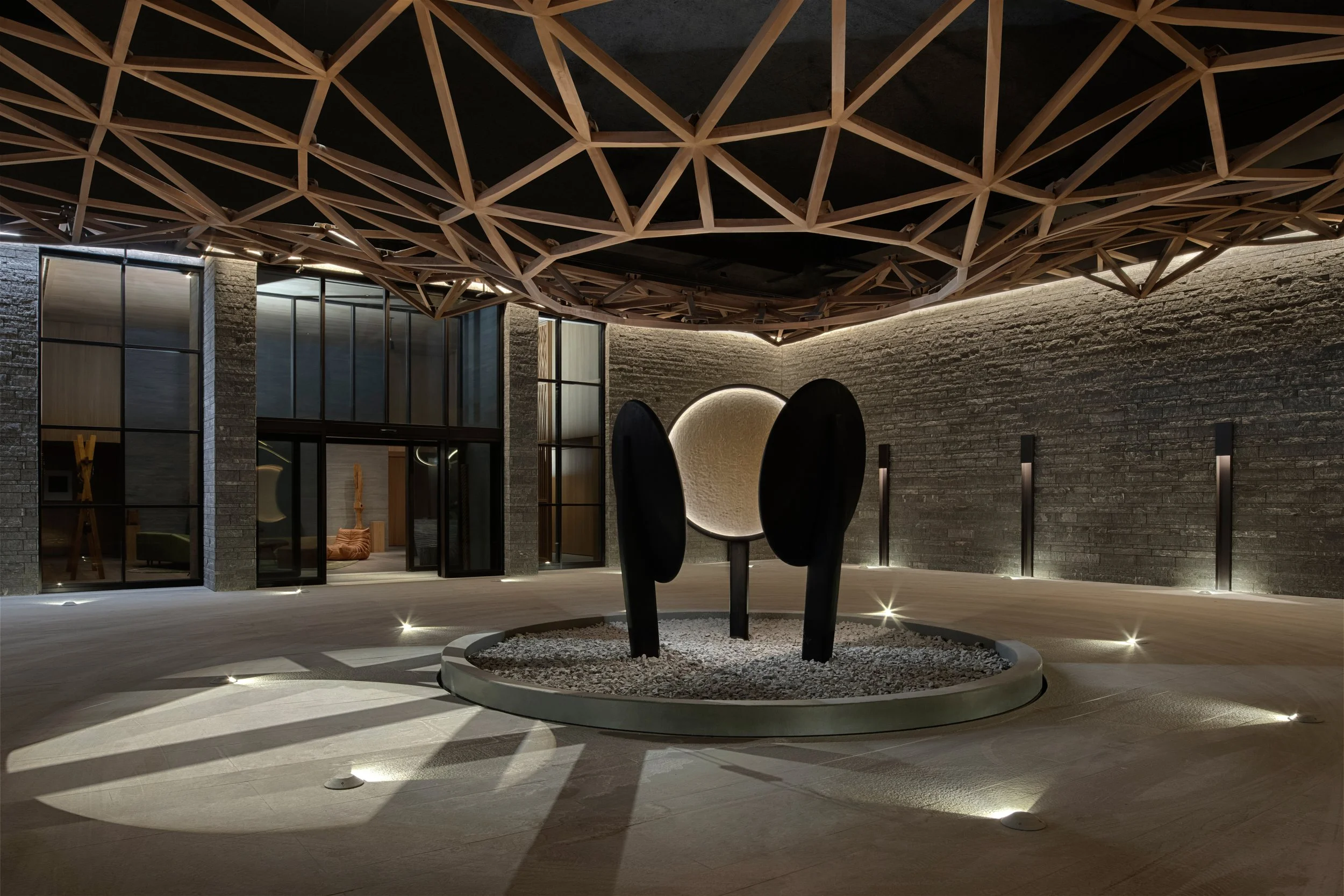
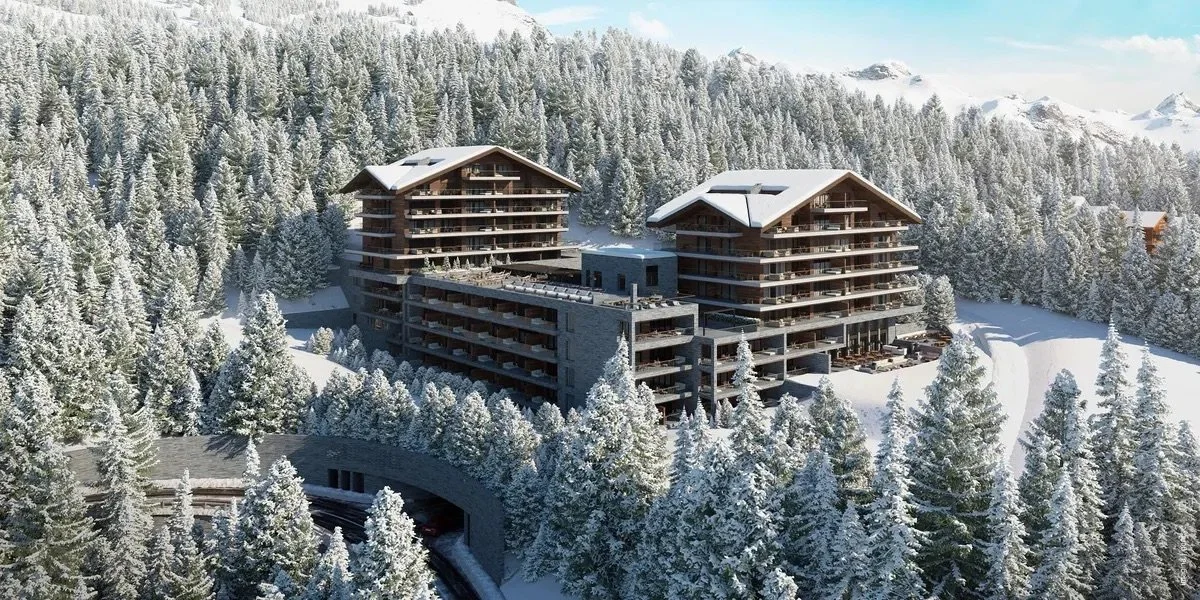
The arrival at Six Senses Crans-Montana begins within the mountain. A stone-lined entrance leads into an architectural interpretation of an Alpine cave, before the hotel gradually opens toward timber interiors, forest-facing terraces, and the light of the Rhône Valley. It is an introduction to a property whose design is closely tied to its setting.
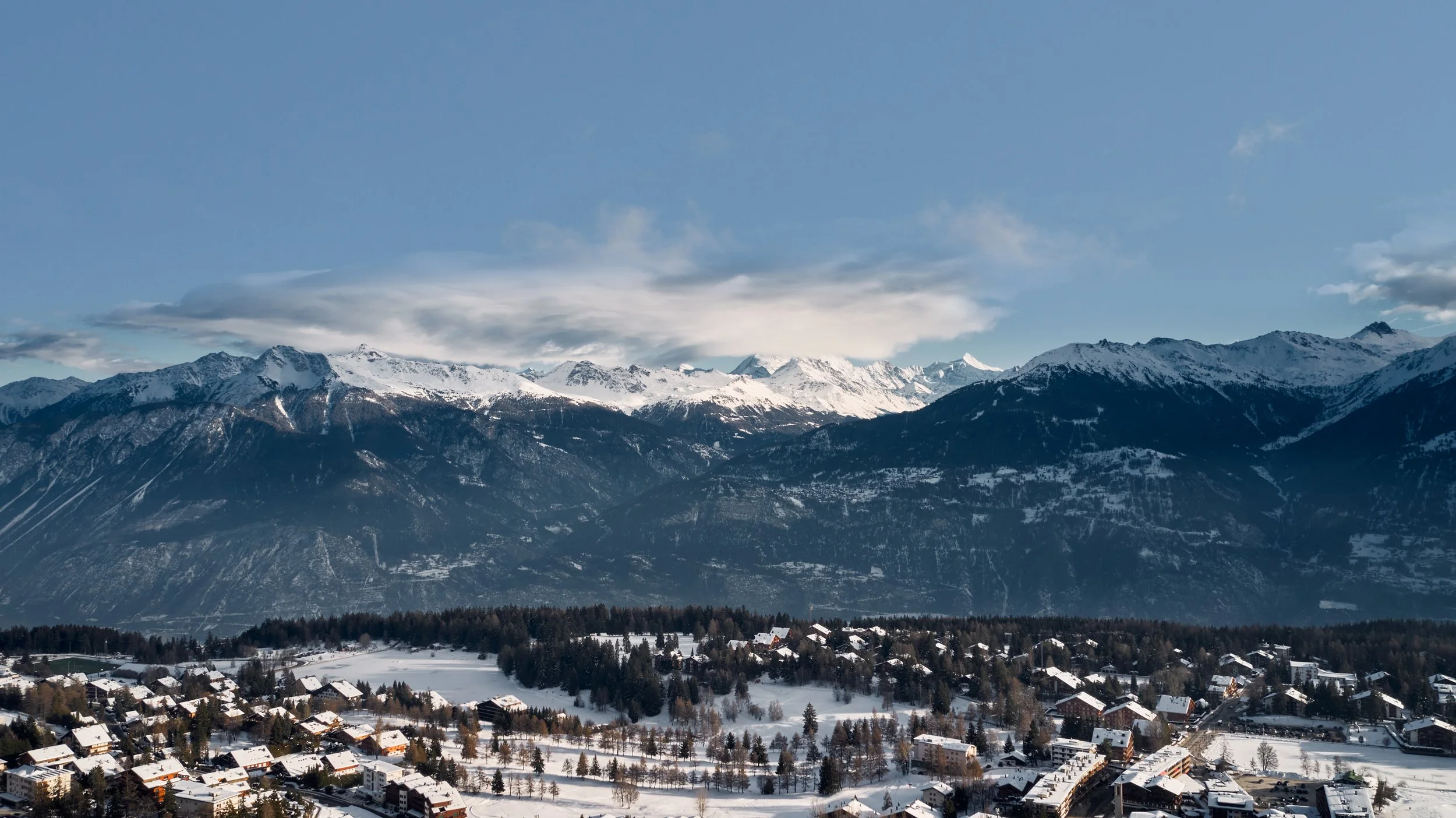
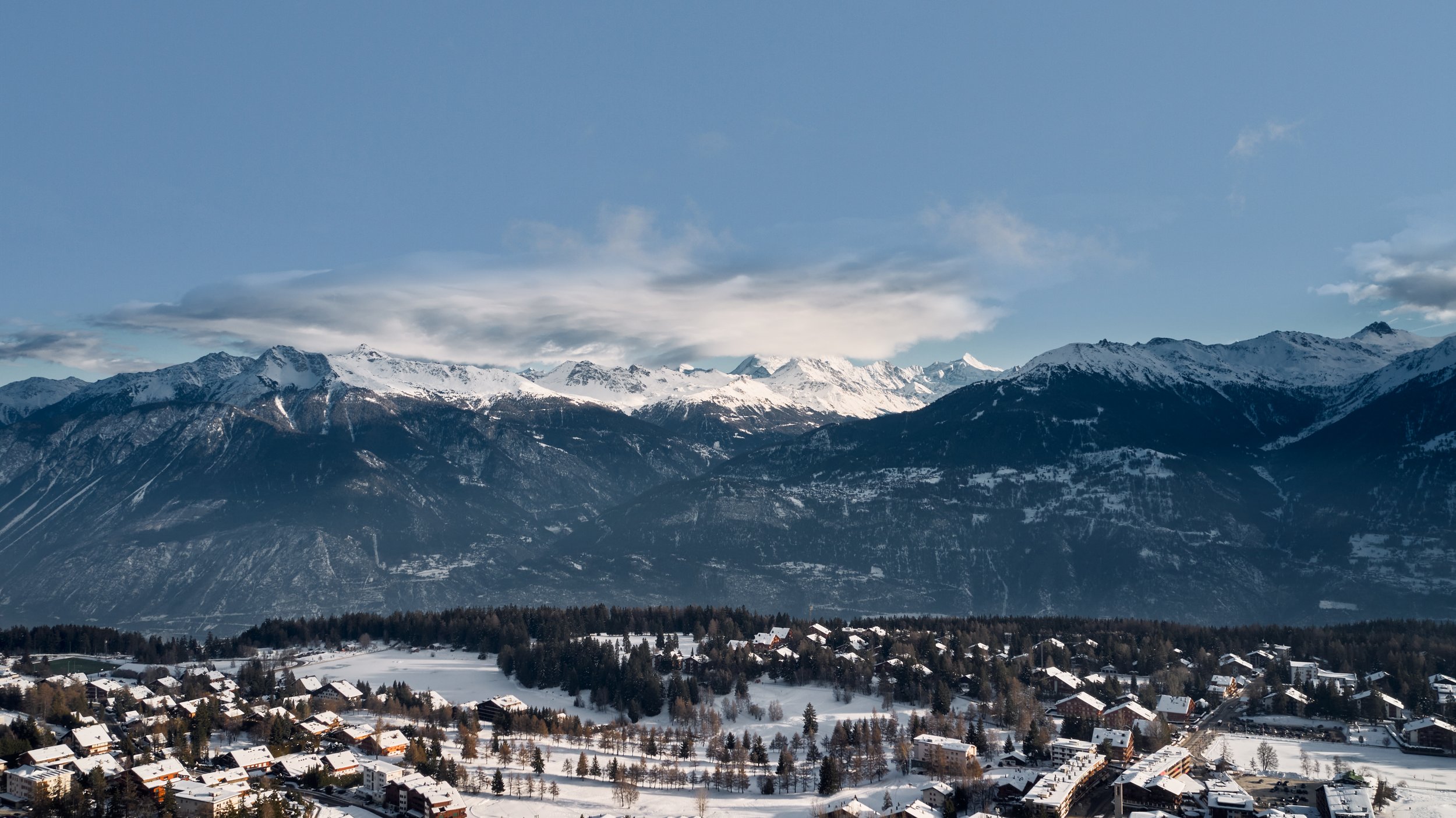
On a sunny plateau in the Swiss canton of Valais, approximately 4,900 feet above sea level, the hotel sits beside the Chetzeron piste, just above the Cry d’Er gondola in Crans. In winter, that location brings ski-in, ski-out access; in warmer months, it becomes a base for hiking, cycling, golf, and exploring the surrounding vineyards.
For us, the appeal is the balance between an active mountain holiday and a substantial wellness retreat. The spa has enough depth to shape a stay of its own, while the proximity to the village makes it easy to step beyond the hotel for shopping or dinner. In September 2026, Six Senses Crans-Montana received Two MICHELIN Keys, adding recognition to a property that has established its own identity within the Alpine hotel scene.
A New Chapter in a Long Mountain Tradition
Six Senses Crans-Montana opened in 2023, bringing the brand’s approach to wellness, sustainability, and experiential travel to this established Swiss resort. Additional rooms and suites were completed later that year, expanding the accommodation offering ahead of its first full festive season.
The destination’s hospitality history stretches considerably further back. Crans-Montana’s development began with the opening of Hôtel du Parc in 1893, followed by visitors drawn to the mountain air and broad landscape. Golf and skiing helped define its subsequent growth, with the first downhill race taking place in 1911.
That background gives the arrival of Six Senses a fitting context. The hotel’s focus on spending time outdoors and returning to a place of rest connects with the reasons travelers first came to the plateau, while its architecture and facilities reflect a contemporary approach to mountain hospitality.
It is also a destination with a life beyond the ski season. Golf courses, lakes, walking trails, and village restaurants support a summer stay with a character entirely different from a winter visit.
From Mountain Stone to Forest Light
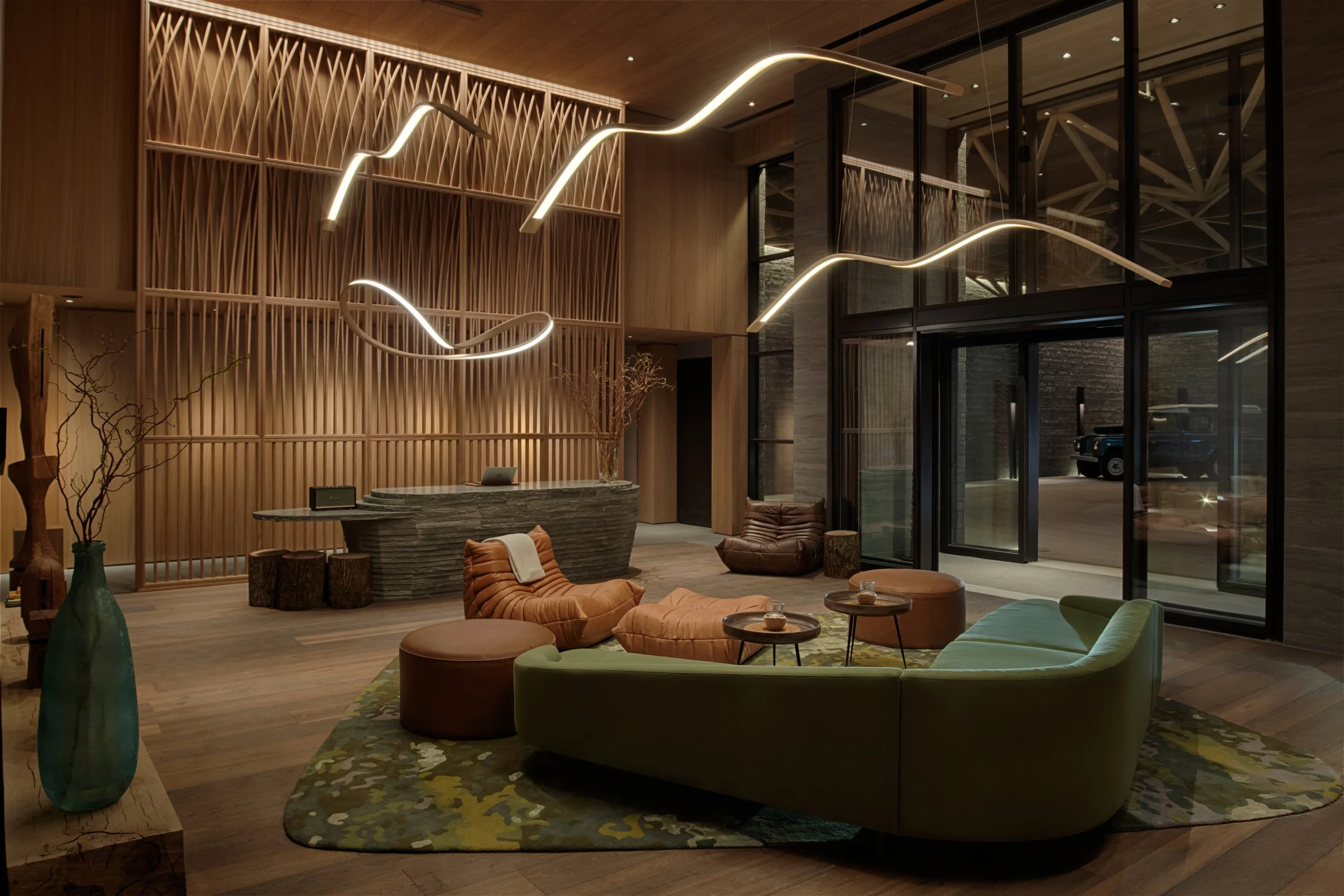
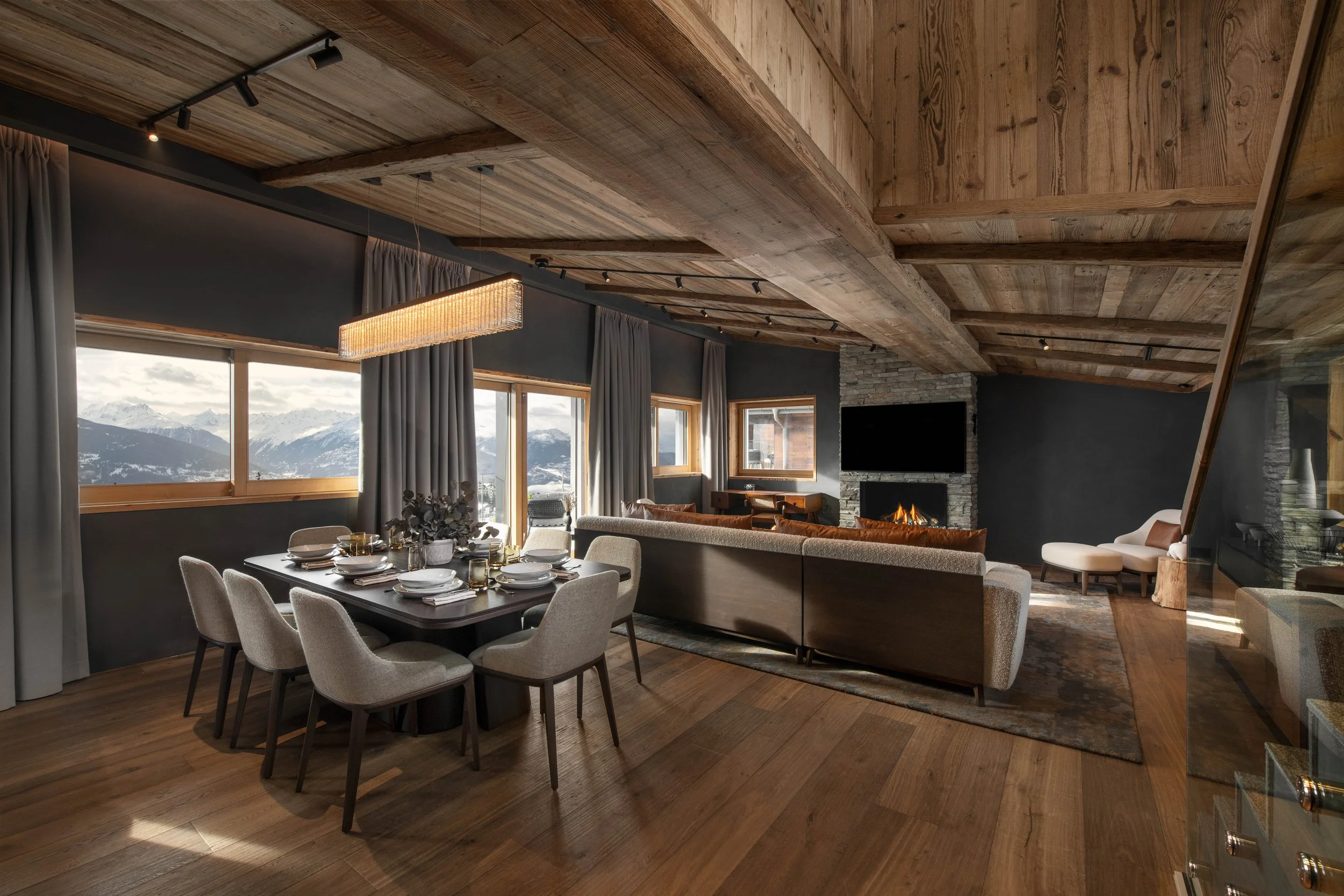
Architecture and interiors by AW² interpret the landscape through quartzite, larch, oak, and slate. The materials reference traditional local buildings, while the composition feels distinctly contemporary.
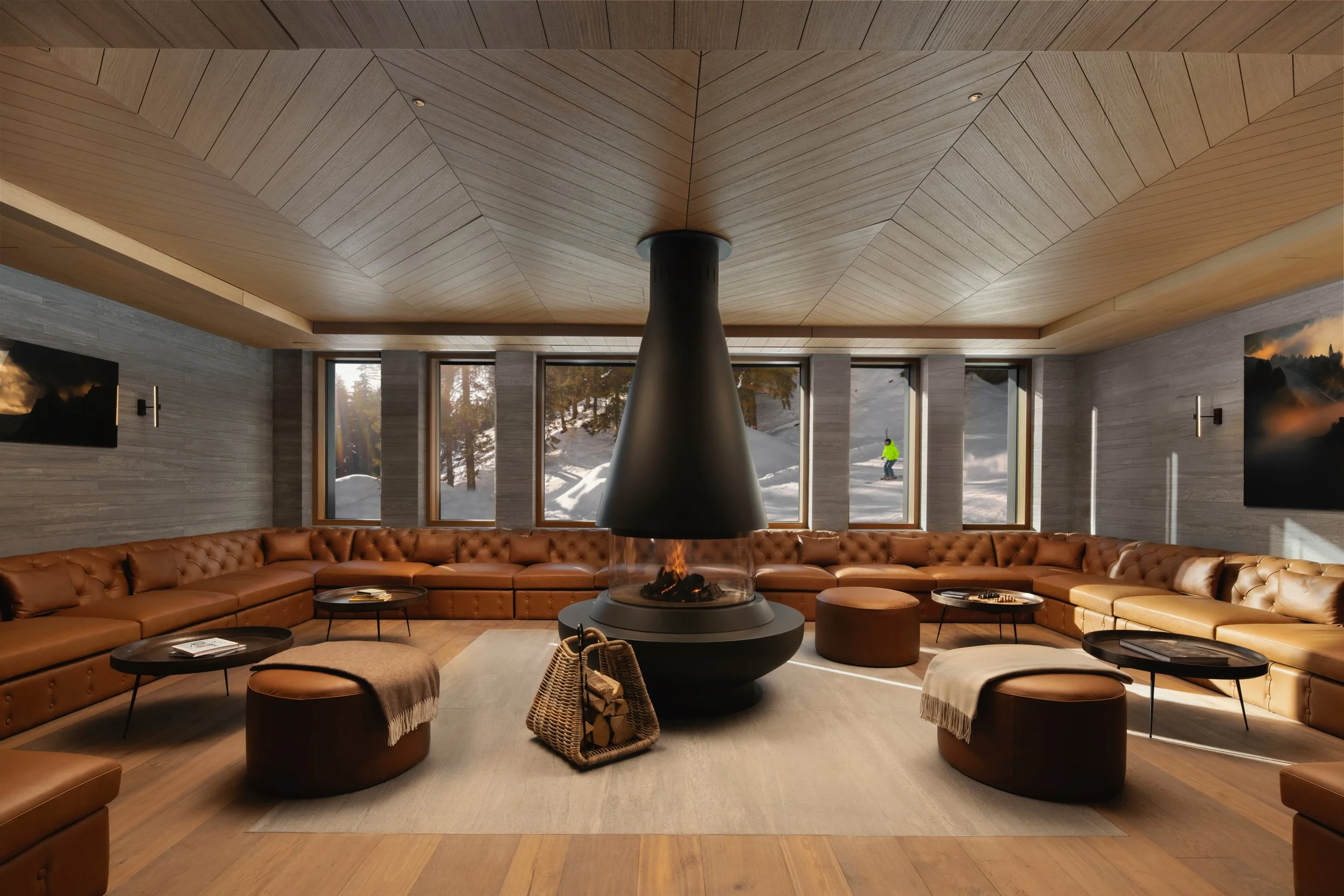
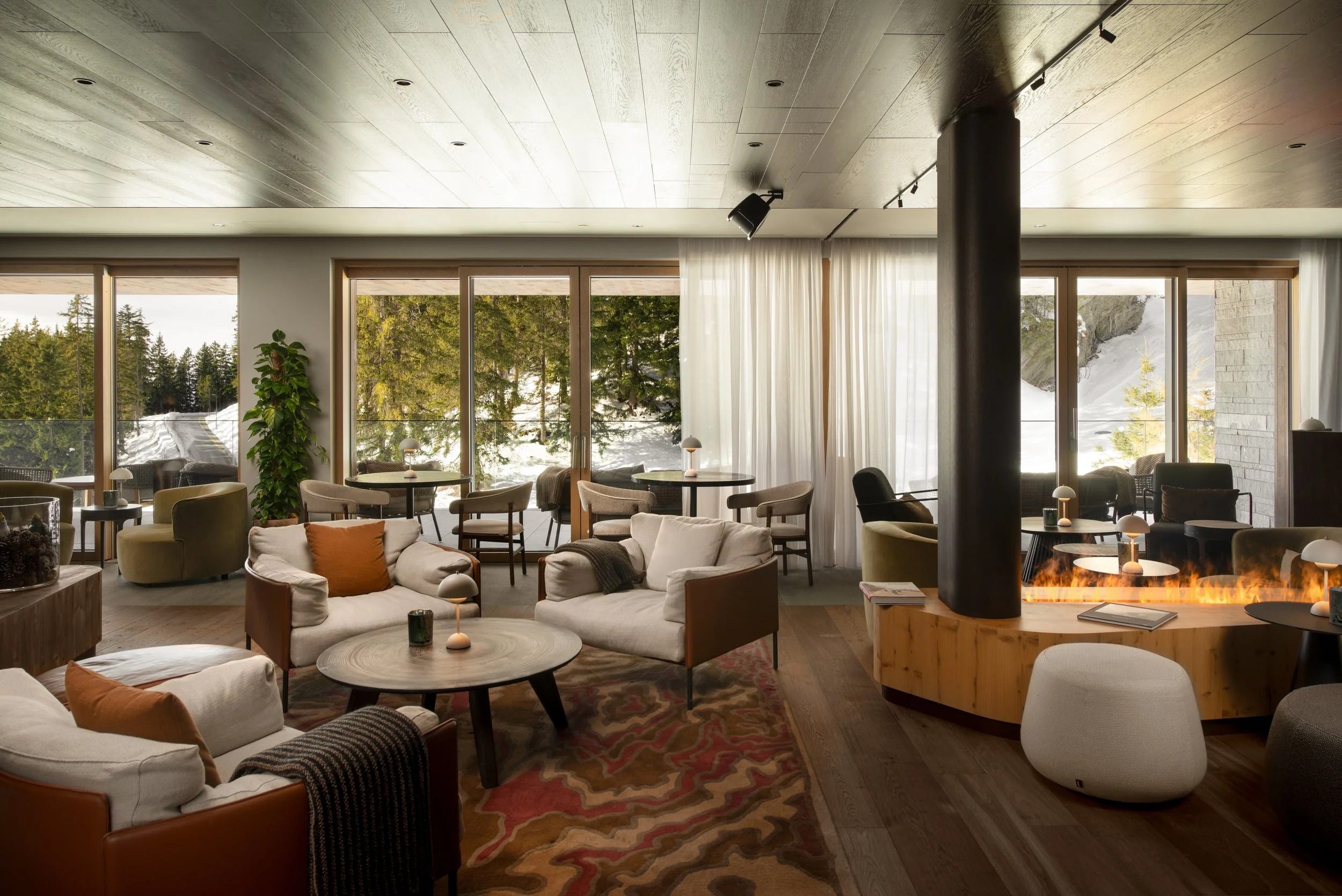
The entrance is deliberately enclosed and atmospheric. Moving upward through the hotel, spaces become brighter, with larger openings revealing trees, slopes, and the surrounding valley. An Alpine garden brings native planting into the center of the building, with an elevated walkway recalling the region’s historic irrigation channels, known as bisses.
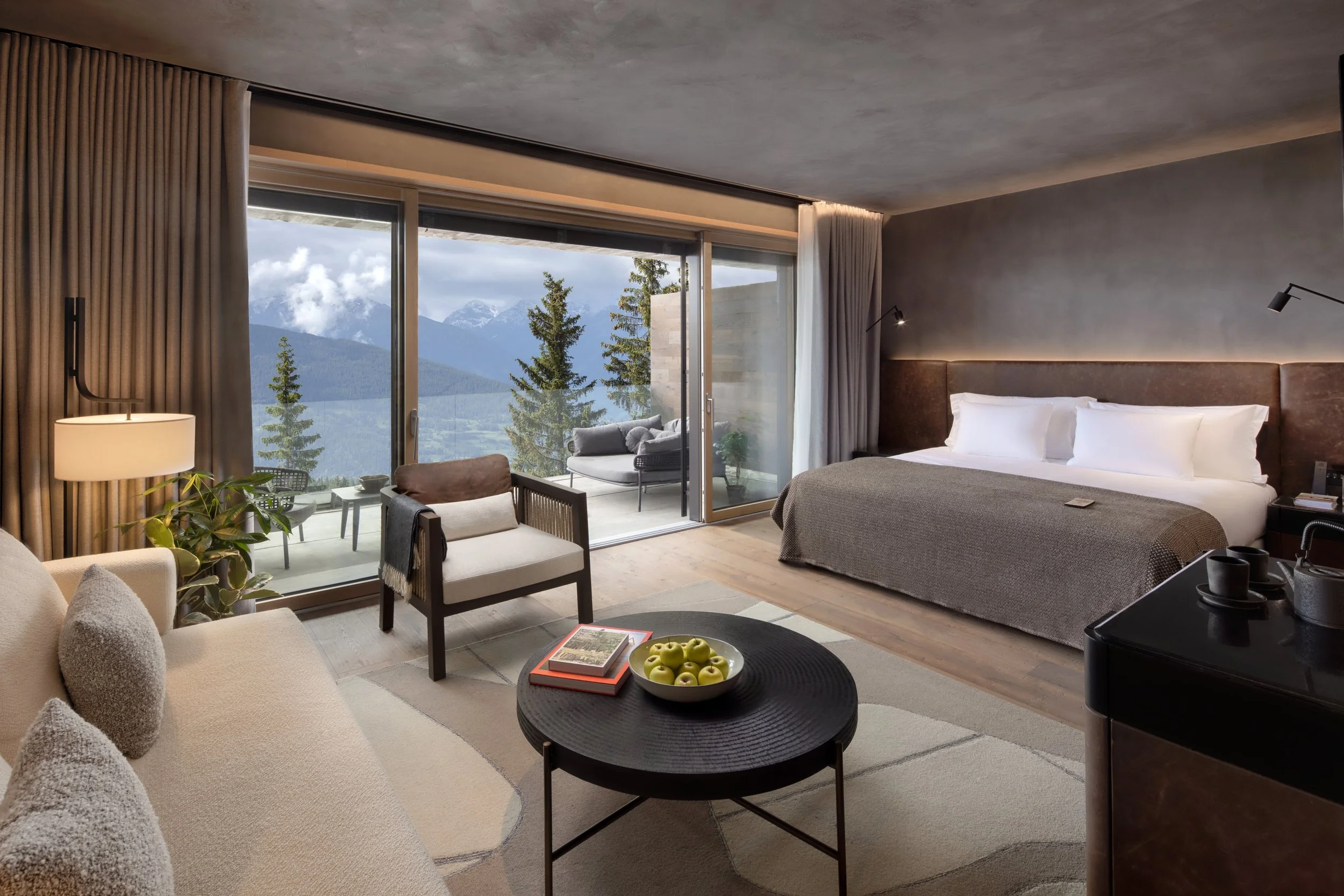
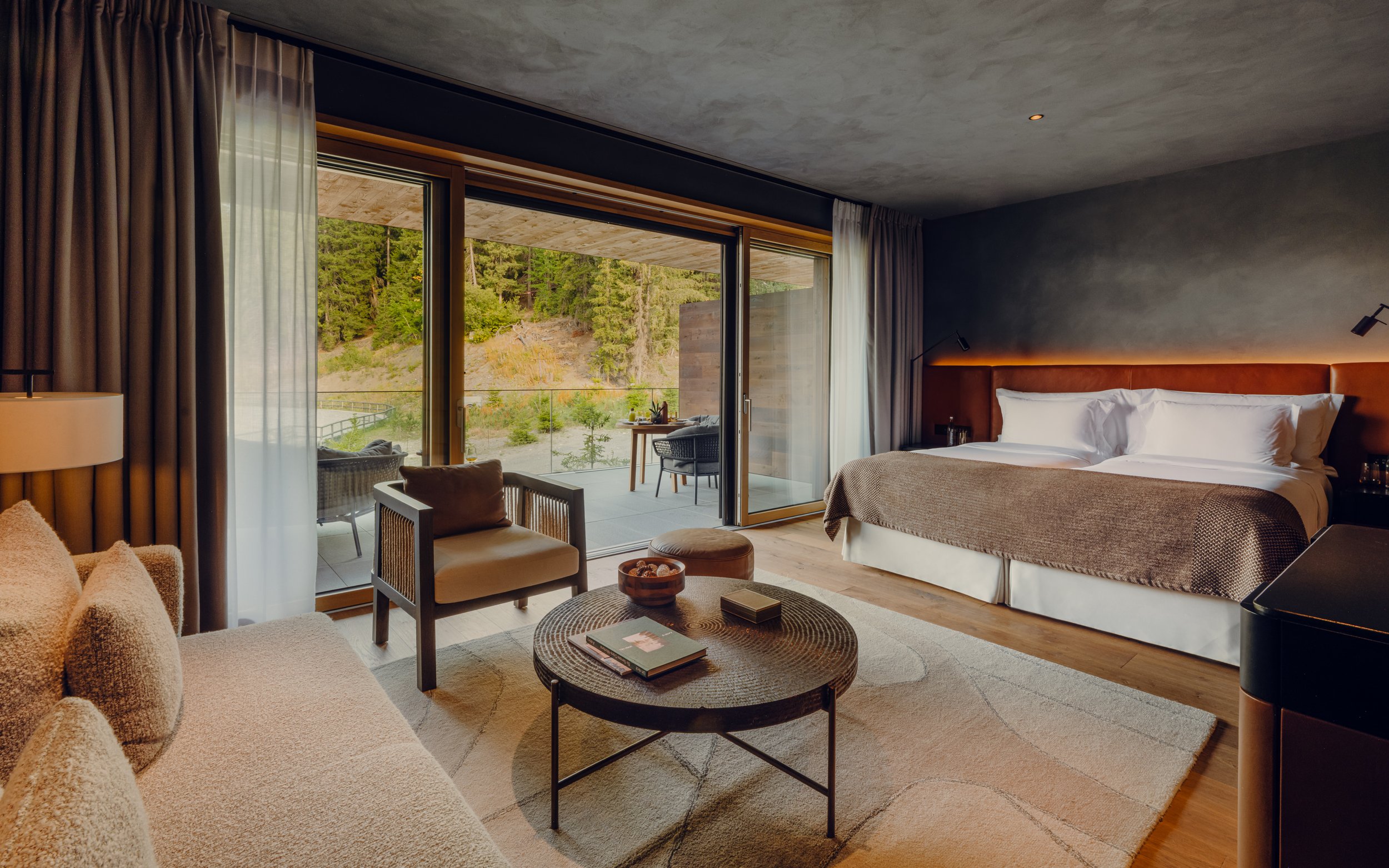
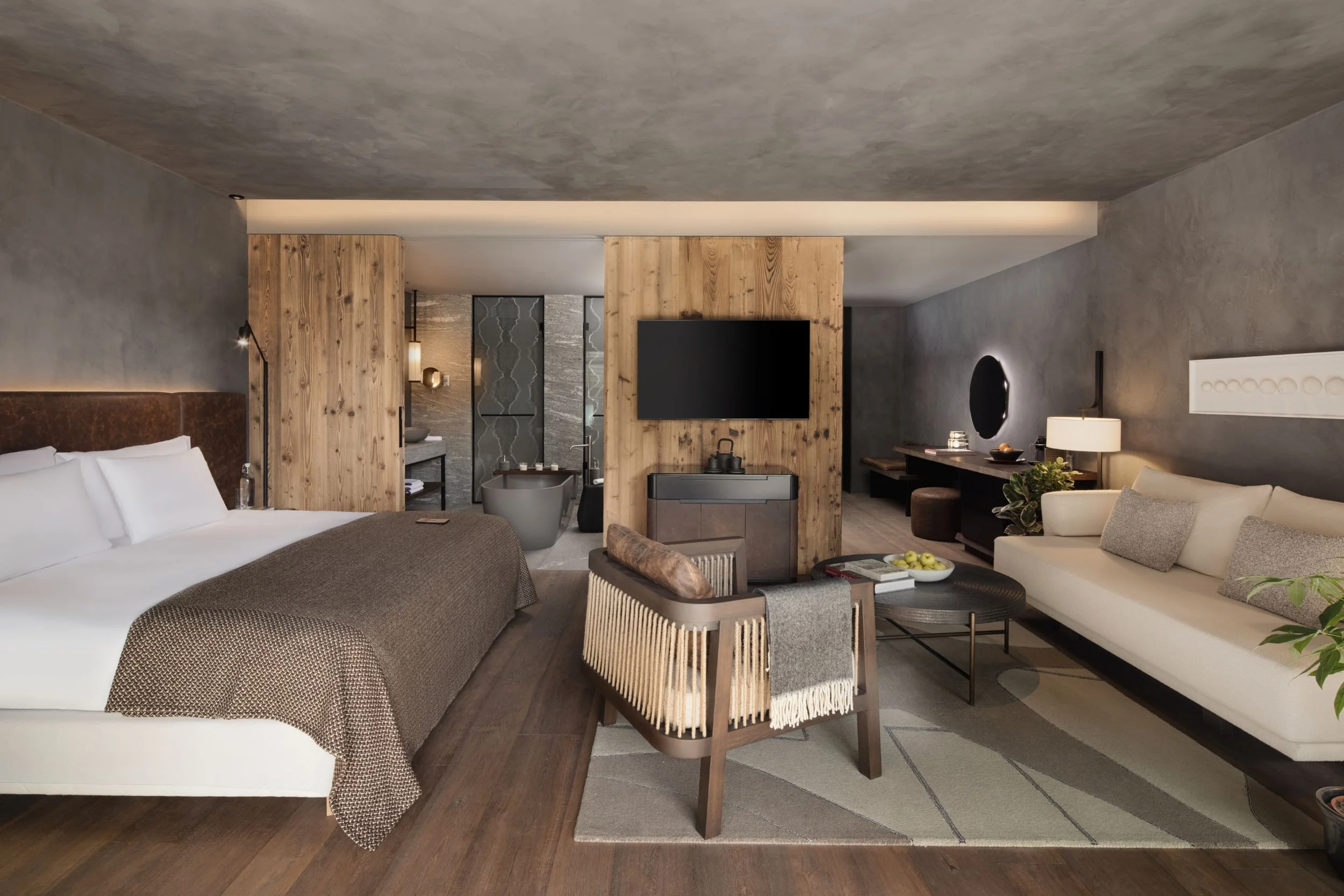
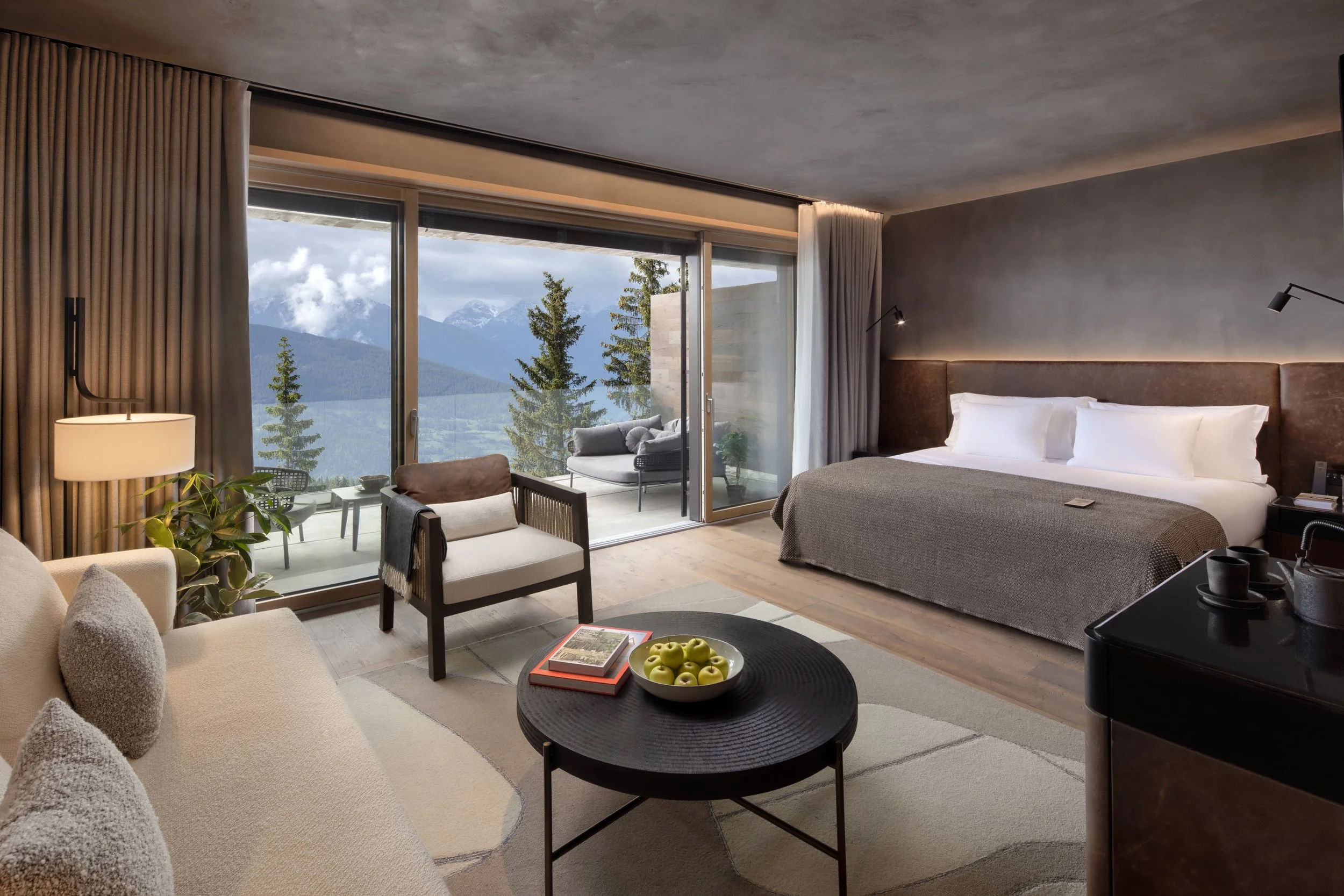
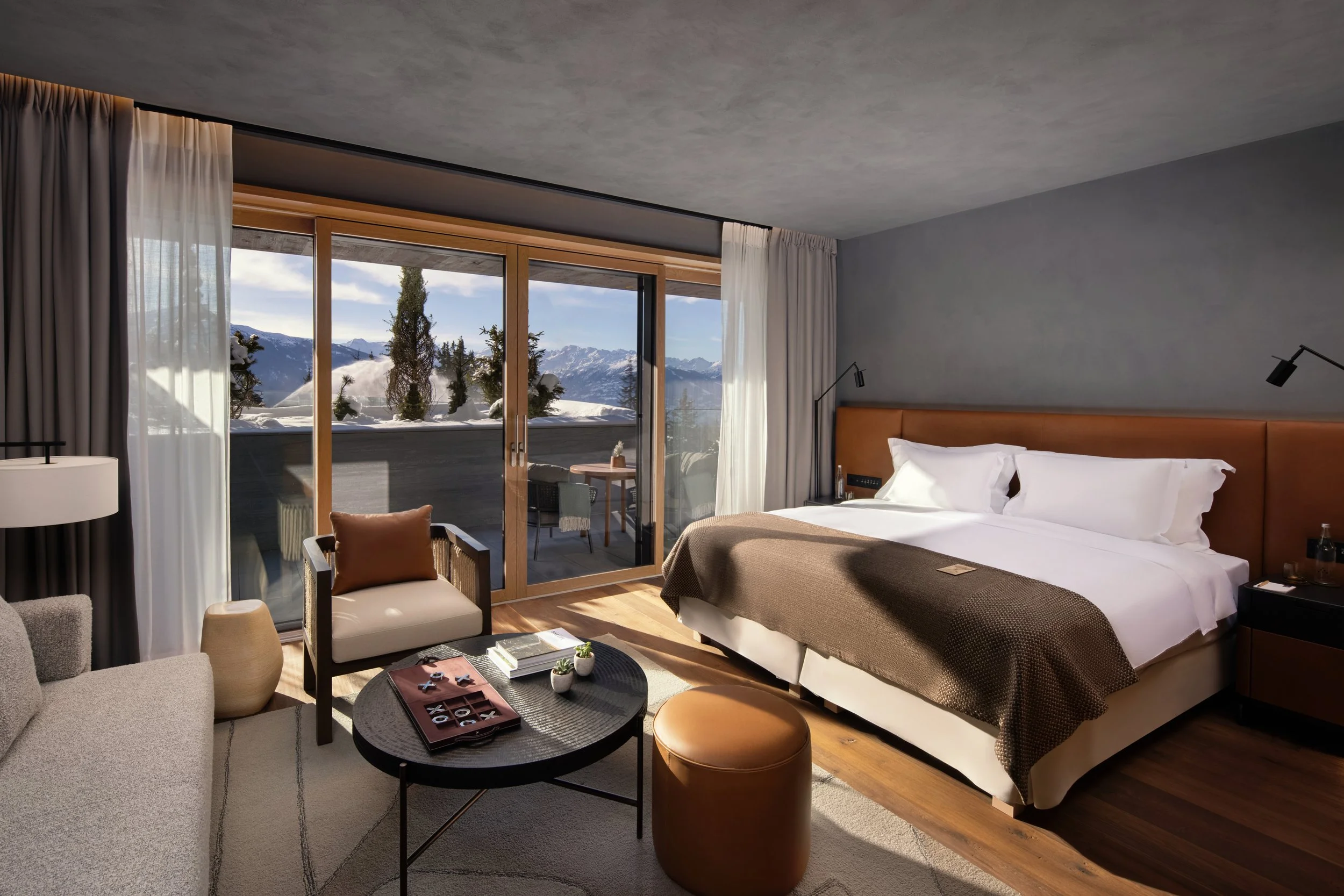
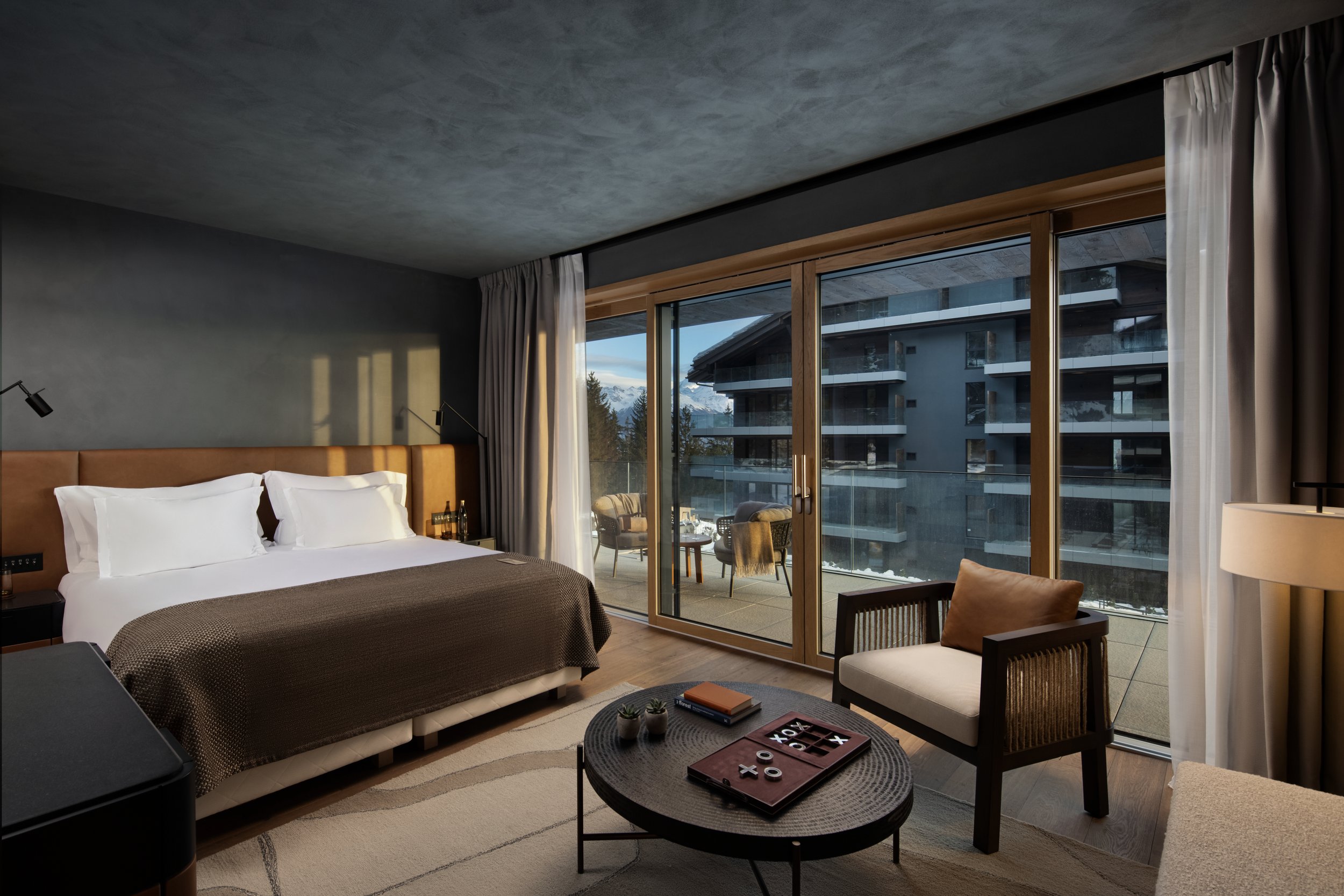
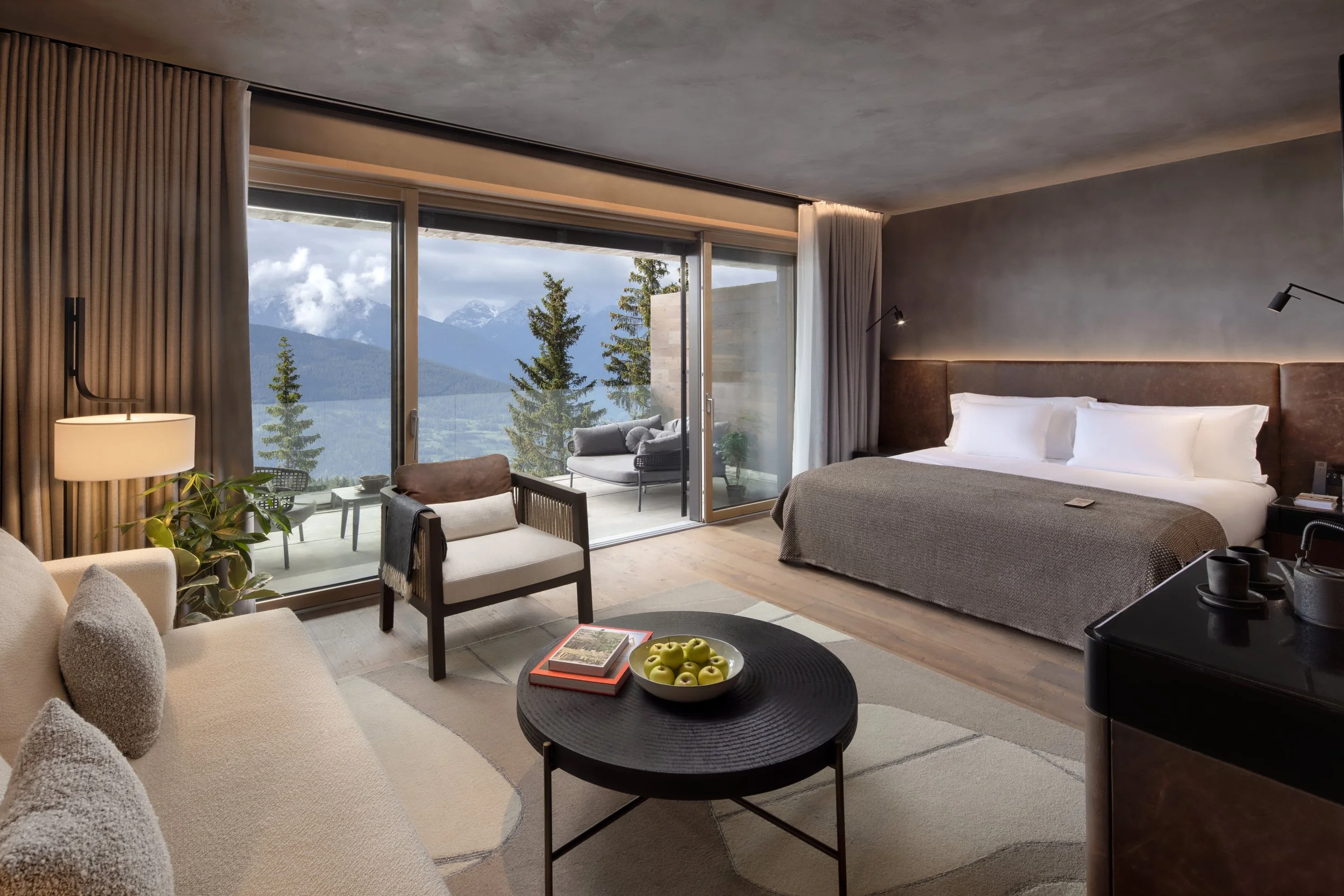
Guest rooms continue the mountain-cabin theme through textured wood, natural fabrics, and stone-toned finishes. Full-width windows and private terraces keep the landscape present even when the doors are closed.
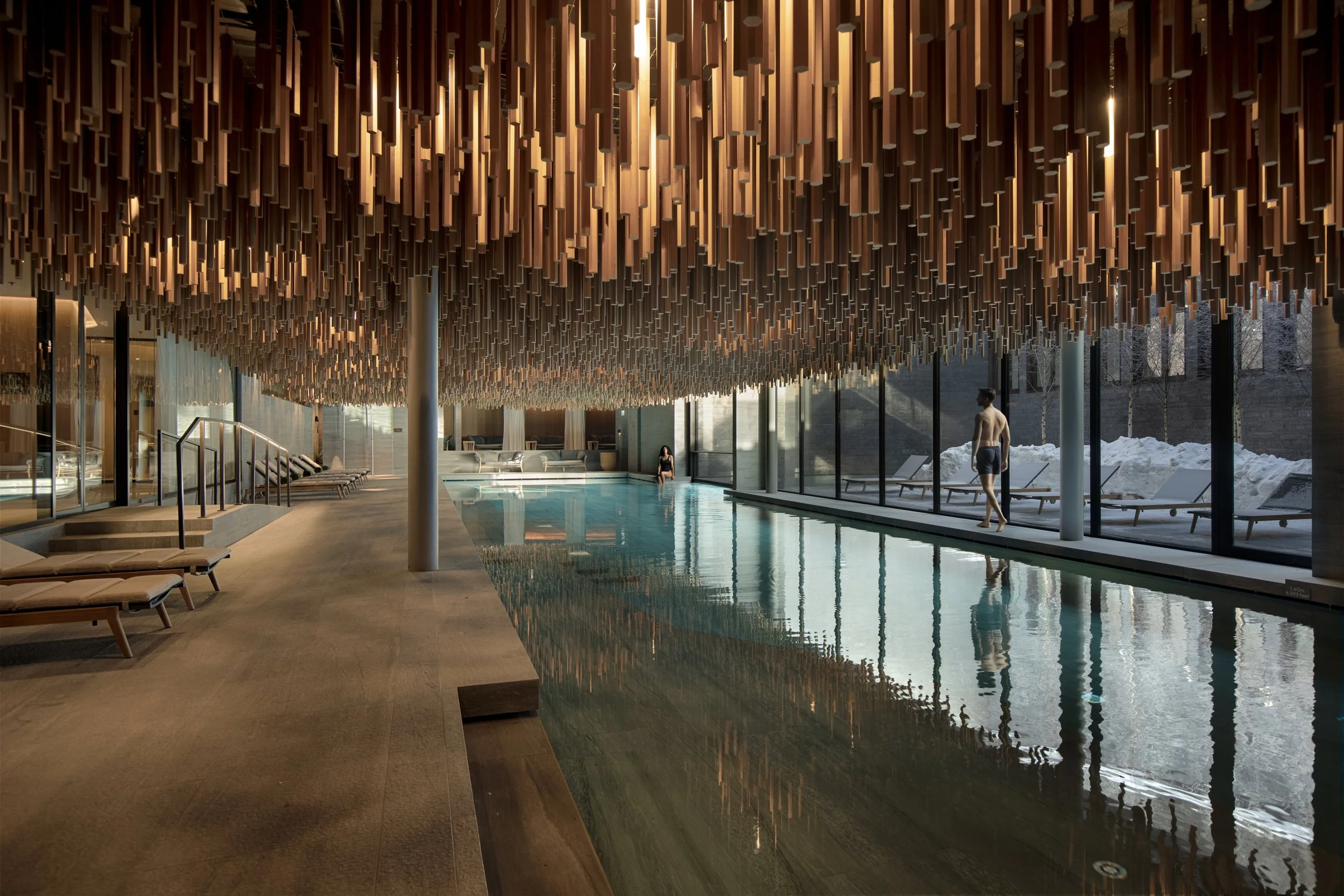
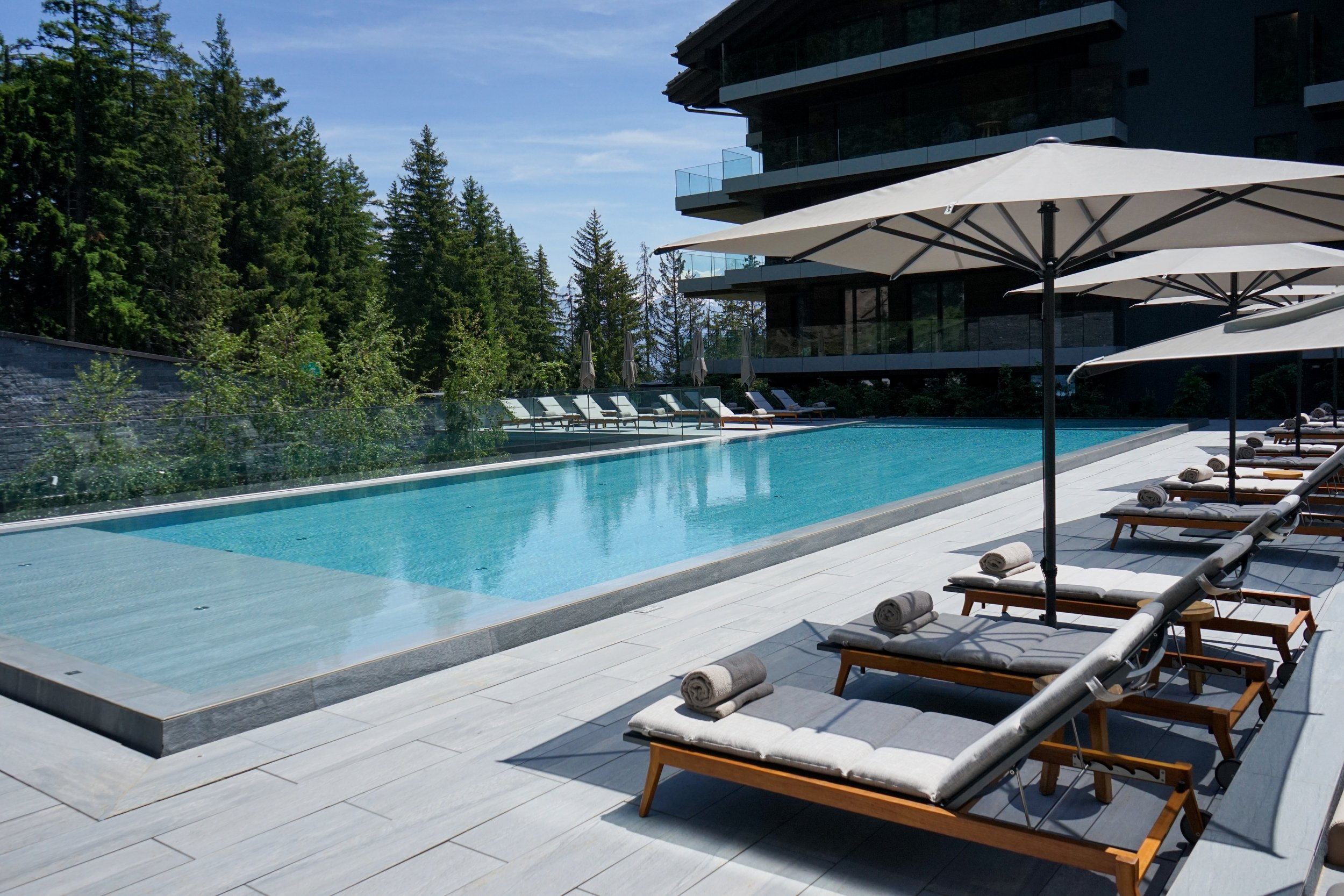
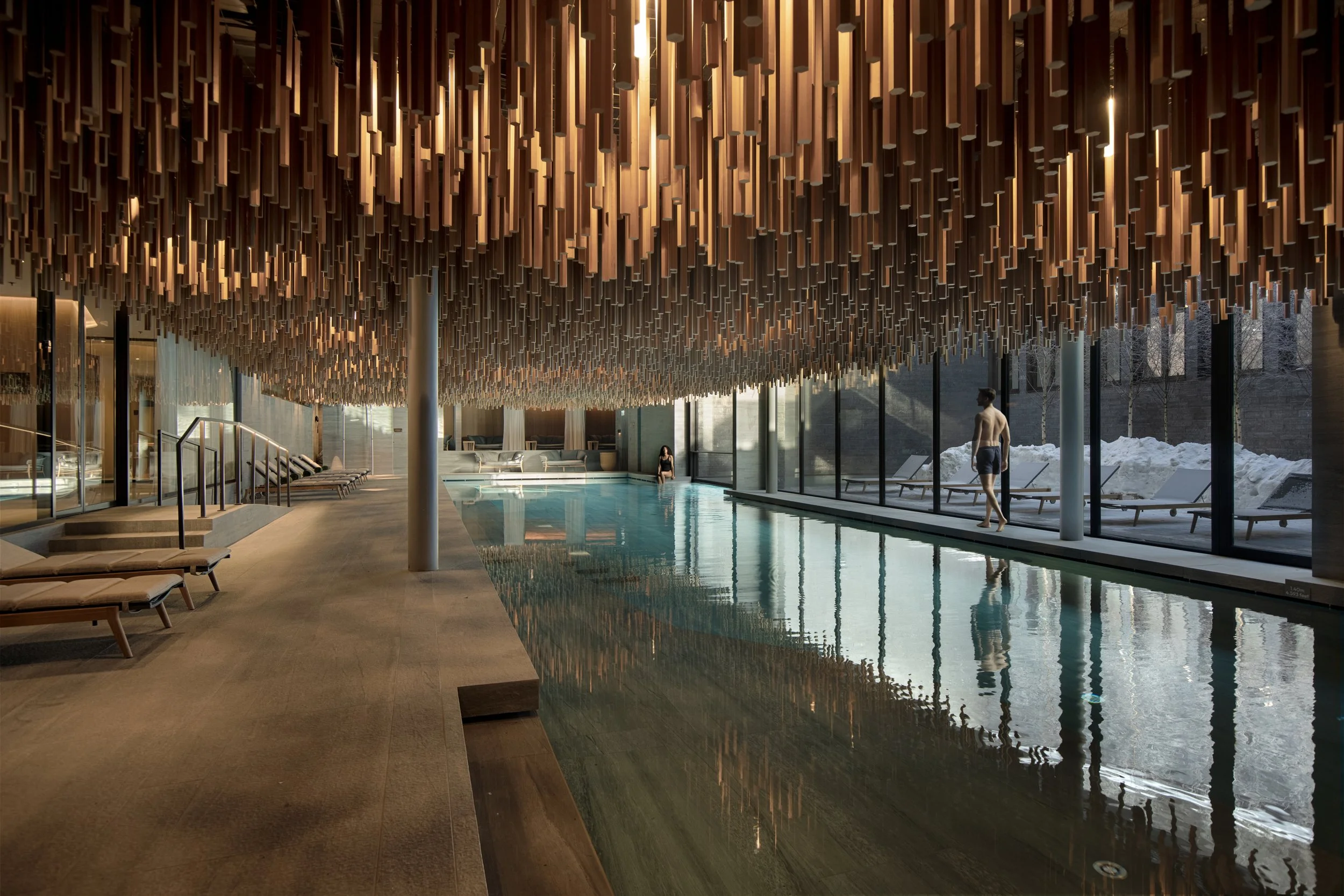
The indoor pool is one of the strongest architectural moments. A sculptural timber ceiling hangs above the water, its reflections changing with the light from the adjoining courtyard. Throughout the property, the most effective details are those that make the transition between shelter and landscape feel natural.
Private Terraces and Room to Settle In
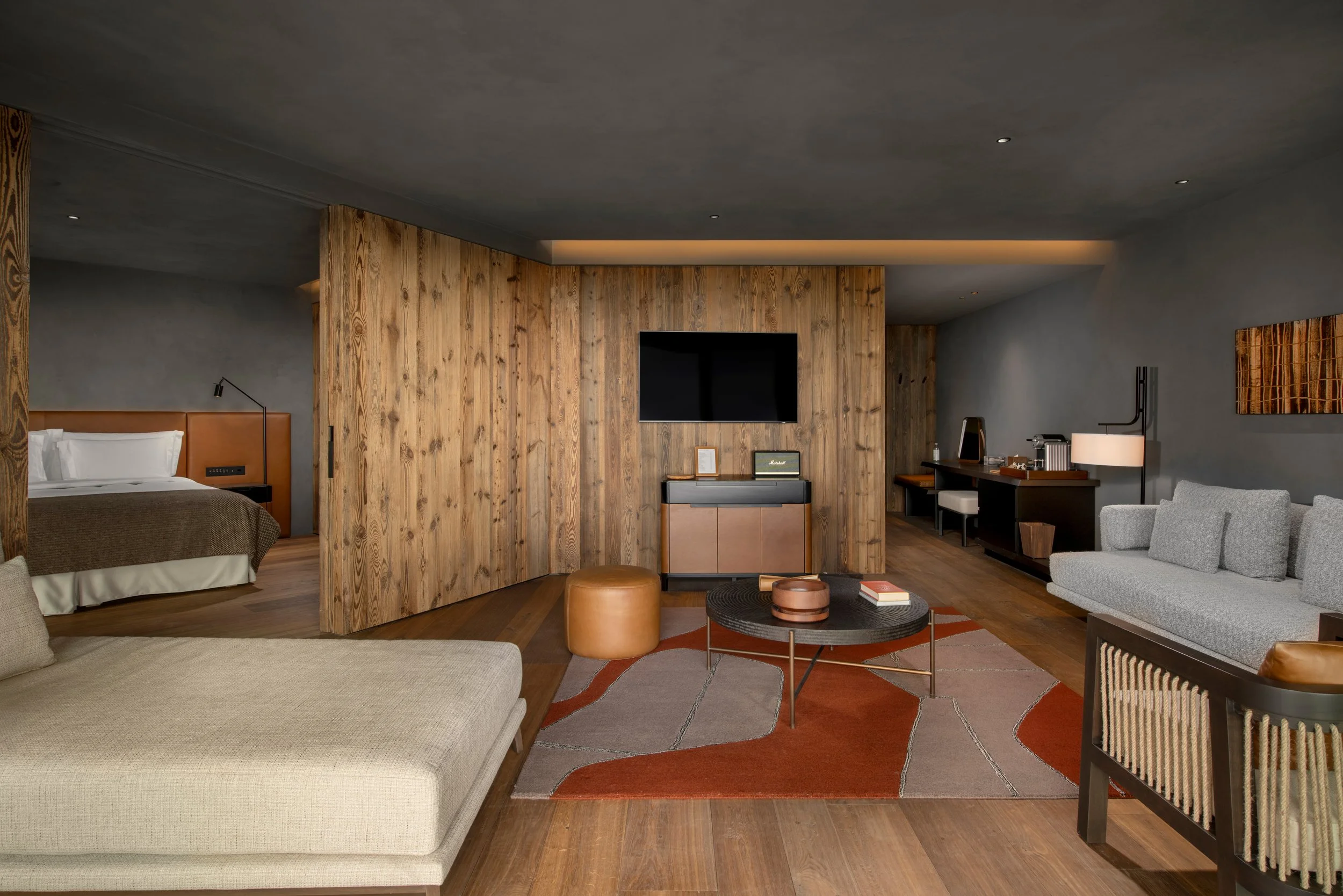
The accommodation collection includes rooms, suites, and a larger chalet configuration, with terraces providing outdoor living space across the categories. Views vary by position, taking in forest, pistes, the town, or the wider Alpine landscape.
The following sizes reflect the hotel’s published approximate square-foot measurements.
Terrace Room: Approximately 516–538 sq. ft., with contemporary chalet-inspired interiors, a comfortable sitting area, and a private terrace overlooking the Alpine forest, providing a quiet place to unwind after a day outdoors.
Superior Terrace Room: Approximately 495–538 sq. ft., combining high ceilings, large windows, and warm natural materials with a terrace facing the surrounding forest and ski slopes, with king or twin bedding options.
Premium Superior Terrace: Approximately 495–538 sq. ft., with king or twin beds and a single daybed, a bathroom with a bathtub and rain shower, and a private terrace overlooking the forest and pistes.
Deluxe Terrace Room: Approximately 516–559 sq. ft., featuring wood finishes, mineral-toned walls, and a stone-faced bathroom, with a generous terrace framing forest scenery and glimpses of the slopes and distant mountains.
Family Room: Approximately 1,033–1,119 sq. ft., offering a two-bedroom configuration with king or twin bedding options, daybeds, and outdoor terrace space, giving families more room to spend time together and maintain separate sleeping arrangements.
Corner Suite: Approximately 764 sq. ft., with king or twin beds, a single daybed, a spacious sitting area, and a terrace taking in town and slope views, suited to couples or a small family seeking additional space.
Terrace Suite: Approximately 764–936 sq. ft., combining a king bedroom and separate living room with a guest powder room, private sauna, and a generous terrace overlooking the forest and surrounding Alpine scenery.
Three-Bedroom Terrace Suite: Approximately 1,615 sq. ft., located on an upper floor with two king bedrooms and one twin bedroom, each with an ensuite bathroom, alongside a large living room, private sauna, and outdoor terrace.
Four-Bedroom Chalet: Approximately 2,303 sq. ft., with four king bedrooms and ensuite bathrooms, a full kitchen, separate living and dining areas, and an expansive terrace for outdoor meals and time together overlooking the forest and mountains.
We would choose by outlook and layout as carefully as by category. A forest-facing terrace offers a different atmosphere from a town-facing suite, while the private sauna in selected suites becomes particularly appealing after skiing.
One practical detail for summer travelers: the hotel lists an air-circulation system rather than conventional air conditioning in its accommodations. Accessible room configurations also differ from the standard layouts, including shower-only bathrooms.
Mountain Ingredients and Japanese Craft
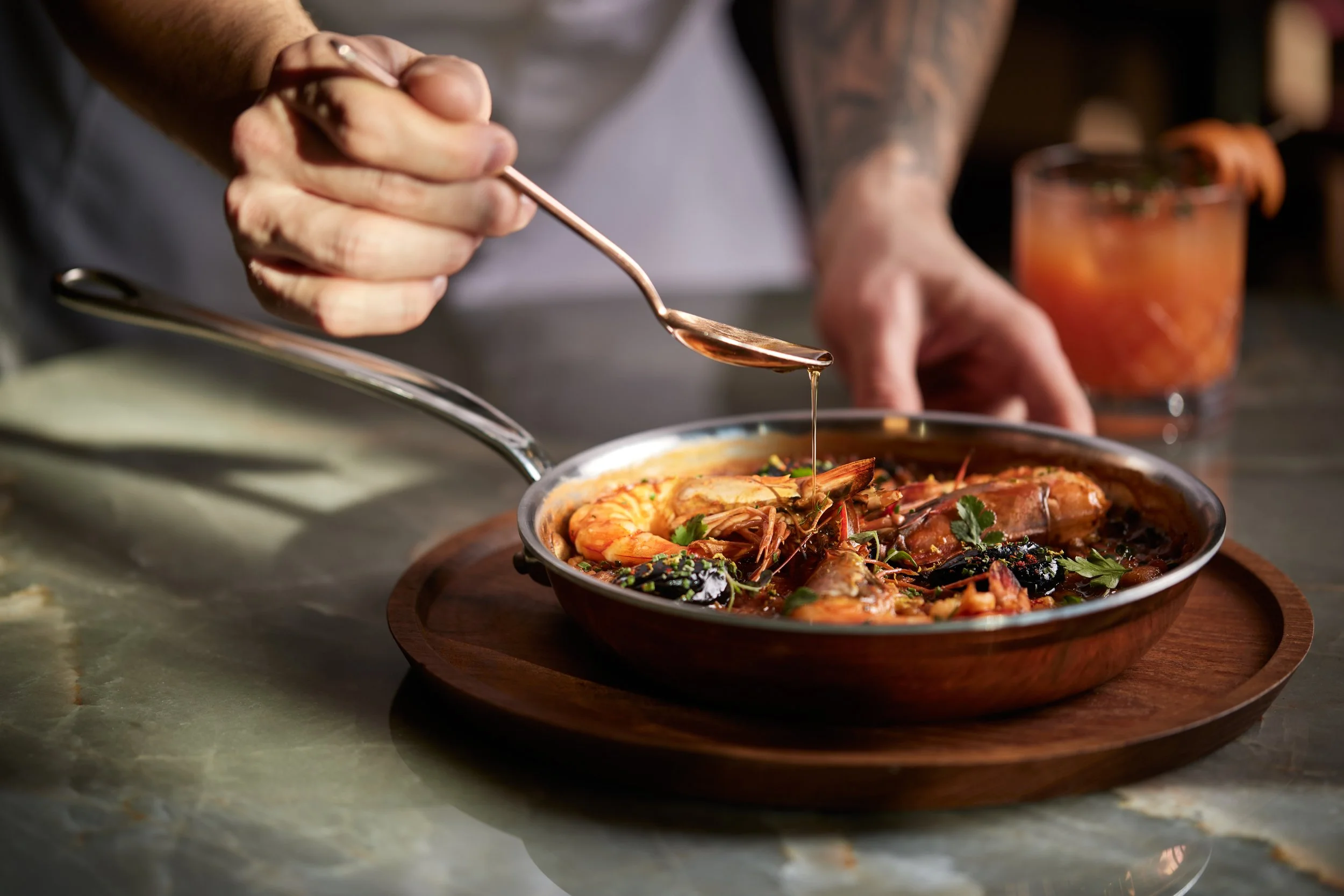
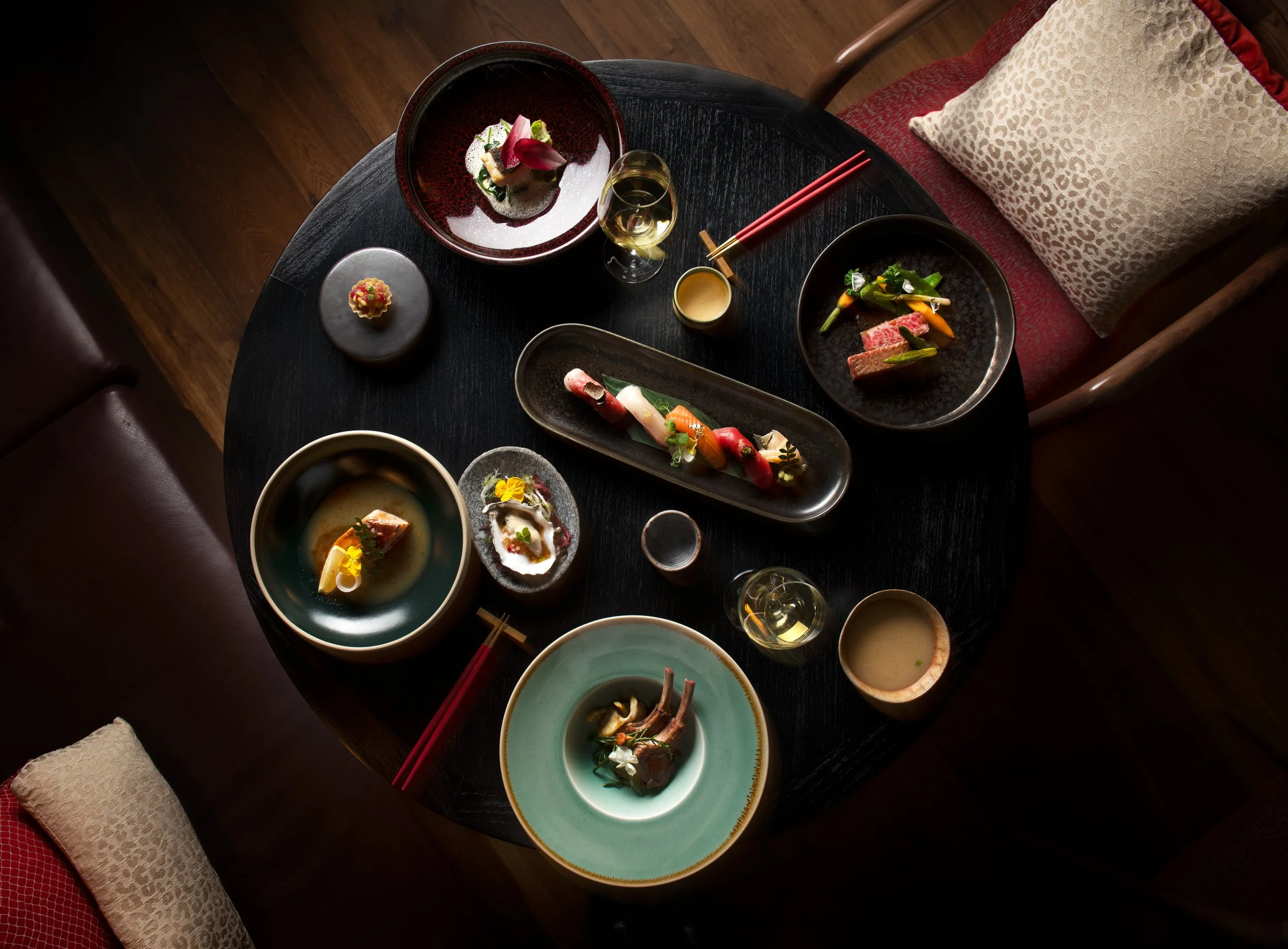
Dining moves between an all-day Alpine brasserie, Japanese cuisine, and spaces for drinks or a relaxed meal. The combination gives a longer stay variety without requiring an elaborate dining plan every evening.
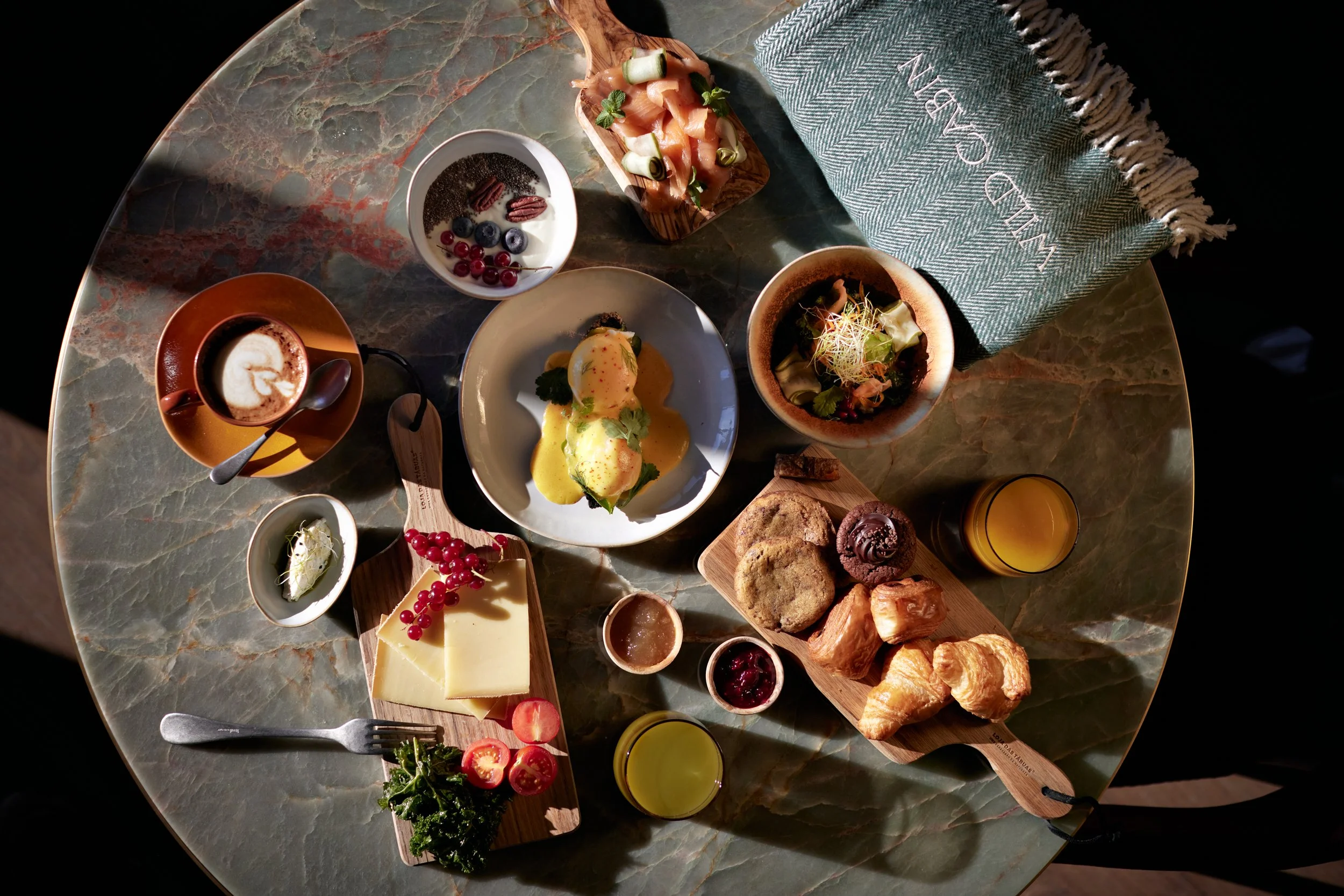
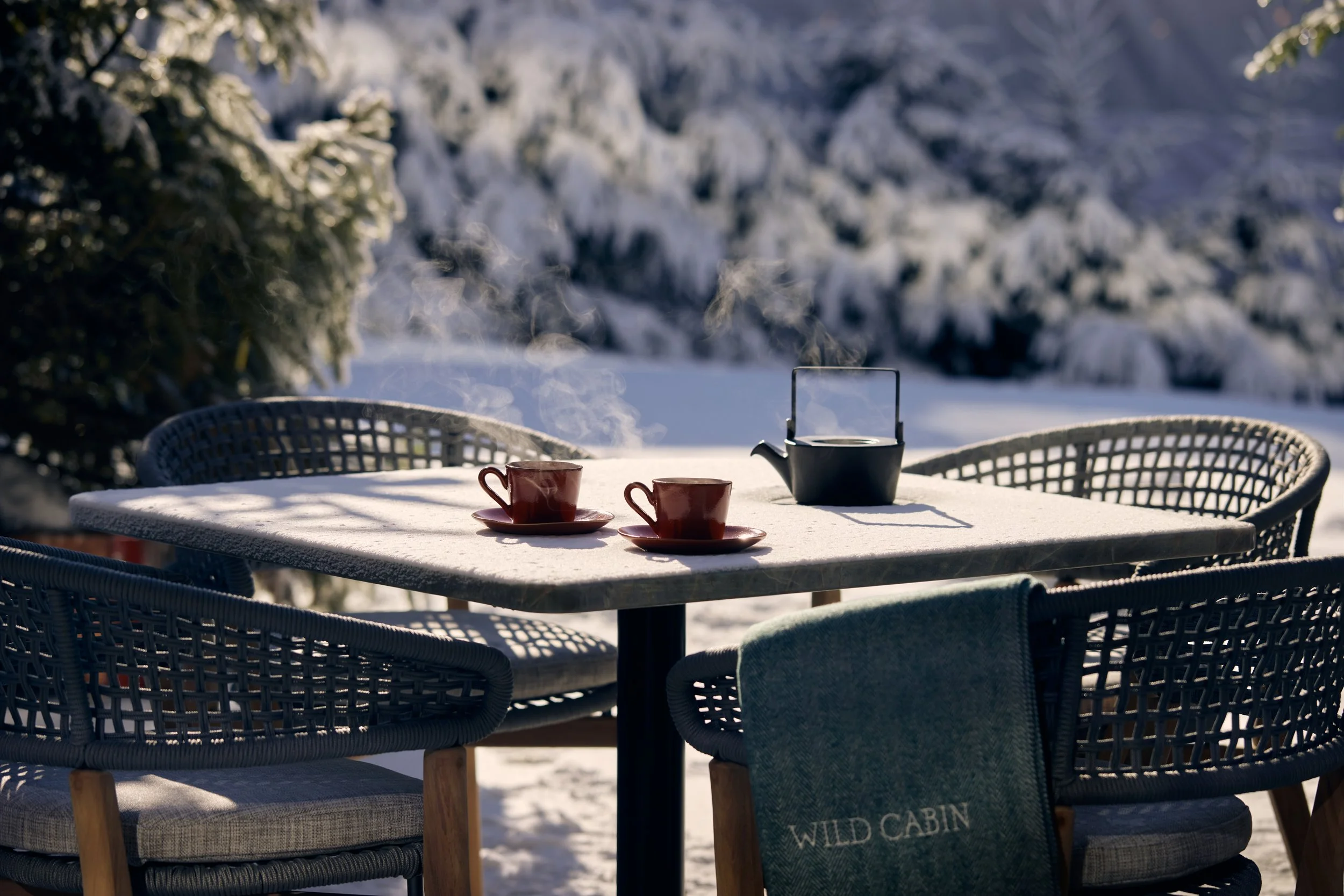
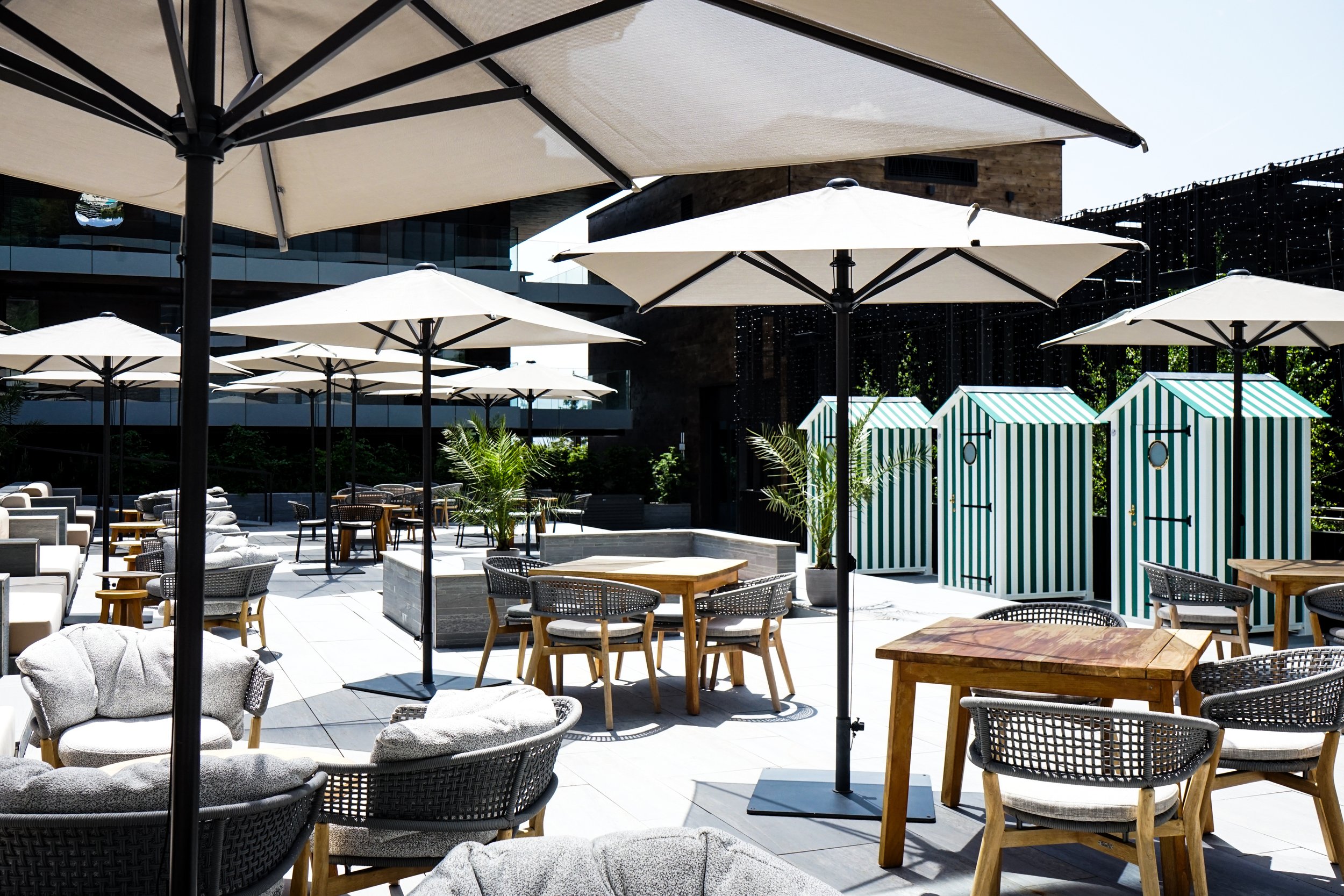
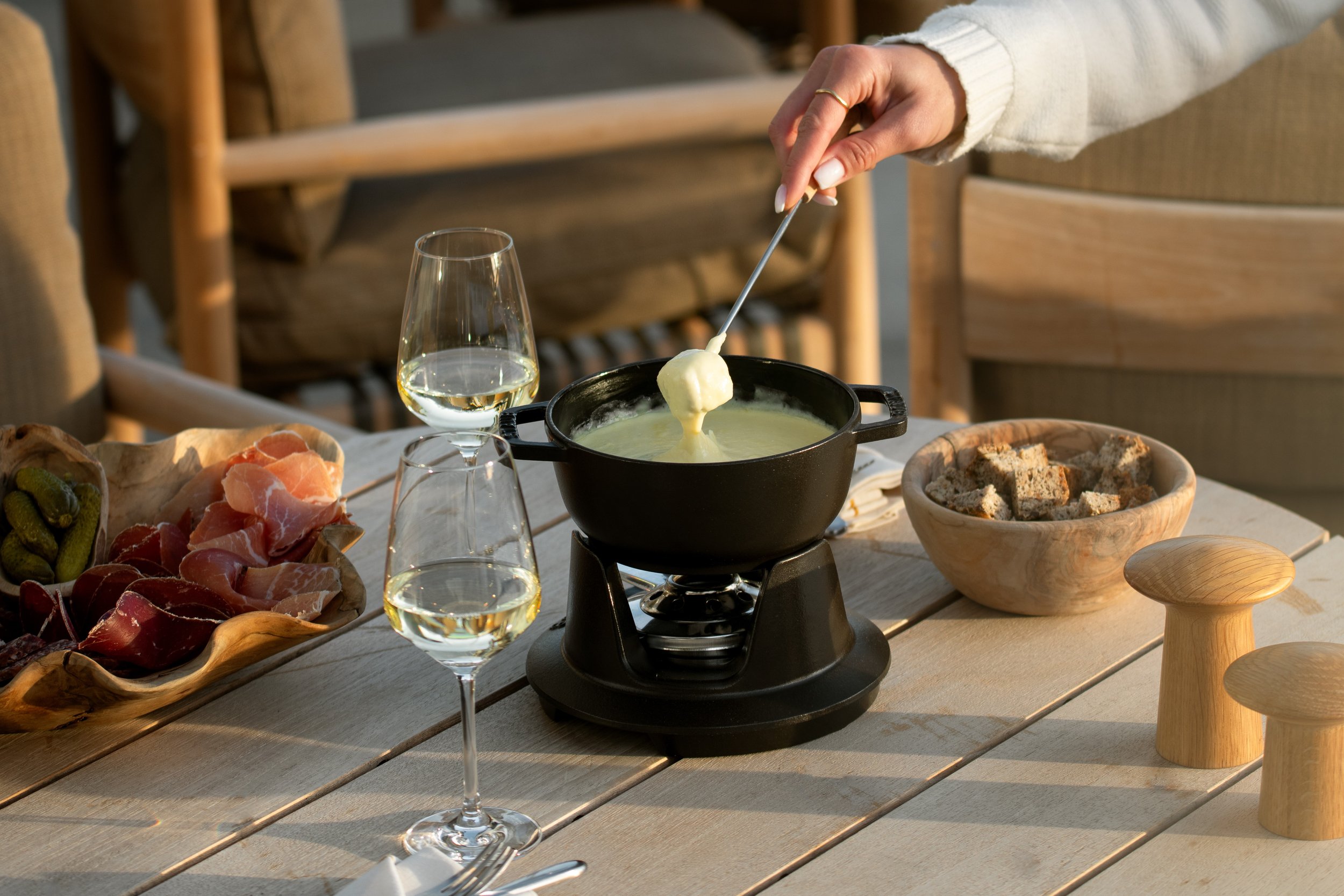
Wild Cabin: The hotel’s all-day brasserie draws on responsibly sourced ingredients from Valais and beyond, with mountain-inspired dishes served in a light-filled interior and on a terrace beside the forest and slopes.
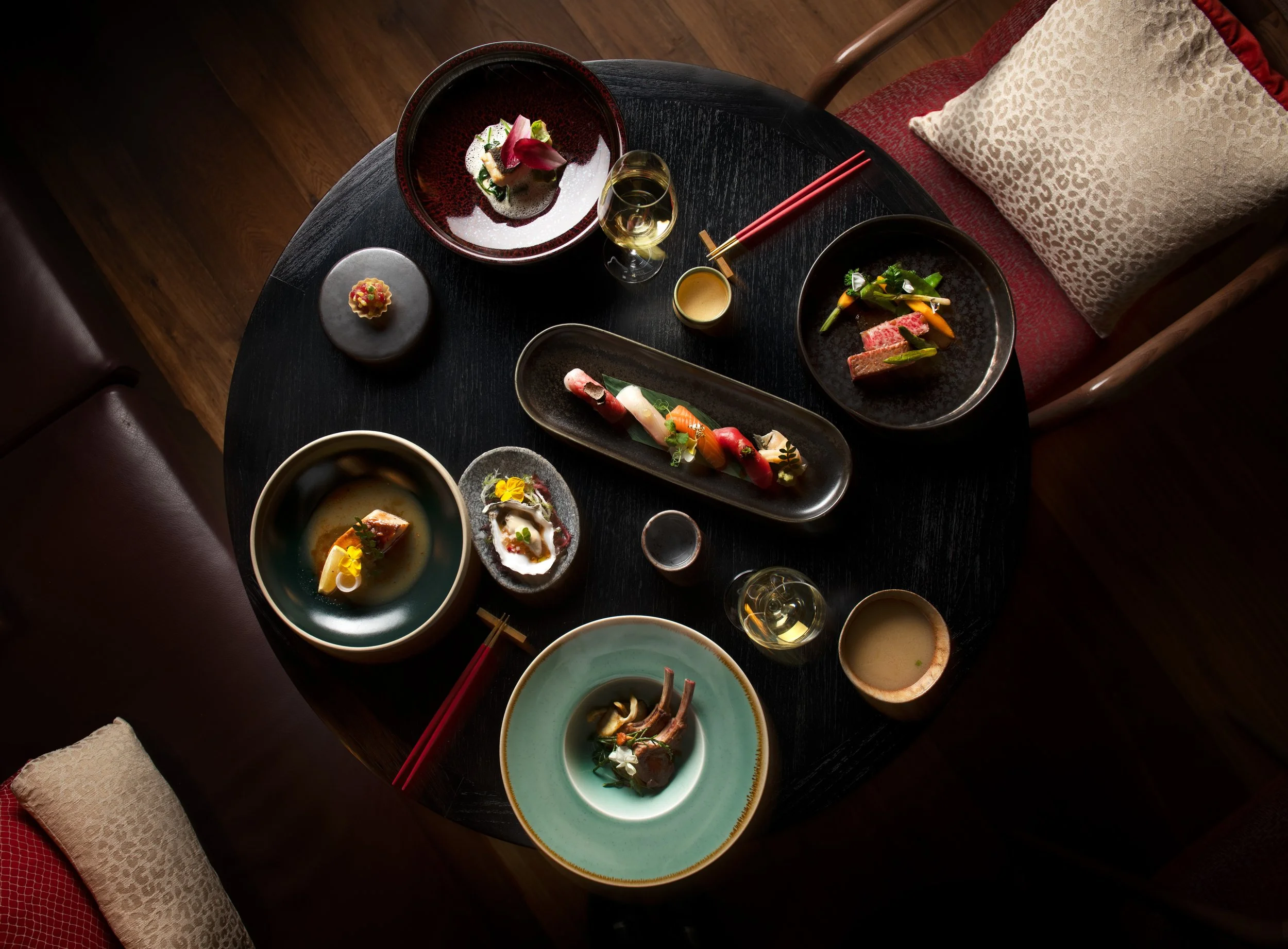
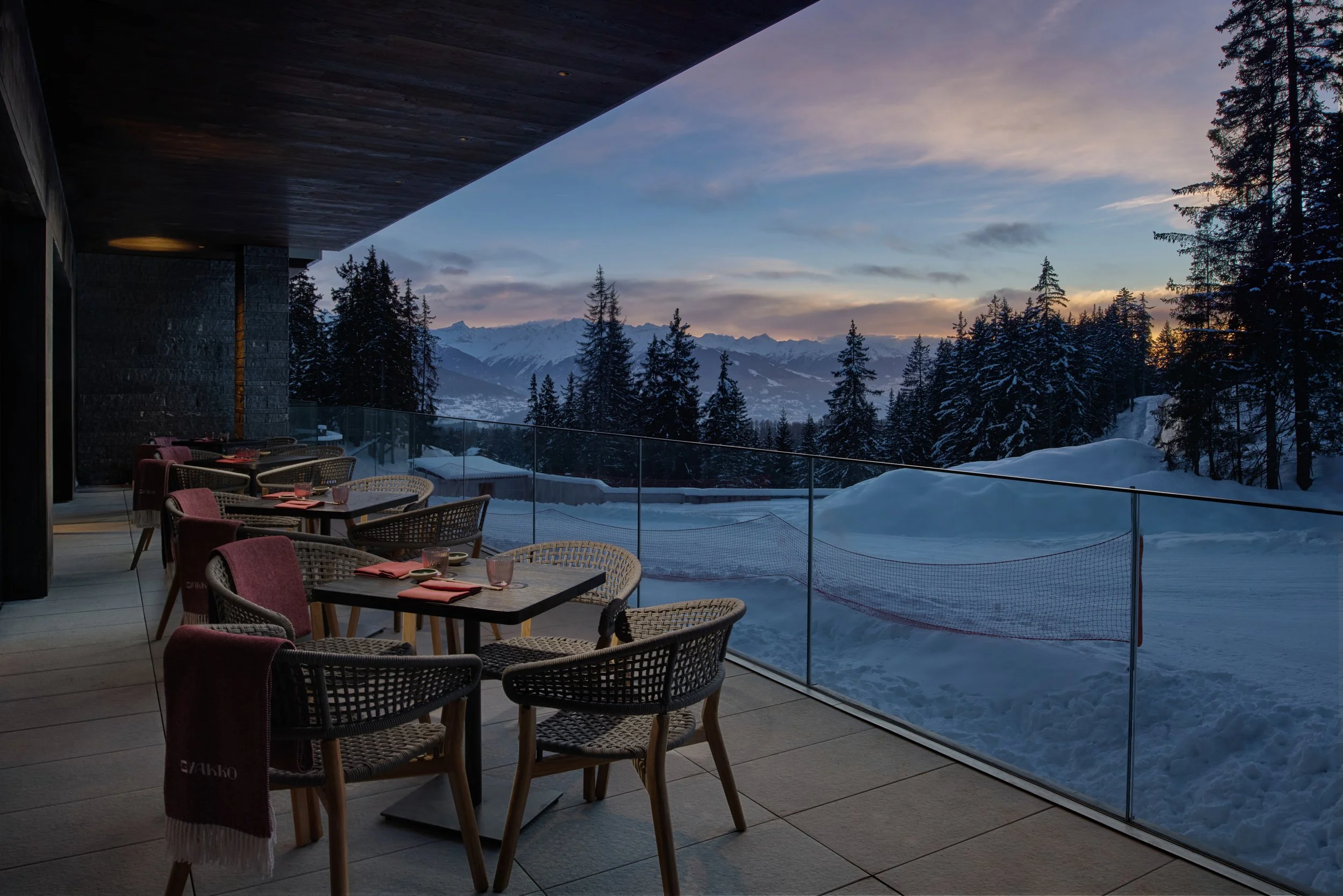
Byakko: A Japanese restaurant focused on seasonal ingredients, careful technique, and clean flavors, with sake pairings and tea rituals adding depth to the experience during its winter and summer operating seasons.
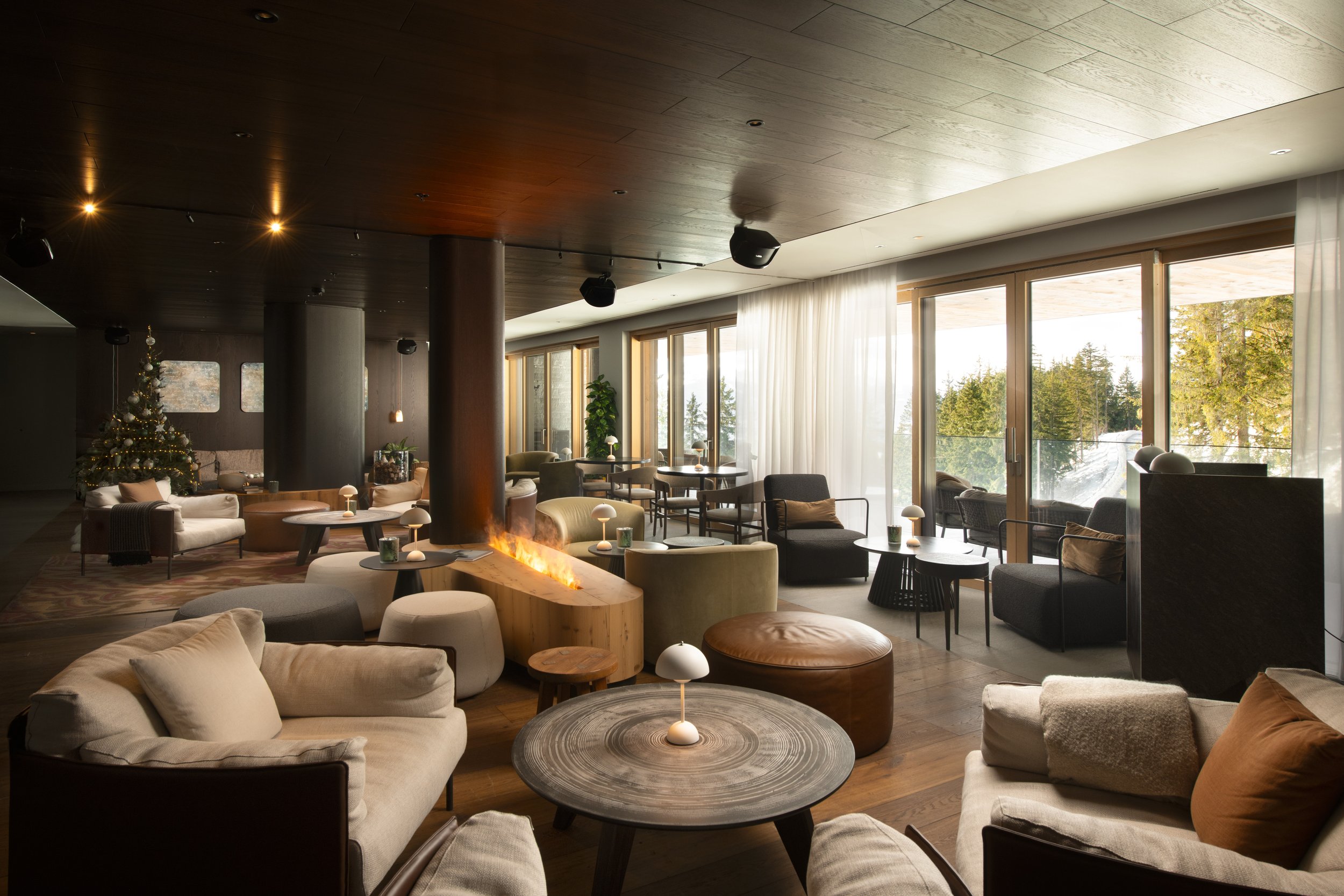
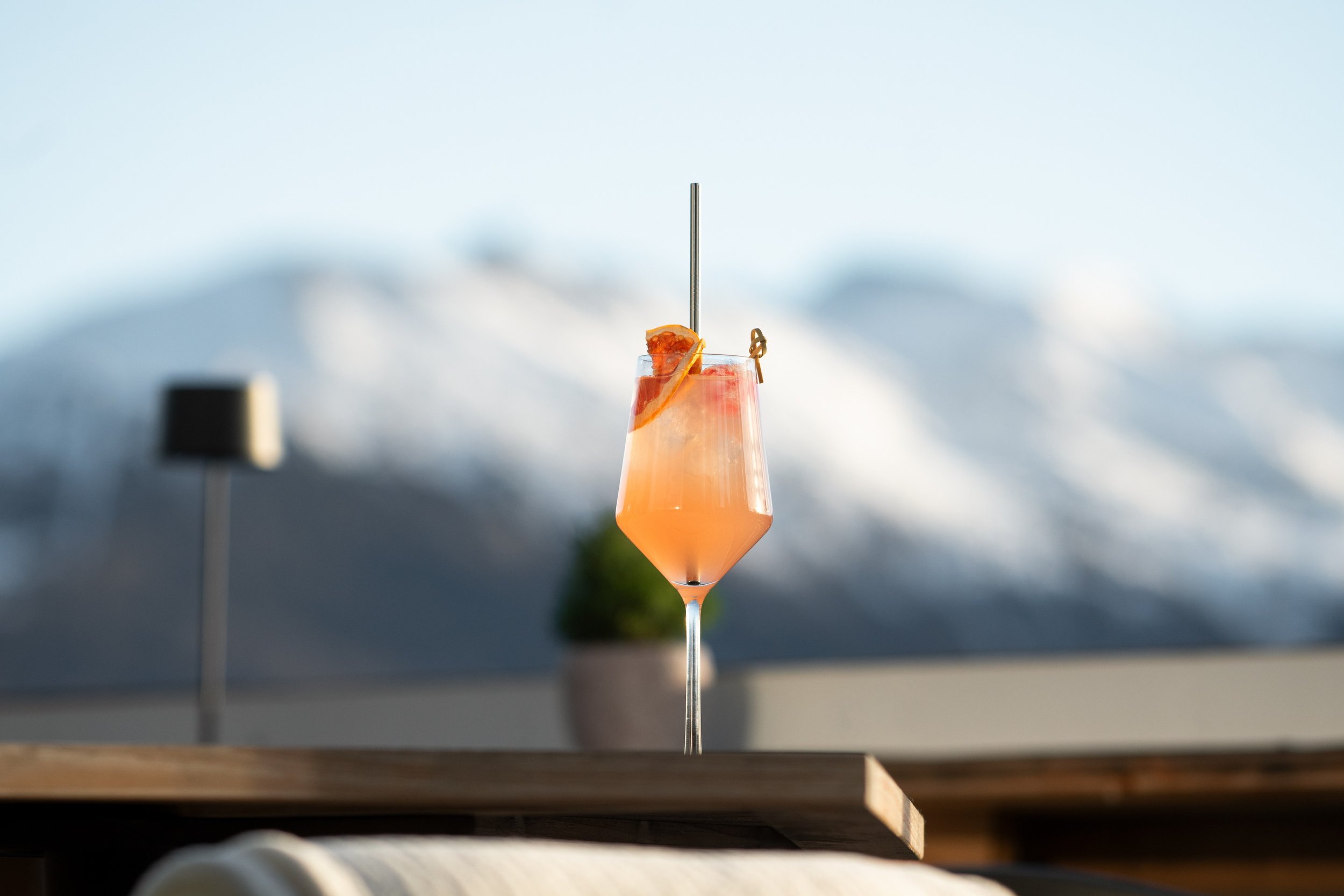
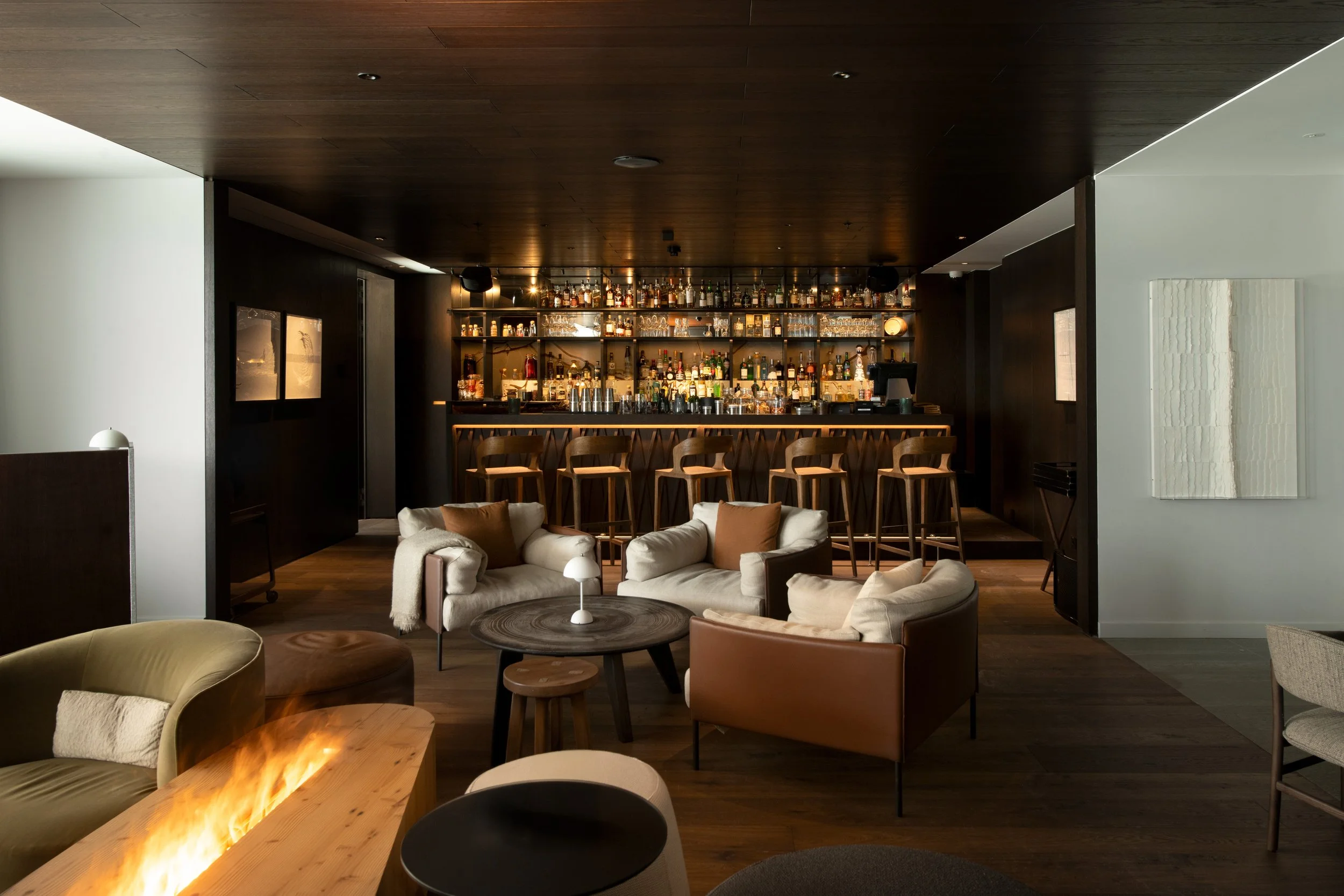
Ora Bar & Lounge: Located on the fifth level, this gathering place serves drinks and snacks in a setting that works for a pause between activities or an evening spent over cocktails and conversation.
Le Club Alpin: A seasonal rooftop poolside venue that serves light dishes and refreshing drinks in summer before shifting toward a livelier après-ski atmosphere, music, and warming flavors in winter.
Byakko and Le Club Alpin operate seasonally, so their availability should be considered when choosing travel dates. A shoulder-season visit can feel especially peaceful, but the dining lineup may differ from the height of winter or summer.
In-room dining provides another option, particularly for families returning from a long day outdoors. For us, the most appealing rhythm is to alternate a relaxed brasserie meal with an evening at Byakko, leaving space to explore restaurants in the village as well.
Recovery as Part of the Mountain Day
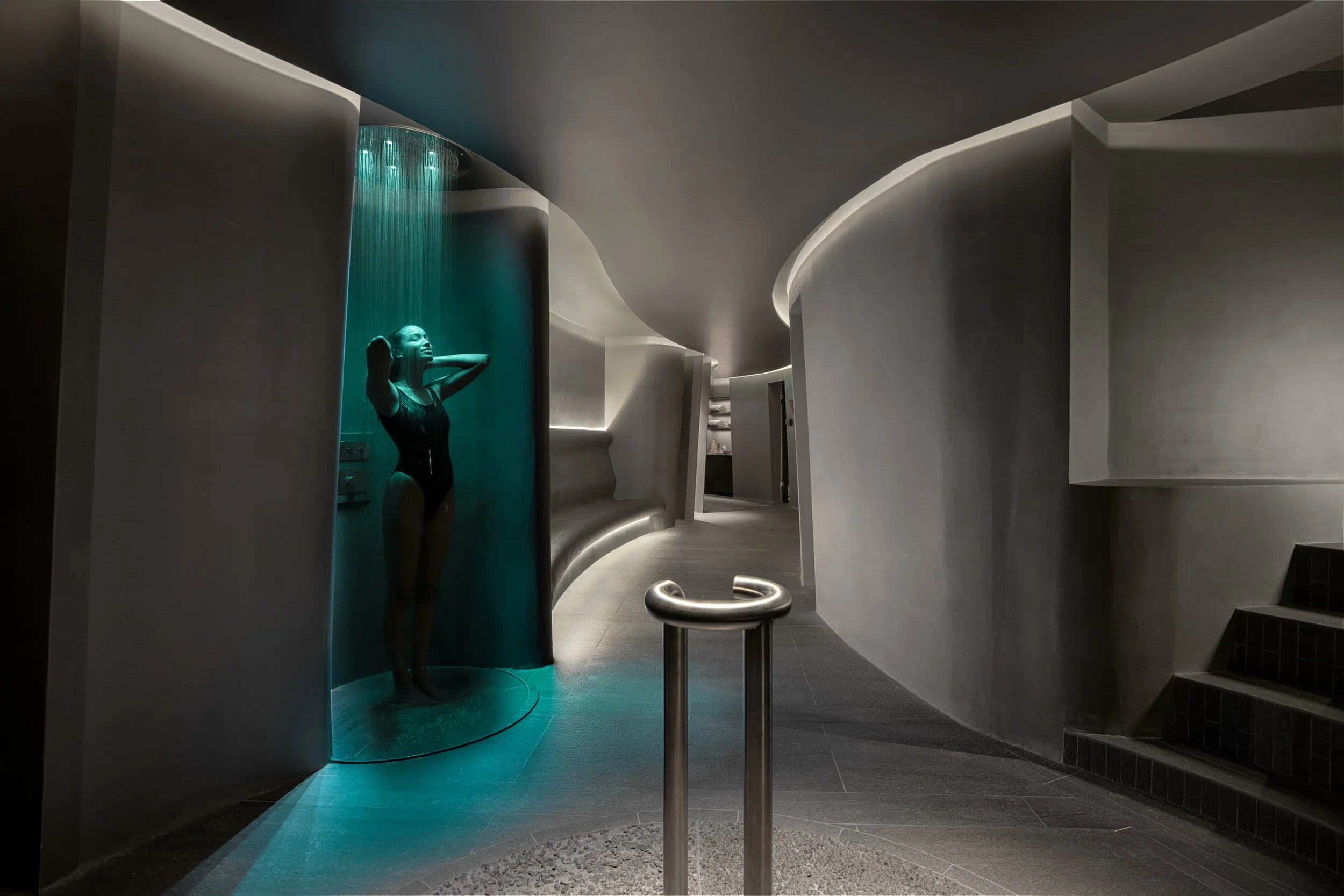
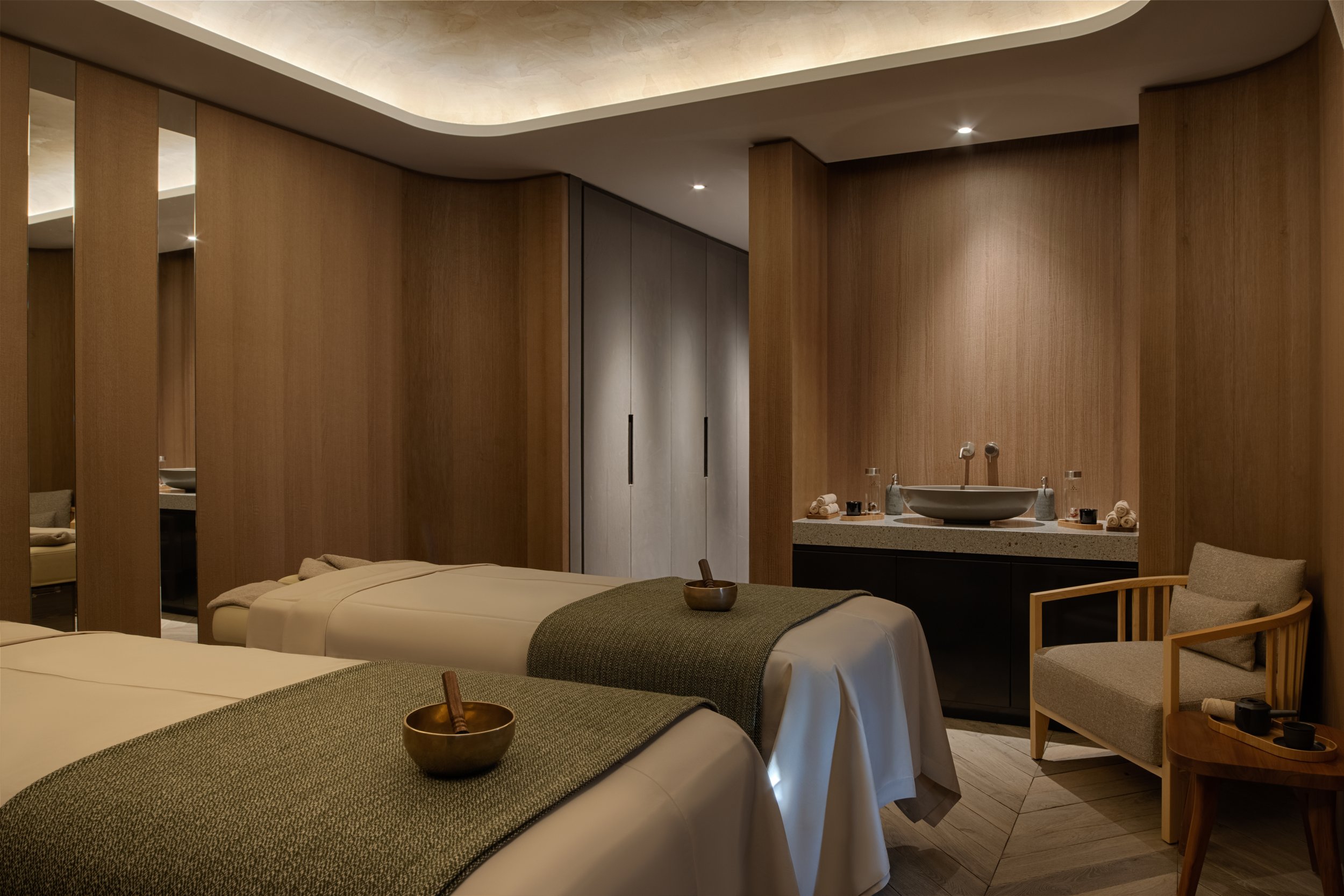
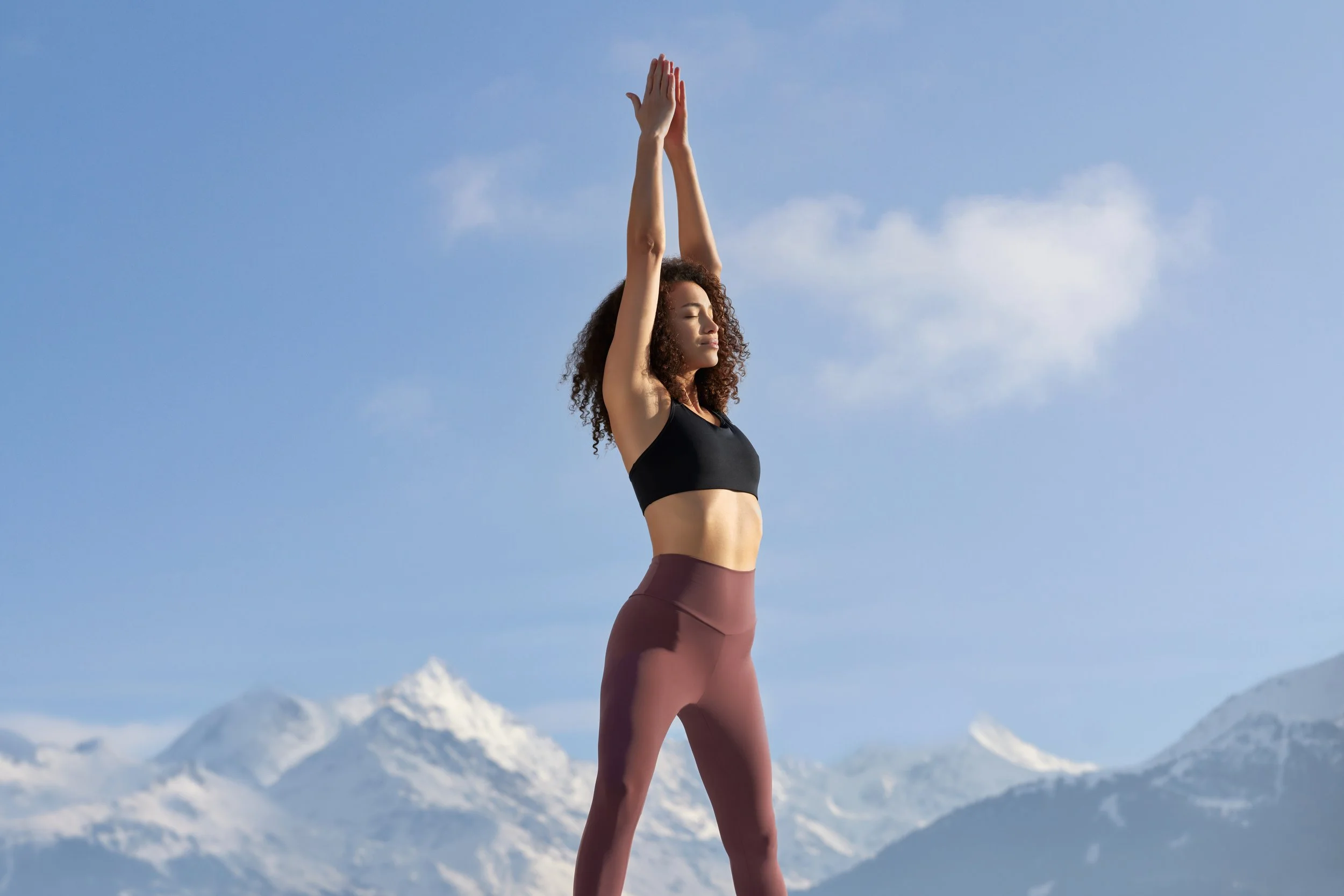
The approximately 21,500-sq.-ft. Six Senses Spa is a central part of the hotel. Its indoor pool, thermal areas, treatment spaces, and outdoor elements create several ways to spend an afternoon, whether the priority is recovery after skiing or simply time away from a busy schedule.
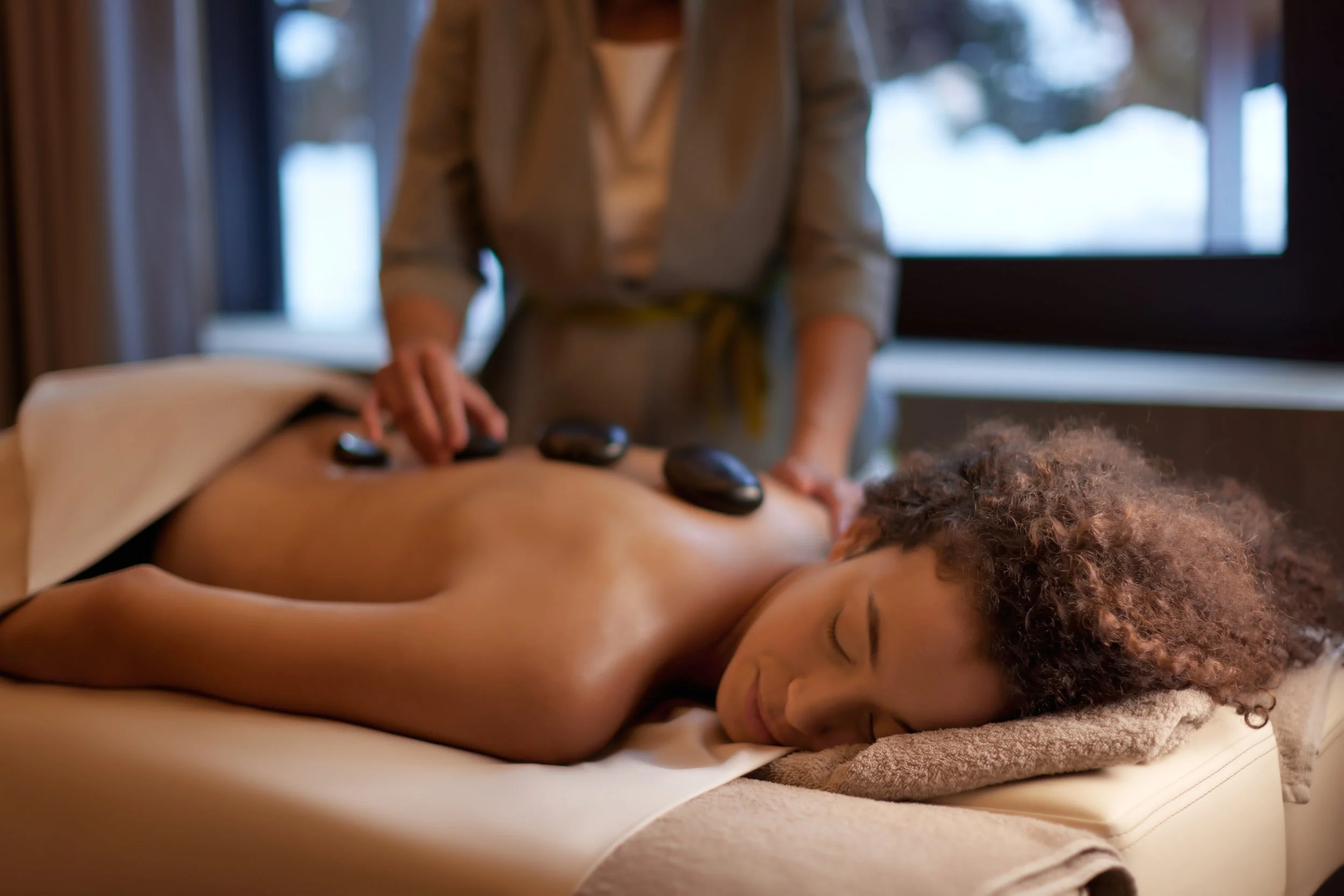
The treatment offering combines hands-on therapies with more structured wellness programs. Sleep-focused stays can incorporate consultation, relaxation treatments, meditation, and other practices selected around individual needs.
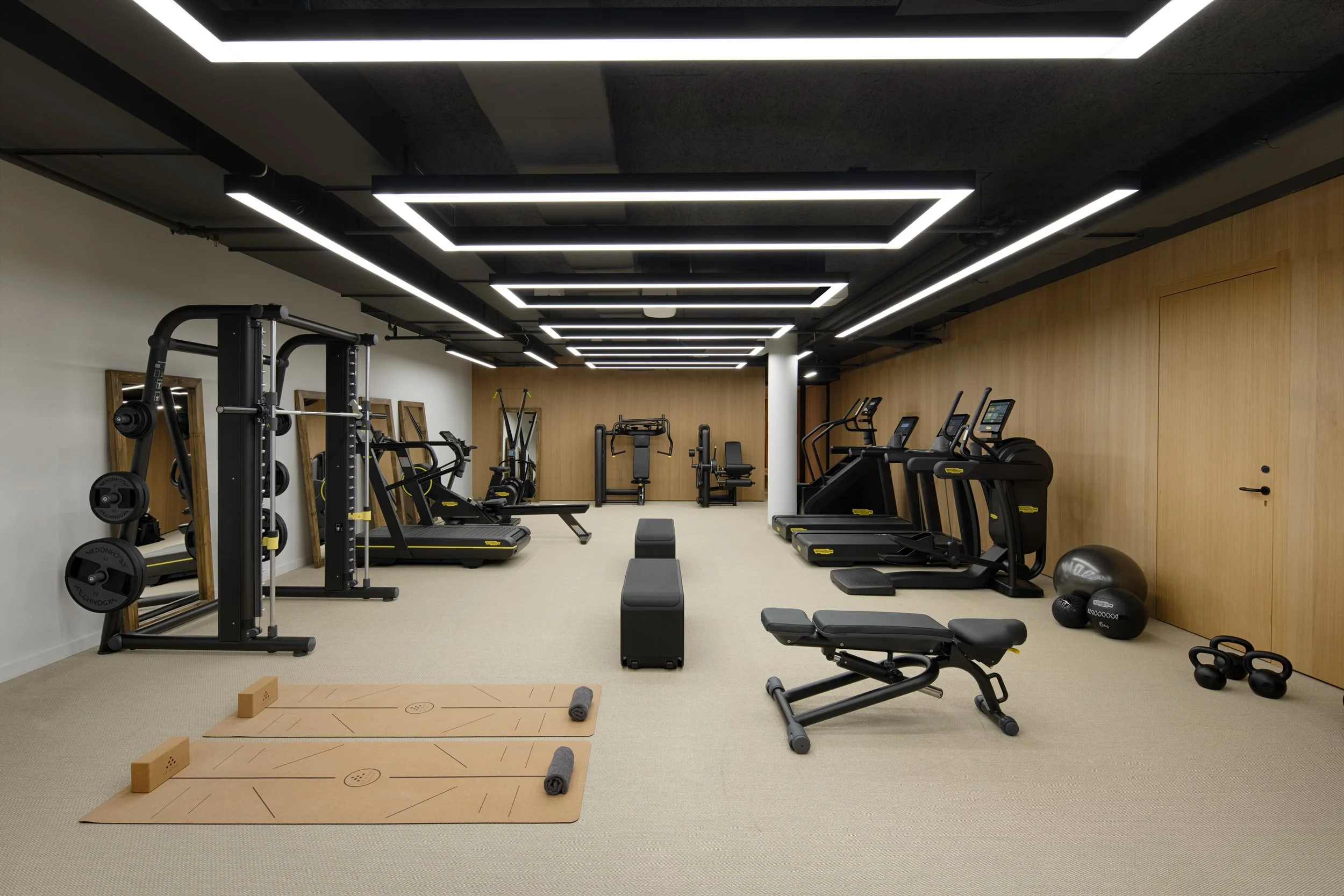
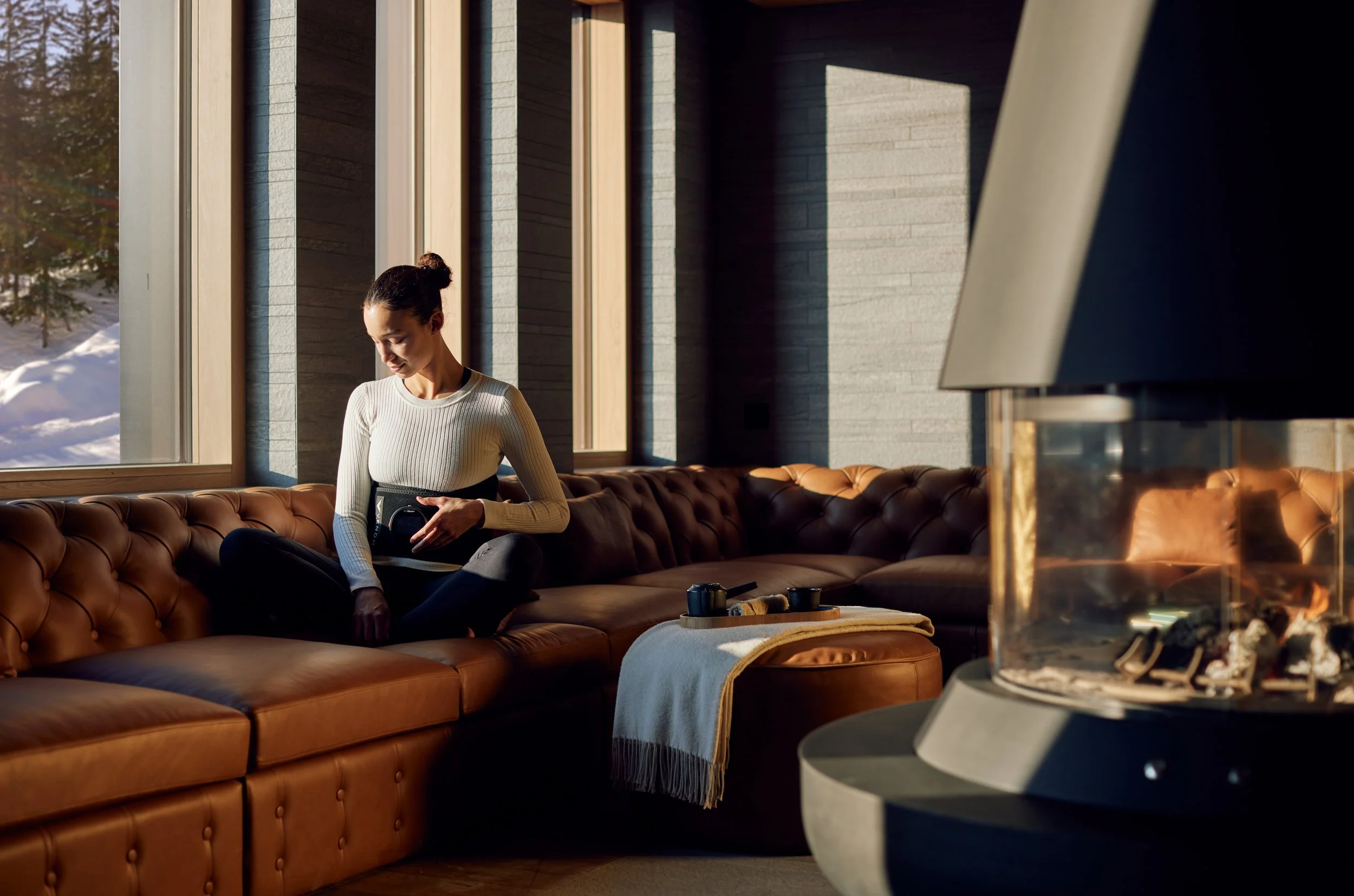
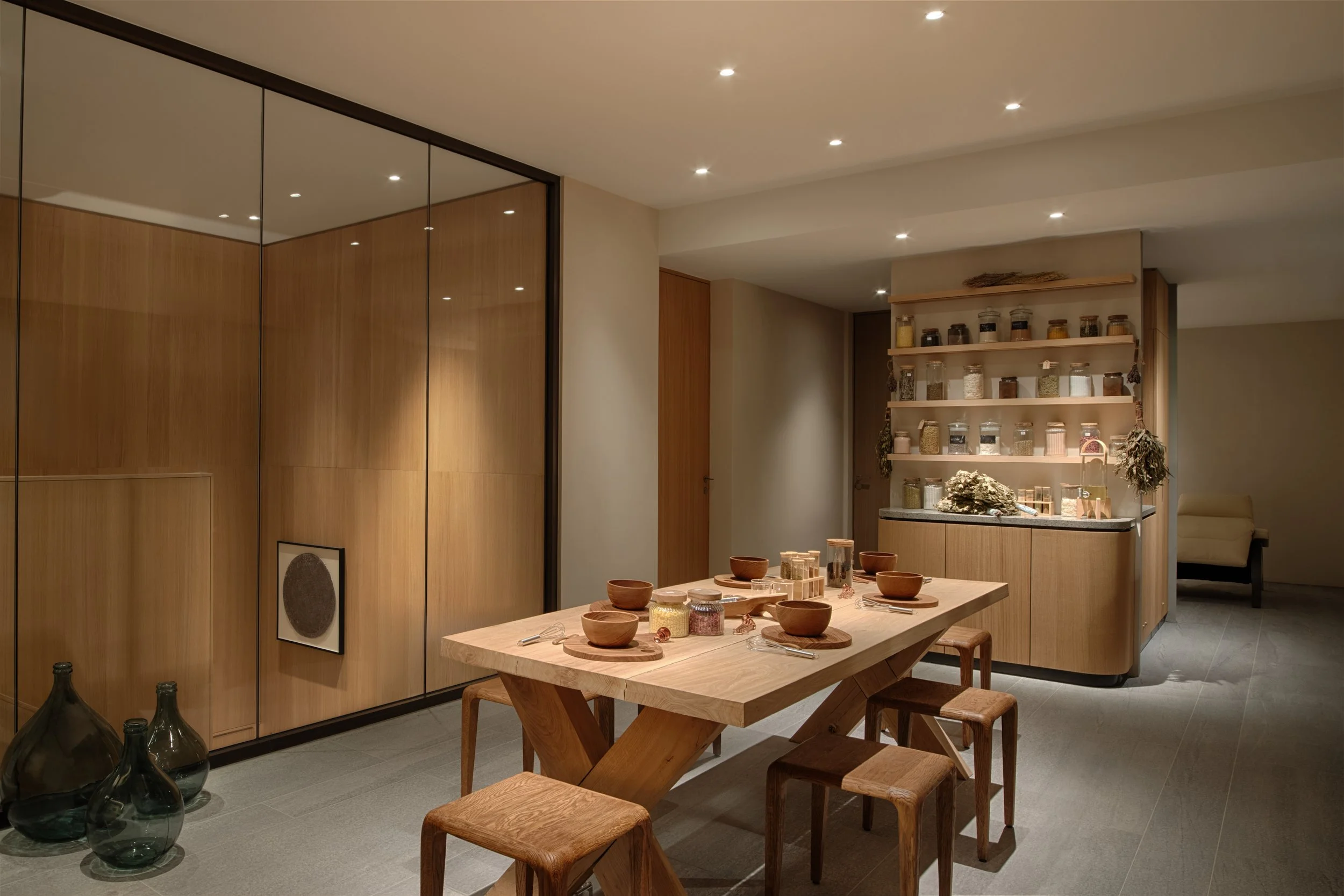
The Biohacking Recovery Lounge introduces technology-based recovery sessions, while the Alchemy Bar takes a more tactile approach through workshops using botanicals and natural ingredients. These experiences sit alongside a fitness center and movement activities, allowing a stay to be as structured or informal as desired.
What stands out is the relationship between the spa and the architecture. Timber, stone, water, and views toward planting give the spaces continuity with the rest of the hotel. Even a straightforward swim becomes part of the experience of moving between mountain conditions and a sheltered interior.
We would leave at least one afternoon largely unscheduled. A treatment followed by quiet time around the pool deserves more than a narrow gap between other plans.
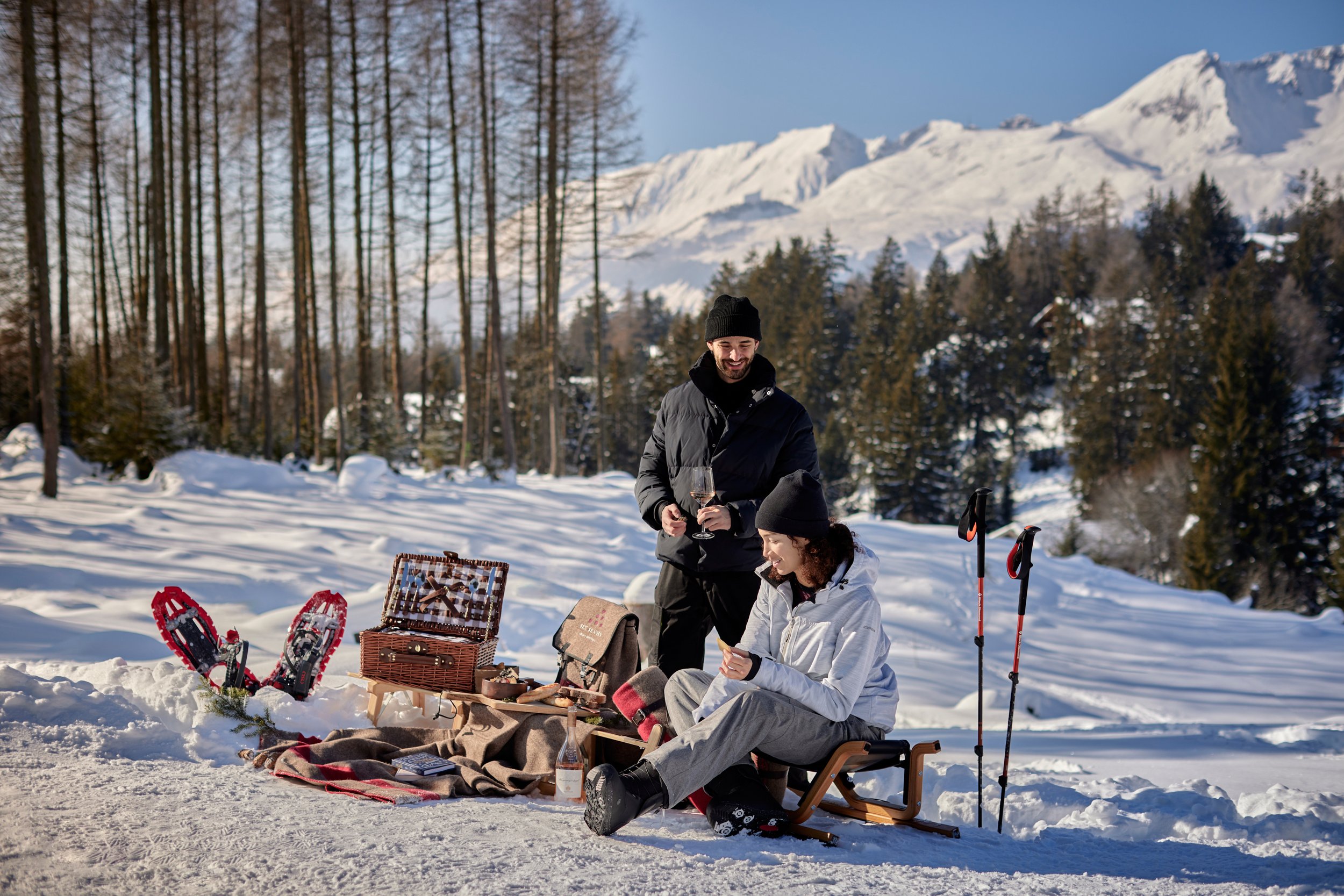
Ski Days, Alpine Trails, and Time Outside
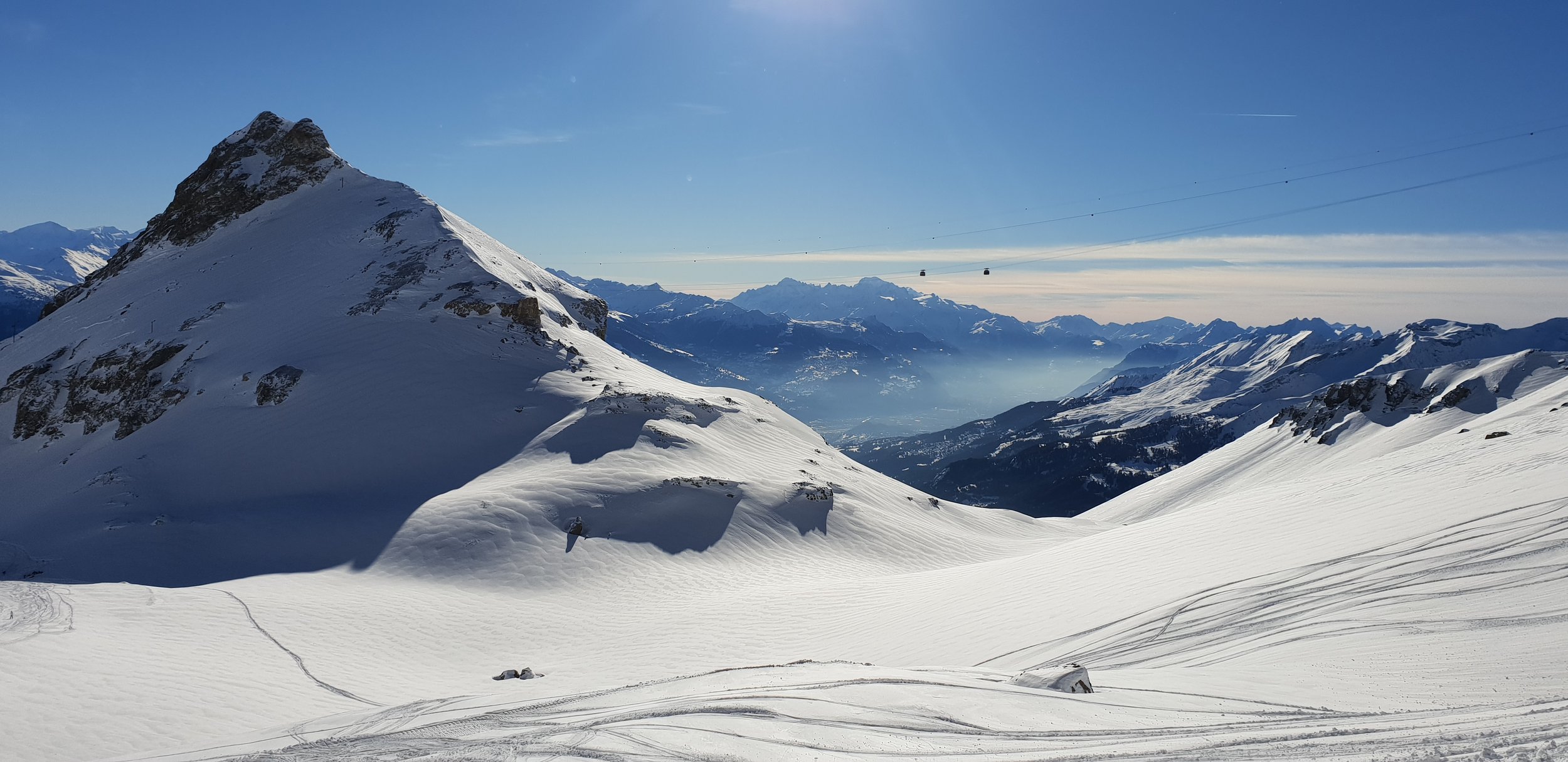
In winter, the hotel’s position beside the Chetzeron piste makes skiing the most immediate activity. An on-site ski concierge helps with arrangements, and the nearby gondola connects the property with the wider mountain area.
The return piste is a red run, an important detail for beginners and families with children still building confidence. Ski-in, ski-out convenience depends on ability, snow conditions, and lift operations; we would coordinate lessons and the most suitable routes accordingly.
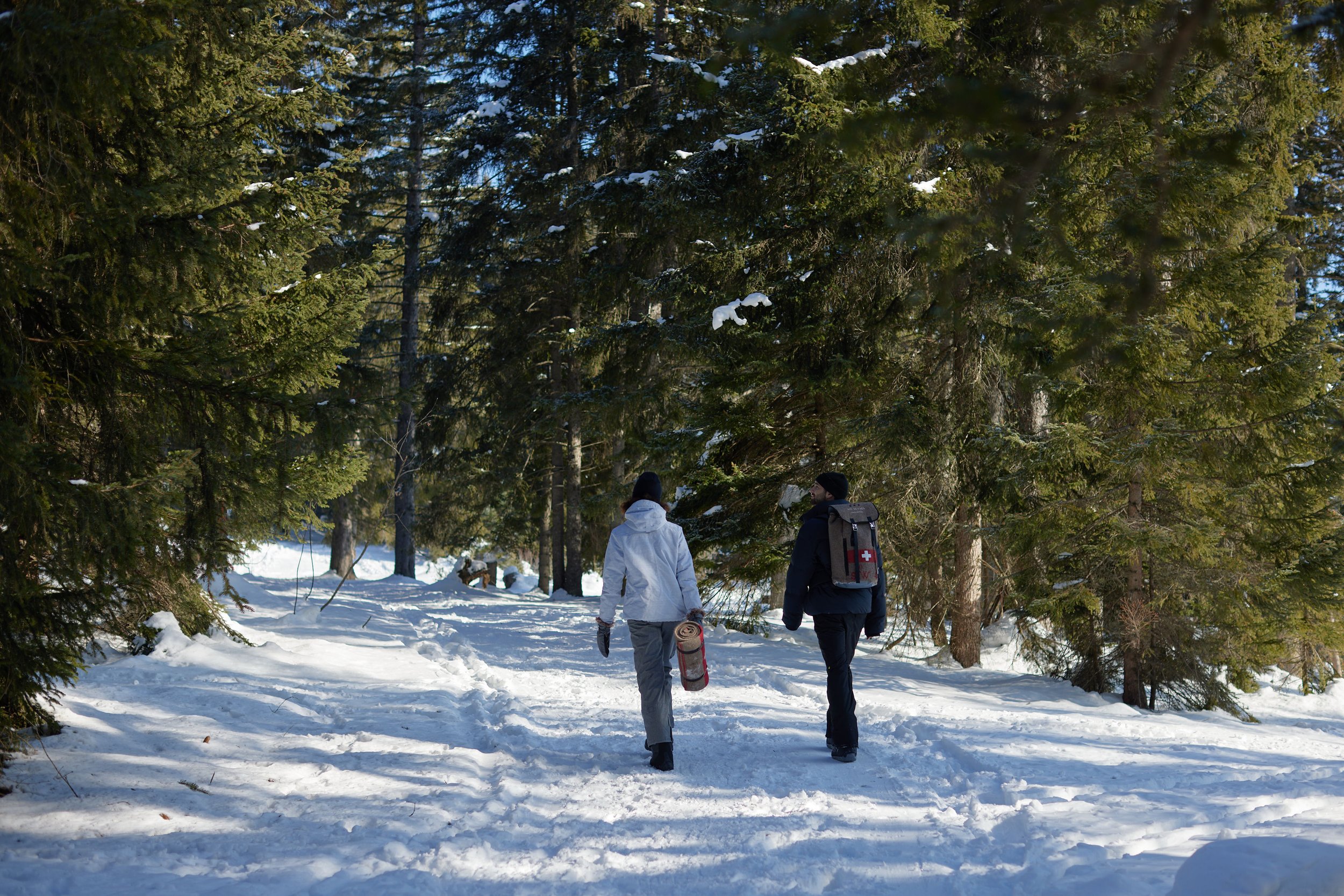
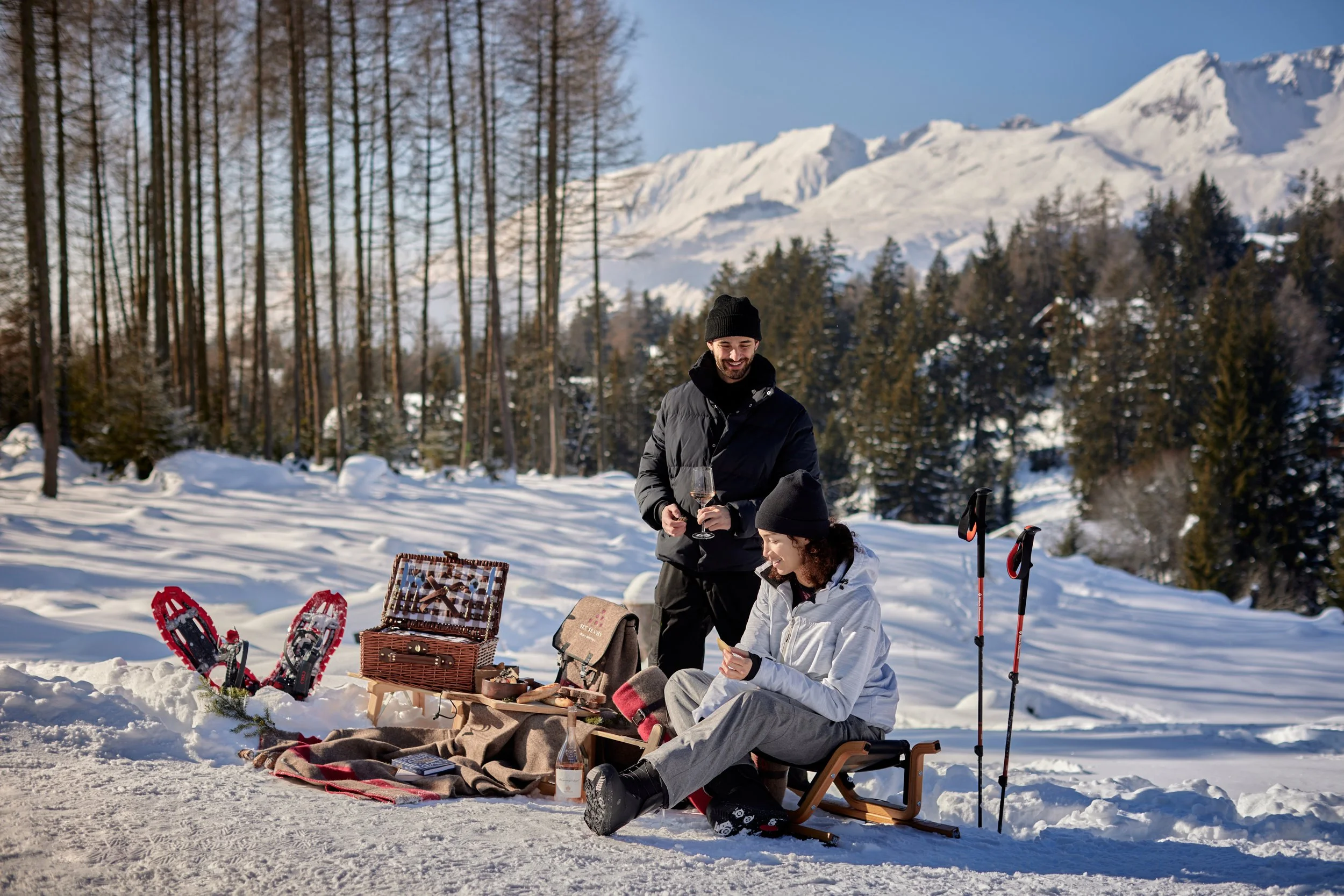
Snowshoeing offers a quieter way into the landscape. The hotel’s experiences include guided woodland outings with stops for traditional Valais cuisine, while other winter walks focus on the stillness of the forest around dusk.
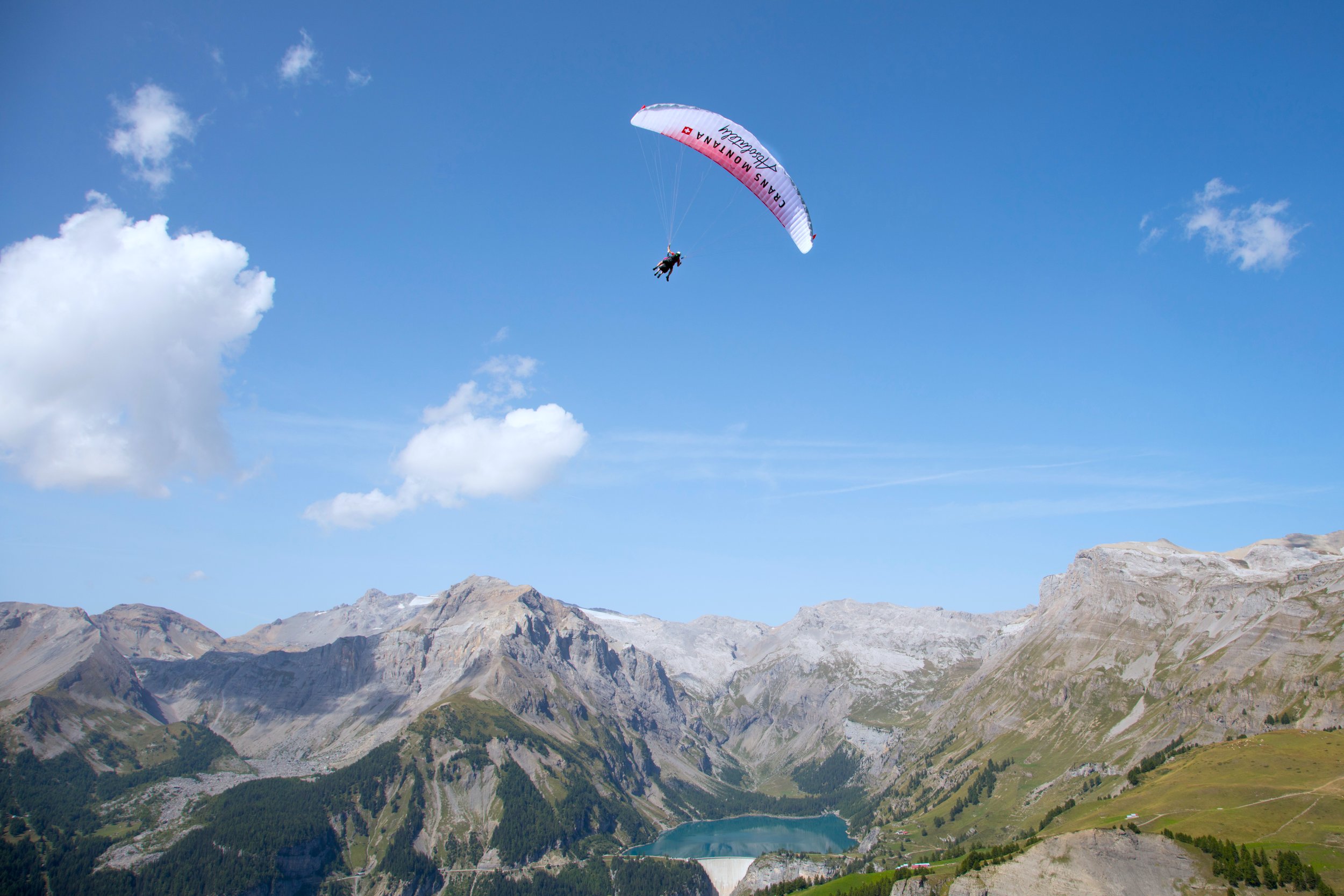
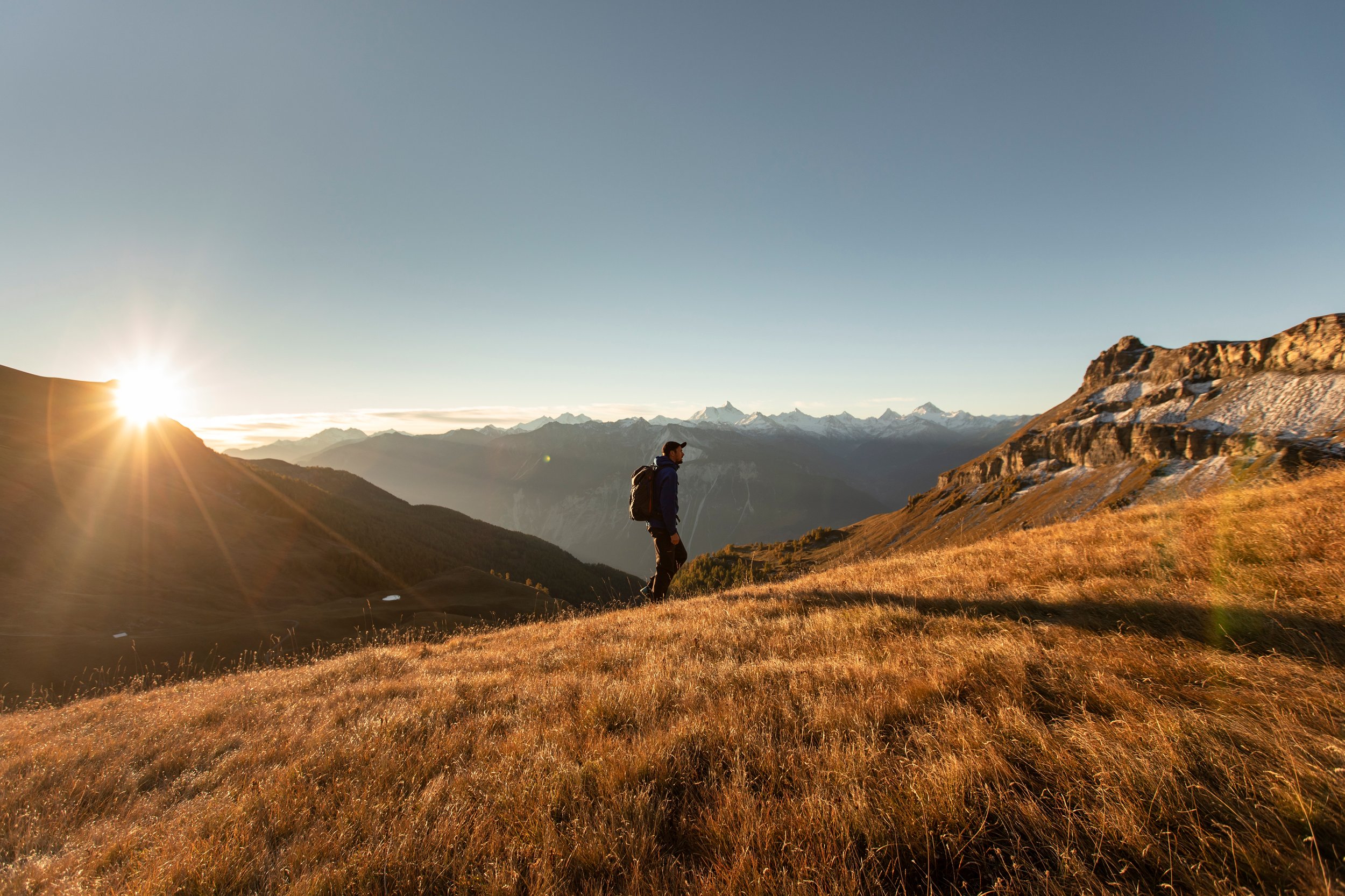
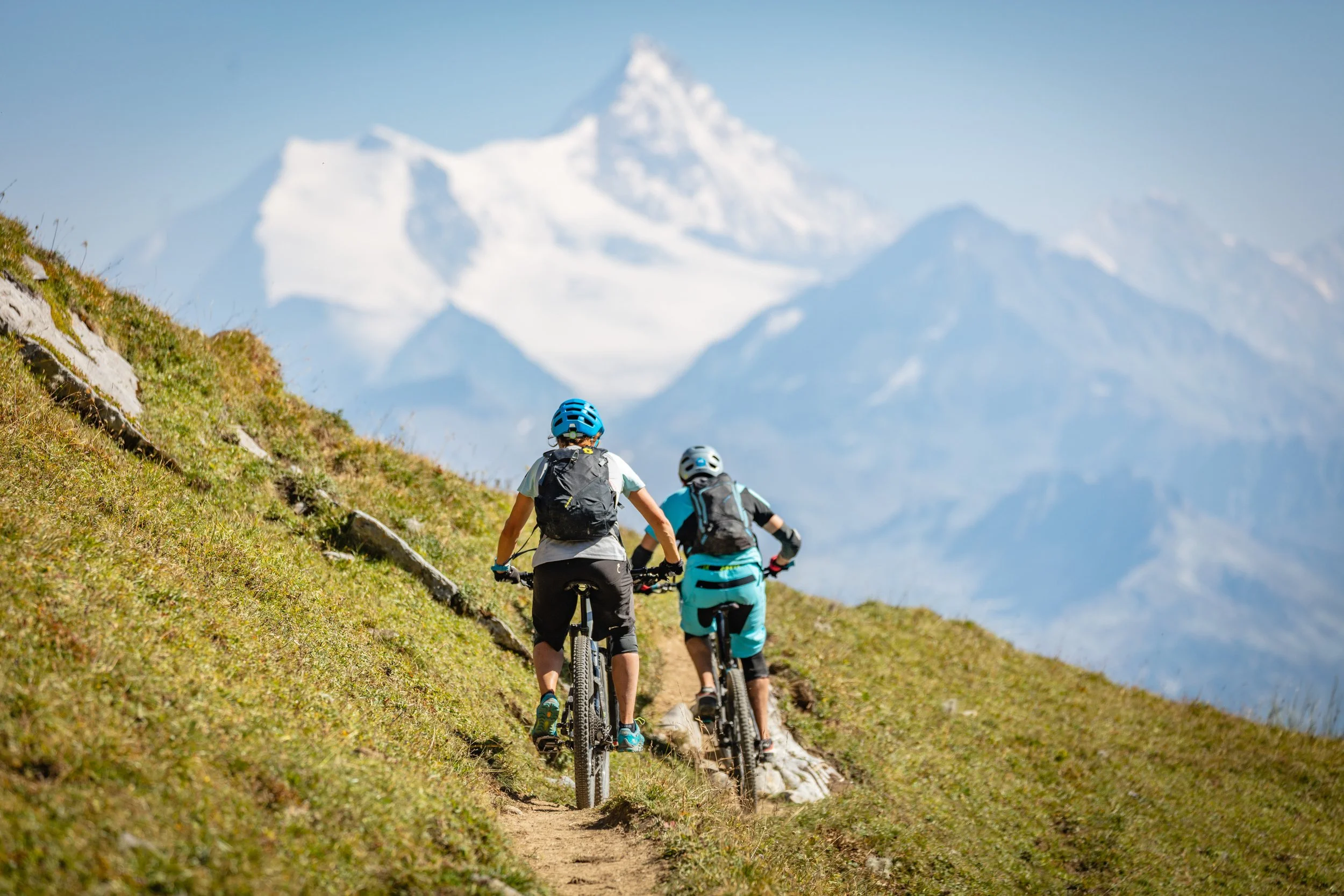
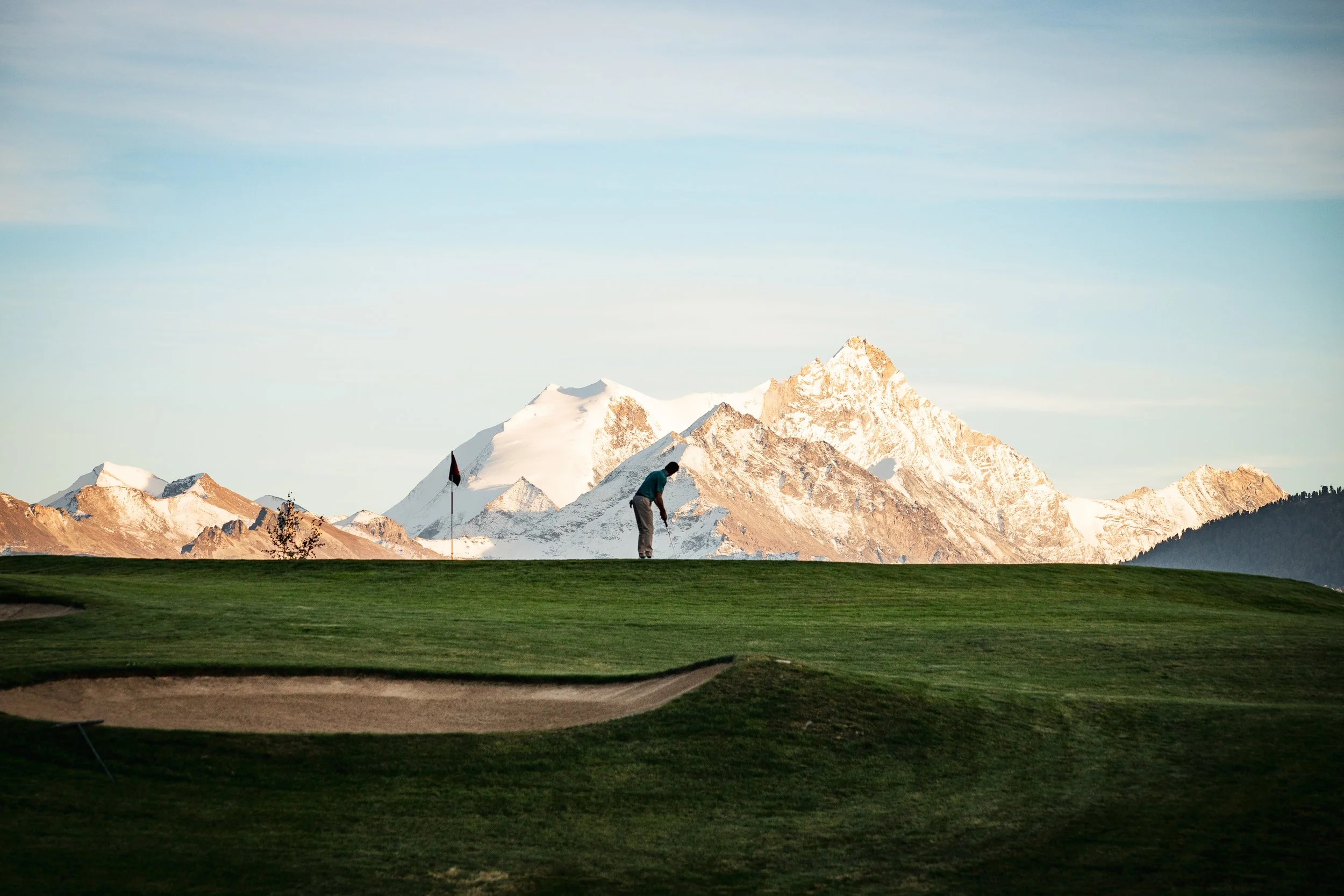
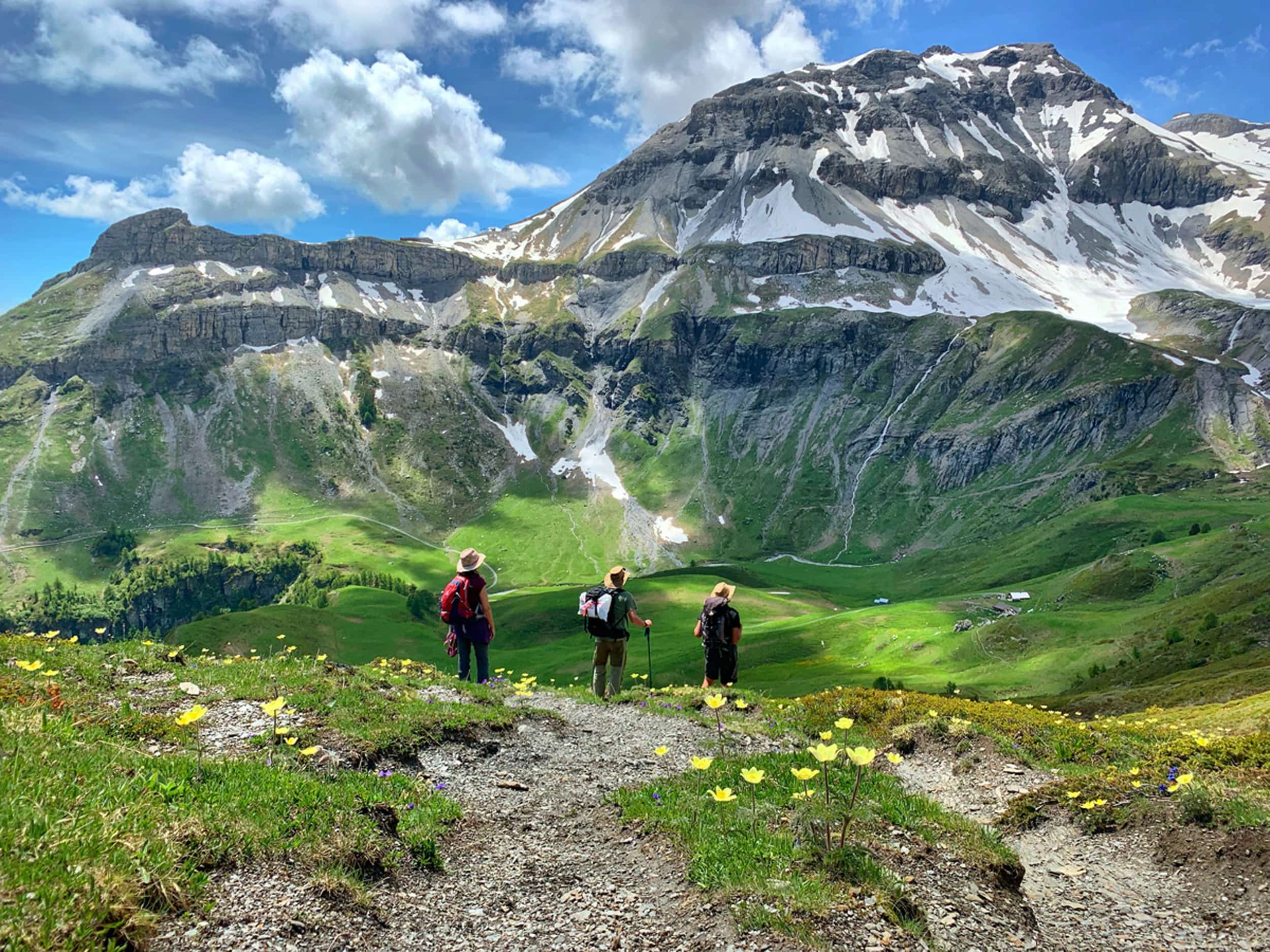
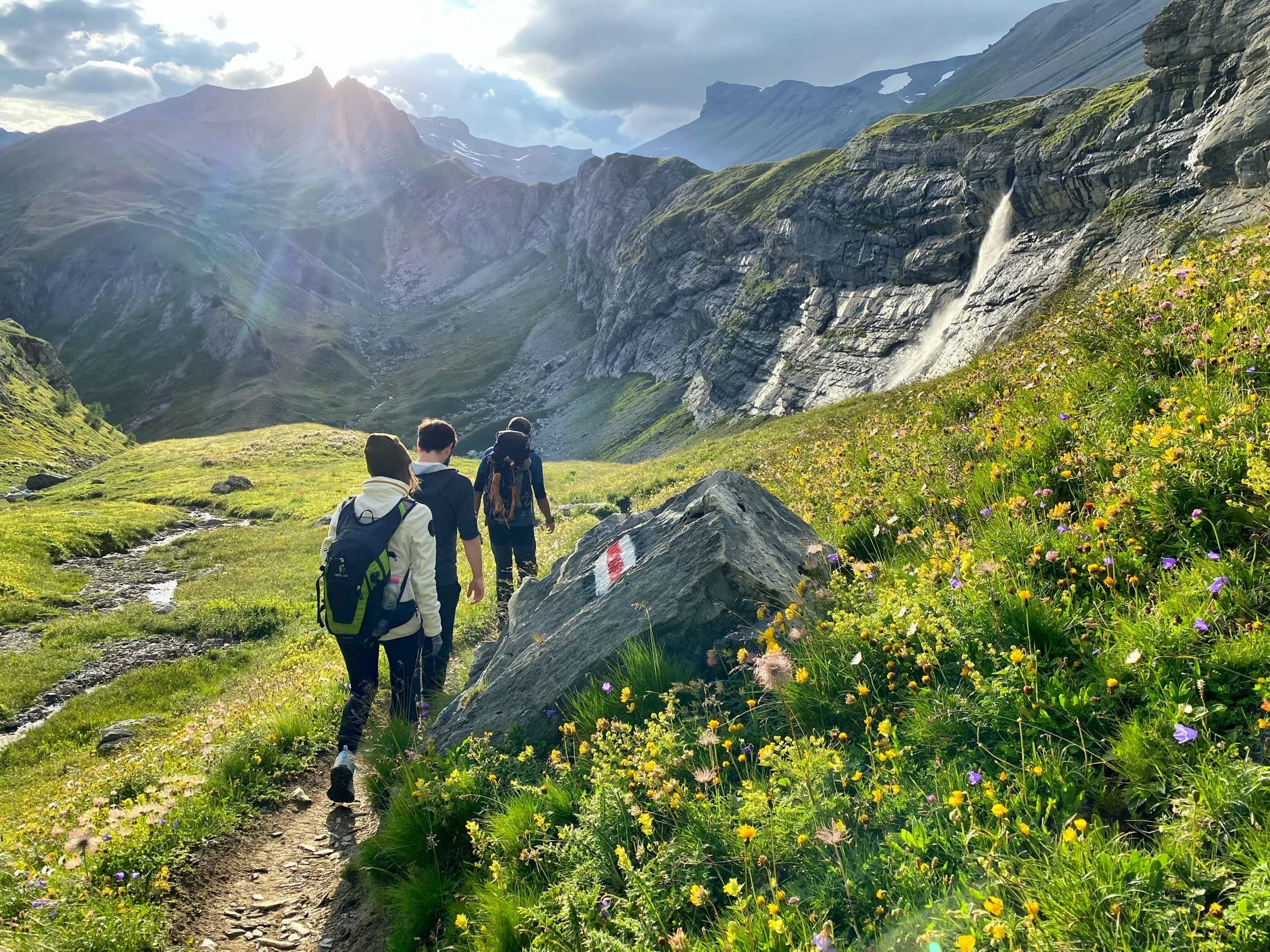
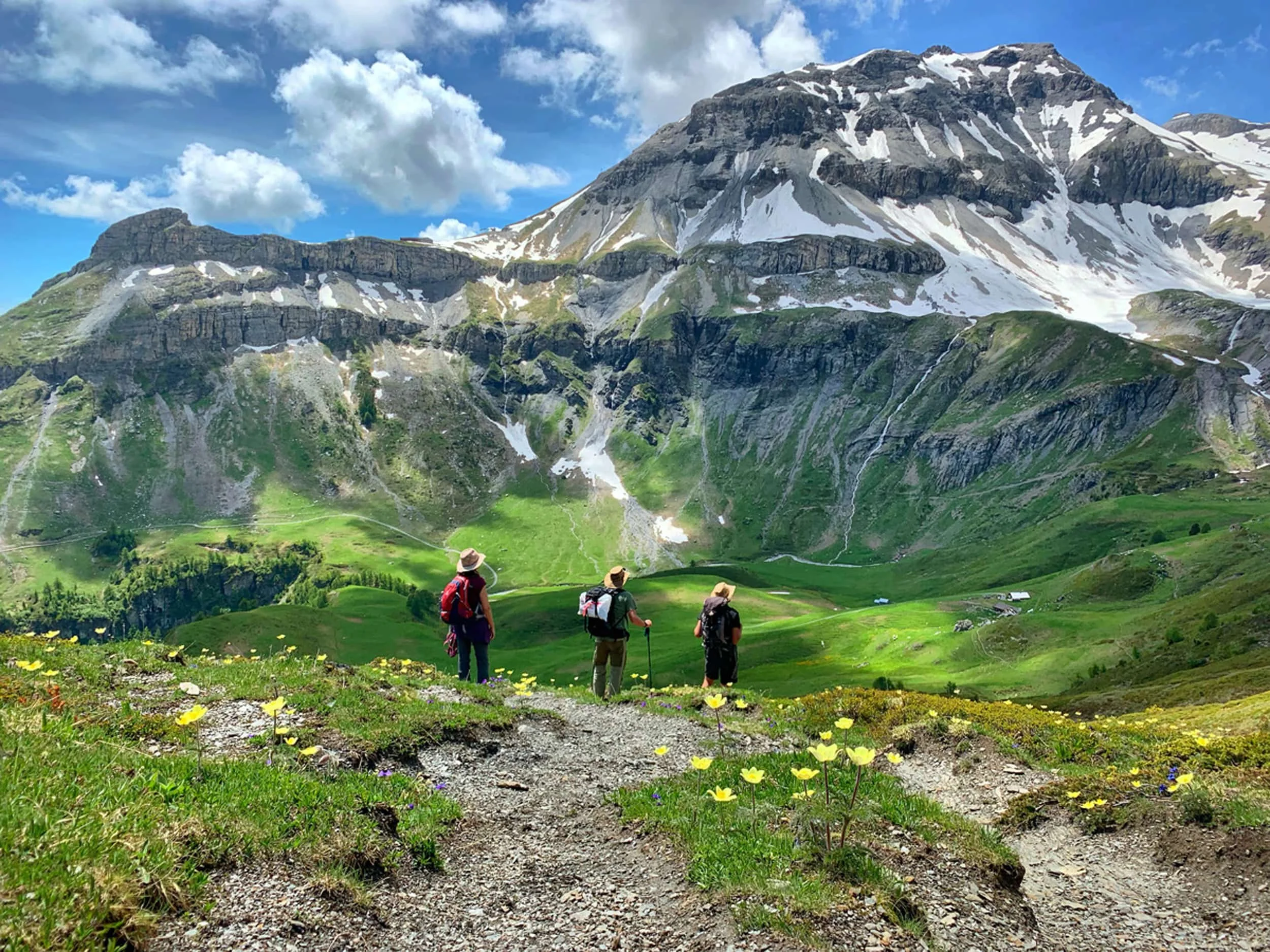
Summer opens another set of possibilities. Guided e-bike rides, sunrise and sunset hikes, golf, and tandem paragliding can be arranged, with routes and activities selected according to experience and interest. Walks beside the region’s bisses introduce the historic channels that carry water through the mountain landscape.
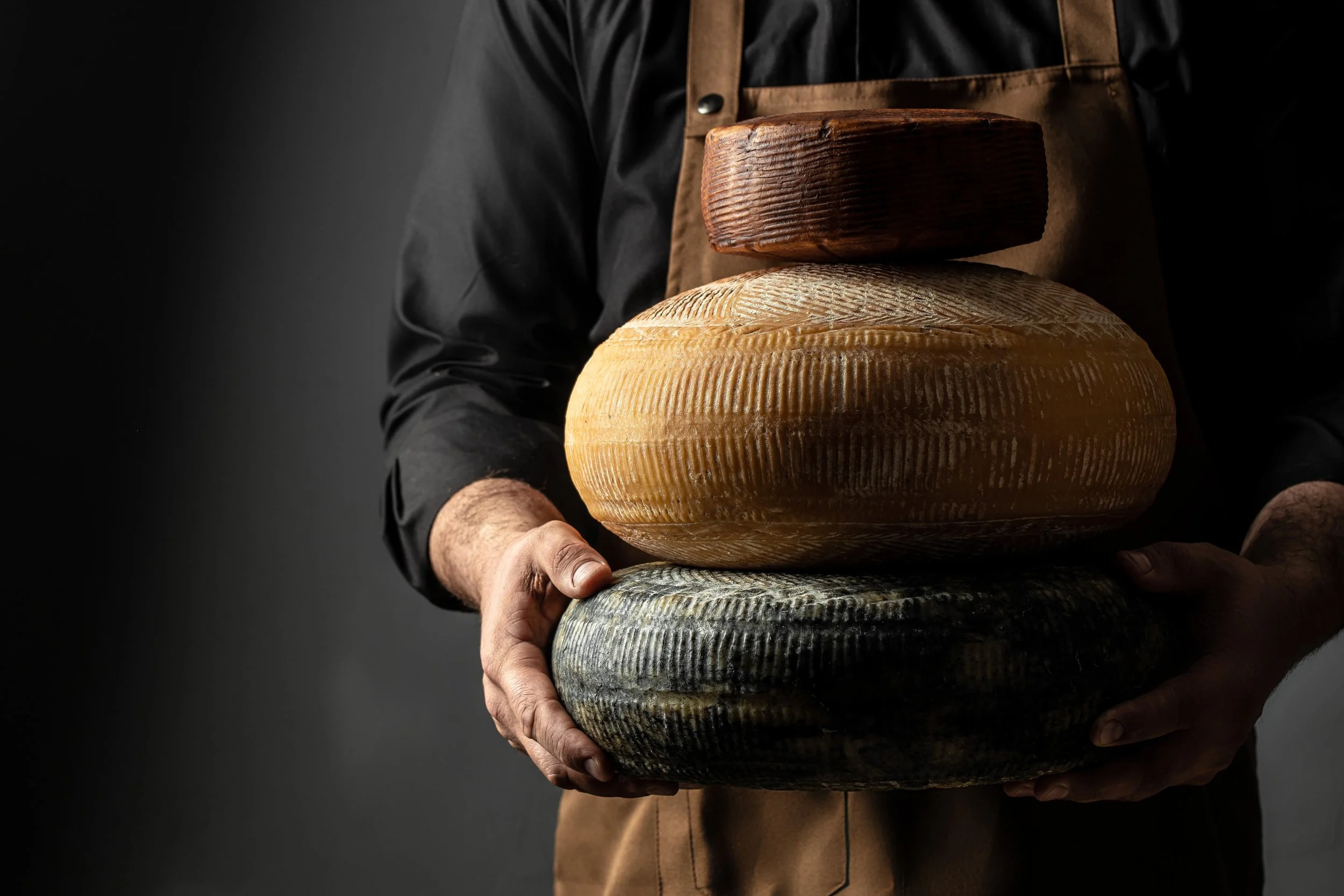
Food also becomes an activity in its own right. Cheesemaking in a traditional Alpine setting, guided vineyard walks, and foraging-led experiences bring the surrounding region into focus through its ingredients and working traditions.
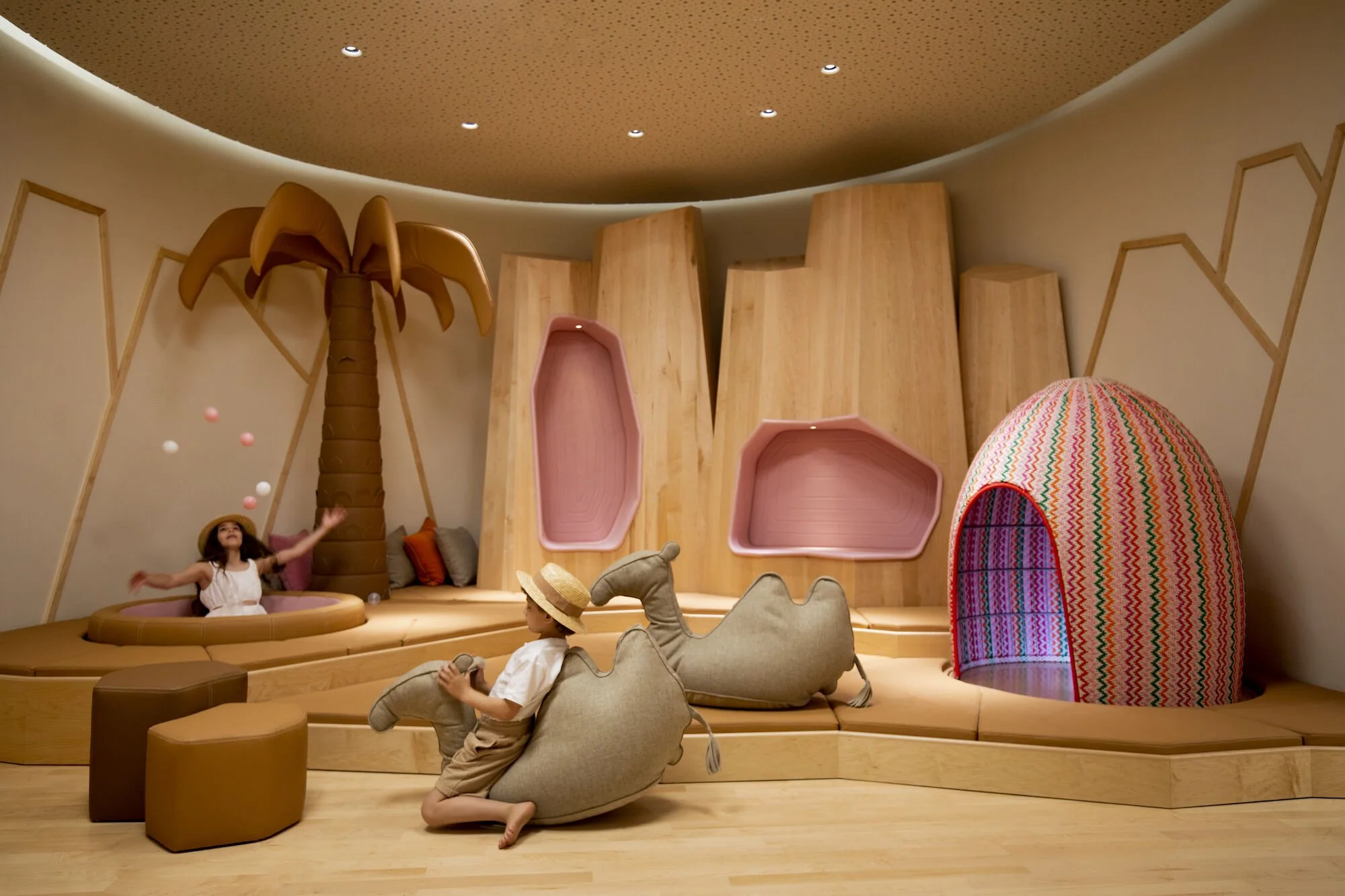
Mountain Discoveries for Younger Travelers
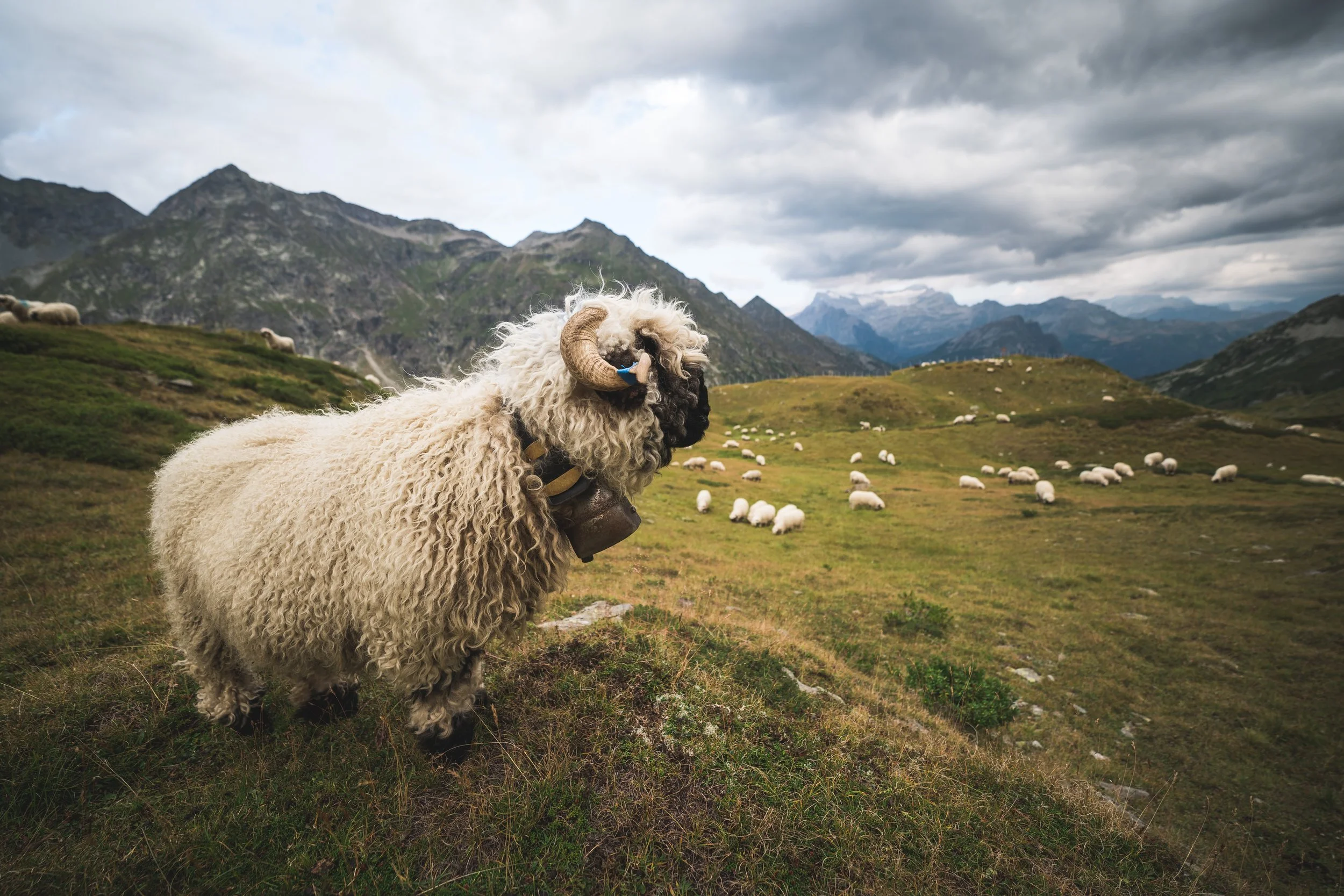
Grow With Six Senses welcomes children ages 5–12, with a program built around creativity, nature, movement, and mindful play. Activities include painting, origami, planting, cookie baking, and opportunities to meet Valais blacknose sheep, depending on the schedule.
The program combines complimentary and paid experiences, with babysitting available separately. Children’s menus and the larger accommodation categories make it easier to organize a stay around different ages and routines.
Wellness also extends to younger travelers through family-oriented experiences and designated children’s spa offerings. Pool use is subject to supervision requirements and designated hours for younger children, so it is worth planning swimming around the current policy.
For families, the hotel works especially well when the itinerary allows everyone some independence. A morning of lessons or mountain activities can give way to children’s programming, a spa appointment for adults, and a shared dinner afterward.
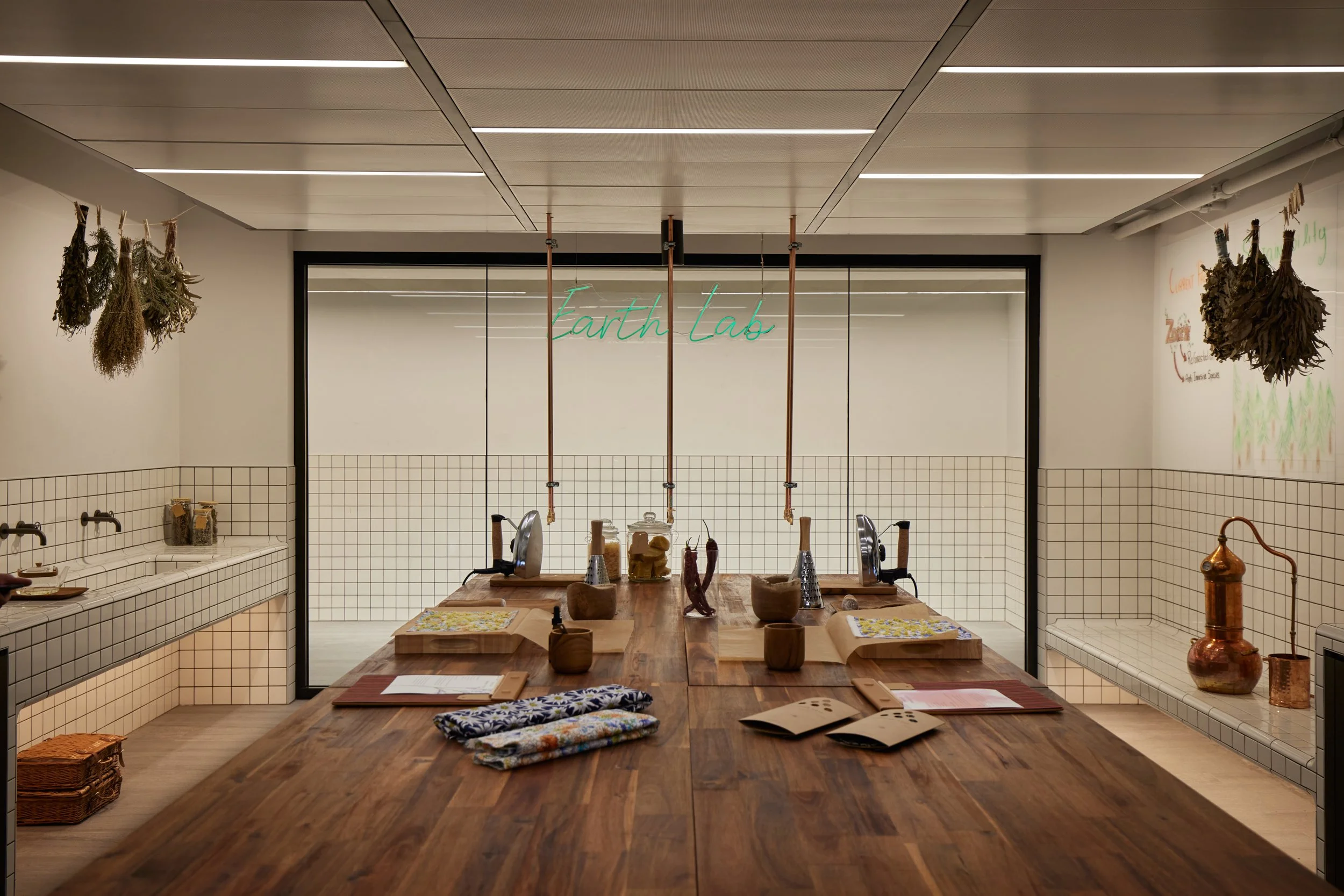
A Practical Approach to Mountain Stewardship
Sustainability at Six Senses Crans-Montana includes systems that operate largely behind the scenes. Heating uses recovered wood waste in pellet form, while excess heat from the kitchens and spa is reused. Swiss renewable hydropower is complemented by south-facing solar panels.
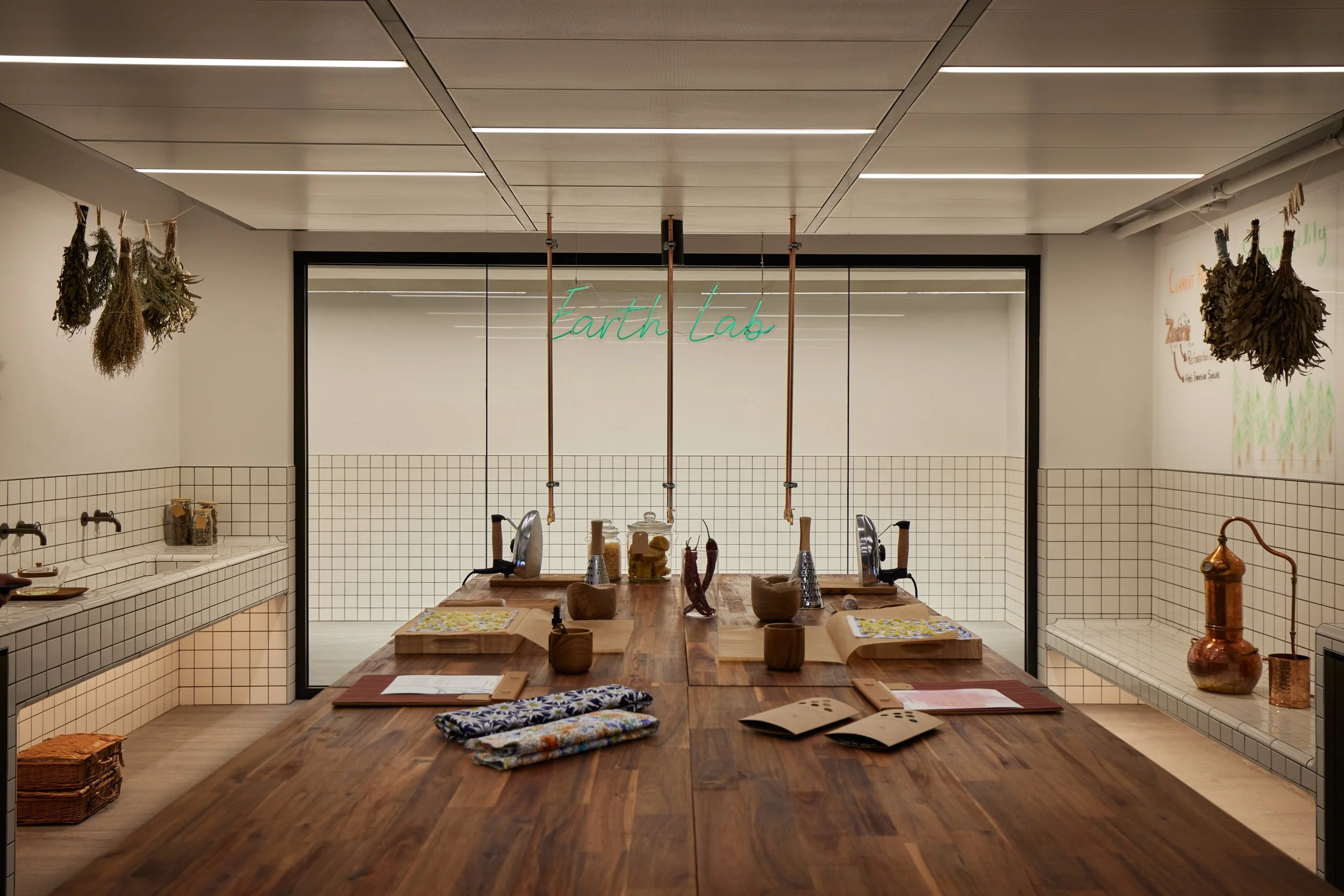
The Earth Lab makes the subject more tangible through workshops such as turning used kitchen oil into candles and making seed bombs. It gives both adults and children an introduction to resource use through practical activities.
The hotel reports GSTC group certification and participation at Swisstainable Level III – Leading. Through its Regenerative Impact Fund, 0.5 percent of hotel revenue and proceeds from sales of its Léonard le Nez Noir sheep mascot support local environmental and social projects.
These initiatives extend the sustainability program beyond the hotel’s own operations, connecting it with biodiversity, education, and the surrounding community.
Considering Access Before Arrival
The hotel identifies two accessible Terrace Rooms and one accessible Superior Terrace Room, with king beds and shower-only bathrooms in those configurations.
For travelers who require features commonly associated with ADA-accessible accommodation, we would confirm the specific room dimensions and facilities directly before booking. Bathroom fittings, doorway clearances, terrace thresholds, pool access, and suitable transportation should be checked against individual needs.
The mountainside setting also makes it useful to discuss routes between the room, restaurants, spa, and ski facilities. Confirming those practical details in advance helps ensure that the chosen accommodation supports the way each traveler intends to use the hotel.
The Valais Beyond the Hotel
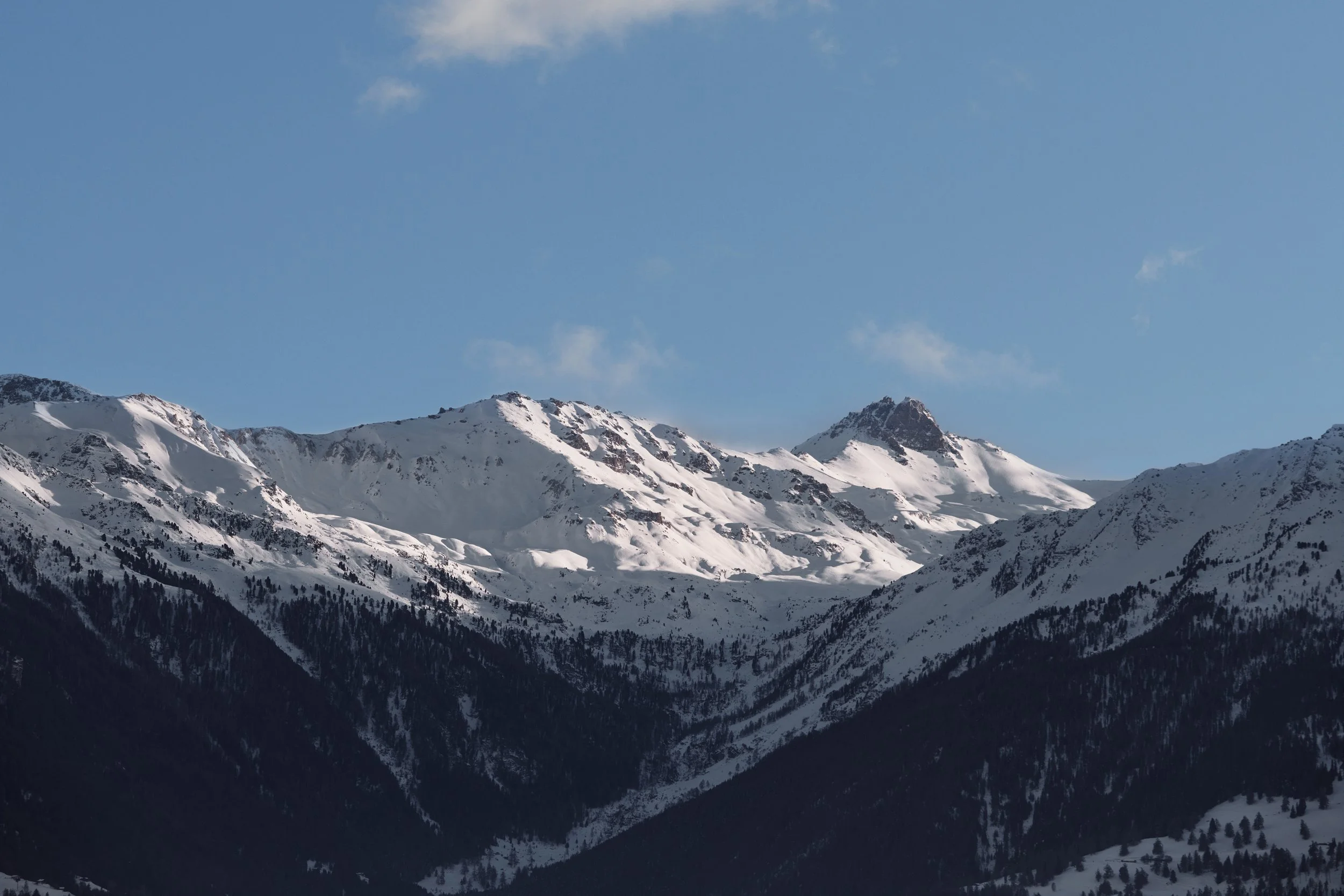
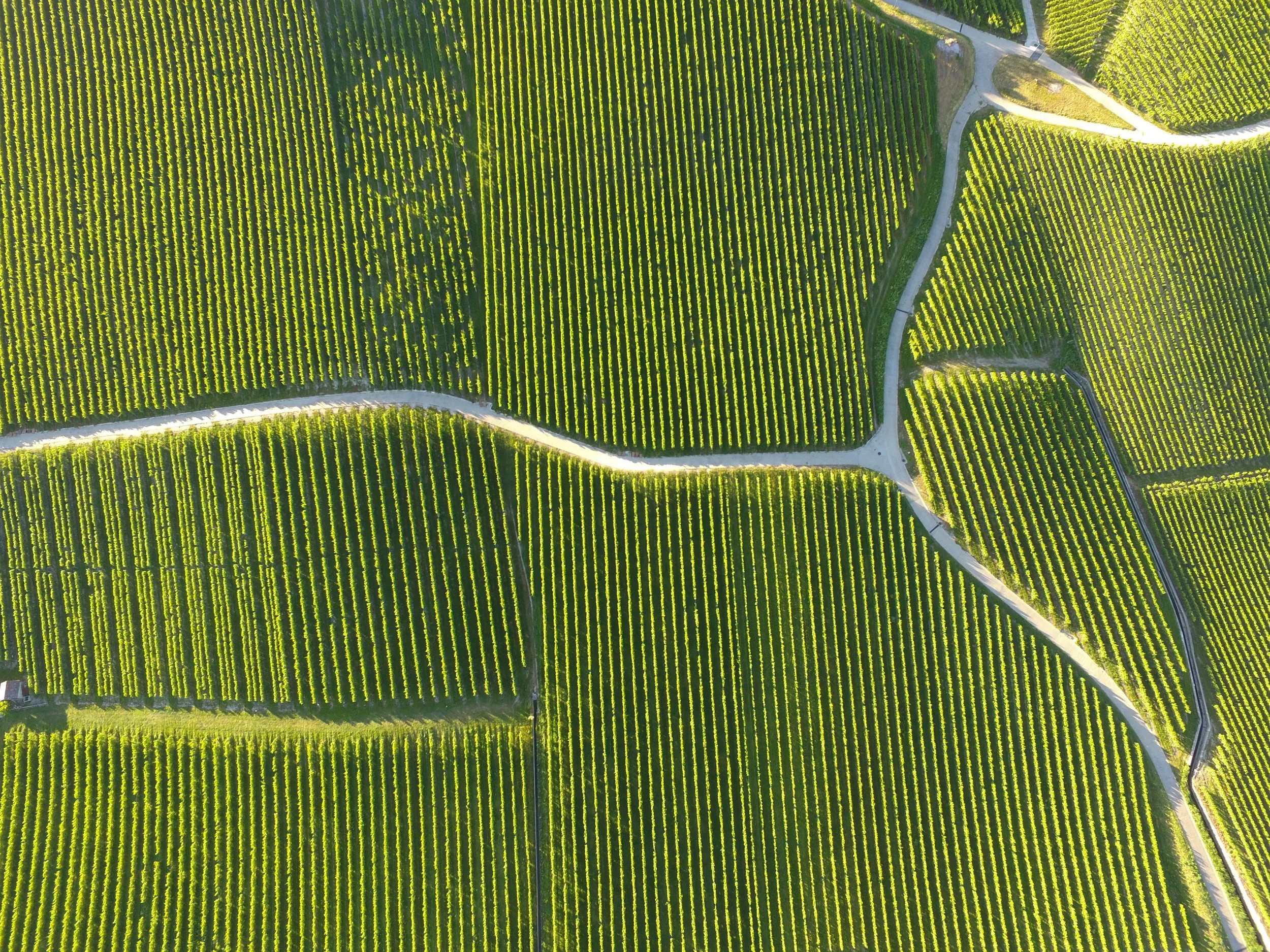
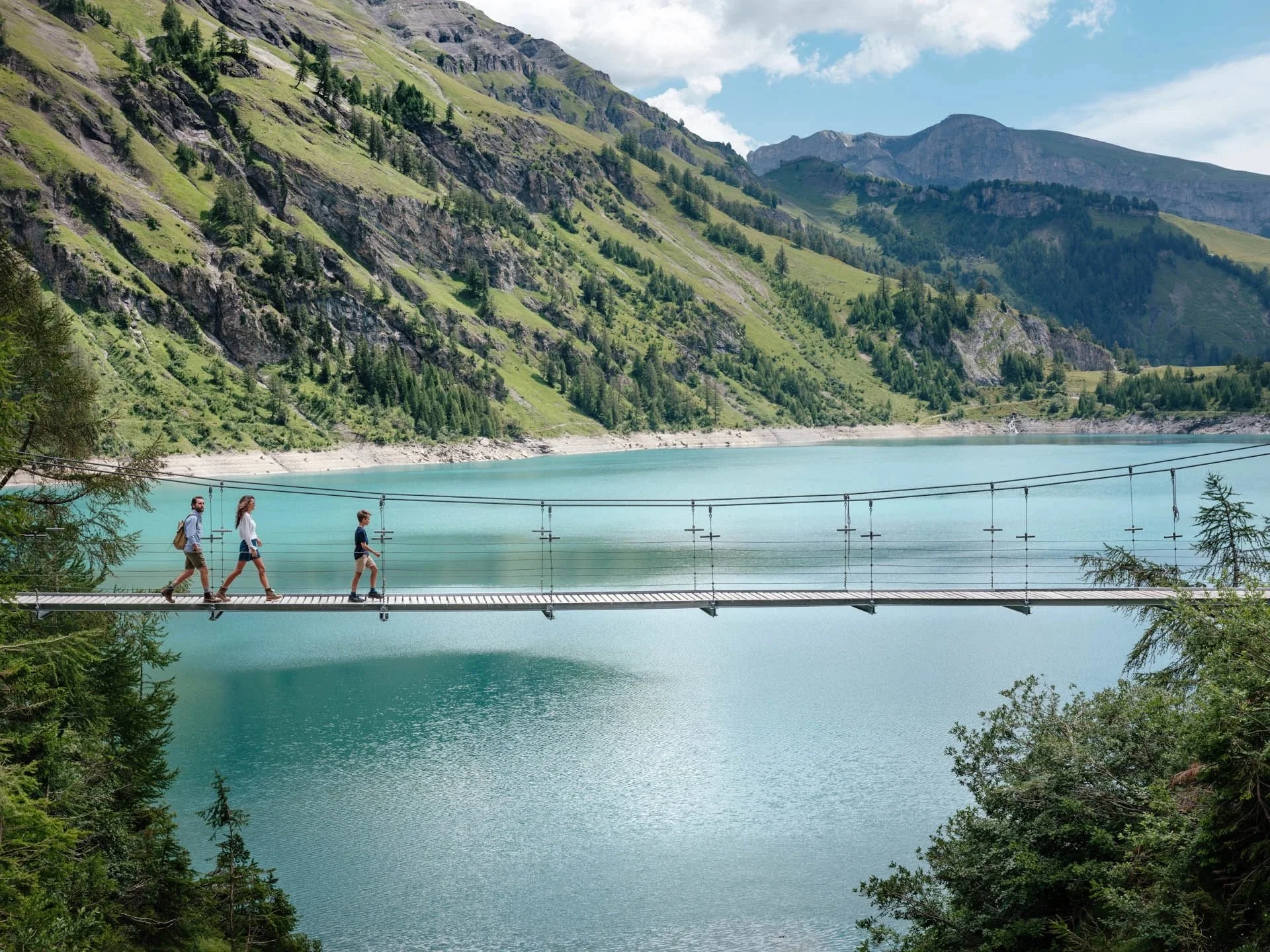
Crans-Montana’s setting above the Rhône Valley makes it possible to combine a mountain stay with experiences at a very different elevation. Vineyards spread across the lower slopes, while higher routes lead toward forests, pastures, and the landscapes around Plaine Morte.
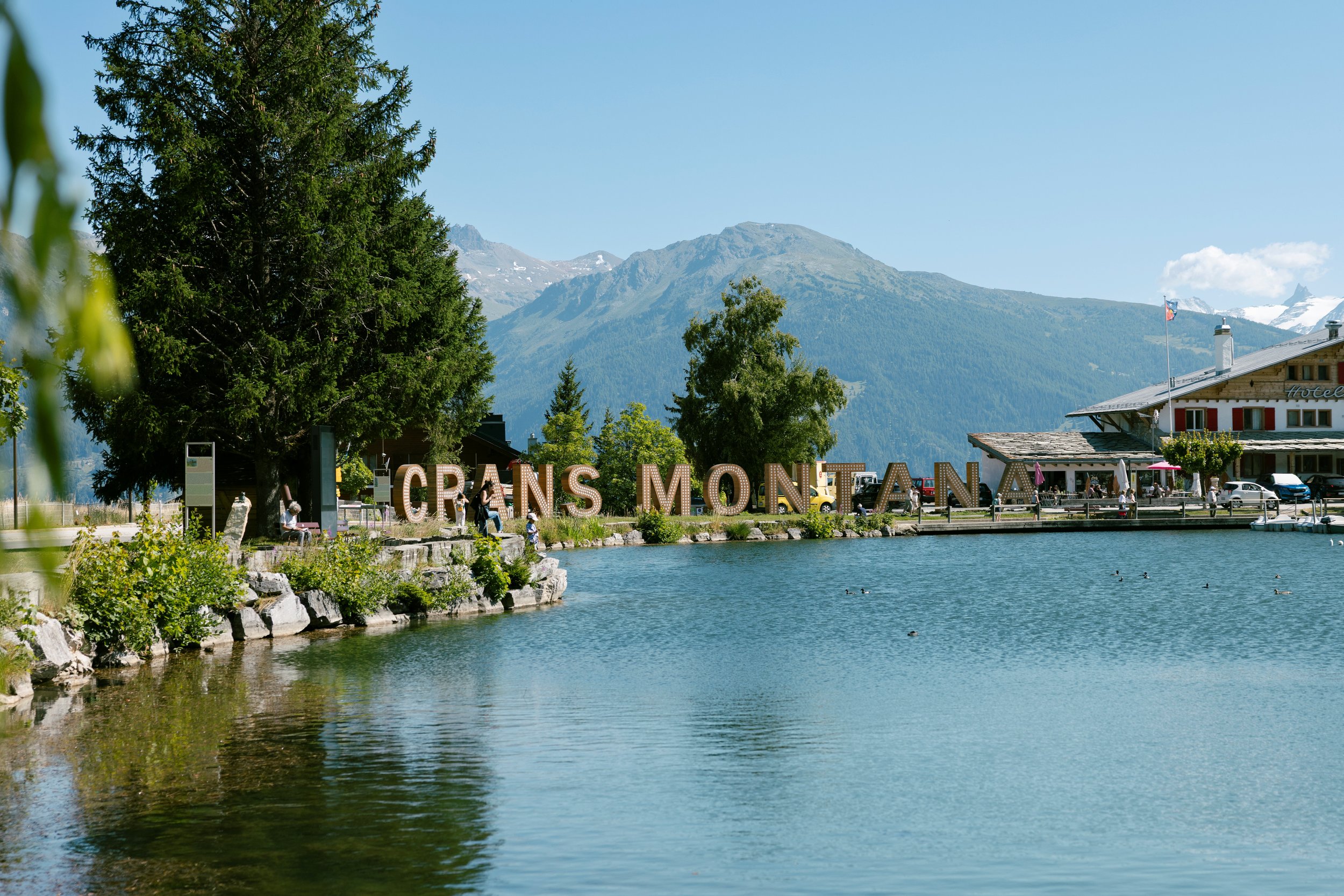
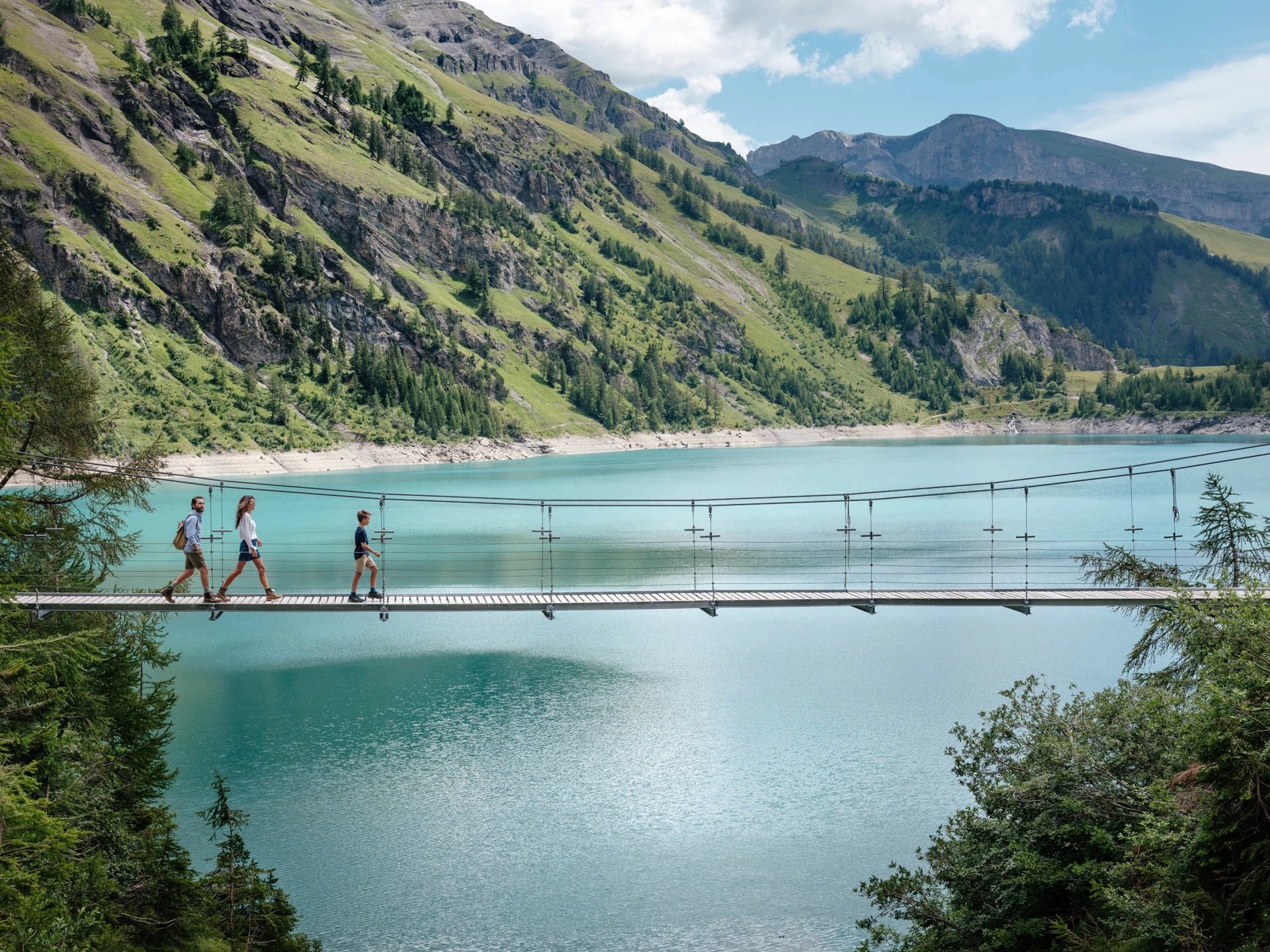
The village itself is worth leaving time for. Boutiques, cafés, and restaurants provide an easy change of scene, and the nearby lakes introduce gentler walks between more active days. In summer, the contrast between green fairways, water, and distant snow-covered peaks gives the destination much of its visual appeal.
Wine-focused outings offer a closer look at Valais through its producers and vineyard landscapes. A guided visit can be paired with a walk rather than treated as a succession of tastings, leaving time to understand how the terrain shapes the region.
We would resist filling every day with a major excursion. Part of the pleasure here is noticing how quickly the setting changes: village streets give way to forest, the forest opens onto a slope, and the valley comes into view again.
Getting There: From the Rhône Valley to the Slopes
From Geneva Airport (GVA): Allow approximately 2–2½ hours by private car, with additional time possible during winter weather or busy travel periods.
From Sion Airport (SIR): For suitable private aviation arrivals, the onward drive is approximately 40 minutes, depending on road conditions.
Private Transfers: The hotel can arrange airport transportation, with the vehicle selected according to party size and luggage requirements, including ski equipment.
Arrival at the Hotel: The property is located just above the Cry d’Er gondola in Crans, with village shops and restaurants close enough to explore on foot.
When the Mountain Sets the Pace
The most memorable part of a stay may be the transition at the end of the day: boots coming off after the slopes, the warmth of the pool, or the first quiet minutes on a terrace as the light moves across the forest.
Six Senses Crans-Montana gives those moments room. Its architecture keeps the landscape close, while its spa and living spaces make returning indoors feel as satisfying as setting out.
Across winter snow and summer greenery, the constant is the relationship between activity and rest – enough to explore outside, and a comfortable place to return when the day is done.