Abu Dhabi, U.A.E. | Qasr Al Sarab Desert Resort by Anantara
A Palace at the Edge of the Empty Quarter
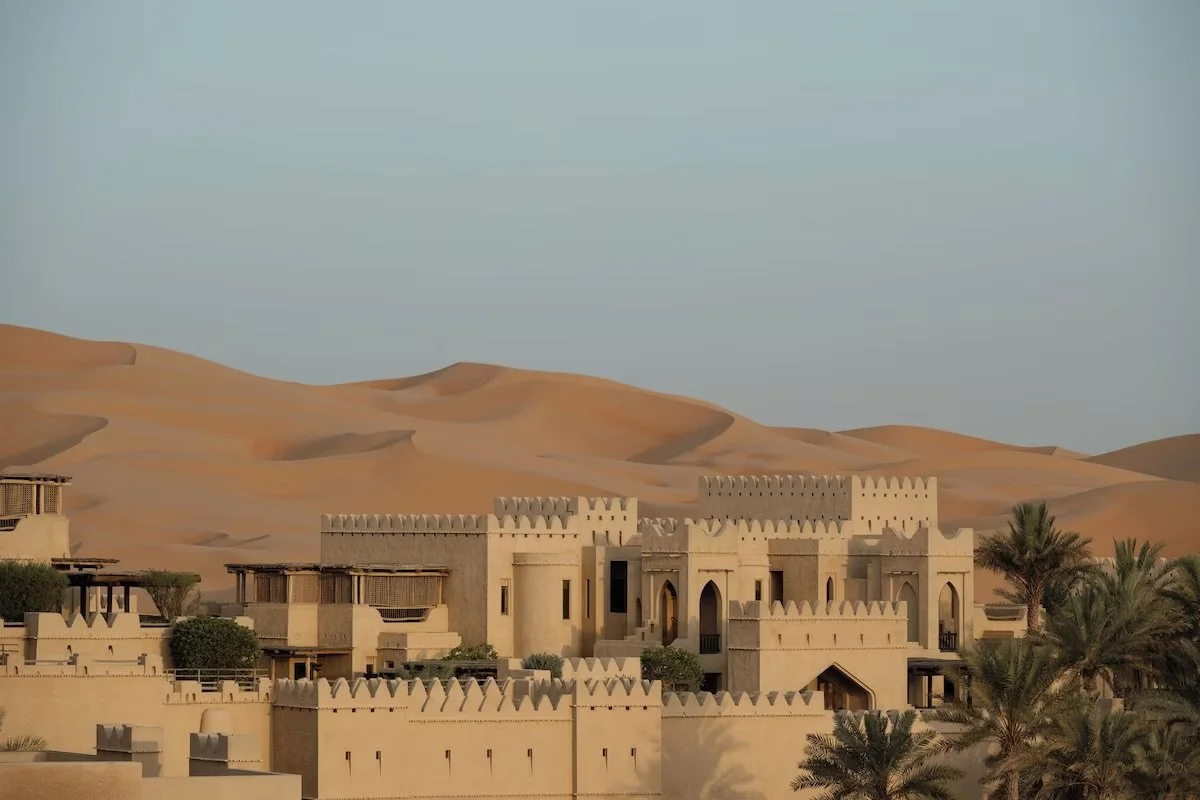
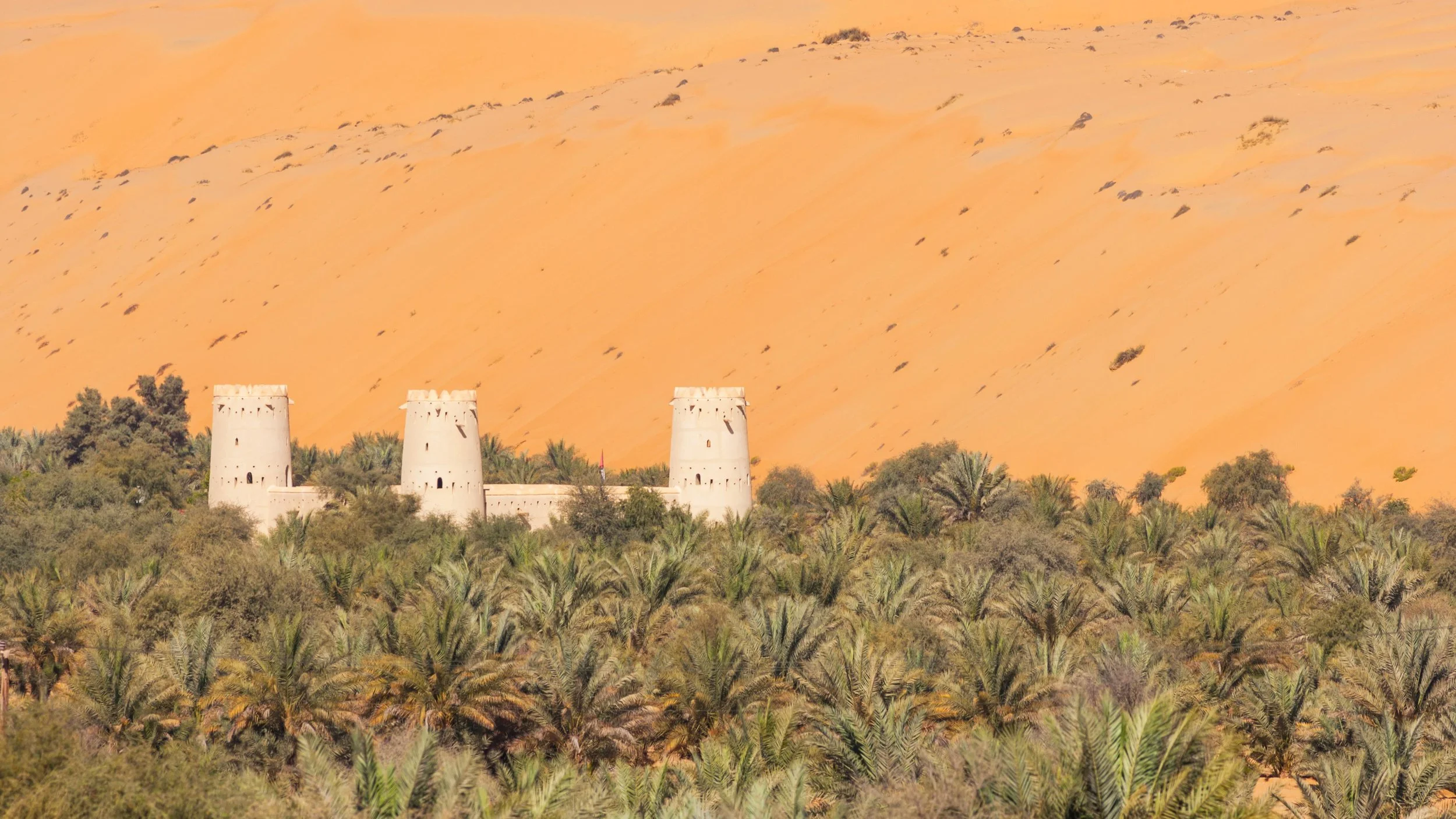
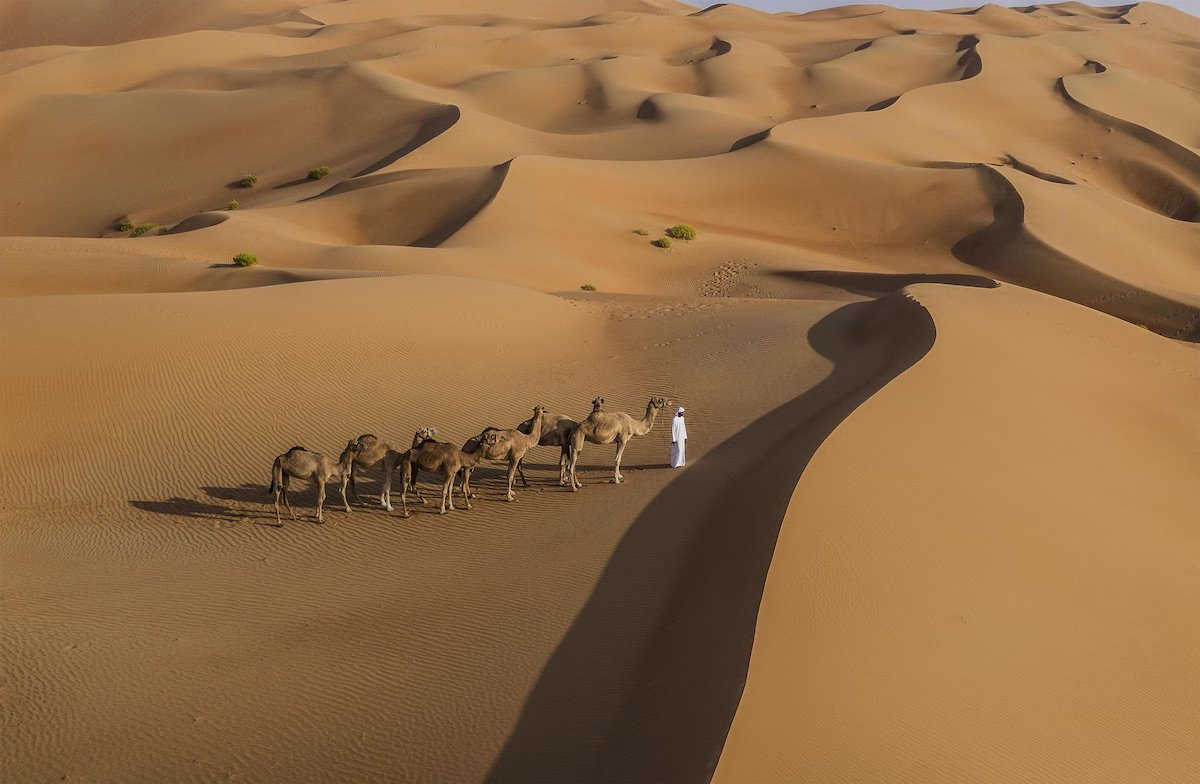
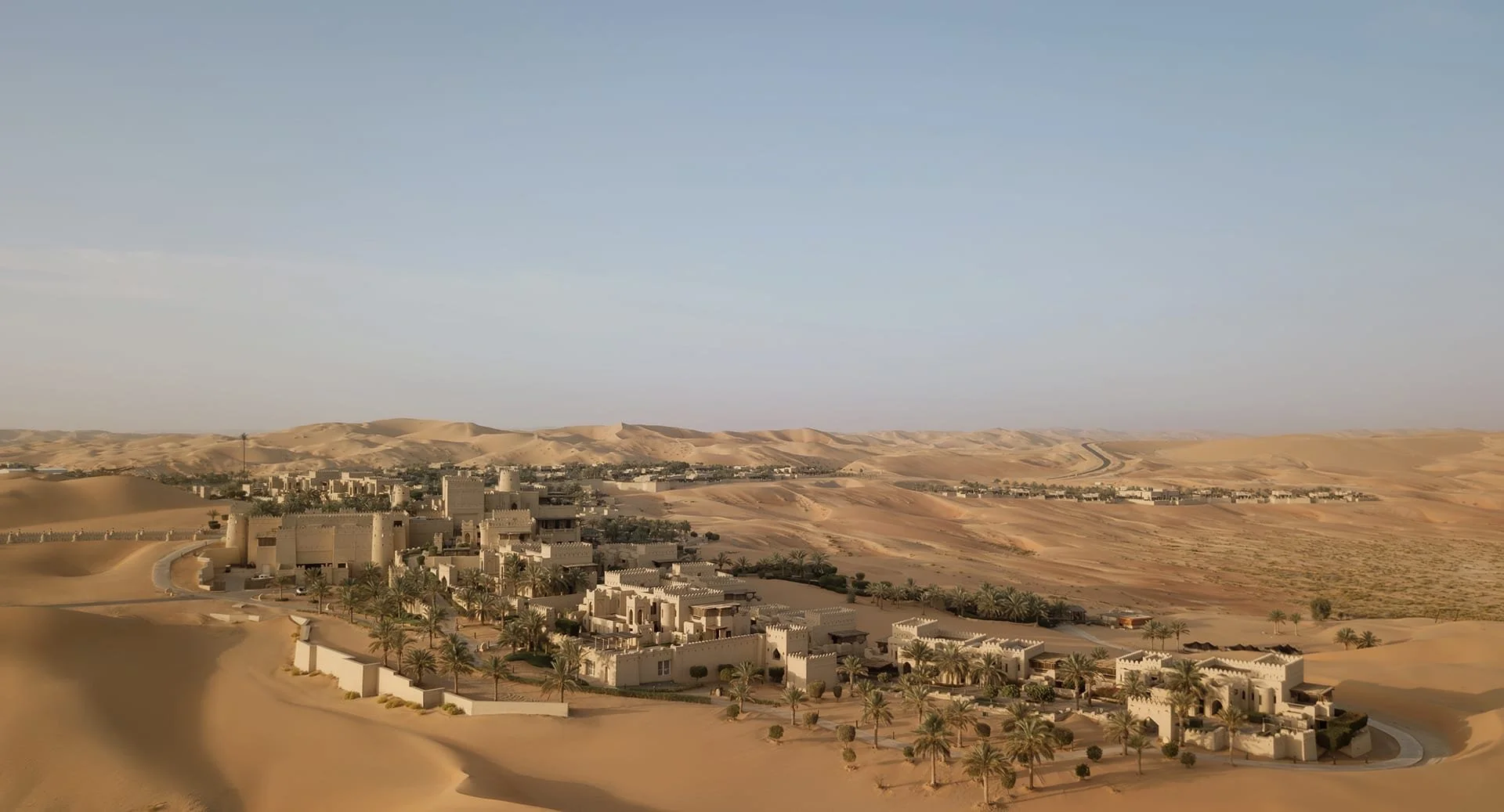
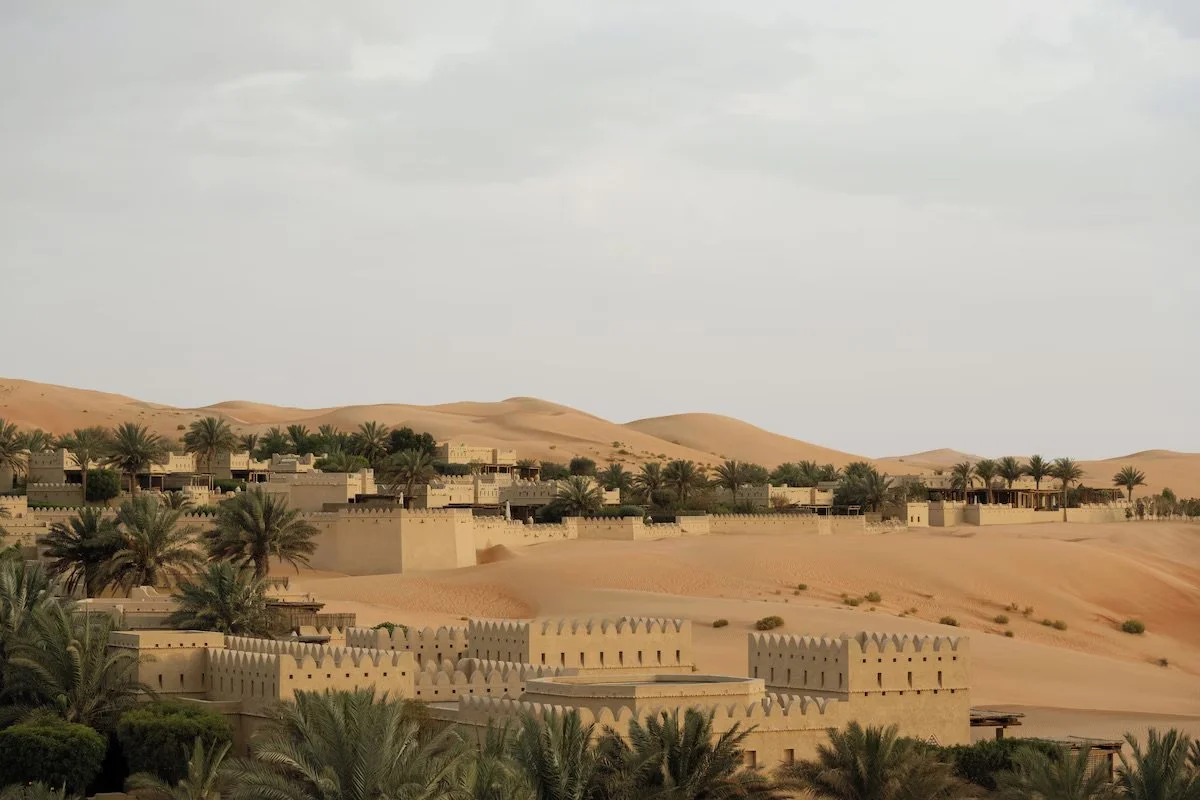
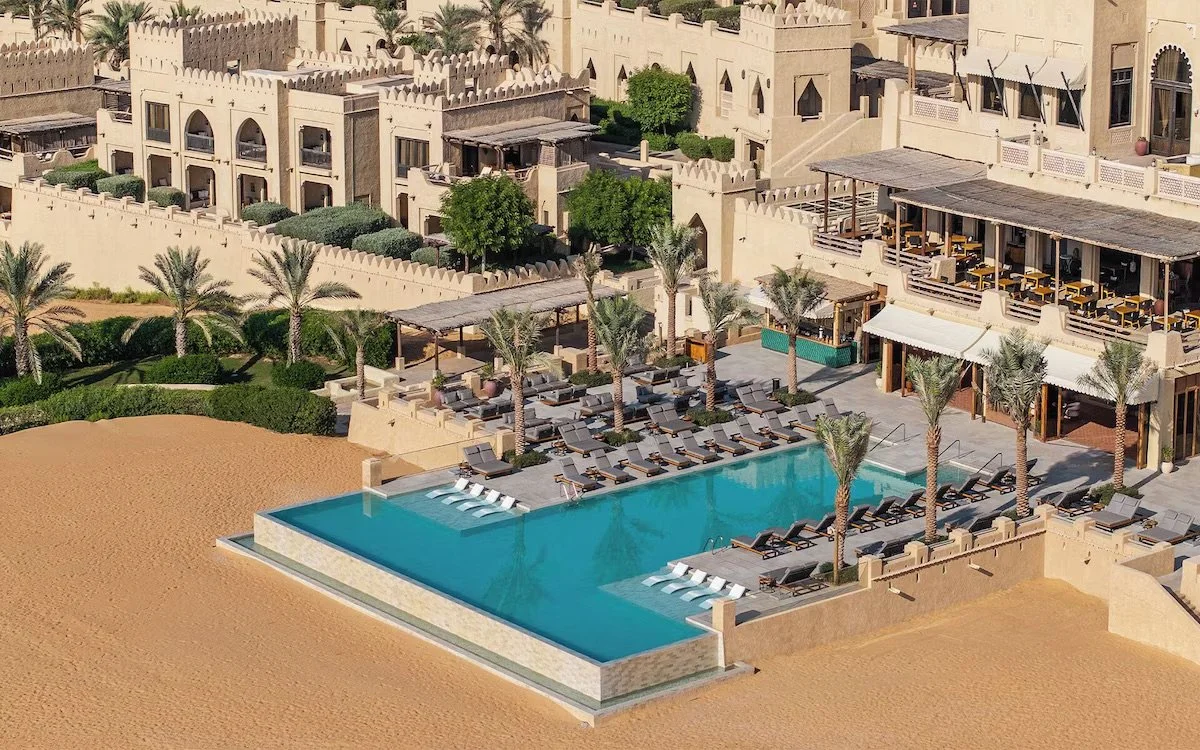
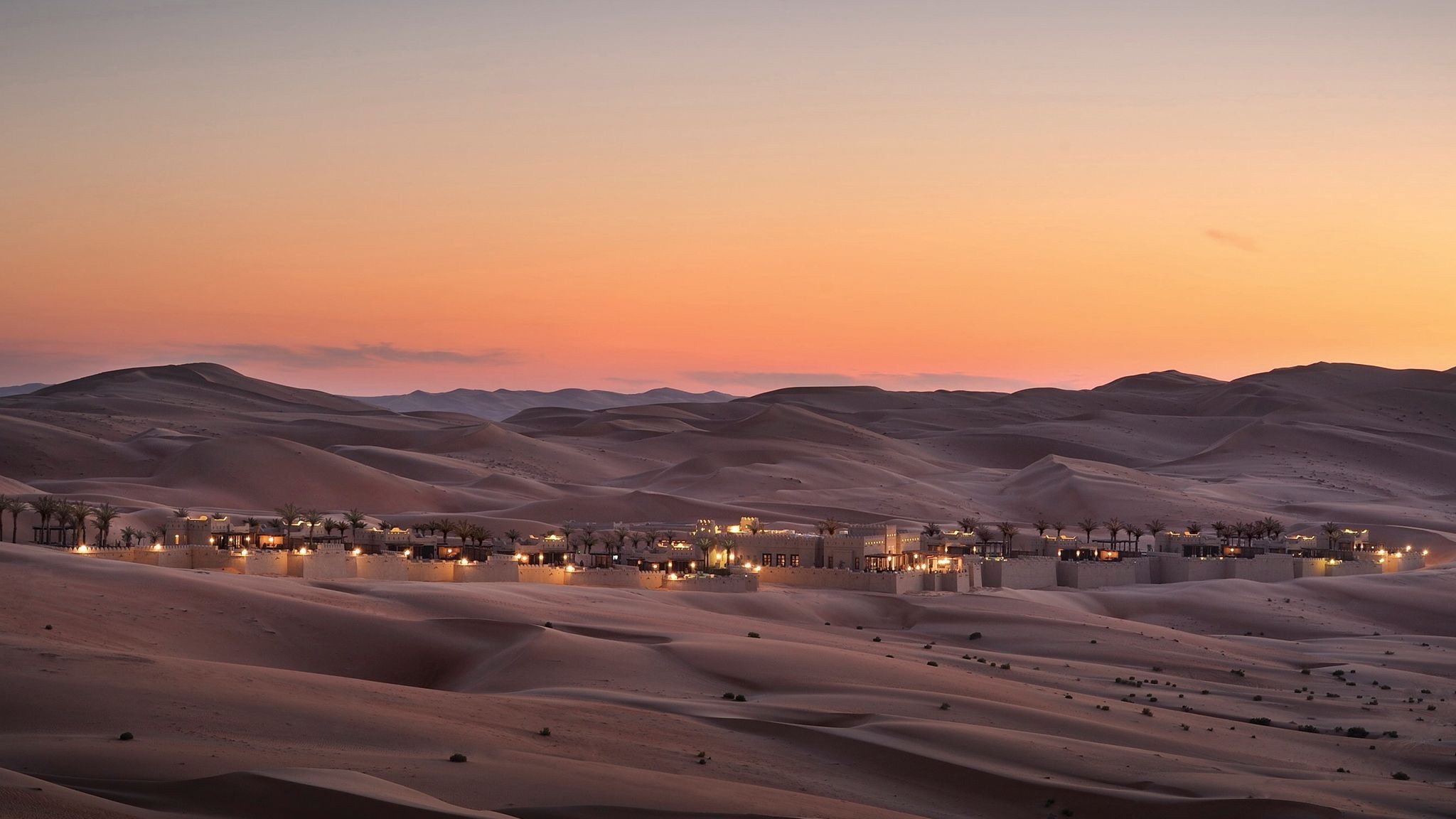
Qasr Al Sarab Desert Resort by Anantara sits deep within the Liwa Desert, where the dunes of the Rub’ al Khali stretch far beyond the boundaries of the property. The setting is the first thing that changes the rhythm of a stay. Abu Dhabi’s towers are replaced by open sand, long horizons and a final approach that leaves ordinary roadside development behind before the resort appears as a fortified settlement among the dunes.
The current collection comprises 140 rooms, 14 suites and 53 pool villas, spread through courtyards, towers, gardens and low-rise wings rather than concentrated into a single block. Rooms remain connected to the main palace, while pool villas and the Royal Pavilion move farther into the landscape.
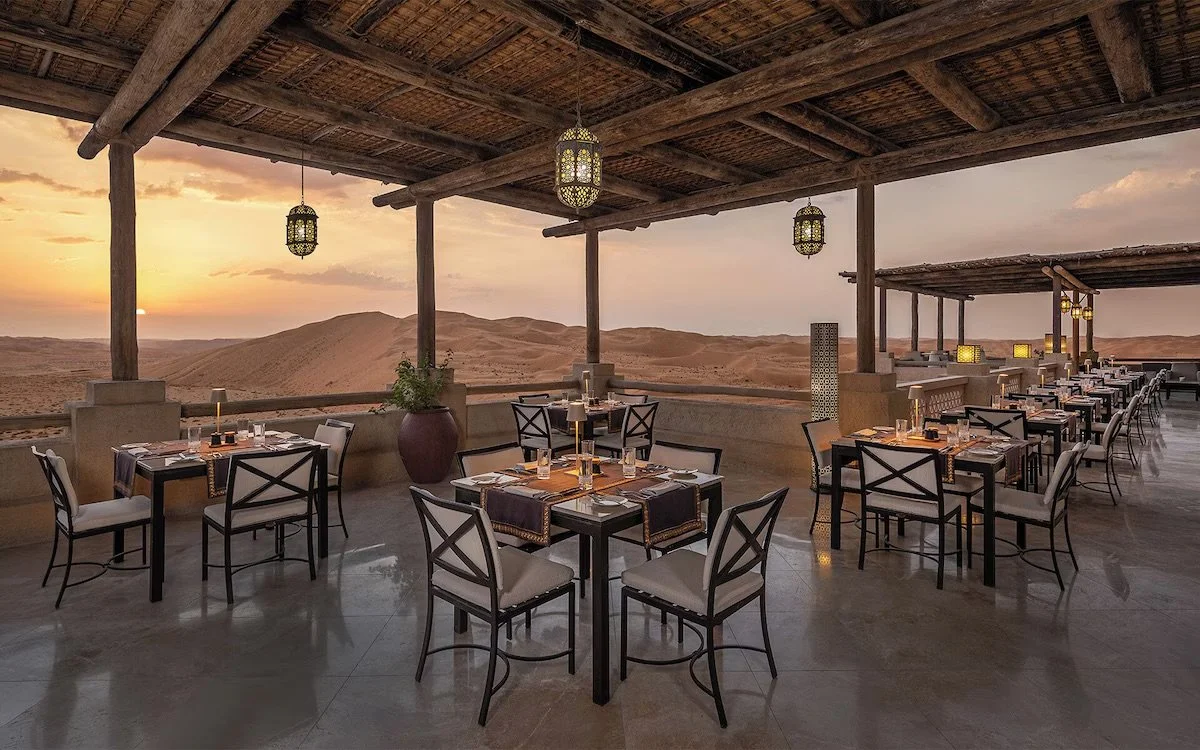
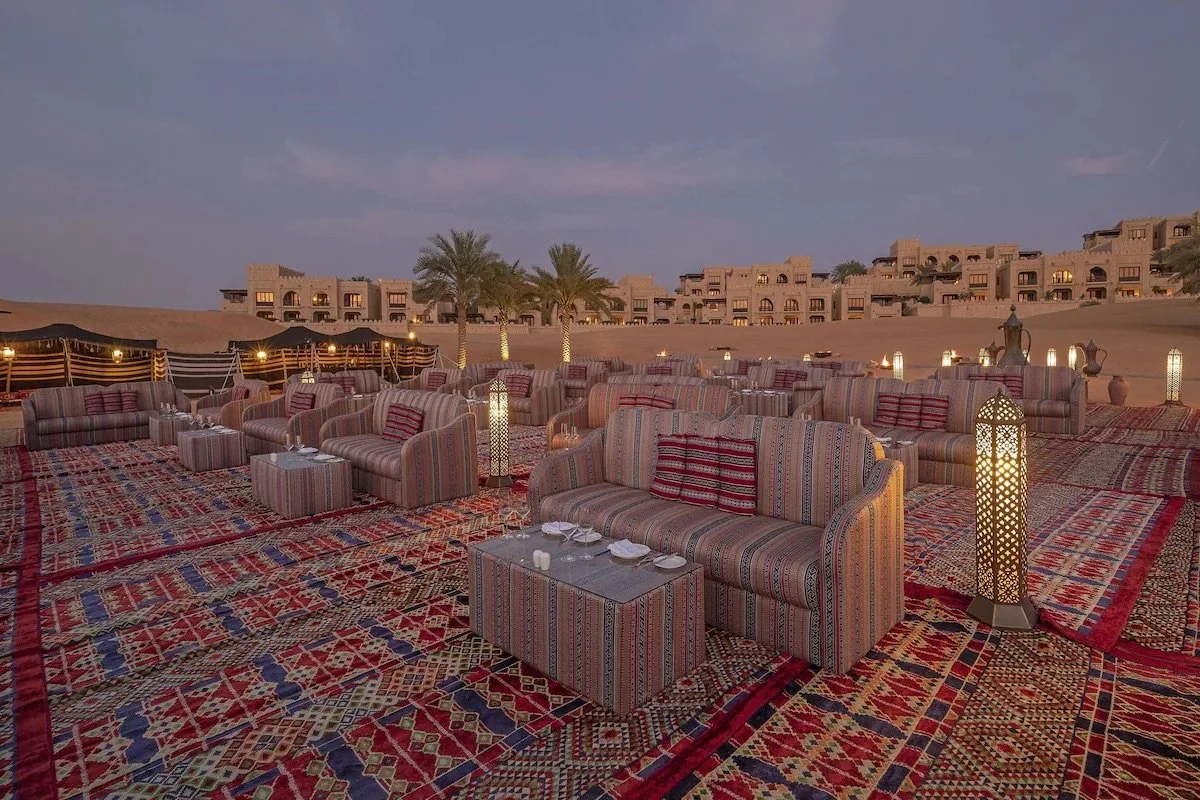
The desert determines the daily rhythm. Cooler mornings suit camel rides or guided drives; midday belongs more naturally to the pool, spa and shade; sunset brings the roof terrace at Suhail or dinner in the dunes.
Current recognition includes one Michelin Key in the 2026 hotel selection, Abu Dhabi’s Leading Resort 2026, World’s Leading Desert Resort 2025 and Abu Dhabi’s Best Resort Spa 2026.
For us, the Empty Quarter is the reason to stay. Its geography, history and living traditions give the architecture, activities and dining their context.
A Modern Resort Built Around an Older Desert Story
Qasr Al Sarab is not a restored fort or historic palace. It was conceived as a new desert resort and opened in 2009, following a project launched by Abu Dhabi in 2007. The original development was led by the Tourism Development & Investment Company, with Anantara appointed to operate the property.
Liwa’s oasis settlements have long provided water and shelter along the edge of the Empty Quarter, and Al Dhafra is closely connected with Bedouin movement, date cultivation and camel culture. The resort draws on that regional vocabulary, but its buildings are contemporary interpretations rather than surviving heritage structures.
Northpoint developed the architectural concept, while HBA worked on the interiors. Construction began in 2008 and the resort opened the following year. In 2010, its public spaces and spa received recognition at the Hospitality Design Awards, early evidence that the project’s design ambitions extended beyond creating a picturesque desert façade.
More recent additions, including Al Sarab Villa and Sahra Villa, move the highest accommodation categories toward self-contained desert residences. The original palace remains the social centre, while the villa collection allows far greater privacy.
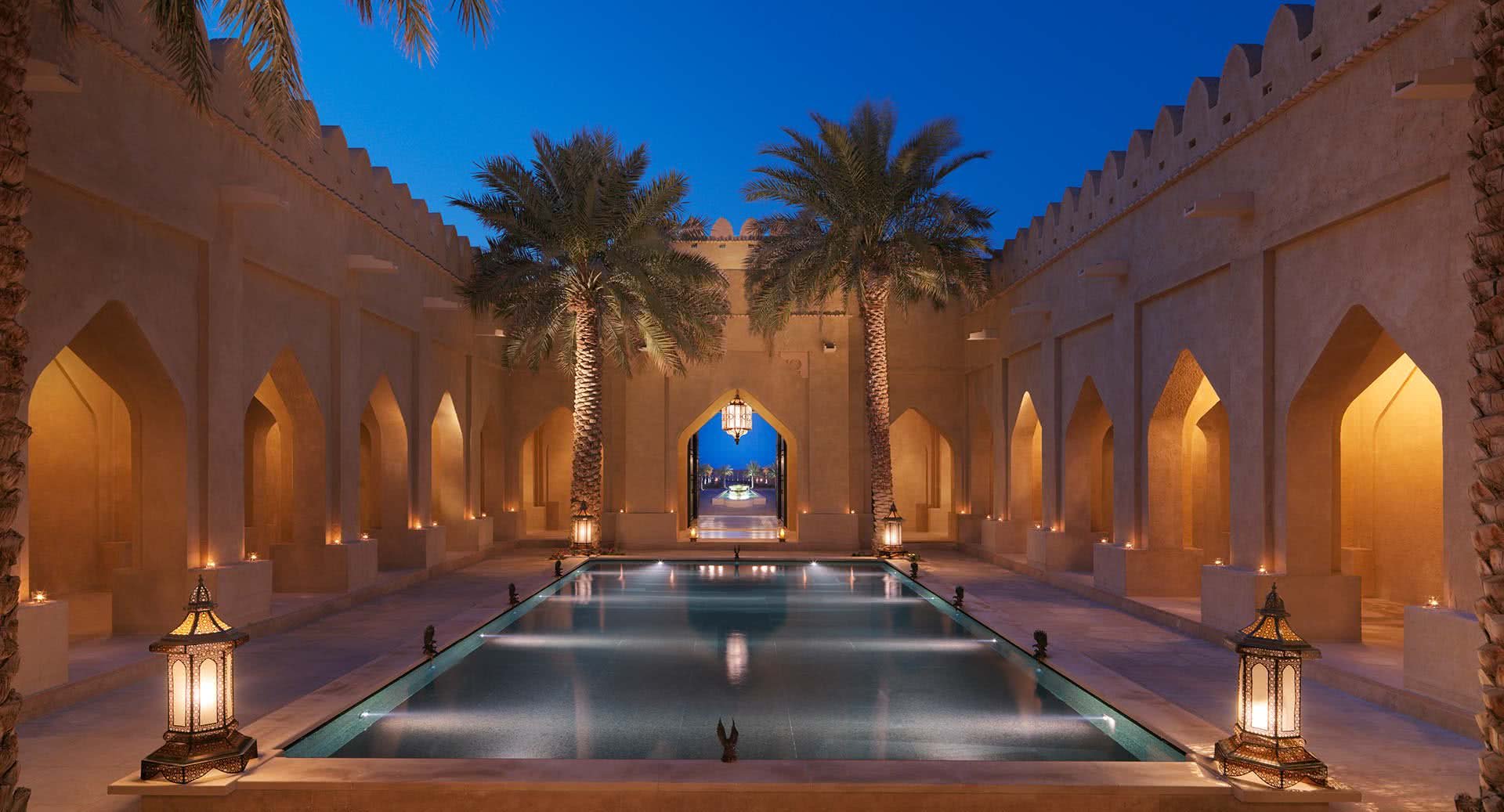
Fortress Walls, Courtyards and Rooms Shaped by the Desert
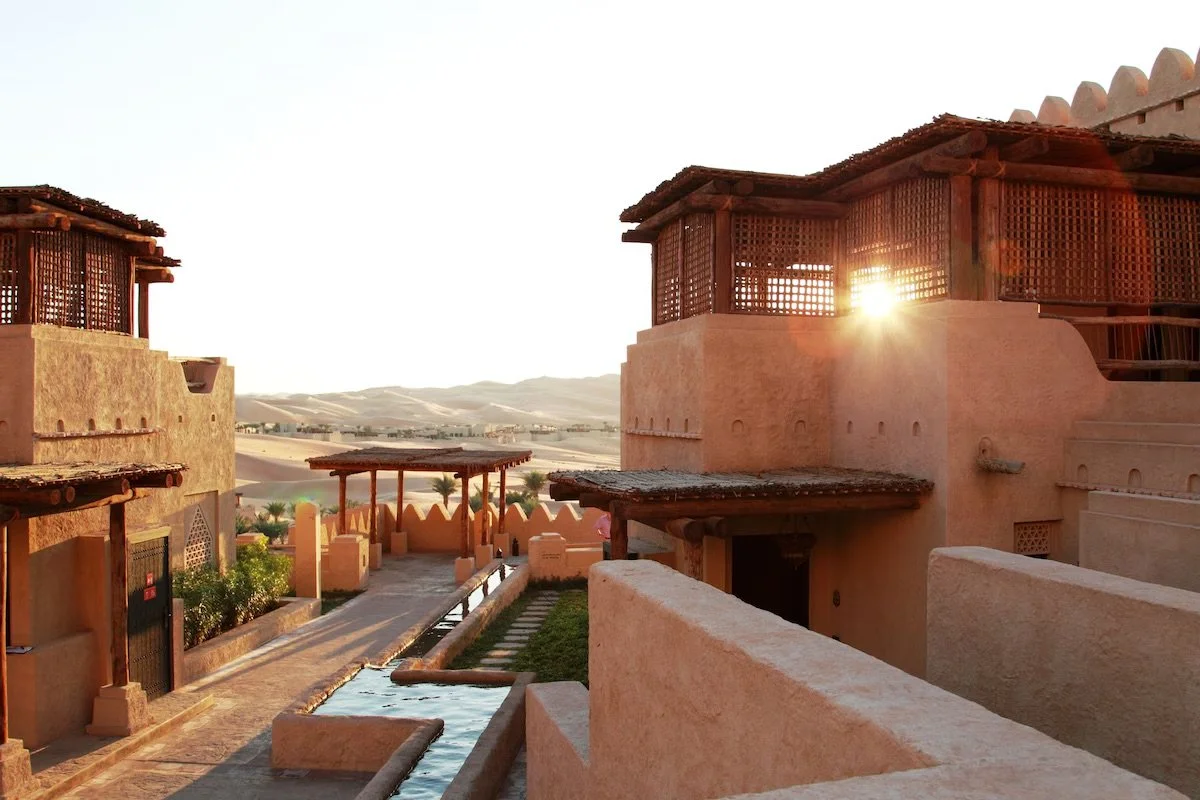
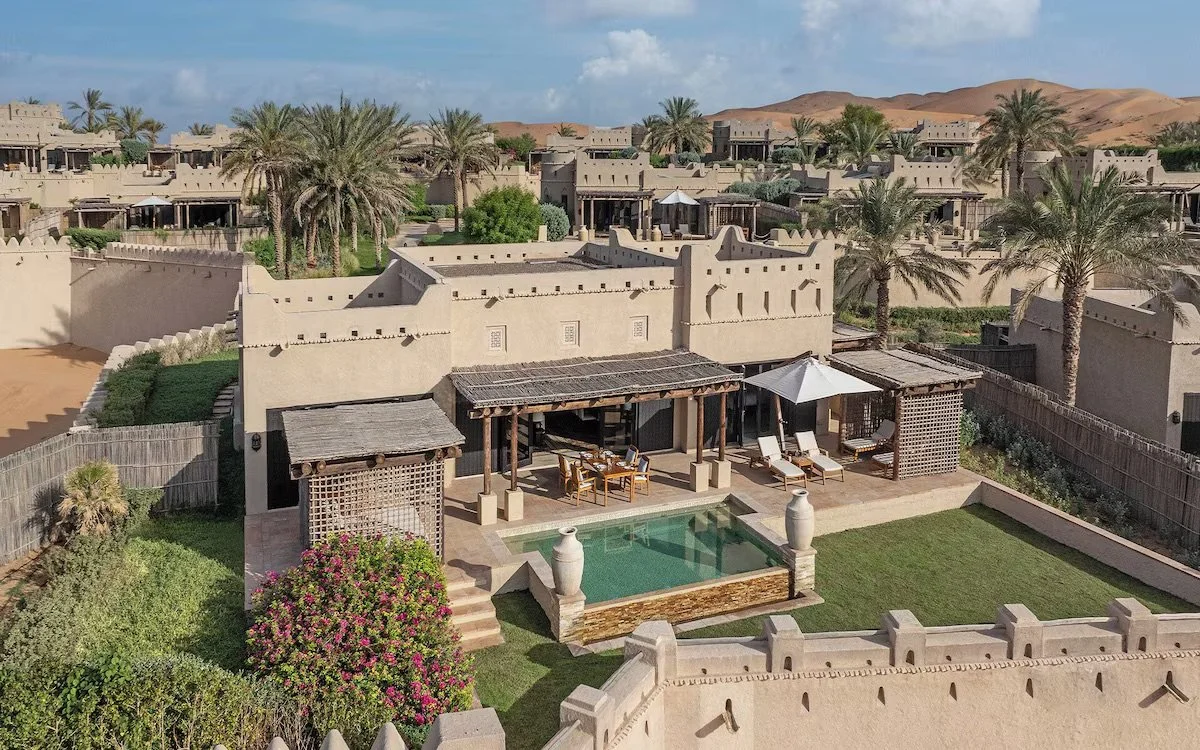
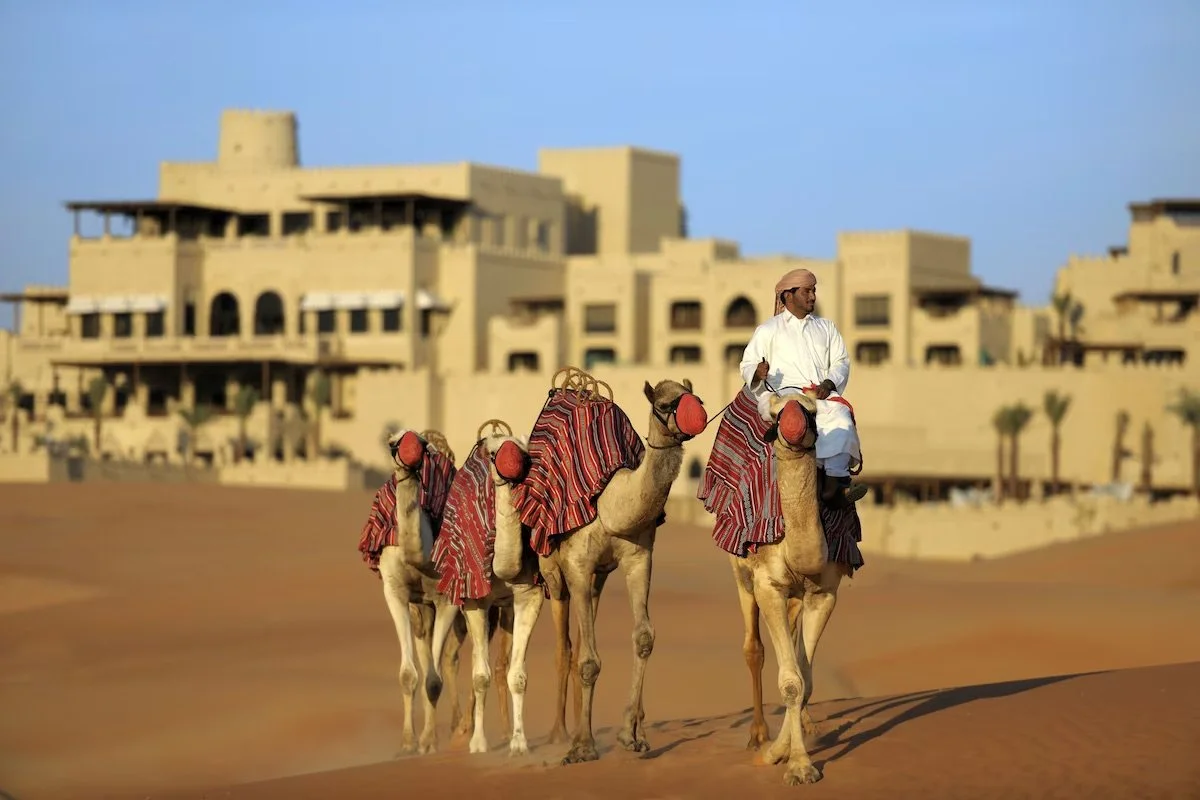
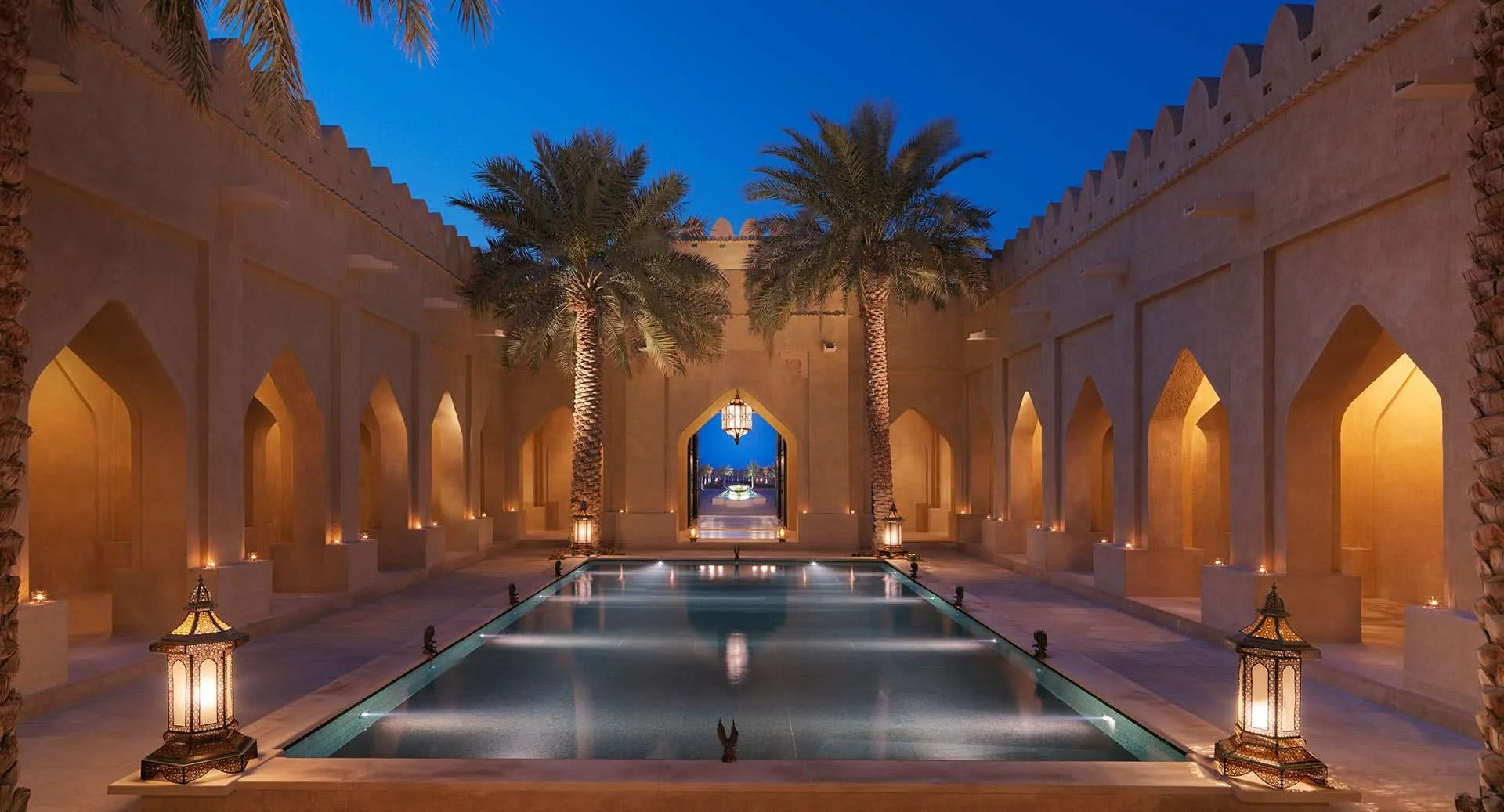
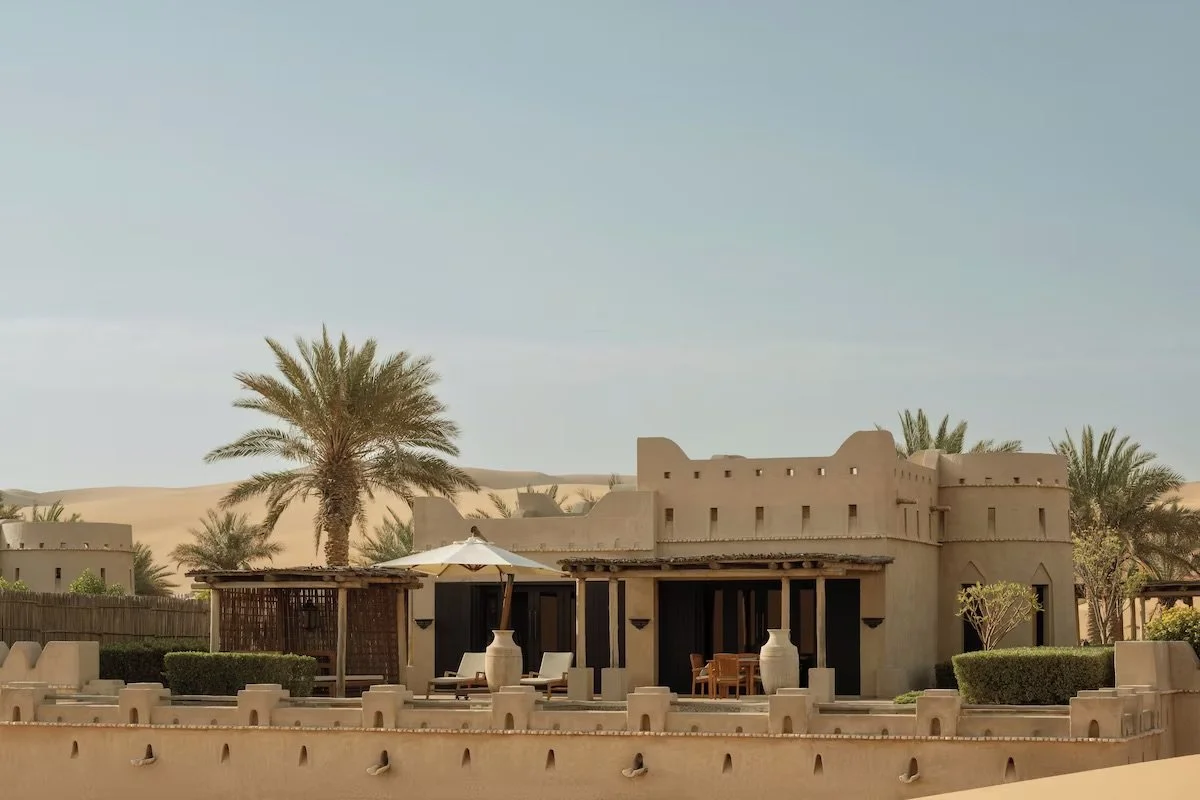
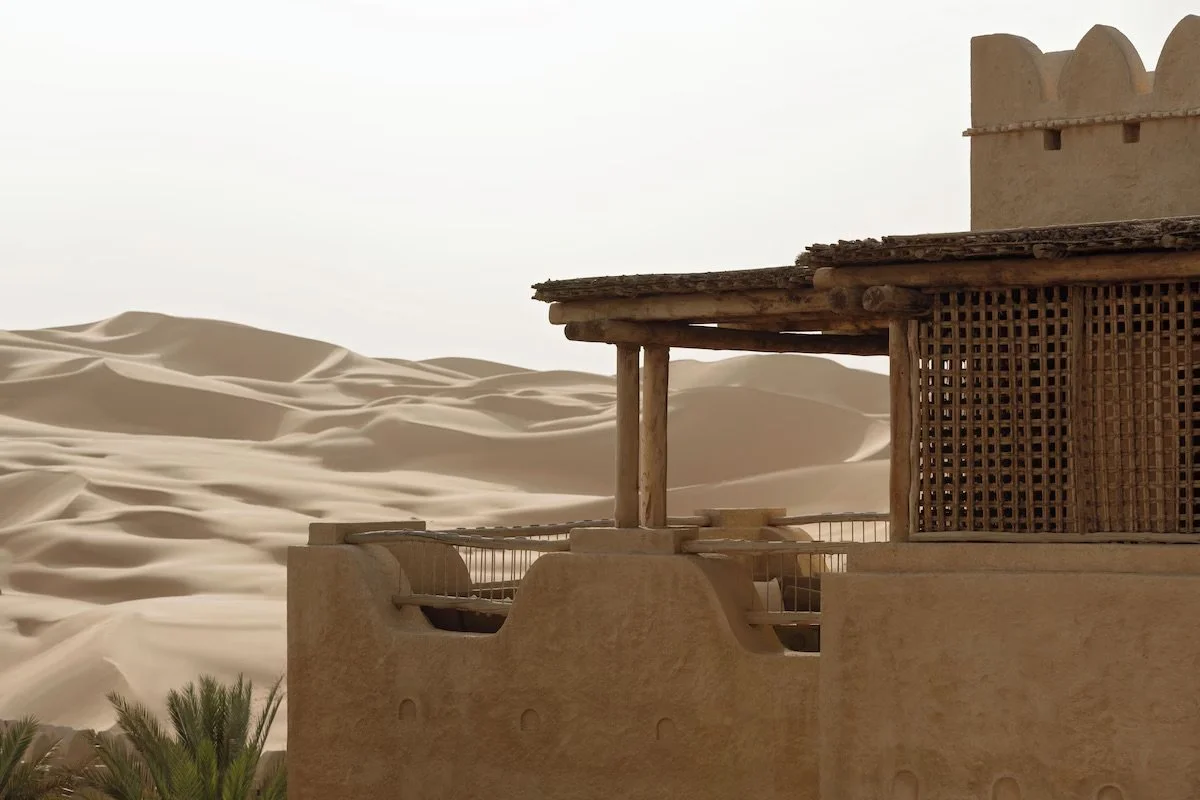
The architecture takes its cues from fortified desert settlements: sand-coloured walls, crenellations, watchtower forms, shaded courtyards and water features create the sense of a palace assembled in stages.
Northpoint uses mass and shadow to respond to the landscape. Walls echo the colour of the dunes, while planted courtyards and fountains create contrast; arcades, balconies and carved details break the resort’s considerable scale into smaller spaces.
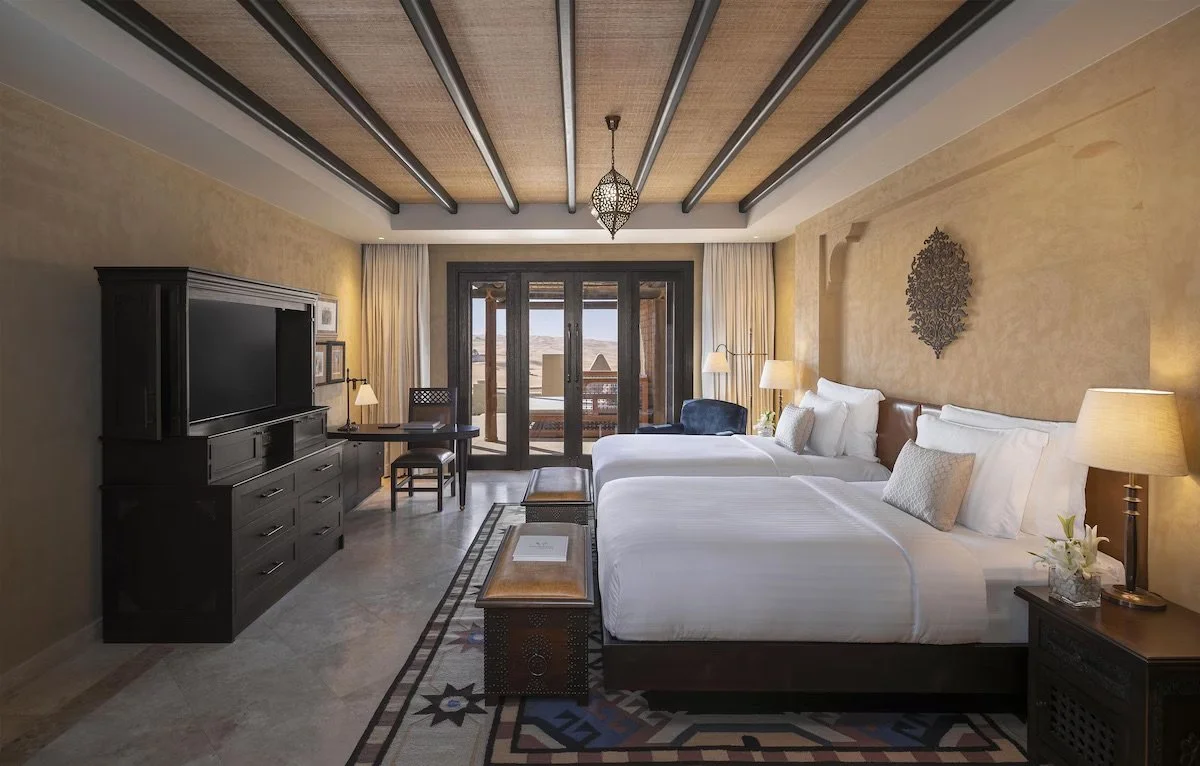
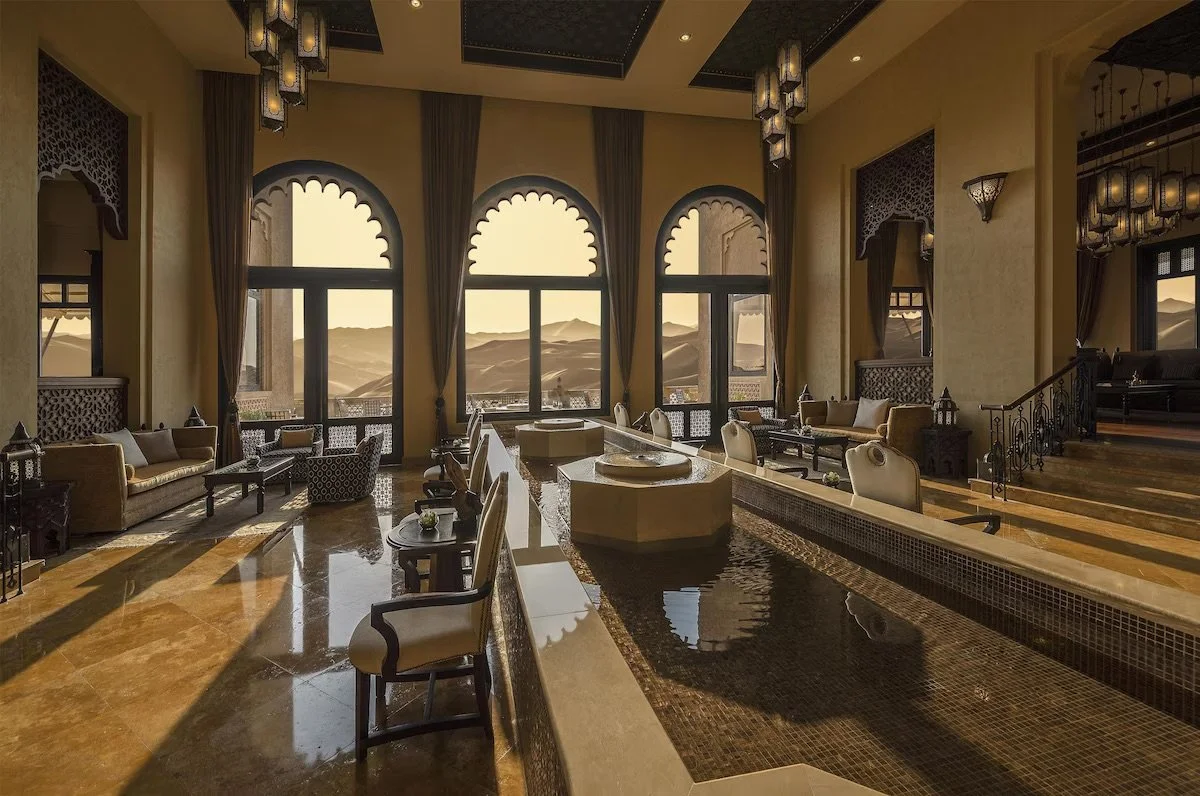
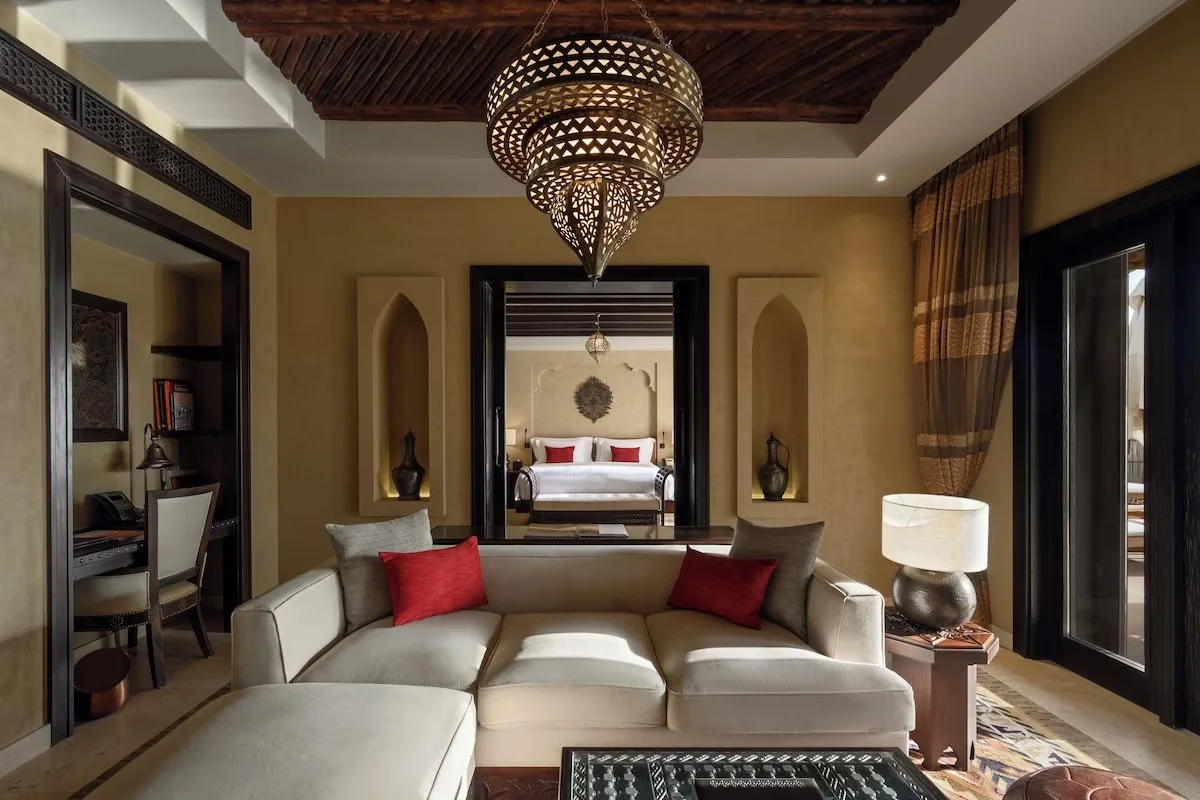
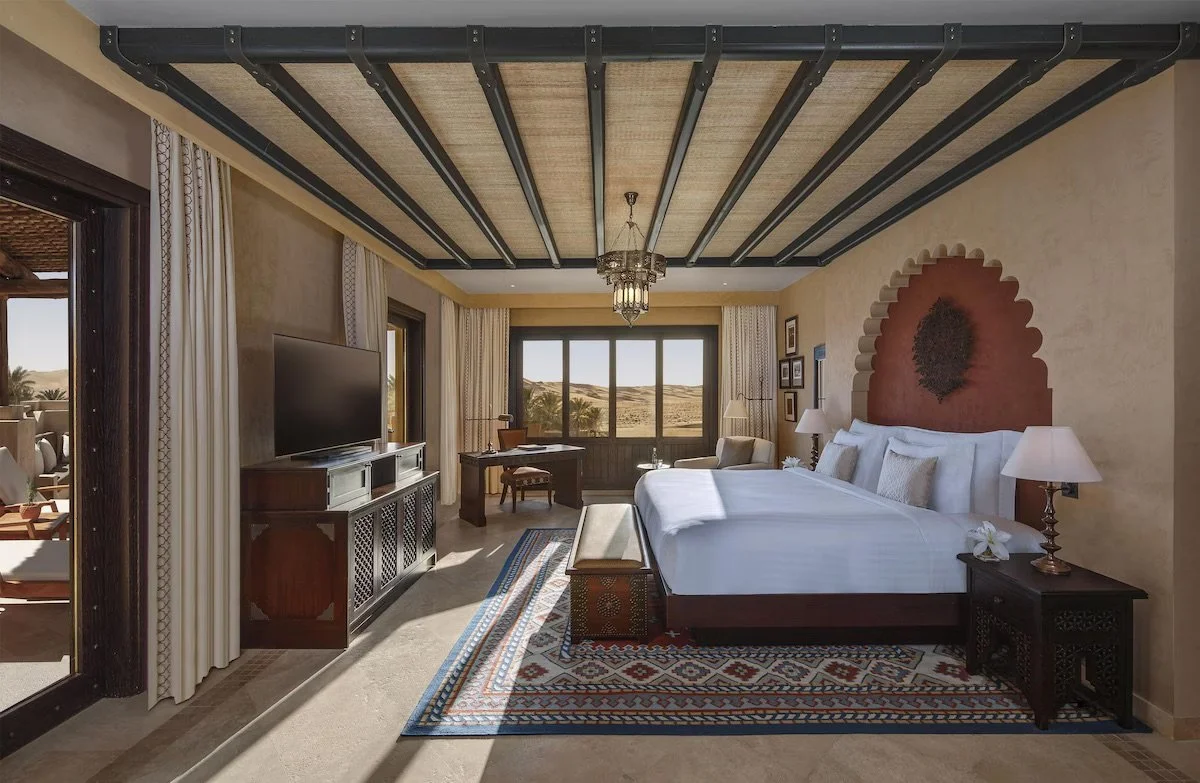
HBA’s interiors continue the regional references through Middle Eastern textiles, bronze lighting, carved screens and patterned fabrics. Deep windows and terraces keep the dunes dominant even where the interior treatment becomes theatrical.
The later villas are more contemporary in proportion and finish, but retain warm plaster, timber, bronze and woven textiles while opening more extensively toward private terraces and pools.
For us, the contrast between enclosed courtyards and open desert views is the design idea that matters most. The building offers shade, water and enclosure, then repeatedly directs attention back toward the scale and exposure of the dunes beyond it.
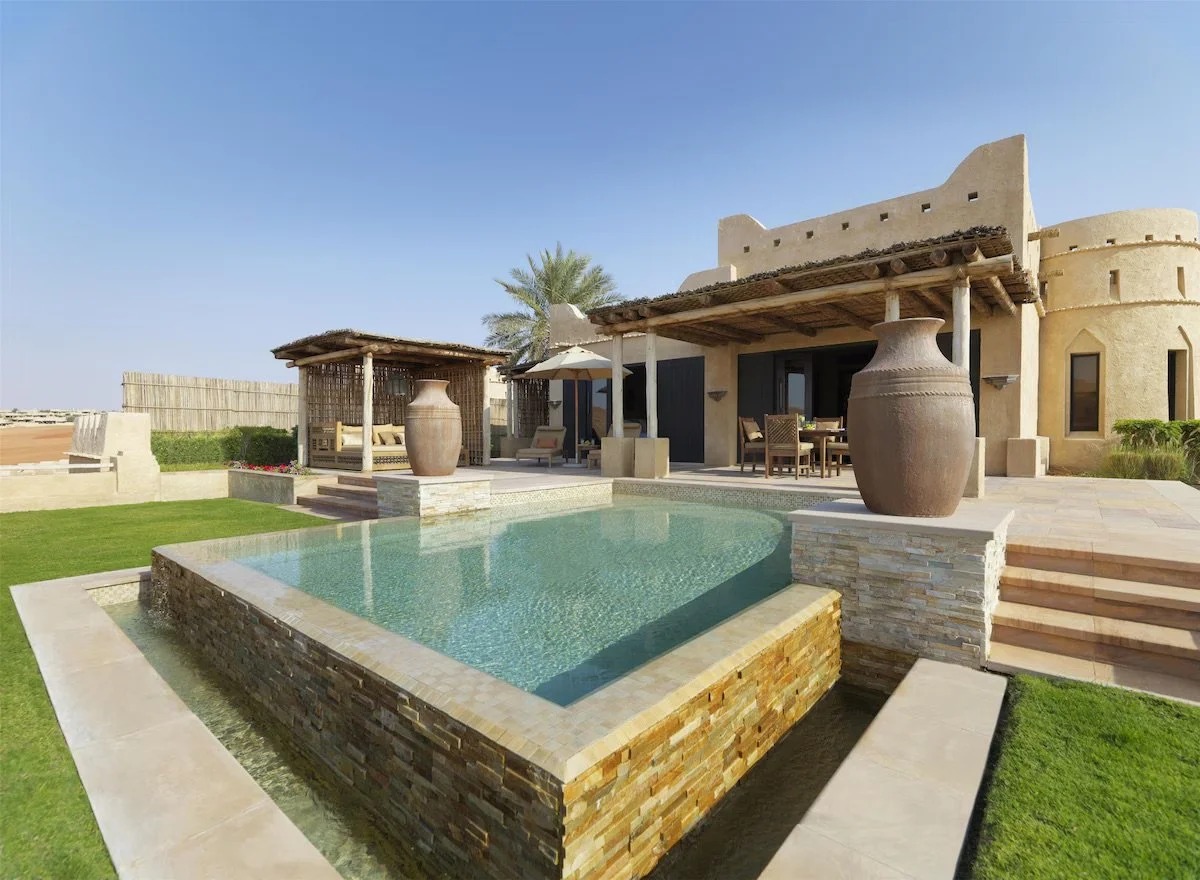
From Desert Rooms to Private Villa Compounds
The accommodation collection moves from palace rooms and suites to family pool villas and highly private residences with dedicated service. Published areas below are the hotel’s current figures.
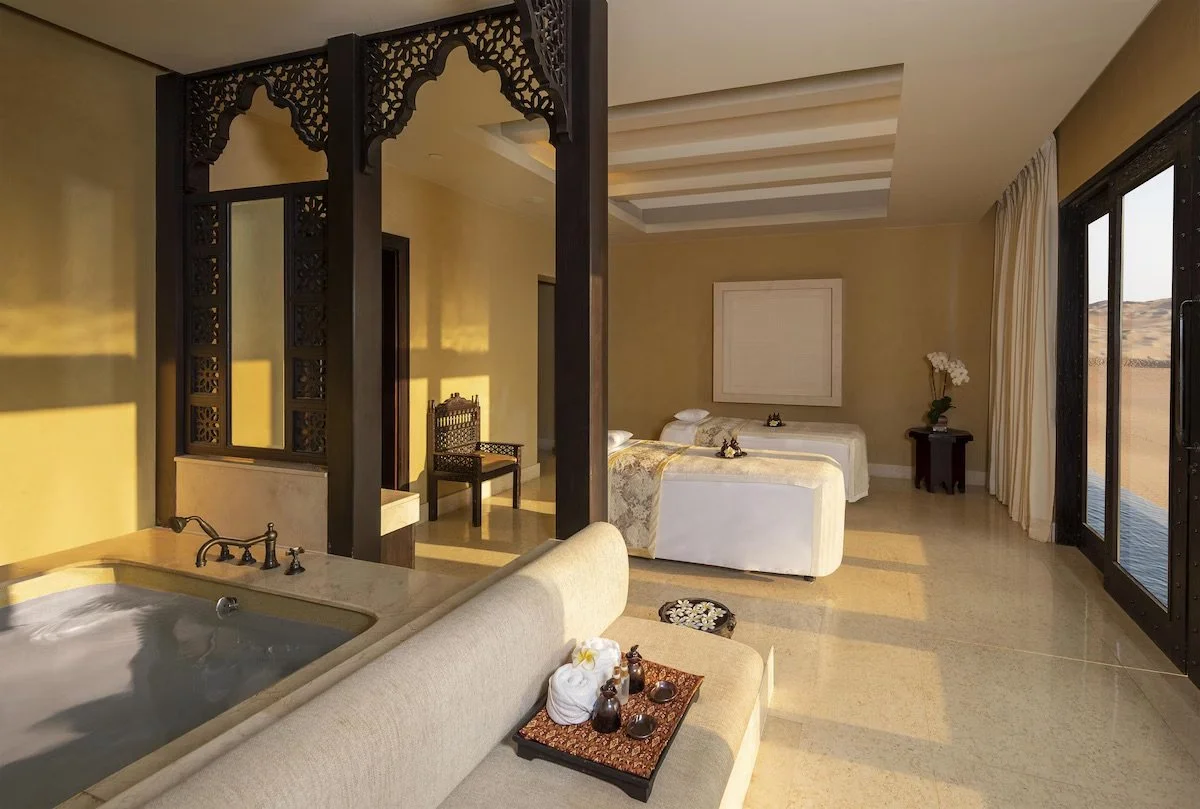
Deluxe Garden Room: Approximately 484 sq. ft., with a king or twin beds, ground-floor garden terrace, uninterrupted desert-valley views, sunken bathtub and rain shower, offering direct outdoor access while remaining close to the main resort facilities.
Deluxe Balcony Room: Approximately 516 sq. ft., with a king or twin beds, private upper-floor balcony, floor-to-ceiling desert views and an oversized soaking tub, making elevation and a clearer sunset outlook the principal distinction from the Garden category.
Deluxe Terrace Room: Approximately 538 sq. ft., with a king bed in an upper-floor corner position, a generous private terrace arranged for dining and lounging, panoramic desert views and the same sunken-bath format found across the deluxe-room collection.
Anantara Suite: Approximately 1,141 sq. ft., with a king bedroom, separate indoor lounge, pantry and a large garden terrace with dining and sun-lounging space, while the option to interconnect with a Deluxe Garden Room can create a broader family arrangement when specifically confirmed.
Two Bedroom Family Suite: Approximately 1,915 sq. ft., with one king and one twin bedroom, a separate living area and a broad terrace overlooking the desert, creating a hotel-based family option for guests who want two proper bedrooms without moving into a standalone pool villa.
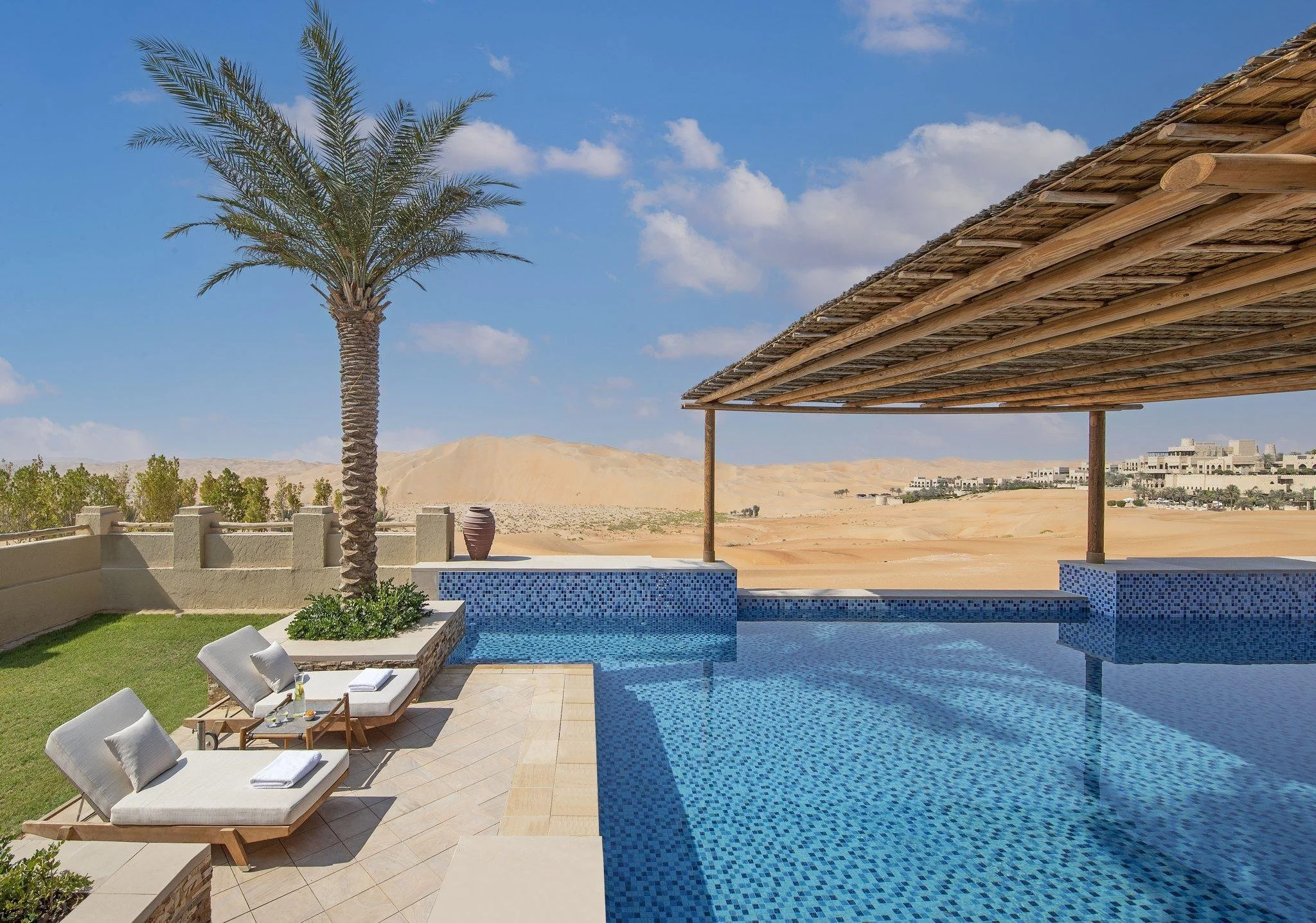
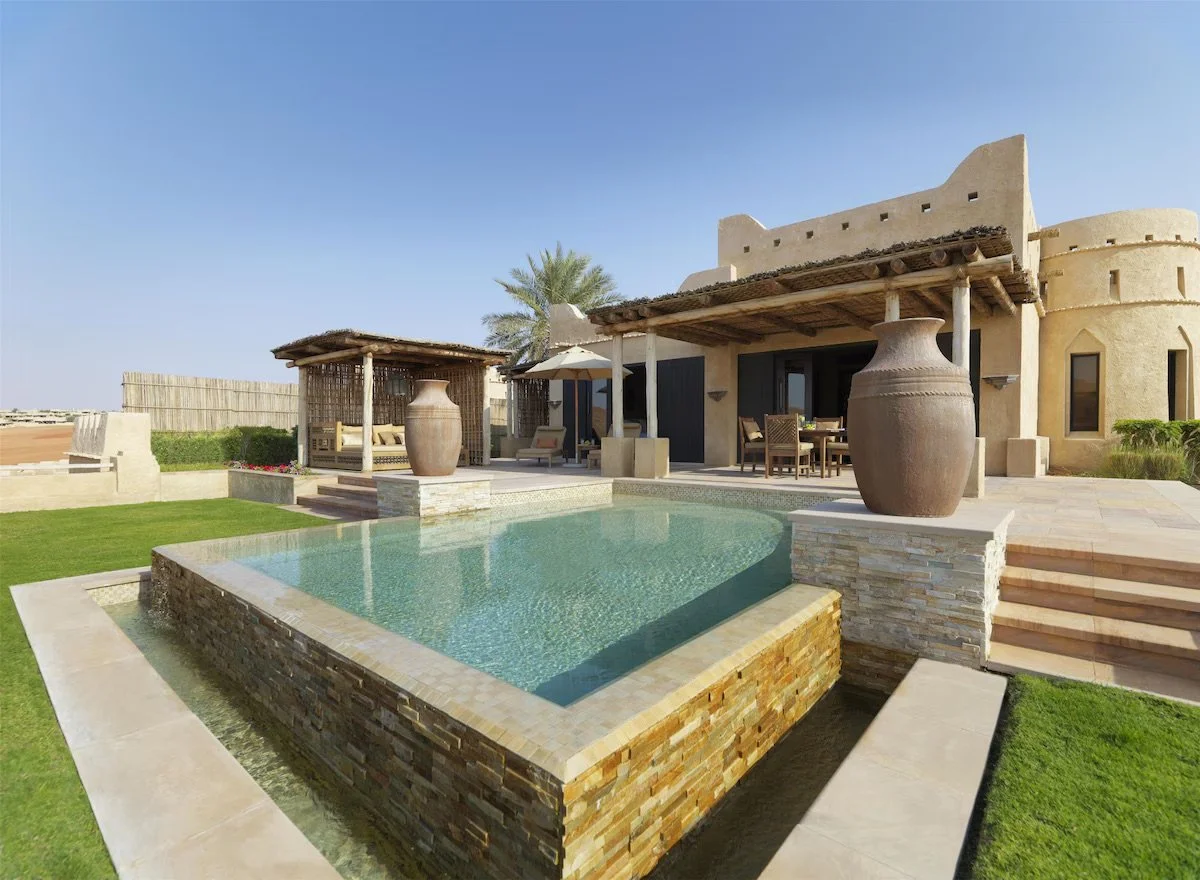
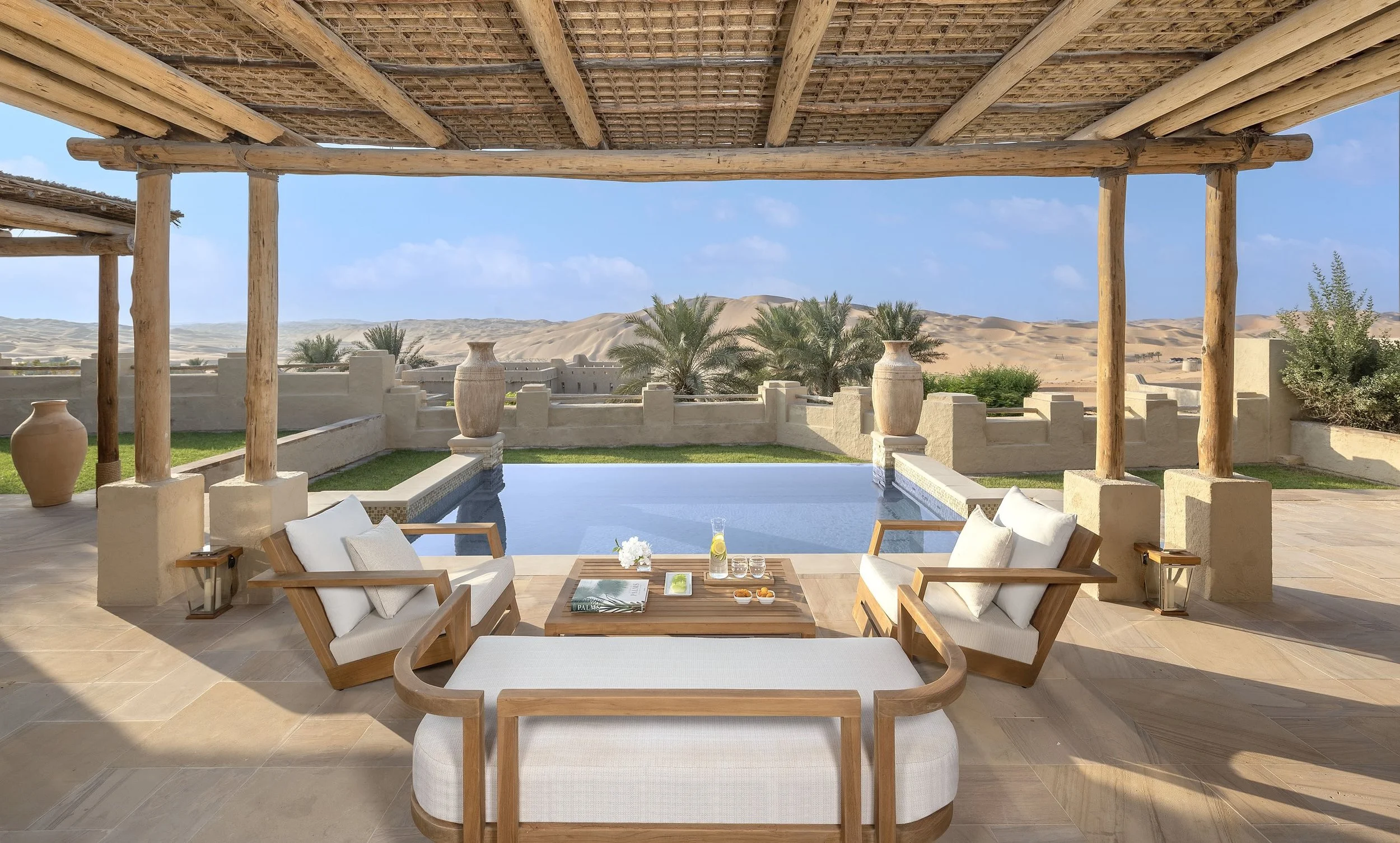
One Bedroom Anantara Pool Villa: Approximately 2,098 sq. ft., with a king bedroom, private pool, sun deck, indoor and outdoor living and dining areas, outdoor shower and butler service, giving couples or small families significantly more privacy while remaining part of the main resort environment.
Royal Pavilion Pool Villa: Approximately 1,991 sq. ft., with one king bedroom, private pool and lounge deck, indoor-outdoor living and dining, and an adults-only setting within the separate Royal Pavilion compound a short drive from the main resort.
Two Bedroom Anantara Family Pool Villa: Approximately 3,271 sq. ft., with one king and one twin bedroom, private pool, garden, indoor and outdoor living and dining areas and butler service, creating a more self-contained family base with space for up to four adults and two children.
Three Bedroom Anantara Family Pool Villa: Approximately 4,035 sq. ft., with two king bedrooms and one twin bedroom, a private pool, broad outdoor entertaining areas and expansive desert views, providing the most practical standard villa layout for larger families and groups.
Sahra Villa: Approximately 5,262 sq. ft., with four bedrooms configured with three king beds and one twin room, private entrance, indoor and outdoor living spaces, a large terrace and private pool overlooking the dunes, together with dedicated butler service and inclusions designed around private dining and transfers.
Al Sarab Villa: Approximately 9,178 sq. ft., with two king bedrooms, private entrance, large indoor and outdoor entertaining areas, fireplace, terrace, barbecue area, Jacuzzi and private pool directly facing the dunes, plus a package of villa-specific privileges including butler service and selected private experiences.
A Deluxe Terrace Room can provide a particularly strong relationship with the landscape, while an Anantara Suite gives better separation between living and sleeping areas. The villas become most valuable when the private pool, outdoor dining and dedicated service will genuinely shape the stay; Al Sarab Villa is effectively a destination within the resort.
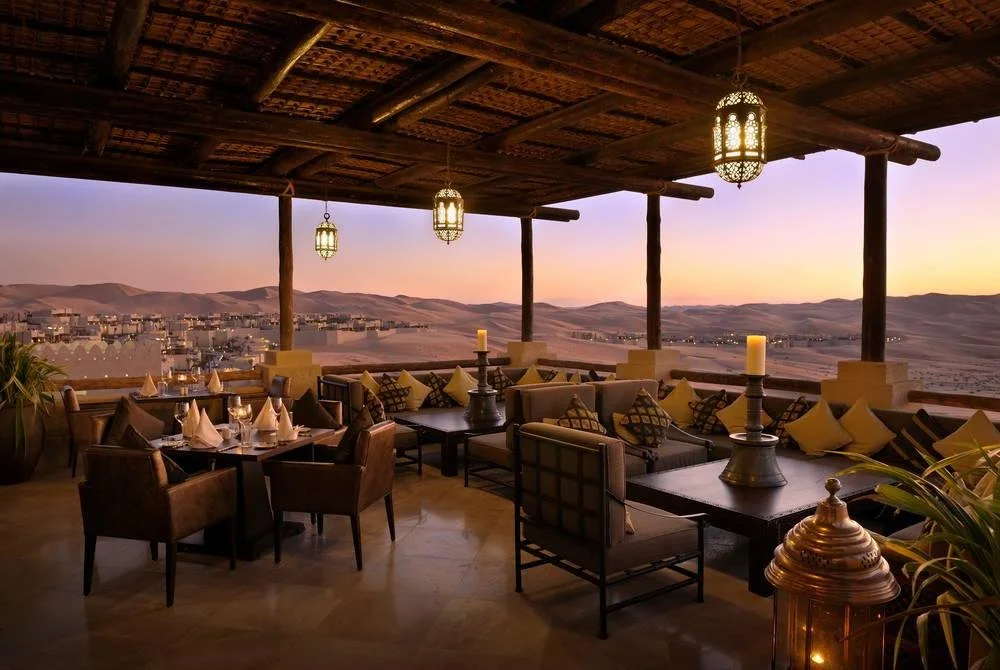
Breakfast Courtyards, Rooftop Sunsets and Dinner in the Dunes
Dining ranges from palace restaurants to poolside venues and meals in the dunes. Outdoor operation is seasonal, so availability should be checked for the dates of travel.
Al Waha: The principal breakfast restaurant combines Middle Eastern and international dishes in a courtyard-influenced setting, with a semi à la carte morning format that ranges from shakshouka and falafel to Asian dishes, smoothies and vegan options.
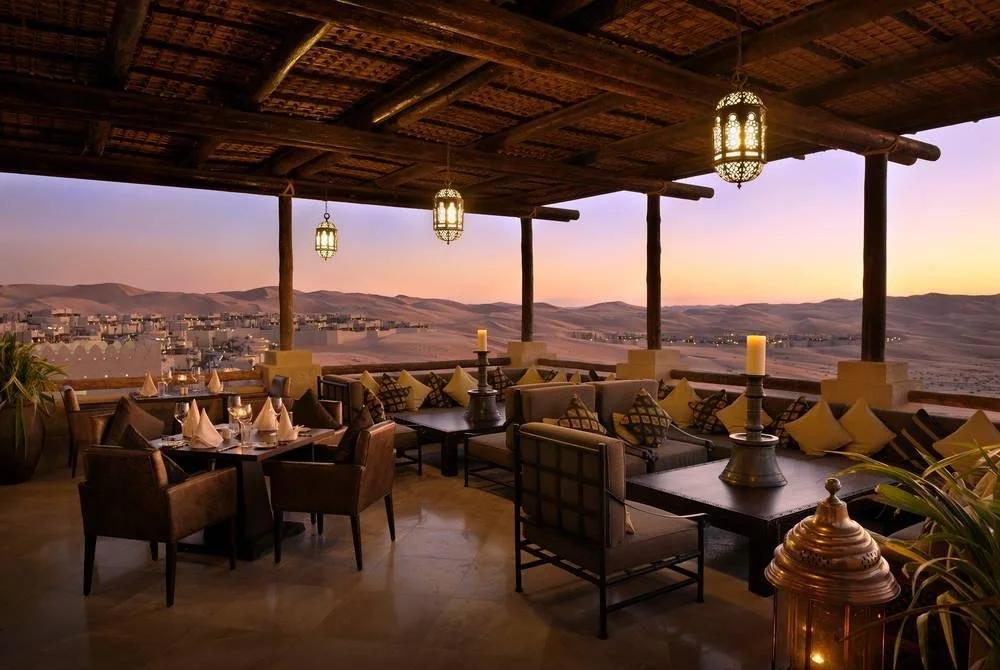
Suhail: The rooftop steakhouse focuses on dry-aged meats and Josper cooking with Latin American influences, pairing an air-conditioned dining room with an outdoor terrace overlooking the wadi and dunes, making sunset one of the most important parts of the experience.
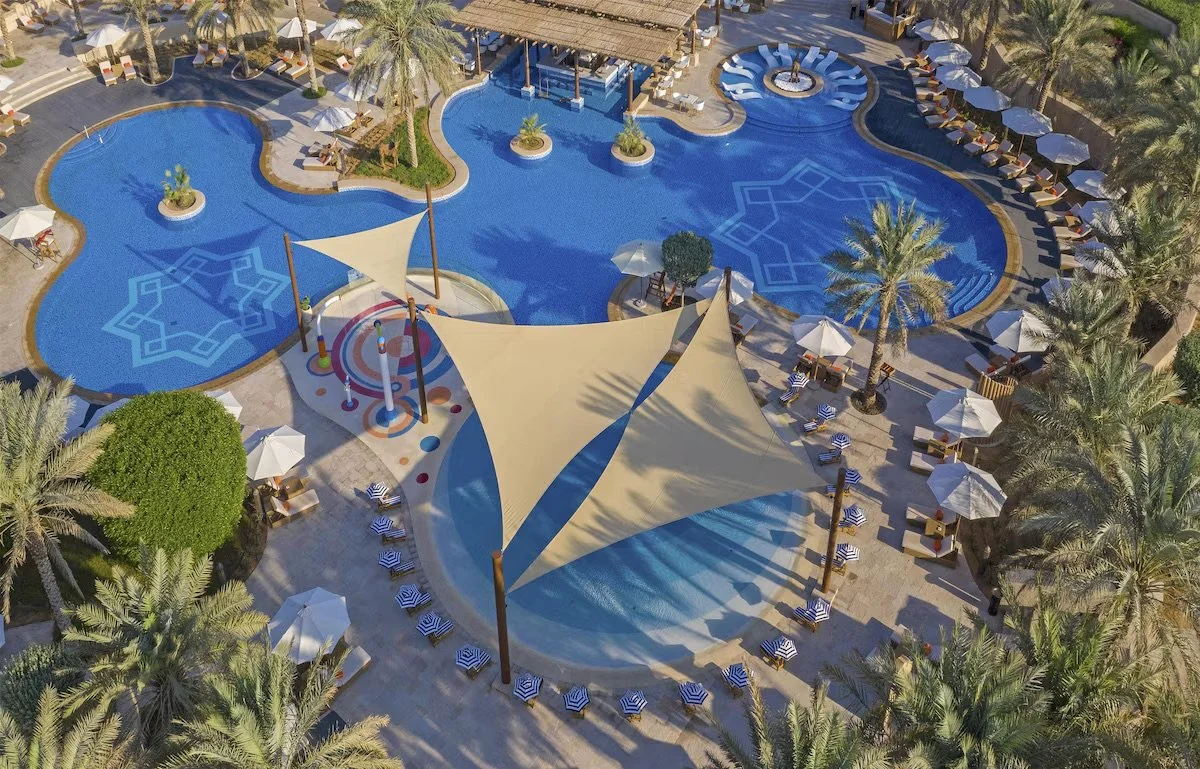
Ghadeer: This poolside restaurant moves from relaxed daytime meals and pizza-oven dishes into a broader dinner menu in the evening, providing one of the easiest options when guests want to remain near the main swimming pool rather than return indoors.
Amanie: Mediterranean cooking is served in a contemporary setting within the resort, broadening the dining collection beyond Arabian and steakhouse formats and providing a useful lunch or dinner alternative when several nights are being spent on property.
Al Falaj: A seasonal outdoor restaurant set beside the dunes serves Levantine and Middle Eastern flavours in a deliberately desert-focused setting; it is closed during the hotter summer period and is currently scheduled to reopen in October 2026.
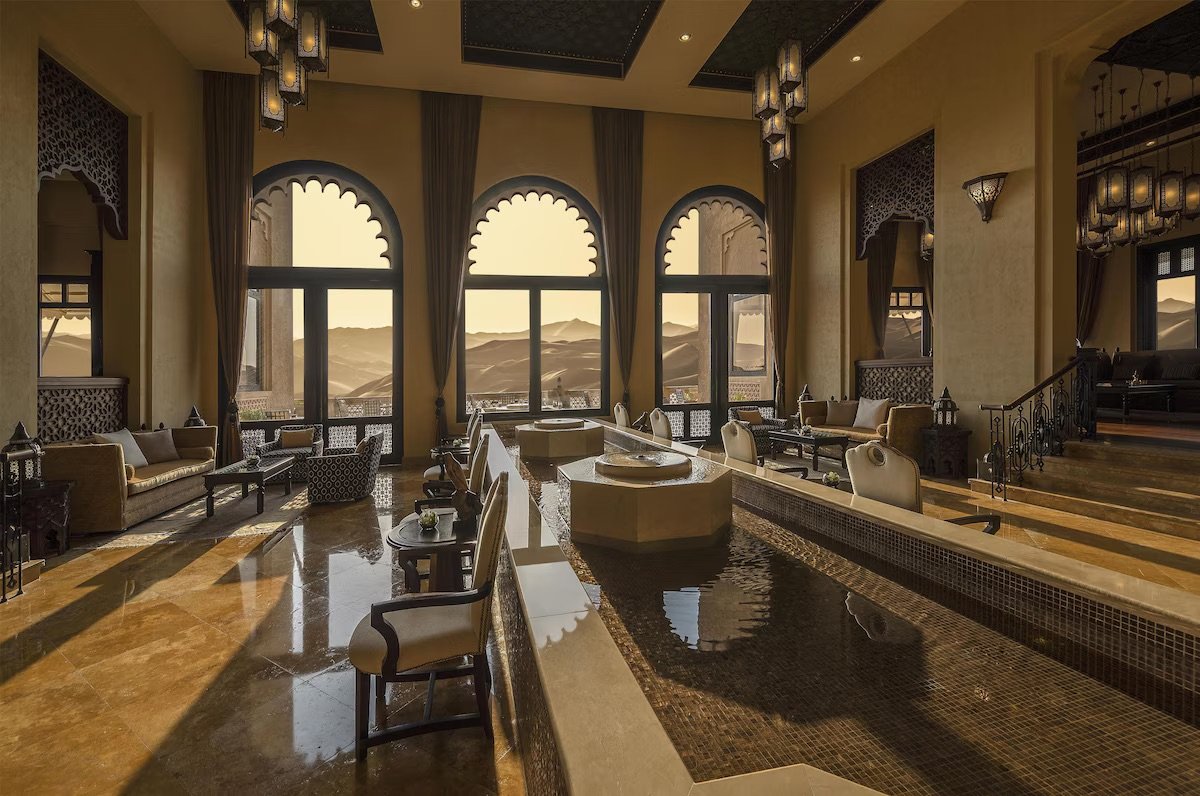
Al Liwan: The lobby lounge serves specialty coffee, tea, light meals and desserts throughout the day, with broad desert views making it particularly useful for arrivals, afternoon pauses and evenings that do not require another formal restaurant reservation.
Naseem Pool Bar: Drinks and casual international food are served around the family-friendly pool area, including the swim-up bar, allowing a pool day to continue without breaking for a separate restaurant meal.
Dining by Design: A private table can be arranged in the dunes with a dedicated butler and menus developed with the chef, turning dinner into a fully separate desert experience whose location, weather dependence and additional cost should be confirmed in advance.
In-Room and In-Villa Dining: Available 24 hours, with selections from the resort’s restaurants and all-day options served in rooms, suites and villas; villa hosts can also arrange meals at private dining tables for a more residential evening.
Suhail at sunset and private dining in the dunes are particularly effective because the transition from daylight to desert night becomes part of the meal.
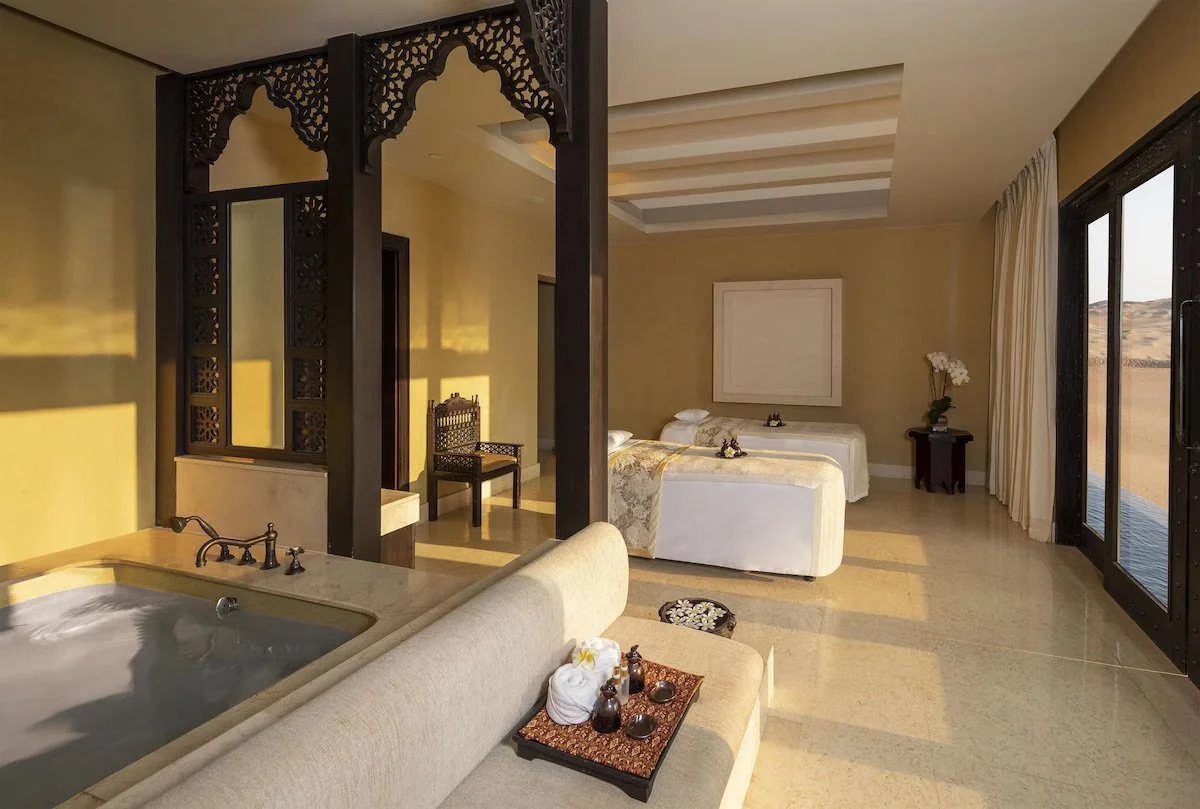
Hammam Rituals and a Spa Facing the Dunes
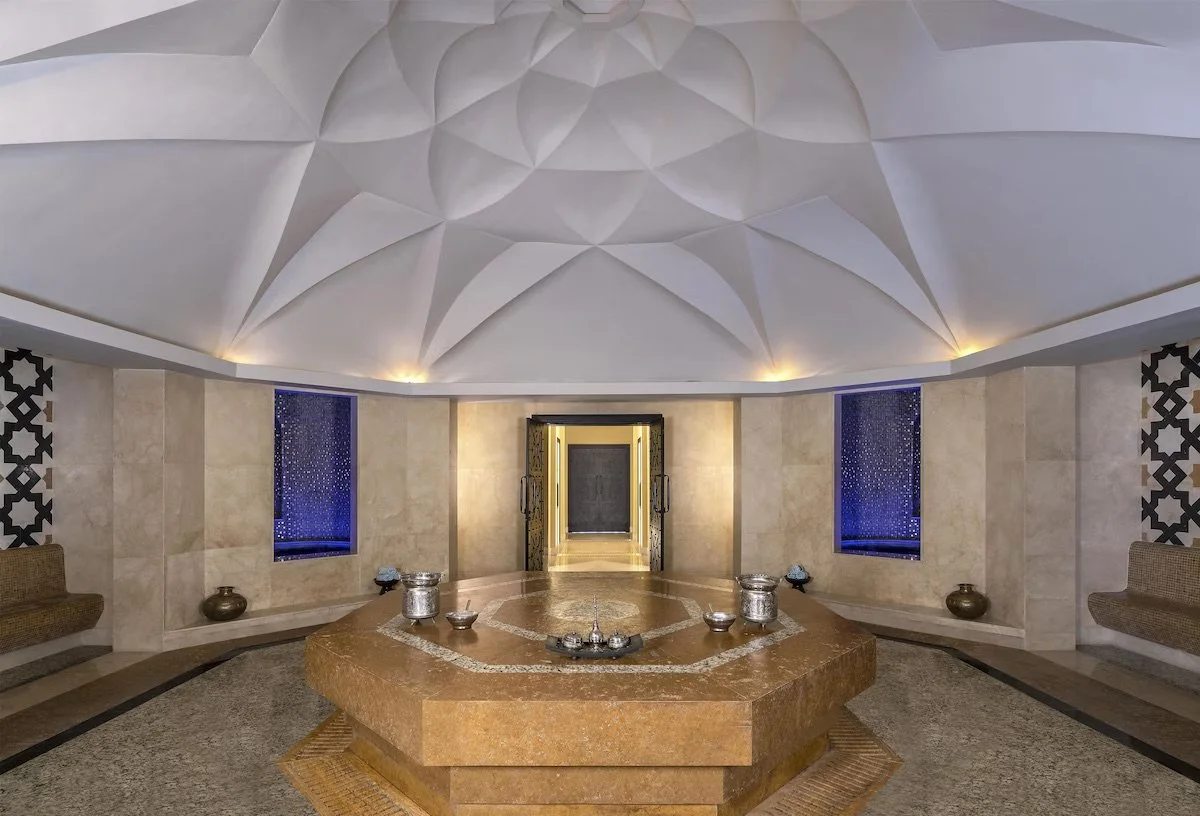
Anantara Spa uses the desert setting without attempting to turn every treatment into a themed experience. Five treatment suites for individuals and couples are supported by a Moroccan hammam, sauna, two steam rooms, two heated Jacuzzis, an ice room and relaxation areas looking toward the dunes.
The treatment menu combines Middle Eastern ingredients with Anantara’s Thai wellness background and Biologique Recherche facials. Rose, rhassoul and argan oil appear in body rituals alongside conventional massage and skincare.
A separate meditation and wellness centre supports yoga, sound work and personalised programmes. The current wellness offering also includes day-long and multi-night packages built around consultation, movement, spa therapy and restorative dining rather than treating wellness as a single massage appointment.
The spa was named Abu Dhabi’s Best Resort Spa 2026. More practically, it gives the hottest part of the day a strong indoor alternative.
For Royal Pavilion and villa guests, the spa also provides a reason to return to the shared resort rather than remaining entirely within private accommodation.
The Desert as the Main Activity Programme
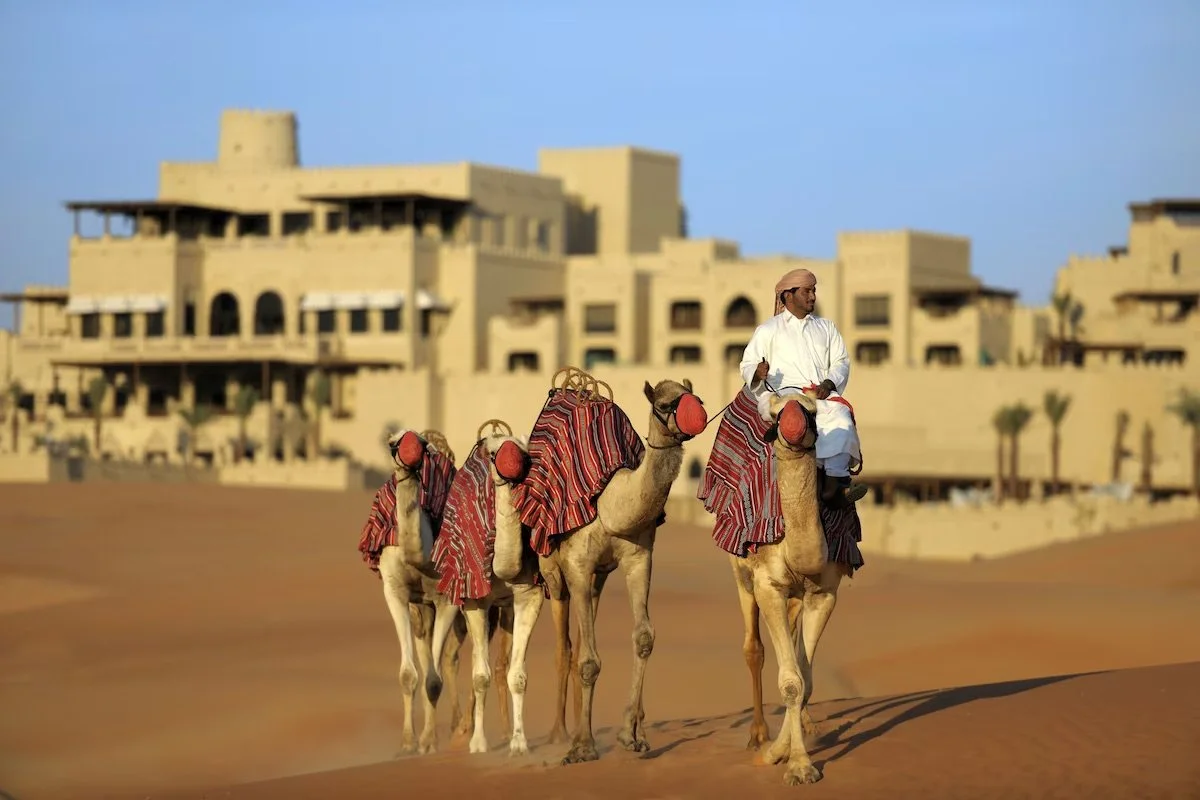
Many signature activities are led or organised by the resort, but weather, temperature, age requirements and season affect what can operate on a particular day.
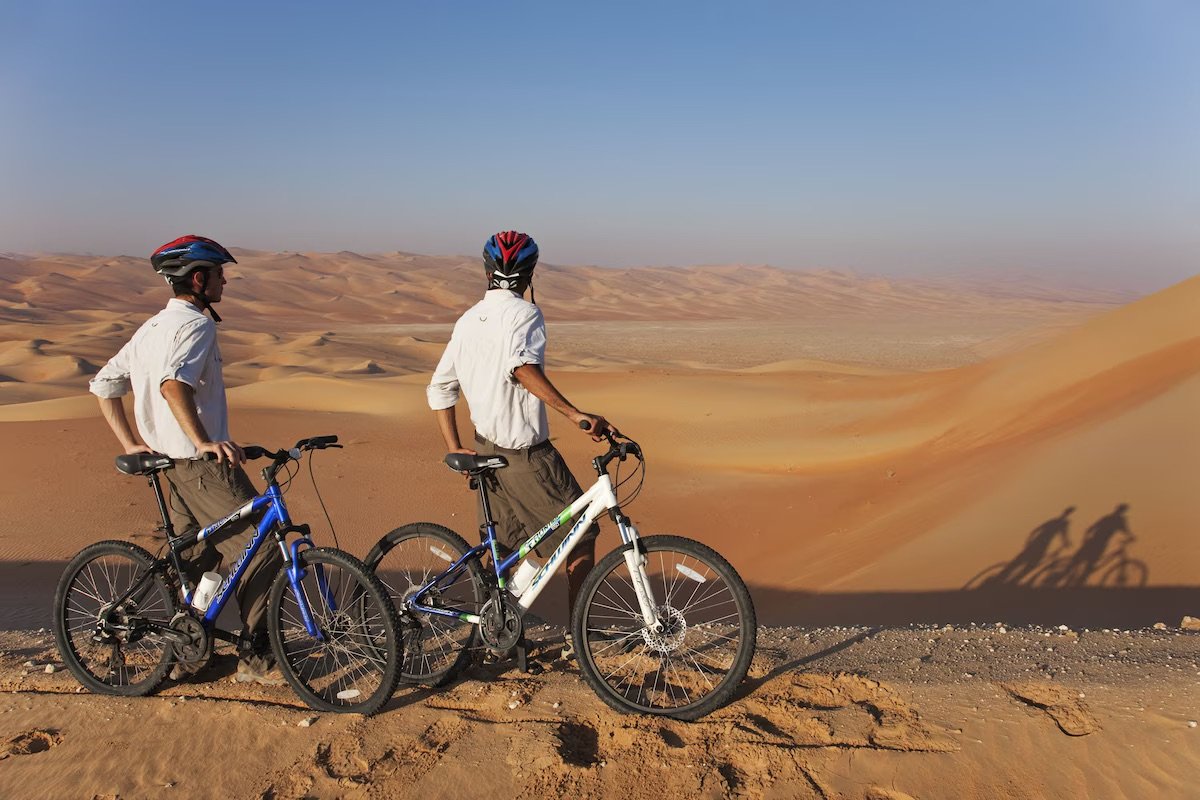
Camel trekking offers the slowest way to move through the dunes, while guided desert drives, Polaris outings and dune bashing cover more ground under specialist guidance.
The falcon and saluki demonstration connects the activity programme with hunting traditions historically important to Bedouin life. Archery provides another heritage-linked experience, while fat biking turns the dunes into a physically demanding cycling terrain.
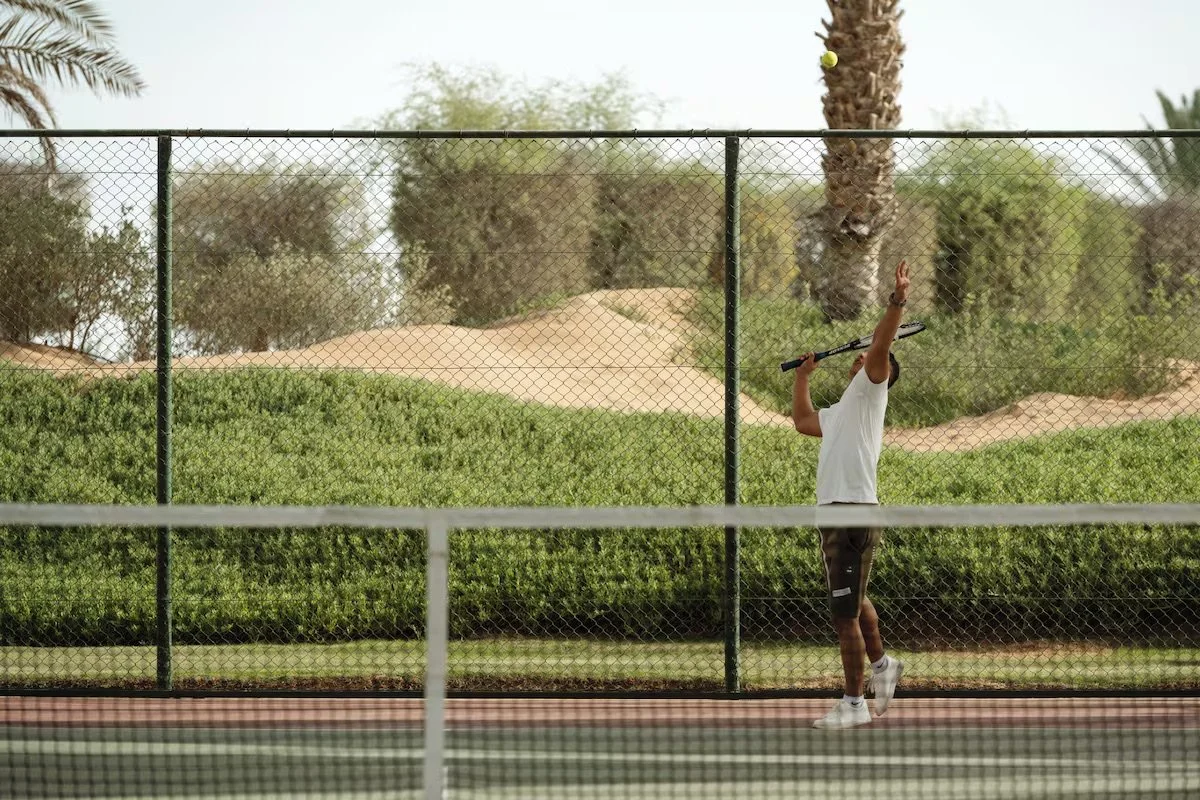
Horse riding, sandboarding, desert walks, padel and tennis broaden the programme. Stargazing is particularly appropriate here, especially when guided sessions add the history of Arab astronomy.
Camp Nujum introduces an overnight desert-camp option, while the Ezba cultural centre connects the programme with local traditions. Heat and wind can change plans, so we would leave some mornings and evenings unscheduled.
Little Bedouins, Pools and Family Desert Days
The refreshed Little Bedouins Kids’ Club welcomes children aged four to eleven from 9:00 AM to 7:00 PM, with qualified supervisors and a programme of crafts, games and themed activities.
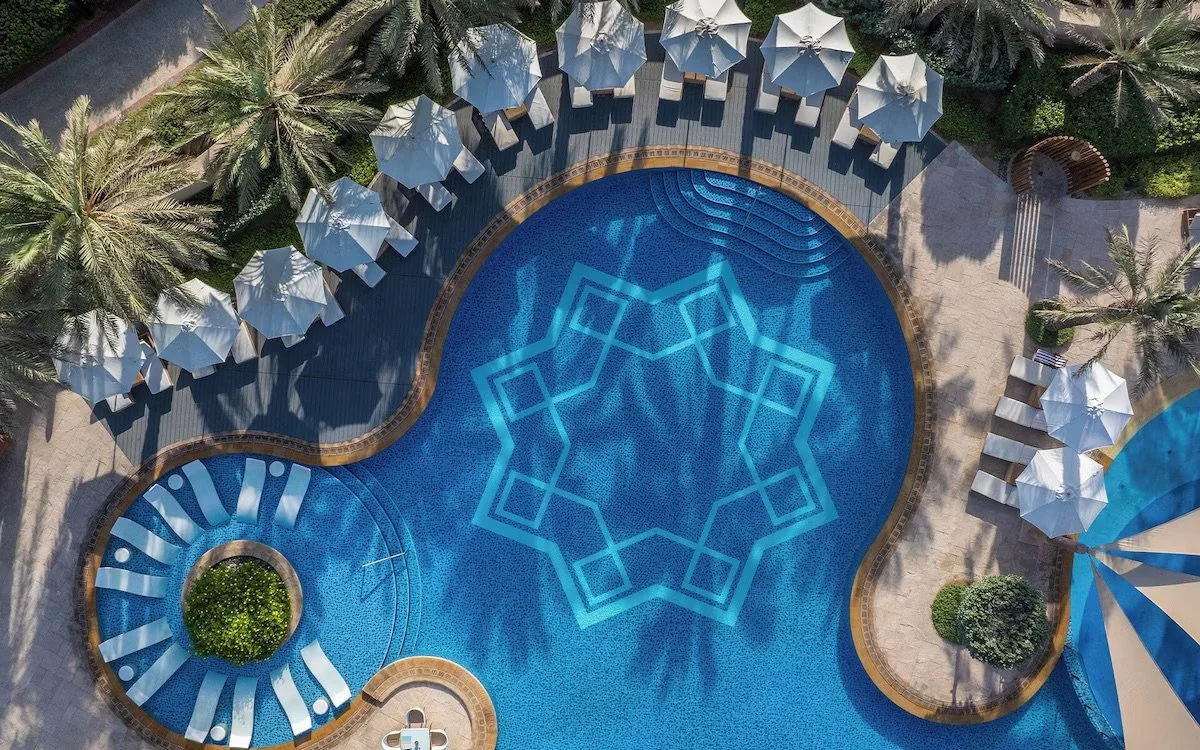
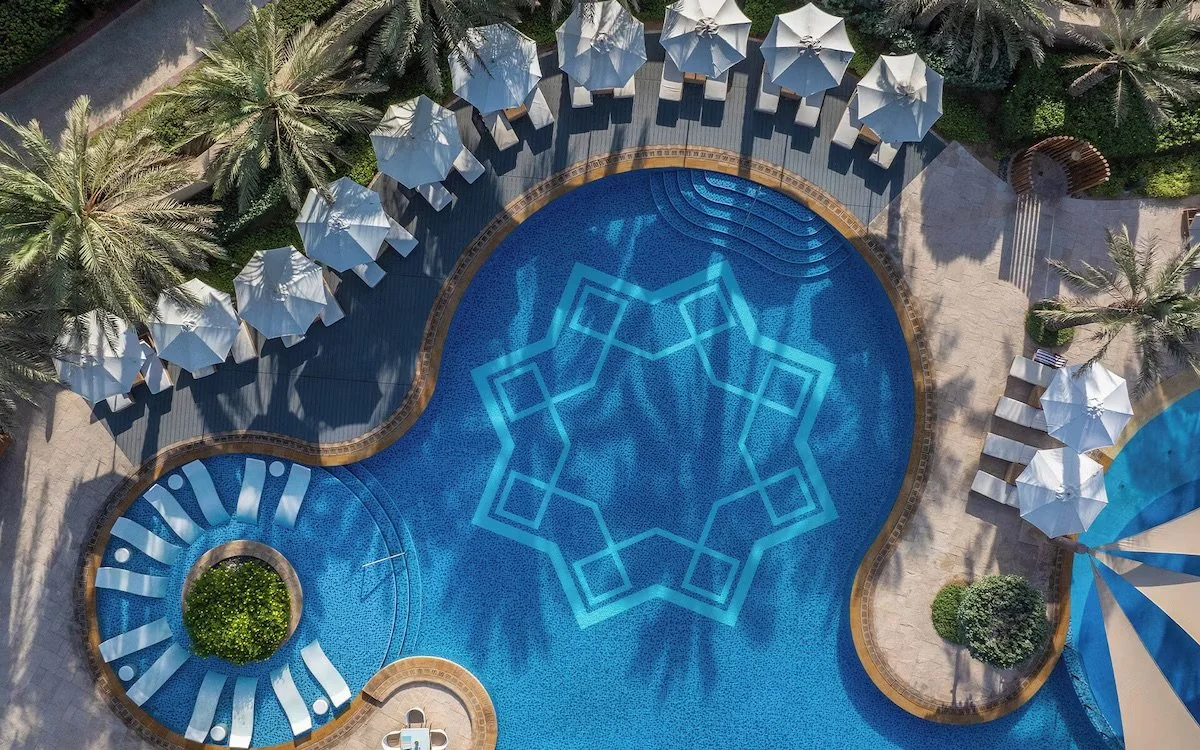
The main family pool has a shallow children’s area with padded flooring, a spray pool, mini loungers and cabanas. A separate adults-only infinity pool preserves a quieter alternative.
Camel encounters, falcon and saluki shows, visits to gazelles and native oryx, dune boarding, treasure hunts and selected excursions broaden the family programme, while fat biking is better suited to older children.
Babysitting is available for children over one year old through certified childcare specialists, with at least 24 hours’ advance reservation required. Families relying on the service should still confirm the exact duration, language preferences and charges for the intended dates.
The Two Bedroom Family Suite keeps families within the palace, while the two- and three-bedroom pool villas add private outdoor space, dining areas and butler support that can simplify longer stays.
Documented Steps in a Resource-Intensive Setting
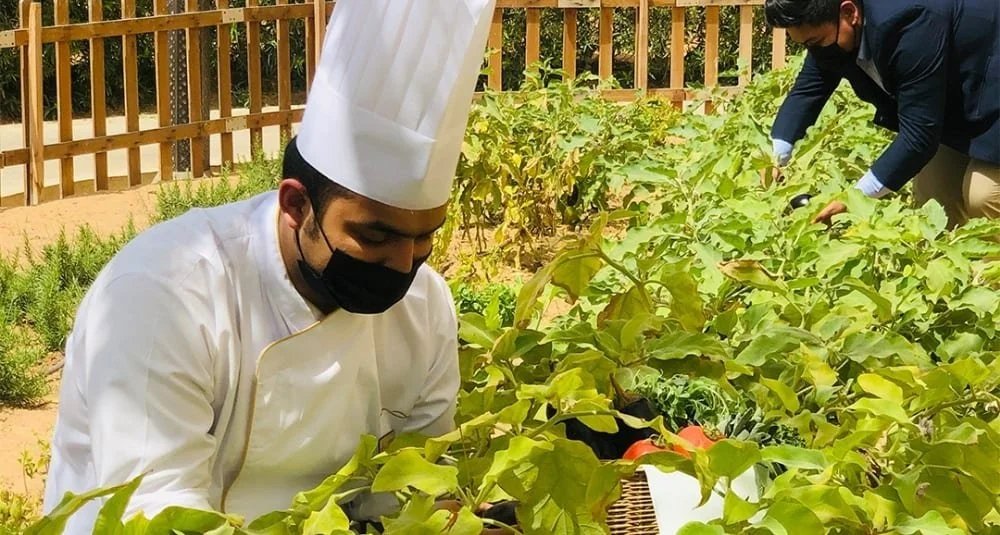
Operating gardens, pools and air-conditioned buildings in the Empty Quarter makes careful sustainability language especially important.
The resort documents several specific initiatives. It partnered with Al Ain Water on plant-based bottles made without conventional plastic, using corn-derived resin intended for composting or reuse, and also identifies waste management and reduced-impact disposable packaging as active areas of work.
Anantara places these measures within a broader “Sustainable Luxury” programme, but they should not be presented as proof of carbon neutrality or eliminated environmental impact.
Water, landscaping and cooling are fundamental questions in this climate. The resort’s stated aim of becoming the “greenest desert resort in the world” should therefore be treated as an ambition, not a certification or completed result.
The useful distinction is between documented measures and aspiration: plastic-free bottles, waste systems and packaging changes are concrete, while broader environmental performance requires current measured data.
Accessibility in a Large Desert Resort
Public information does not currently identify a detailed accessible-room inventory with the technical measurements needed to assess individual mobility requirements across every category.
Travellers with mobility requirements should confirm the assigned room or villa, bathroom configuration, doorway widths, step-free routes and lift access. Villa transfers may also matter because some accommodation, including the Royal Pavilion, sits away from the main palace.
Desert activities require separate consideration because sand, dune gradients, heat and specialist vehicles can create additional barriers. Accessible transport and the feasibility of each activity should be confirmed individually.
Hearing, vision and other access requirements should likewise be confirmed directly. A plan for the actual room, transfers and activities is more useful than a general accessibility label.
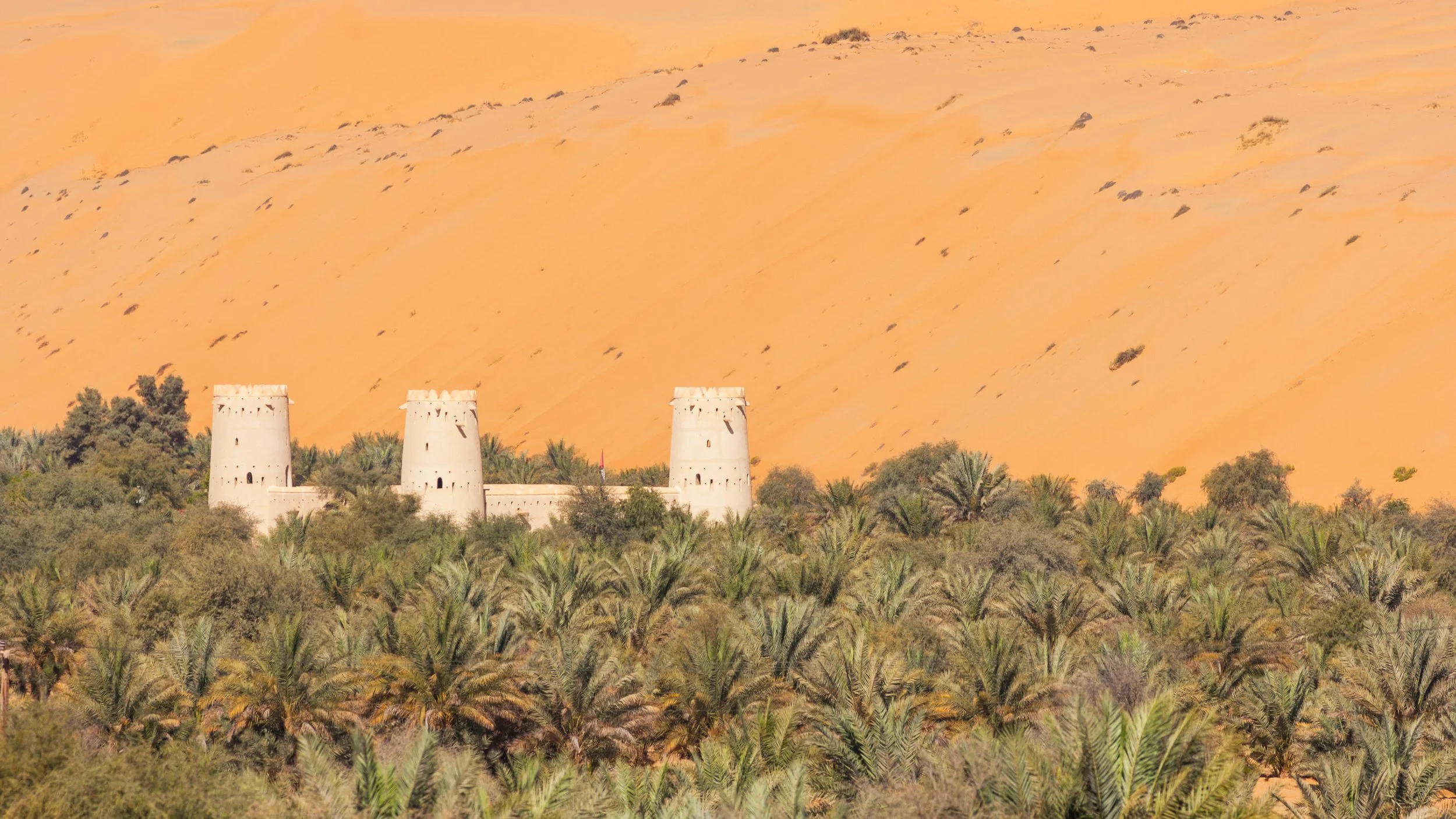
Liwa, Oases and the Wider Empty Quarter
The resort sits in Al Dhafra, far from Abu Dhabi’s urban attractions. Once here, the surrounding destination is Liwa and the Empty Quarter.
Liwa’s chain of oases has supported communities at the edge of the desert for generations. Date palms, groundwater and routes through the dunes created a very different landscape from the open Rub’ al Khali.
Tal Moreeb becomes a focal point during the Liwa International Festival, when motorsport, cultural programming and family events transform part of the desert each winter; outside festival dates, the broader Liwa landscape remains worth exploring.
Falconry, saluki traditions and camel culture offer a more immediate connection with practices that once had practical roles in survival and movement through the desert.
The drive is long enough, and the landscape distinctive enough, that the resort works better as its own destination for several nights than as a hurried extension to an Abu Dhabi city stay.

The Long Road Into the Dunes
Abu Dhabi: The resort is roughly 200 kilometres from the city; current Anantara information describes the journey as about 90 minutes from downtown in favourable conditions, while older route guidance allows closer to two hours, so traffic, roadworks and the exact starting point should be factored into the plan.
Zayed International Airport: Private road transfers can be arranged through the resort, with journey time affected by the airport route, traffic and desert-road conditions; travellers should confirm the current estimate when booking rather than relying on older published timings.
Dubai: The drive is significantly longer, historically published at roughly three hours or more depending on the starting point and traffic, making the transfer an important part of the travel day rather than a short inter-hotel move.
Hotel-Arranged Car Transfers: Chauffeured airport and city transfers are available through the resort, with vehicle type, child seats, luggage, accessibility requirements and charges confirmed in advance.
Helicopter: Private helicopter transfers can be arranged, with Anantara currently quoting approximately 50 minutes from Abu Dhabi and 75 minutes from Dubai; availability, landing permissions, luggage limits and weather conditions require advance coordination.
Self-Driving: The final approach leaves the main road near Hameem and follows a dedicated resort road for approximately 12 kilometres; fuel, tyres and navigation should be checked before entering the more remote part of the journey.
Road Conditions: The resort has recently advised that sections of the main access road may undergo maintenance or upgrades, so current directions should be checked shortly before departure.
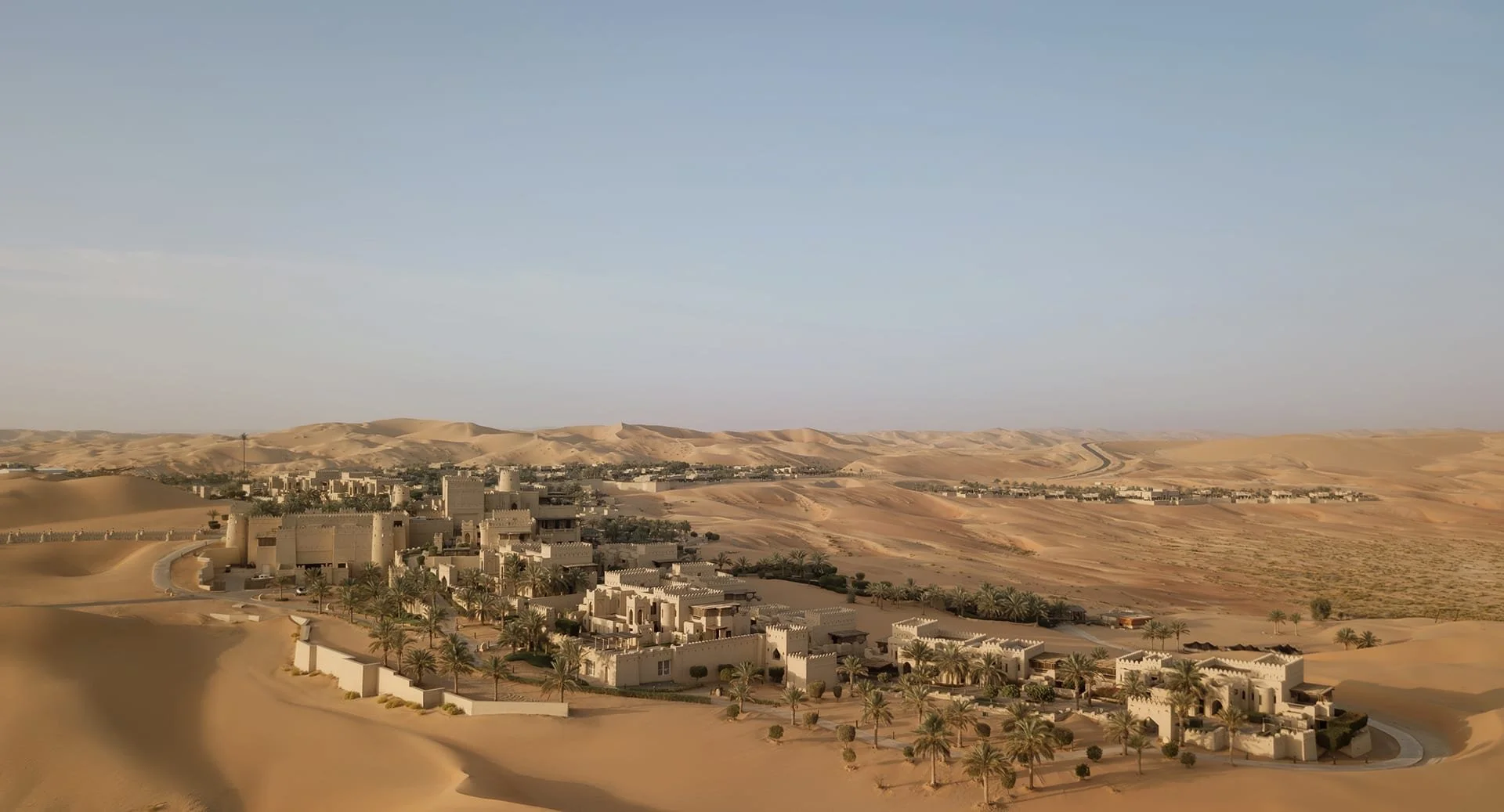
When the Desert Sets the Schedule
Qasr Al Sarab is most convincing when the resort does not dominate every hour. Its architecture, pools and villas provide comfort, but the reason to travel this far into Al Dhafra is the landscape beyond their walls.
The best days tend to follow the desert rather than a fixed resort timetable: activity in the cooler light, shade and water through the hottest hours, then a return outside as the dunes change colour toward sunset. The palace makes that rhythm comfortable; the Empty Quarter makes it memorable.
The journey is longer, the horizon broader and the sense of distance real. A stay becomes less about collecting amenities and more about deciding how much of the desert to experience from a terrace, a camel saddle, a private pool or the open sand itself.