Phuket, Thailand | Amanpuri
The Place Where Aman Began
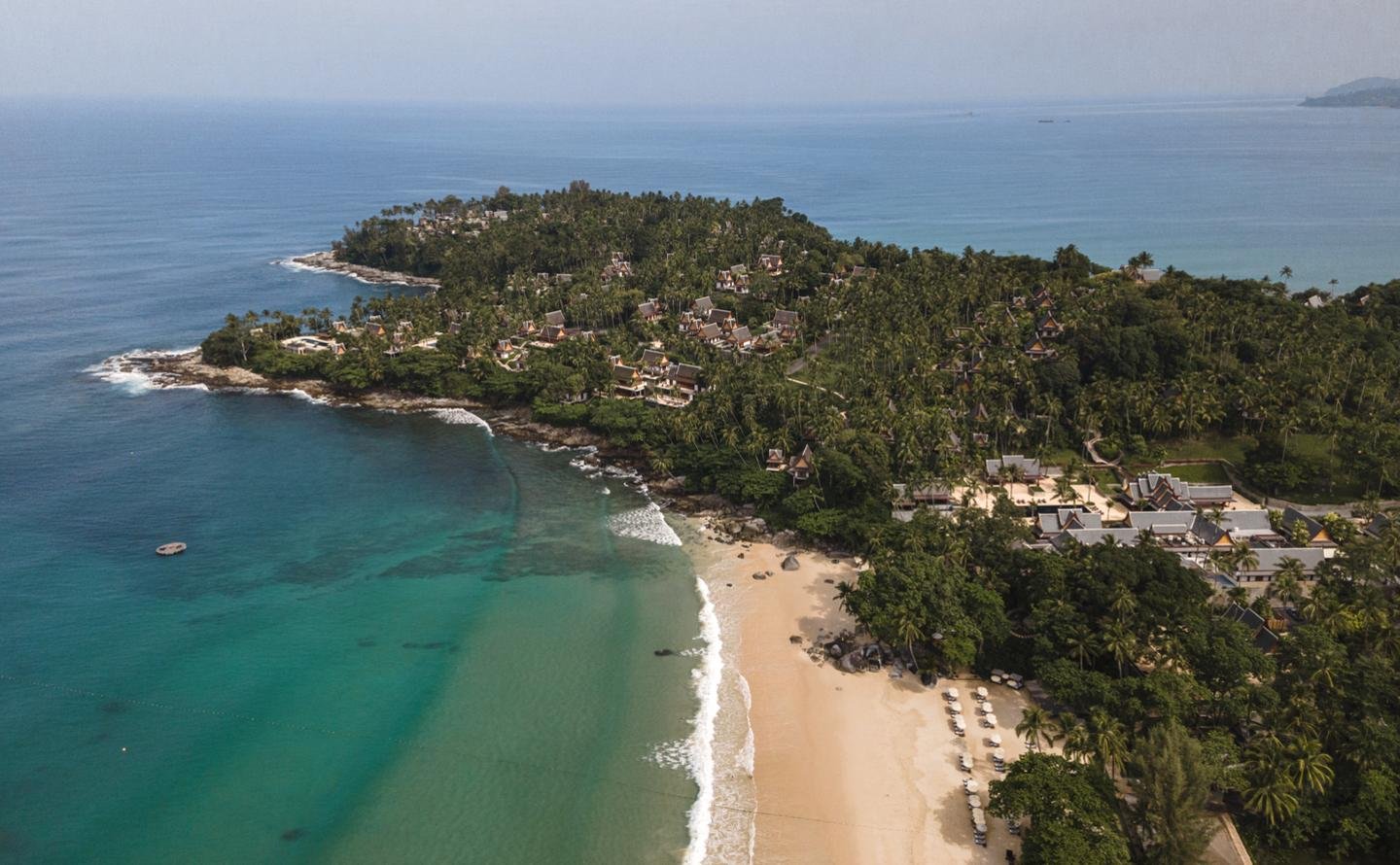
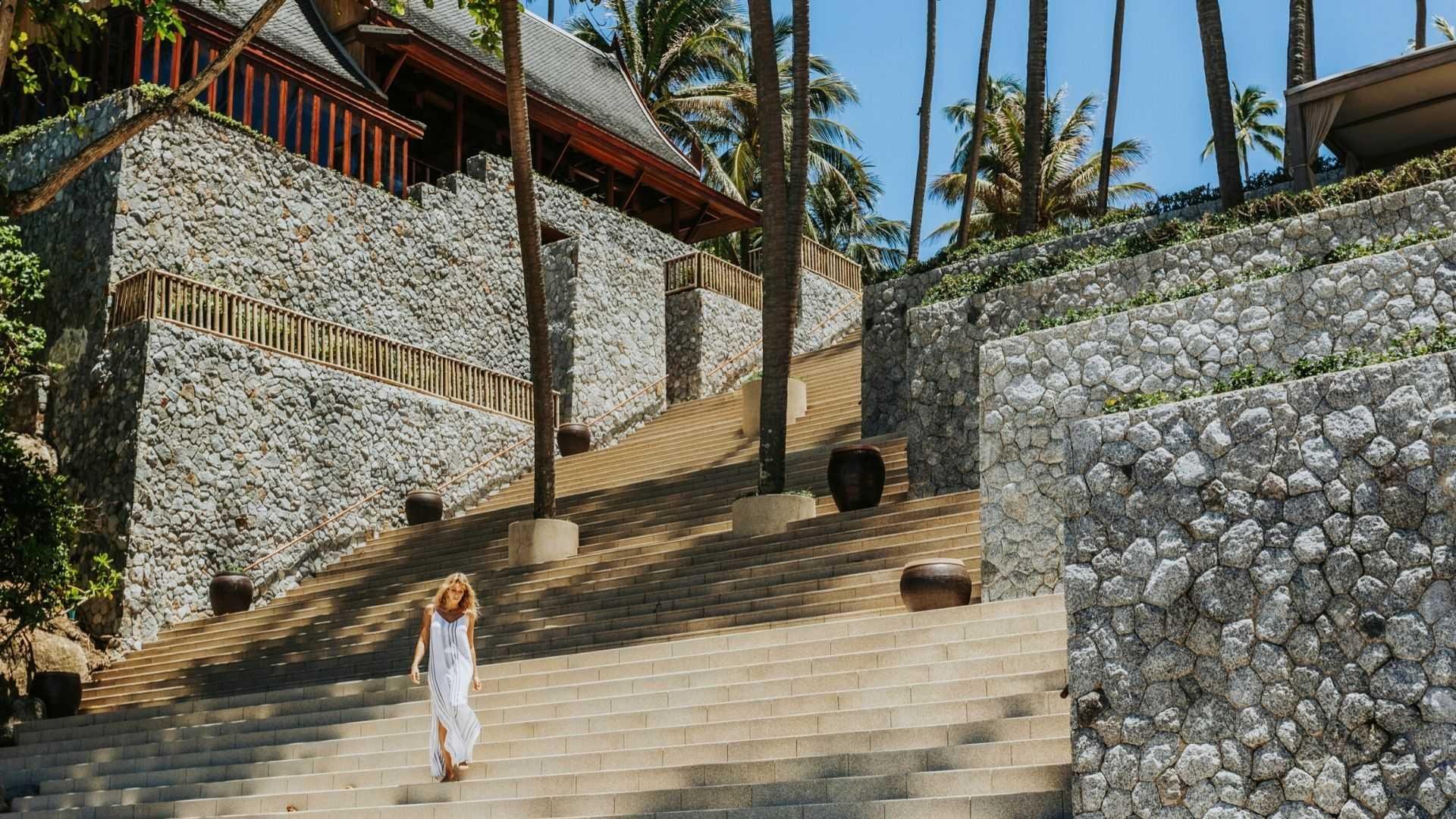
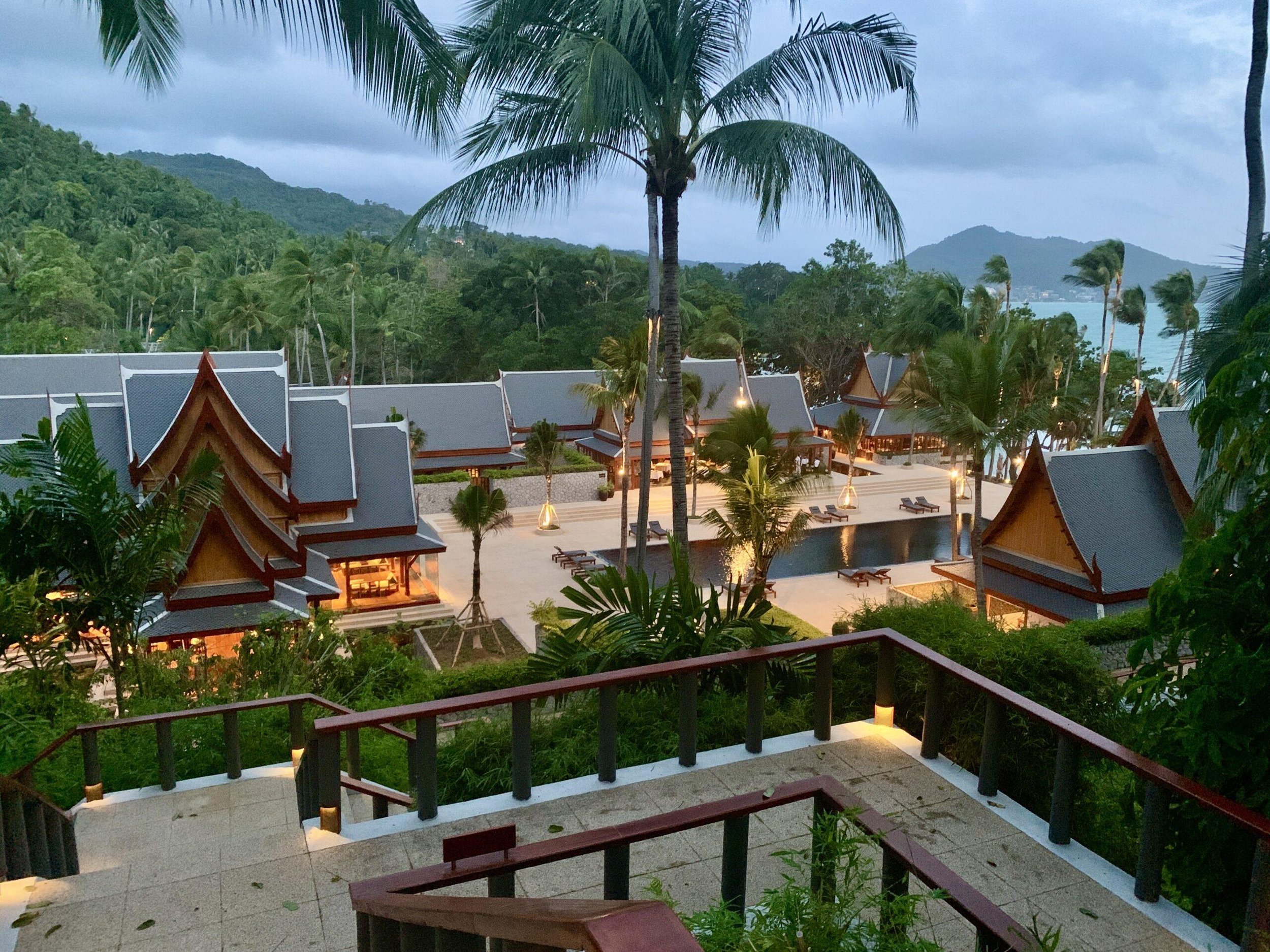
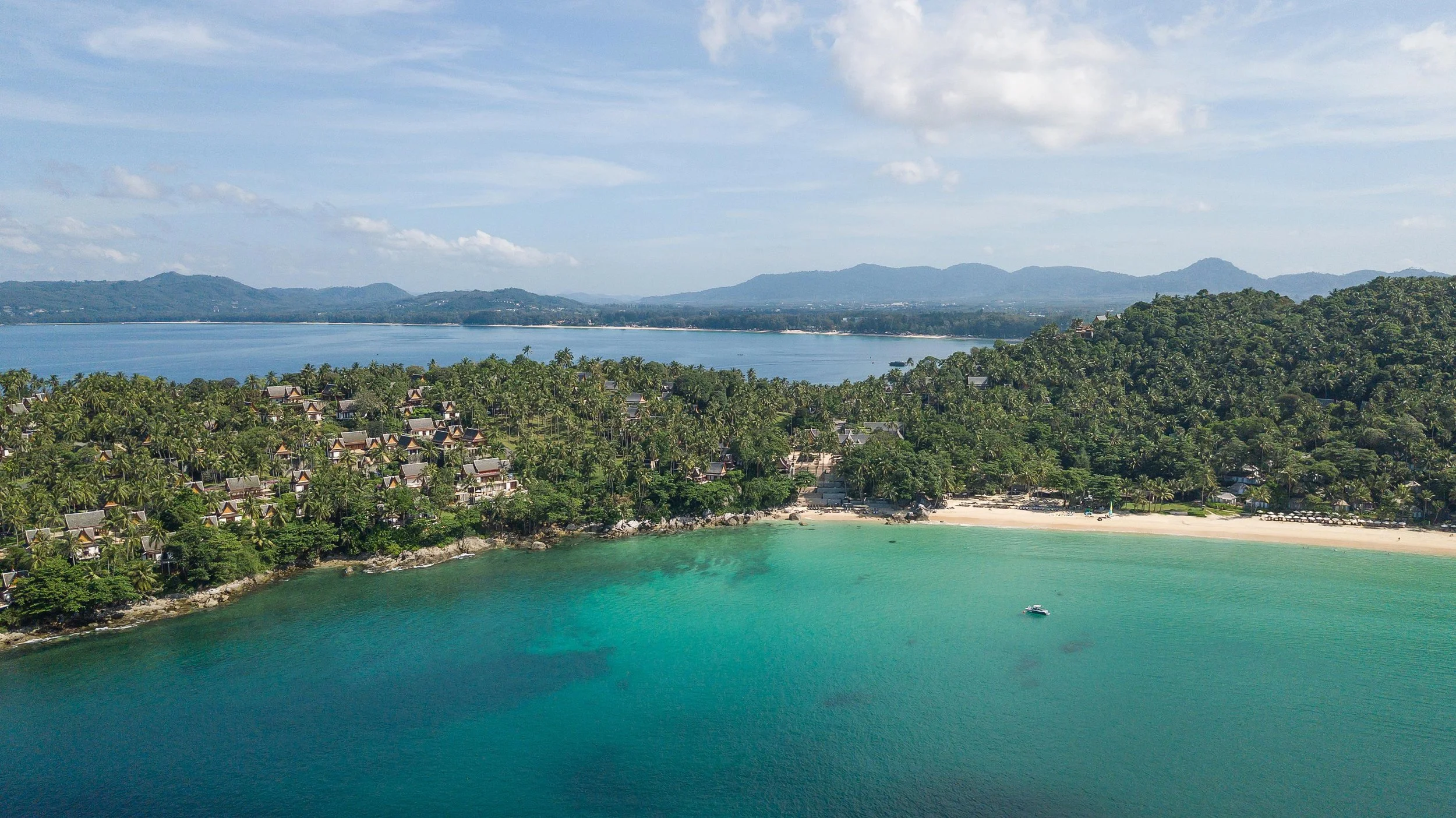
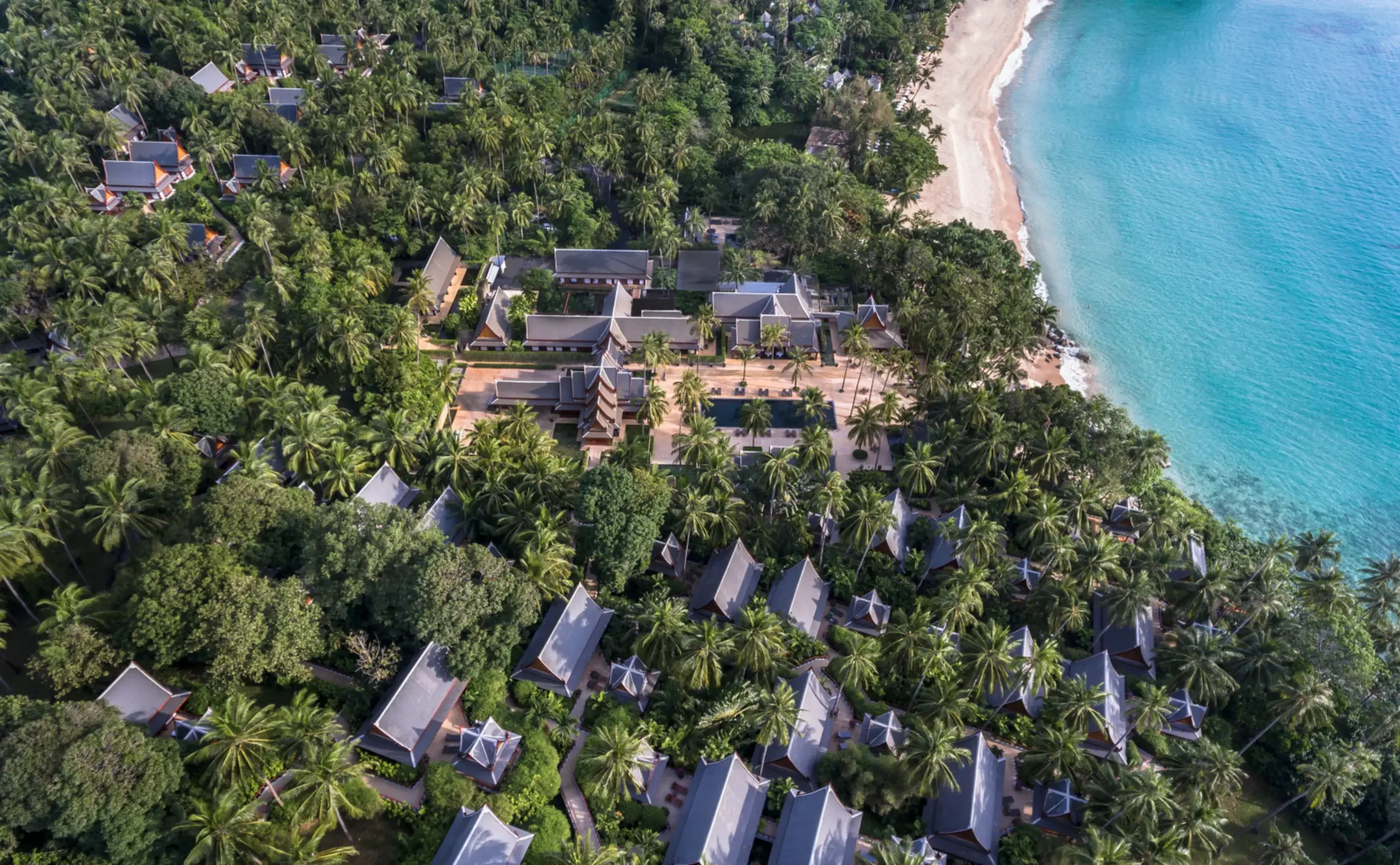
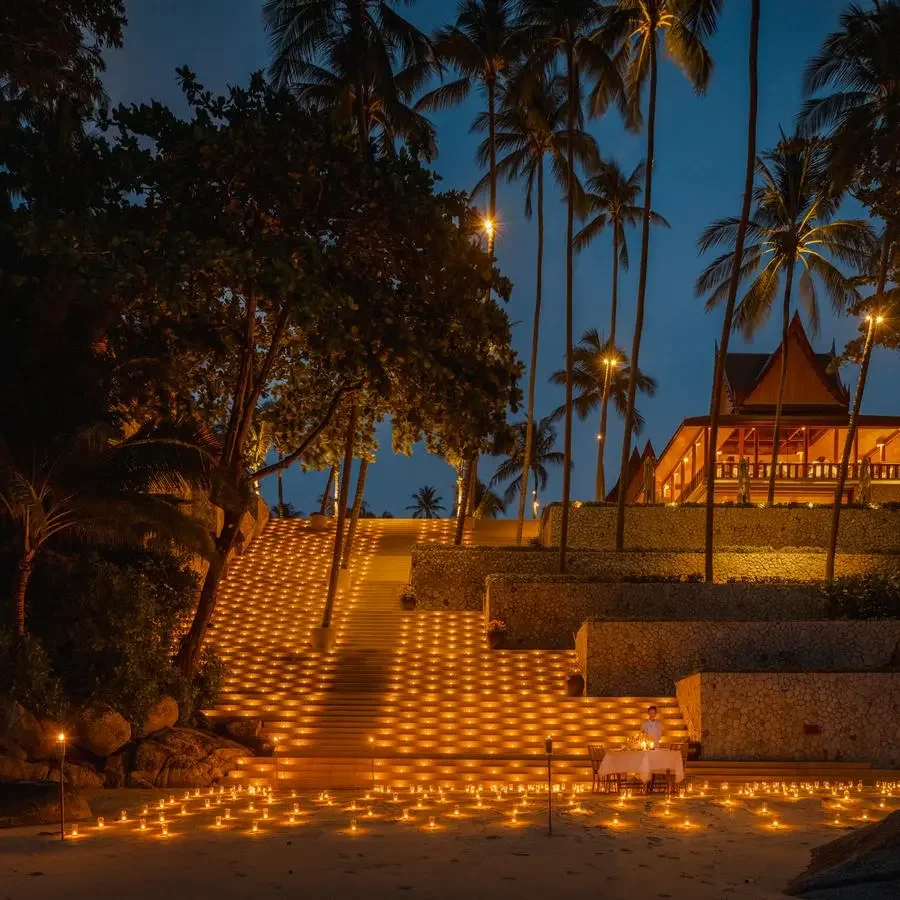
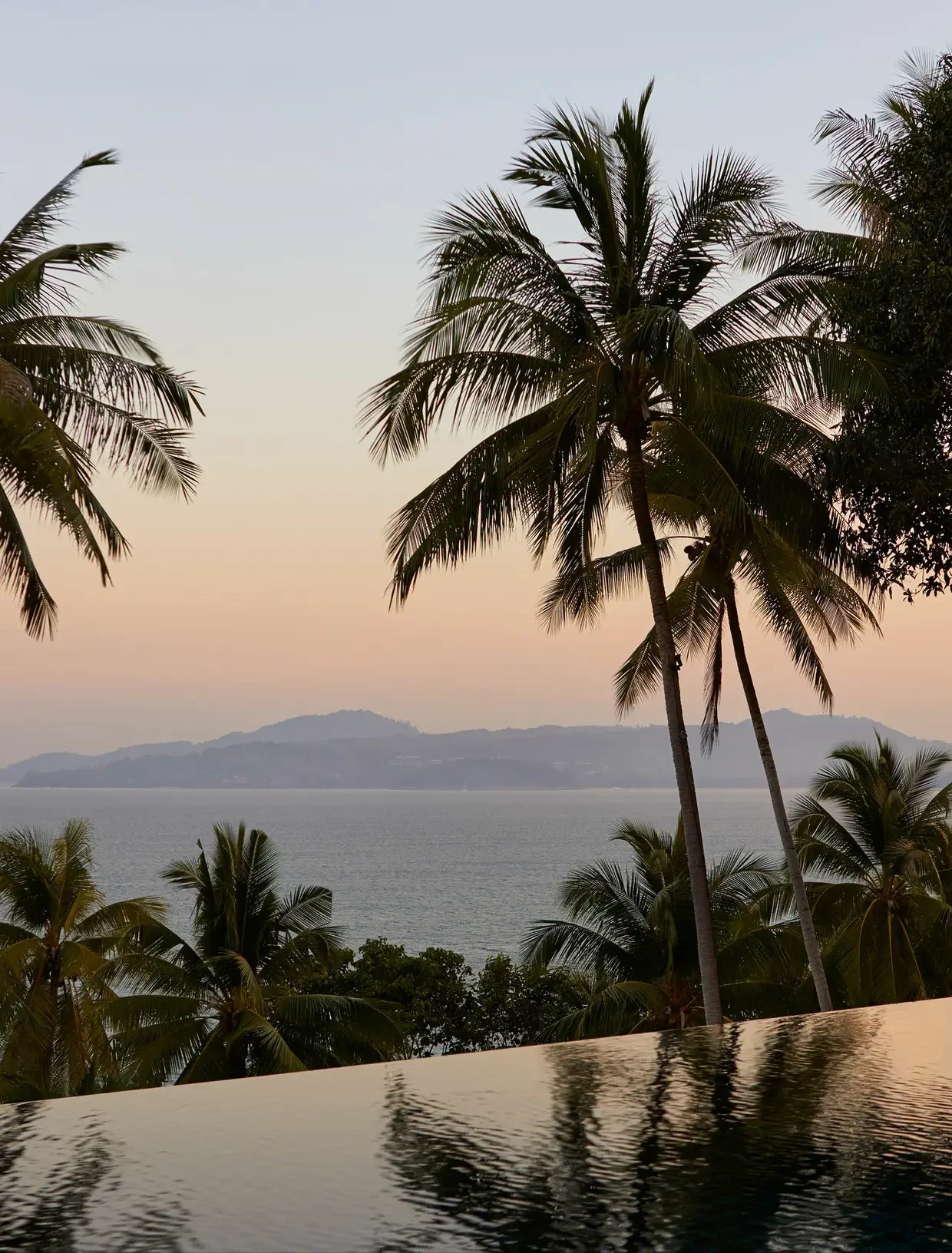
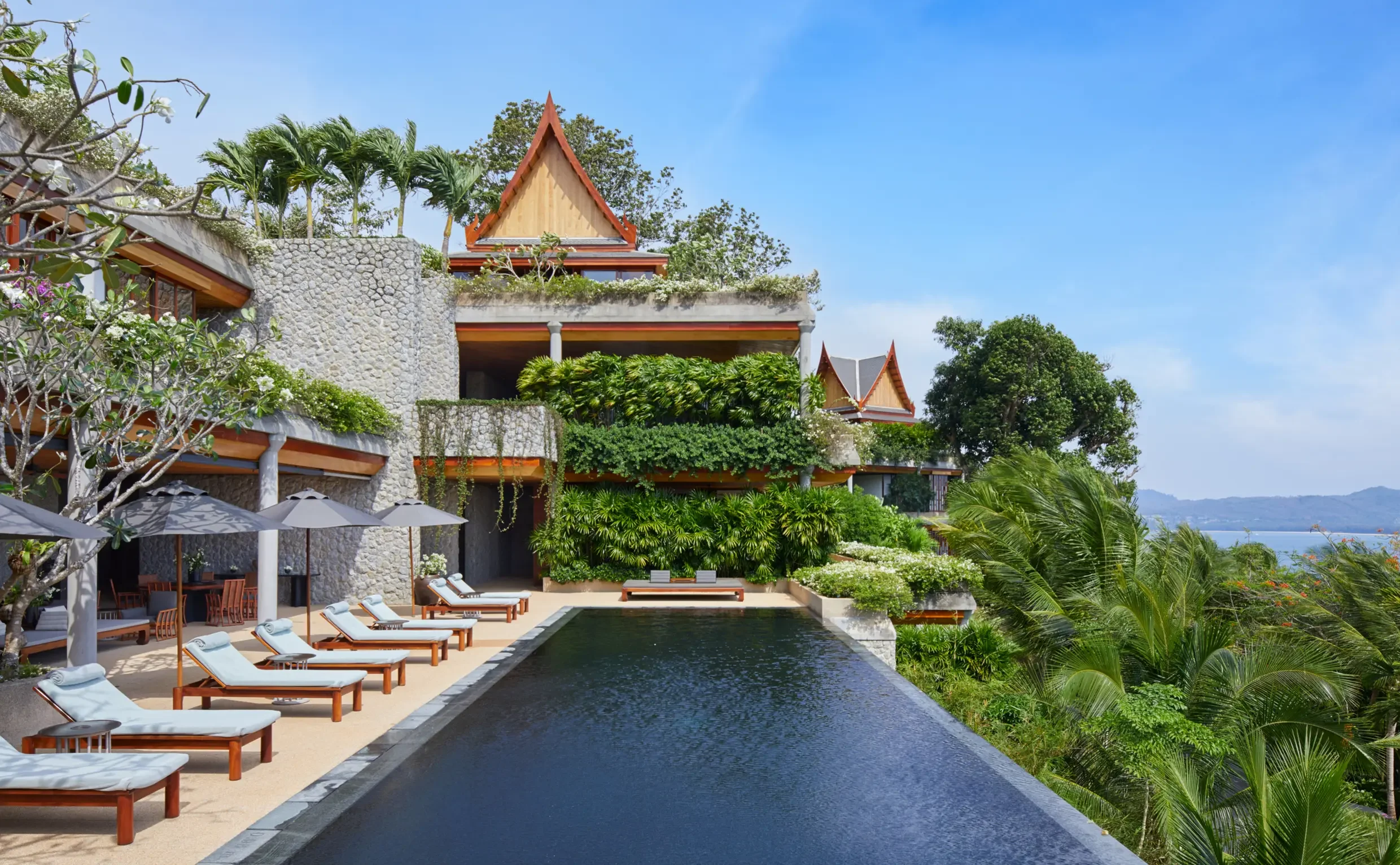
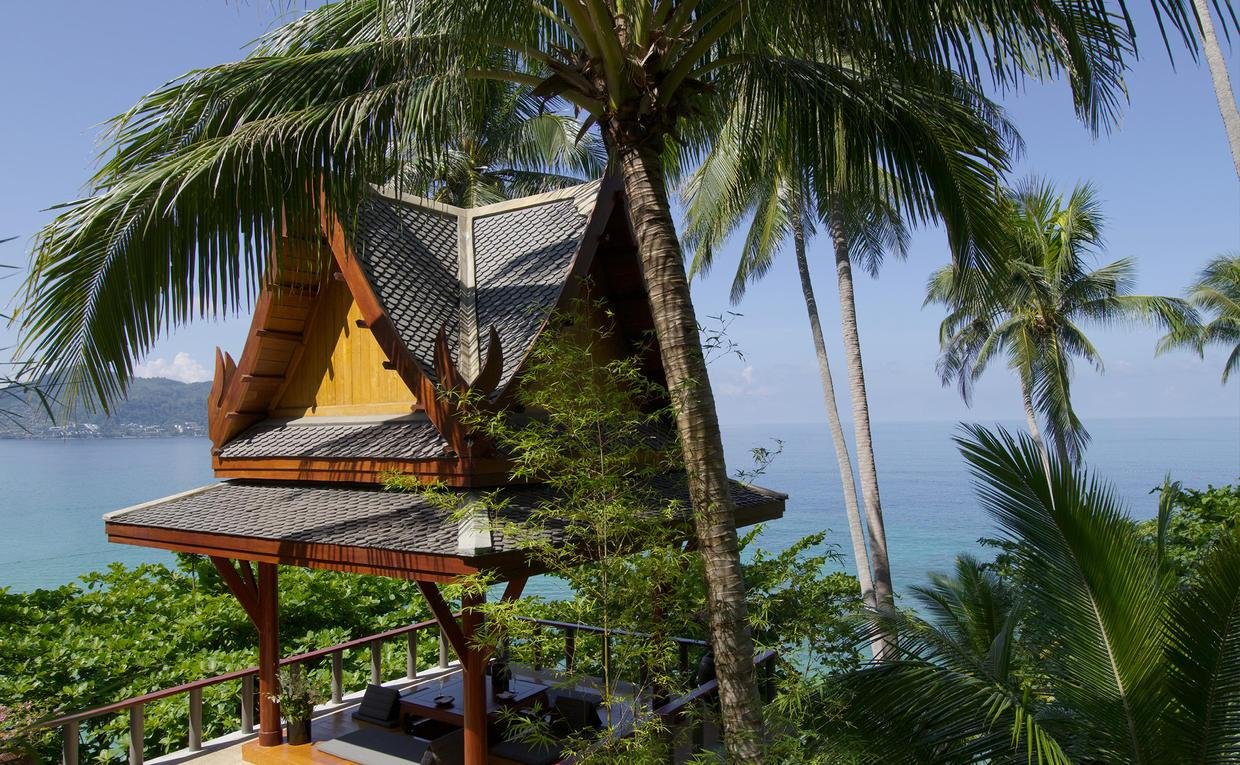
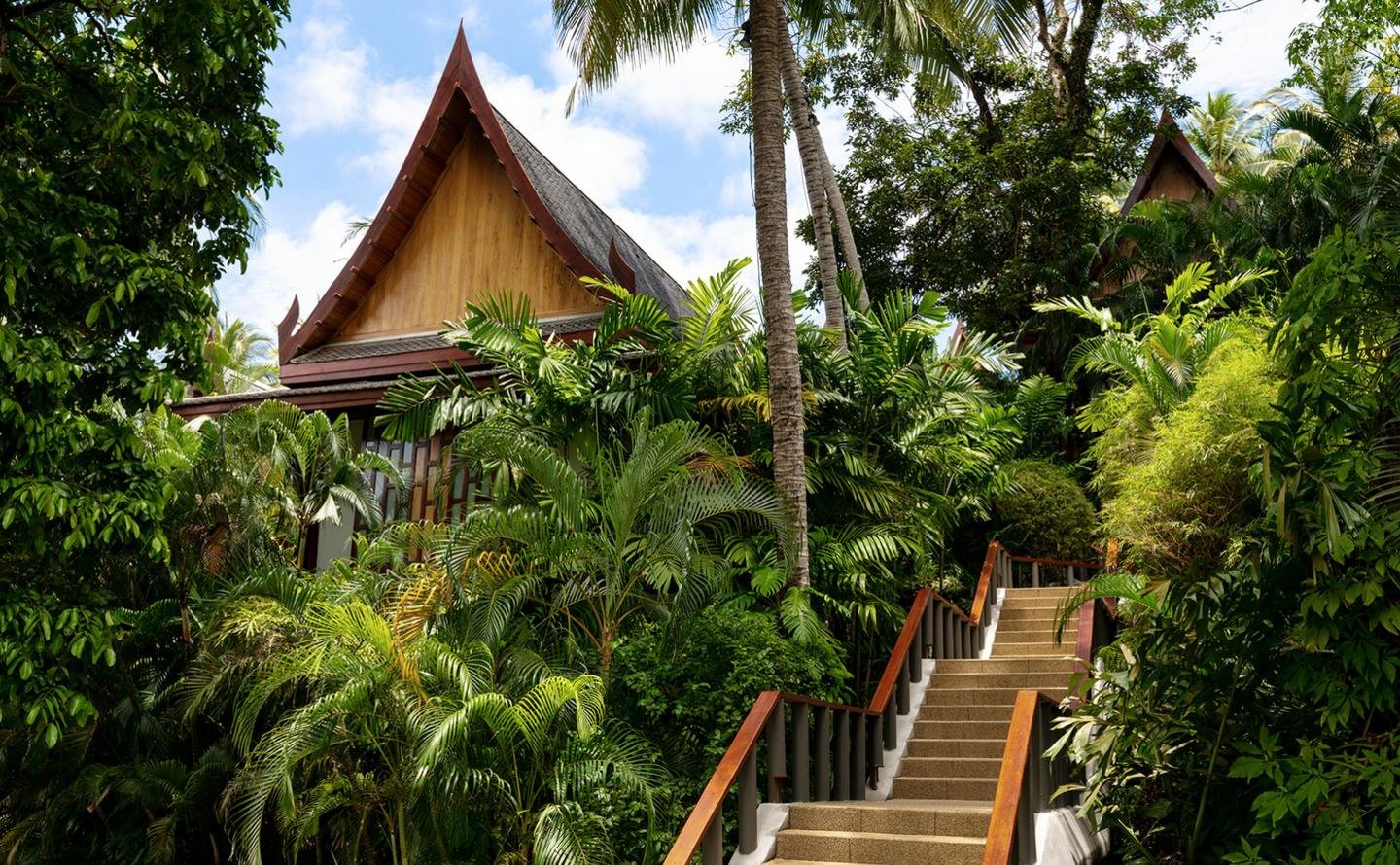
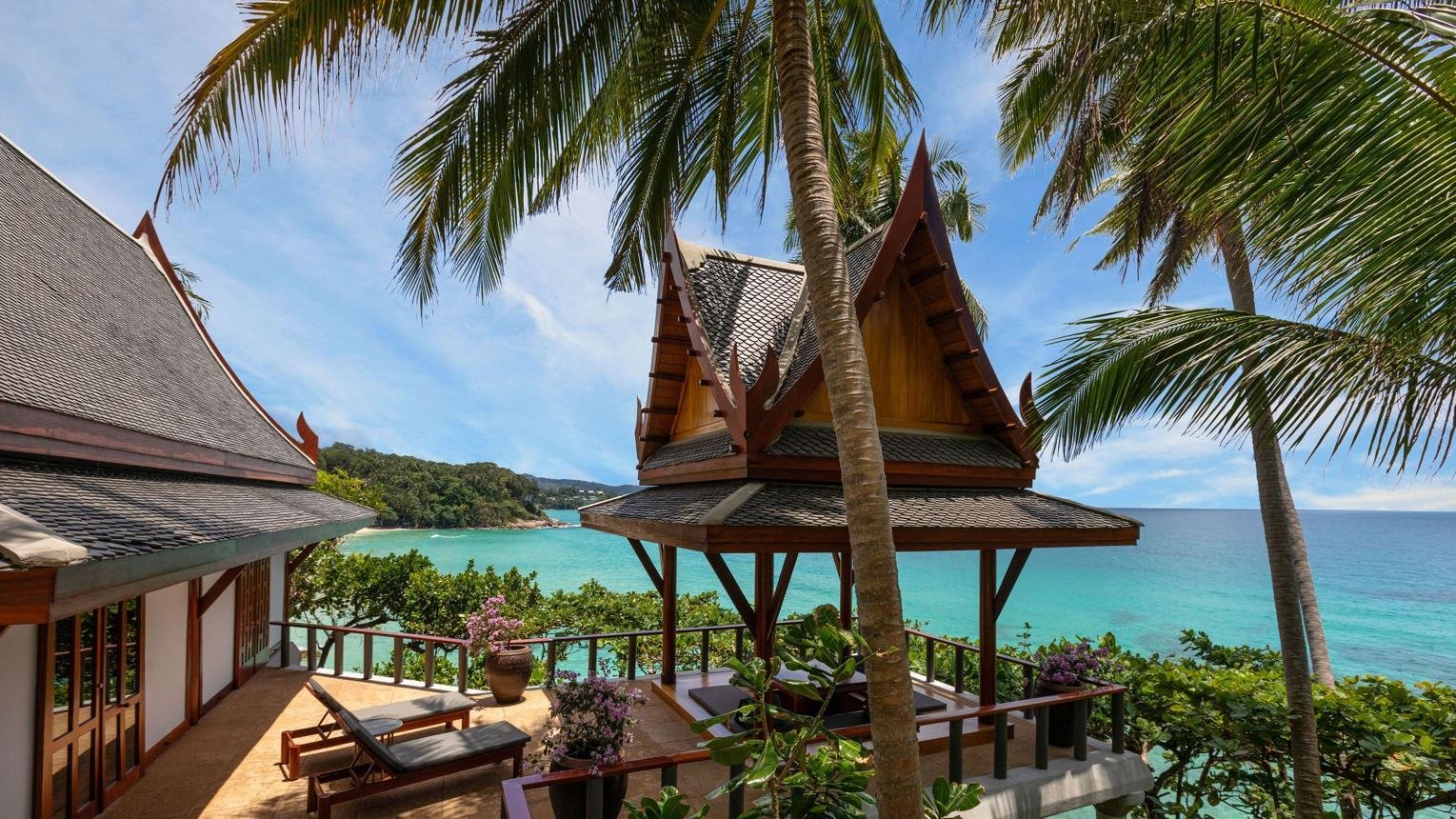
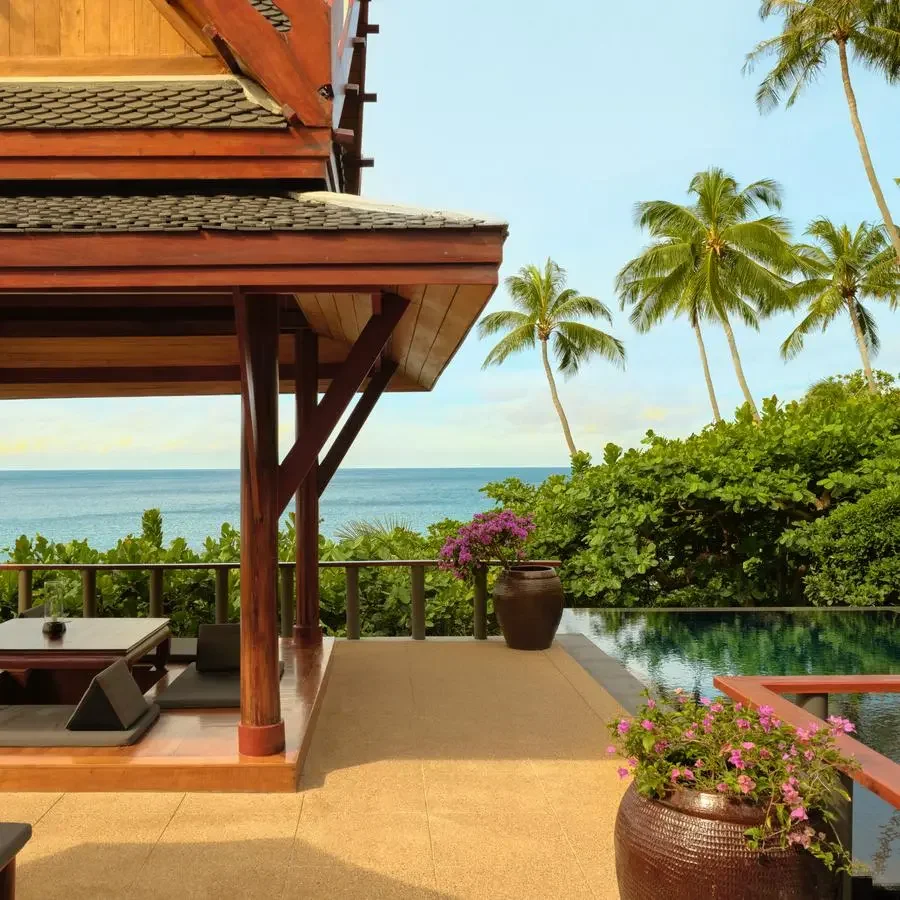
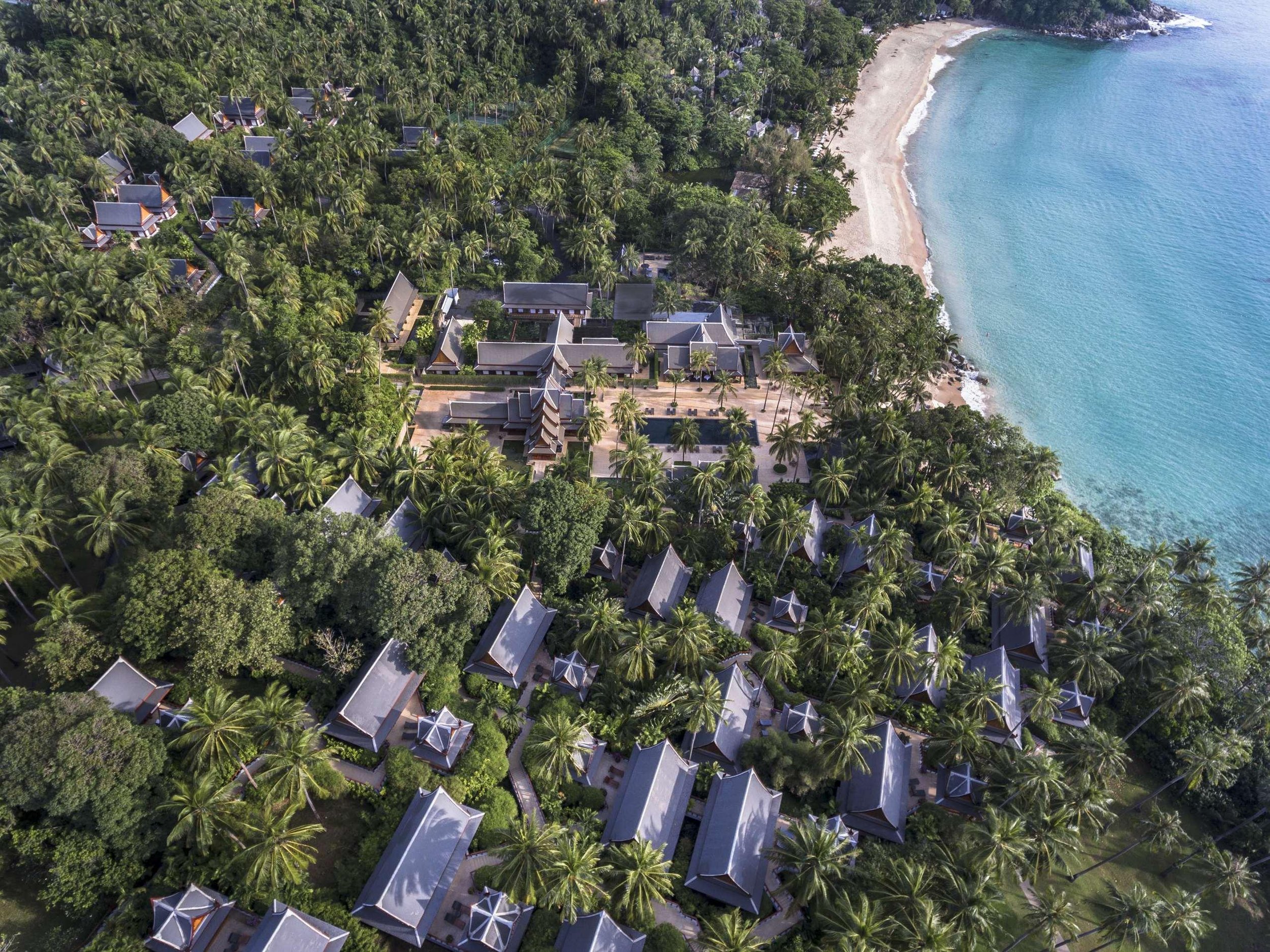
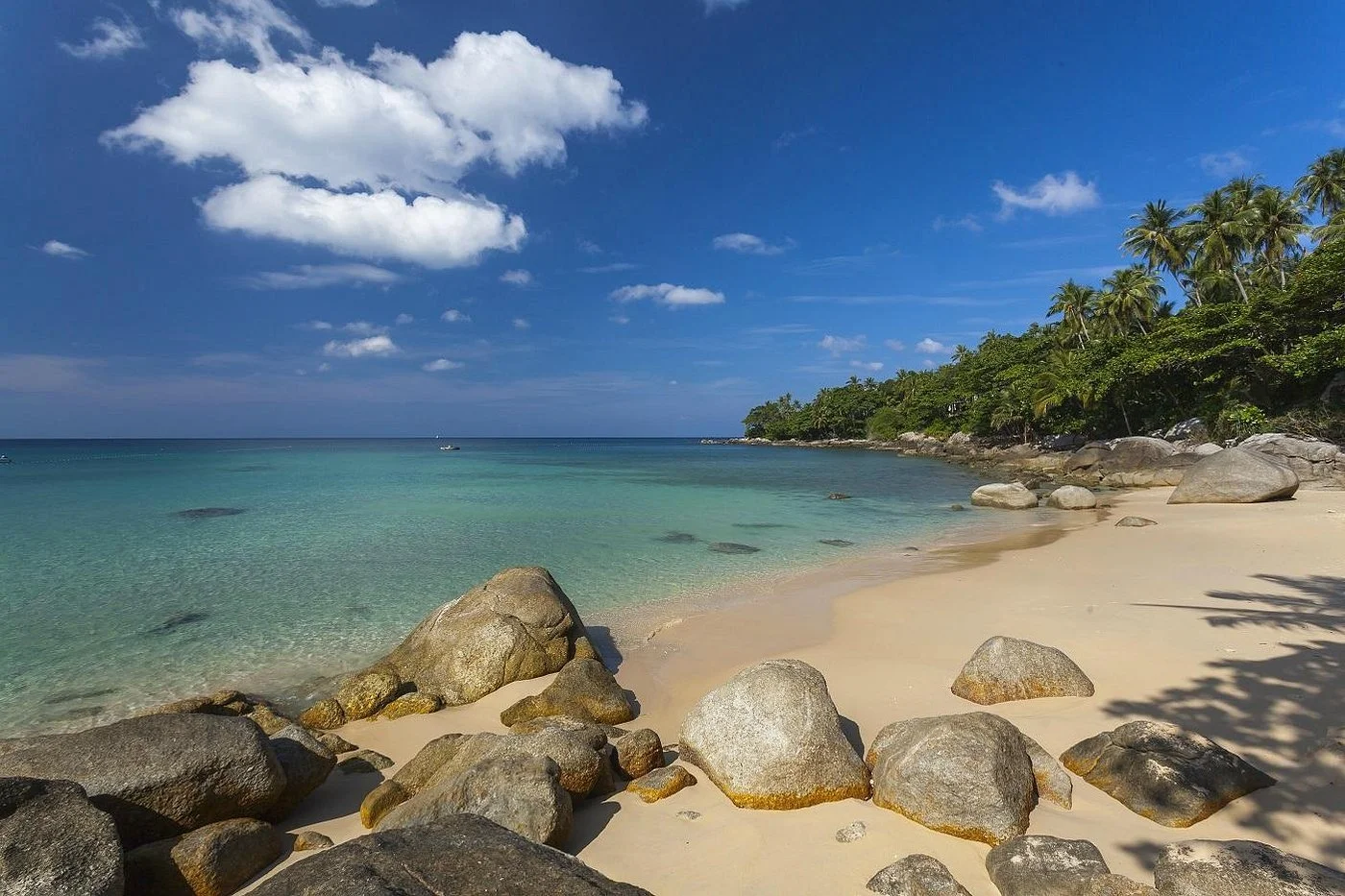
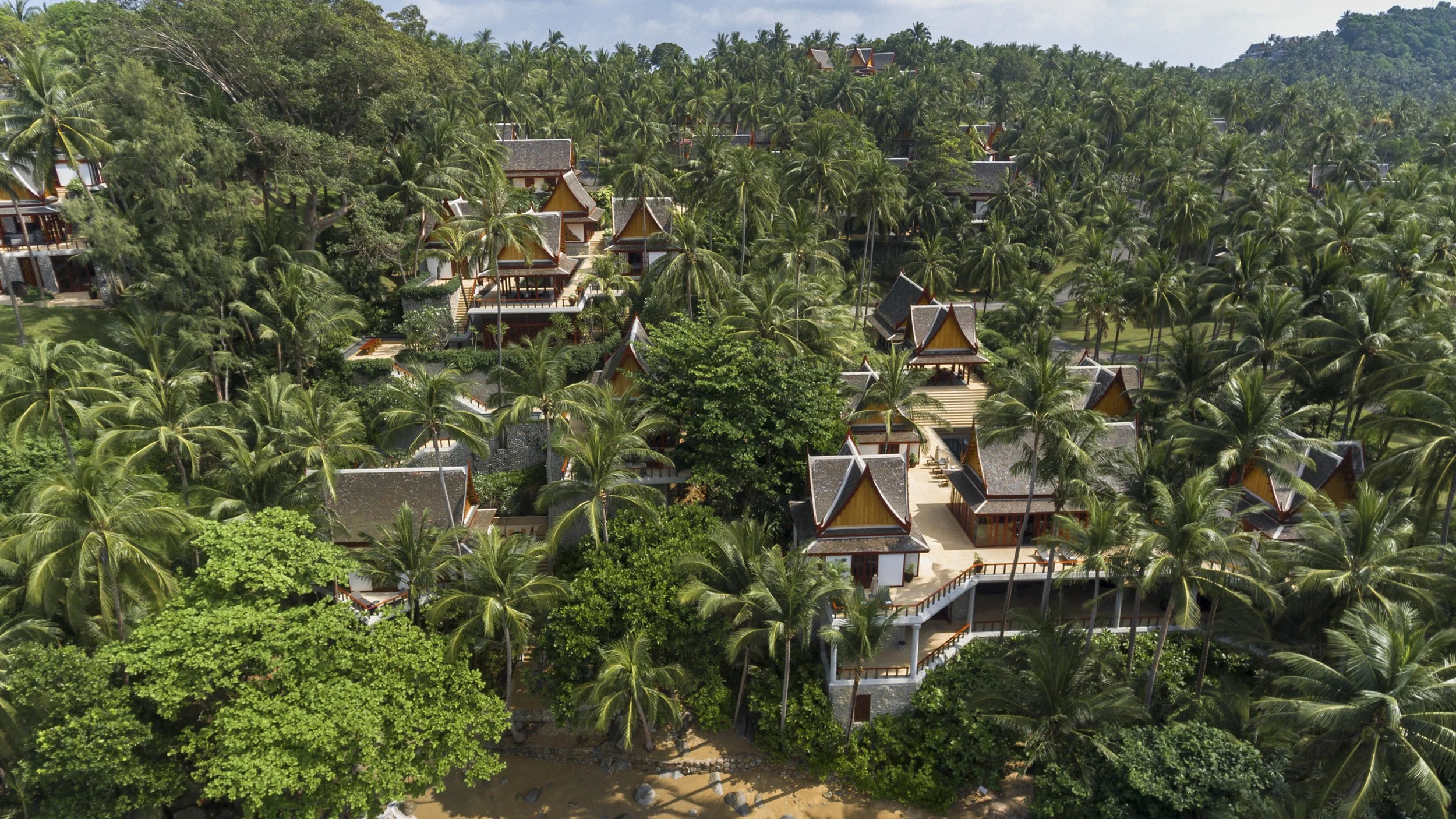
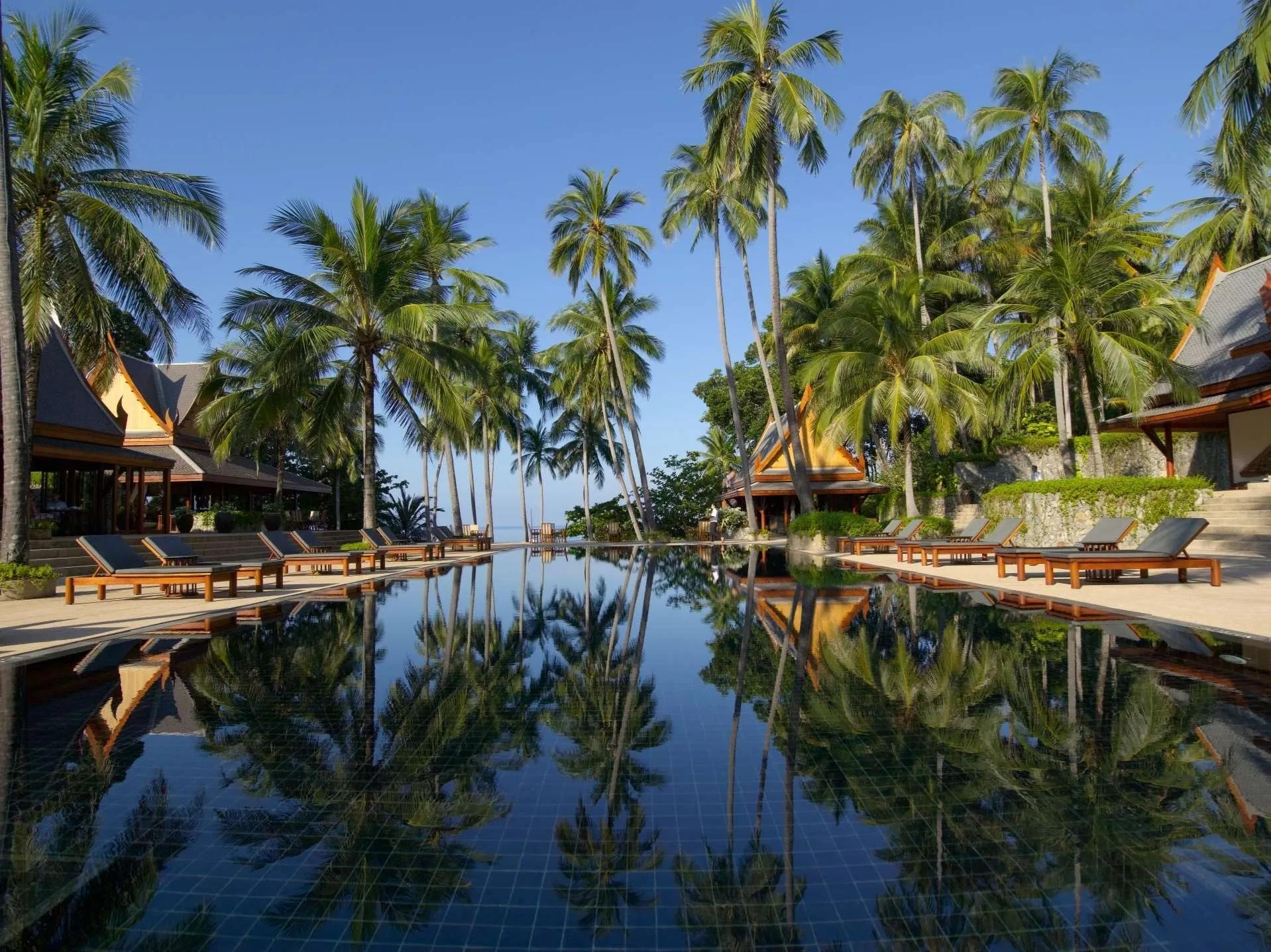
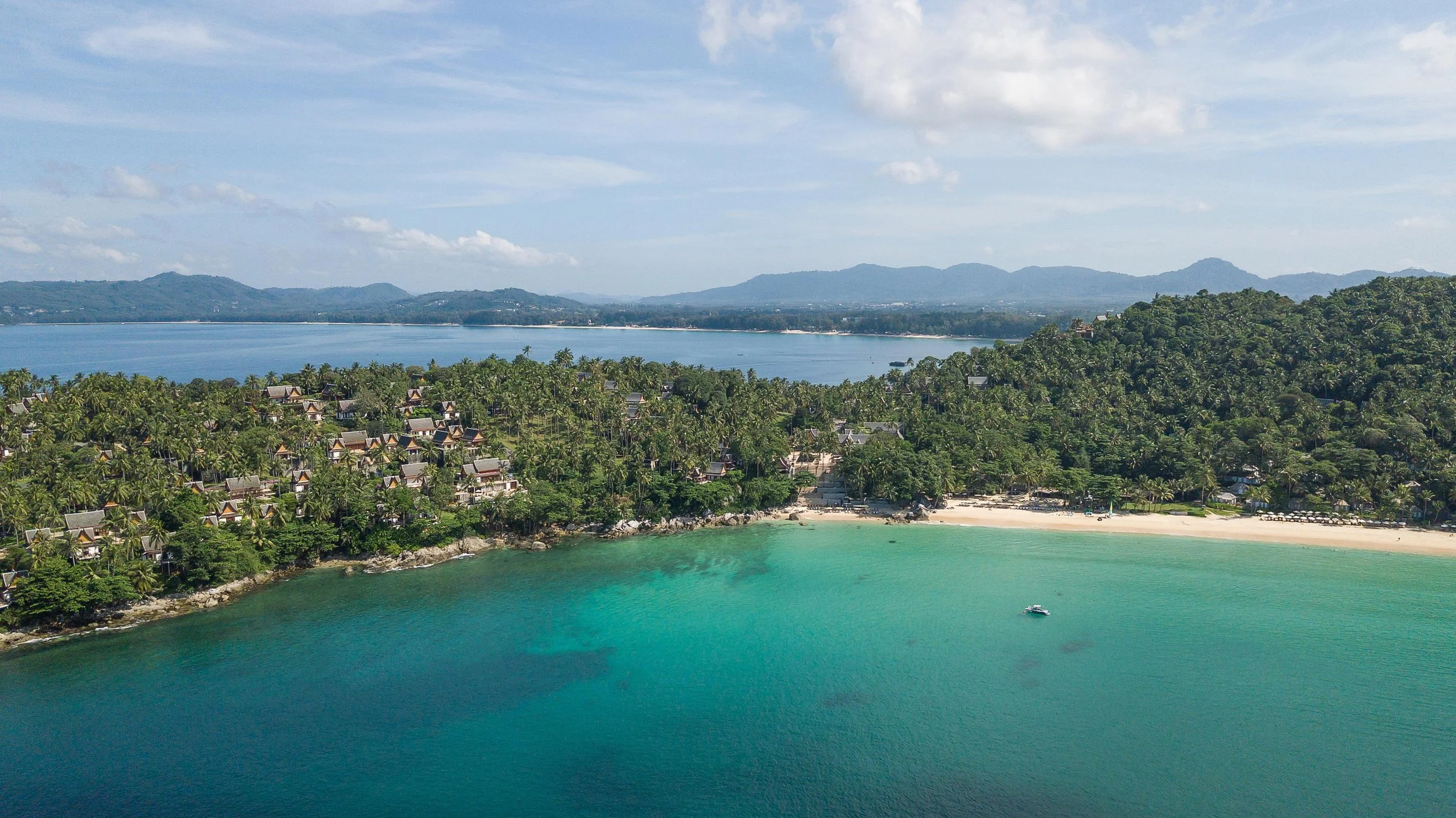
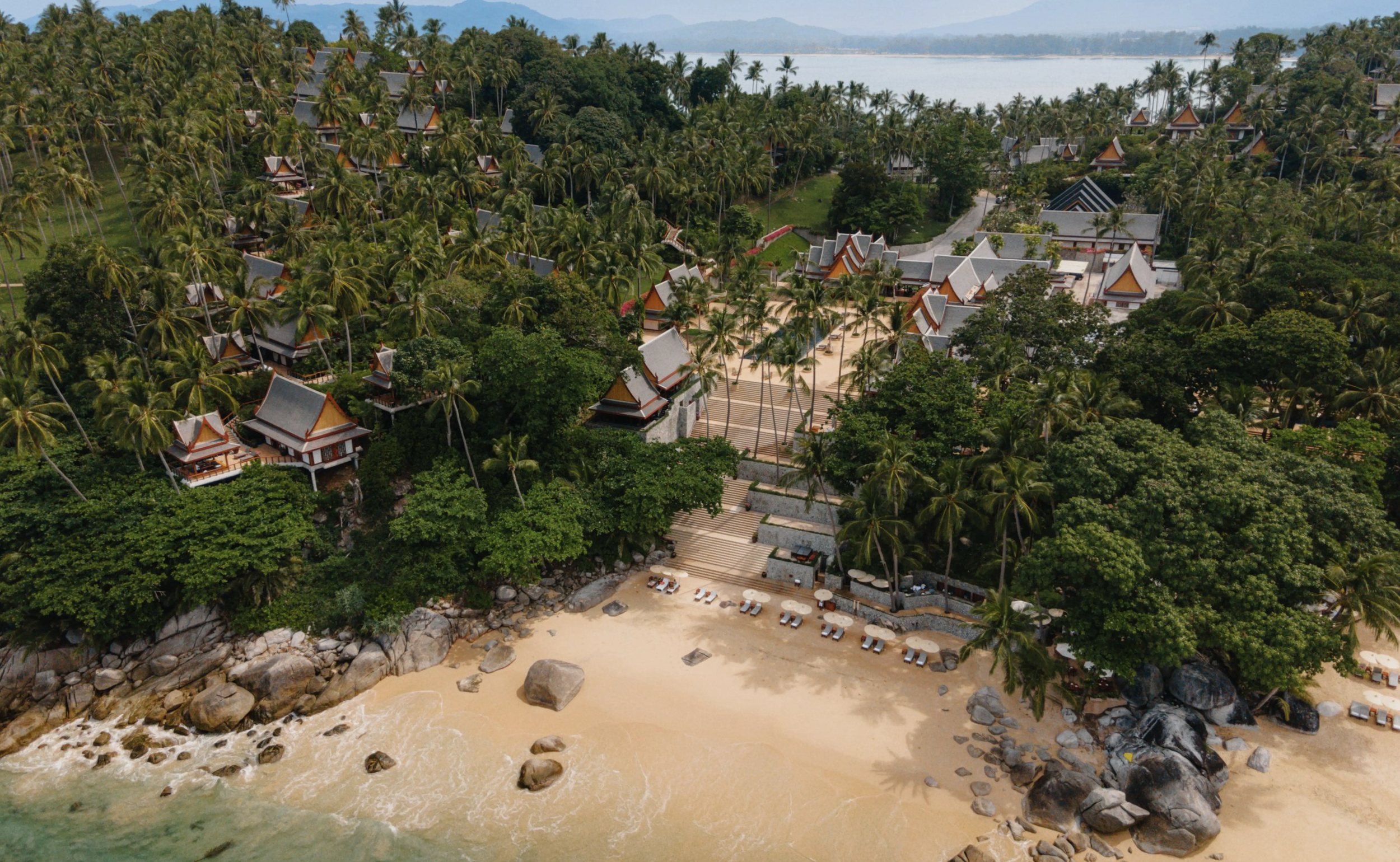
Above the pale sand of Pansea Beach, timber pavilions rise between coconut palms, their steeply pitched roofs appearing and disappearing as the hillside descends towards the Andaman Sea. Paths run through the greenery rather than across broad hotel lawns. From the resort's terraces, the view alternates between the sheltered curve of the bay, the far horizon and the layered roofs of the buildings below. This sense of separation is central to Amanpuri, a resort whose influence on contemporary luxury hospitality extends far beyond Phuket.
Opened in 1988 as the first Aman property, Amanpuri was conceived on a former coconut plantation as a retreat defined by privacy, architectural restraint and a close relationship with its landscape. Nearly four decades later, it remains unusually varied: couples can settle into a one-bedroom pavilion with a private pool, while families and larger parties can occupy multi-pavilion villas with their own swimming pools, Thai chefs and villa teams. Elsewhere, the day might involve a traditional southern Thai breakfast, tennis, an excursion by boat or several hours at the Holistic Wellness Centre. The scale of the grounds allows these different stays to unfold without competing for the same space.
How an Original Phuket Retreat Shaped a Hotel Collection
Amanpuri's beginnings are inseparable from Aman founder Adrian Zecha and architect Ed Tuttle. The project opened in 1988 on Phuket's west coast, at a time when large beachfront hotels were a more familiar model of resort development. Here, the ambition was different. Accommodation was distributed among gardens and palms, with individual pavilions positioned to feel private rather than assembled in a single building. The name Amanpuri is commonly translated as “place of peace,” an idea expressed physically by the way guests move through the property.
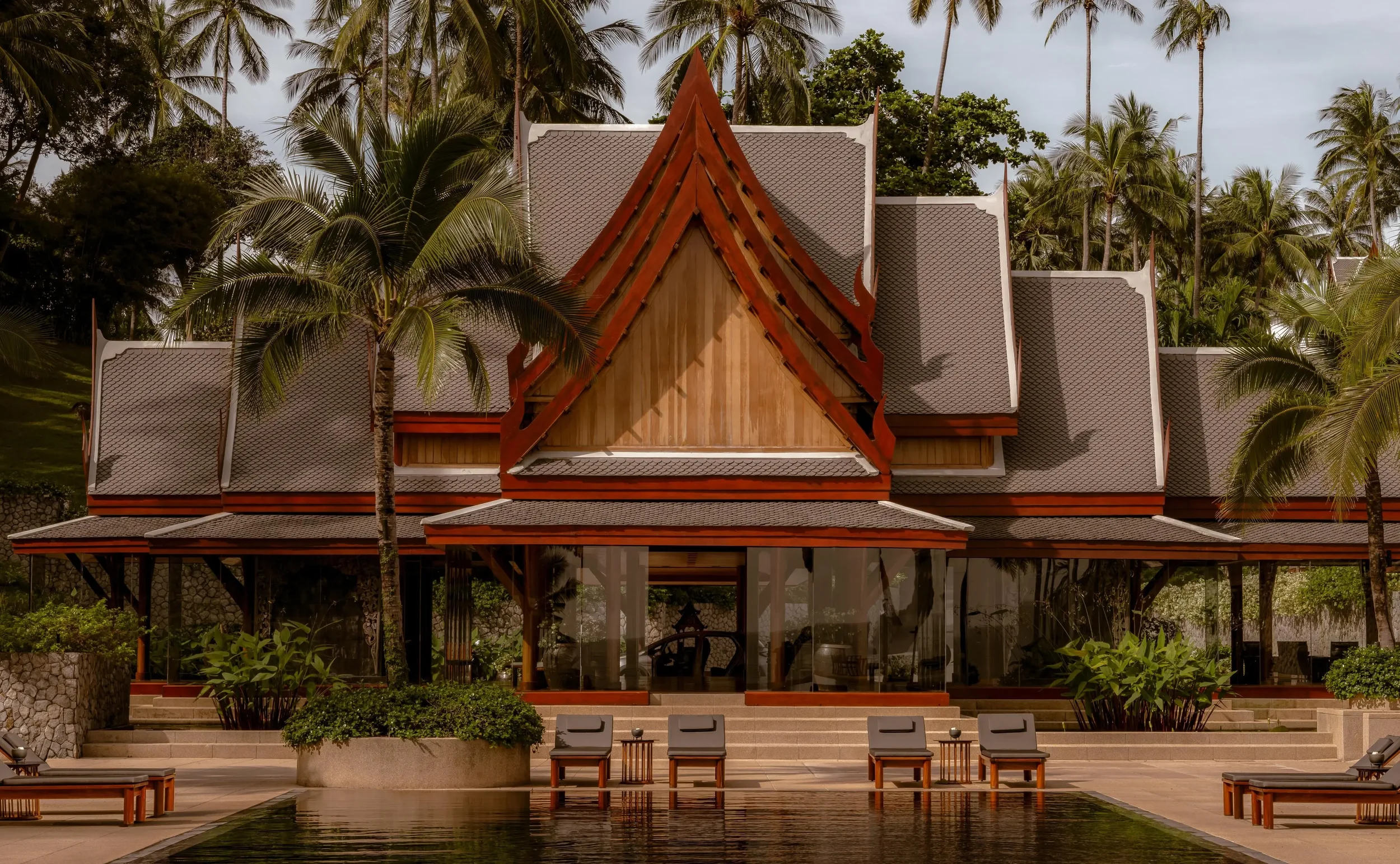
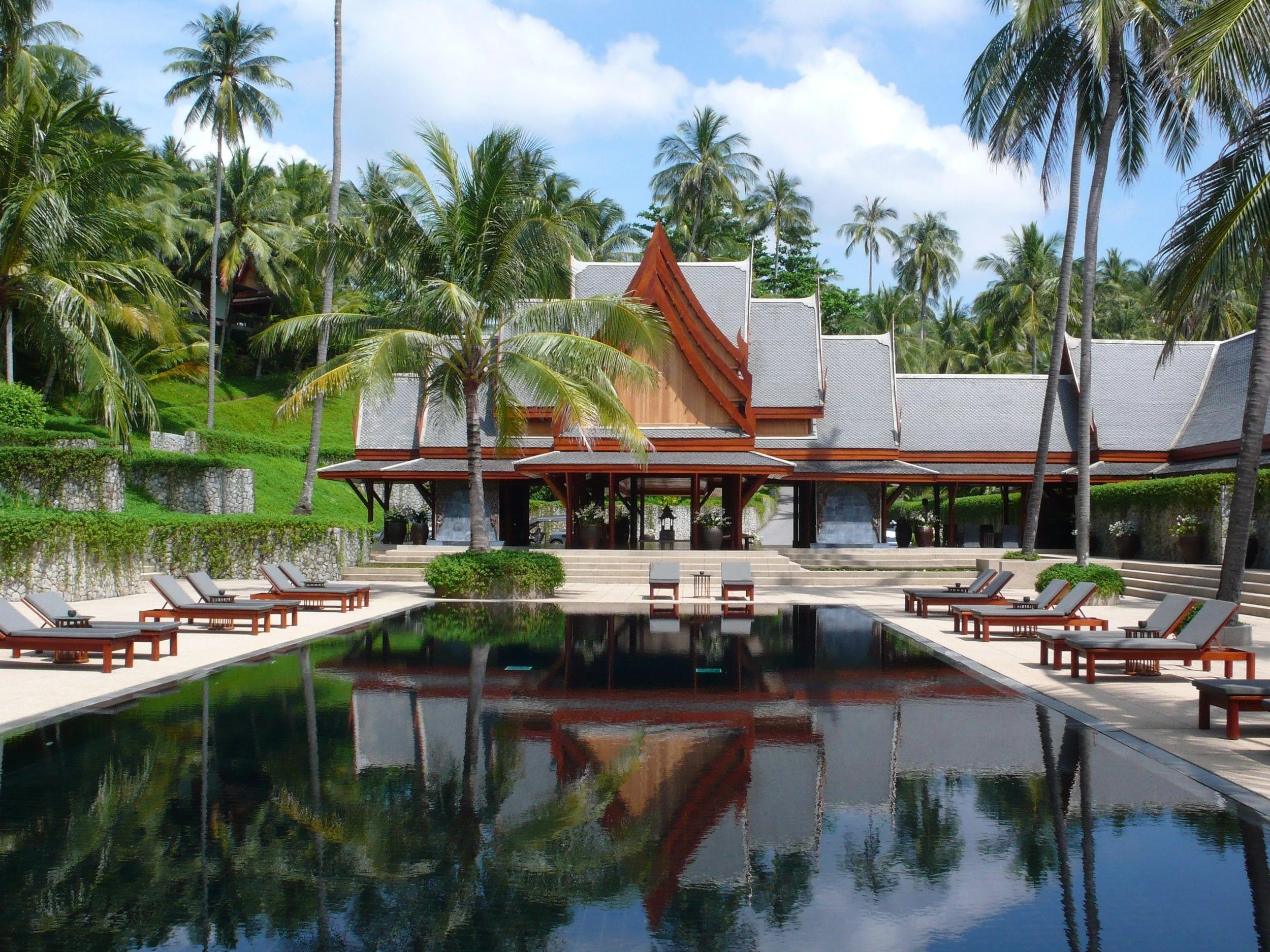
Tuttle's work drew on Thai architectural precedents, particularly the distinctive roofs and pavilion compositions associated with historic Ayutthaya. Those influences were not replicated as a themed façade. They informed a way of organizing buildings, terraces and open-air rooms so that the resort would respond to the land. The original concept helped establish the principles that later became associated with Aman worldwide: a strong sense of location, a limited visual palette and hospitality that values discretion as much as spectacle.
That legacy matters when choosing Amanpuri today. While new restaurants and modern wellness facilities have broadened the experience, the central pleasure remains spatial. There are places to gather around the main pool or over dinner, yet the prevailing impression is of several small private worlds connected by shaded paths.
Architecture Shaped by Thai Pavilions and Coastal Light
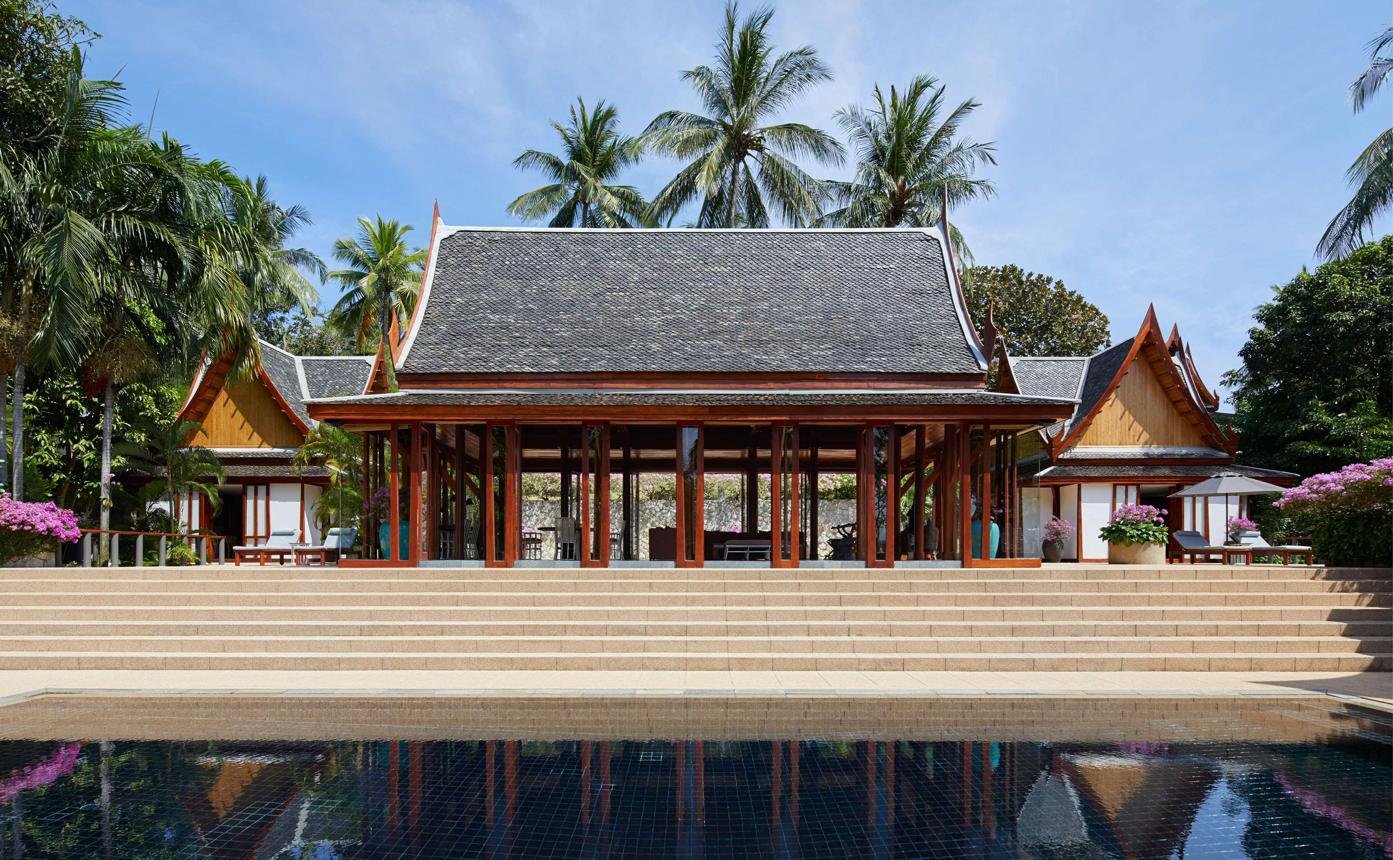
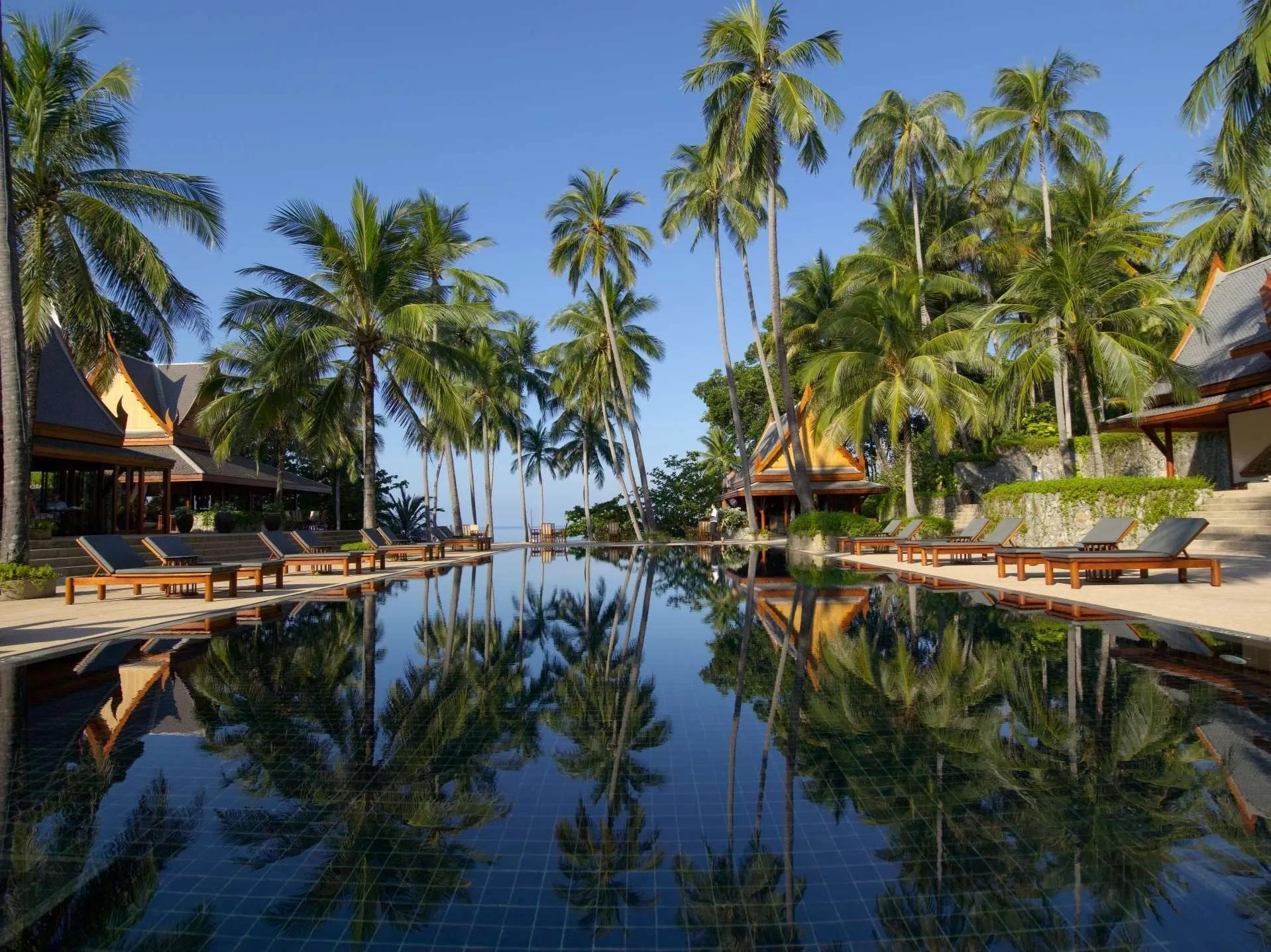
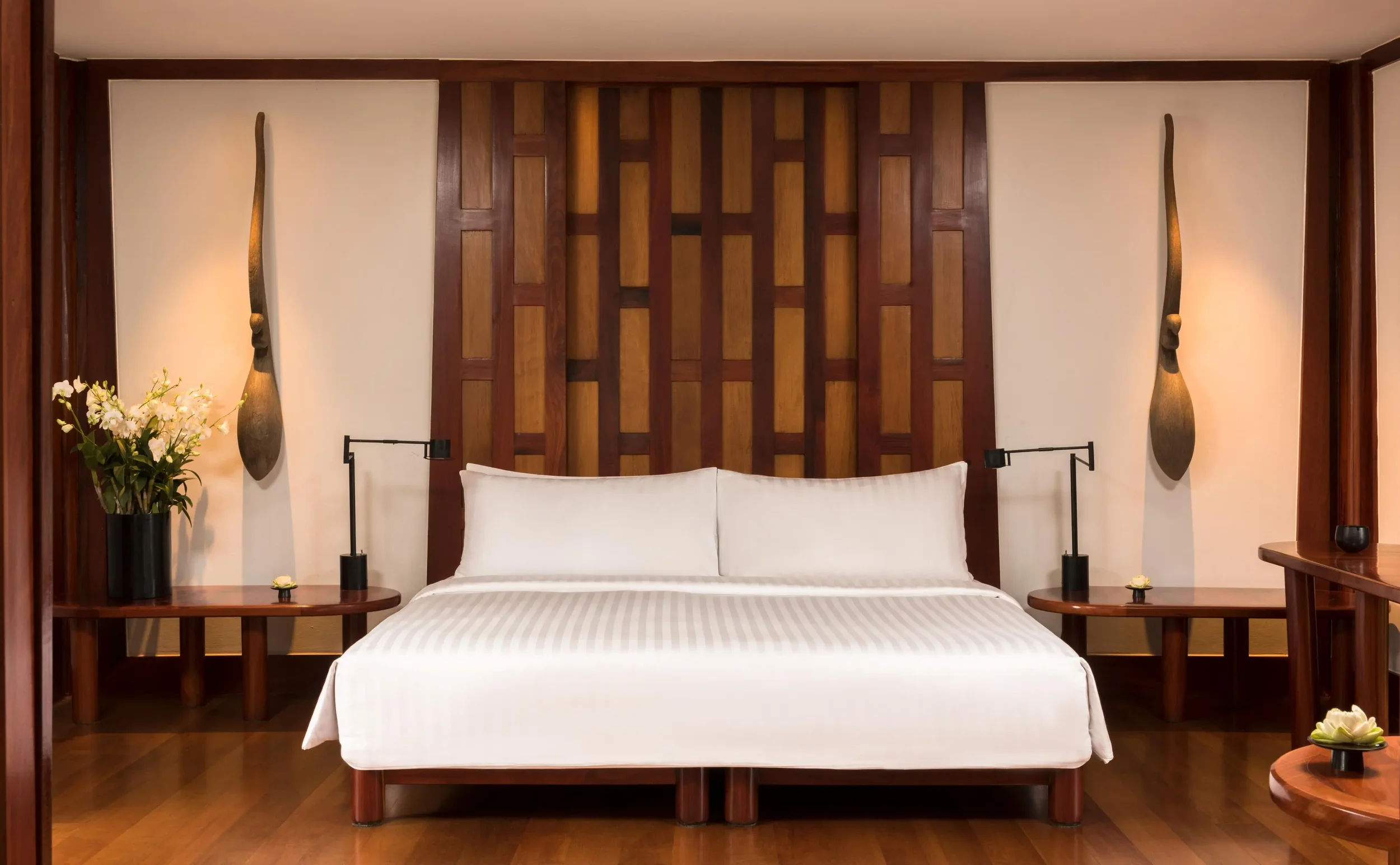
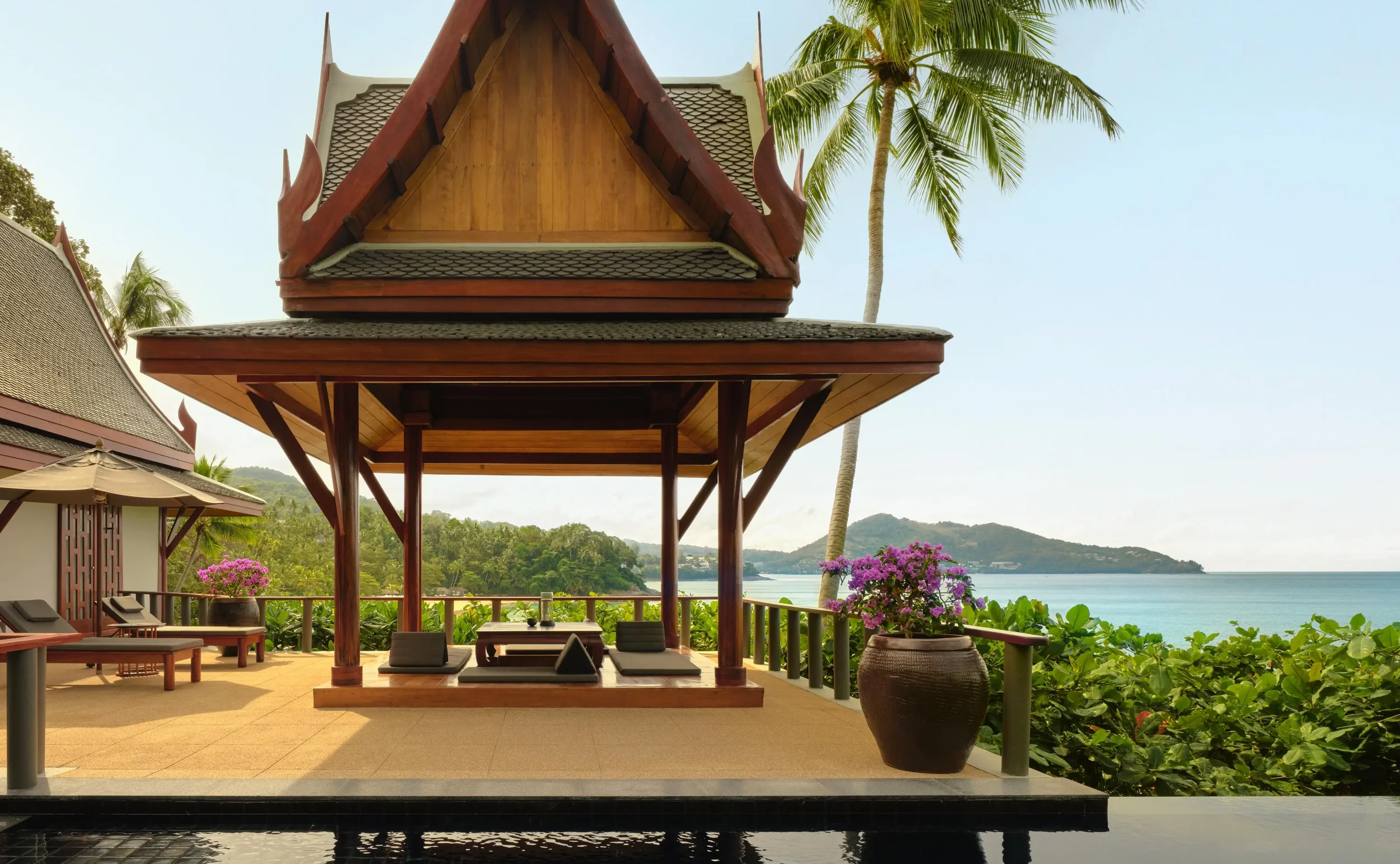
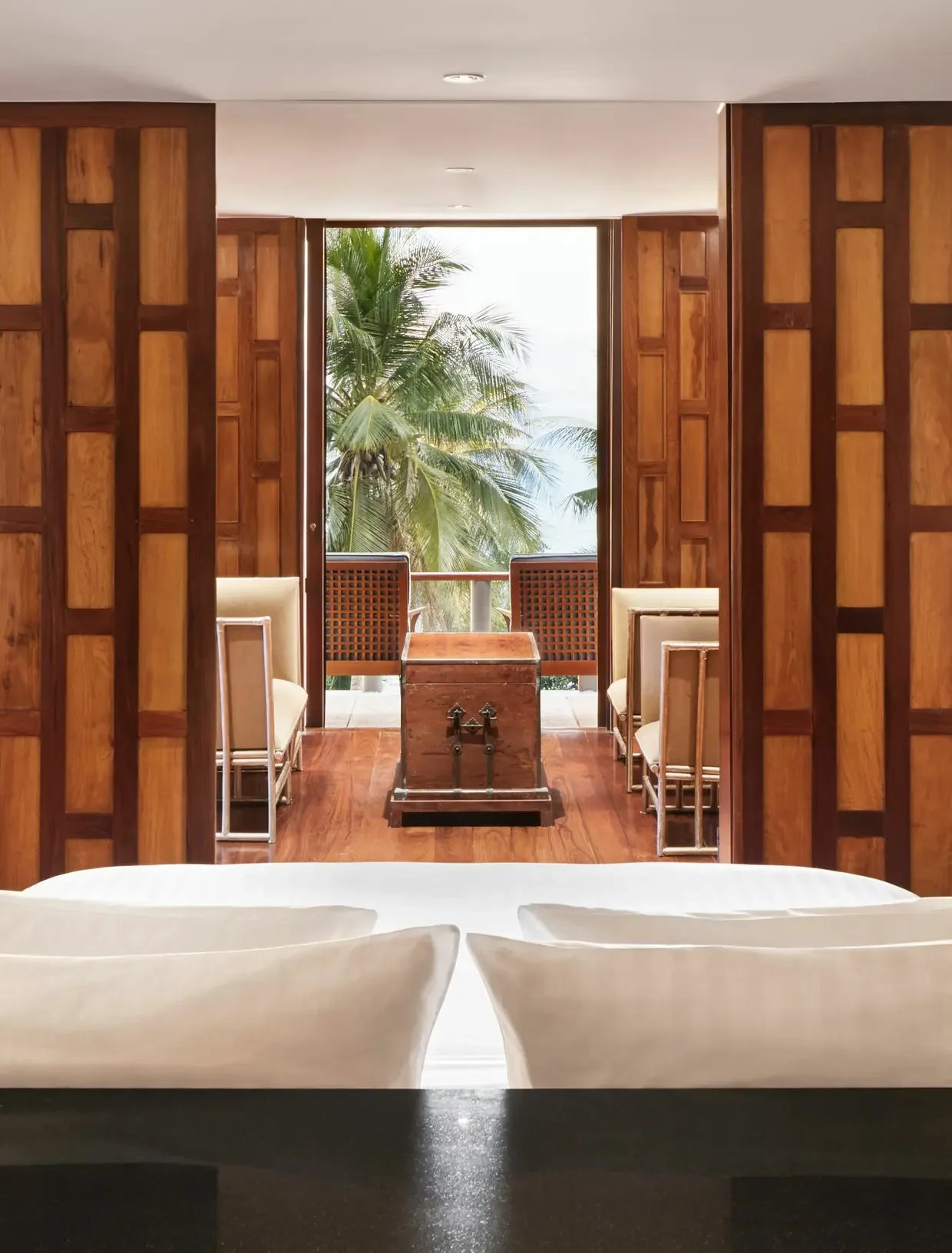
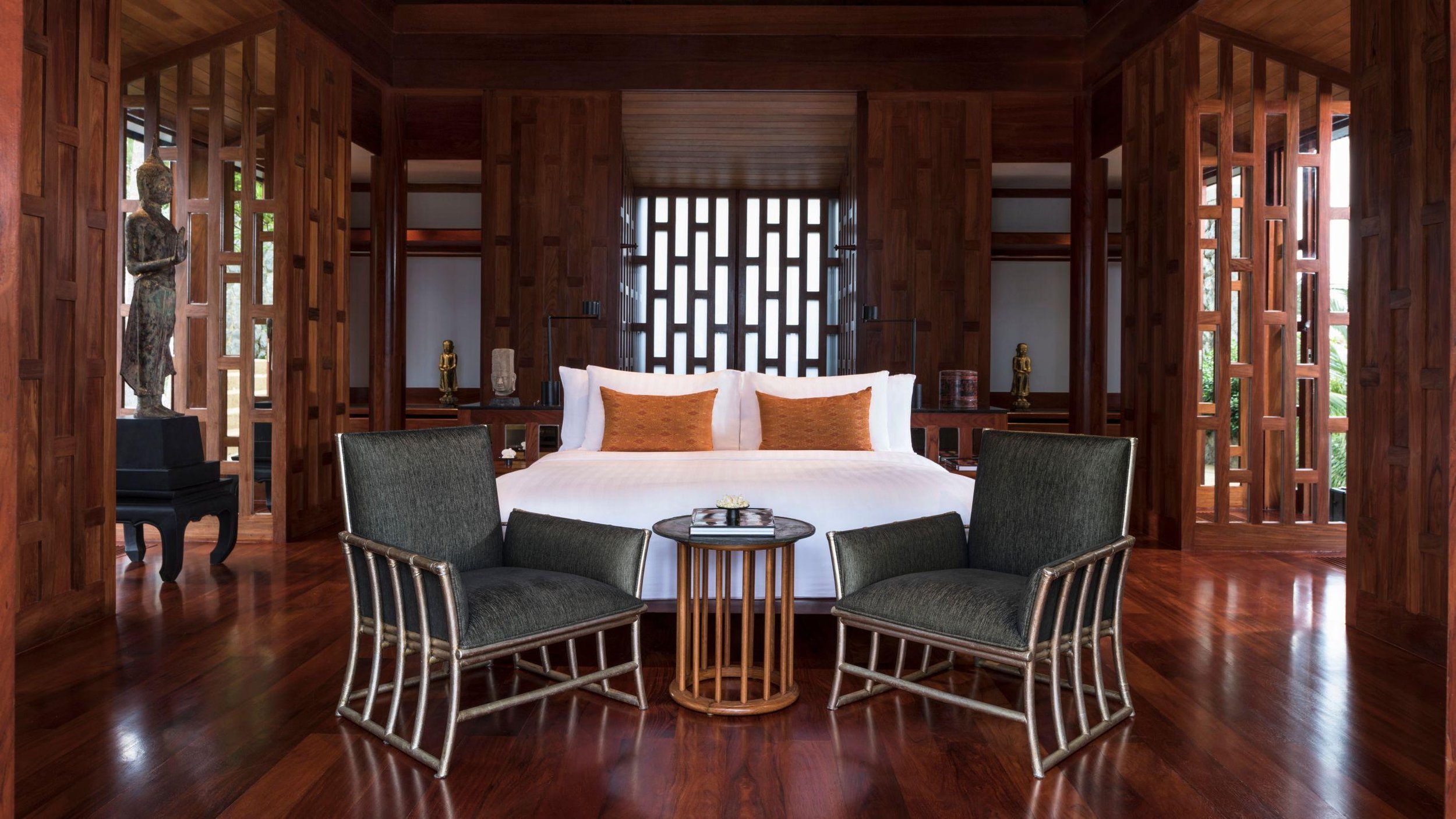
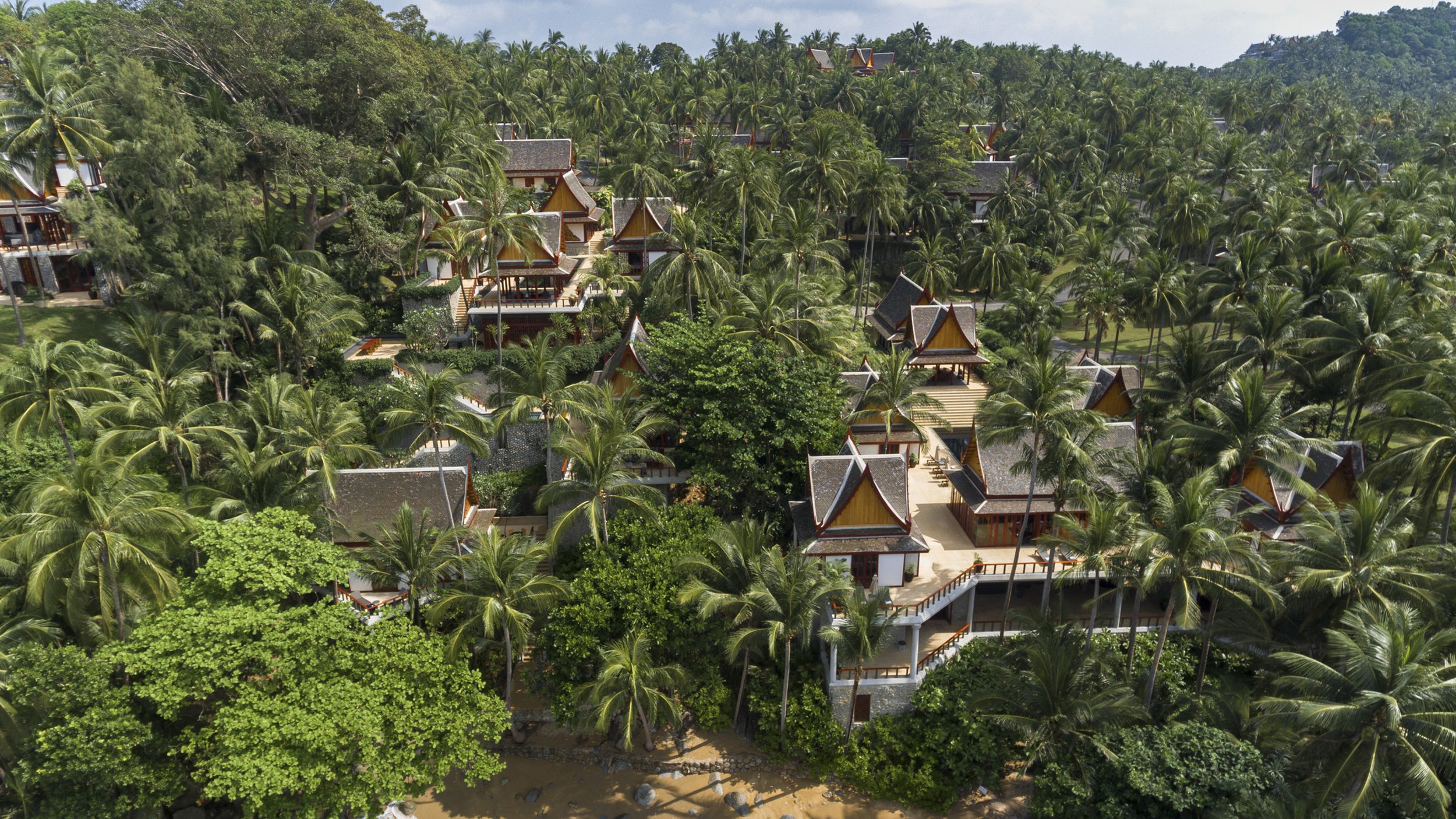
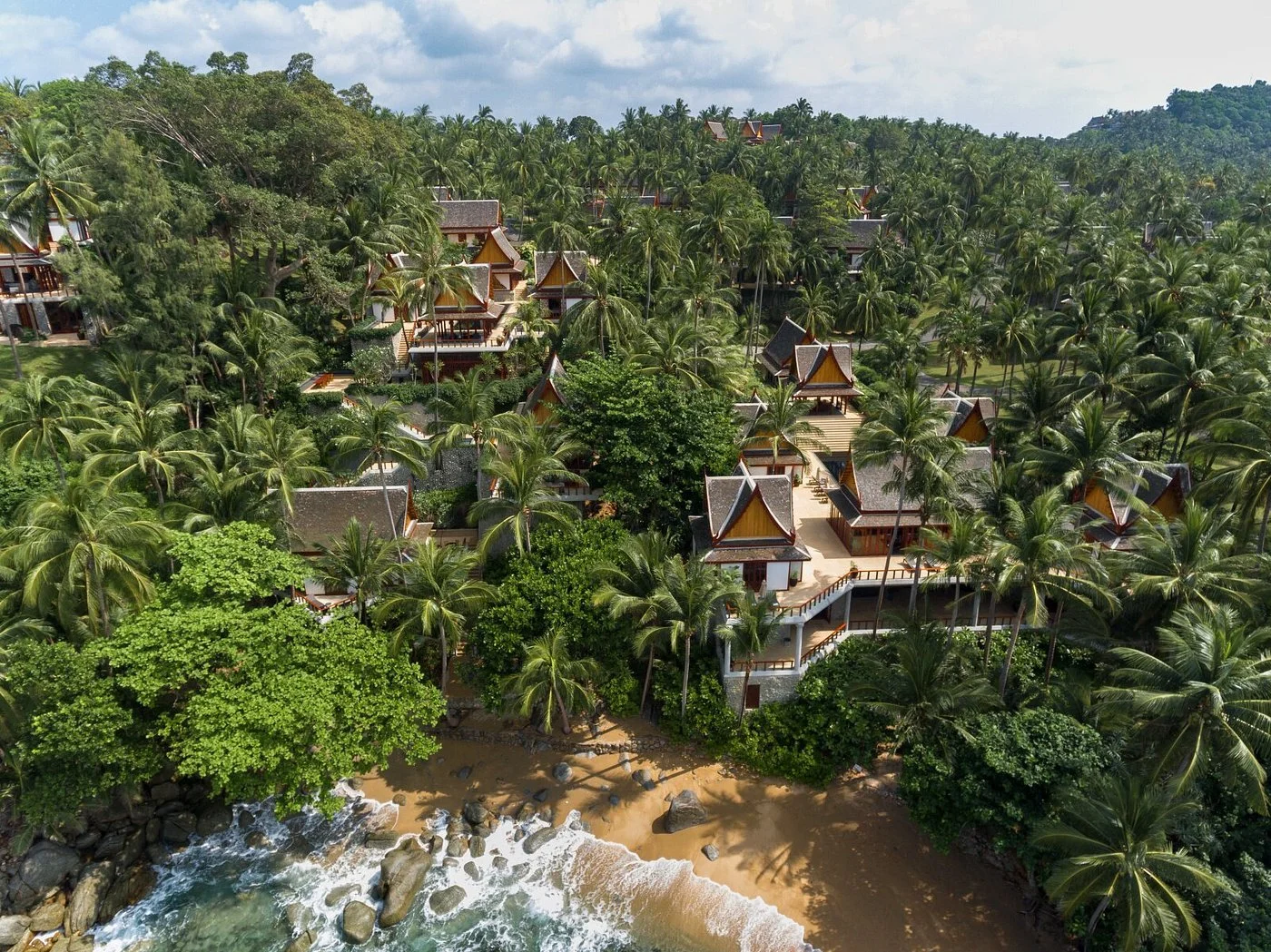
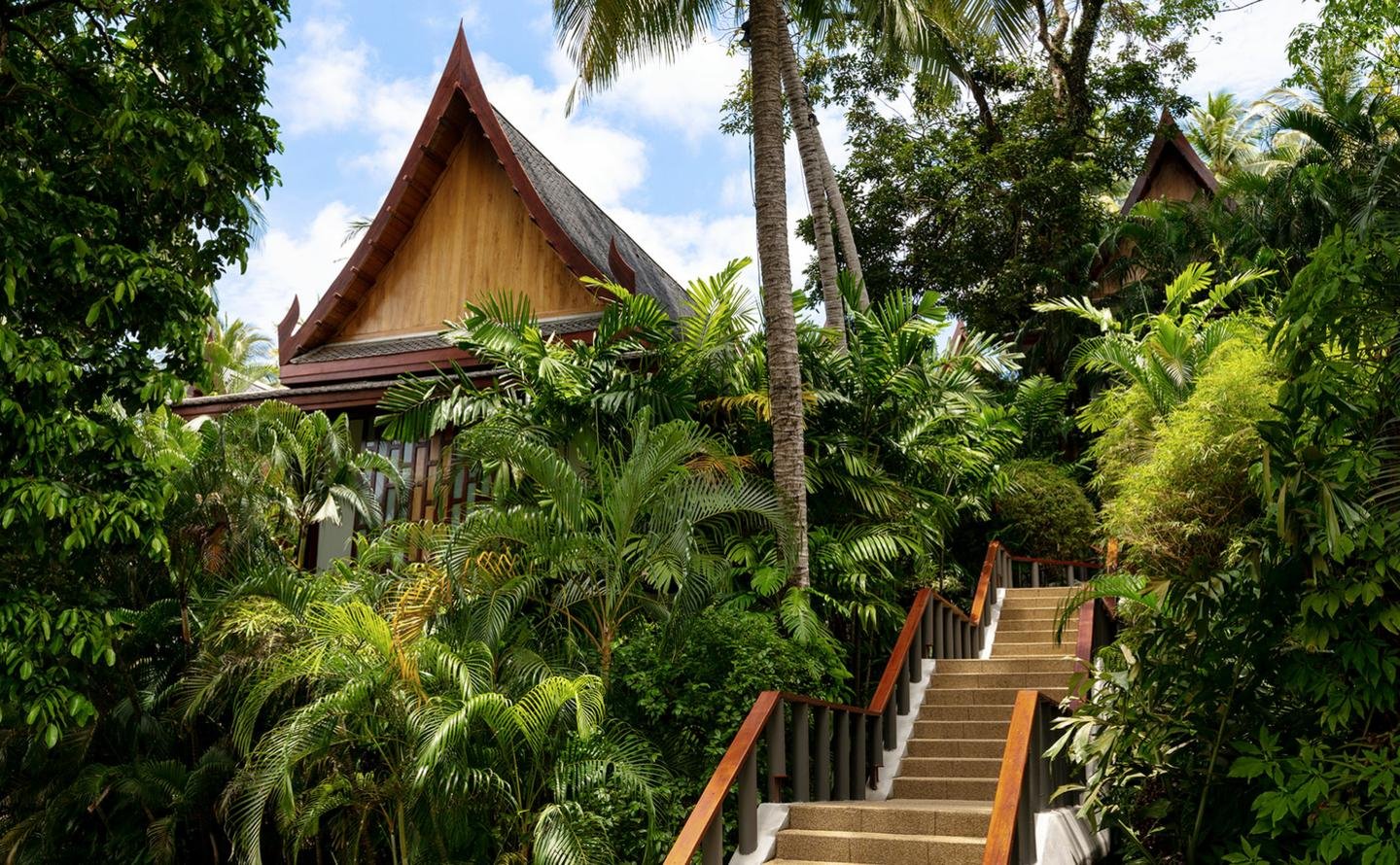
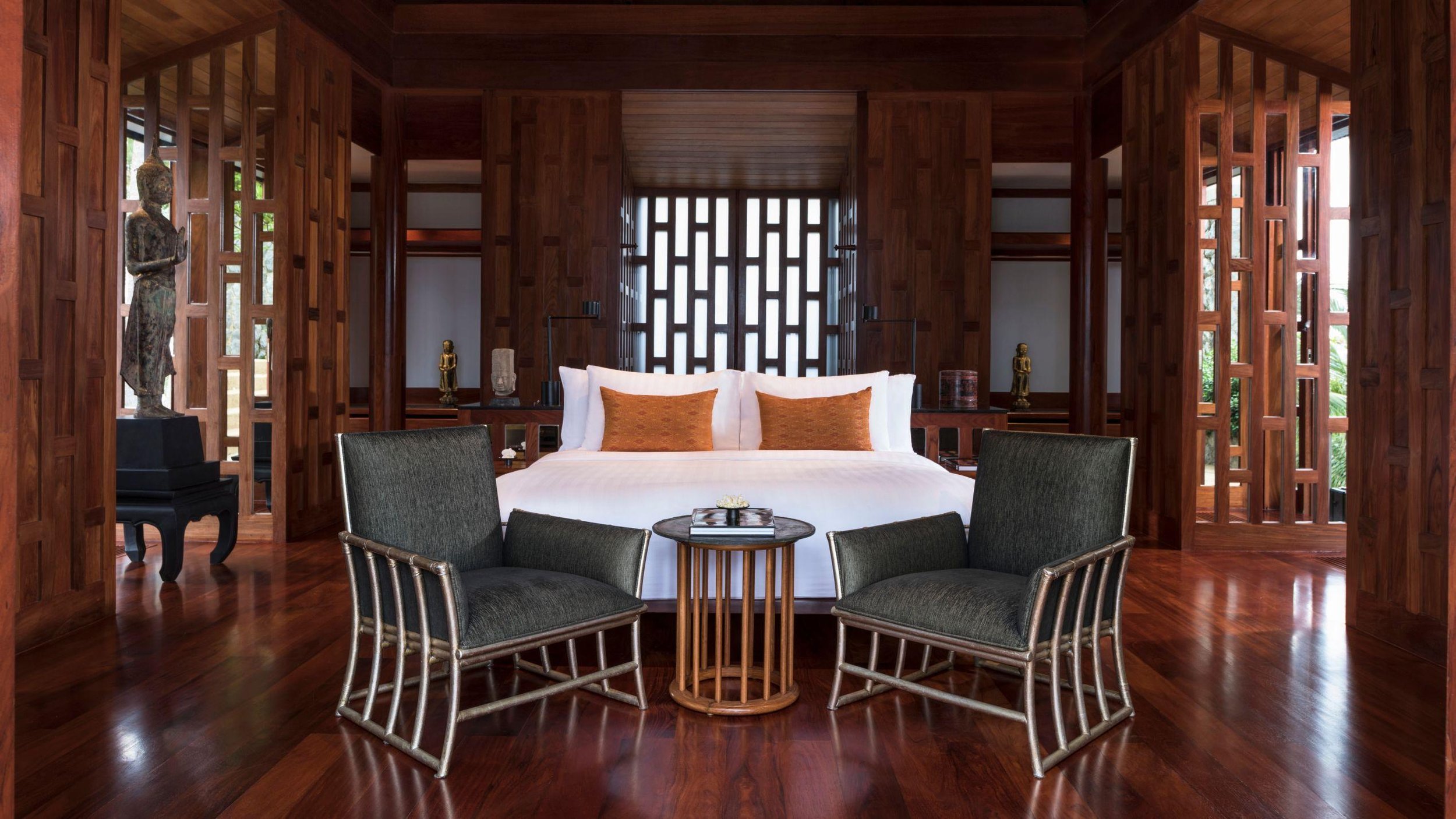
Amanpuri's architecture is recognizable in the silhouette of its peaked roofs, rich timber and open-sided salas, the traditional Thai pavilions used for resting and gathering. Interior woodwork creates warmth, while deep eaves, latticed screens and large openings control light and encourage the transition between inside and outside. The material palette is deliberately consistent, allowing the greenery and shifting coastal weather to provide much of the visual variety.
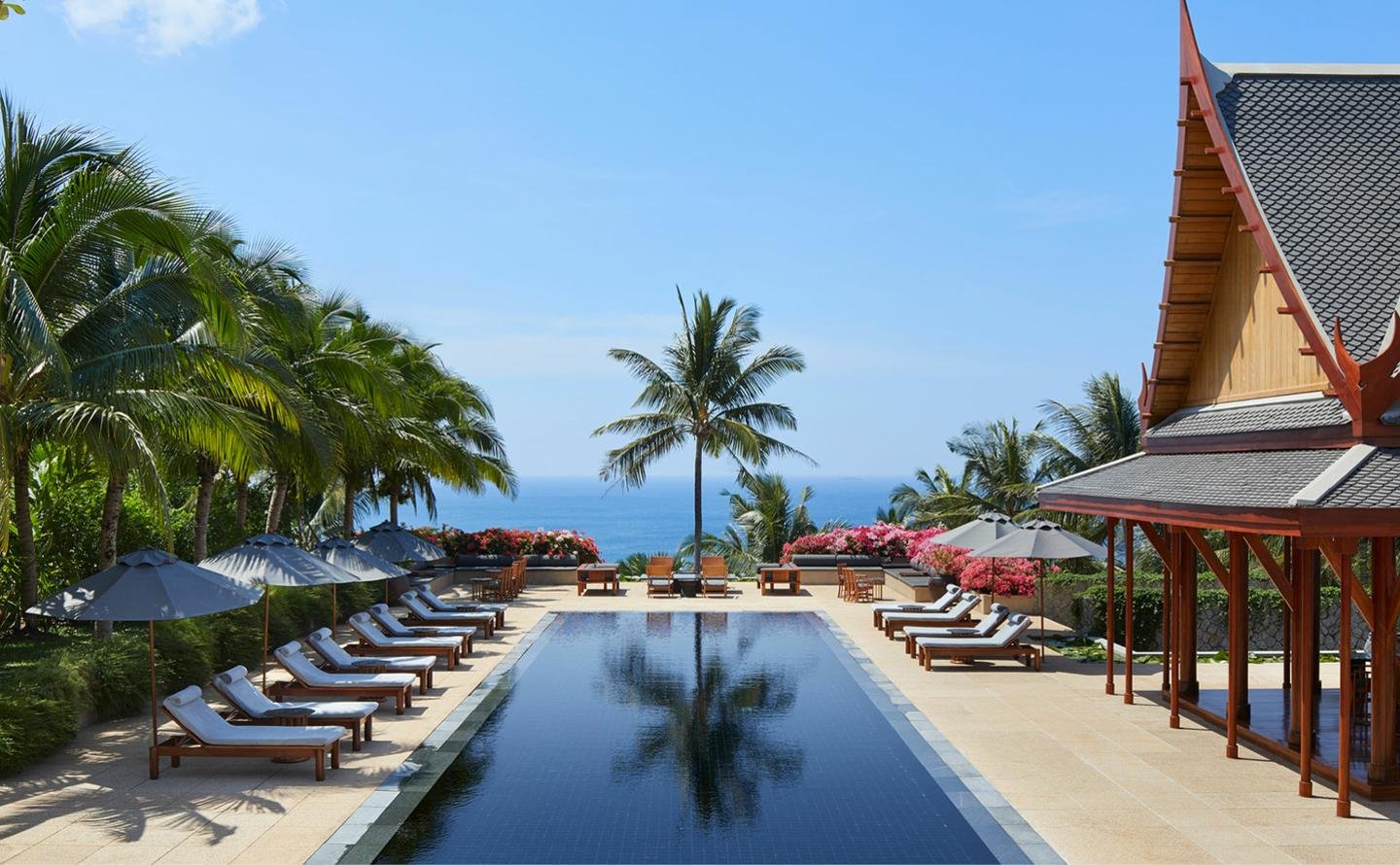
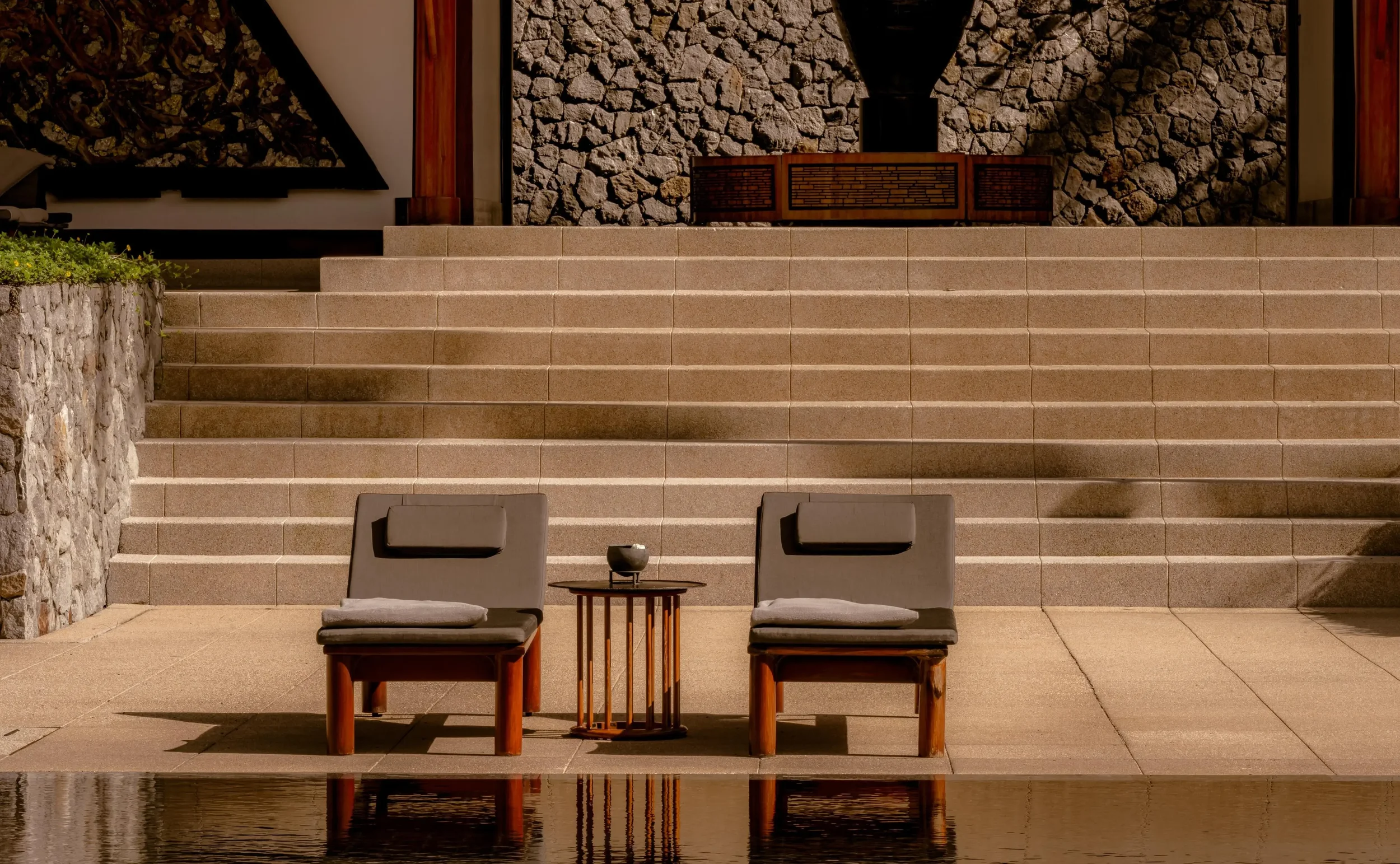
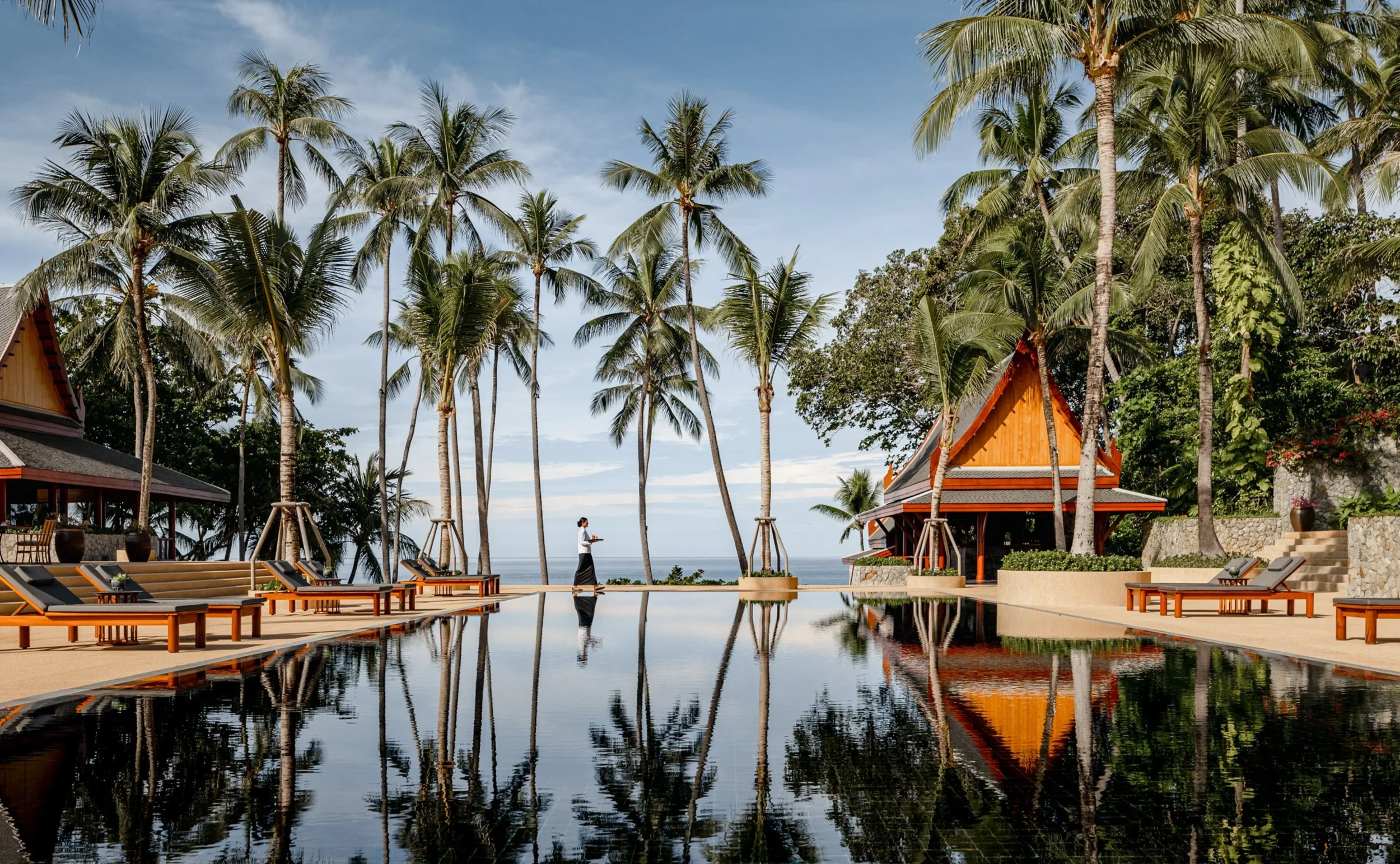
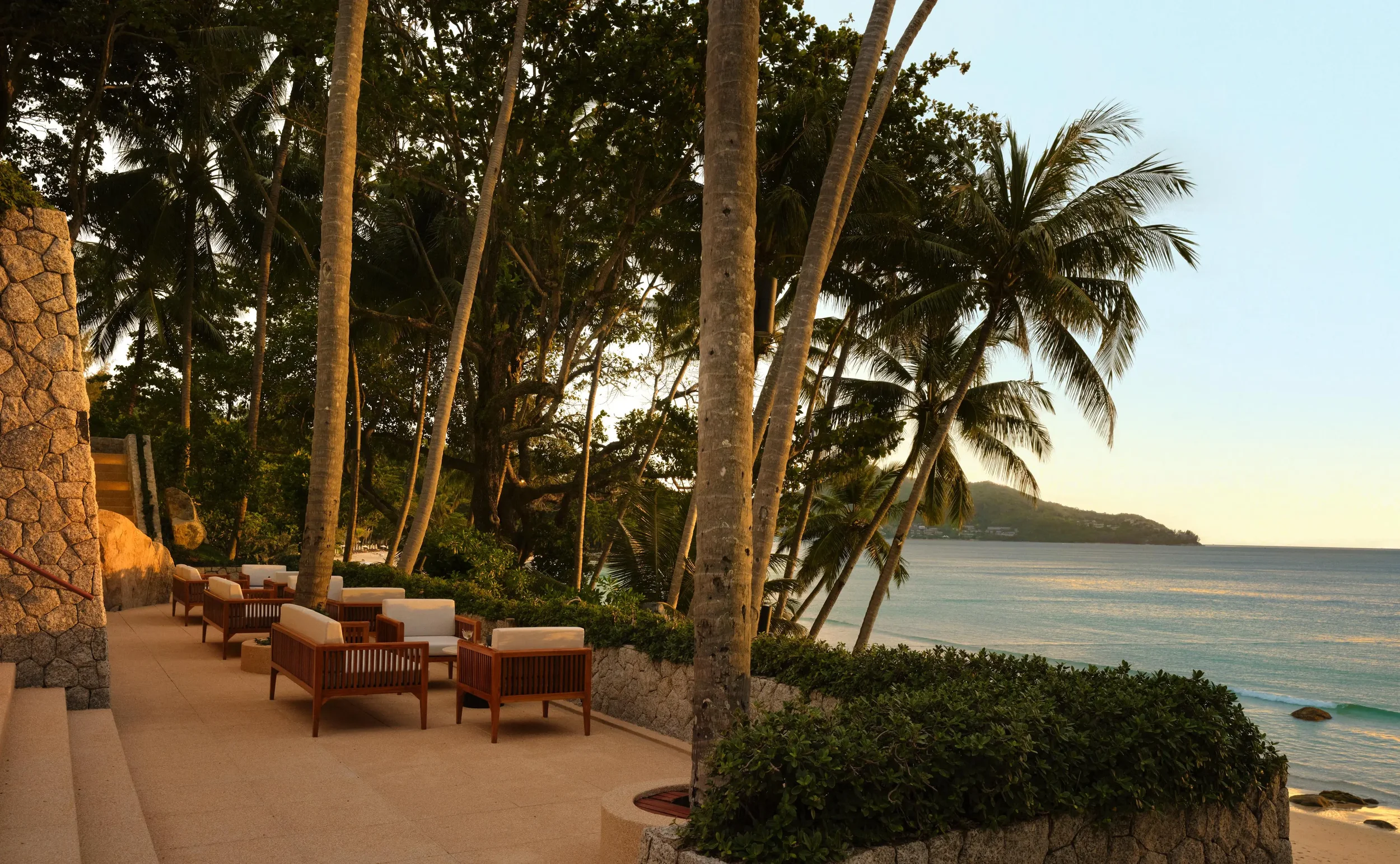
The hillside determines how the resort is experienced. Some pavilions look into private gardens, while others frame partial or broader views of the Andaman Sea; the distinction can be more meaningful than a relatively small difference in floor area. Walkways lead past palms and between freestanding buildings. At the main pool, the symmetry of the surrounding architecture creates a deliberate counterpoint to the irregular coastline below. Down by the beach, the mood becomes less formal, with the sand and water taking precedence over the buildings.
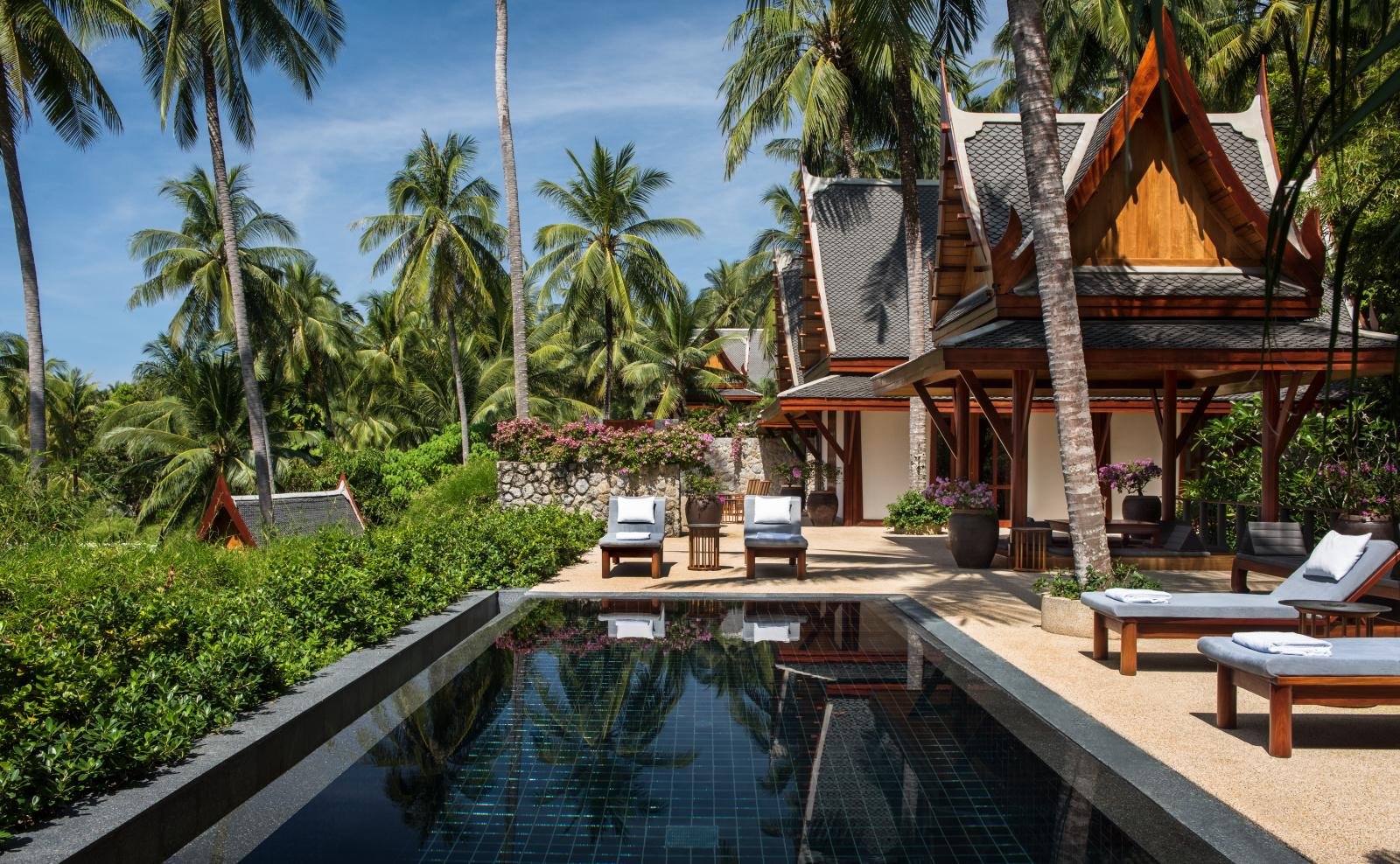
The villas expand this architectural language into private residential compounds. Bedrooms are housed in separate pavilions, while swimming pools, dining areas and outdoor sitting spaces act as the connecting elements. A family staying together can therefore share meals and activities without requiring everyone to occupy one continuous indoor suite.
Pavilions and Private Villas Above Pansea Beach
The accommodation collection includes eight pavilion categories and a wide selection of three- to nine-bedroom villas. For pavilions, the dimensions below refer to the hotel's published combined indoor and outdoor area, not just air-conditioned bedroom space. The official villa pages do not consistently publish comparable floor areas, so villa descriptions concentrate on the confirmed layout and setting rather than estimated square footage. The particular villa's amenities and bedroom configuration should be confirmed before booking.
Pavilions
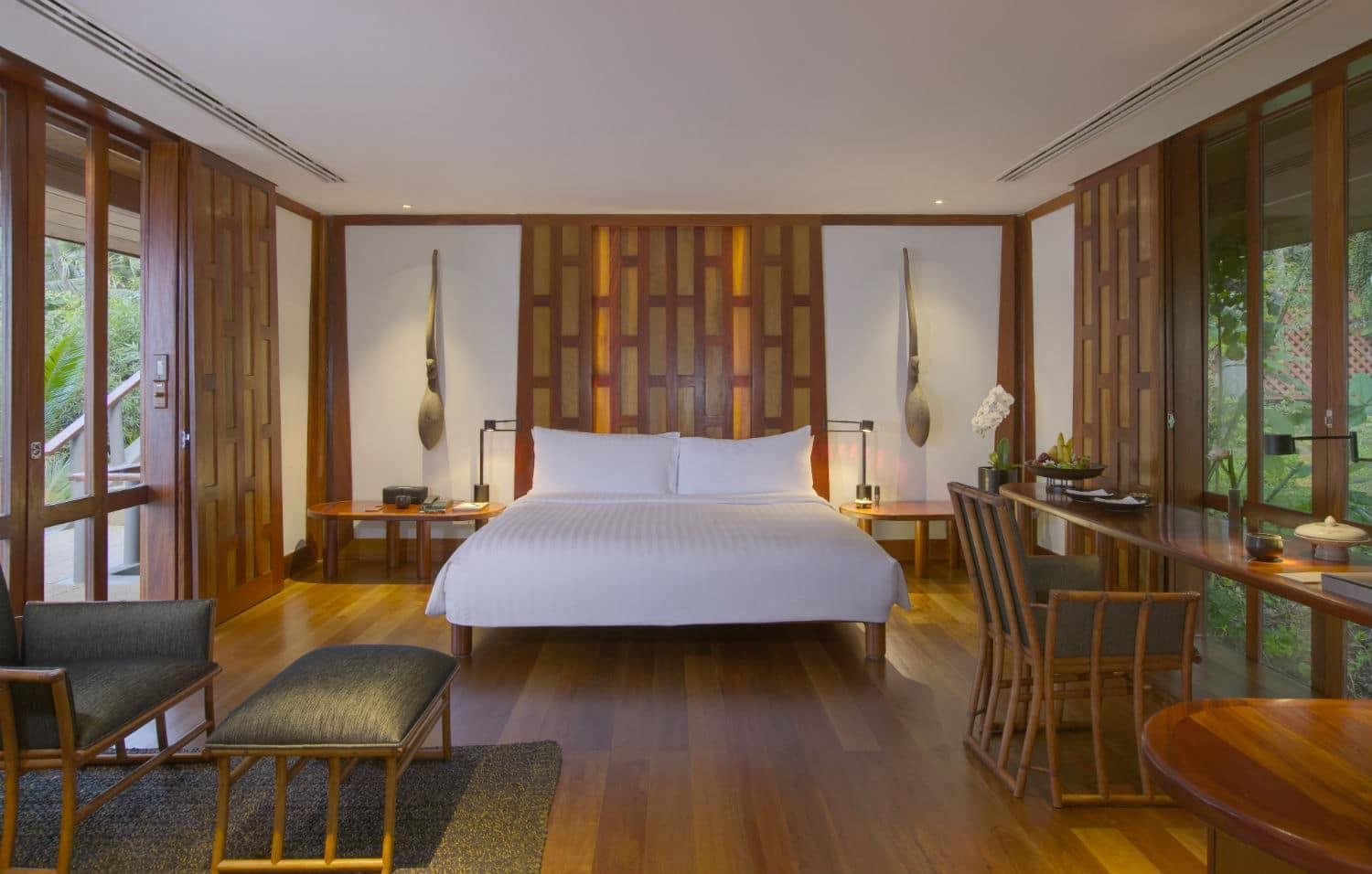
Pavilion: 1,238 sq. ft. (115 sq. m.), featuring a king bedroom, deep-soaking bathtub, dressing space and private sundeck with an outdoor lounging sala surrounded by coconut palms.
Garden Pavilion: 1,238 sq. ft. (115 sq. m.), offering a king bedroom, generous bathroom and an outdoor lounging sala with a sun terrace opening towards the resort's tropical gardens.
Garden Pool Pavilion: 1,582 sq. ft. (147 sq. m.), featuring a king bedroom, expansive bathroom, shaded courtyard and private swimming pool with an outdoor sala and dining terrace.
Partial Ocean Pool Pavilion: 1,582 sq. ft. (147 sq. m.), combining a king bedroom and large bathing space with a private pool, furnished terrace and glimpses of the Andaman Sea through the greenery.
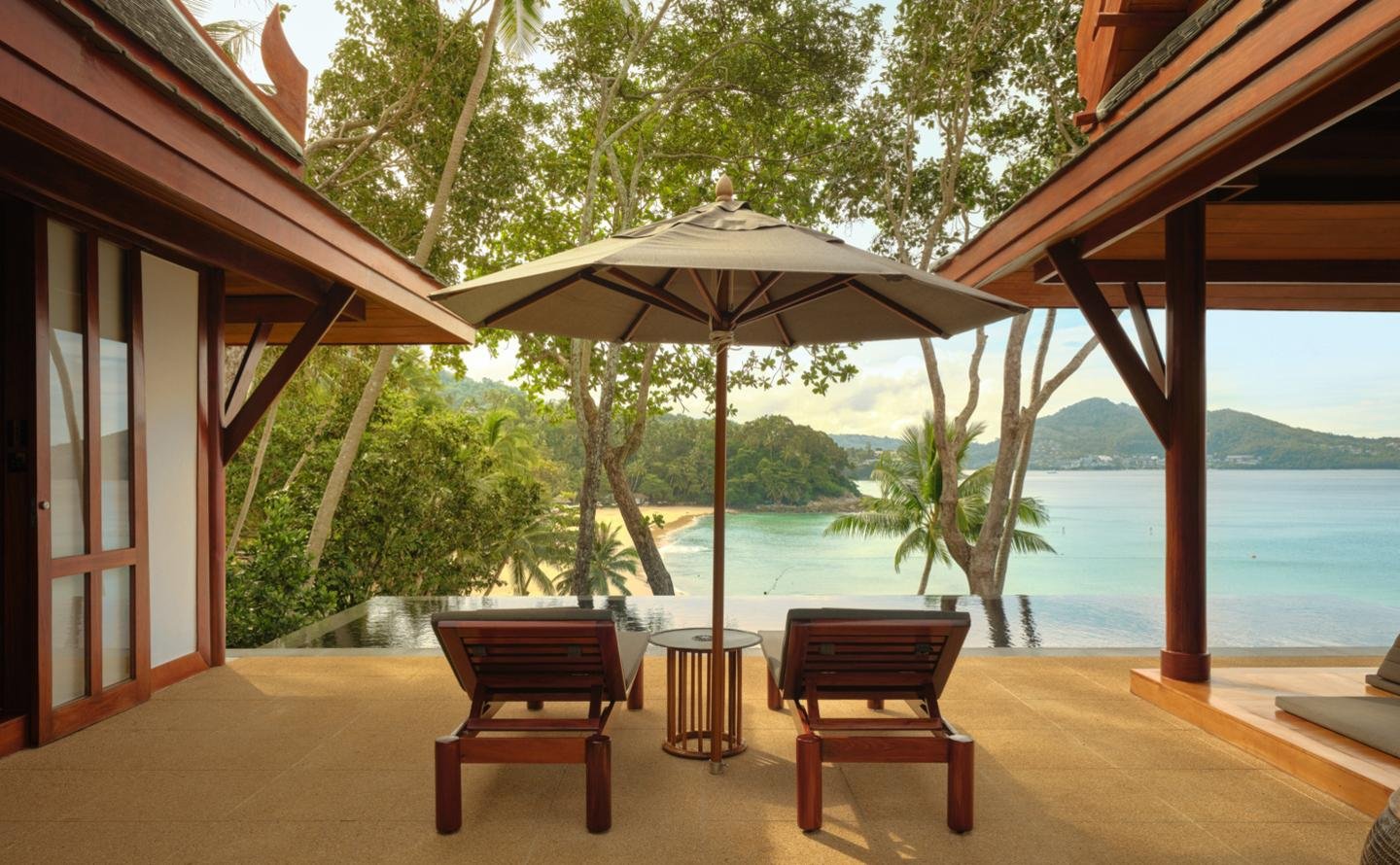
Ocean Pool Pavilion: 1,582 sq. ft. (147 sq. m.), offering a king bedroom, deep-soaking bathtub, private swimming pool and outdoor dining and lounging spaces oriented towards the sea.
Deluxe Ocean Pool Pavilion: 1,582 sq. ft. (147 sq. m.), featuring a king bedroom, private pool, lounging sala and terrace positioned for elevated ocean views from the hillside.
Premium Ocean Pool Pavilion: 1,582 sq. ft. (147 sq. m.), offering a king bedroom, secluded pool terrace, outdoor lounging sala and a particularly open outlook across the Andaman Sea.
Two-Bedroom Pool Pavilion: 2,820 sq. ft. (262 sq. m.), featuring two freestanding king bedrooms with en suite bathrooms, a private pool, sundeck and shared dining terrace overlooking the coastal hillside.
The progression from a garden pavilion to an ocean-facing pool pavilion is principally about privacy, pool access and perspective. Guests expecting uninterrupted water views should distinguish the Partial Ocean Pool Pavilion from the Deluxe and Premium categories. The two-bedroom option is particularly useful for families or friends who want independent bedrooms without committing to the larger villa arrangement.
Villas
Amanpuri's villas are private compounds with swimming pools and dedicated service. The hotel's current directory offers Garden and Ocean versions at most bedroom counts. The choice is more nuanced than simply selecting how many bedrooms are required: garden villas emphasize seclusion among the palms, while ocean villas prioritize the coastal outlook. Specific facilities such as private gyms or massage rooms may vary from villa to villa.
Three-Bedroom Garden Villa: three freestanding bedrooms grouped around private living, dining and pool spaces, with garden views and the services of a dedicated Villa Host and Thai chef.
Three-Bedroom Ocean Villa: three king bedrooms arranged around a private swimming pool, with indoor dining, outdoor salas and views across the Andaman Sea.
Four-Bedroom Garden Villa: four-bedroom private compound surrounded by tropical foliage, with a swimming pool and areas for gathering indoors and outside.
Four-Bedroom Ocean Villa: four-bedroom villa with ocean views, a private swimming pool and separate bedroom and shared living pavilions for a multigenerational party.
Five-Bedroom Garden Villa: five-bedroom villa set among coconut palms, with its own pool and dedicated indoor and outdoor spaces for dining and relaxing.
Five-Bedroom Ocean Villa: five-bedroom coastal compound with an expansive pool, sea-facing pavilions and generously arranged shared living and dining spaces.
Six-Bedroom Garden Villa: six-bedroom retreat within the resort's gardens, organized around a private pool and sheltered social areas for extended families and larger groups.
Six-Bedroom Ocean Villa: six-bedroom villa with sea views, an independent pool and freestanding bedroom pavilions supported by a resident villa team.
Seven-Bedroom Garden Villa: seven-bedroom garden compound offering an extensive private setting with a swimming pool, shared pavilions and separate sleeping quarters.
Seven-Bedroom Ocean Villa: seven-bedroom coastal villa with a private swimming pool and terraces positioned to make the most of the Andaman Sea outlook.
Eight-Bedroom Garden Villa: eight-bedroom villa surrounded by greenery, designed for larger private groups with their own pool and gathering spaces.
Eight-Bedroom Ocean Villa: eight-bedroom villa with ocean-facing terraces, a private pool and multiple indoor and outdoor areas for a larger family or group celebration.
Nine-Bedroom Ocean Villa: nine-bedroom ocean-facing private compound offering the largest bedroom count on the current accommodation directory, with a swimming pool and villa service for a substantial group stay.
Each villa booking deserves a discussion about the particular property's stairs, bedroom distribution, views and service arrangements. As the villa team prepares meals on site, the appeal lies partly in how easily a large group can spend an entire day together without following the schedules of the main resort.
Restaurants That Look Outward, While Keeping Thailand Close
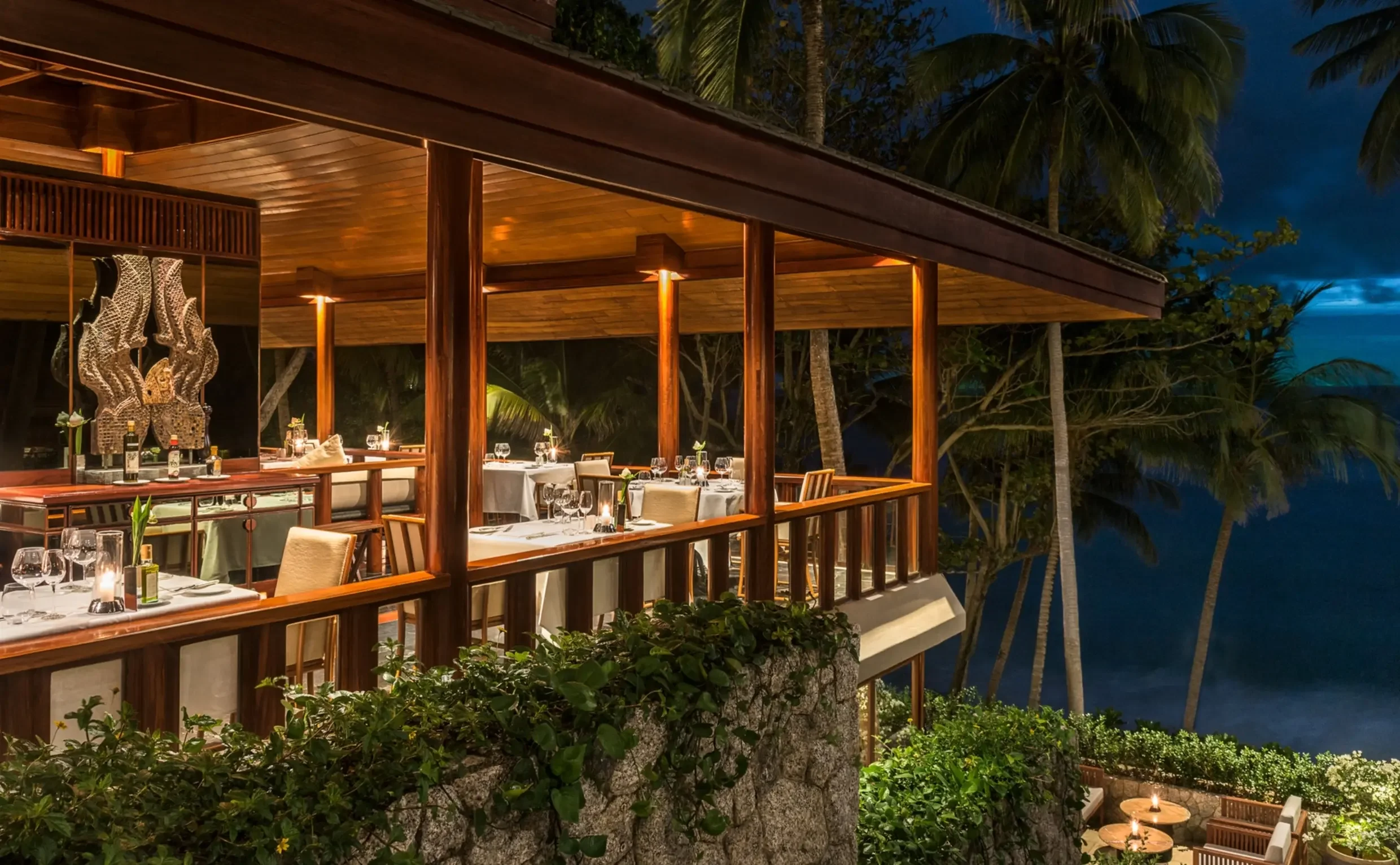
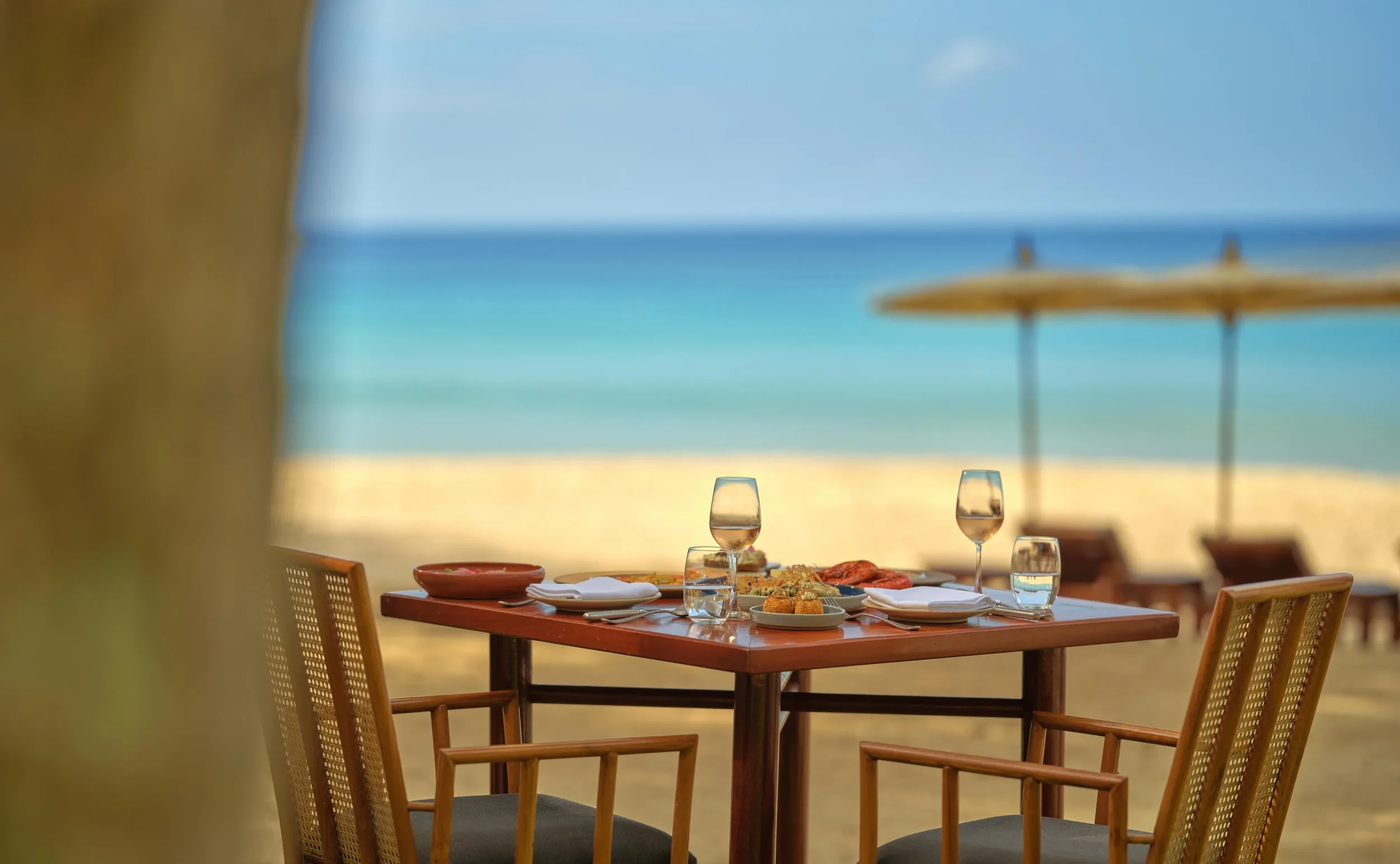
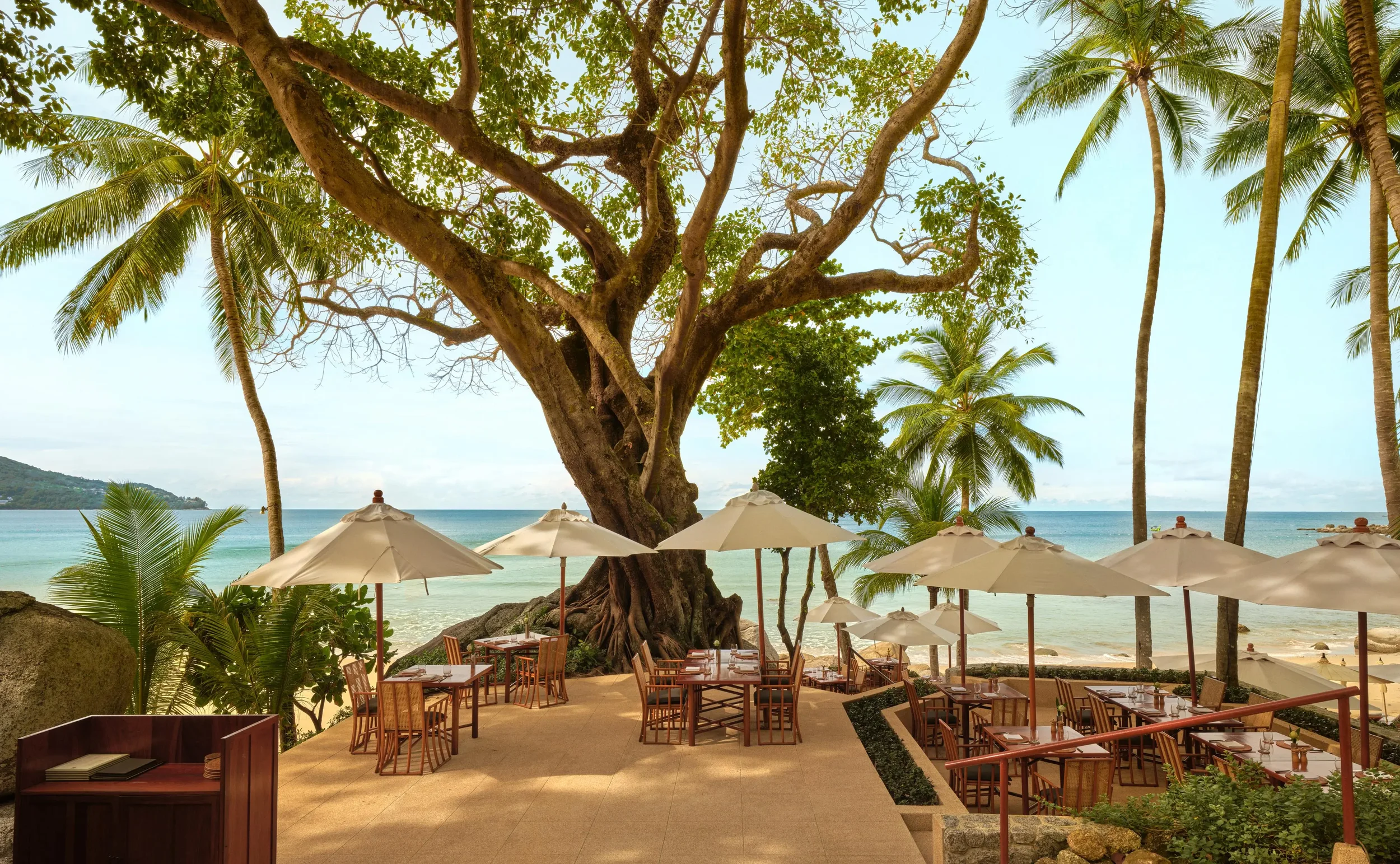
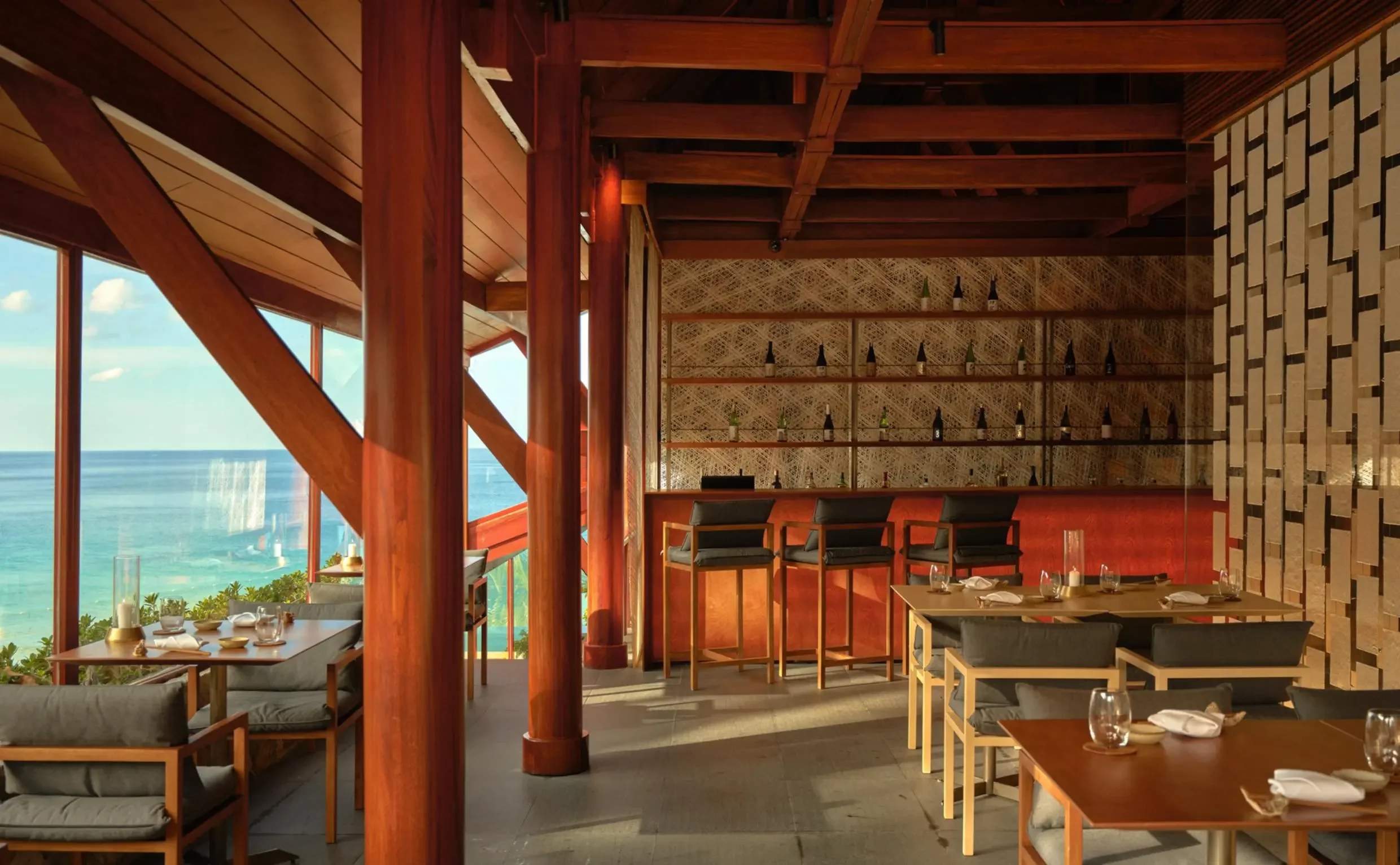
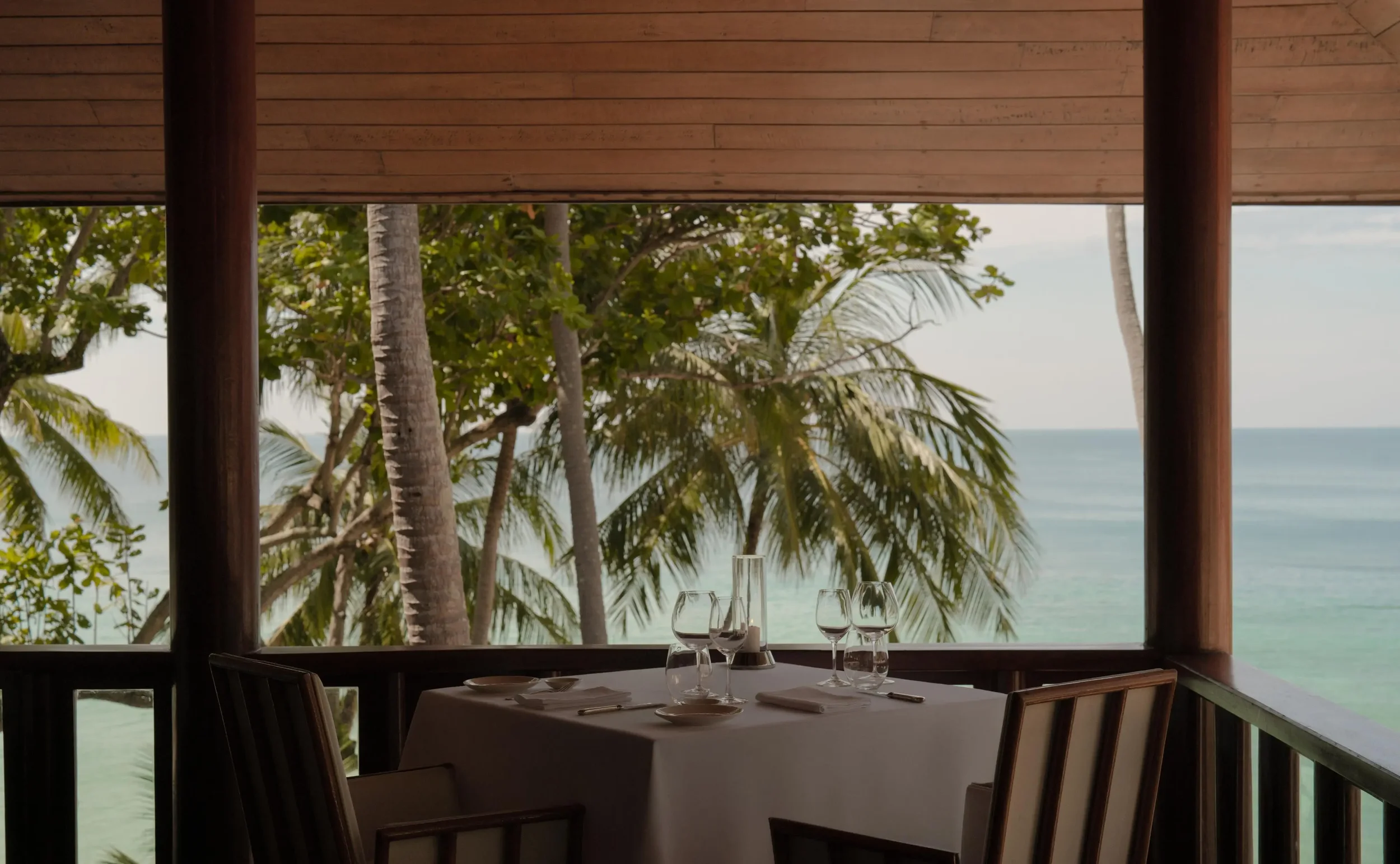
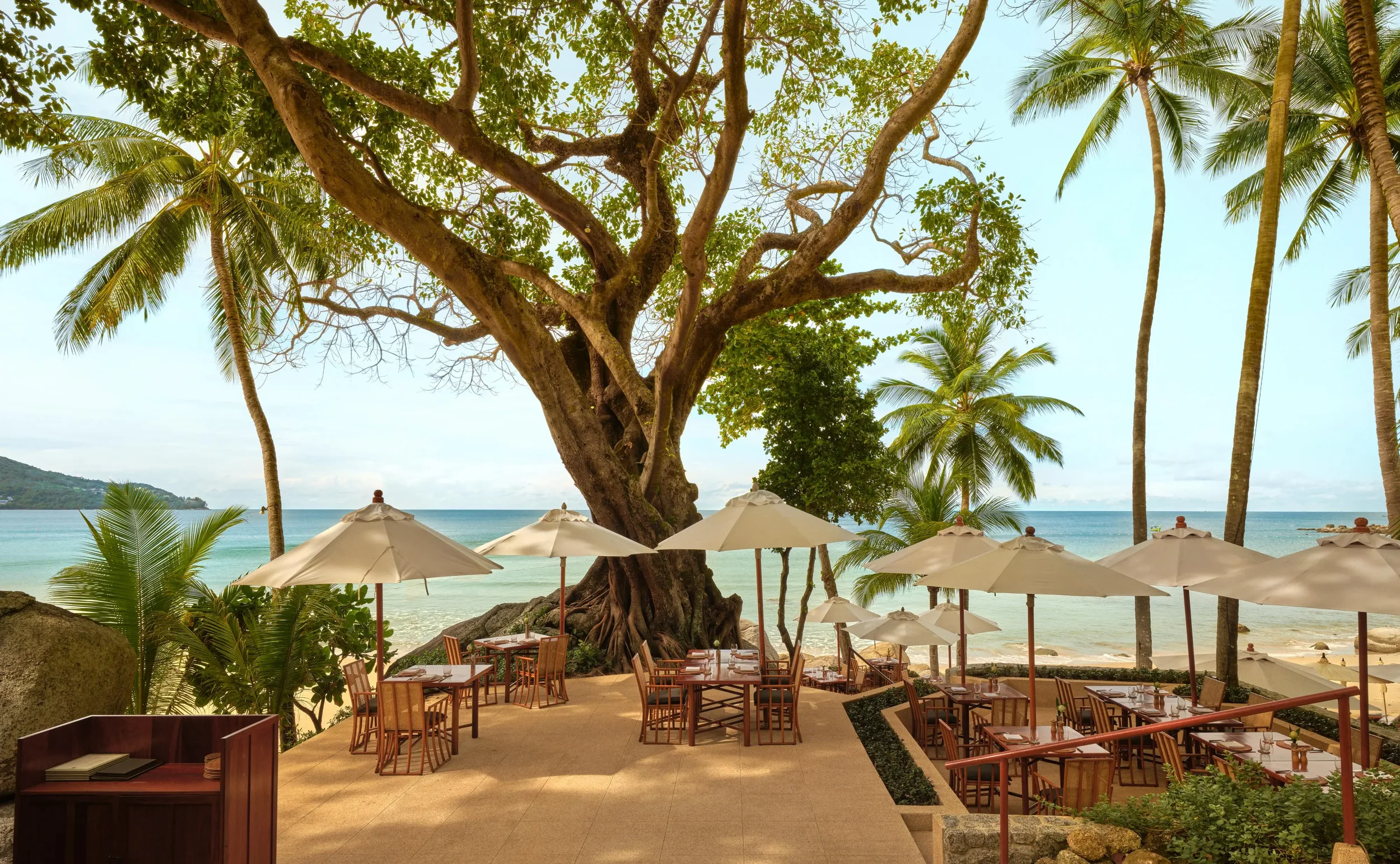
Amanpuri's food and drink offering spans the coastal cooking of southern Thailand, Japanese seasonal cuisine, Italian dishes and Mediterranean beachfront dining. The settings are as important as the menus: one evening can center on a poolside Thai dinner; another might involve a quiet meal of handmade pasta or sushi before the light fades across the Andaman Sea. Several beach venues are seasonal, so restaurant availability should be checked for the travel dates.
Buabok: the principal Thai restaurant beside the swimming pool, serving southern Thai curries, fresh seafood, aromatic salads and breakfasts that combine regional and international dishes.
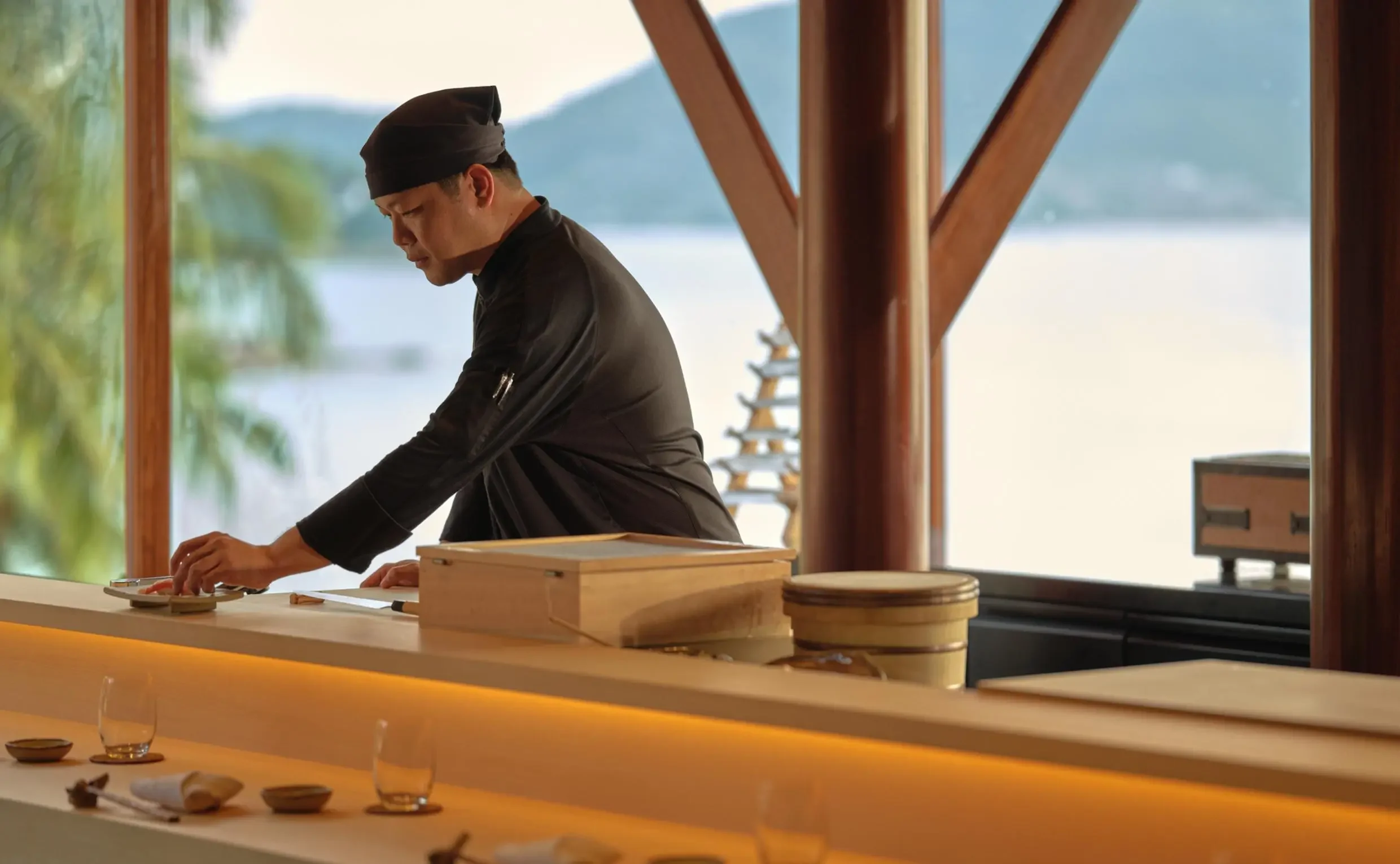
Akari: a Japanese restaurant inspired by seasonal washoku traditions, with refined seafood preparation, an omakase counter and interiors shaped by a design collaboration with Kengo Kuma.
Arva: Aman's Italian restaurant, emphasizing handmade pasta, risotto and traditional recipes built around local seafood, vegetables and produce sourced from regional suppliers.
Nura: a Mediterranean-inspired beach restaurant on Pansea Beach, focused on charcoal-grilled seafood, sharing plates and relaxed open-air lunches when the seasonal operation is open.
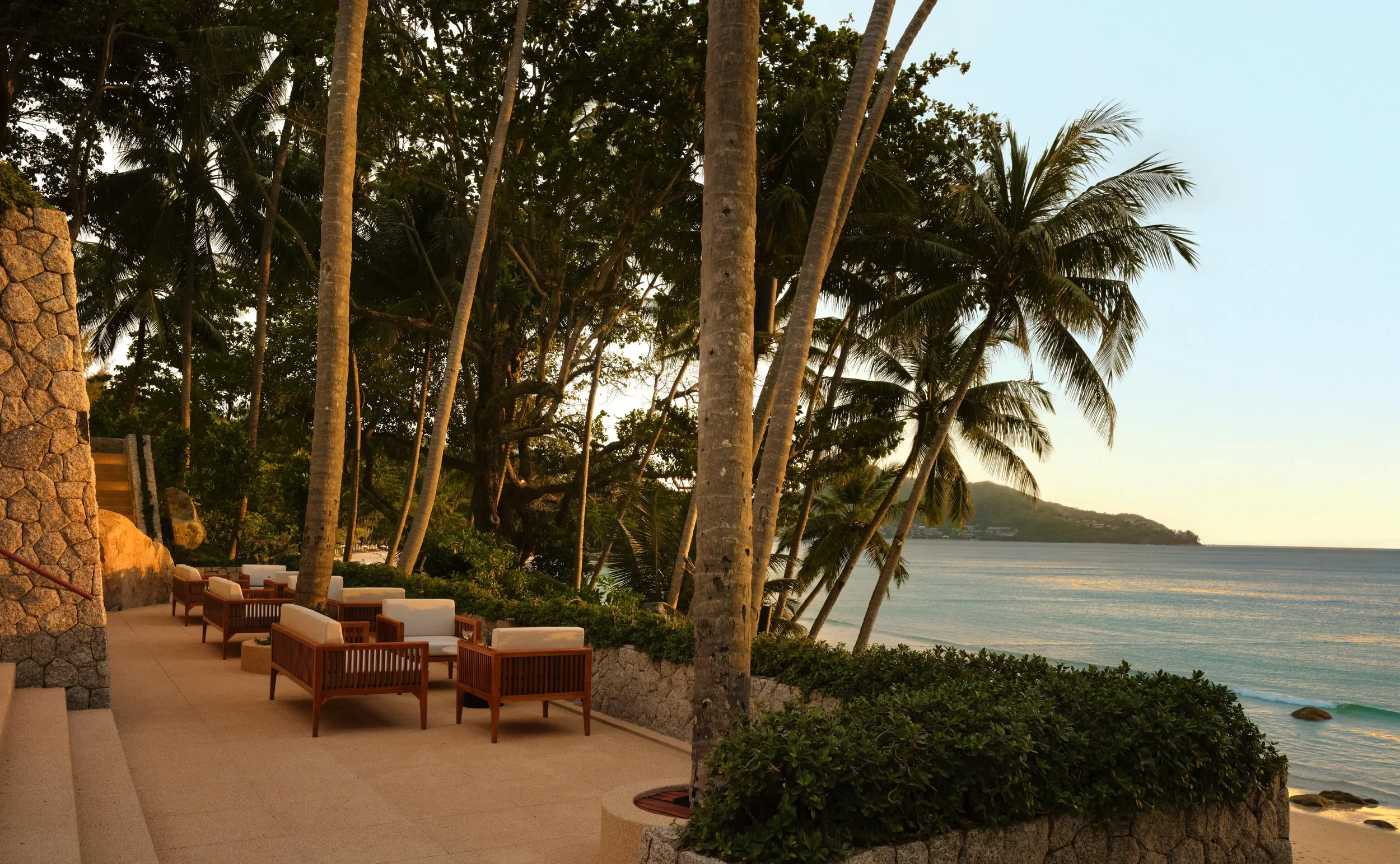
The Sunset Terrace: an elevated place for cocktails and light dining above the bay, particularly appealing for an unhurried drink as the sky changes color.
The Beach Terrace: a seasonal alfresco venue for wood-fired pizza, grilled dishes, Thai favorites and a casual lunch within sight of the sand.
Buabok provides the clearest connection to Phuket's southern culinary heritage, using herbs, vegetables and seafood associated with the island. The Thai cooking classes build on those ingredients through practical instruction rather than a demonstration viewed from a distance. At Arva, local sourcing is visible in ingredients including fish from Bang Tao fishermen and produce from regional markets. Dining can also be arranged in the villas, where the resident Thai chef makes shared meals a central part of a private stay.
A Holistic Wellness Centre with Room for Individual Goals
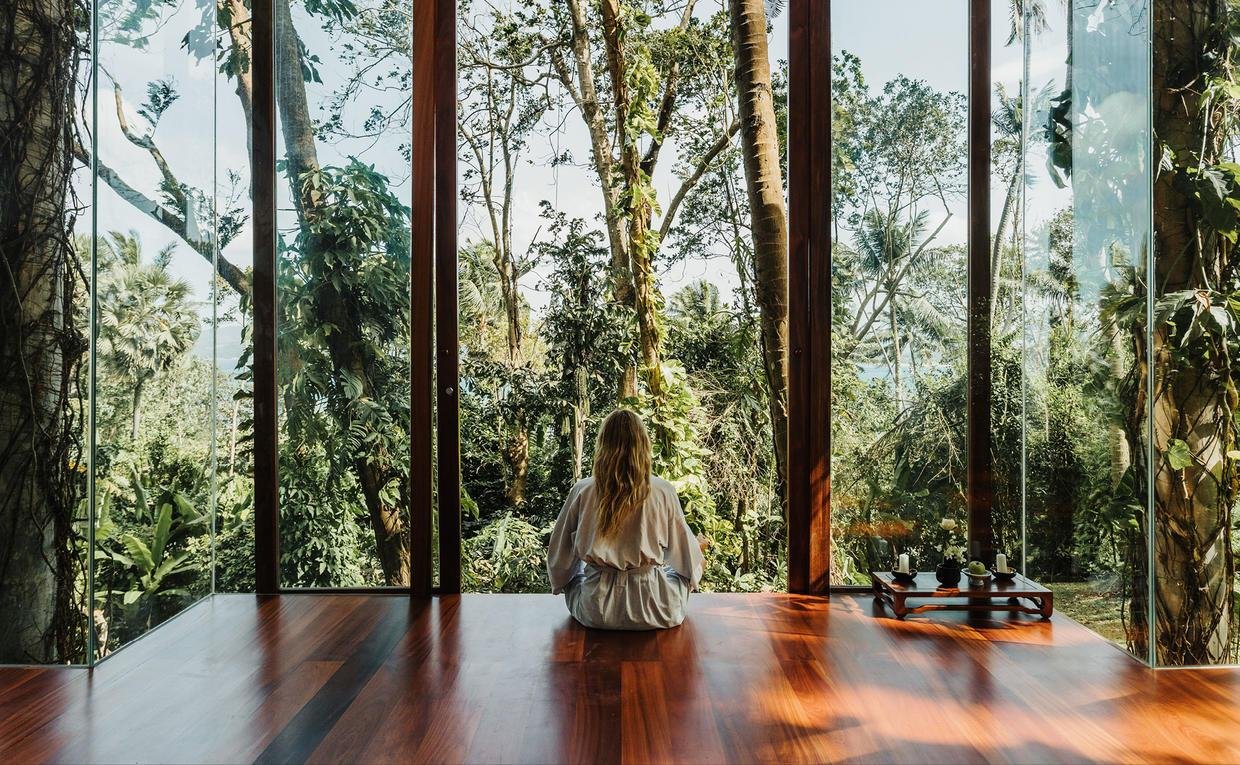
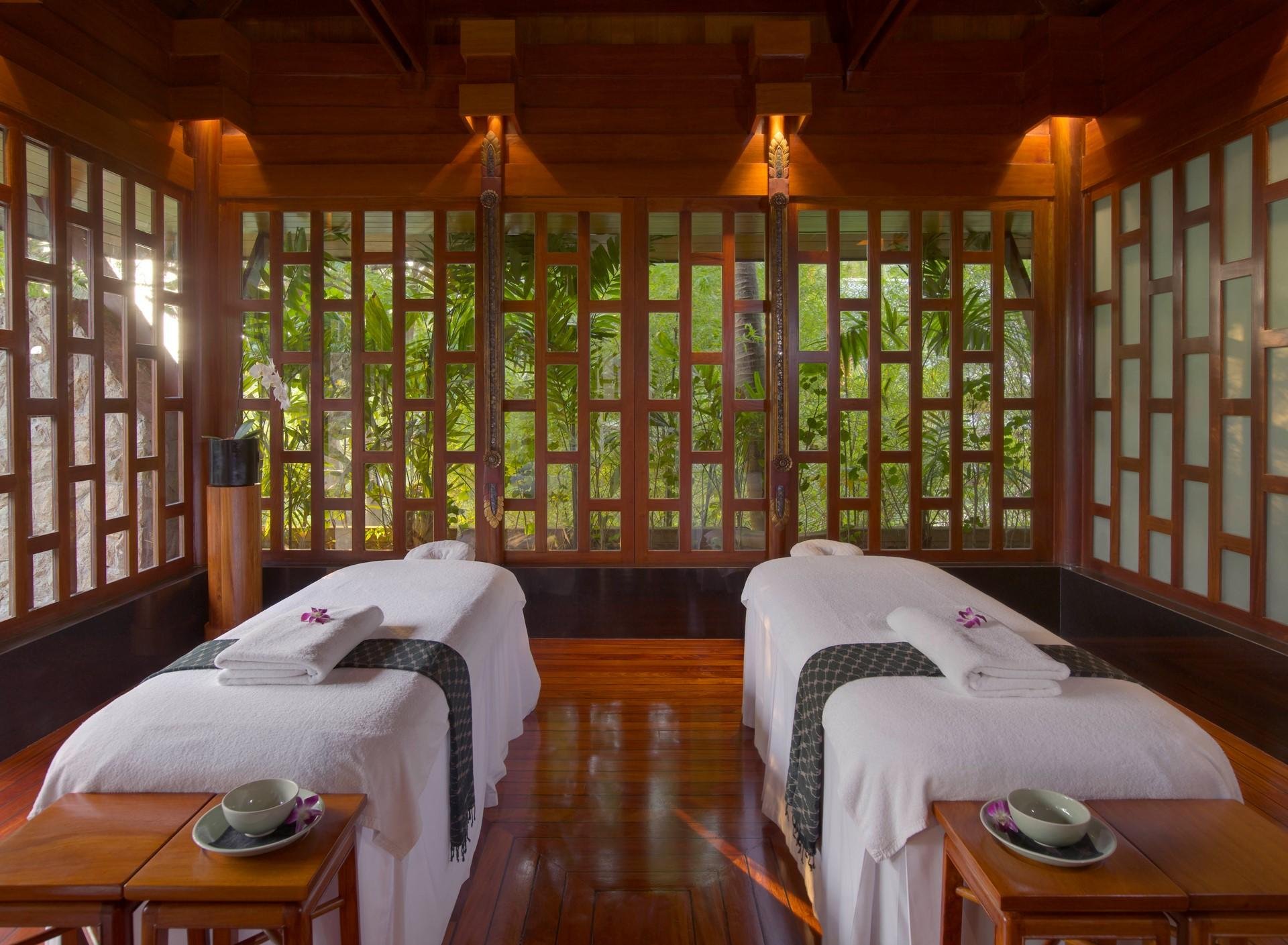
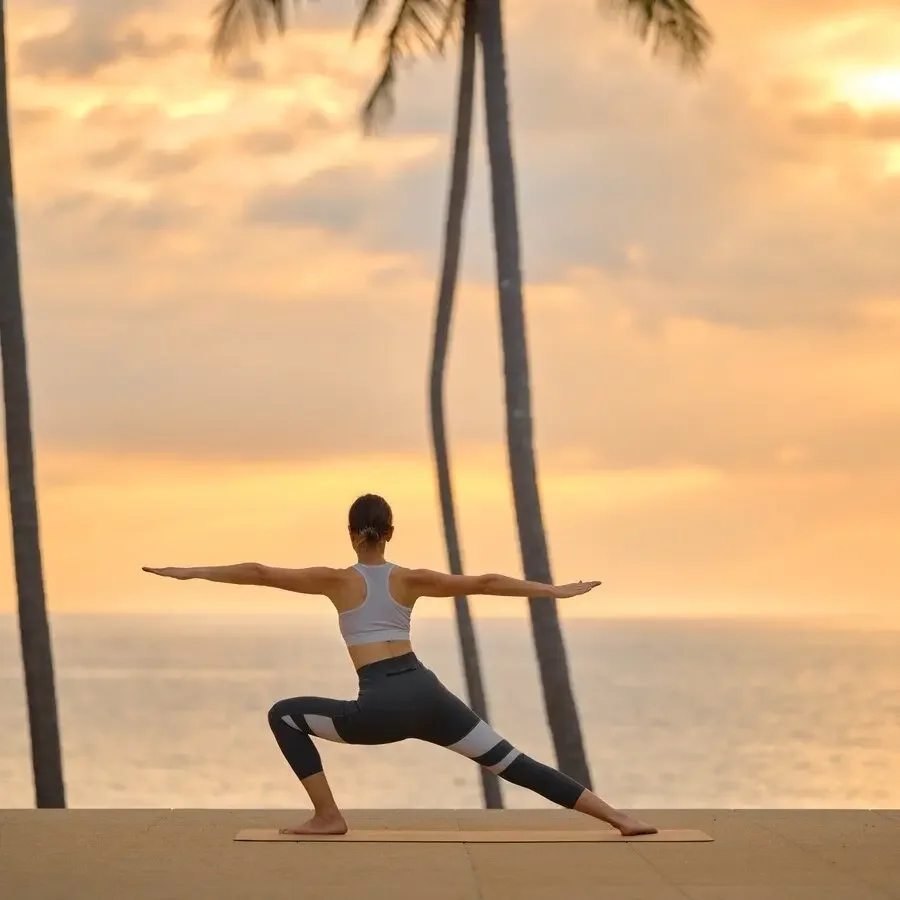
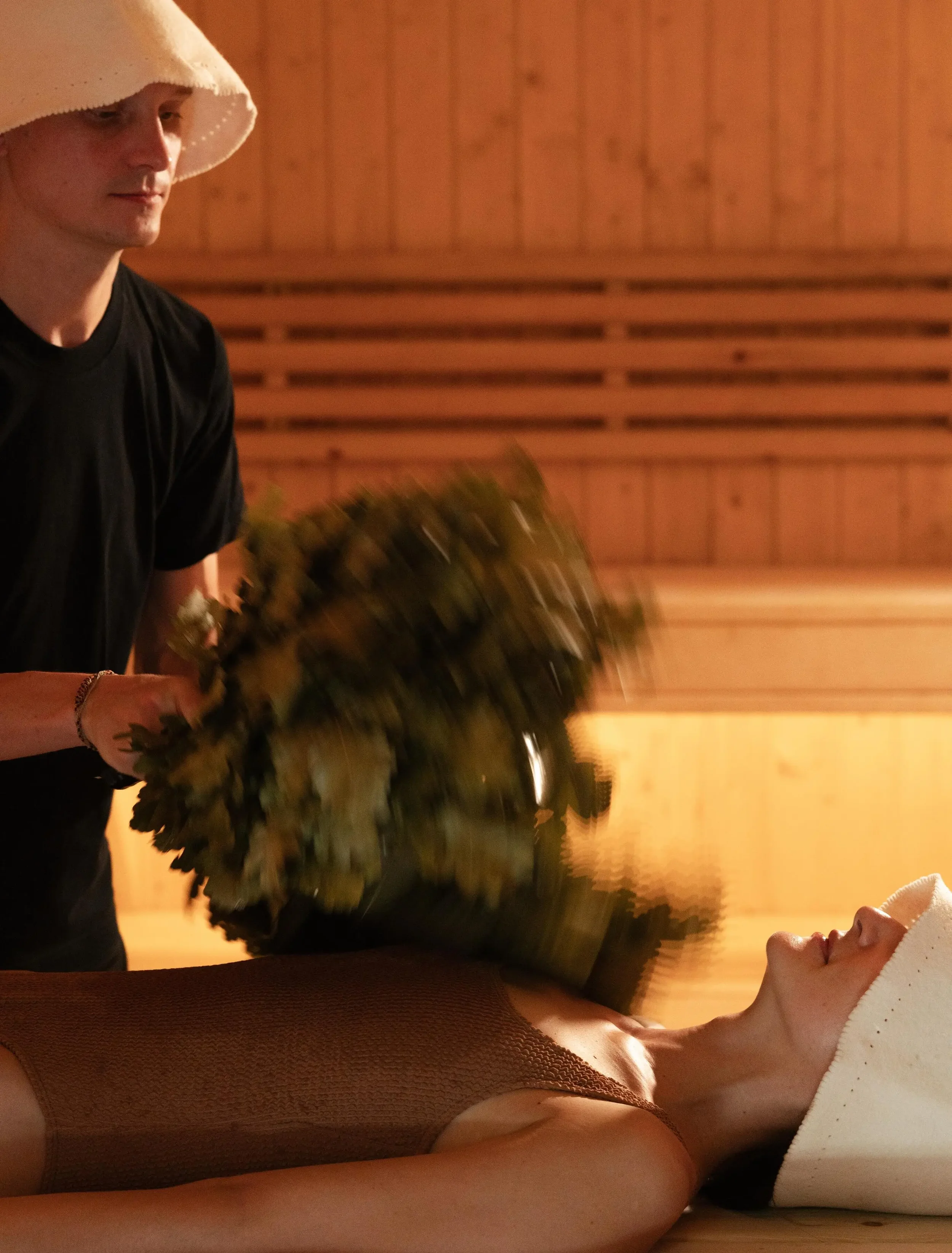
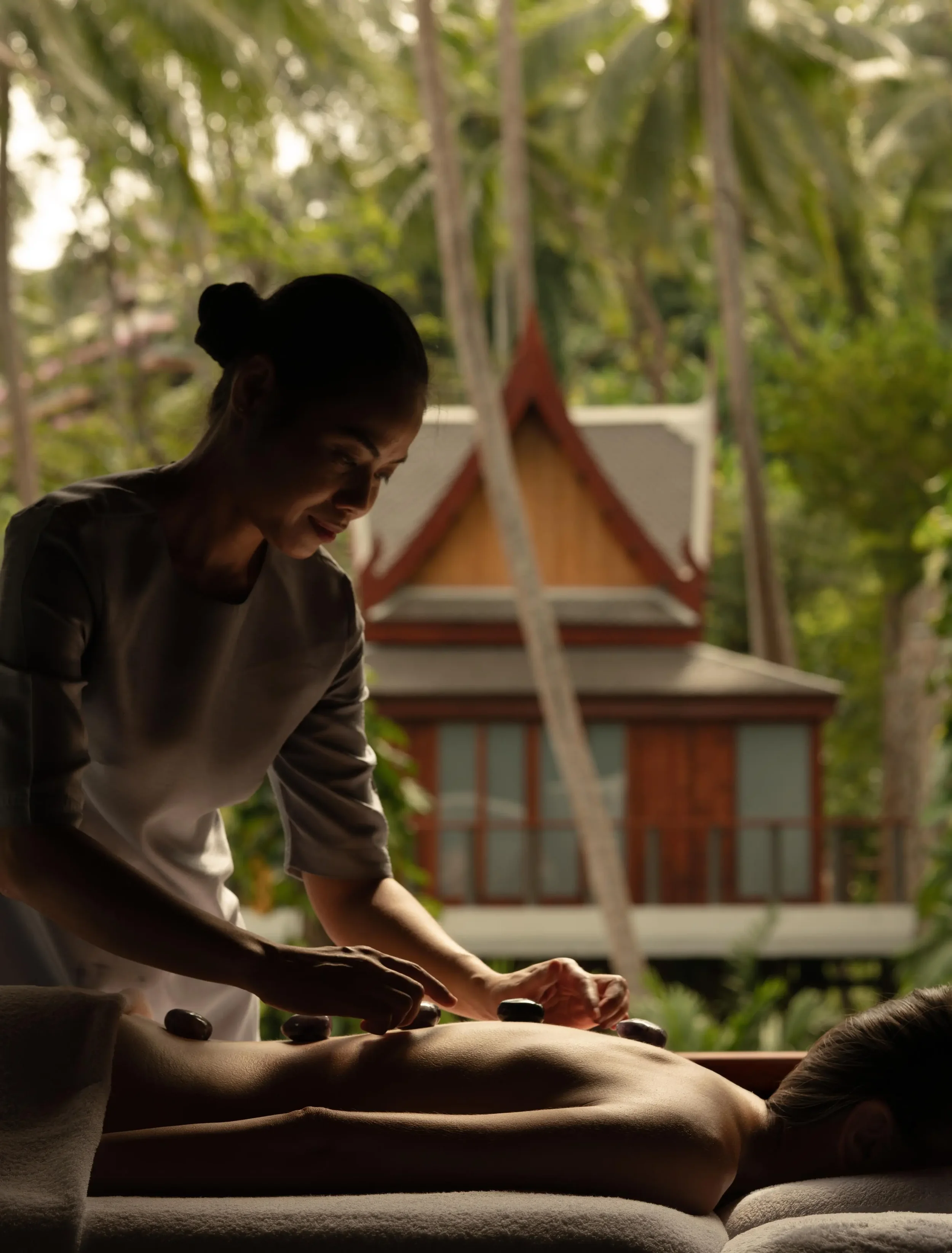
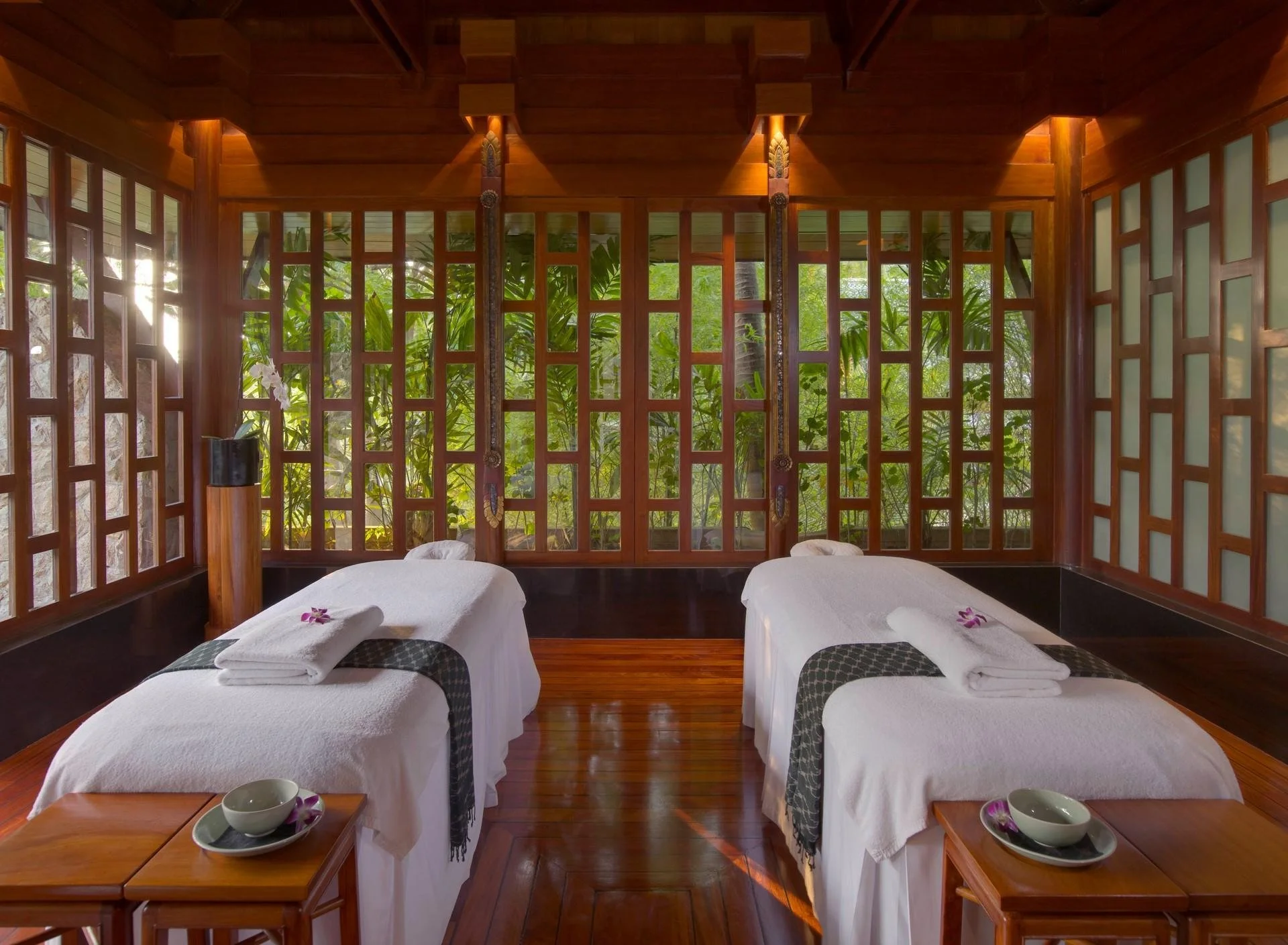
Wellness at Amanpuri is more extensive than a spa treatment between excursions. The Holistic Wellness Centre combines Thai therapeutic traditions with fitness, movement, bodywork and more intensive programs. Its facilities include 12 treatment rooms, hydrotherapy spaces, a sea-view gym, yoga and Pilates studios, an infrared sauna, a steam room and a Muay Thai boxing ring. Four floodlit tennis courts add a more energetic option; the activity calendar also features coaching and newer padel facilities.
Guests can choose individual treatments or work with the wellness team on a more structured plan. The Original Wellness Immersions run for at least three nights and combine assessment, movement, personalized nutrition and selected therapies without medical diagnostics. Intensive Wellness Immersions require a minimum of five nights and incorporate medical consultations and diagnostic elements. These are different offerings, so it is worth establishing the intended level of involvement before making a reservation.
There is room for a lighter approach, too. A morning movement class followed by time in the sauna or a Thai massage may be enough for someone whose primary purpose is simply a few quiet days by the sea. Longer stays make it more practical to combine recovery work, fitness sessions and relaxation without filling every hour. The resort also offers a mobility and recovery program developed in collaboration with Novak Djokovic, though the program is not a personal appearance by the athlete.

The Sea, the Courts and Phuket Beyond the Peninsula
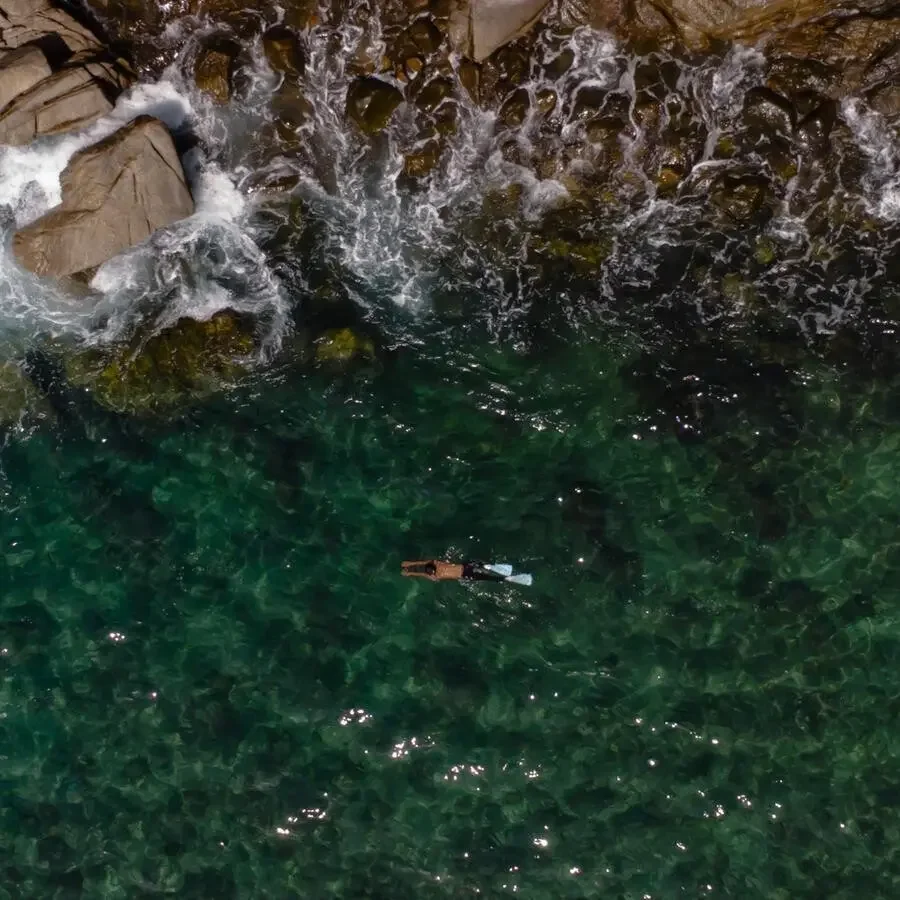
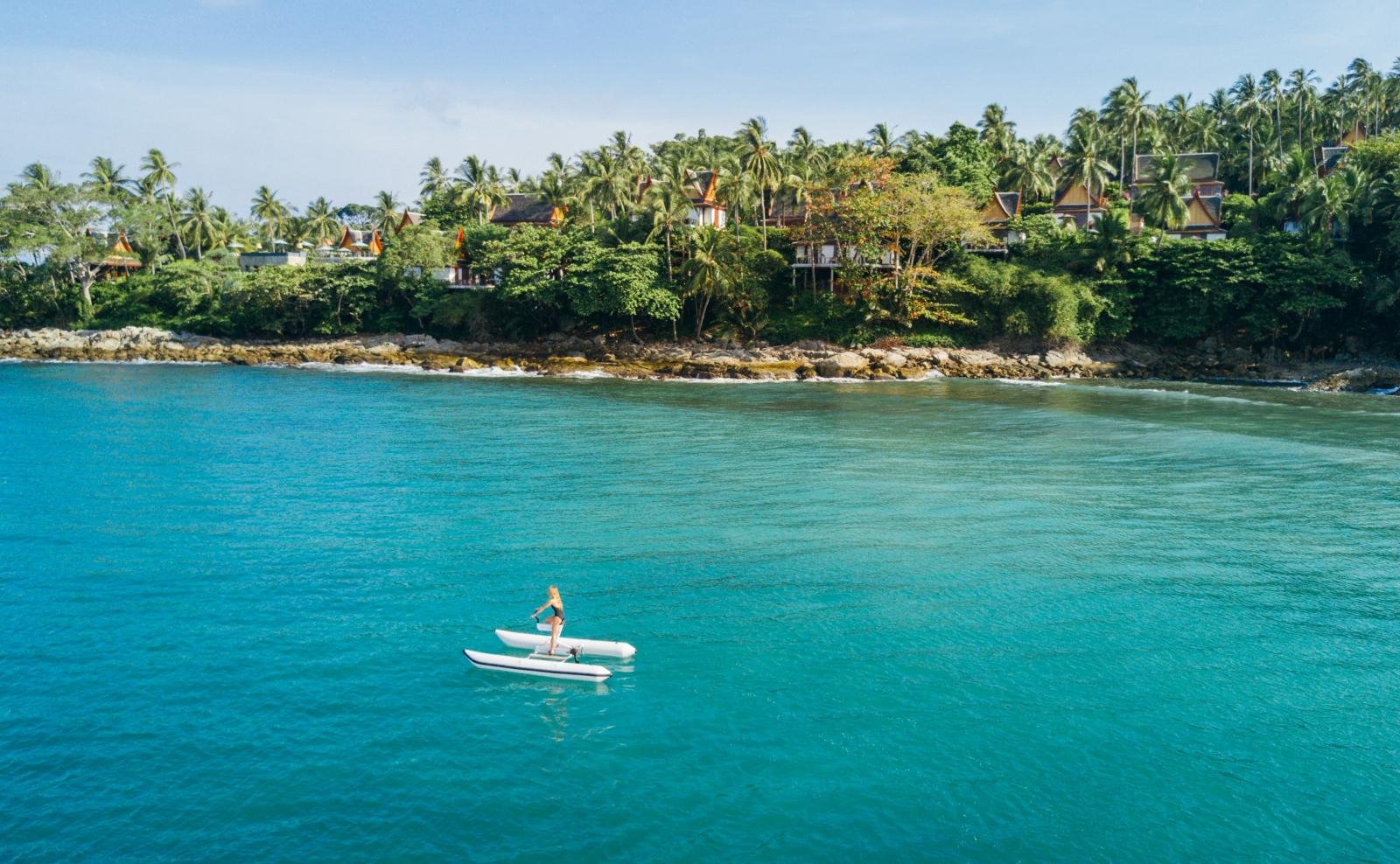
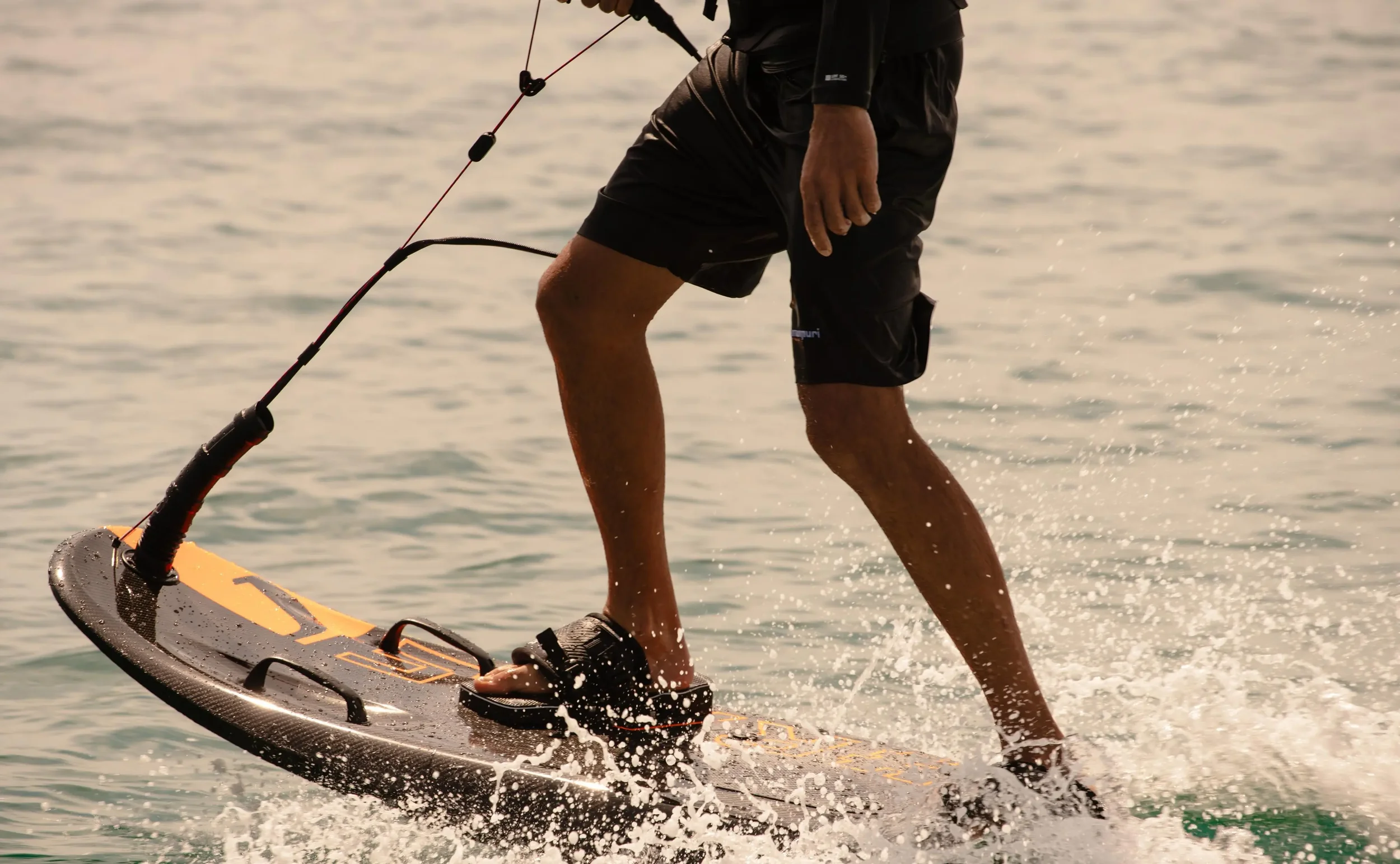
Pansea Beach sets the rhythm of a stay at Amanpuri. The sheltered shoreline creates a pleasing contrast with the more active parts of Phuket, and the resort's beach and watersports teams organize options appropriate to conditions. Non-motorized equipment is included with selected stays; more elaborate water activities or private excursions can be arranged separately. Because sea conditions vary across the year, a beach-focused itinerary should leave space for the weather.
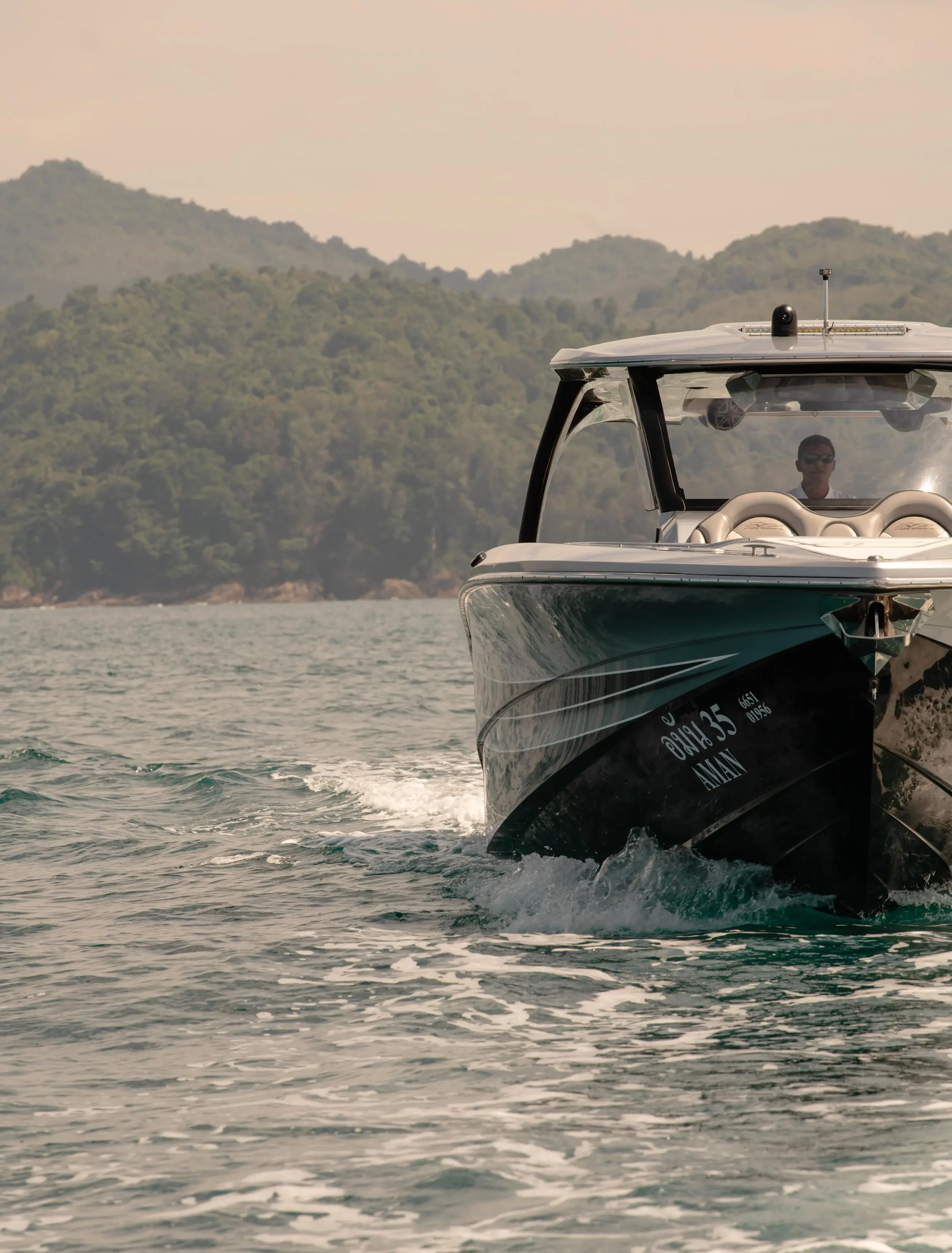
For a bigger day out, private boating can lead towards Phang Nga Bay's limestone scenery or to island destinations such as the Phi Phi and Similan groups when conditions and operating seasons allow. Back on the peninsula, yoga, tennis, padel and water-based activities can fill a day without leaving the resort. Cooking sessions, sushi-making classes and introductions to traditional Thai cultural practices offer a different way into the island's identity.
Phuket itself warrants time beyond a beach excursion. Old Town is known for its colorful Sino-Portuguese shophouses, markets and cafés, while the island's temples and local food traditions reveal an everyday cultural life that is easy to miss when a holiday is limited to the coastline. Combining one or two carefully chosen visits with unstructured days at Amanpuri creates a more satisfying balance than attempting to cover the island in a single outing.
Children, Teens and Multigenerational Stays
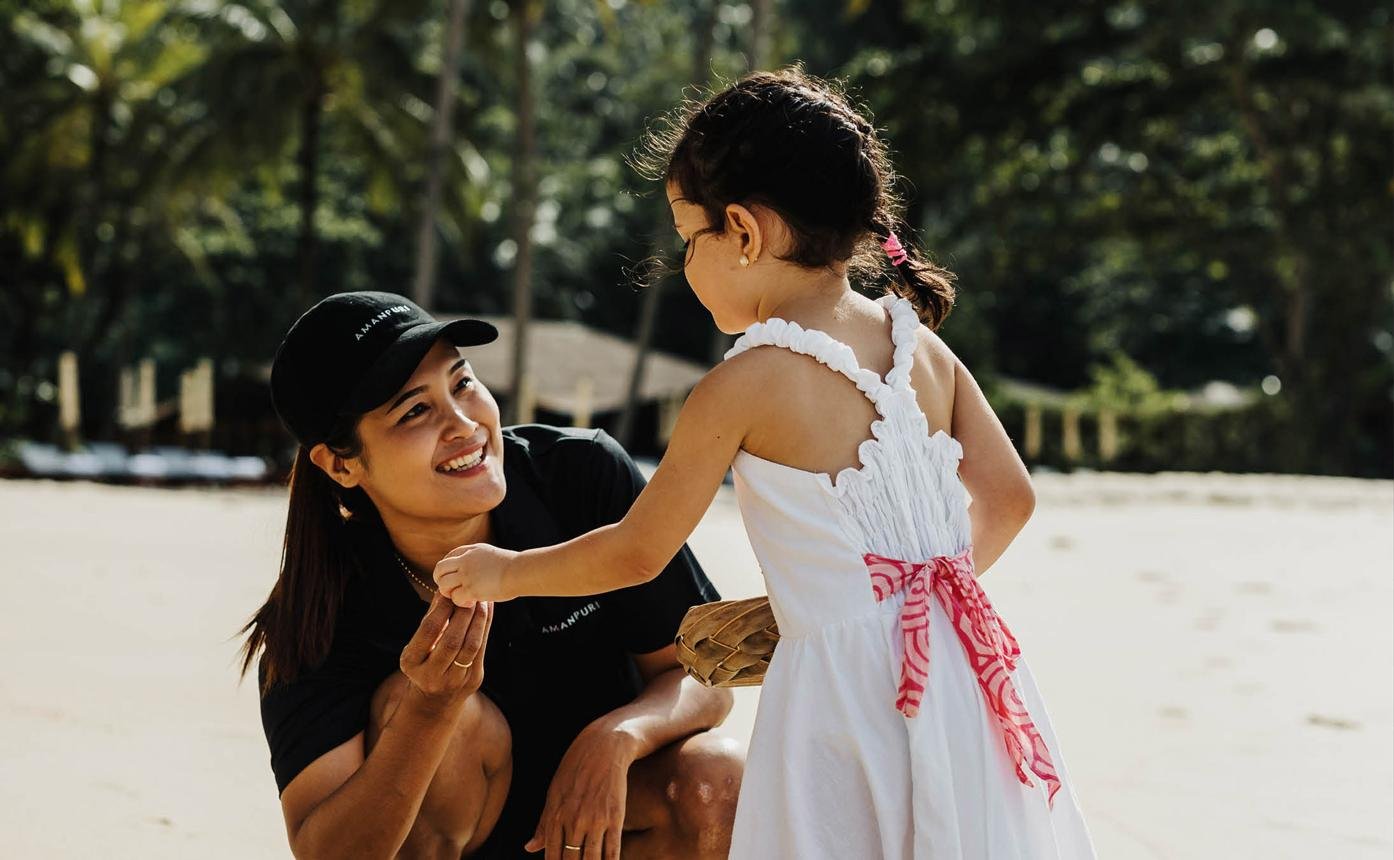
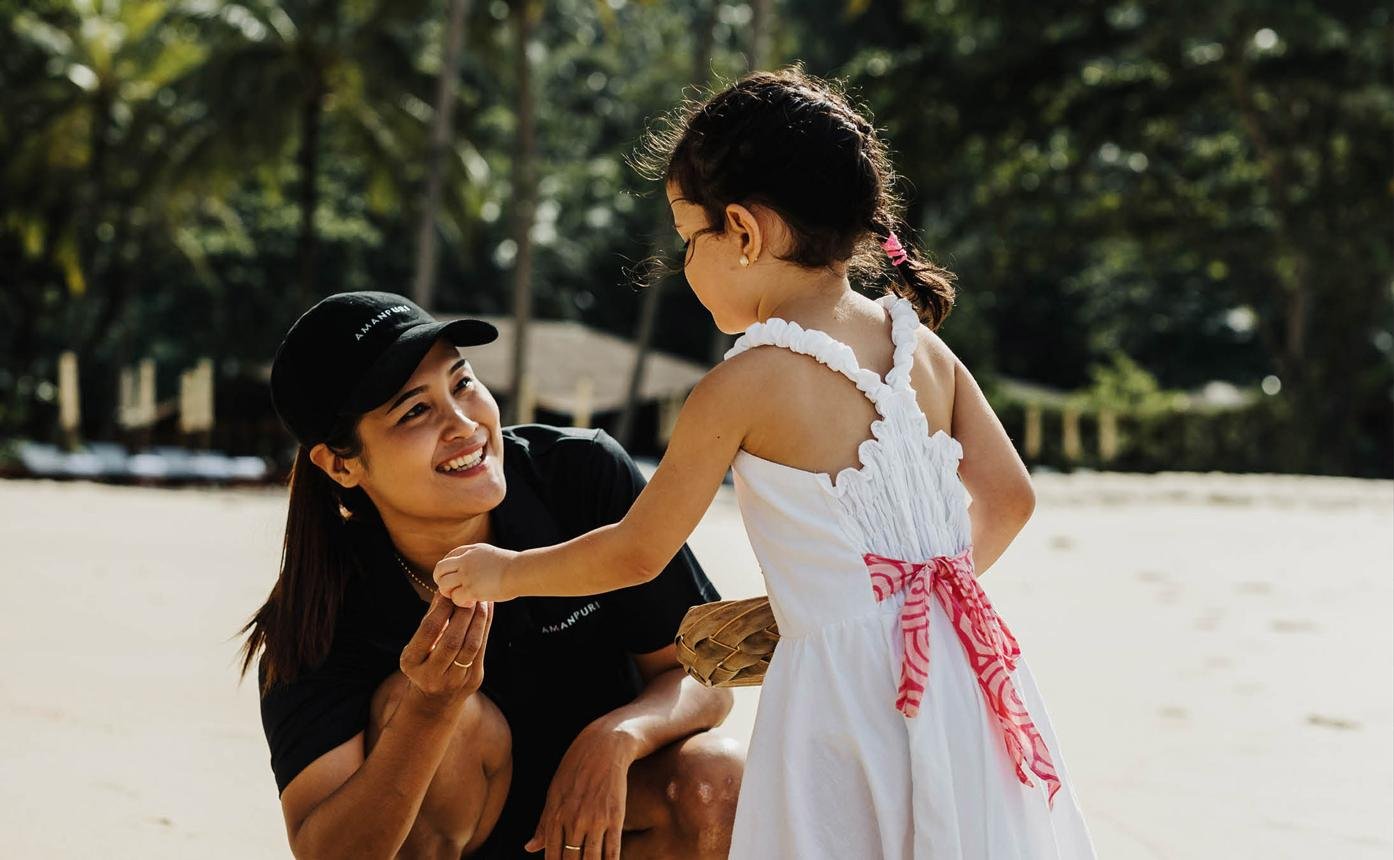
Although Amanpuri's architecture and setting suggest a retreat for couples, the resort has substantial facilities for children and teenagers. The Eco-Beach Discovery Centre near the shoreline has nature-focused activities, exploration gardens, a museum, a skateboard halfpipe and a bouldering wall. Its program for children aged five to 12 includes Thai cooking, traditional dance, craft workshops and activities related to local wildlife.
Older children can spend time at the Hot Spot, which adds sport and creative technology to the usual beach program. Its Digital Room encourages photography, video editing and other projects rather than treating teenagers as younger children needing the same activities. Junior wellness sessions can include yoga, swimming, tennis and Thai boxing, with experiences chosen for the child's age and interests.
For families booking accommodation, the important decision is whether two independent pavilion bedrooms are sufficient or whether a larger villa would better support everyone. The villas' private pools and ability to organize meals at home are particularly attractive for several generations traveling together. Parents should confirm the practical arrangements around pools, stairs, room connections and supervised activities in advance rather than assume that every pavilion compound is configured in the same way.
Sustainability and the Community Beyond the Gates
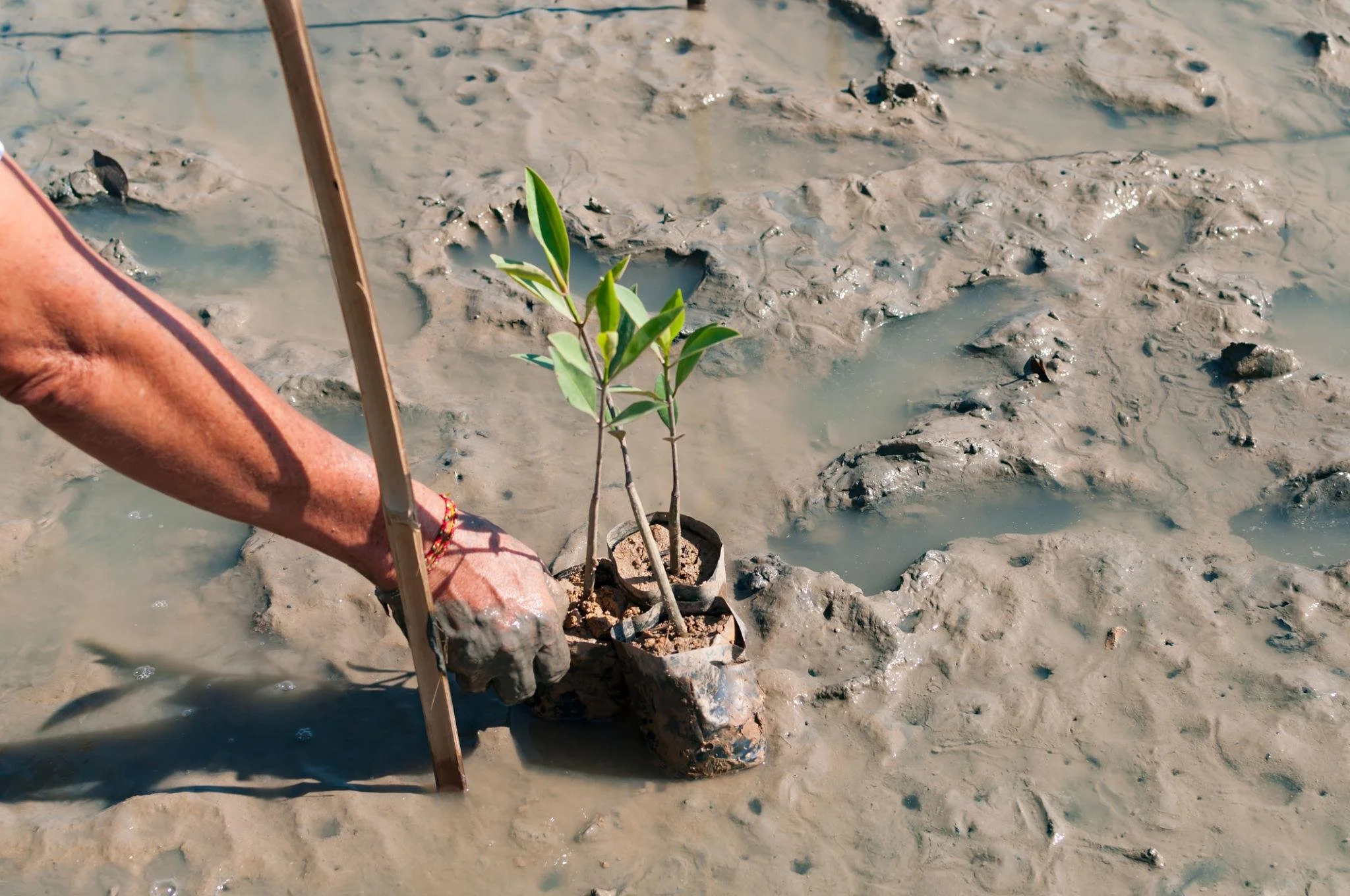
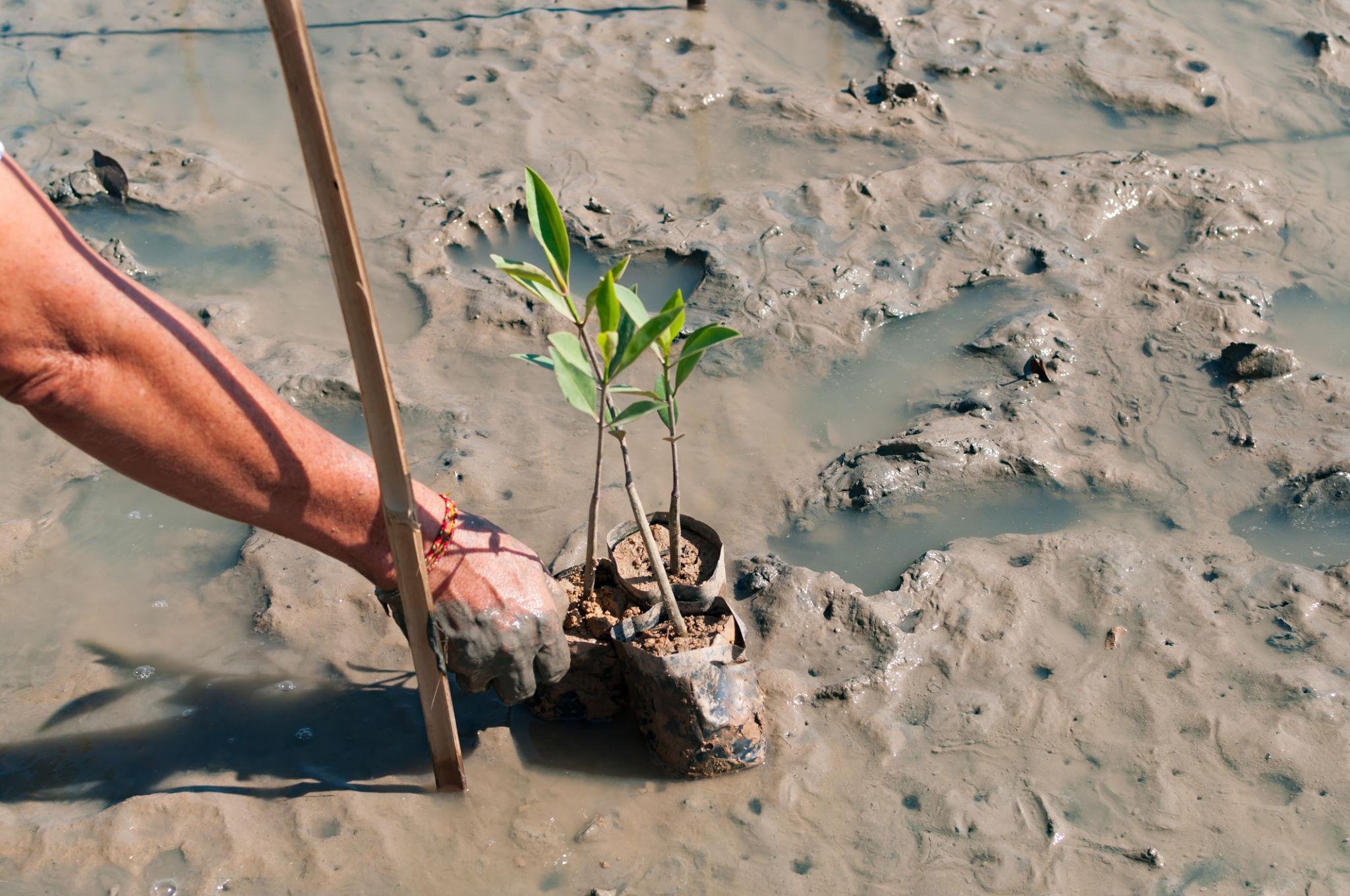
Amanpuri describes a range of practices tied to its location rather than a single headline environmental certification. Its sustainability initiatives include reducing single-use plastics, working with regional suppliers to lessen packaging and support local businesses, and inviting guests to request linen changes rather than having all towels and sheets replaced daily. The resort links that linen-conservation program with contributions to local causes, including mangrove-related work in Phuket.
The social initiatives are especially tangible. Amanpuri has supported the nearby Surin Childcare Centre with practical maintenance and improvement projects, while education and vocational opportunities have connected local students with the resort's team. These efforts sit alongside beach and coastal cleanups, including work on rocky stretches affected by monsoon-season debris.
None of these measures removes the environmental cost of long-distance travel, private pools or a luxury resort's operations. They do, however, provide specific, documented examples of how the property is working with its immediate environment and community. For travelers interested in the details, the hotel's published sustainability information is a useful starting point for a more focused conversation.
Accessibility and Practical Considerations
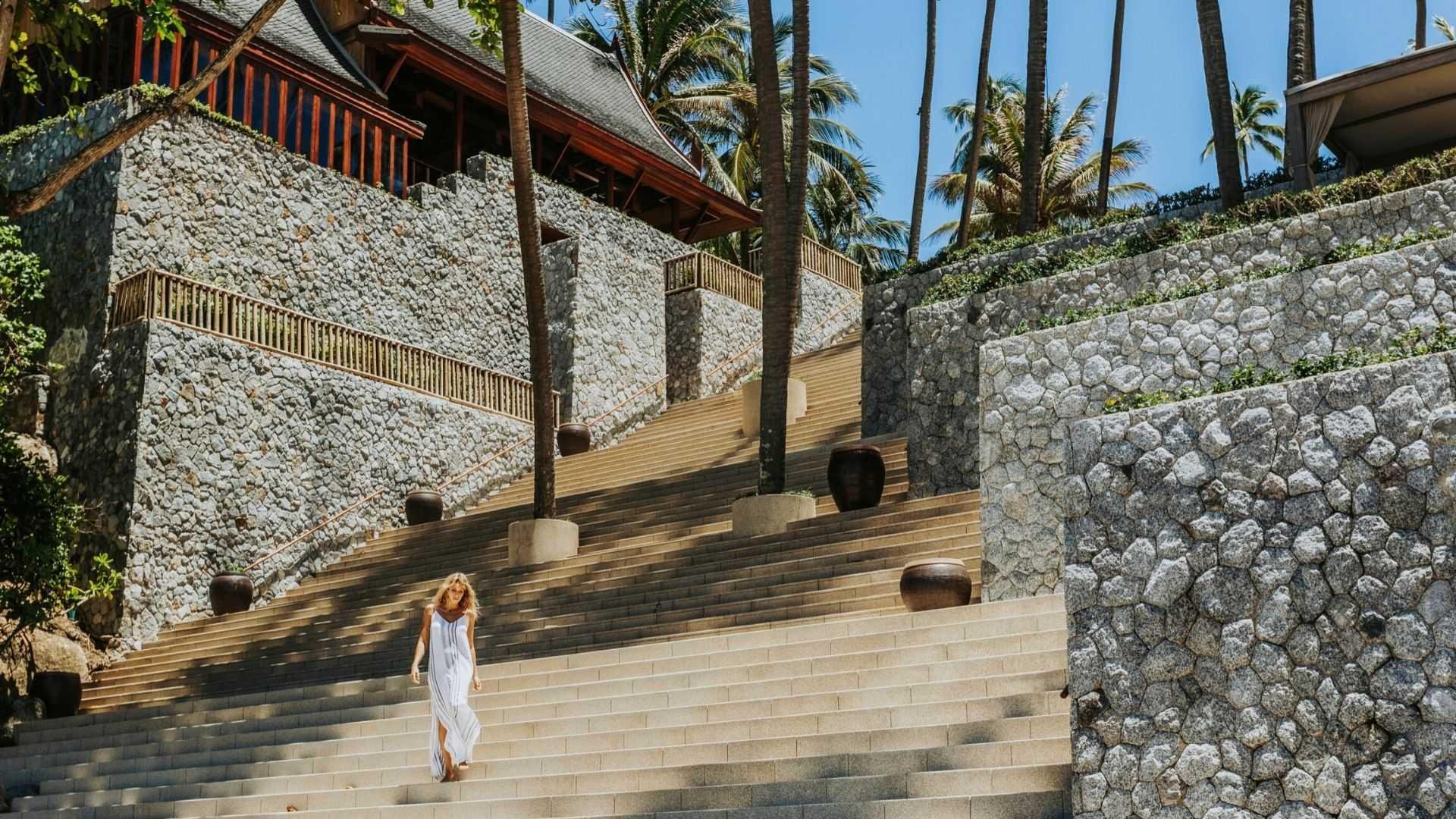
Amanpuri's hillside location, freestanding pavilions and network of raised or stepped walkways contribute strongly to its character, but they also make the choice of accommodation important for anyone with reduced mobility. The hotel's public information does not establish that every pavilion, villa, restaurant or beach route is step-free. Guests who use wheelchairs or require particular bathing, doorway or transfer arrangements should ask the resort to assess the specific accommodation and routes before payment or confirmation.
Families with small children may likewise wish to consider the distance and level changes between their pavilion, the dining venues and the beach. Larger villa compounds may have separated sleeping pavilions and a private pool, details that are enjoyable for one group but less convenient for another. Specific assistance, equipment and accessibility provisions are best arranged directly with the Amanpuri team instead of relying on an assumed category-wide standard.
When to Visit Phuket
Phuket's west coast has a recognizable seasonal pattern. November through April is generally the drier period, with the strongest appeal for long beach days and coastal boat outings; December through February is particularly popular. March and April can feel hotter, but the sea is often still inviting. Rates and availability tend to be more competitive outside the peak festive period, depending on the dates.
From roughly May through October, the southwest monsoon brings higher rainfall and the possibility of rougher seas, strong currents and cancelled marine activities. That season can still suit guests traveling chiefly for wellness, dining or time in a private villa, provided expectations around sunshine and swimming are realistic. Some beachfront restaurants also close seasonally. Beachfront venue schedules can change from year to year and should be confirmed for the intended dates.
Plan Your Stay With Destinations by David
Amanpuri rewards thoughtful accommodation selection. For a couple, we can help distinguish between the privacy of a garden pavilion and the wider outlook of an ocean-facing pool pavilion. For families or friends, the priority shifts to the number and arrangement of bedrooms, service needs and how the outdoor spaces will be used. Villa features are not identical across the inventory, and confirming the exact residence is an important part of the planning process.
We can also coordinate airport transfers, restaurant bookings, wellness consultations, children's activities and excursions so that time on the peninsula feels deliberate rather than over-scheduled. For a wellness-focused visit, the choice between individual spa appointments and a multi-night Immersion deserves attention well before arrival. Dining venues and watersports can be affected by seasonal closures and weather, making advance planning especially useful.
Plan your stay with Destinations by David for help choosing the right pavilion or villa and arranging an Amanpuri itinerary around the people traveling, the time of year and the experiences that matter most.
Getting to Amanpuri
Nearest airport: Phuket International Airport (HKT), with international and domestic connections.
Road transfer: approximately 45 minutes from the airport to Amanpuri, depending on traffic and road conditions.
Airport arrangements: the resort advertises round-trip airport transfers for stays of at least three nights; terms and booking eligibility should be reconfirmed.
Villa arrivals: certain international-arrival fast-track services are listed among villa inclusions, subject to the published conditions and advance arrangements.
Entry documents: passport, visa and Thailand Digital Arrival Card requirements depend on nationality and the rules in effect at the time of travel.
Amanpuri sits at Pansea Beach in Cherngtalay, on Phuket's west coast. There is no need to build an elaborate arrival day around sightseeing. A direct transfer followed by time on the pavilion terrace or by the pool gives the resort's quiet architecture and coastal setting the opportunity to become the first impression.
A Phuket Original Worth Understanding on Its Own Terms
Amanpuri has been photographed and written about for decades, yet its appeal is more specific than its reputation. It is the way timber architecture settles into the hillside, the choice between garden privacy and open sea views, and the ease with which a quiet morning can turn into a family lunch or an active afternoon. The wellness centre and expanded restaurants add range, while the villas enable a different style of holiday altogether.
The resort is also a useful reminder of what made the first Aman distinctive in 1988. Rather than asking everyone to gather around a grand central building, it offers separate places to withdraw, meet and explore, joined by the landscape of one Phuket peninsula. Choosing the right accommodation and pace is the key to experiencing that idea fully.