Paris, France | Mandarin Oriental, Paris
A Fashion District Address with an Unexpected Garden
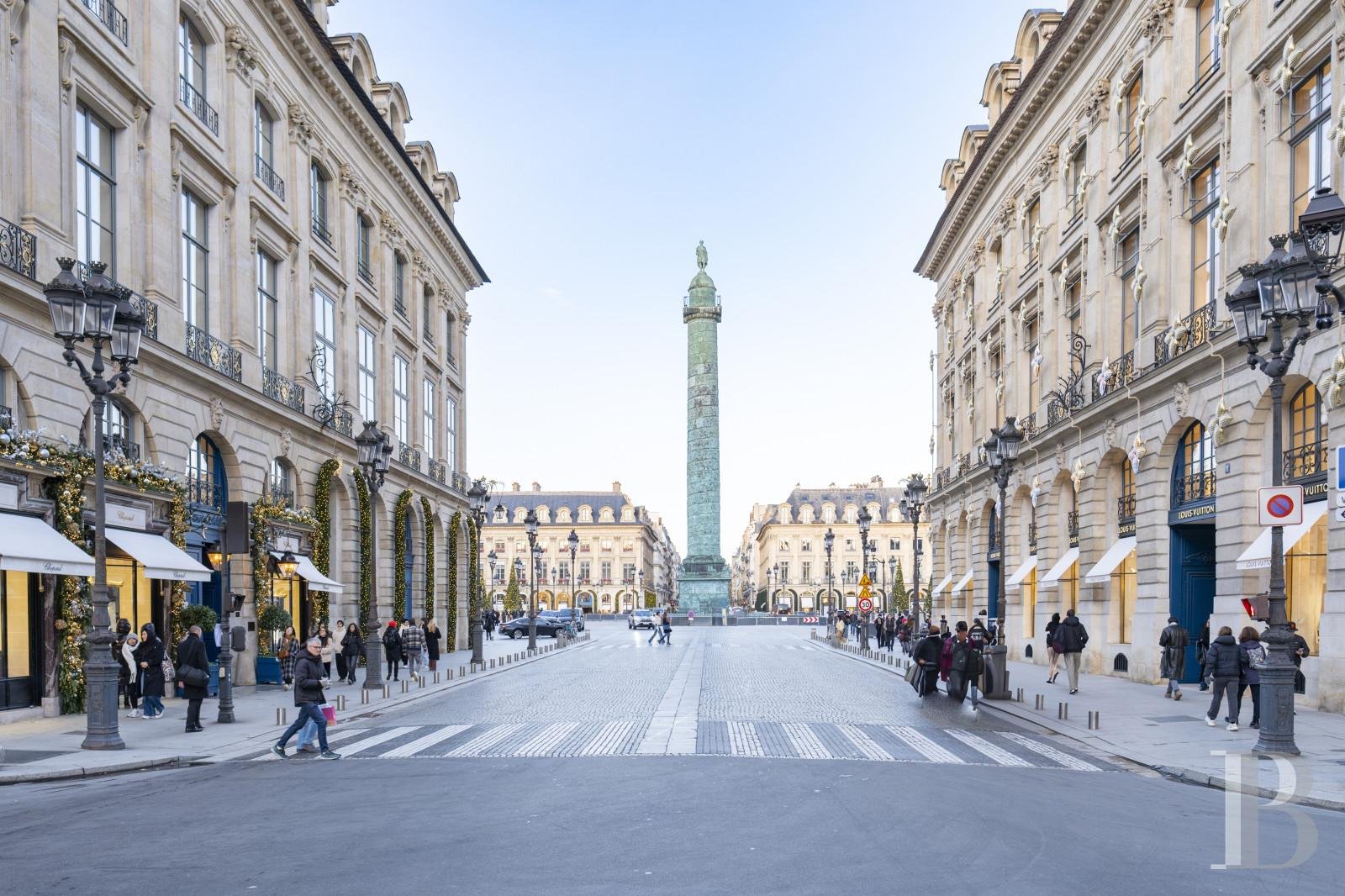
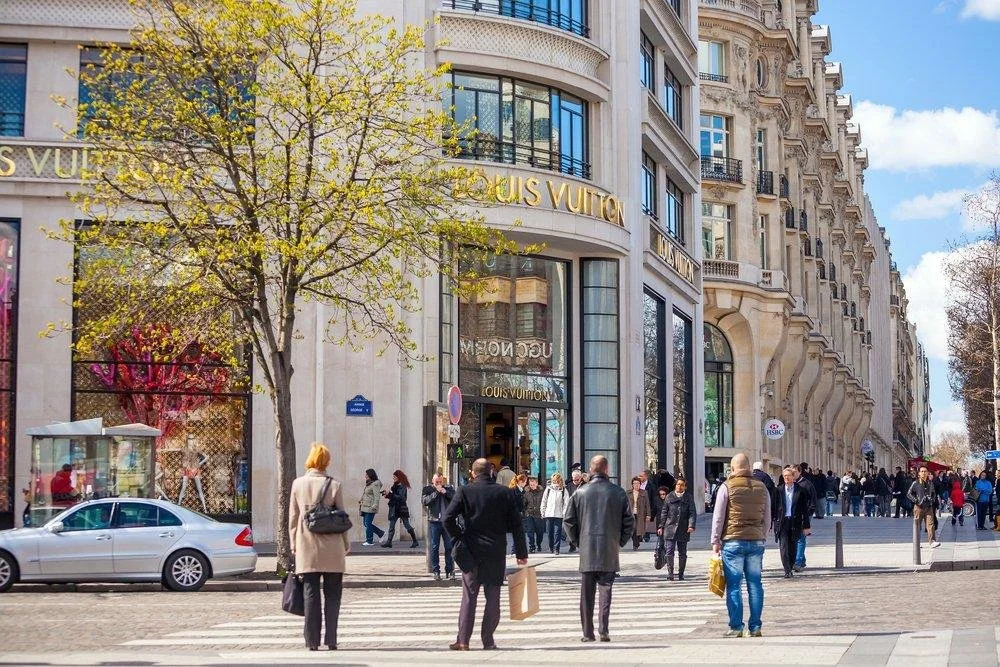
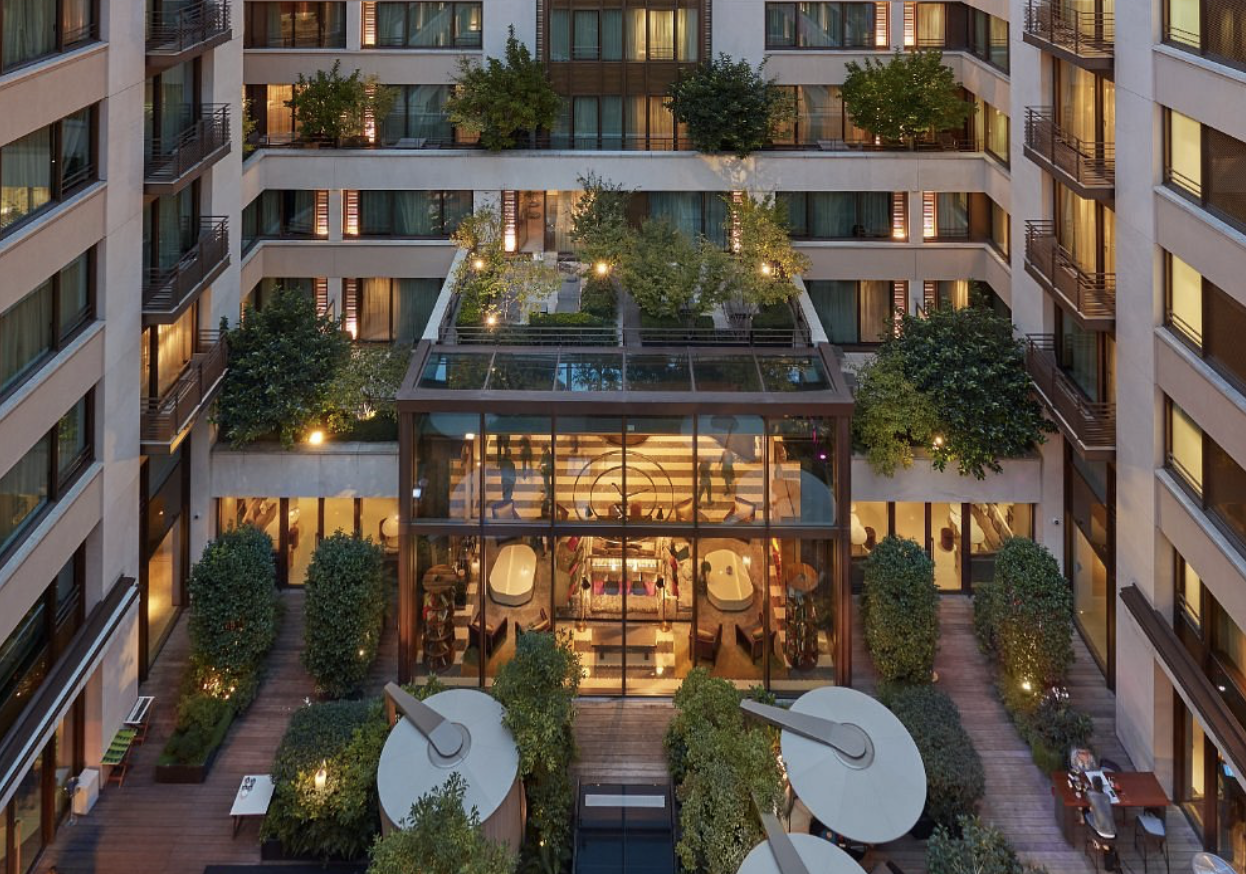
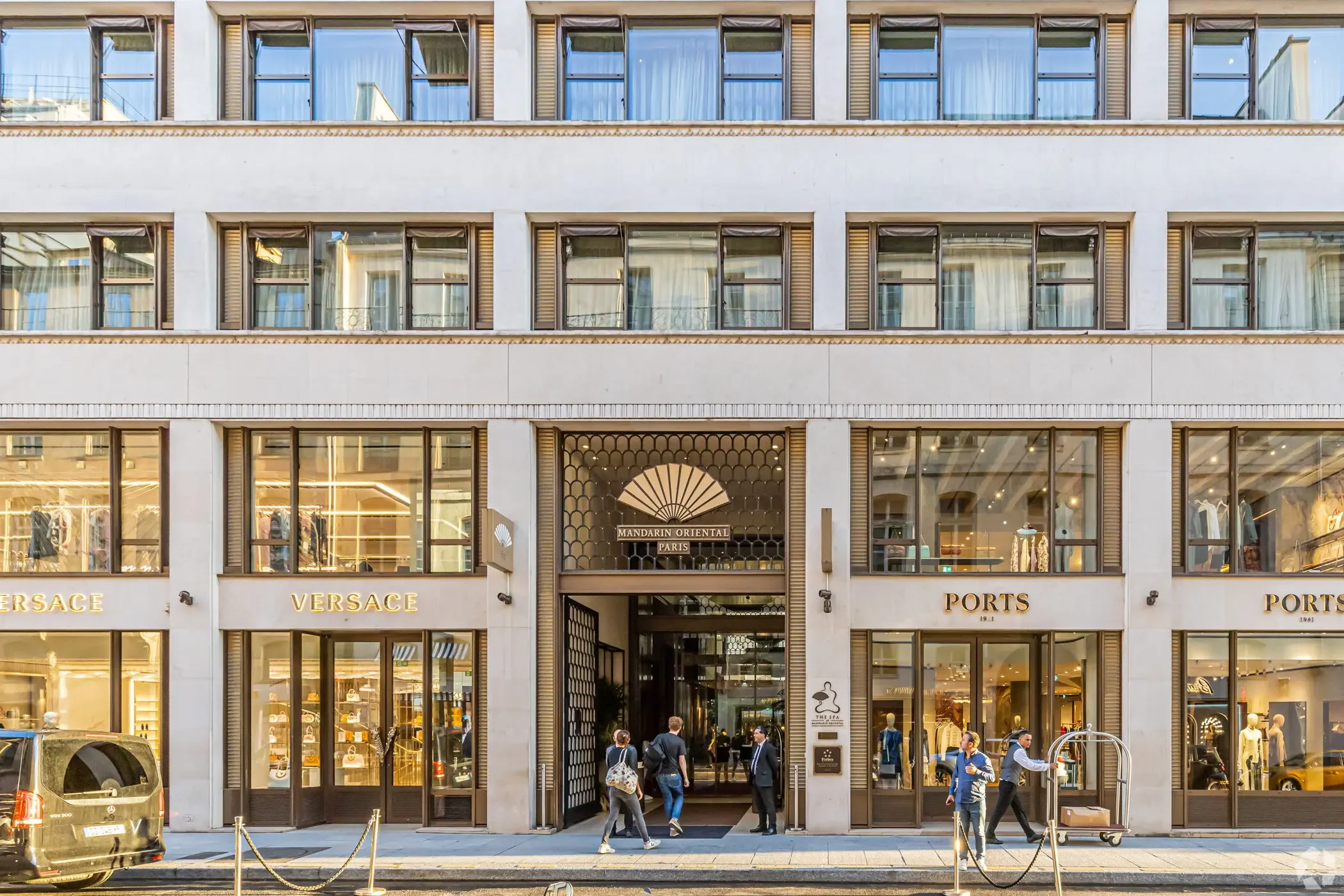
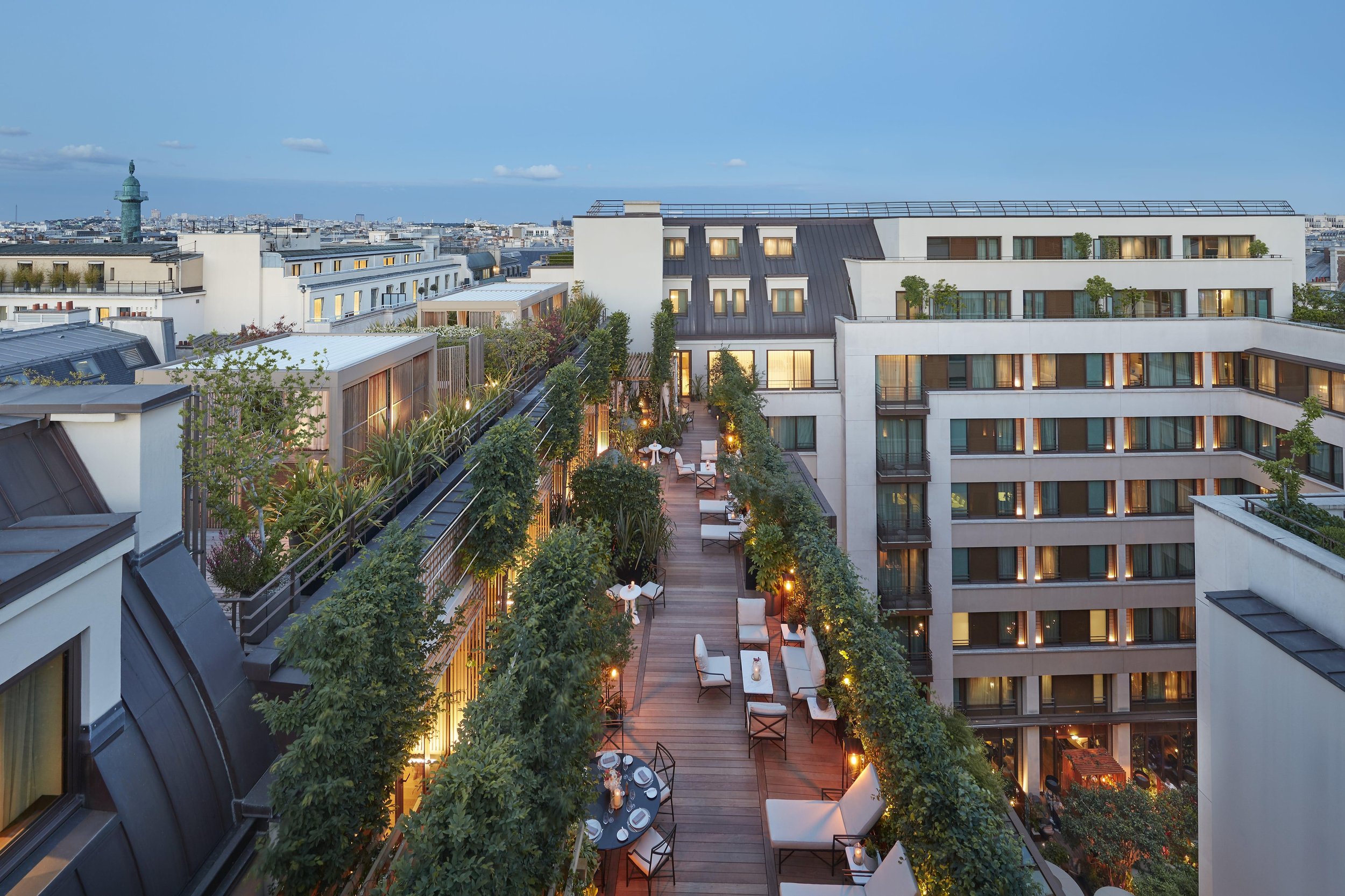
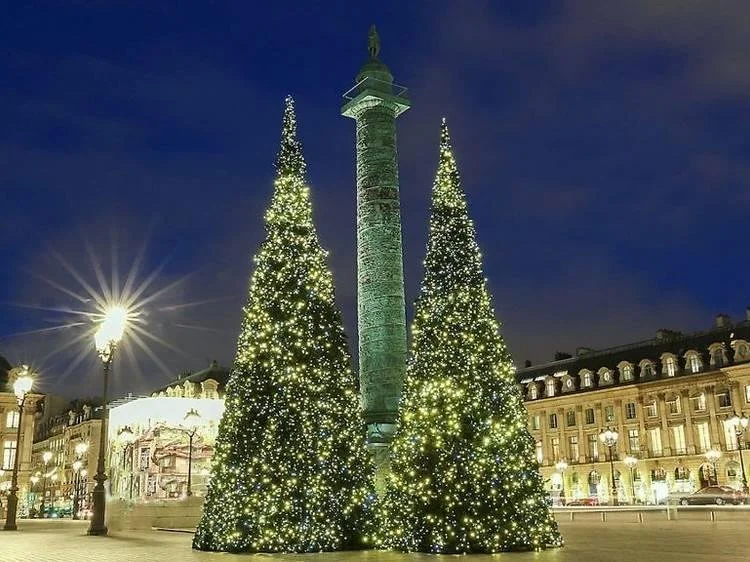
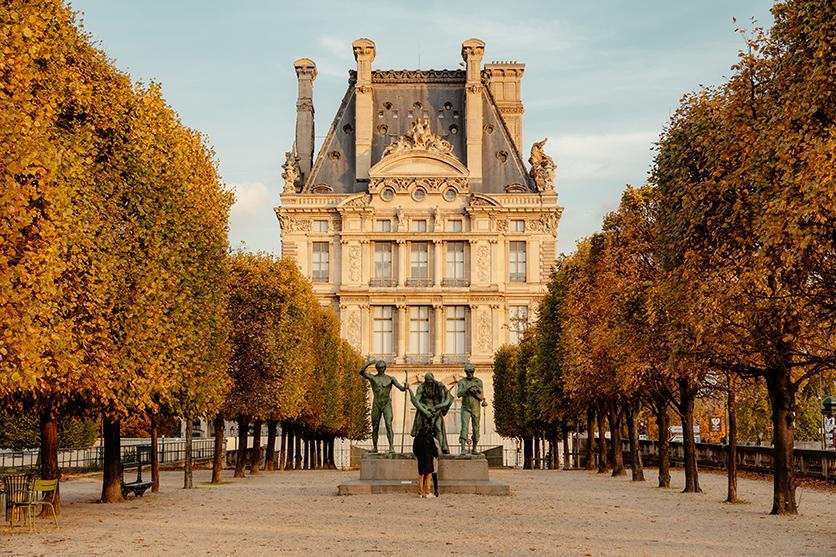
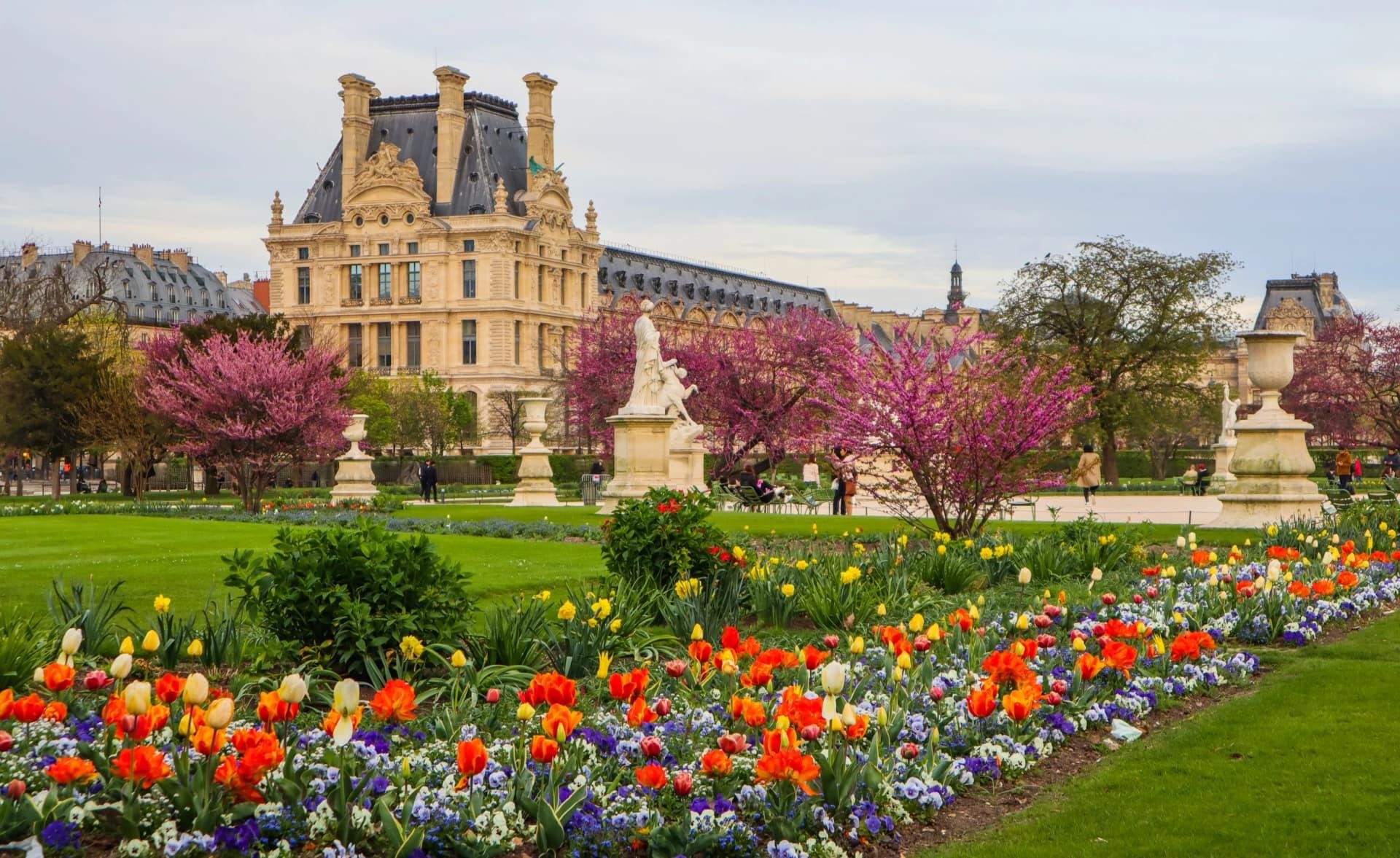
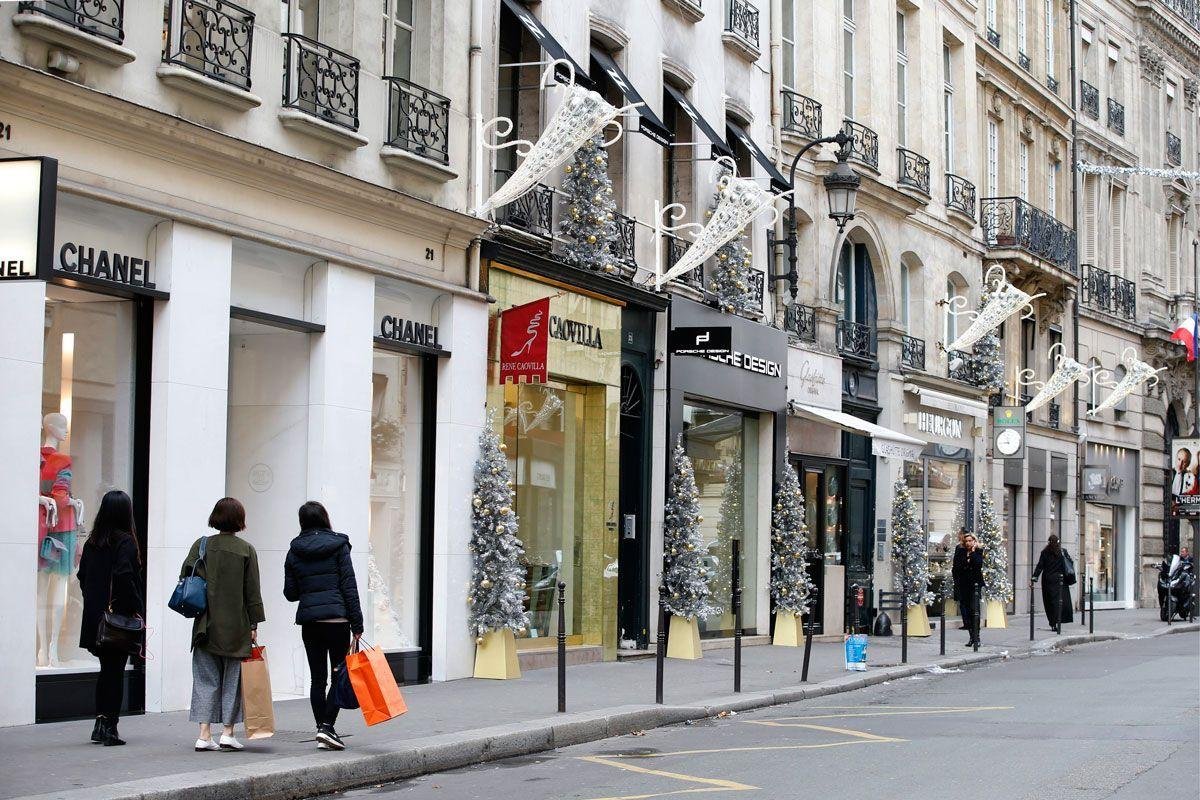
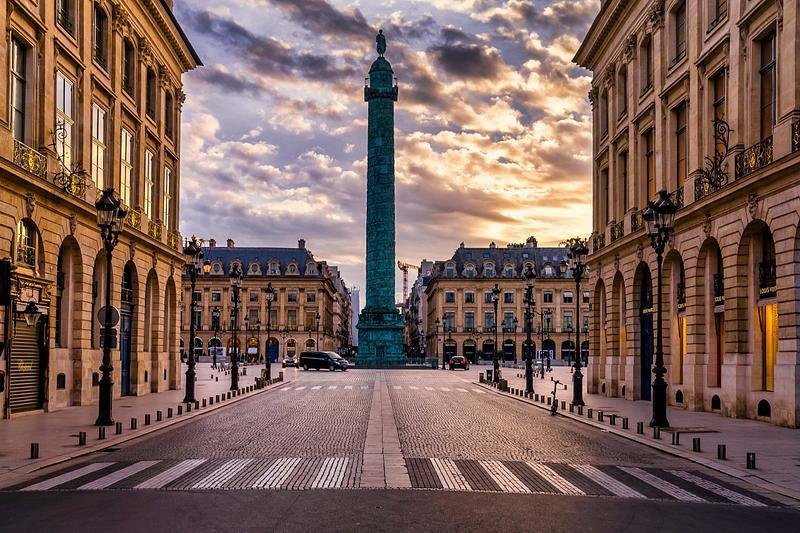
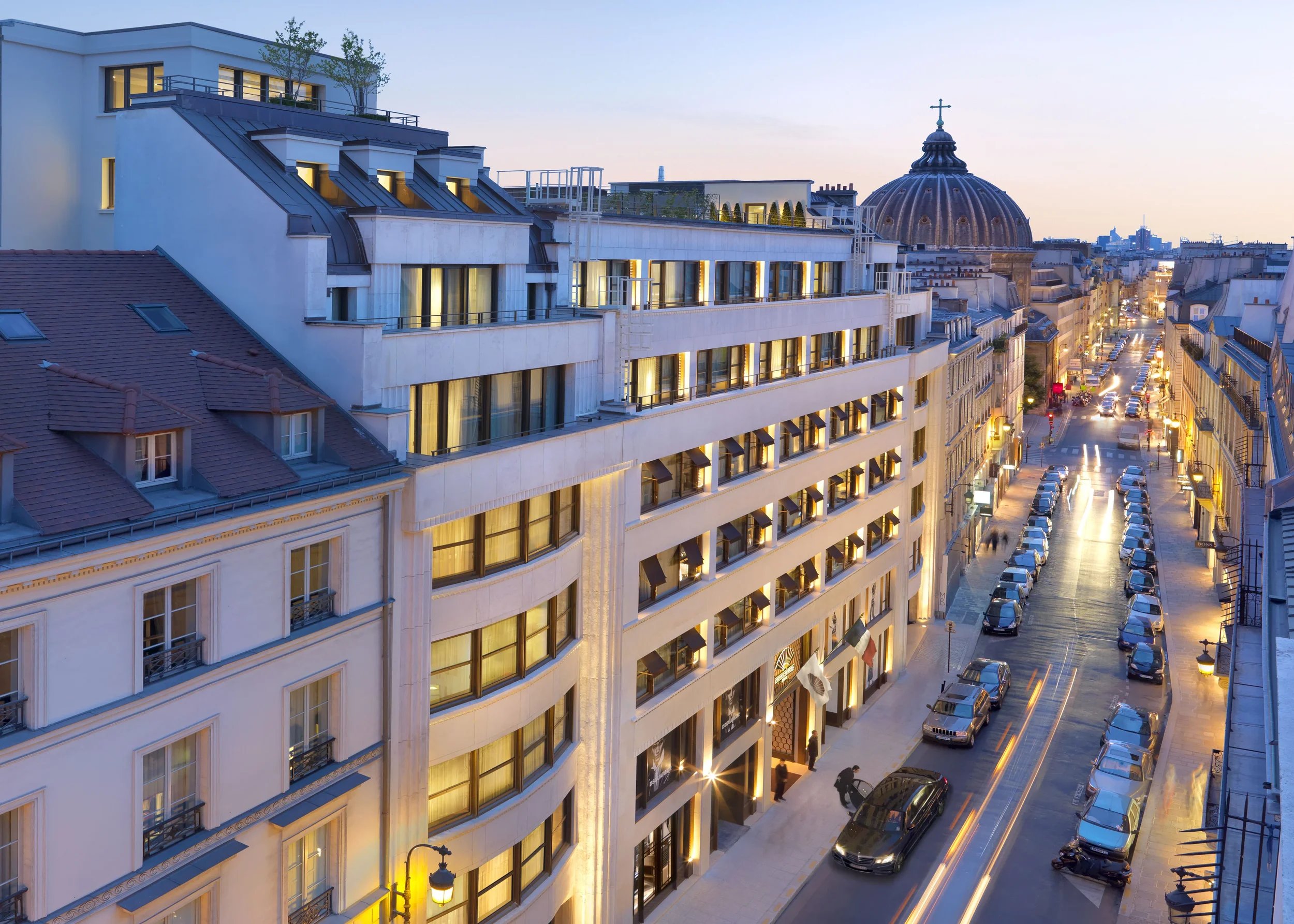
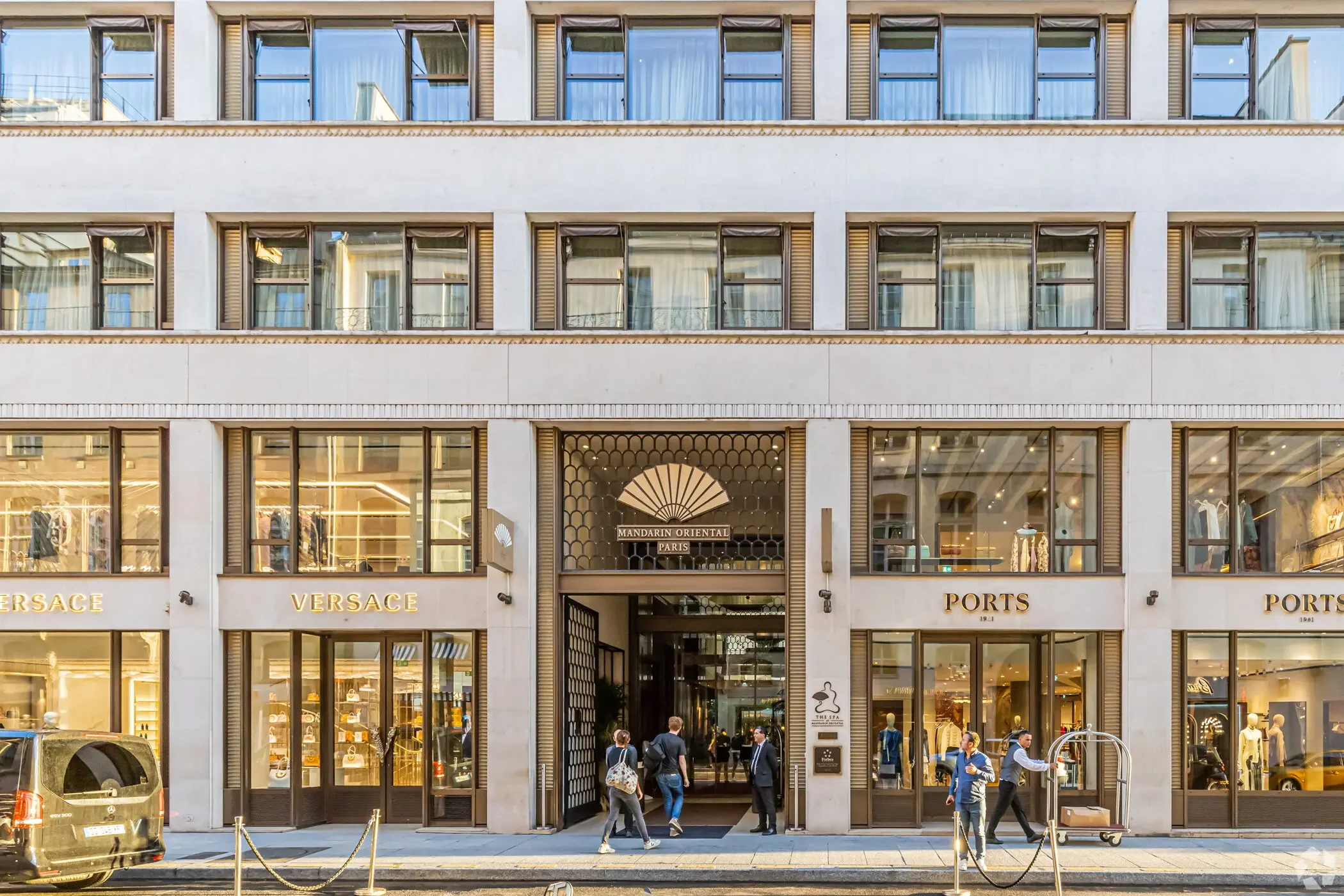
Rue Saint-Honoré belongs to a particular rhythm of Paris. Shop windows change with the collections, galleries and jewellers sit behind discreet façades, and a short walk can lead from the polished geometry of Place Vendôme to the open paths of the Tuileries. At number 251, Mandarin Oriental, Paris occupies an address that places much of this world within easy walking distance. Yet the hotel's defining feature is arguably what the street does not reveal: a planted courtyard that softens the noise and movement of the First Arrondissement.
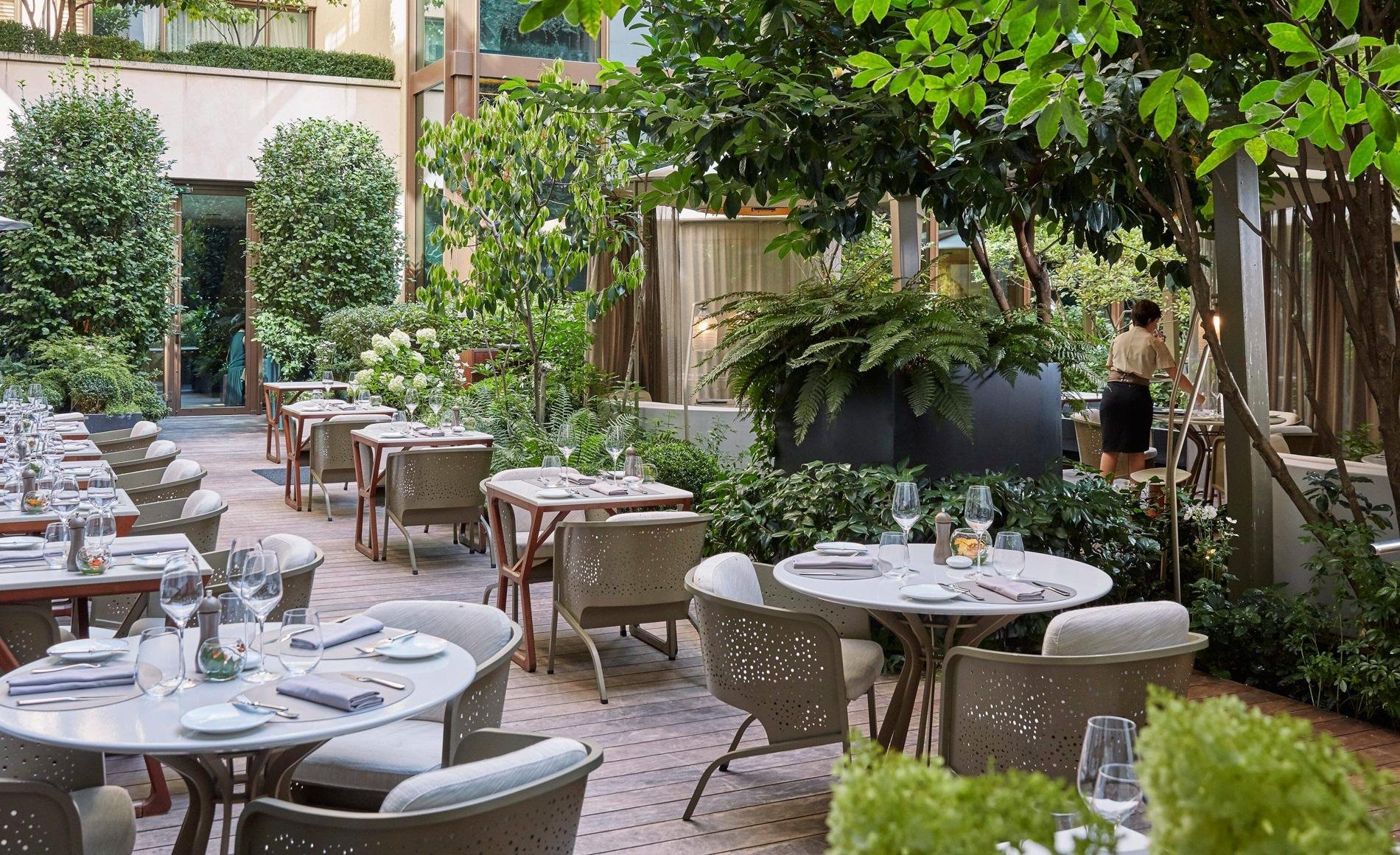
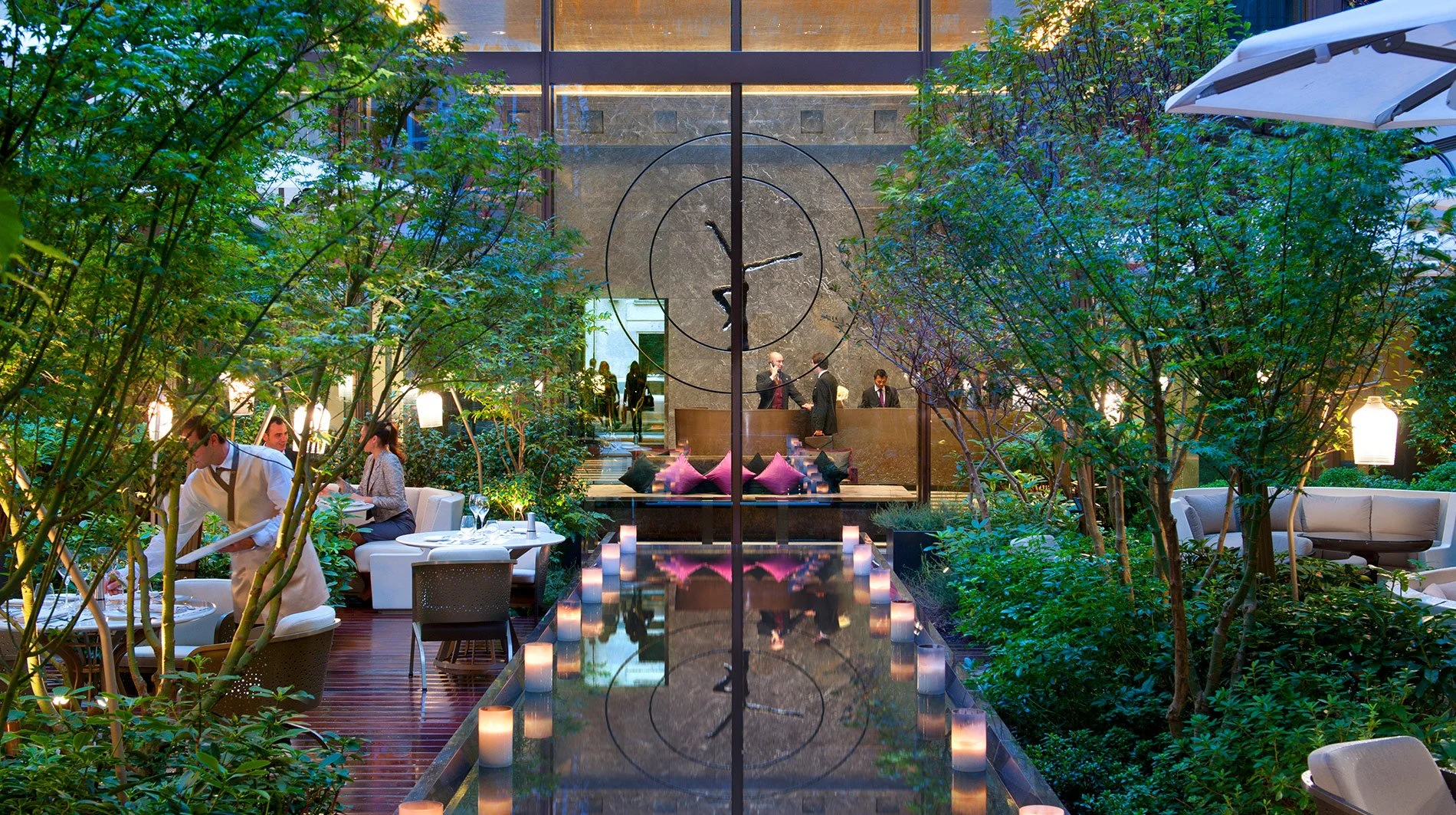
The contrast shapes the stay. Guests can set out on foot for the Louvre, cross the gardens towards the Seine or devote an afternoon to the boutiques around Rue du Faubourg Saint-Honoré, then return for lunch beneath the trees at Camélia. The hotel is unmistakably contemporary, but its designers have used textiles, art and proportions that acknowledge Paris's longer relationship with fashion and craftsmanship. Rooms looking towards the garden feel different from those facing the famous shopping street; a private terrace changes the experience again.
With 135 rooms and suites, an indoor pool and some unusually substantial apartment-style accommodations, the hotel works for a weekend built around museums and restaurants as well as for a longer family visit. Choosing the right layout matters, particularly among the connecting suites and rooftop residences. And with a phased renovation programme announced to begin in late October 2026, travelers booking future dates should confirm which areas and accommodation designs will be available during their stay.
A Site with More Than One Parisian Life
The address has had several identities long before its present one. Mandarin Oriental's own historical account places a Capuchin monastery, a riding school, a hippodrome and, by the late nineteenth century, a circus on the site. The Nouveau Cirque opened in 1886 and became associated with the performers Foottit and Chocolat, who are commemorated by a plaque on the façade. That history adds an unexpected theatrical thread to a neighborhood more often described through couture houses and jewellers.
Today's building has a different origin. Its Art Deco-era wings were designed by Charles Letrosne in the 1930s and later served as offices. Mandarin Oriental's conversion of the property was undertaken by Wilmotte's architectural practice, with interior contributions from Sybille de Margerie and Patrick Jouin. The hotel opened on 28 June 2011, introducing the Hong Kong-founded group's approach to service to one of Paris's most closely watched shopping districts.
The building's earlier chapters remain a useful counterpoint to its present function. Rather than borrowing the vocabulary of a traditional Parisian palace wholesale, the hotel interprets the city through a more recent lens: interwar architecture, contemporary art, fashion references and spaces designed for a stay that moves between private rooms and the street outside.
Art Deco Lines, Couture Details and a Courtyard Garden
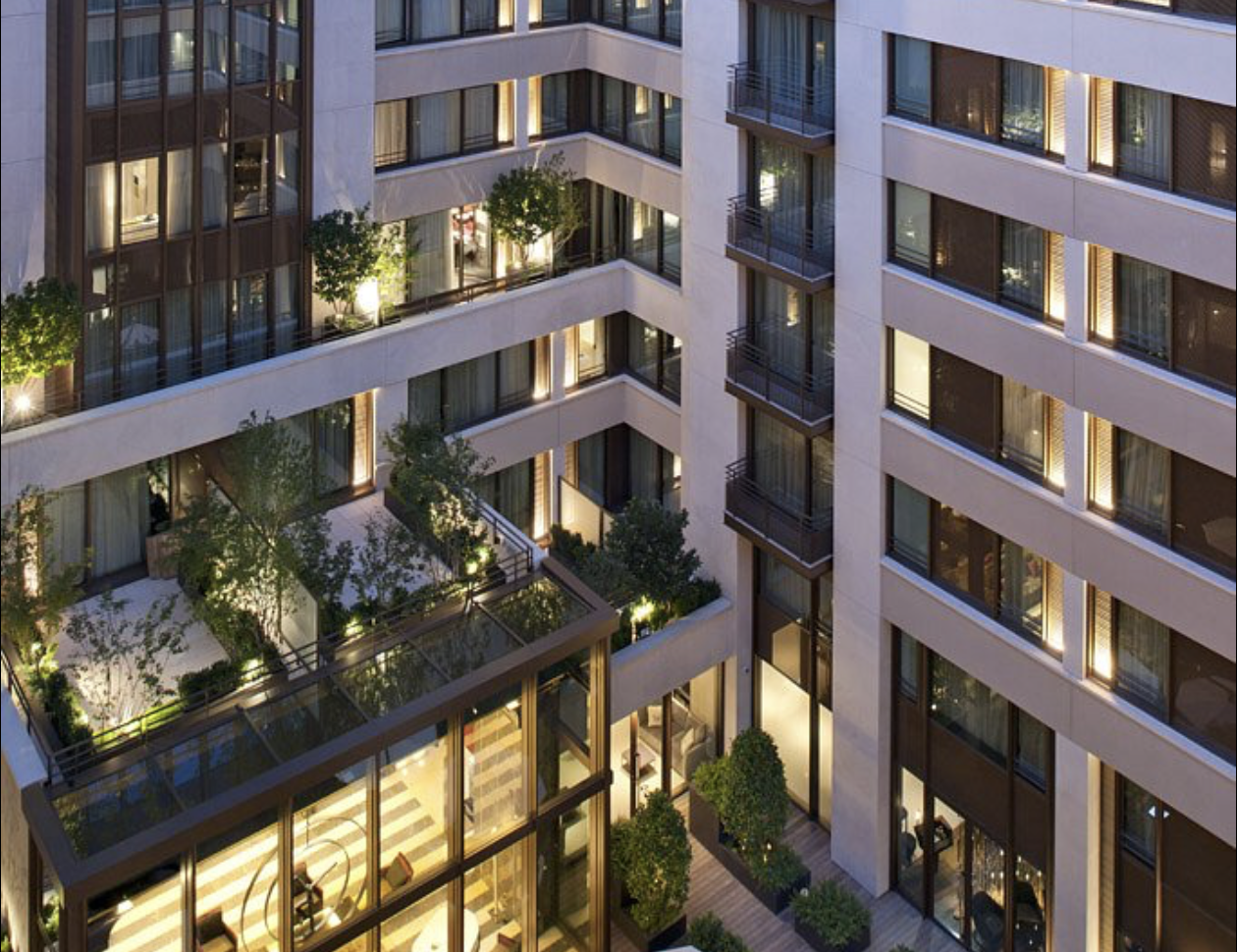
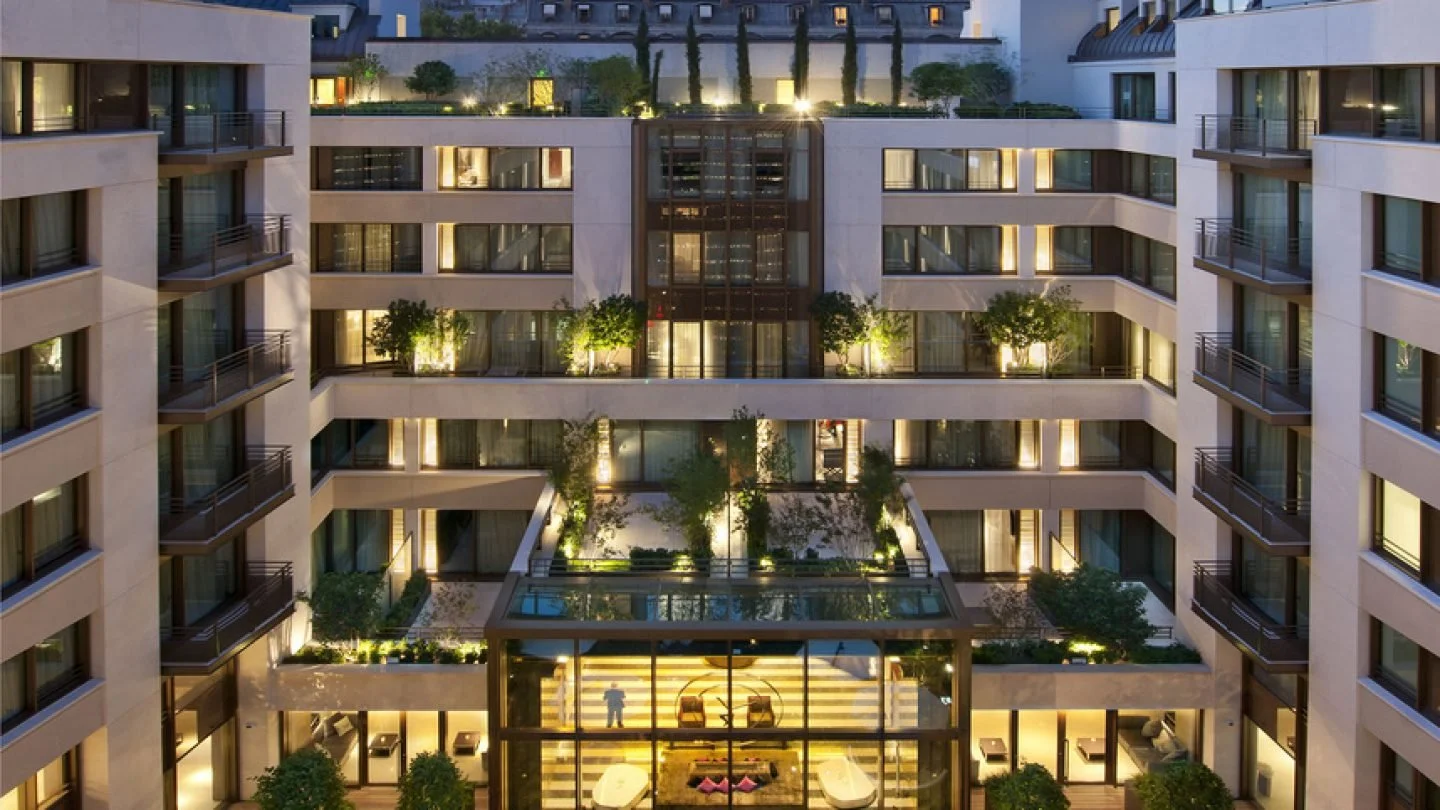
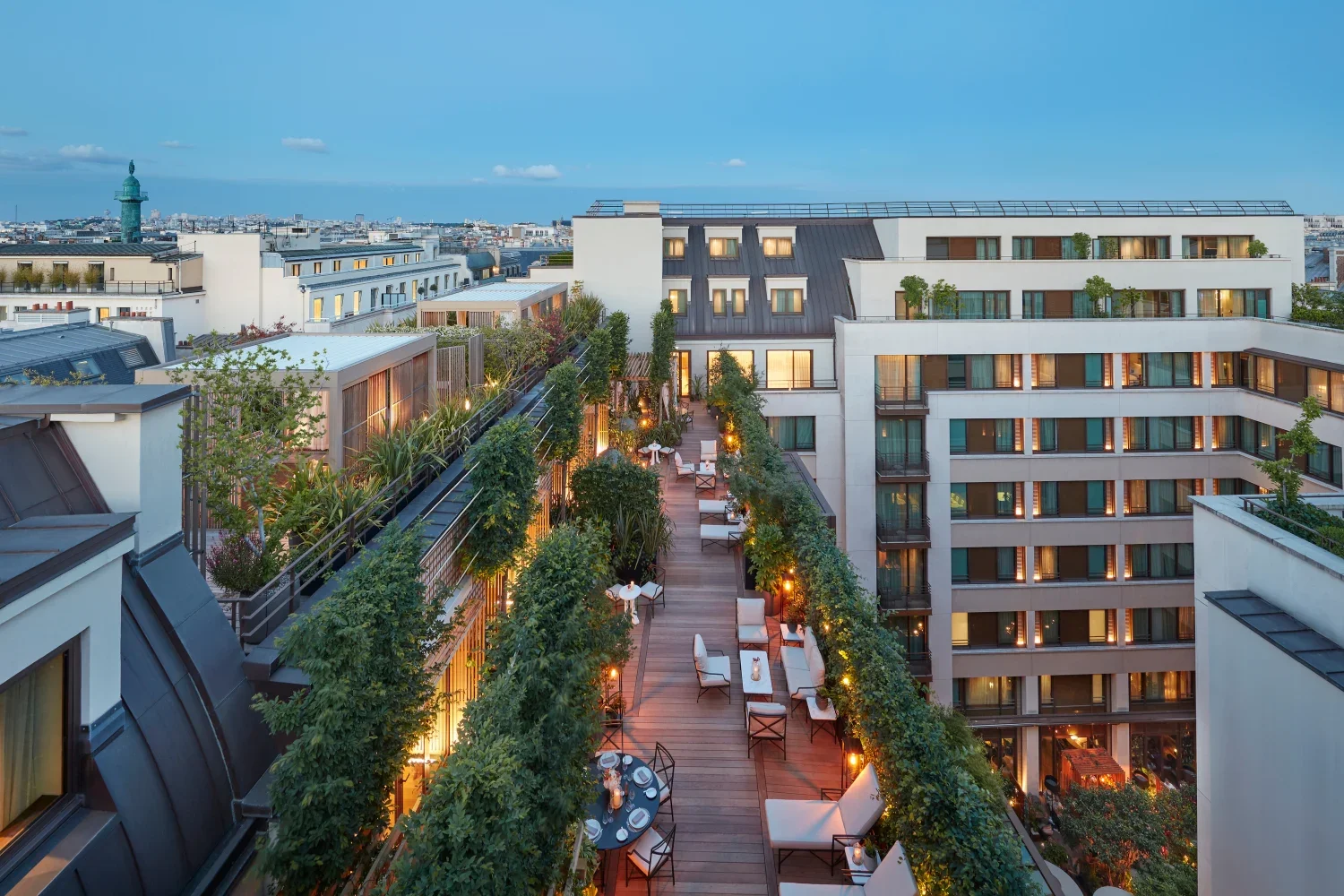
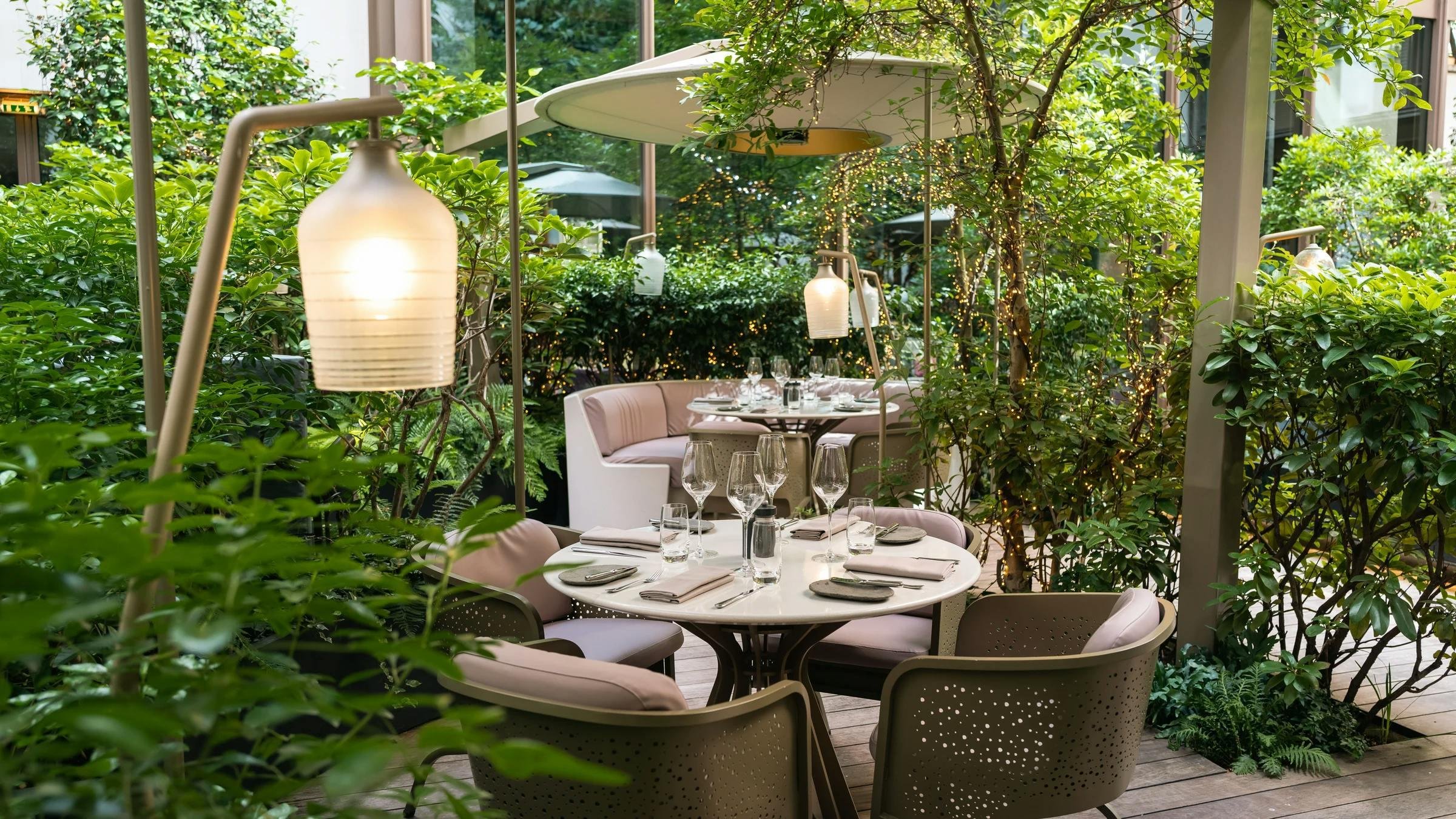
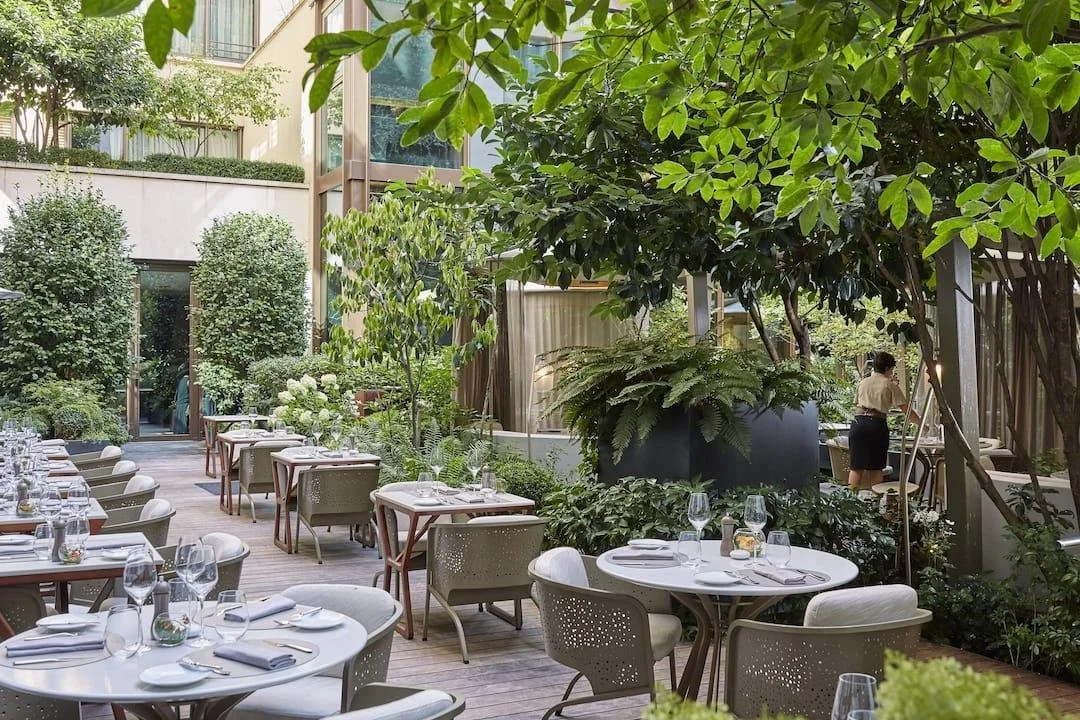
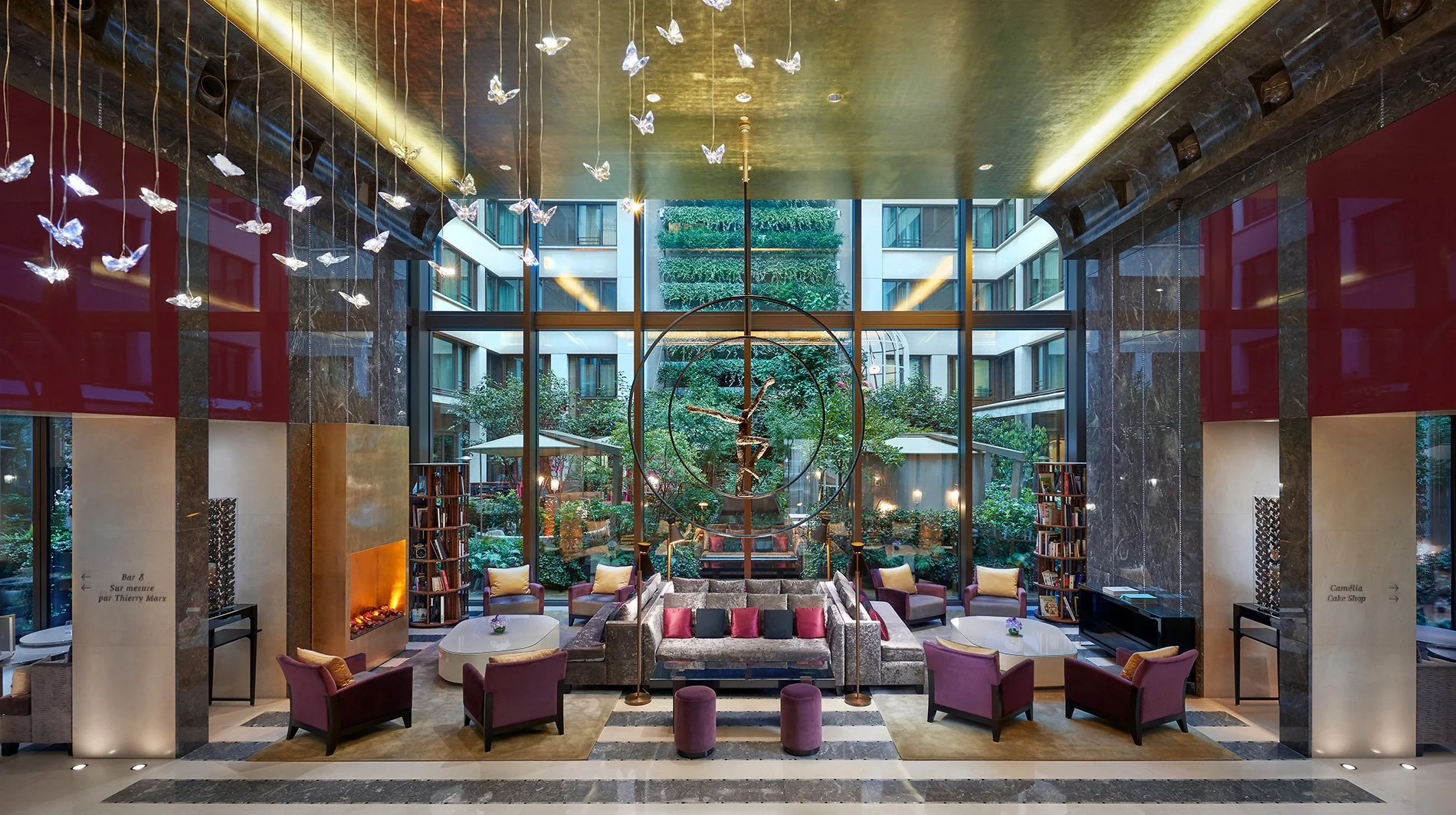
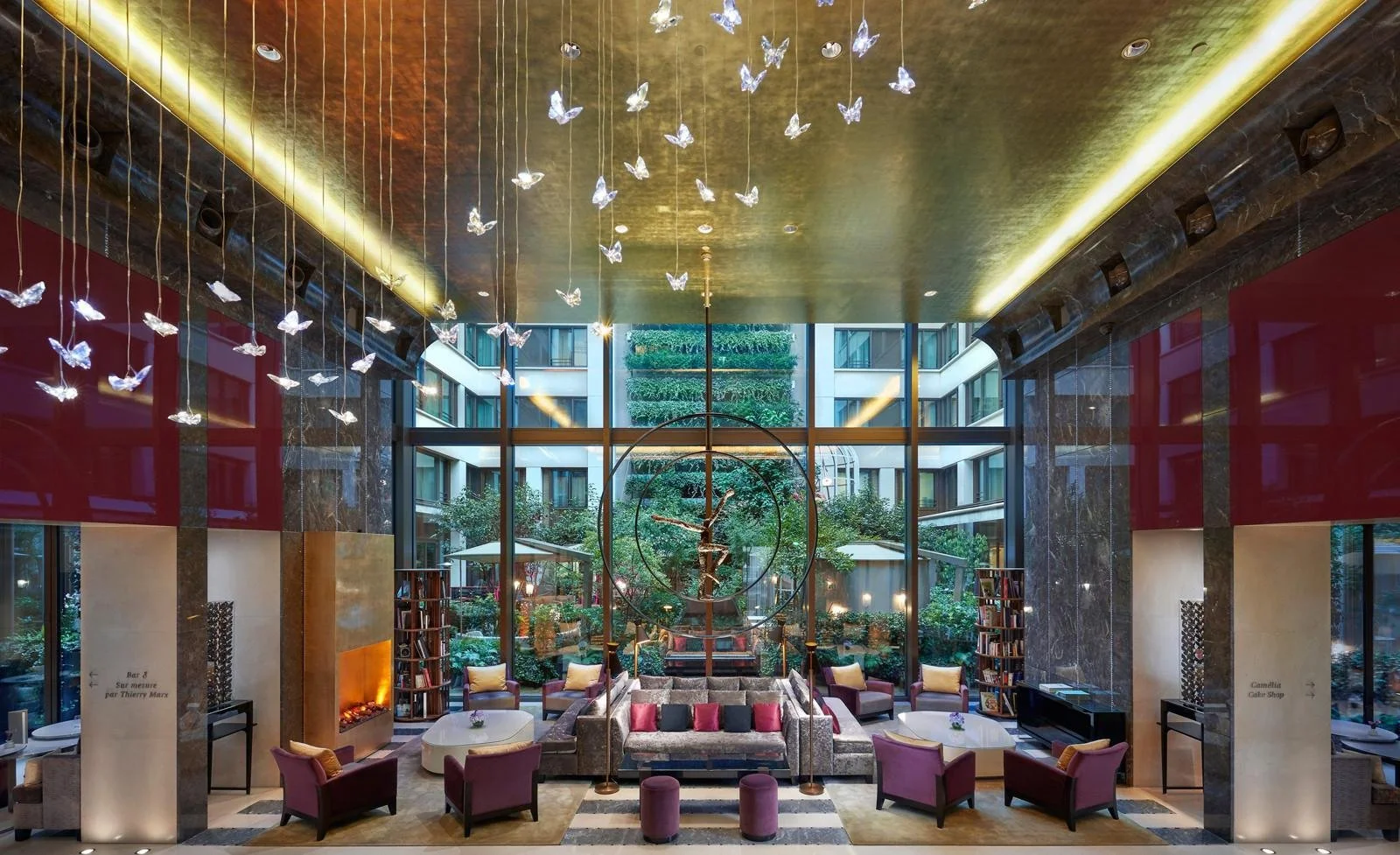
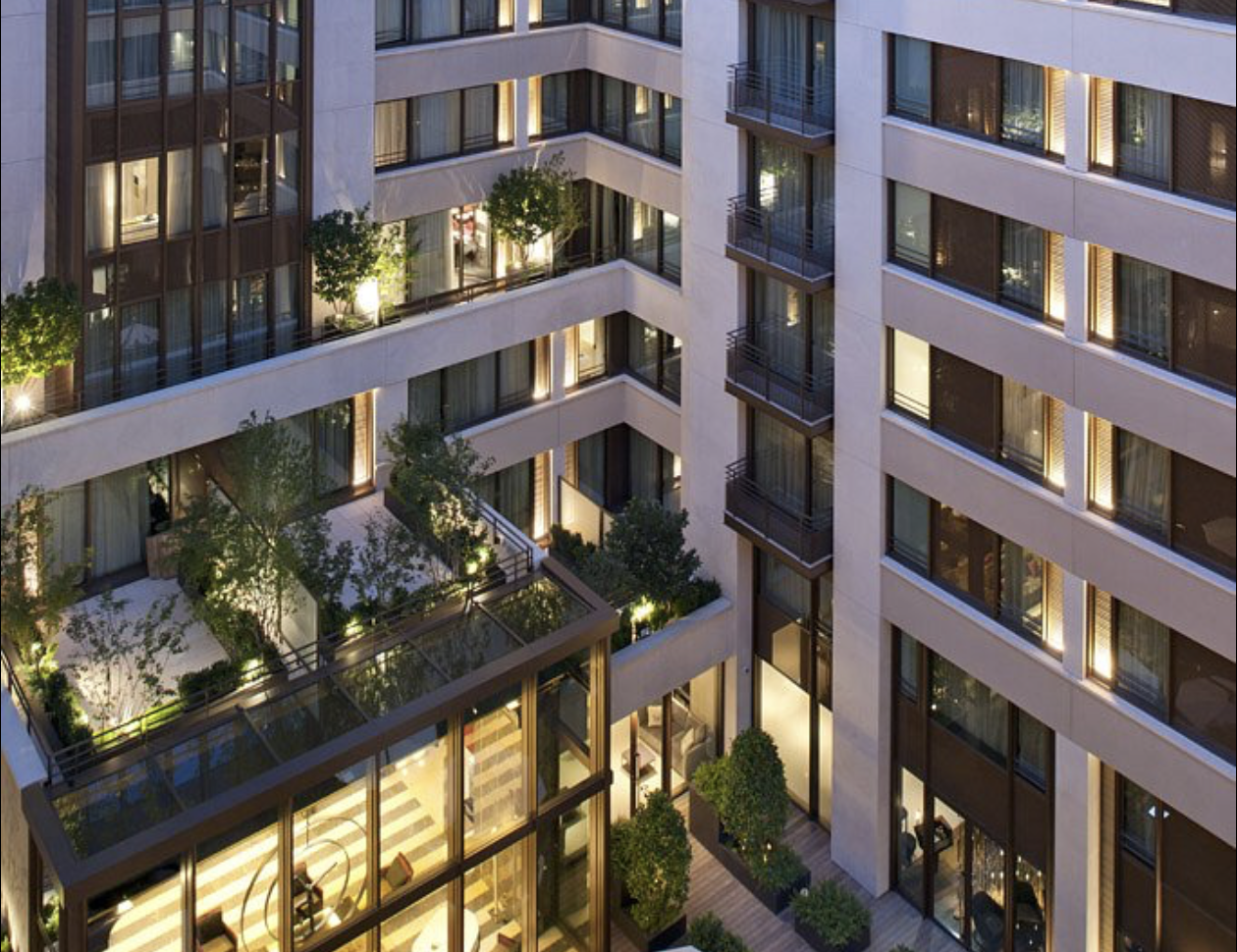
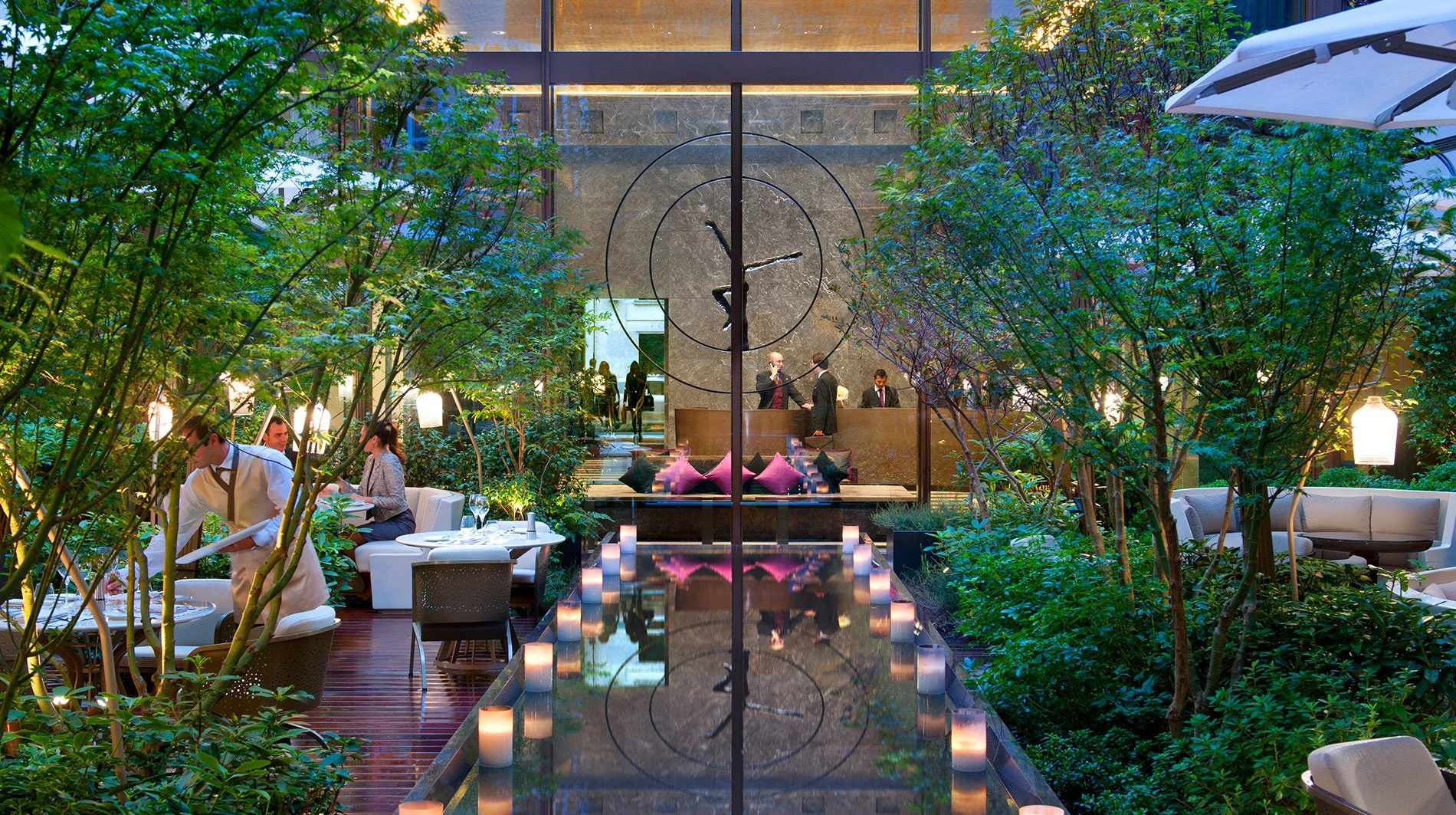
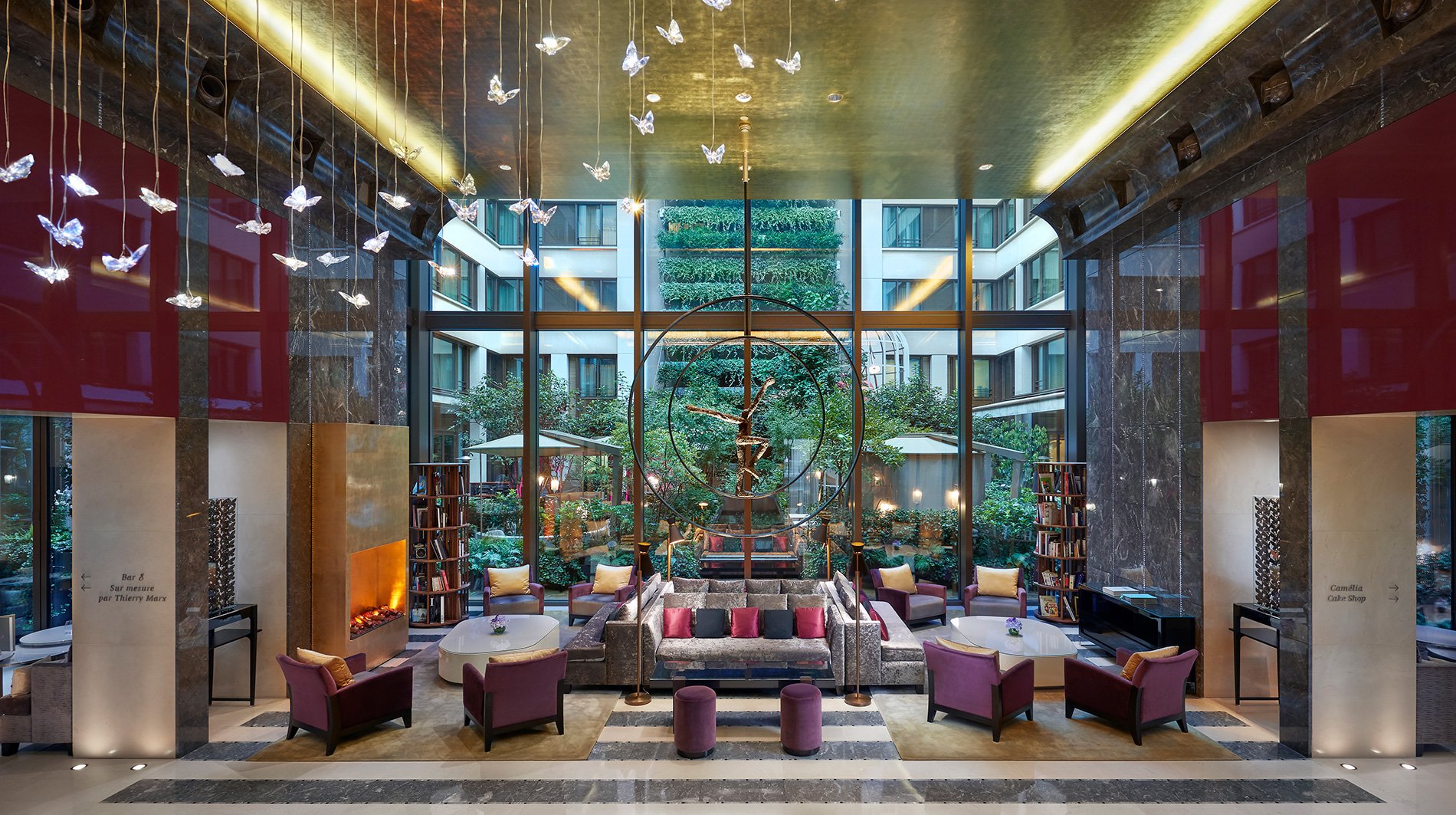
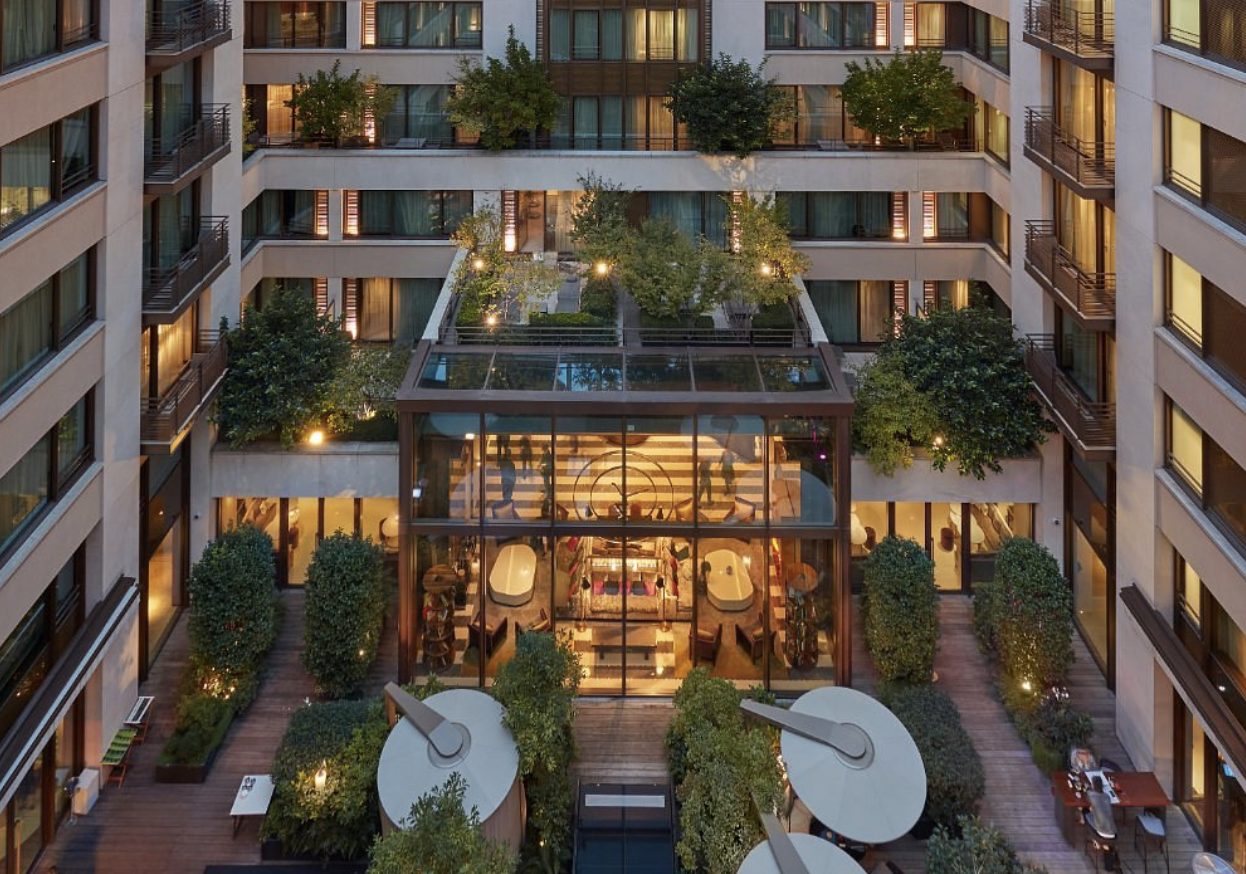
From Rue Saint-Honoré, the hotel presents a composed urban frontage. Inside, its architectural sequence is more surprising. An arrival space decorated with crystal butterflies leads towards a courtyard that occupies approximately 455 square metres. Camellias and other planting bring a sense of seasonal change into what could otherwise be a densely built city block. The garden is also part of the hotel's daily life, serving as the outlook for rooms, suites and the terrace of Camélia.
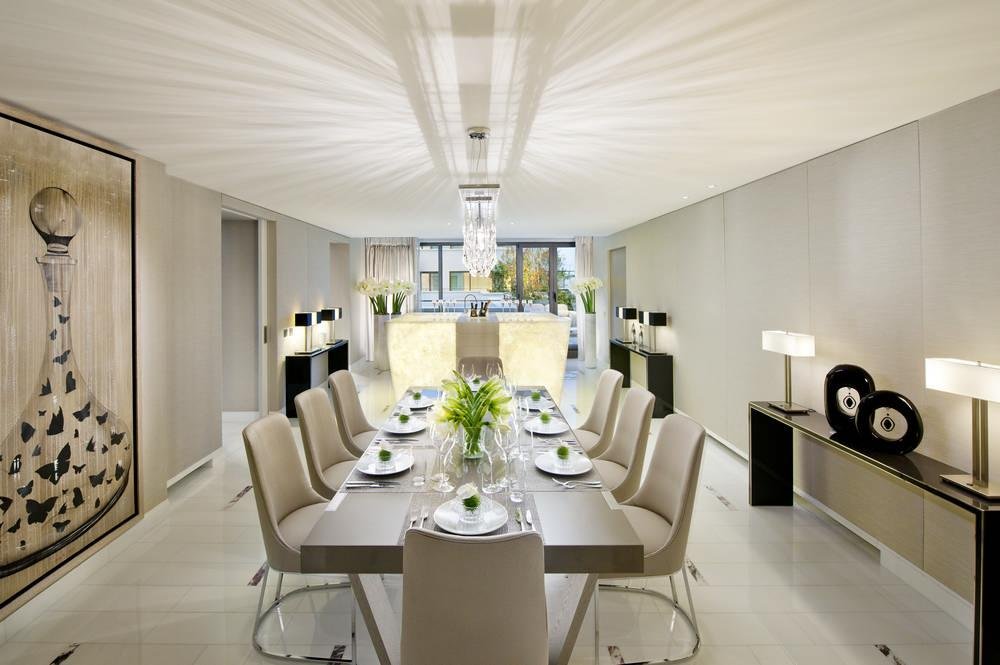
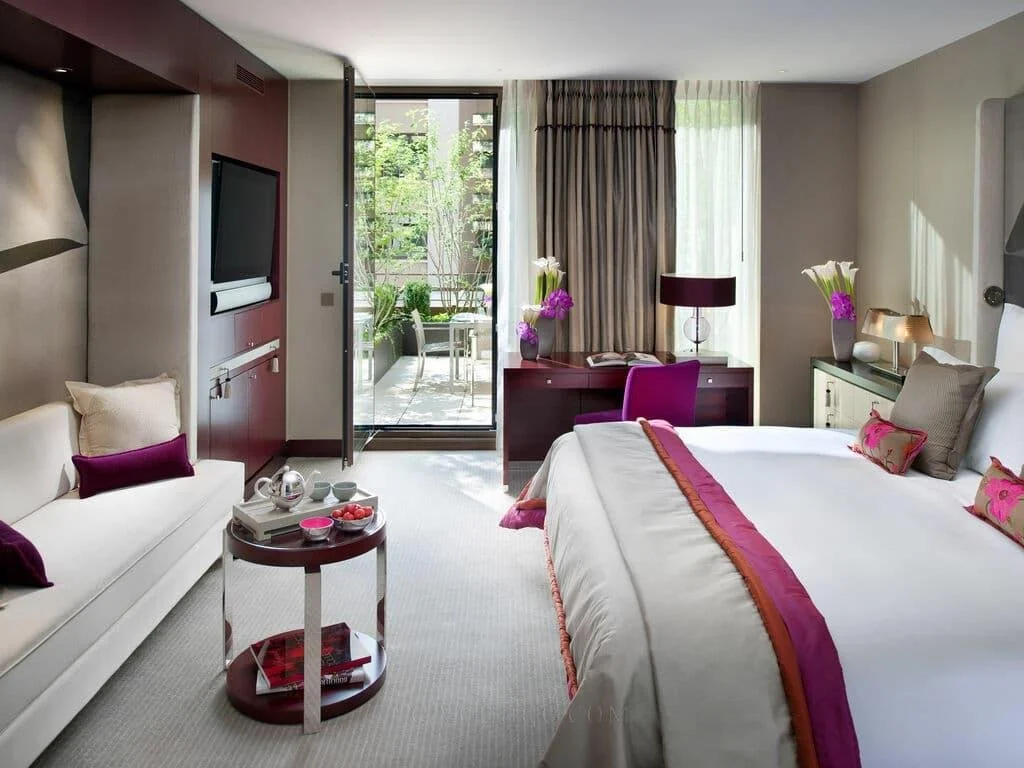
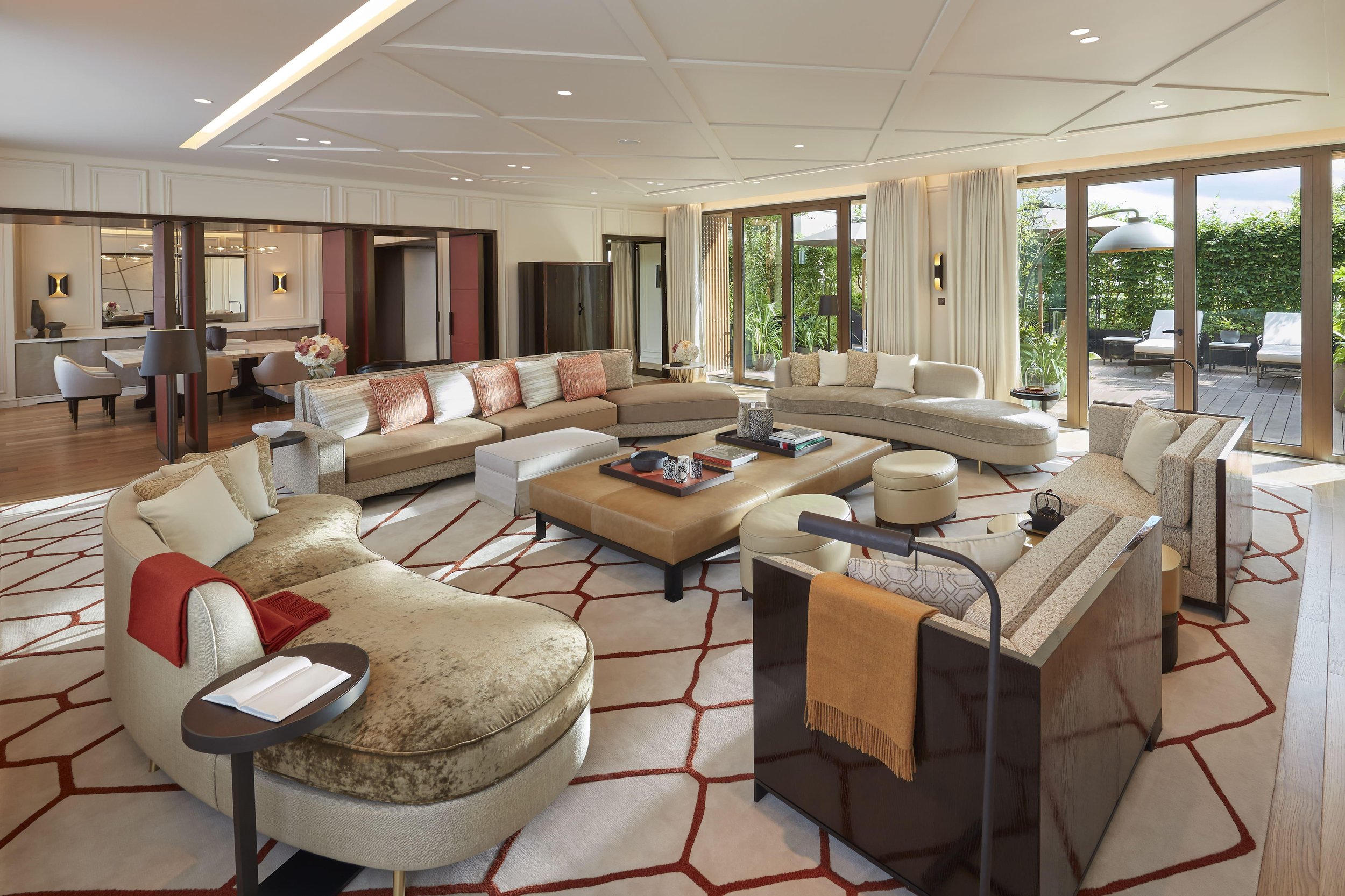
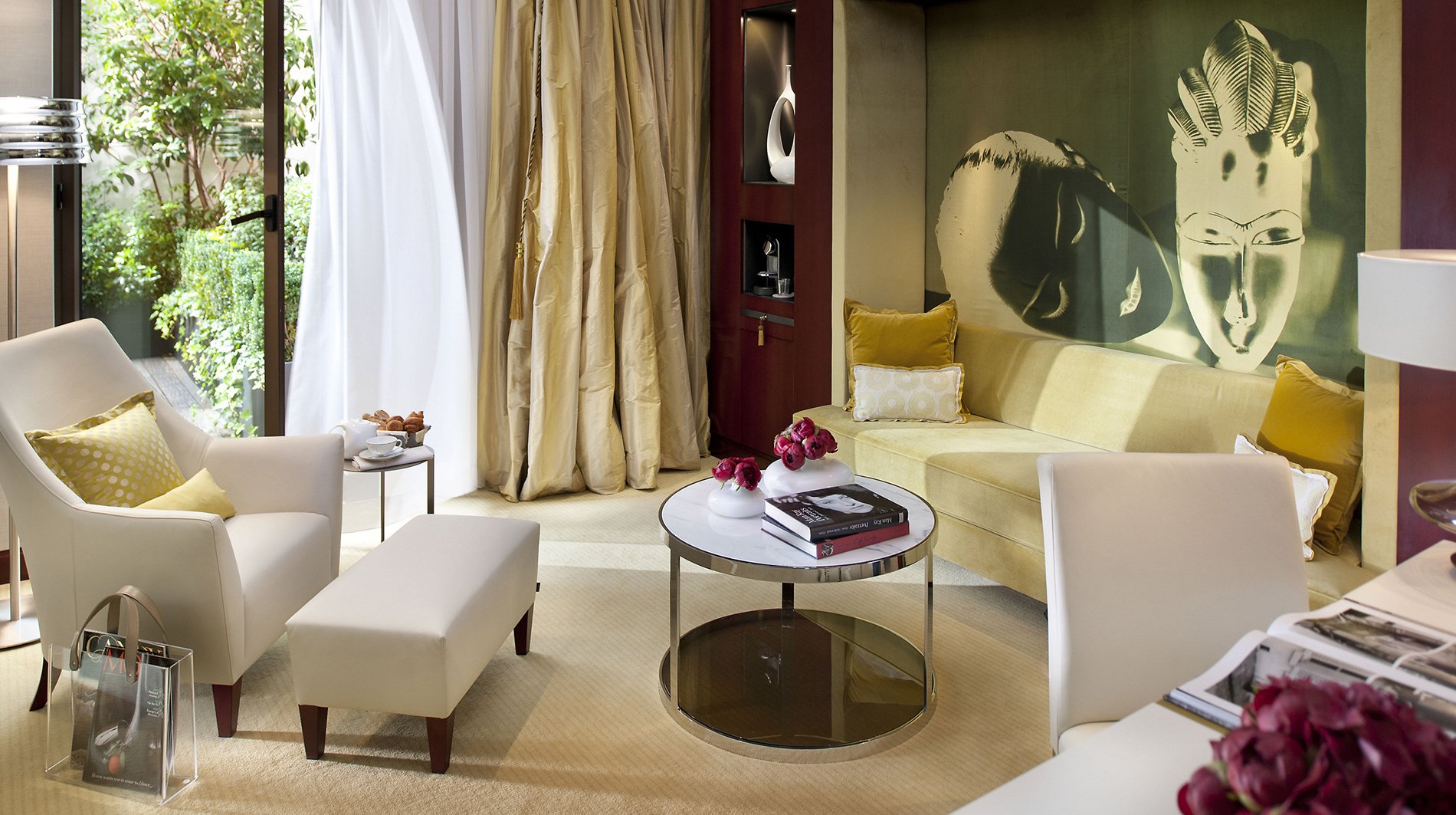
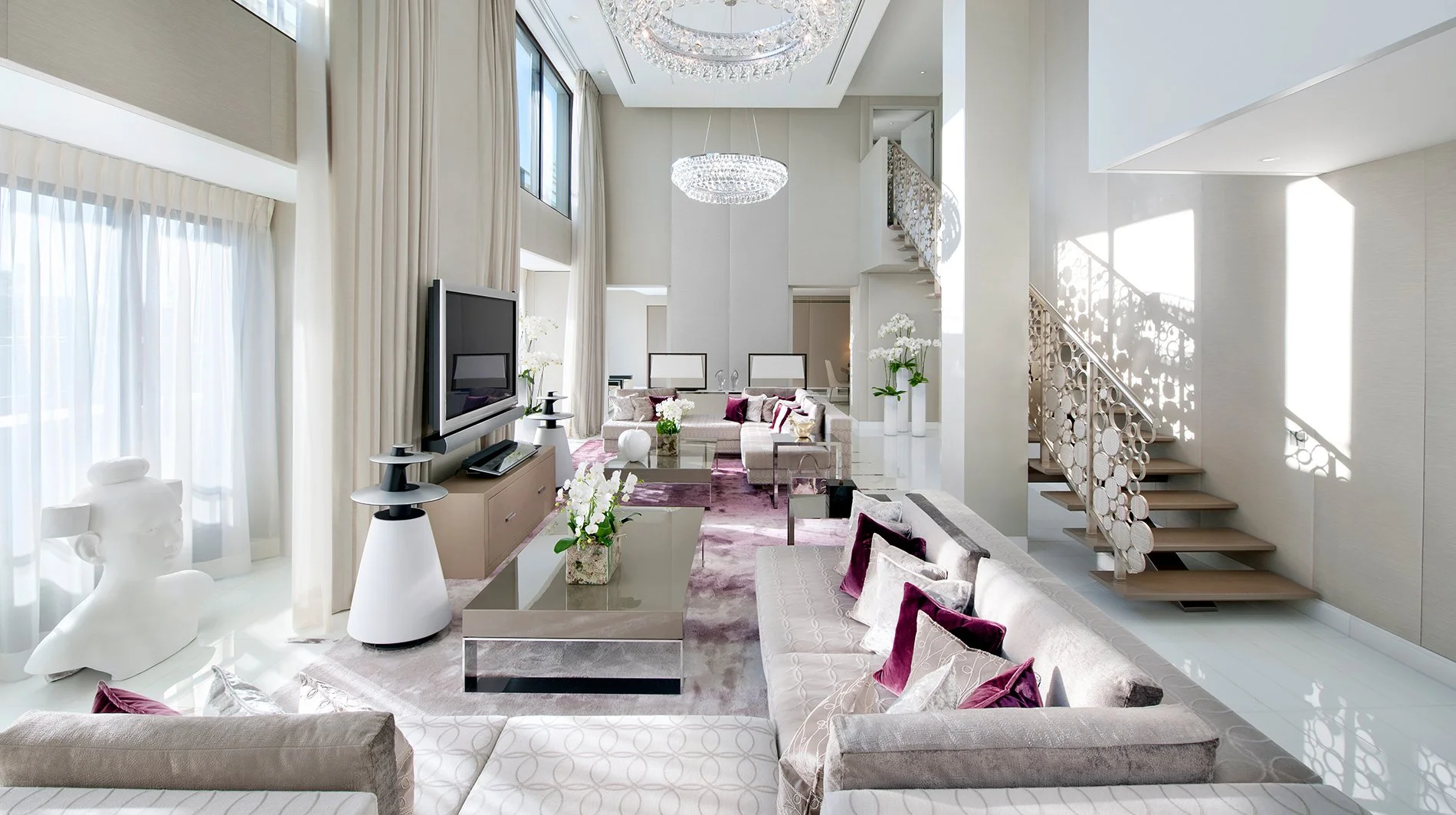
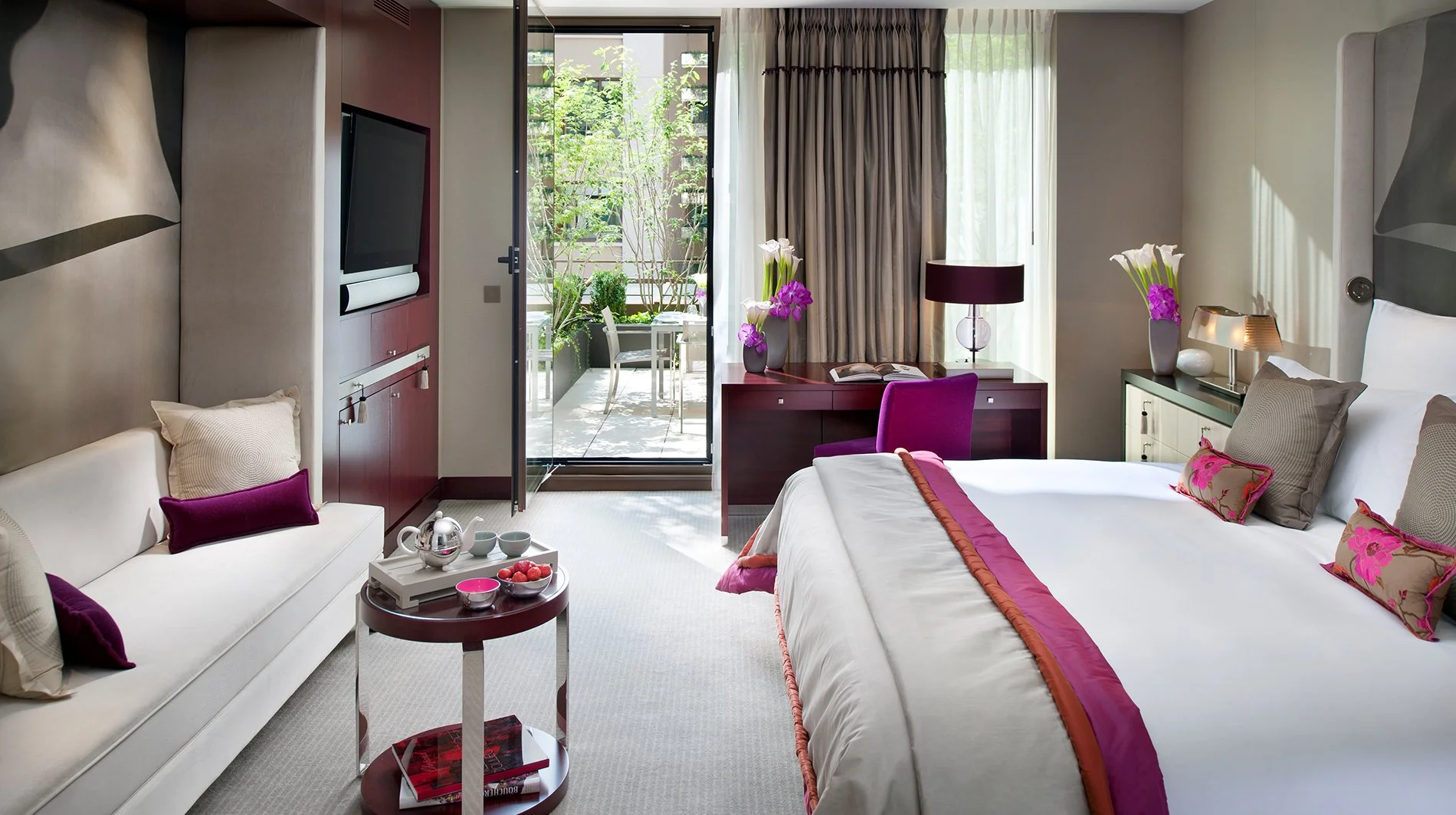
Accommodation design combines measured Parisian elegance with references to the brand's Asian roots. Silk, elaborate embroidery, pale marble and custom furniture appear alongside modern artwork and confident accents of colour. Bathrooms are intentionally substantial; in several suites they incorporate steam showers, deep baths and generous dressing areas. Some higher categories shift from hotel-room planning to the language of an apartment, with proper kitchens, dining rooms and studies.
The design is not identical throughout. A Superior Room looks onto Rue Saint-Honoré; a Mandarin Room is oriented towards the inner garden or courtyard; upper-floor suites exchange those quieter vistas for rooftop terraces and Paris landmarks. The distinctions are practical, not merely aesthetic, and worth considering when deciding between a shopping-focused city break, a family stay or an occasion that calls for space to entertain.
The hotel announced in April 2026 that its upcoming transformation would redesign guestrooms, bathrooms, public areas, the spa and dining spaces. The programme, planned in phases from the end of October 2026 while the property remains open, is a material detail for travelers booking ahead. The description here reflects the accommodation and facilities advertised at the time of writing, rather than treating proposed concepts as complete.
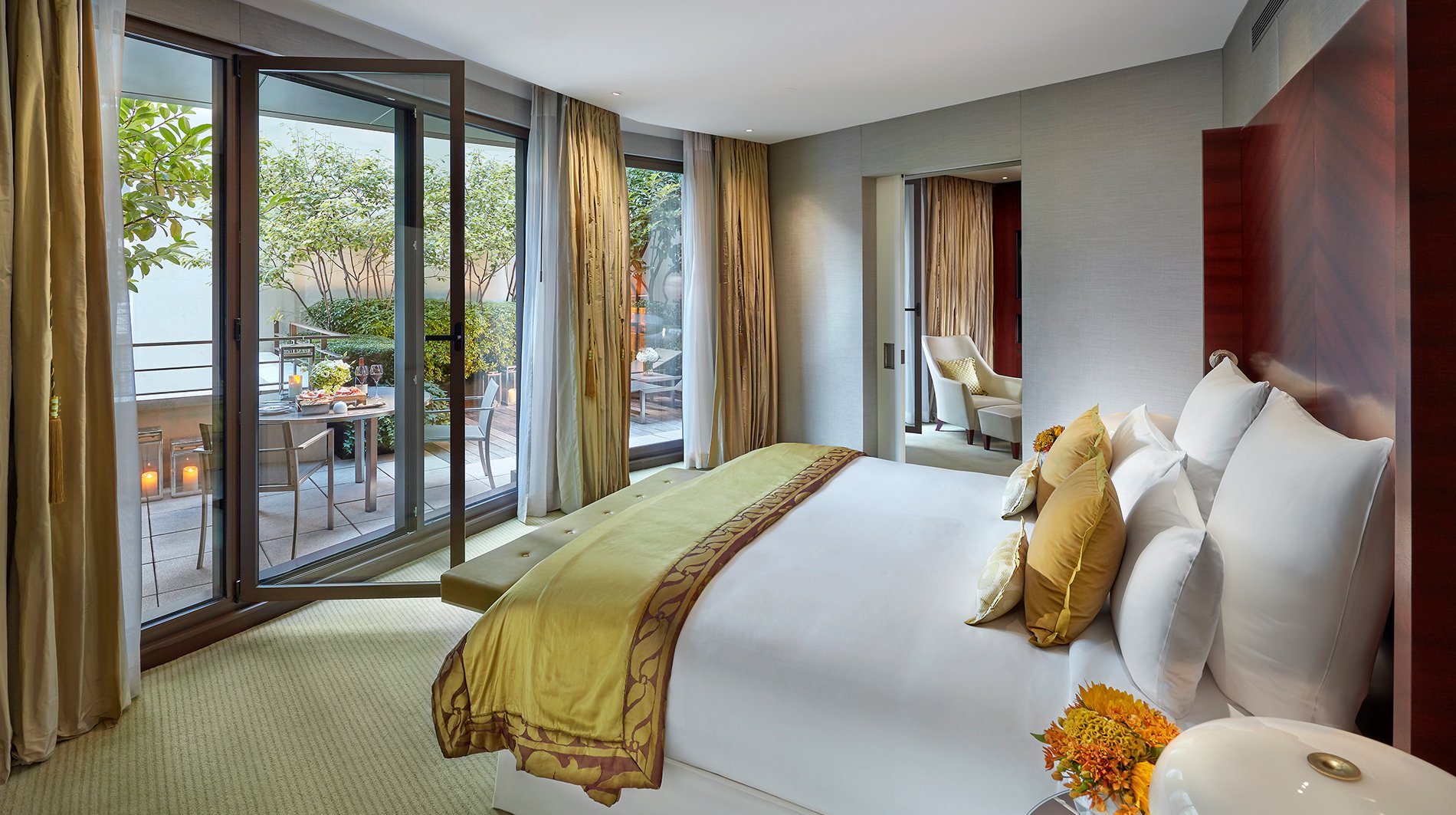
Rooms and Suites: From Saint-Honoré to the Rooftops
The current accommodation collection ranges from streamlined guestrooms to multi-bedroom penthouse combinations. The measurements below follow the hotel's published accommodation listings, expressed in square feet first and square metres in parentheses. Outdoor spaces and layouts vary by category and should be confirmed for a specific reservation.
Superior Room: 398 sq. ft. (37 sq. m.), featuring a king bed, contemporary artwork, a marble bathroom with walk-in shower and views over Rue Saint-Honoré.
Deluxe Room: 419 sq. ft. (39 sq. m.), offering king or twin bedding, a marble bathroom, garden or street views and a private balcony in selected rooms, with connecting options available.
Mandarin Room: 452 sq. ft. (42 sq. m.), featuring king or twin bedding, a sitting area, garden or courtyard views and a marble bathroom with freestanding bath and separate shower.
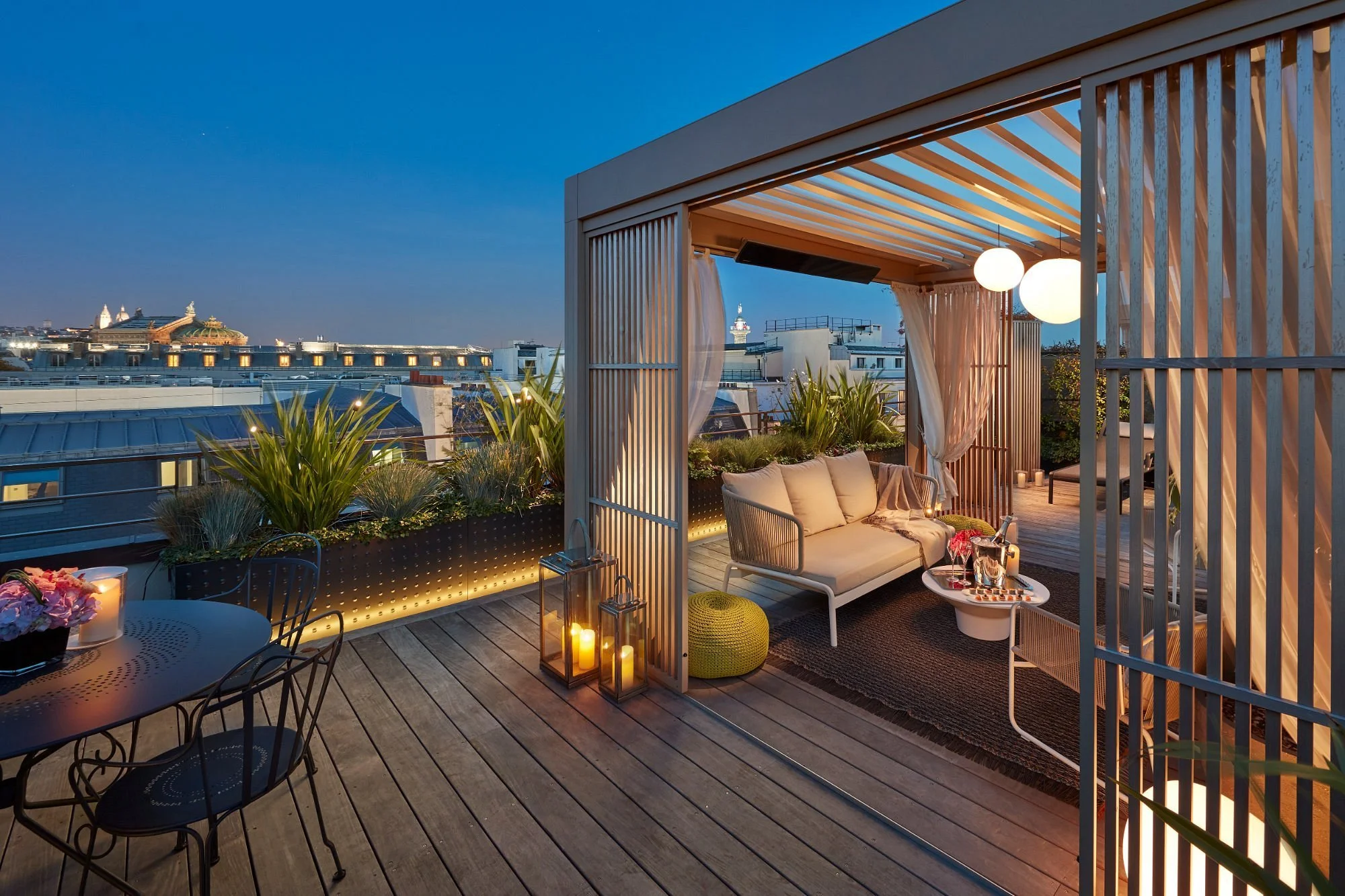
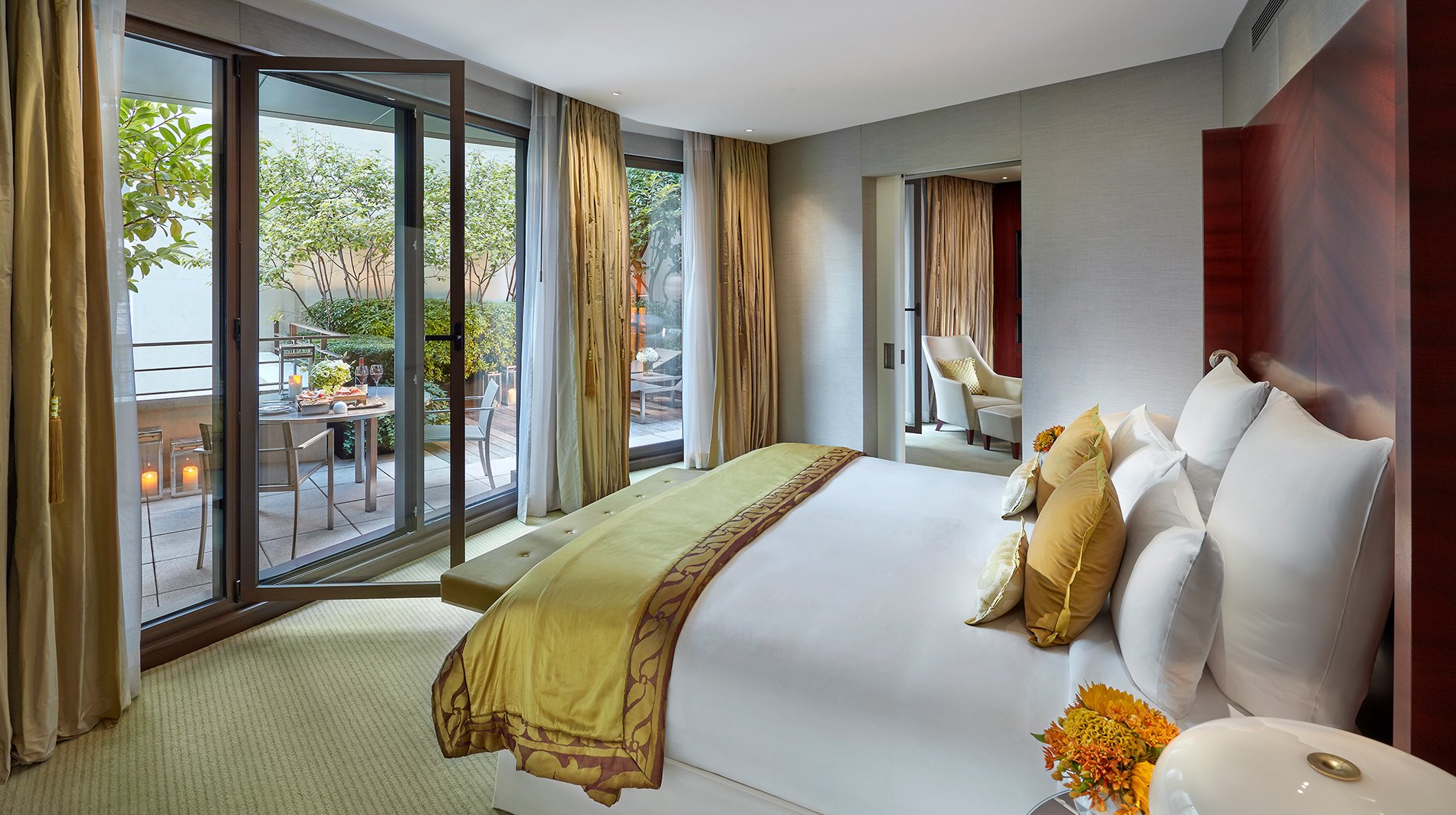
Mandarin Terrace Room: 452 sq. ft. (42 sq. m.), offering a private garden-facing terrace, king or twin bedding, embroidered design details and a bathroom with bath and walk-in shower.
Junior Suite: 592 sq. ft. (55 sq. m.), featuring a separate living room, a soundproofed bedroom, a marble bathroom and garden views, with a connecting Deluxe Twin Room available on request.
Deluxe Suite: 656 sq. ft. (61 sq. m.), offering a bedroom, distinct living space, dressing area and marble bathroom with steam shower, overlooking the garden or Rue Saint-Honoré.
Duplex Suite: 699 sq. ft. (65 sq. m.), arranged over two levels with a downstairs living room and powder room, an upstairs king bedroom and views towards the Paris rooftops.
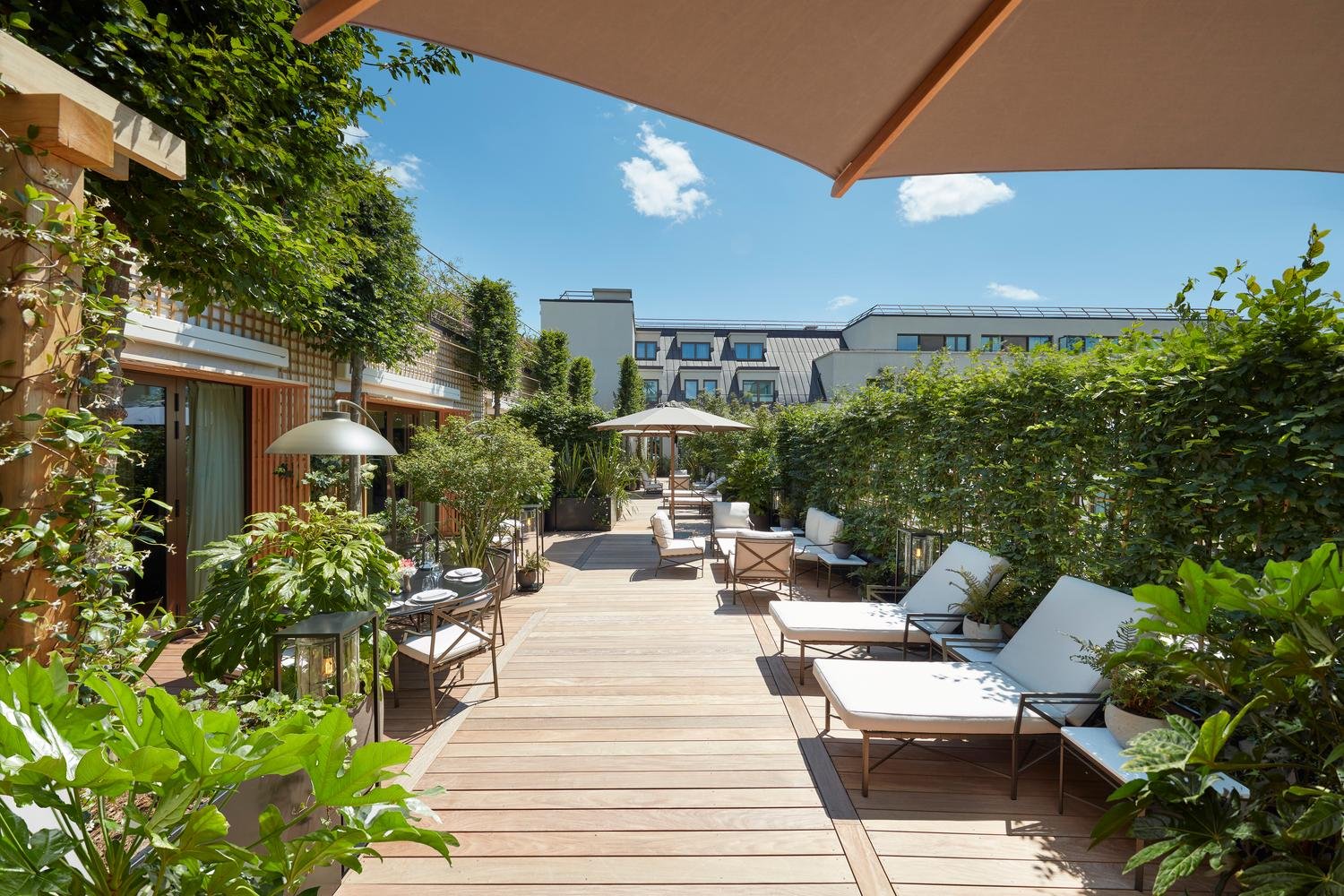
Terrace Suite: 764 sq. ft. (71 sq. m.), featuring a garden-facing private terrace, living room, king or twin bedroom and marble bathroom with a deep bath and walk-in shower.
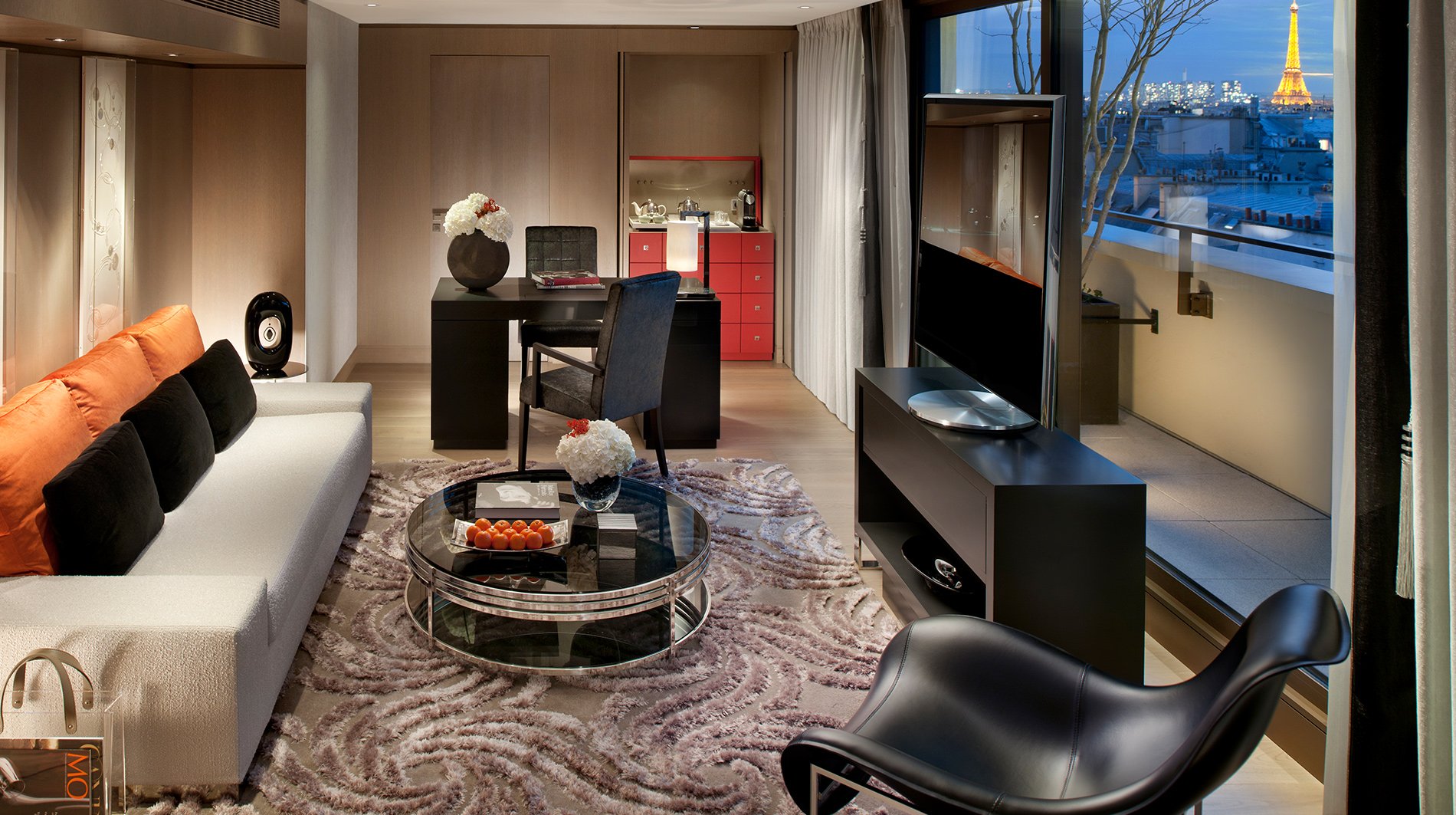
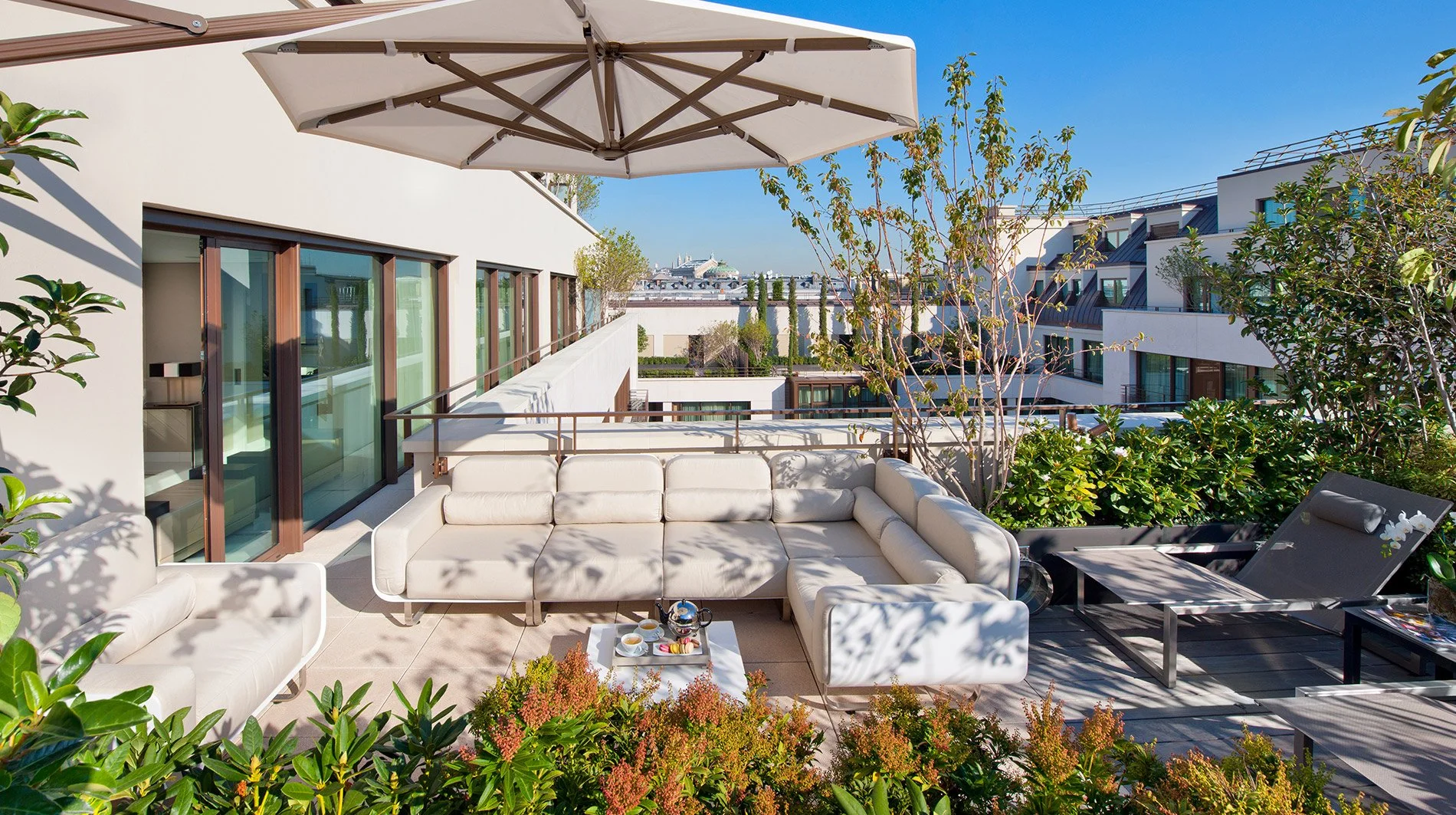
Panoramic Suite: 807 sq. ft. (75 sq. m.), offering a Parisian-apartment-style living and dining area, king or twin bedroom, and a balcony or terrace with selected landmark views.
Couture Suite: 839 sq. ft. (78 sq. m.), featuring a dining area for four, kitchenette, guest powder room, king or twin bedroom and marble bathroom inspired by Parisian fashion-house detailing.
Family Room: 882 sq. ft. (82 sq. m.), combining two connecting bedrooms with configurable king or twin beds, individual bathrooms and garden or courtyard outlooks.
Two Bedroom Junior Suite: 1,076 sq. ft. (100 sq. m.), featuring two bedrooms, two marble bathrooms and a shared living room overlooking the hotel garden.
Two Bedroom Deluxe Suite: 1,184 sq. ft. (110 sq. m.), offering a light-filled living room, two bedrooms, marble bathrooms and a tranquil garden outlook.
Two Bedroom Couture Suite: 1,506 sq. ft. (140 sq. m.), featuring two en-suite bedrooms, a central living and dining room, kitchenette and guest powder room.
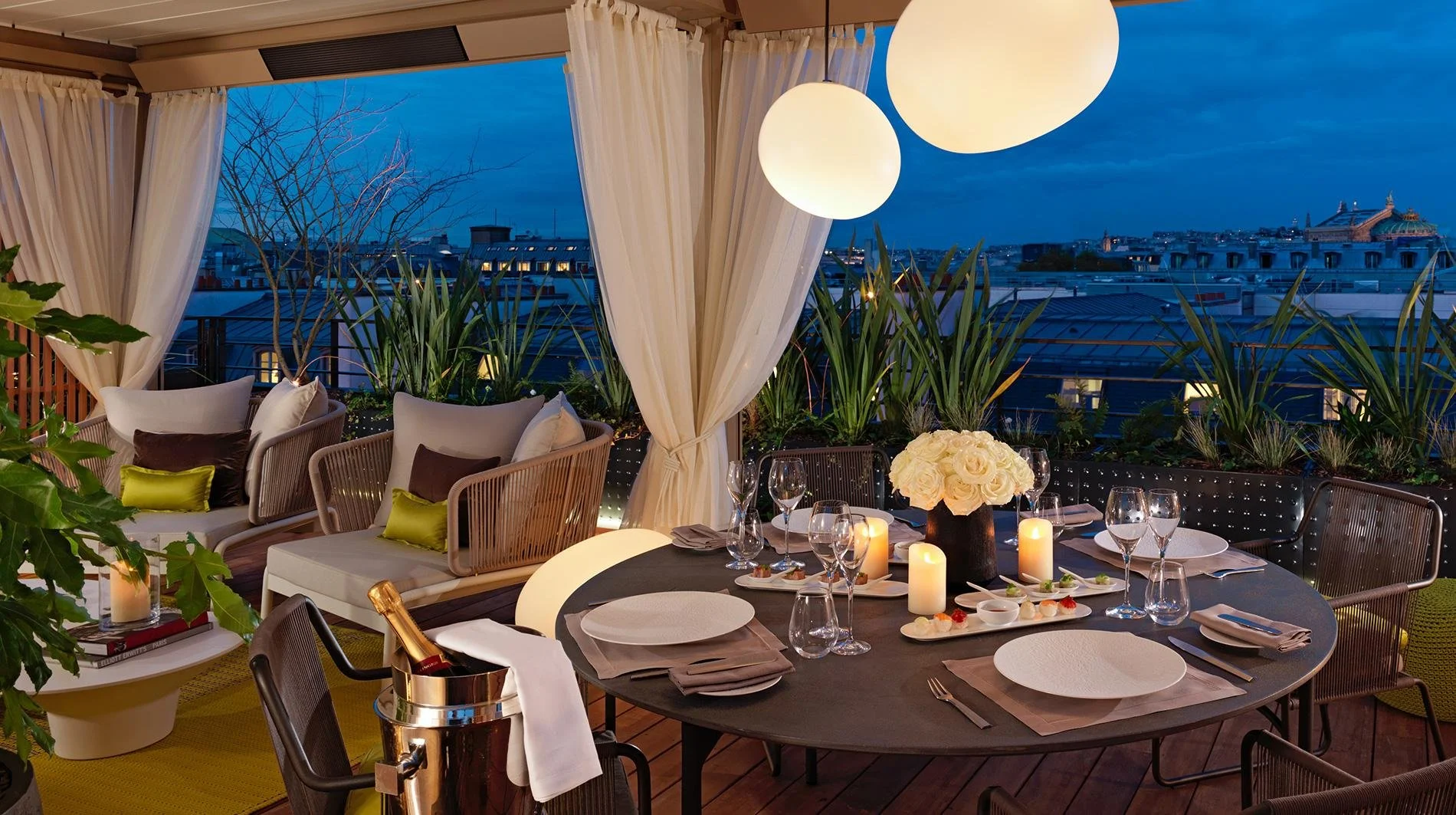
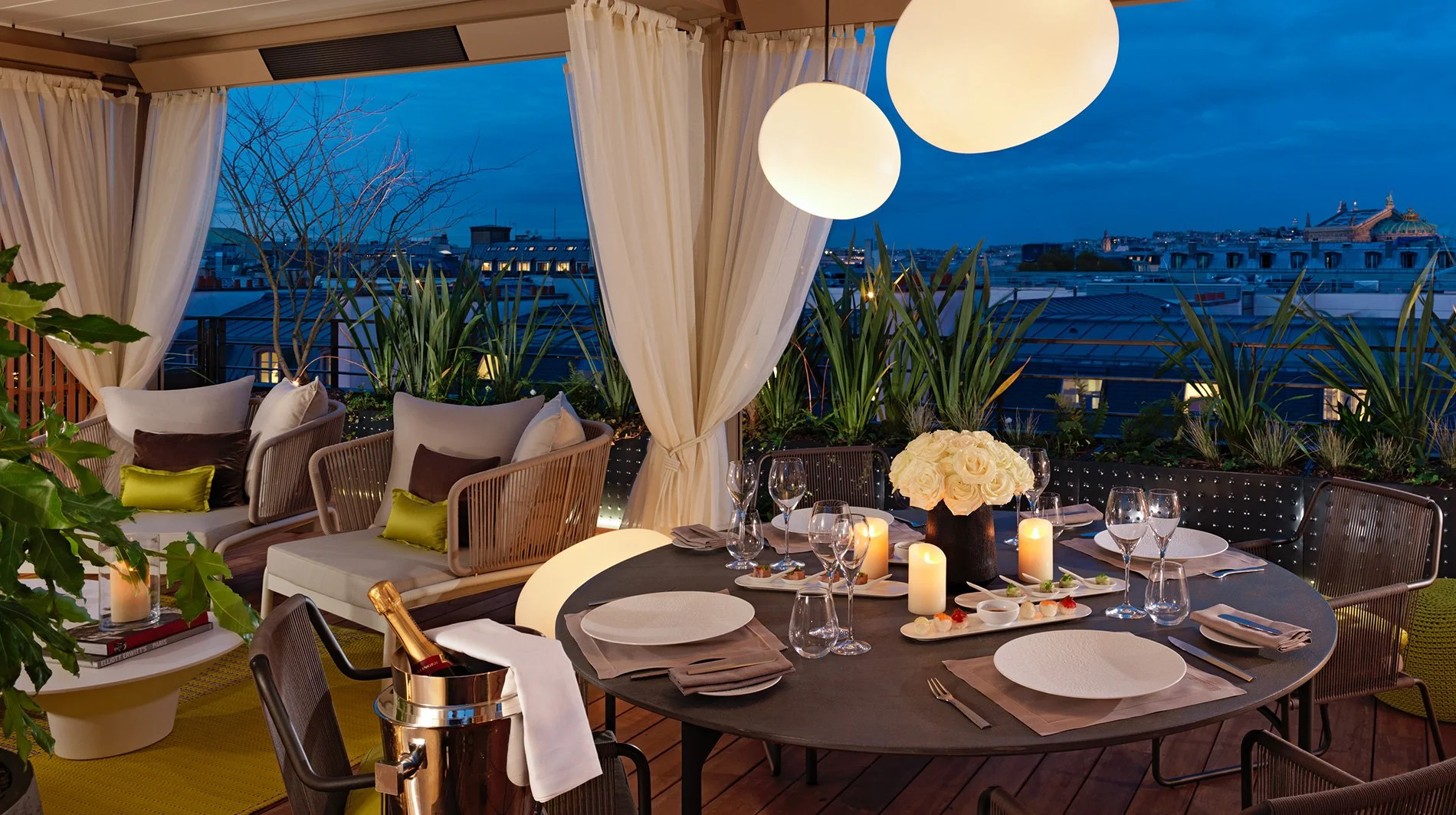
Garden Terrace Suite: 1,668 sq. ft. (155 sq. m.), offering two bedrooms, a salon, marble bathrooms and a private top-floor terrace with space for outdoor dining.
Oriental Penthouse Suite: 1,743 sq. ft. (162 sq. m.), arranged across two floors with a salon, dining area, king bedroom and a rooftop terrace of approximately 807 sq. ft. (75 sq. m.) overlooking Paris.
Mandarin Penthouse Suite: 2,712 sq. ft. (252 sq. m.), featuring a split-level living and dining arrangement, kitchen, study, private gym and terrace with views towards the Eiffel Tower.
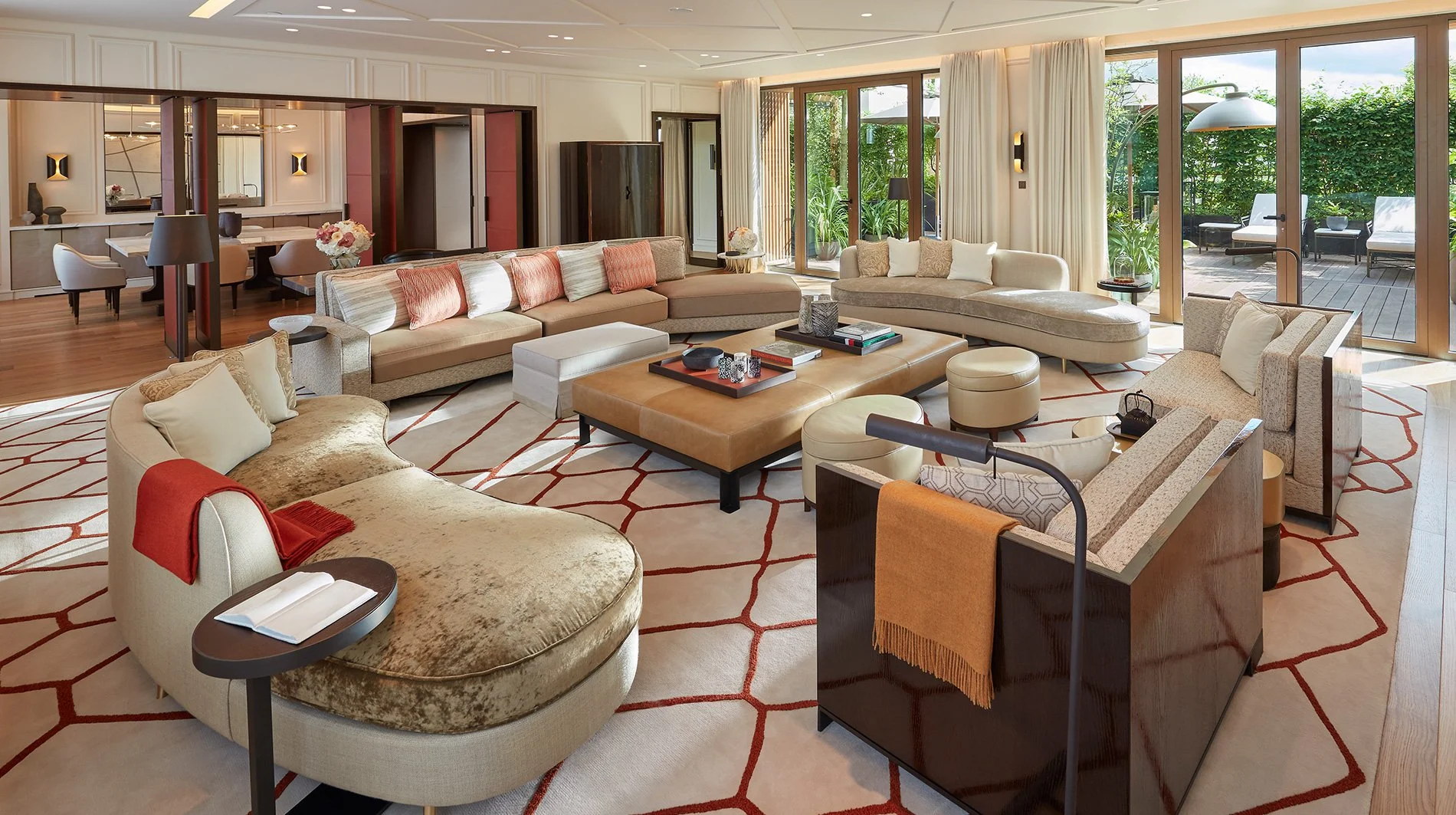
Parisian Terrace Suite: 2,960 sq. ft. (275 sq. m.), offering two bedrooms, a generous living and dining area, kitchen, dressing room and private terrace for outdoor entertaining.
Three Bedroom Oriental Penthouse: 3,357 sq. ft. (312 sq. m.), combining the Oriental Penthouse Suite with two Panoramic Suites for three bedrooms, multiple living areas and rooftop terraces with Eiffel Tower views.
Two Bedroom Mandarin Penthouse: 3,745 sq. ft. (348 sq. m.), combining the Mandarin Penthouse Suite and a Panoramic Suite, with two bedrooms, dining room, kitchen, private gym and a terrace overlooking the city.
Mandarin Penthouse Floor: 4,380 sq. ft. (407 sq. m.), bringing together the Mandarin Penthouse Suite and two Panoramic Suites for three bedrooms, several terraces, private gym and substantial dining space.
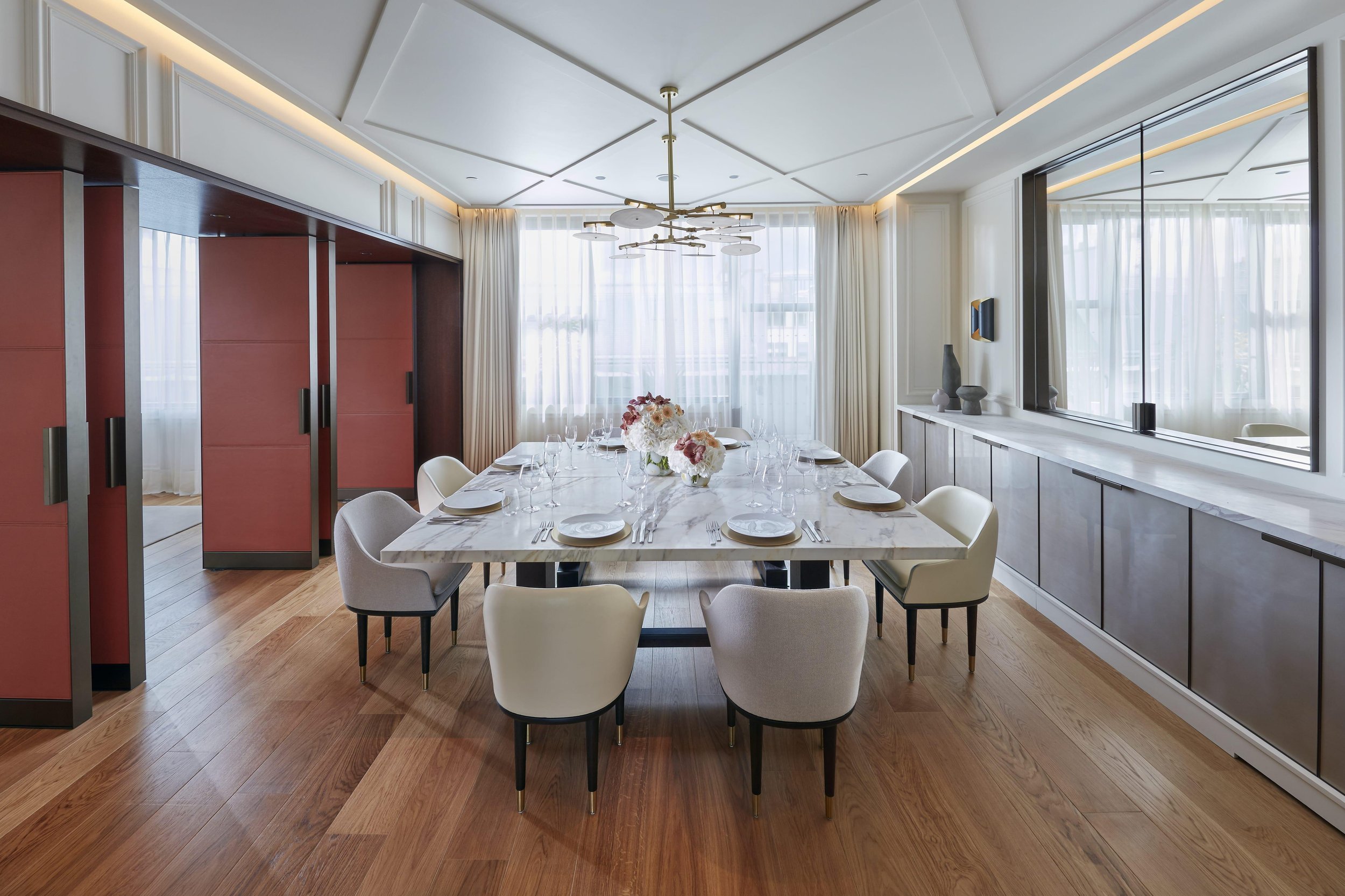
The Parisian Apartment: 4,628 sq. ft. (430 sq. m.), offering four en-suite bedrooms, two living rooms, a kitchen, dining for eight and an expansive landscaped terrace overlooking the garden and surrounding rooftops.
For many couples, the deciding factor will be outdoor space rather than bedroom size. The Mandarin Terrace Room and Terrace Suite face the quiet courtyard, whereas the Panoramic and penthouse accommodations open onto city views. Families should compare the straightforward configuration of the Family Room with the privacy and separate living areas of the two-bedroom suites. At the highest level, connected penthouse layouts are not interchangeable; the number of bedrooms, stairs, terraces and dedicated facilities all deserve careful confirmation. The precise indoor and outdoor areas of a particular suite should be confirmed before the reservation is finalised.
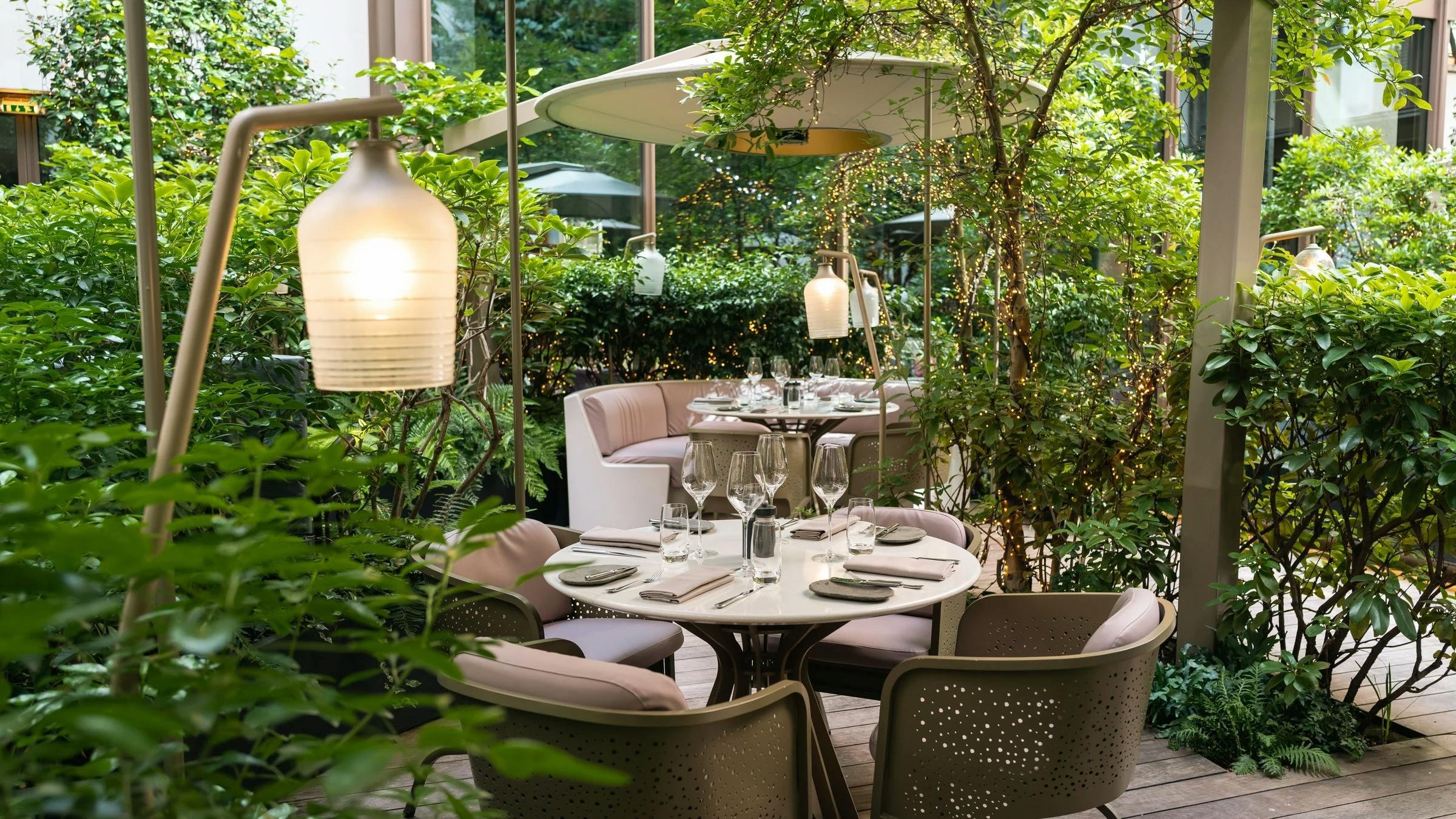
Dining: Camélia, Bar 8 and the Cake Shop
The hotel's dining experience centres on its interior garden rather than on a formal procession of grand dining rooms. Its present restaurant and bar programme is led by a contemporary French brasserie, a cocktail bar and a pastry boutique. Menus and culinary teams have evolved over time, so reservations should be made against the current offering rather than older accounts of the hotel's former fine-dining venues.
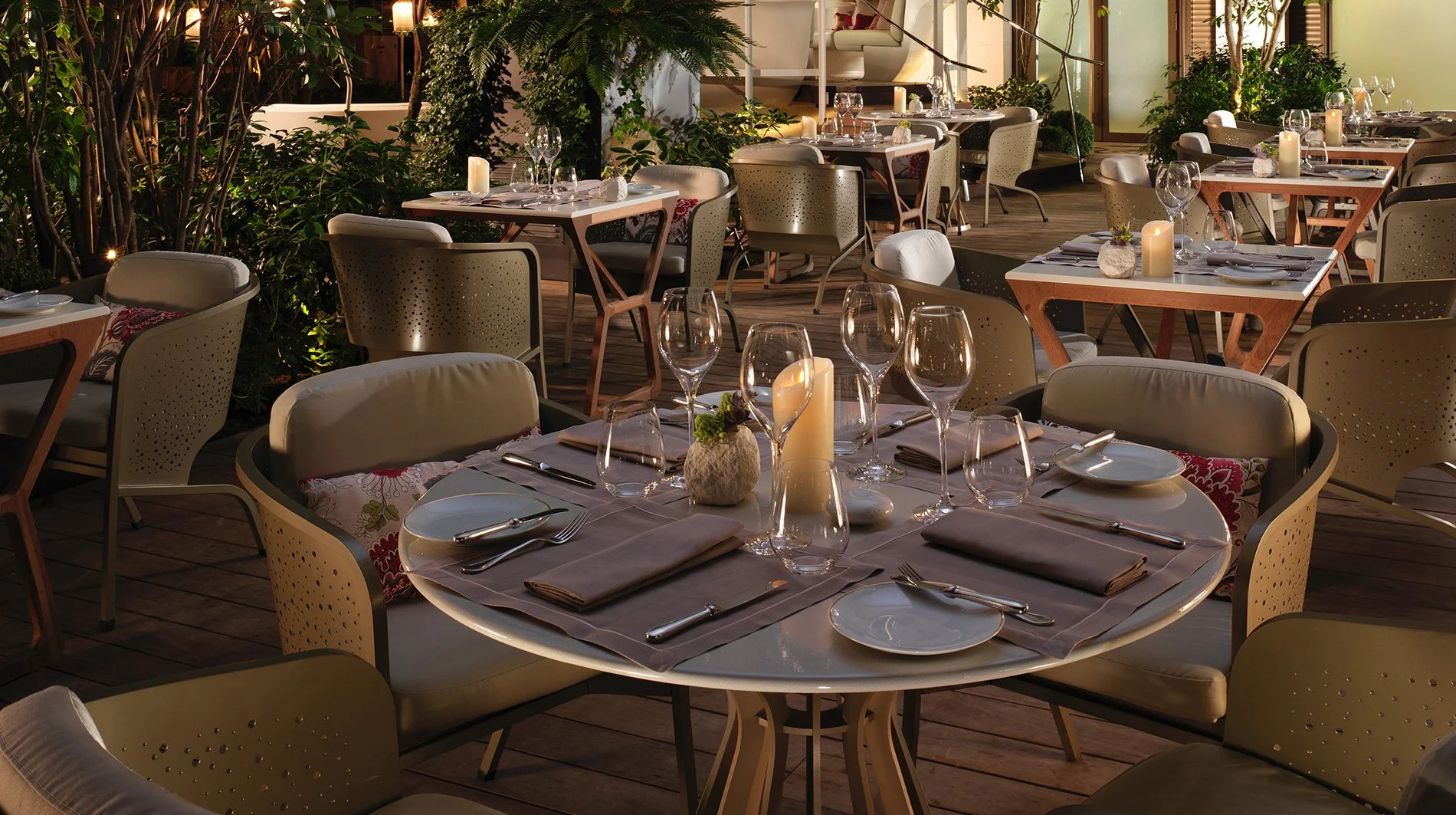
Camélia: Chef Nina Haradji's seasonal French brasserie serves breakfast, lunch, dinner and Sunday brunch, with a garden terrace that is especially appealing in warmer weather.
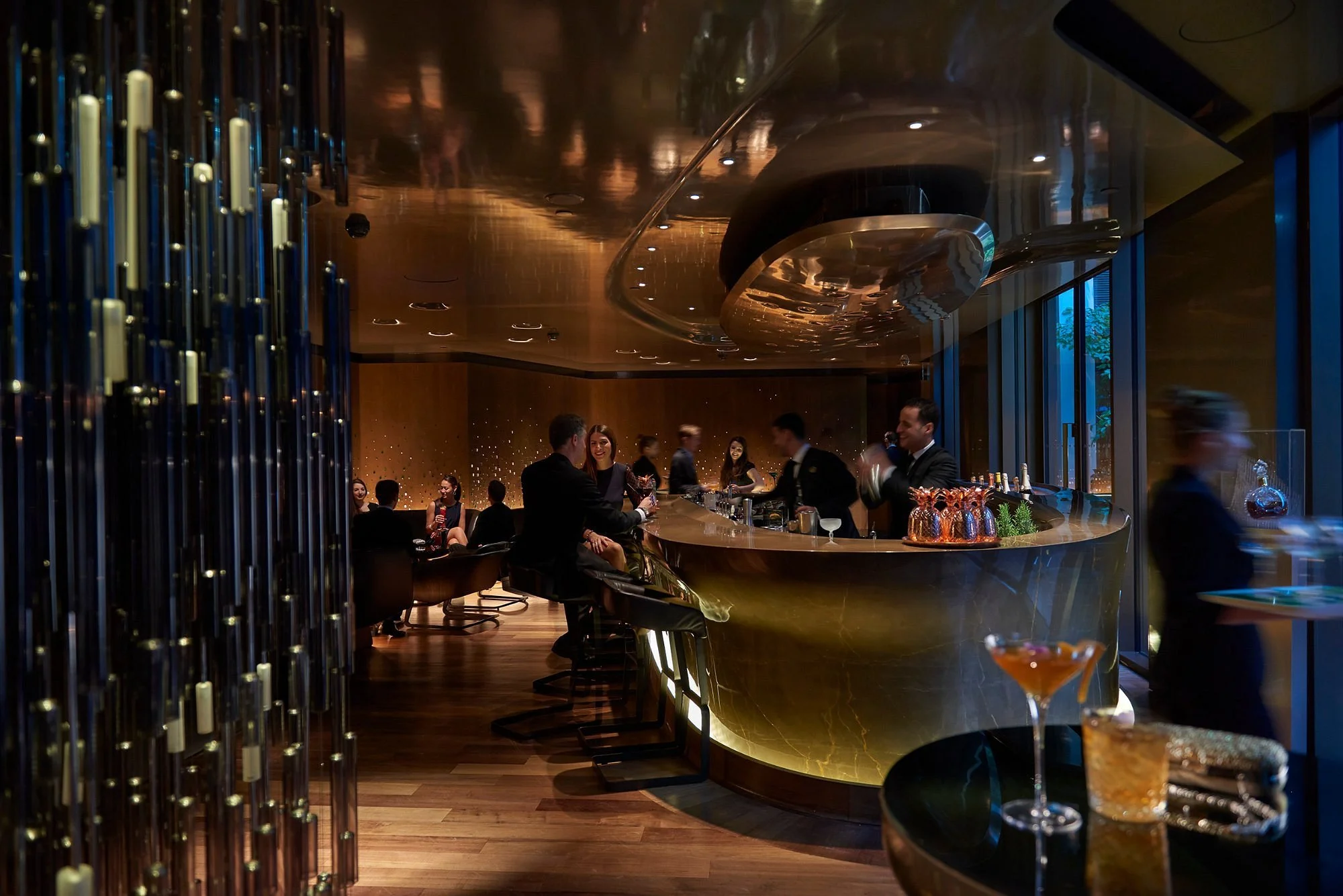
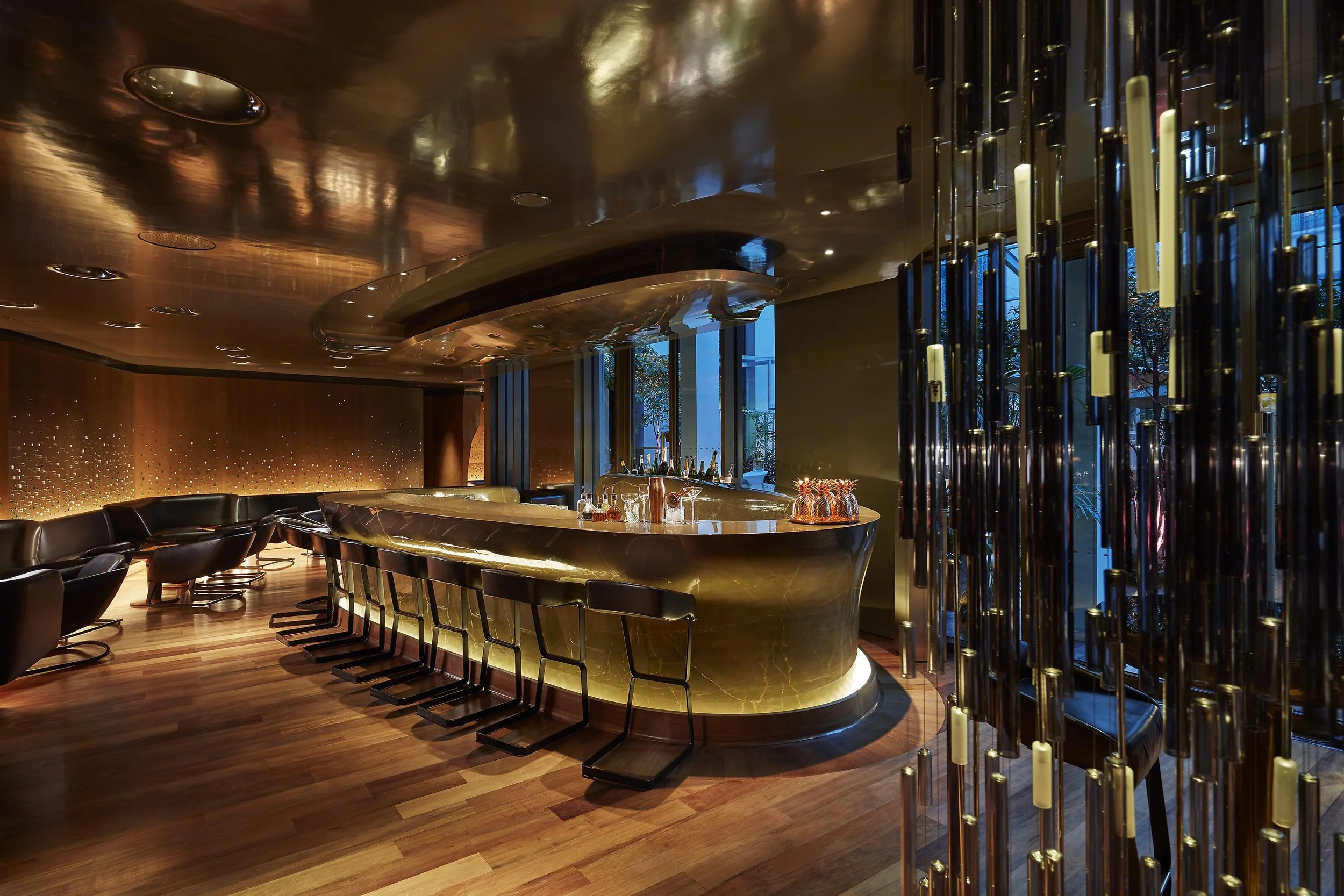
Bar 8: A cocktail bar known for its dramatic marble counter and Lalique crystal details, with a planted terrace, creative drinks and small plates.
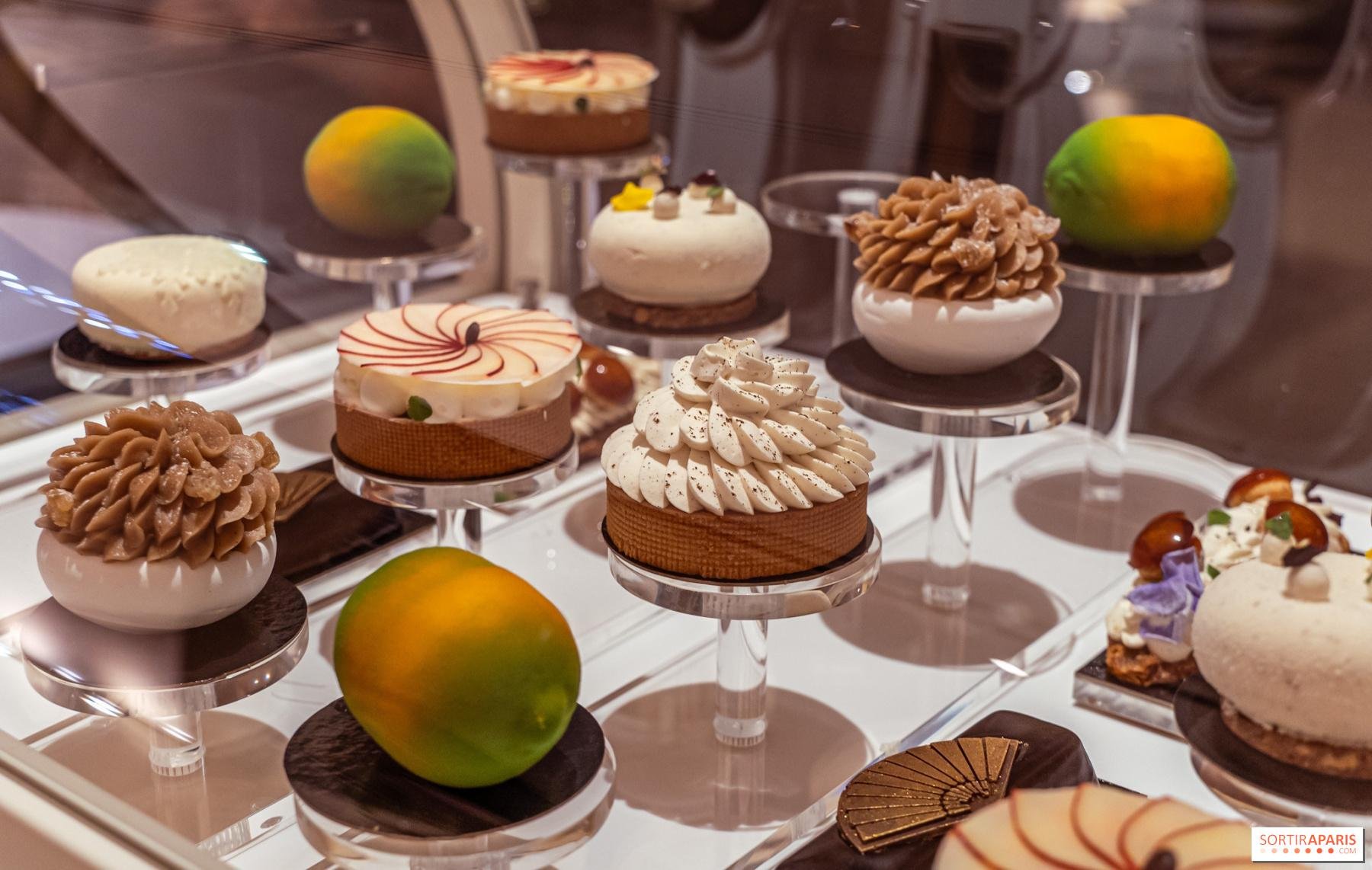
Cake Shop: Pastry Chef Julien Dugourd's boutique at the entrance to Camélia offers sweet and savoury creations for enjoyment at the hotel or to take away.
In-Room Dining: Available around the clock, providing a particularly useful option for late arrivals, families and private meals in larger suites.
Camélia is the natural centre of the day: breakfast before the museums, a business lunch between appointments or a quieter dinner after an afternoon in the city. Its cooking takes a seasonal approach, and the hotel's current programme also features afternoon tea by Julien Dugourd and a Sunday brunch. Bar 8 provides a change in pace, especially when the courtyard terrace is open. For guests staying in one of the substantial signature suites, an in-room dinner can be more compelling than travelling to another address, although private dining menus and arrangements should be discussed in advance.
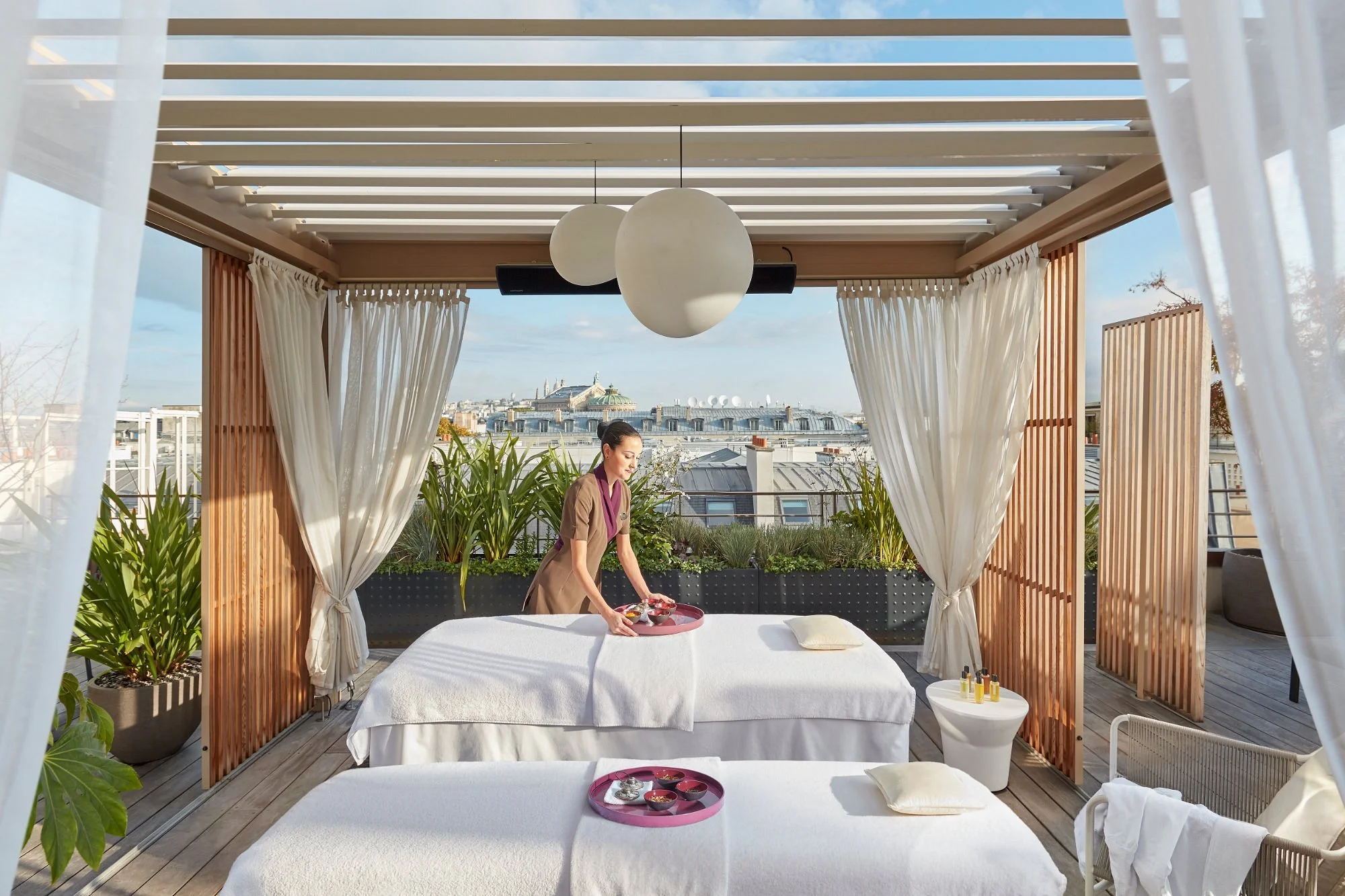
The Spa, Pool and a Pause from the City
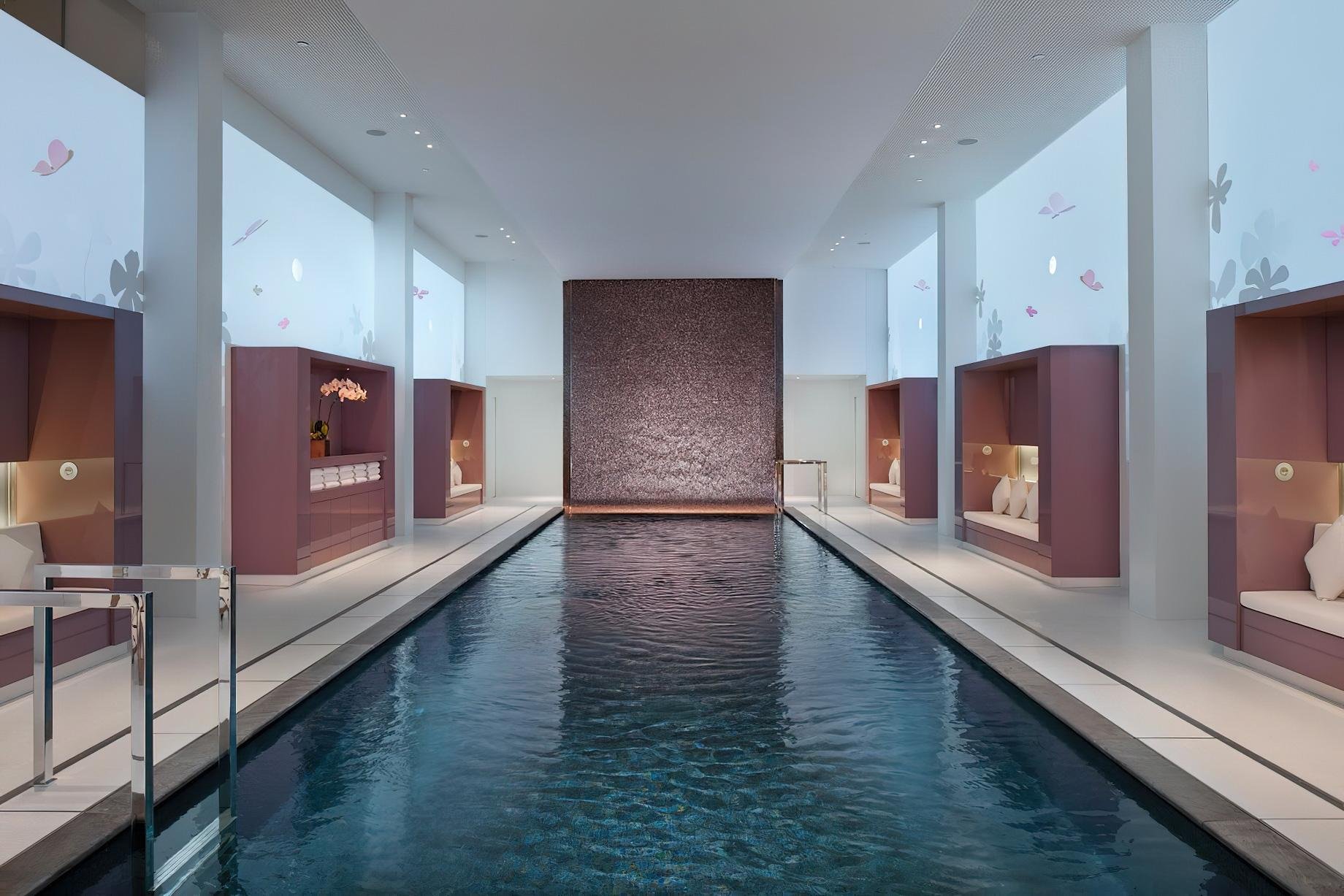
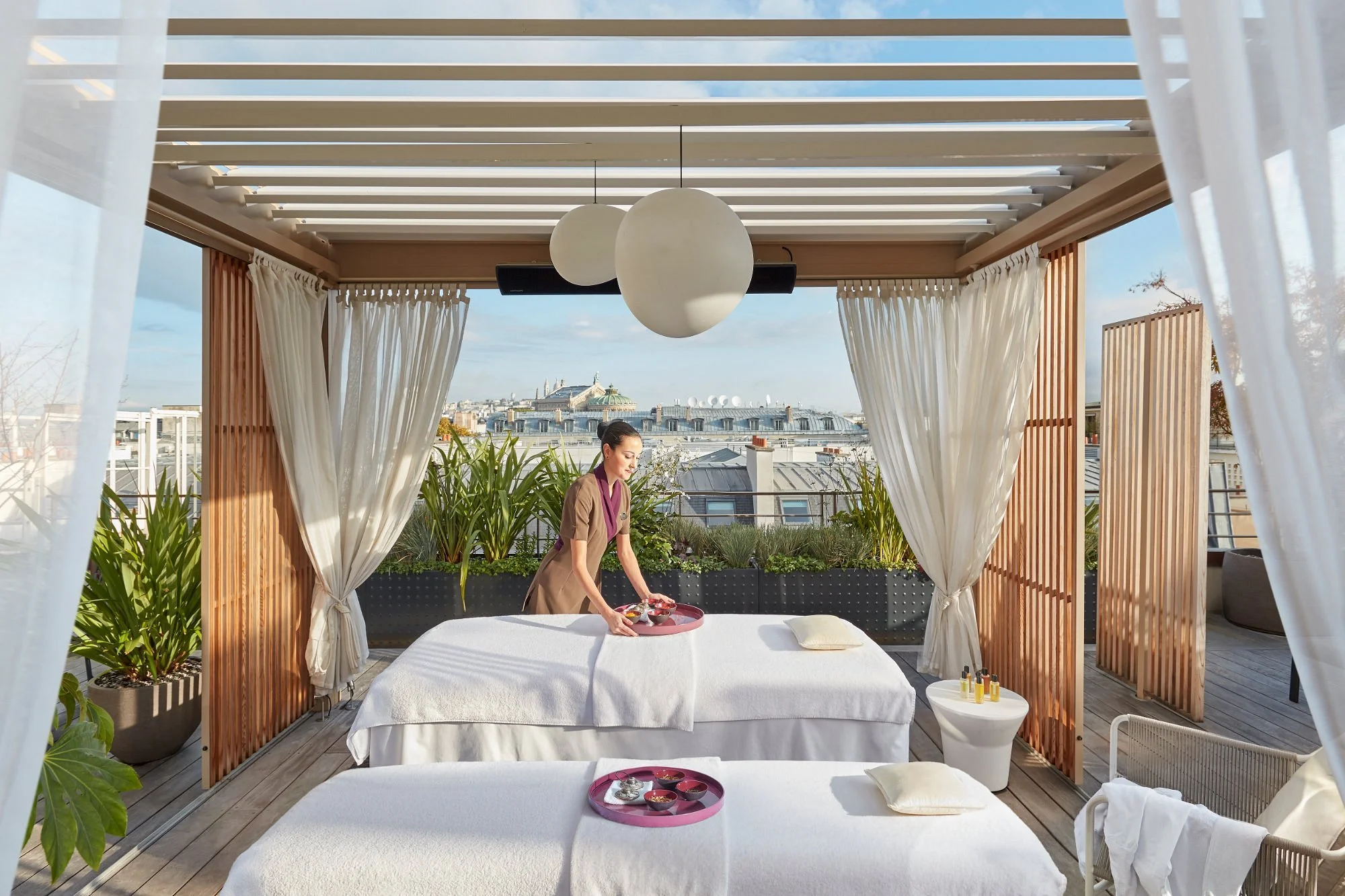
A hotel in this part of Paris is generally chosen for its proximity to the city, but Mandarin Oriental's wellness facilities make it possible to give a day a gentler structure. The Spa offers private treatment suites and personalised therapies, while the 14-metre indoor swimming pool is an uncommon asset at such a central Right Bank address. A steam room and fitness centre complete the core facilities; the gym is advertised as open around the clock to hotel guests.
The private spa suites are designed for treatments that feel separate from the general movement of the hotel. Some include vitality pools and steam facilities, making a longer treatment a more immersive experience than a short appointment between sightseeing stops. Advance reservations are advisable, particularly for couples and during fashion, holiday or exhibition periods.
There is a useful distinction between the treatment programme and general facility access. According to the hotel's current guidance, non-residents can book spa treatments, while the pool, steam room and fitness facilities are reserved for hotel guests. Visitors planning a pool session should also confirm any requirement to reserve a time slot, as the hotel lists this in its family-offer terms.
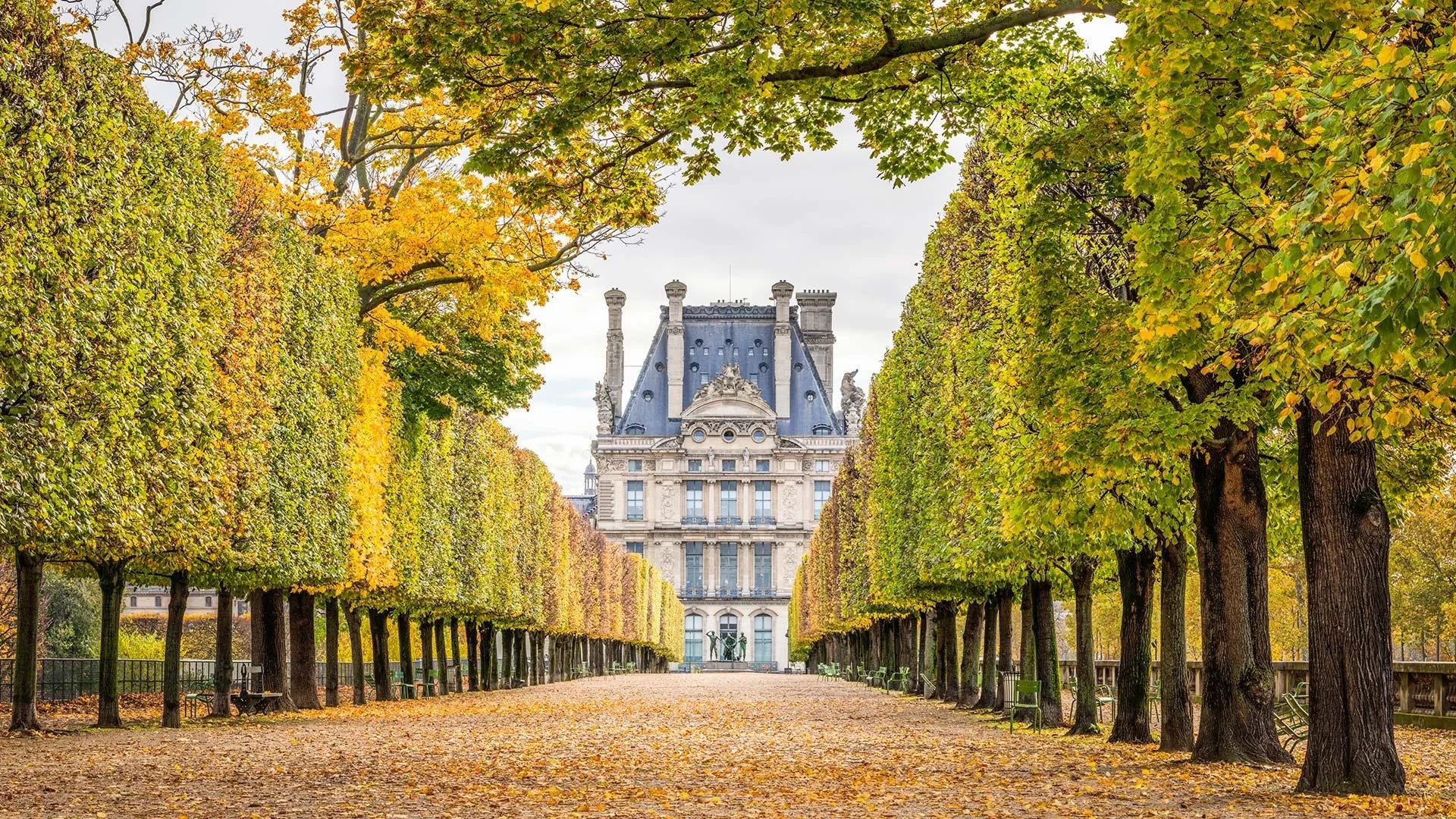
Fashion, Museums and Paris Beyond the Front Door
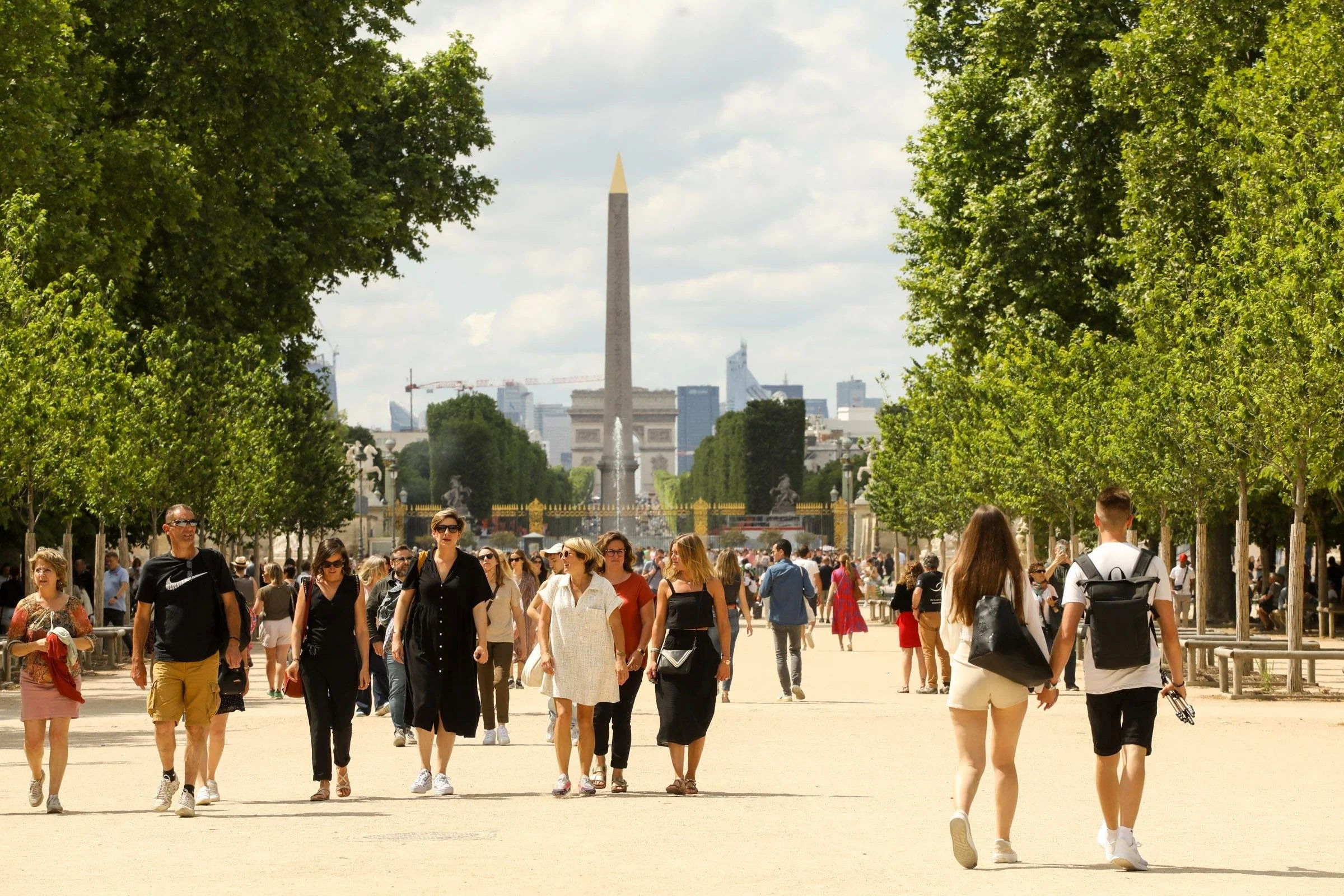
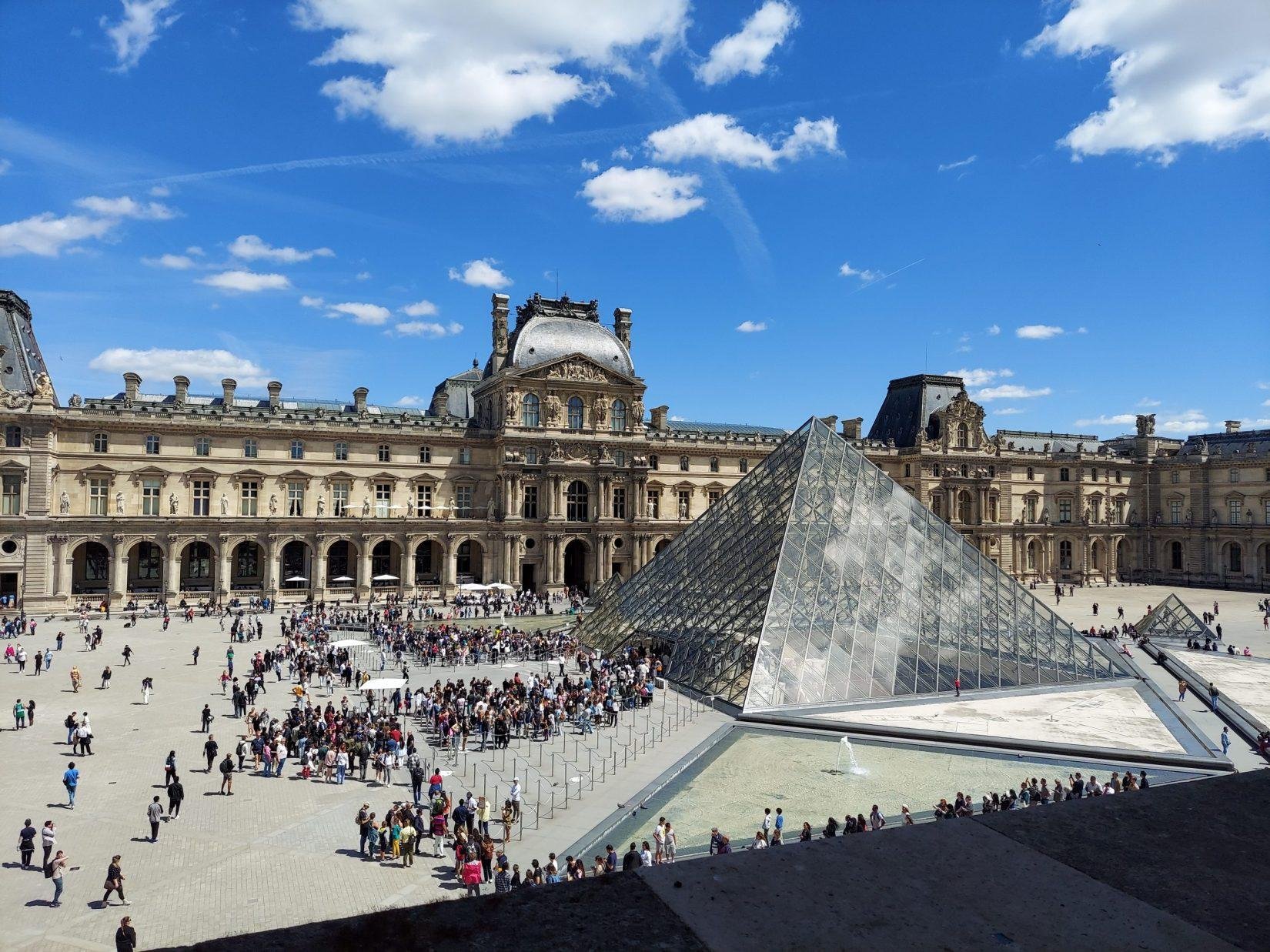
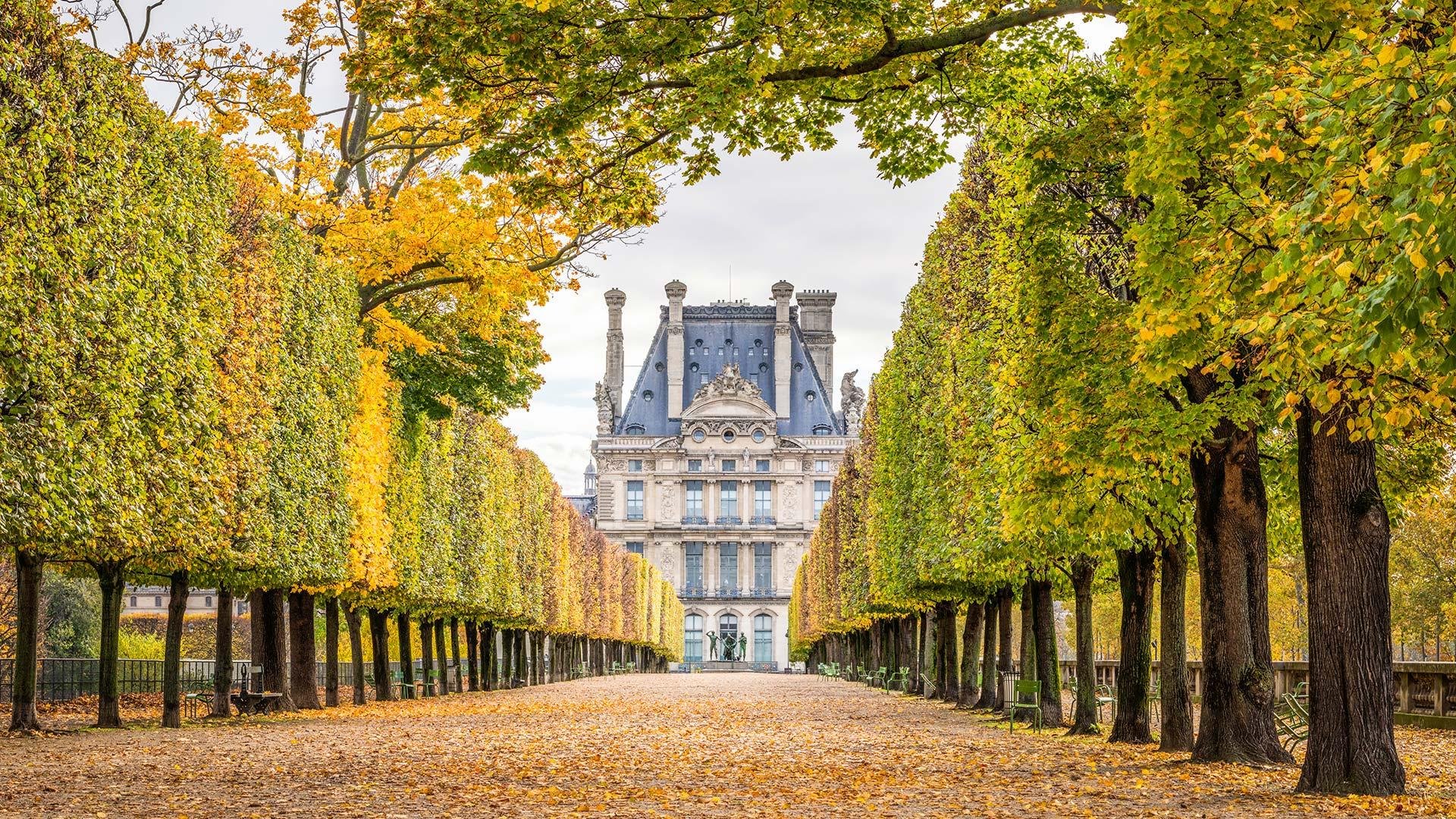
The hotel's location encourages exploration on foot. Place Vendôme is close enough for an unhurried stroll past its jewellers and townhouse façades. The Tuileries open a longer route towards the Louvre; in another direction, the Opéra Garnier and the Madeleine anchor a different Paris of nineteenth-century urban planning, music and grand boulevards. The Musée de l'Orangerie, the contemporary art presented at the Bourse de Commerce and galleries in the surrounding arrondissements offer contrasting approaches to a cultural afternoon.
Shopping is part of the neighborhood's history and present economy, but an interesting stay need not revolve around the boutiques. A morning might begin with a guide at the Louvre before the main crowds, continue through the Palais-Royal gardens and finish with a small exhibition or a private visit to an artisan's workshop. Mandarin Oriental lists curated experiences involving French fragrance, art institutions, wine estates and specialist cultural guides; availability and eligibility for individual experiences should be confirmed rather than assumed.
For those who have already spent time in central Paris, the hotel's position also works as a departure point for a more particular itinerary: the covered passages of the Right Bank, a focused architectural tour, an evening performance at the opera or a day outside the city. The concierge can help balance booked museum entries and restaurant reservations with enough unscheduled time to experience the city at its own pace.
Family Stays in the First Arrondissement
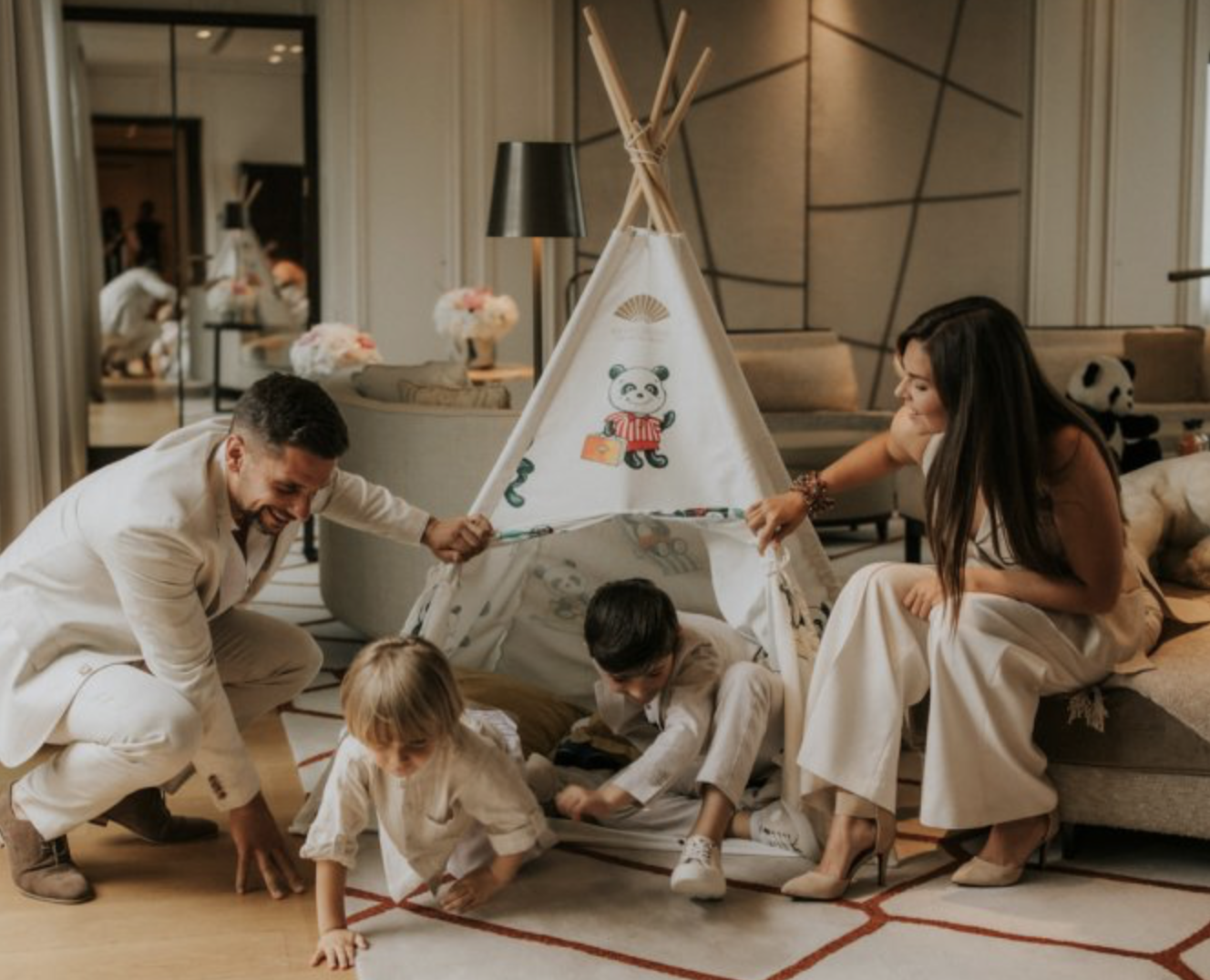
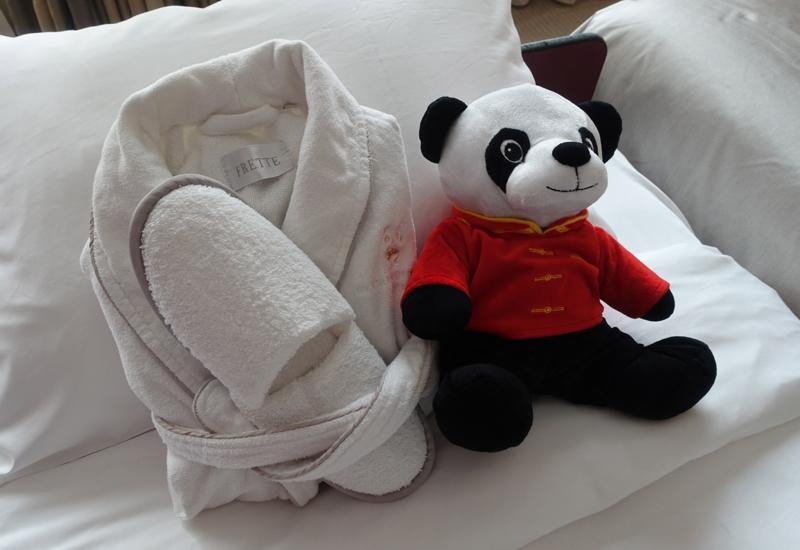
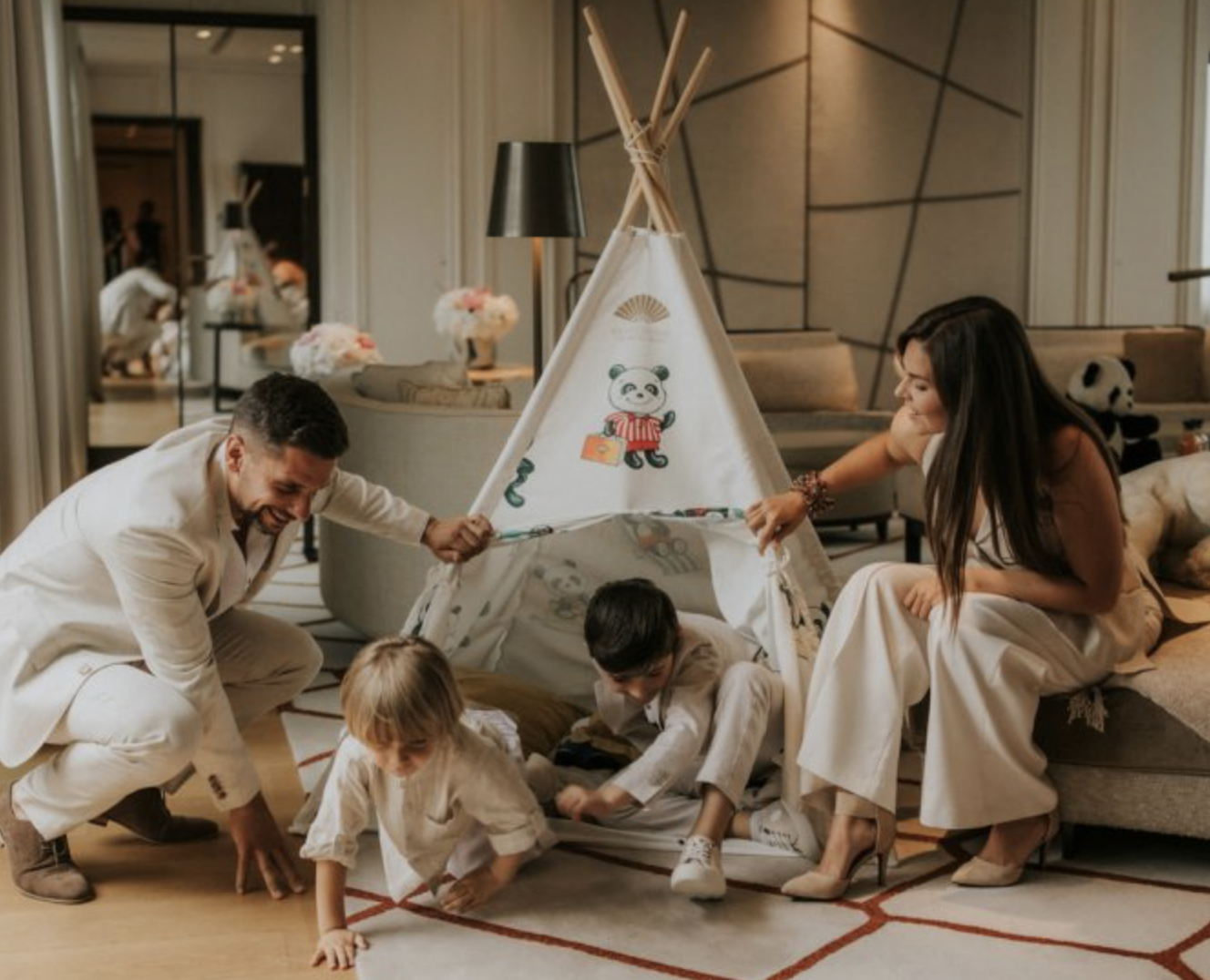
Mandarin Oriental, Paris has several practical advantages for families. Connecting rooms, two-bedroom suites and multi-bedroom rooftop combinations can give everyone more privacy than a single large hotel room, while the location reduces the need for long journeys between major attractions. The hotel offers children's menus, cots and family welcome touches, including smaller robes and slippers and a MiniMO panda. In-room tipi tents may be arranged on request.
Its published family experiences include a Louvre scavenger hunt and a hands-on sculpture workshop associated with the Musée Bourdelle. The nearby Tuileries, the Jardin d'Acclimatation and other museums can be woven into a programme that mixes serious culture with activities appropriate to younger travelers. The indoor pool can be used by children with adult supervision under the hotel's published guidance.
For families with younger children, the most important planning questions involve room connections, bedding, lift access, supervision and dining schedules. The Family Room is a clear starting point, though a two-bedroom suite may better suit a family requiring an independent common living area. A full itinerary should leave room for rest rather than turning every afternoon into another timed museum appointment.
Sustainability and Responsible City Travel
The hotel sits within a building adapted from an existing commercial structure, a relevant aspect of its architectural story. Its central address also supports a more pedestrian approach to Paris: many of the capital's principal museums, gardens and shopping streets can be reached on foot or by public transport. At Camélia, the current culinary direction highlights seasonal and locally sourced ingredients, reflecting an interest in food provenance as well as presentation.
Mandarin Oriental describes sustainability commitments at group level, but specific hotel-level certifications, energy figures and emissions claims should be checked against current property documentation before publication. Guests can make tangible choices of their own, such as arranging longer walking routes rather than repeated short car transfers, discussing dietary preferences ahead of restaurant reservations and supporting cultural experiences with specialist local guides. The appeal of this address is that these decisions can fit naturally into the rhythm of a city stay.
Accessibility and Thoughtful Planning
The hotel's Deluxe Room listing explicitly mentions accessible rooms and highlights accessible lifts and related features. That is useful as an initial indication, but it does not describe every detail a guest may need: doorway clearances, step-free circulation, shower configuration, grab rails, emergency procedures or the accessibility of a particular terrace. Duplex suites, by their nature, should not be assumed suitable for someone who cannot manage stairs.
Guests with mobility or sensory requirements should ask the reservations team for the exact accessible room configuration and route from entrance to room, restaurant, spa and pool. The same careful review is appropriate for multi-room connections and penthouse combinations. In a property with a historic structural envelope and many individually configured suites, an accurate room assignment matters more than a broad accessibility label.
When to Visit Paris
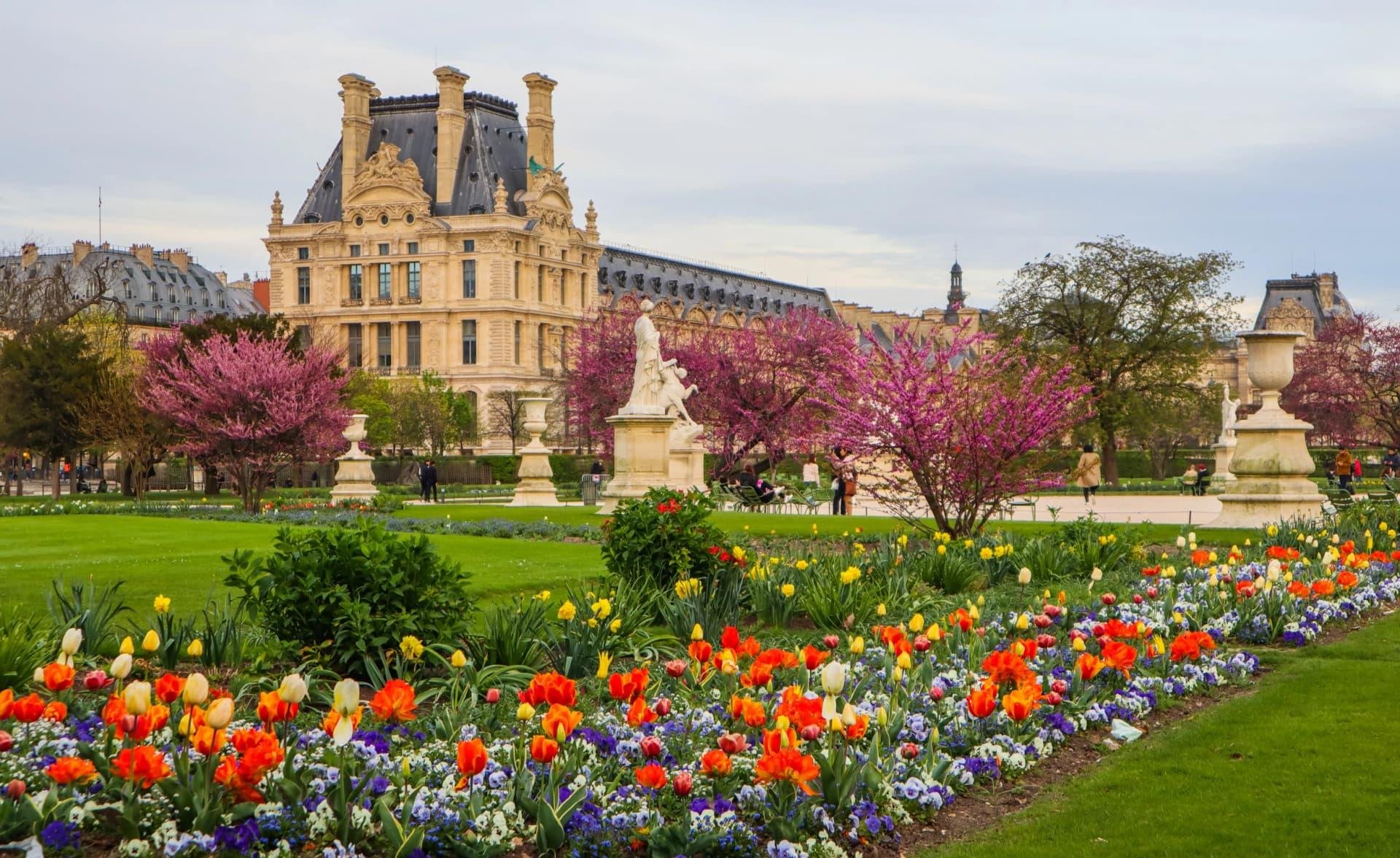
Spring brings longer evenings, fresh planting in the Tuileries and the prospect of dining outside before the heaviest summer visitor numbers. Late April through June is particularly attractive for travelers who want a walking-led itinerary, though major events can bring high room demand. Summer offers long daylight hours and open-air dining, with warm afternoons making the hotel's shaded courtyard and indoor pool especially welcome. Some independent restaurants and boutiques adopt holiday schedules in August, so specific plans need checking.
September and October suit museum visits, fashion-focused itineraries and evenings at the opera, but the city's event calendar also makes advance booking important. November through February offer a different appeal: quieter museums on some dates, exhibitions, seasonal decorations and more opportunities to experience Paris indoors. Christmas and New Year's periods can still be very busy, and daylight hours are shorter.
For stays after late October 2026, seasonality should be considered alongside the hotel's announced phased renovation. The property has said it intends to remain operational throughout, yet the precise timing and impact on particular rooms, restaurants and wellness spaces should be reconfirmed for each booking.
Plan Your Stay With Destinations by David
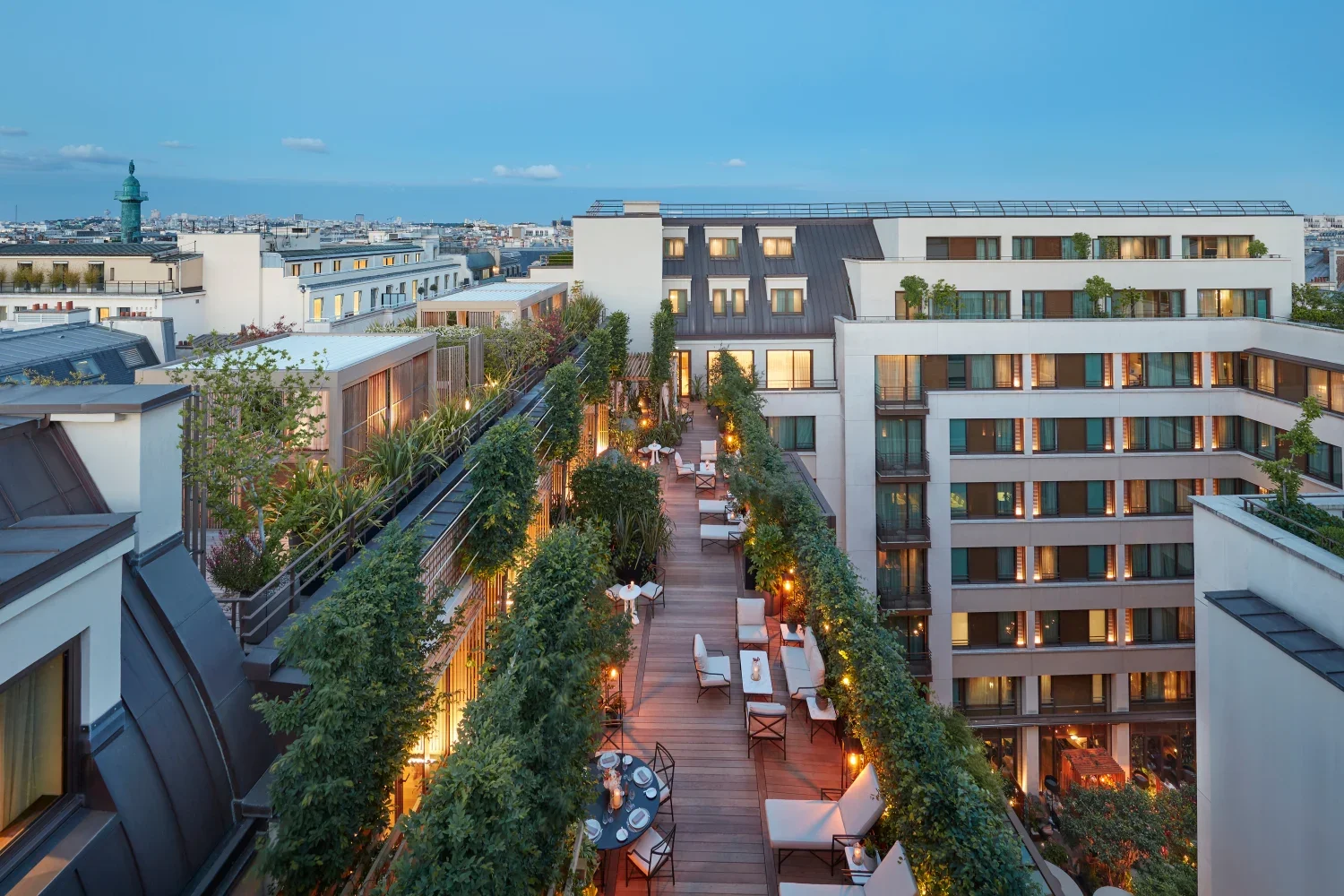
Mandarin Oriental, Paris is most rewarding when the accommodation is selected around how a guest intends to use the city. A garden-facing room suits travelers prioritising quiet evenings; a terrace suite creates its own private outdoor space; the multi-bedroom combinations are better considered in terms of who needs bedrooms, separate living areas and step-free access. For special occasions, a private dinner or a particularly demanding museum schedule, those decisions are worth making well before arrival.
Destinations by David can help shape the stay around the right room configuration, museum and exhibition access, dining reservations, transfers and experiences that make sense for each traveler's interests. We can also review the hotel's changing renovation schedule and any booking privileges applicable to the specific reservation, rather than assuming that published offers or travel-advisor benefits apply automatically.
For a weekend in the capital or a longer family visit, contact Destinations by David to plan a stay at Mandarin Oriental, Paris with the details carefully considered from the outset.
Getting There and Finding Your Way
Address: 251 Rue Saint-Honoré, 75001 Paris, France, in the First Arrondissement near Place Vendôme.
From Paris Charles de Gaulle Airport (CDG): Private car transfer or taxi is the most straightforward door-to-door option with luggage; journey times vary considerably with traffic and arrival time.
From Paris Orly Airport (ORY): A private transfer or taxi is practical for guests with multiple bags, while public-transport combinations may suit lighter travelers.
From Gare du Nord and other Paris stations: Prearranged car transfers are convenient on arrival; the city's metro and RER networks provide alternatives according to the station and luggage needs.
Within central Paris: Walking is often the best way to link Place Vendôme, the Tuileries, the Louvre and the Palais-Royal. Metro and taxi journeys are useful for destinations farther afield.
A Quiet Counterpoint to Rue Saint-Honoré
The defining pleasure of Mandarin Oriental, Paris is the shift between two kinds of city life. Outside lies a dense network of fashion houses, museums, galleries and streets that reward wandering. Inside, the courtyard garden, measured interiors and wellness facilities offer a calmer setting in which to collect the day's impressions. Its best rooms strengthen that contrast, whether through a planted terrace, a garden-facing window or a view across Paris's rooftops.
As the hotel enters a new design chapter, the fundamentals remain clear: a valuable First Arrondissement location, a genuine sense of fashion and artistic culture, and accommodation that can be configured for very different stays. With careful attention to the room category and the timing of the announced works, it remains an address through which to experience Paris at close range without surrendering the pleasure of retreat.