Lanai, Hawaii, USA | Four Seasons Resort Lanai
Where Hulopoe Bay Sets the Pace
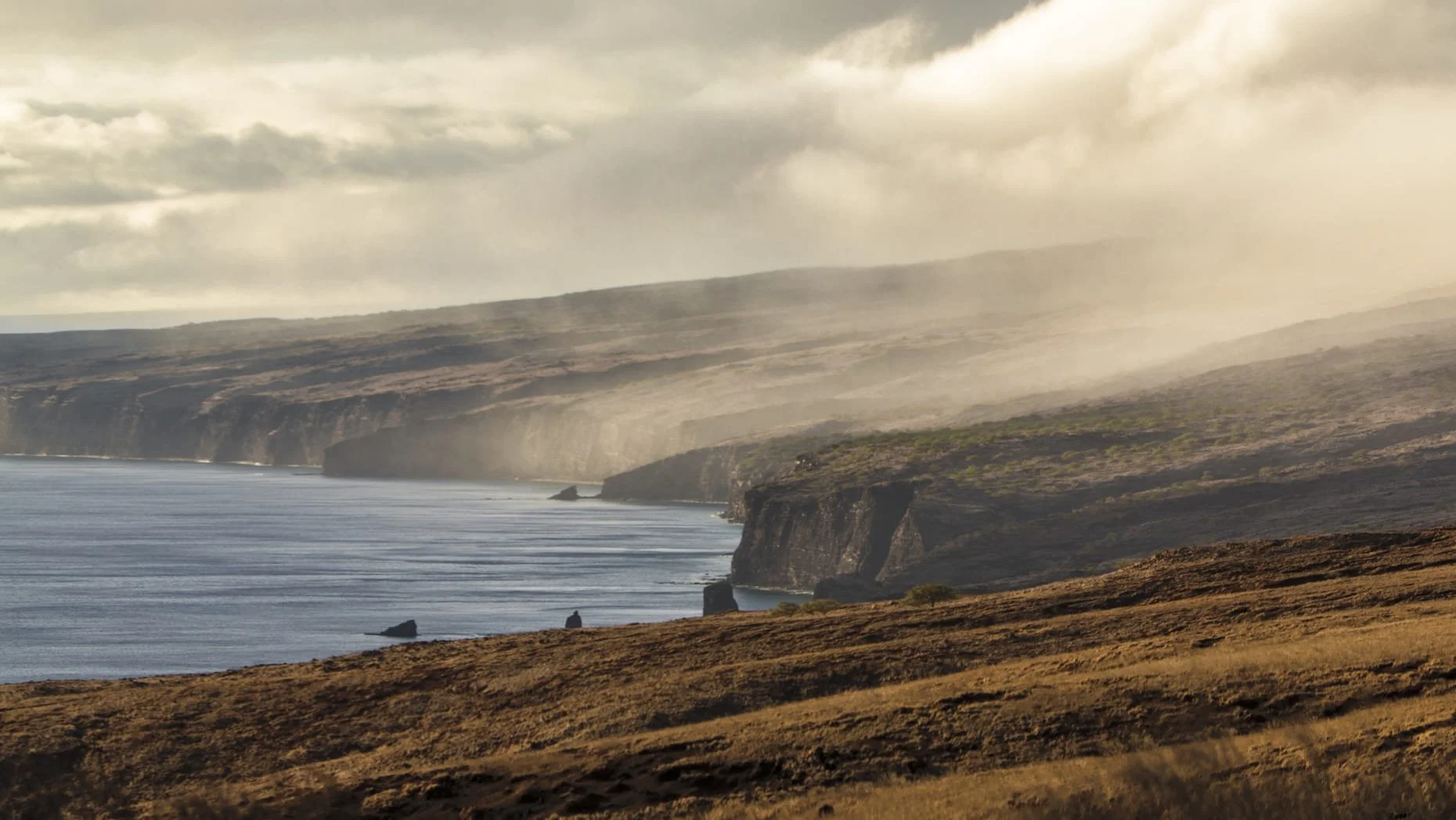
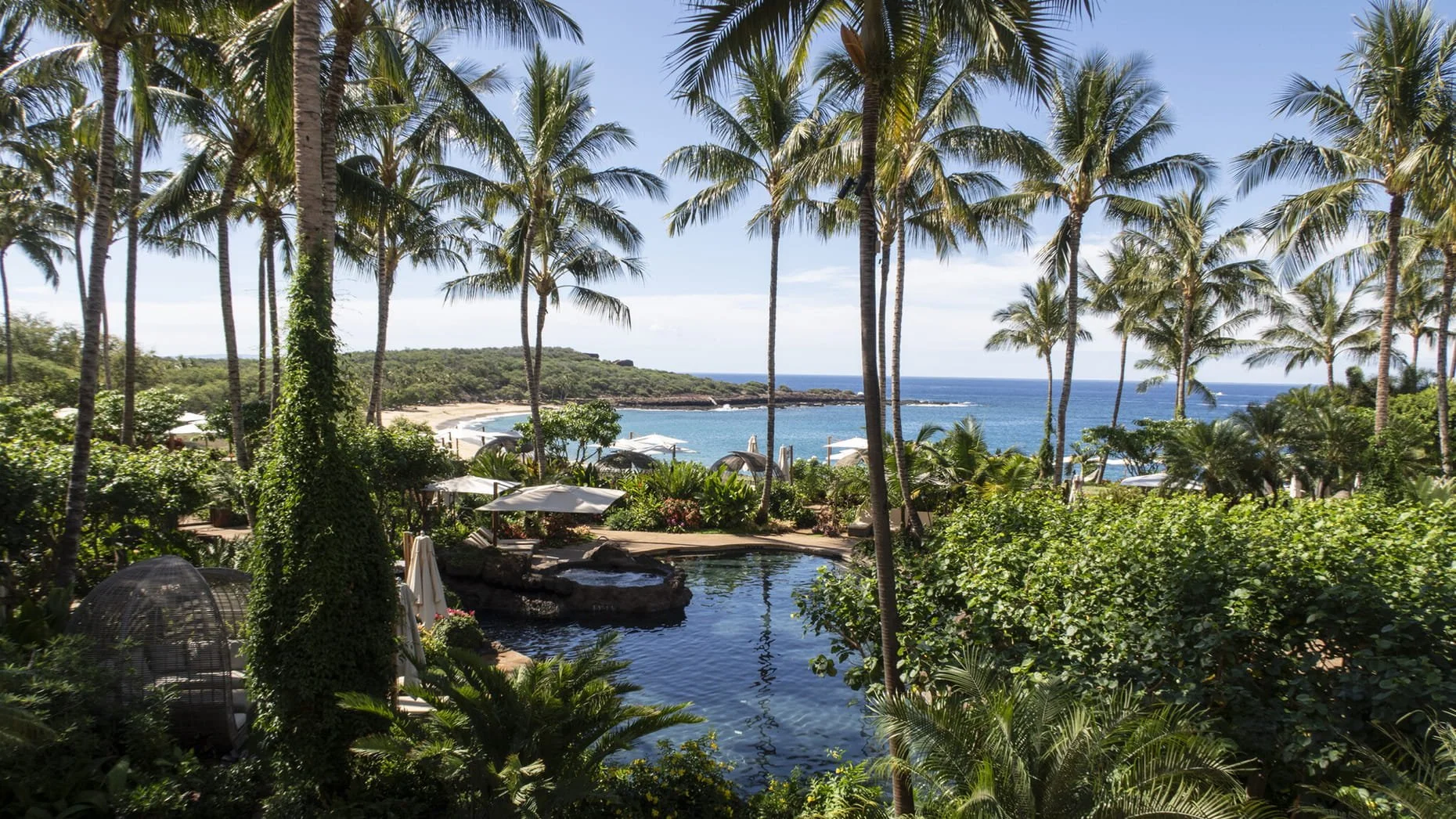
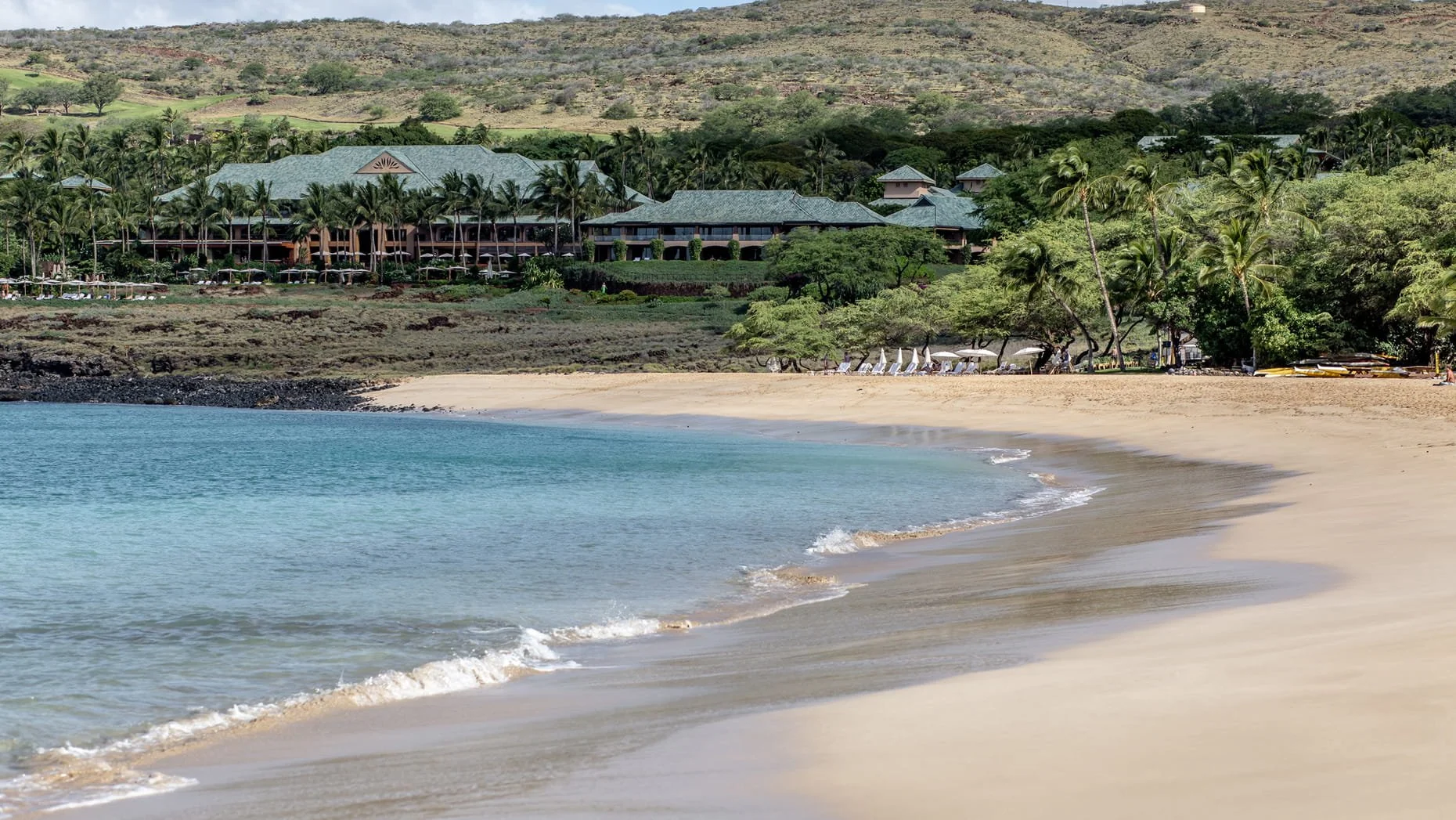
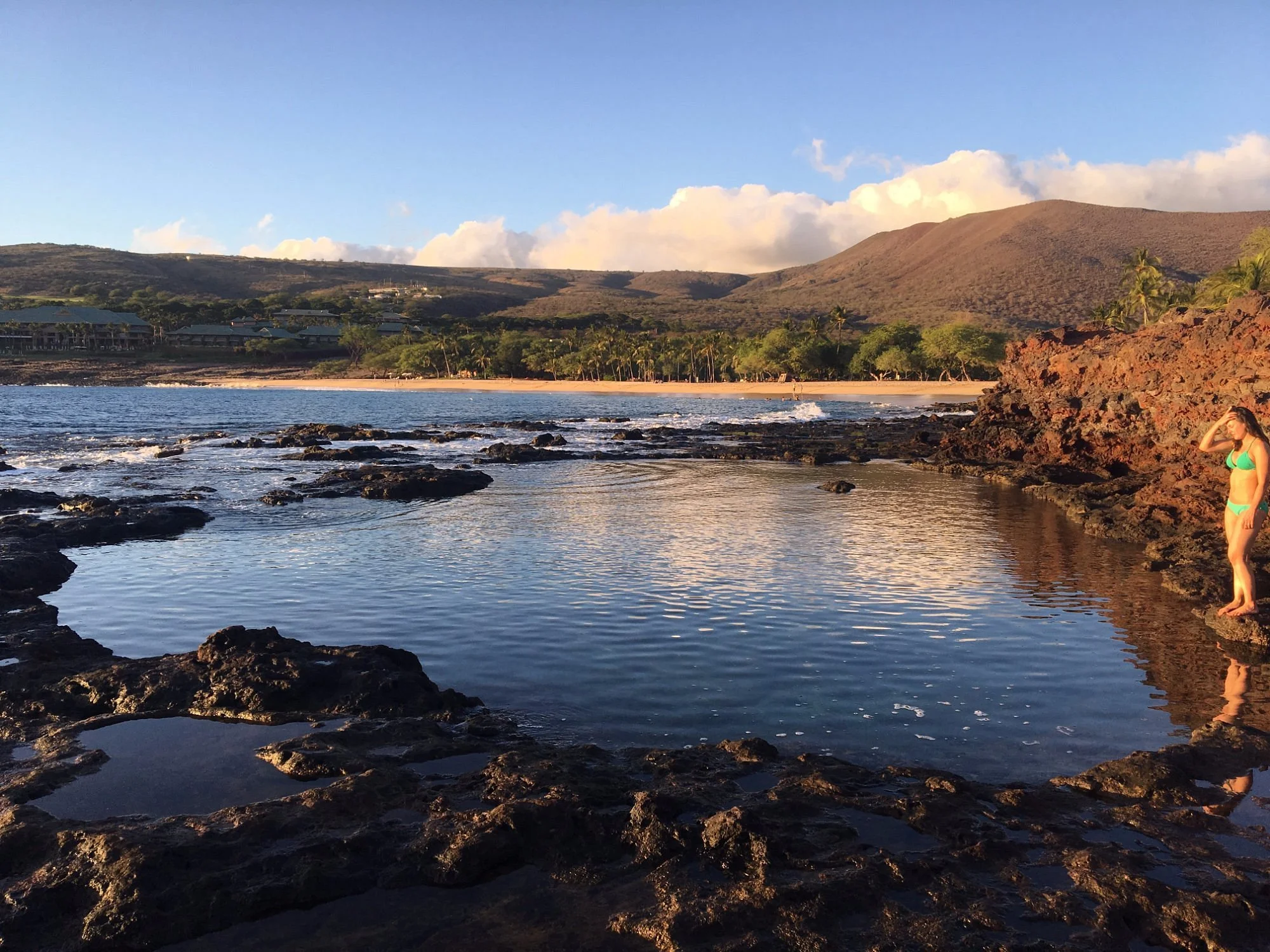
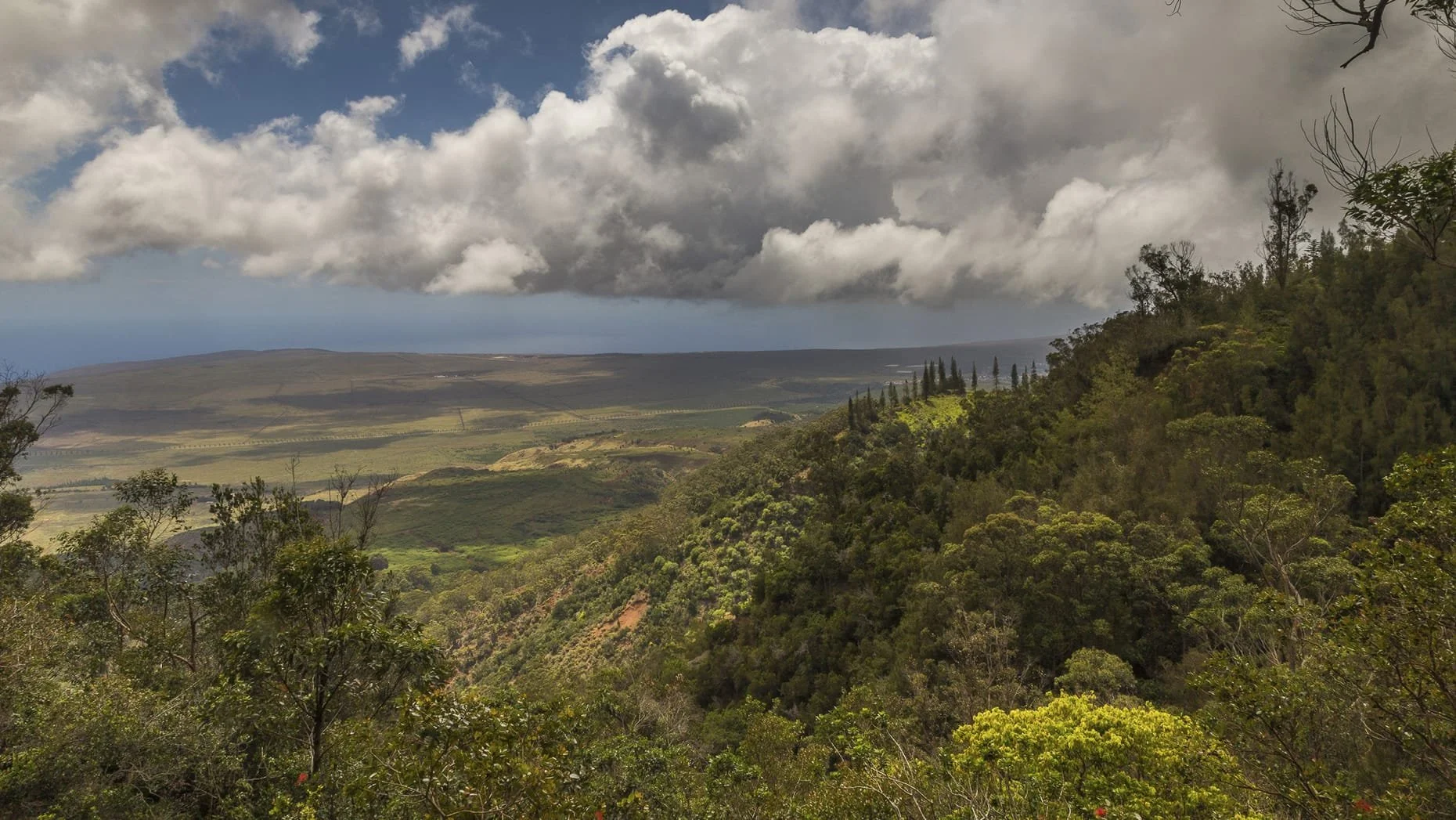
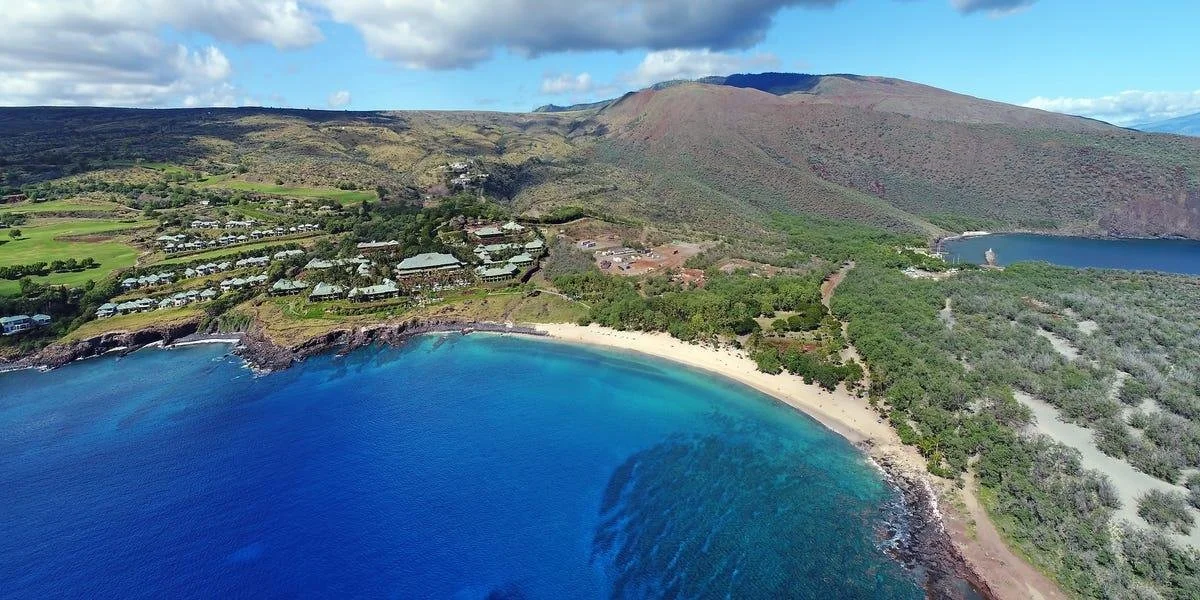
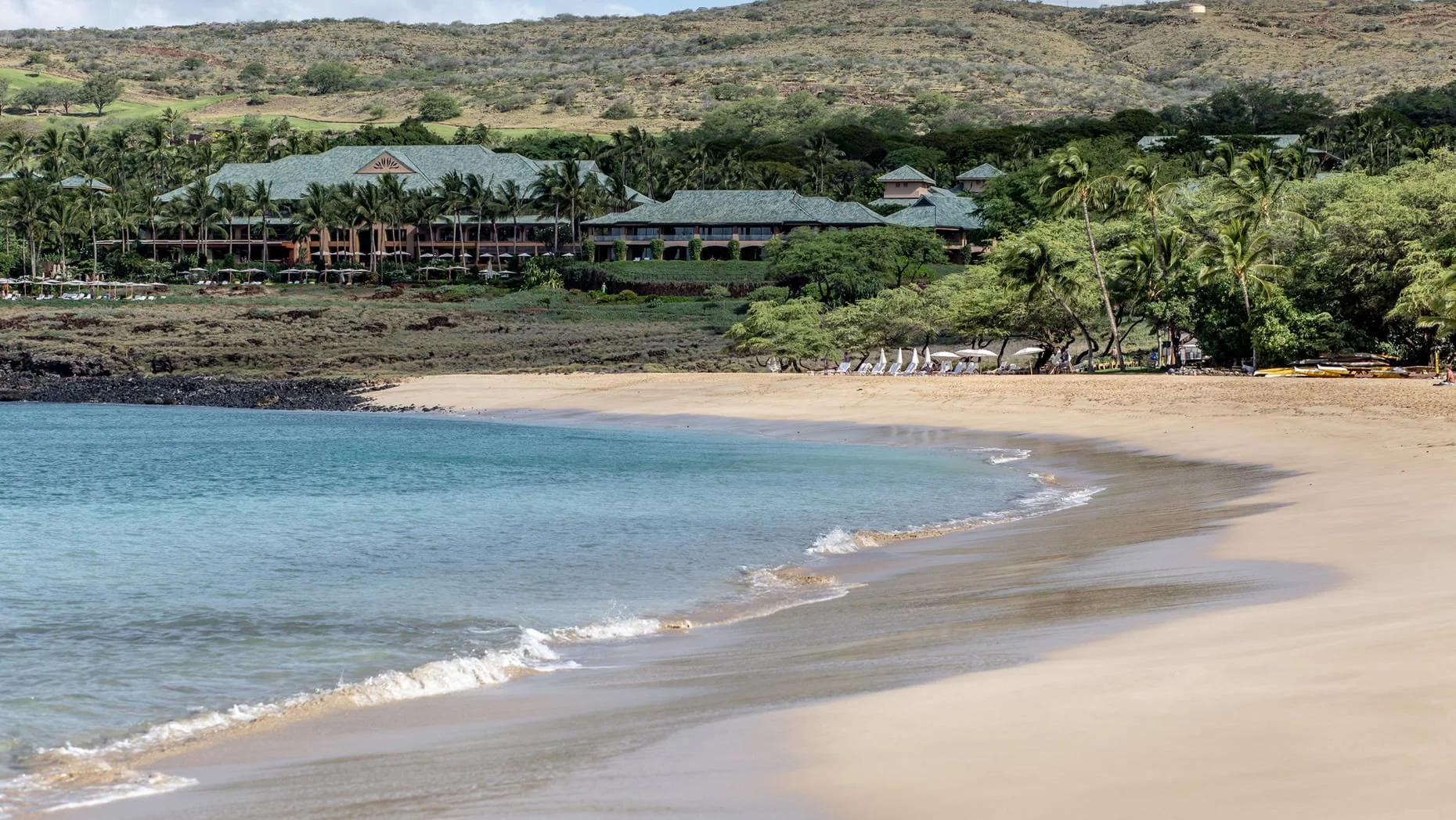
On Lanai’s southeastern coast, Four Seasons Resort Lanai occupies a landscaped hillside above Hulopoe Bay, where protected waters, lava-rock headlands and long Pacific horizons define the daily rhythm. This is a different Hawaiian stay from the larger resort districts of Maui or Oahu. The island has one small town, broad stretches of open country and a coastline where time outdoors feels inseparable from the accommodation itself.
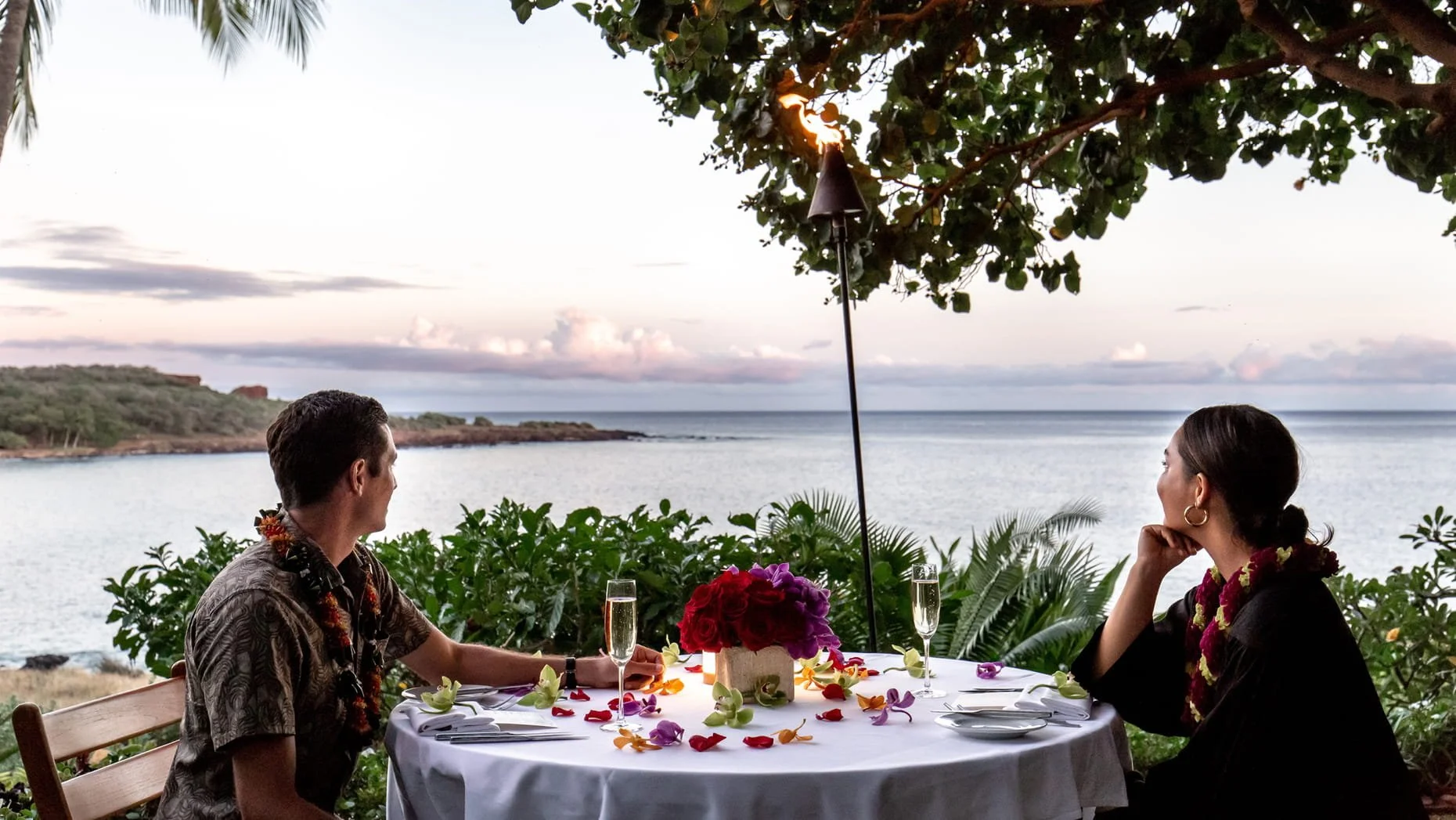
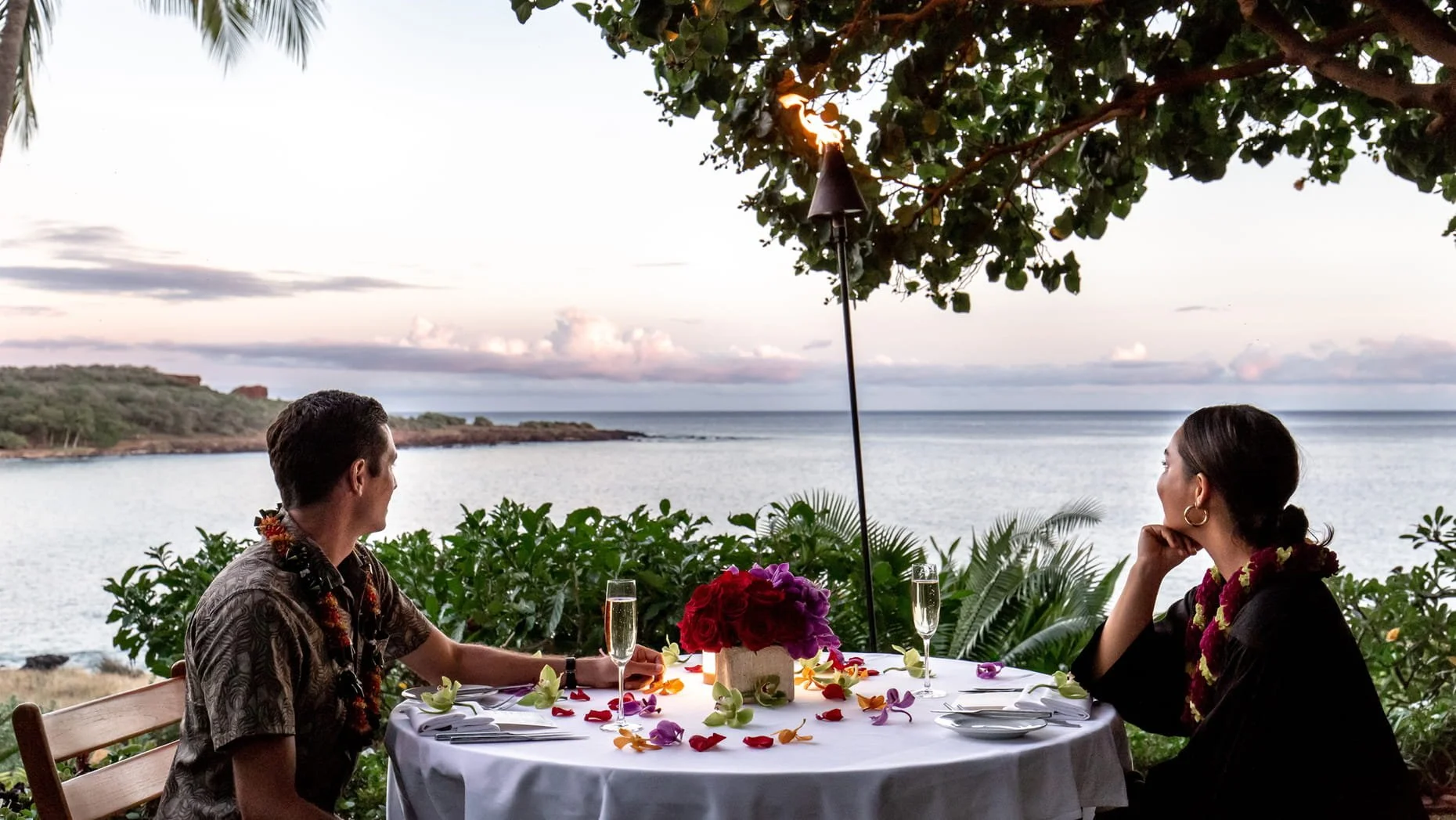
The resort balances that quiet setting with a substantial collection of restaurants, a spa, championship golf, tennis and carefully organized excursions. Guests might begin with a swim in the bay, spend the afternoon learning about island history with a cultural guide and end with Japanese dining overlooking the water. Families will find supervised activities and adventurous outings, while couples can emphasize privacy, wellness and oceanfront dining.
Its unusually straightforward arrival arrangements help make the remote setting practical. Honolulu connections can be coordinated through Lanai Air, and resort shuttles link the airport, harbour, activities and Lanai City. The appeal is the freedom to explore without sacrificing the efficiency of a full-service coastal retreat.
A Plantation Island and a New Chapter of Hospitality
Lanai’s contemporary identity cannot be separated from its plantation history. For much of the twentieth century, the island was strongly associated with pineapple cultivation, while its cultural history extends far earlier through generations of Native Hawaiian settlement and stewardship. The contrast between Lanai City’s plantation-era streets and the island’s ancient coastal landscapes is central to understanding a visit.
The oceanfront resort developed as part of Lanai’s emergence as a destination for travelers seeking a quieter Hawaiian island. A sweeping renovation completed in 2016 gave the property the contemporary design and amenities that now characterize its rooms, restaurants and public spaces. Its evolution is part of a broader island hospitality offering that also includes Sensei Lanai, A Four Seasons Resort, an inland wellness retreat with a separate identity and guest experience.
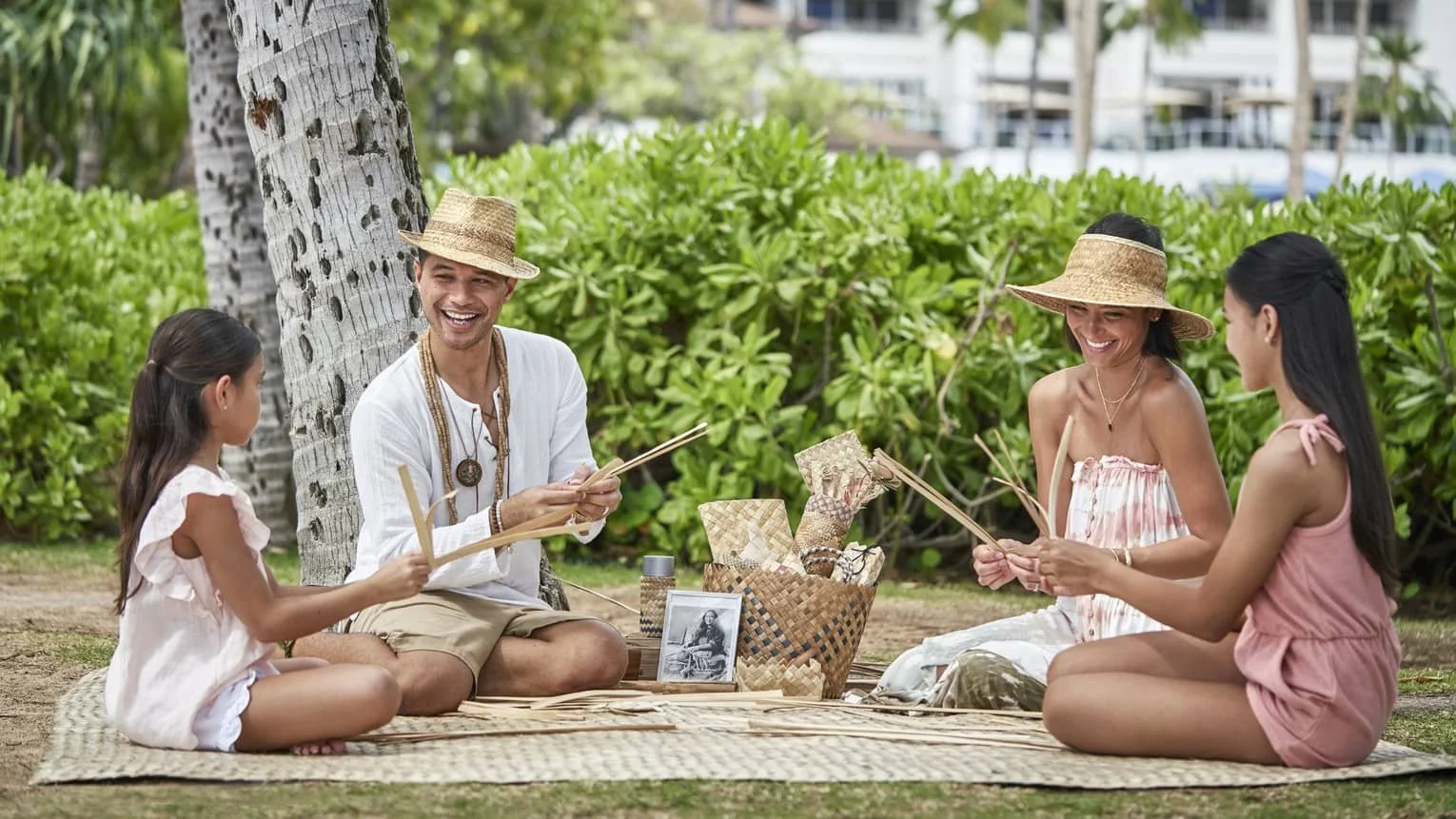
The resort’s Love Lanai cultural programming is important in this context. Rather than treating the island as scenery alone, it creates opportunities to learn about its landscapes, histories and ongoing traditions through guided activities and conversations.
Gardens, Timber and a Dialogue With the Sea
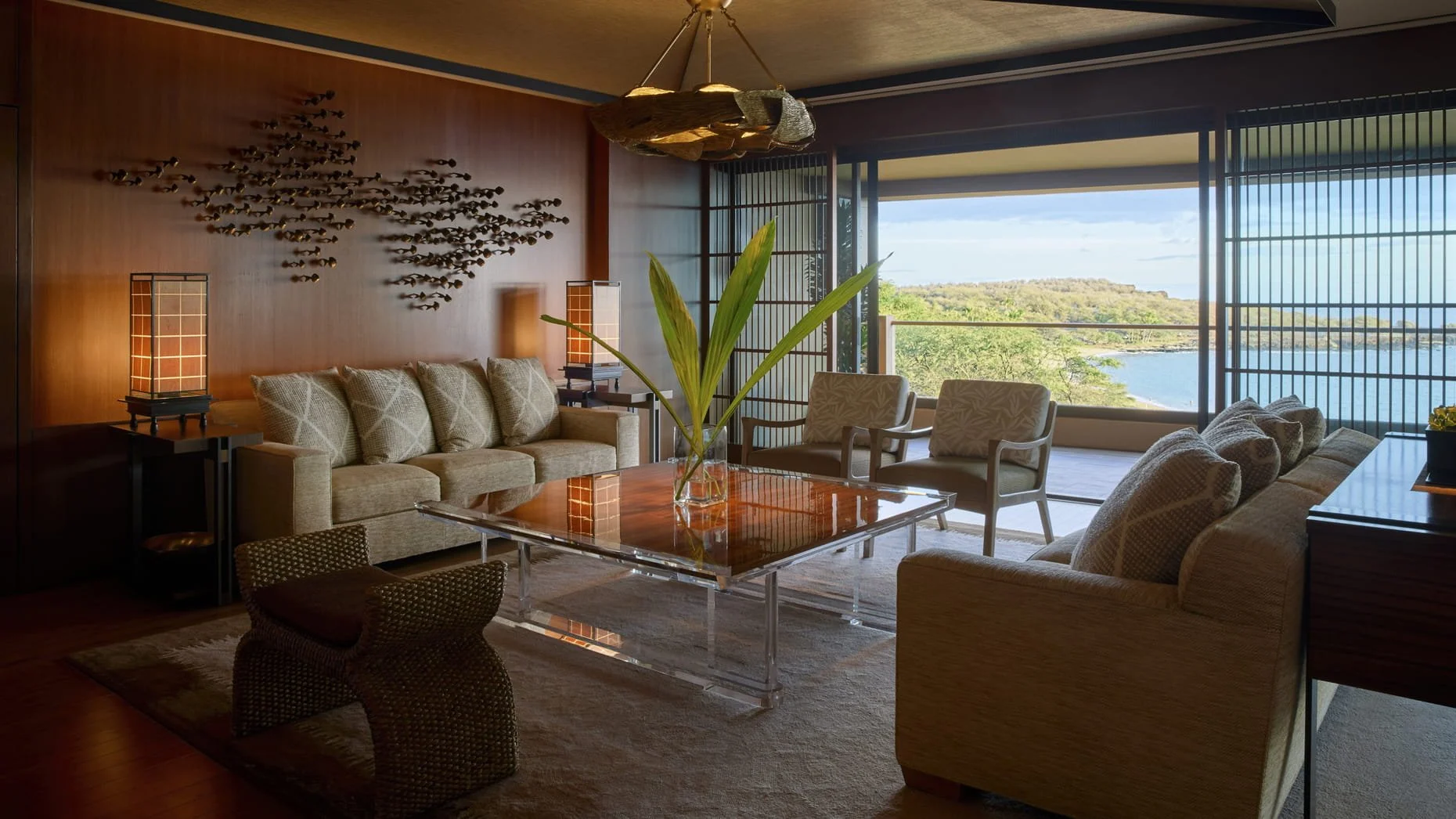
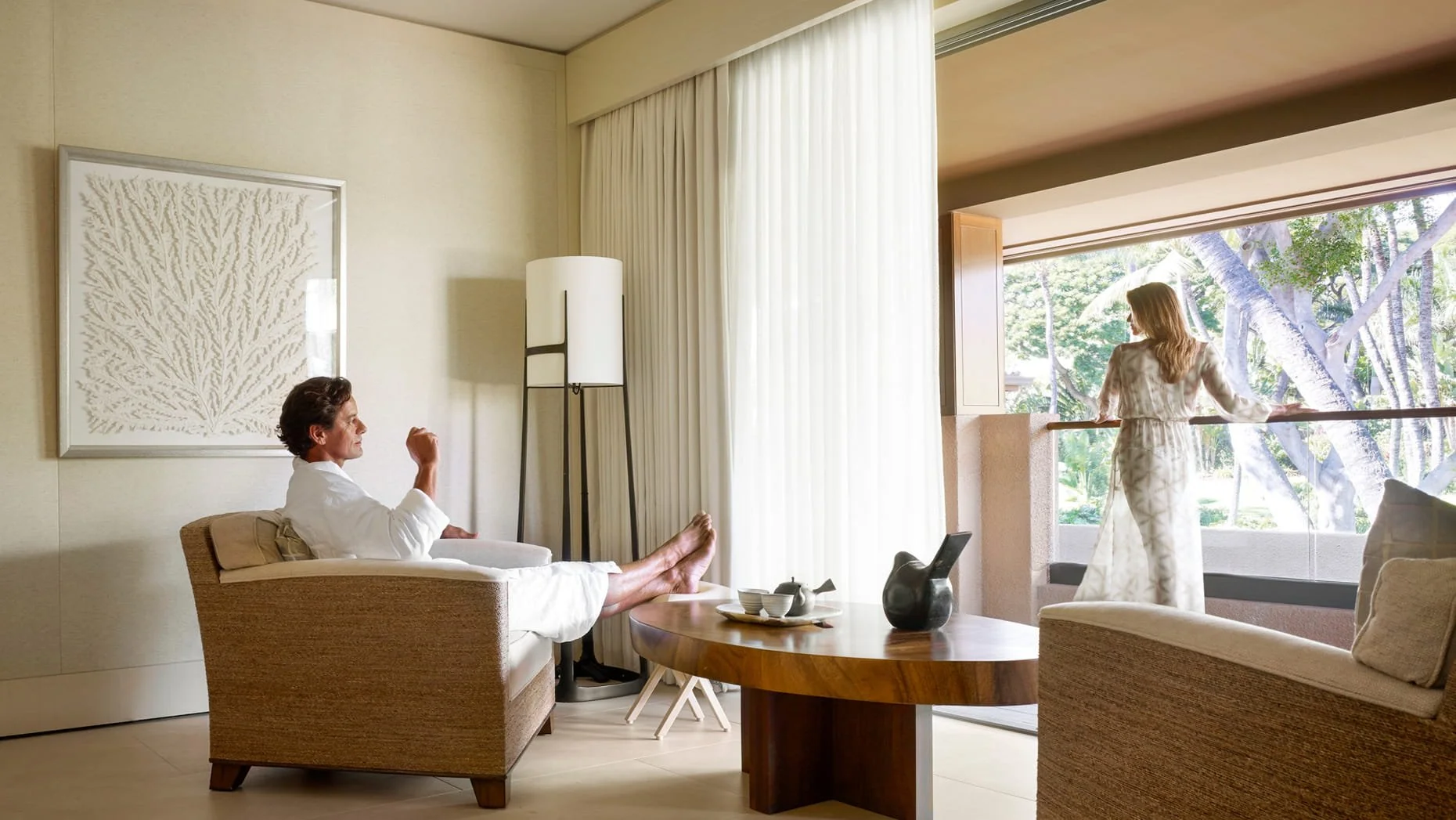
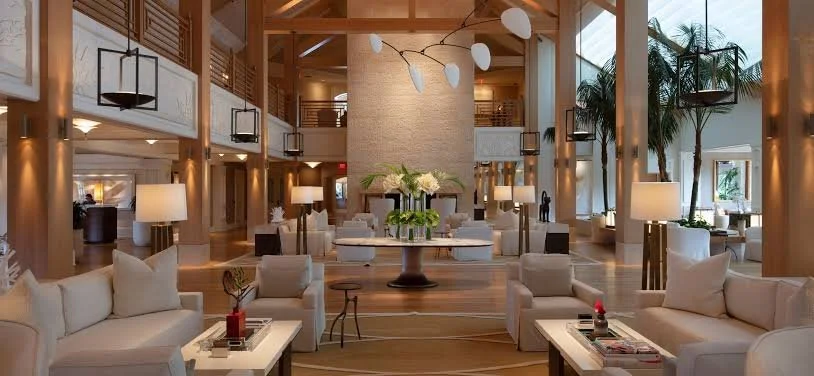
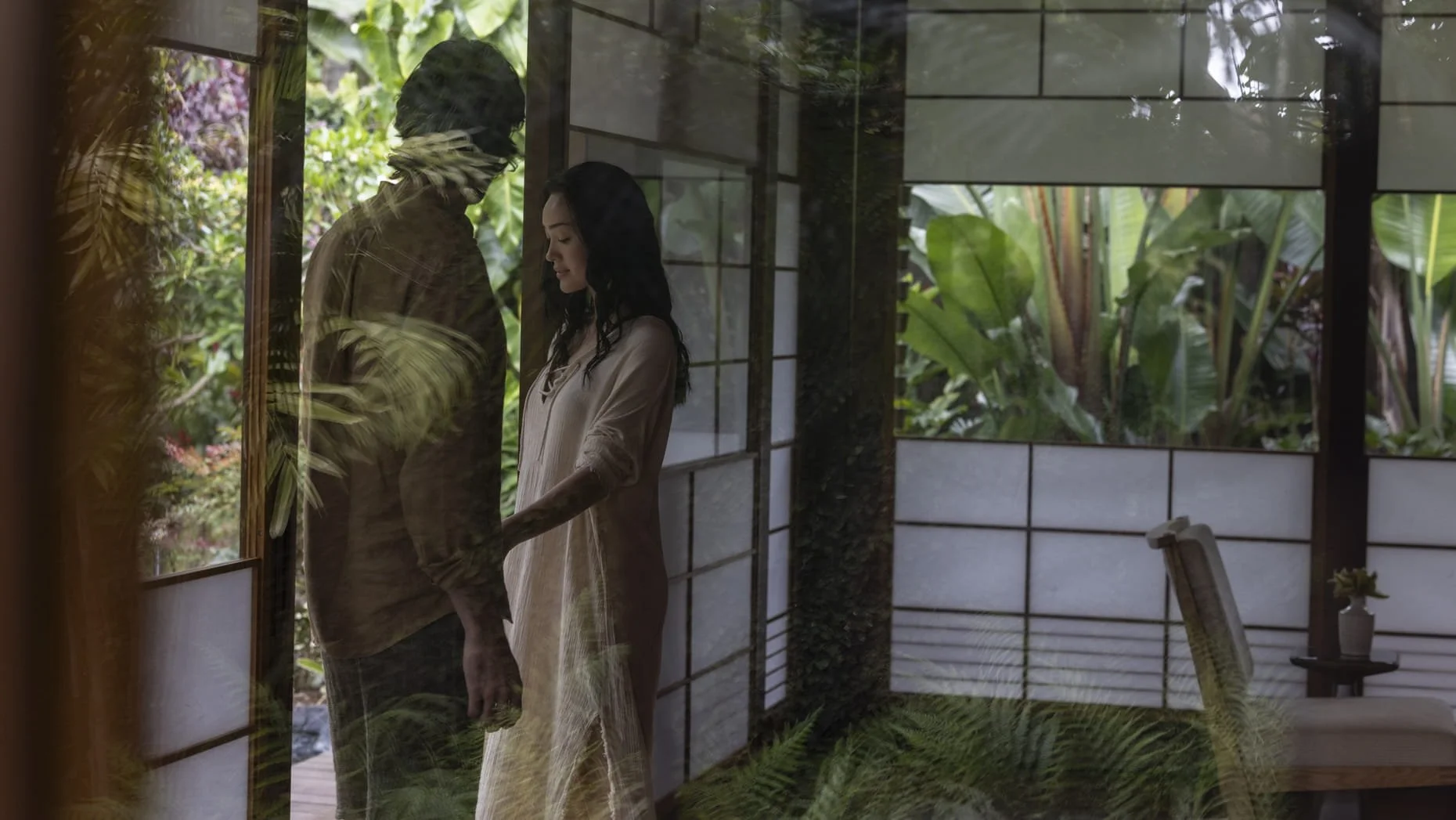
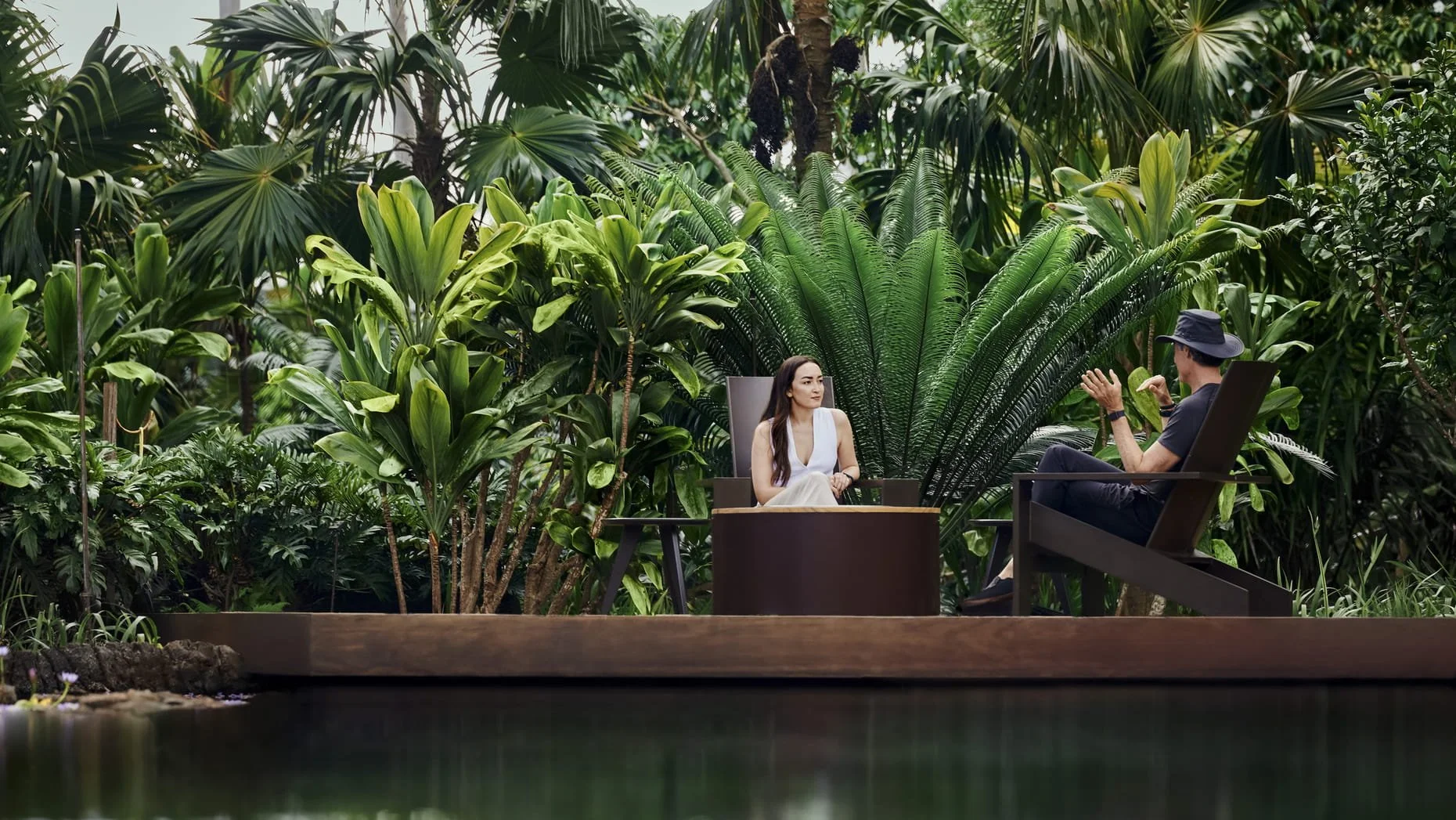
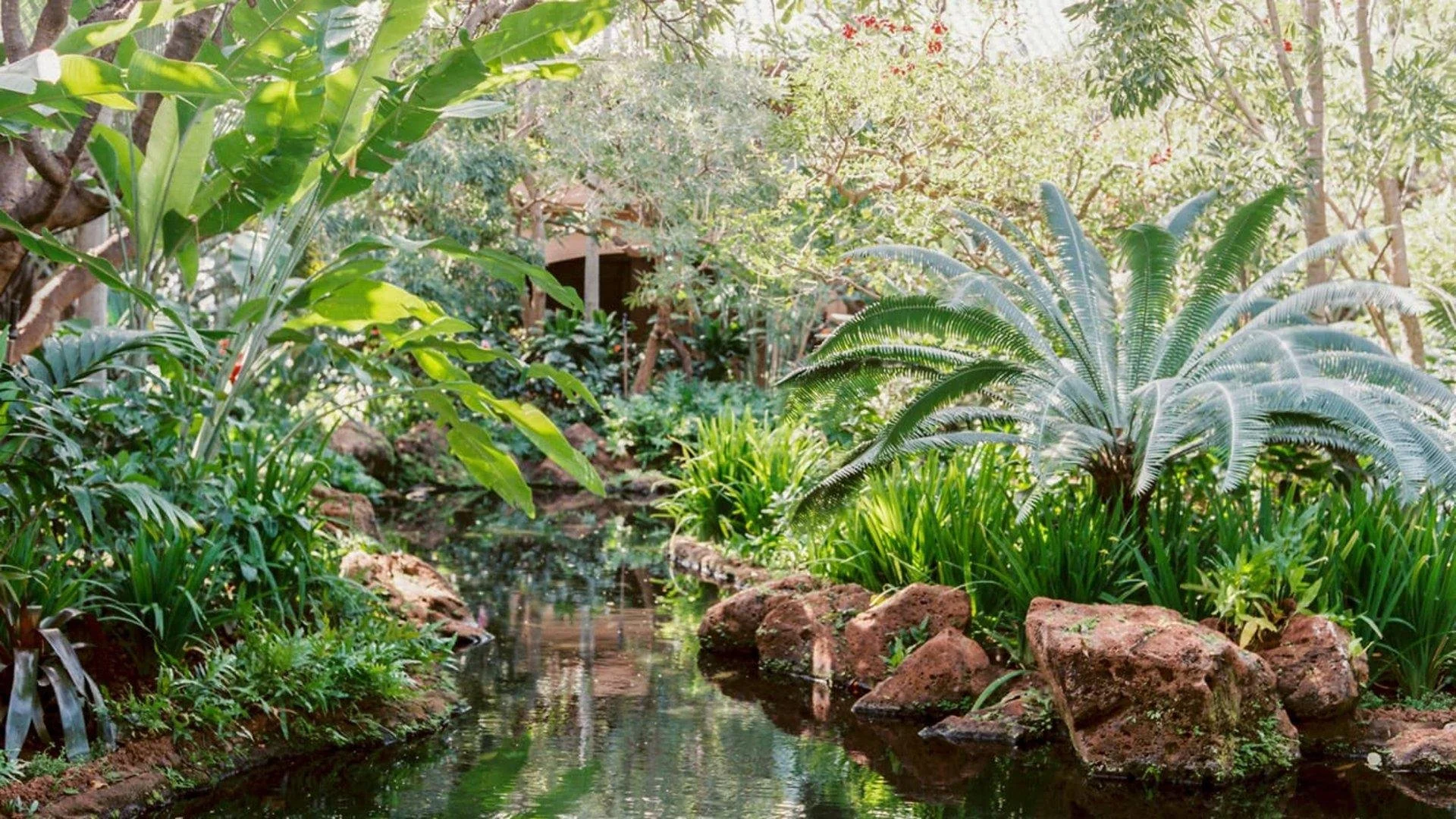
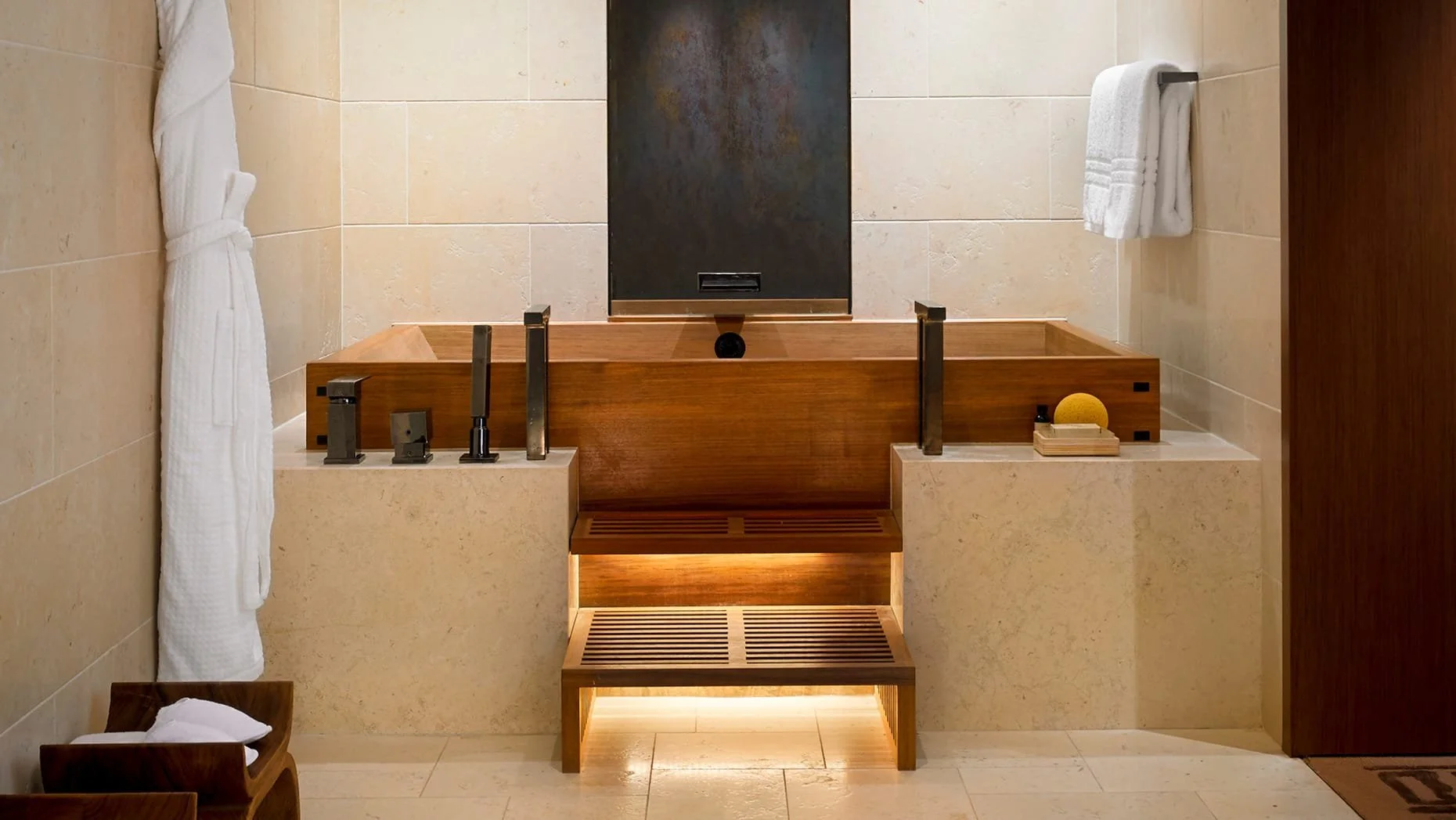
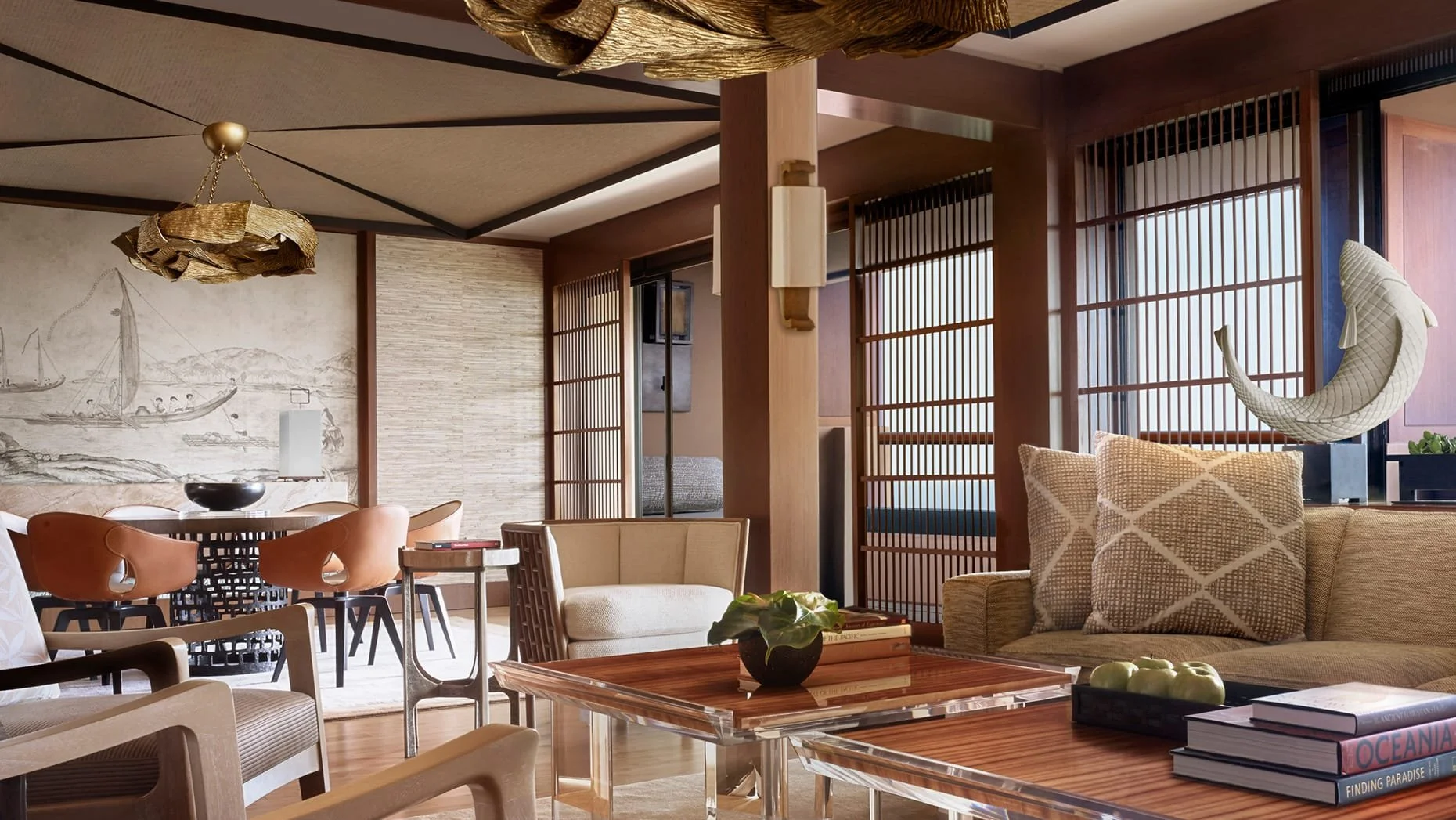
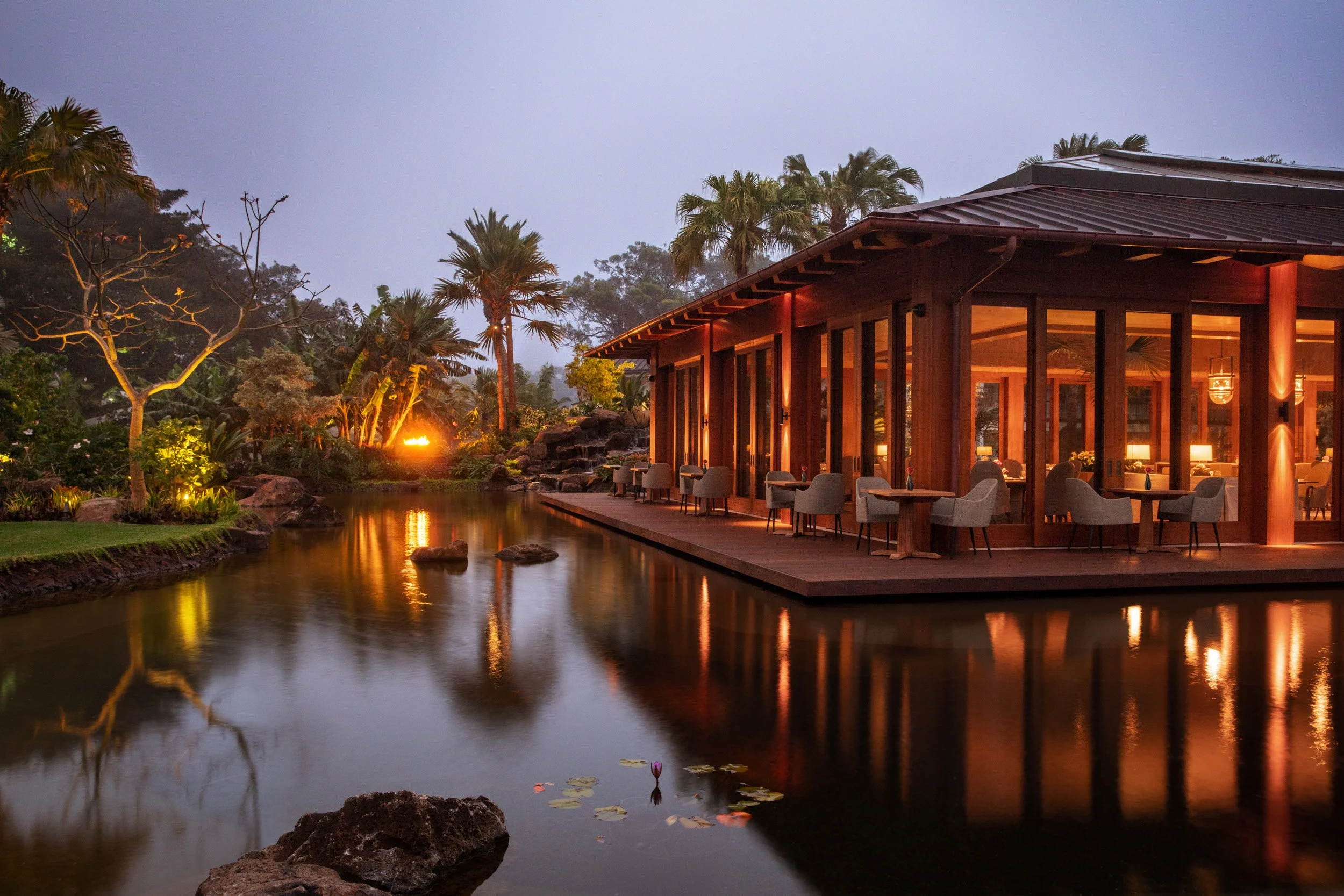
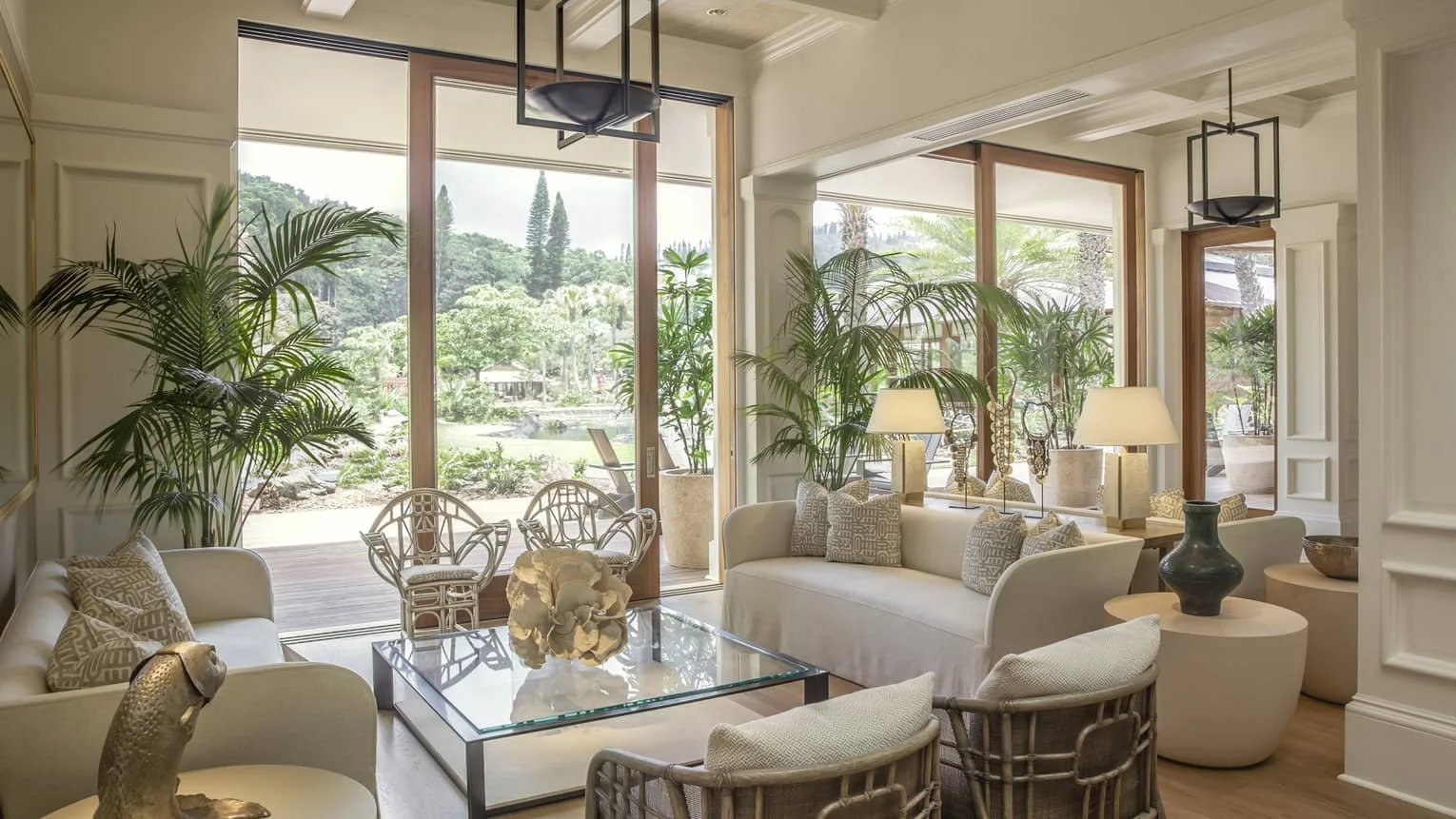
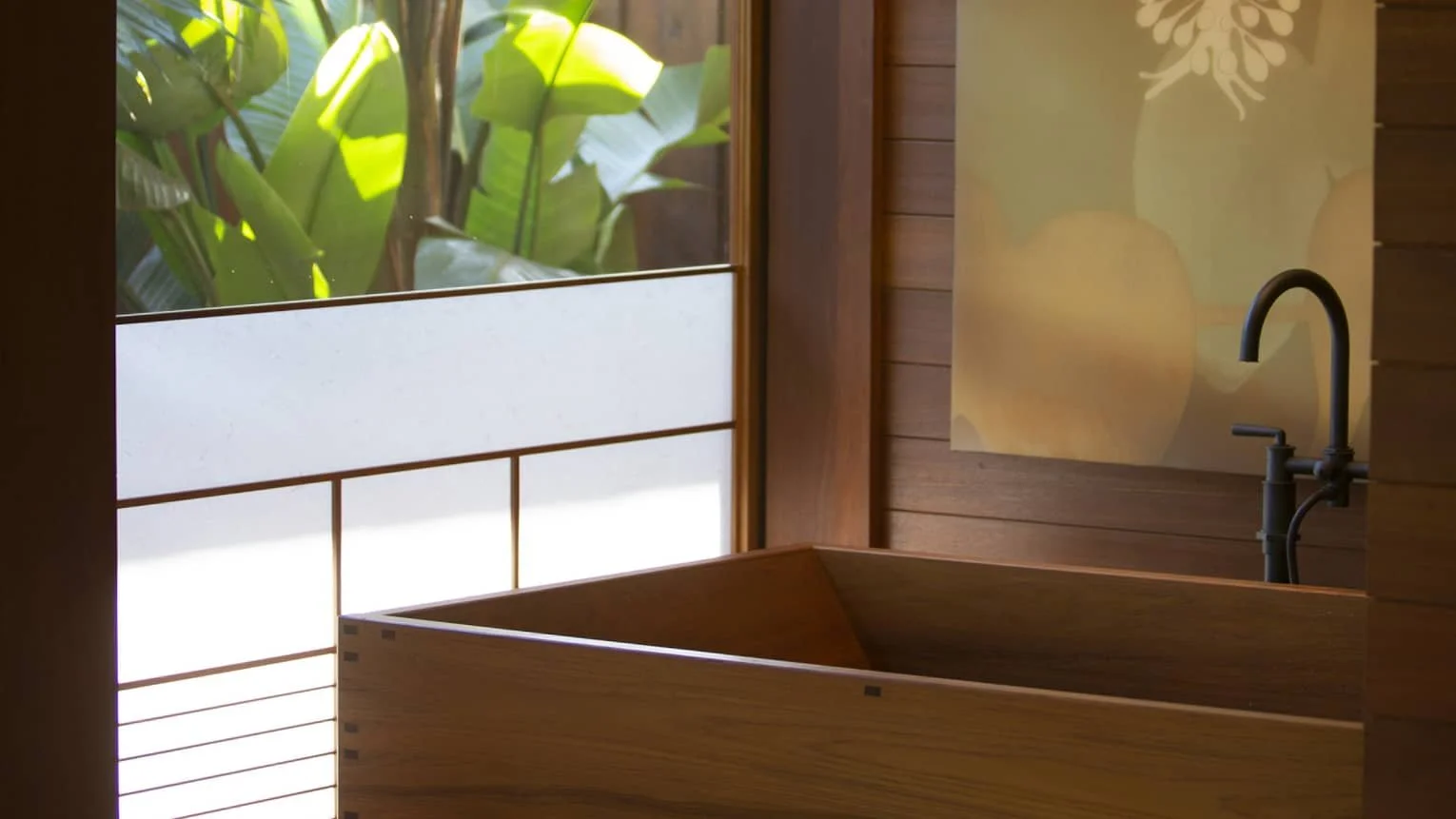
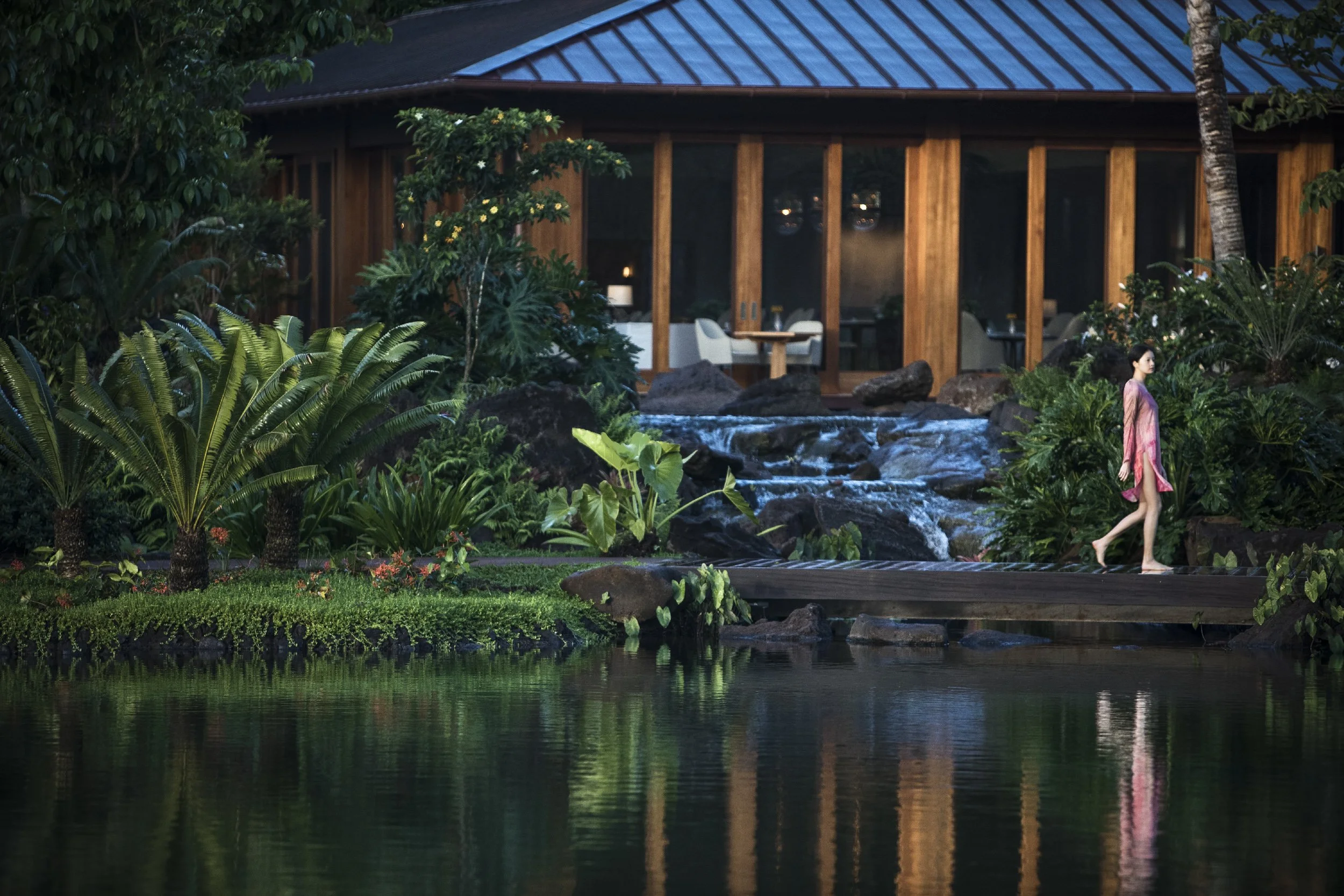
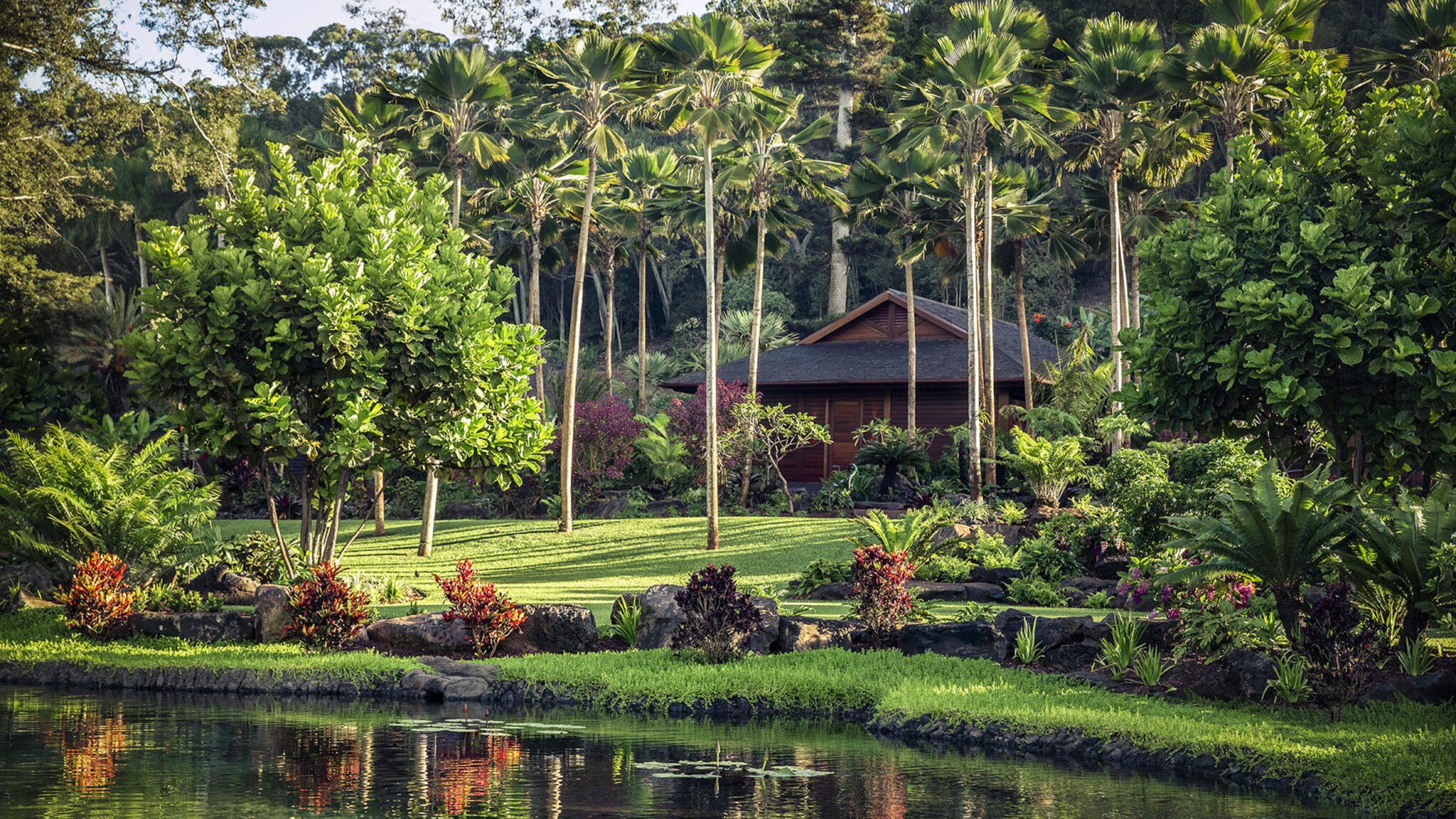
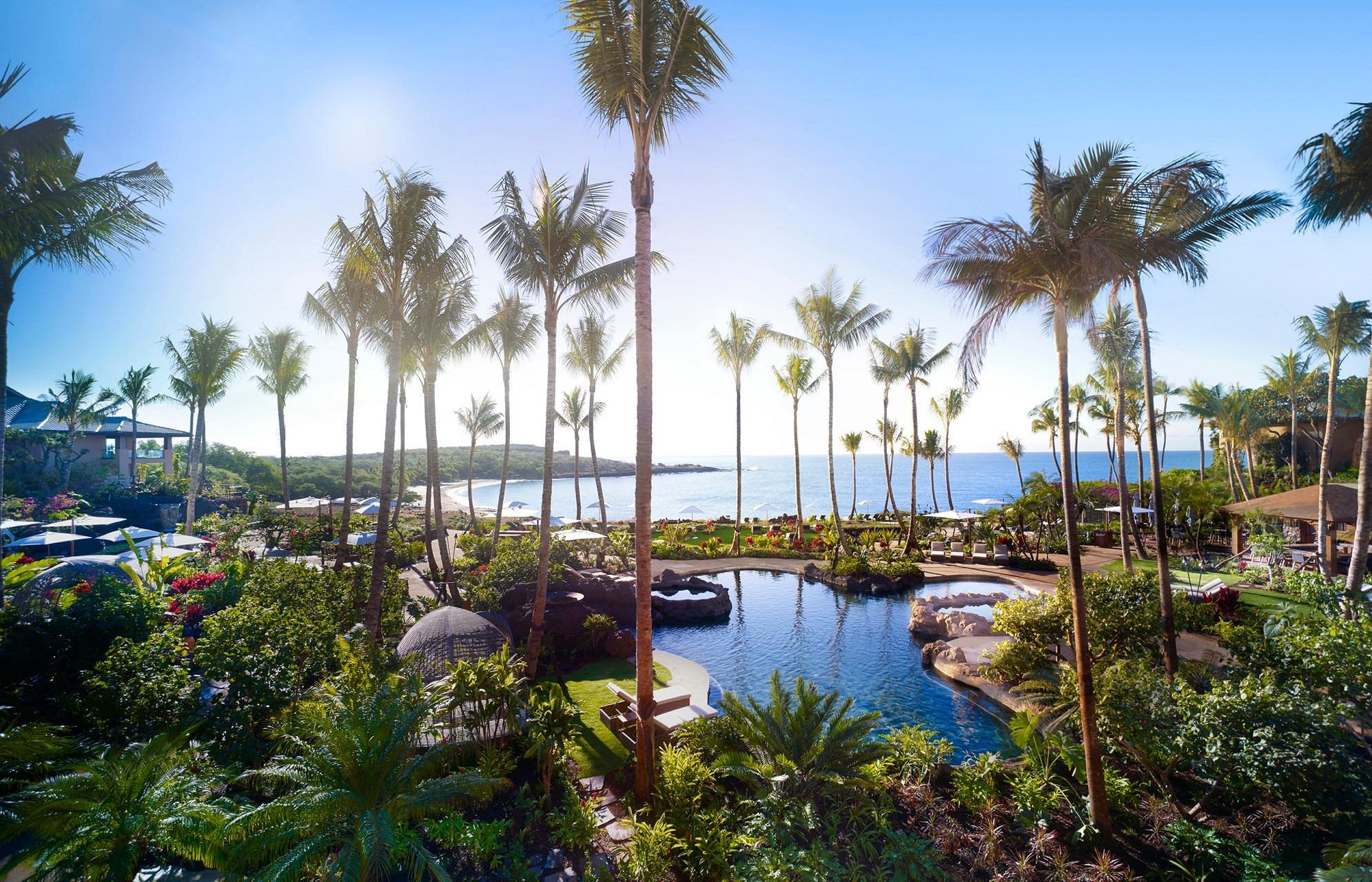
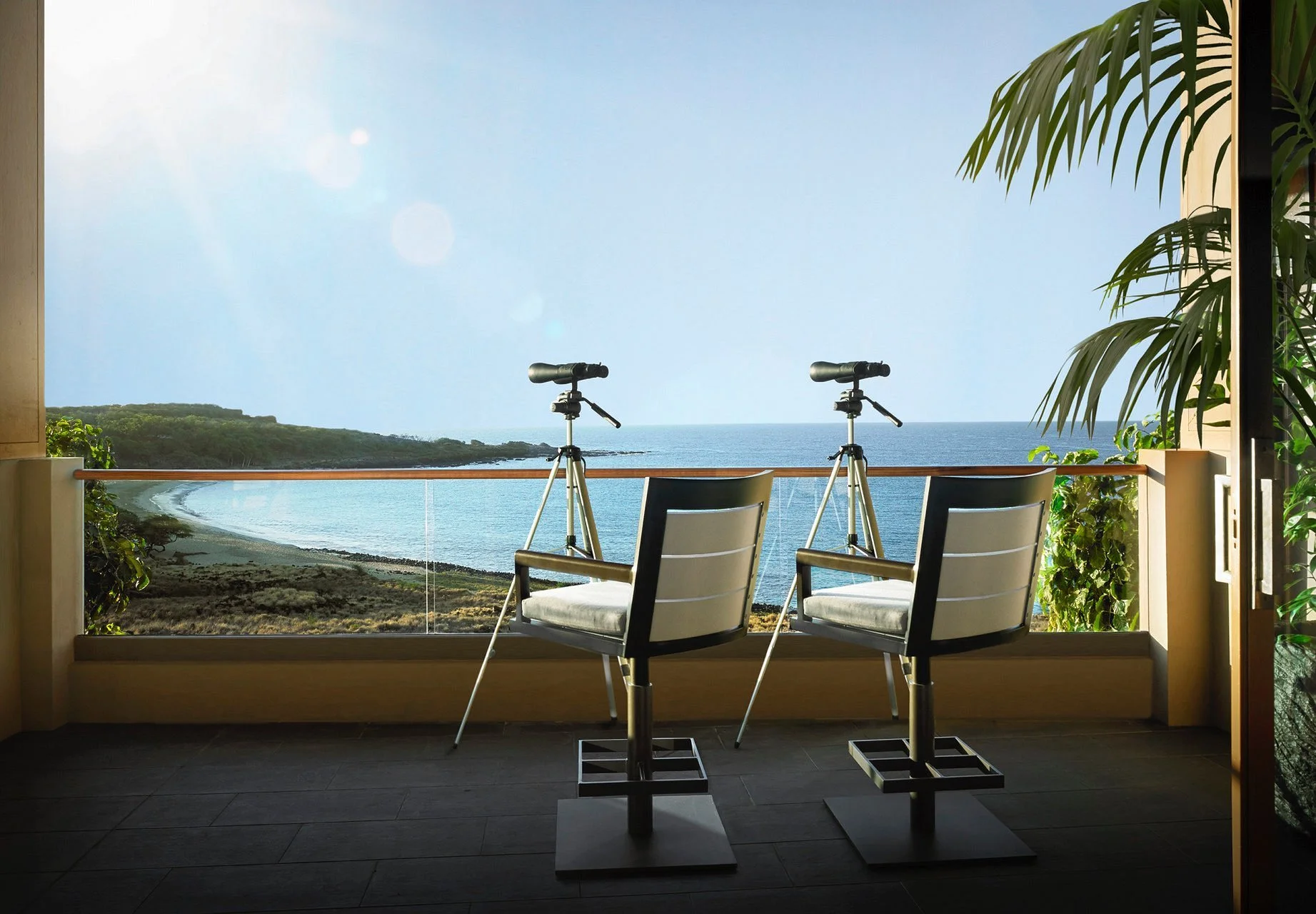
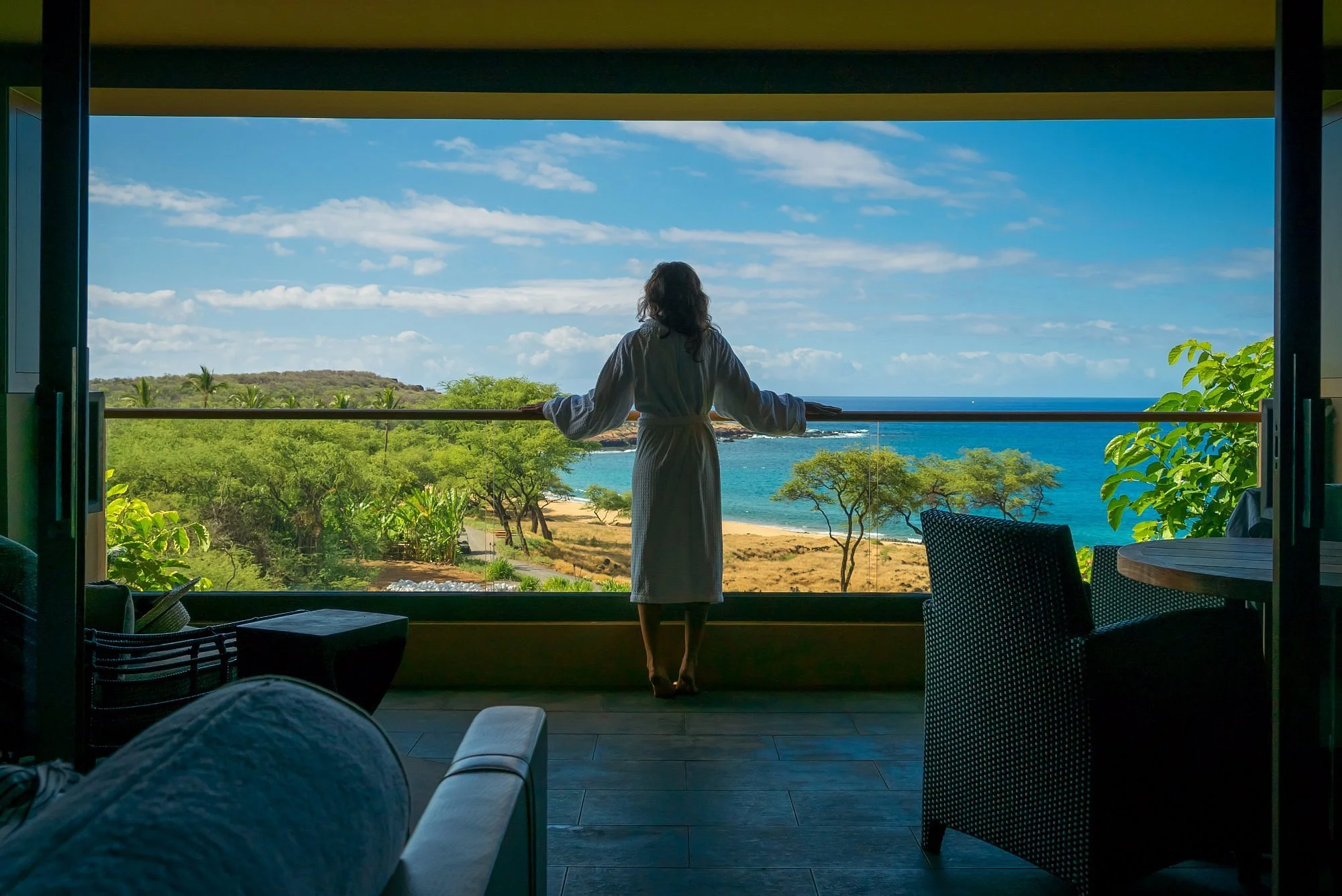
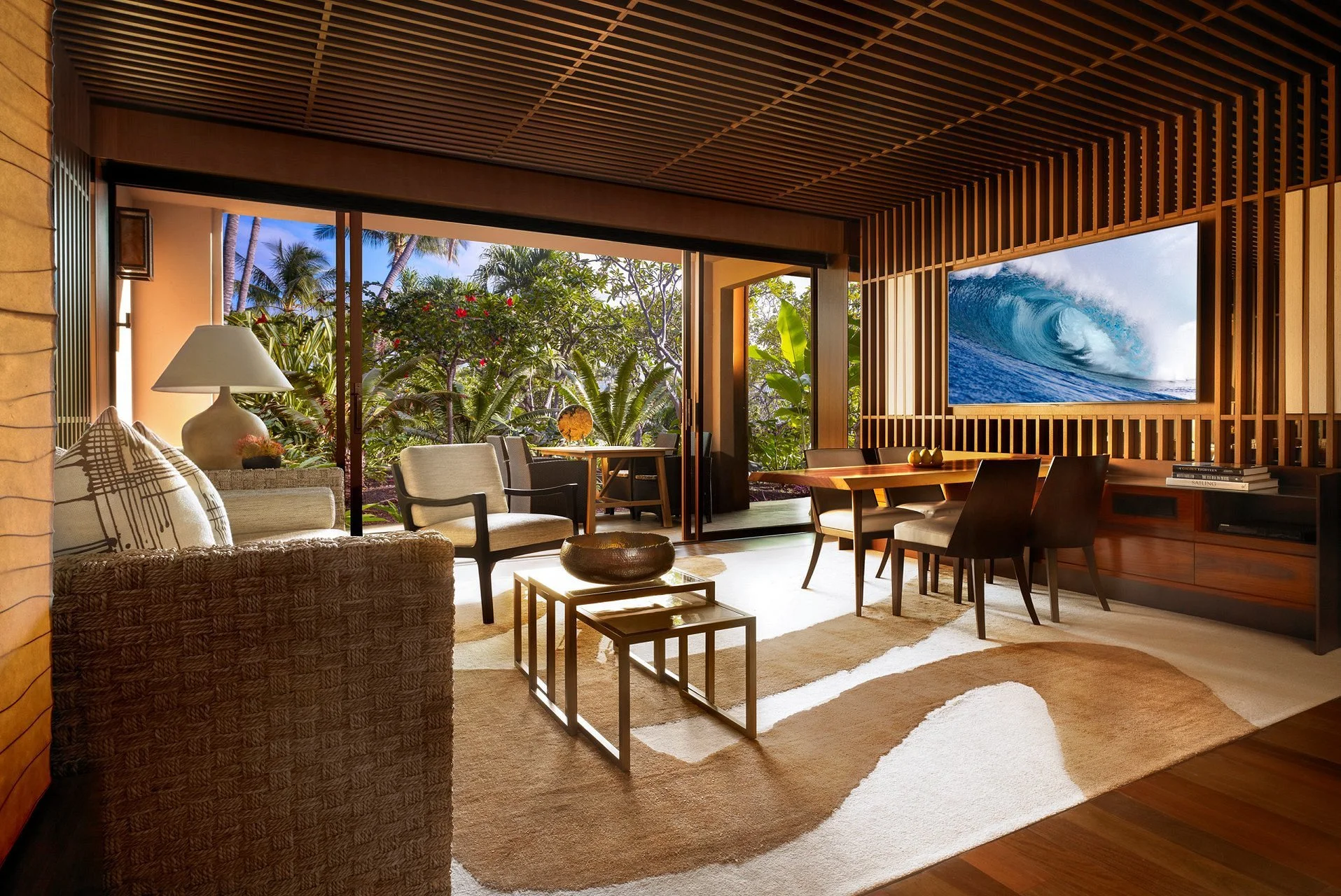
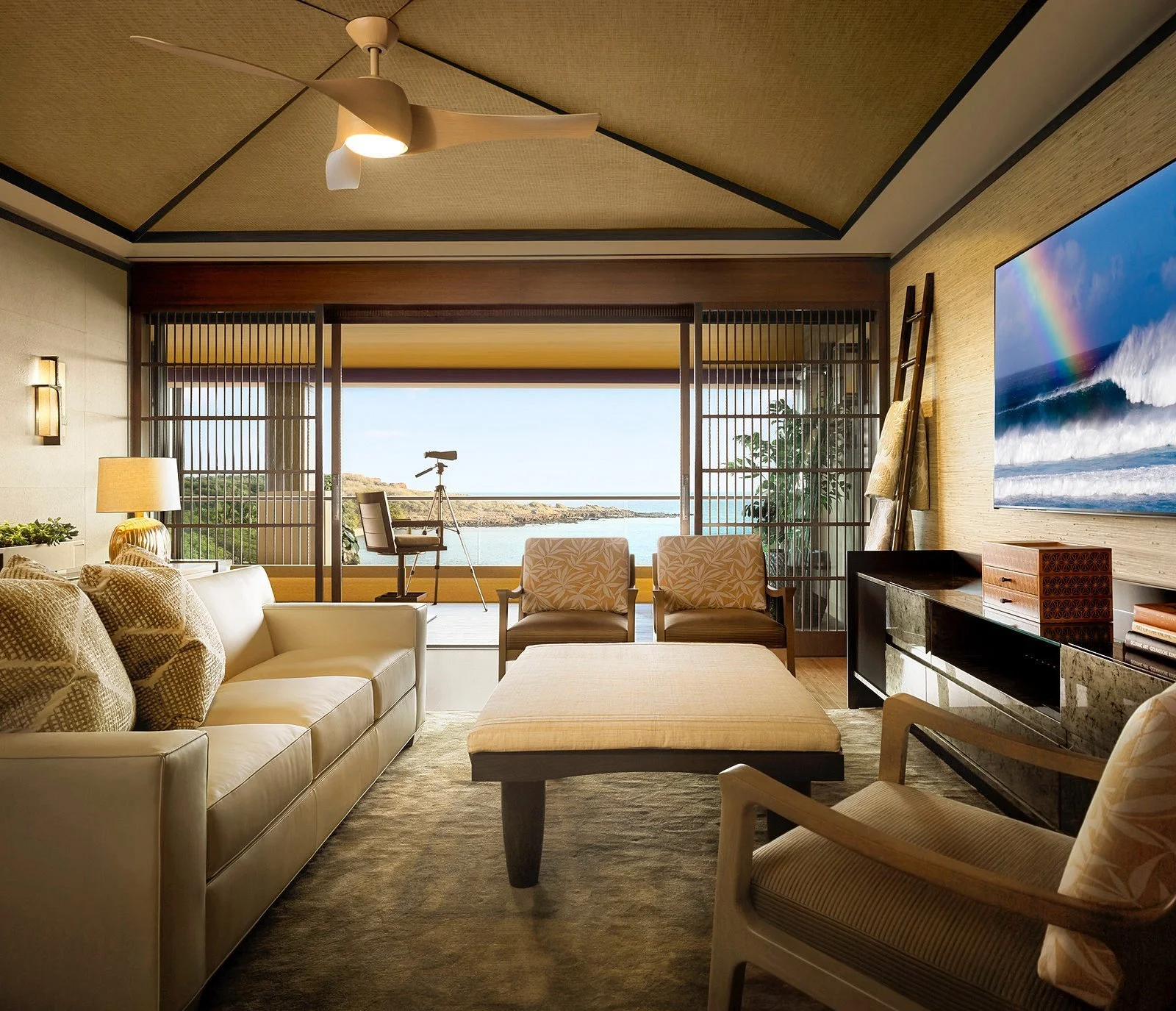
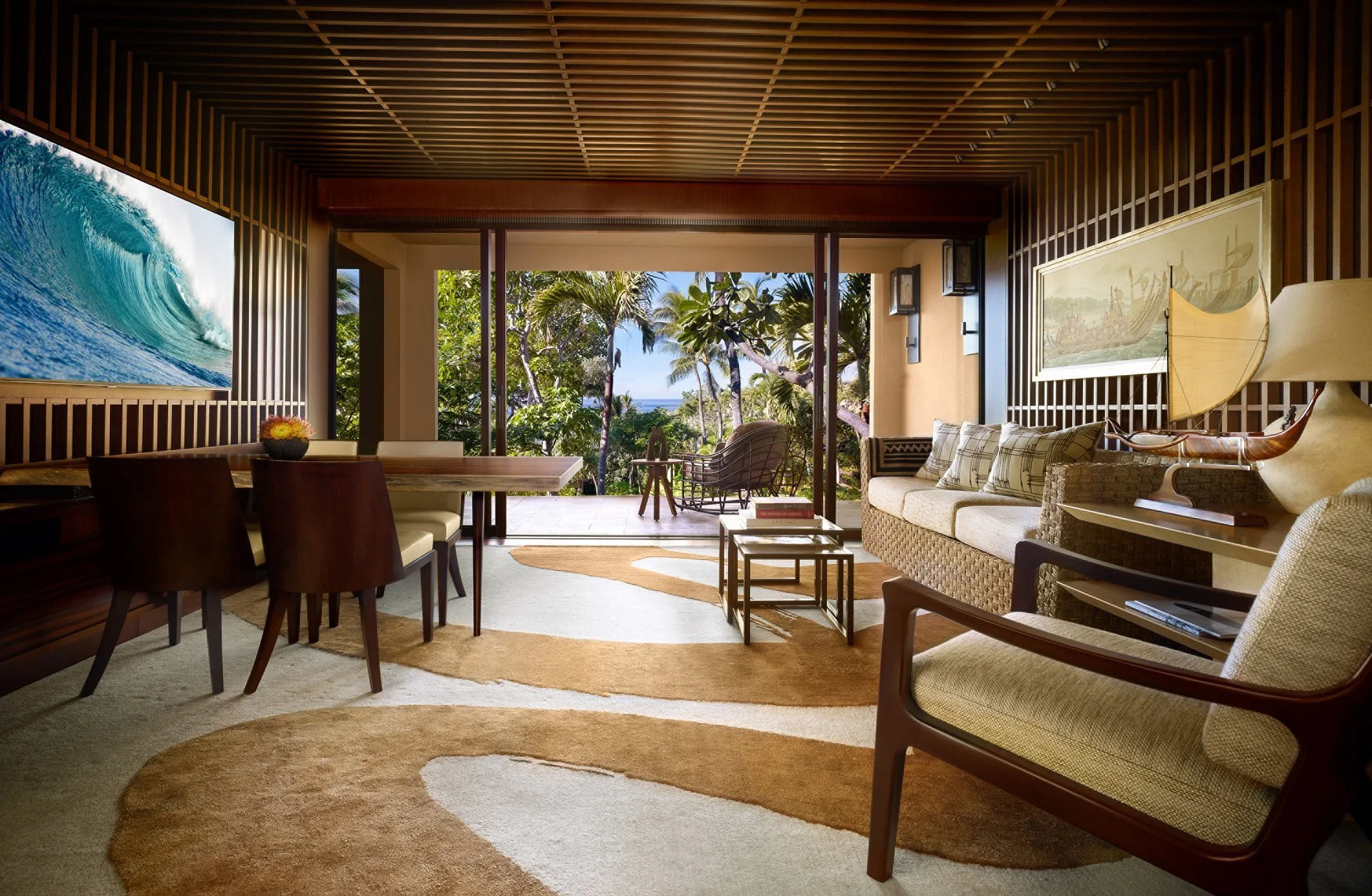
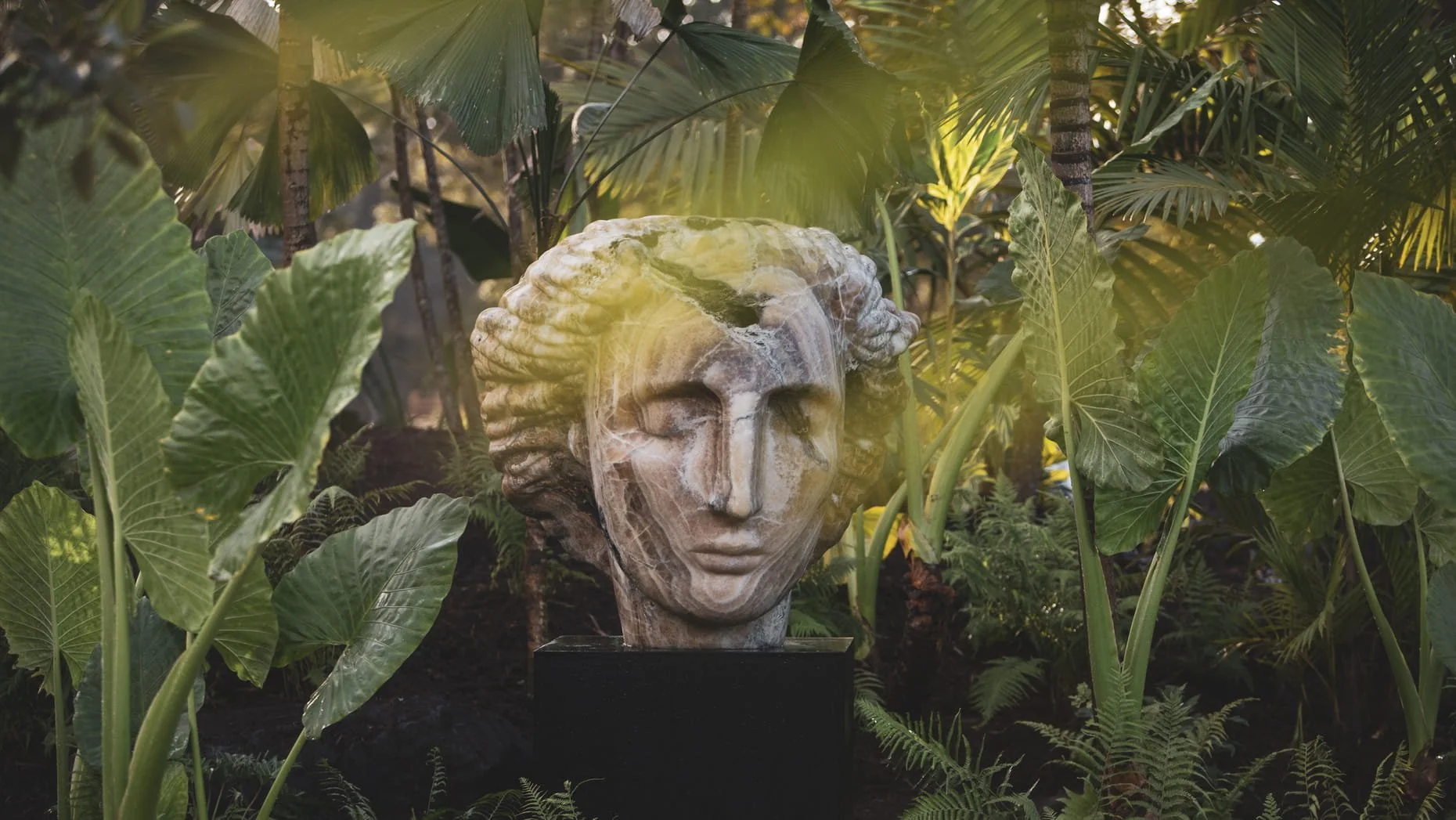
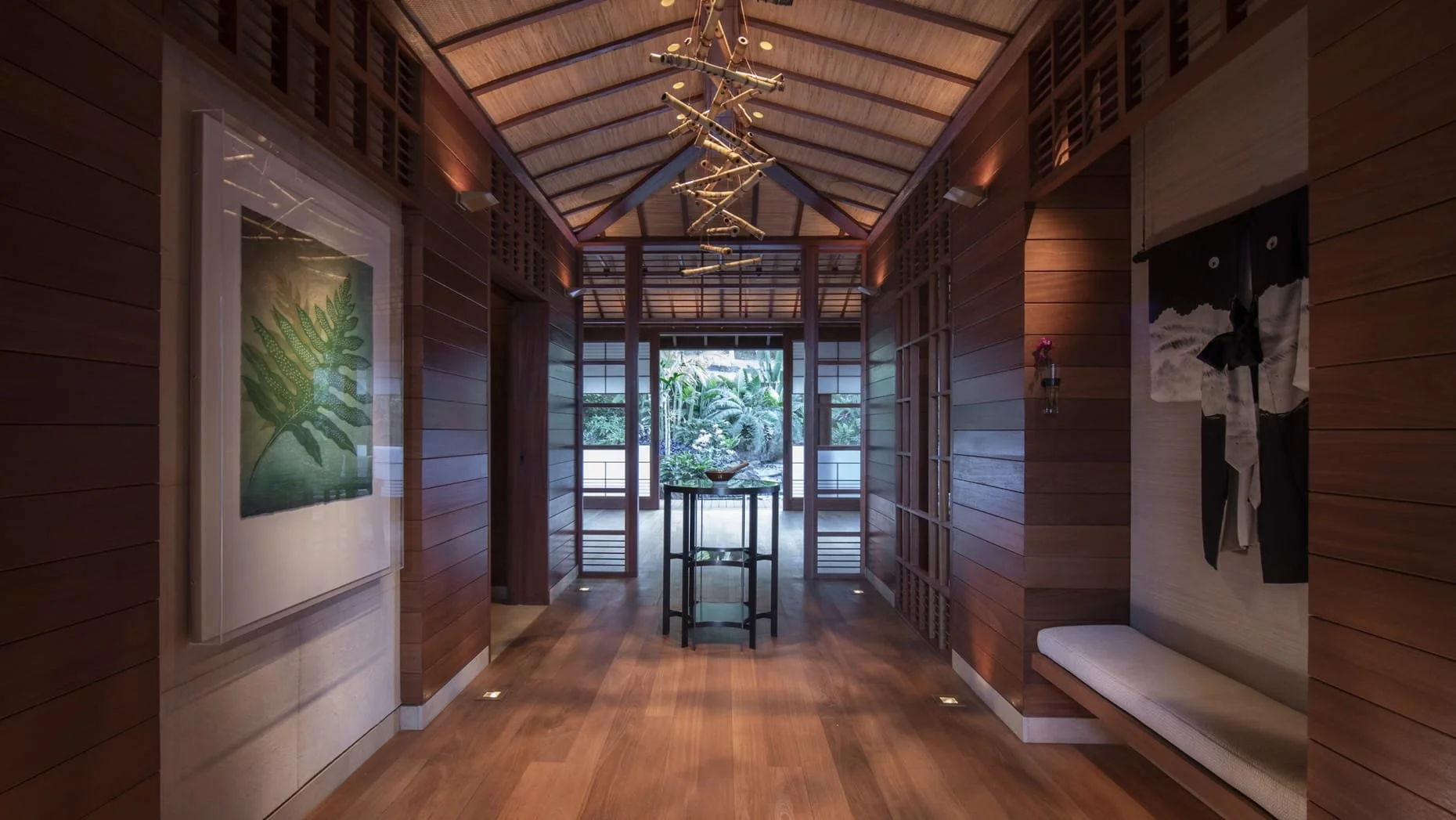
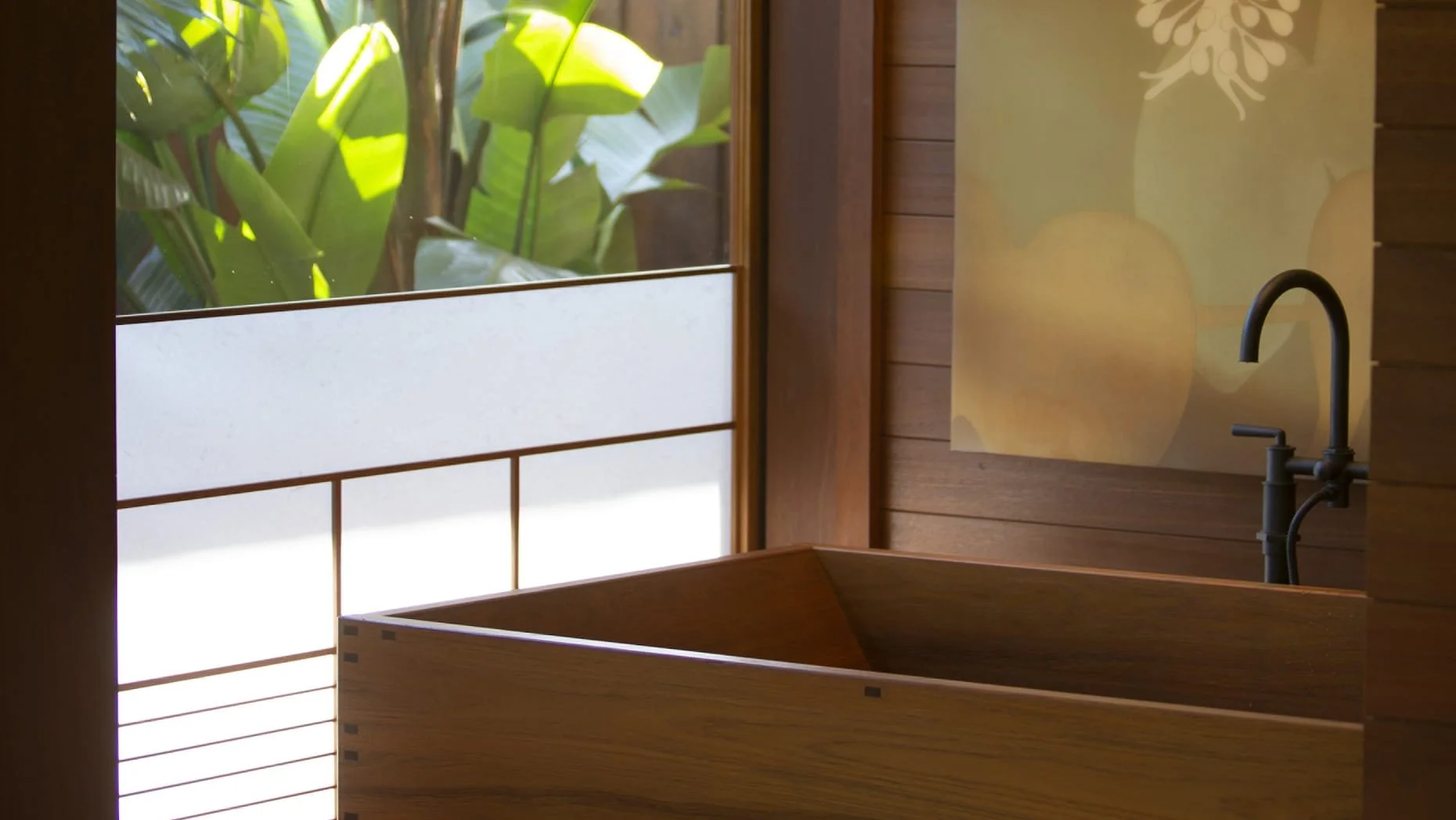
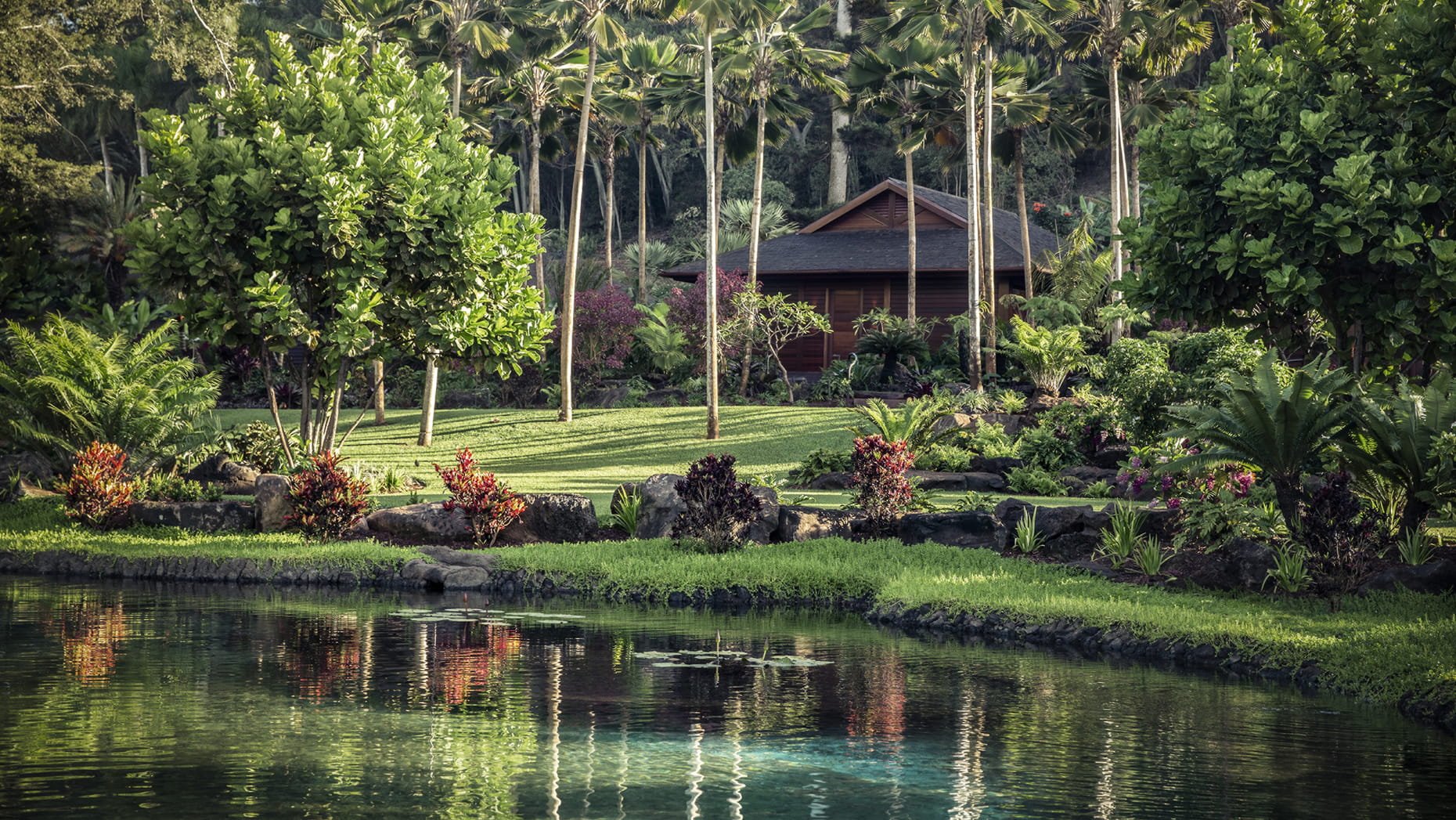
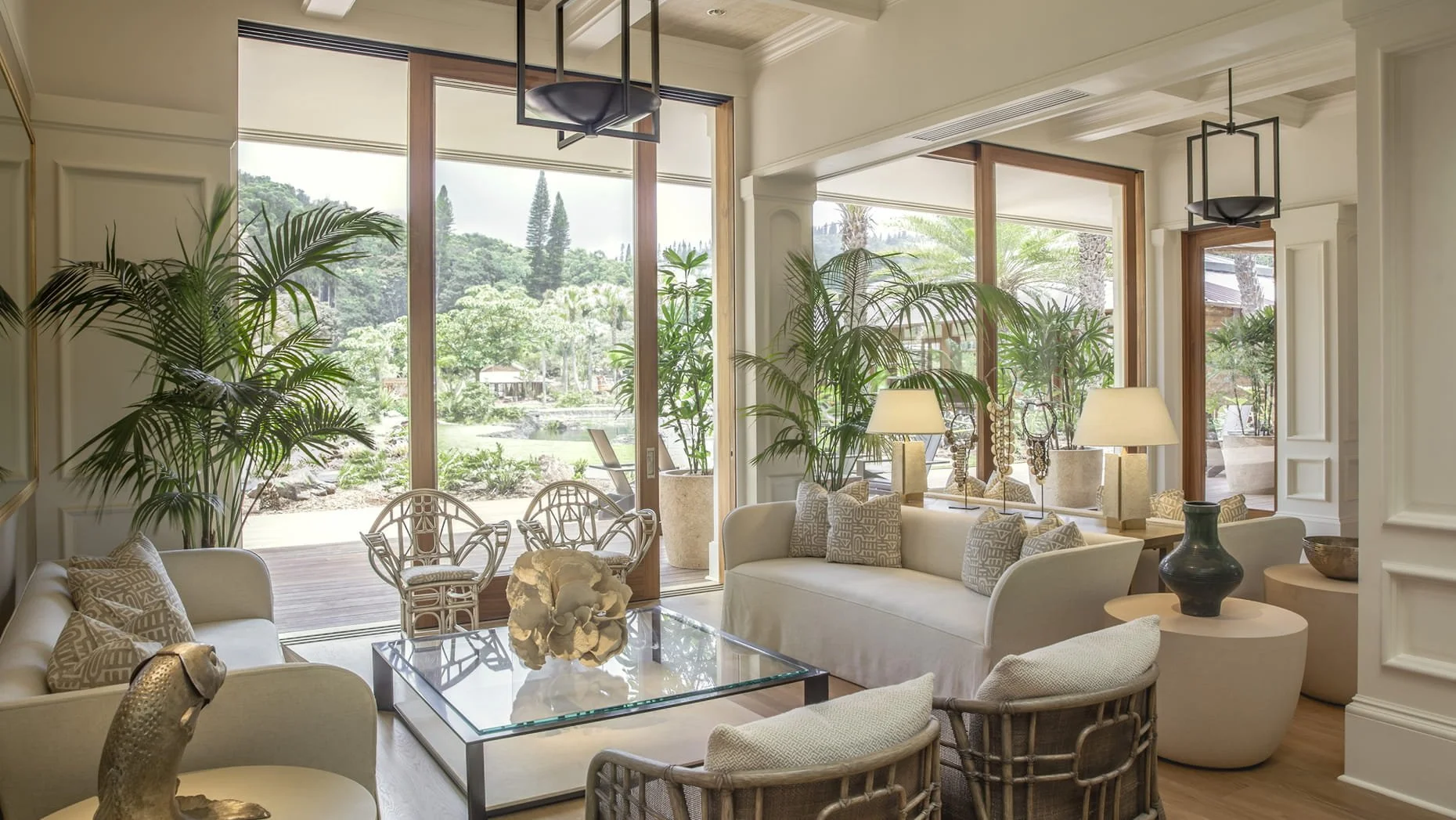
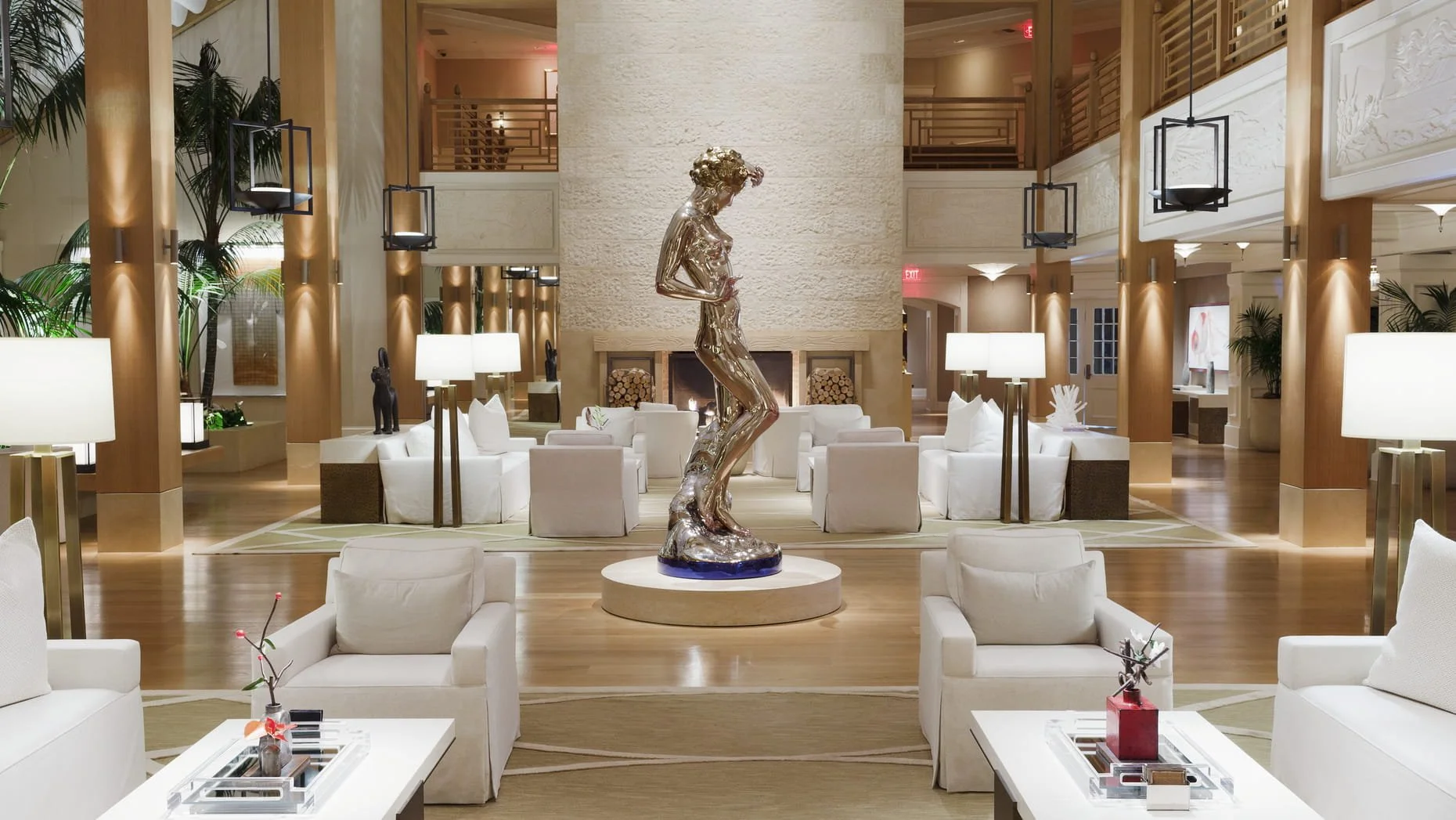
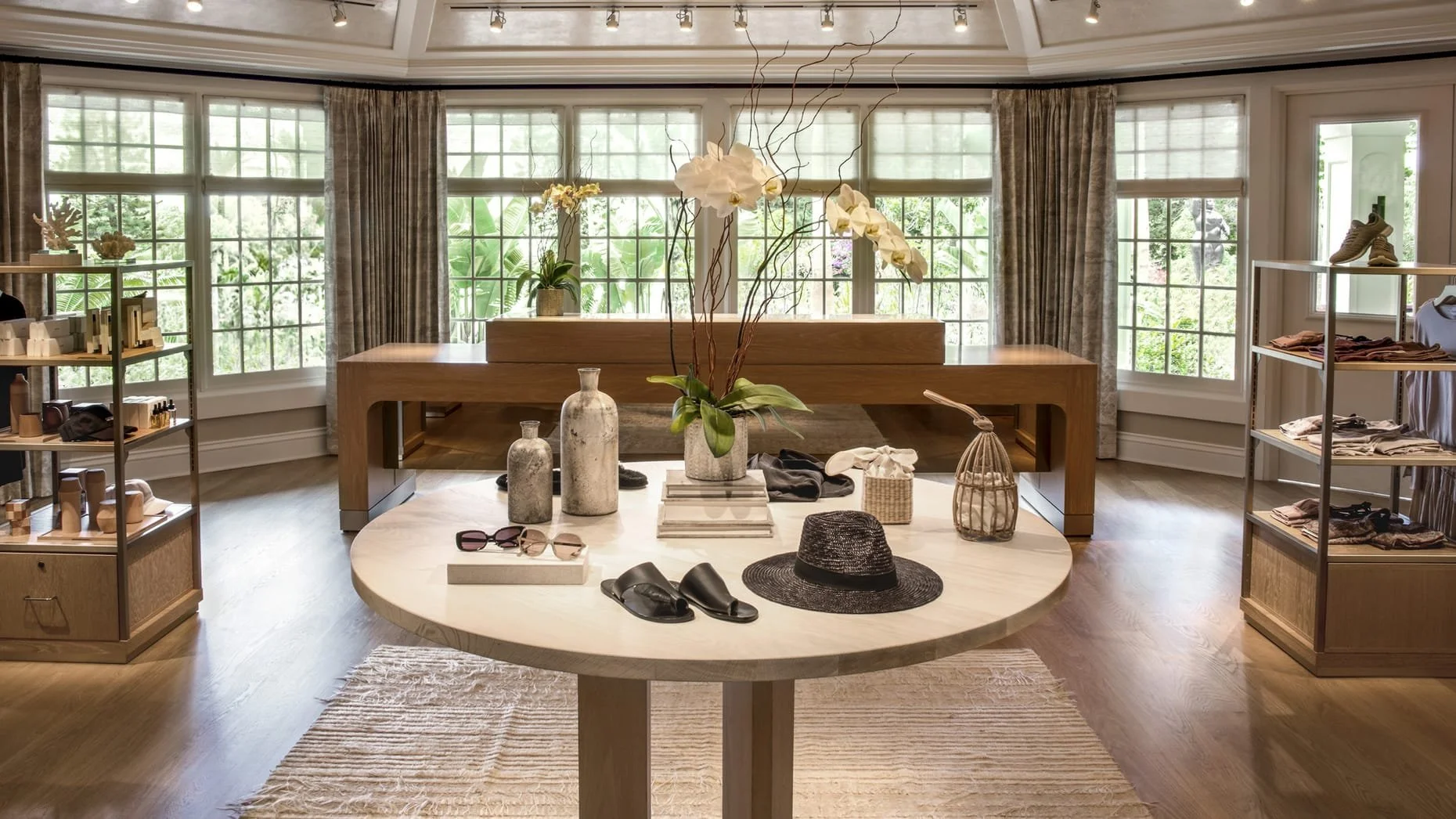
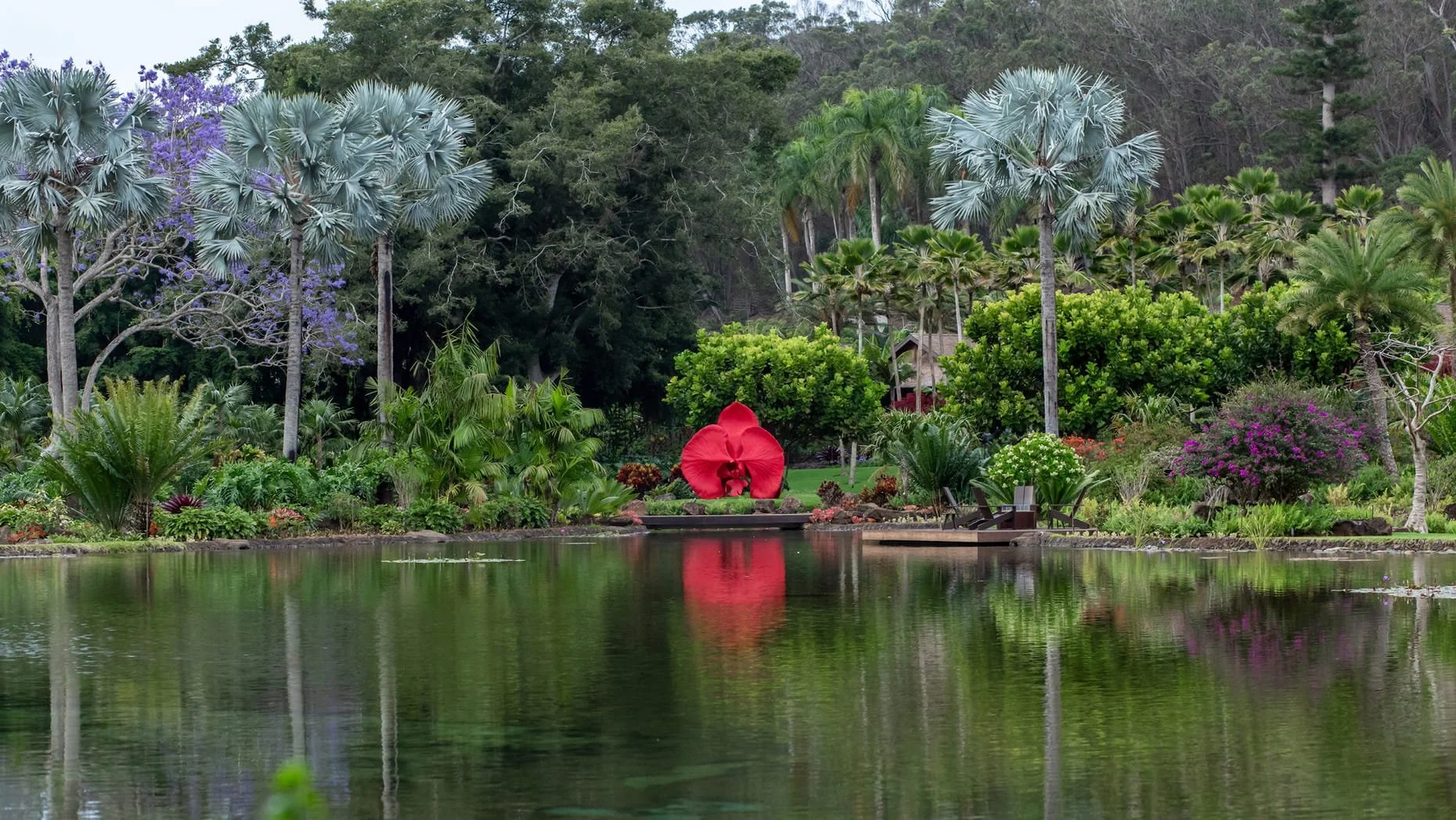
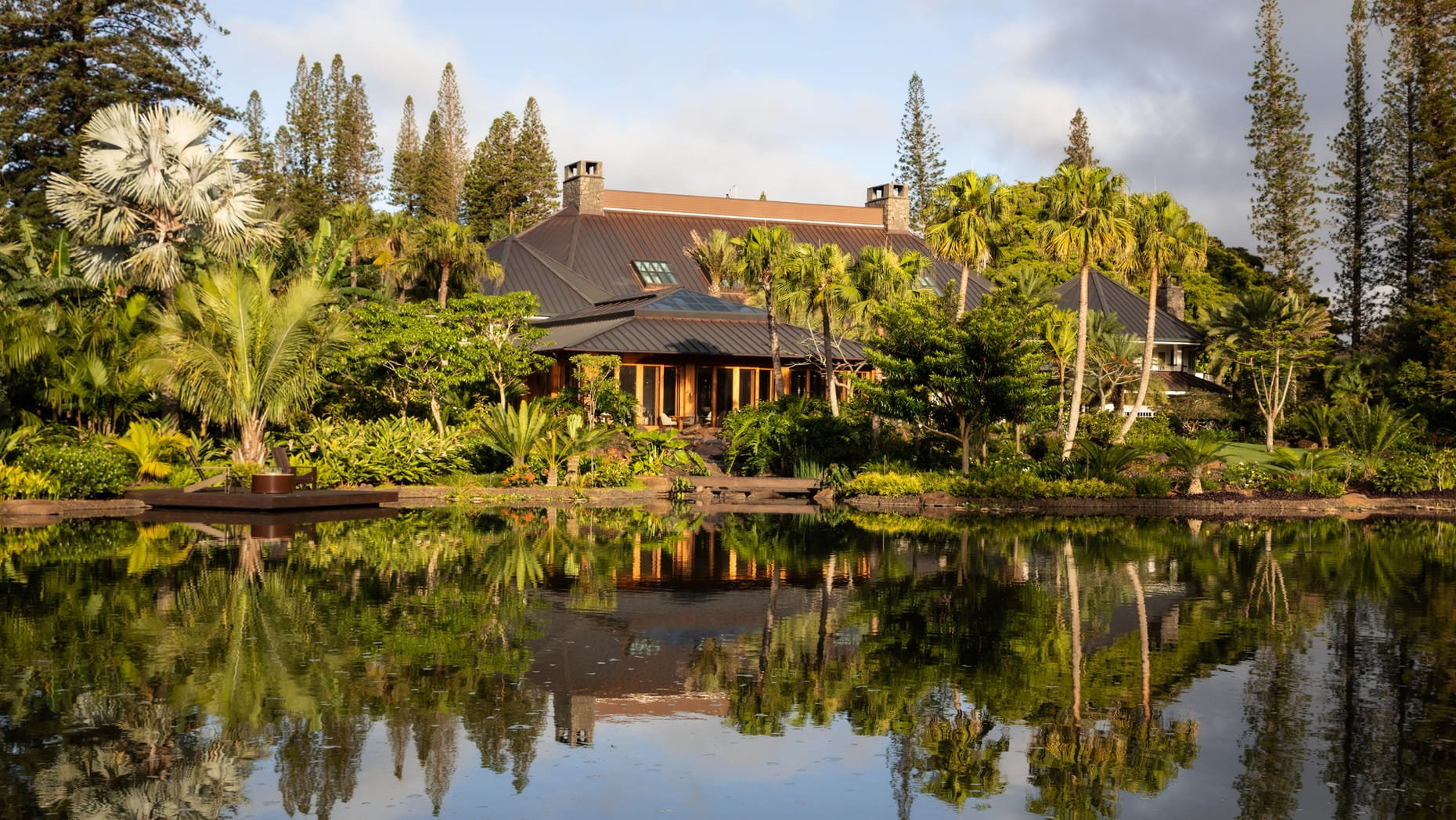
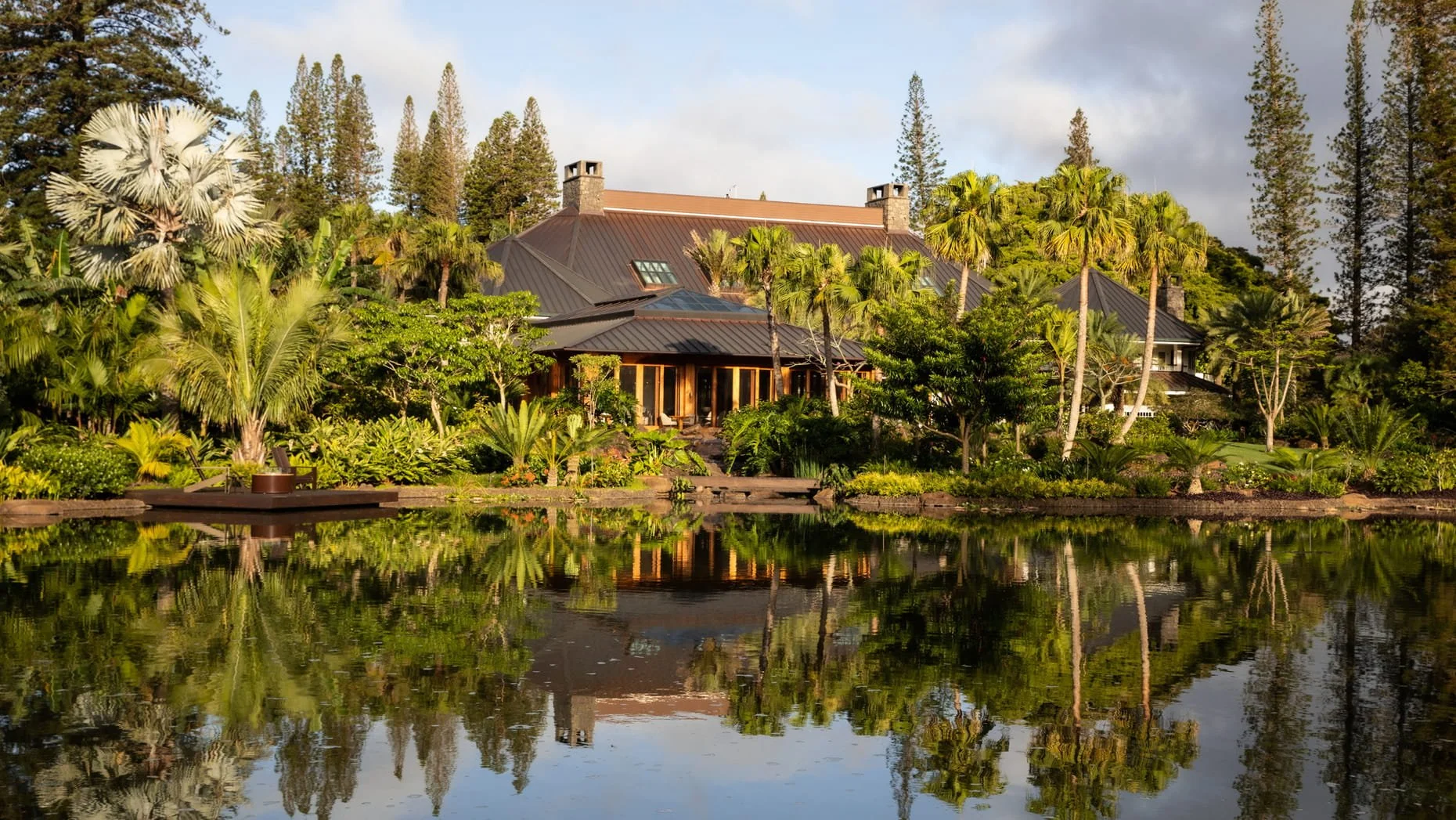
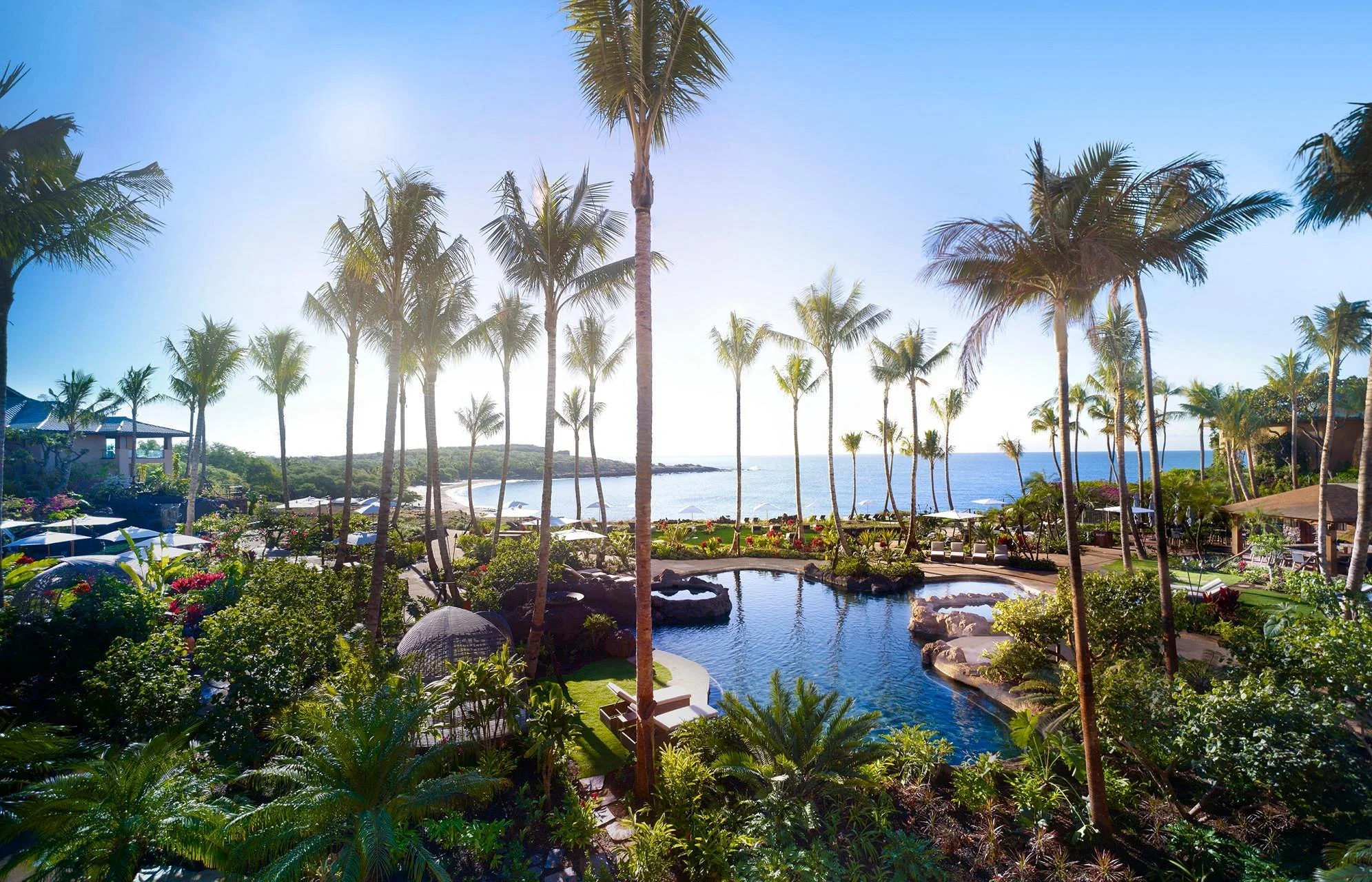
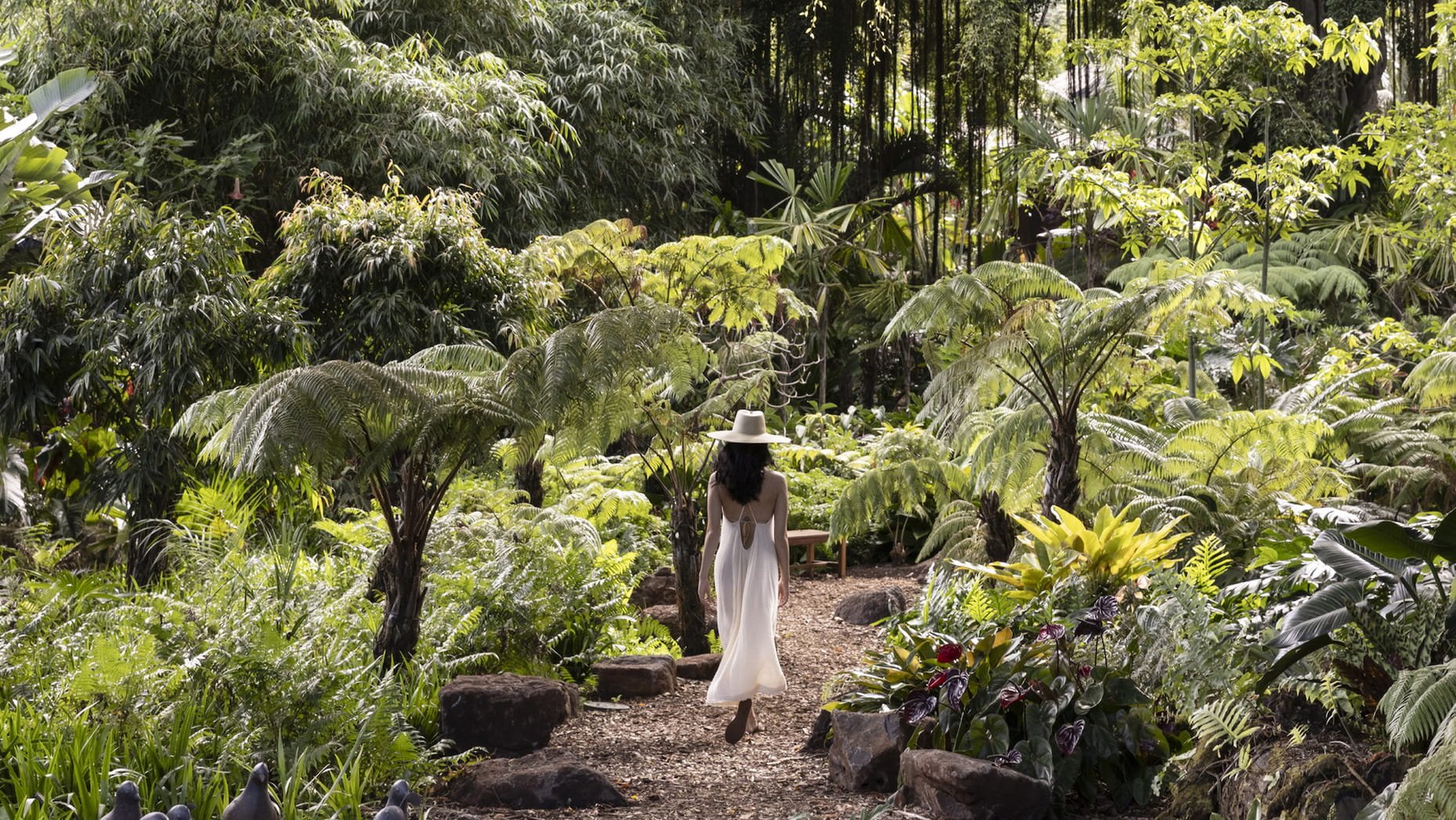
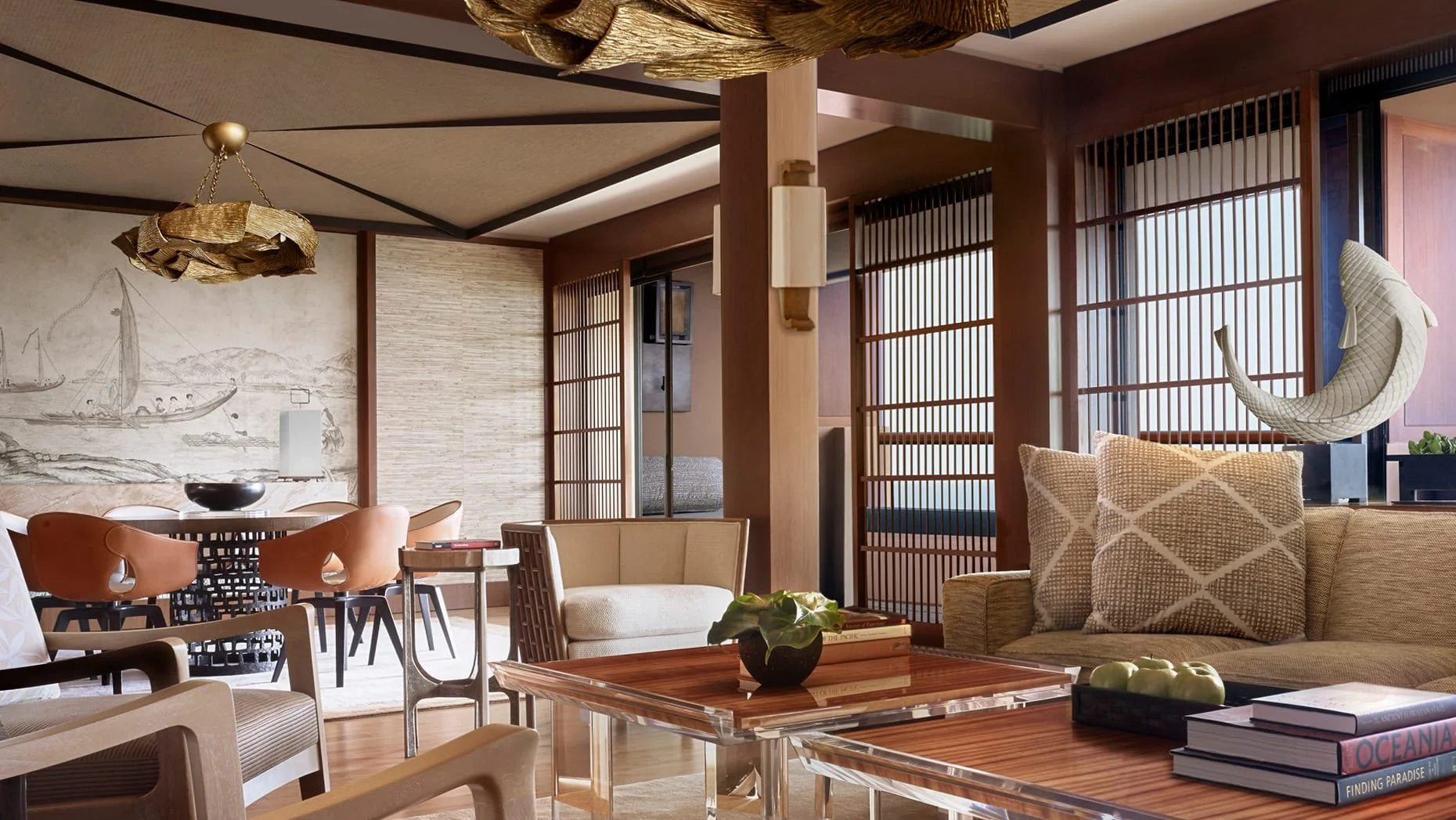
The architecture is deliberately horizontal and open to the outdoors. Guest-room wings are distributed amid tropical gardens and ponds, with shaded walkways leading toward pools, dining terraces and panoramic gathering spaces. Inside, natural textures, timber finishes and contemporary Hawaiian references create a restrained backdrop to the landscape. Private lanais extend the rooms beyond their glass doors, making the choice of orientation a genuine part of the experience.
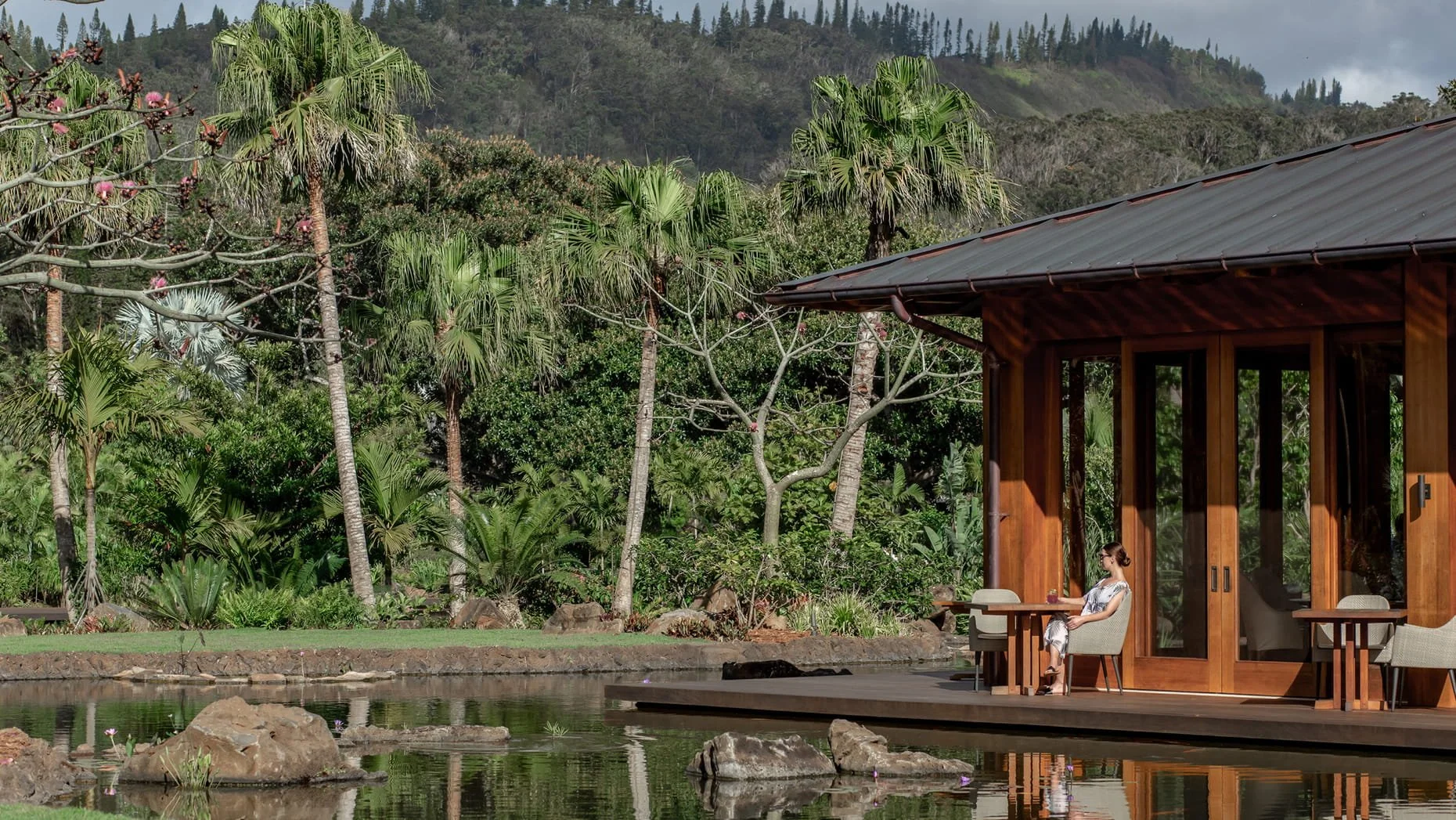
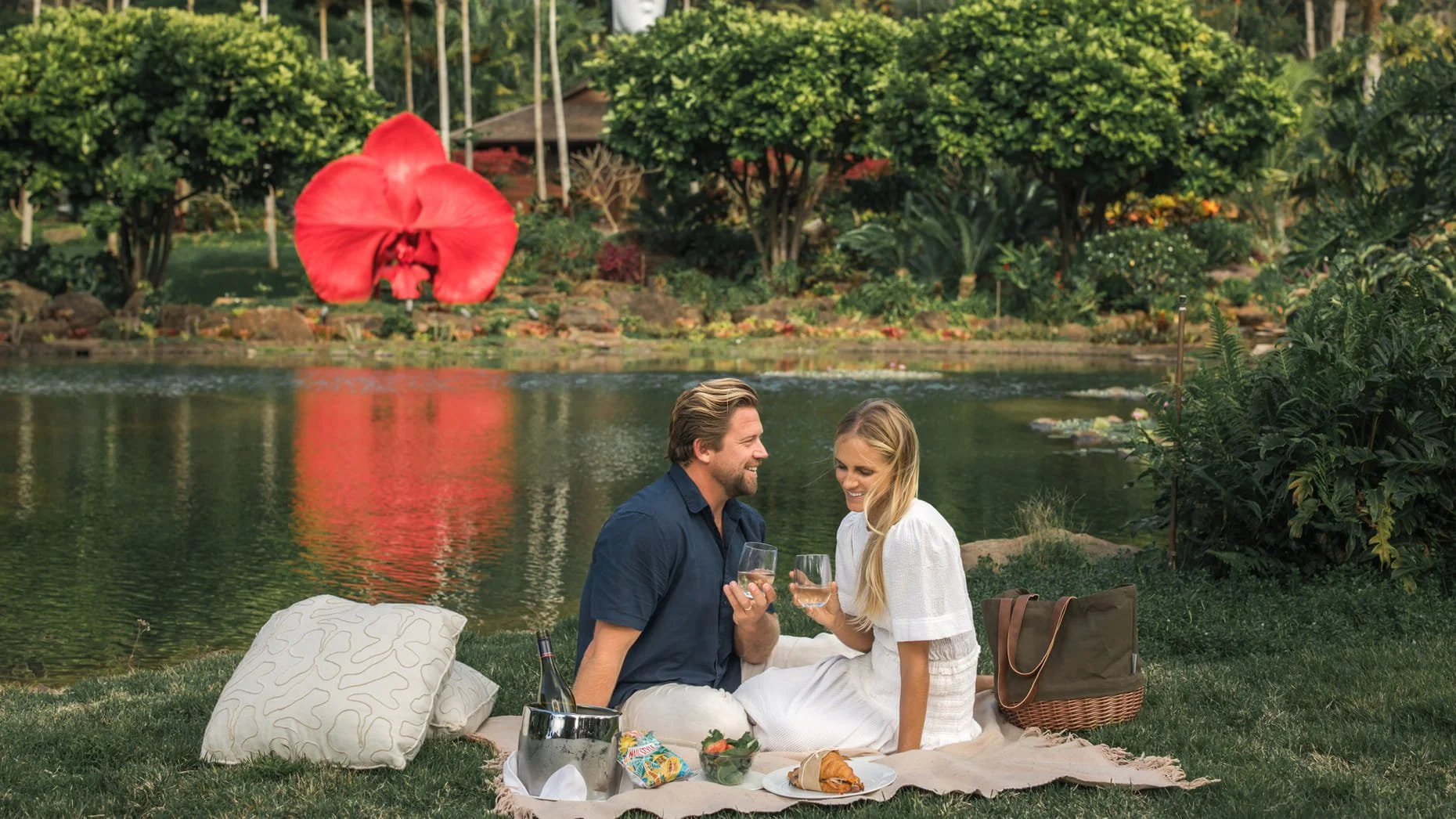
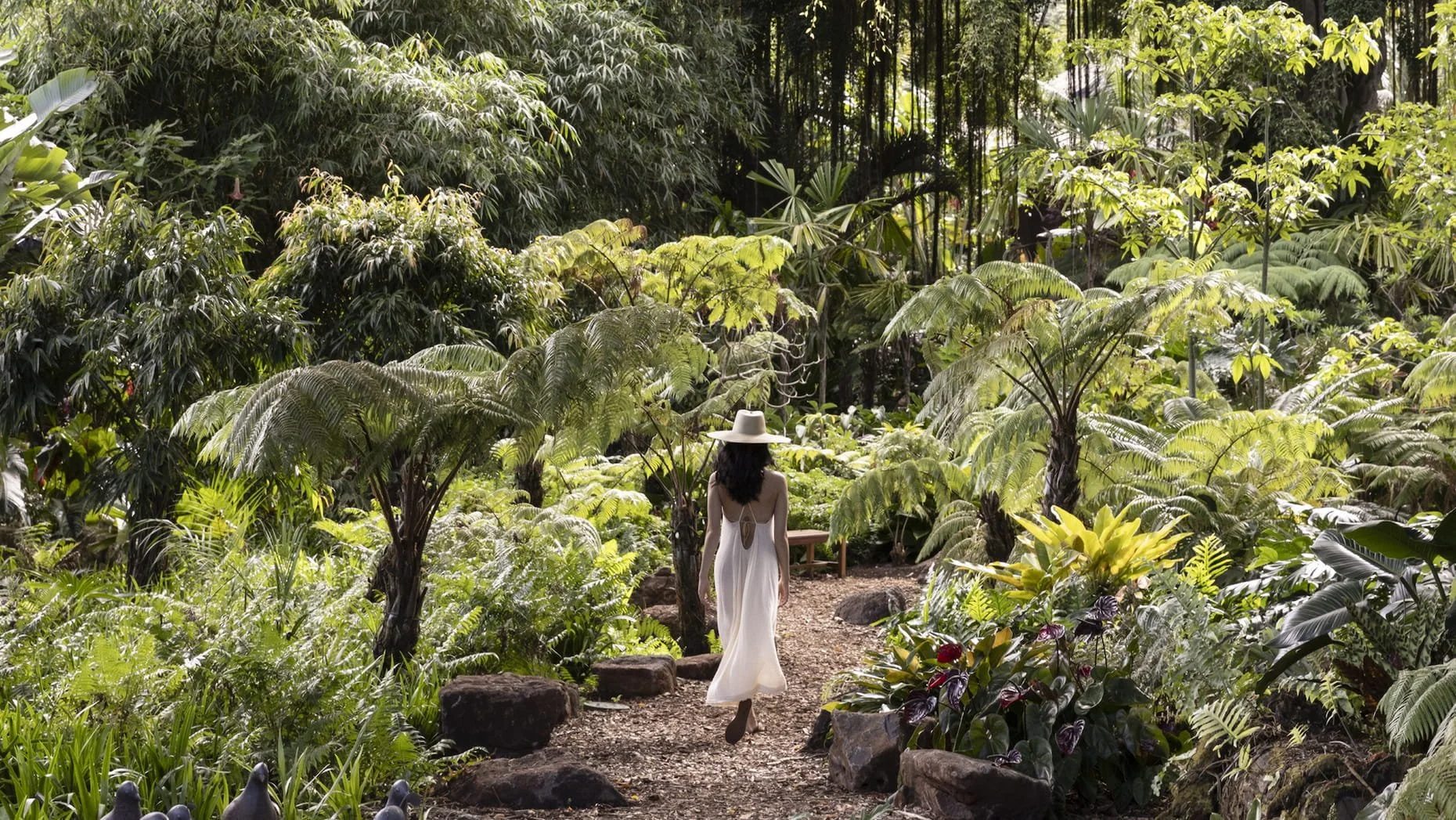
The gardens are more than ornamental. Water features, established trees and flowering plantings soften the transitions between buildings, while the hillside setting allows ocean views to emerge gradually as guests move through the property. The distinction between a garden-facing room and one oriented directly toward the Pacific is therefore considerable, even when the interior floor area is similar.
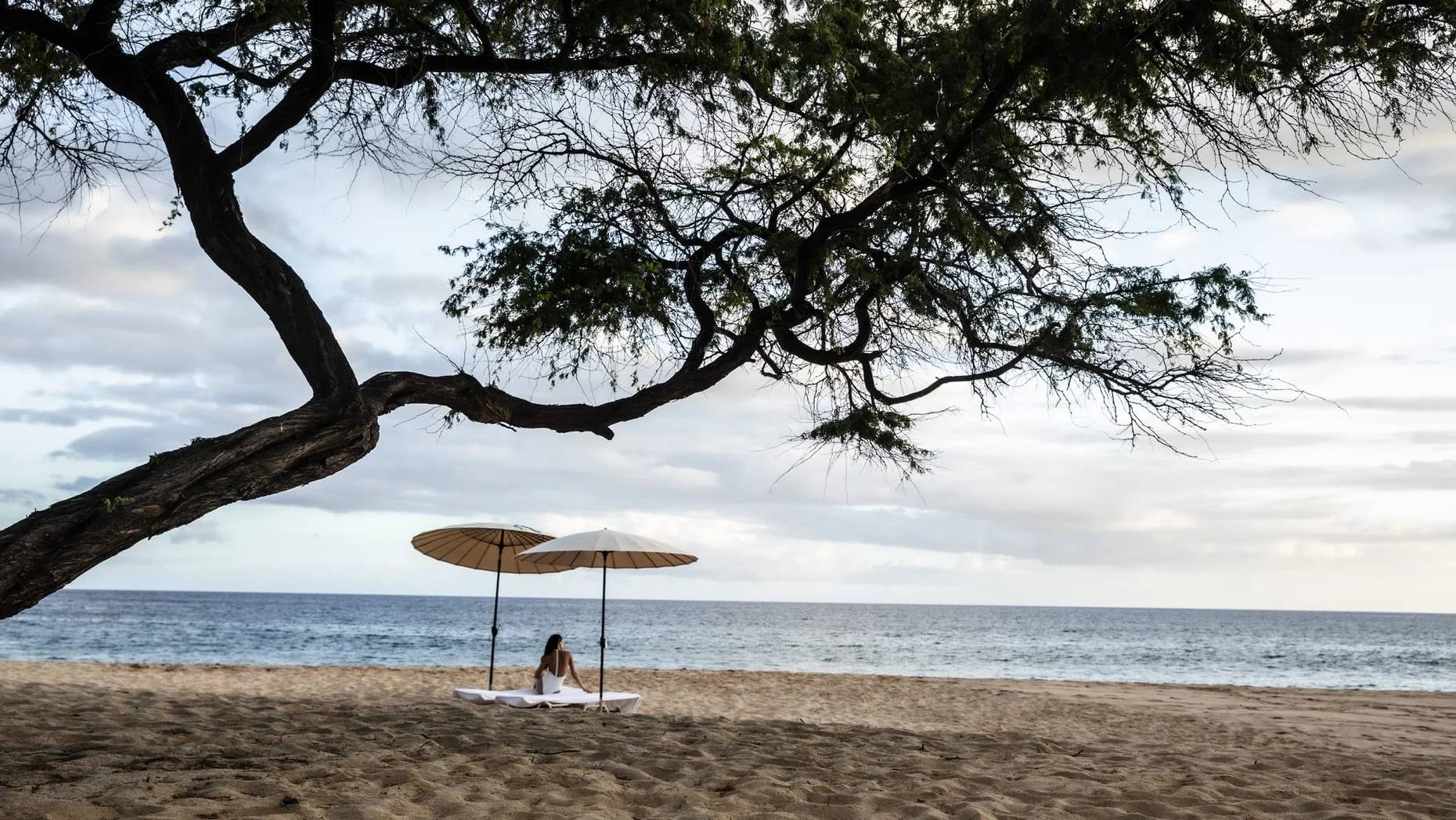
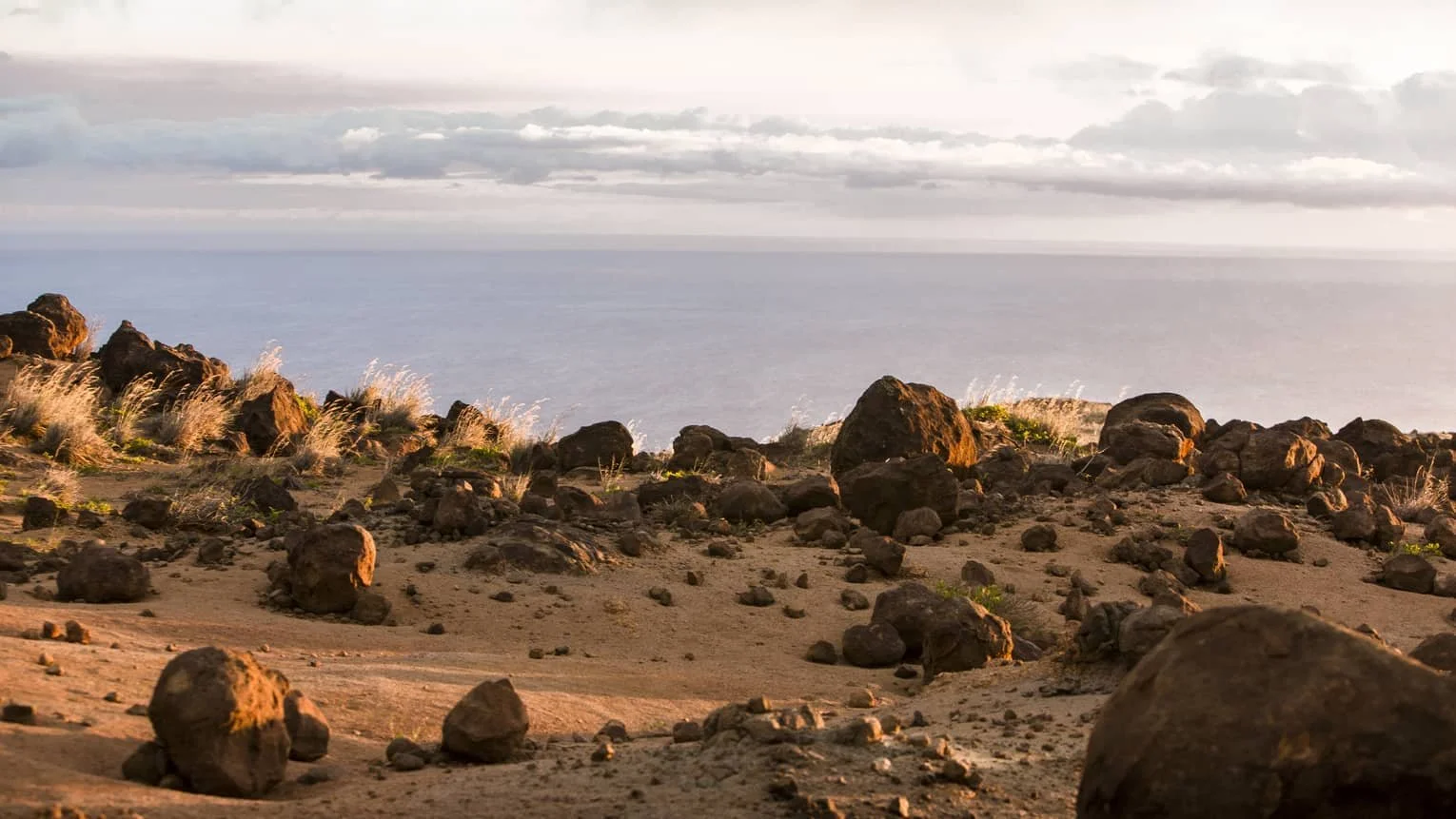
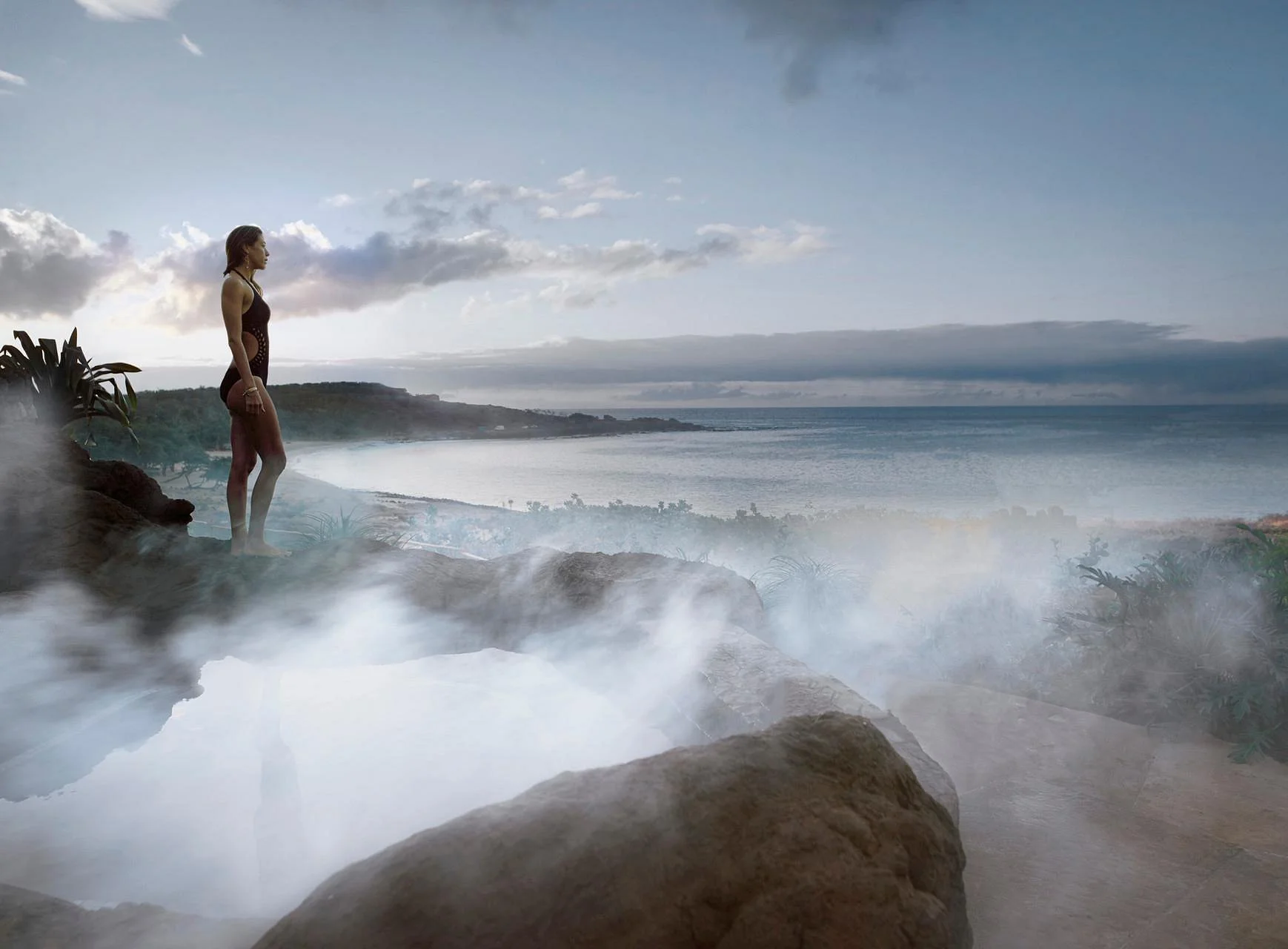
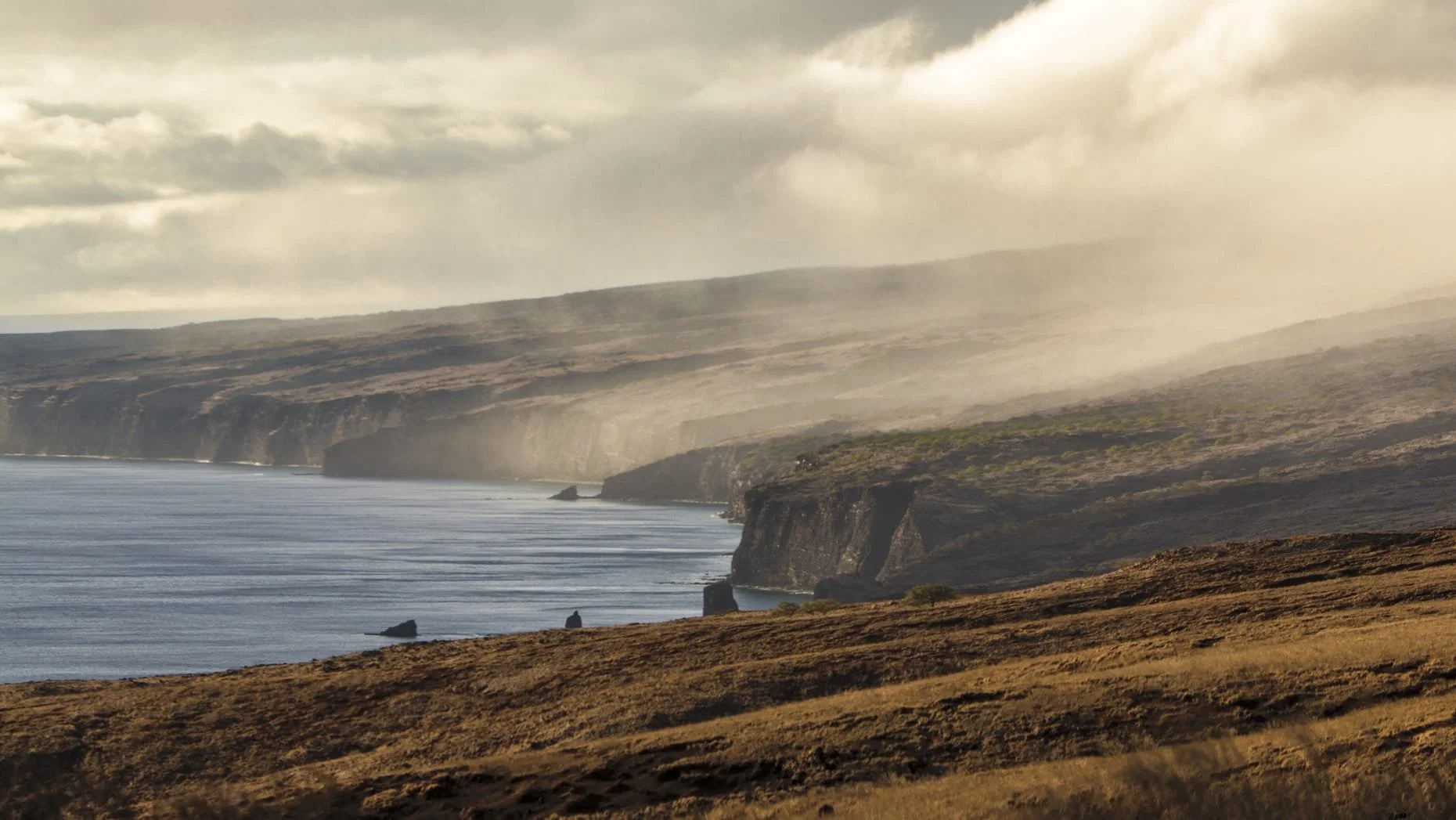
Near Hulopoe Bay, the visual palette shifts to golden sand, dark volcanic formations and blue water. The resort’s principal pools and ocean-facing terraces take advantage of that contrast, while the nearby paths encourage guests to explore the coast on foot rather than experience it solely from a private balcony.
From Garden Rooms to the Alii Royal Suite
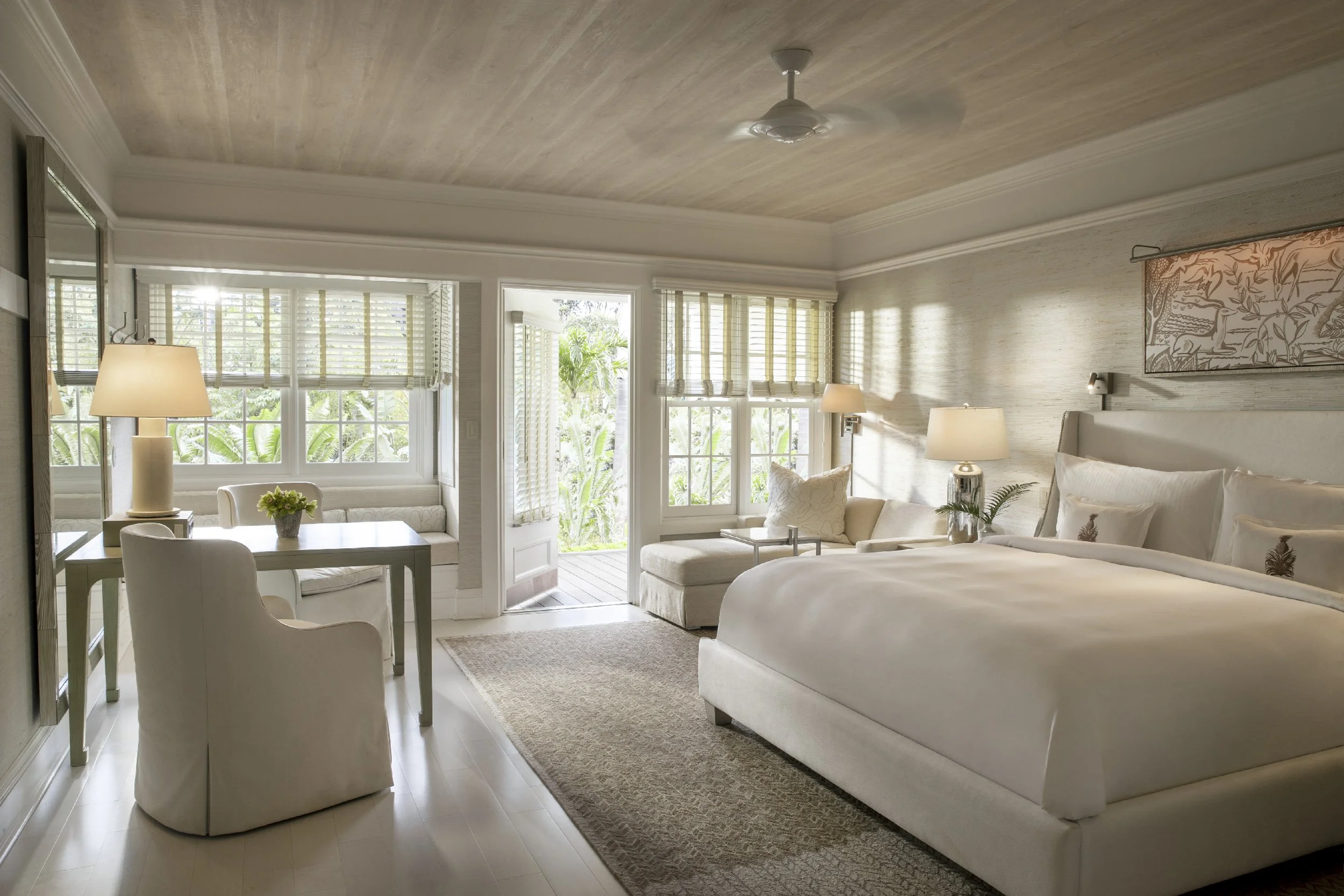
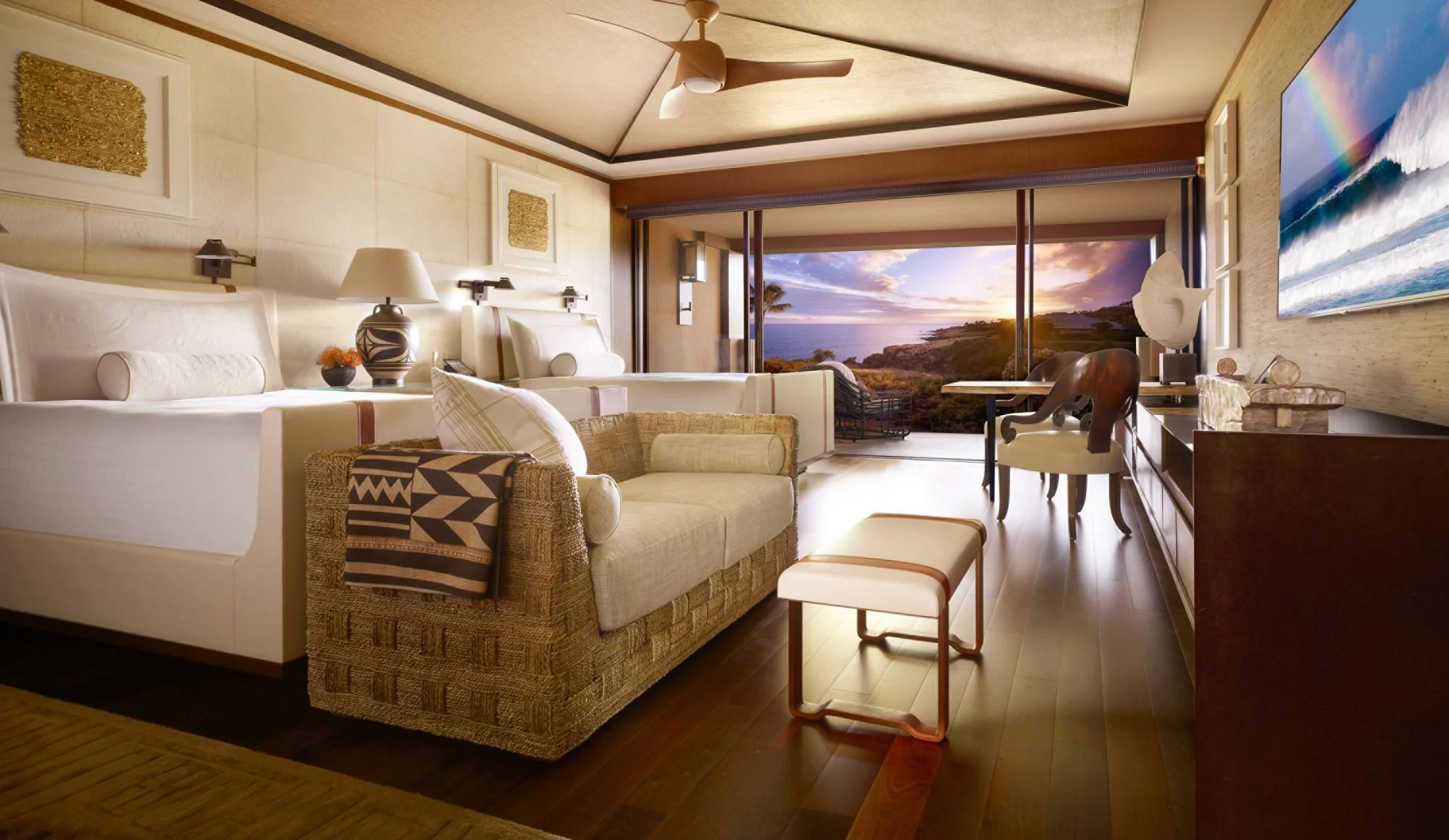
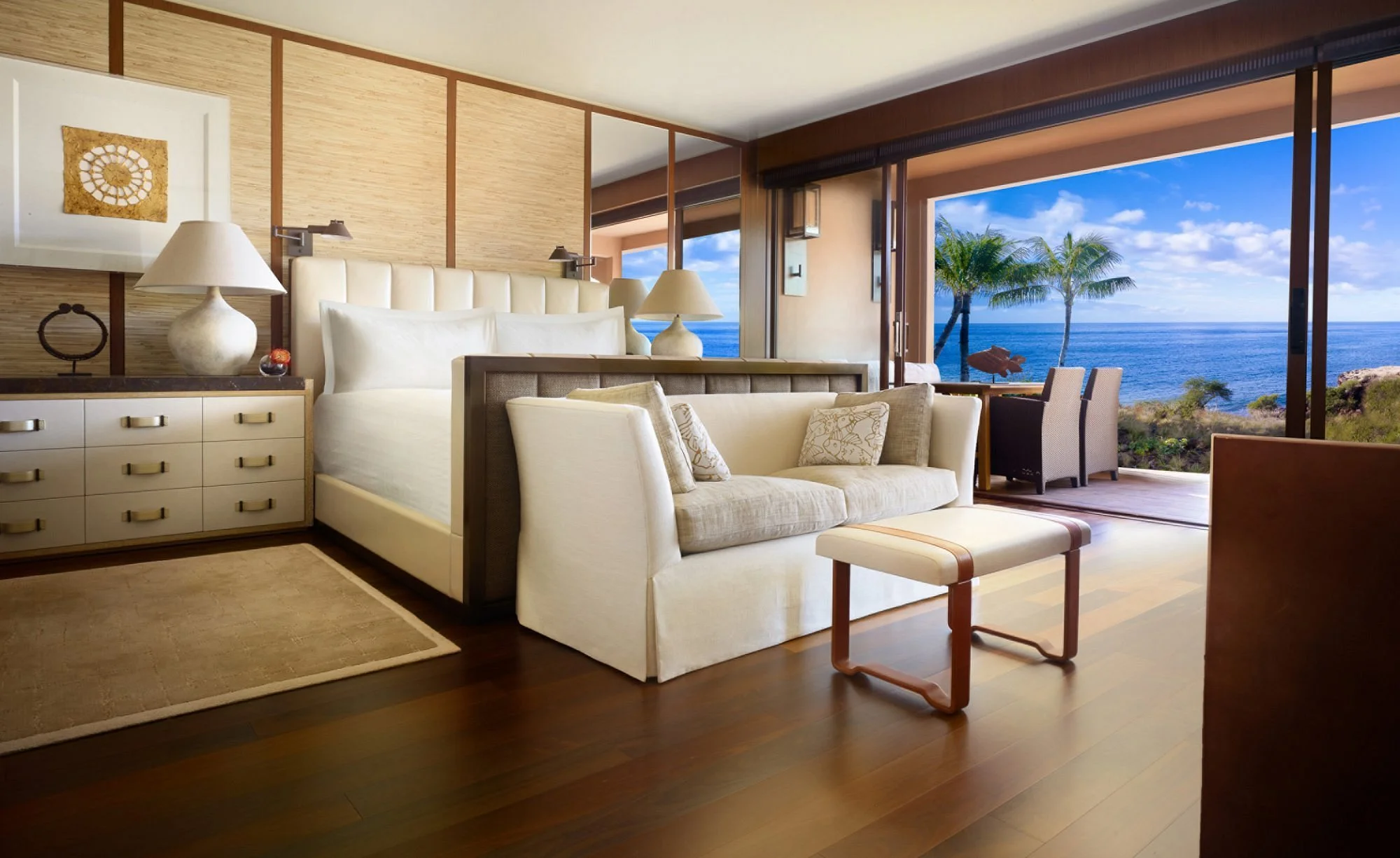
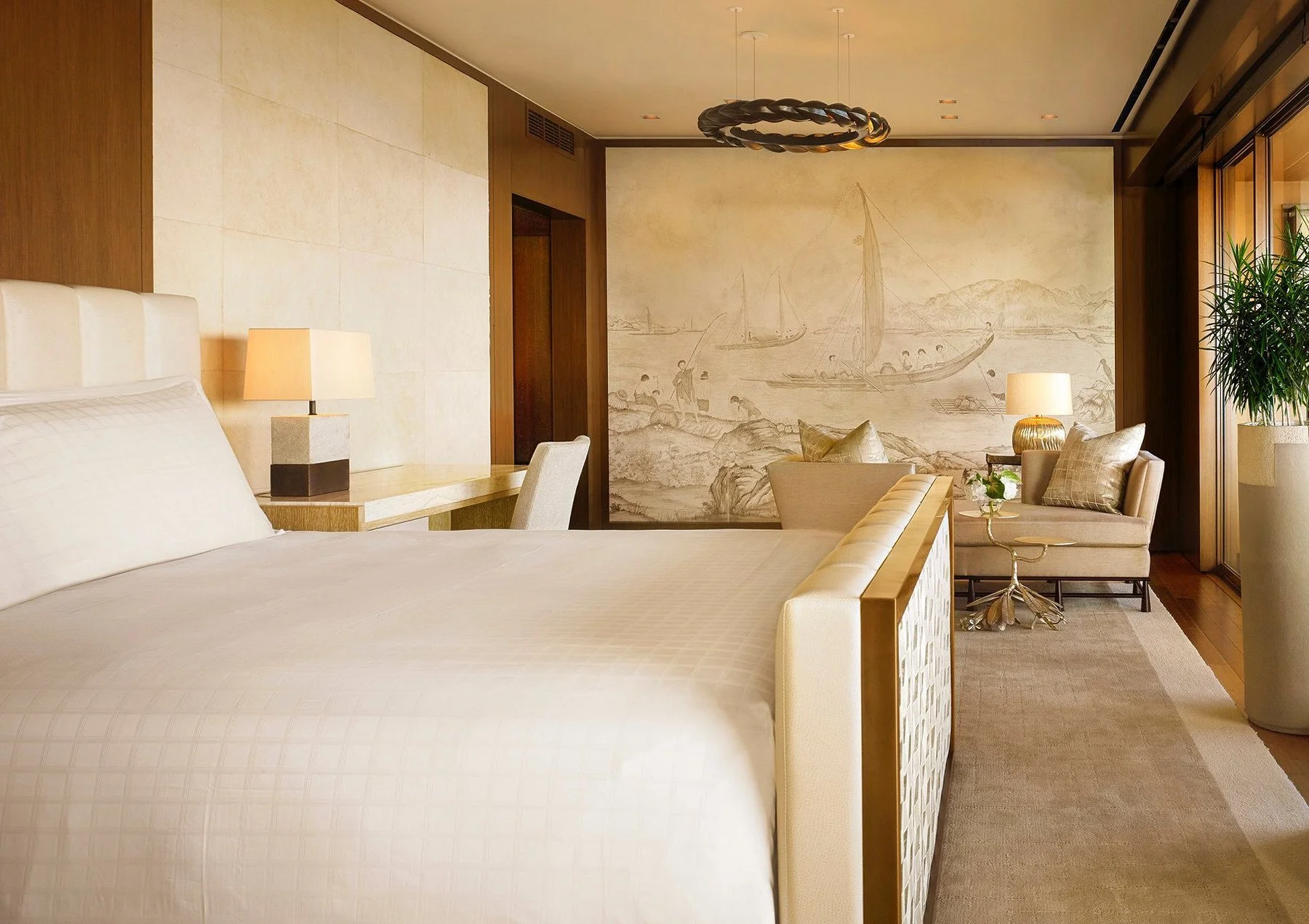
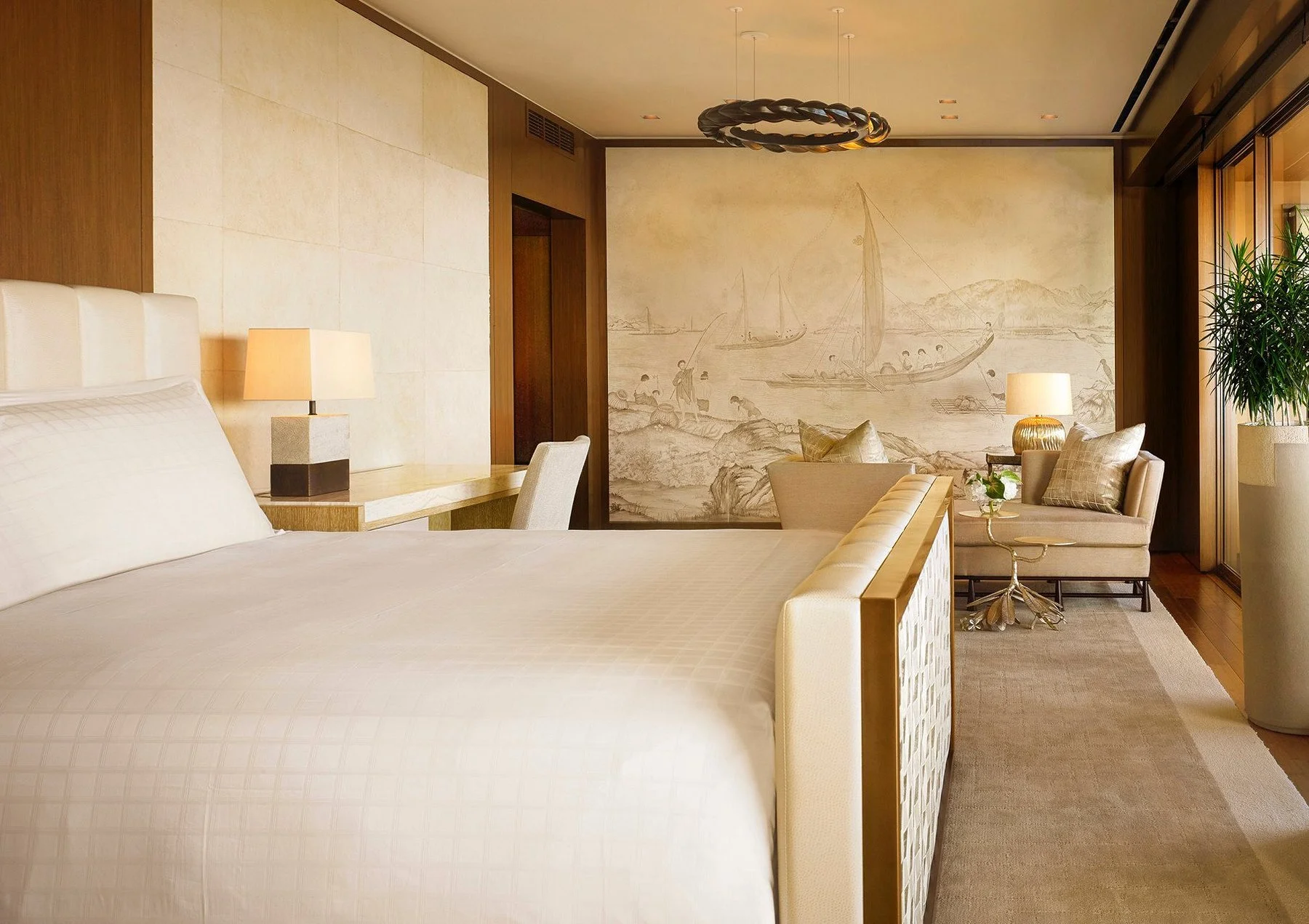
Four Seasons Resort Lanai offers an extensive accommodation collection ranging from elegant guestrooms and oceanfront suites to spacious family accommodations and signature residential-style suites. Many categories feature private lanais overlooking the resort's tropical gardens, Hulopoe Bay or the Pacific Ocean. The published measurements generally include outdoor lanai space, with categories progressing from guestrooms to the resort's most expansive specialty suites.
Garden-View Room: 663–734 sq. ft. (61–68 sq. m.), featuring a king or two double beds, private lanai and views across landscaped gardens and water features.
Resort-View Room: 663–734 sq. ft. (61–68 sq. m.), offering a king or two double beds, furnished lanai and views overlooking the resort's tropical grounds.
Partial Ocean-View Room: 663–734 sq. ft. (61–68 sq. m.), featuring a private lanai with partial Pacific Ocean views, a king or two double beds and contemporary island-inspired interiors.
Ocean-View Room: 663–734 sq. ft. (61–68 sq. m.), offering a king or two double beds, private lanai and expansive views across the Pacific Ocean and surrounding coastline.
Oceanfront Room: 663–734 sq. ft. (61–68 sq. m.), featuring a private lanai and panoramic oceanfront views, providing a closer connection to the resort's coastal setting.
Garden-View Suite: 1,052–1,138 sq. ft. (98–106 sq. m.), featuring a spacious studio-style layout, king bed, sofa bed, private lanai and landscaped garden views.
Oceanfront Studio Suite: 935–1,017 sq. ft. (87–94 sq. m.), offering an open-plan studio arrangement with a comfortable sitting area, private lanai and oceanfront views.
Prime Oceanfront Studio Suite: 935–1,017 sq. ft. (87–94 sq. m.), featuring a desirable corner position, spacious sitting area and sweeping Pacific Ocean views.
Ocean-View Suite: 1,052–1,138 sq. ft. (98–106 sq. m.), offering a generous open-plan bedroom and living area, private lanai and scenic ocean views.
Penthouse Deluxe Suite: 1,056 sq. ft. (98 sq. m.), featuring a king bedroom, comfortable living spaces and an elevated penthouse setting with residential-style furnishings.
Penthouse Deluxe Oceanfront Suite: 1,152 sq. ft. (107 sq. m.), offering a king bedroom, separate living area, private balcony and expansive views overlooking the Pacific coastline.
Ohana Garden-View Suite: 1,280–1,462 sq. ft. (119–136 sq. m.), featuring a king bedroom, sofa bed, generous living areas and garden views, well suited to families seeking additional space.
Ohana Partial Ocean-View Suite: 1,280–1,462 sq. ft. (119–136 sq. m.), offering family-friendly living space, a private lanai and partial Pacific Ocean views.
Ohana Ocean-View Suite: 1,280–1,465 sq. ft. (119–136 sq. m.), featuring a king bedroom, spacious living area and private lanai overlooking the Pacific Ocean, ideal for extended family stays.
Ohana Oceanfront Suite: 1,280 sq. ft. (119 sq. m.), offering a separate king bedroom, comfortable living space and oceanfront views in a residential-style setting.
Ohana Prime Oceanfront Suite: 1,280 sq. ft. (119 sq. m.), featuring a spacious family-oriented layout, private lanai and an enhanced oceanfront position with panoramic coastal views.
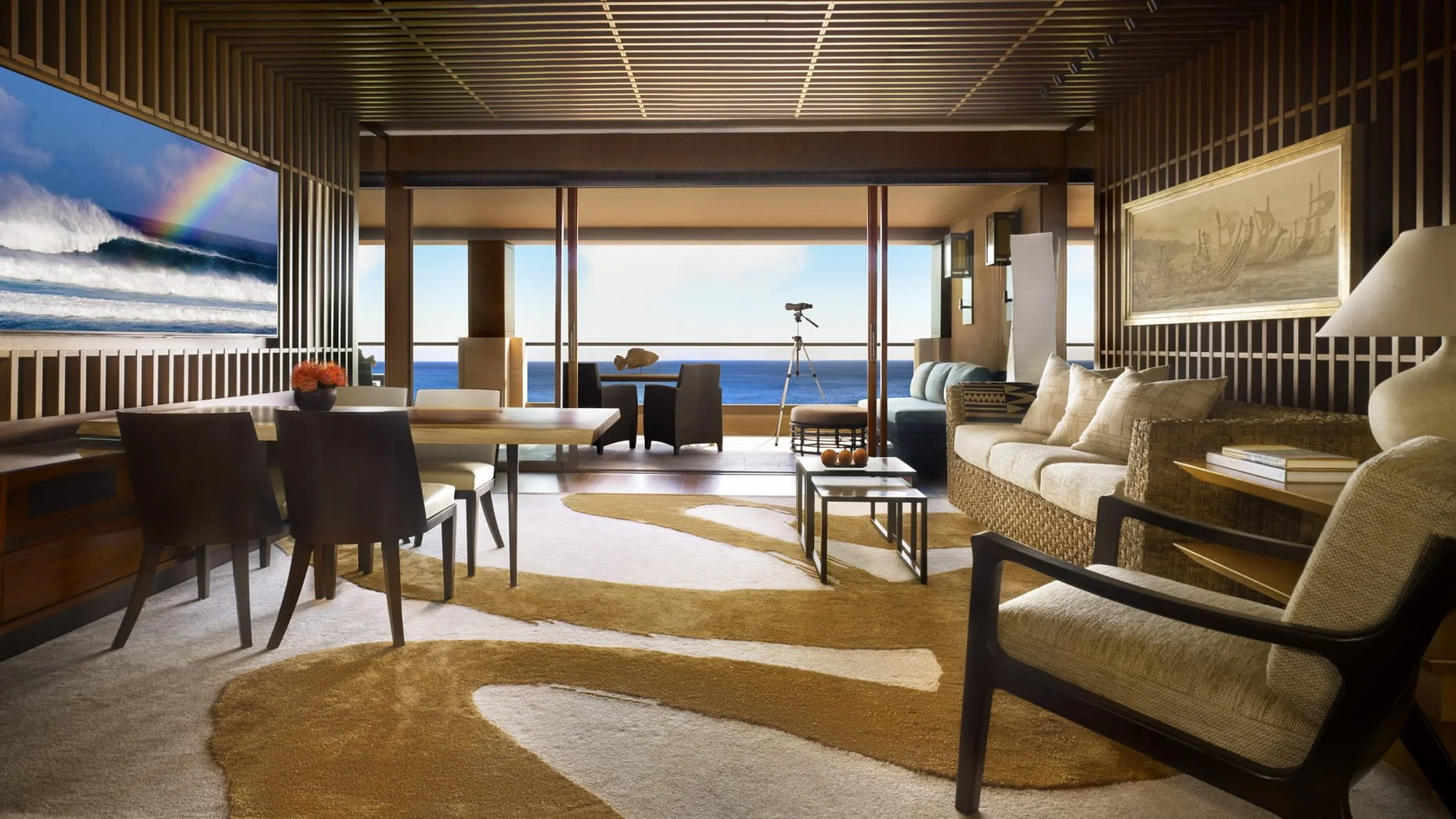
Penthouse Prime Oceanfront Suite: 1,500 sq. ft. (139 sq. m.), offering a king bedroom, sofa bed, expansive living areas and a premium penthouse position overlooking the ocean.
Palawai Suite: 1,809 sq. ft. (168 sq. m.) for the one-bedroom configuration or 2,961 sq. ft. (275 sq. m.) for the two-bedroom configuration, featuring generous living and gathering spaces suited to couples, families or friends traveling together.
Makai Suite: 2,300 sq. ft. (213 sq. m.), featuring a king bedroom, expansive living areas and generous space for entertaining or extended stays.
Manele Suite: 2,300 sq. ft. (213 sq. m.), offering spacious living and entertaining areas complemented by distinctive timber details and island-inspired interiors.
Kapihaa Presidential Suite: 2,300 sq. ft. (213 sq. m.), featuring a king bedroom, expansive living spaces and bespoke Hawaiian-inspired design details.
Hulopoe Presidential Suite: 2,300 sq. ft. (213 sq. m.), offering generous living and entertaining spaces, a private retreat atmosphere and distinctive island-inspired furnishings.
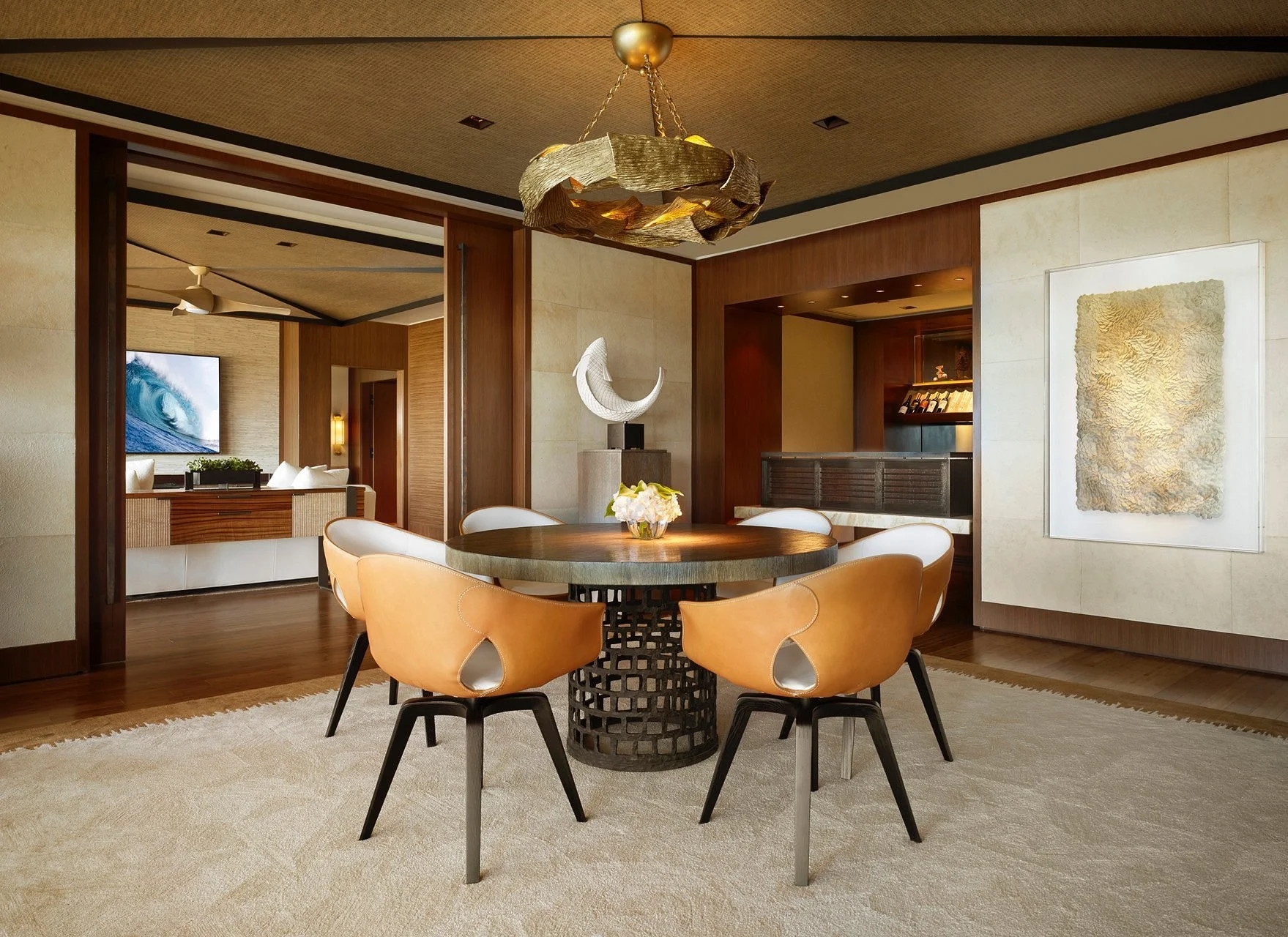
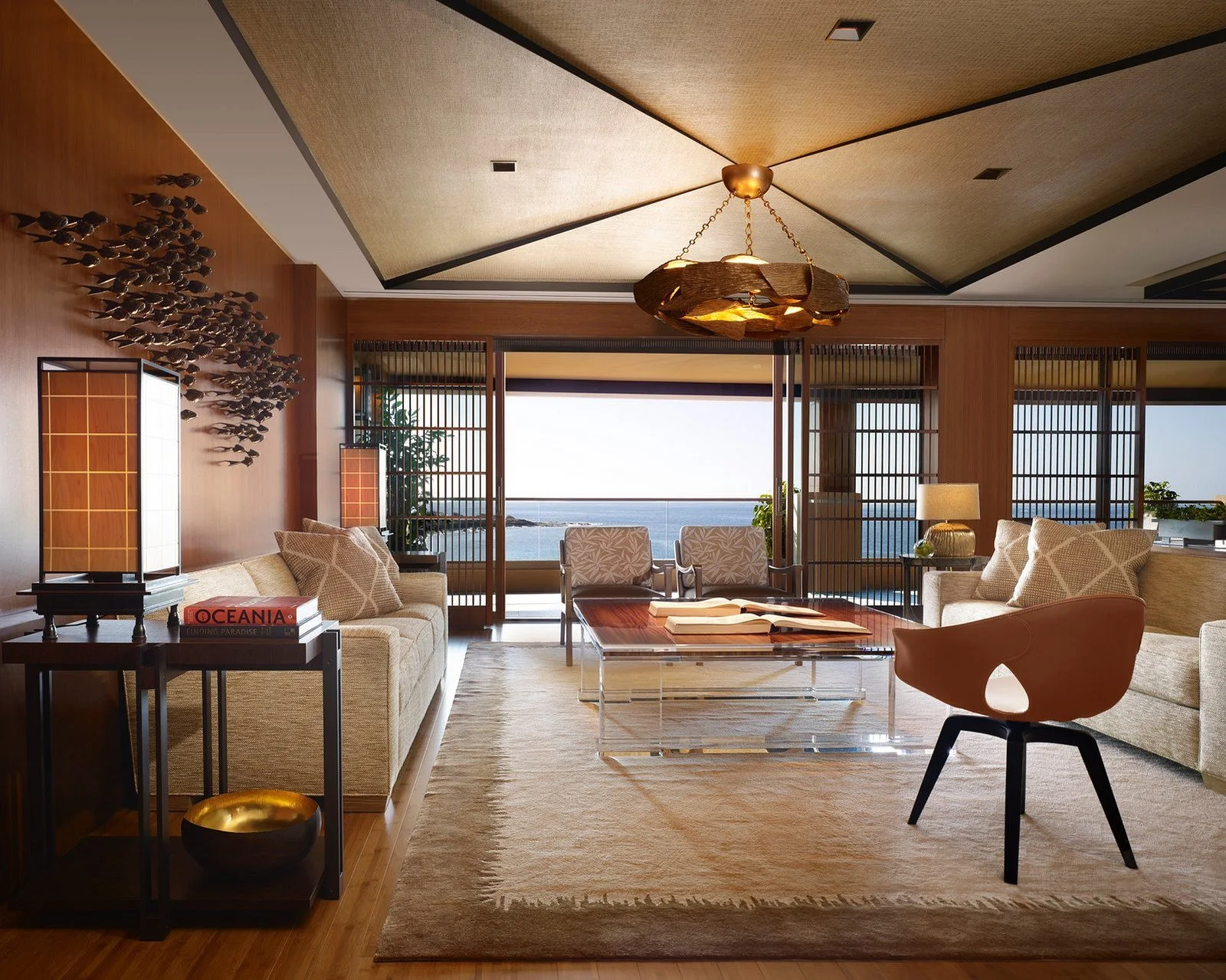
Alii Royal Suite: 3,984 sq. ft. (370 sq. m.), featuring two bedrooms, expansive living and dining spaces, a private media room, library and three lanais, providing an exceptional residential-style retreat.
Accessible accommodation is also available in selected categories, including the Accessible Garden-View Room: 524 sq. ft. (48 sq. m.), and the Prime Oceanfront Accessible Room: 663–734 sq. ft. (61–68 sq. m.). These accommodations offer adapted features to support guests with specific mobility requirements, with individual arrangements to be confirmed before booking.
The most meaningful distinctions between the accommodation categories involve views, outdoor living space and the separation of bedrooms from shared areas. Couples may prefer the privacy of an oceanfront room or studio suite, while families benefit from the flexibility of the Ohana collection. The Penthouse and specialty suites provide more extensive entertaining space, making them appealing for longer stays, special occasions and guests seeking a more residential island experience.
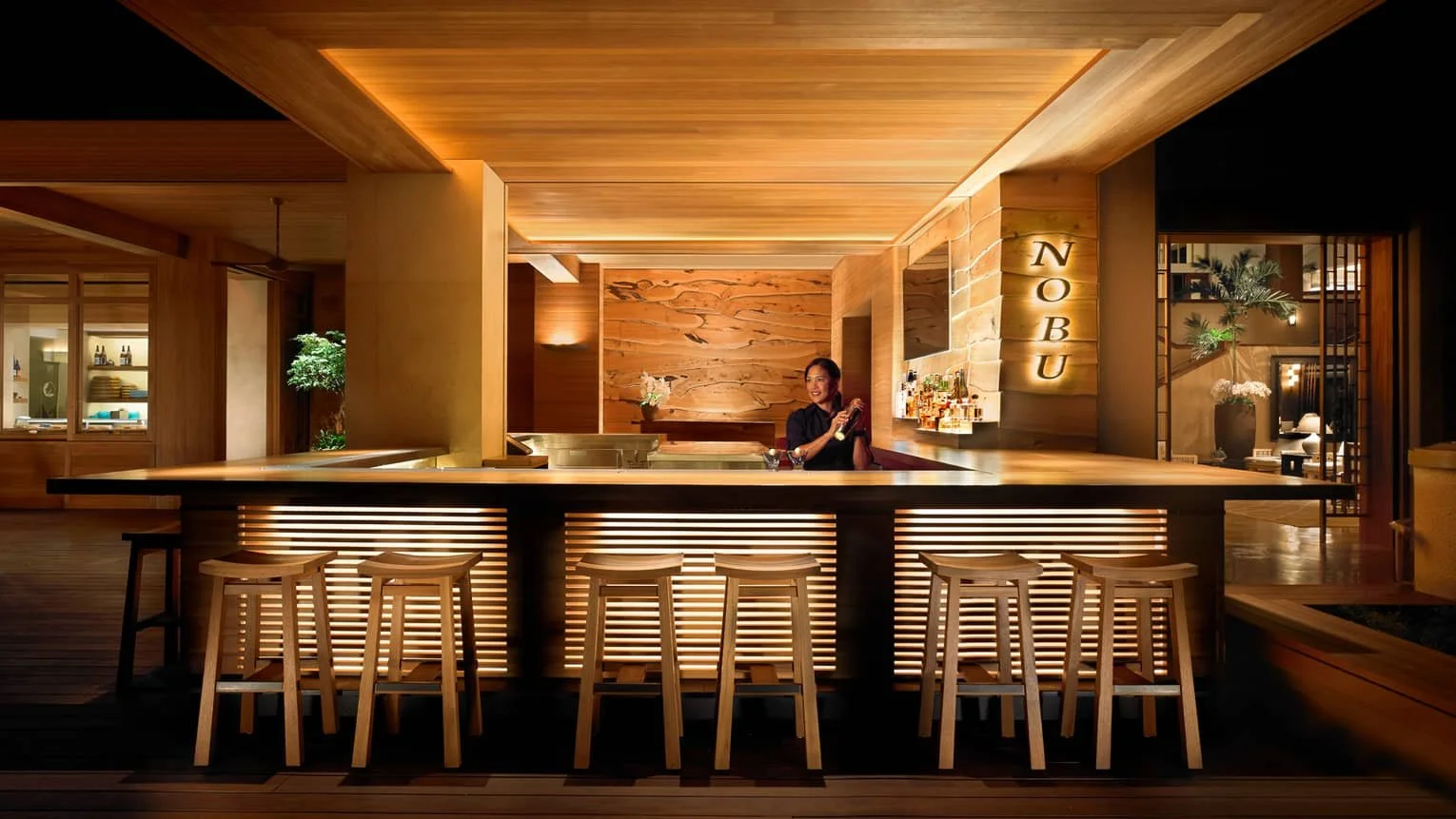
Dining Between the Gardens and the Pacific
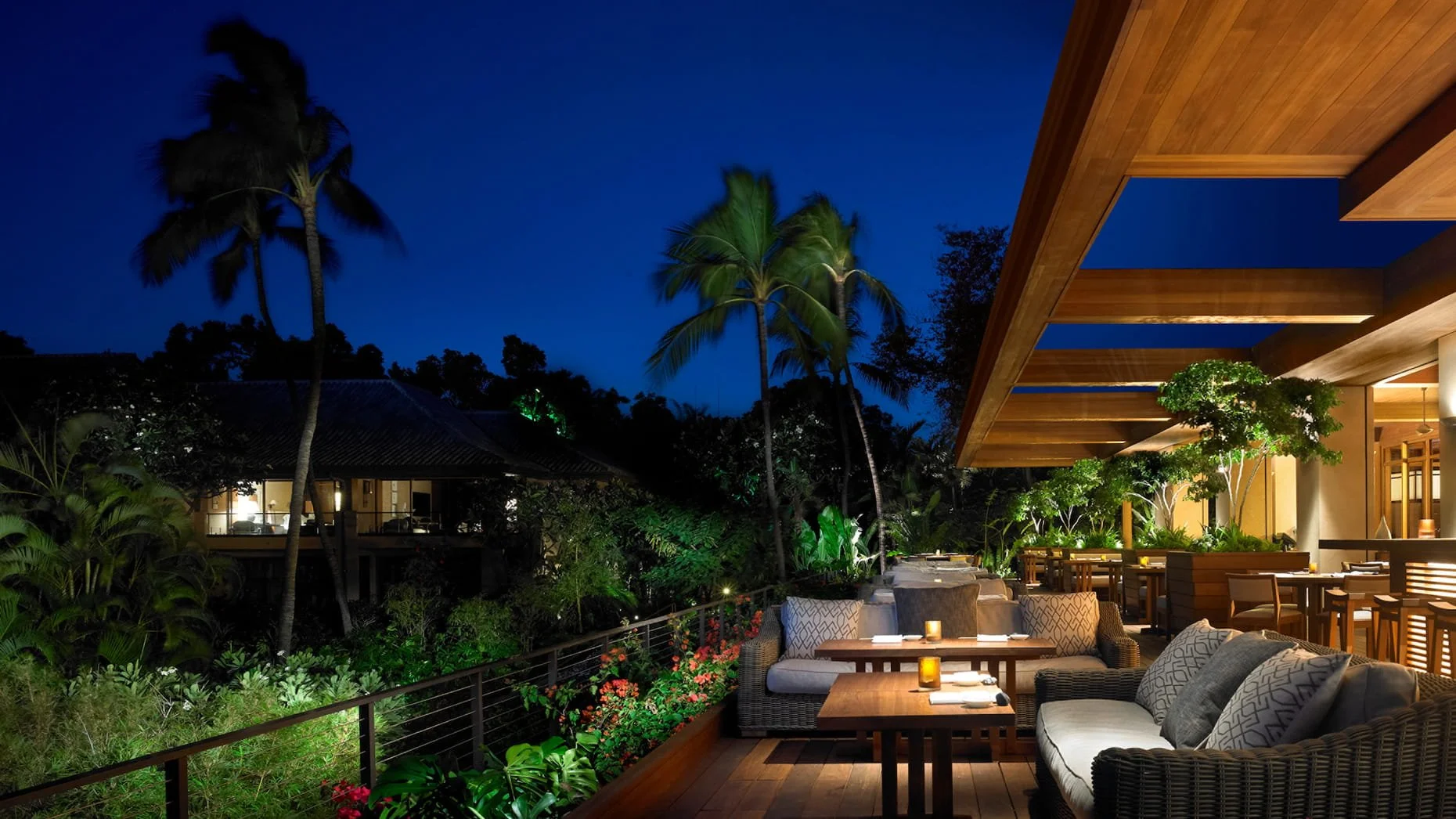
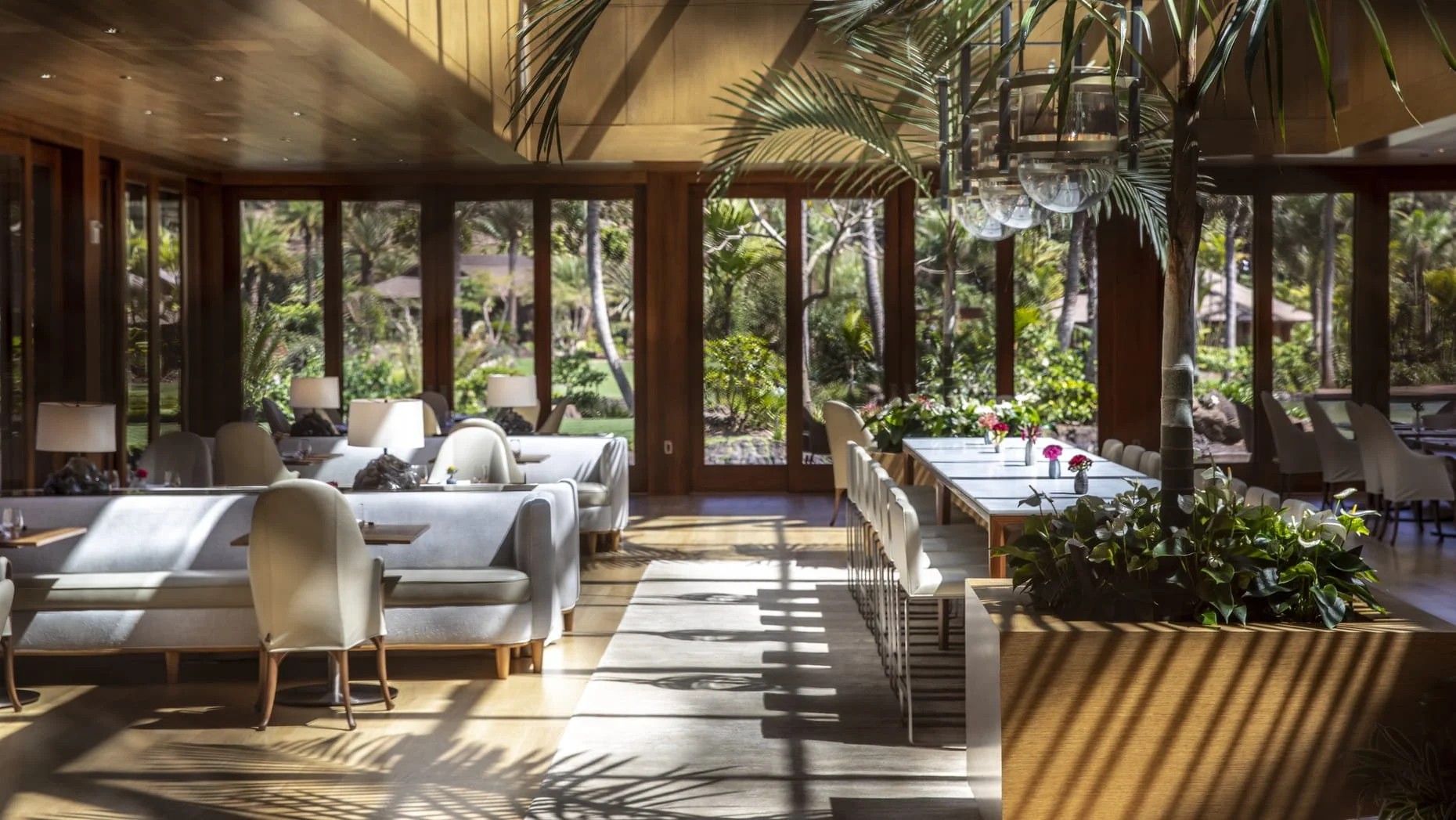
Dining is sufficiently varied to make several nights on the island feel different without requiring travel elsewhere. The resort’s current collection brings Japanese, Italian and produce-led menus together with relaxed poolside and golf-course options.
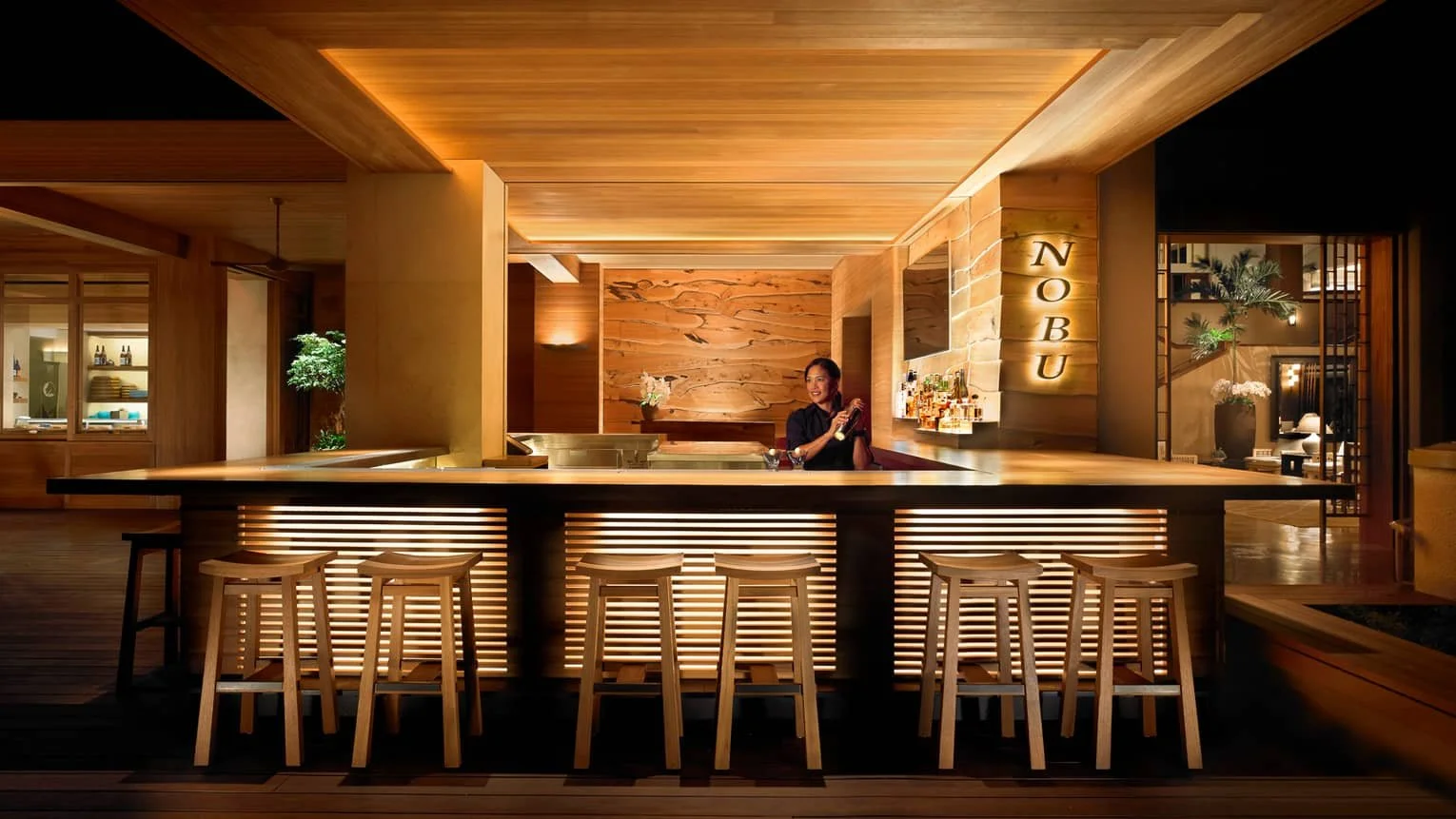
Nobu Lanai: Chef Nobu Matsuhisa’s Japanese restaurant combines signature dishes and locally sourced ingredients with Pacific views and an optional teppanyaki experience.
Osteria Mozza Lanai: Chef Nancy Silverton’s Italian dining concept draws on familiar Osteria Mozza signatures and seasonal island produce.
Malibu Farm: A relaxed poolside lunch venue emphasizing local and organic ingredients.
VIEWS: The Manele Golf Course restaurant serves lunch and drinks with sweeping ocean scenery.
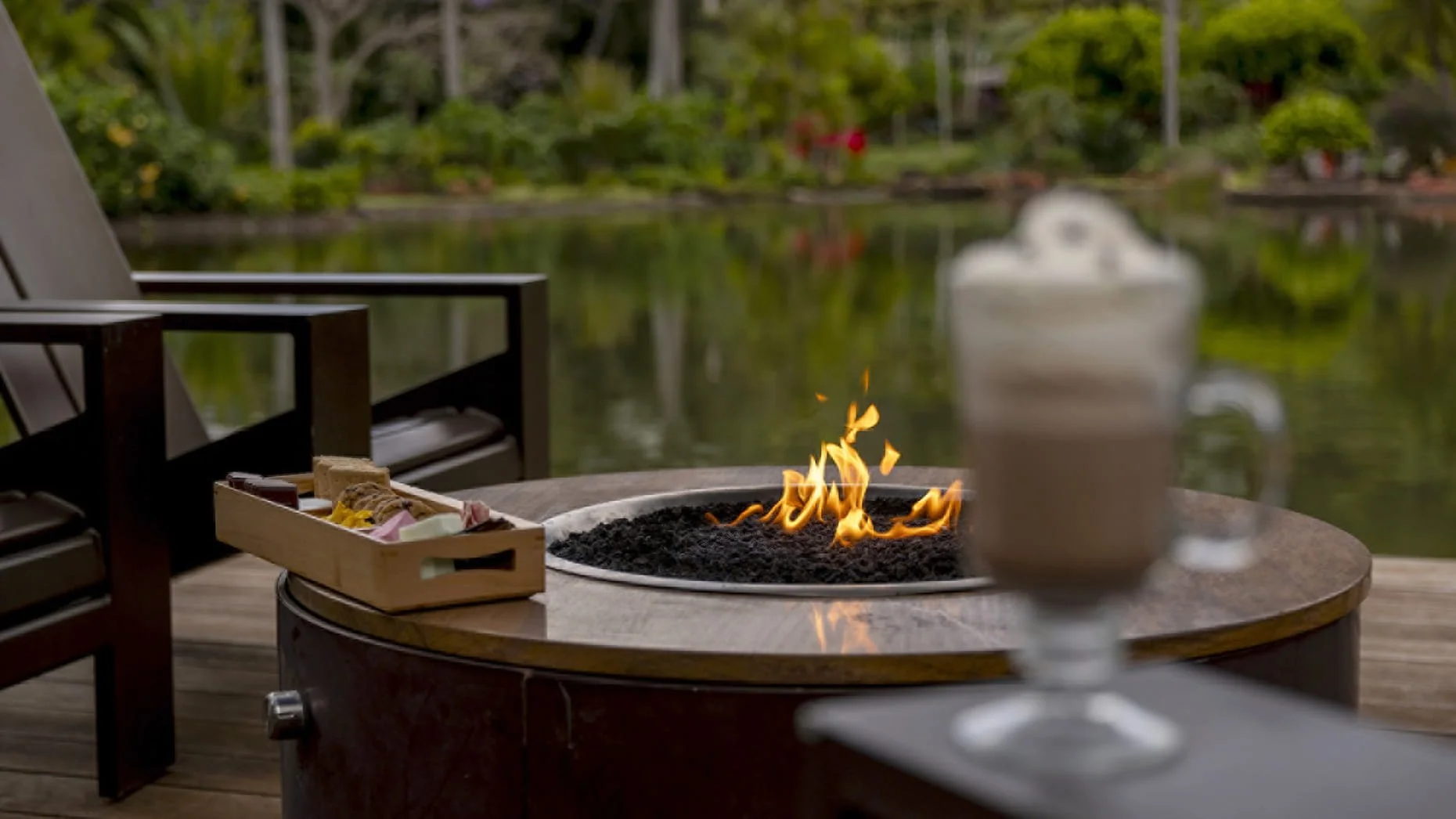
The Break: An open-air gathering place for coffee, casual daytime food, evening sharing plates and cocktails.
Malibu Farm Bar: A poolside spot for Hawaiian-style small plates, tropical drinks, wine and beer.
Nobu Bar: A pre-dinner option for sake, wine, cocktails and Japanese bites.
In-Room Dining: Private meals in the room or suite are available across the day and evening.
Restaurants may operate different service periods, and specialist dining experiences require advance booking. The resort’s dining program is especially appealing to travelers who want both a destination restaurant evening and easy meals between island excursions.
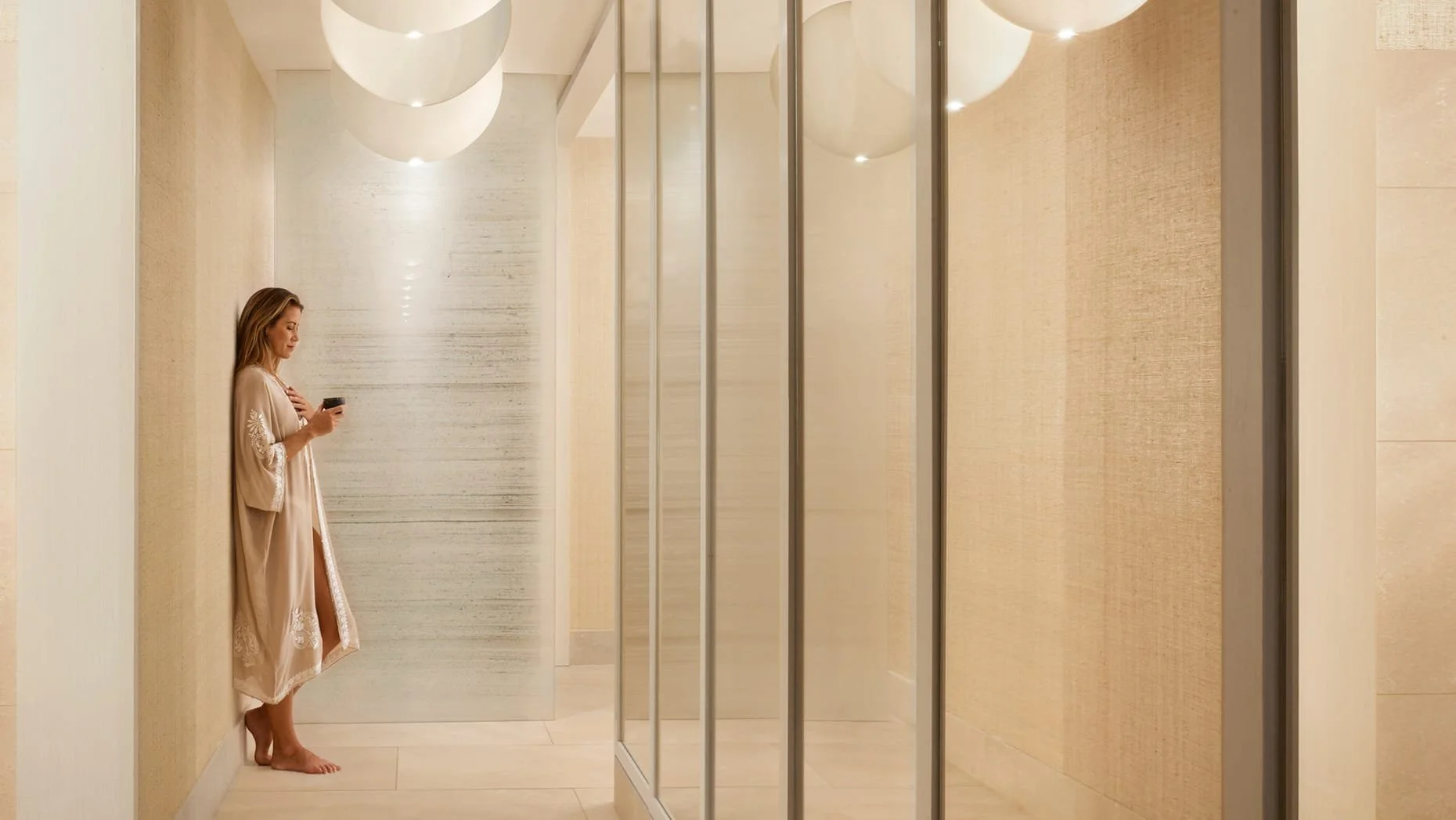
Hawanawana Spa and Ocean-Facing Wellness
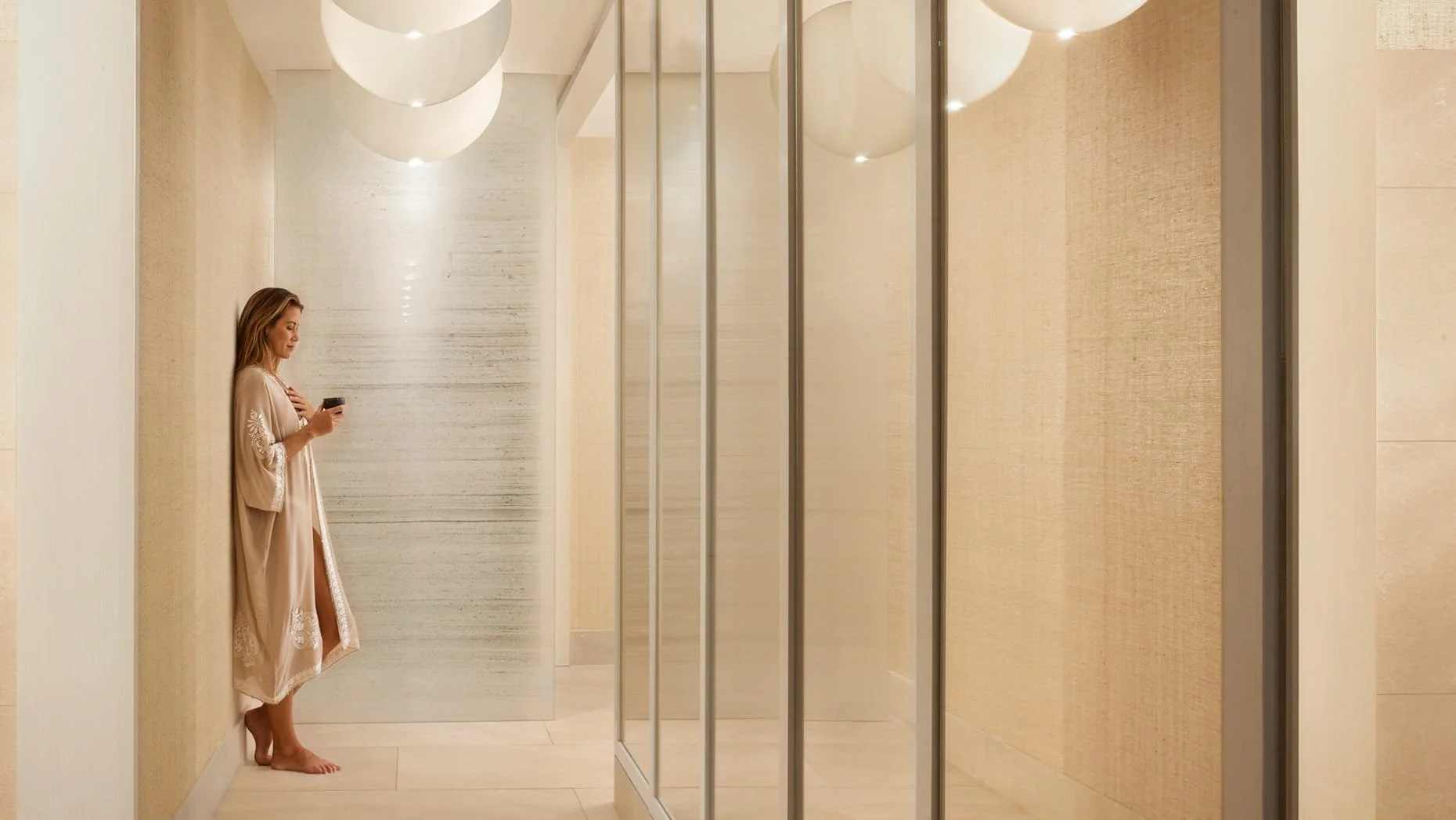
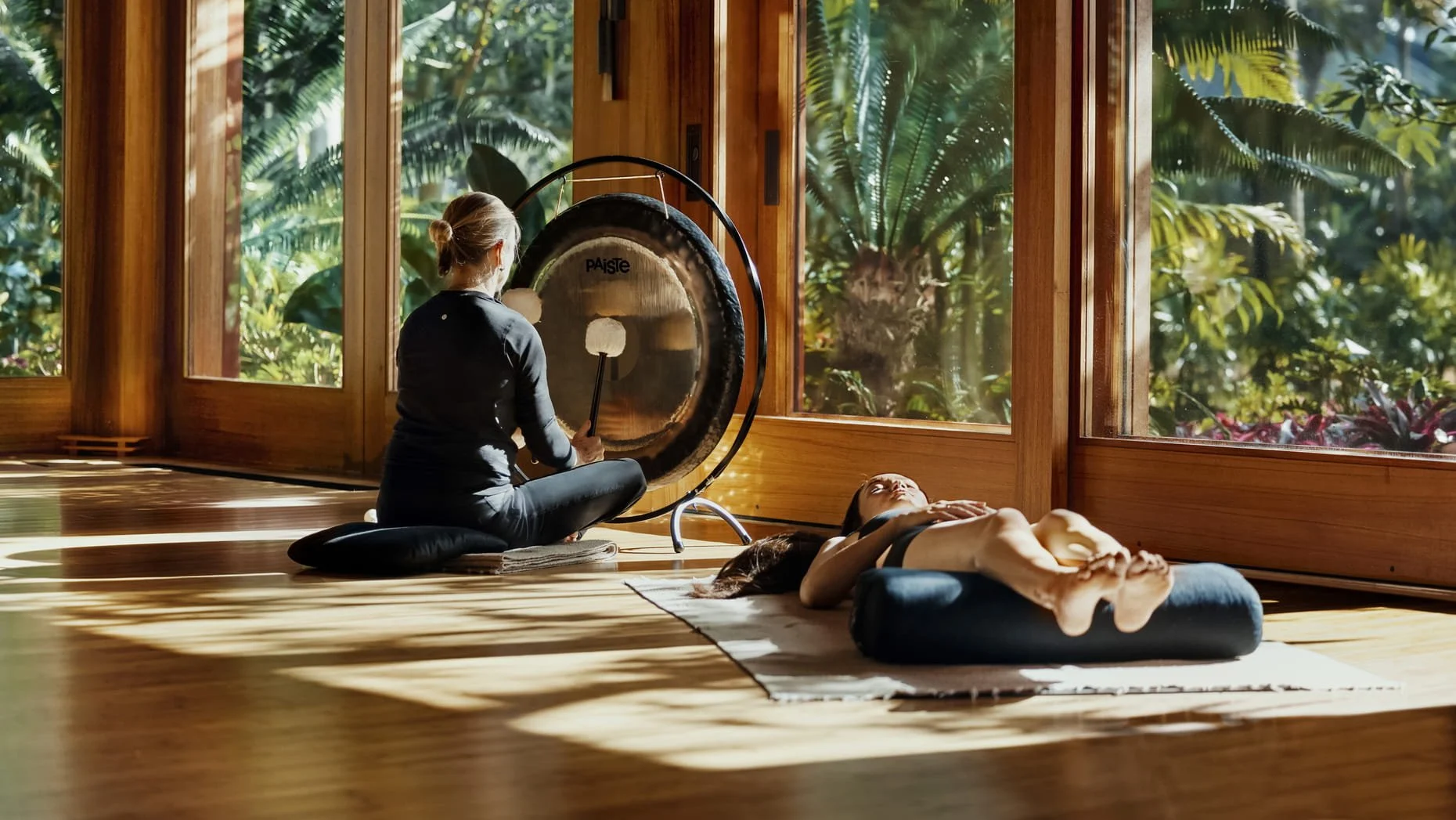
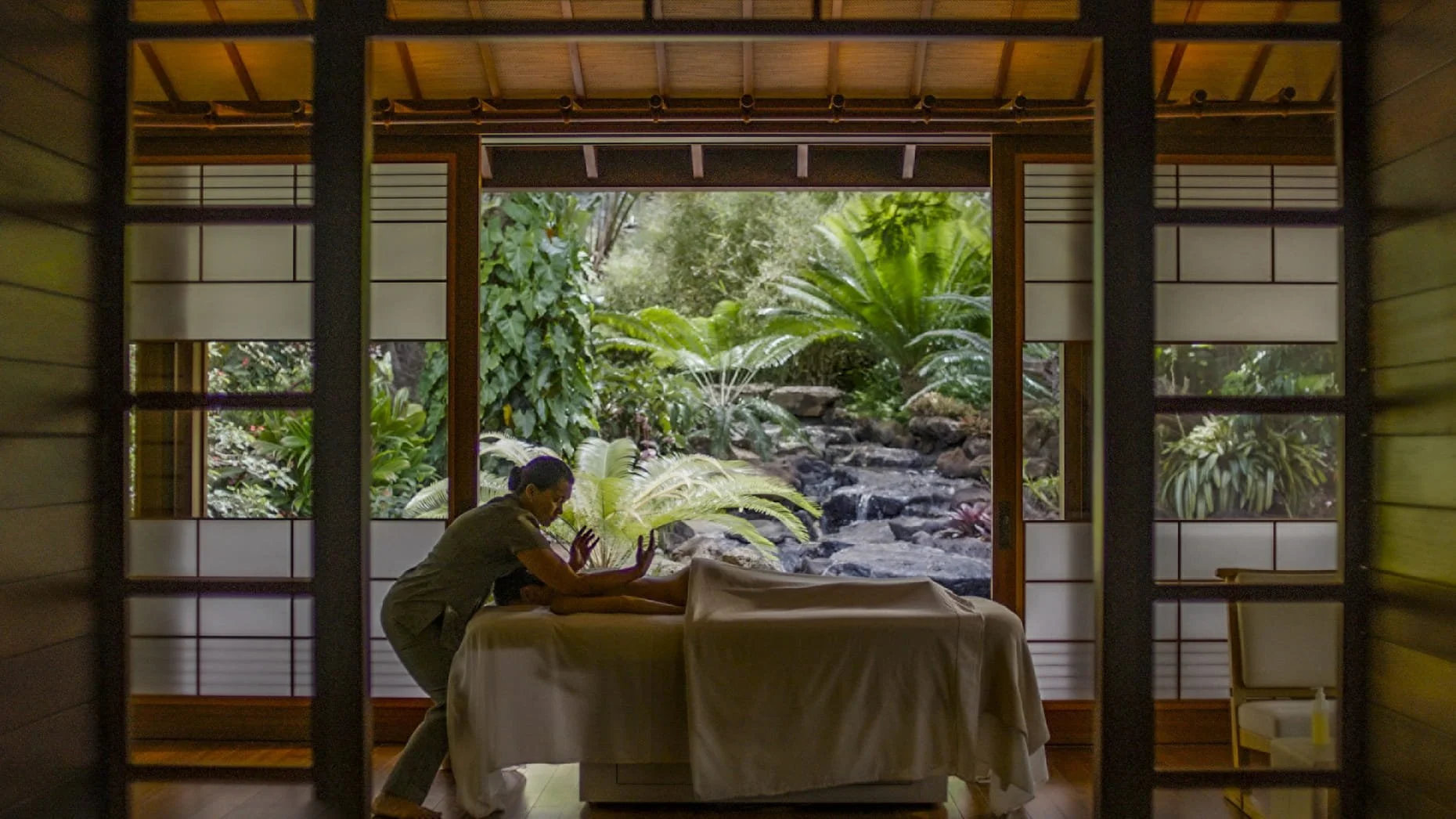
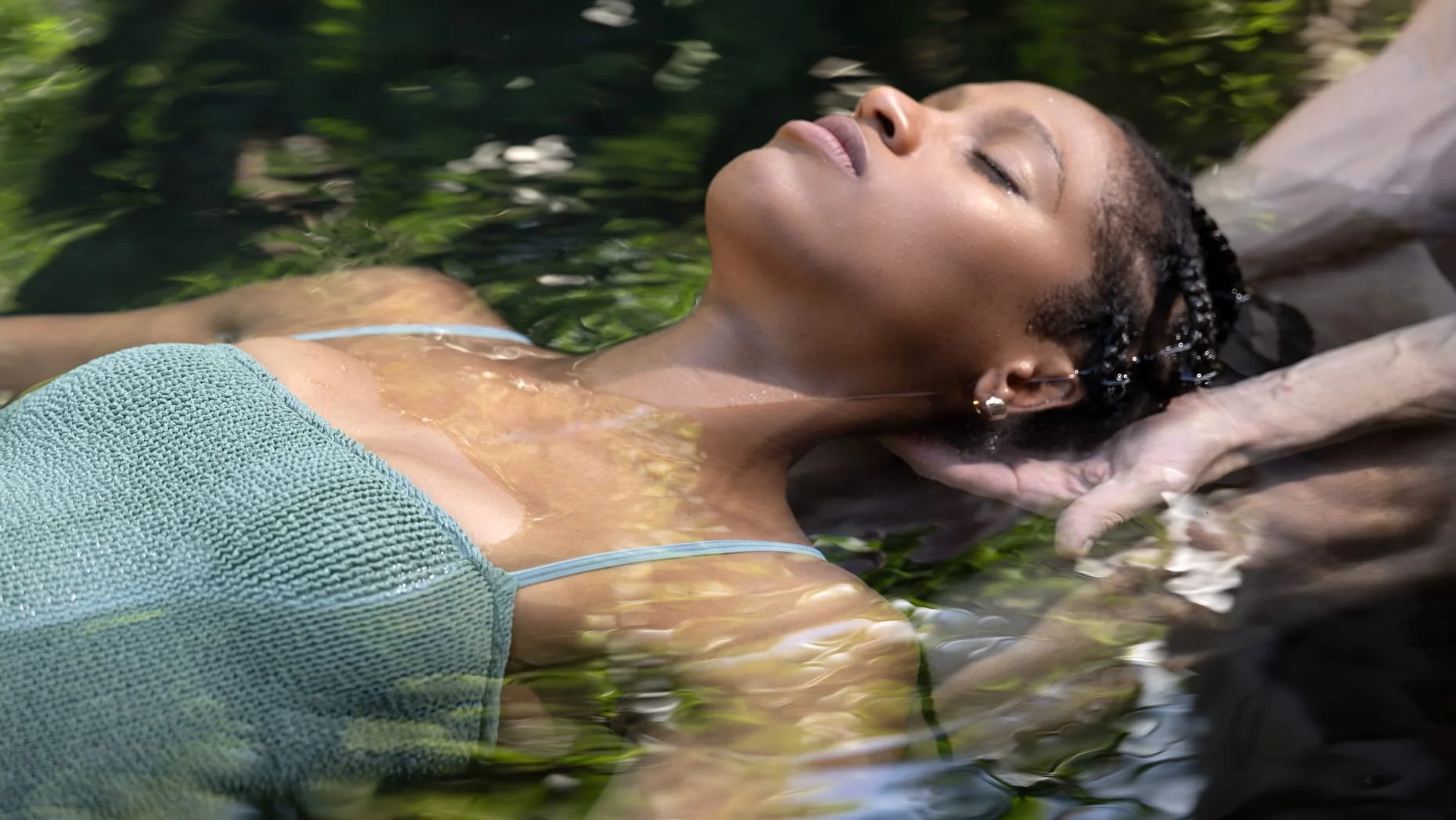
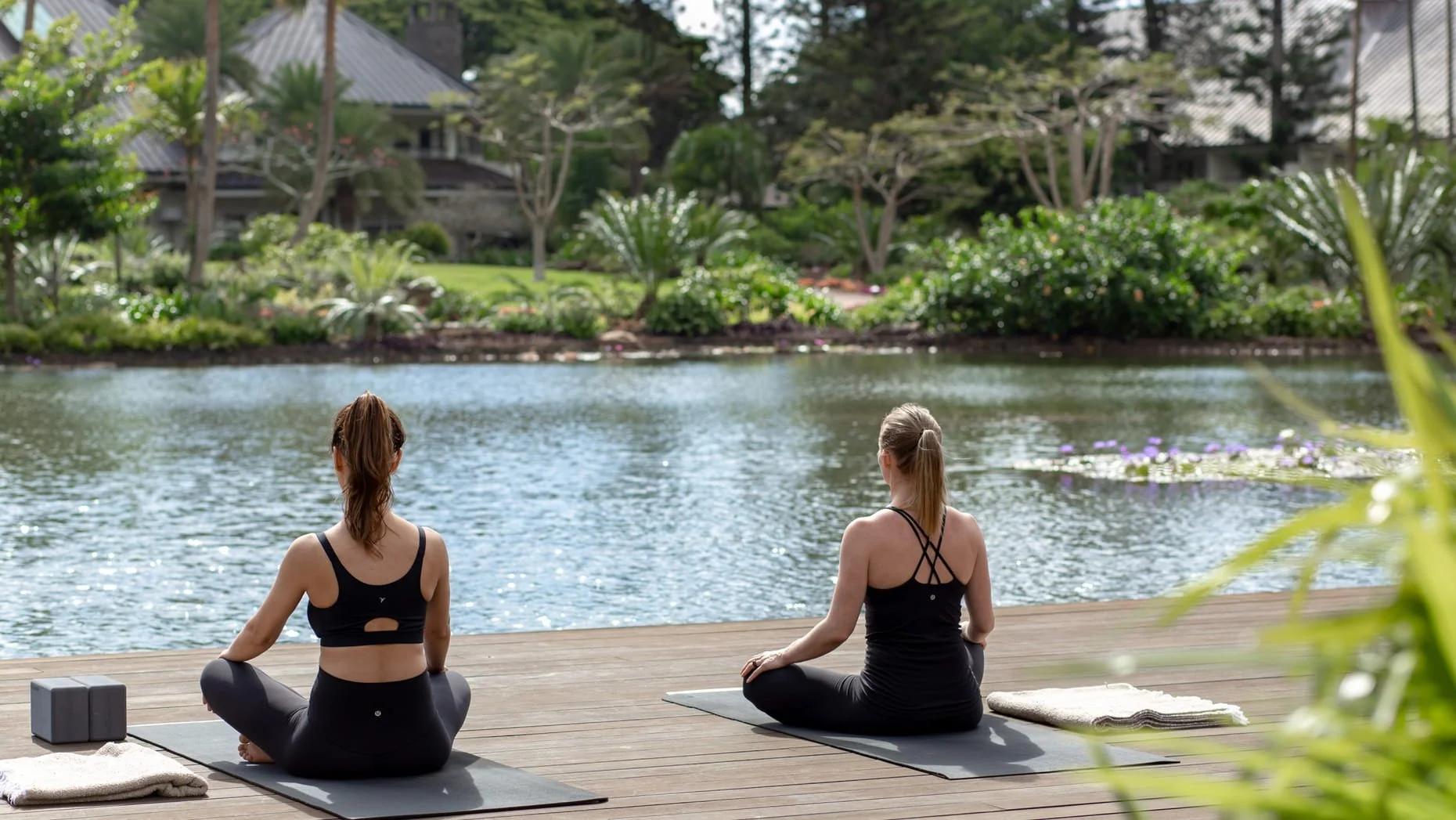
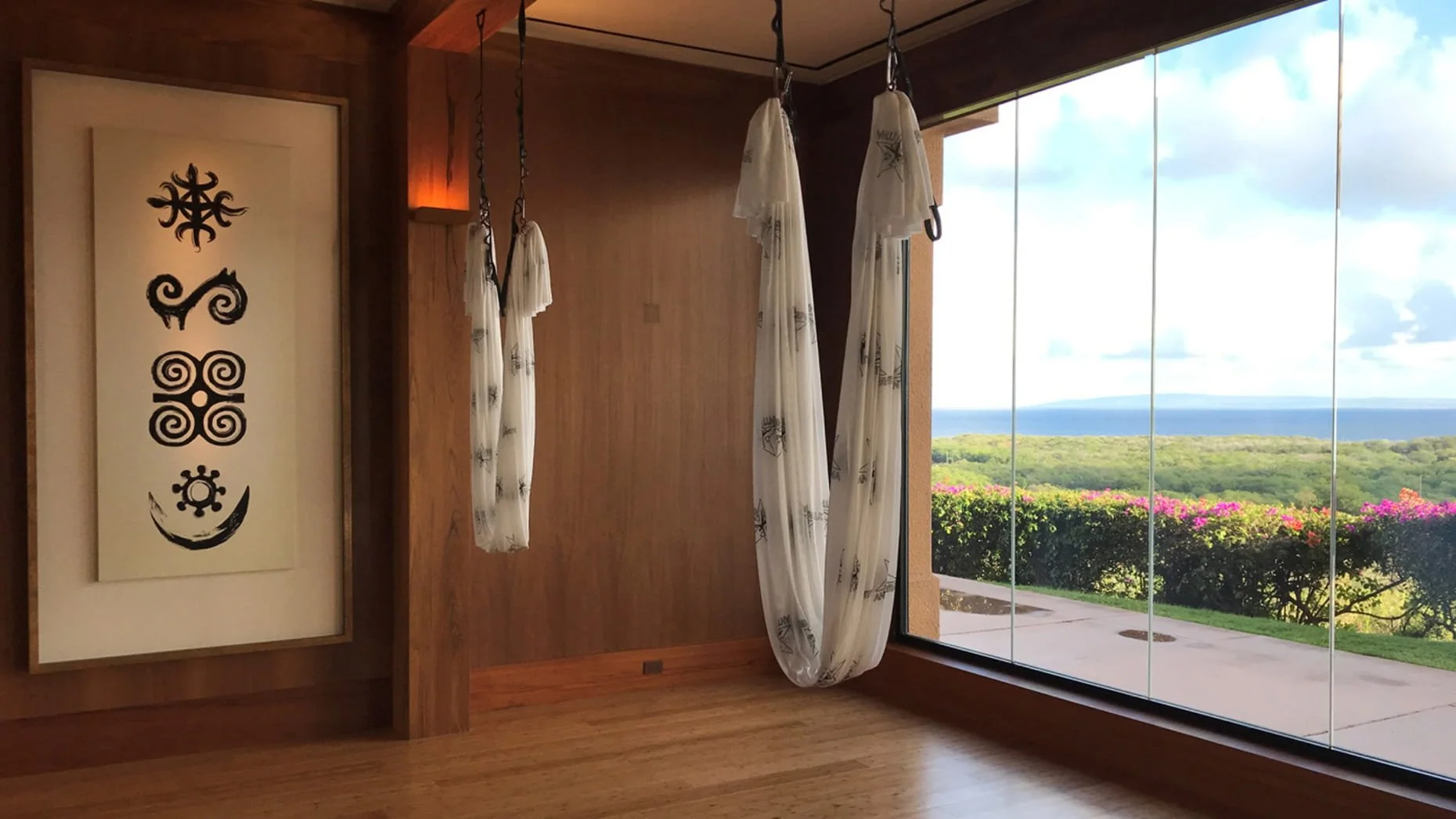
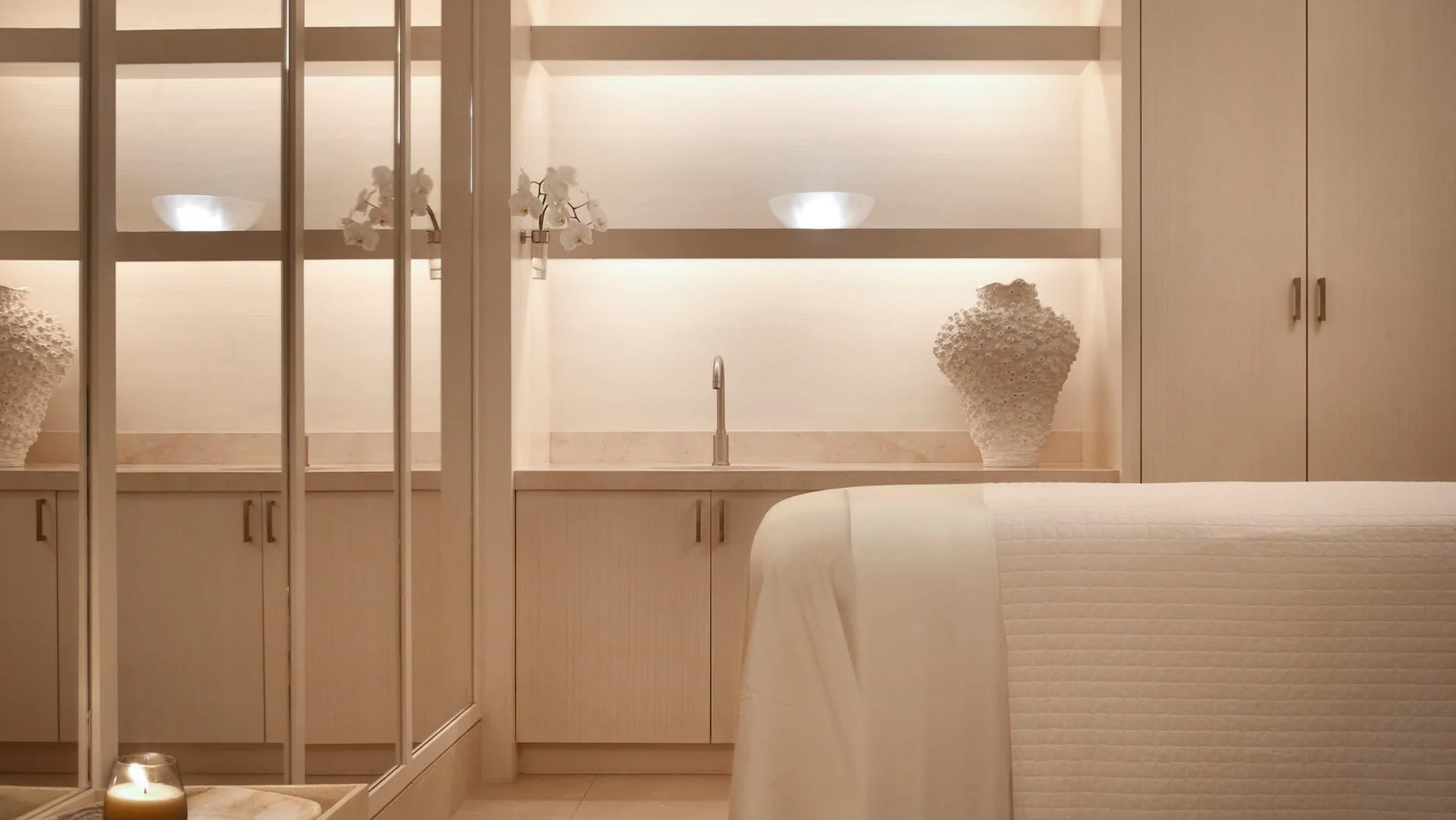
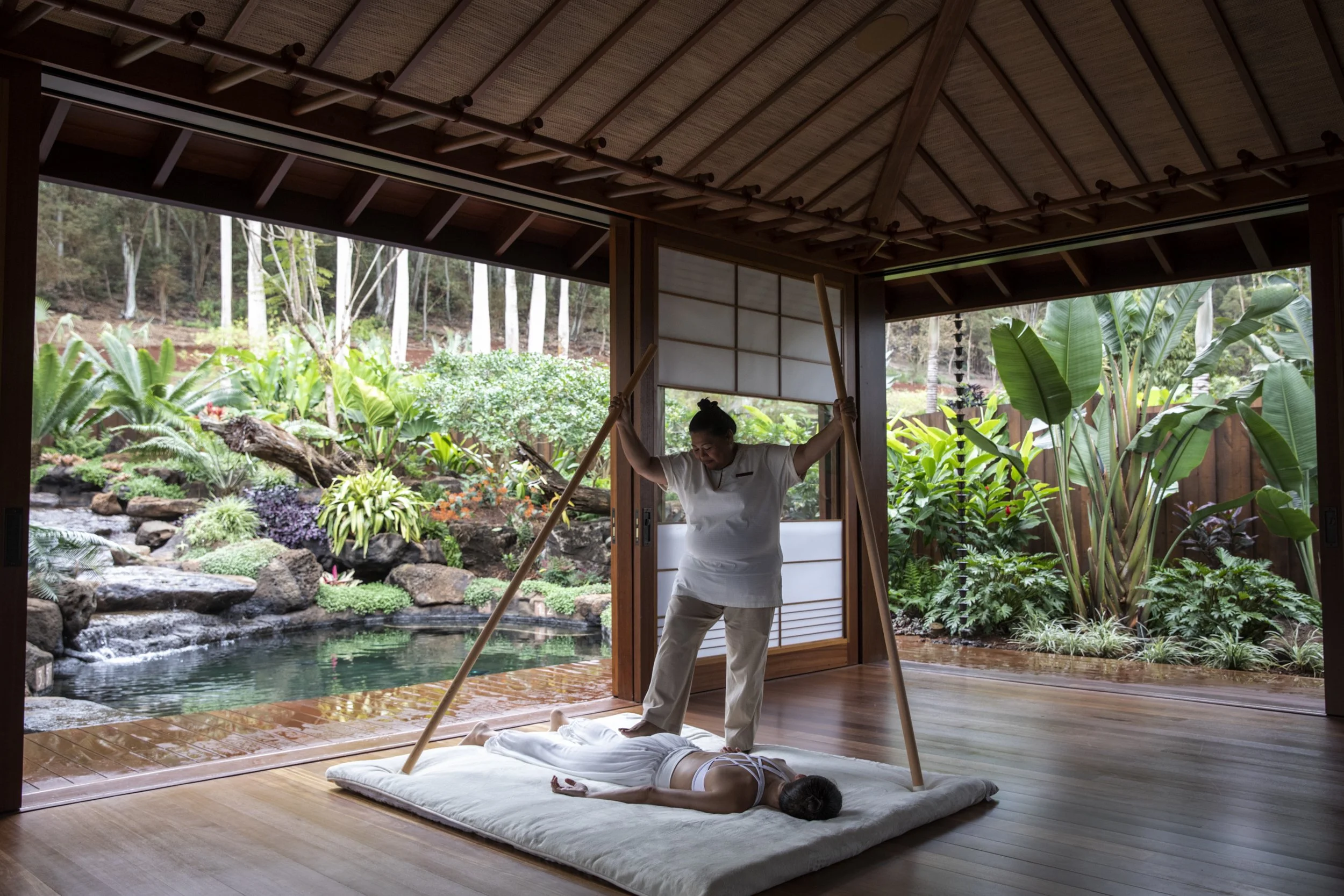
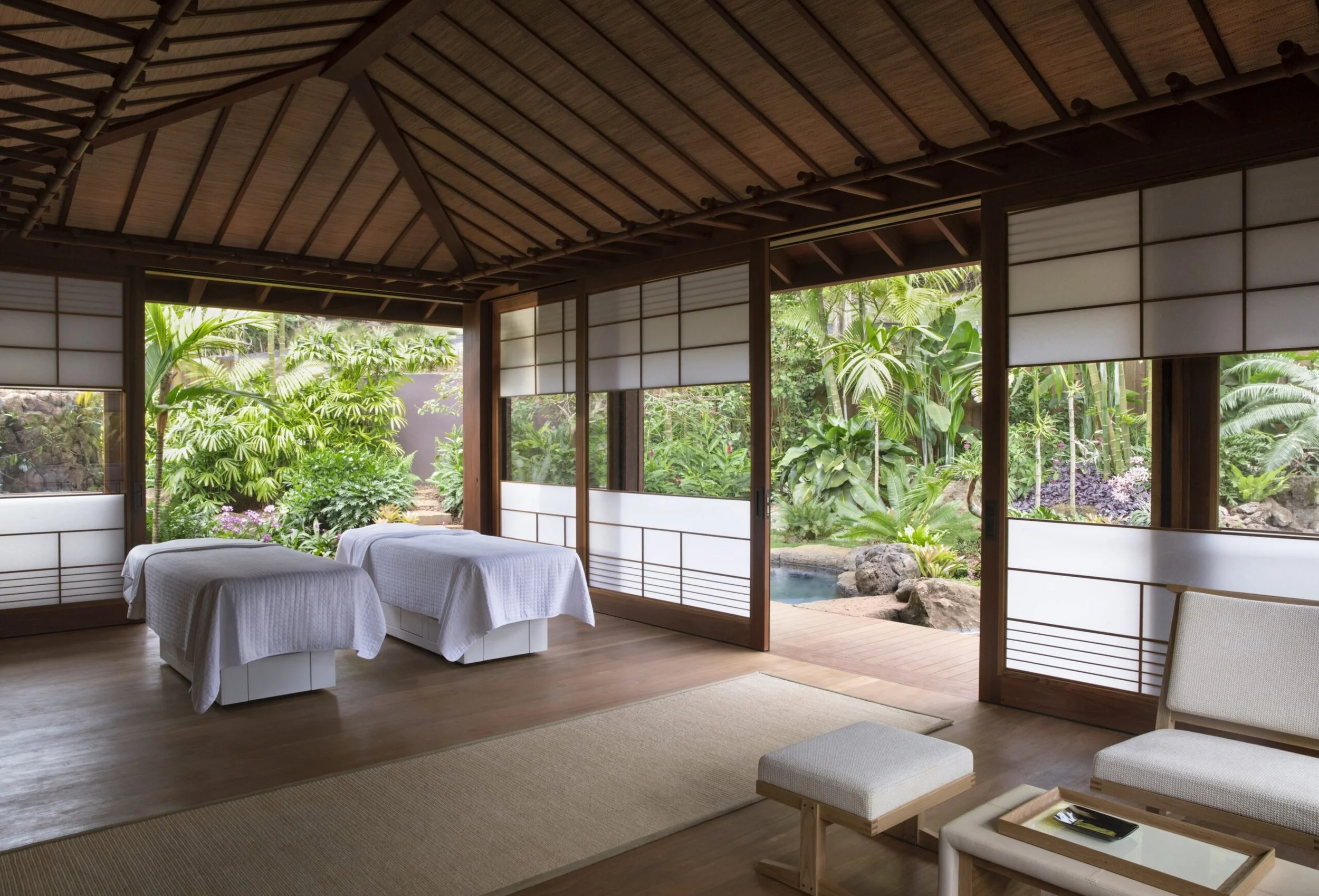
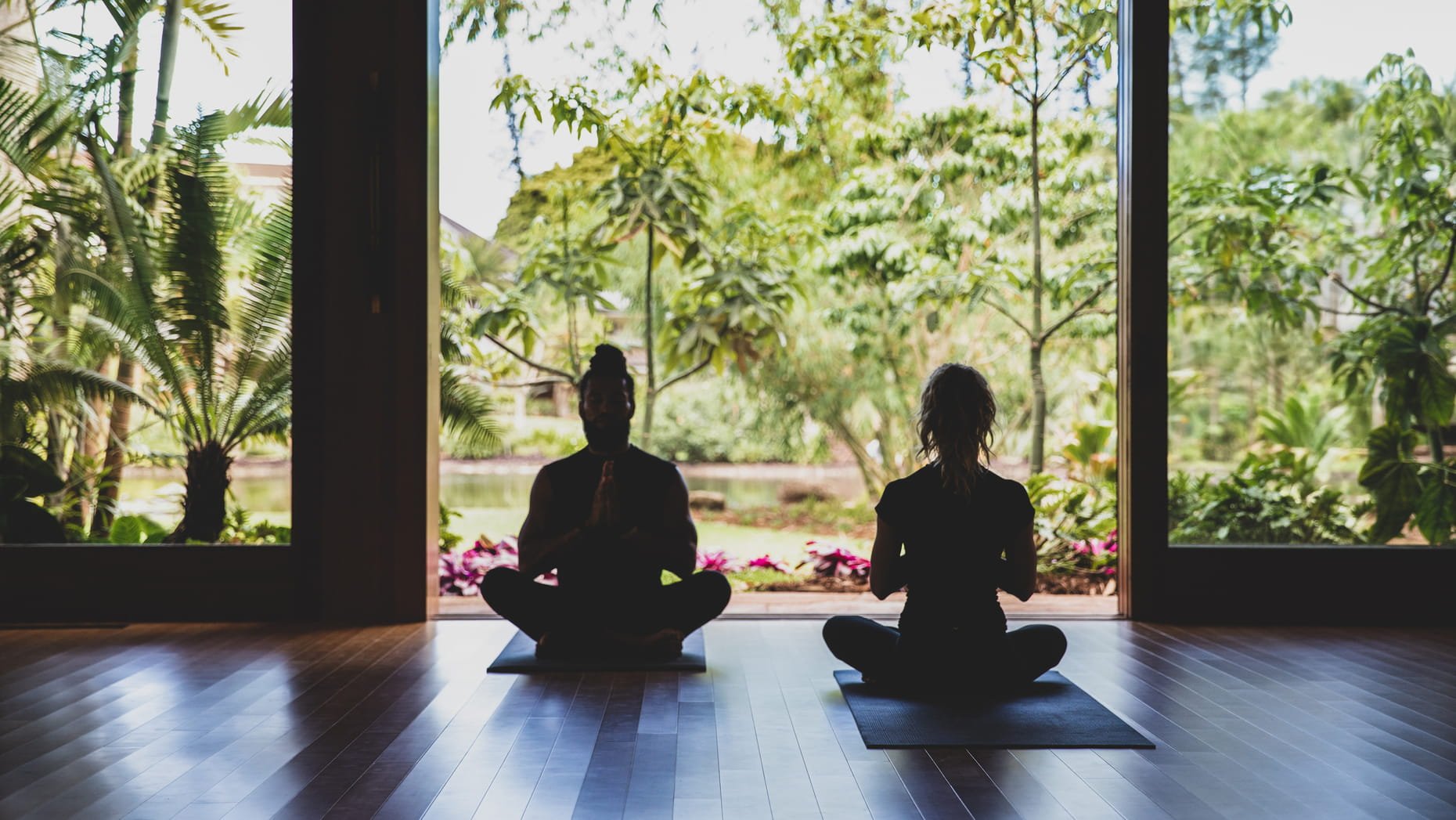
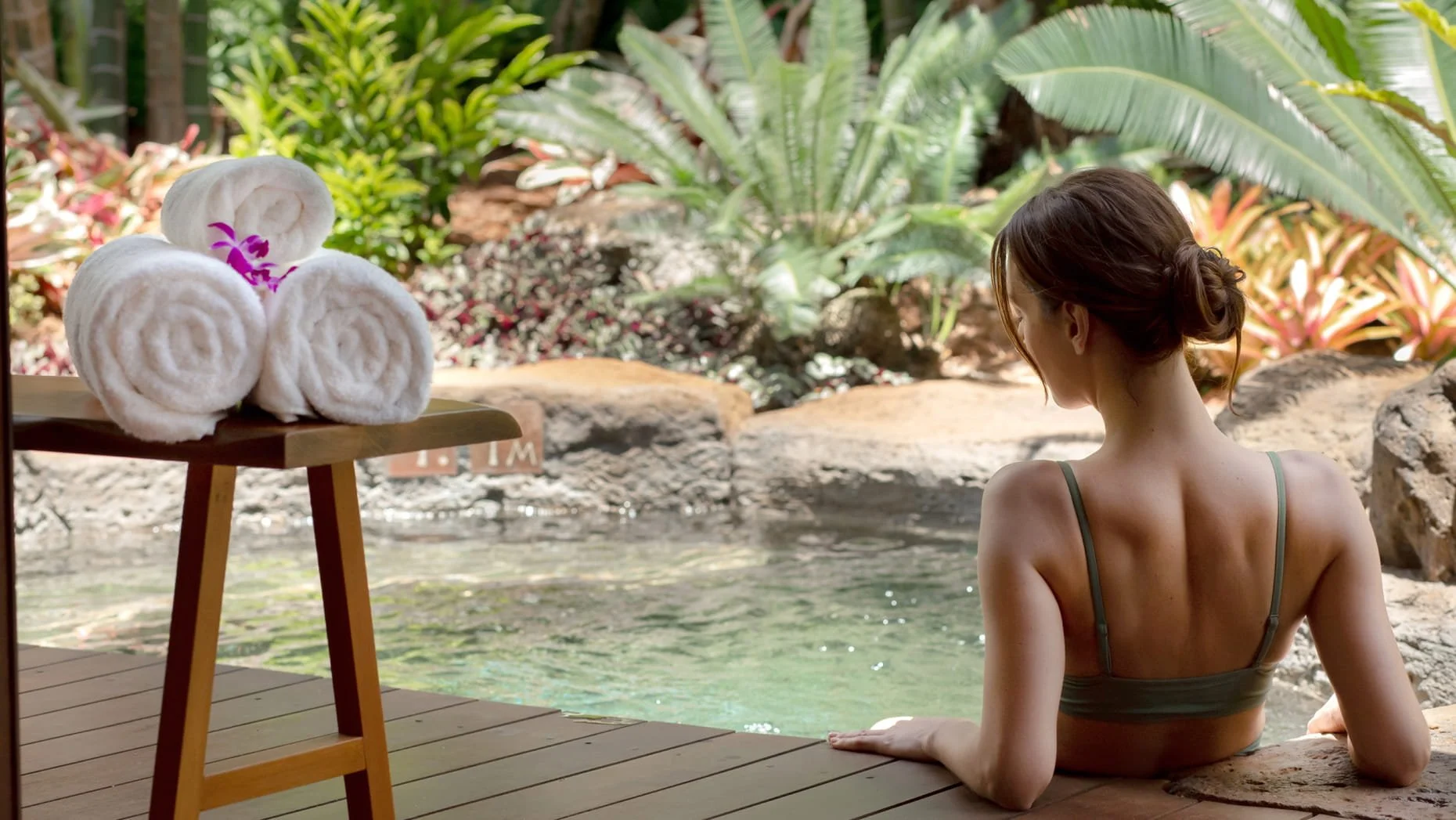
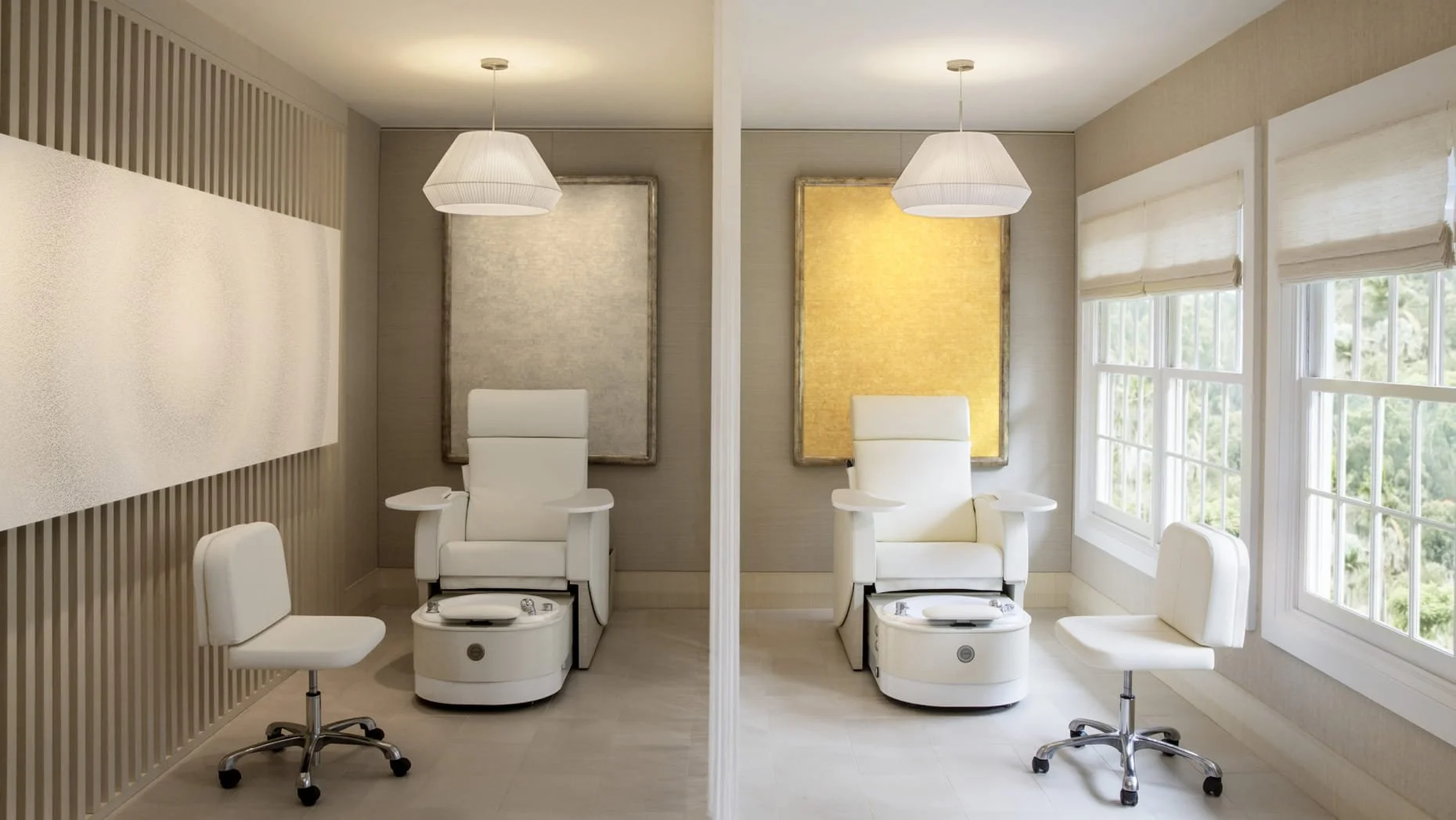
Hawanawana Spa takes its name from a Hawaiian expression associated with a whispering sea. Its treatment menu and individual wellness offerings encourage an unhurried approach, with massage, restorative rituals and experiences designed for couples. The resort also offers meditation, yoga and specialized sessions, including sound-based practices and aerial yoga in suspended hammocks. Programs and practitioners can change, making advance planning worthwhile for guests traveling with particular goals.
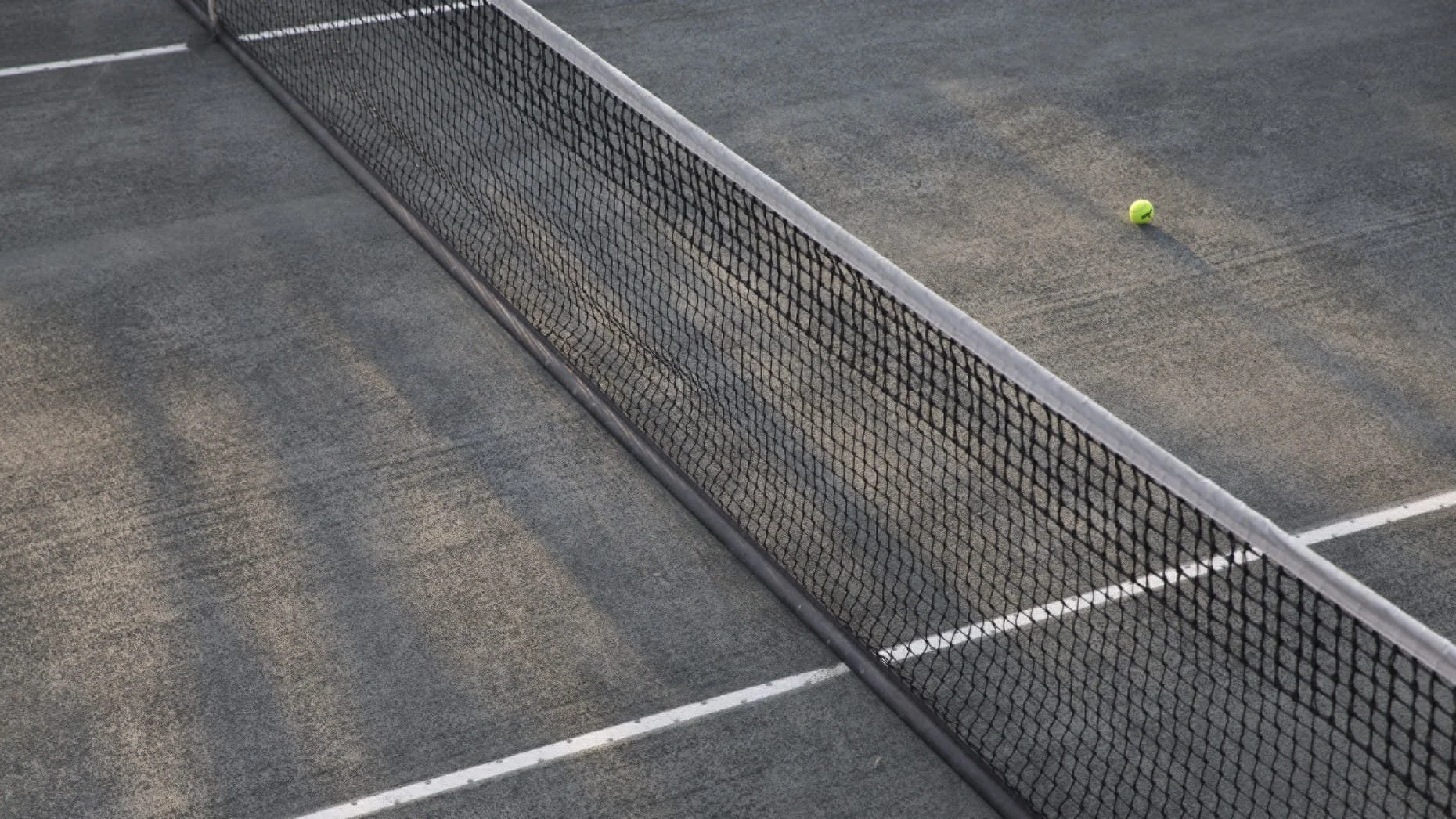
The 24-hour fitness centre has cardio and strength equipment with ocean views, complementing tennis courts, swimming pools and time in the open air. One pool serves a quieter adults-oriented atmosphere while the family pool has its own energy, allowing travelers to choose their preferred setting. Beach access and complimentary snorkelling equipment make a swim or reef observation an appealing alternative to formal exercise.
Wellness need not dominate an itinerary to be meaningful here. A spa afternoon between excursions, an early coastal walk or a slower morning on the lanai can provide a welcome counterpoint to golf and more active island adventures.
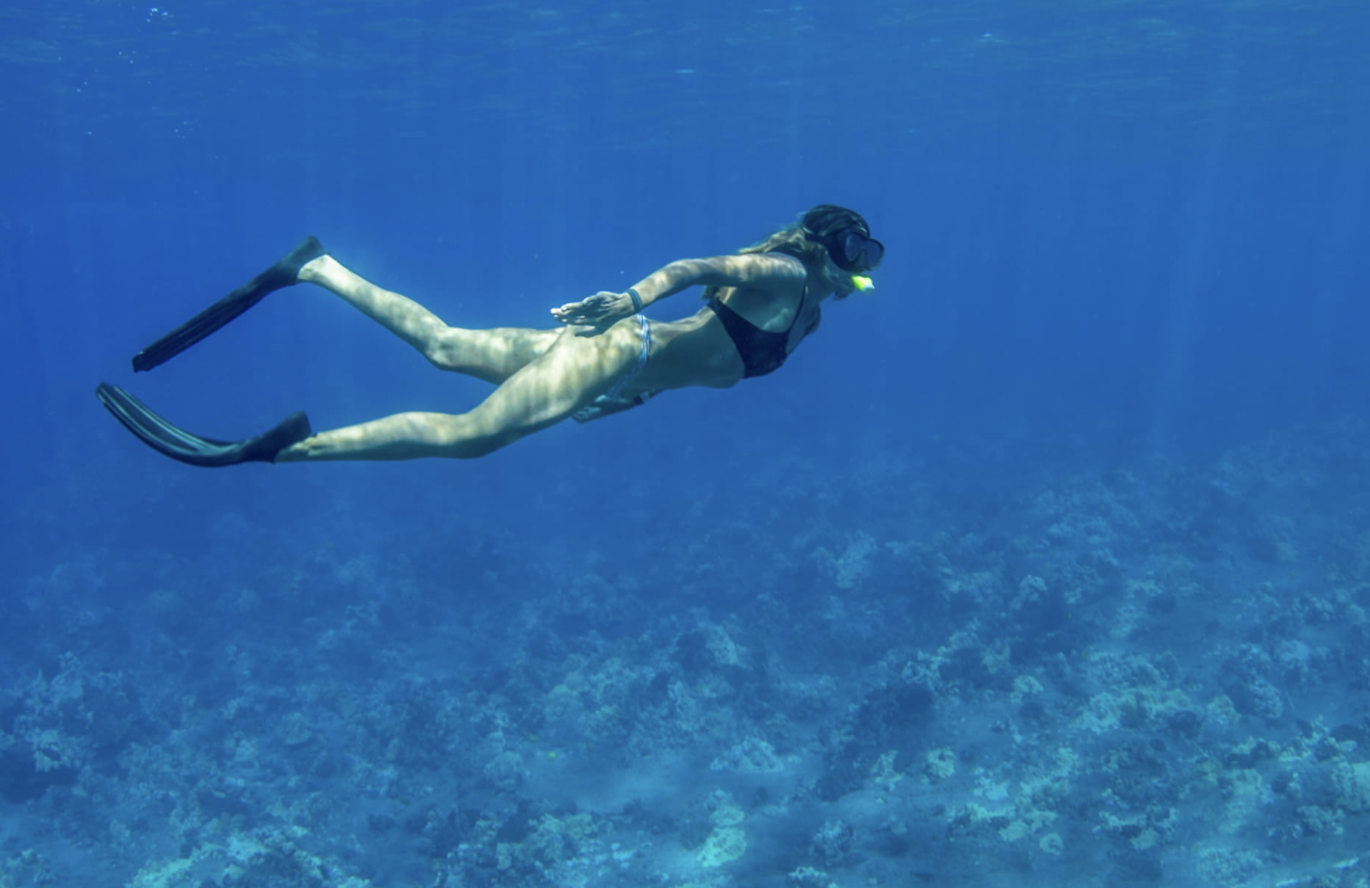
Reef, Ridges and Island Encounters
Hulopoe Bay is one of the resort’s strongest attractions. The adjacent marine environment draws snorkellers when conditions permit, and the nearby shoreline creates opportunities to appreciate tide pools and volcanic formations without leaving the southern coast. Ocean conditions are variable, so guided departures and water activities should be planned around local advice rather than assumed to operate daily.
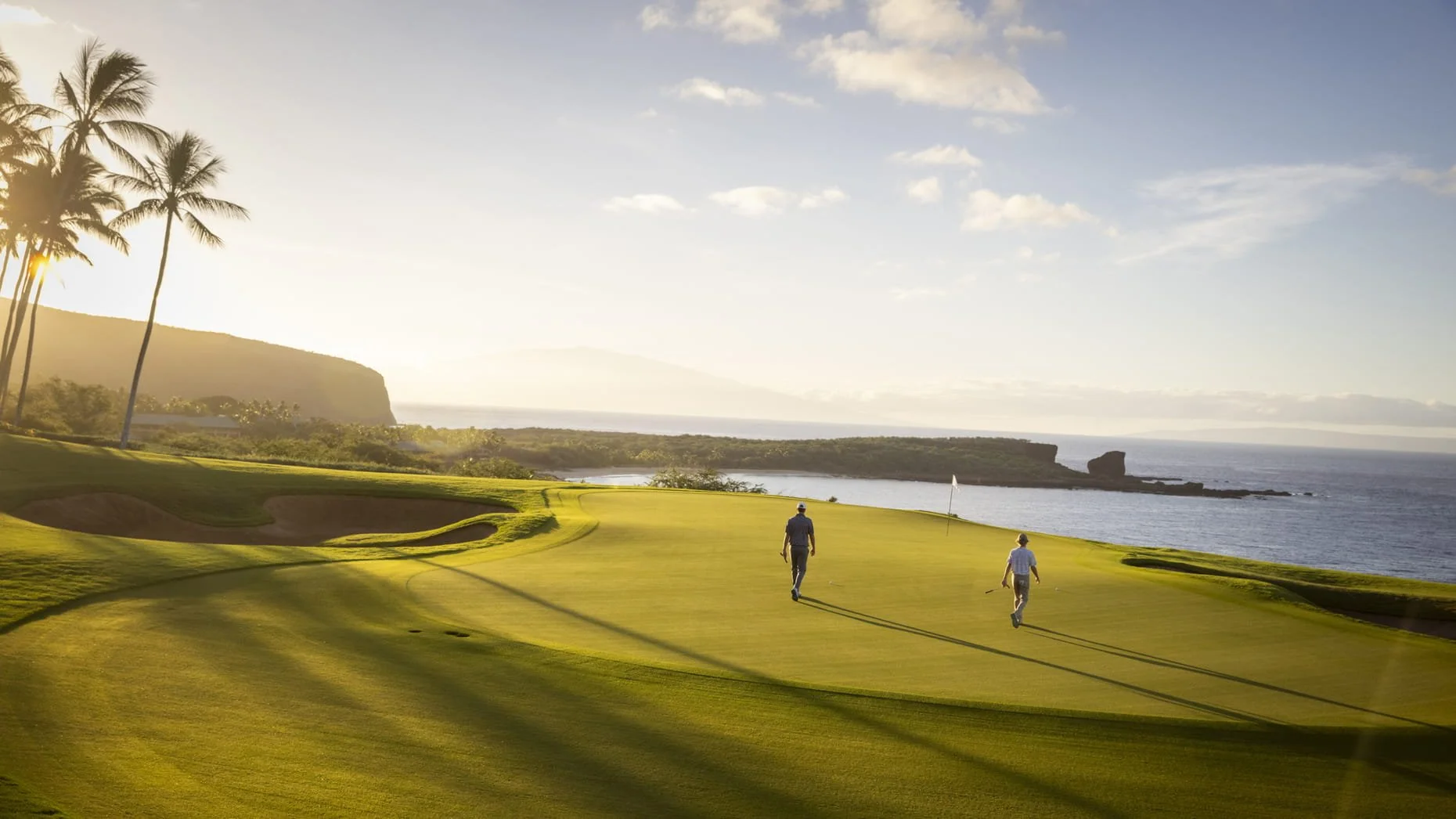
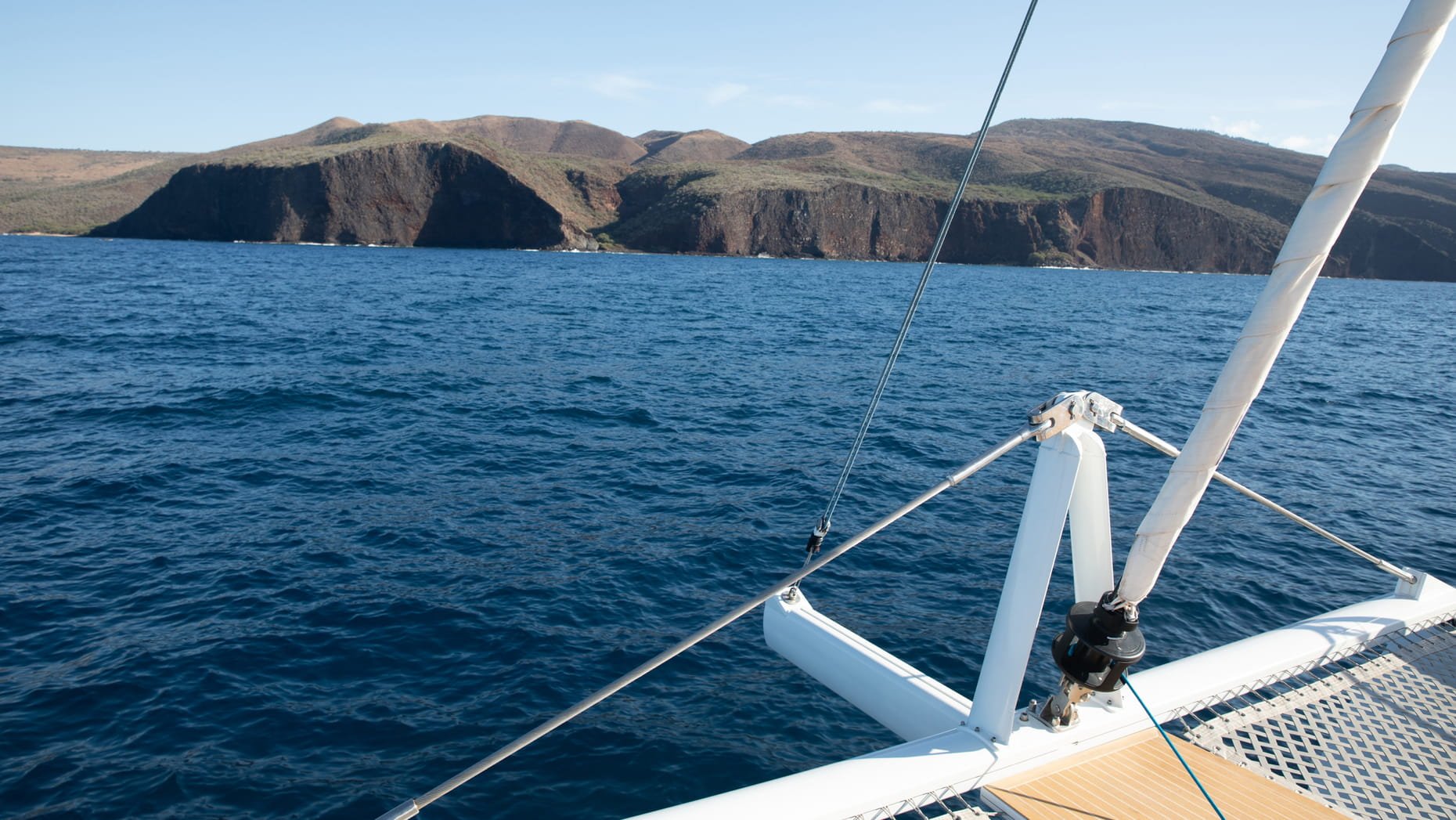
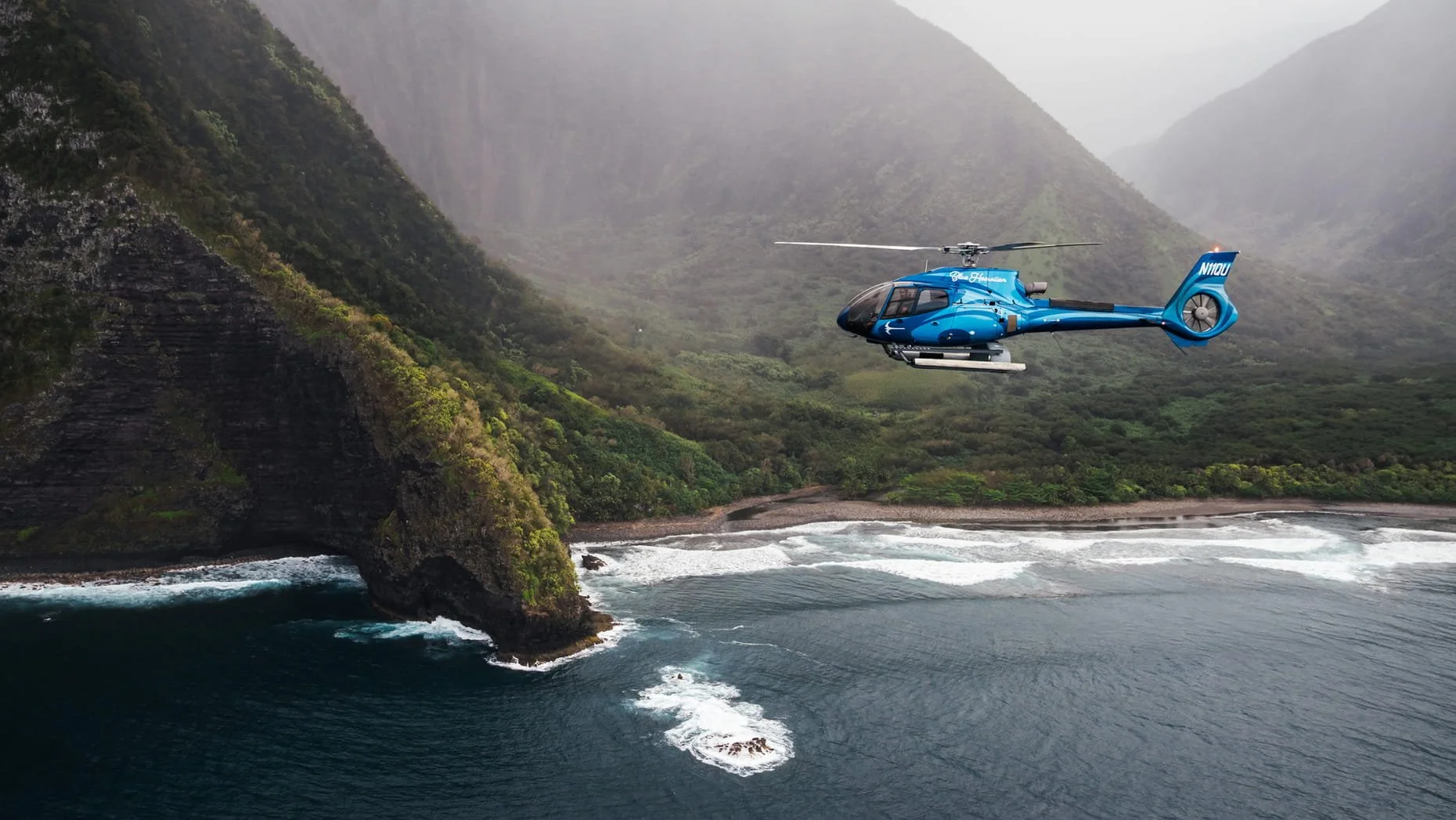
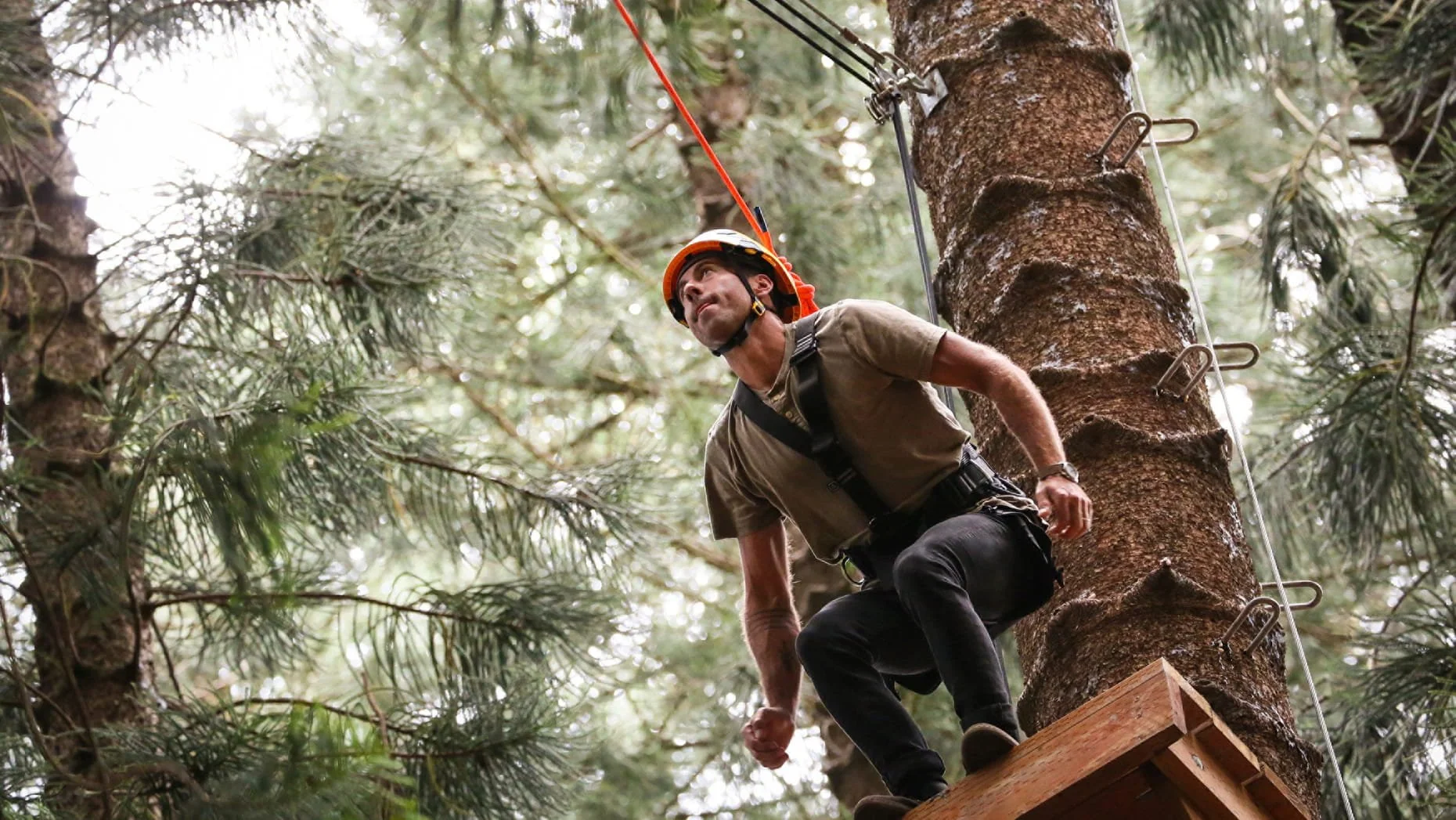
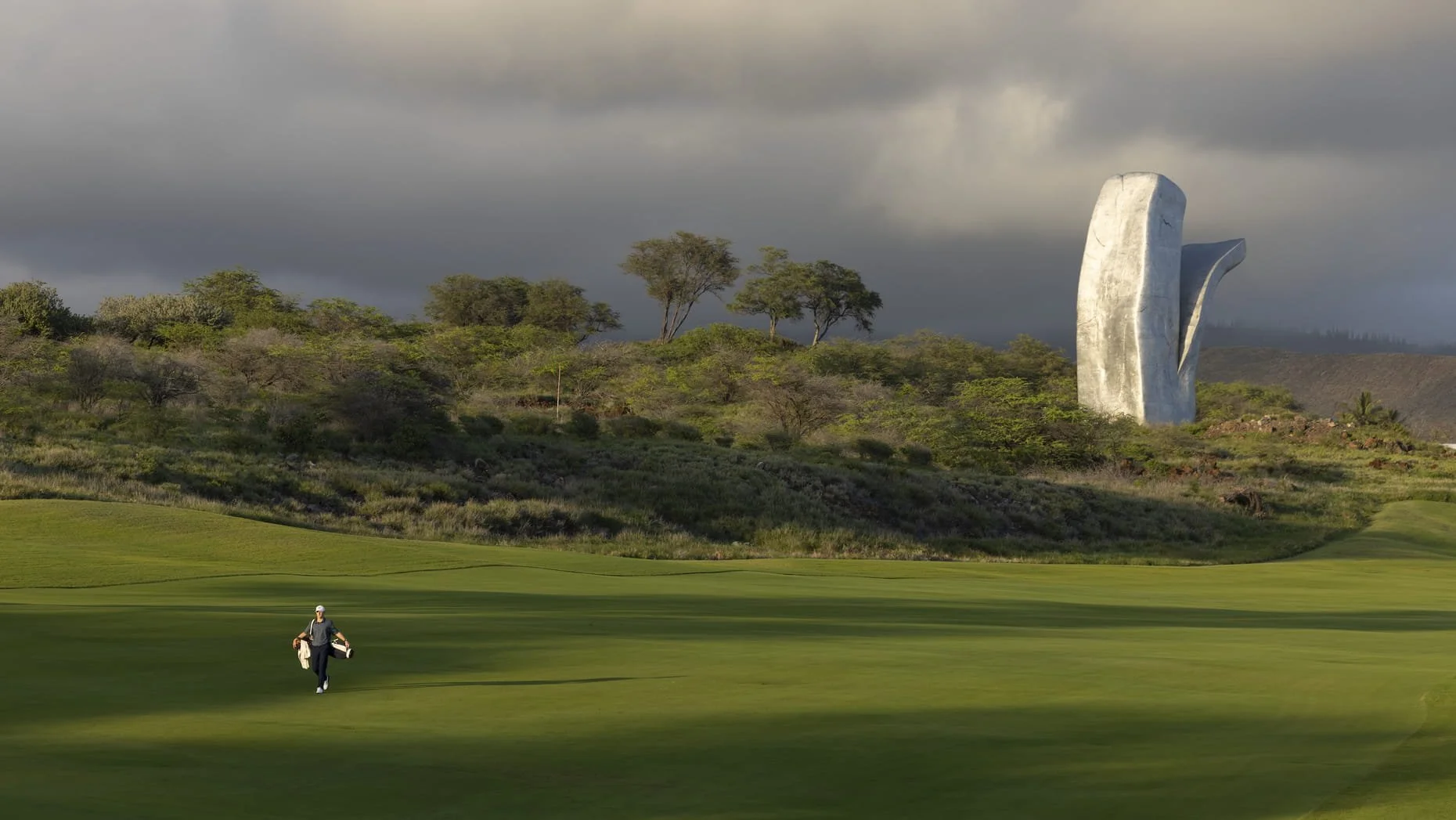
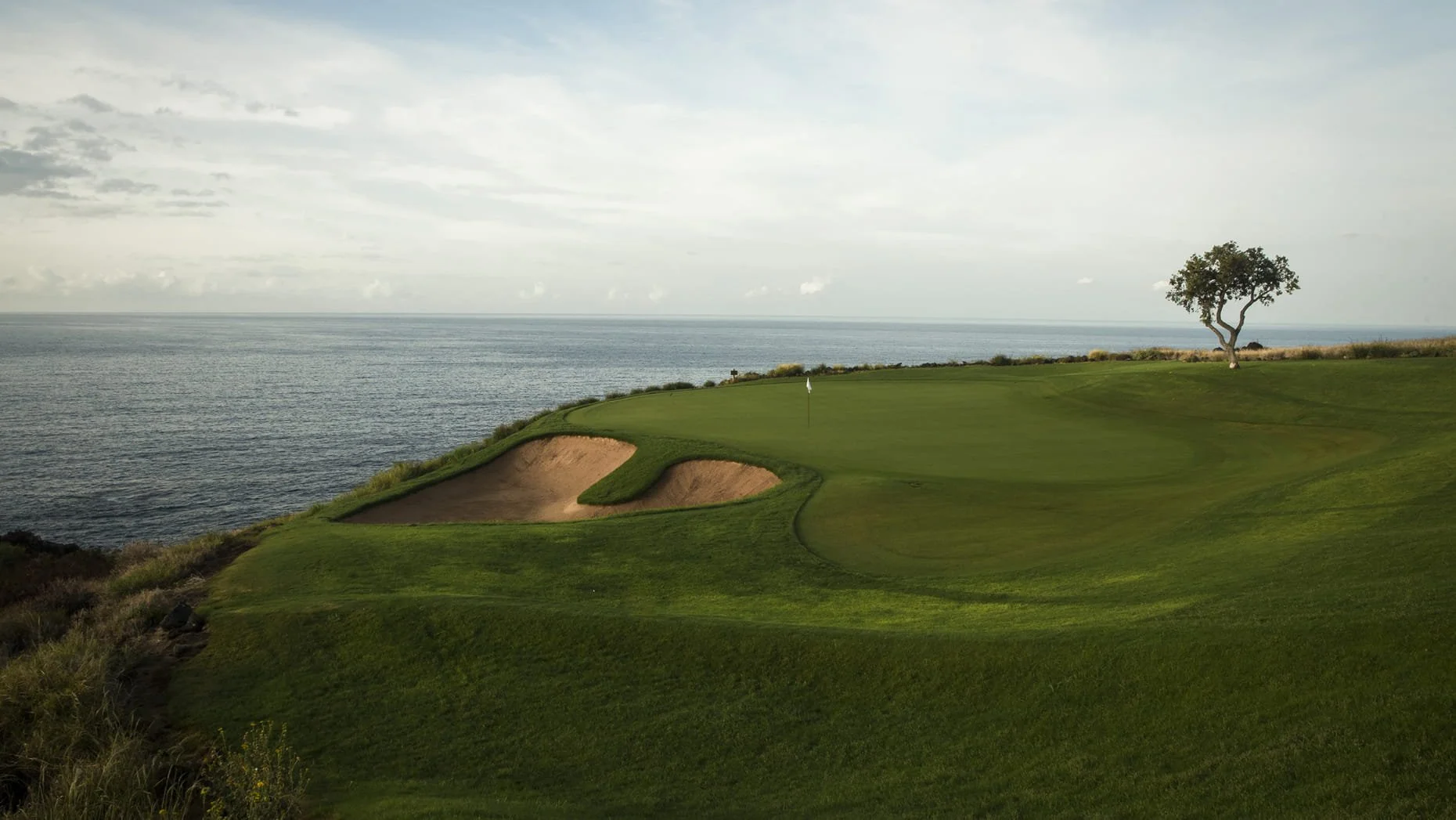
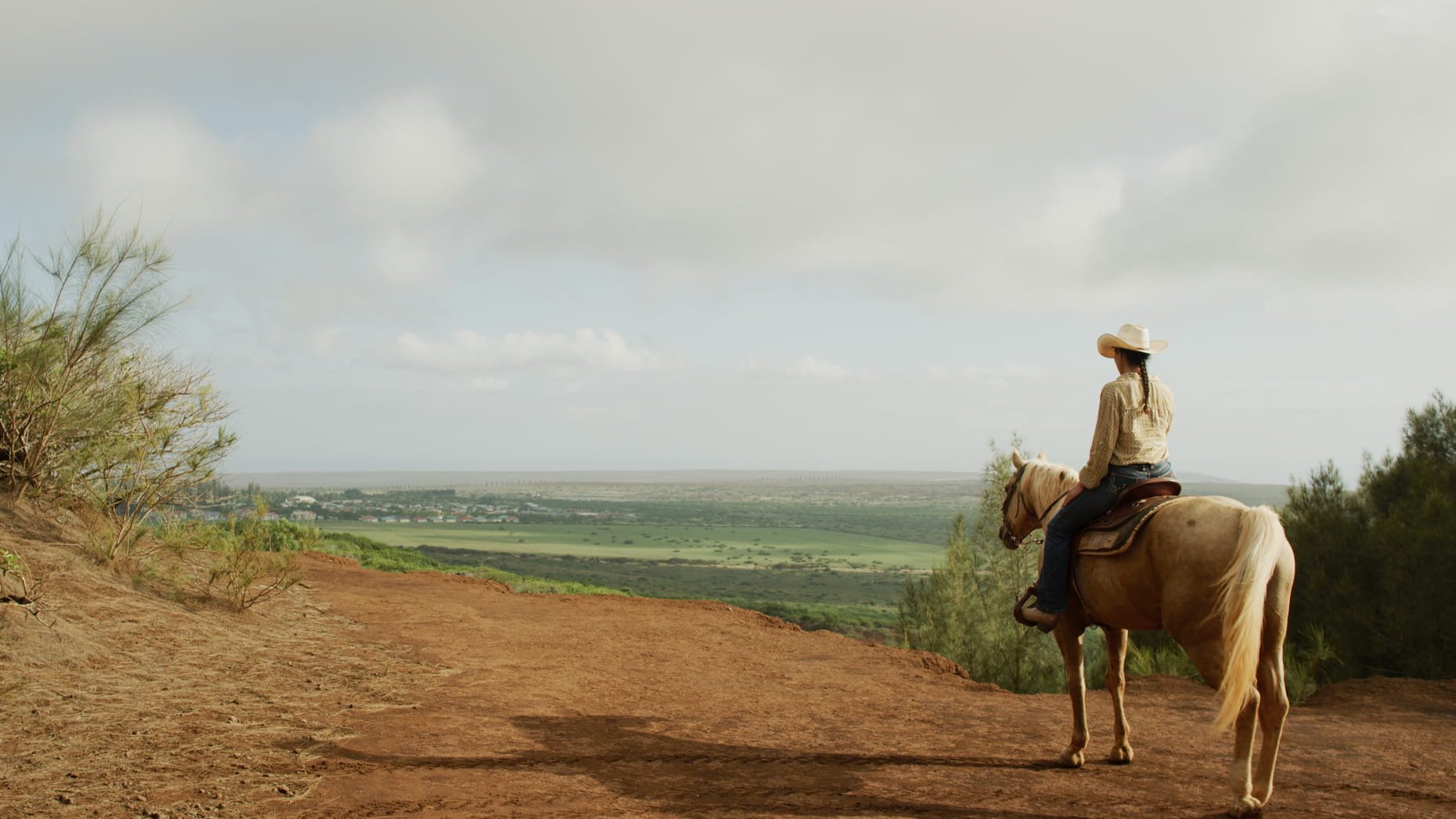
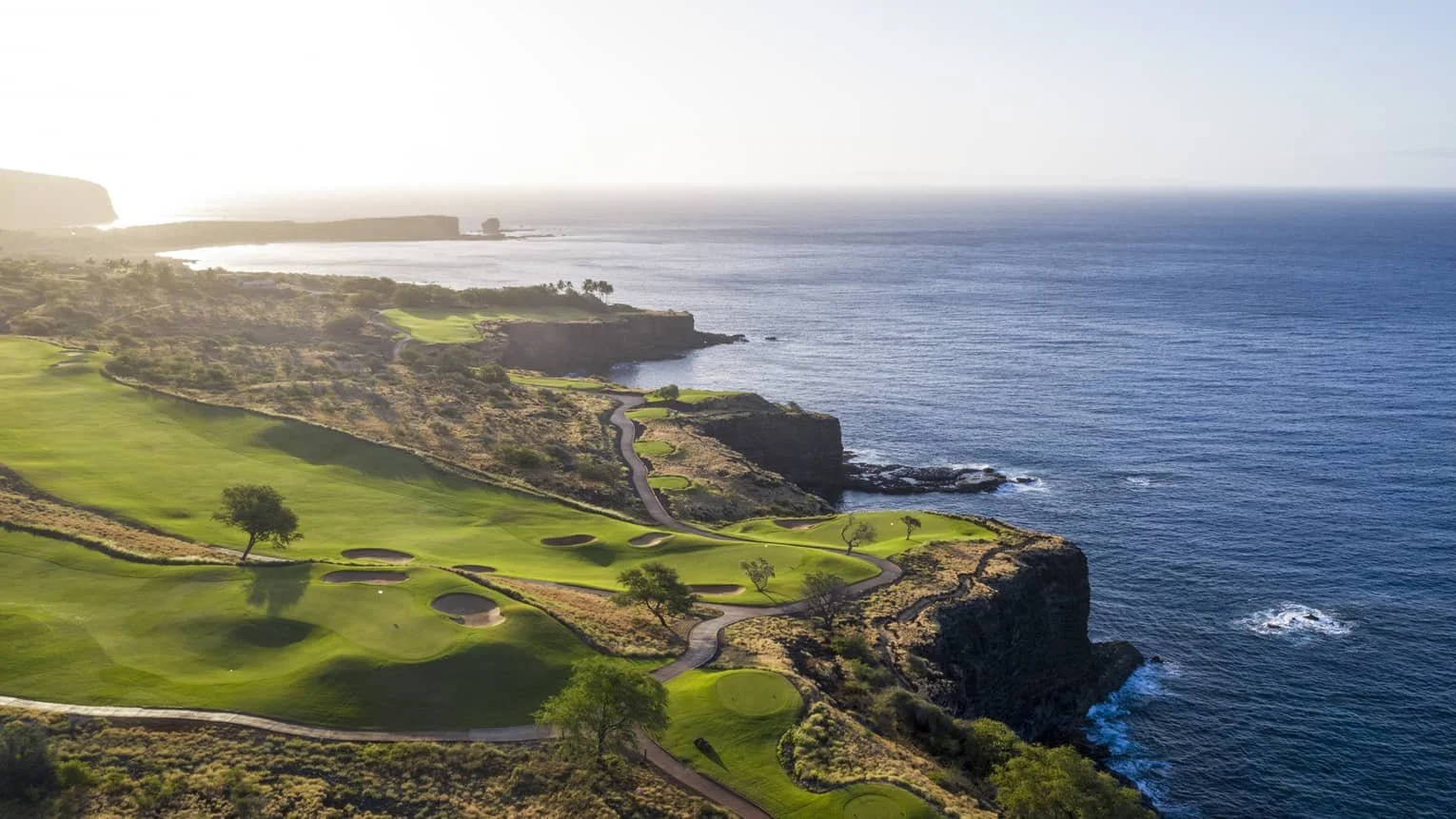
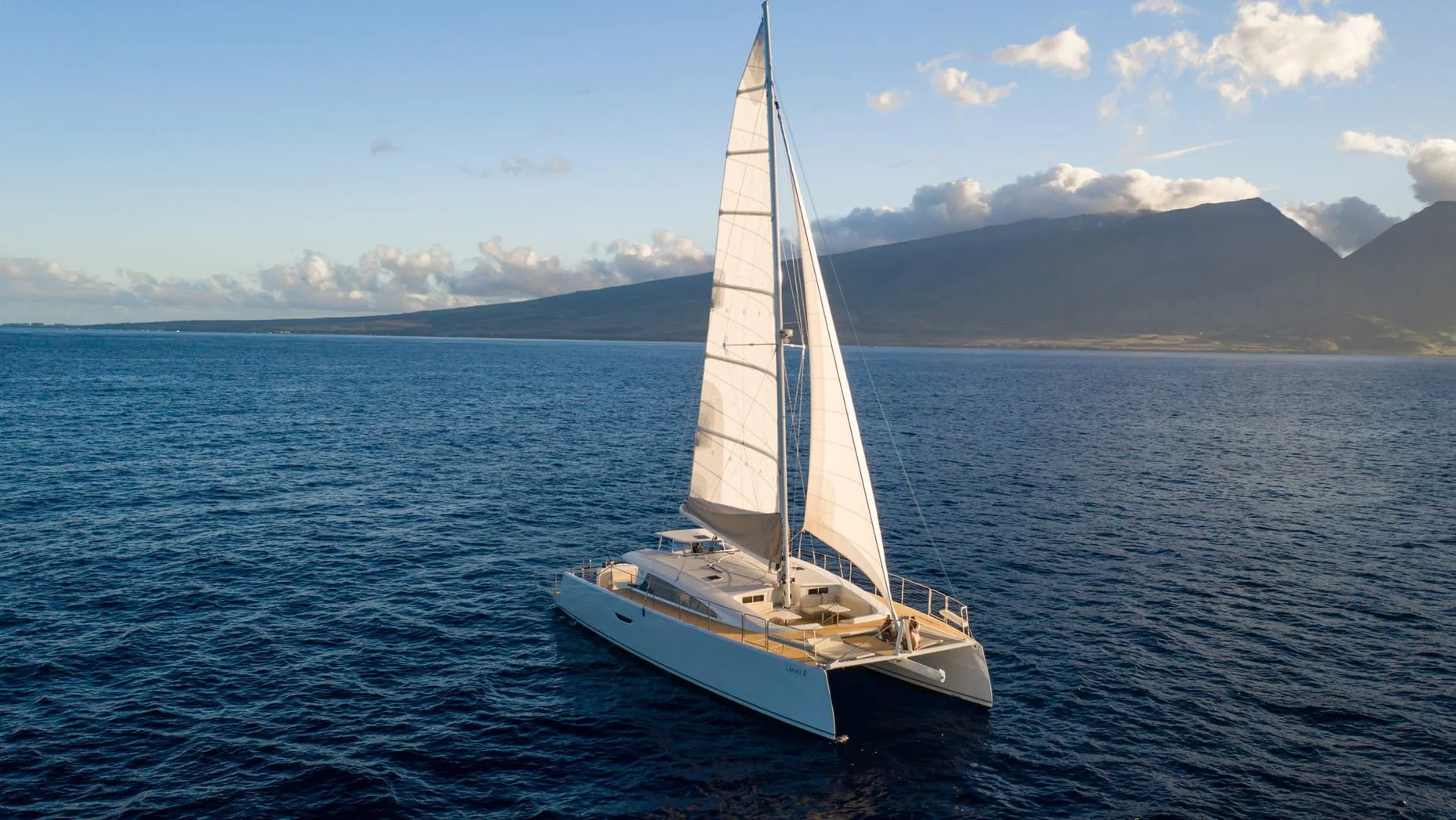
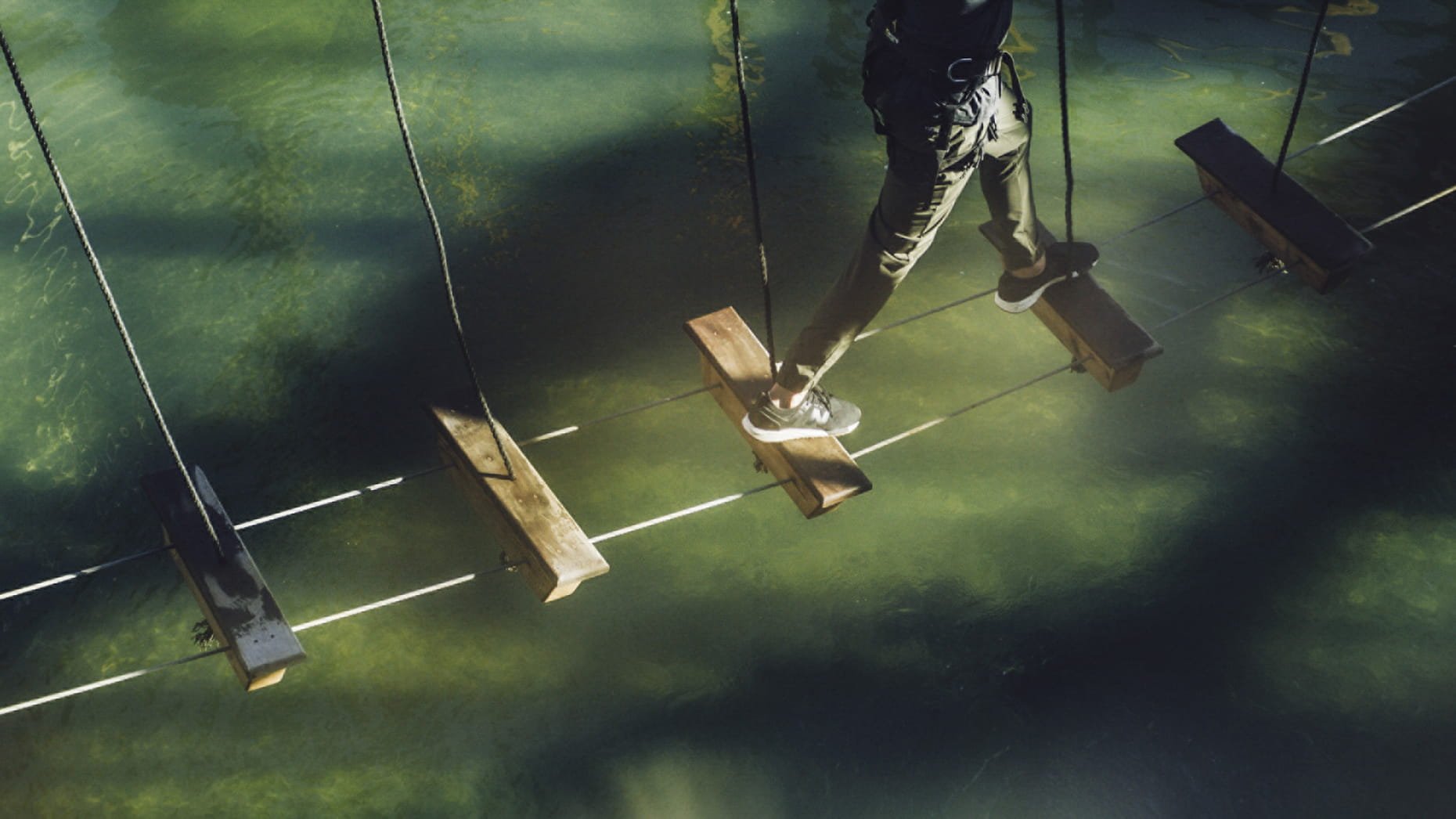
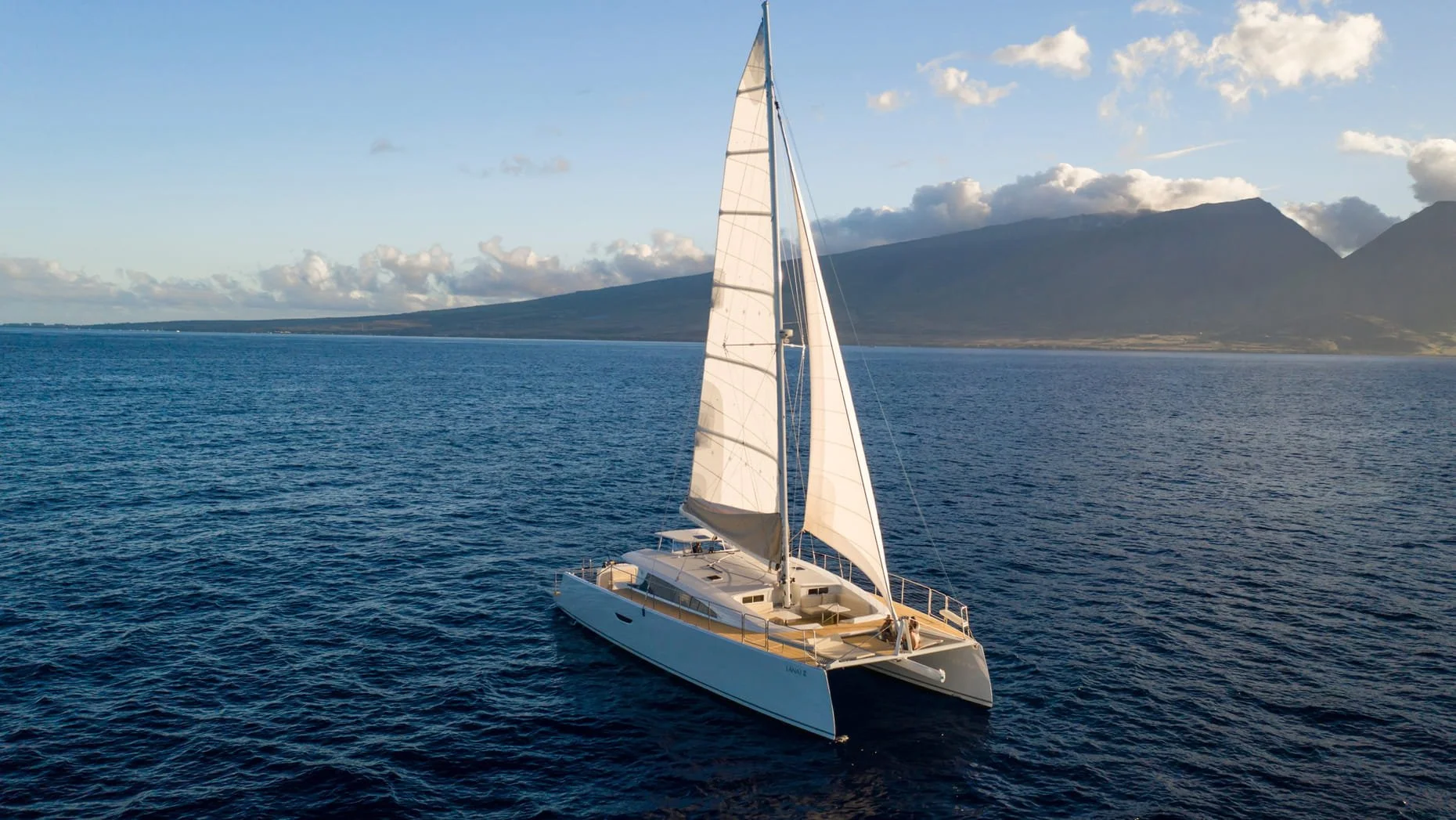
The Jack Nicklaus-designed Manele Golf Course follows rugged coastal terrain with memorable ocean-side holes and ravine carries. Visitors less interested in golf may choose tennis, pickleball, guided e-bike rides, horseback riding, archery or a four-wheel-drive excursion over parts of the island’s unpaved road network. Private catamaran cruises and sunset sails offer another view of the cliffs, and seasonal whale watching can be arranged when appropriate.
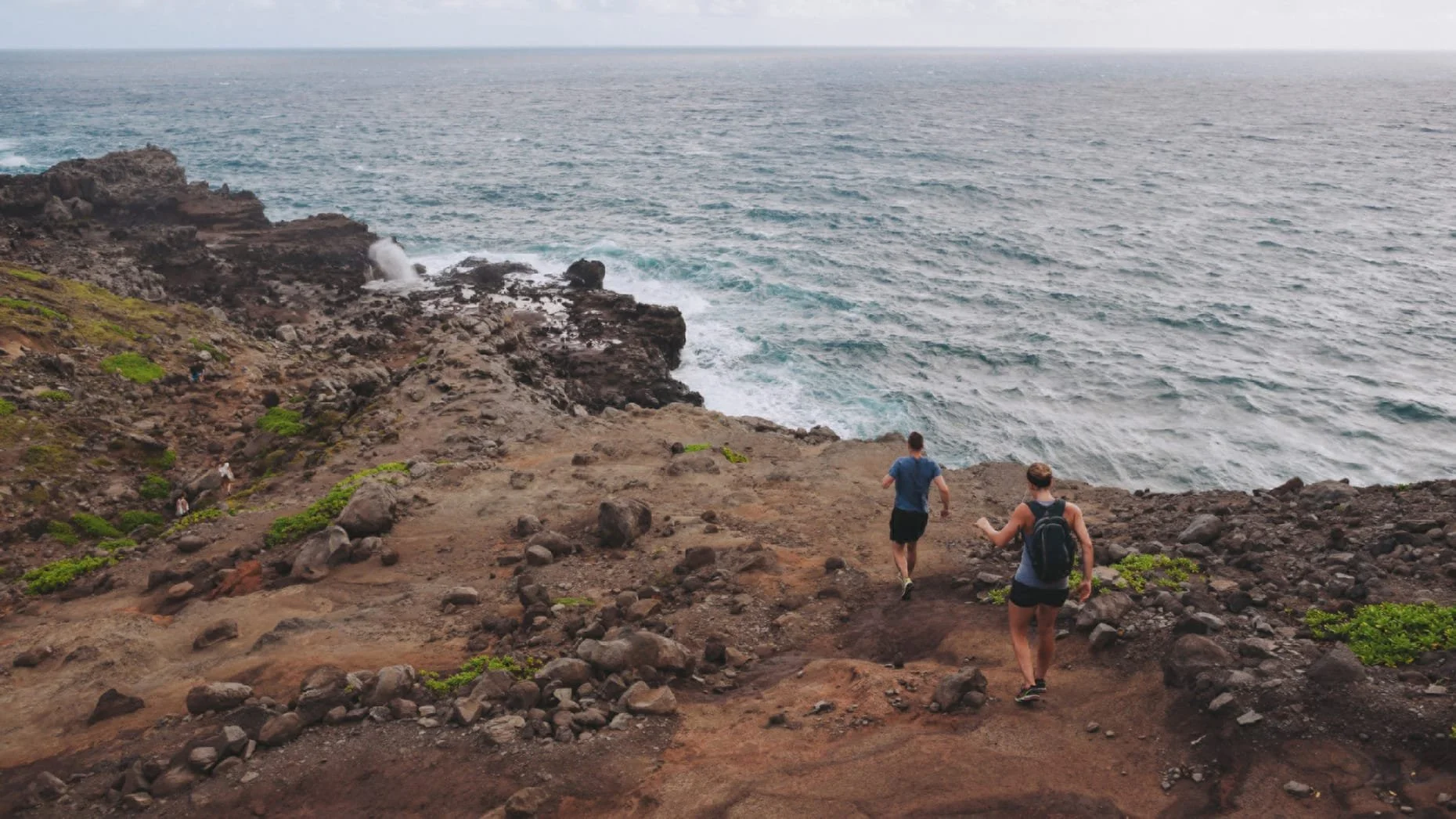
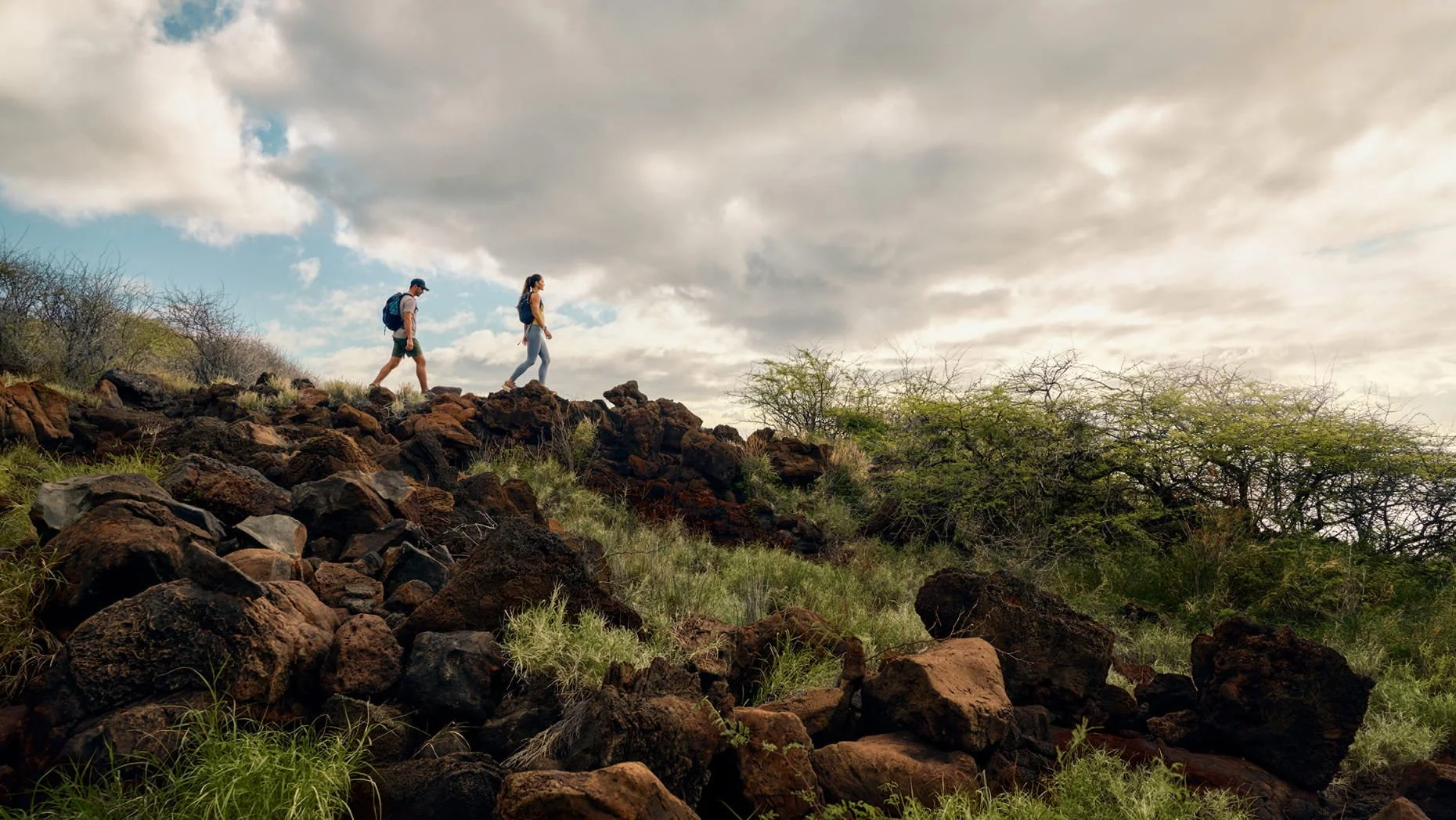
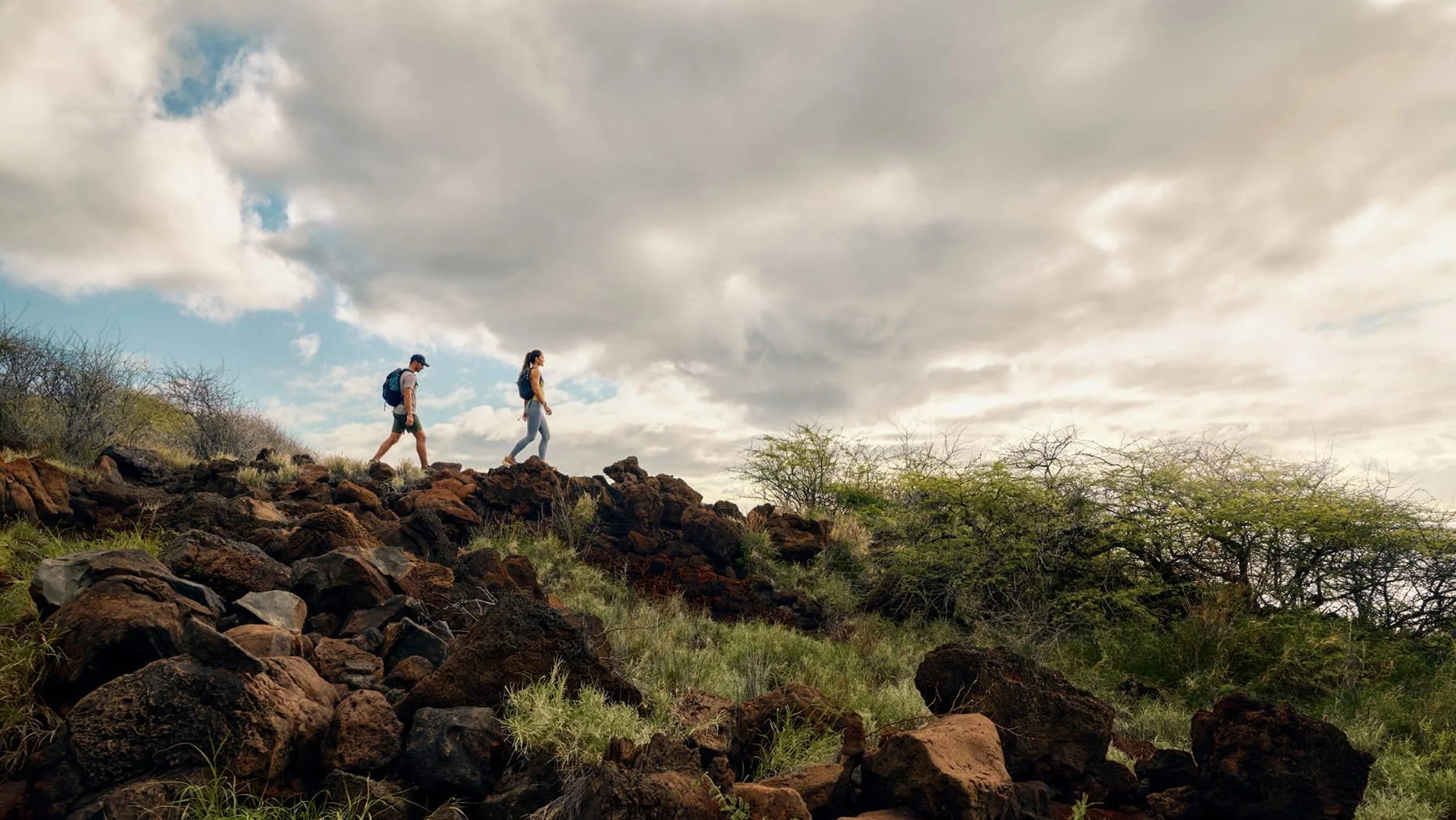
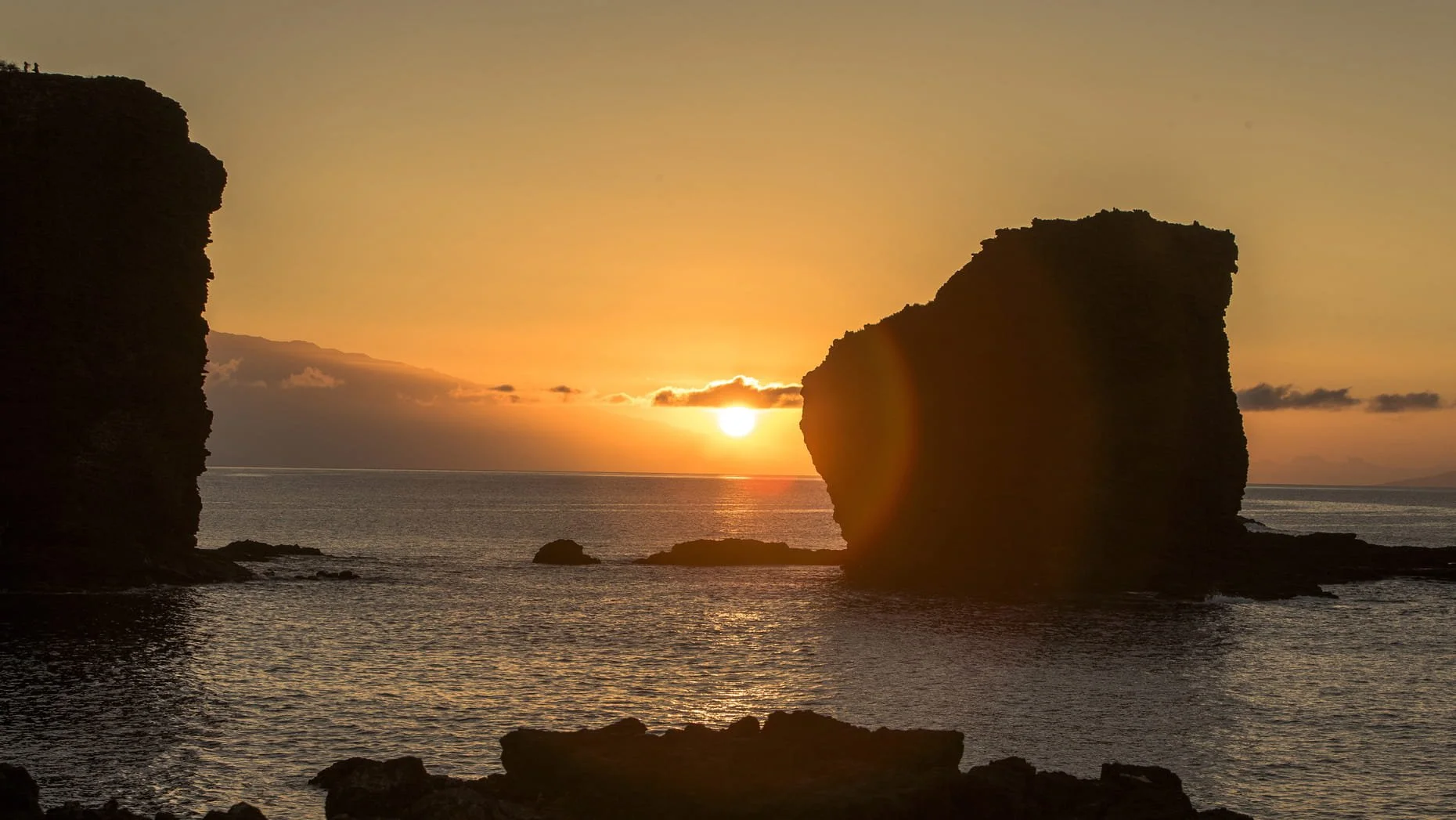
Cultural programming deserves equal attention. Love Lanai experiences provide context for local history, heritage and the natural landscape, while visits to Lanai City reveal a compact town of shops, galleries and community life. Guests wanting a longer route can consider a walk to Puʻu Pehe, often called Sweetheart Rock, a striking offshore formation near the bay. Staying longer makes it easier to balance these outings with genuine unstructured time.
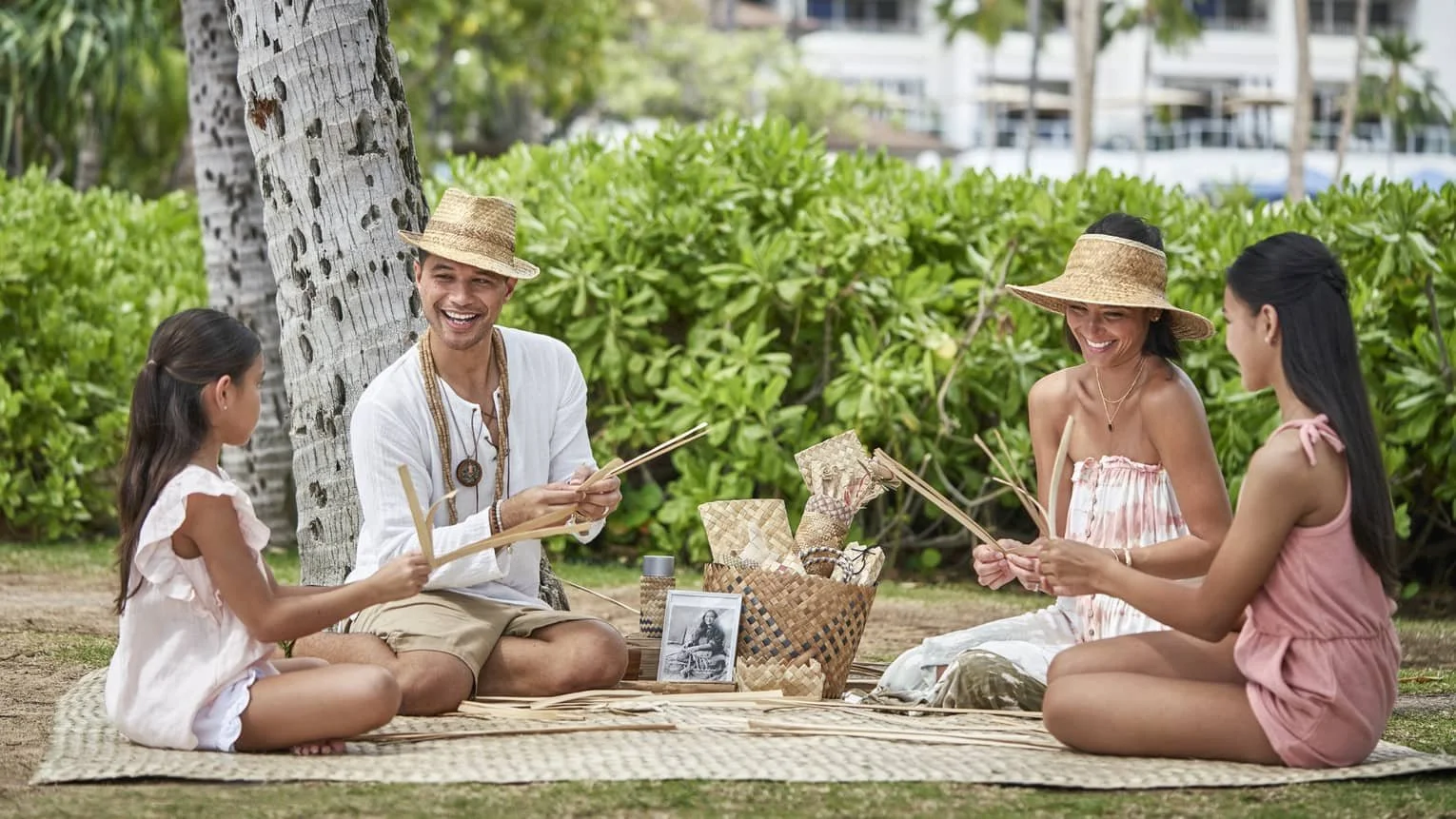
An Island That Welcomes Families
Four Seasons Resort Lanai is family-friendly, unlike the island’s separate adults-oriented Sensei Lanai retreat. The resort’s complimentary Kids For All Seasons program welcomes children ages five through twelve and offers supervised activities focused on Hawaiian nature, culture and creative exploration. The published daily hours are 9:00 a.m. to 5:00 p.m., with confirmed registration and reservations at least 24 hours in advance.
Families can also book nature outings, cultural lessons, snorkelling trips and activities such as archery or riding, subject to age and safety requirements. Babysitting may be organized through an external partner with sufficient notice, and children’s menus are available at selected dining venues. Older children and teenagers may prefer the coastal trails, golf instruction, tennis and marine adventures.
Accommodation decisions are particularly important for multigenerational stays. Ohana suites add living space, while larger specialty suites offer more room to gather. The number and ages of children, available connecting arrangements and each category’s actual bedding configuration should all be reviewed before reserving.
Environmental Responsibility on a Fragile Island
The resort’s sustainability commitments are particularly relevant in an island environment with finite resources and sensitive coastal habitats. Four Seasons reports EarthCheck Silver certification for the property, along with tracking of energy, greenhouse gas emissions, water and waste. Electric golf carts and robotic landscaping equipment reduce some day-to-day fuel use, while charging infrastructure supports electric vehicles.
Its food and sourcing initiatives include produce from the island’s Sensei Farms hydroponic greenhouses, cage-free eggs, linen and towel replacement on a three-day cycle unless otherwise requested, and systems that measure food waste. Guests also have access to reef-friendly sun care products and refillable water bottles.
Local biodiversity work includes efforts to reintroduce the endangered awikiwiki vine in the Manele area, and the resort participates in cultural education and community activities. The nearby coastal waters are protected as a marine reserve. These measures are more specific and useful than a broad claim that an island resort has no environmental impact; their value is in documented operating practices and ongoing conservation commitments.
Planning With Access in Mind
The resort publishes specific accessible room categories and an accessibility overview. Features can include wheelchair-accessible doors, lowered room fittings, adapted bathrooms with roll-in showers or tubs equipped with grab bars, and accessible routes from the entrance to guest rooms. The hotel also reports accessible restaurant access and arrangements for service animals.
The resort’s hillside layout, landscaped pathways, beaches and off-road excursions mean that accessibility needs should be assessed beyond the room itself. A guest who uses a mobility aid may want to confirm the most convenient building, step-free dining routes, suitable transport and the accessibility of any proposed boat or trail experience.
Published accessible room measurements should also be confirmed for the exact unit. In particular, the official listing for the Accessible Ocean-View Room contains inconsistent metric and imperial size figures, so these should not be treated as interchangeable without direct clarification.
Choosing the Right Season for Lanai
Lanai can be visited throughout the year, although wind, rainfall and ocean conditions influence the type of holiday. The generally warmer summer months can suit swimming, boating and coastal afternoons, with the usual proviso that sea conditions govern specific excursions. Winter brings a different attraction: whale watching in Hawaii’s waters, along with the possibility of breezier or wetter weather.
Late spring and autumn can be appealing for travelers who prefer comfortable temperatures and a somewhat quieter pace. School holidays and festive periods may change dining and accommodation availability, while golf, cultural activities and wellness programs remain useful reasons to travel outside peak beach conditions.
Rather than choosing dates on temperature alone, the most successful planning starts with the trip’s priorities. A couple focused on spa appointments and food may travel at a different time from a family hoping to spend most days in the sea. Allowing flexibility in the schedule helps accommodate weather-sensitive trips.
Plan Your Stay With Destinations by David
Choosing the right room or suite is an important part of planning Four Seasons Resort Lanai. Our team can help weigh the difference between garden, resort and oceanfront outlooks, select an Ohana suite or larger specialty accommodation for a family group, and coordinate the island flights and transfers that make arrival more seamless.
Four Seasons Resort Lanai appears in the brand’s Preferred Partner resort collection. Through Destinations by David, eligible reservations may provide access to applicable preferred-partner advantages, with inclusions and conditions discussed privately for the selected stay. We can also coordinate Nobu and Osteria Mozza dining, spa appointments, Manele golf, cultural outings and time on the water around your interests.
Contact our team to plan and book a Lanai stay that balances the island’s distinctive character with the space, service and experiences that matter to you.
Arriving on an Island Without the Crowds
Lanai requires an inter-island connection, which makes advance transport planning especially useful. Airport and harbour transfers, as well as many resort and activity shuttles, are offered with eligible stays. The resort currently advertises Lanai Air round-trip Honolulu connections for arrivals through December 31, 2027, subject to the applicable booking terms.
Honolulu International Airport (HNL): Lanai Air private charter connections to Lanai typically take around 35 minutes; conditions apply to included services.
Lanai Airport (LNY): The resort arranges shared transfers; allow approximately 20 minutes by road to the beachfront resort, subject to routing.
Maui to Lanai: Passenger ferries from Maalaea Harbour take approximately one hour, followed by a short onward resort transfer from Manele Small Boat Harbour.
Manele Small Boat Harbour: The resort is approximately five minutes away by vehicle.
Lanai City: Allow roughly 20 minutes by road from the coastal resort; complimentary island shuttles operate on published schedules.
An Oceanfront Base for a Deeper Island Stay
Four Seasons Resort Lanai is at its best when the schedule leaves space for discovery. The rooms and suites create different ways of connecting with the gardens and bay, while exceptional dining, knowledgeable cultural guides, a substantial spa and the surrounding coastline make it possible to explore different sides of the island in a single stay.
Its appeal lies in the contrast between ease and remoteness: travelers can arrive through carefully arranged inter-island connections, then spend several days listening to the surf, walking coastal paths, learning about Lanai’s heritage and returning to the same open Pacific horizon. That balance gives the resort a character distinct from Hawaii’s busier beach destinations.