Siem Reap, Cambodia | Raffles Grand Hotel d’Angkor
A Heritage Address at the Gateway to Angkor
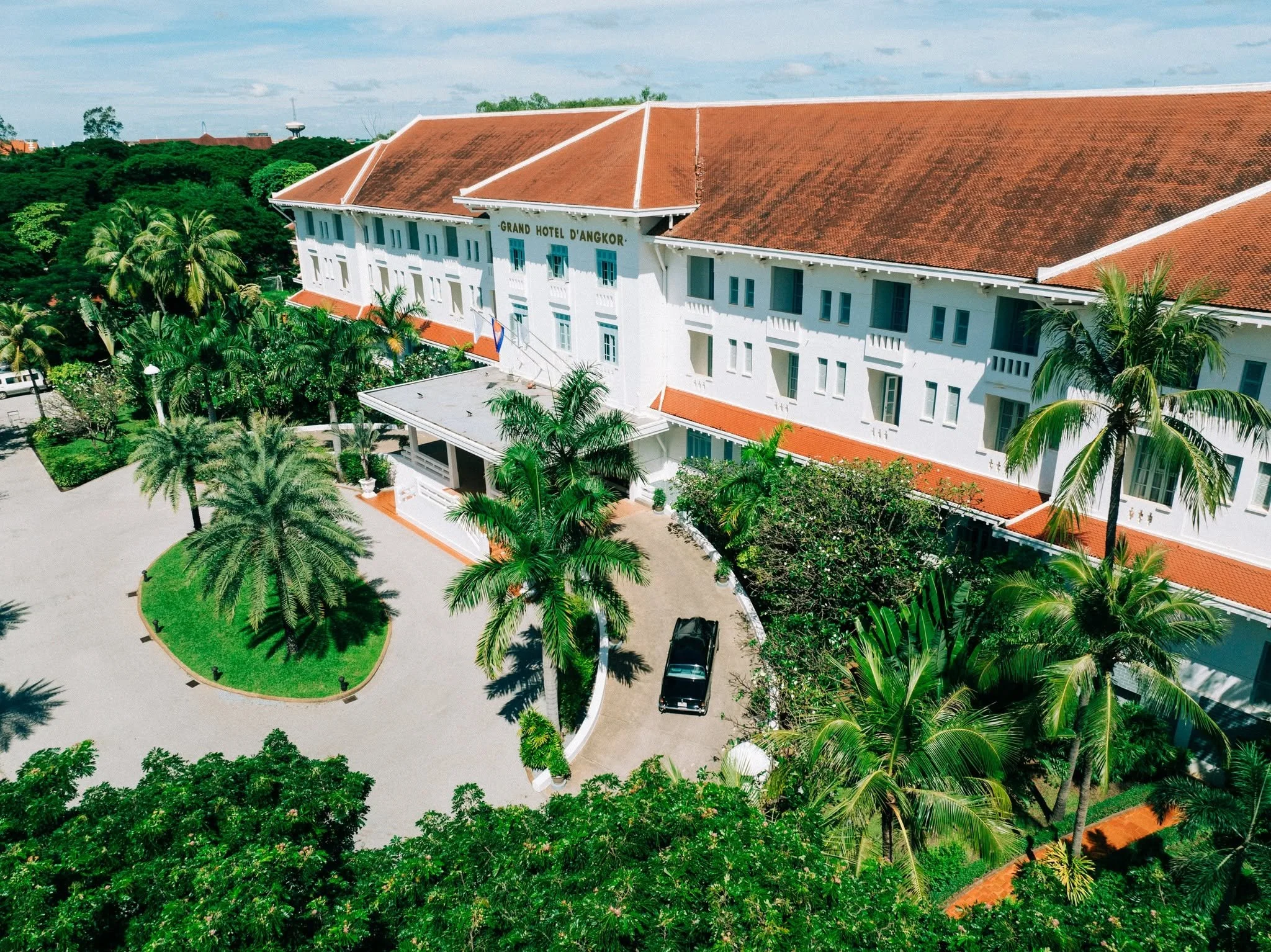
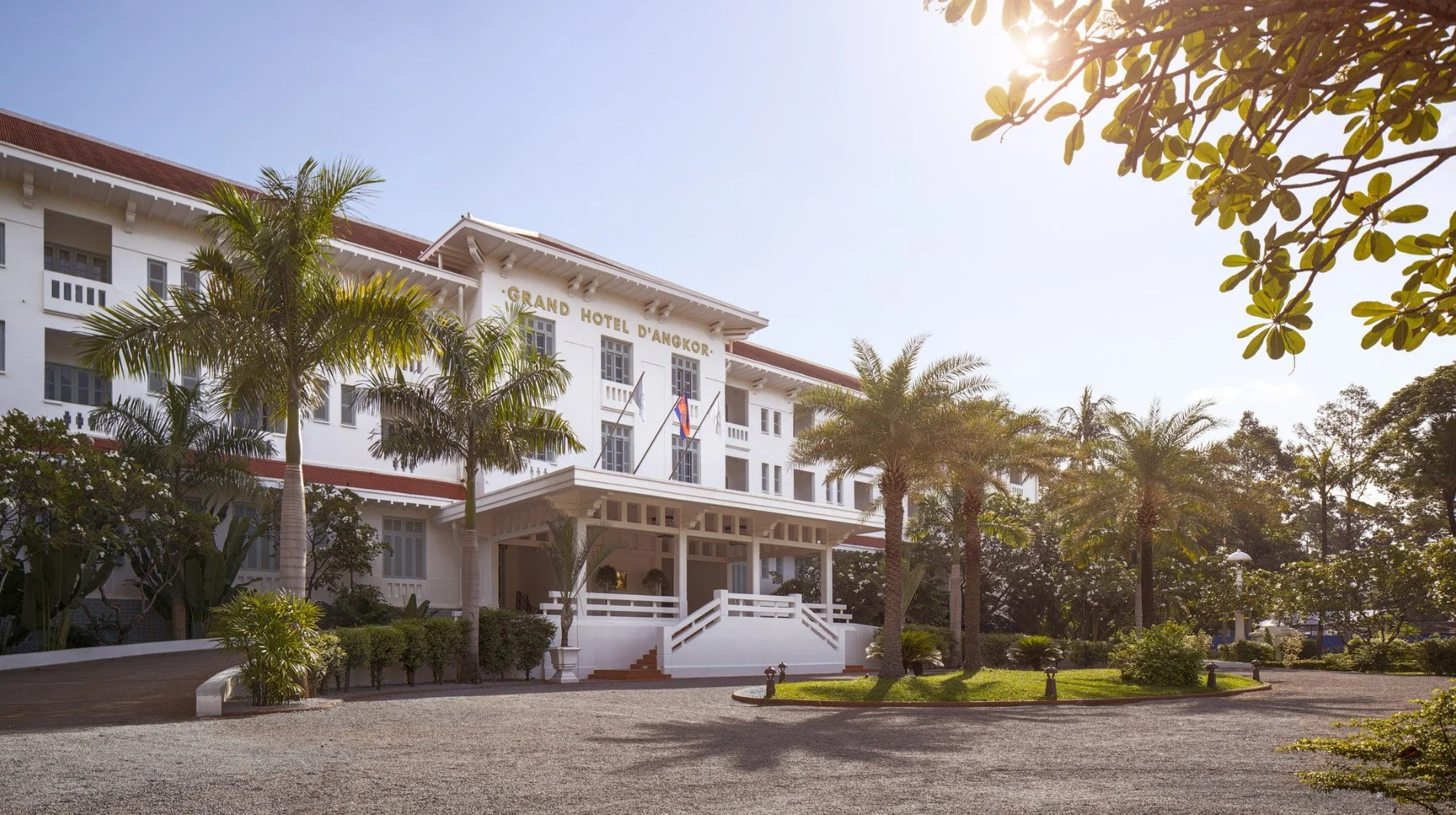
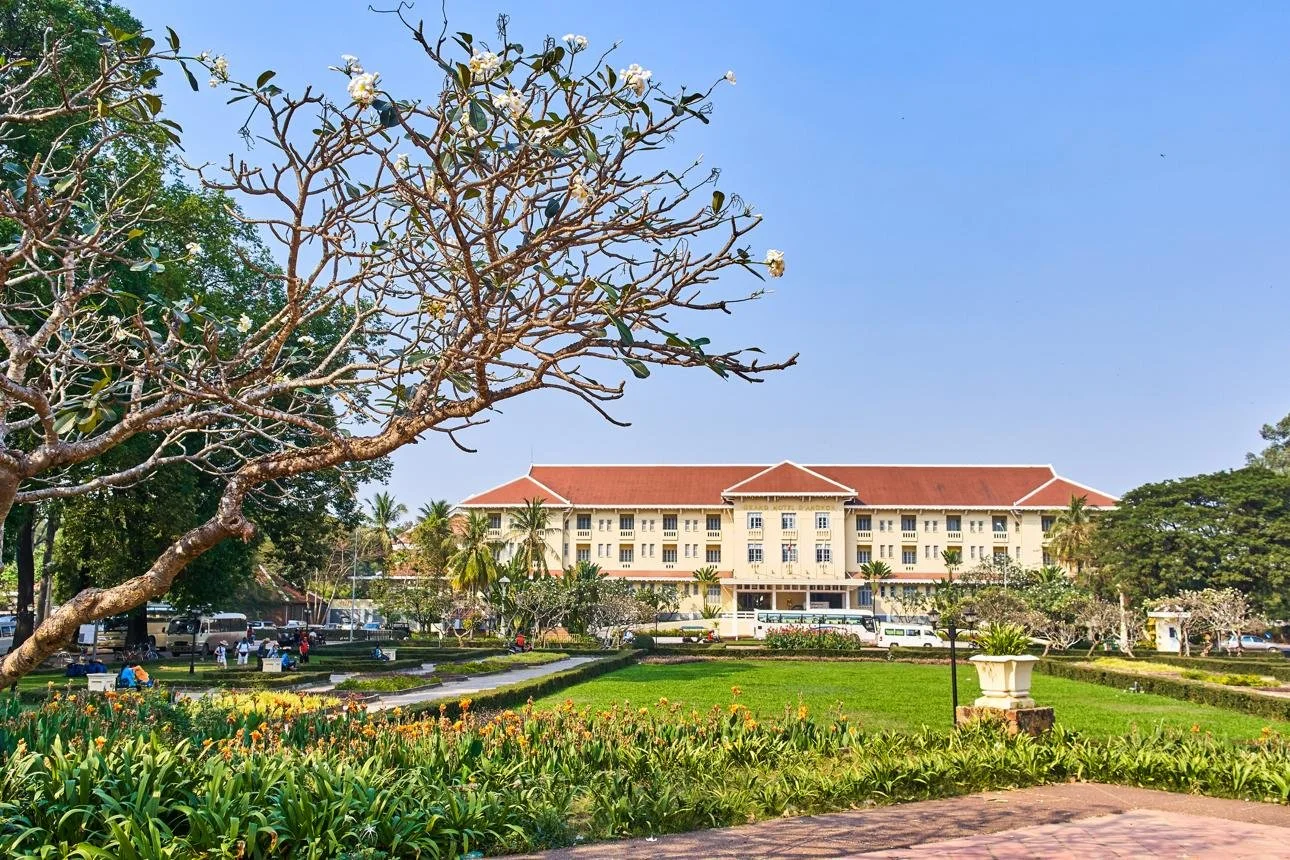
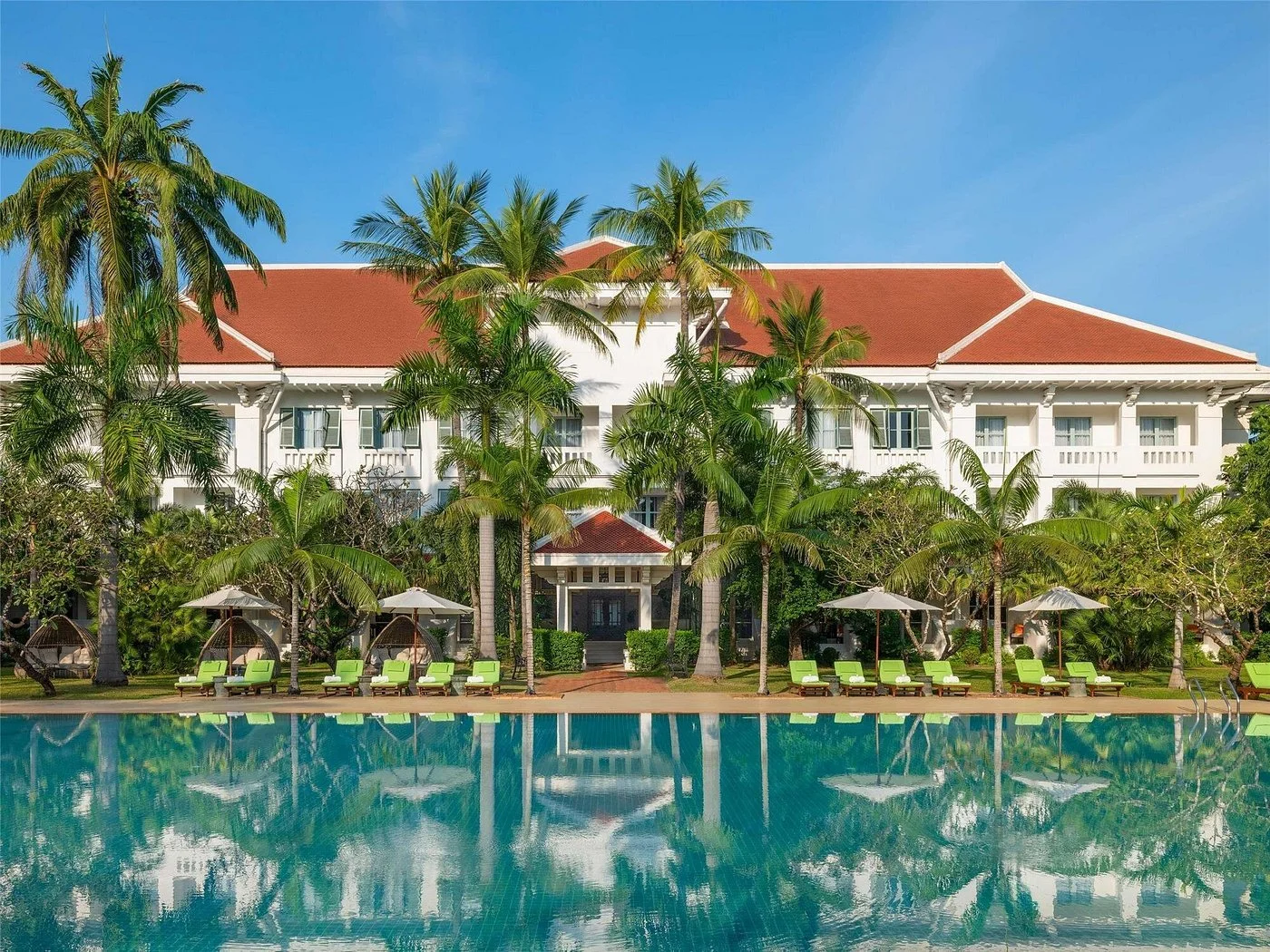
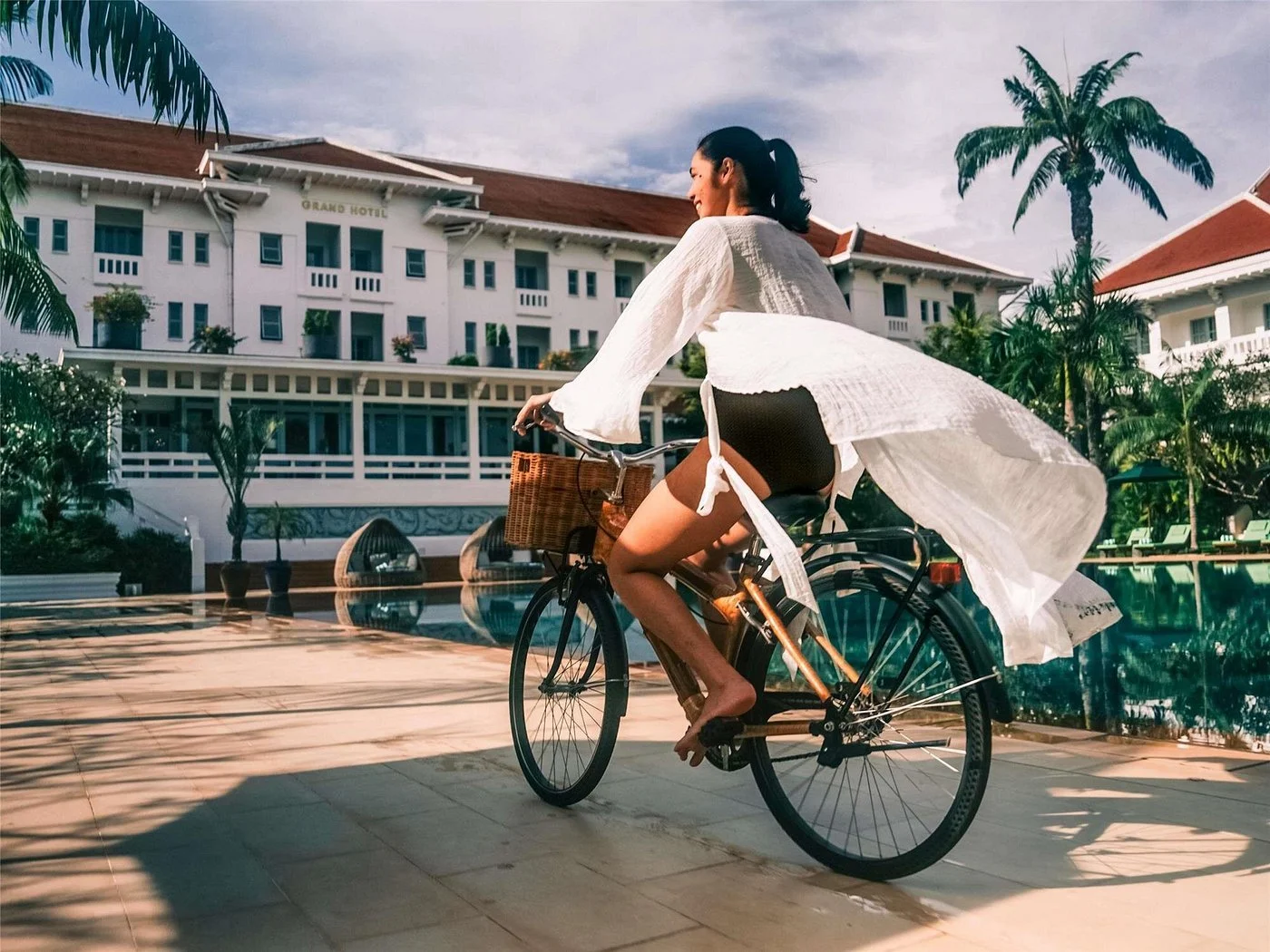
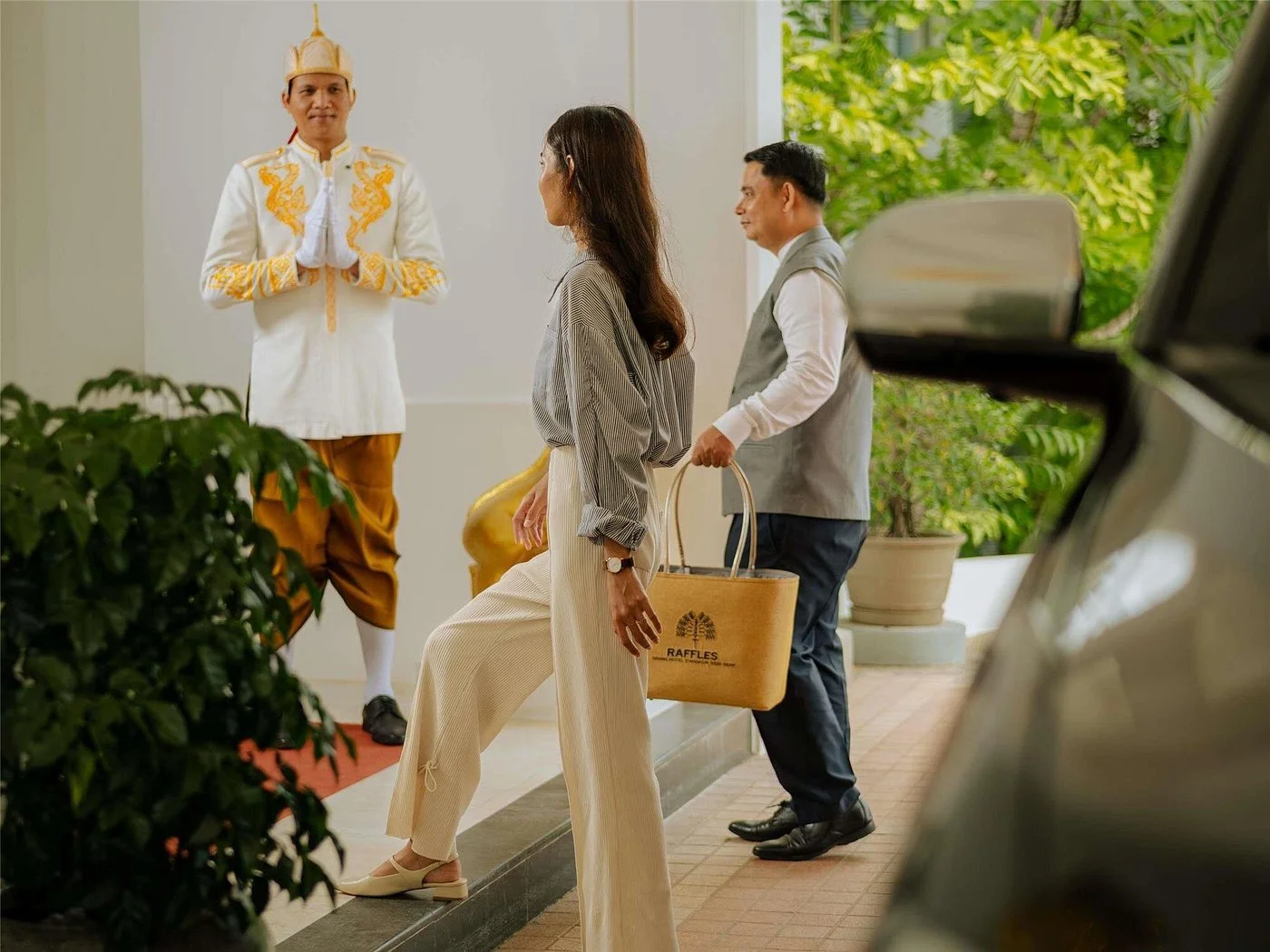
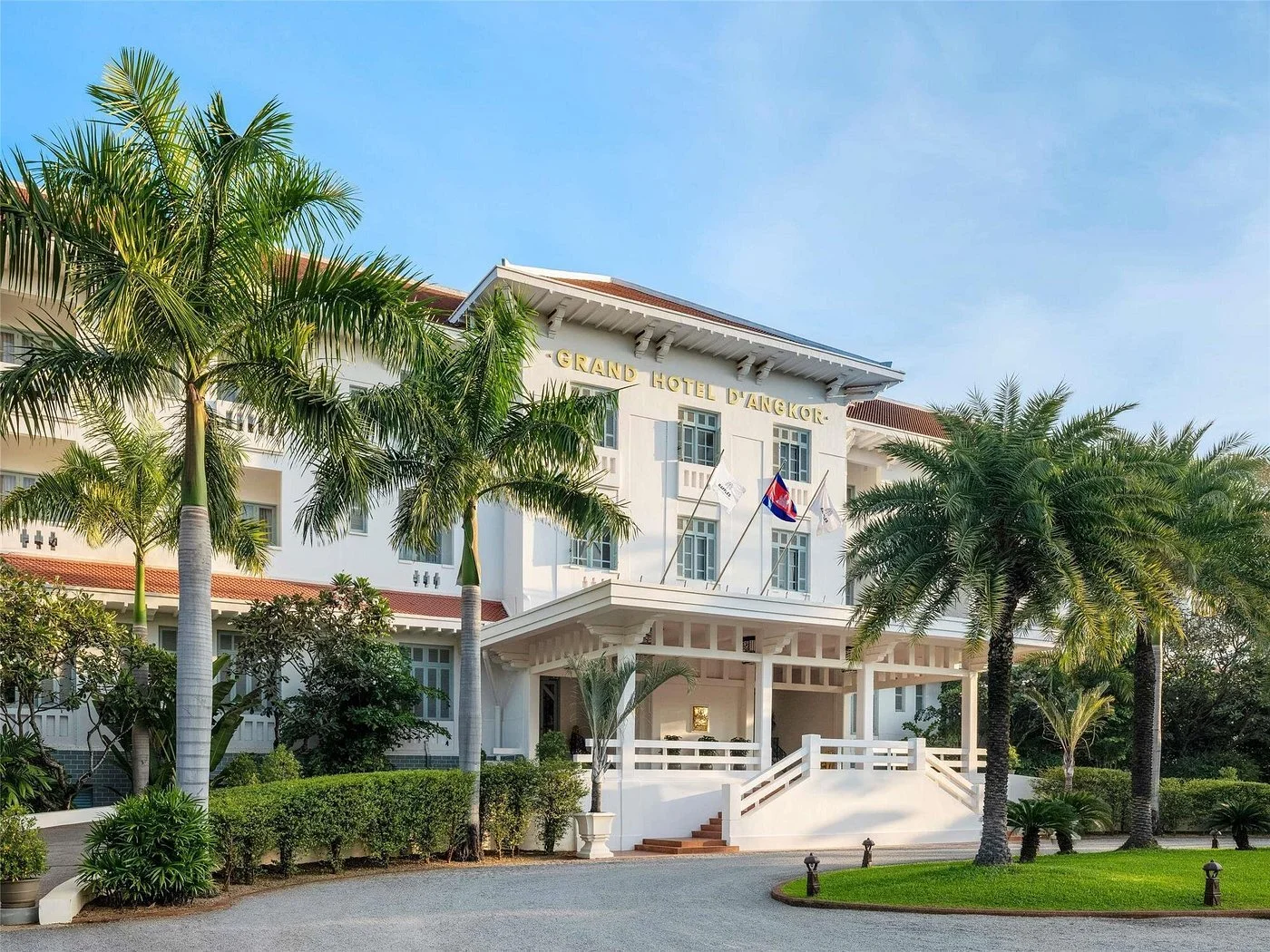
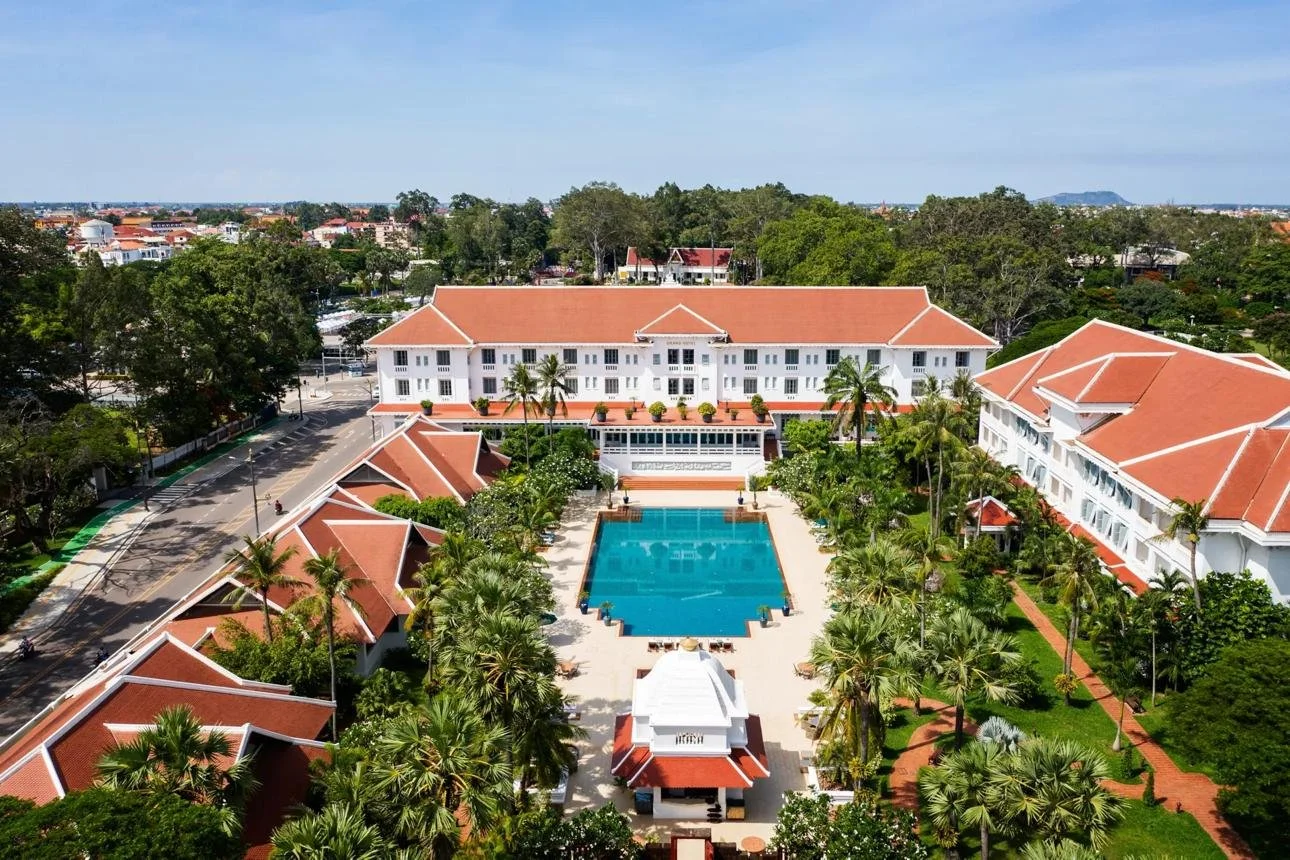
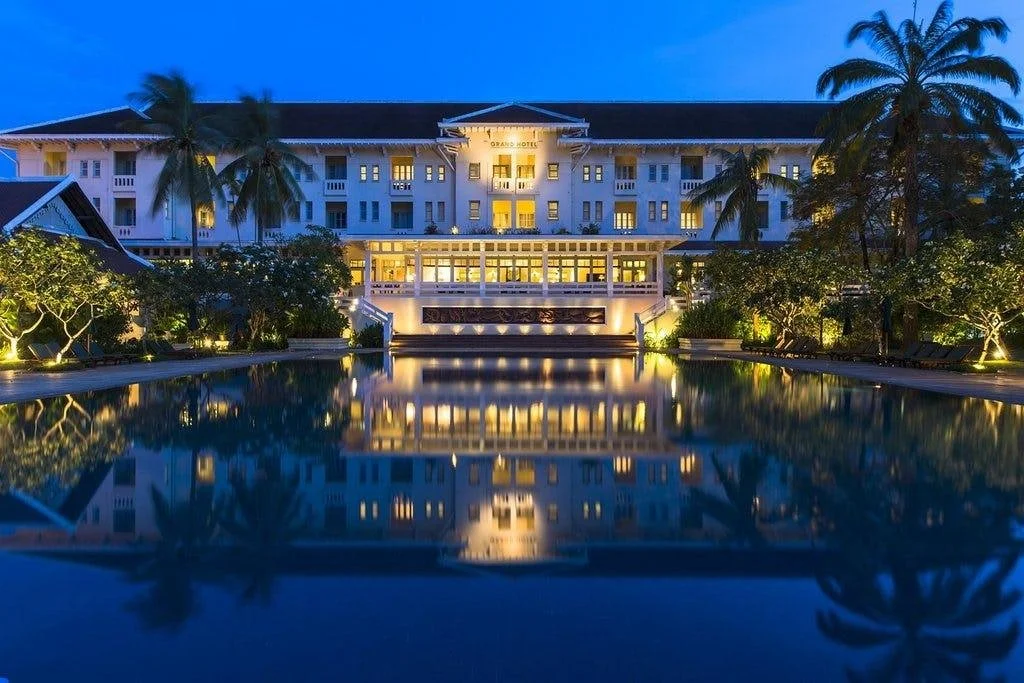
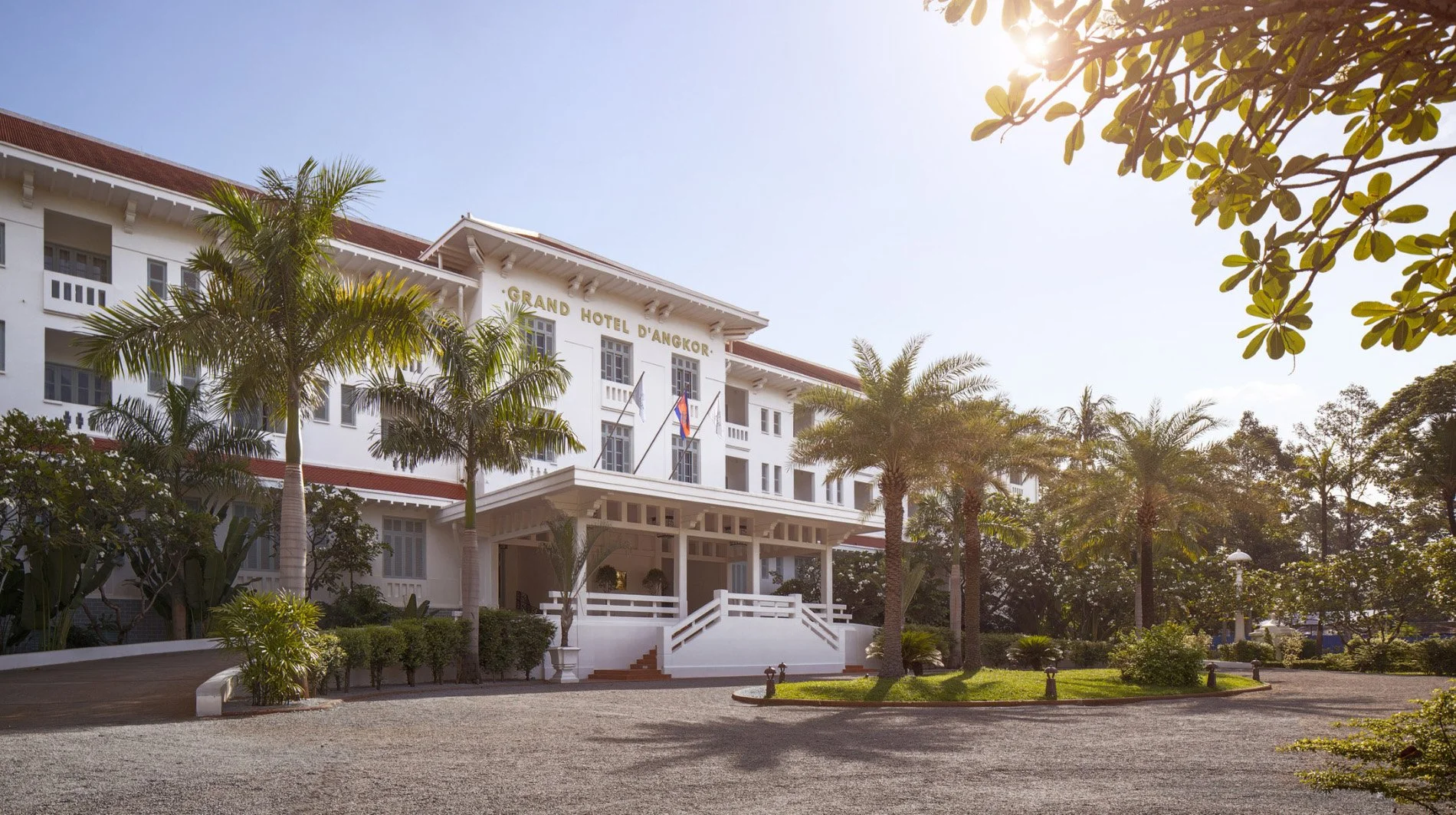
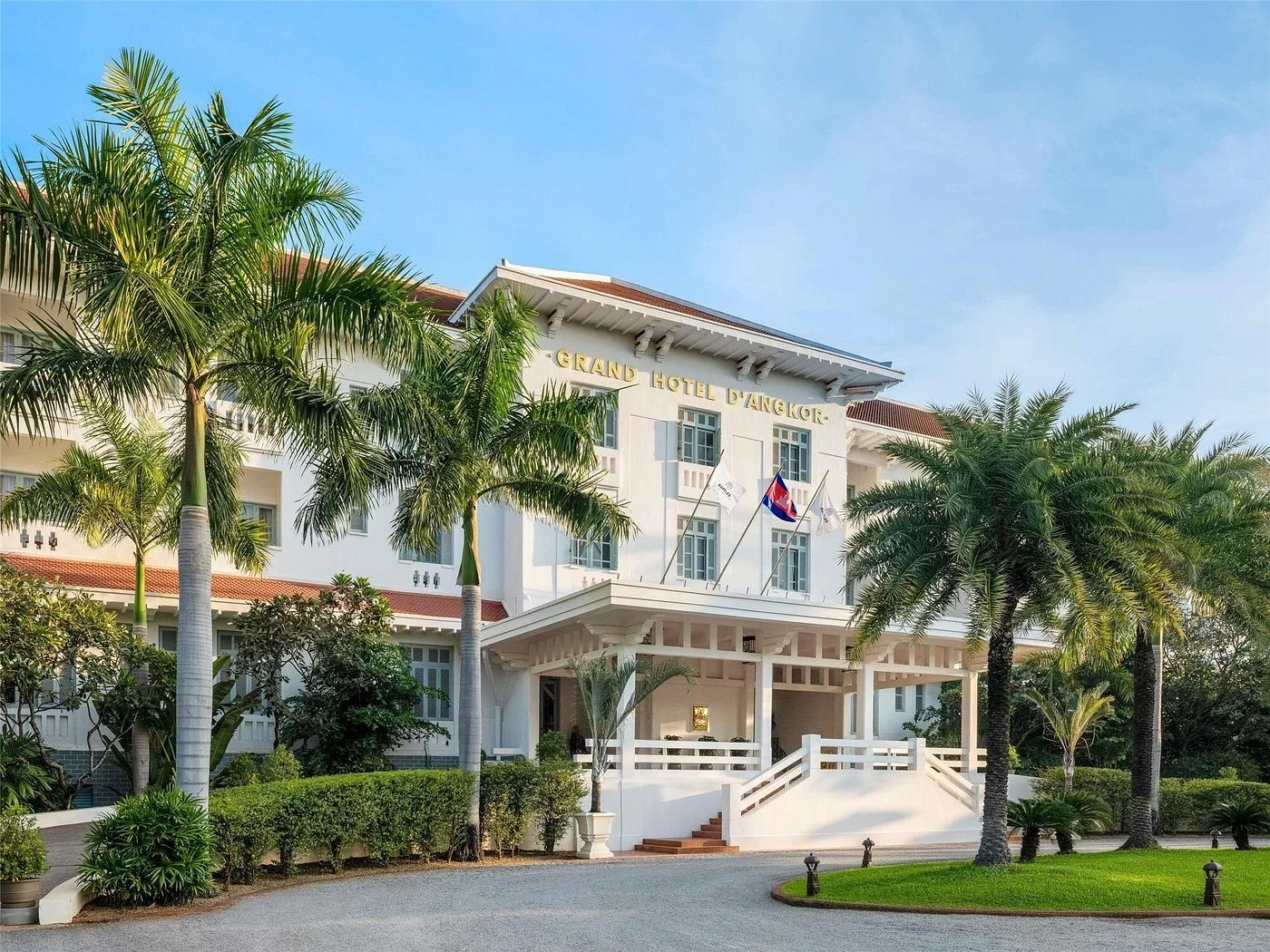
In Siem Reap’s leafy Old French Quarter, Raffles Grand Hotel d’Angkor offers a particularly fitting introduction to the temples, traditions and artistic life of northwestern Cambodia. Facing the Royal Residence and close to the Angkor National Museum, the hotel places the city’s historical landmarks within reach while preserving the measured atmosphere of a grand hotel built for an earlier generation of travellers. White façades, pitched terracotta roofs, palms and gardens establish the scene before guests step through the entrance.
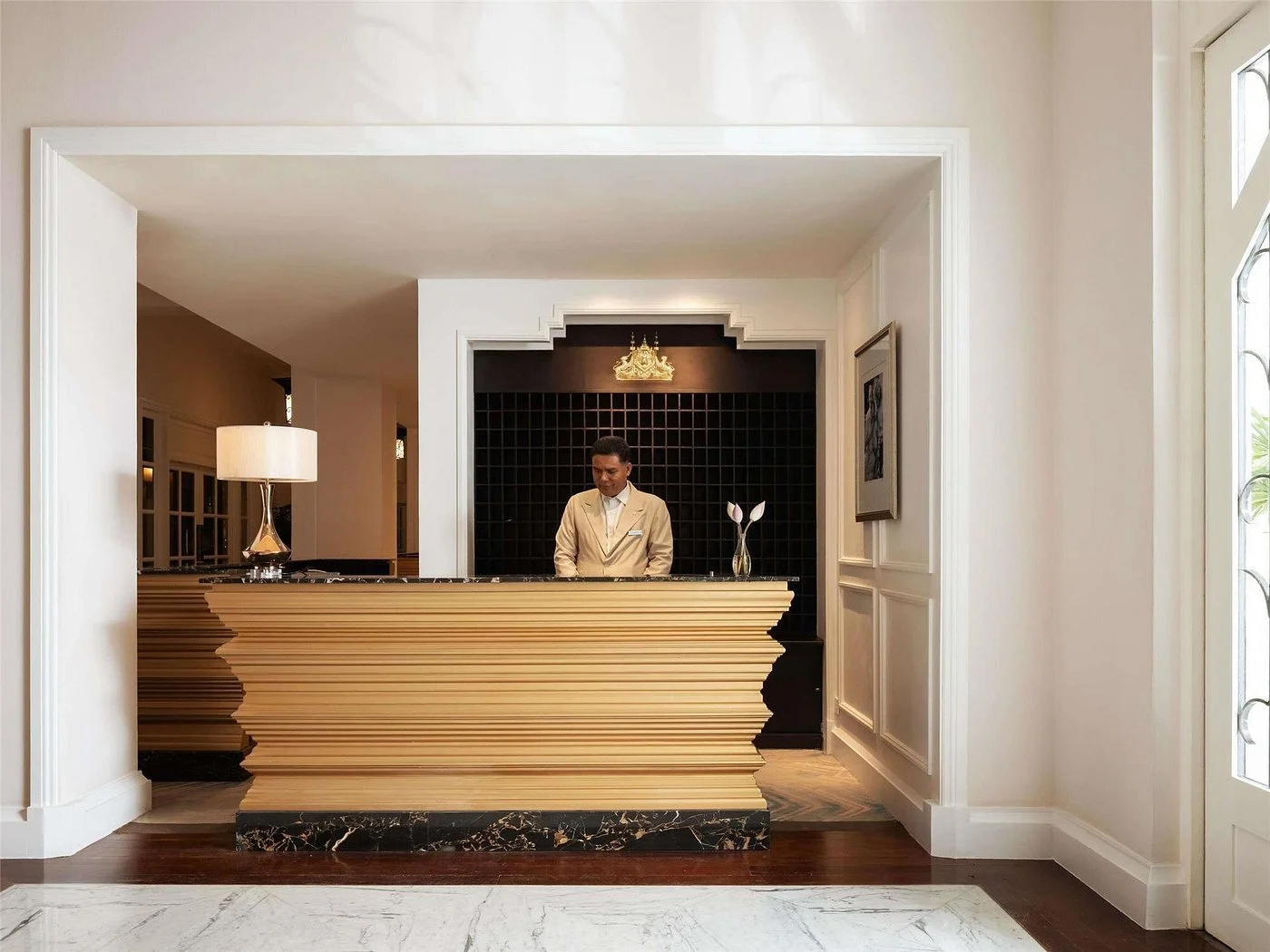
The relationship between place and property is more substantial than proximity to Angkor Wat. The building dates to 1932, when journeys to the temples were considerably more demanding, and the hotel has retained architectural details that make its own story worth exploring. Its distinctive swimming pool, Cambodian artwork, long-established bar and formal dining rooms encourage days that balance archaeological visits with time spent at the hotel itself.
For travellers planning an ambitious temple itinerary, its location, dedicated Raffles Butler service and experienced concierge team are practical advantages. Returning from an early visit to Angkor can mean a leisurely meal, a swim beneath the palms or a Khmer-inspired treatment before another excursion in the cooler hours.
A Grand Hotel with a History of Discovery
Opened in 1932, Grand Hotel d’Angkor was created to accommodate travellers who had come to see the extraordinary remains of the Khmer Empire. Siem Reap was then a different kind of gateway, with fewer convenient connections and journeys shaped by road conditions, climate and the pace of travel. The hotel became part of the destination’s modern history, hosting visitors drawn to the monuments and a Cambodia beyond the temple gates.
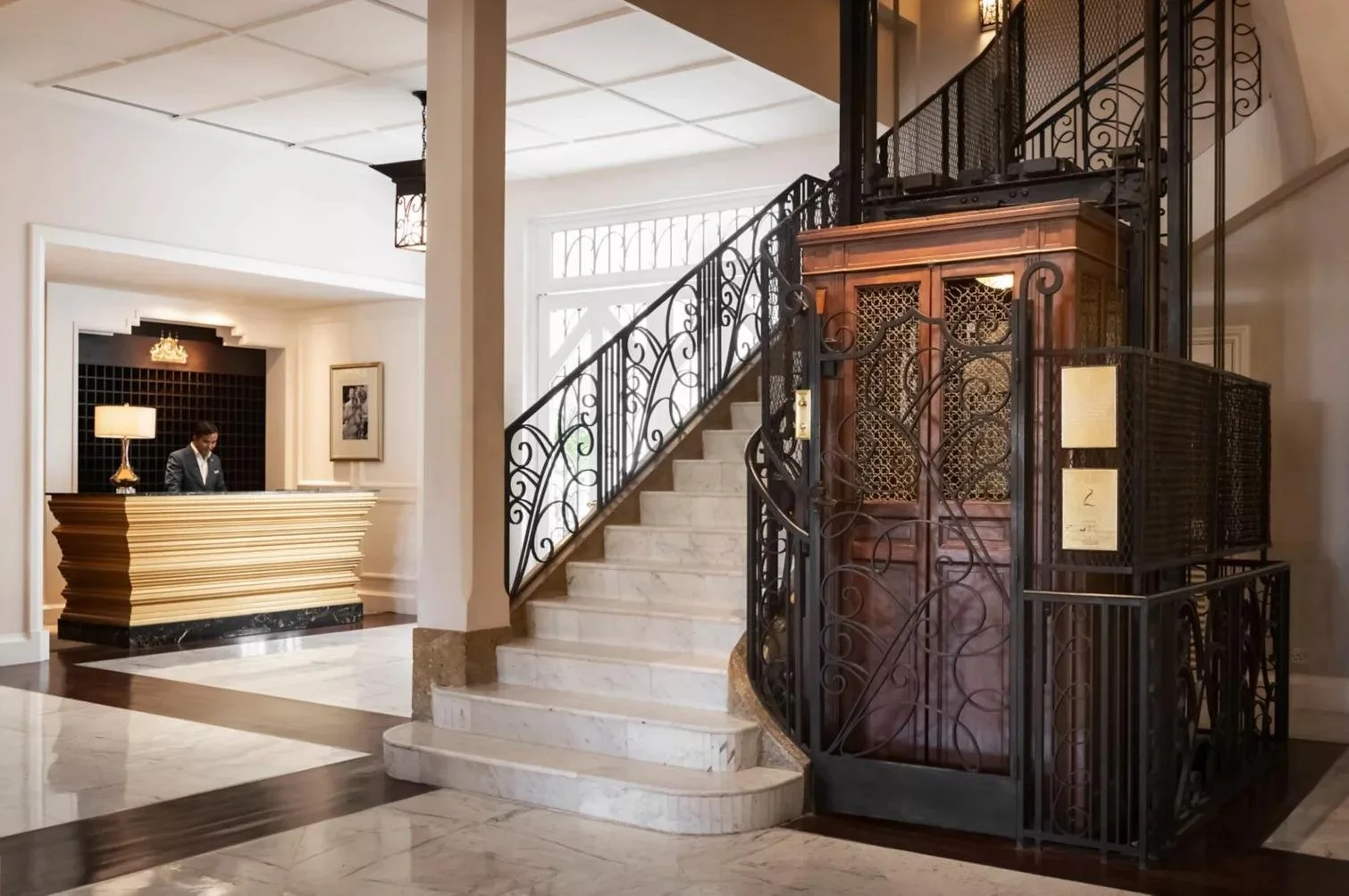
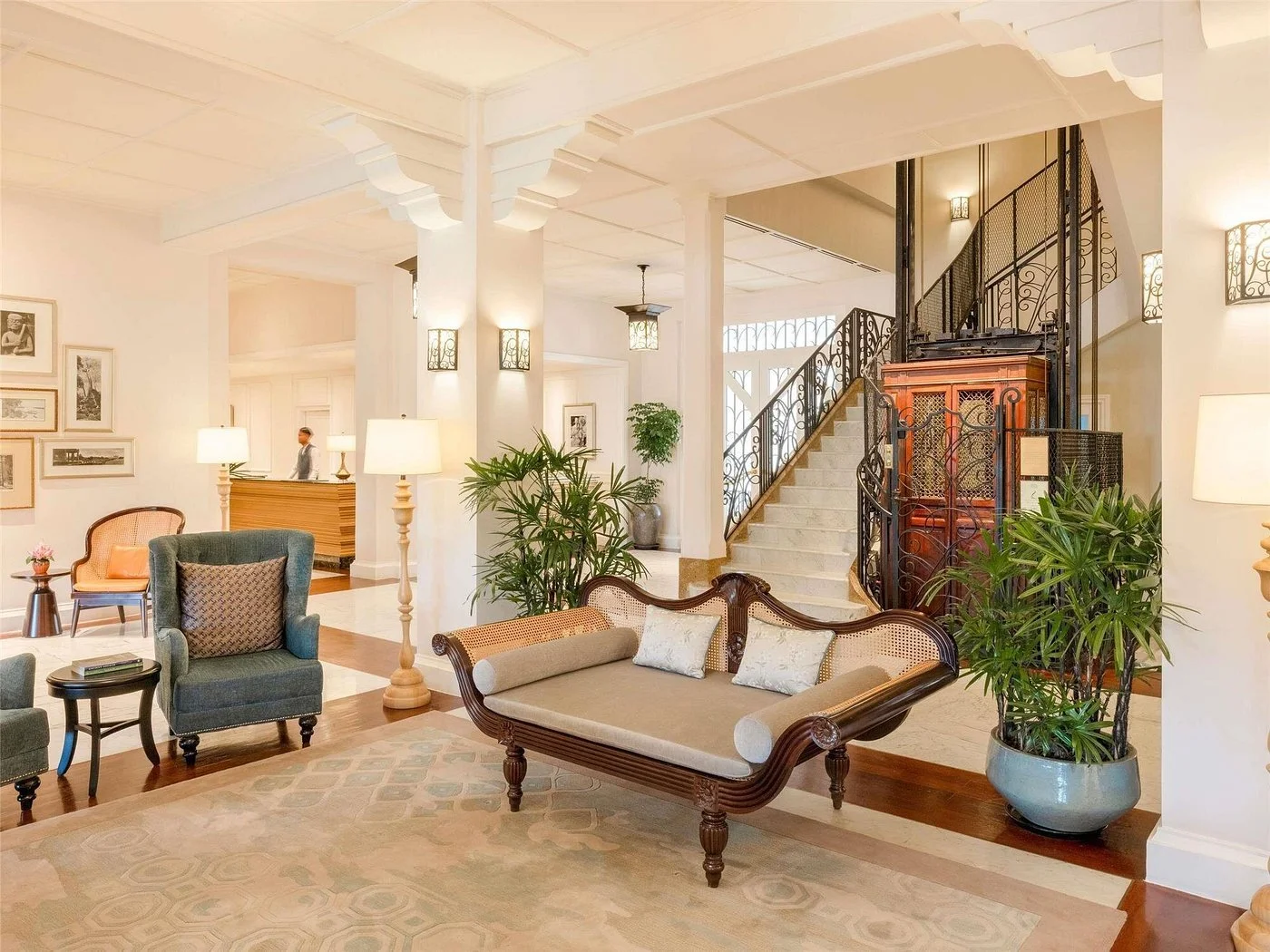
The property subsequently underwent restoration and re-emerged under the Raffles name, retaining recognizable features of the original building. Its historic lift, period proportions and formal entrance recall the early days of international travel in Siem Reap. The hotel’s own history programming provides a way to understand these details in context rather than viewing the building simply as a picturesque backdrop.
This historical continuity sets Raffles apart from newer resorts located farther from the town centre. Its appeal lies as much in the accumulated character of the property as in the comfort of its accommodation. A stay here connects the modern city, its royal associations and the long history of visitors to Angkor.
French-Cambodian Architecture and a Garden-Centred Setting
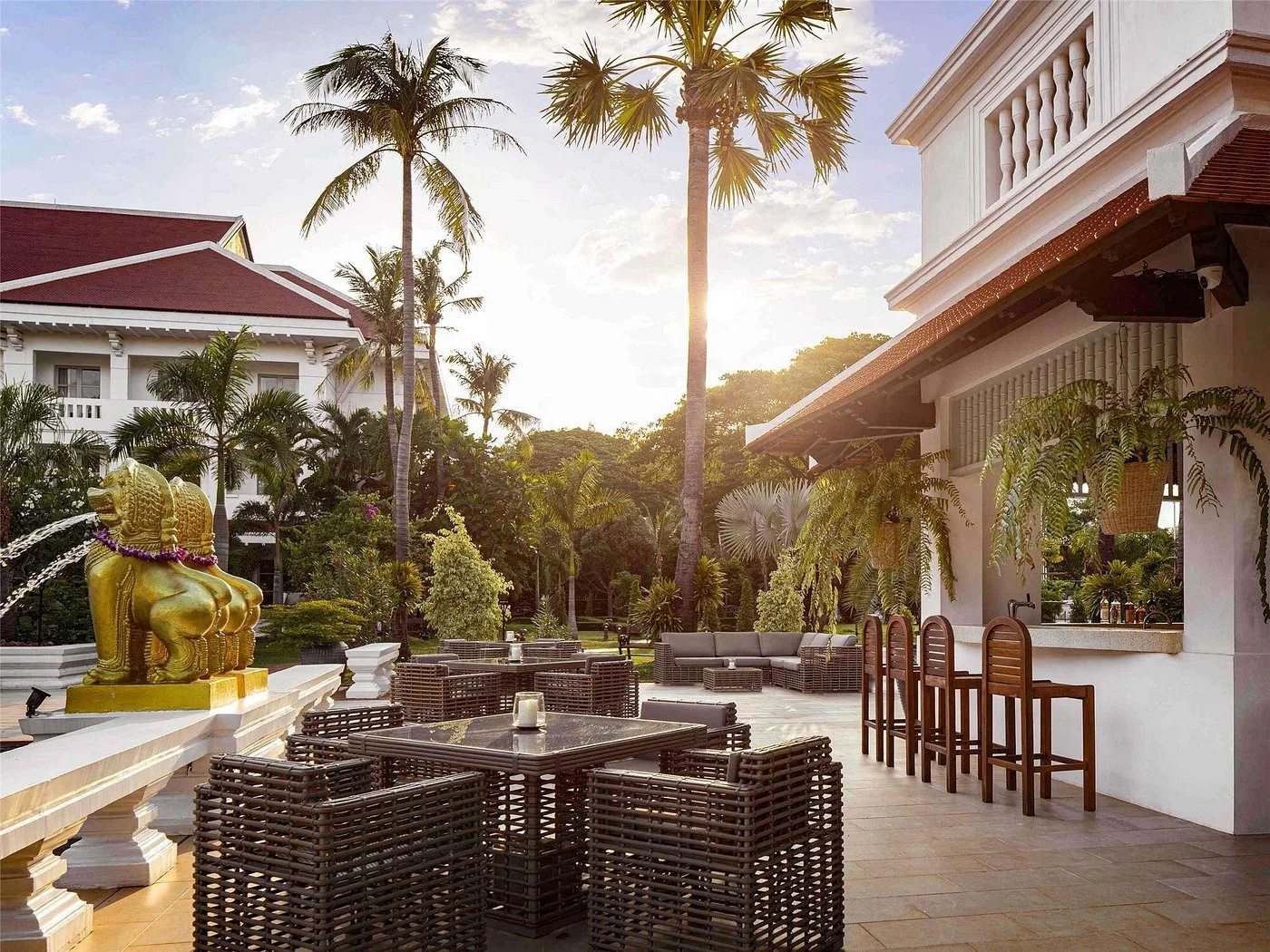
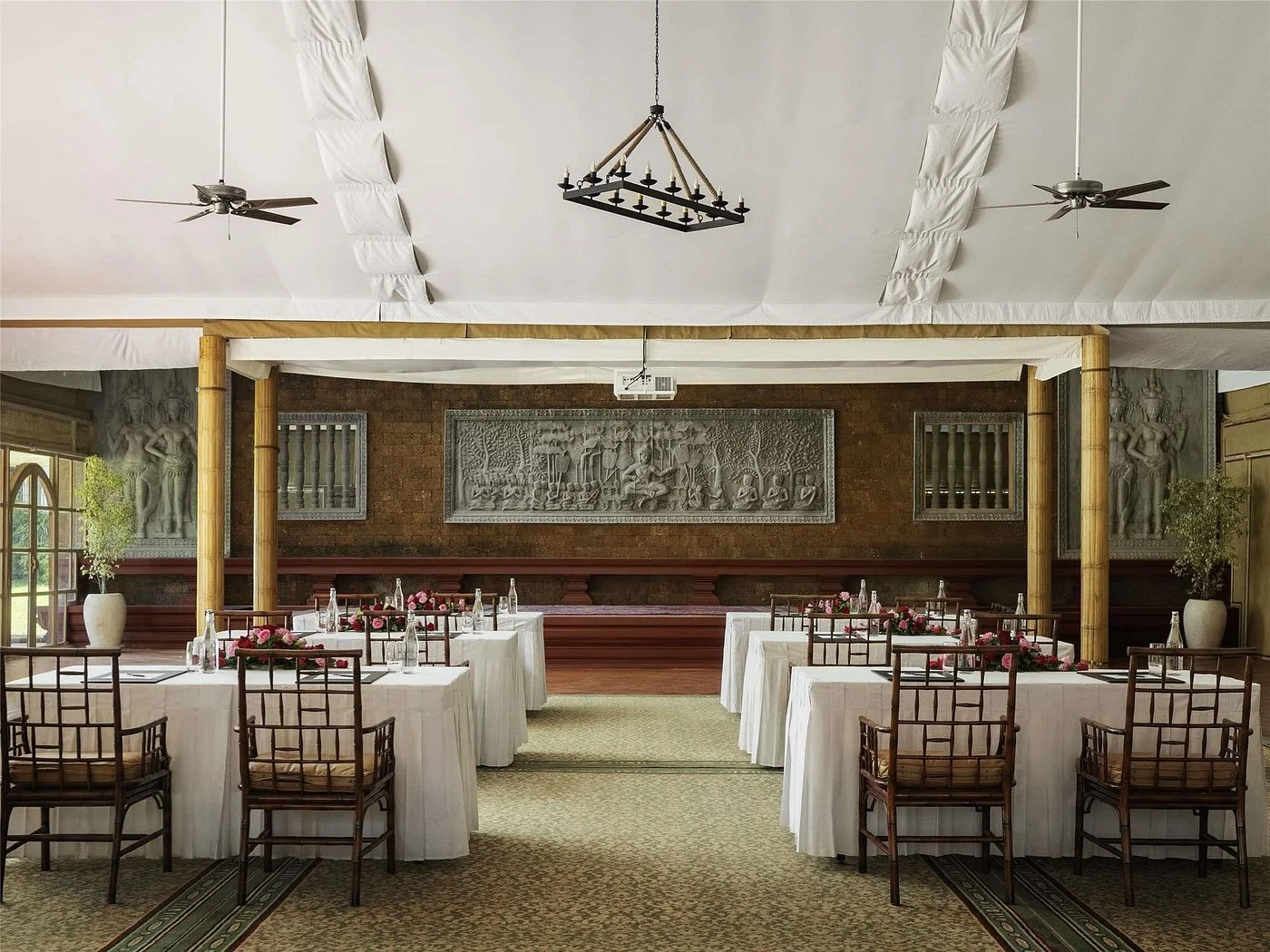
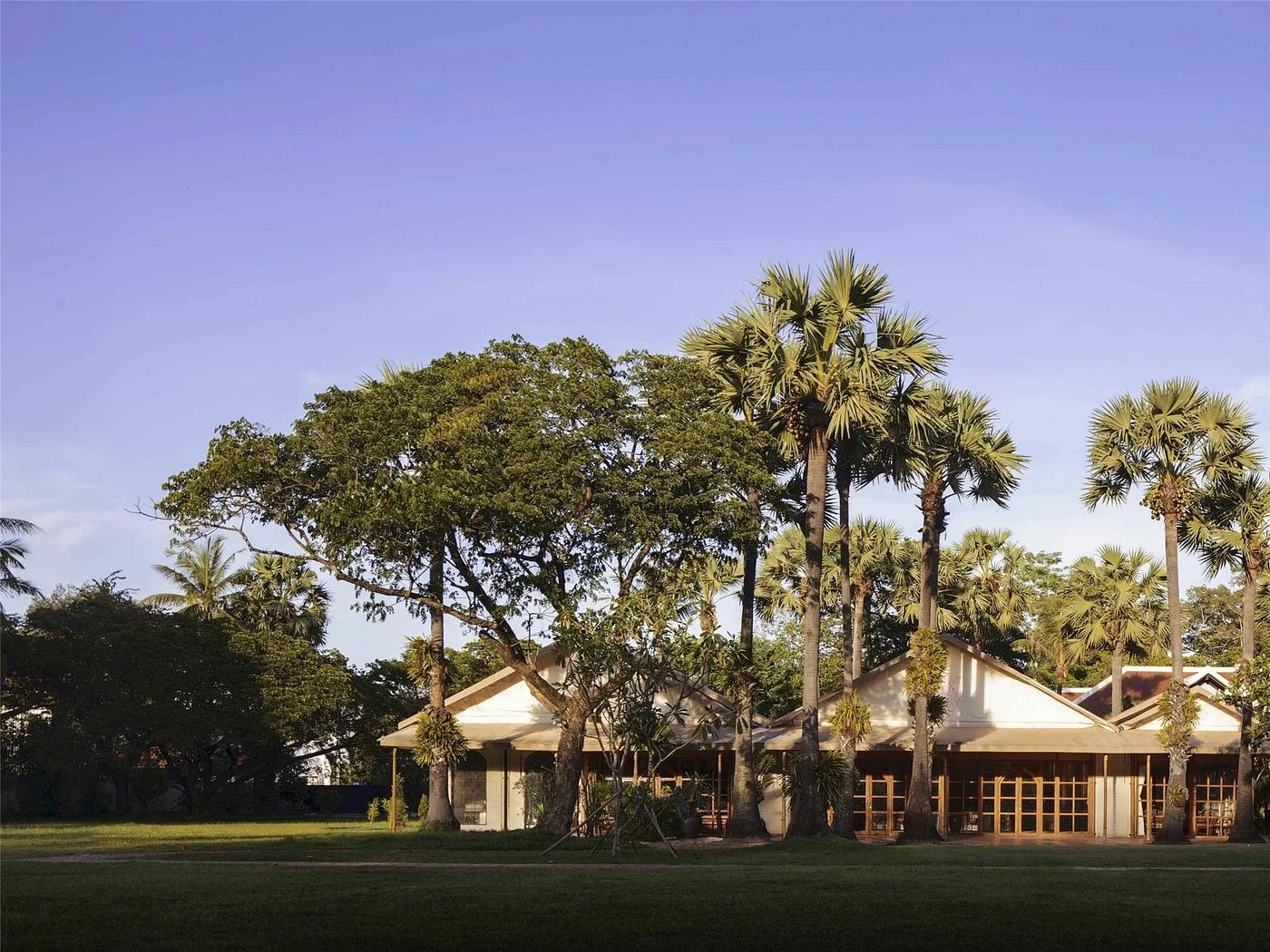
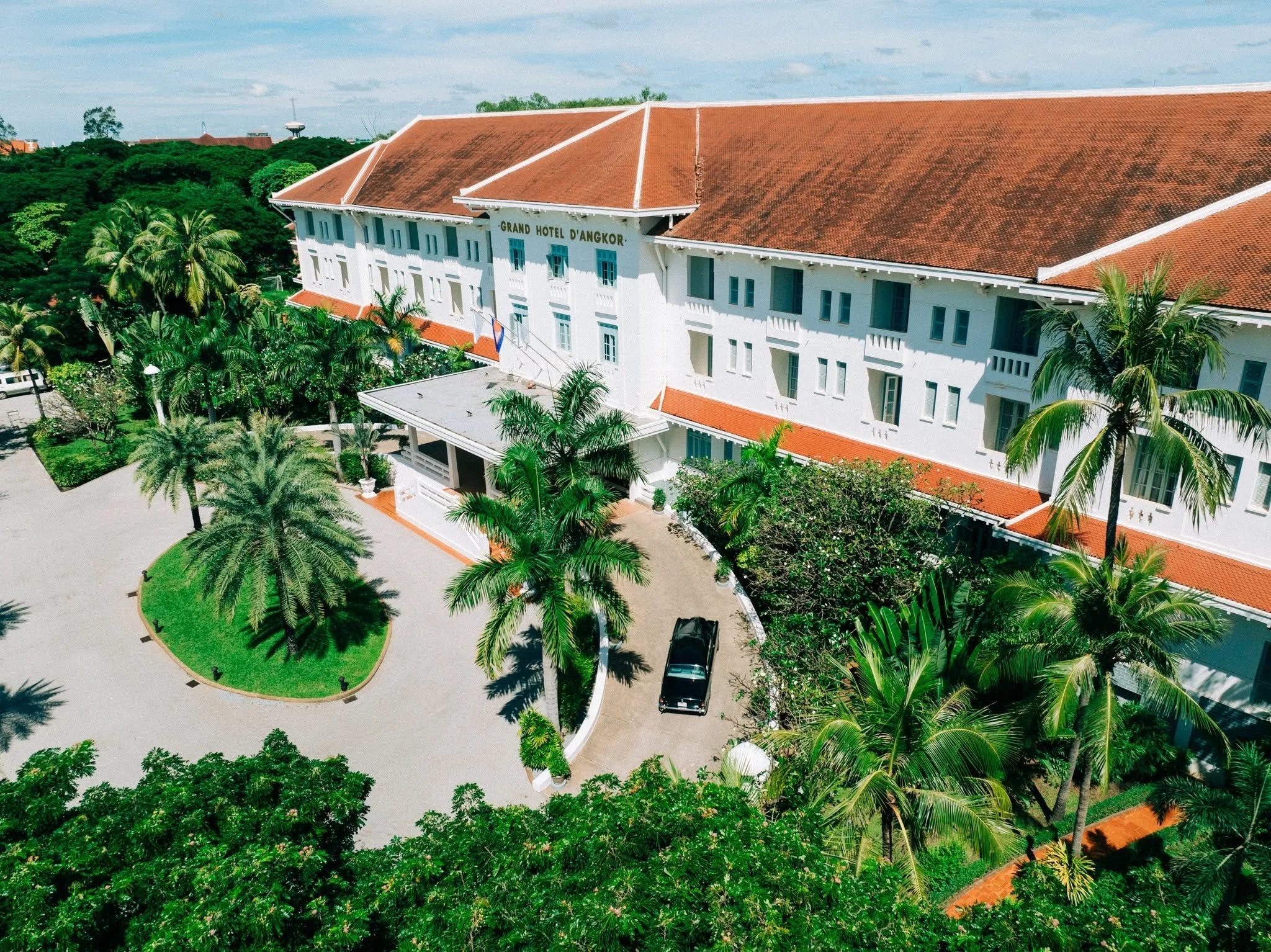
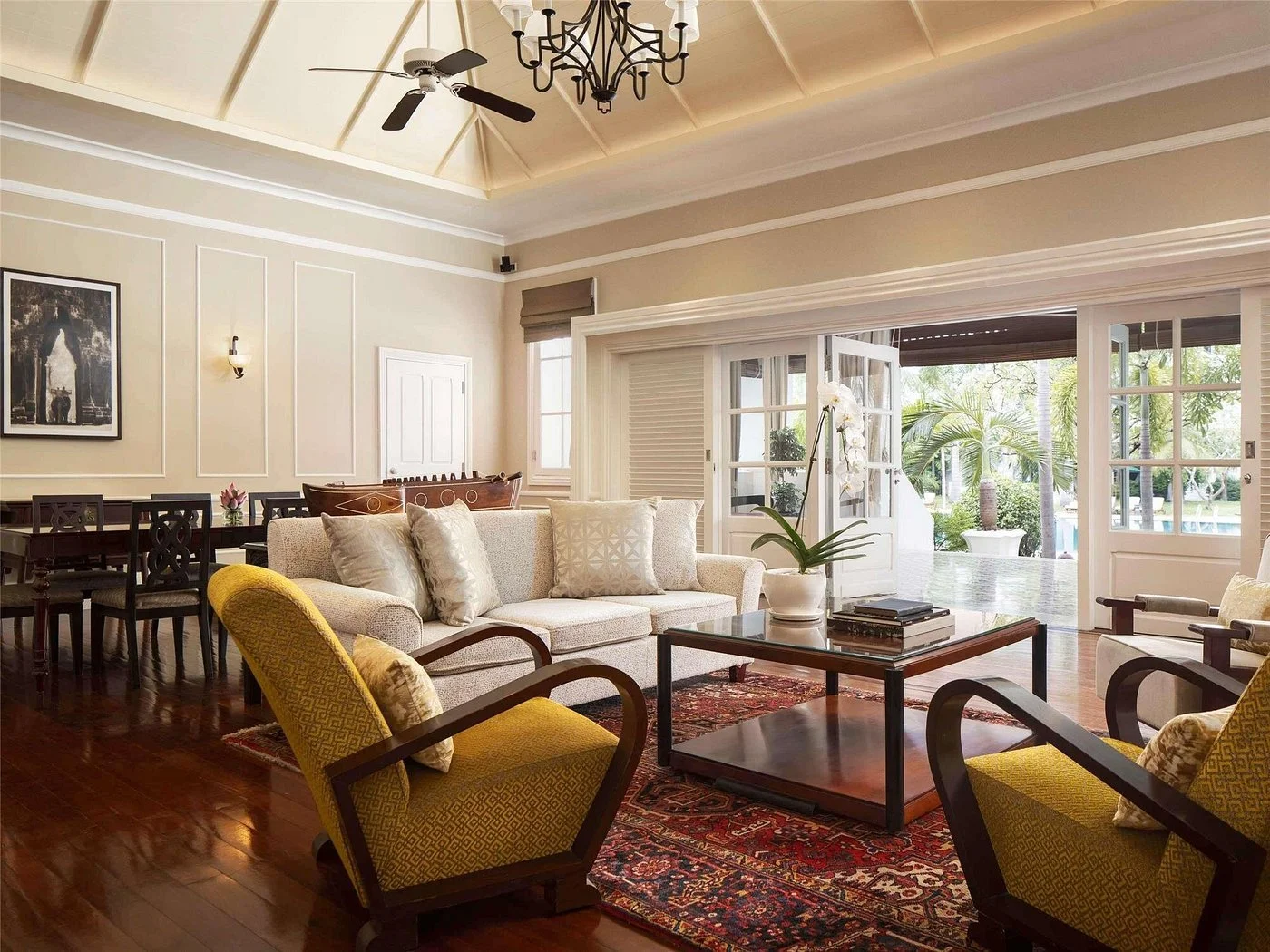
The hotel’s architecture reflects a distinctive French-Cambodian vocabulary: white colonnades, high ceilings, shaded verandas, timber floors and terracotta rooflines softened by tropical planting. Interior details carry period references, while Cambodian textiles, craftsmanship and art introduce regional identity. The result is formal without being detached from its surroundings.
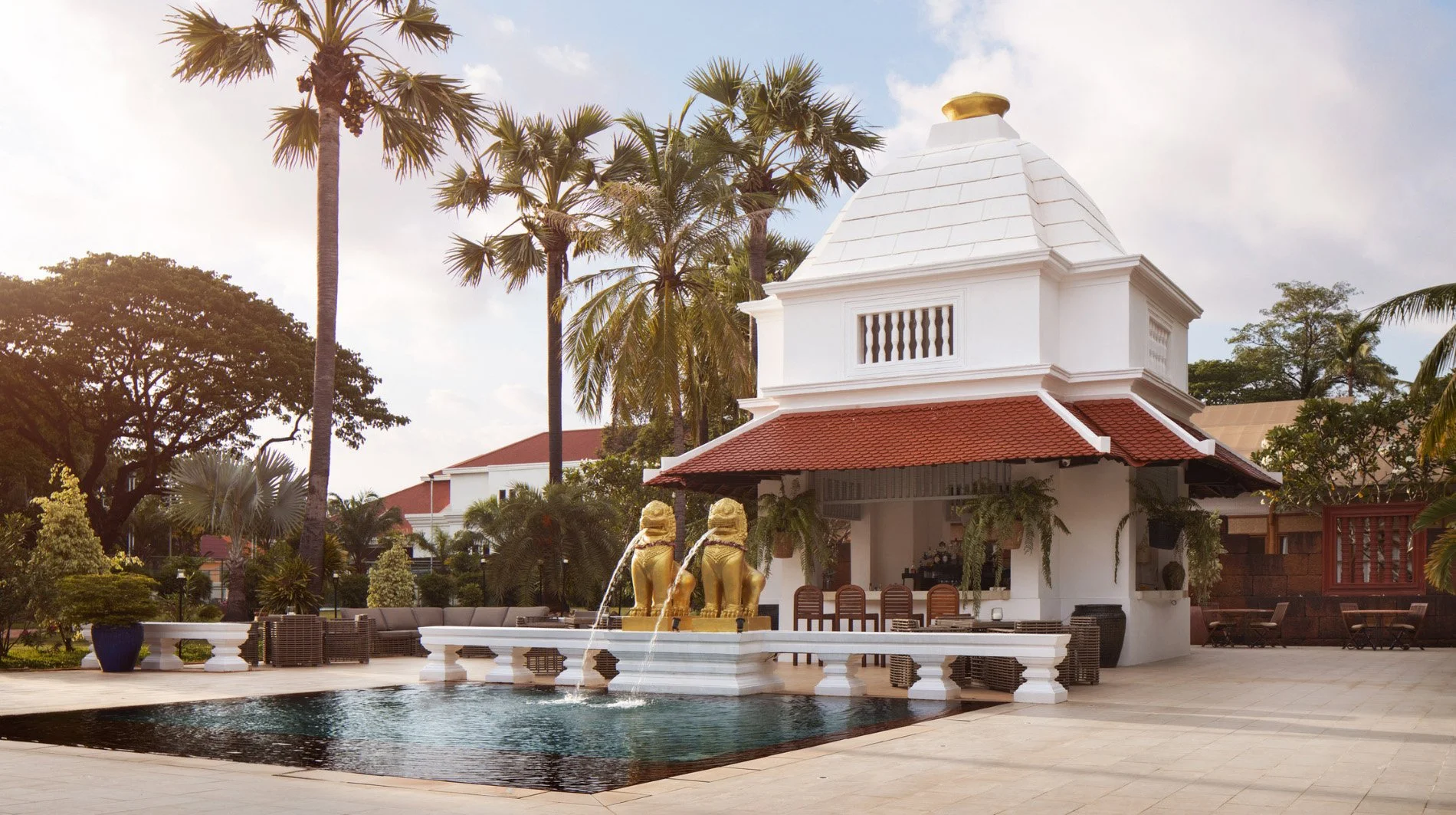
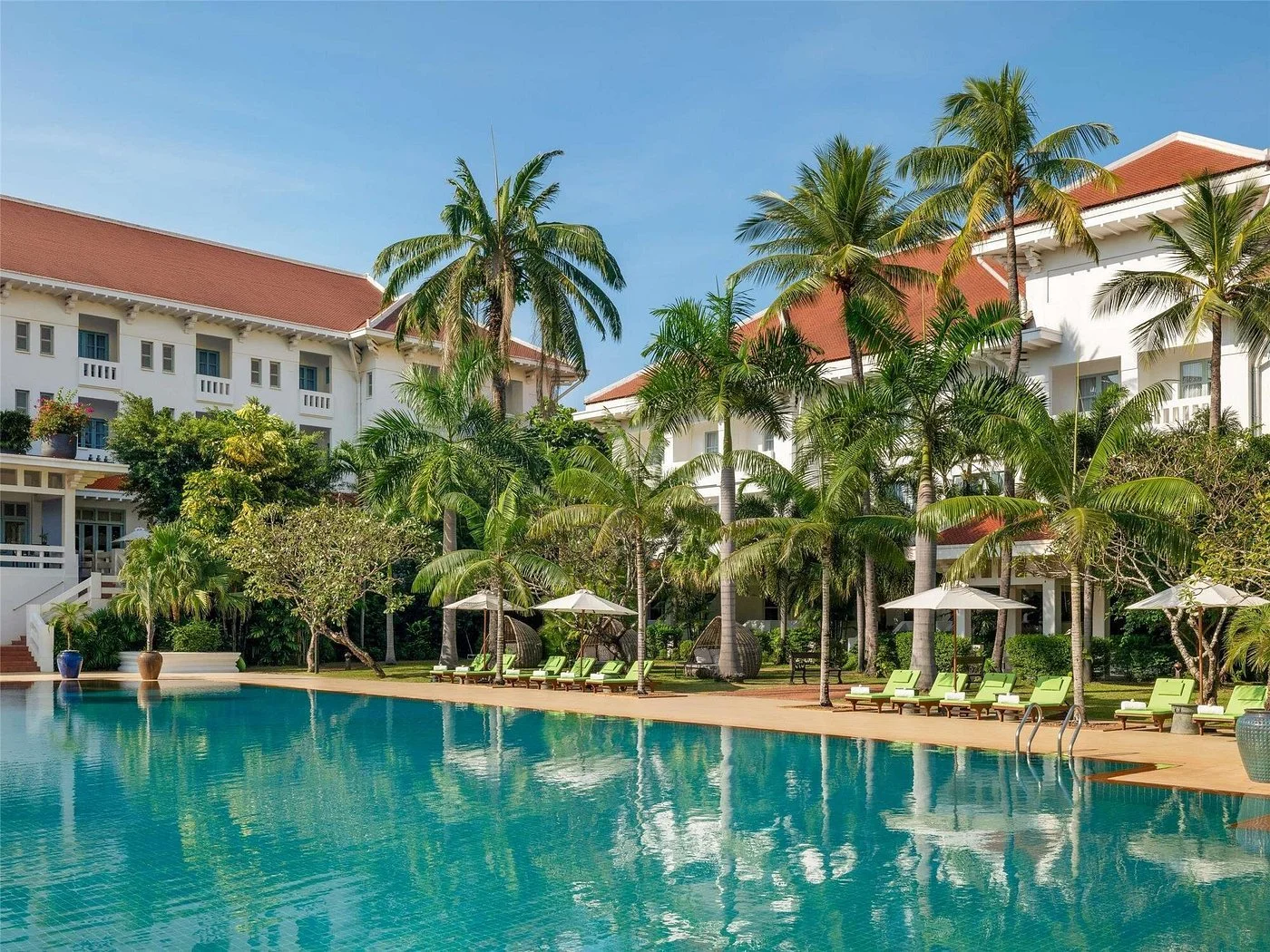
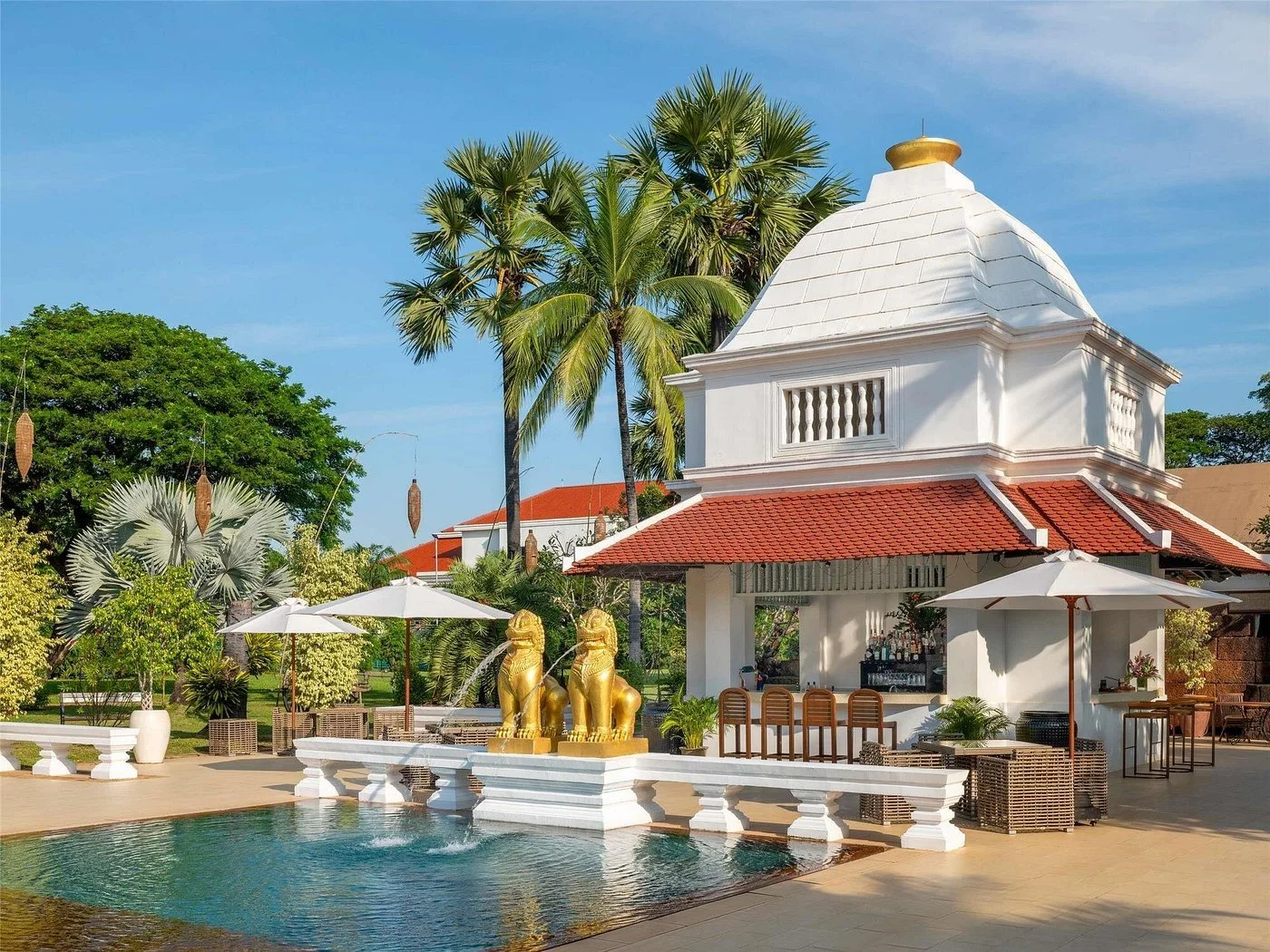
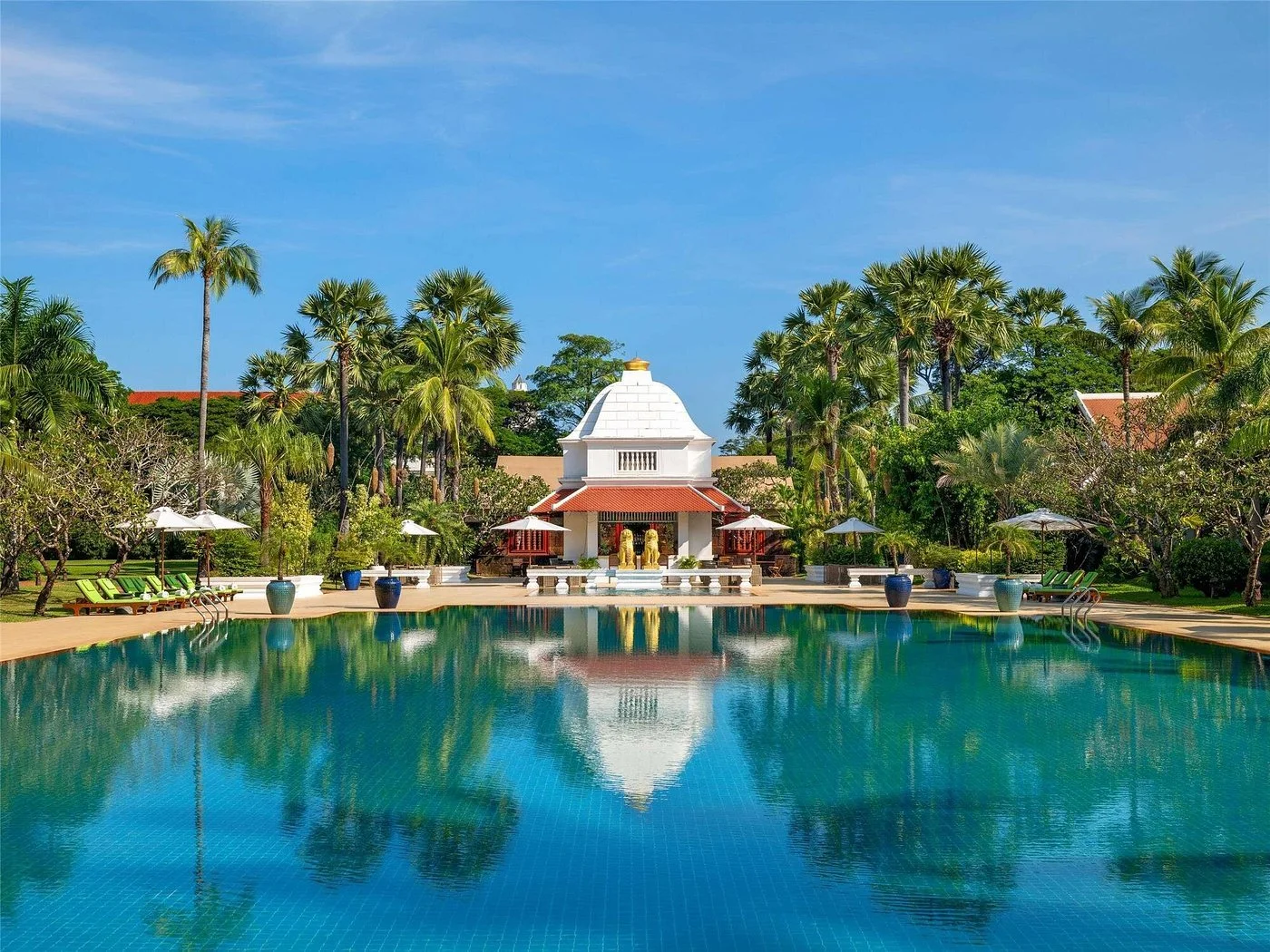
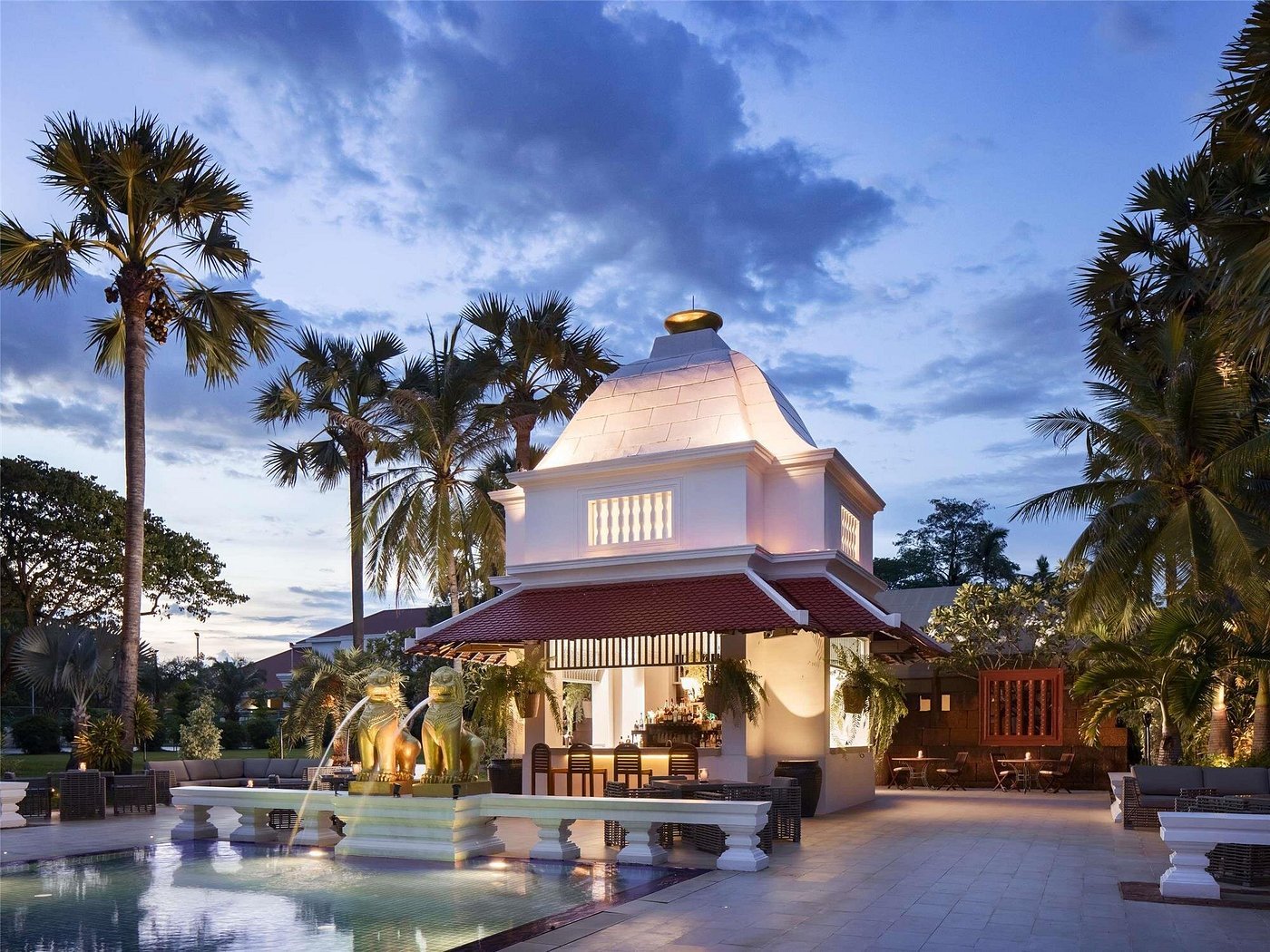
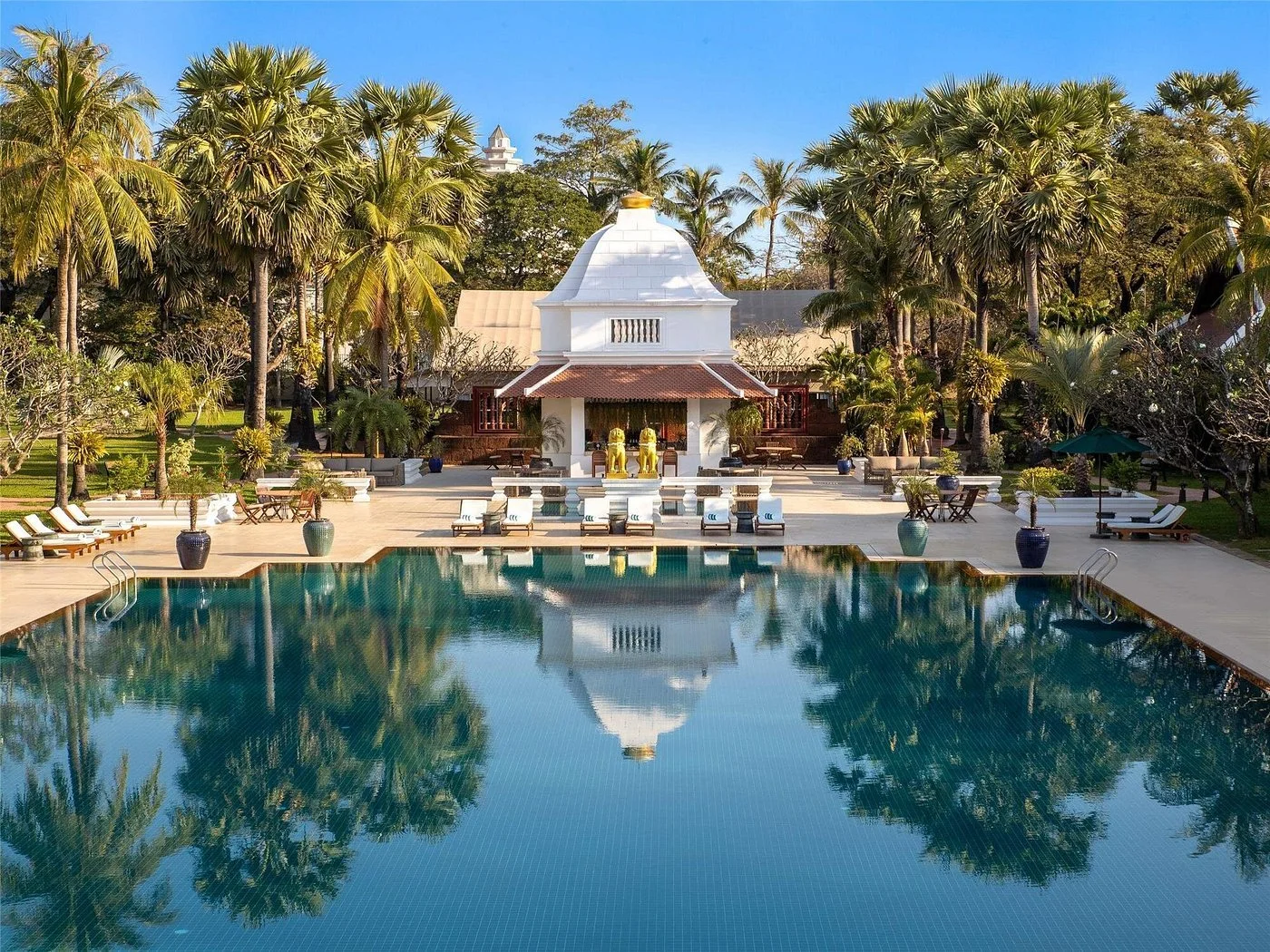
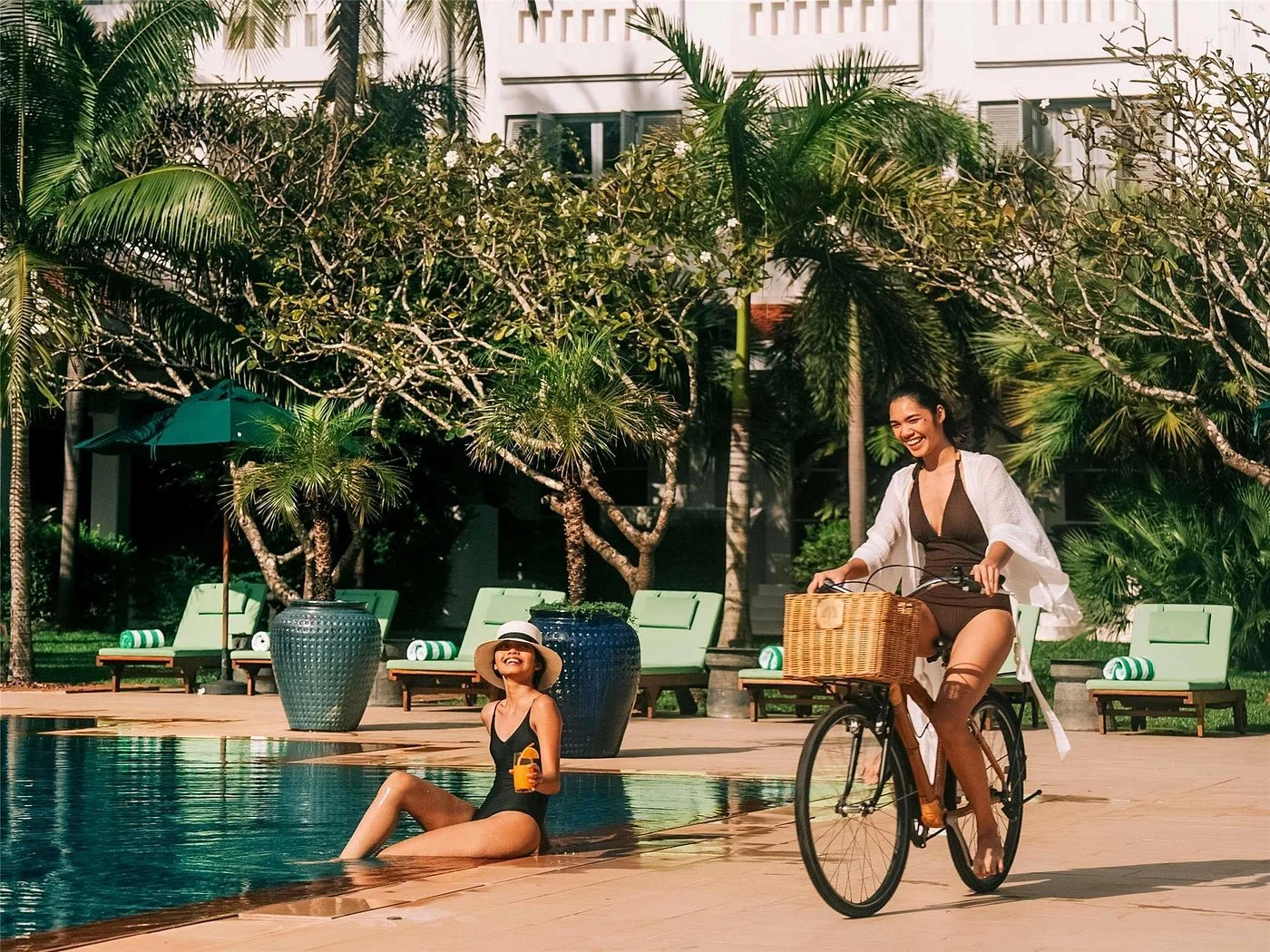
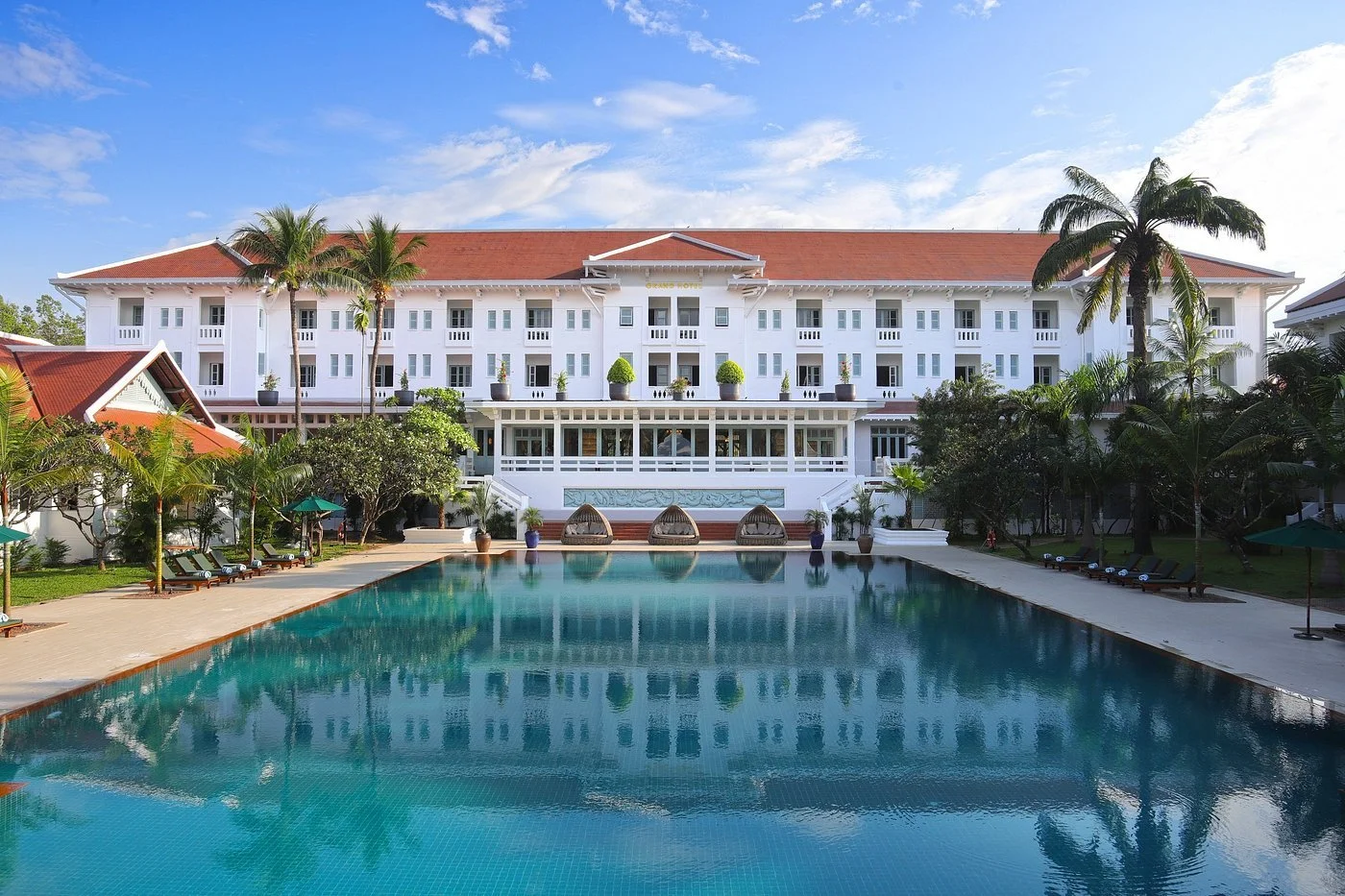
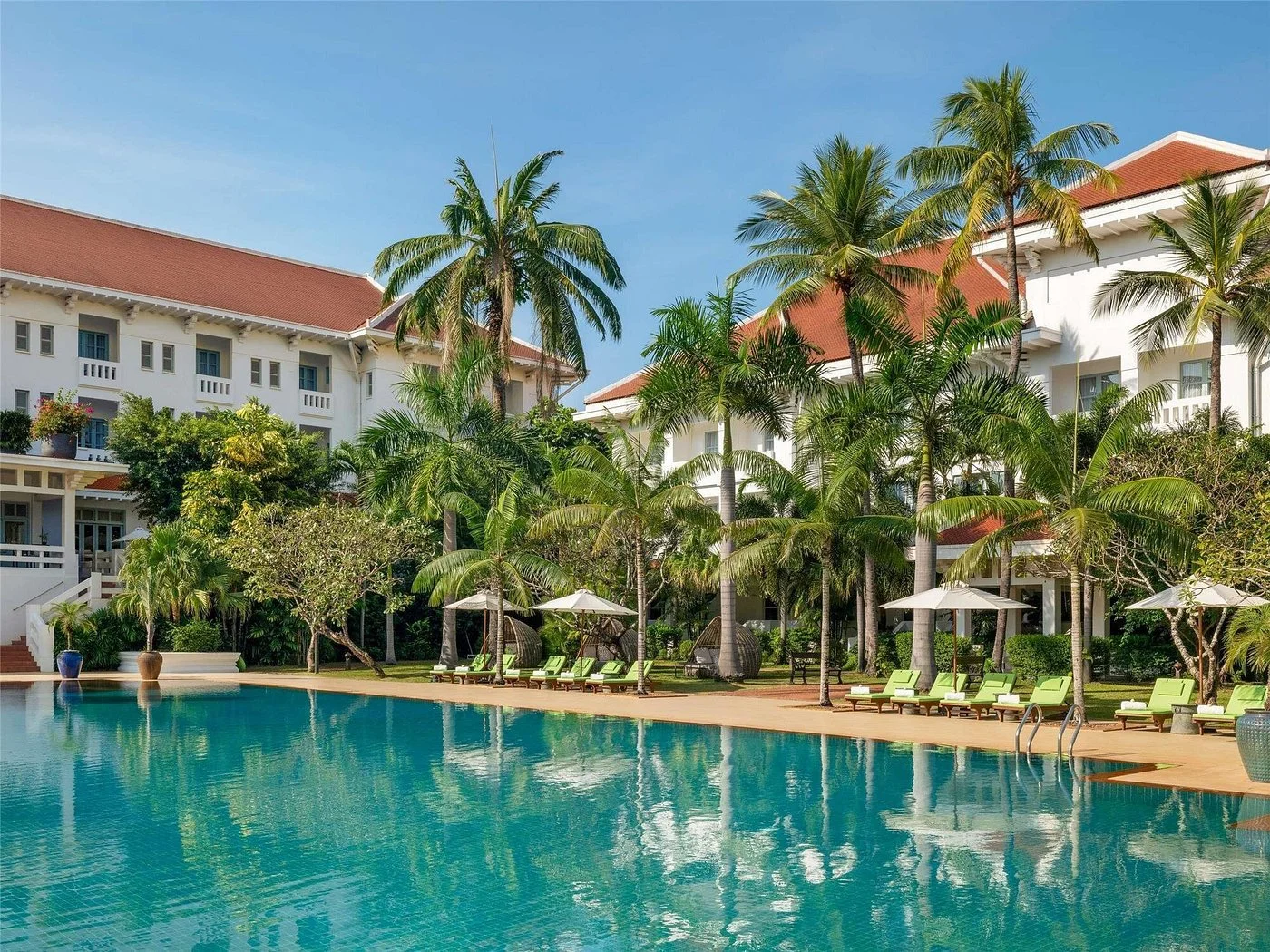
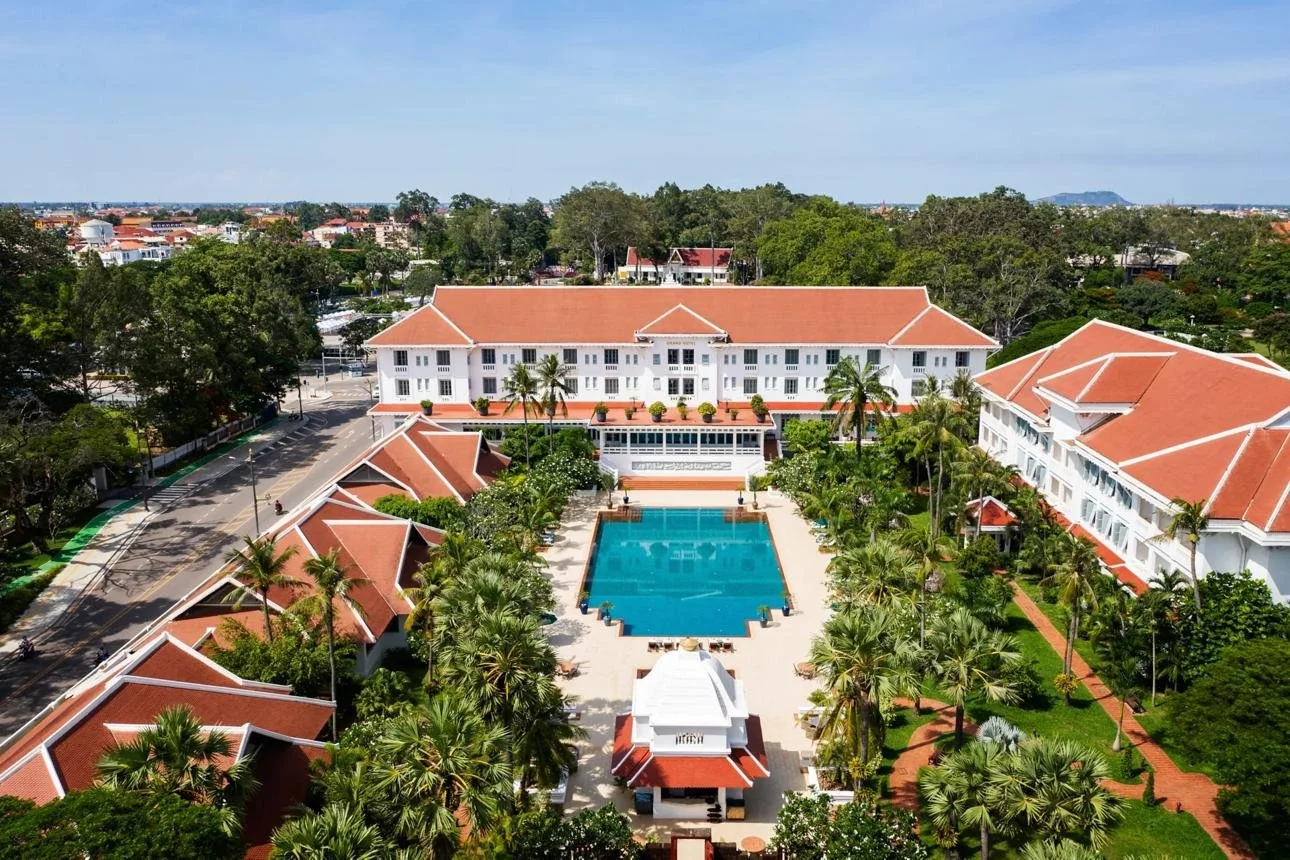
The grounds are central to the experience. Garden paths, mature trees and flower-filled borders link the wings and frame a long rectangular swimming pool inspired by the ancient bathing pools of Angkor. The pool is large enough for proper laps and remains one of the property’s most recognizable features. Views across its surface toward the main building are especially atmospheric in the softer morning and evening light.
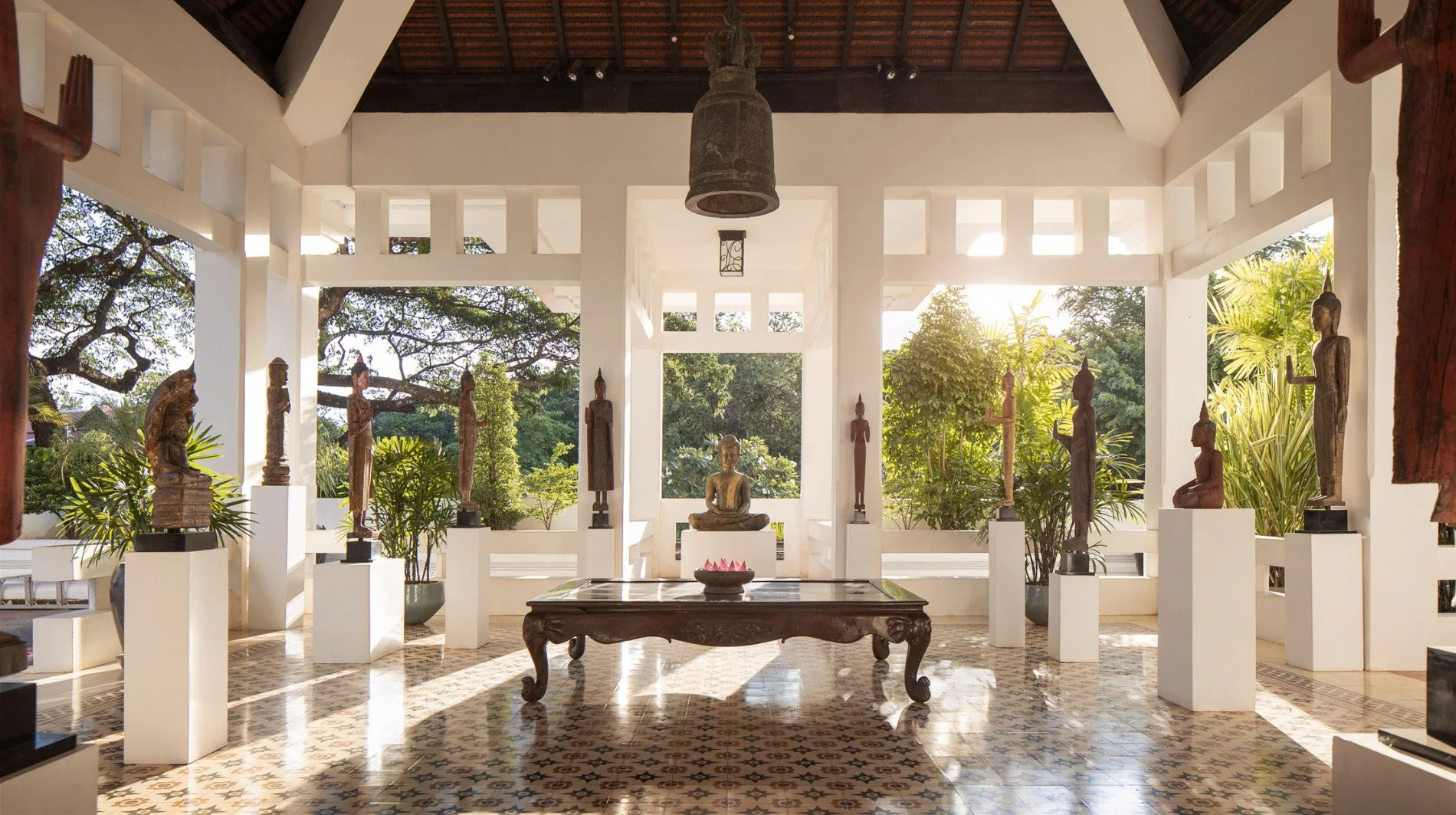
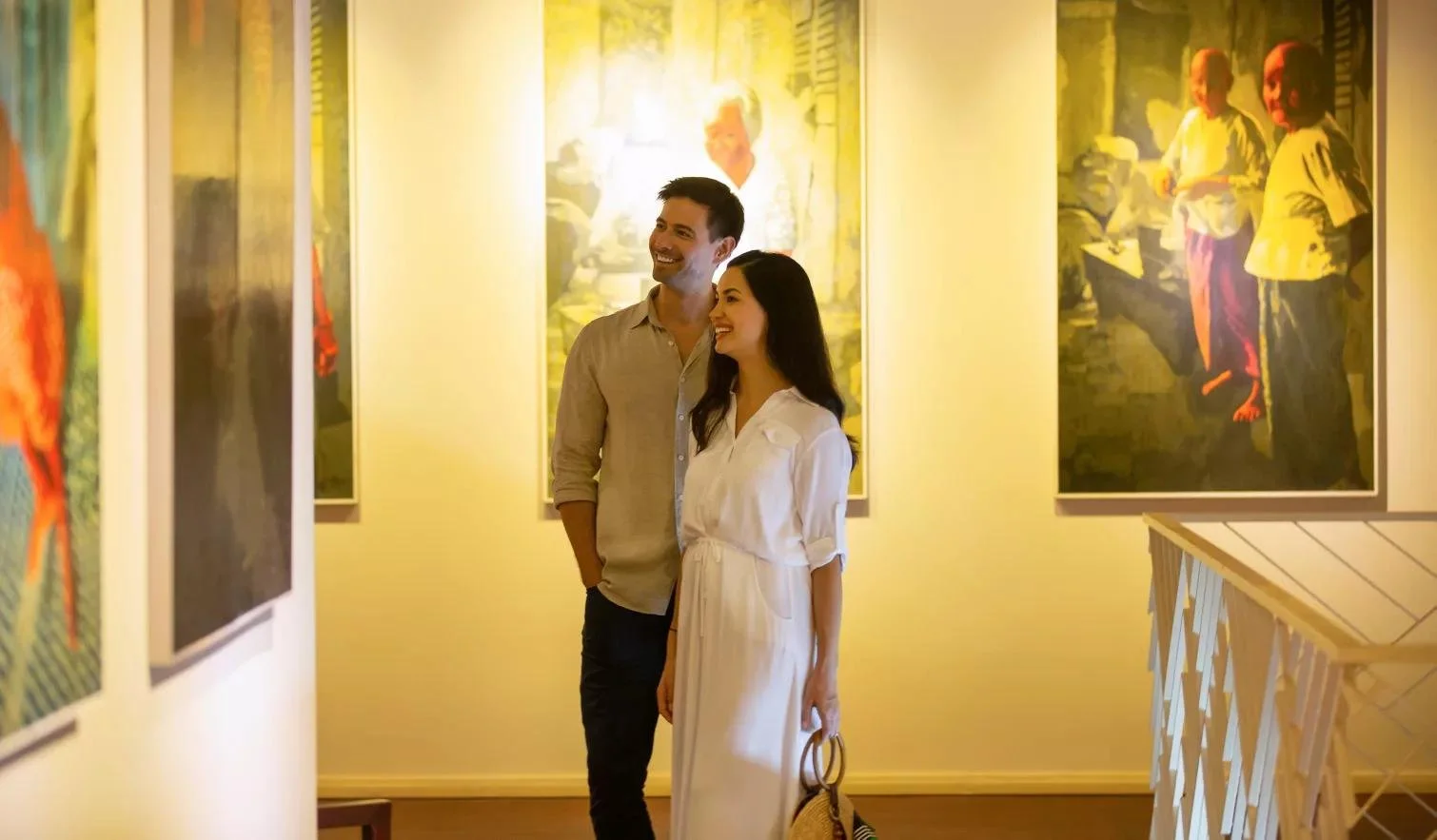
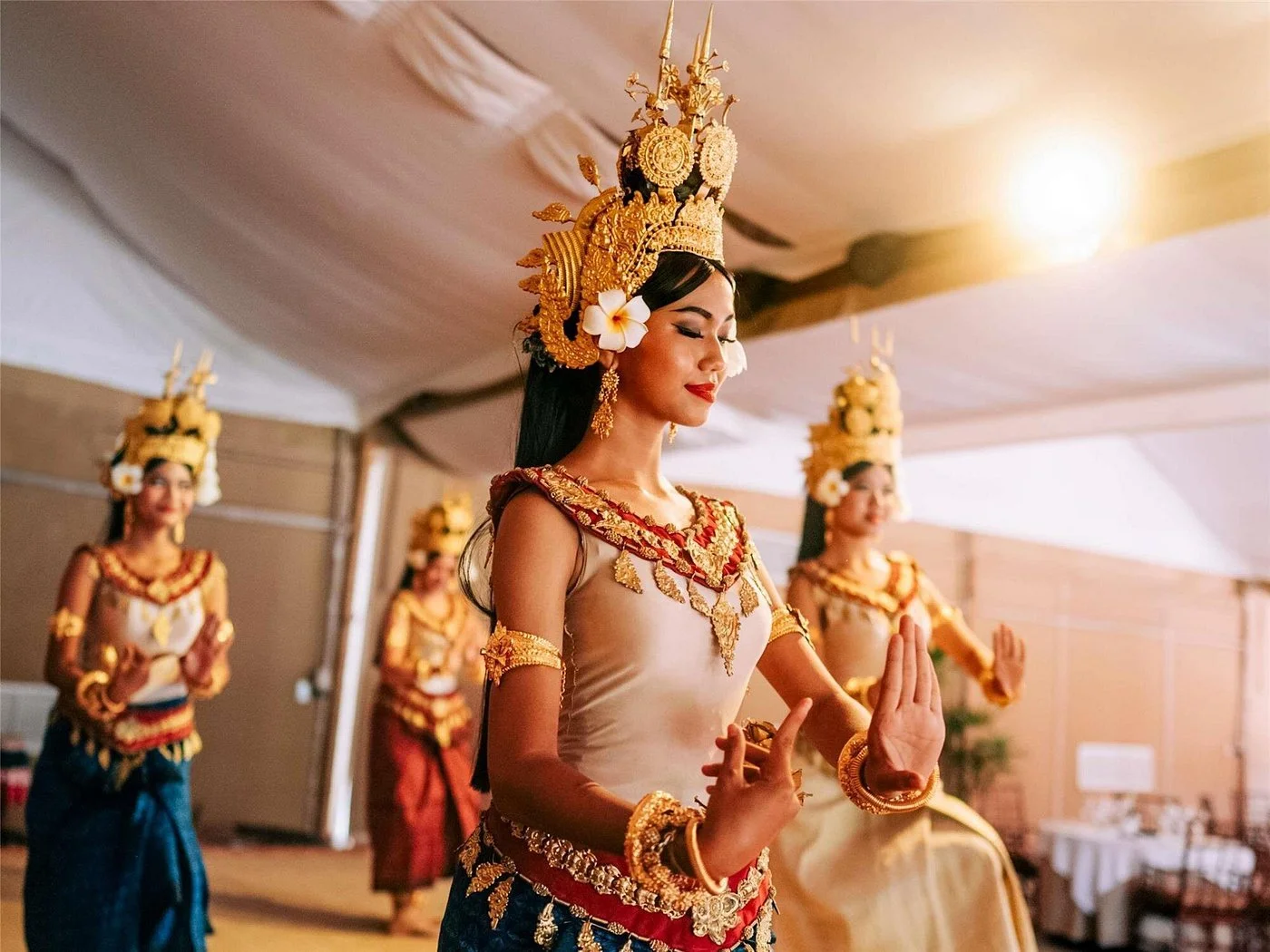
The hotel also supports Cambodian artistic expression through exhibitions and guided encounters with locally connected artists. These displays add a contemporary voice to an otherwise heritage-led setting. Travellers interested in design may find the contrast between historical architecture and modern Khmer art one of the most rewarding aspects of an unhurried day on the property.
Rooms and Suites with a Sense of History
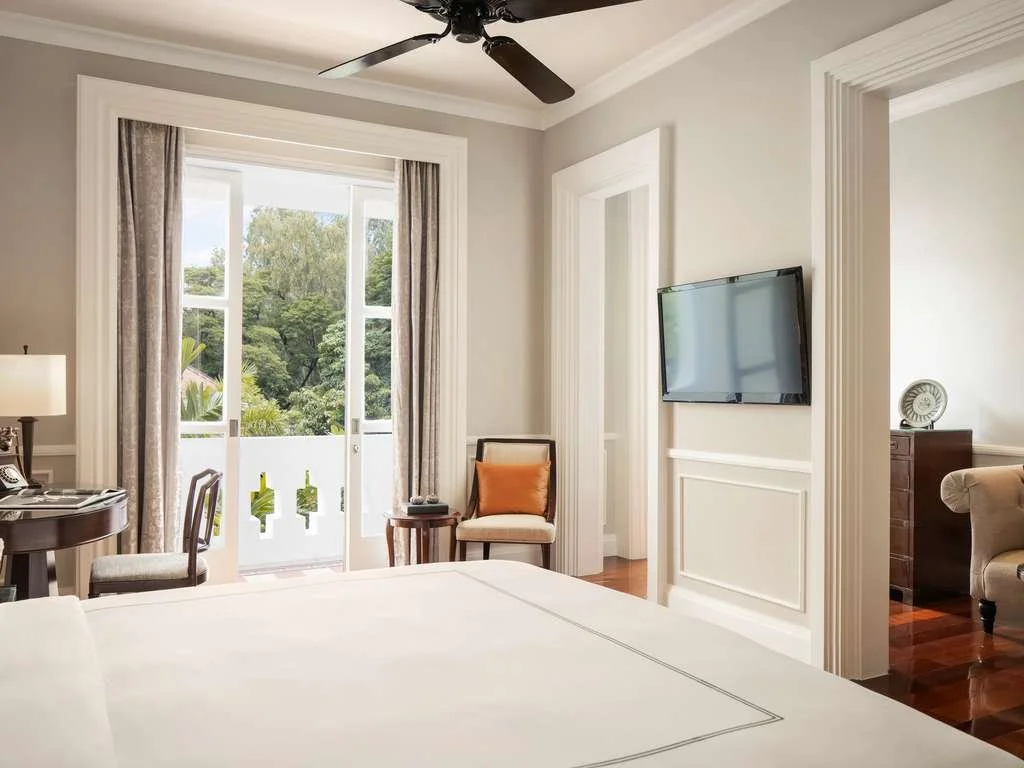
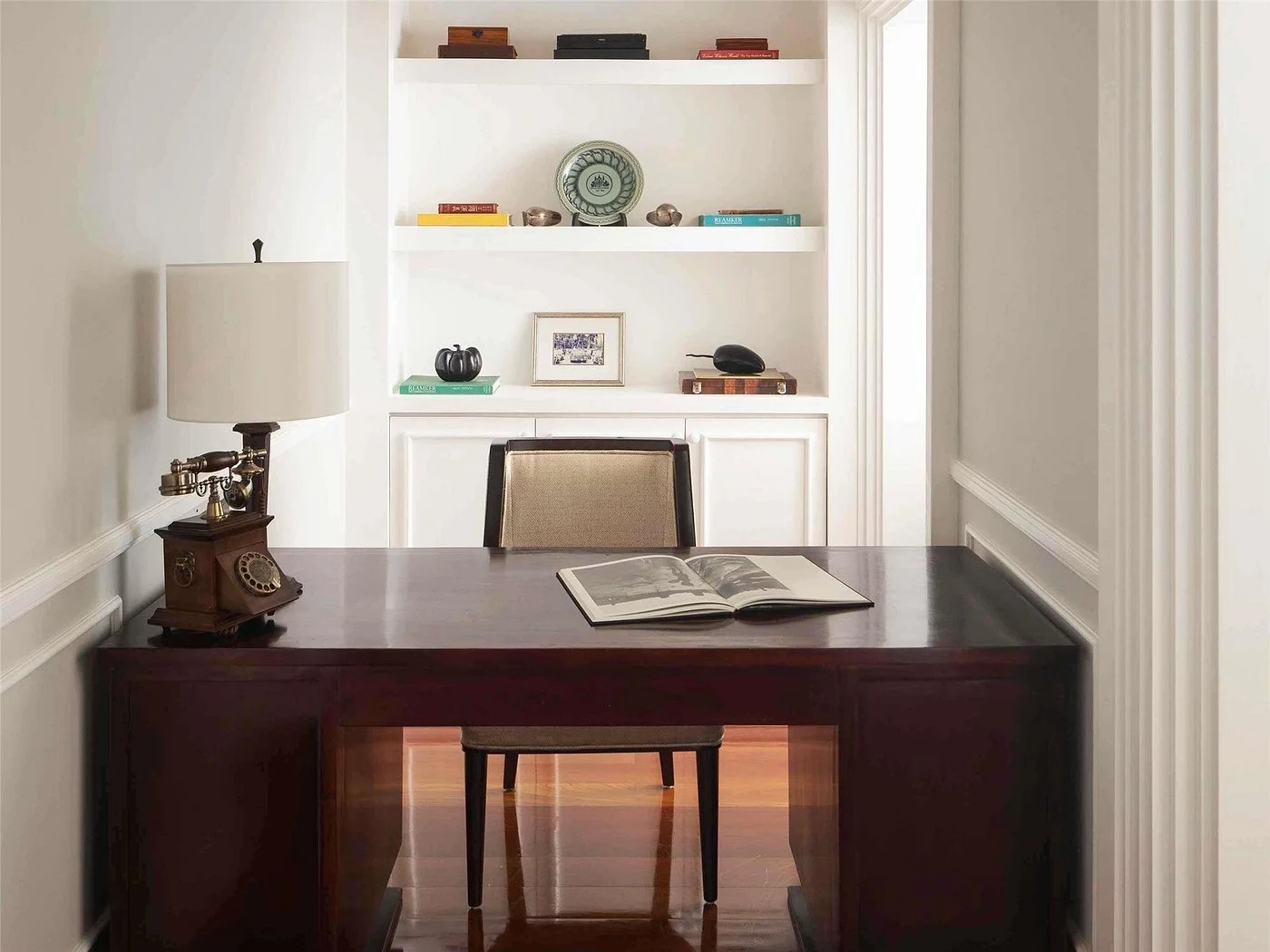
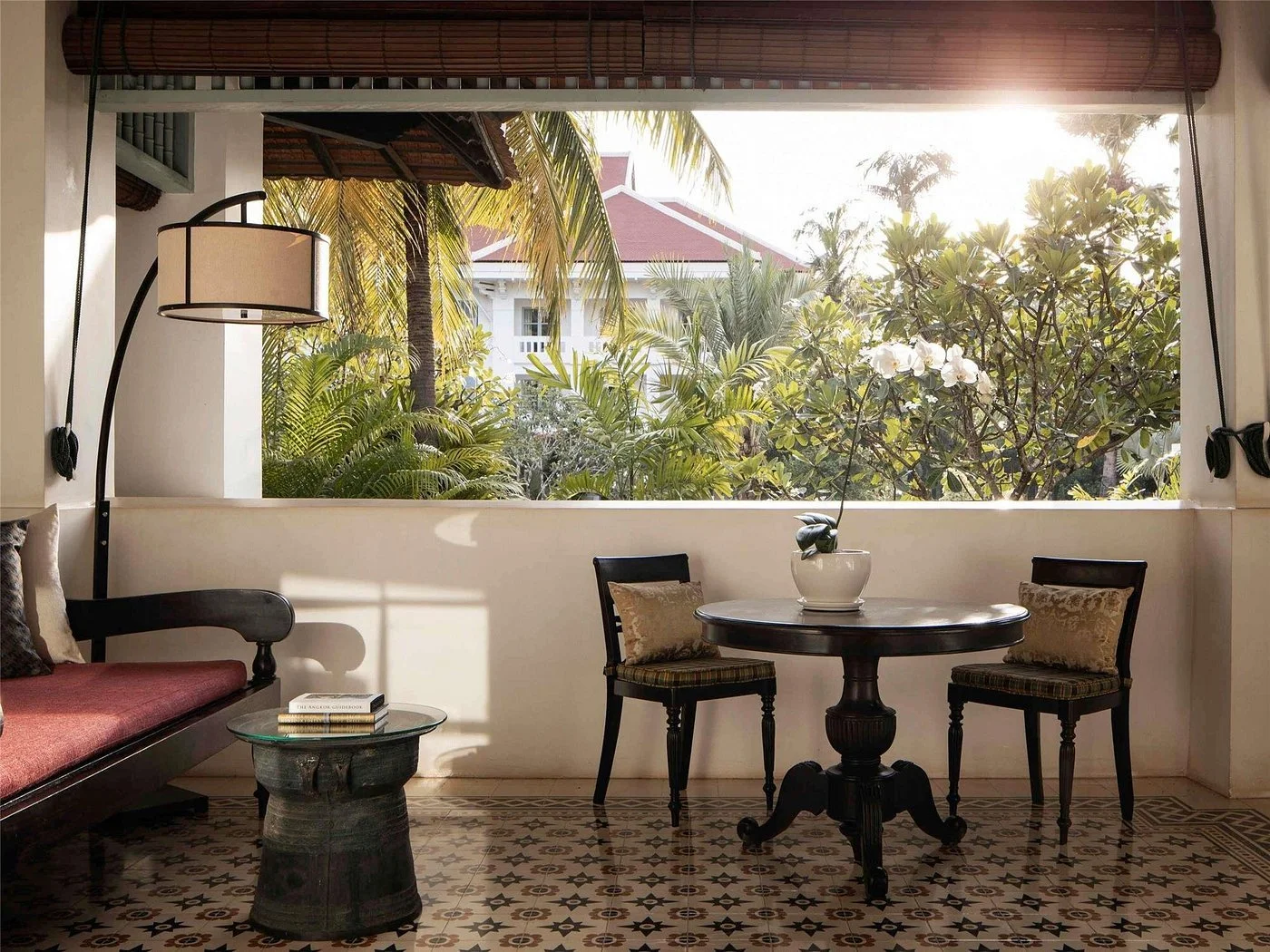
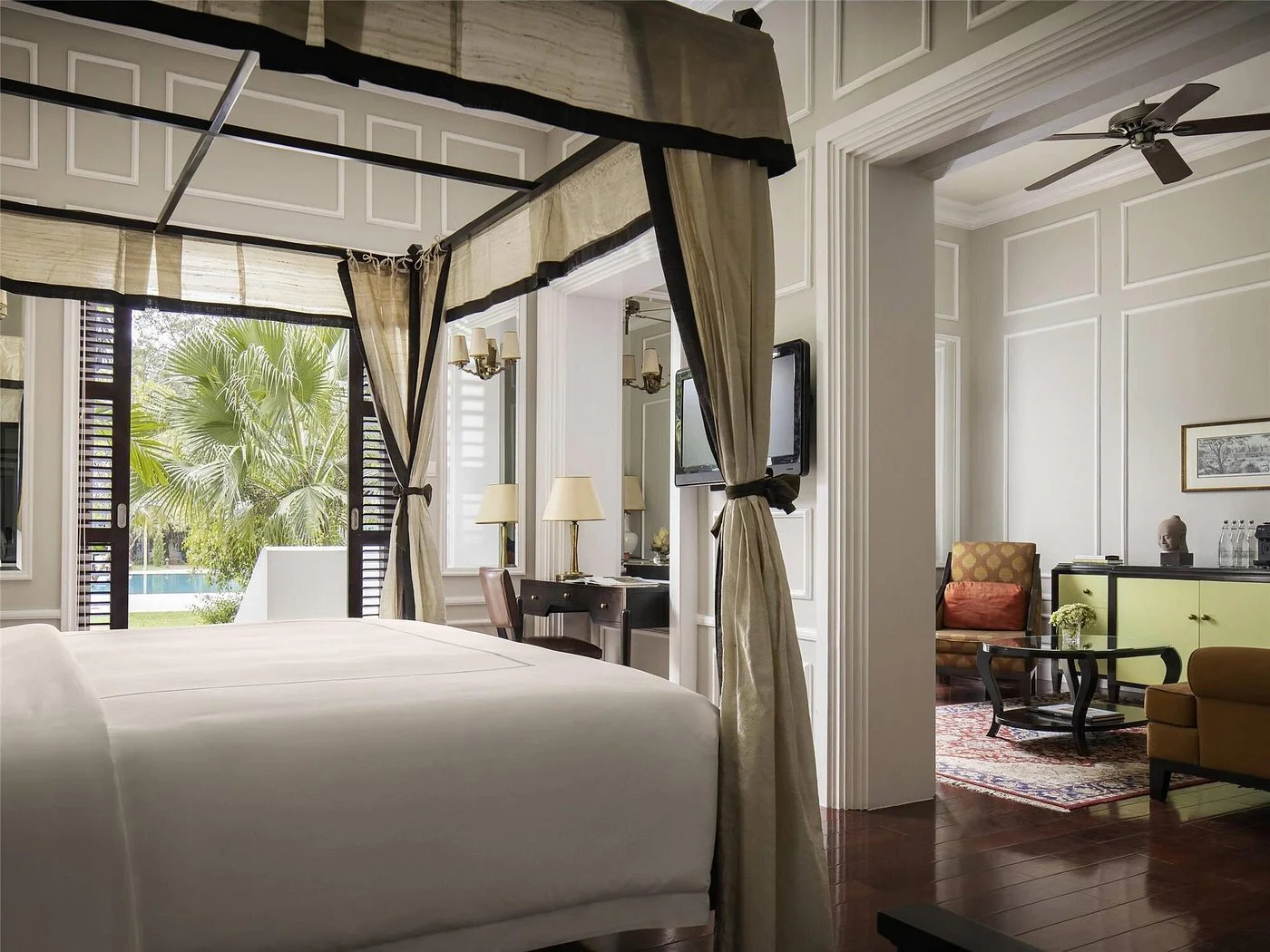
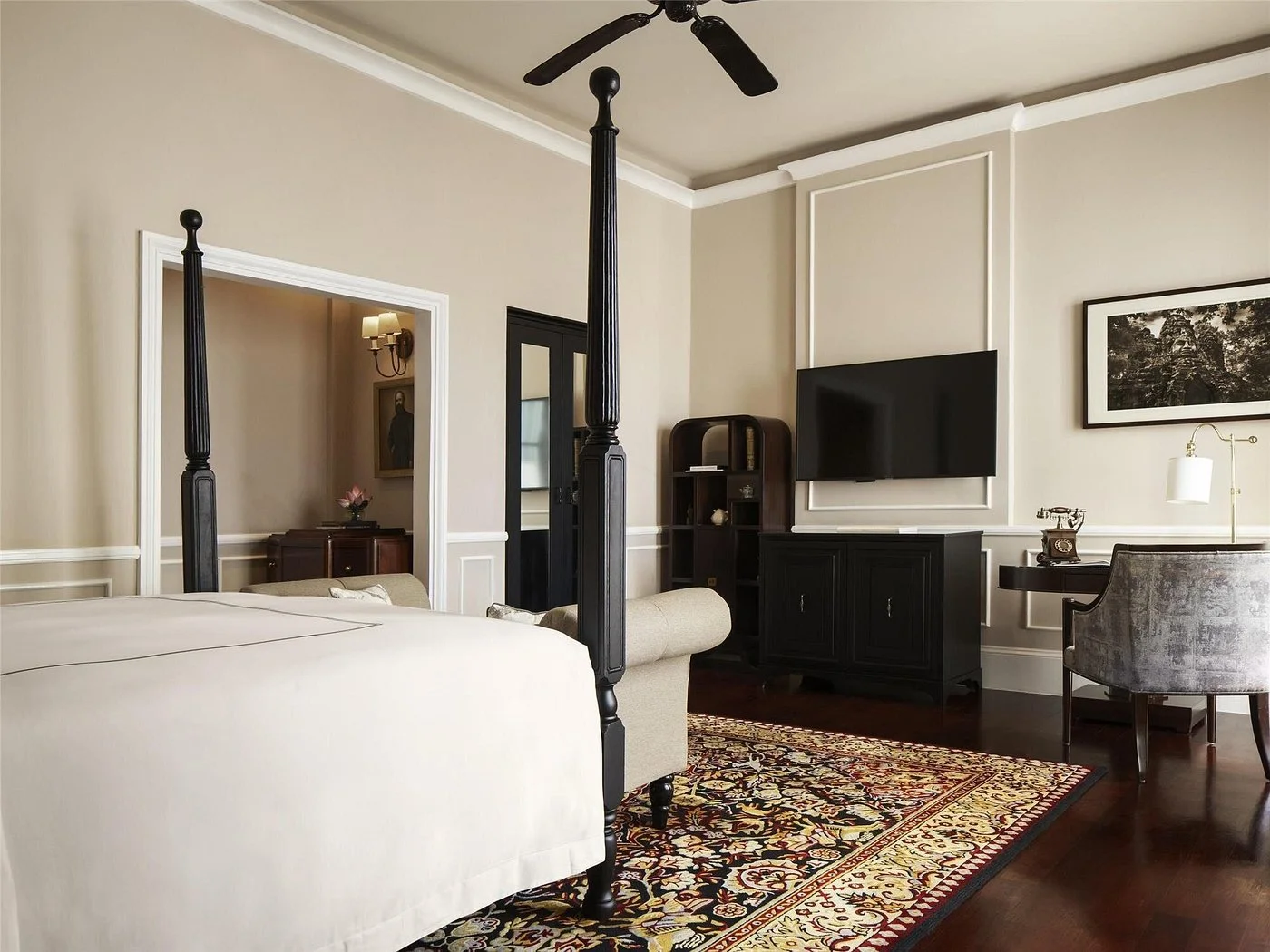
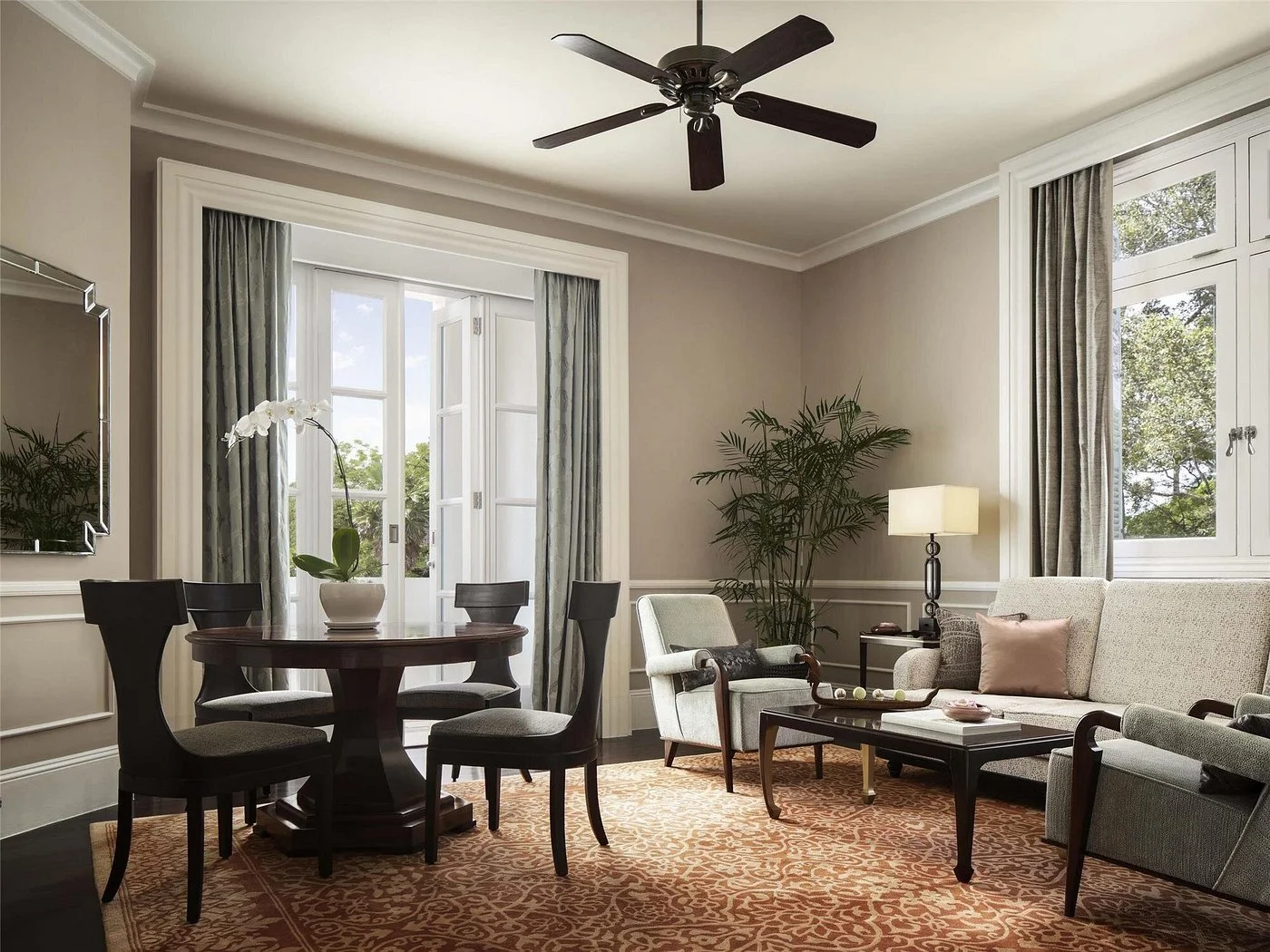
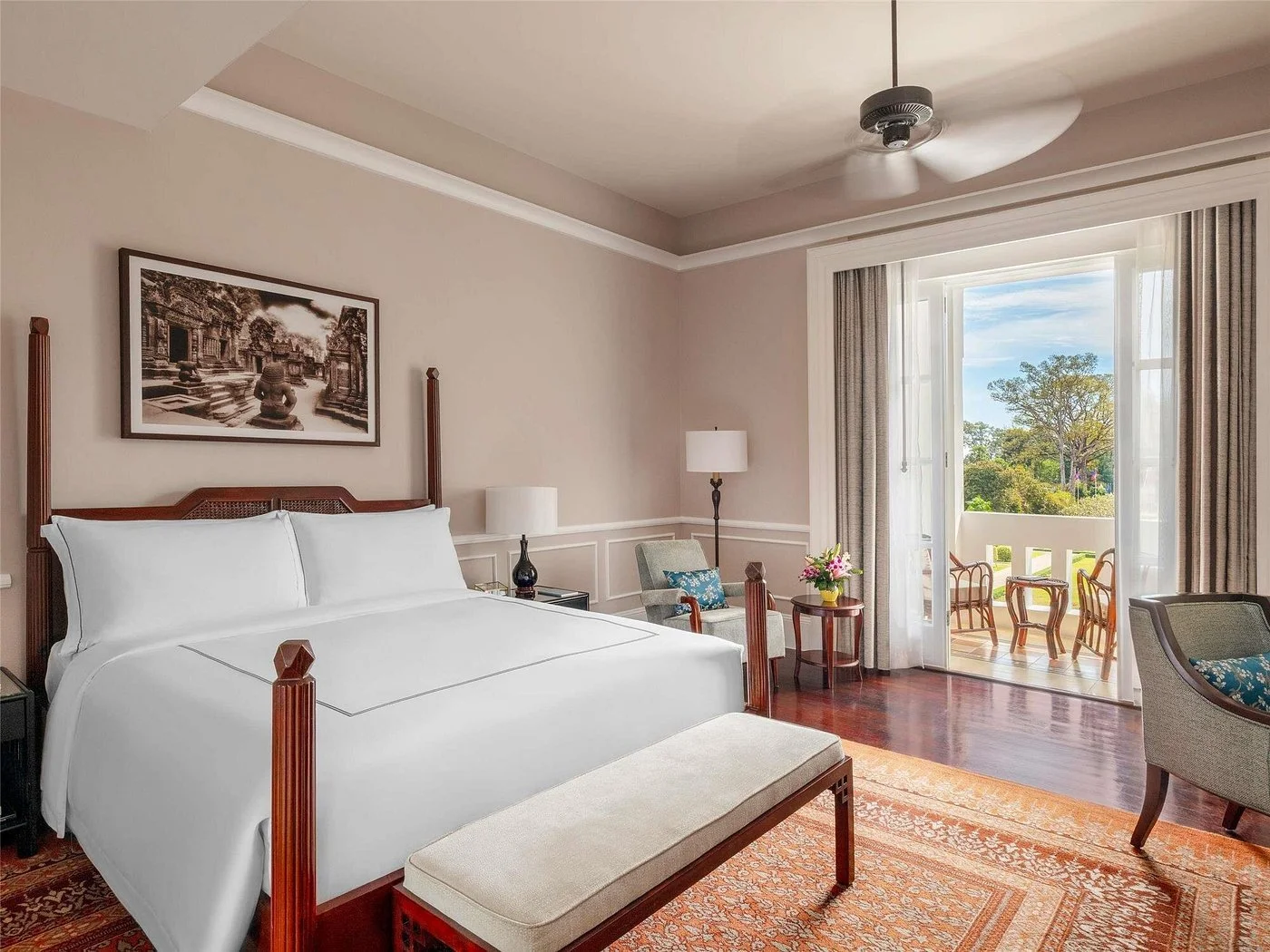
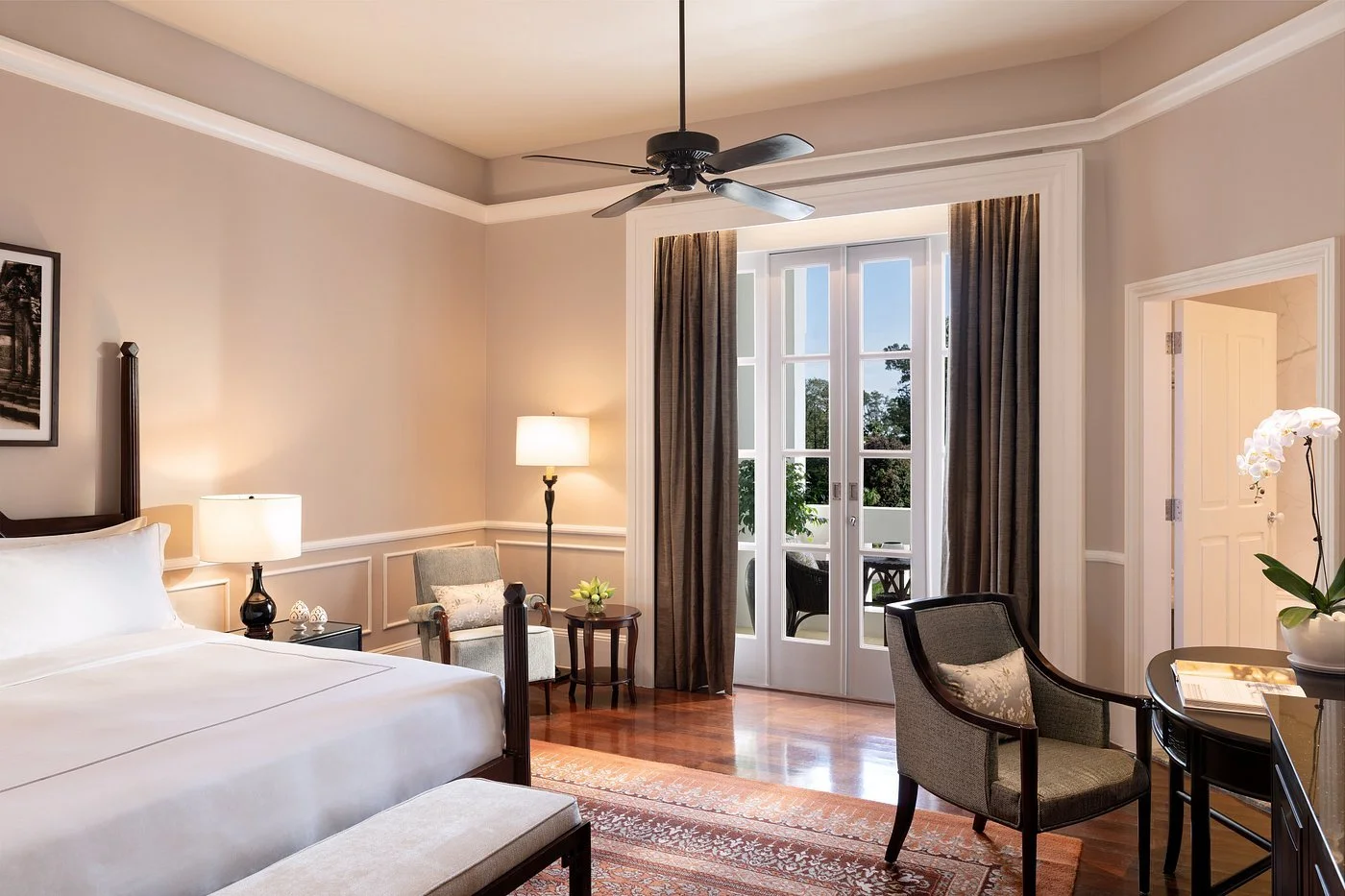
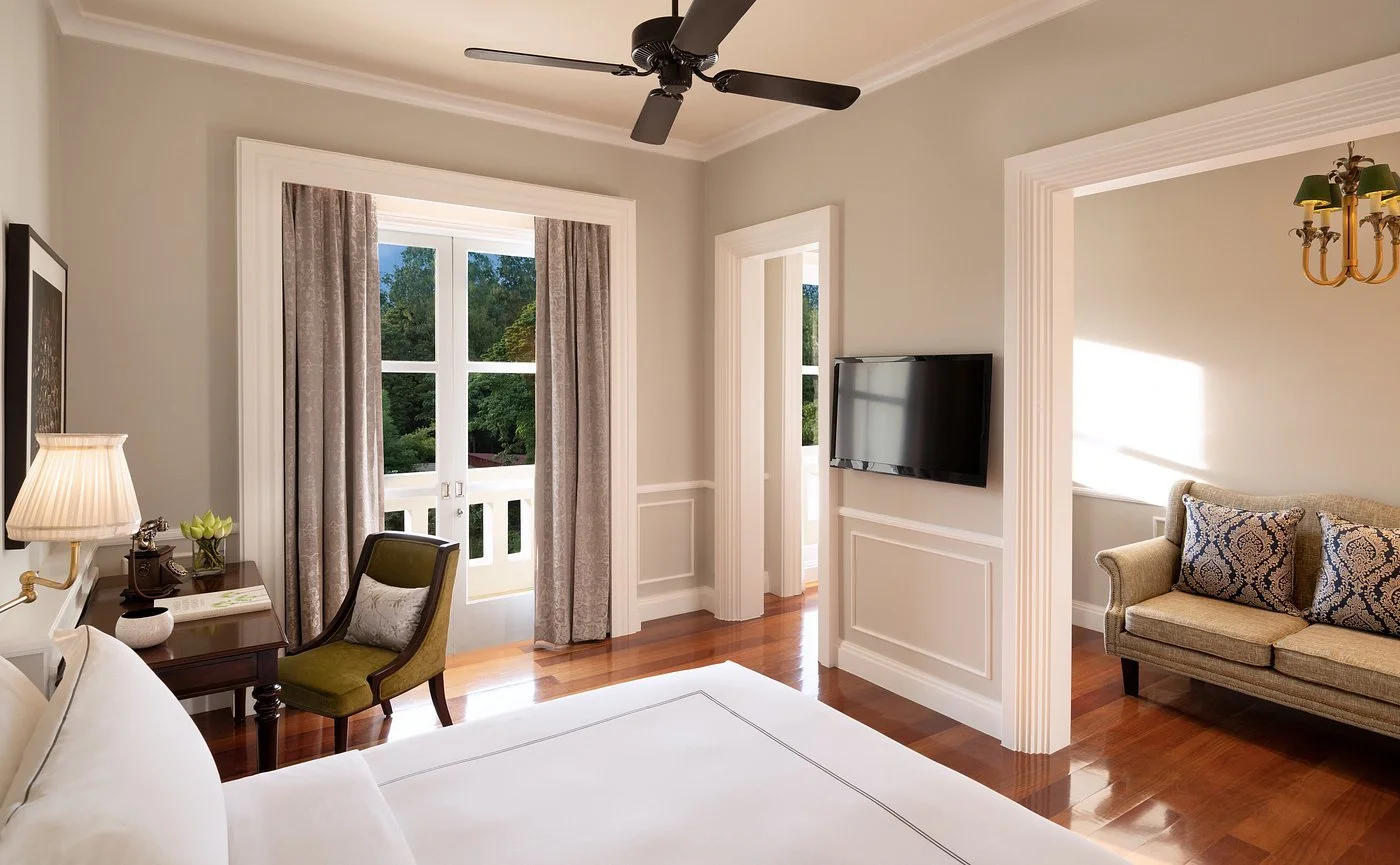
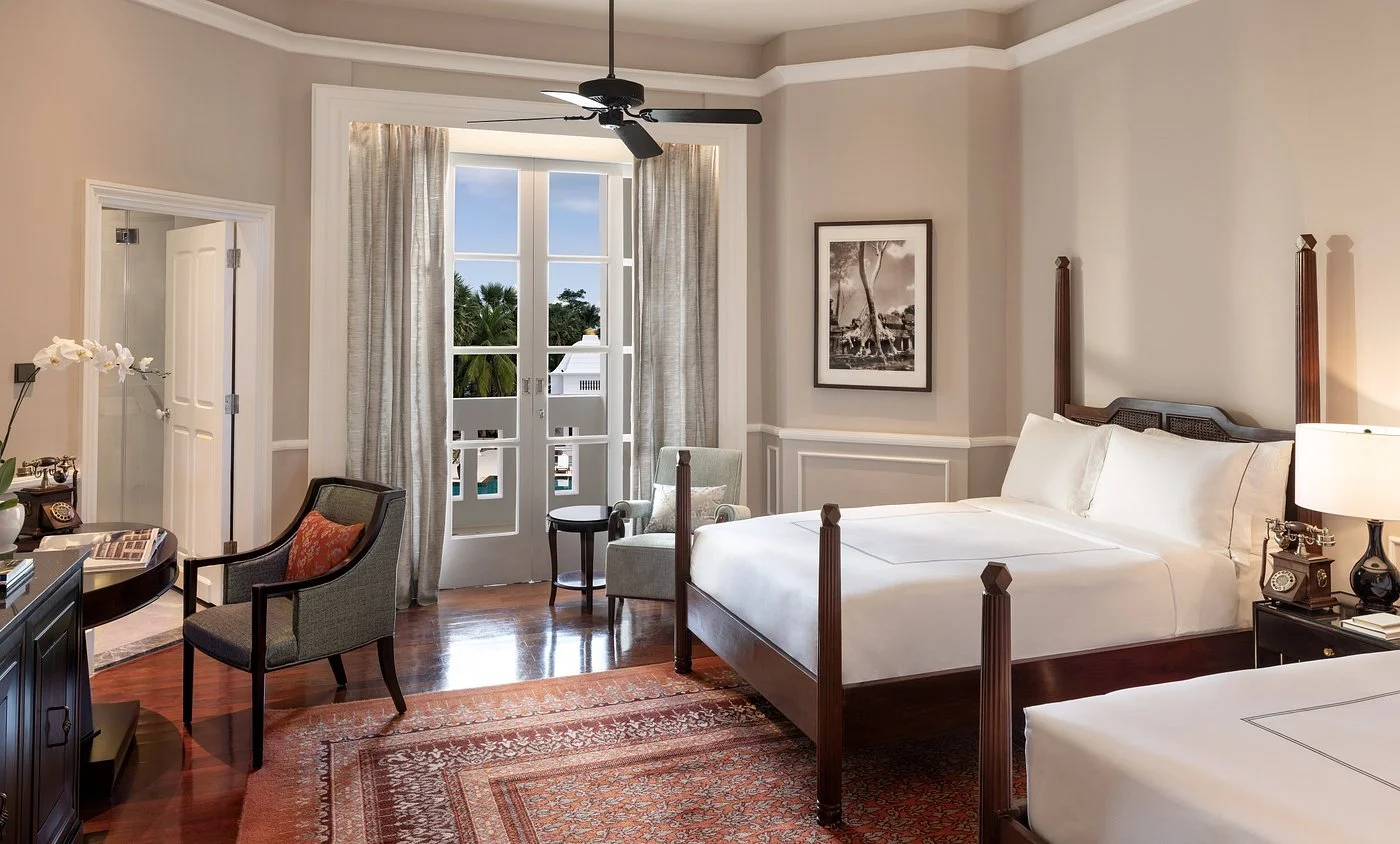
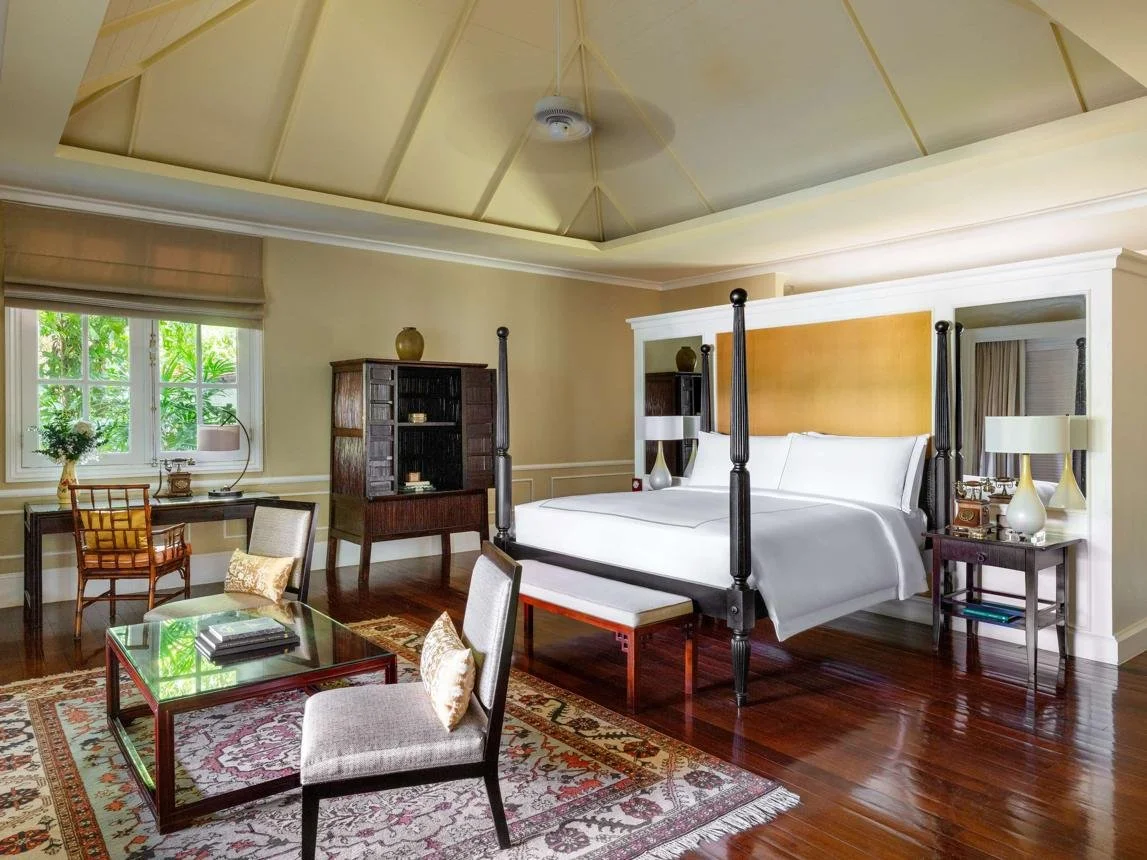
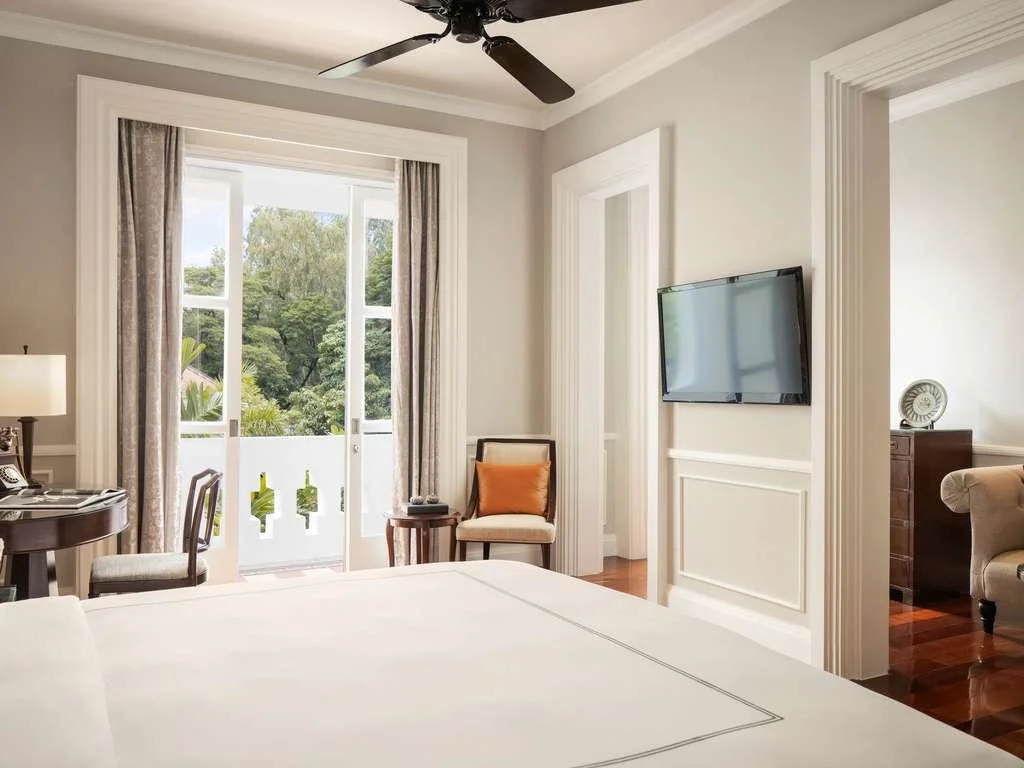
The accommodation collection at Raffles Grand Hotel d'Angkor ranges from elegant guestrooms to a private two-bedroom villa, combining heritage-inspired interiors with views of the hotel's tropical gardens and swimming pool. Balconies, terraces and living spaces vary by category, with accommodations presented in ascending order.
State Room: 344 sq. ft. (32 sq. m.), featuring a king or twin beds, garden or pool views, an elegant bathroom and a private balcony in selected configurations.
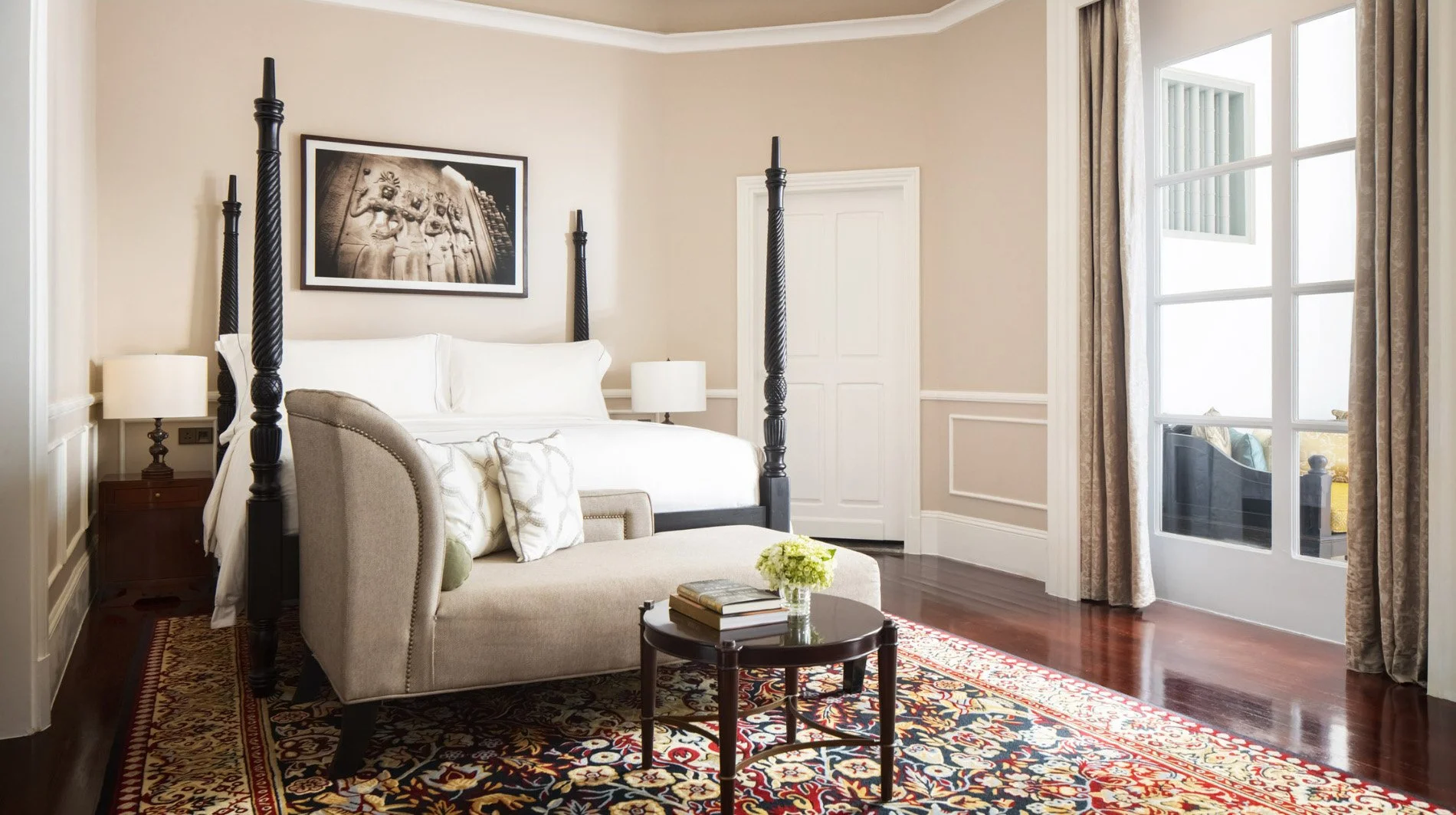
Landmark Room: 387 sq. ft. (36 sq. m.), offering high ceilings, timber floors, handcrafted furnishings and a private balcony, with selected rooms overlooking the hotel's swimming pool.
Colonial Suite: 516 sq. ft. (48 sq. m.), featuring a king bed, Cambodian silk accents, wood panelling, a comfortable sitting area and a private balcony overlooking the gardens.
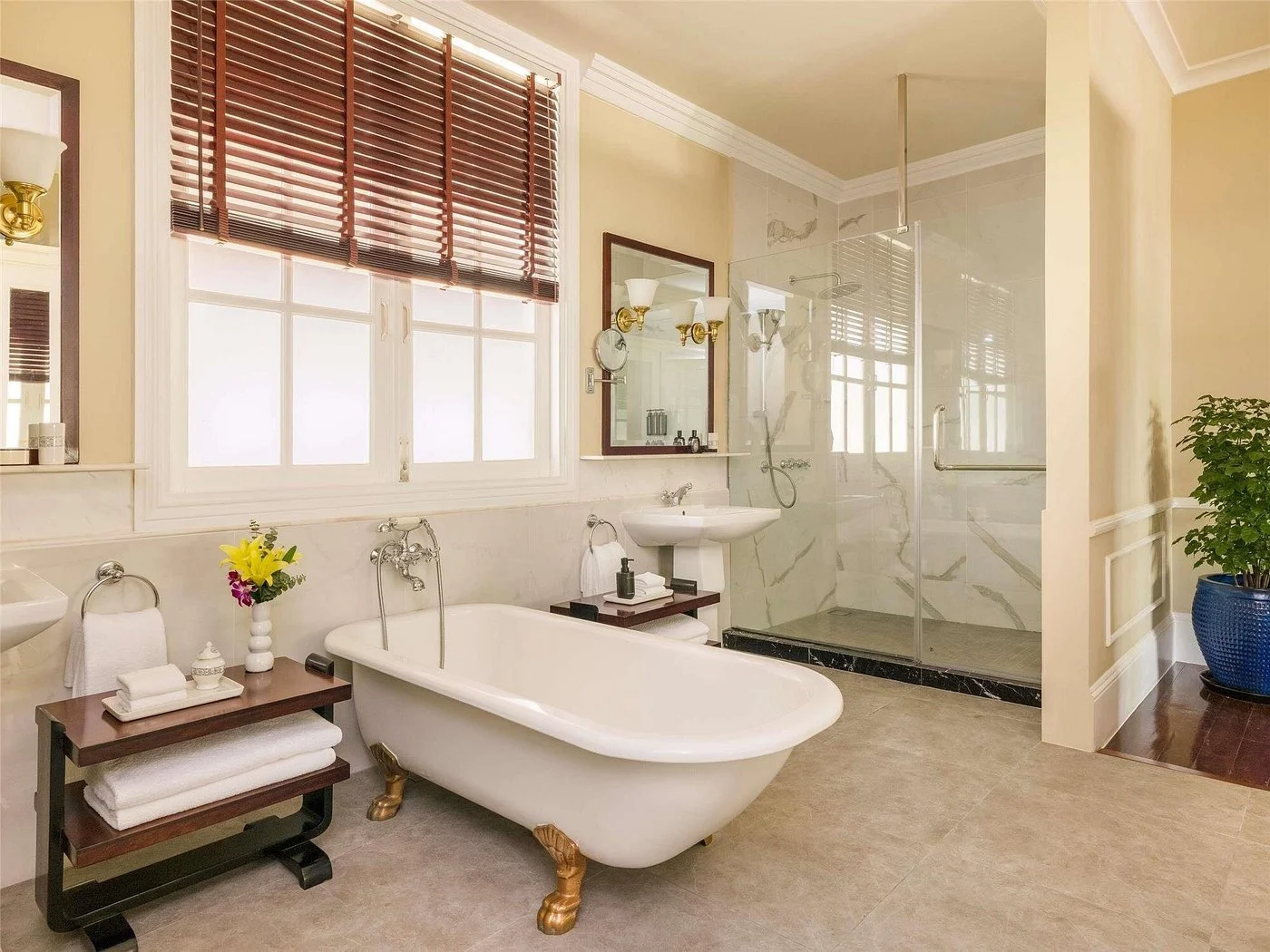
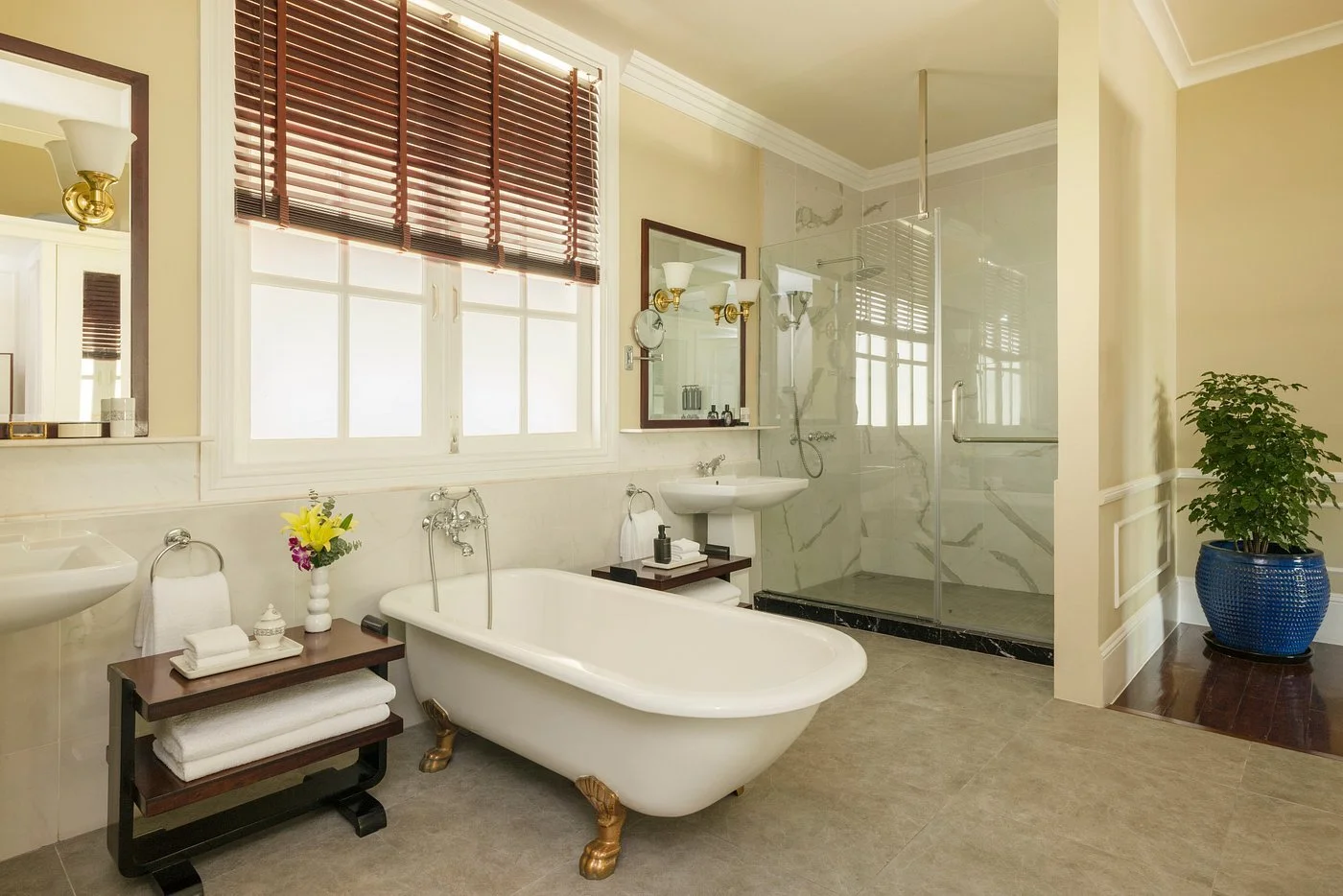
Personality Junior Suite: 516 sq. ft. (48 sq. m.), inspired by notable figures associated with Angkor, featuring a spacious balcony, daybed and distinctive claw-foot bathtub.
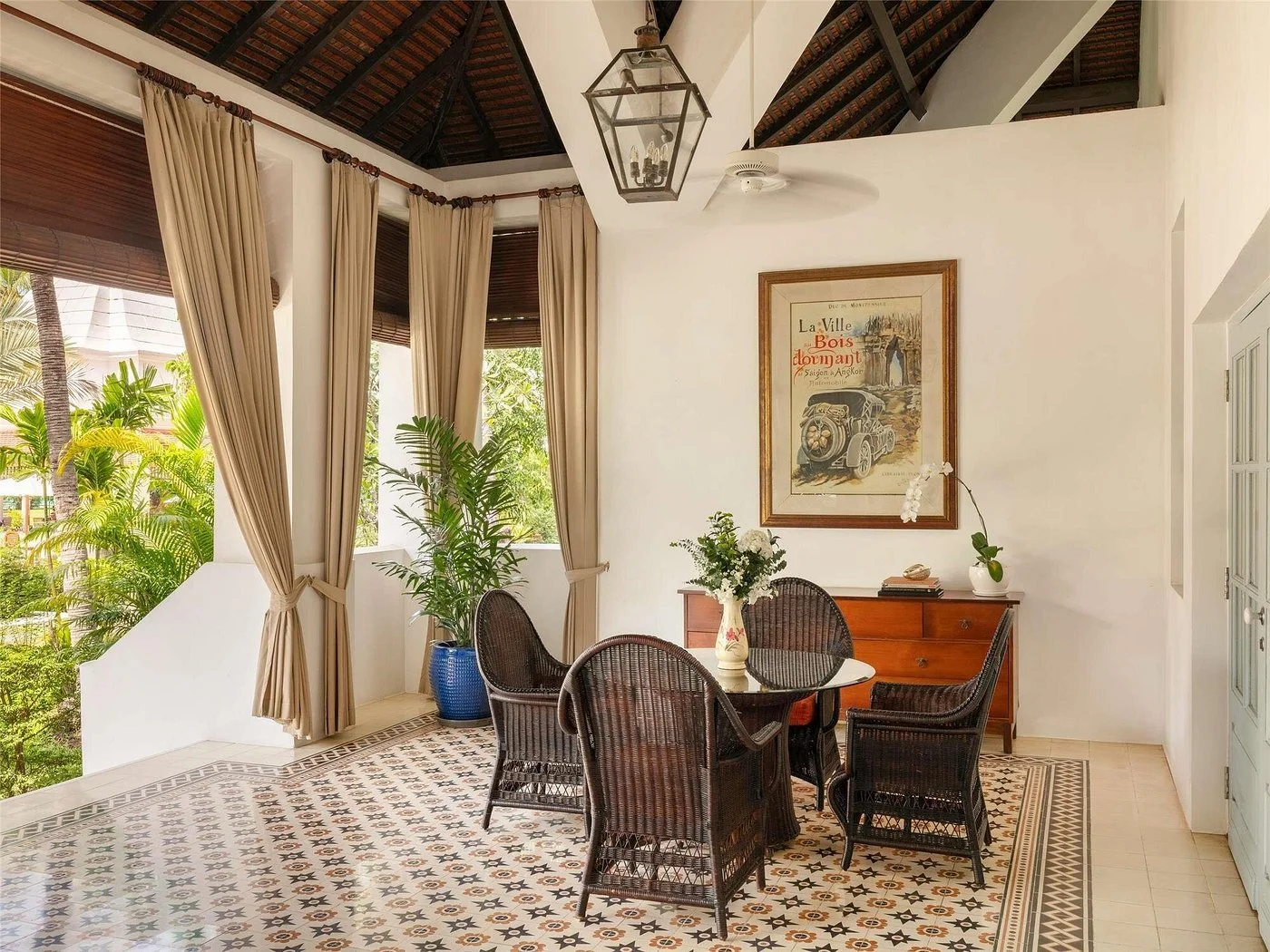
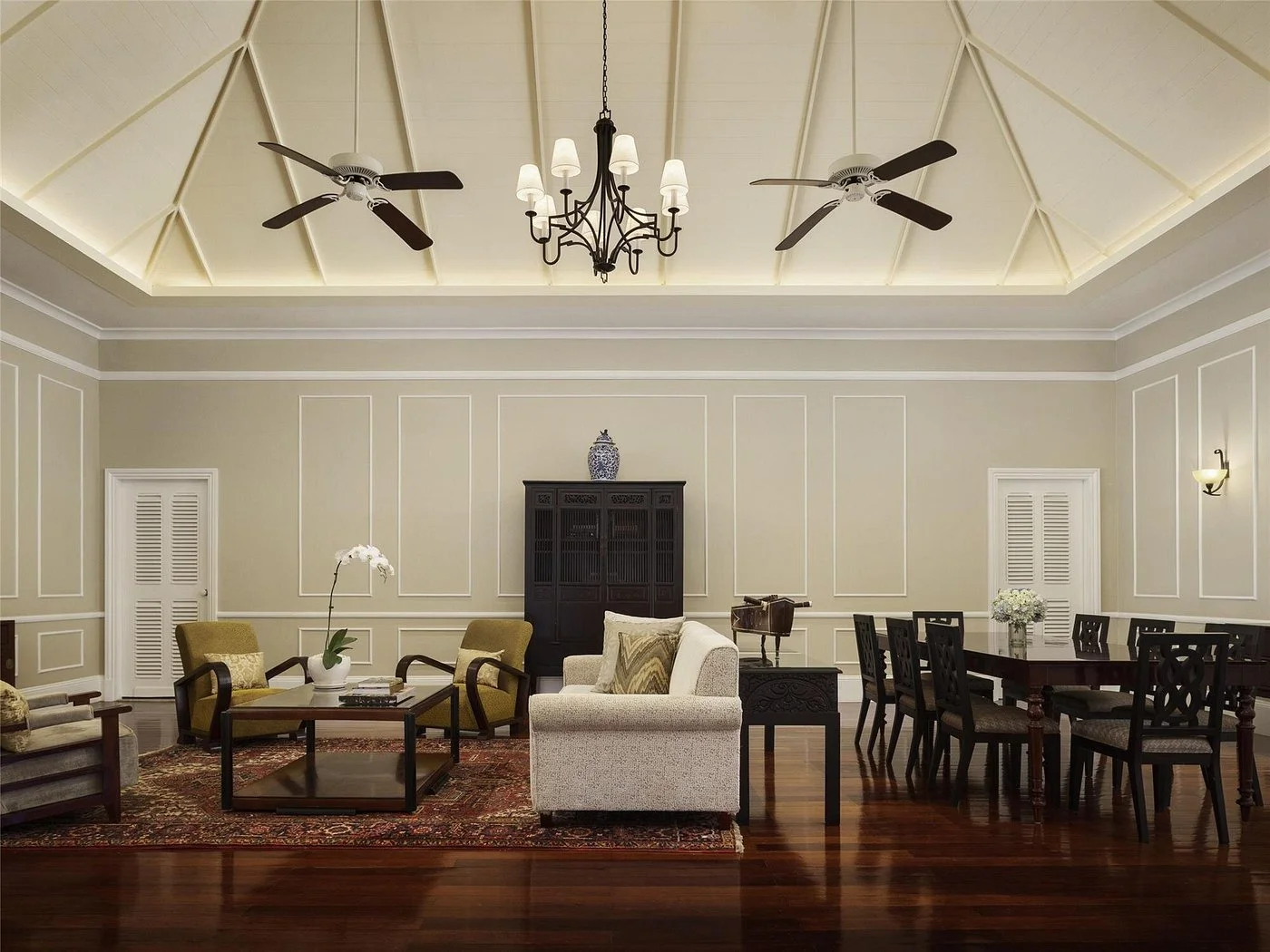
Raffles Suite: 775 sq. ft. (72 sq. m.), offering a king bedroom, French-Indochinese design details, a private outdoor terrace, dining furniture and views across the gardens or swimming pool.
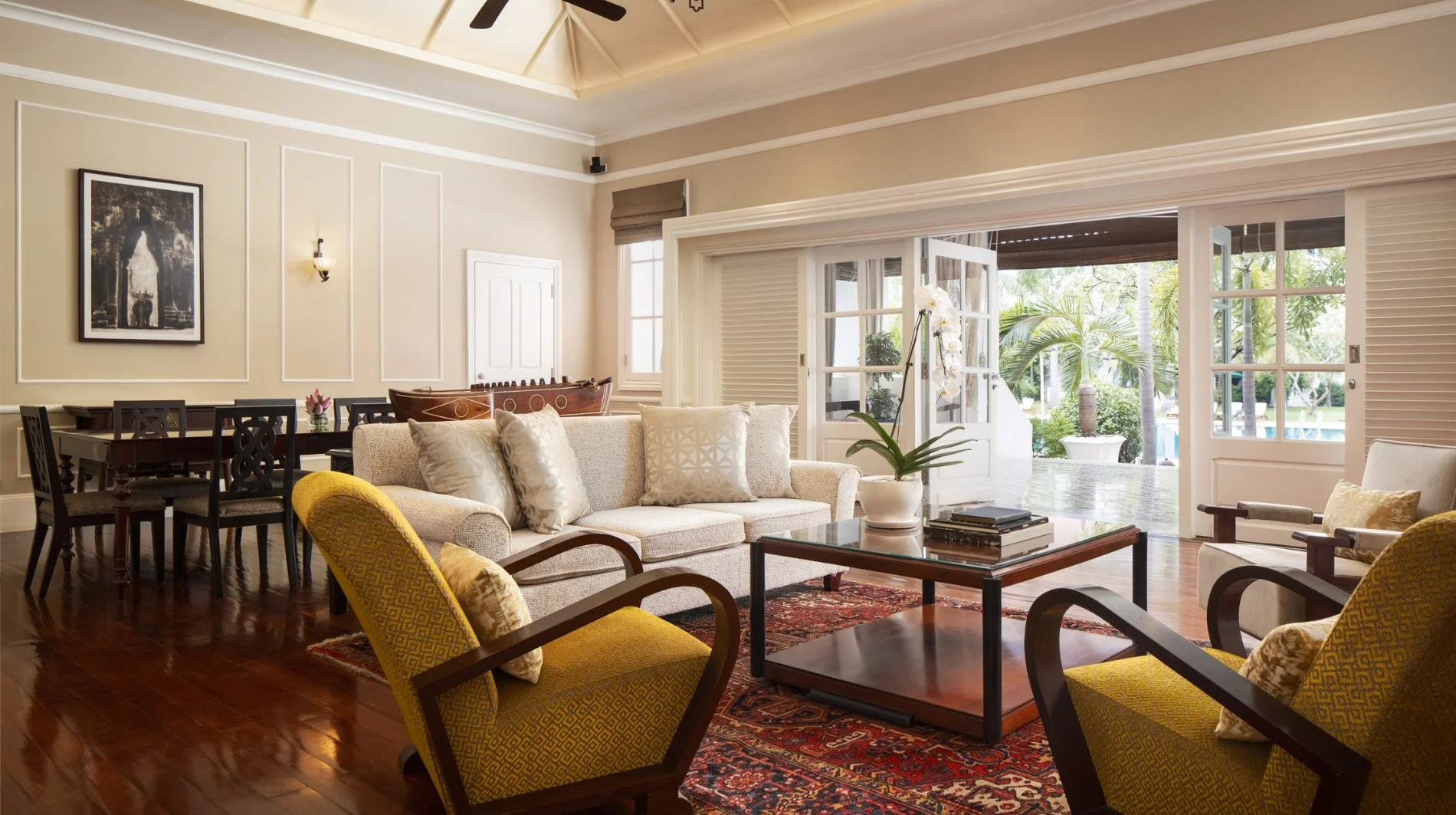
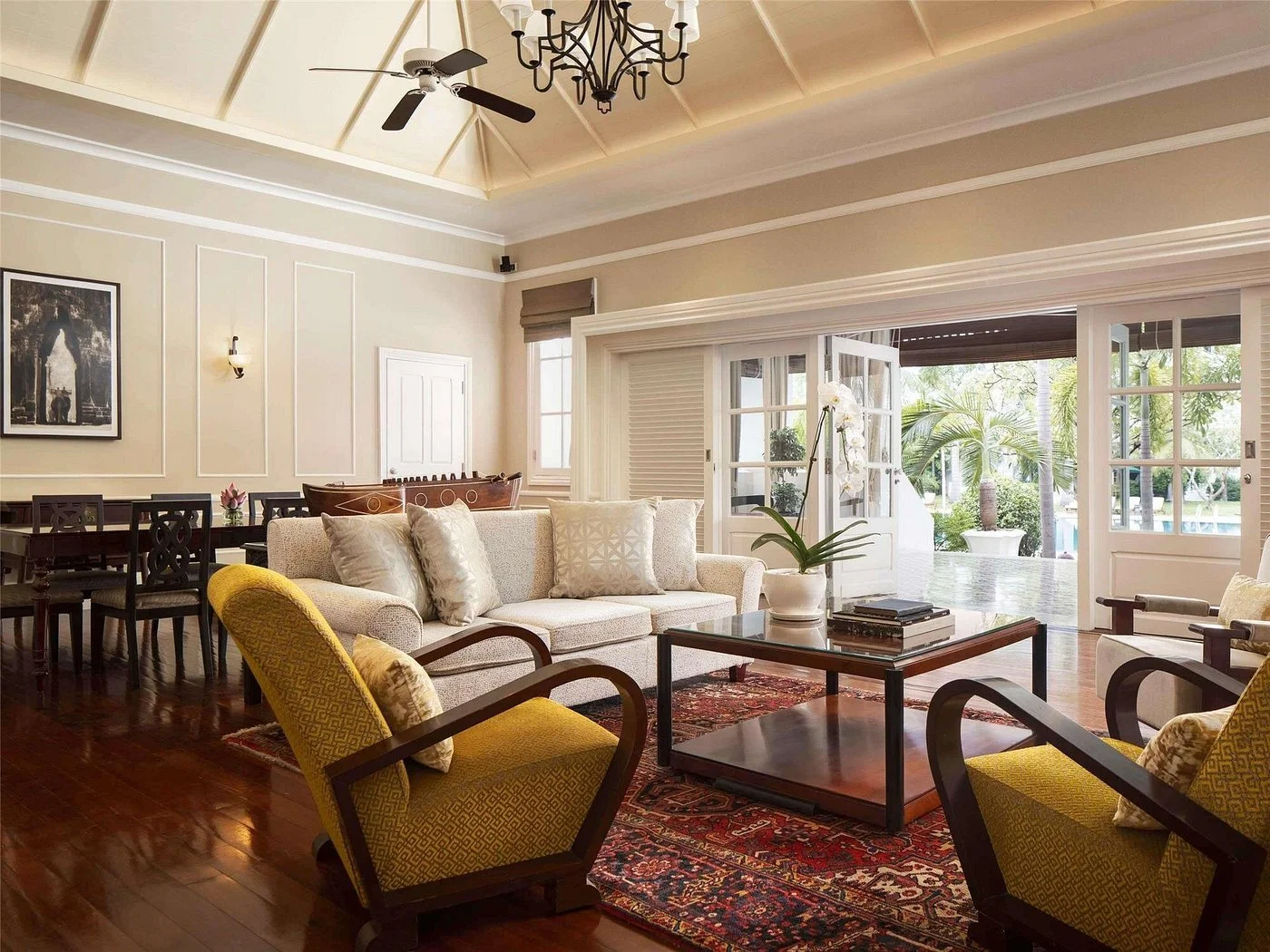
Landmark Suite: 775 sq. ft. (72 sq. m.), featuring a separate living room, generous private terrace and traditional Cambodian design elements, providing additional space for longer stays.
Two-Bedroom Royal Villa: 3,422 sq. ft. (318 sq. m.), featuring a king bedroom, twin bedroom, private terrace, kitchen, spacious living and dining areas, and views overlooking the gardens and pool, offering a secluded retreat for families and groups.
The distinction between accommodation categories extends beyond room size. Landmark Rooms appeal to travelers who appreciate historic architectural details, while the Personality Junior Suites offer a more individual connection to the hotel's heritage. The Landmark Suites provide additional living space, and the Two-Bedroom Royal Villa offers a private residential-style experience while retaining access to the hotel's facilities and Raffles Butler service.
Dining Between Khmer Heritage and Grand Hotel Traditions
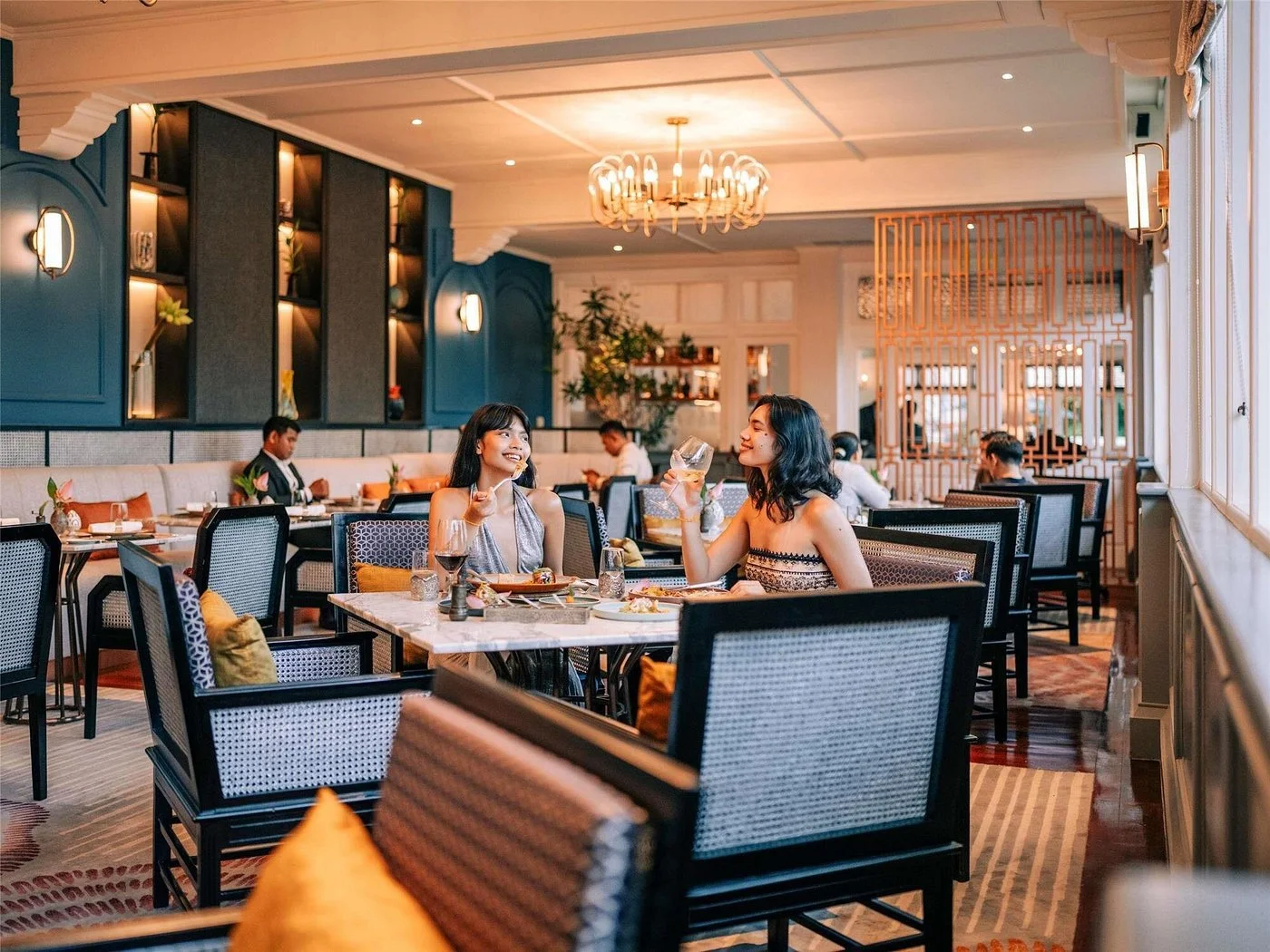
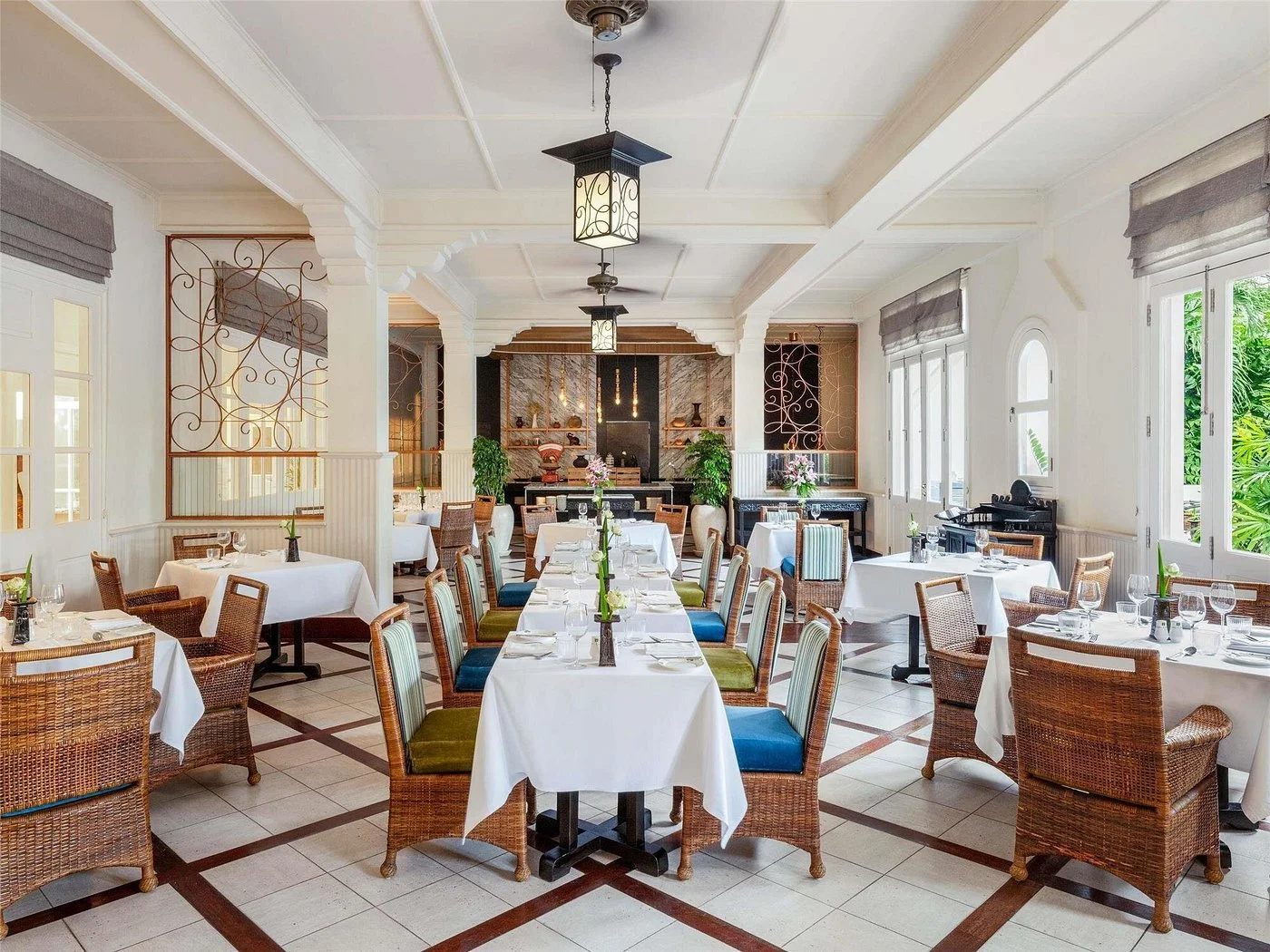
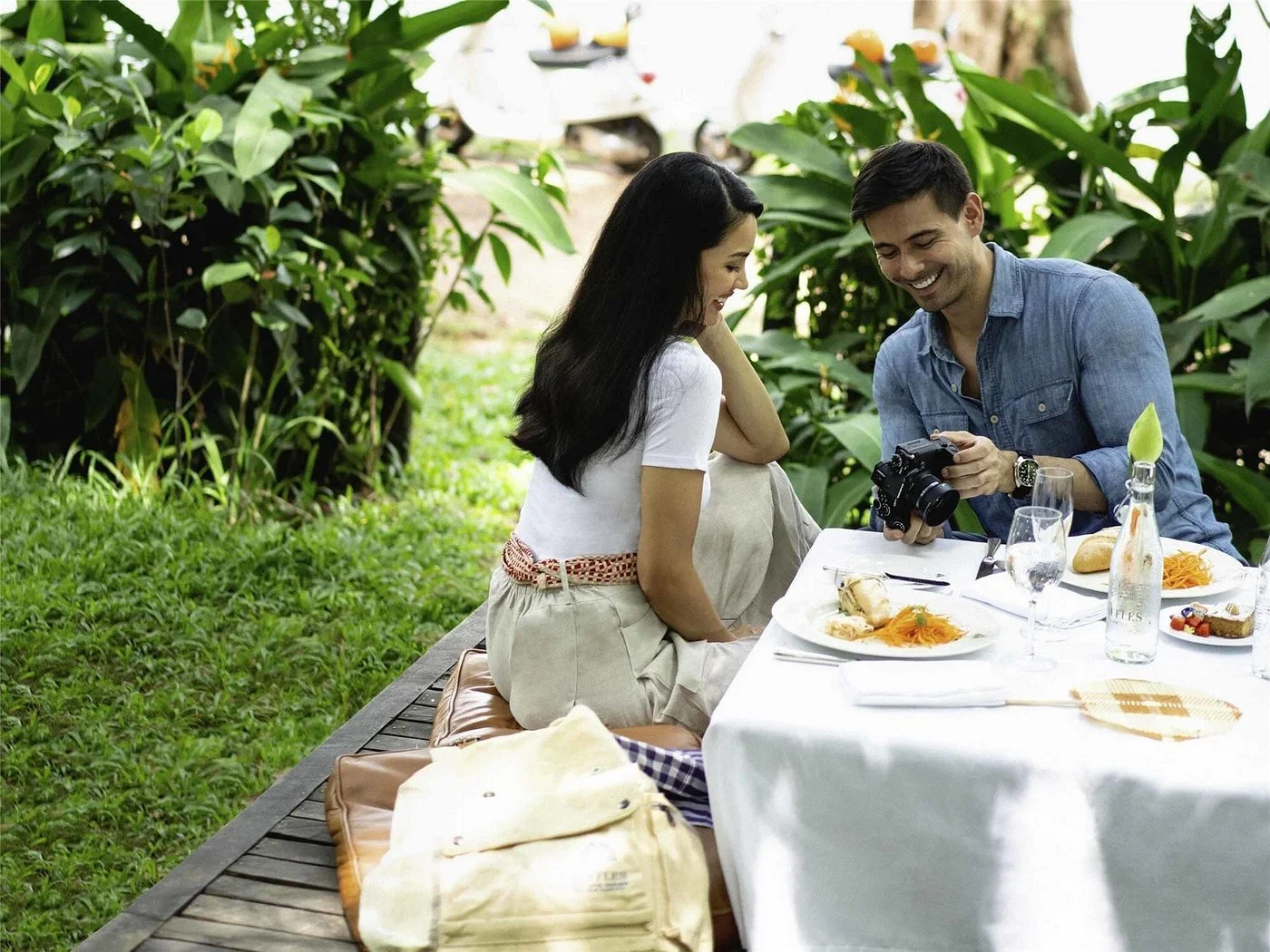
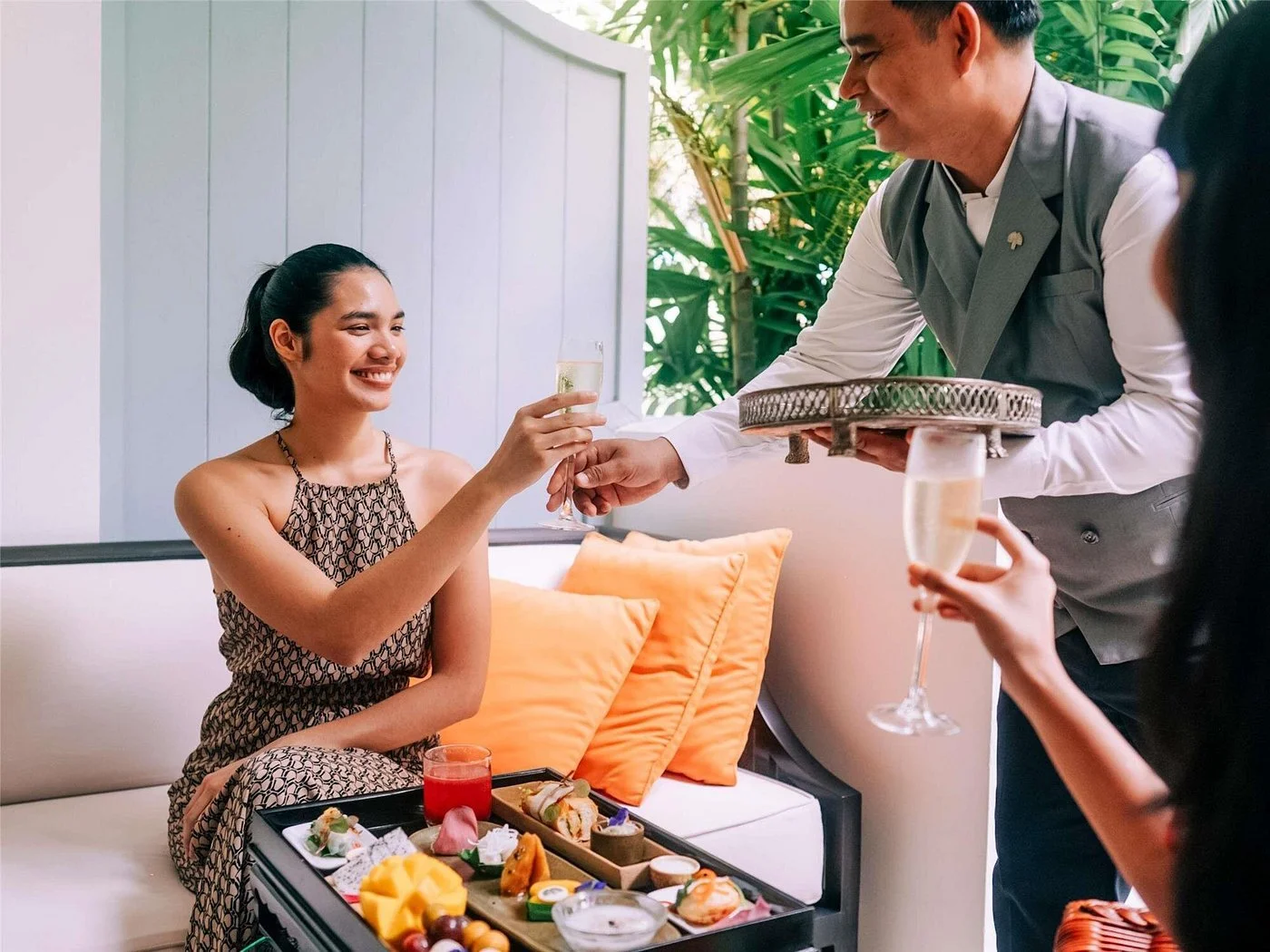
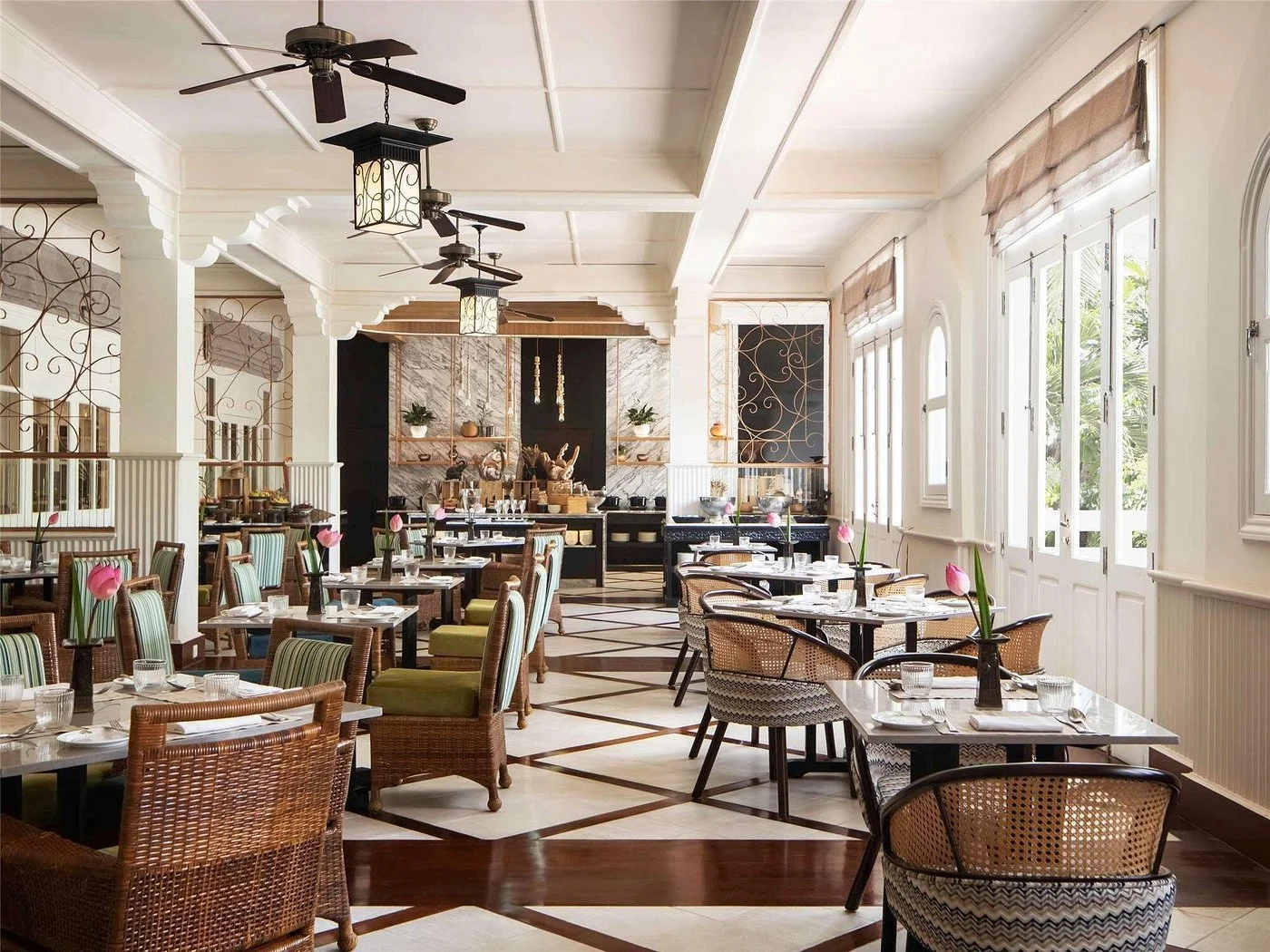
The dining programme combines Cambodian culinary history with the enduring rituals of a grand hotel. Guests can move from a leisurely breakfast to a light lunch beside the water, then choose between an ambitious Khmer dinner or a drink in one of Siem Reap’s most storied bars.
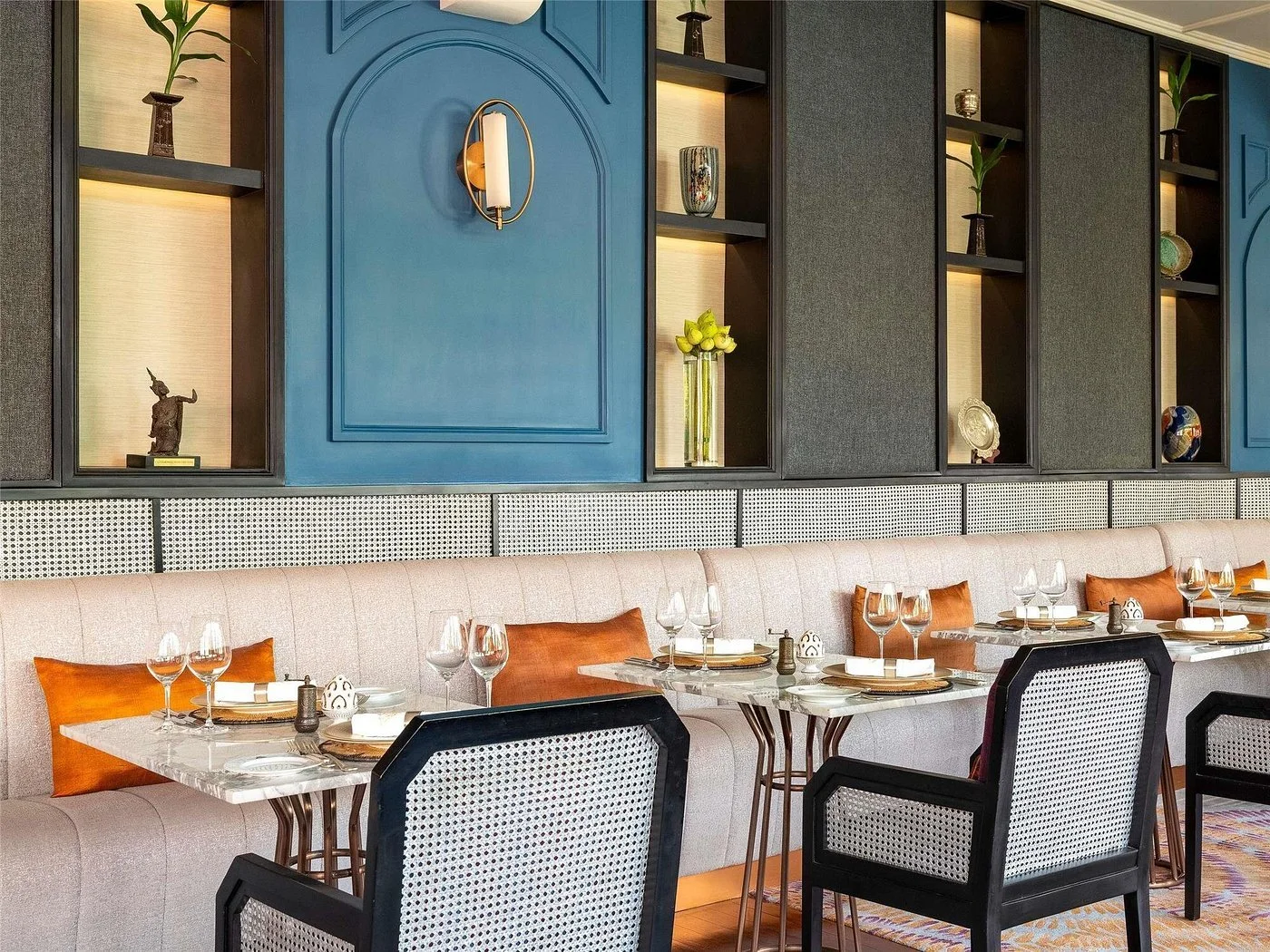
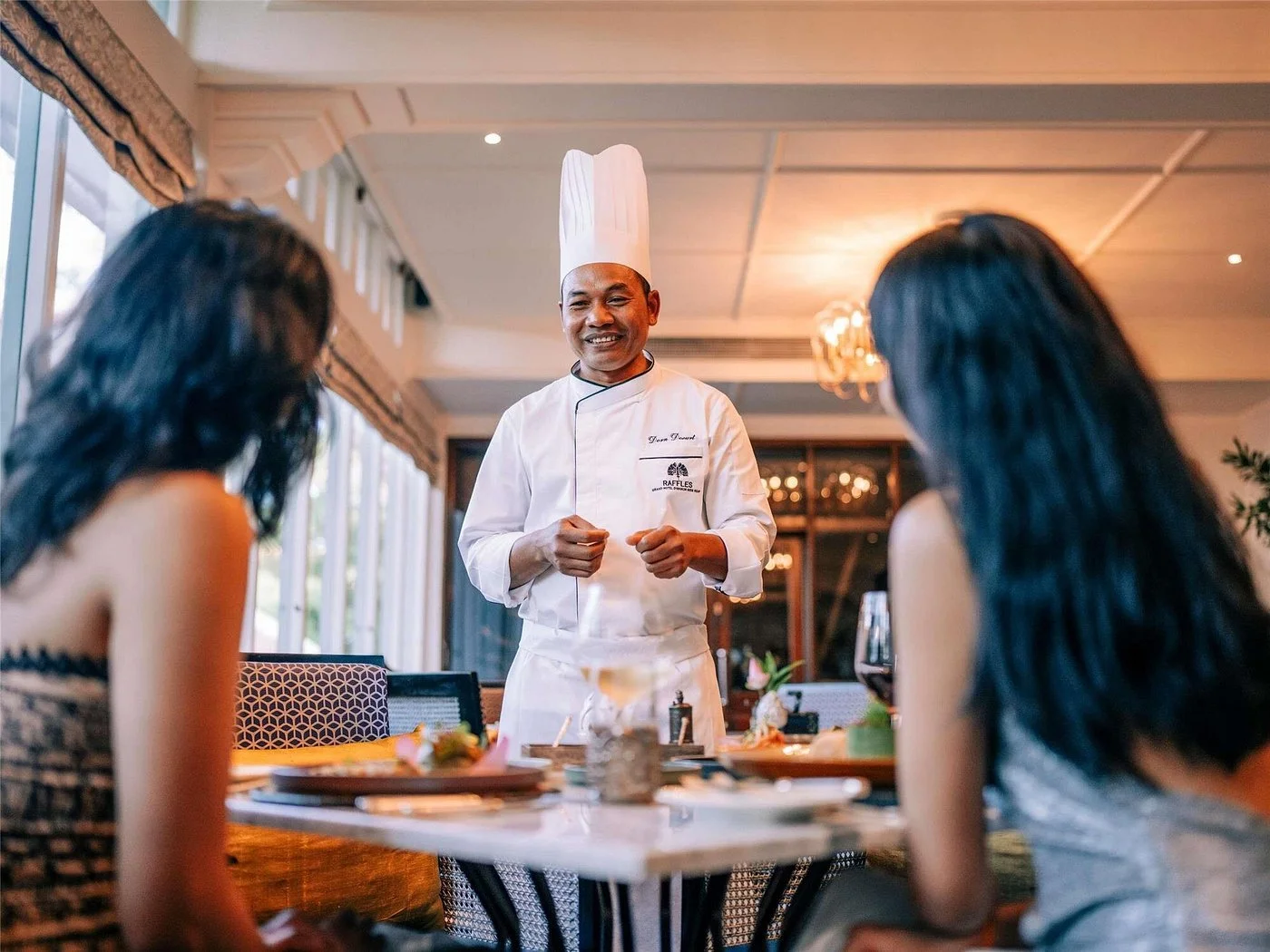
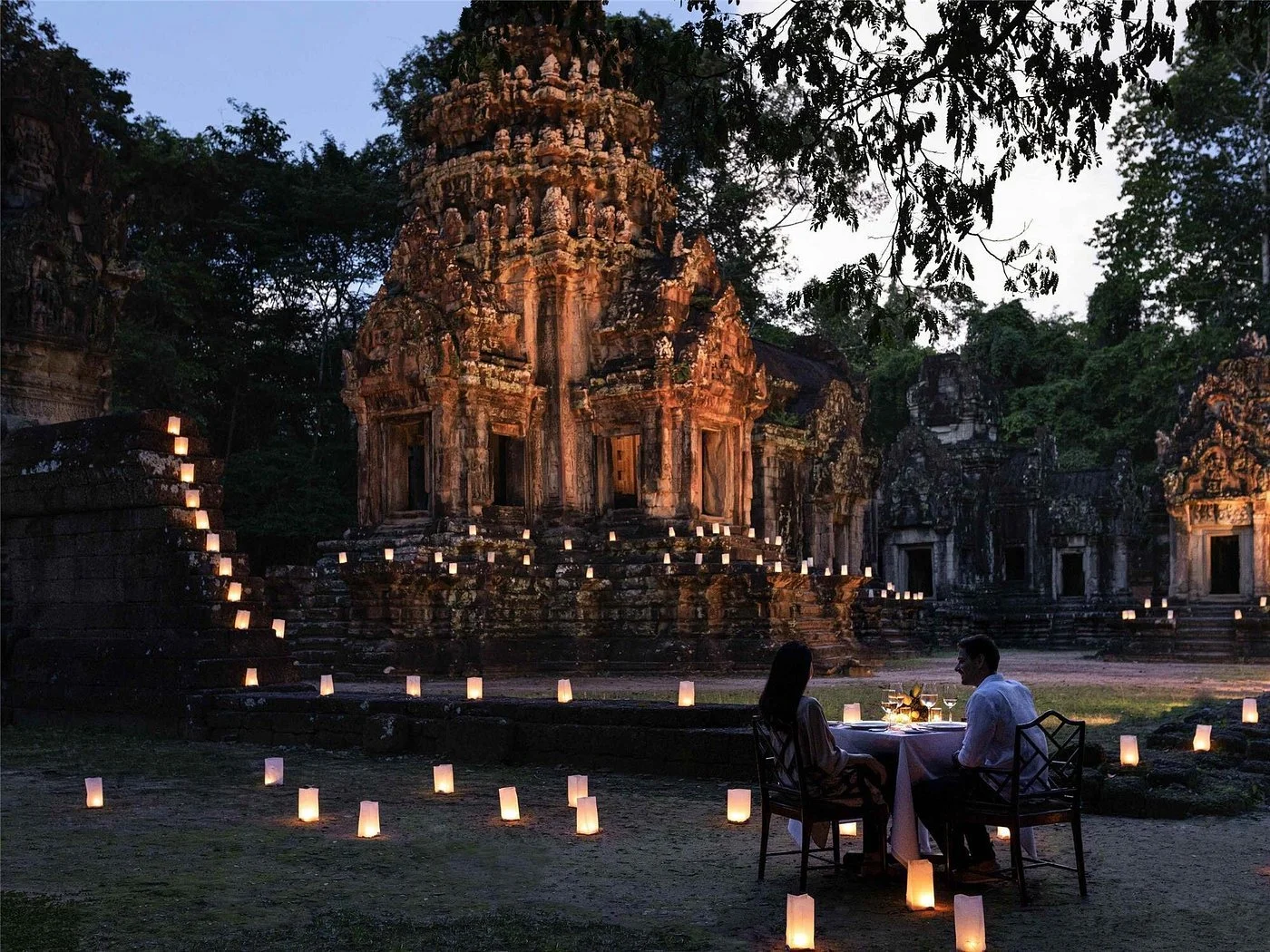
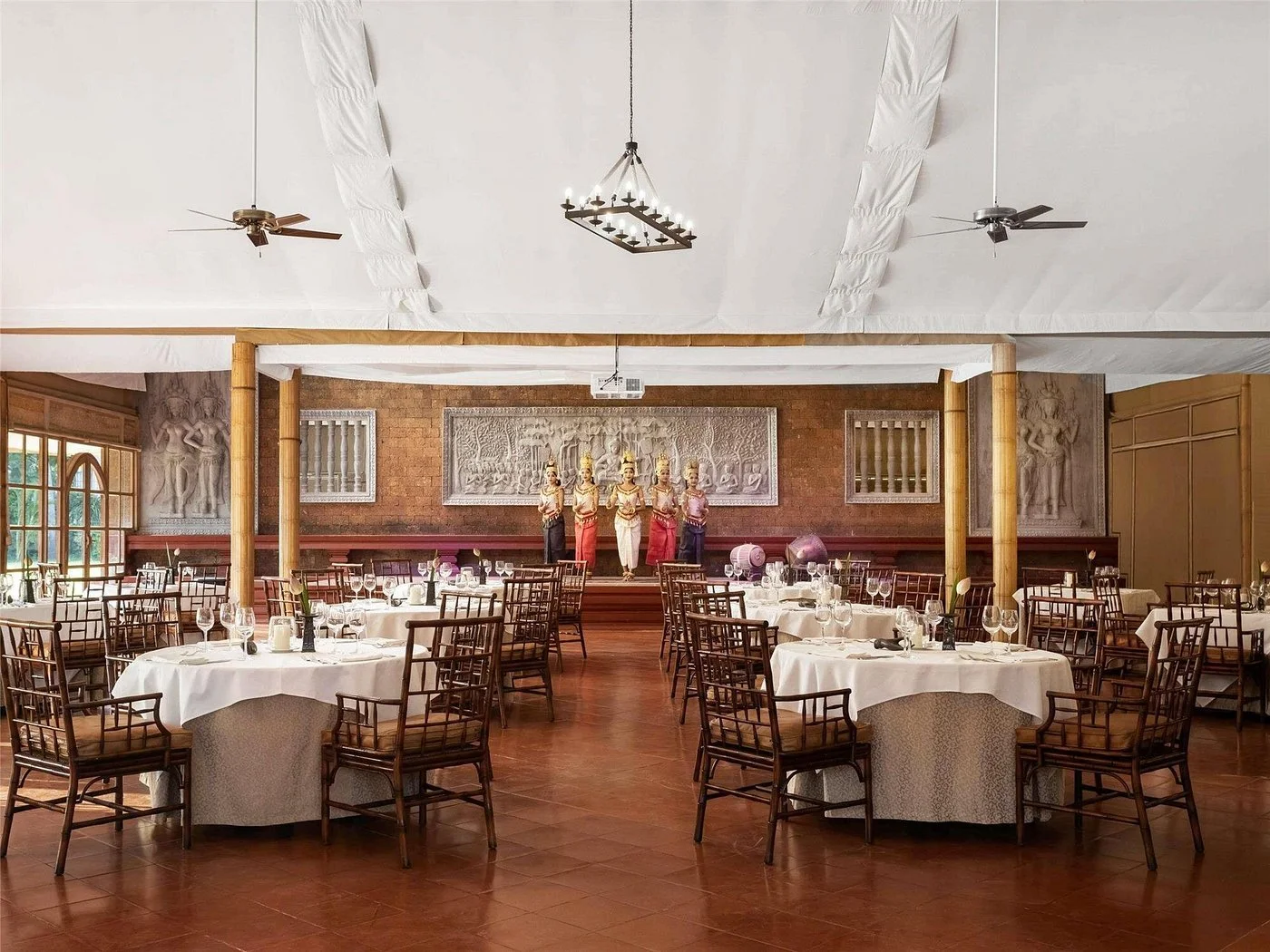
1932: The hotel’s signature restaurant explores Cambodia’s royal and regional culinary traditions through carefully composed tasting menus highlighting local seasonal ingredients.
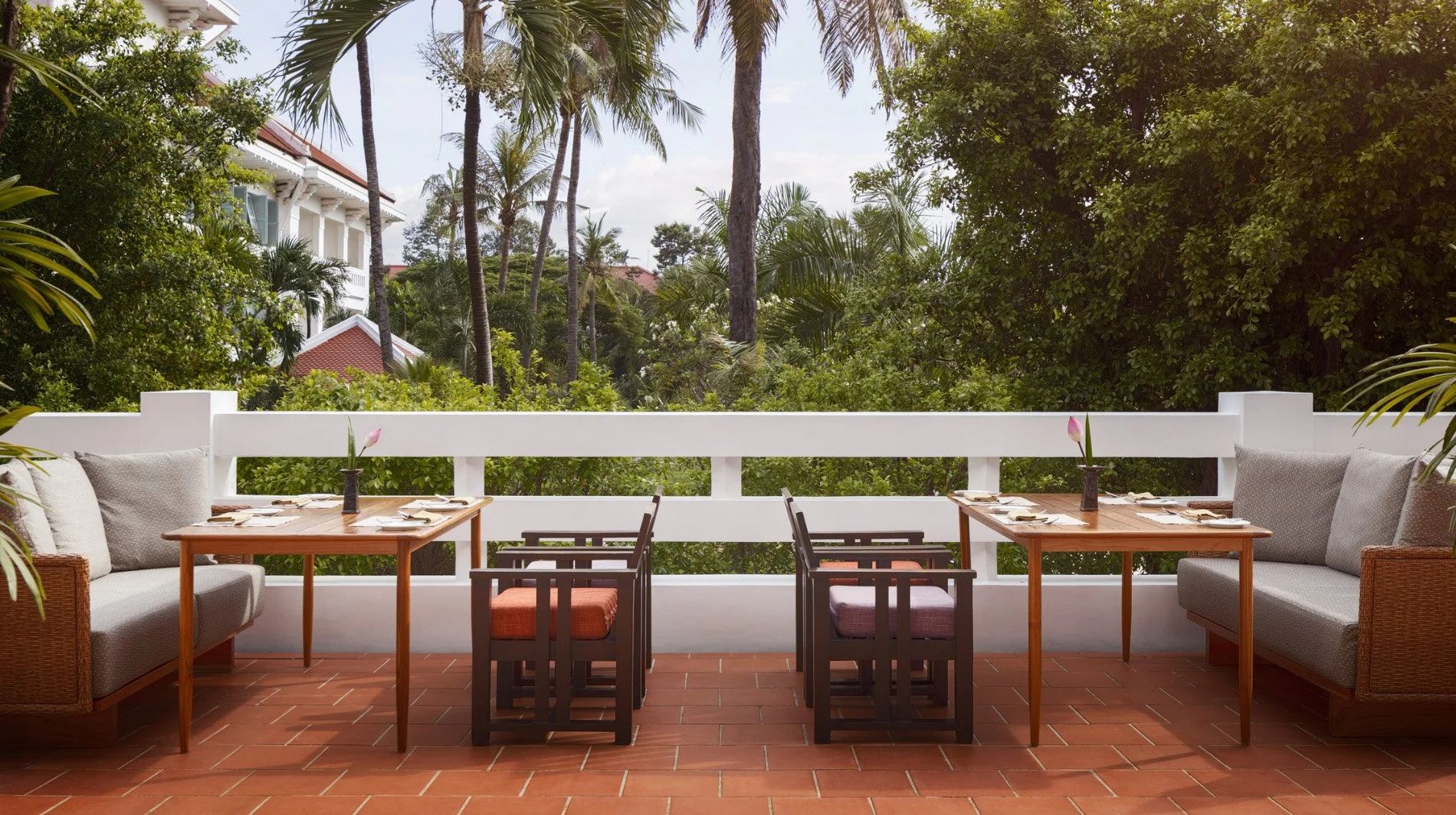
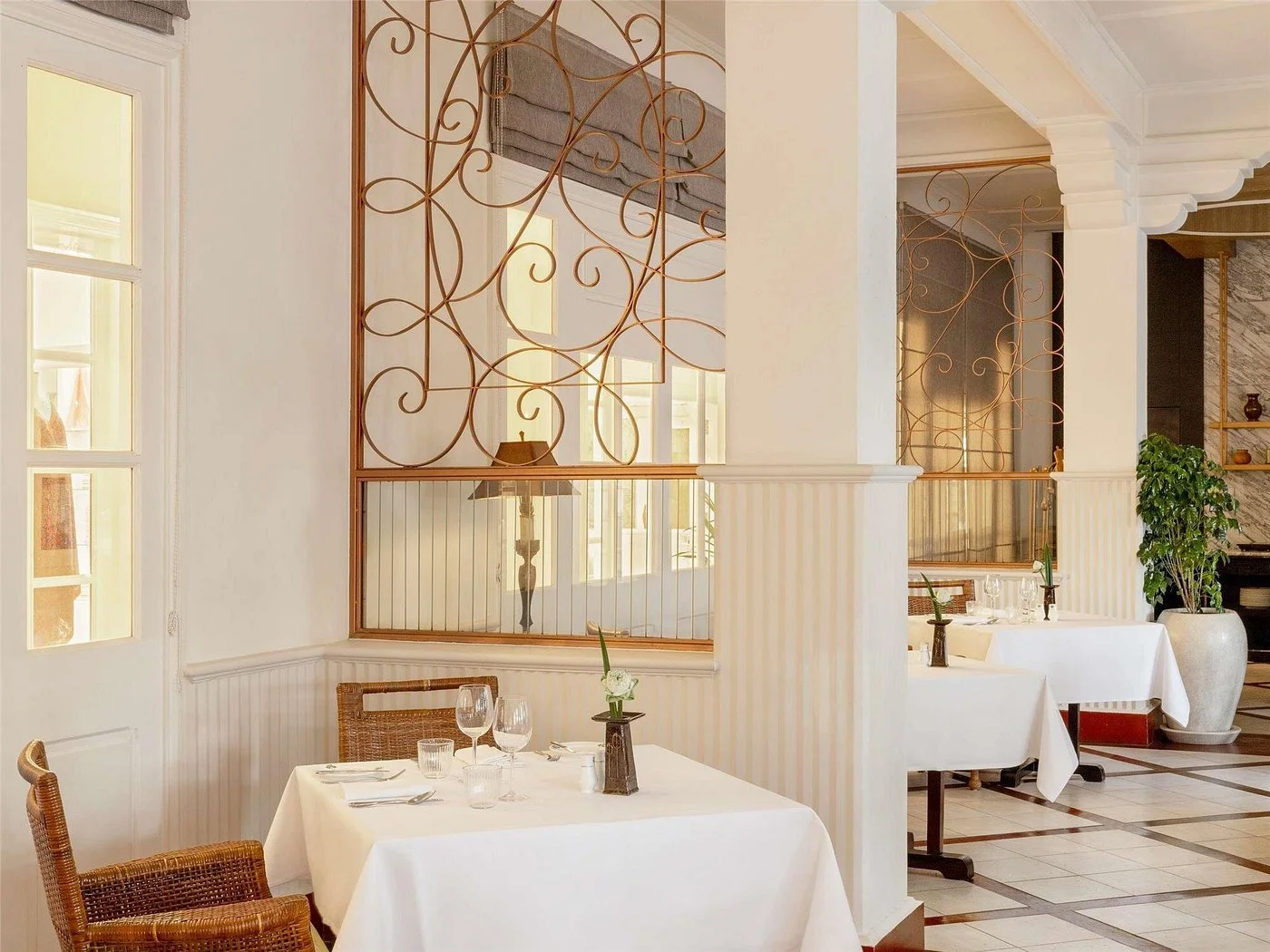
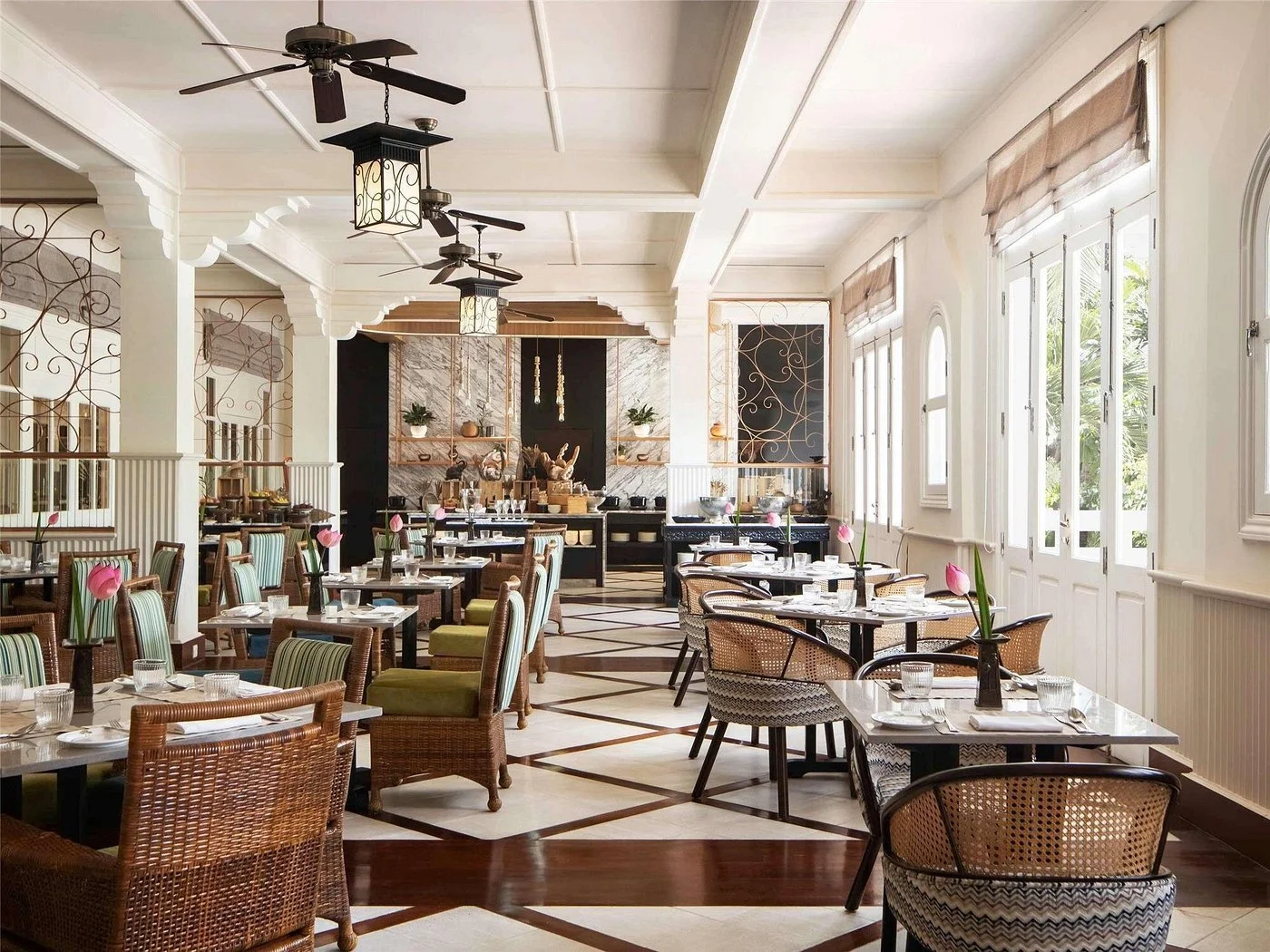
Café d’Angkor: An indoor-outdoor venue overlooking the swimming pool, serving the hotel’s Champagne breakfast and a range of Asian and international dishes throughout the day.
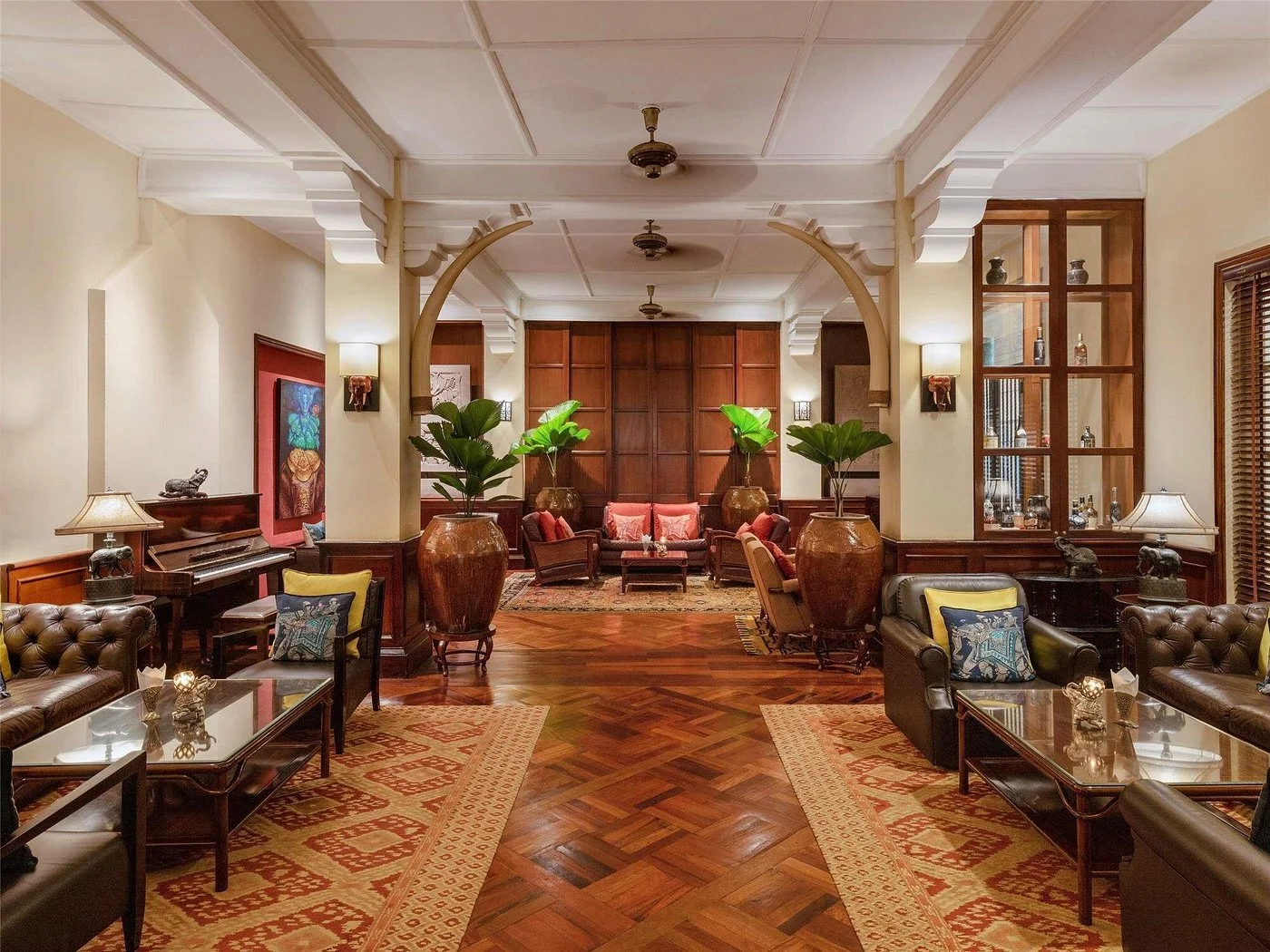
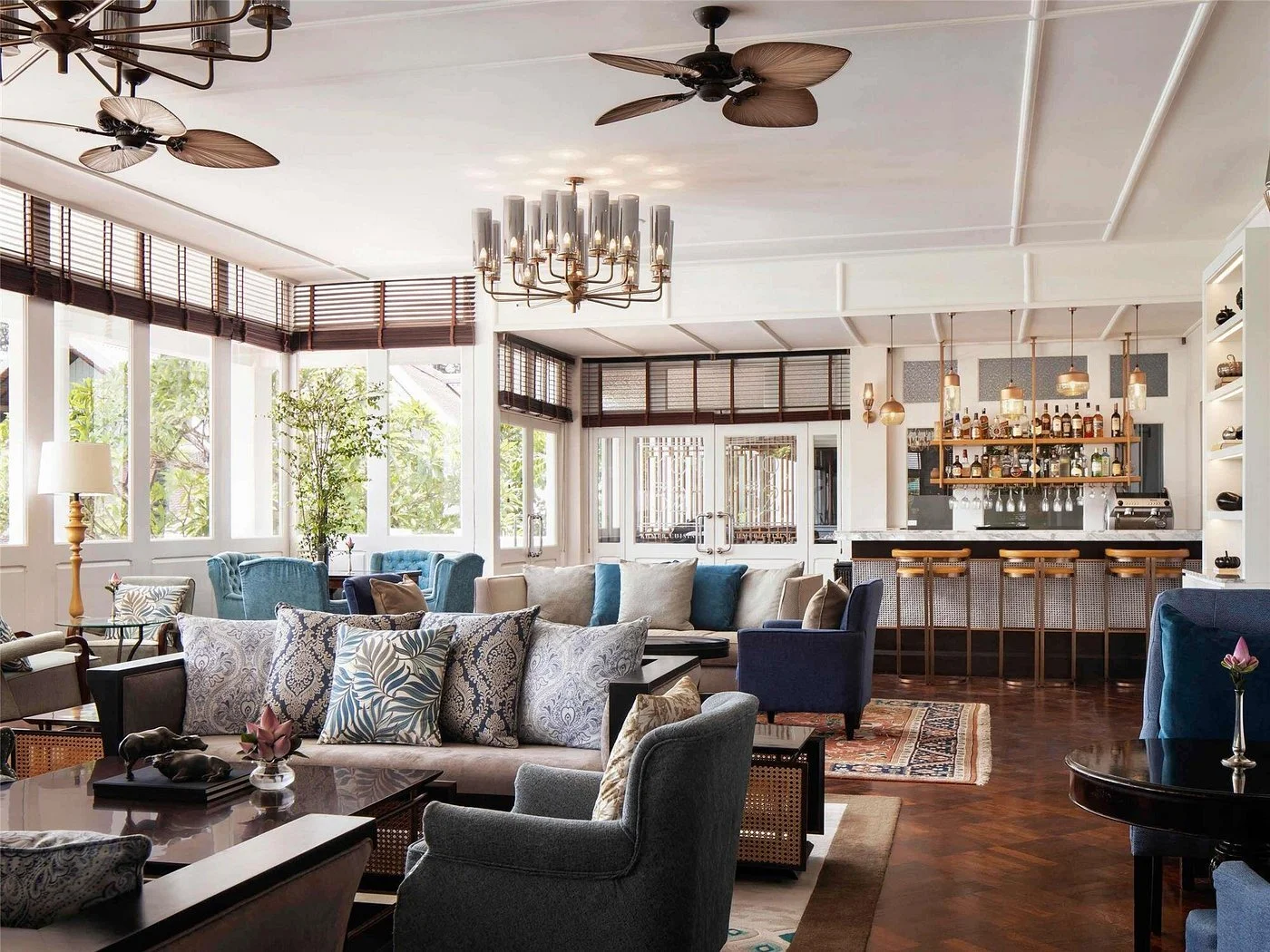
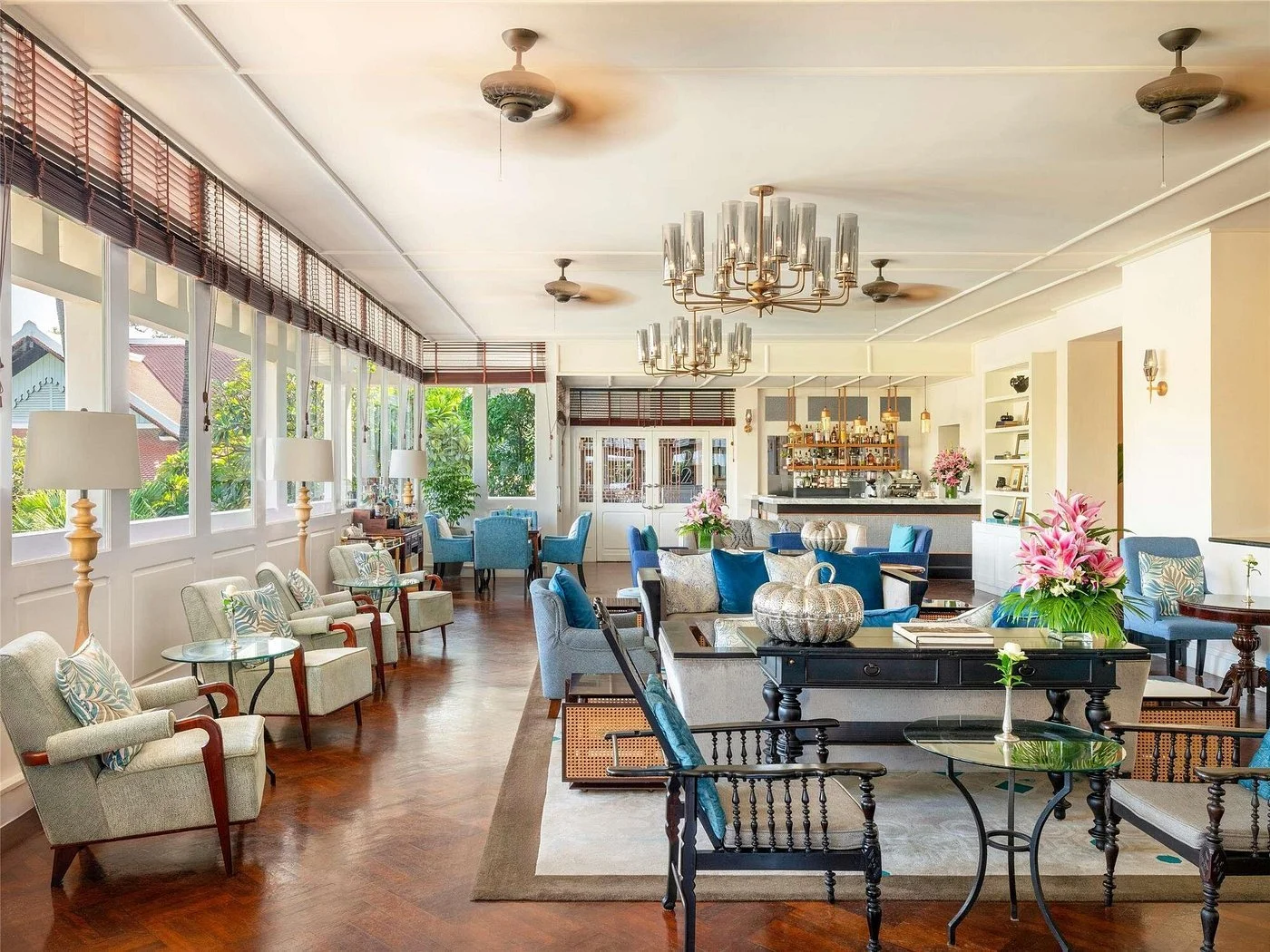
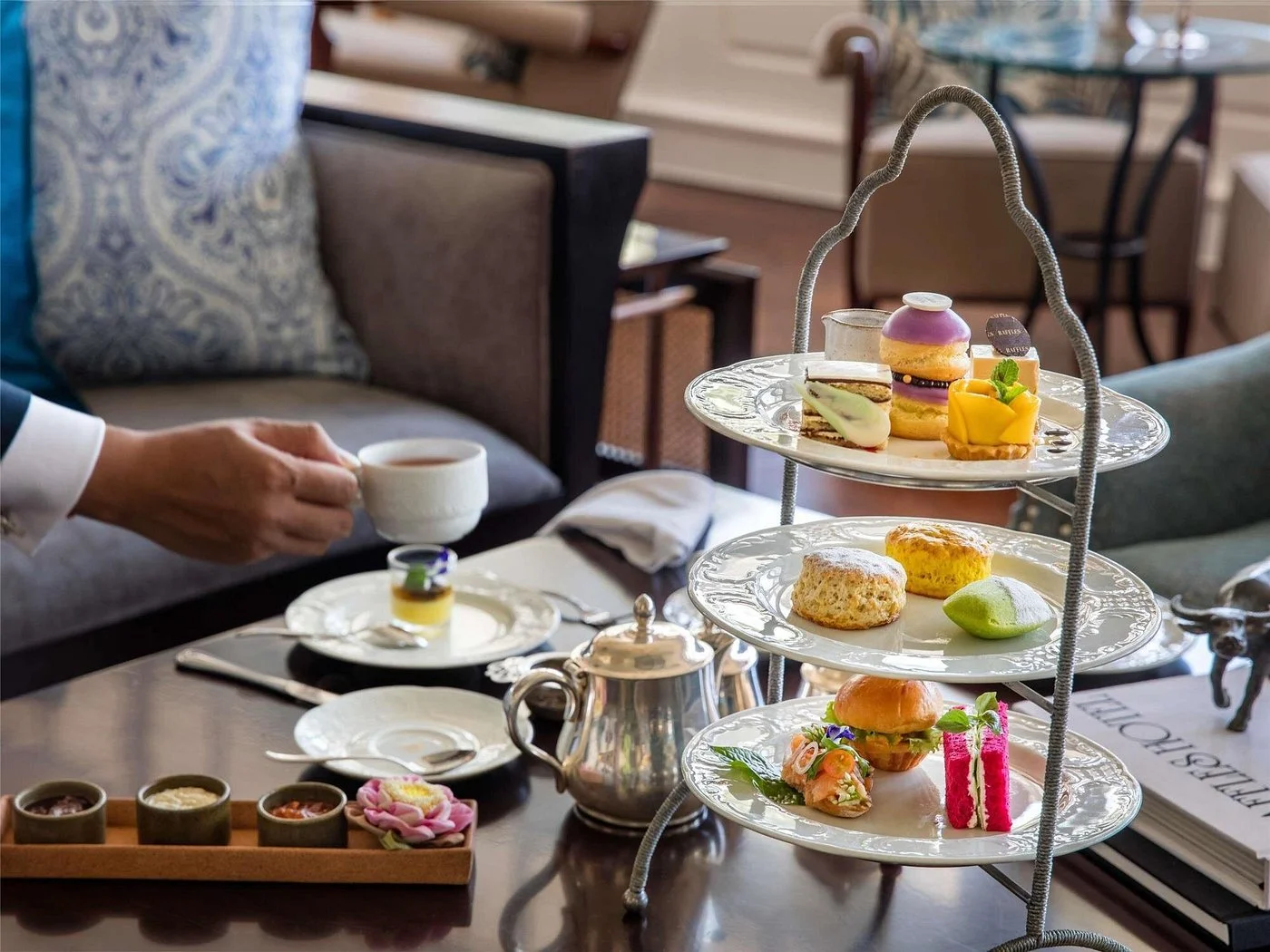
The Conservatory: An elegant setting for afternoon tea, aperitifs and relaxed conversation, with garden and pool views and piano accompaniment on selected evenings.
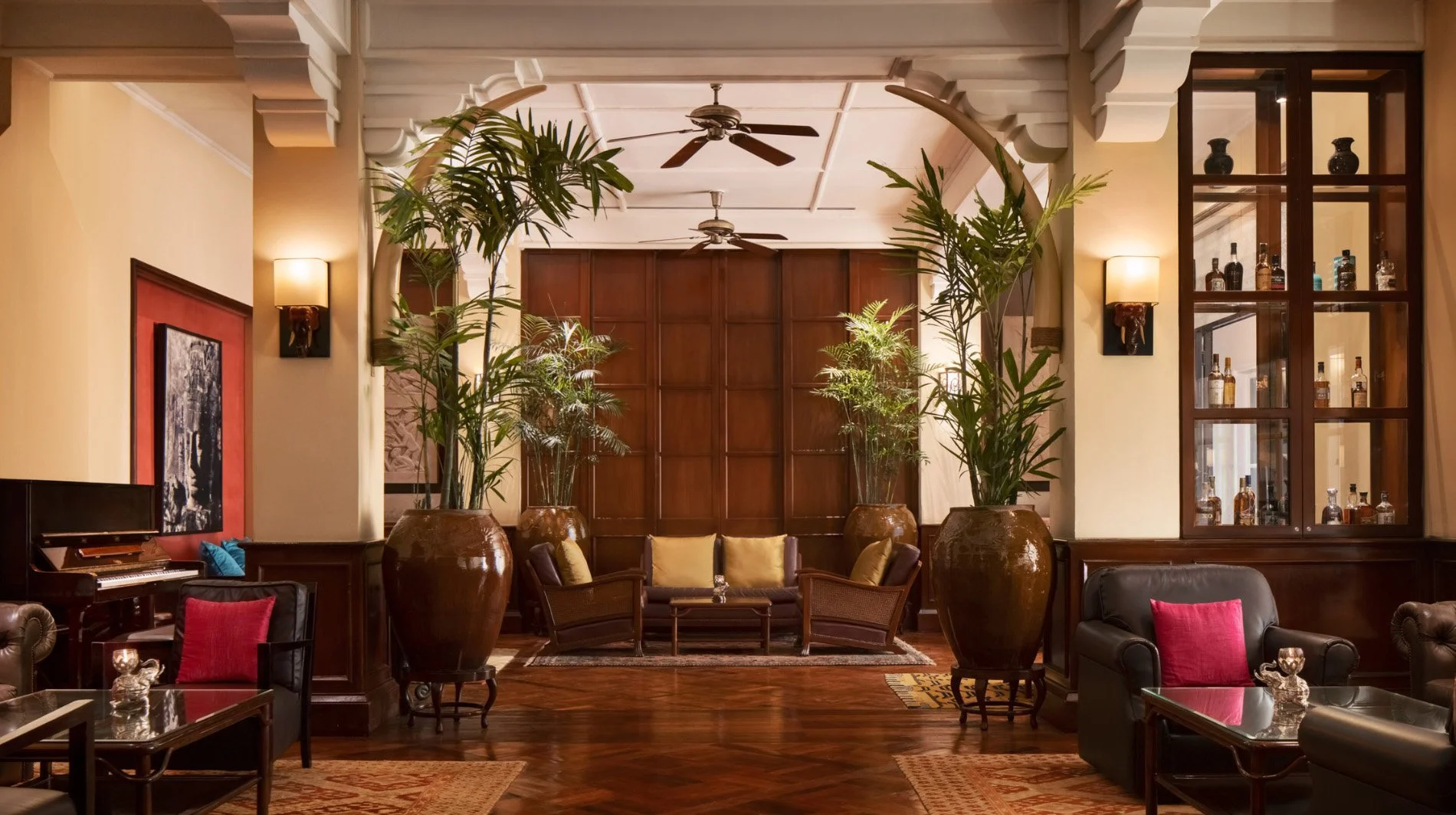
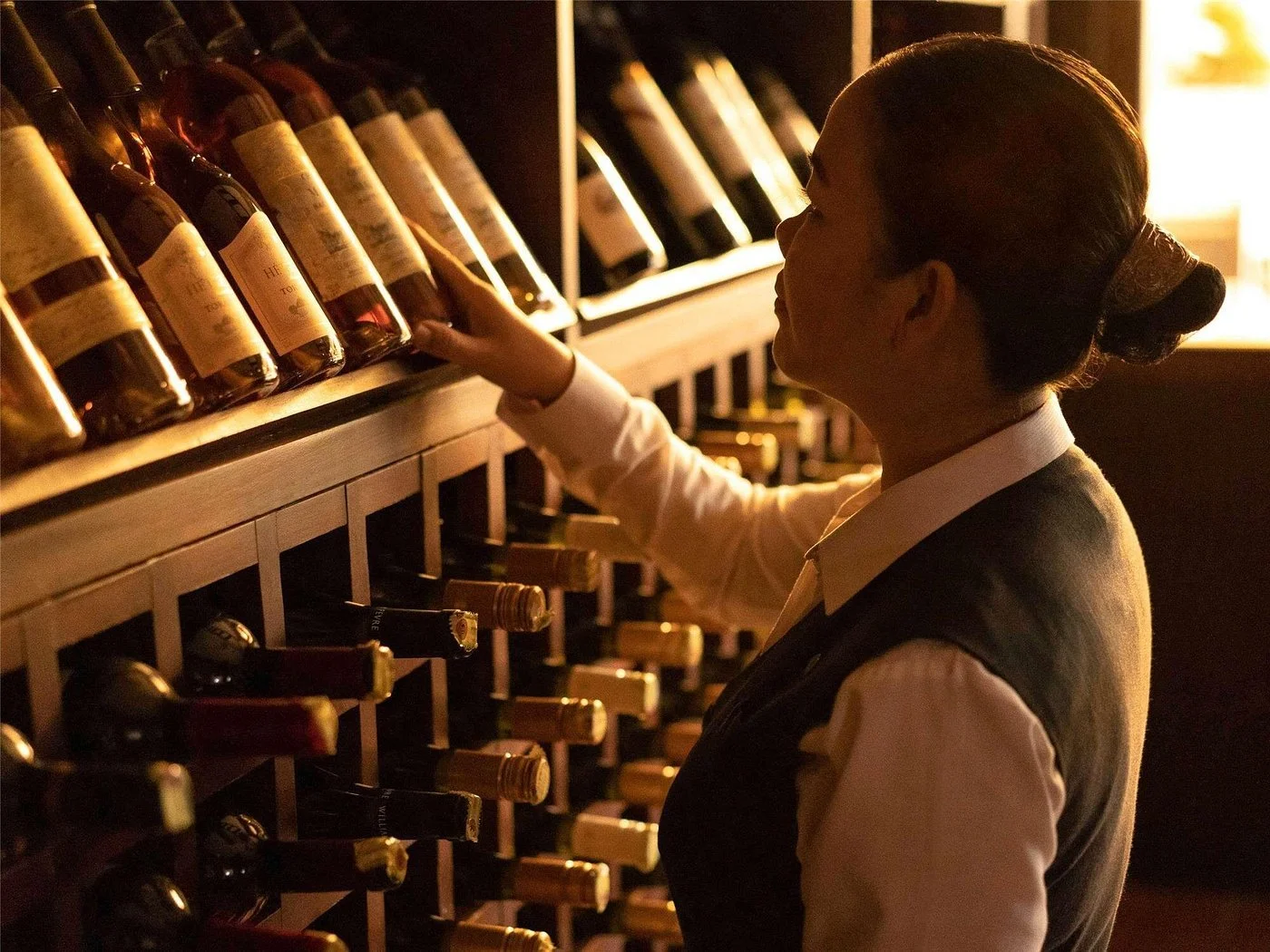
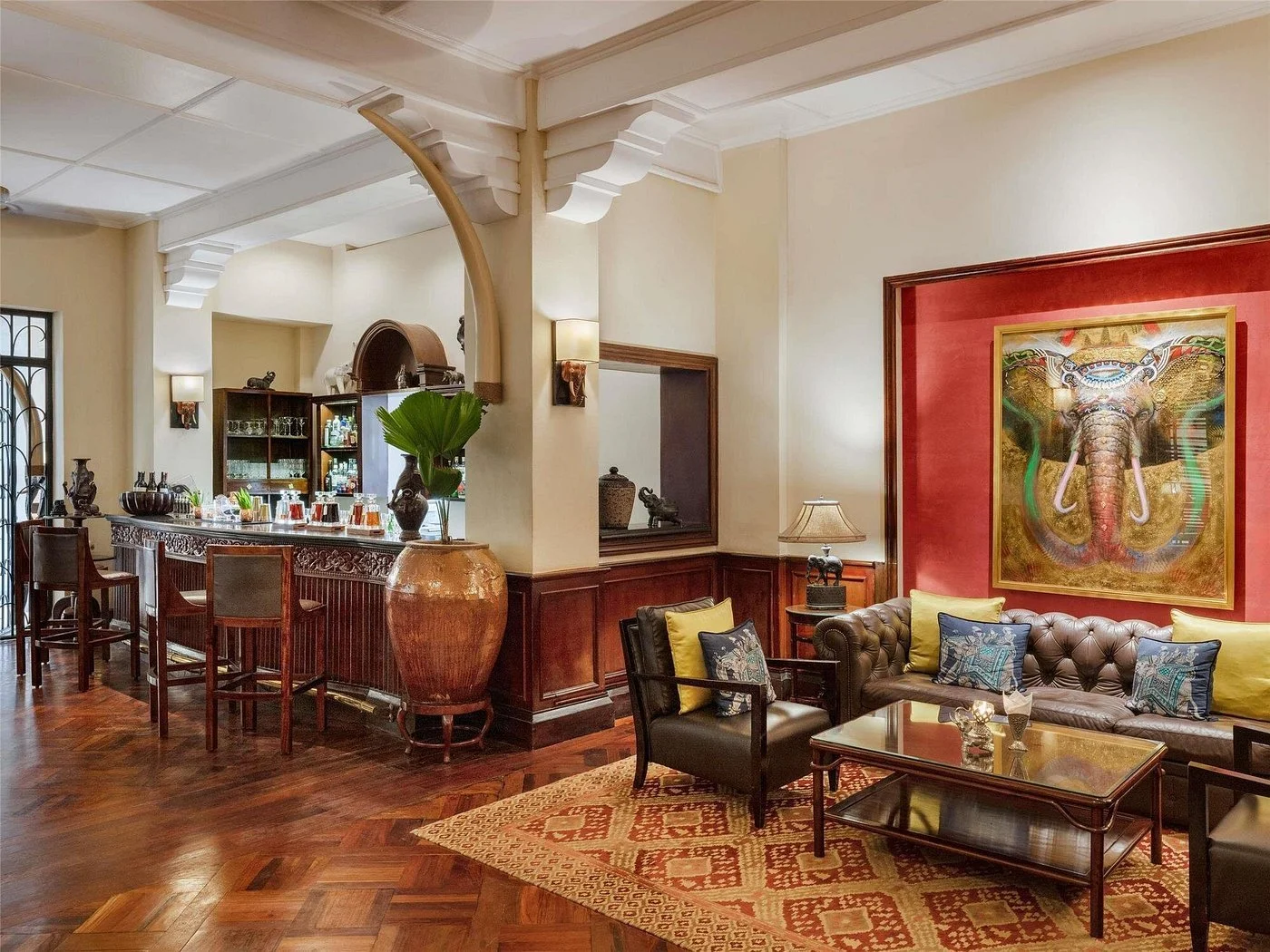
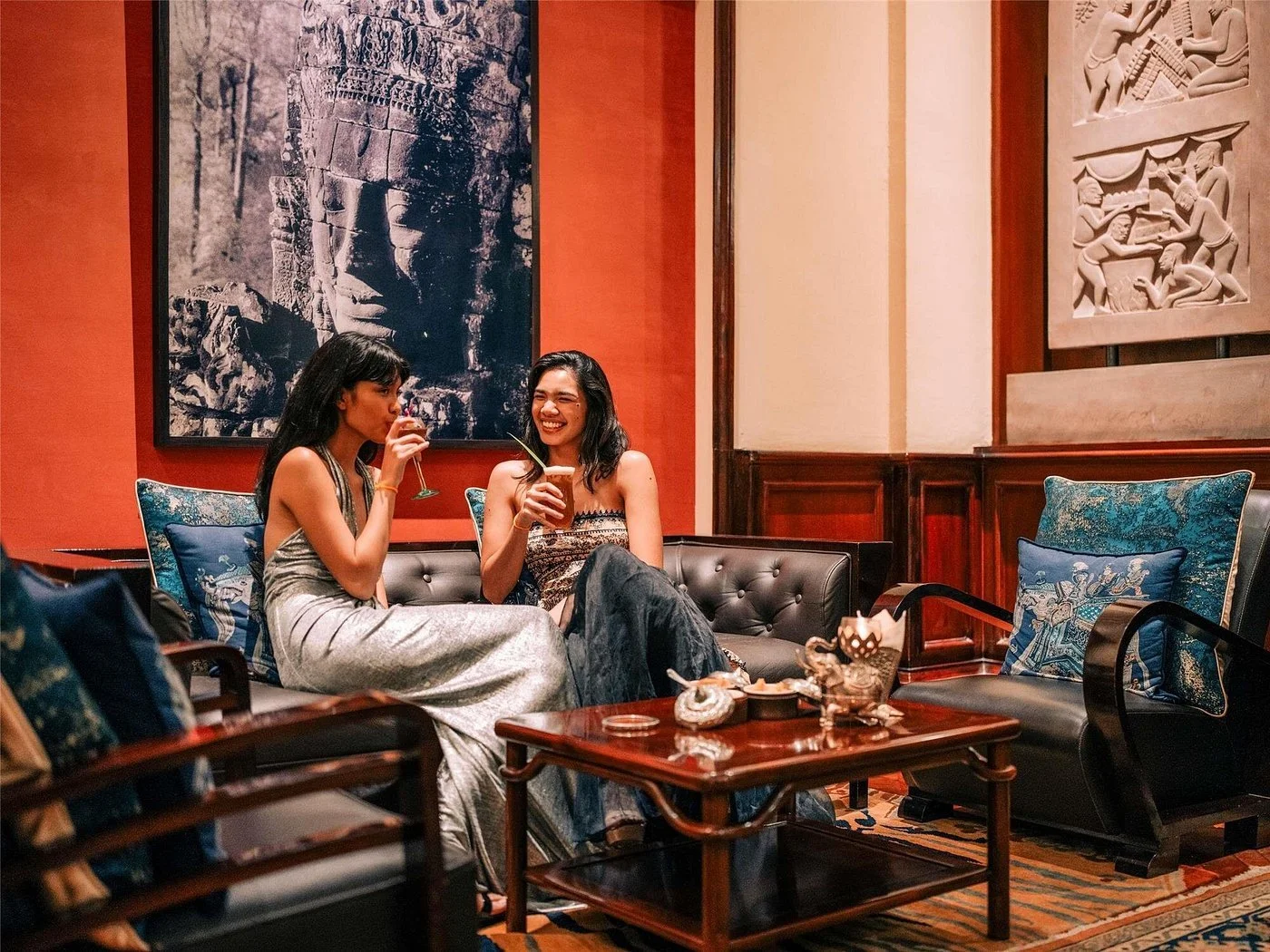
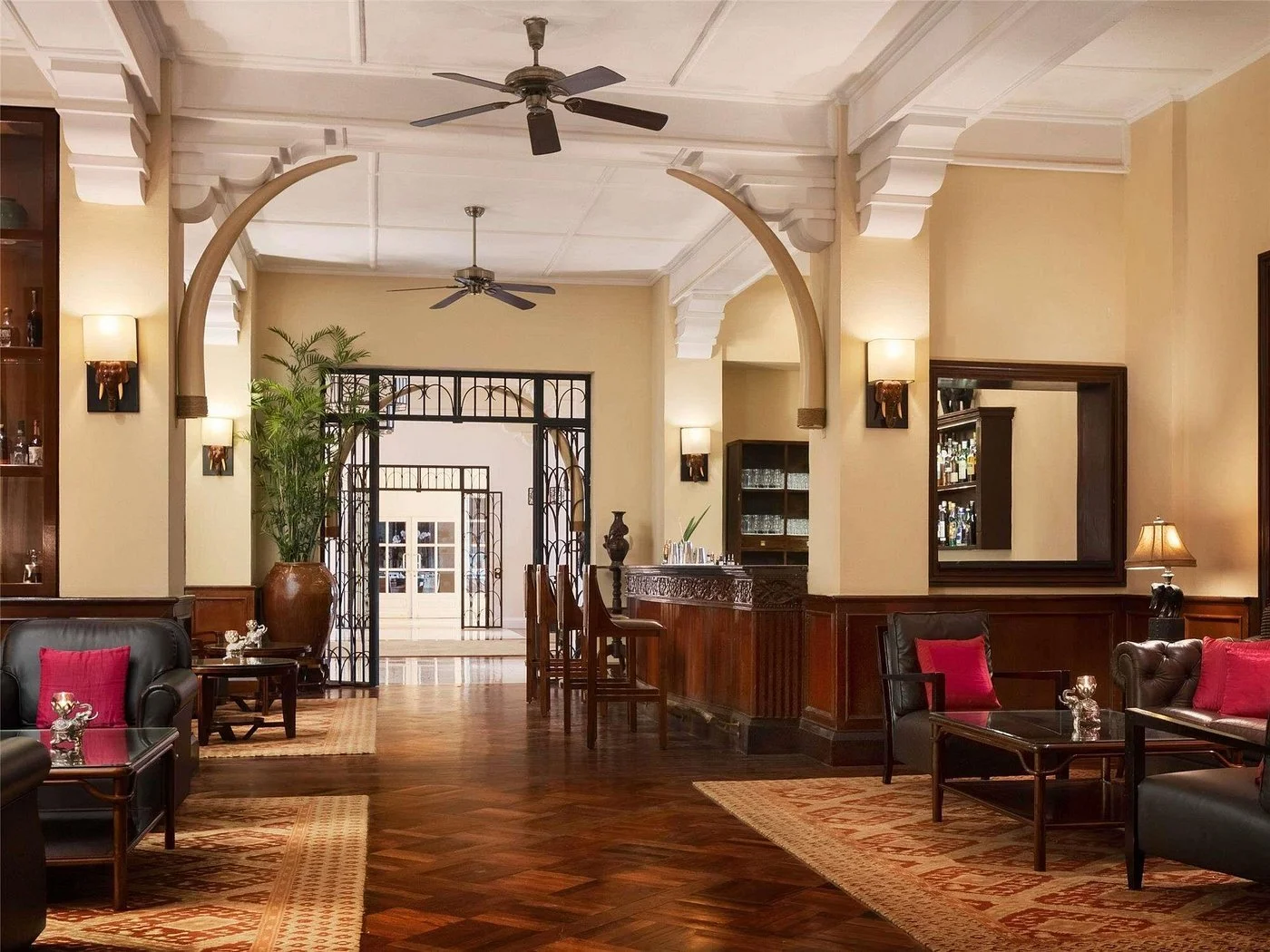
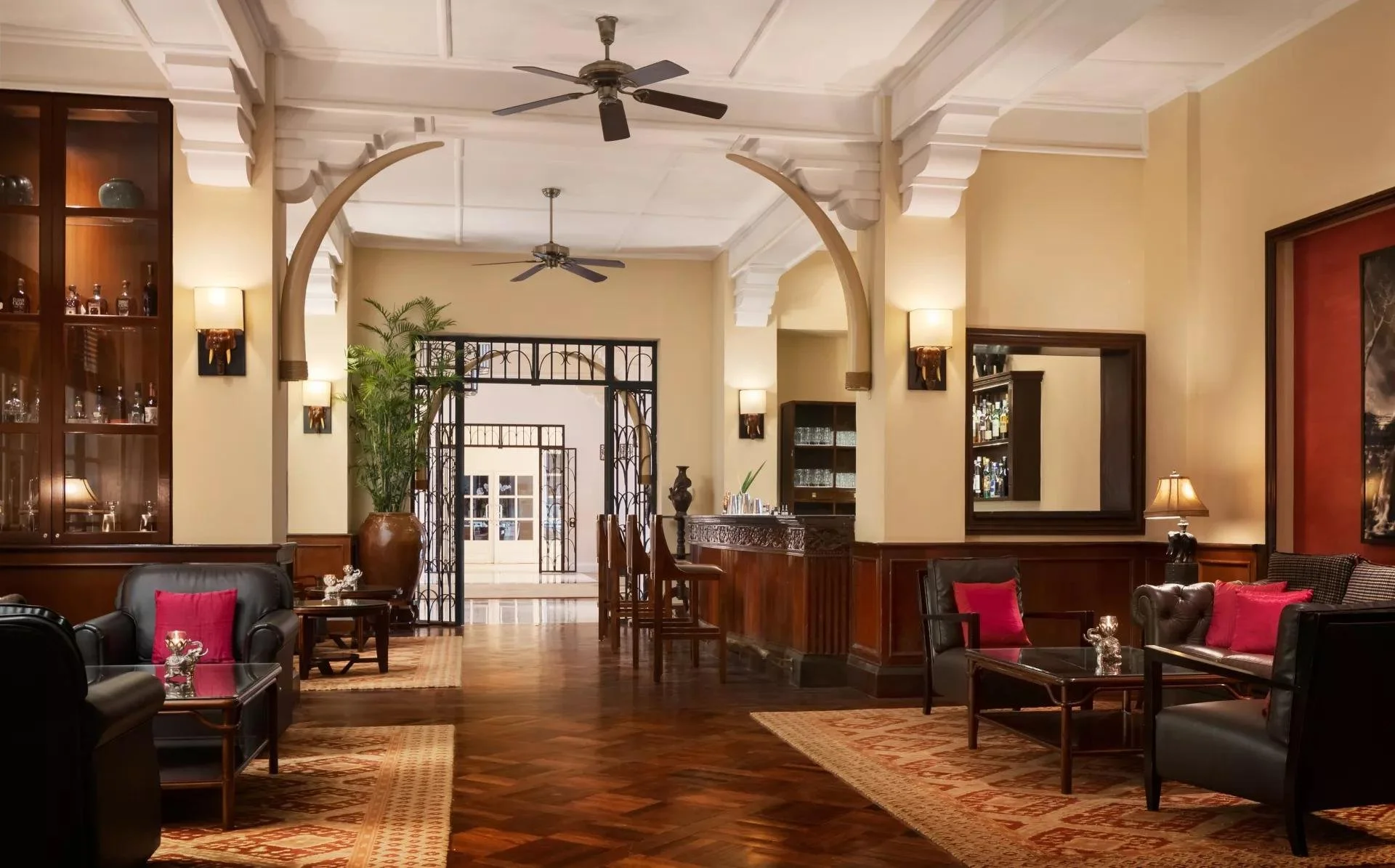
Elephant Bar: A historic-feeling bar known for its whisky collection and the Airavata cocktail, an established Siem Reap ritual after a day of temple visits.
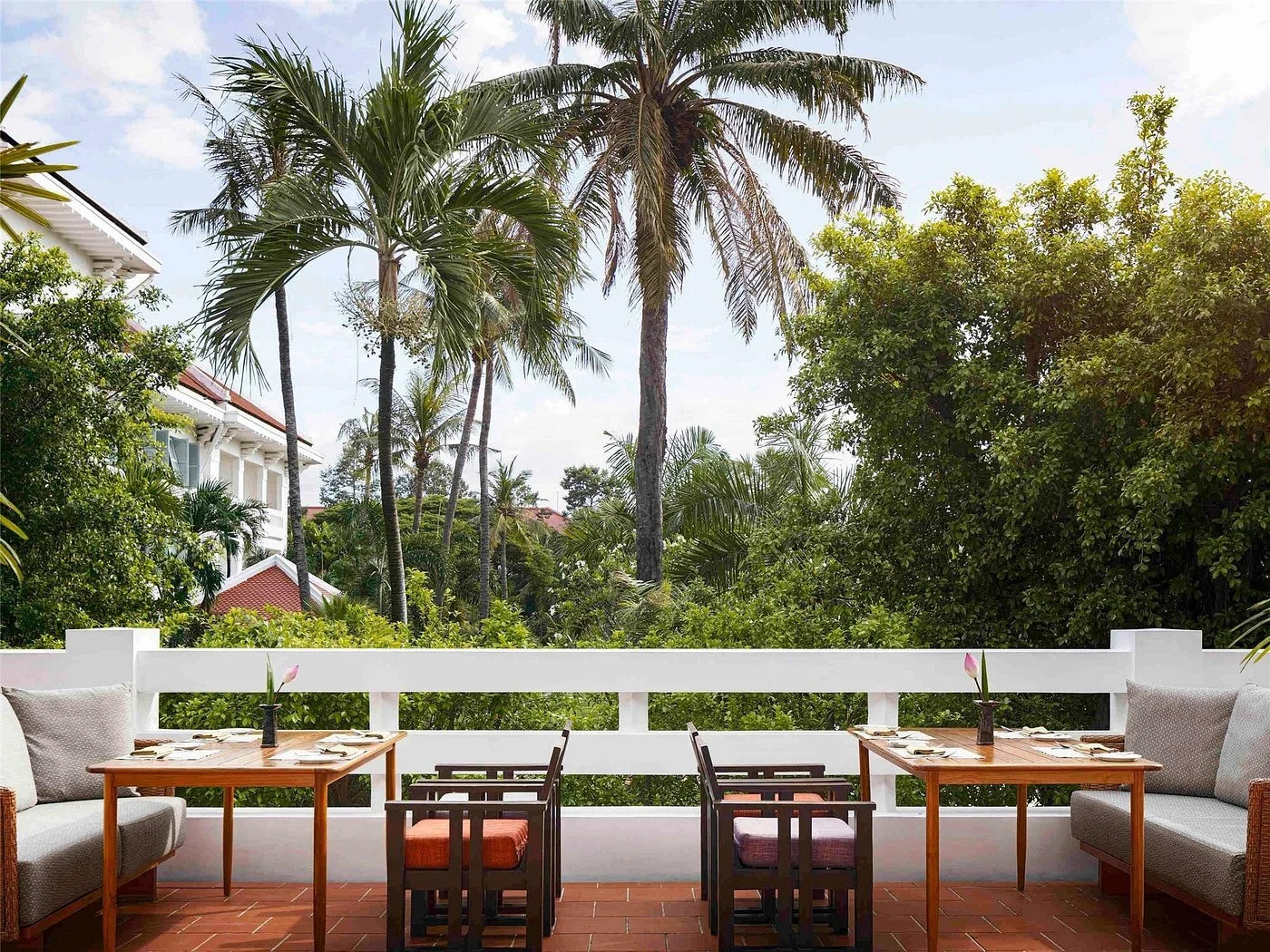
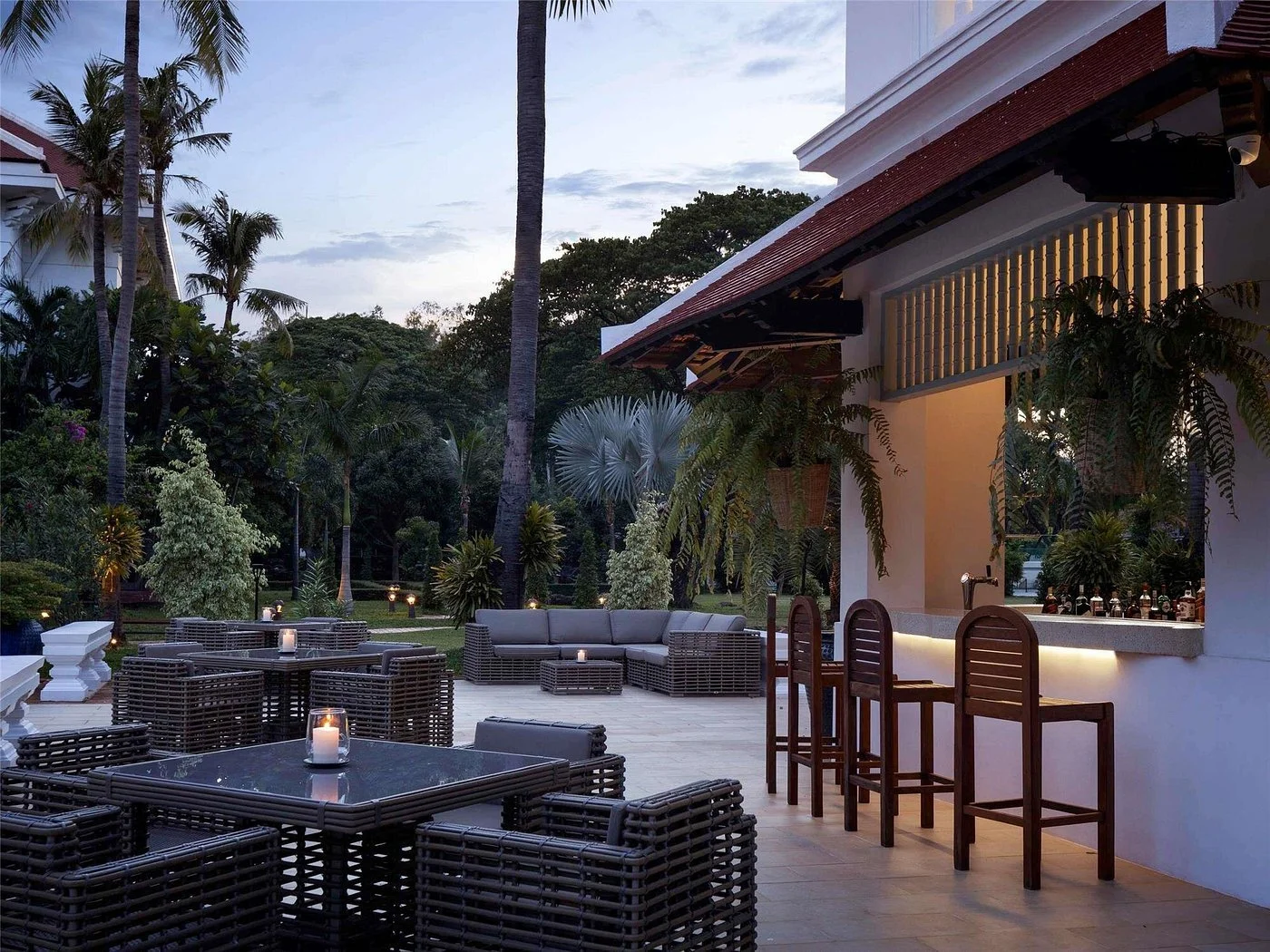
Poolside Terrace: A shaded setting for drinks, light meals and relaxed poolside dining among the gardens.
Dining at 1932 deserves advance planning, especially for travellers who want to explore the cultural ideas behind the tasting menus. The Elephant Bar and The Conservatory offer a contrasting rhythm, preserving rituals of conversation and lingering afternoons that fit the architecture particularly well.
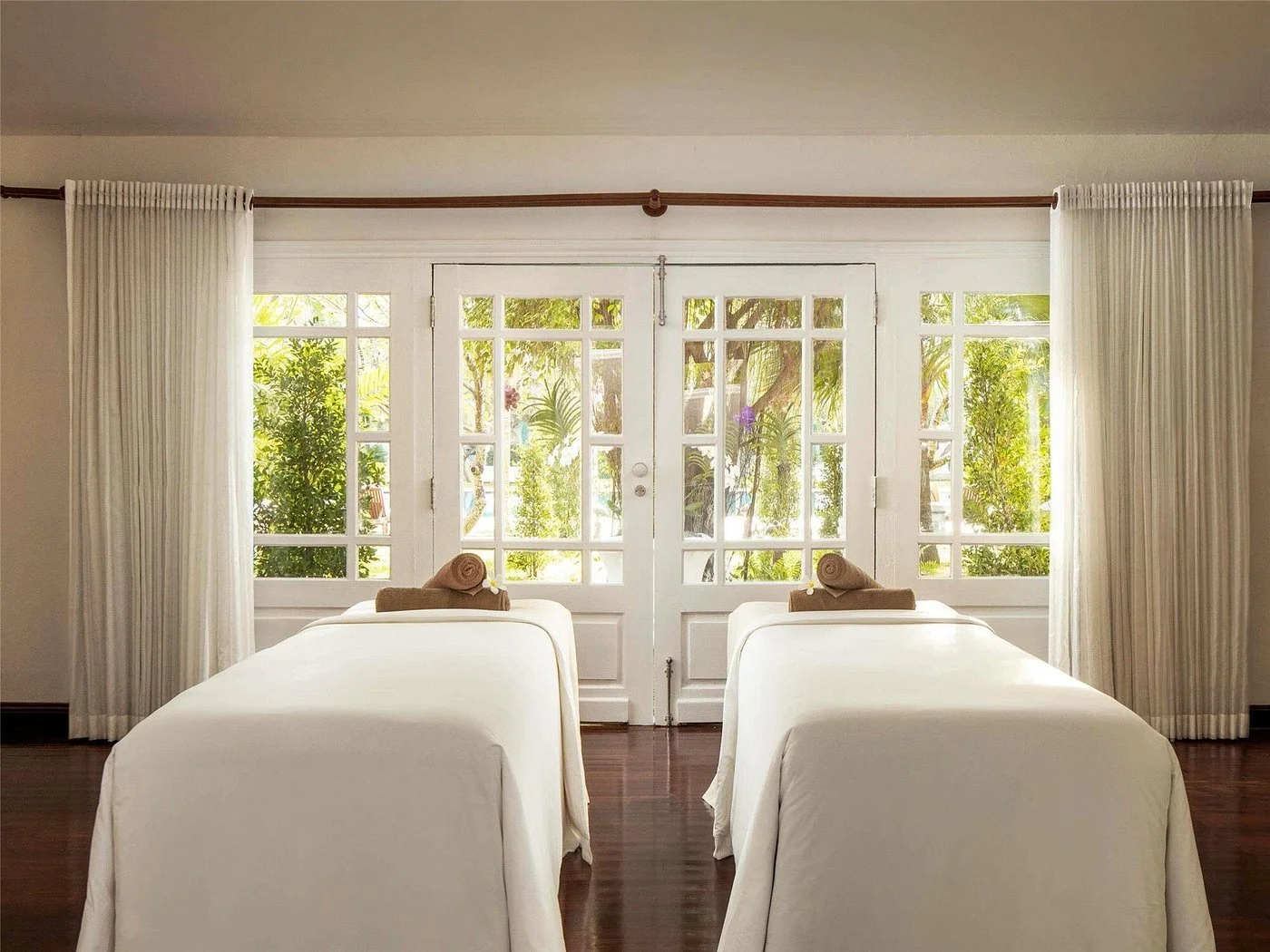
Raffles Spa, the Pool and Time to Recover
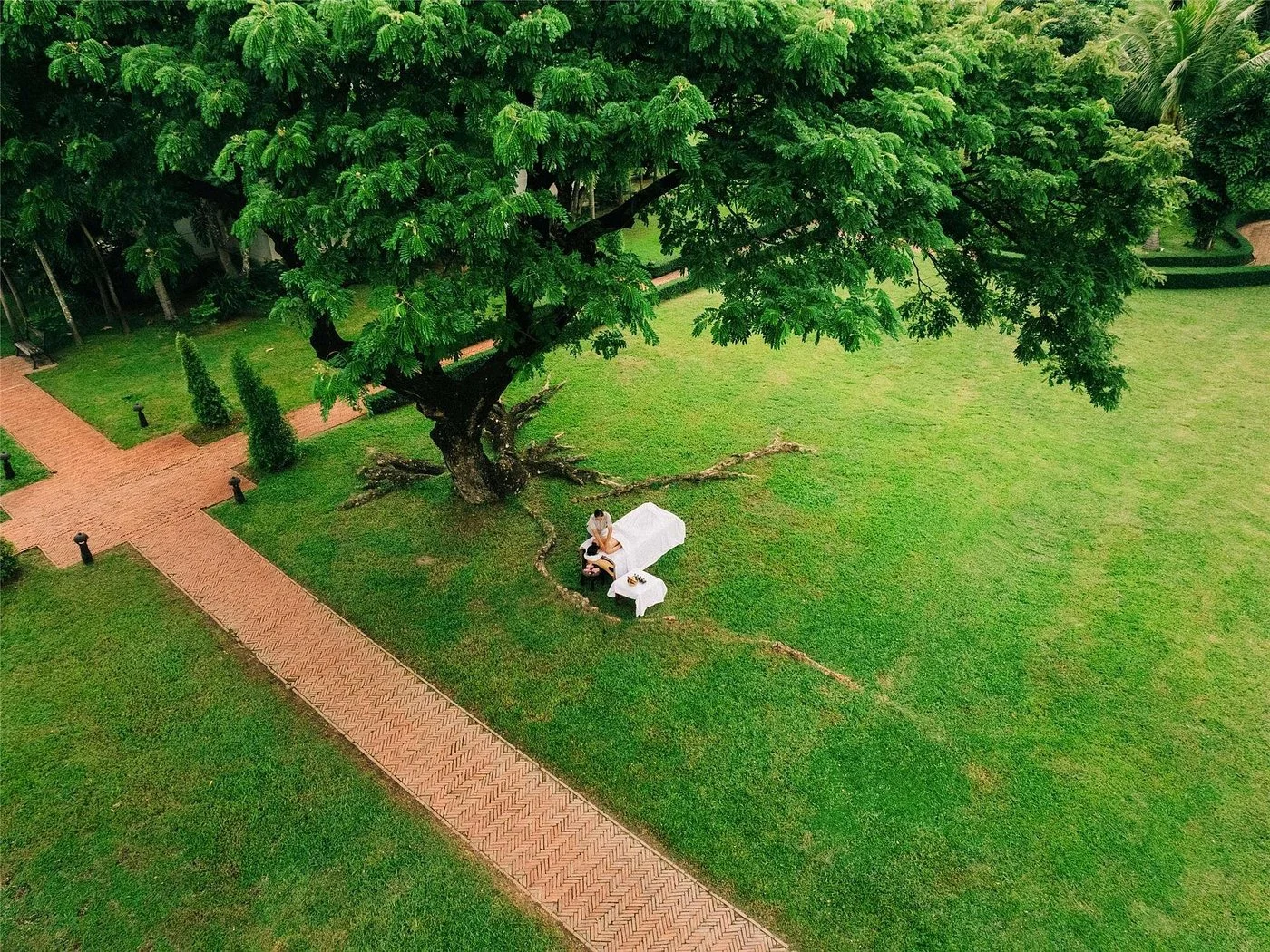
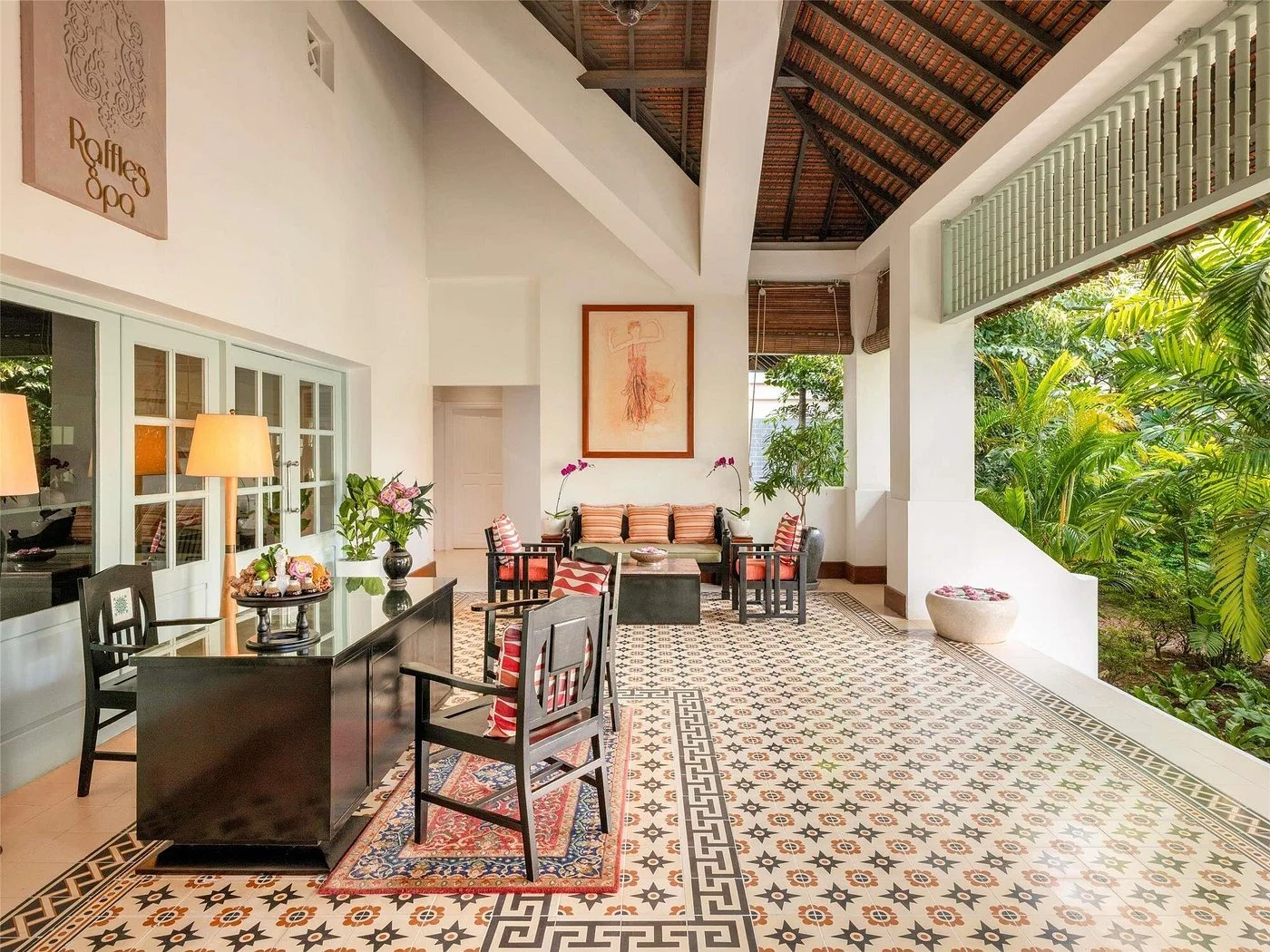
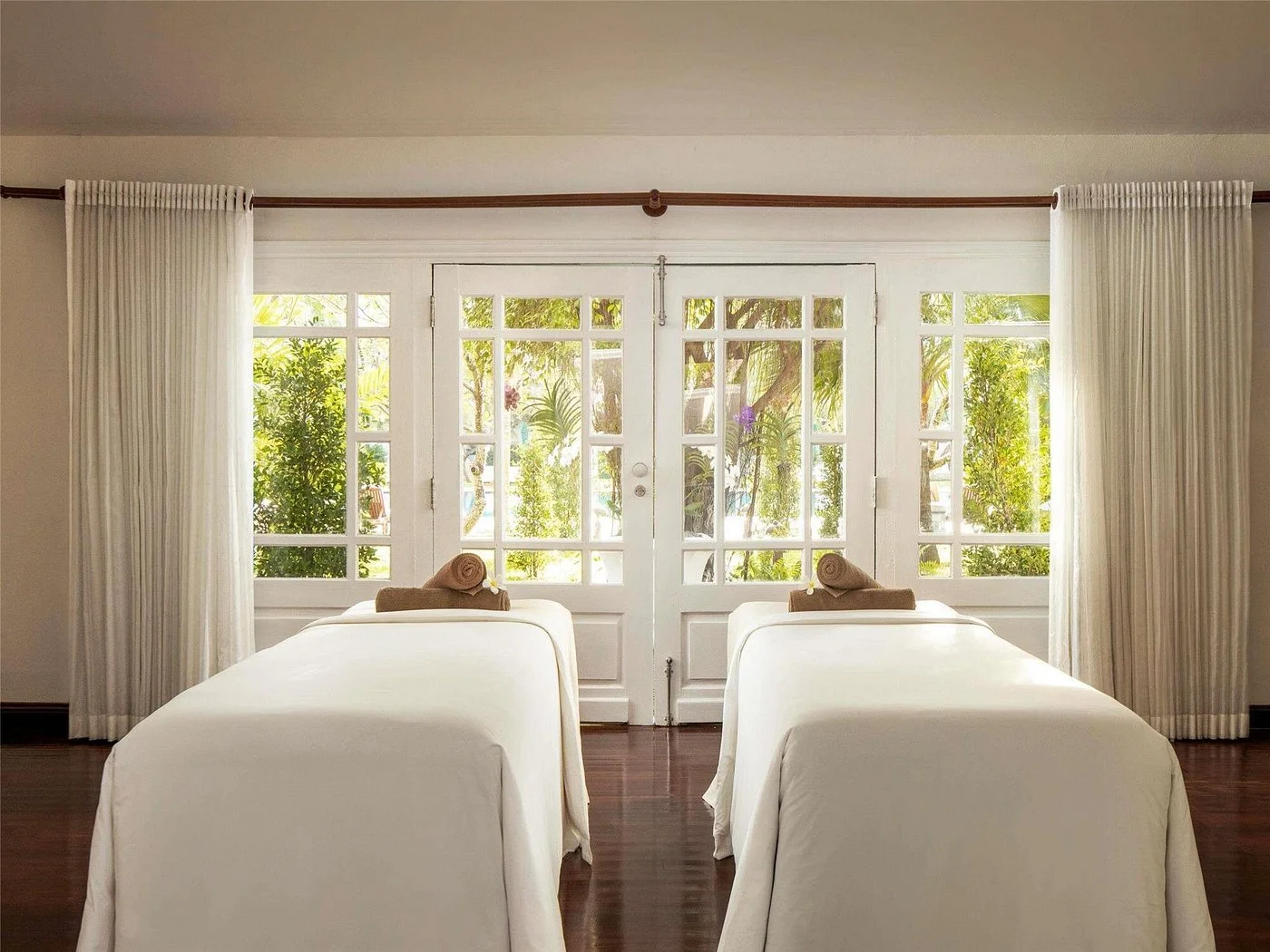
Visiting the temples often means early departures and considerable walking in a tropical climate. Raffles Spa therefore plays an important practical role, providing a place to recover without leaving the hotel. Treatments include traditional Khmer massage approaches and contemporary body rituals, with garden or poolside experiences available alongside dedicated treatment rooms.
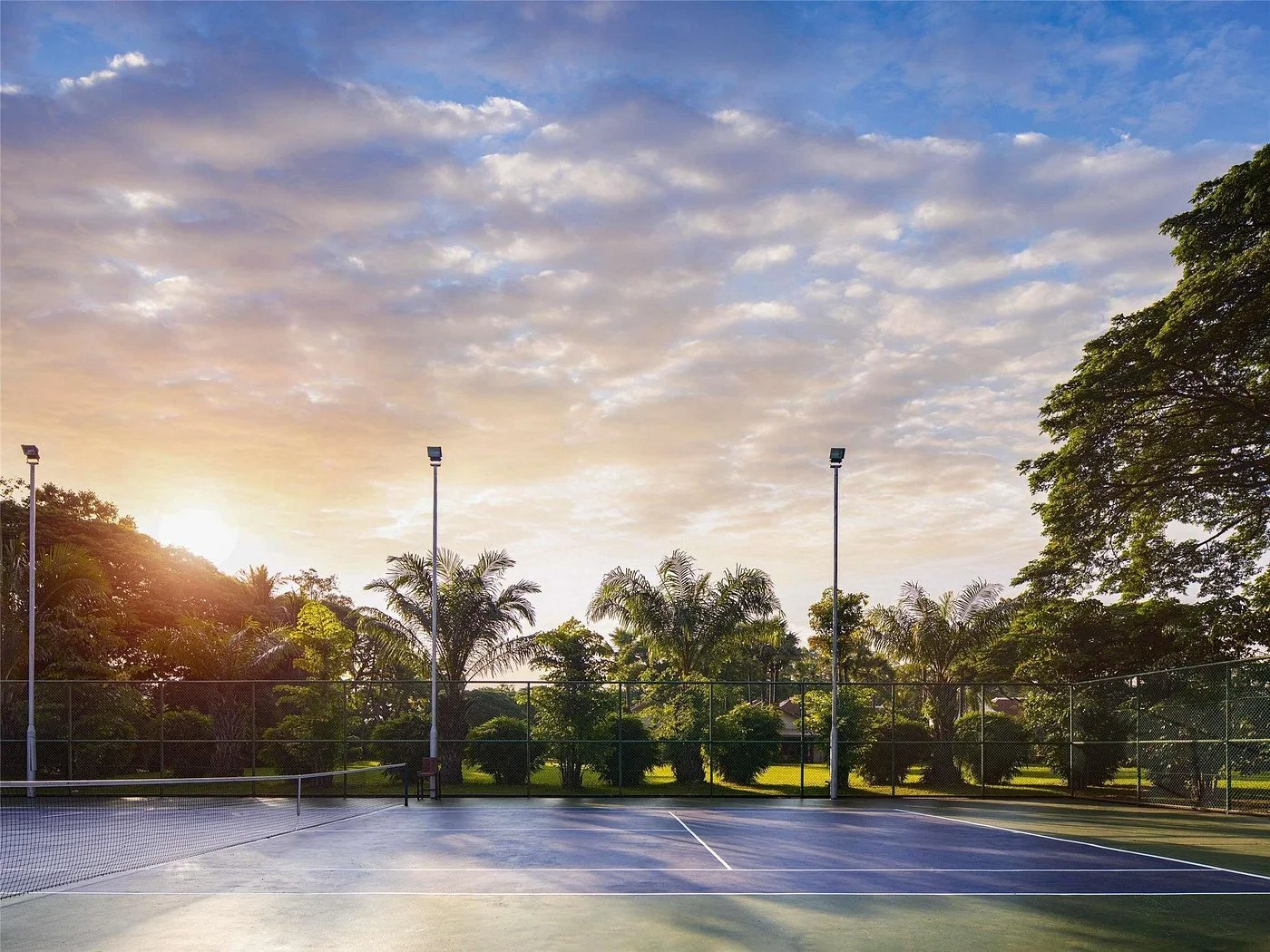
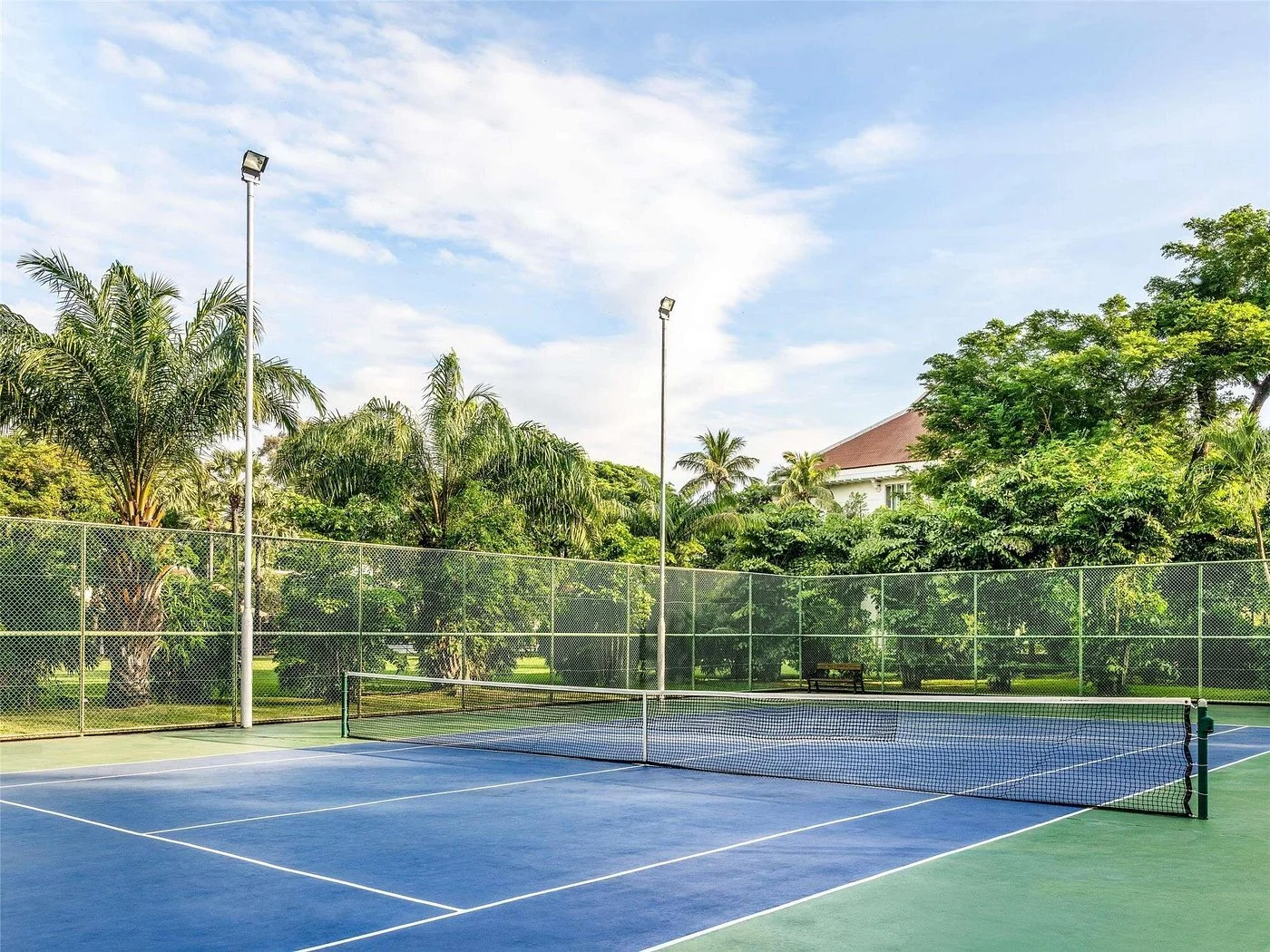
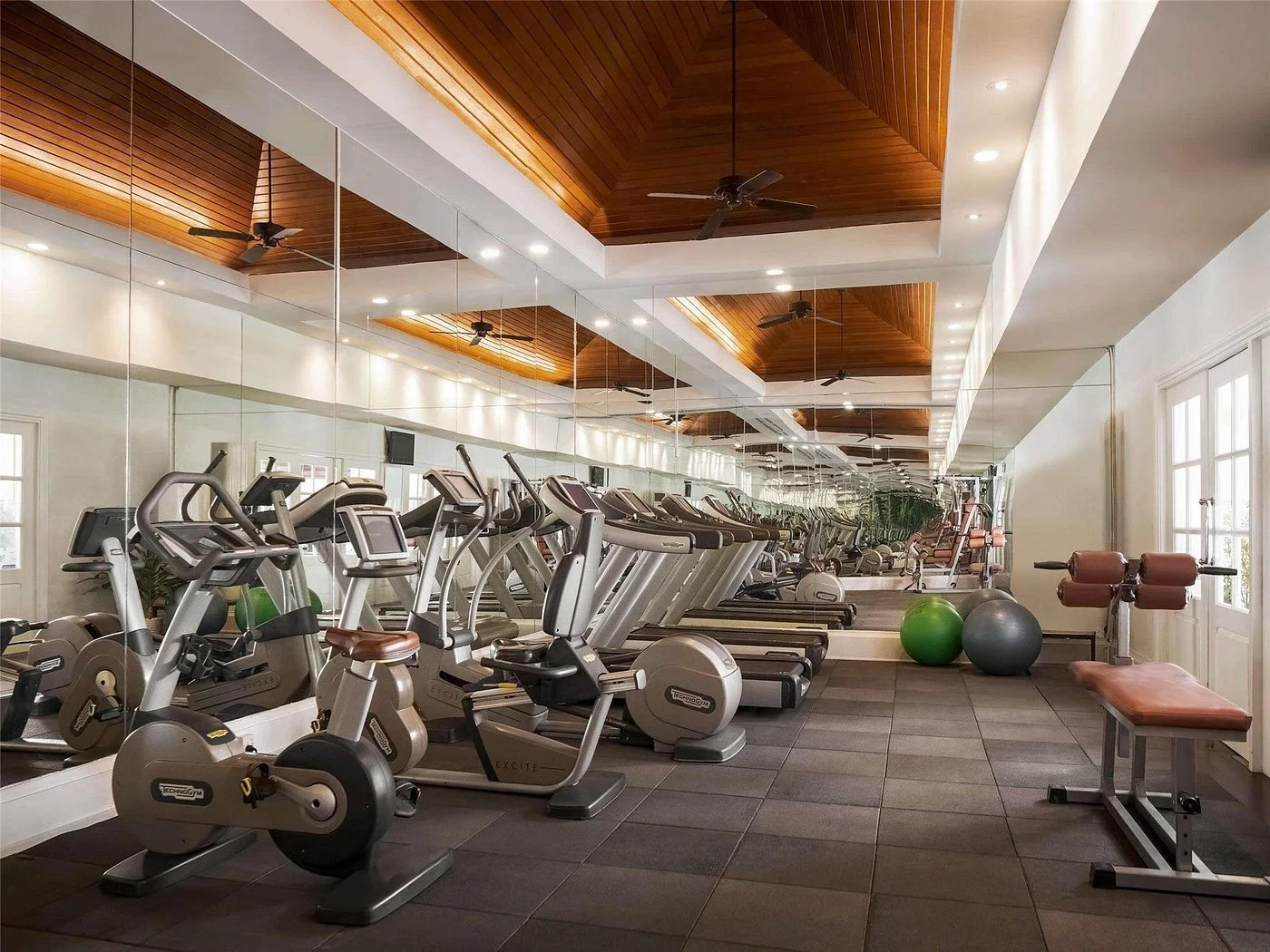
The spa facilities include six treatment rooms, steam rooms, saunas and Jacuzzi facilities, while the fitness centre and two tennis courts suit guests who want to maintain a more active routine. The 35-metre swimming pool is especially inviting after an archaeological excursion, whether for proper exercise or an afternoon beneath the surrounding trees.
For a more culturally connected wellness experience, the hotel also describes rituals involving meditation, blessings and sound-based therapies. These specialist programmes should be arranged in advance as availability and individual inclusions can vary. A well-paced stay can combine a sunrise temple visit with a treatment and a relaxed evening meal rather than attempting to fill every daylight hour.
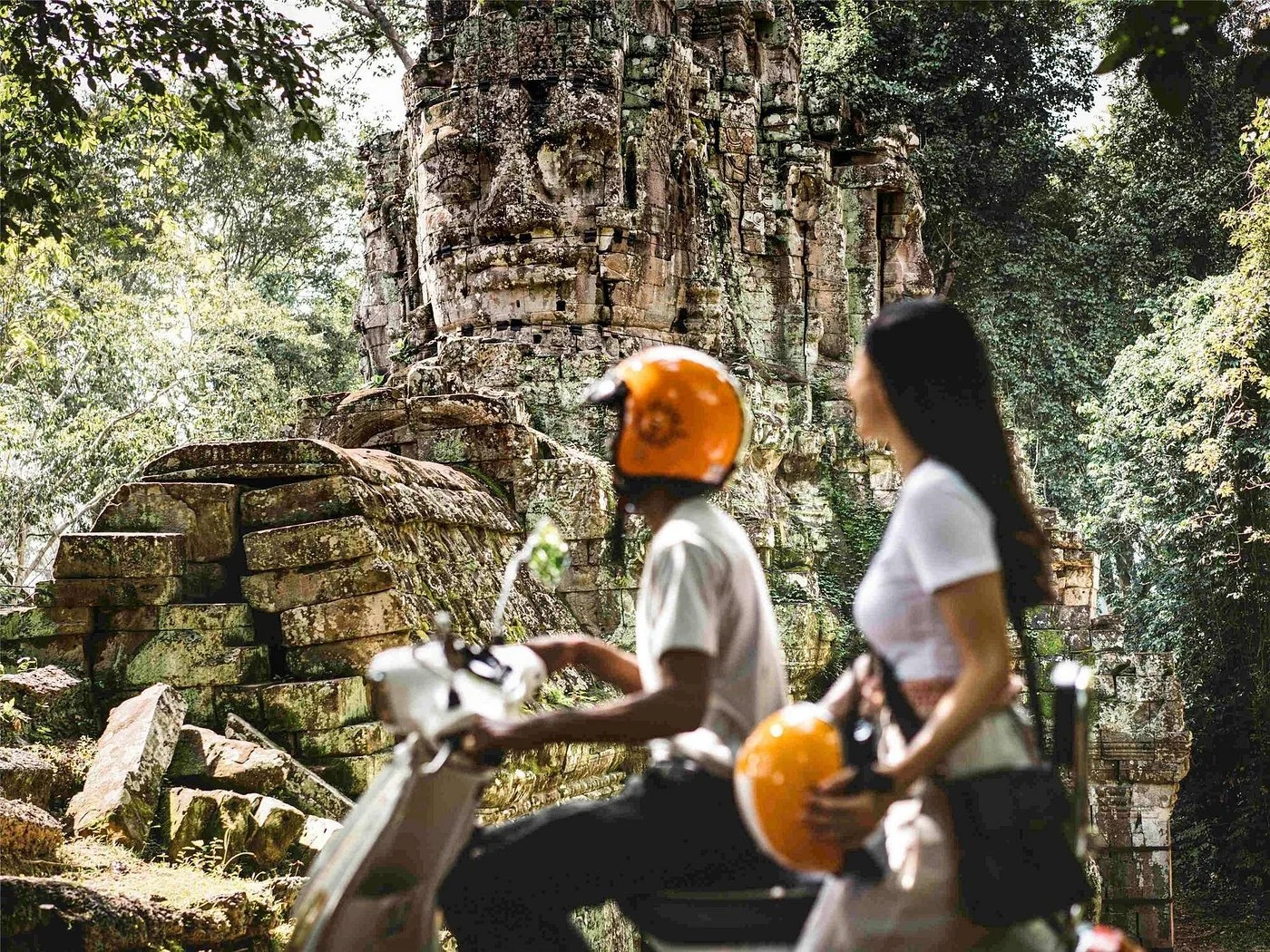
Angkor’s Temples and Siem Reap’s Living Culture
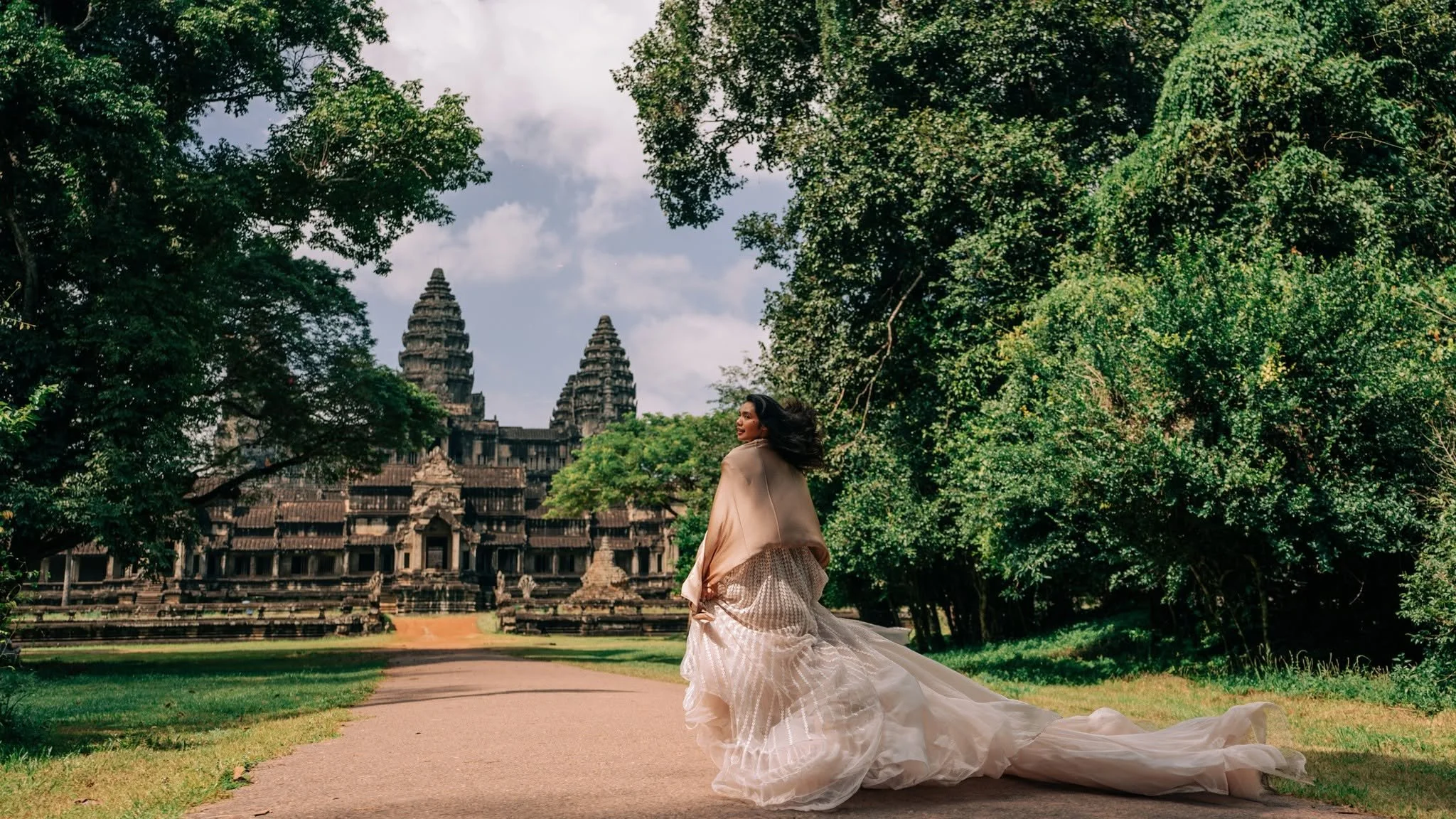
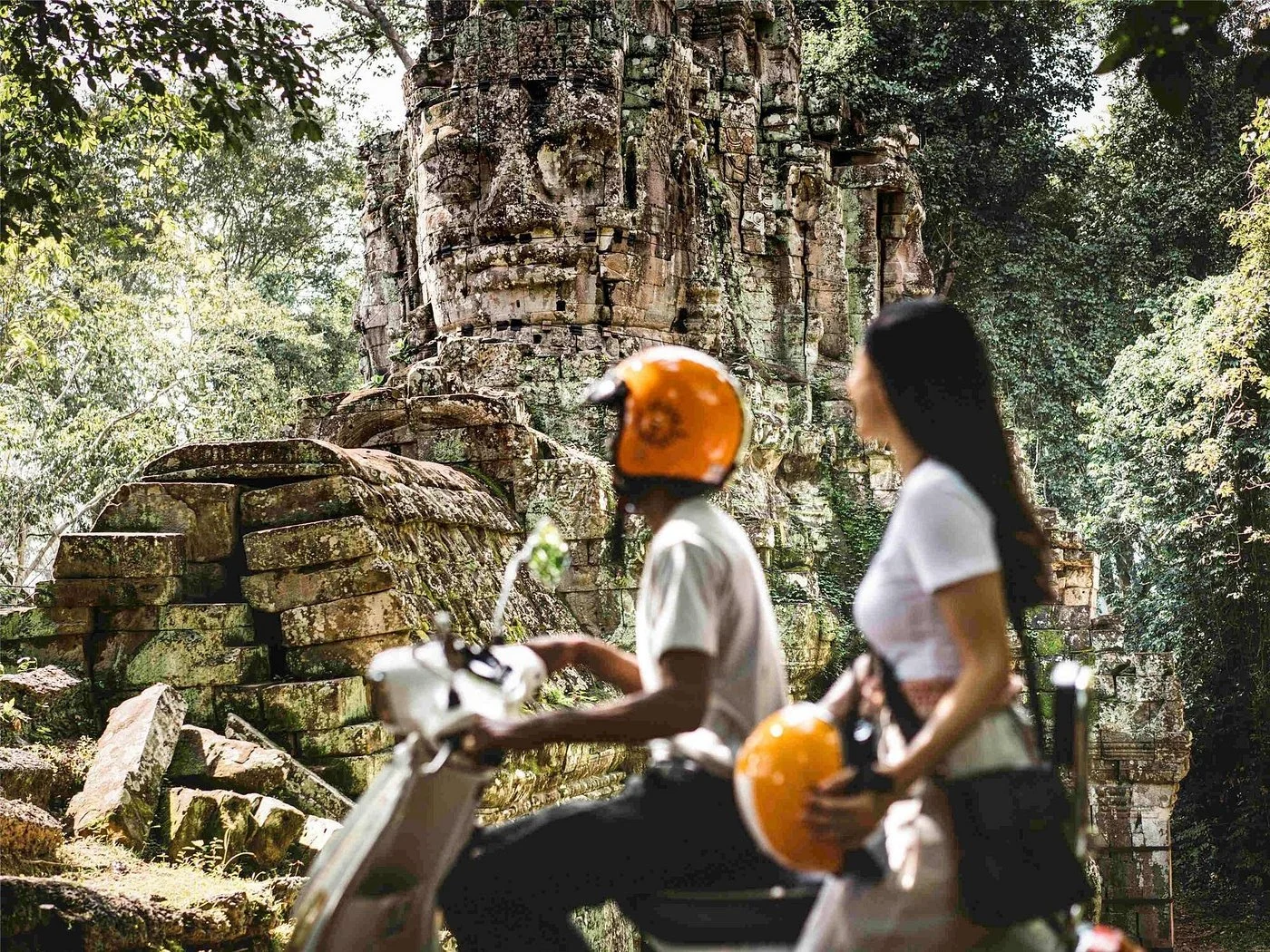
The essential excursion is Angkor Archaeological Park, a UNESCO World Heritage Site containing the extraordinary remains of the Khmer Empire. Angkor Wat’s monumental galleries, Bayon’s carved faces within Angkor Thom, and the root-entwined structures of Ta Prohm provide distinct encounters with the region’s architecture and history. The best sequence depends on heat, visitor levels, interests and how many days guests can devote to the park.
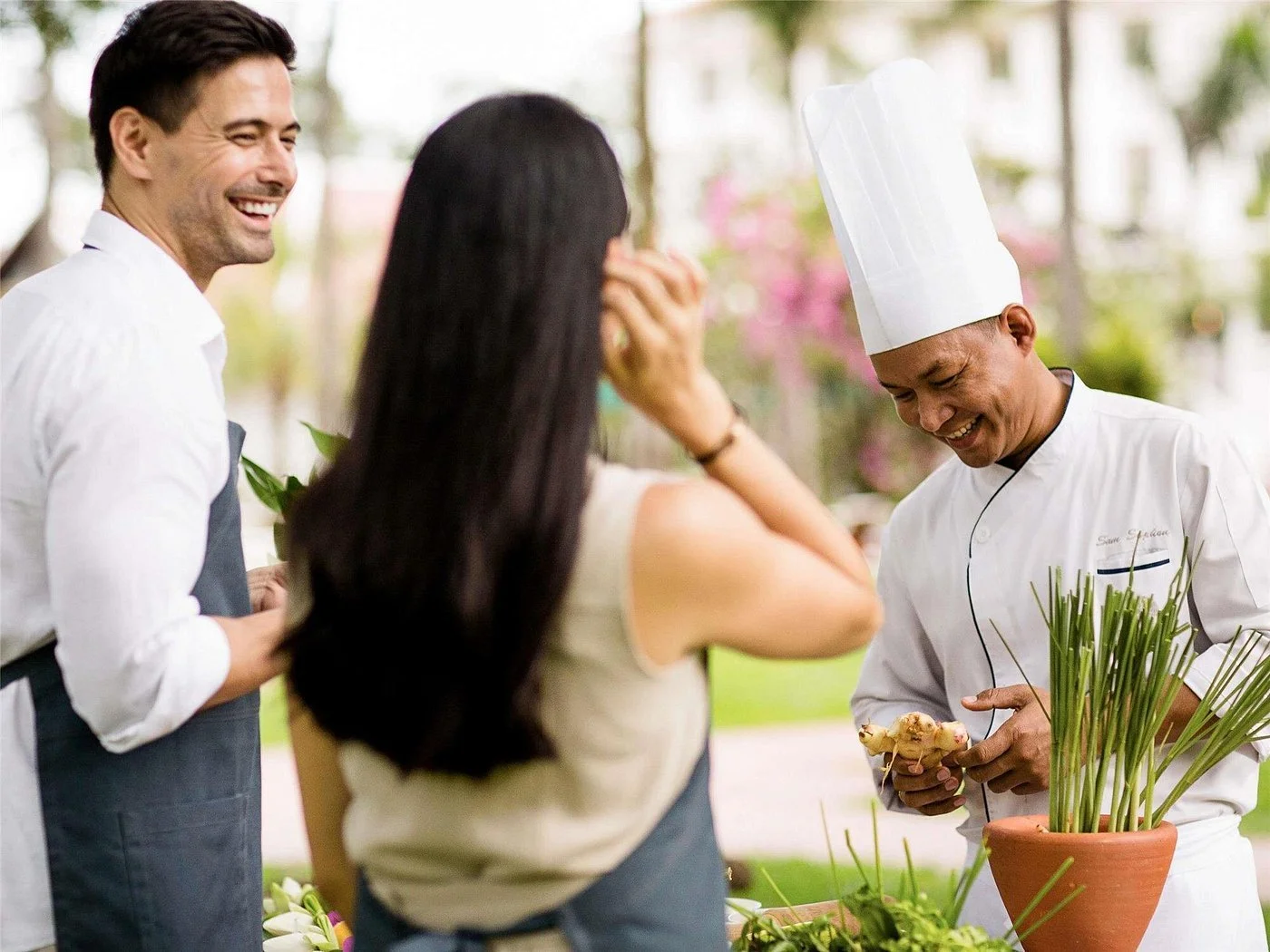
Raffles can help organize guided visits that provide historical context and a thoughtful route through the sites. The hotel’s curated experiences also encompass Cambodian art, culinary traditions and local cultural encounters. Guided in-house heritage tours introduce the property's own past, while artwork exhibitions provide a connection with Cambodia’s present-day creative community.
Beyond the principal temple circuit, Siem Reap rewards slower exploration. The riverside, markets, galleries and artisan workshops provide a counterbalance to monumental archaeology. Tonlé Sap and communities around the lake can add another dimension when excursions are chosen responsibly and suited to water levels and seasonal conditions. Travellers with a strong interest in photography may appreciate building an itinerary around early and late light rather than visiting every site at midday.
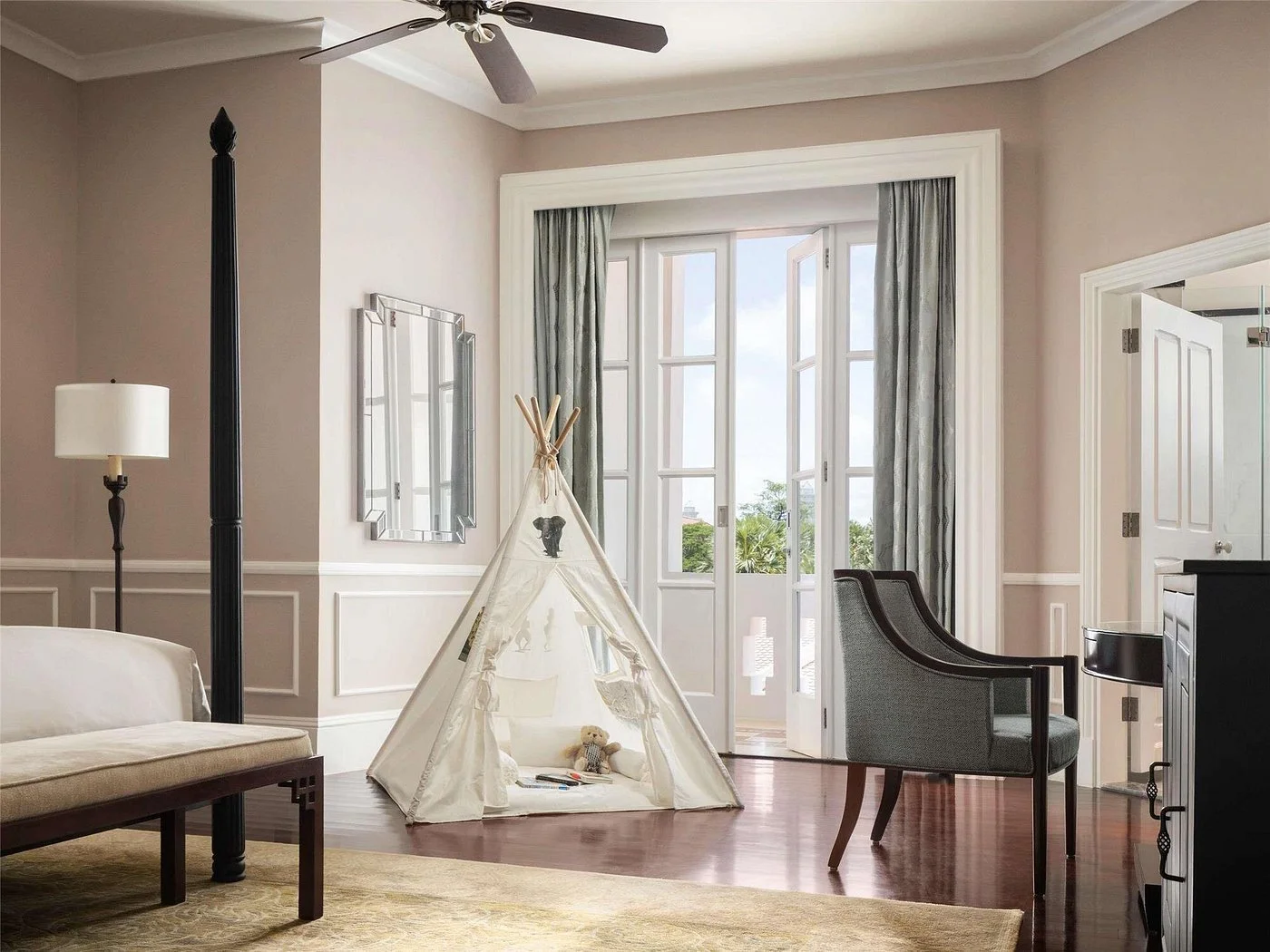
Family Journeys with Room to Explore
Siem Reap can be a memorable destination for families, particularly when temple visits are adapted to children's ages and interests. Shorter guided tours, opportunities to discover carved stories and time at the hotel pool may be more engaging than an uninterrupted day of archaeological sightseeing. Raffles provides family-oriented booking arrangements at selected times, although terms, bedding and inclusions depend on the rate chosen.
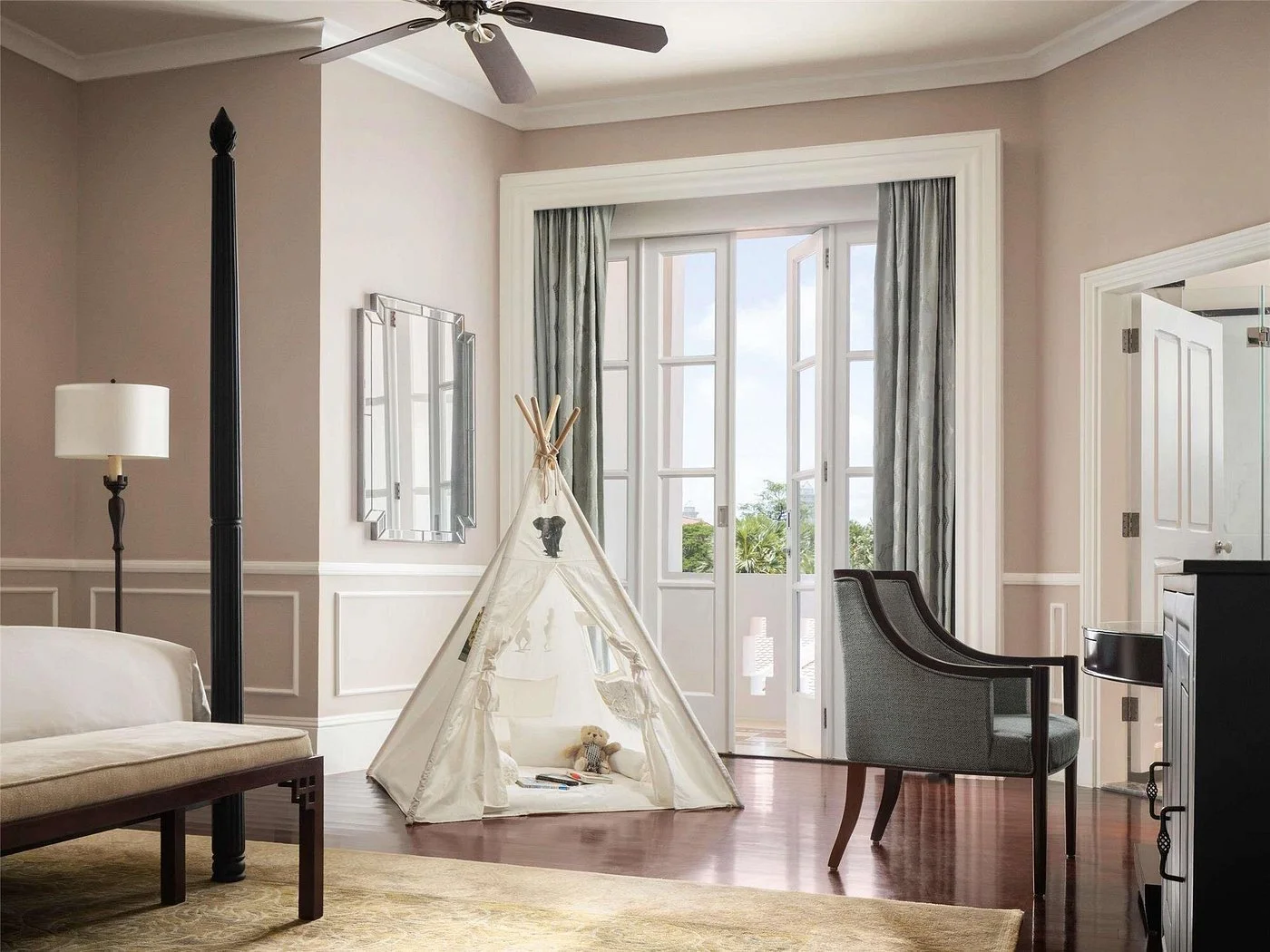
The Landmark Suite offers a separate living room, while the Two-Bedroom Royal Villa provides greater independence for families travelling together. Families considering standard rooms should discuss occupancy and suitable adjoining arrangements before confirming a reservation. The hotel’s restaurant variety and central location make it easier to return for breaks rather than remaining out in the heat for an entire day.
Experiences are best matched to the travelling party. A private guide can focus on a small number of important monuments, include rest stops and explain the history in a way that brings the site alive without overwhelming younger guests. The pool, gardens and relaxed afternoon-tea tradition provide another enjoyable side to the holiday.
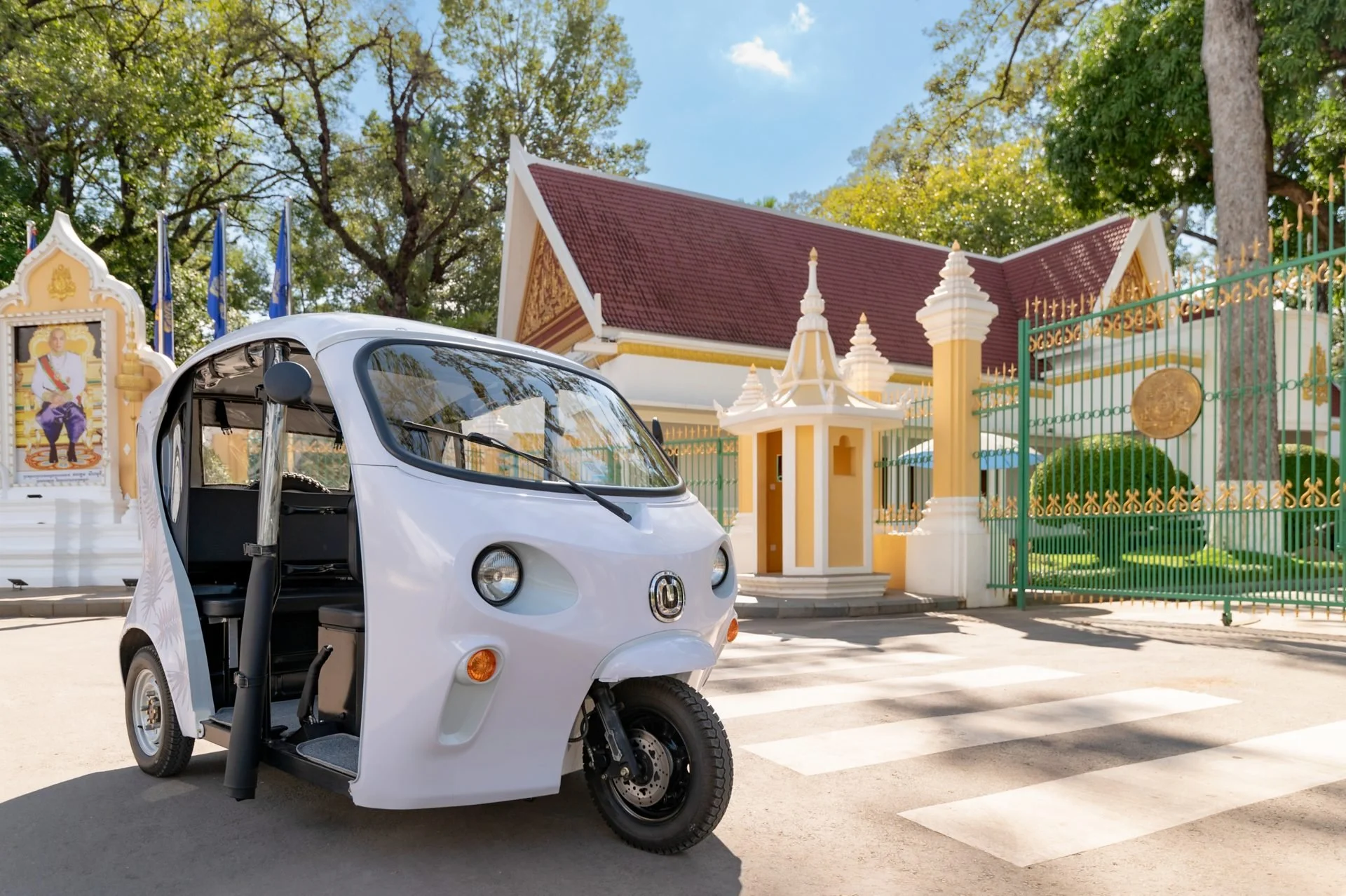
Conservation and Community Connections in Siem Reap
Raffles Grand Hotel d’Angkor publishes sustainability commitments that touch both hotel operations and community relationships. The resort describes efforts to reduce single-use plastic through filtered drinking water, monitor food waste and source seasonal local produce for its restaurants. These initiatives are especially relevant in a city that welcomes large numbers of international visitors and relies on the continued care of its cultural environment.
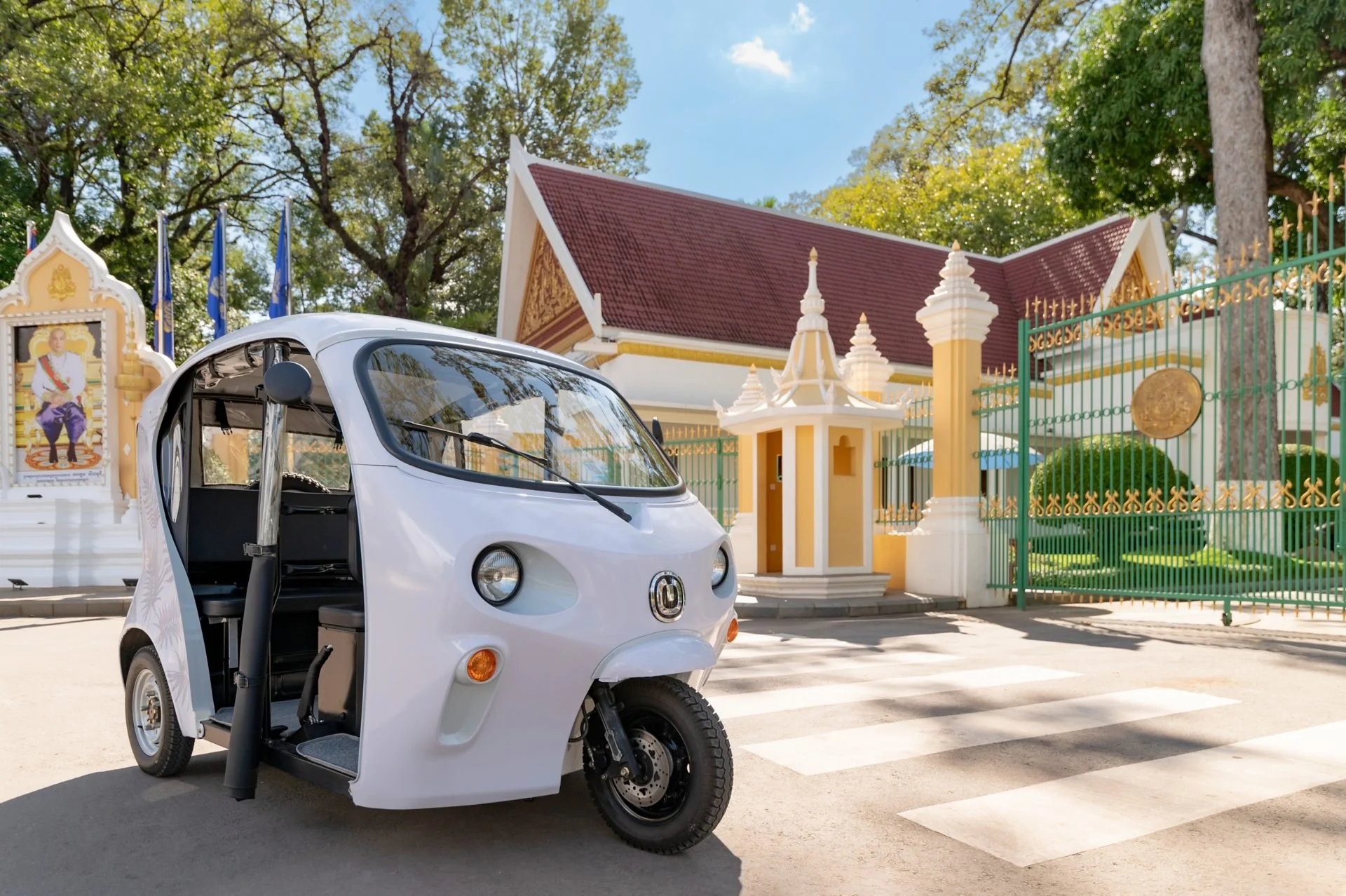
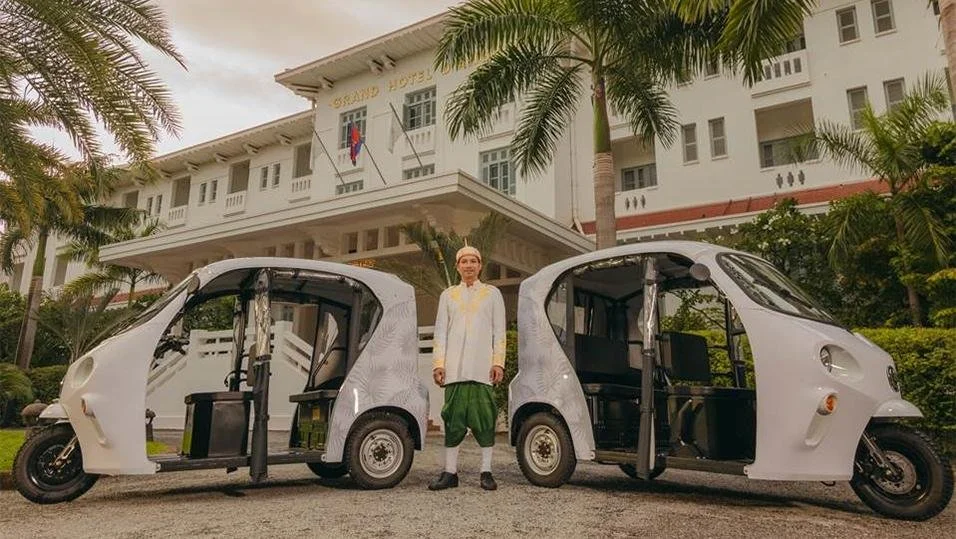
The property also supports connections with Cambodian artists and community-based organizations, making cultural exchange visible within the hotel rather than leaving it entirely to off-site excursions. Options such as bamboo bicycles and an electric tuk-tuk provide alternatives for shorter local journeys, subject to availability and suitability.
These measures should be understood as documented hotel practices rather than as evidence that travel has no environmental footprint. Visitors can contribute by choosing responsible guides, respecting protected monuments, conserving water and avoiding activities that could damage archaeological or natural sites.
Access and Practical Considerations
Raffles Grand Hotel d’Angkor occupies a historic property, so travellers with mobility requirements should consider both the selected room and routes around the grounds. Some Landmark Room configurations are described by the hotel as offering roll-in showers, but it is important to establish the exact available adaptation rather than assume every room in that category is identical.
Garden paths, pool access, steps and heritage architectural features can present different challenges from those in a newly built hotel. The most helpful approach is to confirm lift access, bathroom specifications, distances from the selected room to dining facilities, and any transfer-vehicle needs before booking. The Raffles team can coordinate details that make movement around the property more comfortable.
Access at Angkor’s temples is a separate consideration. Uneven ground, steep historic stairways, exposed stone and substantial walking distances affect many important sites. Private transport and customized routes can make visits more manageable, but no single level of accessibility should be assumed across the archaeological park.
Planning Around Cambodia’s Seasons
Siem Reap is warm throughout the year, with travel conditions shaped mainly by rainfall and temperature. The generally drier months from roughly November to February often offer more comfortable temple sightseeing, with lower humidity and cooler mornings. These months are popular, so well-timed visits and advance arrangements are worthwhile.
March and April can be particularly hot, making an early start, shaded breaks and afternoons at the hotel increasingly important. Rainfall increases during the monsoon period, generally from May into October, bringing greener landscapes and occasional dramatic skies. Showers vary in duration, and travel schedules should allow for changing conditions.
The wet season can be attractive for photography and a different atmosphere around the temples, while higher water levels may influence the character of Tonlé Sap excursions. The ideal period depends on whether travellers prioritize mild walking conditions, lush scenery, quieter itineraries or a particular cultural event.
Plan Your Stay With Destinations by David
Choosing the right accommodation at Raffles Grand Hotel d’Angkor involves more than selecting a room size. Our team can help compare heritage-style Landmark Rooms, more spacious suites and the privacy of the two-bedroom Royal Villa, while planning a schedule that balances Angkor’s temples with the restorative atmosphere of the hotel.
Destinations by David can coordinate suitable reservation options, private airport transfers, knowledgeable guides, dining at 1932 and carefully timed cultural experiences. We also help travellers understand any applicable preferred booking arrangements for their selected stay, with details discussed personally rather than assumed from a standard room rate.
Contact our team to plan and book Raffles Grand Hotel d’Angkor as a memorable introduction to Siem Reap, or as part of a wider Cambodia journey combining cultural discovery with thoughtful time to unwind.

Getting to Siem Reap and the Hotel
Siem Reap–Angkor International Airport (SAI): The region’s principal international airport lies approximately 48 km from the hotel; private road transfers commonly require around 60–90 minutes depending on traffic and conditions.
Siem Reap city centre: The hotel is located in the Old French Quarter, close to the Royal Residence and the Angkor National Museum, with many central attractions accessible by short vehicle journeys.
Angkor Wat: Allow approximately 20–30 minutes by road from the hotel depending on traffic, access points and the planned temple route.
Private transport: Chauffeur-driven airport transfers and guided touring can be arranged in advance, particularly valuable for multi-day temple itineraries or families travelling together.
A Hotel That Belongs to the Story of Angkor
Raffles Grand Hotel d’Angkor has the rare advantage of belonging to the history of its destination while providing a comfortable base for exploring it today. The 1932 opening, period architecture and garden-centred grounds give the property an unmistakable identity, while its spa, dining venues and attentive service are particularly welcome after time spent among the temples.
A stay is best approached with enough room in the schedule to enjoy both sides of Siem Reap. Monumental sites deserve expert guiding and unhurried attention, but afternoons by the pool, a conversation over tea and a drink at Elephant Bar are also part of the experience. Together they make this one of Cambodia’s most characterful places to begin an Angkor journey.