Lizard Island, Queensland, Australia | Lizard Island Resort
Where the Great Barrier Reef Begins at the Beach
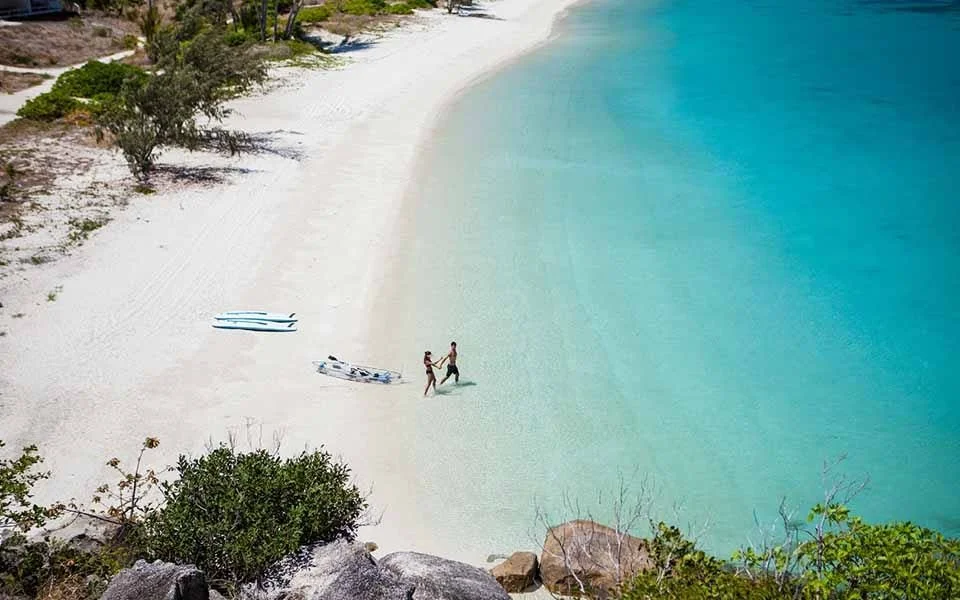
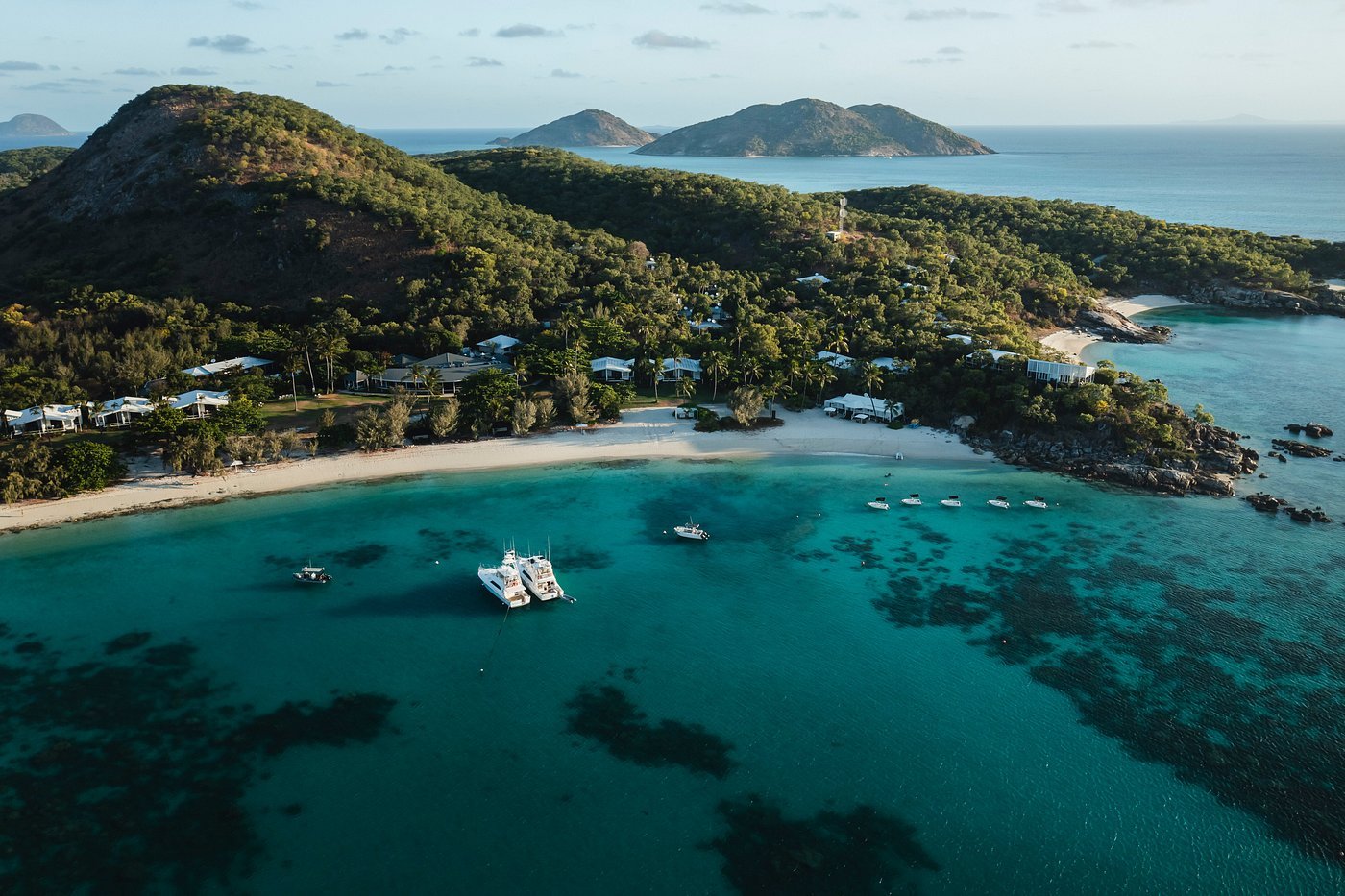
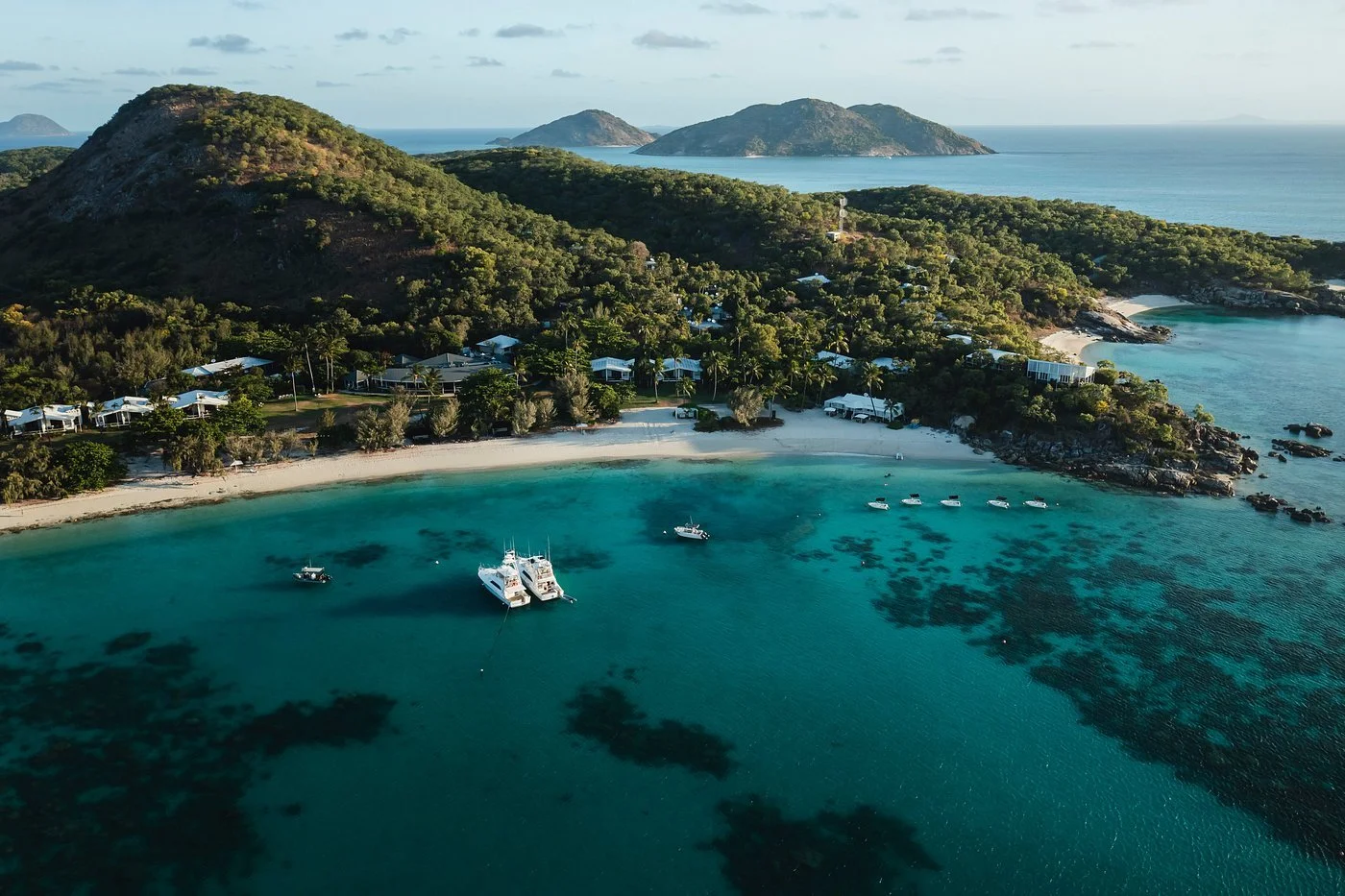
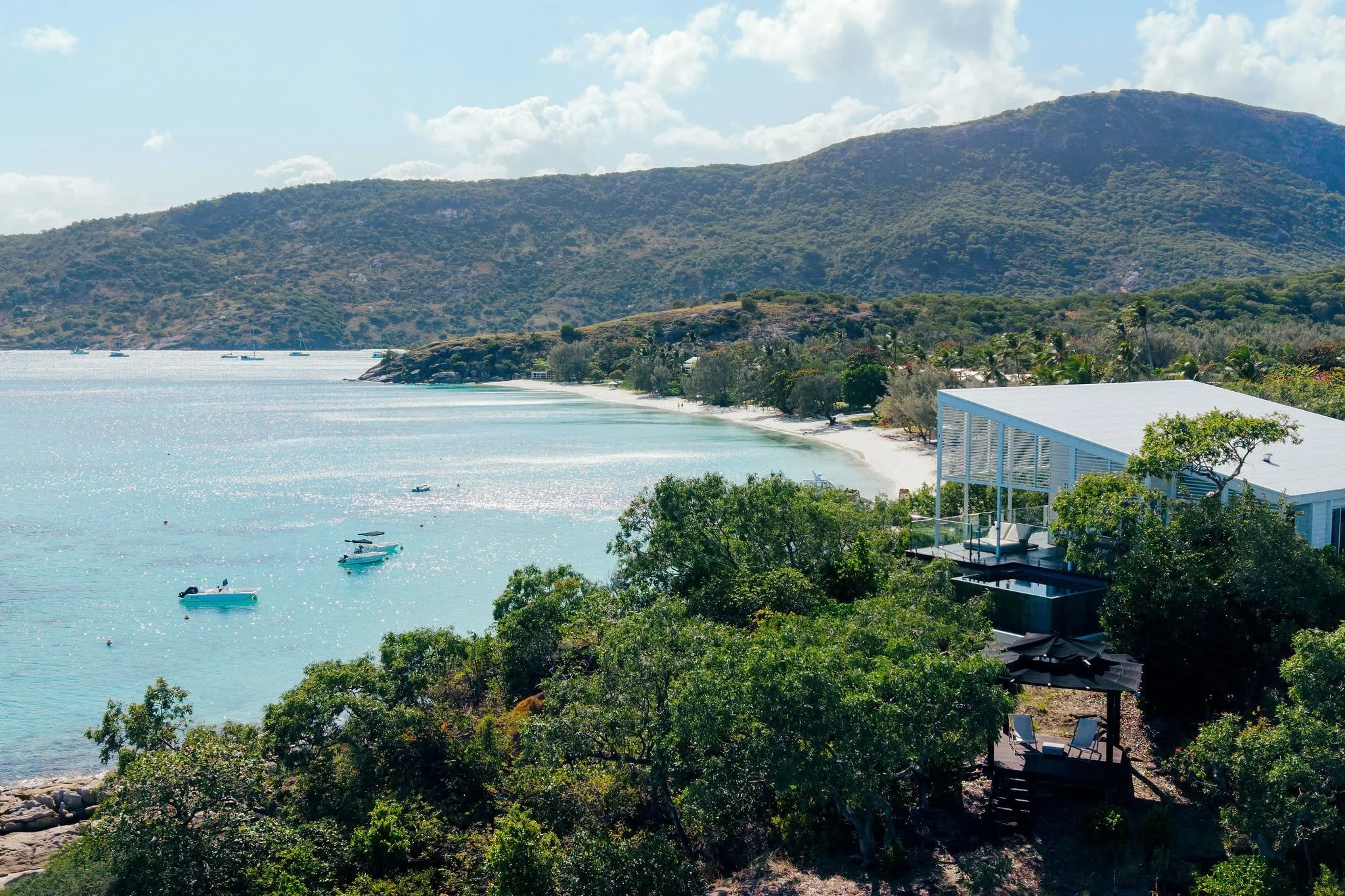
On Lizard Island, the Great Barrier Reef is not a distant day-trip destination. Coral gardens lie offshore, fishing boats trace deep-water channels beyond the island, and the changing color of the sea is visible from the resort’s private decks. Located around 240 kilometres north of Cairns, the island sits within a protected national park at the northern end of the reef, reached by a scenic flight rather than a conventional road or ferry transfer.
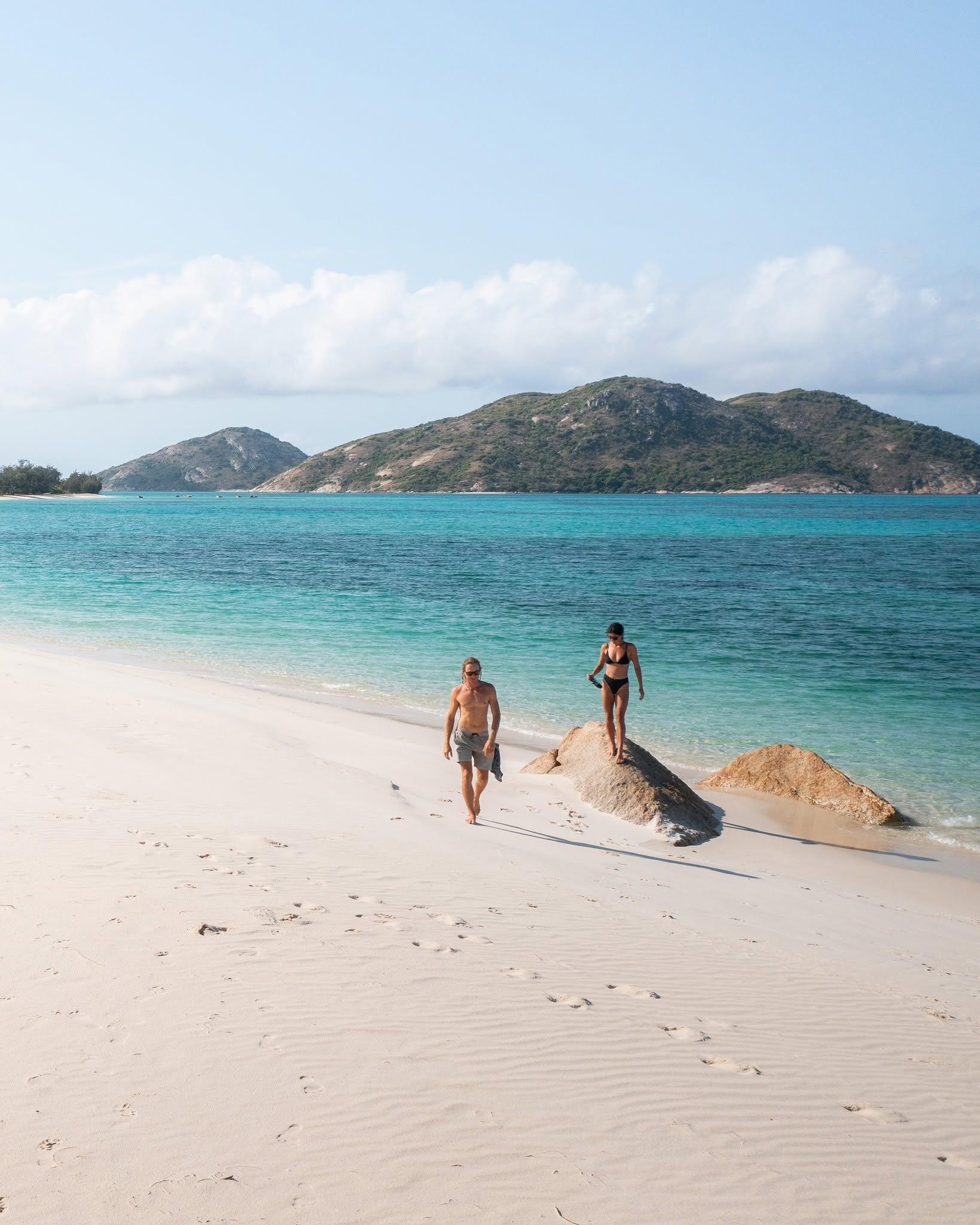
Lizard Island Resort has just 40 rooms, suites and villas across the main resort collection, with exceptionally private residences extending the accommodation offering. The limited scale helps preserve a sense of distance from everyday routines. Guests can devote an entire day to an outer-reef dive, explore a quiet beach by dinghy, or remain on the shores of Anchor Bay without feeling that a packed itinerary is expected.
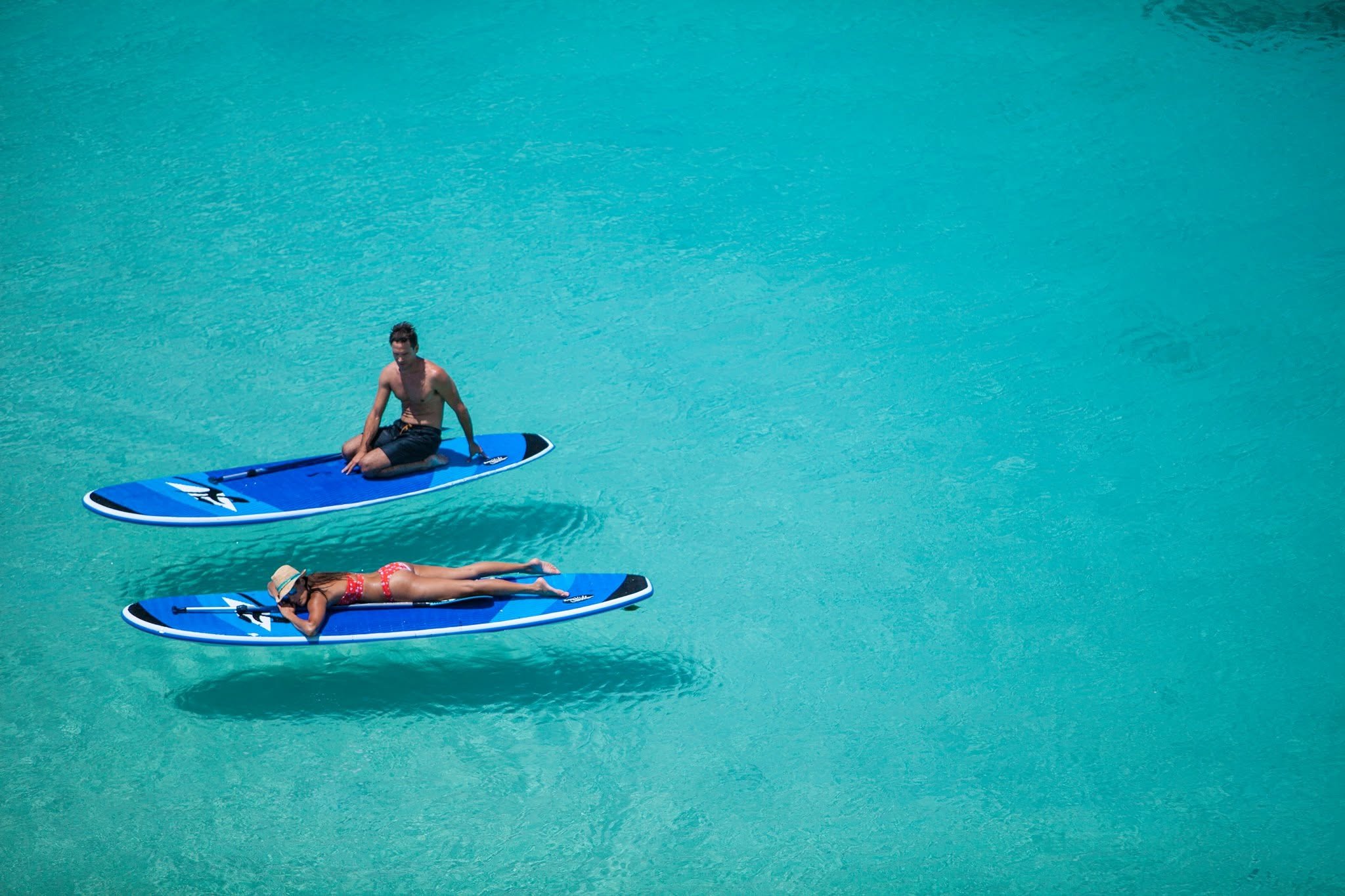
The resort’s package model includes daily meals, selected drinks and a range of non-motorised and motorised water activities. That arrangement makes the rhythm of the stay unusually easy to manage, although specialist excursions and certain private experiences carry additional charges. For travelers interested in marine life, relaxed coastal living and unusually direct access to the reef, the location is the central attraction.
Jiigurru, Exploration and a Protected Island
The island’s story long predates the resort. Known as Jiigurru, it is part of the traditional country of the Dingaal Aboriginal people, whose cultural connections to the area span thousands of years. The landscape and waters preserve places of ceremonial and historical importance, and that significance deserves recognition beyond the familiar accounts of European navigation.
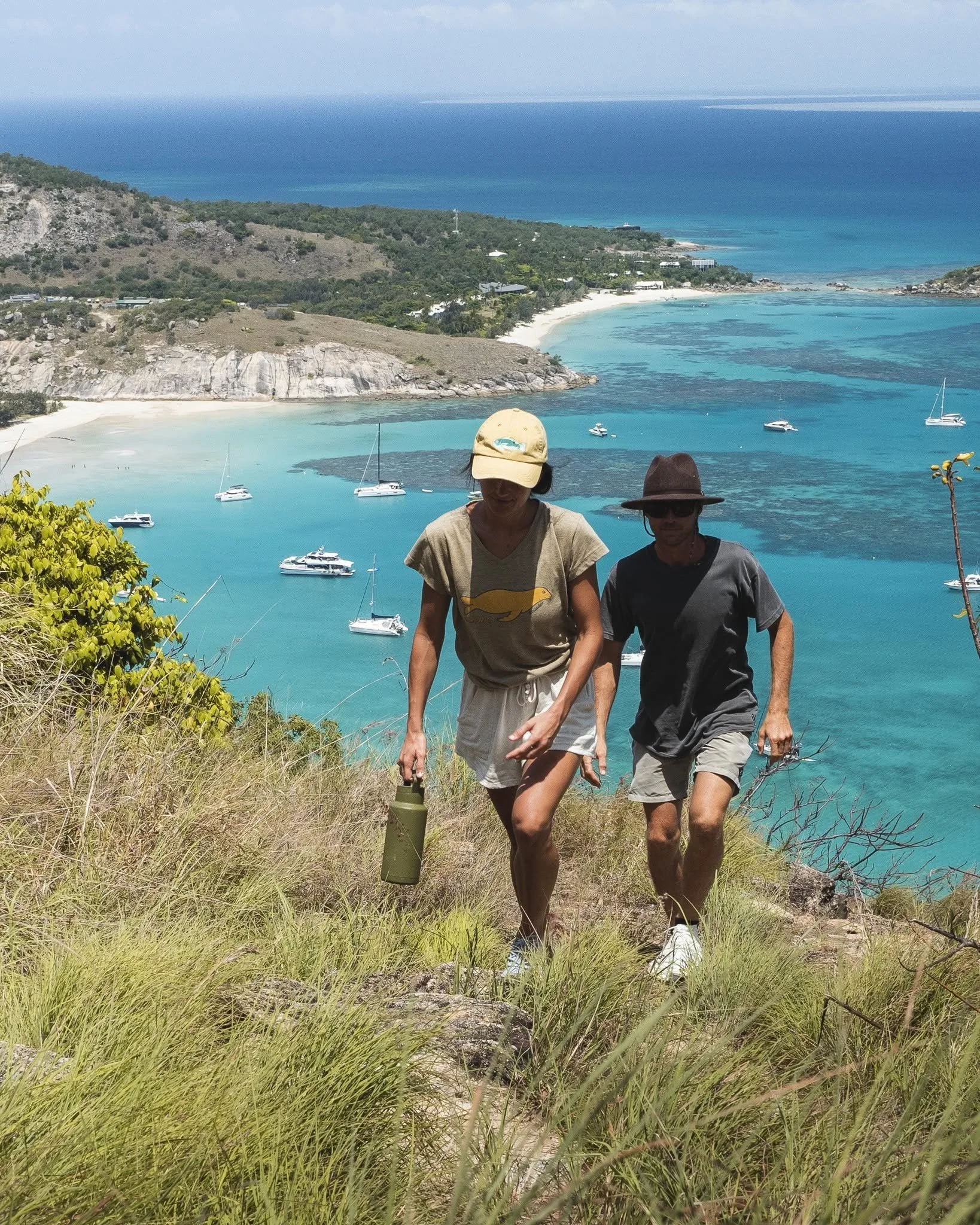
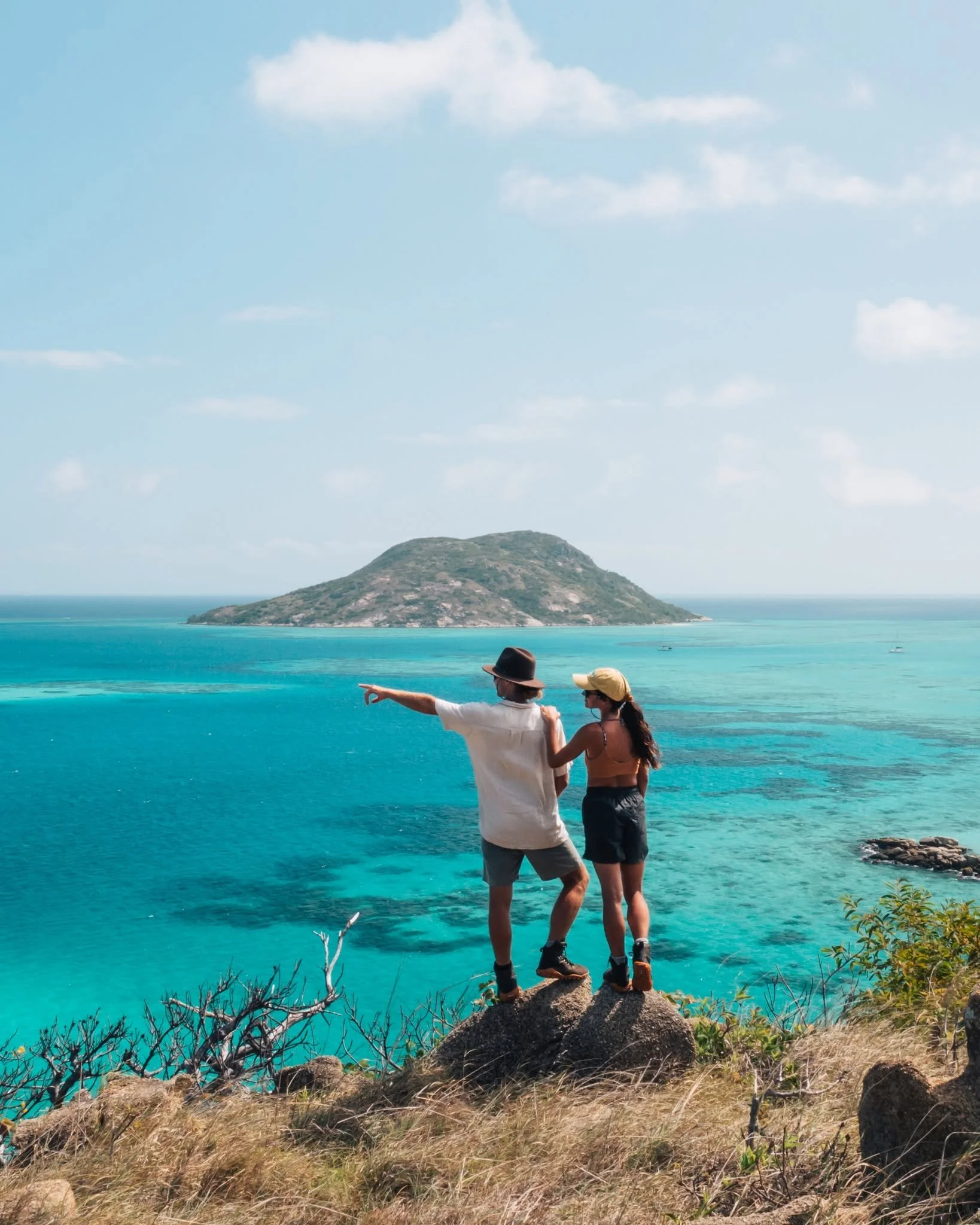
In 1770, James Cook named the island after observing its lizards during his voyage along Australia’s eastern coast. He climbed what is now known as Cook’s Look to survey the surrounding reefs and identify a safe course through them. A hike to the summit still offers one of the most informative perspectives on the geographical difficulty of early navigation in these waters.
The island later appeared in the complex history of fishing and settlement in the region. The resort’s guided historical walks introduce some of these stories while connecting them with the broader natural setting. Lizard Island became a national park in 1937, and the surrounding waters form part of the Great Barrier Reef Marine Park. Today, the coexistence of tourism, Indigenous heritage, conservation and scientific research is essential to understanding what makes the island distinctive.
Low-Key Architecture Framed by Sea and Bushland
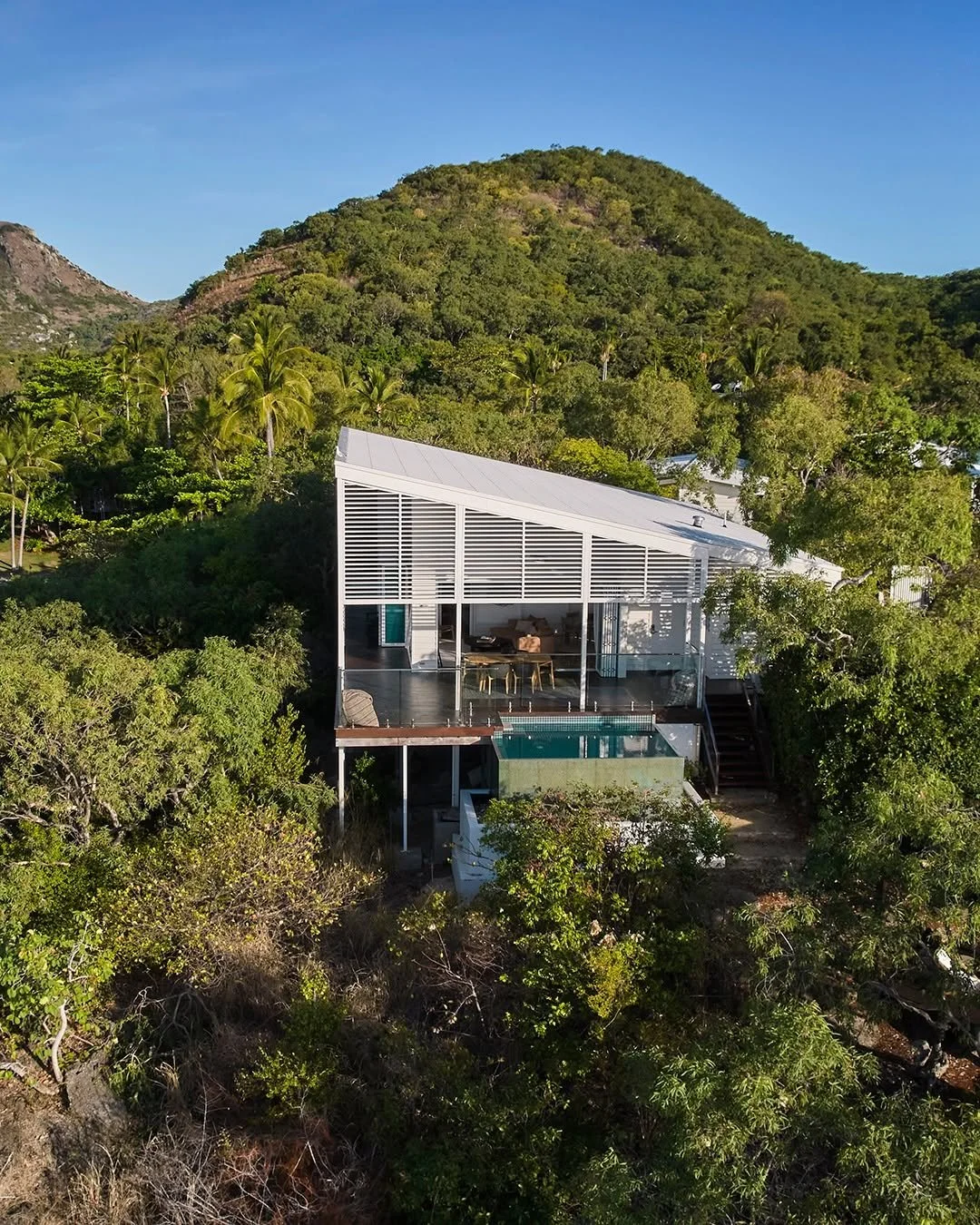
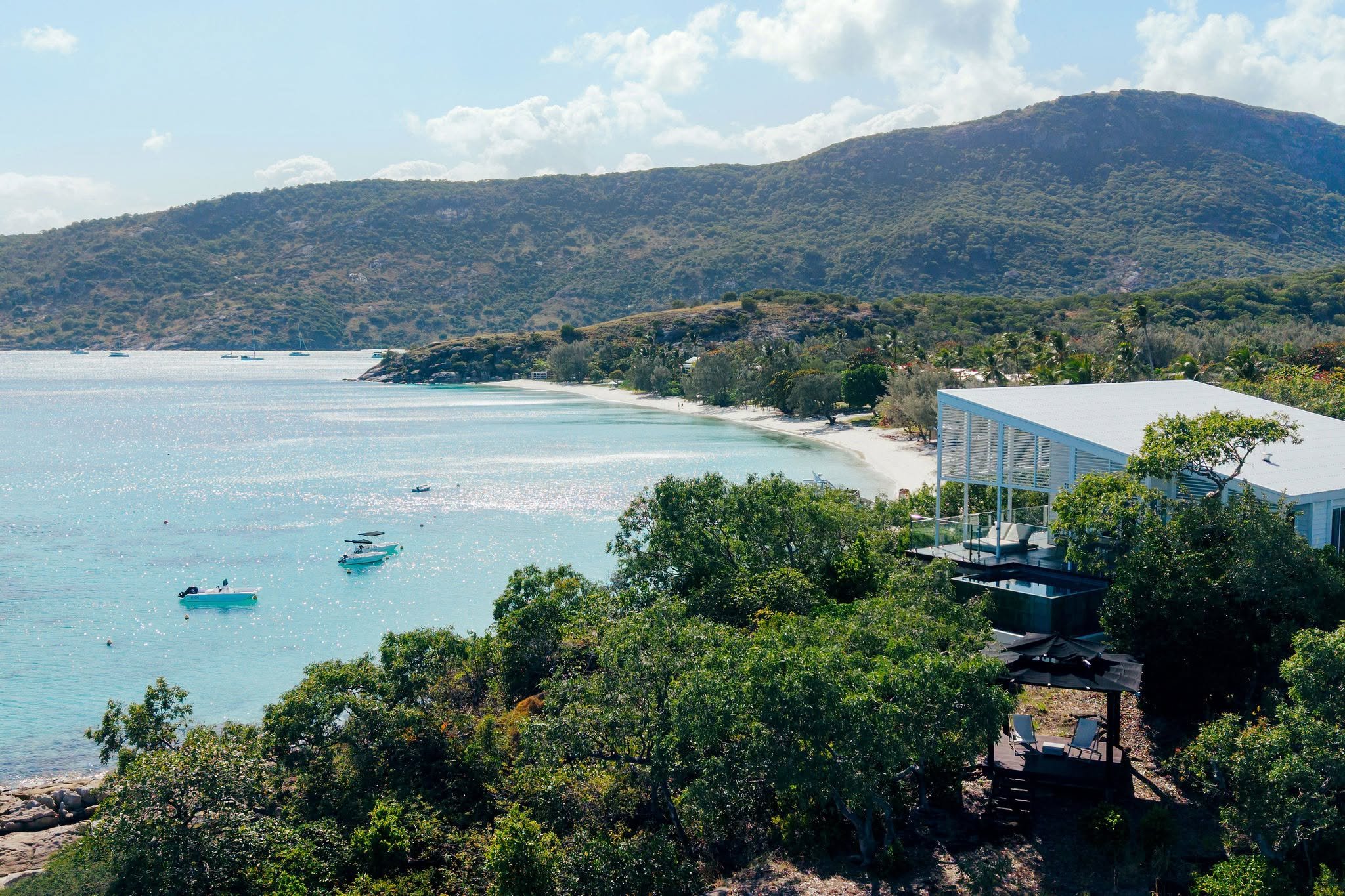
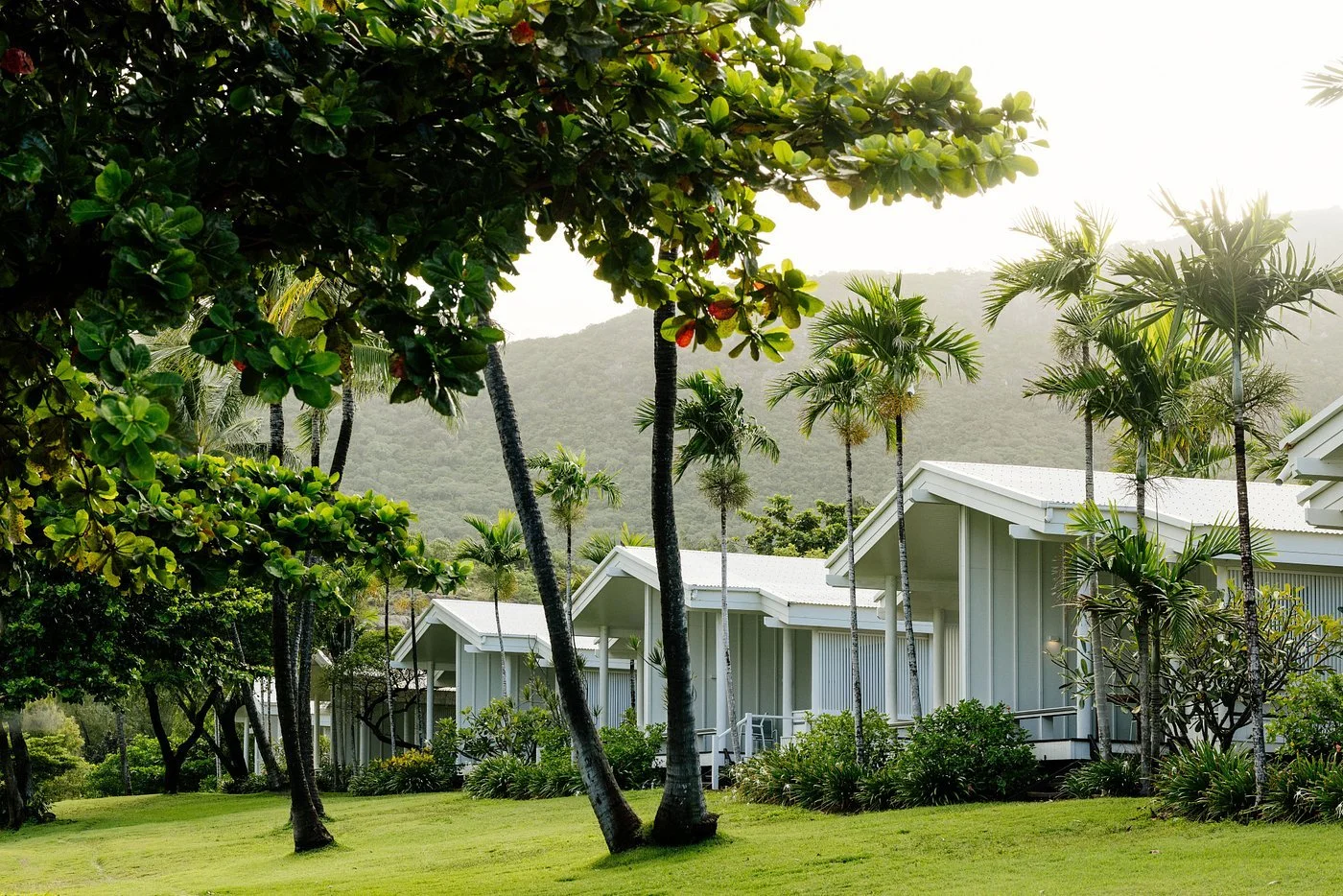
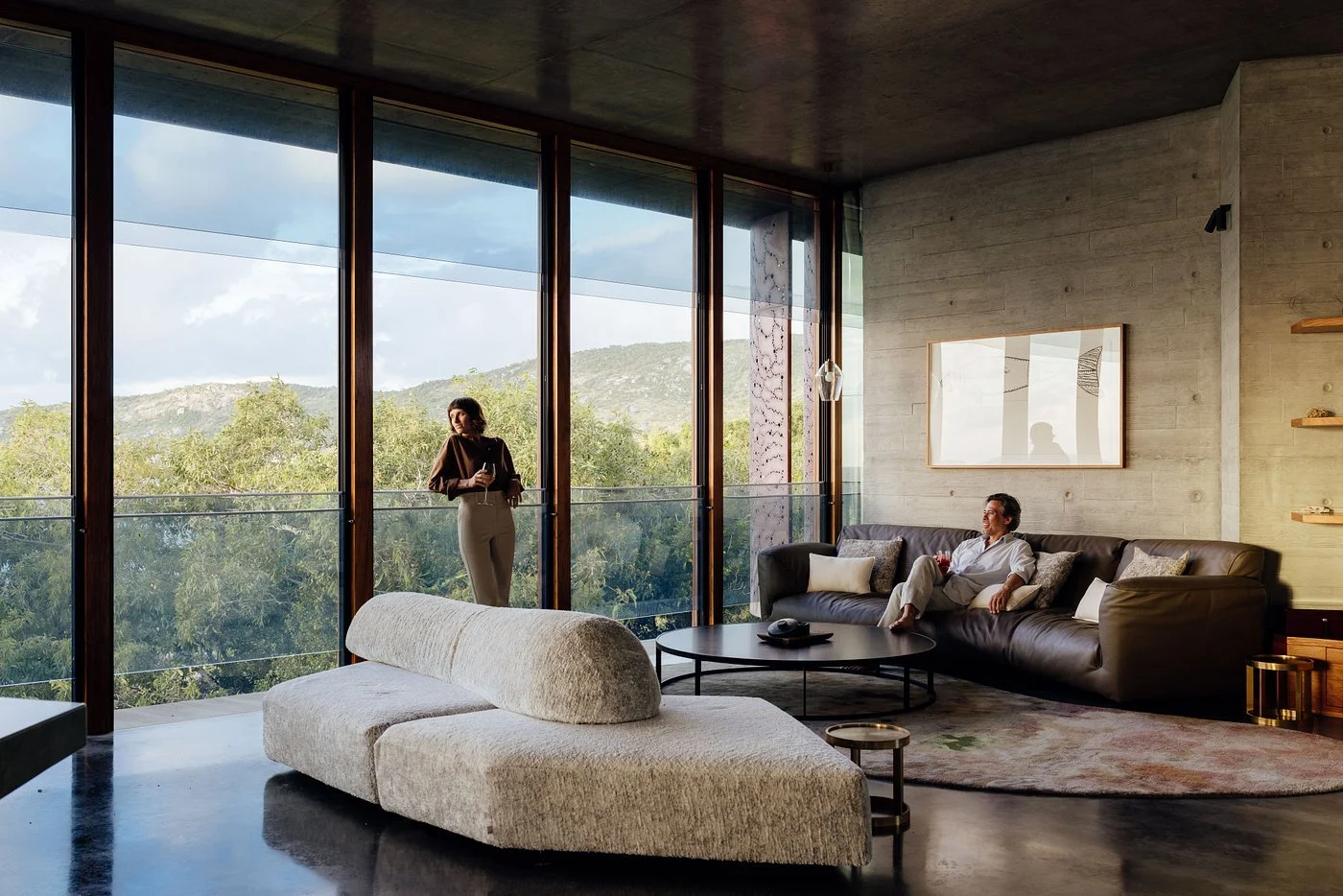
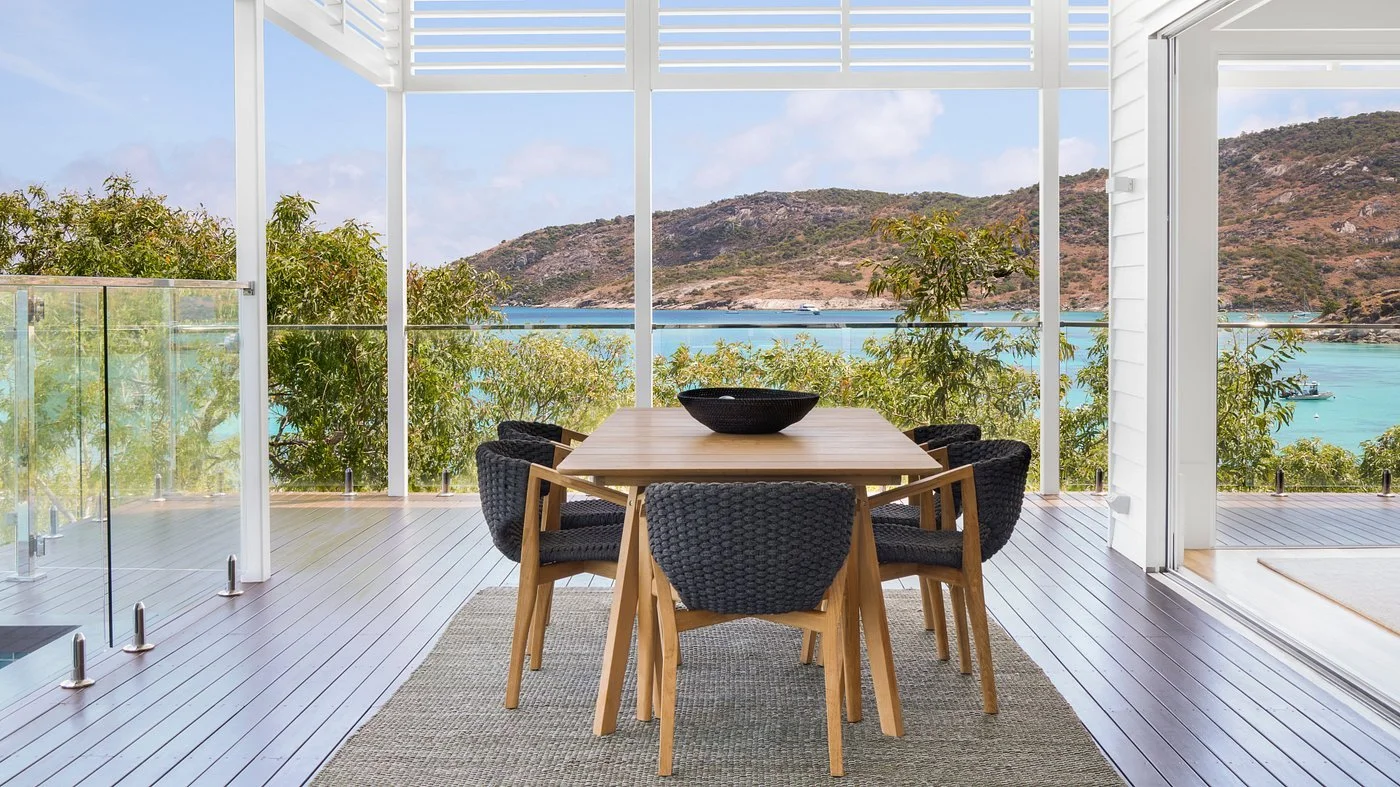
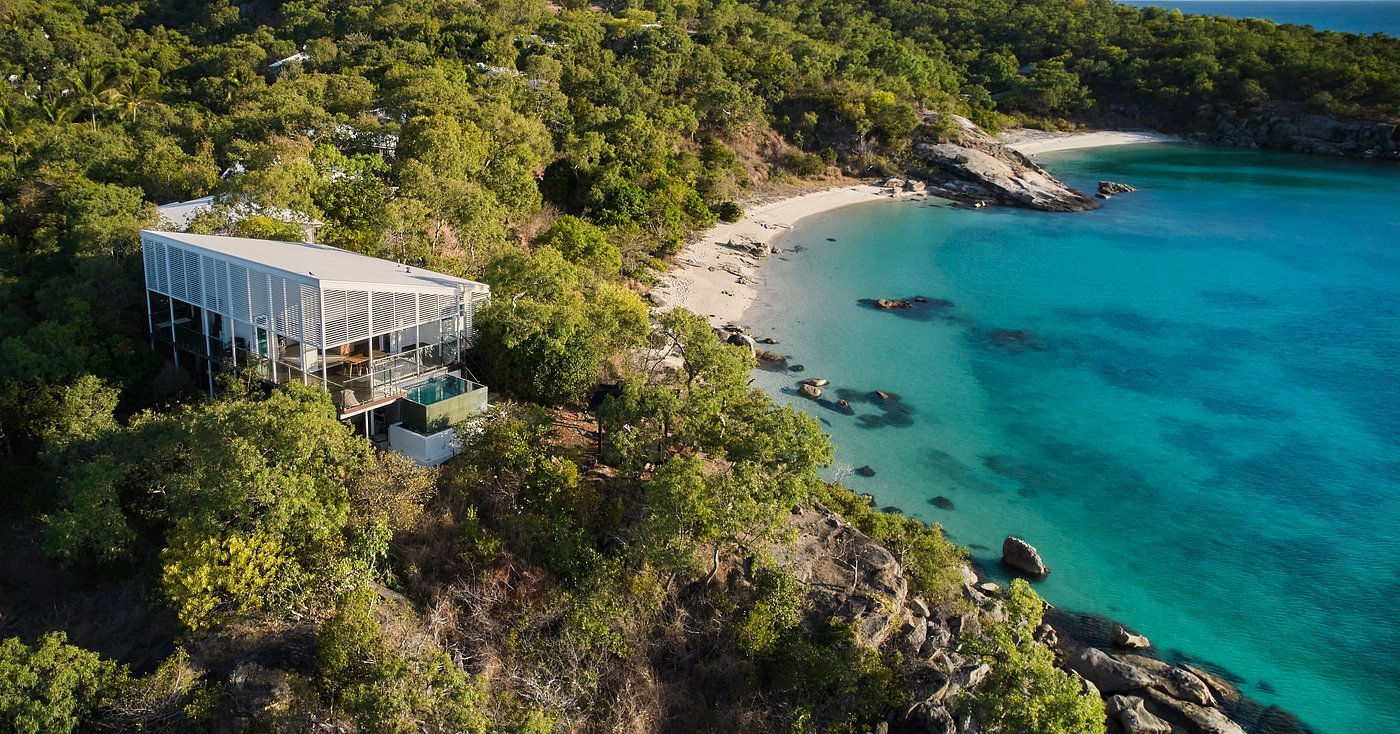
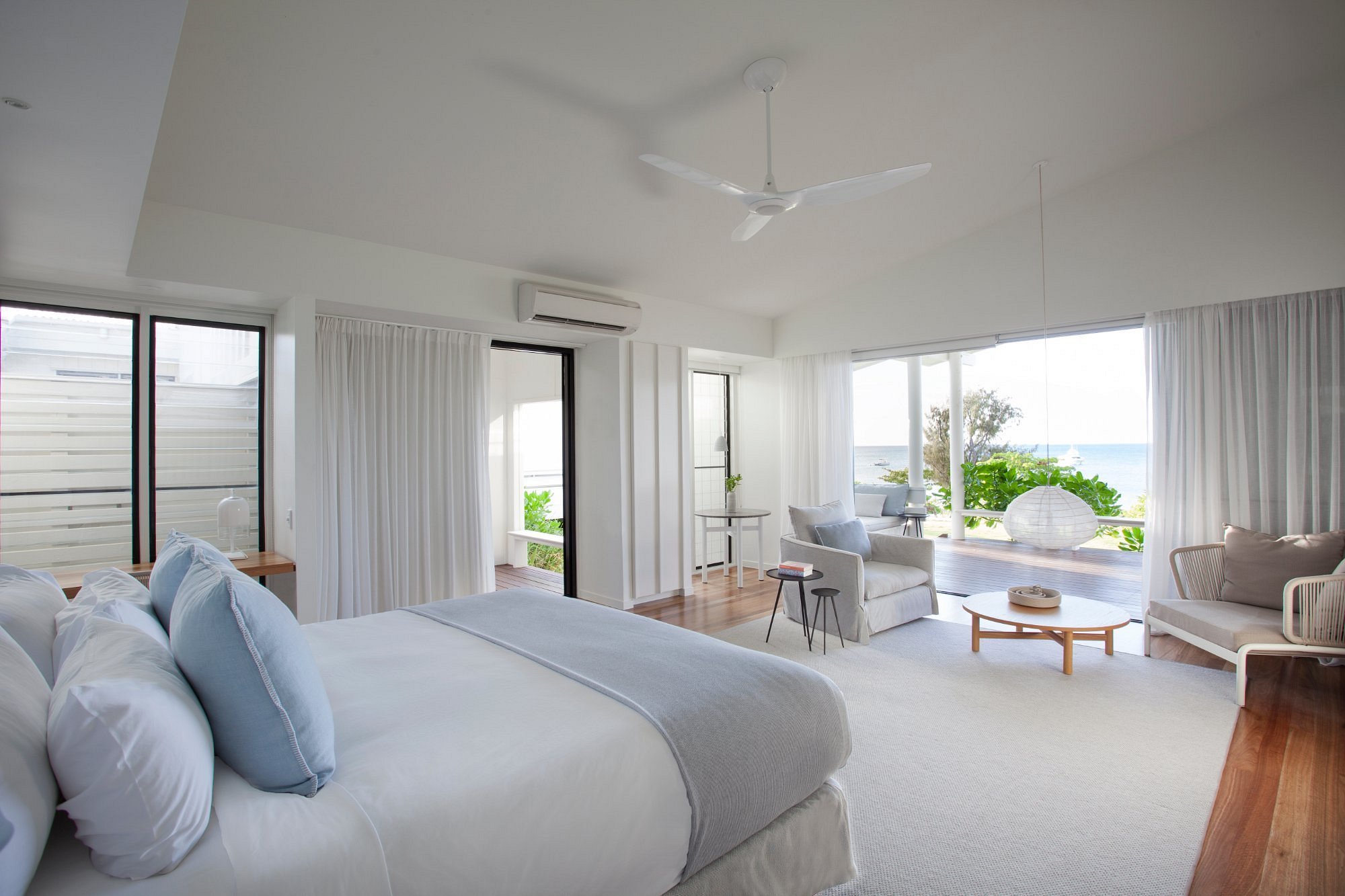
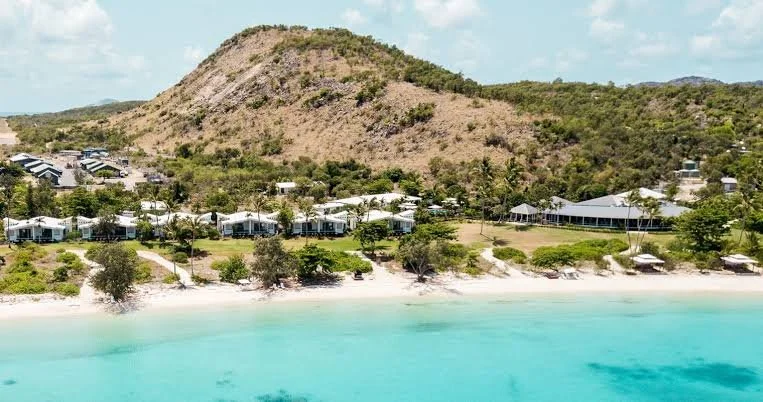
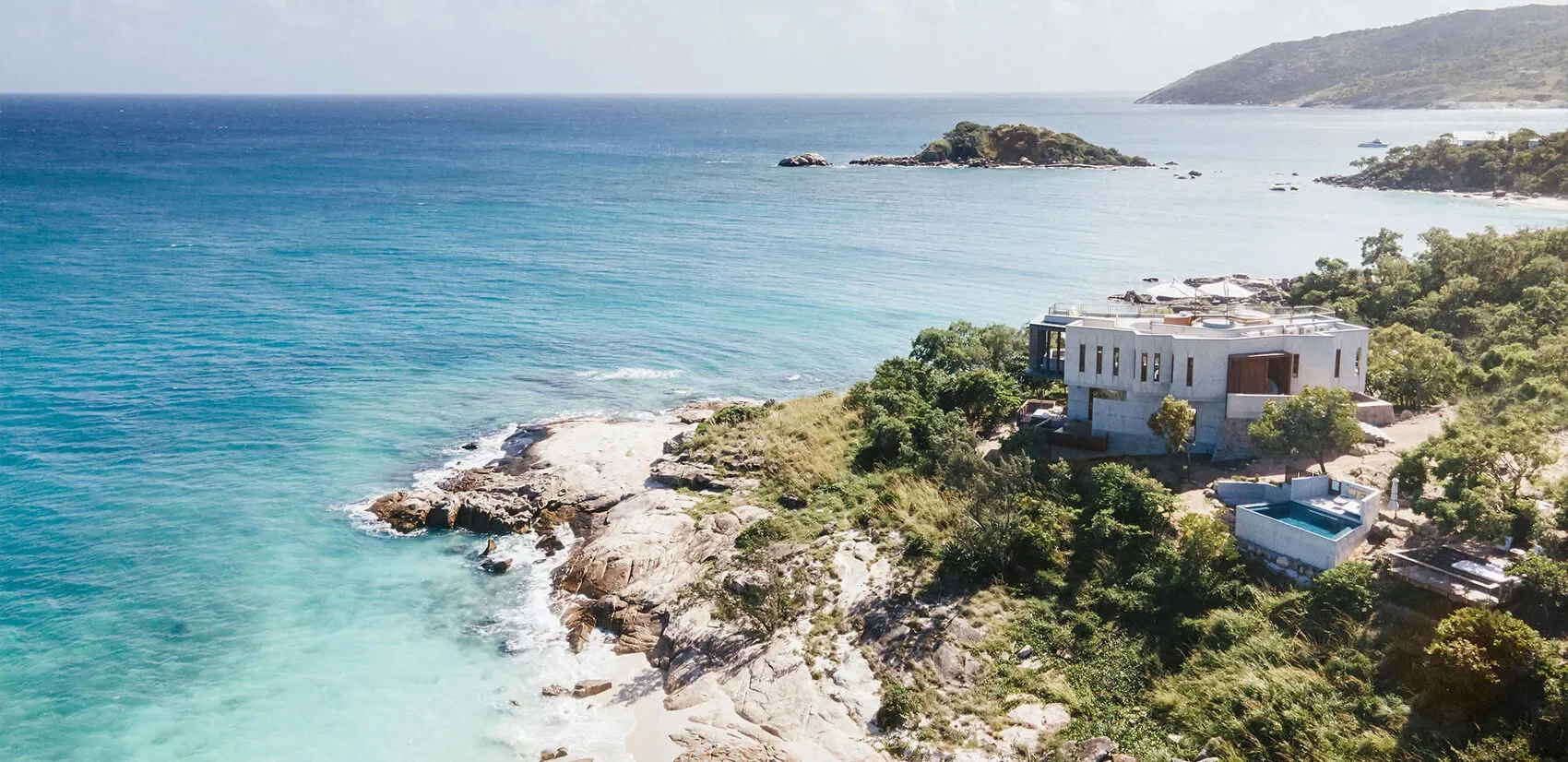
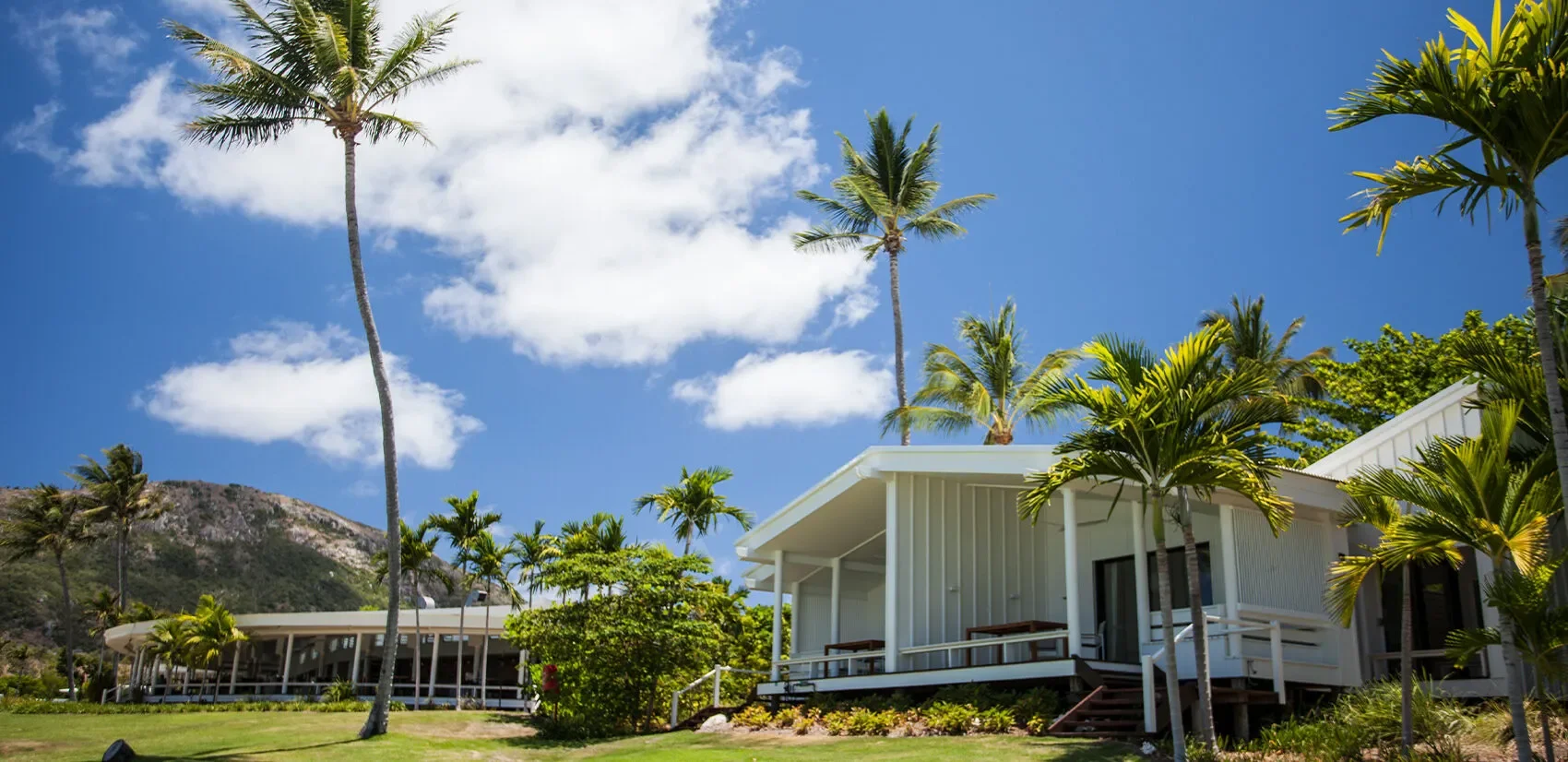
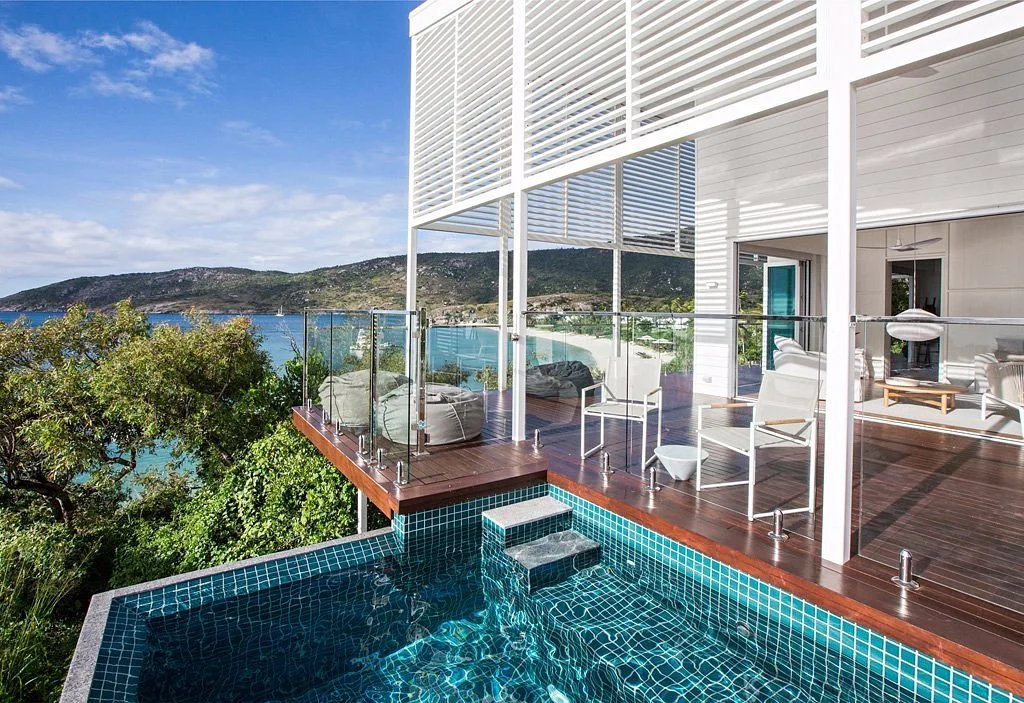
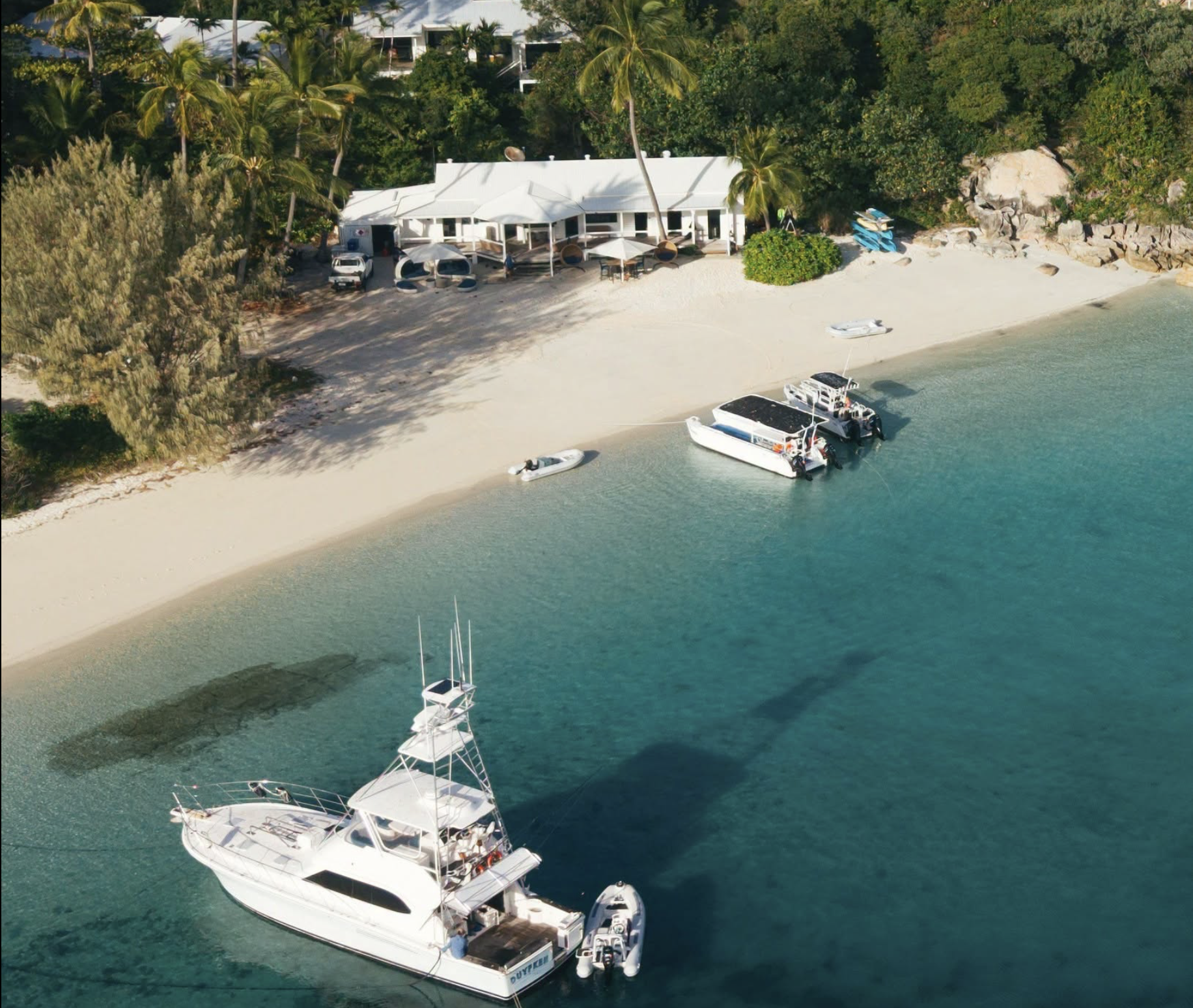
The architecture follows the coastline instead of creating a single grand hotel building. Accommodation is distributed along Anchor Bay and the surrounding ridgelines, where native vegetation provides visual screening and makes the resort feel smaller than its physical footprint. Pale finishes, timber details and generous outdoor areas draw attention toward the sea rather than the buildings themselves.
The central lodge connects the dining venues and shared spaces, while paths lead toward the beach club, pool and Essentia Day Spa. The atmosphere is deliberately informal: a morning on the reef can end with a return to a comfortable room, an outdoor shower or a quiet terrace without any change of pace.
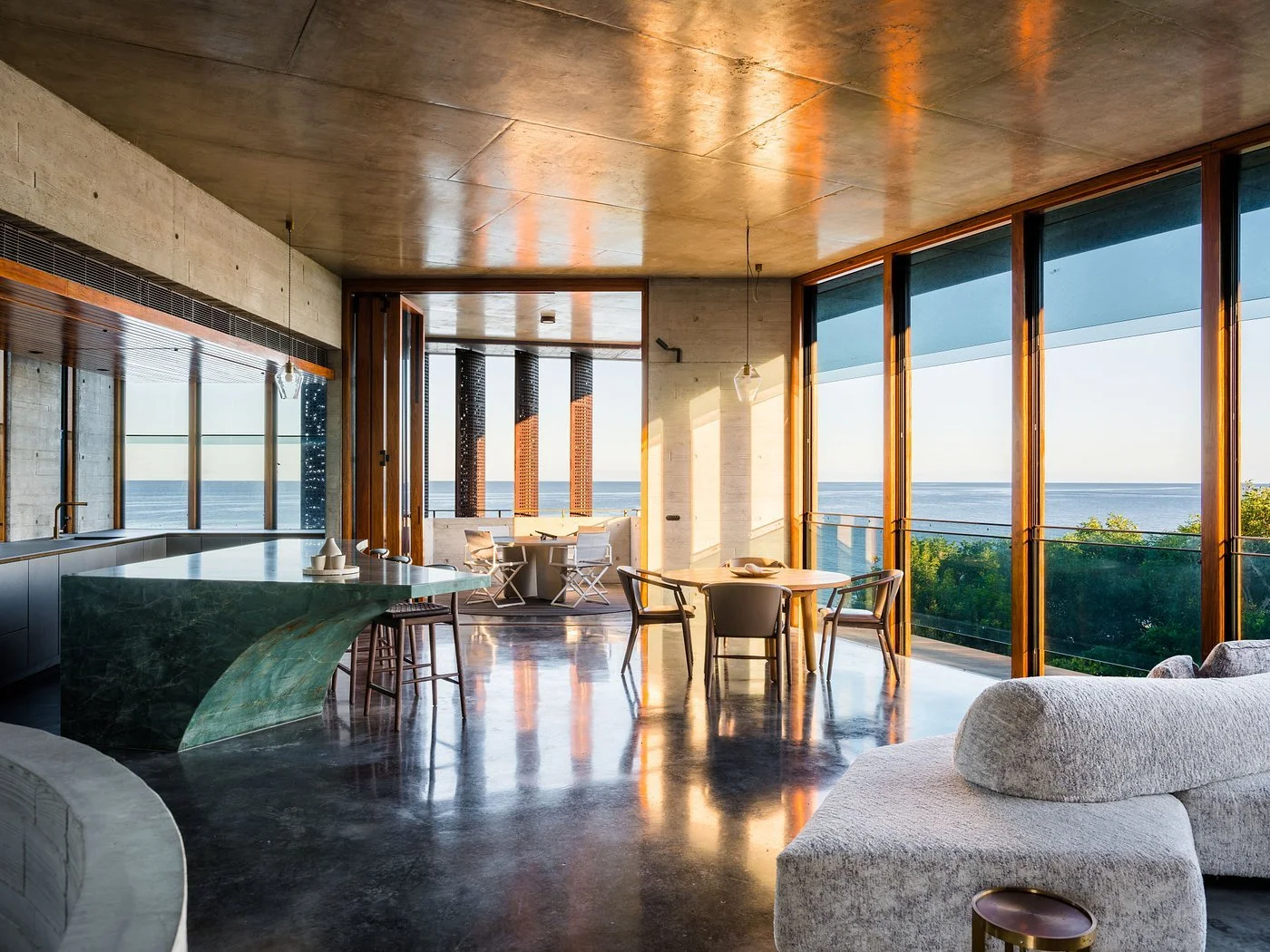
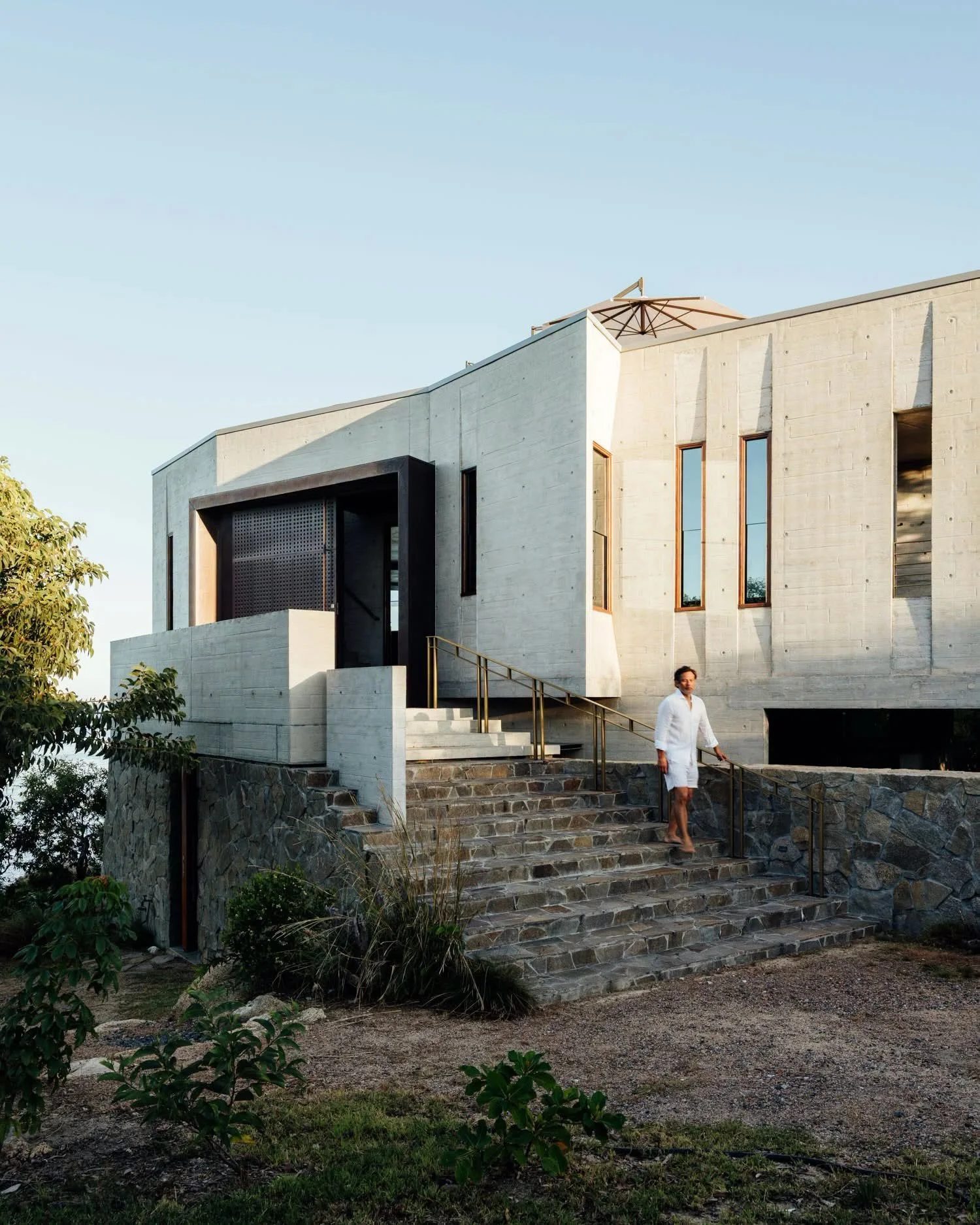
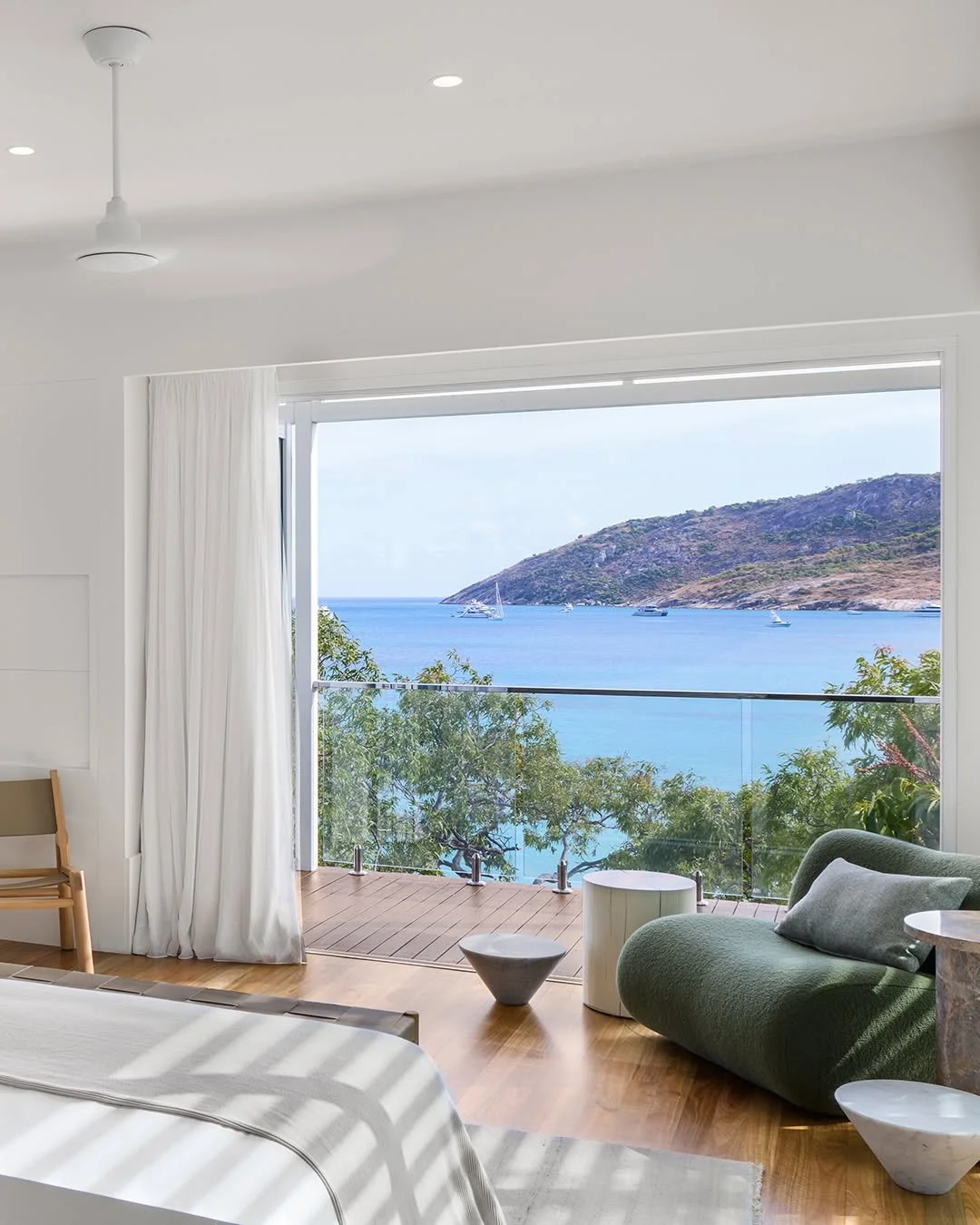
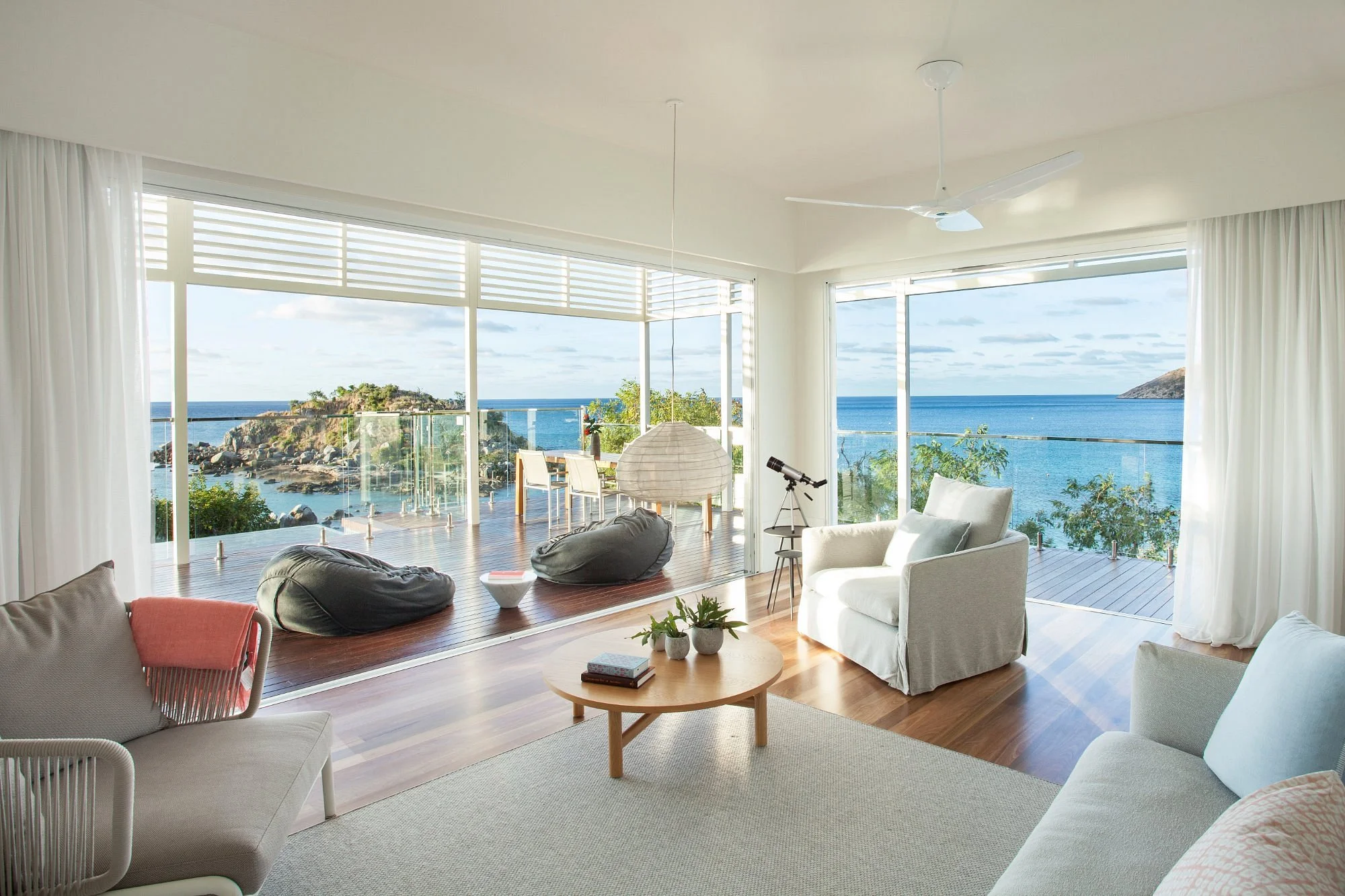
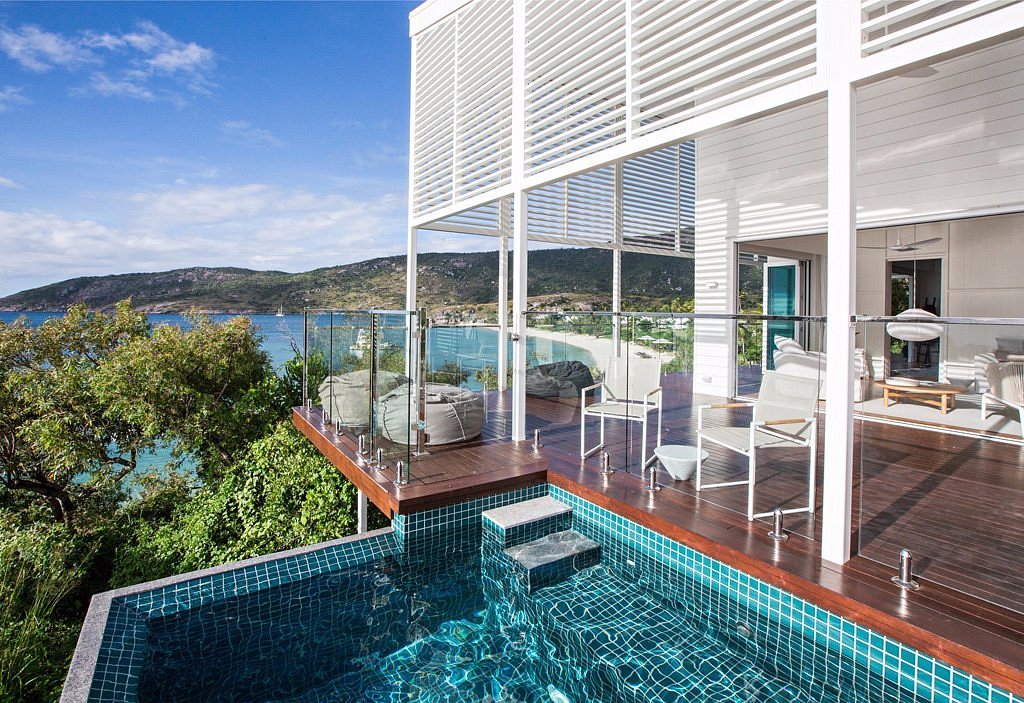
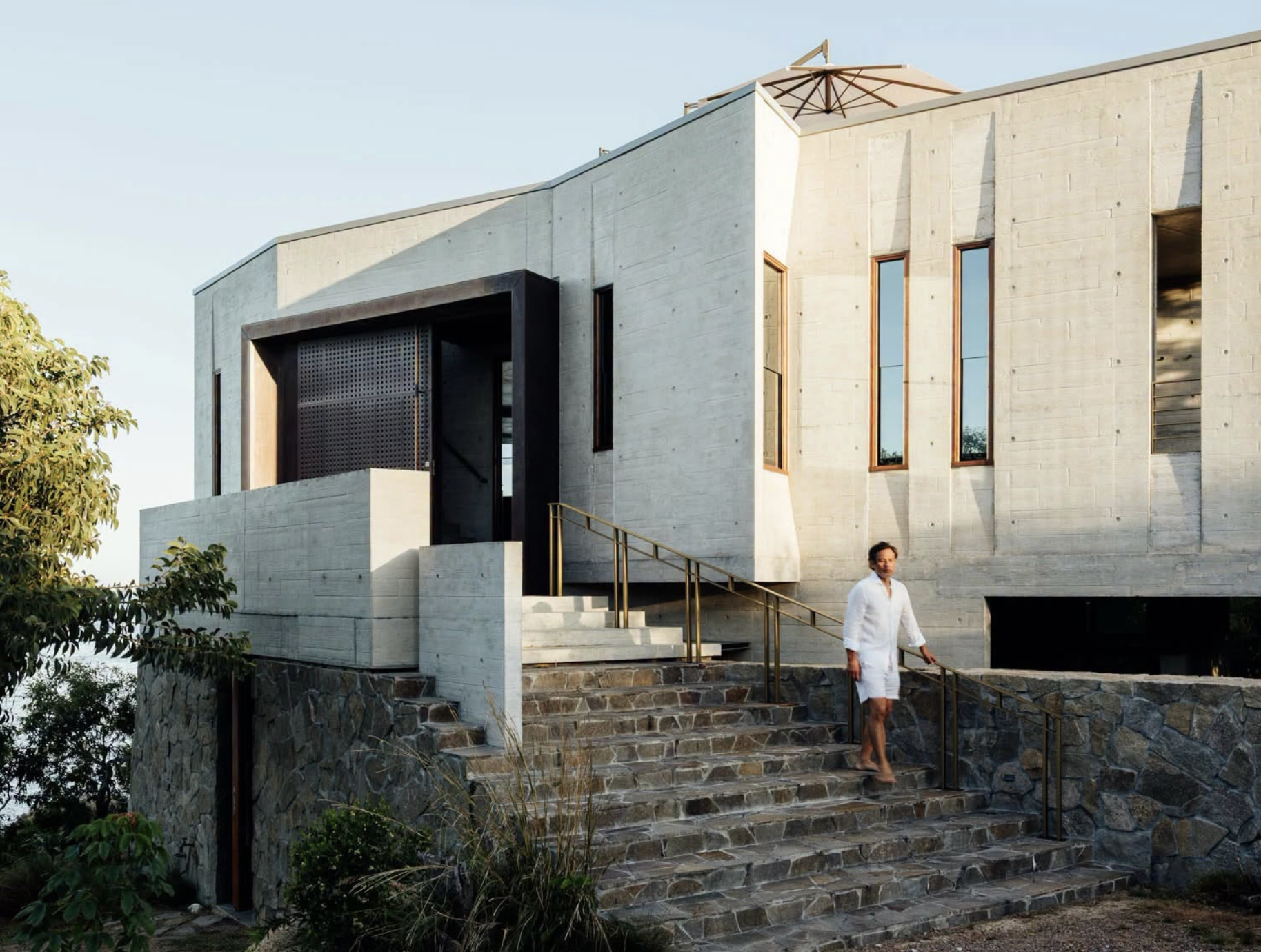
Accommodation orientation matters. Some categories sit within tropical gardens close to the bay, others face directly onto the beach, and elevated villas trade immediate shoreline access for broad Coral Sea panoramas. The highest private residences introduce pools and substantial indoor-outdoor living spaces, making them better suited to travelers who place a premium on privacy and independent entertaining.
From Garden Rooms to Private Coastal Residences
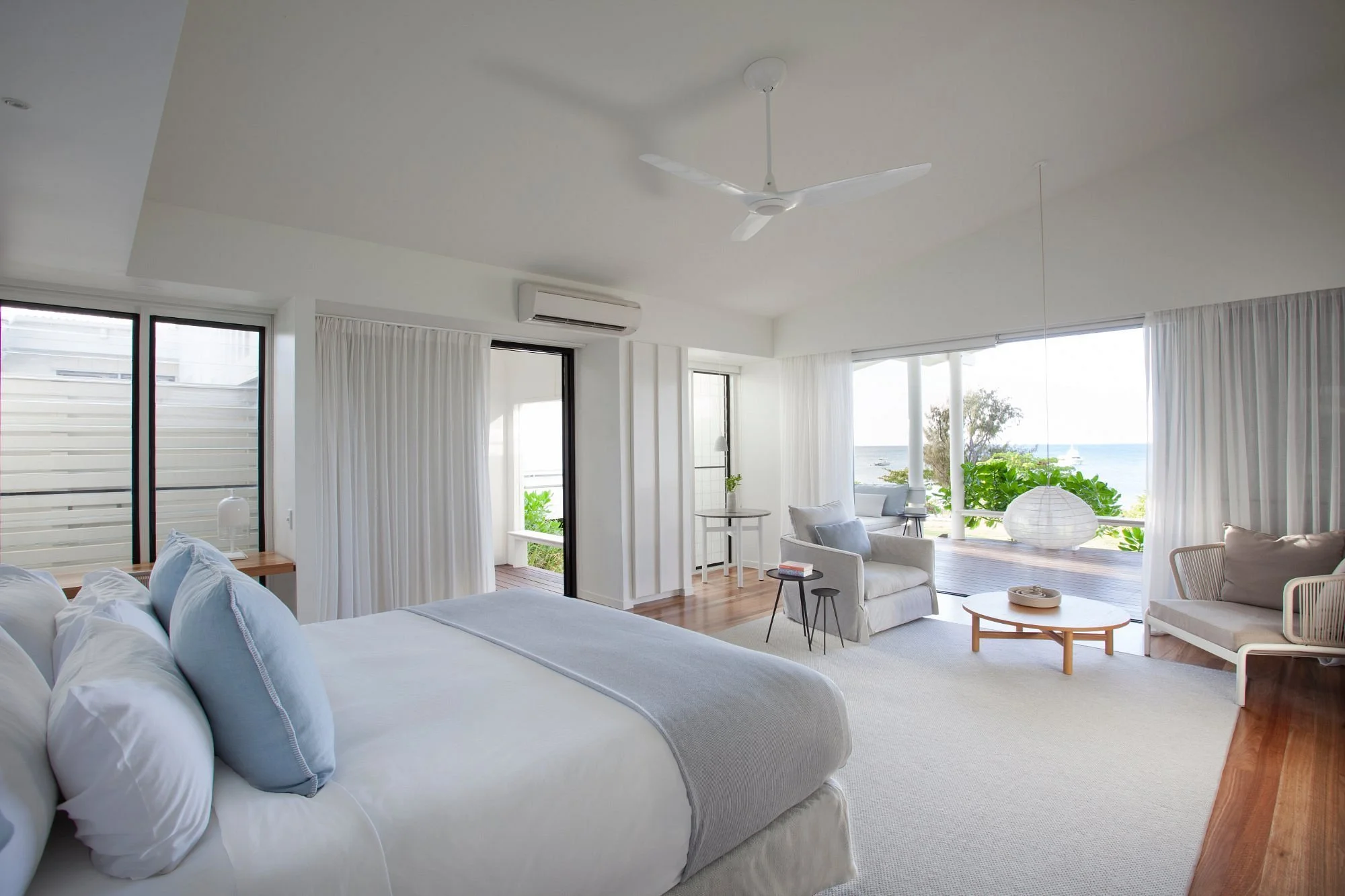
Lizard Island’s accommodation is varied enough that choosing a category should begin with the preferred relationship to the beach, the view and the amount of private space required. Accommodation ranges from 474 sq. ft. (44 sq. m.) Gardenview Rooms to The House, with 2,799 sq. ft. (260 sq. m.) of internal space plus expansive outdoor areas. The following categories are arranged from the simpler hotel rooms through the largest private residences; individual bedding arrangements and availability should be confirmed for each booking.
Gardenview Rooms: 474 sq. ft. (44 sq. m.), with tropical-garden surroundings and pathways connecting to Anchor Bay, well suited to couples who value convenient access to the resort’s main facilities.
Gardenview Suites: 667 sq. ft. (62 sq. m.), featuring a separate bedroom and living space near Salt Water Restaurant, Driftwood Bar, the pool and spa.
Oceanview Villas: 635 sq. ft. (59 sq. m.), with one bedroom, a private deck and elevated Coral Sea views, offering greater seclusion within the island landscape.
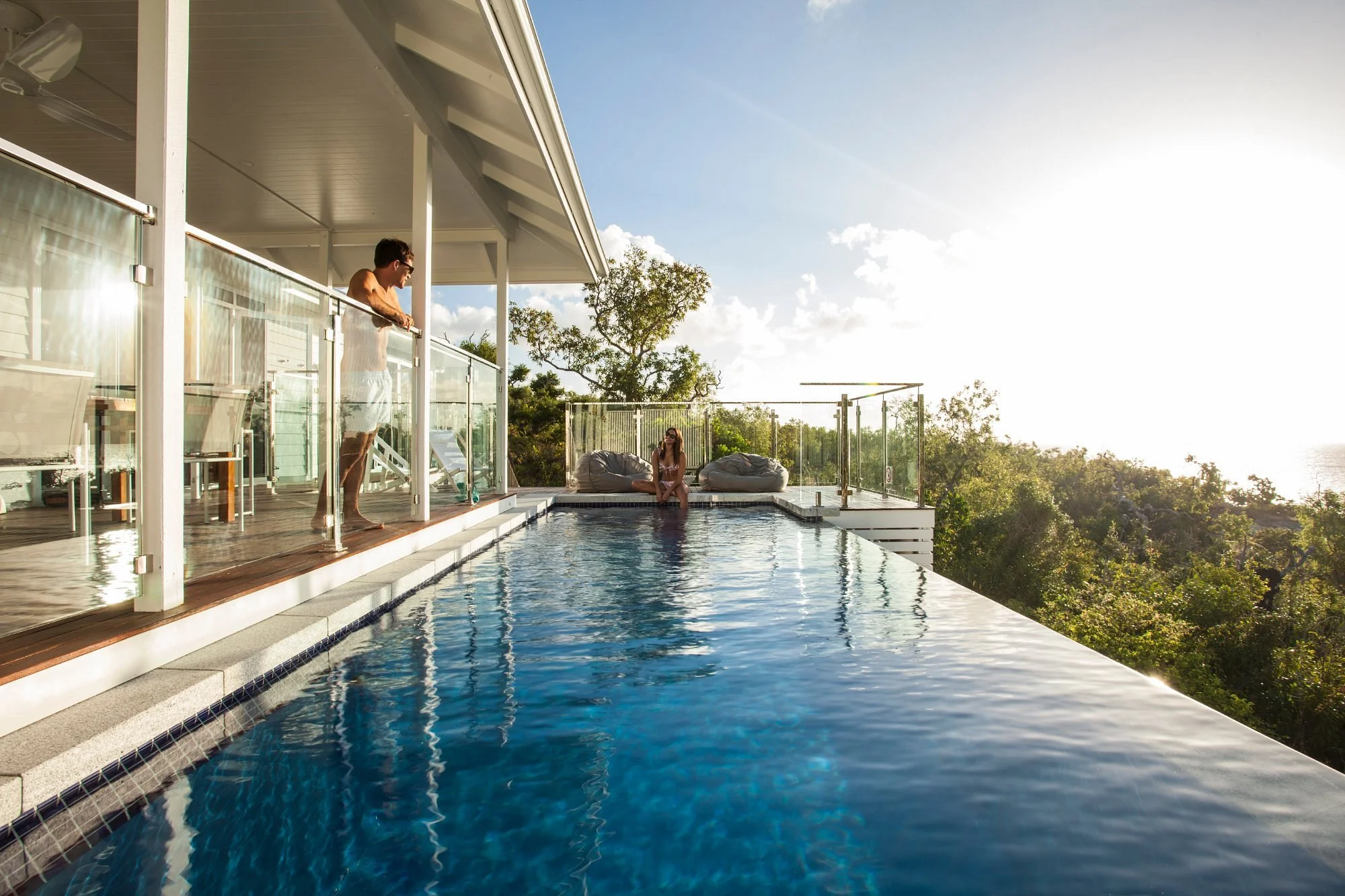
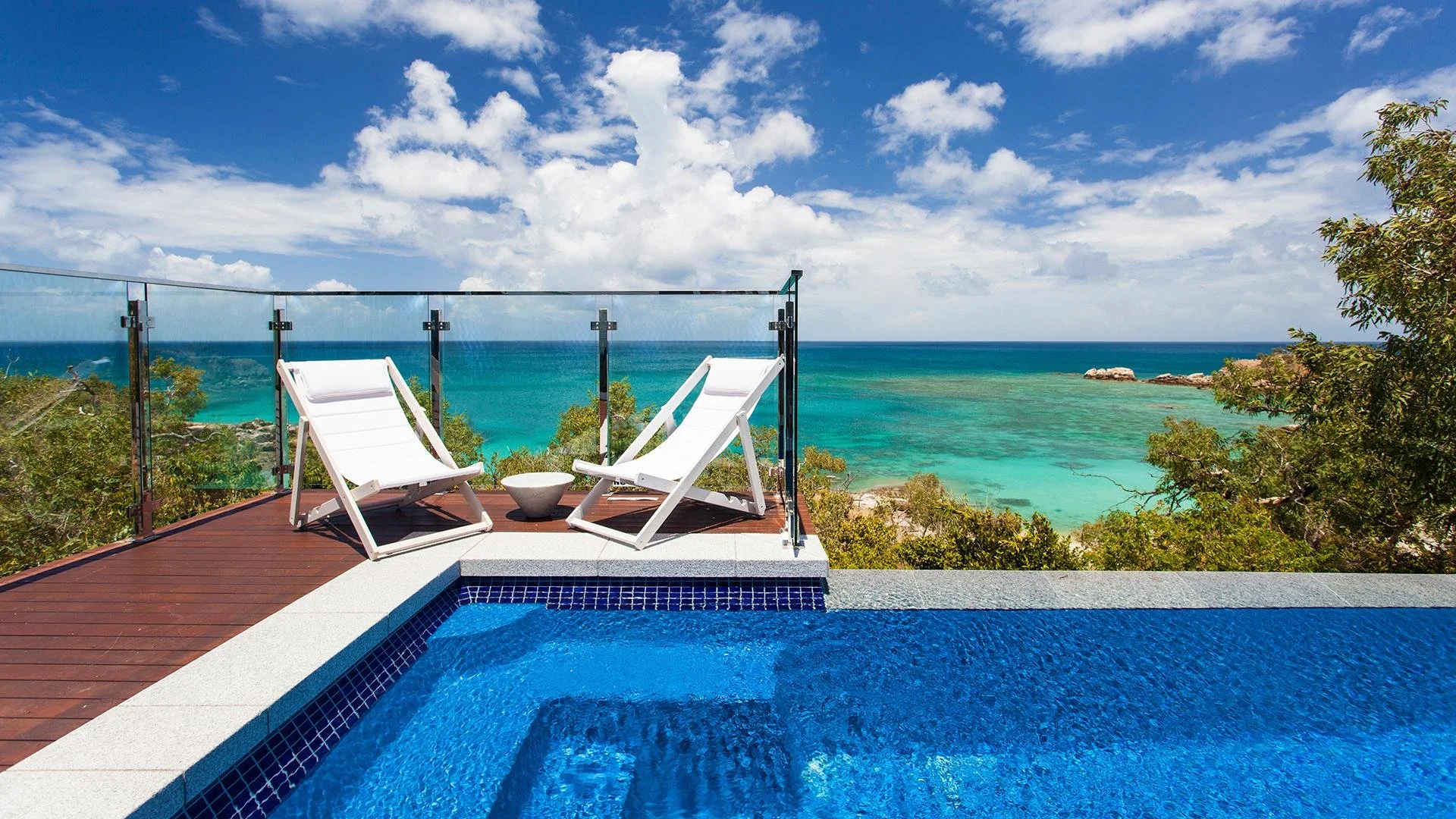
Oceanview Plunge Pool Villas: 635 sq. ft. (59 sq. m.), featuring one bedroom, a private plunge pool and a hillside position overlooking the Coral Sea.
Beachfront Suites: 936 sq. ft. (87 sq. m.), with generous outdoor decks and direct access to Anchor Bay, offering a closer connection to the beach and shoreline.
The Pavilion: 1,496 sq. ft. (139 sq. m.), featuring panoramic reef views, a wraparound outdoor deck and a private plunge pool, designed particularly for two guests.
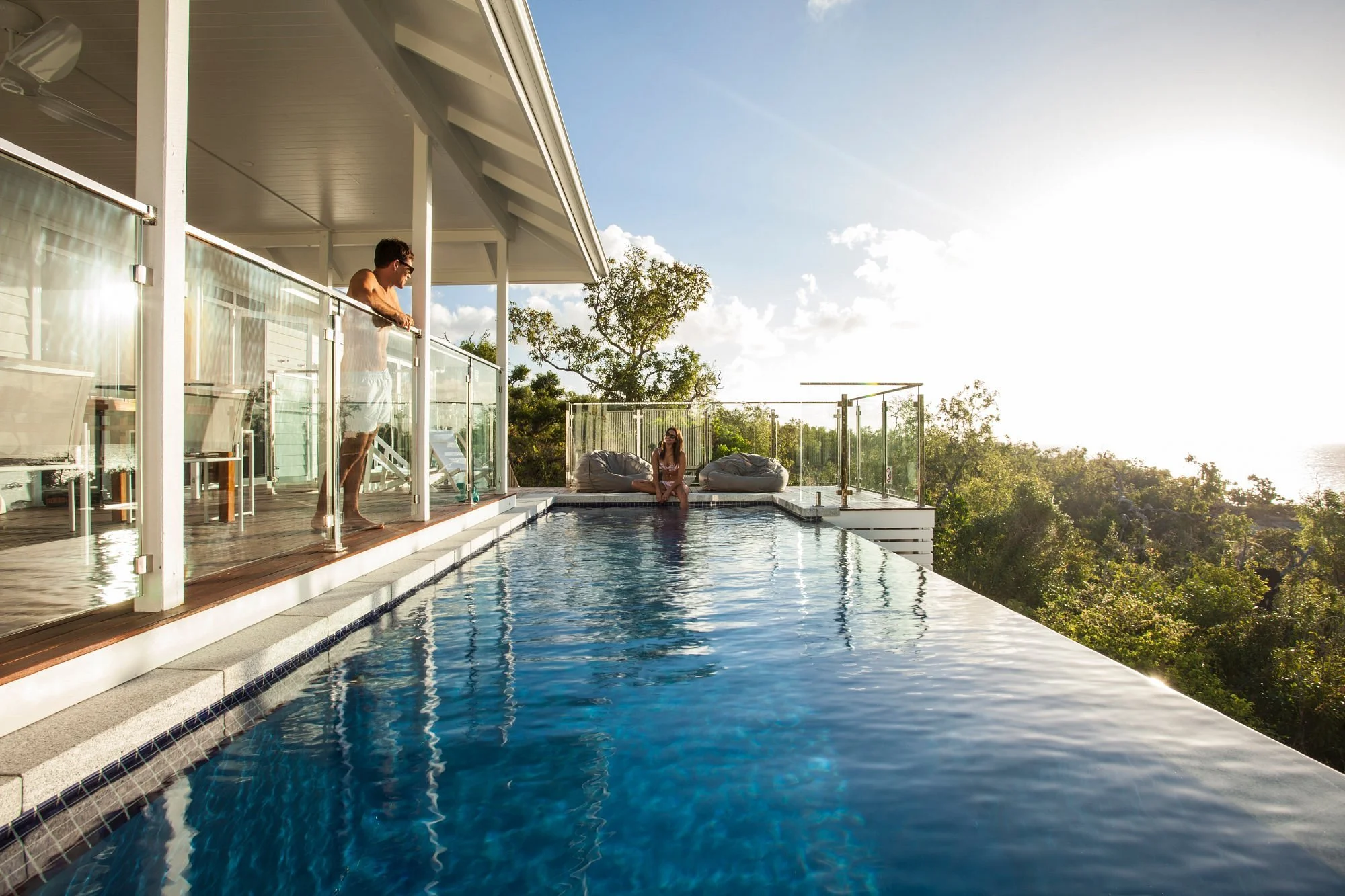
The Villa: 1,658 sq. ft. (154 sq. m.), with two bedrooms, an open living and dining area, an expansive terrace and an eight-metre private plunge pool, accommodating up to five guests.
The House: 2,799 sq. ft. (260 sq. m.) of internal space, plus 603 sq. ft. (56 sq. m.) of covered terraces and a 1,141 sq. ft. (106 sq. m.) rooftop, featuring three bedrooms, an infinity pool, private chef and dedicated boating arrangements for a highly personalized stay.
The choice is not simply about moving upward through accommodation categories. Couples who prefer convenient access to Anchor Bay and the resort’s facilities may favor the Gardenview options or Beachfront Suites, while those seeking panoramic ocean views and greater privacy may prefer the elevated villas or The Pavilion. The Villa and The House offer more extensive private living arrangements, making them particularly appealing for families and groups traveling together.
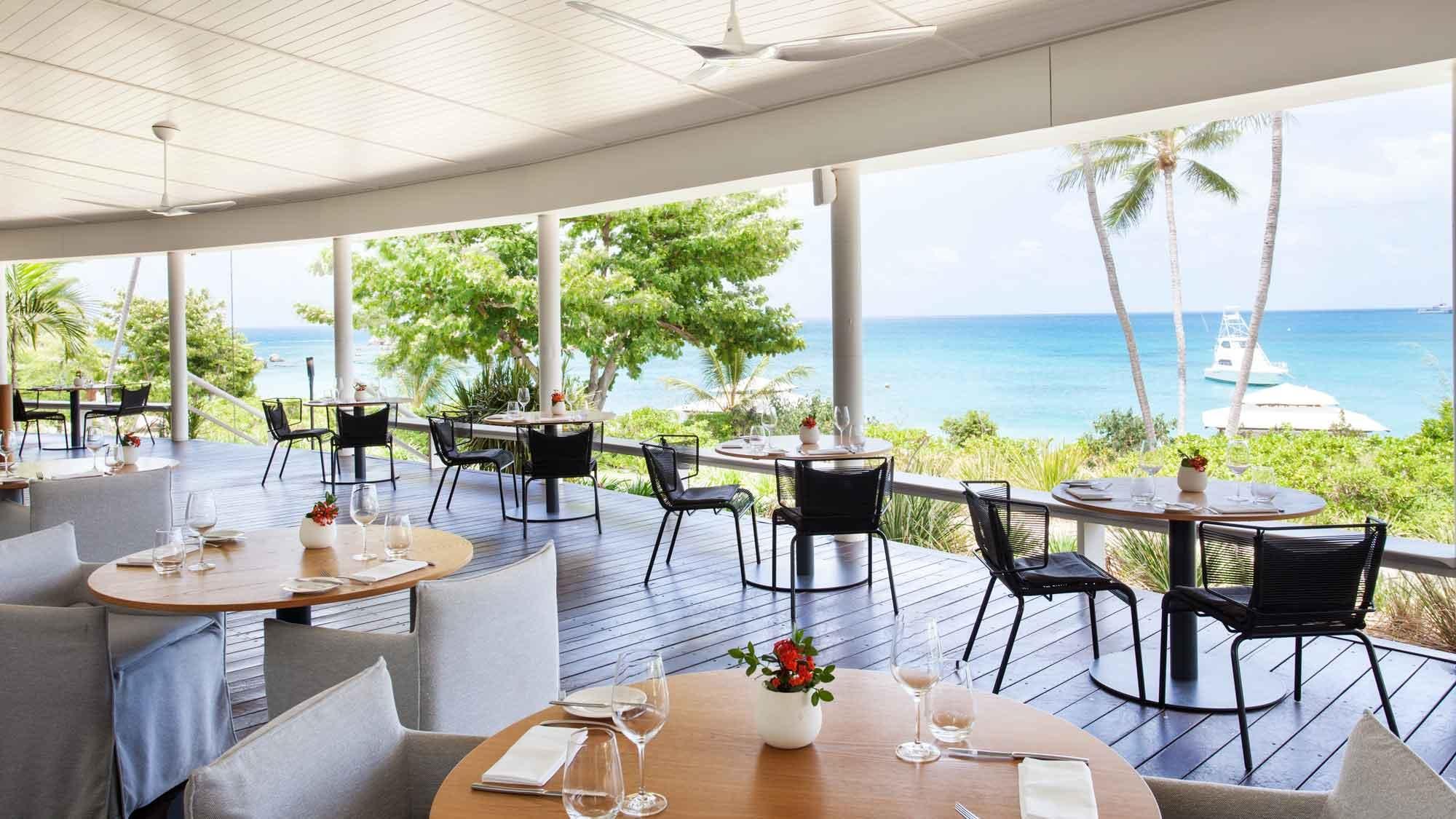
Dining Guided by the Sea and the Season
The dining program reflects both the island’s isolation and its access to exceptional Australian produce. Daily menus change, and the resort’s inclusive offering takes much of the logistical planning out of breakfast, lunch and dinner. More elaborate private dining arrangements are available for travelers who want a particular evening to feel different.
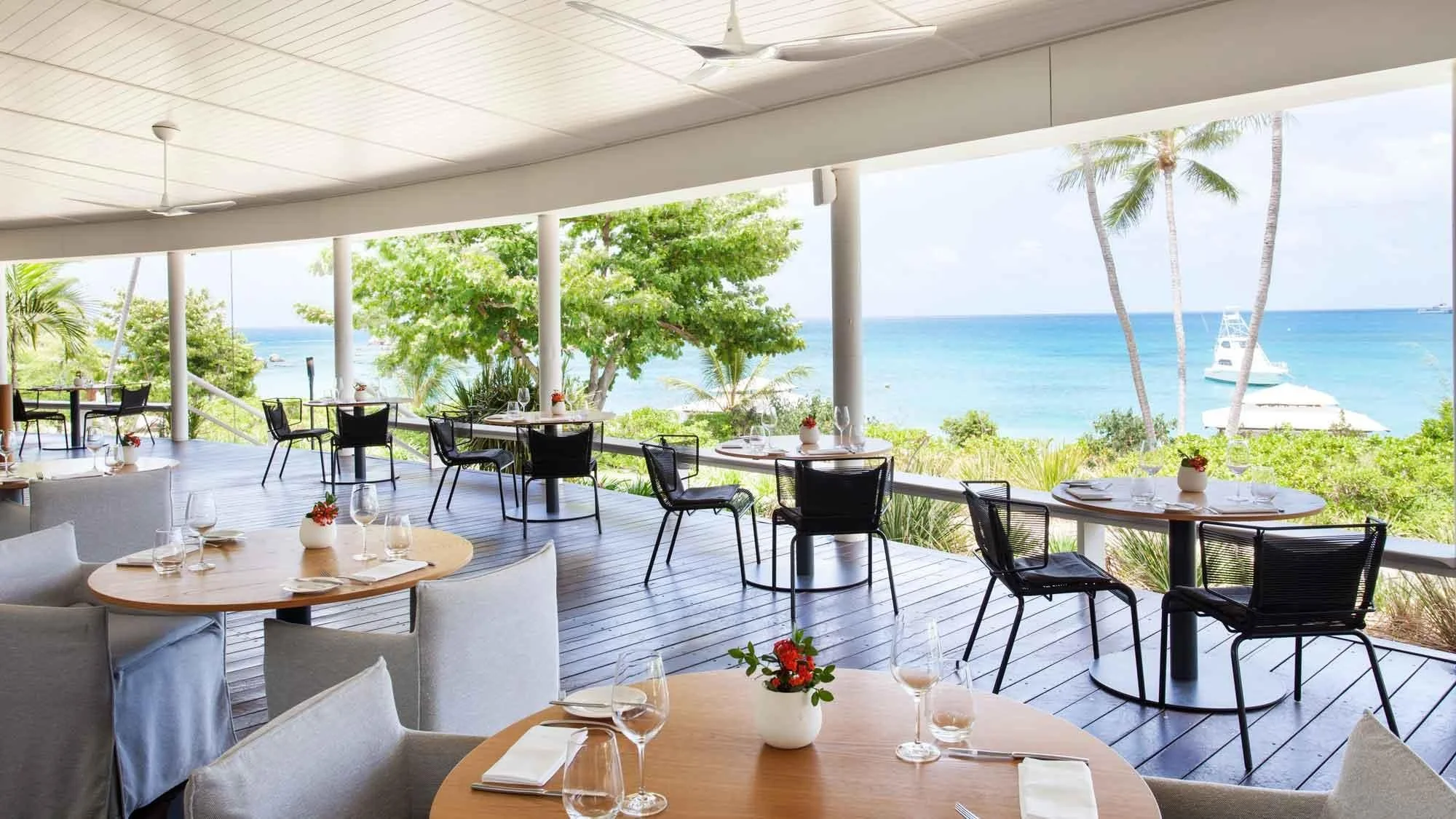
The primary restaurant opens toward the water, while bars and private beach settings provide alternatives for more casual or intimate occasions. The difference between a meal included in the stay and an additional private culinary experience is worth confirming in advance, especially when planning celebrations.
Salt Water Restaurant: The main dining room serves changing menus drawing on Australian and regional ingredients, with open views toward the island’s waters.
Driftwood Bar: A relaxed place for pre-dinner drinks and informal conversation close to the resort’s principal dining spaces.
Marlin Bar: A more casual island bar with light meals and drinks on selected evenings, with operating days and access subject to change.
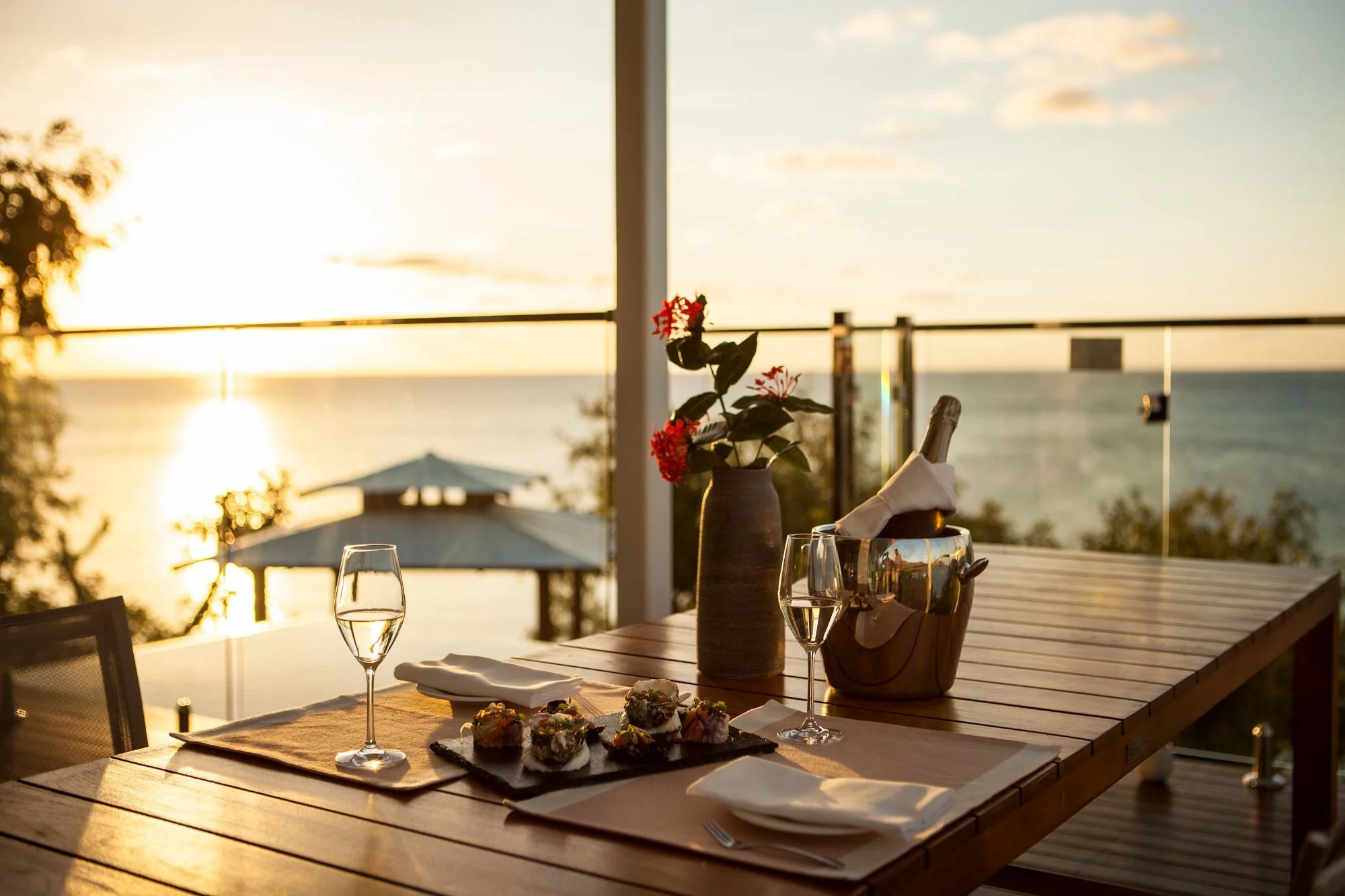
Private Beach Dining: An arranged experience in waterfront gazebos on Anchor Bay, suited to celebrations and intimate evenings.
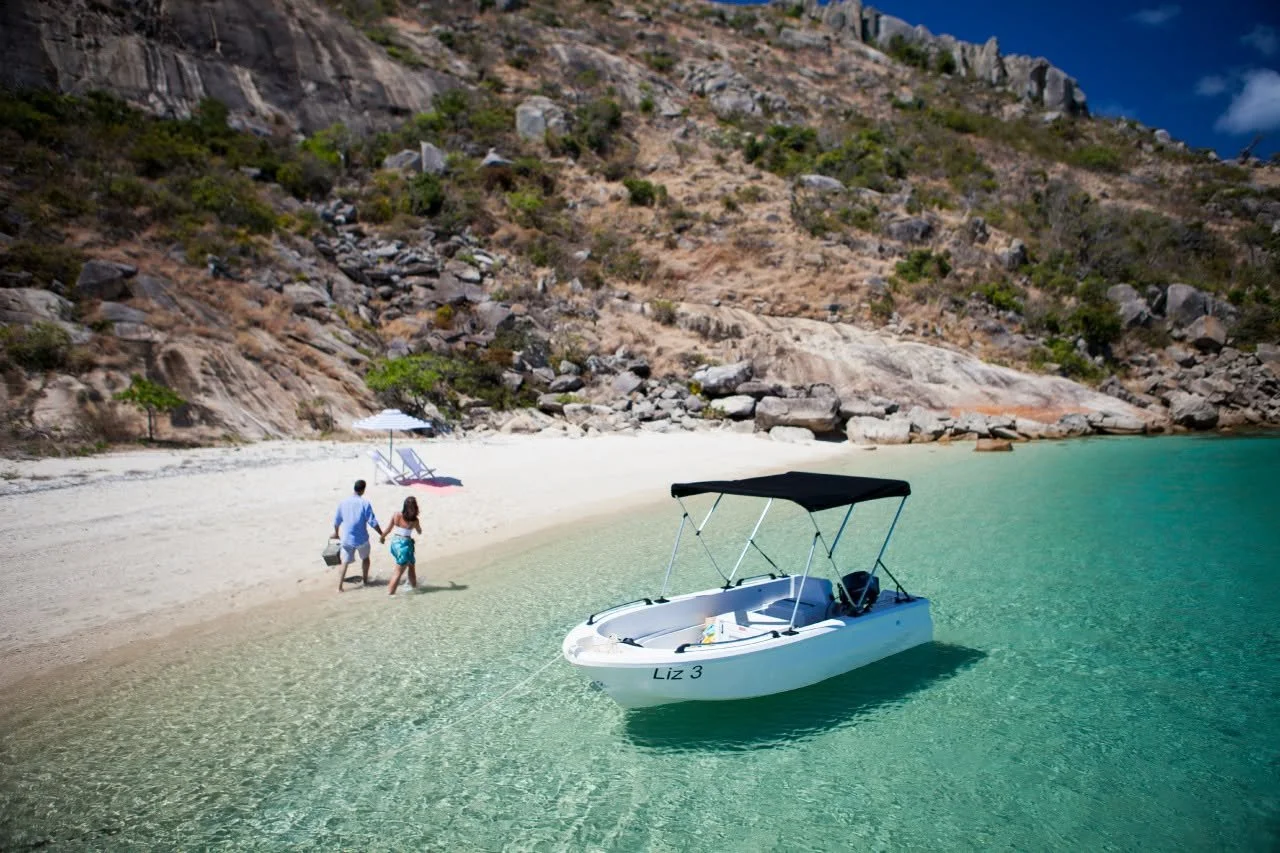
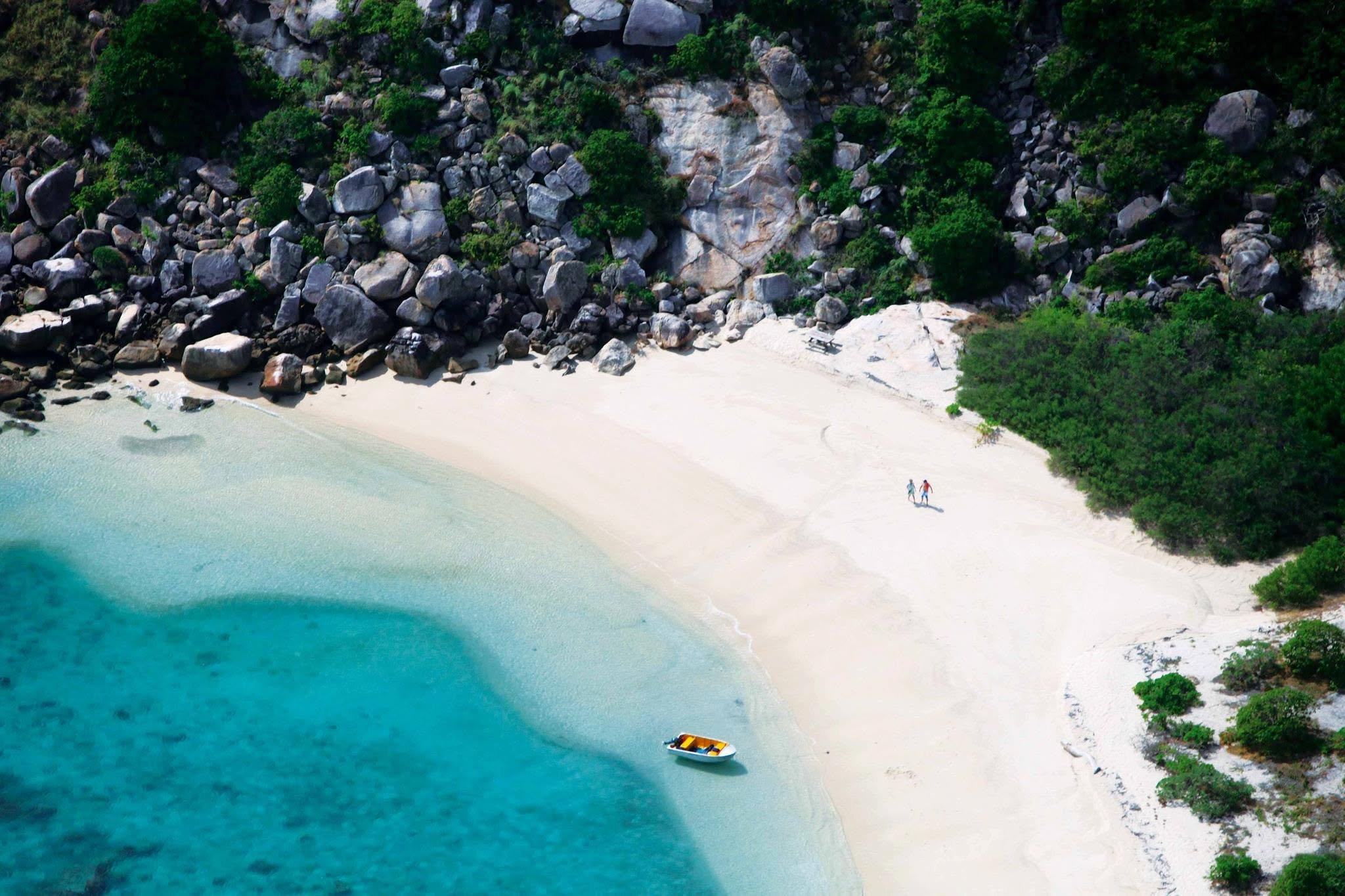
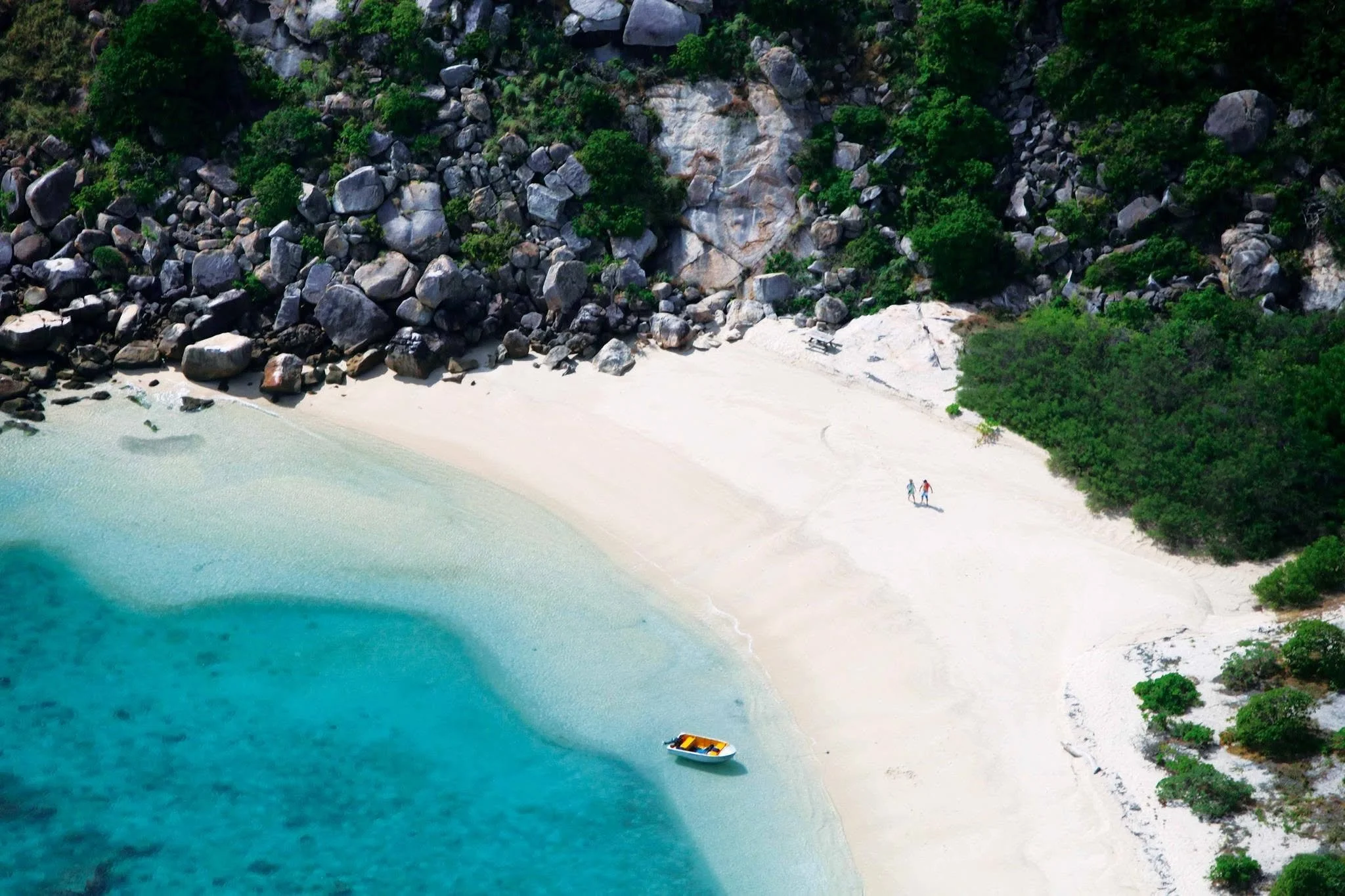
Private Beach Picnics: Refreshment packs can accompany an outing by dinghy or a prearranged beach drop-off, depending on the selected activity and conditions.

Essentia Spa and Time Outside
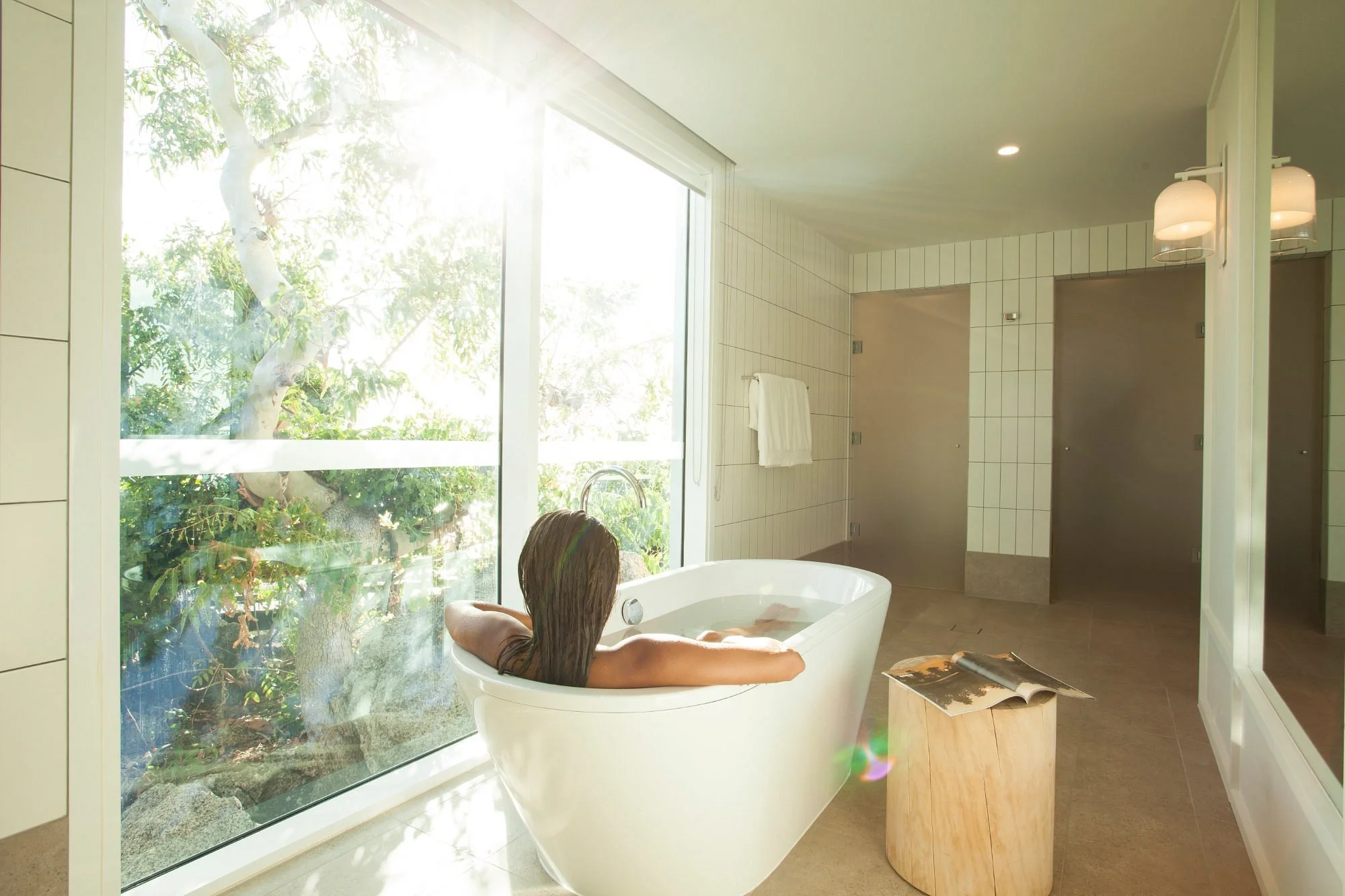
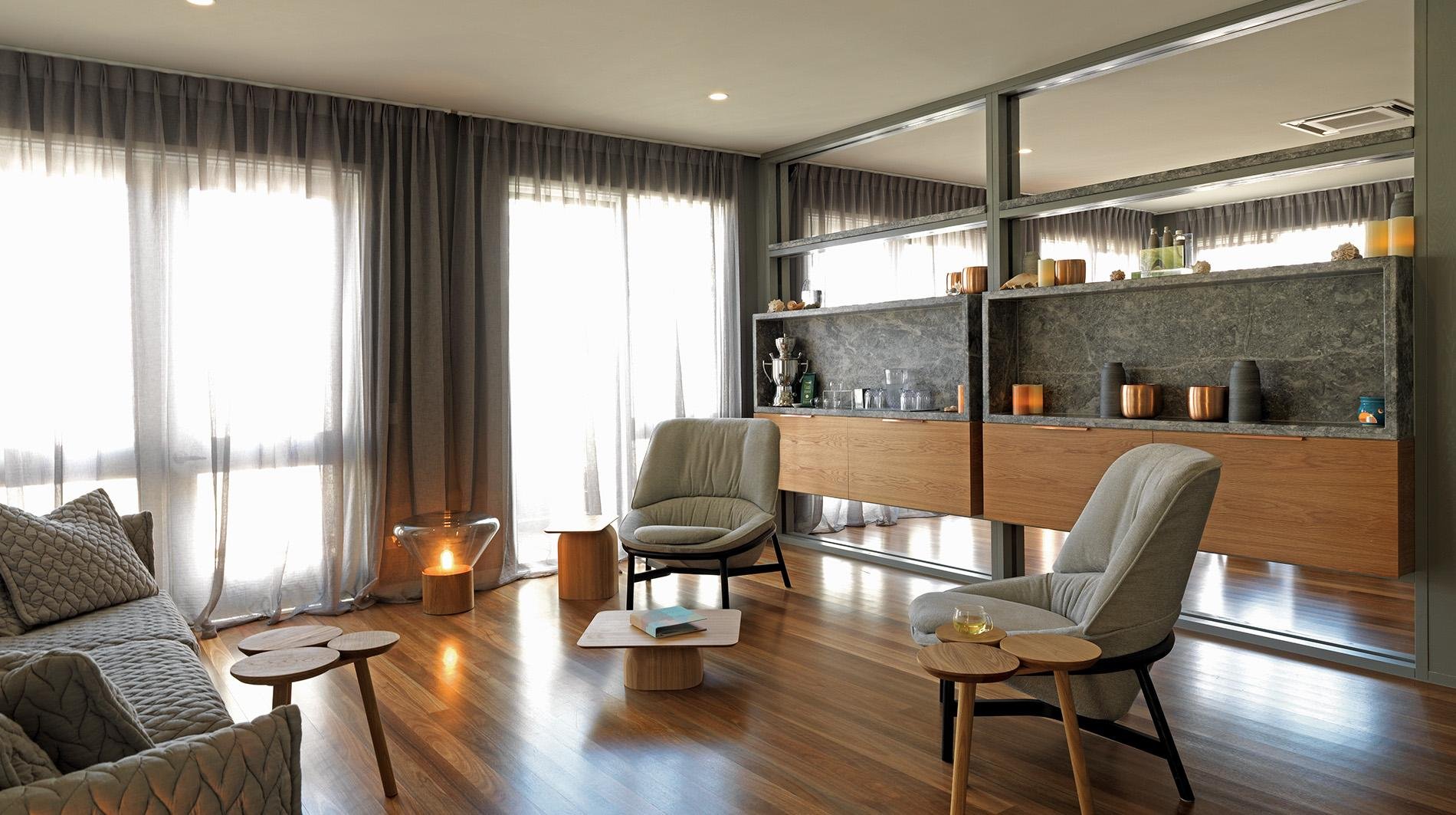
Essentia Day Spa offers a restorative counterpoint to days spent swimming, boating or hiking. Treatments include massage, facials and body rituals, with sessions arranged around the guest’s preferred schedule. The island setting gives wellness a practical dimension: unhurried afternoons, coastal walks and the opportunity to spend time outdoors are just as important to the experience as booked treatments.
A swimming pool, gym and tennis court supplement the activities available along the coast. For guests who prefer structured time, a spa appointment after a morning reef excursion provides a comfortable way to divide the day. Others may find that reading on a shaded deck, taking a slow swim or spending a few hours on a secluded beach is the better match for the setting.
Travelers seeking a particular therapist, treatment or wellness program should arrange reservations before arrival. With a small island operation, availability is naturally more limited than at a large urban resort.
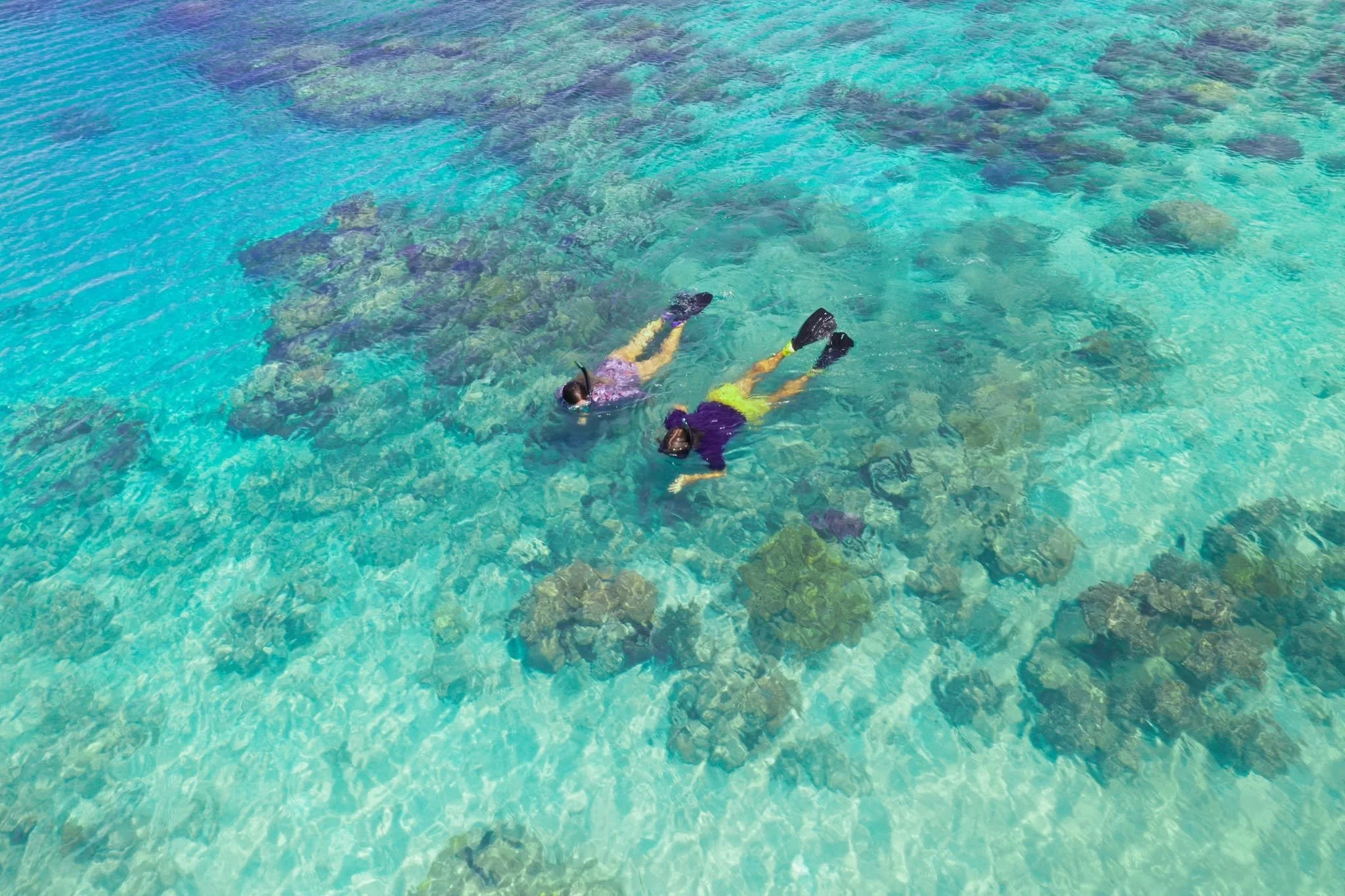
Reef Safaris, Quiet Beaches and Cook’s Look
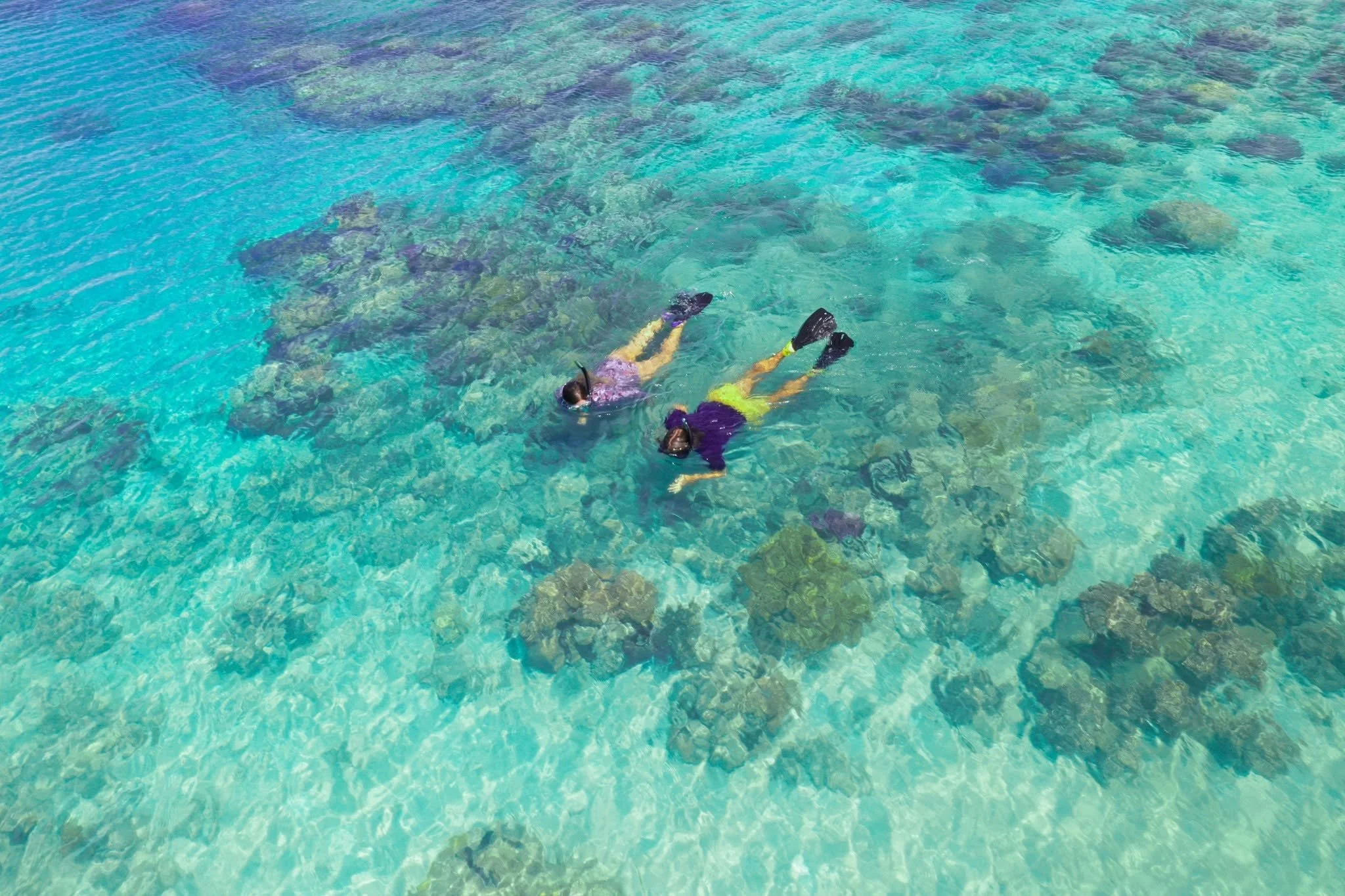
The most compelling reason to visit is the ease of entering the marine environment. Snorkeling is possible close to shore, while guided boat trips reach additional coral gardens and the outer reef. Divers can arrange excursions to celebrated sites including the Cod Hole, subject to weather, sea conditions and operator schedules. The island’s proximity to these locations is a major advantage compared with reef visits that require long departures from the mainland.
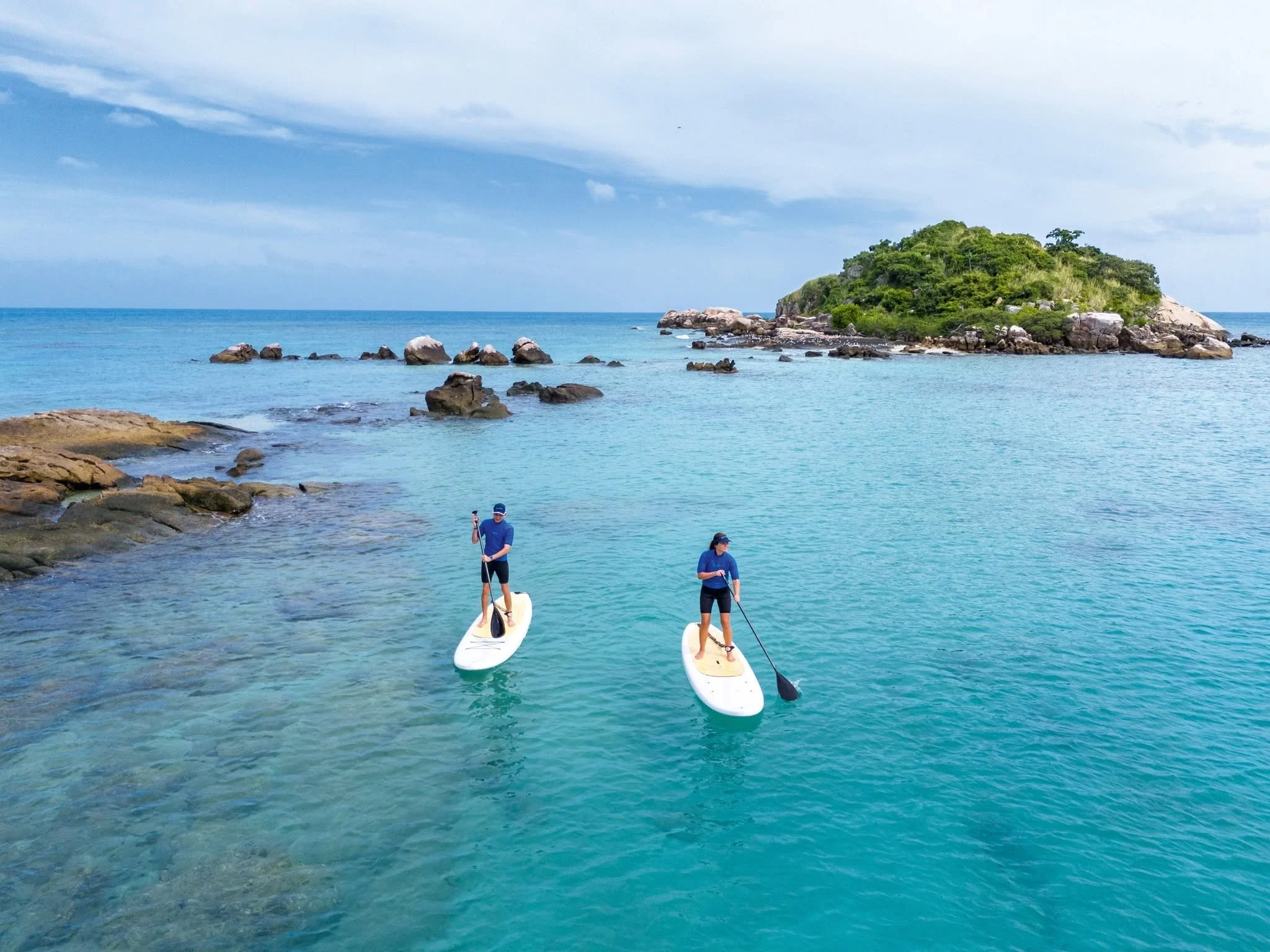
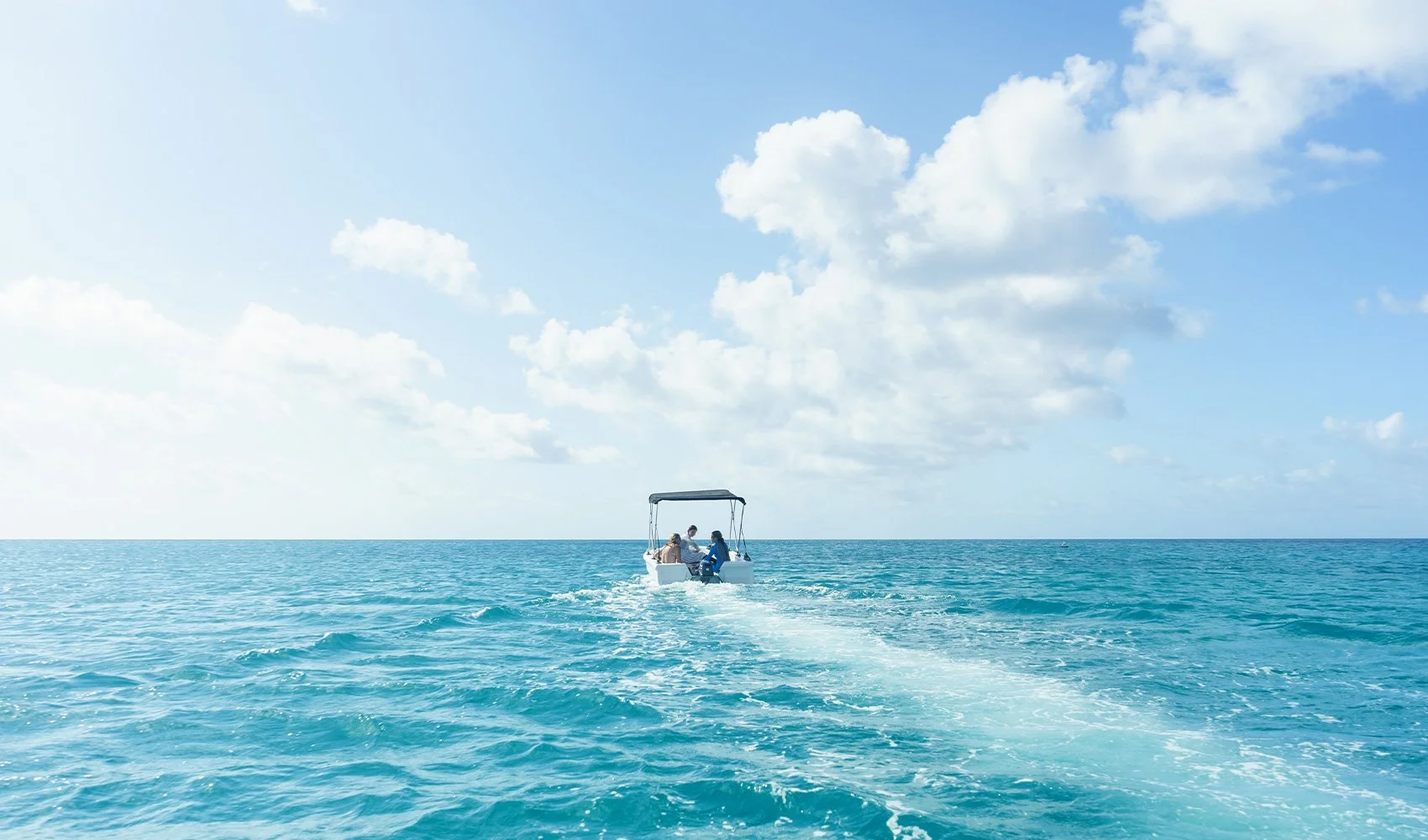
Motorised dinghies provide another distinctive option for eligible guests, allowing independent exploration of designated beaches and nearby waters after the resort’s safety briefing. A picnic pack, sunscreen and snorkeling equipment can turn a simple outing into an entire afternoon. The marine team also assists with guided activities and private charter planning.
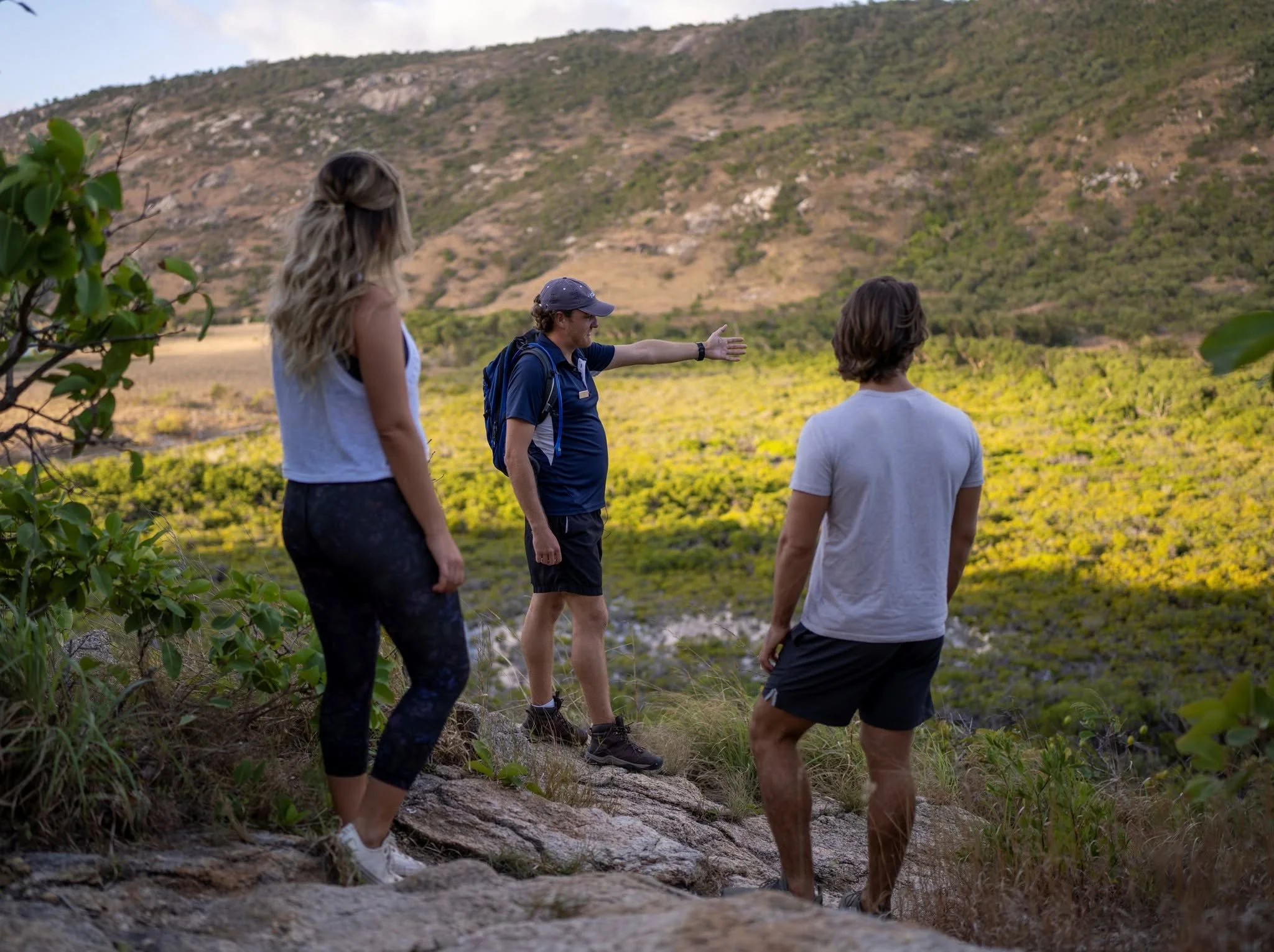
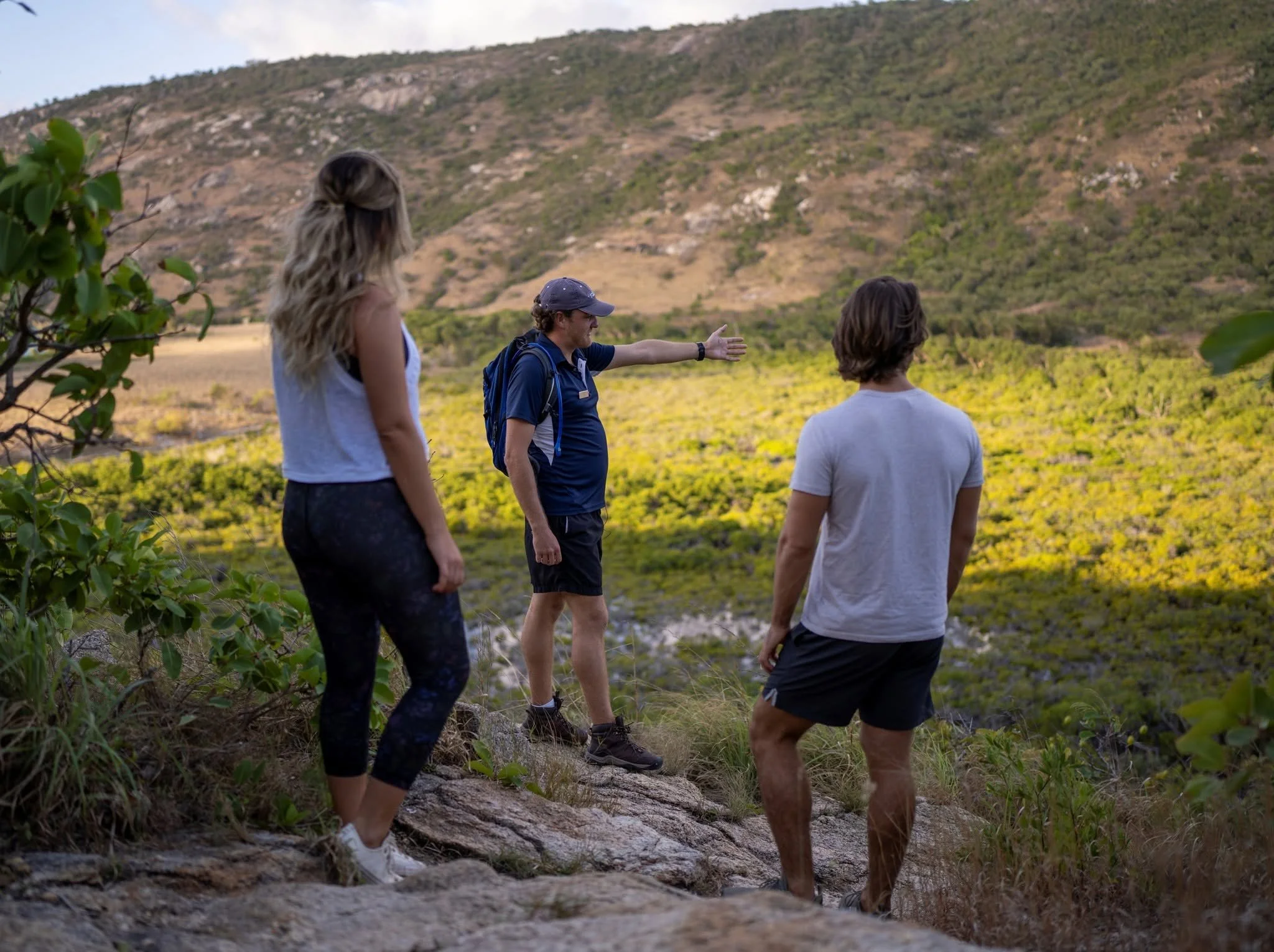
The land deserves attention too. A hike to Cook’s Look is demanding in sections but rewards prepared walkers with an extraordinary view across the surrounding reefs. Guided nature walks and birdwatching outings introduce the island’s ecology, while the Australian Museum’s Lizard Island Research Station offers an opportunity to understand ongoing reef science when tours are operating and places are available.
Fishing enthusiasts visit for access to offshore waters, especially around the black marlin season. As with diving, fishing charters require advance coordination and may be affected by conditions. A successful stay often balances one or two substantial excursions with open days that can adapt to the weather rather than attempting every activity on a fixed timetable.
An Island Stay for Families With Older Children
Lizard Island Resort welcomes children aged ten and above rather than operating as a conventional all-ages family resort. The age policy supports an atmosphere oriented around outdoor exploration, guided activities and relaxed dining, with particular appeal for families whose children are comfortable in and around water.
The Villa provides a two-bedroom arrangement for small groups and families, while The House offers a much larger private residential setting with three bedroom suites and dedicated services. The right choice depends on the children’s ages, sleeping requirements, swimming ability and the amount of supervision required during water-based activities.
There is no reason to assume that all excursions are appropriate for every child: diving, boating and swimming may have their own participation and safety requirements. Families should discuss these details while shaping the itinerary, and confirm how the published resort age policy applies to their travel dates.
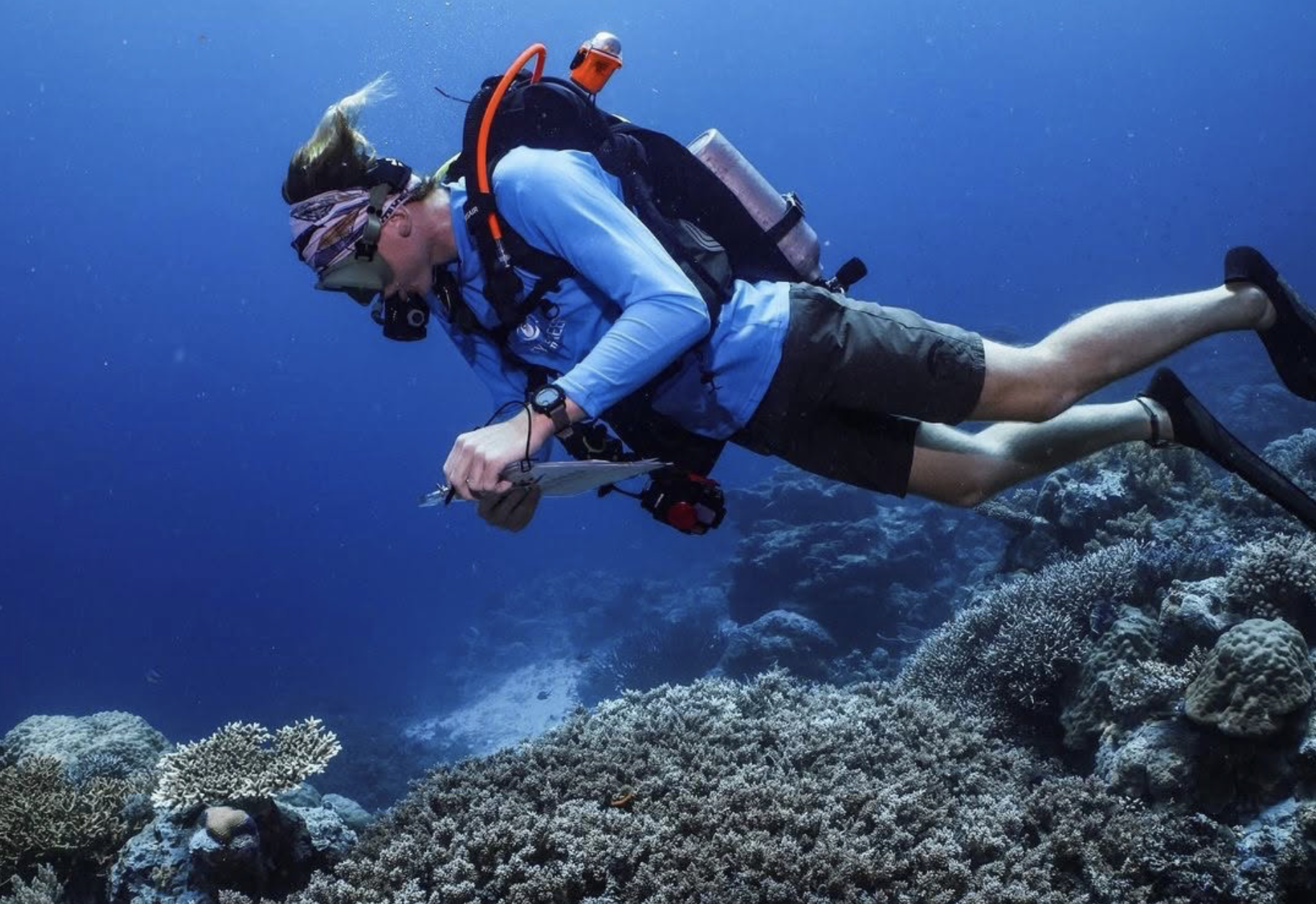
Protecting a Living Reef Environment
Operating inside a national park and beside one of the world’s most closely watched marine environments creates substantial responsibilities. The resort describes efforts to reduce waste, including separate recycling streams and the removal of plastic straws and bottles from its operations. It also emphasizes the protection of cultural heritage through relationships with traditional custodians and interpretive activities led by its naturalist team.
The nearby Lizard Island Research Station is operated by the Australian Museum, independent of the resort, and supports marine science on the Great Barrier Reef. Pre-arranged visits can give guests valuable context about coral ecology and the pressures facing reef systems. The presence of active research adds an educational dimension to a visit that might otherwise be experienced solely as a beach holiday.
These initiatives should not be confused with a blanket guarantee about the environmental impact of every excursion. Responsible snorkeling and diving practices, following marine park rules and respecting wildlife remain important aspects of visiting a living reef.
Accessibility on an Island of Paths and Ridges
Lizard Island’s remote location and natural topography make accessibility planning particularly important. Some accommodation is set on ridges or reached along outdoor paths, and activities frequently involve beaches, small boats and uneven ground. The scenic air transfer adds another stage where individual mobility requirements must be considered.
Detailed current specifications for adapted guest rooms, accessible bathrooms and step-free routes were not established in the public material reviewed for this article. Travelers with mobility or sensory access requirements should therefore request written confirmation of the exact room configuration, transfer assistance and access to the dining venues, spa and any proposed excursions before committing to a reservation.
Marine experiences deserve separate discussion because boarding conditions, tidal changes and vessel designs vary. An individually planned itinerary is more useful than assuming that all advertised facilities and activities can be accessed in the same way.
Reading the Seasons on the Northern Reef
Lizard Island is a tropical destination with changing weather and marine conditions throughout the year. The drier months, broadly from May into October, are often attractive for those seeking more comfortable temperatures and extended outdoor time, although southeasterly trade winds can influence boating and exposed-water activities.
The warmer, wetter months bring higher humidity and the possibility of heavier showers or tropical weather systems. Conditions can change quickly, and the most suitable time for diving or snorkeling depends not only on seasonal averages but also on the forecast, underwater visibility and the objectives of the trip.
Marine stingers are a consideration in tropical Queensland waters, particularly during warmer months. Guests should follow the resort’s latest water-safety advice, including recommendations about protective suits and where to swim. Travelers with a particular offshore excursion in mind should preserve some flexibility rather than treating a single departure day as guaranteed.
Fishing calendars are another influence. Black marlin activity helps make the latter part of the year an especially important period for serious anglers, but charter availability and weather both require advance planning.
Plan Your Stay With Destinations by David
Choosing the right accommodation at Lizard Island Resort begins with how you want to experience the reef. Our team can compare garden settings, immediate beachfront access, elevated ocean views and the additional privacy of The Villa or The House, with particular attention to bedroom arrangements, travel party size and the time you expect to spend on the water.
Destinations by David can coordinate the scenic arrival from Cairns, discuss the inclusions attached to the selected stay and arrange diving, snorkeling, fishing charters, Essentia Day Spa appointments and private dining around your interests. A thoughtful sequence of activities also leaves room for the weather and for discovering quieter corners of the island at your own pace.
Contact our team to plan and book Lizard Island Resort, whether as a dedicated Great Barrier Reef escape or part of a longer journey through Queensland and Australia.
Reaching the Island From Cairns
Lizard Island’s relative remoteness is part of the appeal, but it makes the travel sequence worth organizing carefully. A connection through Cairns and the scheduled scenic air service is the usual route; overnight stays on the mainland may be sensible depending on international flight times.
Cairns Airport: Fly into Cairns from an Australian domestic gateway or via suitable international connections, allowing time for onward check-in.
Cairns to Lizard Island: The scheduled scenic air transfer takes approximately one hour, with departures and baggage conditions arranged in advance.
Island arrival: Resort staff coordinate arrival after landing at the island airstrip; confirm transfer arrangements as part of the reservation.
Private vessel or charter: Special arrangements may be possible, but access permissions, suitable arrival points and weather-related restrictions must be confirmed with the resort.
A Different Perspective on the Great Barrier Reef
Lizard Island is at its most persuasive when the reef remains the focus rather than an item to be checked off a list. A private deck, a guided dive, a motorised dinghy and a sunset drink each reveal a different part of the same setting. The architecture and dining provide comfort, but the surrounding national park and Coral Sea are the experiences that give the stay its identity.
For travelers willing to make the extra journey from Cairns, the reward is time spent unusually close to the reef itself, with the freedom to build days around nature, privacy and a measured pace.