Malilangwe Wildlife Reserve, Zimbabwe | Singita Pamushana Lodge
Singita Pamushana Lodge: Conservation and Wilderness in Zimbabwe’s Malilangwe Reserve
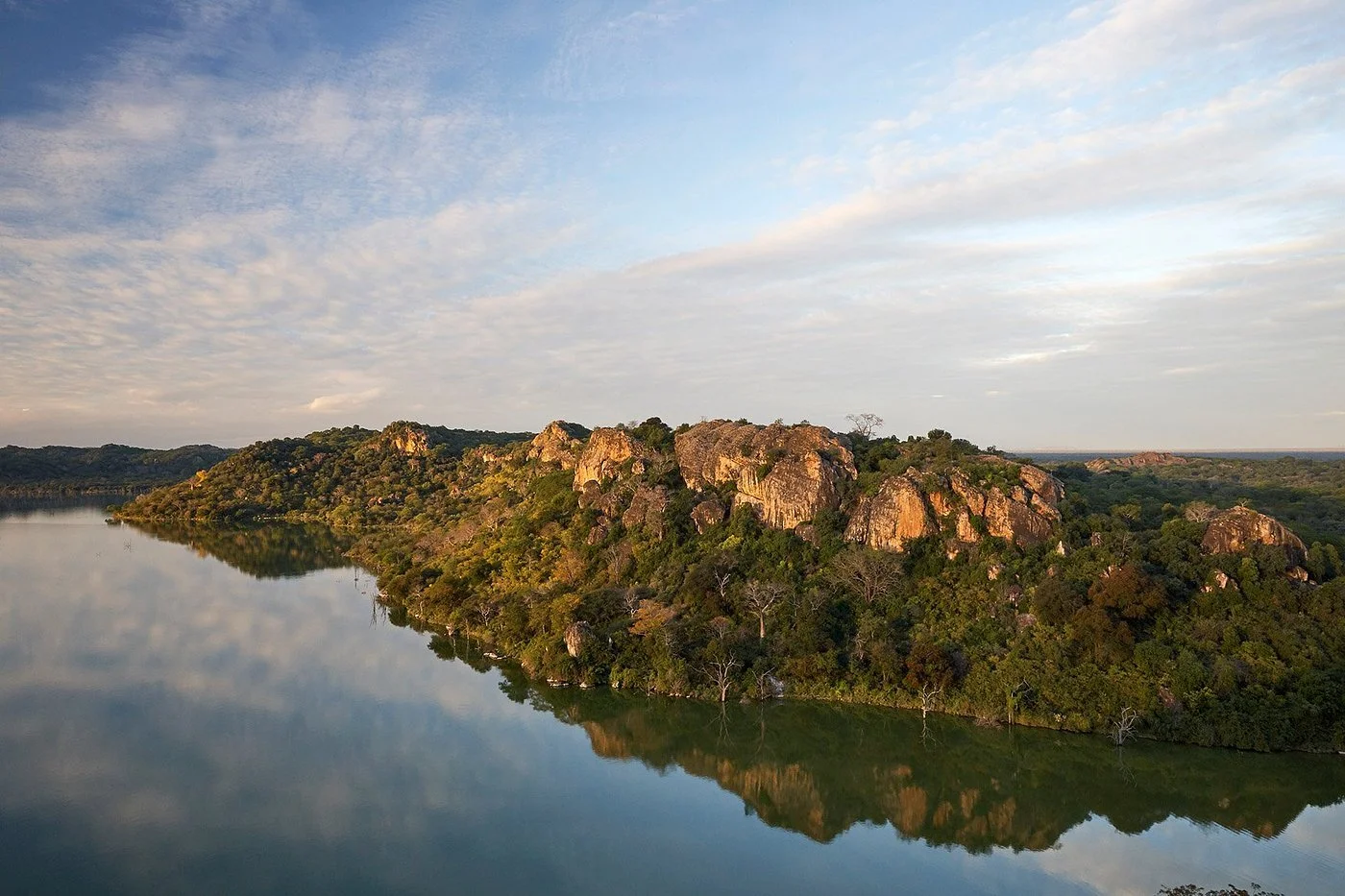
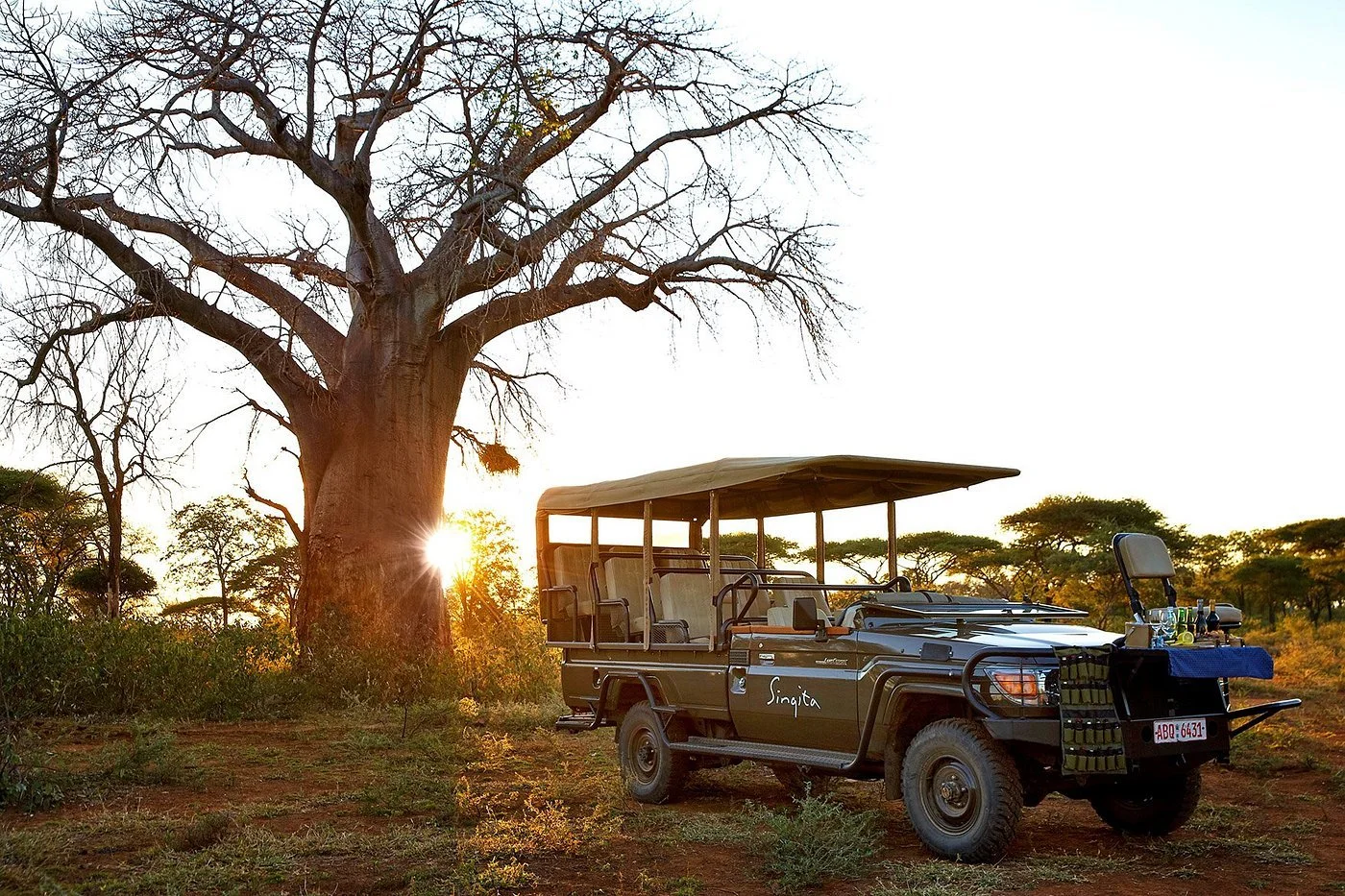
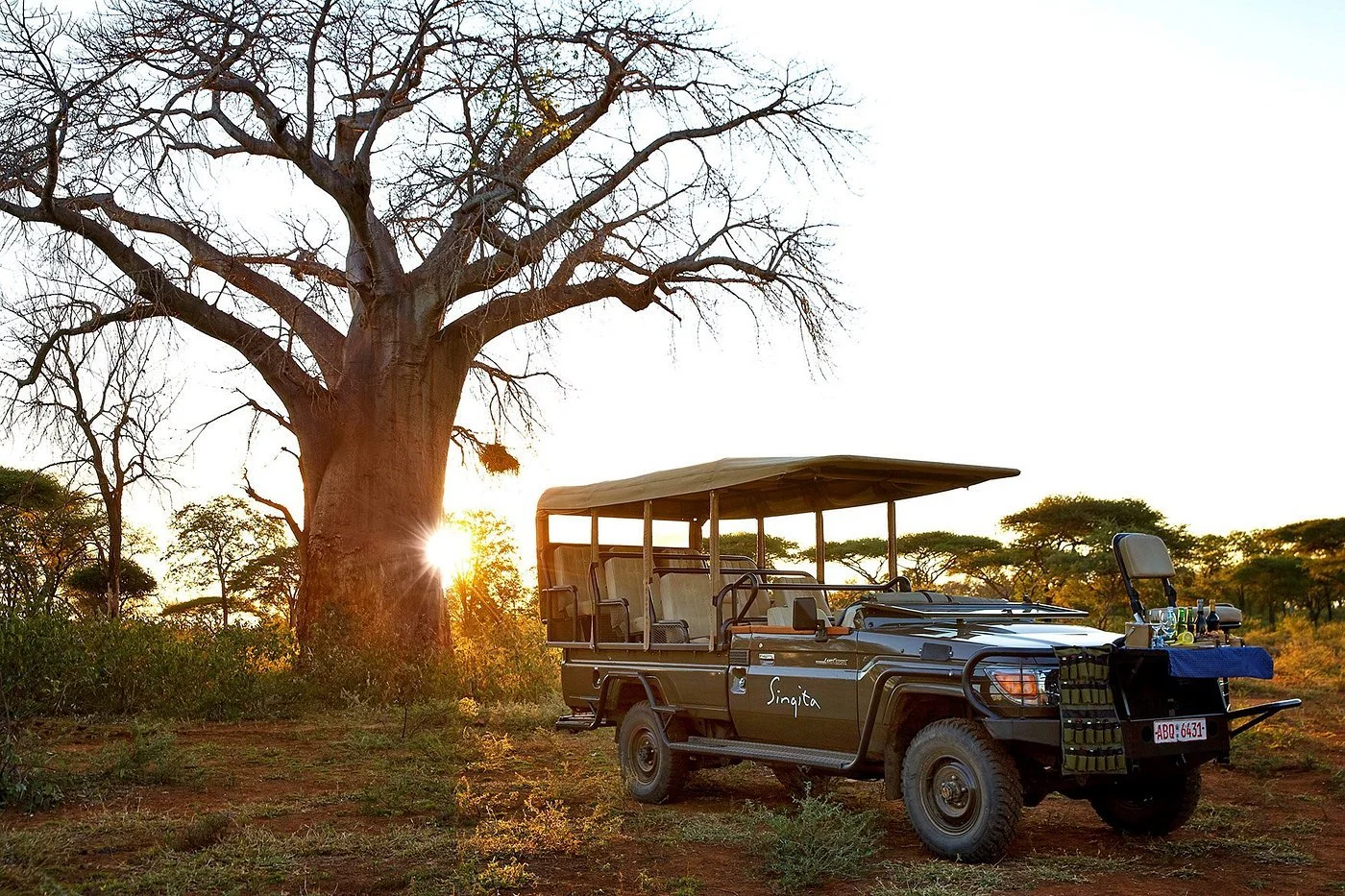
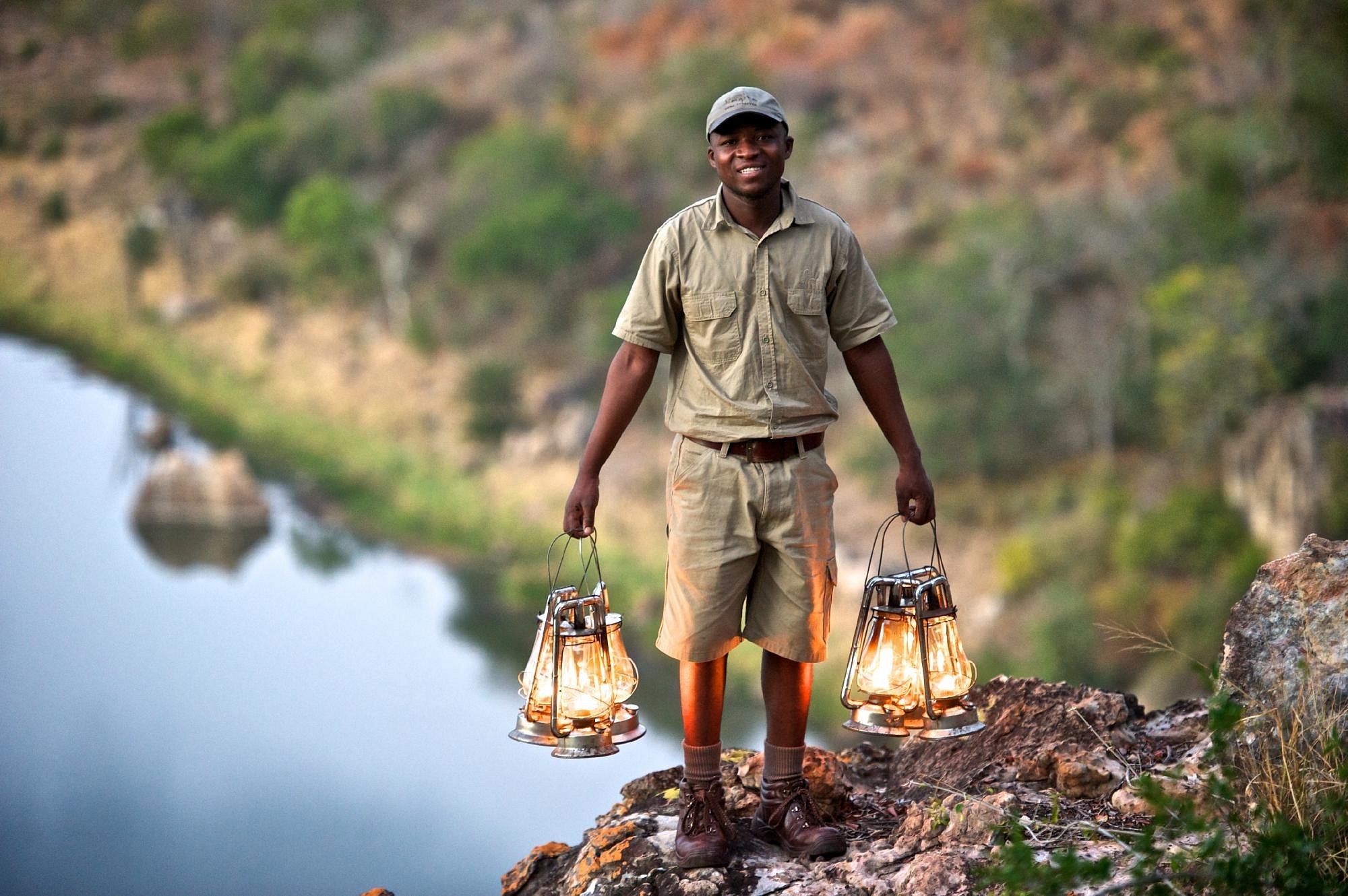
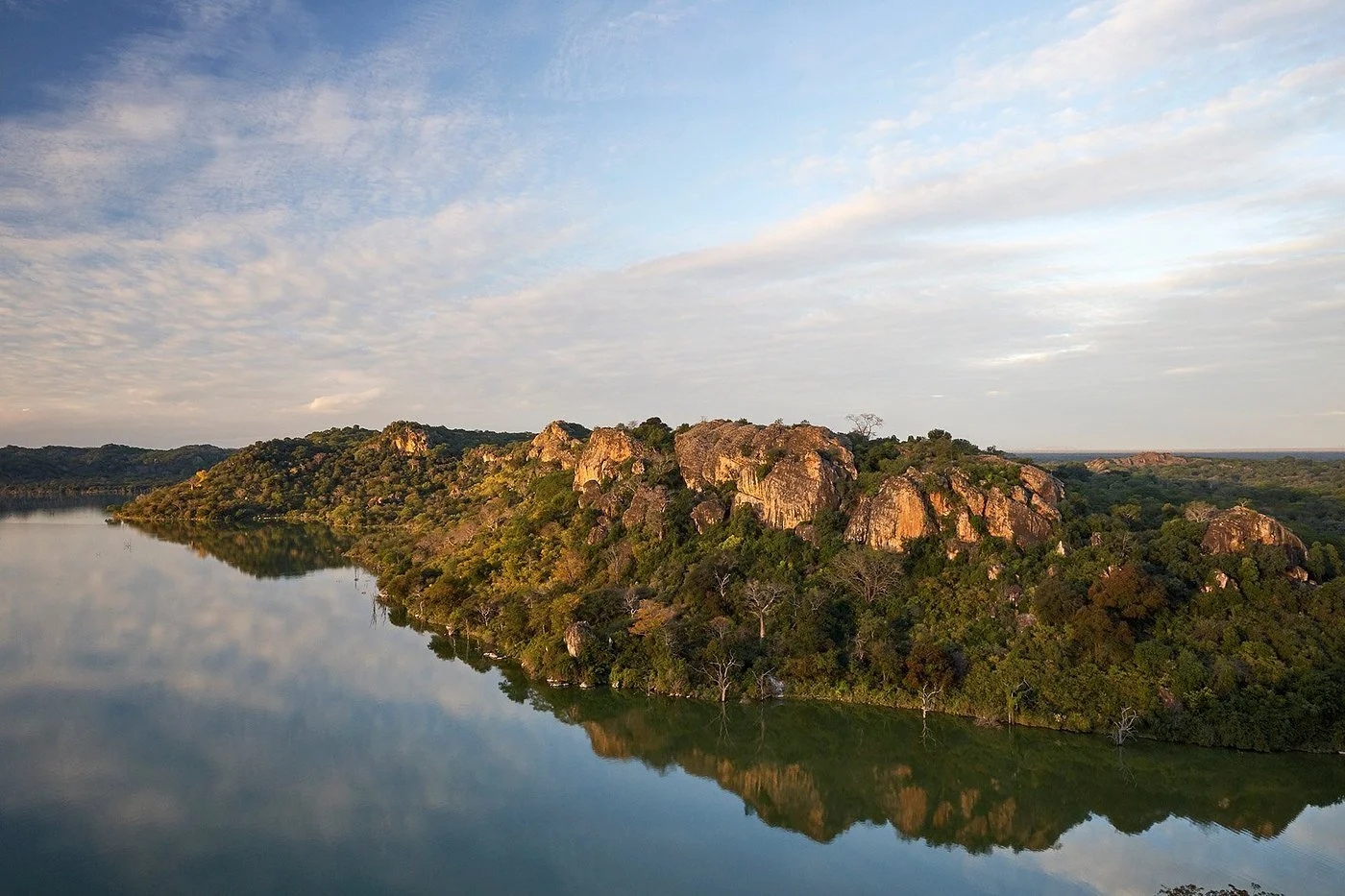
In southeastern Zimbabwe, far from the country's better-known safari circuits, Singita Pamushana Lodge overlooks a vast wilderness shaped by sandstone hills, ancient baobabs, mopane woodland and the waters of Malilangwe Dam.
The setting immediately distinguishes Pamushana from many traditional safari lodges. The property sits high on a sandstone ridge within the 115,000-acre Malilangwe Wildlife Reserve, where only eight suites look across a landscape protected by one of Africa's more remarkable conservation initiatives.
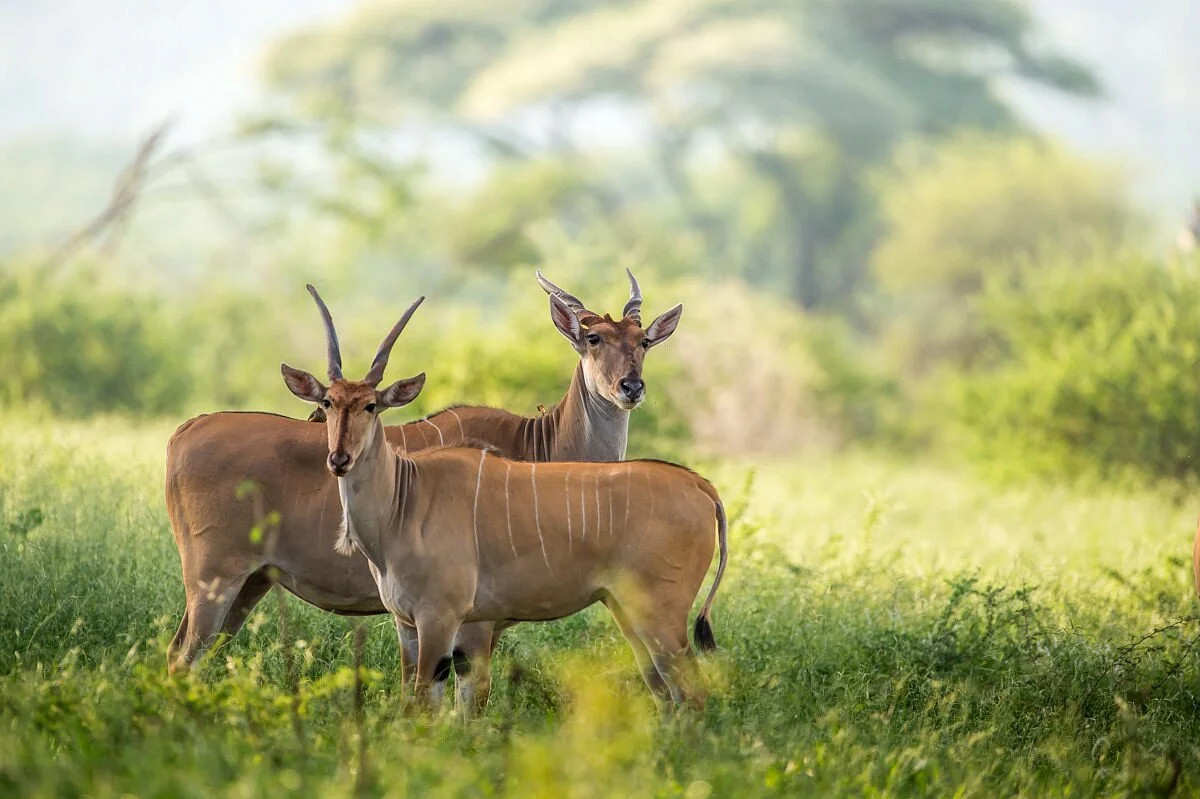
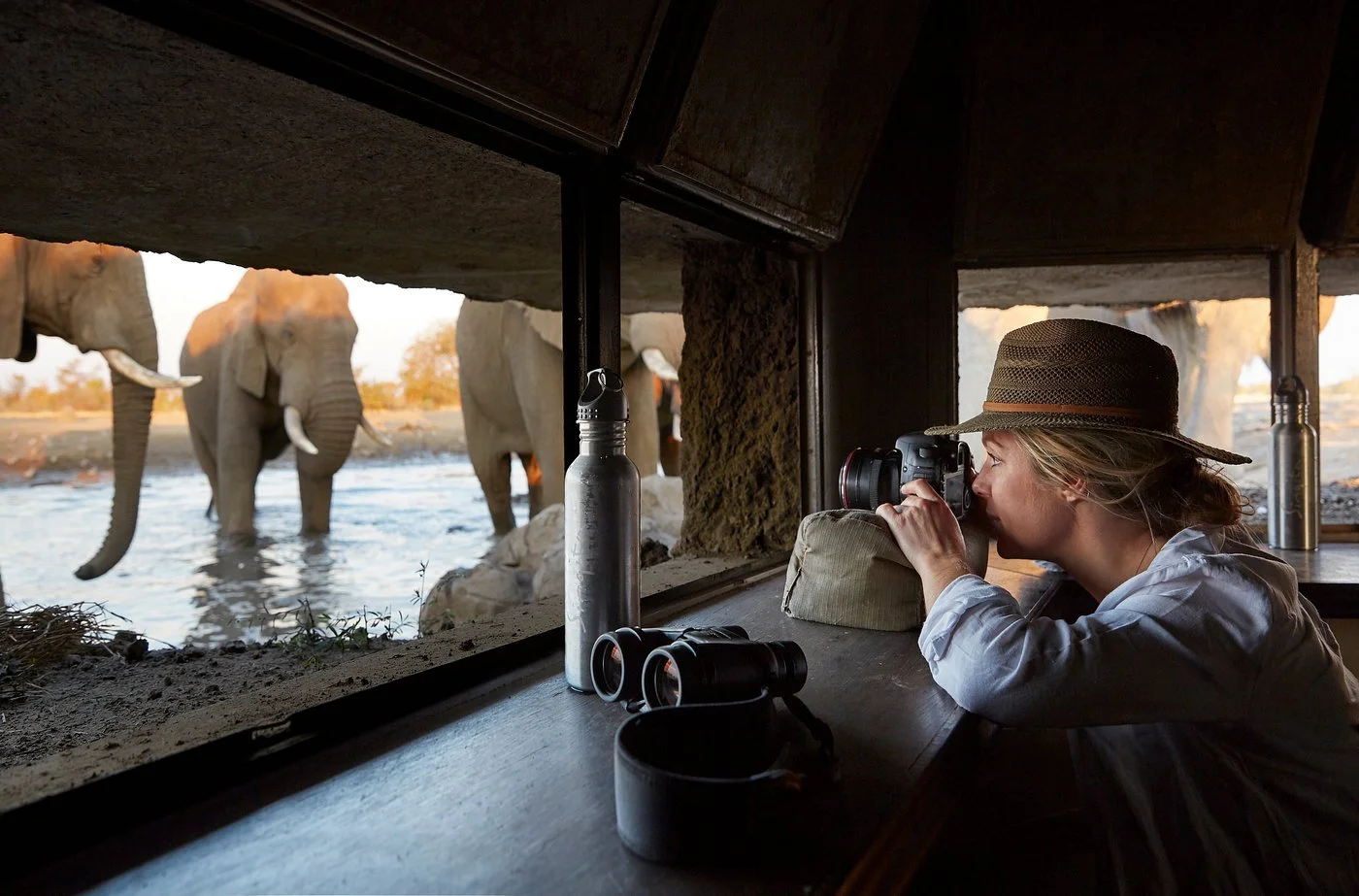
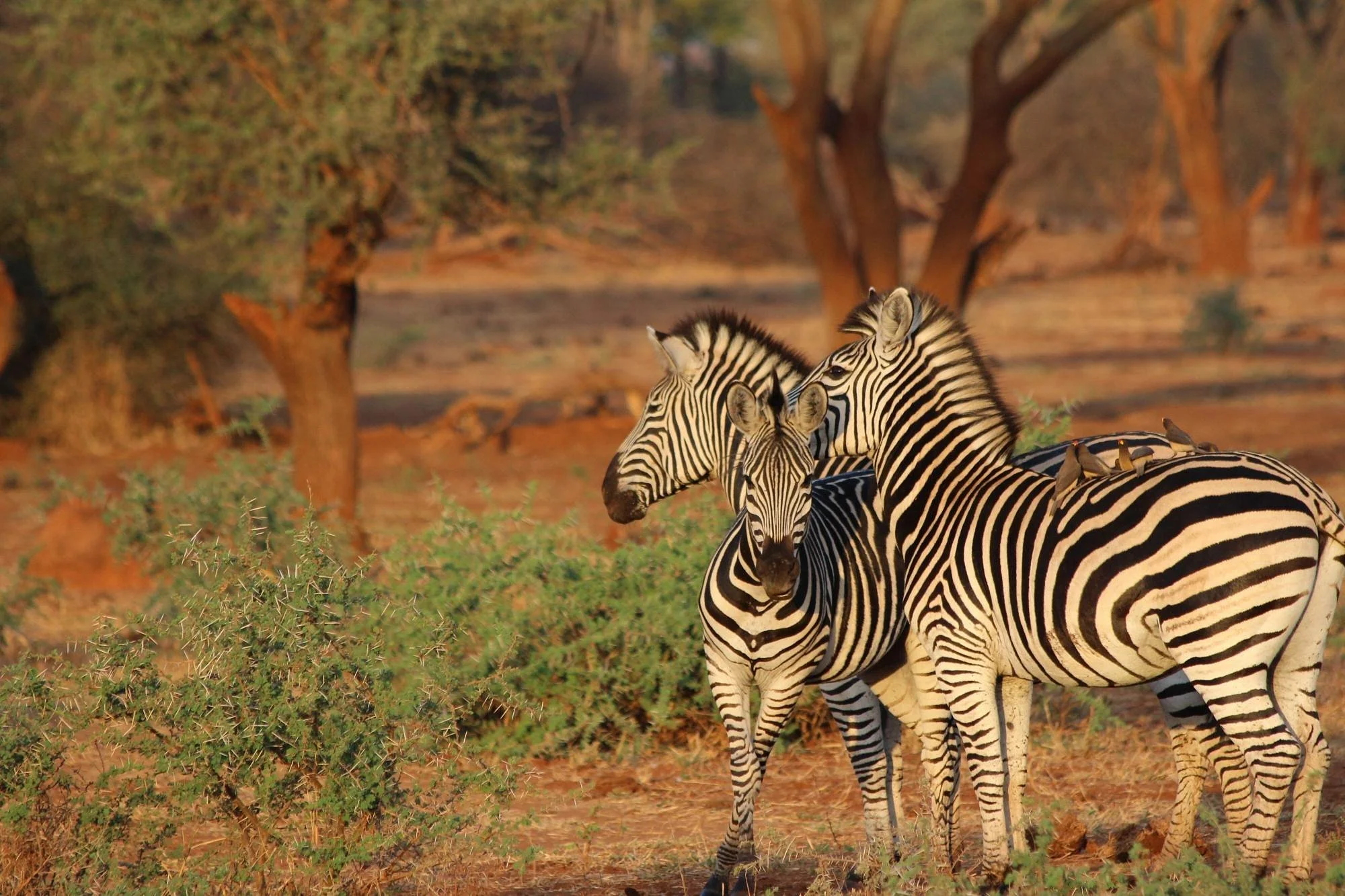
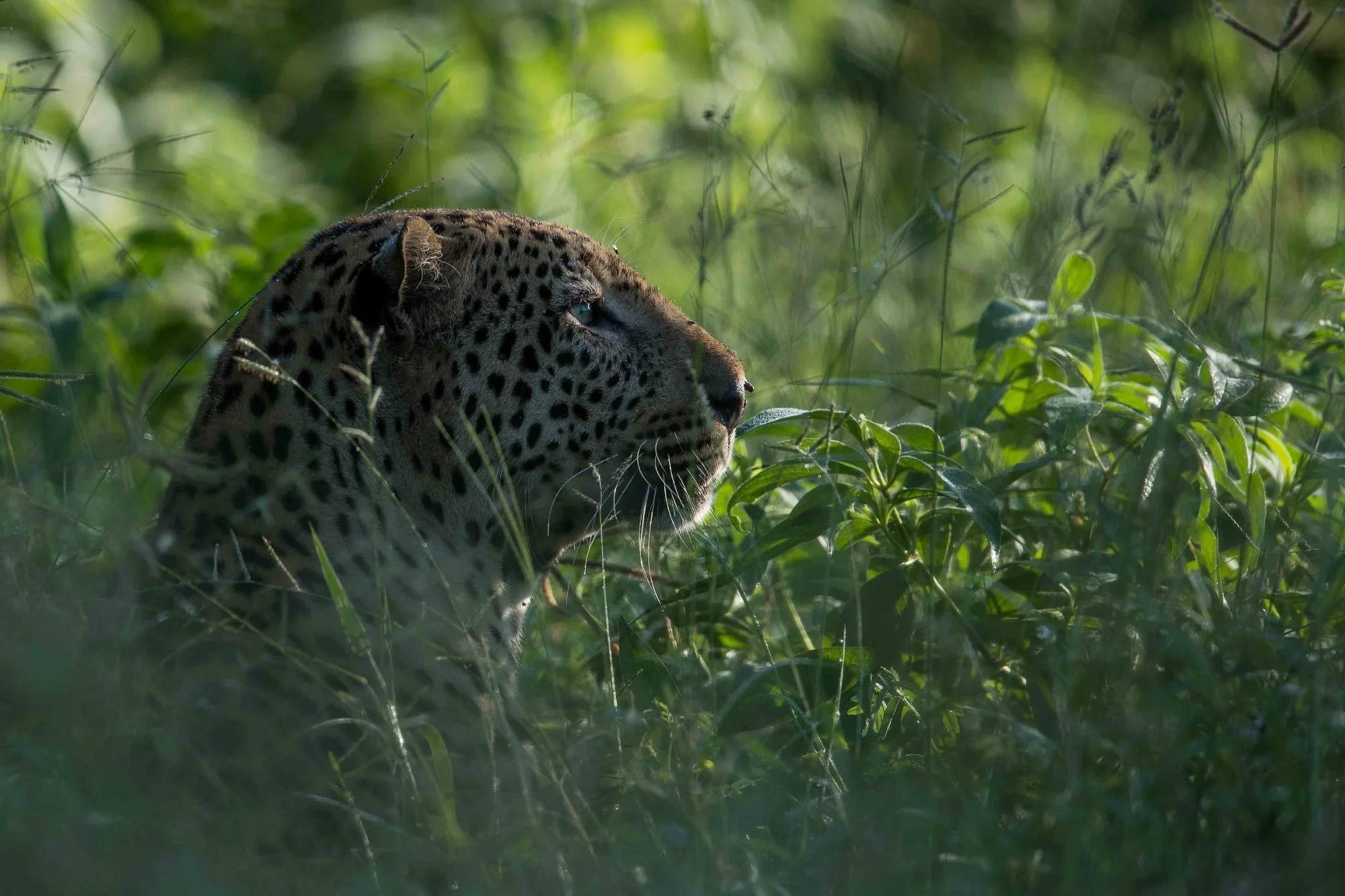
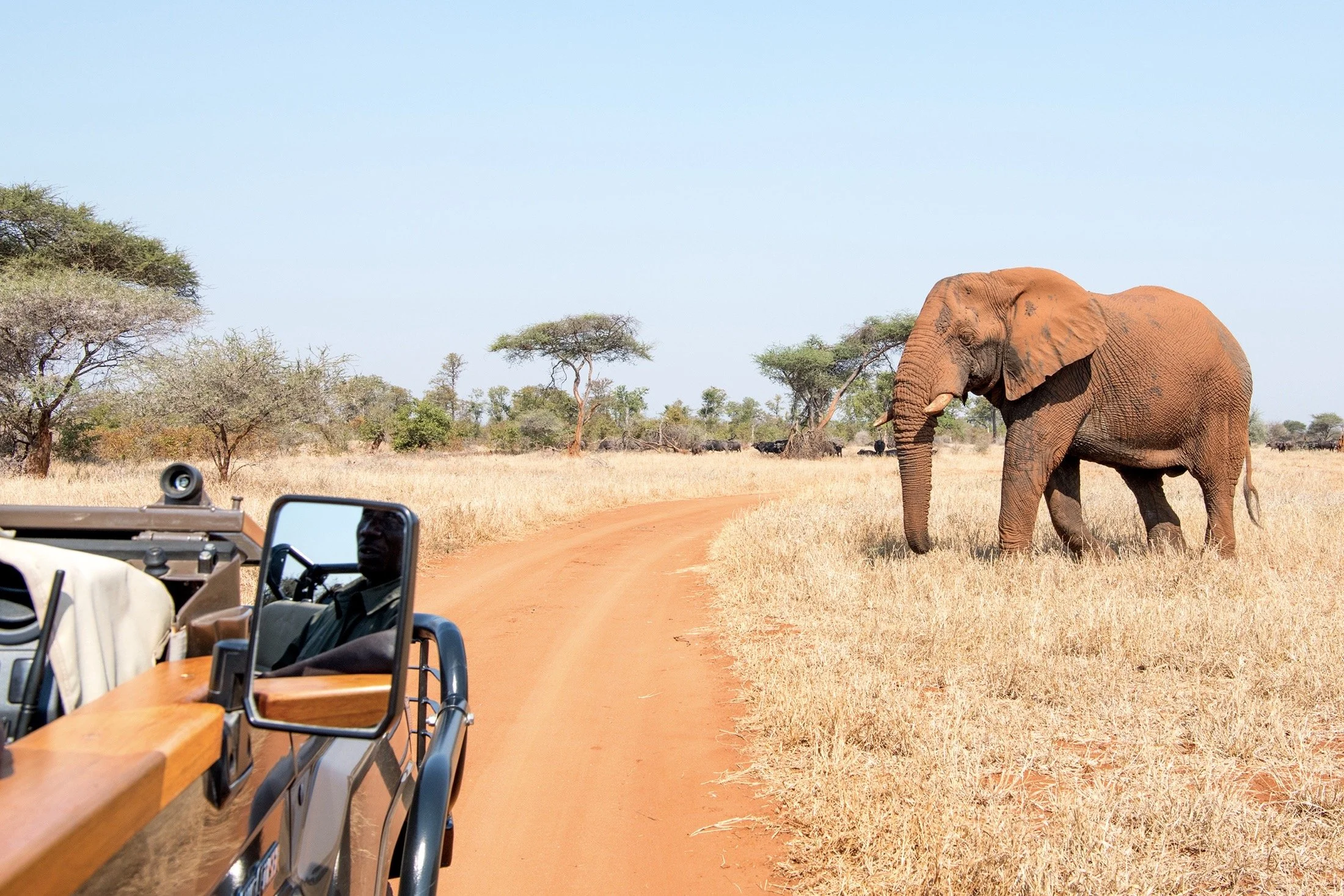
Wildlife is abundant. Both black and white rhino populations thrive within the reserve, alongside elephants, lions, leopards, African wild dogs, buffalo and rare antelope including sable and roan. More than 120 recorded rock-art sites provide evidence of people who inhabited this landscape long before it became a protected wildlife reserve.
Yet understanding Pamushana requires looking beyond the animals.
The lodge is the ecotourism arm of the Malilangwe Trust, a Zimbabwean nonprofit established in 1994. Revenue generated through tourism helps fund conservation across the reserve as well as community programs in neighboring areas. The relationship between Singita and Malilangwe means that a stay directly supports the protection of the landscape travelers have come to experience.
It also makes Pamushana feel markedly different from a safari lodge positioned simply within a beautiful reserve. Conservation, community development, archaeology and tourism have been deliberately connected here for decades.
The Story of Malilangwe
The Malilangwe Trust was established in 1994, following what Singita describes as the largest single donor investment in Zimbabwe at the time.
Its ambition extended well beyond creating another private game reserve.
Malilangwe was designed as a long-term conservation project capable of restoring biodiversity while simultaneously supporting communities living around its borders. Today the protected area encompasses 38 different habitats and ecological zones across 115,000 acres, producing an extraordinary range of landscapes within a single reserve.
The Trust's work has been particularly important for rhino conservation.
In 1998, 28 black rhinos and 15 white rhinos were introduced to Malilangwe. The populations have since become so successful that the reserve now holds globally significant populations of both species and has been able to contribute animals toward rhino restoration efforts elsewhere in Africa.
Rhinos are monitored closely, with conservation teams using techniques including DNA sampling, microchipping, measurements and identifying marks to track individual animals.
The wider ecological work extends to habitat management, wildlife research and the protection of species ranging from African wild dogs to sable and roan antelope.
Singita manages Pamushana Lodge on behalf of the Malilangwe Trust, with tourism revenue helping support both the reserve and its surrounding communities.
That relationship gives travelers an unusually direct connection to the conservation story unfolding around them.
Eight Suites Above Malilangwe Dam
Pamushana's position is spectacular.
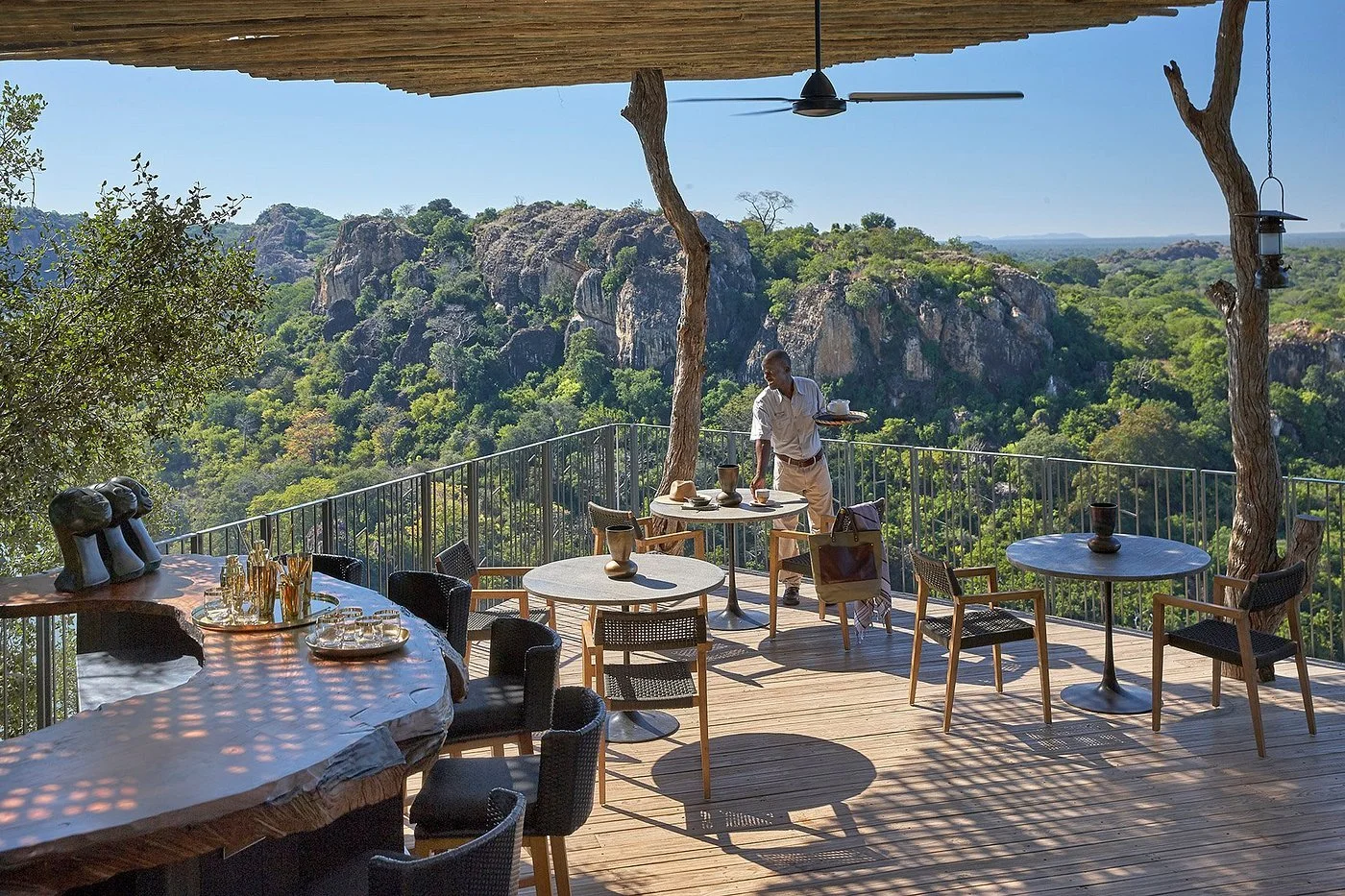
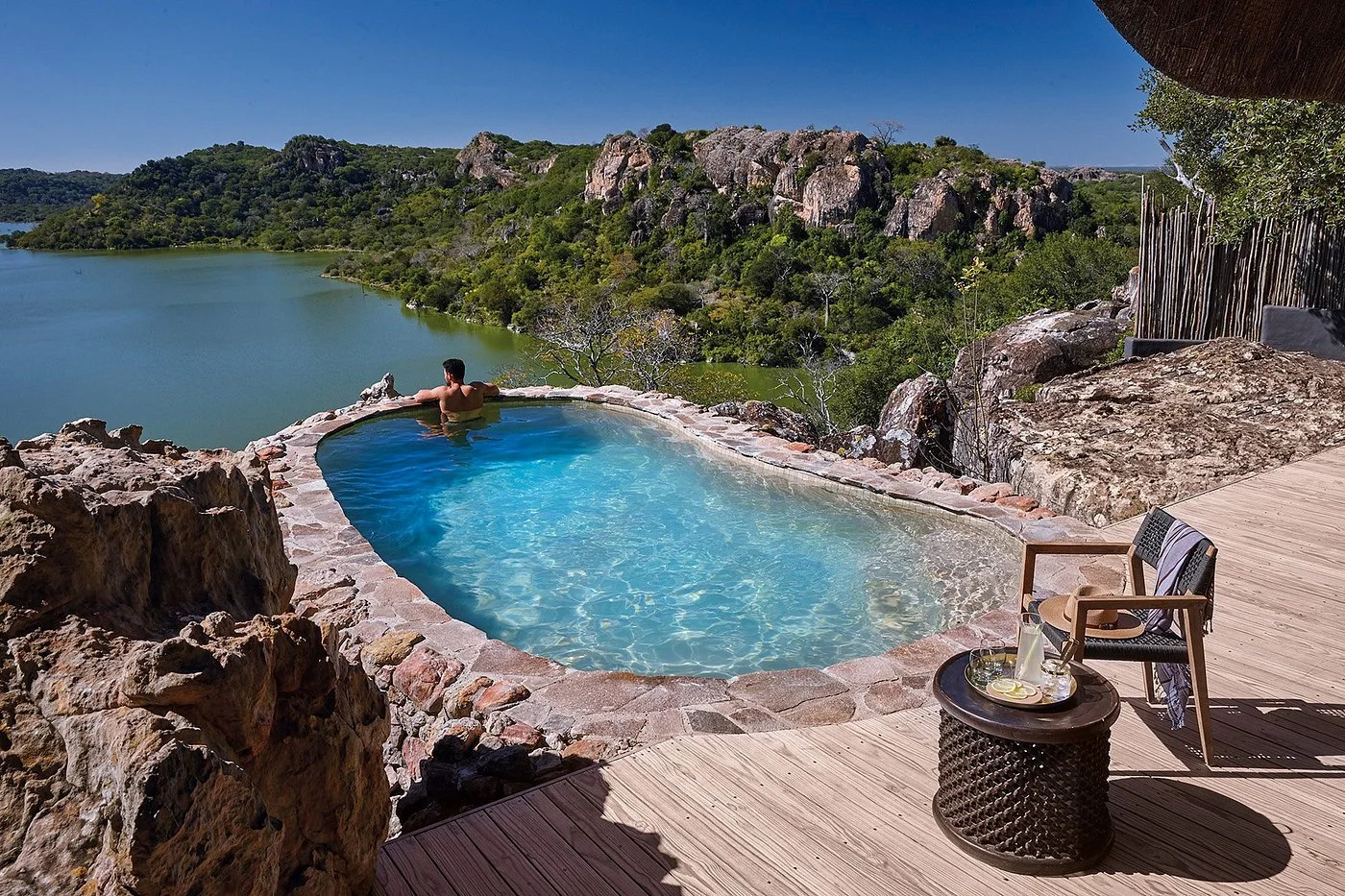
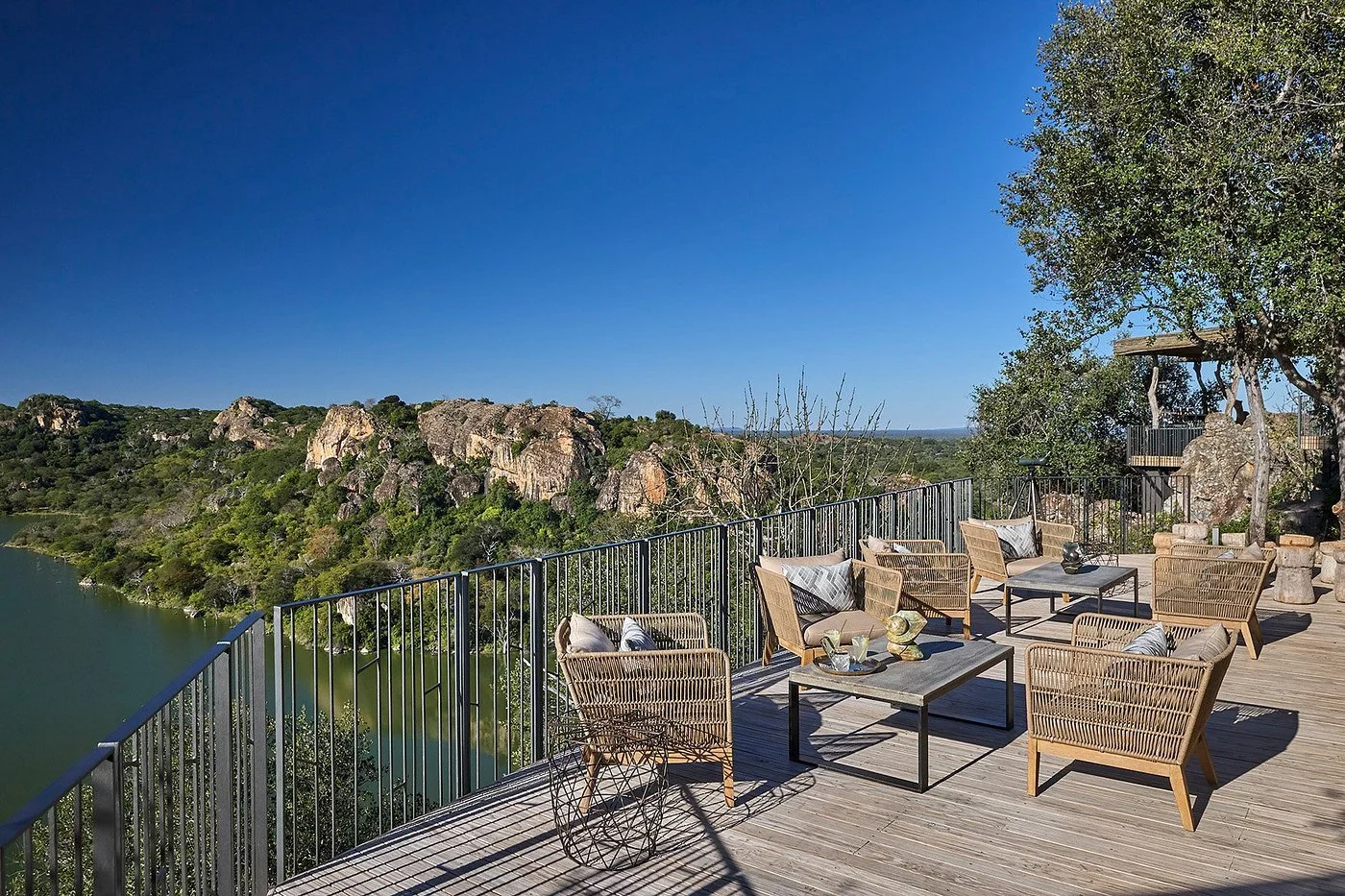
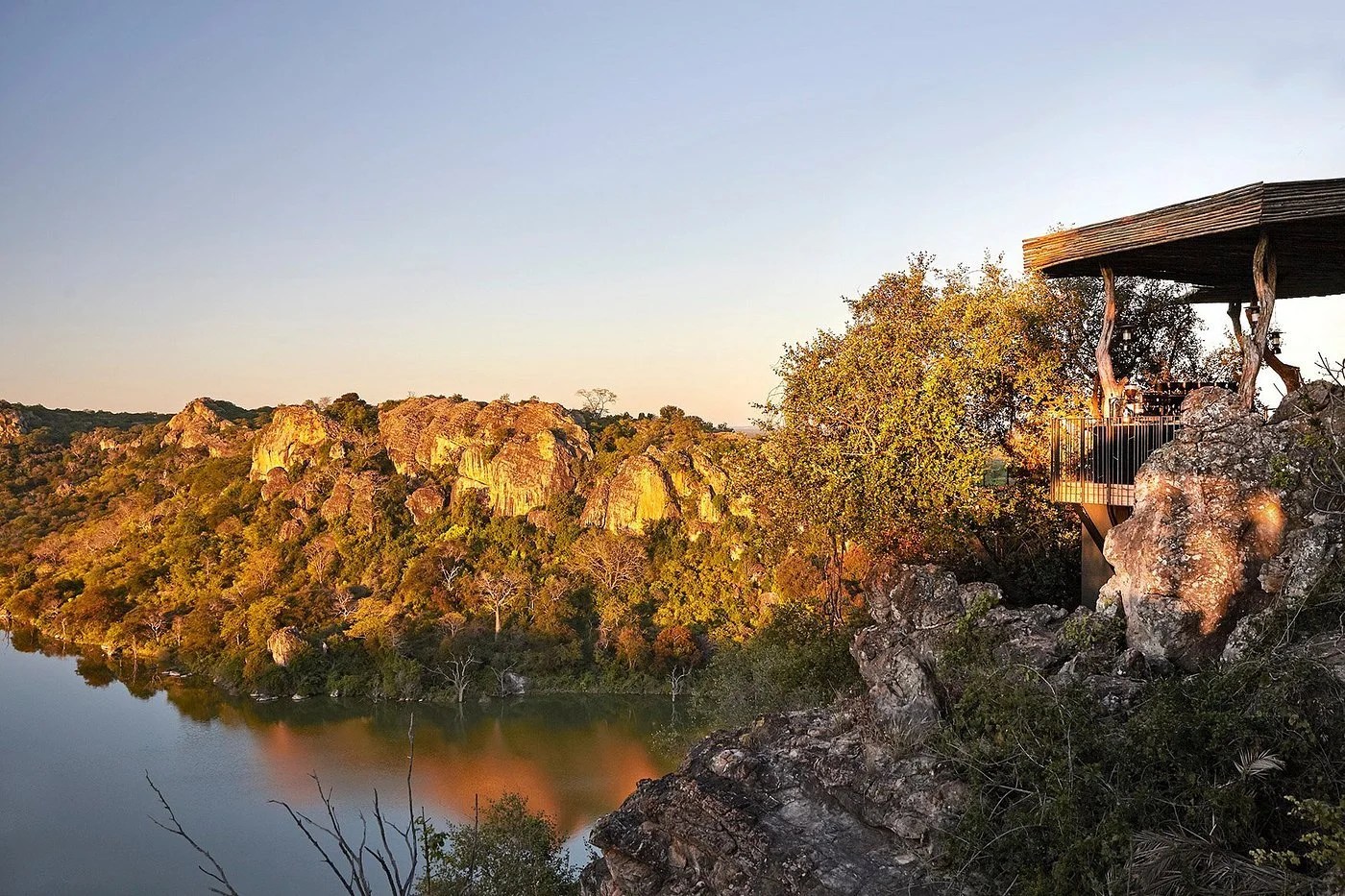
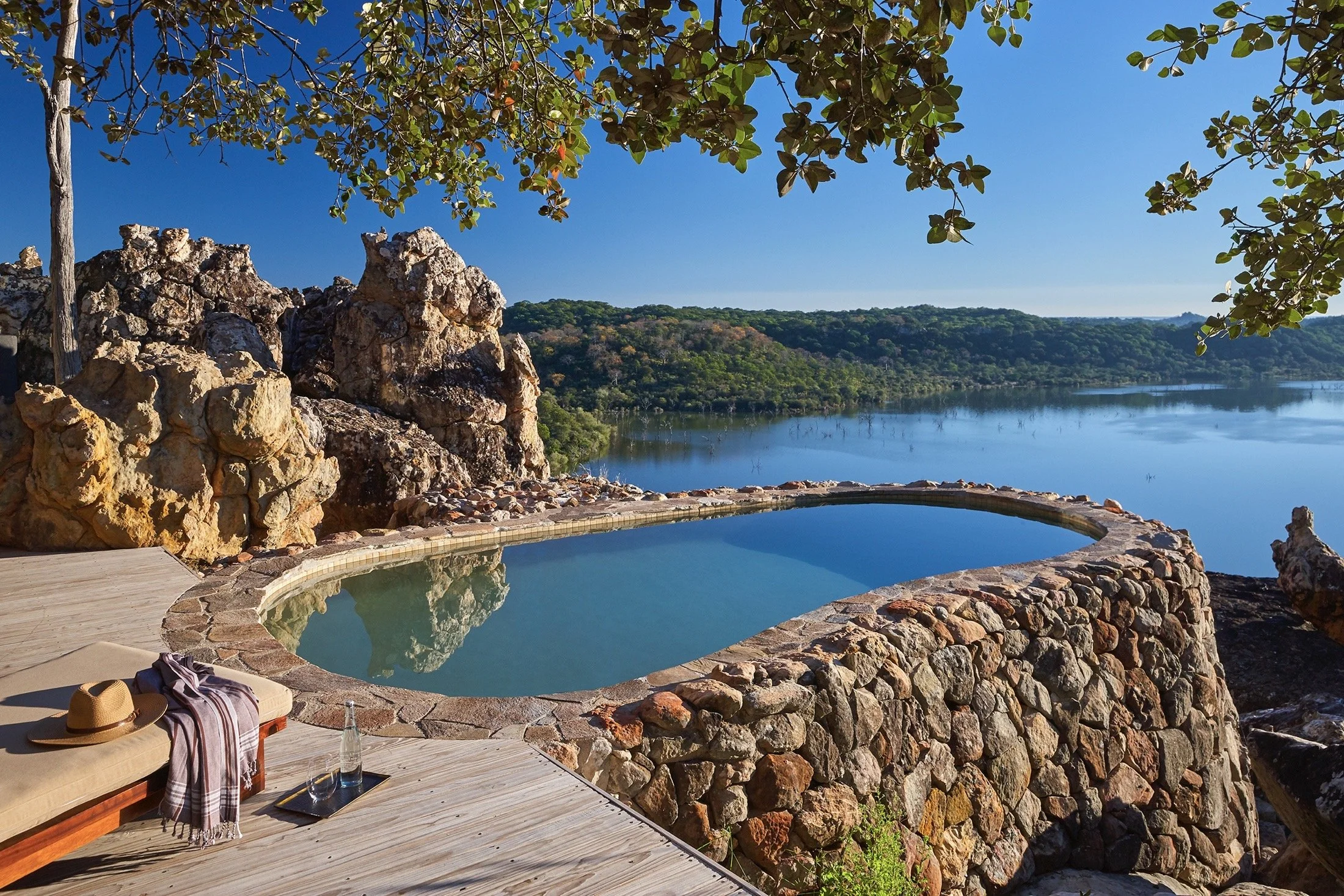
The lodge occupies a sandstone ridge above Malilangwe Dam, with buildings descending across different levels of the hillside. Water, woodland and distant hills fill the view below.
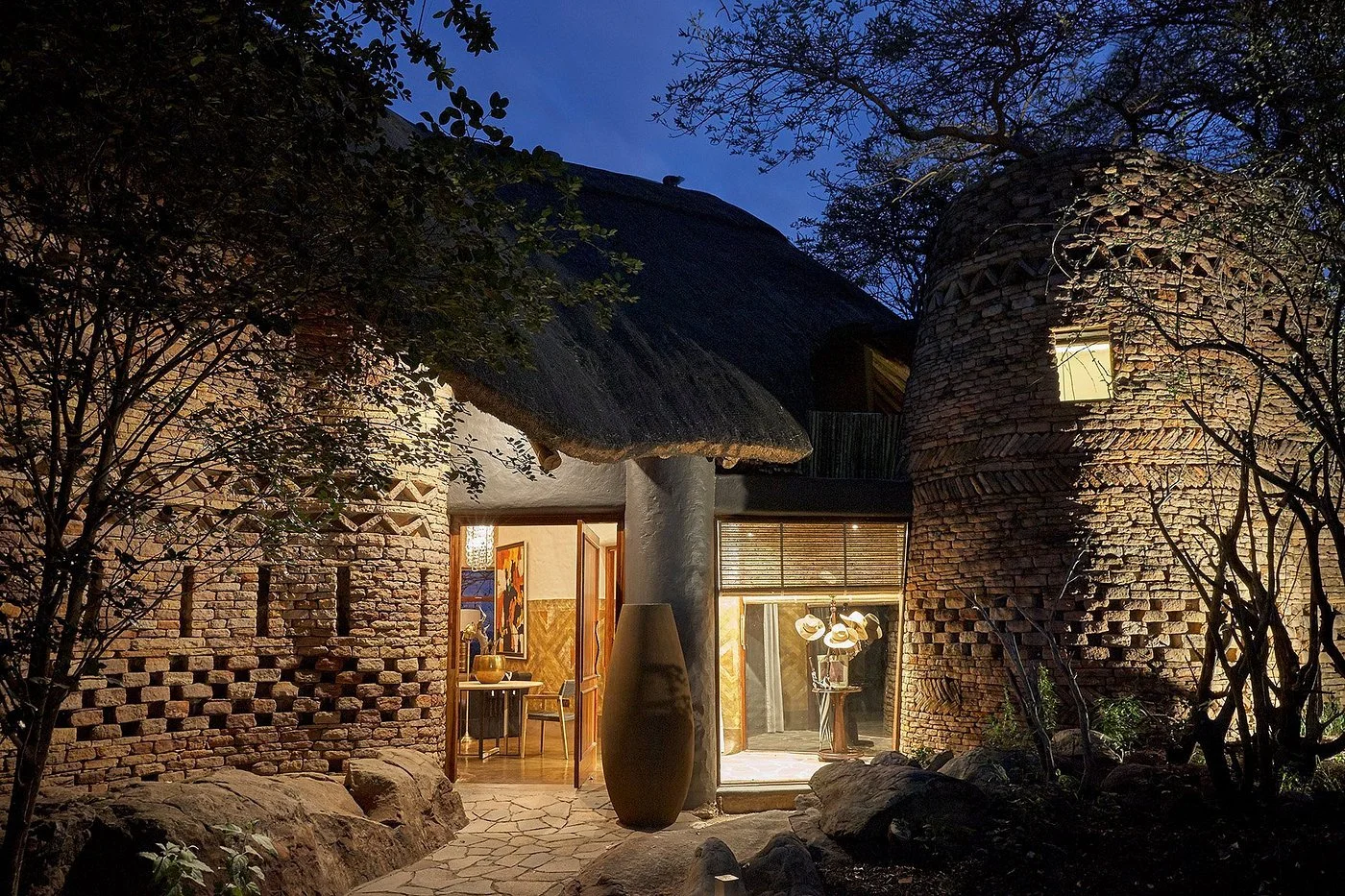
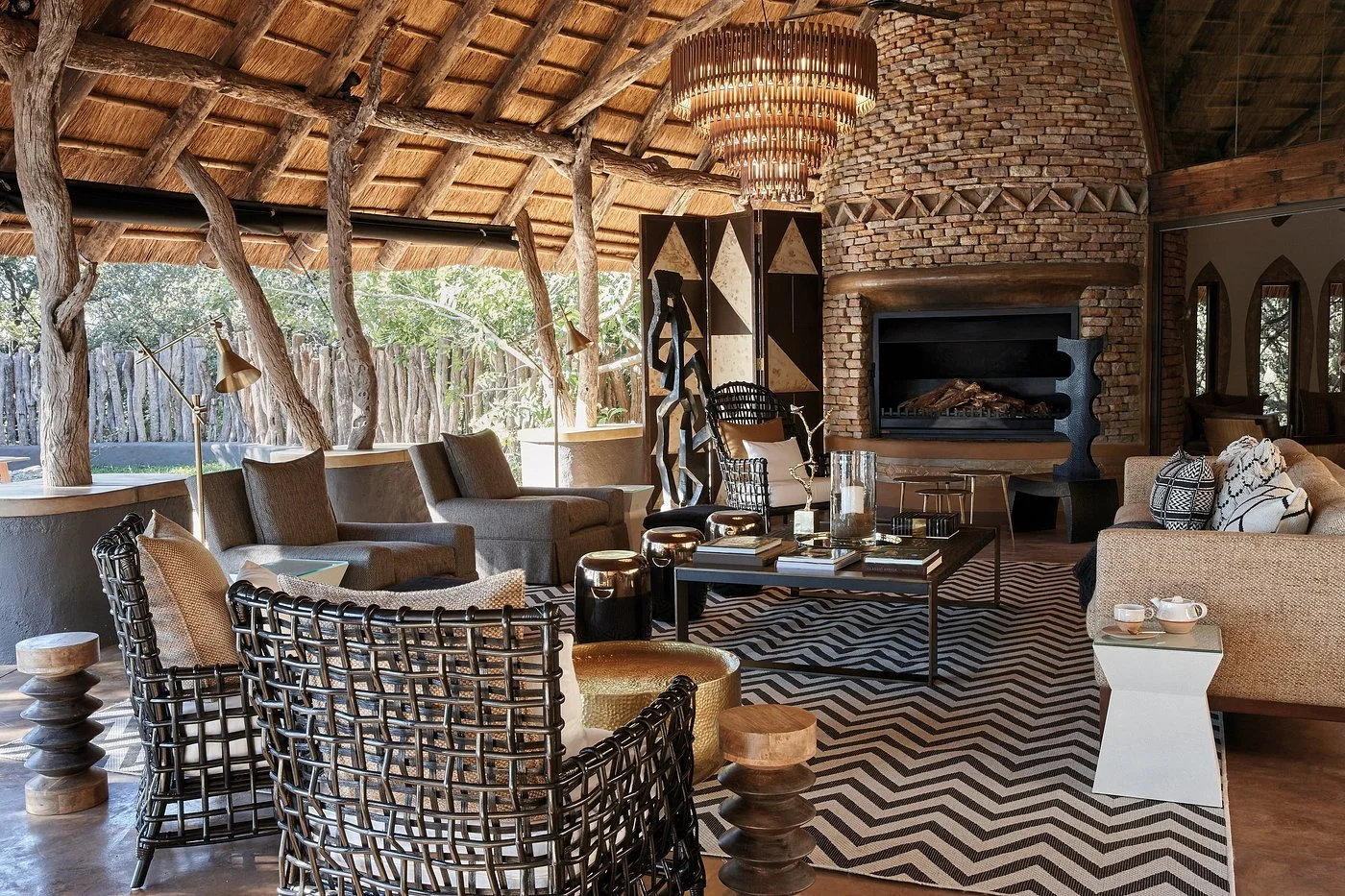
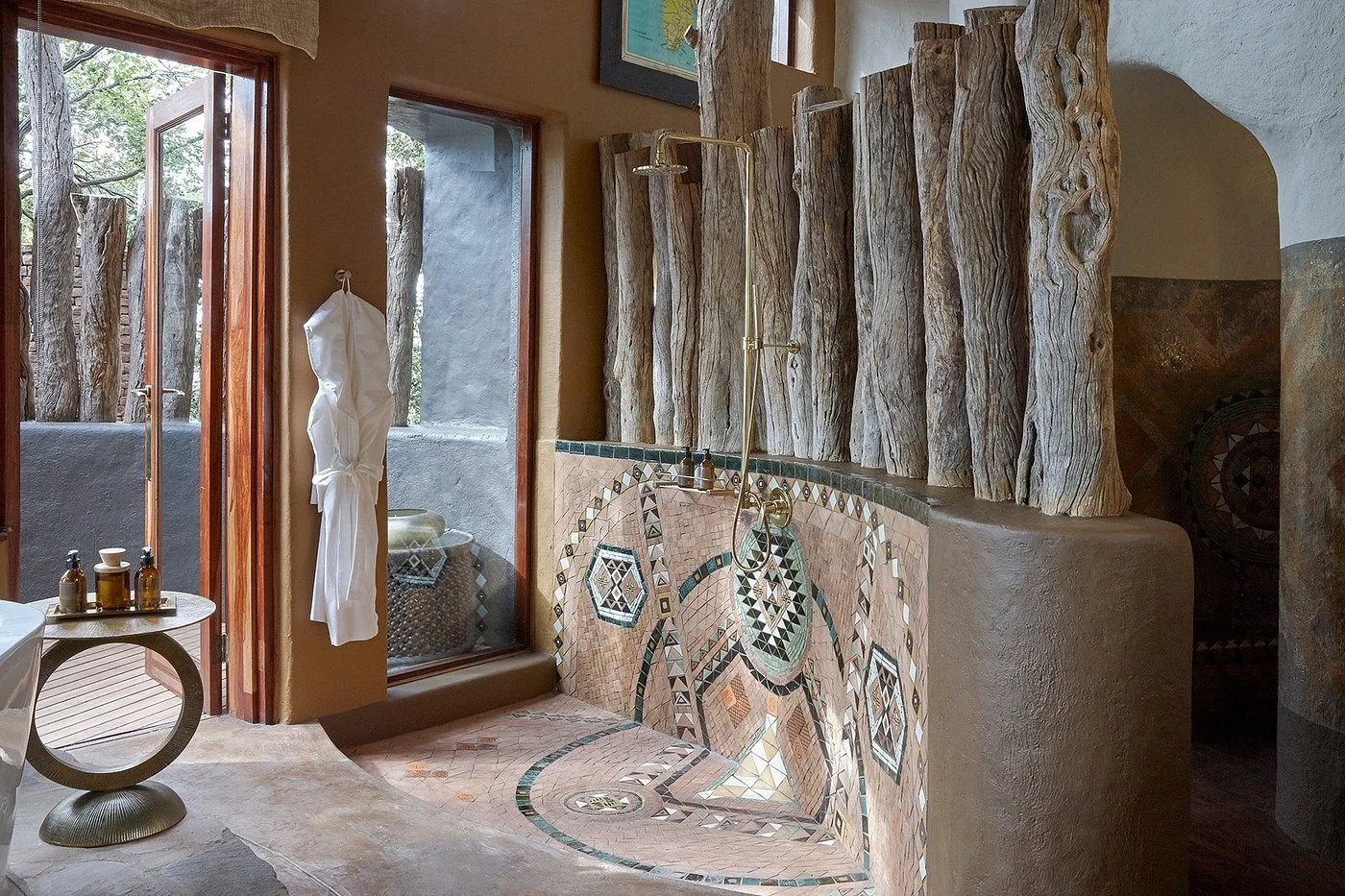
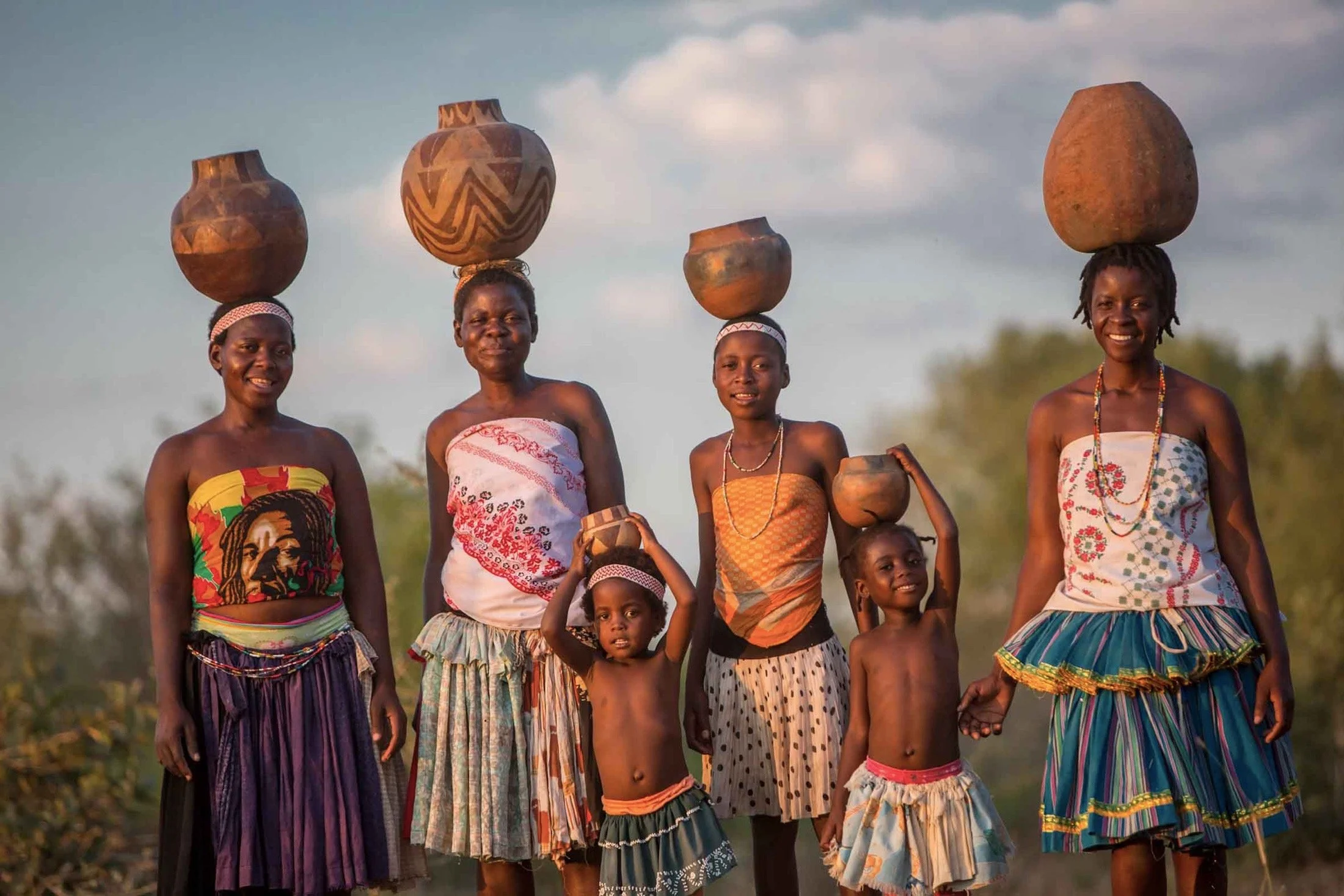
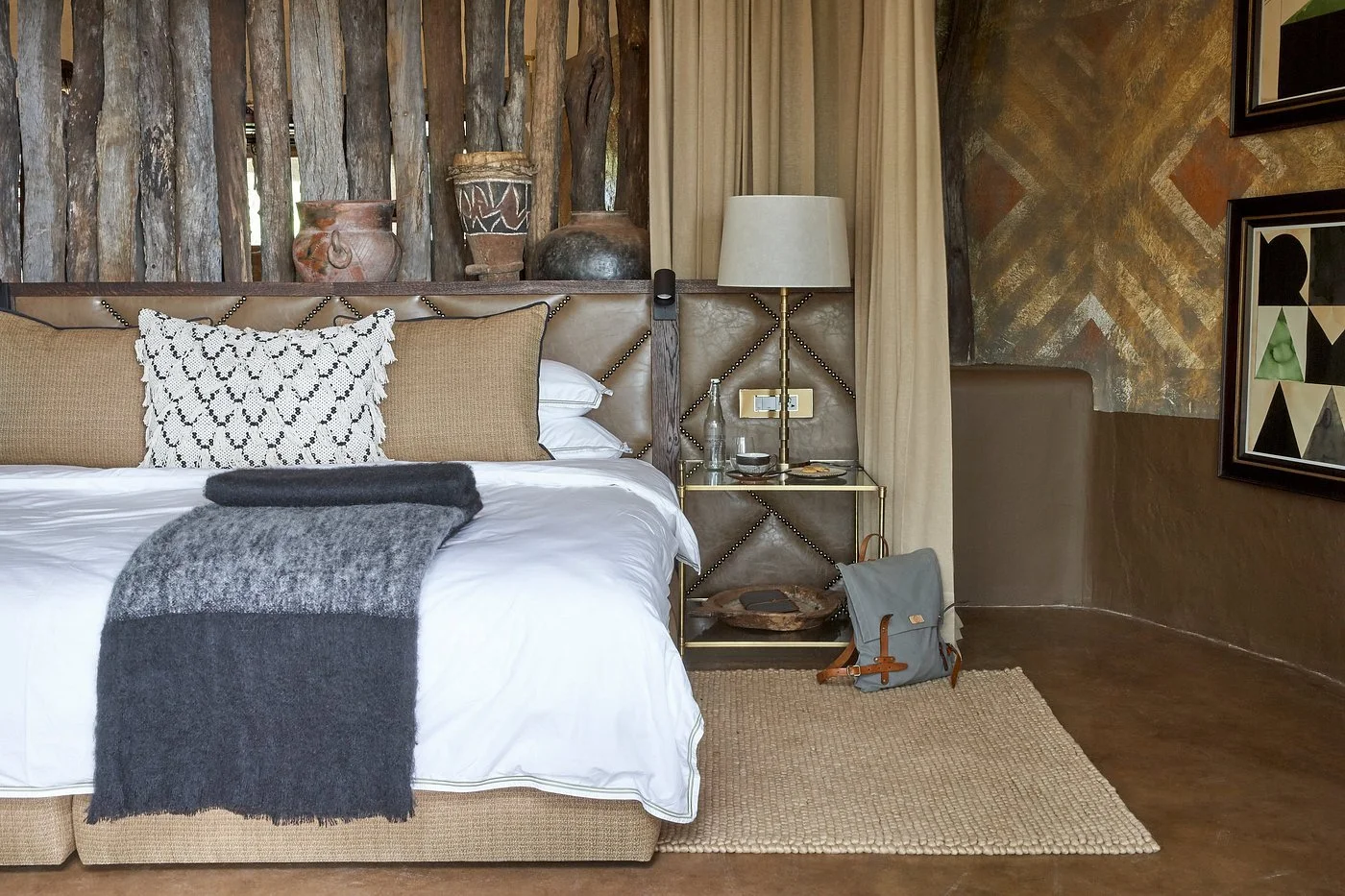
The architecture and interiors draw inspiration from the cultural history of Zimbabwe and particularly the Shangaan people, who have lived in this region for generations.
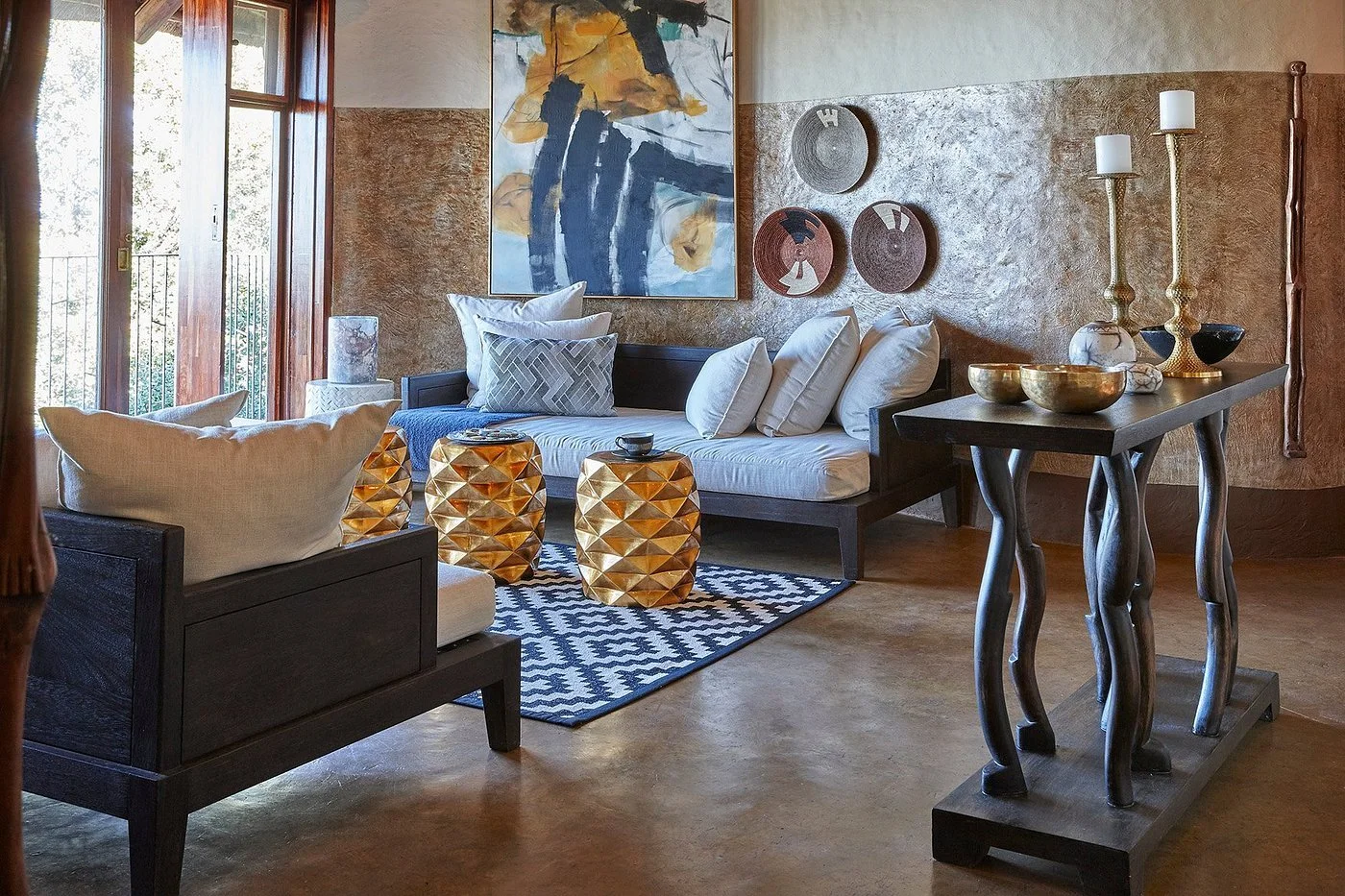
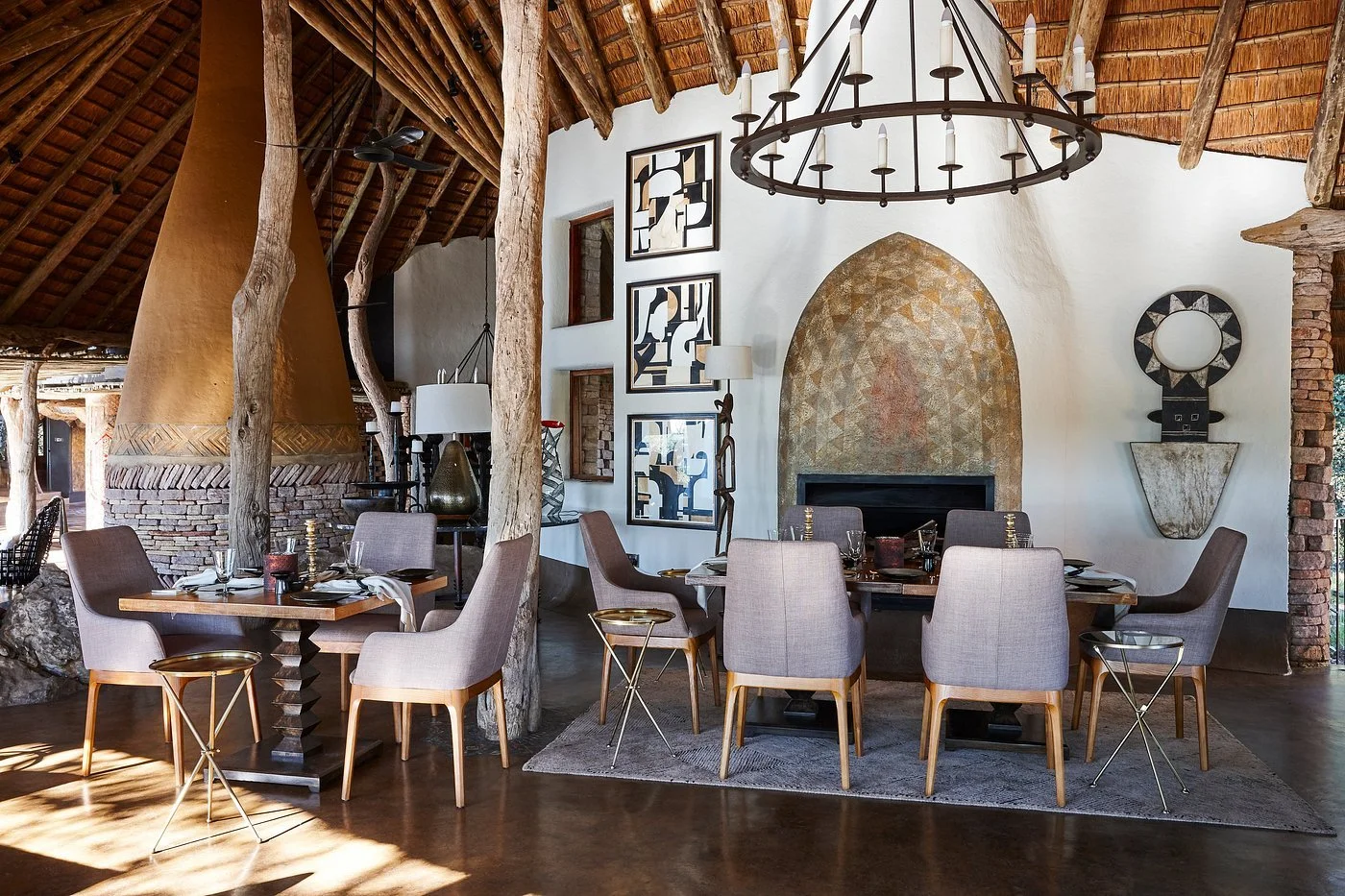
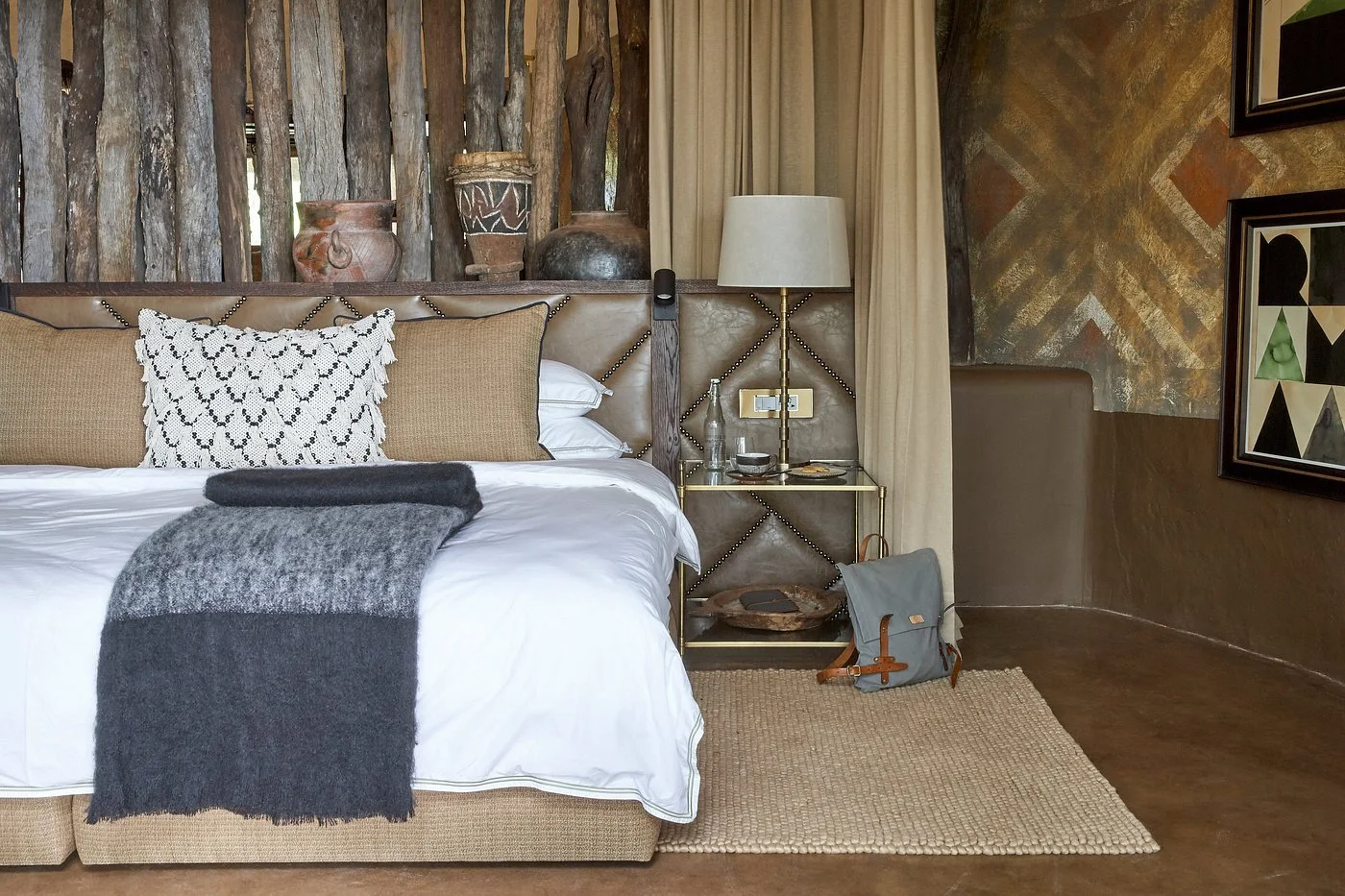
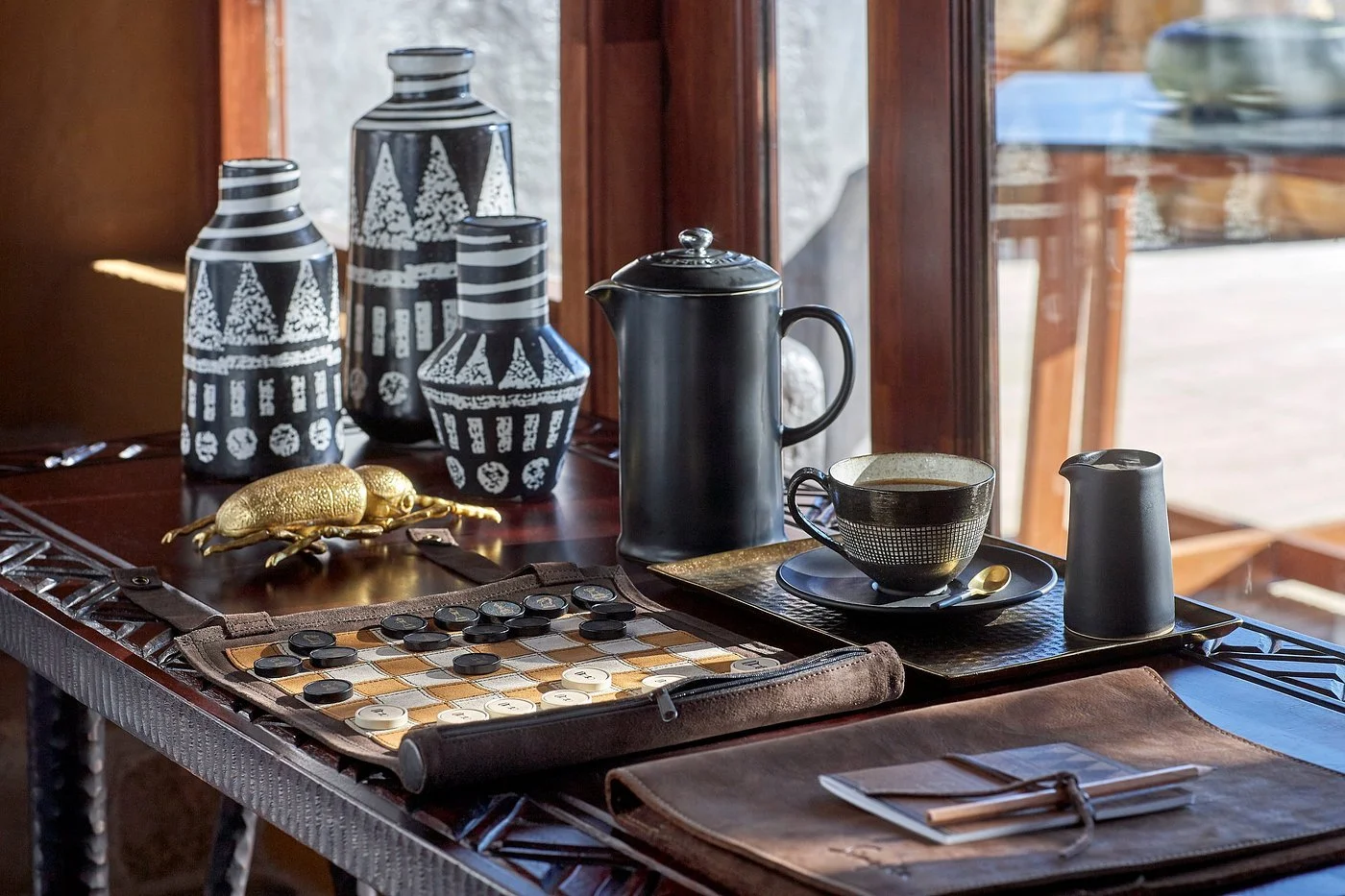
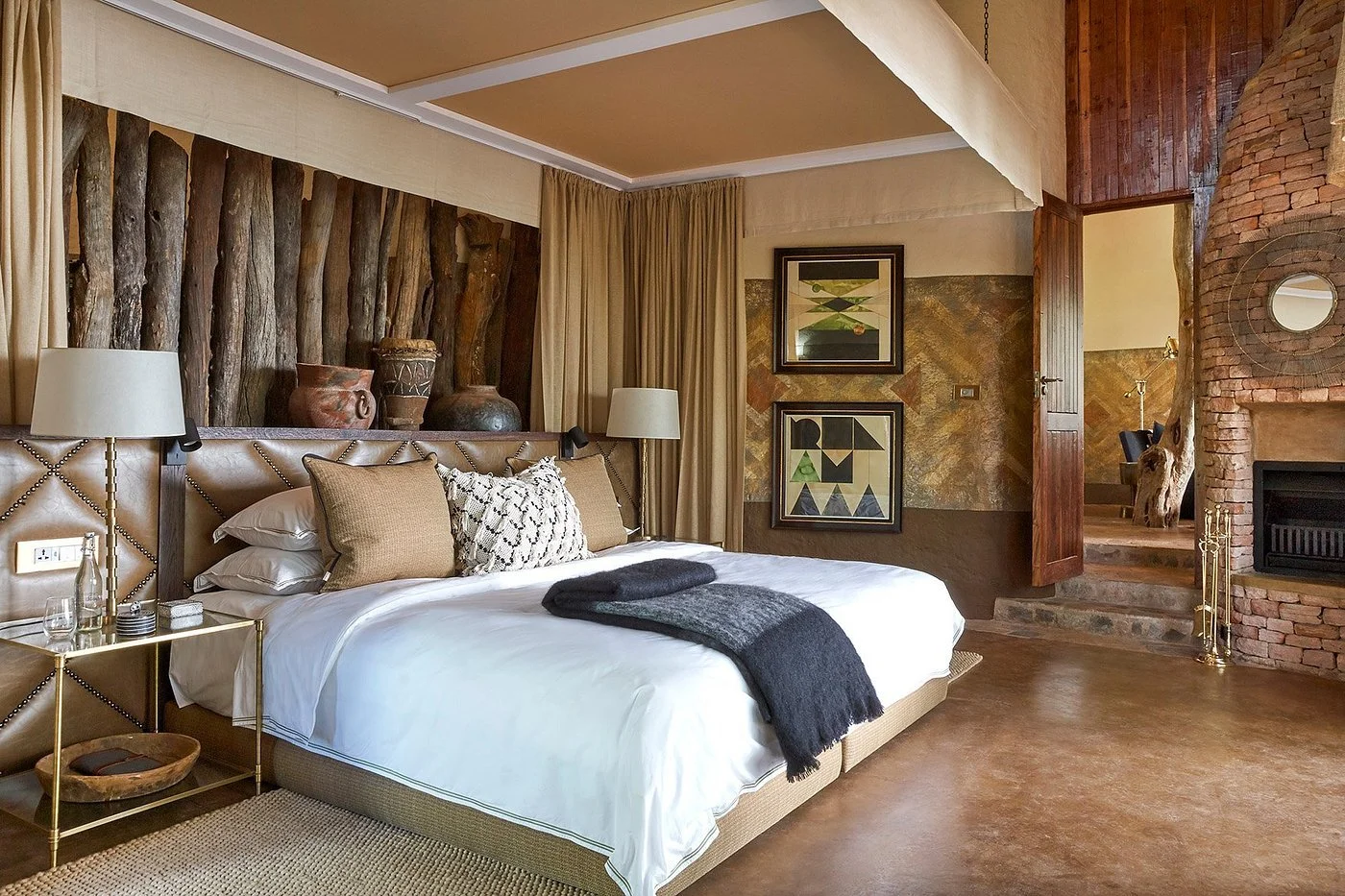
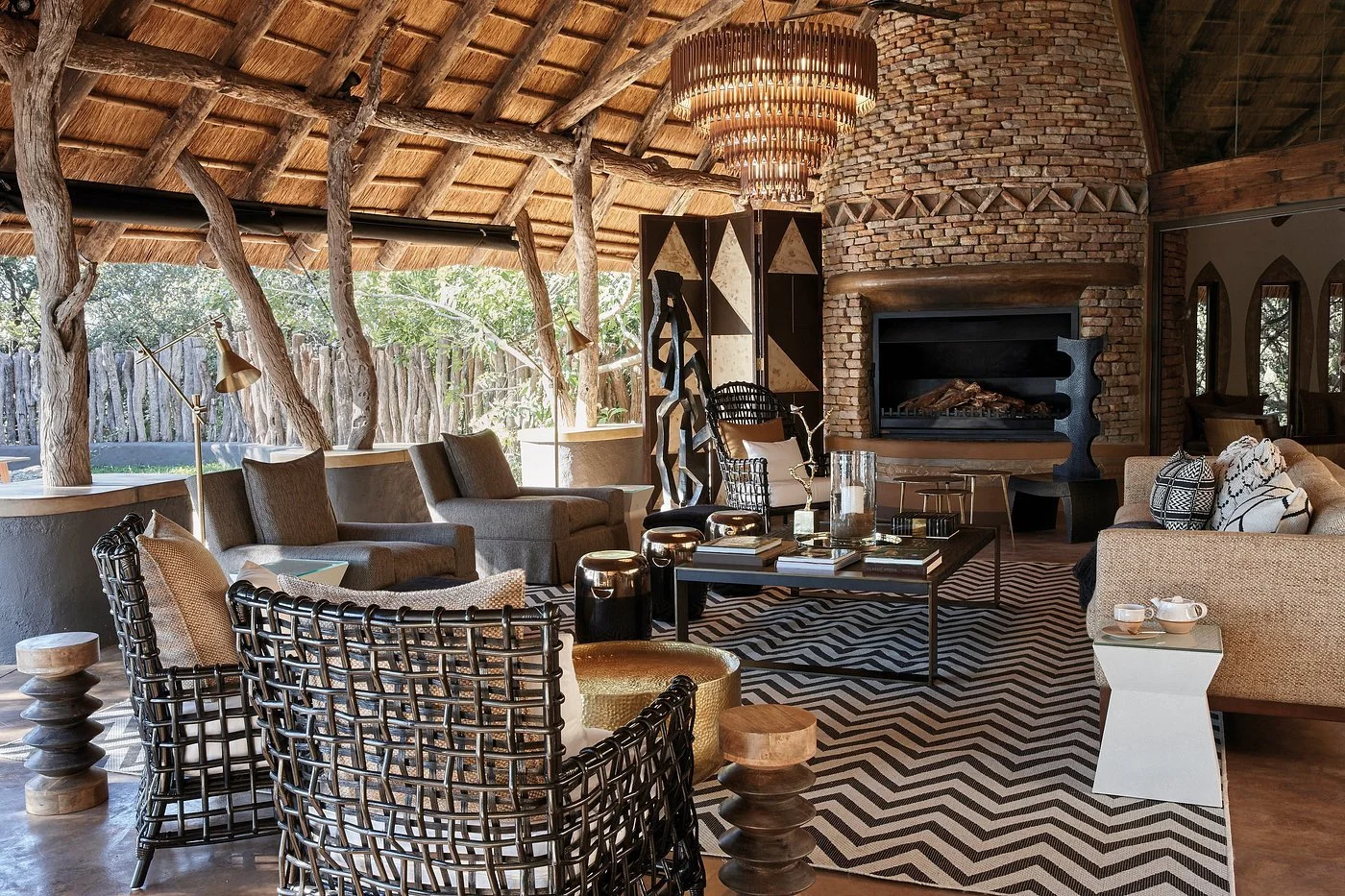
The lodge underwent an extensive redesign that introduced a richer, more contemporary interpretation of that heritage. Geometric patterns, carved furniture, woven leather, raw silk, hammered brass and polished stone appear throughout the interiors, alongside original African artifacts and contemporary pieces.
Deep olive, tobacco, black, white and brass give the lodge a noticeably different palette from the pale neutrals often associated with contemporary safari properties.
The result feels layered and distinctly connected to Zimbabwe.
Pamushana has only eight suites, all with private plunge pools:
One Bedroom Suites: Three suites are configured with a single bedroom, providing substantial private space for couples. Each has its own plunge pool and outdoor areas overlooking the surrounding wilderness.
Two Bedroom Family Suite: Designed for families traveling together, this suite provides two bedrooms alongside shared living areas and a private pool.
Three Bedroom Family Suite: The lodge's largest family configuration has three bedrooms, making it particularly practical for multi-generational travel or families wanting considerably more space.
Two Bedroom Suites: Two additional two-bedroom suites occupy more secluded positions away from the main lodge. Both bedrooms are en suite, while spacious living areas, tiered viewing decks and private pools look across Malilangwe Dam.
The low suite count is important. Even when the lodge is full, there are relatively few travelers sharing an enormous private reserve.
For families or groups wanting complete independence, nearby Singita Malilangwe House provides an alternative. The exclusive-use home has five bedrooms, a private pool, dedicated chef, butler, field guide and game-viewing vehicle.
Safari Without the Crowds
One of Pamushana's greatest advantages is exclusivity.
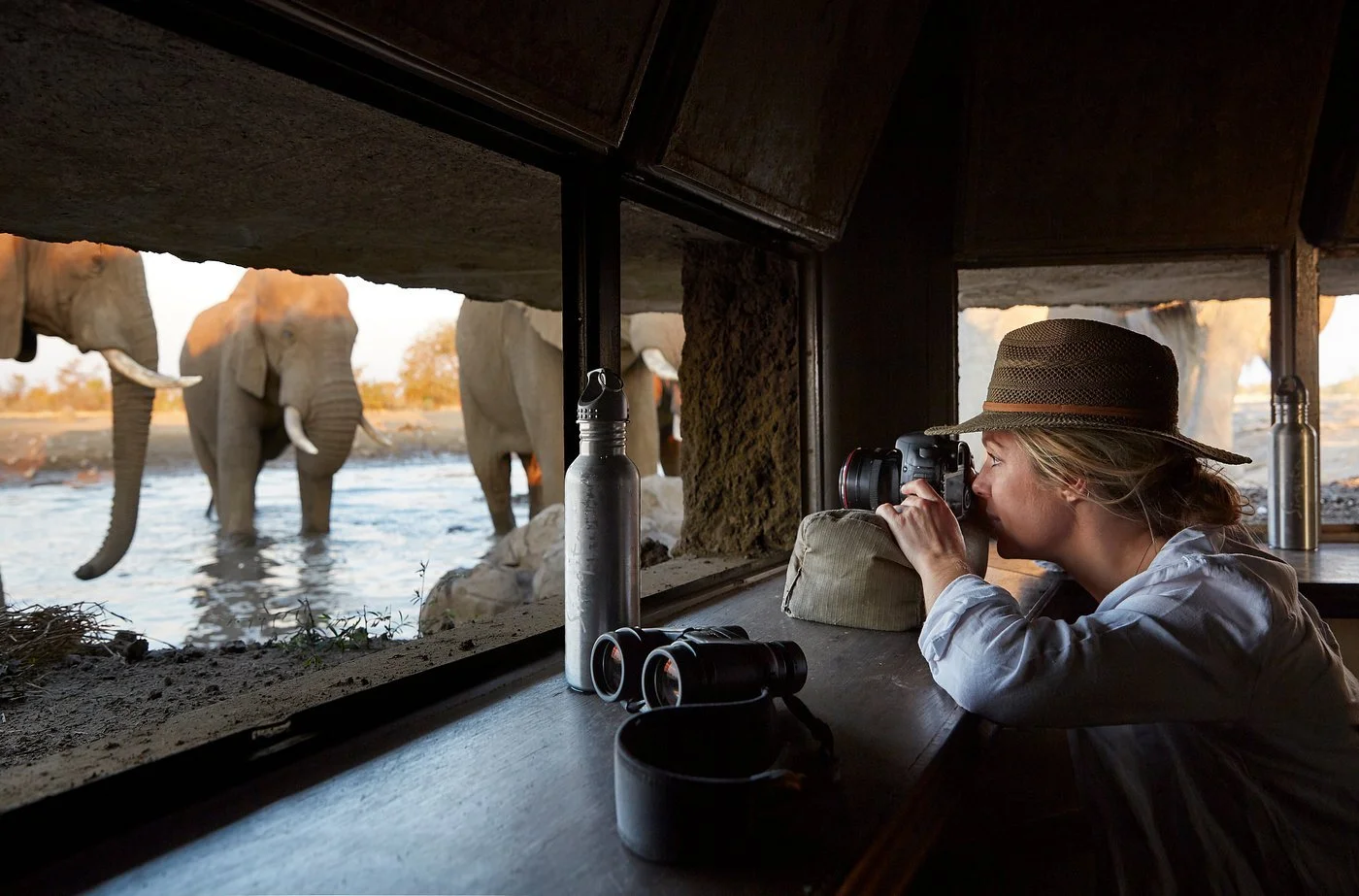
Guests have access to the enormous Malilangwe Wildlife Reserve without the vehicle congestion that can occur in more heavily visited safari destinations.
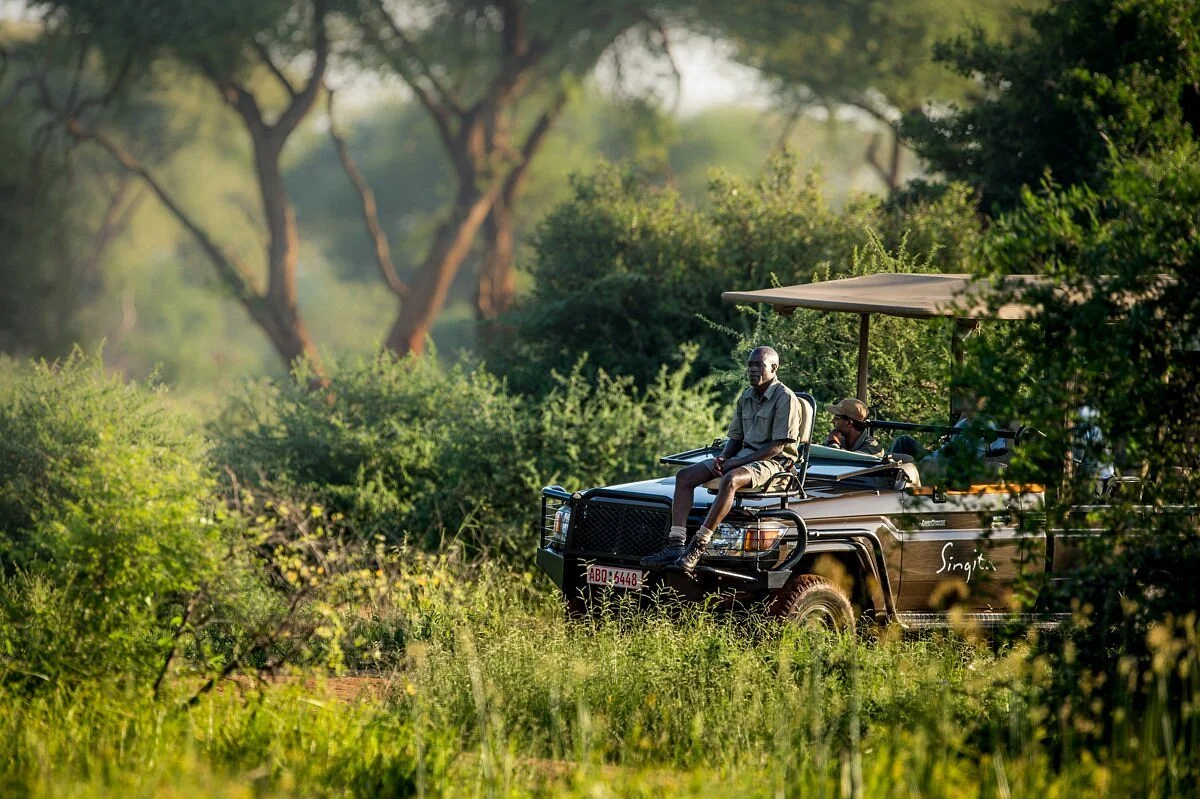
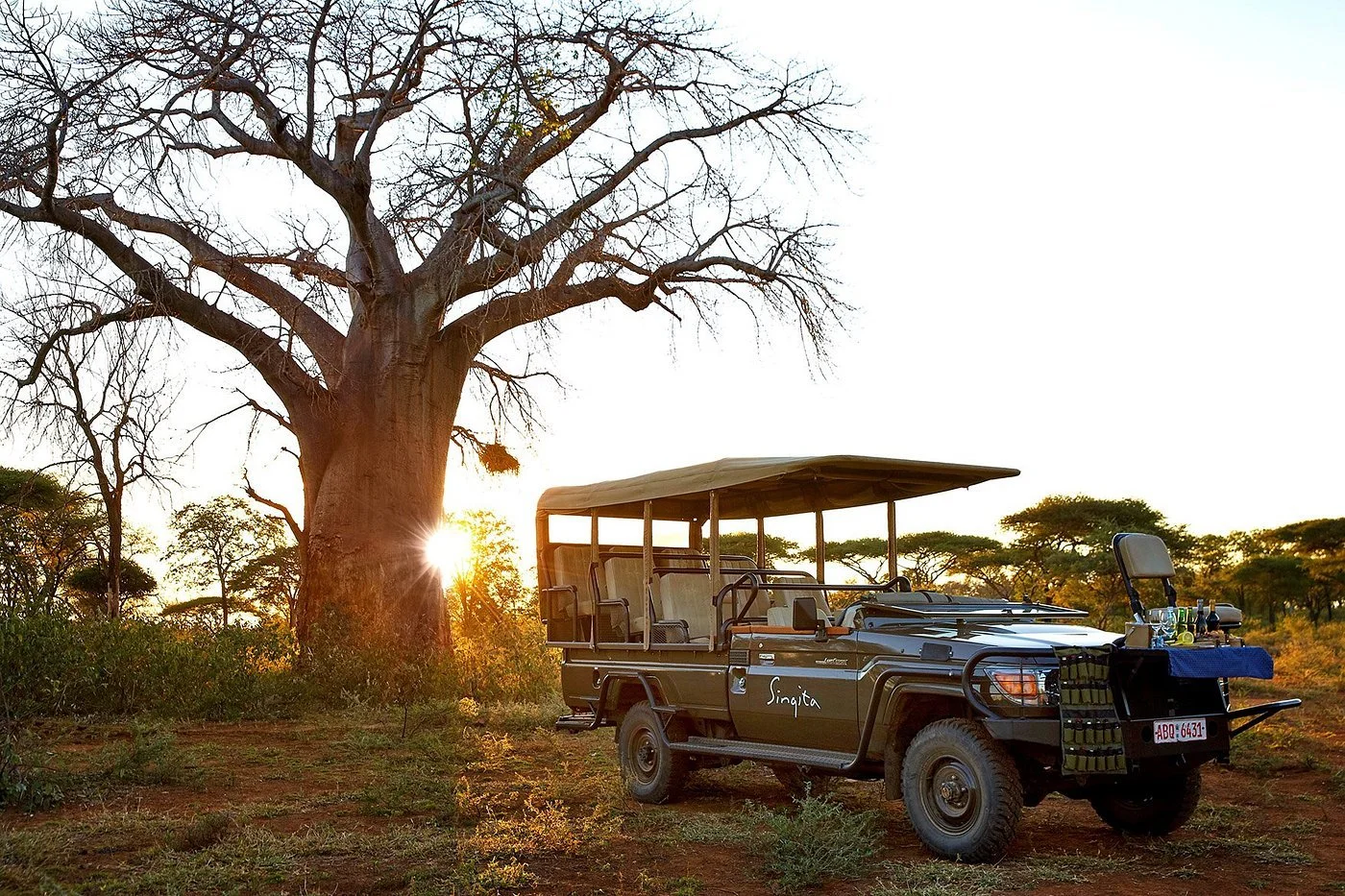
Twice-daily game drives explore dramatically different sections of the reserve. Open grasslands give way to mopane woodland, rocky outcrops, river systems and waterholes, creating habitats for a broad range of wildlife.
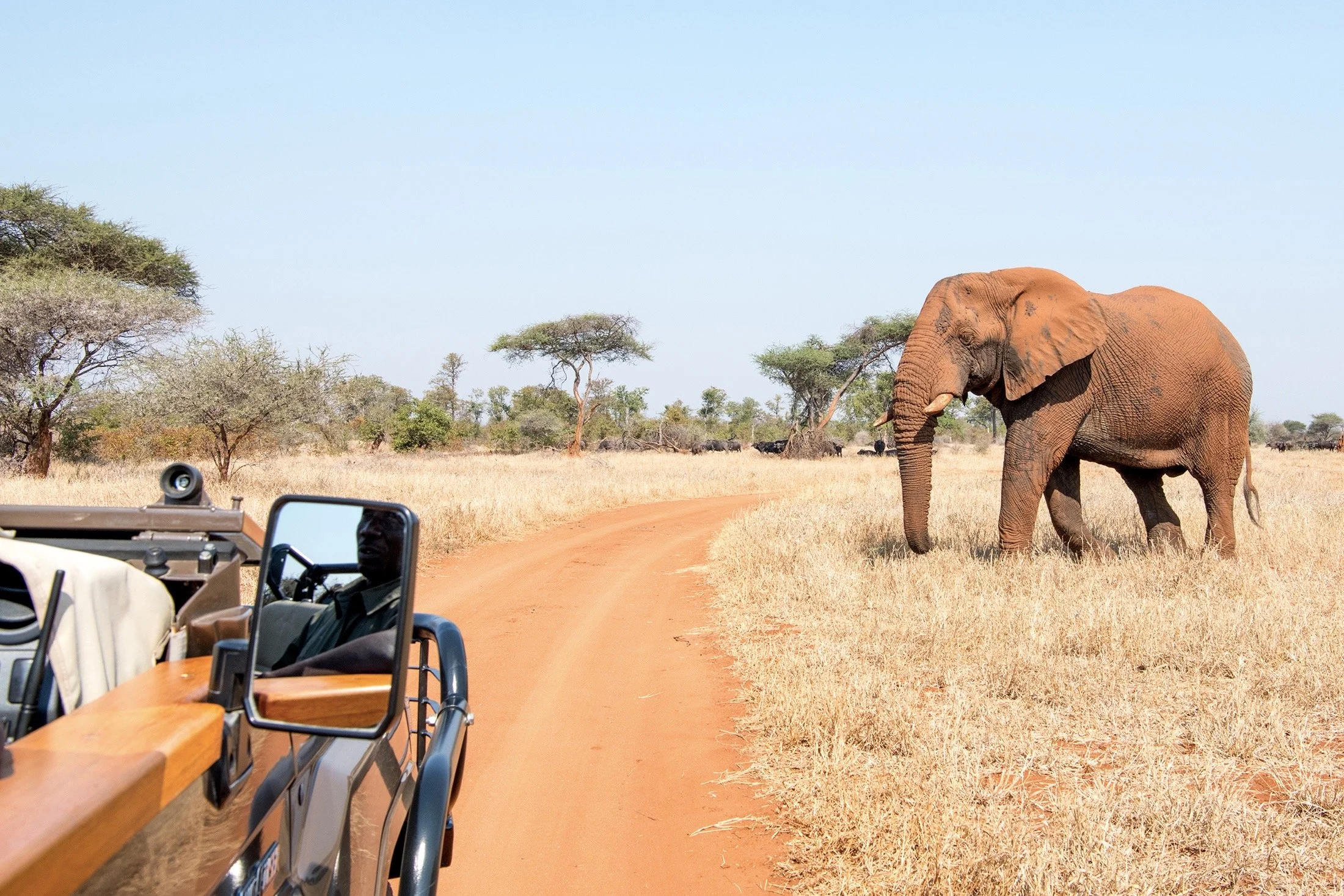
The reserve is particularly renowned for rhino viewing. White rhinos are frequently encountered, sometimes in surprisingly large groups, while black rhino sightings can also be excellent.
Elephants, lions, buffalo, leopards, hyenas and African wild dogs are among the other major species found here. Malilangwe's conservation work has also created a sanctuary for rarer antelope, including sable and roan.
But the strongest safari days are rarely built around a checklist.
The lack of traffic gives guides the freedom to spend time interpreting tracks, watching animal behavior or simply waiting beside a water source to see what arrives.
Afternoon drives typically continue into the evening, providing opportunities to encounter nocturnal species before returning to the lodge.
Walking Through the Wilderness
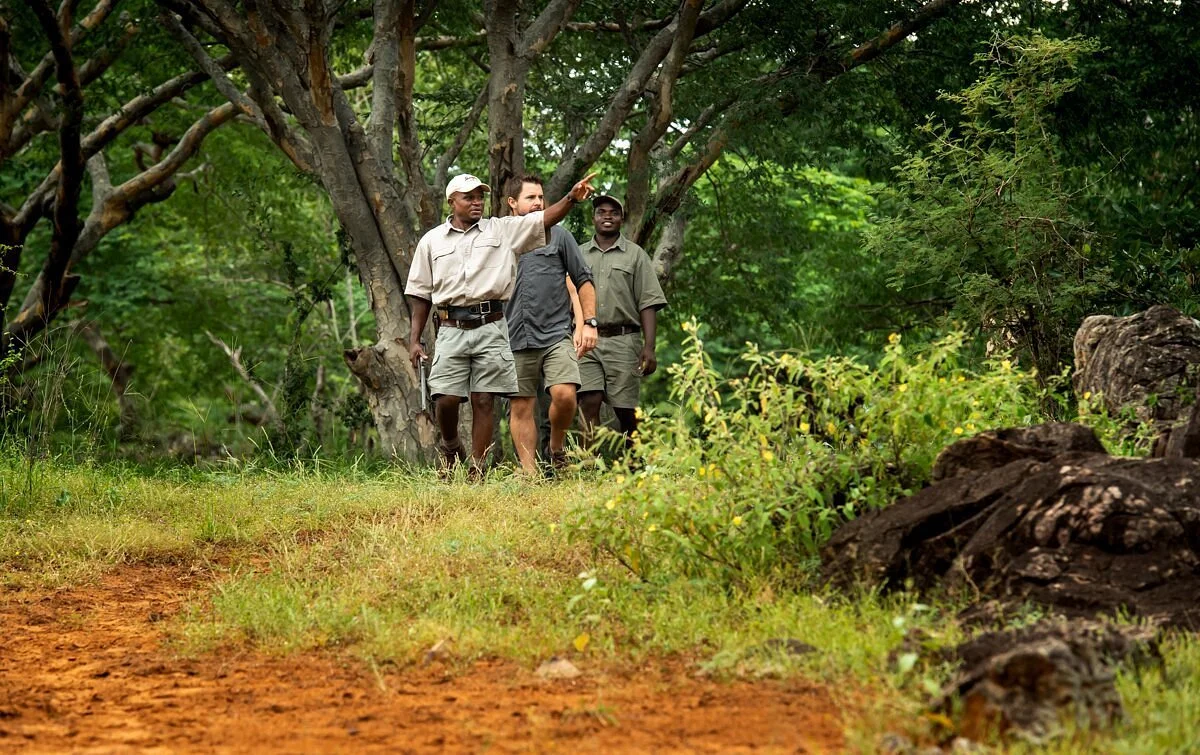
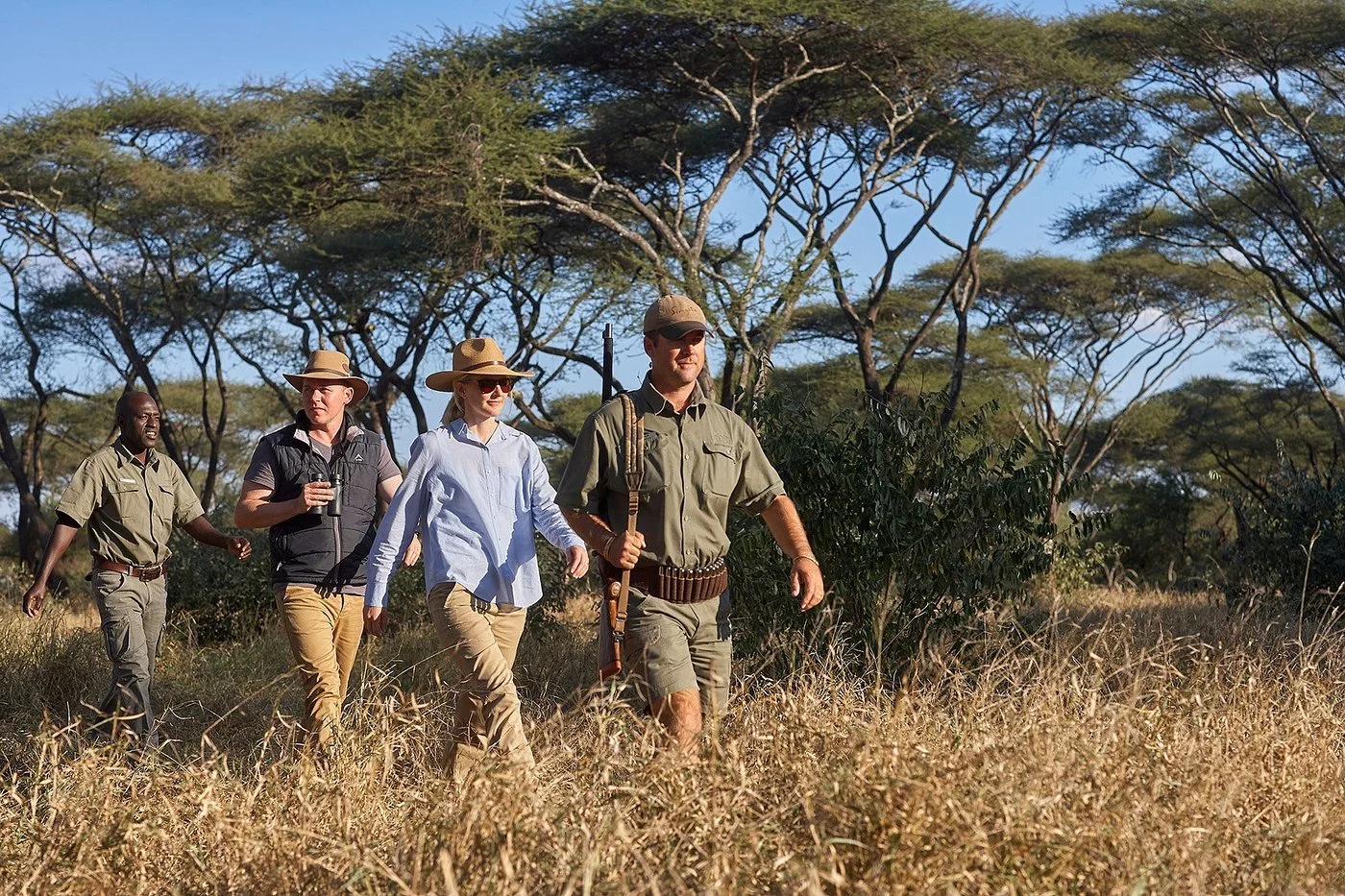
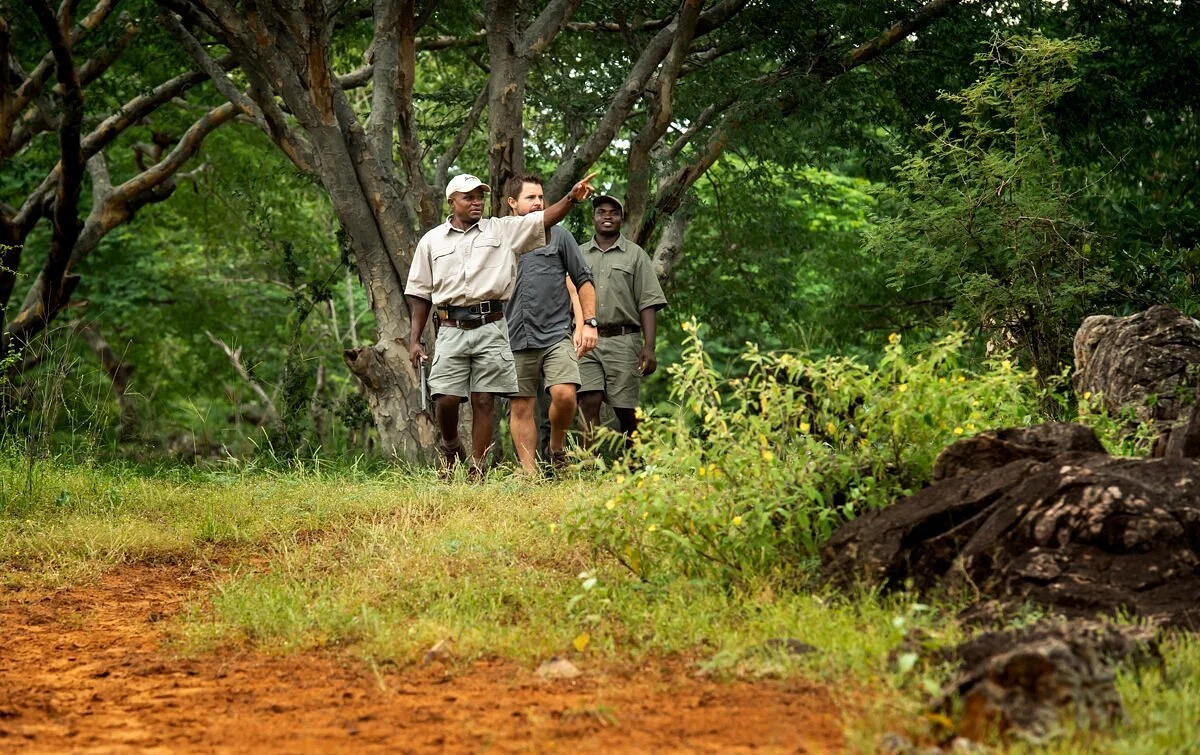
Guided walking safaris provide an entirely different perspective on Malilangwe.
Without the height and protection of a vehicle, attention naturally shifts toward smaller details: tracks pressed into the sand, plants used for traditional purposes, bird calls, insects and the subtle signs that reveal which animals have recently passed through an area.
Walks are led by experienced field guides and are available to guests aged 16 and older.
The scale of Malilangwe makes walking particularly interesting because the reserve encompasses so many different habitats. A morning may move through woodland and sandstone terrain rather than the open plains more commonly associated with safari imagery.
It is also one of the best ways to understand how interconnected the landscape really is.
Rock Art and Thousands of Years of Human History
Wildlife is only part of Malilangwe's story.
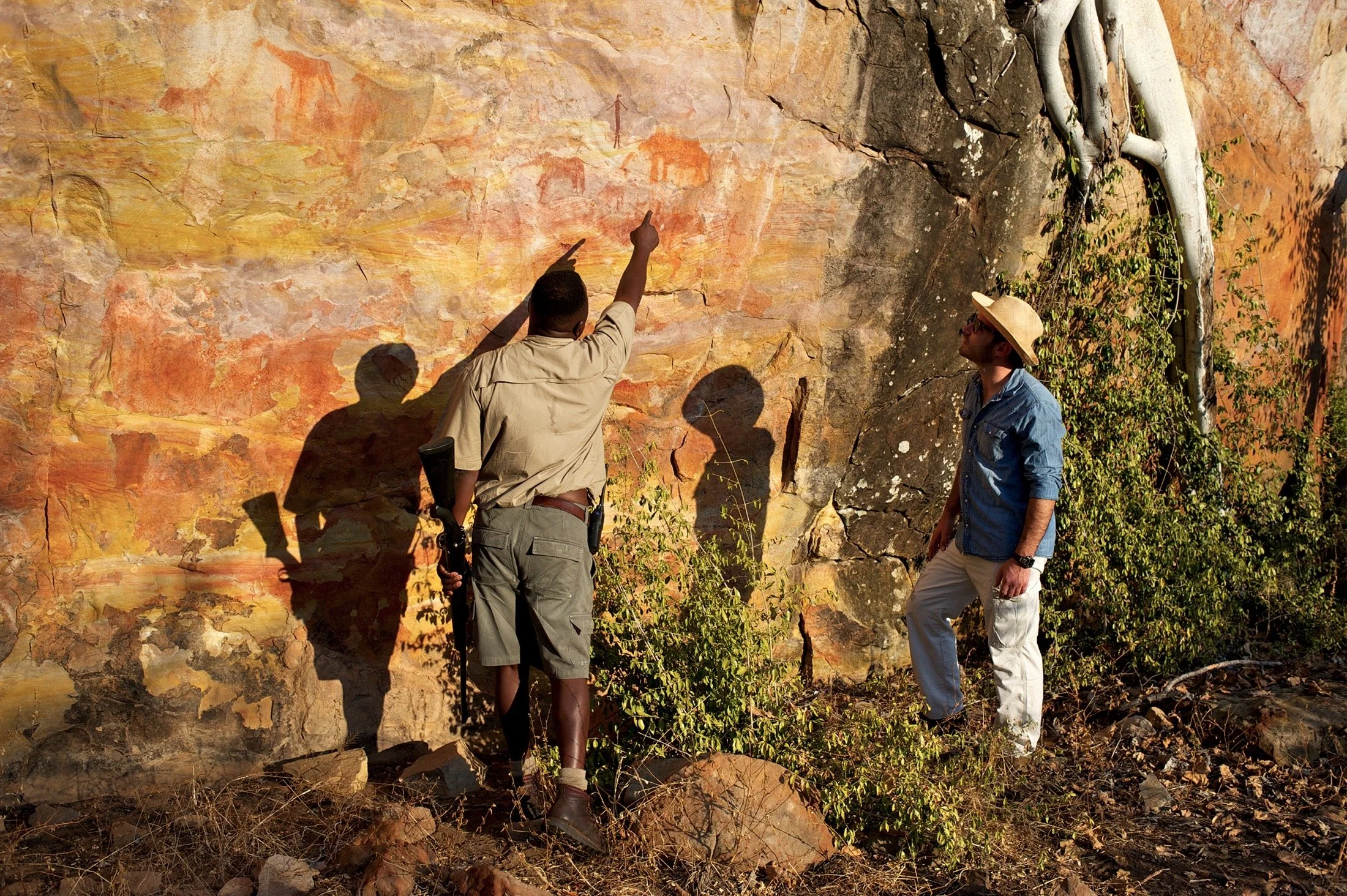
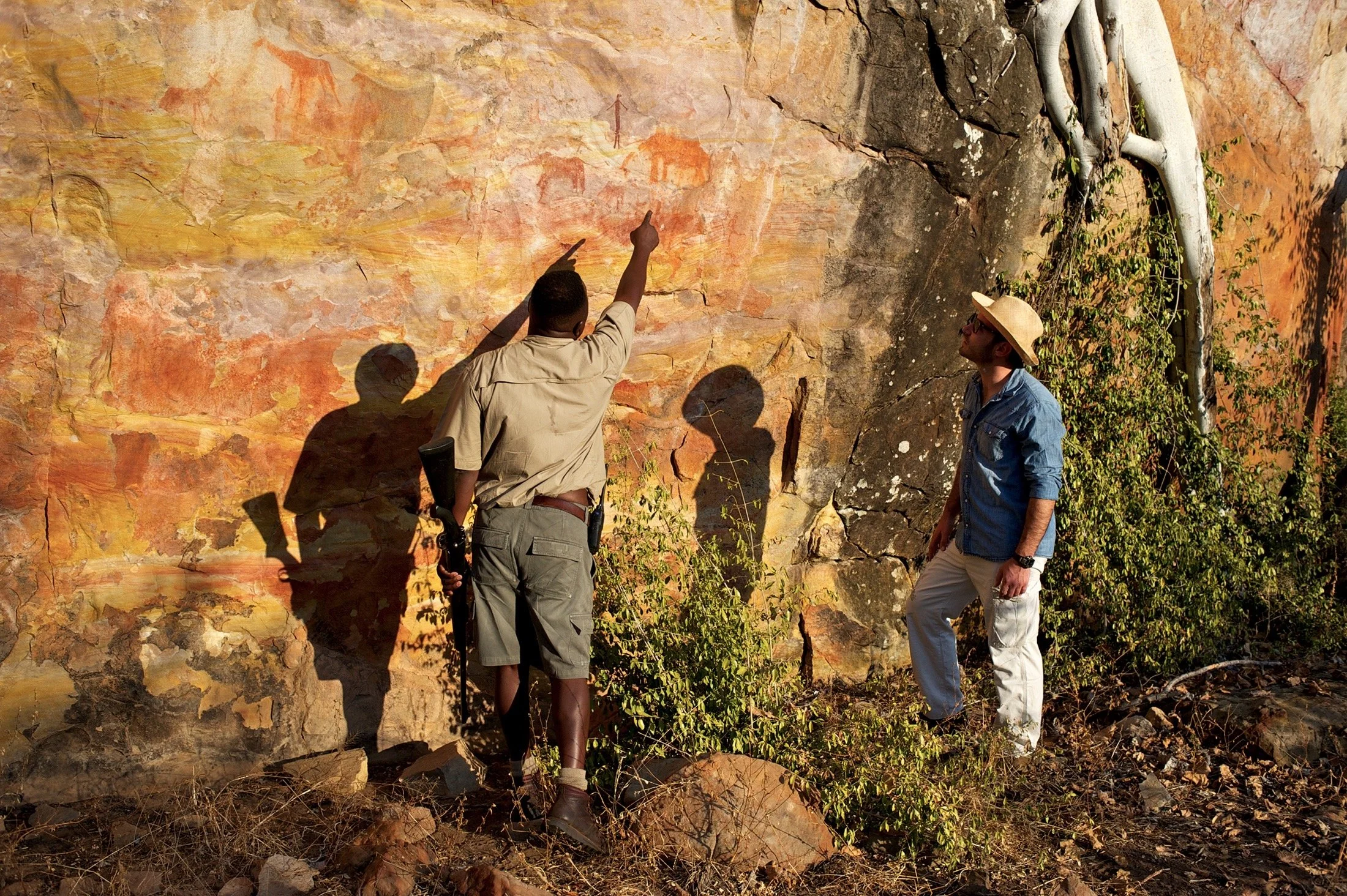
More than 120 rock-art sites have been recorded across the reserve, preserving evidence of communities that occupied this landscape centuries and, in some cases, millennia ago.
Some of the art is associated with the San, hunter-gatherer peoples with an extraordinarily long history across southern Africa. Other archaeological evidence relates to Bantu-speaking Iron Age communities and Khoekhoen pastoralists.
Individual rock paintings found within Malilangwe have been estimated at roughly 700 to 2,000 years old. Many use red pigments derived from iron oxide and depict animals, people and symbolic forms whose meanings are not always immediately apparent.
Guided excursions allow travelers to reach selected sites on foot while learning about their archaeological and cultural significance.
This is one of Pamushana's most unusual experiences.
Standing beneath a sandstone overhang looking at images created by people who lived here centuries before the modern reserve existed places the safari landscape within a much longer timeline.
Malilangwe is not simply protected wilderness. It is also an archaeological landscape.
Life on Malilangwe Dam
The enormous Malilangwe Dam introduces another dimension rarely found at inland safari lodges.
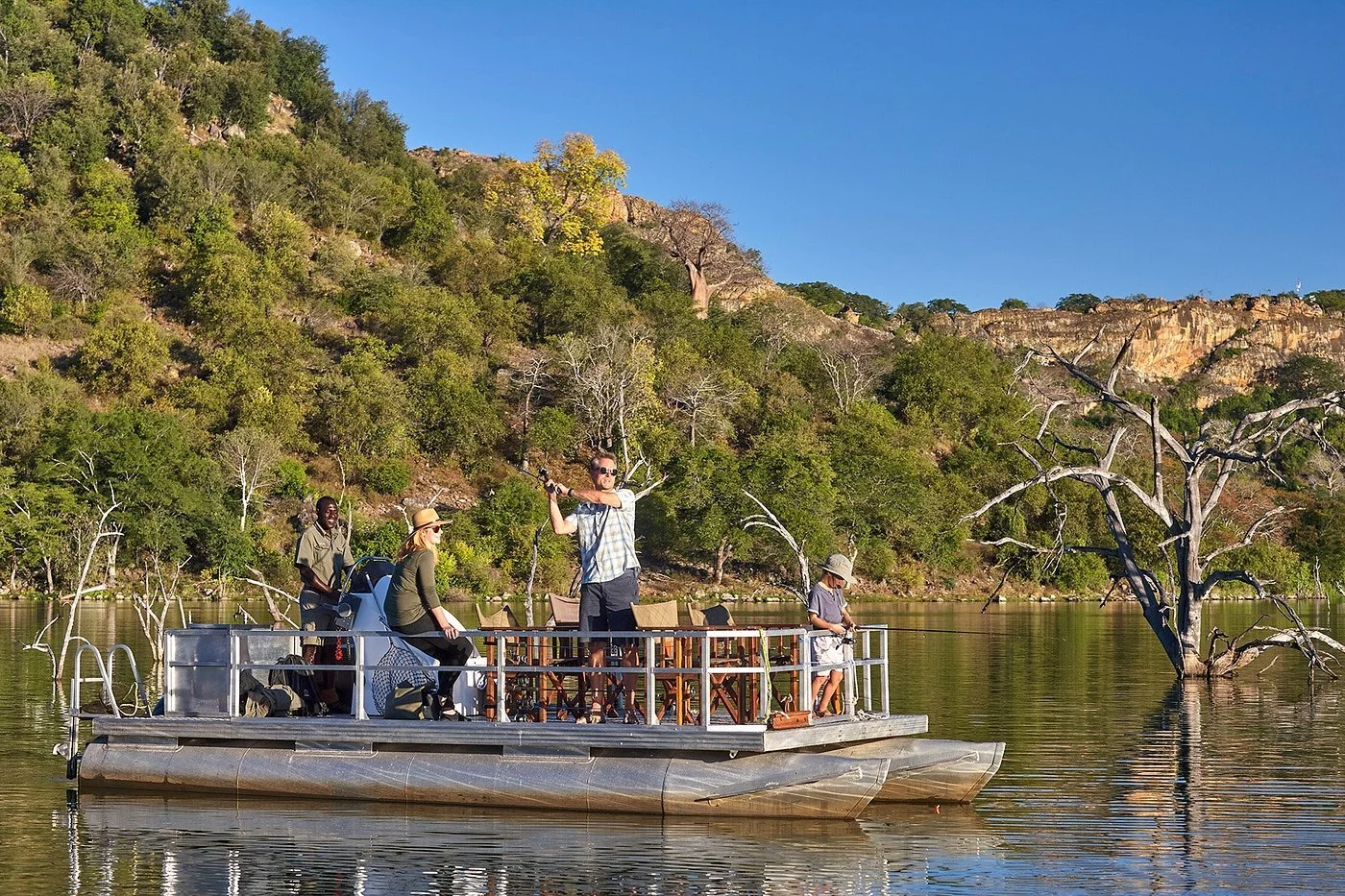
Sundowner boat cruises trade the game vehicle for time on the water, with hippos, crocodiles and prolific birdlife often visible along the shoreline. Elephants and rhinos may also appear at the water's edge.
Late afternoon is particularly beautiful as the light changes across the sandstone hills surrounding the dam.
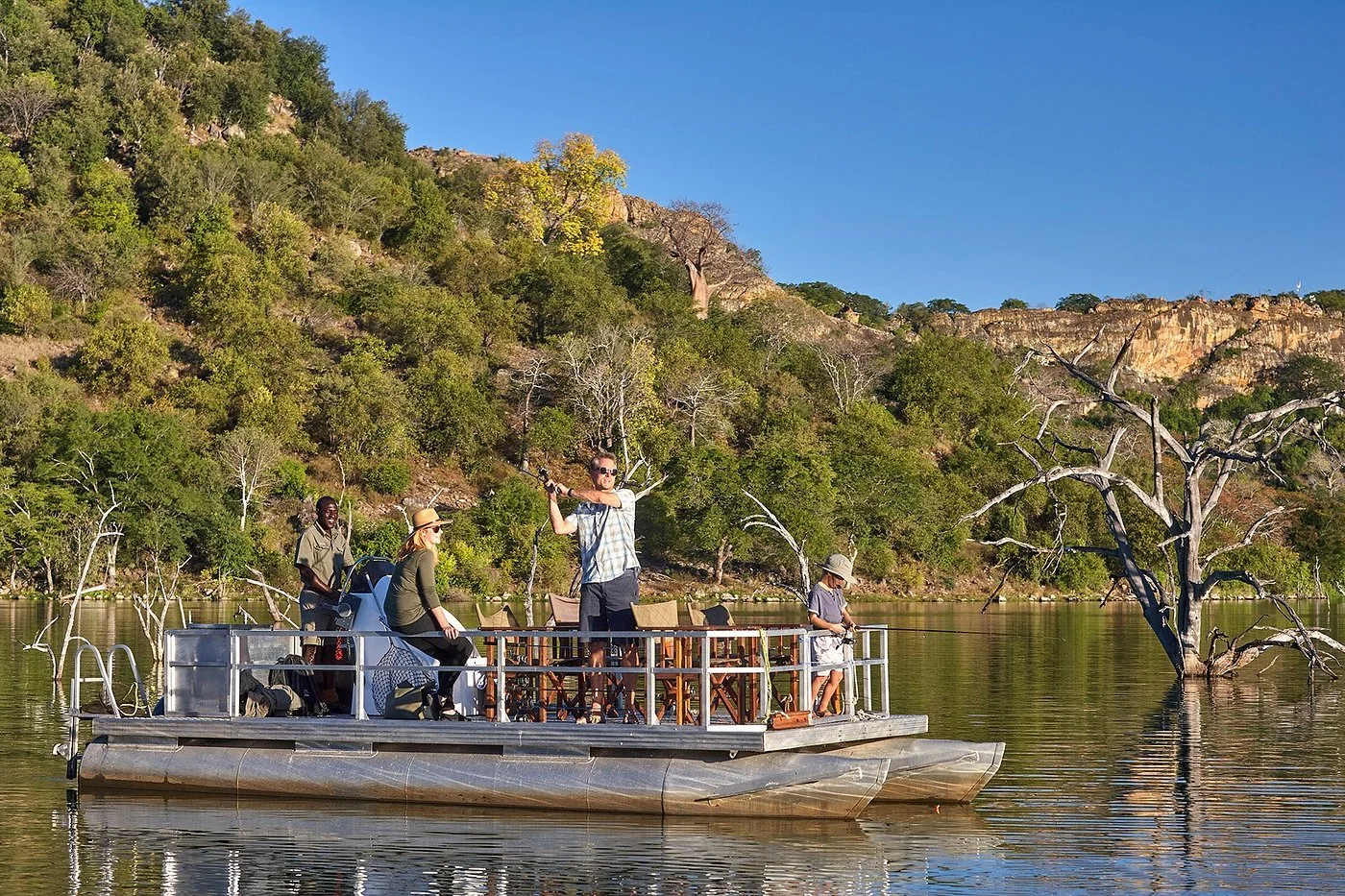
Fishing is another option, with tigerfish and tilapia among the species found in the reserve's waters.
The ability to move between driving, walking and boating keeps a longer stay varied. After several mornings in a game vehicle, an afternoon spent quietly moving across the dam can feel completely different while remaining connected to the same ecosystem.
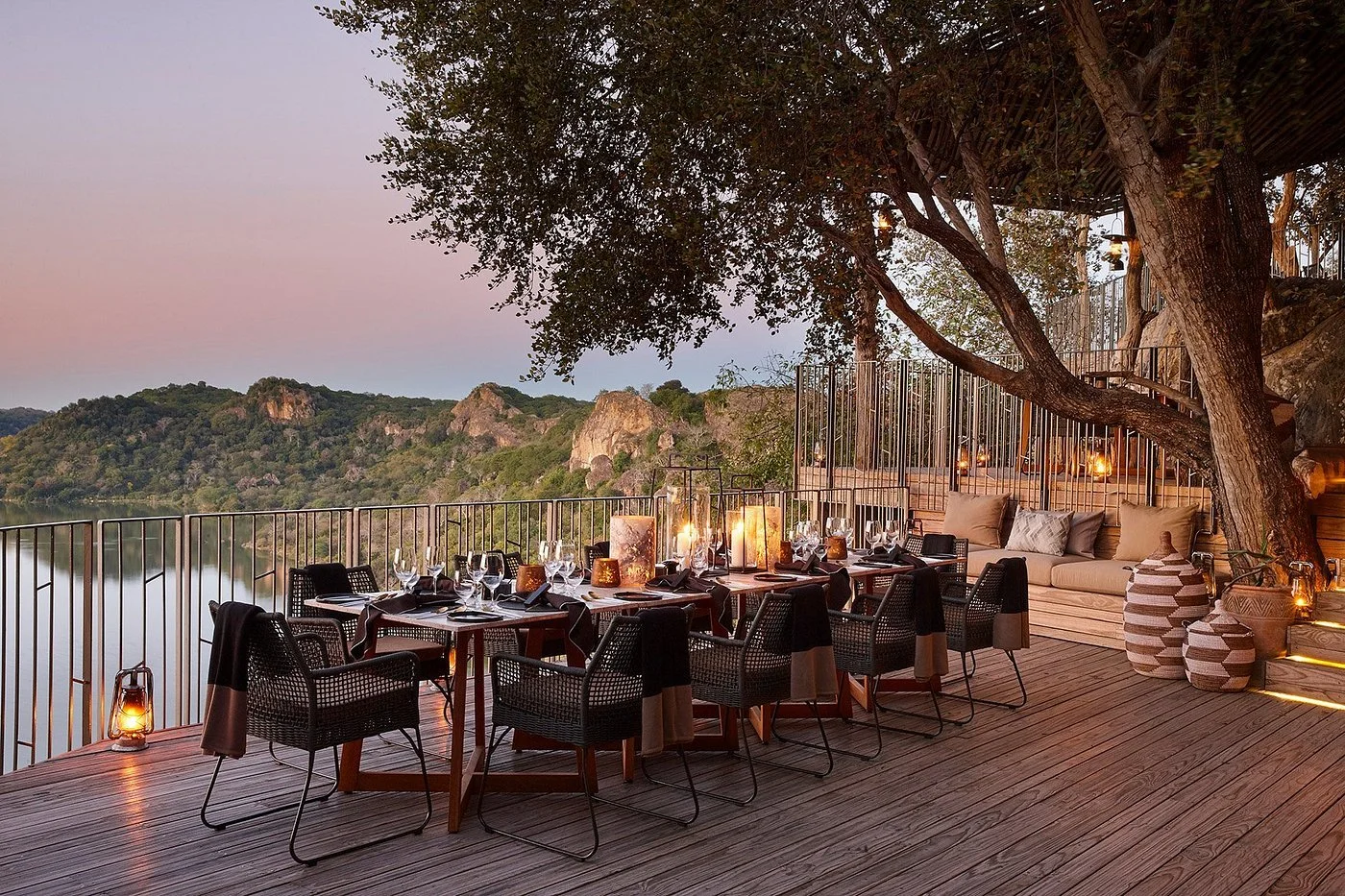
Dining Without a Conventional Restaurant Routine
Meals at Pamushana are deliberately flexible.
Rather than expecting guests to eat every meal in the same dining room, Singita uses different areas throughout the lodge and reserve.
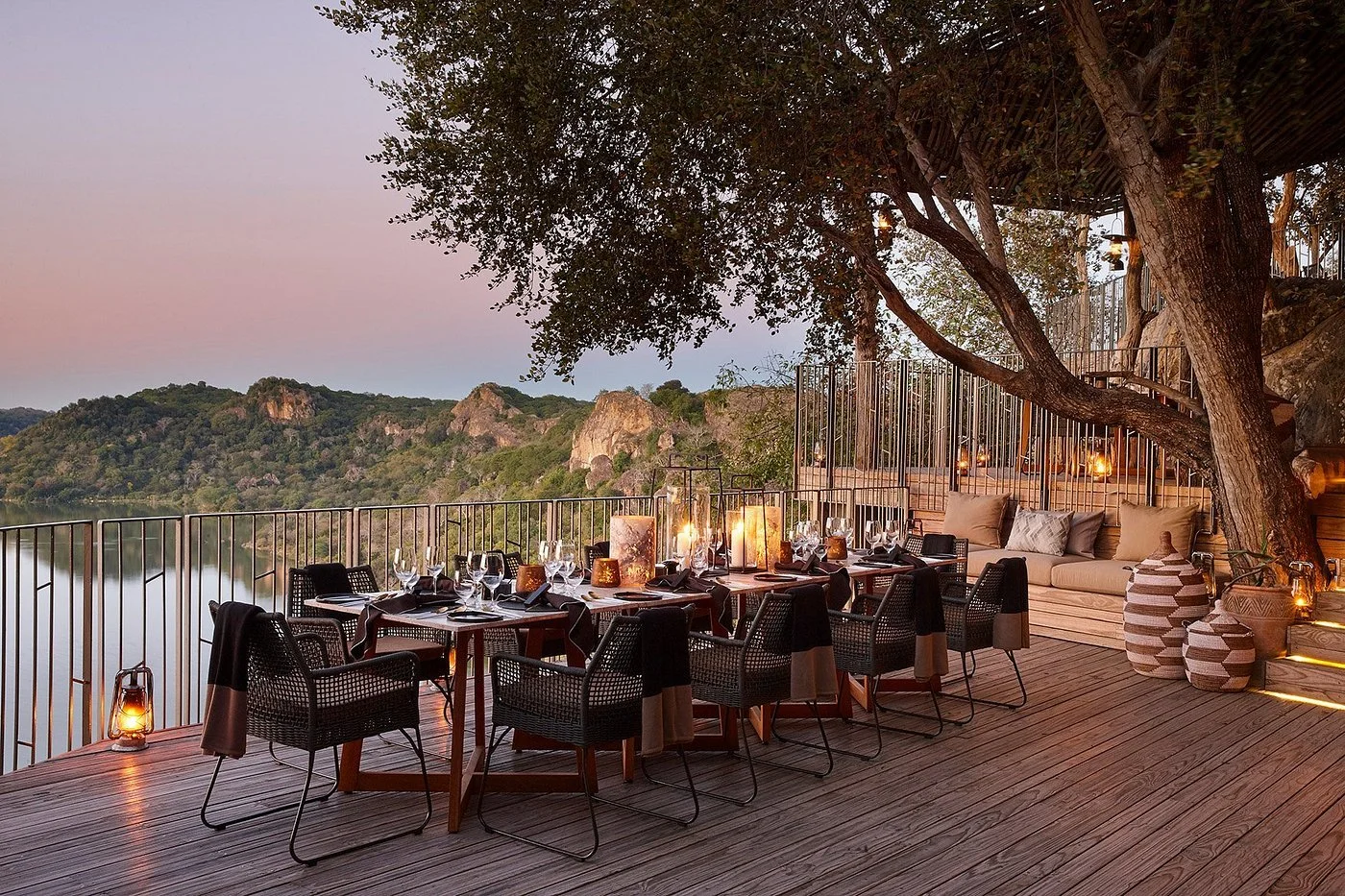
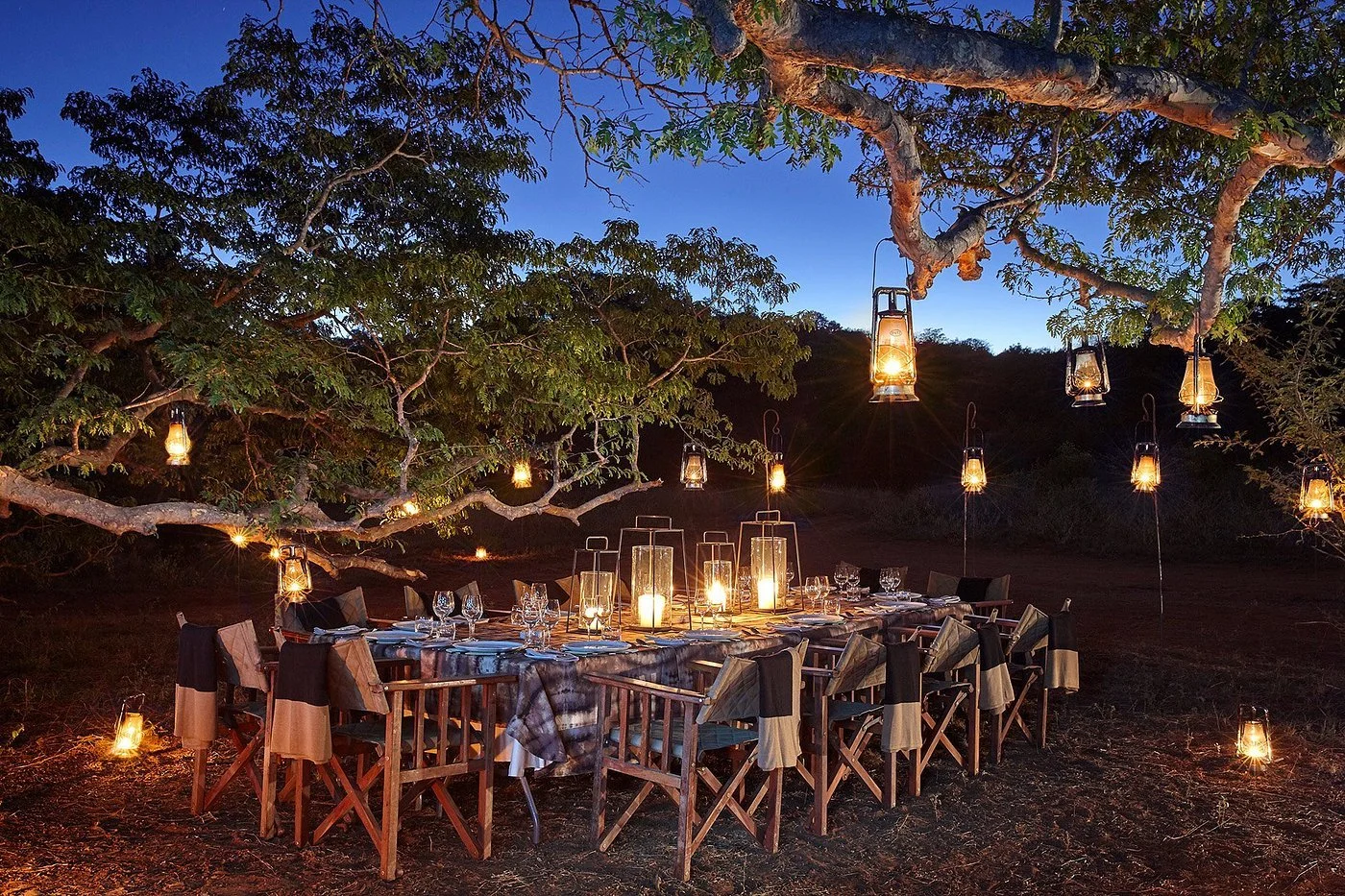
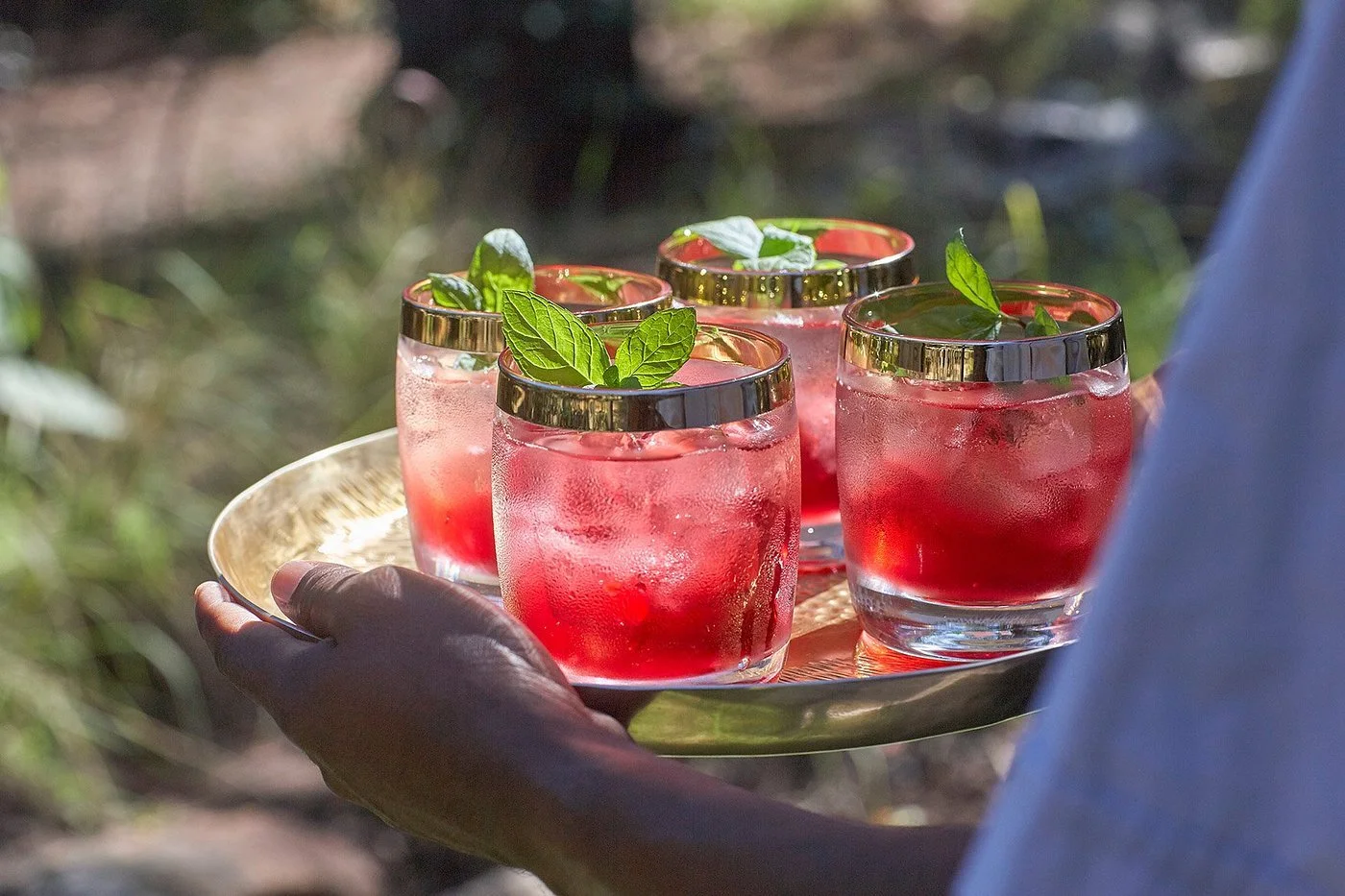
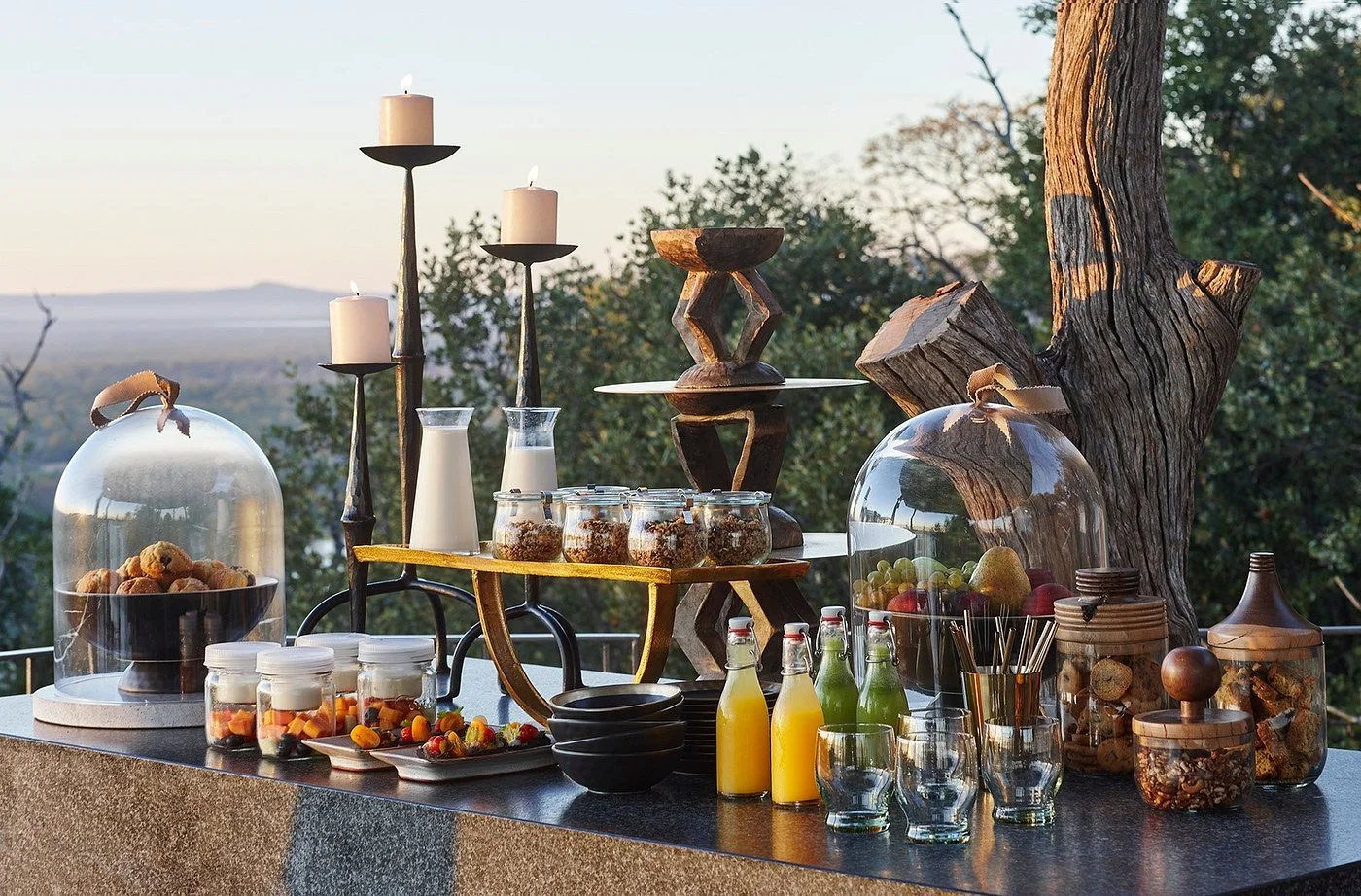
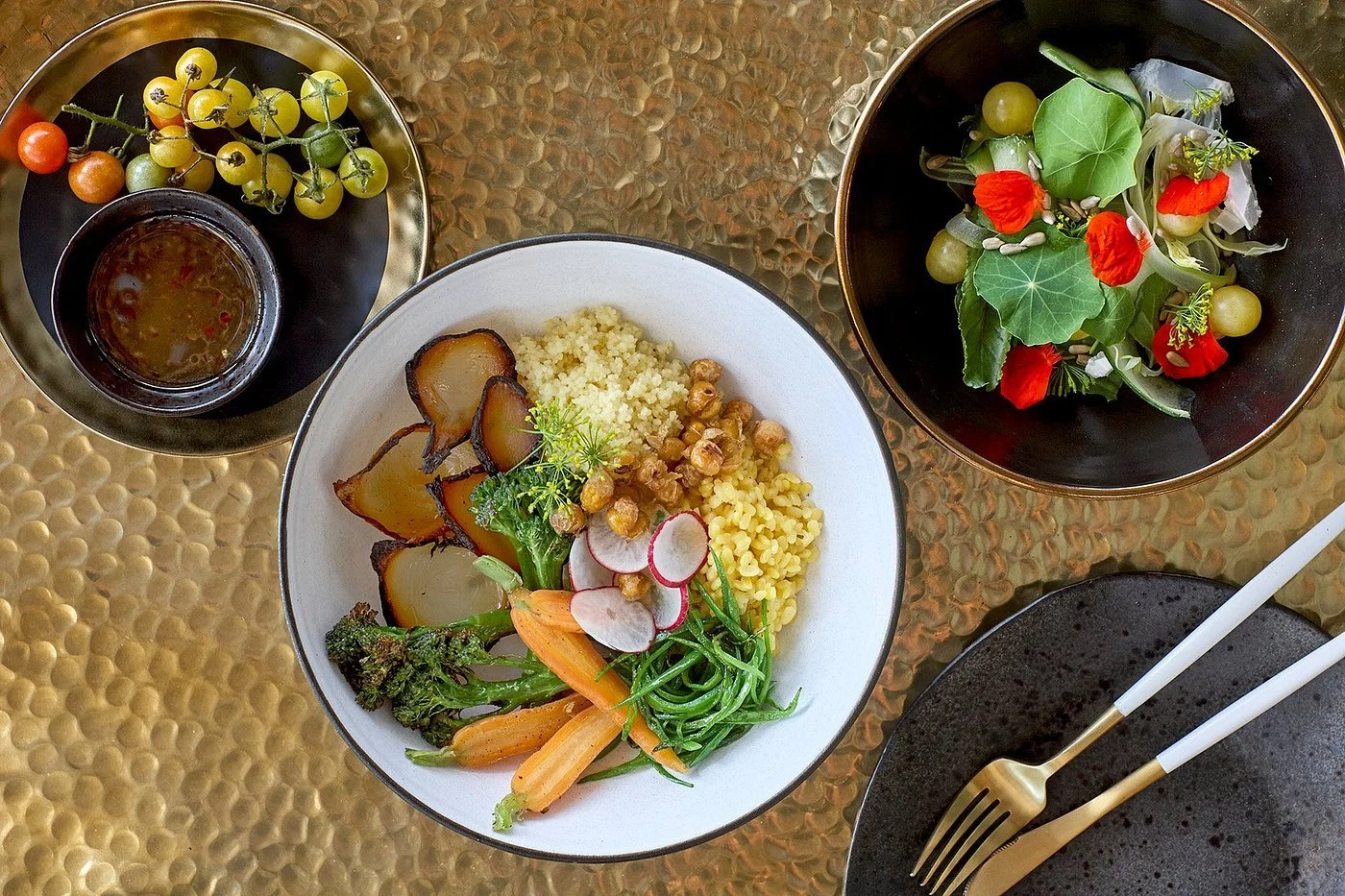
Breakfast may follow an early game drive, lunch can be served overlooking the dam and dinner might take place outside beneath the trees. Bush meals and private dining settings allow the location to change according to the day.
The lodge's clifftop fire pit and bar-deli is particularly atmospheric, looking across Malilangwe Dam and providing a natural gathering point for drinks, informal meals and evenings around the fire.
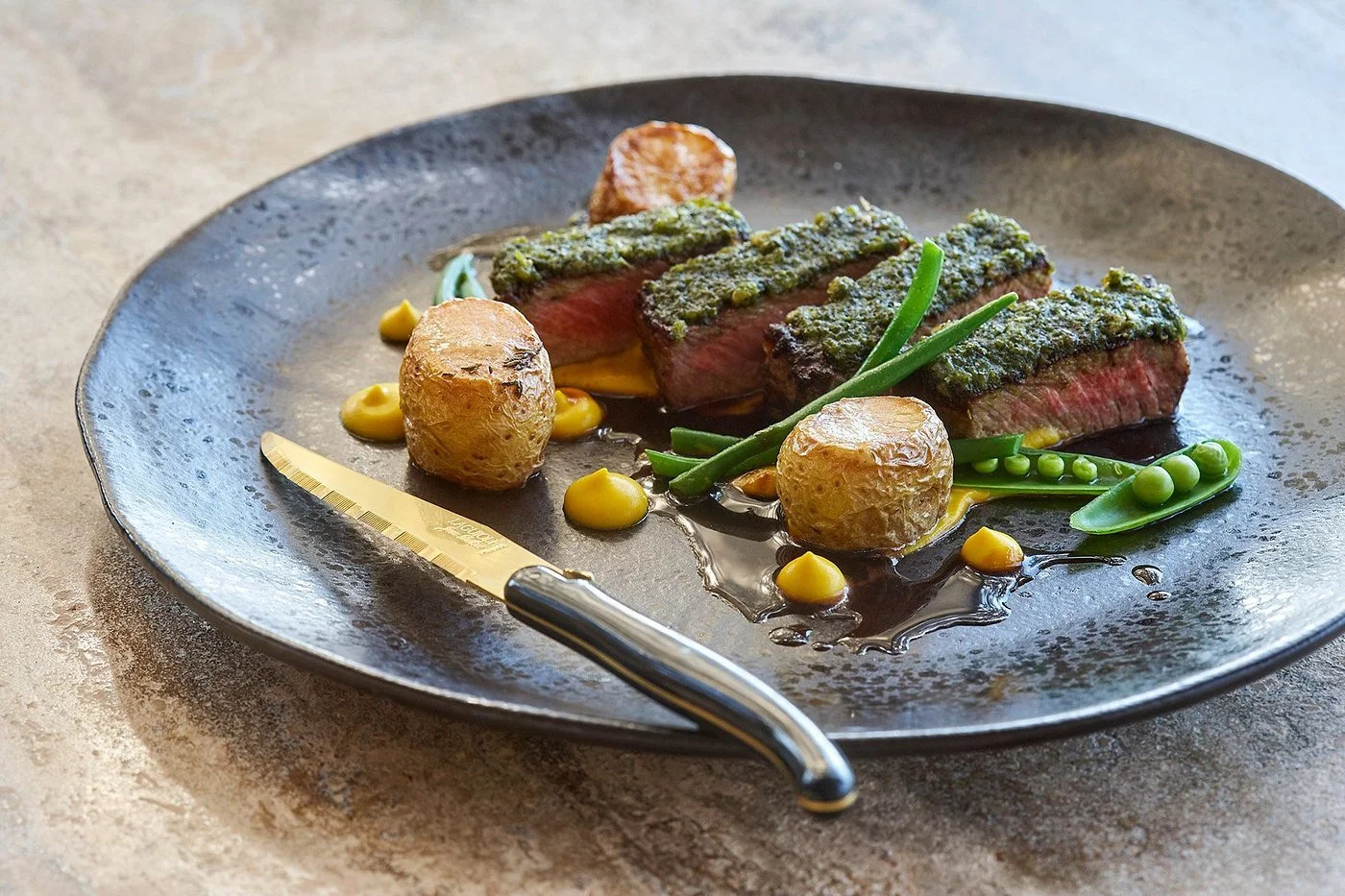
Singita's food philosophy emphasizes fresh, seasonal ingredients and contemporary interpretations of African flavors alongside international influences. Dietary preferences can be incorporated throughout the stay.
Wine is another significant part of the experience. Singita maintains an extensive collection of South African wines, and tastings can be arranged for travelers interested in exploring the country's producers and regions.
Pamushana's rates include all meals and beverages, including premium wines, spirits and liqueurs.
Wellness Between Game Drives
Pamushana balances active safari days with plenty of opportunities to slow down.
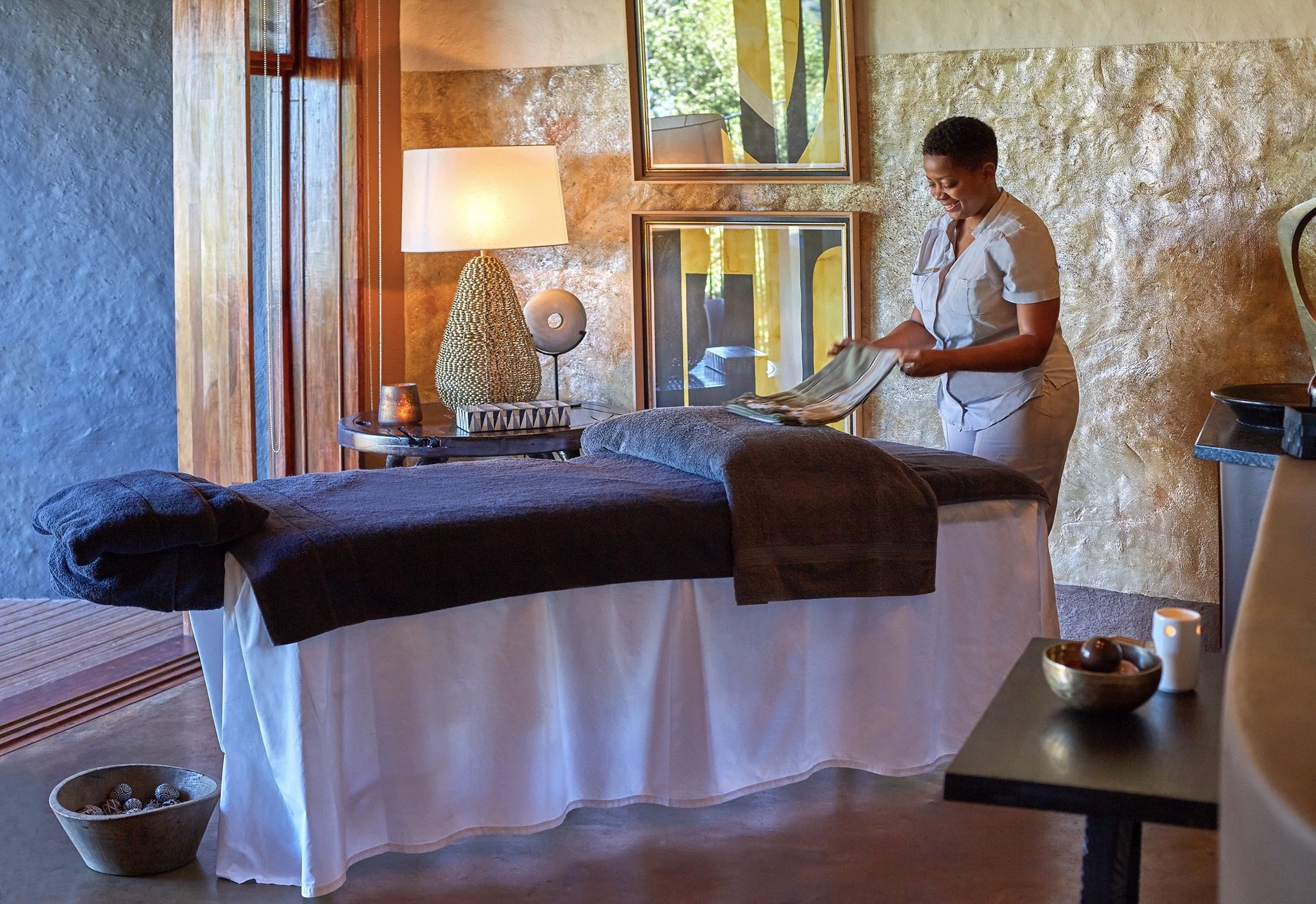
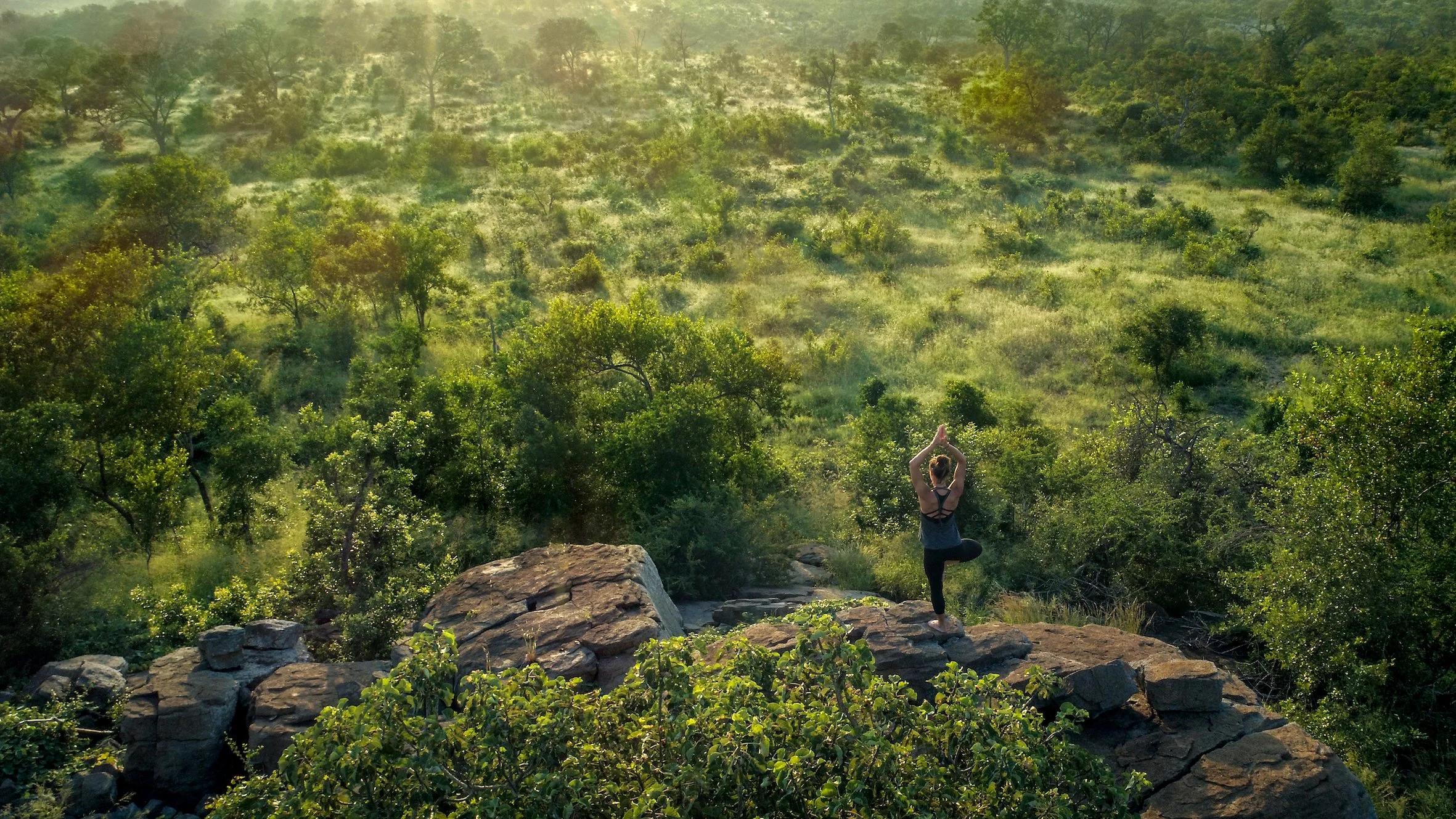
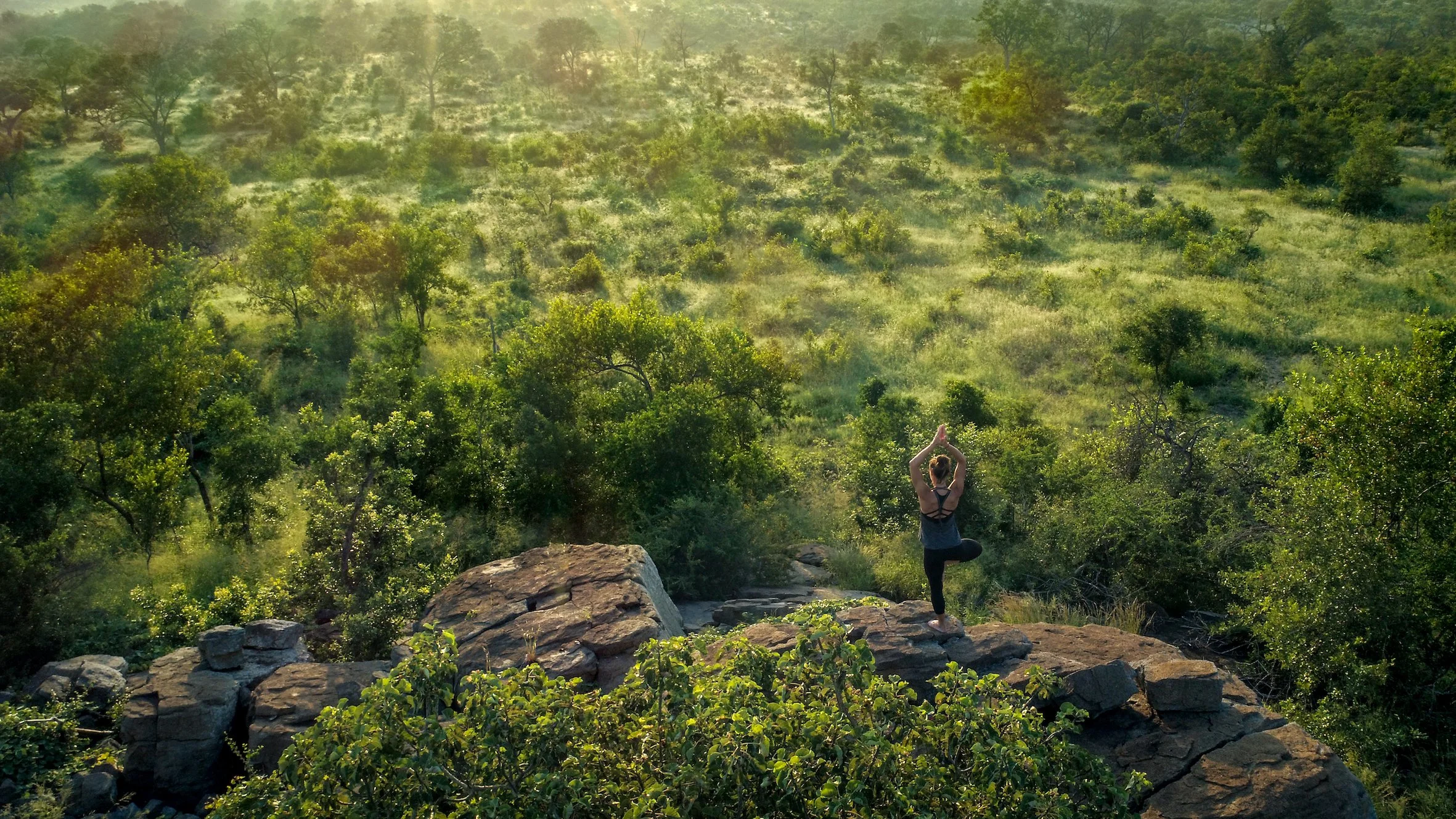
The lodge has a spa and fitness center, while wellness treatments can be arranged around the day's safari schedule. Yoga sessions can take place in a guest suite, around the main lodge, at the fitness center or, when conditions permit, out in the bush.
Both Yin and Vinyasa sessions are available, with private instruction tailored to different levels of experience.
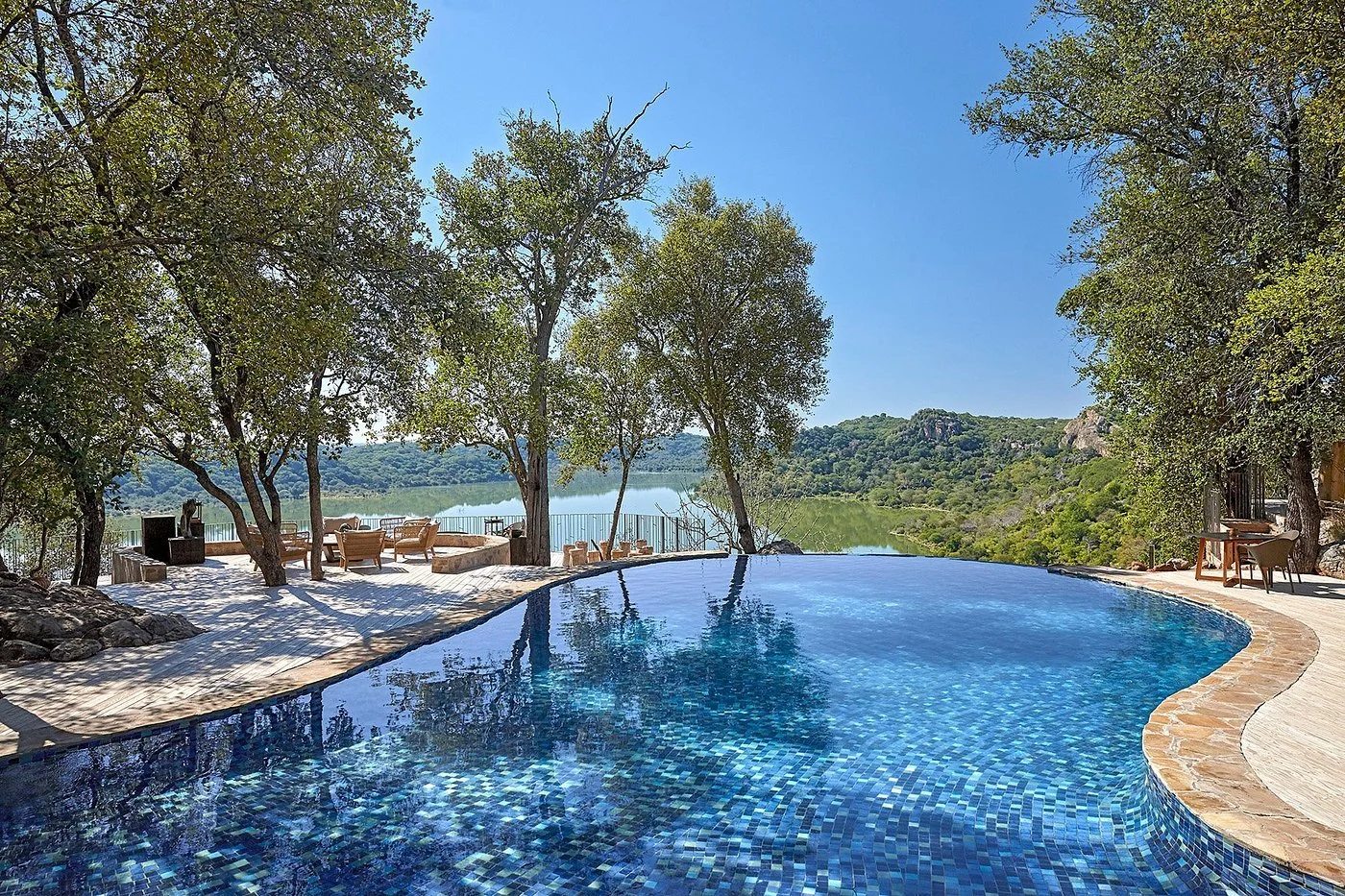
There is also a main swimming pool overlooking the landscape, in addition to the private plunge pools attached to every suite.
This flexibility becomes especially valuable on longer safaris. There is no need to attend every scheduled game drive simply because it is available. A morning at the lodge, massage, workout or afternoon beside the pool can be just as much a part of the experience.
Conservation That Extends Beyond Wildlife
Malilangwe's conservation work cannot be separated from the people living around the reserve.
The Trust operates an Environmental Education Centre that provides outdoor education and fieldwork opportunities for schoolchildren and teachers.
Its nutrition program provides a fortified daily meal to approximately 20,000 children, addressing food insecurity while supporting education in surrounding communities.
Travelers can learn more about the region's living cultural traditions through community experiences, including opportunities connected with Shangaan culture.
Traditional skills such as basket weaving, beadwork, tool making and other forms of bushcraft provide a different perspective on the relationship between local communities and the surrounding landscape.
For travelers interested in conservation, understanding these programs adds important context. Protecting wildlife in isolation is rarely sustainable over the long term. Malilangwe's model recognizes that conservation and neighboring communities must benefit from one another.
Gonarezhou and the Chilojo Cliffs
Pamushana can also serve as a base for exploring beyond the reserve.
Day trips can be arranged to Gonarezhou National Park, part of the Great Limpopo Transfrontier Conservation Area.
Gonarezhou is particularly known for its elephants and the extraordinary Chilojo Cliffs, a series of red sandstone cliffs rising above the Runde River.
The journey creates an opportunity to experience another of Zimbabwe's great wilderness areas while returning to Pamushana that evening.
For travelers spending four or five nights at the lodge, adding Gonarezhou provides useful contrast and a broader understanding of southeastern Zimbabwe.
A Safari That Works Particularly Well for Families
Children of all ages are welcome at Pamushana, and the combination of wildlife, water and cultural experiences makes the property especially strong for families.
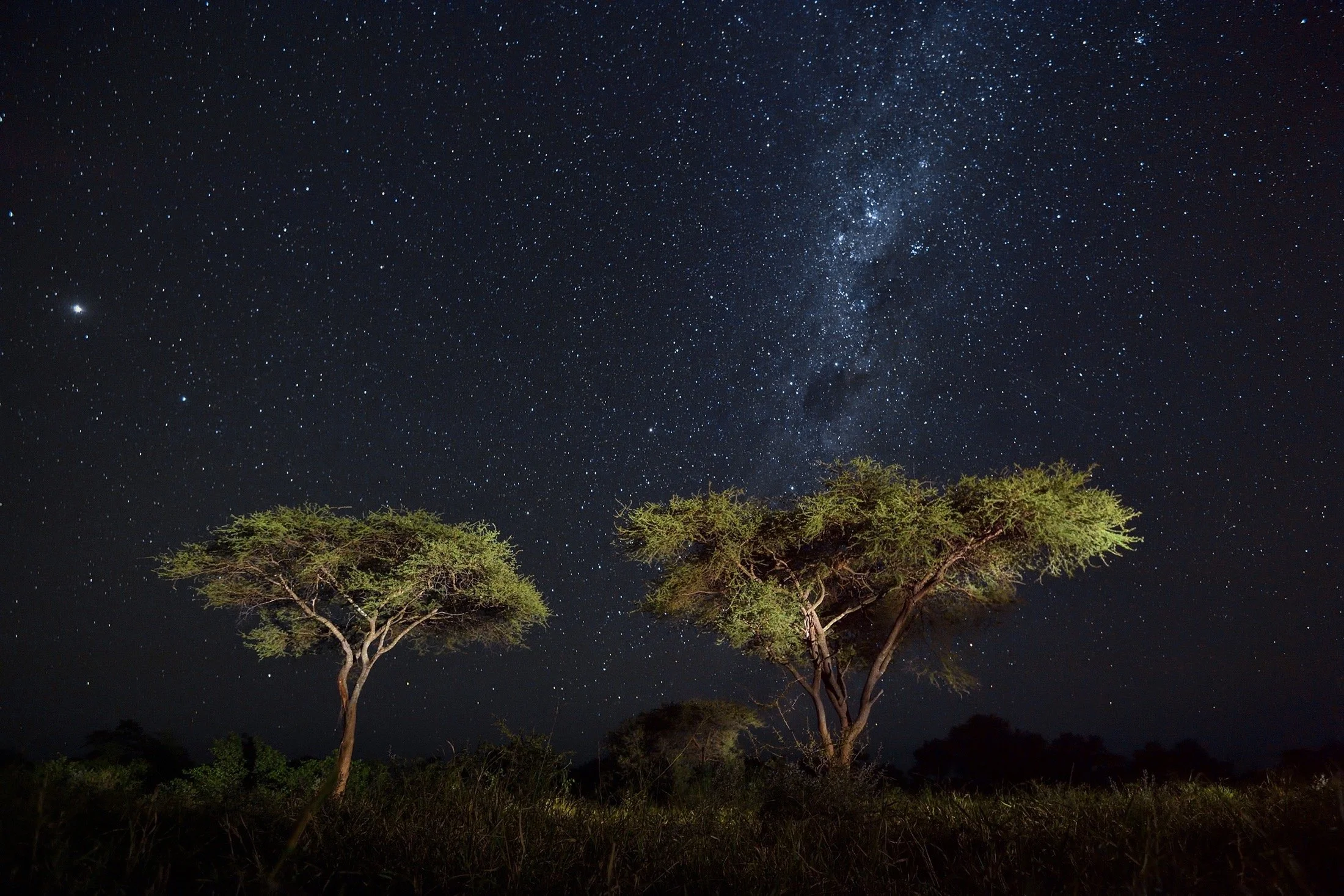
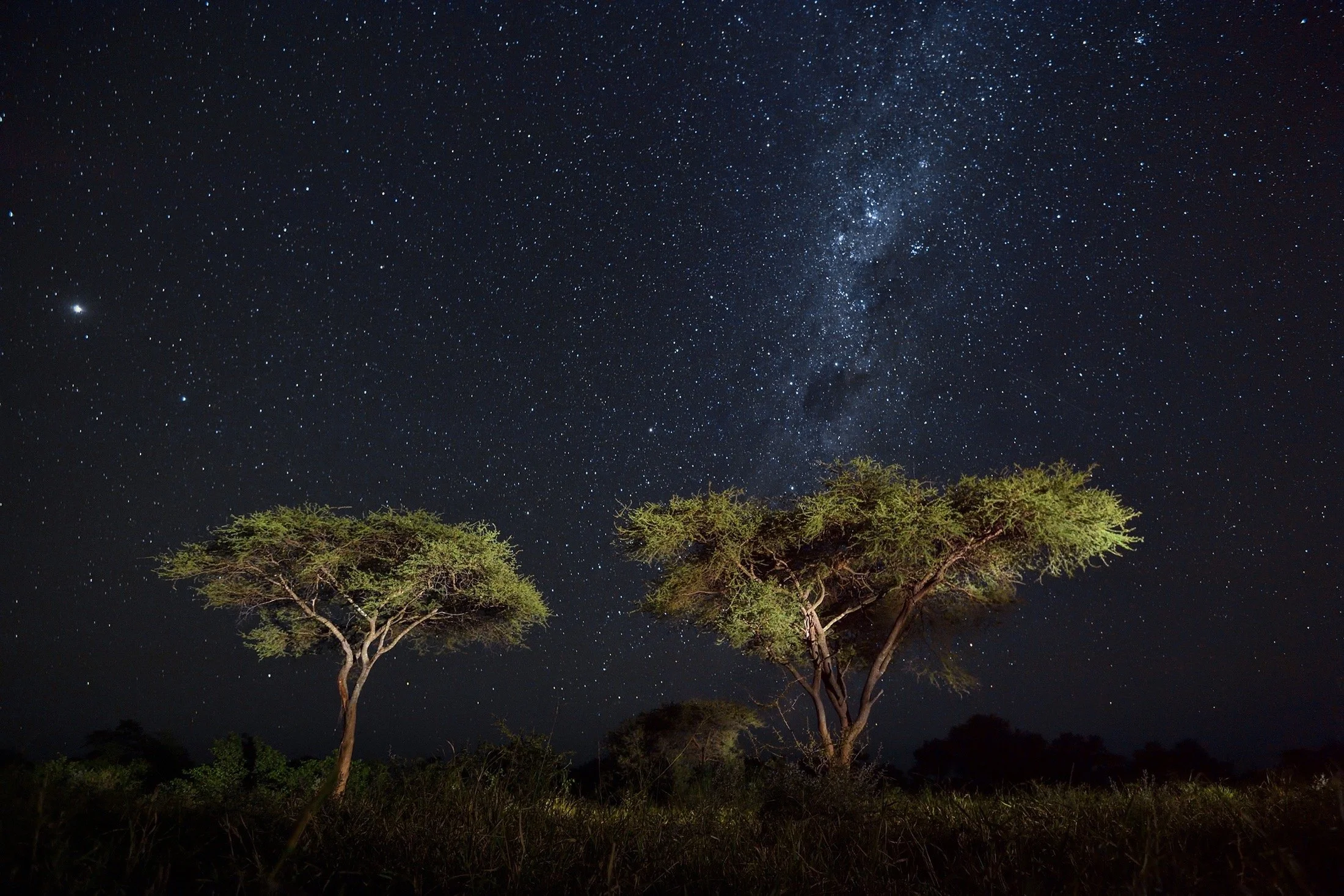
Activities can include fishing, stargazing, nature quizzes, tracking lessons, arts and crafts, cooking interactions, swimming and visits to the nursery.
Singita's Mini Rangers' Course introduces younger travelers to tracking, wildlife, trees, birds, astronomy and bush survival in an engaging way.
The two- and three-bedroom suites also allow families to remain together rather than separating into independent accommodations.
For multi-generational groups seeking greater privacy, Malilangwe House takes this further with exclusive use, a dedicated team and a private safari vehicle.
Getting to Singita Pamushana Lodge
Pamushana is located in remote southeastern Zimbabwe, and flying is generally the most practical way to reach the reserve.
By Scheduled Flight from Johannesburg: Federal Airlines currently operates scheduled service between Johannesburg O.R. Tambo International Airport and Buffalo Range International Airport on Mondays and Thursdays. Flight time is approximately one hour and 45 minutes. The service requires a minimum three-night stay and at least two travelers.
From Buffalo Range International Airport: The road transfer to Pamushana takes approximately 45 minutes and is included with suite stays.
By Private Charter: Charter aircraft can access the region, with international formalities completed at Buffalo Range when required. Aircraft able to use the reserve's Lonestar airstrip can land approximately 12 minutes from the lodge, followed by a transfer in a game-viewing vehicle.
From Kruger Mpumalanga International Airport: Scheduled regional service provides a useful connection between Buffalo Range and the Greater Kruger region on selected days, making Pamushana particularly easy to combine with a South African safari.
By Road from Harare: The drive takes approximately six hours.
By Road from Johannesburg: Allow approximately 12 hours, making air travel considerably more practical for most international itineraries.
A Different Side of Safari in Zimbabwe
Pamushana is the kind of property that becomes more interesting the longer travelers stay.
The wildlife alone would justify the journey. Few places offer such consistent opportunities to see both black and white rhinos within a vast private reserve, alongside predators, elephants and exceptional birdlife.
But Malilangwe adds layers that go far beyond game viewing.
There are paintings on sandstone walls left by people who lived here centuries ago. There are communities whose relationship with the landscape continues today. There is a conservation program that has rebuilt rhino populations to the point that animals can help restore populations elsewhere. And there is an enormous dam that changes the rhythm of safari completely, allowing an afternoon to be spent watching wildlife from the water rather than another vehicle.
Pamushana brings all of those elements together within a lodge of only eight suites.
For travelers who have already experienced some of Africa's better-known safari regions, southeastern Zimbabwe offers something refreshingly different. The reserve feels vast, private and deeply rooted in its own history, while Singita provides the level of service and comfort that allows travelers to experience it without distraction.
The strongest reason to come, however, may be knowing that the wilderness visible from the terrace is not simply the backdrop to the lodge. Protecting it is the reason the lodge is here.