Versailles, France | Airelles Château de Versailles, Le Grand Contrôle
Airelles Château de Versailles, Le Grand Contrôle: Sleeping Inside the Gates of Versailles
Versailles receives millions of visitors who come to walk through the Hall of Mirrors, see the King's State Apartments and look across André Le Nôtre's gardens from the palace terraces. By late afternoon, most will begin making their way toward the gates.
Guests of Airelles Château de Versailles, Le Grand Contrôle experience something entirely different.
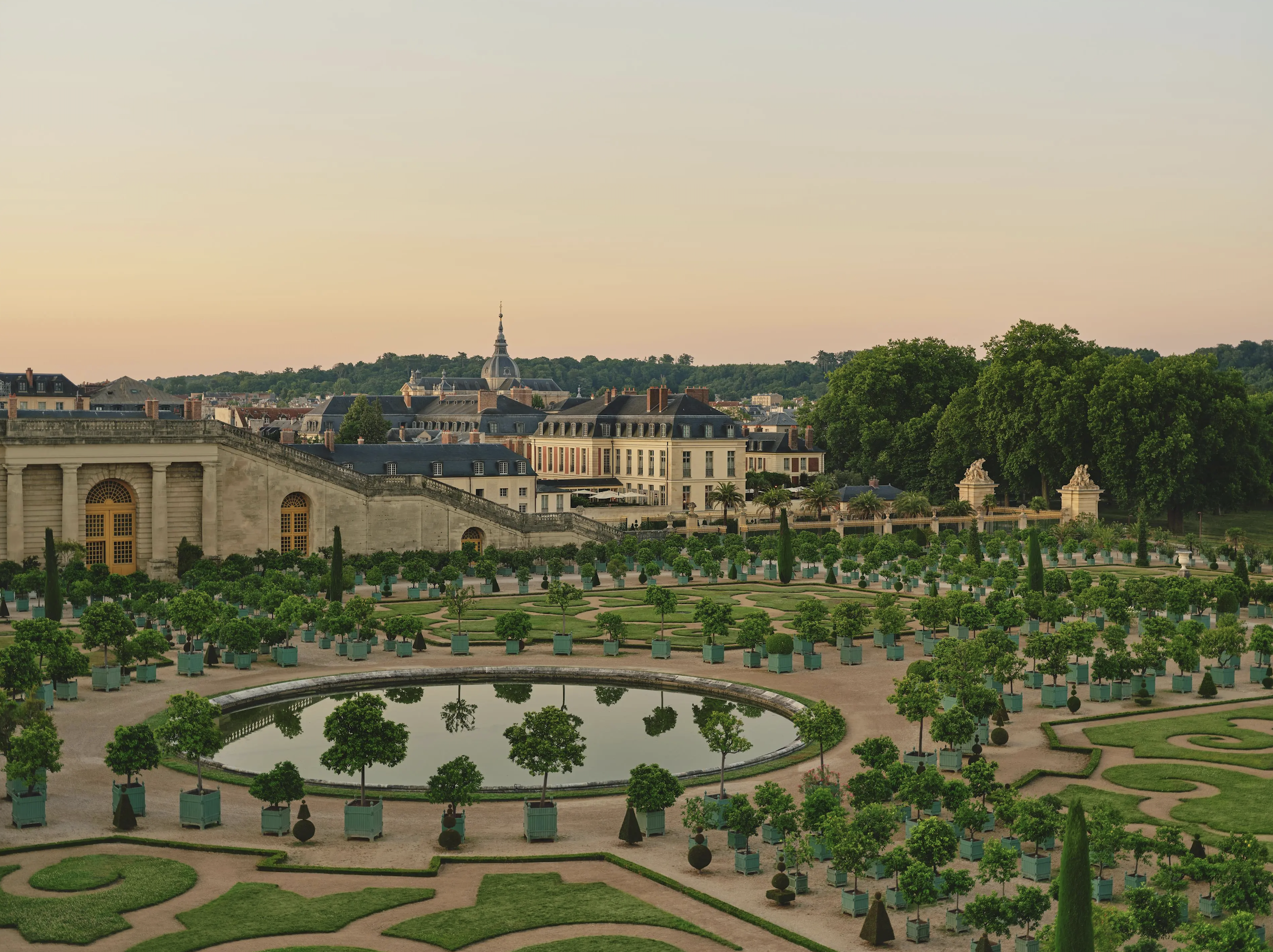
Located within the grounds of the Palace of Versailles, Le Grand Contrôle is the only hotel with this extraordinary distinction. Staying here is less about finding accommodations near one of France's greatest monuments and more about temporarily becoming part of its world. Guests can explore portions of the palace after it has closed to the public, enter the Domaine de Trianon before the day's visitors arrive and return at night to rooms overlooking gardens created for Louis XIV.
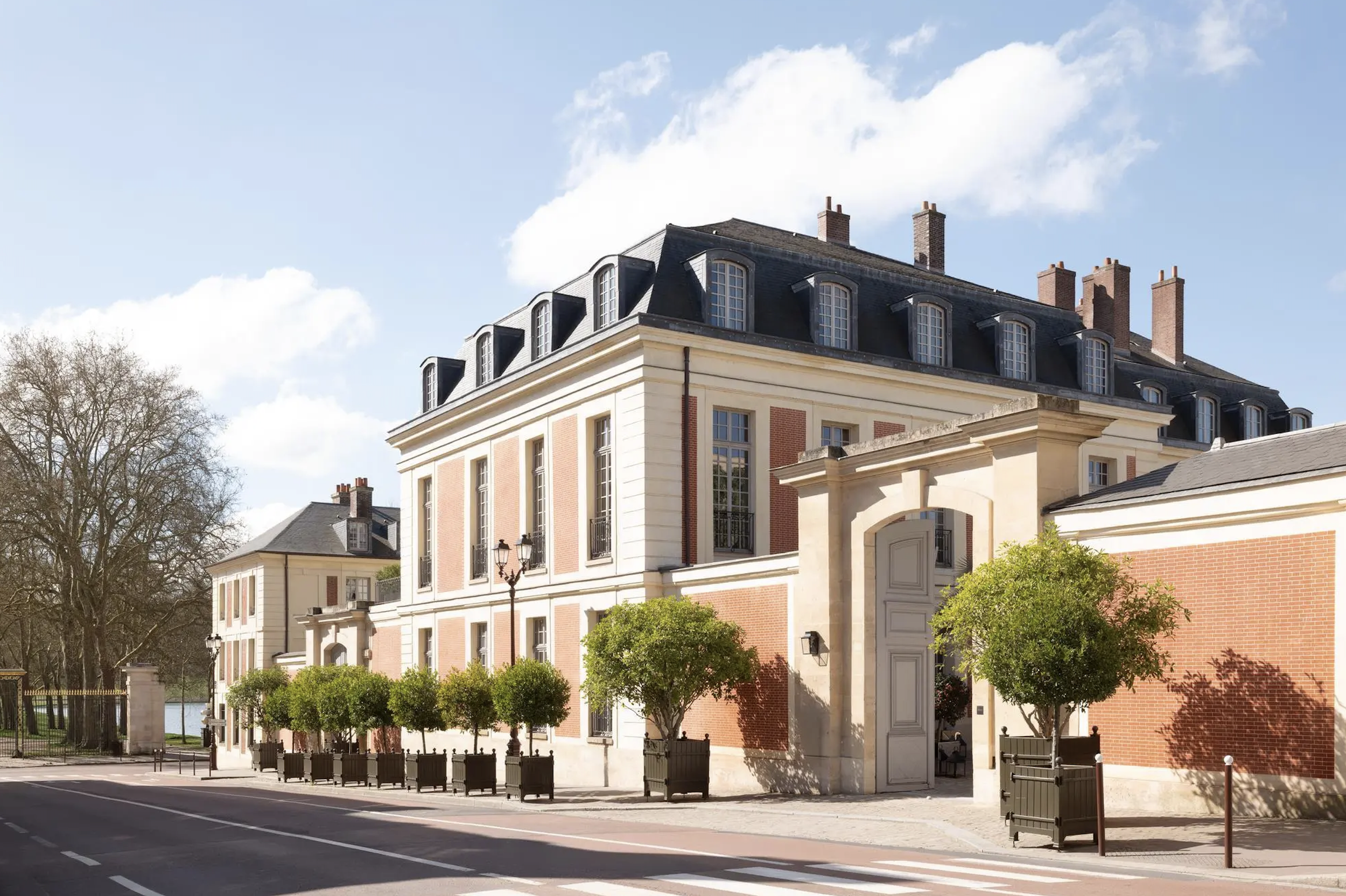
The building has its own remarkable history. Constructed in 1681 by Jules Hardouin-Mansart, the architect behind some of Versailles' most important additions, Le Grand Contrôle once served as the residence of the Controller-General of Finances, one of the most powerful positions in the French government. Political figures, intellectuals and members of Europe's cultural elite passed through these rooms during the centuries when Versailles stood at the center of French political life.
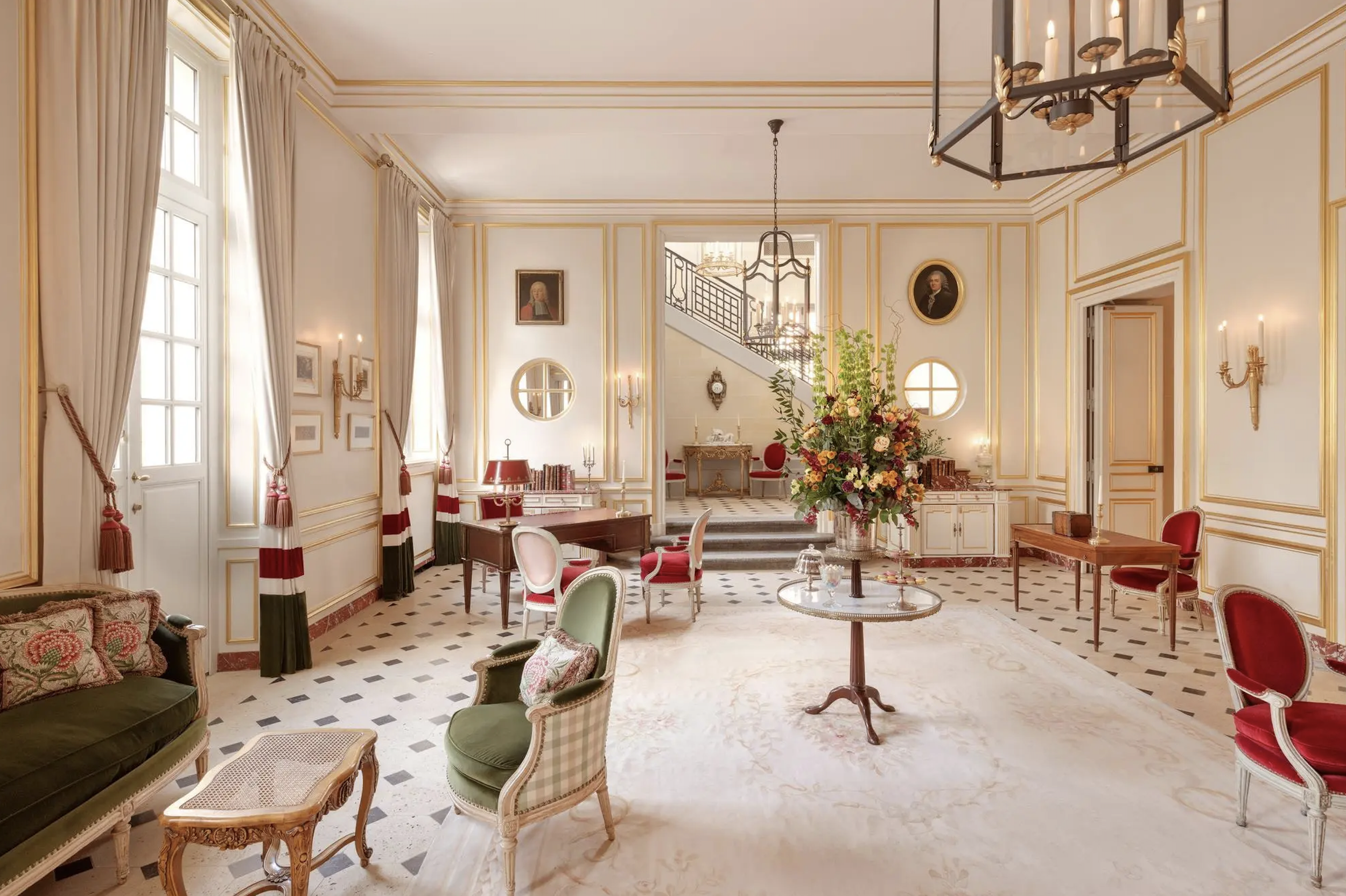
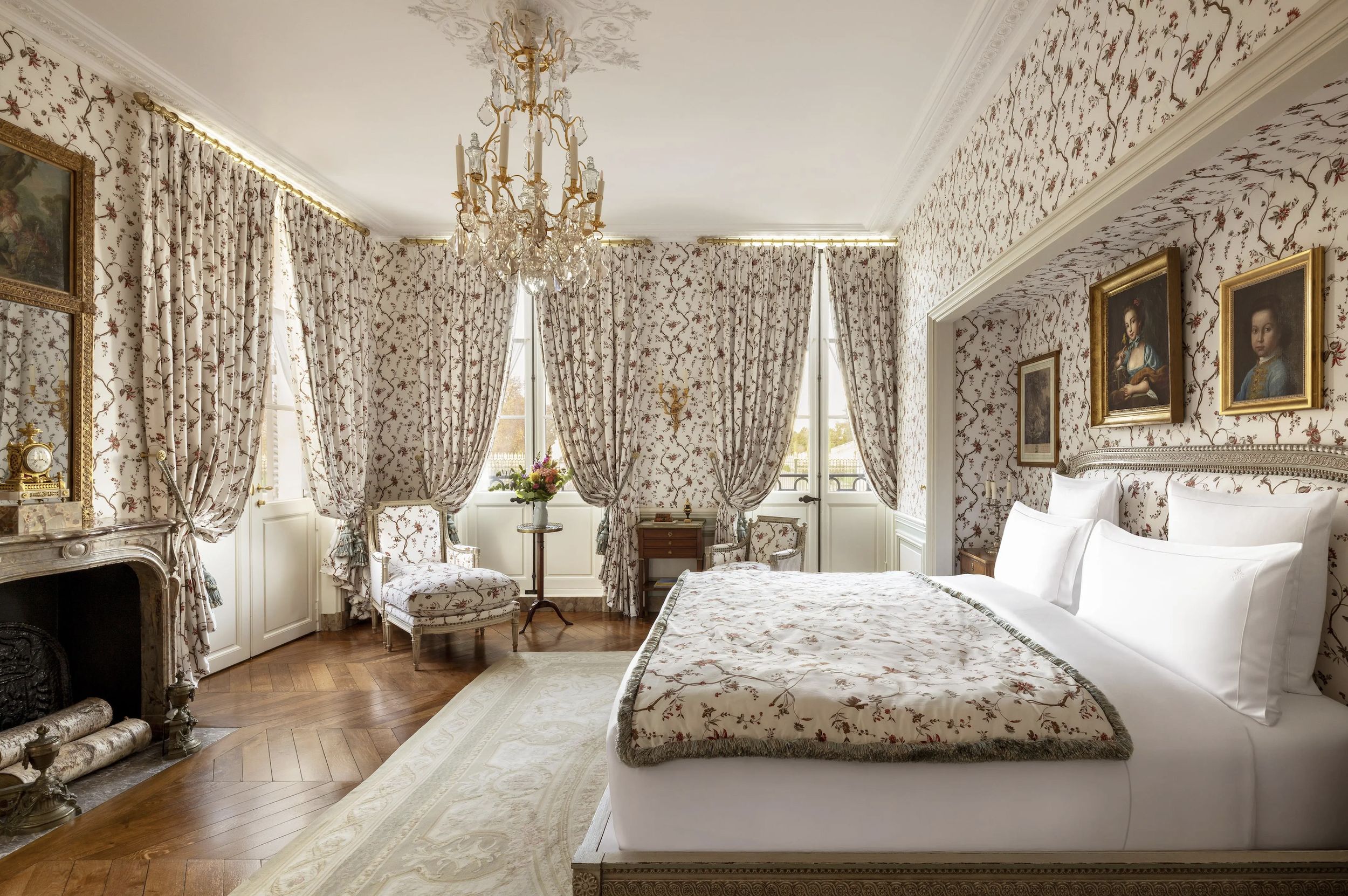
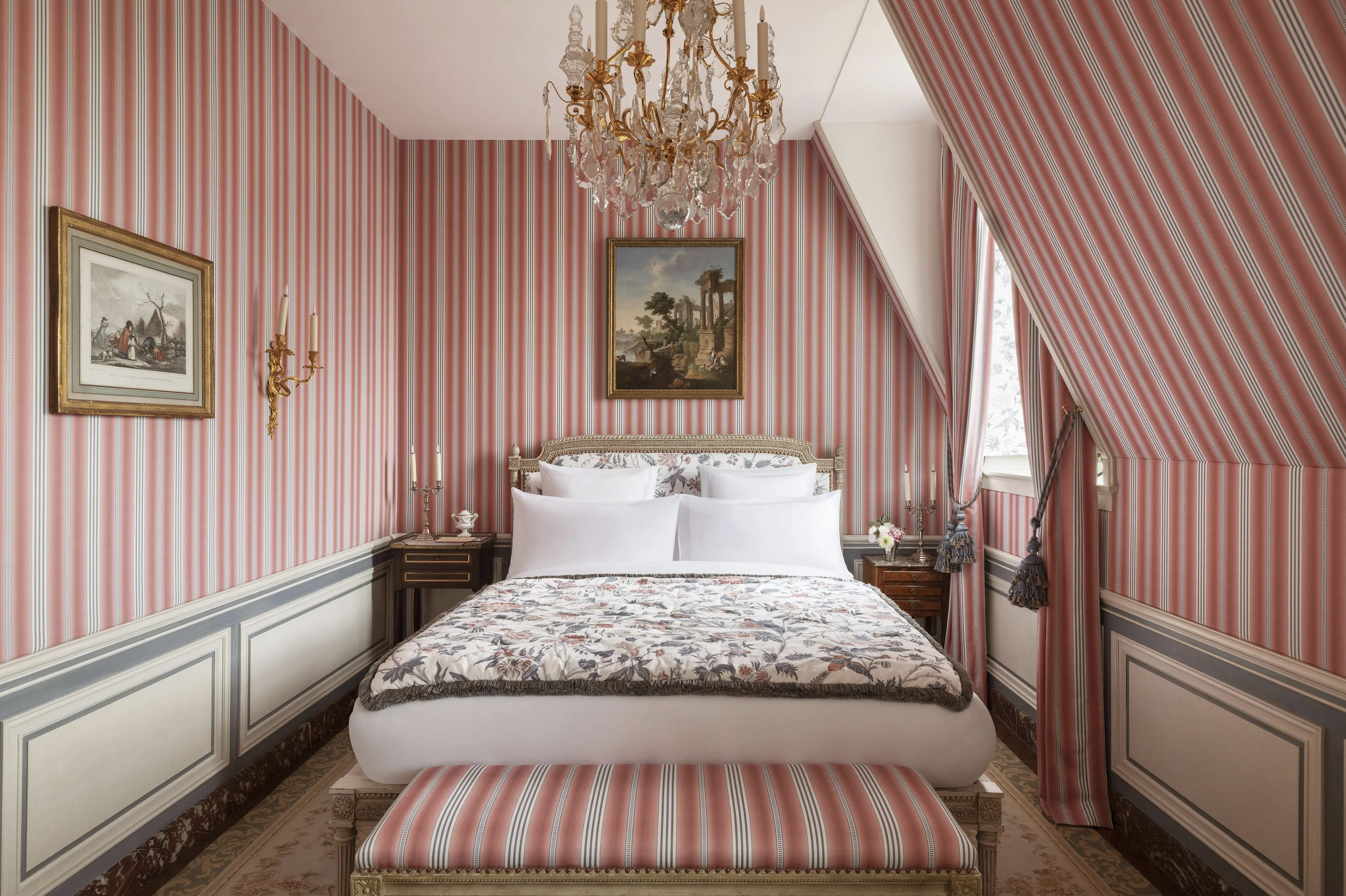
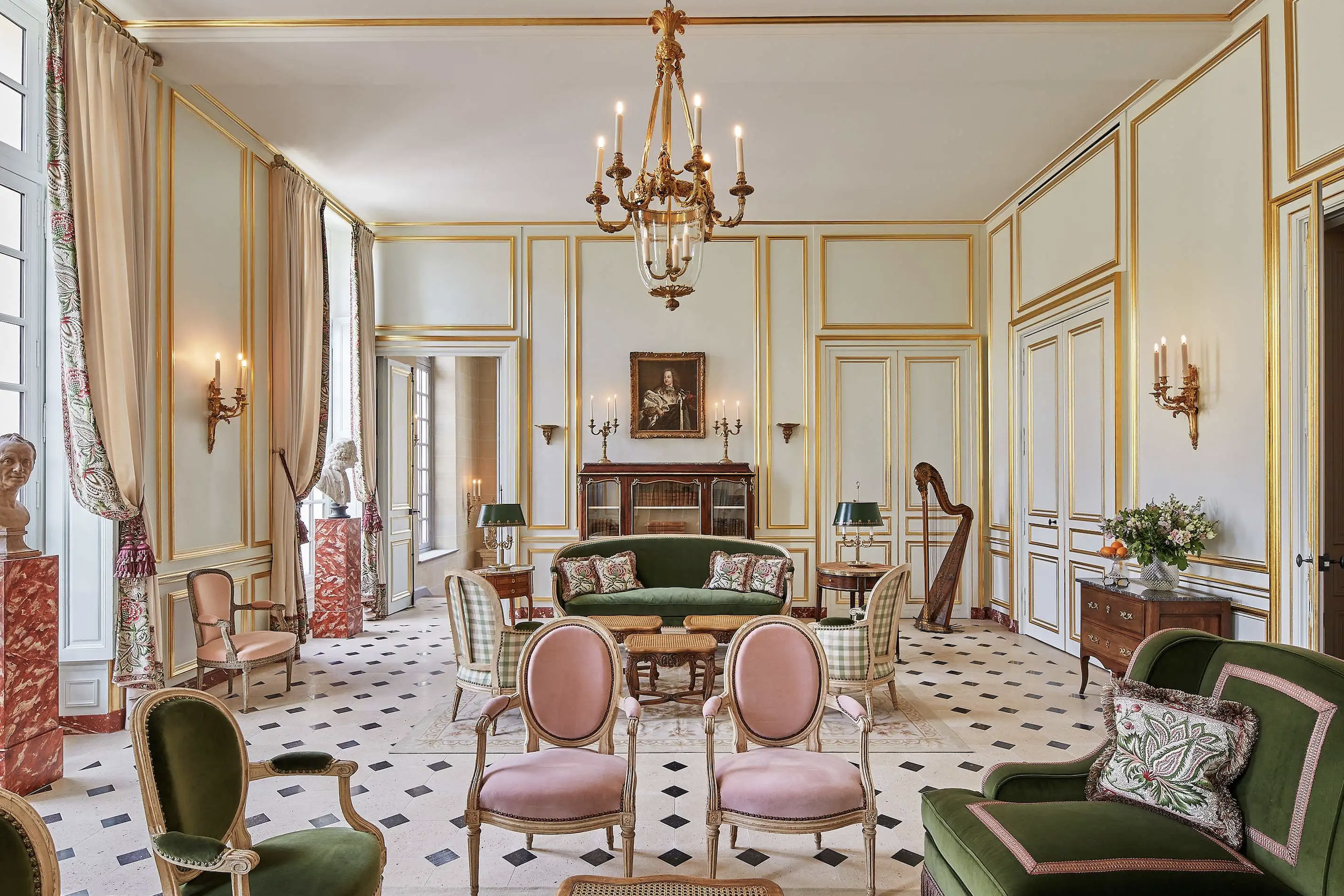
Airelles opened the restored property as a hotel in 2021. Today there are just 15 rooms and suites, including accommodations within the adjoining Pavillon des Jardiniers. Interiors have been painstakingly reconstructed around historical records, period antiques and fabrics recreated from the archives of Versailles.
Add dining overseen by Alain Ducasse, an intimate spa, personal butler service and extraordinary access to the palace itself, and Le Grand Contrôle becomes something far beyond a conventional stay outside Paris.
Versailles Before Le Grand Contrôle
Understanding the hotel begins with understanding Versailles.
Louis XIII first came to the area to hunt and constructed a modest hunting lodge here in the early 17th century. His son, Louis XIV, transformed the site on an almost unimaginable scale.
Beginning in the 1660s, the Sun King expanded Versailles through successive building campaigns, eventually turning what had been a relatively modest royal residence into the monumental palace known today. Architects Louis Le Vau and later Jules Hardouin-Mansart, painter and decorator Charles Le Brun, and landscape architect André Le Nôtre were among the figures responsible for creating its architecture, interiors and gardens.
In 1682, Louis XIV formally established Versailles as the principal seat of the French court and government.
The decision was political as much as architectural. Life at Versailles operated according to an elaborate system of ceremony and etiquette centered around the monarch. Members of the aristocracy competed for access and proximity to the king, while the palace became a stage upon which royal authority was constantly displayed.
The scale of Versailles continued to grow. The Hall of Mirrors, Royal Chapel, Grand Trianon, formal gardens, fountains, canals and countless apartments together formed a royal domain unlike anything else in Europe.
And in the middle of this transformation, Le Grand Contrôle was constructed.
A Building From the Court of Louis XIV
Jules Hardouin-Mansart completed Le Grand Contrôle in 1681, only a year before Versailles officially became the center of royal government.
Hardouin-Mansart's importance to Versailles is difficult to overstate. He was responsible for the Hall of Mirrors, the Grand Trianon and the Royal Chapel, among numerous other projects that helped define the palace as it exists today.
Le Grand Contrôle was created within this same architectural world.
The building eventually became associated with the Controller-General of Finances, placing it close to the machinery of government that operated around the king. One of its most notable residents was Jacques Necker, Louis XVI's Director-General of Finance and the father of writer and intellectual Germaine de Staël.
The French Revolution brought the royal era of Versailles to an abrupt end. Louis XVI and Marie-Antoinette were forced to leave the palace for Paris in October 1789, and the political world that had surrounded Le Grand Contrôle disappeared with them.
More than two centuries later, the building would provide Airelles with an unusually complete record from which to begin its restoration.
Recreating 1788
When architect and interior designer Christophe Tollemer began restoring Le Grand Contrôle, the objective was not to create a modern interpretation of an 18th-century château.
The team instead turned to an extraordinarily useful historical source: an inventory dating from 1788, the final full year before the French Revolution began.
That document became a reference point for the hotel's interiors.
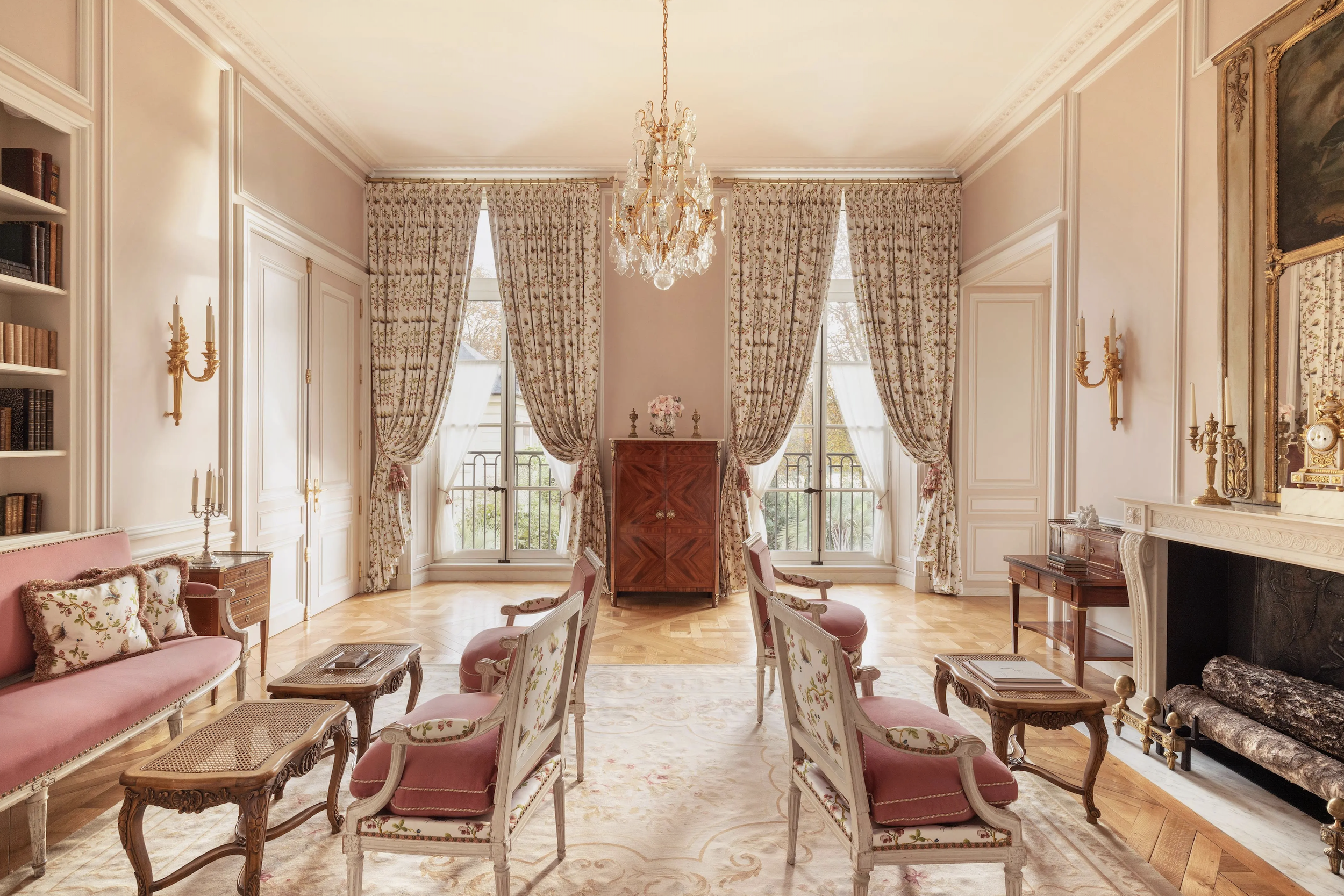
Tollemer worked with heritage and art-market specialist Emmanuelle Vidal-Delagneau to source furniture, artworks and decorative objects dating from the 17th and 18th centuries. Pieces were acquired through antique dealers and auctions across Europe.
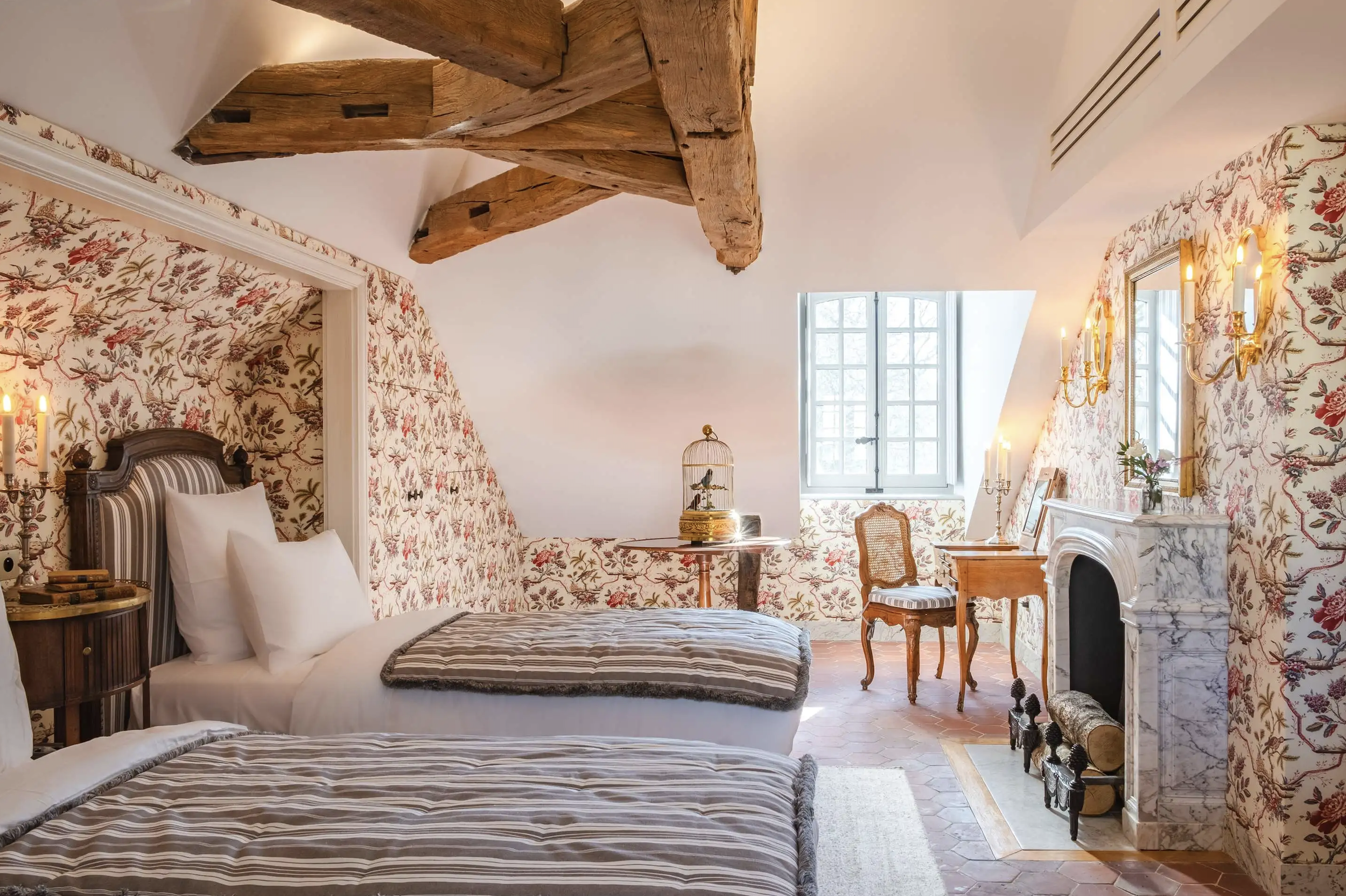
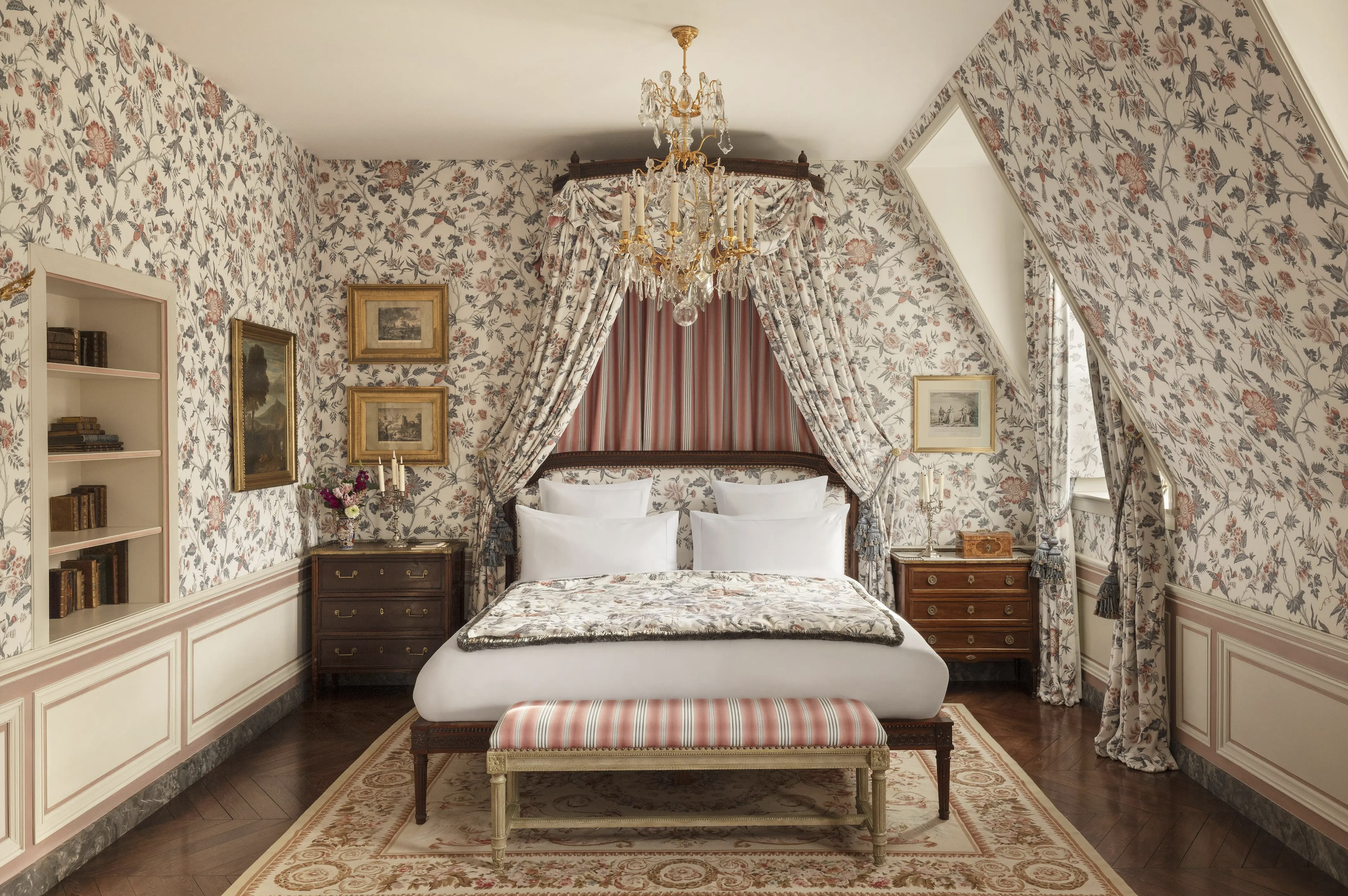
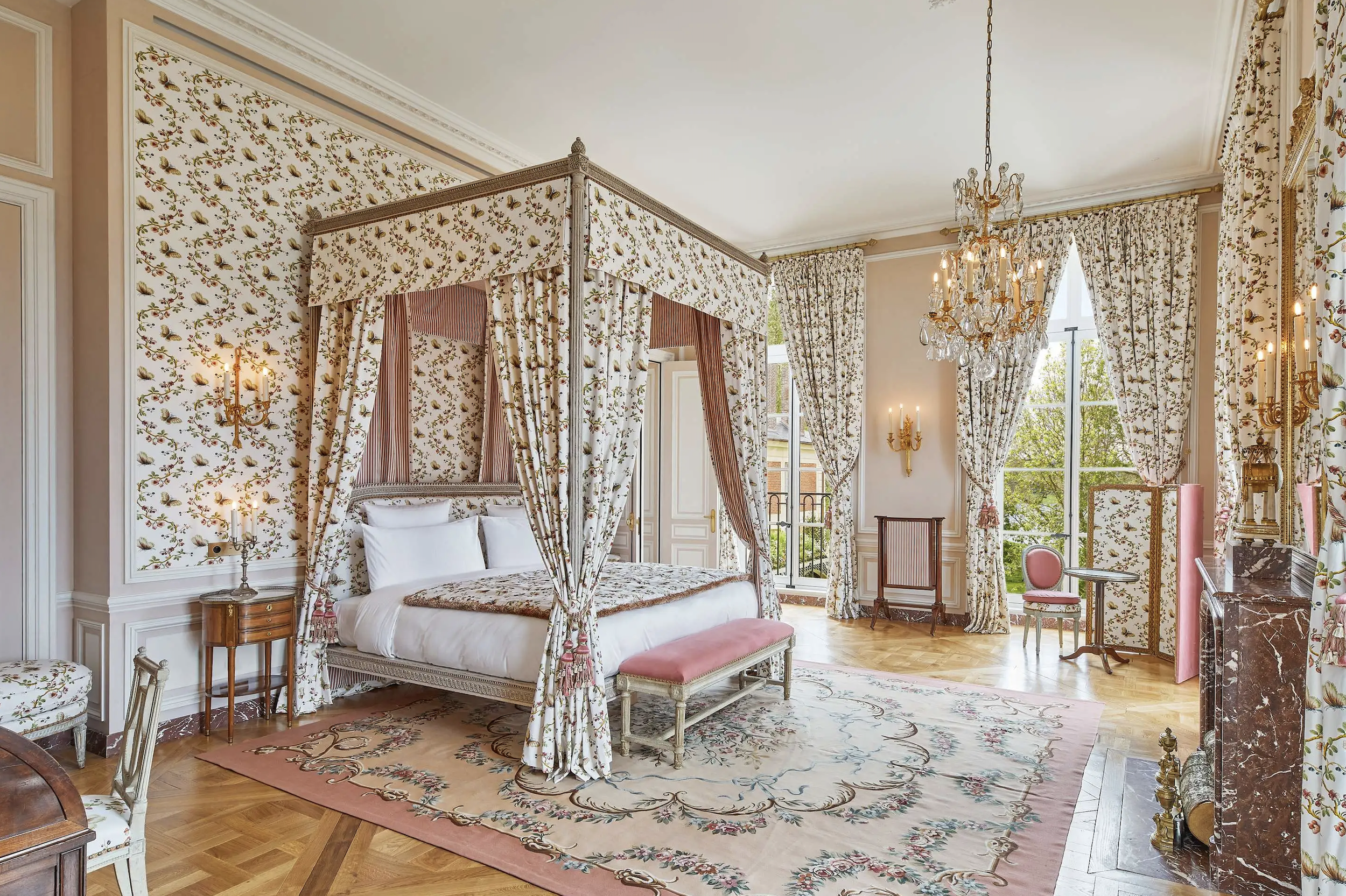
Maison Pierre Frey recreated textiles using designs found within the Versailles archives. Lighting specialist Mathieu Lustrerie, which has also worked within the palace itself, created chandeliers, sconces and lanterns inspired by the period. Even modern lighting has been carefully integrated to recreate the warmth associated with candlelight.
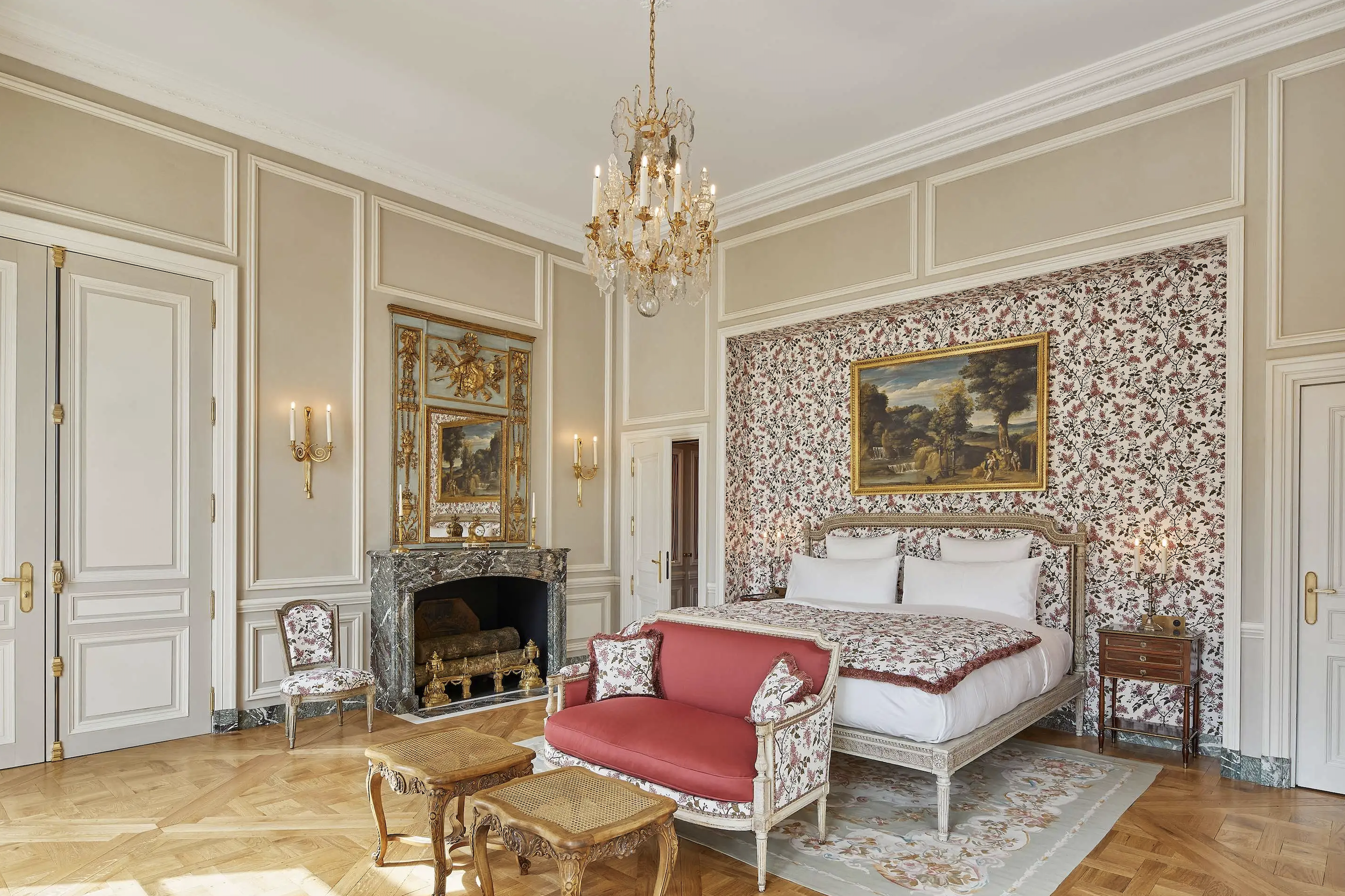
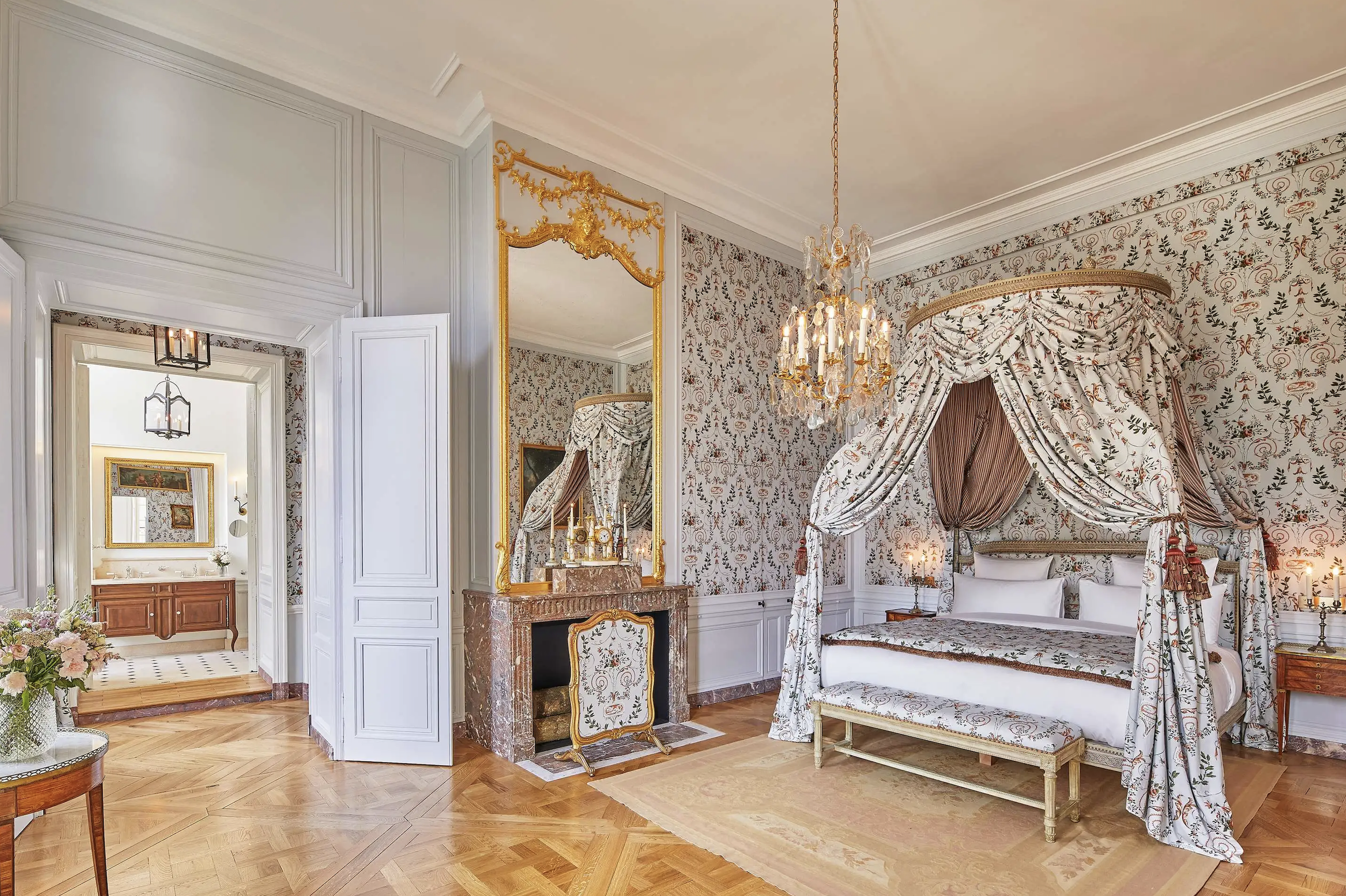
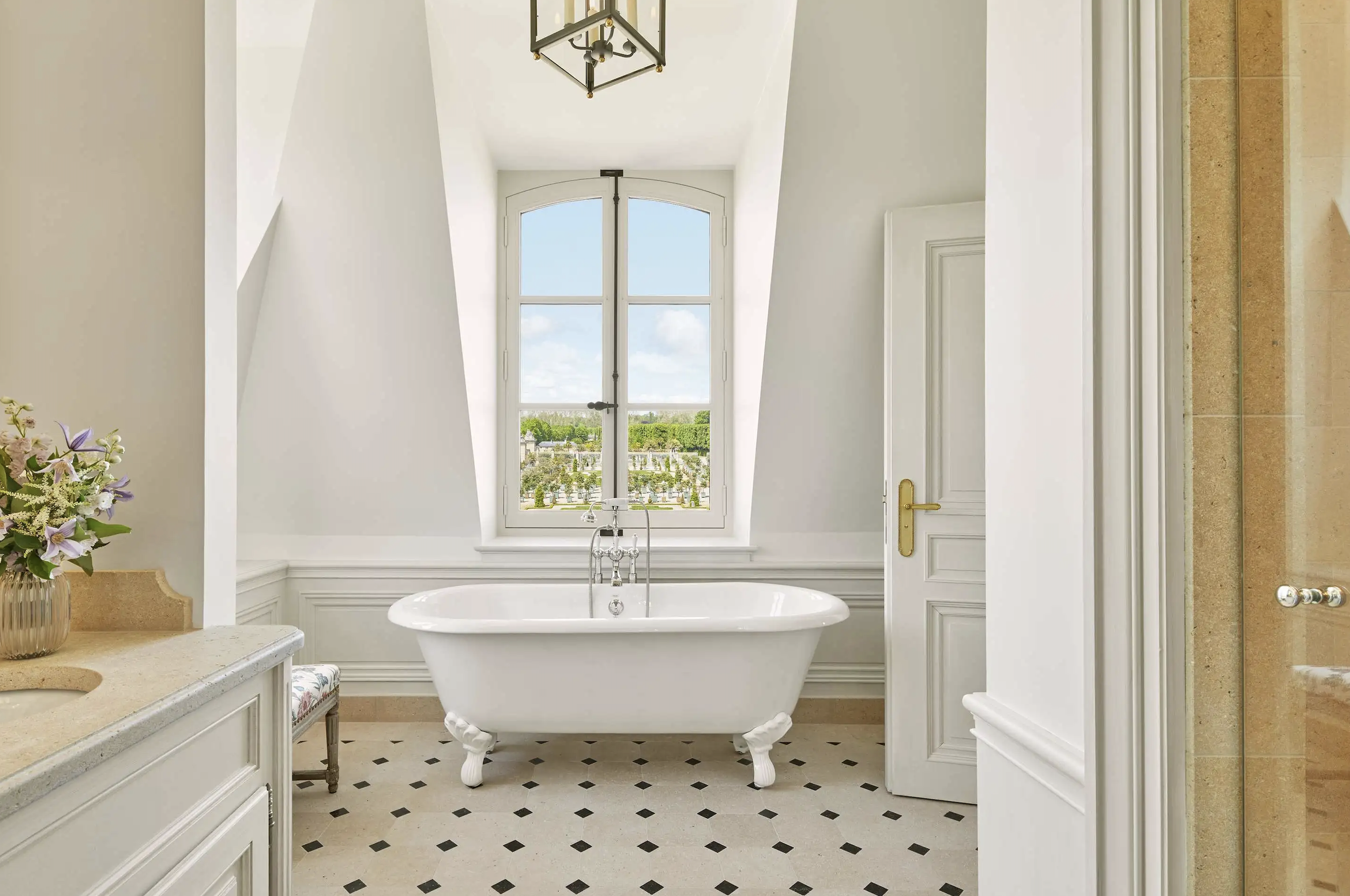
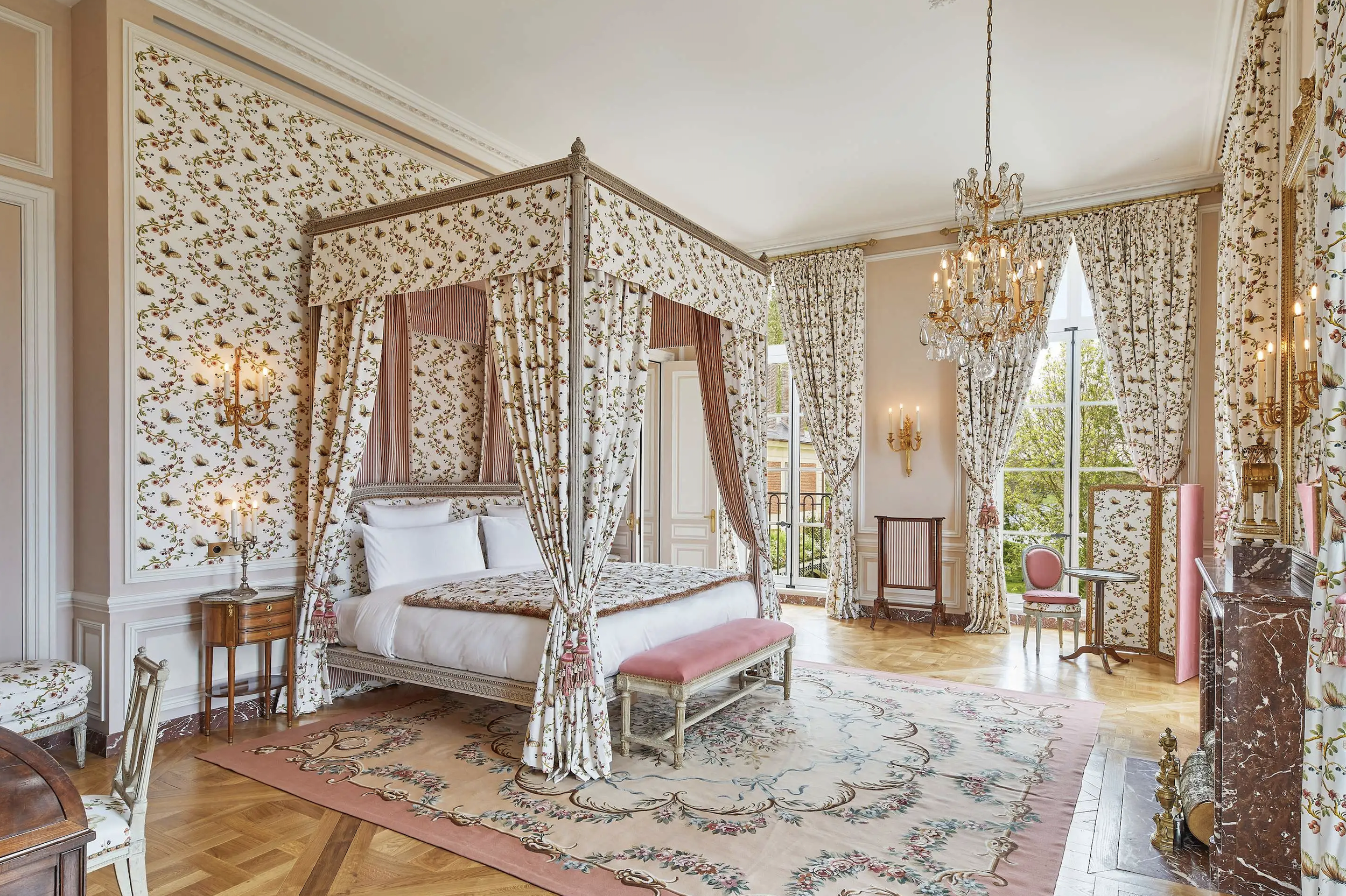
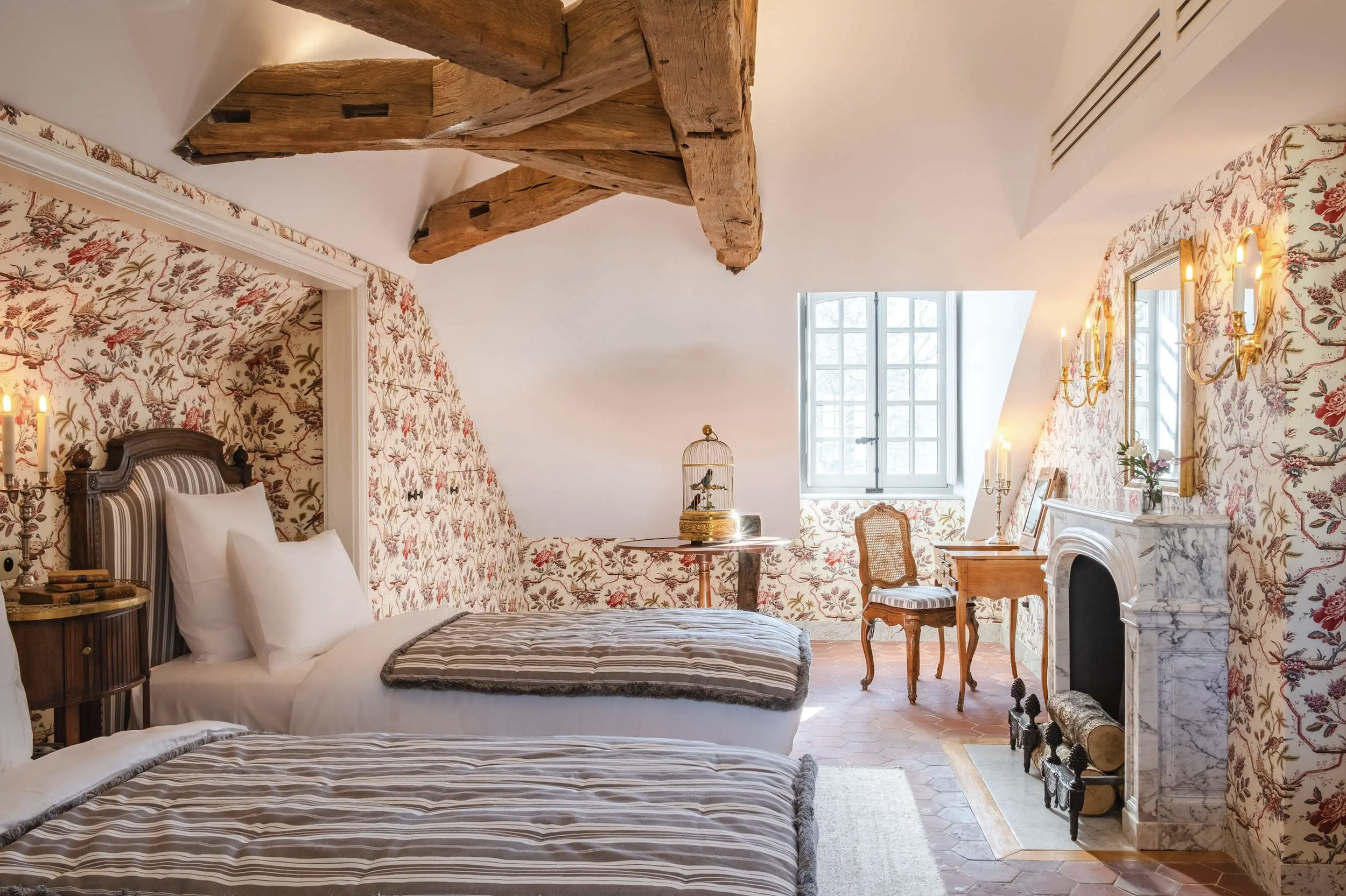
Parquet floors, wall coverings, gilding, four-poster beds and freestanding bathtubs continue the historical language throughout the hotel.
The intention was not to turn Le Grand Contrôle into a museum. Bathrooms, climate control and contemporary comforts are discreetly integrated into the historic setting. There are deliberately no televisions in the bedrooms, however, preserving both the aesthetic and the feeling of separation from modern life.
Just 15 Rooms and Suites
Le Grand Contrôle's small scale is fundamental to the experience.
There are currently 15 rooms and suites, and each has been individually decorated and named in reference to figures connected with Versailles and 18th-century France.
The current accommodation collection includes:
Deluxe Rooms: The introductory category retains the property's period aesthetic through antique furnishings, historical references and Pierre Frey fabrics.
Baron de Staël-Holstein: A distinctive room named for the Swedish diplomat and husband of Germaine de Staël, continuing the connection to personalities associated with the era.
Turgot: Named for Anne Robert Jacques Turgot, who served as Controller-General of Finances under Louis XVI.
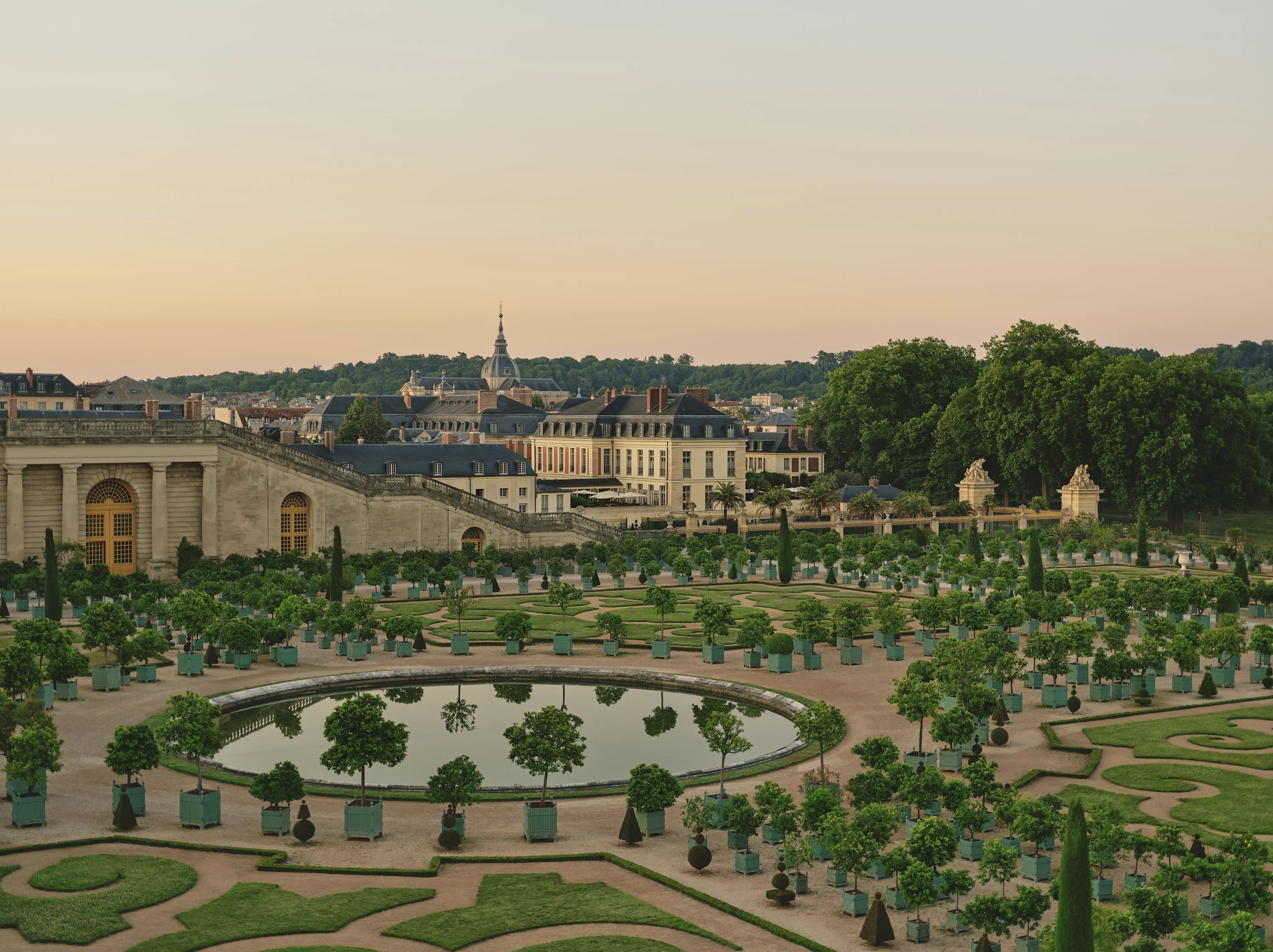
L'Orangerie: Its position and outlook connect the room directly with Versailles' extraordinary Orangerie and gardens.
Madame de Fouquet: Period detailing and an individual layout distinguish this room within the historic building.
Premier Suites: Offering additional living space while retaining the individually decorated character of the property.
Rose Bertin Suite: Named after Marie-Antoinette's celebrated dressmaker, Rose Bertin, an influential figure in 18th-century French fashion.
Marquis de Fouquet Suite: A larger suite drawing its identity from the personalities connected with the building and French court.
Madame de Staël Suite: At approximately 150 square meters, this two-bedroom suite is named for Germaine de Staël, the influential writer, philosopher and daughter of Jacques Necker. It works particularly well for families.
Necker Suite: Approximately 120 square meters and once part of Jacques Necker's private apartment. Four-meter-high ceilings, Versailles parquet, a canopy bed and multiple exposures create one of the property's most impressive accommodations, including views toward the Orangerie gardens.
Le Grand Appartement: At approximately 300 square meters, this expansive configuration combines several historic spaces overlooking the gardens and can accommodate up to six guests.
The accommodation offering now extends into the Pavillon des Jardiniers, an independent wing adjoining Le Grand Contrôle:
Quintinie Suite: Named in honor of Jean-Baptiste de La Quintinie, creator of Louis XIV's celebrated Potager du Roi.
Le Nôtre Suite: More than 130 square meters and named for André Le Nôtre, the landscape architect behind the gardens of Versailles. Its large living room looks toward the Orangerie.
Pavillon des Jardiniers Suite: More than 250 square meters, with two bedrooms, a children's room and a large living room overlooking the Orangerie gardens. It can accommodate up to eight guests and can form part of a complete private takeover of the Pavillon des Jardiniers, including its dining salons and private chef.
Breakfast by Alain Ducasse, a Royal Afternoon Tea, personal butler service and access to the hotel's exclusive Versailles experiences are among the privileges incorporated into the stay.
Versailles After Everyone Else Has Gone Home
The most compelling reason to stay at Le Grand Contrôle is not found inside the hotel at all.
It is access to Versailles itself.
Each evening, hotel guests can join an exclusive guided visit of the Château after it has closed to the general public.
Depending on the palace's schedule, the route can include the Hall of Mirrors, King's State Apartments, private apartments and rooms associated with Marie-Antoinette. Some areas normally closed to general visitors may also become accessible, although the precise rooms vary according to palace operations.
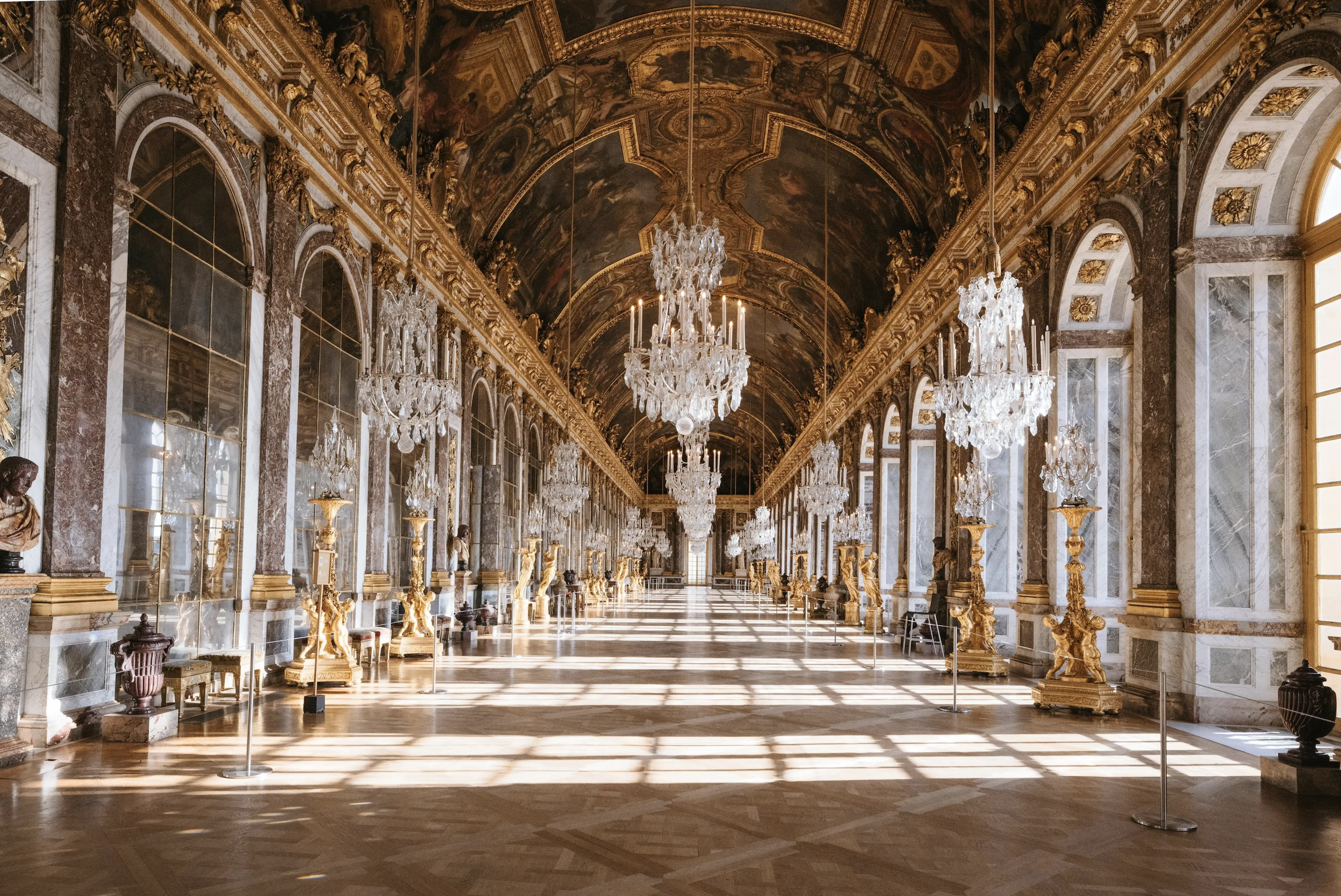
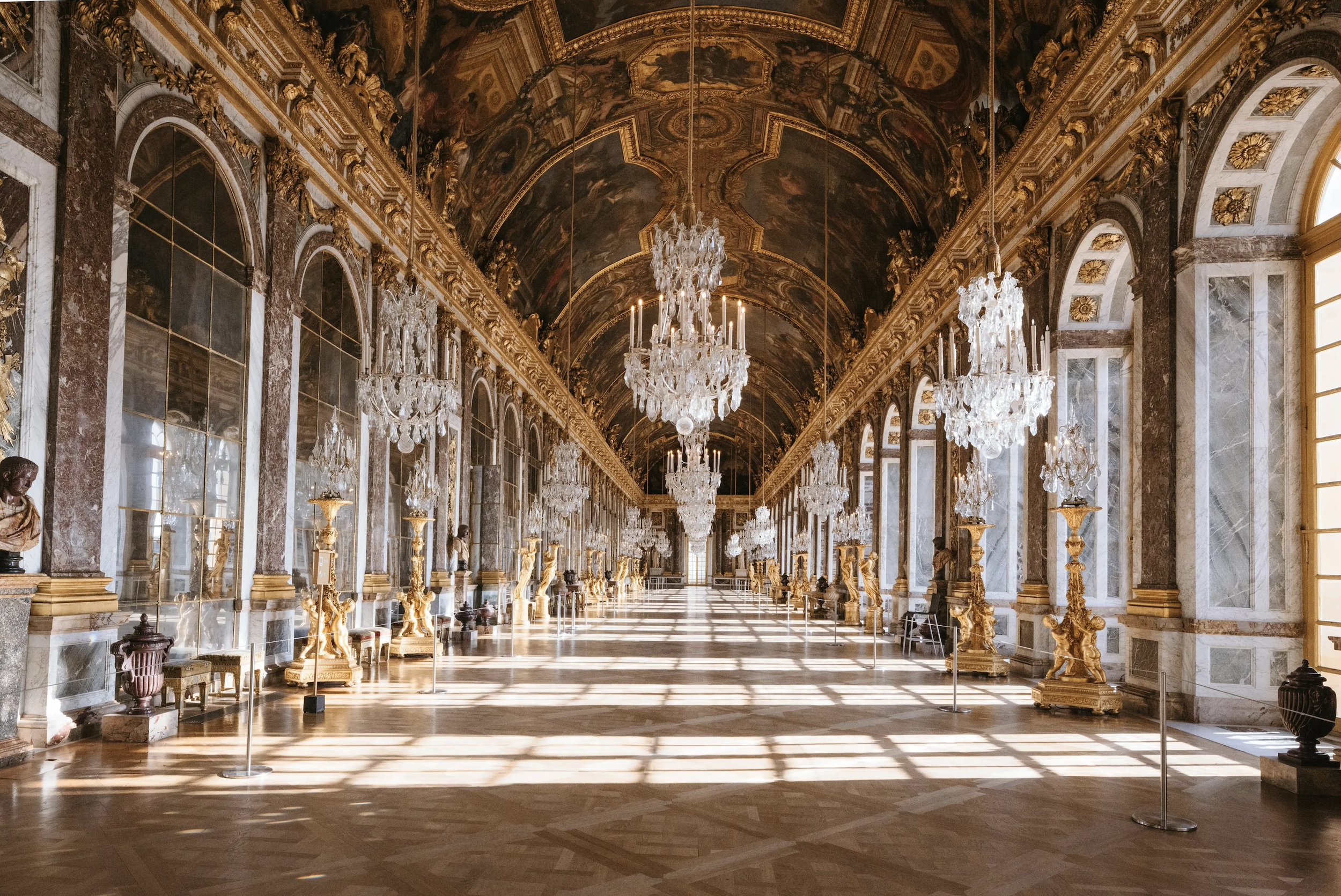
Seeing the Hall of Mirrors without the daytime crowds completely changes the experience.
Completed under Hardouin-Mansart in the 17th century, the gallery contains 357 mirrors positioned across 17 mirrored arches opposite windows looking toward the gardens. During normal opening hours it is one of the busiest rooms in France. In the evening, its scale, painted ceilings and long perspective can finally be appreciated without hundreds of people moving through it.
Then, the following morning, the experience continues.
Entering Trianon Before Opening Hours
Guests of Le Grand Contrôle also receive privileged morning access to the Domaine de Trianon before it opens to the public.
Located beyond the formal palace gardens, Trianon offered generations of French rulers a degree of escape from the ceremony of the main château.
The Grand Trianon, commissioned by Louis XIV and designed by Hardouin-Mansart, is characterized by pink marble, porphyry and a single-story design opening directly toward its gardens.
The Petit Trianon, built later under Louis XV and designed by Ange-Jacques Gabriel, became particularly associated with Marie-Antoinette, who received the estate from Louis XVI in 1774. She used Trianon as a refuge from the rigid formality of court life.
Exploring these spaces in the morning before regular visitors arrive provides an entirely different understanding of Versailles. It also means that some of the palace's most important areas can be experienced without sacrificing the rest of the day to navigating crowds.
Dining With Alain Ducasse
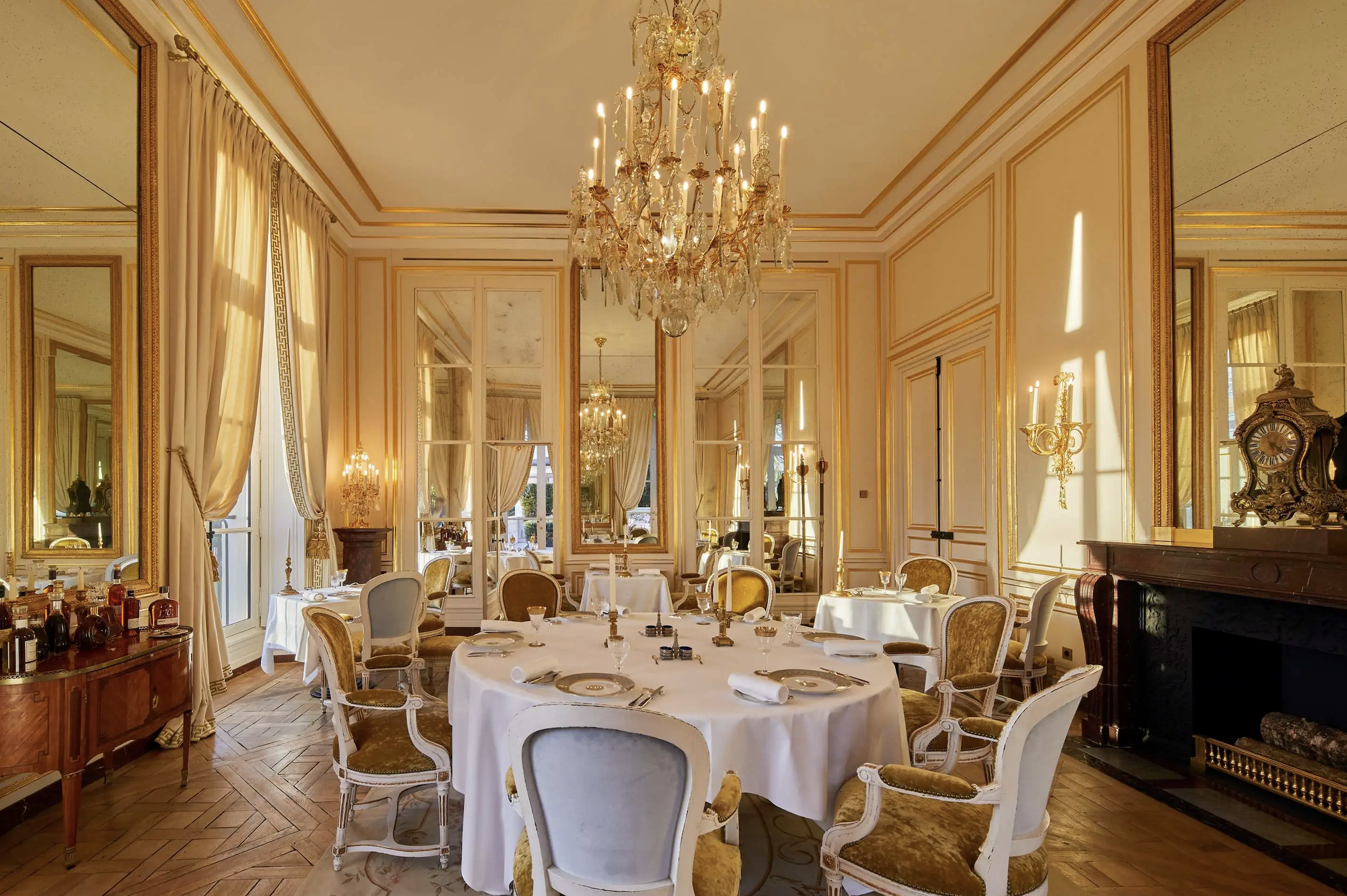
Food at Le Grand Contrôle is overseen by Alain Ducasse, with the culinary program drawing inspiration from French tradition and the ceremonial dining culture of Versailles.
The property's dining experiences include:
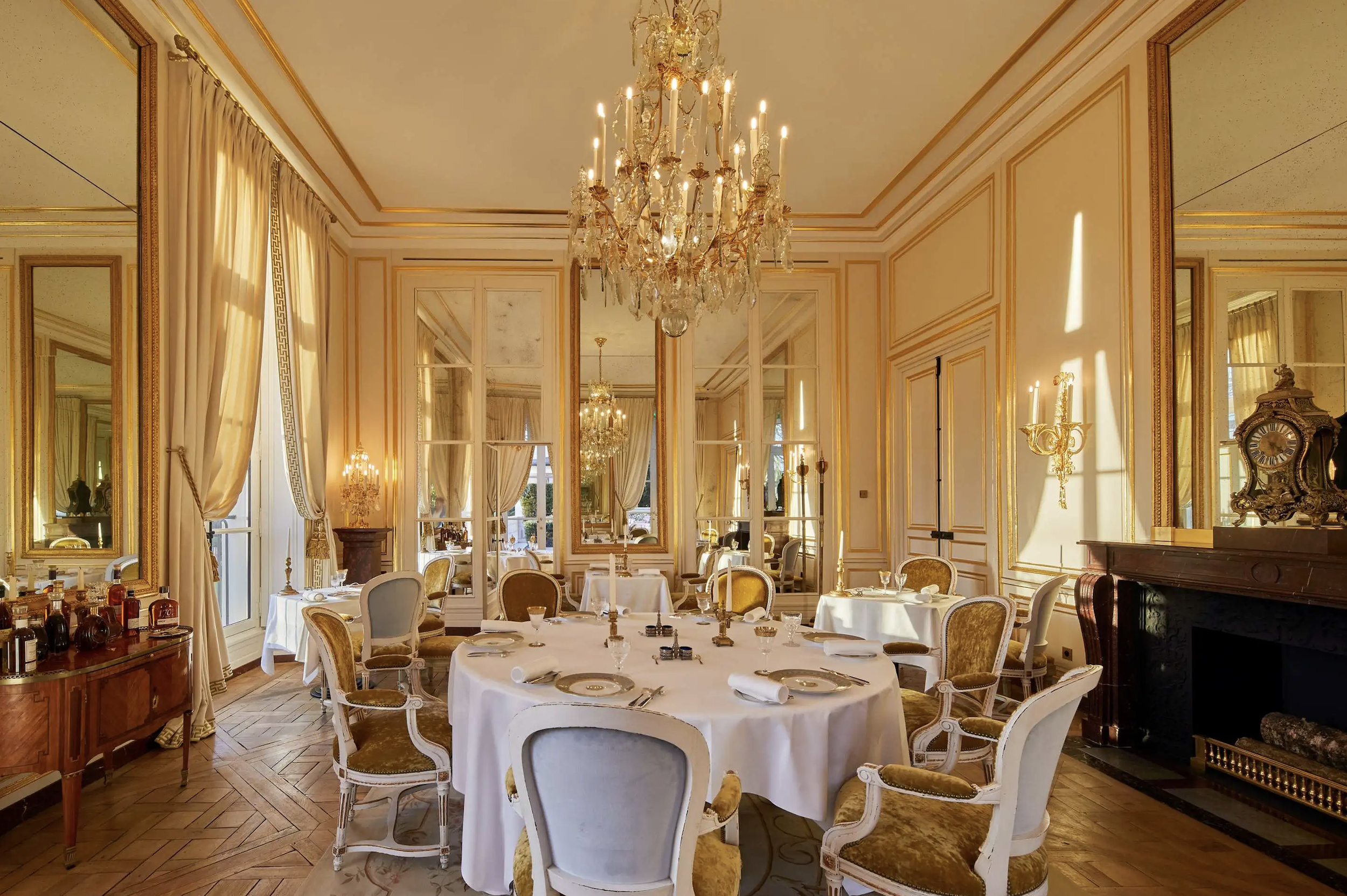
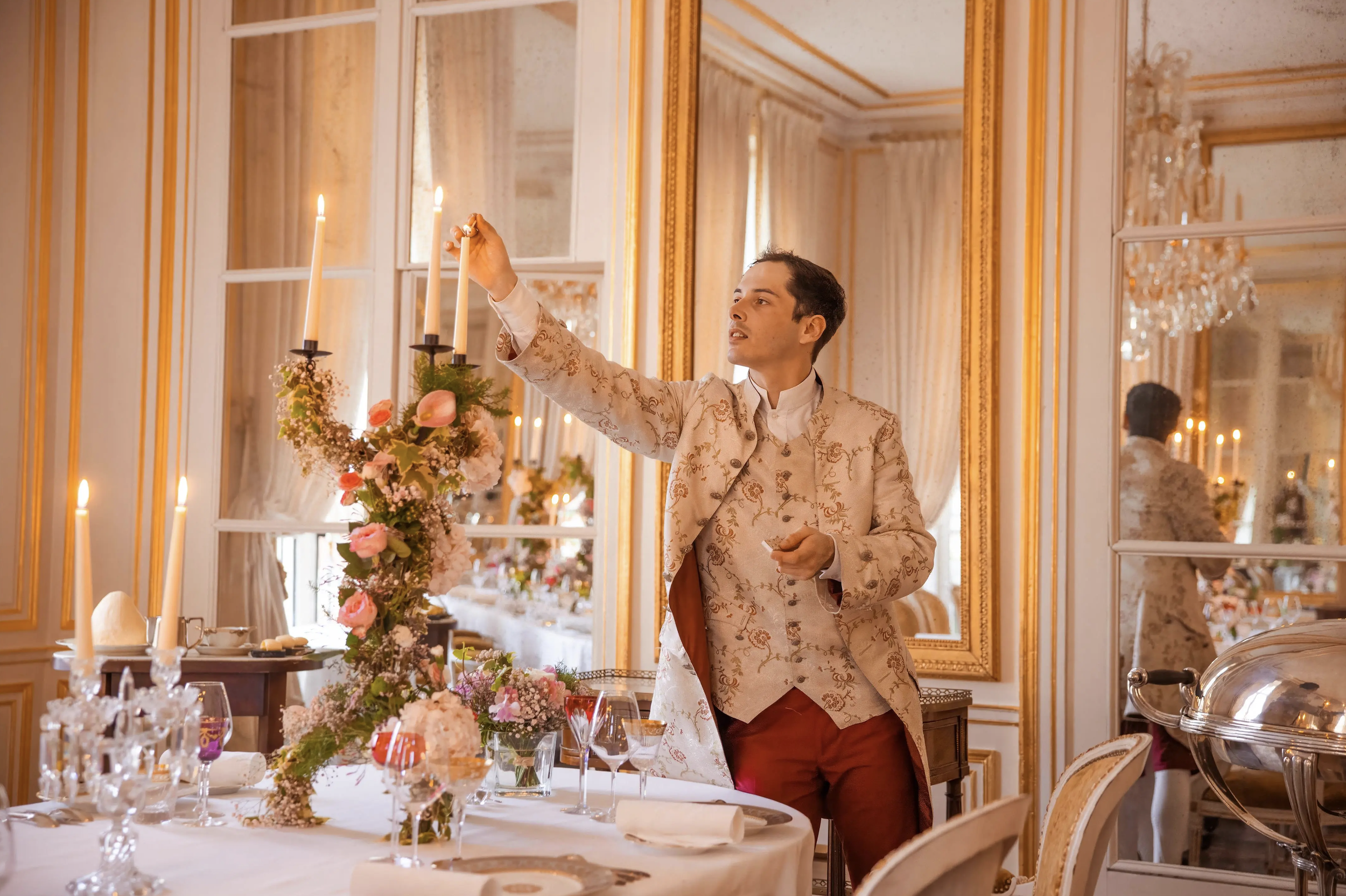
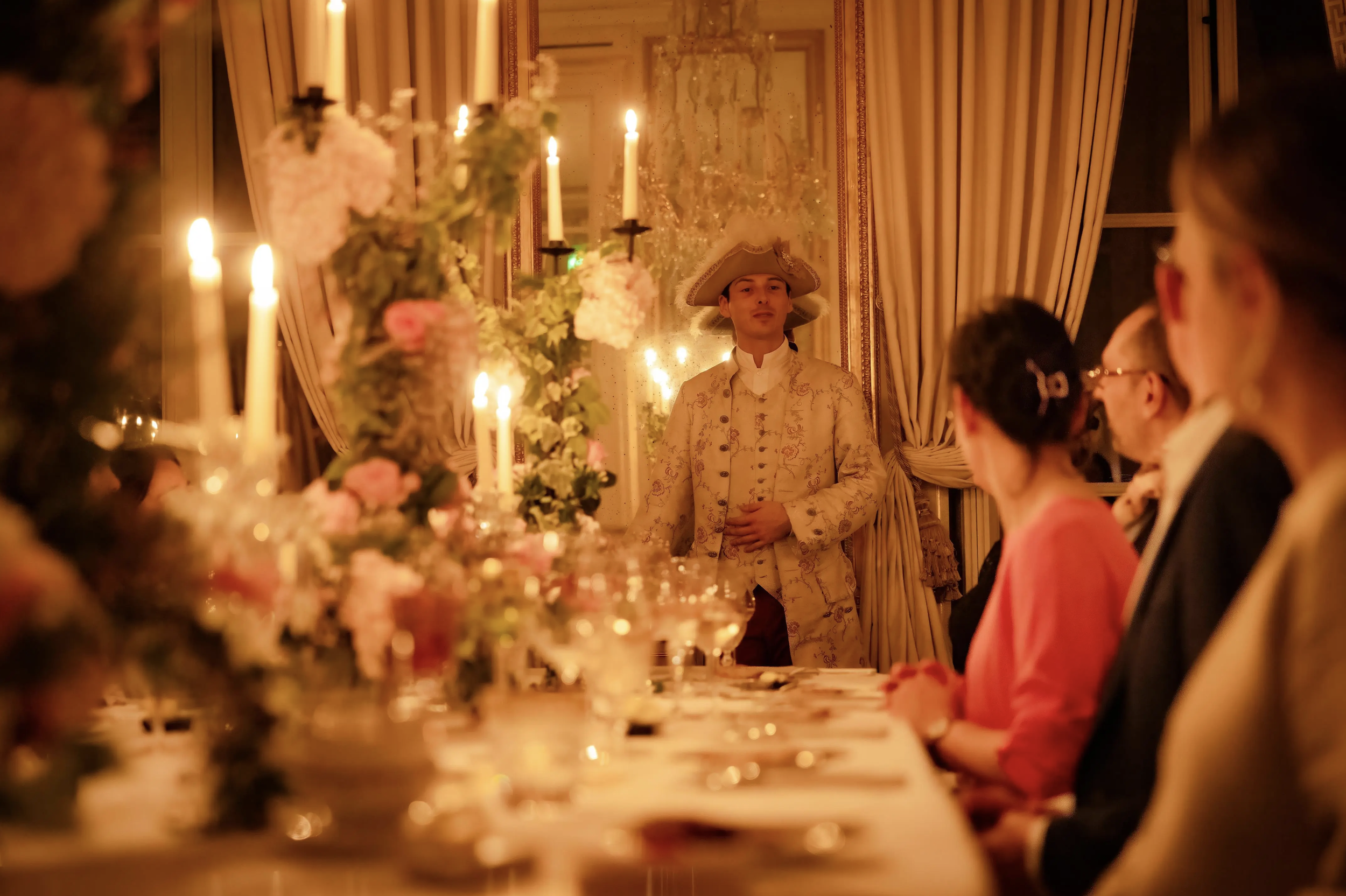
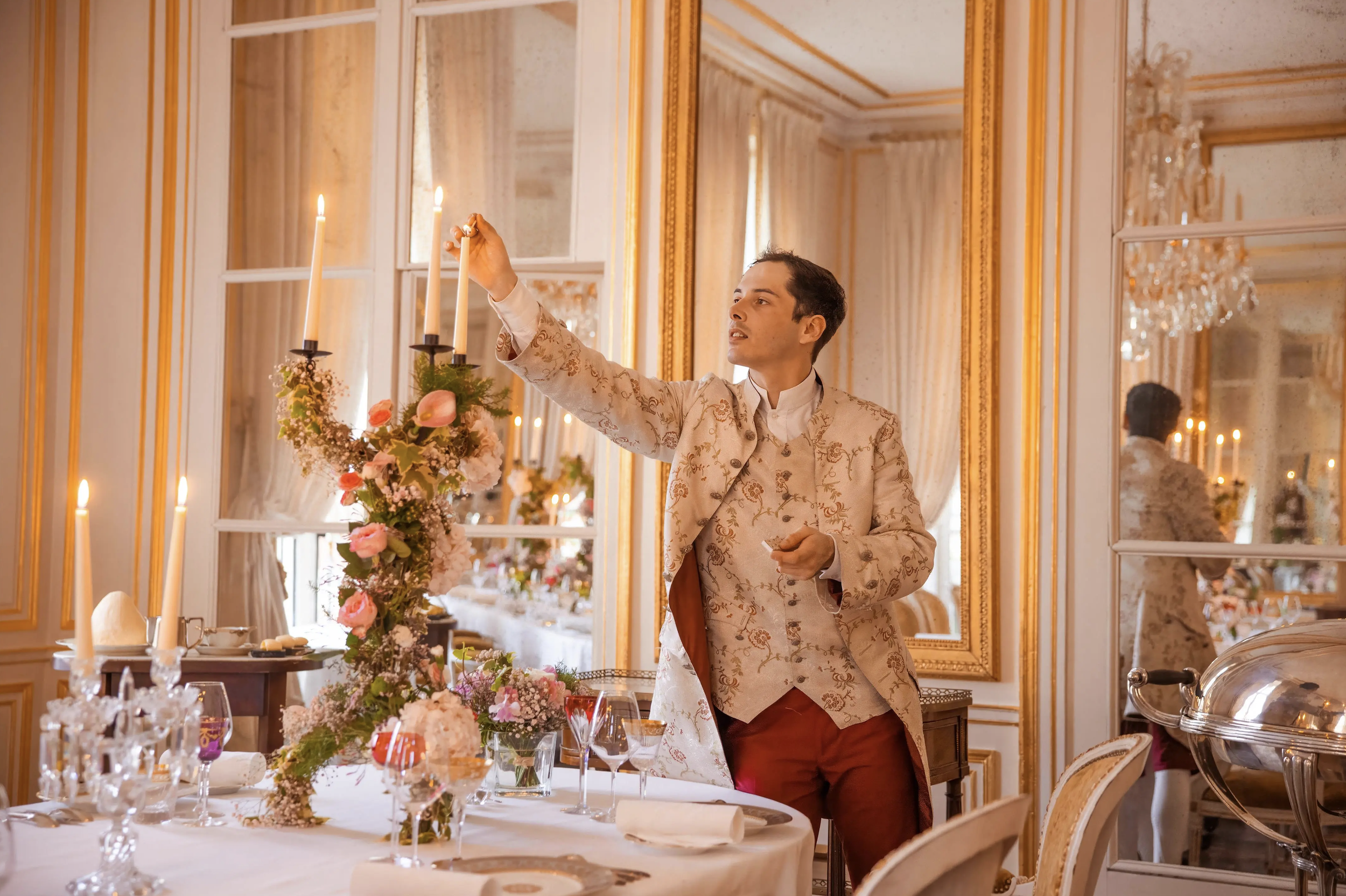
Ducasse au Château de Versailles, Le Grand Contrôle: The hotel's formal gastronomic experience culminates in the evening with a candlelit royal feast. Historic tableware, antique silver and porcelain contribute to the atmosphere, while the menu interprets the traditions of court dining through contemporary technique.
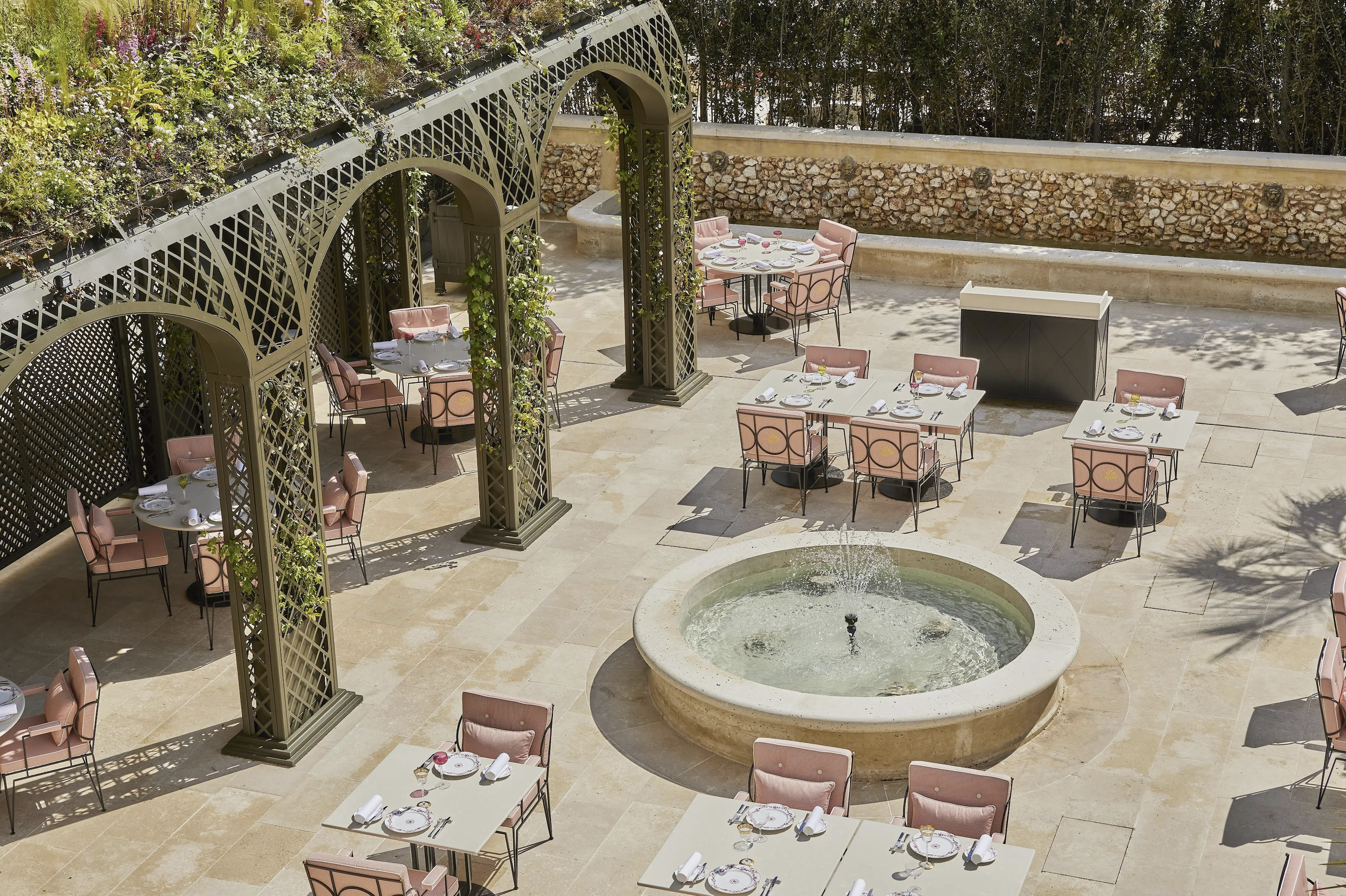
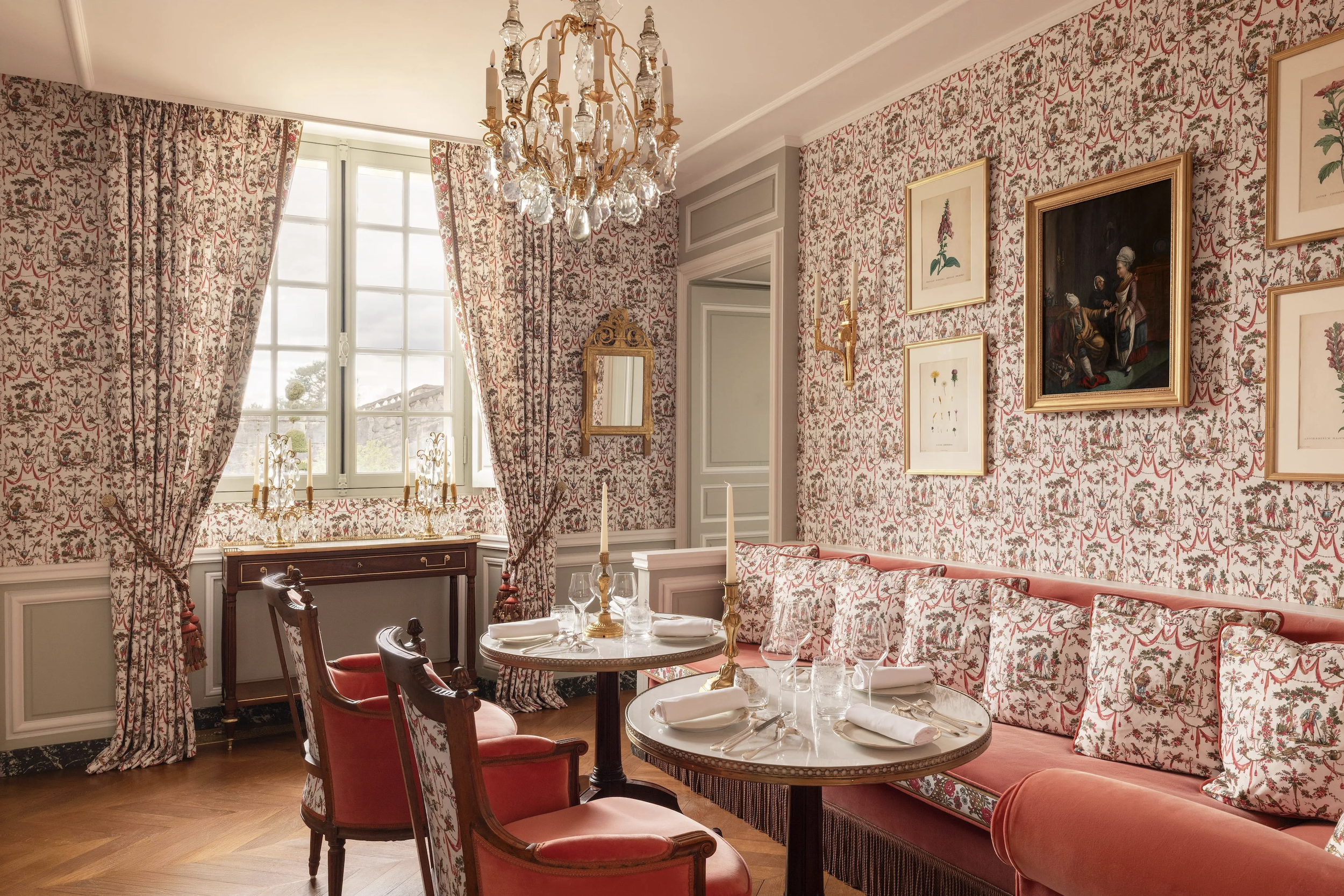
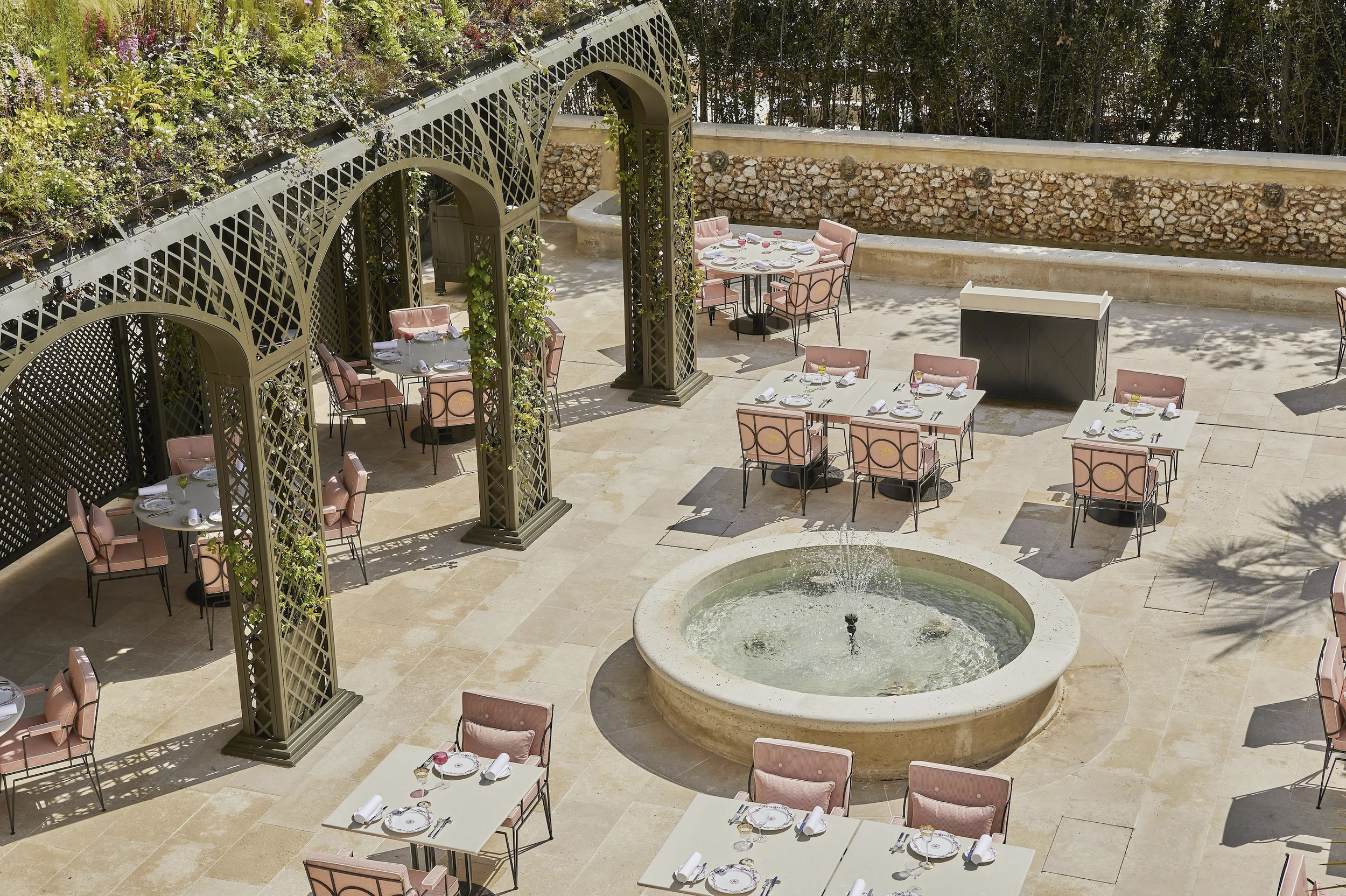
La Table des Jardiniers: Located within the Pavillon des Jardiniers, this more relaxed restaurant focuses on generous French cuisine inspired by the traditions of Versailles and is designed around convivial, shared meals.
Bar La Chapelle: The hotel's intimate bar serves signature cocktails in a setting that continues the property's historical atmosphere.
Breakfast is also given unusual importance. Rather than a conventional hotel buffet, the morning experience continues the sense of ceremony established throughout the stay.
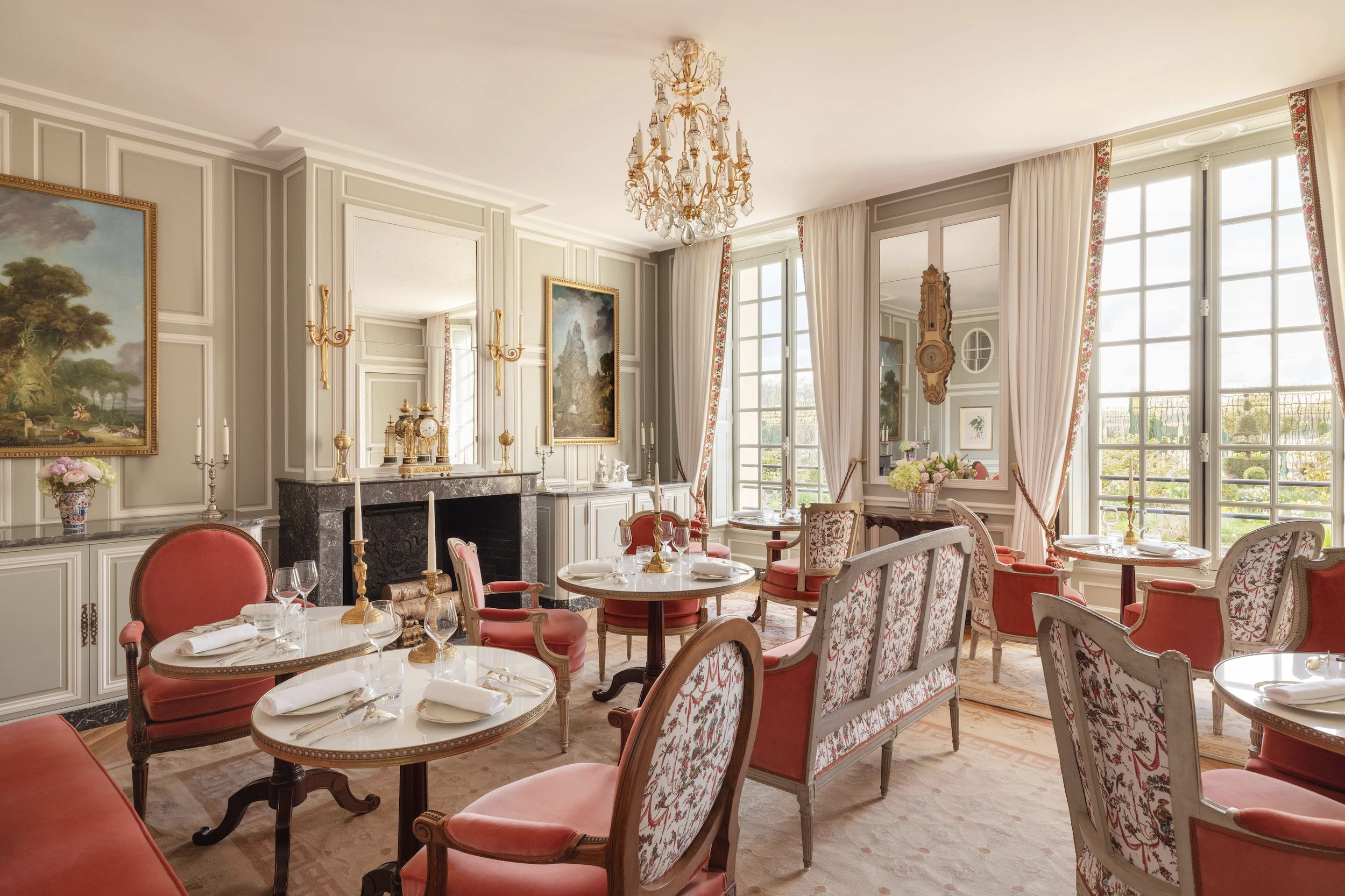
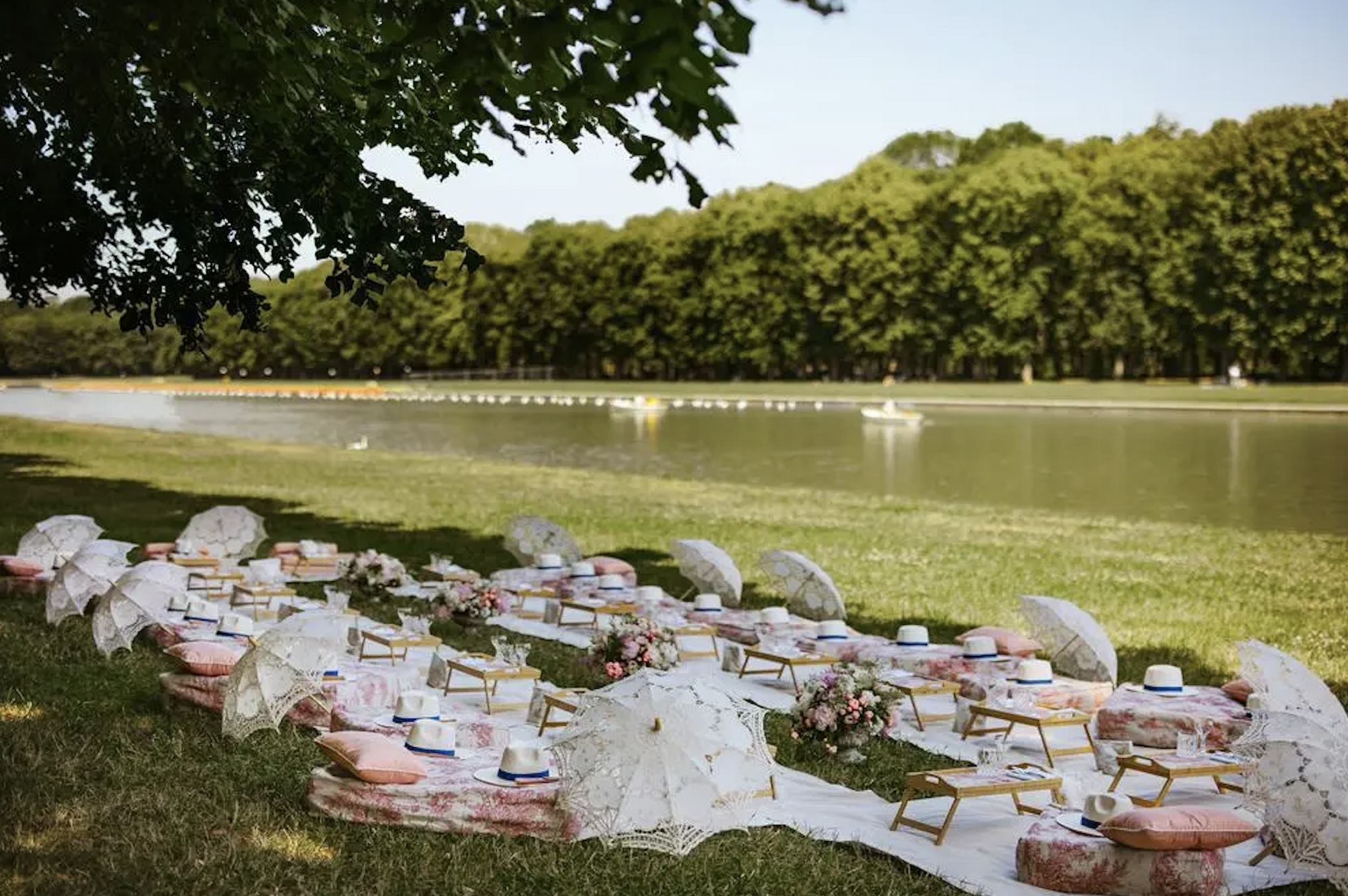
A Royal Afternoon Tea provides another connection to the property's historical theme, while seasonal experiences can include picnics prepared for the gardens.
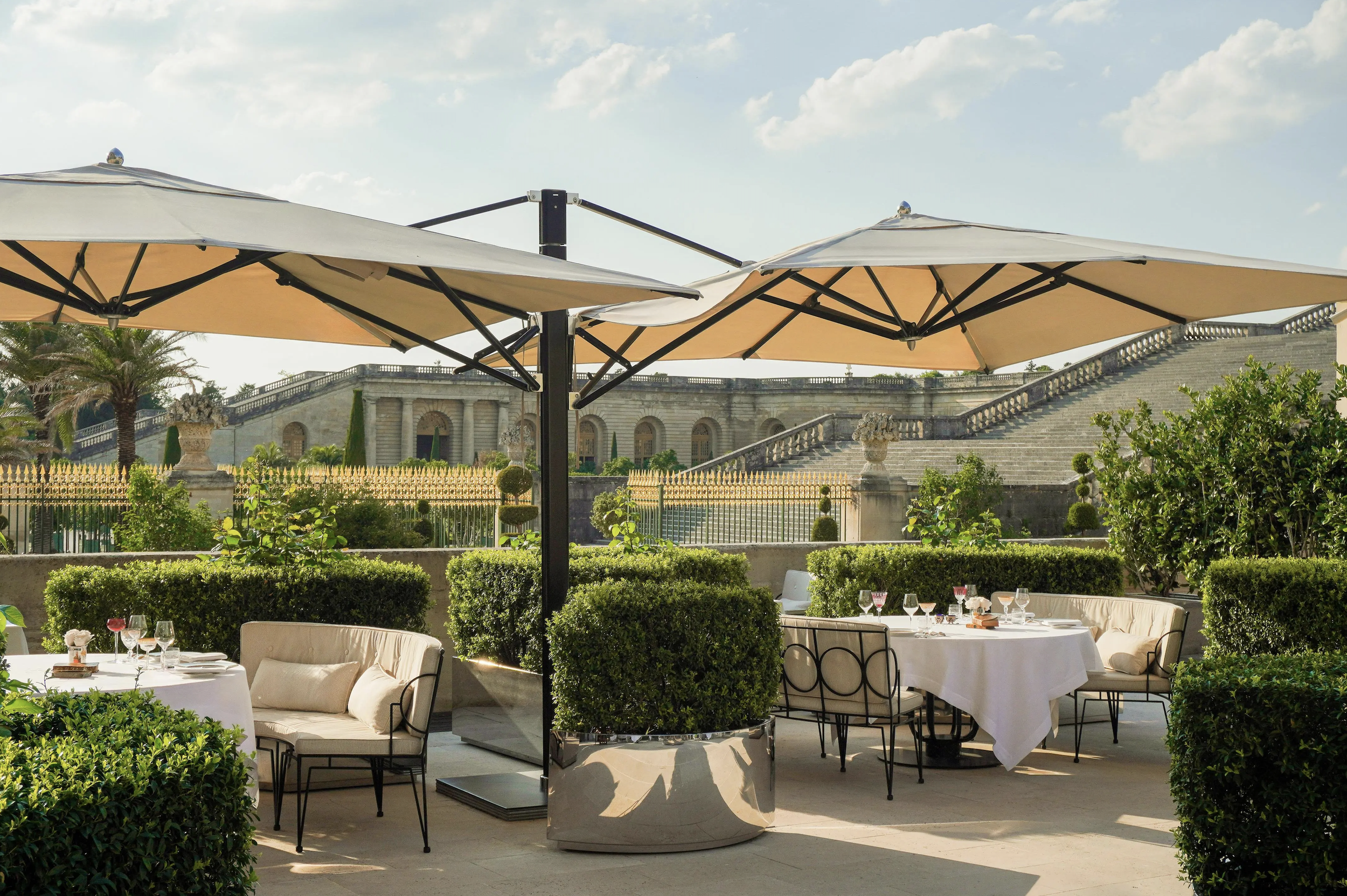
The setting plays as important a role as the menu. Dining while looking toward the Orangerie and Cent Marches creates a connection to Versailles that few restaurants anywhere could reproduce.
Wellness Behind the Palace Walls
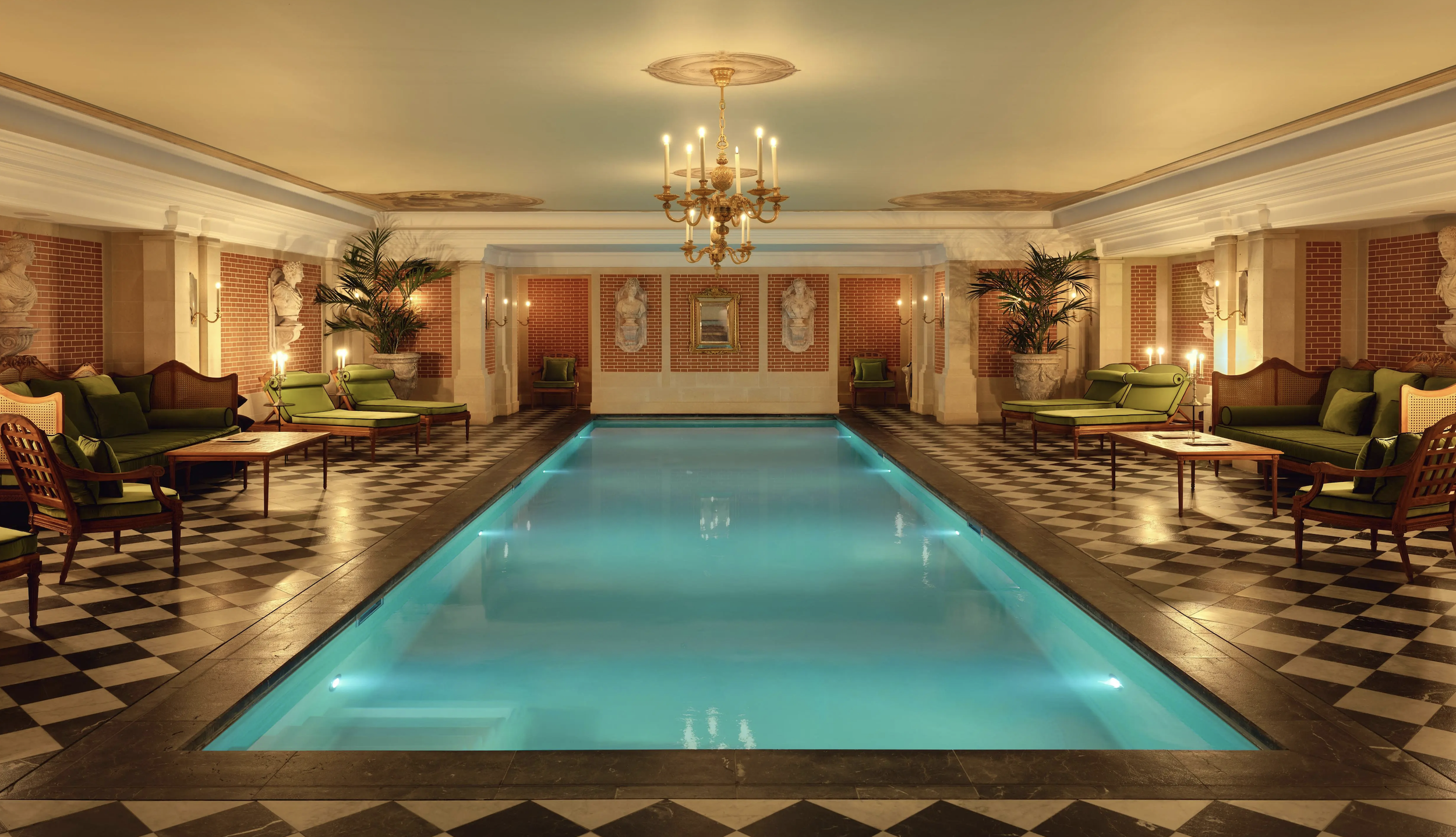
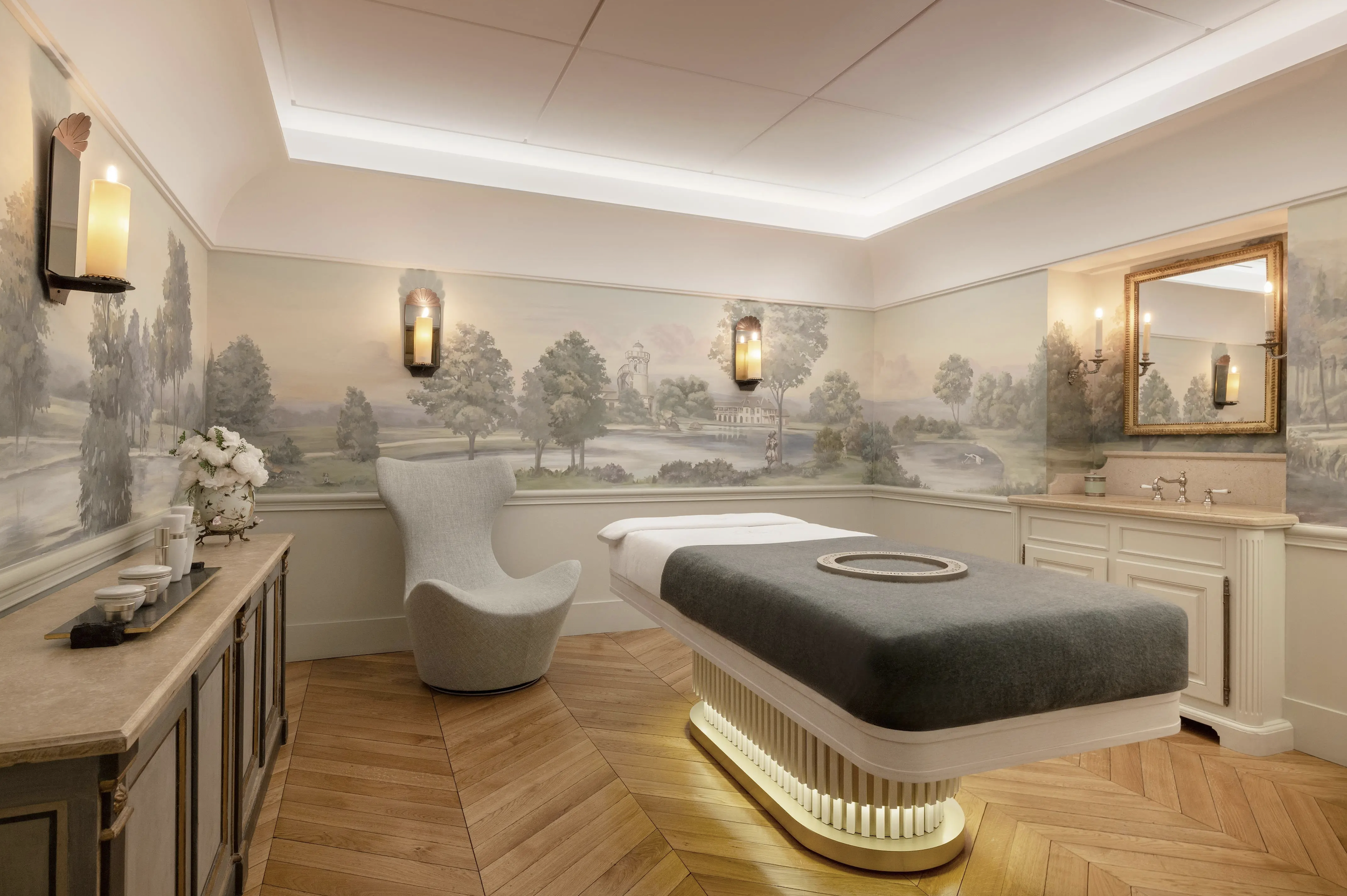
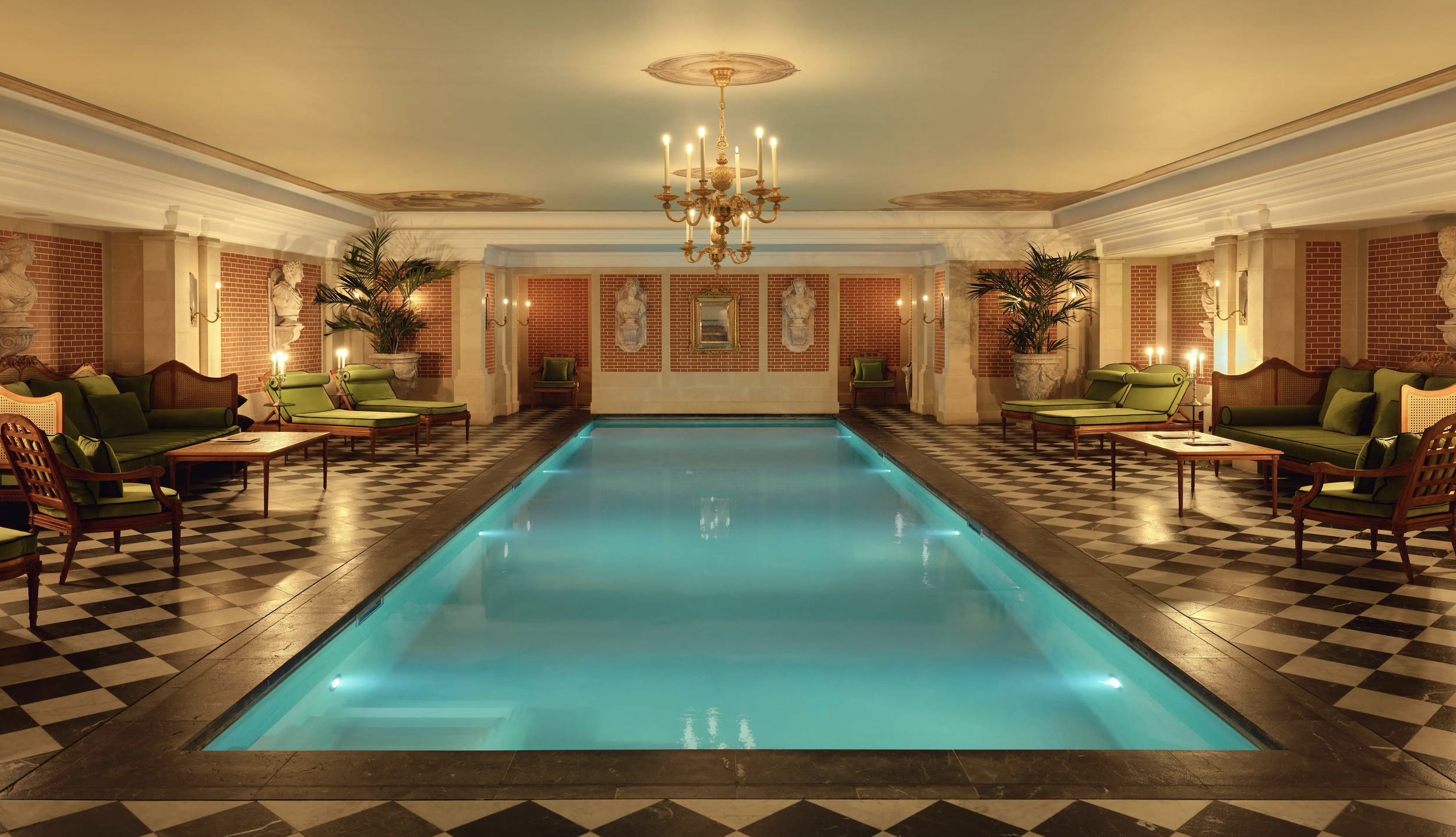
After hours spent exploring the enormous Versailles estate, the Airelles Spa offers a surprisingly substantial wellness retreat for such a small hotel.
The centerpiece is a 15-meter heated indoor swimming pool, surrounded by checkerboard marble floors, hand-painted frescoes and deep green furnishings.
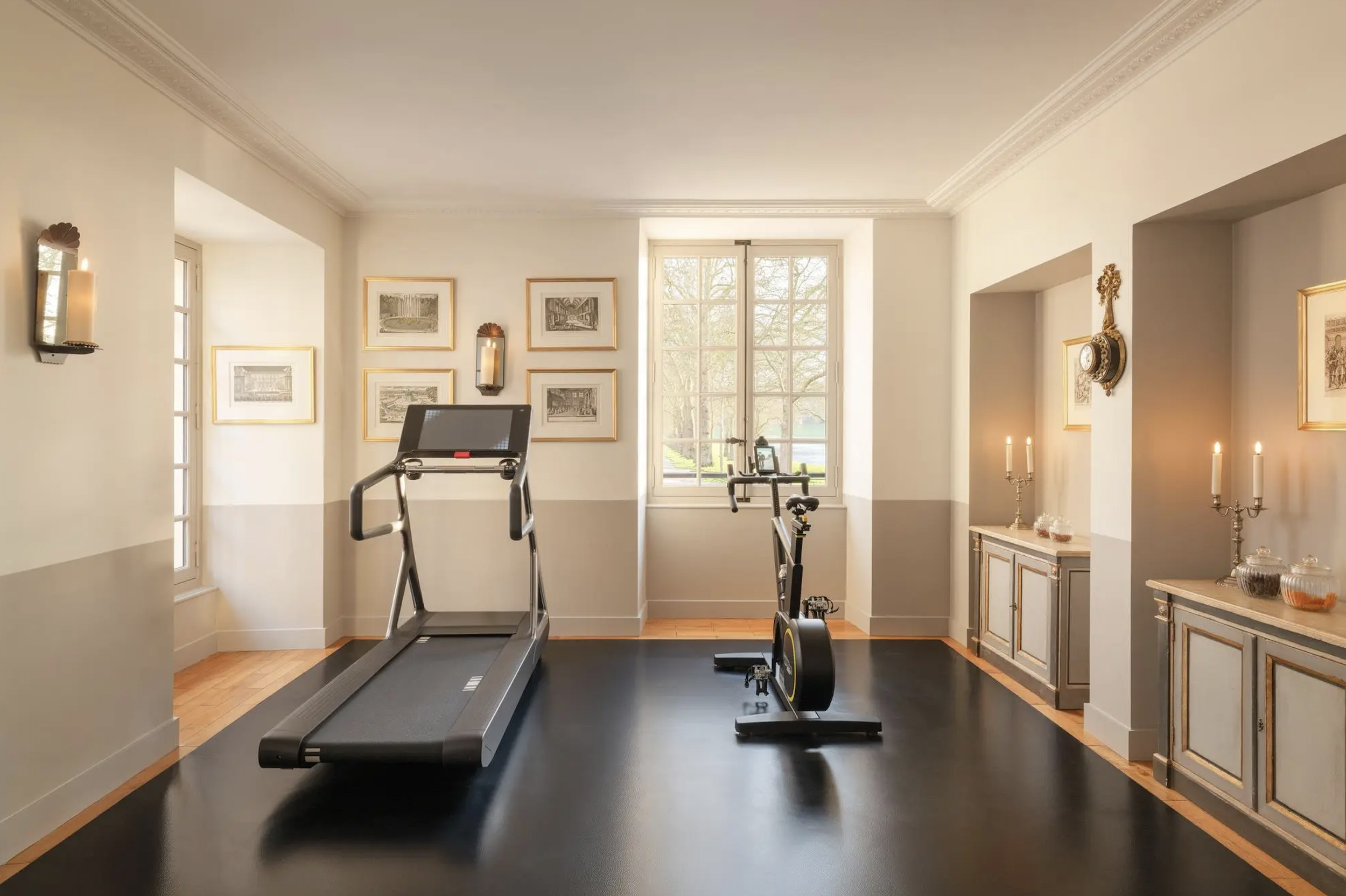
A sauna, hammam, fitness area and treatment spaces complete the facilities.
The spa is intentionally intimate rather than enormous. Its architecture continues the visual language of the hotel while creating somewhere quiet to retreat between palace visits, meals and experiences.
For families, private pool time can also be arranged, while dedicated children's treatments form part of Airelles' broader family programming.
Beyond the Palace Tour
Le Grand Contrôle's access extends beyond its two signature guided visits.
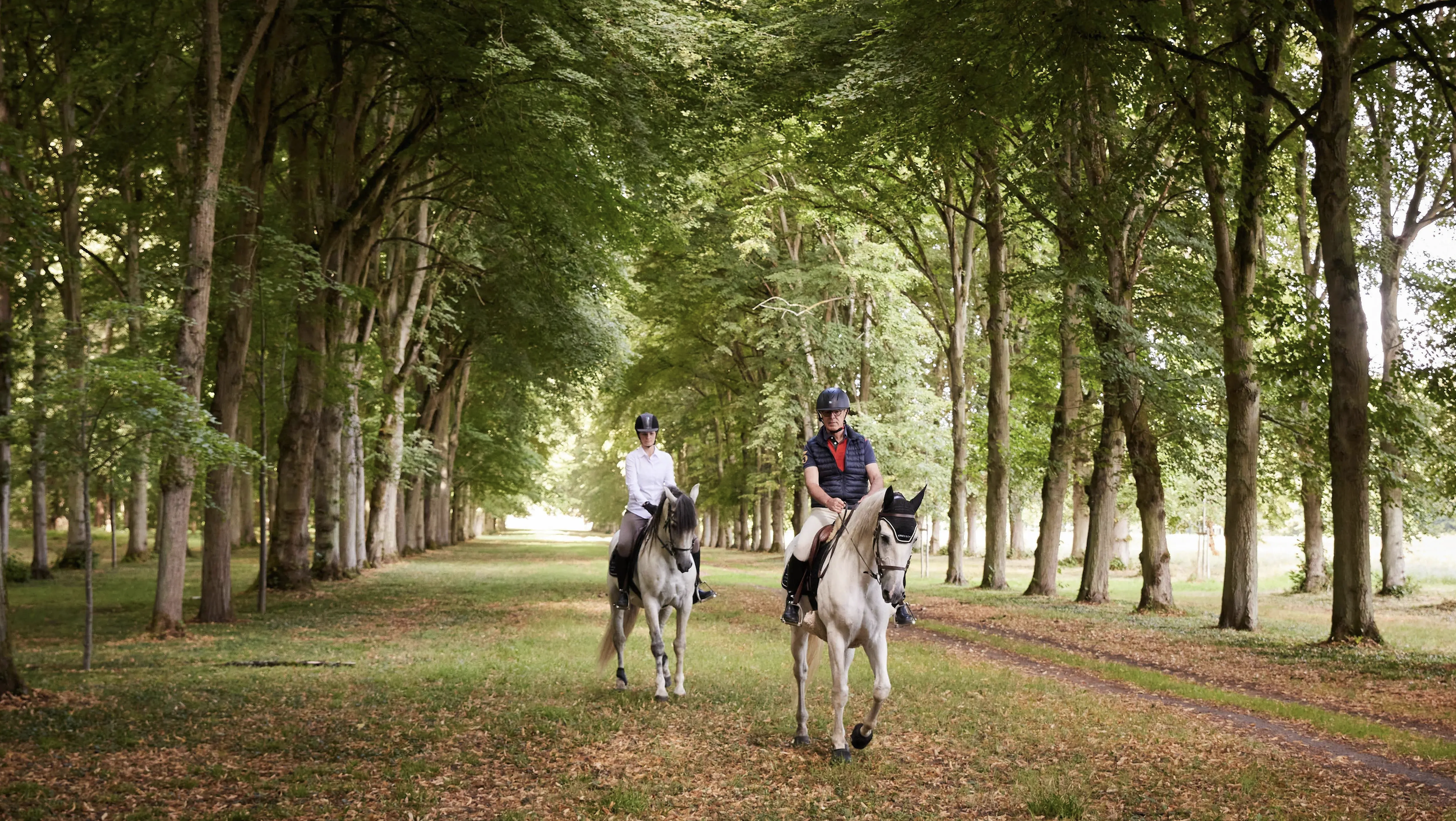
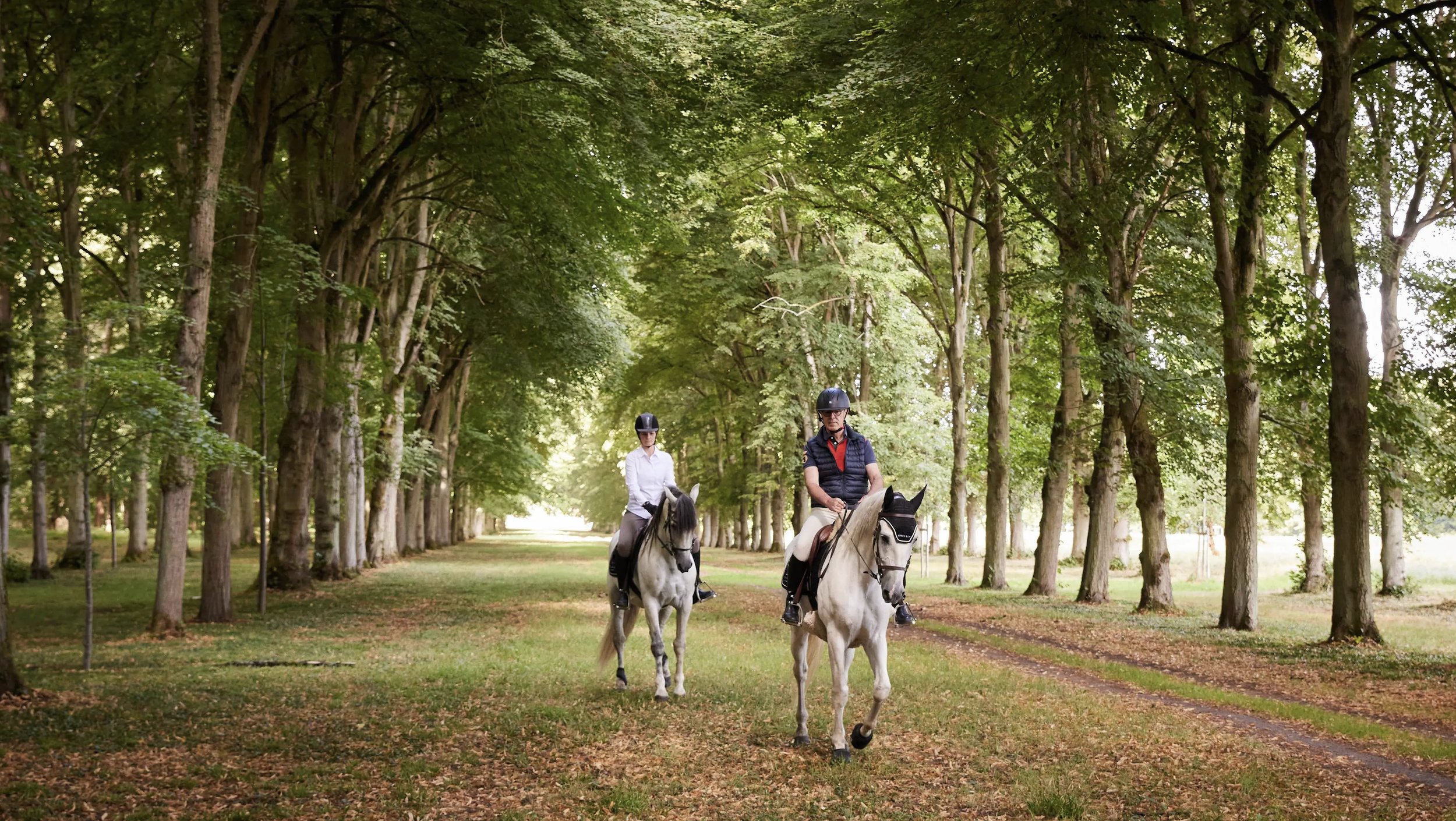
Depending on the season and individual arrangements, experiences can include horseback riding through the royal estate, boating on the Grand Canal, private picnics in the gardens and access to the Bibliothèque de Versailles.
Guests can explore the grounds using the hotel's golf carts, an especially useful benefit considering the enormous scale of Versailles.
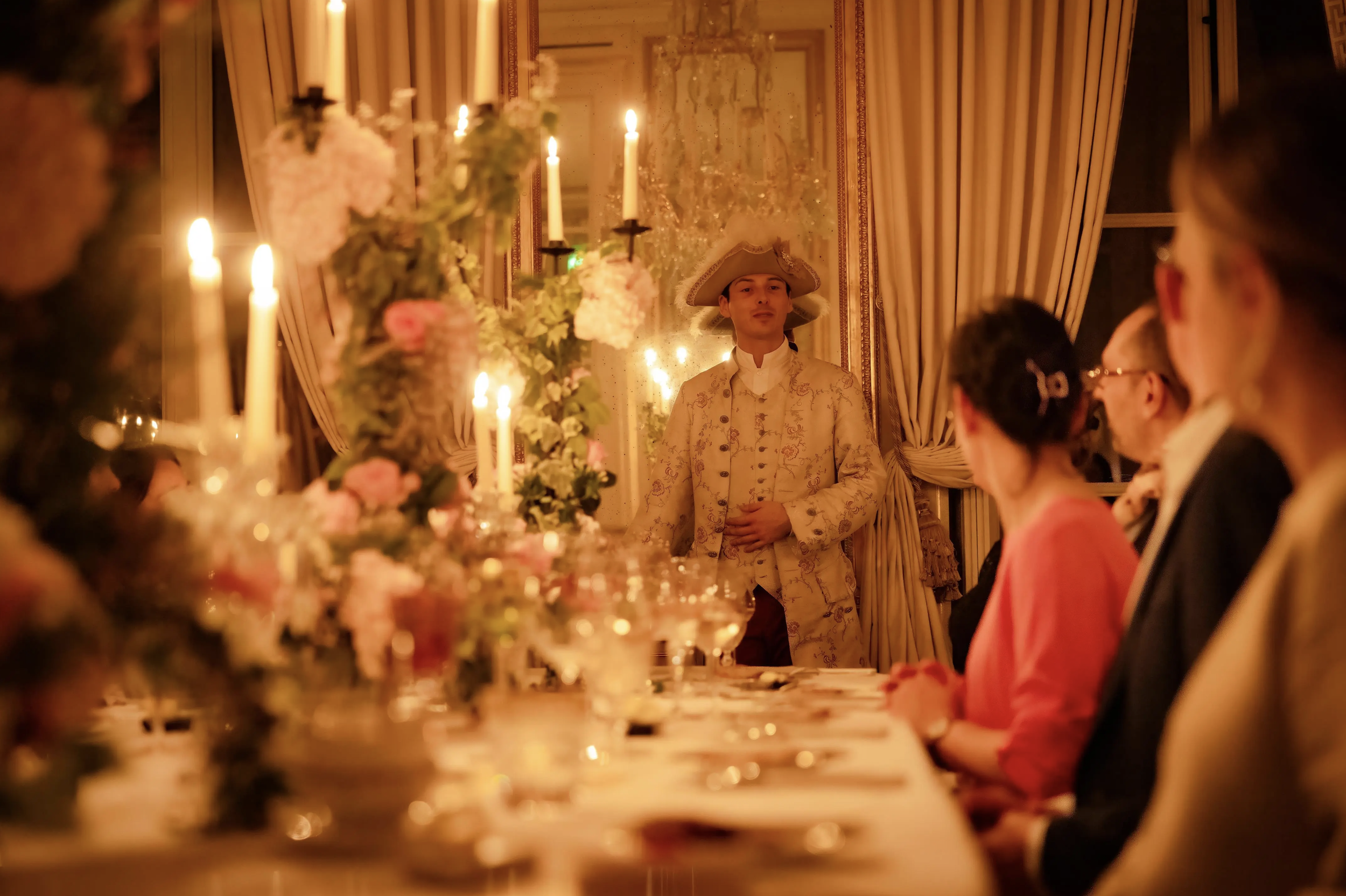
An 18th-century costume experience takes the historical immersion considerably further, while evenings can sometimes be built around performances at the magnificent Royal Opera of Versailles.
The hotel's butlers play an important role in organizing these experiences. With only 15 accommodations, itineraries can be shaped around individual interests rather than following a fixed resort schedule.
For travelers who have visited Versailles before, this access may be the most convincing reason to return. A standard day trip and an overnight stay at Le Grand Contrôle are fundamentally different experiences.
Versailles With Children
Despite the formal surroundings, Airelles has made a significant effort to welcome families.
The Royal Camp creates individualized children's programs through the hotel's butlers, with activities varying by age and season.
Experiences can include pony rides through the gardens, boating on the Grand Canal, creative workshops, storytelling, treasure hunts and family-oriented historical activities. Younger guests can also have dedicated spa experiences.
The larger suites and Pavillon des Jardiniers accommodations make family stays considerably easier, particularly for multi-generational trips.
Versailles itself also becomes more approachable when there is no pressure to see everything in a single crowded day. Families can explore part of the estate, return to the hotel, swim or rest, and continue later.
More Than a Day Trip From Paris
One of the most interesting things about staying at Le Grand Contrôle is how it changes the usual relationship between Paris and Versailles.
Most travelers treat Versailles as a day trip. They arrive in the morning, move through the palace with thousands of other visitors, spend a few hours in the gardens and return to Paris.
Staying overnight reverses that rhythm.
The quieter hours become the most important ones. There is time to walk through the gardens without rushing toward the next room, explore Trianon before opening, return to the hotel for lunch or afternoon tea and then re-enter the palace after the day's visitors have left.
A two-night stay makes particular sense for travelers who want to experience the estate properly without sacrificing the relaxation expected from a hotel of this caliber.
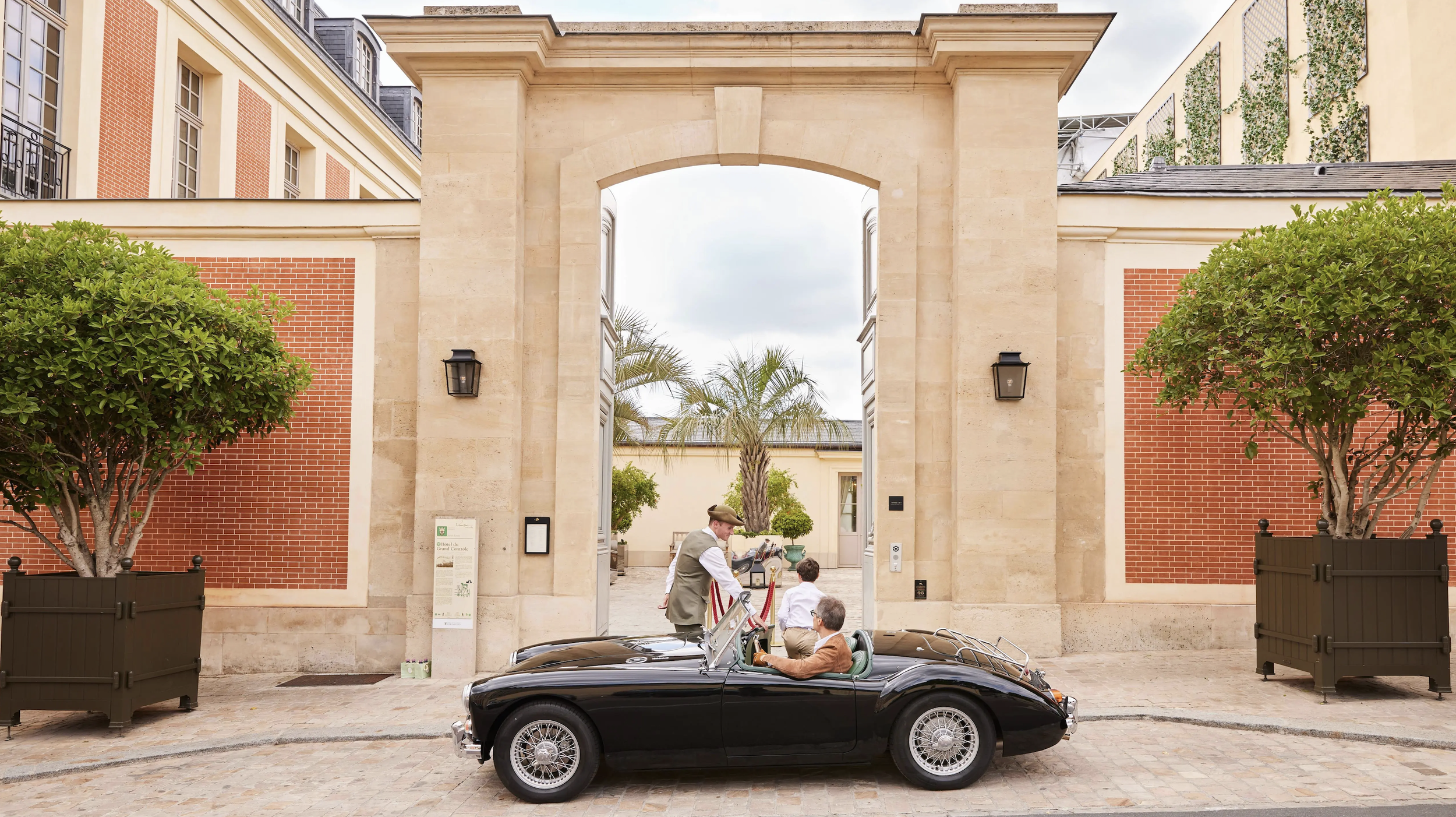
Getting to Le Grand Contrôle
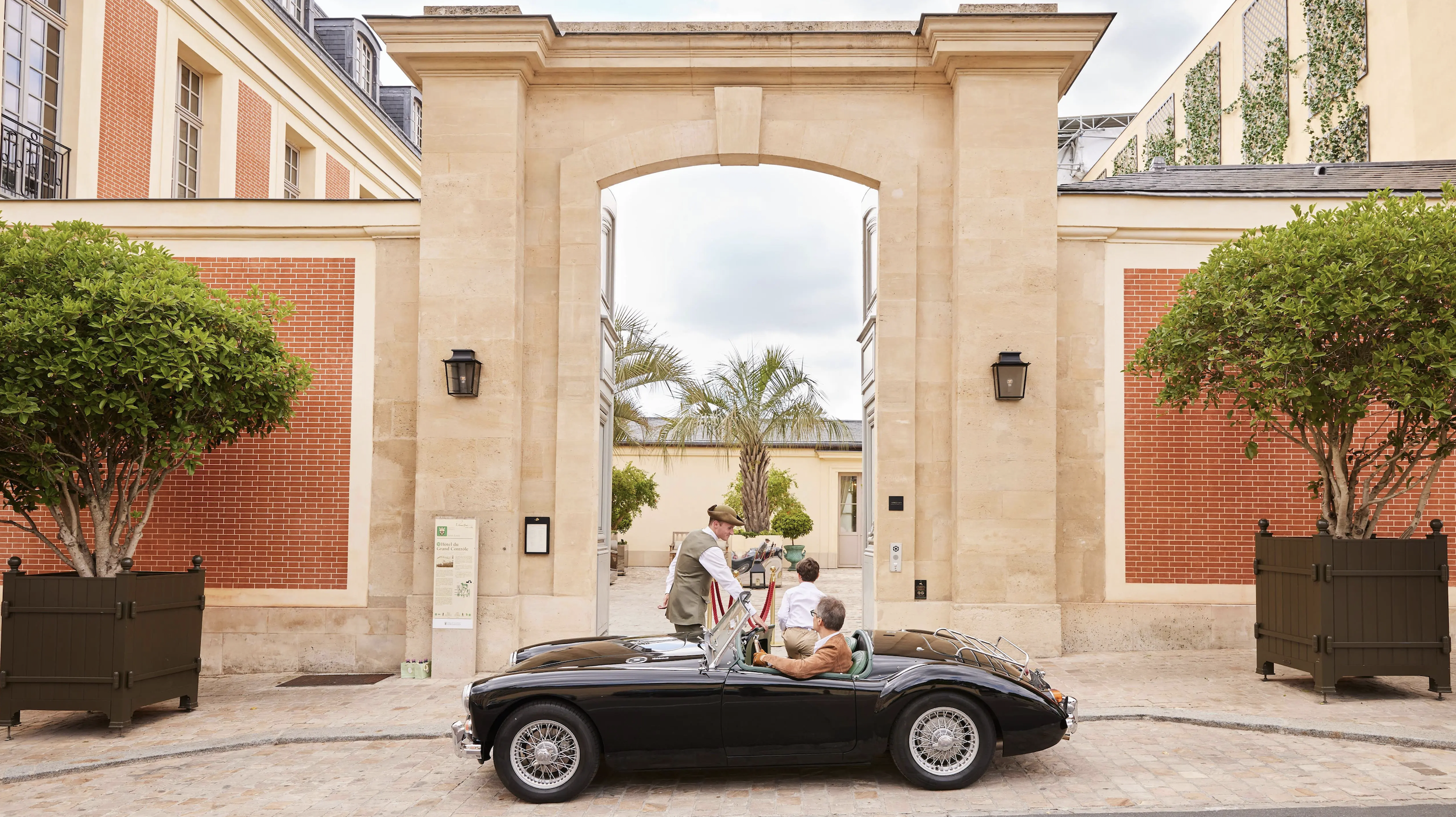
Le Grand Contrôle is located at 12 Rue de l'Indépendance Américaine in Versailles, within the Palace of Versailles estate.
By Car from Central Paris: The drive takes approximately 45 minutes, although traffic can extend the journey considerably at busy times. A private chauffeured transfer is the most seamless option.
By Train from Paris: Versailles Château Rive Gauche station is approximately a 10-minute walk from the hotel and can be reached from central Paris in roughly 45 minutes. Versailles Chantiers is approximately a 20-minute walk away, with rail connections to Paris Montparnasse taking around 35 minutes.
From Paris-Orly Airport: Allow approximately 30 minutes by car under favorable traffic conditions.
From Paris Charles de Gaulle Airport: The drive takes approximately 60 minutes, although additional time should be allowed during periods of heavy Paris traffic.
By Helicopter: Saint-Cyr-l'École Aerodrome is approximately five minutes from the hotel, providing another option for private aviation connections.
Staying Inside a Chapter of French History
There are grand hotels filled with antiques, and there are hotels built to resemble palaces. Le Grand Contrôle belongs to neither category.
The building was already here.
Its rooms were part of the political and intellectual world surrounding Versailles centuries before anyone imagined they would become hotel suites. The gardens outside were designed for Louis XIV. Jacques Necker once lived within these walls. The same architect responsible for the Hall of Mirrors created the building itself.
That history gives Le Grand Contrôle an authenticity that cannot be manufactured.
A stay is also carefully choreographed to make use of it. The experience begins in the rooms, continues through Alain Ducasse's interpretation of court dining and becomes something genuinely rare when the doors to Versailles open after everyone else has left.
For travelers who have always regarded Versailles as something to visit for a few hours from Paris, Le Grand Contrôle provides a completely different perspective. Staying overnight allows the estate to become a destination of its own, with enough history, architecture, gardens, dining and private access to justify slowing down.
And when evening arrives and the palace falls quiet, Versailles finally feels very different from the monument most visitors know.