Megève, France | Four Seasons Resort Megève
A Mountain Address Above the Village
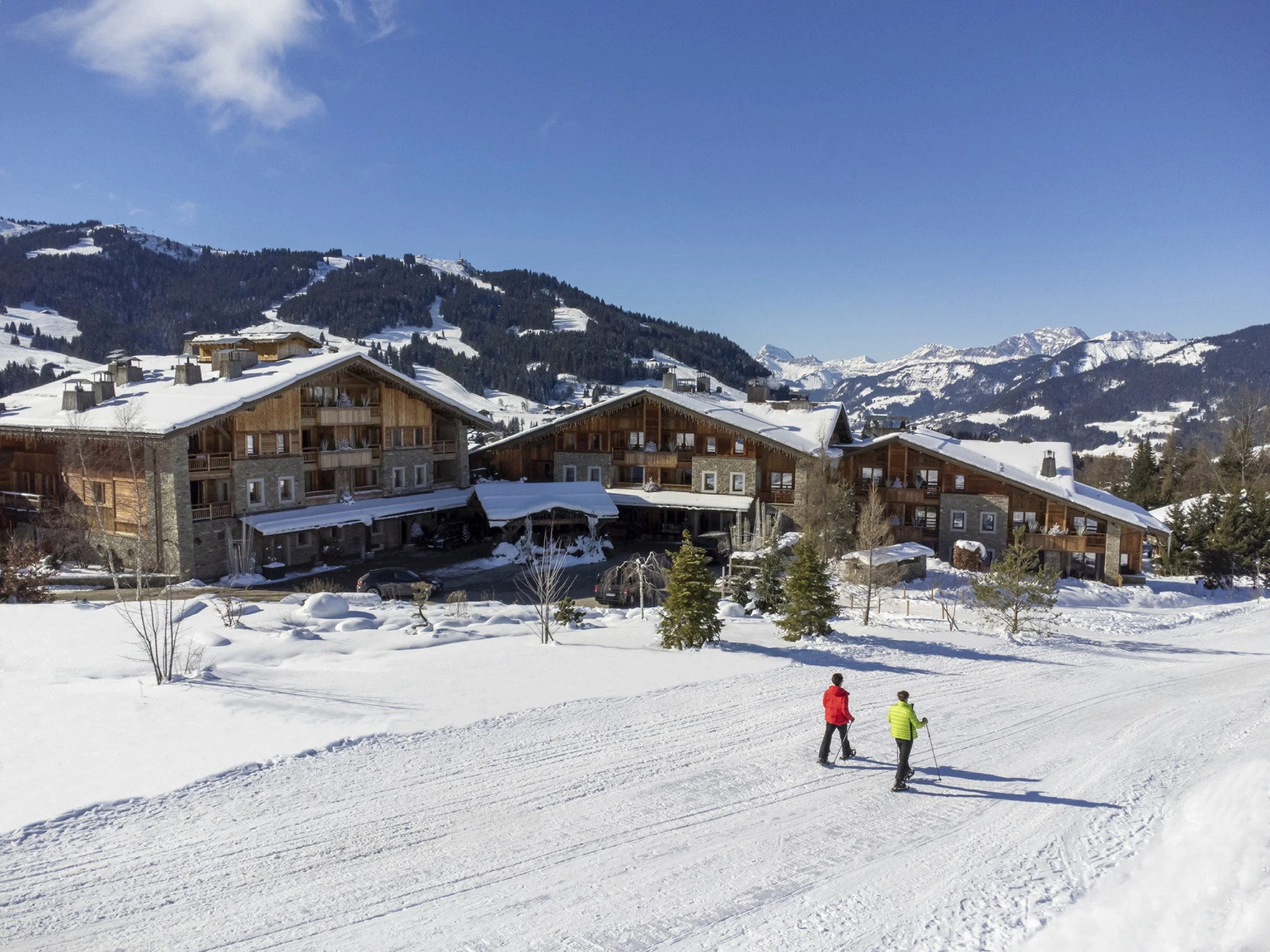
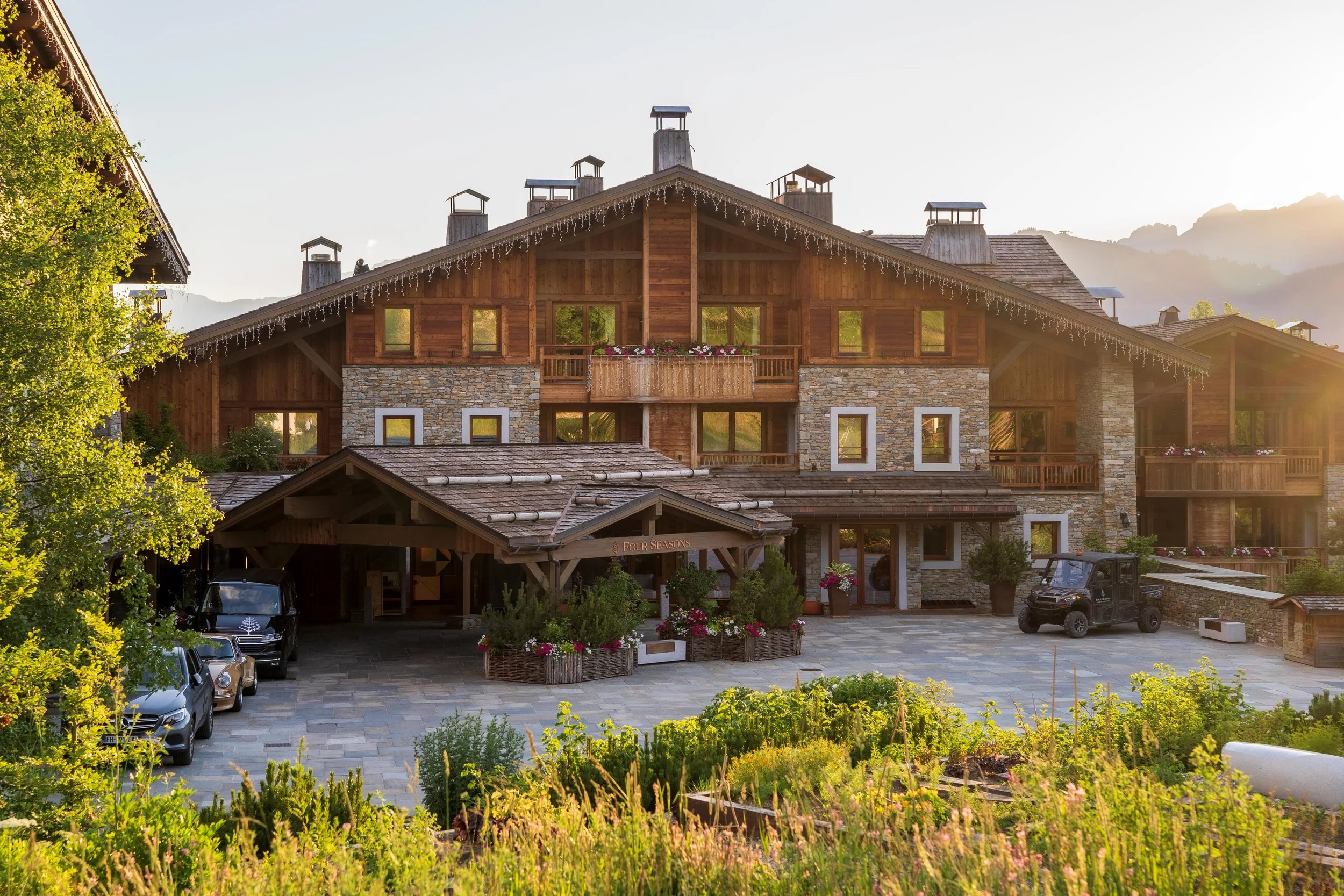
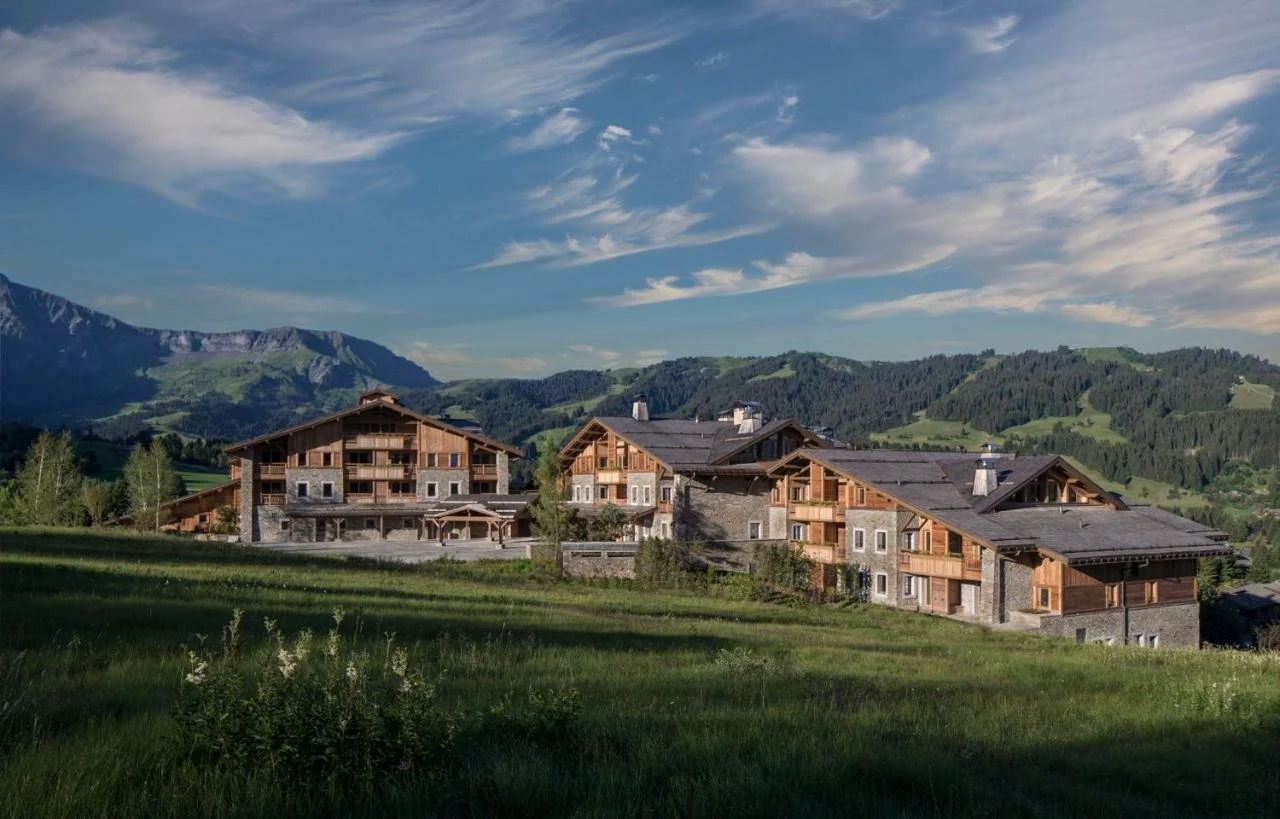
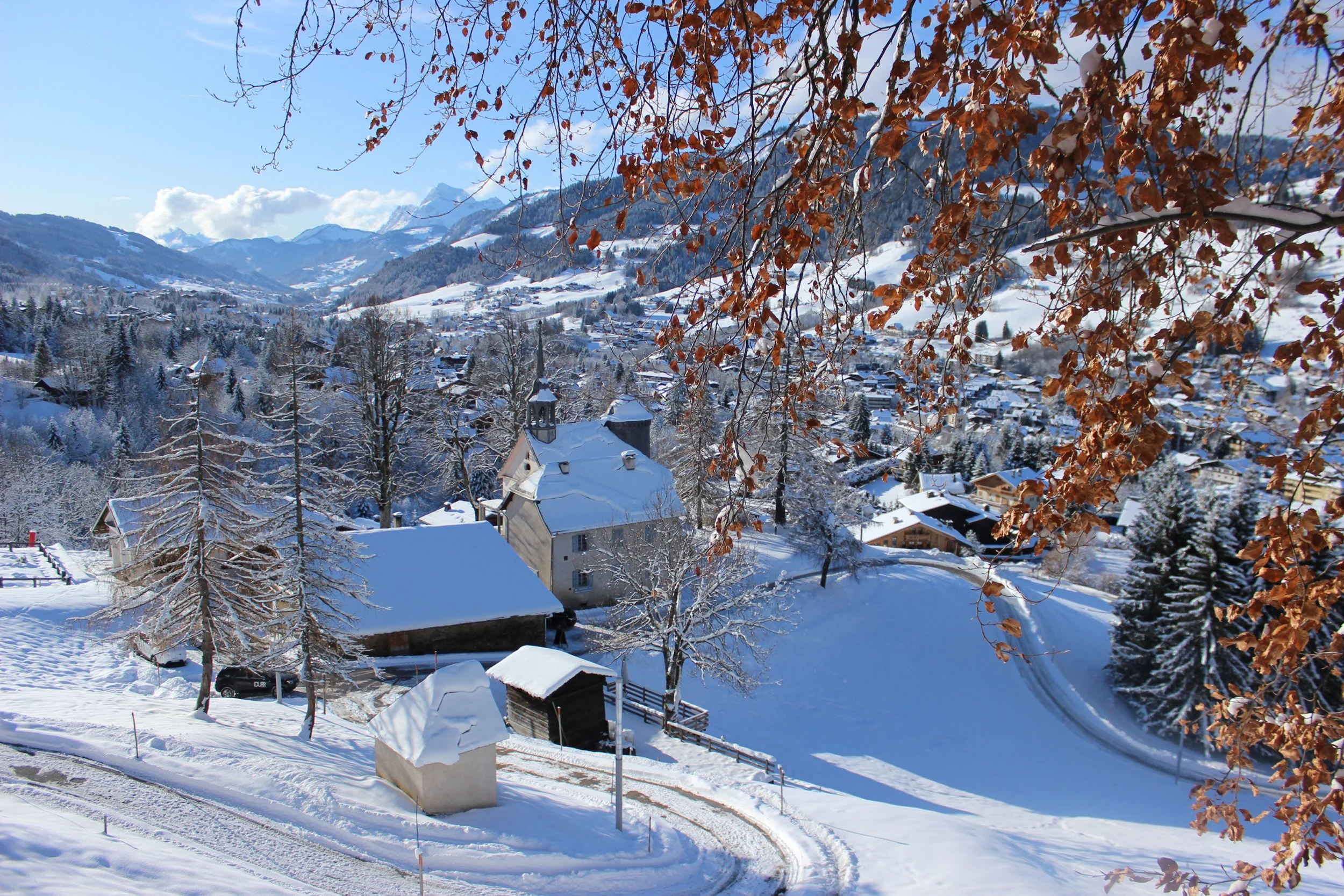
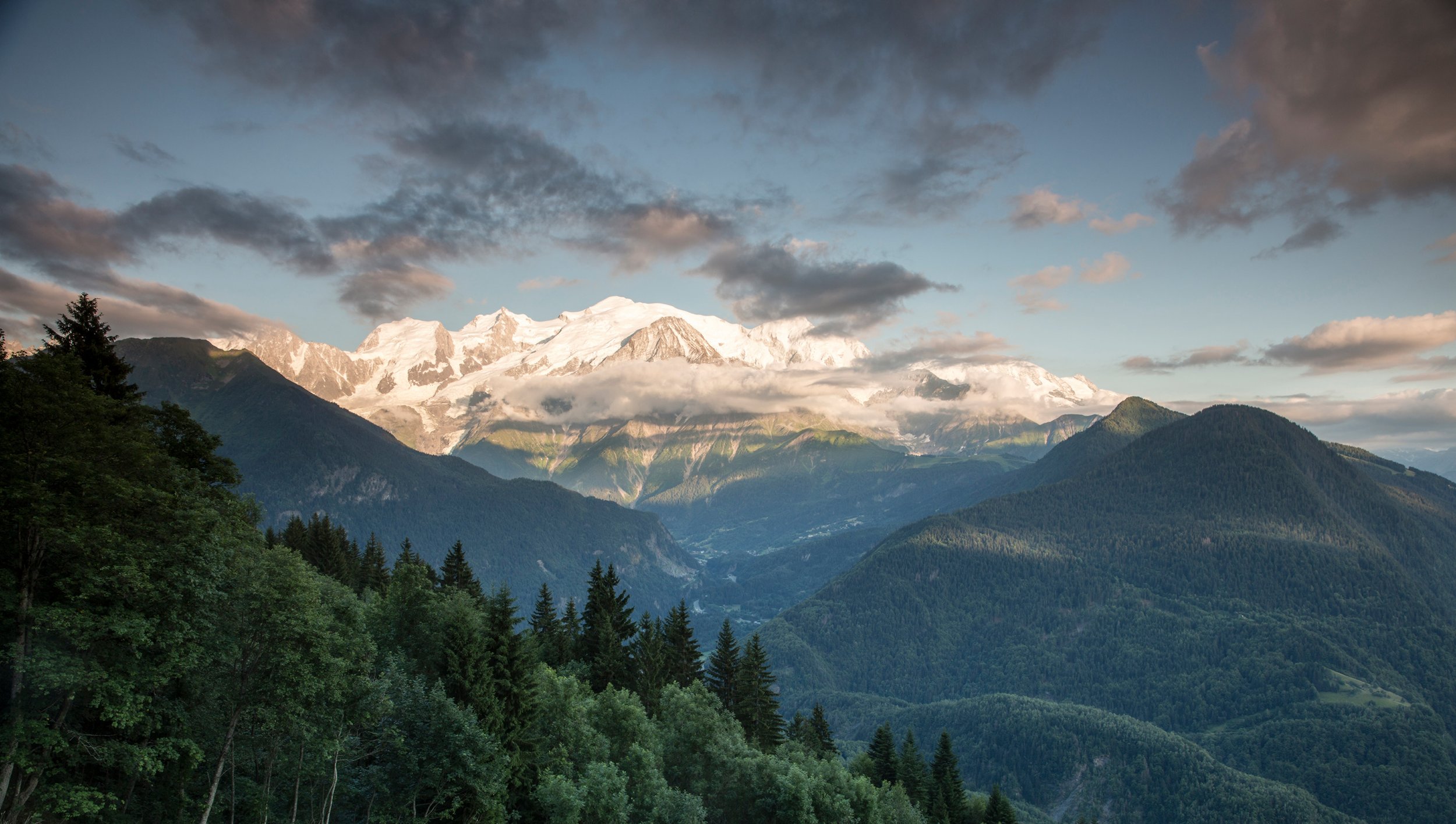
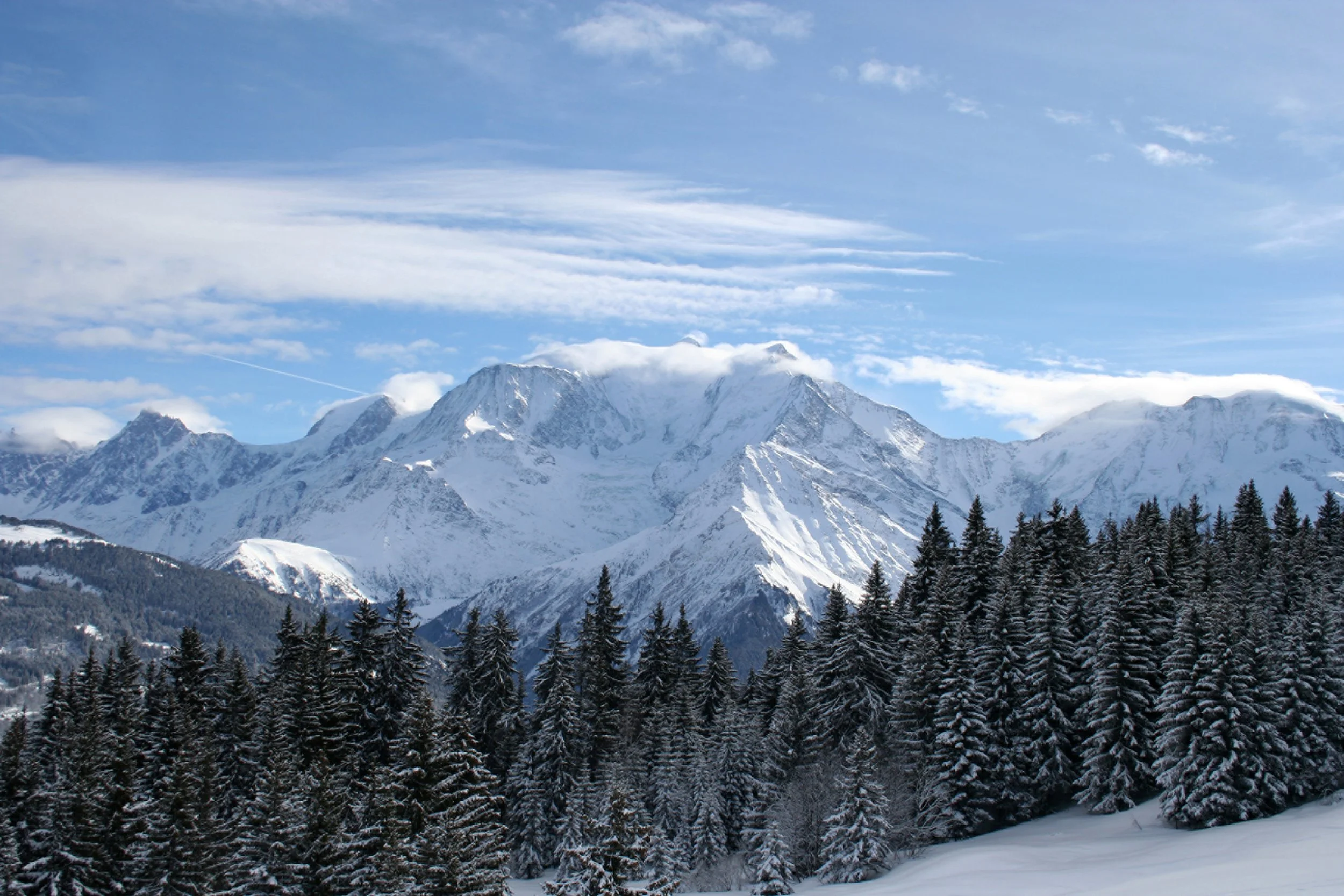
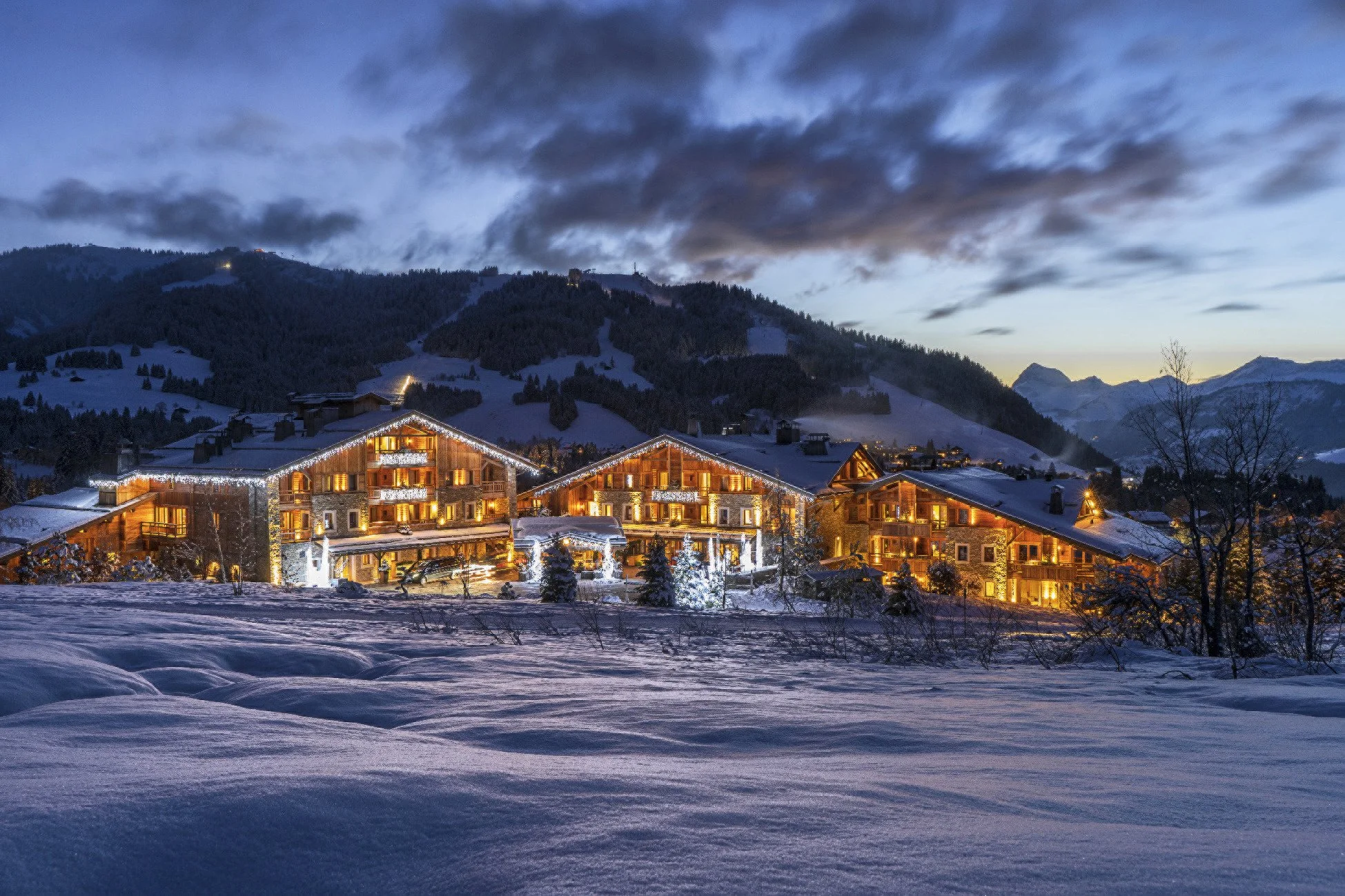
On the slopes of Mont d’Arbois, Four Seasons Resort Megève offers a different perspective on a town better known for cobbled streets, horse-drawn carriages and winter terraces. The resort sits approximately 4,265 feet above sea level, with the surrounding peaks shaping the outlook from its rooms, restaurants and indoor-outdoor pool. Megève’s historic centre is around ten minutes away by road, close enough for an afternoon in the village while leaving the hotel firmly connected to the mountain landscape.
With 55 rooms and suites, including 41 guest rooms and 14 suites, the property remains relatively intimate for a full-scale Alpine resort. Winter places skiing at the centre of the stay, while summer brings golf, hiking and long days on the surrounding slopes. These are distinct operating seasons, with closures between them, so the timing of a visit influences both the atmosphere and the experiences available.
The appeal lies in the ability to change pace easily. A morning on the mountain can lead to an afternoon in the spa, followed by French cooking at Brasserie Benjamin or Japanese cuisine with Nikkei influences at Kaito. Time in the village adds another layer, bringing the contemporary interiors of the resort into conversation with Megève’s older streets and traditions.
The Rothschild Story Continues on Mont d’Arbois
Megève’s transformation from an agricultural mountain village into one of France’s best-known Alpine destinations is closely linked to the Rothschild family. Noémie de Rothschild began developing Mont d’Arbois as a winter destination in the early 20th century, helping attract an international clientele and shaping the area’s identity as a refined alternative to the better-established resorts of the period.
Four Seasons arrived in December 2017 through a collaboration with the Edmond de Rothschild family. Unlike a historic grand hotel converted for modern use, the resort was purpose-built, allowing its connection to Megève’s history to come through its setting, ownership and design rather than through preserved period architecture.
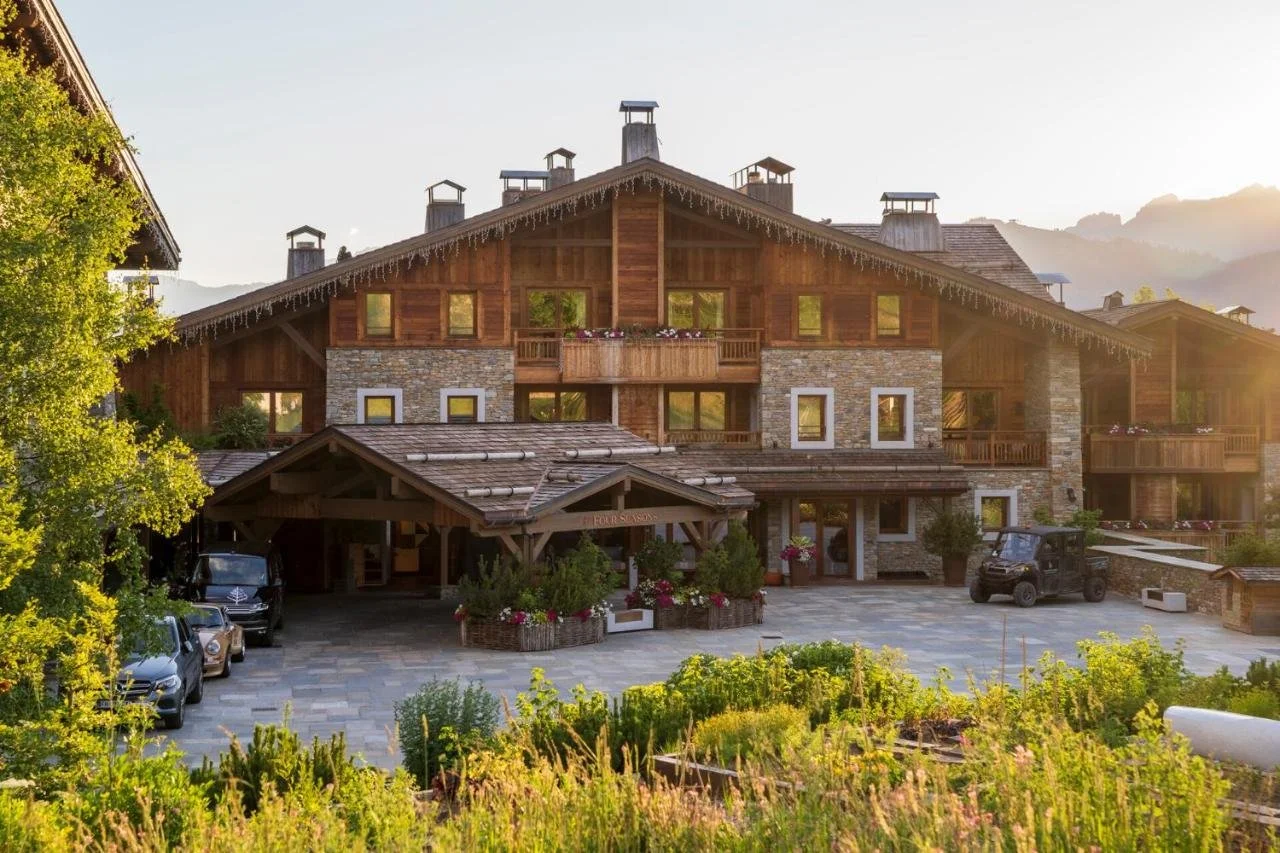
Baroness Ariane de Rothschild worked with designer Pierre-Yves Rochon on the interiors, while architect Bruno Legrand shaped the building itself. Their combined approach created a modern interpretation of a mountain chalet rather than a literal reproduction of one.
A major milestone followed in June 2026, when Four Seasons Resort Megève received France’s official Palace distinction from Atout France. The designation places it among the country’s officially recognised collection of exceptional hotels and marked the resort’s first inclusion within that group.
Alpine Architecture Through a Contemporary Lens
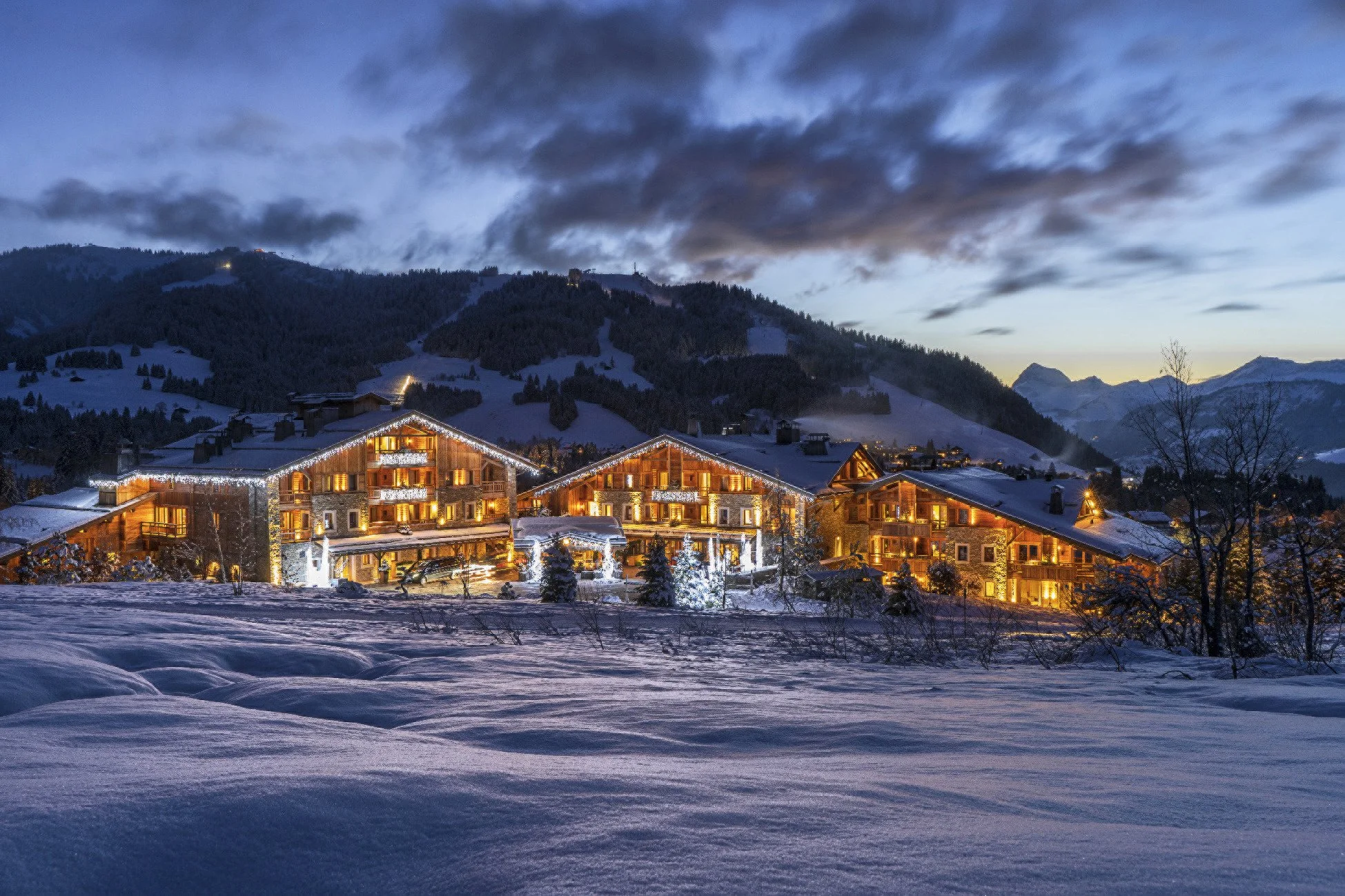
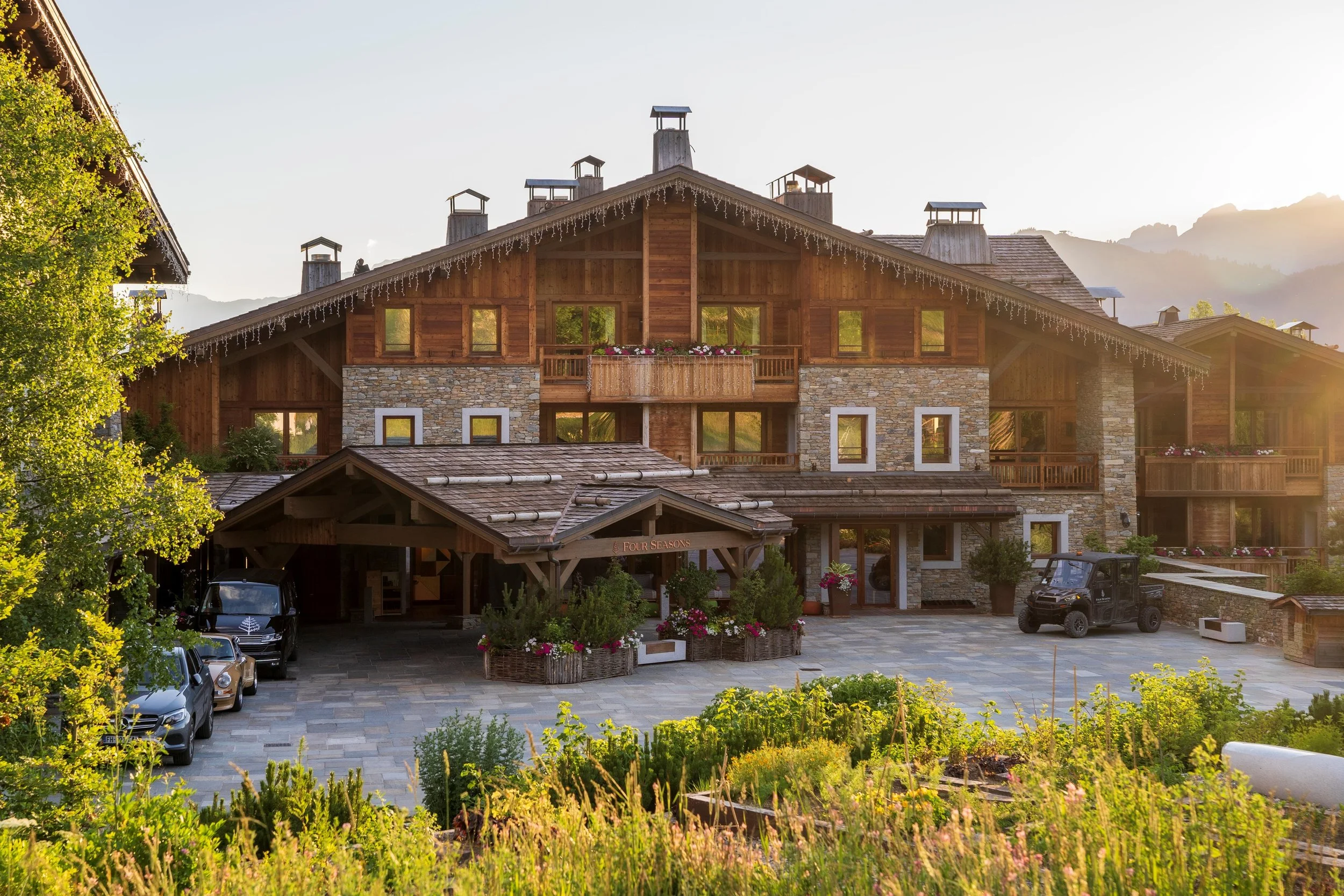
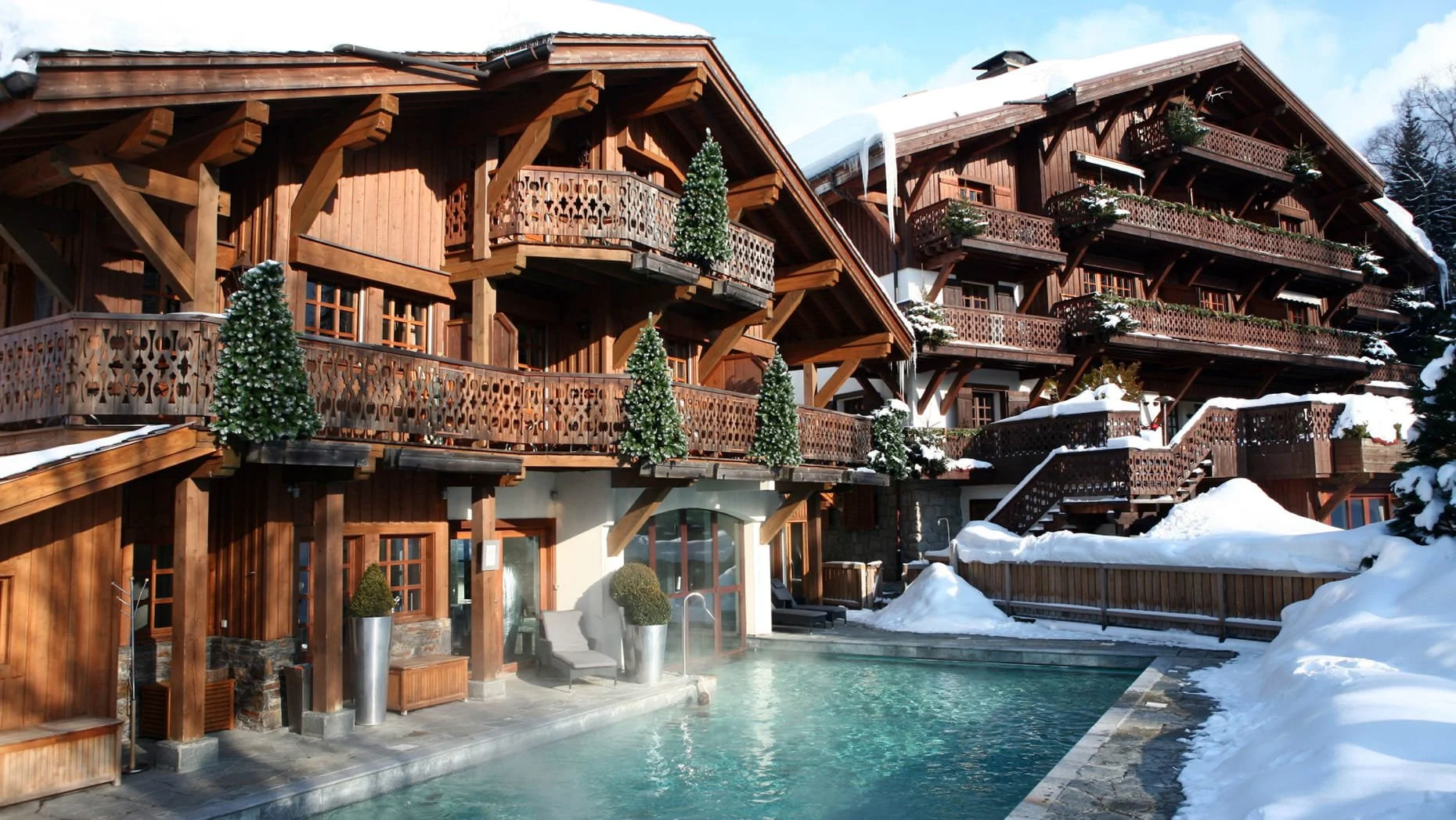
Bruno Legrand’s exterior draws directly from the architectural vocabulary of the Alps. Timber façades, pitched roofs, stonework and multiple connected volumes allow the building to sit naturally against the slopes rather than reading as a single monumental structure.
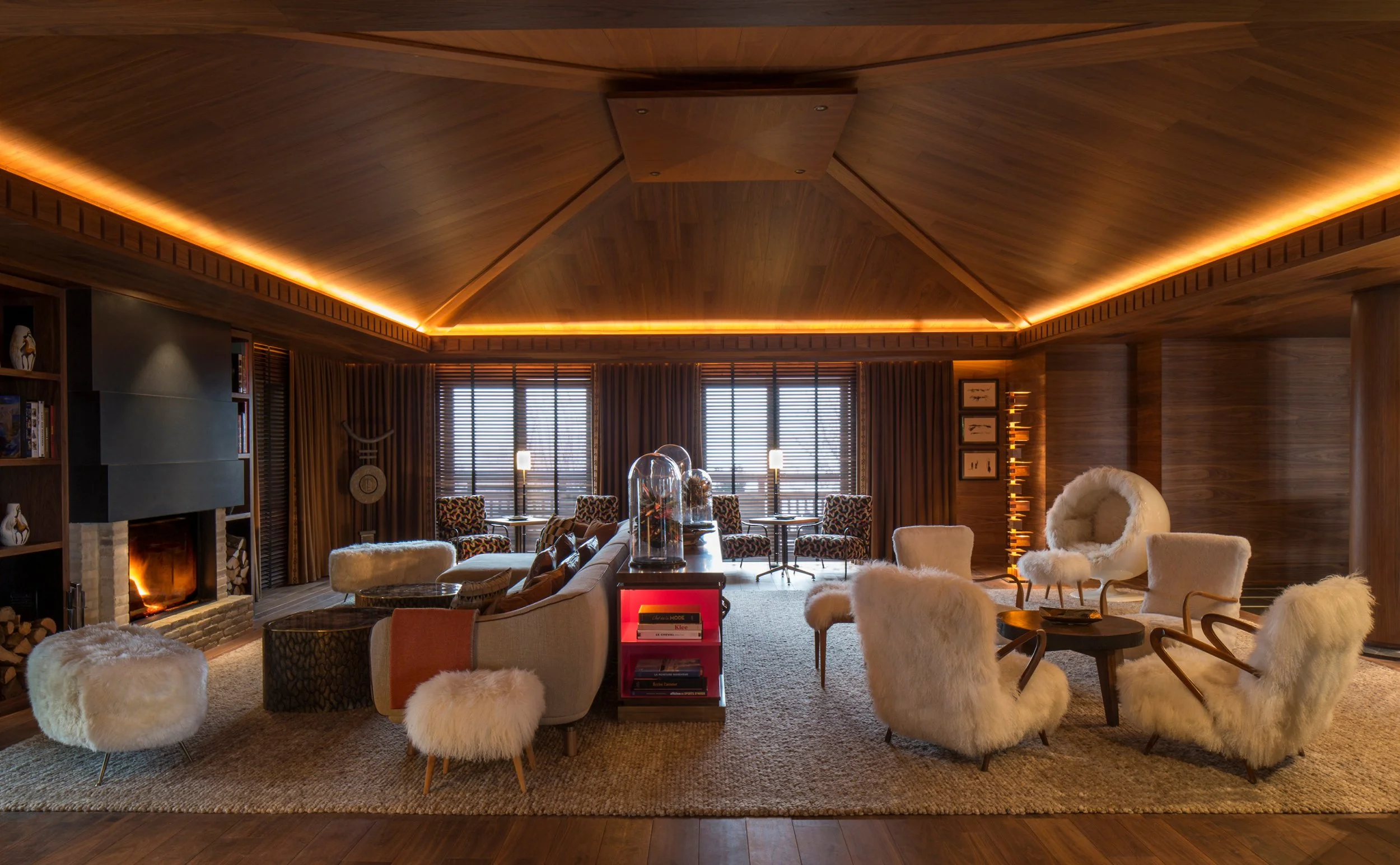
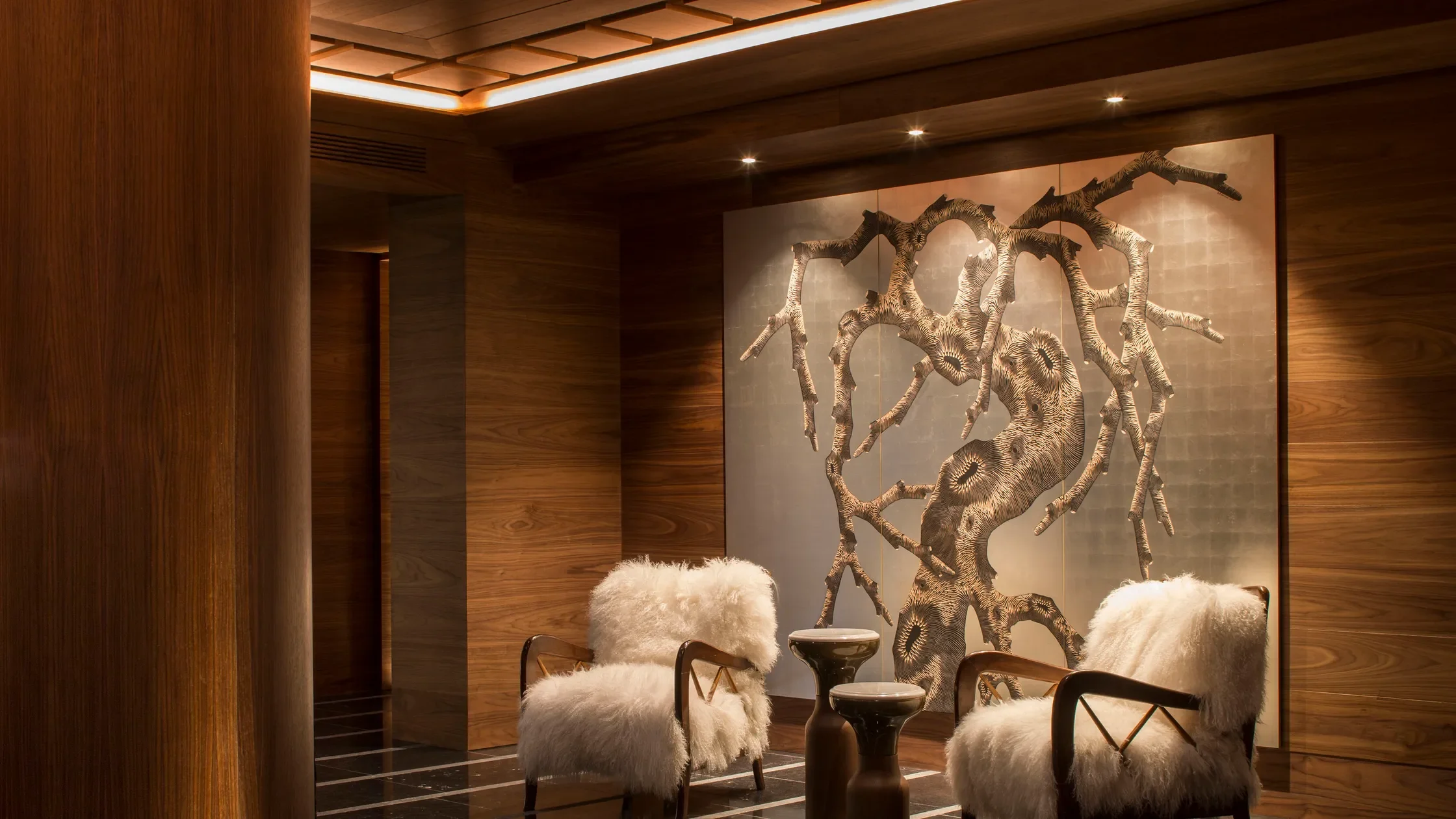
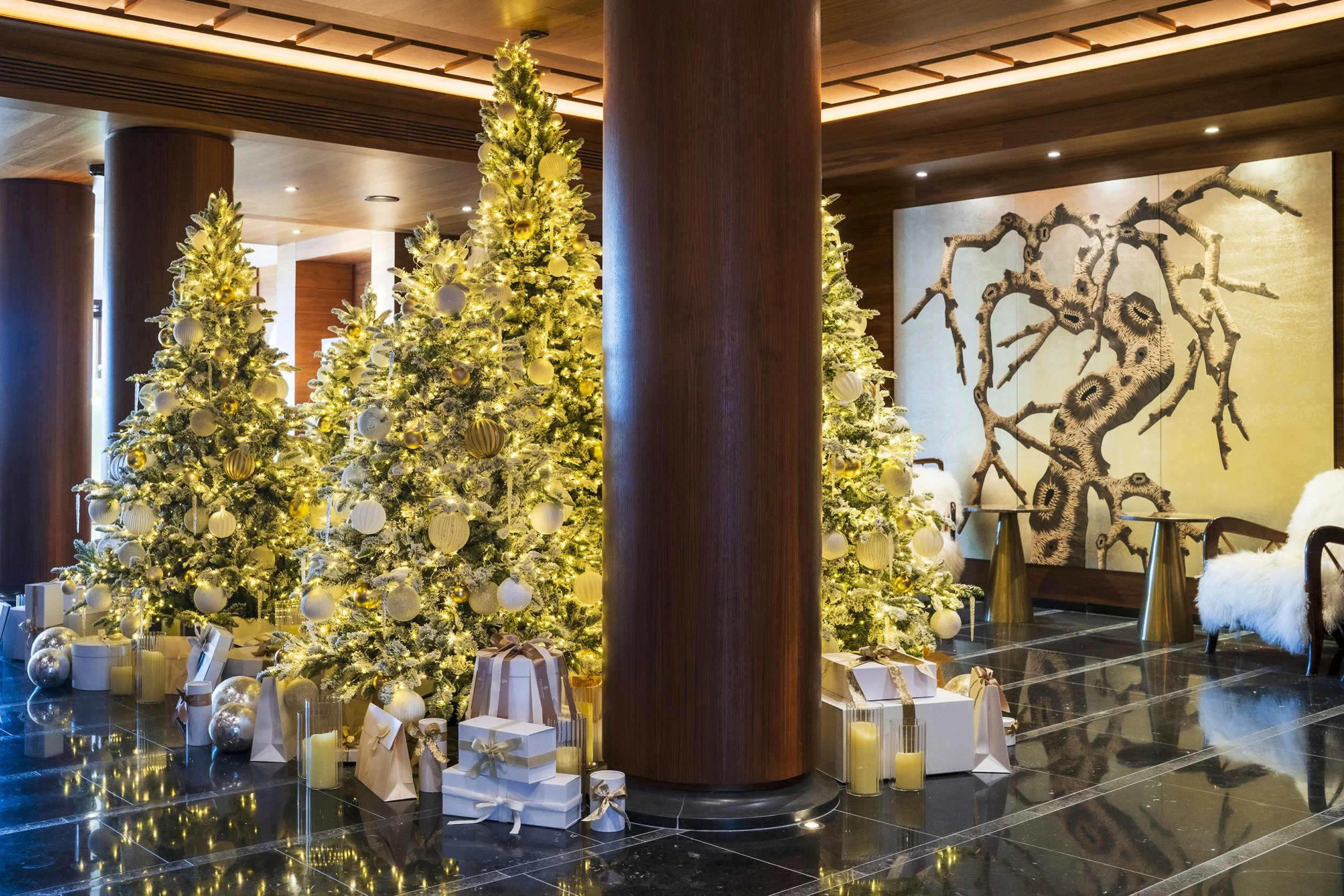
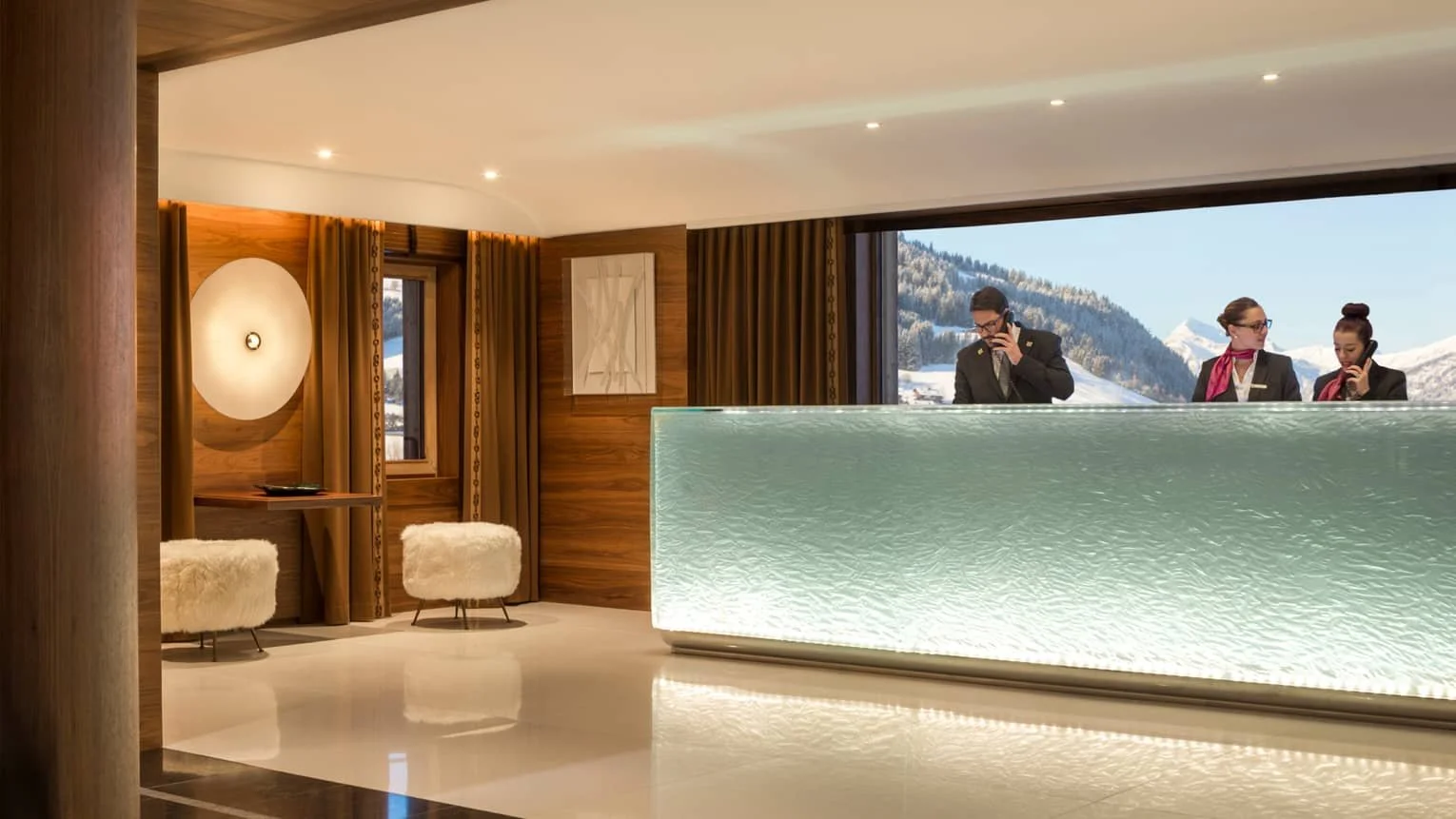
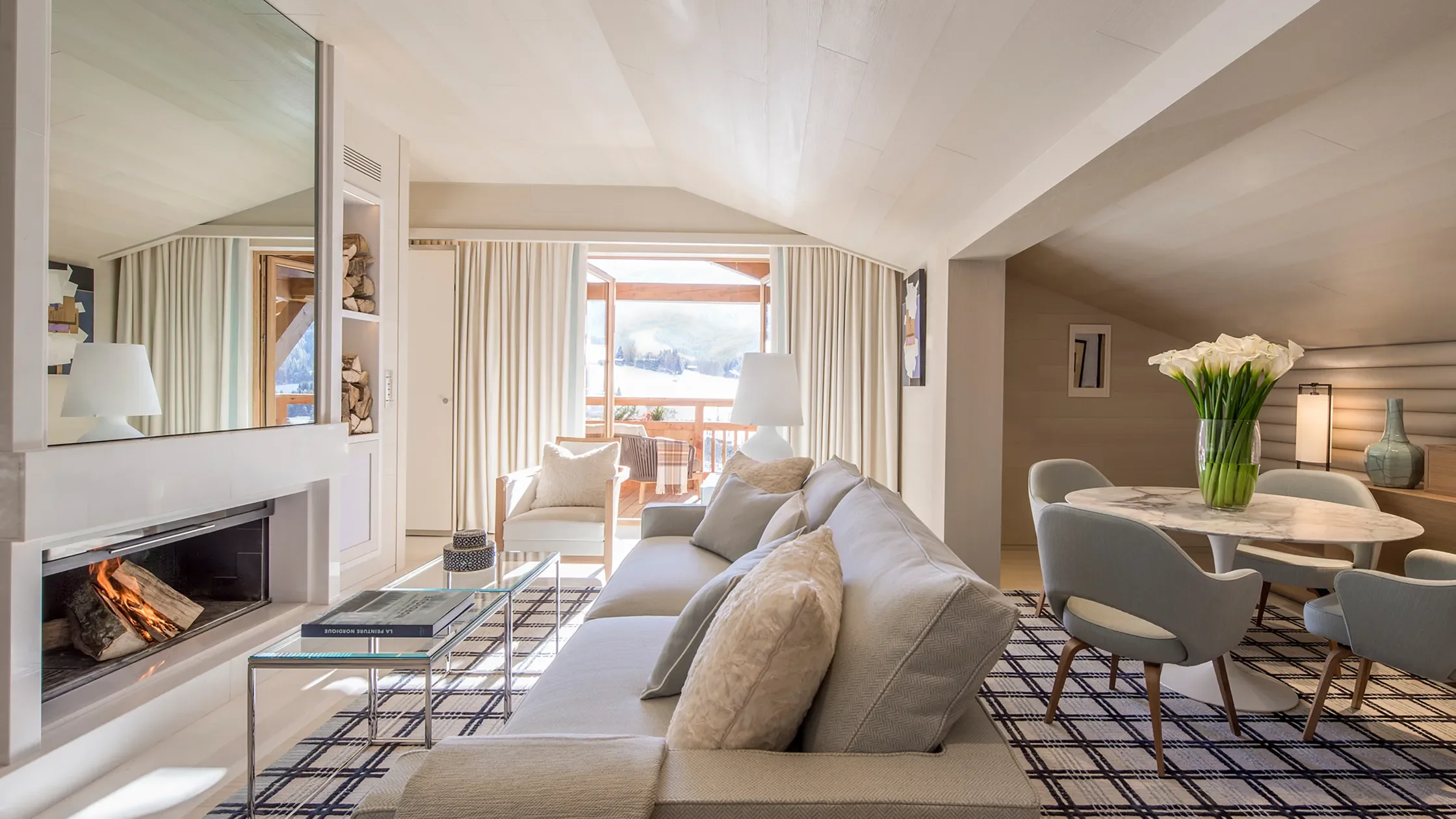
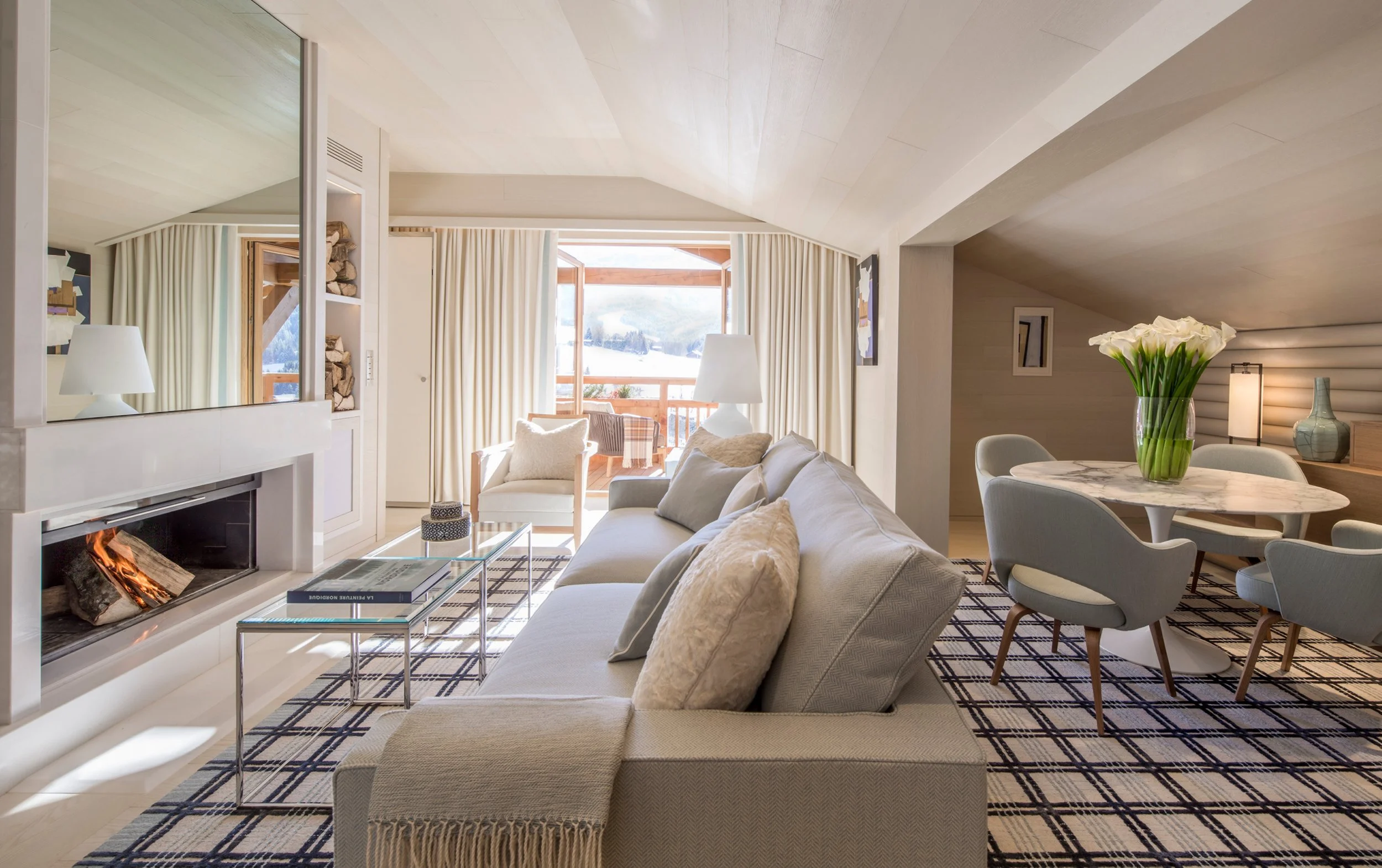
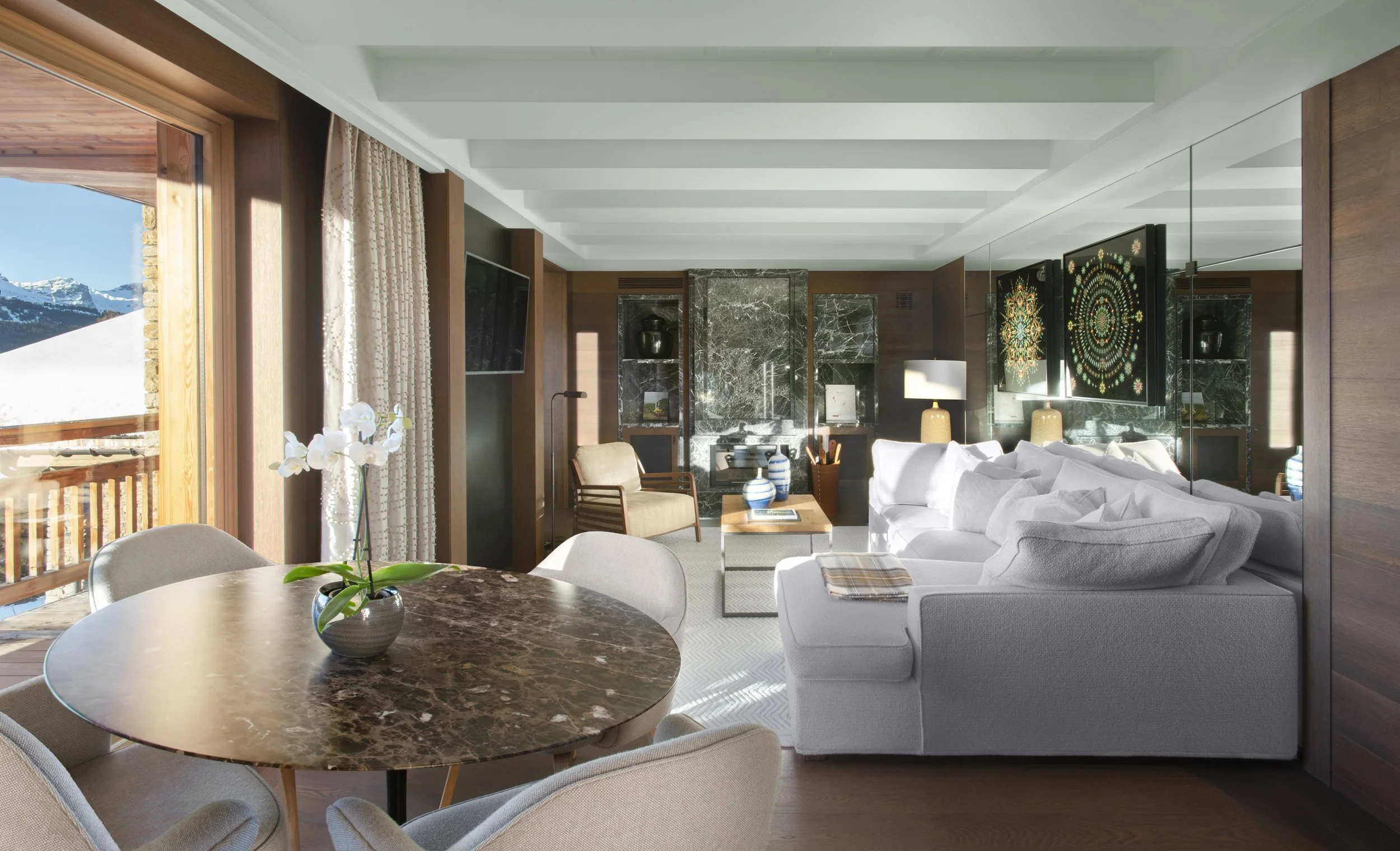
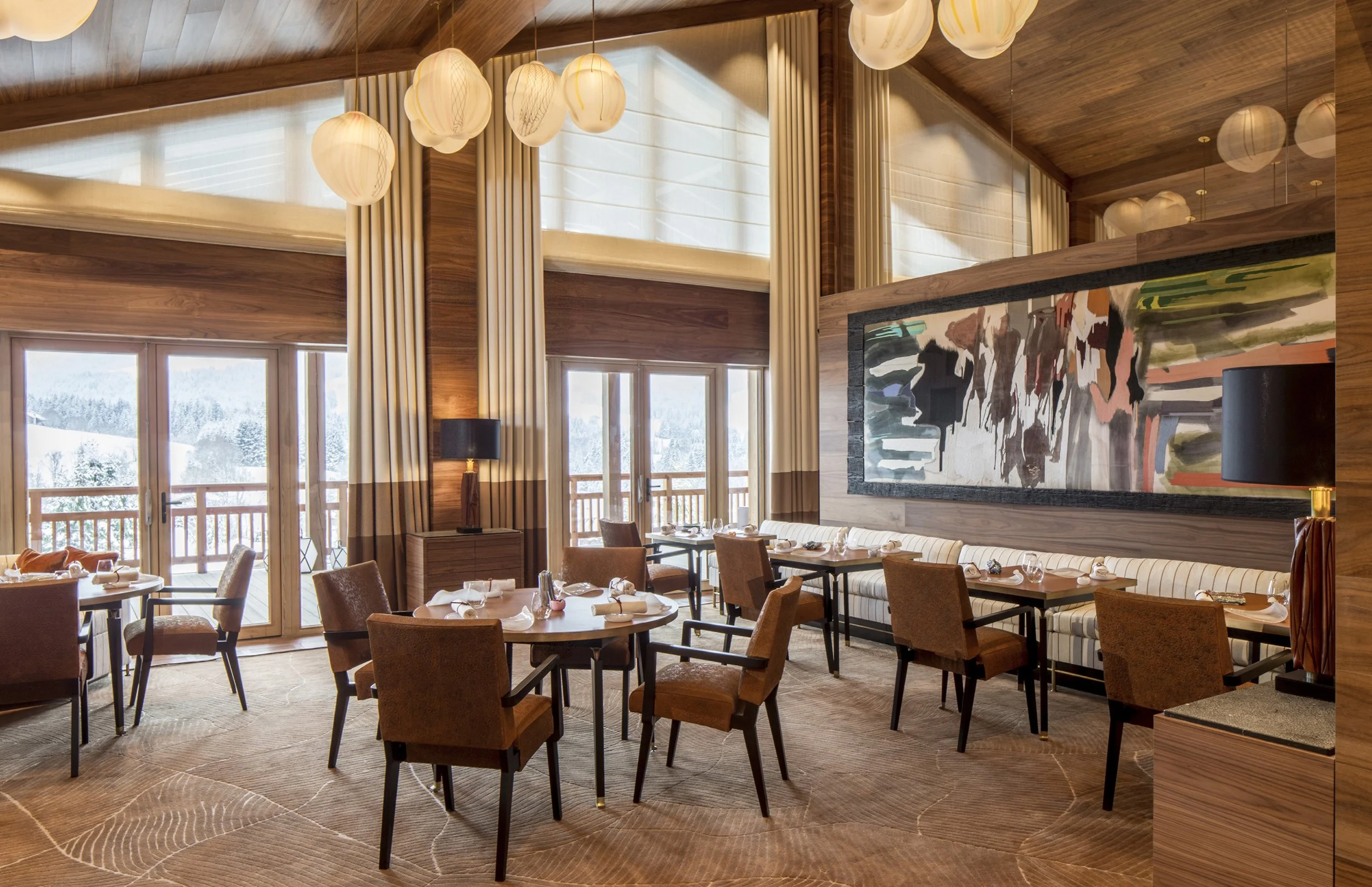
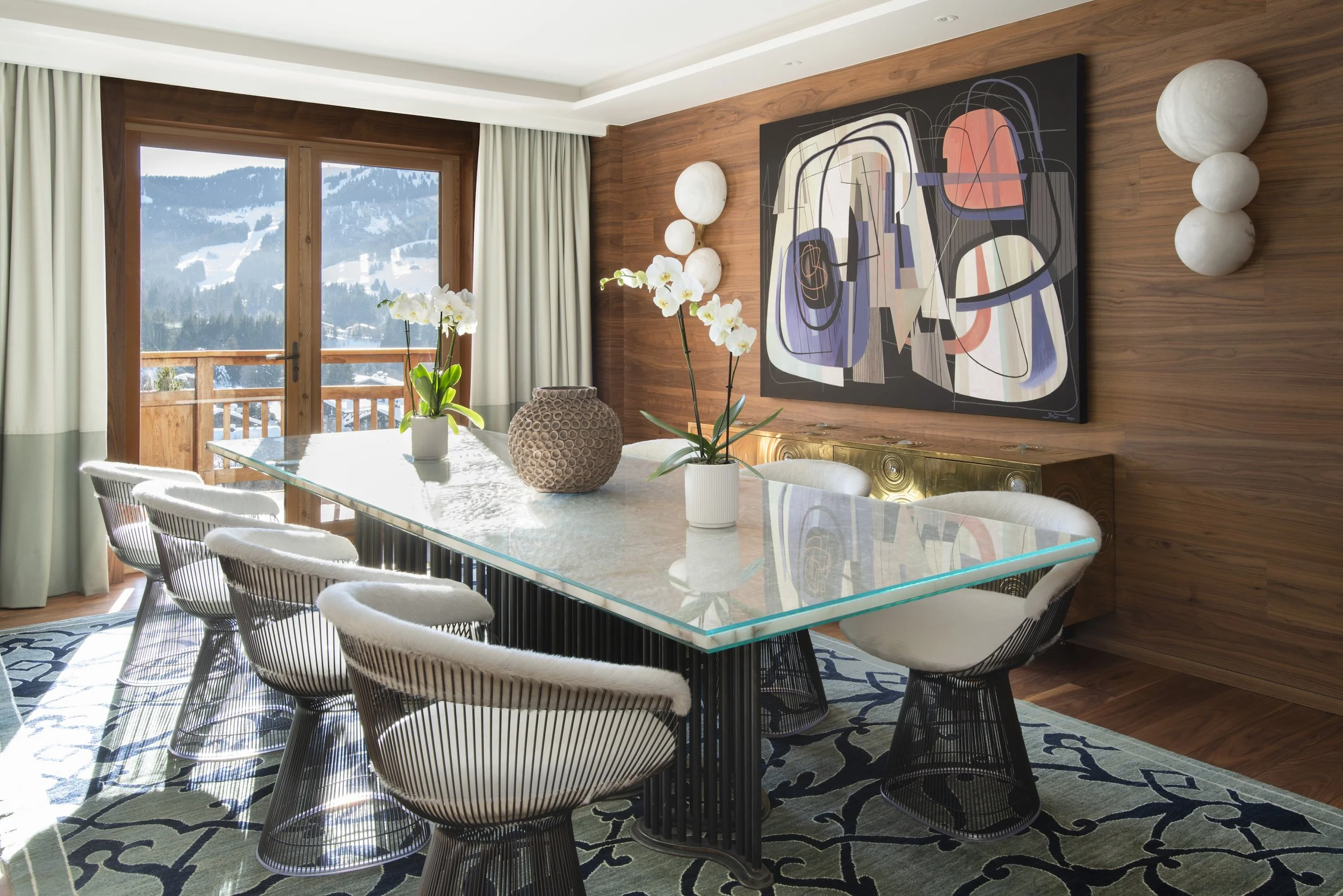
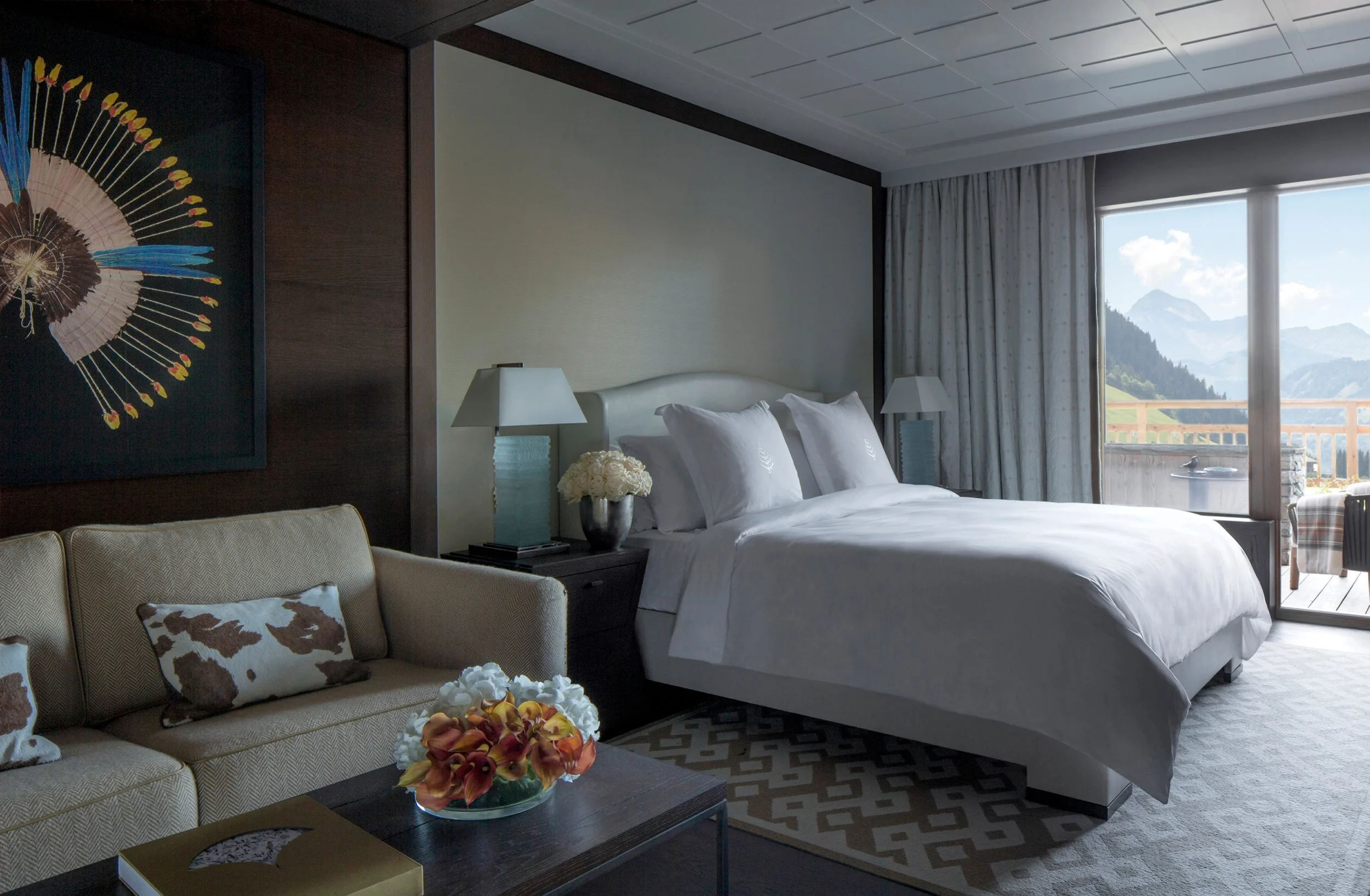
Inside, Pierre-Yves Rochon moved away from the predictable heaviness of traditional chalet interiors. Wood and stone remain central, but they are balanced by polished finishes, contemporary furniture, generous glazing and artwork selected from the Edmond de Rothschild collection.
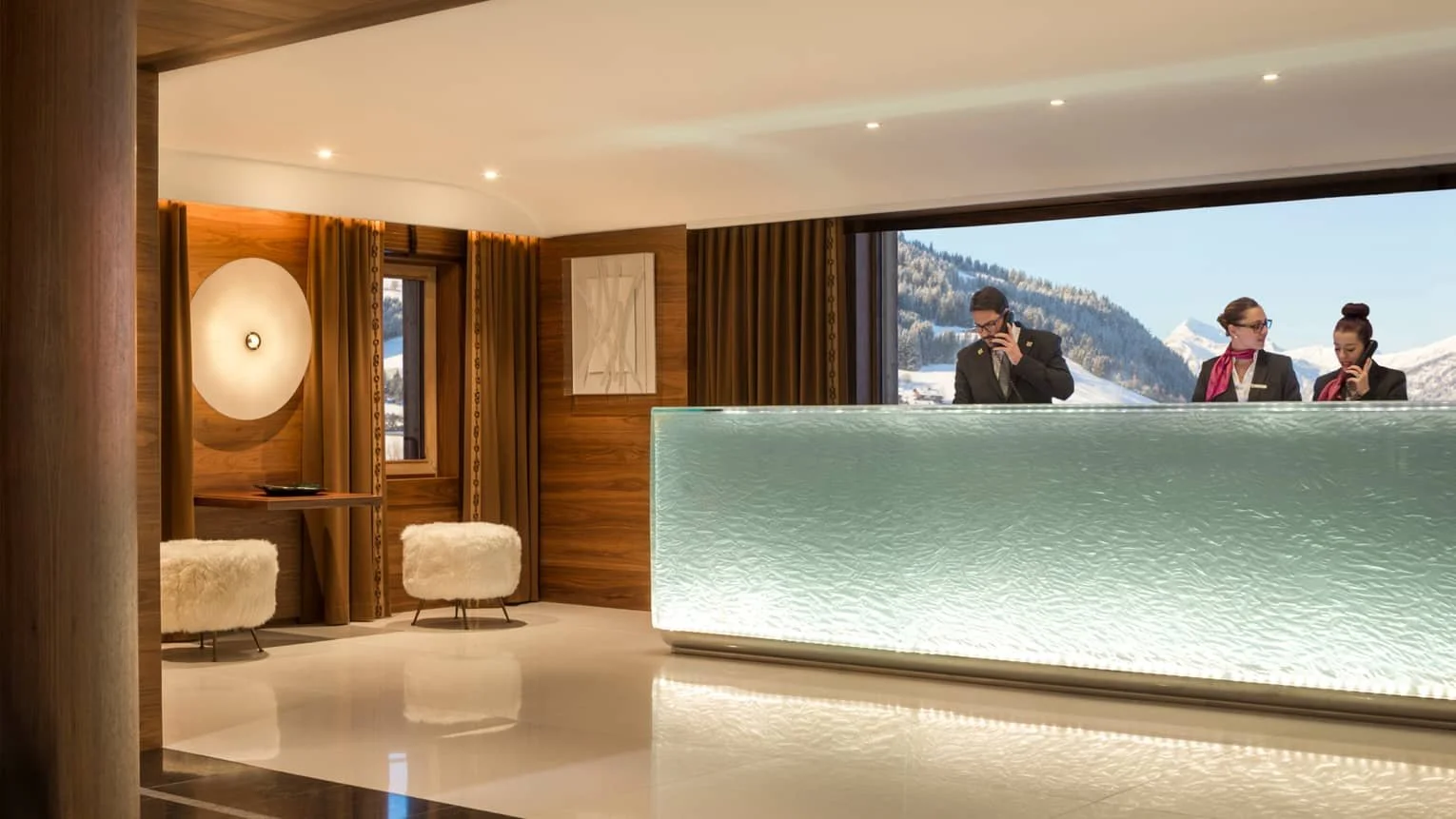
Large windows are particularly important. They keep the mountains present even during hours spent indoors and allow changing light, weather and snow conditions to alter the character of the public spaces throughout the day.
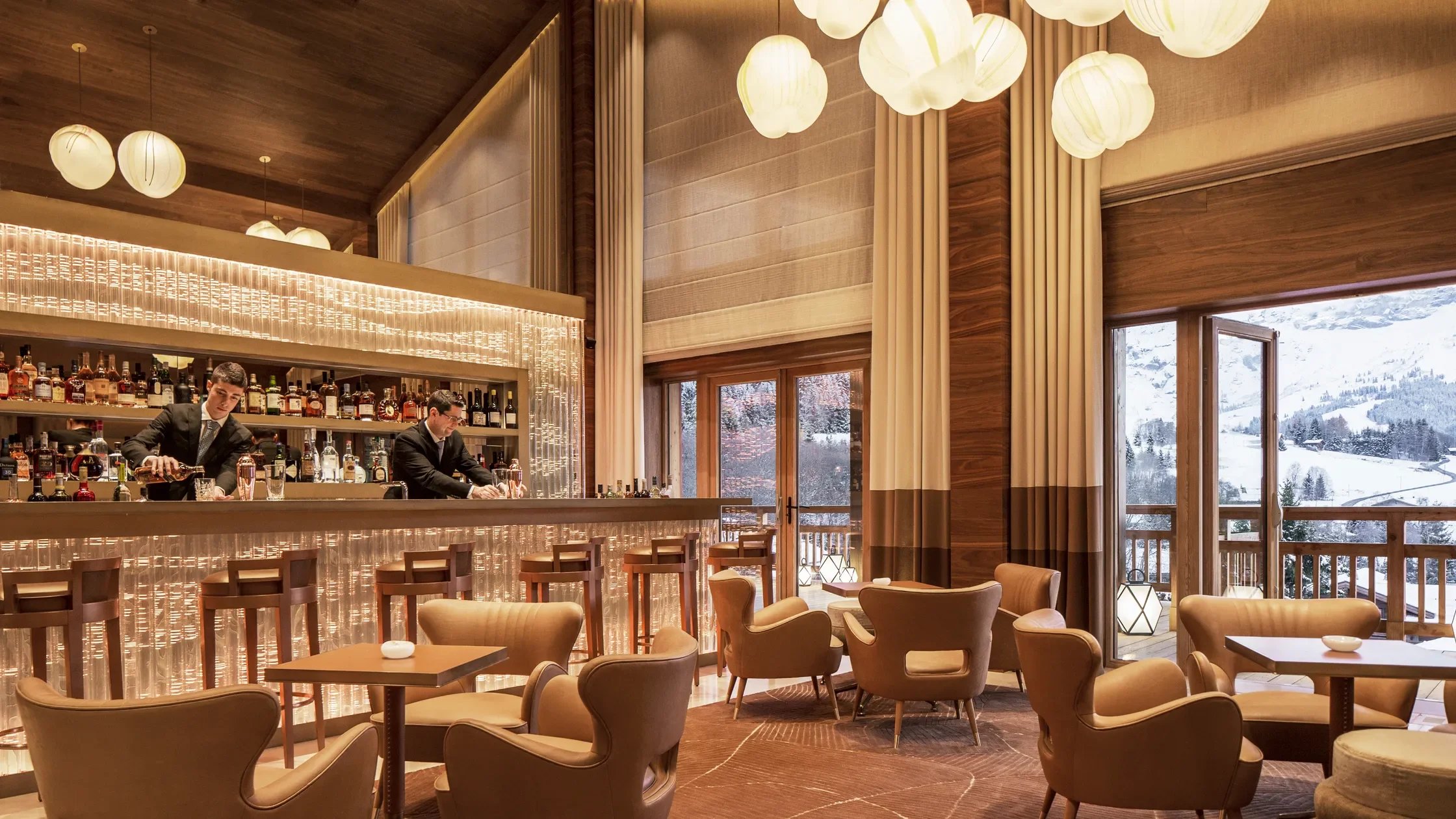
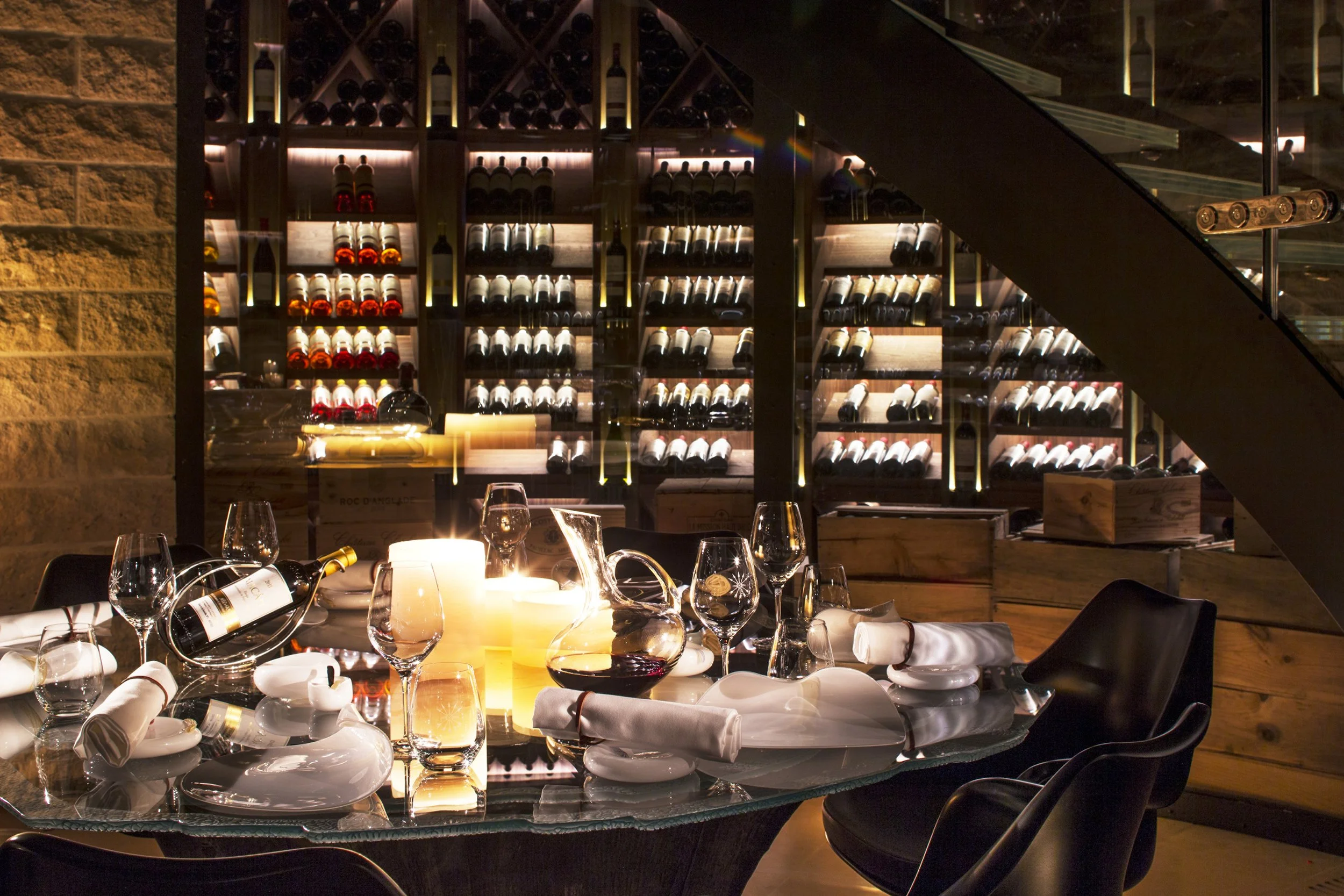
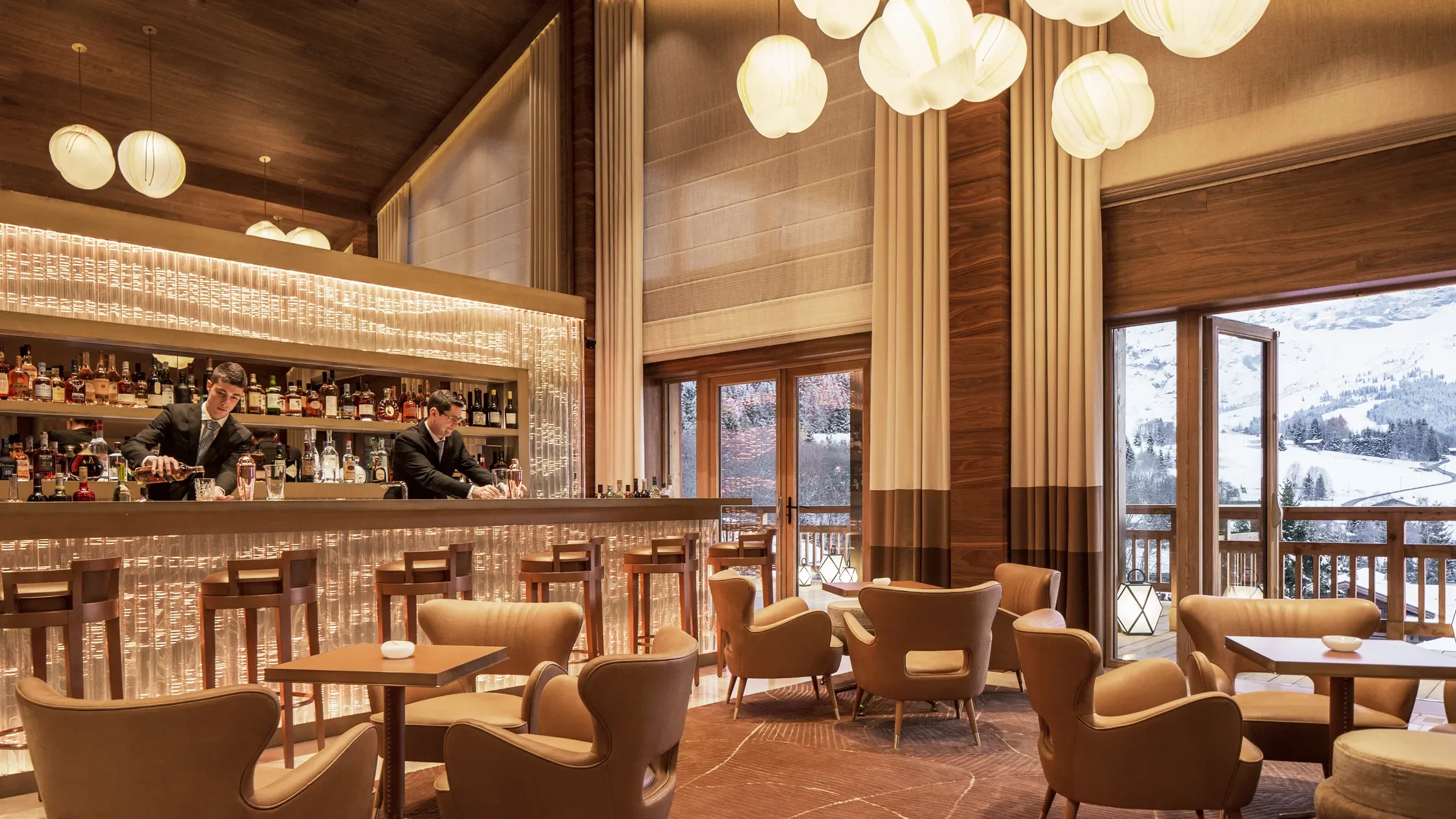
Art adds another layer. The Glass Bar is distinguished by the work of glass artist Gilles Chabrier, while the two-level wine cellar creates an entirely different visual experience through rows of bottles, intimate lighting and curved architectural forms.
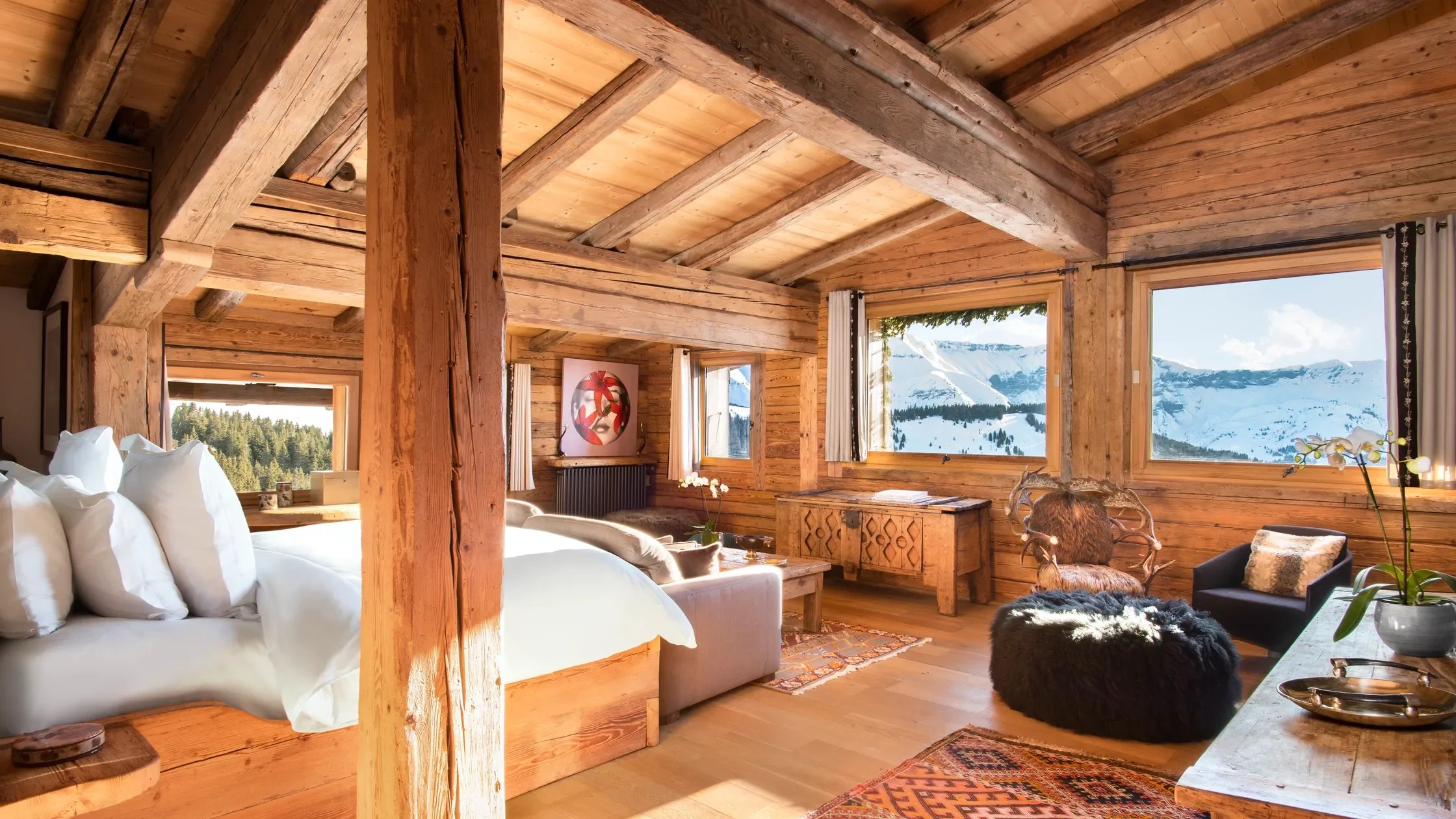
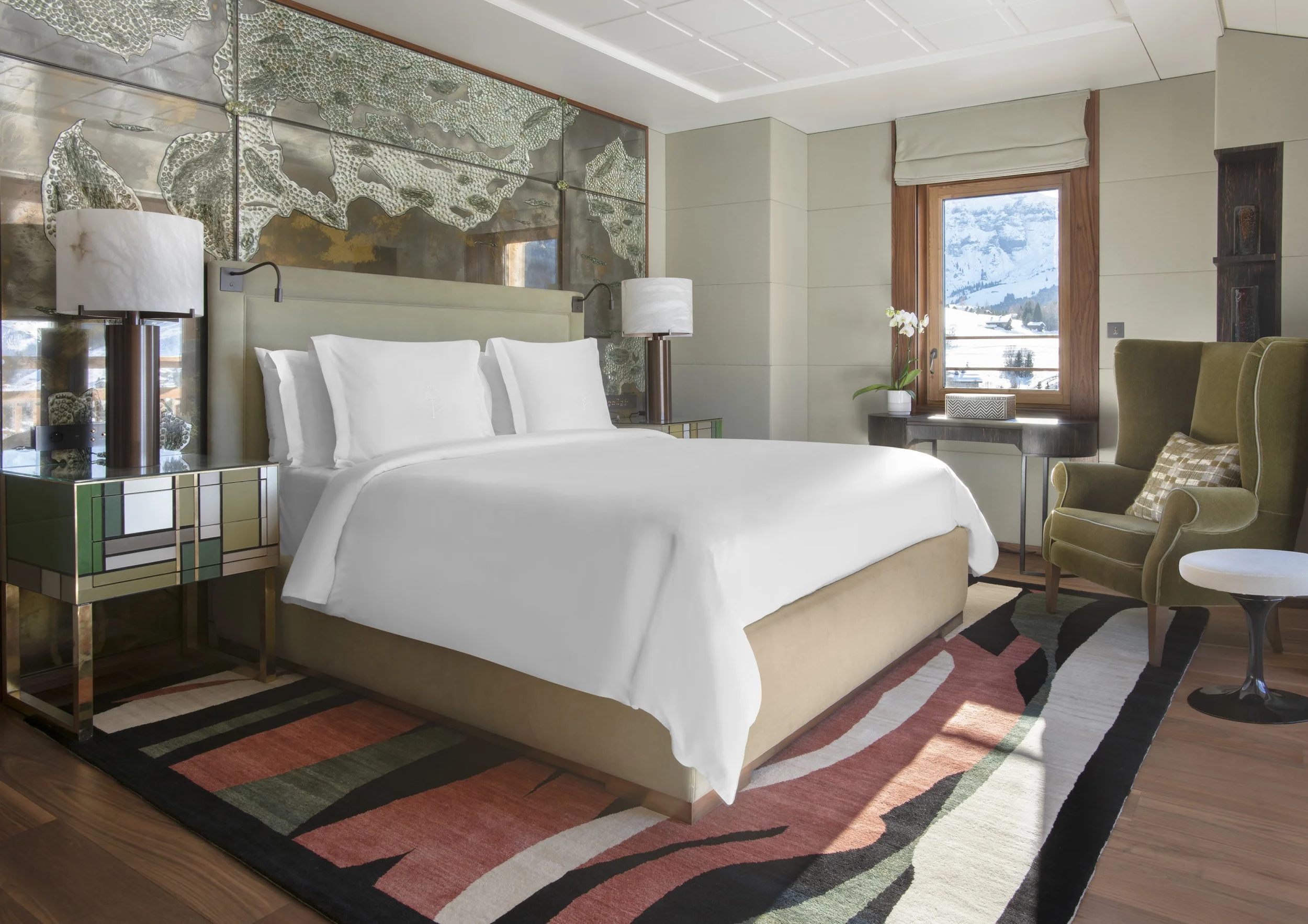
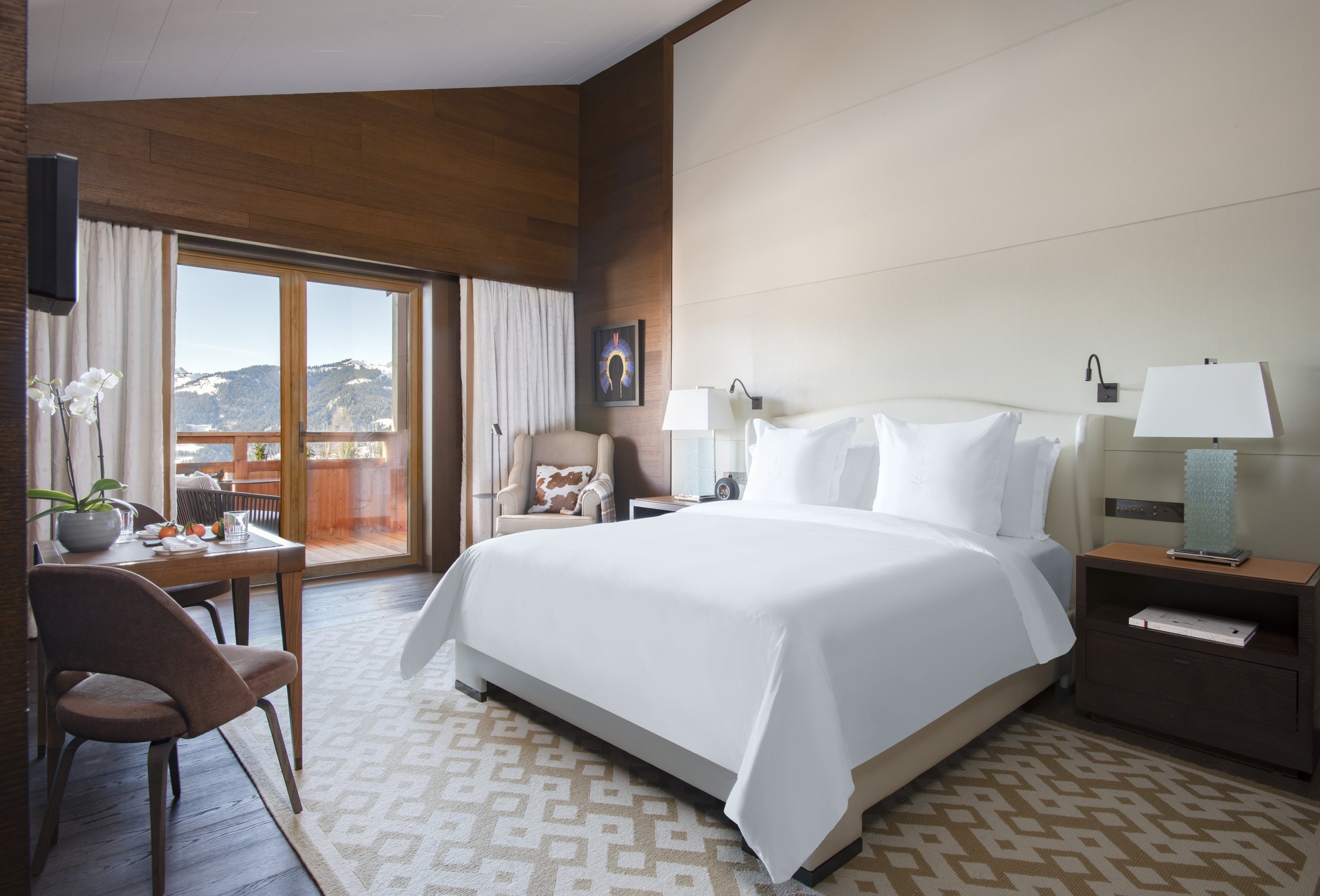
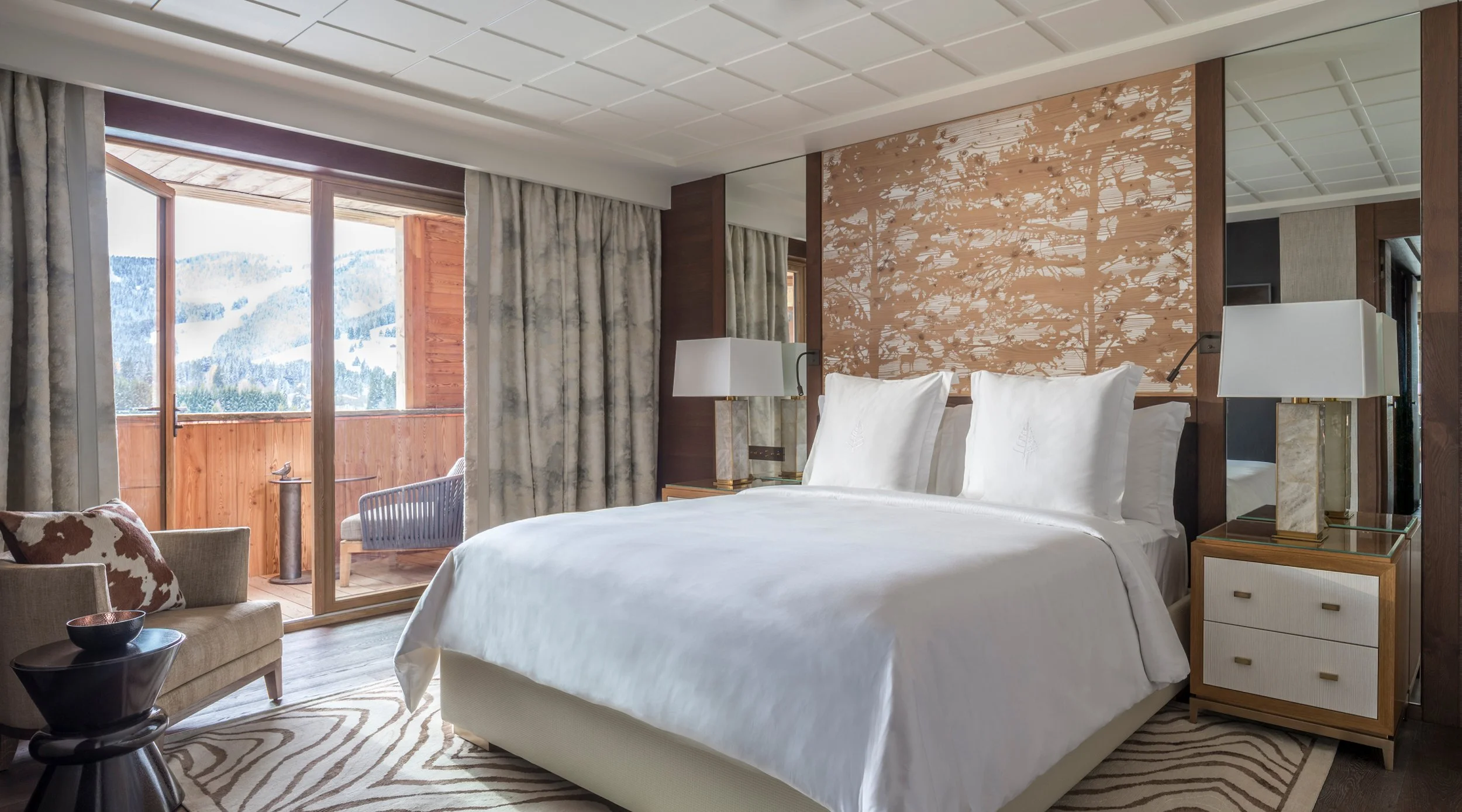
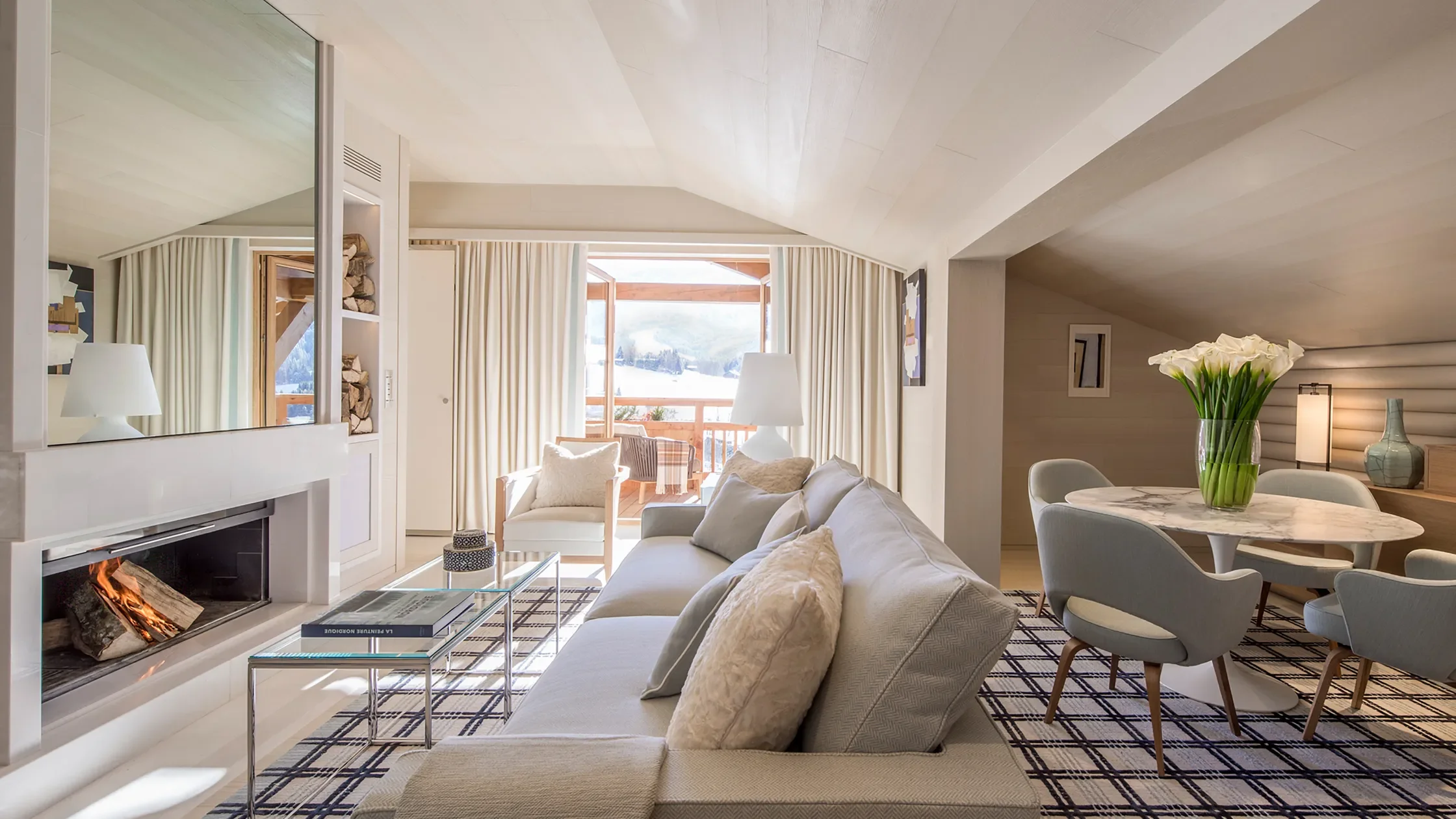
Guest rooms continue the same approach. Alpine references remain visible in the materials, yet upholstered seating, substantial bathrooms and residential layouts prevent them from feeling themed. The result is more private mountain residence than conventional ski hotel.
From Mountain Rooms to Entire-Floor Suites
The accommodation collection ranges from relatively compact rooms for couples to multi-bedroom suites designed for extended families and groups. Views, balconies, sleeping arrangements and the separation between living and sleeping areas are among the most useful distinctions when choosing a category.
Superior Room: Approximately 376–398 sq. ft., with one king bed or two twin beds, warm Alpine materials, mountain-facing surroundings and a full bathroom, providing the most compact entry point to the resort’s accommodation collection while remaining comfortable for a couple.
Deluxe Room: Approximately 409–581 sq. ft., with one king bed or two twin beds, more generous proportions than the Superior category and layouts that may include stronger connections to the mountain setting through windows and outdoor space.
Prestige Room Mountain View: Approximately 387–592 sq. ft., with one king bed or two twin beds, mountain views and a more spacious layout, with accessible configurations available within this category and exact room features best confirmed at the time of booking.
Premium Room: Approximately 452–473 sq. ft., with one king bed or two twin beds, a sofa bed and room for a crib, providing additional sleeping flexibility for families within the hotel’s stated occupancy limits.
Four Seasons Room Mountain View: Approximately 430–462 sq. ft., with one king bed or two twin beds, a sofa bed, mountain views and a more residential arrangement that works particularly well for families wanting extra flexibility within a single room.
One-Bedroom Suite: Approximately 742–969 sq. ft., with a king bedroom separated from the living space, additional sleeping capacity through a rollaway or sofa bed, and enough separation to allow different routines within the suite.
Deluxe One-Bedroom Suite: Approximately 839–1,076 sq. ft., with a king bedroom, separate living areas and additional sleeping flexibility, giving longer stays or families more space to settle in without moving immediately into a specialty suite.
Suite Rochebrune: Approximately 871 sq. ft., with a king bedroom, separate living space, a sofa bed available on request and an elevated position within the resort, combining a defined one-bedroom layout with broad mountain surroundings.
Suite Mont d’Arbois: Approximately 1,280 sq. ft., with a king bedroom, separate living areas and substantial shared space, making it particularly suitable for a couple or small family wanting the atmosphere of a private Alpine residence.
Suite des Aravis: Approximately 1,517 sq. ft., with a king bedroom, generous living areas and the possibility of creating larger configurations through adjoining rooms when available, making it useful for families travelling together but wanting some separation.
Suite des Alpes: Approximately 1,785 sq. ft., with three king bedrooms and rollaway capacity, offering a true multi-bedroom arrangement for larger families or groups who want shared living space without depending on separate hotel rooms.
Suite Mont Blanc: Approximately 3,864 sq. ft., with five bedrooms configured with four king beds and one zip-twin bed, a sofa bed and expansive shared living areas, creating the resort’s most substantial accommodation for large families and groups.
For us, the distinction between the larger suites is more useful than simply comparing floor area. Suite Mont d’Arbois concentrates its space into a generous one-bedroom arrangement, while Suite des Alpes and Suite Mont Blanc are designed around multiple bedrooms and shared gathering areas. Larger configurations and adjoining-room arrangements should be secured early during peak holiday periods.
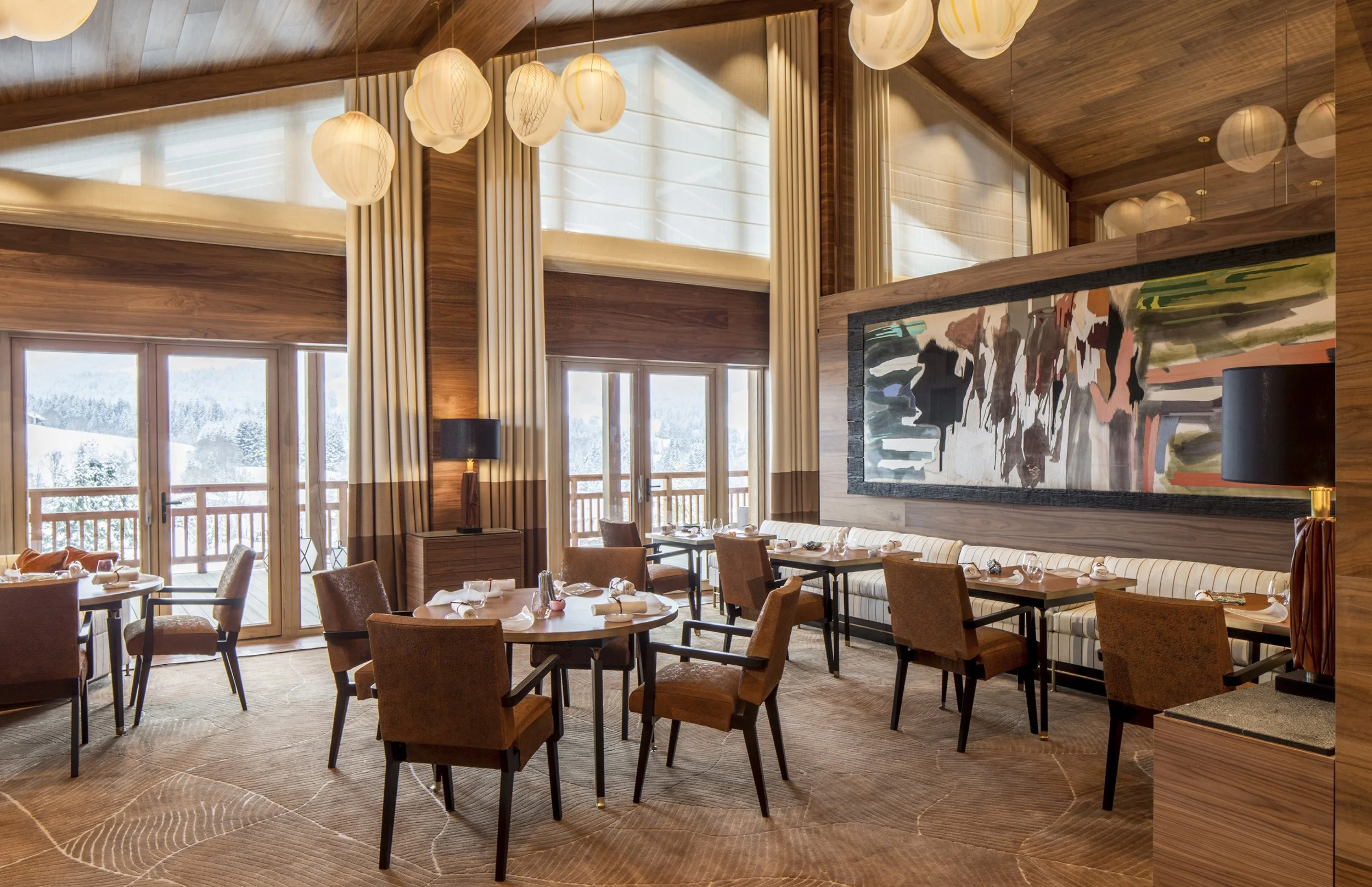
French Brasserie Cooking, Nikkei Cuisine and a Remarkable Cellar
Dining at Four Seasons Resort Megève moves between French cooking, Japanese flavours and more casual Alpine meals. Seasonal operation matters, particularly between the summer and winter openings, so individual venues should always be confirmed for the dates of a stay.
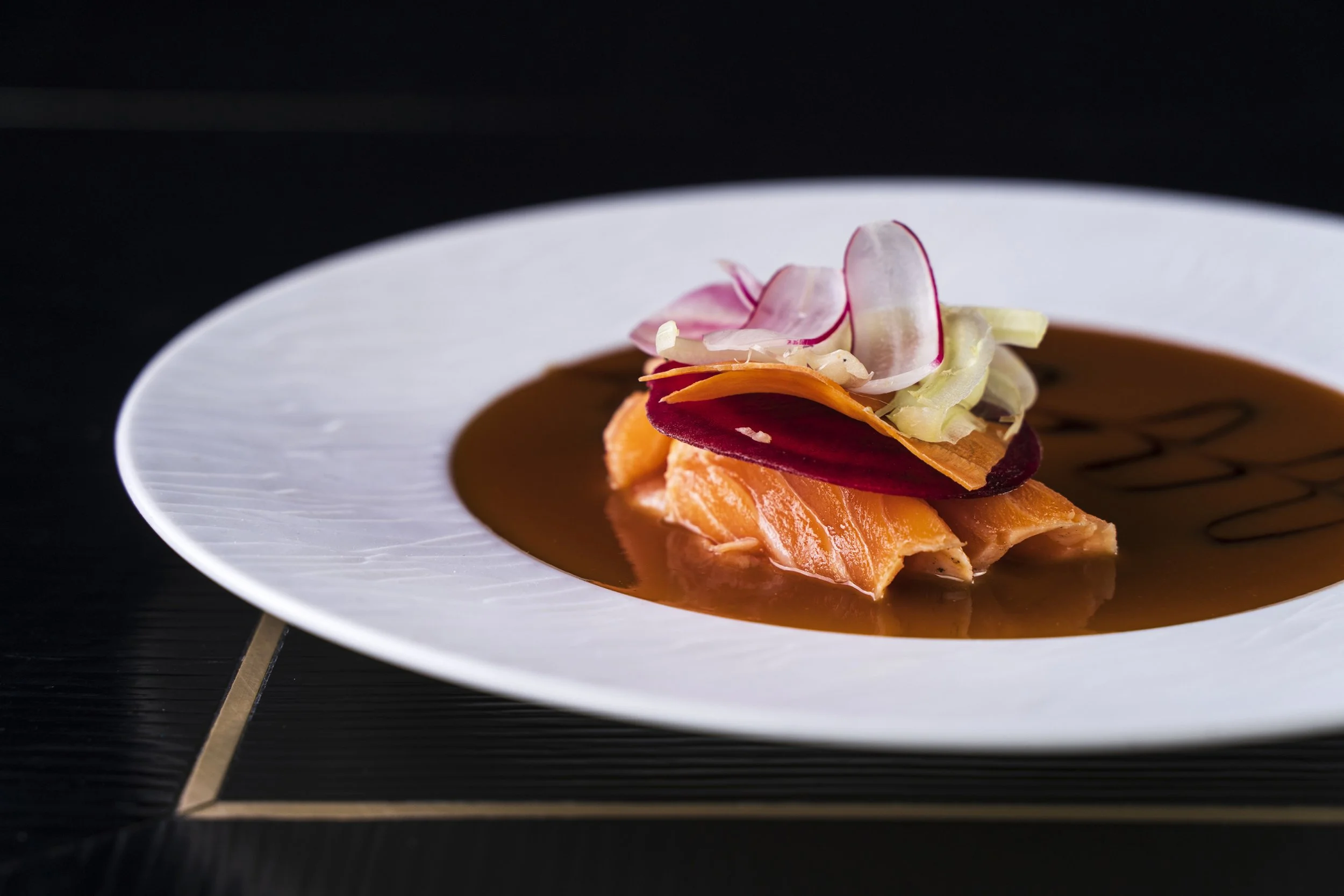
Brasserie Benjamin: French cuisine by Chef Armando Acquaviva focuses on seasonality and Alpine ingredients, with contemporary interpretations of brasserie cooking complemented by desserts from Pastry Chef Jonathan Chapuy and views toward the surrounding peaks.
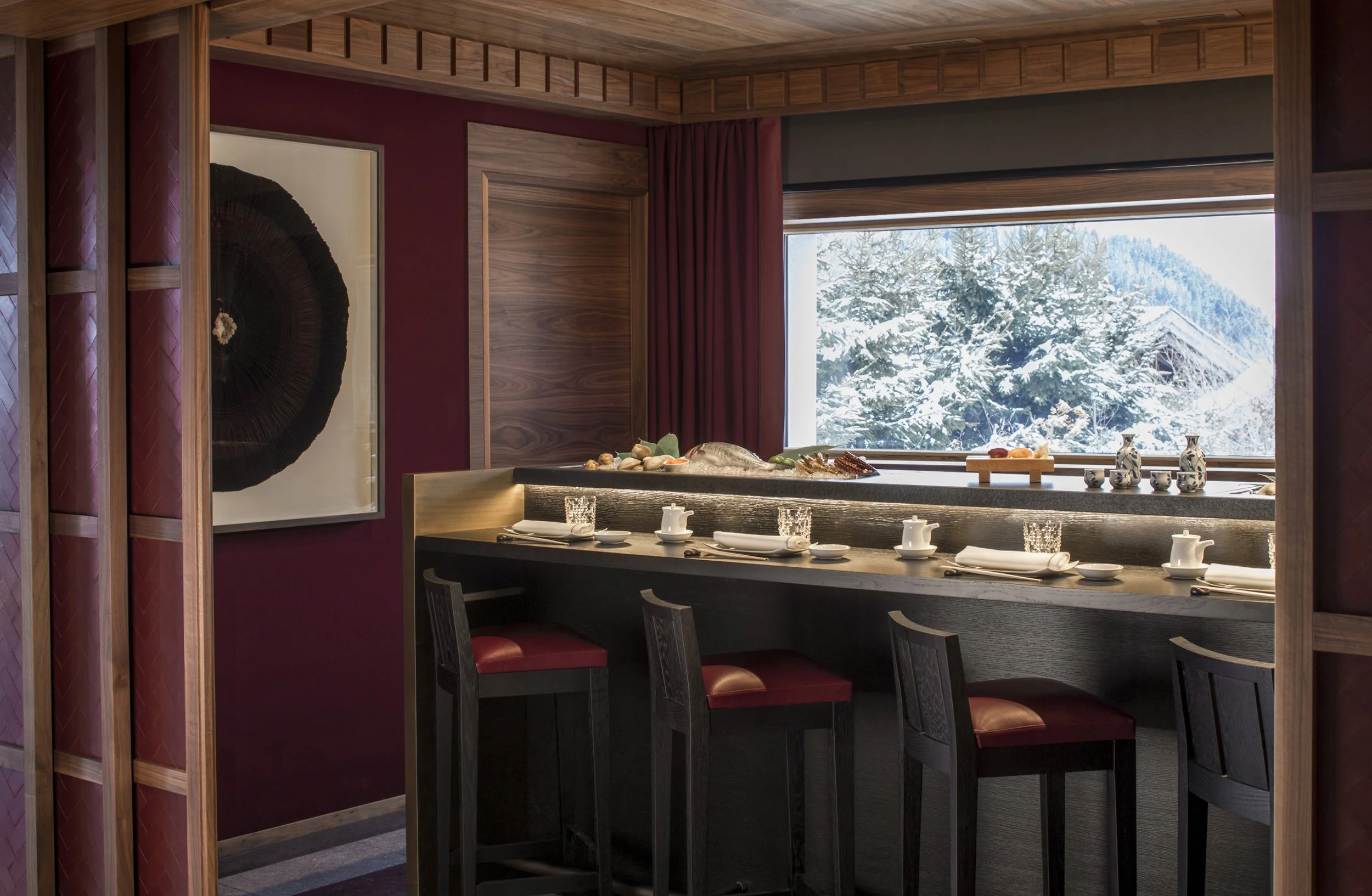
Kaito: Japanese cuisine with Nikkei influences combines refined Japanese techniques with Peruvian flavours and seasonal Alpine ingredients, offering sushi and other dishes in a setting that contrasts deliberately with the resort’s more traditional French options.
Edmond’s: A relaxed bistro-style setting provides a less formal option for meals between activities, with seasonal dishes and familiar favourites served in surroundings designed for an easier, slower rhythm than the resort’s principal restaurants.
Glass Bar: Gilles Chabrier’s glass artwork gives this lounge a distinct visual identity, while cocktails, afternoon tea and pastry make it suitable for the transition from daytime activities into the evening.
Wine Cellar: The resort’s two-level cellar contains more than 17,000 bottles and can host intimate tastings and private experiences by arrangement, making it one of the property’s most distinctive spaces for wine-focused evenings.
Cigar Room: A dedicated lounge provides a more secluded setting for cigars and spirits, with mountain and valley views reinforcing its quieter, after-dinner character.
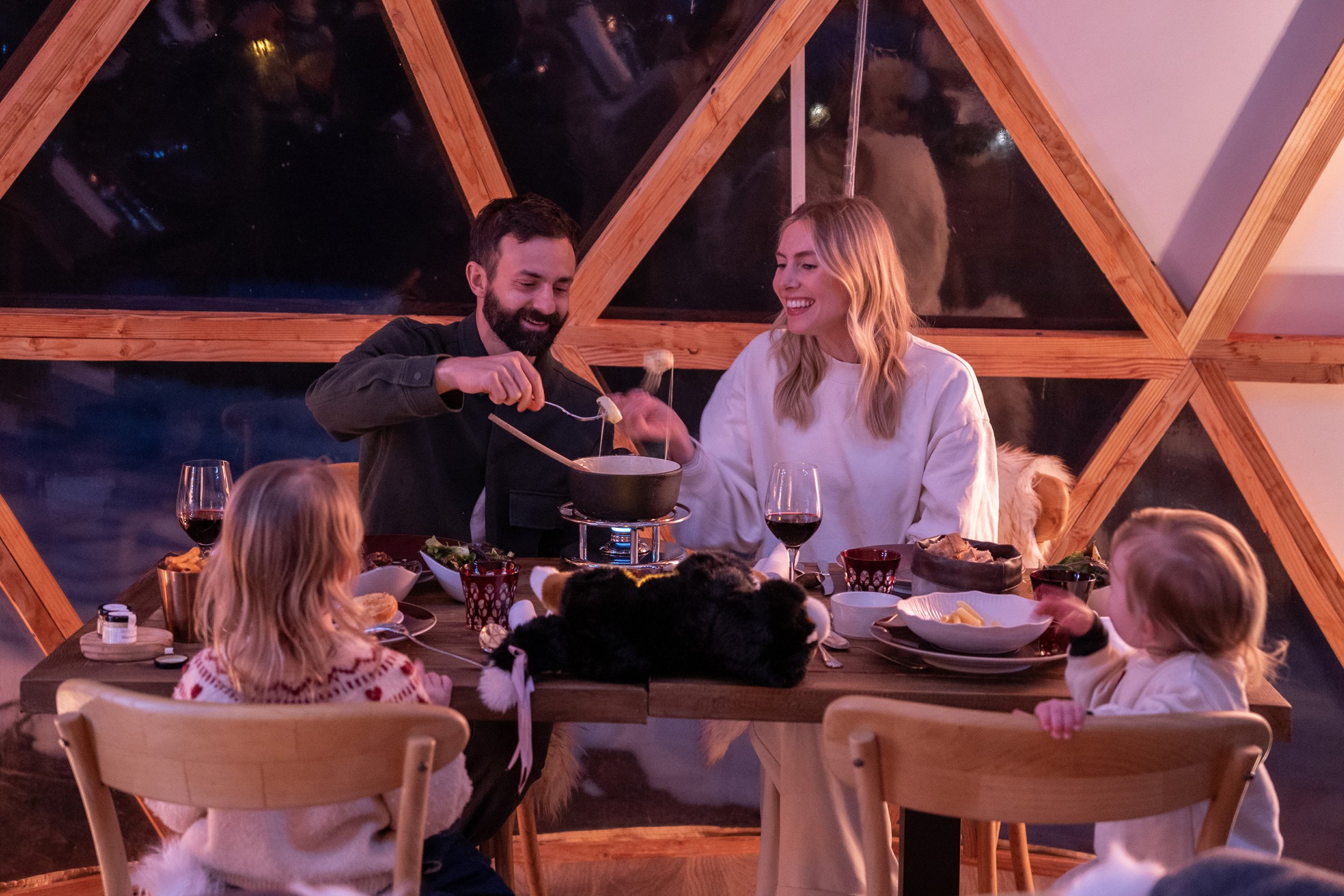
Seasonal Fondue Experience: A winter fondue experience brings Savoyard traditions into a more private setting, with availability, location and format dependent on the seasonal programme and best arranged in advance.
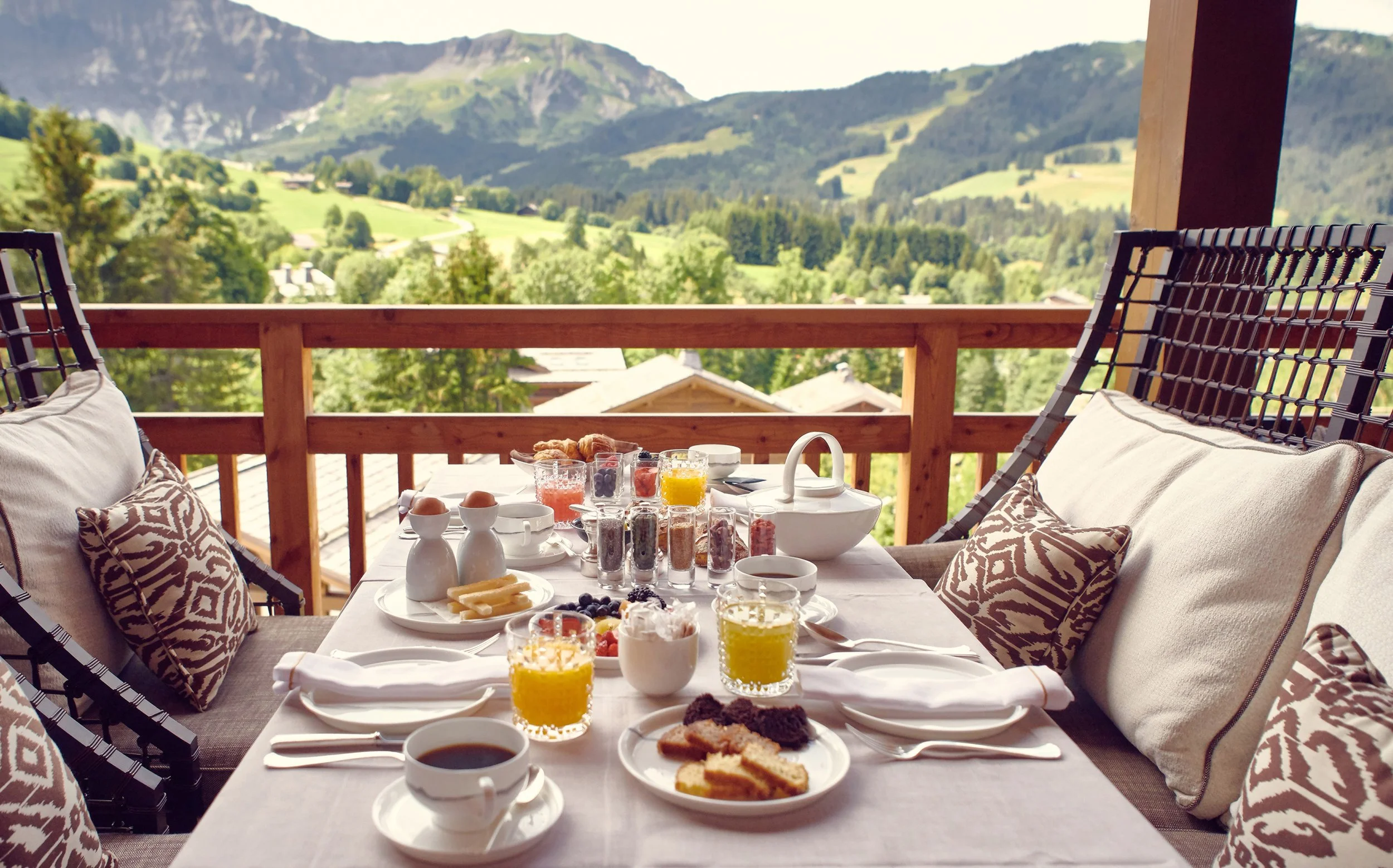
Breakfast: Morning dining combines breads, pastries, hot dishes and lighter options, creating a substantial start before skiing, hiking or golf without requiring the evening restaurants to serve the same purpose.
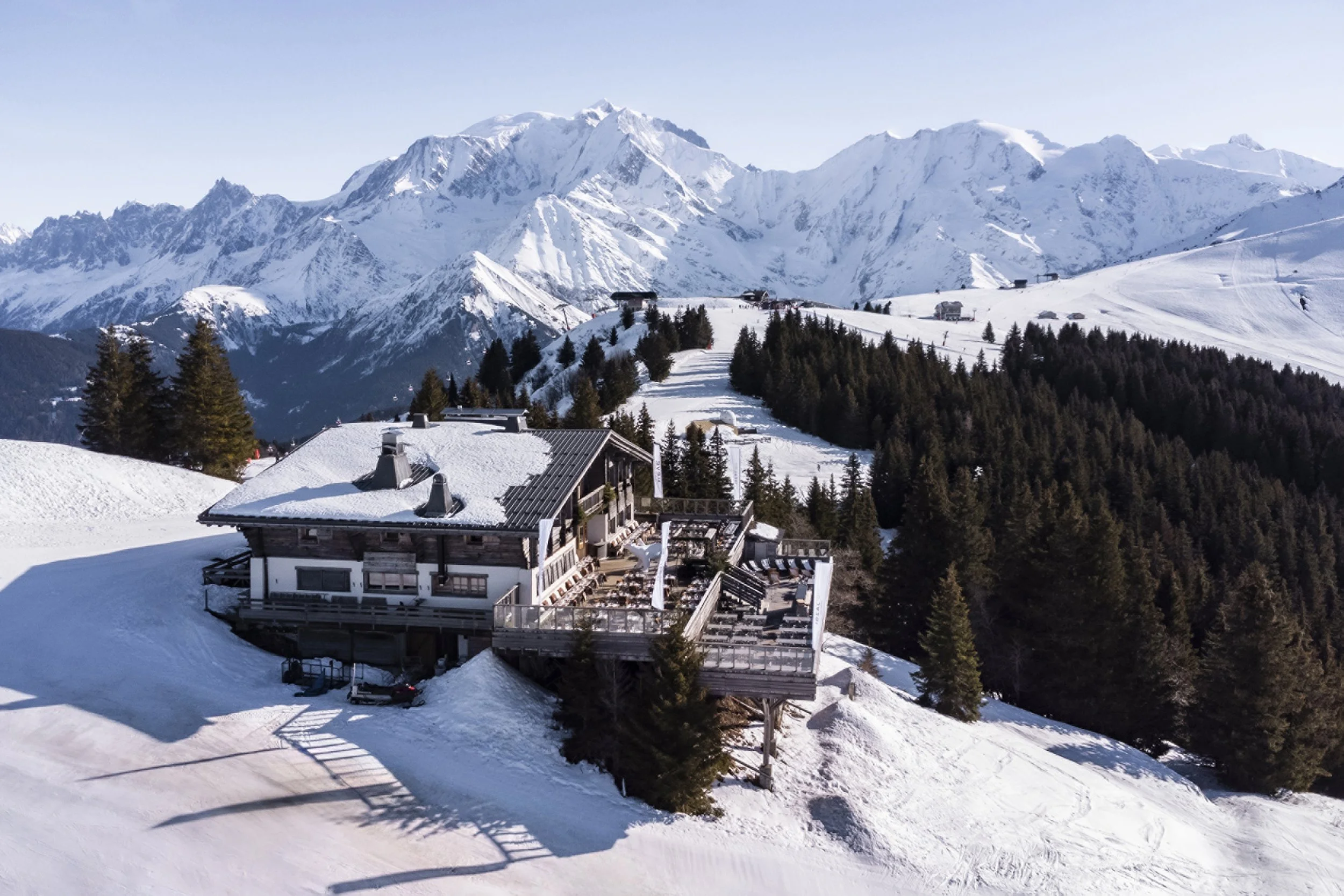
Idéal 1850 – Off Property: Located higher on Mont d’Arbois, Idéal 1850 is a separate mountain restaurant reached as part of a day on the slopes, with access dependent on lift operations, weather and seasonal conditions.
In-Room Dining: In-room dining provides an alternative for breakfast, meals and refreshments in the privacy of a room or suite, with specific service periods and overnight availability best confirmed for the applicable season.
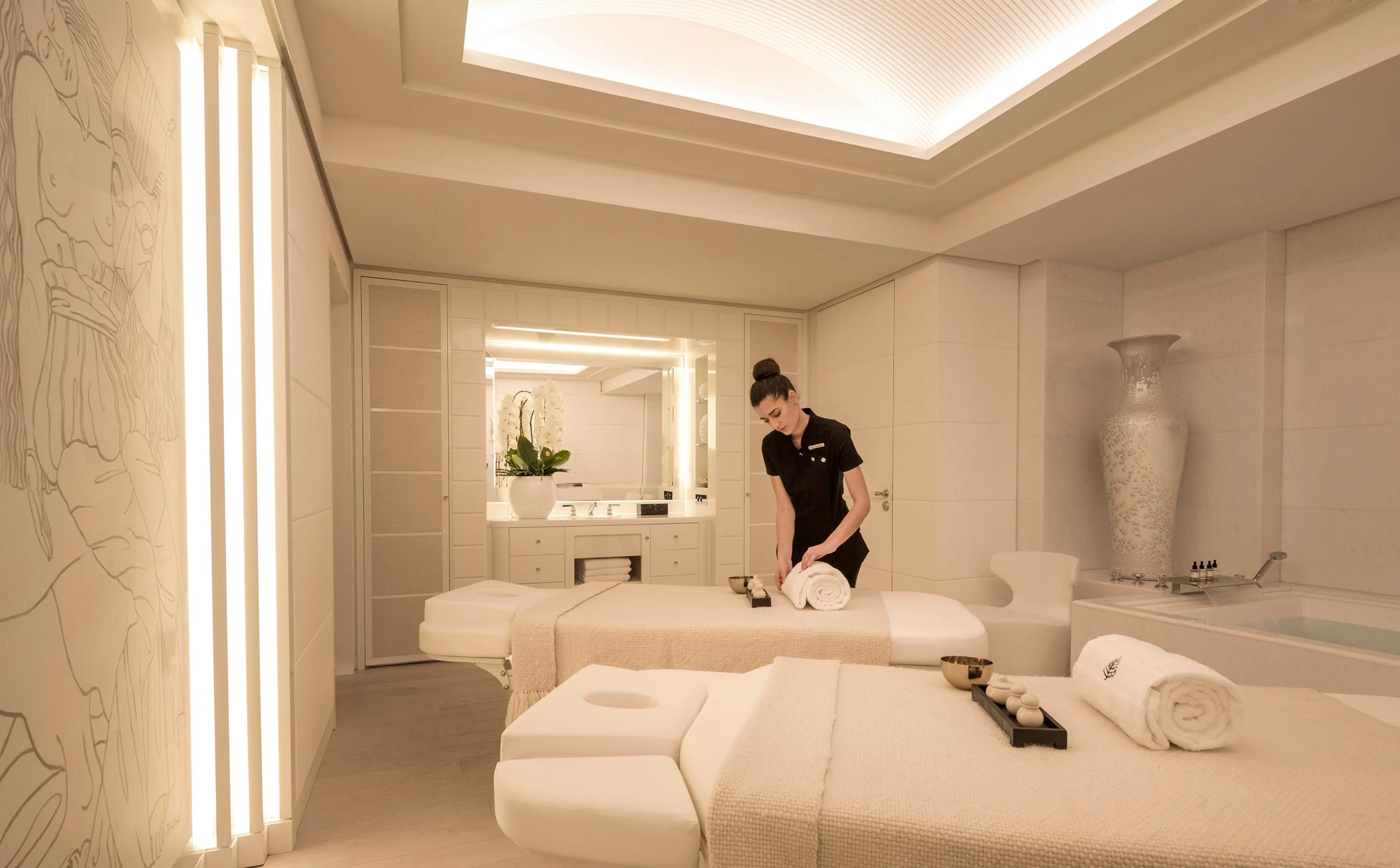
Wellness That Extends Beyond the Treatment Room
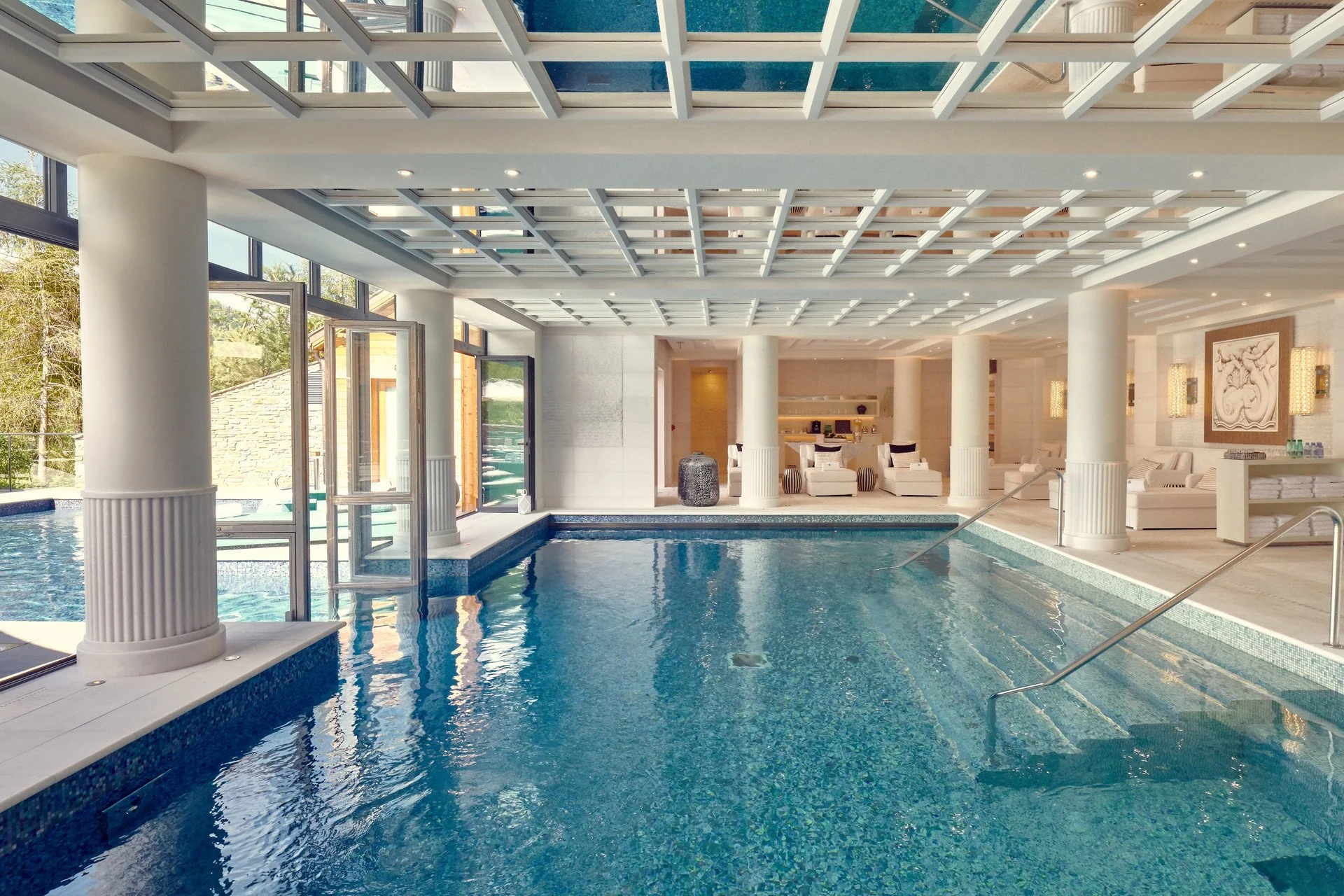
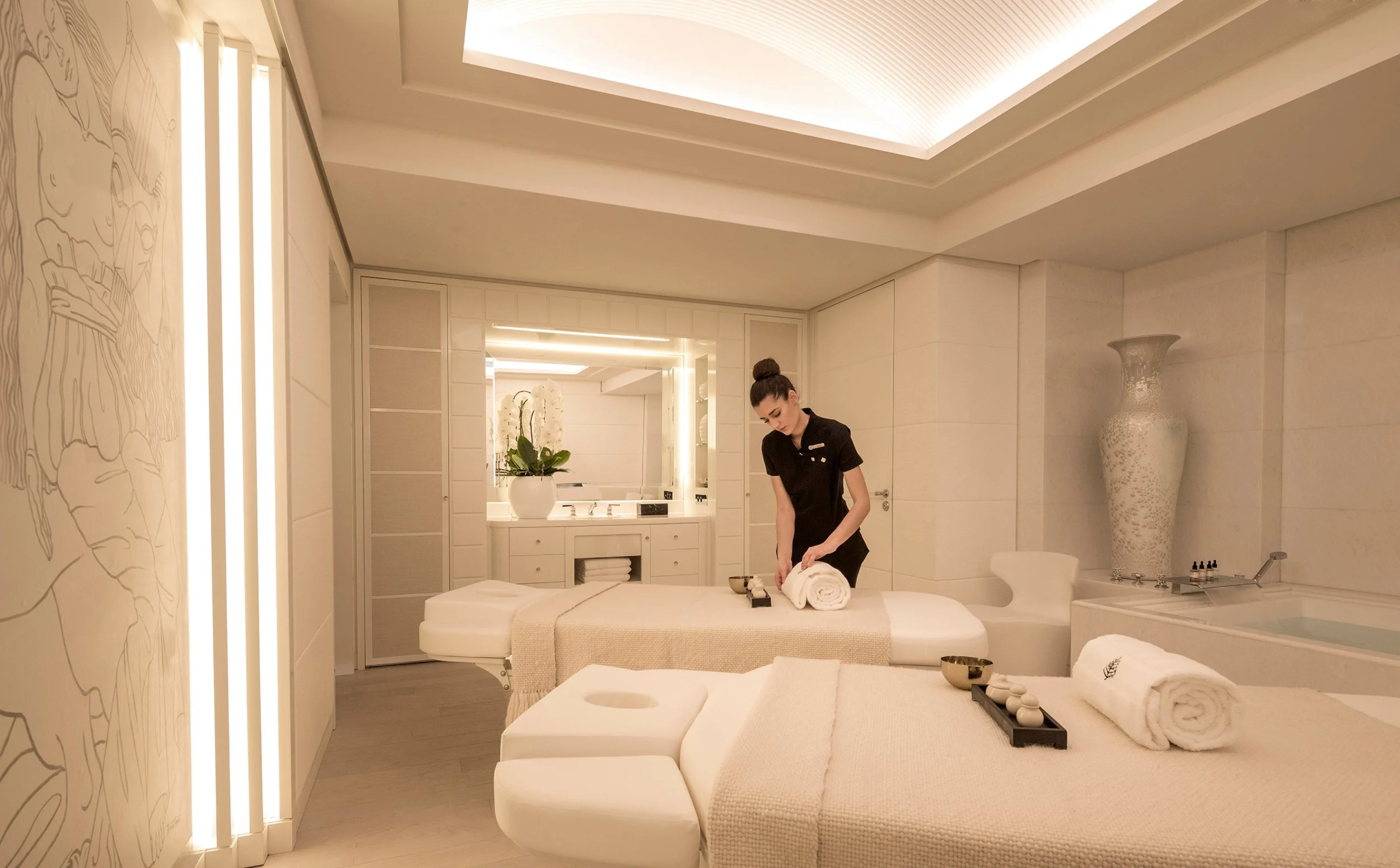
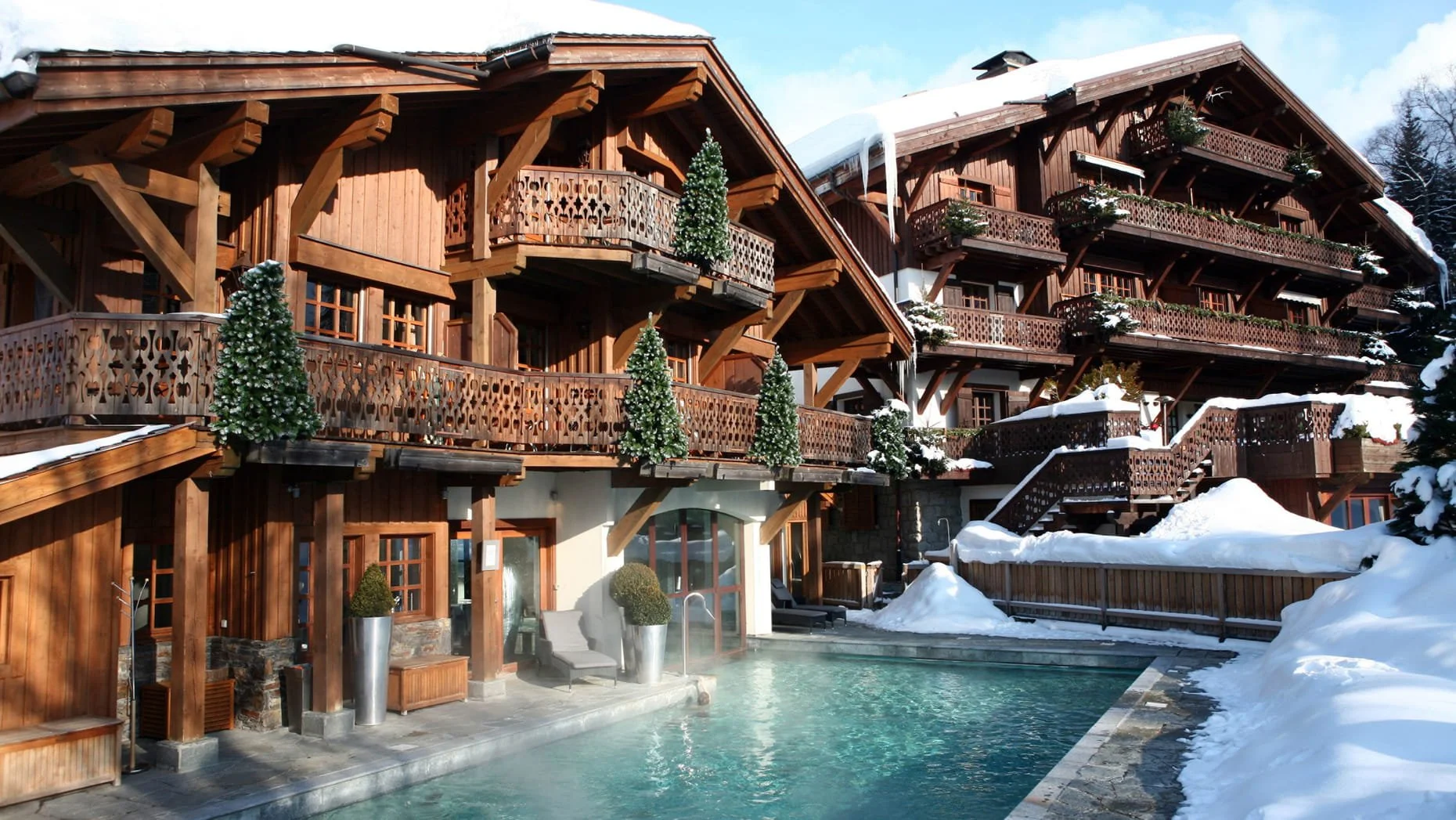
The spa covers nearly 9,700 sq. ft. and is one of the larger wellness facilities in the French Alps. Six treatment rooms include a VIP couples suite, while sauna and steam facilities, relaxation areas and an indoor-outdoor heated swimming pool allow the spa to function as more than a treatment-only space.
The pool is particularly memorable because it extends toward the landscape. Snow and cold air define the experience in winter; summer replaces them with greenery and open mountain views.
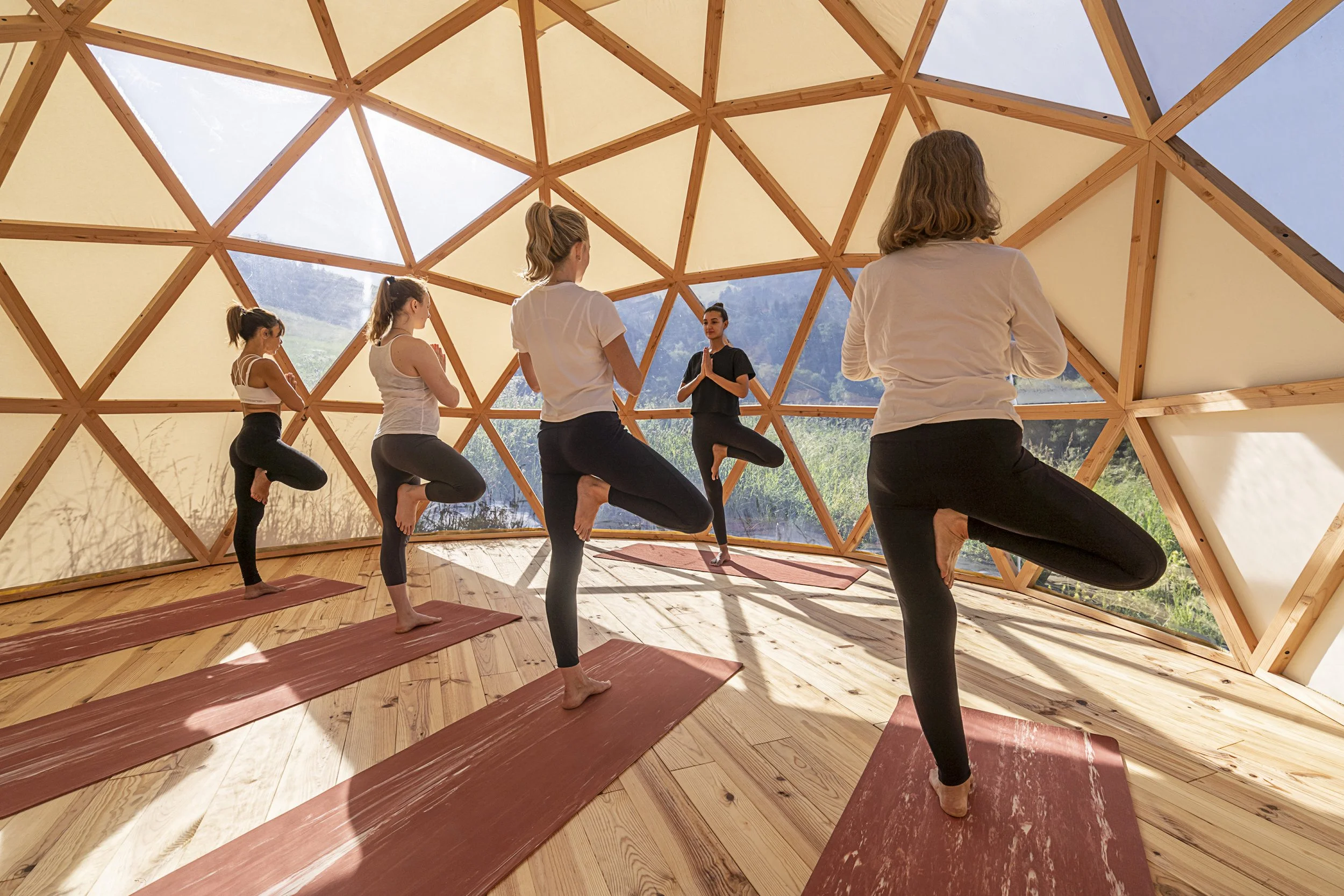
In July 2026, the wellness offering expanded with a new outdoor jacuzzi and a mountain-facing mixed sauna. A separate geodesic wellness dome set in the surrounding landscape hosts arranged yoga, meditation, Pilates and other private sessions, shifting some elements of the wellness programme away from the enclosed spa.
Treatment partnerships continue to evolve. The winter 2026 season introduces myBlend to the spa, so guests seeking a specific treatment brand or programme should confirm what is operating during their stay.
A Technogym fitness centre is available 24 hours a day. This combination works particularly well for mixed-interest parties: one person can ski or golf, another can spend the morning in the spa, and the group can reconvene later without everyone following the same schedule.
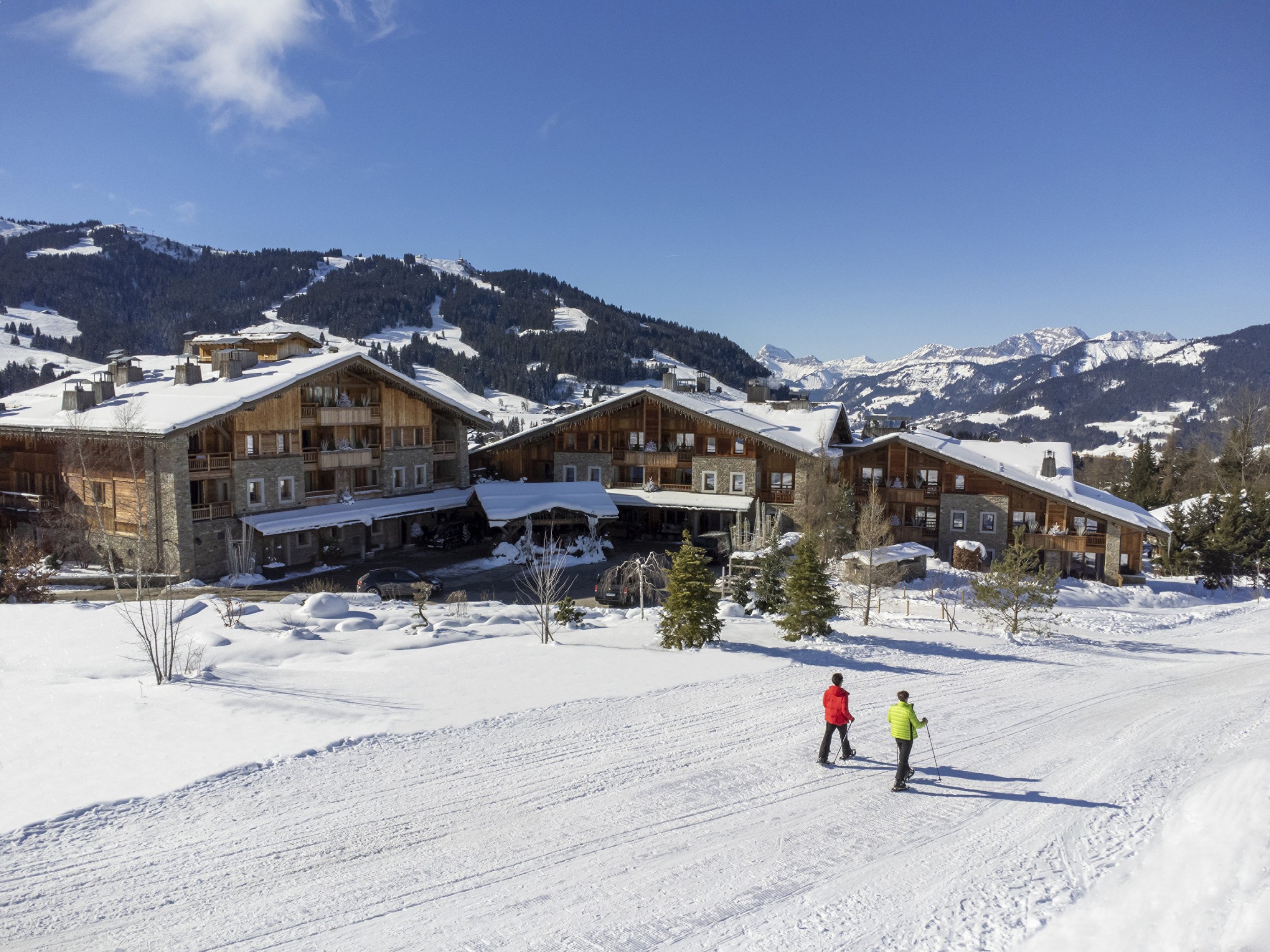
Two Seasons, Two Different Mountain Rhythms
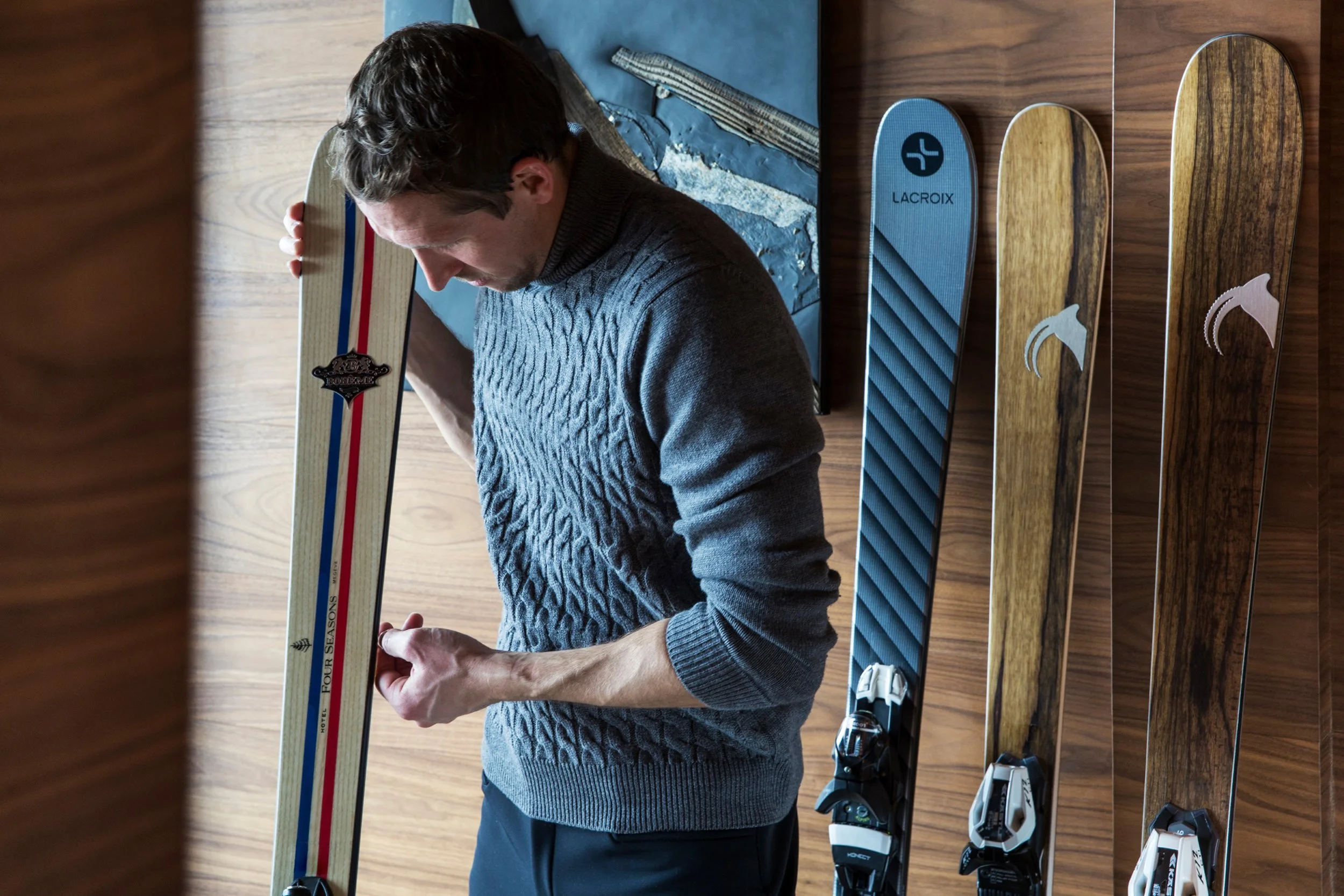
Winter puts skiing at the centre of the resort’s location. Ski-in, ski-out access is available when snow and lift conditions allow, while the resort’s Ski Concierge and Ski Valet assist with equipment, preparation and access to the slopes.
Ski and snowboard instruction can be arranged through the École du Ski Français, while lift passes, equipment and guiding should be treated as separate services unless specifically included within an offer.
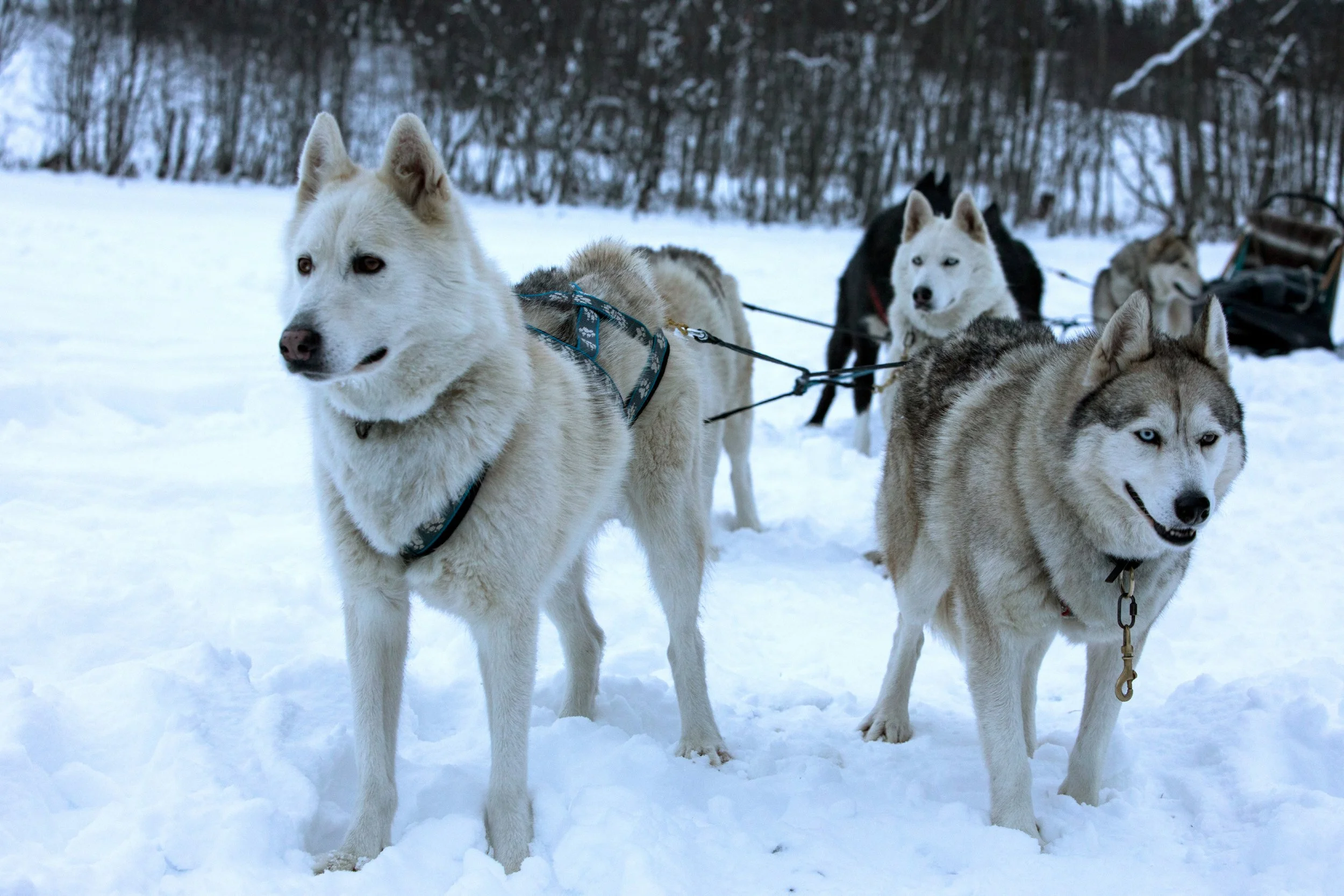
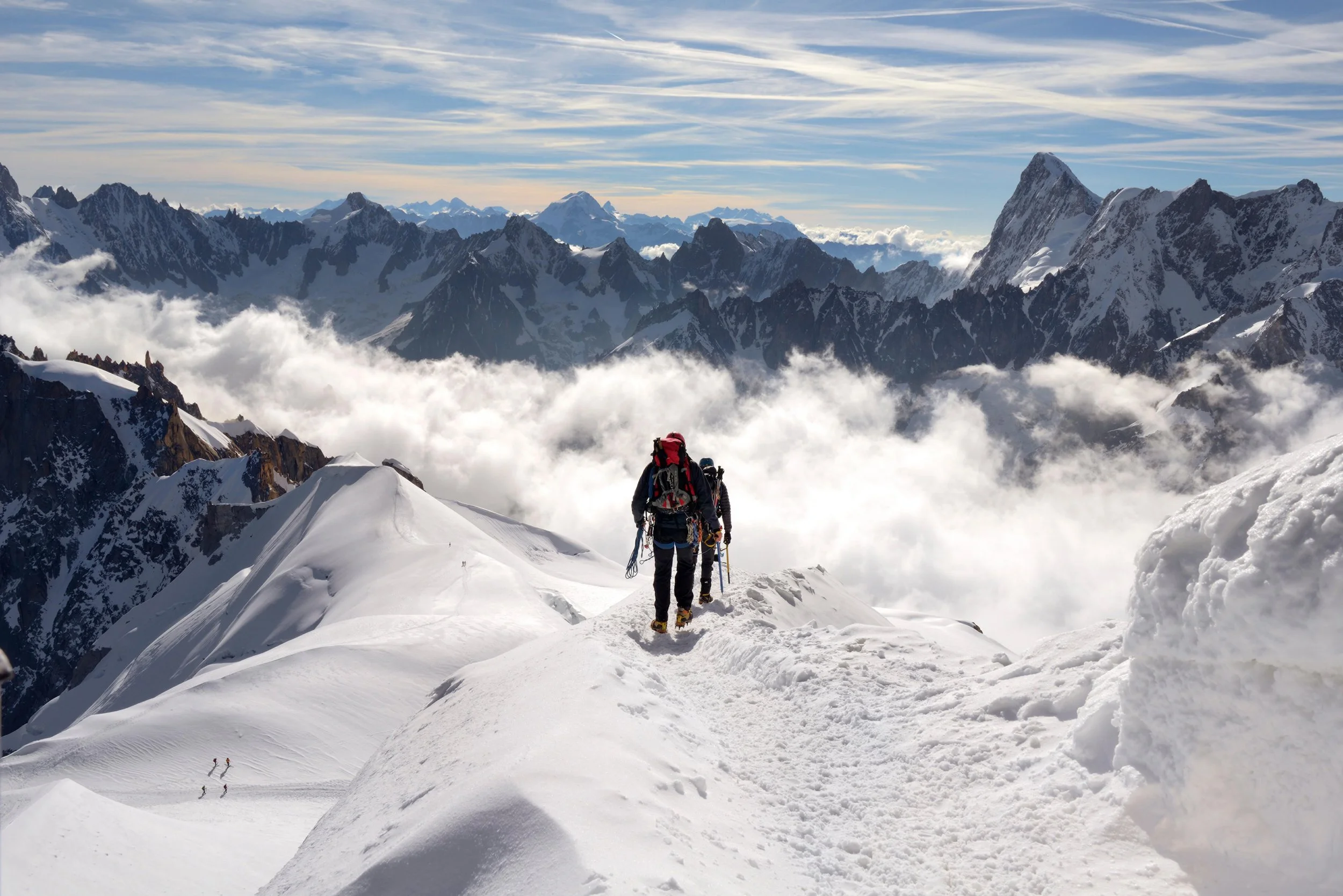
The mountain also provides alternatives to downhill skiing. Snowshoeing, dog sledding, touring and cross-country skiing can form part of a winter itinerary, although availability depends on weather, providers and operating conditions.
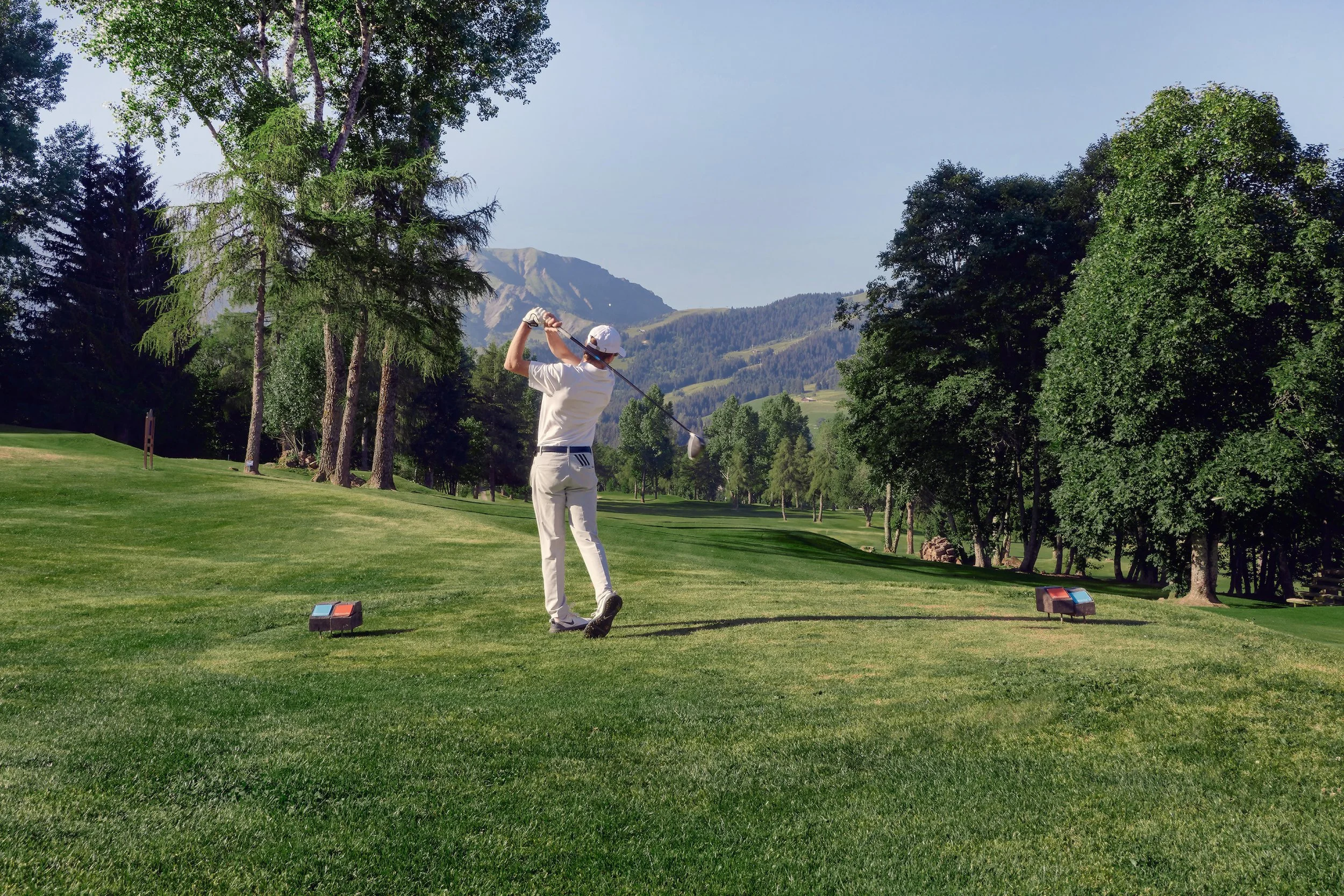
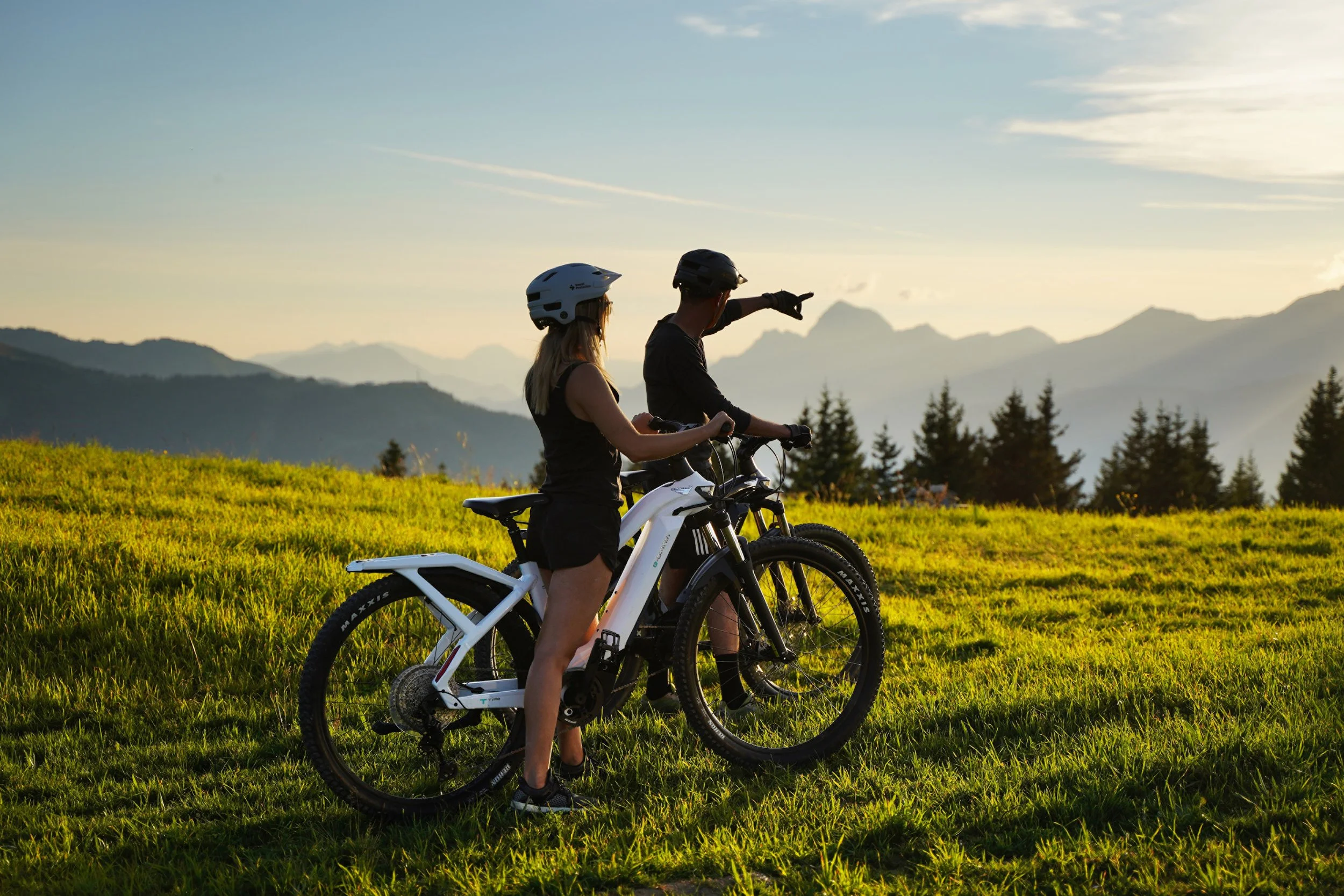
Summer changes the focus completely. Direct access to Golf du Mont d’Arbois places the 18-hole course close to the resort, while hiking and cycling open the surrounding mountains in an entirely different way.
The golf course, originally designed by Henry Cotton, sits on a high plateau and uses the surrounding peaks as part of the visual experience rather than treating golf as an activity detached from the destination.
Walking, mountain biking, picnics and more demanding outdoor activities can also be arranged according to season and ability.
For us, Megève works best when not every day is planned in advance. Weather can change quickly in the Alps, and leaving room to substitute a long mountain outing for an afternoon in the spa or village often produces a better stay than adhering to a rigid itinerary.
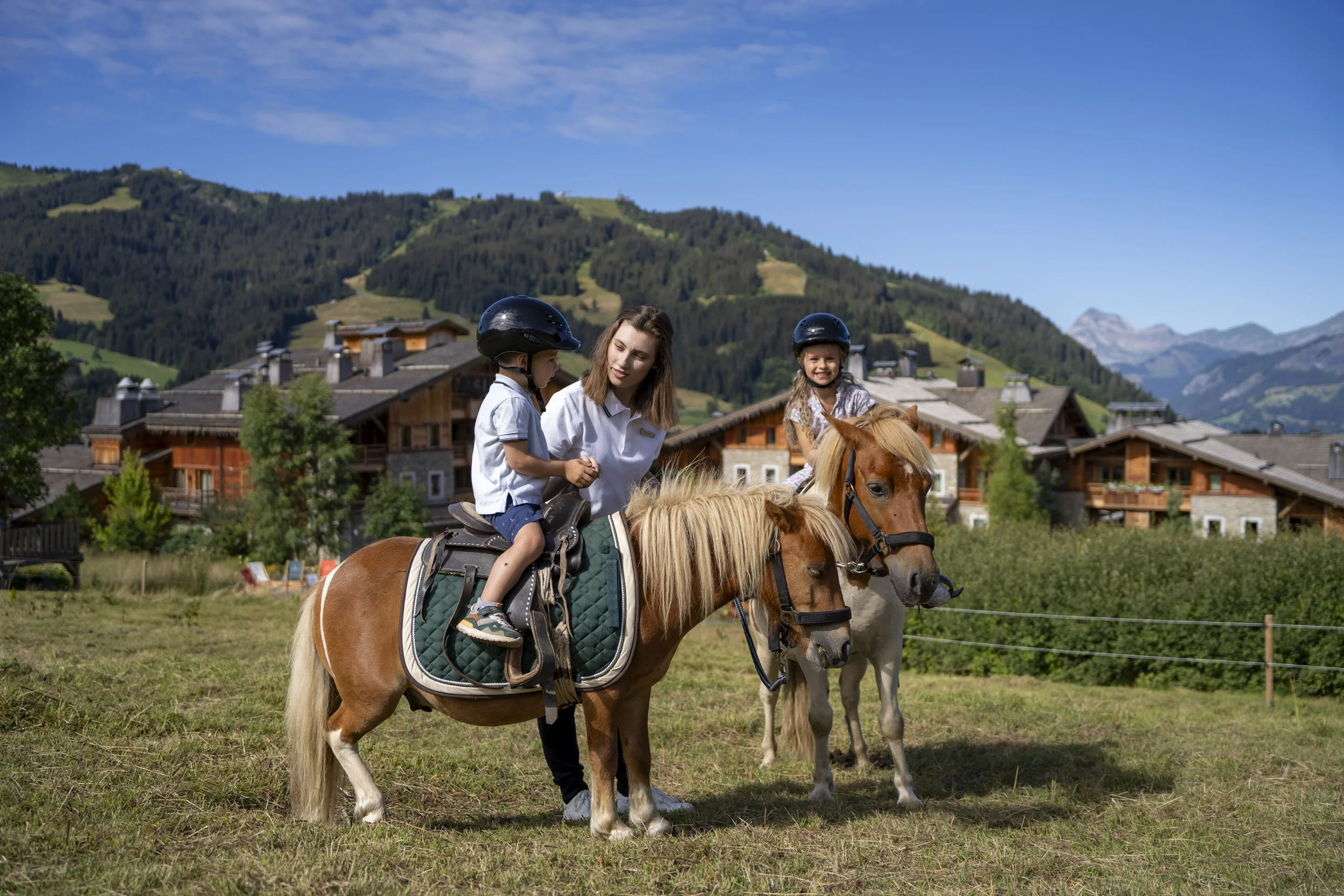
Mountain Holidays Across Generations
Four Seasons Resort Megève is particularly well equipped for families, but the details vary by season and school-holiday period.
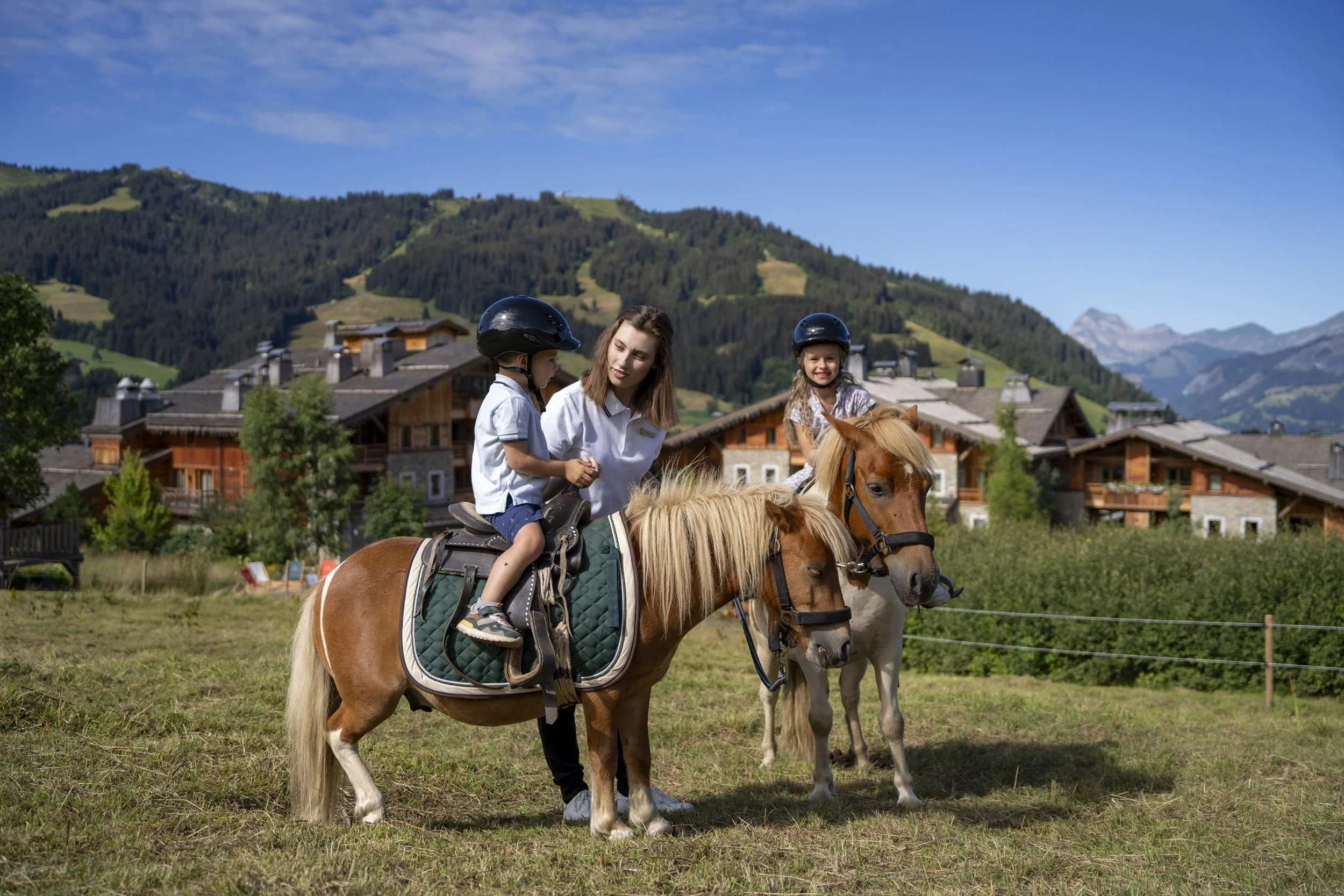
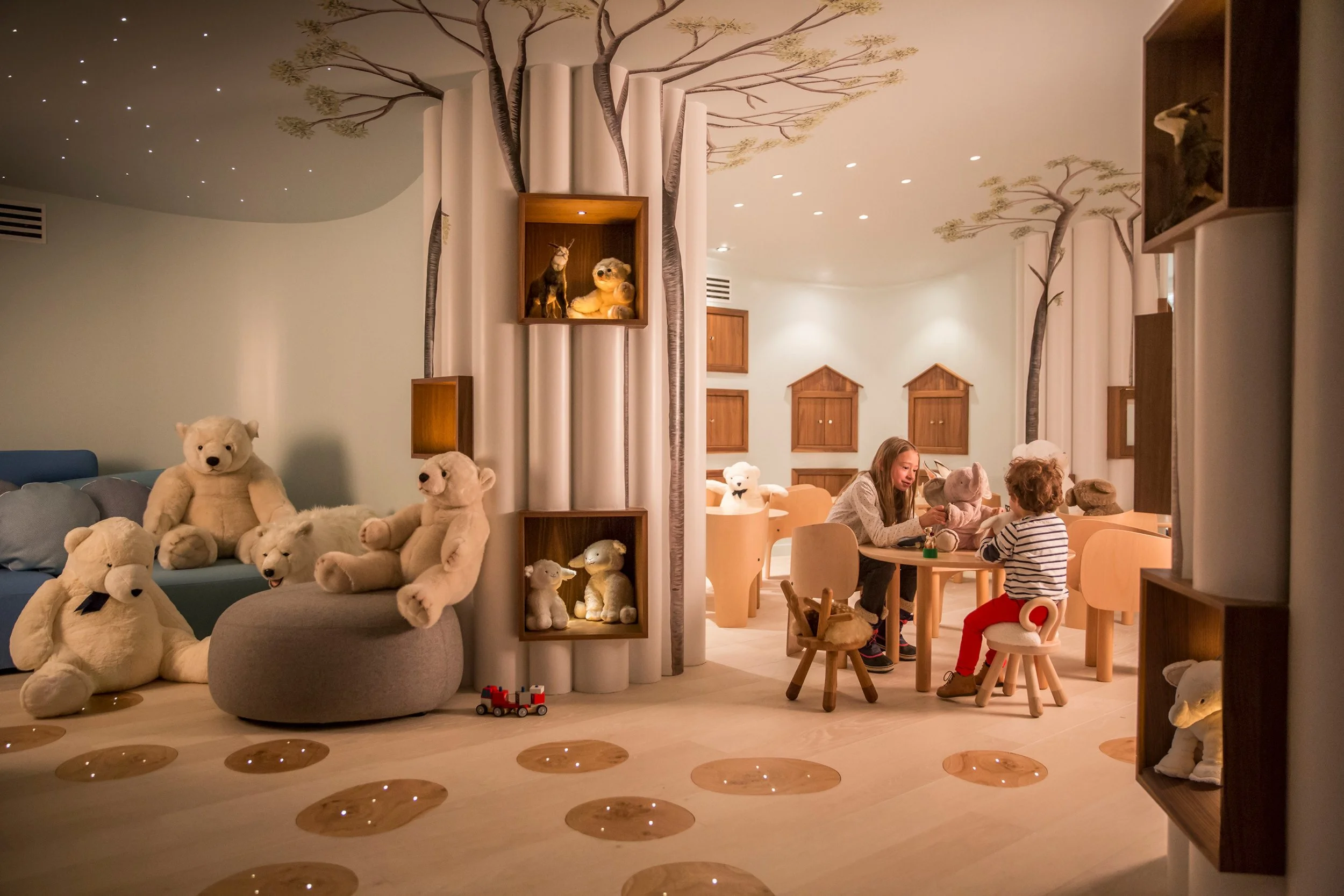
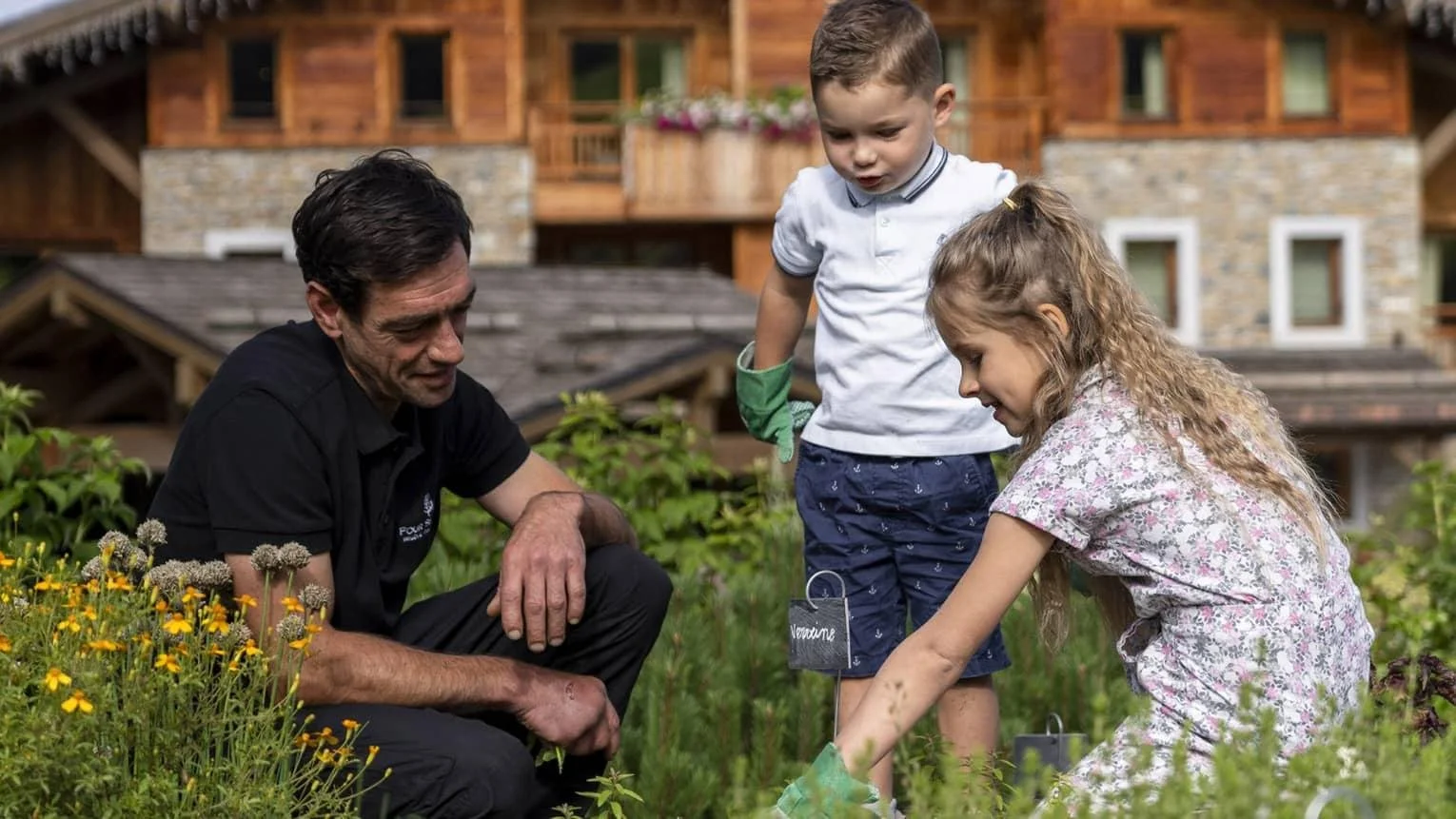
The Kids Club operates during selected summer and winter school holidays and welcomes children approximately three to twelve years old, with organised programmes that may include arts and crafts, games, carriage rides, snow activities in winter and visits to the mini-farm in summer.
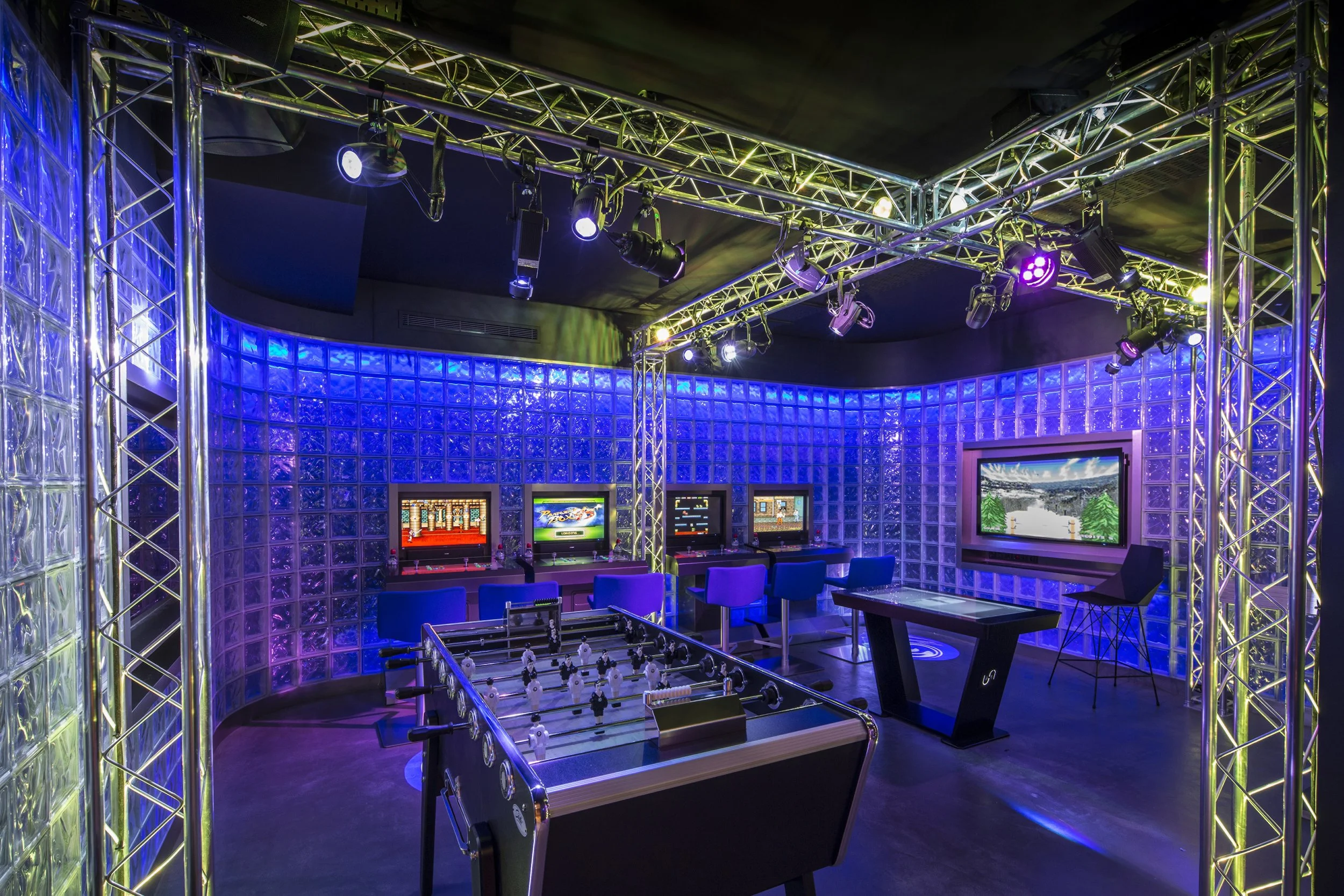
Older children have access to the Teen Zone, a separate space with games, a home theatre and social areas. It should be regarded as a dedicated entertainment area rather than continuous supervised childcare.
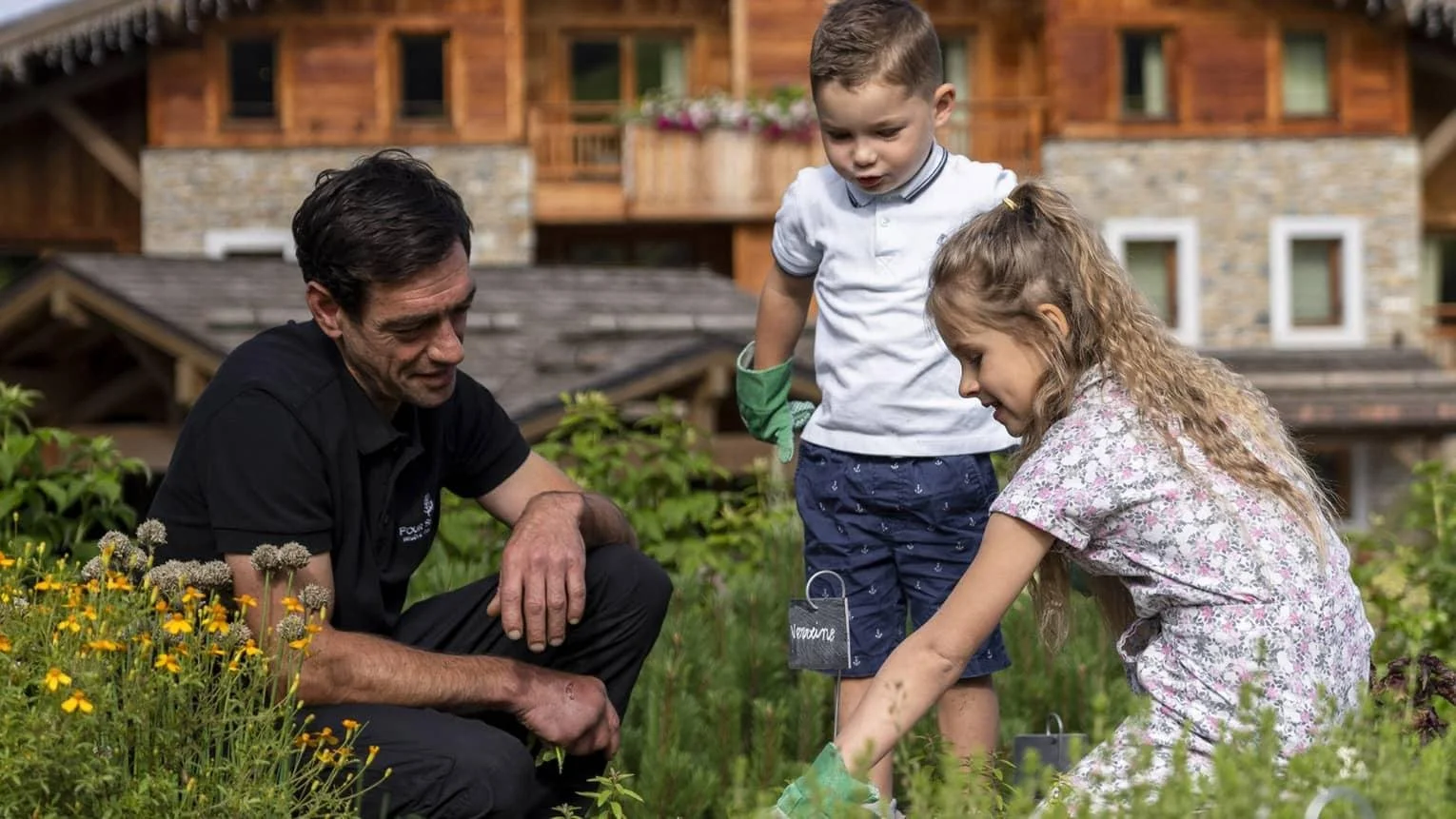
The resort’s mini-farm is a particularly appealing summer feature, with ponies, chickens and other animals creating a simple break from more structured mountain activities.
Babysitting can be arranged through the resort, although notice periods, charges and availability should be confirmed in advance.
Families also benefit from sofa beds, multi-bedroom specialty suites and connecting arrangements. Occupancy limits vary by category, so exact configurations matter more than simply booking rooms next to one another.
Specific Steps Behind the Resort’s Sustainability Programme
The resort documents a number of practical sustainability measures rather than relying on broad environmental claims.
Food sourcing incorporates local and seasonal products where possible, while the property has adopted cage-free eggs and reduced selected single-use plastics.
Operational monitoring includes energy, water, waste and greenhouse-gas emissions, allowing the resort to track resource use rather than treating sustainability as a purely guest-facing programme.
Electric-vehicle charging stations provide an option for guests arriving by car, while bicycles and walking routes reduce the need for short vehicle journeys during appropriate seasons.
The resort has also participated in initiatives involving waste reduction, recycling and community partnerships, including the collection of used toiletries through UNISOAP and donations of suitable furniture and linens through Emmaüs.
These measures are best understood as ongoing operational practices rather than evidence that the property has eliminated its environmental impact. Group-level Four Seasons targets should also remain separate from results demonstrated specifically at the Megève resort.
Planning for Individual Access Requirements
Four Seasons Resort Megève identifies accessible configurations within the Prestige Room Mountain View category.
Public information does not provide every technical detail, so travellers with specific mobility requirements should confirm the bathroom arrangement, door clearances, bed height and any equipment needed for the exact assigned room.
Routes between the entrance, restaurants, spa and pool should also be discussed in advance where step-free access is important.
Winter creates an additional consideration. Snow, ice and sloping outdoor terrain can affect movement around any Alpine resort, so suitable transfer vehicles and assistance between the hotel and mountain facilities may need to be arranged.
Guests with hearing, vision or other access requirements should similarly confirm the support available for the particular stay rather than assuming that every service or room configuration is identical.
The Village Beyond Mont d’Arbois
Megève deserves time away from the resort.
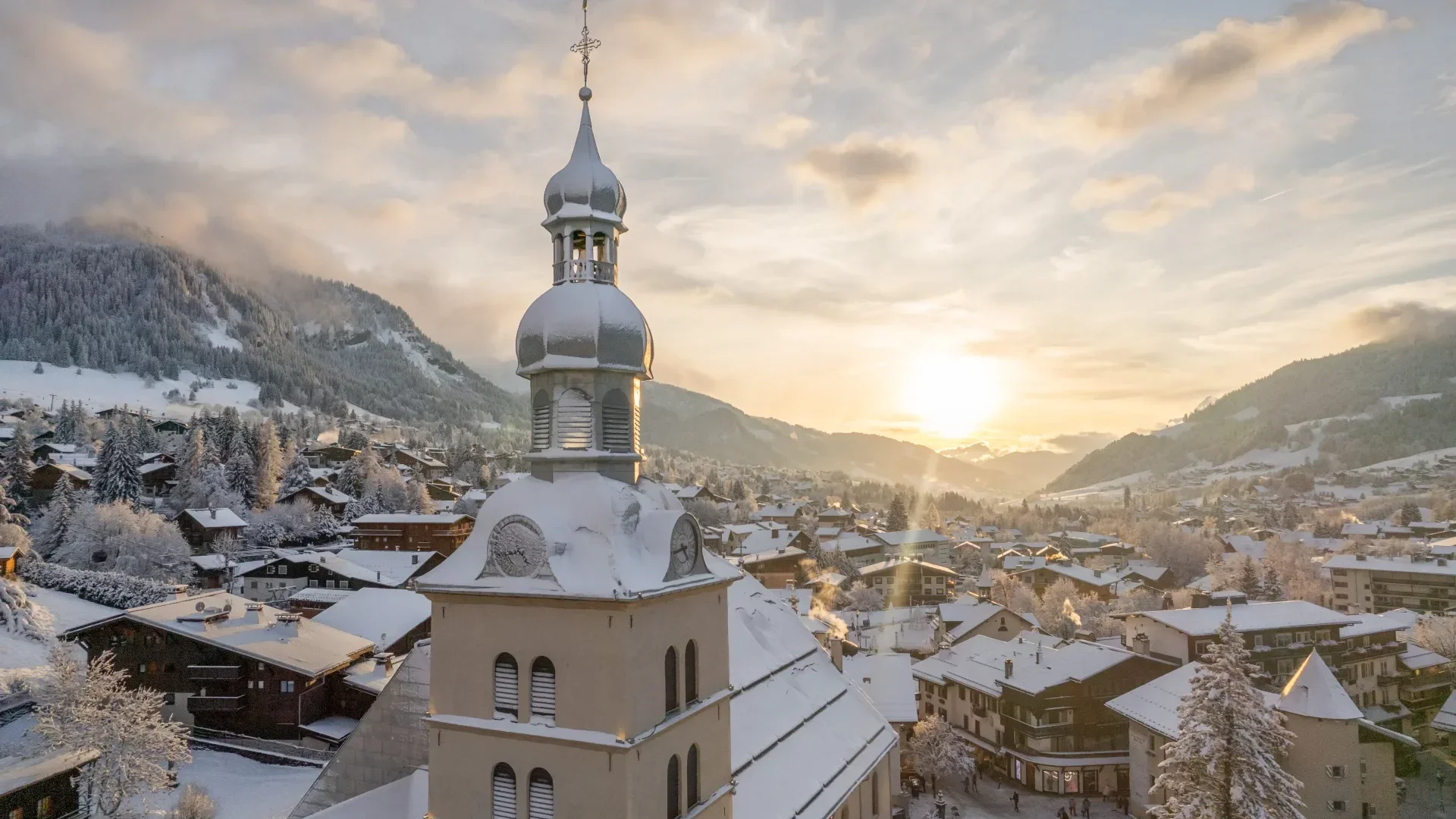
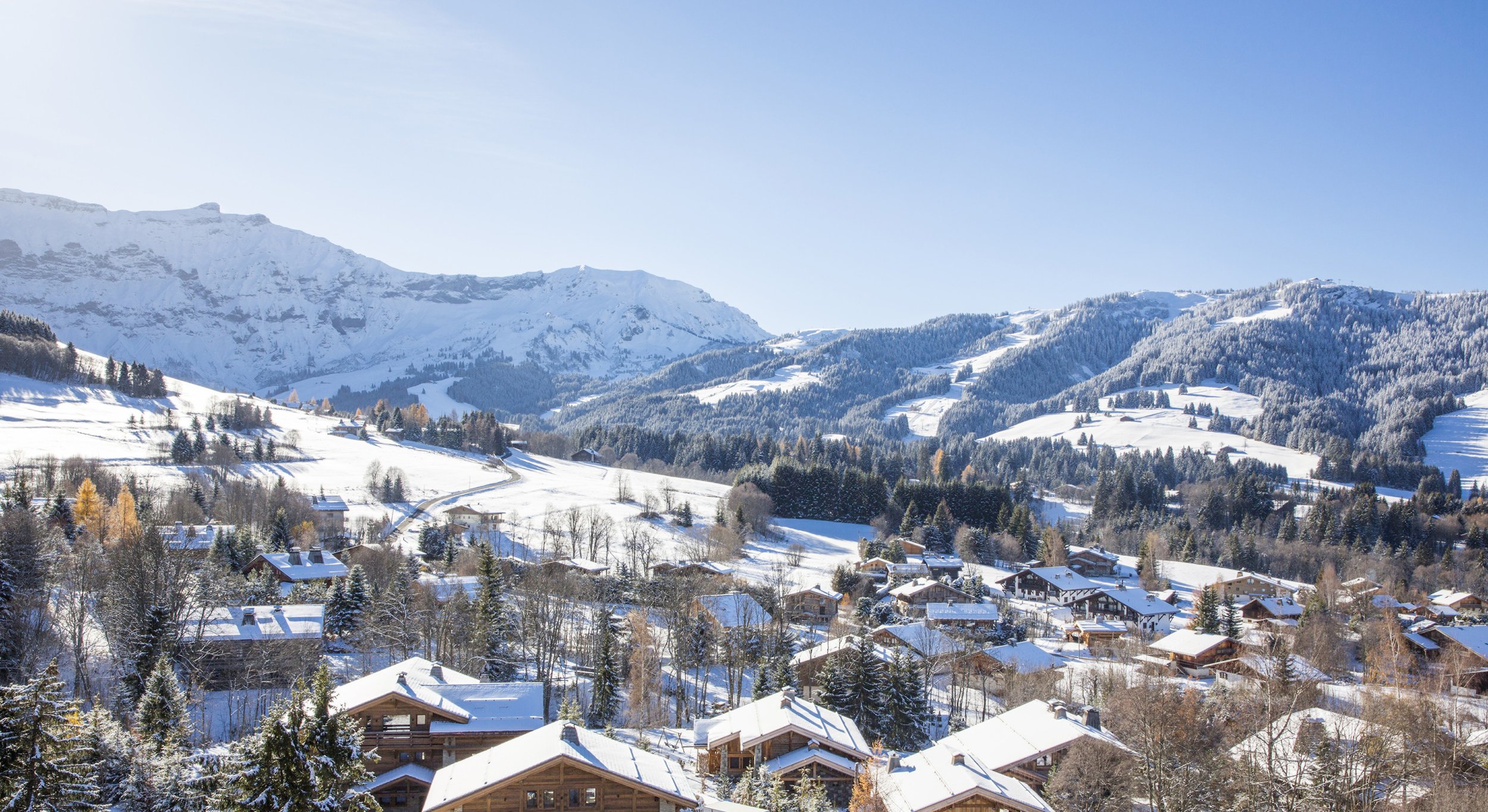
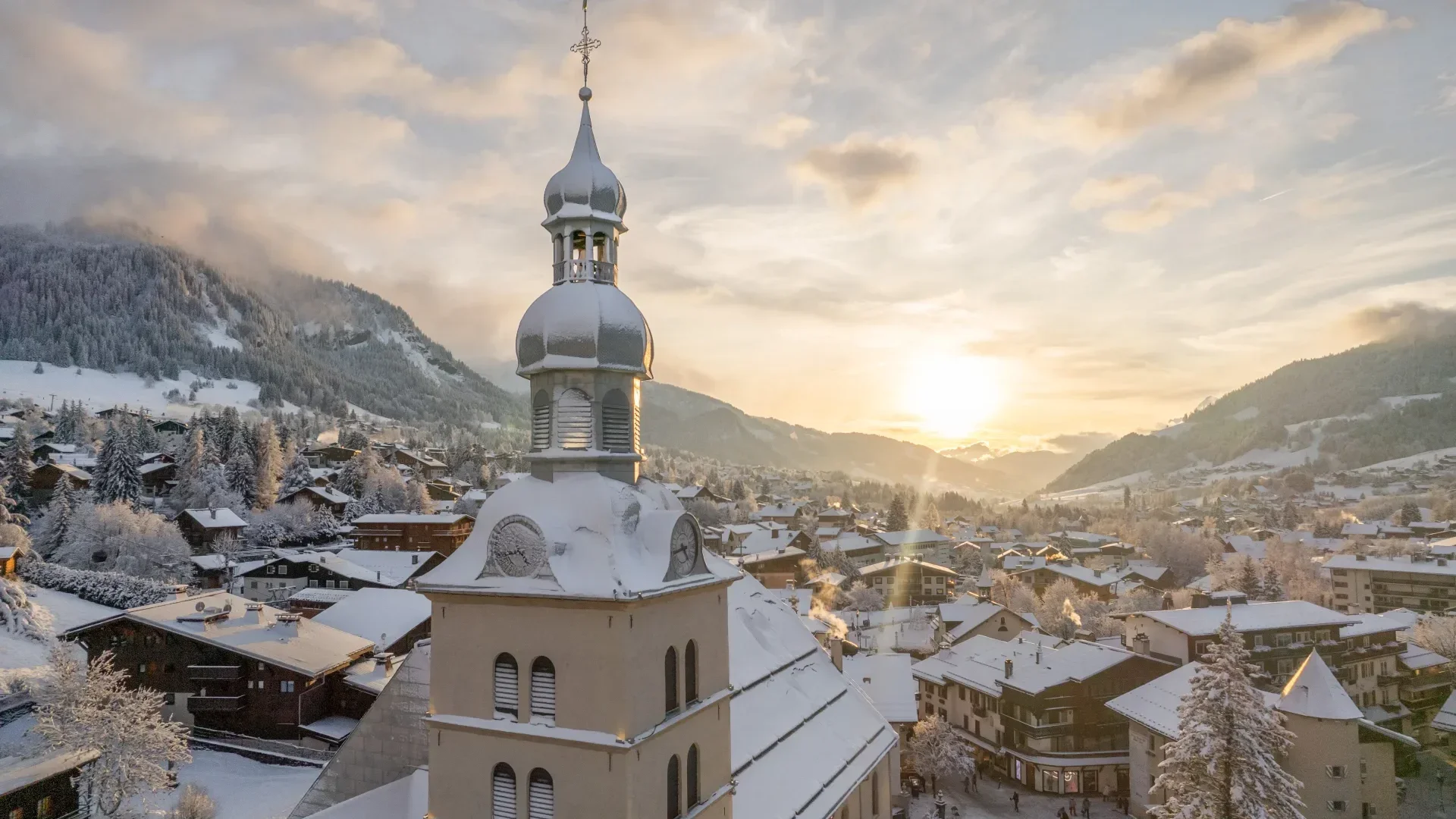
The pedestrian centre brings together the church square, historic streets, traditional chalets, boutiques, galleries and cafés. The atmosphere is different from the slopes above, and an afternoon here helps explain why Megève developed such a distinct identity among French Alpine resorts.
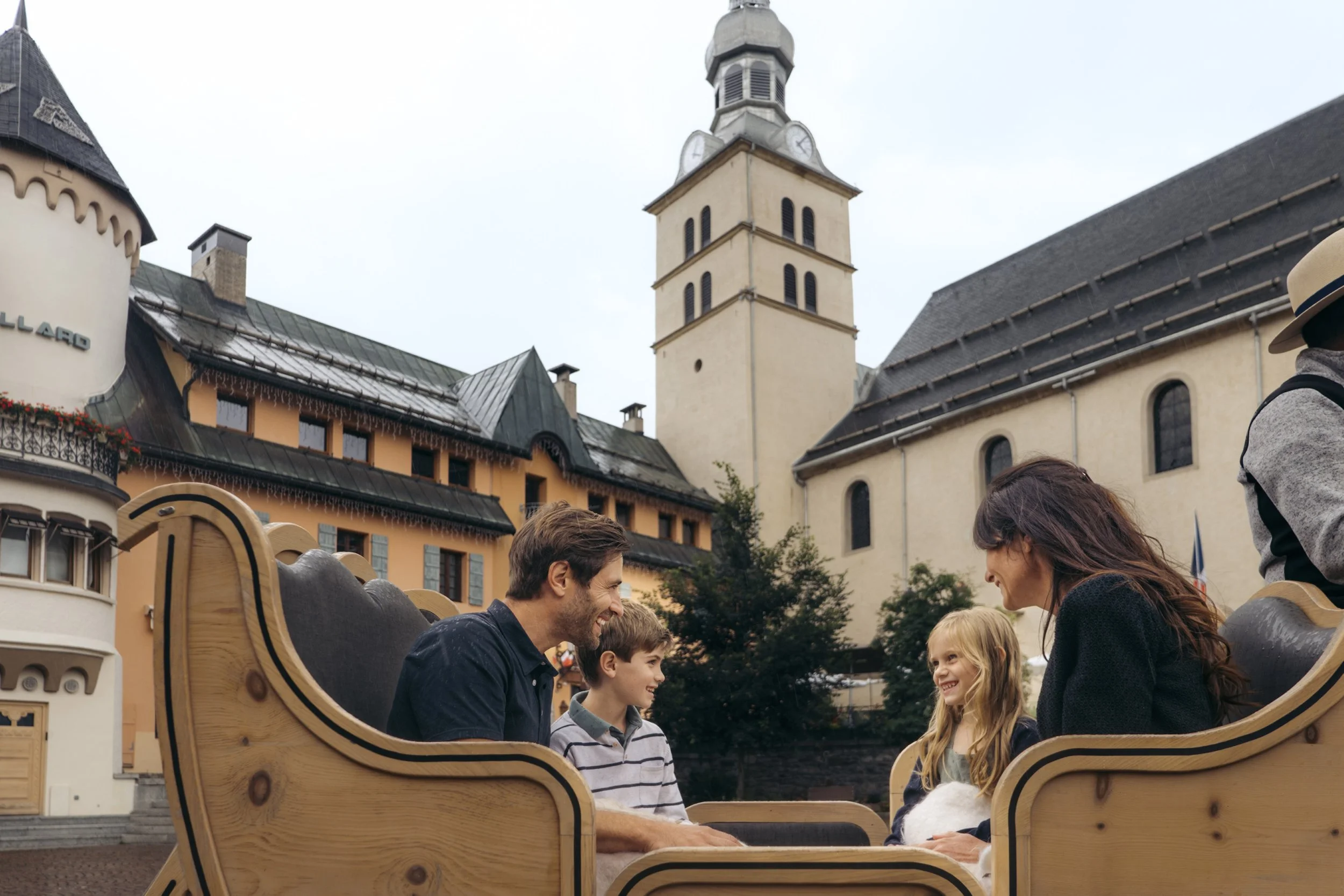
The Church of Saint John the Baptist and the surrounding streets form a useful starting point, while independent horse-drawn carriages provide one of the town’s most recognisable ways to explore the centre.
Above the village, the Chemin du Calvaire follows a sequence of chapels and oratories created during the 19th century. The route introduces a quieter layer of local history and offers a cultural counterpoint to days centred entirely on sport.
Summer reveals another side of the destination. Meadows, forested slopes and agricultural landscapes become more visible once the snow has gone, making the relationship between the resort, local produce and the surrounding countryside easier to understand.
For us, the strongest Megève itinerary uses both settings. The hotel provides privacy, space and direct access to the mountain, while the village brings the history and everyday character that give the destination its depth.
Arriving on Mont d’Arbois
Geneva Airport: Geneva Airport is the principal international gateway, approximately 75 minutes by road in favourable conditions, although winter weather, traffic and busy holiday periods can extend the journey.
Hotel-Arranged Transfers: Private car and limousine services can be organised through the resort, with child seats, luggage requirements, access needs and charges confirmed in advance.
Megève Village: The historic centre is approximately ten minutes away by road, and the resort operates a complimentary shuttle service to the village, with exact operating arrangements best checked during the stay.
Seasonal Opening: Four Seasons Resort Megève operates during distinct winter and summer seasons rather than continuously throughout the year, so flights and transfers should be matched to confirmed resort opening dates.
Winter 2026–27: The next winter season is scheduled to begin on December 16, 2026, marking the resort’s first winter following its Palace distinction.
Driving: Guests arriving by car should confirm parking arrangements and winter-equipment requirements before travelling; electric-vehicle charging is available, but charging access should not be assumed without checking availability.
A Stay That Leaves Space for the Alps
Four Seasons Resort Megève is most compelling when the mountain rather than the hotel schedule determines the day.
Clear weather may justify staying outside until late afternoon. Snowfall or changing conditions can make the spa, a long lunch or several hours in a suite equally appealing. The relatively small accommodation collection helps these shifts feel personal rather than like part of a large resort programme.
The contrast between Mont d’Arbois and Megève village is equally important. One provides a contemporary mountain retreat with direct access to the landscape; the other supplies the streets, chapels, restaurants and traditions that explain why travellers have been returning to this part of the Alps for generations.
Together they create a stay that is less about moving through a checklist of facilities and more about deciding, each morning, which version of Megève makes sense that day.