Siem Reap, Cambodia | Amansara
A Garden Retreat at the Edge of Angkor
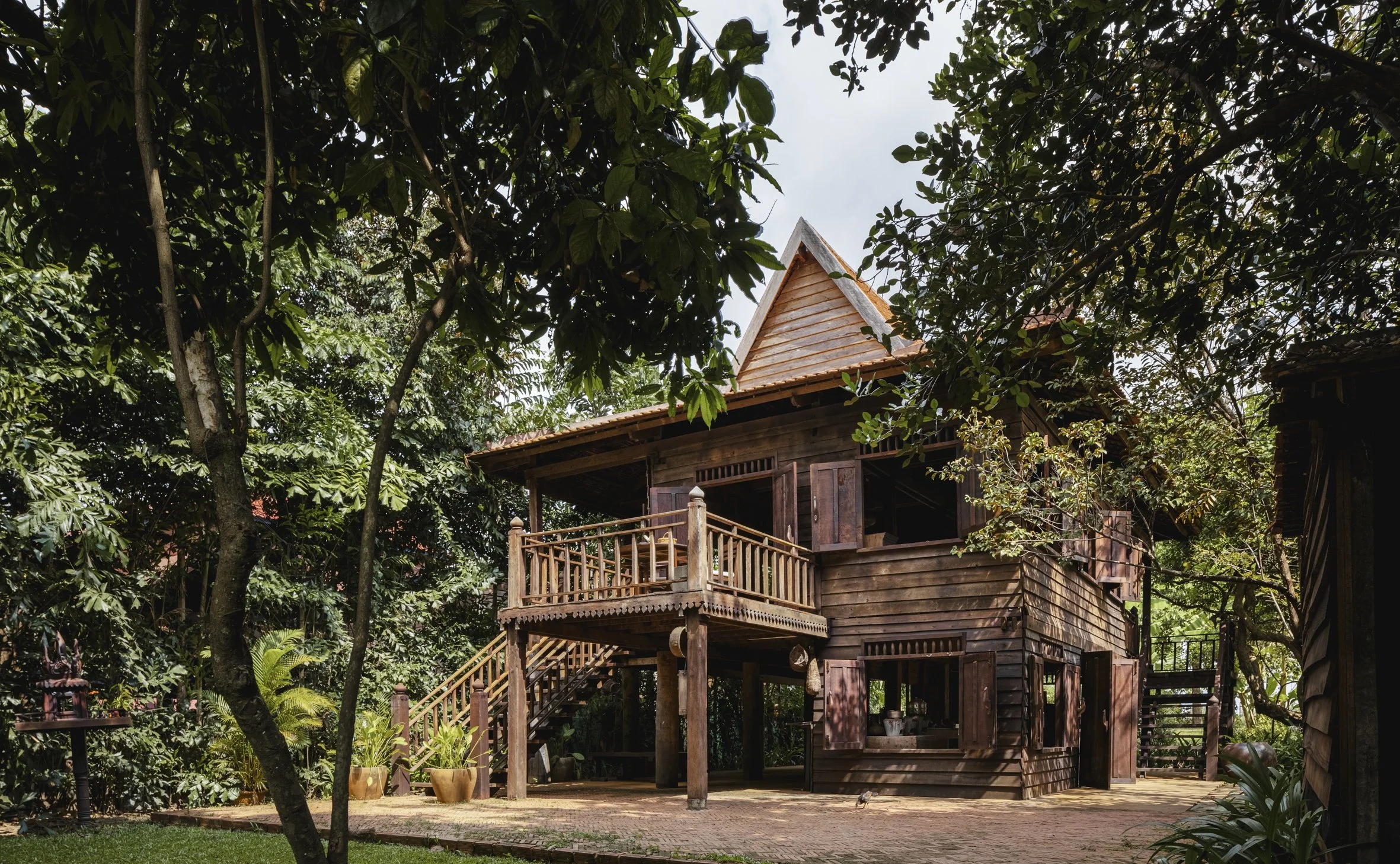
A morning at Amansara might begin before sunrise, with the first light appearing behind Angkor’s stone towers, and continue over breakfast in a wooden village house overlooking an ancient reservoir. By midday, the scene shifts to shaded courtyards, a quiet swimming pool, and the clean lines of a former royal guesthouse. That movement between exploration and retreat gives this small Siem Reap hotel its particular character.
With just 24 suites, Amansara offers an intimate base for discovering Cambodia’s most celebrated archaeological landscape. Its location on the road toward Angkor keeps the temples within easy reach while maintaining a connection to the restaurants, markets, and everyday life of Siem Reap. Behind the estate’s walls, gardens and low buildings create a noticeably gentler pace.
The property appeared on Condé Nast Traveler’s 2023 Gold List, recognition that sits comfortably alongside its architectural significance and thoughtful approach to cultural travel. For us, its strongest appeal is the relationship between the hotel and its surroundings: a stay can move from Khmer architecture to contemporary Cambodian cooking without ever feeling like a checklist of unrelated experiences.
From Villa Princière to Amansara
Amansara began as Villa Princière, a retreat commissioned for King Norodom Sihanouk and designed by French architect Laurent Mondet. Construction dates to the early 1960s, with the villa completed in July 1963 to welcome royal visitors and distinguished guests near Angkor.
The building belonged to a period of architectural experimentation in Cambodia, when modern forms were being adapted to the country’s climate and cultural traditions. Its subsequent years were more difficult. Political upheaval and prolonged neglect left the property in poor condition, although its fundamental architectural structure survived.
Aman restored the estate using historic photographs to help recover its earlier appearance. Amansara welcomed its first guests in January 2003 with 12 suites; another 12 pool suites, a lap pool, and the spa followed in 2006.
That history remains visible throughout the property. The original curves, sheltered walkways, and relationship between buildings and gardens give the hotel a sense of continuity. Staying here brings a chapter of twentieth-century Cambodian design into a journey otherwise often dominated by much older monuments.
Modernism Shaped by Shade and Stone
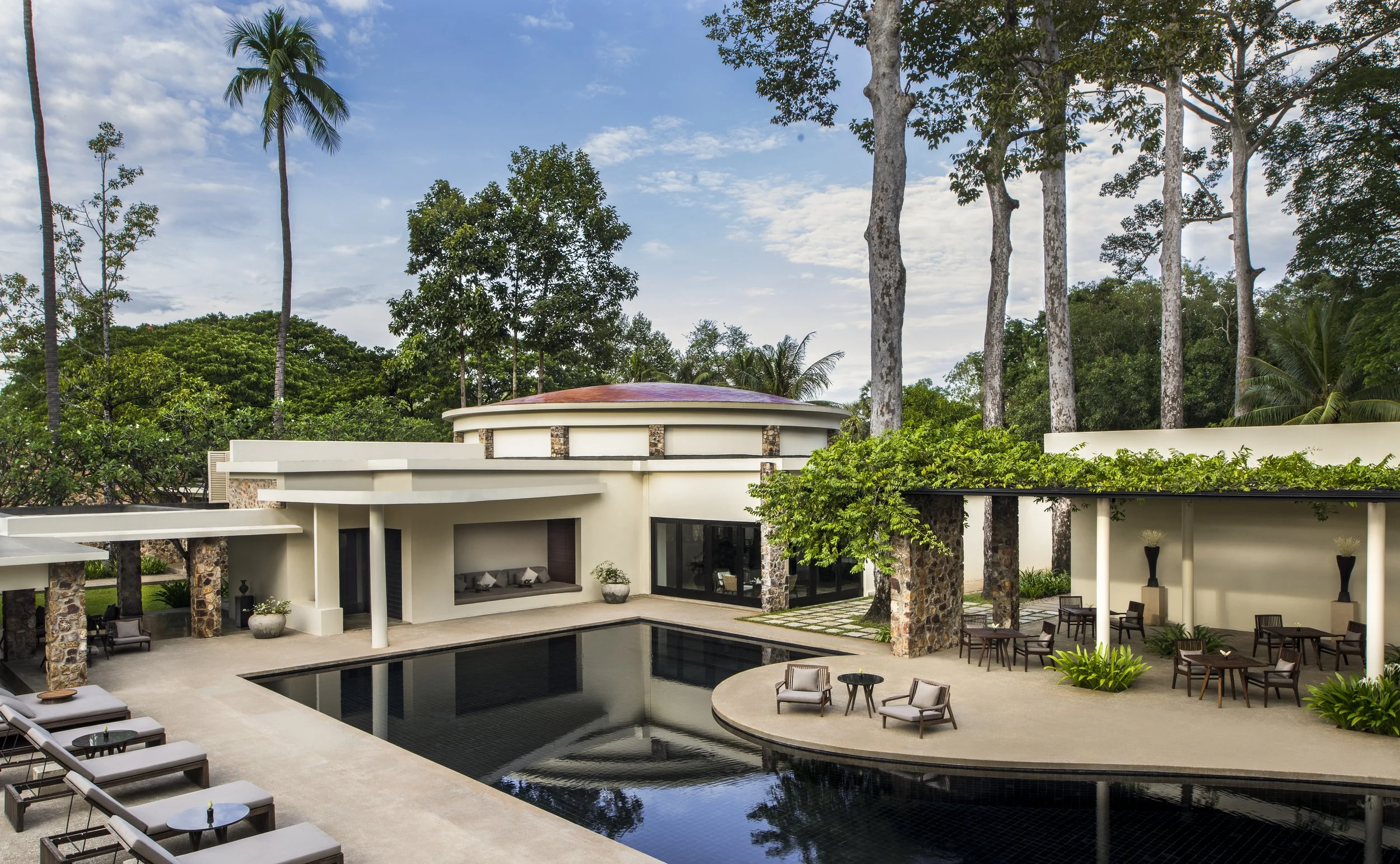
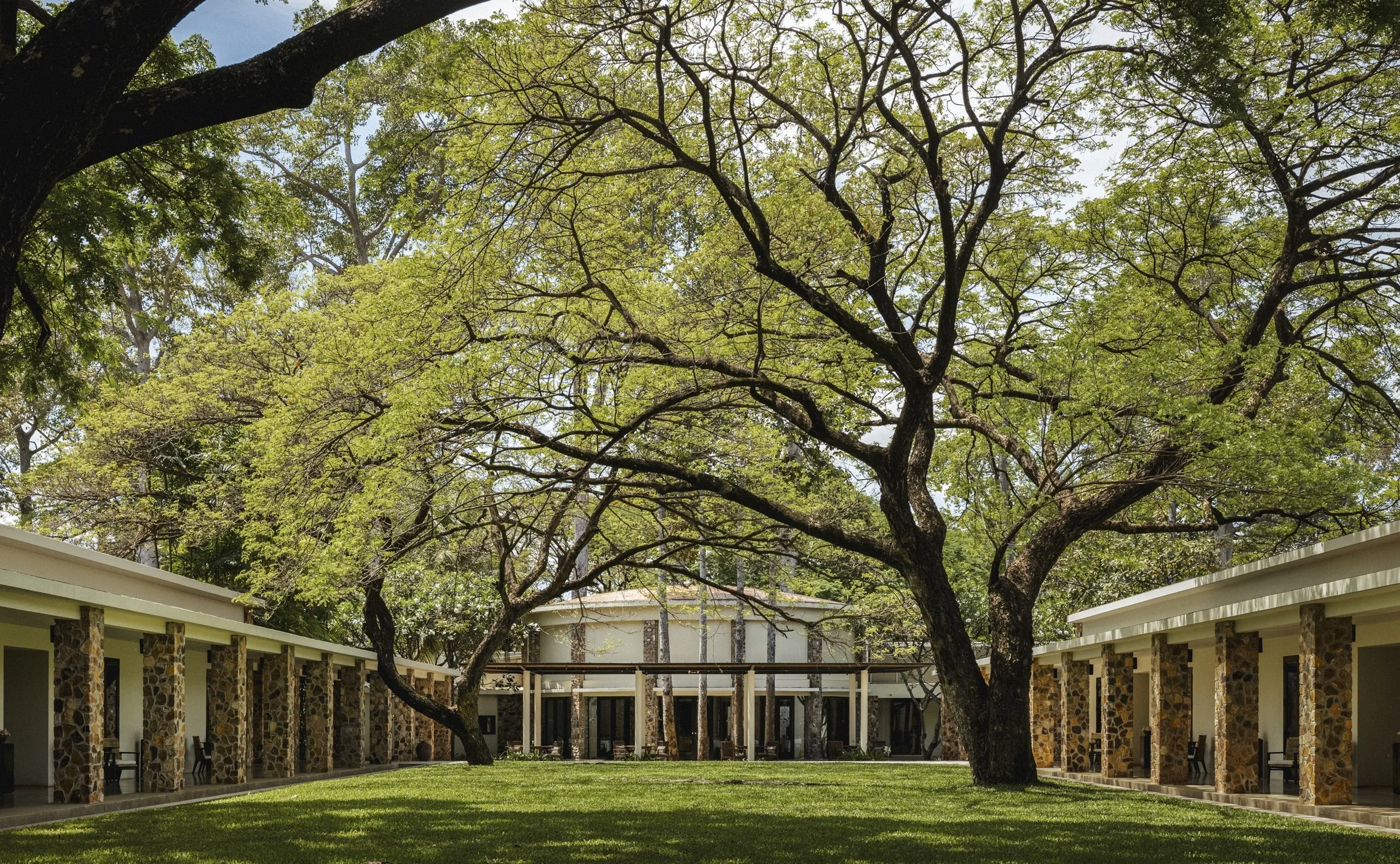
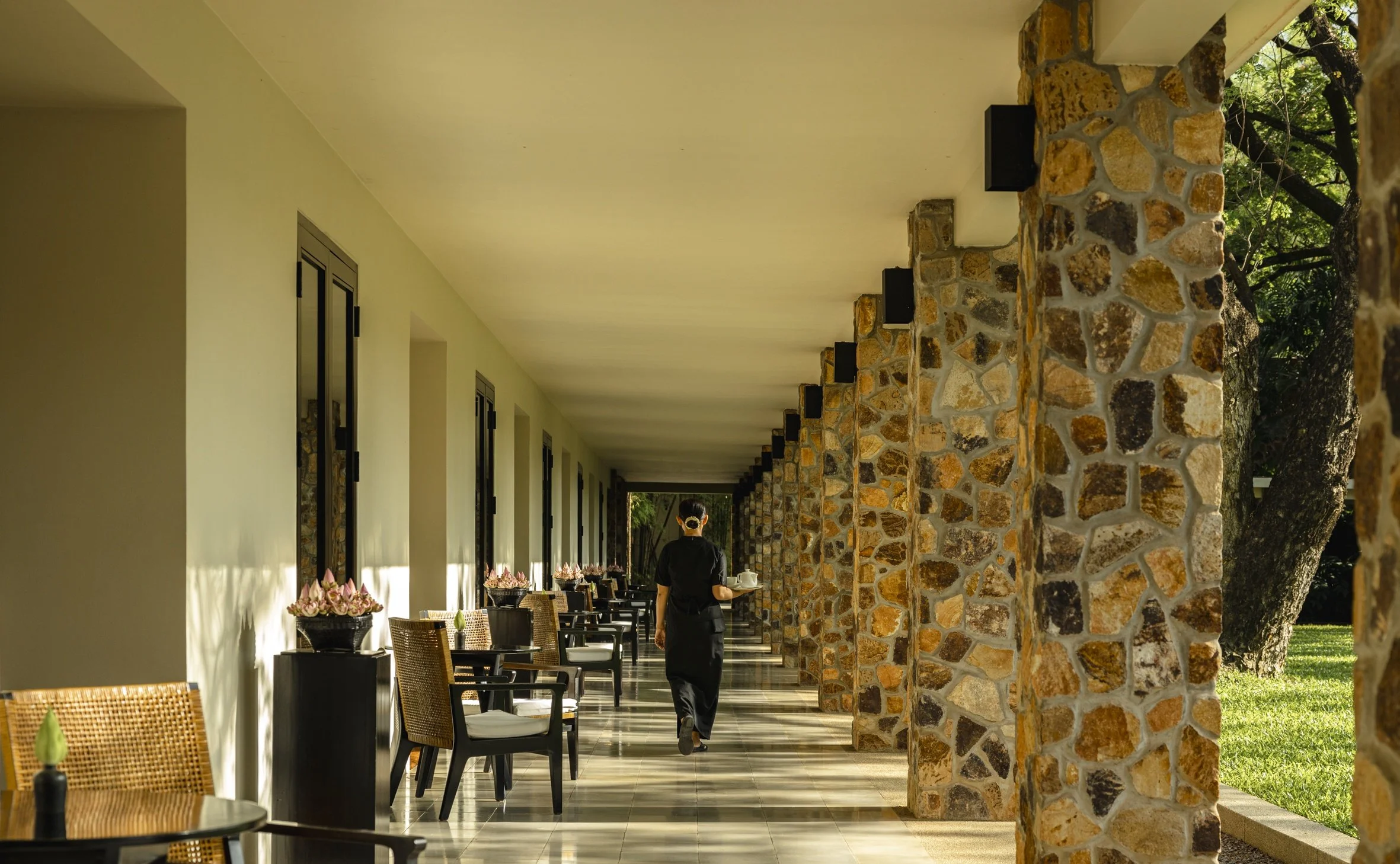
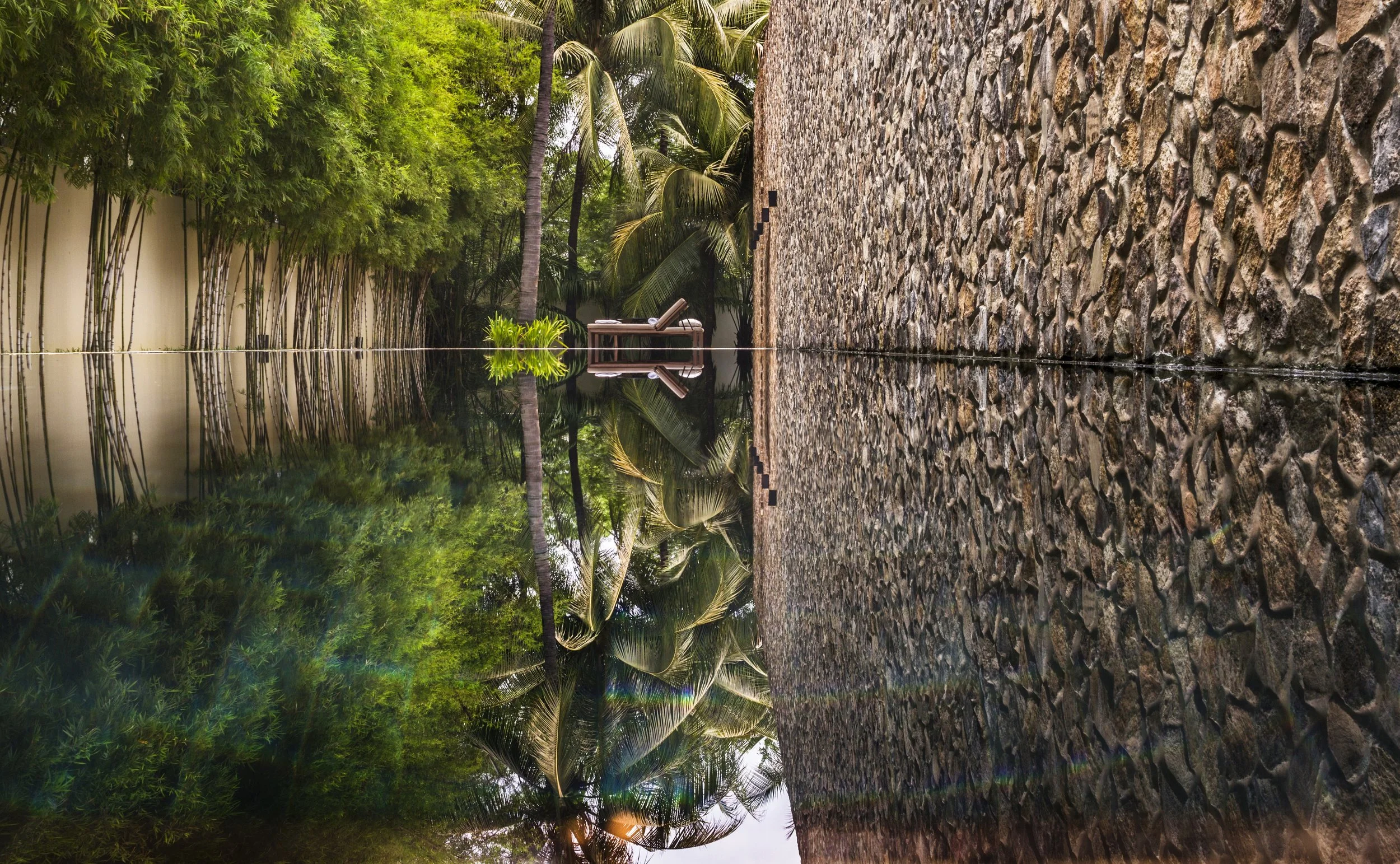
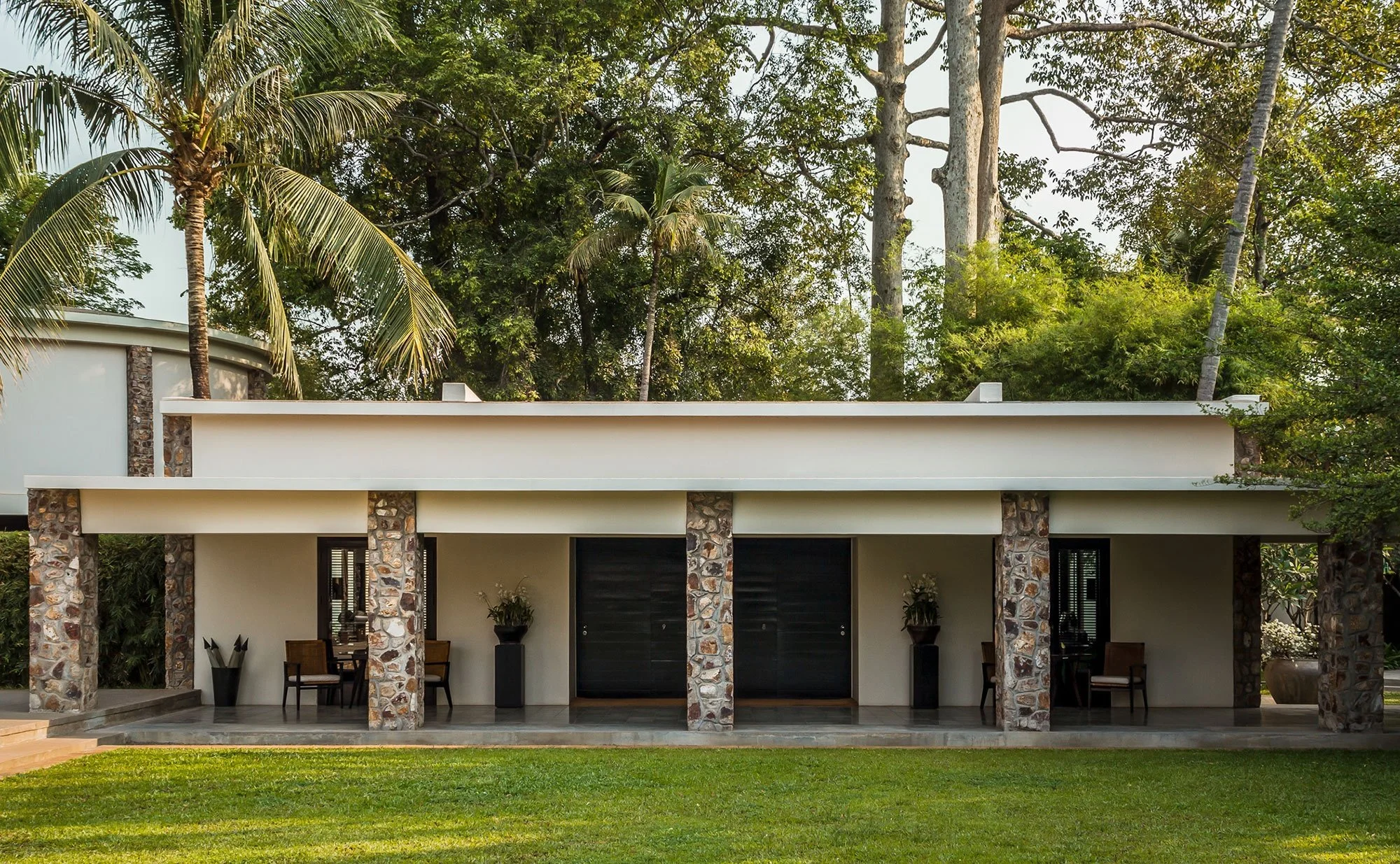
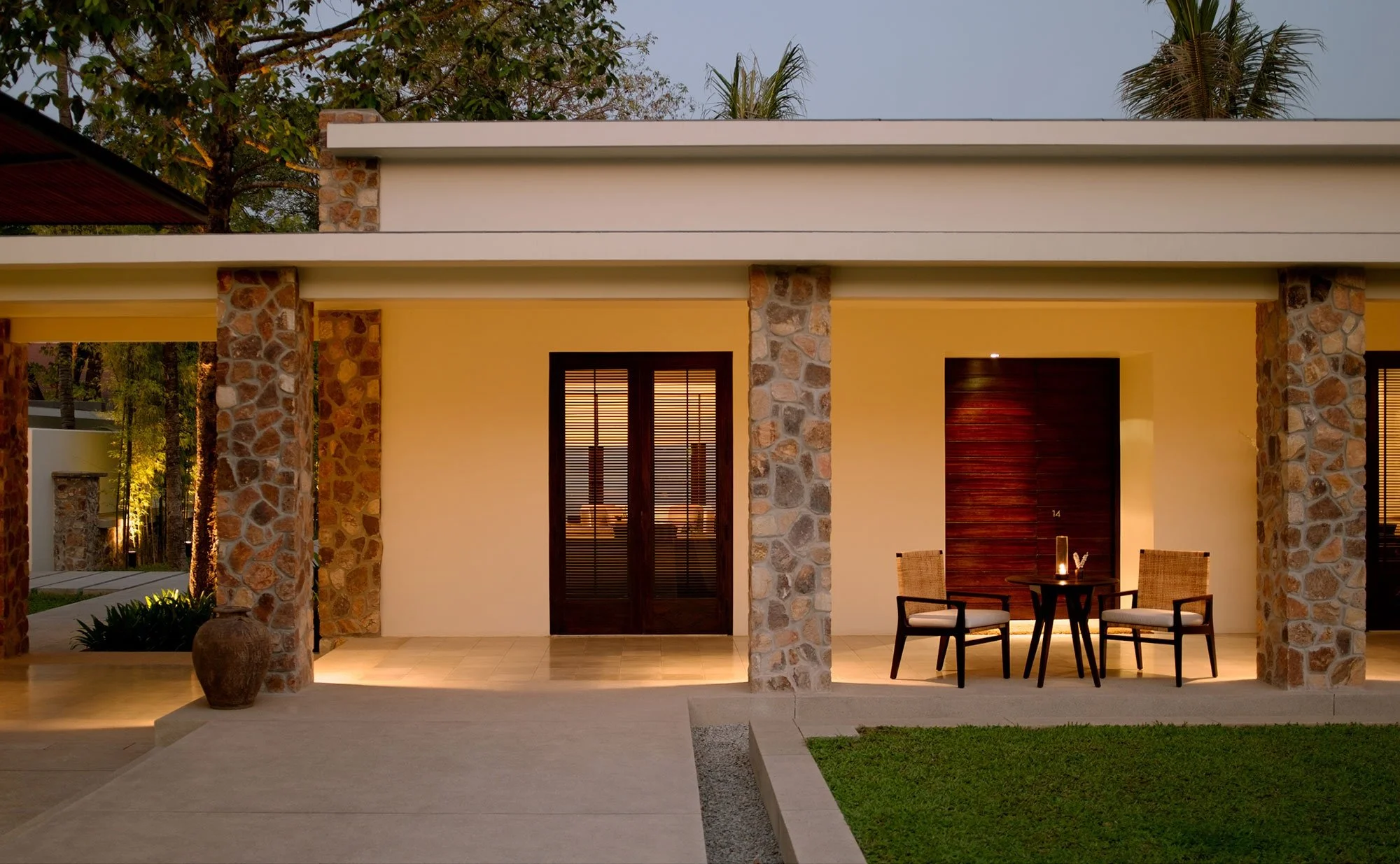
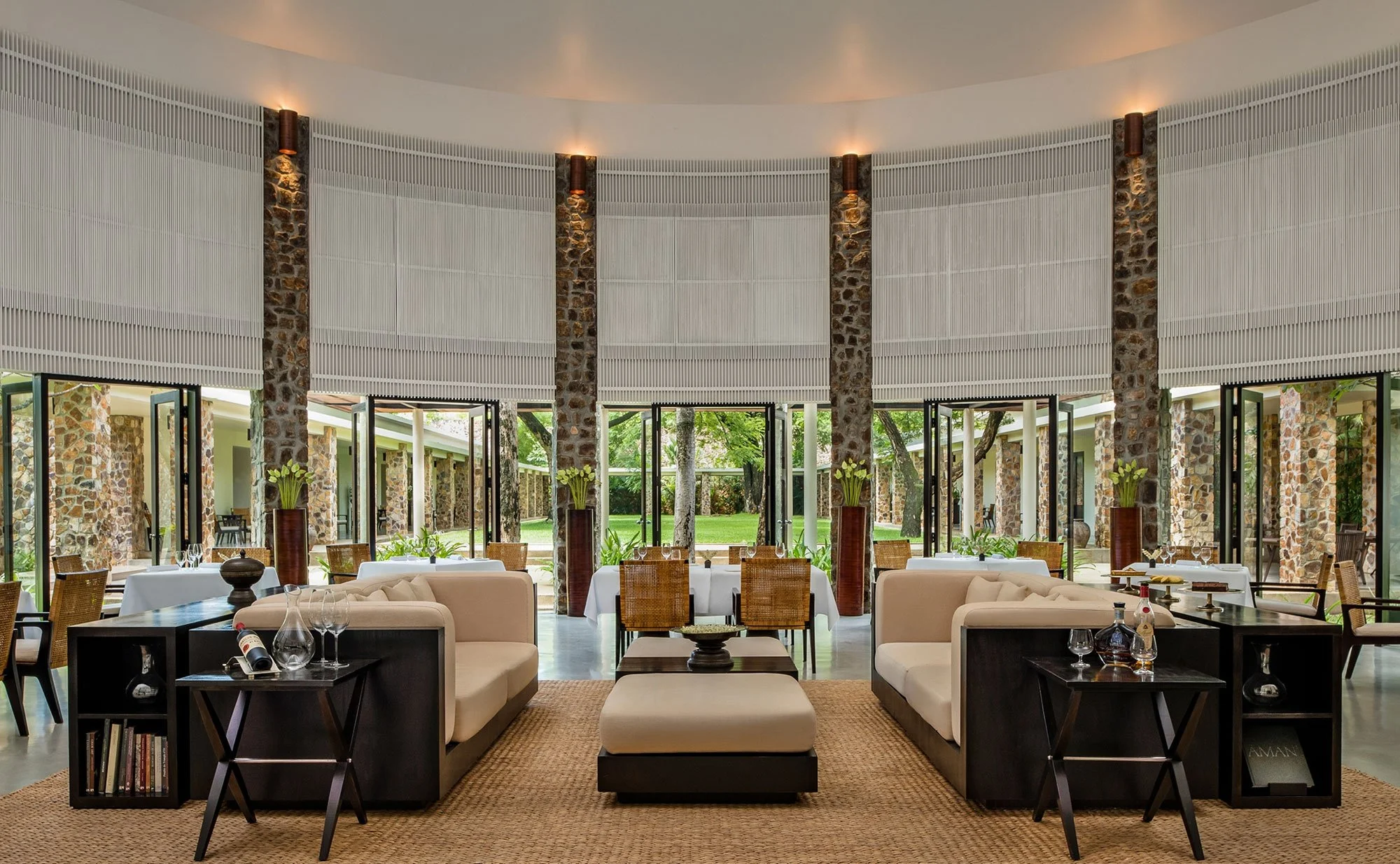
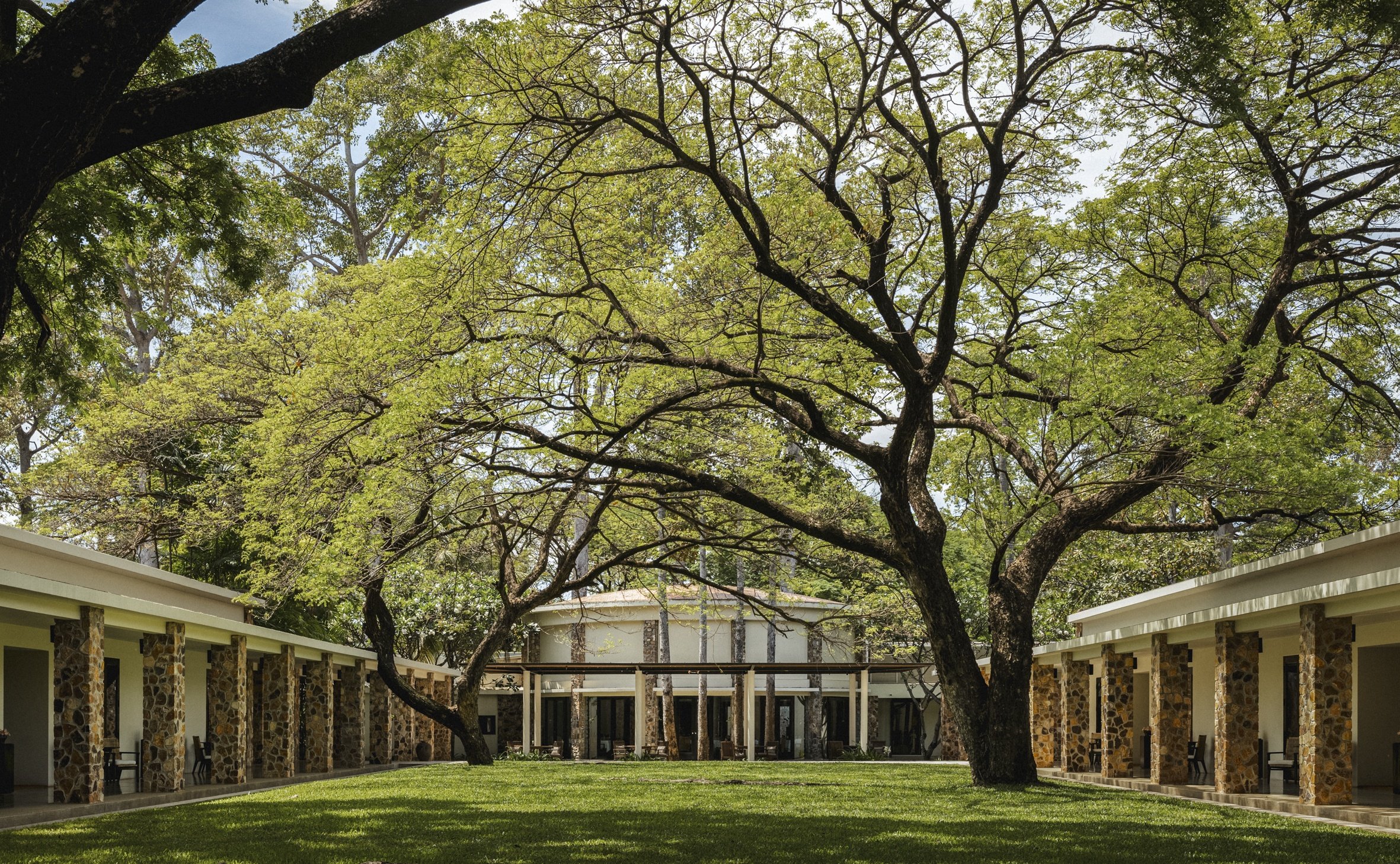
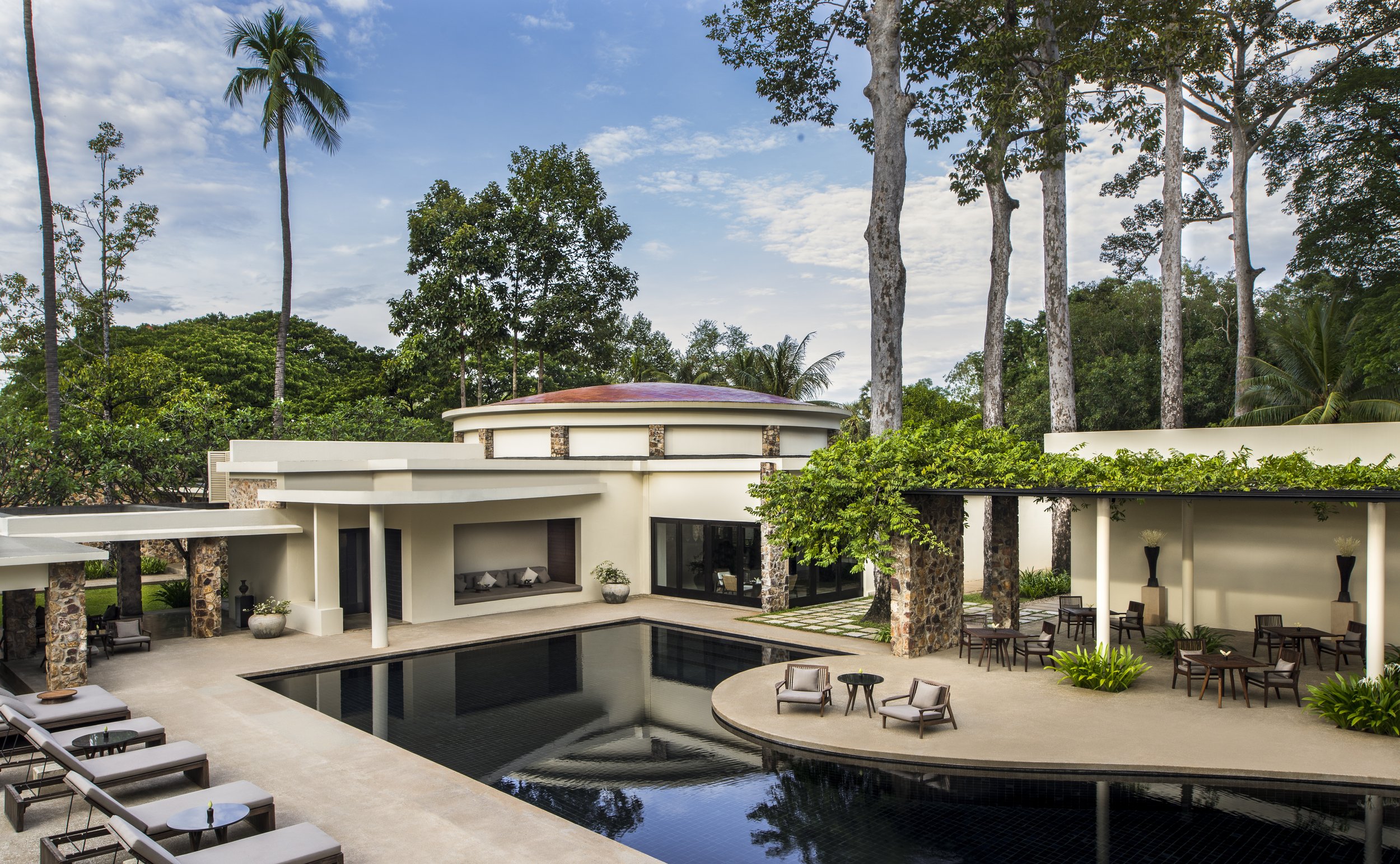
Amansara’s architecture rewards attention to proportion. Long horizontal lines frame the gardens, columns give rhythm to covered passages, and the circular dining pavilion provides a more theatrical counterpoint to the restrained accommodation wings. The main pool’s curved outline softens the geometry further.
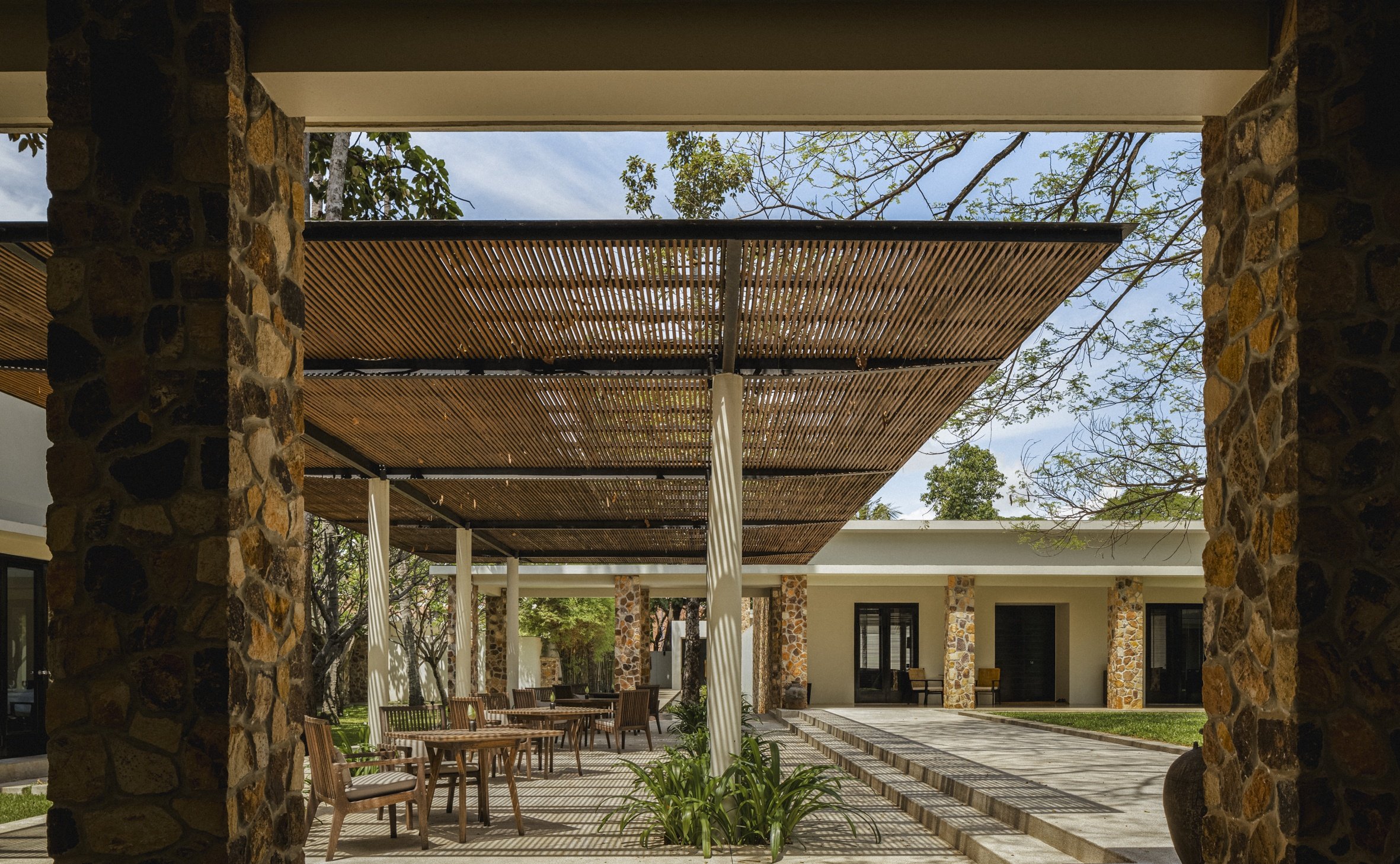
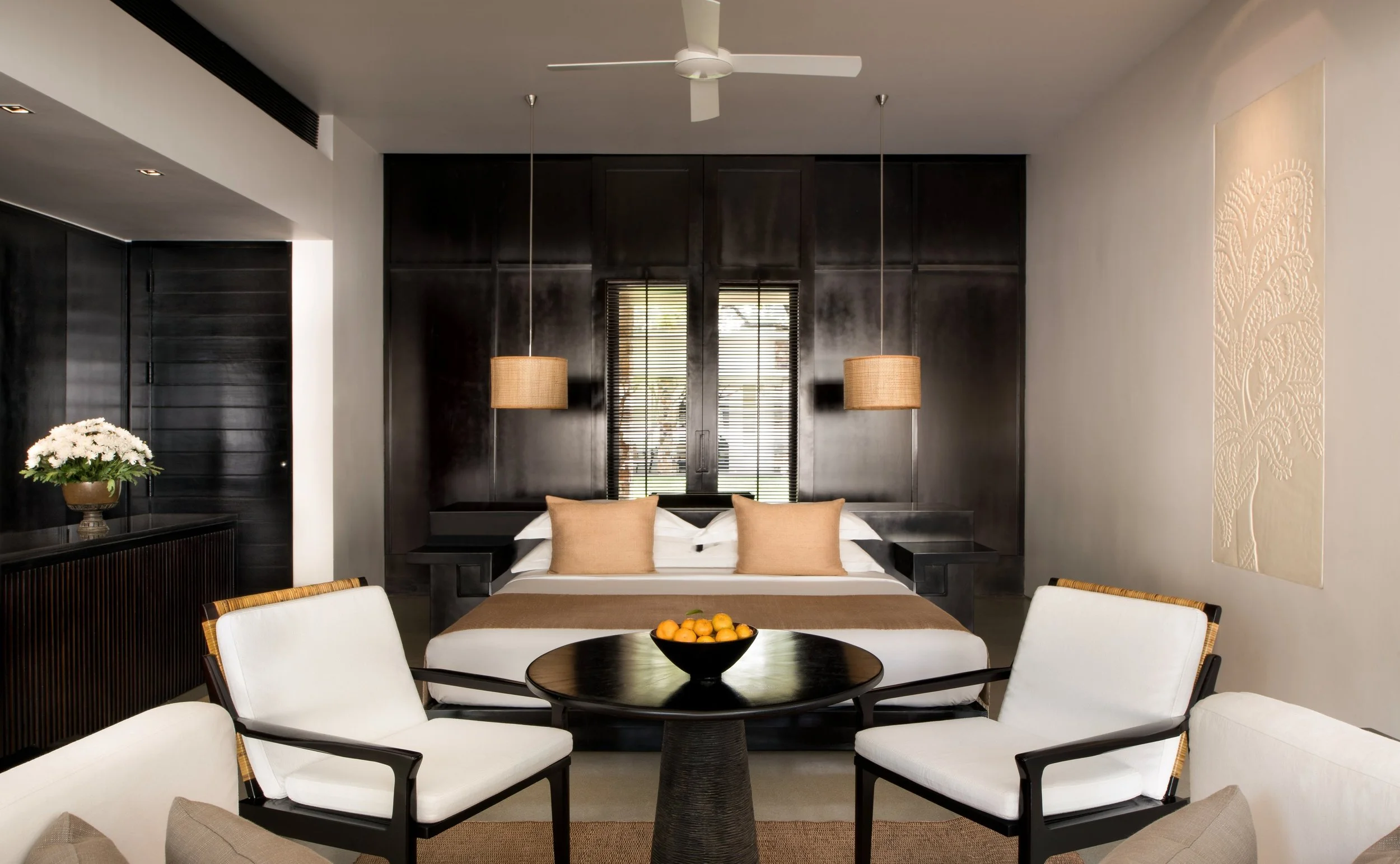
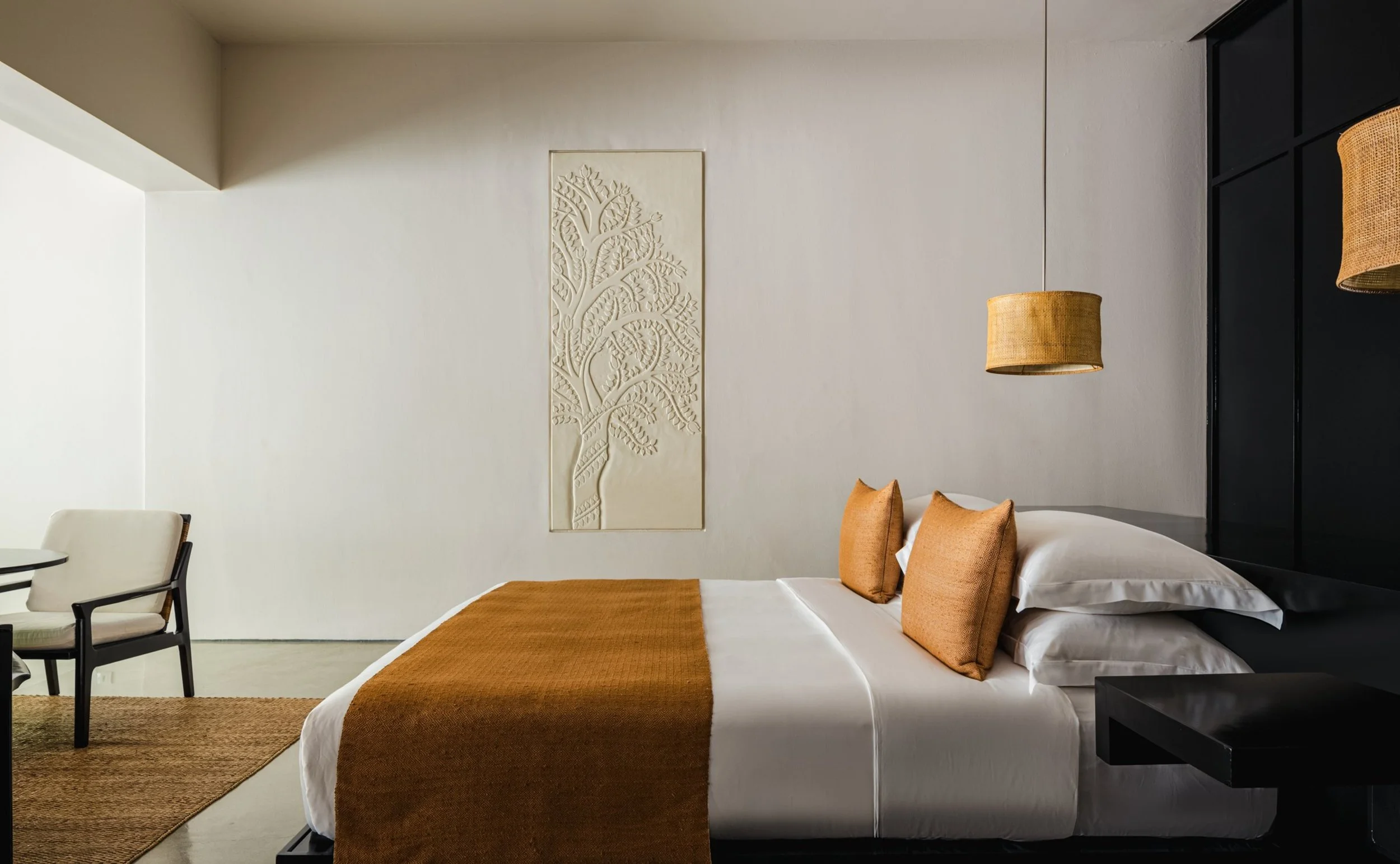
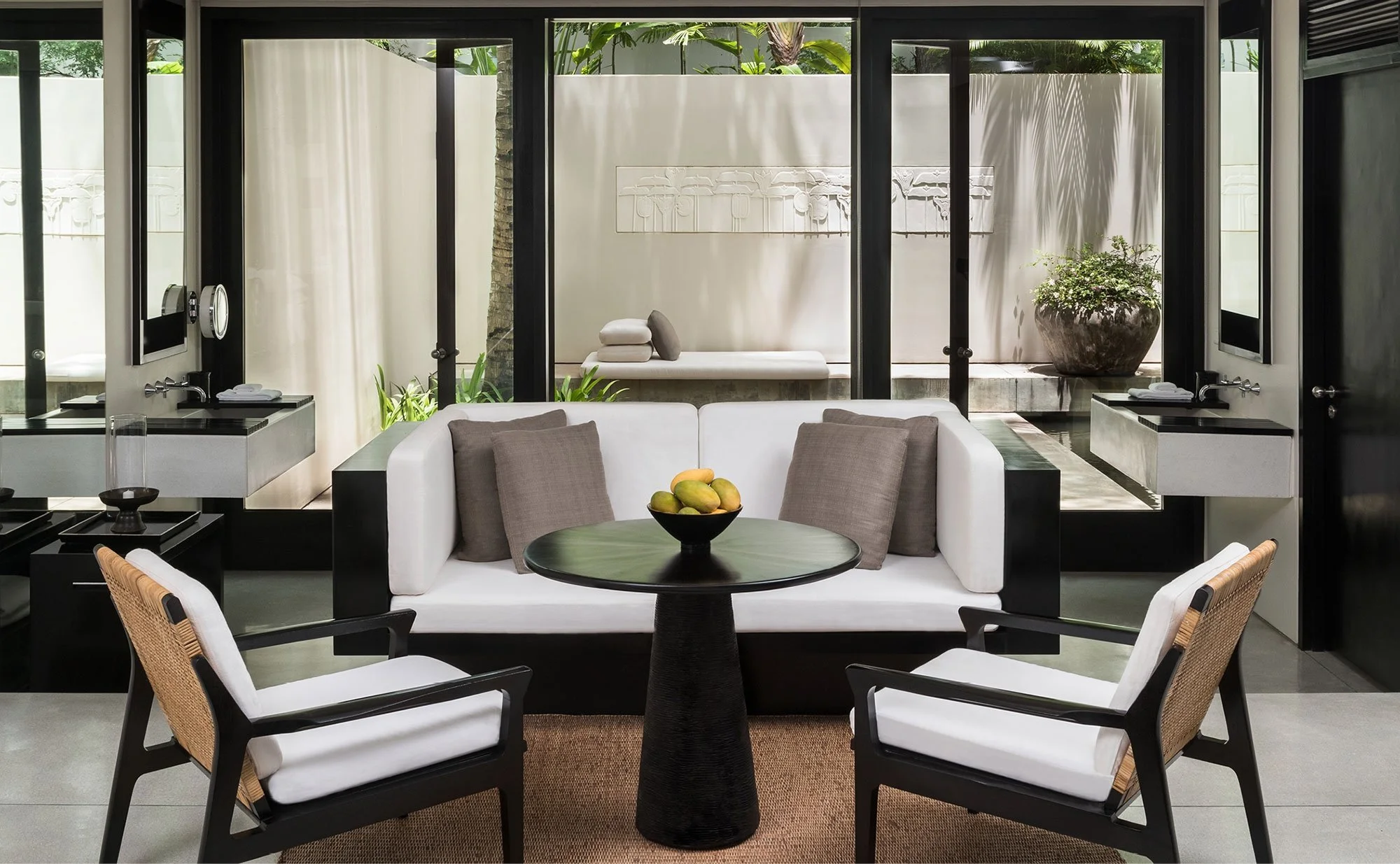
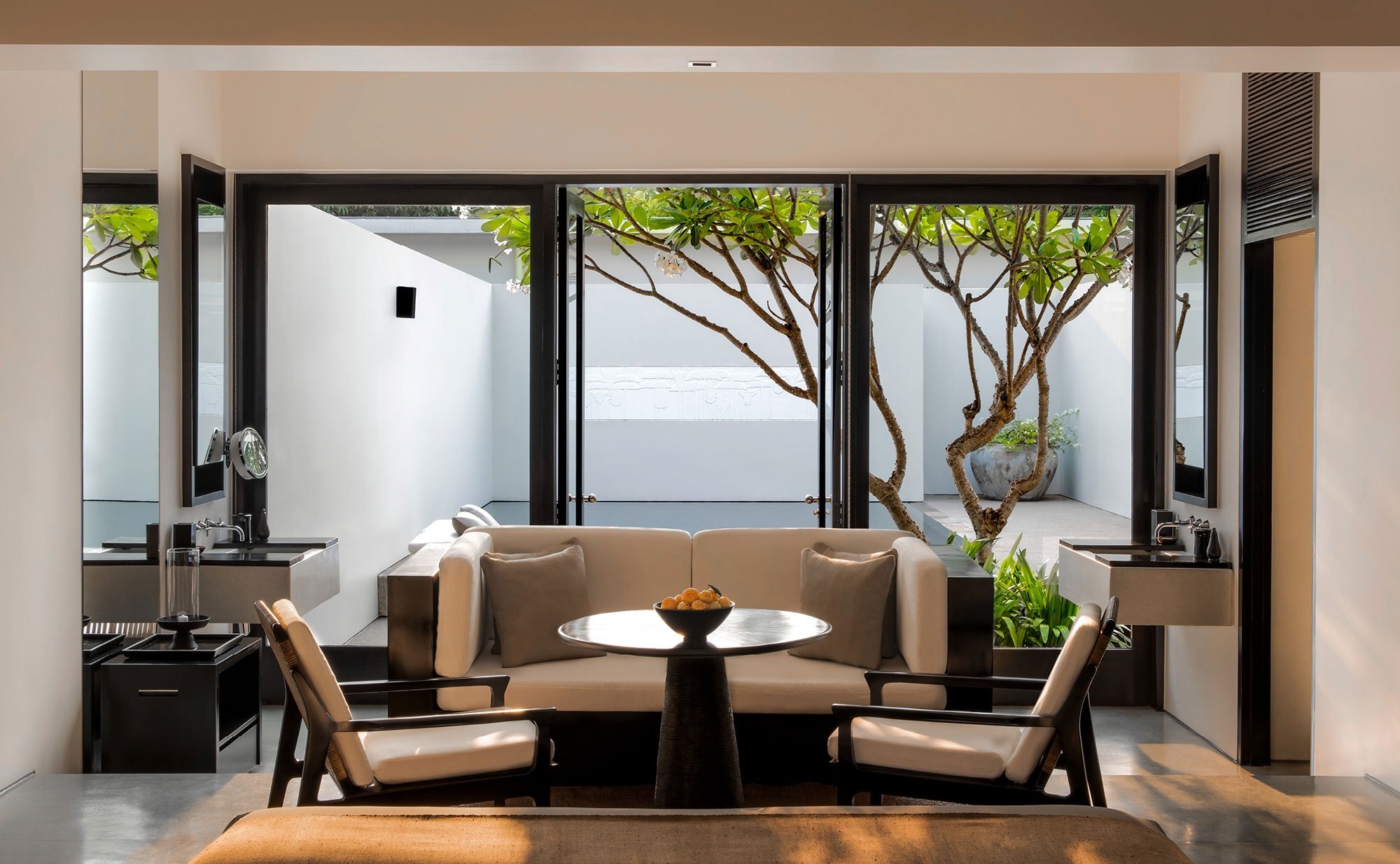
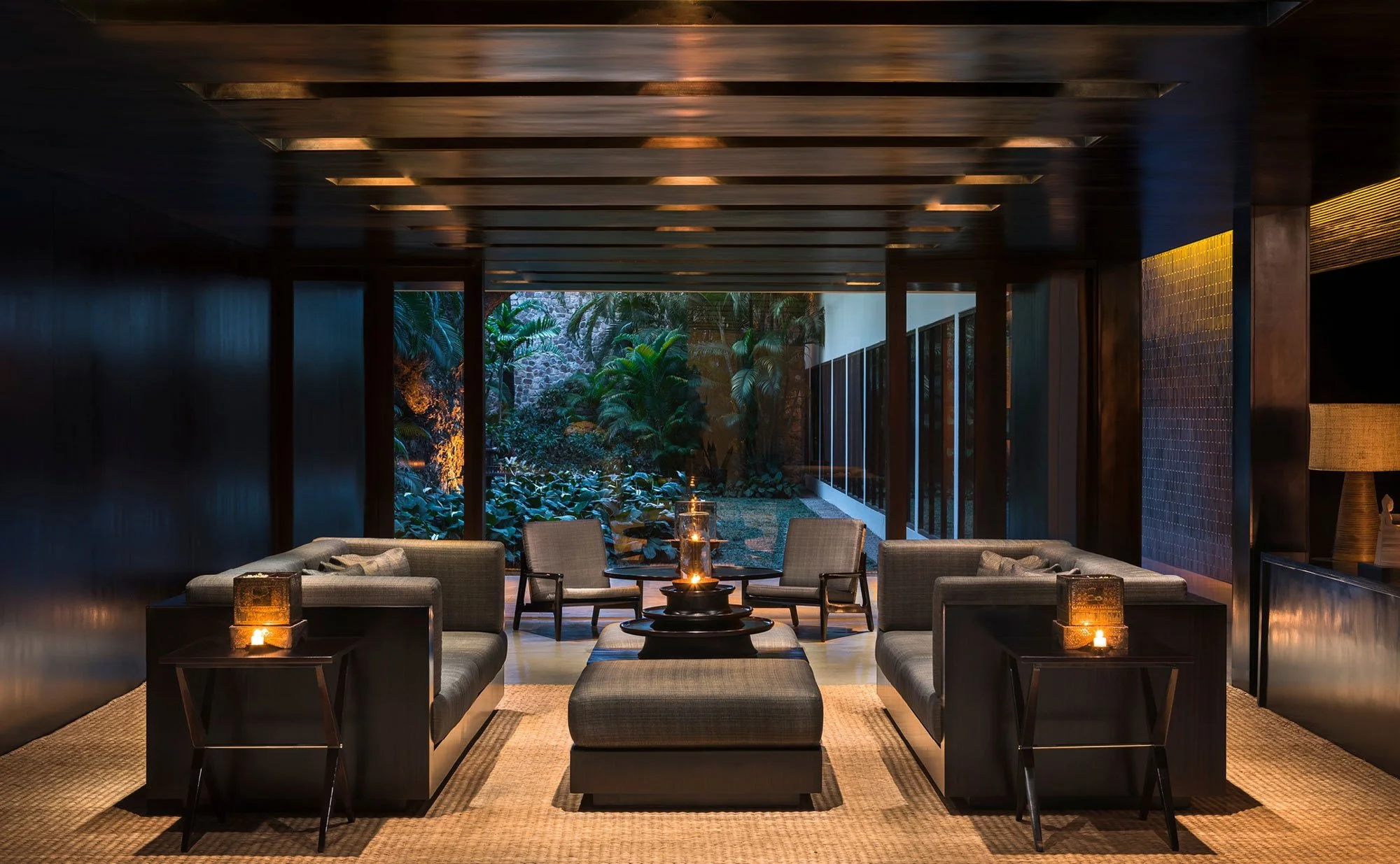
Inside, pale terrazzo and dark timber establish a quiet palette, with generous windows bringing greenery into view. Sandstone details reference the surrounding region without turning the interiors into miniature temple sets. The effect is residential and composed, particularly in the suites, where sleeping, sitting, and bathing spaces flow into one another.
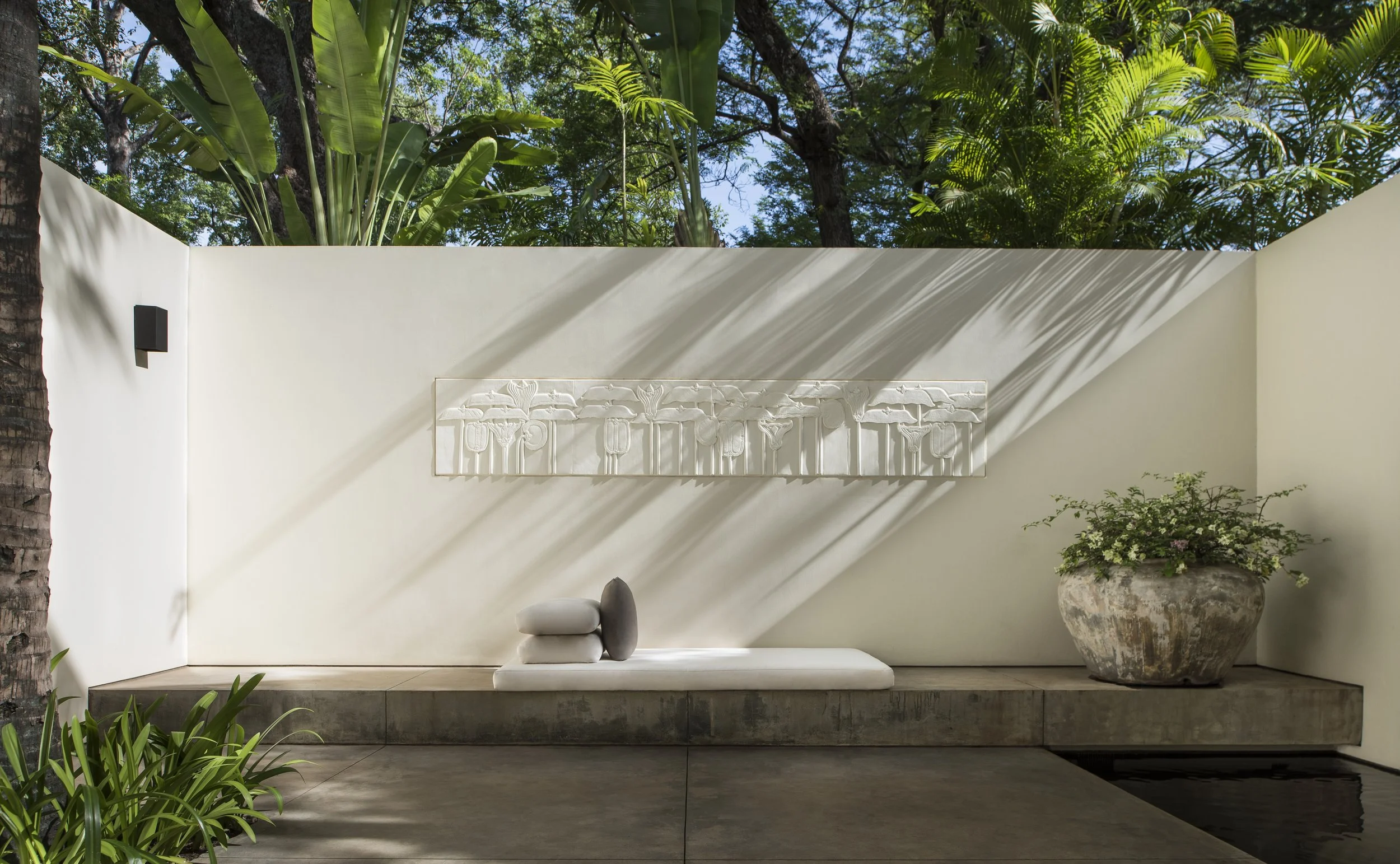
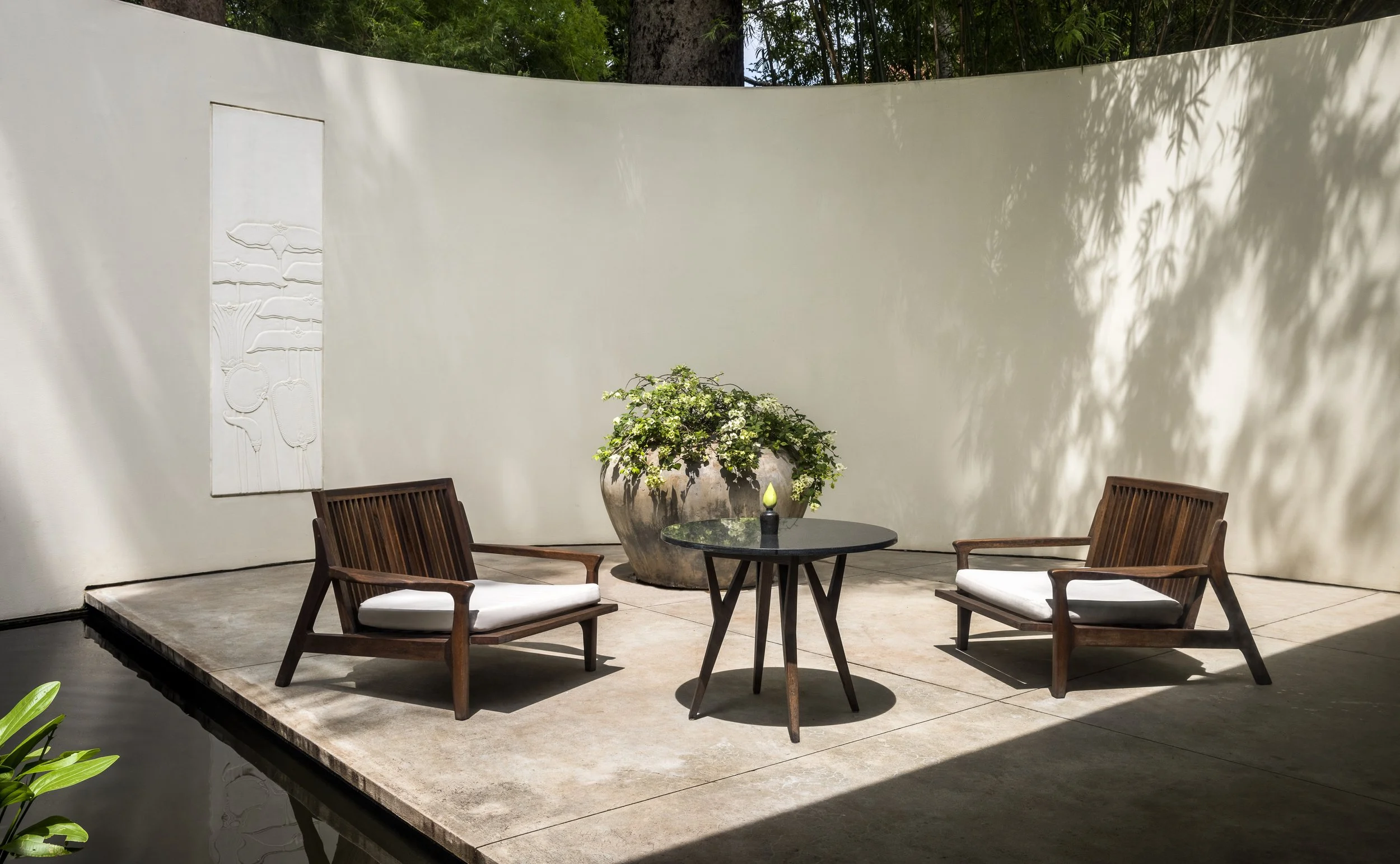
What makes the design persuasive is its usefulness. Covered circulation provides shade, courtyards introduce privacy, and outdoor seating extends the rooms beyond their interiors. After a morning of stone stairways and intricate carvings, the relative simplicity feels welcome. There is enough visual interest to make time at the hotel rewarding, yet little competing for attention.
Suites with Courtyards and Private Pools
Amansara’s accommodations share an open-plan sensibility, with individual categories distinguished by their overall space and outdoor arrangements. The sizes below follow the hotel’s published square-foot figures; courtyard and pool categories incorporate indoor-outdoor living, so these measurements should not be read as enclosed bedroom space alone.
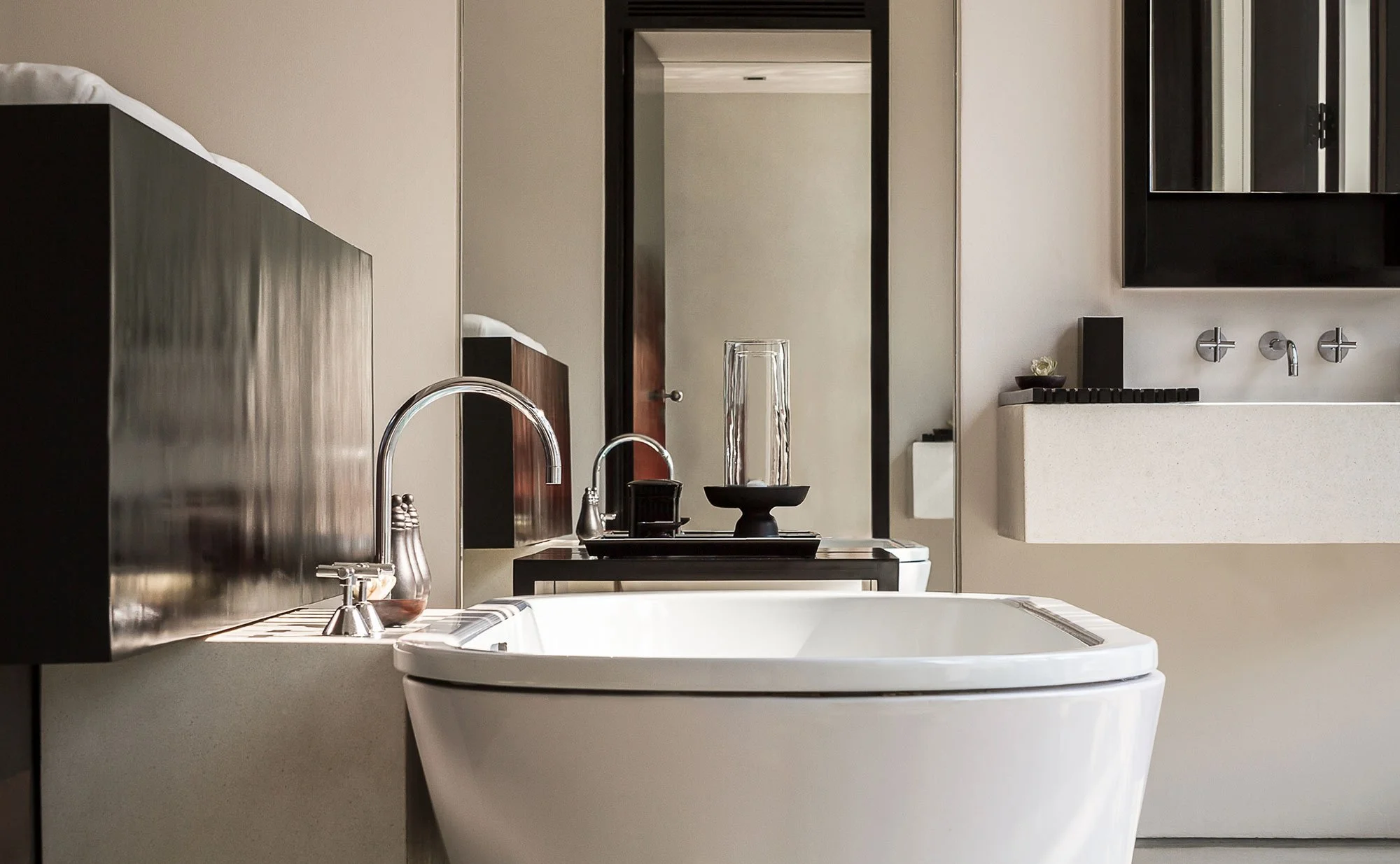
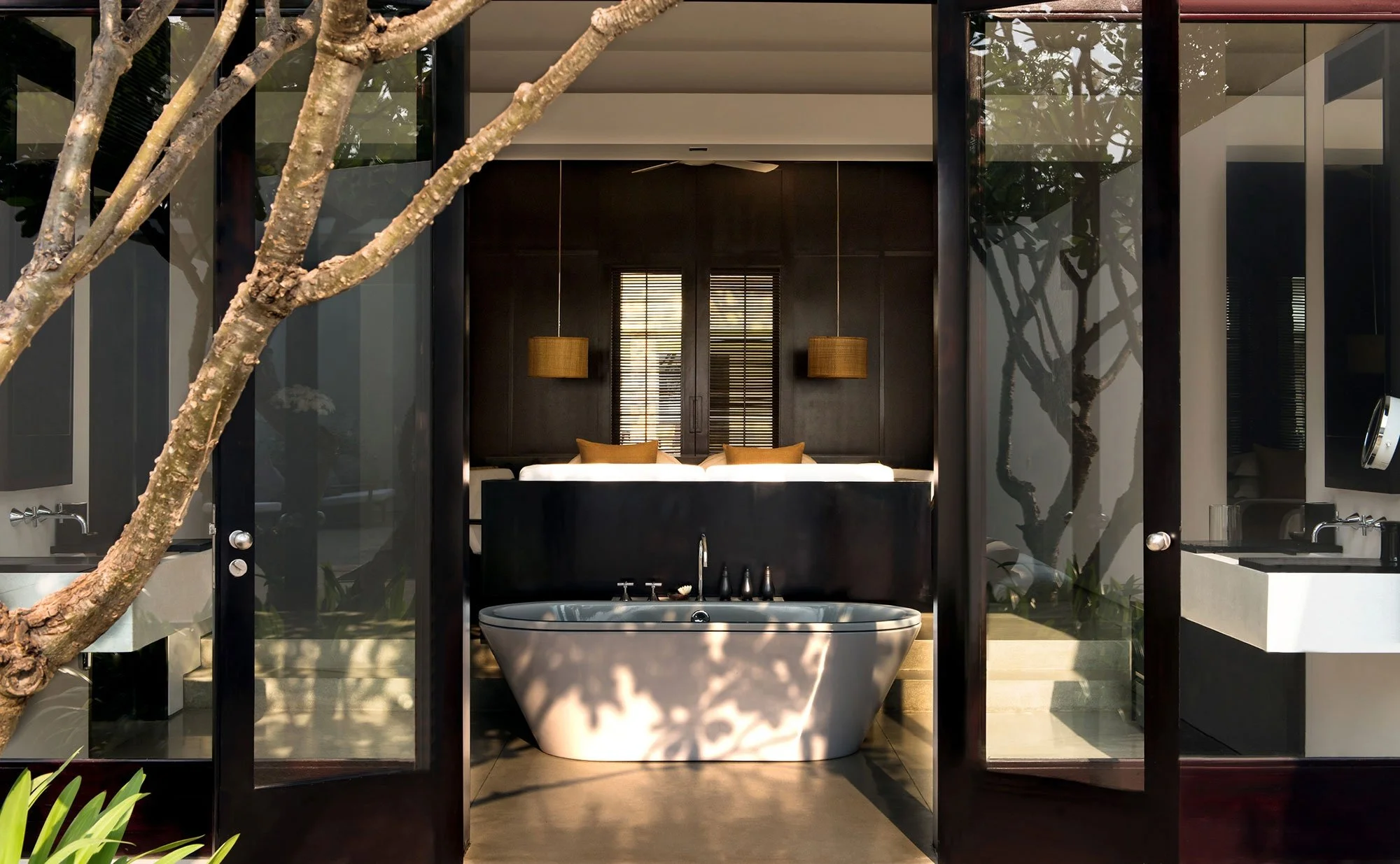
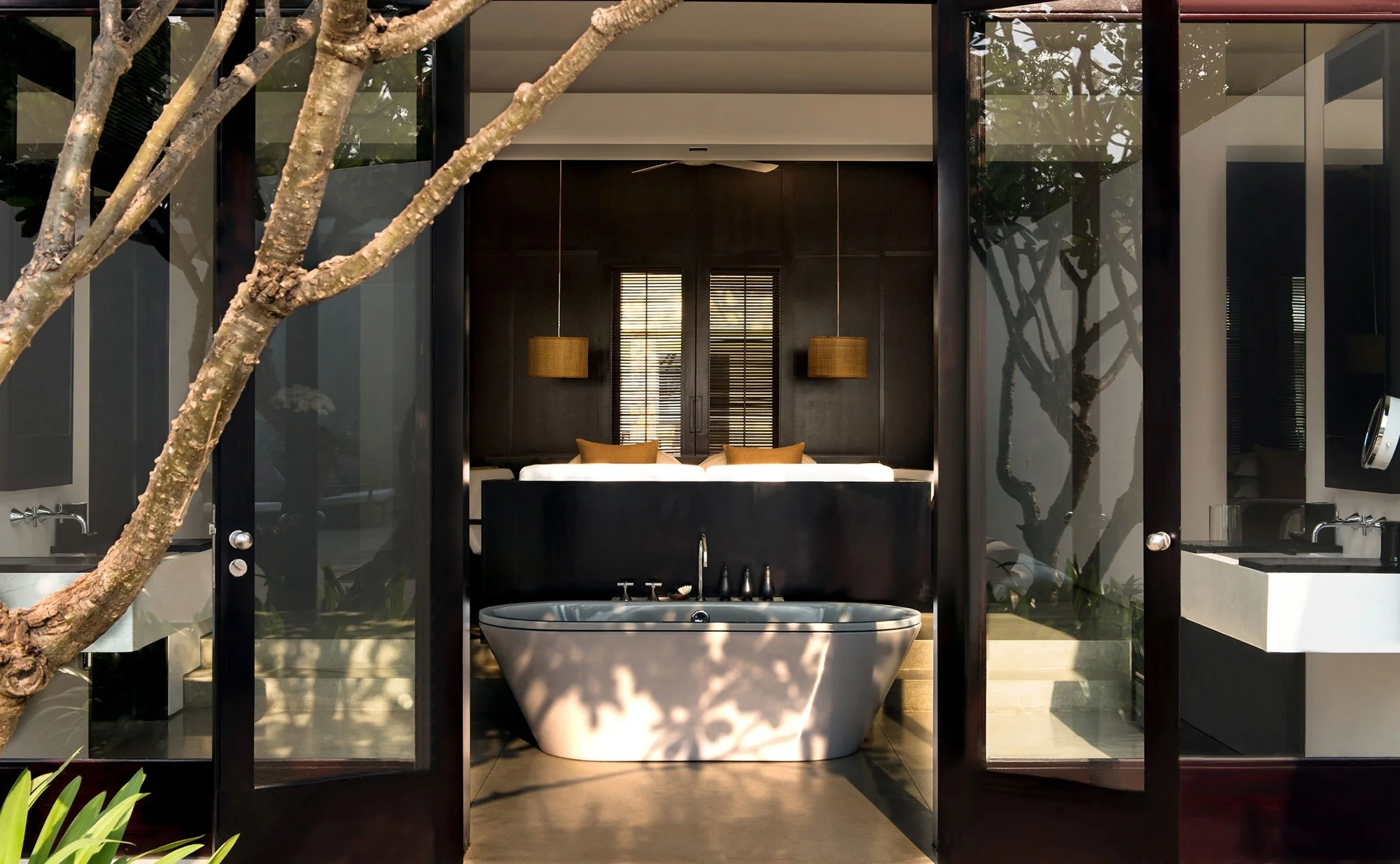
Suite: Approximately 811 sq. ft., this open-plan retreat combines a king bedroom and sitting area with terrazzo and timber finishes, a small private courtyard, and a spacious bathroom with twin vanities and a deep-soaking bathtub for unwinding after temple excursions.
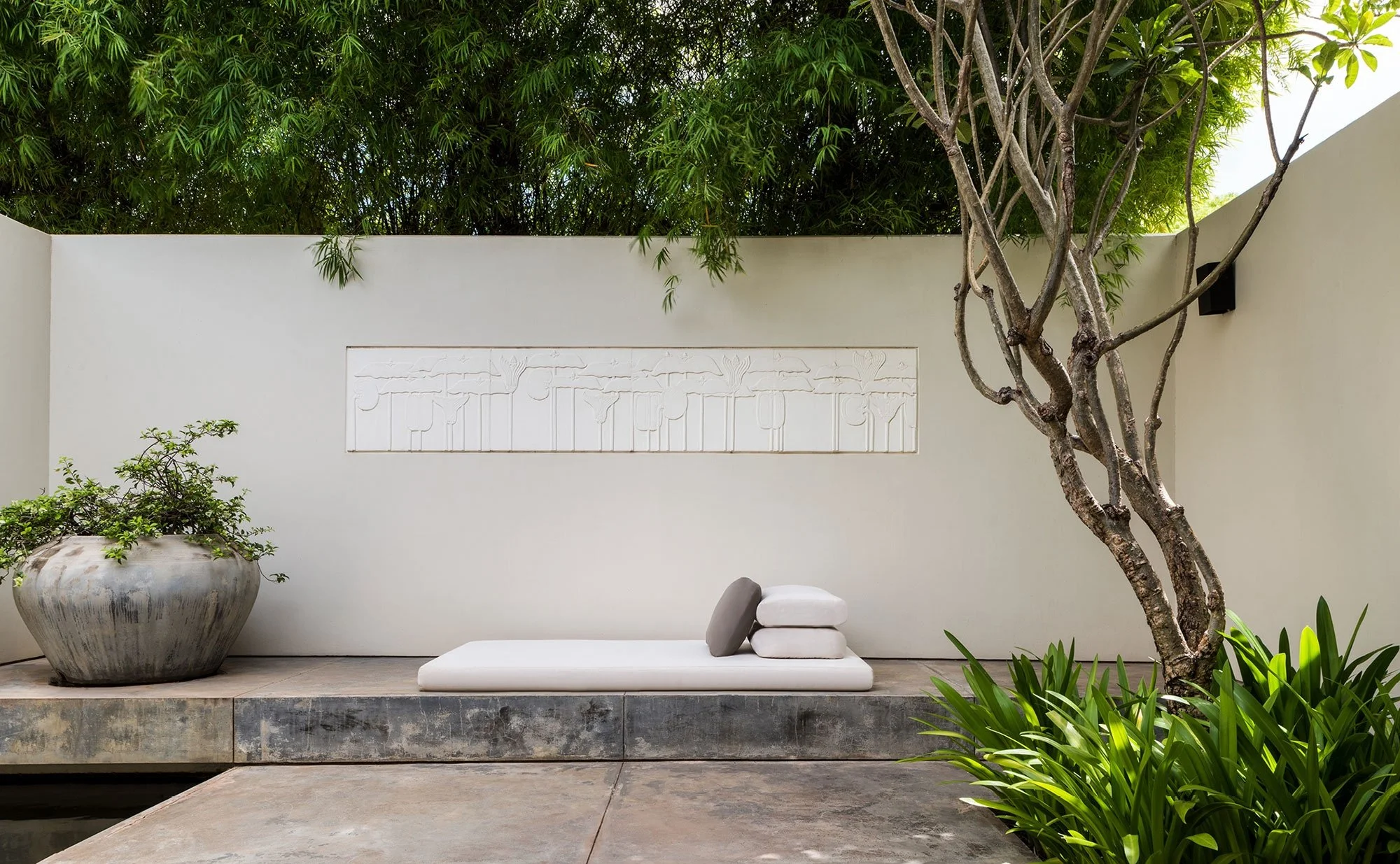
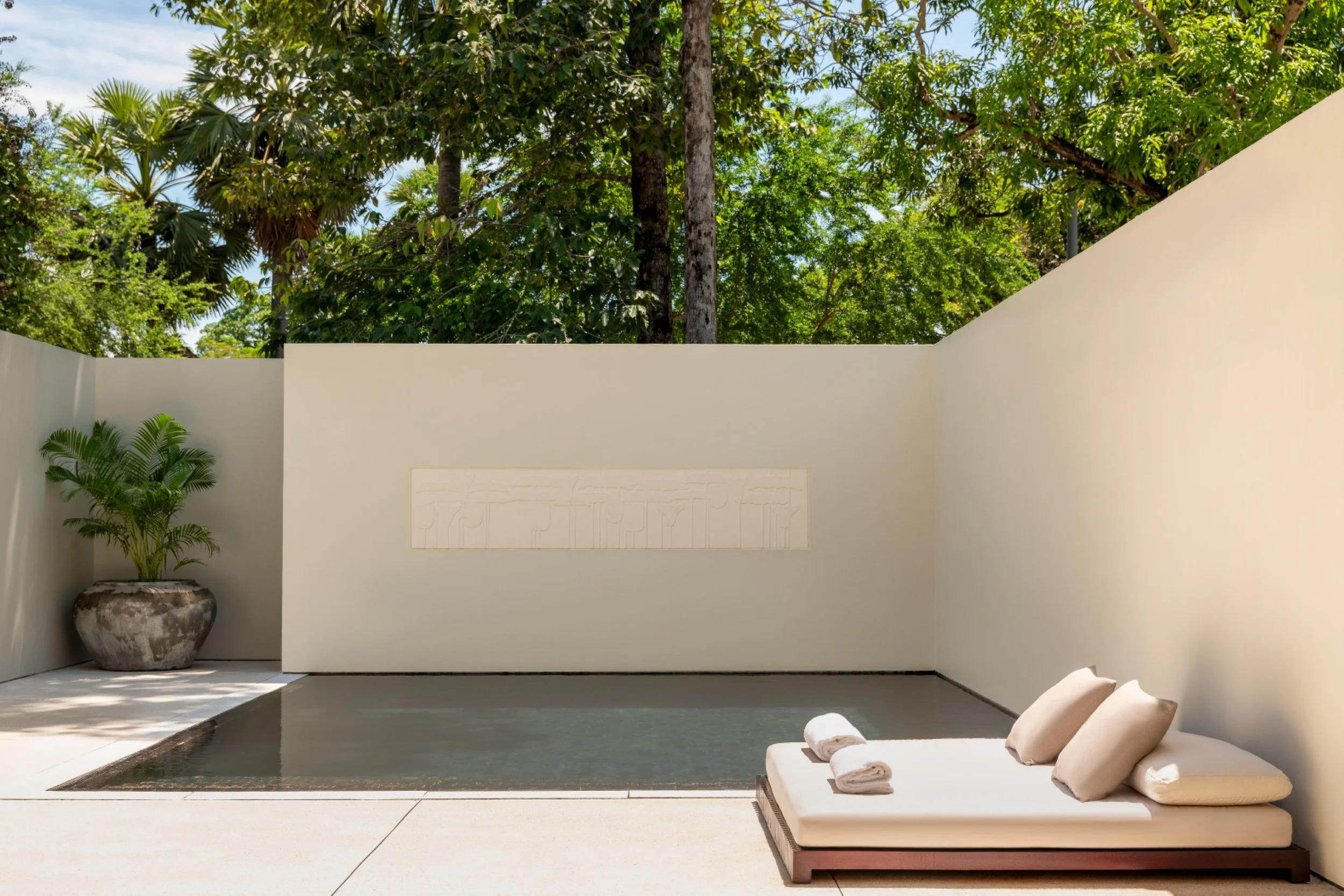
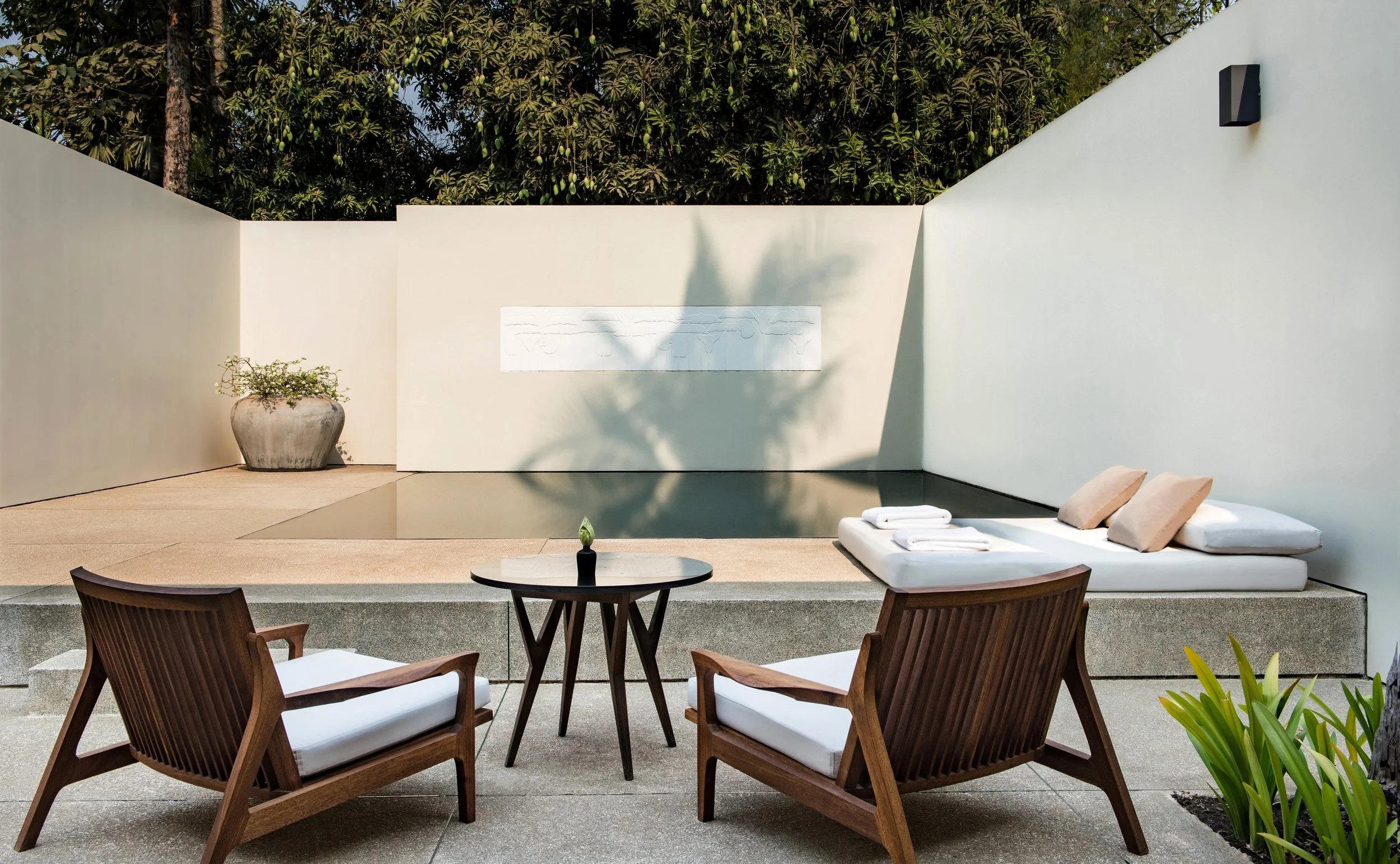
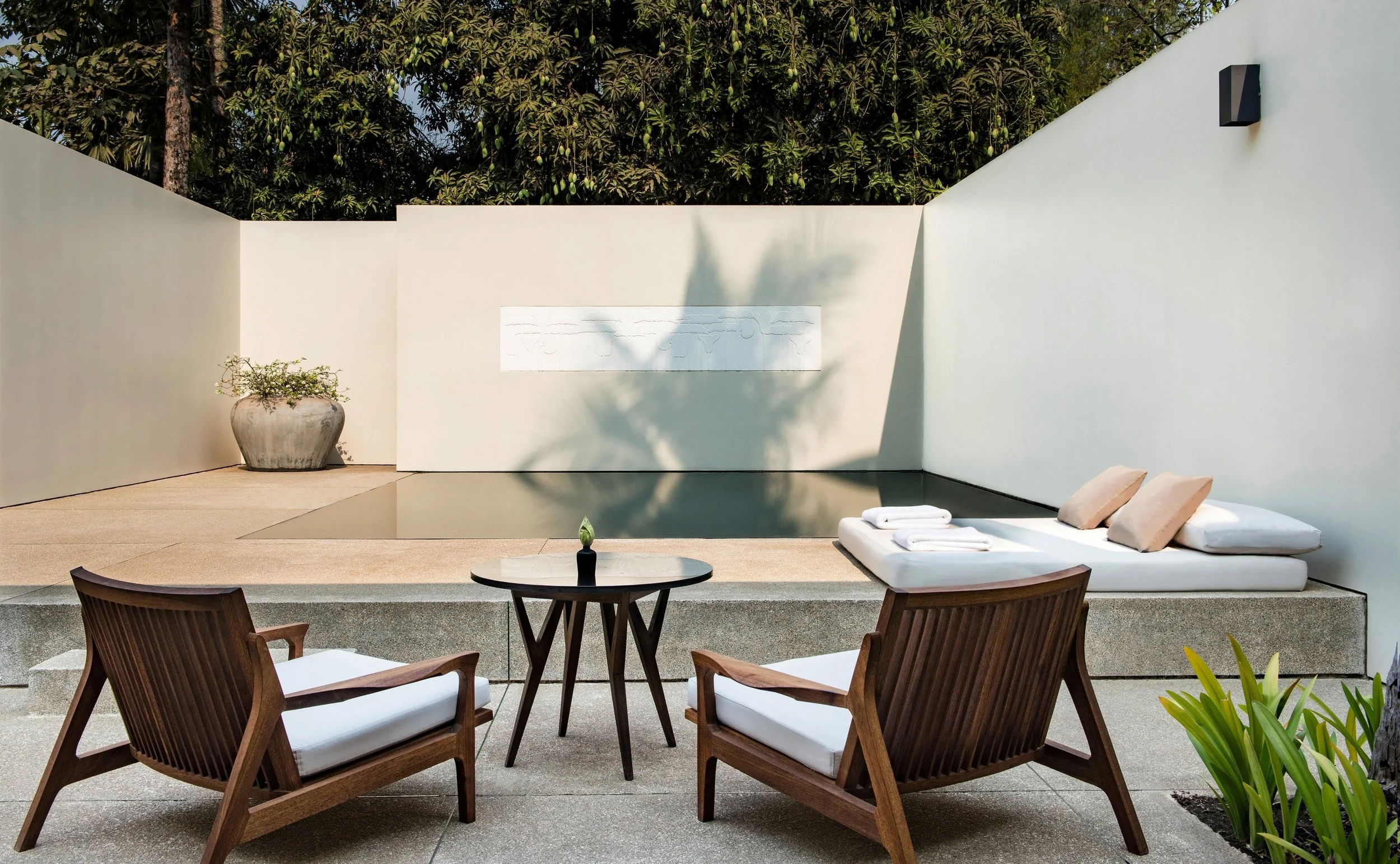
Junior Pool Suite: Approximately 1,033 sq. ft., this suite pairs a king bedroom and comfortable living area with a landscaped private courtyard, plunge pool, outdoor lounge, and double daybed, creating several places to relax between exploring Angkor and returning for dinner.
Courtyard Suite: Approximately 1,076 sq. ft., this contemporary suite opens from a combined king bedroom and living area into a sunken bathing space with an island bathtub, while a private courtyard and reflecting pond bring additional light and a secluded outdoor setting.
Pool Suite: Approximately 1,523 sq. ft., this expansive indoor-outdoor suite features a king bedroom, sitting and informal dining areas, a bathroom with twin vanities and a soaking tub, and a private garden courtyard with its own plunge pool and outdoor seating.
Two-Bedroom Pool Suite: Approximately 2,745 sq. ft., this configuration combines two suites with king bedrooms, generous living spaces, and bathrooms with soaking tubs, opening onto a private courtyard with a pool, garden, outdoor lounge, double daybed, and dining terrace for shared meals.
The distinction between a courtyard and a pool is worth considering alongside the daily itinerary. Travelers planning long sightseeing days may value a quiet outdoor sitting area most, while those leaving afternoons open will have more opportunity to enjoy a private swim.
Amansara’s published stay inclusions currently cover breakfast, a choice of lunch or dinner with nonalcoholic beverages, afternoon tea, daily guided Angkor excursions, town transportation, and laundry excluding dry cleaning. Temple passes are excluded. These inclusions make the experience more comprehensive than a conventional room-only stay, but special excursions, spa treatments, and private dining arrangements should be checked separately.
Khmer Flavors, from the Rotunda to Srah Srang
Dining moves between the hotel and settings that extend the day’s exploration. Cambodian cuisine is central, with international choices providing flexibility over a longer stay.
The Dining Room: Beneath the hotel’s distinctive rotunda, this all-day restaurant serves Khmer and international dishes, with two terraces overlooking either the lawns or the main swimming pool and a setting that works equally well for breakfast, afternoon tea, and dinner.
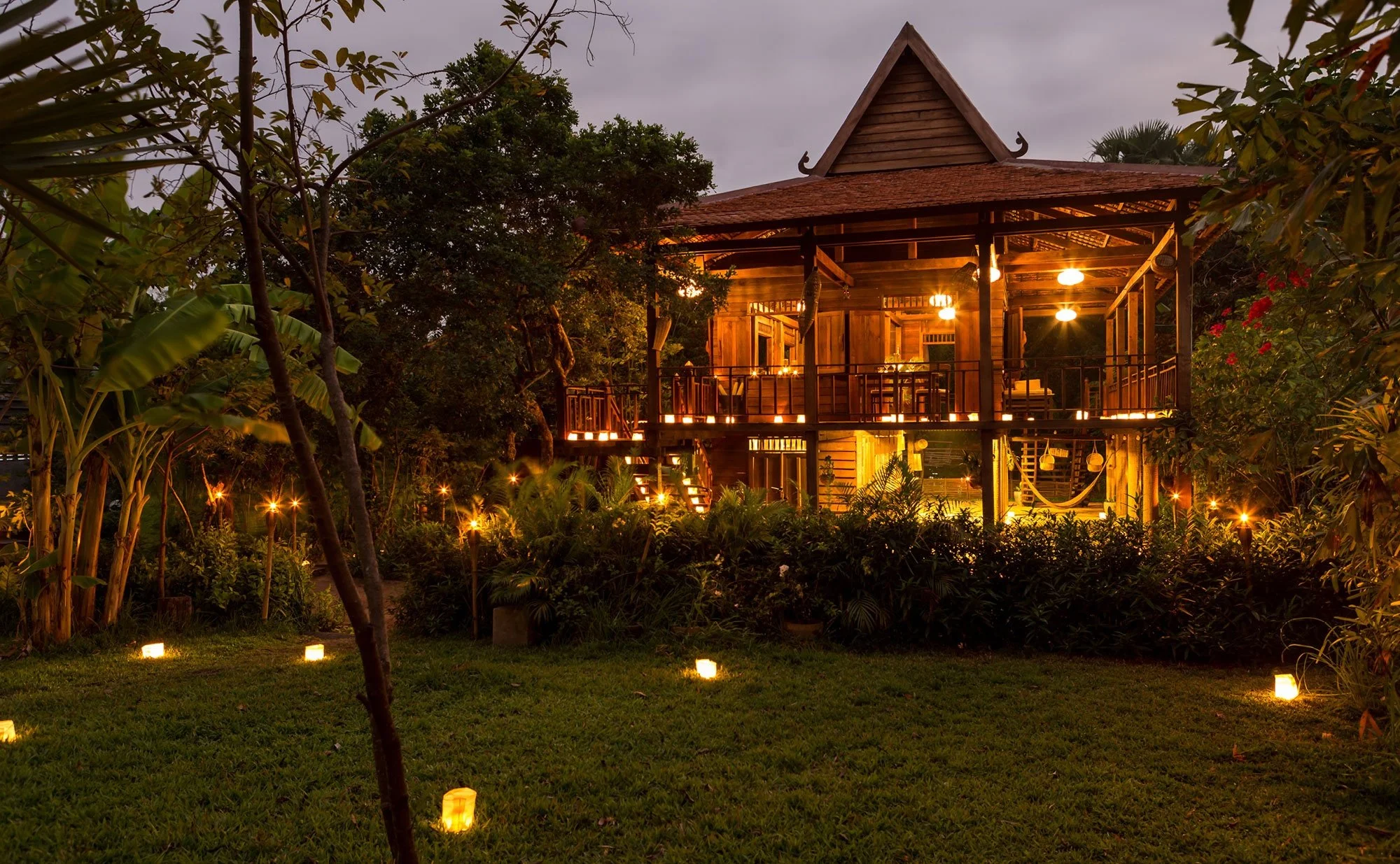
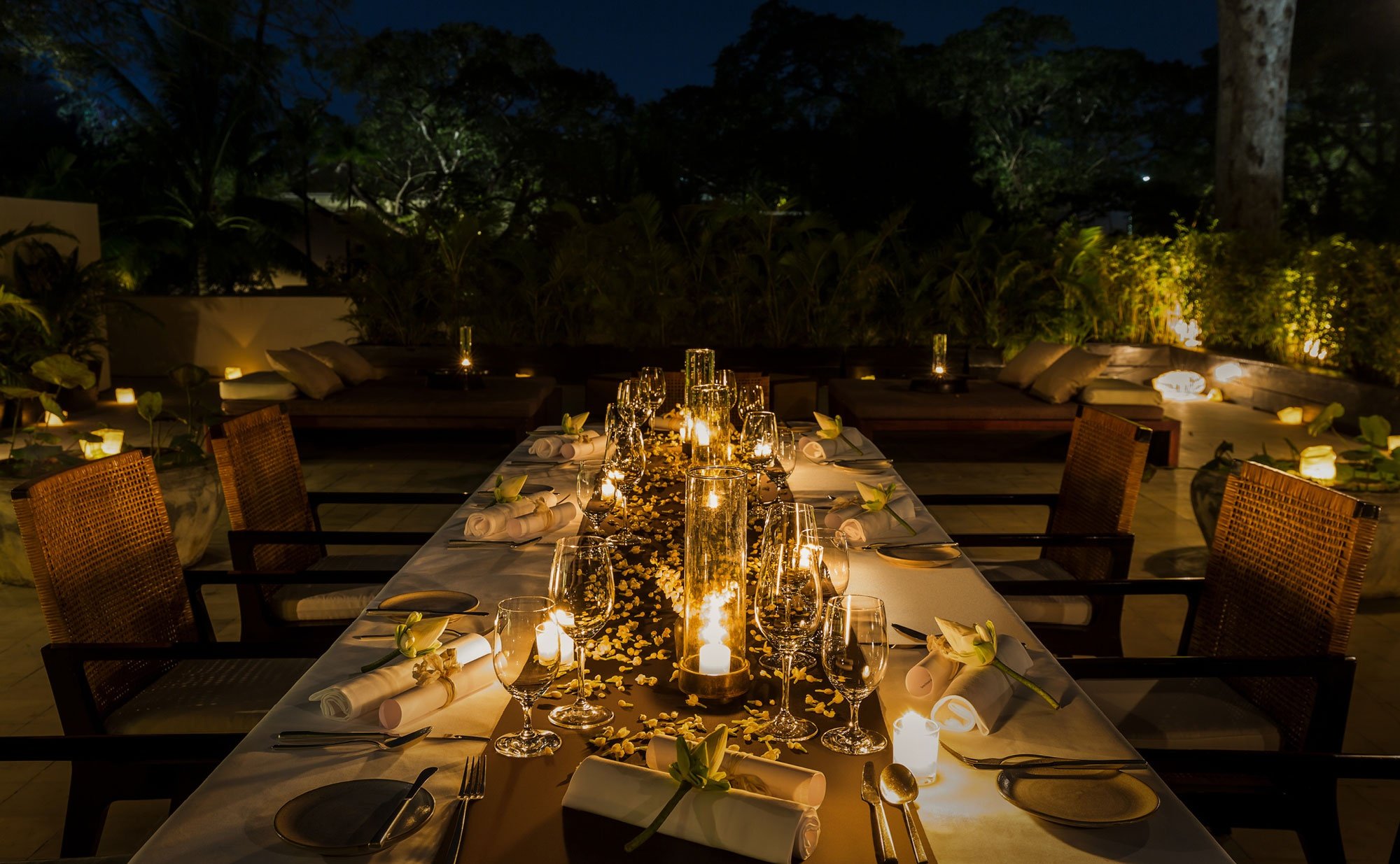
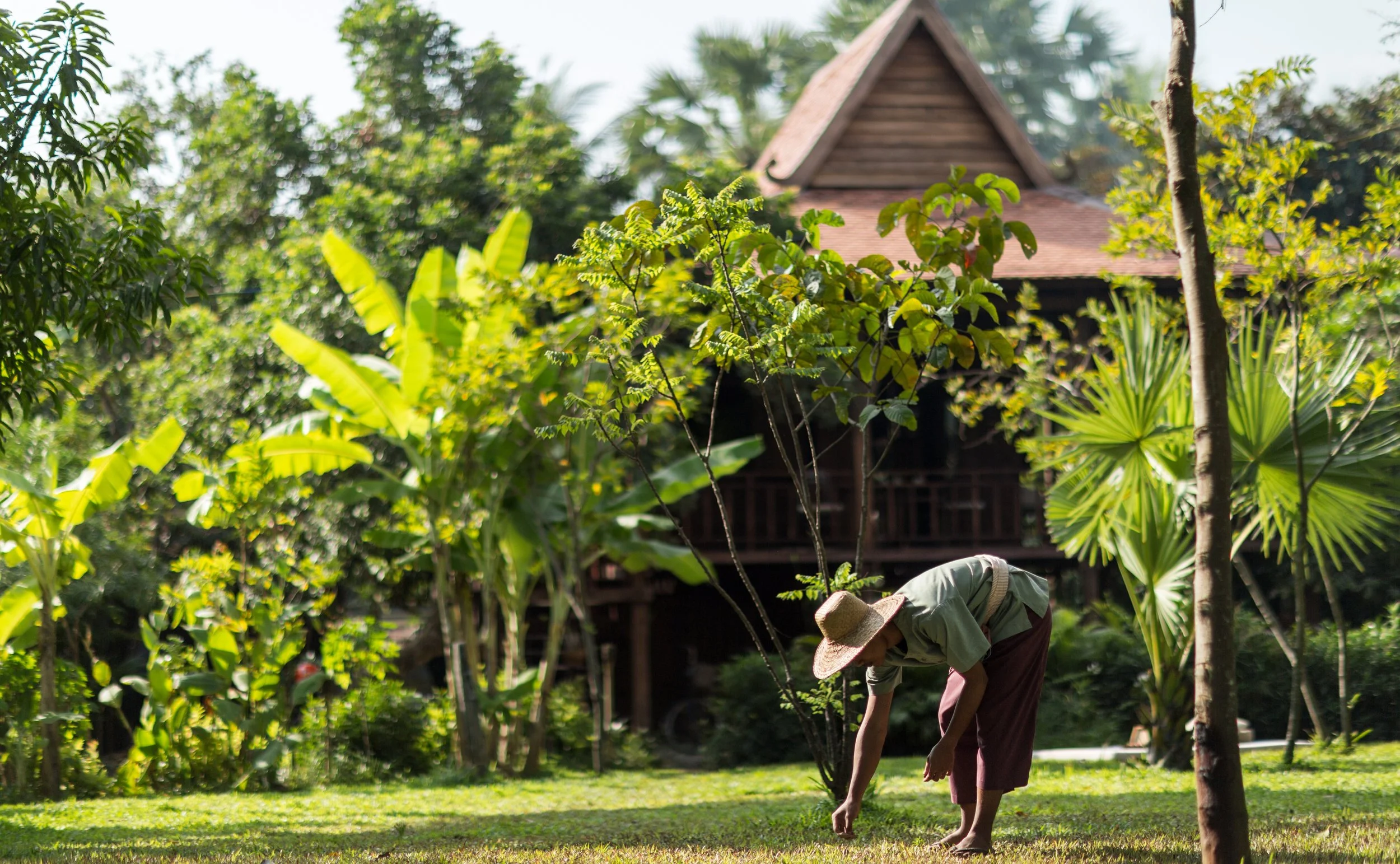
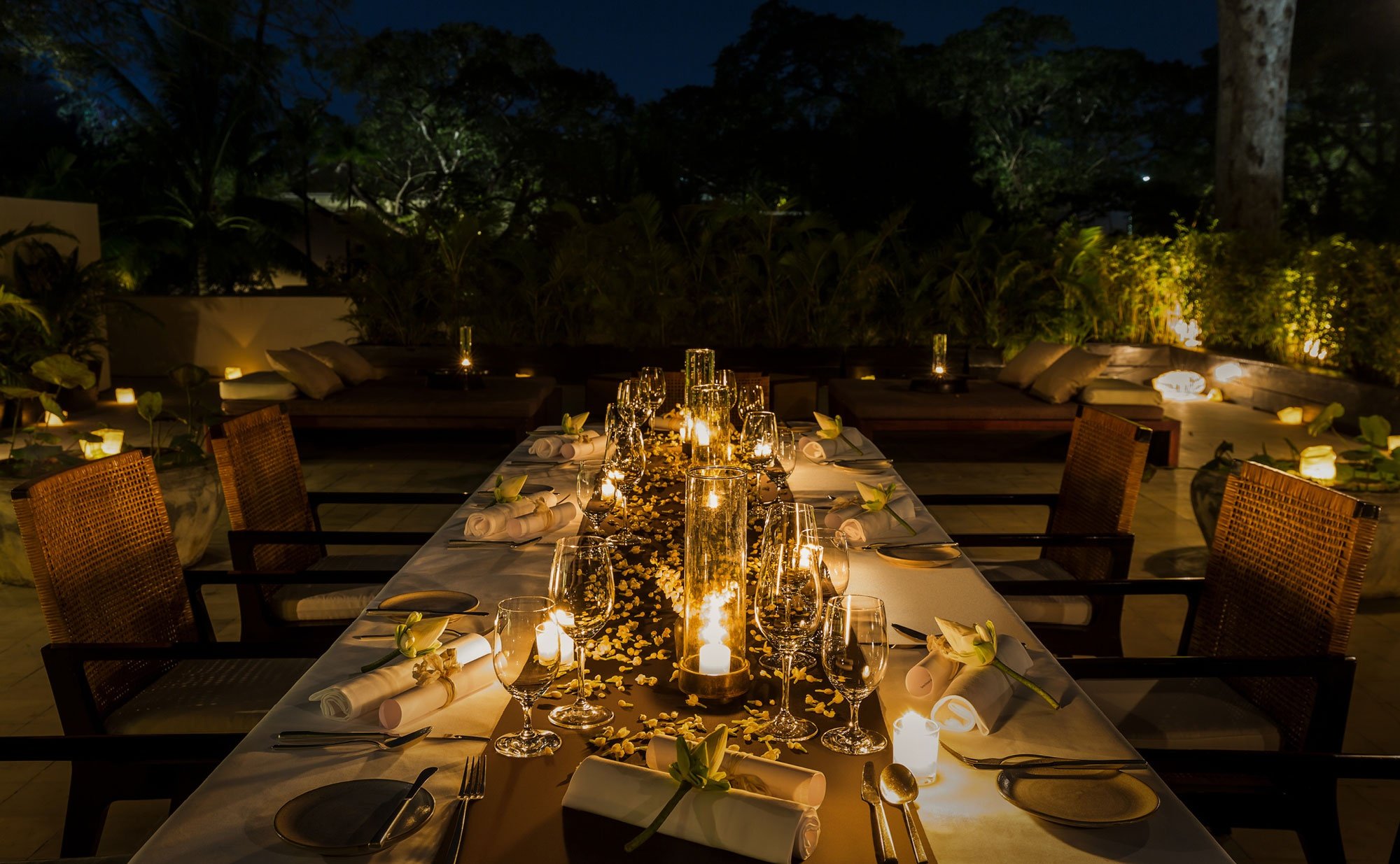
Khmer Village House: Located off-property within the Angkor World Heritage Site, this traditional wooden house overlooks Srah Srang and hosts breakfasts, cooking classes, and specially arranged candlelit dinners, connecting meals to the landscape and culinary traditions surrounding the temples.
Roof Terrace: A seasonal space among the treetops, the terrace offers evening drinks and cocktails as well as private dining by arrangement, providing an outdoor alternative to the main restaurant when weather and operating conditions allow.
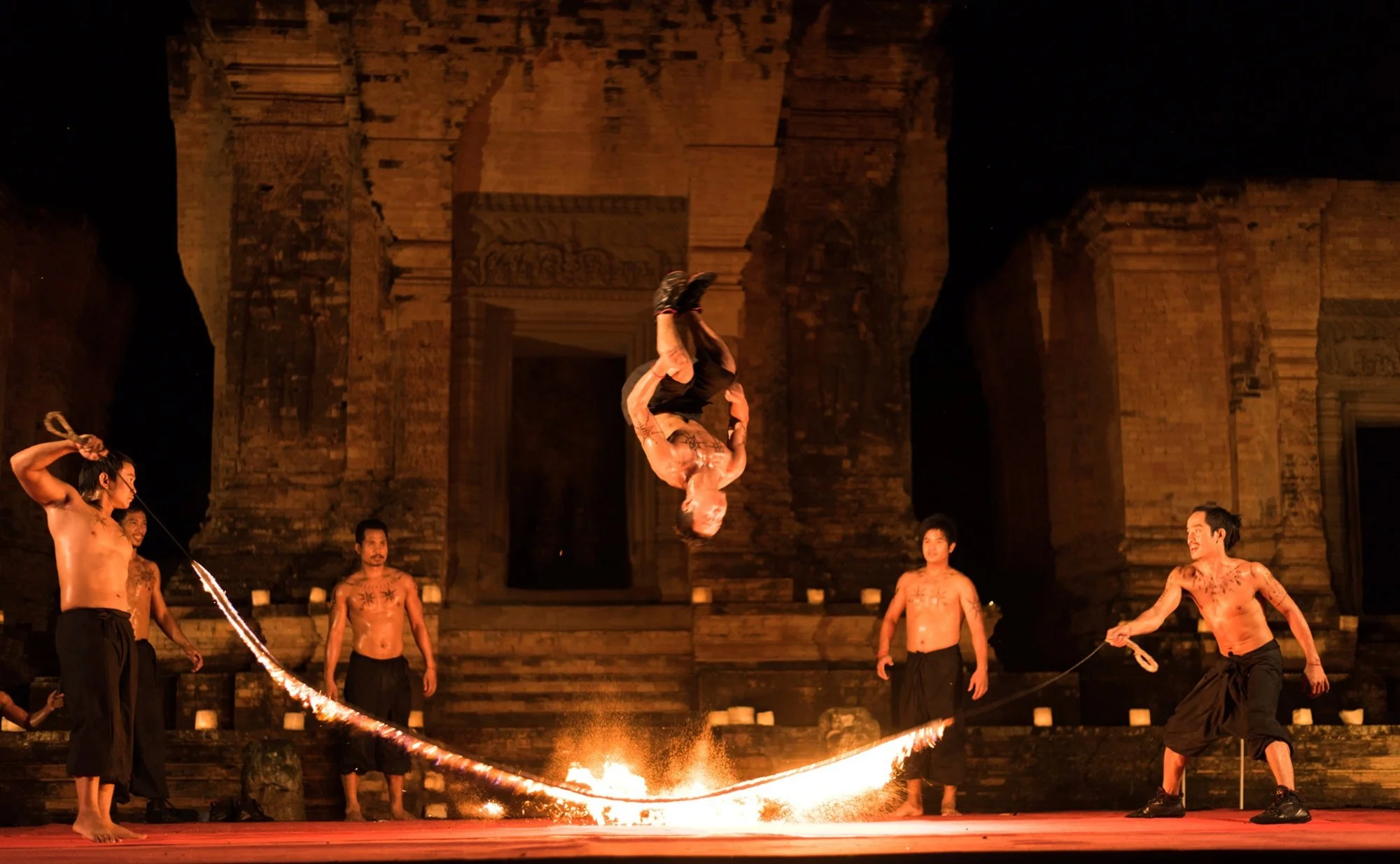
For a more elaborate occasion, the hotel can arrange destination dining, including temple dinners at Prasat Kravan, subject to availability and the necessary arrangements. These are separately planned experiences rather than additional restaurants with regular nightly service.
Restorative Afternoons Behind the Garden Walls
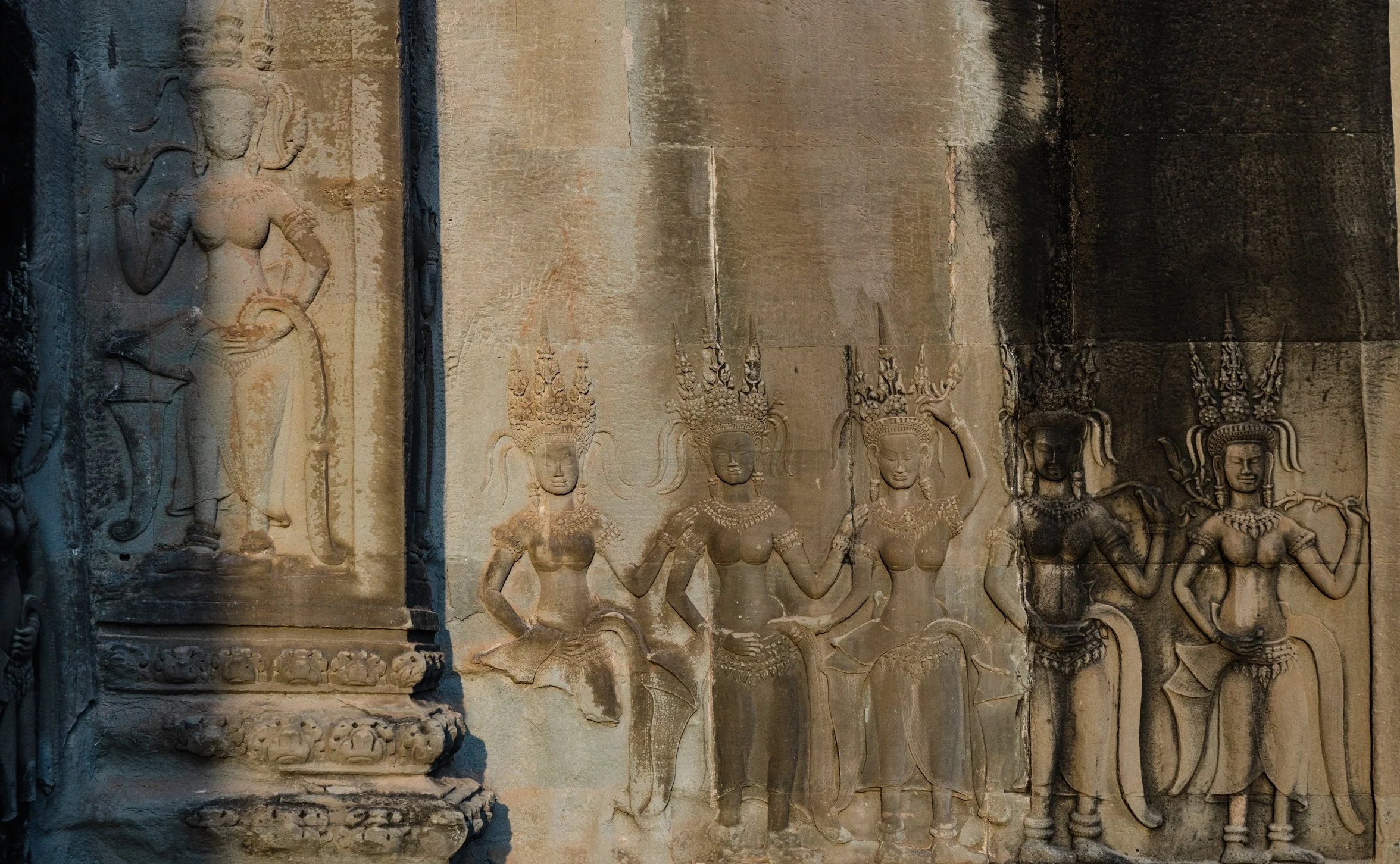
The Aman Spa has four treatment rooms, each with a steam bath and shower, approached beside a reflecting pond and a long Angkor-inspired relief. Its scale suits the rest of the property: quiet, private, and easy to incorporate into a day of sightseeing.
Treatments draw on Khmer traditions alongside Aman’s own skincare approach. Herbal preparations, massage, and body treatments offer different ways to settle into a slower afternoon. The signature Apsara ritual combines several stages, including a scrub, wrap, and facial elements, rather than functioning as a standard massage alone.
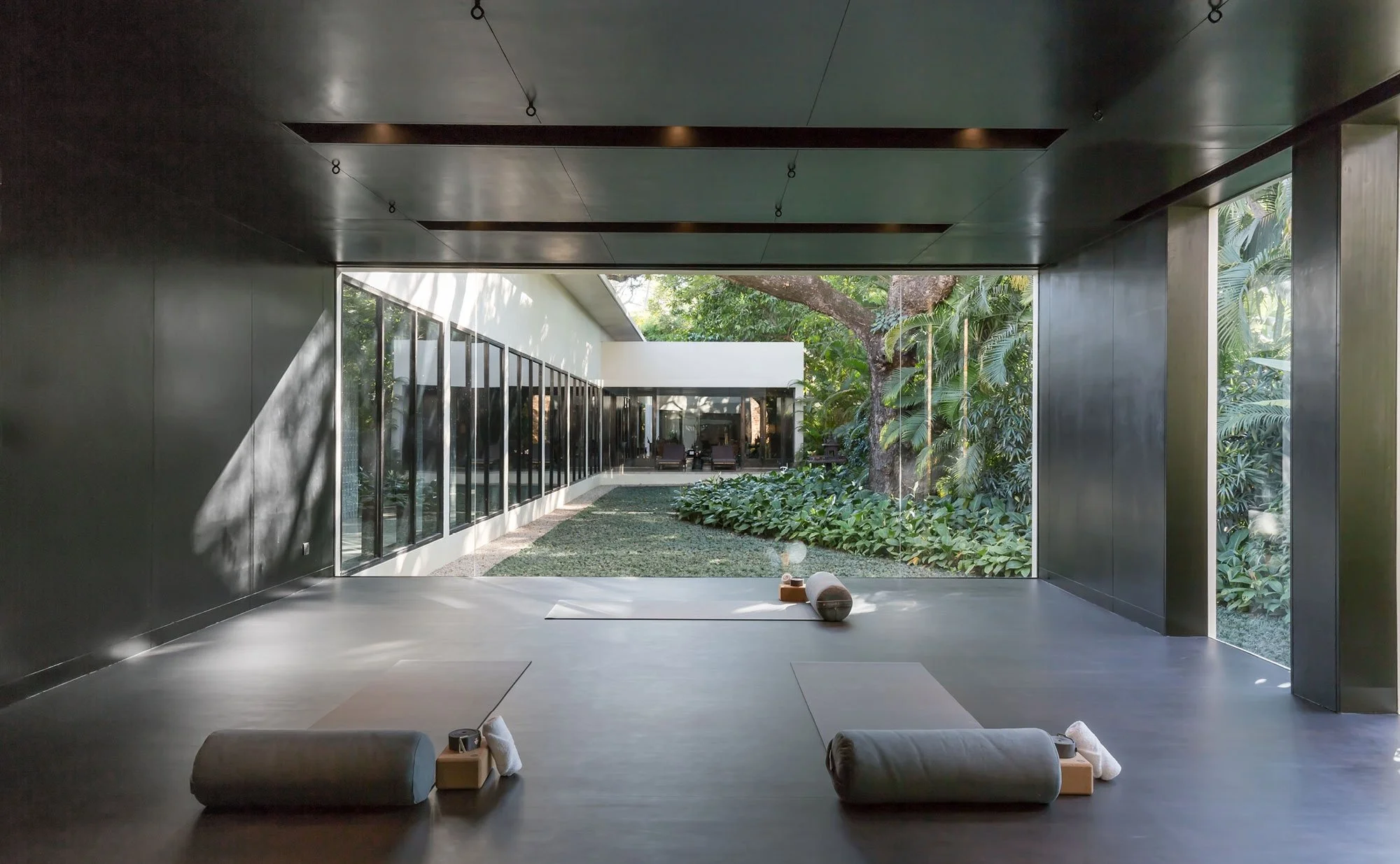
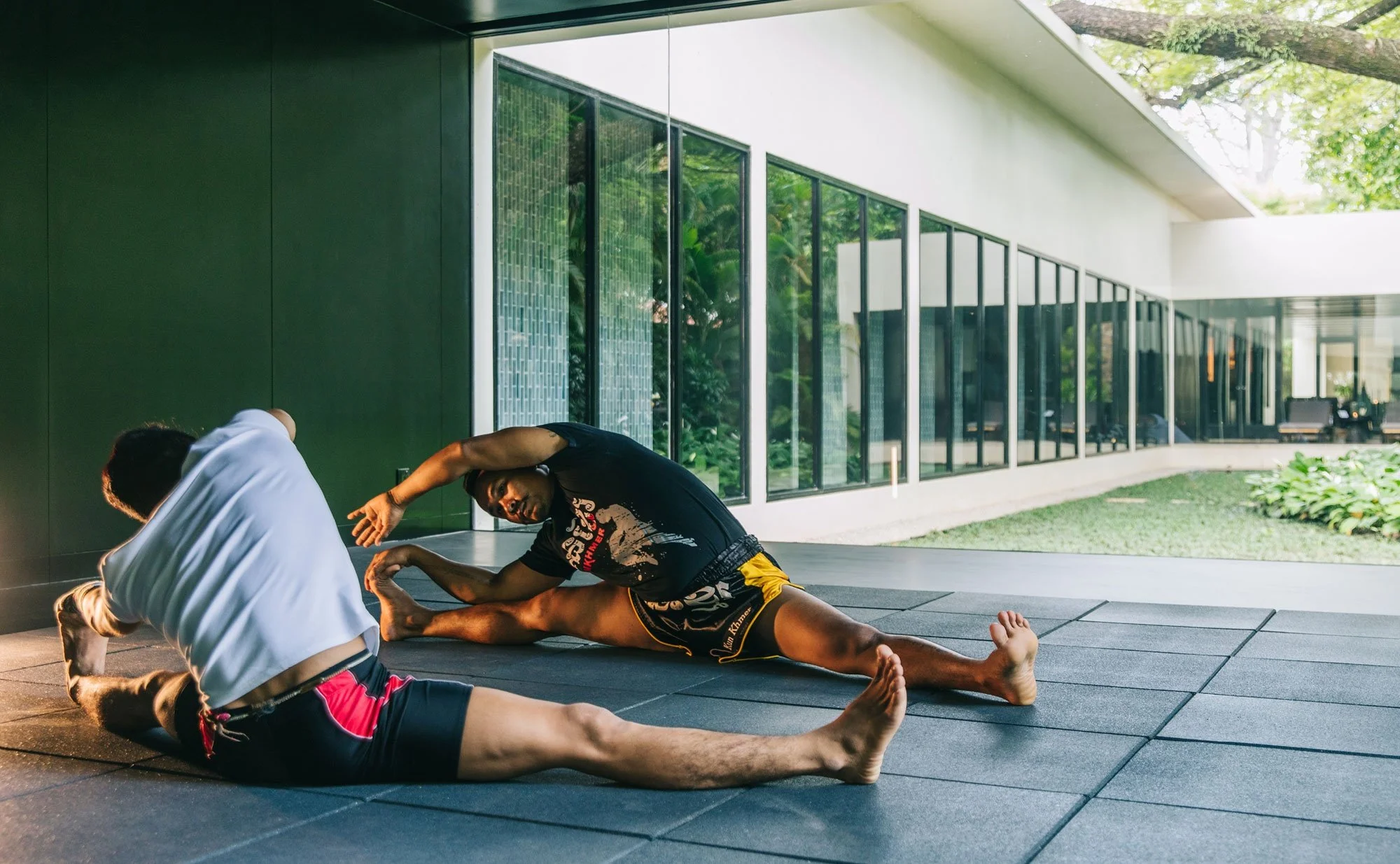
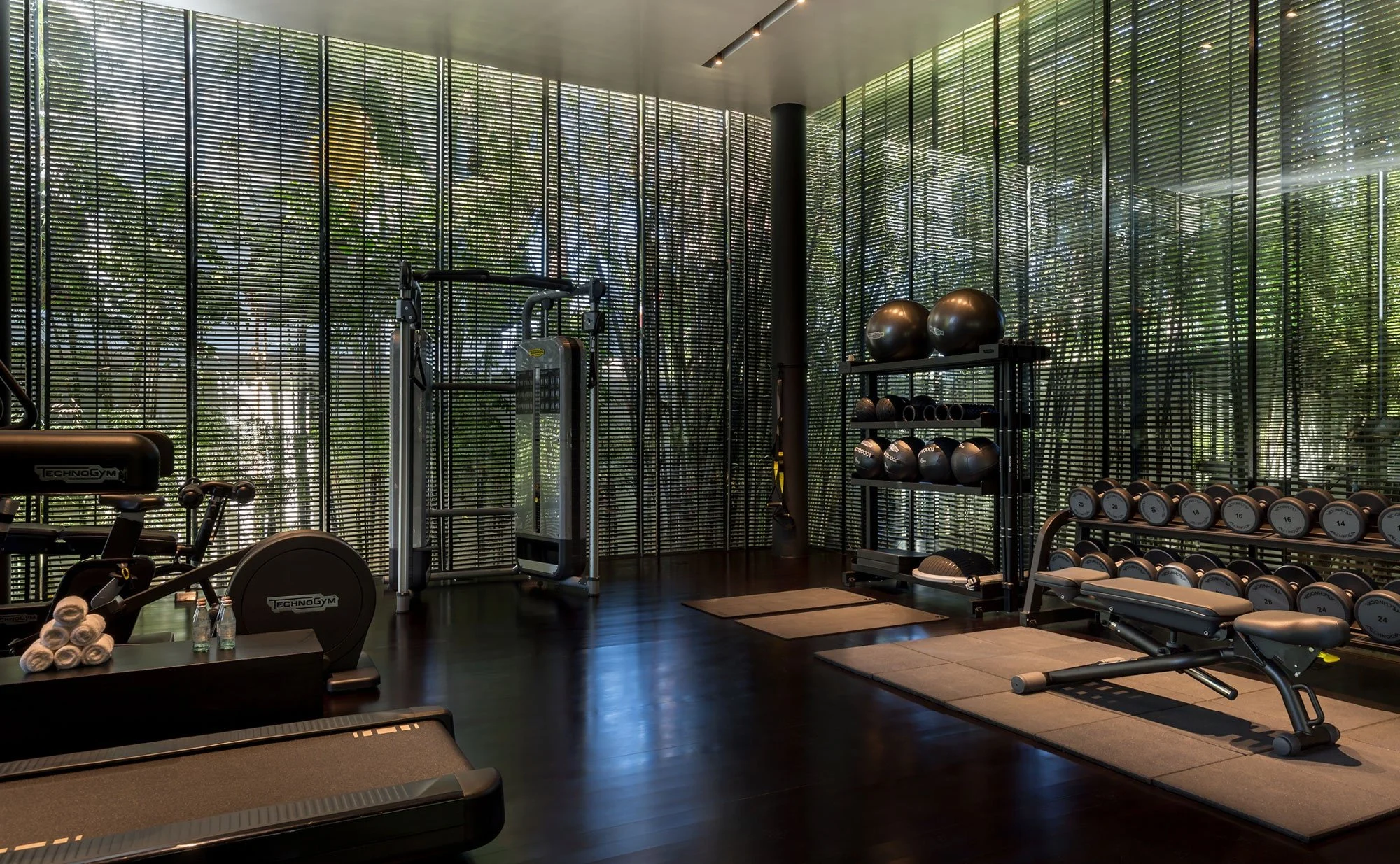
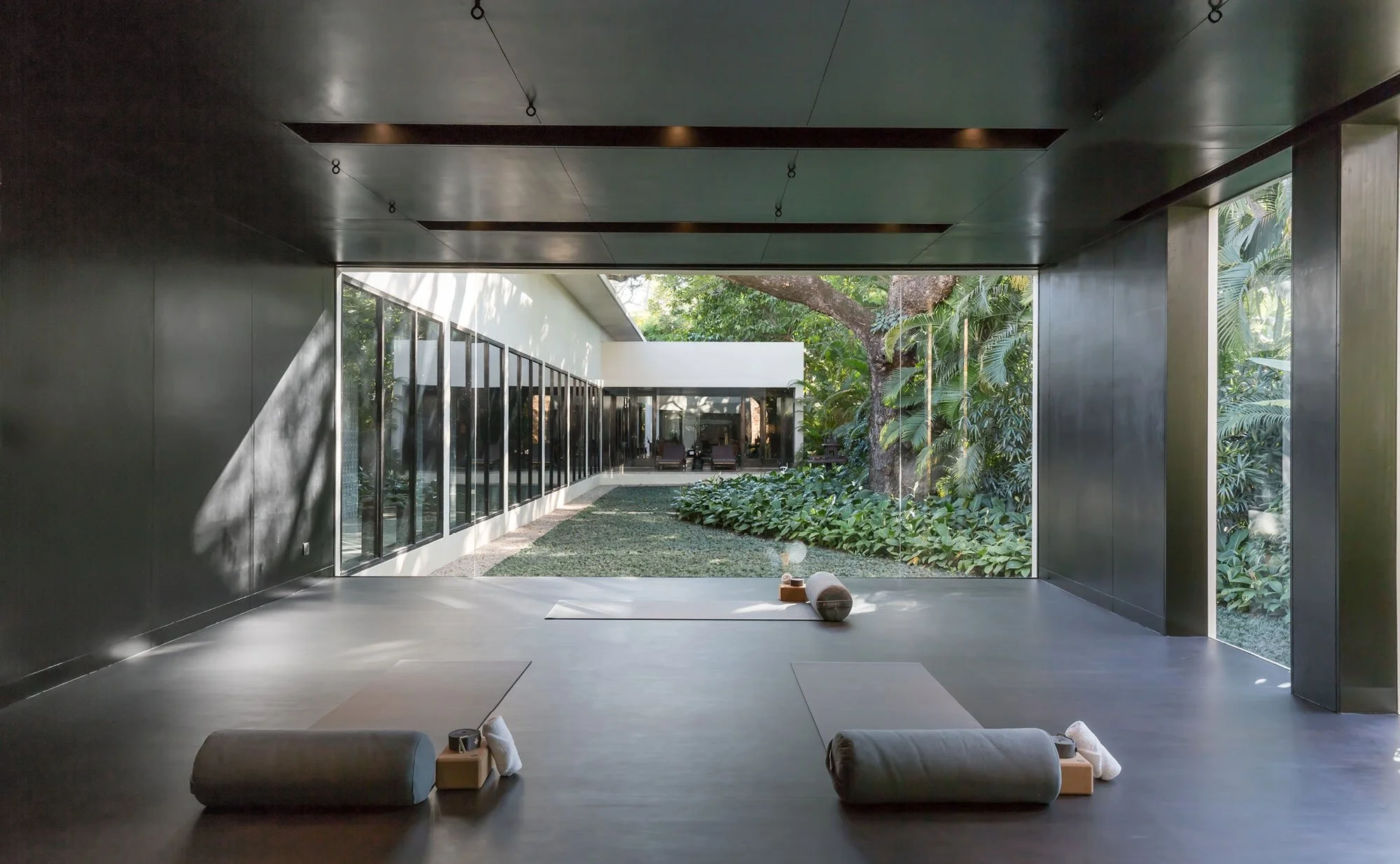
A dedicated yoga and movement studio and fitness center support a more active routine. Two shared swimming pools include a 25-meter lap pool, useful for travelers who prefer a proper swim to a brief dip.
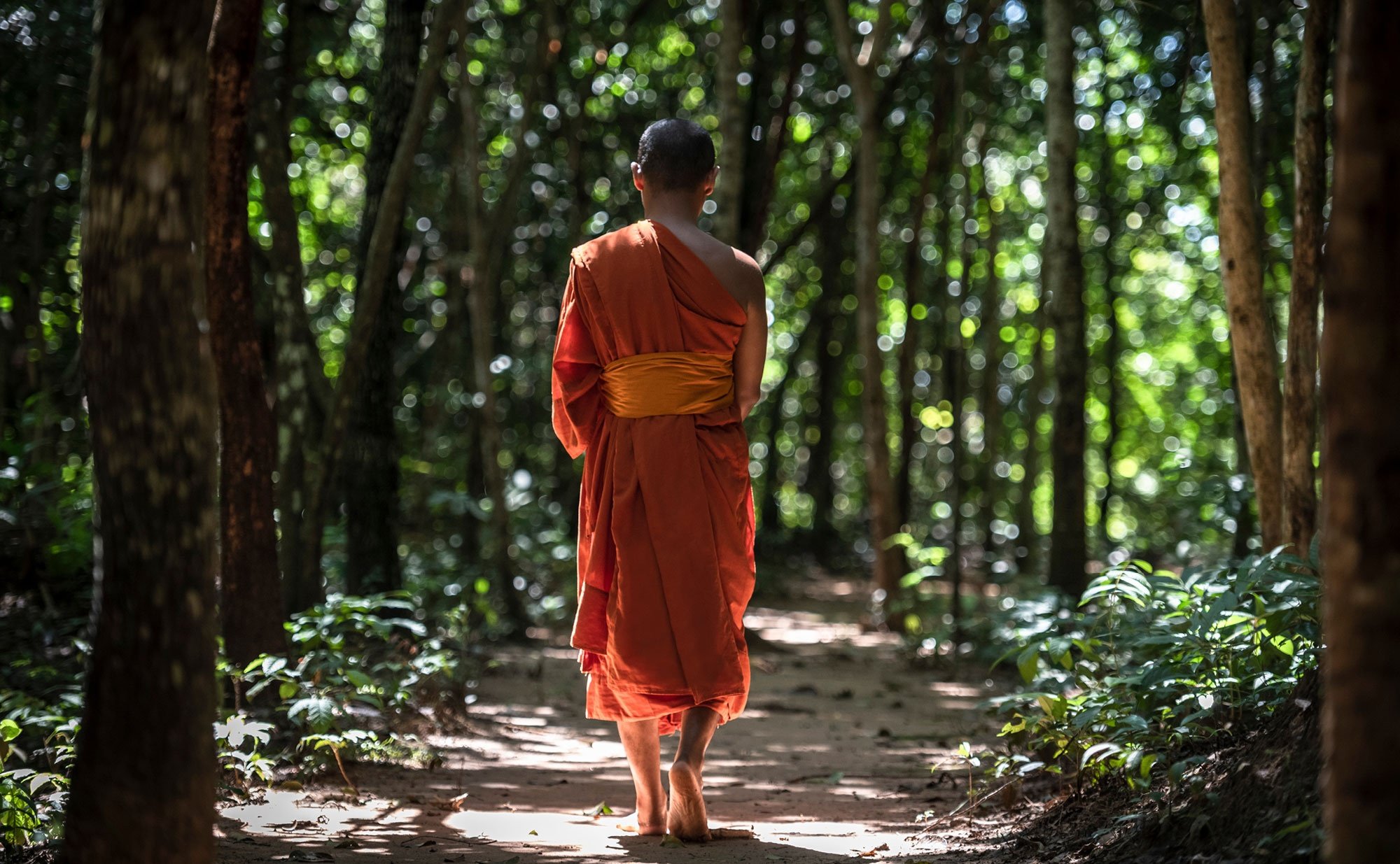
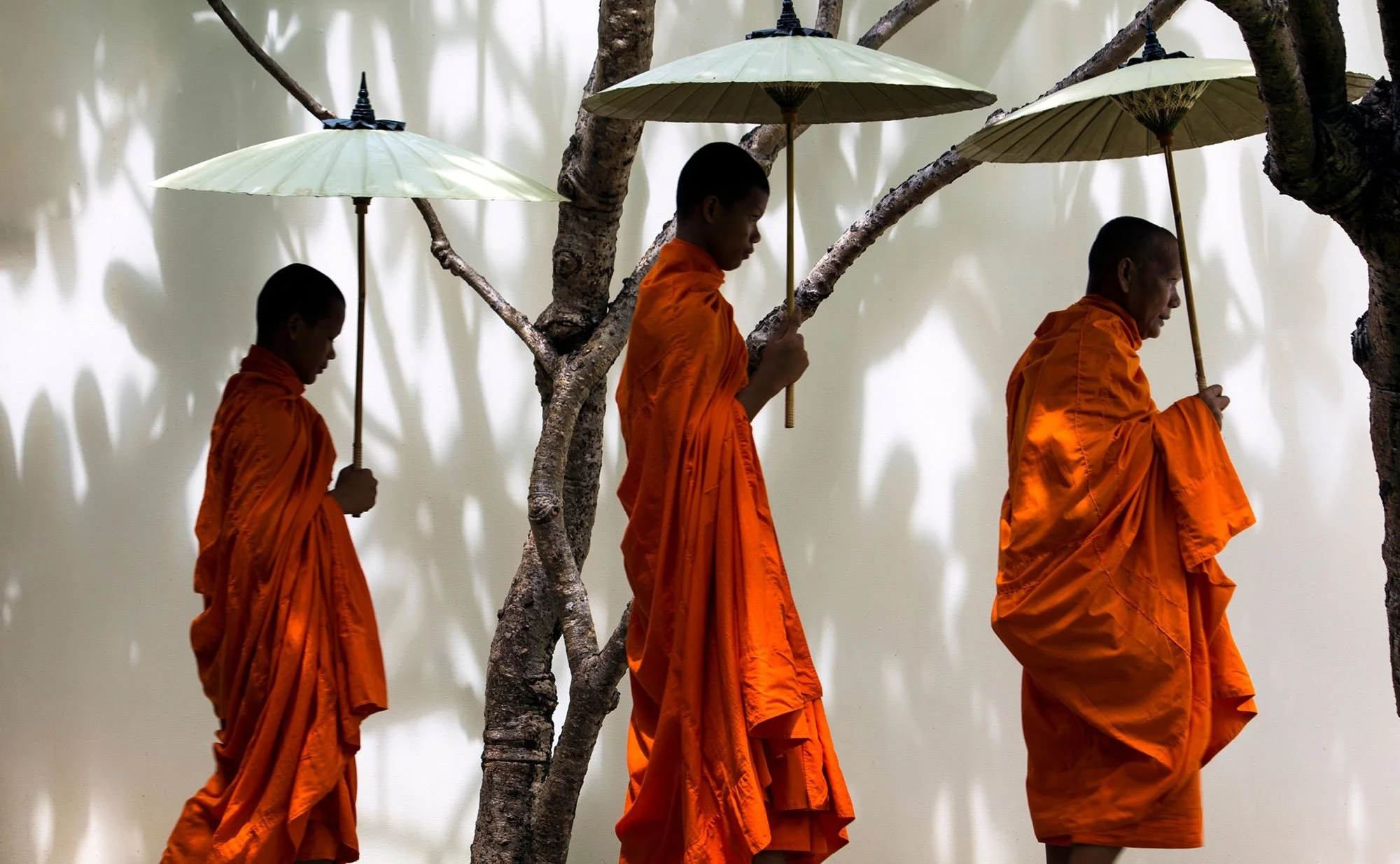
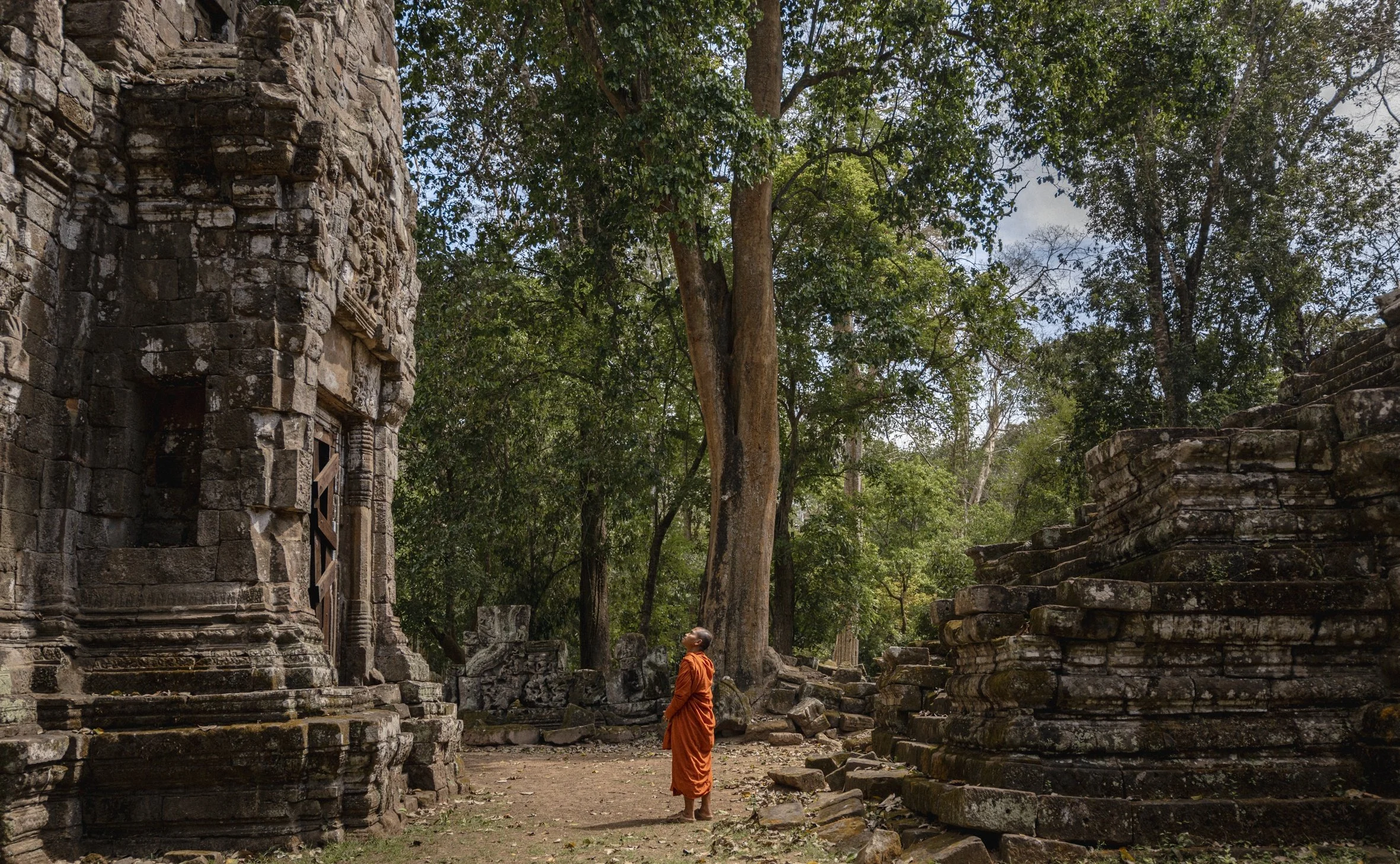
Beyond the spa, the hotel arranges walking meditation with a monk and Buddhist water blessings at a local pagoda. These encounters deserve the same respect as other religious visits, with appropriate clothing and guidance from the hosts.
Angkor at a More Considered Pace
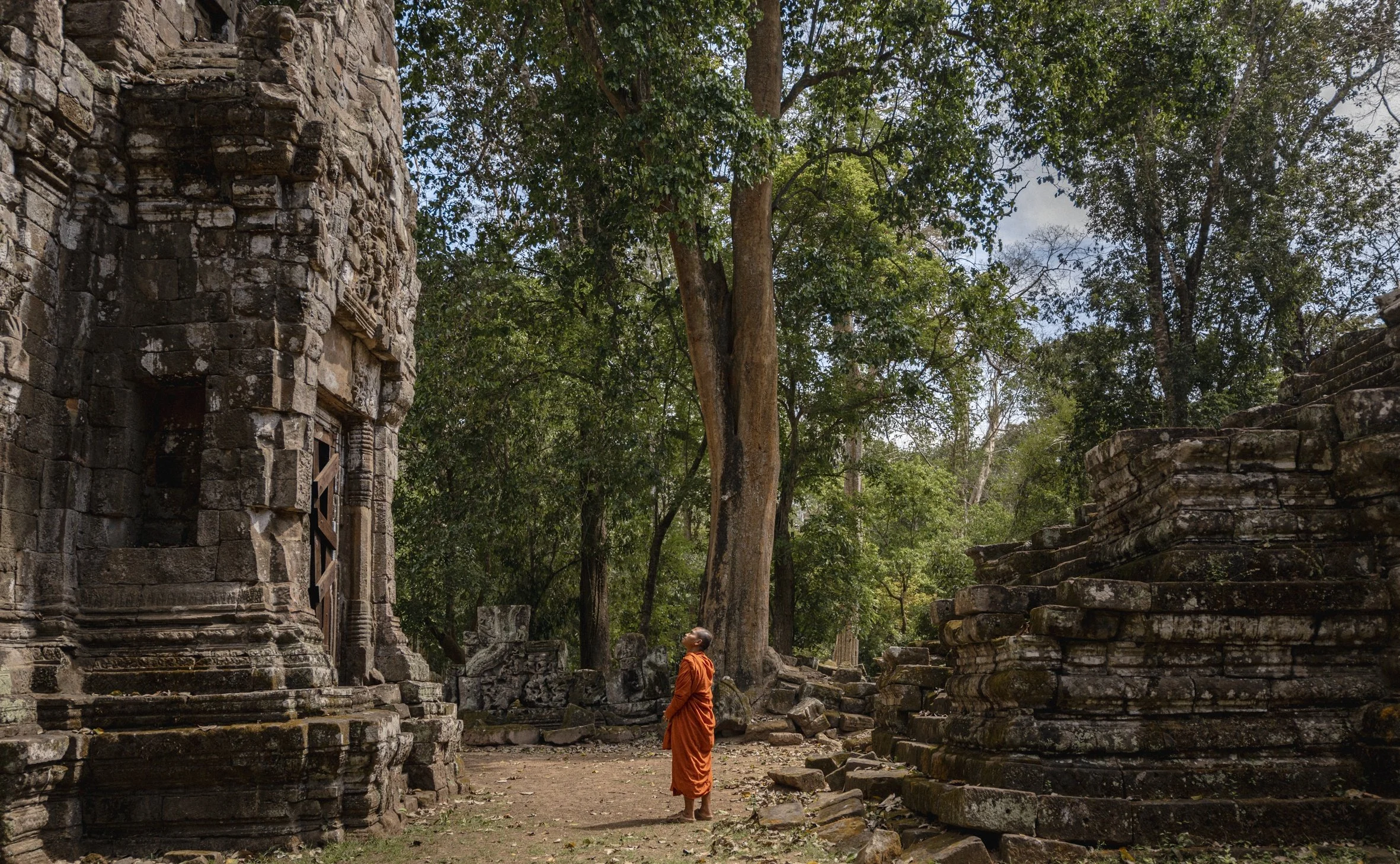
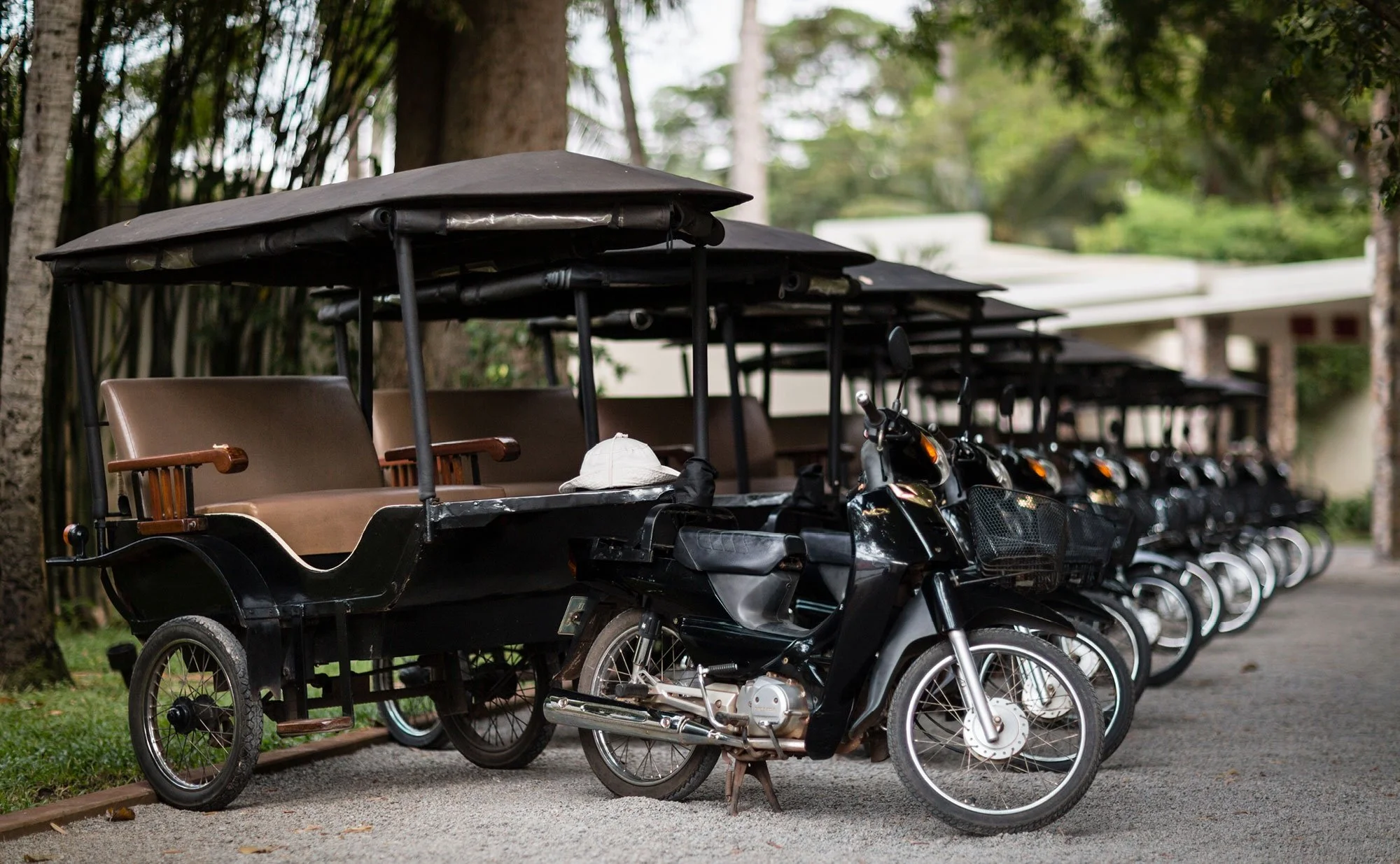
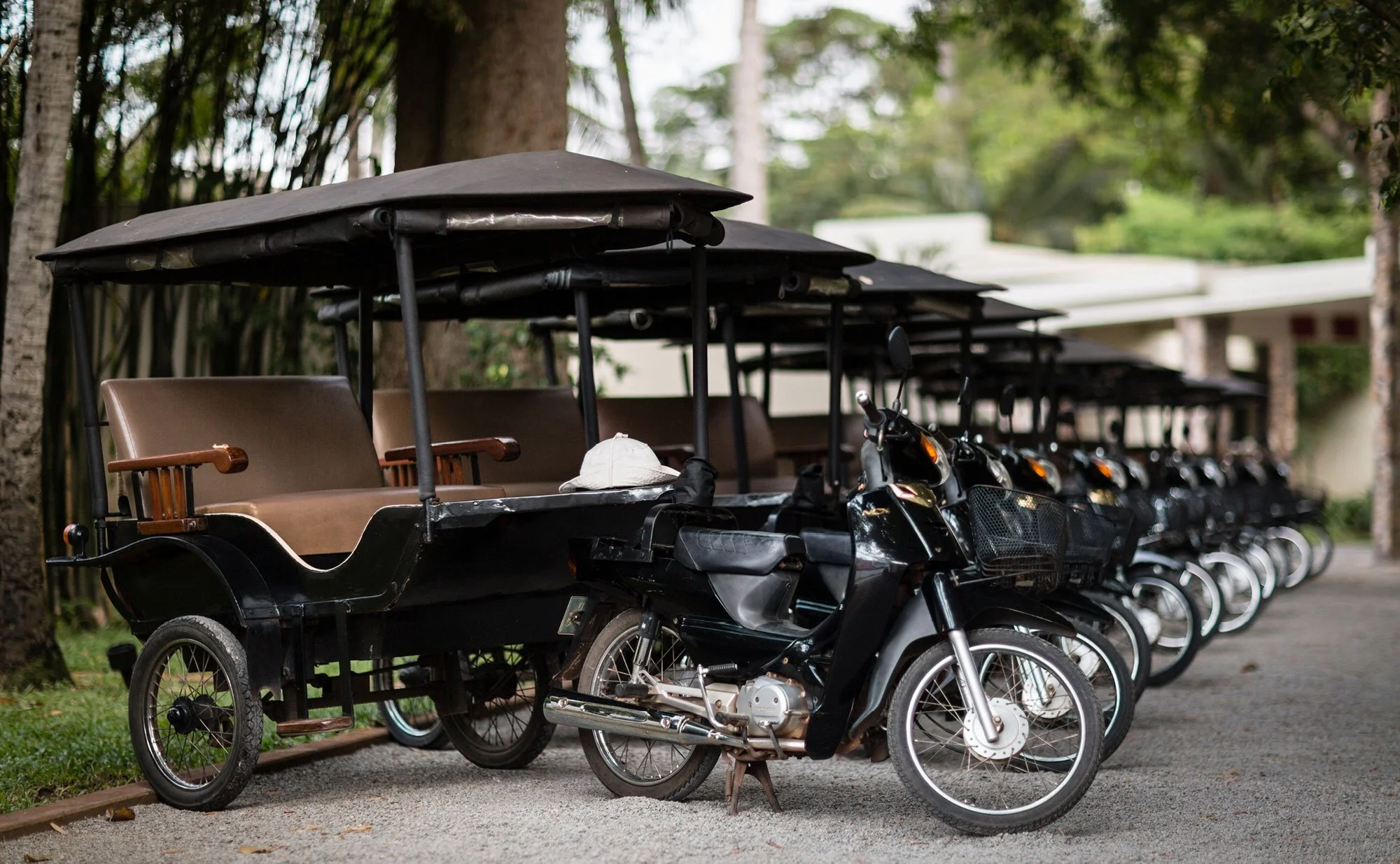
The opportunity to explore with a private guide is fundamental to Amansara. Angkor’s monuments can be visited on foot, by bicycle, or using a remork, the local passenger carriage pulled by a motorcycle. Each offers a different relationship to the surrounding landscape.
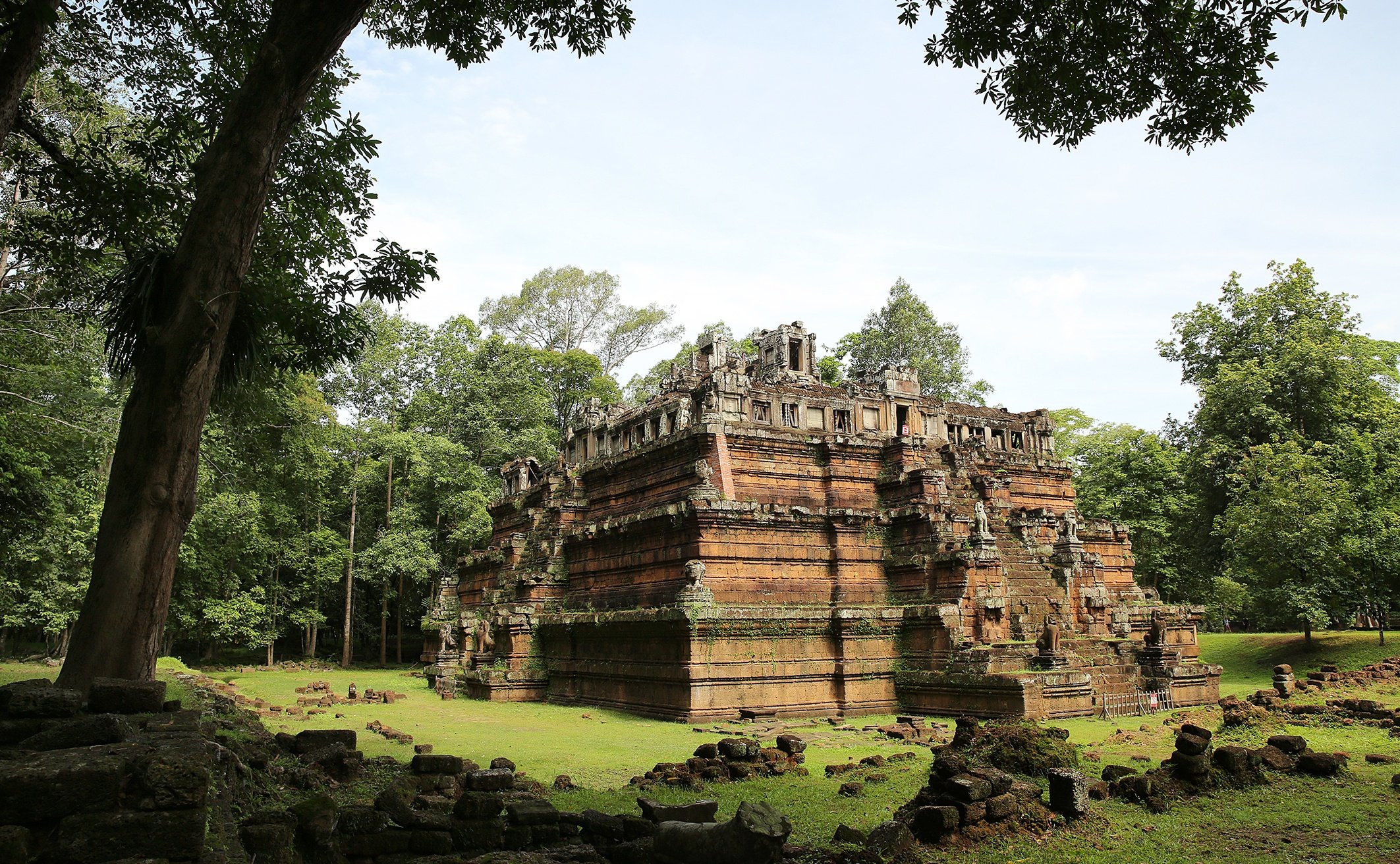
Angkor Wat, Bayon, and Ta Prohm provide distinct starting points, but the strongest itinerary allows time to notice their differences. A guide can help interpret a carved scene, explain a building’s religious history, or adjust the route when heat and crowds make a slower approach more appealing. Private guiding does not mean exclusive access to the archaeological park.
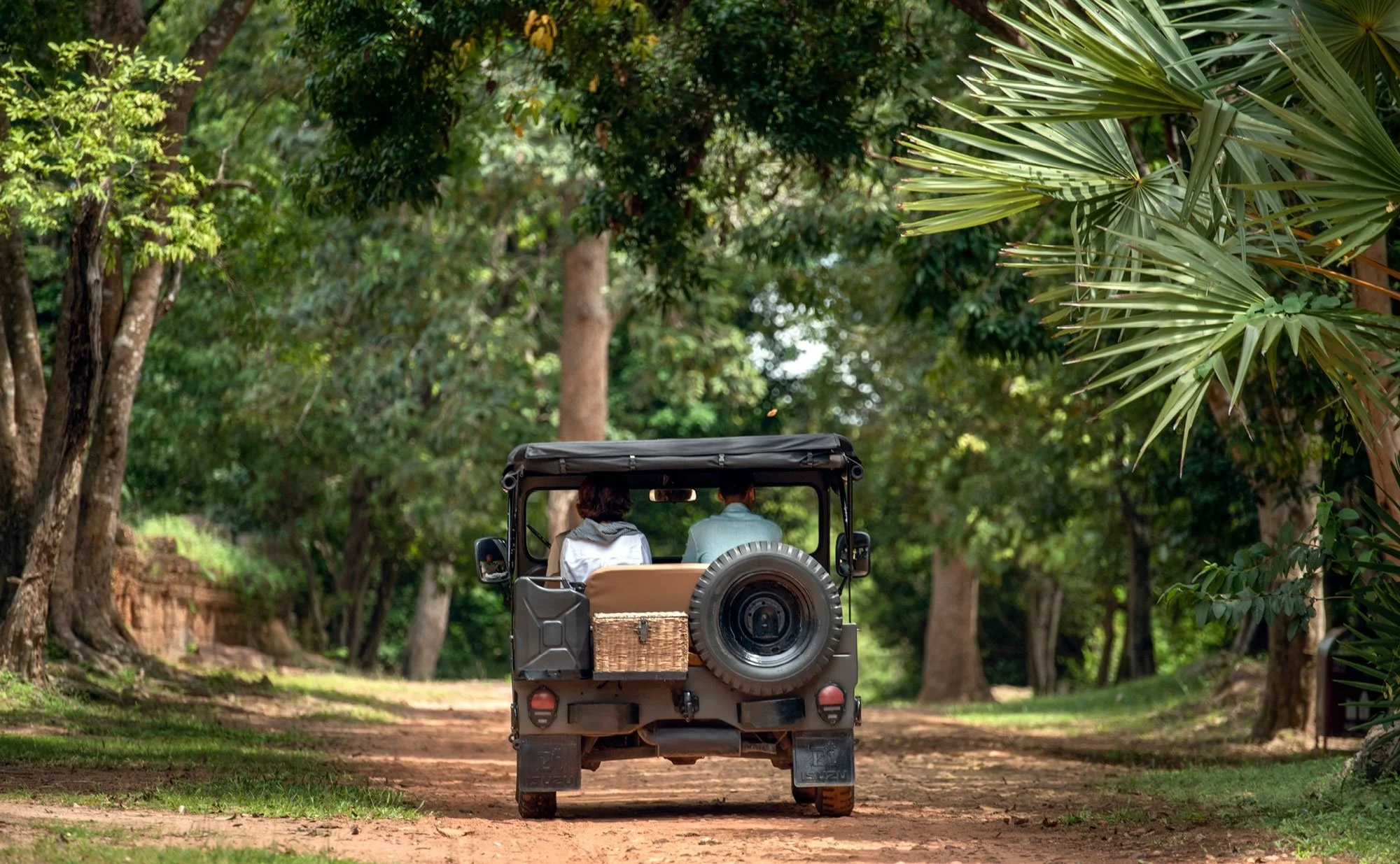
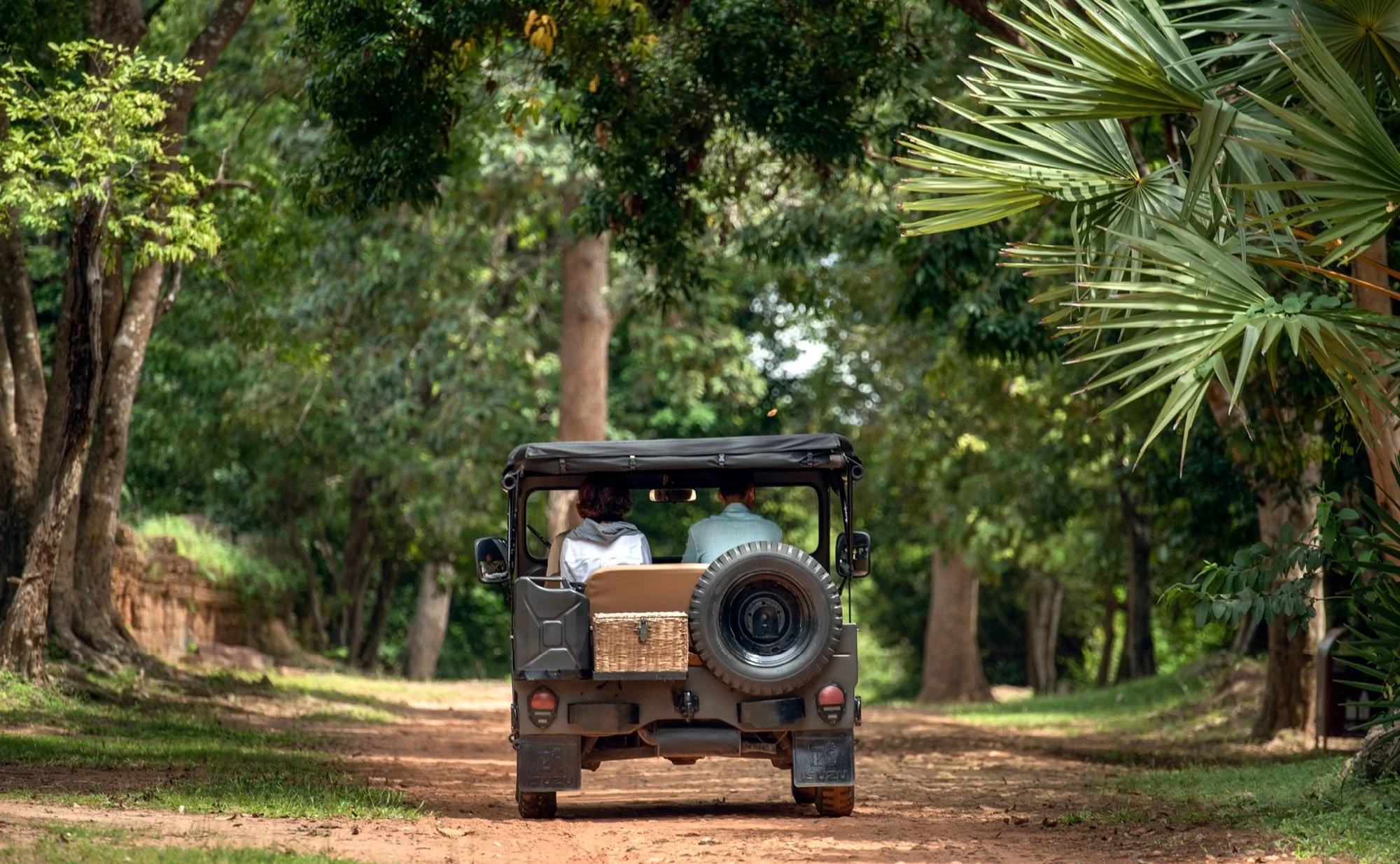
Outside the main temple visits, Amansara offers countryside journeys by vintage Jeep, cycling excursions, and cooking classes at Khmer Village House. A curator-led visit to the Angkor National Museum adds another layer for travelers interested in the objects and beliefs behind the monumental architecture.
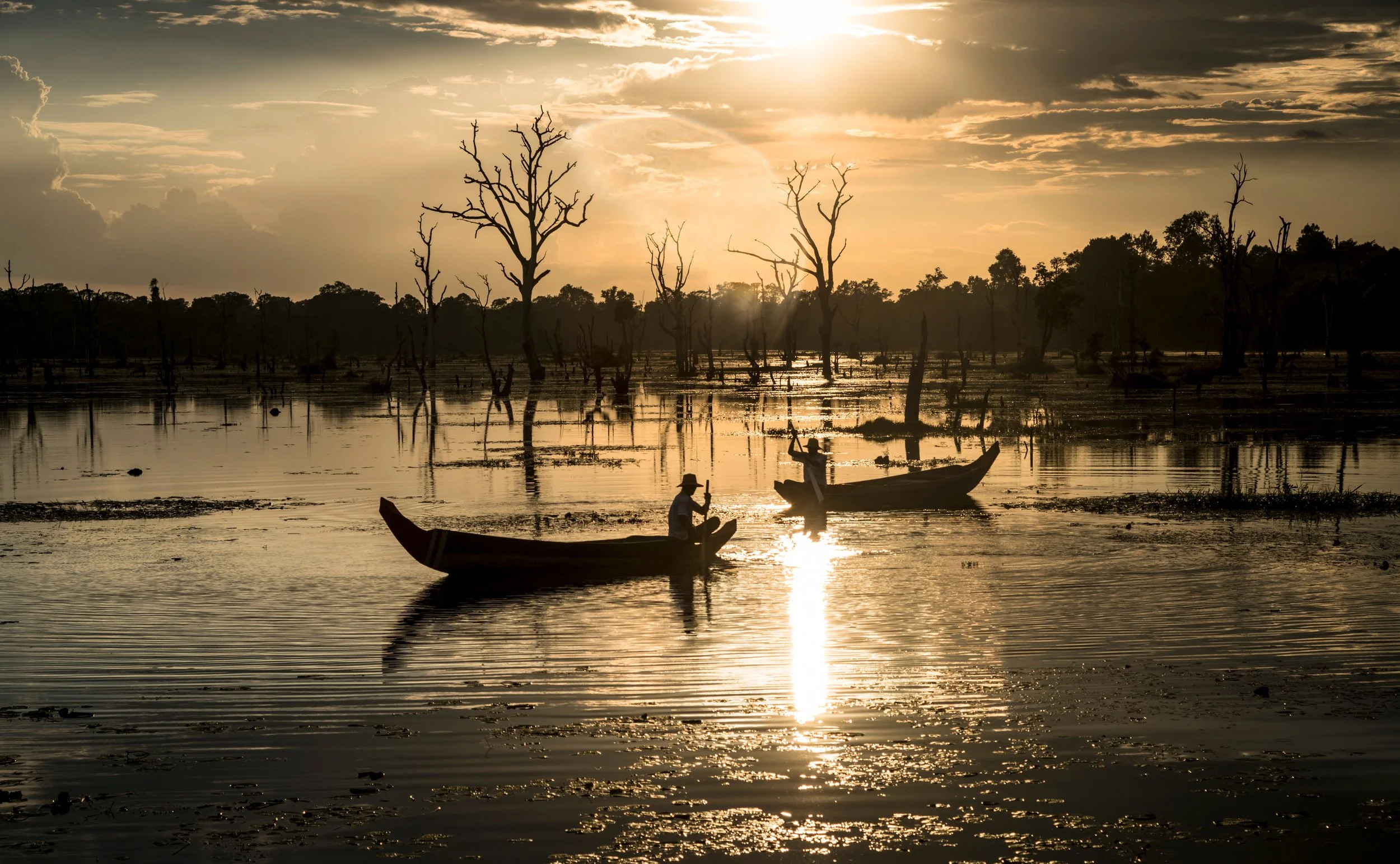
The hotel’s Amanbala boats also explore Tonlé Sap, where communities live in close relationship with the lake. Water levels change significantly through the year, affecting routes and availability. It is an experience to plan around conditions rather than assume will operate identically in every season.
Discovering Cambodia Together
For families, Amansara’s strength is shared exploration shaped around the children’s ages and interests. Its Family Adventure offer brings together activities such as guided temple visits, a countryside Jeep excursion, cycling, and a noodle-making class, with the exact program and conditions confirmed for the booking. The four-night offer also lists daily in-house children’s activities and three hours of babysitting per stay, useful additions that should be distinguished from standard room inclusions.
A temple visit can become a search for carved animals and faces, while a cooking session introduces ingredients through something more tangible than a restaurant menu. Mixing these experiences with pool time helps keep a cultural itinerary enjoyable for younger travelers.
The Two-Bedroom Pool Suite provides additional room for families who want separate sleeping areas and somewhere to gather outdoors. Pool access and open-plan layouts should be considered when choosing accommodation for small children.
We would approach a family stay here as a flexible, privately guided journey. Rather than filling every morning and afternoon, leave room to repeat a favorite activity, shorten an excursion, or simply enjoy the garden after an early start.
Supporting the Place Beyond the Stay
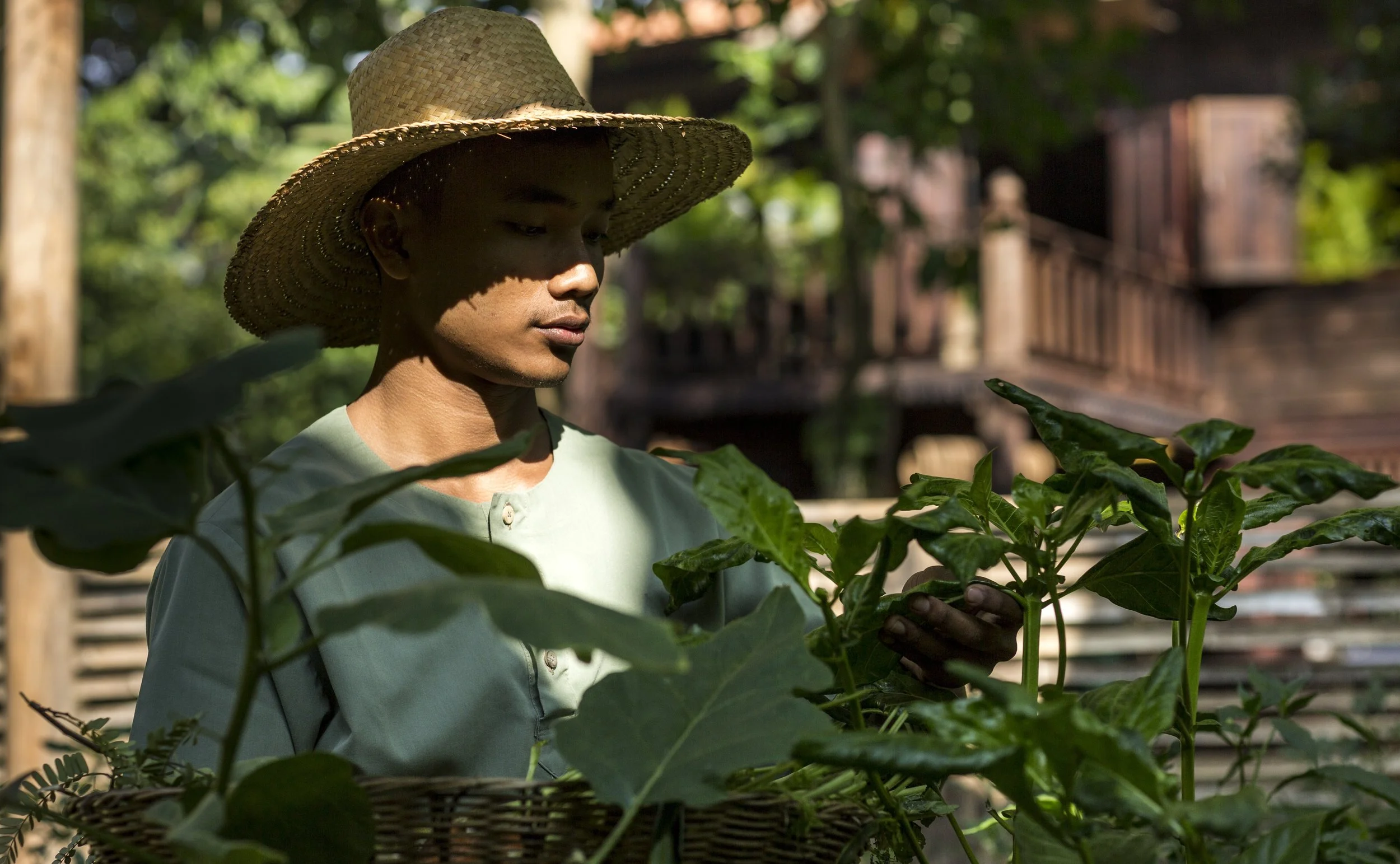
Amansara’s published sustainability work includes practical environmental measures and long-standing community relationships. Food waste from the hotel is composted at Khmer Village House, and retired staff uniforms are donated for further use. The property also describes temple-trail cleanups and a partnership with Camborea supporting agricultural education and healthier soil practices.
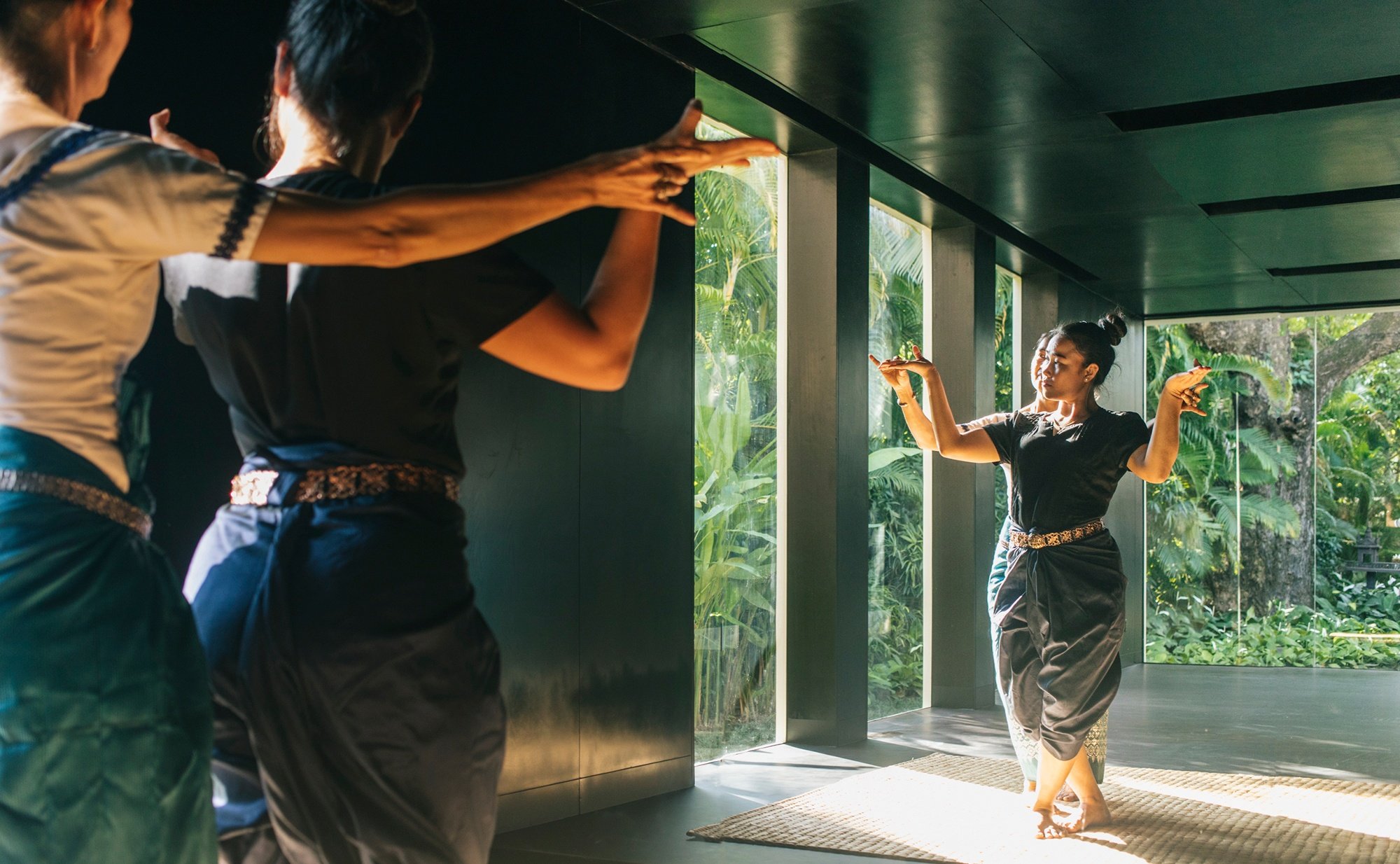
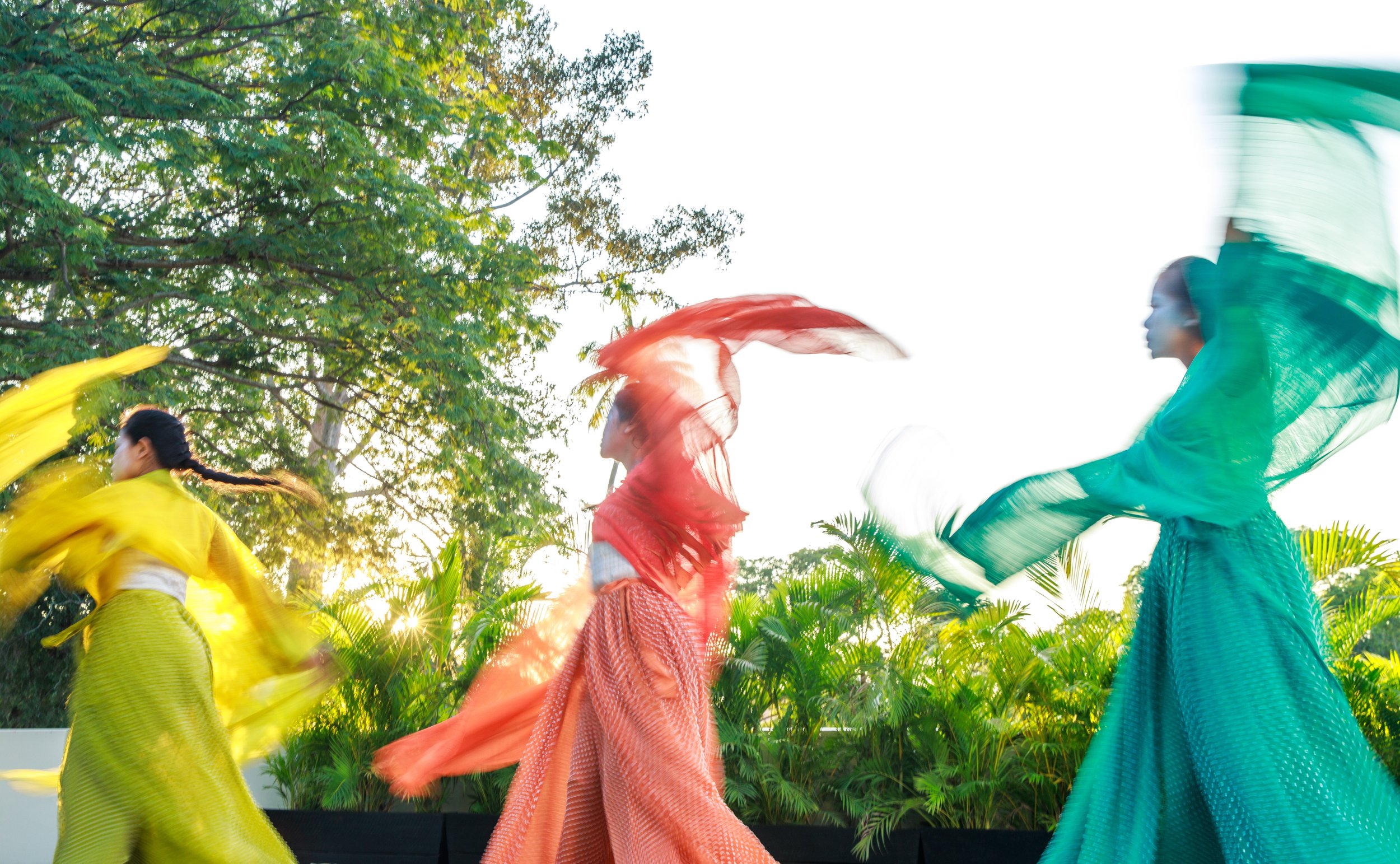
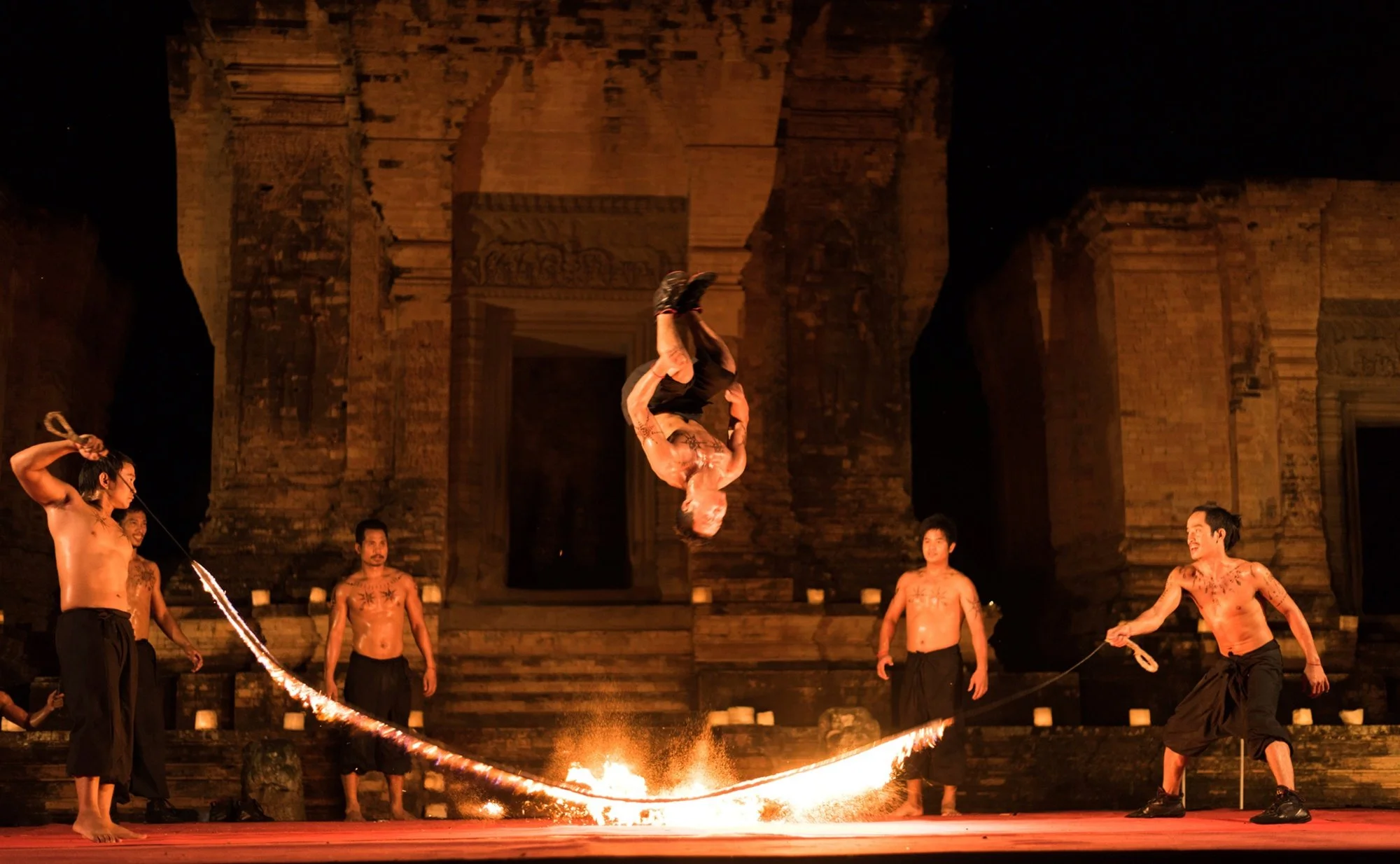
Its relationship with Sala Baï Hotel & Restaurant School connects hospitality training with employment opportunities for young Cambodians. Amansara also supports the Nginn Karet Foundation for Cambodia through cultural programming associated with traditional dance.
These initiatives are meaningful because they address specific needs: waste, training, livelihoods, and cultural continuity. They are best understood as identifiable projects rather than a blanket claim that a stay has no environmental impact. The restoration and continued use of the original estate add a separate architectural dimension to that sense of stewardship.
Planning for Individual Access Needs
Amansara’s low-rise layout does not mean every space is step-free. There are changes in level around the property, and some suite layouts include steps down into bathing areas. Travelers who use a wheelchair or have limited mobility should request details of the exact suite, bathroom access, routes to dining and the spa, and suitable transfer vehicles before confirming.
The same planning matters at Angkor, where uneven stone, steps, and unpaved surfaces can shape what is comfortable to visit. An individually planned route can emphasize manageable viewpoints and shorter distances. Specific assistance and equipment should be confirmed directly rather than inferred from the hotel’s size or service level.
Siem Reap Beyond Its Most Famous Towers
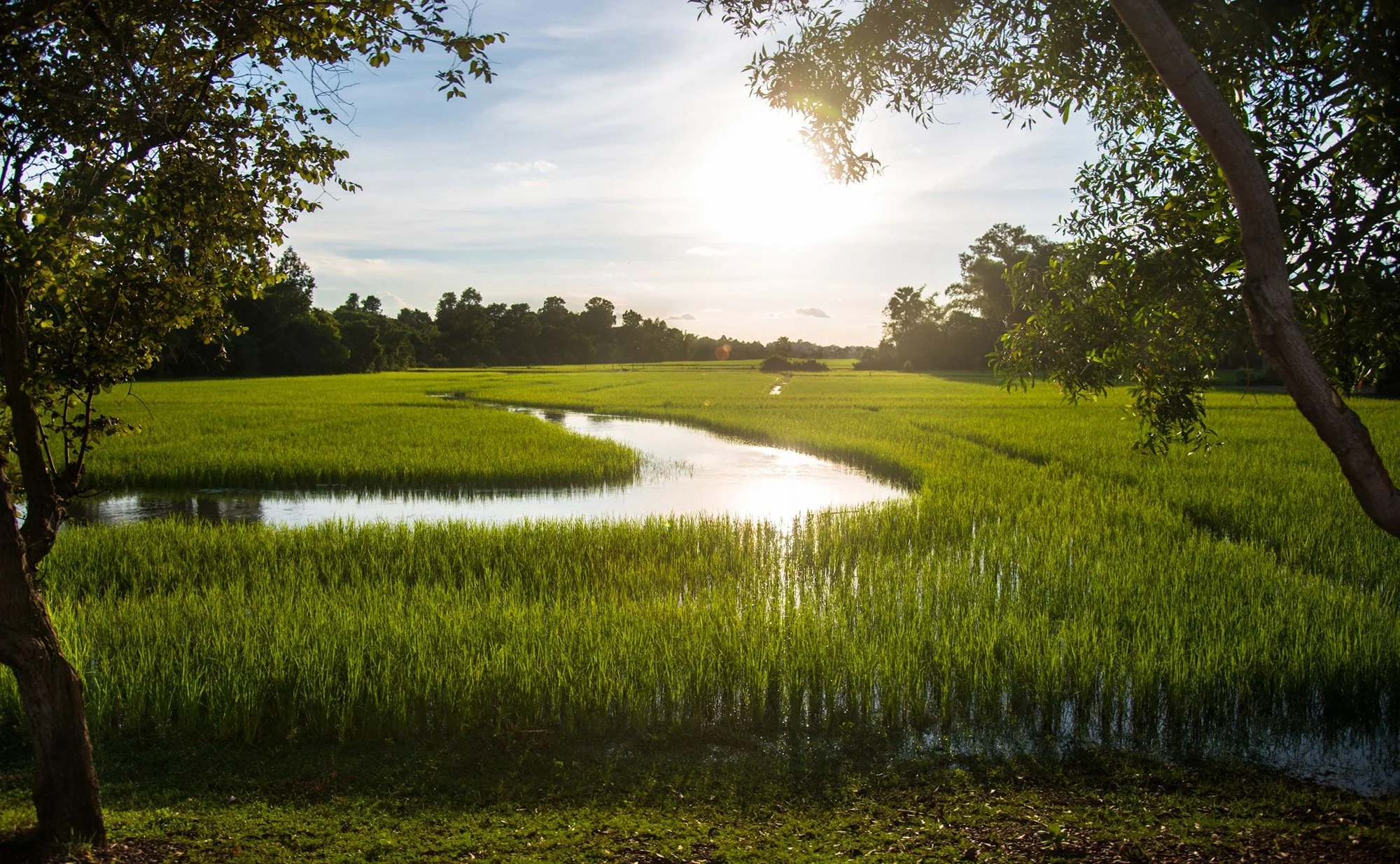
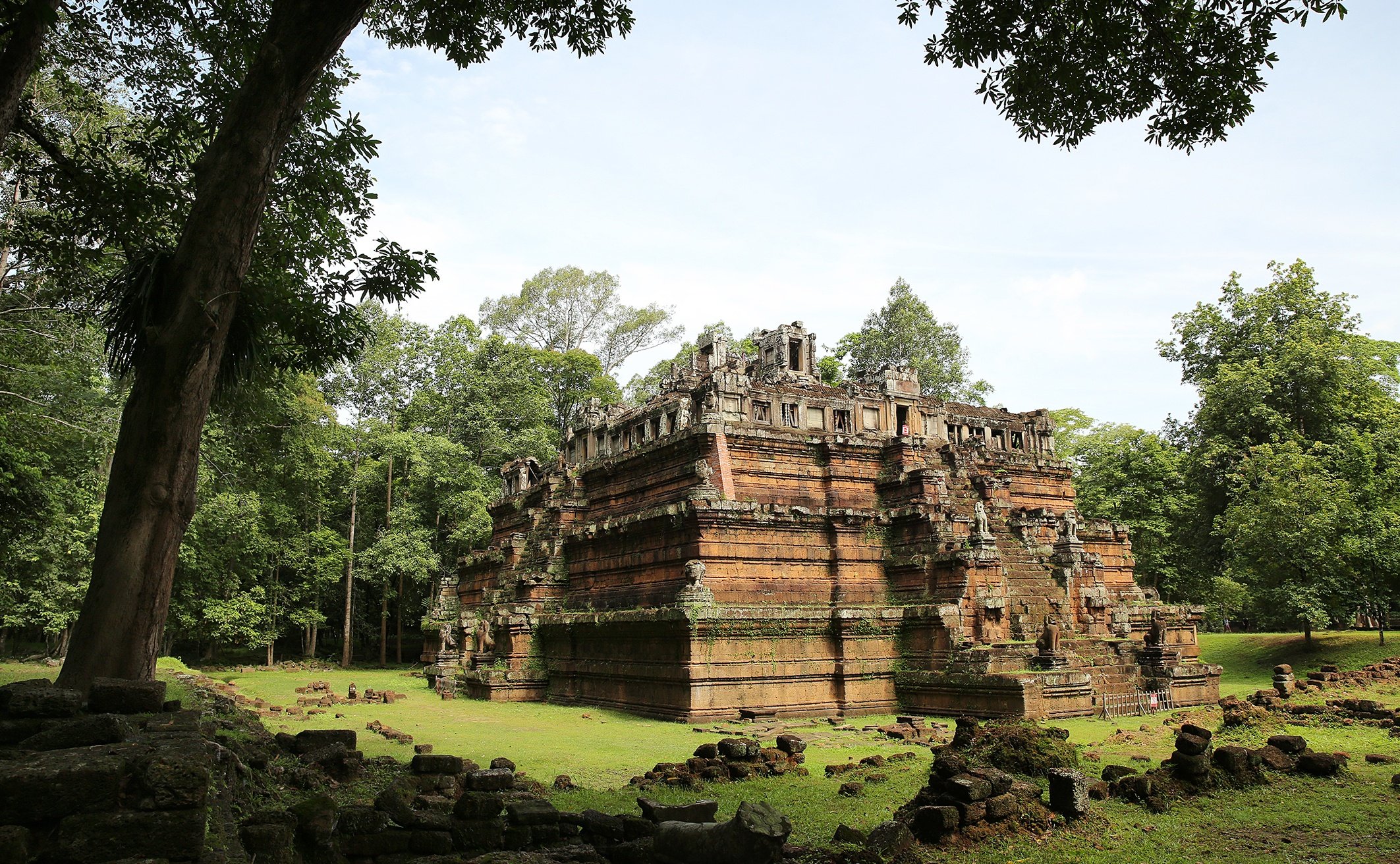
Angkor is the principal draw, but Siem Reap deserves time of its own. Markets, neighborhood cafés, workshops, and contemporary Cambodian restaurants give the visit a present-day context. Allowing an afternoon for the town helps prevent the destination from becoming simply a sequence of archaeological sites.
The scale of Angkor itself also invites a longer view. Recognized by UNESCO in 1992, the archaeological landscape includes temples, reservoirs, roads, and the remains of successive Khmer capitals. Thinking of it as an interconnected inhabited landscape, rather than a collection of isolated monuments, changes how the visit unfolds.
A museum visit can provide context before a temple morning; time in the countryside can reveal how water, farming, and settlement still shape the region. We favor that balance over trying to see every major monument in a compressed schedule. A few unhurried encounters often leave a clearer impression than an ambitious route completed in the midday heat.
Arriving on the Road to Angkor
By Air: Siem Reap Angkor International Airport (SAI) is the airport for the stay; flight connections should be planned around the current schedule and the broader Cambodia or Southeast Asia itinerary.
Airport Transfers: Amansara lists an approximately 60-minute drive from the airport, with the actual journey depending on traffic and conditions; arrange the vehicle in advance for a straightforward arrival.
Arrival Arrangements: The hotel’s published inclusions link round-trip airport transfers and personalized arrival fast-track service to stays of three nights or more, so confirm the applicable arrangements for the chosen booking.
Exploring Locally: Hotel-arranged town transportation and guided excursions make a rental car unnecessary for many stays, while temple passes and any specialist outings should be accounted for separately.
The Quiet Between Discoveries
Amansara gives the spaces between excursions a character of their own. A courtyard catches the changing light. The pool reflects the pavilion’s curved roofline. An afternoon at the hotel allows the details of a morning at Angkor to settle before the next journey begins.
Its appeal rests in that balance: remarkable monuments close by, contemporary Cambodian life beyond the gates, and a thoughtfully restored house to return to. The memories need not all be monumental. Sometimes they are a conversation over breakfast, a shaded walk through the garden, or the welcome stillness after a day among the stones.