Montalcino, Tuscany, Italy | Castiglion del Bosco
A Tuscan Estate With a Village at Its Heart
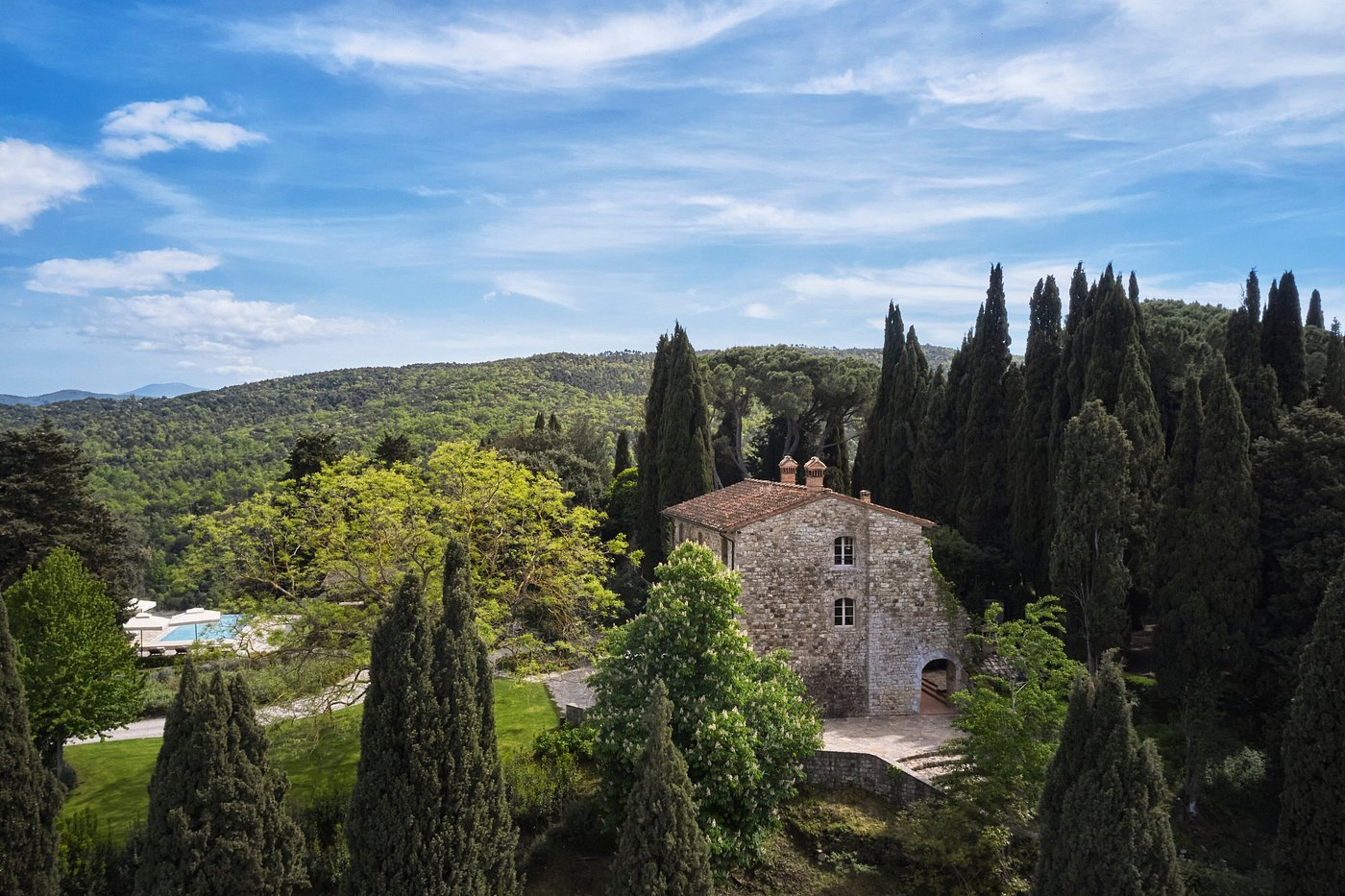
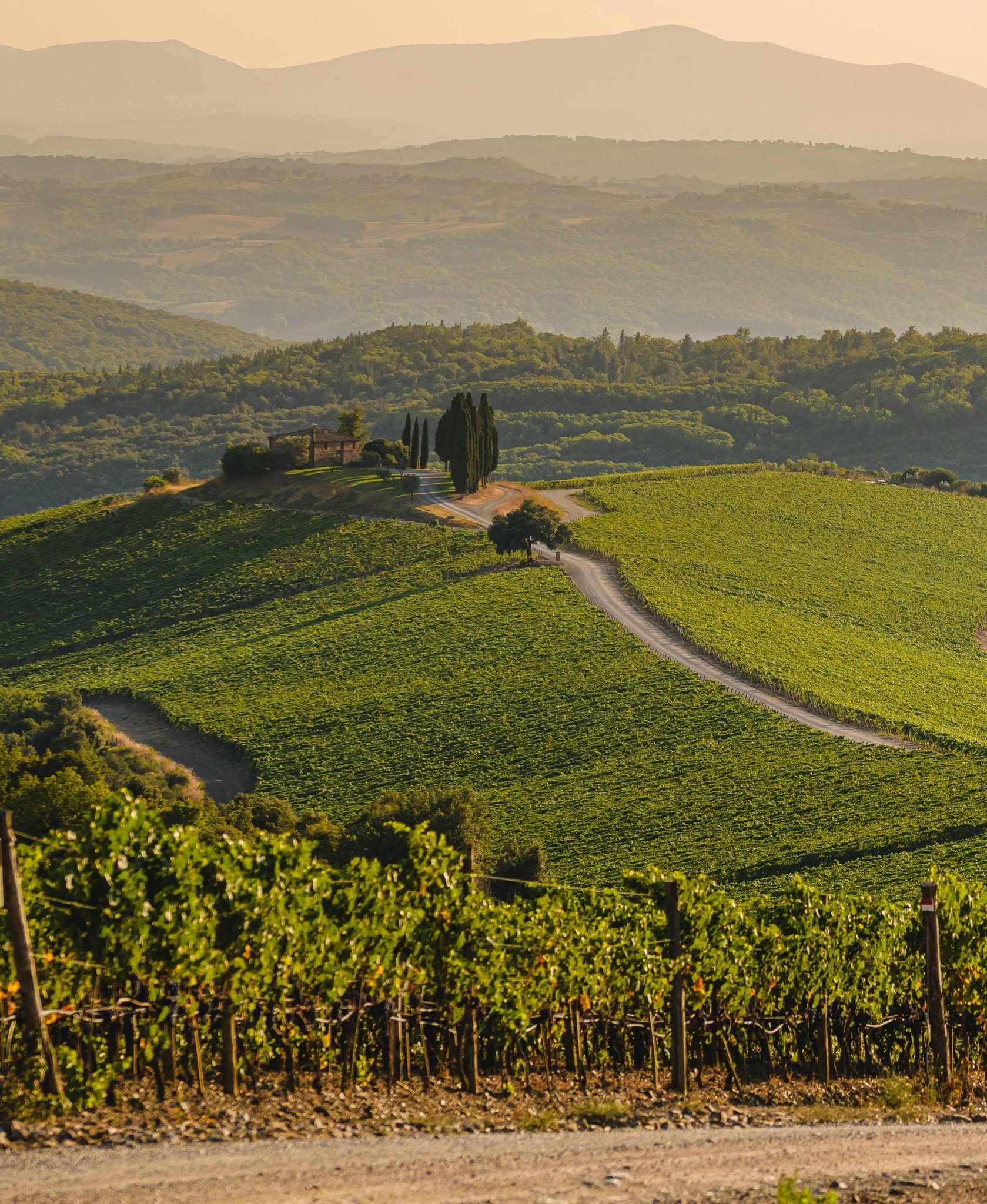
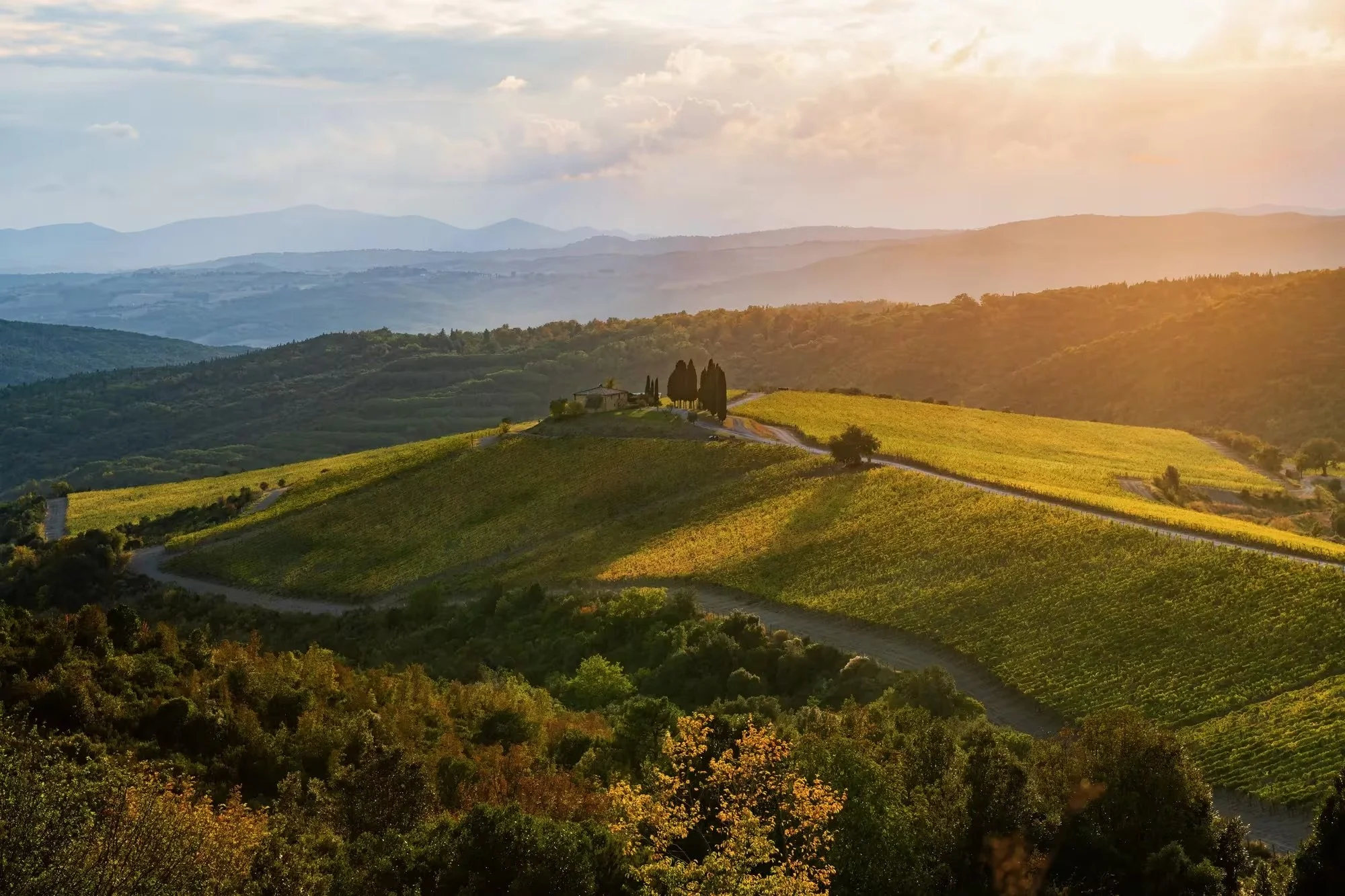
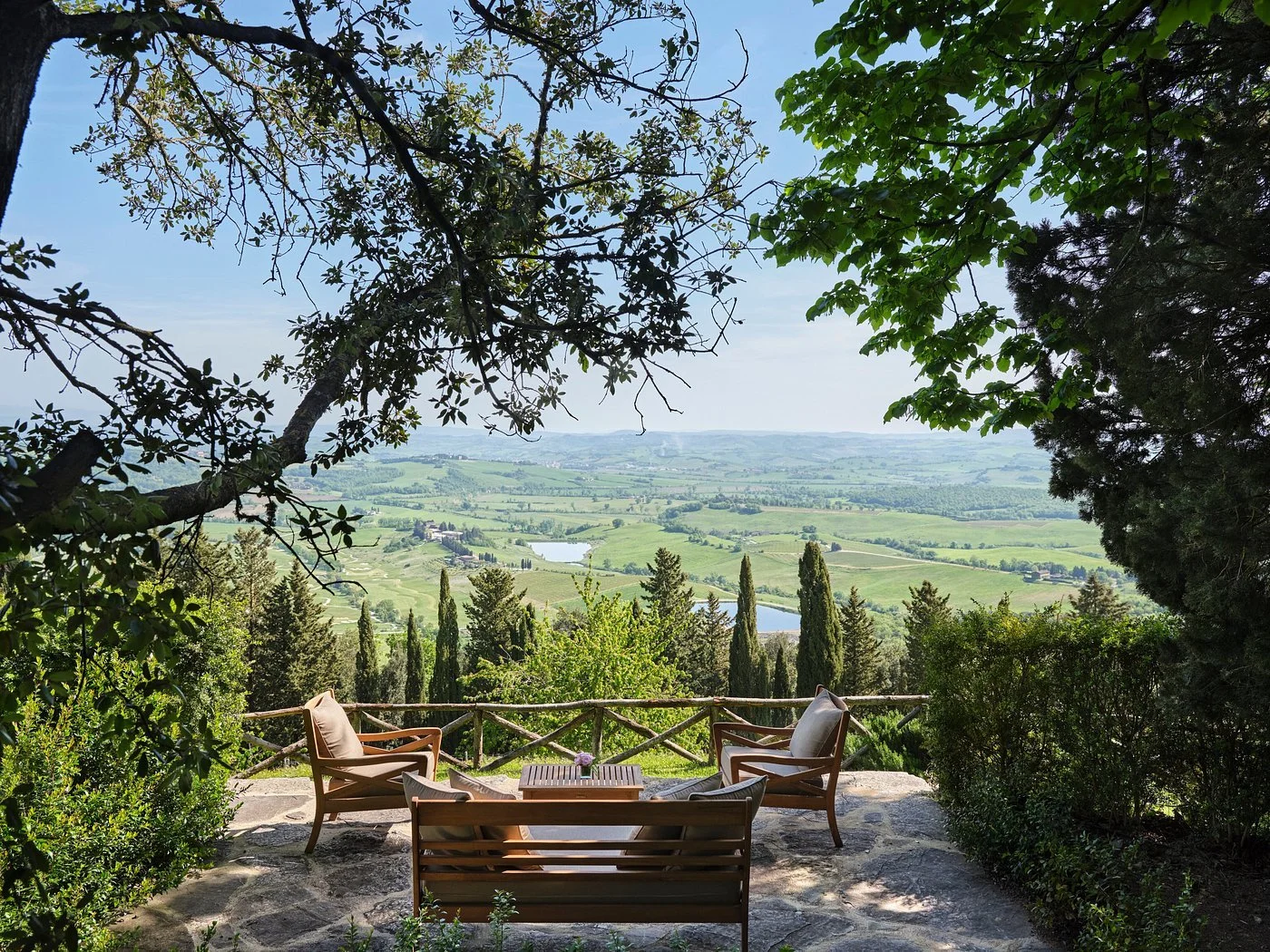
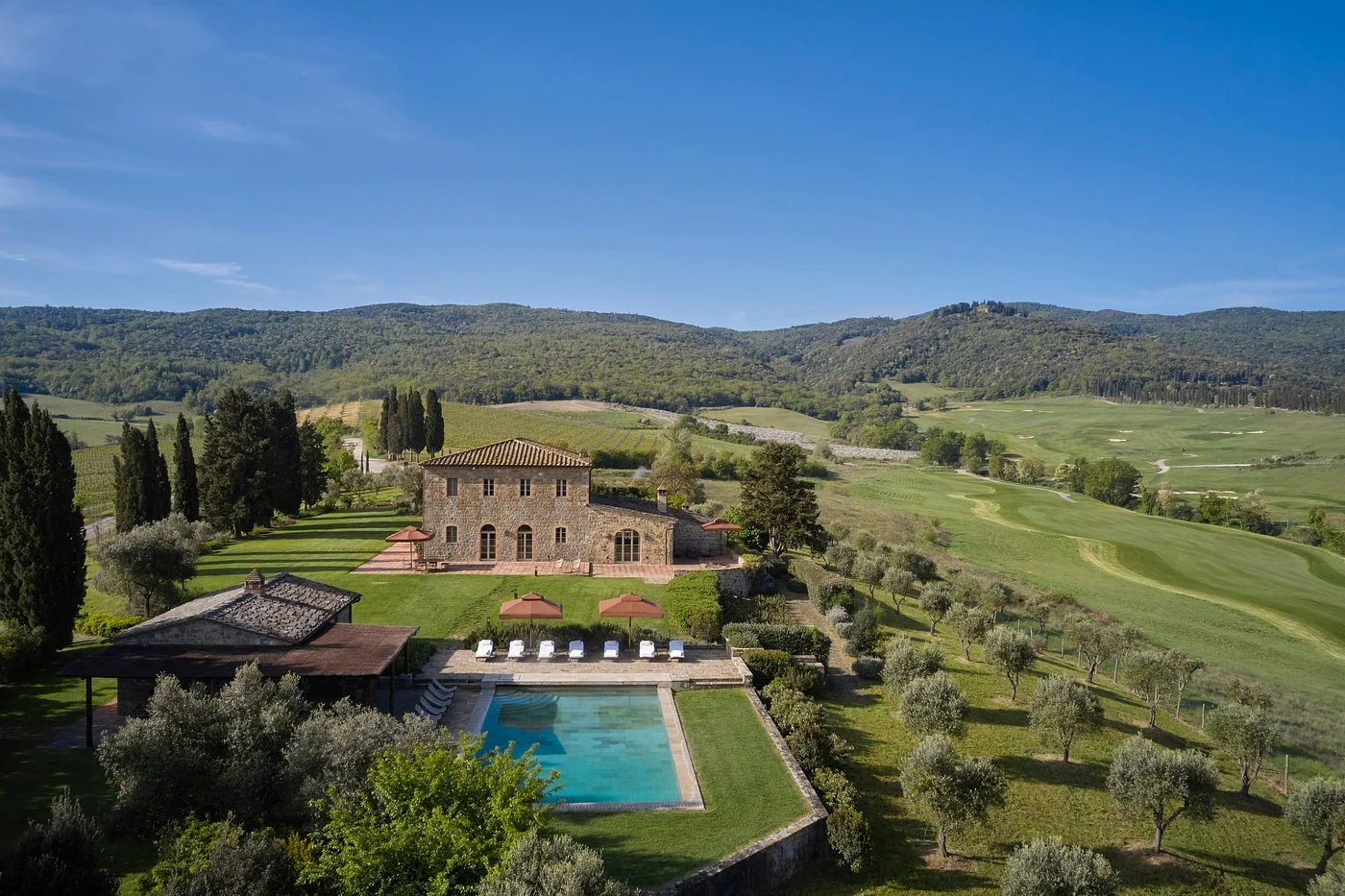
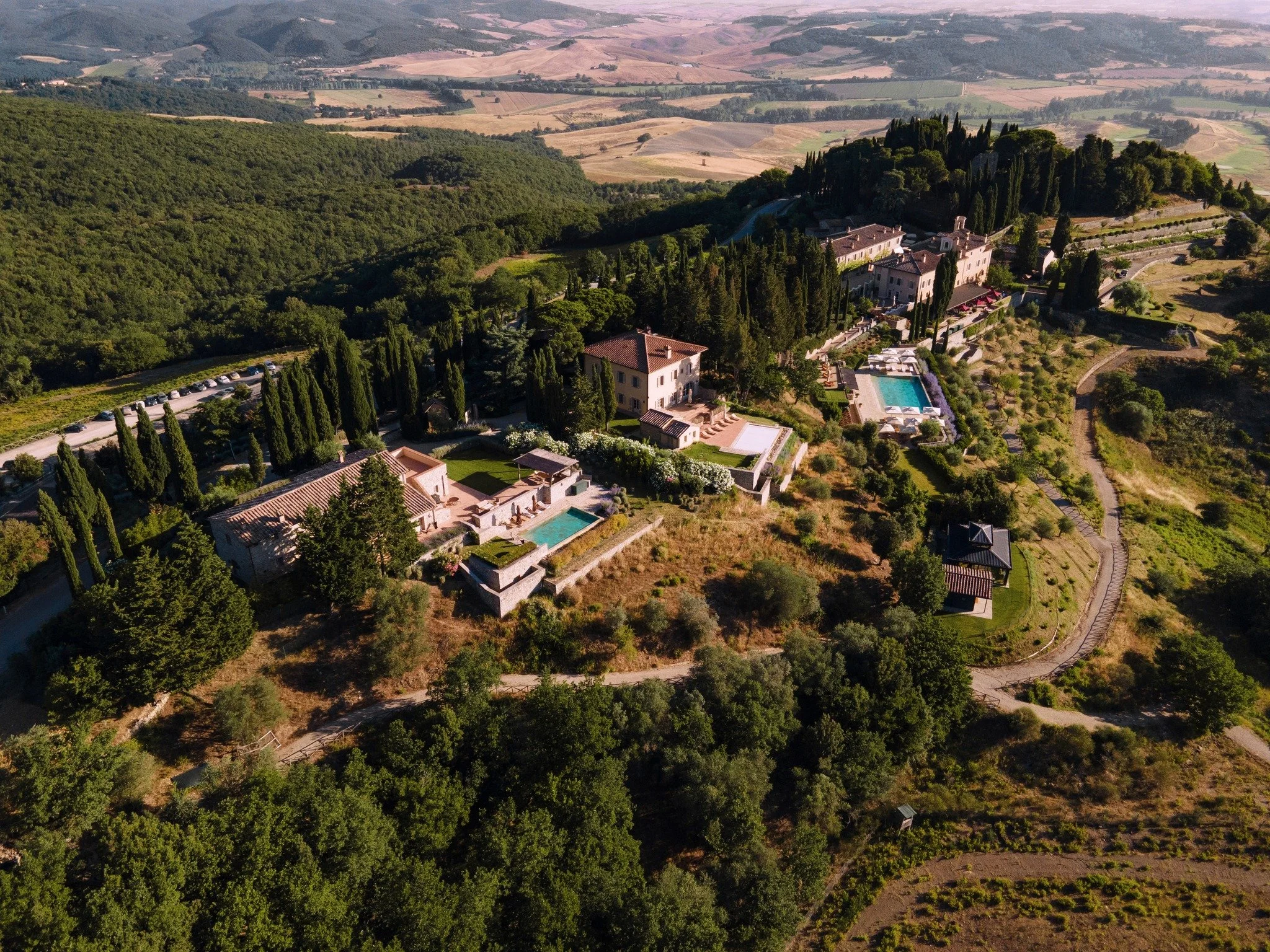
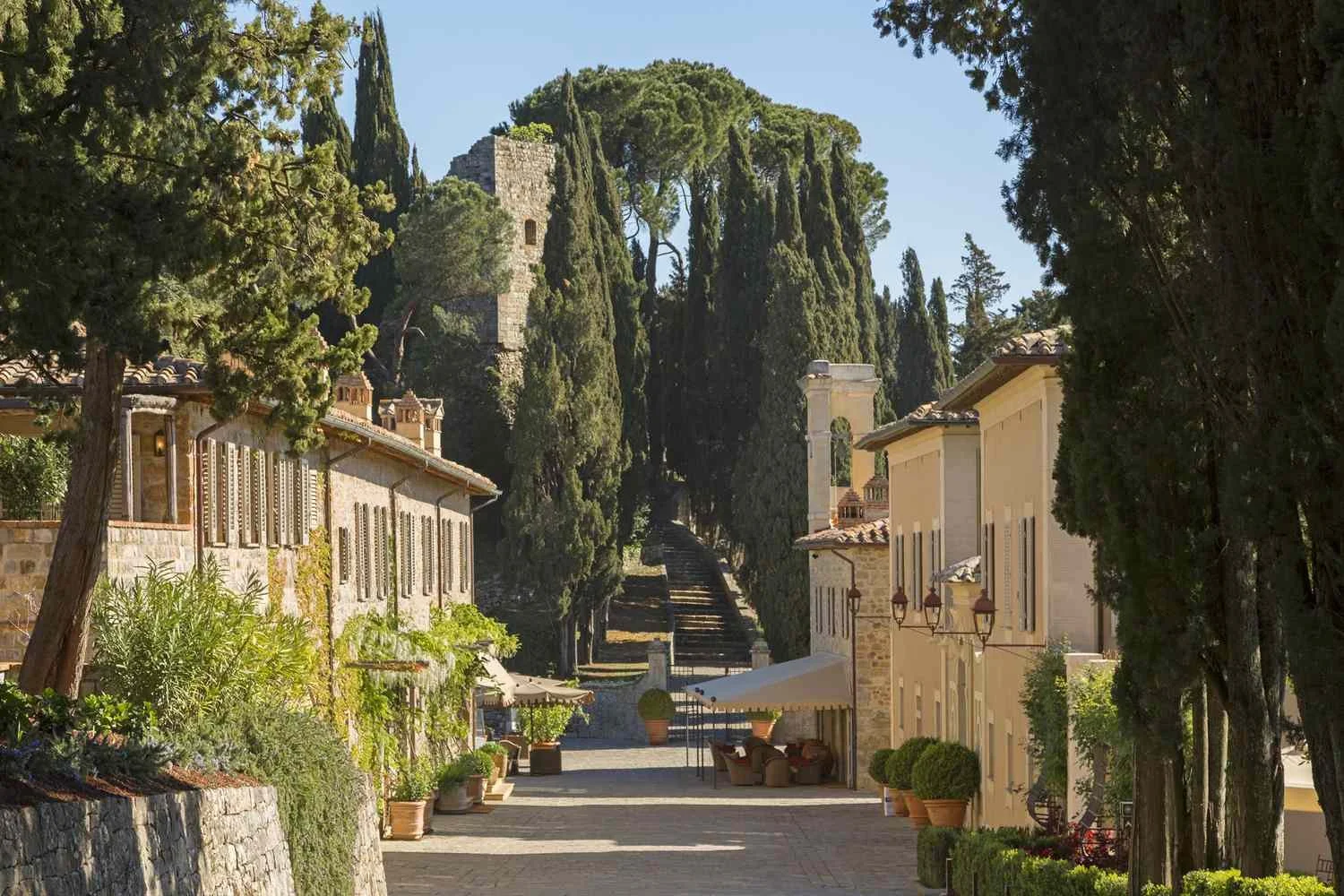
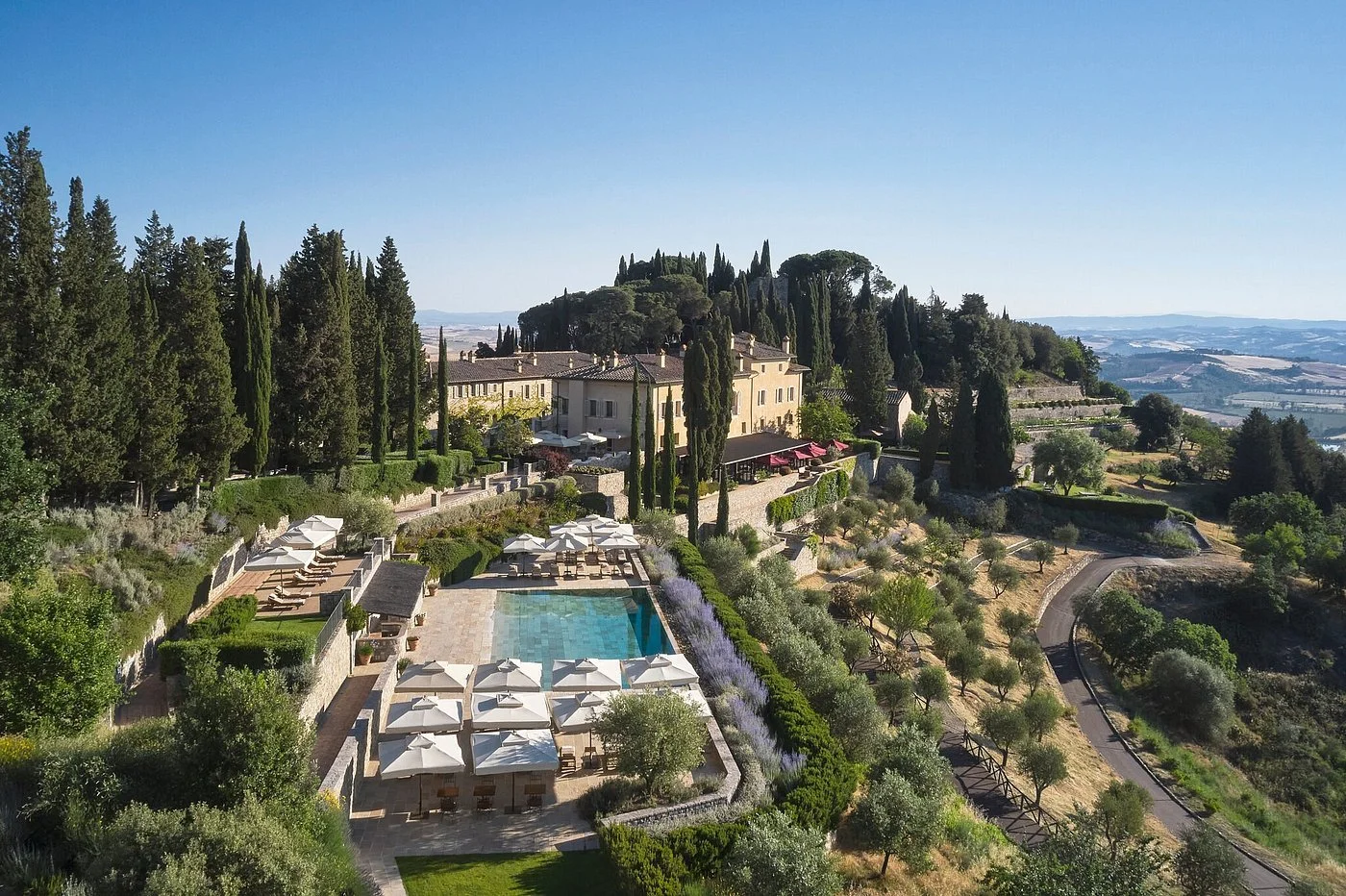
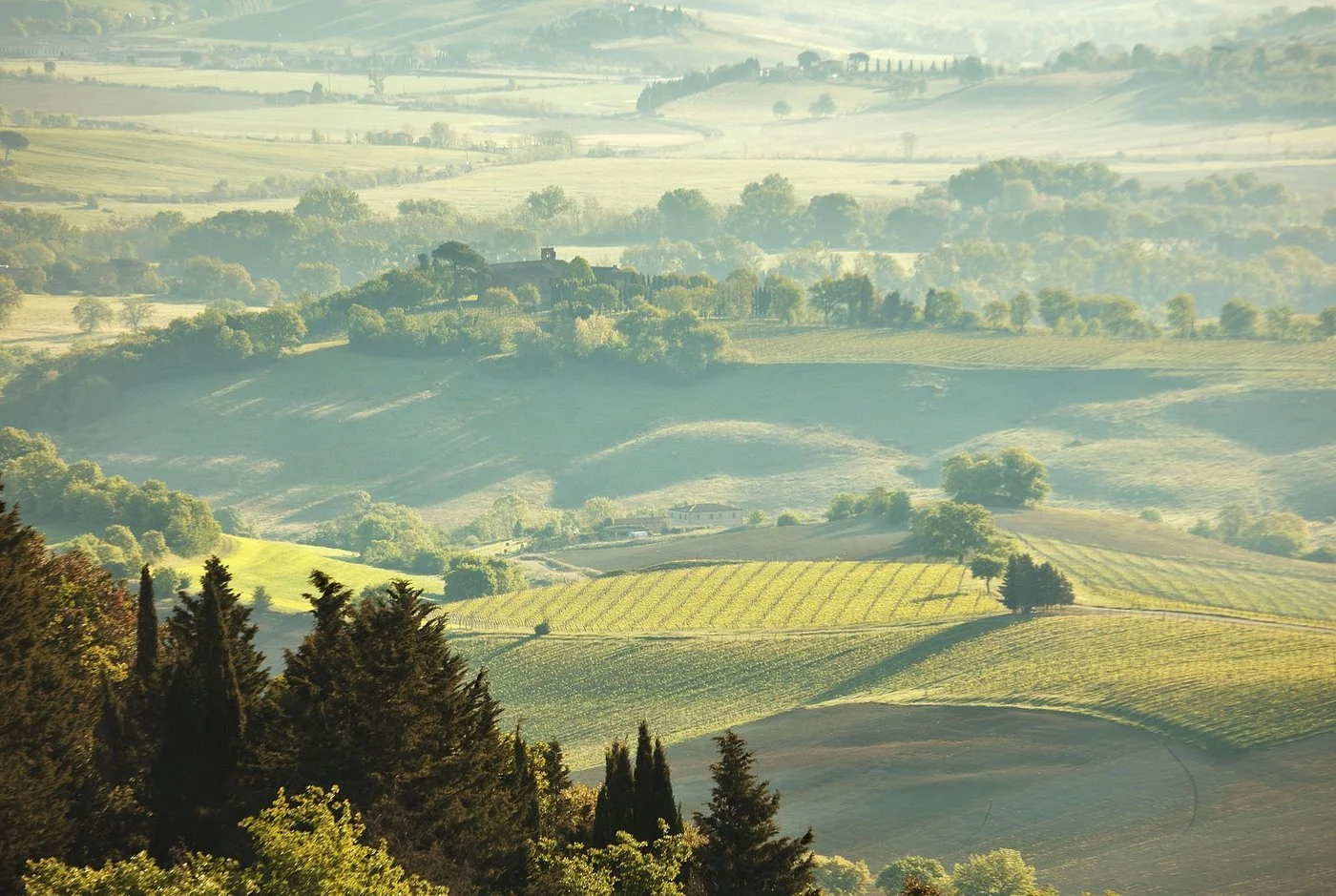
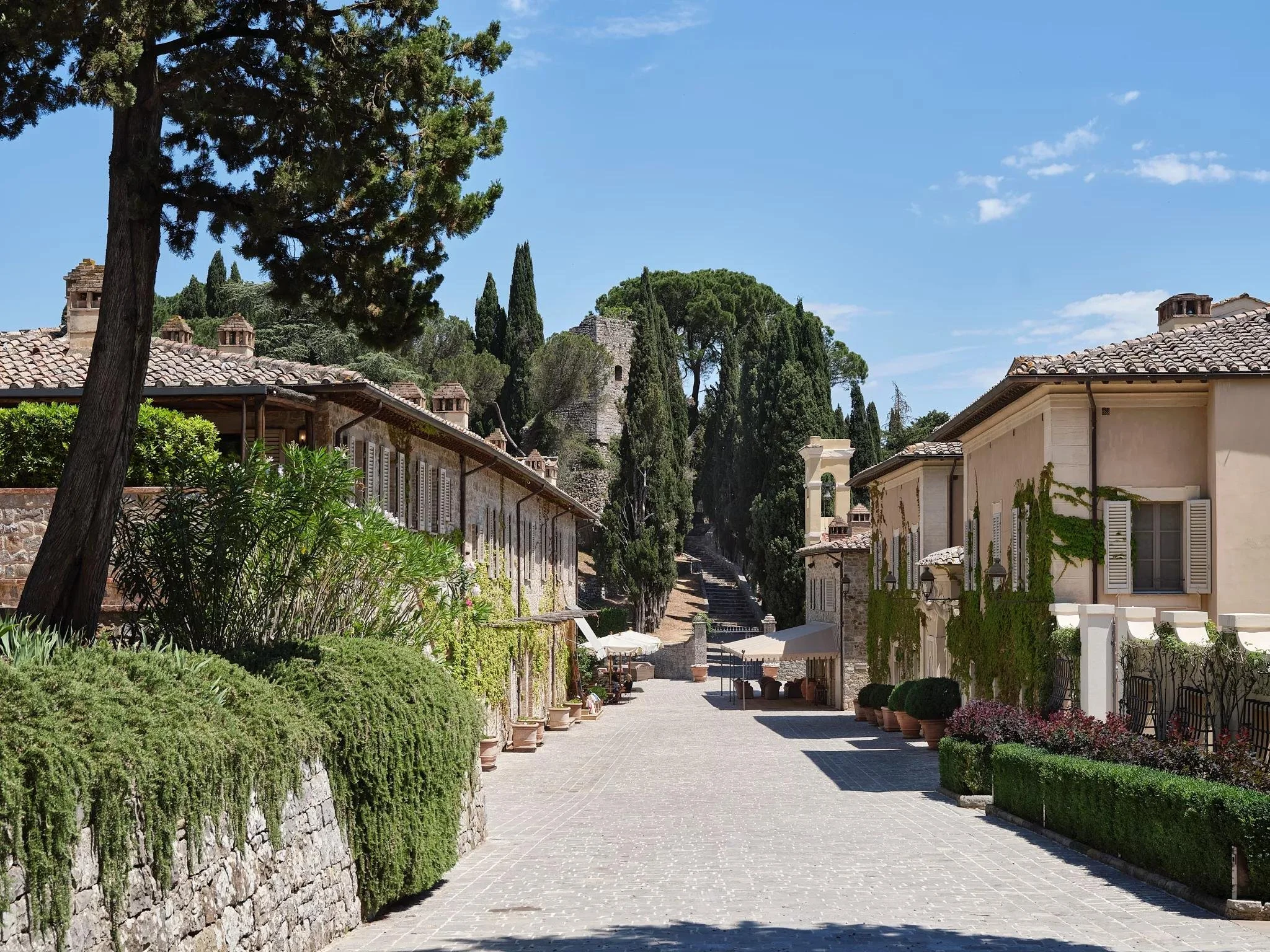
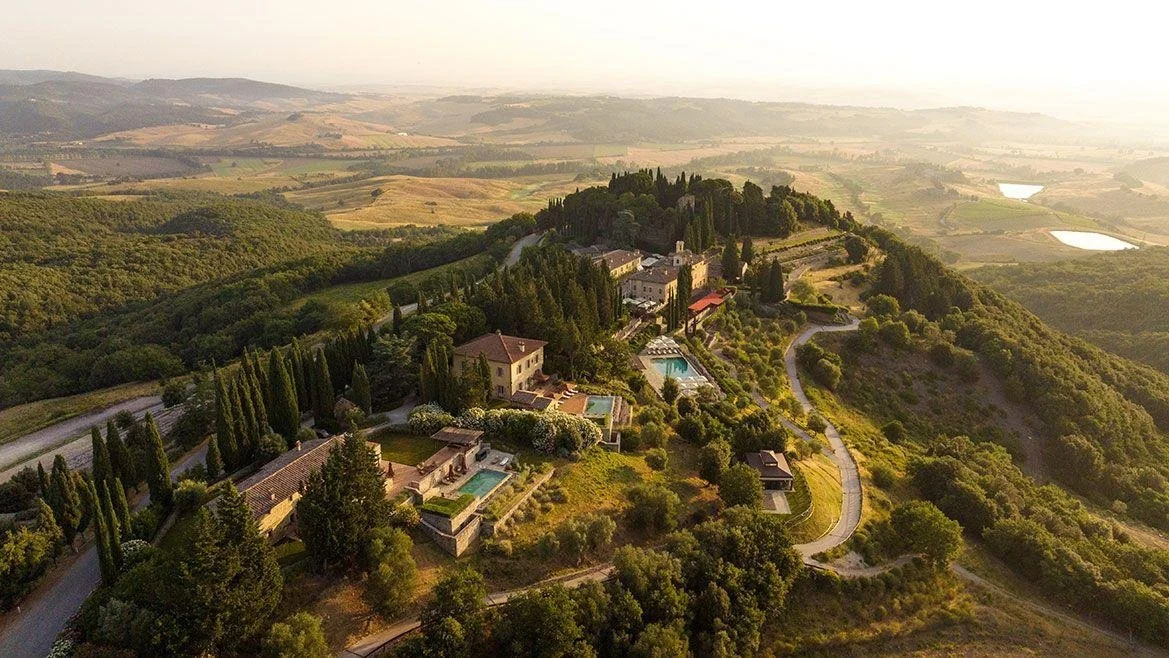
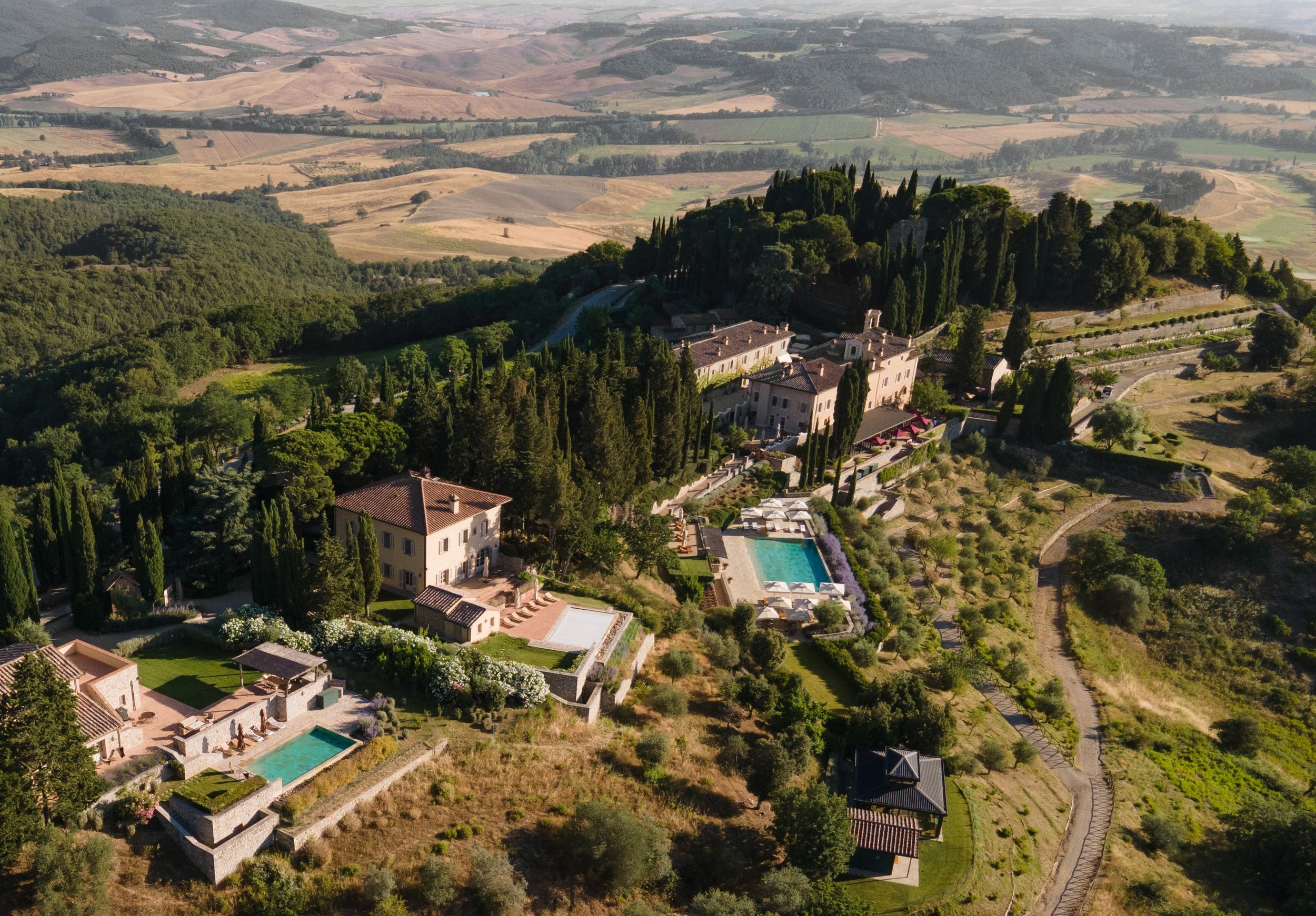
In the rolling countryside southwest of Siena, Castiglion del Bosco, A Rosewood Hotel occupies a historic estate near Montalcino, surrounded by the distinctive fields, wooded hills and vineyards of the Val d’Orcia. The sense of place begins well before check-in: roads narrow between farmland and cypress trees, while the estate’s restored medieval borgo comes into view above the landscape. Unlike a conventional countryside hotel, this is a small village with its own history, dining spaces, church and pathways, complemented by private villas spread across the wider estate.
The 5,000-acre property brings together 42 suites and eleven restored villas, an estate winery associated with Brunello di Montalcino, a private golf club, a spa and two principal restaurants. Its scale creates two distinct ways to stay. A suite places travelers close to the sociable heart of the borgo; a villa offers the freedom of a country home, with private outdoor space and the practical assistance of a hotel team.
For visitors interested in the wine, architecture and daily rhythms of southern Tuscany, the appeal lies in the connection between these elements. A morning might begin with breakfast overlooking the hills, continue with a cooking class or vineyard visit and finish at a table where seasonal ingredients take precedence over elaborate presentation.
Centuries of Life Across the Val d’Orcia
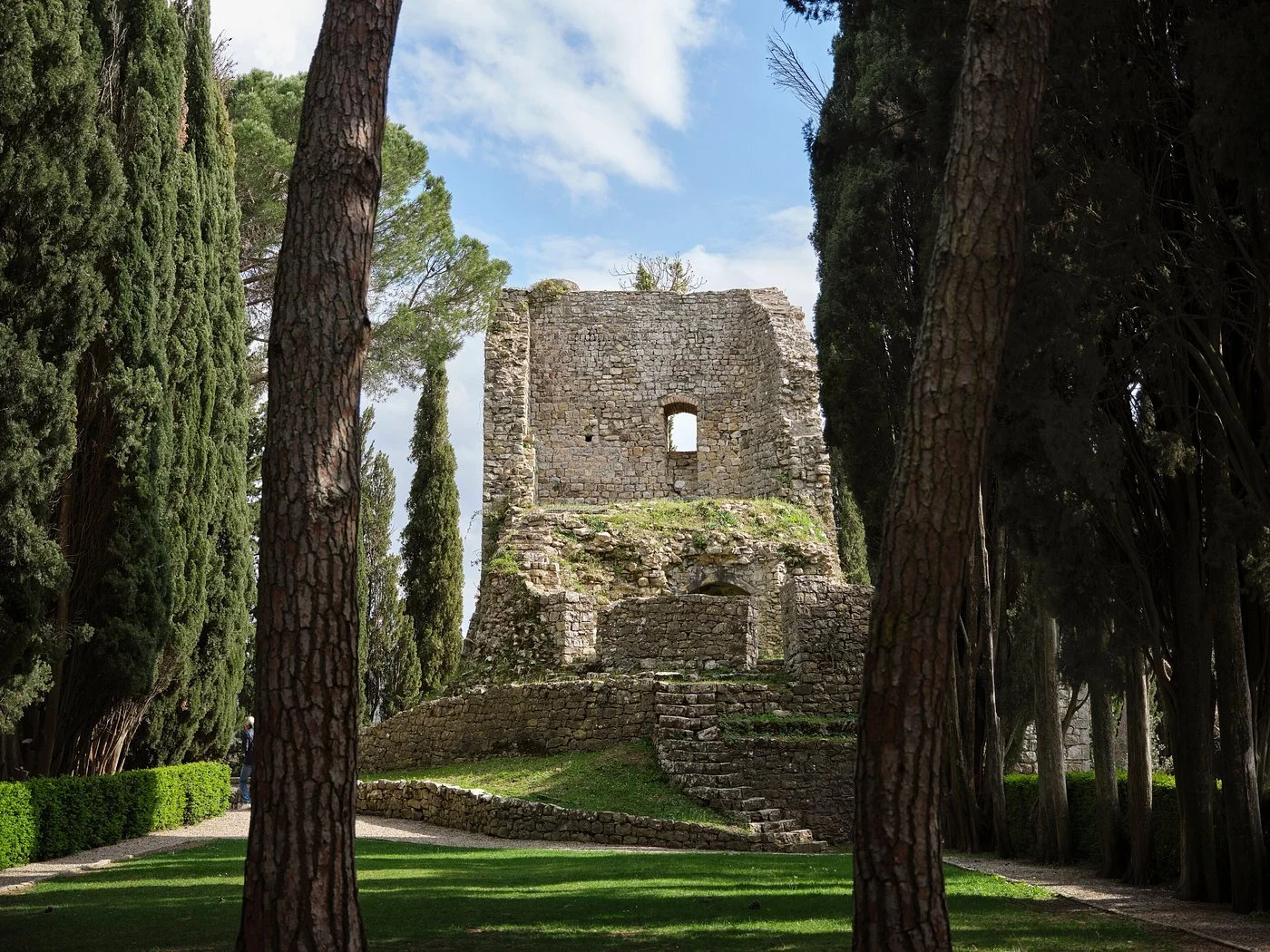
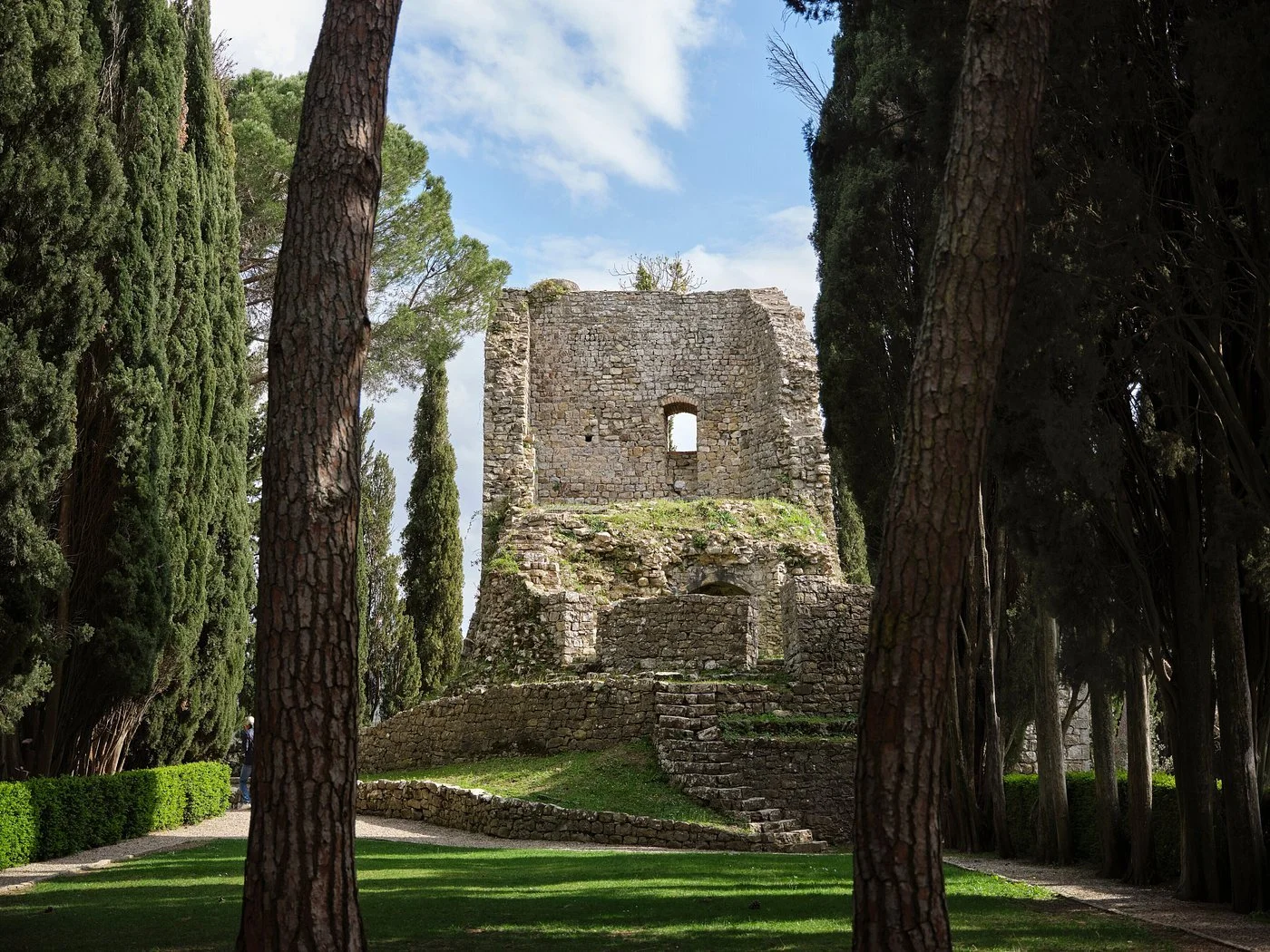
The estate’s history reaches back roughly nine centuries, when this part of Tuscany was shaped by agriculture, fortified settlements and the movement of people between Siena and the communities surrounding Montalcino. The borgo served as the center of a working rural community, and its surviving stone buildings still make that original purpose legible. A small church and the remains of medieval fortifications place the modern resort within a much longer story than the hotel itself.
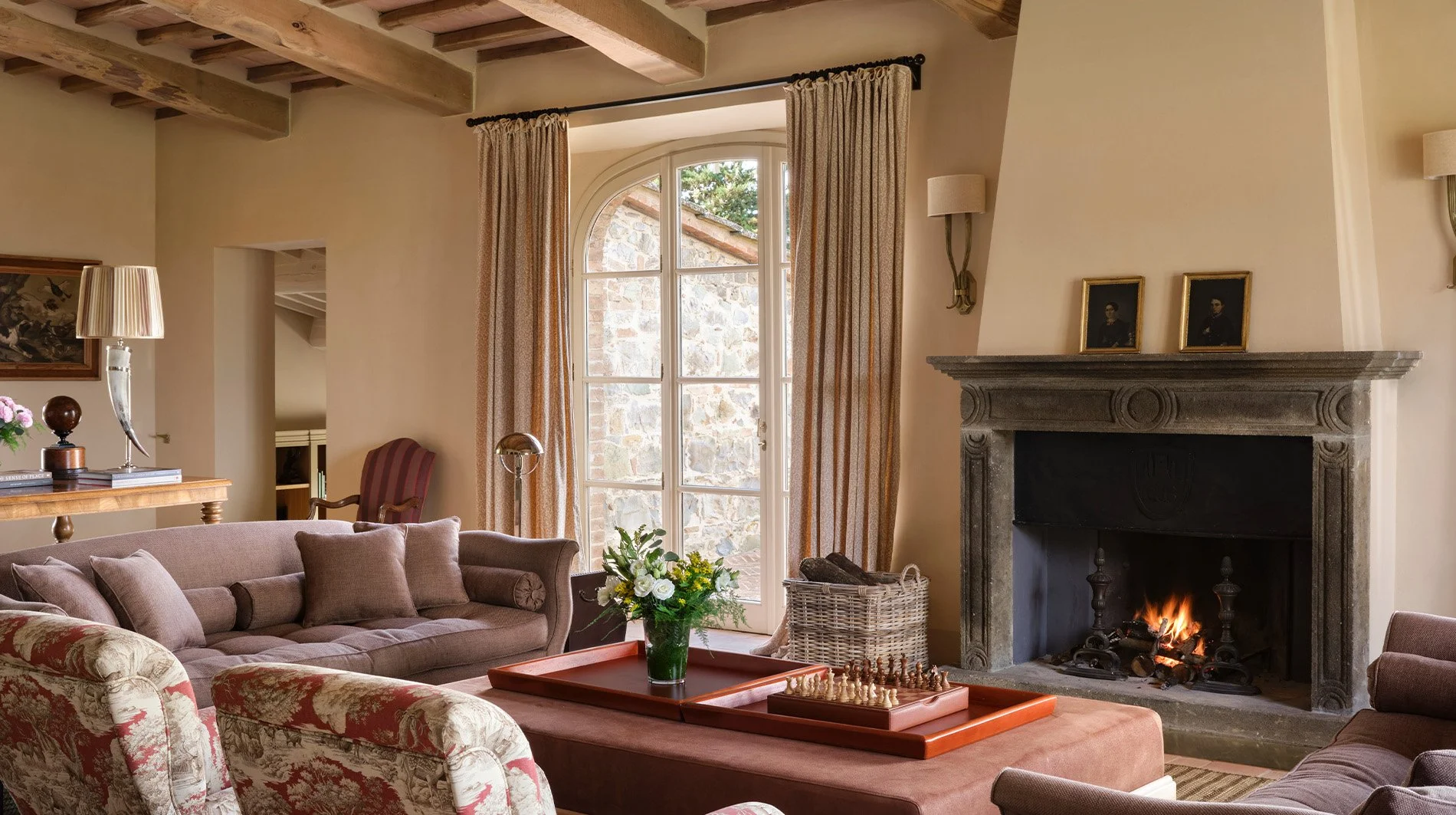
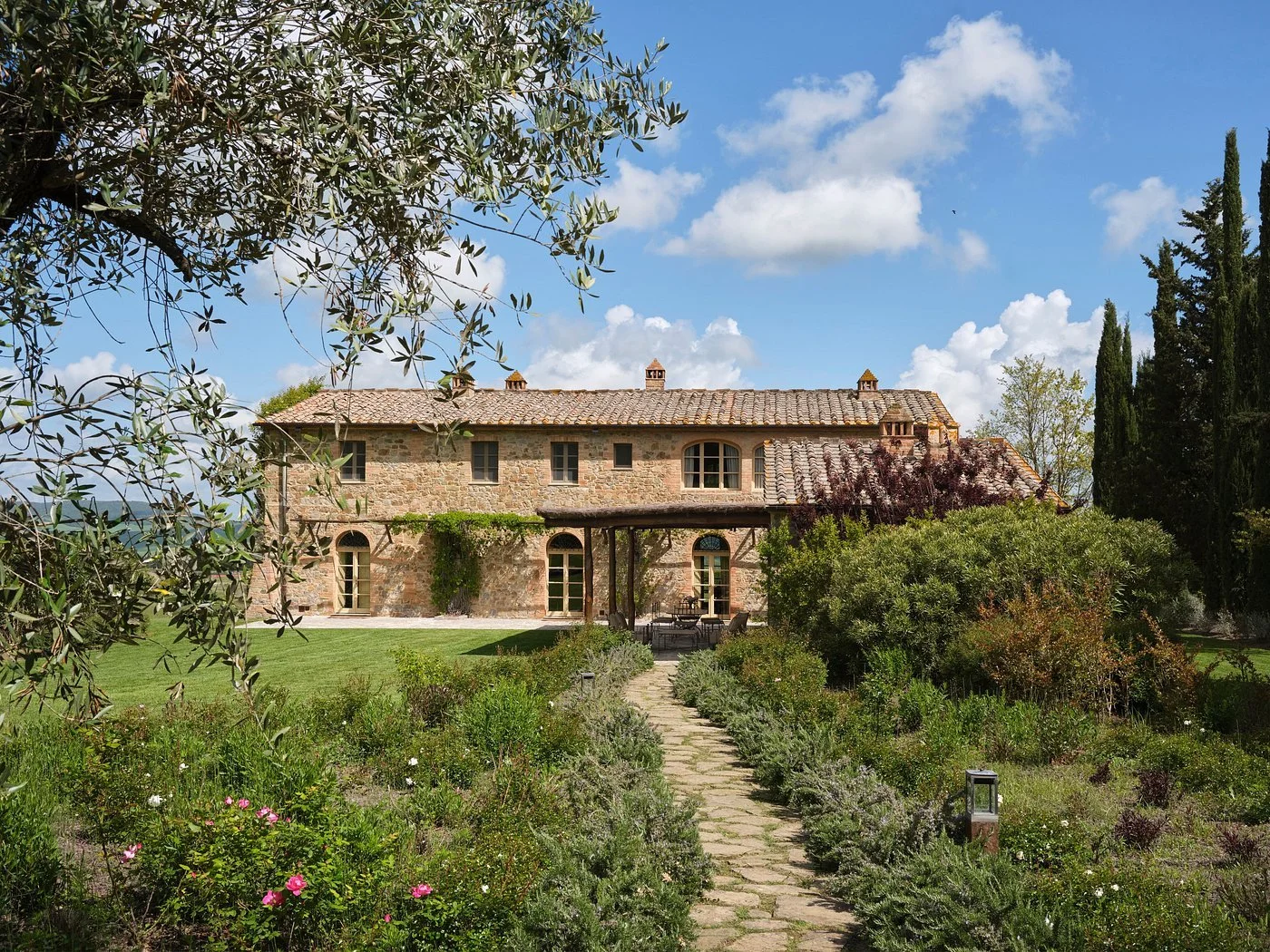
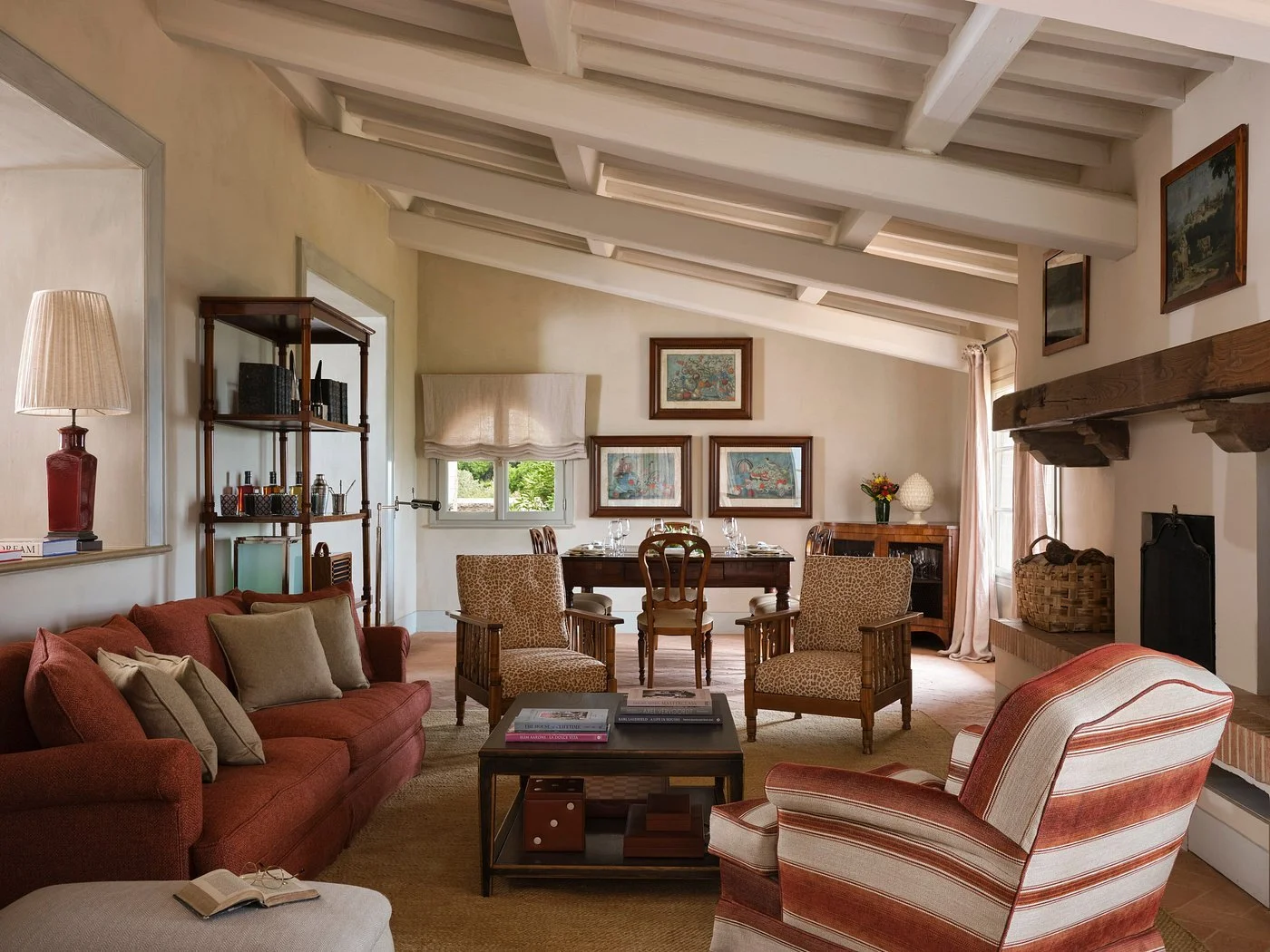
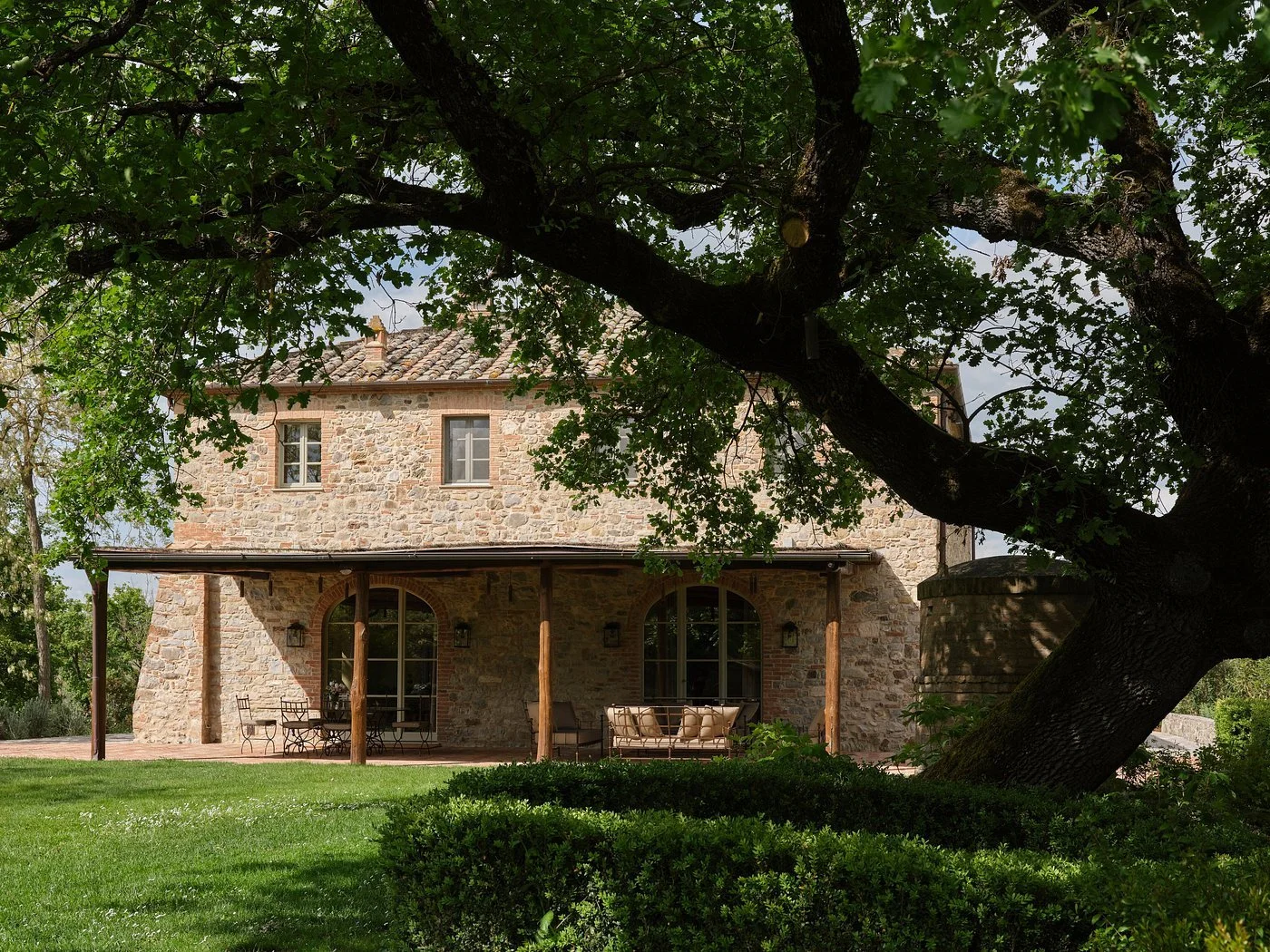
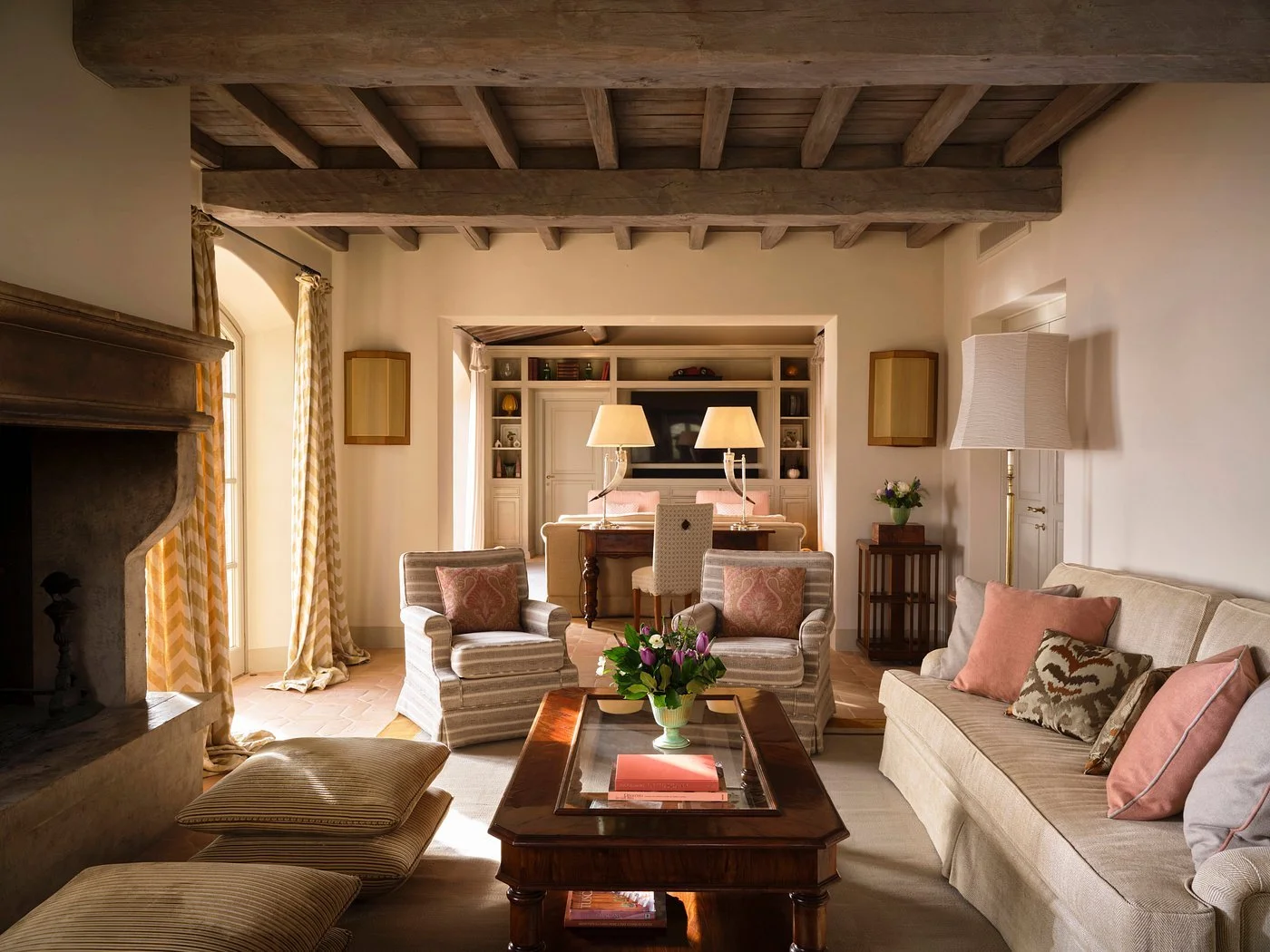
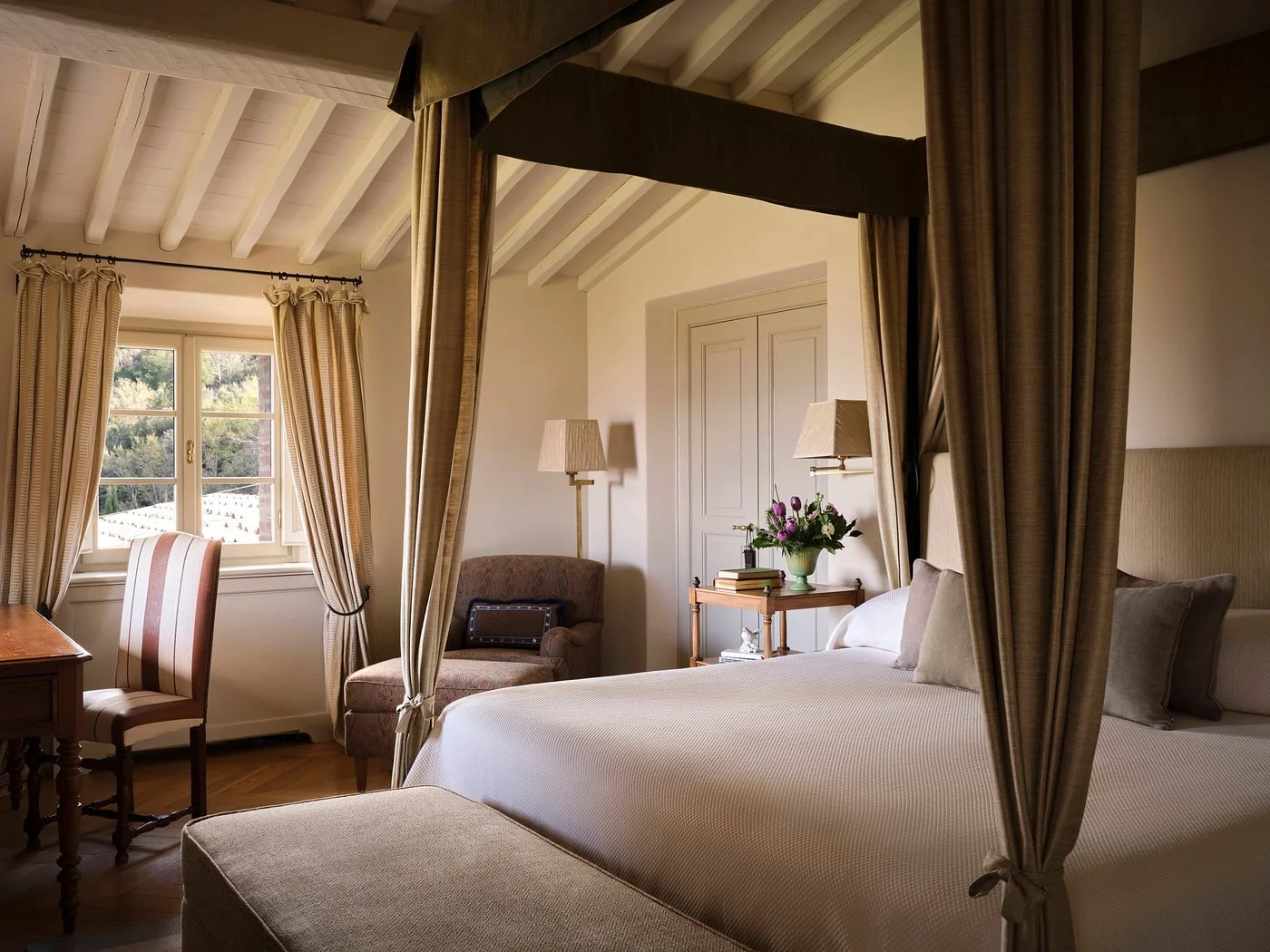
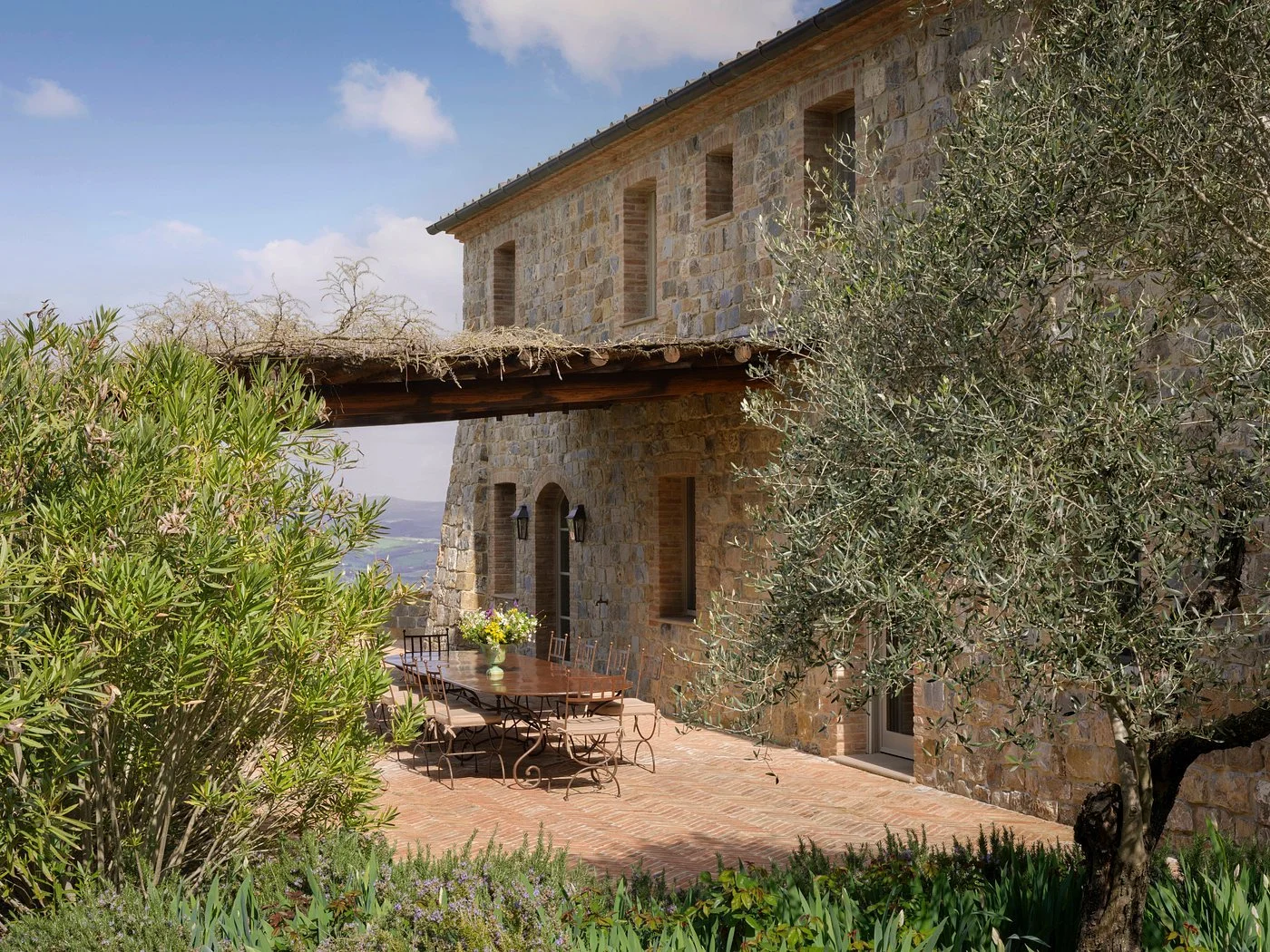
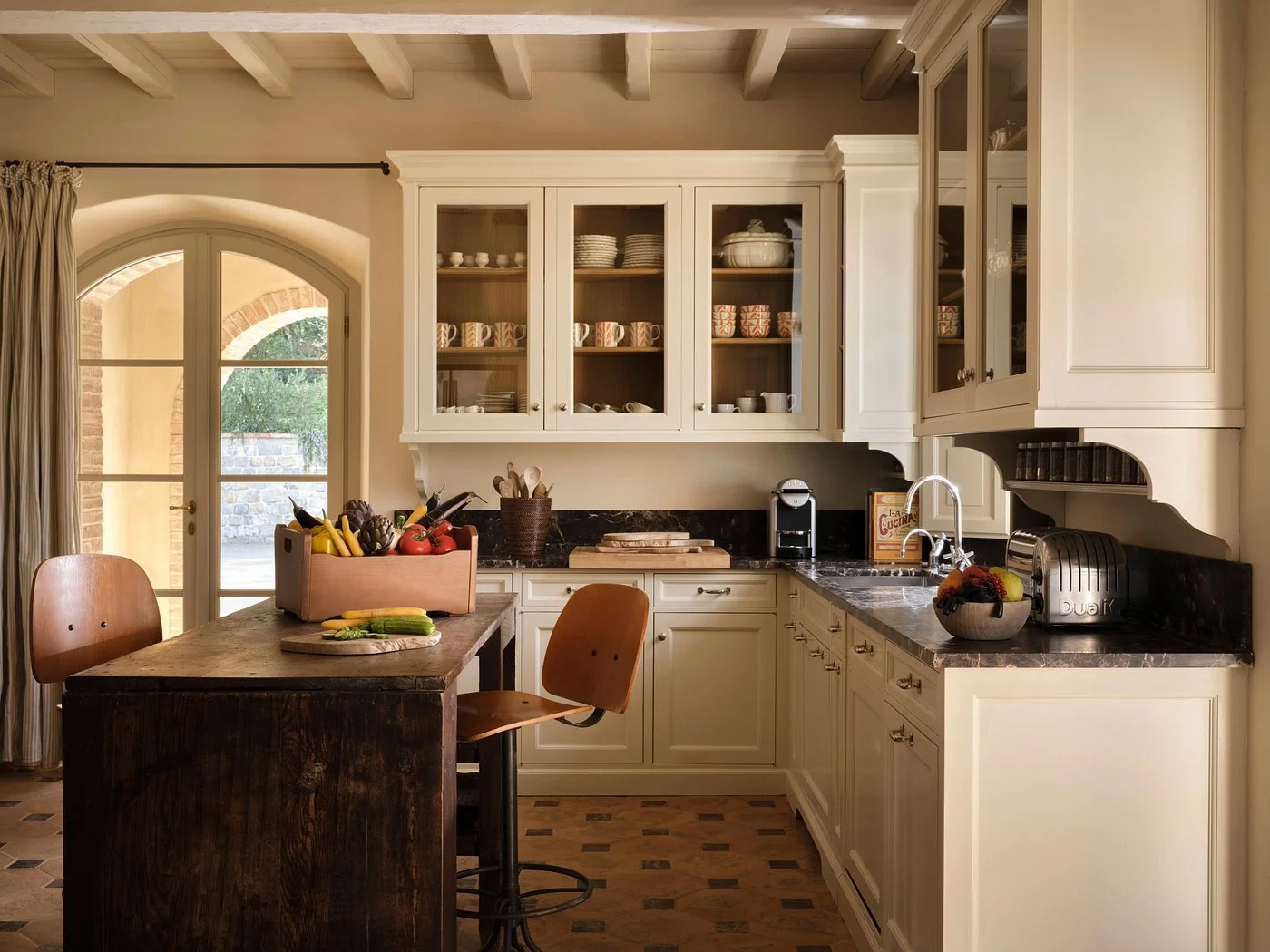
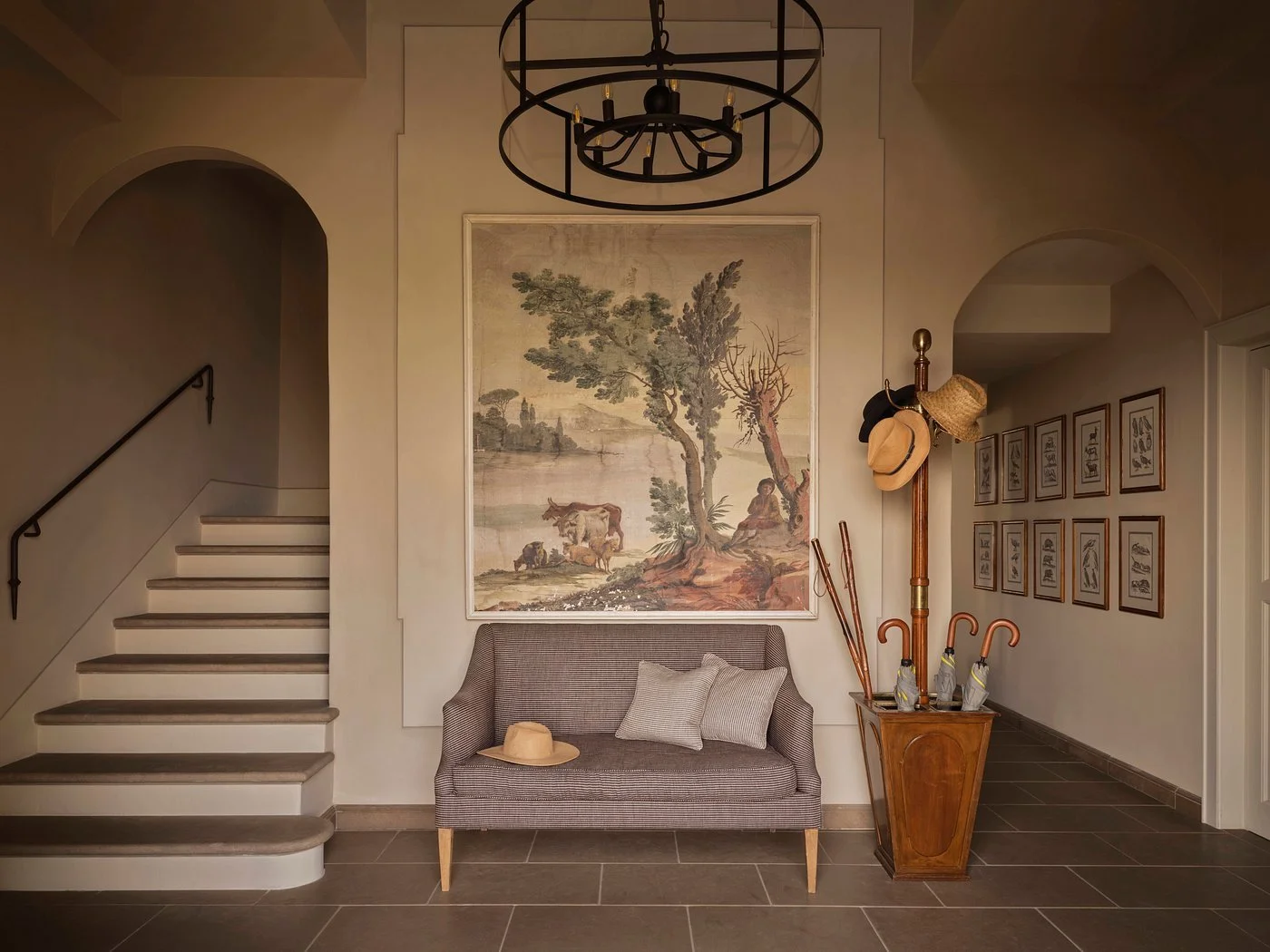
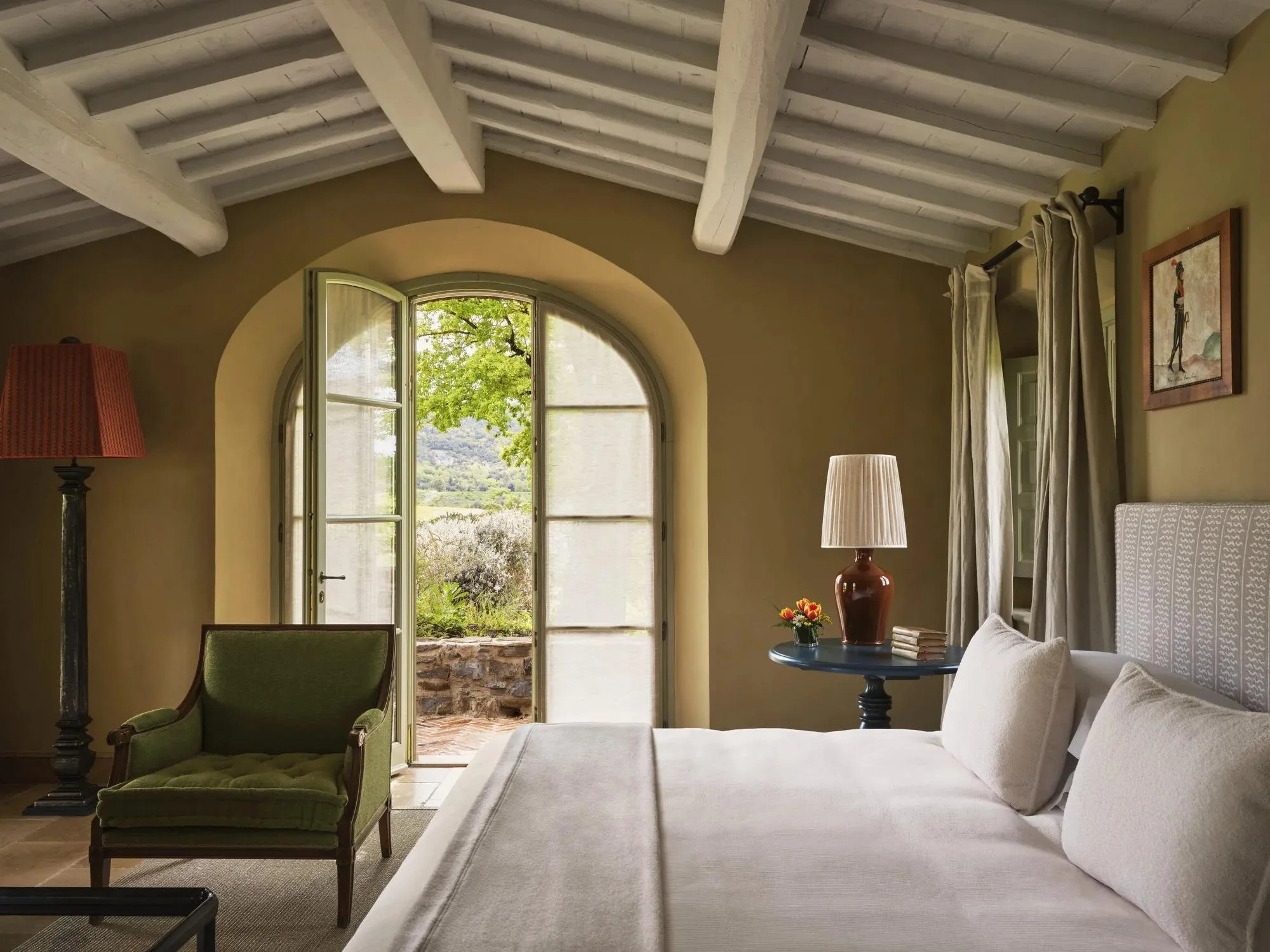
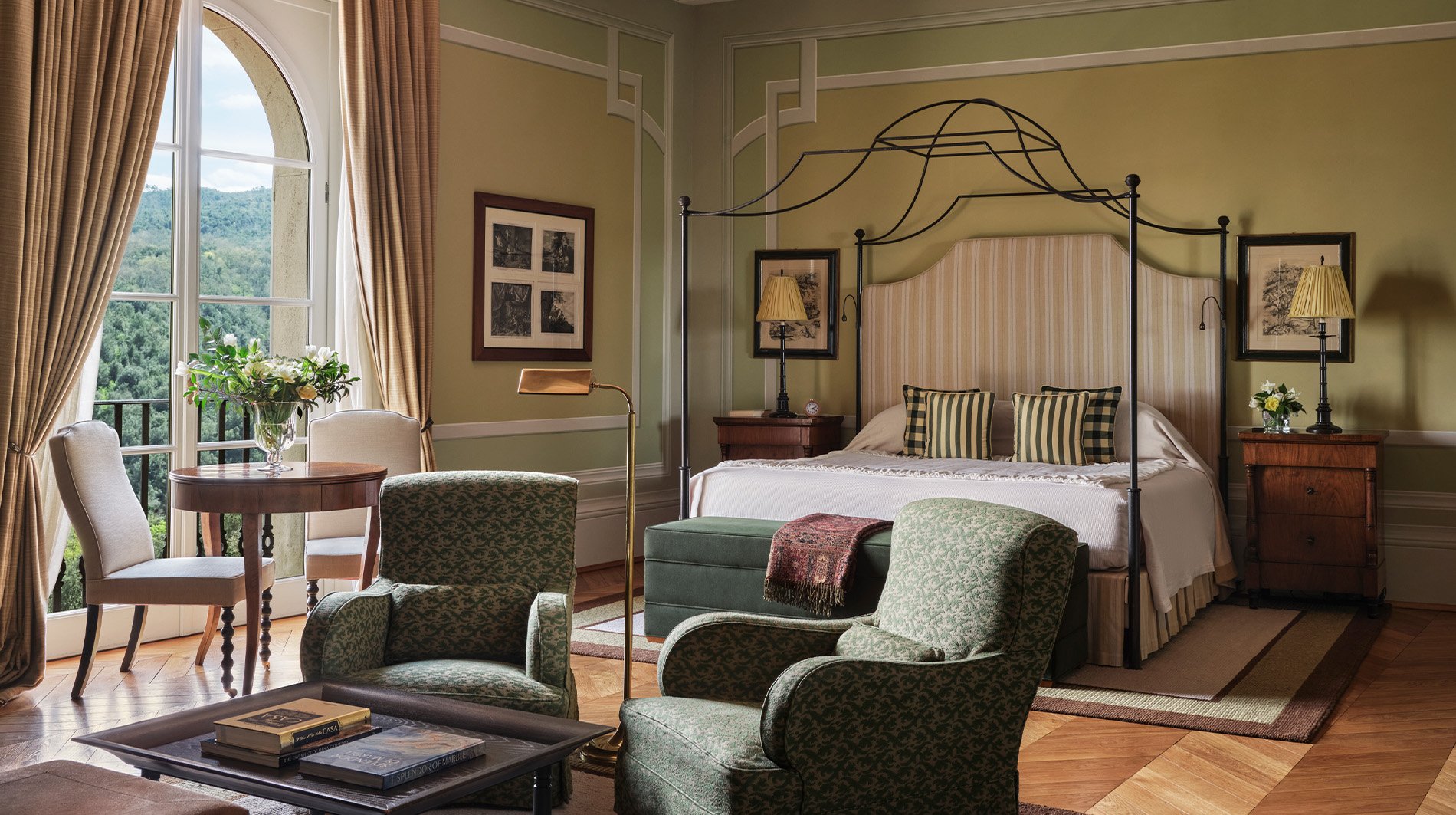
Restoration has been central to the property’s modern identity. Historic farmhouses dating from the seventeenth and eighteenth centuries have become individual villas, while buildings in and around the borgo have been adapted into suites and communal spaces. Timber ceilings, masonry walls and traditional proportions remain part of the visual language rather than being replaced by a uniform contemporary design.
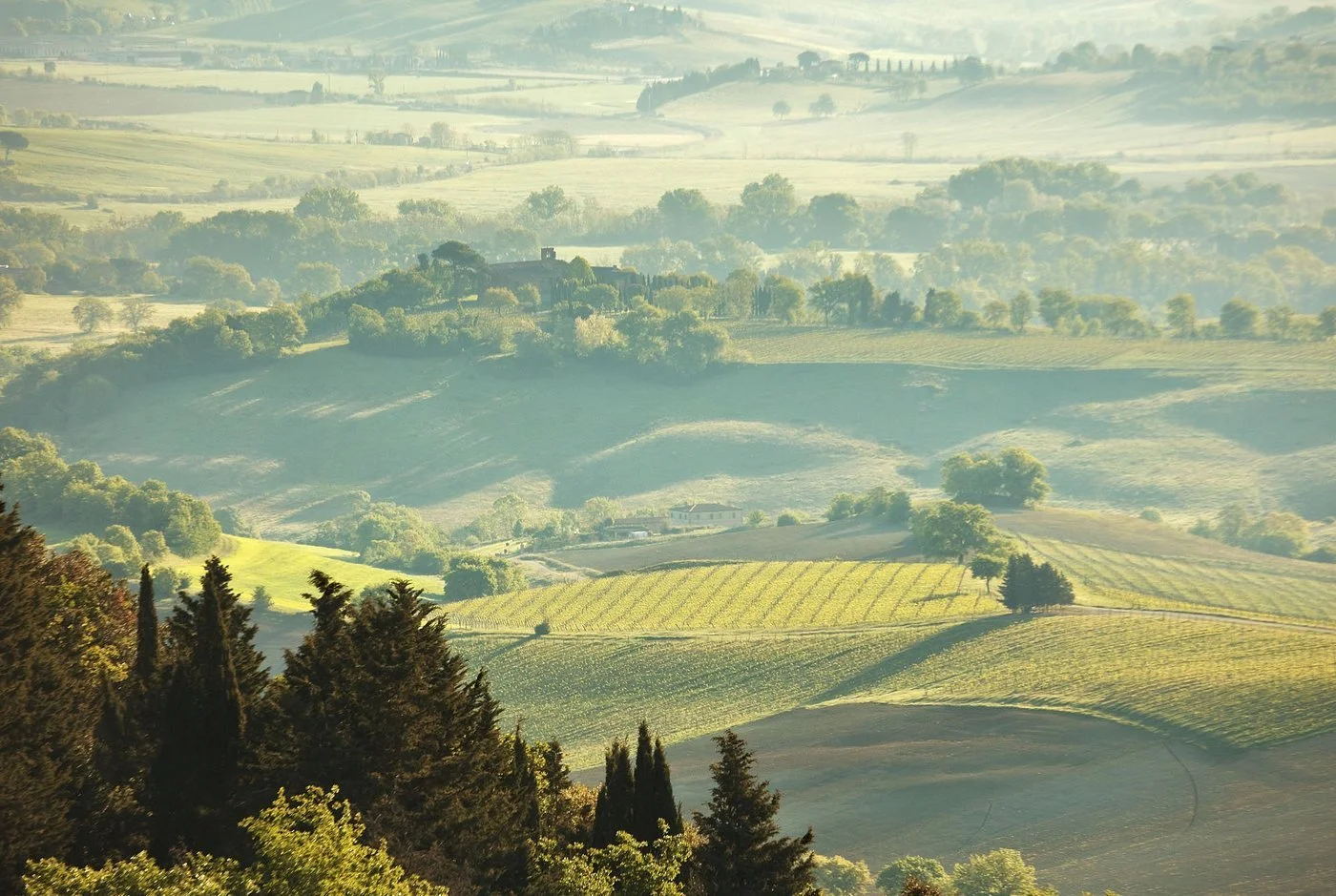
The surrounding region matters just as much. The Val d’Orcia is recognized by UNESCO for a cultural landscape formed through centuries of agriculture and human settlement. Montalcino’s longstanding association with Brunello wine gives a visit another layer, connecting vineyard walks and cellar tastings to the geography visible from the estate.
Stone, Cypress and the Architecture of Restoration
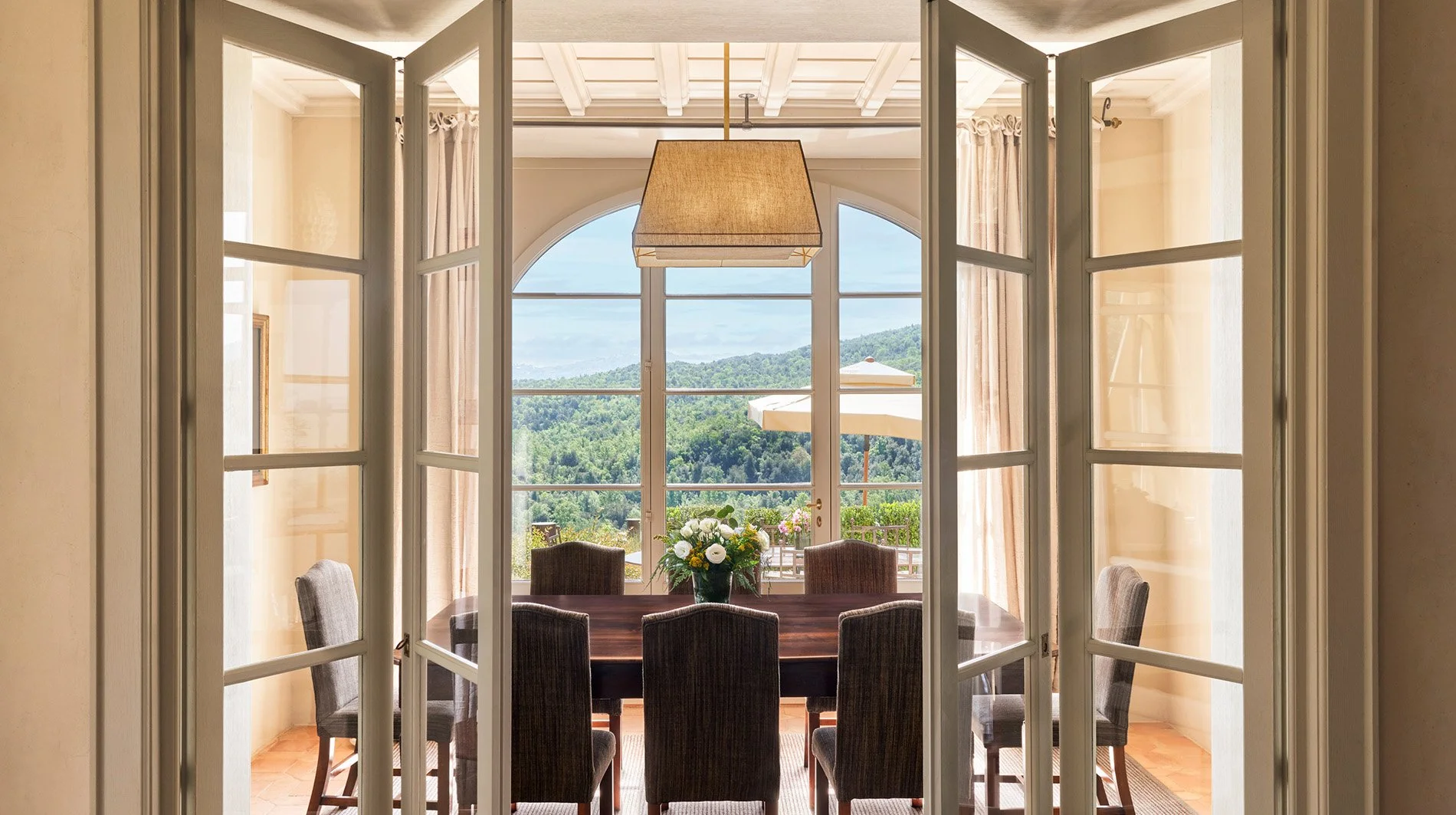
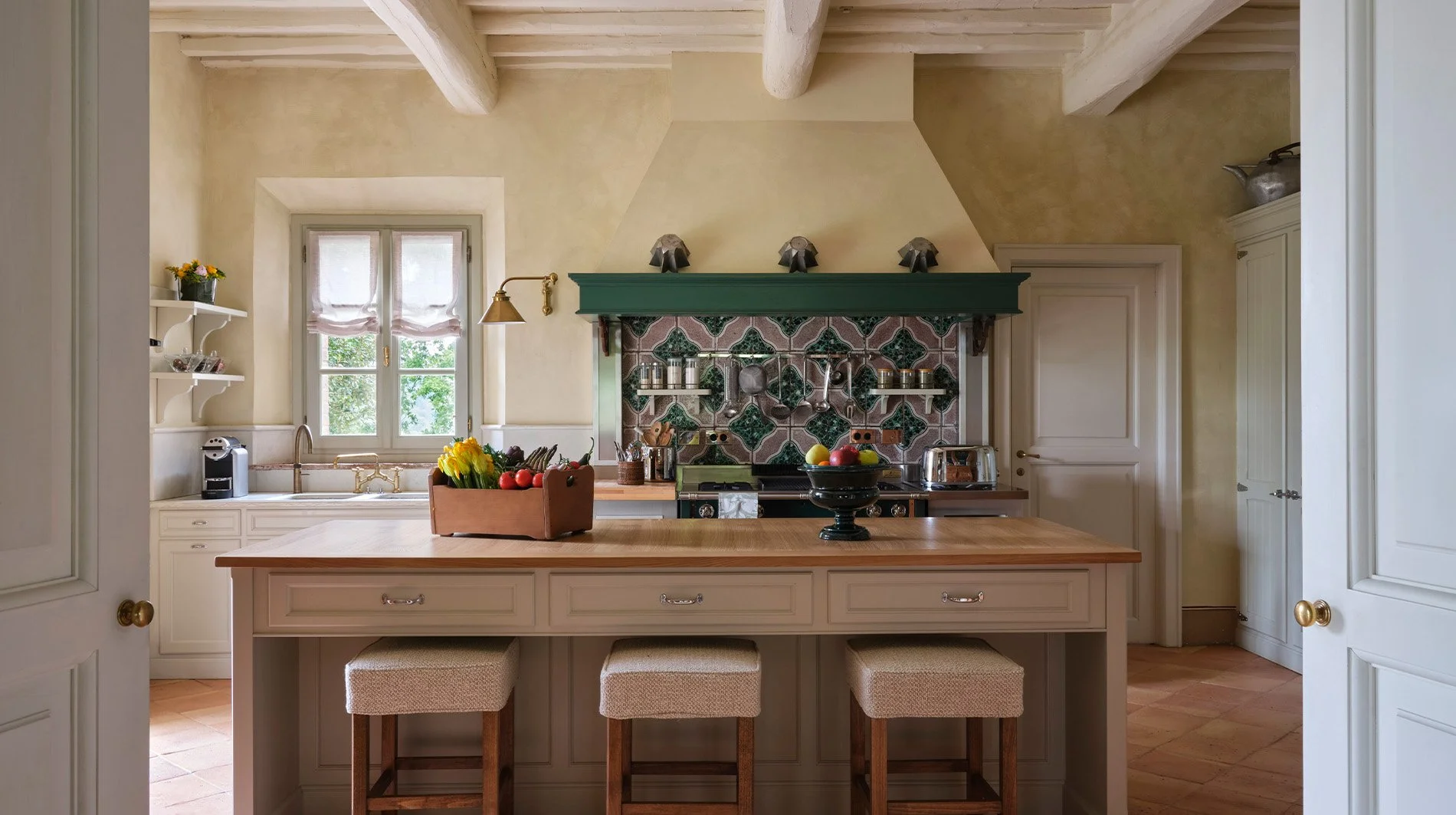
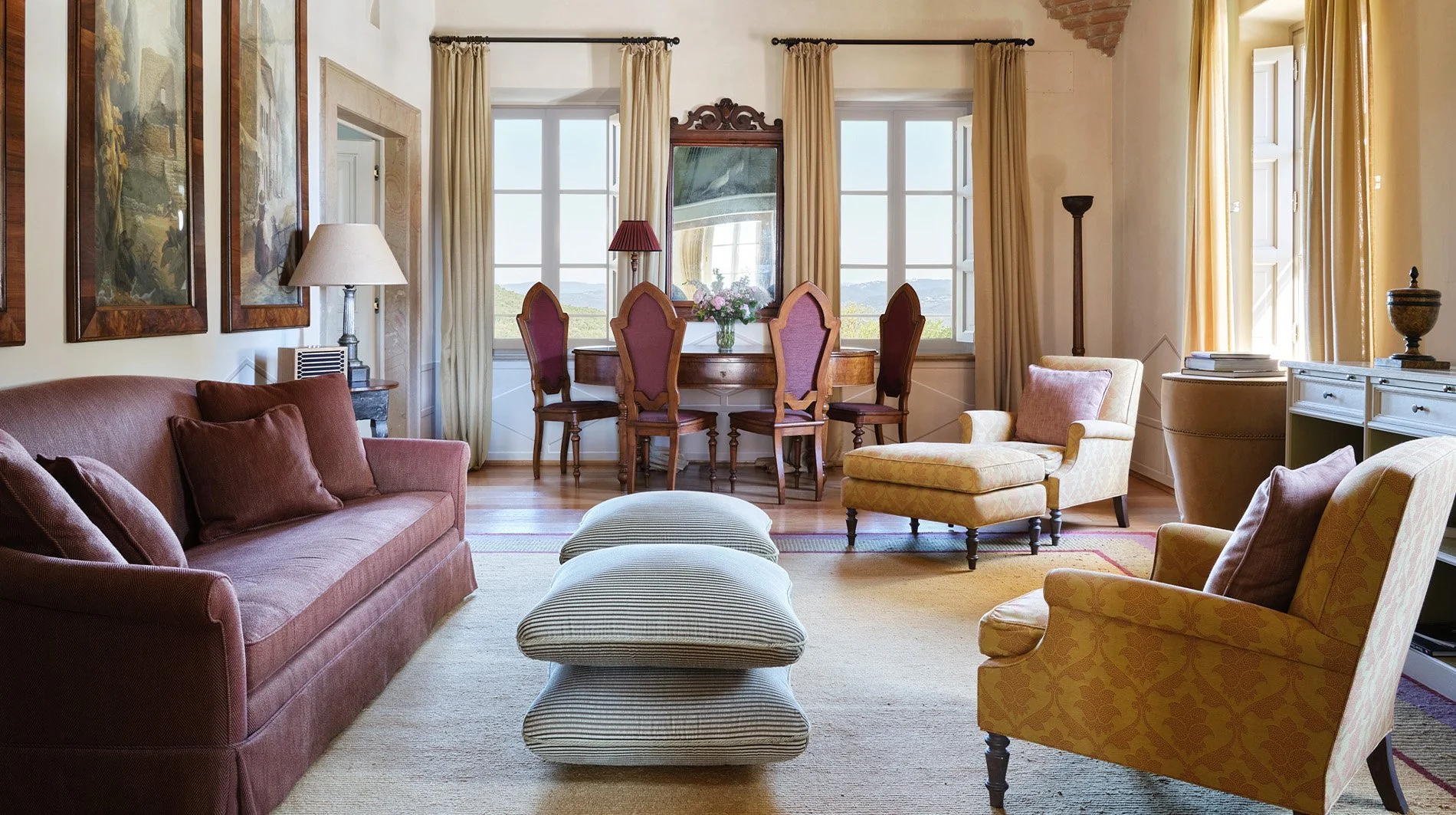
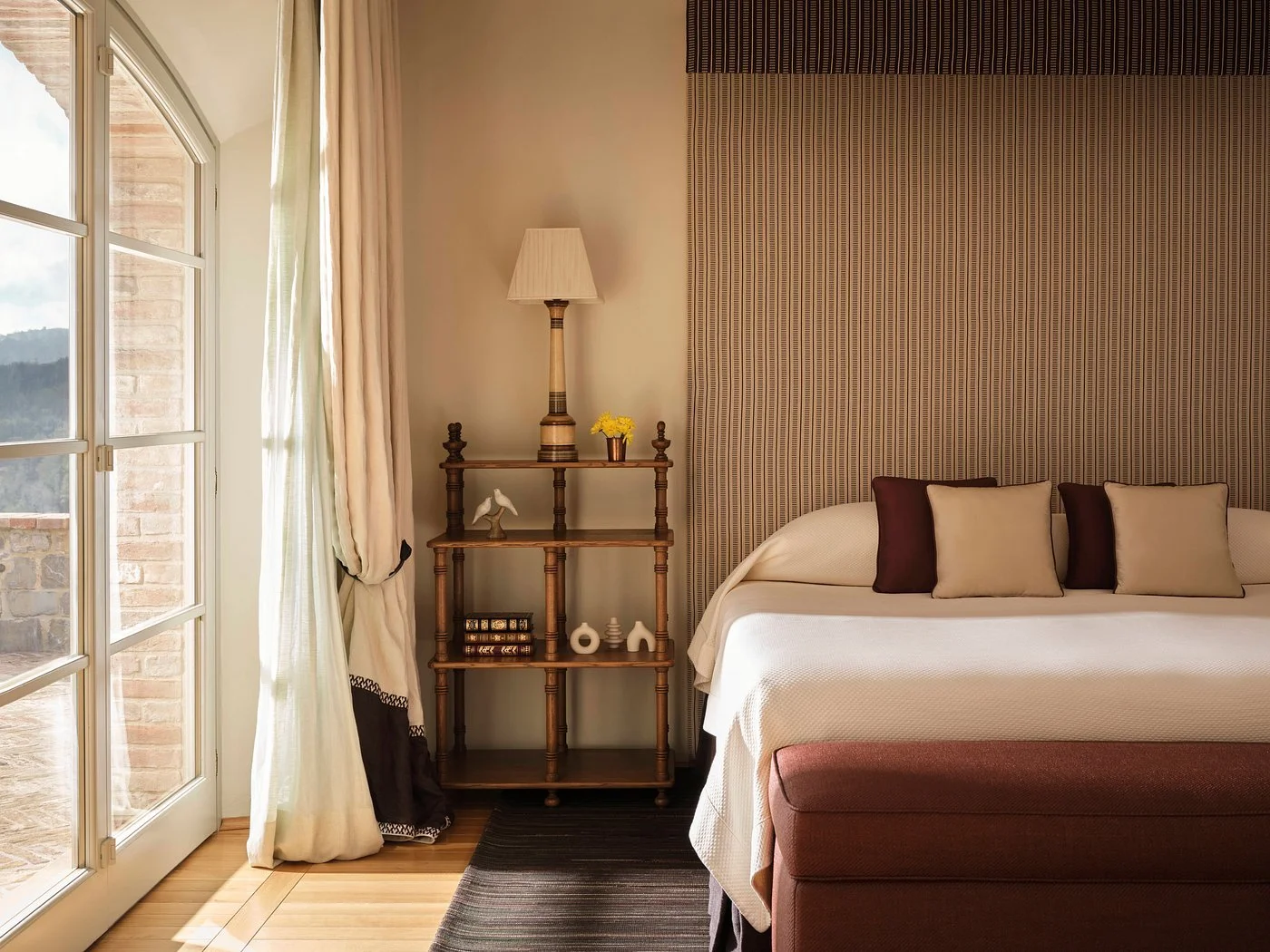
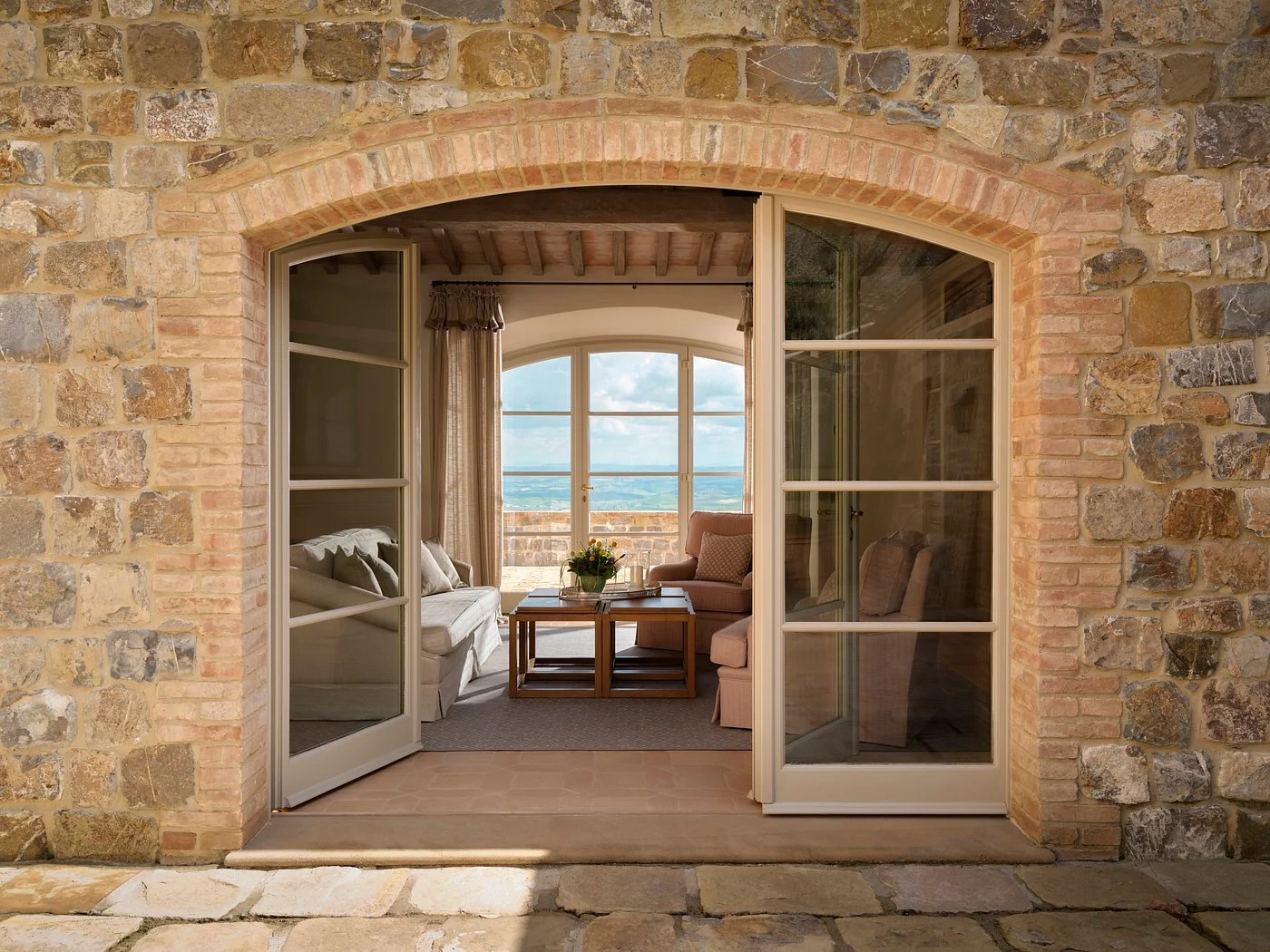
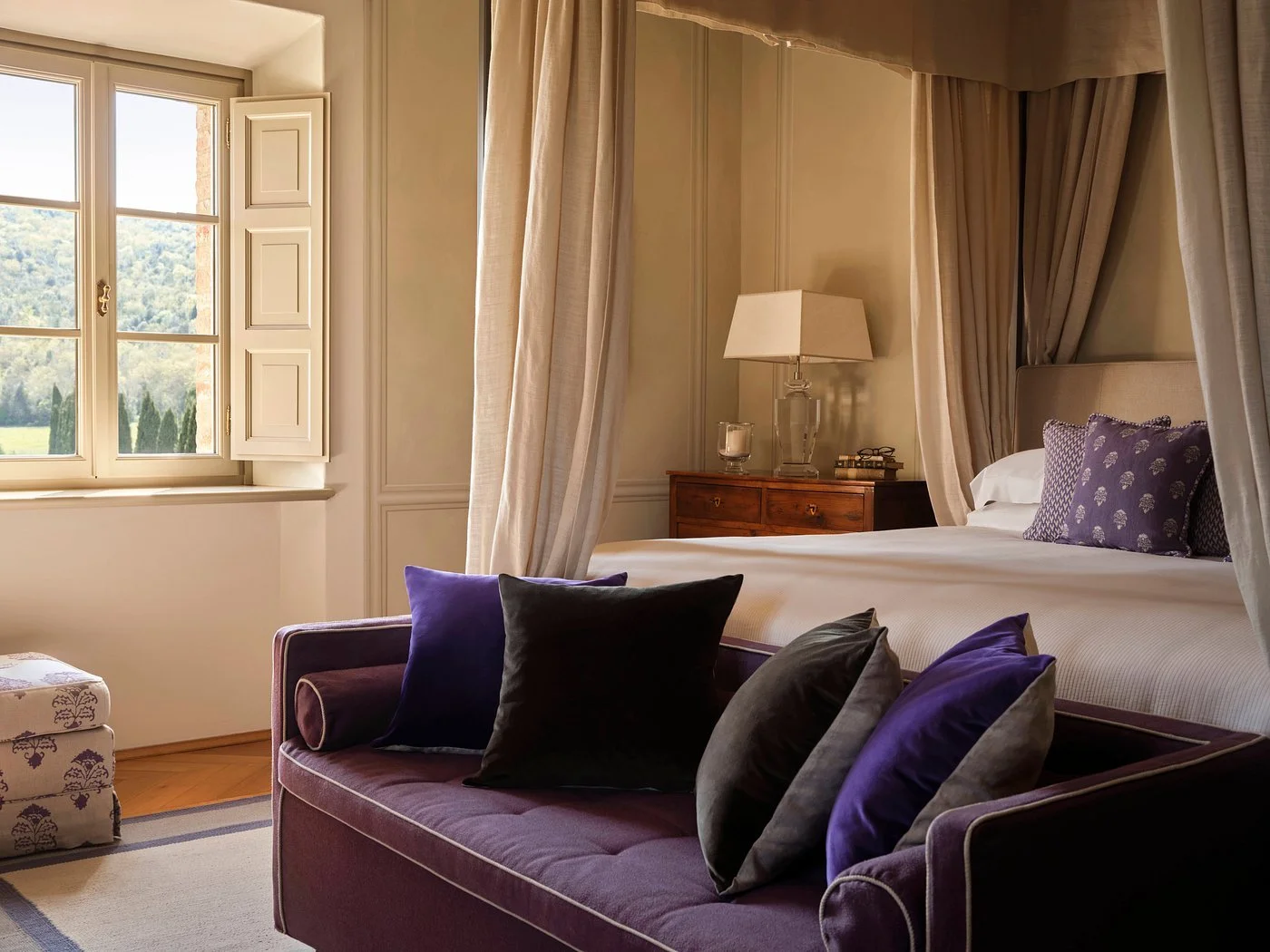
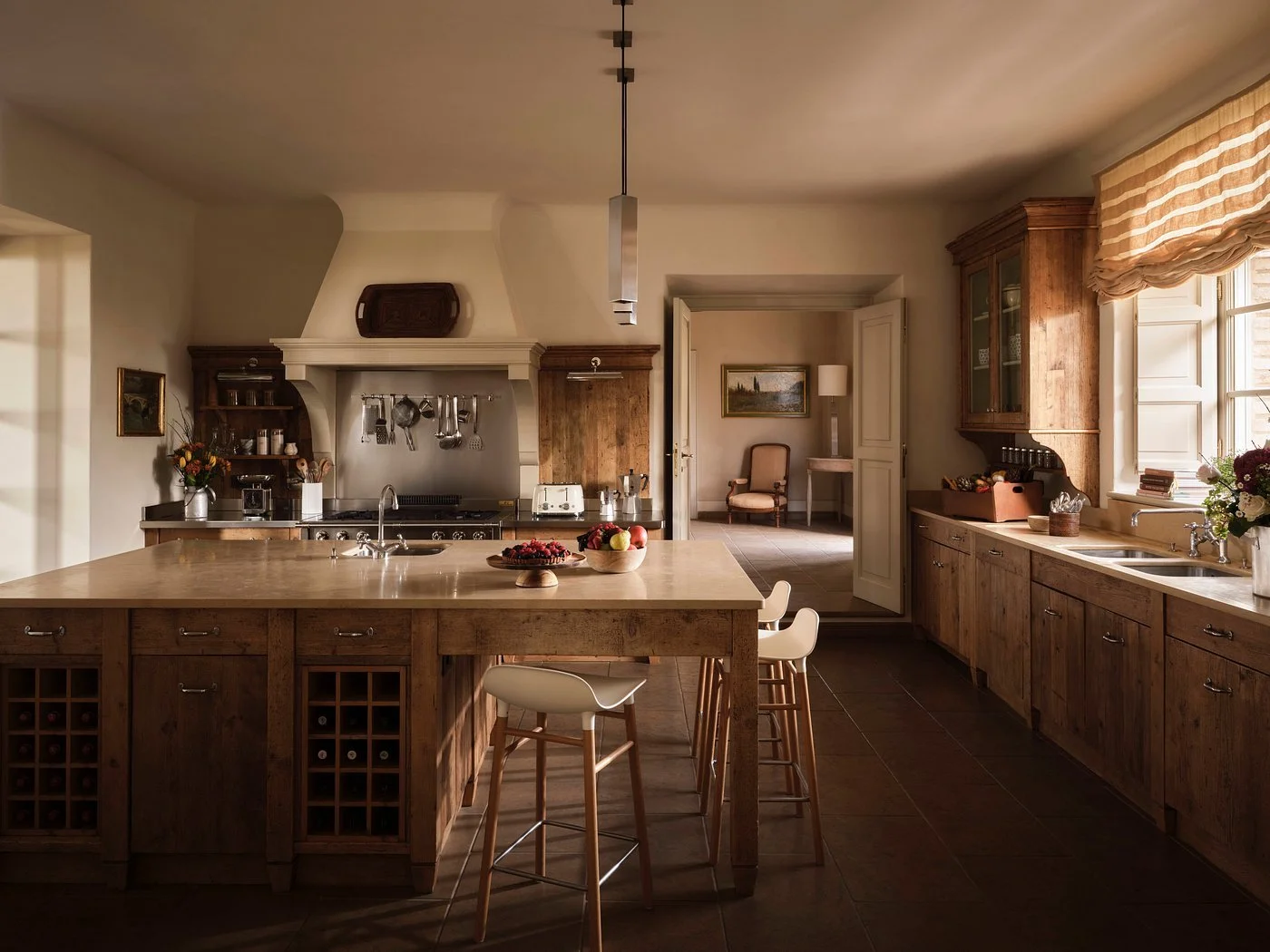
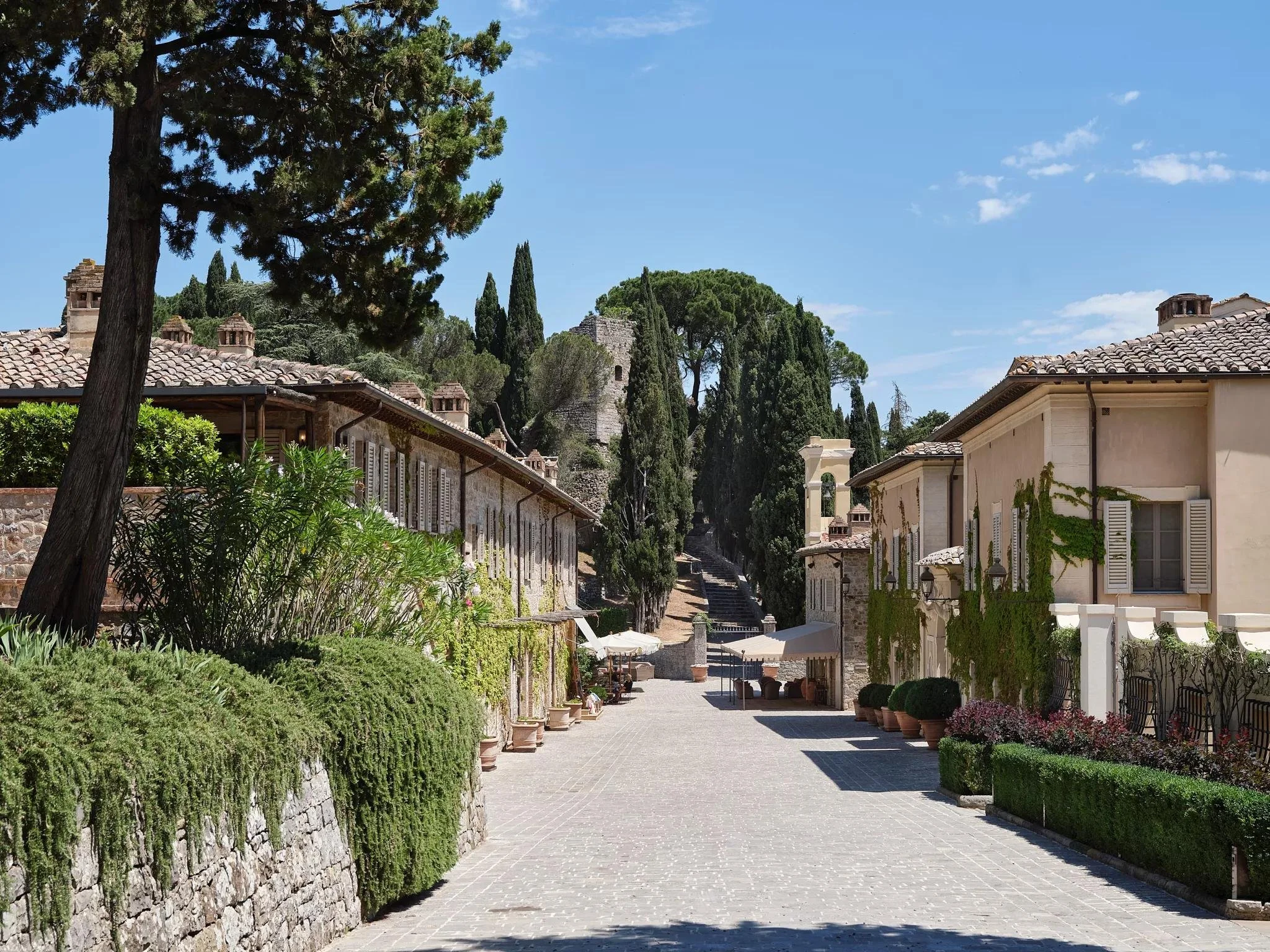
Castiglion del Bosco’s architecture is not organized around one monumental building. Instead, individual houses, courtyards and garden paths lead through the old settlement, allowing the landscape to appear between walls and terraces. Rough-hewn stone, terracotta, timber beams and traditionally proportioned windows establish continuity with the region’s rural buildings. Interiors introduce antiques, textiles and handcrafted details without obscuring the original character of the structures.
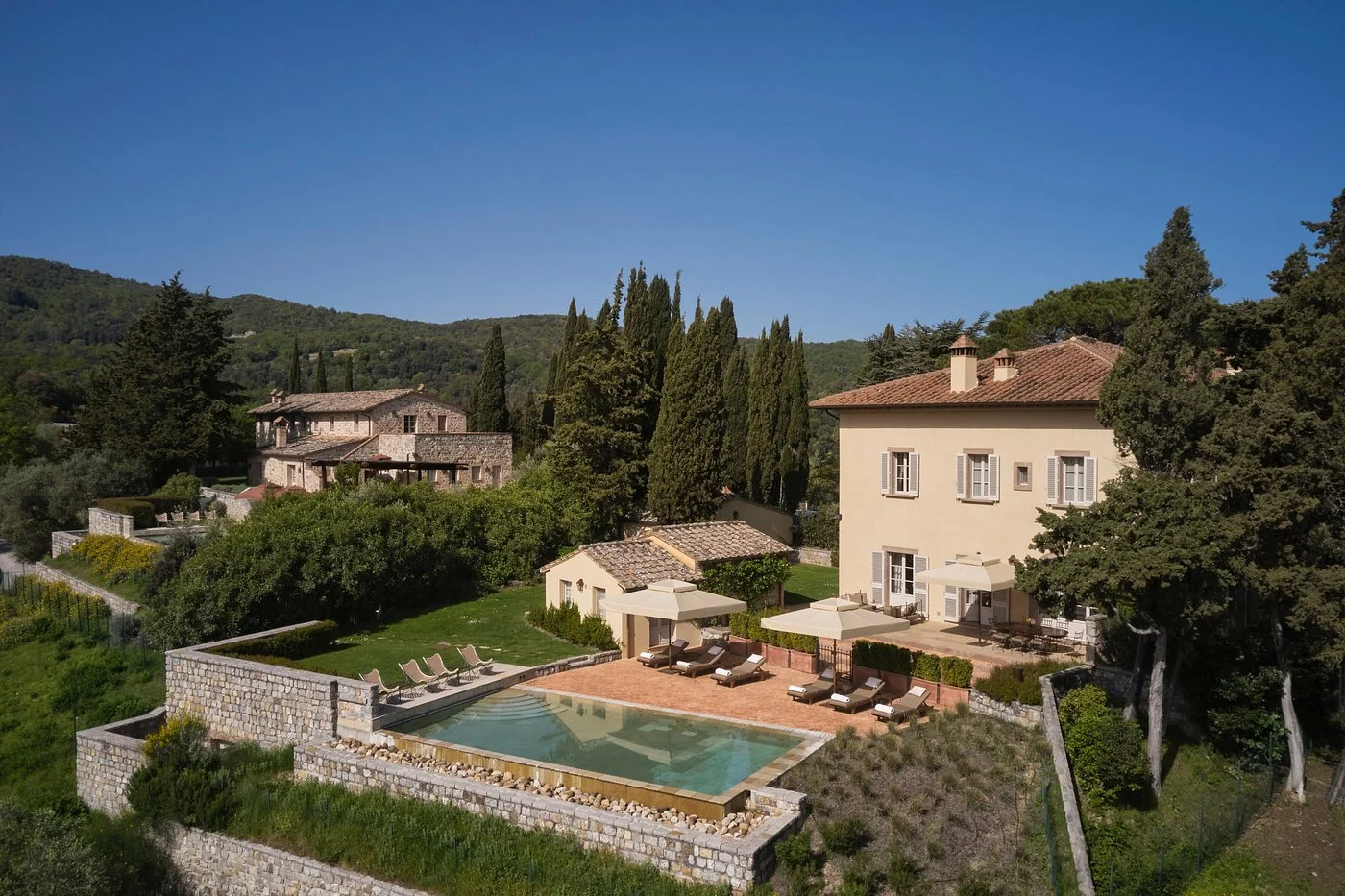
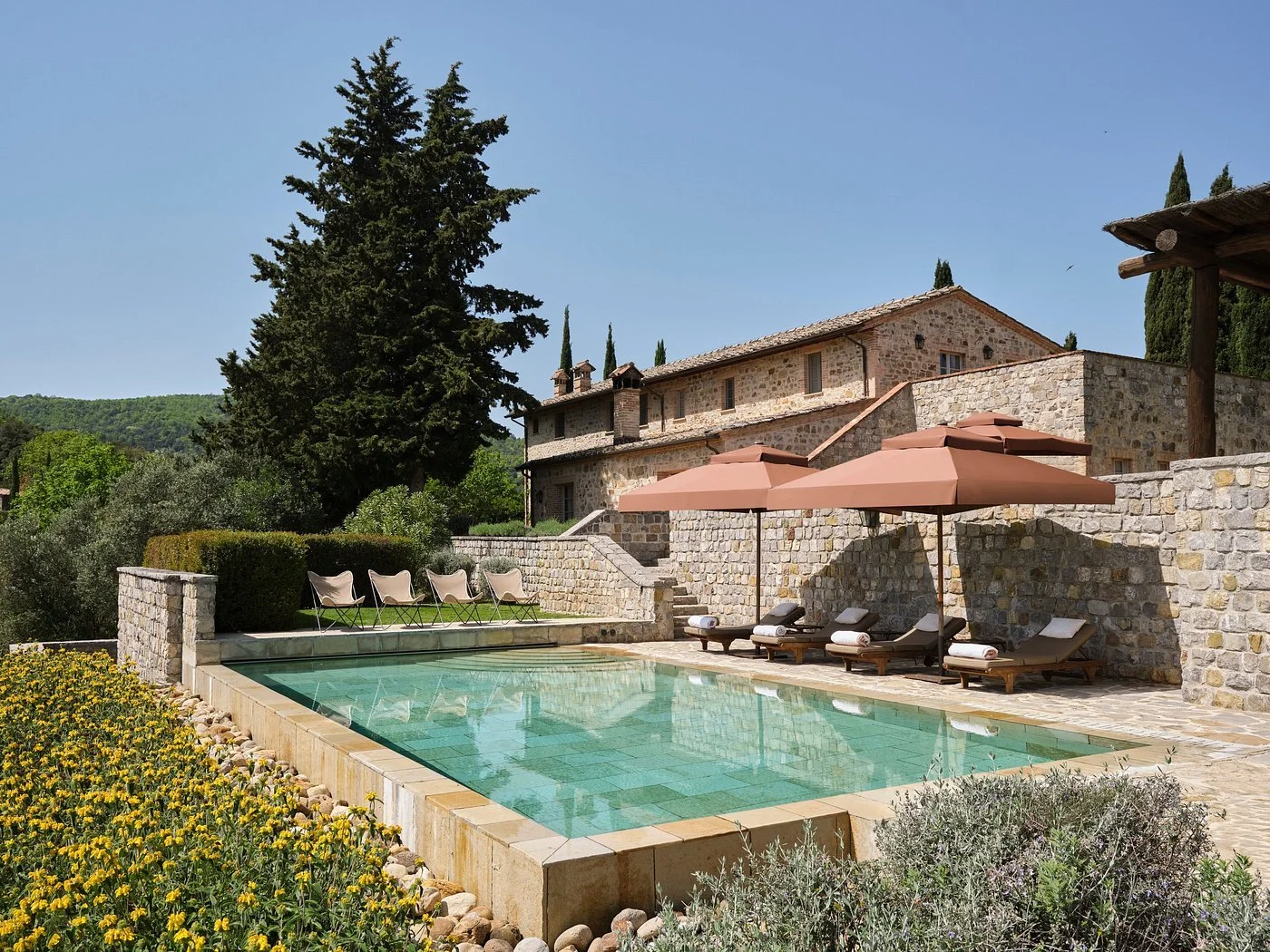
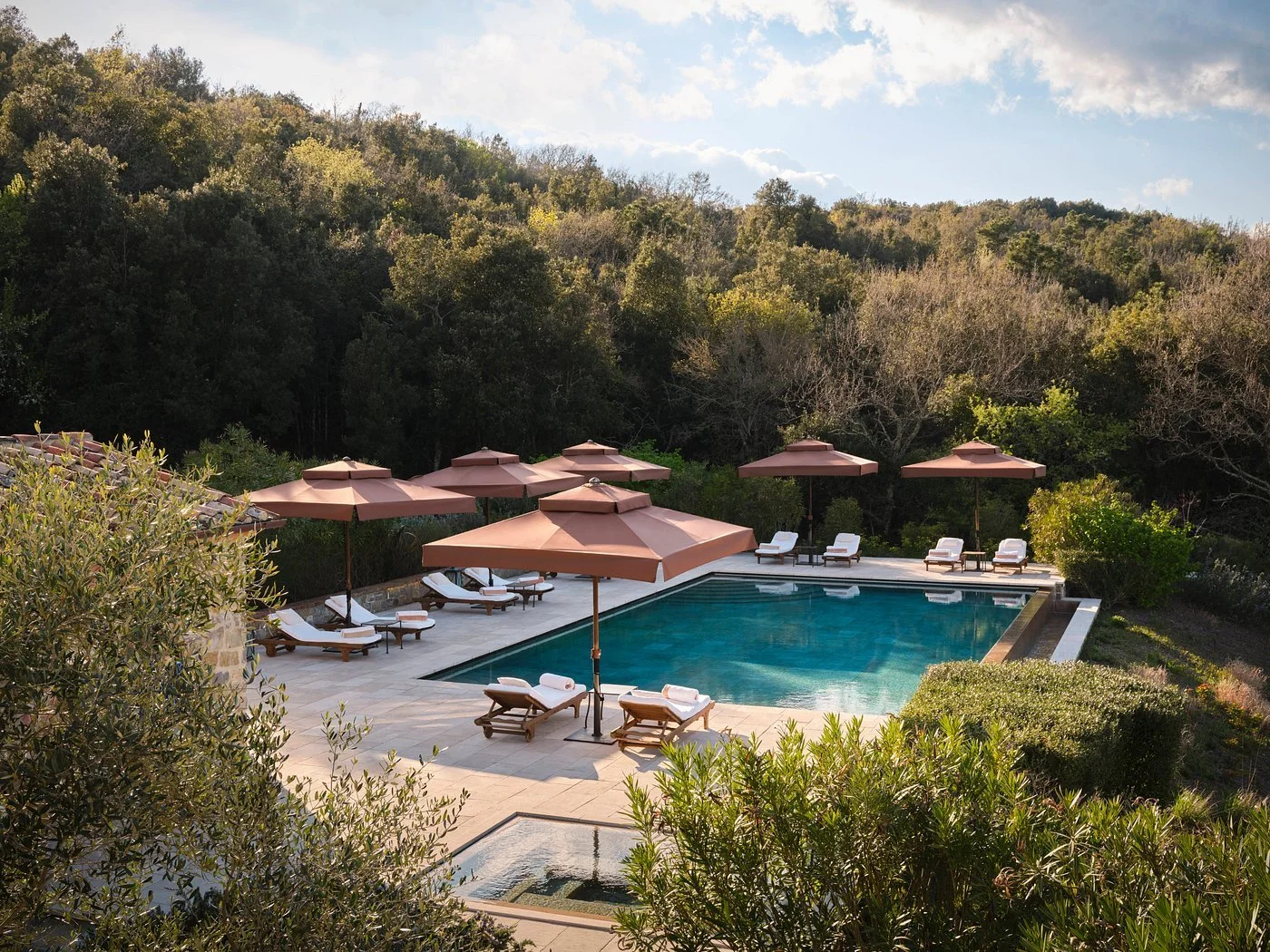
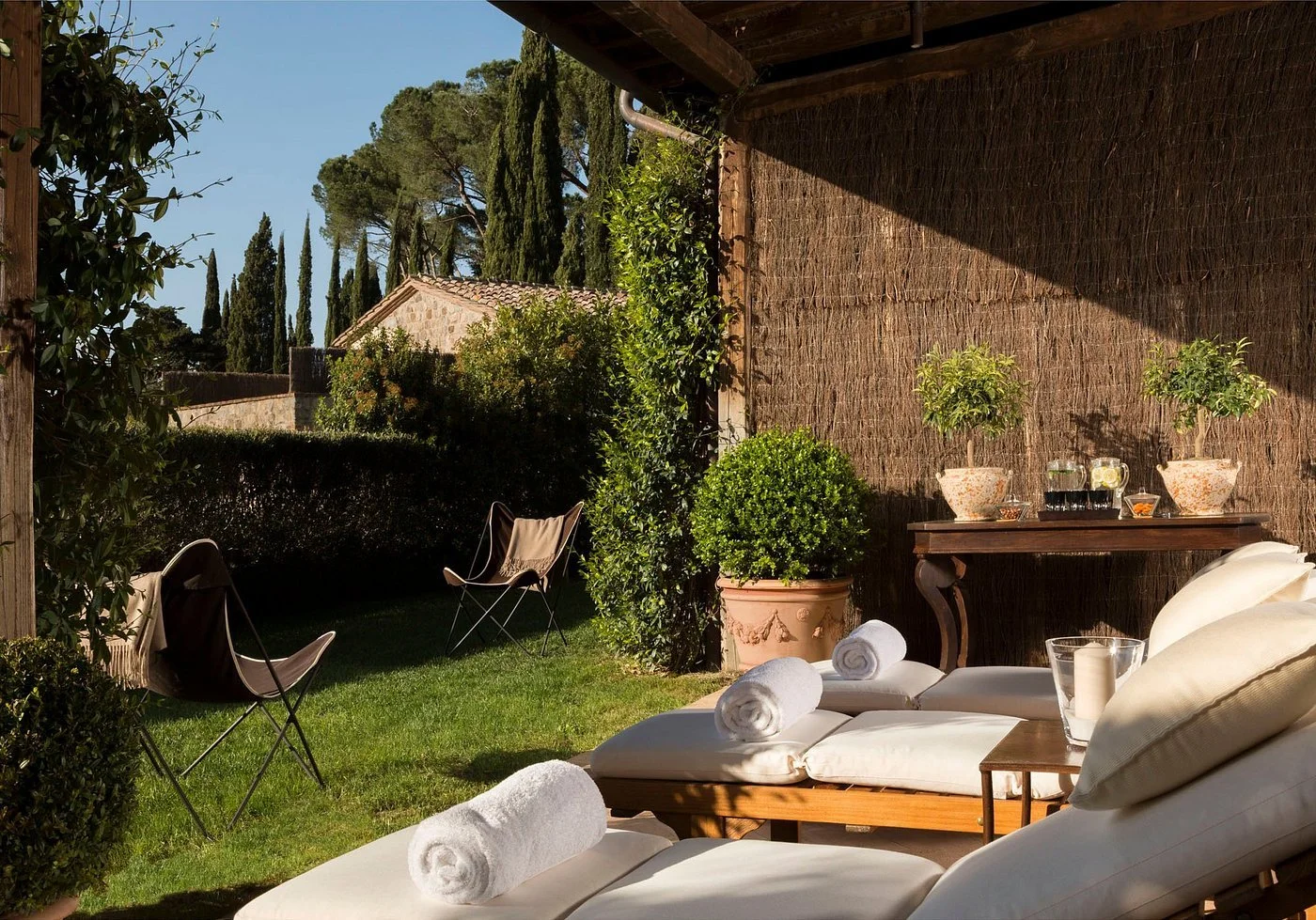
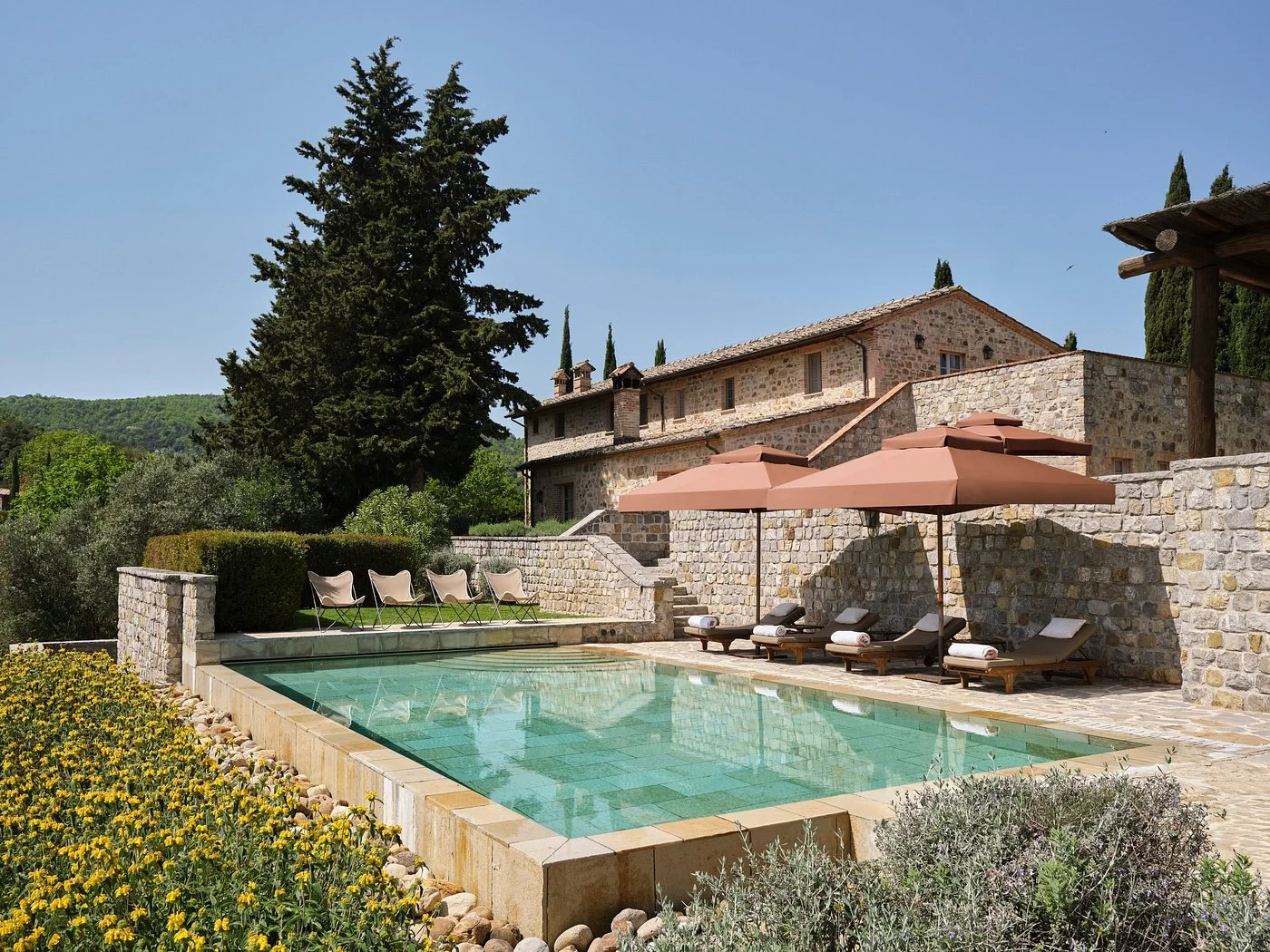
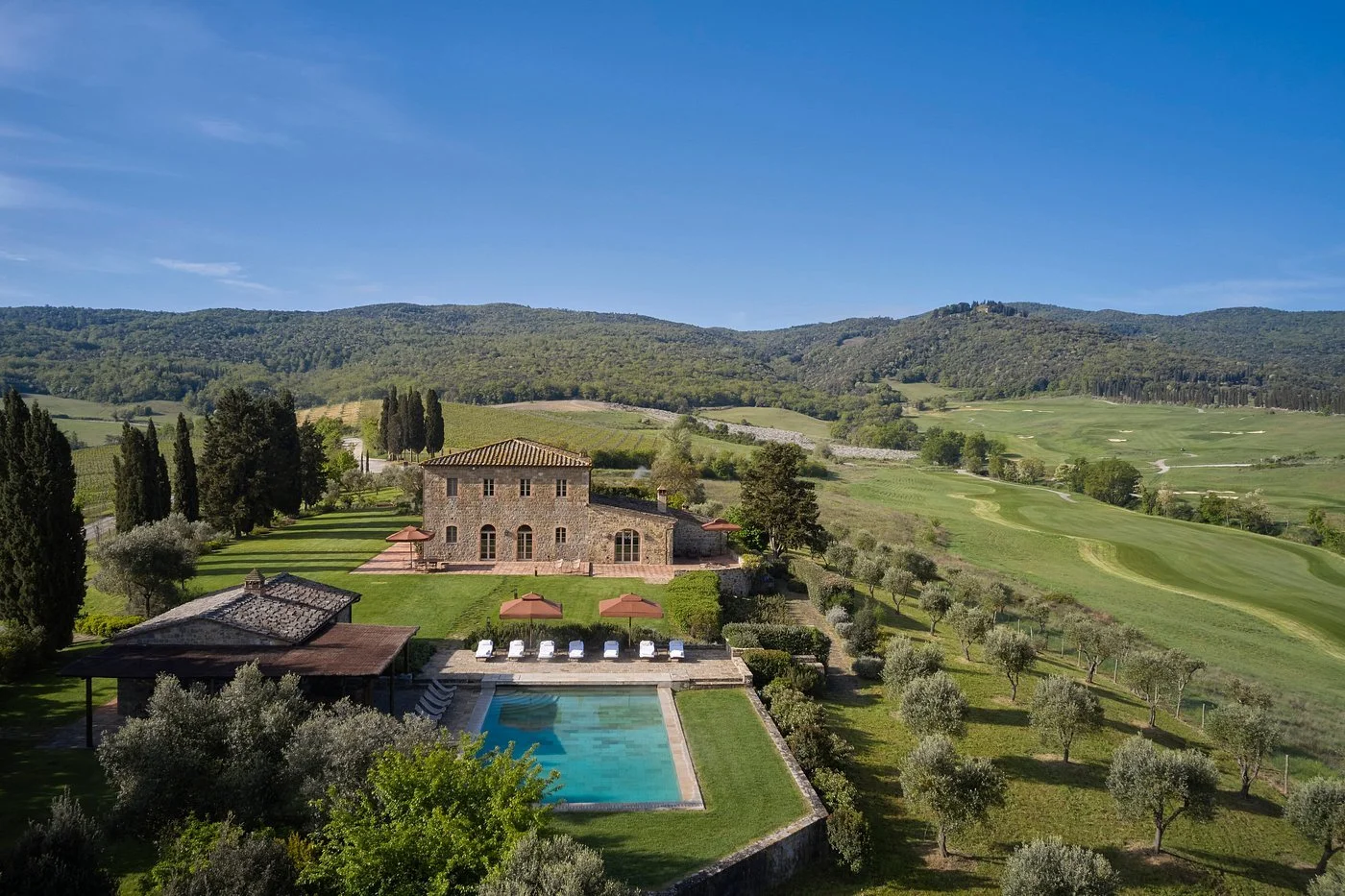
The borgo is the practical center of the resort. Restaurants, the cooking school and many suites are gathered within walking distance of one another, while swimming pools look out toward the Tuscan hills. Beyond the village, villas sit in separate positions across the countryside. Their different distances from the borgo, directions of view and private gardens are important considerations when deciding where to stay.
This dispersed arrangement rewards travelers who appreciate privacy and a slower pace. It also makes thoughtful planning useful: a couple hoping to walk to dinner each evening may prefer a suite, whereas a multigenerational family planning long afternoons around a private pool may find a villa more suitable.
From Borgo Suites to Private Country Villas
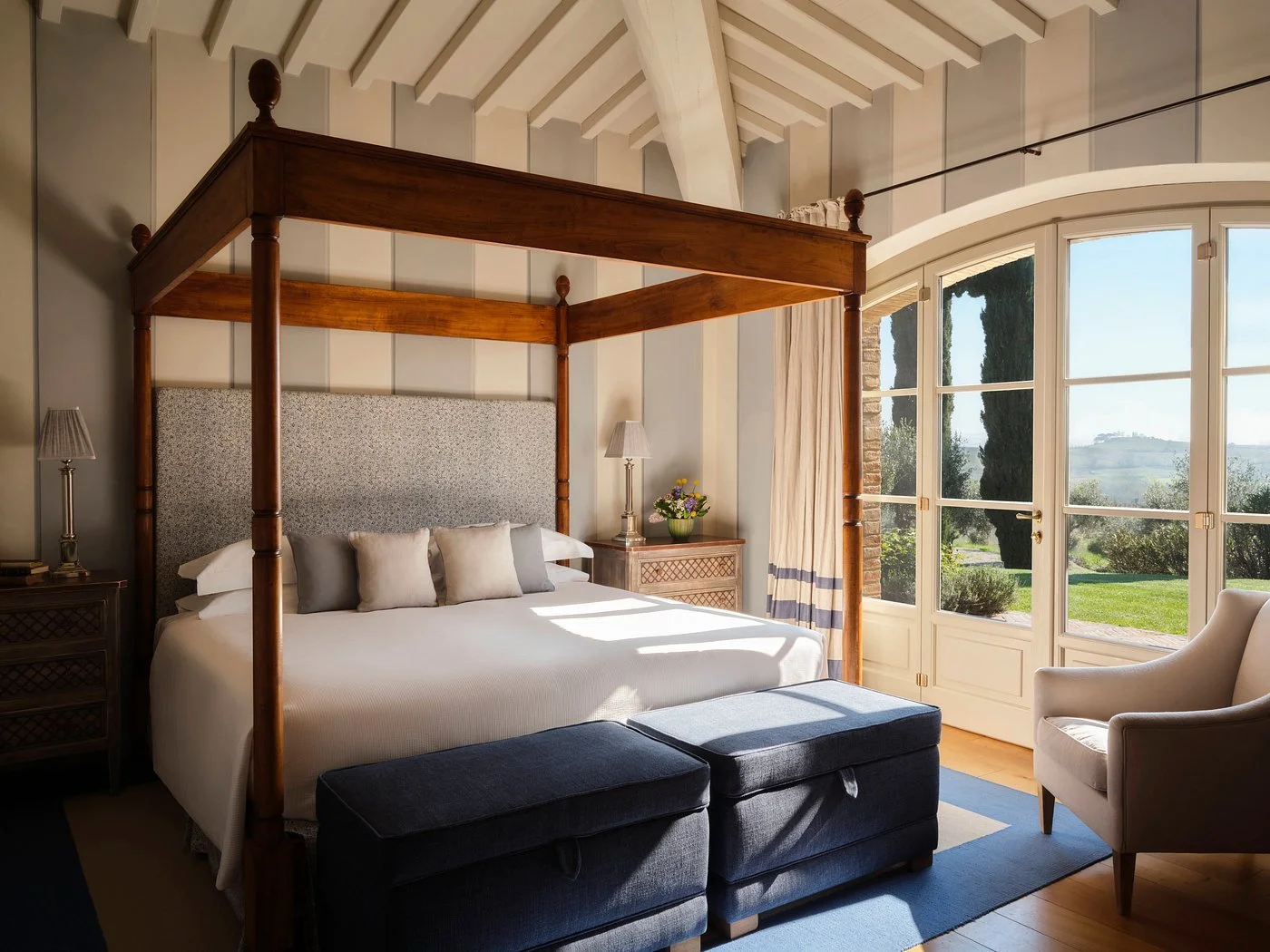
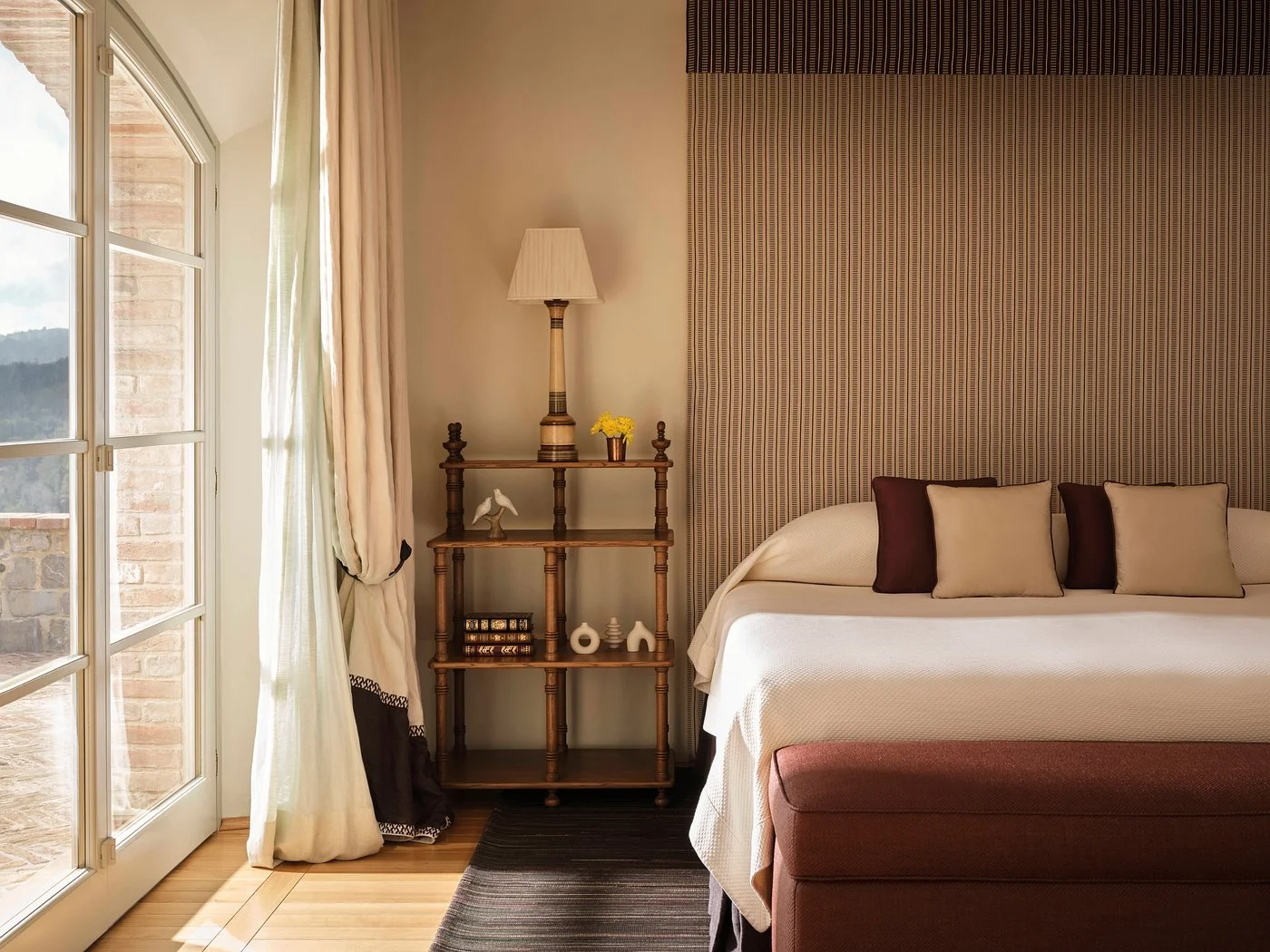
The resort’s accommodation ranges from individual suites within the historic village to multi-bedroom country houses. The most useful distinctions are layout, outdoor space, proximity to the borgo and the degree of independence each arrangement provides. Exact décor can vary between historic buildings, so a published photograph should not be treated as a guarantee of the furnishing or view in every unit.
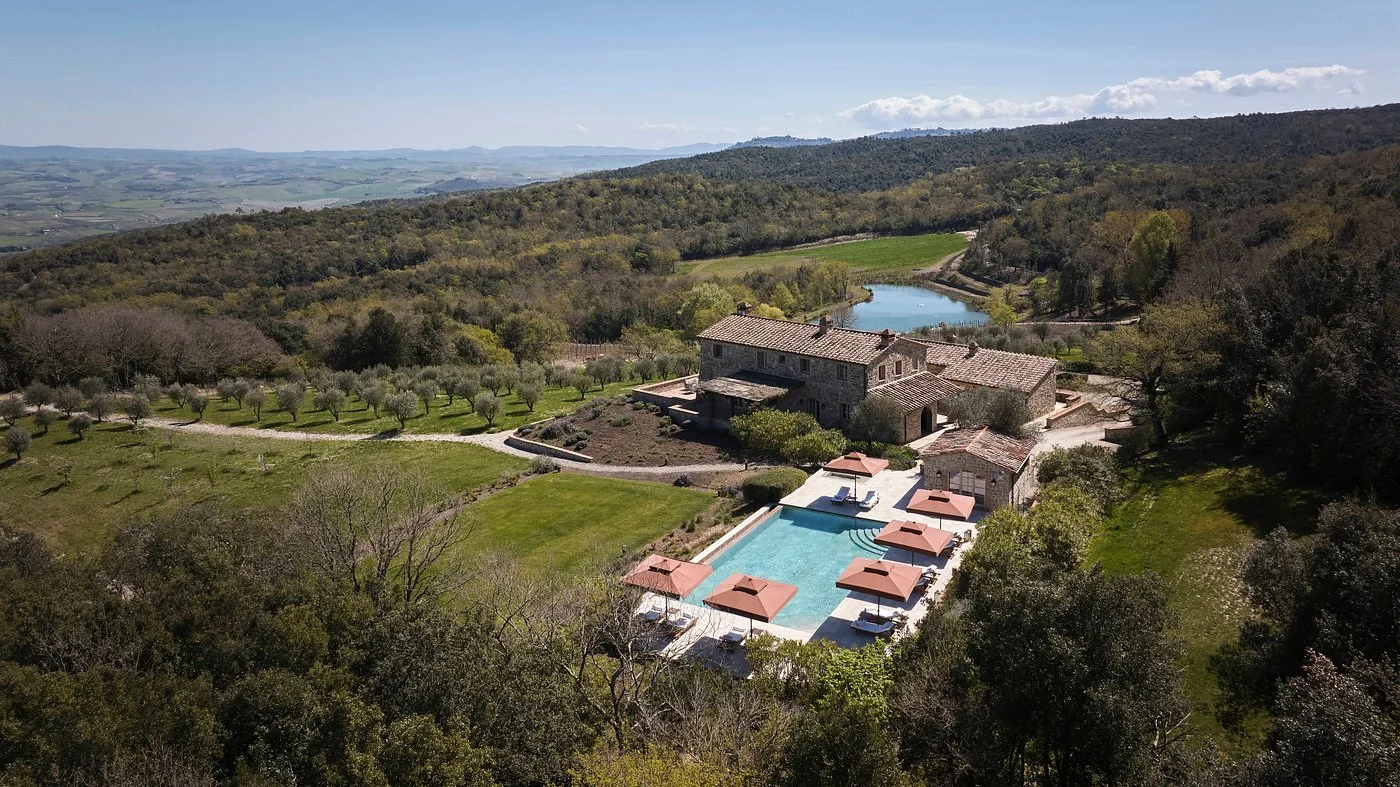
Suites are particularly convenient for shorter stays and travelers who want restaurants and shared facilities close at hand. The larger houses provide private pools, living and dining spaces, and a home-like setting for groups. The resort’s villa policies also describe a four-wheel-drive vehicle included with villa stays, subject to the stated driver conditions. The following selection moves from the simpler suite categories through larger residences; individual villa names represent unique houses rather than standardized room types.
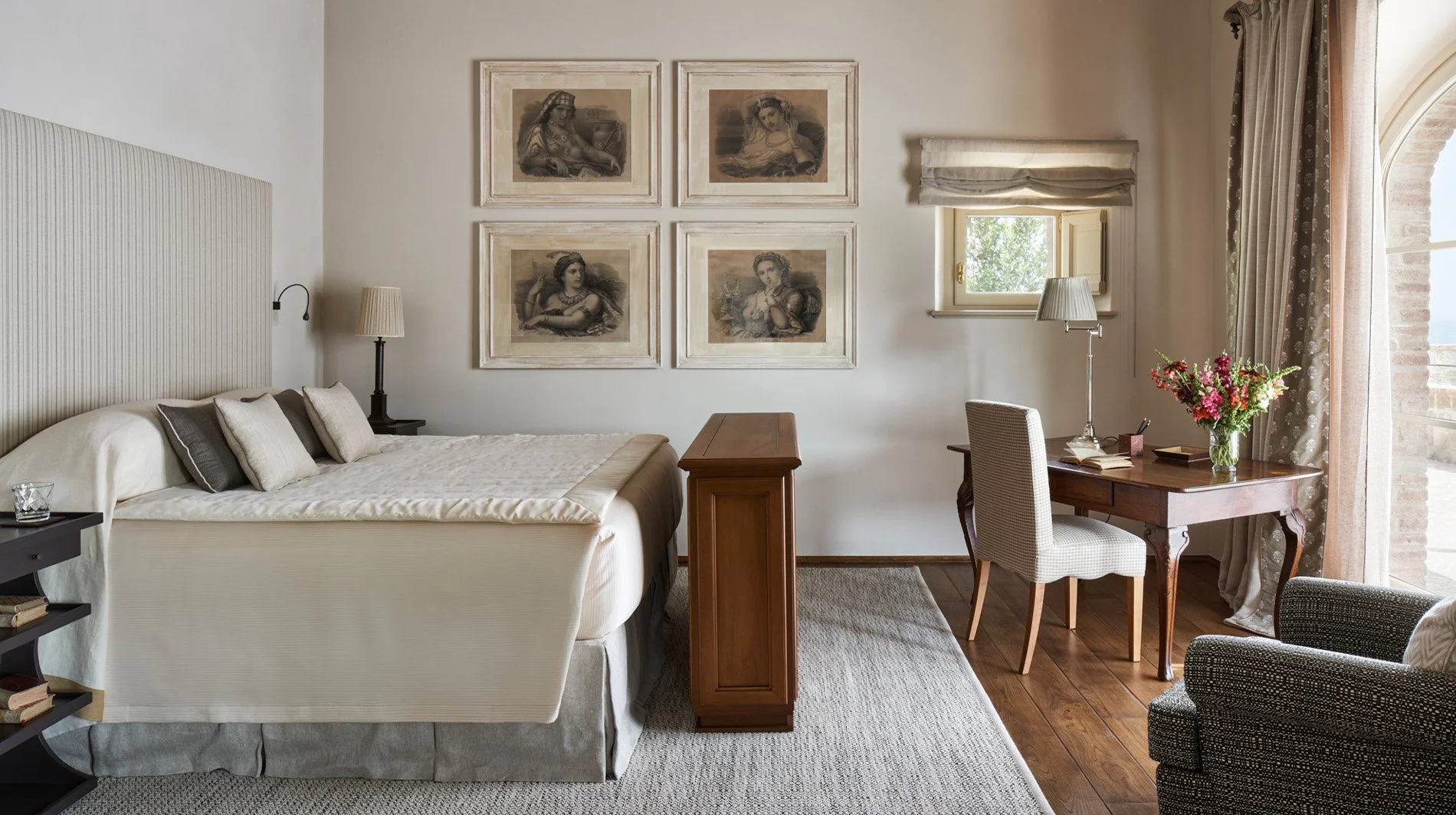
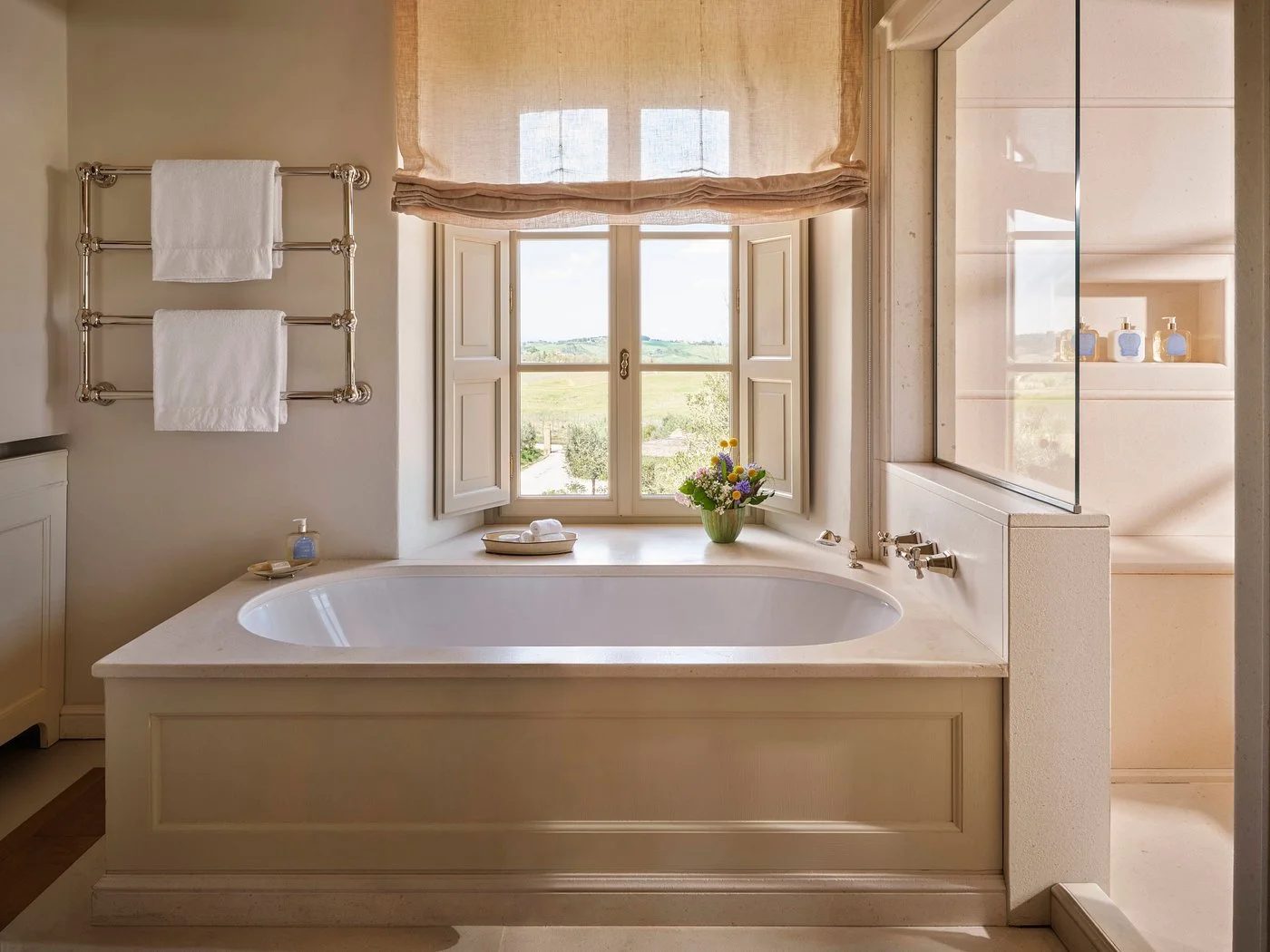
Junior Suite: A one-bedroom base in the borgo with Tuscan-inspired interiors and a bathroom with a soaking tub, well suited to a couple focused on exploring the estate.
Borgo Suite: A roomier suite with a separate sense of living space and individual decorative details that reflect its setting within restored historic buildings.
Terrace Suite: A suite distinguished by its private outdoor terrace, appealing to travelers who want a place to sit outside between activities.
CdB Suite: An expansive one-bedroom suite with a lounge, walk-in wardrobe and Florentine-influenced interiors; a private terrace is available in selected units rather than all.
Casa Fontaccia: A detached two-bedroom suite in the borgo with a private entrance, kitchenette, terrace and garden, offering greater independence near central facilities.
Casa del Vescovo: A historic two-bedroom residence in the borgo with Florentine-style interiors, named for the bishop associated with the former apartment.
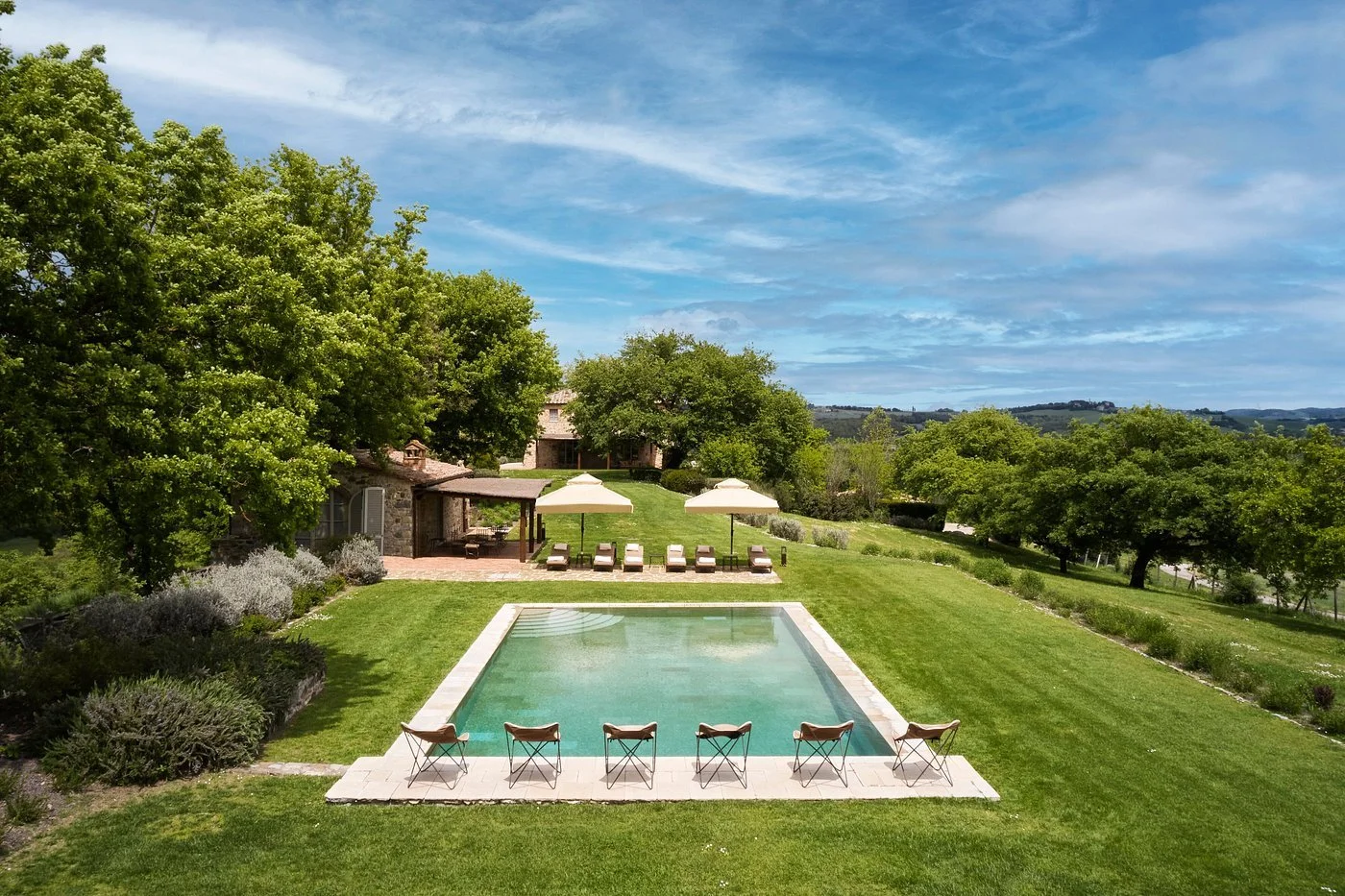
Villa Alba: A three-bedroom country house with a private pool, shaded terraces and views across the Val d’Orcia.
Villa Castello: A three-bedroom, multi-level home associated with the site of the medieval castle ruins, with gardens and a private infinity pool.
Villa Oliviera: A three-bedroom villa close to the borgo, balancing access to village facilities with a private pool and countryside views.
Villa Chiusa: A four-bedroom stone villa near the borgo with its own pool and outdoor areas for dining and relaxing.
Villa Casa del Fiume: A four-bedroom country house with a separate pool house, private pool and original seventeenth-century outdoor wood-fired oven.
Villa Gauggiole: A four-bedroom restored farmhouse with timbered ceilings, stonework and vineyard views, suited to larger traveling parties.
Villa Biondi: A five-bedroom villa set near the estate’s golf course, with spacious garden and terrace areas.
Villa Sant’Anna: A five-bedroom restored home with a private pool house and broad countryside views.
Villa Agresto: A six-bedroom villa with a private pool, Jacuzzi and terraces overlooking the Val d’Orcia.
Villa Oddi: A six-bedroom country residence offering a private pool, tennis court and generous terraces.
Villa Stabbi: A six-bedroom house with a separate guest annex, pool house and wraparound terraces framing the Sienese hills.
Tuscan Cooking, From the Borgo to the Cellar
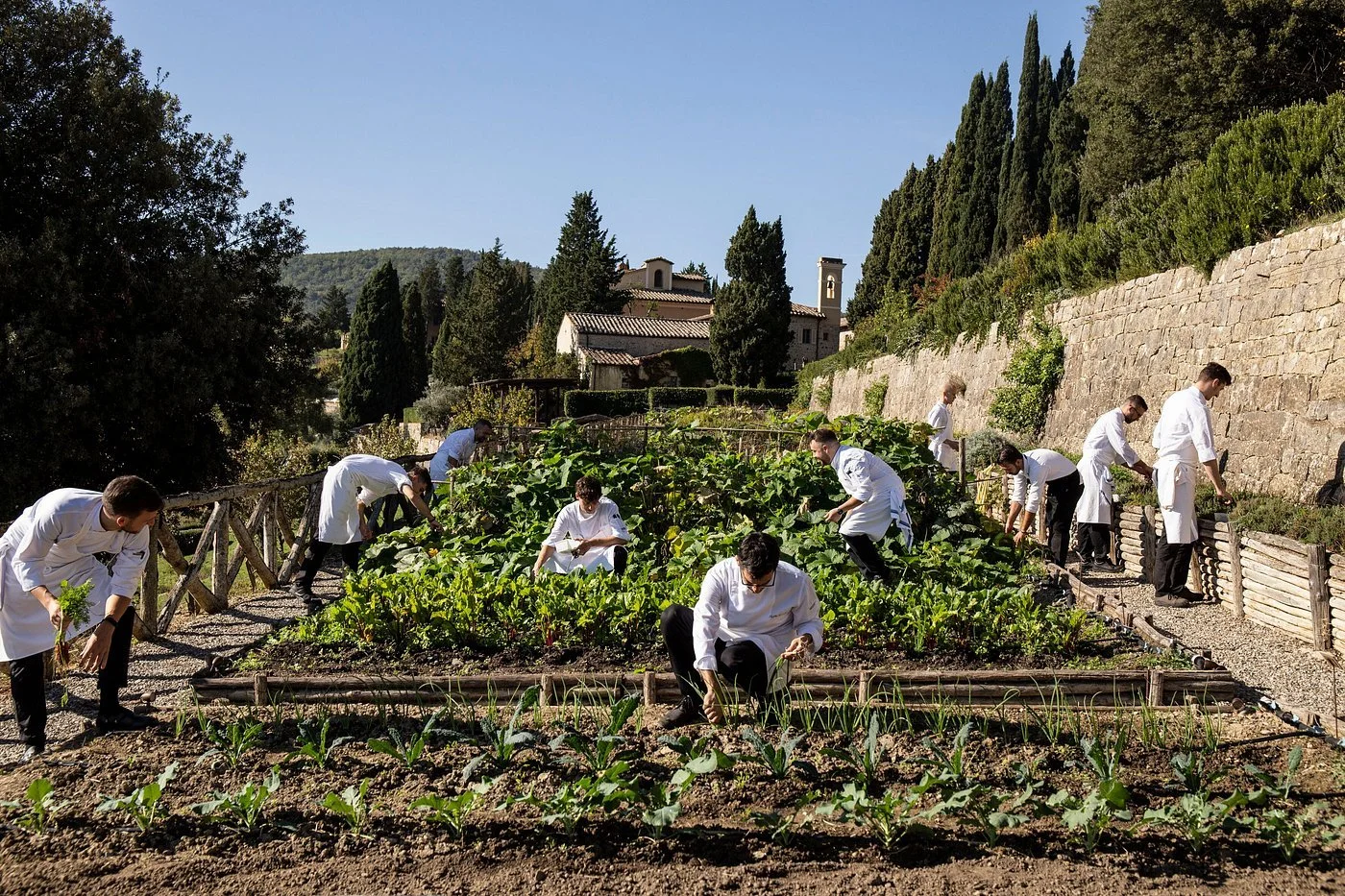
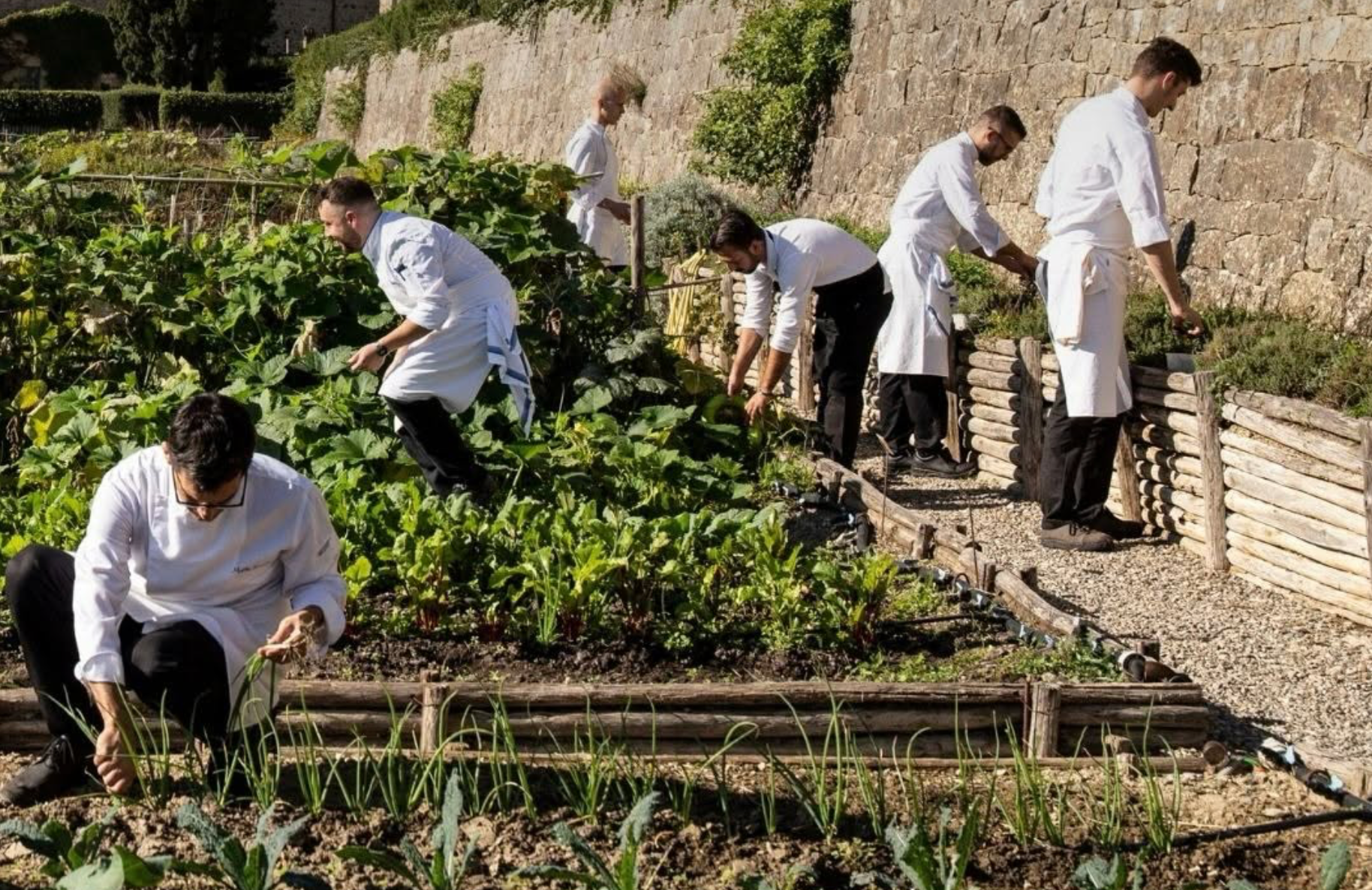
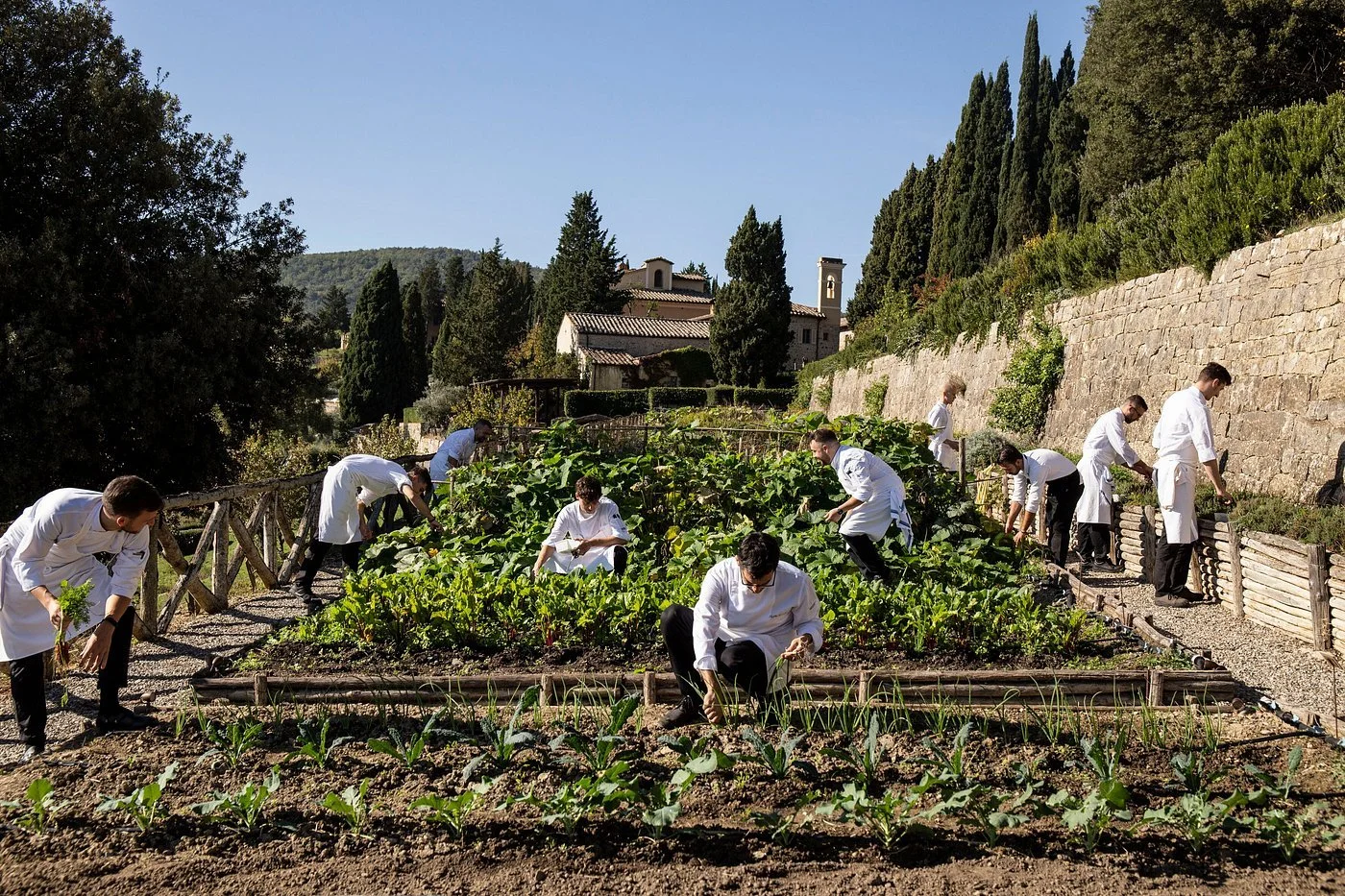
The estate’s dining reflects both its agricultural setting and the wider culinary traditions of Tuscany. Ingredients from the organic kitchen garden feature prominently, alongside produce sourced from regional growers. The result is a useful contrast between formal destination dining and the relaxed familiarity of a village trattoria.
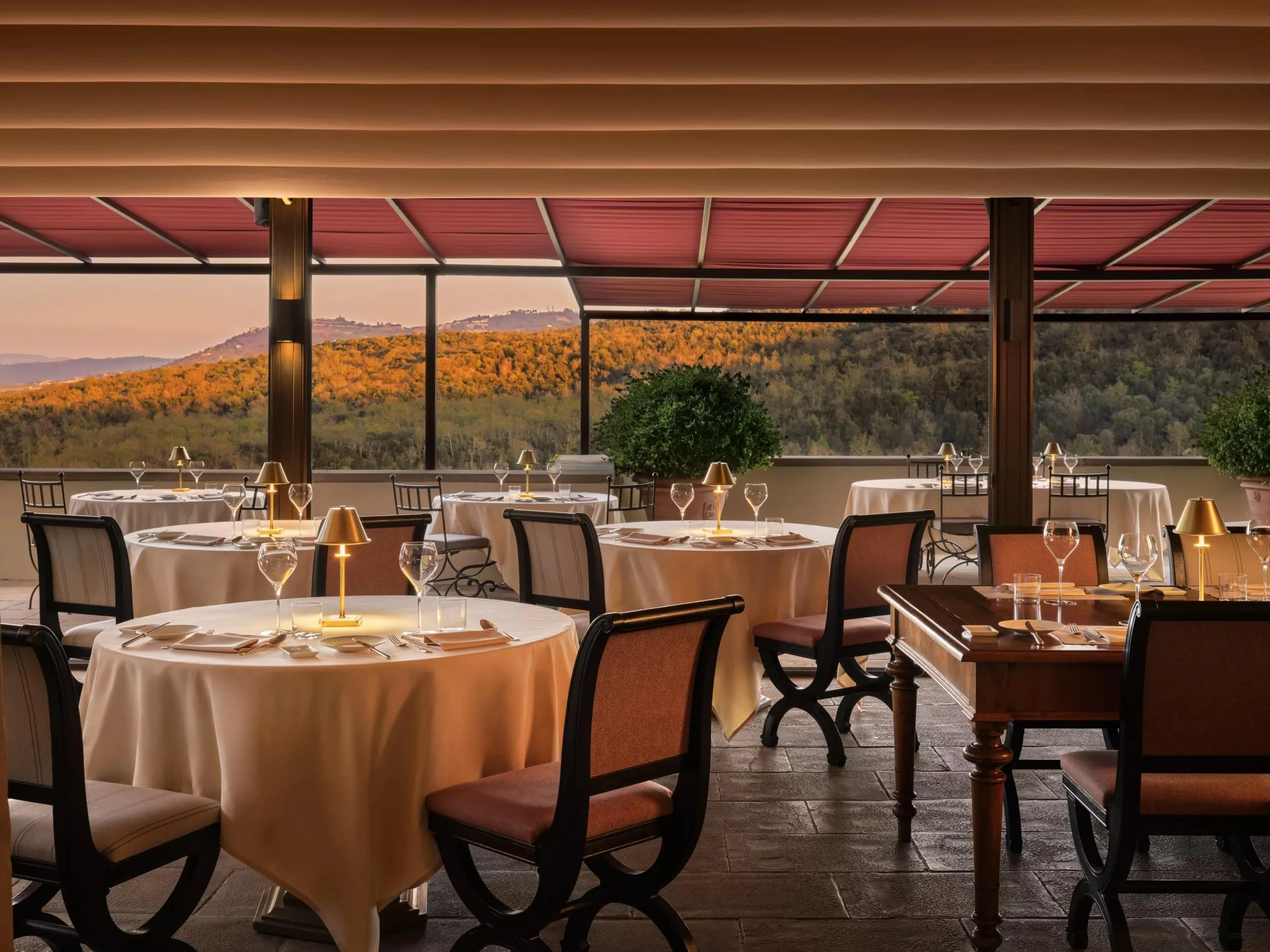
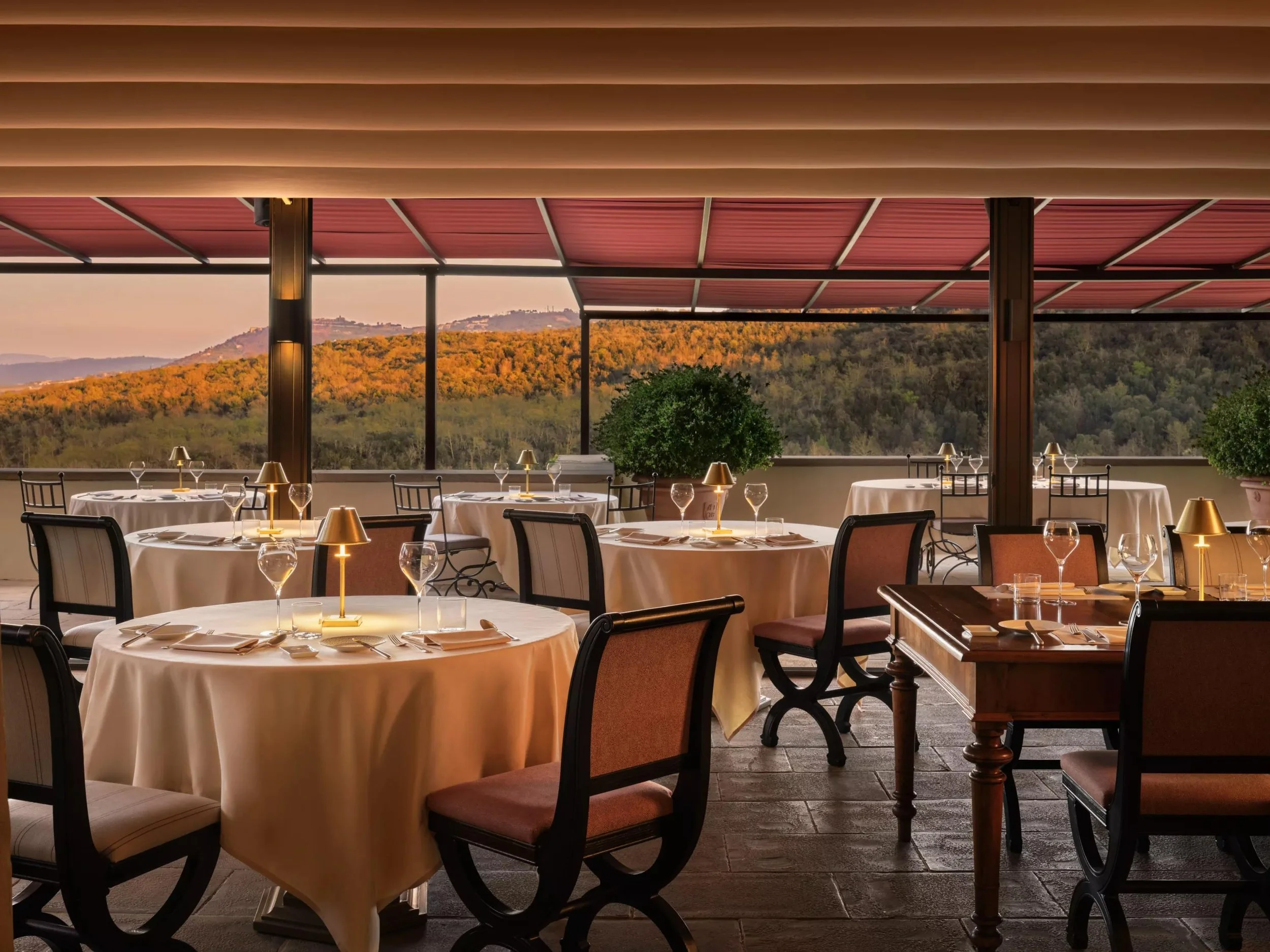
Ristorante Campo del Drago is the principal fine-dining address. Its culinary identity is closely tied to local produce and the landscapes around Montalcino, making it an appealing choice for an evening built around a longer meal. Osteria La Canonica is more informal, with traditional Tuscan dishes served in the setting of the medieval borgo. Travelers staying several nights can move comfortably between the two rather than treating every dinner as a special occasion.
Wine is integral to the experience, particularly Brunello di Montalcino from the estate’s winery. Beyond restaurant service, guests can explore cooking instruction, wine tastings and private dining arrangements, including meals served in a villa.
Ristorante Campo del Drago: The estate’s Michelin-recognized fine-dining restaurant, interpreting the region through carefully sourced seasonal ingredients.
Osteria La Canonica: A relaxed trattoria in the borgo serving traditional Tuscan cooking and dishes shaped by produce from the estate garden.
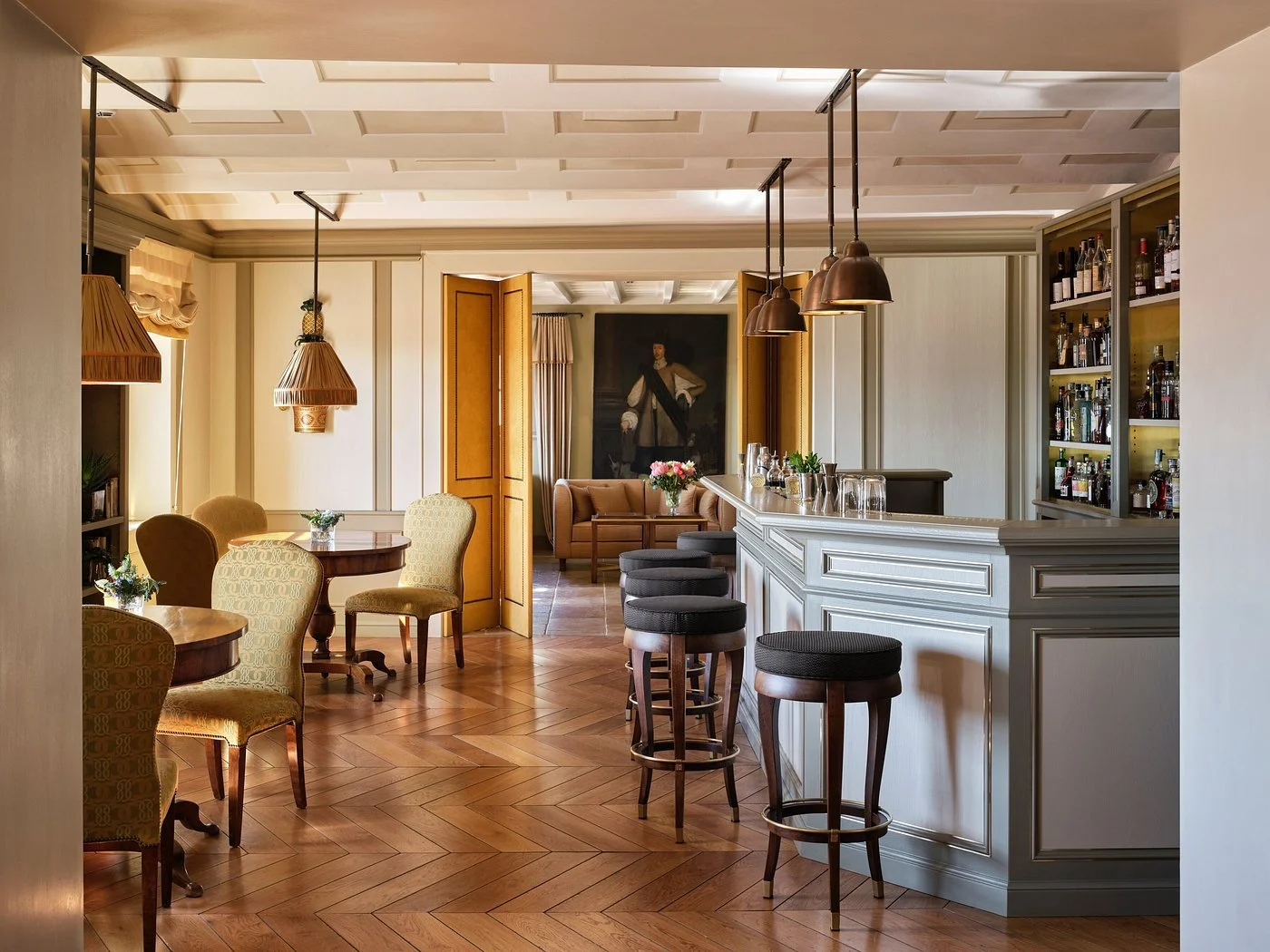
The Lobby Bar: A fireplace-lined setting for lighter meals, afternoon tea, cocktails and an evening drink.
Pool Bar: A casual spot for Italian drinks and lighter food beside the resort pool during its operating season.
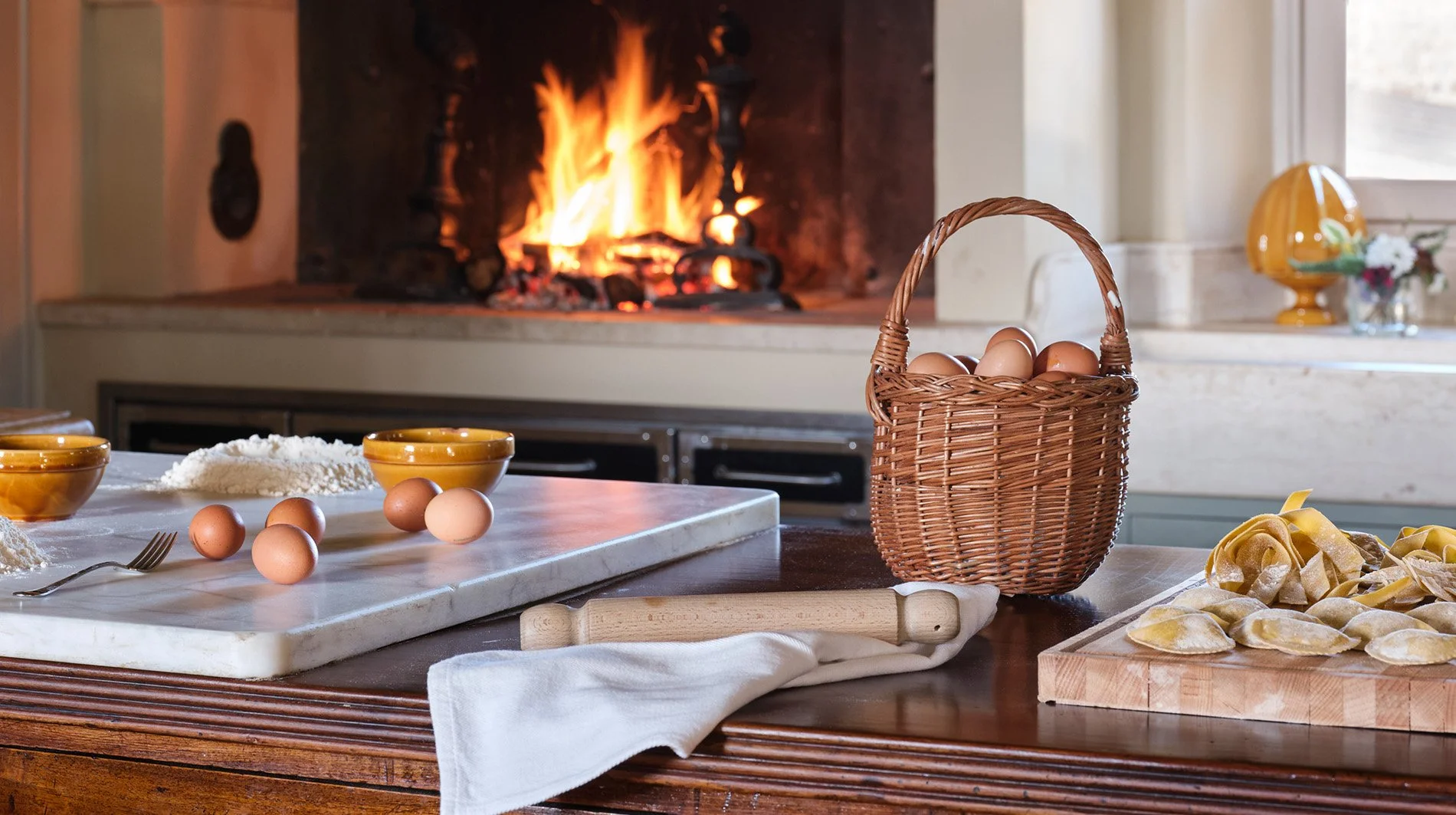
La Canonica Cooking School: A teaching kitchen offering hands-on lessons rather than a conventional restaurant or bar.
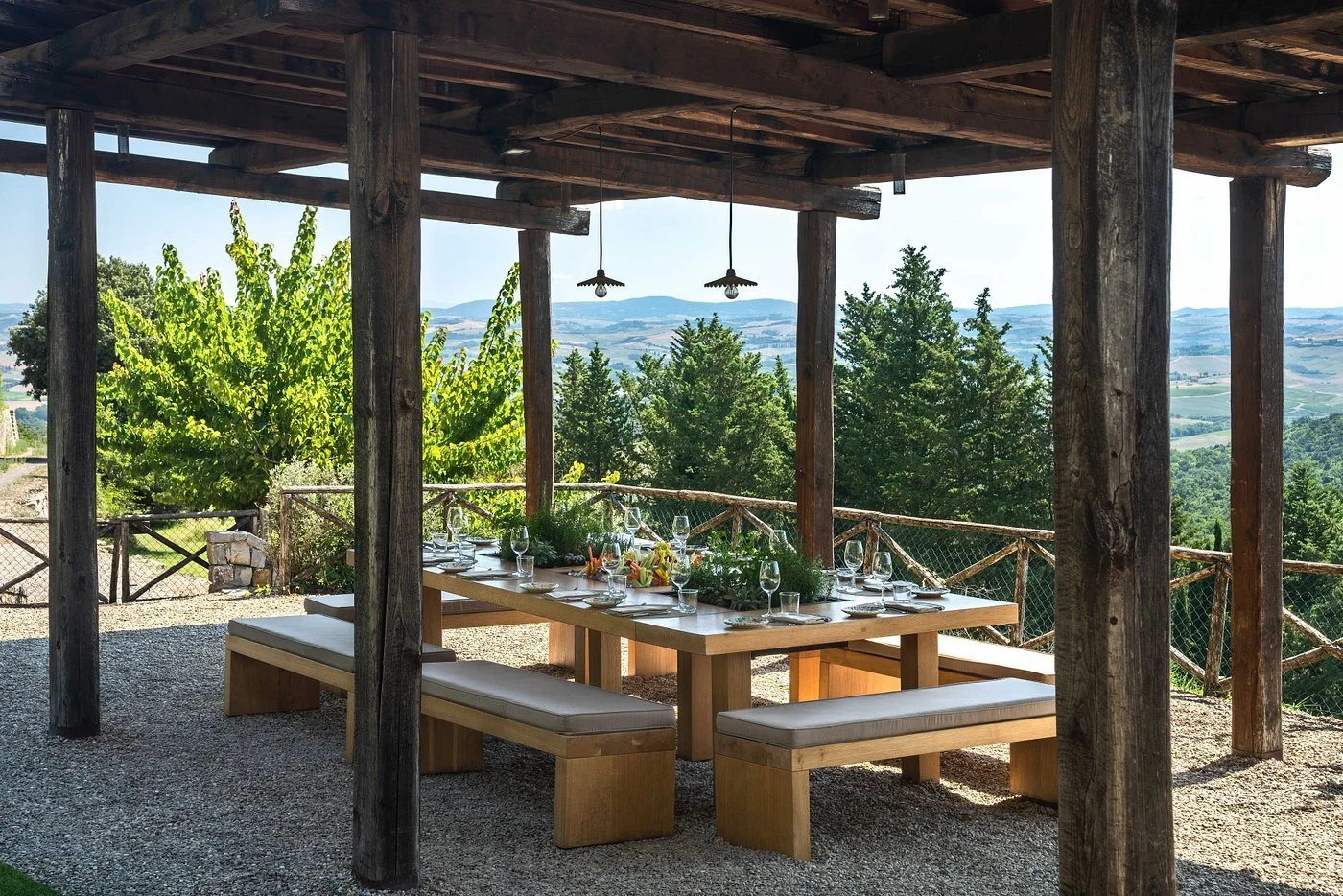
In-Villa Dining: Private breakfasts, seasonal meals and special dining arrangements served within the resort’s villas.
A Spa Shaped by Florentine Traditions
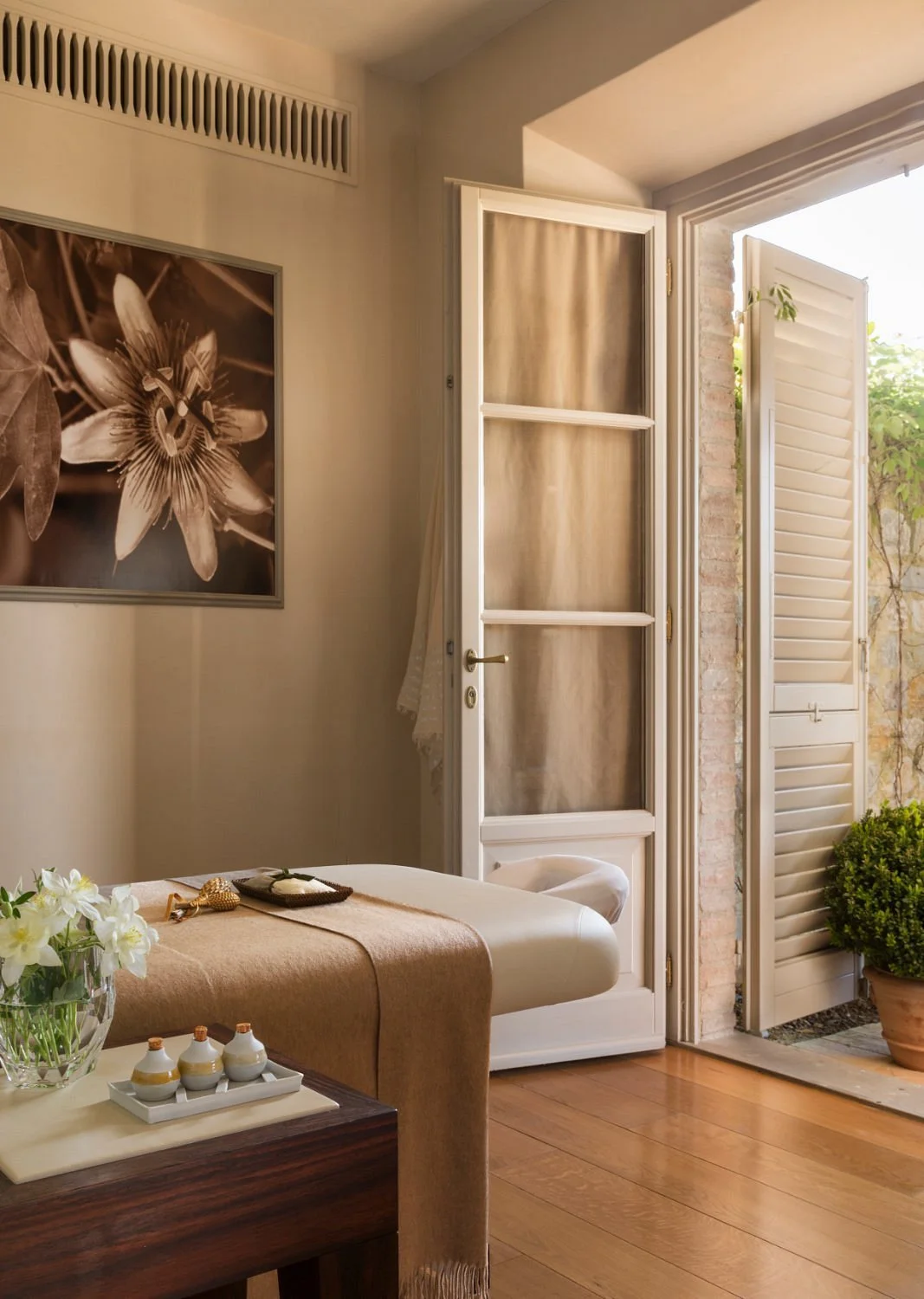
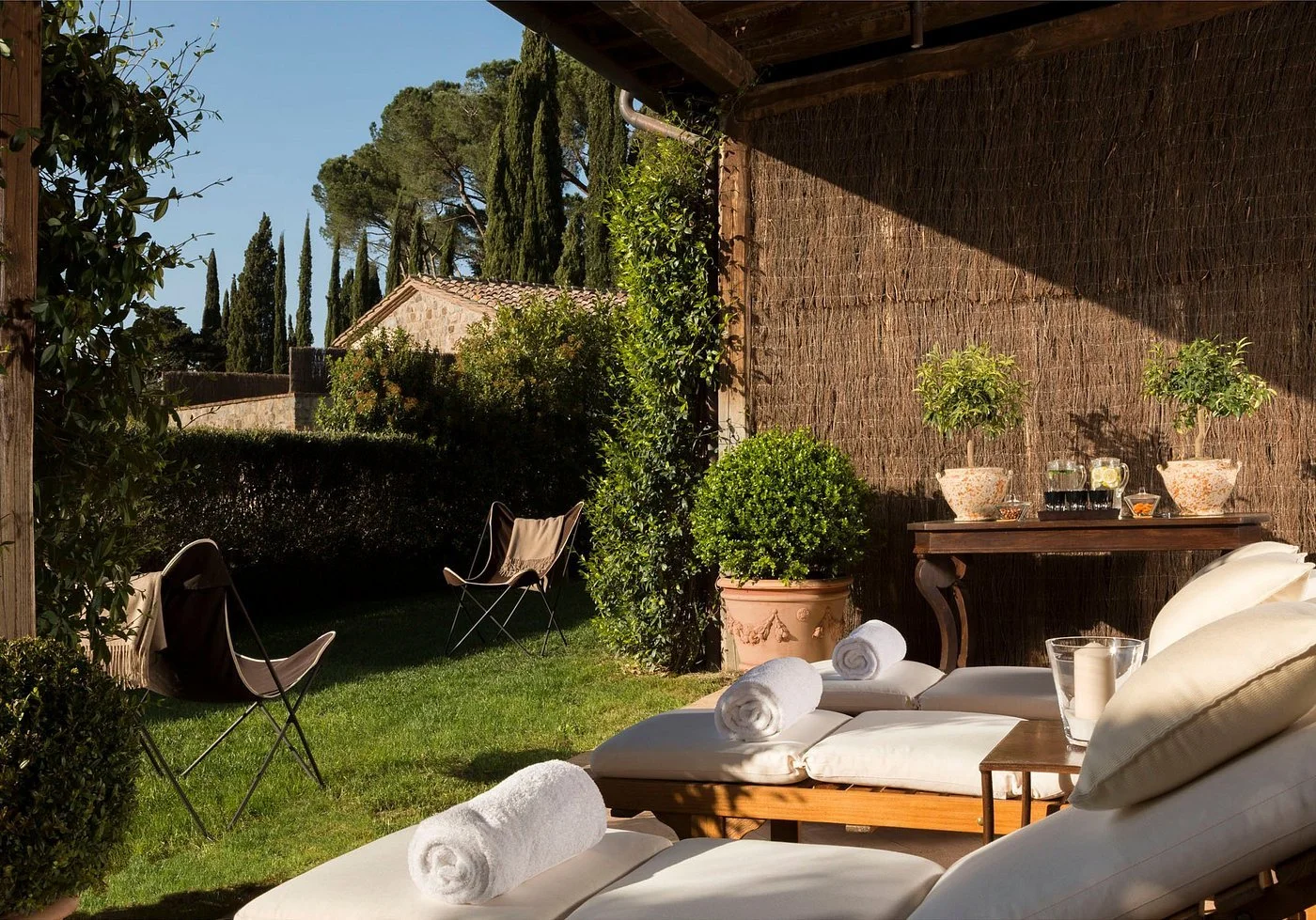
The Spa at Castiglion del Bosco takes its cues from the textures and ingredients associated with Tuscany. Treatment spaces and relaxation areas introduce a quieter counterpart to vineyard visits and outdoor activities. The hotel's wellness materials describe an approach influenced by a historic Florentine apothecary, giving the treatment philosophy a regional connection rather than a generic international spa identity.
A sauna and steam bath complement the treatment offering, while the fitness center supports more structured exercise. Pools are also an important part of the stay, with shared infinity pools at the resort and heated private pools attached to the villas. The wider estate creates additional opportunities for movement through walking, cycling and time outdoors.
A spa appointment fits particularly well between excursions: travelers can spend a morning exploring the region, return for a treatment and still have a relaxed evening in the borgo. Anyone planning a full wellness itinerary should check current treatment menus and program availability at the time of reservation.
Brunello Vineyards and the Wider Tuscan Countryside
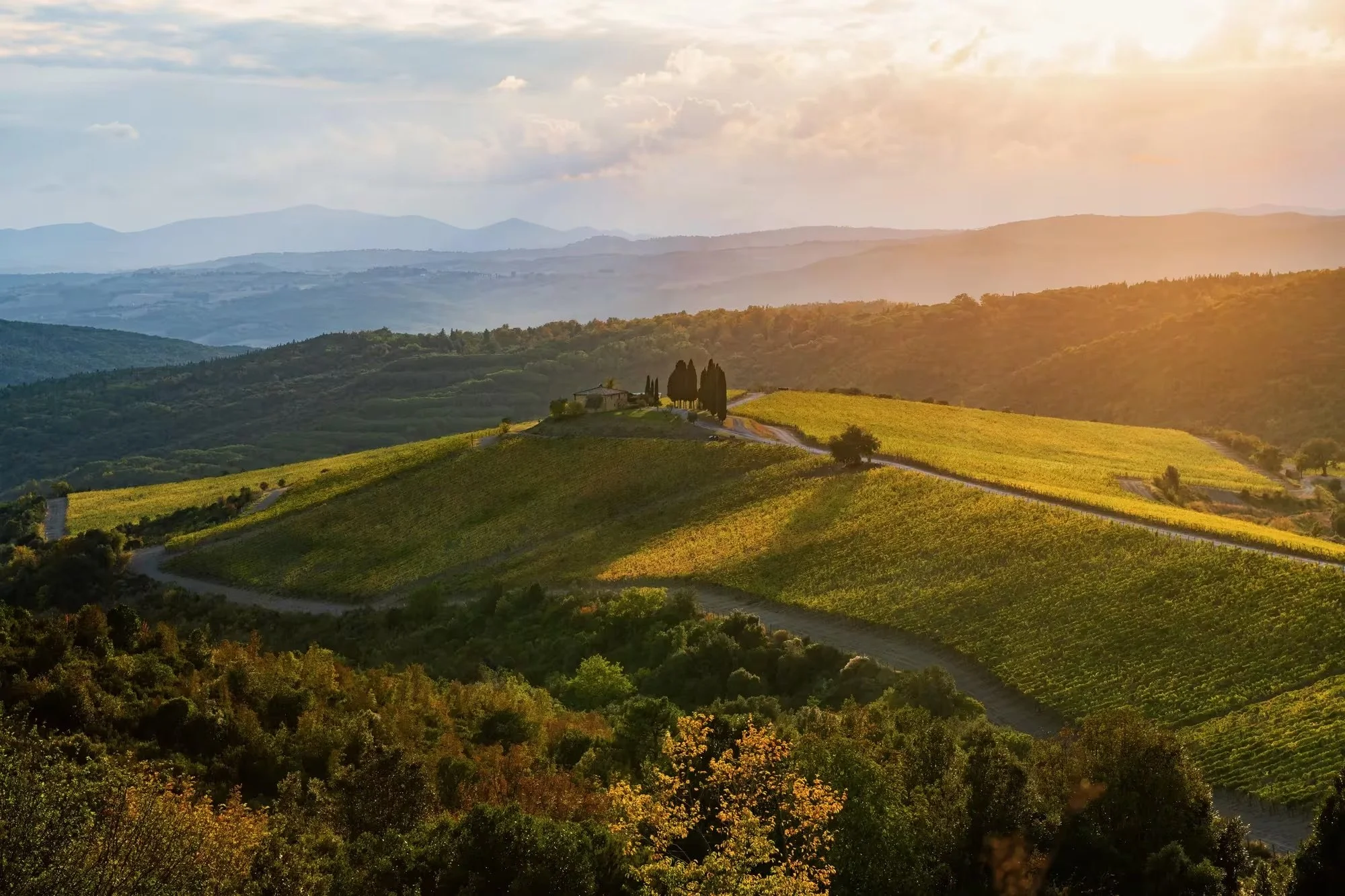
A stay here offers the opportunity to experience Tuscany beyond a succession of scenic drives. Castiglion del Bosco Winery is one of the estate’s defining assets, with opportunities to learn about the vineyards and the production of Brunello di Montalcino. Guided tastings make more sense when paired with time in nearby Montalcino, where the wine’s history is closely linked to the town and surrounding slopes.
La Canonica Cooking School provides a different route into local culture through hands-on lessons. Seasonal ingredients, familiar regional recipes and the techniques of Tuscan home cooking become part of the trip rather than simply appearing at dinner. Estate experiences also include walking and cycling, while the resort advertises truffle-related activities when conditions and the season permit.
Golf is another distinctive offering. The Club at Castiglion del Bosco operates a private course designed by Tom Weiskopf, with access governed by the club’s guest and membership arrangements. For those more interested in cultural excursions, Siena, nearby hill towns and the villages of the Val d’Orcia can form the basis of carefully paced day trips.
The strongest itineraries balance a small number of planned experiences with time on the estate itself. A morning tasting followed by an unhurried lunch and an afternoon by the pool often reveals more of the place than an ambitious schedule covering several towns in one day.
An Estate That Welcomes Several Generations
Castiglion del Bosco can work especially well for families who want to share time together without being confined to connecting hotel rooms. The estate offers a Kids’ Club and the Rosewood Explorers program, as well as babysitting by arrangement. Individual activities, age guidance and seasonal schedules should be checked before travel.
The choice between a suite and a villa becomes more consequential with children. Some two-bedroom suites provide space to stay within the borgo, while villas supply separate bedrooms, private living areas, gardens and heated pools. Their distance from the central facilities varies, making transportation and daily routines worth discussing in advance.
Villa dining can also simplify a family stay. Breakfast at home, a casual lunch by the pool or a privately prepared dinner may be more comfortable than booking every meal at a restaurant. The estate remains appealing for couples and groups of friends, but the larger properties are particularly suited to gatherings where people want both communal spaces and room to retreat.
Caring for the Land and Its Communities
The hotel’s approach to responsible hospitality is closely tied to the estate’s agricultural and cultural setting. Its Rosewood Impacts information highlights support for regional farmers and suppliers, the use of an organic kitchen garden and efforts to reduce single-use plastics. These practices are tangible parts of the property’s daily operations rather than reasons to assign a broad, unverified environmental label.
Heritage conservation is another meaningful dimension. The reuse of historic village buildings and rural farmhouses allows the estate to remain recognizable as a Tuscan landscape shaped by people over many generations. Local sourcing in the restaurants supports a similar connection between hospitality and the surrounding economy.
Rosewood also describes community-support and associate volunteer initiatives. Travelers interested in the detail behind particular environmental claims should seek the hotel’s latest figures and program updates, as the existence of a sustainability initiative does not in itself establish the scale of its outcomes.
Navigating a Historic Hilltop Setting
Accessibility at a restored rural estate calls for more individual planning than at a purpose-built urban hotel. Castiglion del Bosco identifies a number of possible adaptations, including ramps for certain suites with steps at their entrances, ground-floor bedrooms in selected villas and additional bathroom supports in some accommodations.
Those provisions are useful, but they should not be interpreted as universal step-free access. The historic borgo includes uneven surfaces, gradients and buildings adapted from older structures, while villas occupy different positions around a large countryside property. Dining routes, pool access and transfer arrangements may therefore matter as much as the features of the bedroom itself.
Guests with mobility or other access requirements should confirm the exact room layout, bathroom configuration and transport needs with the hotel before booking. Any planned winery visits, cooking classes or excursions should be assessed individually.
The Seasons of Southern Tuscany
Spring brings new growth to the fields and vineyards, with generally comfortable conditions for town visits and outdoor walks. It is an appealing period for travelers who want long sightseeing days without the strongest summer heat, although changing weather still makes flexible clothing and plans sensible.
Summer is suited to pool time, outdoor dining and late evenings, but daytime temperatures can be high, especially during July and August. Villas with private pools become particularly attractive for families and groups who prefer to spend the warmest hours at home. Advance planning is important for popular restaurants and excursions.
Early autumn brings another compelling side of the region, as vineyards approach harvest and the countryside changes color. Food and wine take a natural place at the center of a visit. Later autumn and winter can be quieter and more atmospheric, though outdoor experiences, restaurant schedules and individual facilities may operate differently by season. The estate advertises festive programming as well as seasonal offers, so operating dates should be checked for the chosen stay.
Plan Your Stay With Destinations by David
Choosing between a suite in the medieval borgo and a private villa is the first important decision at Castiglion del Bosco. Our team can help match the accommodation to your travel party, preferred views and daily plans, whether the priority is walking to dinner, relaxing beside a private pool or gathering several generations under one roof.
Destinations by David can coordinate a stay with tailored arrangements, from airport transfers and wine tastings to restaurant reservations, cooking lessons and excursions across the Val d’Orcia. We can also discuss eligible preferred-program arrangements privately, according to the property and reservation selected.
Contact our team to plan and book Castiglion del Bosco, with the right balance of time on the estate and discovery throughout Tuscany.

Reaching the Estate Near Montalcino
The estate lies in the countryside near Montalcino, so a private car or arranged transfer is generally the most convenient option. Roads through this part of Tuscany are scenic but include rural stretches, and travel times vary with traffic, weather and the chosen route.
Florence Airport: approximately 2–2.5 hours by road, depending on traffic and route
Pisa Airport: approximately 2.5–3 hours by road
Rome Fiumicino Airport: approximately 3–3.5 hours by road
Buonconvento railway station: approximately 15 minutes by car, using local rail services
Private car or chauffeur: recommended for airport transfers and independent touring around the Val d’Orcia
Helicopter: possible by advance arrangement using the estate’s private helipad
A Distinctive Way to Experience Tuscany
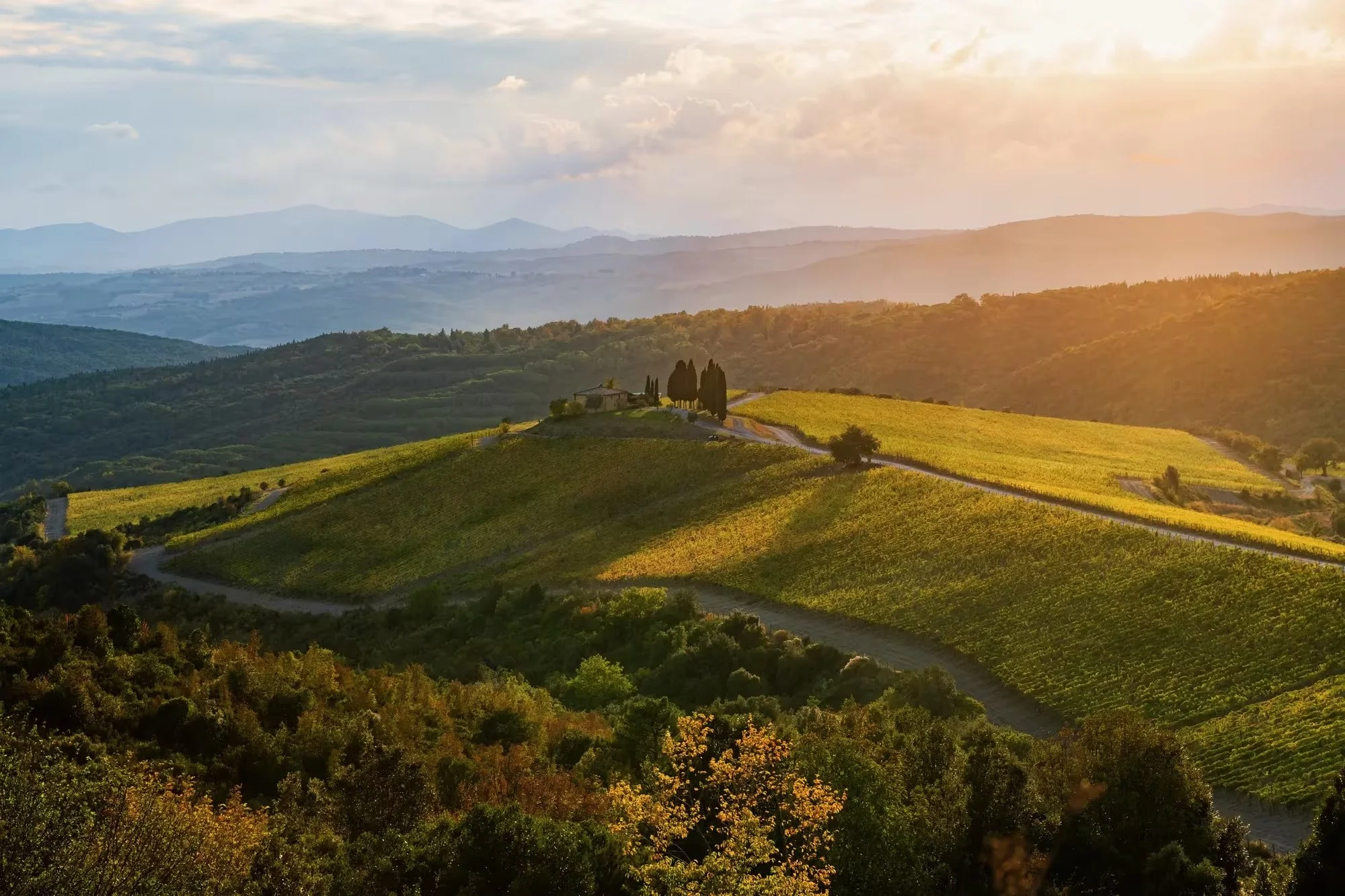
Castiglion del Bosco succeeds because its different parts reinforce one another. The restored borgo gives the estate historical depth, the vineyards connect it to the culture of Montalcino, and the villas provide the freedom to slow down in a landscape that rewards lingering.
It is equally compelling as a romantic countryside retreat, a wine-focused holiday or a gathering of friends and family. What stays with visitors is the relationship between the buildings and the place around them: stone houses, garden terraces and a horizon of fields and cypress trees that remains recognizably Tuscan throughout the stay.