Niseko, Hokkaido, Japan | Higashiyama Niseko Village, a Ritz-Carlton Reserve
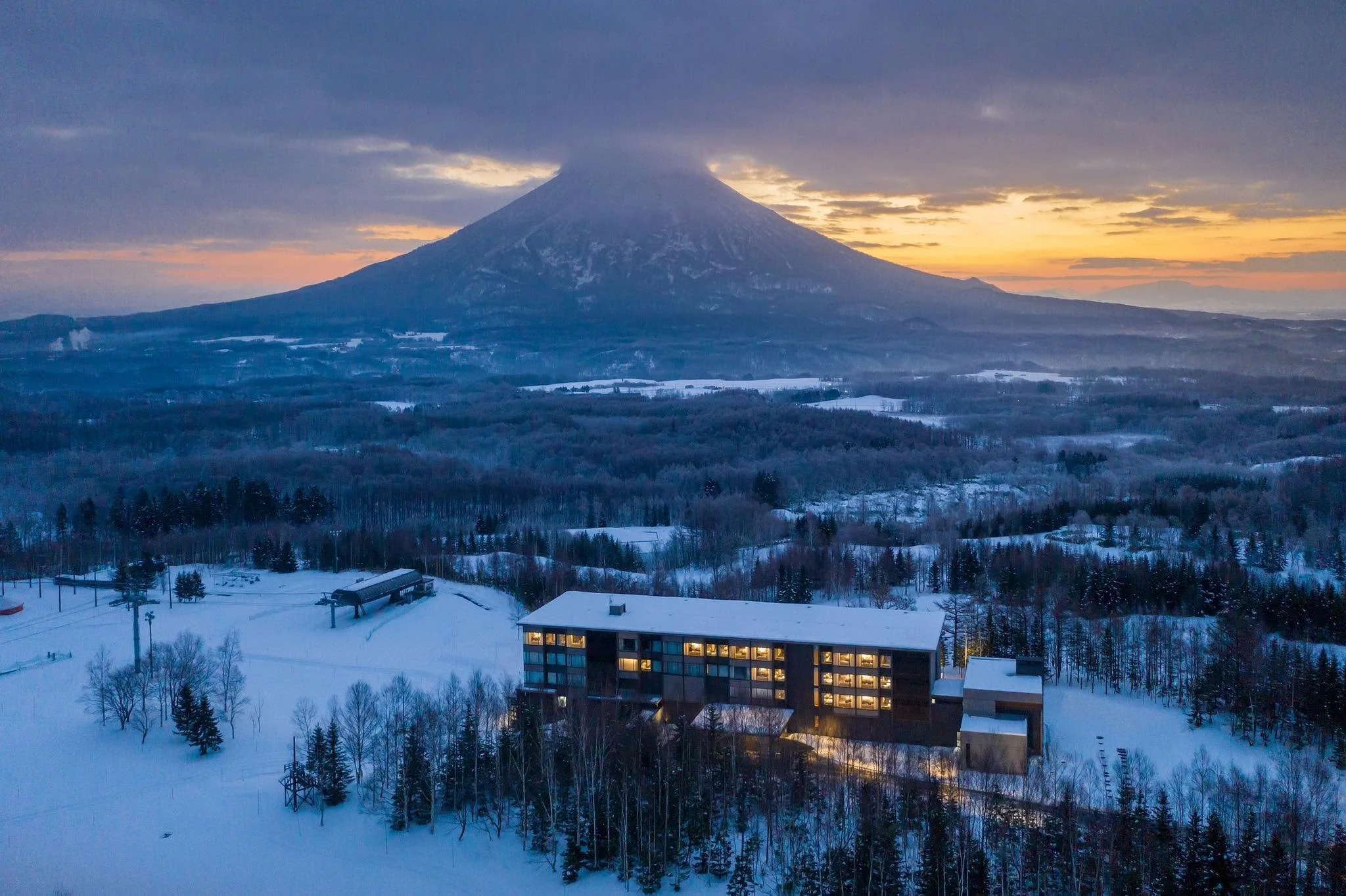
A Small Alpine Reserve With Two Mountains in View
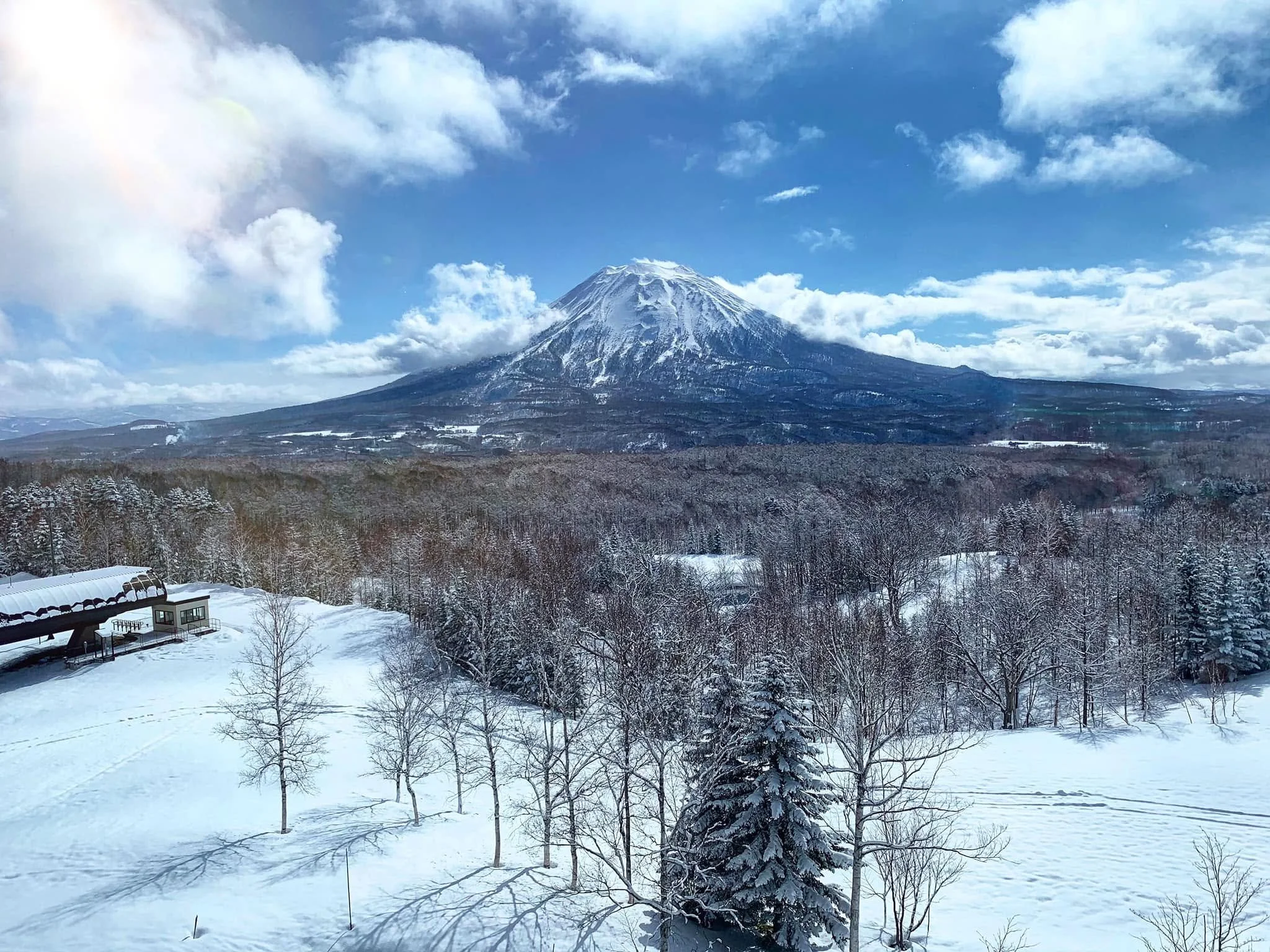
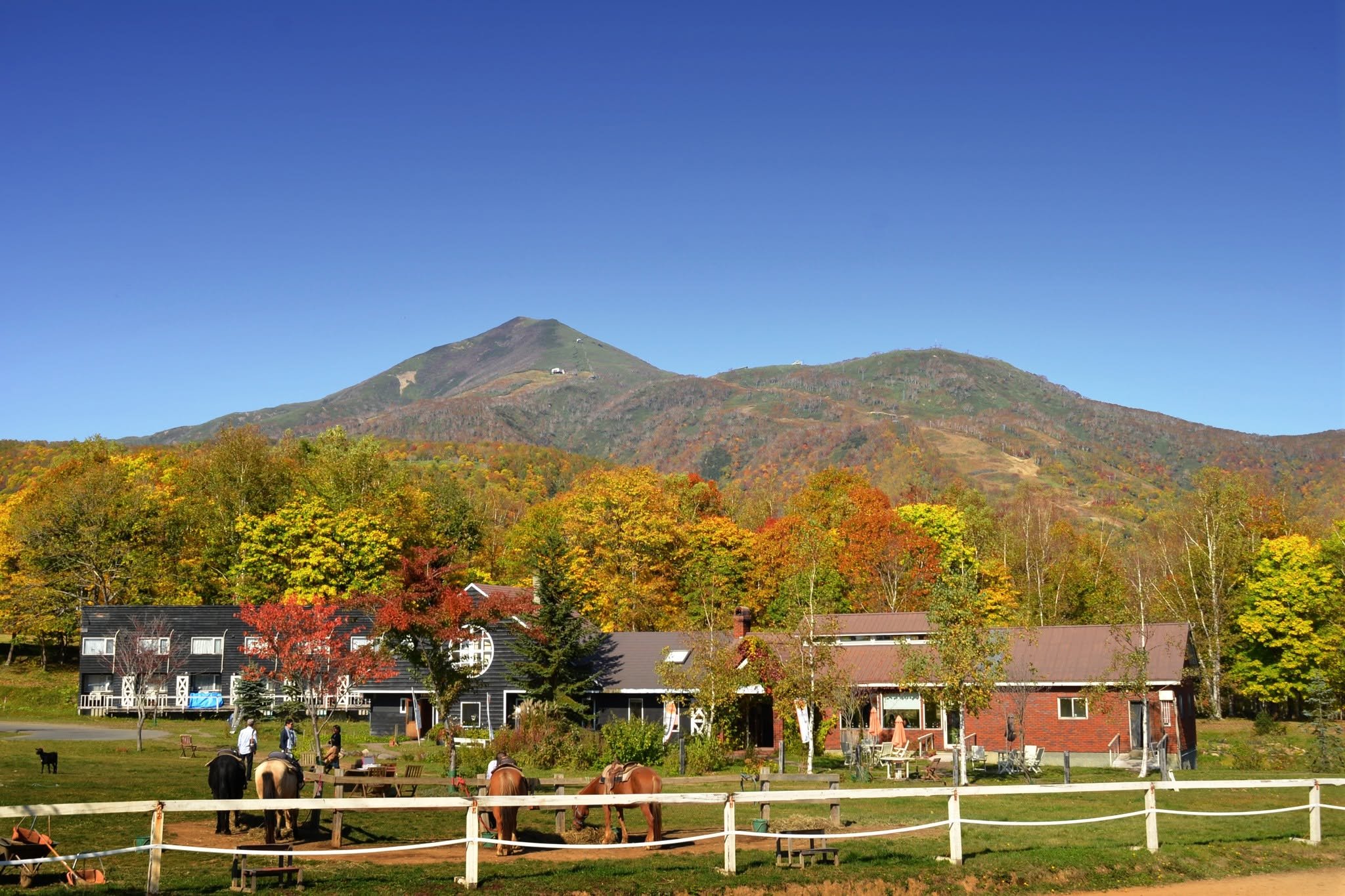
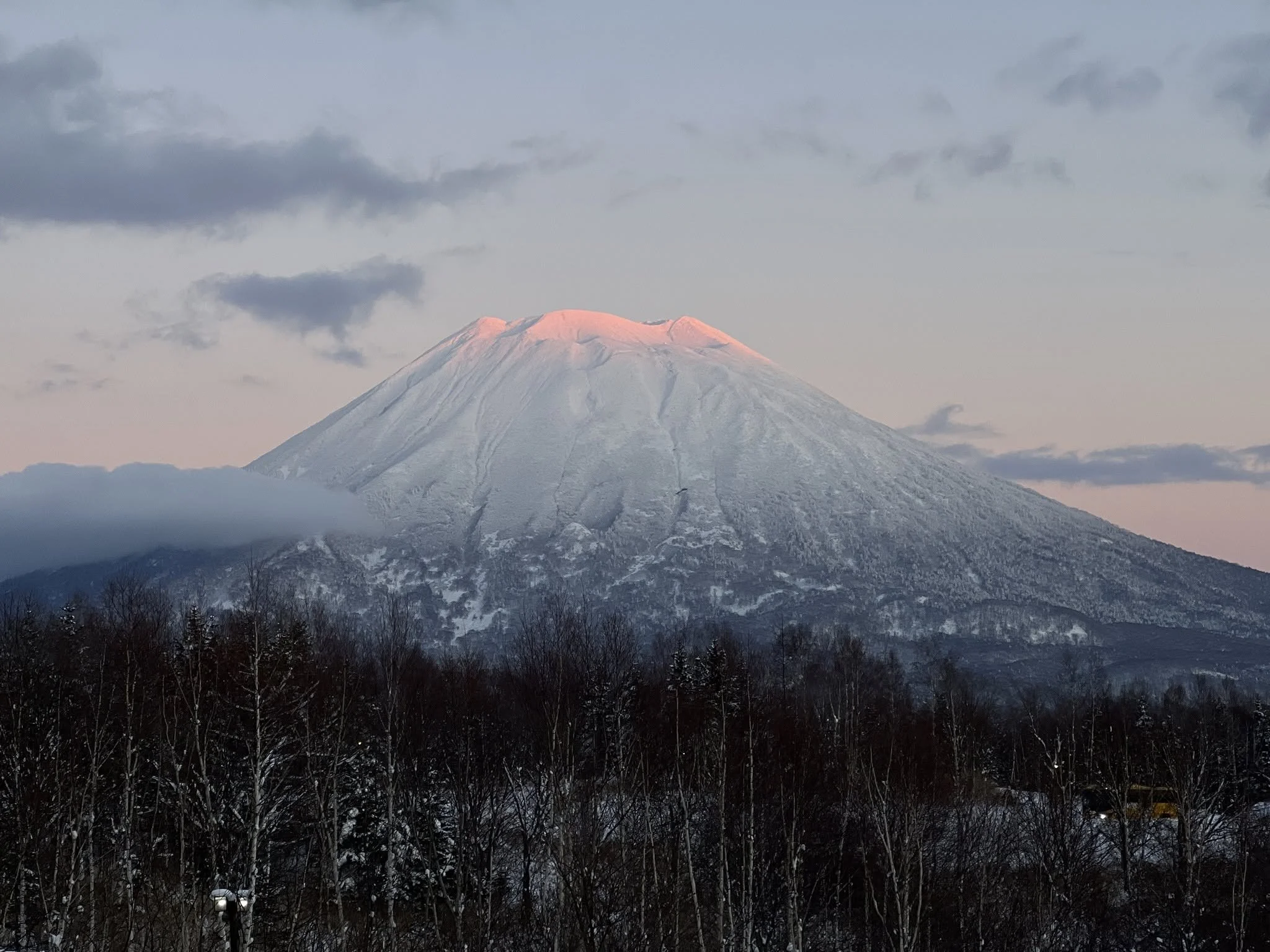
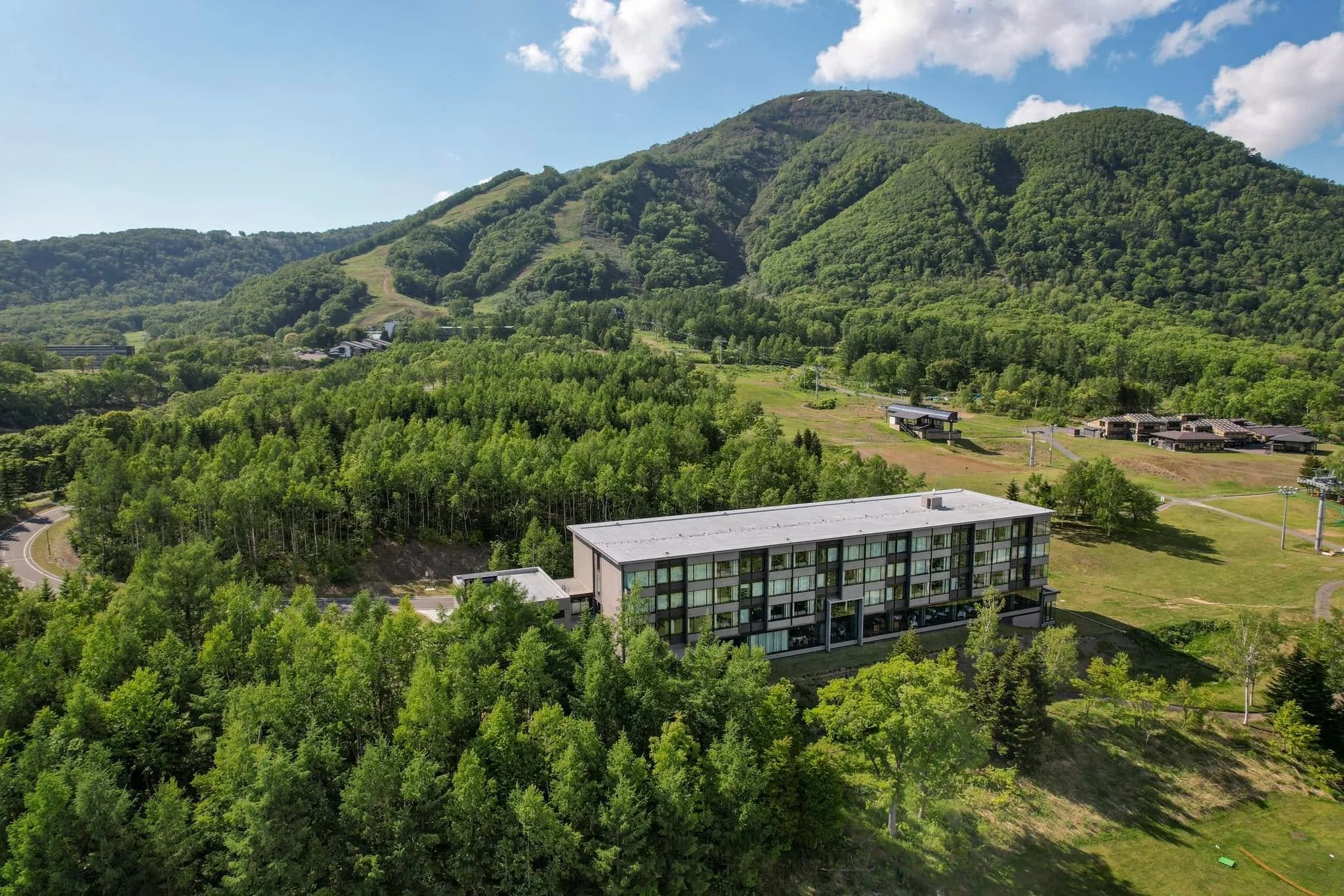
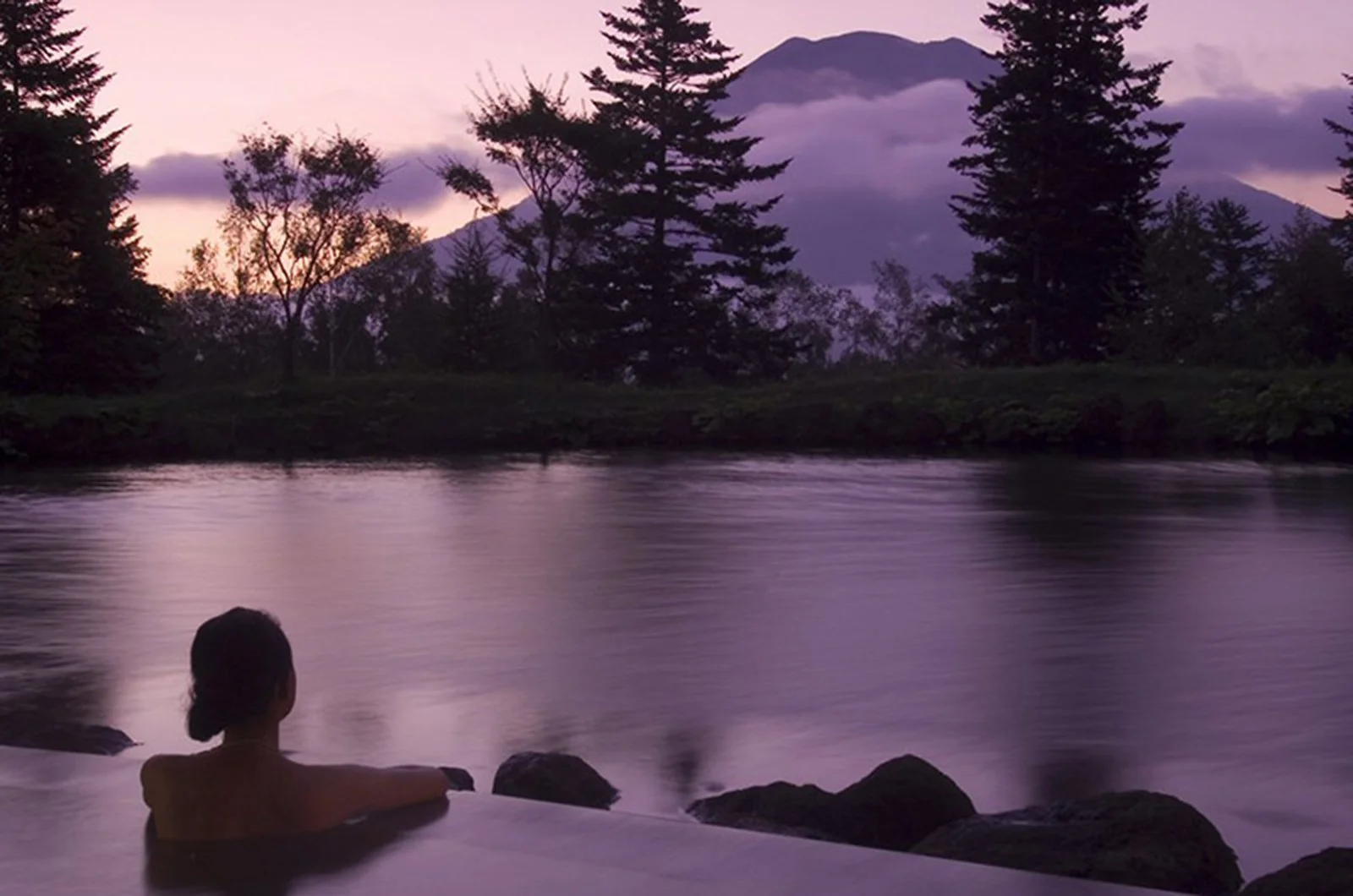
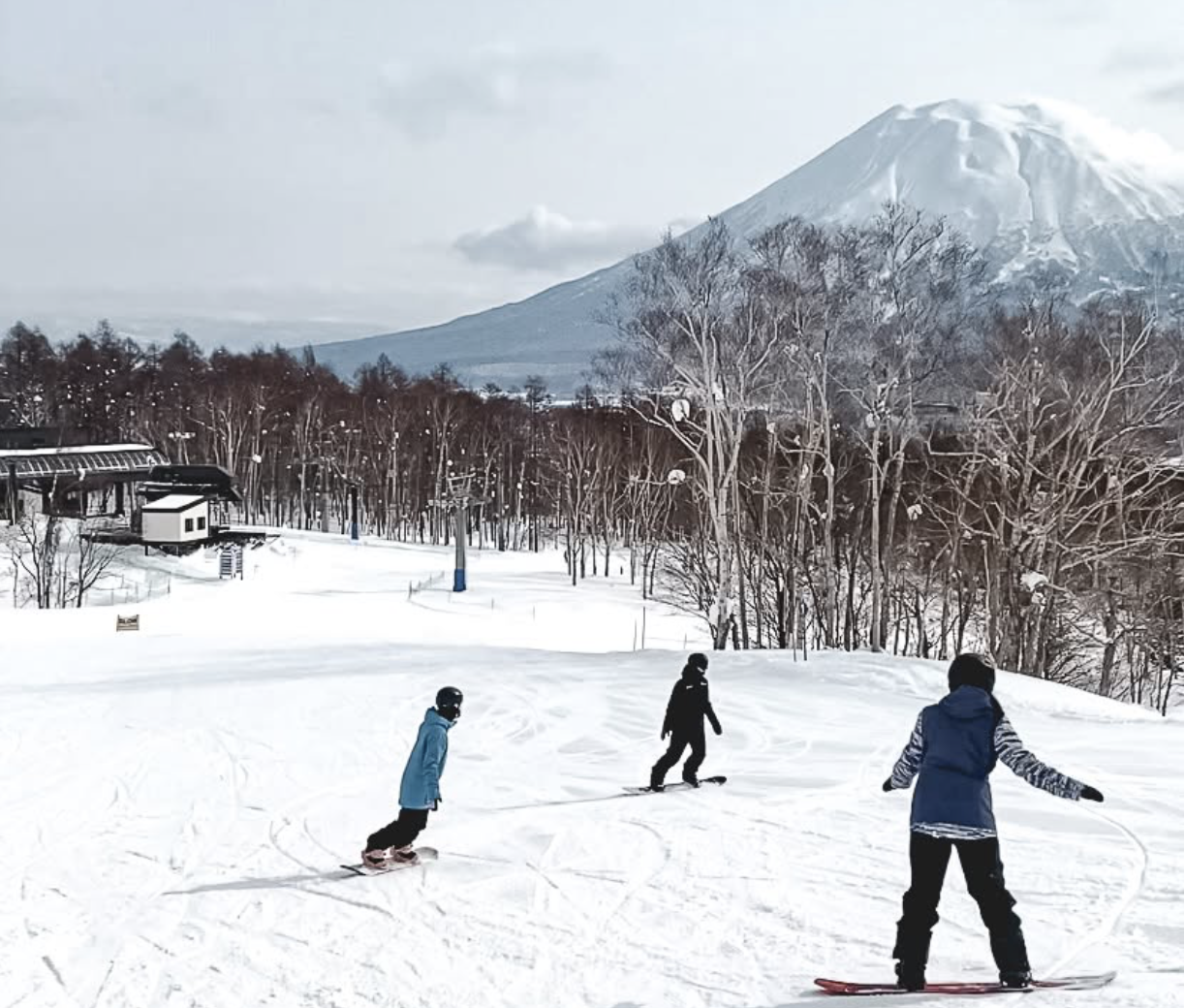
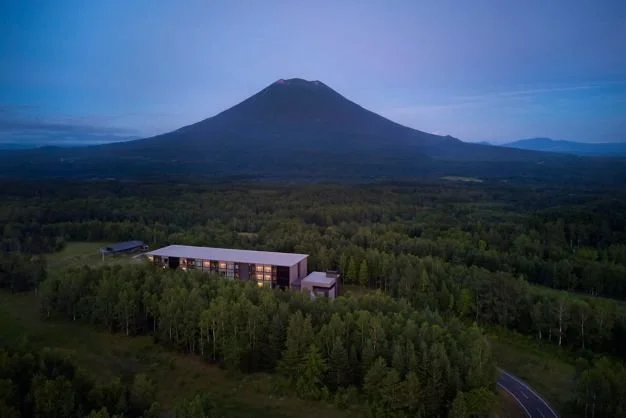
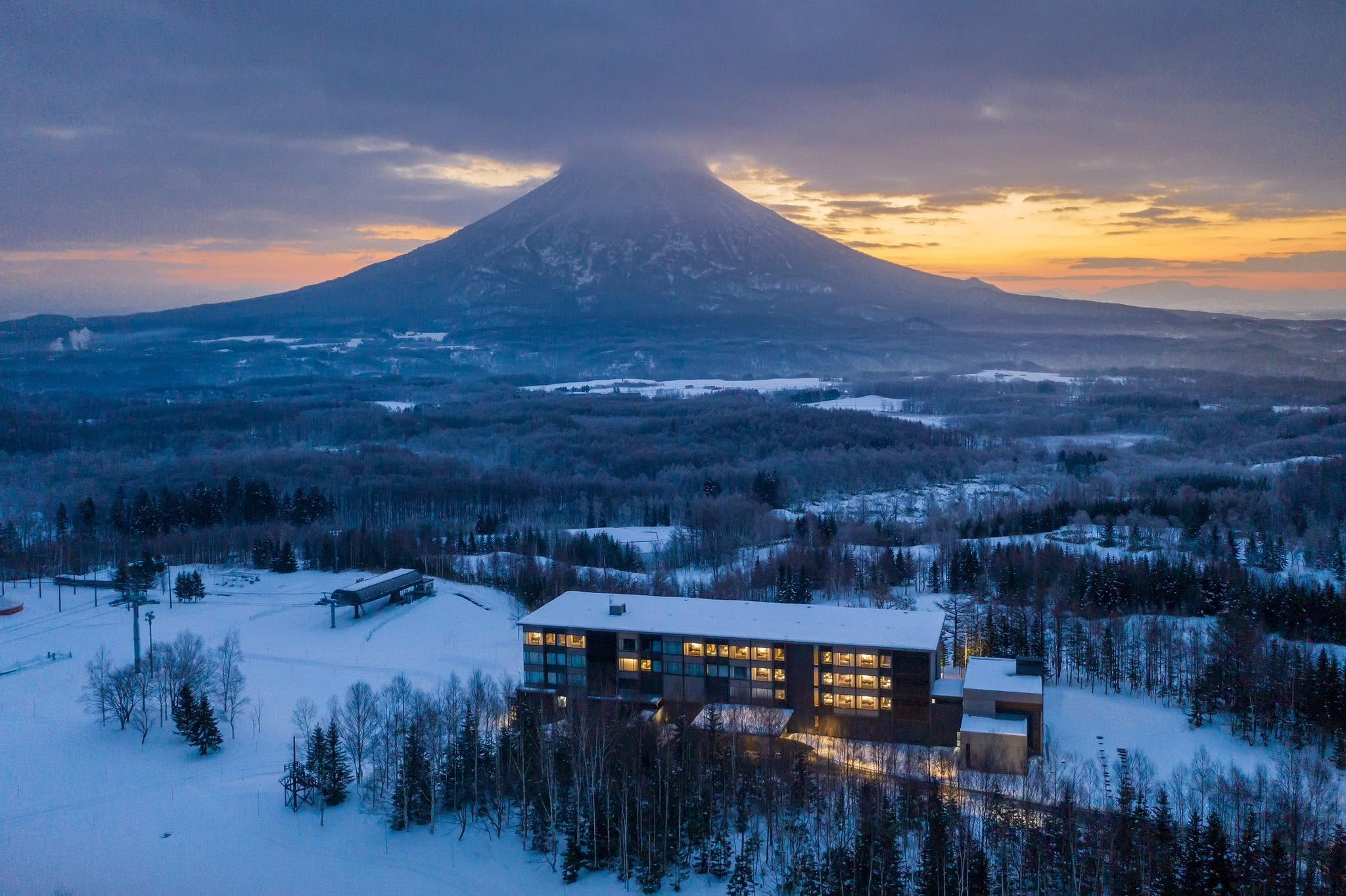
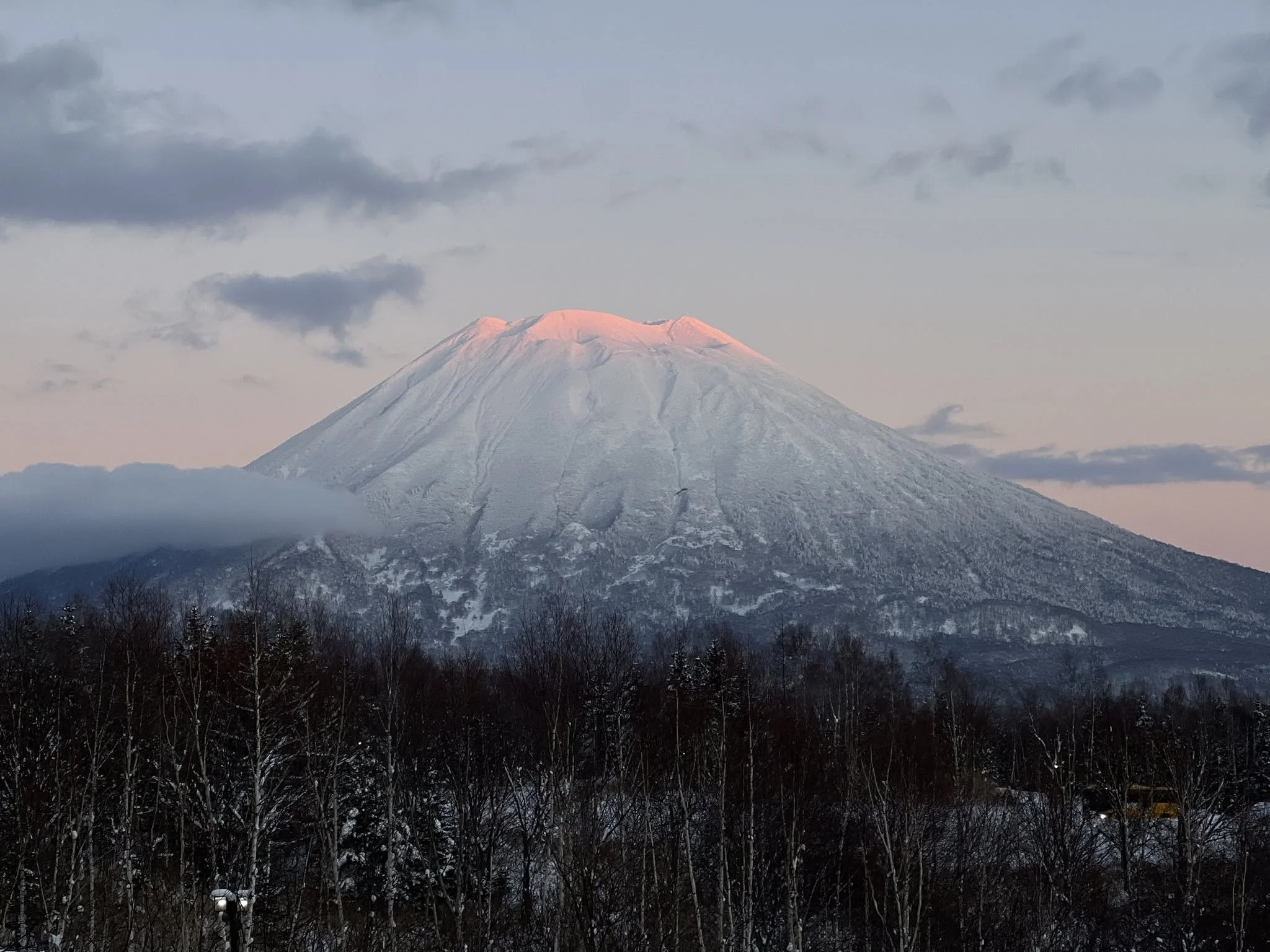
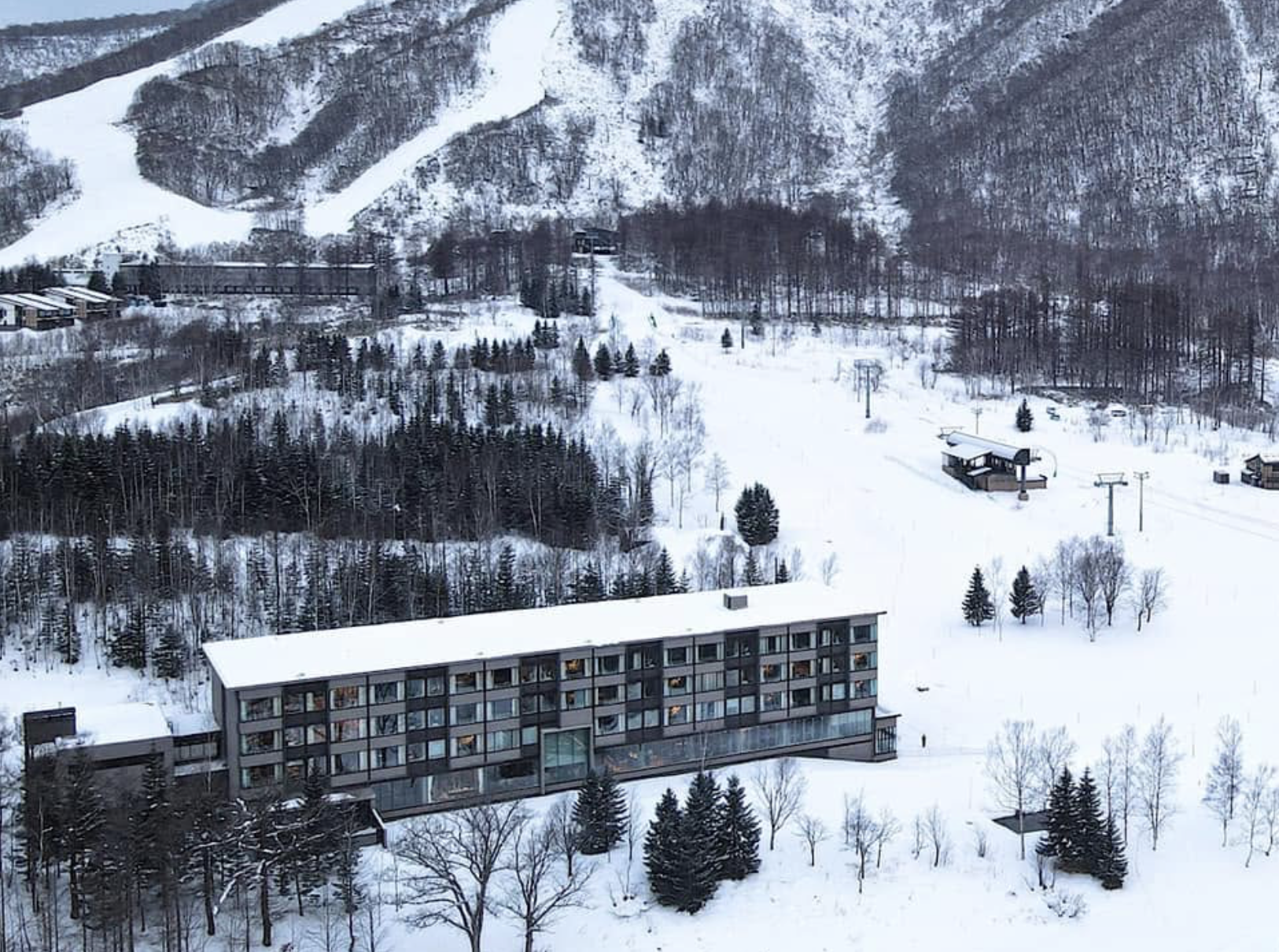
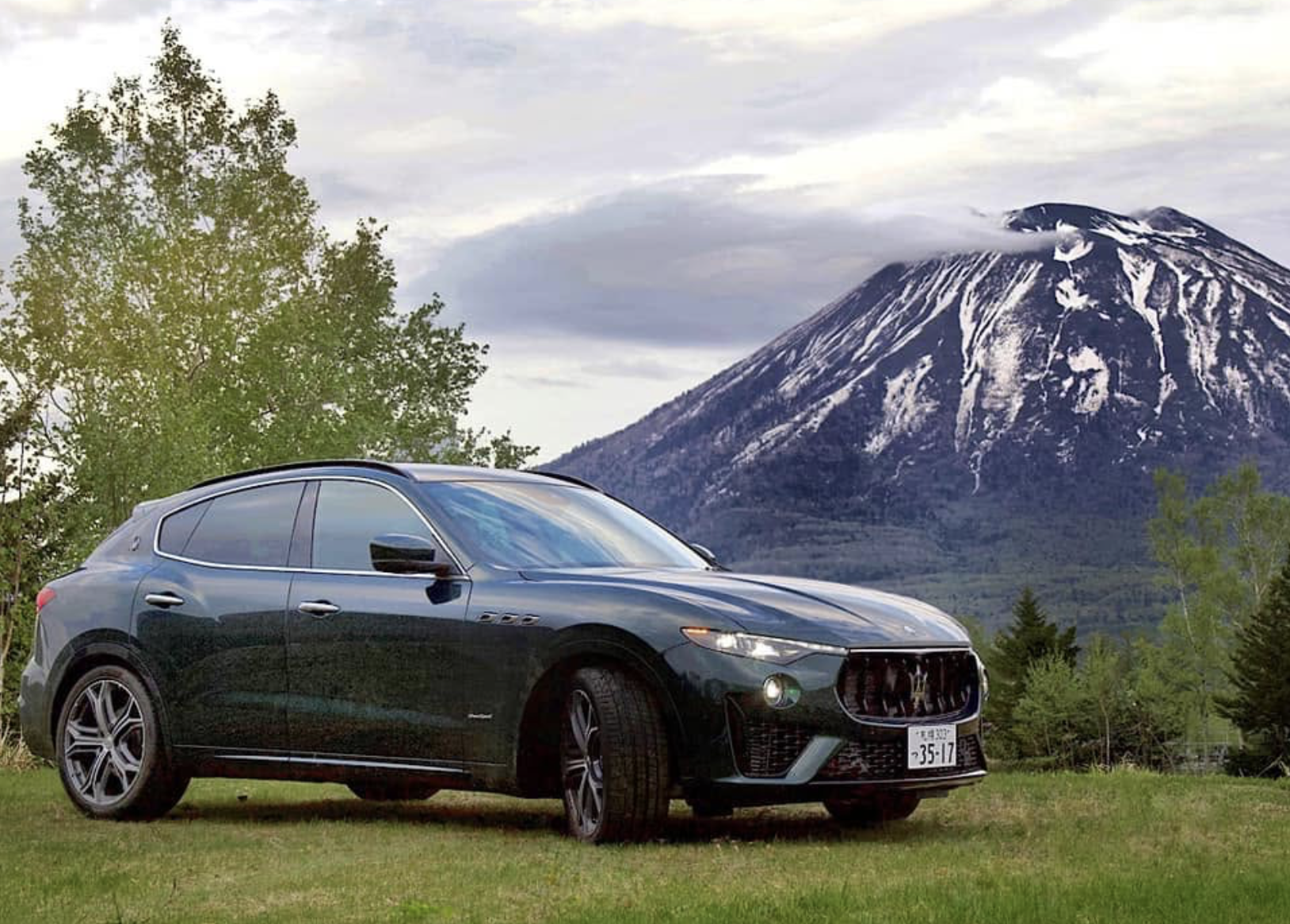
Higashiyama Niseko Village, a Ritz-Carlton Reserve sits at the base of Mount Niseko Annupuri within the broader Niseko Village resort, with Mount Yotei rising across the valley like a near-perfect volcanic cone. The setting gives the hotel two identities at once: in winter it functions as an intimate base for skiing and snow adventures, while from spring through autumn the surrounding forest, golf courses and rivers shift the emphasis toward hiking, cycling, rafting and food.
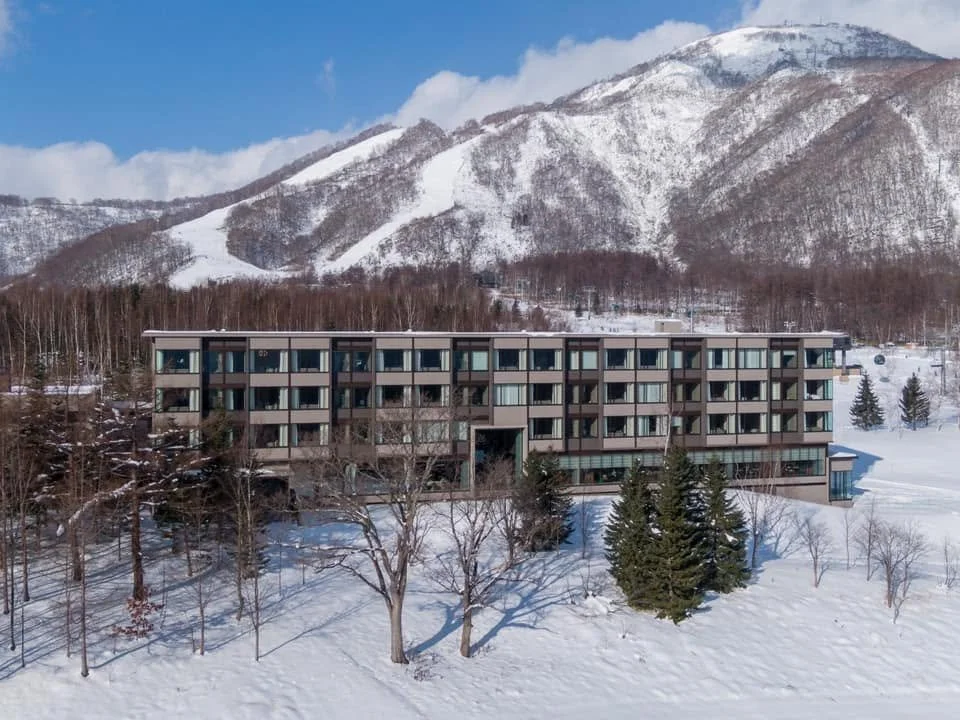
The hotel has only 50 rooms and suites, making it considerably smaller than many international ski resorts. Floor-to-ceiling windows are positioned toward either Mount Yotei or Niseko Annupuri, and even the standard Reserve rooms measure approximately 560 sq. ft. The scale is deliberately quiet, with one all-day restaurant, one omakase counter, a lounge, a spa and onsen rather than a sprawling collection of venues.
In the 2026 MICHELIN Guide hotel selection for Japan, Higashiyama Niseko Village holds One MICHELIN Key. That recognition reflects a property whose strongest appeal lies in intimacy, landscape and a carefully edited version of Hokkaido rather than architectural spectacle.
Japan’s First Ritz-Carlton Reserve Opened Here in 2020
Higashiyama Niseko Village opened on December 15, 2020 as Japan’s first Ritz-Carlton Reserve and the fifth Reserve property in the world at the time. The opening placed the brand’s small-scale, destination-led model inside one of Asia’s best-known ski regions.
The resort is owned by YTL Hotels and sits within Niseko Village, part of the wider Niseko United ski area. From the beginning, the property was conceived as a year-round mountain retreat rather than a winter-only ski hotel, with the philosophy of kachou fuugetsu – often translated as discovering oneself through the transient beauty of flower, bird, wind and moon – used as a guiding idea.
The hotel’s name references Higashiyama, the area of Niseko Village where it stands. Rather than borrowing heavily from chalet architecture, the design keeps the building low and restrained so the mountains, snow and changing seasons remain visually dominant.
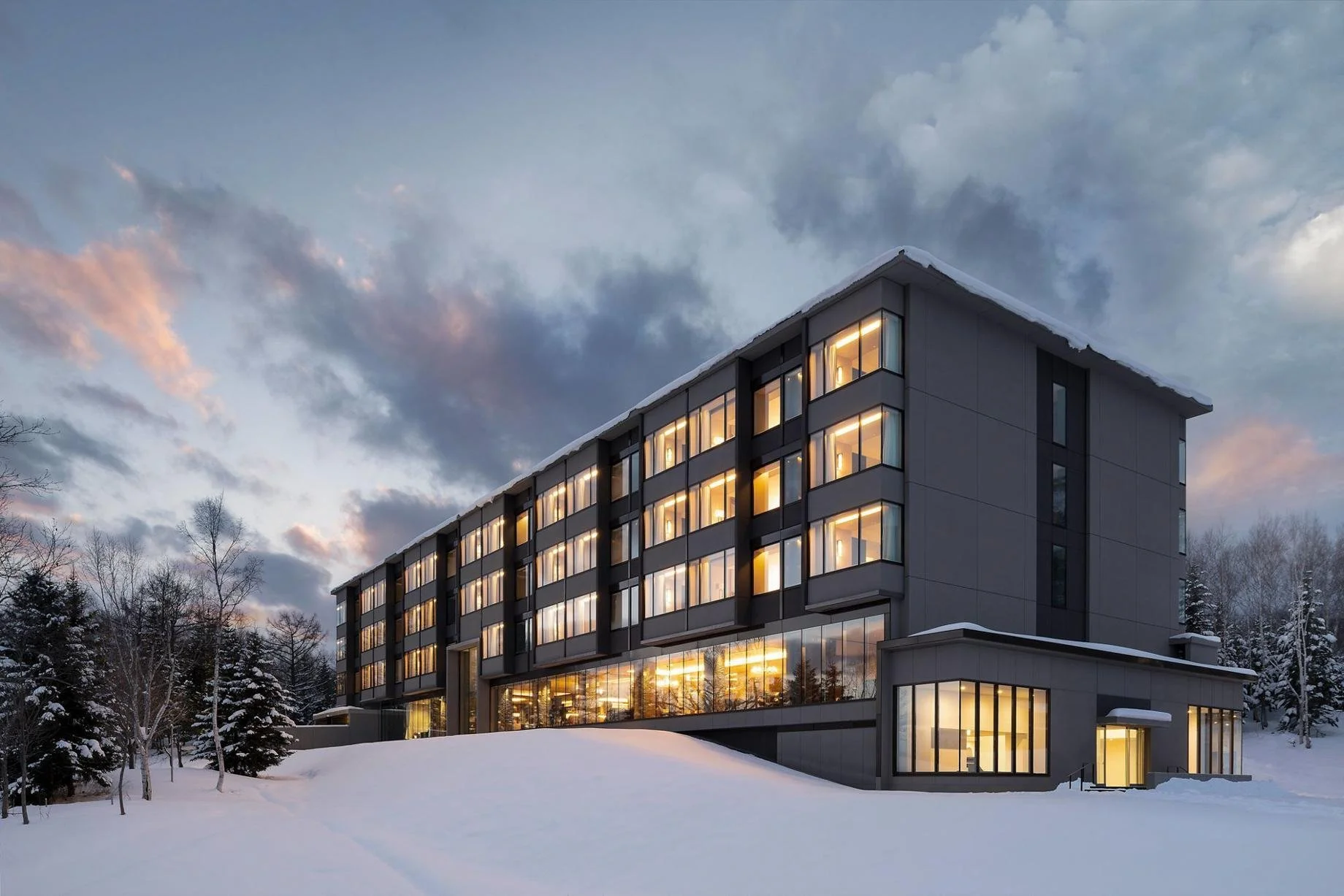
Shimizu, Duoz and Kaori Endo Keep the Building Quiet
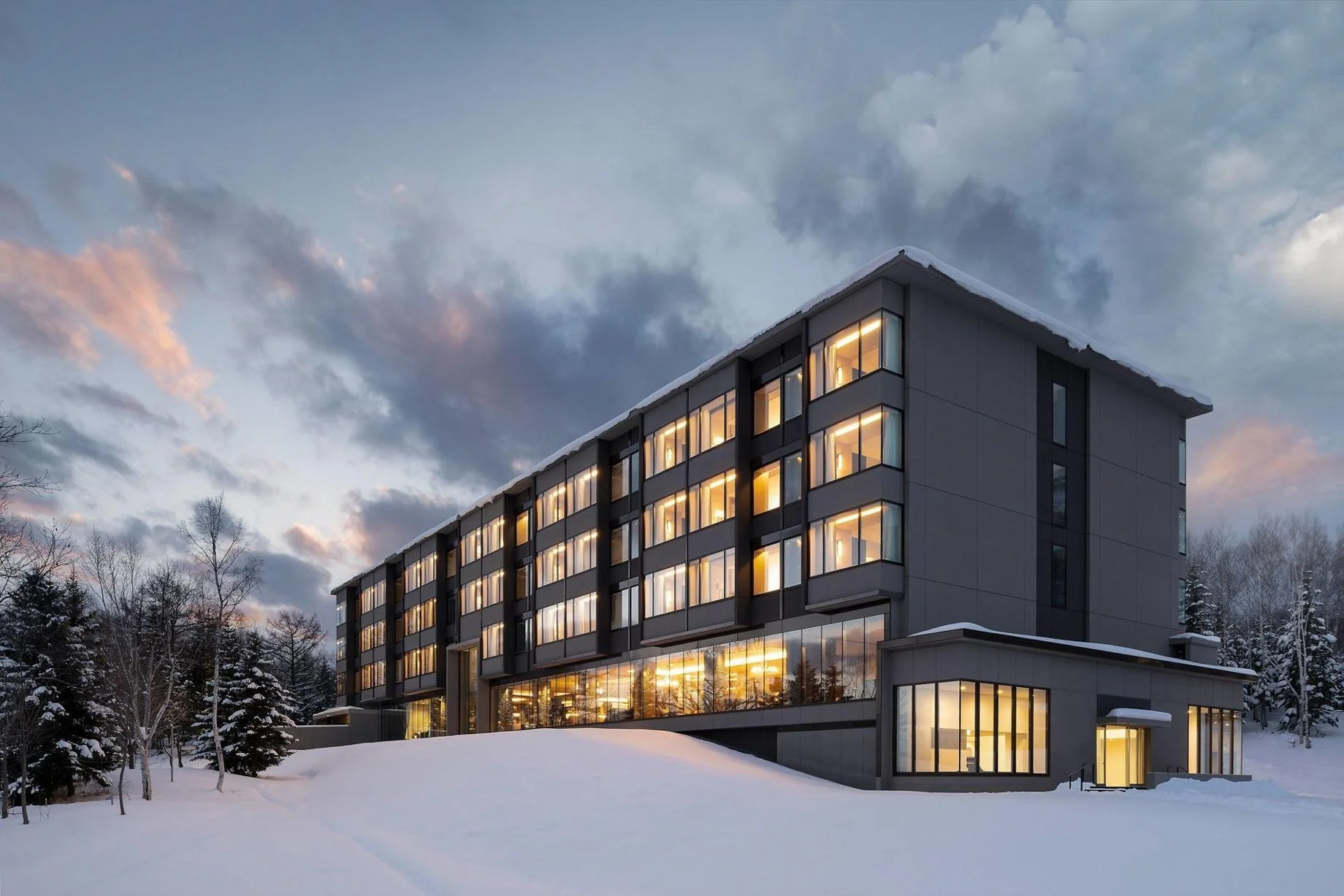
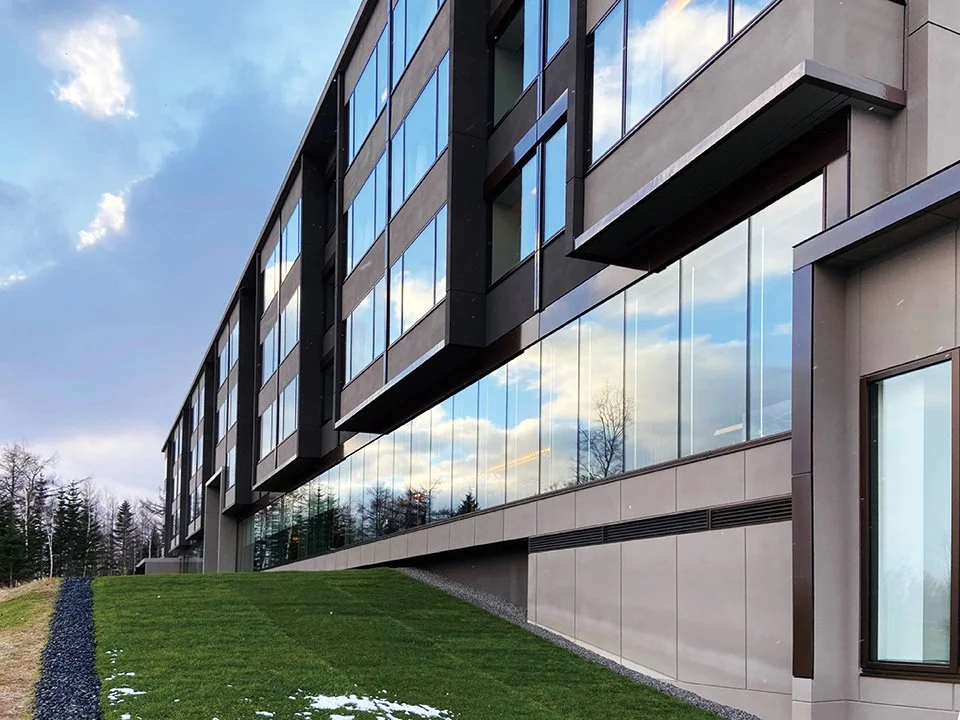
Shimizu Corporation handled the architectural design and construction, while Duoz Design developed the interiors and Kaori Endo Lighting Design shaped the interior public areas and exterior lighting. The hotel was completed in 2020 as a four-storey reinforced-concrete structure with one basement level.
During planning, existing trees were individually surveyed and the building footprint adjusted around views, topography and the surrounding forest. Shimizu also optimized the building levels so that the project generated no surplus excavated soil, reducing the need to truck material away from the site.
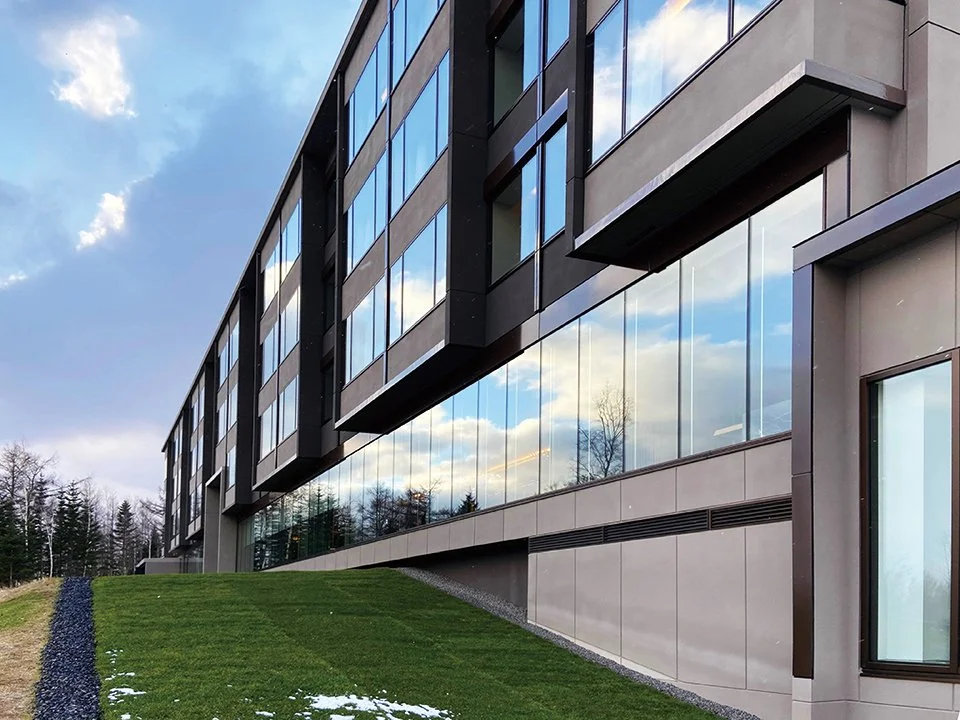
Externally, the façades rely on simple vertical rhythm and shadow rather than ornamental chalet references. The building’s relatively minimal form is practical for an area that can receive more than three metres of accumulated snow while also allowing the windows to dominate the guest experience.
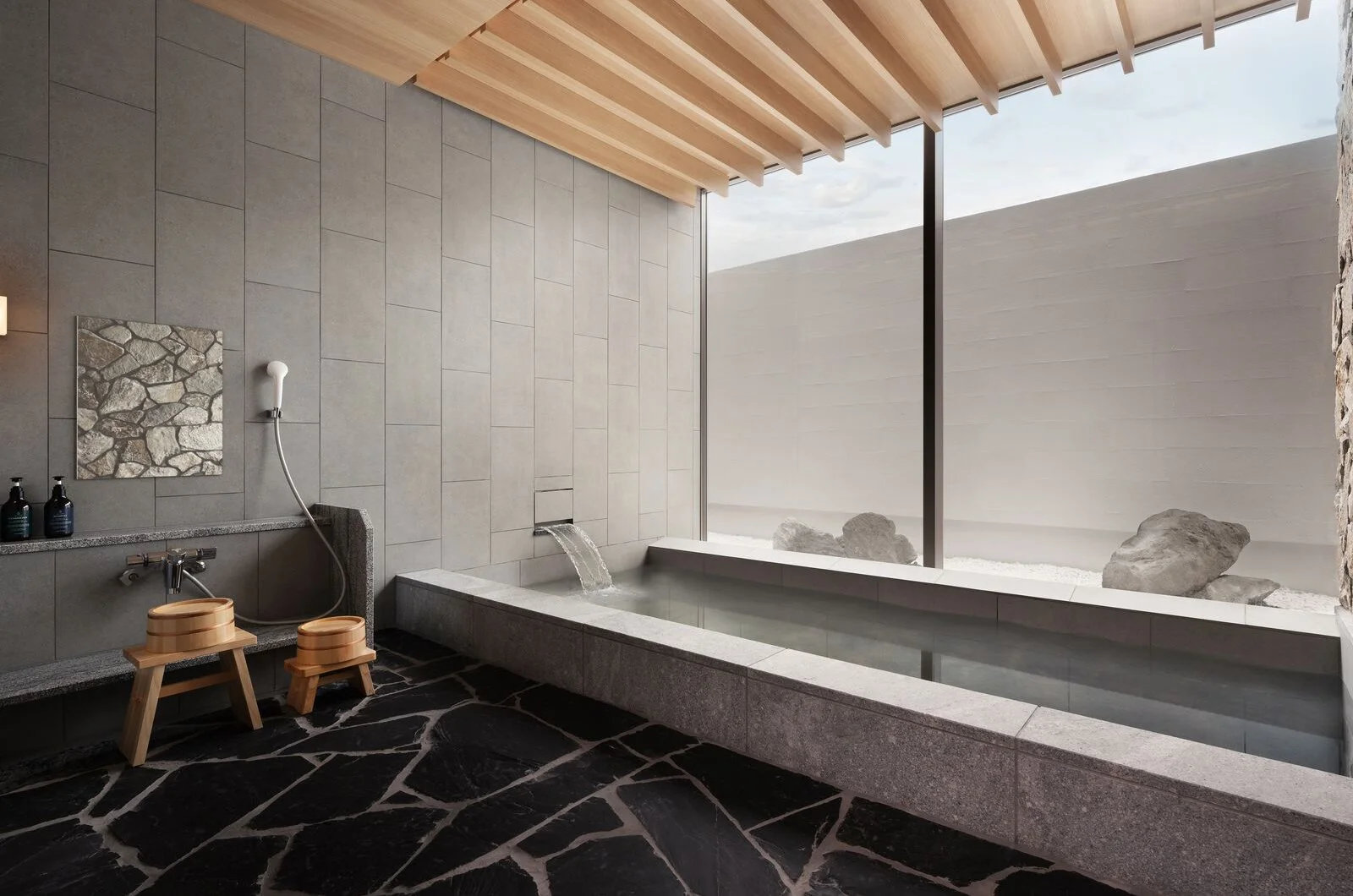
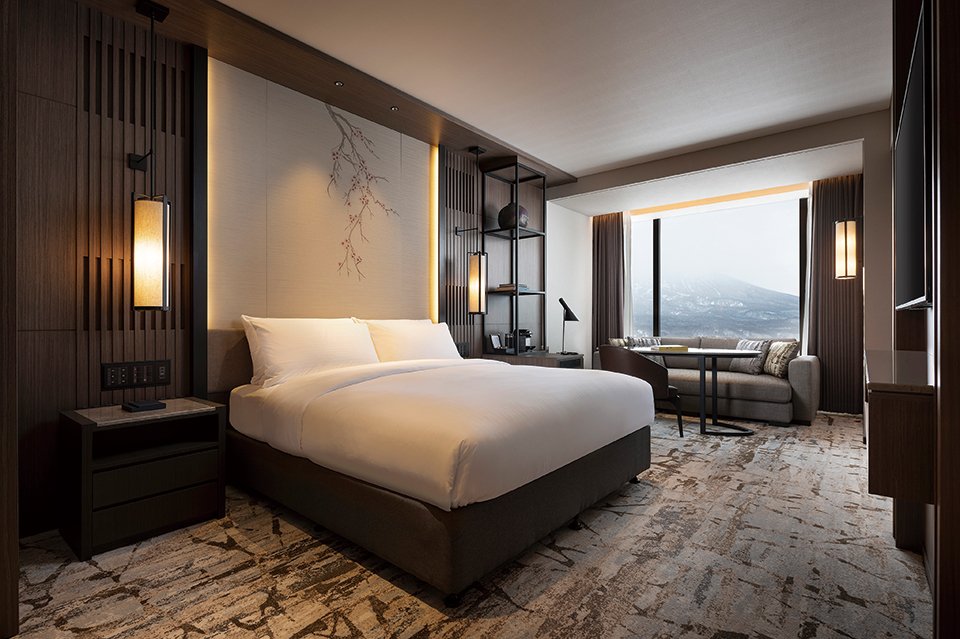
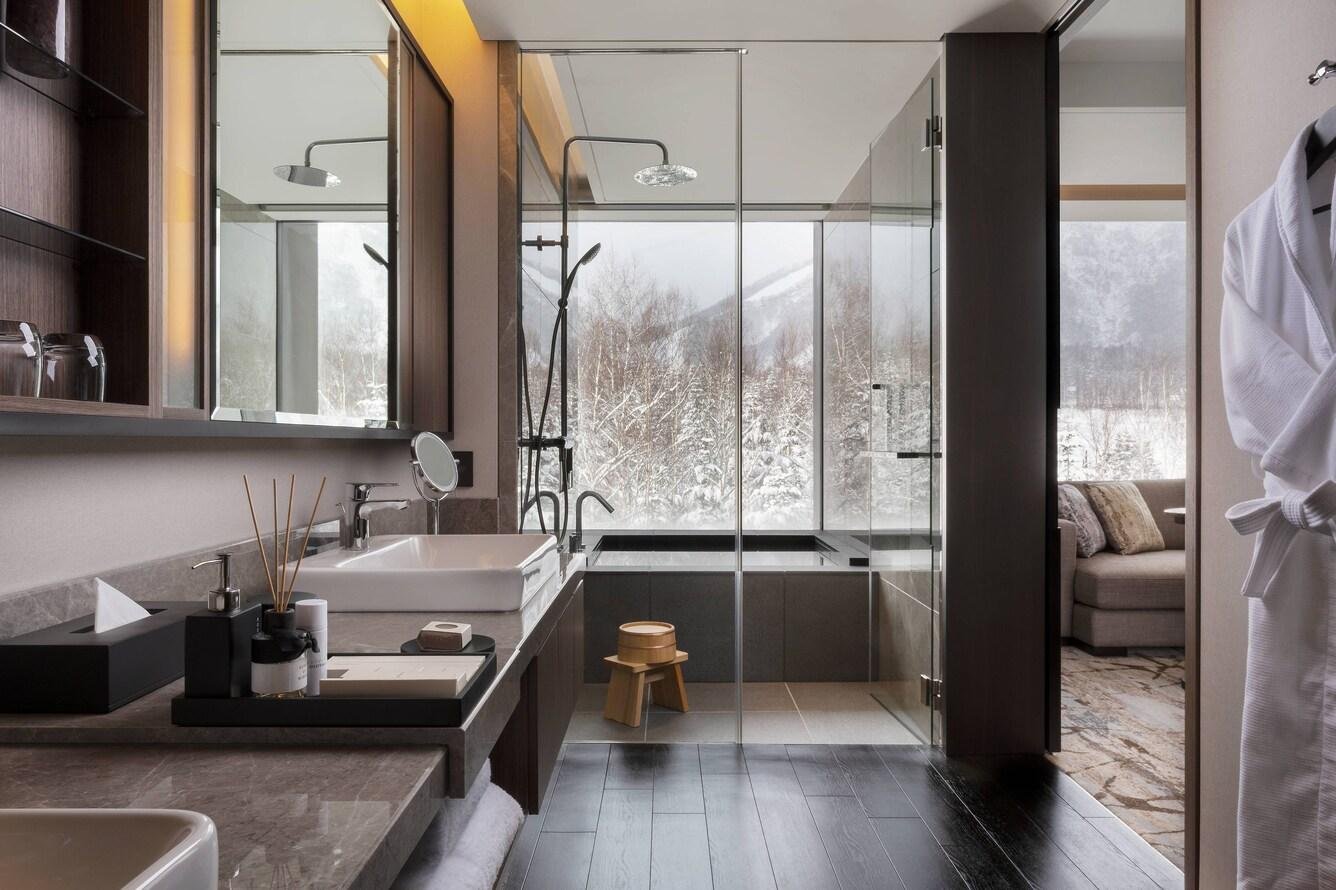
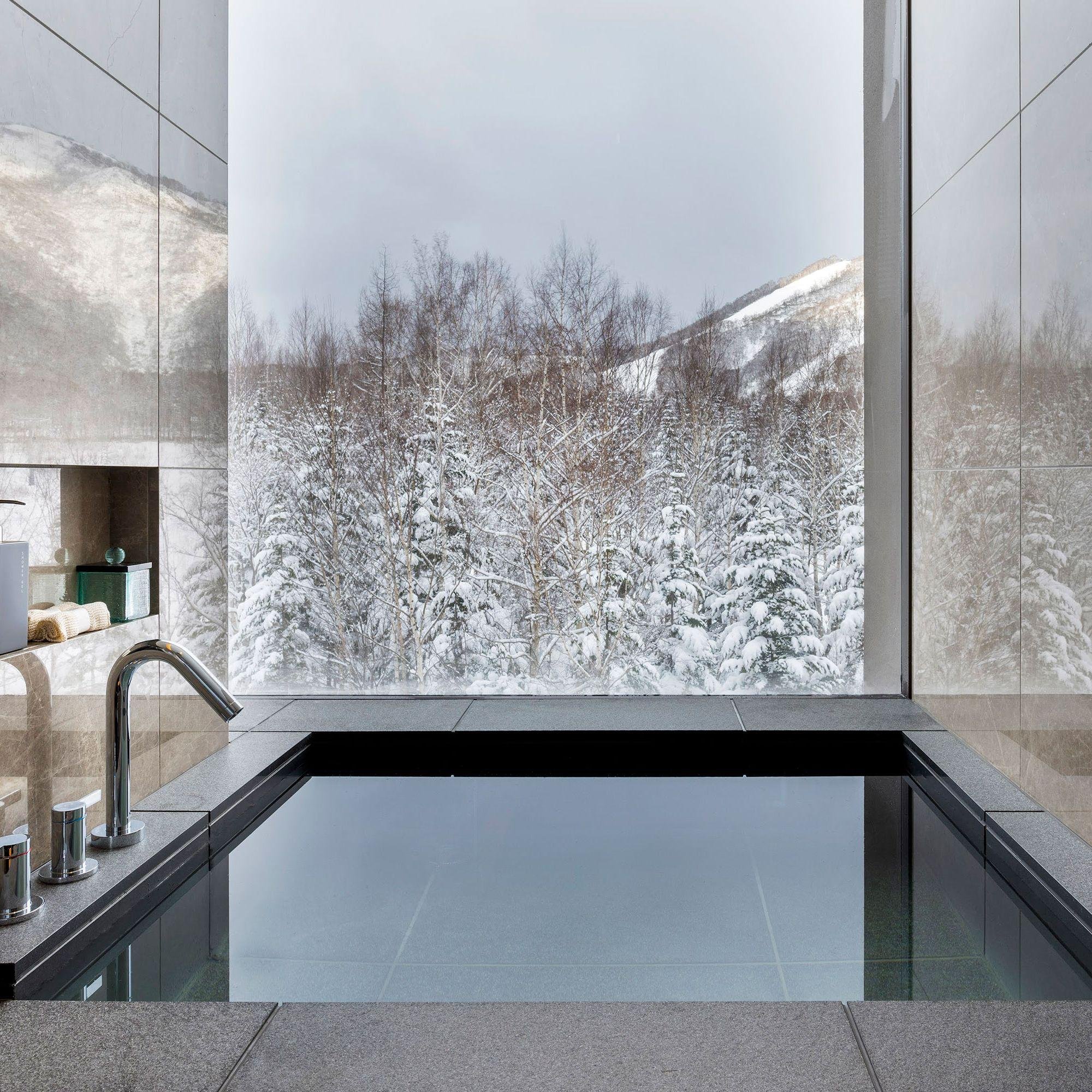
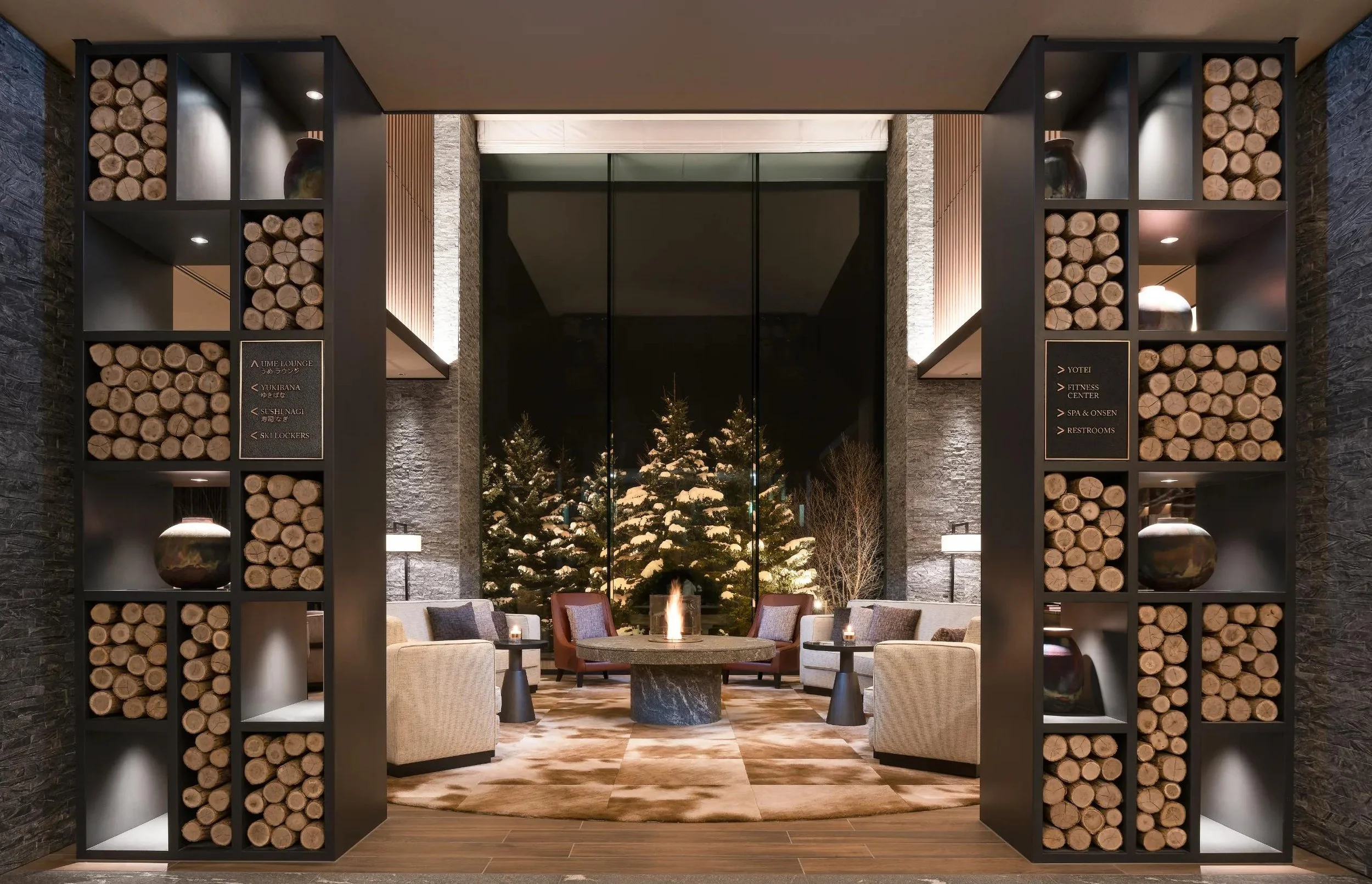
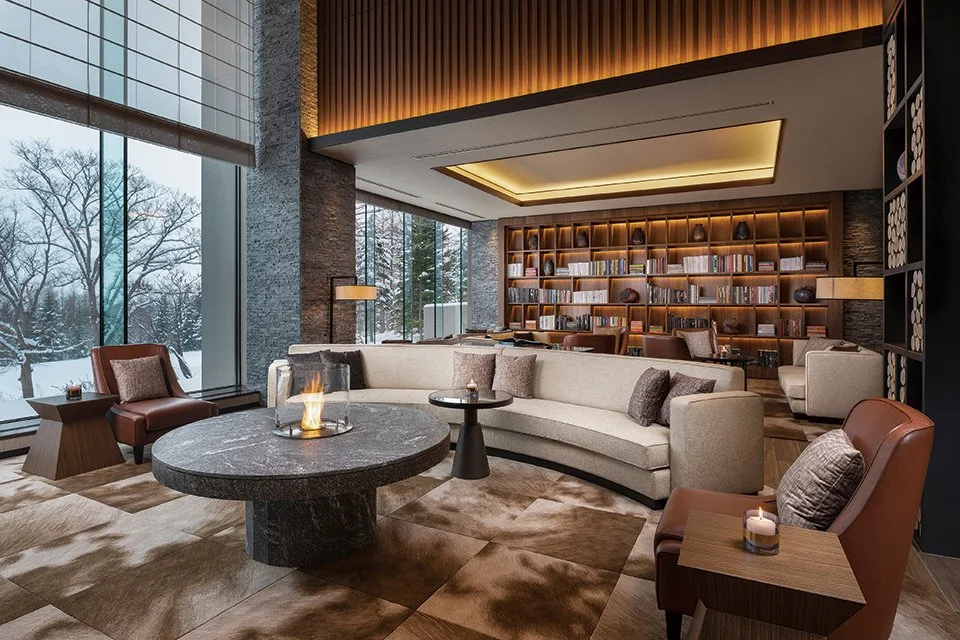
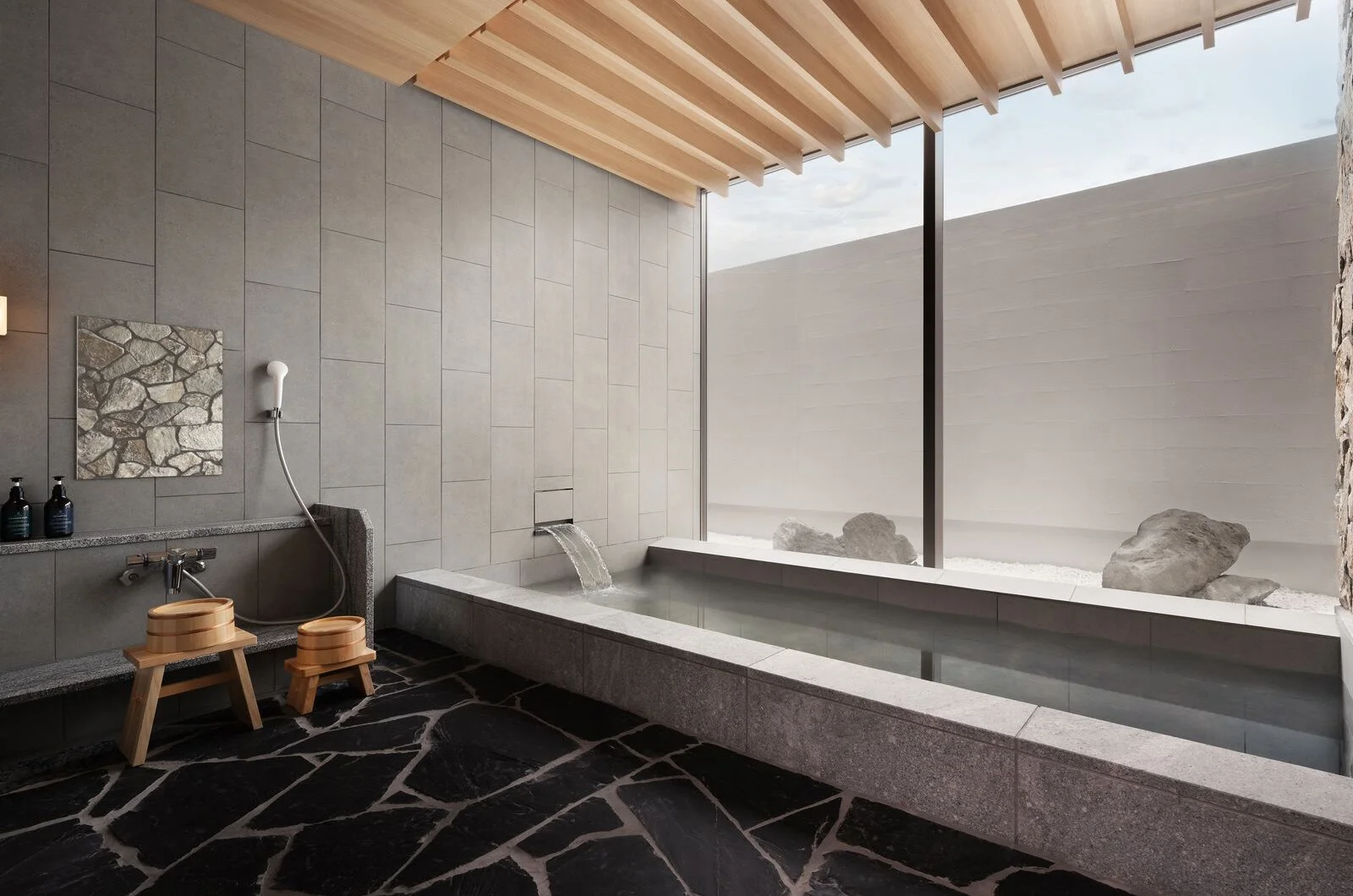
Inside, Duoz uses dark timber, natural stone, tactile fabrics and warm neutral colors. Guest bathrooms reinterpret onsen bathing through oversized soaking tubs positioned beside large windows, and the public spaces use fire, wood and low lighting to create warmth without disconnecting the interiors from the snow or forest outside.
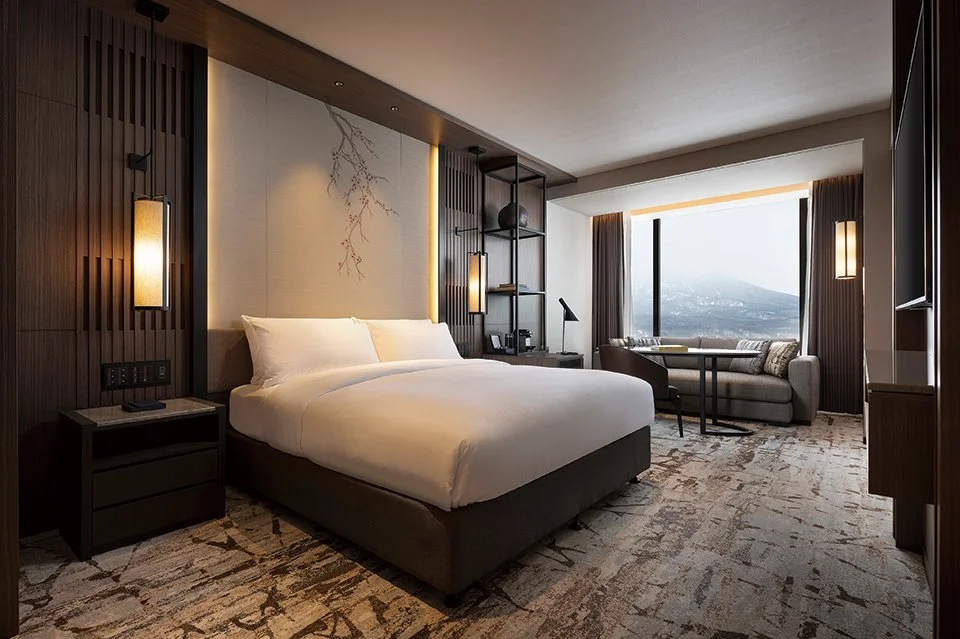
Four Core Accommodation Types Frame Yotei or Annupuri
Niseko Reserve: Approximately 560 sq. ft., with one king bed, a desk, sofa bed and floor-to-ceiling windows facing Mount Niseko Annupuri, plus an onsen-inspired bathroom with deep soaking tub, separate shower and double vanity.
Yotei Reserve: Approximately 560 sq. ft., with one king bed or two twin beds, a desk, sofa bed and expansive views of Mount Yotei, with the same oversized onsen-style soaking tub, separate shower and double vanity found throughout the Reserve rooms.
Yotei Suite: Approximately 958 sq. ft., with one king bedroom, separate living room, dining table, powder room, walk-in closet and a large bathroom, all oriented toward sweeping views of Mount Yotei.
Higashiyama Suite: Approximately 1,755 sq. ft., with two bedrooms – one king and one twin – each with its own bathroom, walk-in closet and seating area, plus a shared living room, dining table and powder room.
The detailed property factsheet lists 21 Niseko Reserve king rooms, 22 Yotei Reserve rooms split between king and twin layouts, six Yotei Suites and one Higashiyama Suite, for a total of 50 accommodations. The hotel’s current rooms page also confirms that a limited number of accessible rooms may be available within each room type.
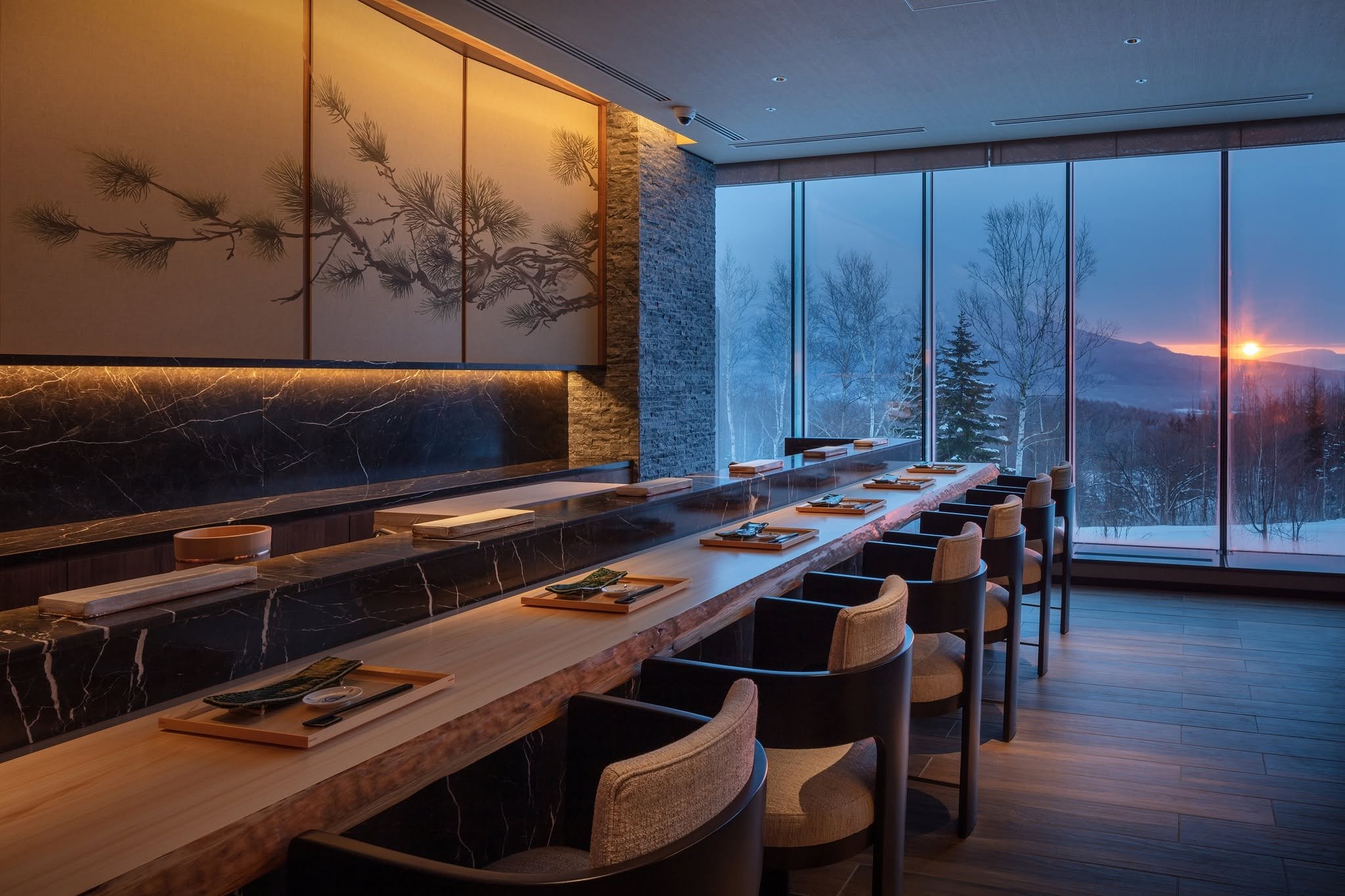
Yukibana, Sushi Nagi and Ume Keep Dining Intimate
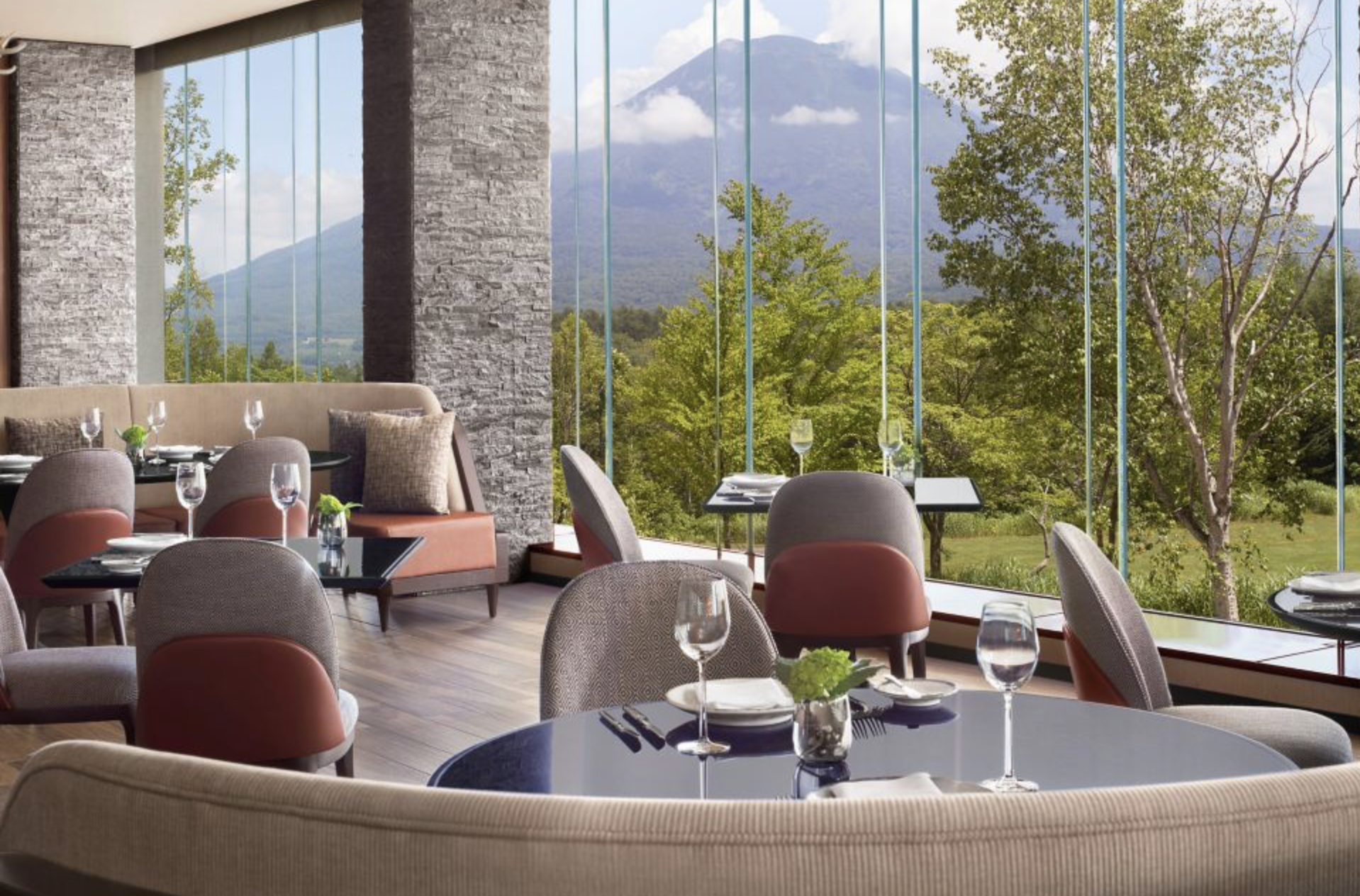
Yukibana: The all-day restaurant overlooks Mount Yotei and follows a farm-to-table approach built around Hokkaido produce, seafood and meats, combining Japanese, Asian, international and health-conscious dishes from breakfast through dinner.
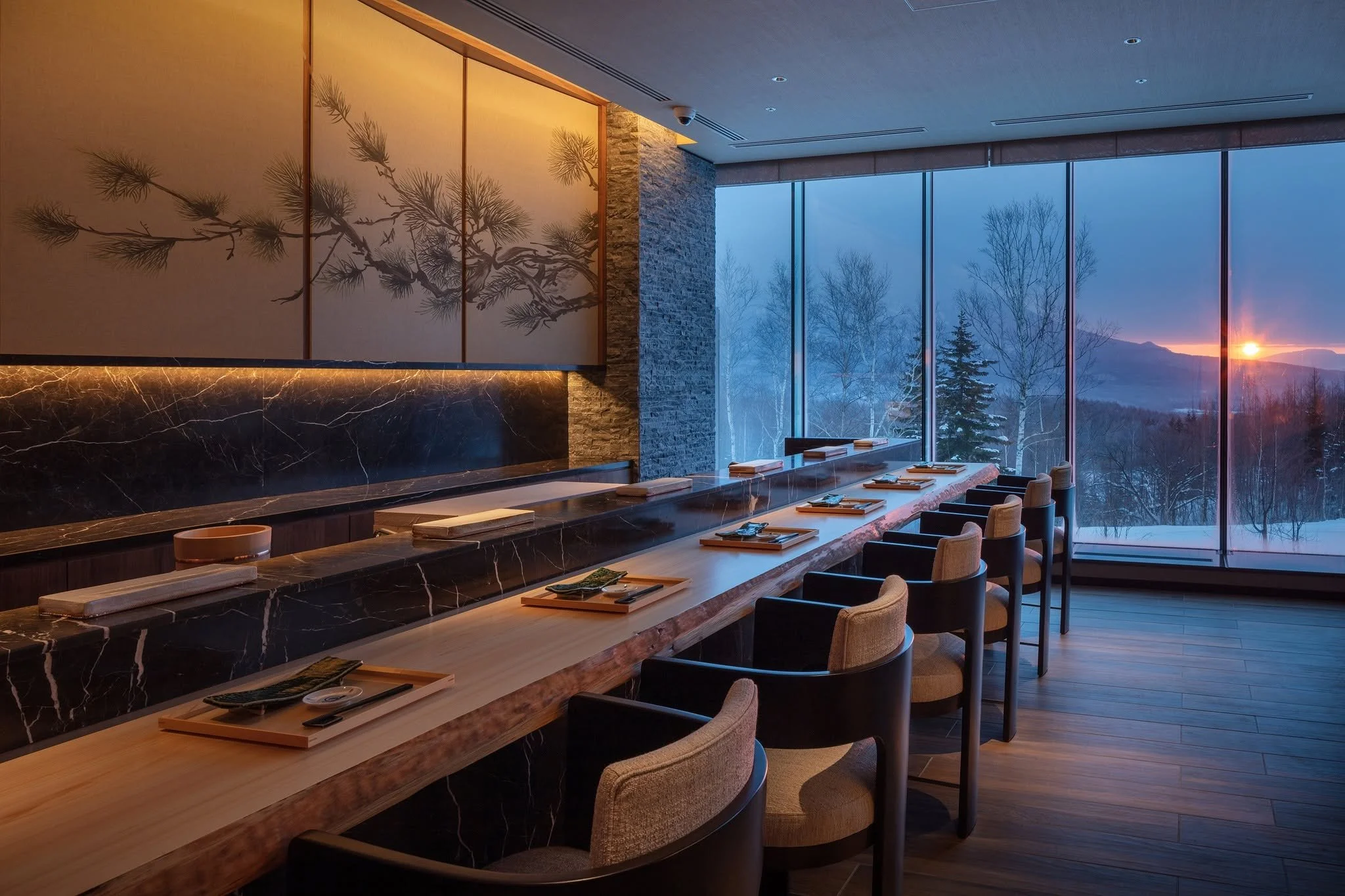
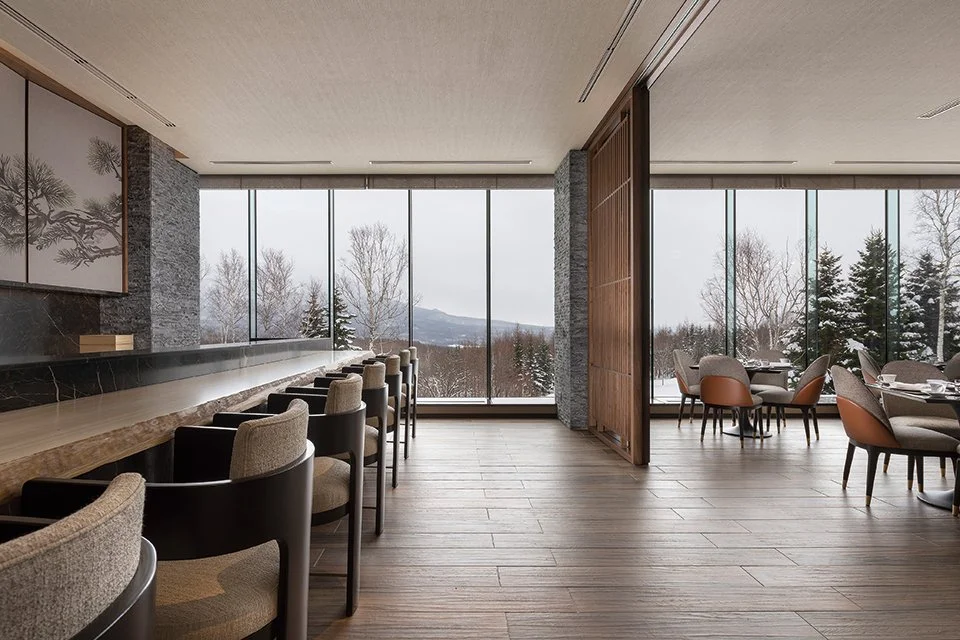
Sushi Nagi: A nine-seat omakase counter where the itamae prepares sushi using local seafood and farm-sourced ingredients; the intimate format and fixed seatings make advance reservations especially important.
Ume Lounge: The hotel’s central lounge uses timber, fire and mountain views to create a relaxed setting for coffee, Japanese whisky, local beer and cocktails developed by the alpine bar team.
In-Room Dining: Available around the clock, with Japanese and international dishes delivered to guestrooms and suites for travelers who prefer to dine privately after skiing or a late arrival.
The compact dining lineup is part of the Reserve’s character. Yukibana covers most daily meals, Sushi Nagi provides a much more focused evening experience and Ume functions as the social center, while guests looking for broader variety can also use restaurants elsewhere in Niseko Village.
Spa Chasi La Sothys Pairs French Technique With Hokkaido Onsen Culture
Spa Chasi La Sothys takes its name from the Ainu word “chasi,” translated by the hotel as sanctuary. The spa combines Sothys skincare and massage protocols with Hokkaido ingredients and cultural references, creating a program that is more specific to place than a generic international spa menu.
Signature treatments incorporate elements such as black silica, birch, lavender and hot-spring water. Black silica, found in Hokkaido, appears in the Nature’s Wisdom treatment, where massage is paired with a facial using spring water.
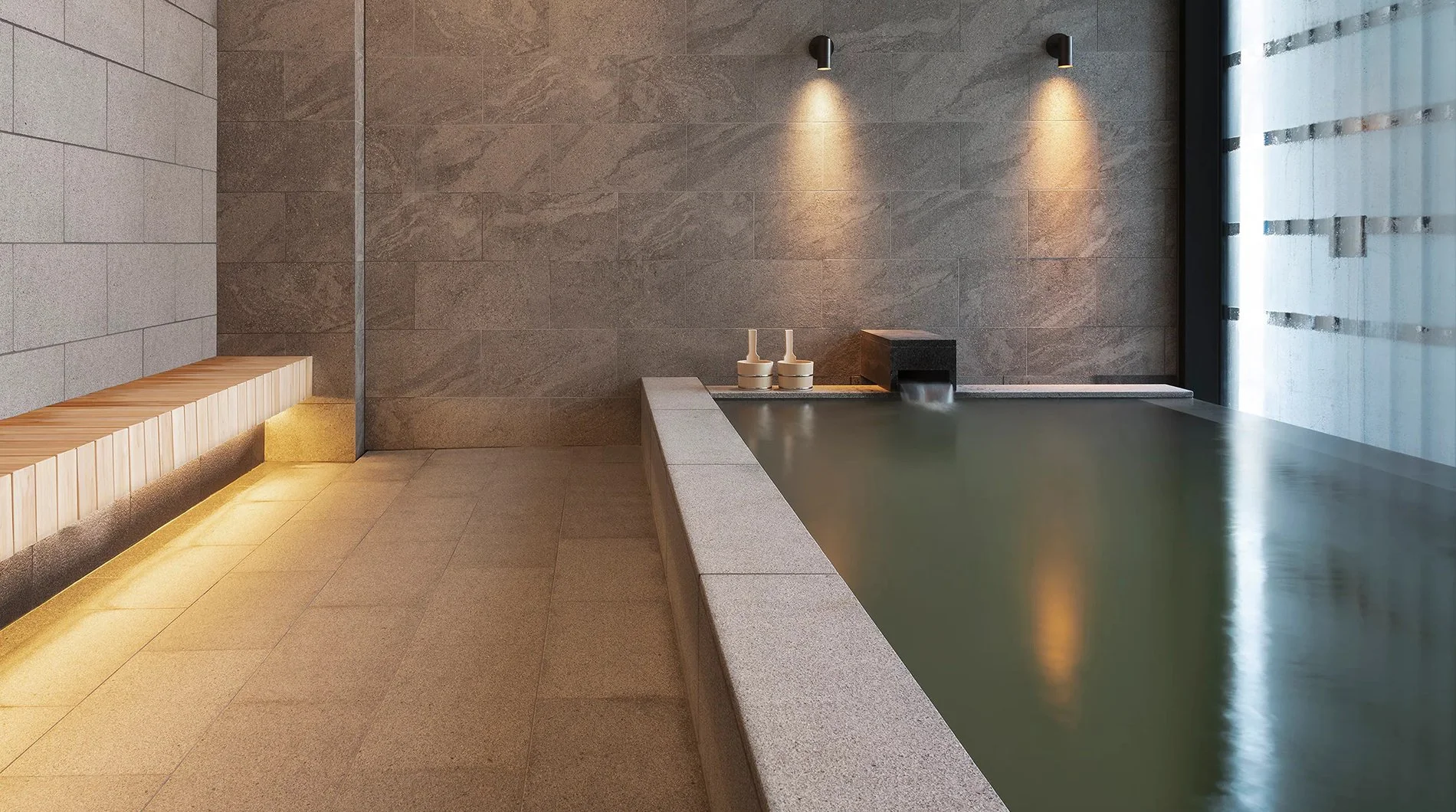
The onsen is the most culturally significant wellness space. Separate indoor and outdoor mineral baths for men and women overlook the mountain landscape and include saunas, while a private onsen can be reserved for a more secluded experience.
A 24-hour fitness center adds Technogym cardio machines, strength equipment, free weights, rowing, yoga mats and wellness balls. The setting remains visual even here, with large windows keeping the surrounding forest part of the experience.
Winter Powder and Green-Season Adventure Use the Same Landscape Differently
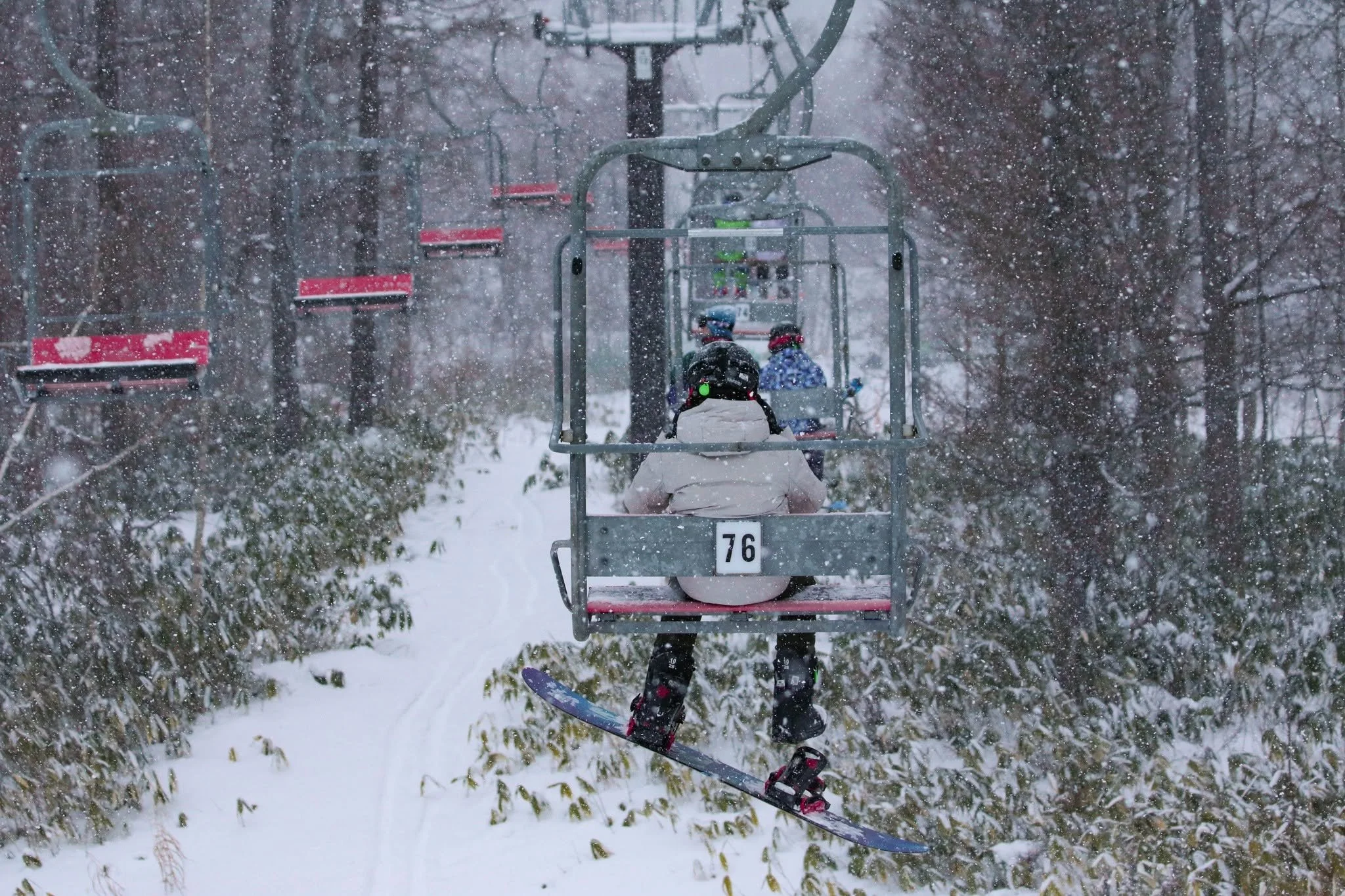
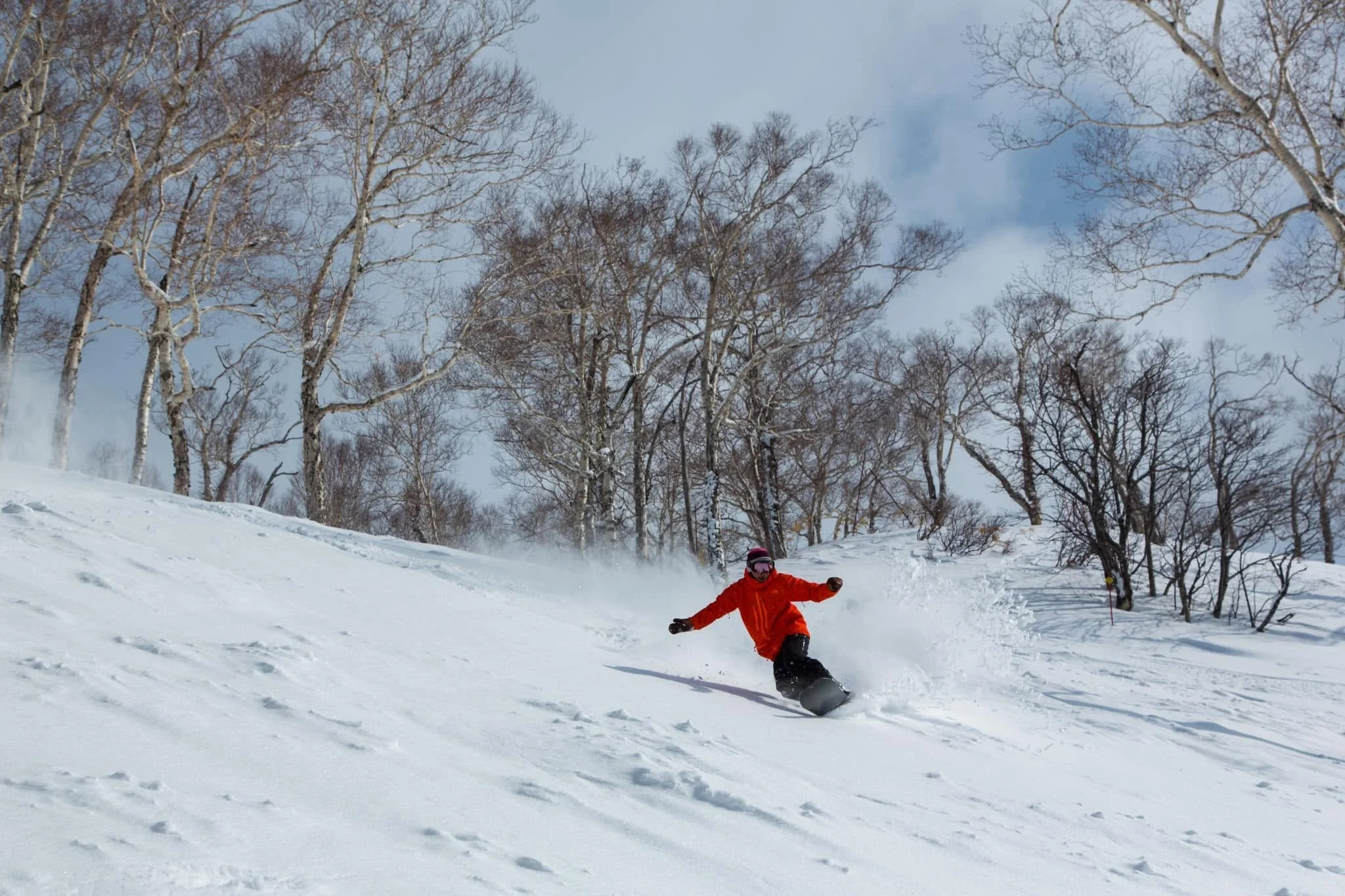
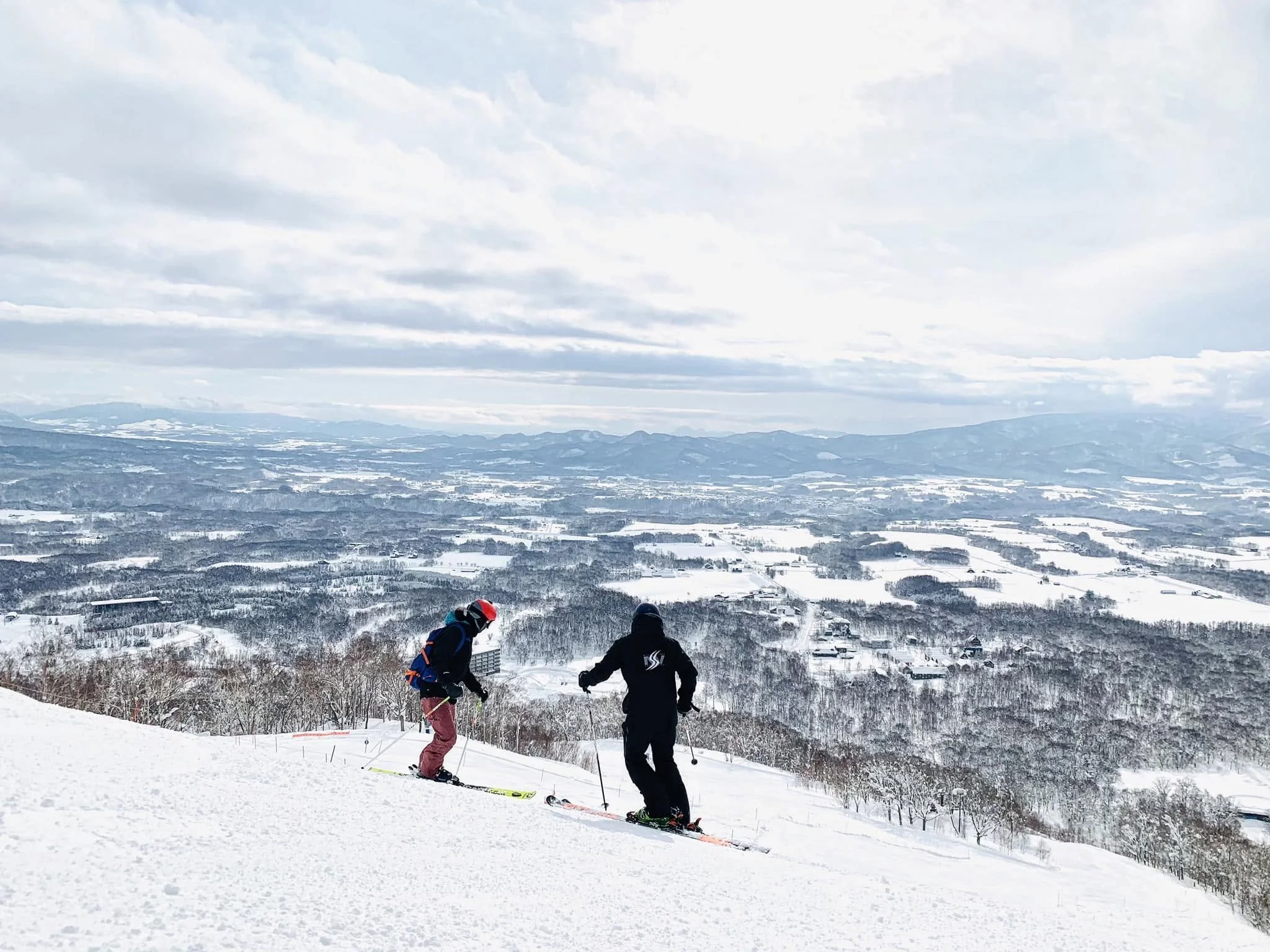
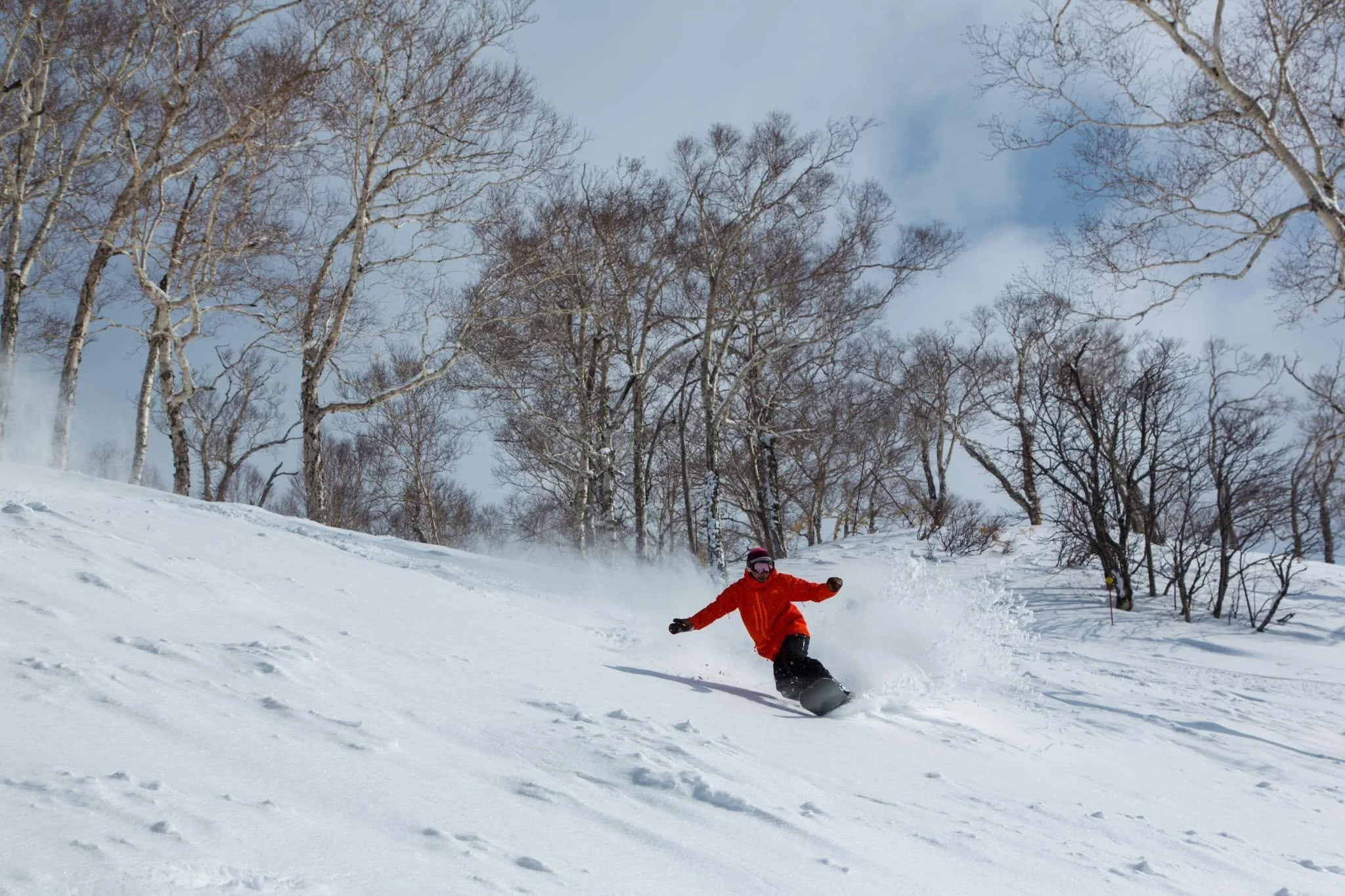
Winter is still the defining season. Niseko Village forms part of Niseko United and gives access to more than 2,100 acres of skiable terrain, with ski lockers and boot warmers available at the hotel. Lessons, all-mountain guiding, snowmobiling and snowshoeing can be arranged through Niseko Village operators rather than being treated as hotel-owned activities.
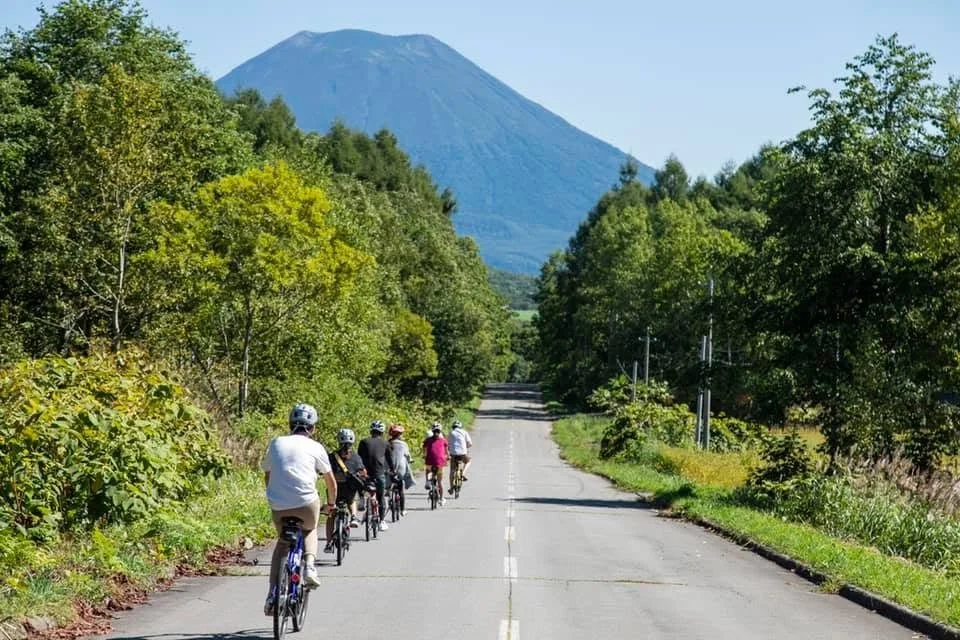
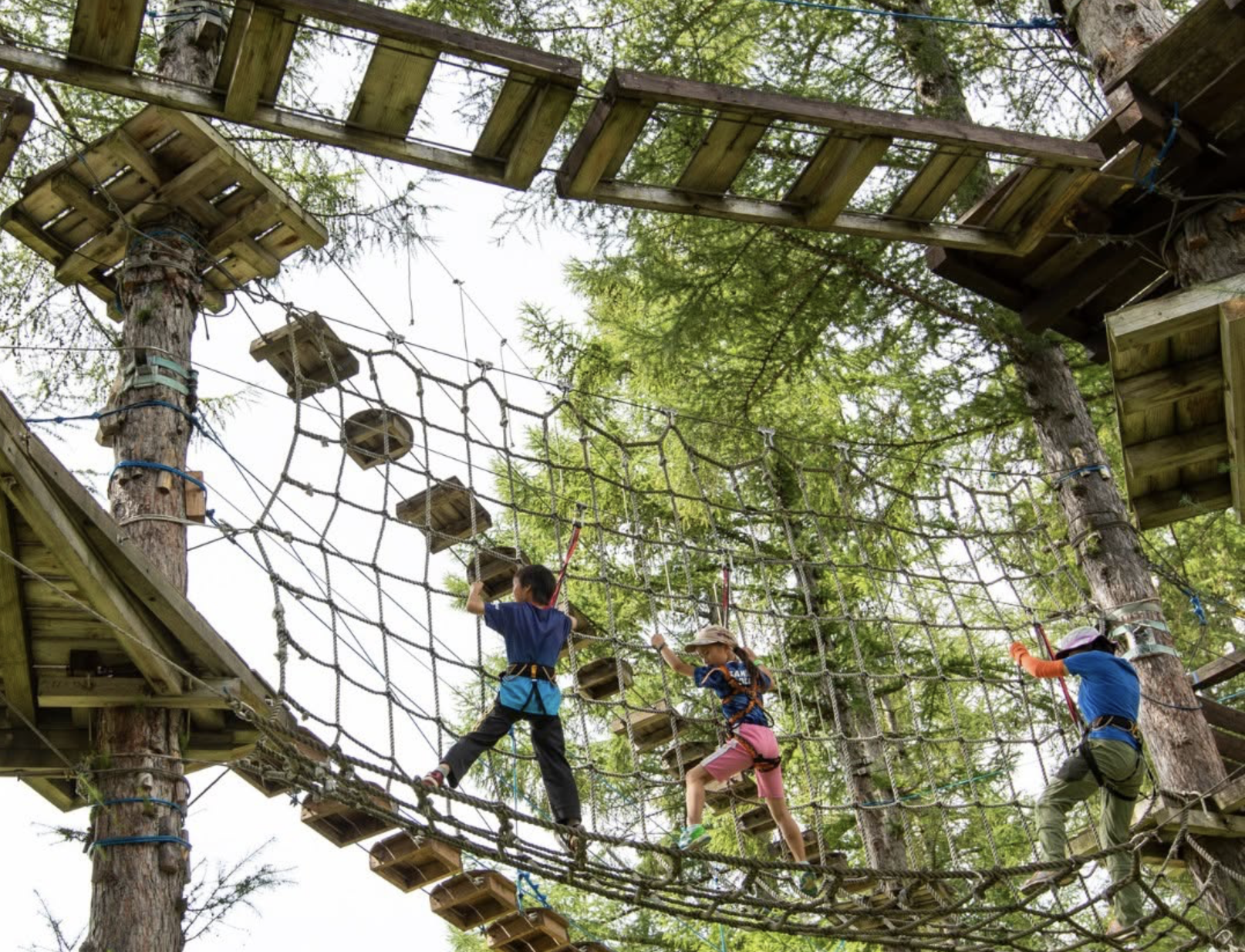
The green season reveals a very different version of the destination. Niseko Village operates golf, hiking, cycling and PURE, an outdoor adventure area with zip lines, tree trekking, quick jumps, a rail slider and family attractions. Summer rafting and stand-up paddleboarding take place on the Shiribetsu River.
Food also becomes an experience in its own right. Current Niseko Village programming includes farm tours focused on Hokkaido vegetables, dairy and artisanal products, as well as seafood excursions that explore markets, coastal villages and the fishing culture surrounding the island.
The Reserve team can also arrange quieter experiences around the region, including mountain walks, seasonal foraging and cultural encounters. These activities vary with weather and operator schedules, so timing is best built around the specific season rather than assumed year-round.
The Niseko Village Kids Club Is Seasonal and Clearly Defined
Families have access to the Niseko Village Kids Club rather than a dedicated in-hotel Ritz Kids room. The current winter program is designed for children from approximately 1.5 to 9 years old and combines creative workshops, STEM activities, Japanese culture, outdoor snow play and eco-conscious projects.
The premium winter package can include a private ski lesson for children aged three and older, although lift passes and equipment rental are separate. Full-day and premium packages include lunch, and the program has a maximum daily capacity.
The club operates seasonally rather than all year. Published winter 2025–2026 information listed operation from December 1 through February 28, so families traveling outside peak winter should confirm what supervised programming is available during their exact dates.
Within the hotel, the Yotei Reserve twin rooms and two-bedroom Higashiyama Suite are the most straightforward family choices, while sofa beds in selected room types add limited flexibility. Babysitting should be requested in advance because the hotel does not publish a standing daily childcare schedule outside the Kids Club program.
Sustainability Is Strongest Where the Hotel Publishes Measurable Data
Higashiyama Niseko Village does not currently publish a major hotel-specific environmental certification on its public pages, so the strongest sustainability discussion comes from measurable building and operating practices rather than from broad claims.
Marriott currently publishes a carbon footprint of approximately 131.16 kilograms per occupied room night and a water footprint of approximately 1,402.90 litres per occupied room night for the property, alongside guest-room recycling.
The building design itself also reduced construction impact. Shimizu surveyed existing trees before positioning the hotel and optimized the site levels so that construction generated no surplus excavated soil requiring removal from the property.
At destination level, many current Niseko Village experiences are tied to the landscape and agricultural economy, including local food sourcing, farm visits and programs that discuss regional production. Those initiatives should be distinguished from hotel-level environmental performance, but they reinforce the property’s emphasis on Hokkaido ingredients and local supply chains.
Accessible Rooms Are Available, With Specific Features Published
The current Ritz-Carlton site confirms a limited number of accessible rooms across room types and publishes detailed accessibility features for the hotel. These include mobility-accessible rooms, roll-in showers, non-slip grab rails, wheelchair-height toilets, lowered deadbolts, lowered electrical outlets, lowered door viewports and self-closing guestroom doors.
That level of information makes planning more concrete than at many mountain hotels, but the wider Niseko setting still requires discussion. Snow, icy outdoor surfaces, ski infrastructure and transfers between buildings can affect mobility in winter even when the guestroom itself is well adapted.
Travelers with specific requirements should confirm the exact room type, bathroom layout, onsen accessibility, spa route and transport arrangements before arrival. The public onsen also follows traditional gender-separated bathing conventions, so travelers needing assistance should ask about private-onson options and any available support.
Niseko Is More Than Skiing, Especially Outside Winter
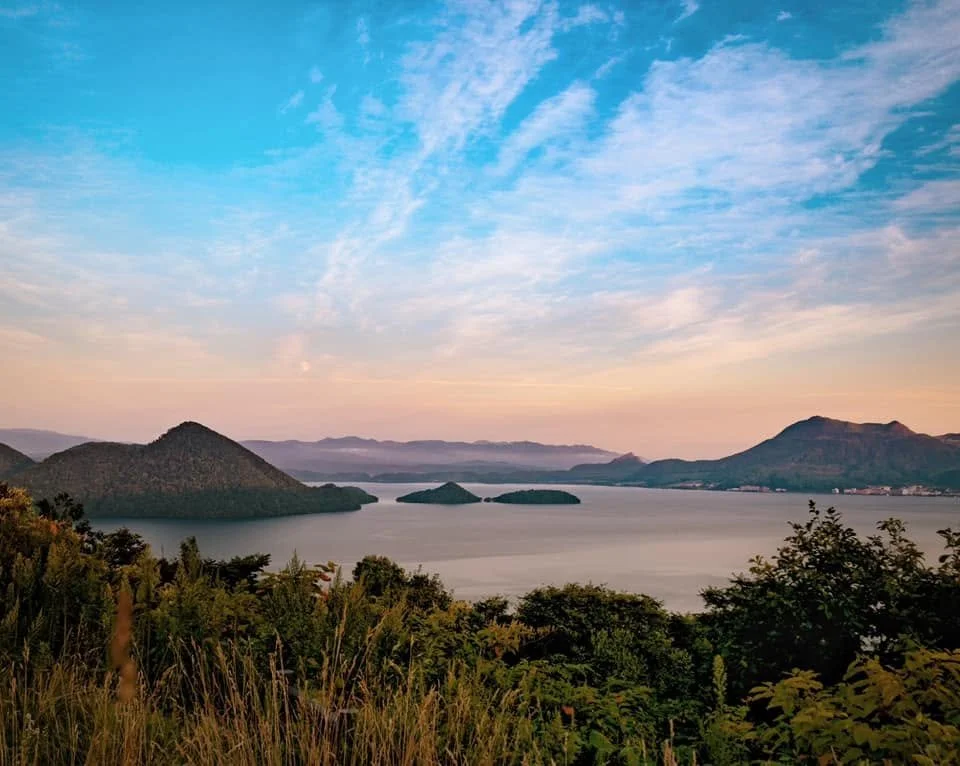
Niseko sits in southwestern Hokkaido, between Mount Yotei, Mount Niseko Annupuri and the Sea of Japan. The region’s deep winter snowfall comes from cold Siberian air crossing the relatively warm sea, creating the dry powder that made Niseko internationally famous.
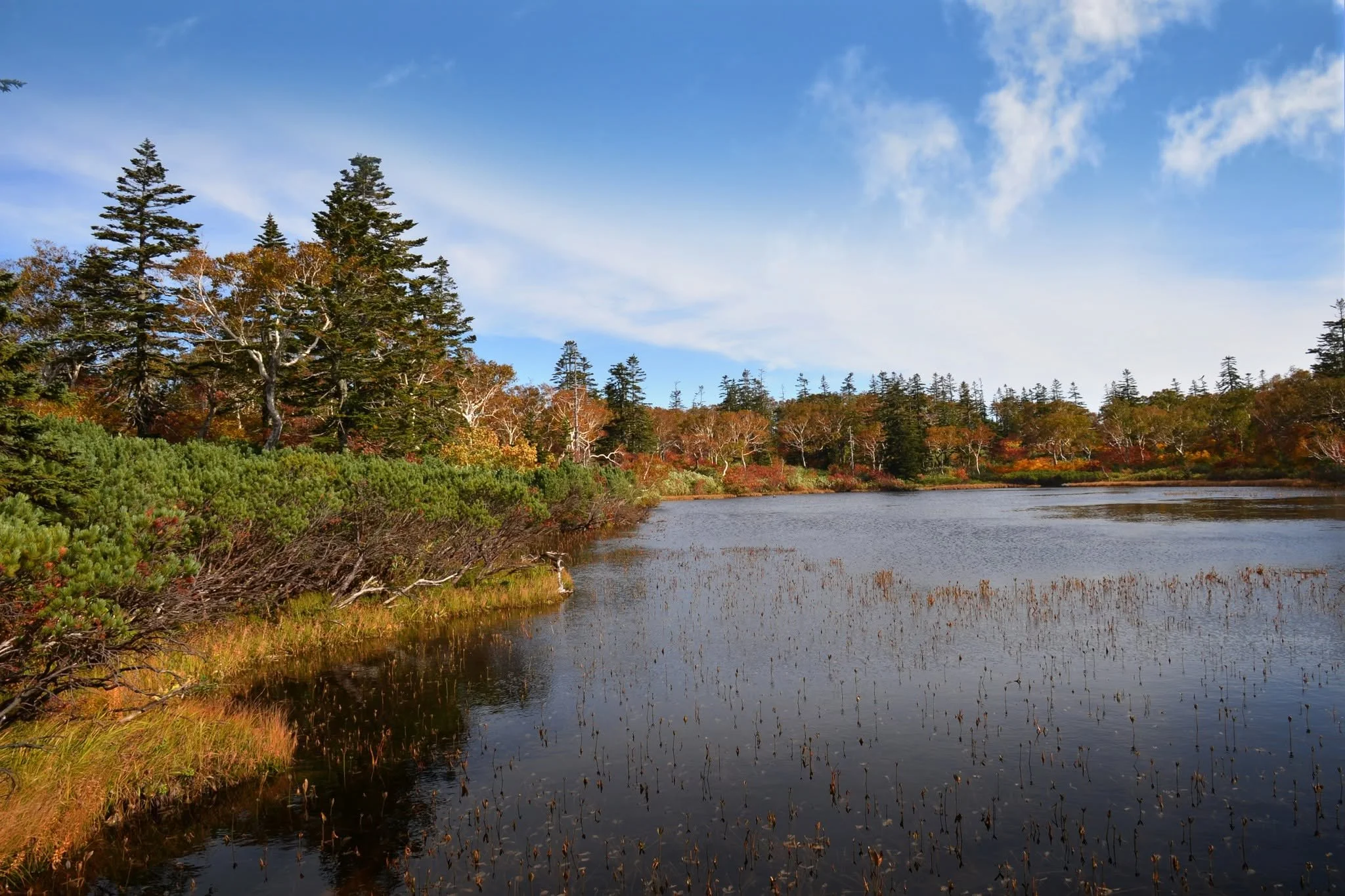
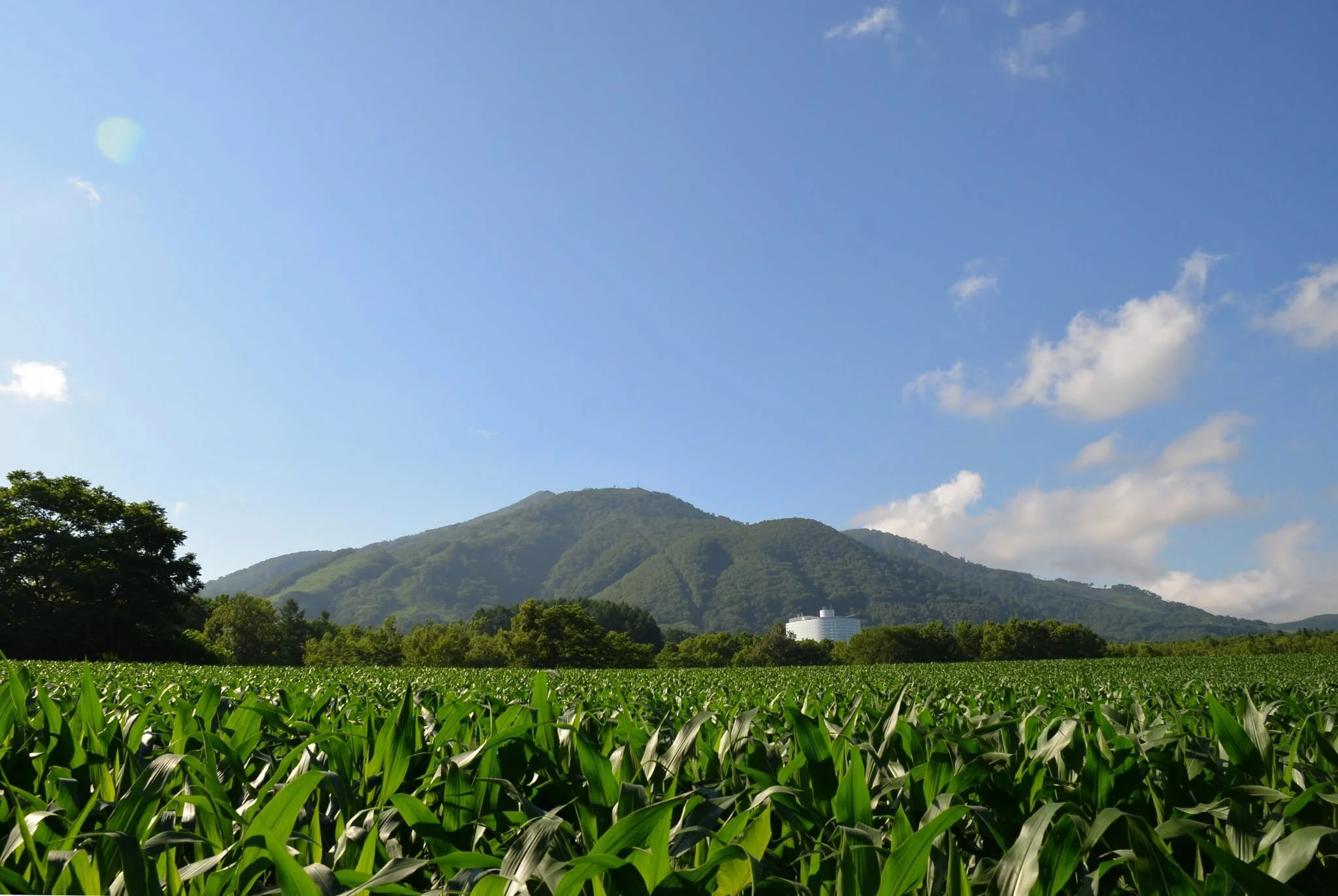
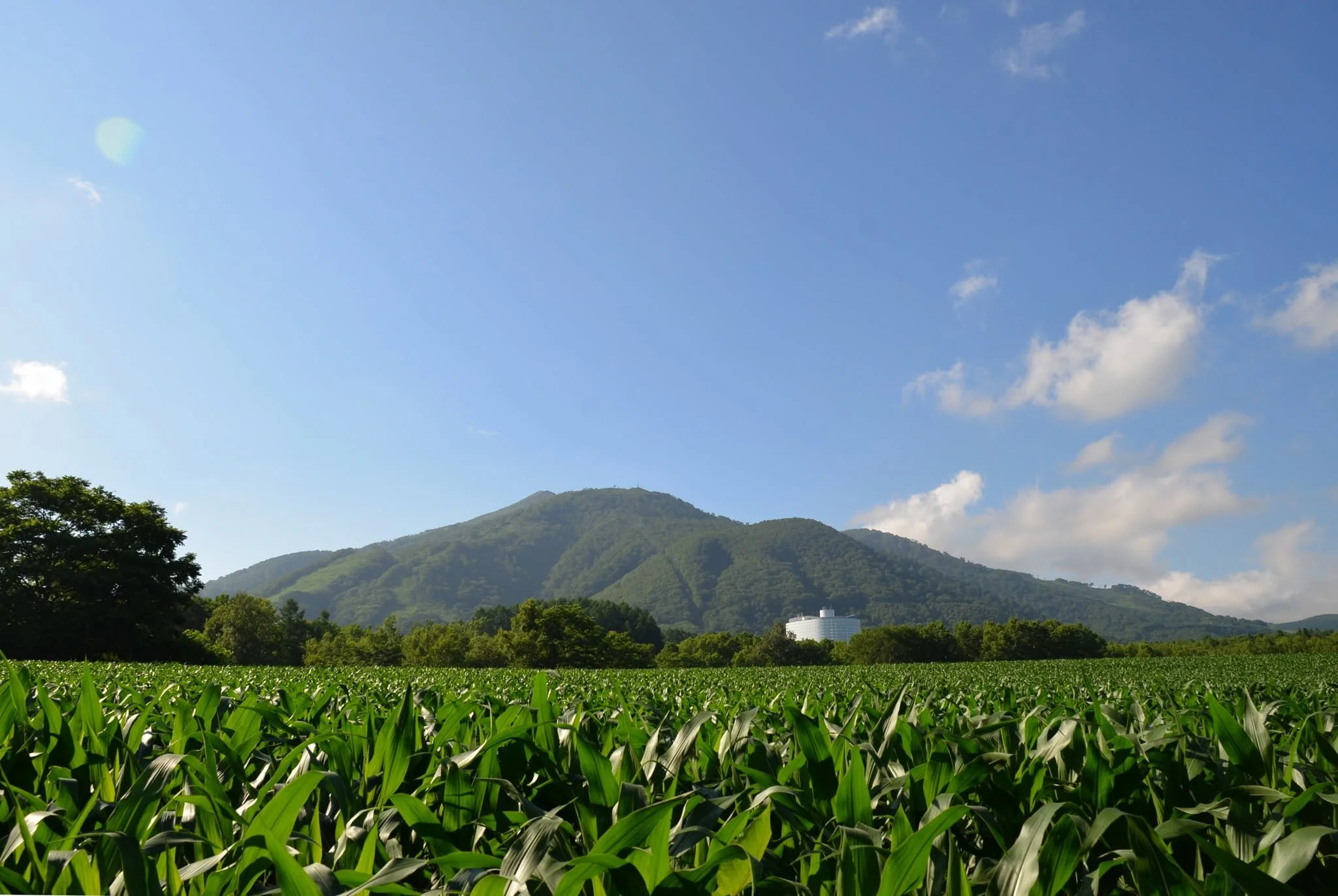
Outside winter, the same geography becomes agricultural and intensely green. Potato fields, corn, soba, dairy farms and orchards spread across the foothills, while the Shiribetsu River provides rafting and paddling. Niseko Village also traces the area’s indigenous history to the Ainu-Kaributo people and the region’s later agricultural development.
Mount Yotei dominates almost every view. Hiking routes, photography stops and farm roads circle the mountain, while nearby towns such as Niseko and Kutchan provide restaurants, cafés and practical services beyond the resort. Coastal seafood excursions extend the experience farther toward the Sea of Japan.
New Chitose Airport Is the Main Gateway
New Chitose Airport (CTS): The airport is approximately 114 kilometres from the hotel. By road, Niseko Village generally quotes around two hours in favourable conditions, while scheduled coach services commonly take about 2.5 hours because of stops and winter conditions.
Complimentary Green-Season Limousine Bus: For 2026, the hotel offered complimentary return limousine-bus service from New Chitose Airport from May 15 through September 30, with seats requiring advance reservation at least four days before travel.
Private Transfer: KS Limousine and other chauffeured private-transfer options can be arranged between New Chitose Airport and the hotel, particularly useful for families, ski equipment and late arrivals.
Sapporo: Niseko Village is approximately 97 kilometres from central Sapporo and quotes around two hours by car in normal conditions, though snow and traffic can extend the journey.
Rail: Train travel can be built around Kutchan or Niseko stations with an onward vehicle transfer, but connection times vary significantly by season and timetable, so the hotel should confirm the most practical routing for the travel date.
Winter Conditions: Road, coach and rail timings are weather-sensitive from December through spring. International arrival plans should leave enough margin for snow, baggage handling and ski-equipment transfers.
The Reserve Works Best When Niseko’s Seasons Set the Pace
Higashiyama Niseko Village is easiest to understand when it is treated as a small mountain retreat rather than a conventional full-service resort complex. The hotel itself is intentionally compact, while skiing, golf, rafting and family activities spread across the wider Niseko Village landscape.
The same room can feel completely different in February and August. In winter, snow fills the windows and the onsen becomes part of the daily recovery ritual. In summer, Mount Yotei turns green, farms and rivers become central, and the quiet design reads less like an alpine shelter and more like a base for exploring rural Hokkaido.
That seasonal transformation is the property’s real distinction. The Reserve does not need to create a separate theme for each time of year because the surrounding landscape does the work.