Red Sea, Saudi Arabia | Shebara
Shebara: A New Vision for Island Travel on Saudi Arabia’s Red Sea
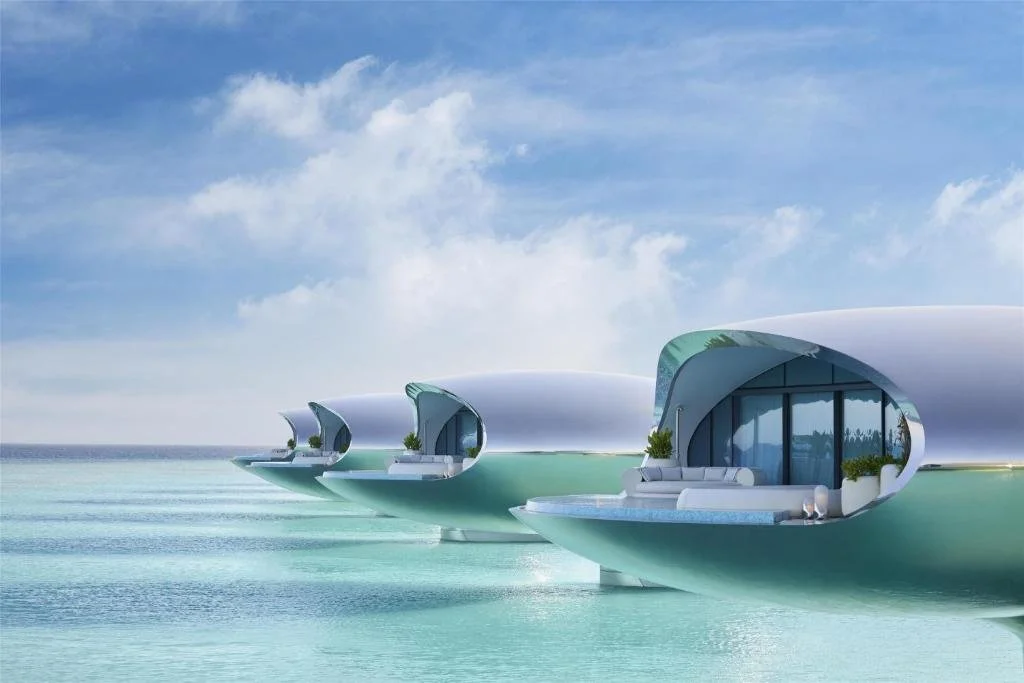
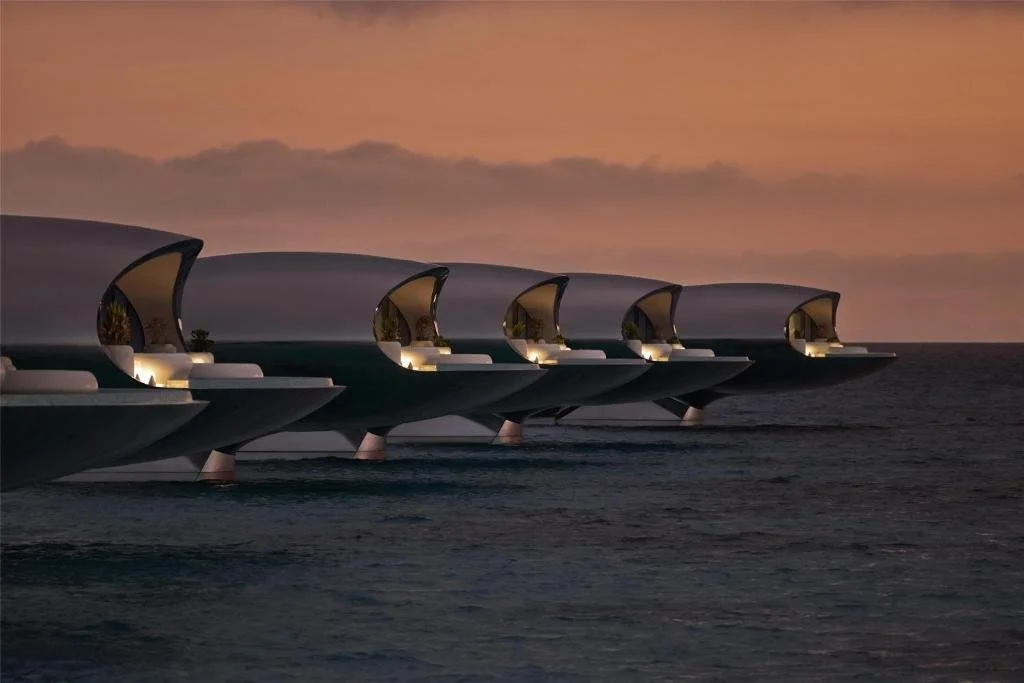
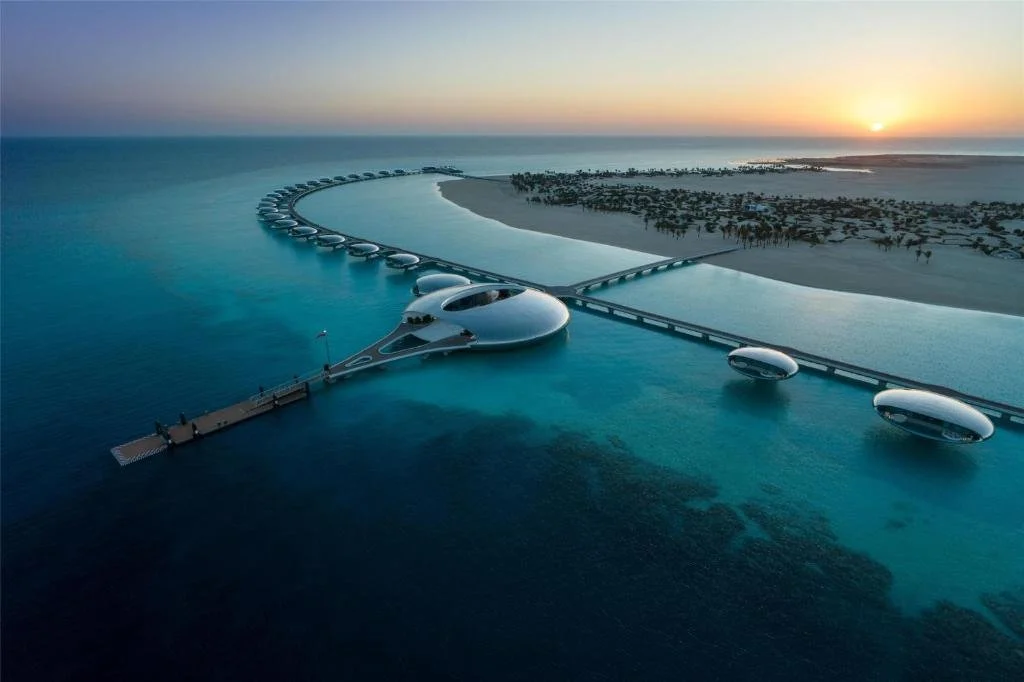
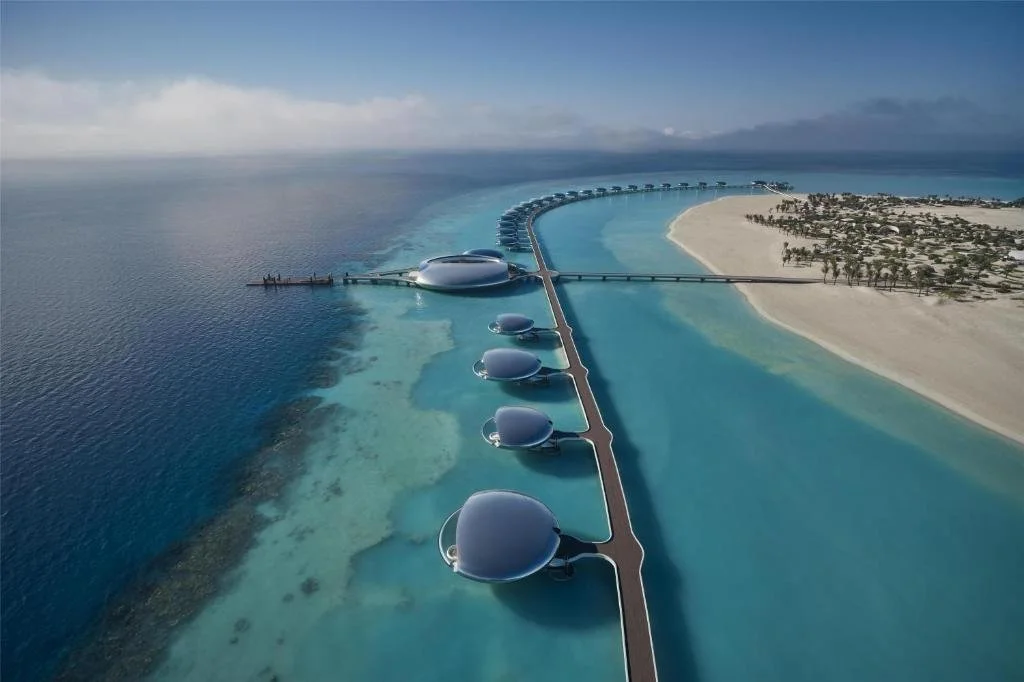
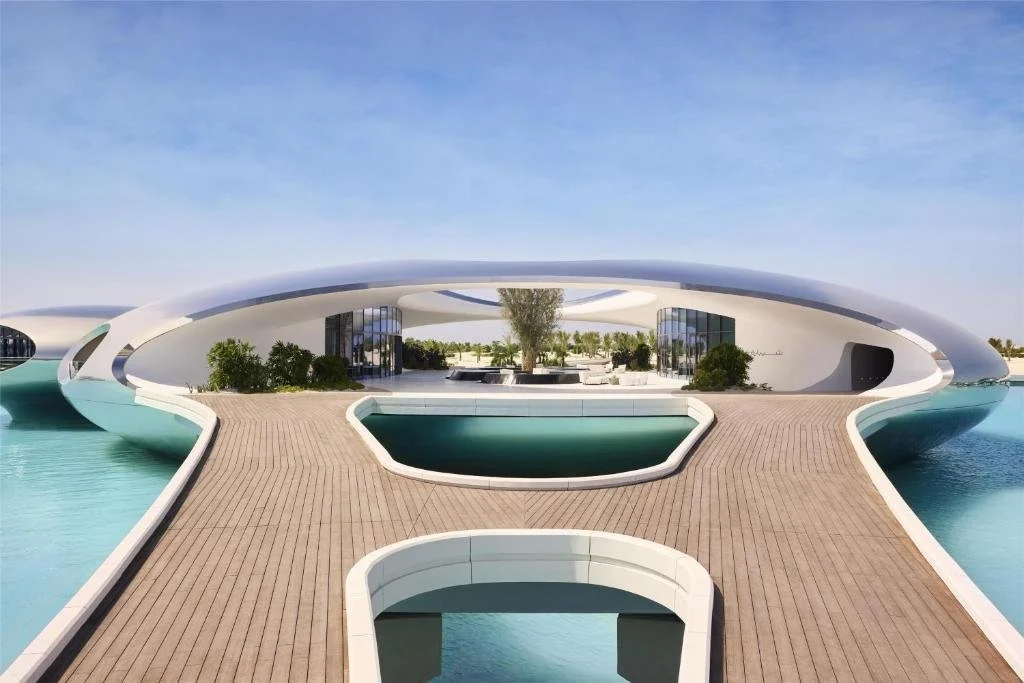
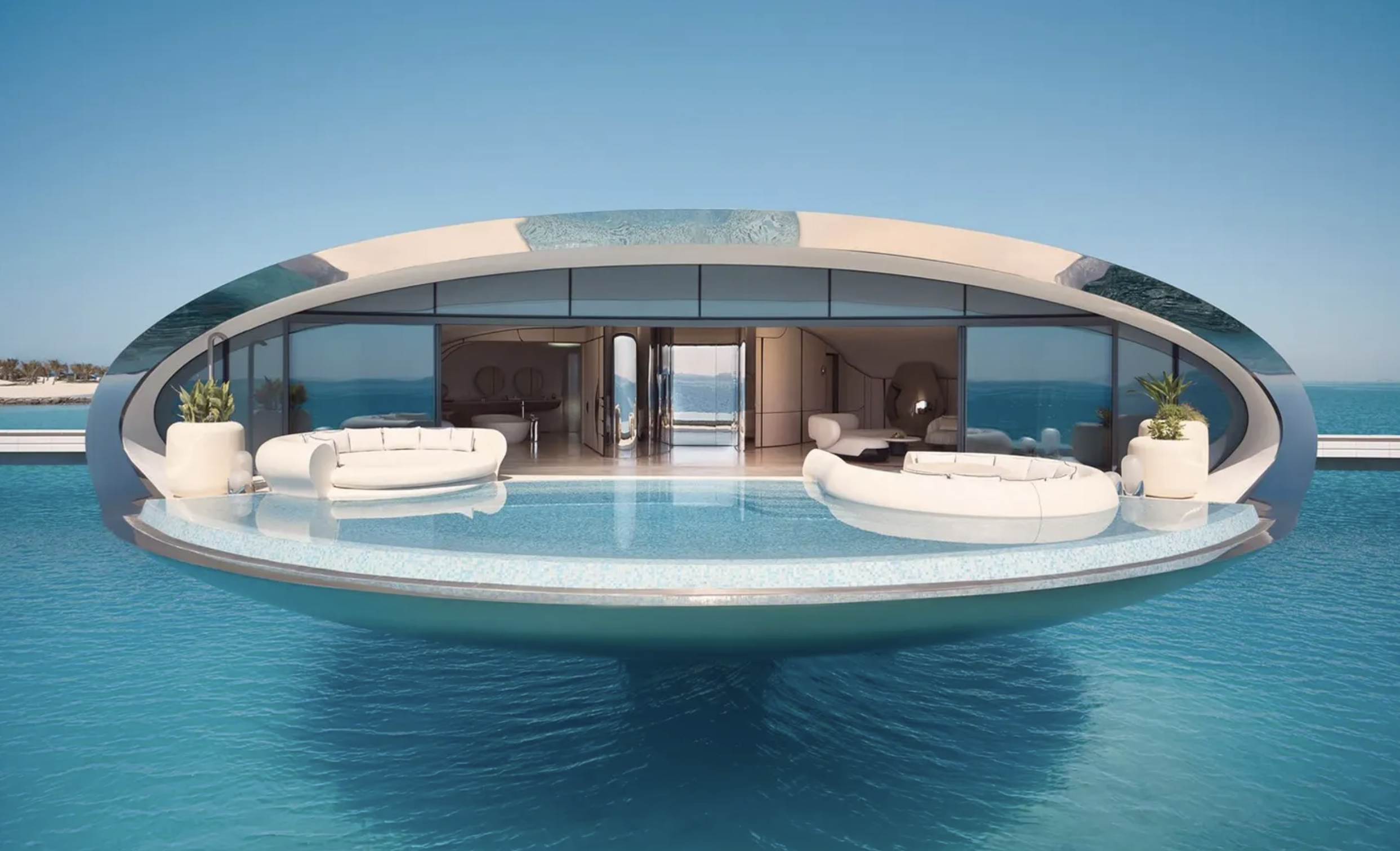
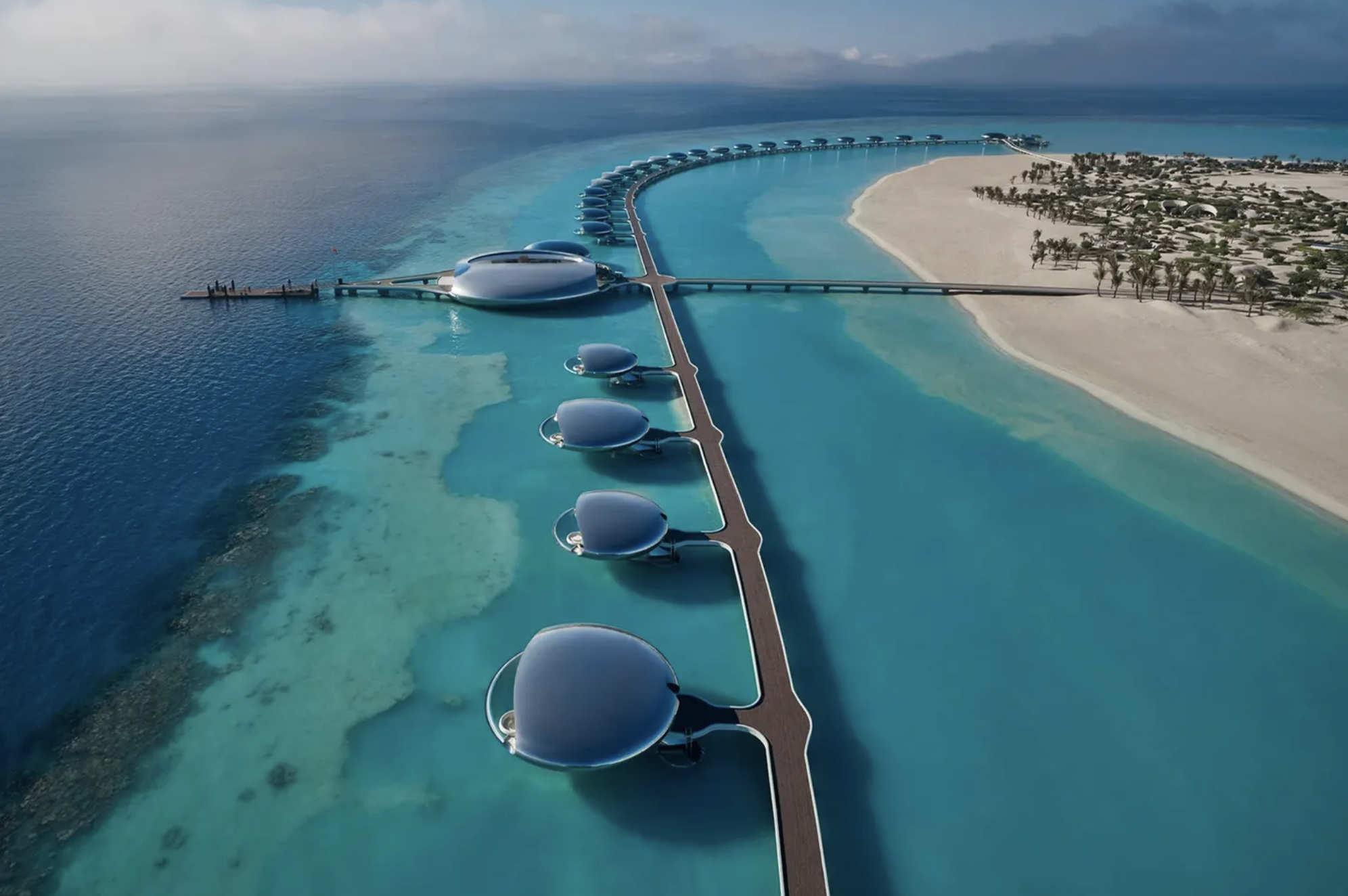
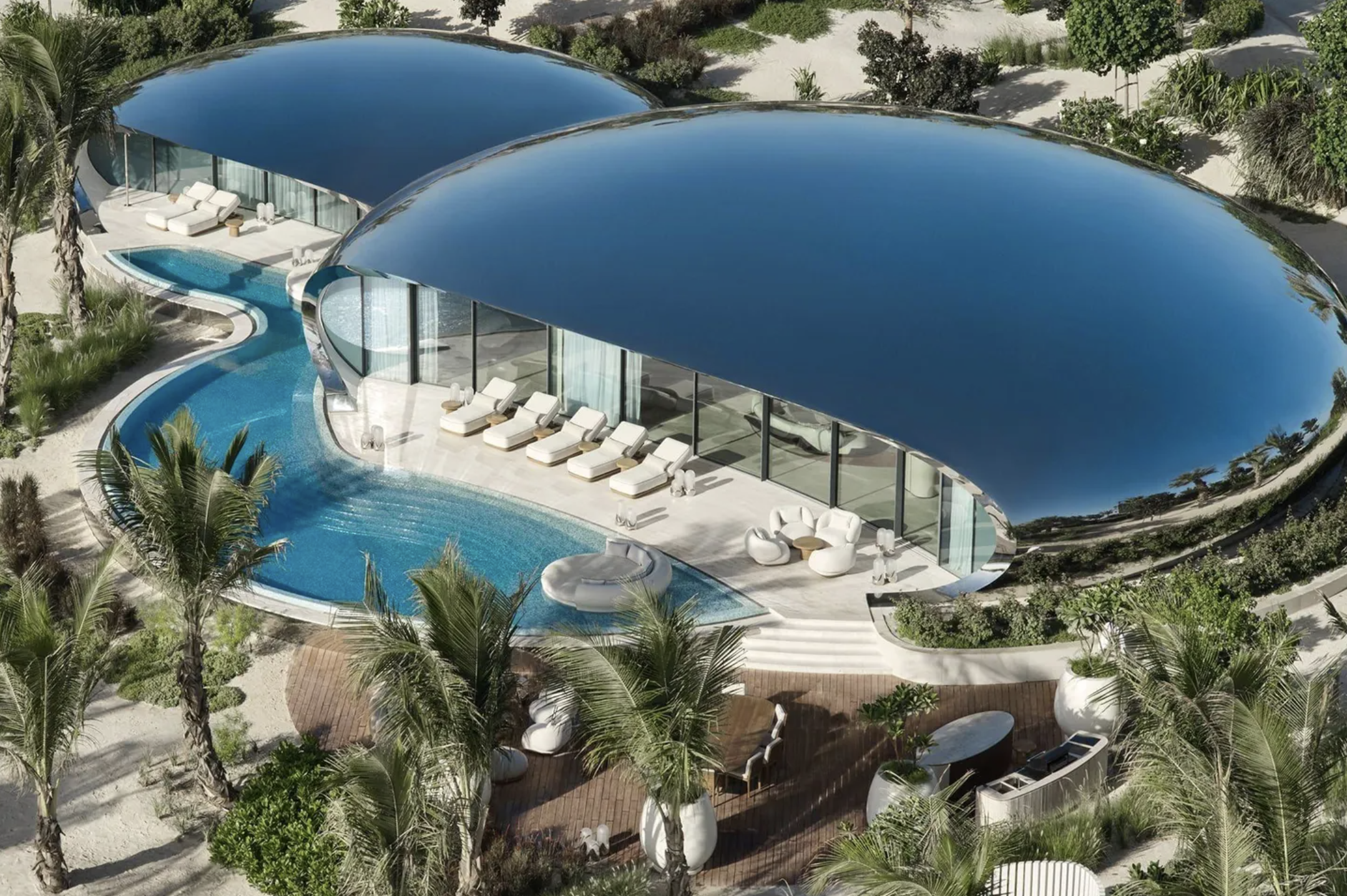
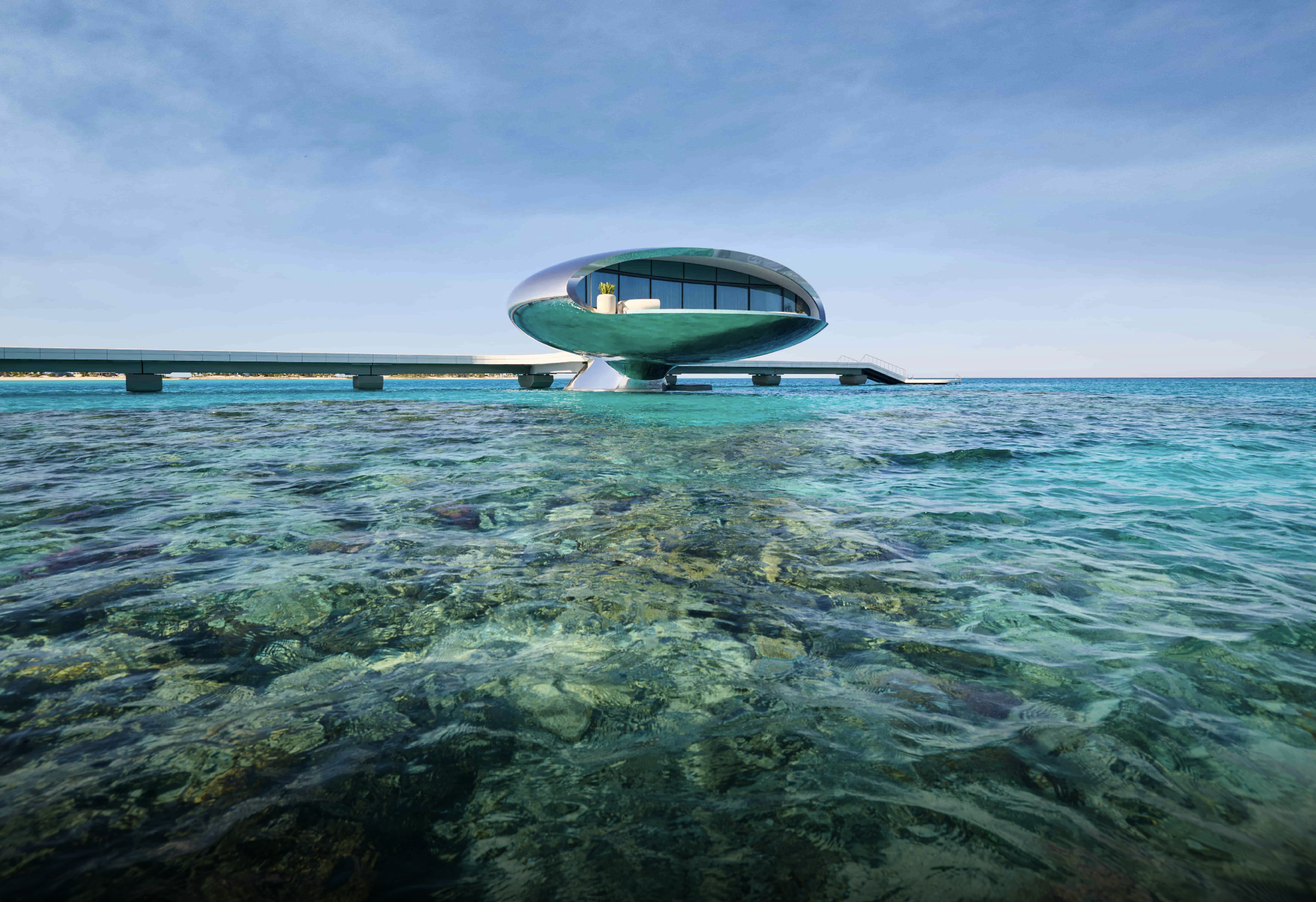
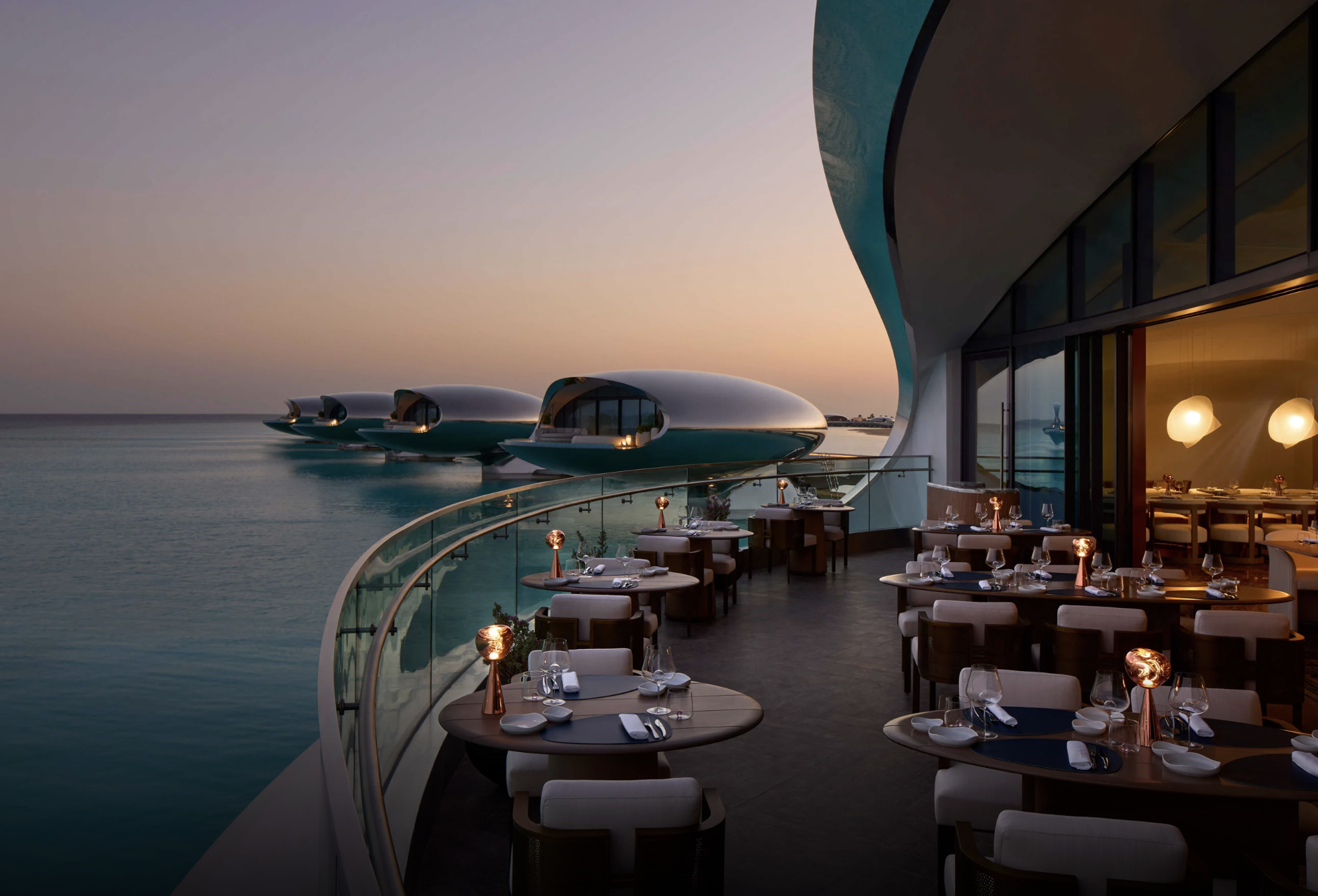
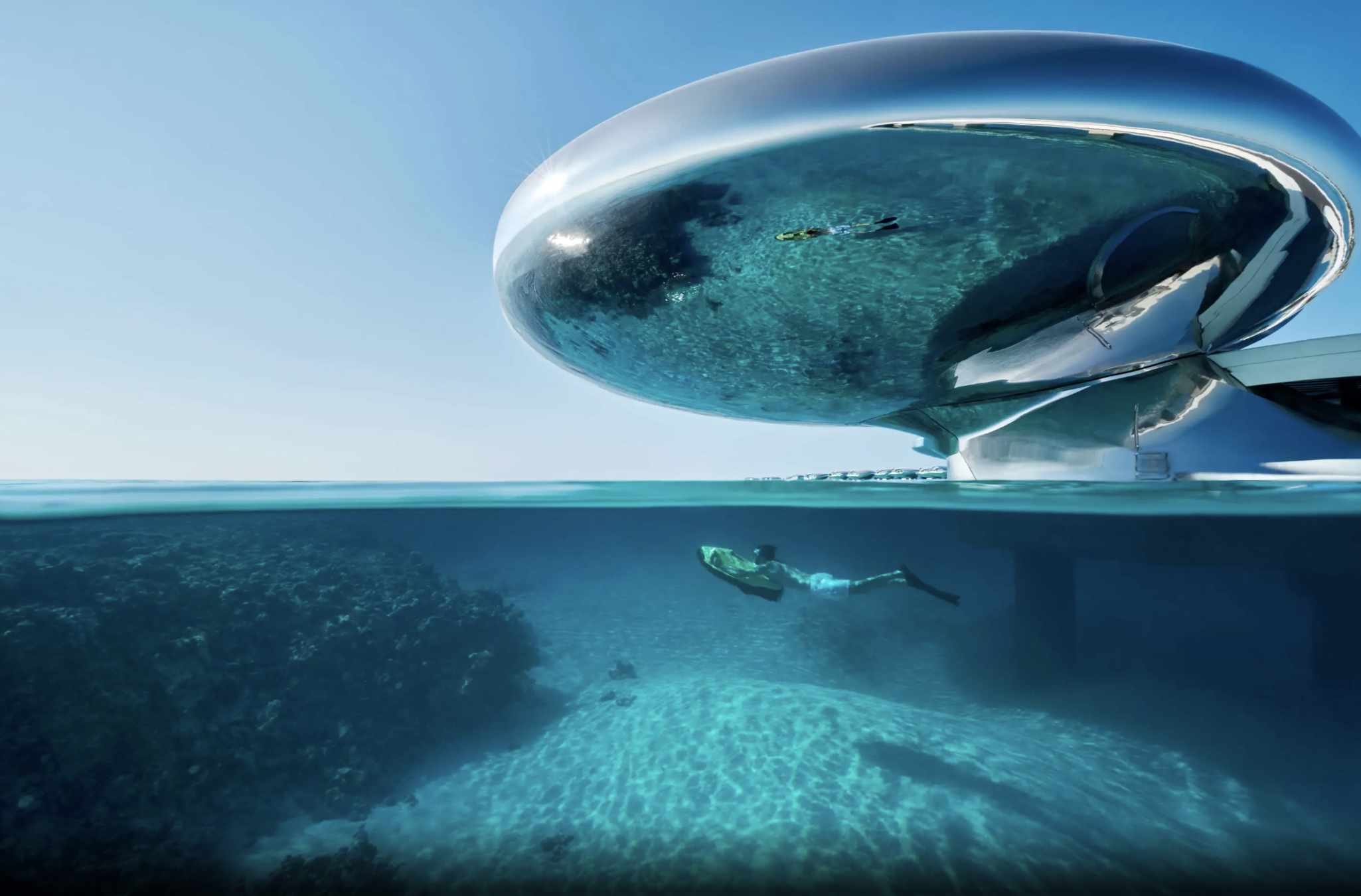
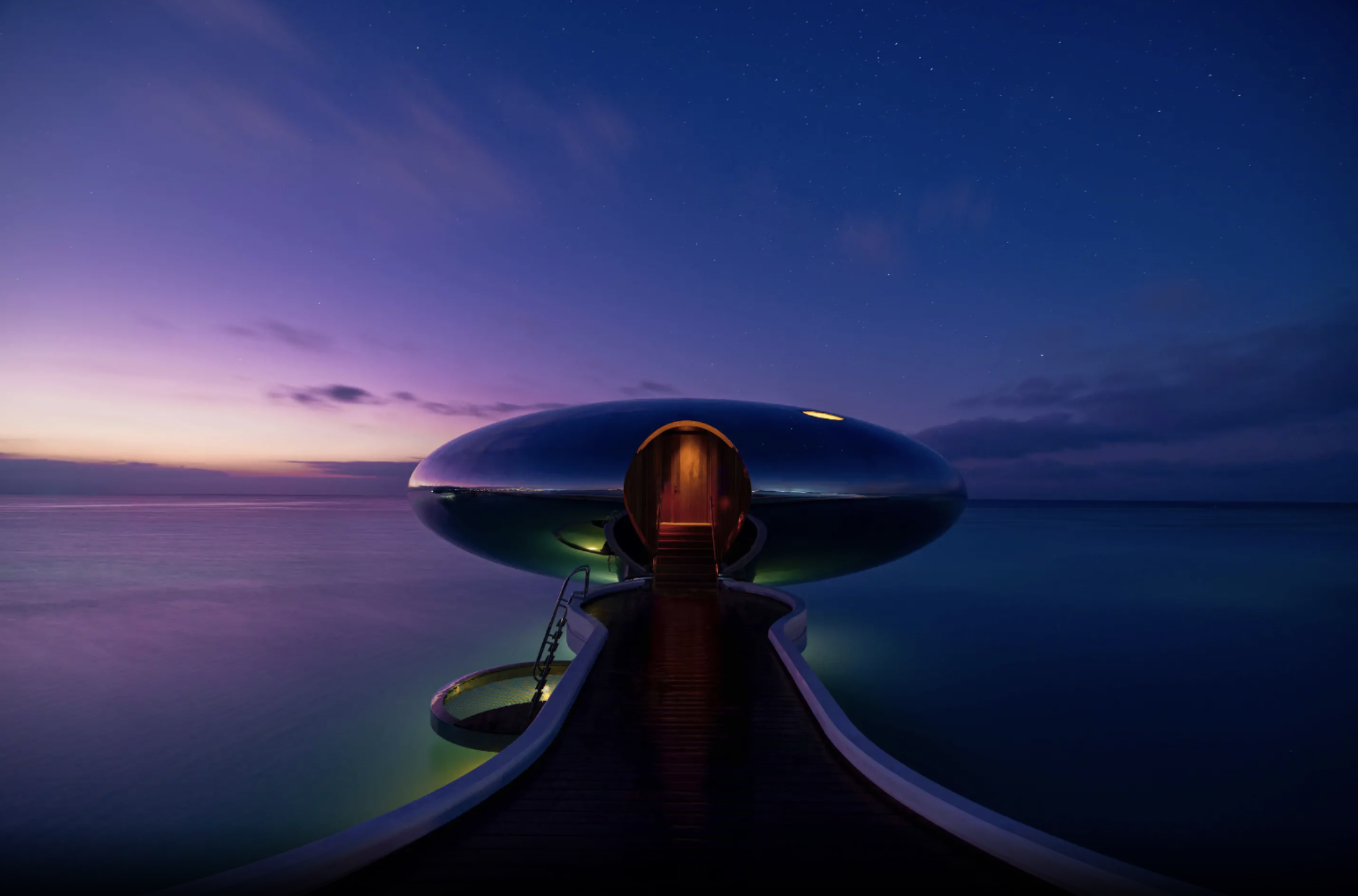
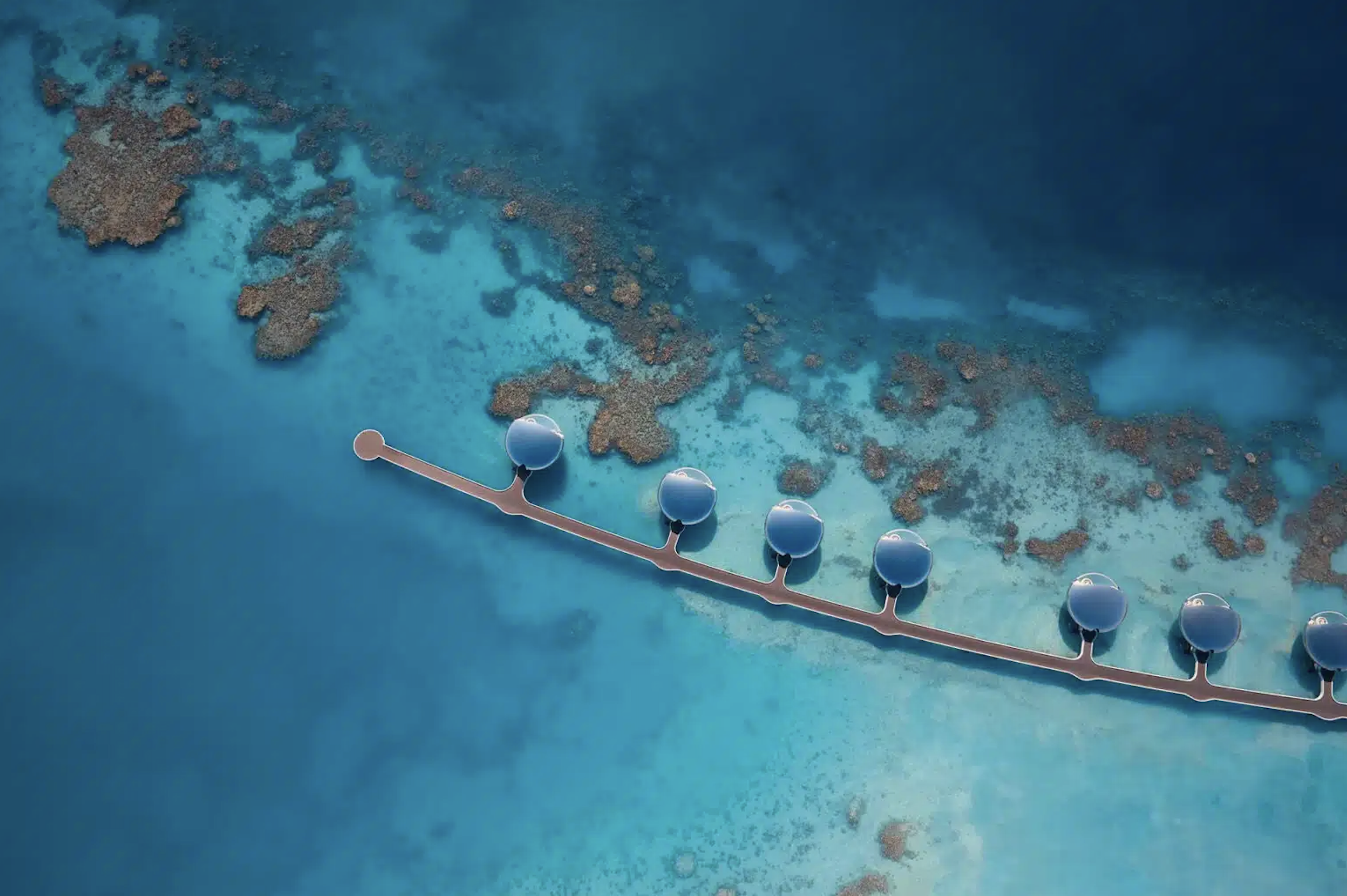
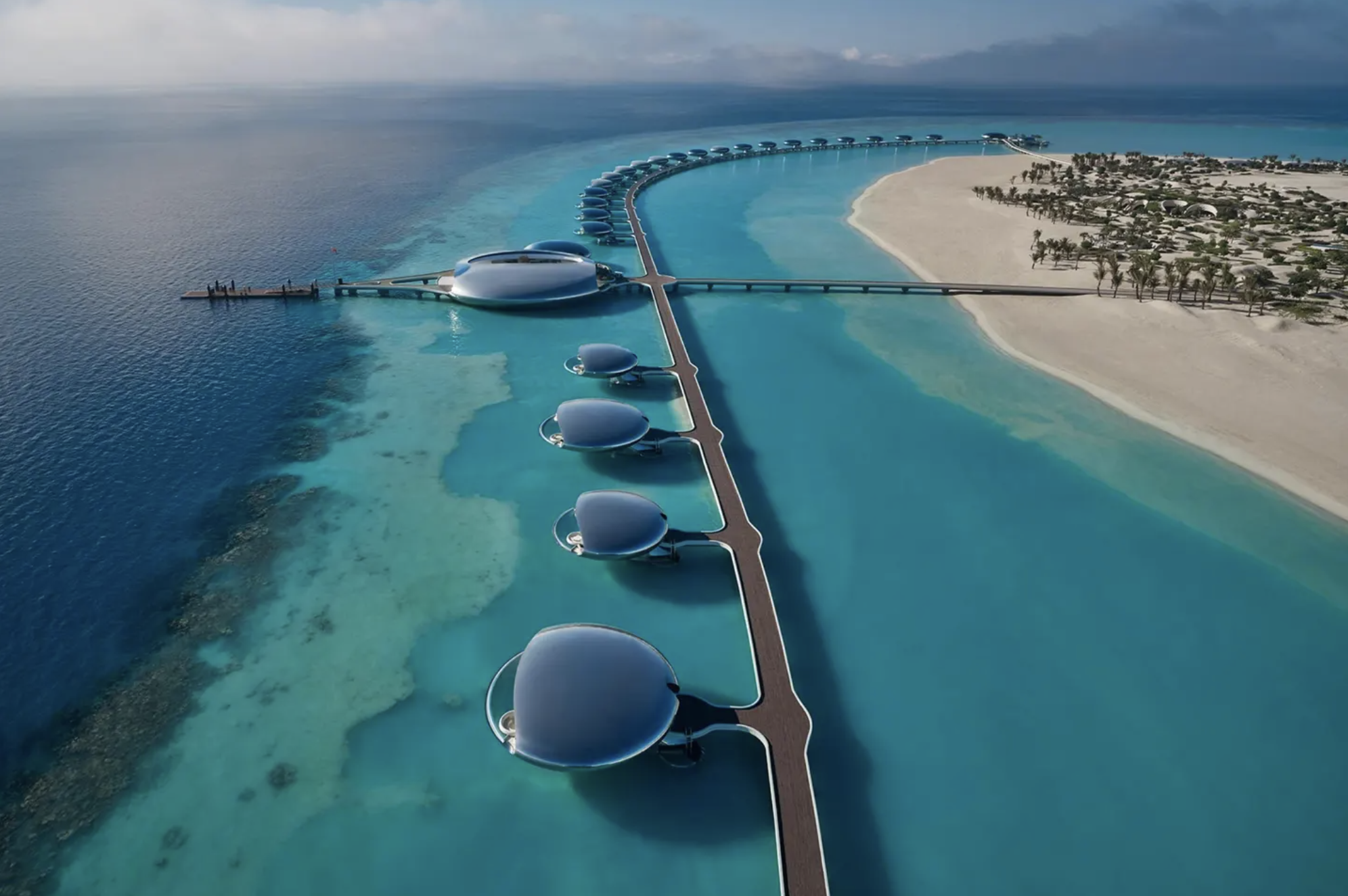
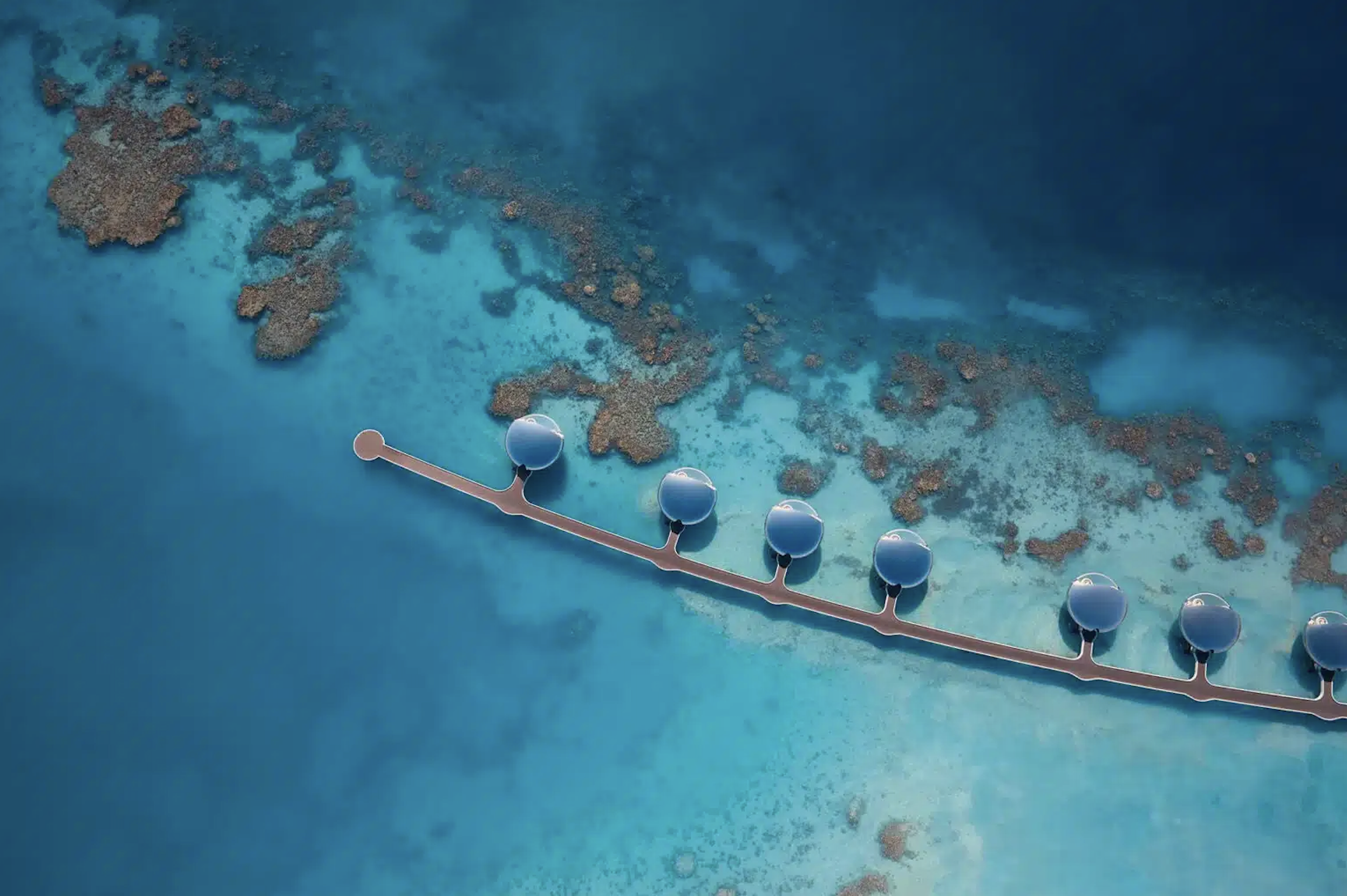
From above, Shebara looks almost otherworldly. A series of polished stainless-steel villas stretches across the turquoise water, each reflecting the changing colors of the sea and sky. From certain angles they nearly disappear into the horizon; from others, they resemble a string of pearls floating above the Red Sea.
The architecture has quickly become Shebara’s signature, but the setting is equally remarkable.
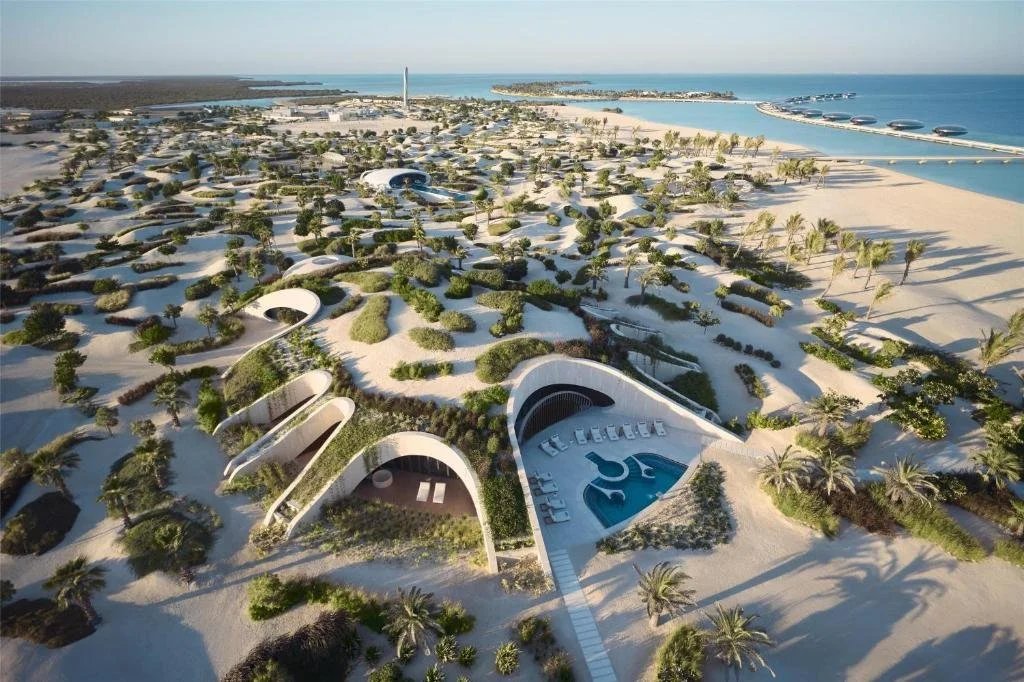
Located on Sheybarah Island, approximately 25 kilometers from the Saudi Arabian mainland, Shebara sits within the Al Wajh Lagoon between the coastal towns of AlWajh and Umluj. Coral reefs surround the island, white-sand beaches edge its shoreline and clear water reveals a marine environment that remains remarkably undeveloped compared with many of the world’s established resort destinations.
Opened in November 2024, Shebara is the first resort to be fully owned and operated by Red Sea Global, the developer behind Saudi Arabia’s rapidly evolving Red Sea destination. The resort has just 73 villas, divided between 38 overwater villas and 35 beachfront villas, creating a relatively intimate experience despite the ambitious scale of the architecture.
Shebara represents something new for Saudi Arabia. Rather than recreating an established island resort formula, Red Sea Global has built a property around contemporary architecture, marine conservation, renewable energy and a landscape that, until recently, remained largely unknown to international travelers.
An Island Surrounded by the Red Sea
Shebara’s location is fundamental to the experience.
The resort occupies its own island within the wider Red Sea destination, approximately 500 kilometers north of Jeddah. The surrounding Al Wajh Lagoon contains islands, coral reefs, mangroves and marine habitats that Red Sea Global has placed at the center of its regenerative tourism plans.
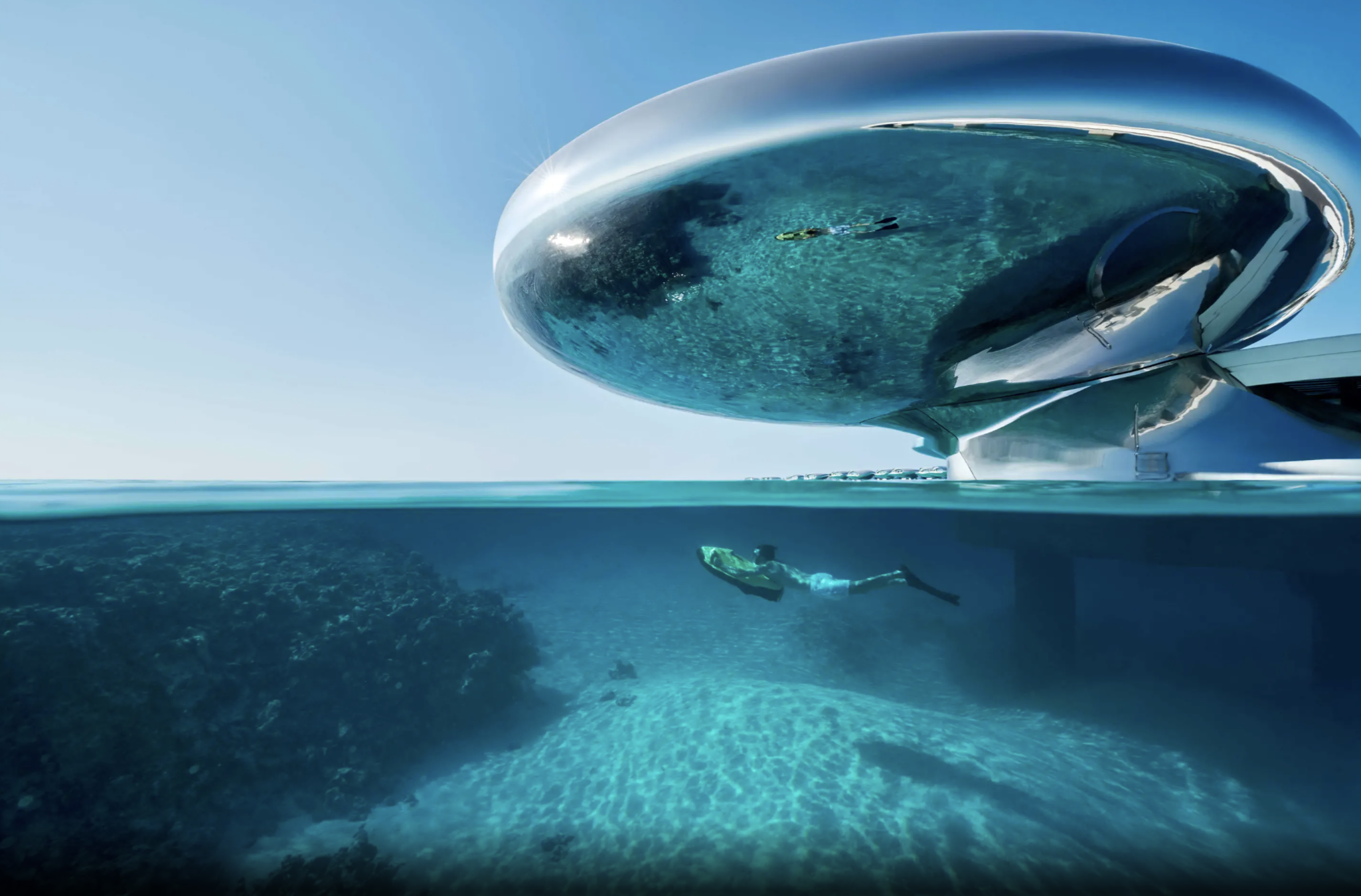
One of Sheybarah Island’s most interesting natural features lies just offshore. A coral reef drop-off approximately 30 to 40 meters from the beach provides unusually easy access to the underwater environment, making snorkeling and diving an important part of a stay.
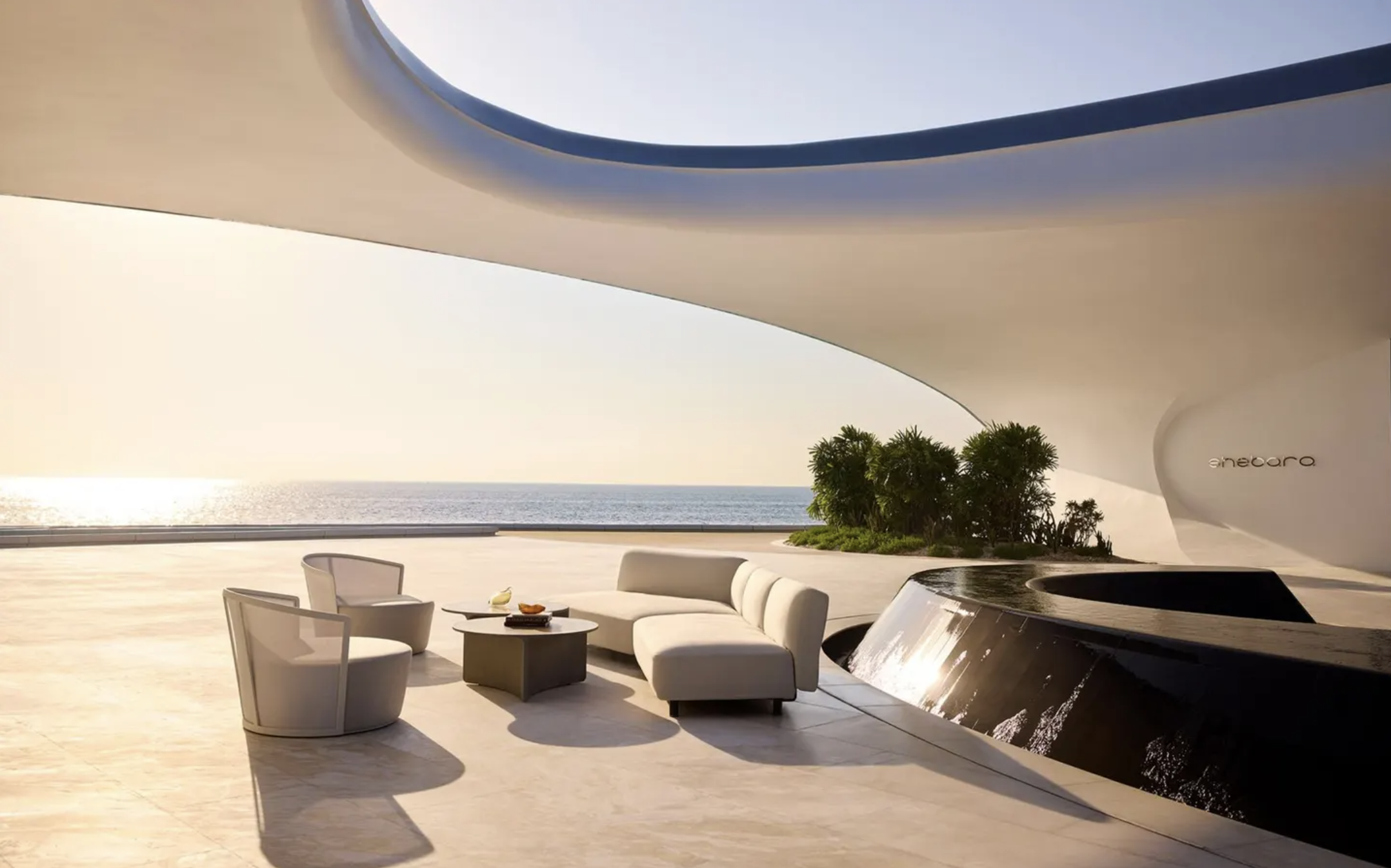
The isolation is immediately apparent on arrival. There is no neighboring town, commercial marina or developed beachfront visible beyond the resort. Instead, views extend across open water, reefs and distant islands.
That sense of separation is one of Shebara’s greatest strengths. The journey from Red Sea International Airport by seaplane or boat reinforces the feeling that travelers are moving away from the mainland and into a destination built almost entirely around the sea.
Architecture Inspired by a String of Pearls
Shebara was designed by Dubai-based Killa Design, led by architect Shaun Killa.
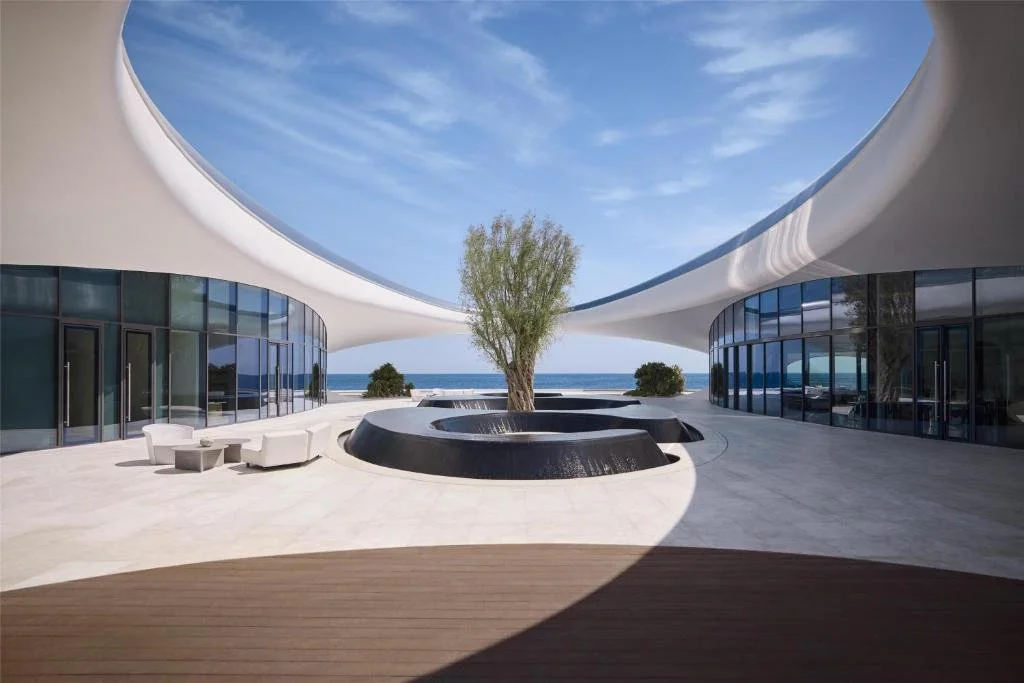
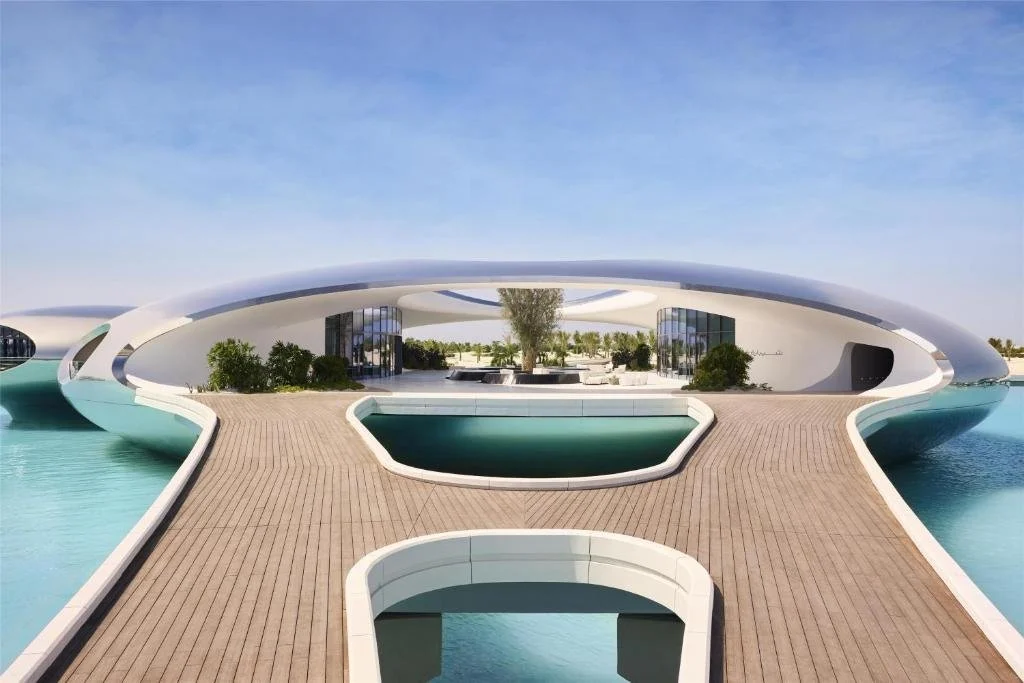
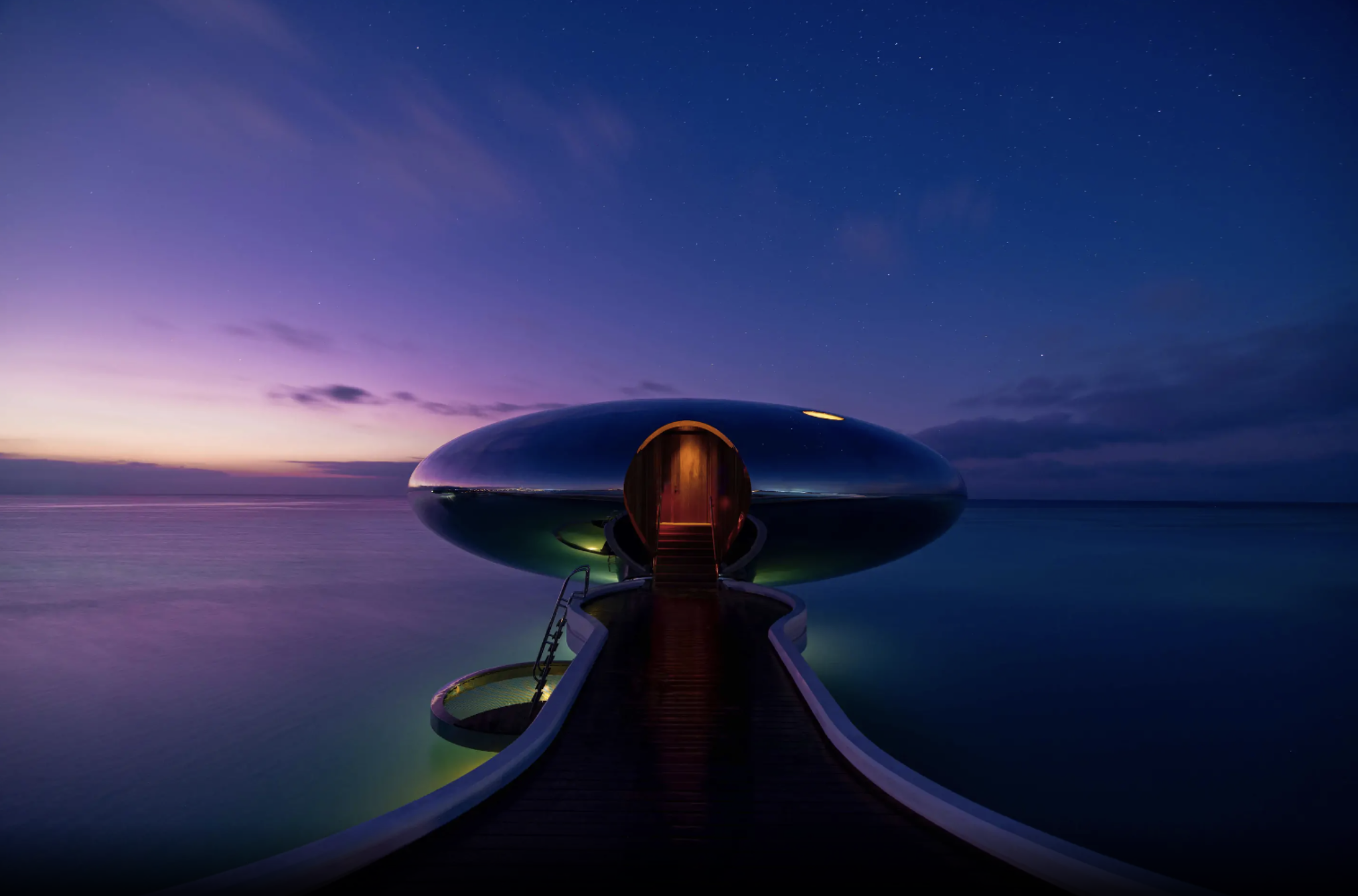
The most recognizable elements are its polished stainless-steel overwater villas. Their curved forms were conceived to reflect and refract the colors and movement of the surrounding environment, changing appearance throughout the day as sunlight moves across their surfaces.
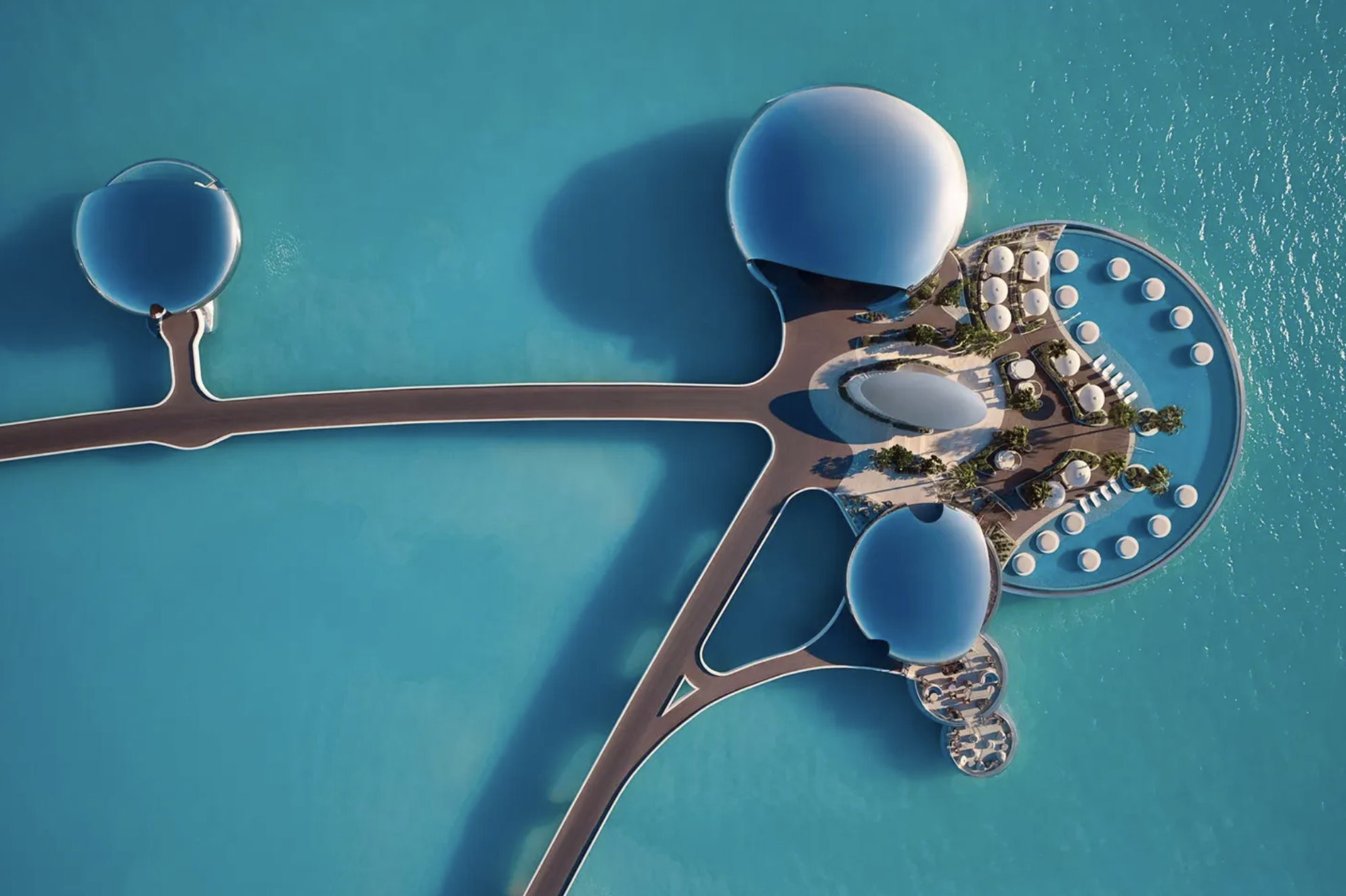
Viewed from a distance, the overwater villas form what the architects describe as a string of pearls, with the central reception building acting almost like a pendant.
The engineering is equally impressive. The overwater structures are cantilevered above the sea, reducing the number of supporting elements required beneath them and helping limit interference with the marine environment below.
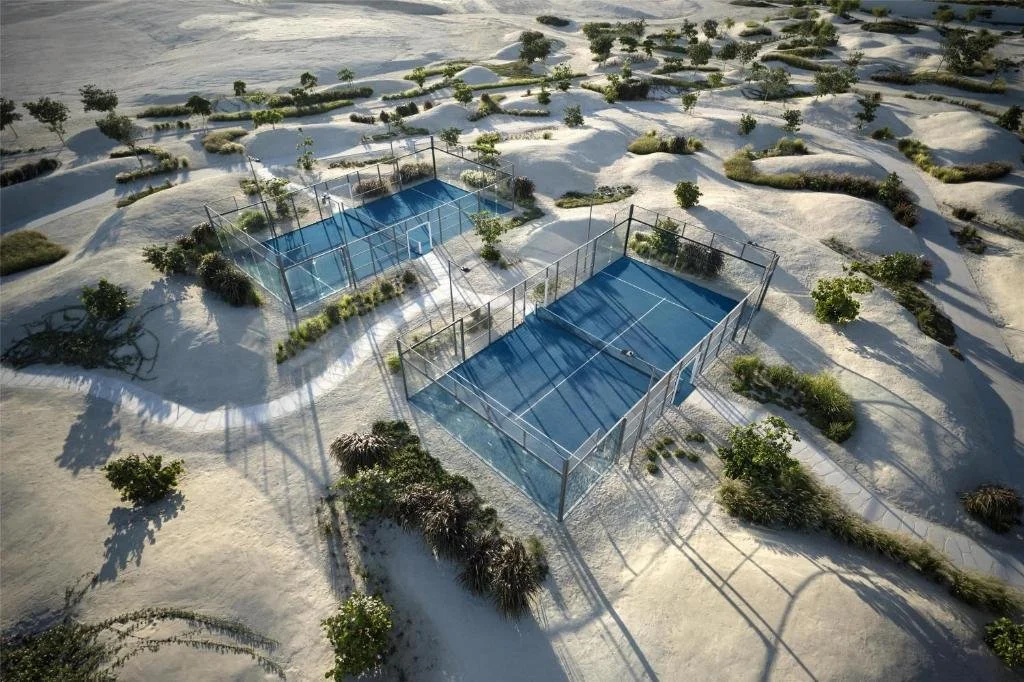
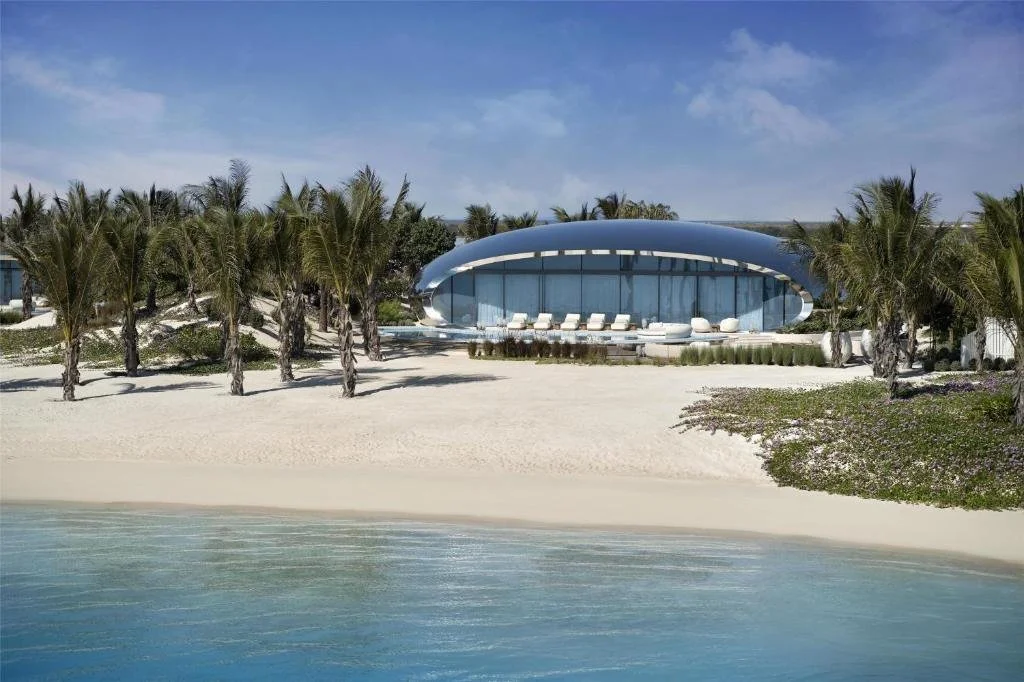
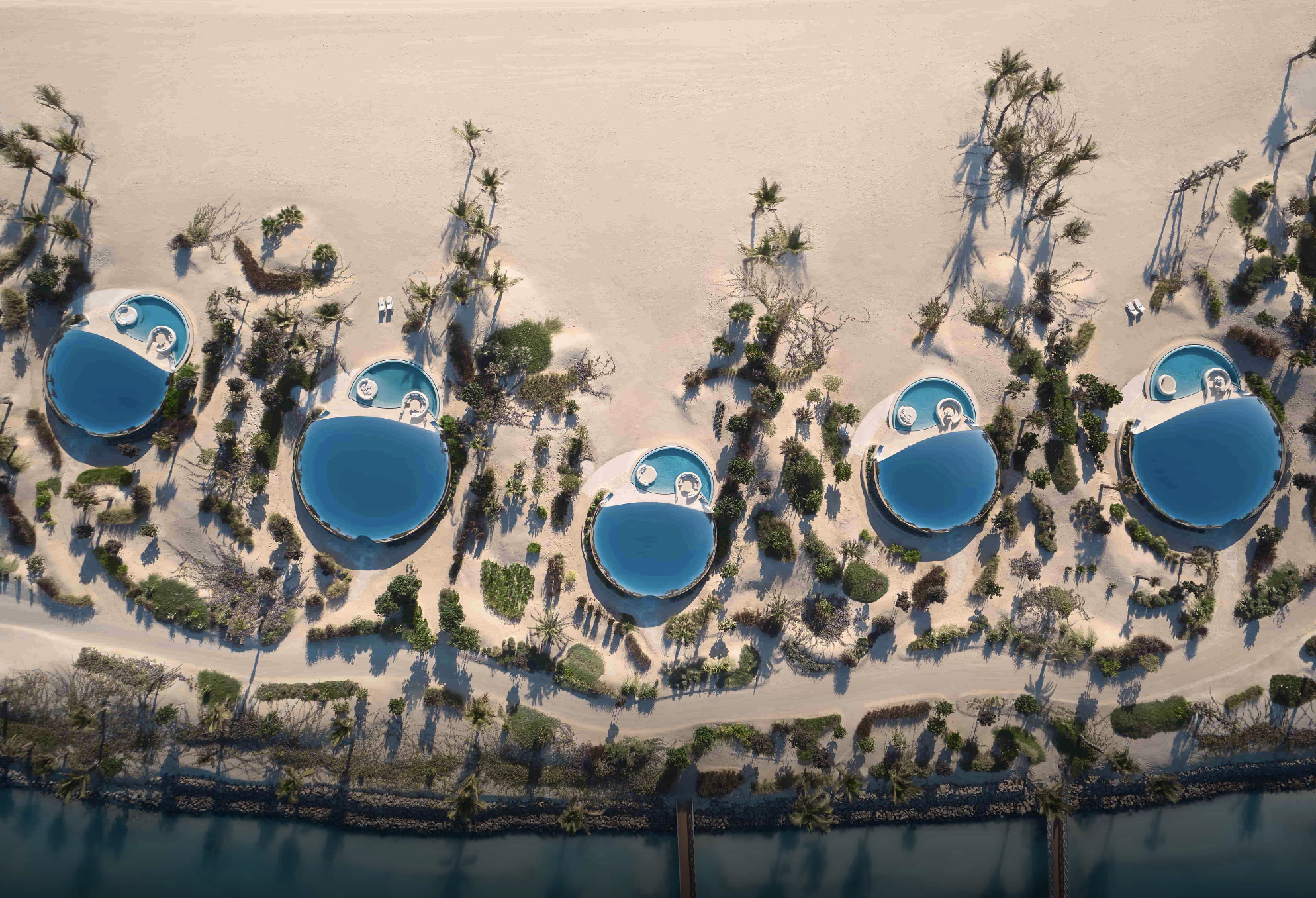
The beachfront villas take a different architectural direction. Their lower profiles and softer forms draw inspiration from the surrounding sand dunes, allowing them to sit more discreetly among the island’s vegetation.
Together, the two styles create very different experiences. The overwater villas are dramatic, futuristic and completely connected to the sea, while the beach villas feel more grounded, private and suited to travelers who want direct access to the sand.
73 Villas Across Water and Beach
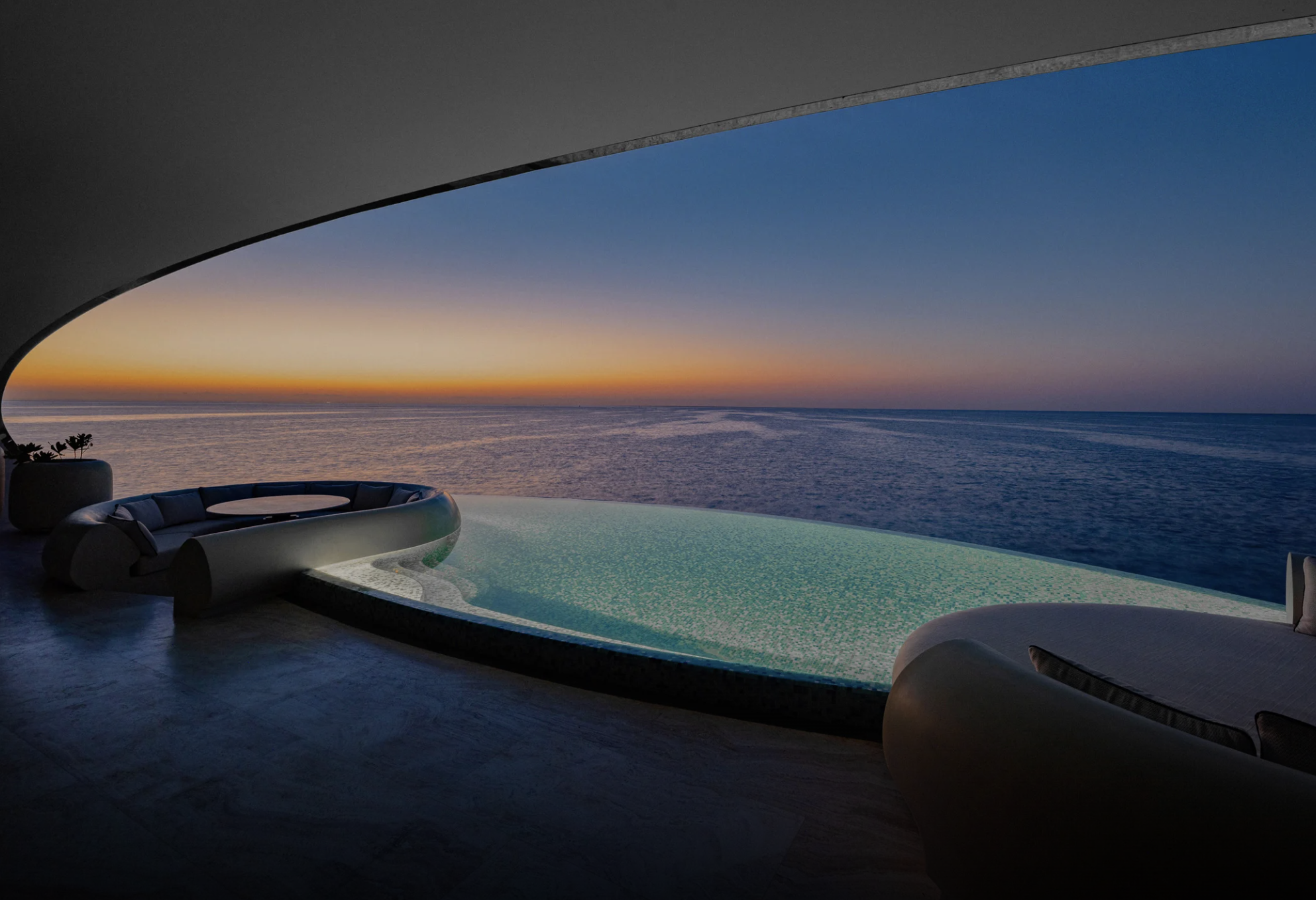
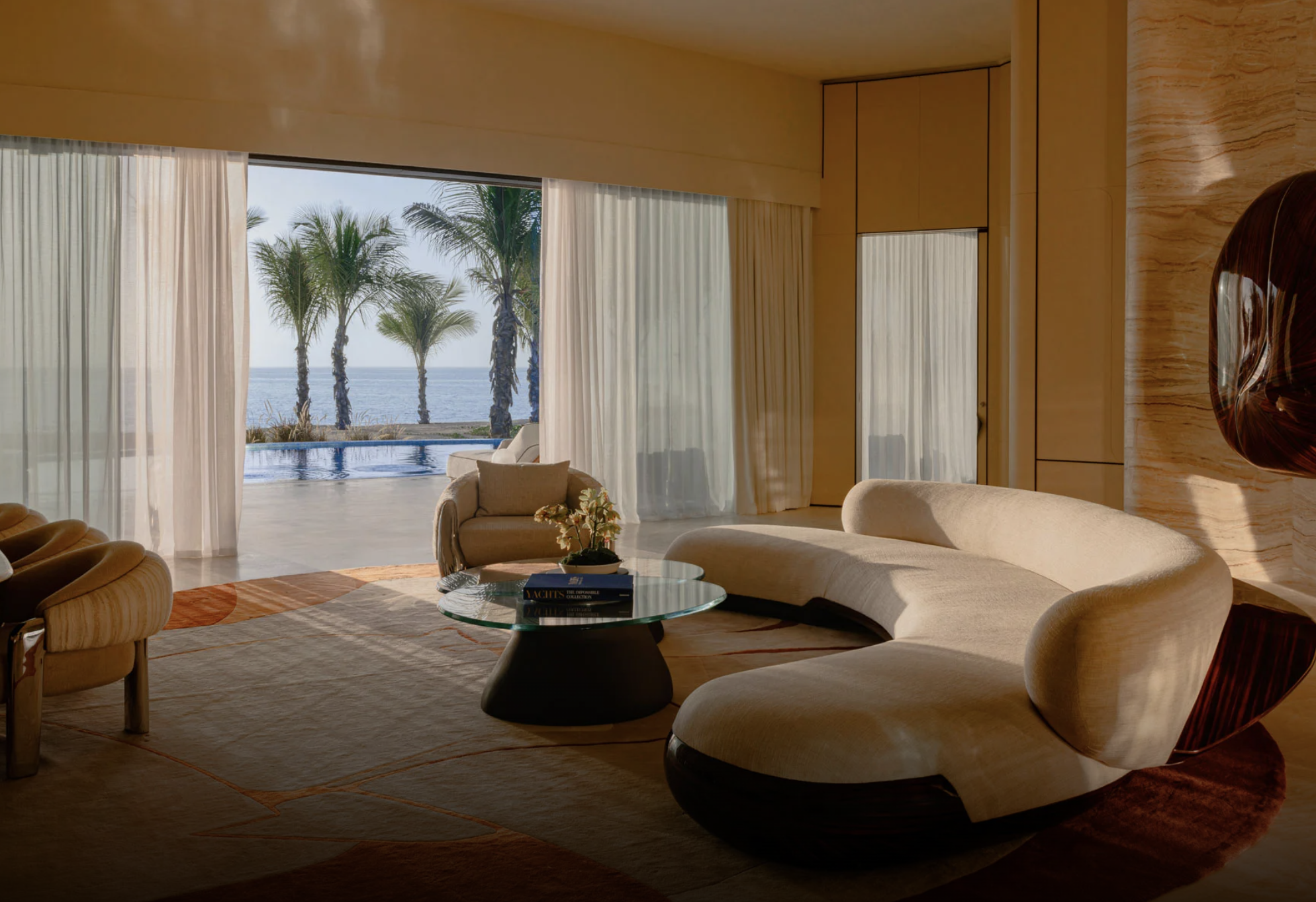
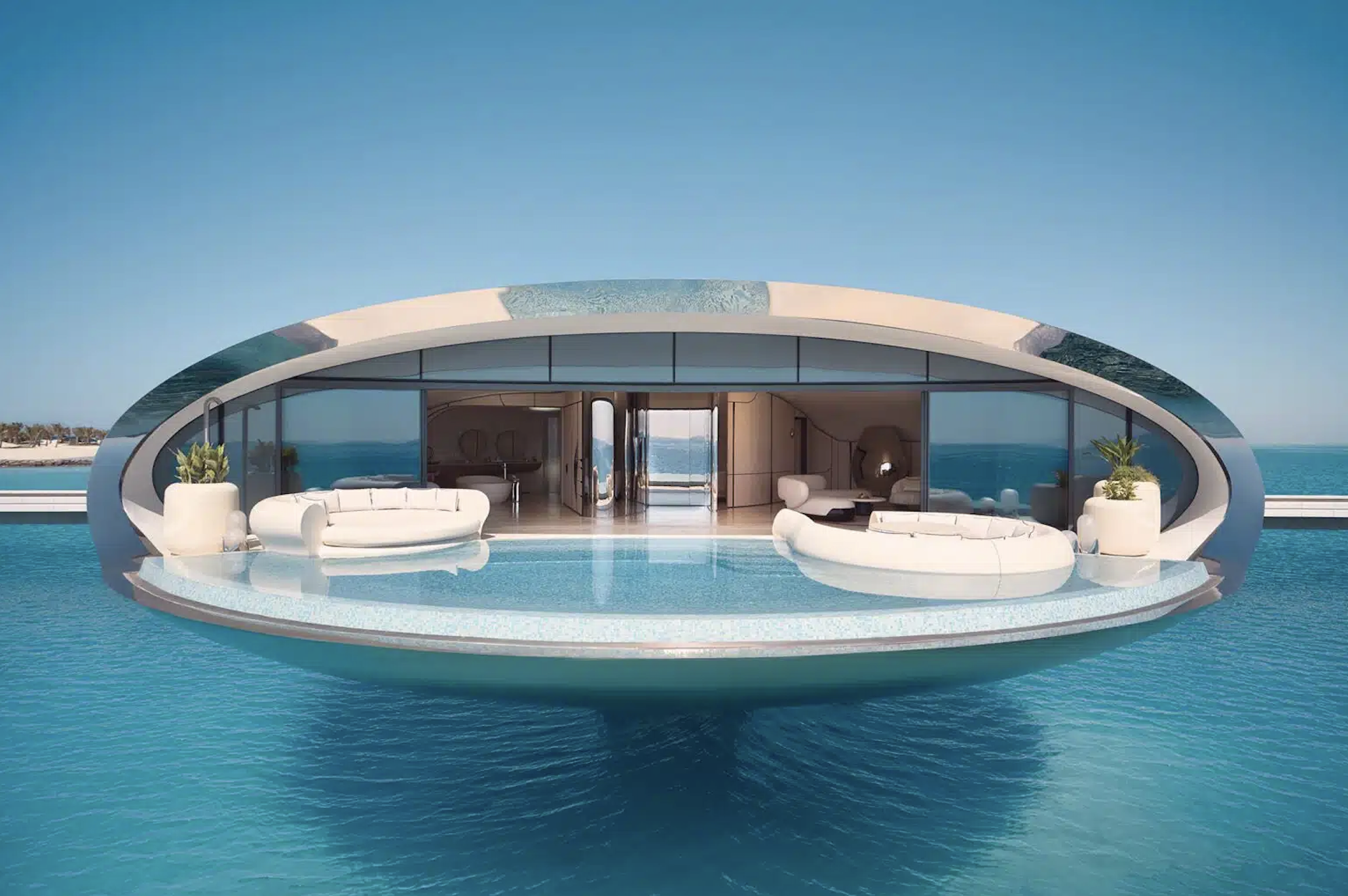
Shebara’s 73 accommodations are divided between overwater and beachfront categories. Every villa includes a private swimming pool, while the different layouts range from spacious one-bedroom retreats to multi-bedroom options designed for families and groups.
The principal categories include:
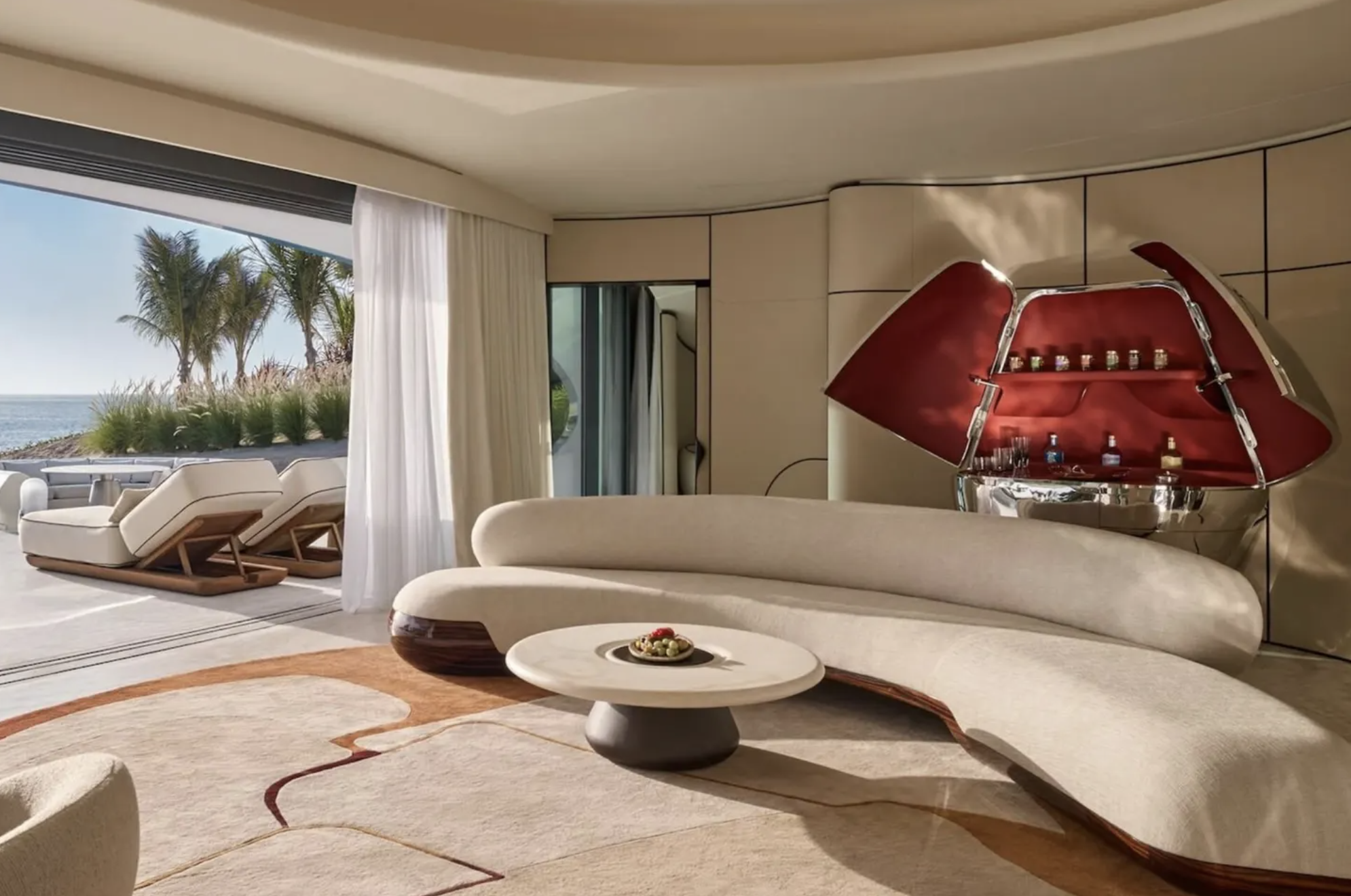
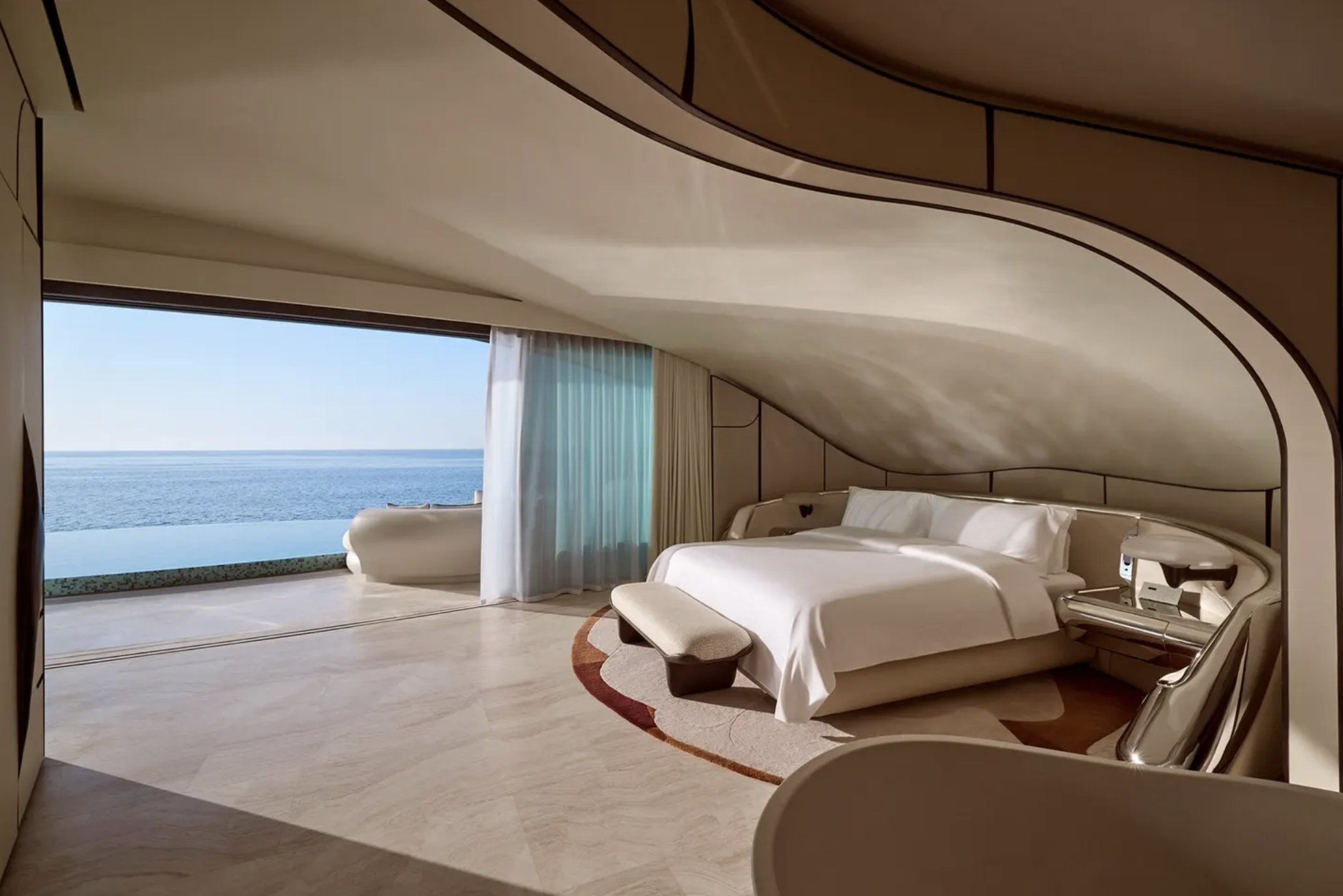
One Bedroom Overwater Villa: Measuring 188 square meters across its interior and exterior spaces, the introductory overwater villa has a king bedroom, private pool and direct connection to the Red Sea. The curved architecture creates panoramic views through large windows, while outdoor areas extend over the water.
Two Bedroom Overwater Villa: At 288 square meters, this larger configuration includes a king bedroom alongside a second bedroom with two queen beds. It accommodates families while preserving the defining overwater experience.
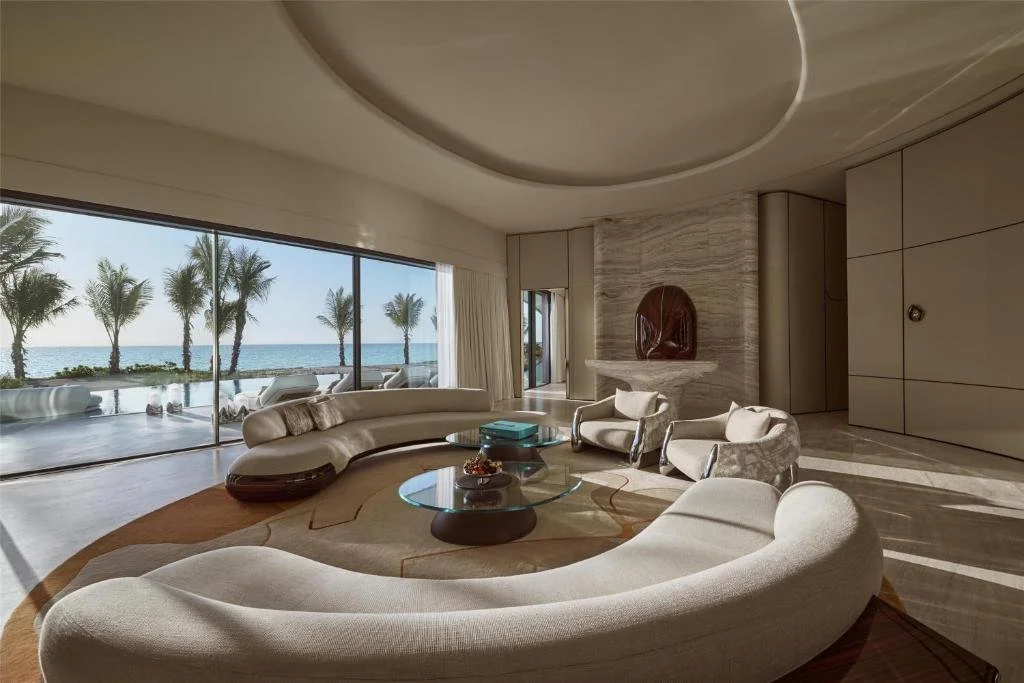
One Bedroom Beach Villa: Offering 248 square meters of interior and exterior space, the beach villa has a king bedroom, private swimming pool and a substantially larger outdoor area surrounded by sand and vegetation.
Two Bedroom Beach Villa: At 367 square meters, this category provides two bedrooms, including a king primary bedroom and a second bedroom with two queen beds. The larger pool terrace and direct beach setting make it particularly practical for families.
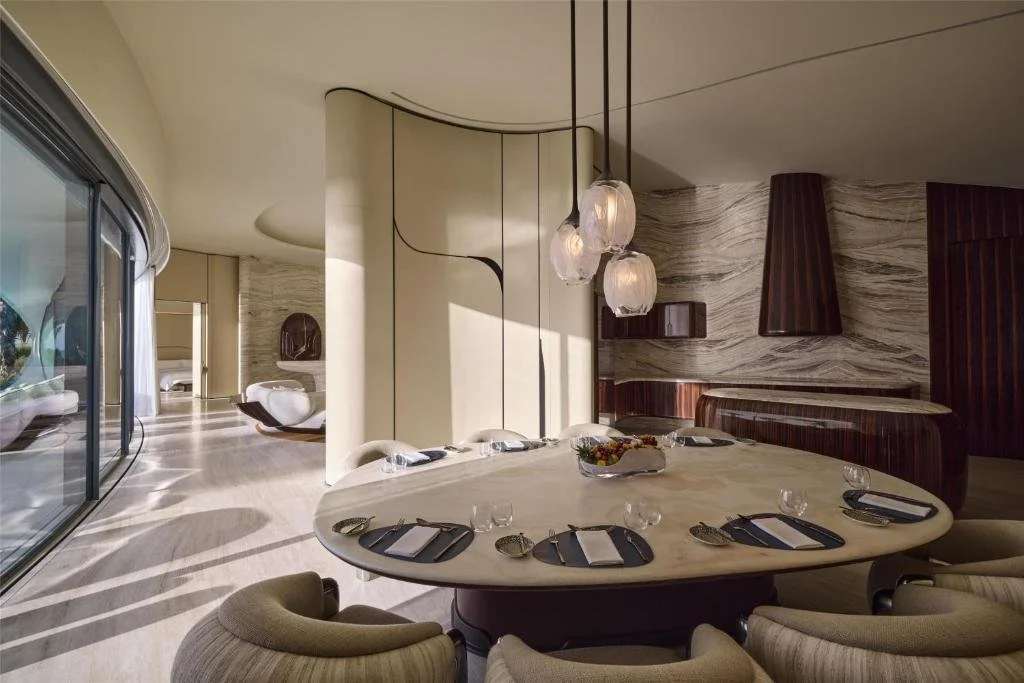
Three Bedroom Beach Crown Villa: The largest individual villa category spans approximately 692 square meters across indoor and outdoor spaces. Three bedrooms, extensive living and dining areas and a private pool create a more residential experience for larger families or groups.
The Beachfront Crown Villas Ensemble occupies its own private islet within Sheybarah Island. It combines a Three Bedroom Beach Crown Villa with three separate one-bedroom villas, which can be reserved individually or together. For extended families or groups traveling together, booking the complete ensemble creates one of the resort’s most private arrangements.
The choice between overwater and beachfront is less about hierarchy than preference. The overwater villas provide Shebara’s most iconic architectural experience, while the beach villas offer considerably more outdoor space and easier access to the island itself.
Five Distinct Dining Experiences
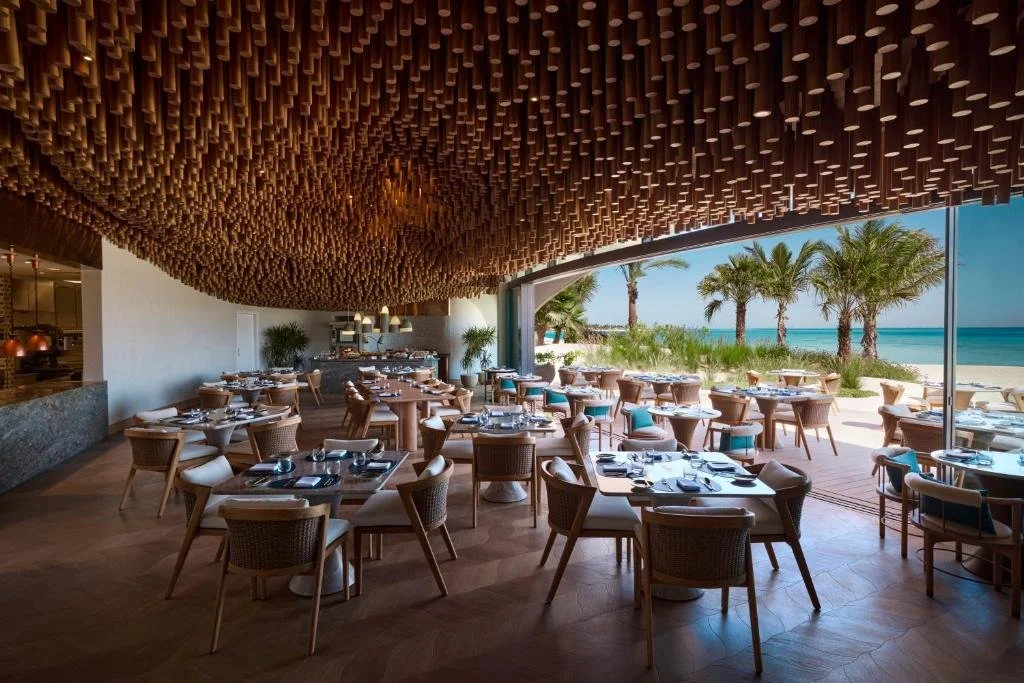
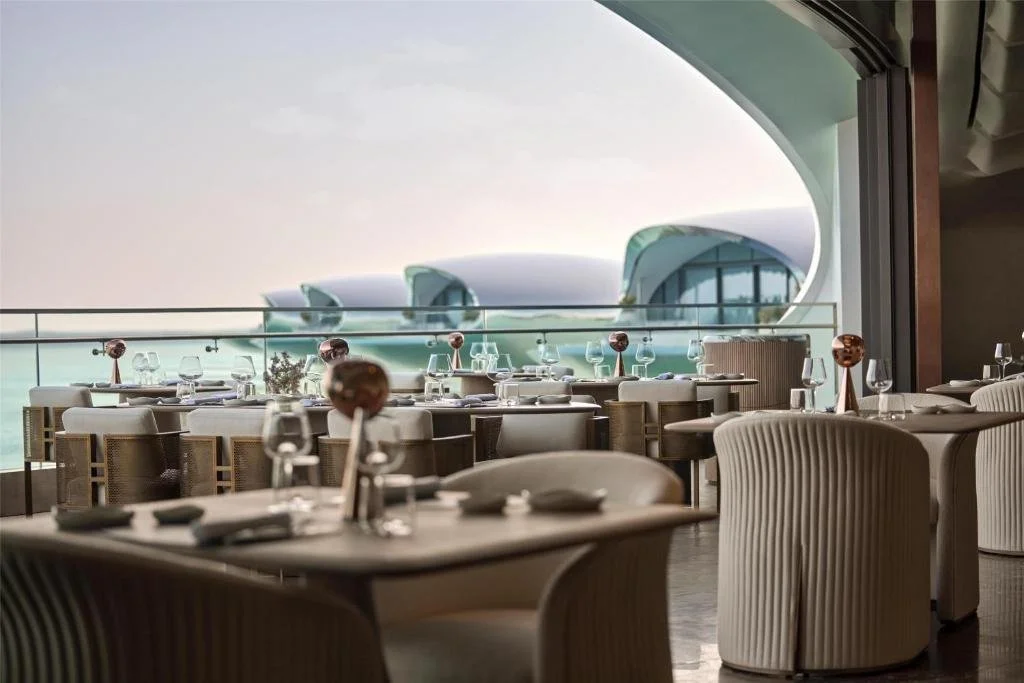
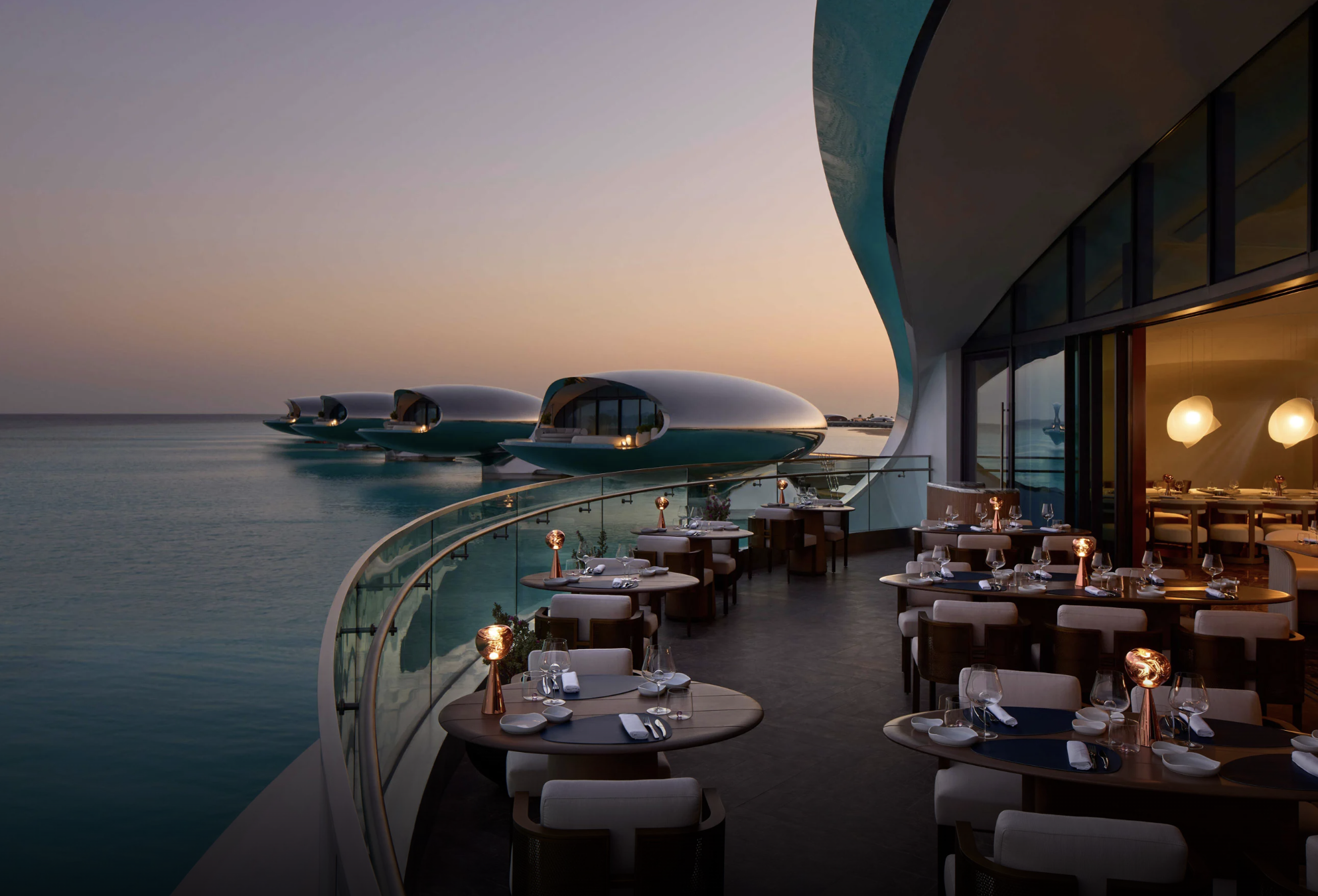
Shebara’s dining program has evolved significantly since the resort opened, with five principal restaurants and bars now offering very different experiences.
IKI.ROE: The resort’s Japanese-Nikkei restaurant draws from Japanese culinary traditions and the broader Nikkei influence. The experience is guided by seasonality and incorporates an omakase philosophy alongside sushi, sashimi, ceviche and robata-style preparations.
Aria Mare: Inspired by Italy’s Amalfi Coast, Aria Mare focuses on Mediterranean cuisine, including crudo, handmade pastas and tableside presentations. The restaurant brings a more polished coastal Italian atmosphere to the island.
Lunara: Shebara’s all-day brasserie begins with Levantine-influenced breakfasts before transitioning through lunch and into evening menus rooted in Levantine flavors and Saudi culinary heritage.
Saria: Positioned along the water, Saria provides the resort’s relaxed daytime dining experience with lighter coastal dishes, open-air grilling, artisanal gelato and refreshing non-alcoholic beverages.
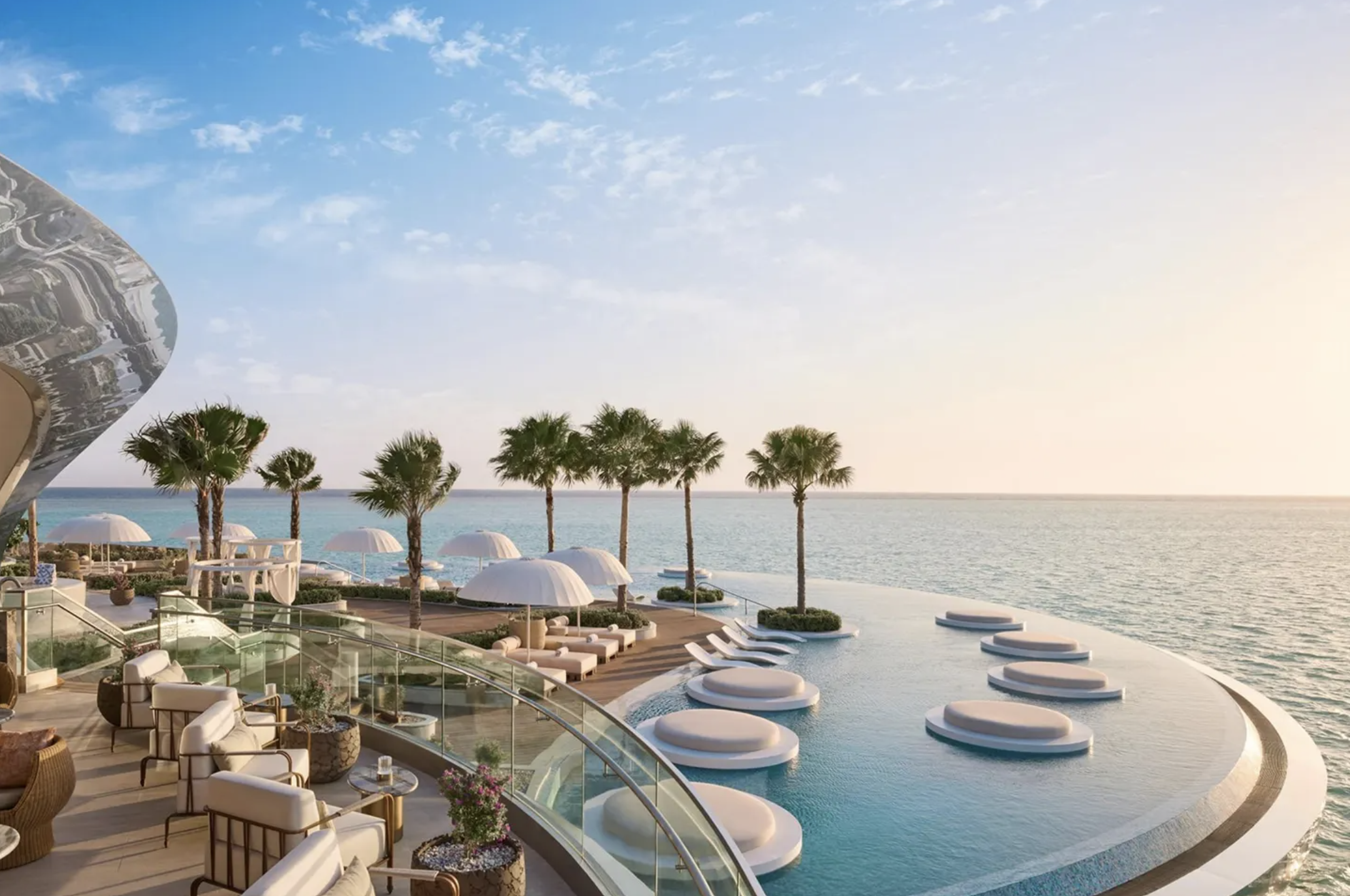
Solera: Located around the adults-only pool, Solera is built around progressive mixology, sophisticated non-alcoholic cocktails and small accompanying bites. It becomes particularly atmospheric around sunset.
The variety is important on an island resort where most travelers will dine almost exclusively on property. Rather than relying on a single all-day restaurant and one specialty venue, Shebara creates enough distinction between its dining experiences to keep a longer stay interesting.
Wellness Inspired by the Island
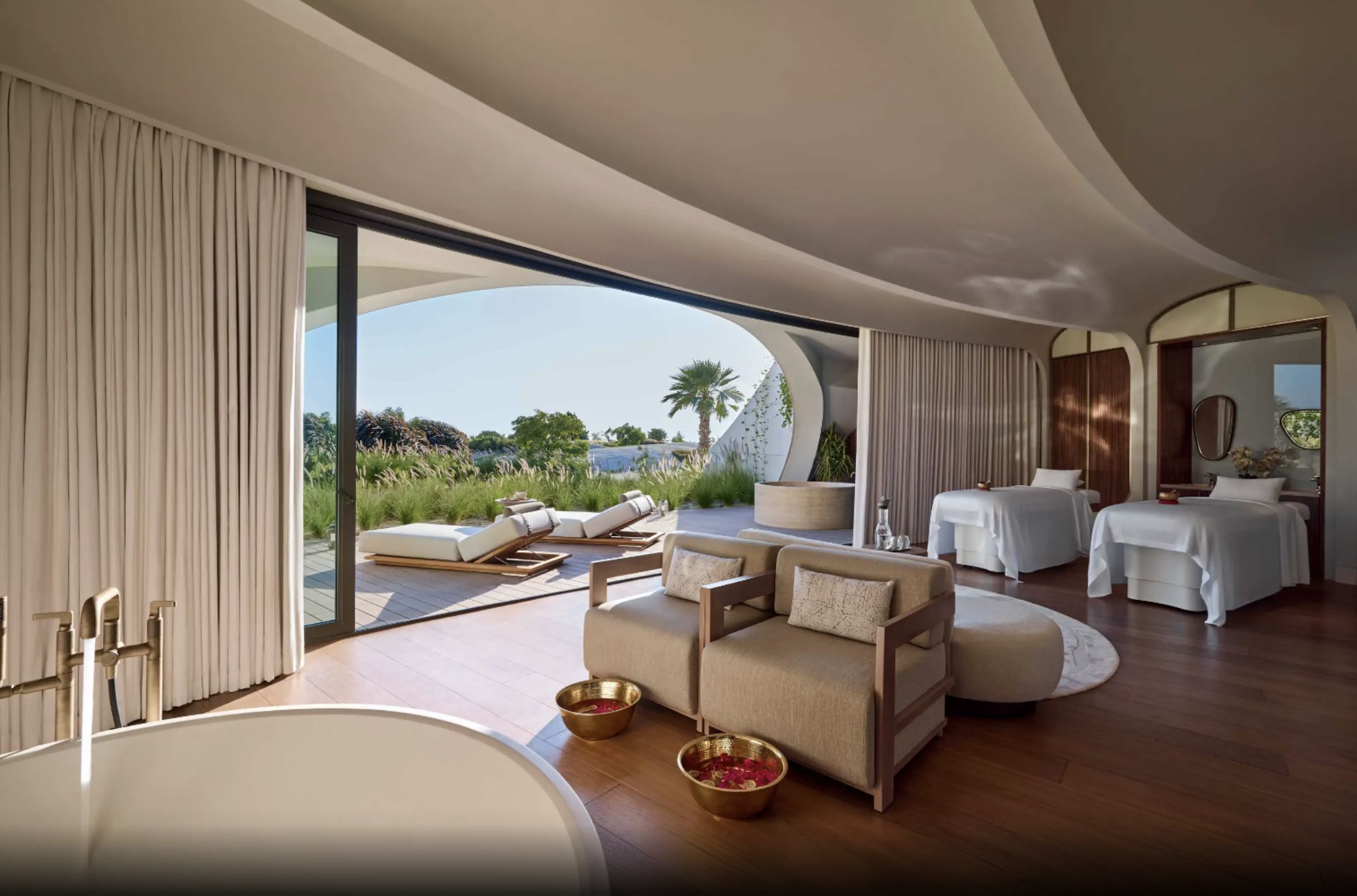
Shebara’s spa takes its cues from the surrounding marine environment, with treatments incorporating a combination of international wellness practices and ingredients connected to the sea.
The spa includes five treatment rooms, alongside spaces dedicated to relaxation and restorative rituals. Signature experiences include hammam treatments and body therapies designed around ingredients such as mineral-rich rhassoul clay, algae and pearl extracts.
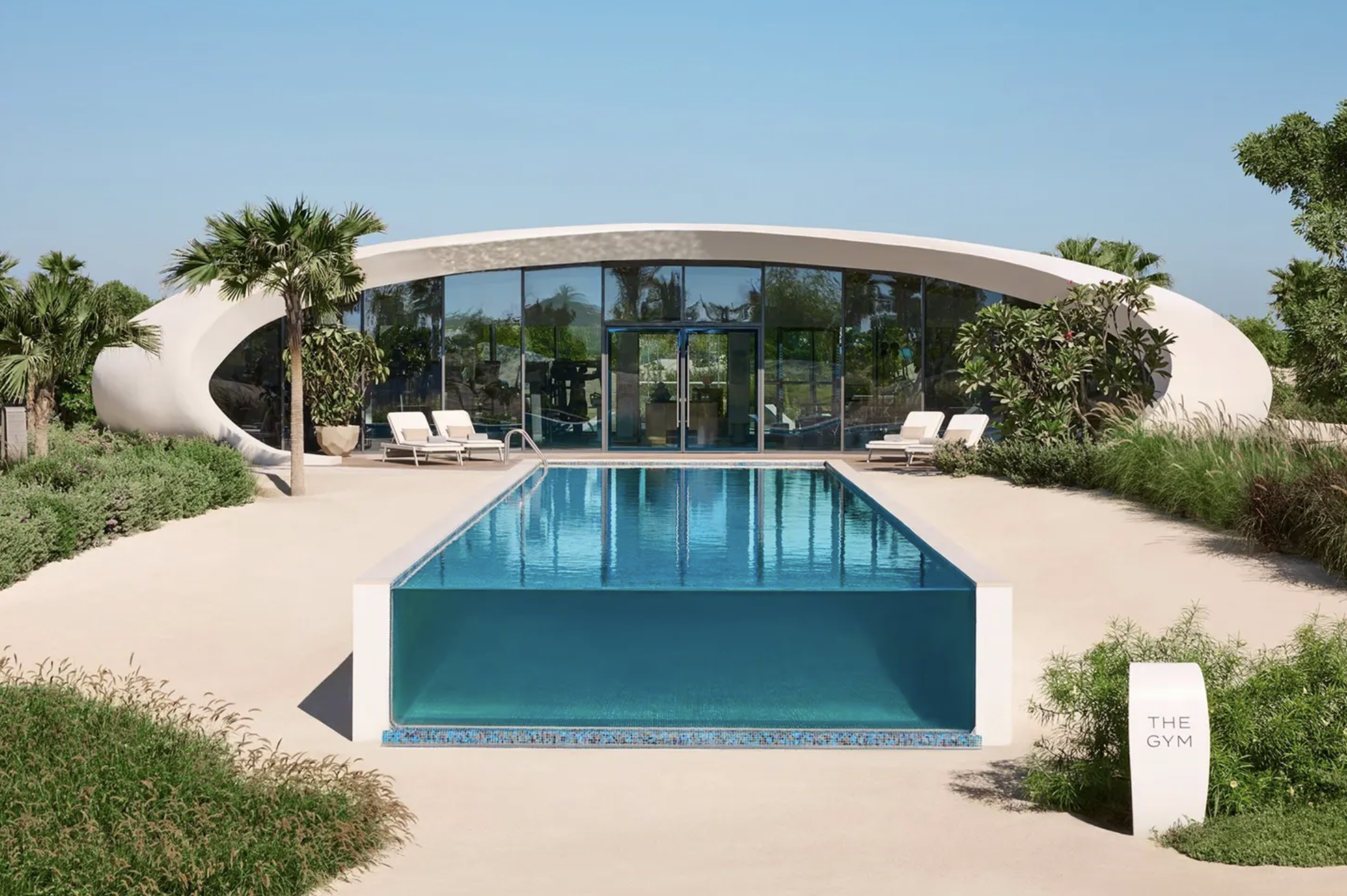
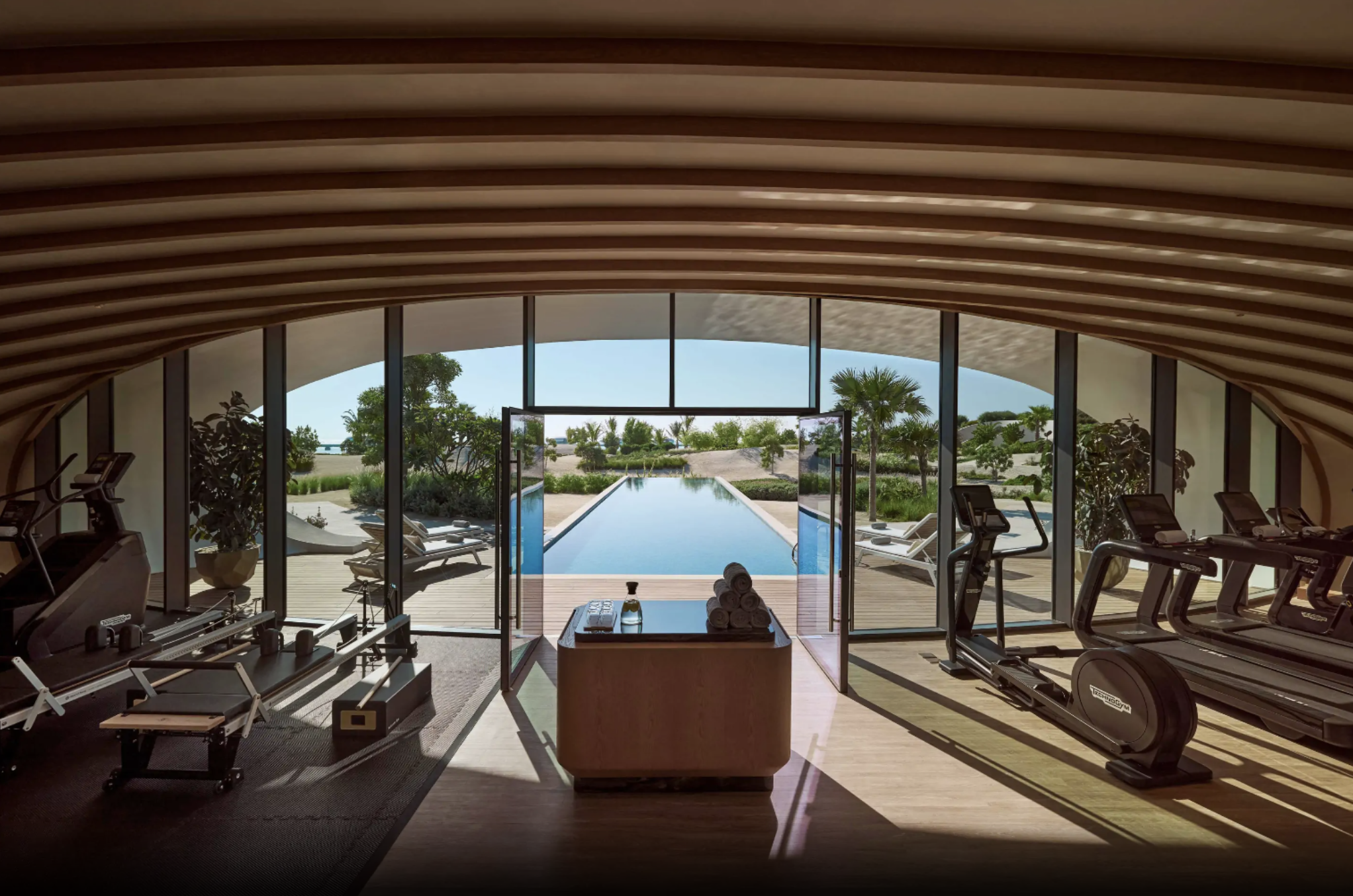
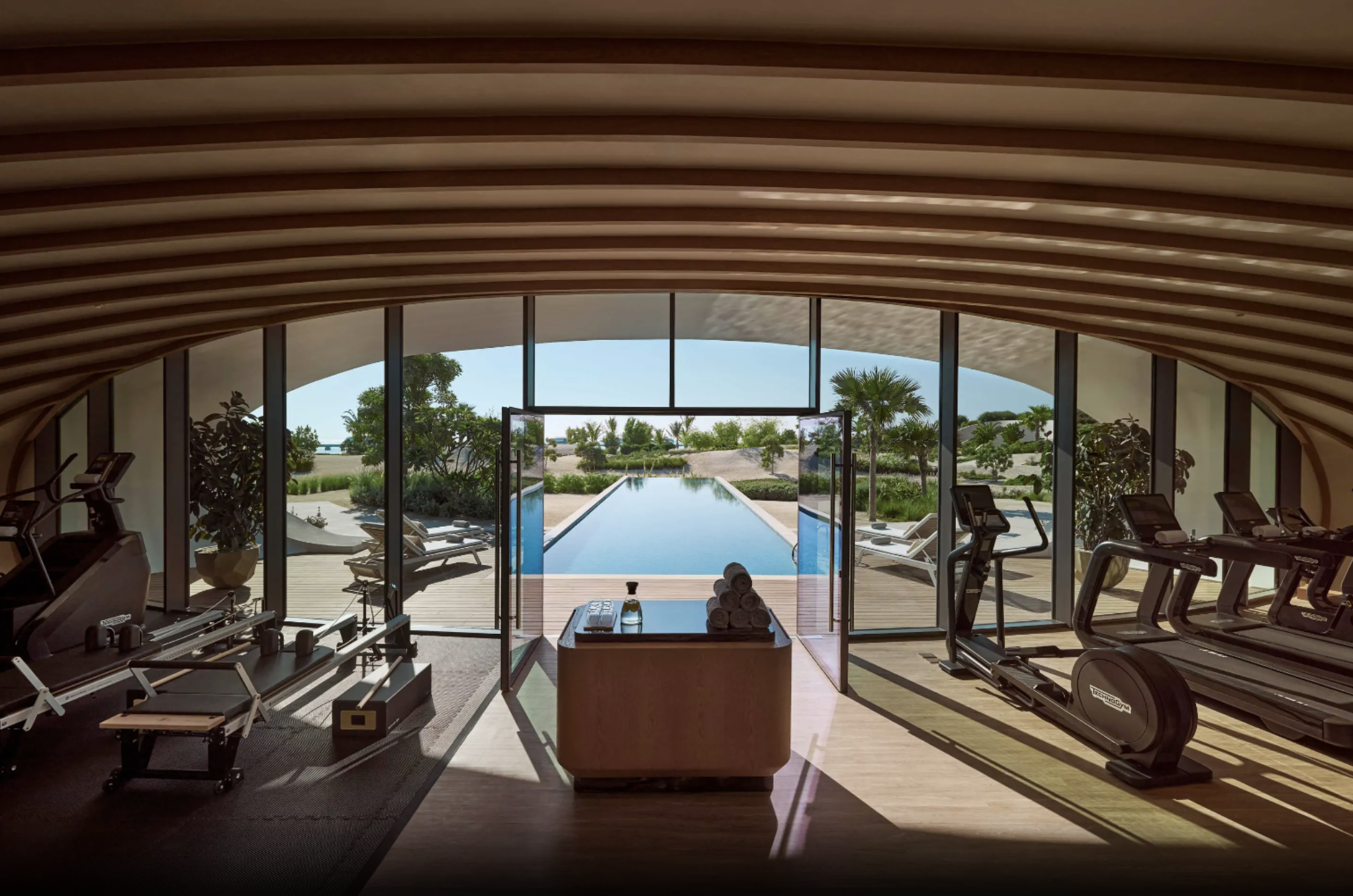
A 24-hour fitness center allows travelers to maintain their routines throughout the stay, while the resort also incorporates wellness experiences such as guided meditation and sound-based practices into selected programs.
Shebara has separate adult and family swimming pools, an important distinction for a resort designed to work equally well for couples and families. The adults-only pool overlooks the Red Sea and is paired with Solera, creating a quieter social area away from the main family facilities.
Diving Into the Red Sea
The marine environment is arguably the strongest reason to travel to Shebara beyond the architecture itself.
Guided snorkeling excursions explore both the house reefs and outer reefs, while night snorkeling introduces travelers to the Red Sea after dark, including opportunities to observe bioluminescence and nocturnal marine activity.
For divers, Shebara offers a broad range of experiences and PADI training, from introductory programs to Advanced Open Water and Rescue Diver courses. Night dives, deeper dives and marine identification programs can also be arranged.
Families are well catered for through snorkeling lessons, introductory scuba experiences and age-appropriate programs such as Bubble Maker and Seal Team activities.
The accessibility of the reef is particularly notable. With the reef drop-off beginning only a short distance from the beach, travelers do not necessarily need to spend hours aboard a boat to reach interesting underwater terrain.
For more experienced divers, excursions farther from the island open access to additional reef systems within the wider Red Sea destination.
Sailing, E-Foiling and Time on the Water
Shebara’s water activities extend well beyond snorkeling and diving.
Traditional options include windsurfing and catamaran sailing, with lessons available for travelers who want to build their skills rather than simply join a guided excursion.
The resort also offers a collection of electric water sports, including E-Foiling, E-Surfing, E-SUP and E-Bodyboarding, along with wakeboarding and wakesurfing behind electric boats.
Private boat charters provide another way to explore the islands and reefs surrounding Shebara, particularly for families or groups who want to spend the day moving between snorkeling locations and quieter stretches of water.
There is also something to be said for doing very little. With private pools attached to every villa, several beaches and expansive views across the Red Sea, Shebara works just as well for travelers who prefer to keep the schedule light.
Designed for Families as Well as Couples
Although Shebara’s architecture may initially suggest a honeymoon-oriented island retreat, the resort has been designed with families in mind.
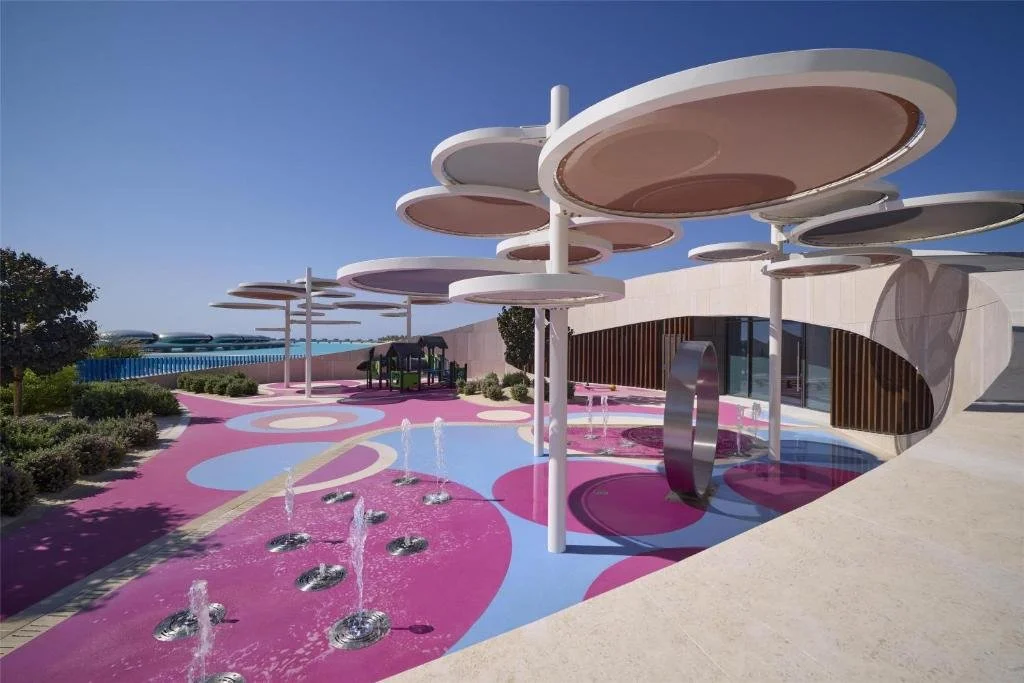
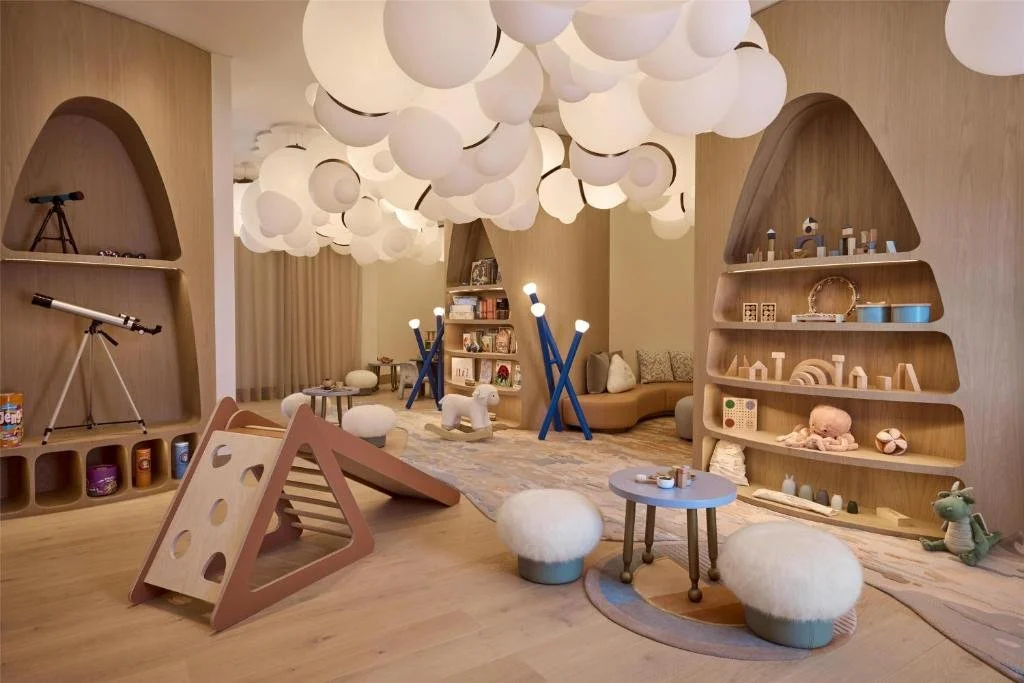
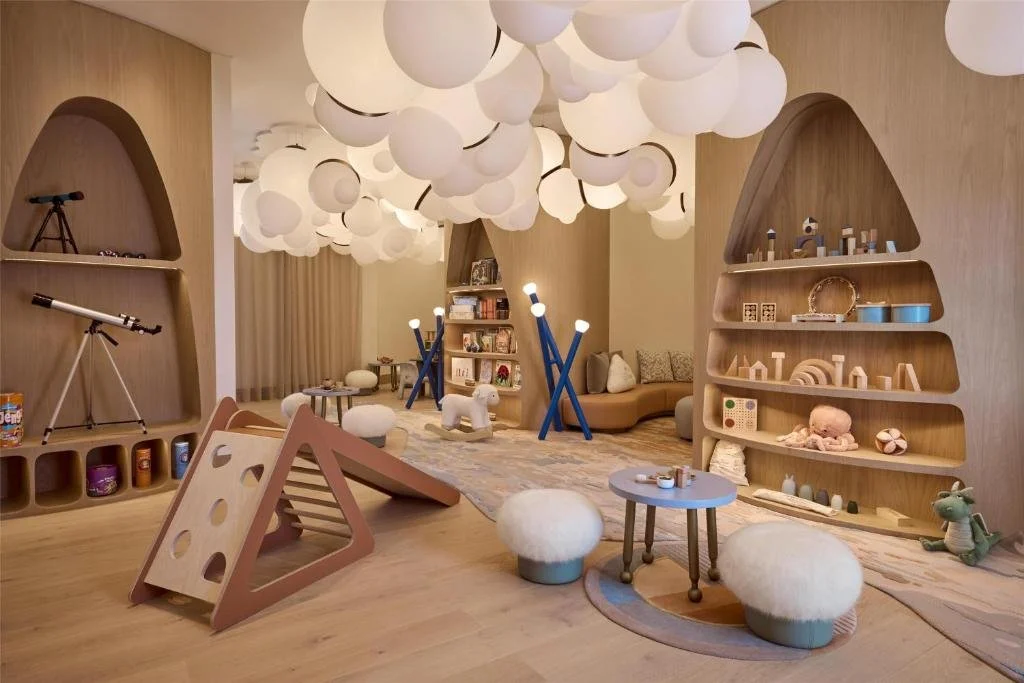
The Kids Club welcomes children from ages three to 12 independently, while younger children between one and two can participate when accompanied by a parent or guardian. Programming includes arts and crafts, games, storytelling, educational activities and outdoor play.
The separate family pool provides another dedicated space for younger travelers, while the two- and three-bedroom villa categories make it possible for families to stay together without compromising privacy.
Water sports, snorkeling programs and introductory diving experiences add considerably more variety for older children and teenagers.
This balance allows couples to find quiet spaces around the adults-only pool and spa while families have their own facilities elsewhere on the island.
Sustainability Built Into the Resort
Shebara was conceived as a showcase for Red Sea Global’s approach to regenerative tourism, and much of its infrastructure operates independently from the mainland.
The resort is powered entirely by renewable energy from its own dedicated solar farm, which contains more than 11,000 photovoltaic panels. The wider first phase of The Red Sea destination is also off-grid and powered by solar energy.
The architecture itself was designed to minimize impact on the island and surrounding reefs. The overwater villas were engineered to reduce disturbance beneath the structures, while their reflective stainless-steel exteriors allow the buildings to visually absorb the colors of their surroundings rather than introducing conventional resort architecture across the horizon.
For a destination built in such an environmentally sensitive marine setting, these systems are an essential part of Shebara’s identity rather than simply an added sustainability program.
Getting to Shebara
Shebara is located on Sheybarah Island, approximately 25 kilometers offshore within Saudi Arabia’s Red Sea destination.
By Air to Red Sea International Airport: Travelers first fly into Red Sea International Airport, which currently has direct connections from destinations including Riyadh, Jeddah, Dubai and Doha. International travelers can connect through these gateways depending on their itinerary.
By Seaplane: From Red Sea International Airport, the most direct and memorable arrival is by seaplane. The flight to Shebara takes approximately 30 minutes, crossing the islands, lagoons and coral reefs of the Red Sea before landing at the resort.
By Boat: Guests choosing a sea transfer are driven approximately 30 minutes from Red Sea International Airport to the Turtle Bay Hotel Arrival Lounge, followed by a 30 to 40-minute journey by shared transfer boat or private yacht to Shebara.
By Car to The Red Sea: The wider Red Sea destination is approximately 500 kilometers north of Jeddah and 375 kilometers northwest of Medina. Travelers arriving overland can continue to the resort by boat or seaplane once reaching the destination’s guest reception facilities.
A Different Kind of Red Sea Escape
Shebara is one of those rare resorts where the architecture may be what first catches a traveler’s attention, but it is unlikely to be the only thing remembered afterward.
The experience is ultimately shaped by the environment around it: waking above clear Red Sea water, snorkeling directly from the island, spending an afternoon sailing between reefs and watching the polished villas change color as the sun begins to set.
Saudi Arabia’s Red Sea coastline is still at the beginning of its transformation into an international travel destination, which gives Shebara an unusual sense of discovery. There is no established resort town surrounding it and little of the development travelers may associate with more mature island destinations.
Instead, Shebara offers an opportunity to experience a stretch of the Red Sea where the natural environment remains the dominant presence.
For travelers drawn to contemporary design, exceptional marine life and destinations that still feel genuinely new, Shebara makes a compelling addition to Saudi Arabia and the wider Middle East.