San Cassiano, Italy | Aman Rosa Alpina
A New Chapter in the Heart of Alta Badia
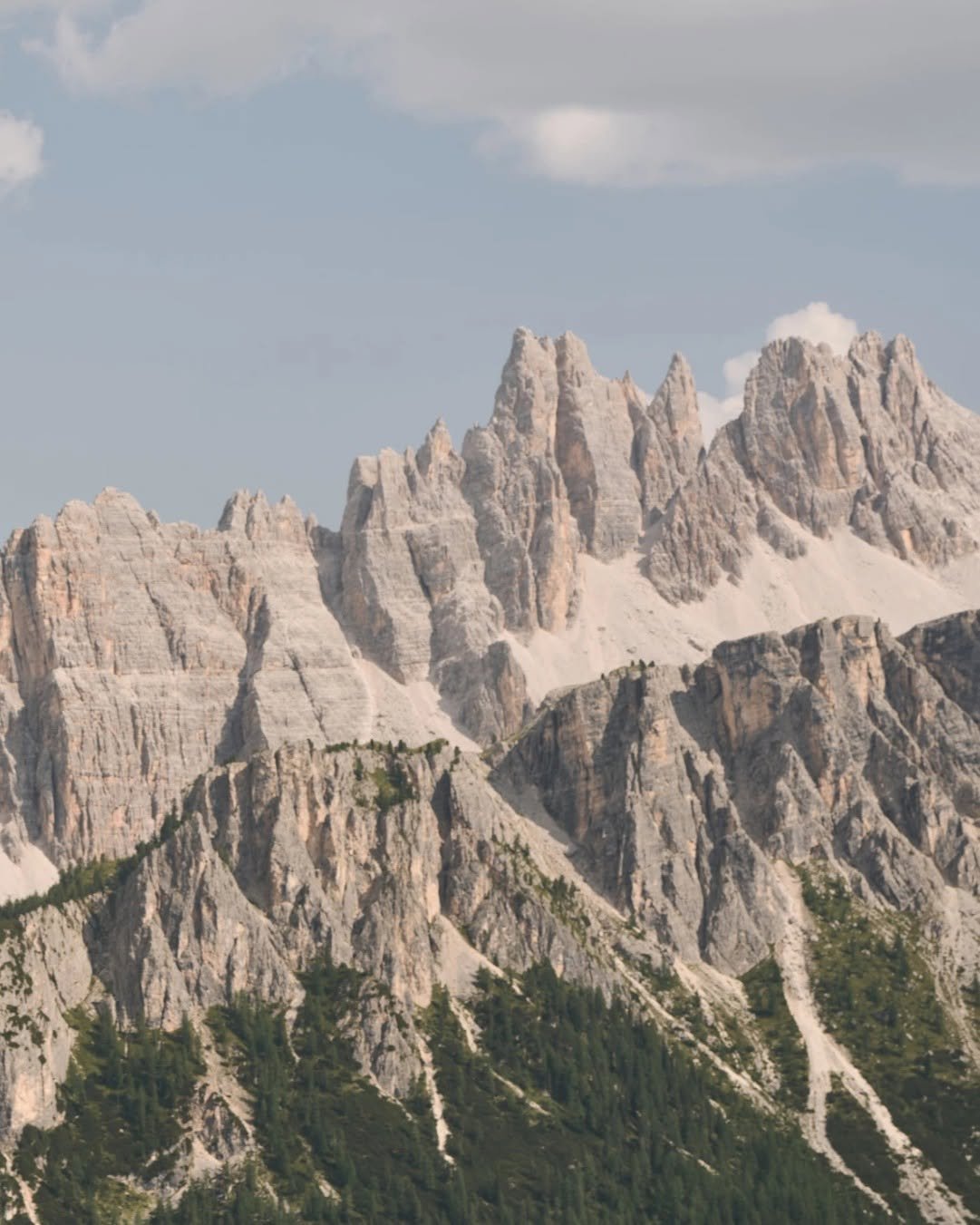
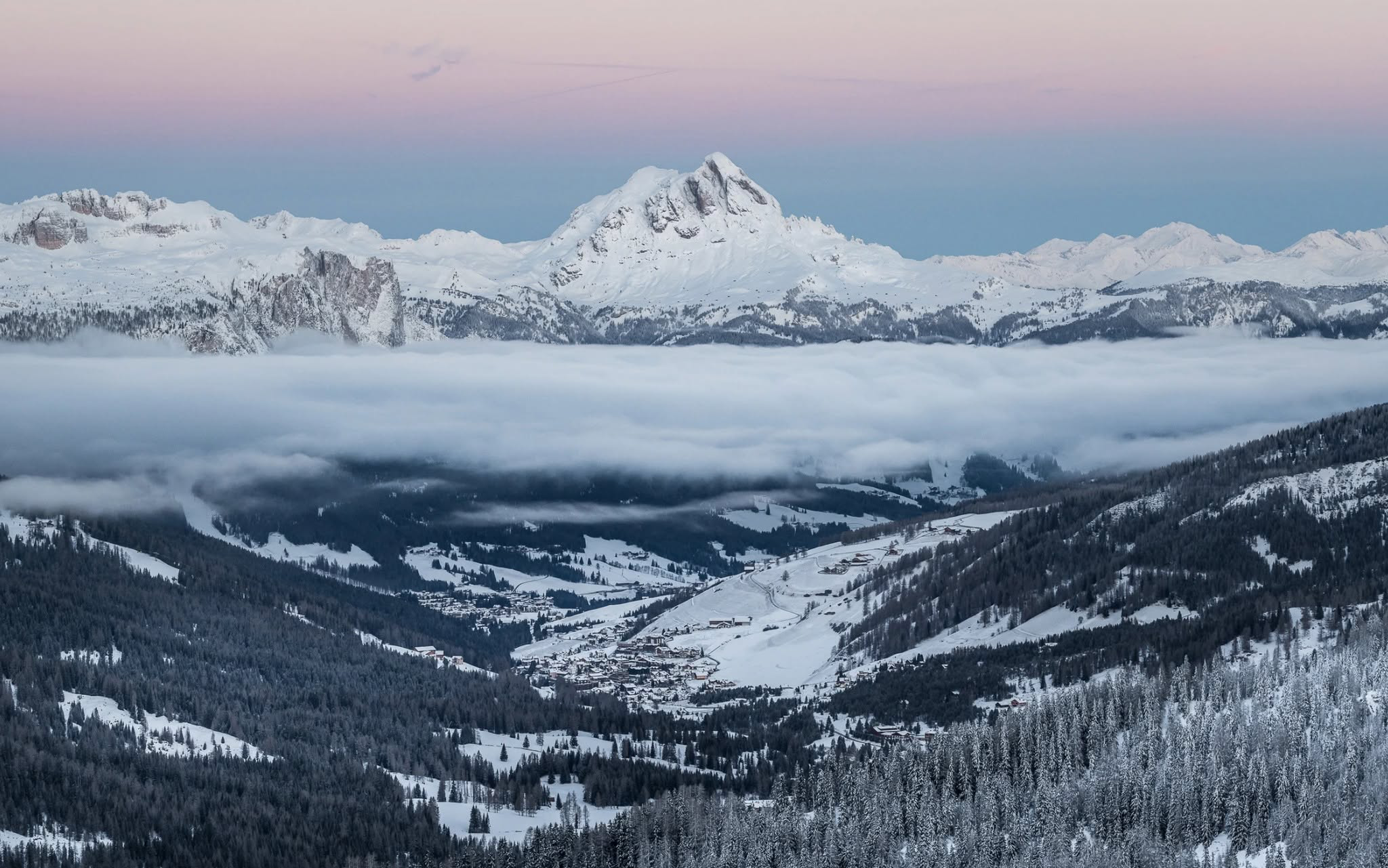
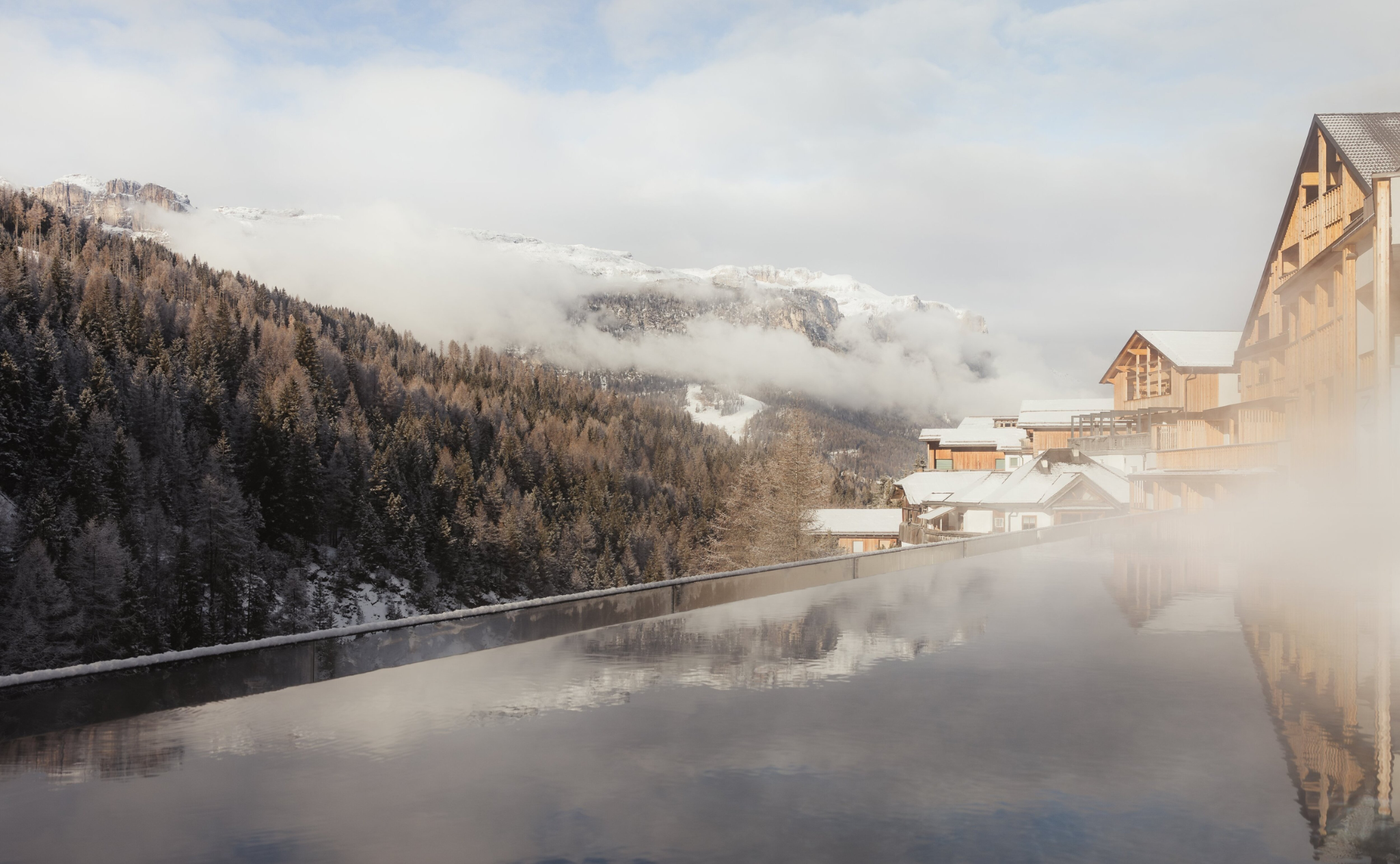
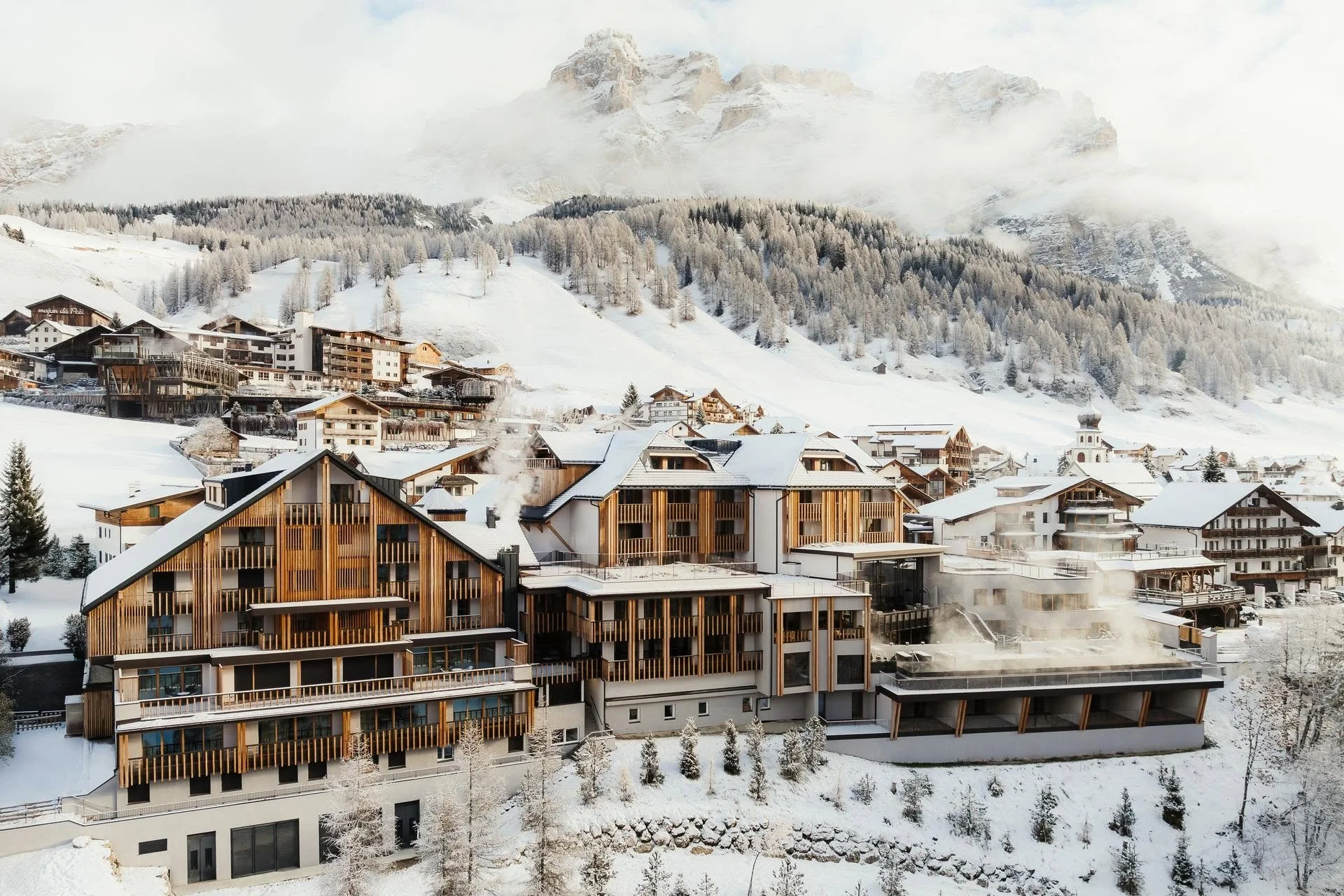
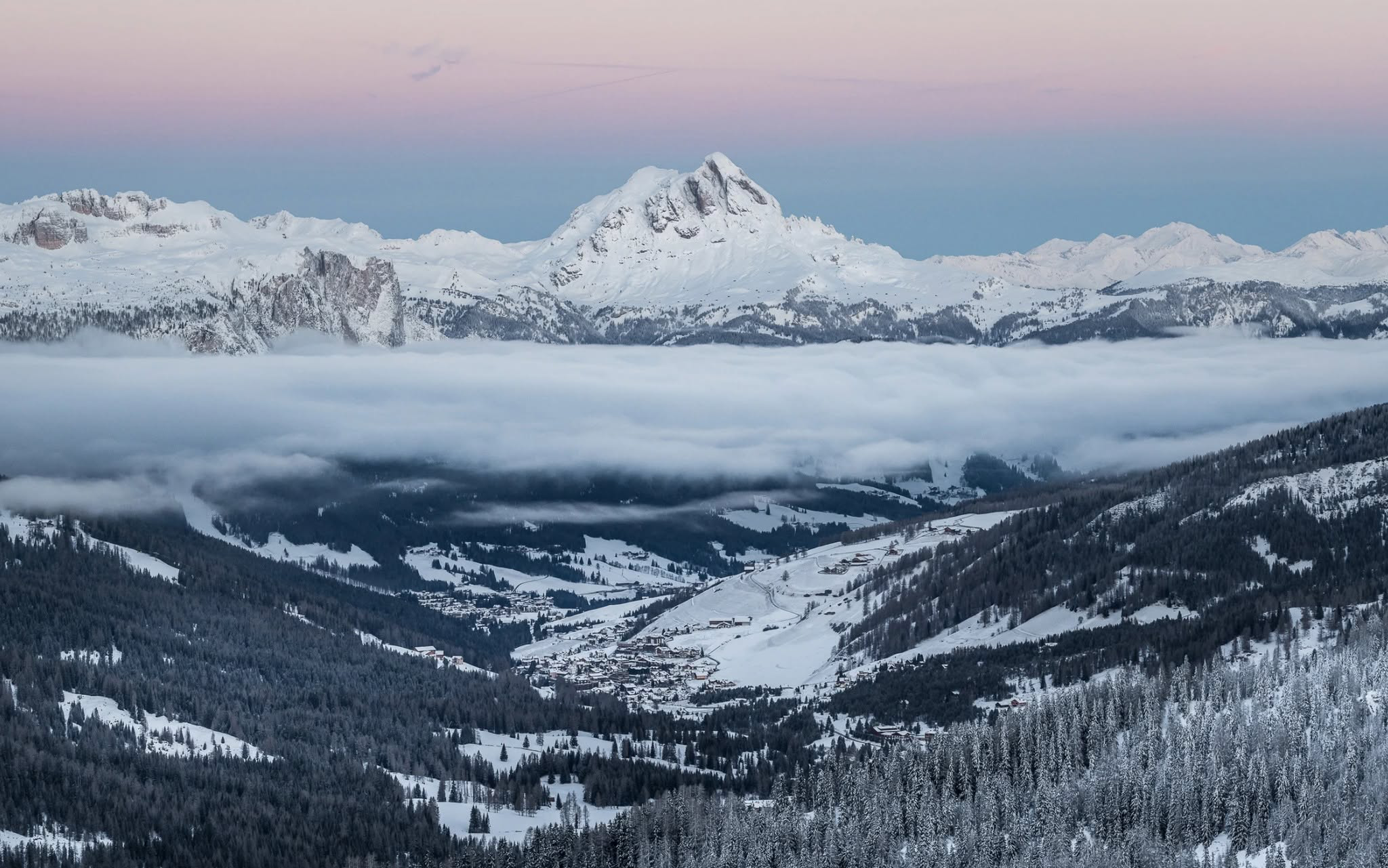
San Cassiano is one of those mountain villages where the landscape establishes the scale.
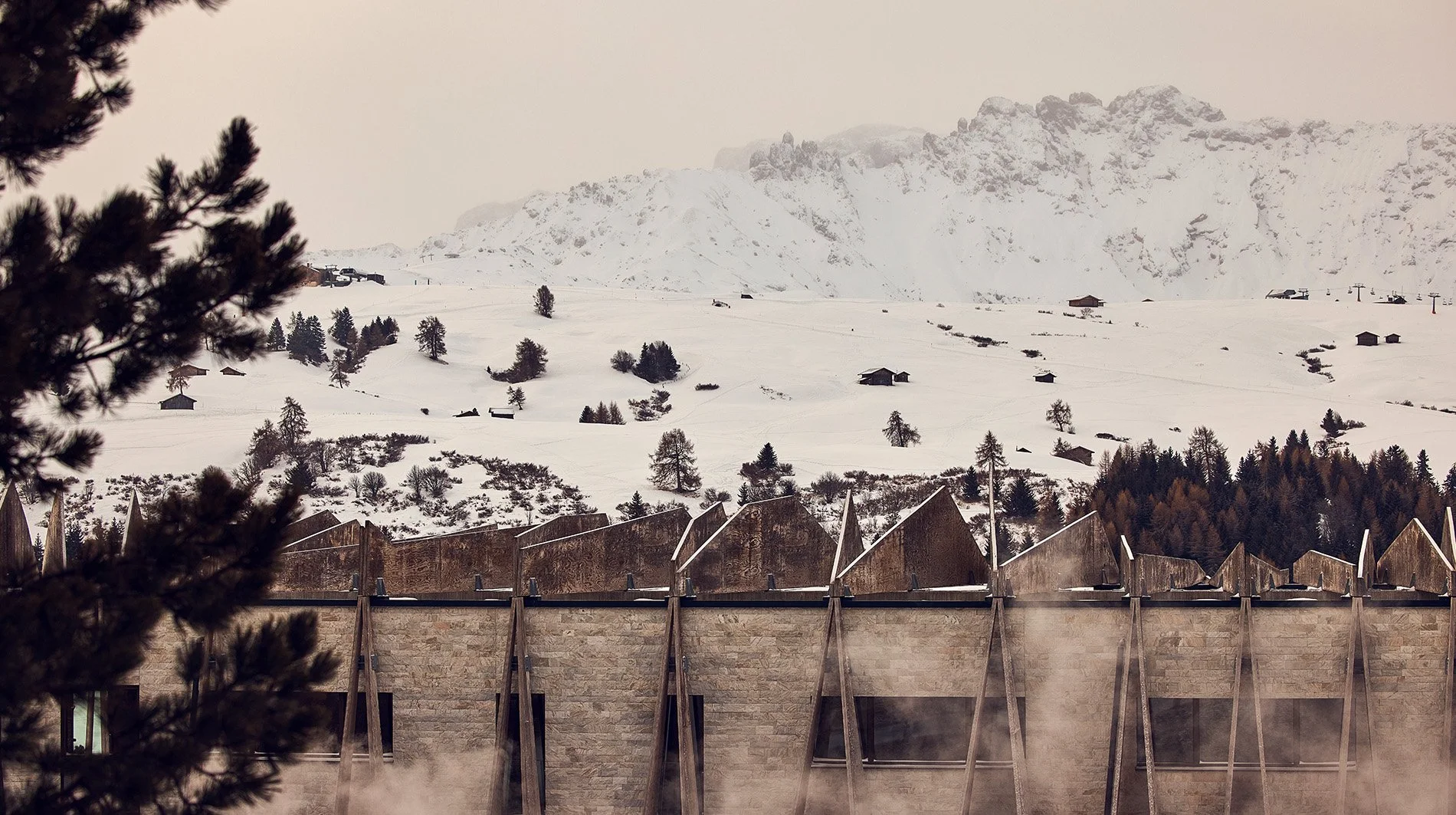
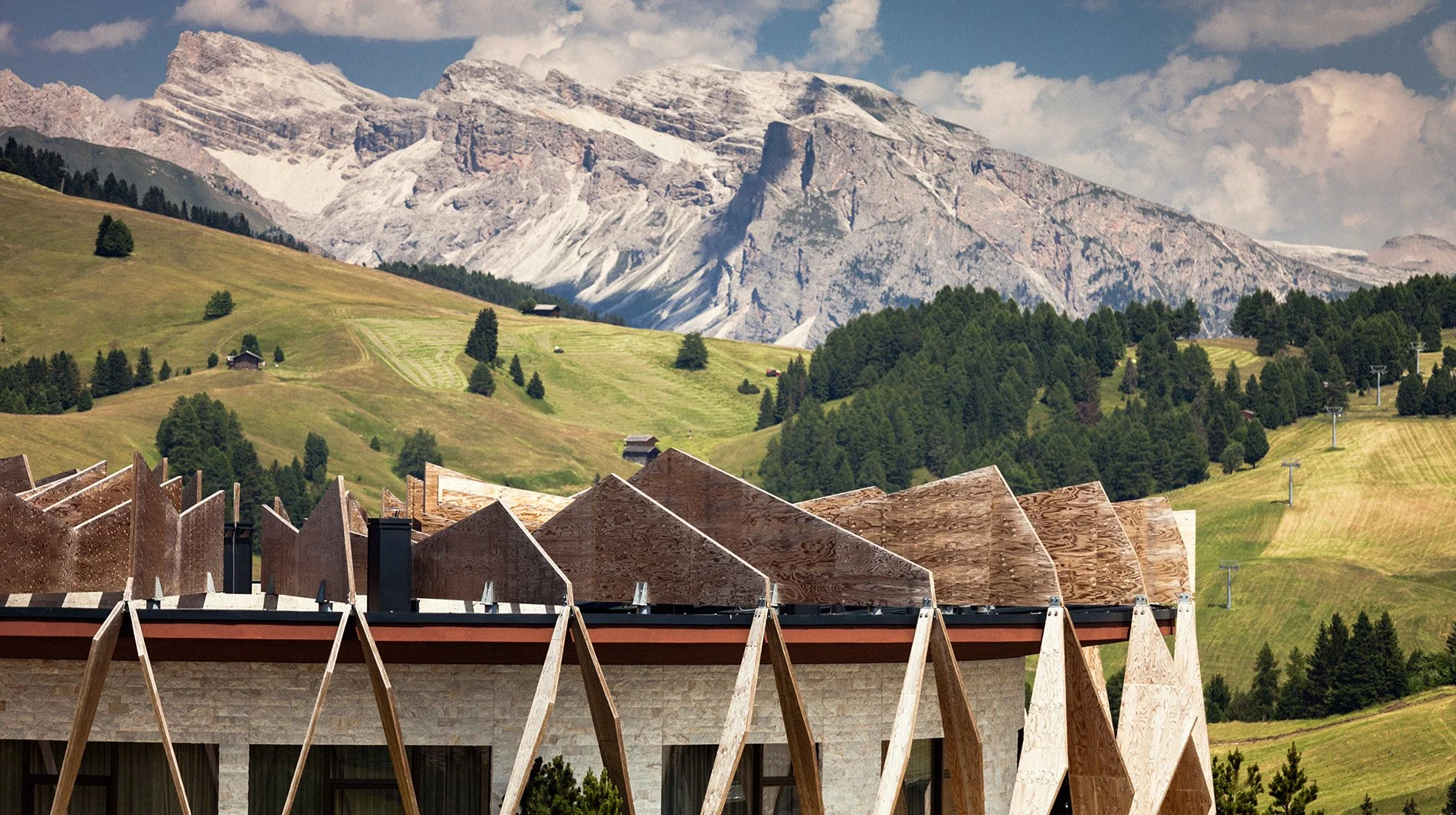
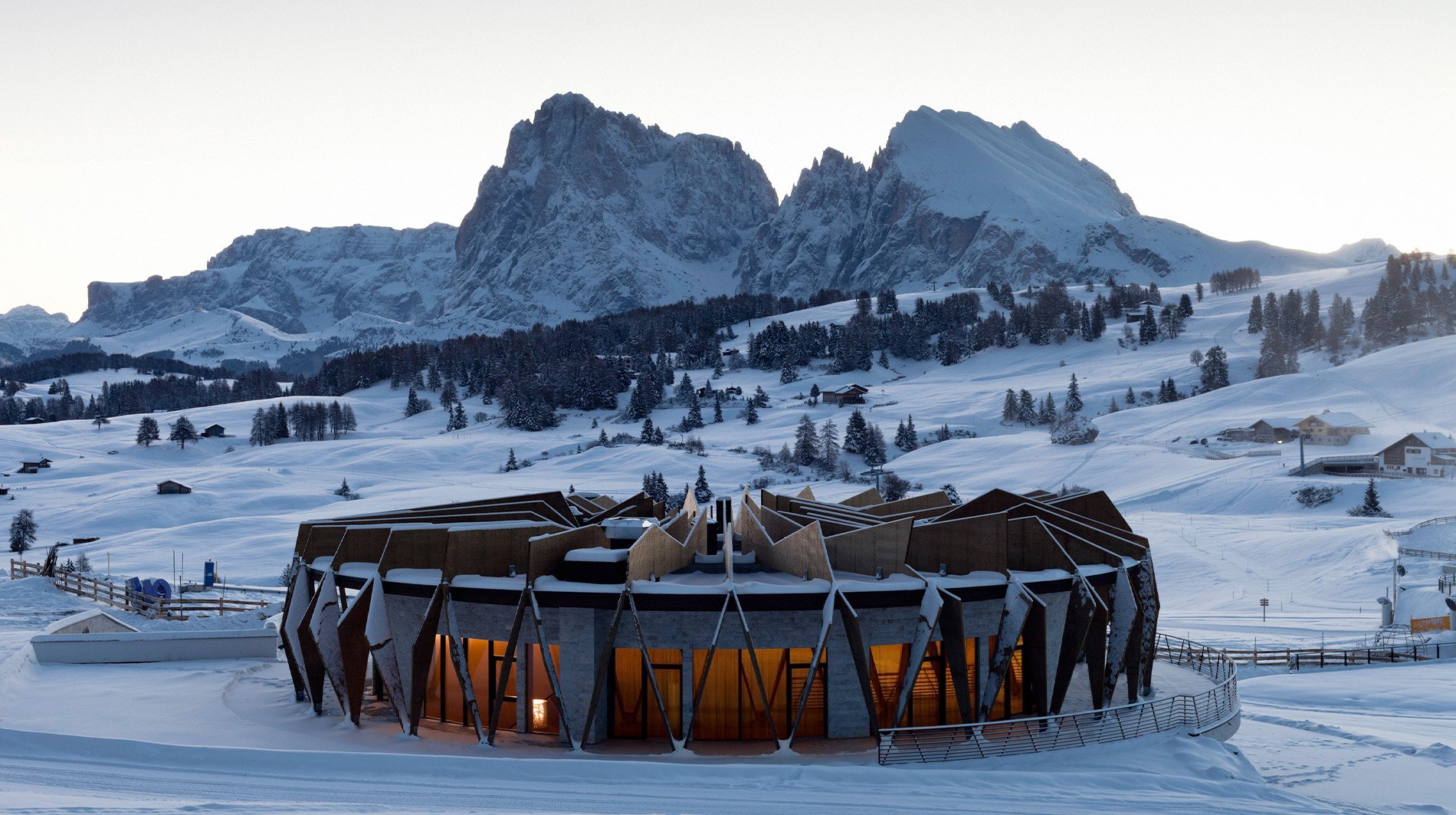
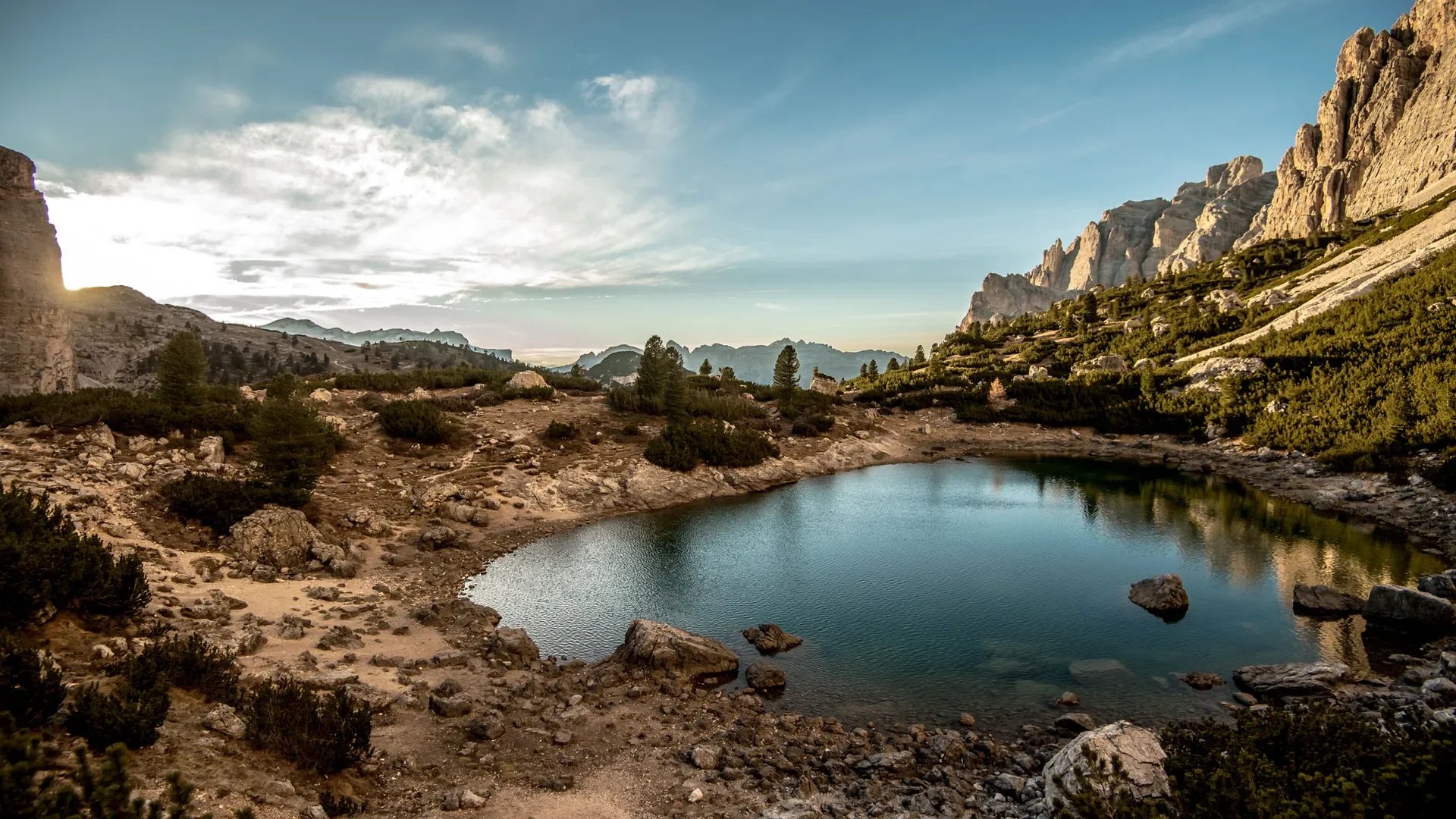
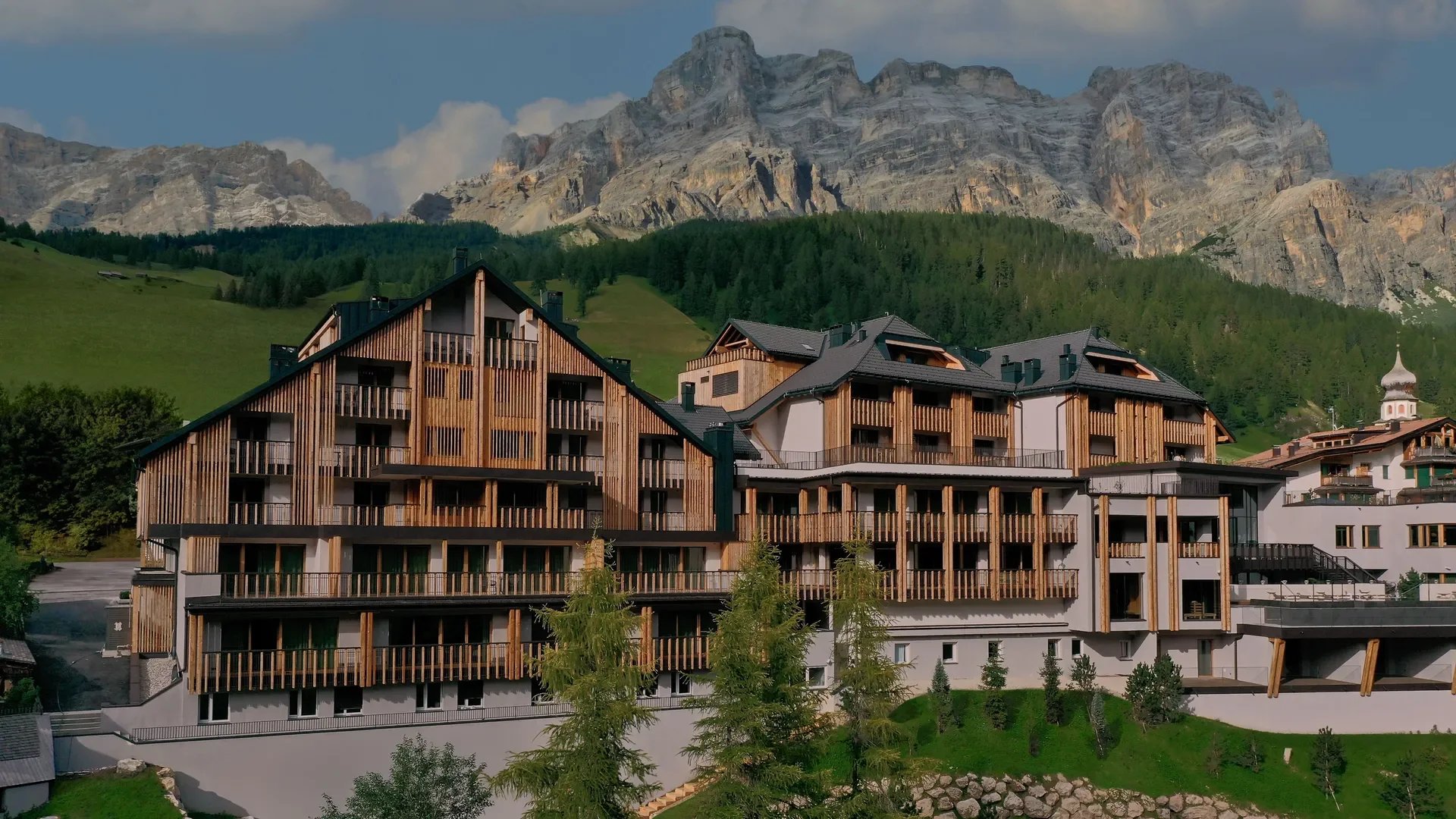
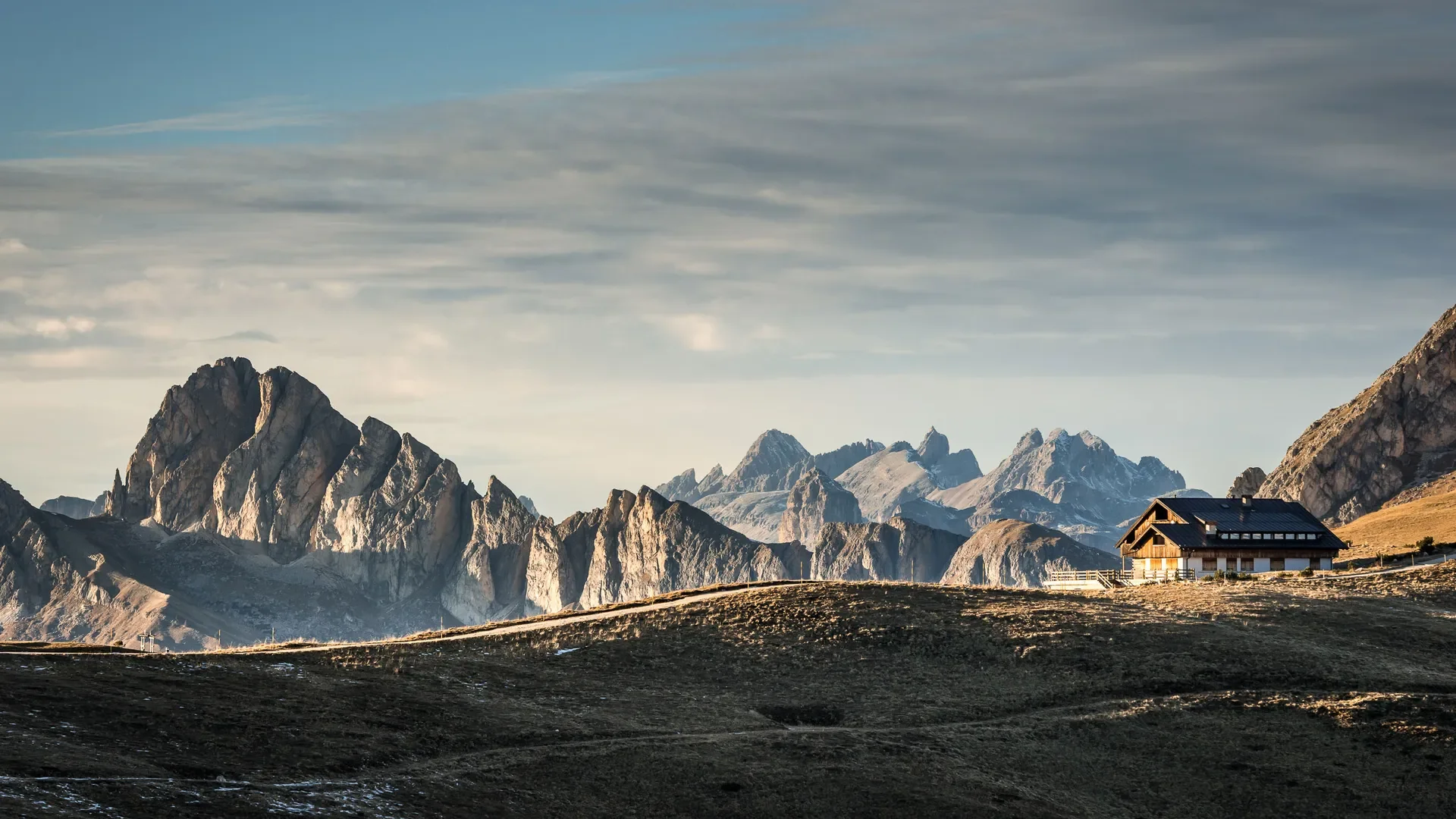
Set in Alta Badia beneath the peaks of La Varella and Conturines, the village sits within the UNESCO-listed Dolomites and provides direct access to a region shaped equally by Ladin culture, Italian hospitality and some of Europe’s most recognizable mountain scenery.
Aman Rosa Alpina occupies a particularly important place within that setting.
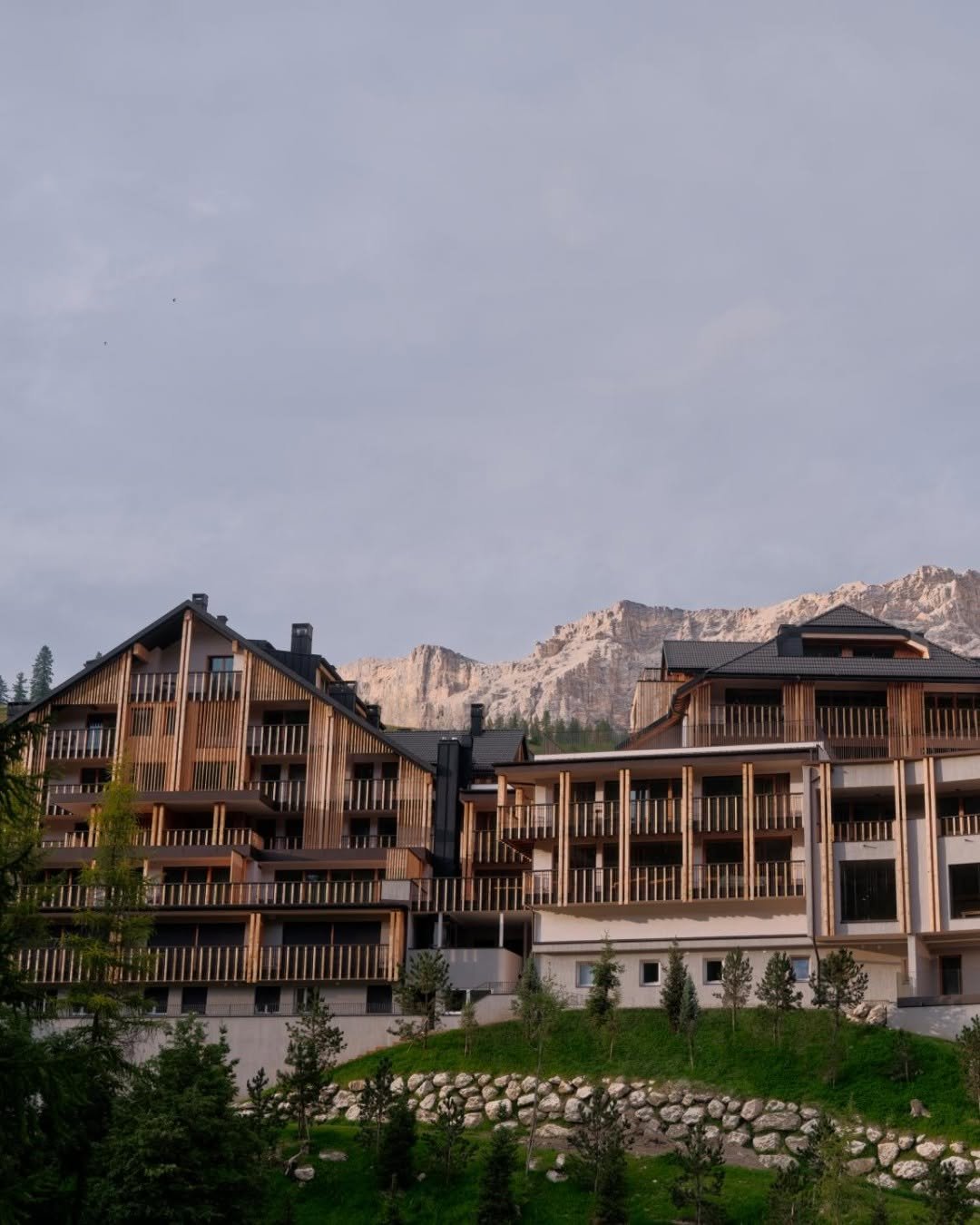
The property is not a new resort built to imitate an Alpine hotel. Rosa Alpina has welcomed guests in San Cassiano for generations, evolving from a small family-run mountain inn into one of the Dolomites’ best-known luxury addresses.
After an extensive transformation, the hotel reopened in July 2025 as Aman Rosa Alpina.
The change is significant. There are now just 51 rooms and suites, an expansive Aman Spa, redesigned public spaces and a new dining collection that combines Italian and Alpine traditions with Aman’s Asian roots.
Yet the Pizzinini family remains closely connected to the property, creating continuity between the Rosa Alpina that existed before and the hotel’s new Aman chapter.
For us, that balance is what makes the property particularly interesting.
Guests have access to skiing, hiking, cycling and climbing almost immediately outside the hotel, but Aman Rosa Alpina is substantial enough that returning from the mountains can become an equally important part of the day.
From a Family Inn to Aman Rosa Alpina
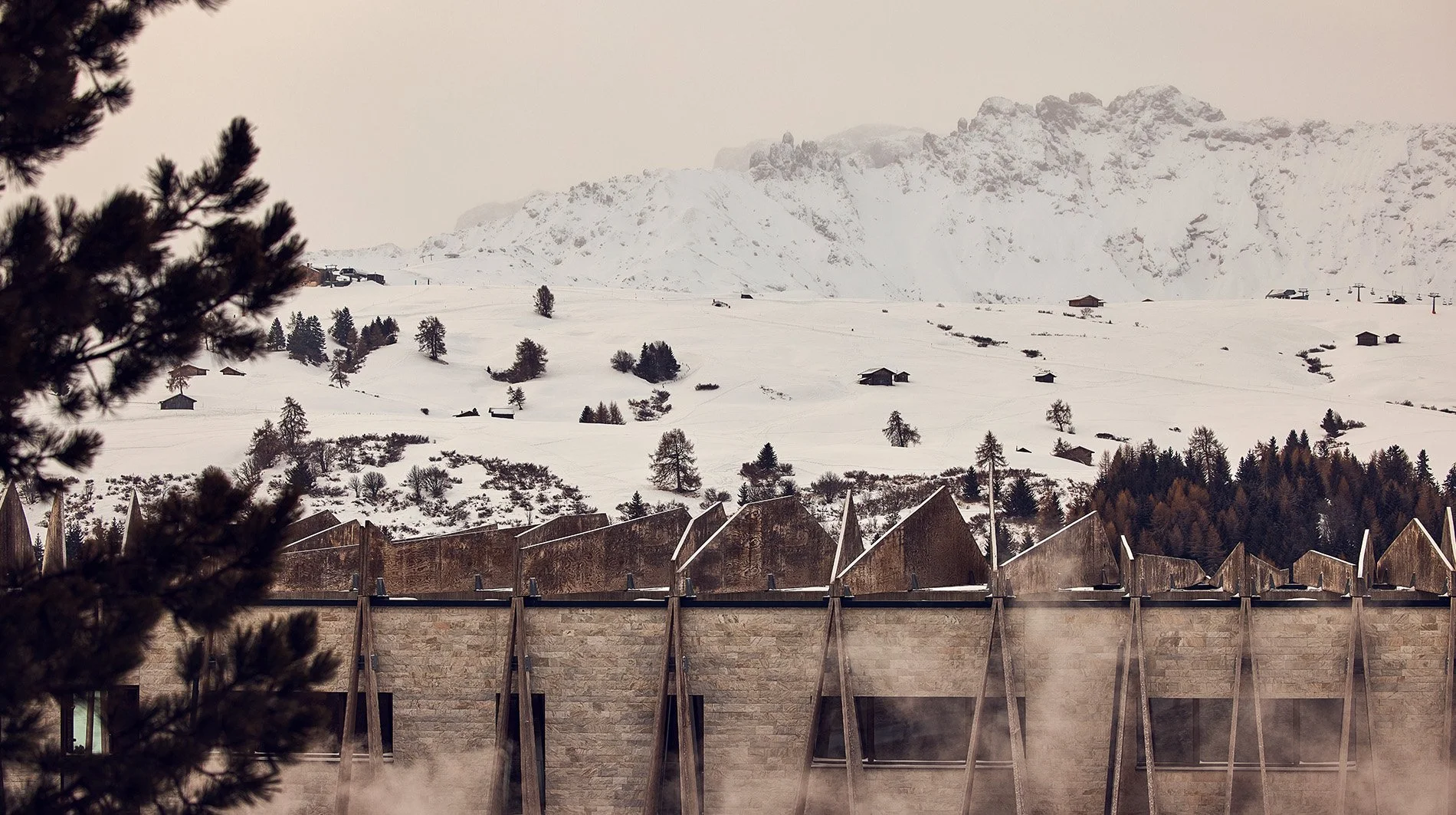
The history of Rosa Alpina begins in 1939, when Engelbert Pizzinini established a small mountain guesthouse in San Cassiano.
What began on a modest scale expanded over successive generations as the Pizzinini family developed the property into an internationally recognized hotel while maintaining its connection to Alta Badia.
Food became an important part of that story, as did increasingly sophisticated accommodations and a style of hospitality that remained closely associated with the family behind it.
The next major shift came through the partnership with Aman.
Rosa Alpina closed for an extensive transformation before reopening in 2025 as Aman Rosa Alpina, with the Pizzinini family continuing to play an active role in the property.
This is therefore not simply a rebranding.
The renovation reduced the total number of accommodations, significantly increased the scale of many rooms and suites and reconsidered the hotel’s public areas, wellness facilities and restaurants.
The result represents two histories operating at once.
There is the established Rosa Alpina story of family ownership and Alpine hospitality, and there is Aman’s approach to privacy, space, design and service.
For us, understanding both is important because the hotel makes more sense as an evolution of a long-established San Cassiano institution than as a completely new arrival in the Dolomites.
Jean-Michel Gathy Reframes Alpine Living
The transformation was led by Jean-Michel Gathy of Denniston, whose work has shaped numerous Aman properties around the world.
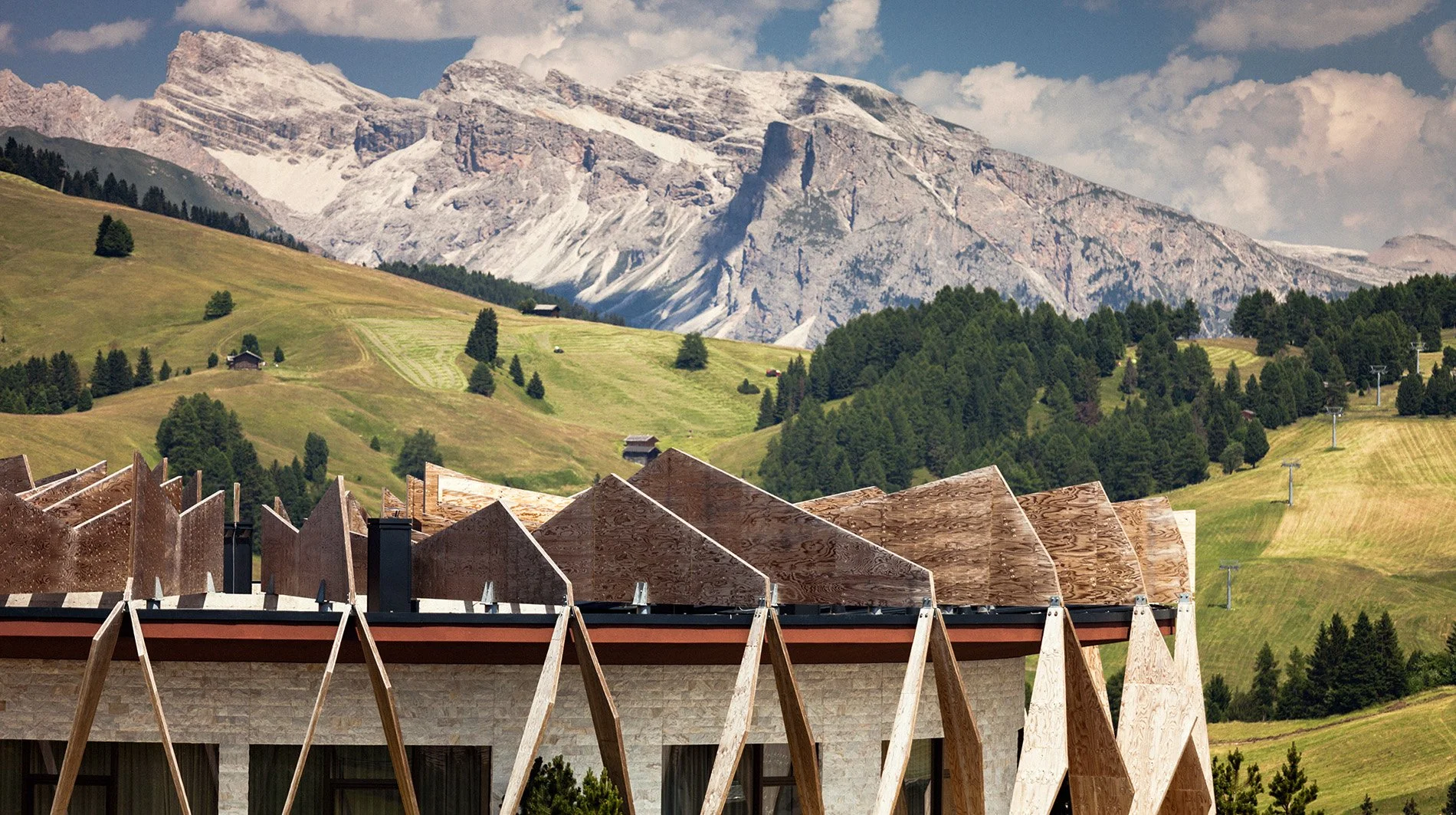
His approach at Rosa Alpina moves away from the more decorative version of Alpine design often associated with traditional mountain hotels.
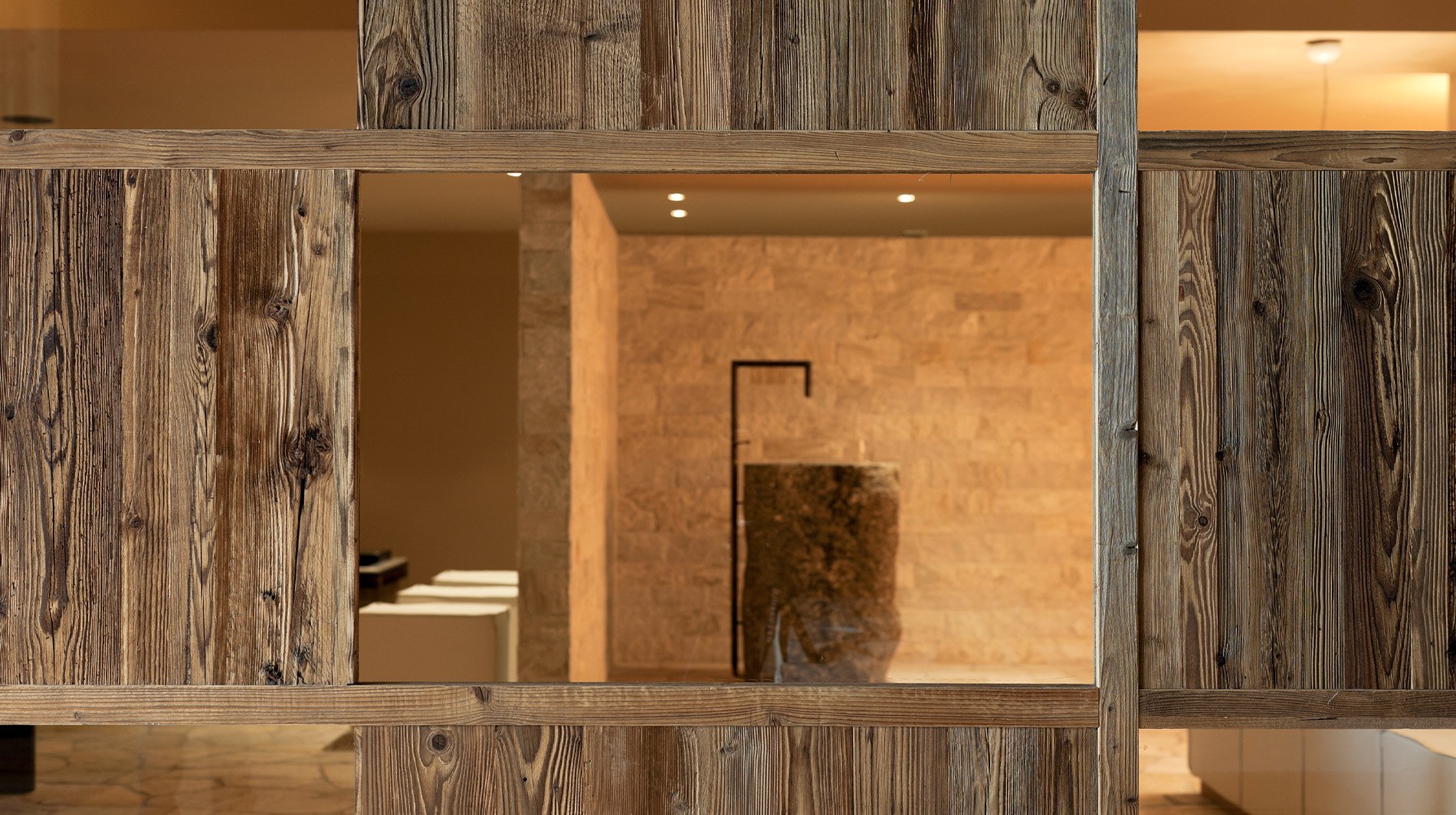
Wood is still important, but it is handled with restraint.
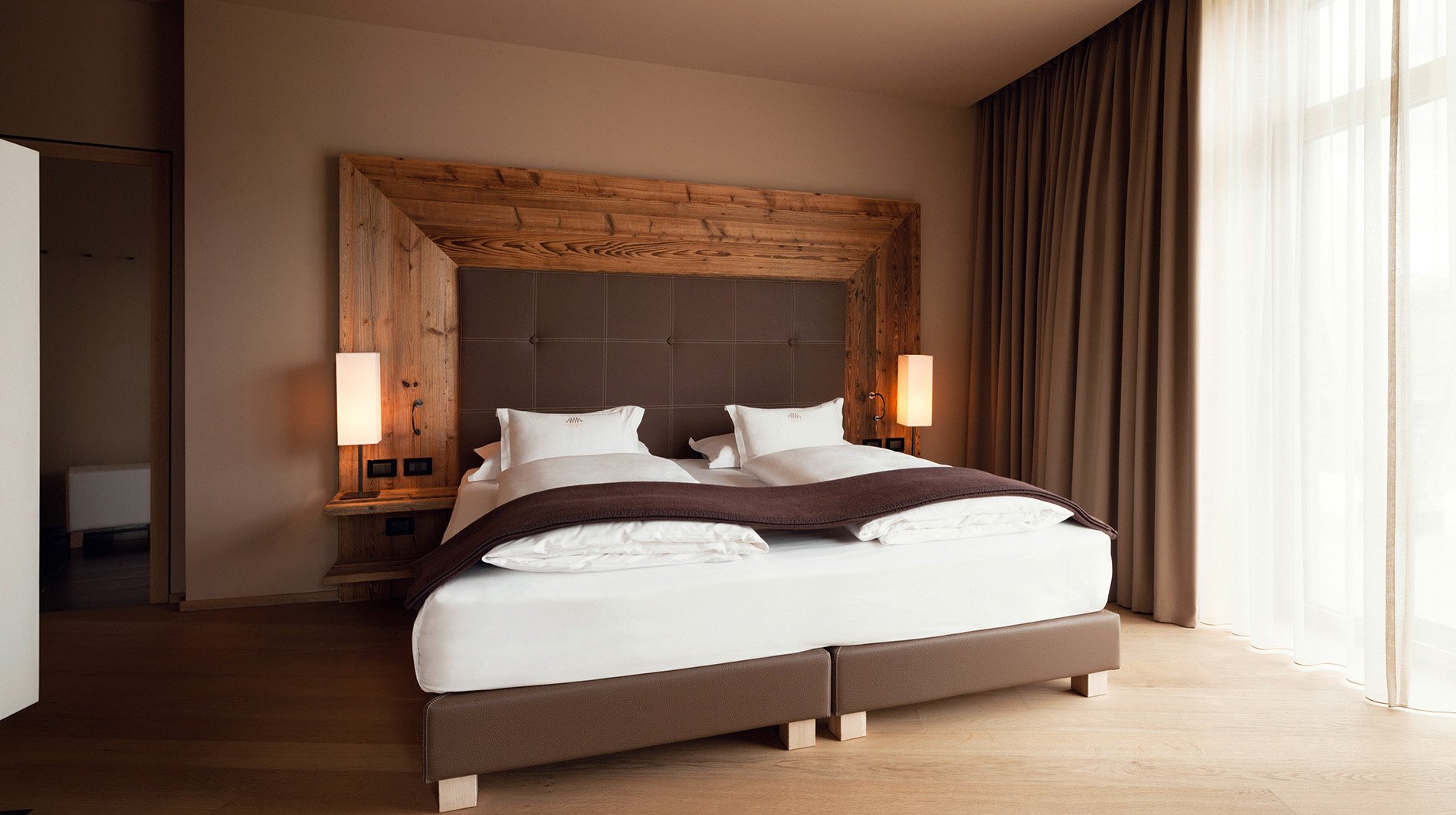
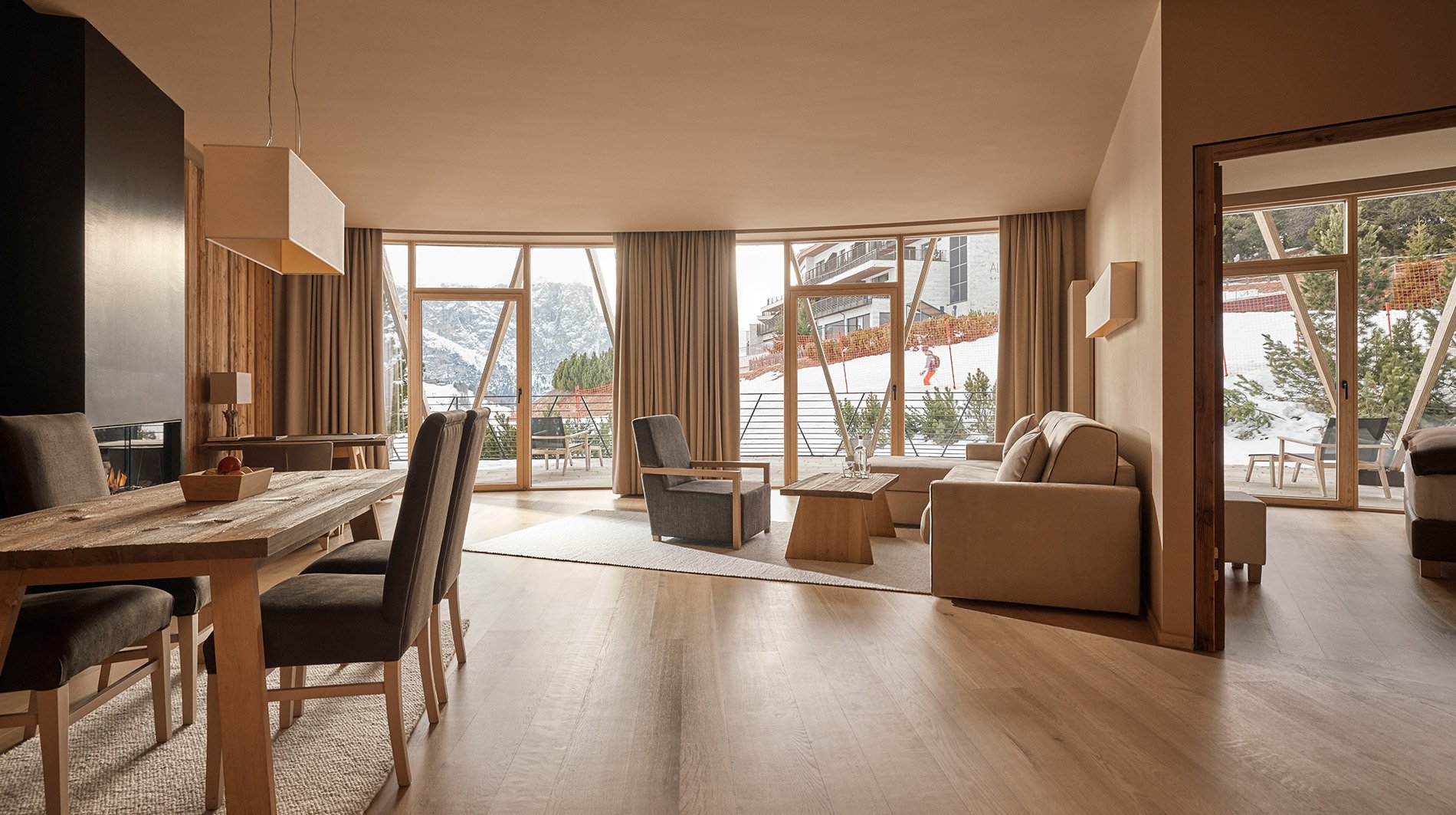
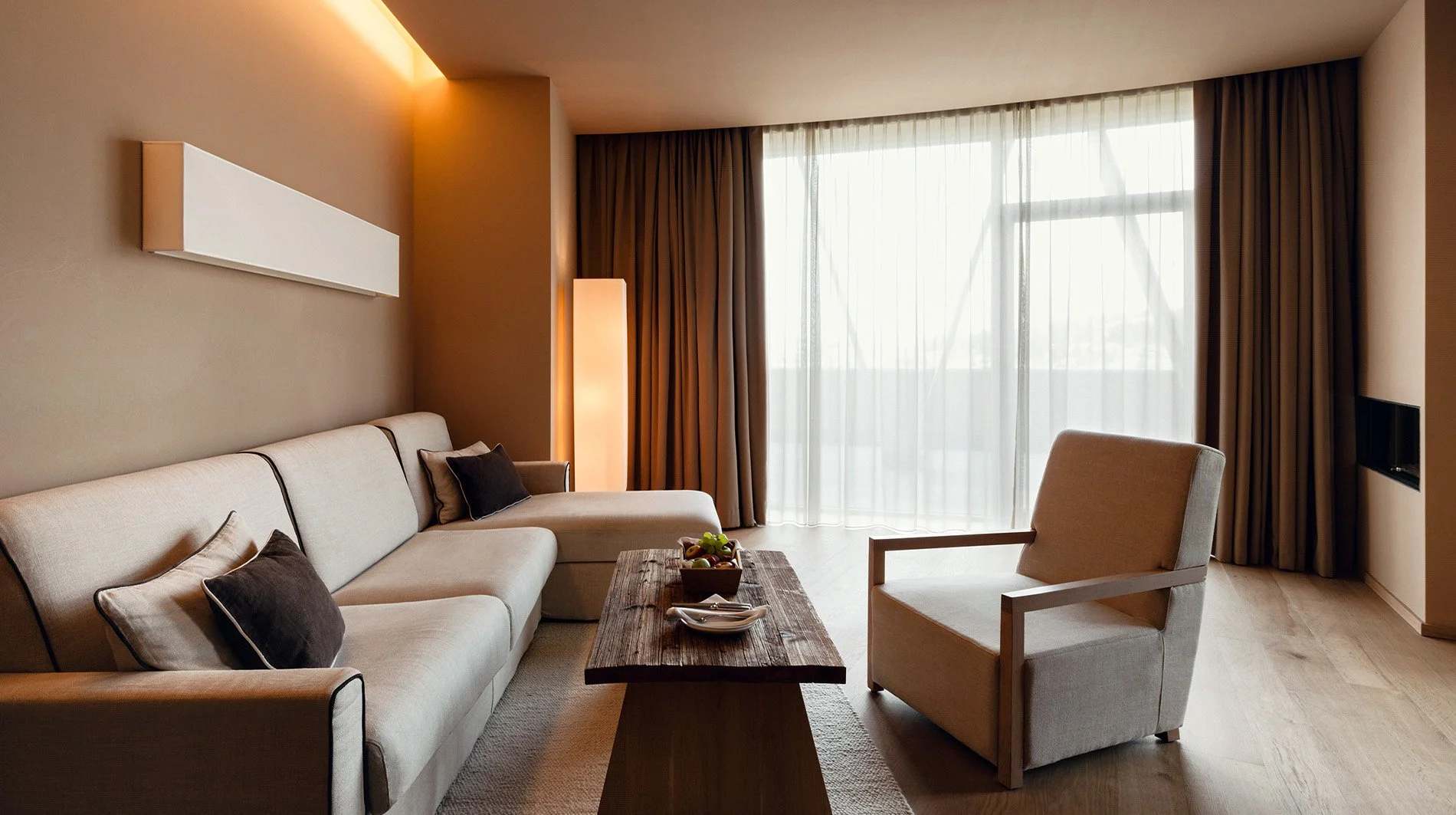
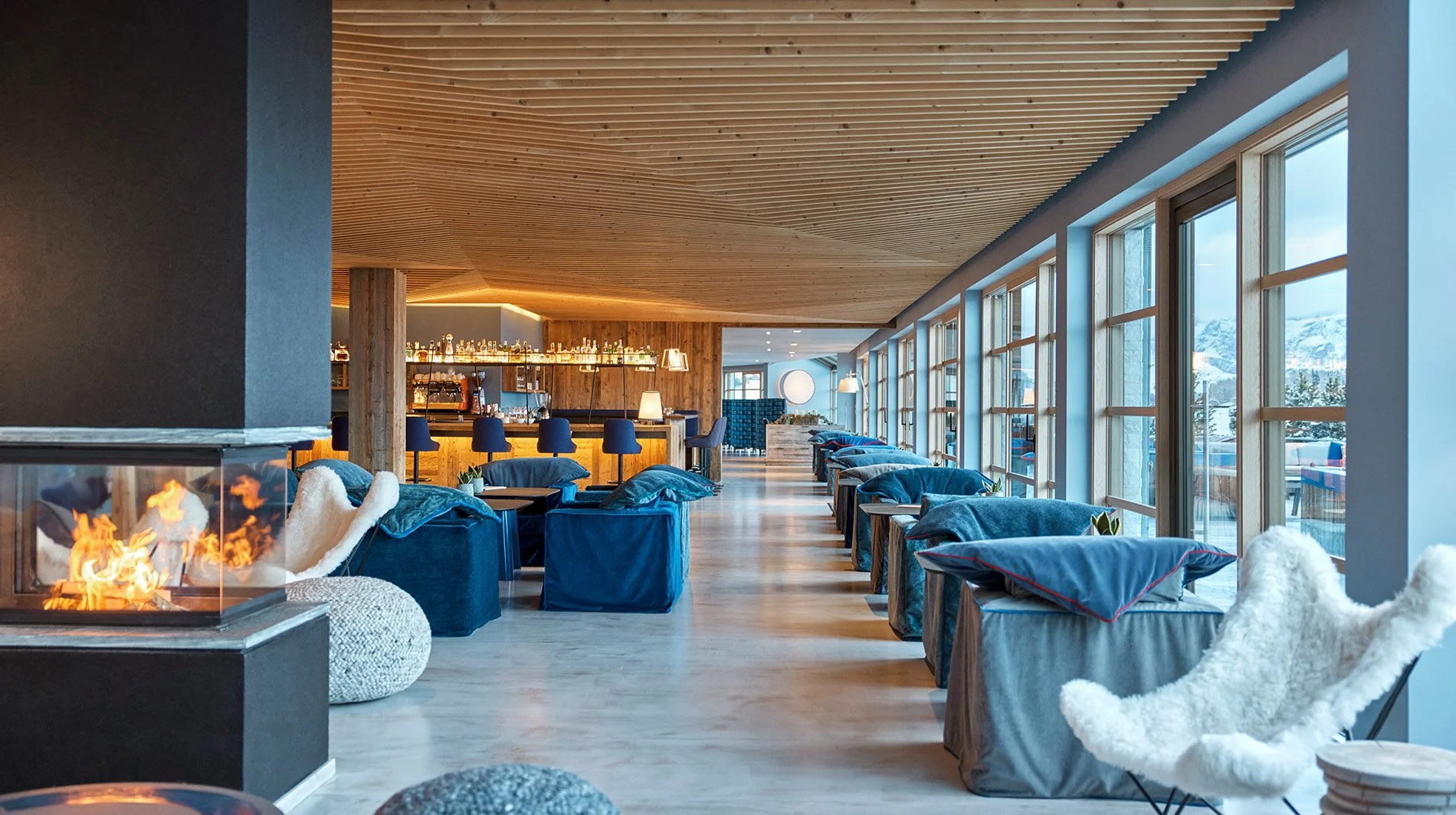
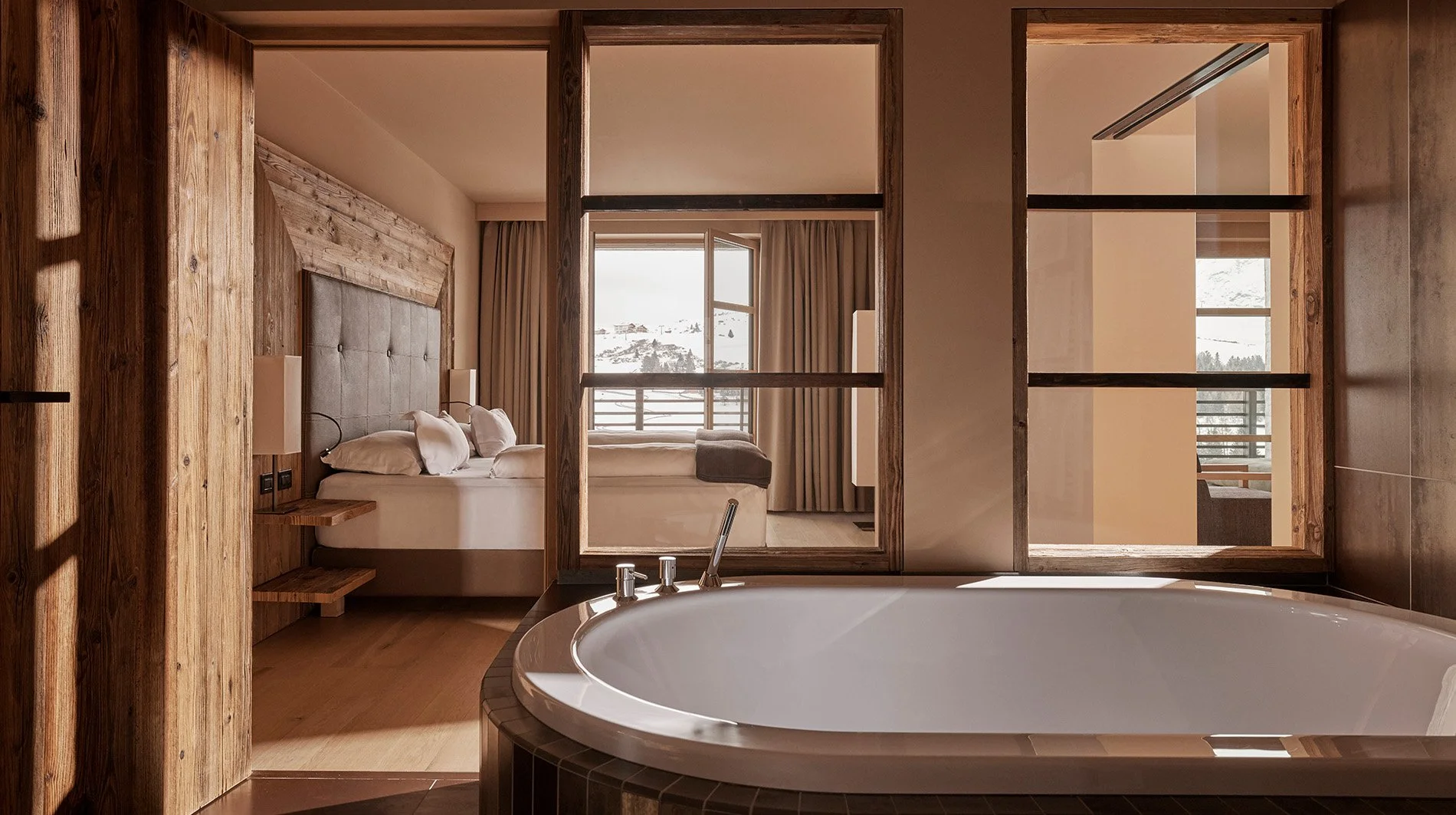
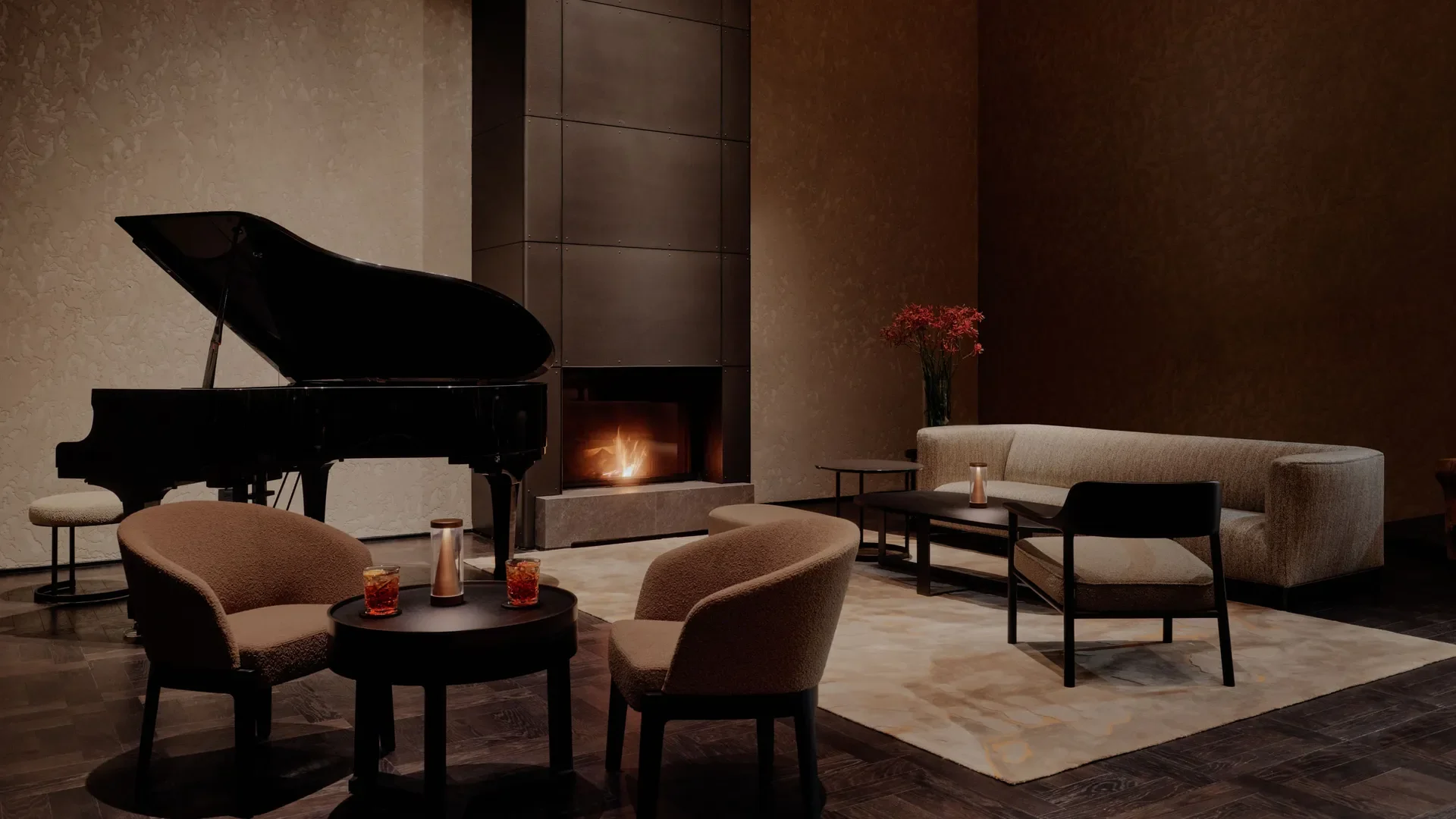
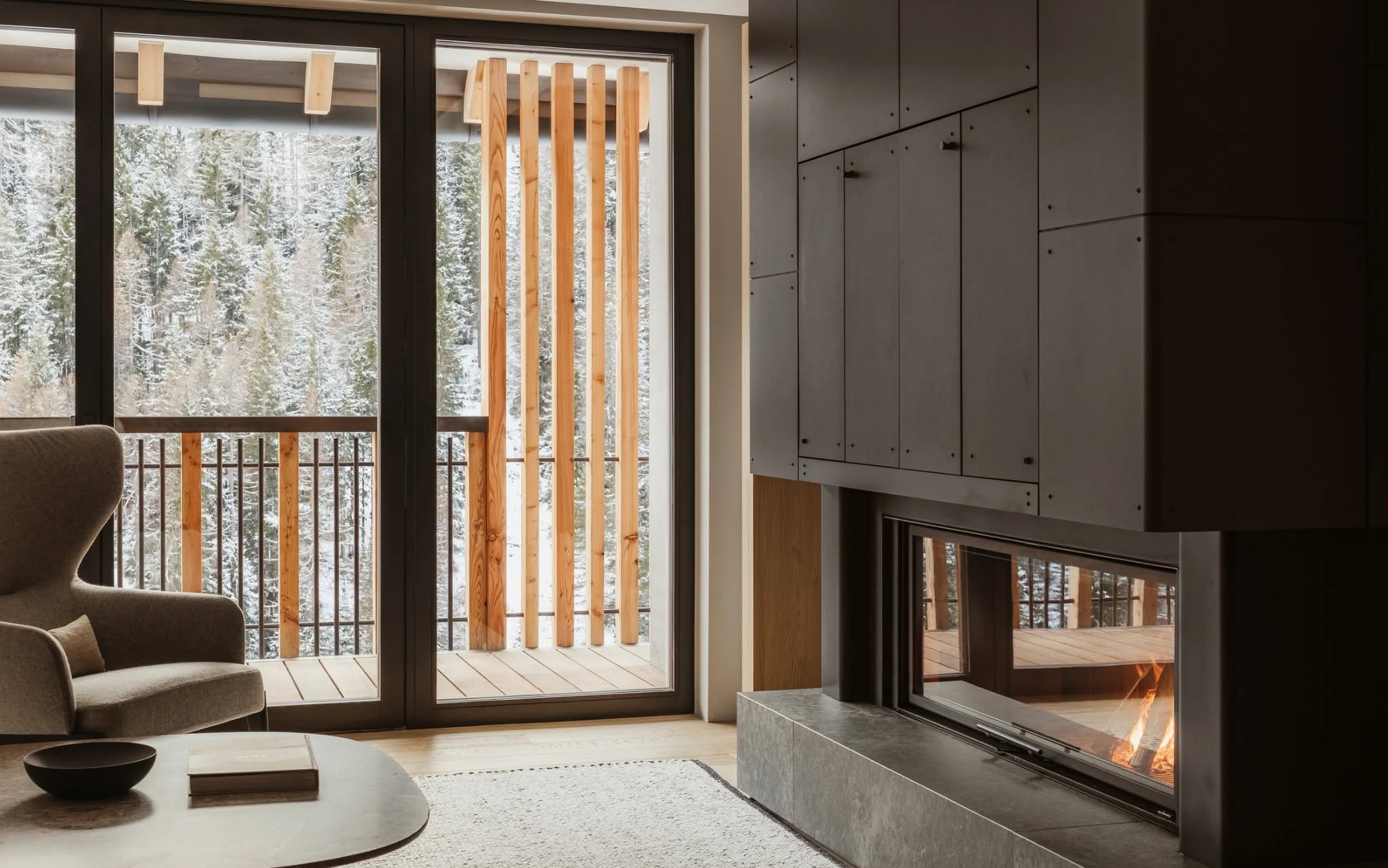
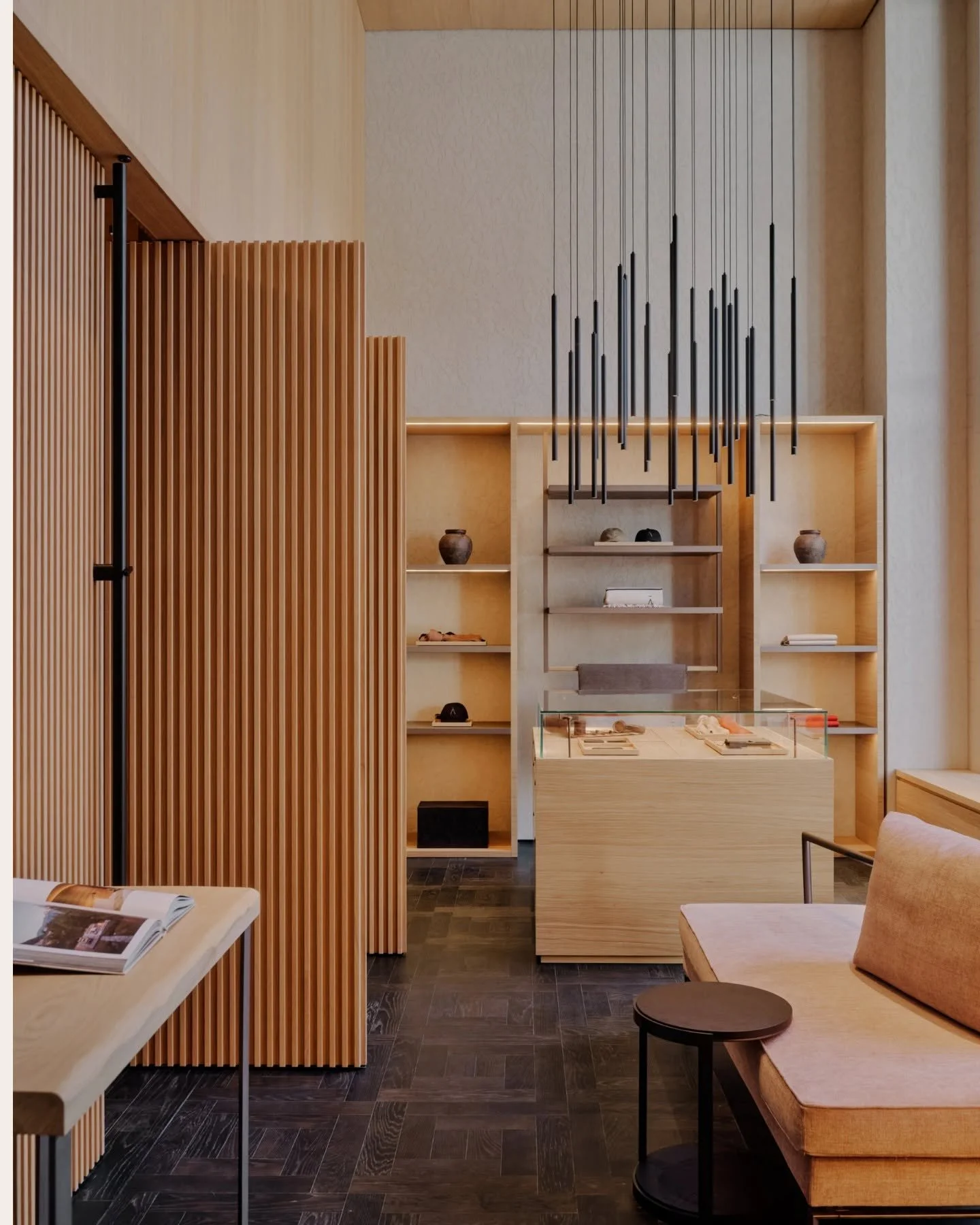
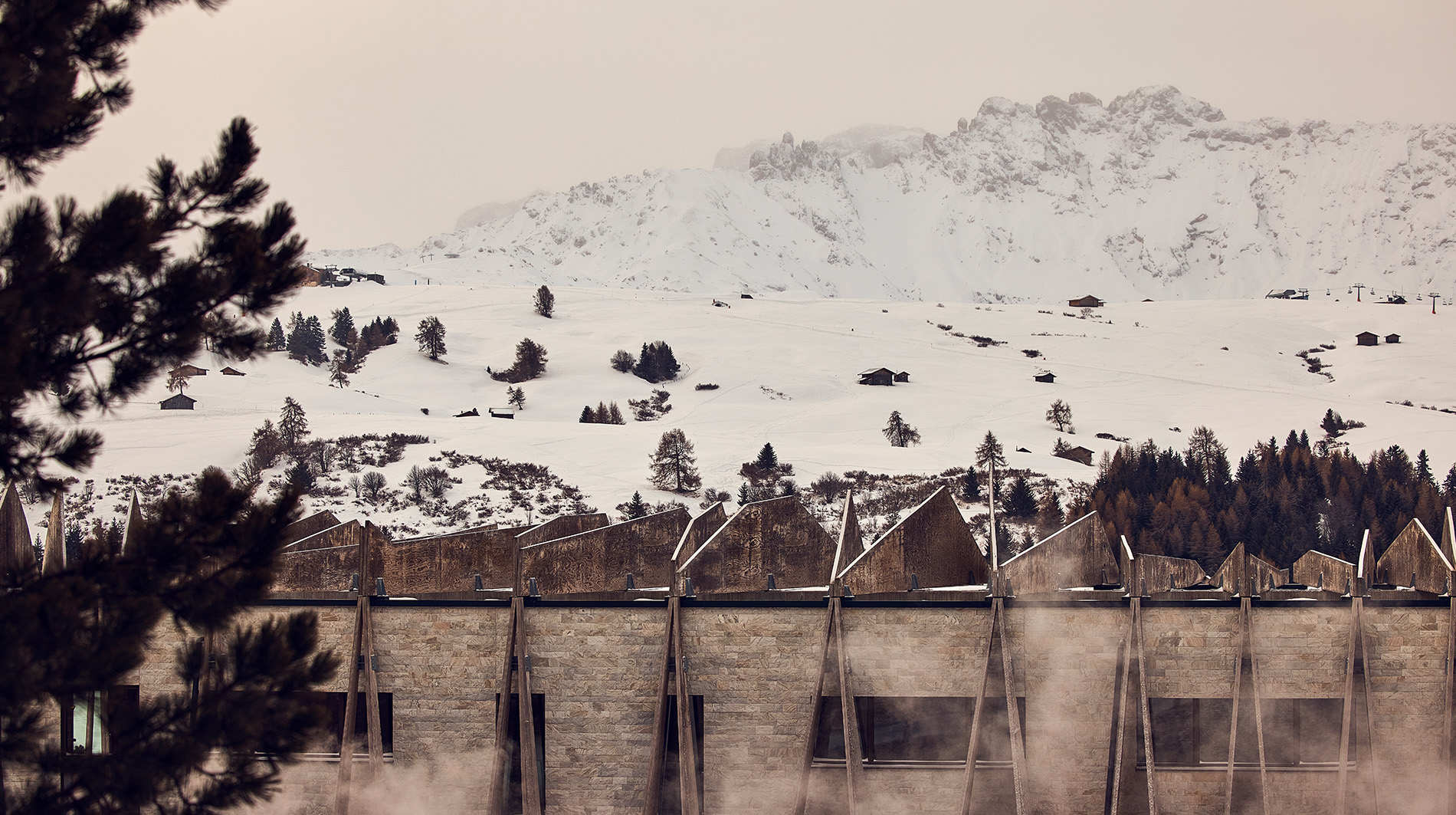
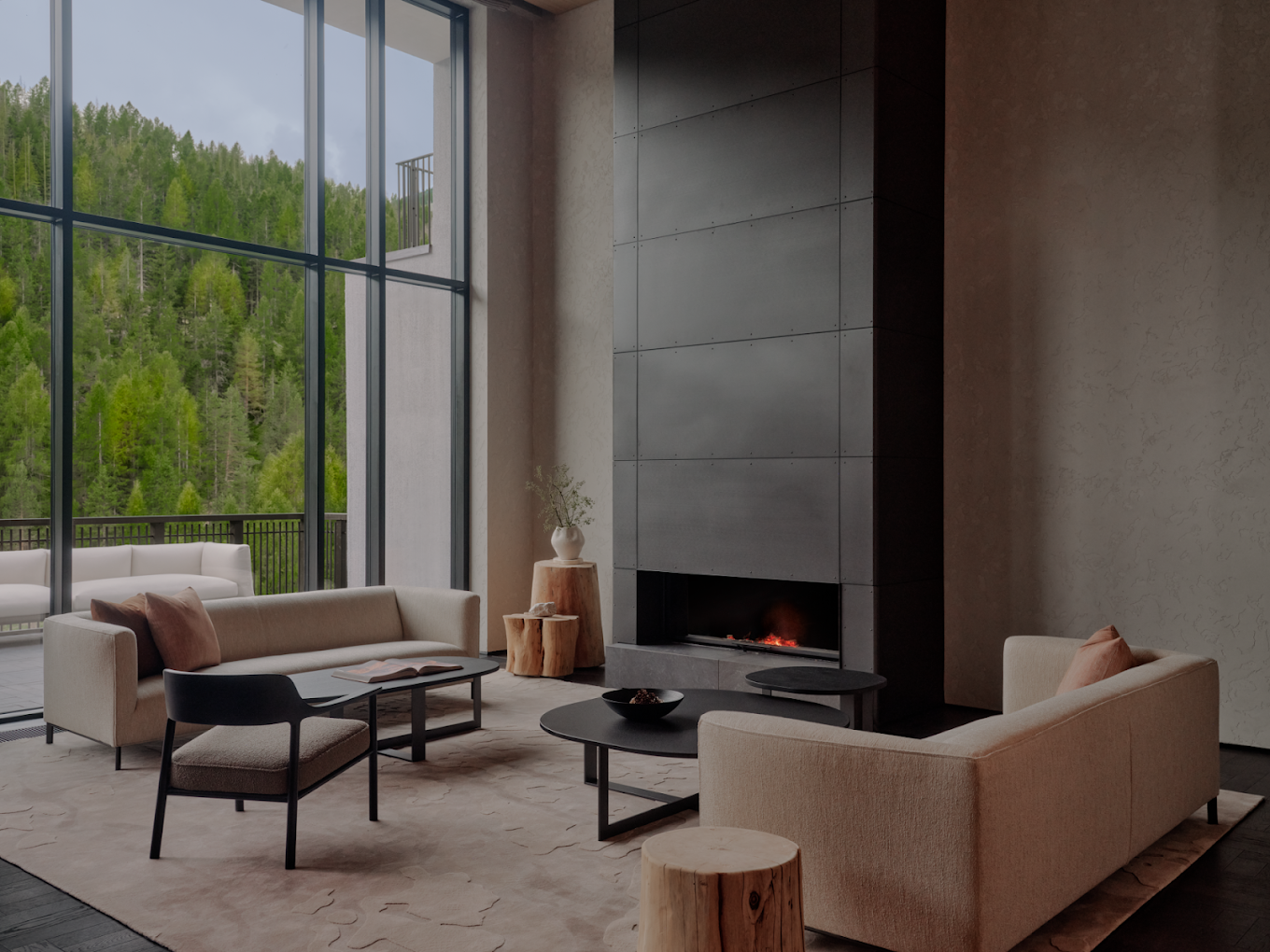
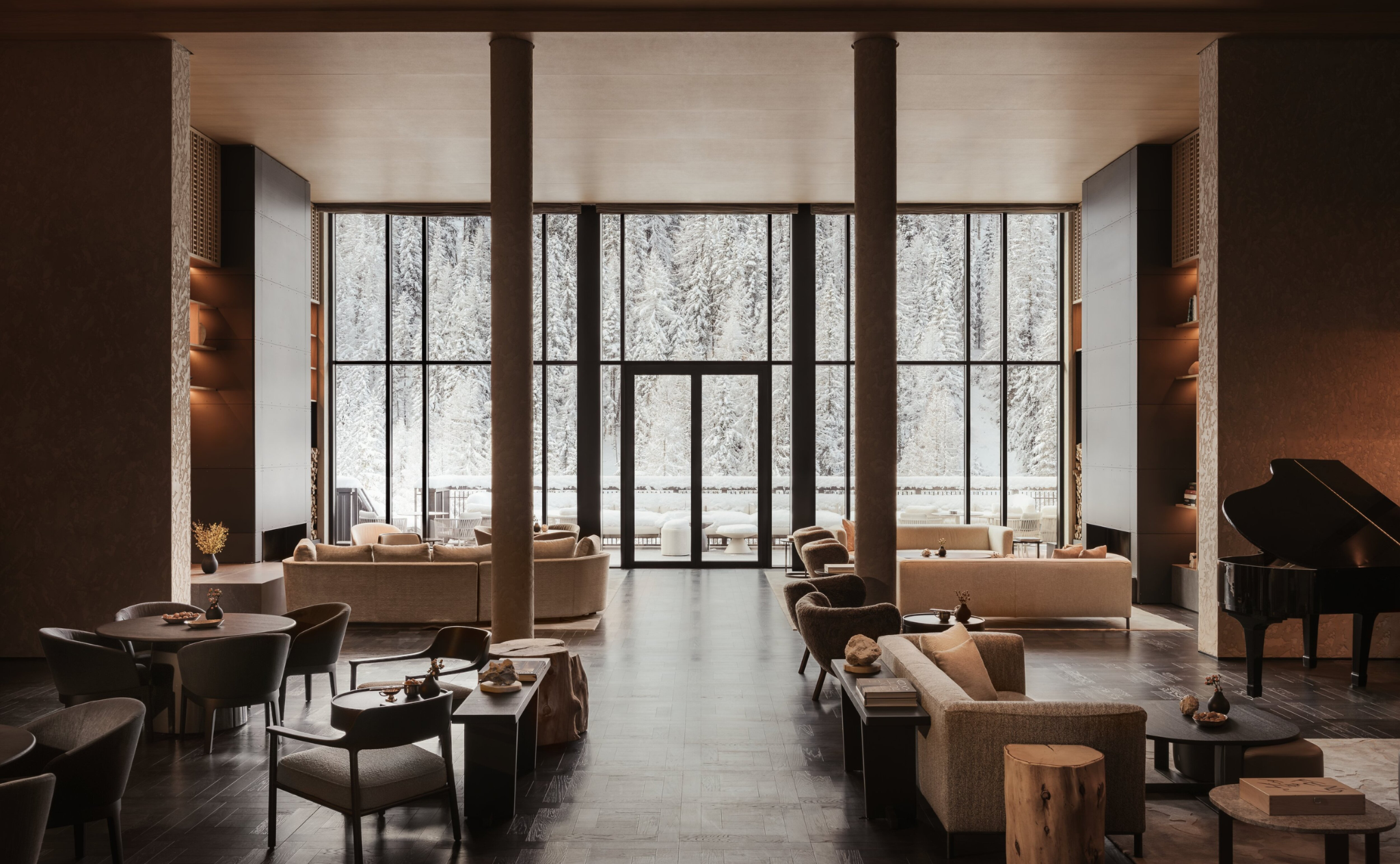
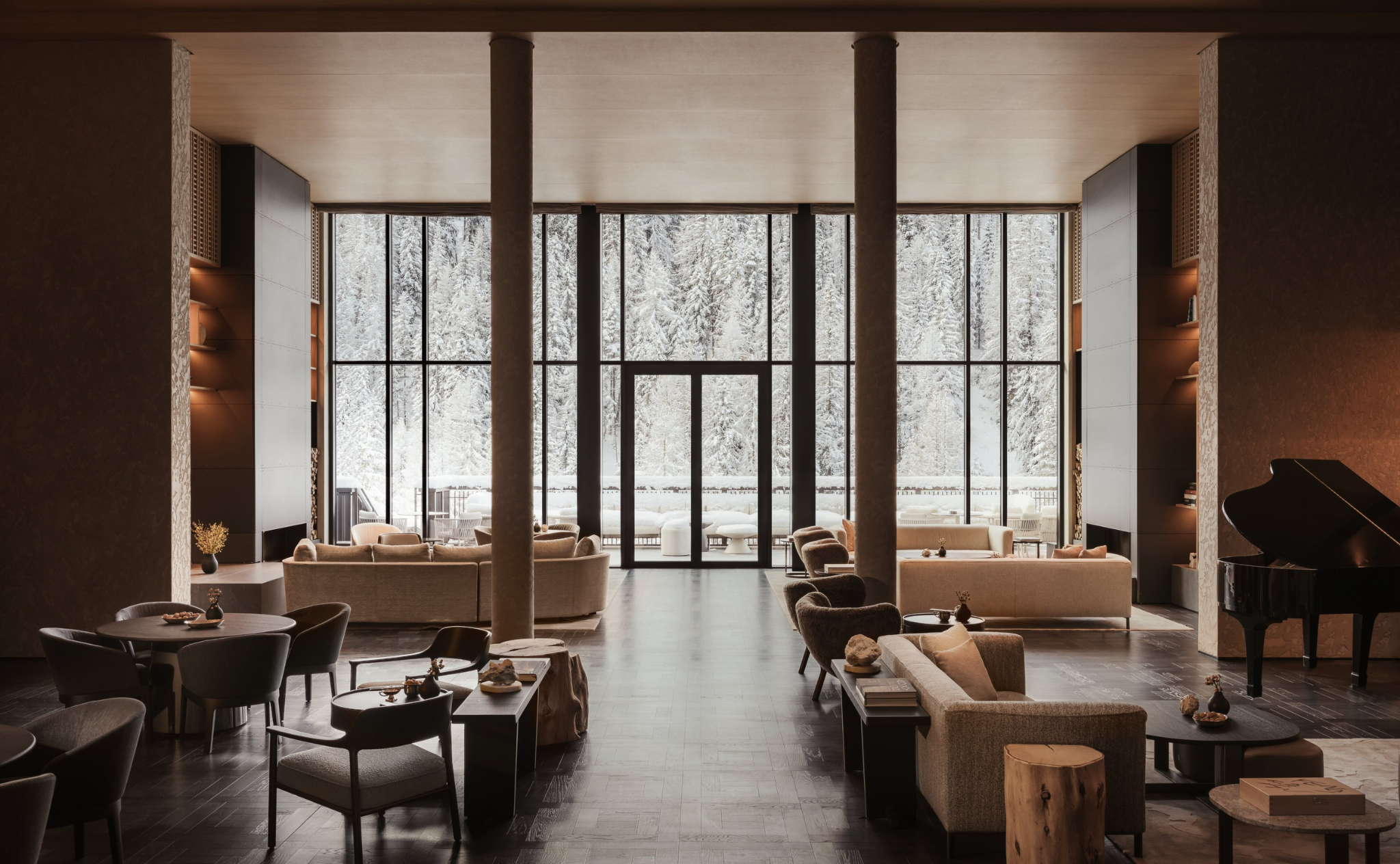
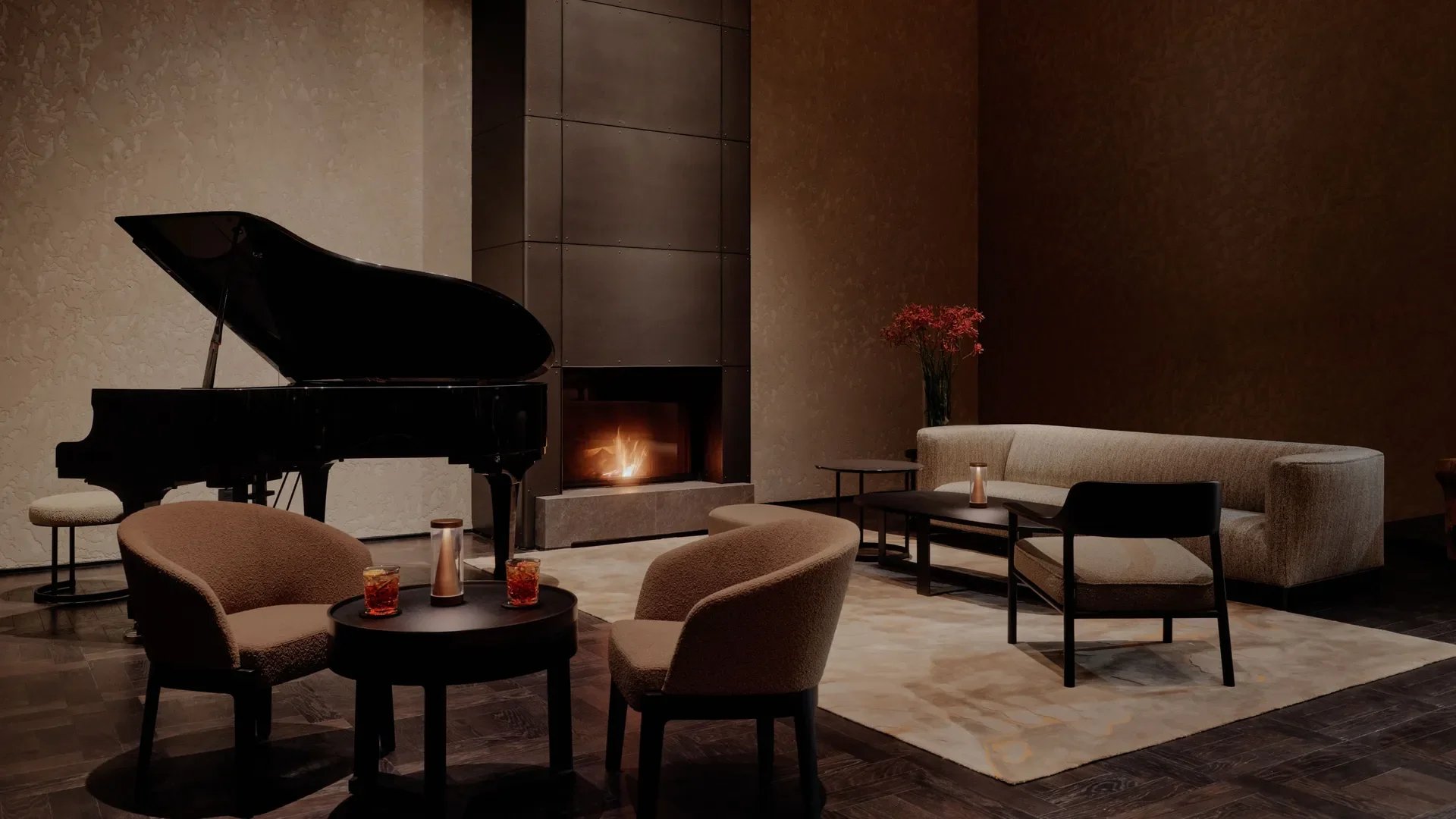
Natural stone, dark oak, textured plaster, large panes of glass and muted shades of cream, grey and brown create interiors that feel closely connected to the mountains without reproducing a chalet literally.
Scale has also changed.
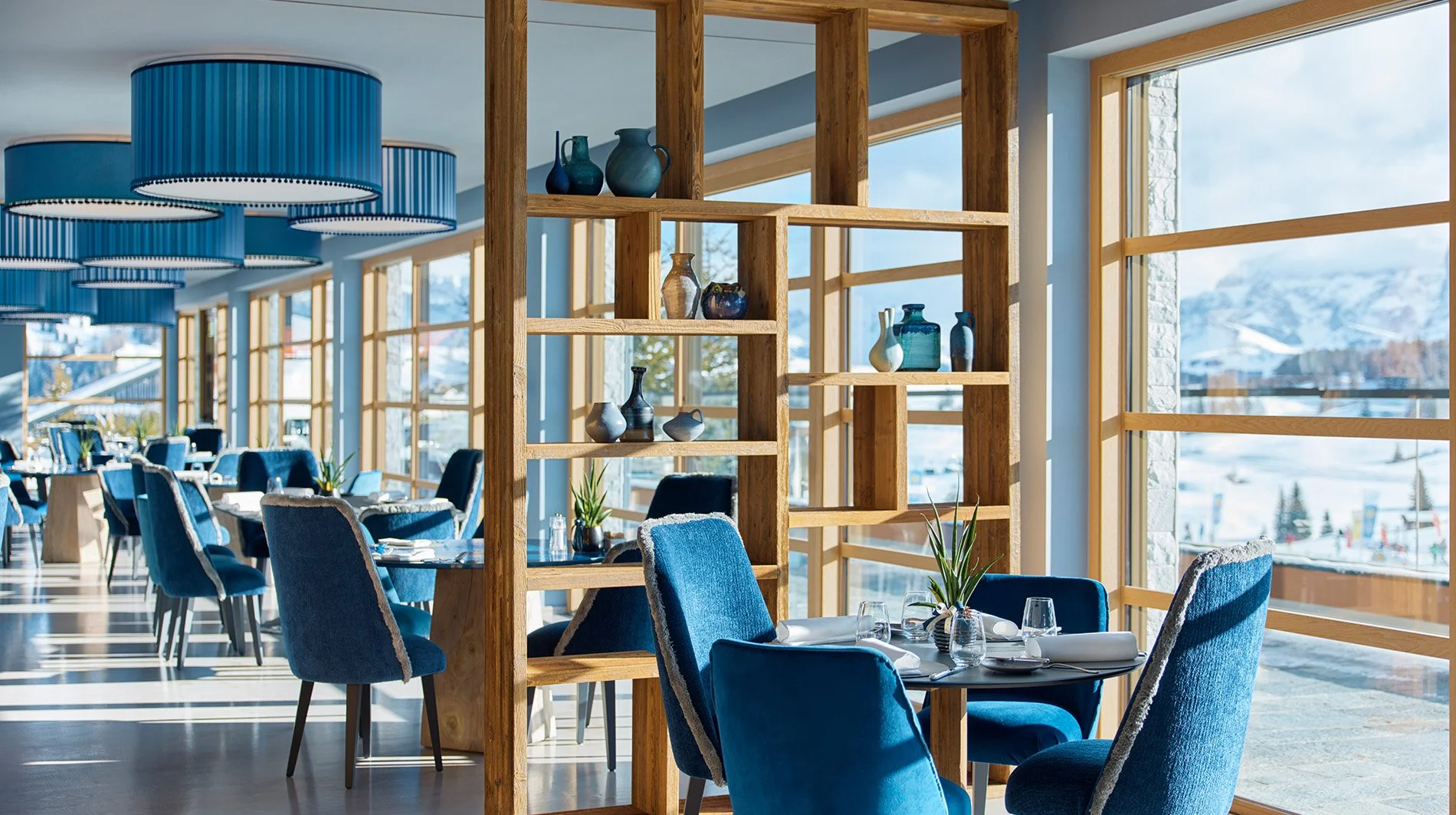
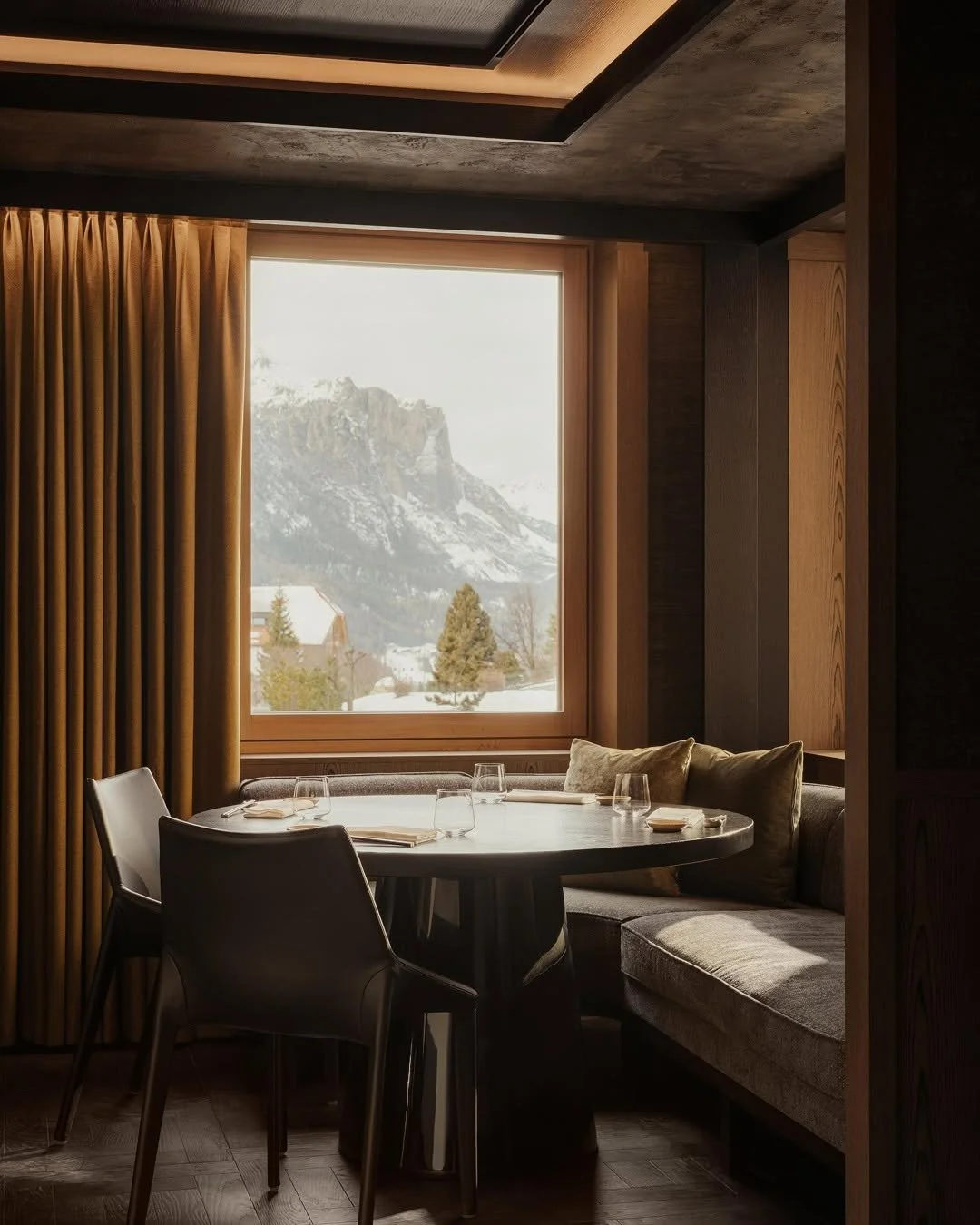
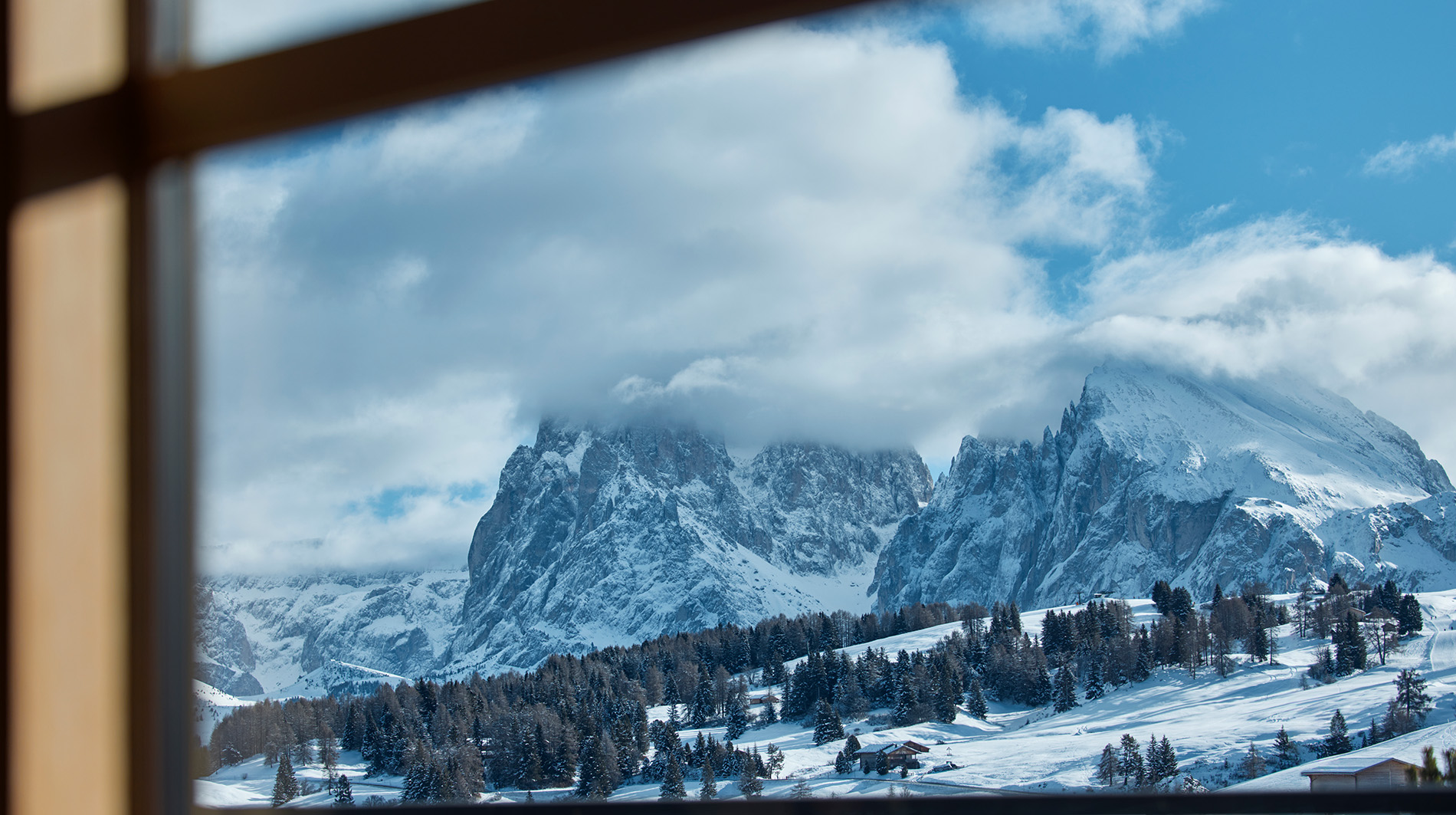
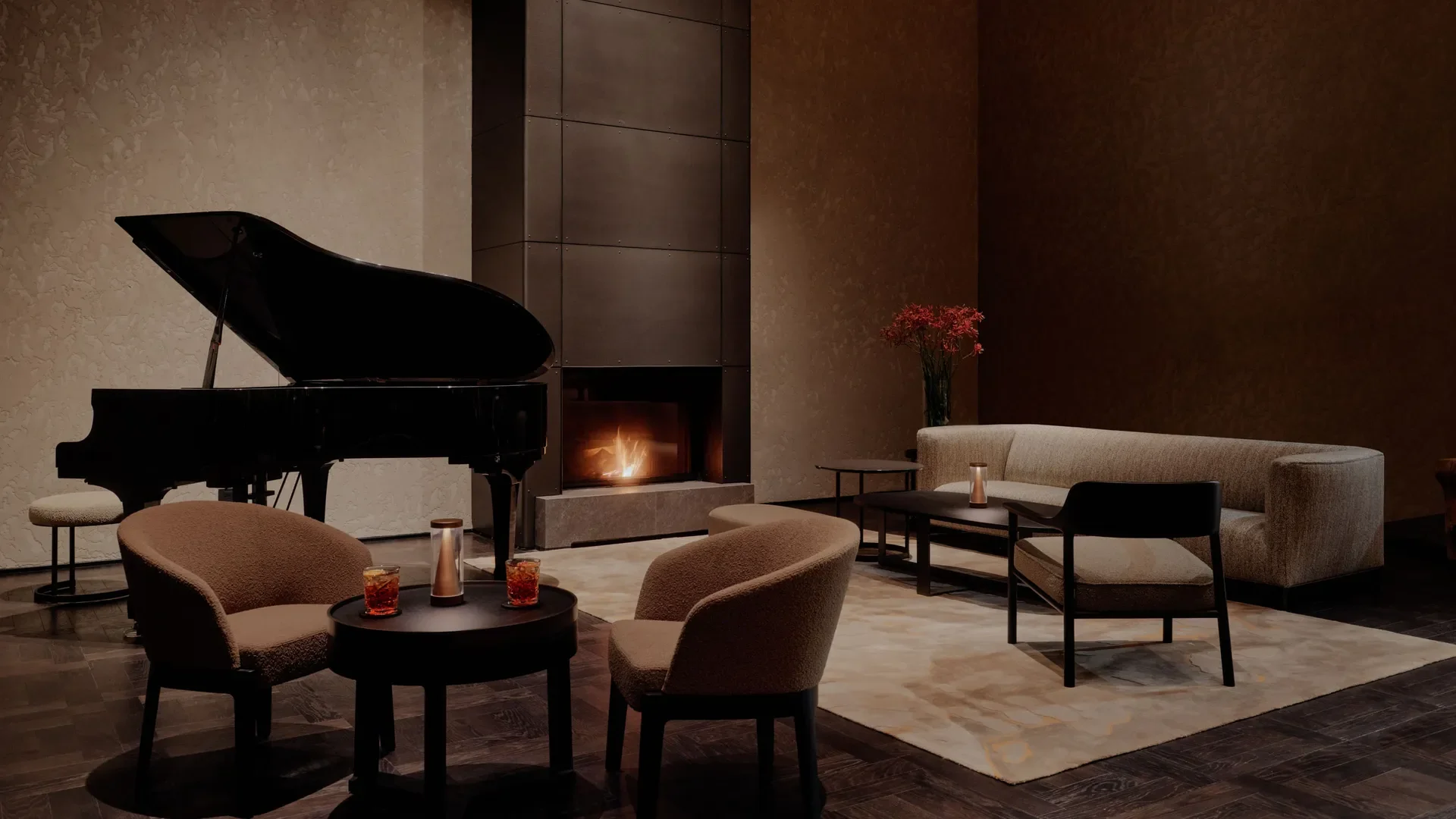
Public areas feel taller and more open, while large windows frame the landscape almost as artwork. Fireplaces provide warmth without dominating the rooms, and the furnishings are deliberately quiet enough that the architecture and surrounding peaks remain the strongest visual elements.
The guestrooms continue that approach.
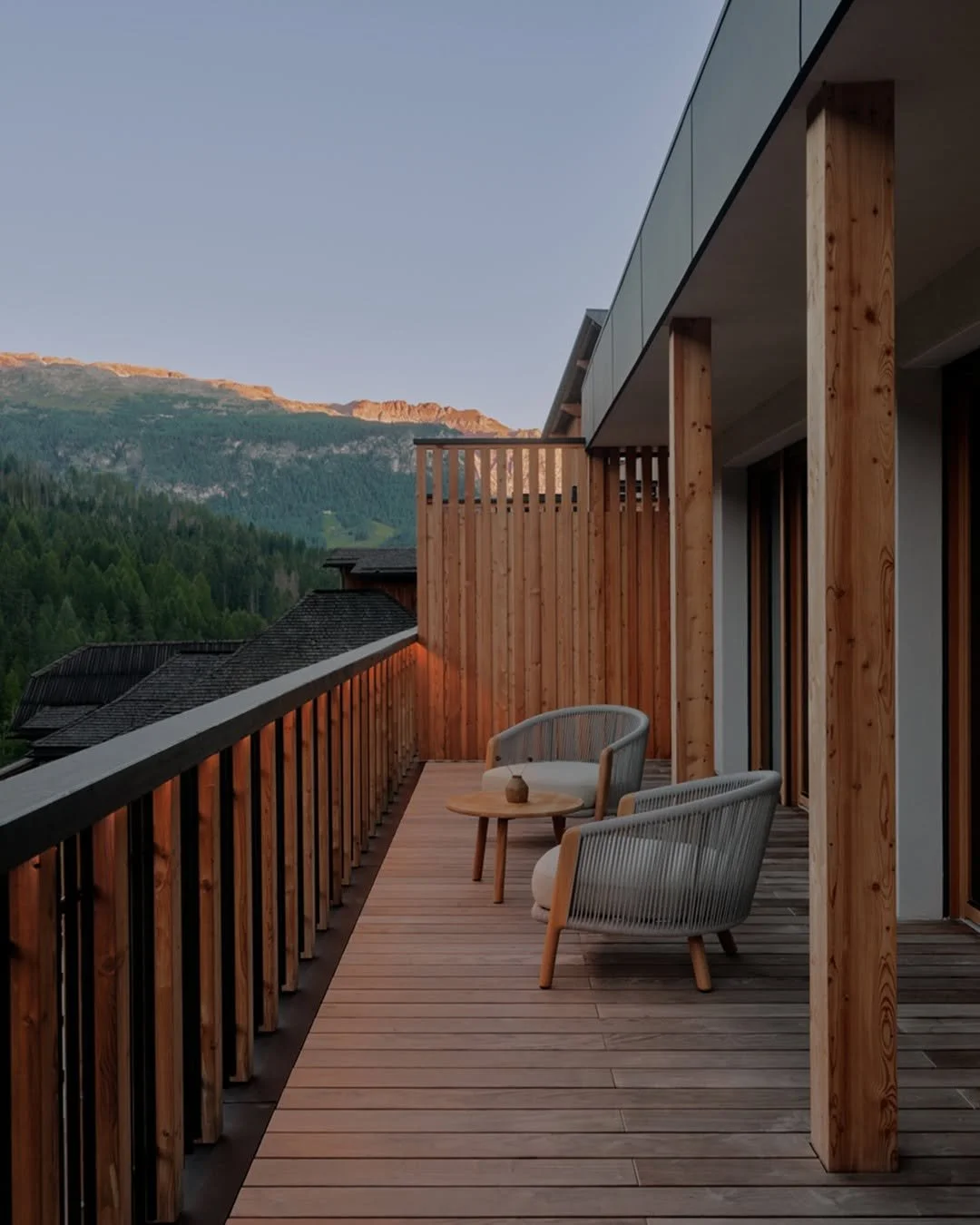
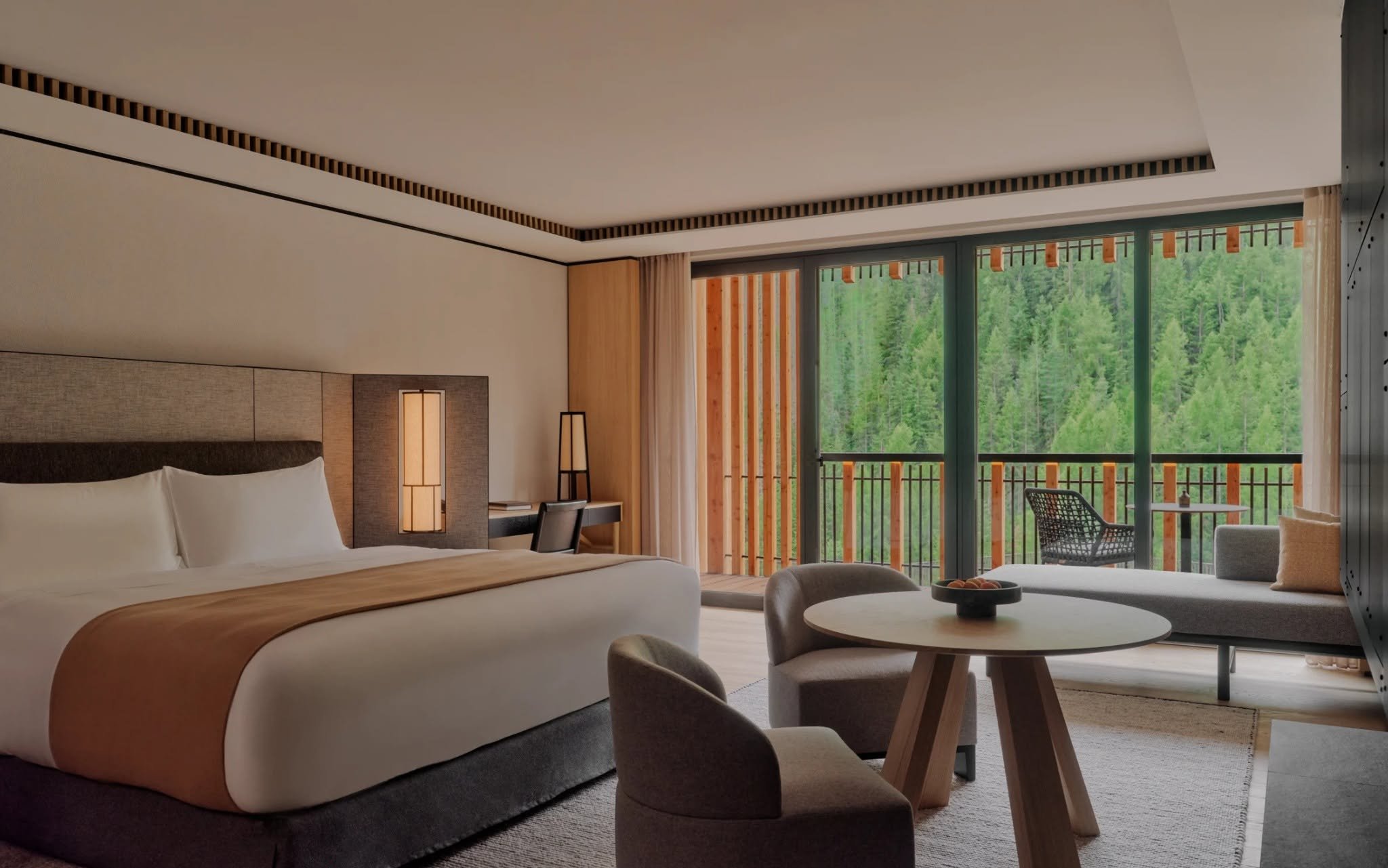
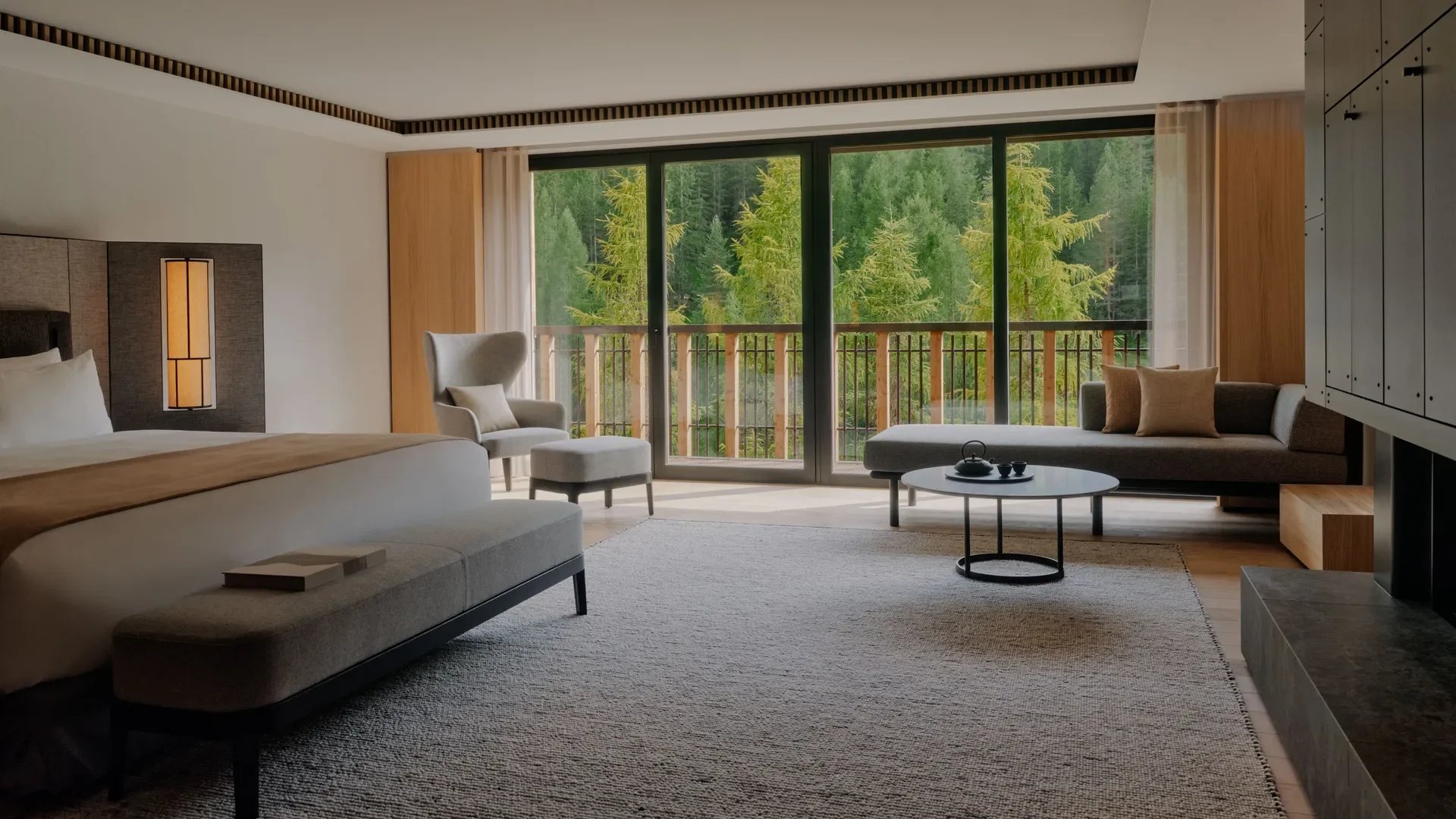
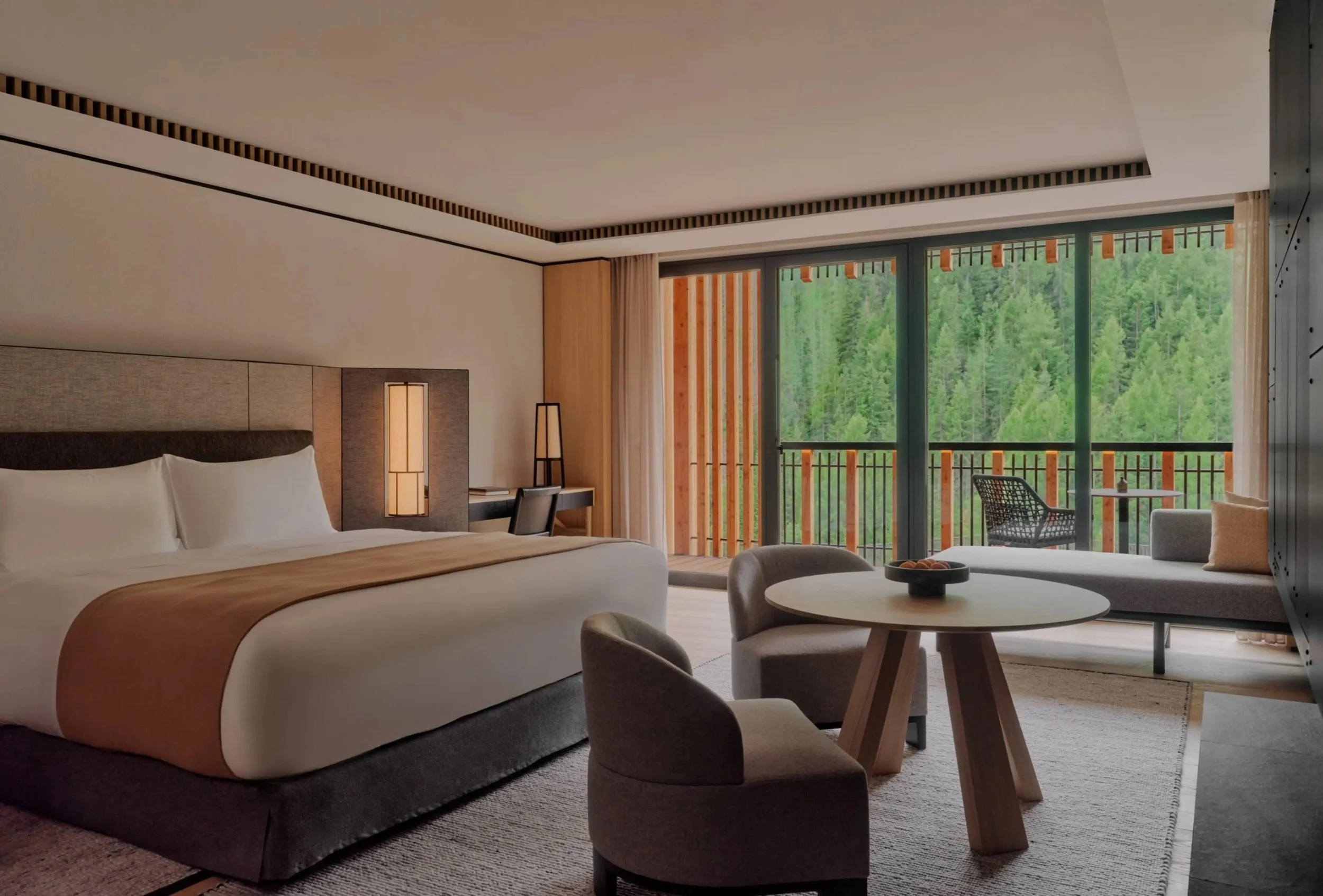
Many have floor-to-ceiling glazing, working fireplaces and private balconies. Village-facing rooms offer a stronger connection to San Cassiano itself, while forest and mountain views produce a more secluded atmosphere.
For us, the most successful part of the redesign is that it does not attempt to compete with the Dolomites.
The mountains remain the dominant presence.
The architecture simply creates better ways to look at them.
Choosing Between Village Views, Forest and the Largest Suites
Aman Rosa Alpina now offers 51 rooms and suites, with categories ranging from generous guestrooms to highly residential two-bedroom accommodations. Sizes published by Aman are converted below into square feet, and individual layouts may vary within the same category.
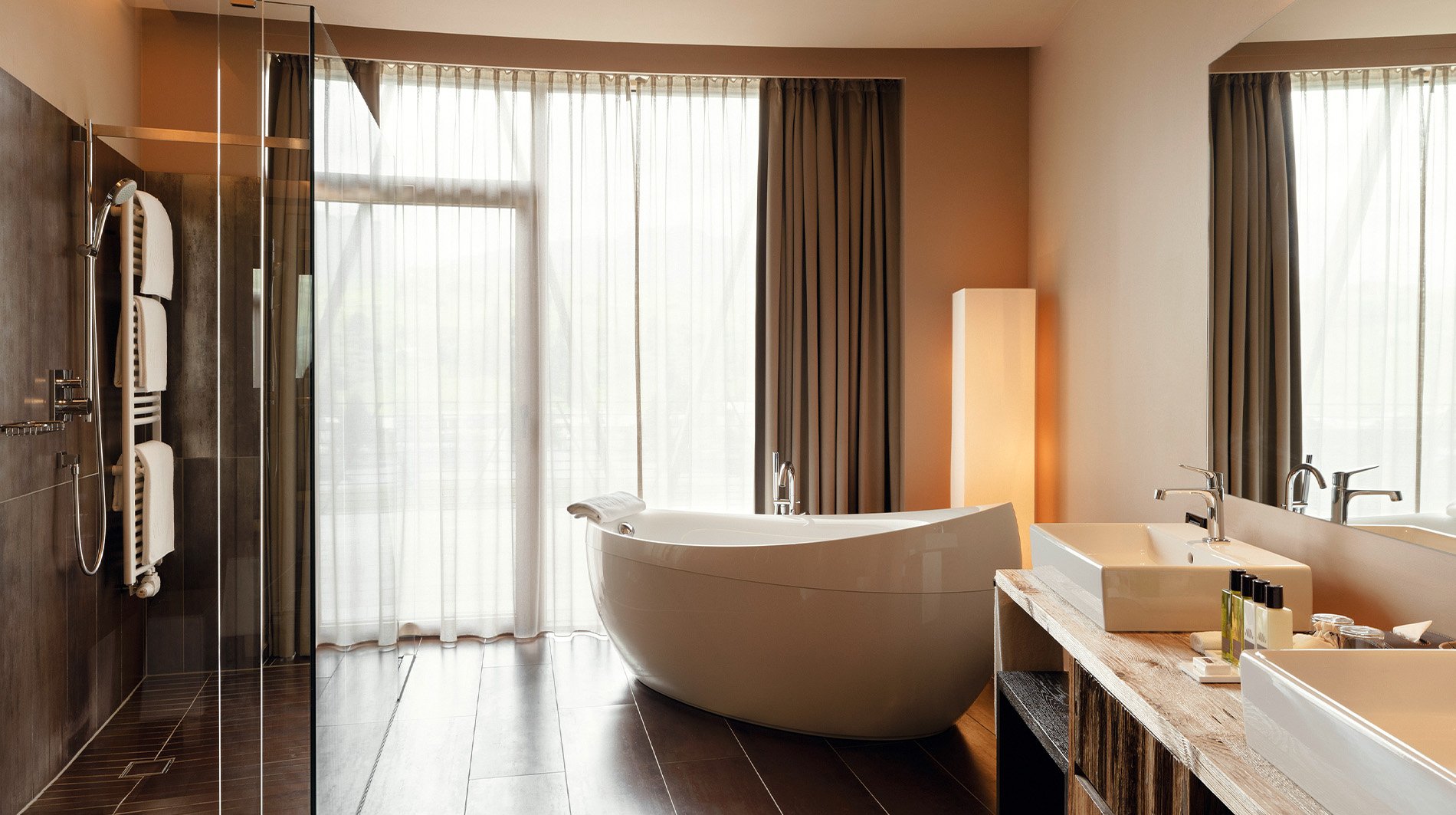
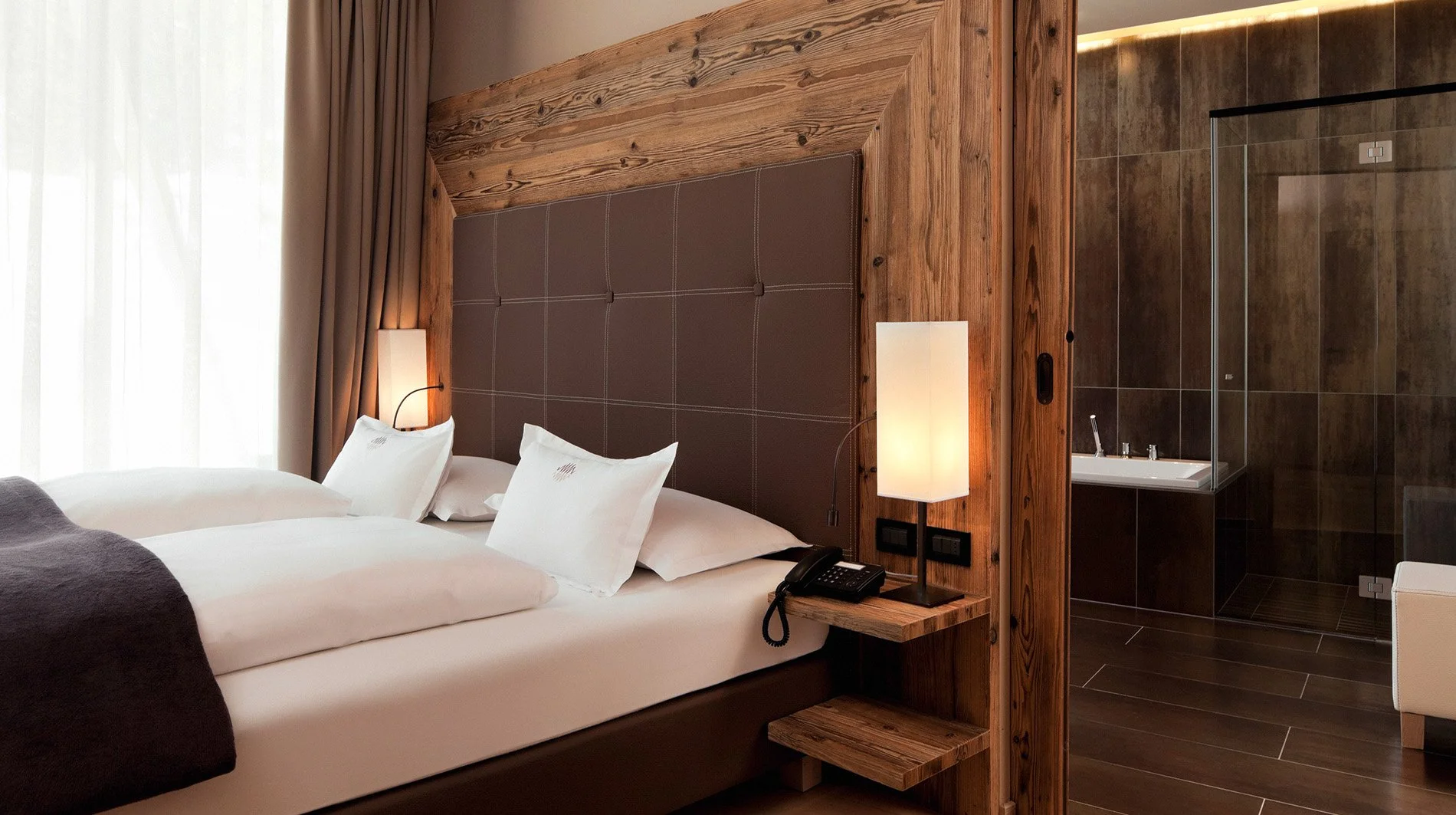
Superior Room: Measuring approximately 431–474 sq. ft., these airy king-bedded rooms combine a working fireplace, soaking tub, double vanity and large picture windows overlooking San Cassiano, creating an intimate entry point into the redesigned hotel.
Deluxe Room: Offering approximately 506–646 sq. ft., Deluxe Rooms provide king or twin bedding, a working fireplace, large wardrobe and spa-style bathroom with separate soaking tub and rain shower, with many also including private balconies.
Premier Room: At approximately 603–614 sq. ft., Premier Rooms add private furnished balconies overlooking San Cassiano, oversized king or twin beds, generous wardrobes, a glass-enclosed working fireplace and a large bathroom with soaking tub and rain shower.
Junior Suite: Ranging from approximately 581–850 sq. ft., these open-plan suites look toward the forest and combine oversized king or twin beds, working fireplaces, dining space and generous bathrooms, with many featuring private south-facing balconies.
Superior Suite: Offering approximately 614–850 sq. ft., Superior Suites pair oversized king beds and spa-like bathrooms with picture windows framing village views, creating additional living space while maintaining a strong connection to San Cassiano.
Deluxe Suite: Measuring approximately 775–936 sq. ft., these open-plan Alpine suites offer king or twin bedding, expansive living areas and large private balconies in many configurations, with most featuring dual-sided fireplaces that visually divide sleeping and lounge spaces.
Premier Suite: At approximately 915–1,044 sq. ft., Premier Suites focus on mountain views, combining private balconies, oversized king beds and dedicated living areas in a spacious open-plan layout designed for longer stays.
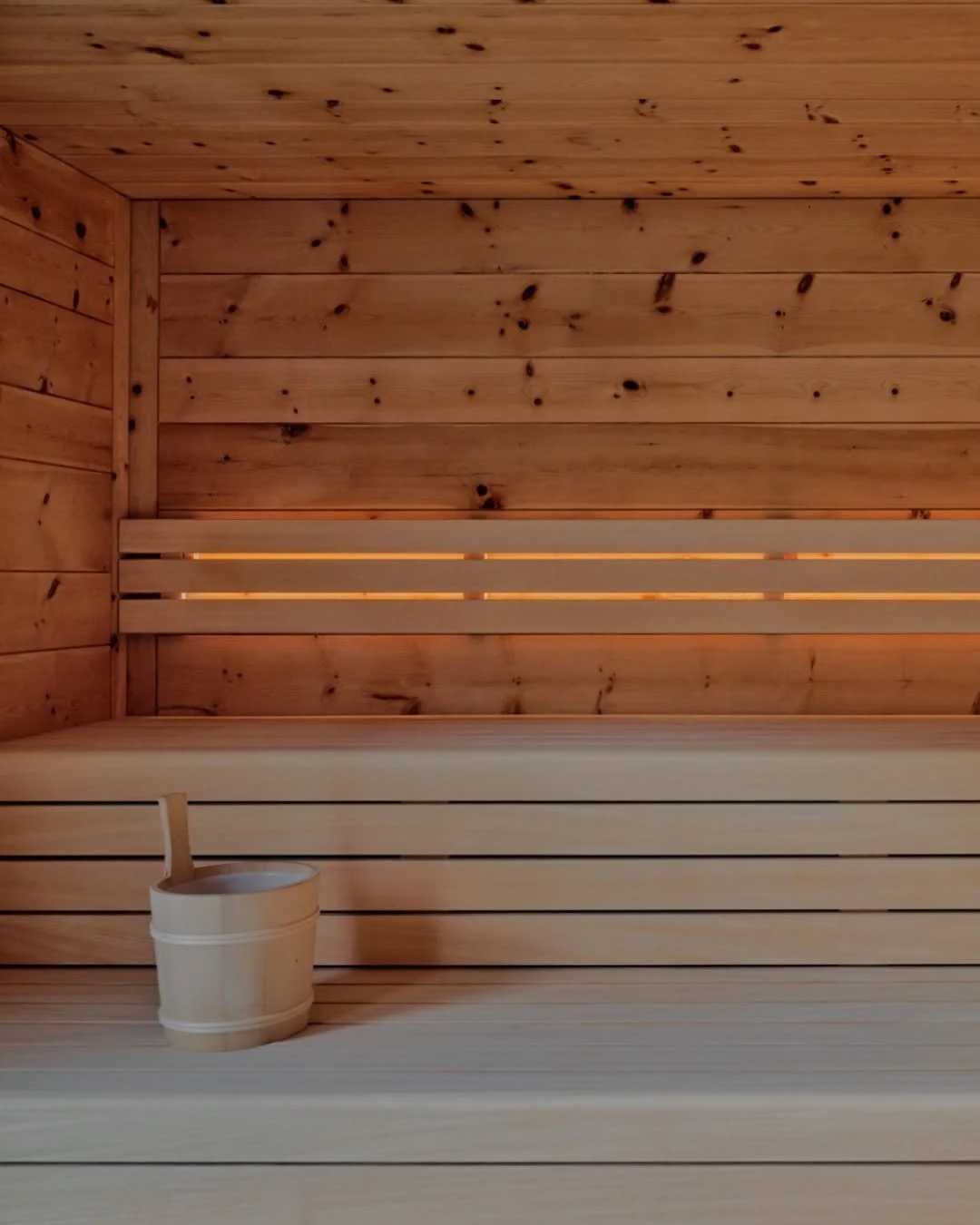
Dolomites Suite: Measuring approximately 1,076 sq. ft., this distinctive suite combines panoramic mountain views with a private sauna, separate living area, office, bar and dedicated lift access for an unusually private residential experience.
Rosa Alpina Suite: Offering approximately 1,249–1,464 sq. ft., these expansive suites pair private balconies with king bedrooms, spa-like bathrooms and airy open-plan dining and living areas that make them particularly suitable for longer stays or guests who want substantial entertaining space.
Zeno Suite: At approximately 1,561 sq. ft., this one-of-a-kind retreat includes a private garden, balcony, cinema, kitchenette and dining table for up to eight guests, giving it a particularly residential character within the hotel.
Aman Suite: Measuring approximately 1,701 sq. ft., the hotel’s largest suite provides two en-suite bedrooms, a private outdoor terrace and dining space for up to six guests, making it the strongest choice for families or small groups seeking maximum privacy and space.
For us, the decision begins with outlook and how much time guests expect to spend in the room.
The standard categories are already unusually generous for an Alpine hotel. The larger suites become more compelling for longer stays, families or guests who expect the accommodation itself to form a meaningful part of the trip.
The Dolomites, Zeno and Aman Suites are particularly distinctive because they move beyond simply adding floor area and introduce features such as private saunas, cinemas, kitchens or multiple bedrooms.
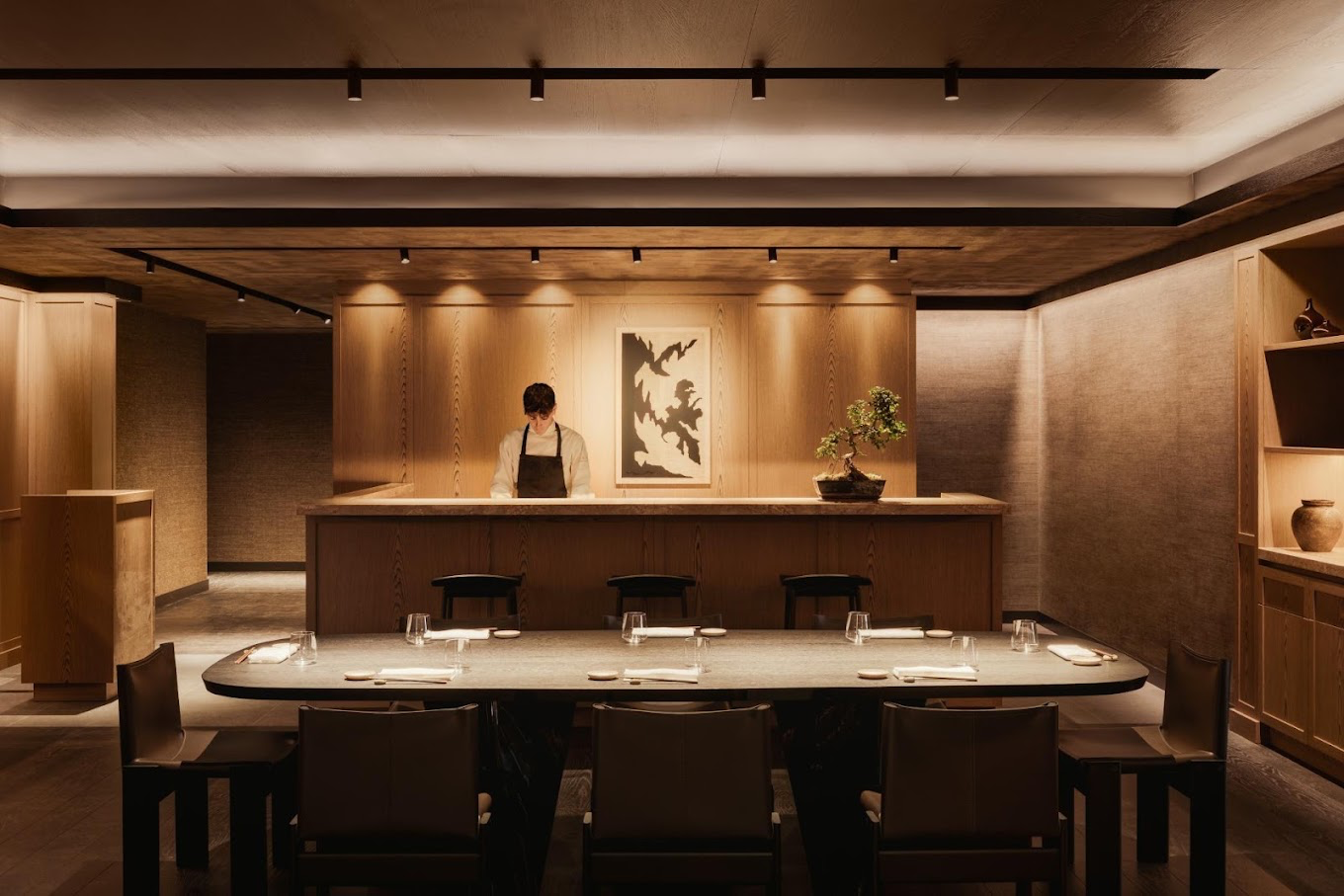
Alpine Tradition Meets Aman’s Eastern Roots
Dining at Aman Rosa Alpina is deliberately varied.
Rather than focusing exclusively on Ladin or Italian cooking, the hotel combines regional food with an Asian influence that reflects Aman’s broader identity.
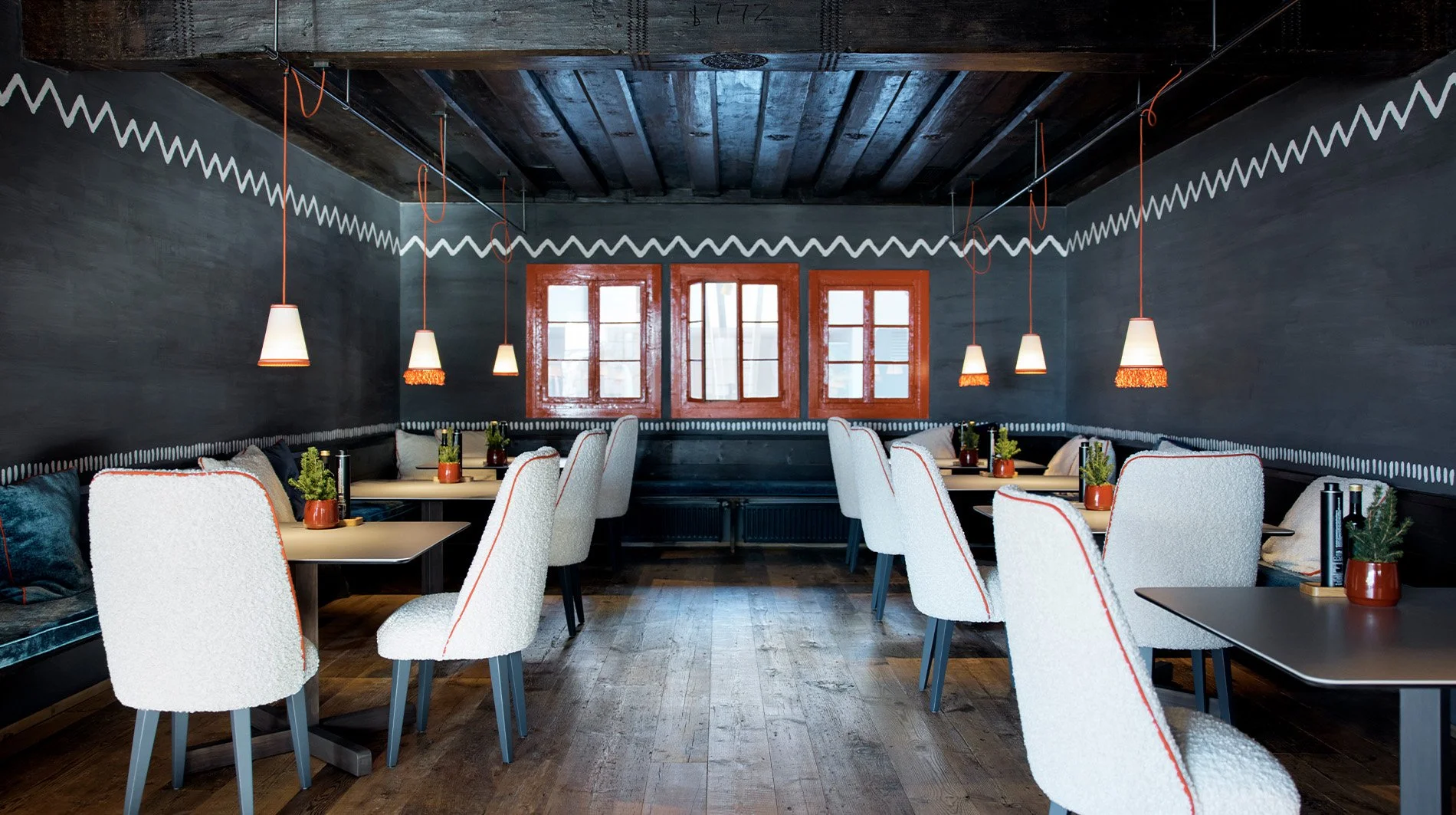
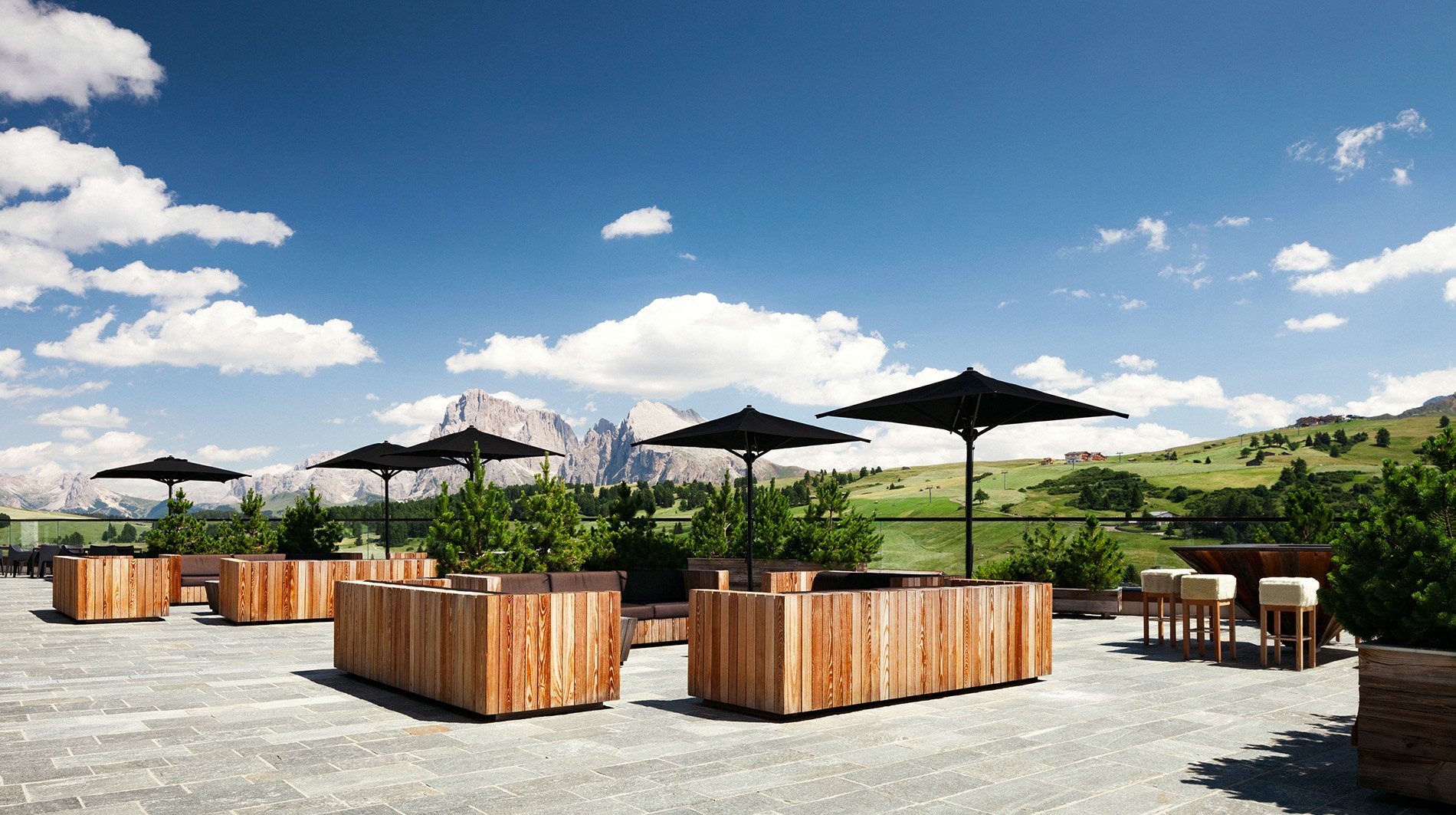
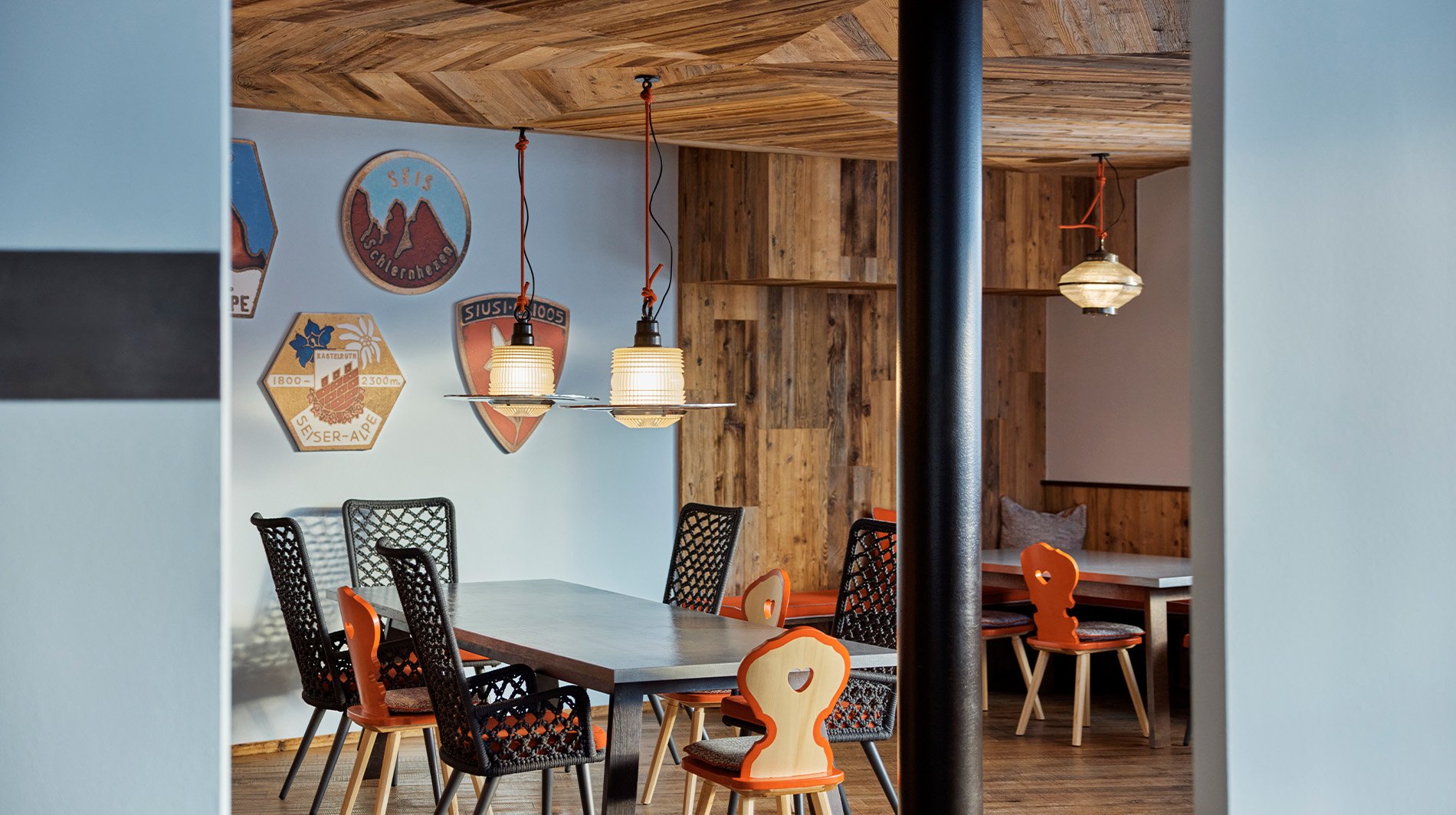
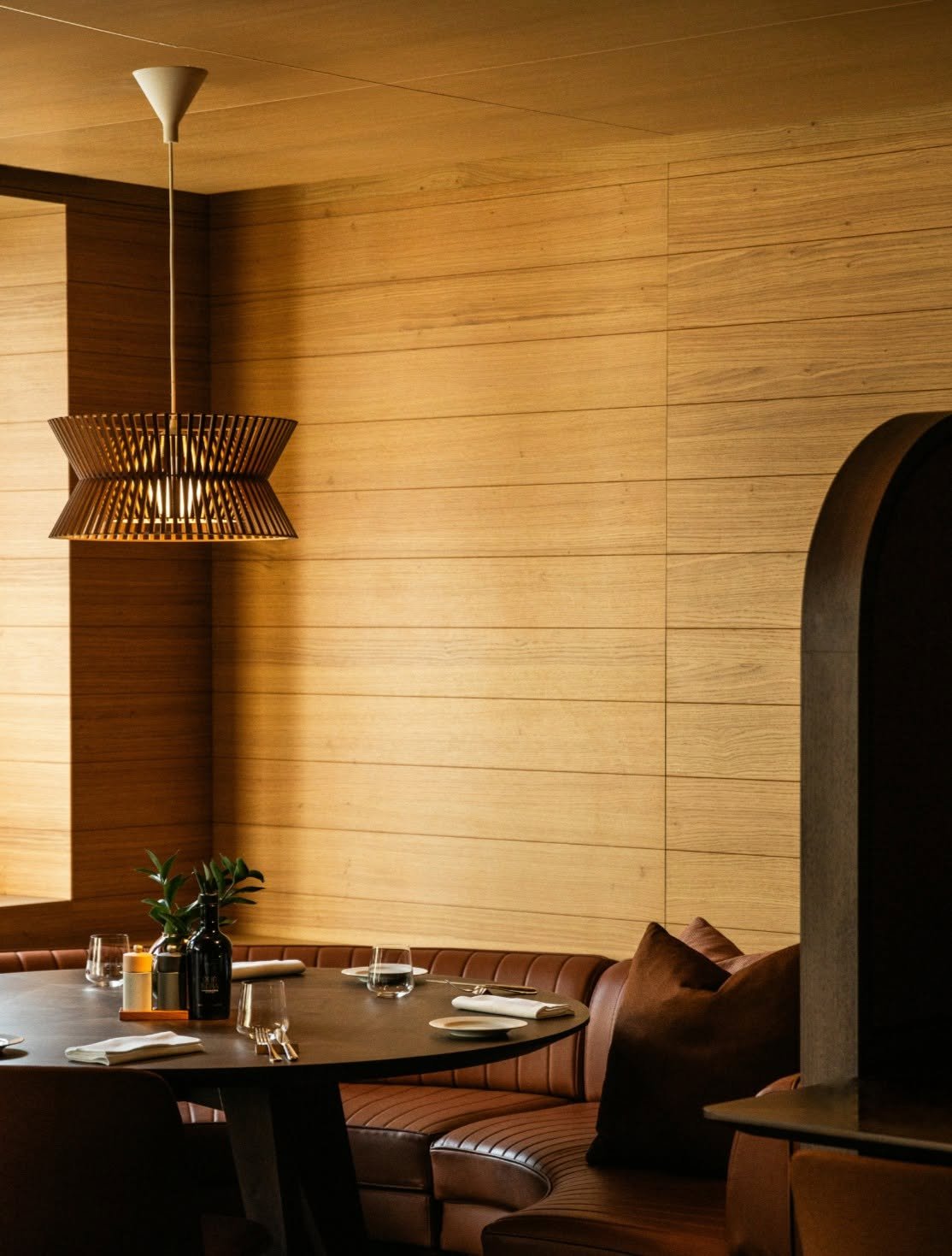
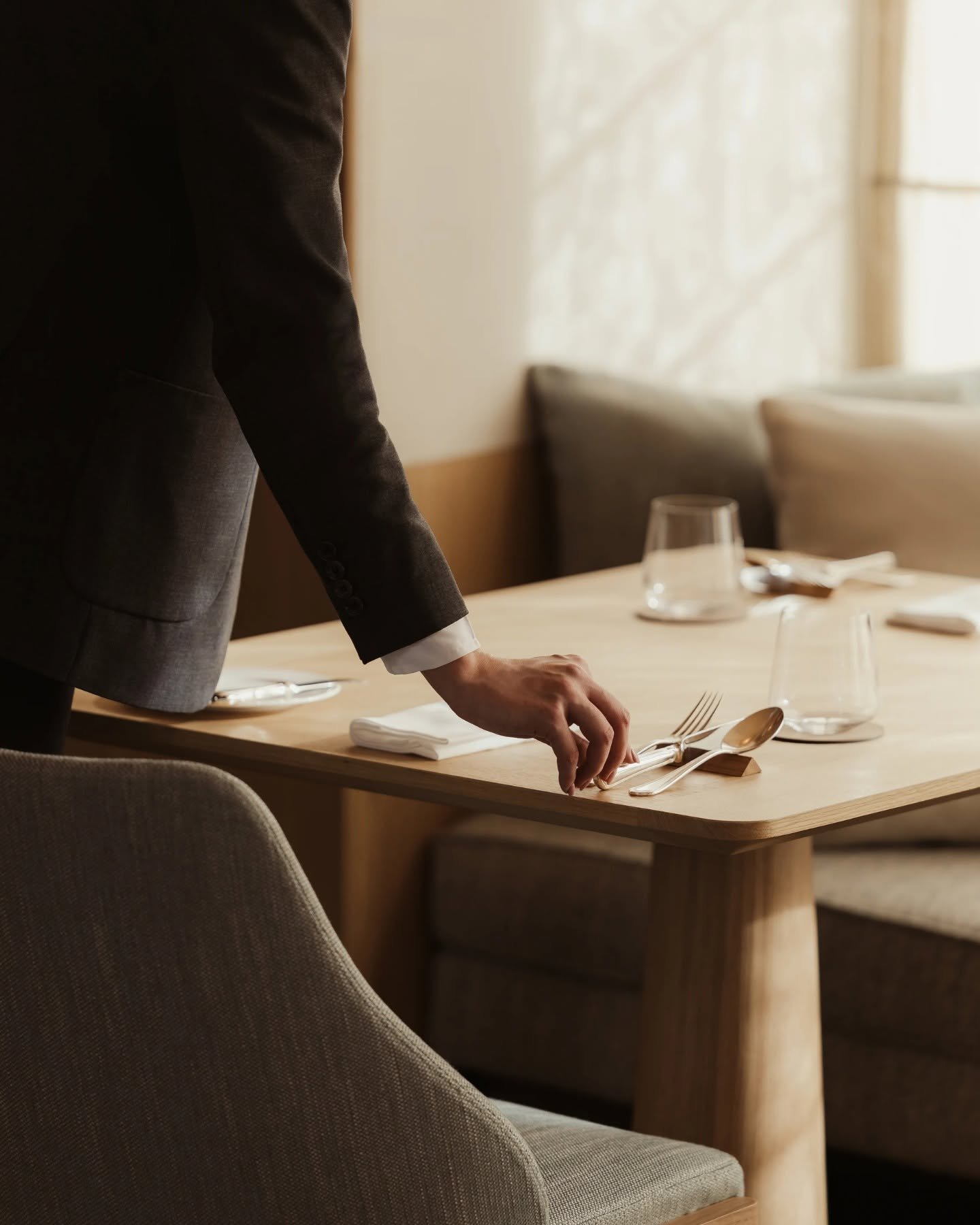
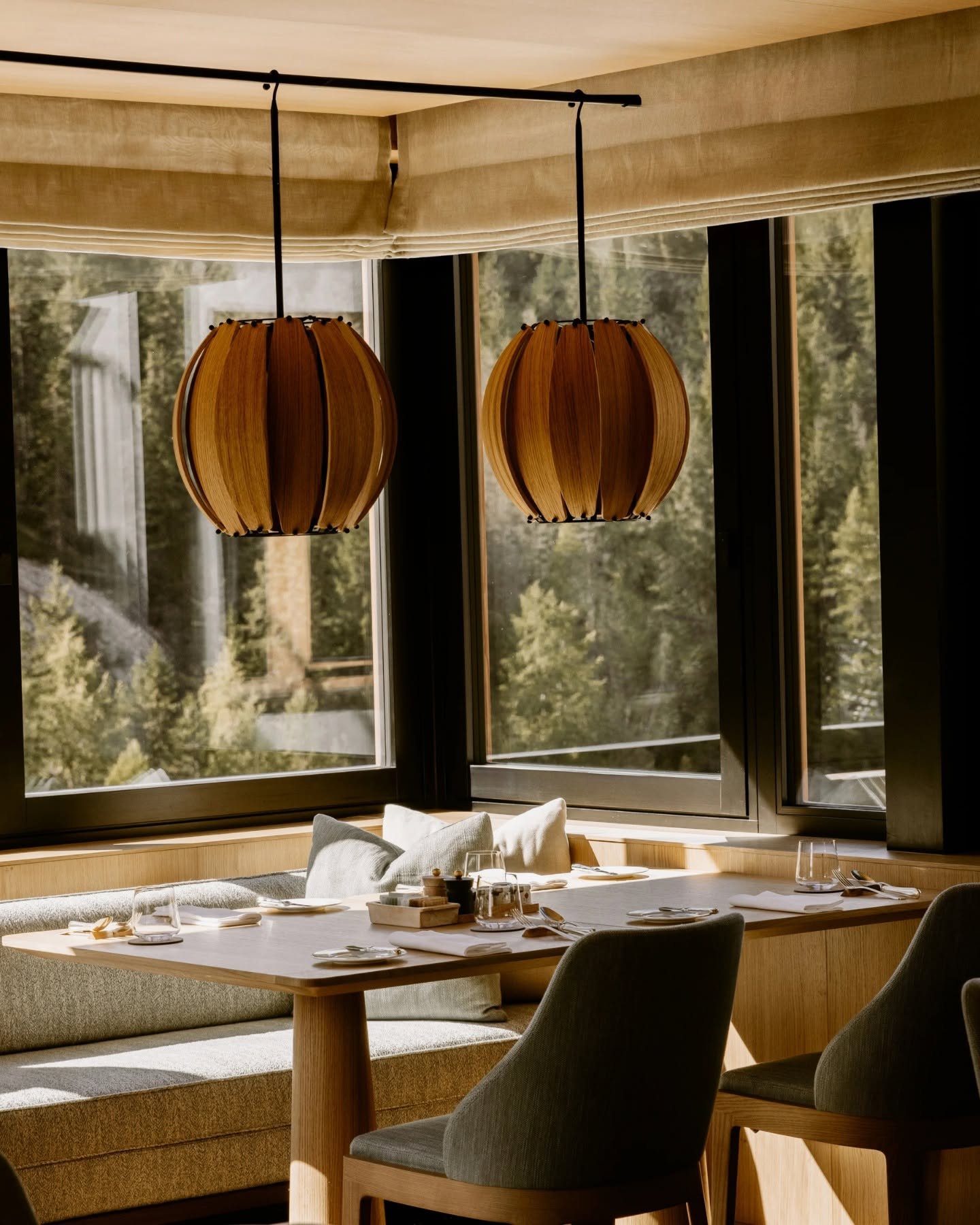
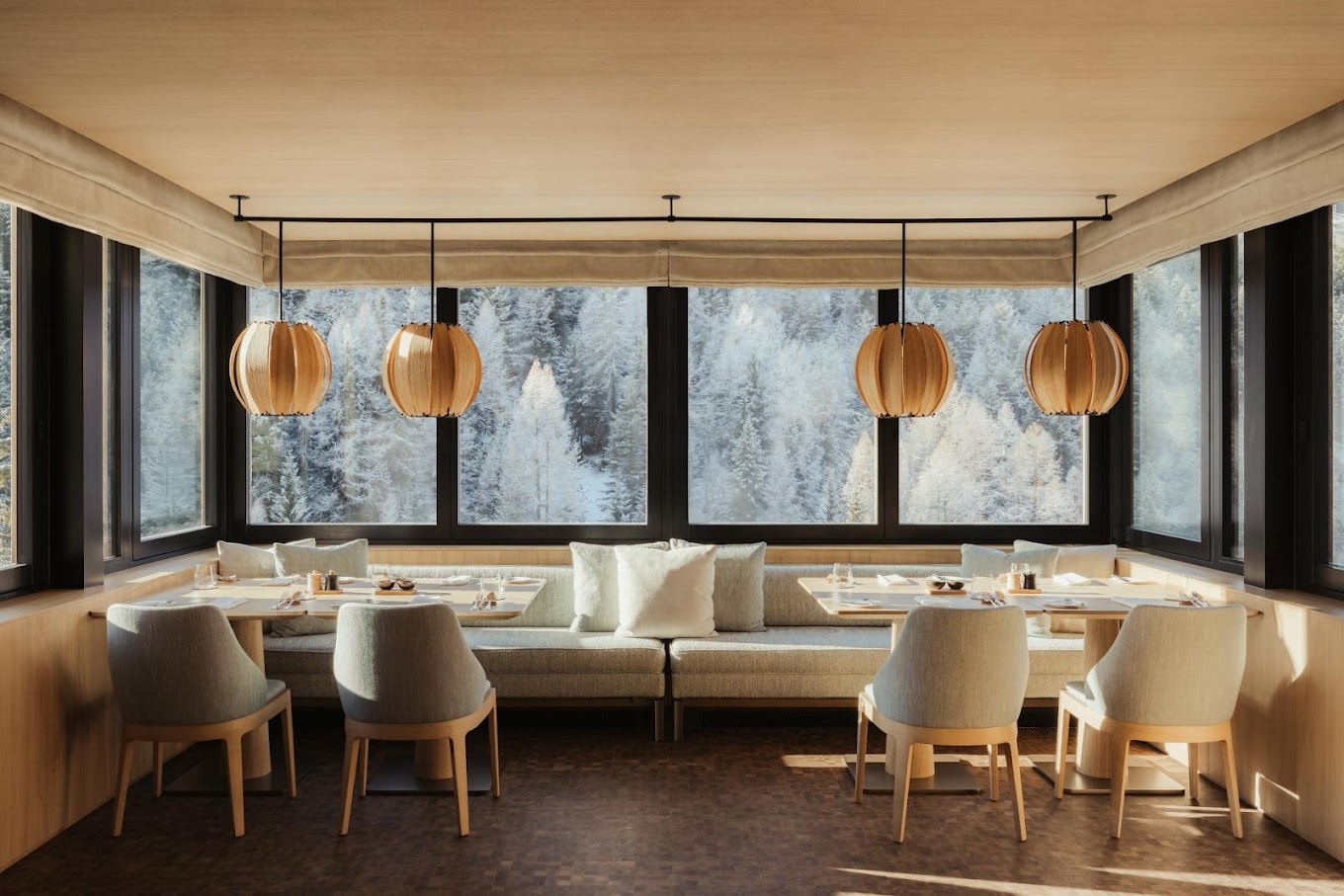
The Grill: The hotel’s principal Italian restaurant serves grilled meats, handmade pasta, antipasti and crisp pizzas in a warm contemporary setting, with a seasonal terrace overlooking San Cassiano and its church during the warmer months.
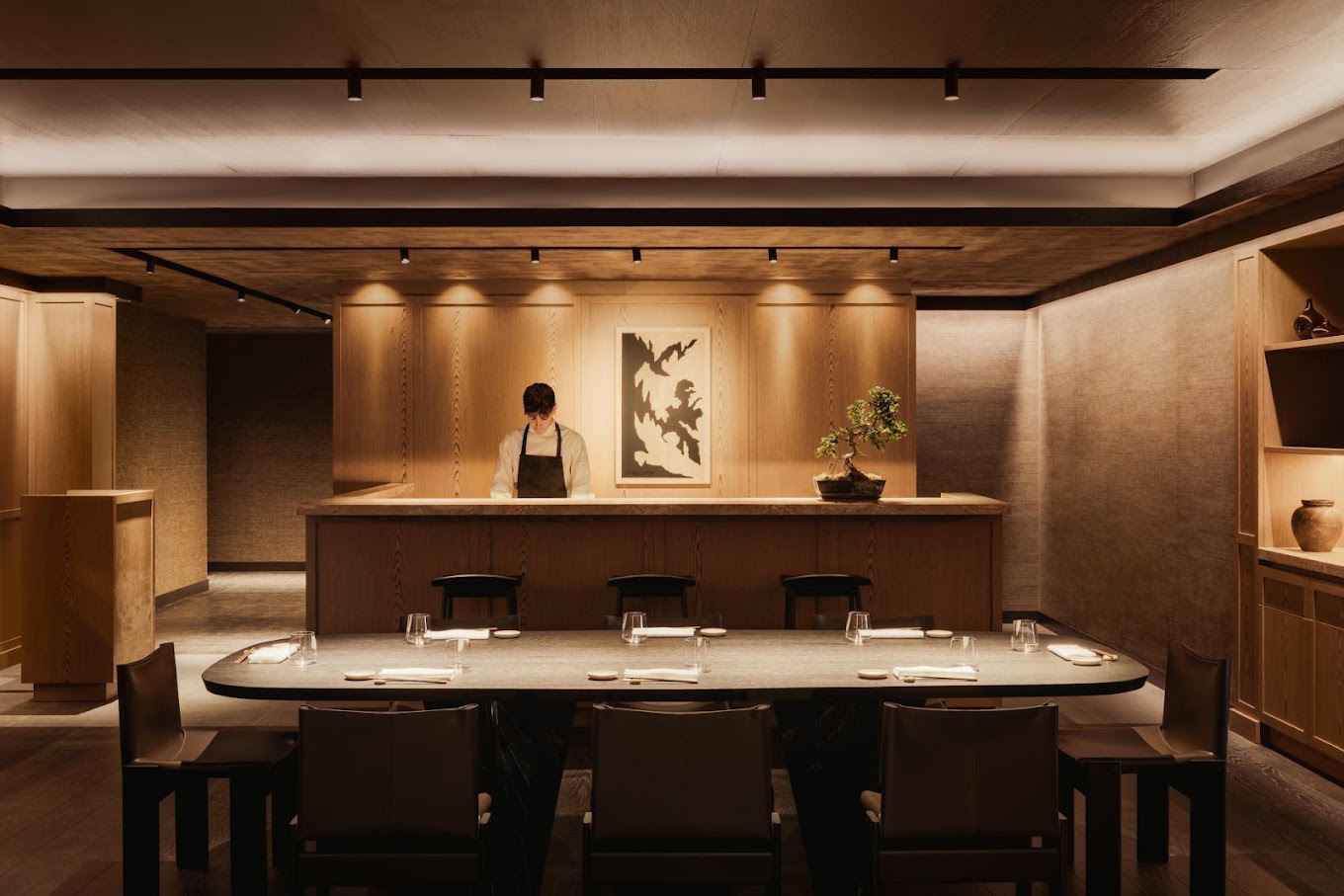
Enju: This intimate Japanese restaurant centers on Shabu Shabu, guiding guests through a multi-course hot-pot experience of premium meats, seasonal vegetables, Japanese sake and rare teas in a restrained minimalist dining room.
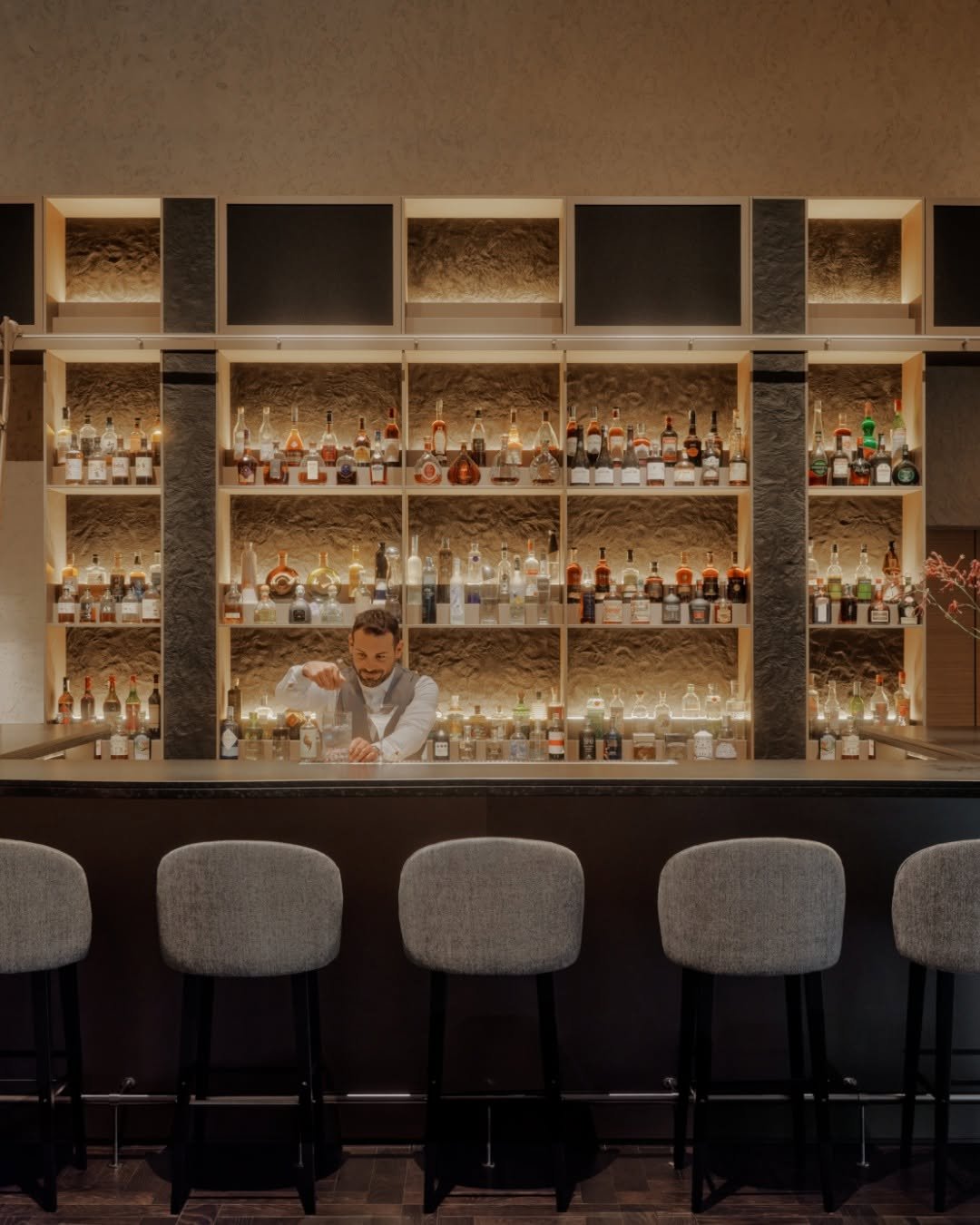
Il Salotto: Designed as the hotel’s all-day living room, Il Salotto transitions from coffee and lighter dishes during the day to cocktails in the evening, combining Aman’s quiet aesthetic with the social rhythm of an Alpine lounge.
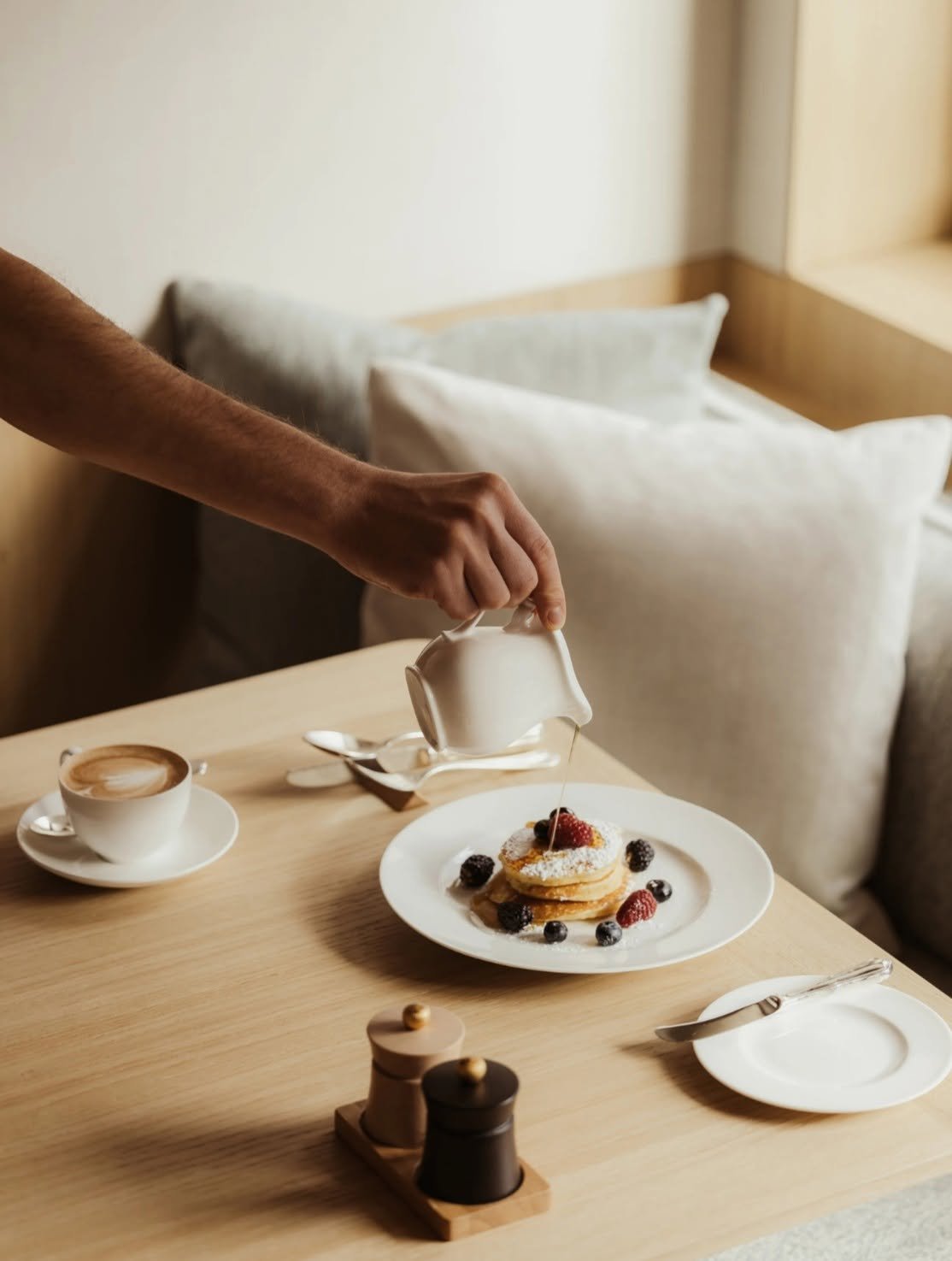
Heritage Room: Breakfast is served here each morning, pairing homemade pastries, freshly prepared coffee and breakfast dishes with forest views and a slower start to the day.
Di Vino Room: Built around Rosa Alpina’s long-established wine culture, this private dining and tasting room houses a celebrated wine list and access to a cellar containing more than 25,000 bottles.
Il Bar: The hotel bar provides an intimate setting for aperitivi and after-dinner drinks without requiring a full restaurant reservation.
Cigar Lounge: A dedicated lounge pairs premium cigars with aged spirits, with curated whisky and rum experiences available for guests who want a more structured tasting.
For us, The Grill is the natural restaurant to return to more than once because it connects most directly with the Italian mountain setting.
Enju provides deliberate contrast, particularly after several days of traditional Alpine food.
The Di Vino Room is also important.
Wine has long been part of Rosa Alpina’s identity, and the scale of the cellar means it should be treated as more than an additional amenity for guests with a serious interest in Italian and international bottles.
Two Floors of Wellness Beneath the Pines
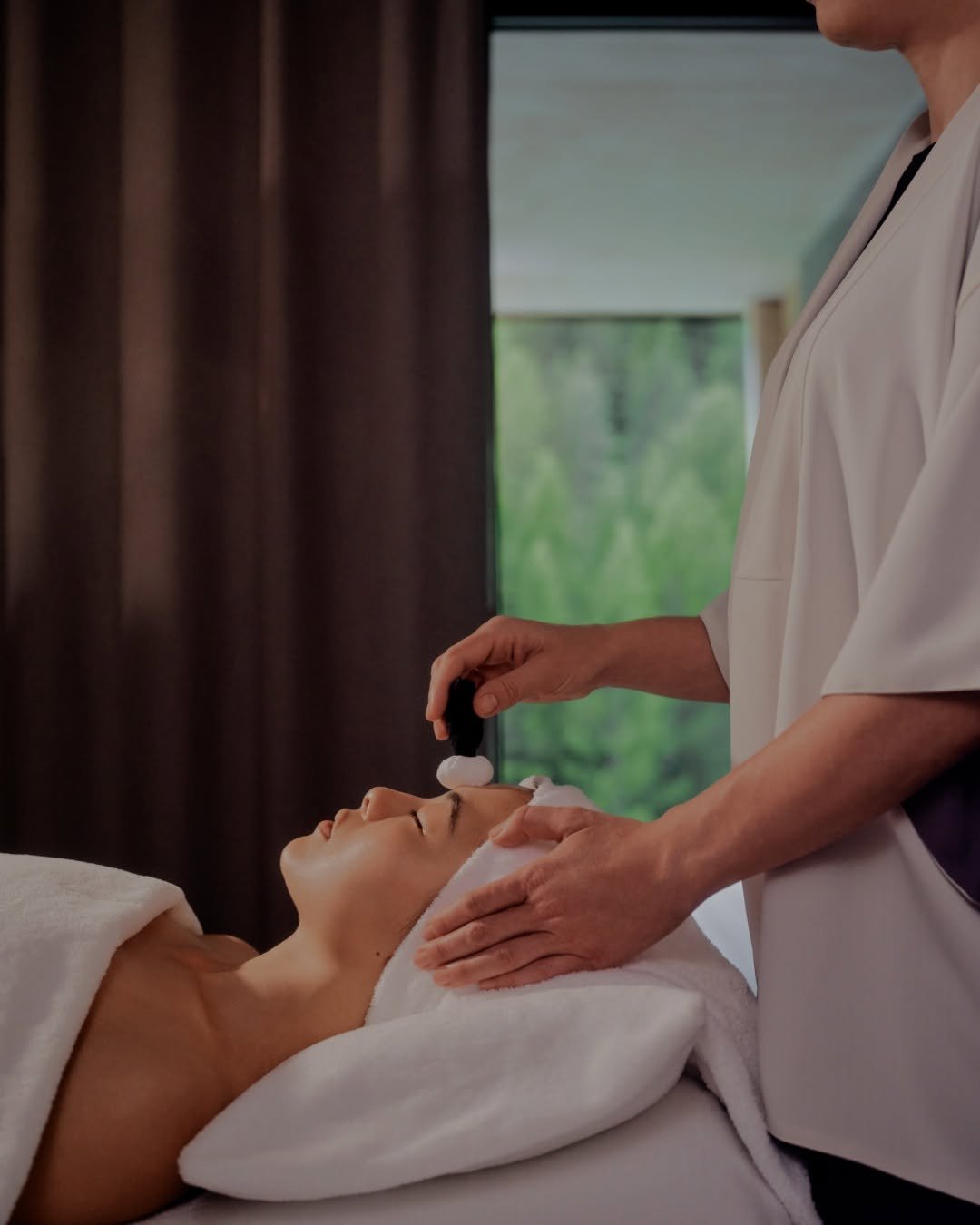
The redesigned Aman Spa spans approximately 18,126 sq. ft. across two levels, making wellness one of the central components of the new property.
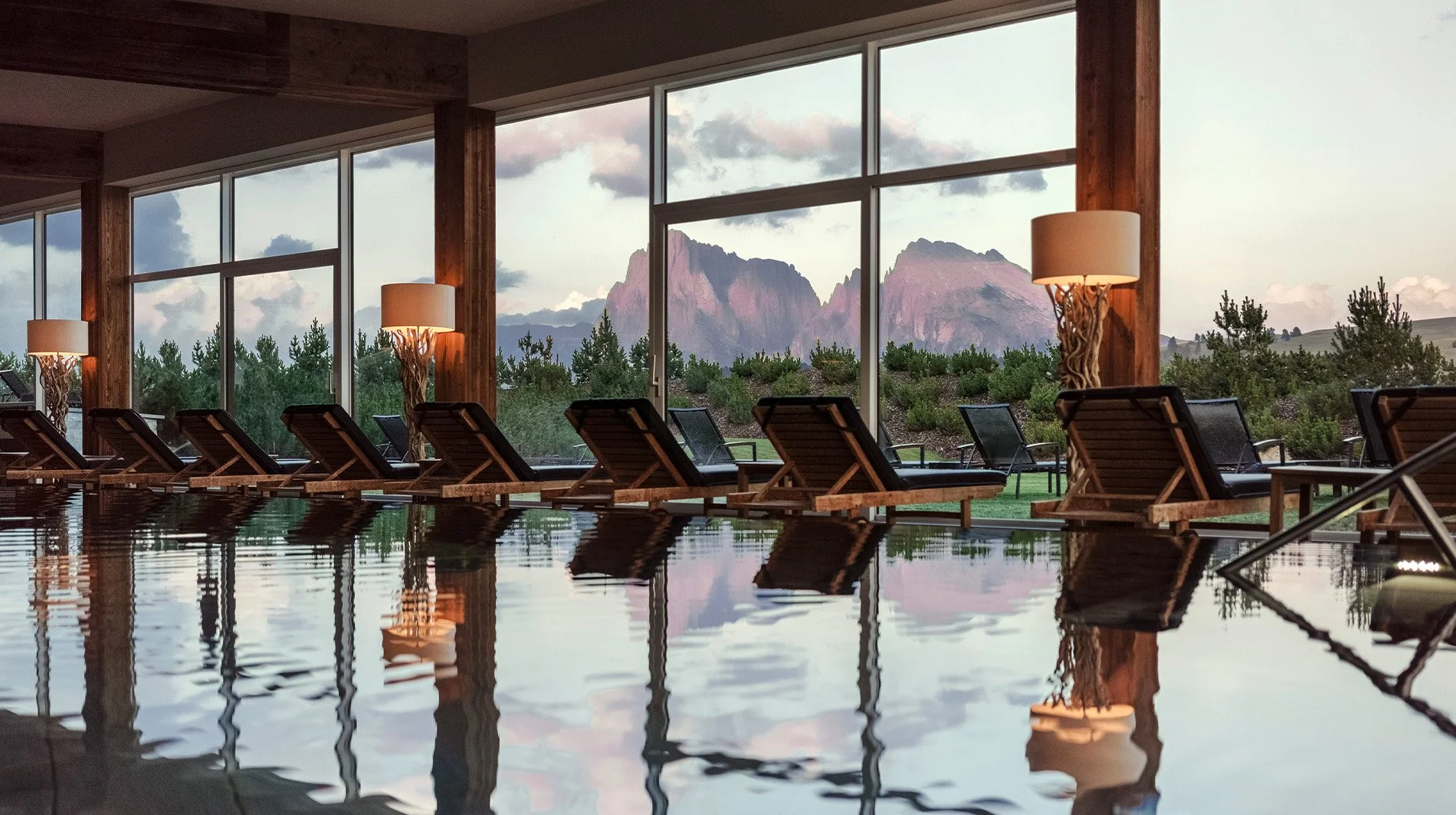
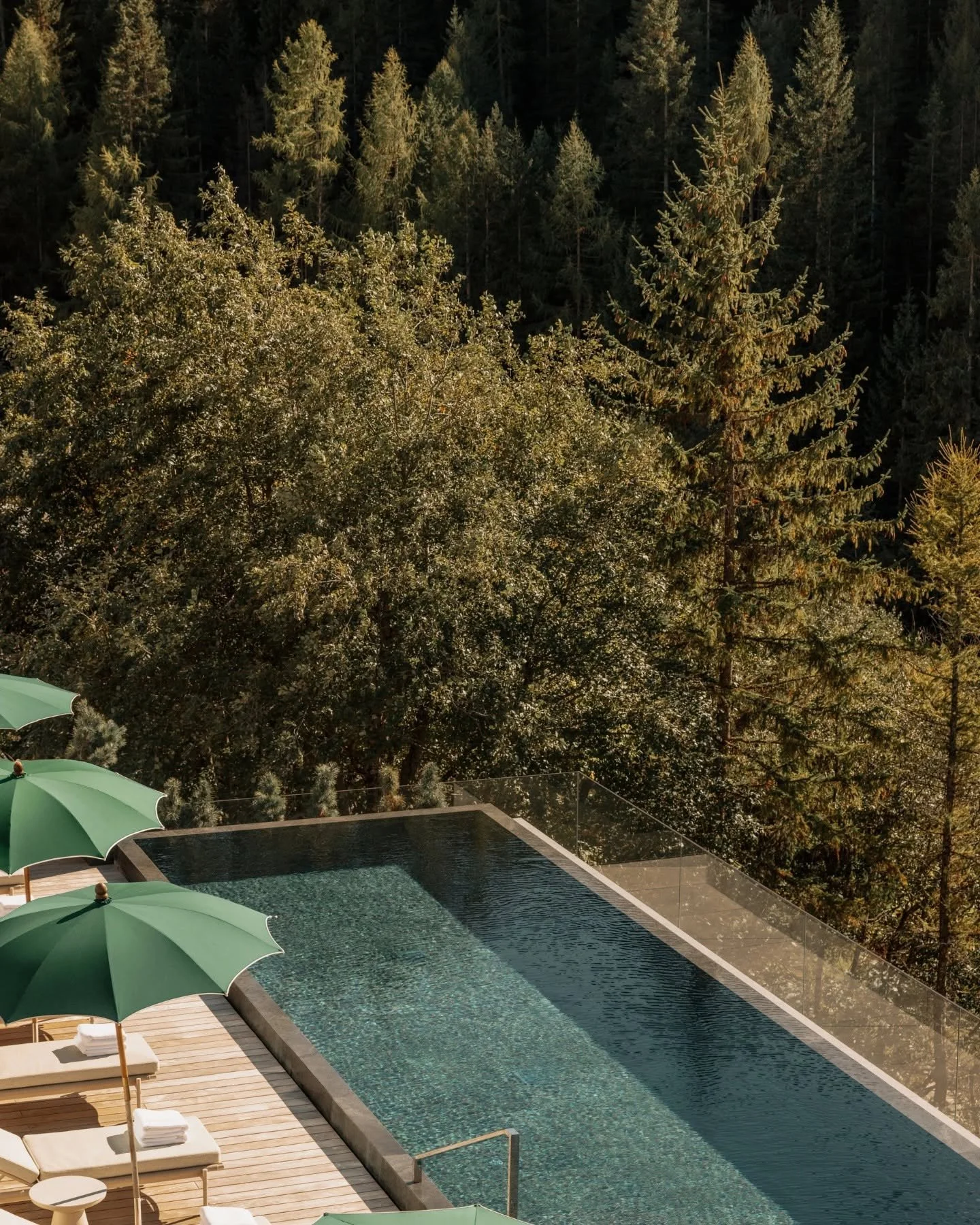
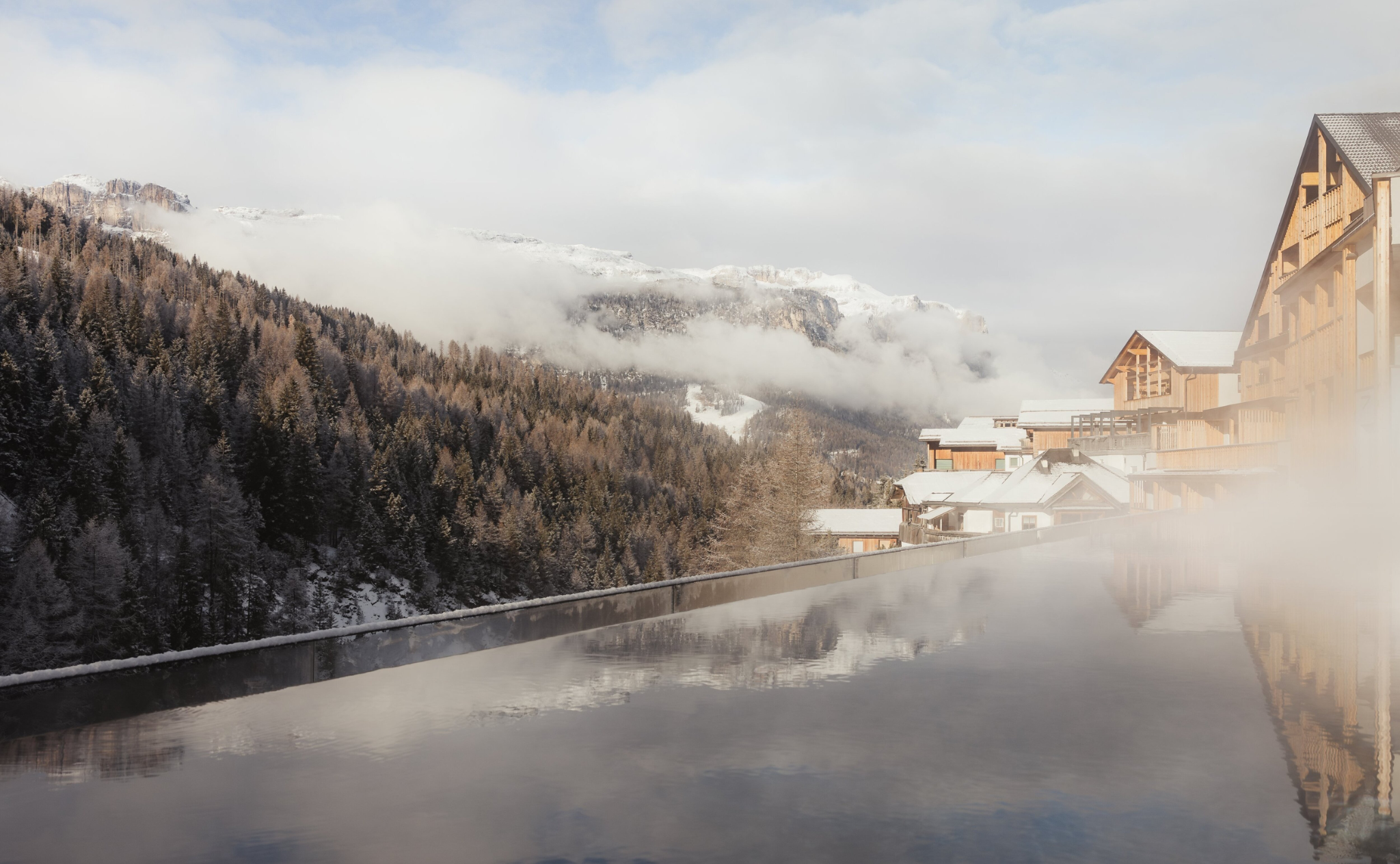
The spa is south-facing and surrounded by forest views.
Its adults-only area, reserved for guests age 16 and above, includes an eight-metre indoor swimming pool, cold plunge, Finnish sauna, bio sauna and steam bath.
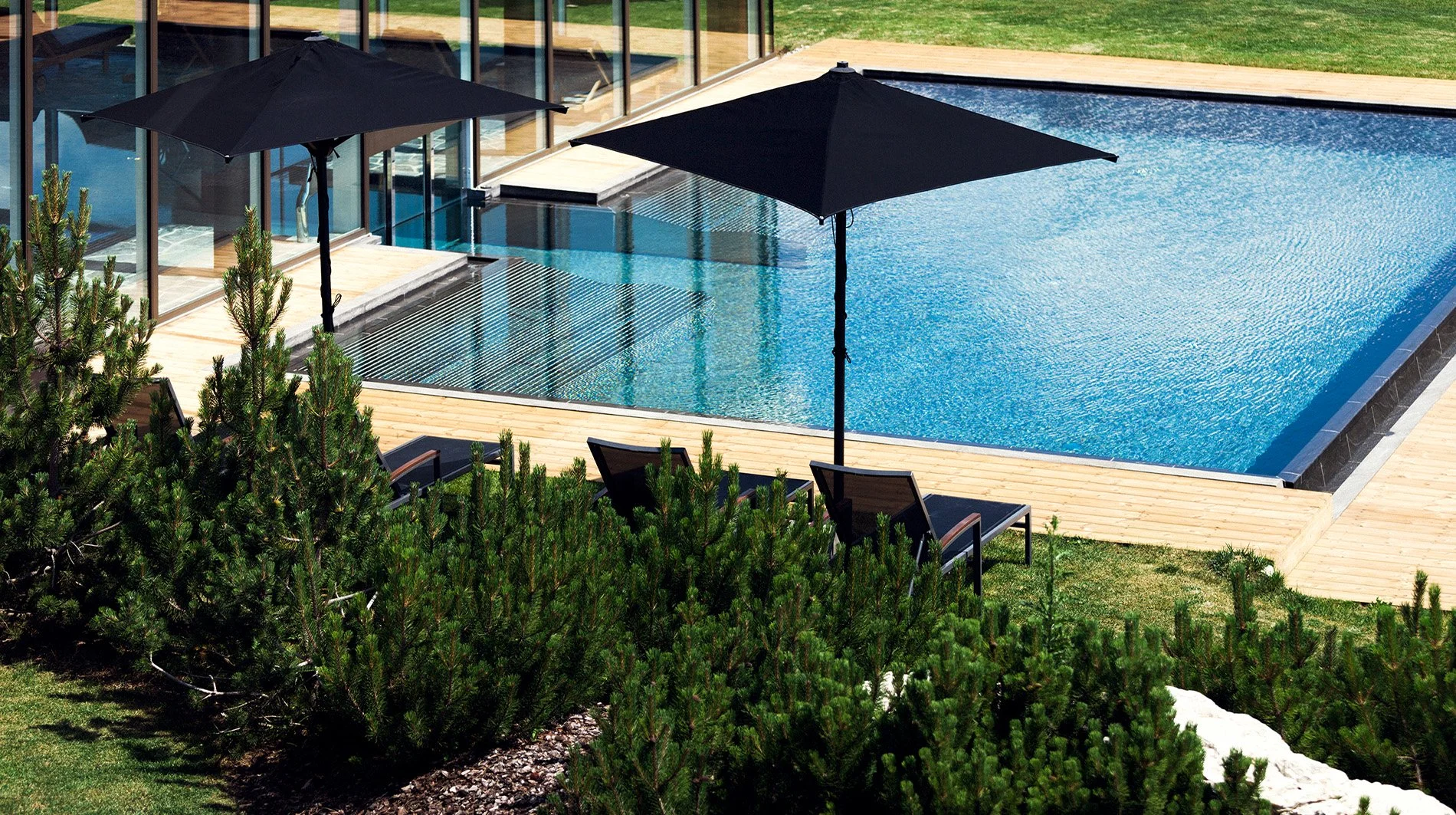
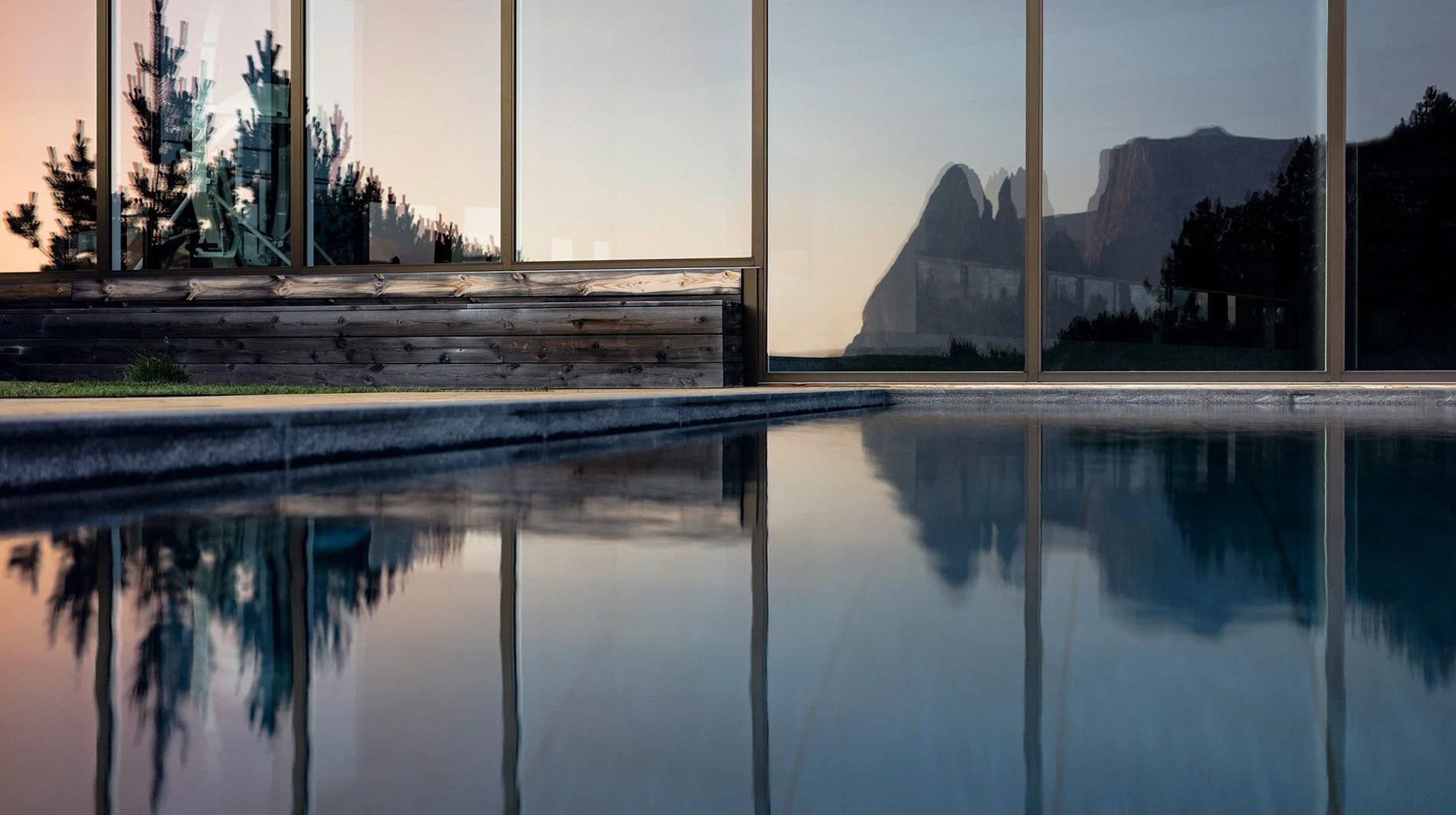
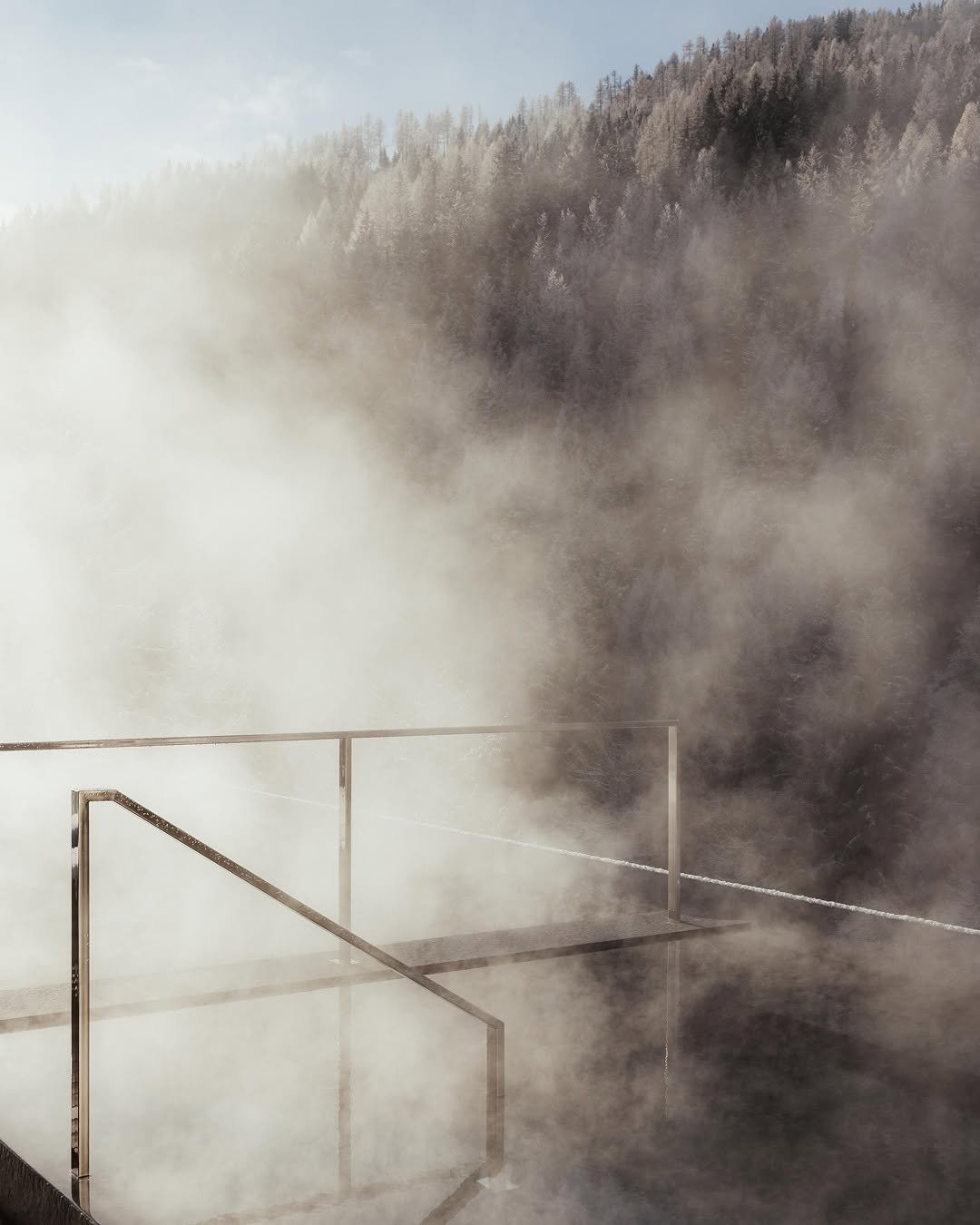
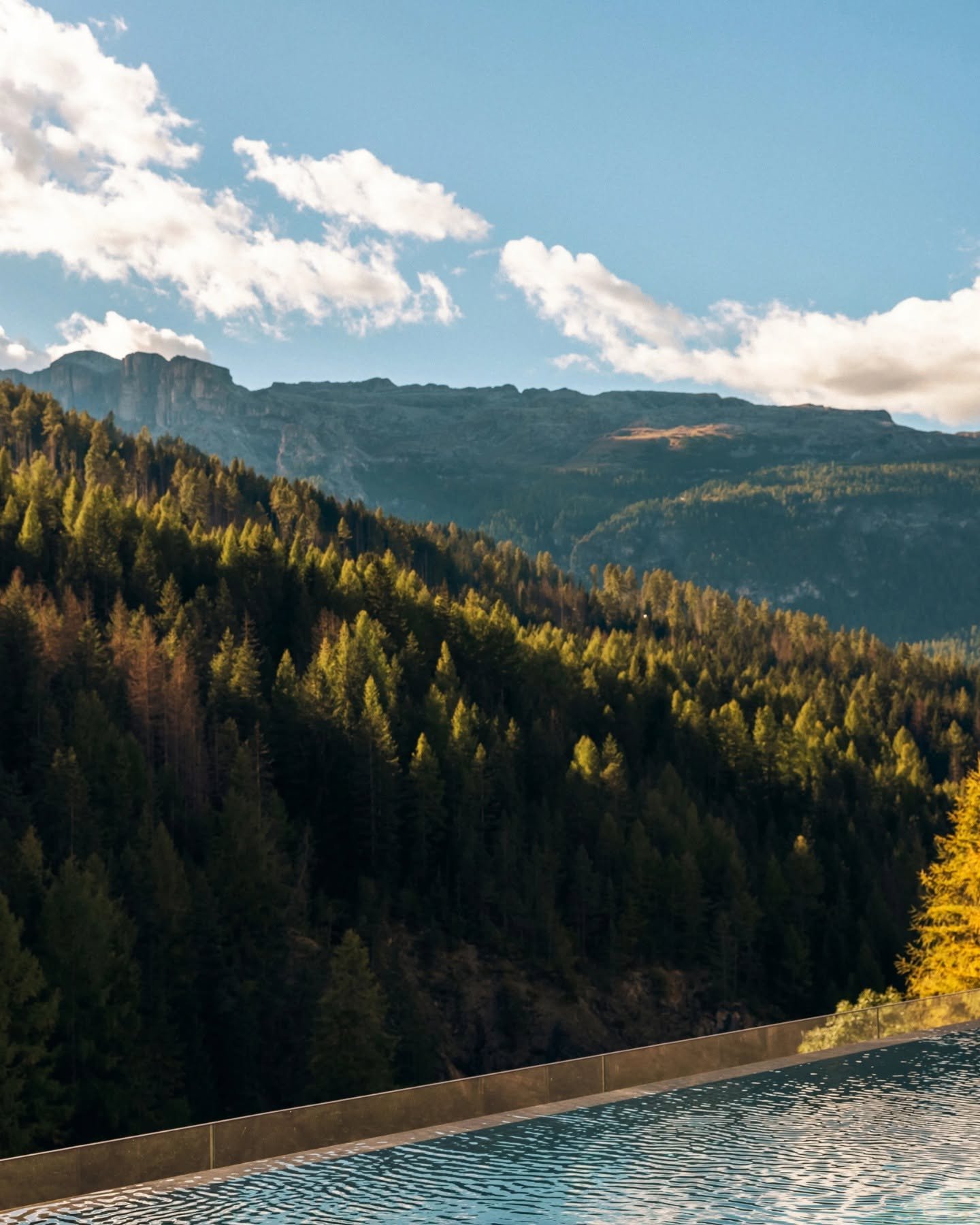
Outside, a heated 20-metre infinity pool and Jacuzzi create a direct connection with the mountain environment.
There are seven private treatment suites, including a dedicated Thai massage room, alongside a hair and nail salon, indoor relaxation areas and an outdoor lounge terrace.
The treatment program draws on both Aman’s wellness philosophy and the physical demands of time in the mountains.
Massage and recovery become particularly relevant after skiing, hiking or cycling, while longer wellness programs can be arranged for travelers who want the spa to form a larger part of the stay.
Daily movement sessions and a fully equipped fitness center provide another layer, with the gym accessible around the clock.
For us, the spa works best as a continuation of the outdoor experience.
A demanding morning in the mountains followed by hydrotherapy, sauna and a treatment feels more natural here than separating wellness entirely from the rest of the itinerary.
Four Seasons in the Dolomites
Aman Rosa Alpina changes significantly with the seasons.
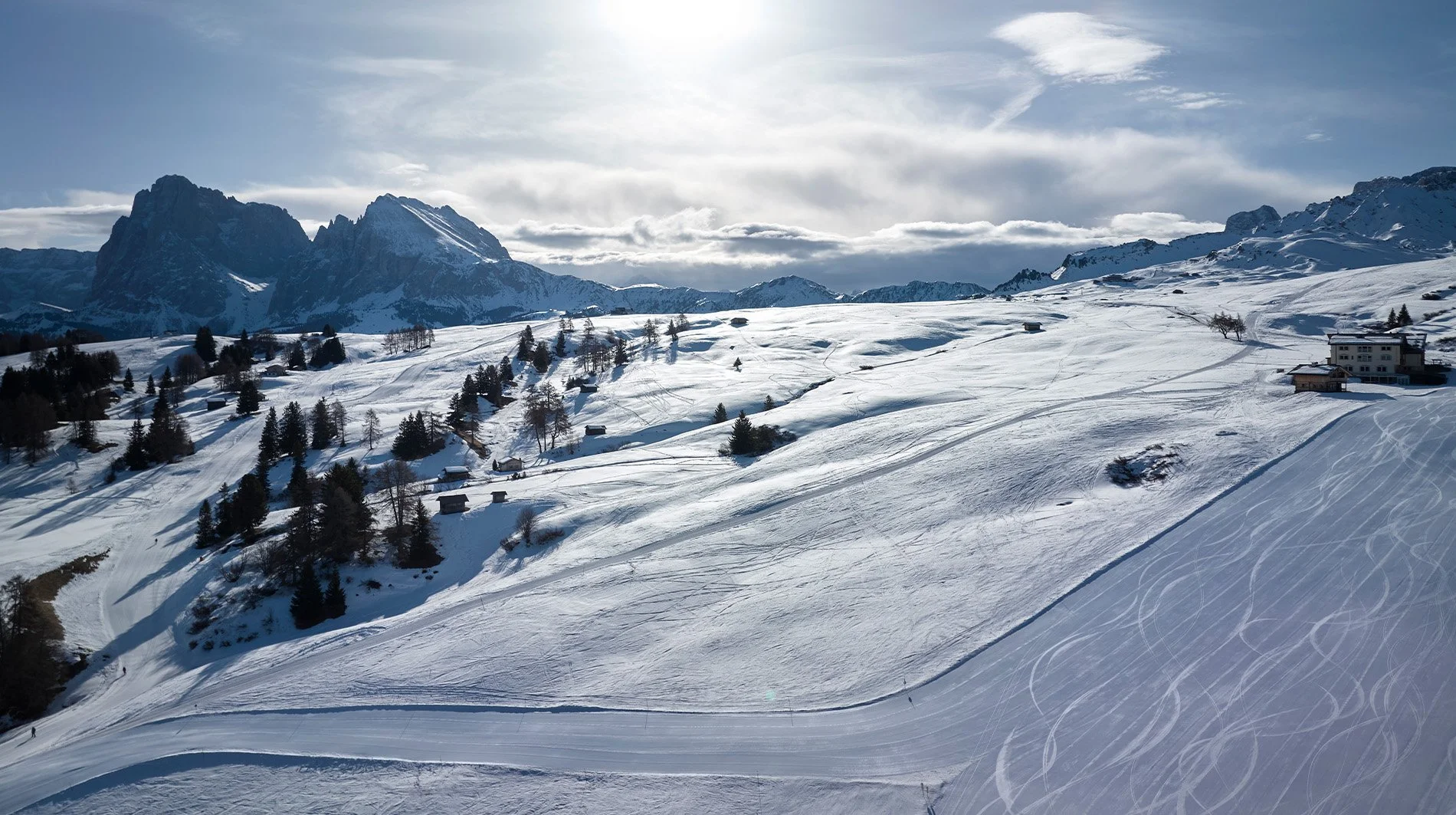
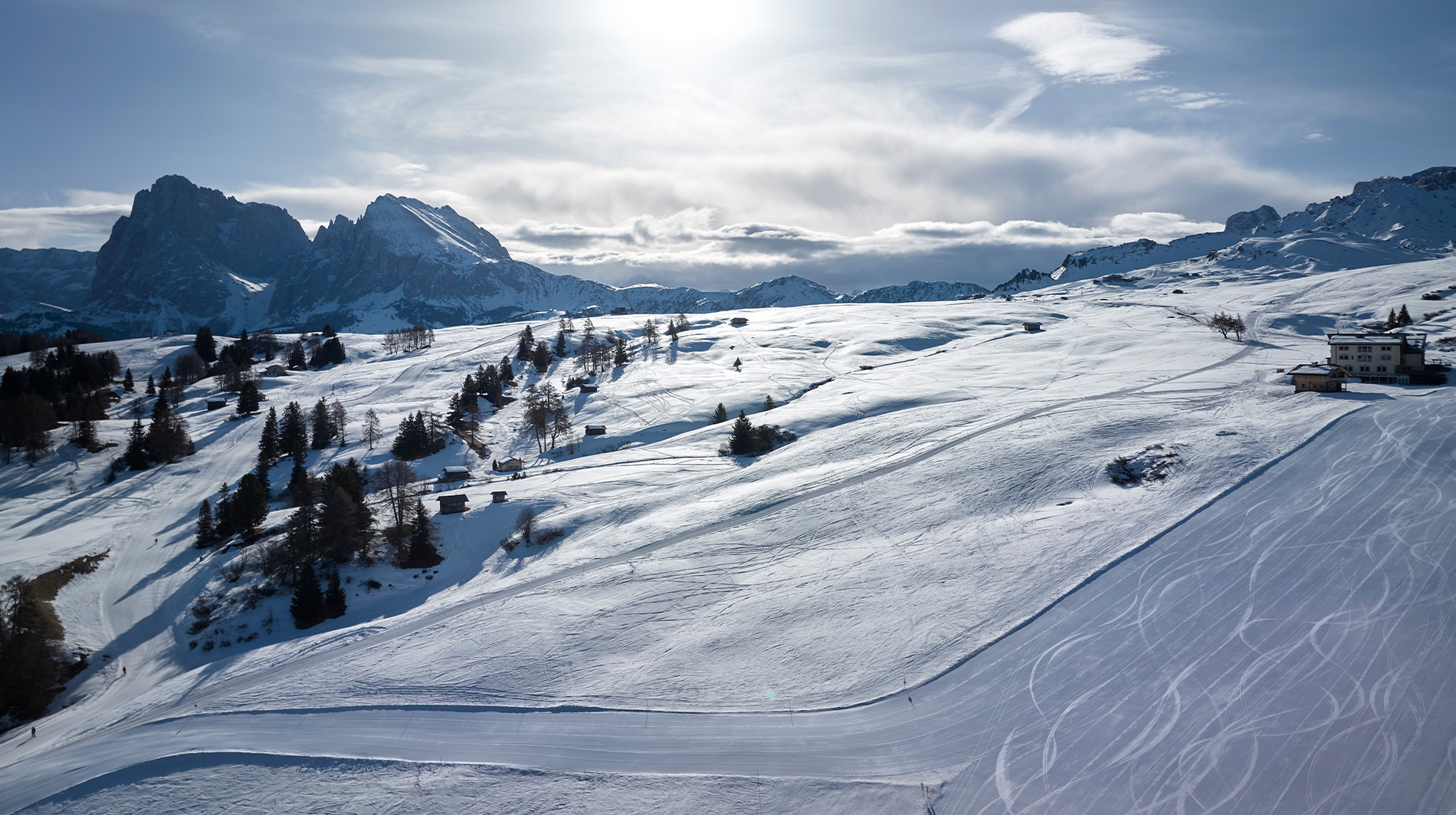
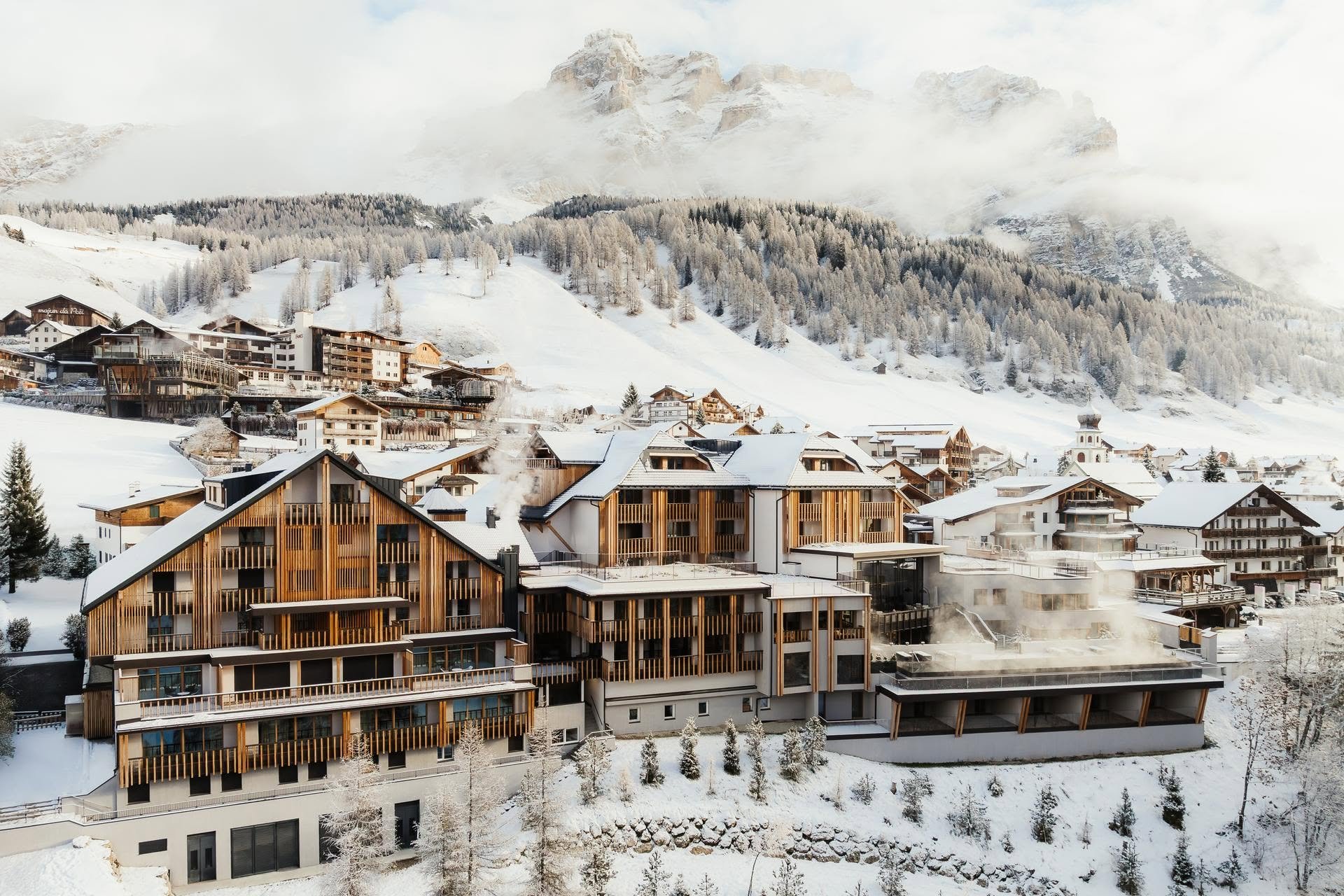
In winter, San Cassiano provides access to Dolomiti Superski, with approximately 1,200 kilometres of pistes spread across the wider network.
The hotel’s Ski Lounge and ski-butler service simplify equipment preparation, while regular complimentary transfers connect guests with the Piz Sorega gondola, approximately 300 metres away.
Alpine skiing is only one option.
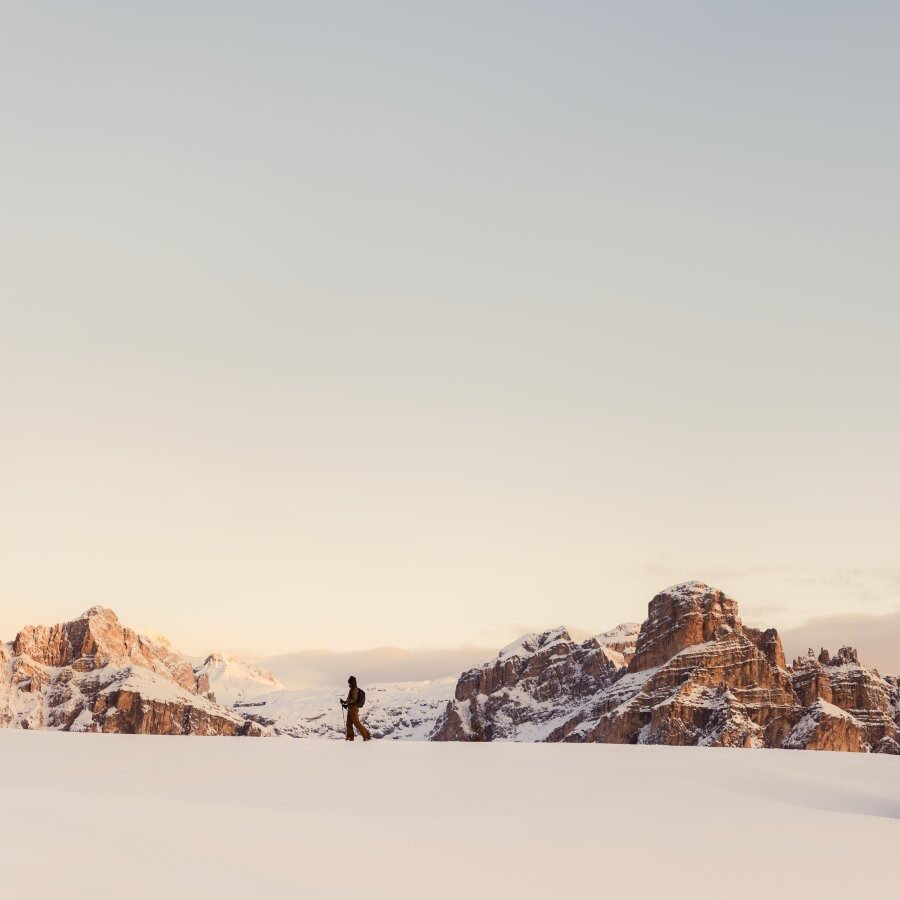
Cross-country skiing, ski touring, winter hiking, snowshoeing, ice climbing, snow running, husky sledding, horse-drawn sleigh rides and tobogganing create enough variety for travelers who do not want every day to revolve around downhill skiing.
Summer changes the experience completely.
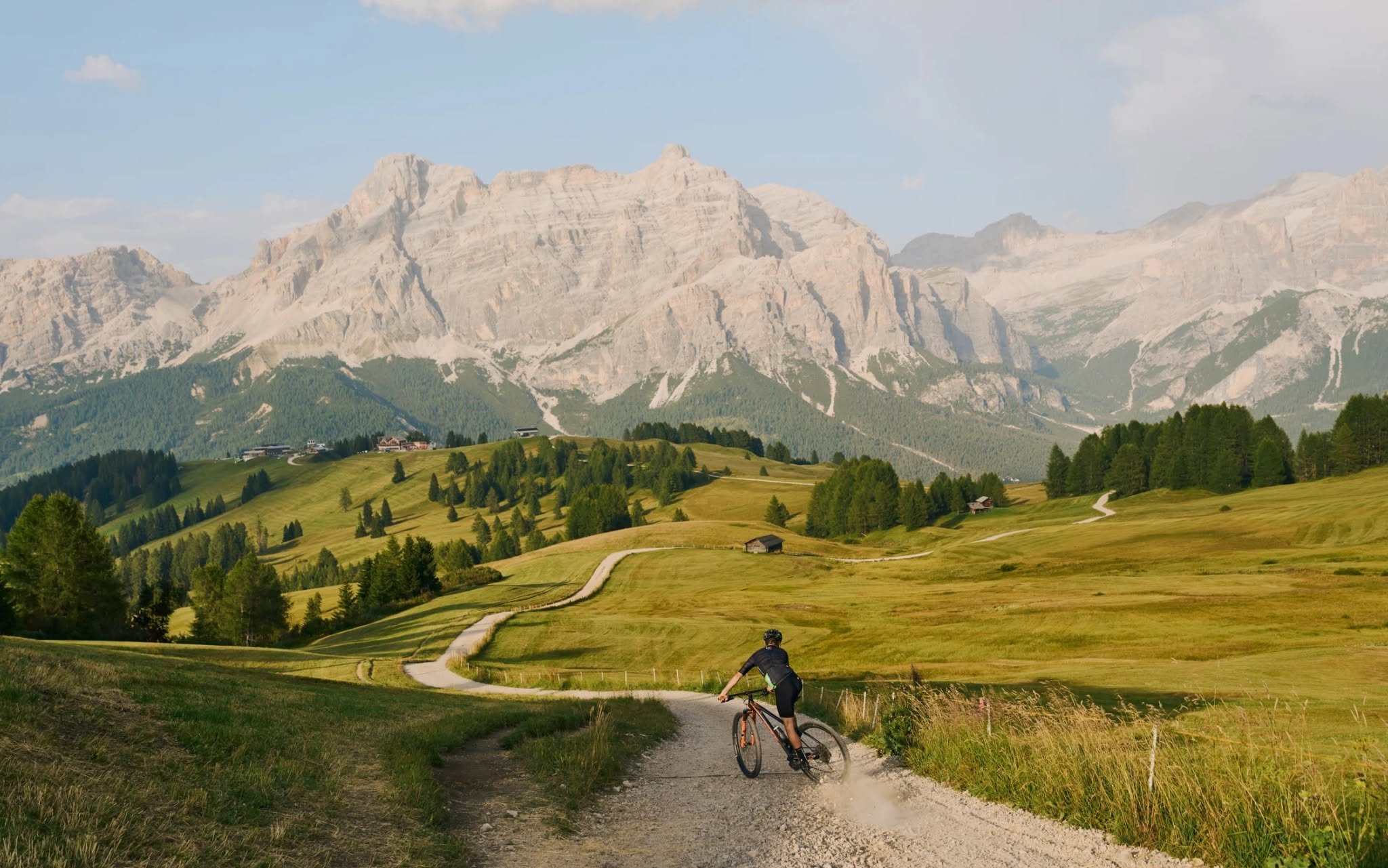
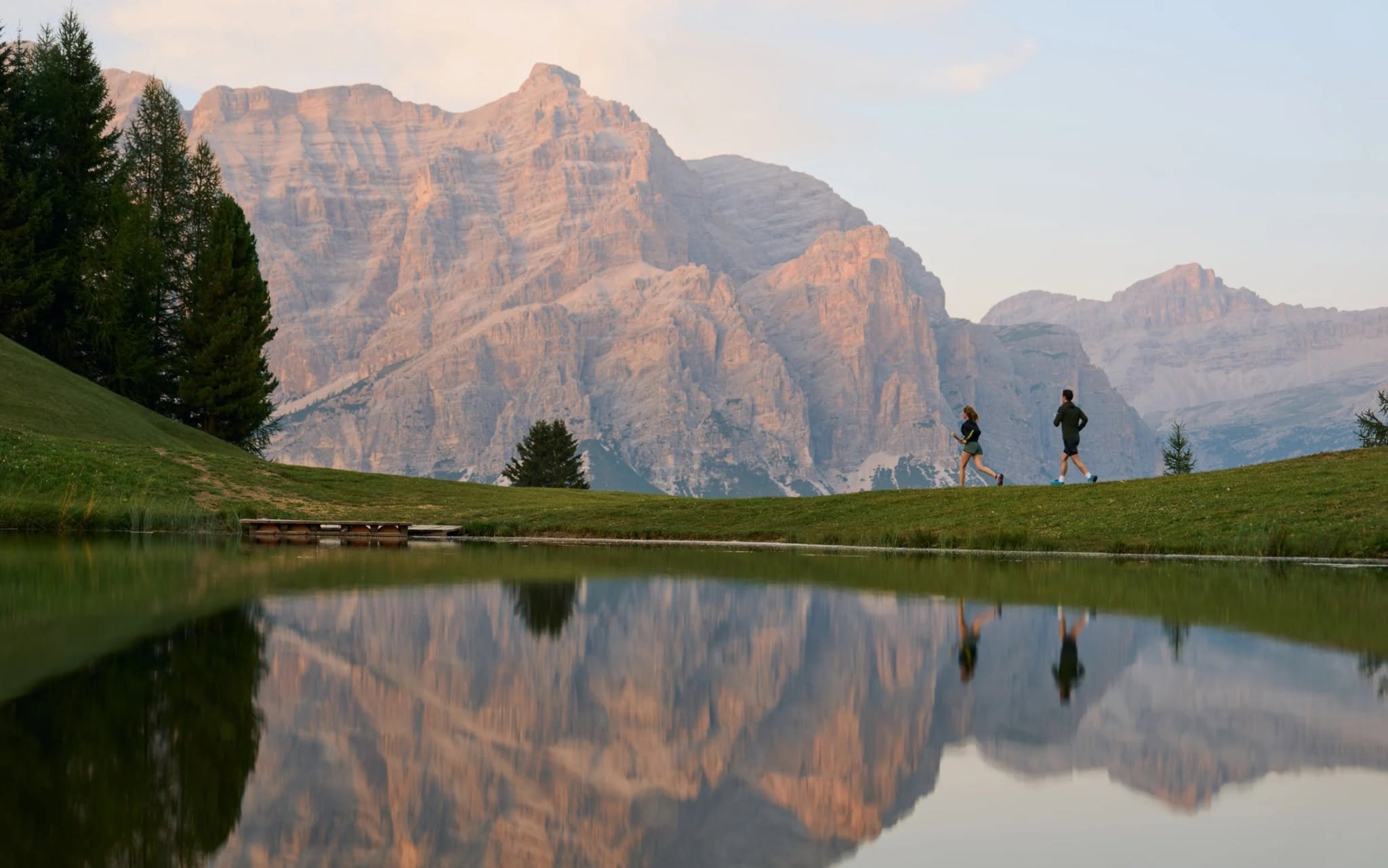
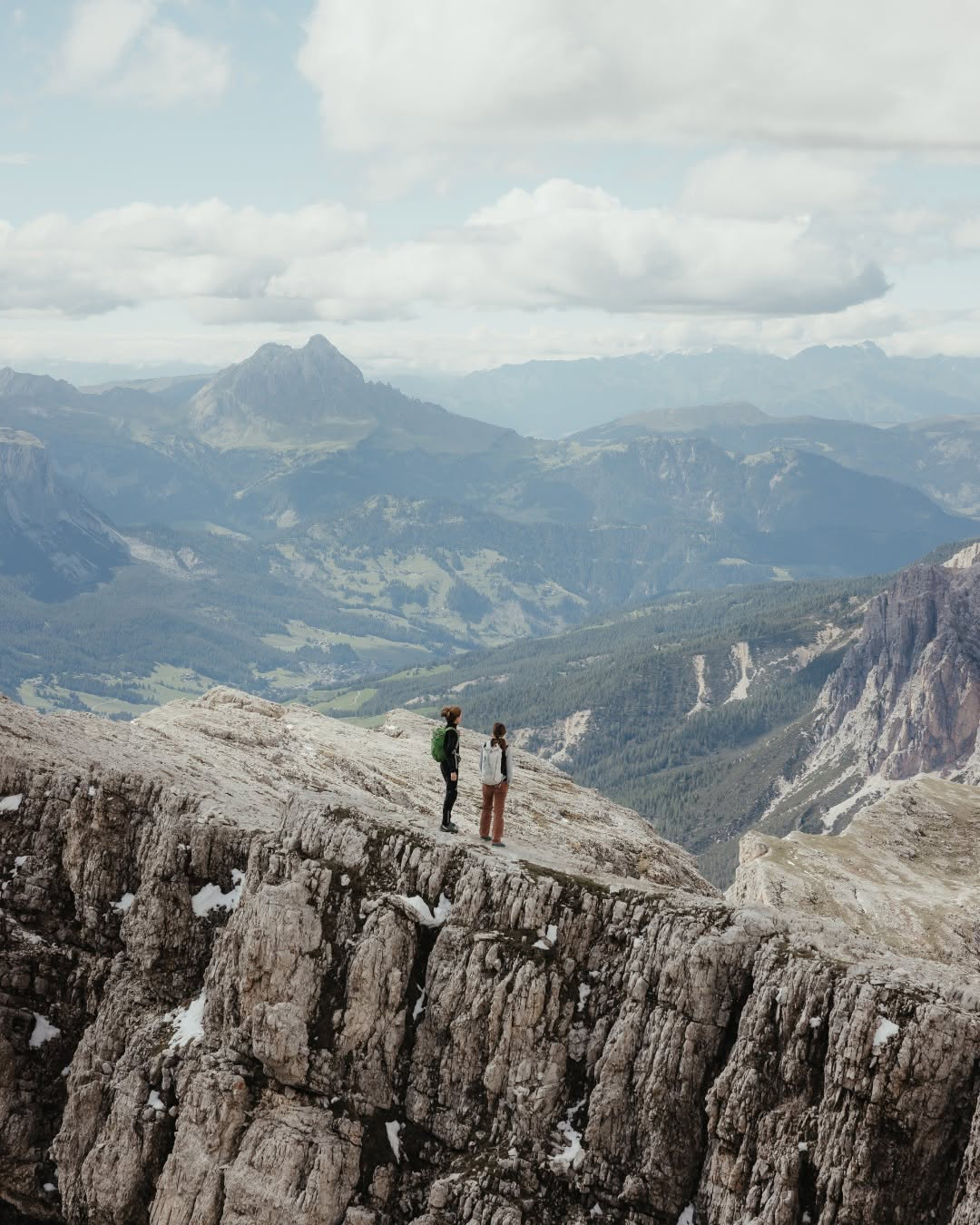
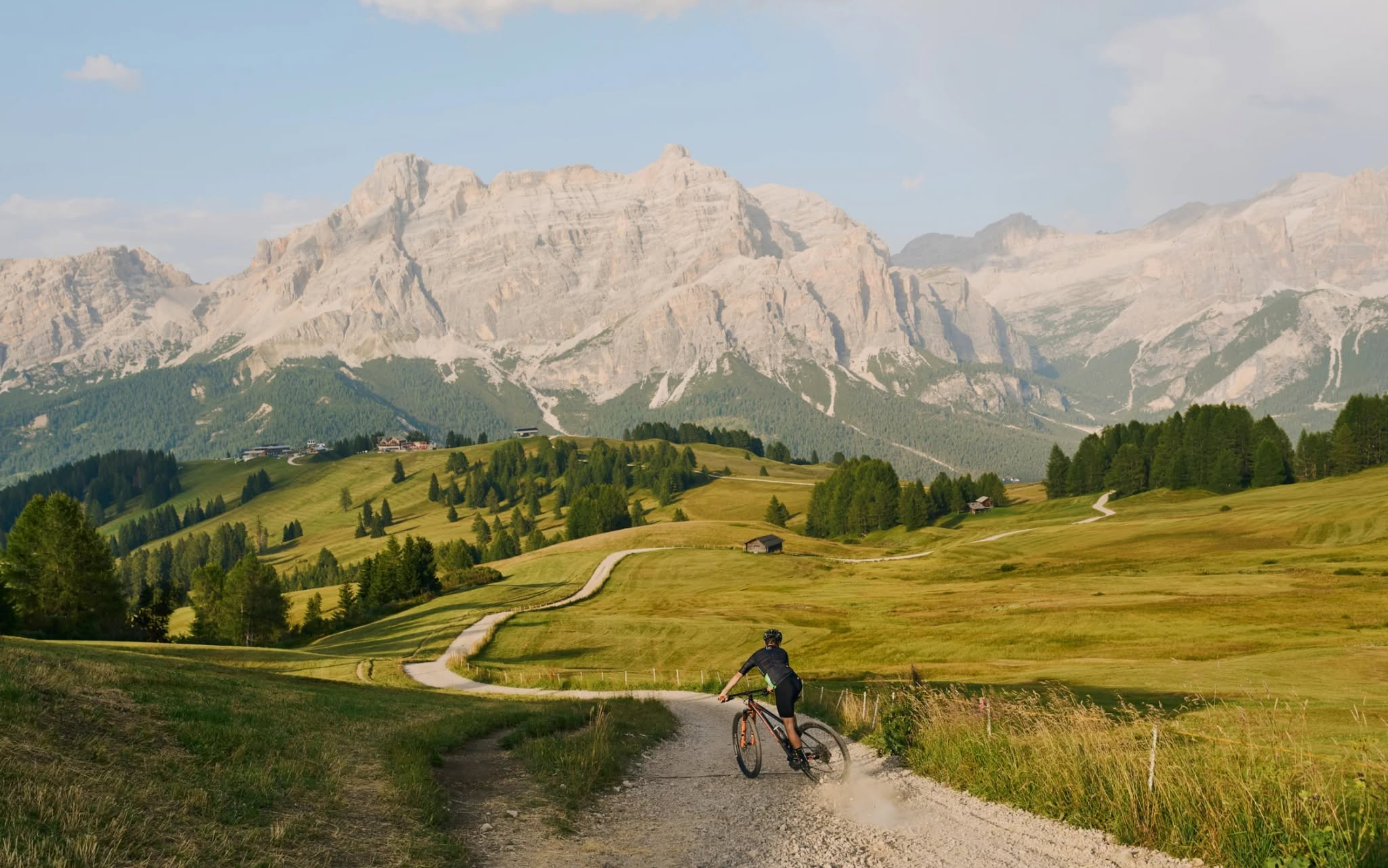
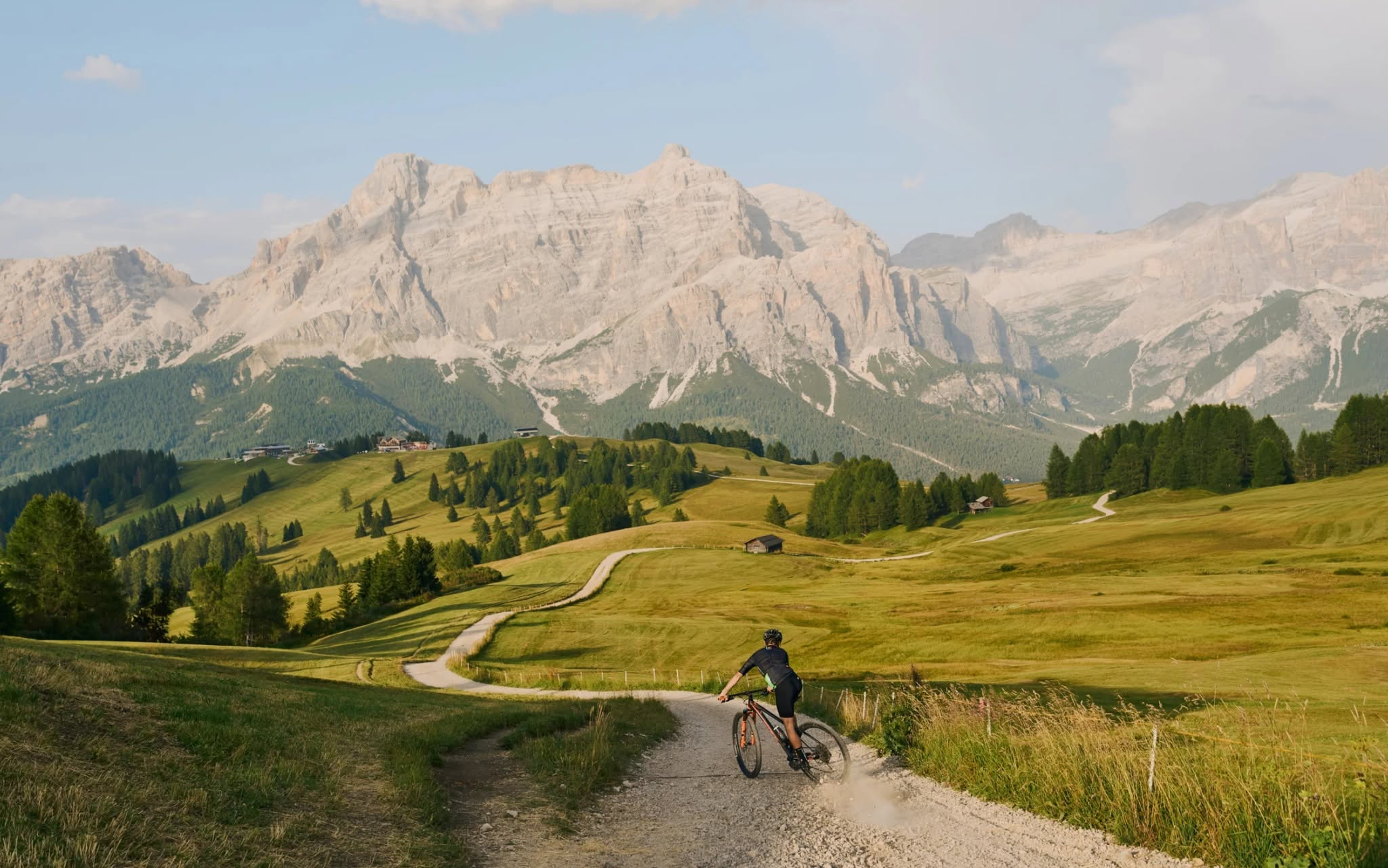
Hiking trails open across the mountains, while via ferrata, mountain biking, road cycling, trail running and more demanding high-altitude challenges provide access to landscapes that are hidden beneath snow during winter.
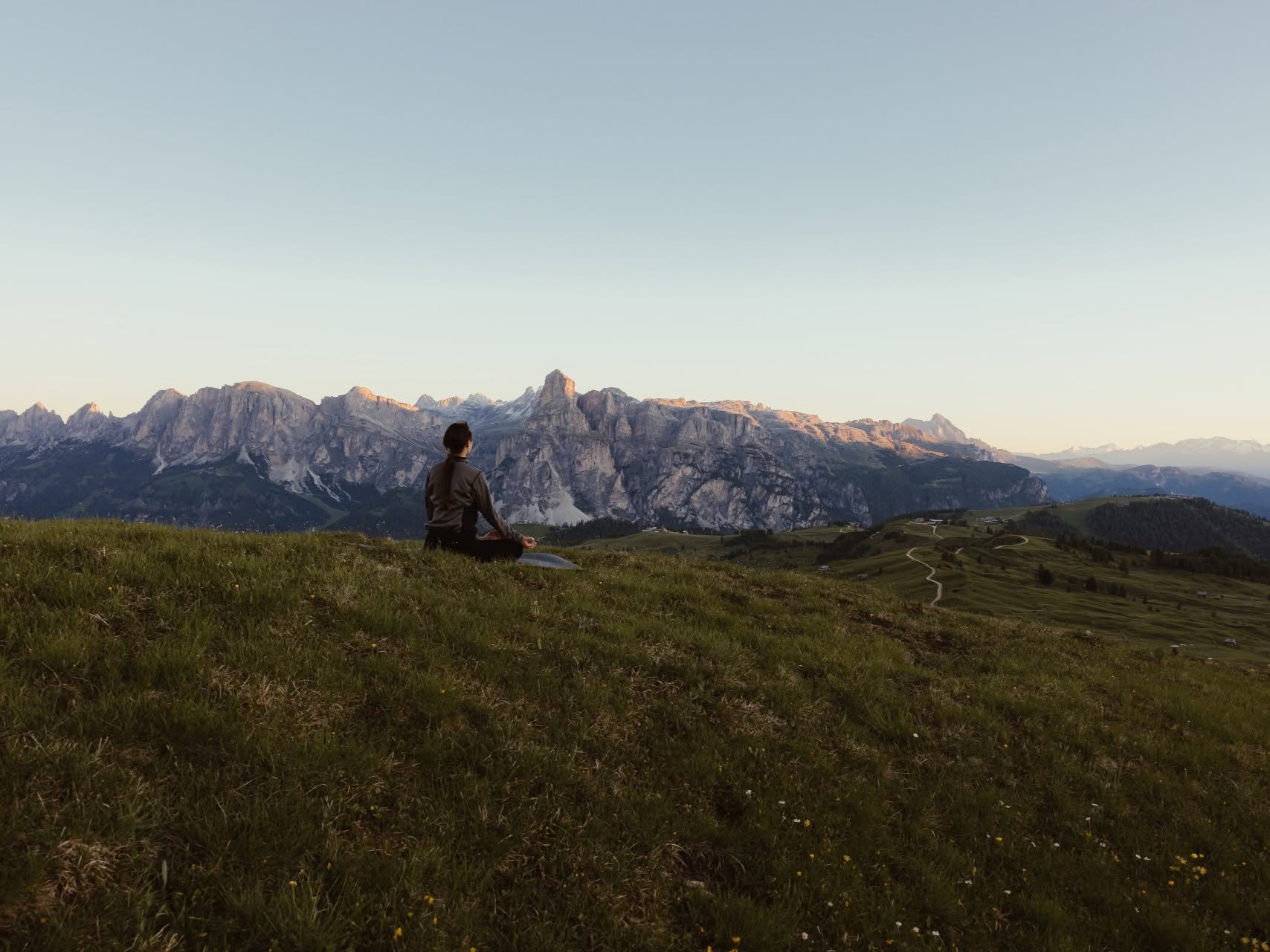
Guided sunrise hikes offer a quieter approach.
Guests can also arrange experiences such as private mountain-cabin barbecues, allowing food and landscape to become part of the same excursion.
For us, that year-round character is one of Aman Rosa Alpina’s greatest strengths.
Winter may be the obvious first association, but the quieter summer and early-autumn seasons make an equally persuasive case for staying here.
Mountain Days for Families
Aman Rosa Alpina has been designed with families more deliberately than its restrained atmosphere might initially suggest.
The hotel includes a dedicated children’s playroom, separate teen lounge, adult games room and three private cinemas, giving different age groups spaces of their own when they are not outdoors.
The pool facilities are similarly divided, with family and adults-only areas allowing the spa to function for both types of stay without forcing them into the same rhythm.
Outside the hotel, the Dolomites provide much of the family programming naturally.
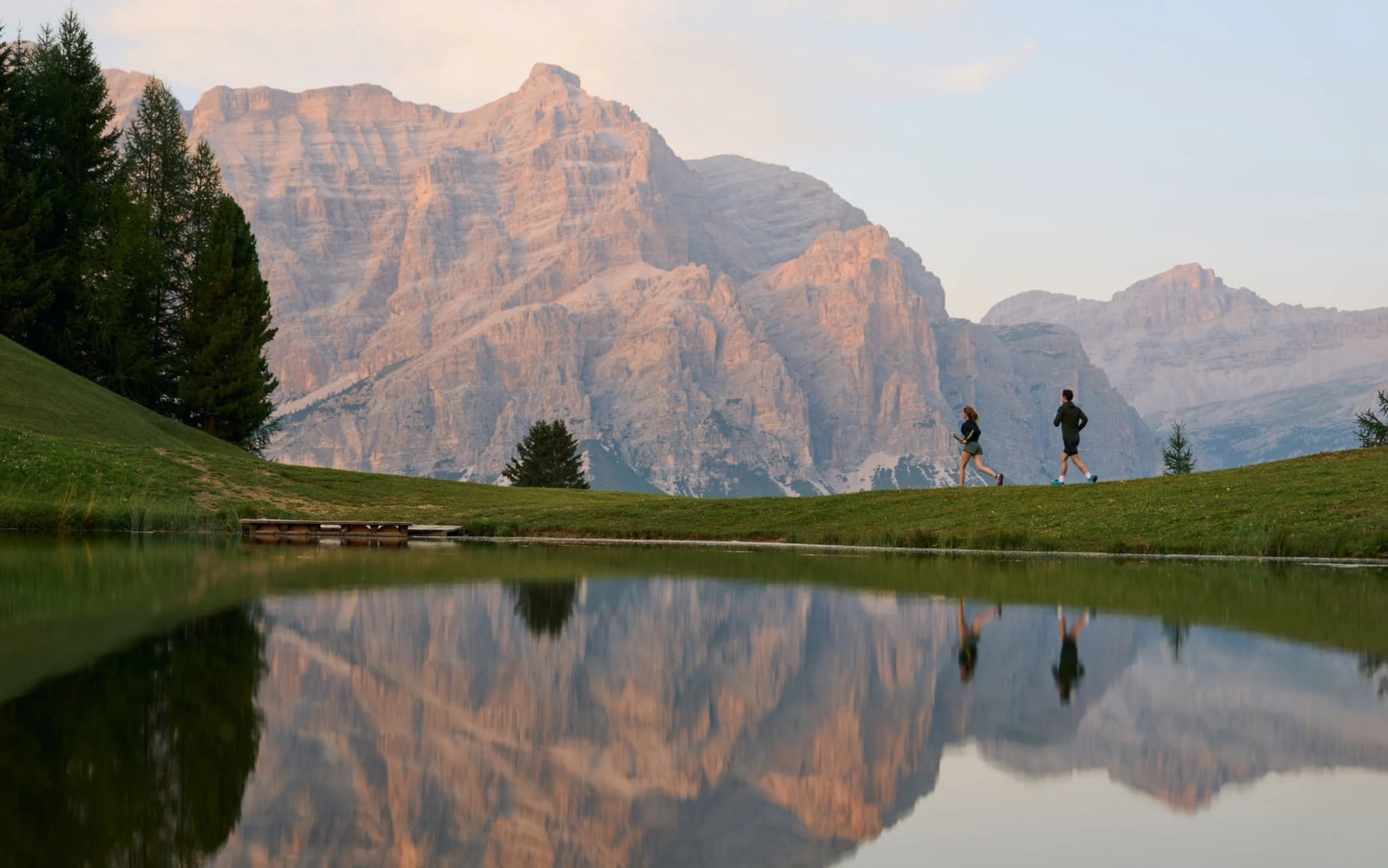
Summer activities can include wildlife parks, high-altitude playgrounds, hiking and biking trails and treetop rope courses in larch forests.
Winter adds skiing, tobogganing, snowshoeing and horse-drawn sleigh rides.
The Ski Lounge and hotel shuttle are particularly useful for families because they reduce the amount of equipment movement required each morning.
For us, the strongest family stay would combine one organized mountain experience with plenty of unscheduled time.
The private cinemas and children’s areas are helpful, but the point of bringing children here is ultimately to allow the landscape to become part of the holiday.
Protecting What Makes Alta Badia Matter
The natural environment is fundamental to Aman Rosa Alpina because the hotel depends entirely on the landscape surrounding it.
The resort sits within the UNESCO-listed Dolomites, where mountain ecosystems, seasonal conditions and local communities shape both the guest experience and the wider tourism economy.
The redesigned property concentrates just 51 rooms and suites within an existing historic hotel rather than developing a new resort across untouched mountain terrain.
The winter shuttle to Piz Sorega also allows guests to reach the nearby lift without relying on a private car for repeated short journeys.
Beyond those visible elements, Aman currently publishes less property-specific detail on energy, water, waste and environmental certification at Rosa Alpina than some hospitality brands provide for individual hotels.
For travelers who want detailed information on operational targets, renewable energy, waste management or sourcing policies, we would request the property’s latest sustainability information directly rather than make assumptions.
What is clear is that the long-term success of a hotel in Alta Badia depends on the health of the mountain environment around it.
That landscape is not a backdrop to the experience.
It is the reason the hotel exists here at all.
Planning for Comfortable Access in the Mountains
Aman Rosa Alpina is located within a mountain village, and accessibility should be considered as part of the complete journey rather than only the guestroom.
The hotel uses lifts internally, but the property’s publicly available information does not currently provide enough detailed specifications for us to describe individual accessible room layouts, bathroom dimensions or all step-free routes with confidence.
We would therefore confirm any mobility, sensory or bathroom requirements directly with the reservations team before selecting a room or suite.
The same applies to mountain activities.
Skiing, hiking, lifts, winter conditions and transfers can each introduce different accessibility considerations, so those experiences should be discussed individually with the concierge.
For guests requiring adapted transportation, this should also be arranged before arrival from Venice, Bolzano or Innsbruck.
The goal is to plan the entire stay around the traveler rather than resolve individual accessibility requirements only after reaching San Cassiano.
From Venice, Innsbruck or Bolzano to San Cassiano
Aman Rosa Alpina is located in San Cassiano in Badia, in Italy’s Alta Badia region of the Dolomites.
By Air – Venice Marco Polo Airport: Venice is one of the principal international gateways for the resort and is approximately 2.5 hours by car, making it a practical option for travelers arriving on long-haul European and international services.
By Air – Innsbruck Airport: Innsbruck provides another convenient gateway from the north, with the drive to San Cassiano taking approximately 2 to 2.5 hours depending on route and conditions.
By Air – Bolzano Airport: Bolzano is the closest of the principal airports, approximately 1.5 hours by car, and also accommodates regional flights and private aviation.
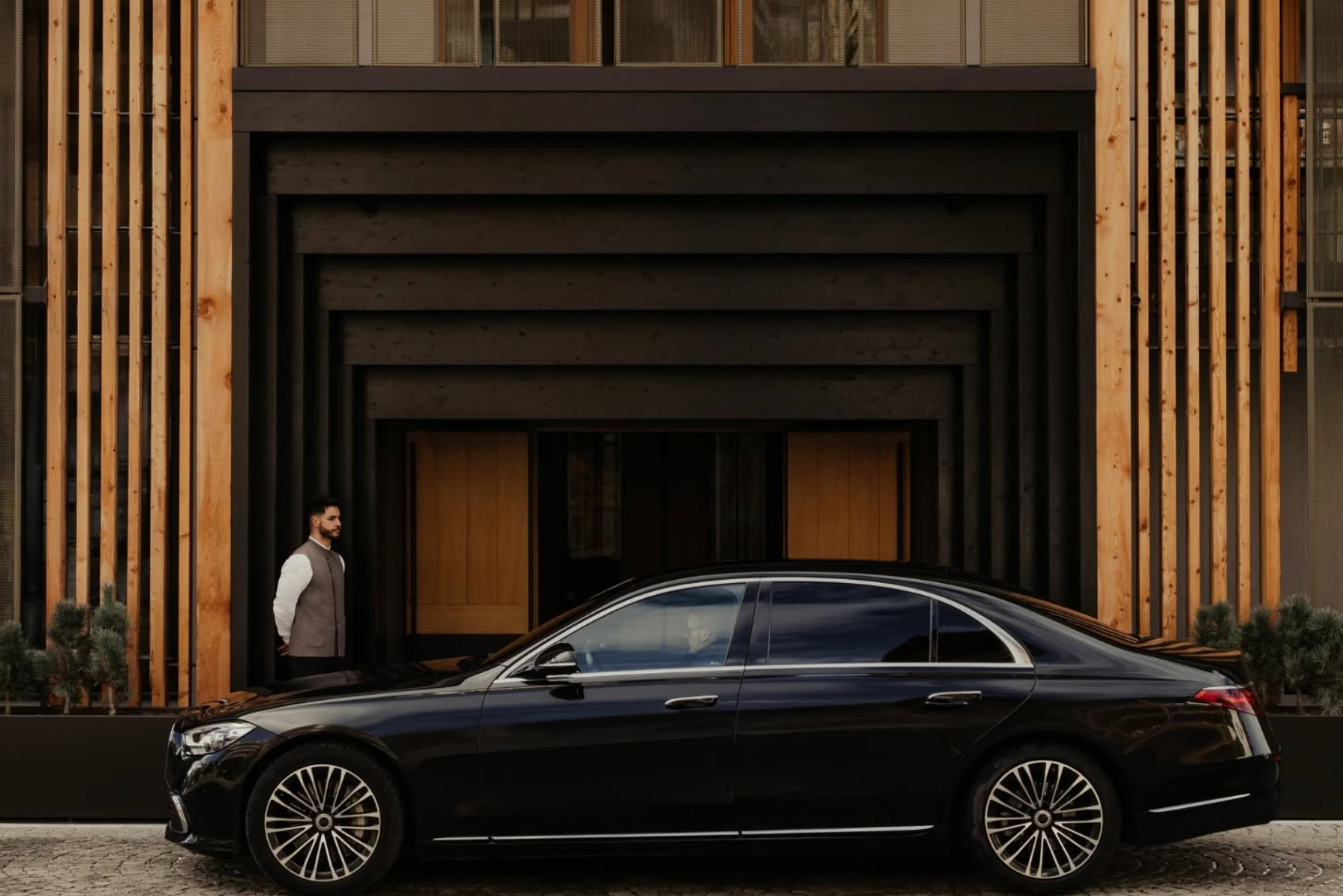
By Private Transfer: Aman can arrange luxury car or limousine transfers from the principal surrounding airports, which we would generally recommend during winter when mountain-road conditions can add complexity to the journey.
By Helicopter: Helicopter transfers can be arranged on request, with approximate flight times of 22 minutes from Bolzano, 45 minutes from Venice, 30 minutes from Innsbruck and 70 minutes from Milan.
By Rental Car: Driving provides flexibility for travelers incorporating Alta Badia into a longer journey through South Tyrol or the Italian Alps, although winter tires and local driving requirements should be considered during the colder months.
By Winter Resort Shuttle: Once at the hotel, a complimentary shuttle operates throughout the winter to the Piz Sorega gondola station approximately 300 metres away.
For us, the transfer into the Dolomites is part of the experience.
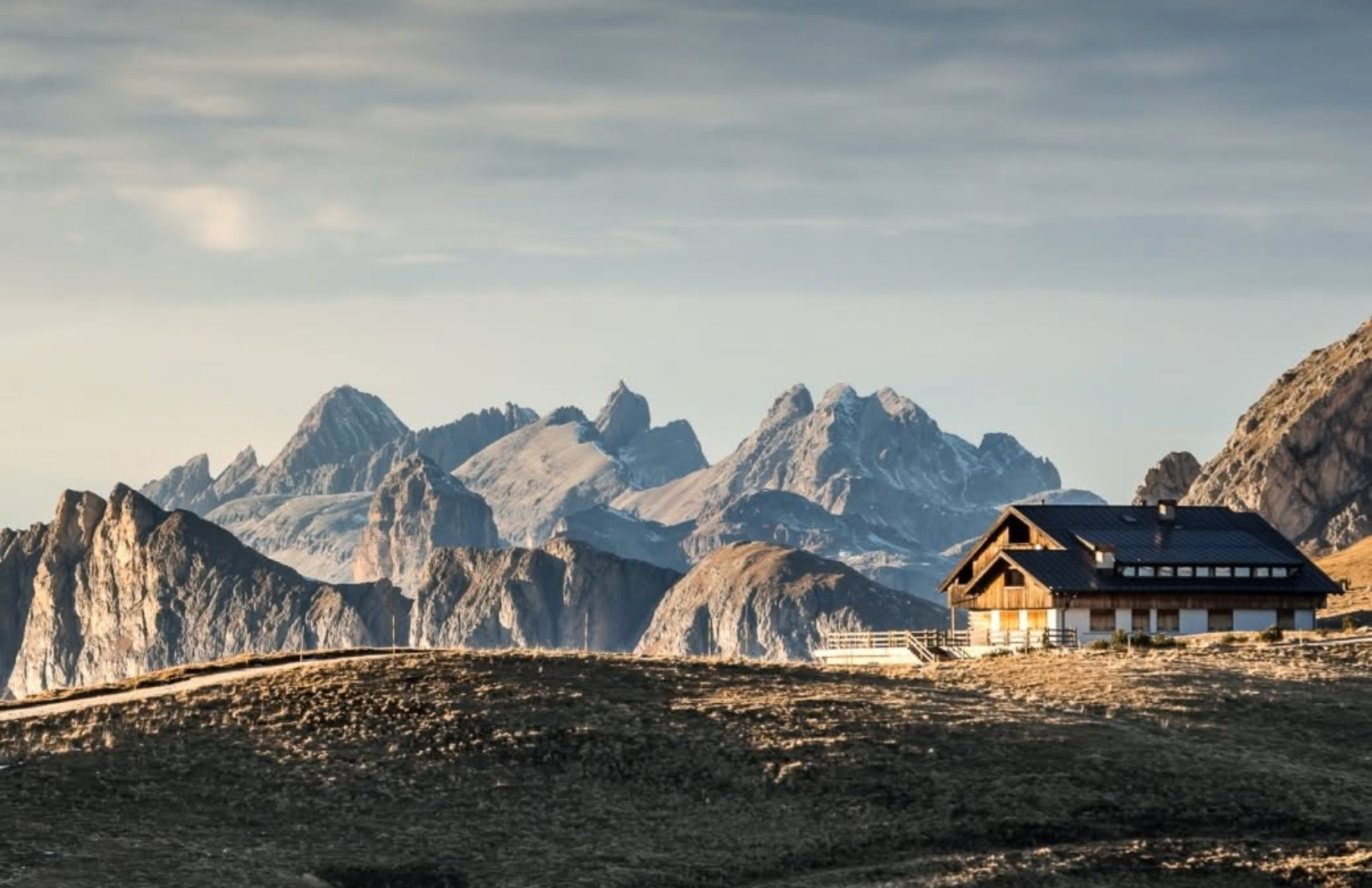
Roads become narrower, the mountains become increasingly dominant and the landscape gradually shifts from northern Italian valleys into the sharper limestone peaks of Alta Badia.
There is little reason to schedule much immediately after arrival.
Check in, spend time in the spa or Il Salotto and let the mountains establish the pace.
An Aman That Still Belongs to San Cassiano
Aman Rosa Alpina is compelling because the transformation has not erased the importance of what came before it.
The hotel is unmistakably Aman now.
The interiors are quieter, the accommodations are larger, the spa is more substantial and the overall experience places considerably more emphasis on space and privacy.
Yet this remains Rosa Alpina.
The Pizzinini family’s history is still part of the property, San Cassiano remains directly outside the door and the hotel’s identity still depends on the mountains surrounding it.
One winter day might begin with skiing from Piz Sorega, pause for lunch in a mountain rifugio and end with the sauna and dinner at The Grill.
A summer stay could replace skiing with a sunrise hike, via ferrata or cycling before returning for the outdoor pool and an evening in the Di Vino Room.
Families can use the hotel as a base for mountain adventures, while couples may spend as much time in the spa and on private balconies as they do exploring the wider region.
For us, that flexibility is what makes this new chapter work.
Aman has changed Rosa Alpina considerably, but the most important element could never be redesigned.
The Dolomites are still the reason to come.