Munich, Germany | The Charles Hotel, Rocco Forte Hotels
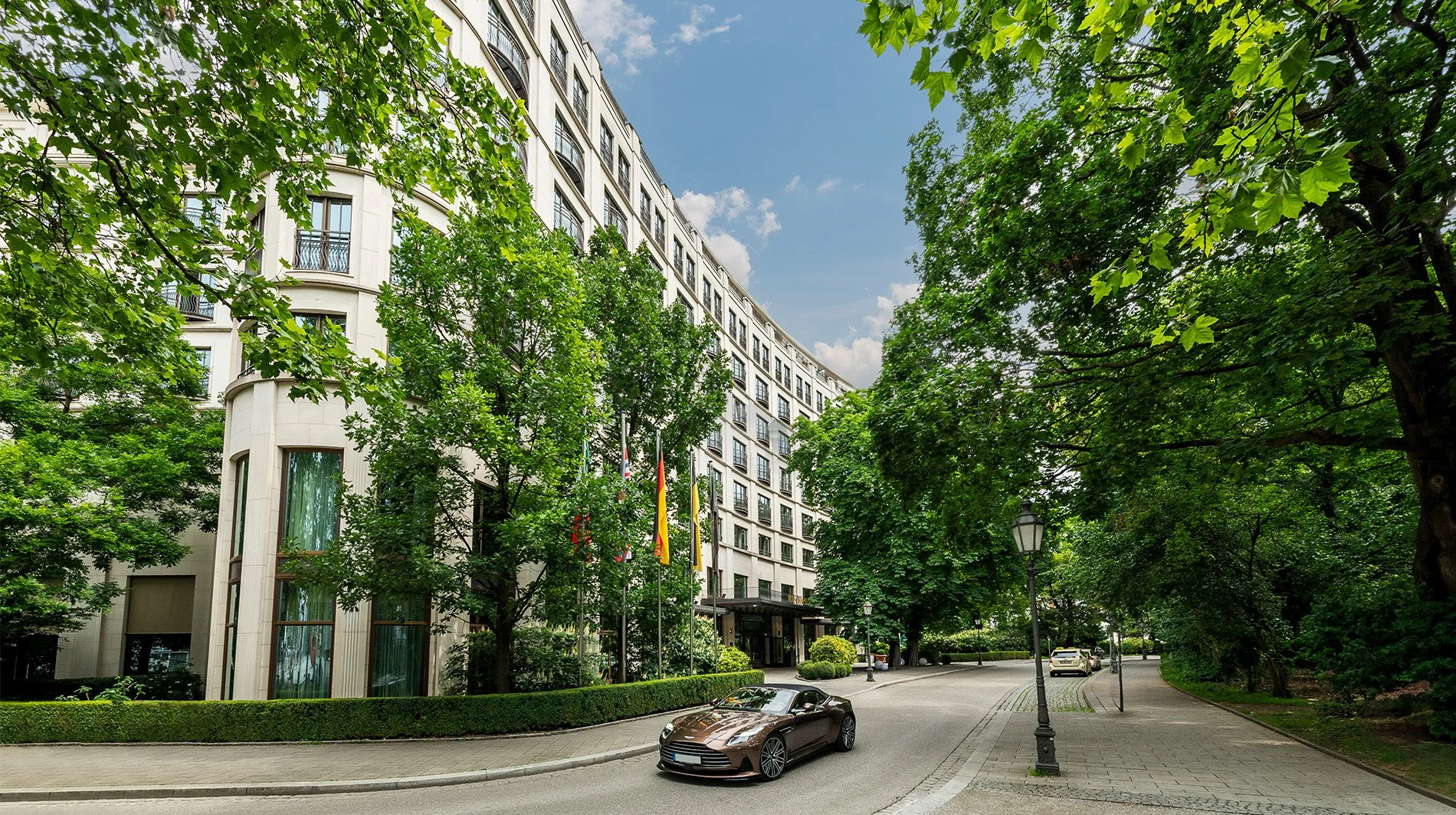
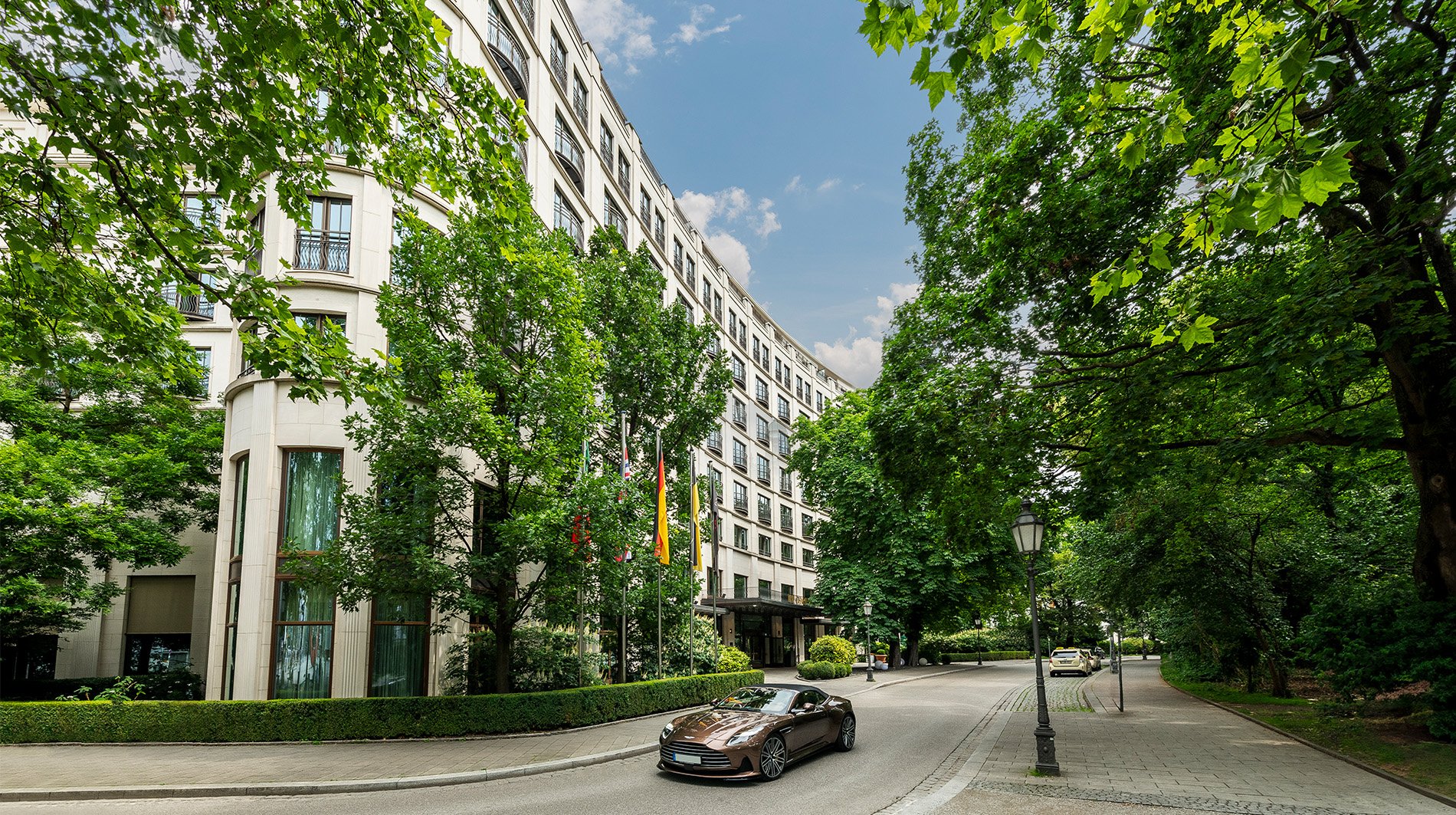
A Garden-Facing Retreat in Central Munich
Munich is a city that balances formality with ease.
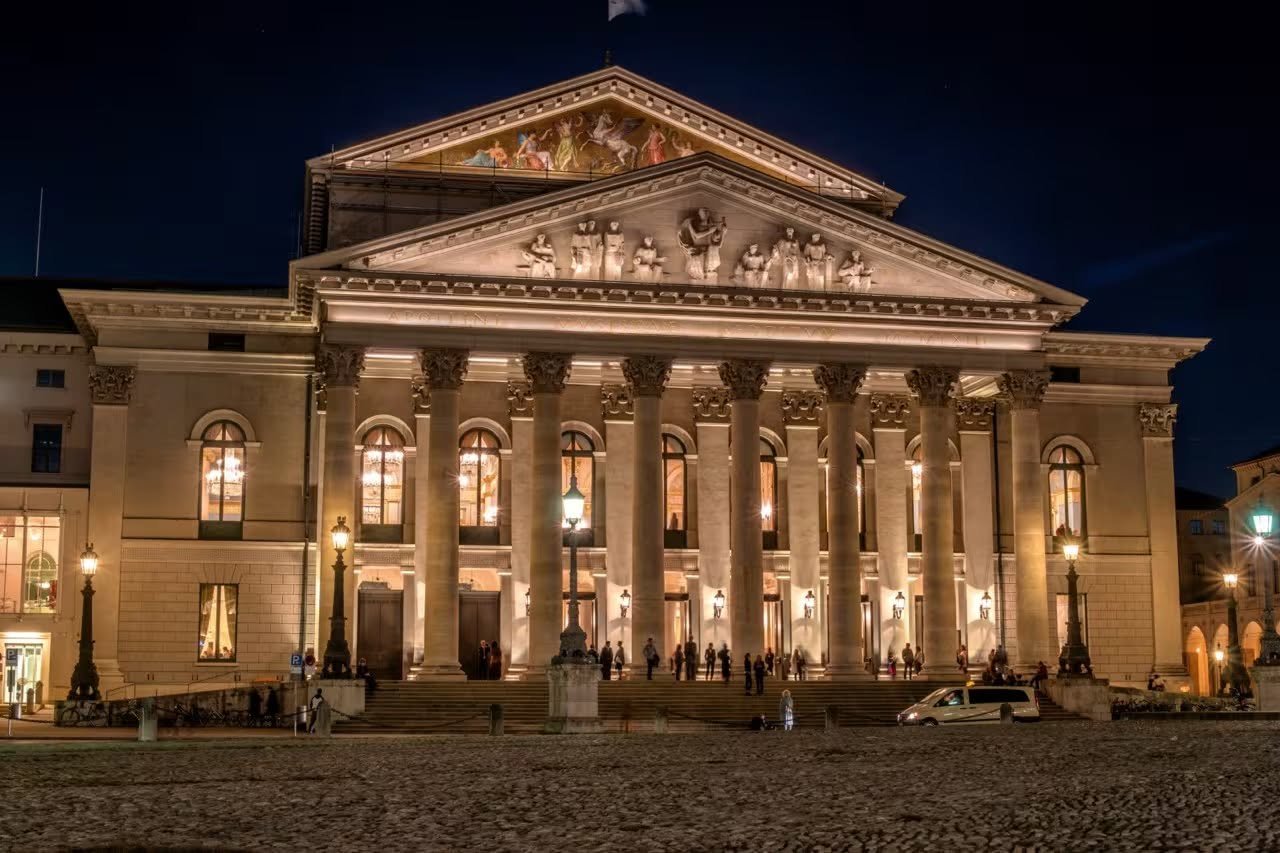
The grand façades around Königsplatz and Maxvorstadt sit close to beer gardens, neighborhood cafés and some of Germany’s most important museums, while the Bavarian Alps remain close enough to influence the city’s outlook even when they are not visible.
The Charles Hotel occupies an unusually calm position within that landscape.
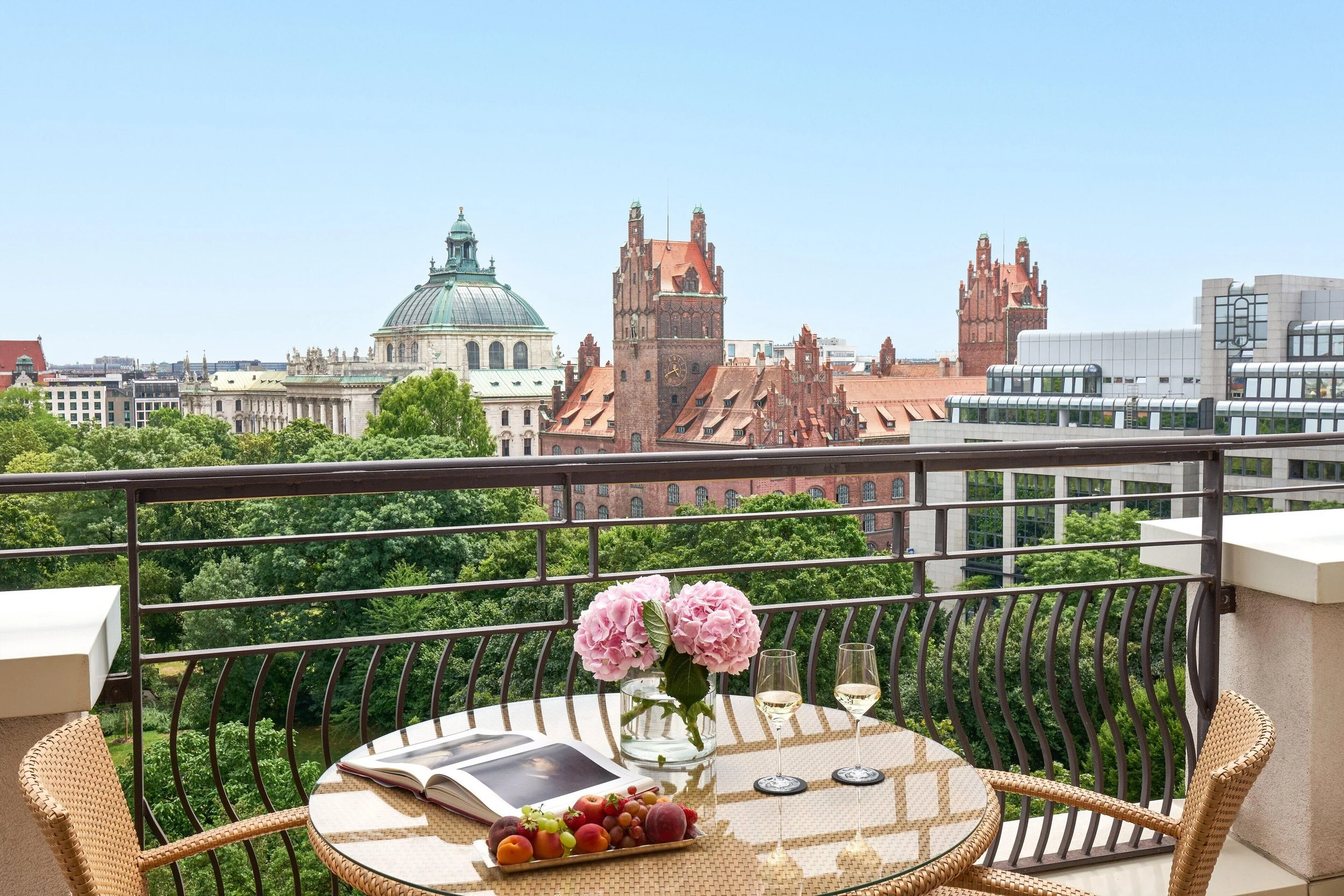
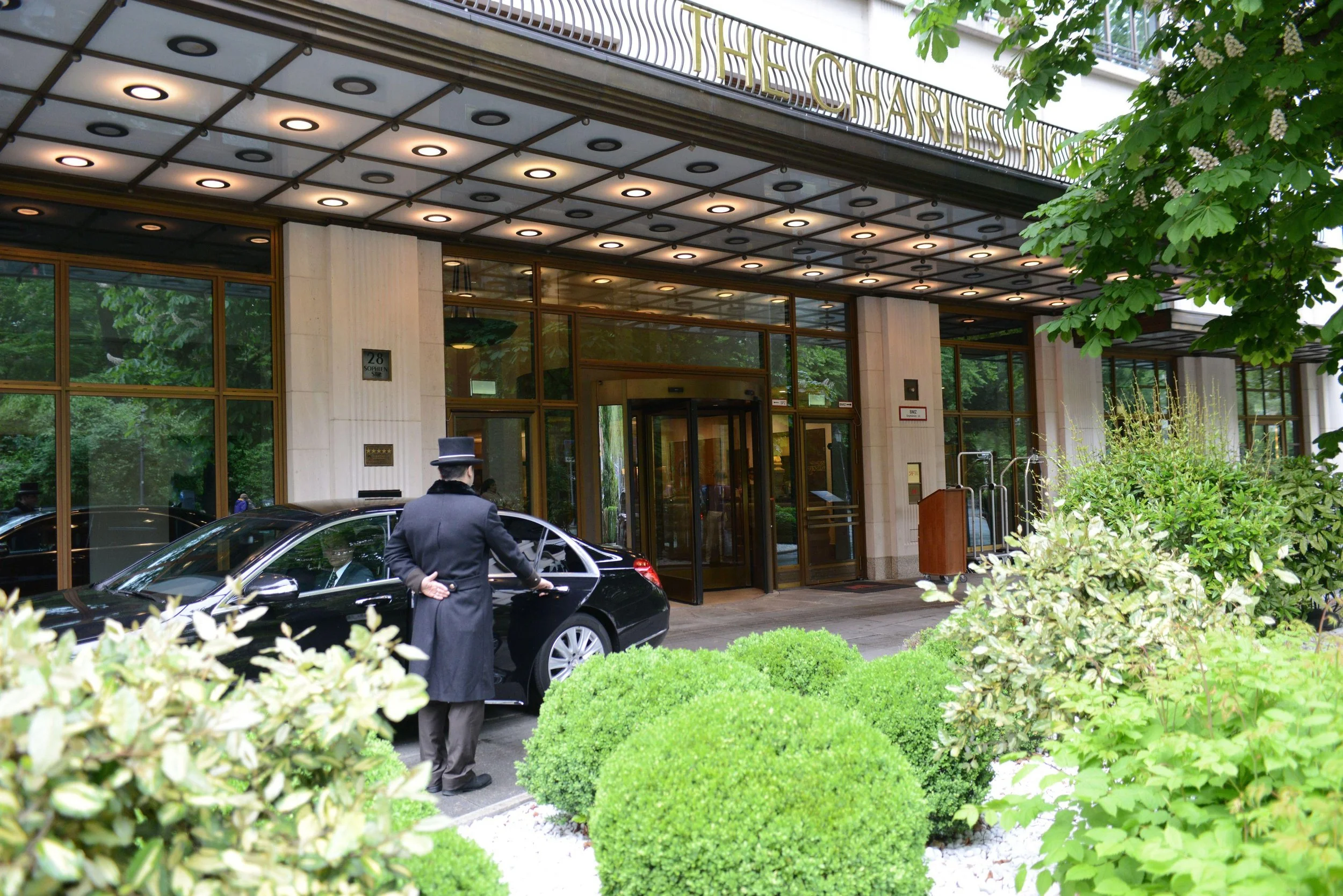
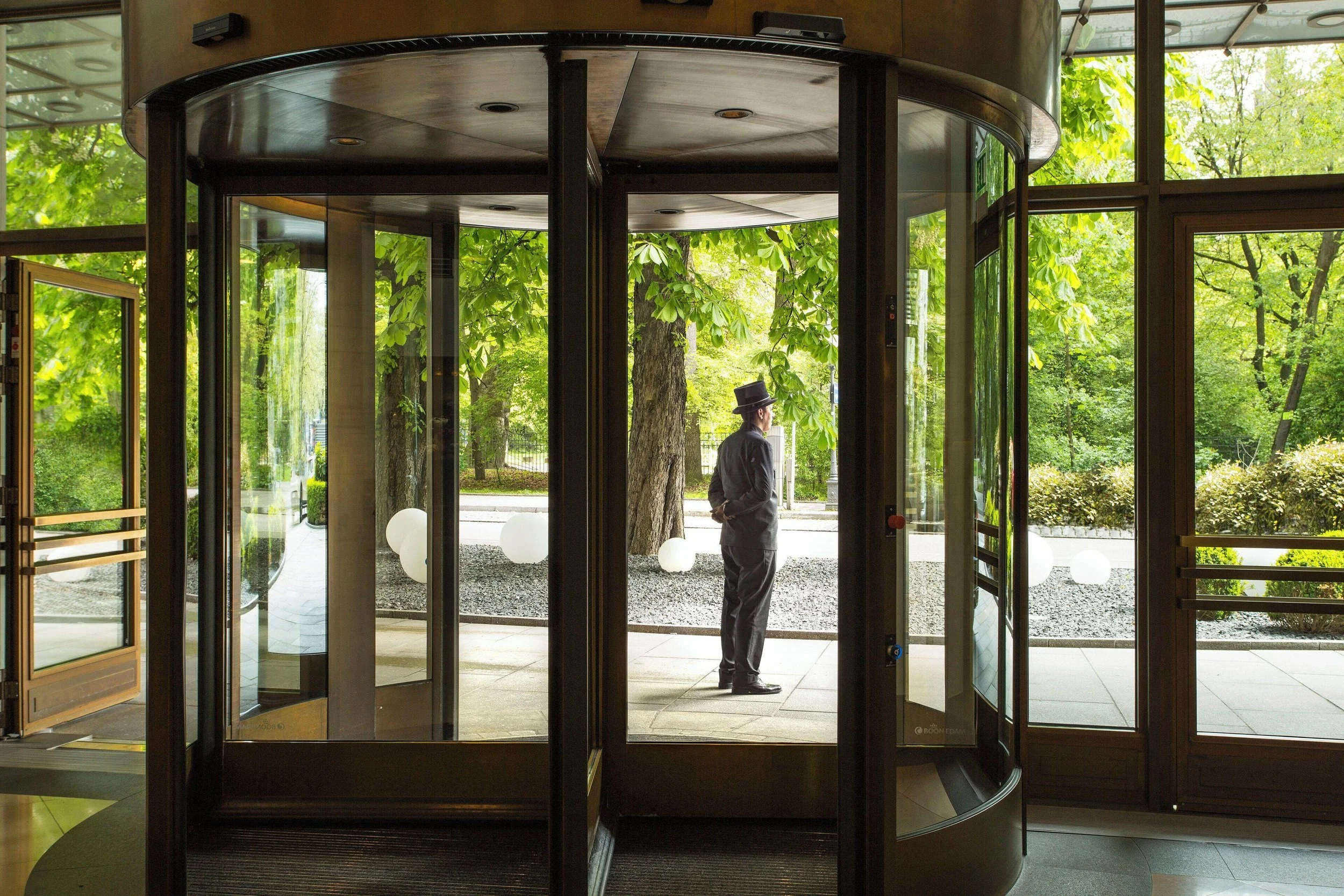
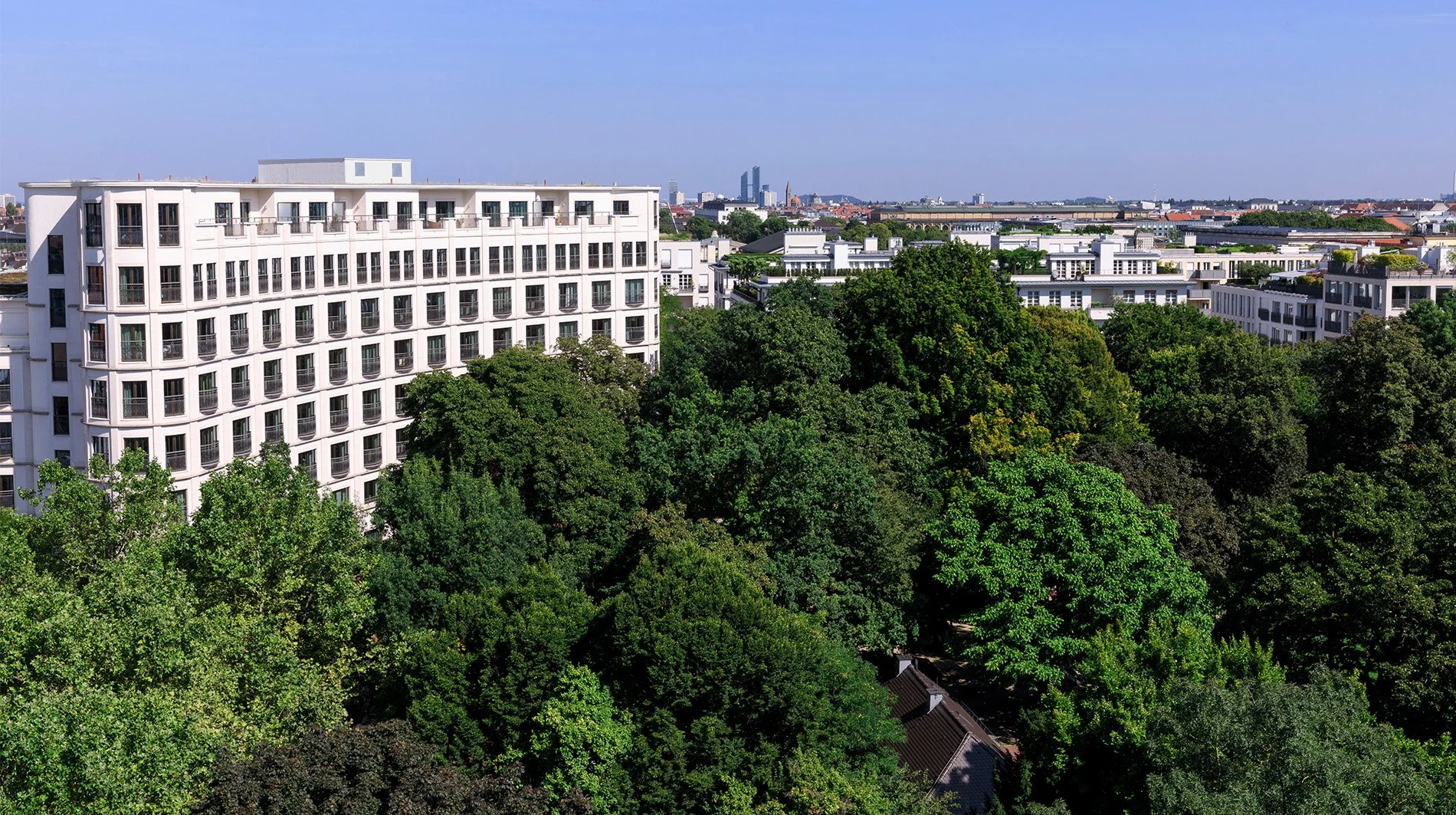
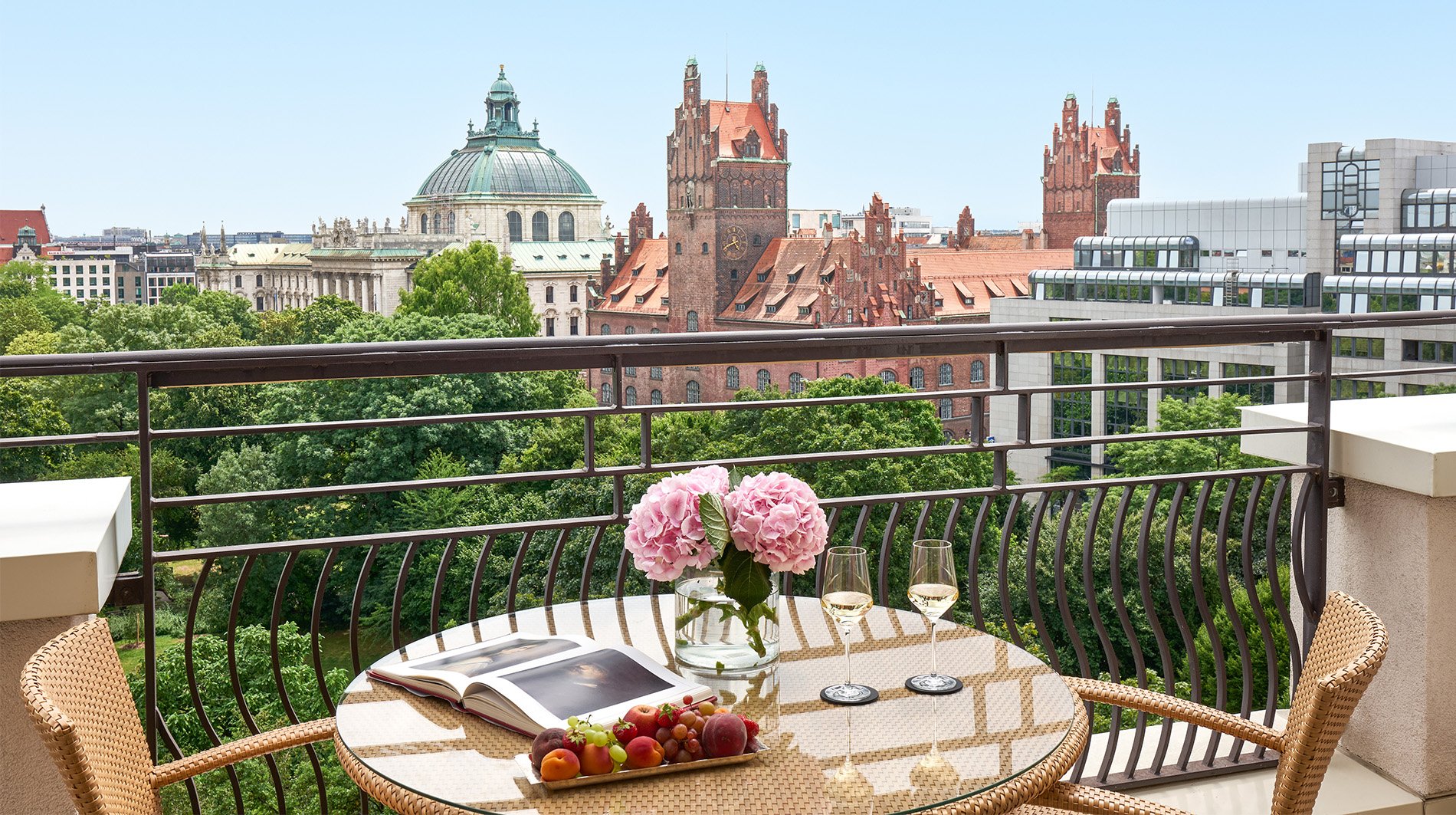
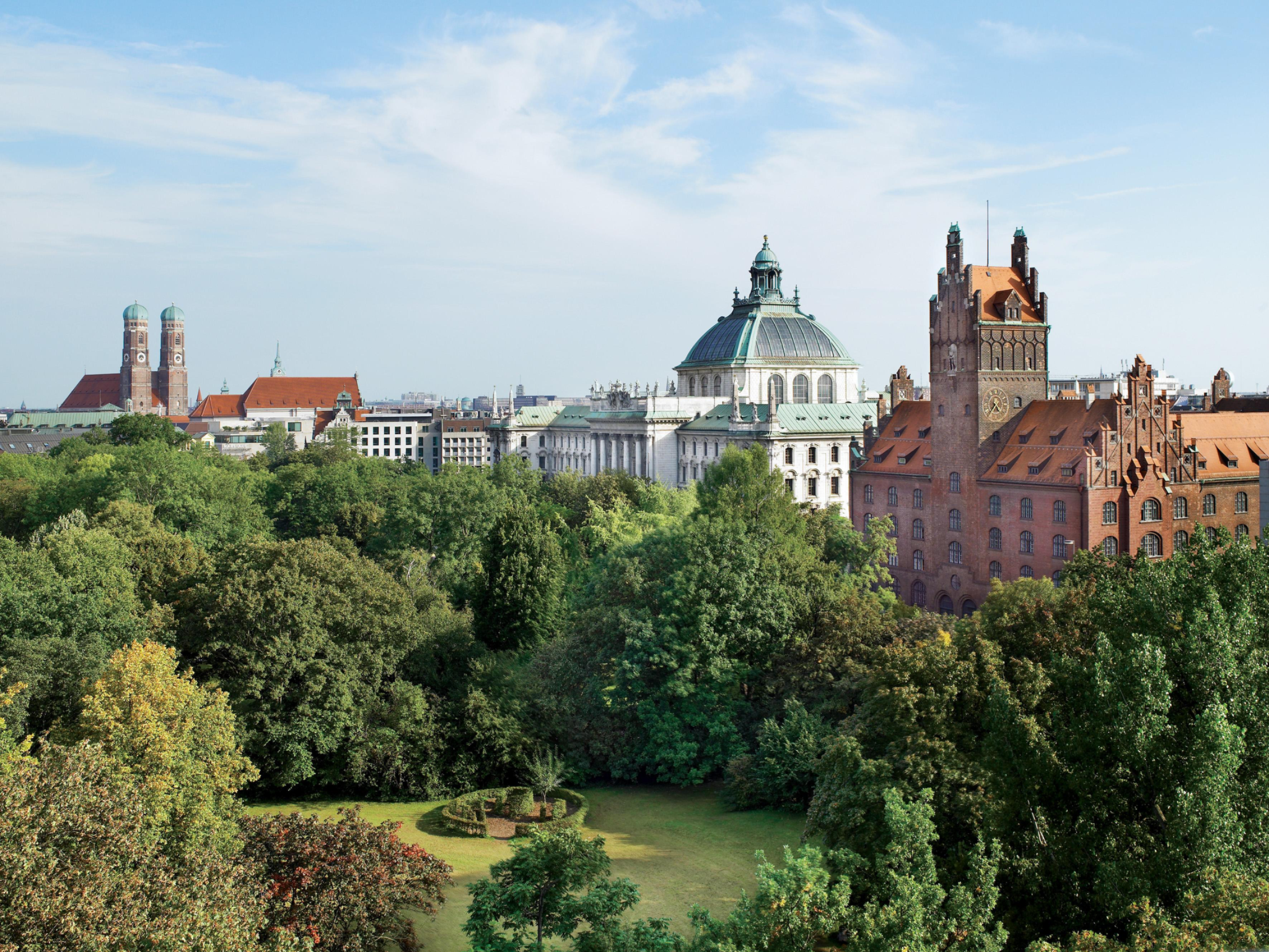
Set beside the Old Botanical Garden in the Lenbachgärten quarter, the hotel is within walking distance of Munich Central Station, Königsplatz and the museum district, yet many of its rooms look directly over mature trees rather than surrounding buildings.
For us, that location is the property’s strongest starting point.
Guests can walk toward the Pinakothek museums, Lenbachhaus or the historic center in the morning, return for lunch overlooking the garden and still feel removed from the busier parts of central Munich.
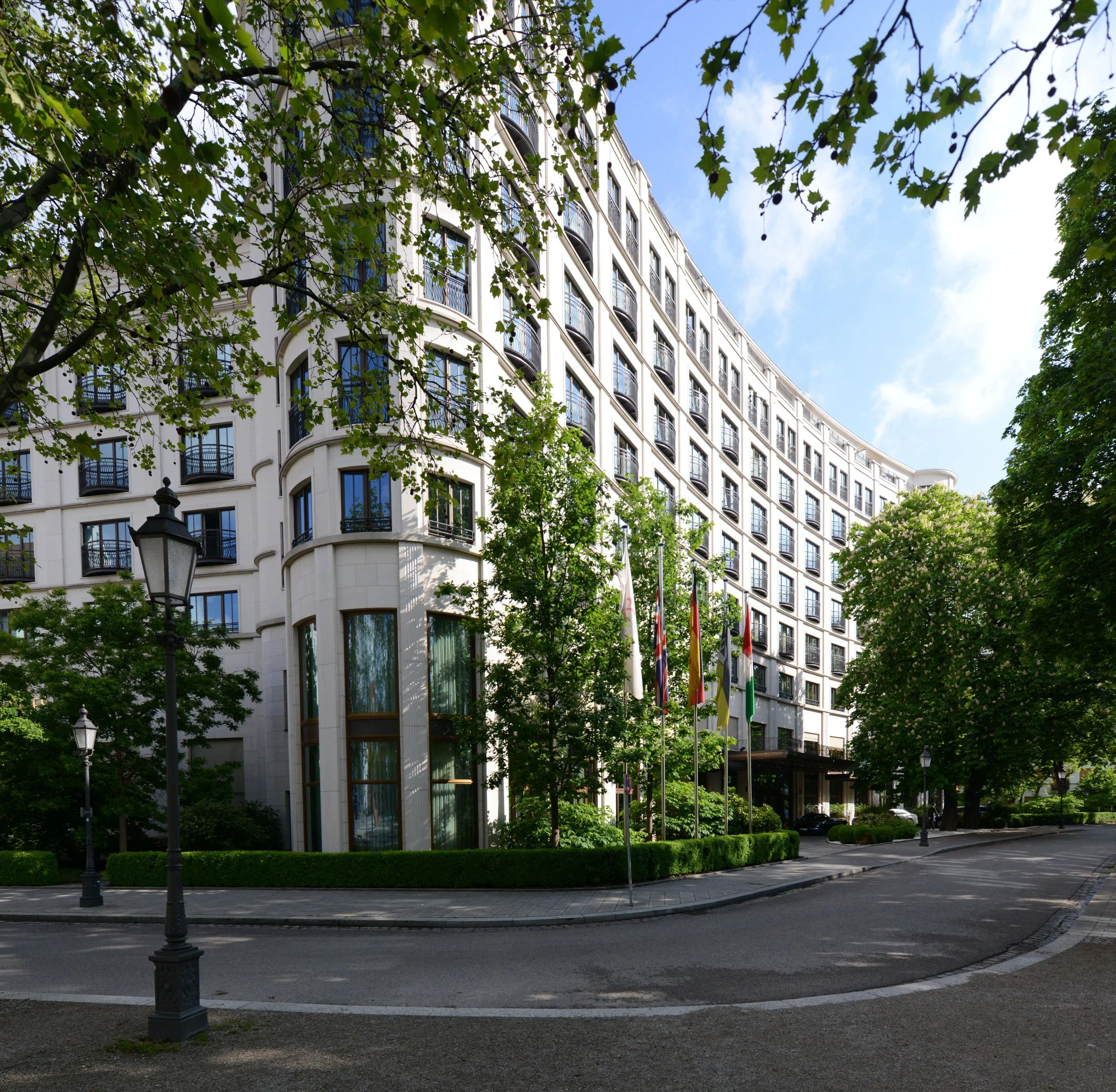
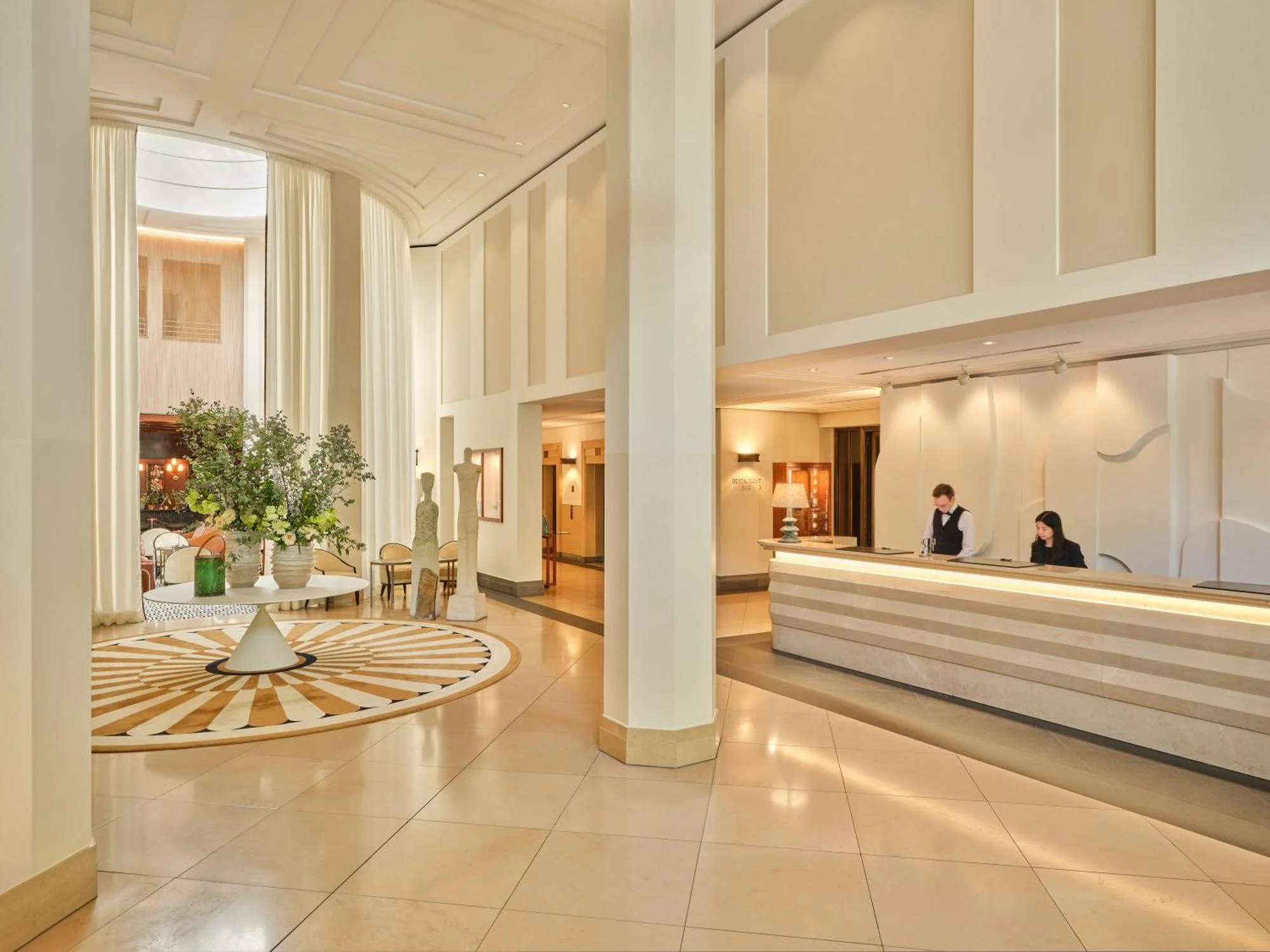
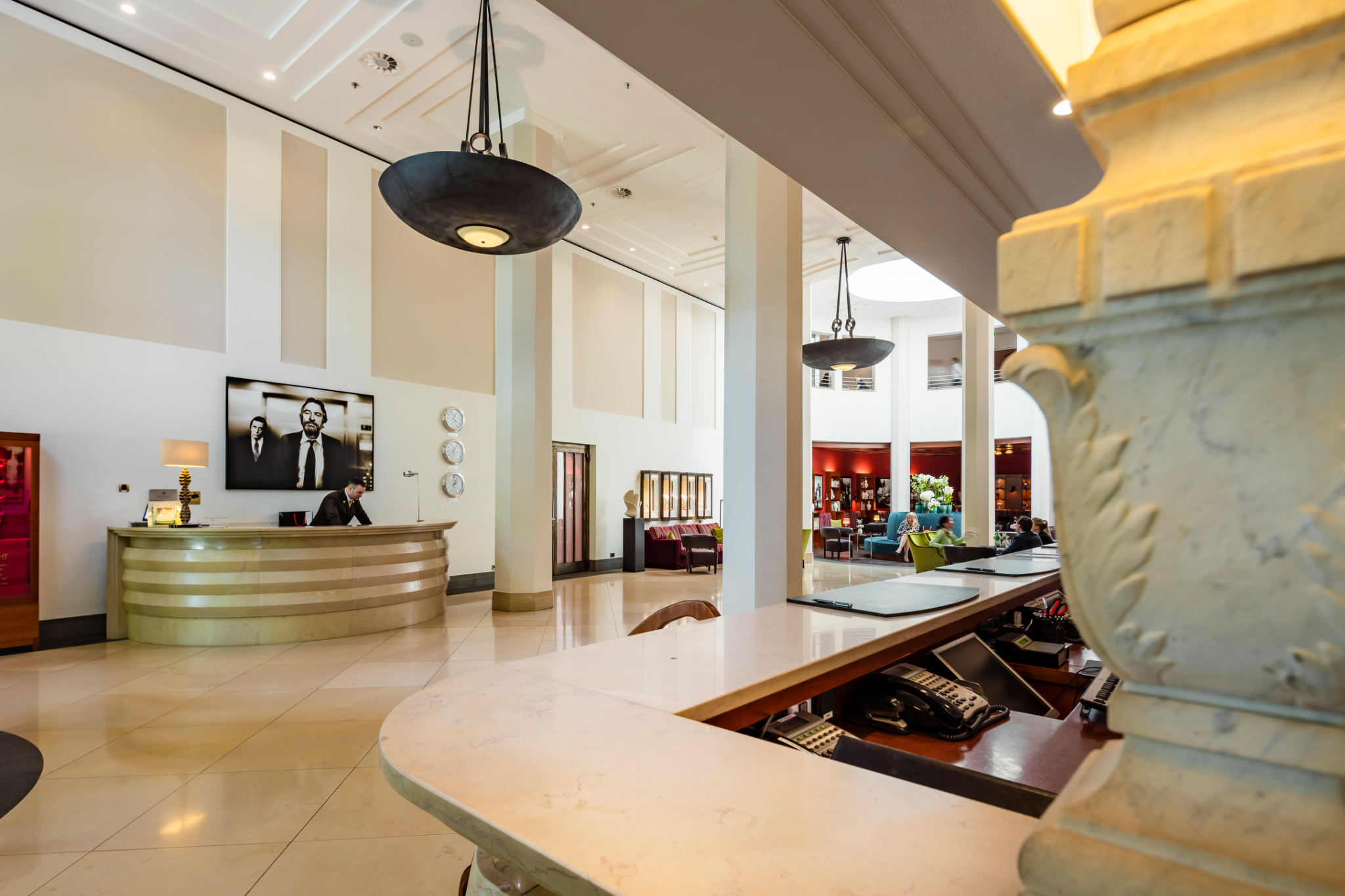
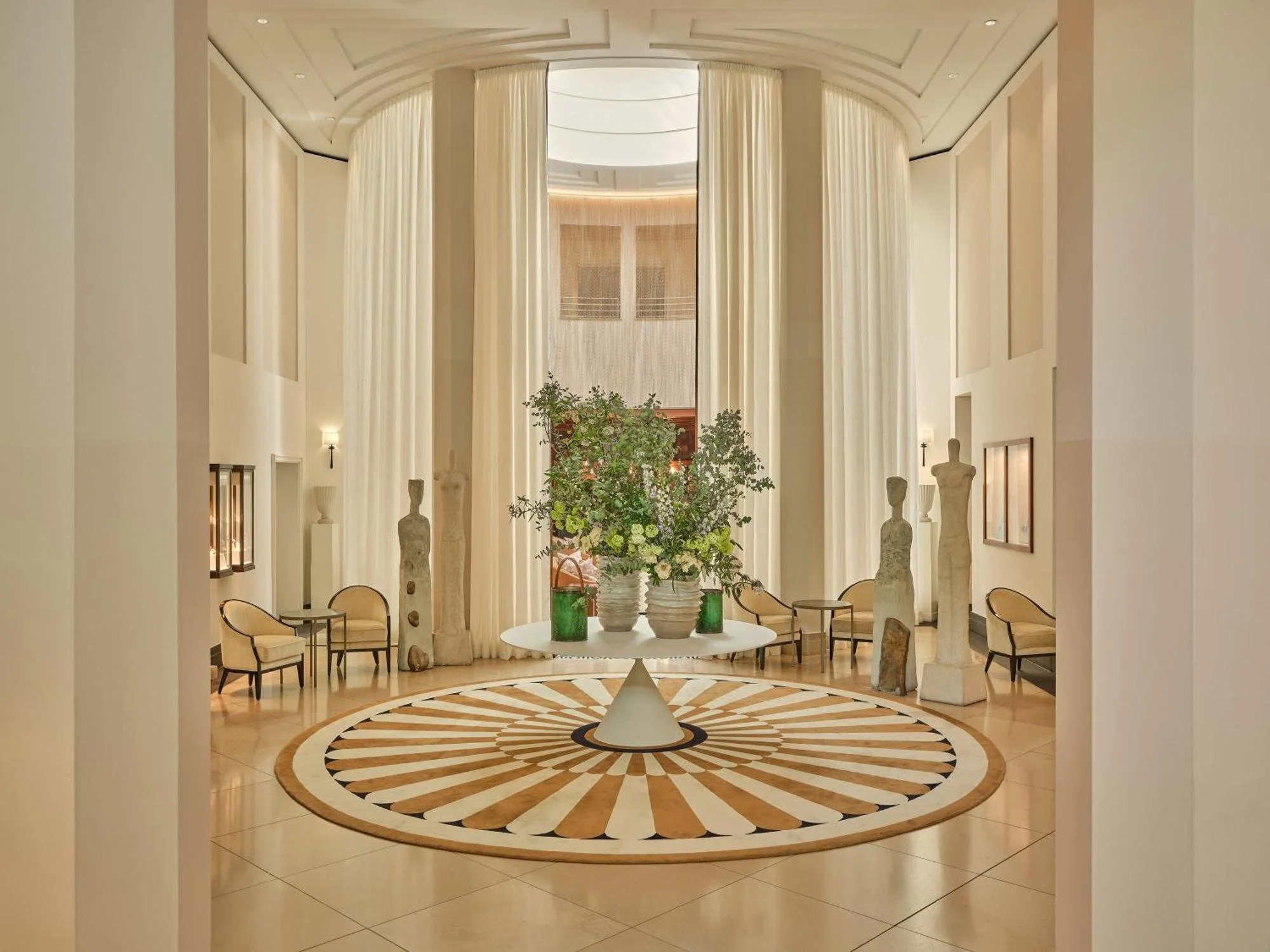
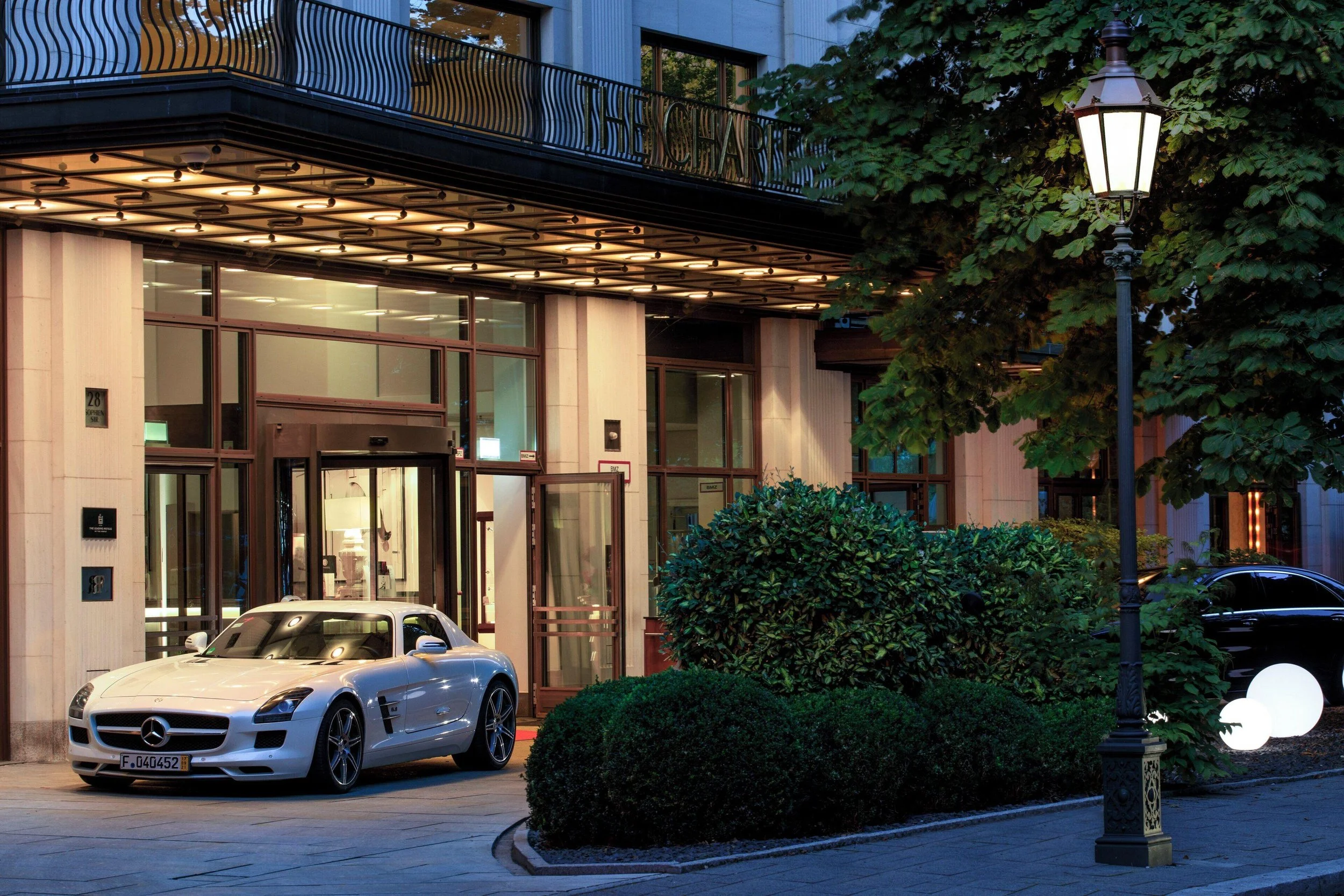
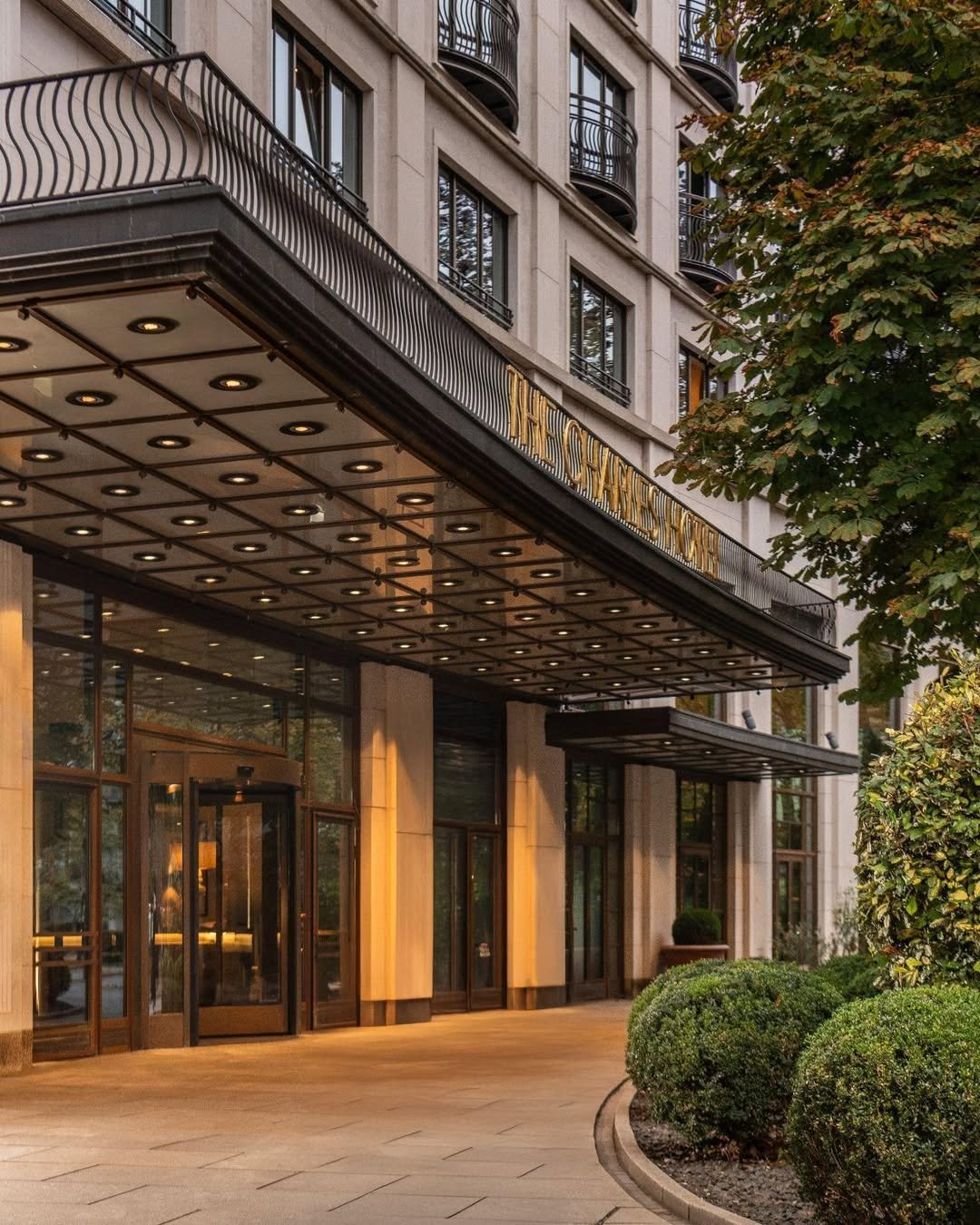
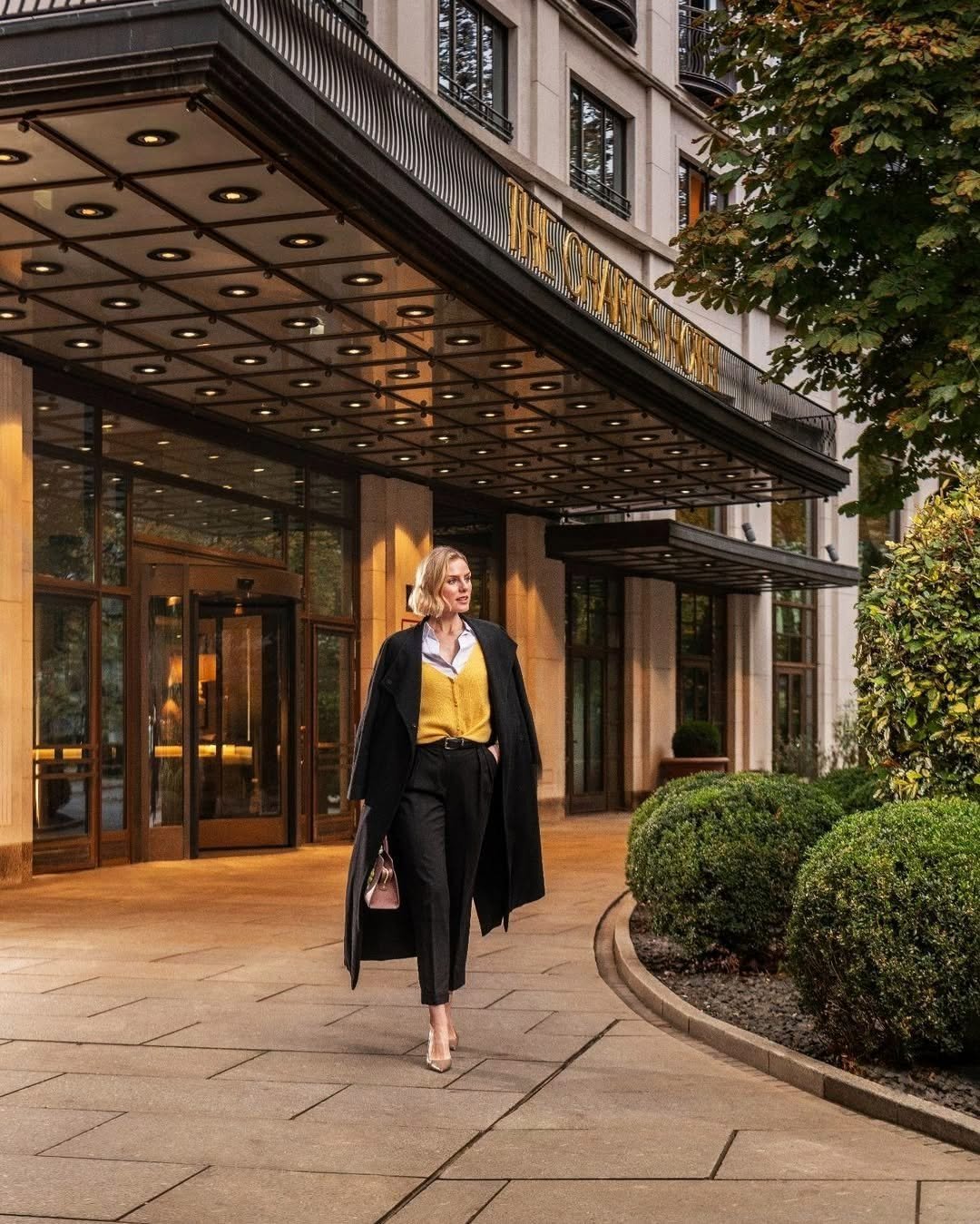
The hotel itself is contemporary rather than historic, but it has been designed to sit comfortably within the city around it. Soft Art Deco curves, pale limestone and restrained proportions give the exterior a sense of permanence, while the interiors combine German craftsmanship, Italian influences and the residential approach associated with the Forte family.
Recent redesign work has refreshed the guestrooms, public spaces and signature suites without changing the fundamental character of the hotel.
The result is a city property that feels distinctly European but difficult to reduce to one style.
It is Munich viewed through the perspective of an Italian hotel family.
A Hotel Named for Charles Forte
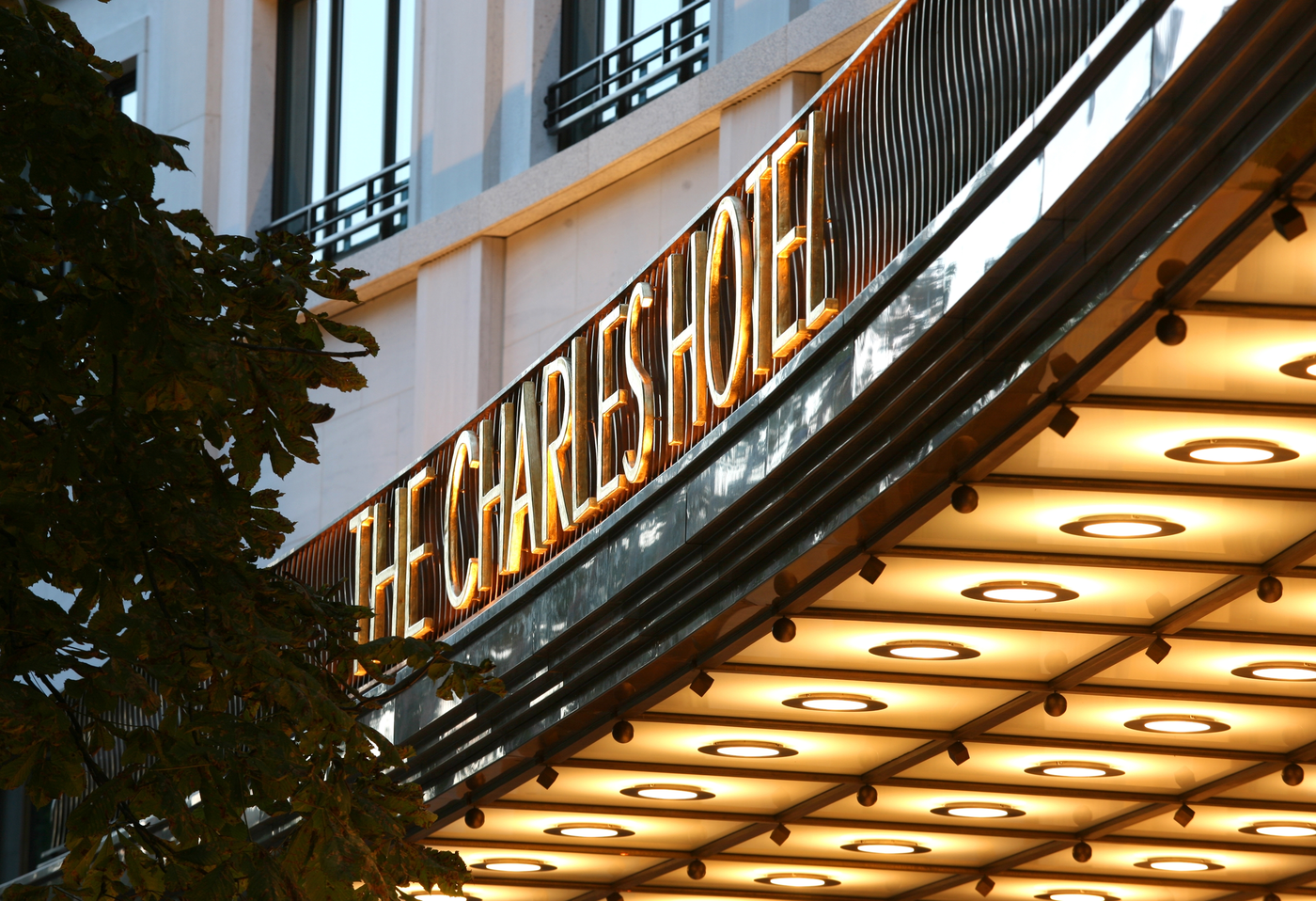
The Charles Hotel opened in 2007 as part of the Lenbachgärten development in central Munich.
Its name is personal.
Sir Rocco Forte named the hotel in honor of his father, Lord Charles Forte, whose hospitality career created the foundation from which Rocco Forte Hotels later developed.
That family connection has remained important to the identity of the property.
Rather than being positioned as an anonymous international luxury hotel, The Charles has consistently incorporated references to the Forte family, Munich and the surrounding region.
The setting contributes another layer.
The hotel borders the Old Botanical Garden and sits close to Königsplatz, Maxvorstadt and Munich’s Kunstareal museum district. This places it between several different versions of the city: historic Munich, the cultural institutions of Maxvorstadt and the transport connections around the central railway station.
The building itself was conceived as a contemporary structure rather than a recreation of an older grand hotel.
Its restrained exterior and relatively low profile allow the surrounding trees and historic cityscape to remain visible, particularly from the upper floors.
For us, The Charles makes more sense when understood through these relationships rather than through a single architectural statement.
It is a modern hotel, but one whose name, location and design are all rooted in what surrounds it.
Munich Architecture with an Italian Point of View
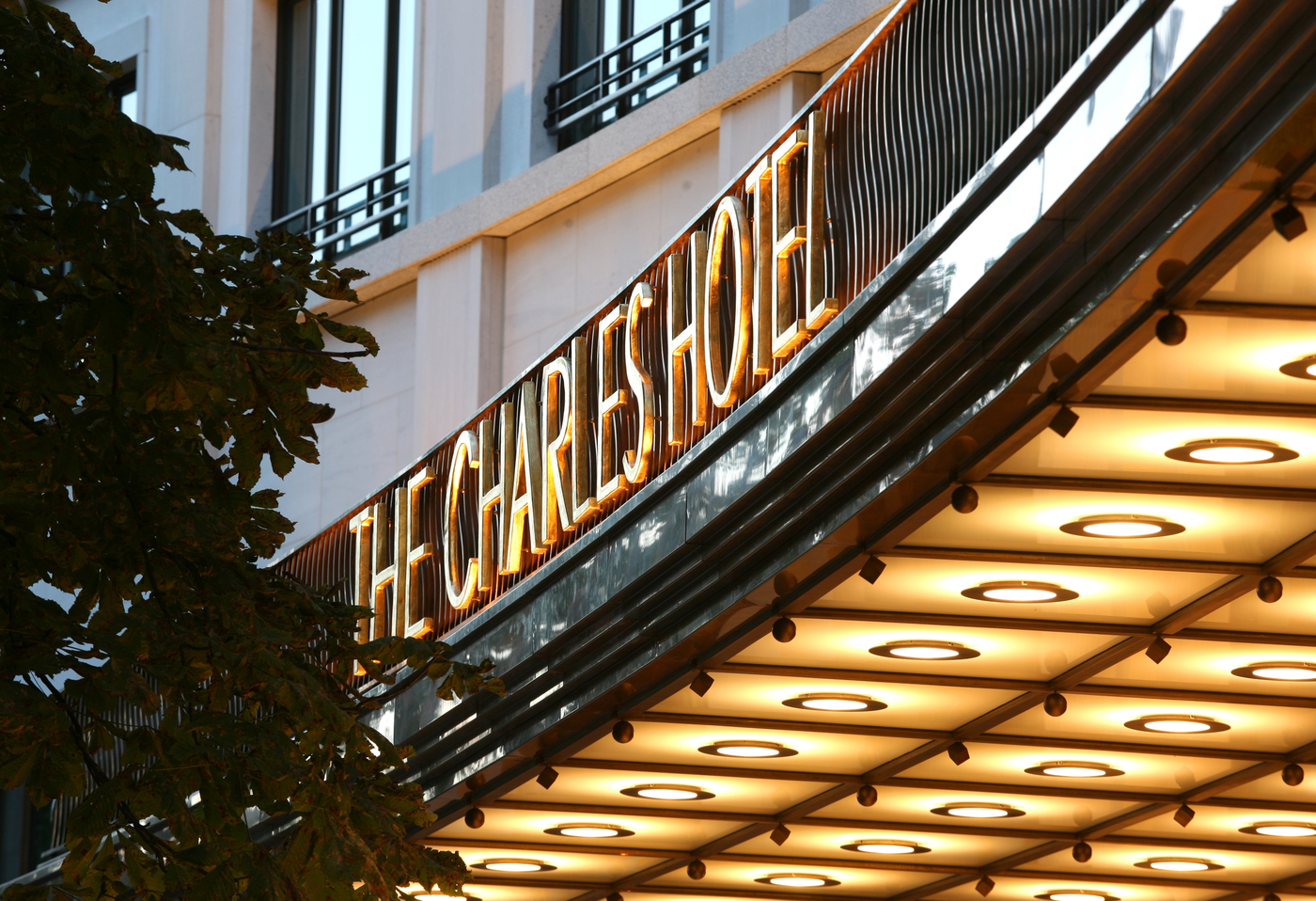
The Charles Hotel was designed by Munich-born architect Christoph Sattler of Hilmer, Sattler & Albrecht, with an exterior characterized by pale Sintra limestone, gently curved forms and references to the elegance of the 1930s.
The architecture also draws subtle inspiration from the grand hotels of Italy and the Mediterranean, reflecting Munich’s long cultural connection with Italy.
Inside, the design has always been closely associated with Lady Olga Polizzi, Director of Design at Rocco Forte Hotels.
Nearly two decades after the hotel first opened, Polizzi returned to rework its interiors with Magdalena Onisko, while Paolo Moschino and Philip Vergeylen contributed to the redesign of the public spaces.
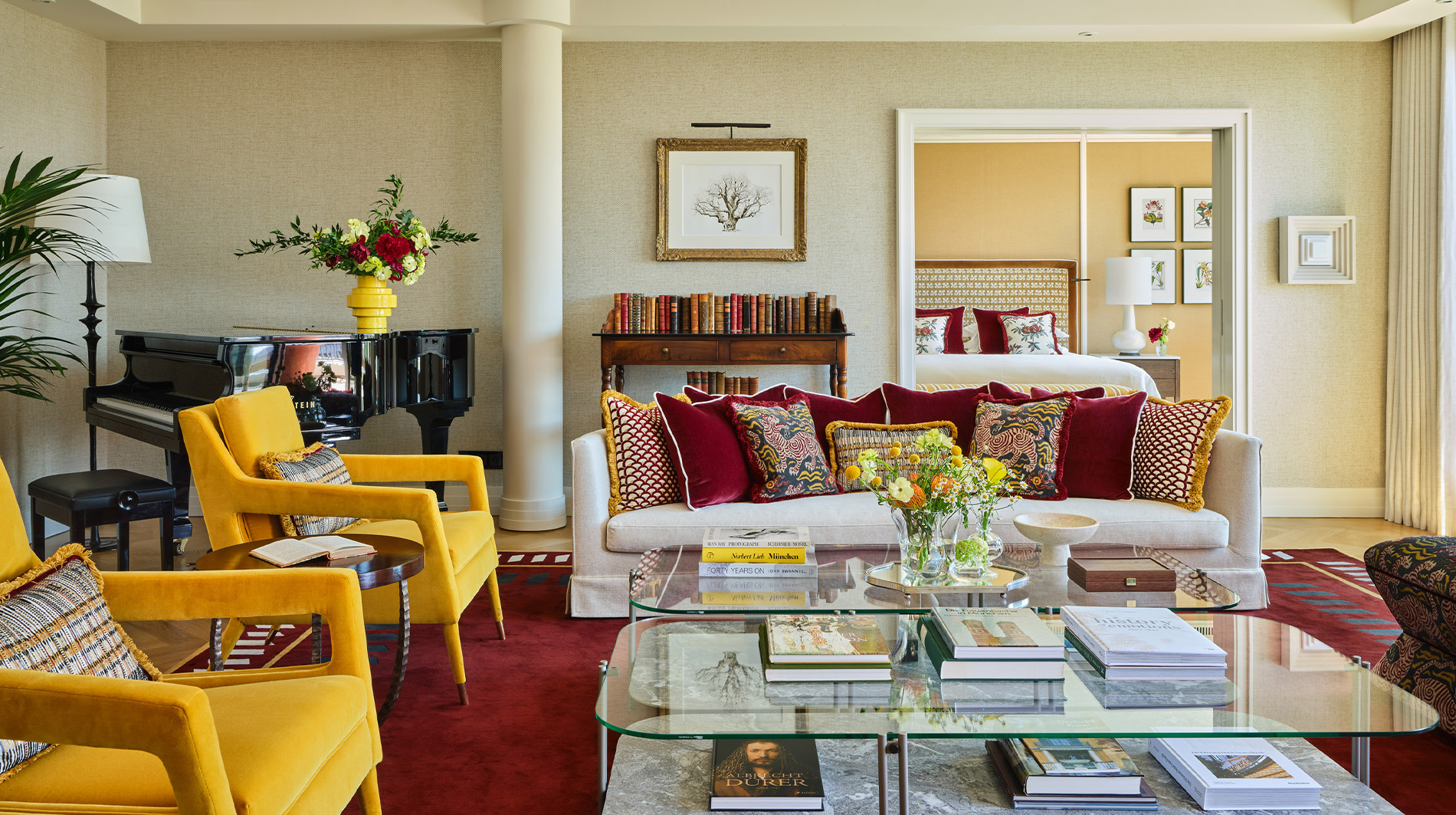
The result is layered rather than minimalist.
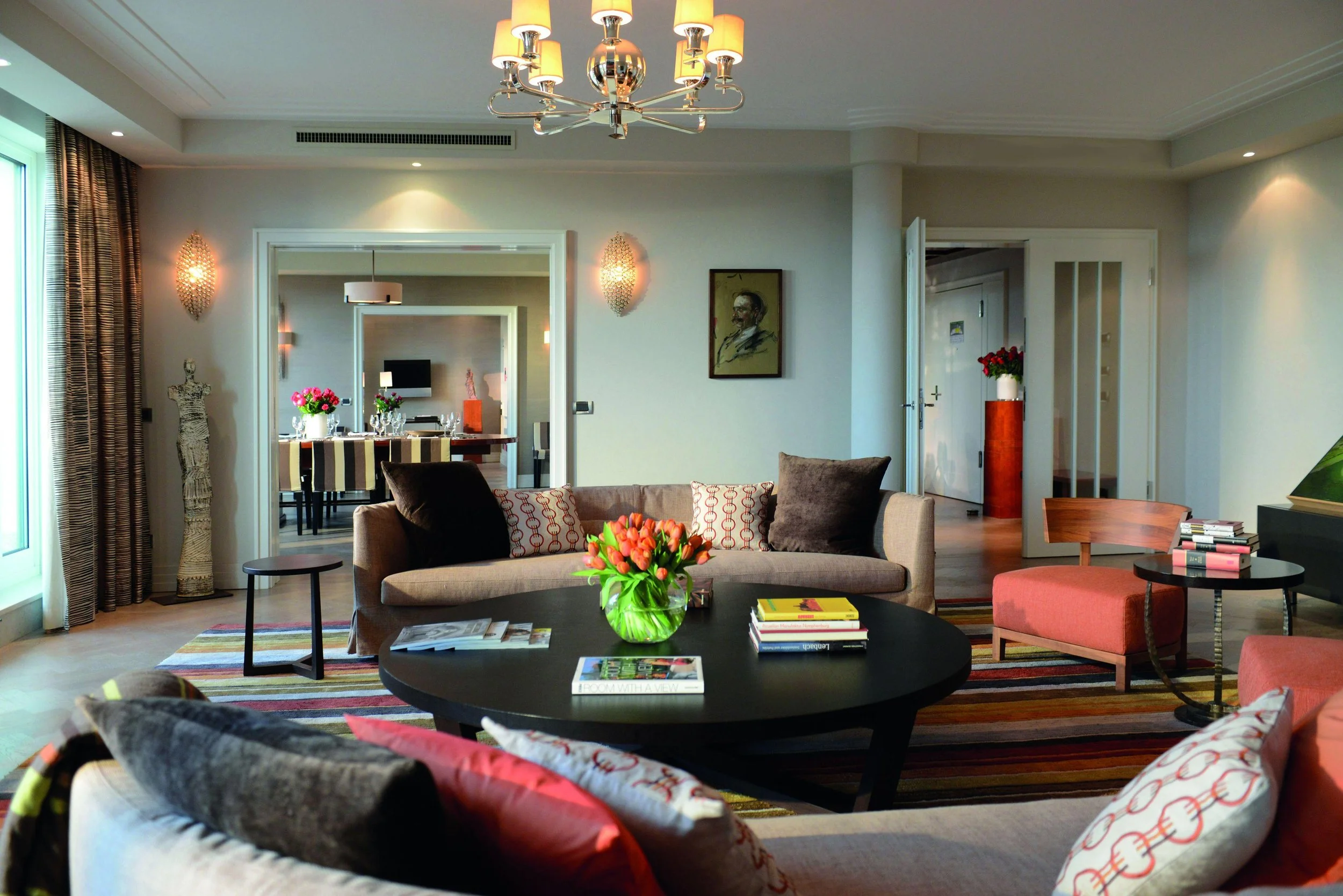
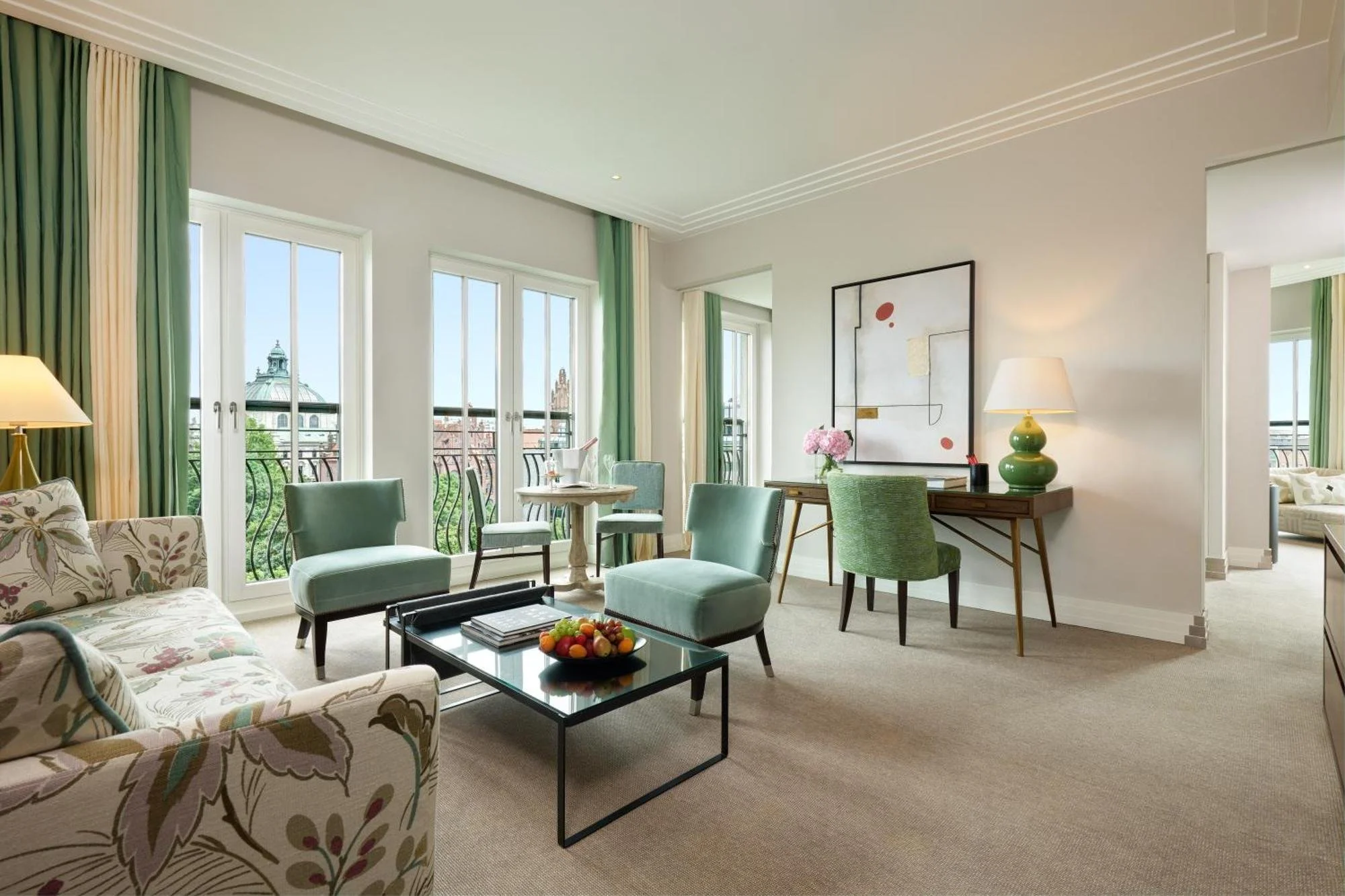
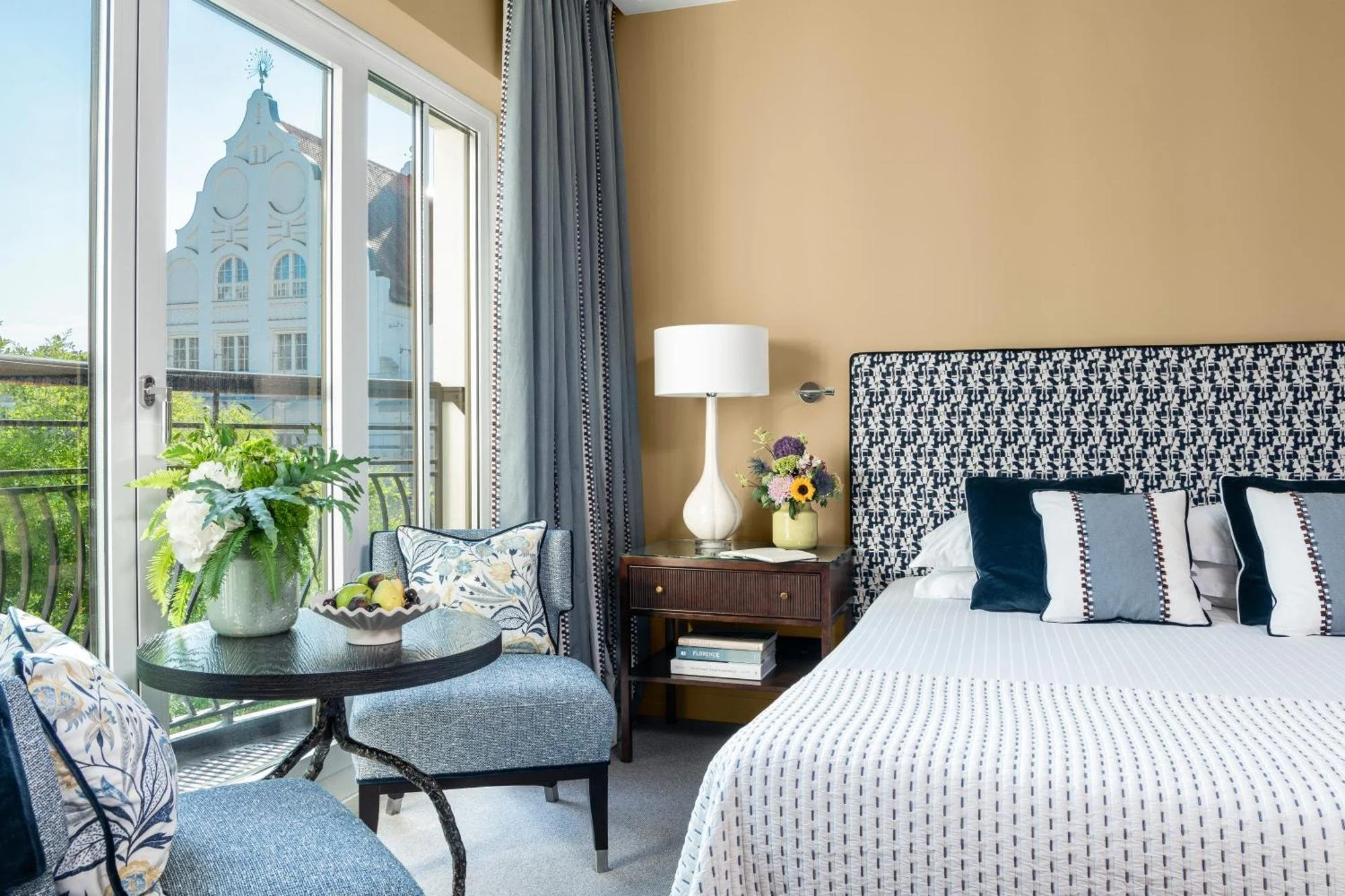
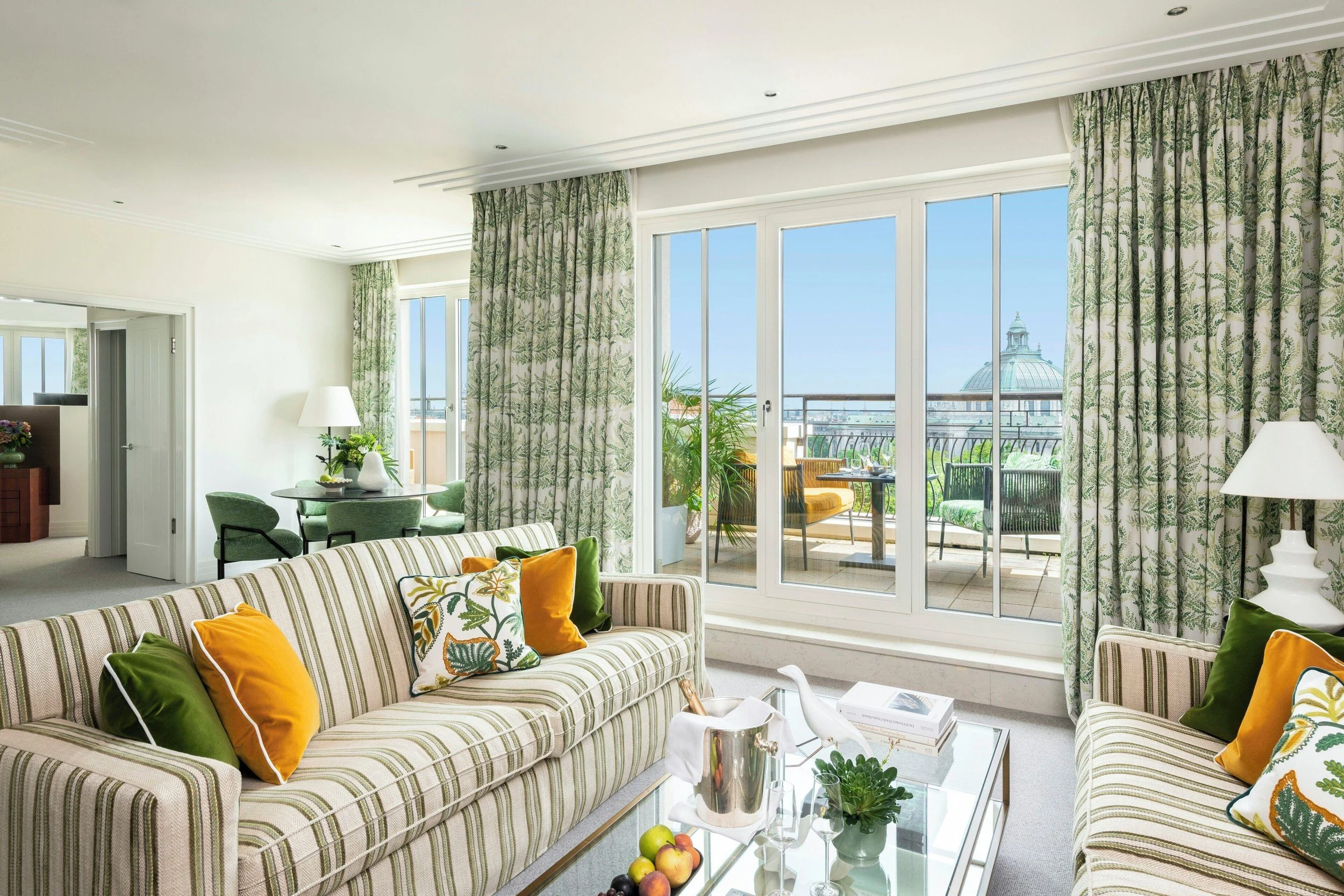
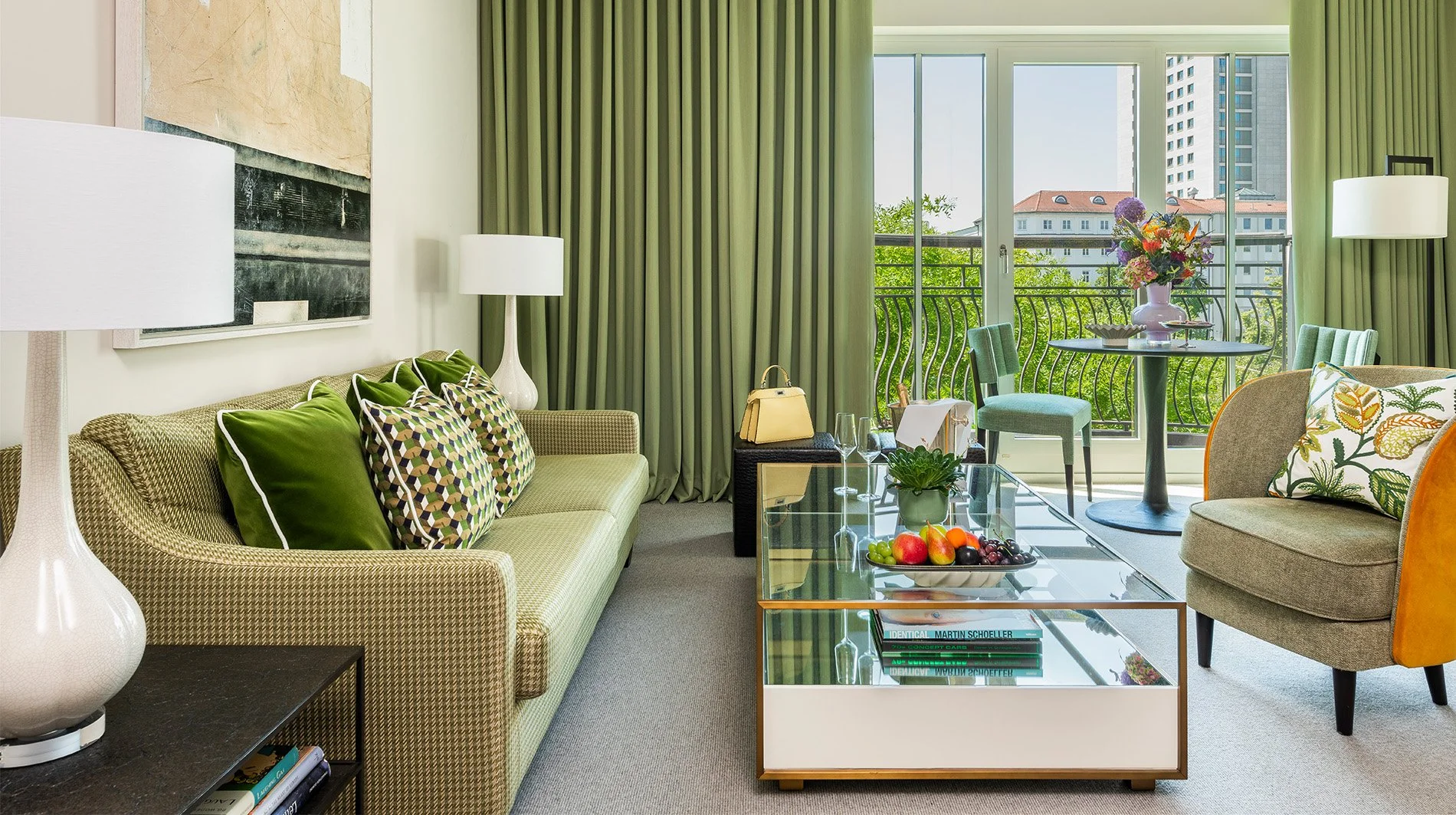
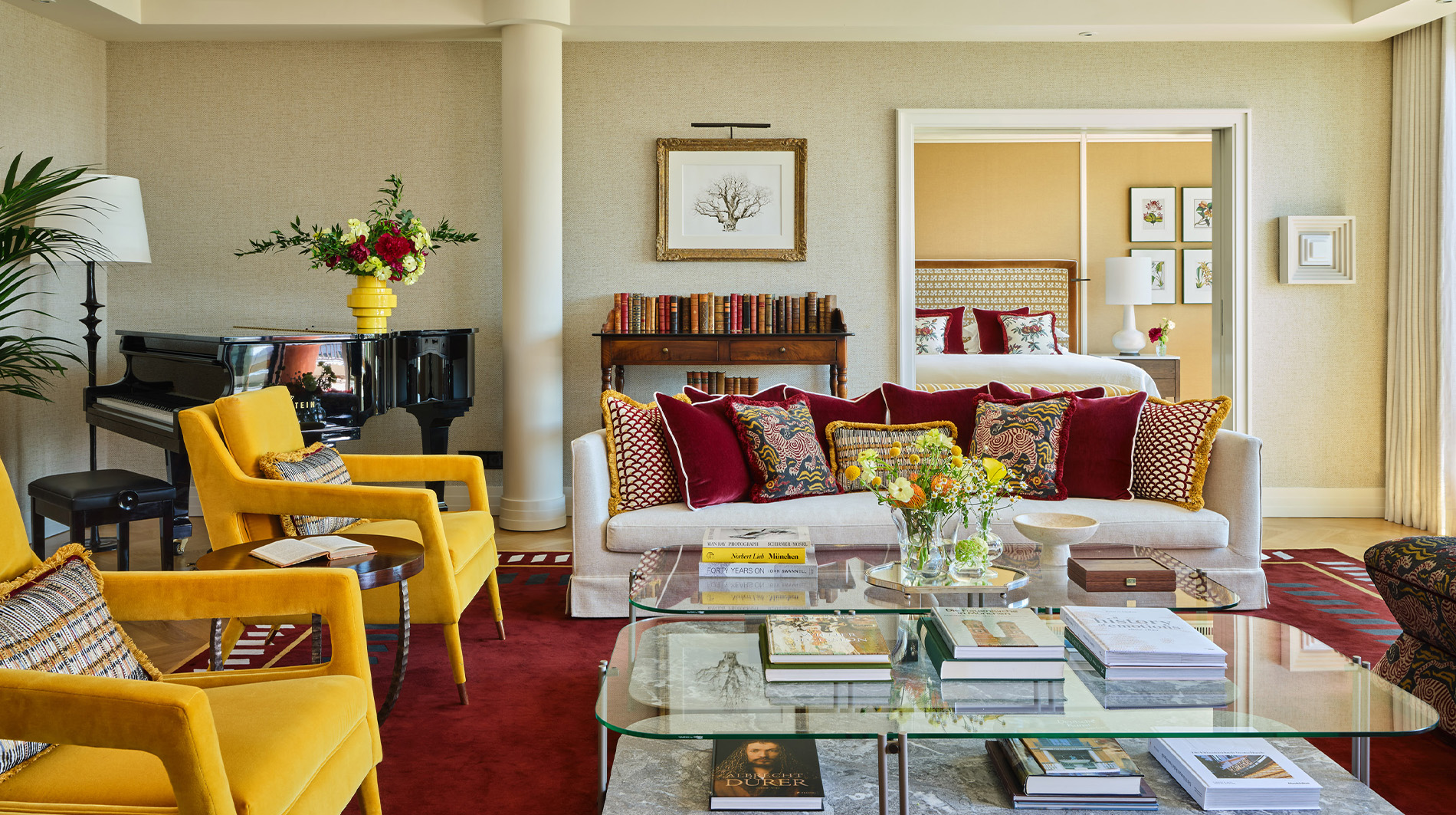
Botanical greens, warm neutrals, patterned textiles and custom furniture reference the Old Botanical Garden outside, while artwork and decorative objects keep the rooms from feeling standardized.
Pieces associated with Munich are incorporated throughout the hotel, including works connected with Franz von Lenbach, the 19th-century painter whose former home stands nearby.
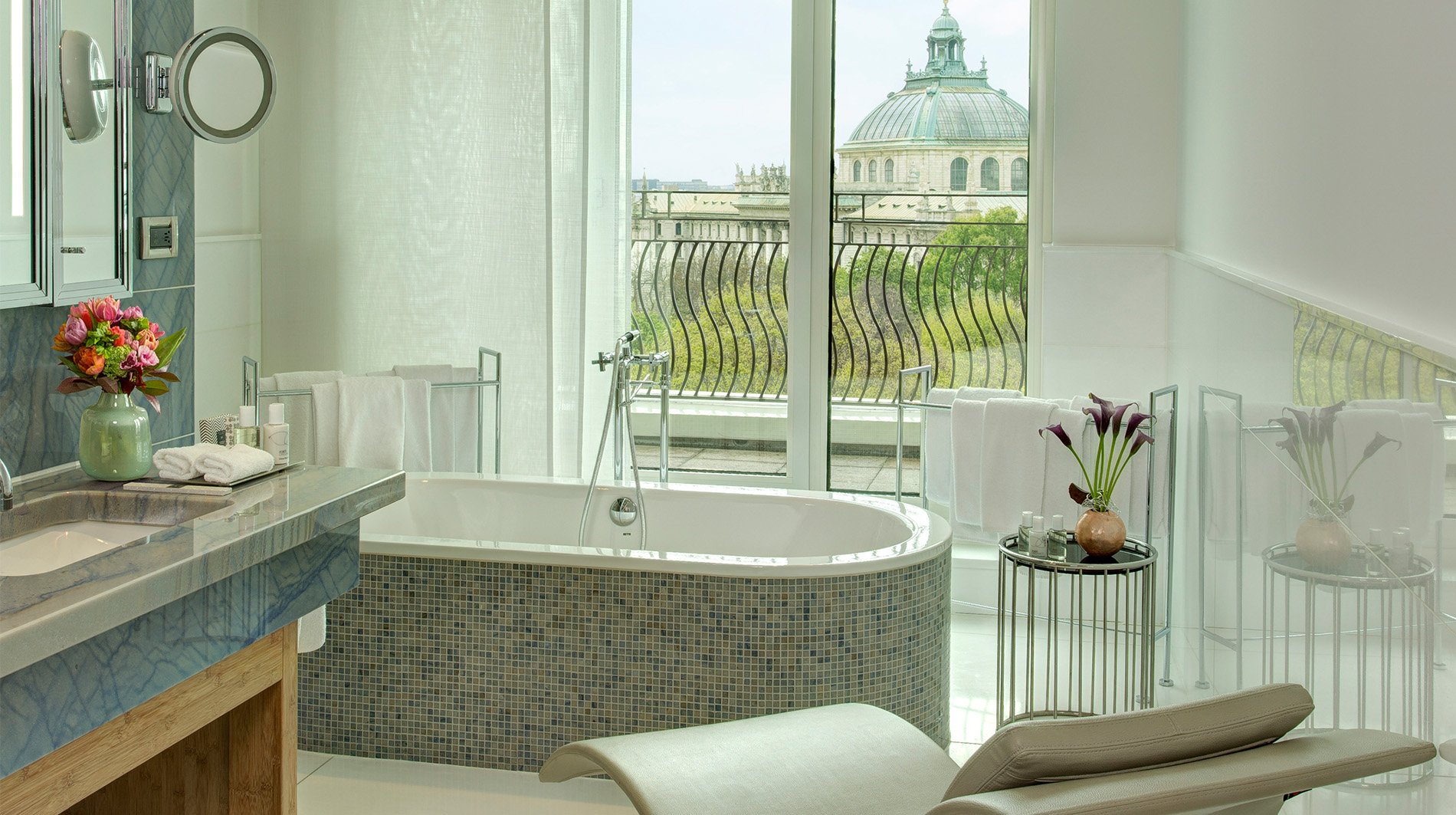
The bathrooms introduce another specifically local reference through details from the Nymphenburg Porcelain Manufactory.
For us, the strongest element of the design is the balance between city and residence.
Nothing feels overly theatrical.
The rooms are large, the materials are refined and the public areas have enough personality to feel individual, yet the hotel remains comfortable enough to function naturally for a longer Munich stay.
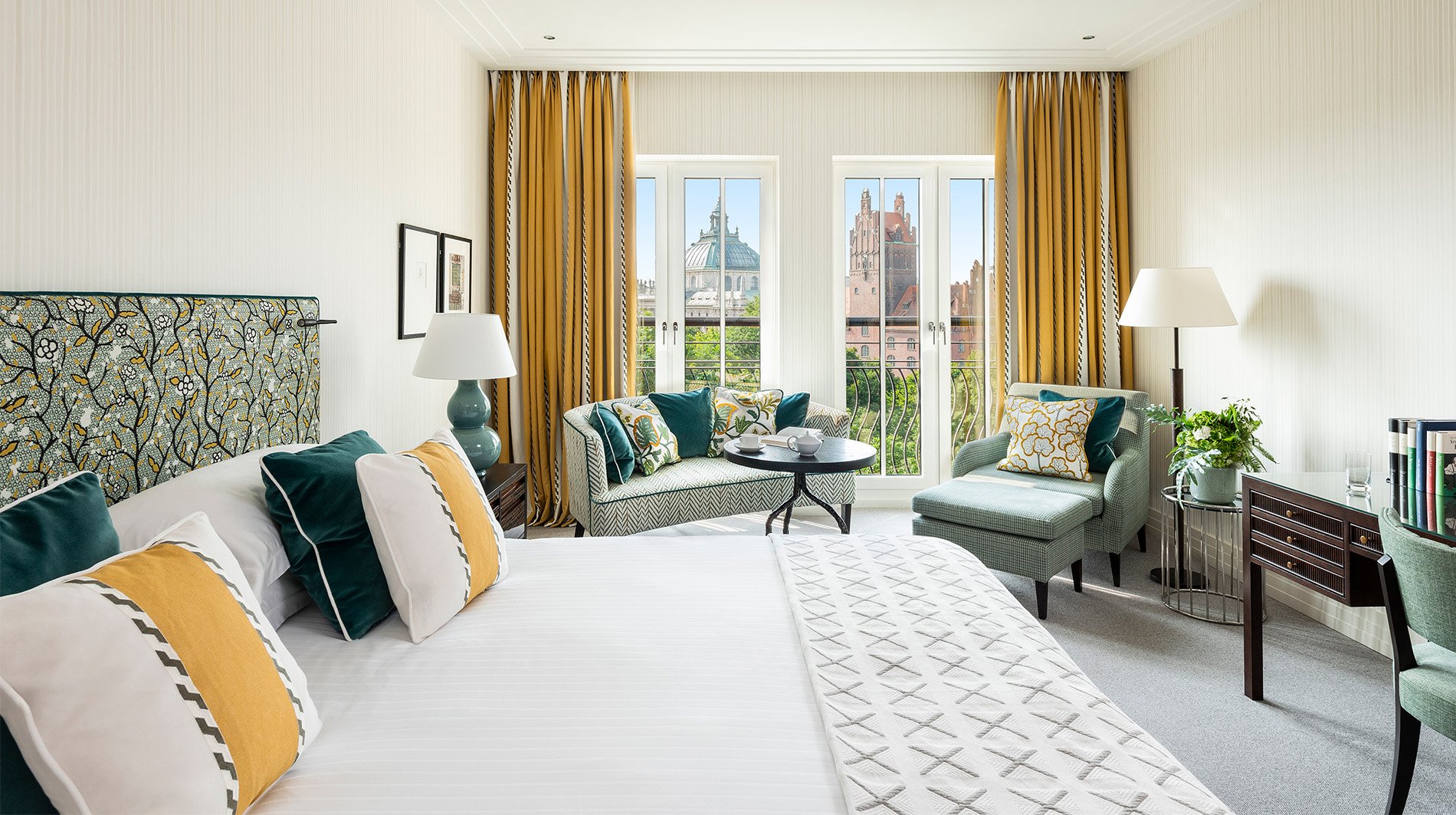
Choosing Between City, Garden and Panoramic Views
The Charles Hotel offers rooms, junior suites, larger suites, family combinations and a collection of Forte Suites, with the main distinctions being the outlook, amount of separate living space and access to a private terrace.
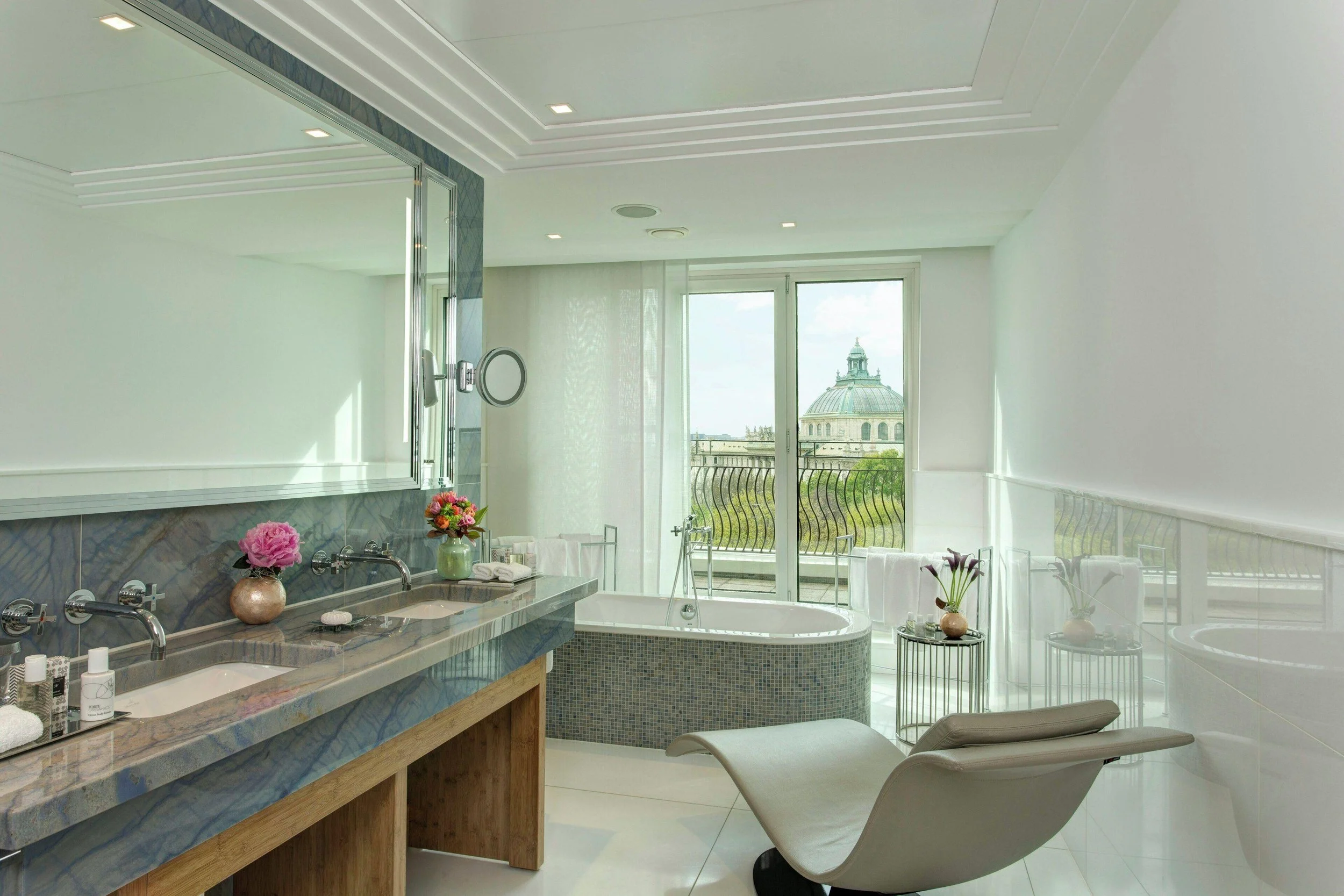
Classic Room: At 431 sq. ft., these generous city-facing rooms include a king bed that can be twinned, a sitting area, work desk and limestone bathroom with separate bathtub and walk-in shower, with large windows overlooking Munich and the Maxvorstadt district.
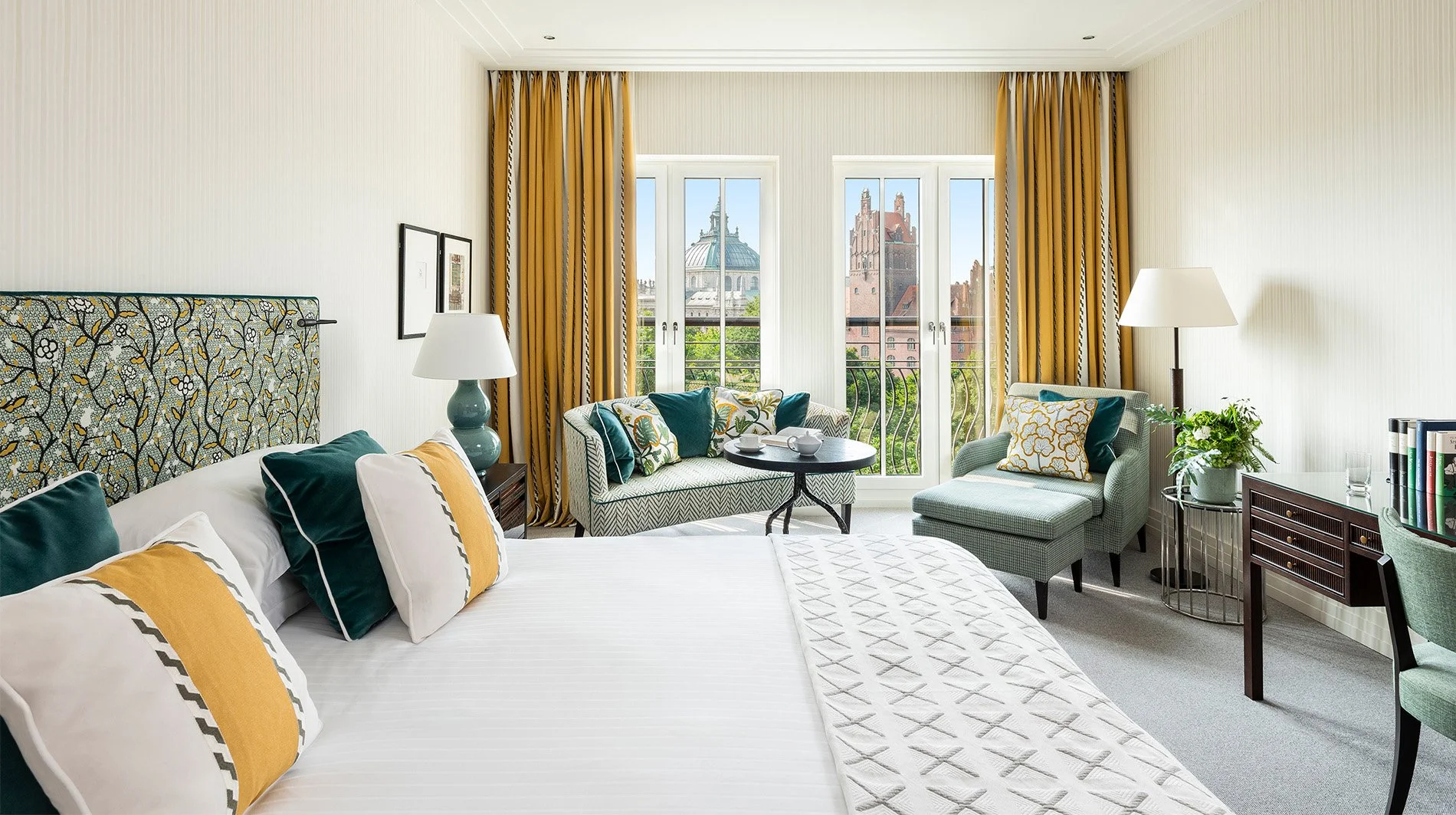
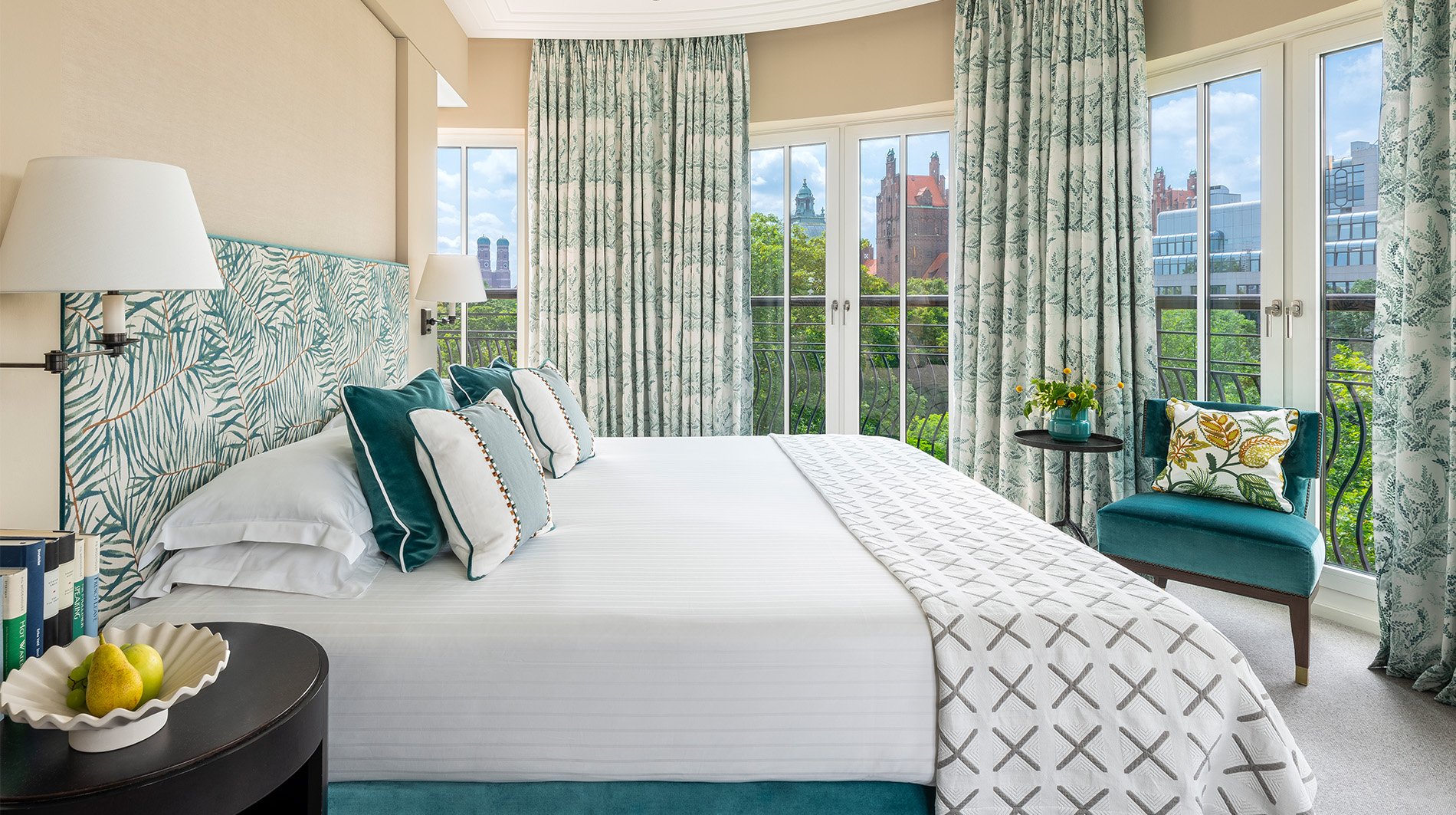
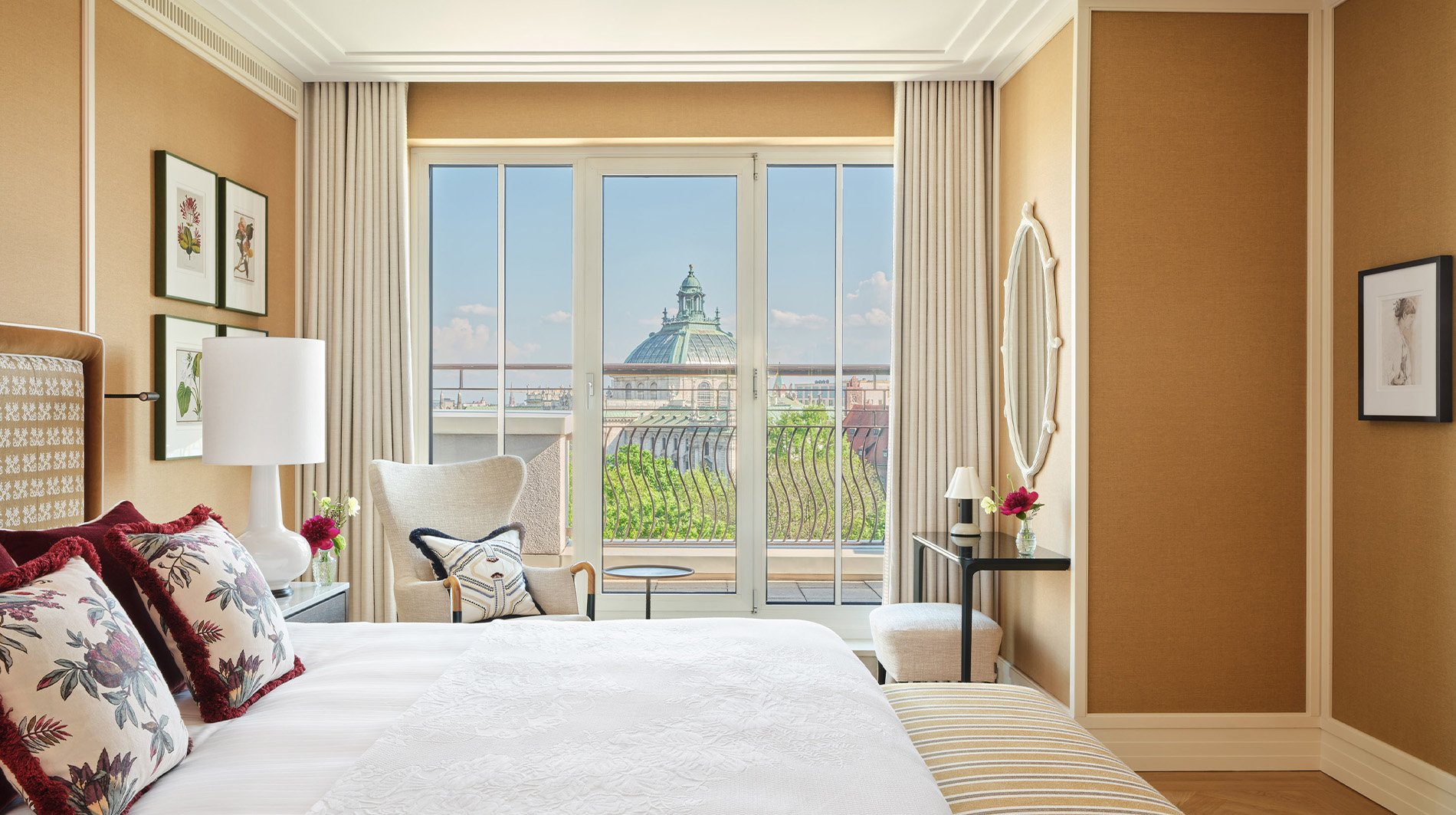
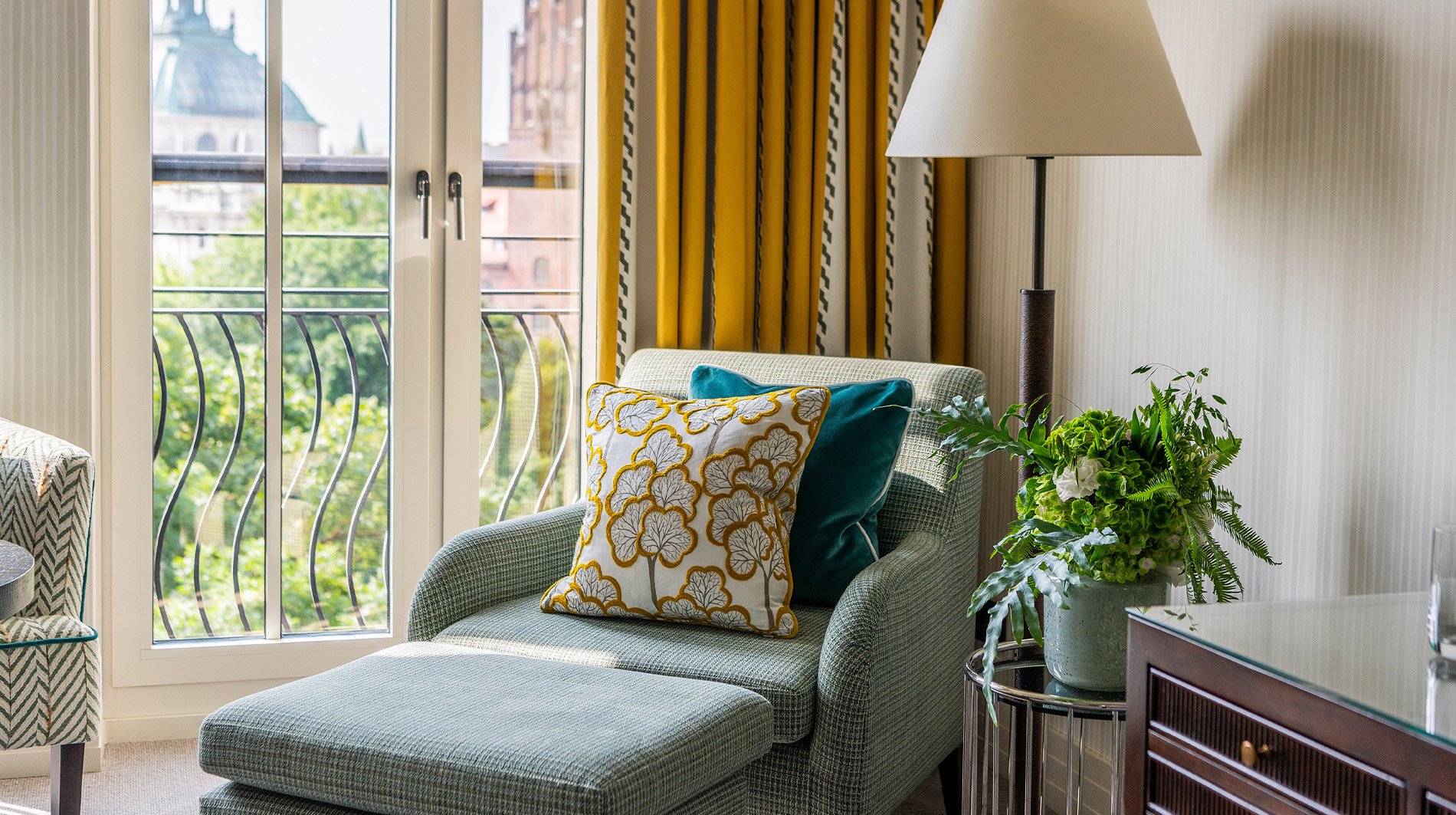
Deluxe Park View Room: Offering 431 sq. ft., this category keeps the same spacious basic layout while shifting the outlook toward the Old Botanical Garden, adding French balconies and botanical design details inspired by the greenery directly outside.
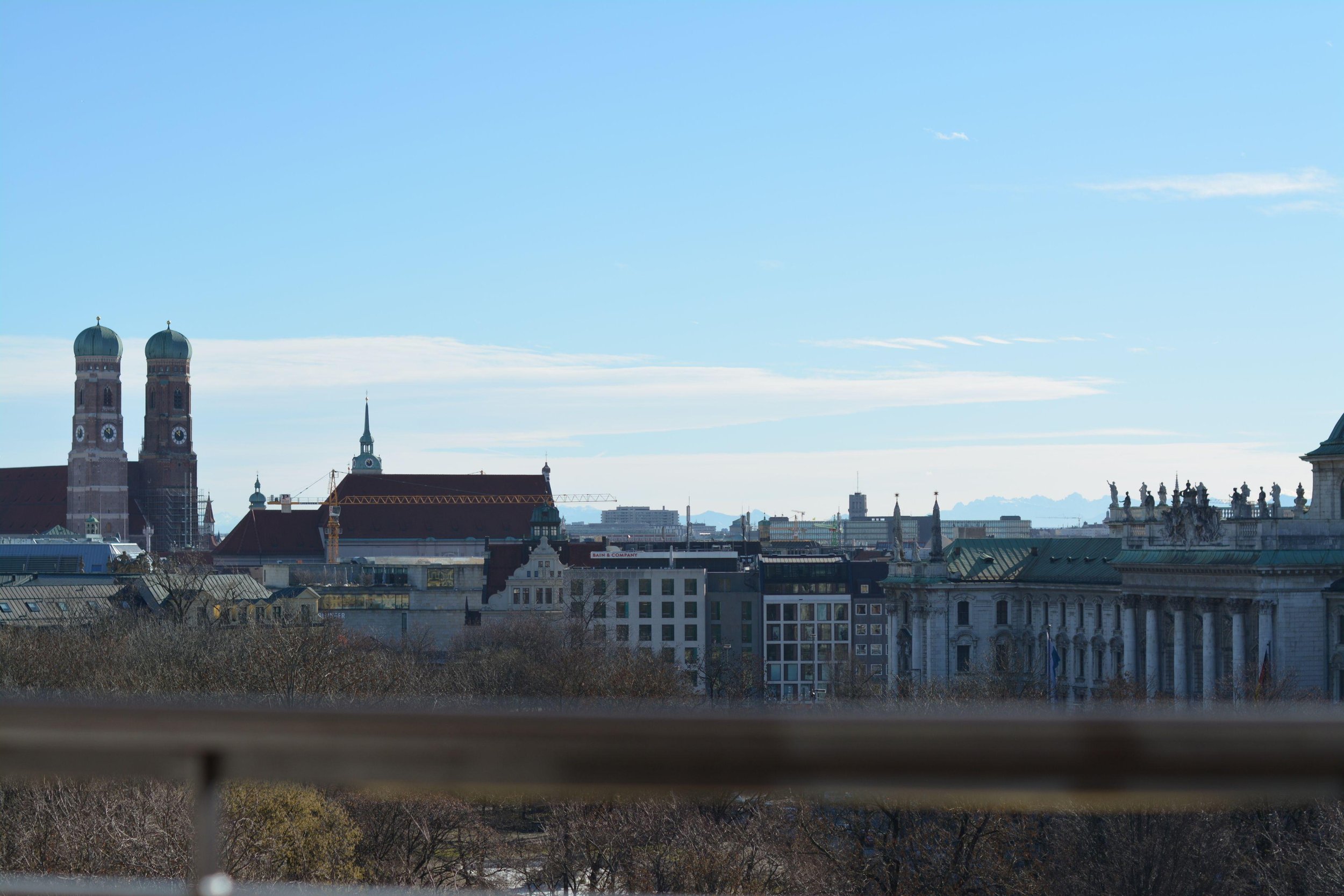
Deluxe Panoramic View Room: At 431 sq. ft., these rooms combine a king bed that can be twinned with an elevated outlook across the Old Botanical Garden and Munich, with the Bavarian Alps visible in the distance on particularly clear days.
Junior Suite: Offering 484 sq. ft., the Junior Suite creates a more generous open-plan living environment with a king bed that can be twinned, a comfortable sitting area and city views framed by the hotel’s updated botanical-inspired interiors.
Superior Junior Suite: At 517 sq. ft., this larger junior suite provides additional seating space and views across both Munich’s historic buildings and the Lenbachgärten, giving couples more room without requiring a fully separate living room.
Deluxe Junior Suite Park View: Offering 538 sq. ft., this park-facing junior suite combines bright interiors, a generous sitting area and views across the Old Botanical Garden, while also serving as a useful connecting category for families and larger suite configurations.
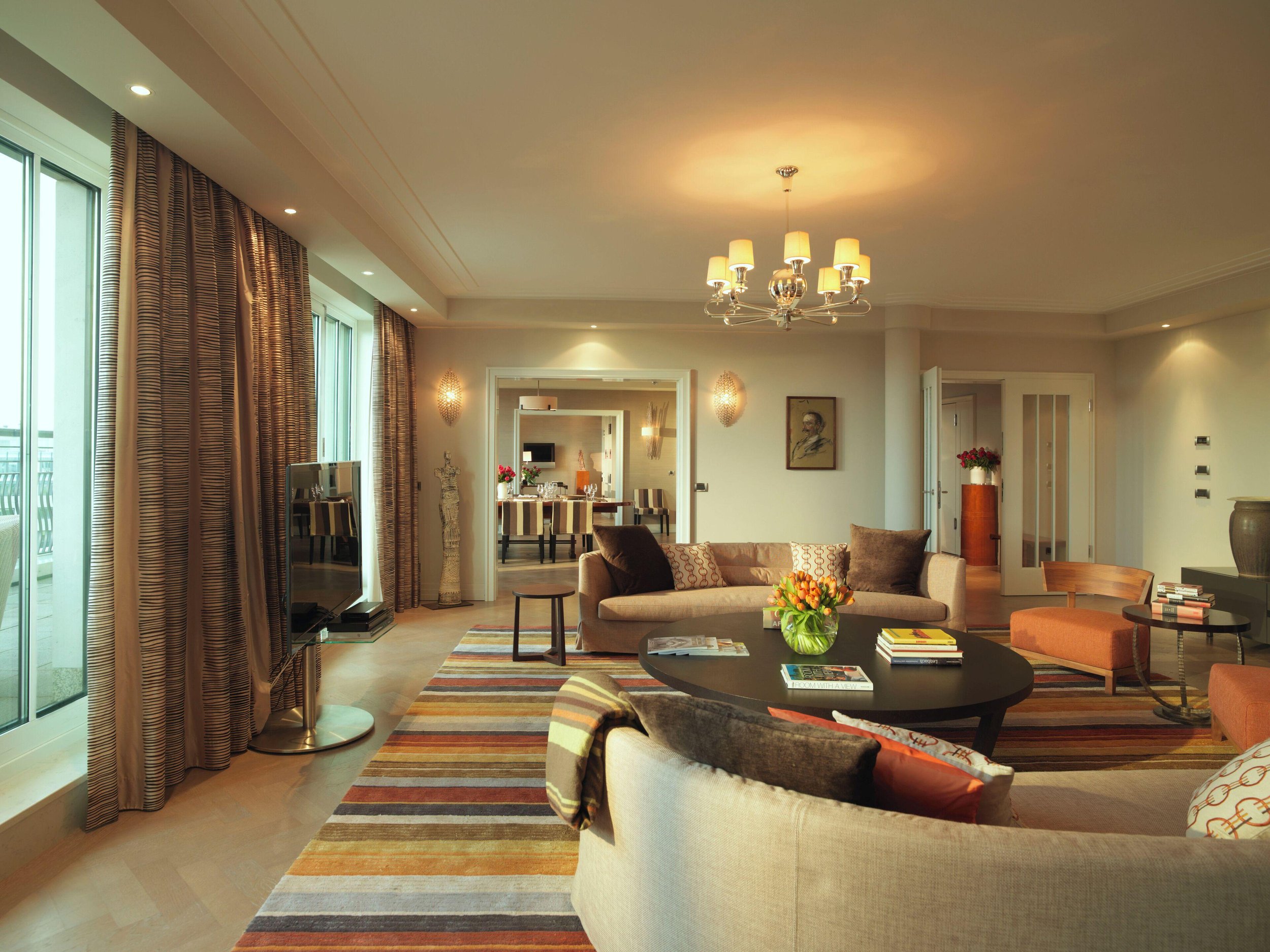
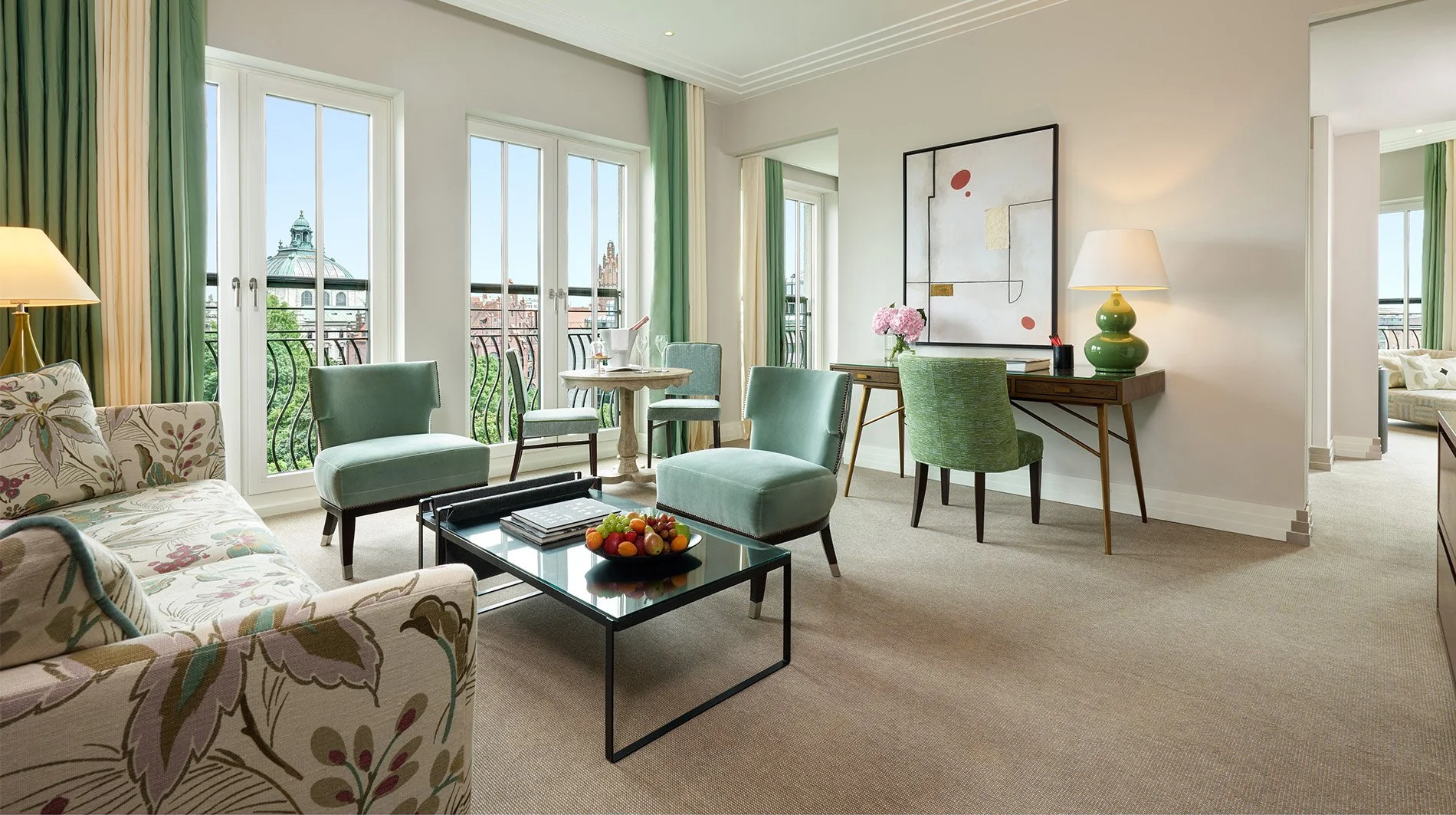
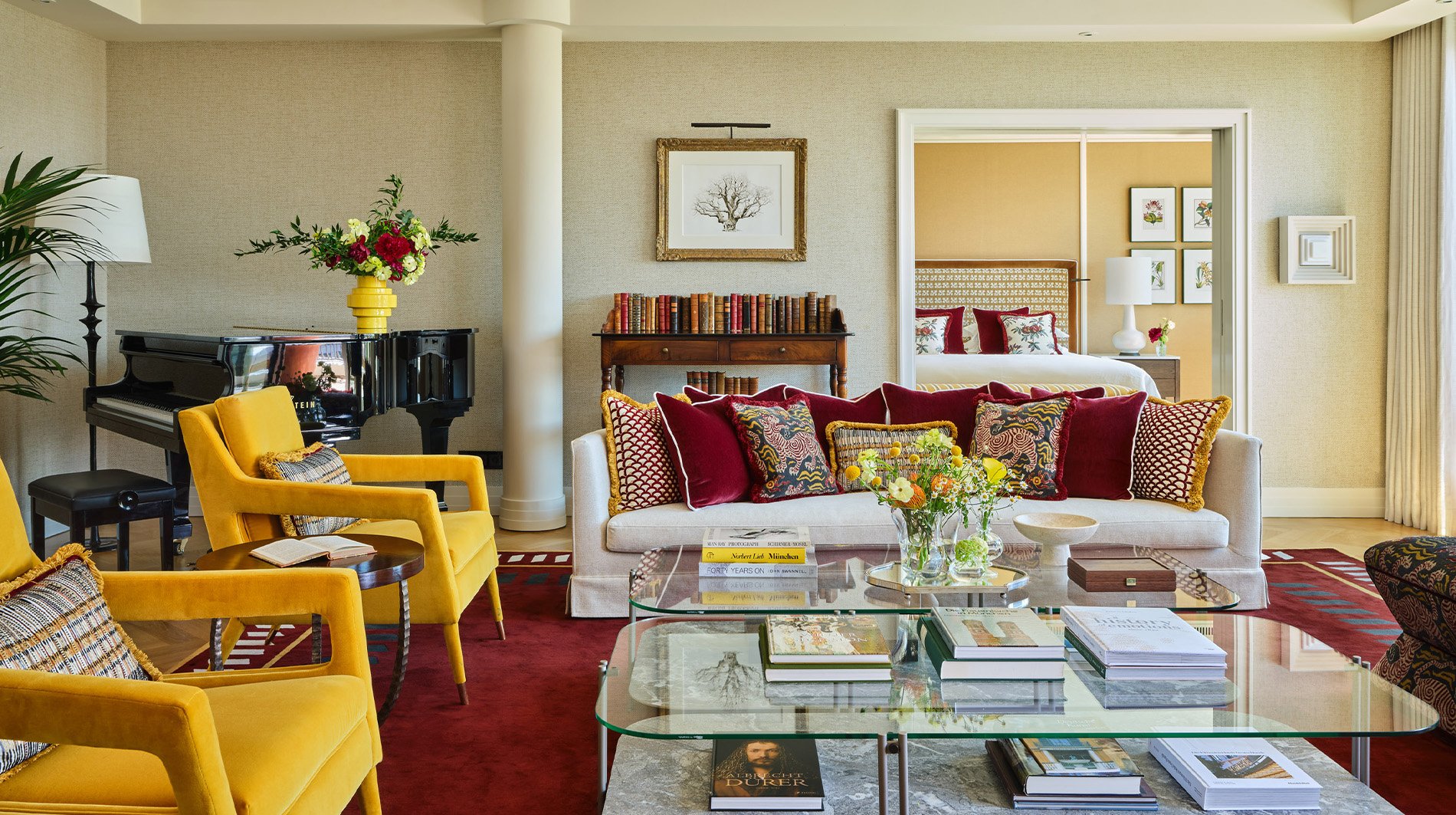
Classic Suite: At 721 sq. ft., this one-bedroom suite includes a separate sitting room, kitchenette and guest powder room, with floor-to-ceiling windows and French balconies overlooking Munich’s terracotta rooftops.
Signature Park View Suite: Offering 786 sq. ft., this one-bedroom suite adds a separate living area and views directly over the Old Botanical Garden, creating one of the most appealing layouts for travelers who value greenery and a quieter outlook.
Signature Panoramic View Suite: At 786 sq. ft., this category pairs a spacious separate living room with curved balcony access and elevated views over the garden, Munich rooftops and, in favorable conditions, the Alps beyond the city.
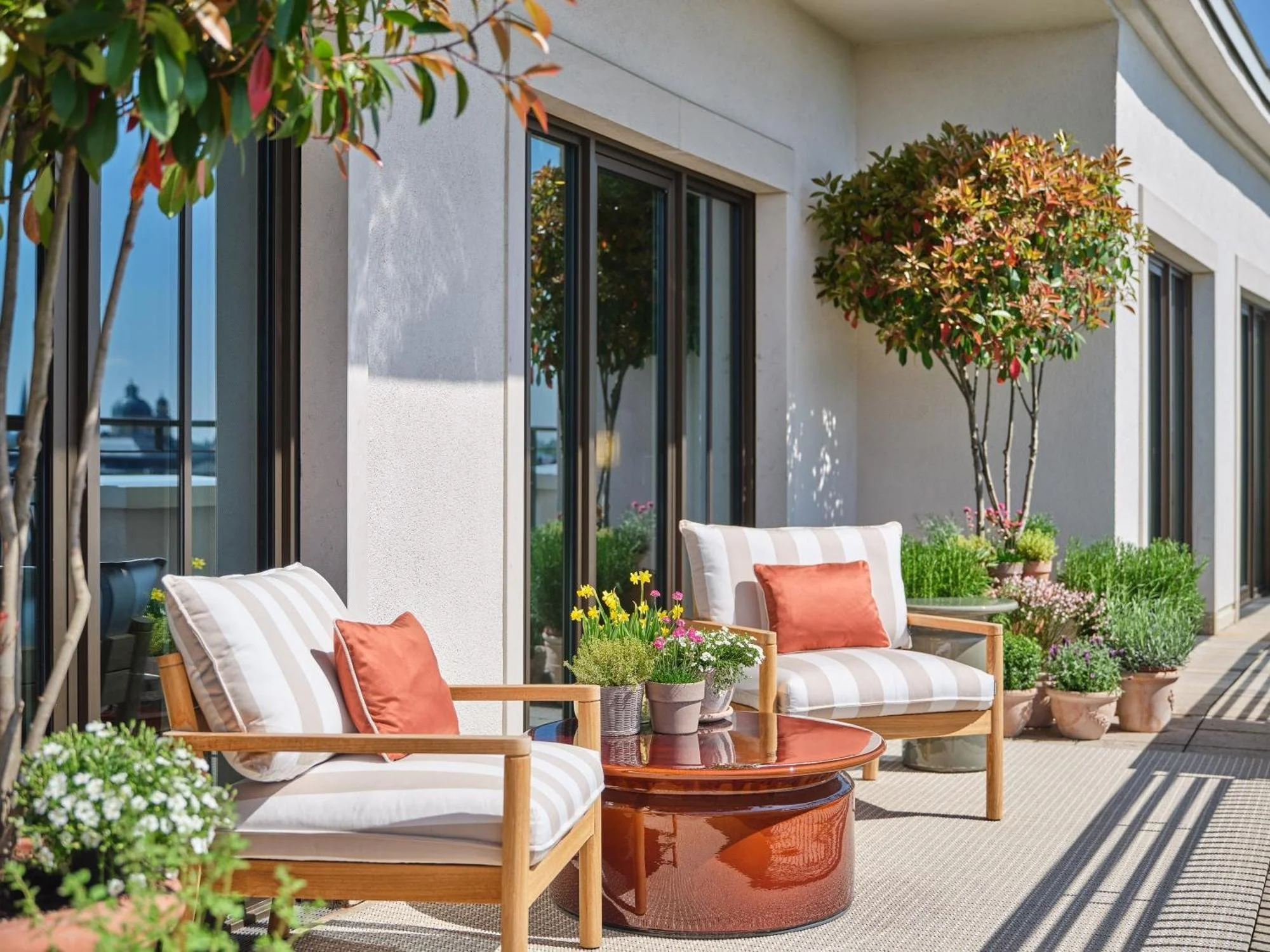
Lord Forte Suite: Measuring 990 sq. ft., this Forte Suite includes a separate living room, walk-in wardrobe, limestone bathroom and private terrace overlooking the Old Botanical Garden, Munich skyline and Bavarian Alps.
Forte Suite: Also offering 990 sq. ft., this distinctive suite combines a round master bedroom, separate living room, two expansive limestone bathrooms and a private terrace, and can connect with adjoining suites to create larger multi-bedroom arrangements.
Forte Two-Bedroom Suite: At 1,529 sq. ft., this two-bedroom residence provides substantial living and sleeping areas, panoramic garden and city views and a private terrace, making it particularly useful for families who want more separation than connecting standard rooms provide.
Monforte Royal Suite: Spanning 2,153 sq. ft., the hotel’s largest individual suite includes a king bedroom, separate living and dining rooms, study, kitchenette, private steam room, two walk-in rain showers and a large terrace with panoramic views across Munich.
The hotel also offers dedicated family configurations:
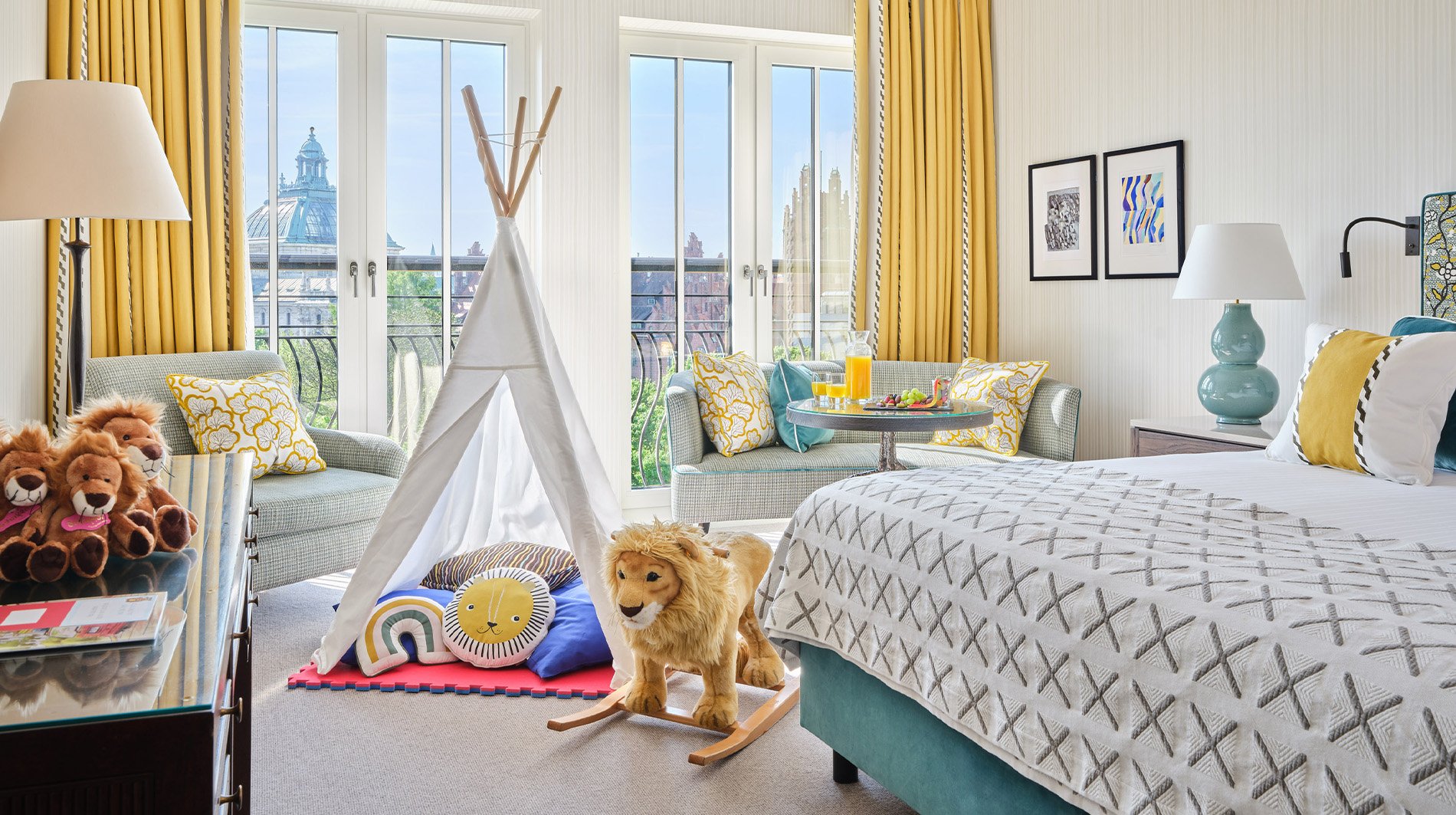
Two-Bedroom Family Room: At 861 sq. ft., this arrangement provides two separate bedrooms with park views, giving parents and children privacy while keeping the entire family within one connected accommodation.
Family Junior Suite: Offering 969 sq. ft., this configuration combines a Deluxe Junior Suite Park View with a Deluxe Park View Room to create a flexible setup for families requiring additional sleeping and living space.
Signature Park View Two-Bedroom Suite: At 1,216 sq. ft., this two-bedroom arrangement combines a principal suite with an additional bedroom while maintaining views over the Old Botanical Garden and enough shared living space for a longer family stay.
Signature Panoramic View Two-Bedroom Suite: Also measuring 1,216 sq. ft., this two-bedroom combination places greater emphasis on elevated garden, rooftop and city views while retaining separate sleeping spaces and a central living area.
Three-Bedroom Classic Suite: At 1,582 sq. ft., this family residence connects a Classic Suite with two Classic Rooms, creating three bedrooms, multiple bathrooms and shared living space for up to six guests.
For us, a Deluxe Park View Room is one of the most appealing choices for a shorter stay because the garden changes the atmosphere considerably without requiring suite pricing.
For families, the interconnecting categories are particularly strong.
The Forte Suites make the greatest sense for longer stays or travelers who expect to use the accommodation as a genuine private residence rather than simply somewhere to sleep.
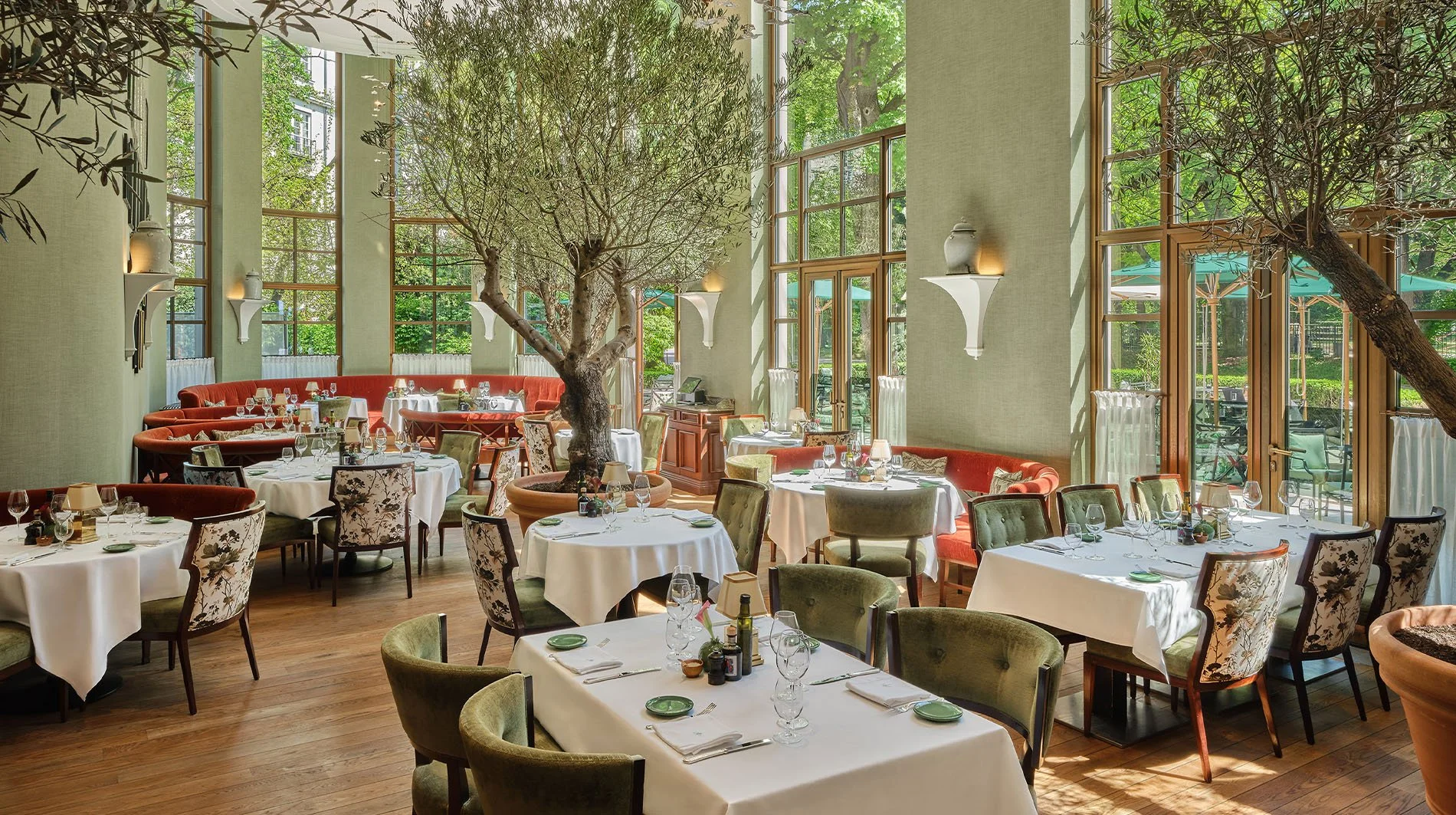
Italian Dining Beside a Munich Garden
The current dining program at The Charles is deliberately focused.
Rather than operating a large collection of unrelated restaurants, the hotel centers much of its food and beverage experience around Florio and its interpretation of Italian hospitality.
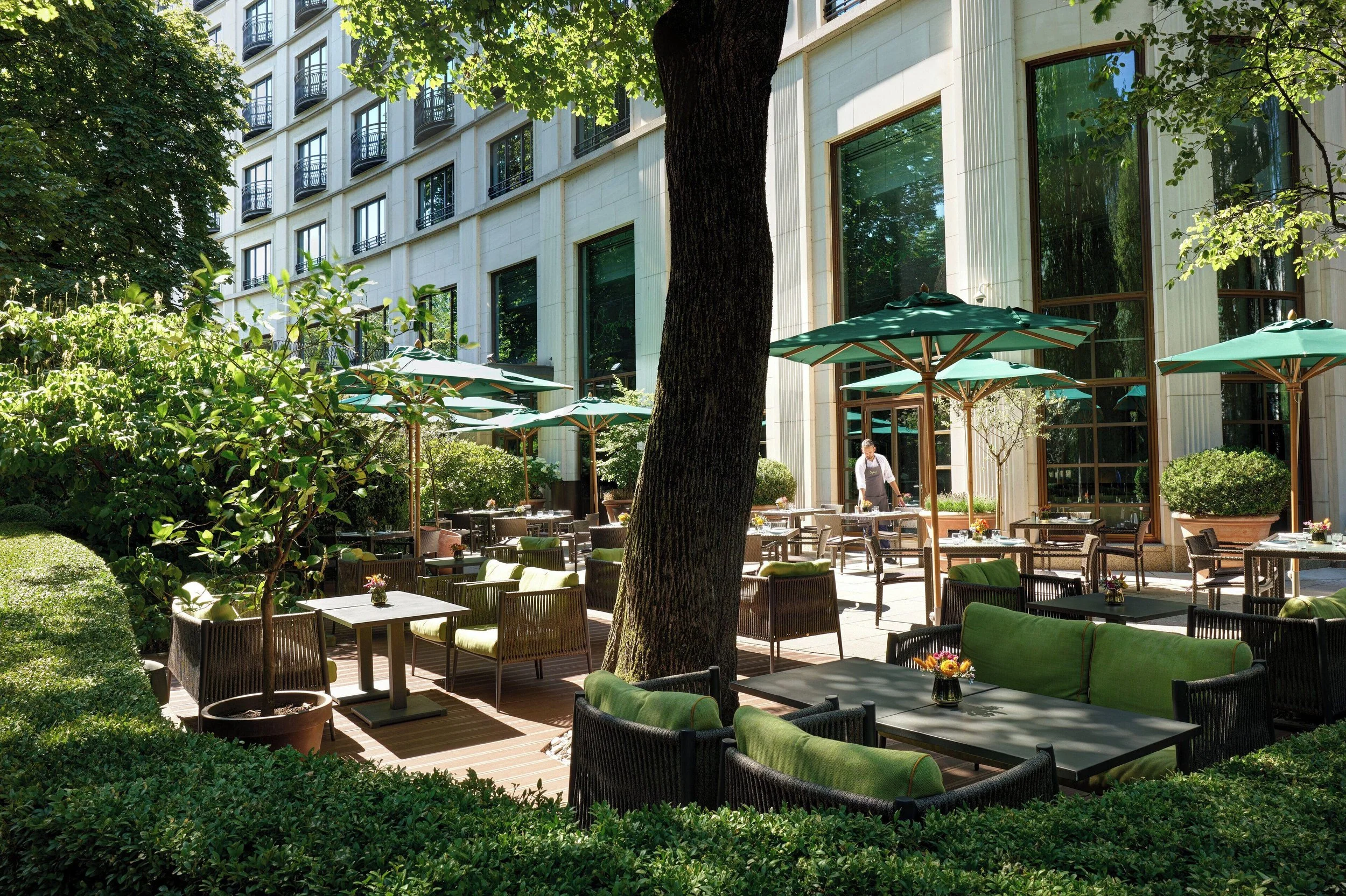
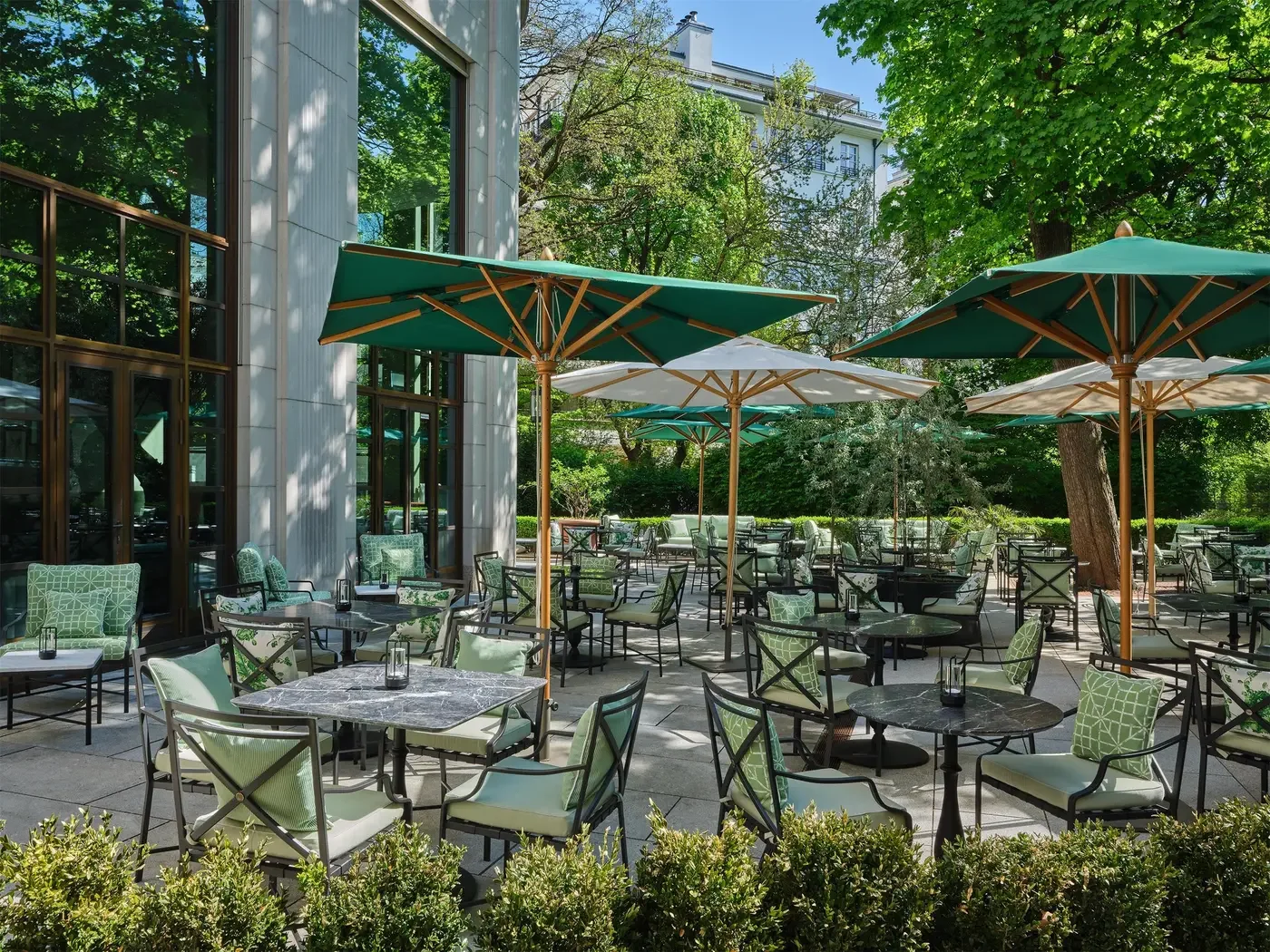
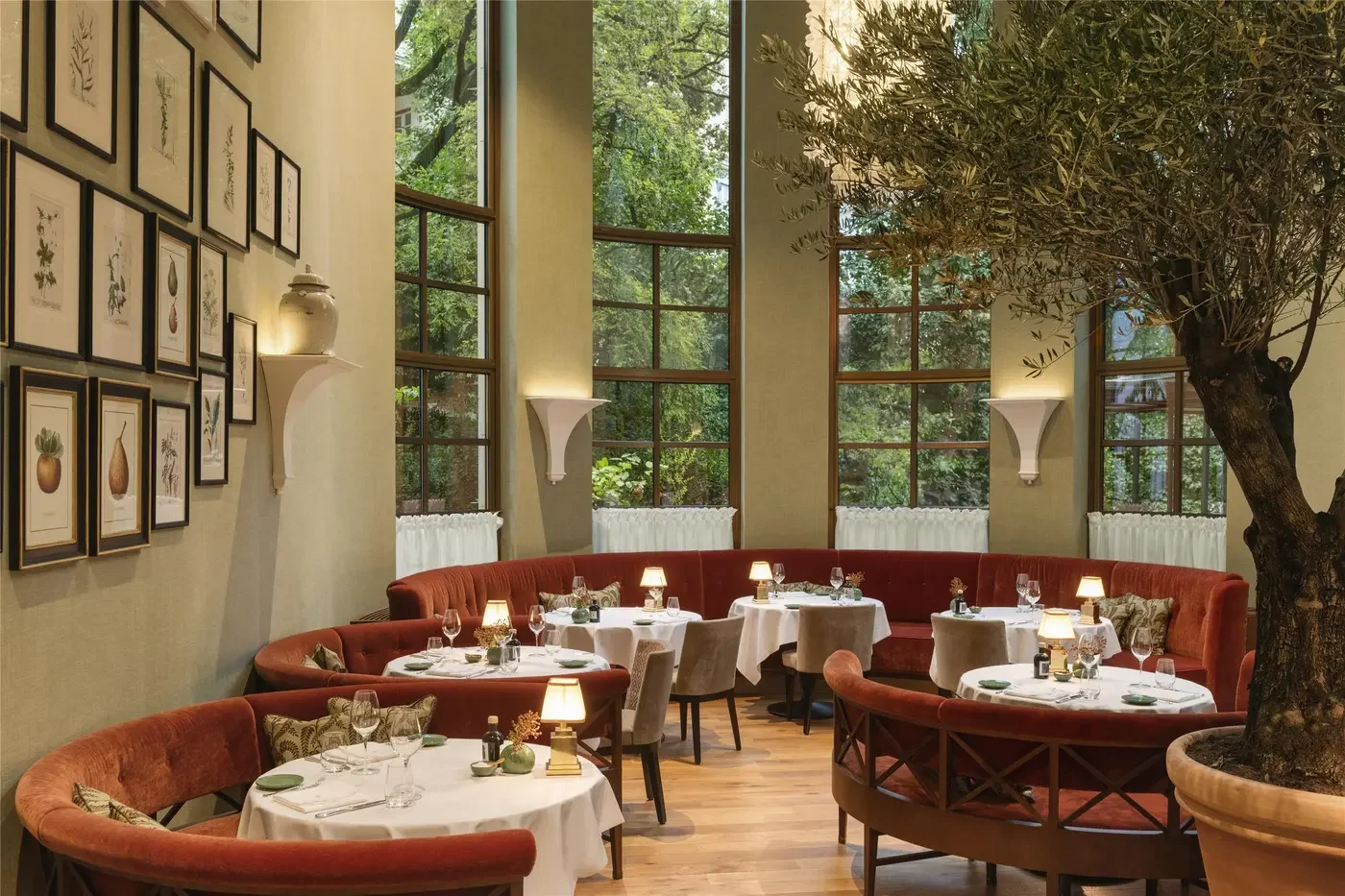
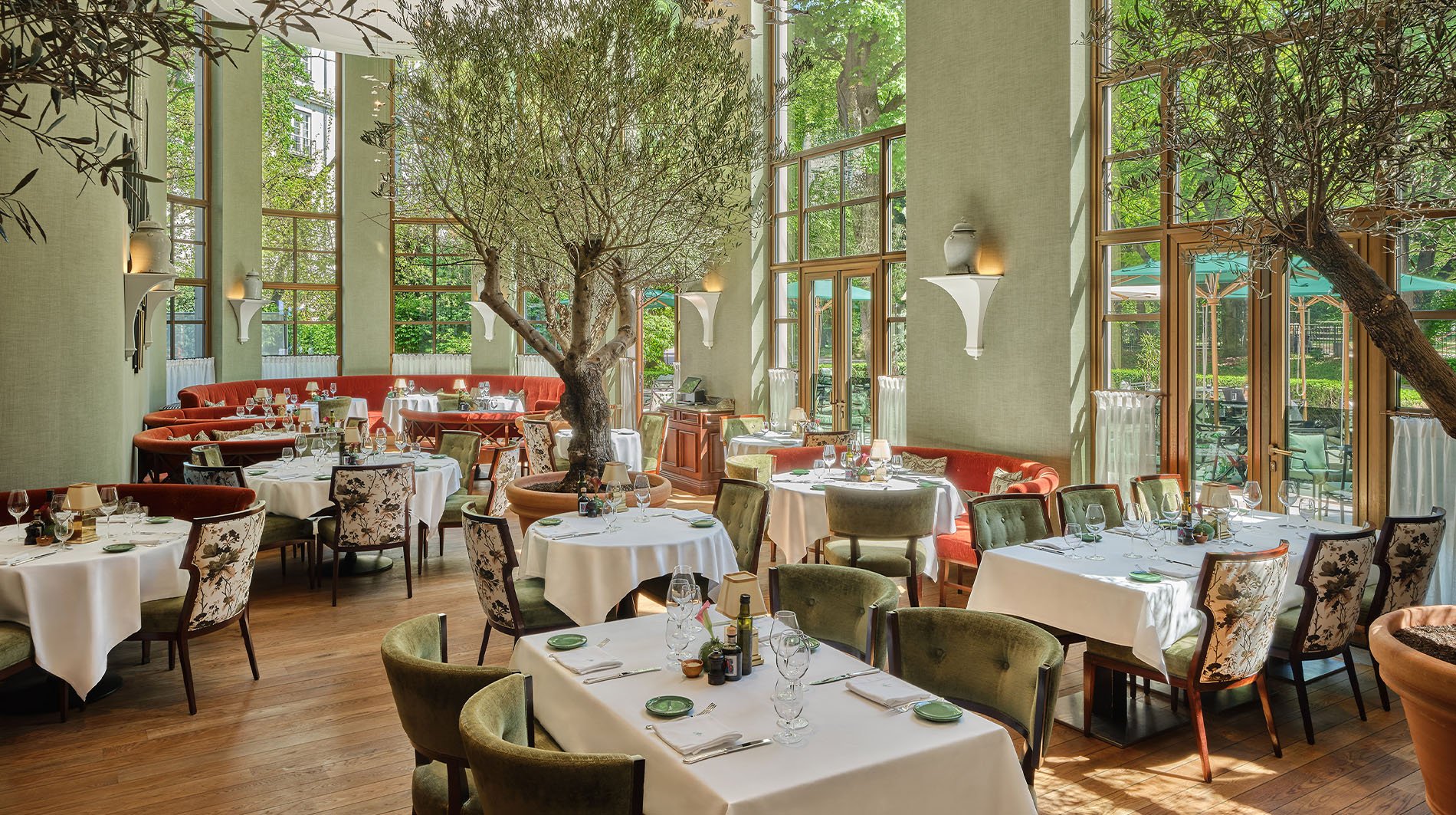
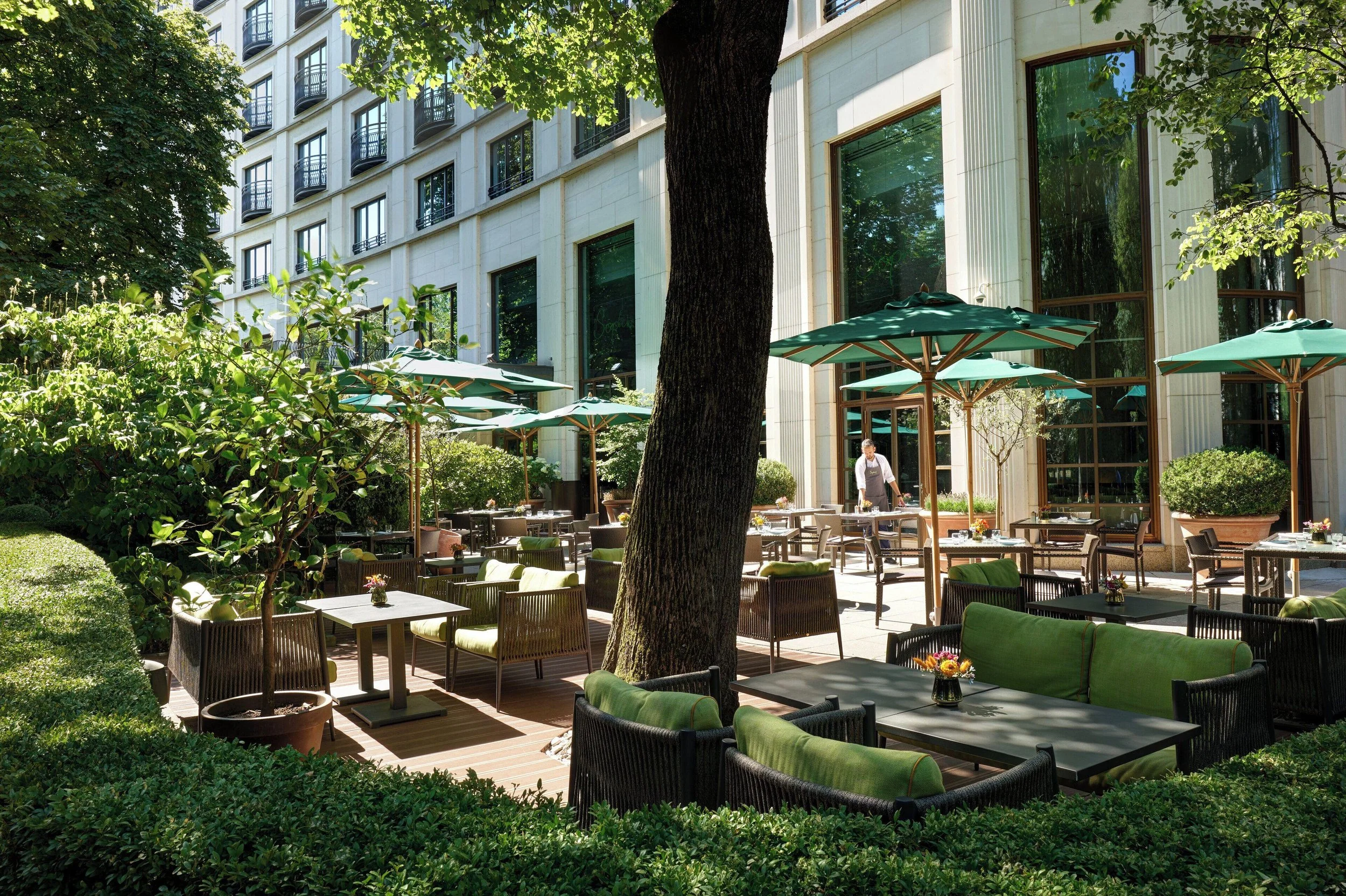
Florio Restaurant: The hotel’s principal restaurant serves classic Italian cooking under the culinary direction of Fulvio Pierangelini, combining seasonal dishes with a light-filled dining room and terrace overlooking the Old Botanical Garden.
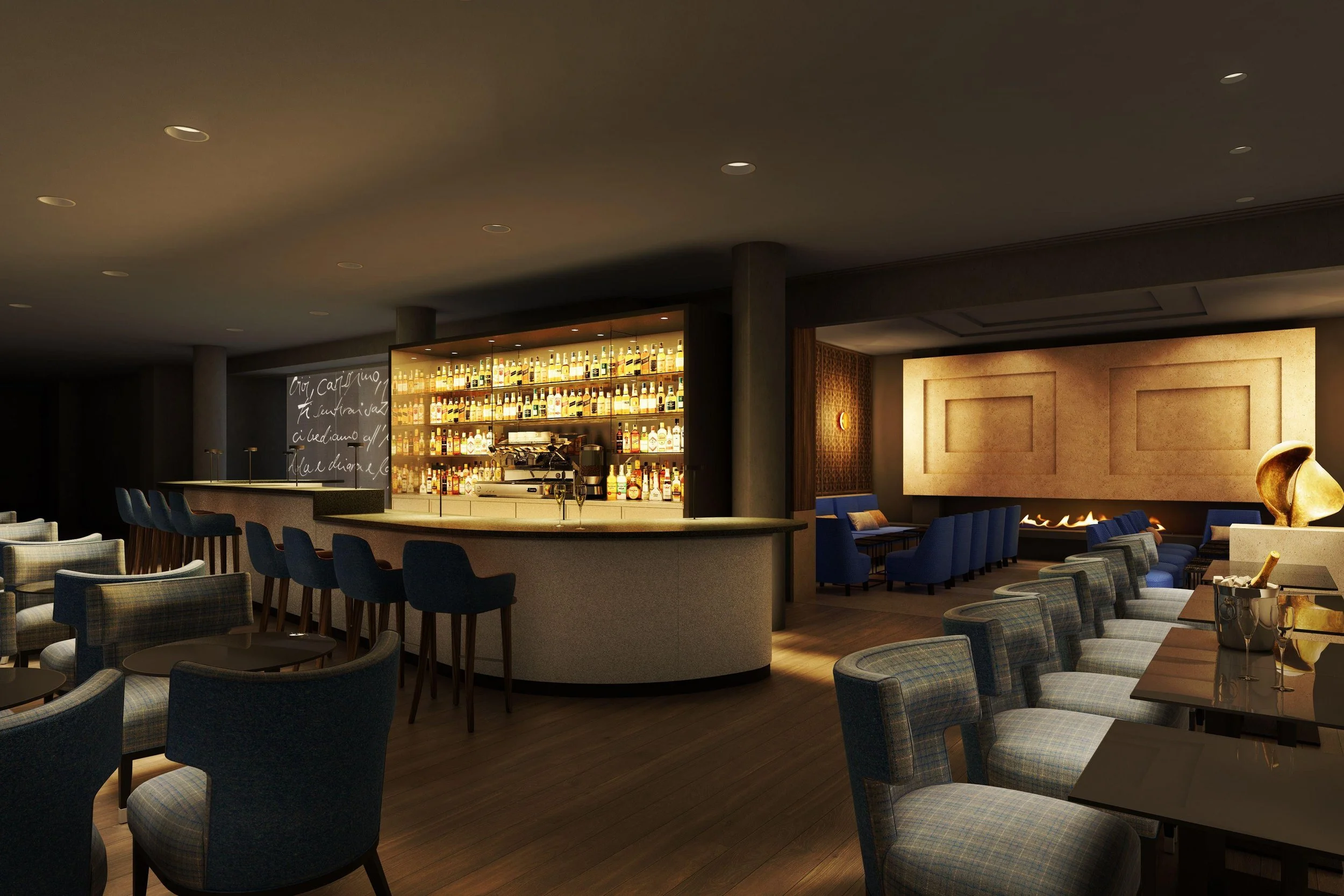
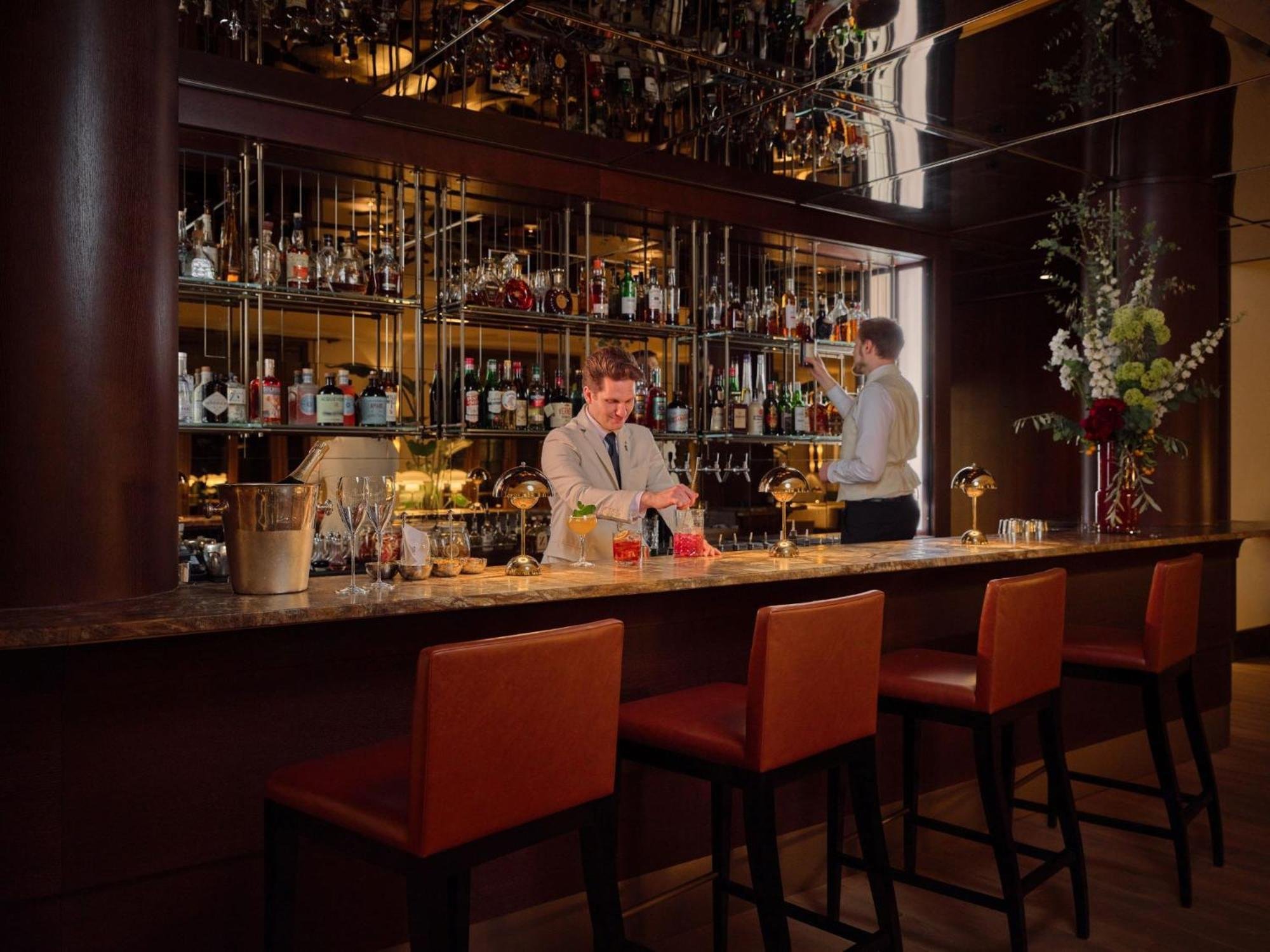
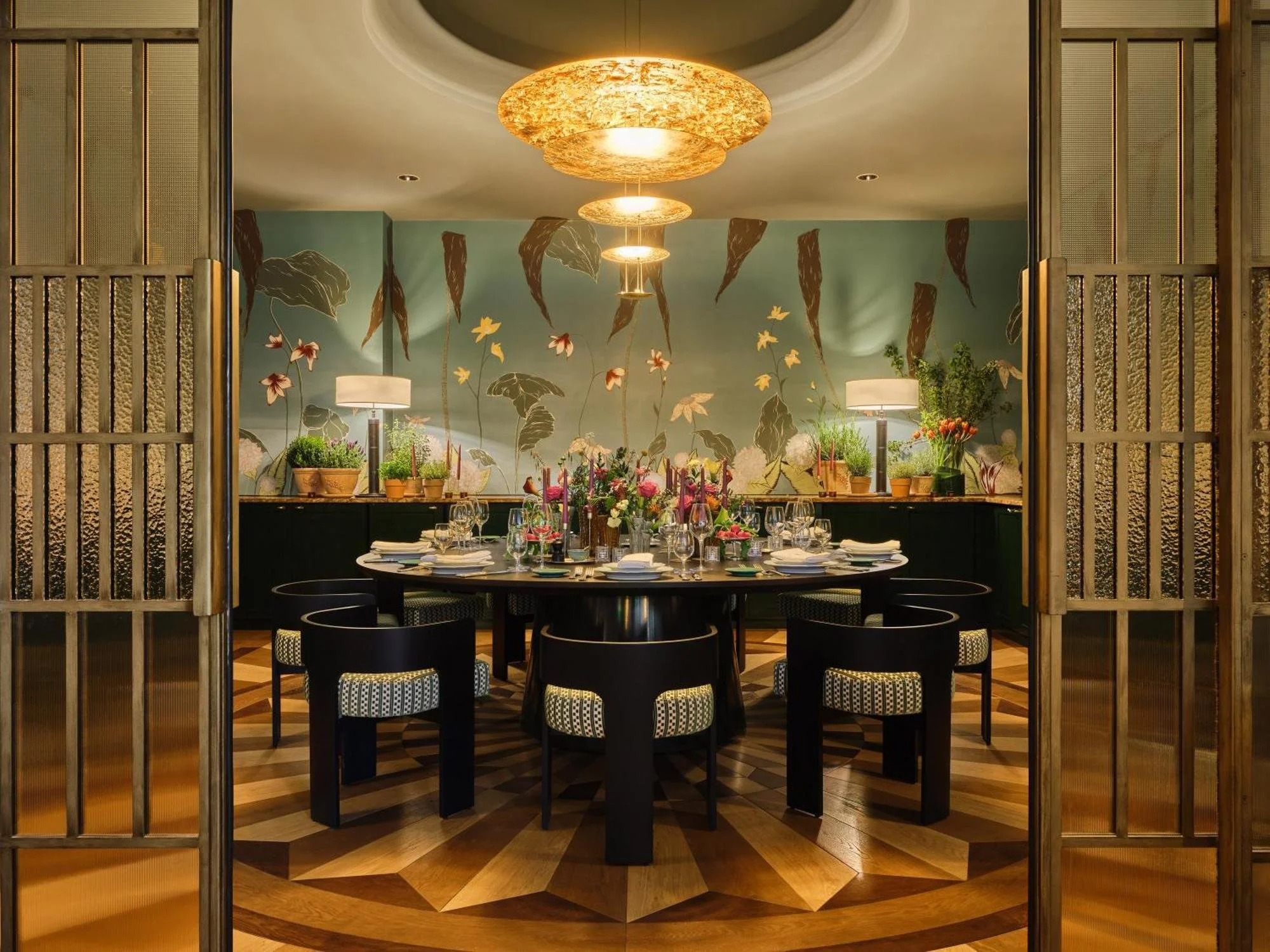
Florio Bar: Extending the restaurant’s Italian identity into aperitivo, the bar combines cocktails, Italian wines and small plates with botanical frescoes and a terrace designed to feel closer to a garden piazza than a conventional hotel bar.
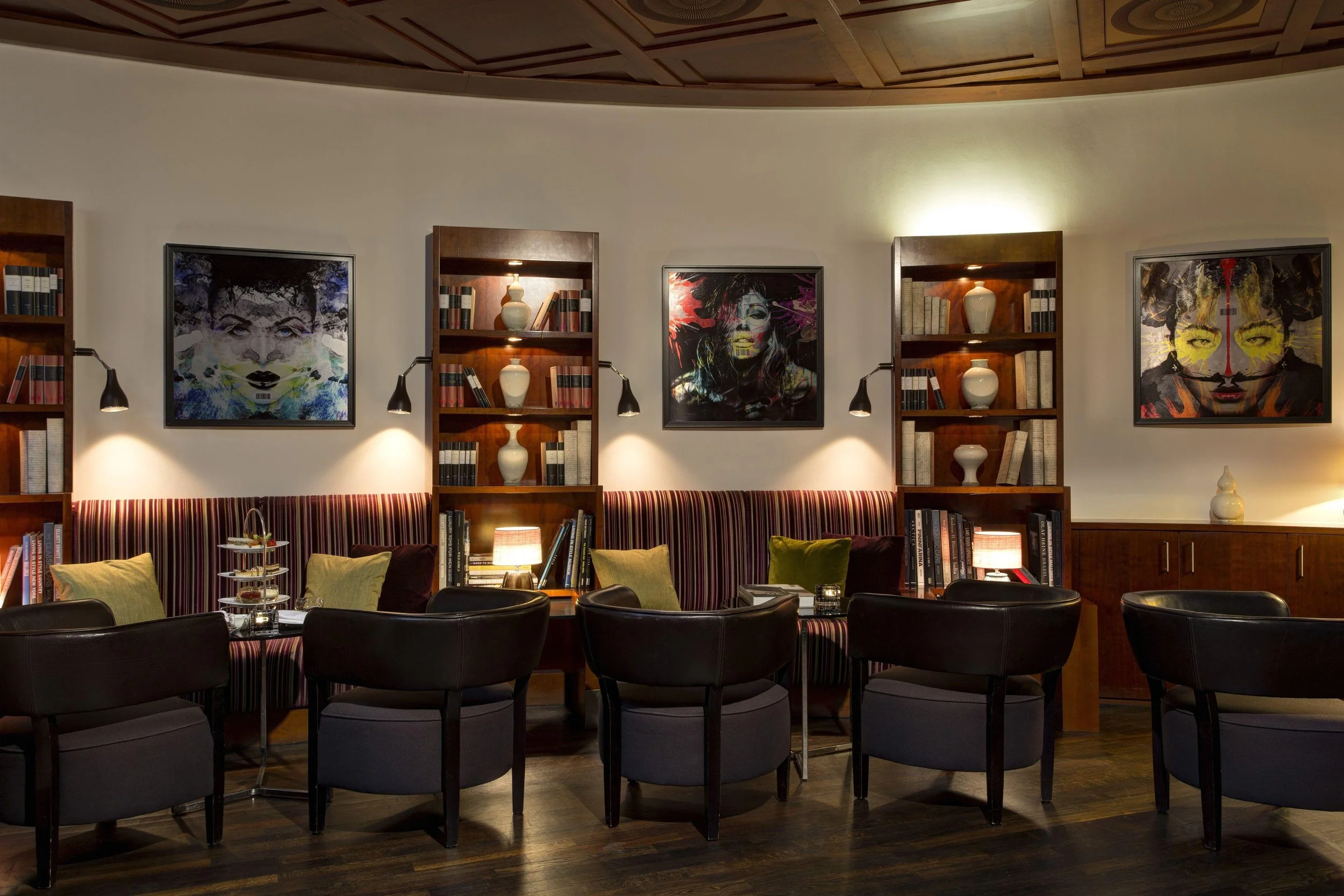
Circle Bar: This intimate Art Deco-inspired lounge centers on Champagne, classic and signature cocktails and small plates, with its circular design referencing Mauro Staccioli’s Ring sculpture outside the hotel.
In-Room Dining: Available 24 hours a day, in-room dining provides a useful alternative for breakfast, late arrivals and quieter meals in the hotel’s larger rooms and residential suites.
Florio is the venue guests are most likely to use repeatedly.
Breakfast moves between international staples and Bavarian touches such as white sausage and pretzels, while lunch and dinner lean more firmly into the Italian identity of the restaurant.
For us, the garden terrace is especially appealing in warmer weather.
Munich has a strong outdoor dining culture of its own, and Florio’s terrace allows the hotel to participate in that rhythm without attempting to imitate a traditional Bavarian beer garden.
Circle Bar provides the contrast.
It is smaller, moodier and better suited to a Champagne or cocktail before moving into the city for dinner.
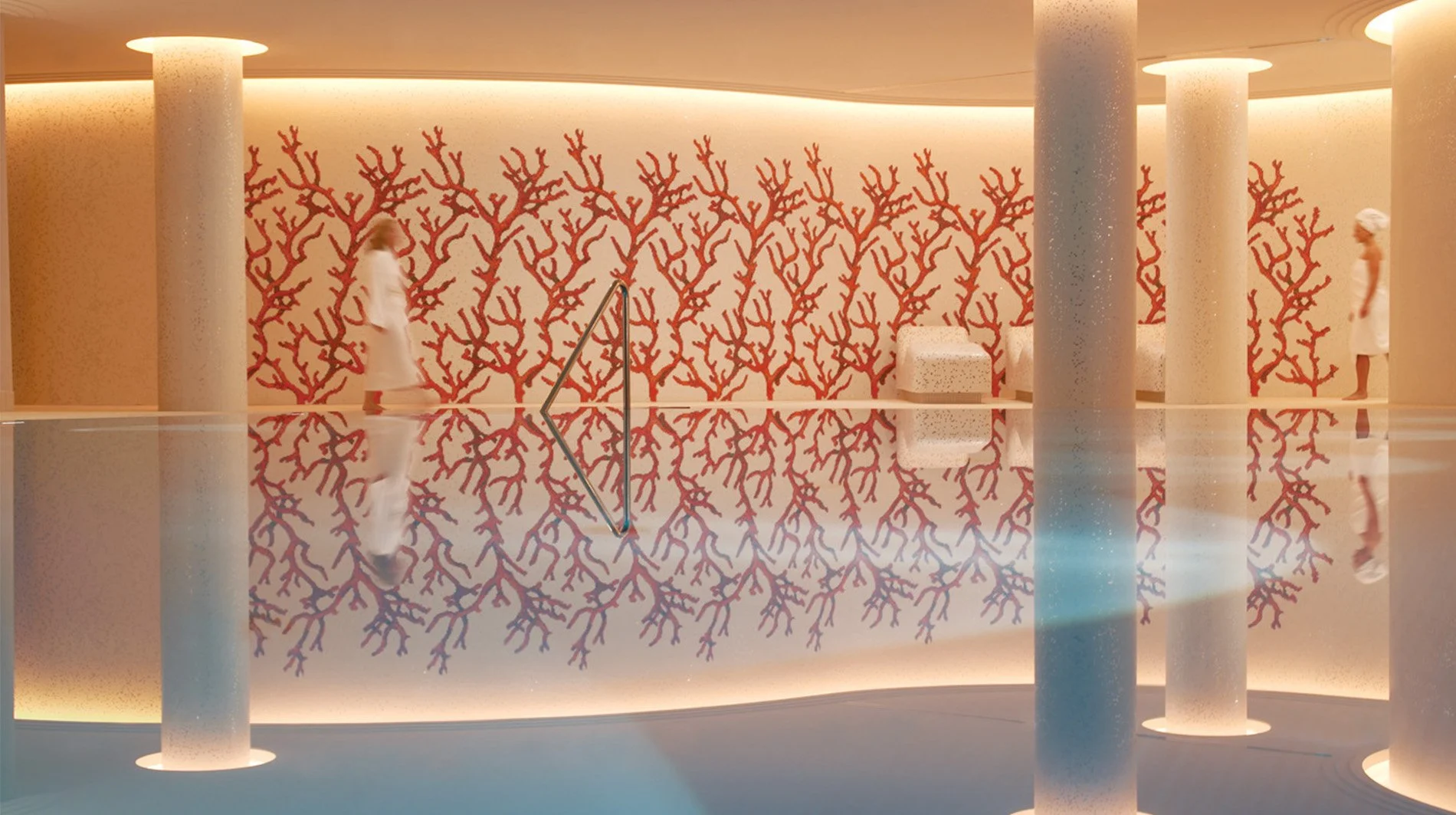
An Urban Spa Beneath the City
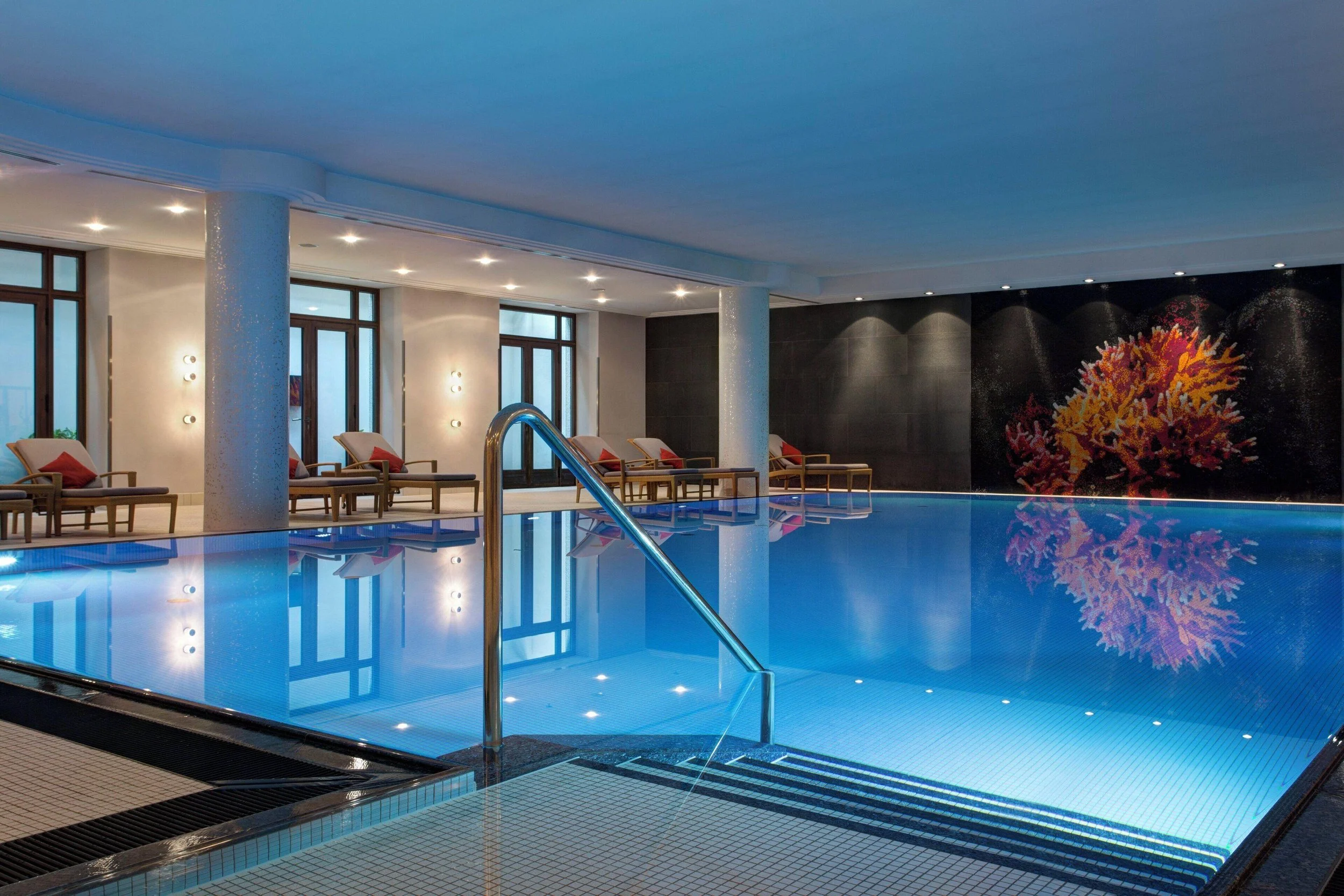
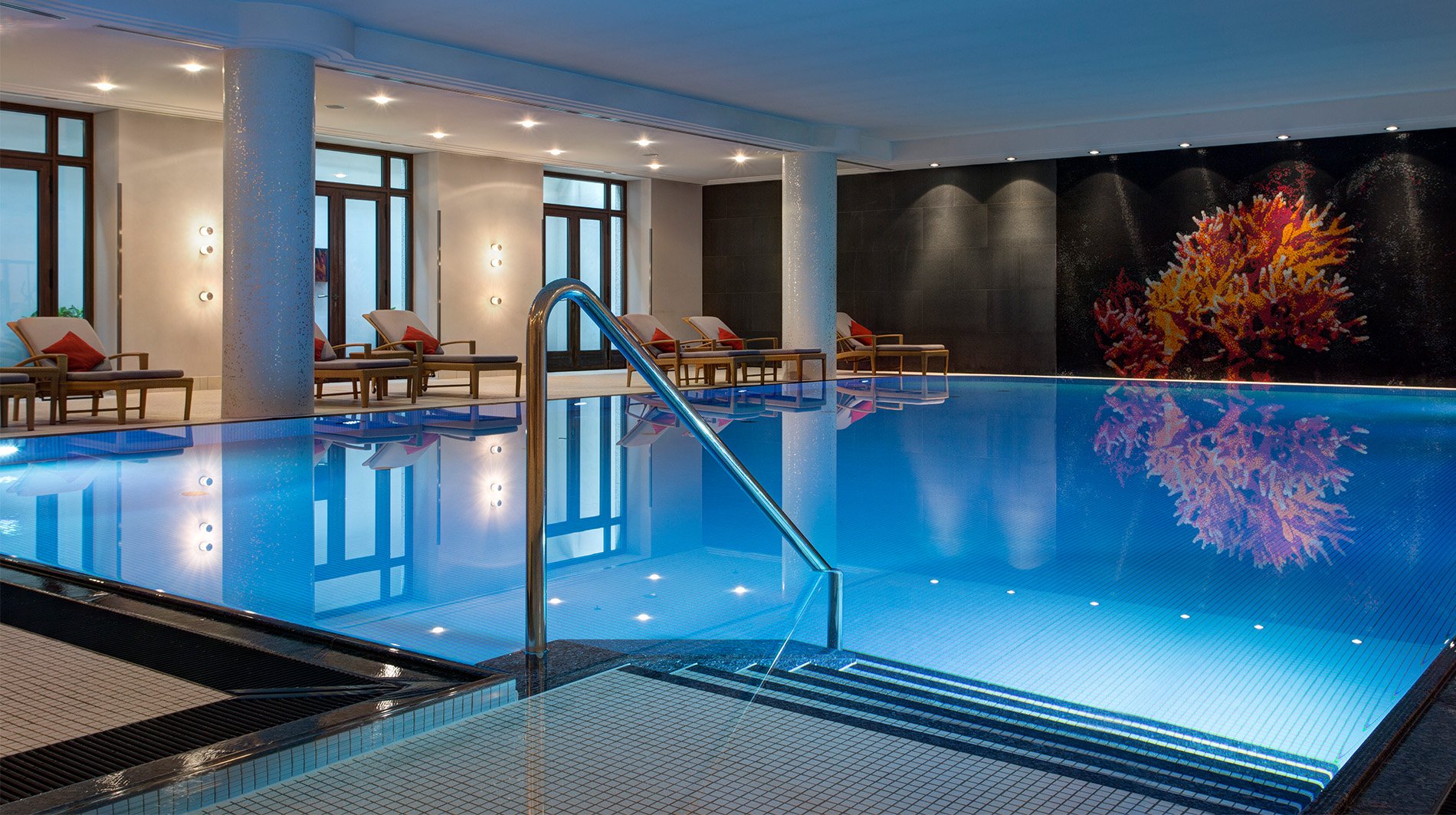
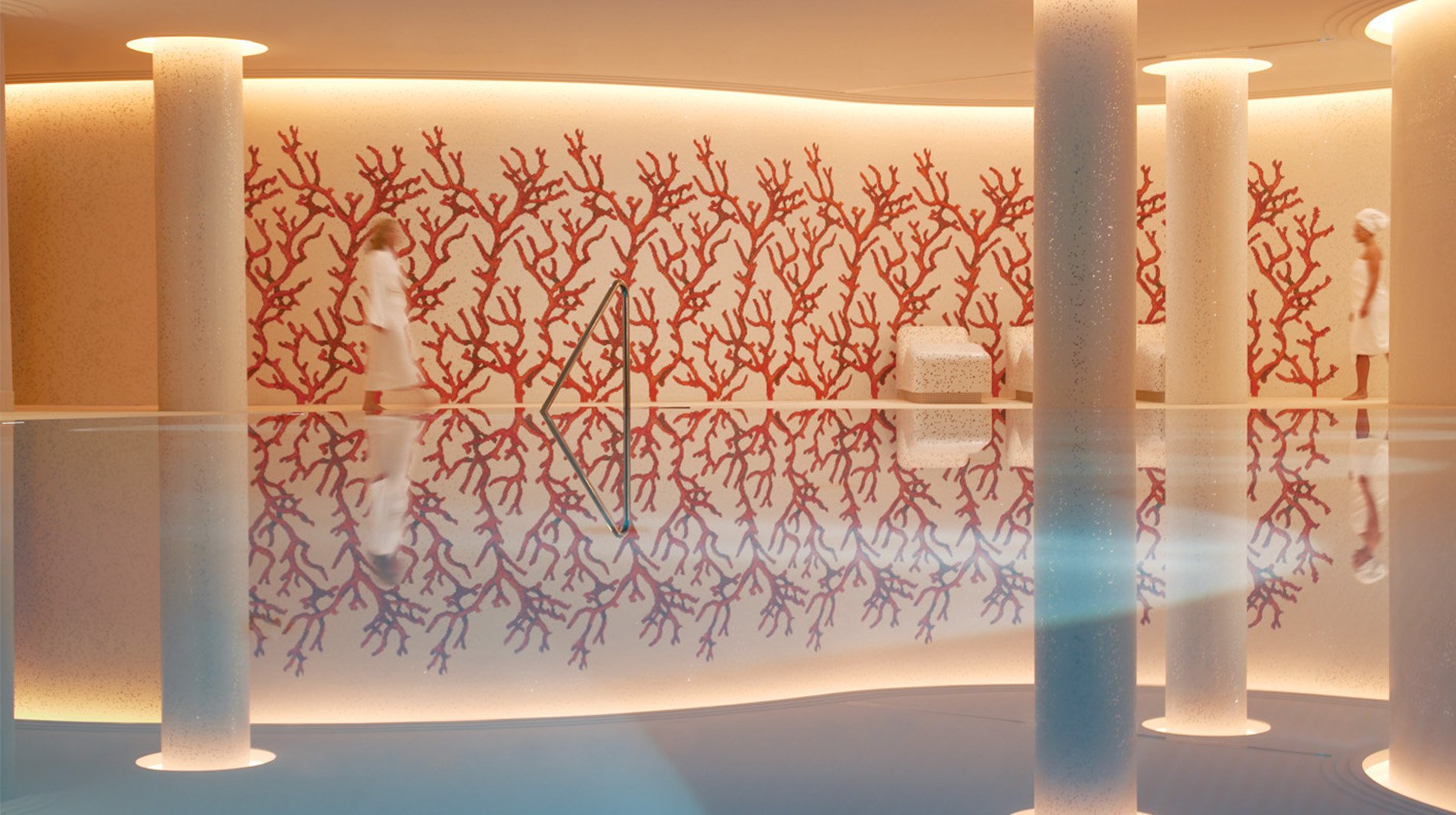
The Charles Spa occupies approximately 8,611 sq. ft., creating a substantial wellness facility for a hotel in the center of Munich.
Its centerpiece is a 15-metre indoor swimming pool, surrounded by heated mosaic-stone loungers that make the spa useful even for guests who are not booking a treatment.
Five treatment rooms support massages, facials and body rituals using Irene Forte Skincare, whose formulations incorporate Mediterranean botanicals and ingredients associated with Verdura Resort in Sicily.
The thermal facilities include a Finnish sauna, steam room with color and aromatherapy, wellness showers and three foot baths with a heated bench.
A manicure area and relaxation spaces complete the spa.
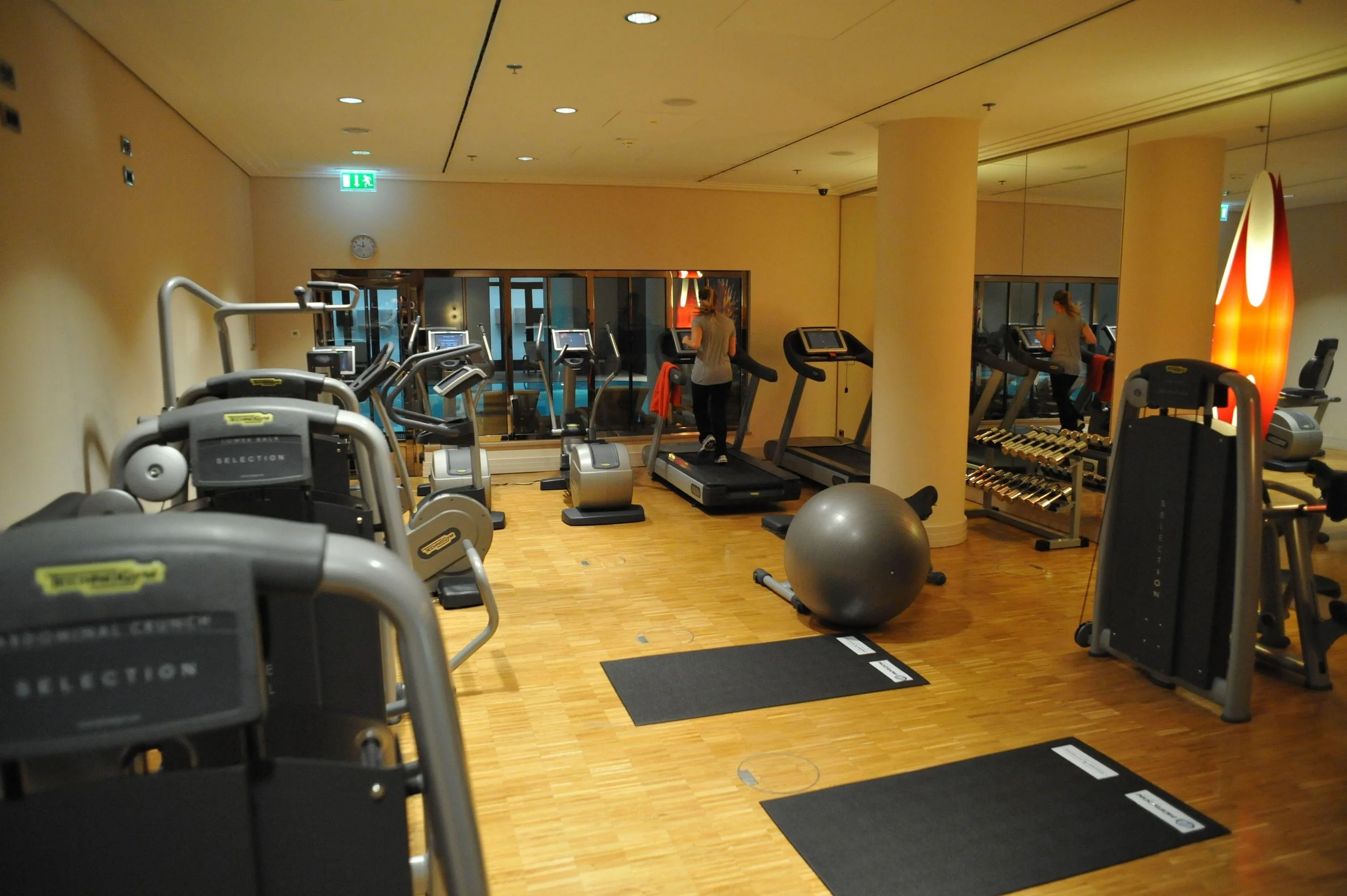
The fitness center is equipped with Technogym cardiovascular and strength-training equipment, allowing the wellness offering to work equally well for guests maintaining an established routine and those simply looking for some movement between city activities.
For us, the pool is one of the hotel’s most useful features.
Munich is a city that encourages long days on foot, and returning to a proper indoor pool and thermal facilities creates a noticeably different rhythm from a hotel with only a small treatment area.
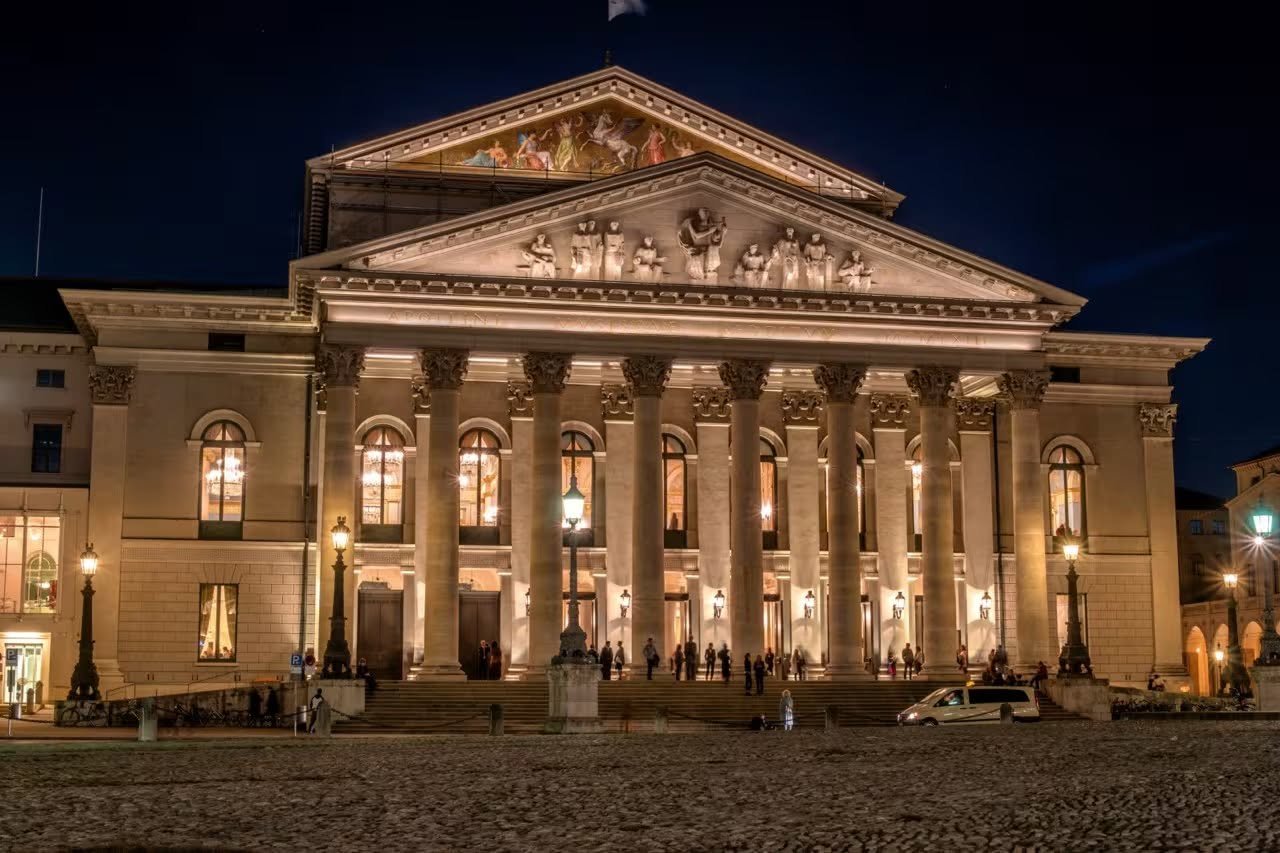
Munich Through Art, Architecture and Bavarian Traditions
The Charles Hotel is exceptionally well placed for travelers interested in art.
The Kunstareal museum quarter begins nearby, putting institutions such as the Alte Pinakothek, Pinakothek der Moderne, Museum Brandhorst and Lenbachhaus within relatively easy walking distance.
The hotel builds on that setting through concierge-led experiences.
A dedicated art walk can explore museums, architecture and contemporary installations around the Kunstareal, while other private tours examine Munich’s connection to Wassily Kandinsky and the Blue Rider movement.
The city itself provides a much broader range.
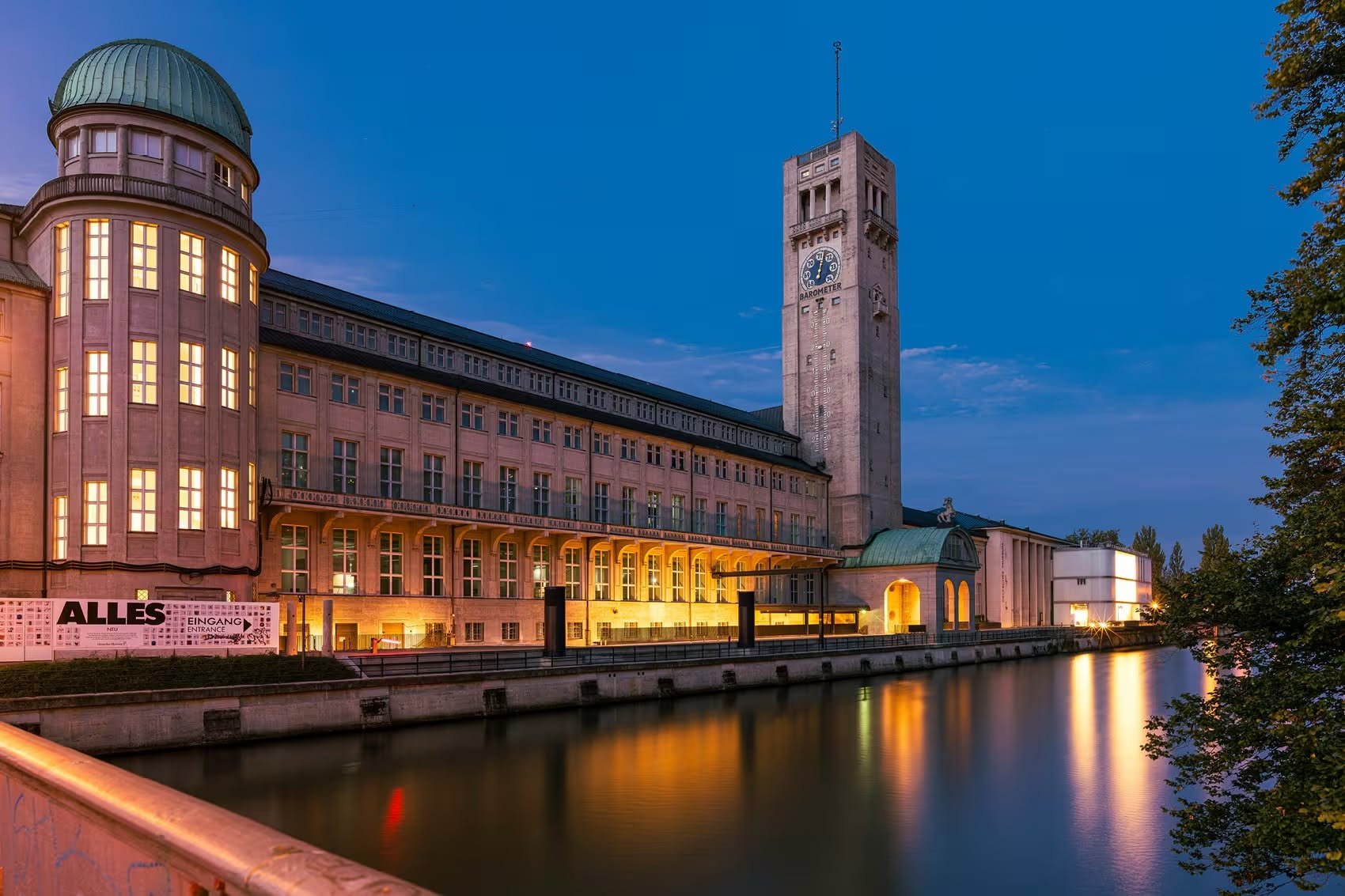
Marienplatz, Viktualienmarkt, the Residenz and the Englischer Garten can all be incorporated into a first visit, while BMW Welt, the BMW Museum and Olympiapark reveal a more modern side of Munich.
The hotel can also organize experiences around Bavarian culture, including brewery tours and hands-on pretzel making.
For travelers with more time, Munich is an excellent starting point for day trips.
Neuschwanstein and other castles associated with King Ludwig II can be reached with a private guide, while lakes and Alpine towns offer an entirely different setting beyond the city.
For us, The Charles works especially well when the itinerary stays relatively local at first.
Königsplatz, Maxvorstadt and the museums immediately around the hotel deserve time before turning Munich into a checklist of distant landmarks.
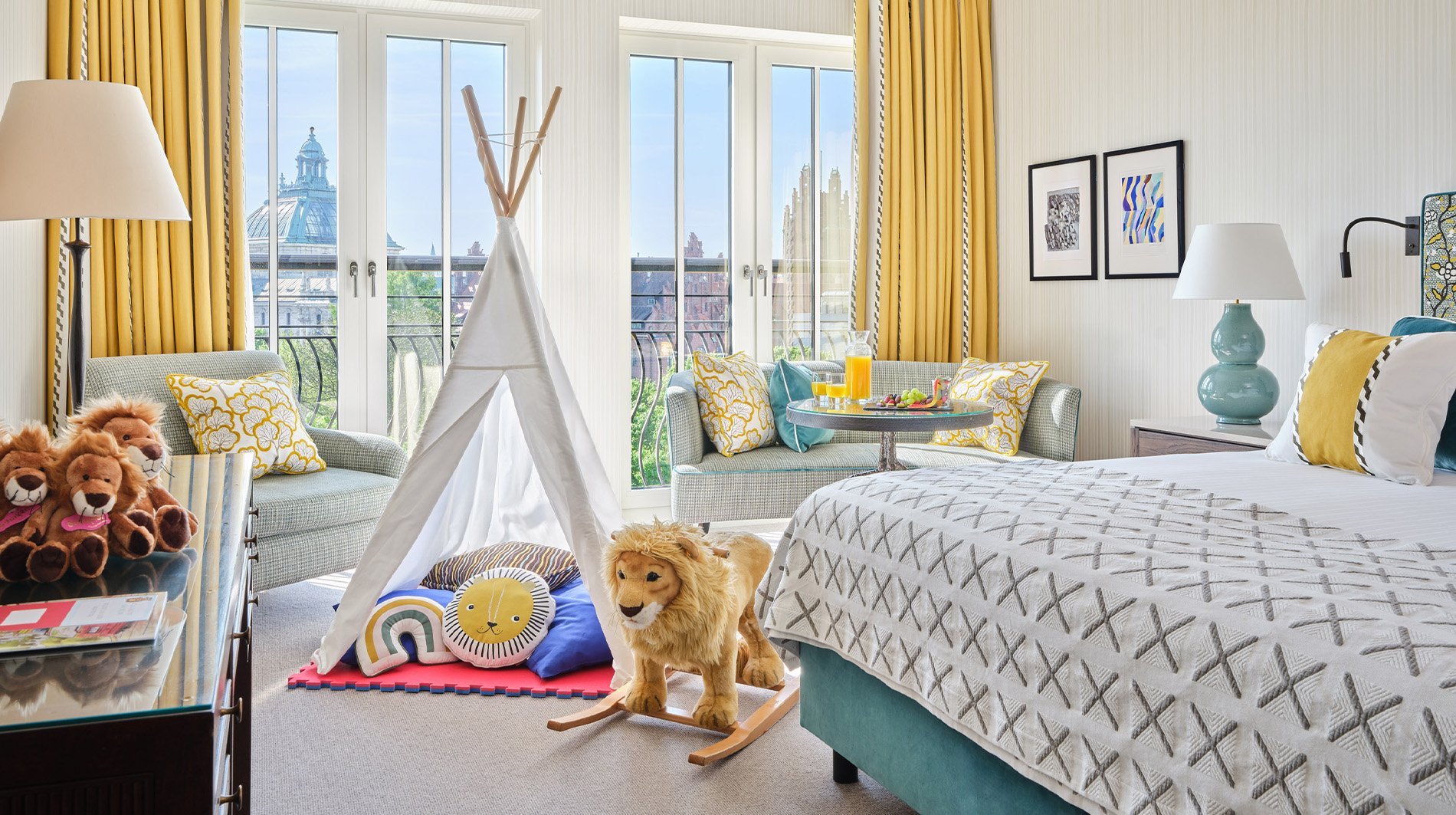
Rocco Forte Kids in Munich
The Charles Hotel approaches family travel through the wider Rocco Forte Kids program rather than a conventional resort-style children’s club.
Programming is divided by age, with services tailored for babies from 0 to 3, children from 4 to 12 and teenagers from 13 to 16.
Younger guests are welcomed with details such as a Rocco Forte Kids passport, coloring materials, child-sized robes and slippers and the hotel’s Charly the Lion soft toy.
For babies, the hotel can provide cots, bottle warmers, sterilizers, baby bathtubs, changing supplies and other practical equipment on request.
Children have dedicated menus, while baby meals for guests ages three and under are complimentary. Babysitting can also be arranged around the clock for an additional charge.
Teenagers receive more age-appropriate welcome amenities and can have city itineraries arranged through the concierge.
The family room configurations are equally important.
Two- and three-bedroom combinations allow parents to retain privacy while giving children a proper bedroom rather than relying exclusively on rollaway beds.
For us, the location makes the hotel especially practical for families.
Museums, the Old Botanical Garden and central Munich are close enough to build days around relatively short outings, while the indoor pool gives everyone somewhere to slow down when sightseeing has gone far enough.
Making a City Hotel More Responsible
The Charles Hotel has developed a detailed sustainability program covering energy, water, waste, sourcing and guest participation.
The property received a Sustainability Certification from the German Institute for Sustainability & Economics following assessment across ecological, economic and social criteria.
Energy initiatives include LED lighting in guestrooms and selected operational areas, heat-recovery systems, centralized air-conditioning and occupancy sensors designed to reduce unnecessary consumption.
Water use is addressed through low-consumption faucets, while guests can participate directly through the Charles Careslinen and towel reuse program.
Single-use materials have also been reduced.
Plastic-free laundry packaging and bamboo toothbrushes are among the alternatives used, while glass and reusable bottles are prioritized and some suppliers deliver products in returnable containers.
Waste is separated and recovered through an established recycling program, with a waste compactor used to reduce volume.
Food sourcing provides another connection to place.
The hotel works with Bavarian producers where possible, allowing sustainability and regional identity to overlap rather than operate as separate ideas.
For us, this is particularly relevant in an urban hotel.
The environmental story is not visible through a forest or marine reserve outside the window. It is expressed through operational decisions that happen largely behind the scenes.
Planning for Comfortable Access
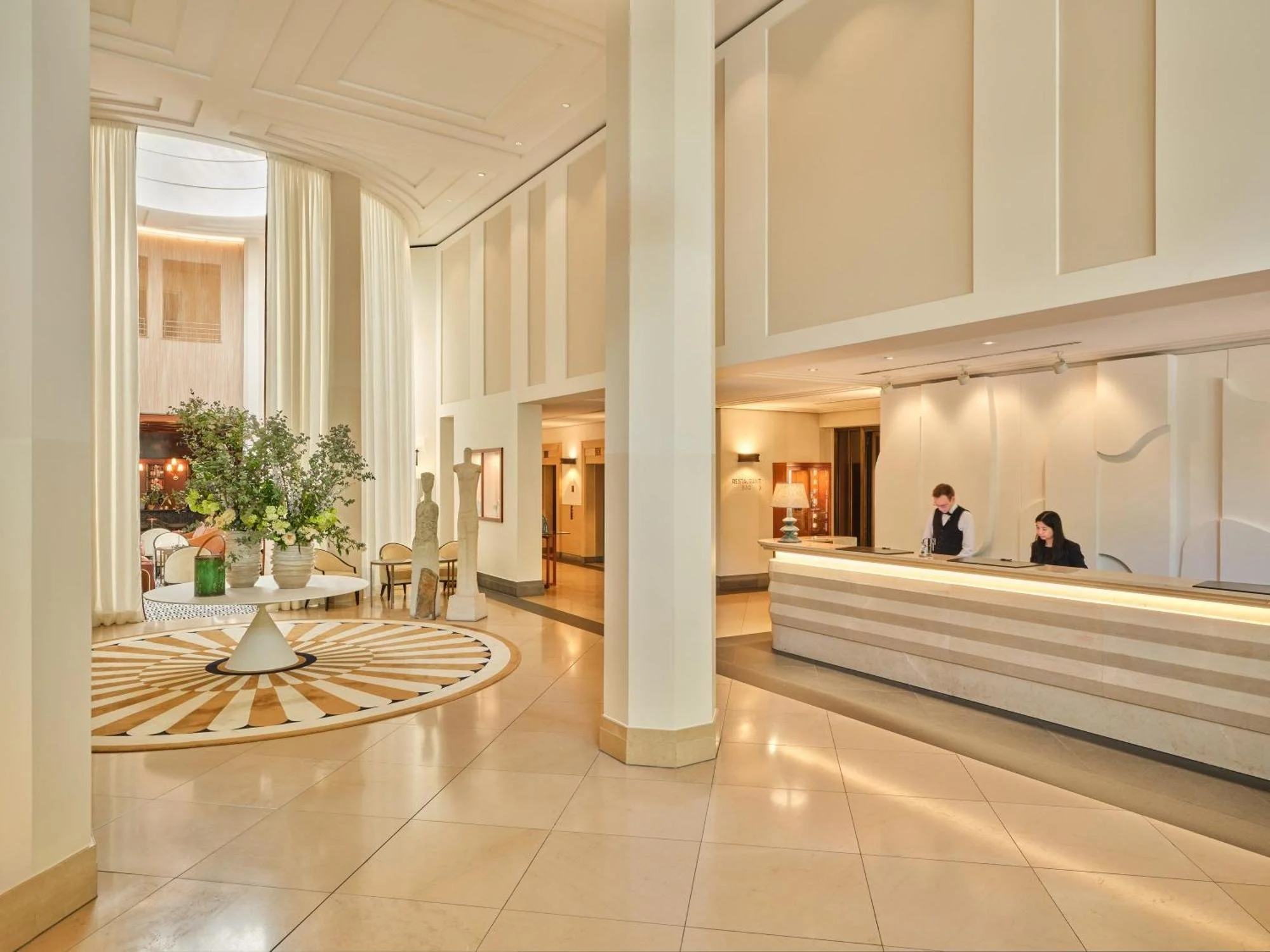
The Charles Hotel’s central urban location and elevator-served building make it considerably easier to navigate than a spread-out resort, but guests with specific accessibility requirements should still confirm the exact room configuration before booking.
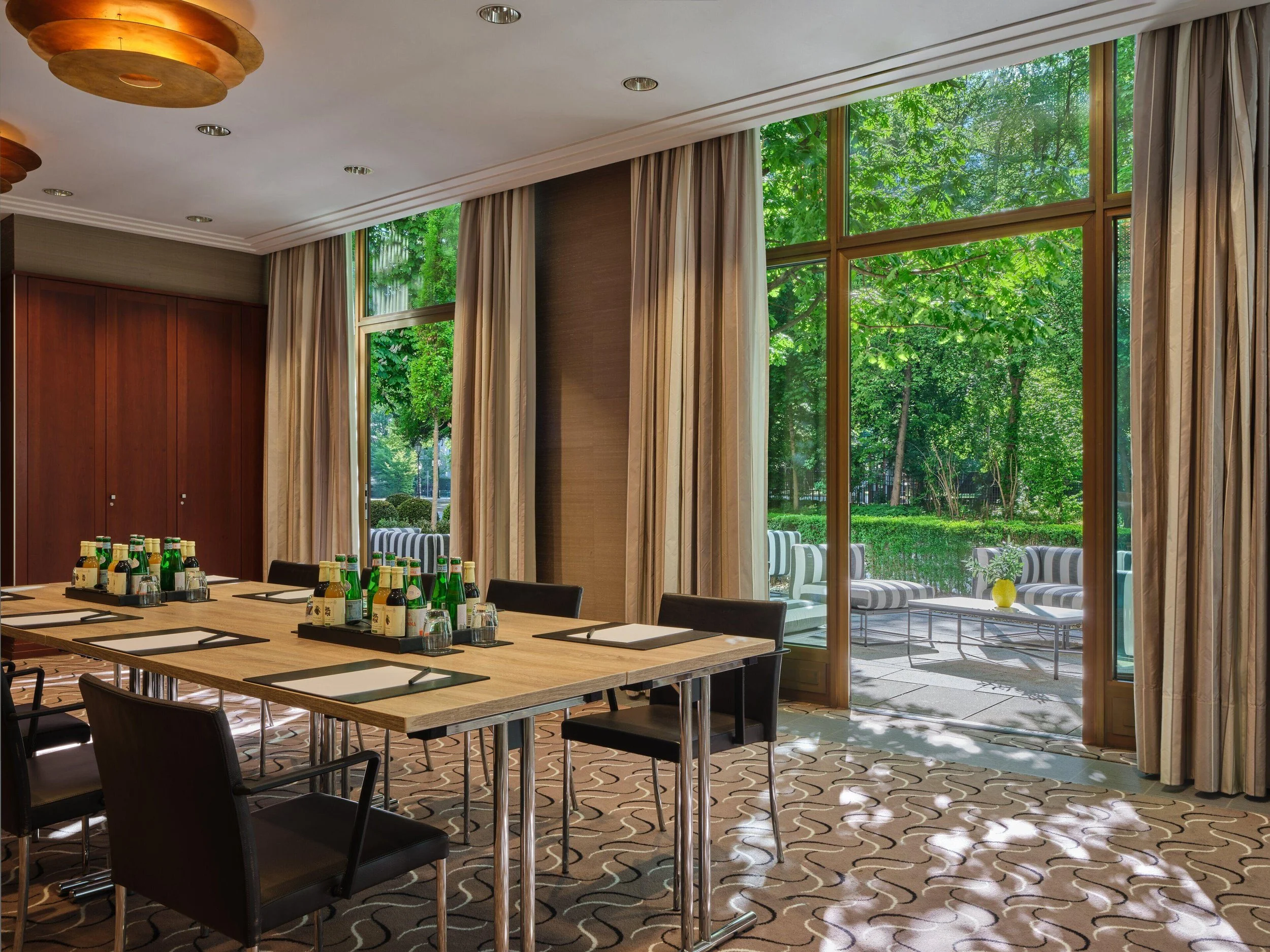
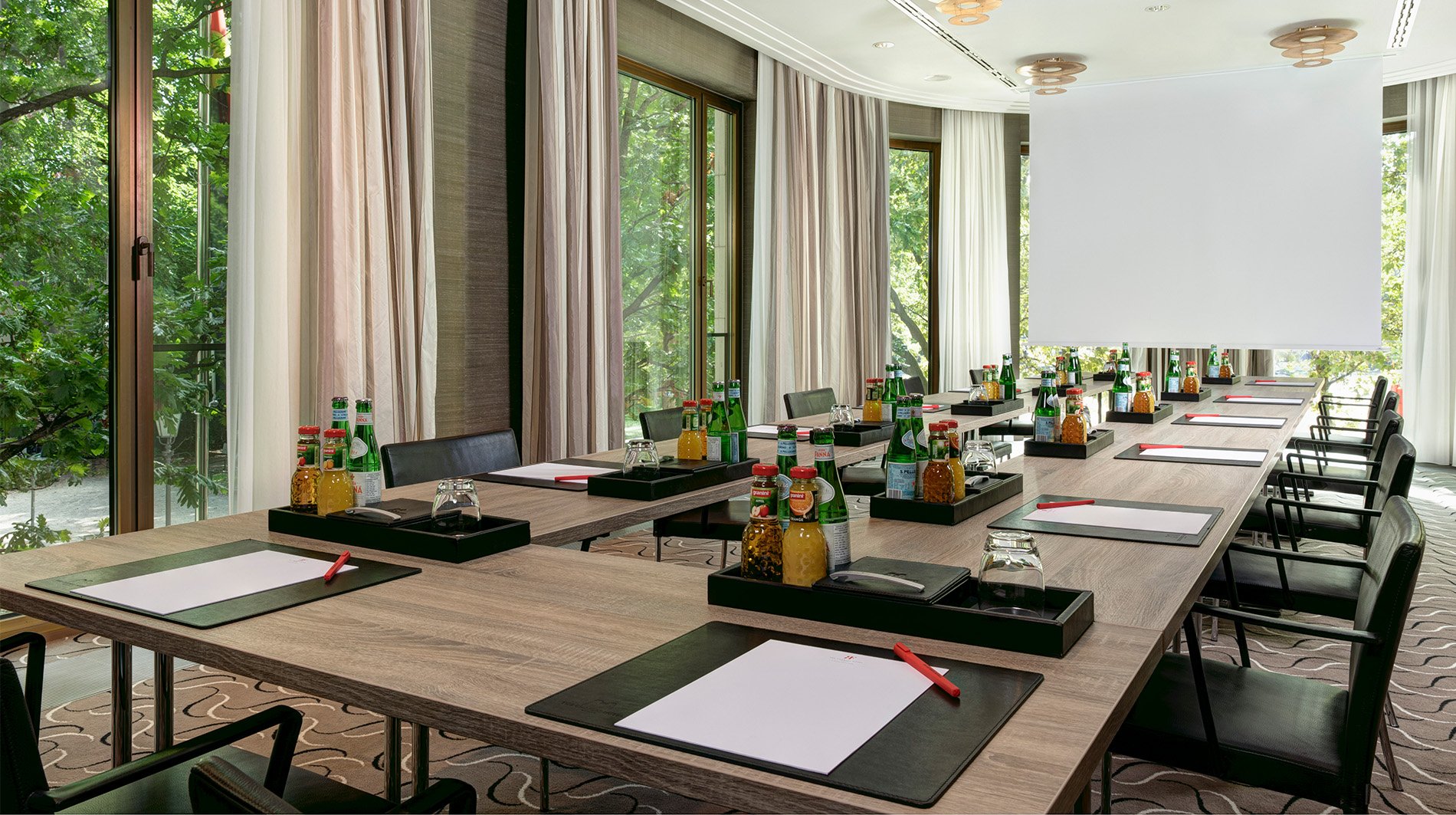
The hotel’s accommodation inventory includes rooms that can be arranged to support different guest needs, while the public spaces, restaurants, spa and meeting areas are connected within the main building.
Because detailed measurements for accessible bathrooms, transfer space, doorway widths and specific adapted-room features are not consistently published across every accommodation category, we would confirm those elements directly with the hotel.
The same applies to pool access and any mobility equipment required during the stay.
Airport and railway-station transfers can also be arranged in advance, allowing an adapted vehicle or additional assistance to be requested where necessary.
For us, accessibility planning should include the city itinerary as well.
Munich’s historic streets, museums and older buildings vary considerably in accessibility, so individual attractions should be checked alongside the hotel itself.
From Munich Airport to the Old Botanical Garden
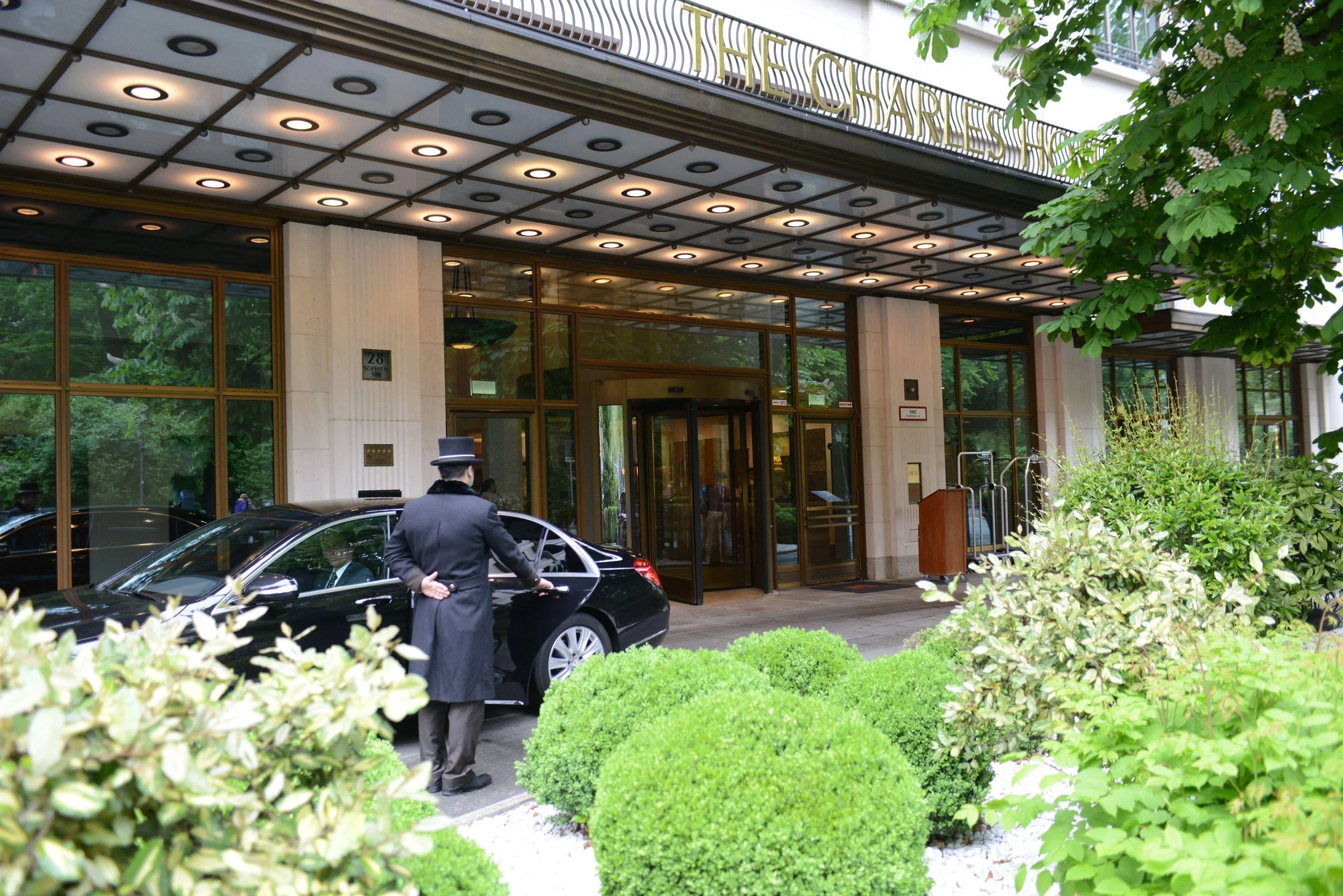
The Charles Hotel is located at Sophienstrasse 28, beside the Old Botanical Garden and only a short distance from Munich Central Station.
By Air – Munich International Airport: Munich Airport is approximately 40 minutes by car from the hotel under normal traffic conditions, although journey times can increase during busier periods.
By Private Transfer: The hotel can arrange chauffeured airport transportation, which we would recommend for travelers arriving after a long-haul flight or carrying substantial luggage.
By Rail – Munich Central Station: München Hauptbahnhof is approximately a five-minute walk from the hotel, making The Charles particularly convenient for guests arriving by train from elsewhere in Germany, Austria, Switzerland or other European destinations.
By Airport Rail: Munich Airport is linked with the city by S-Bahn services, with onward access through the central station area for travelers who prefer public transportation.
By Private Car: The hotel offers valet parking, which is useful for guests incorporating Munich into a wider Bavarian or Alpine road journey.
By Private Aviation: Munich’s aviation infrastructure supports private arrivals, with onward chauffeured transportation easily arranged to the hotel.
For us, the railway-station proximity is one of the hotel’s underrated advantages.
Travelers combining Munich with Salzburg, Vienna, northern Italy or other German cities can move between destinations without relying entirely on airports.
Once at the hotel, much of central Munich can be explored on foot.
Munich Through the Forte Family Lens
The Charles Hotel works because it feels connected to Munich without trying to imitate the city too literally.
The building is contemporary, but its limestone façade and curved architecture sit comfortably beside the Old Botanical Garden.
The interiors reference local craftsmanship and Munich art while retaining the Italian influence that runs through the Forte family’s hotels.
Florio brings that Italian side most clearly to the table. The spa creates a surprisingly substantial retreat beneath the hotel, while the guestrooms remain among the most generous in the city.
Location completes the experience.
A morning can begin with breakfast overlooking the garden before walking to the Pinakothek museums. Another day could move through the historic center, Viktualienmarkt and Englischer Garten before returning for a swim and aperitivo at Florio Bar.
Families can make use of interconnecting rooms and the pool, while couples may find that one of the park-facing rooms provides all the space they need.
For us, the appeal is the balance.
The Charles is central without feeling hectic, polished without becoming overly formal and distinctly European without relying on nostalgia.
It gives travelers enough distance from Munich’s busiest streets to slow down, while keeping much of the city close enough to reach on foot.
That is exactly what makes the location beside the Old Botanical Garden so effective.