St. Moritz, Switzerland | Badrutt’s Palace Hotel
Where St. Moritz Comes Together
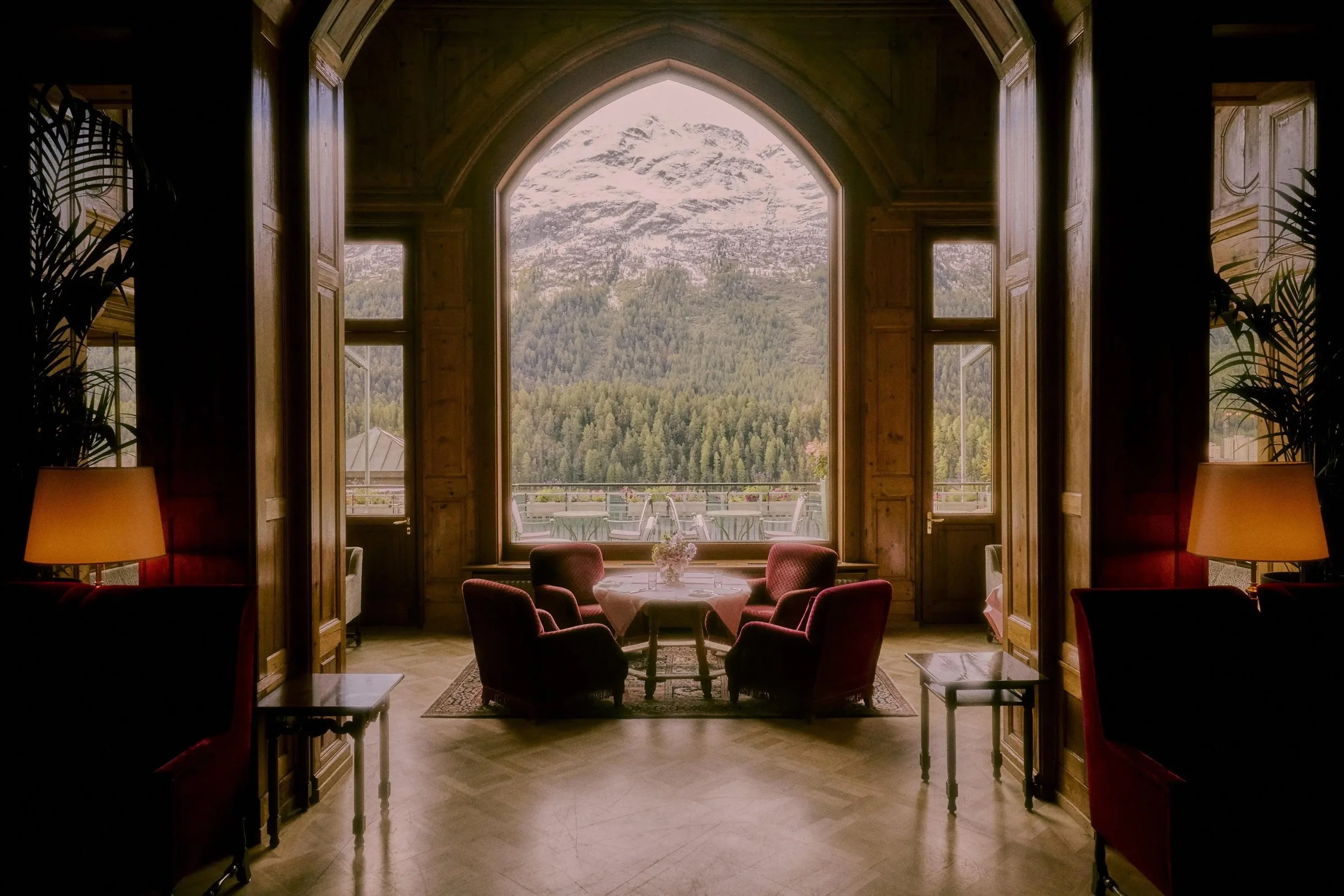
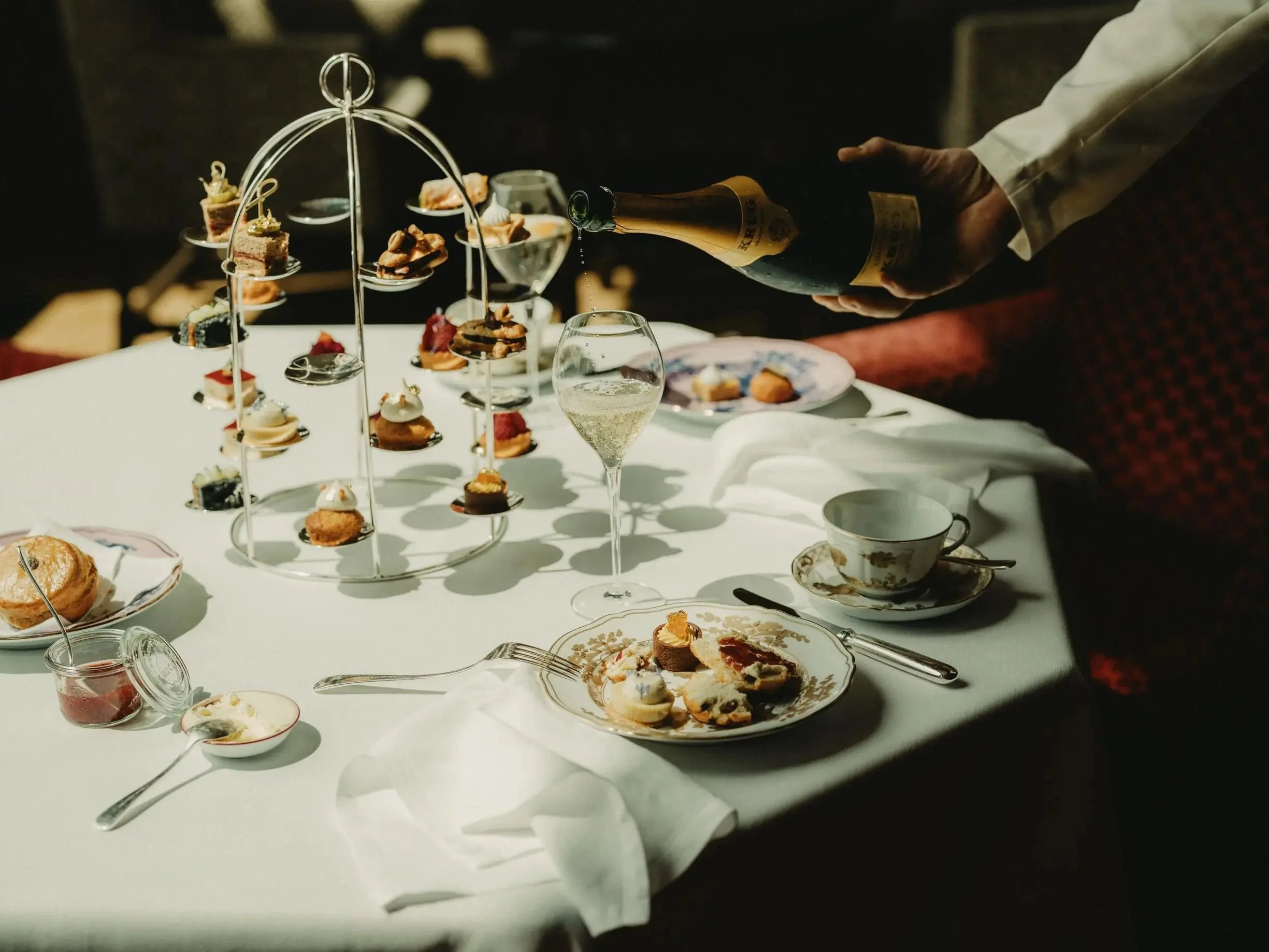
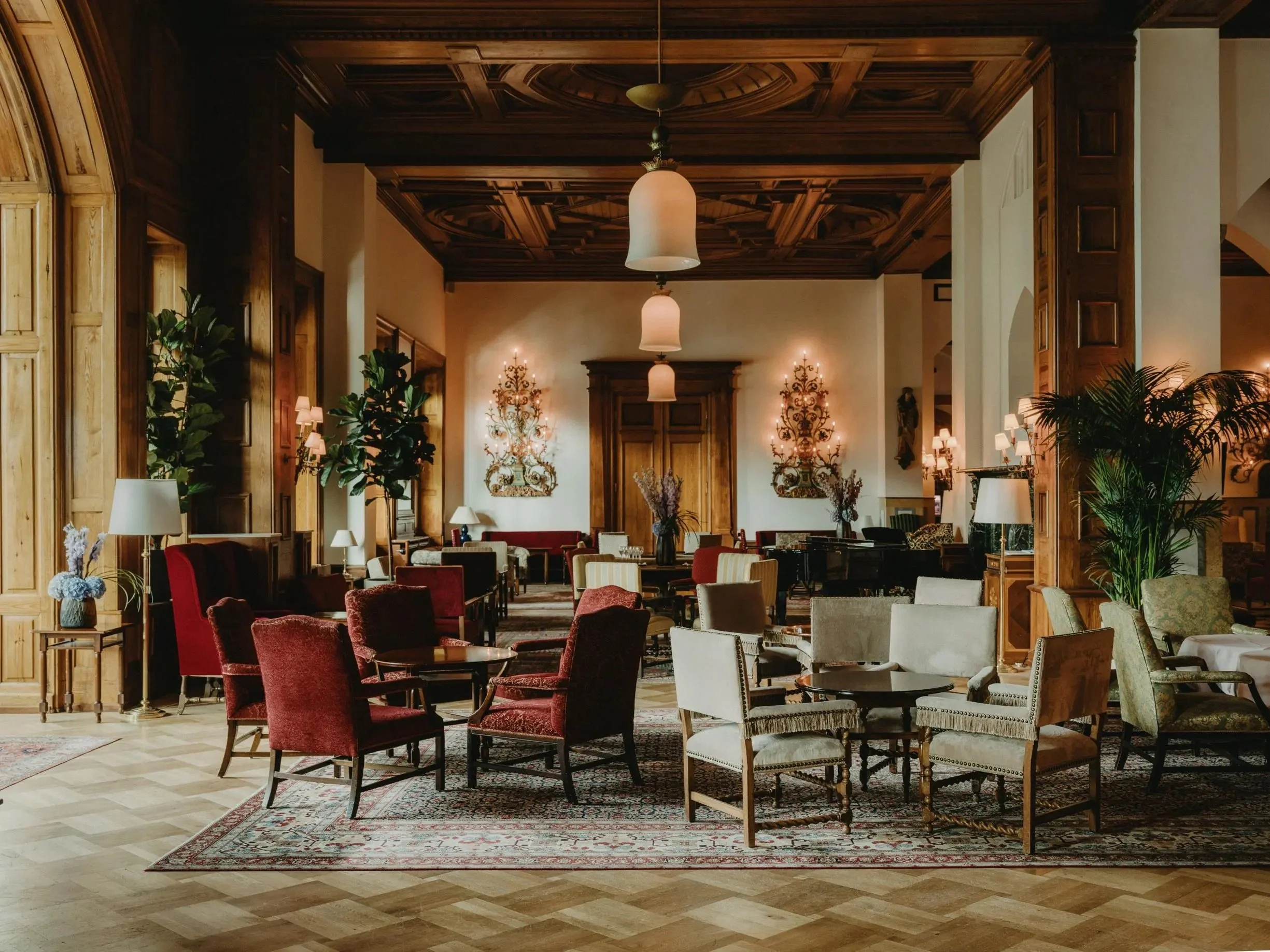
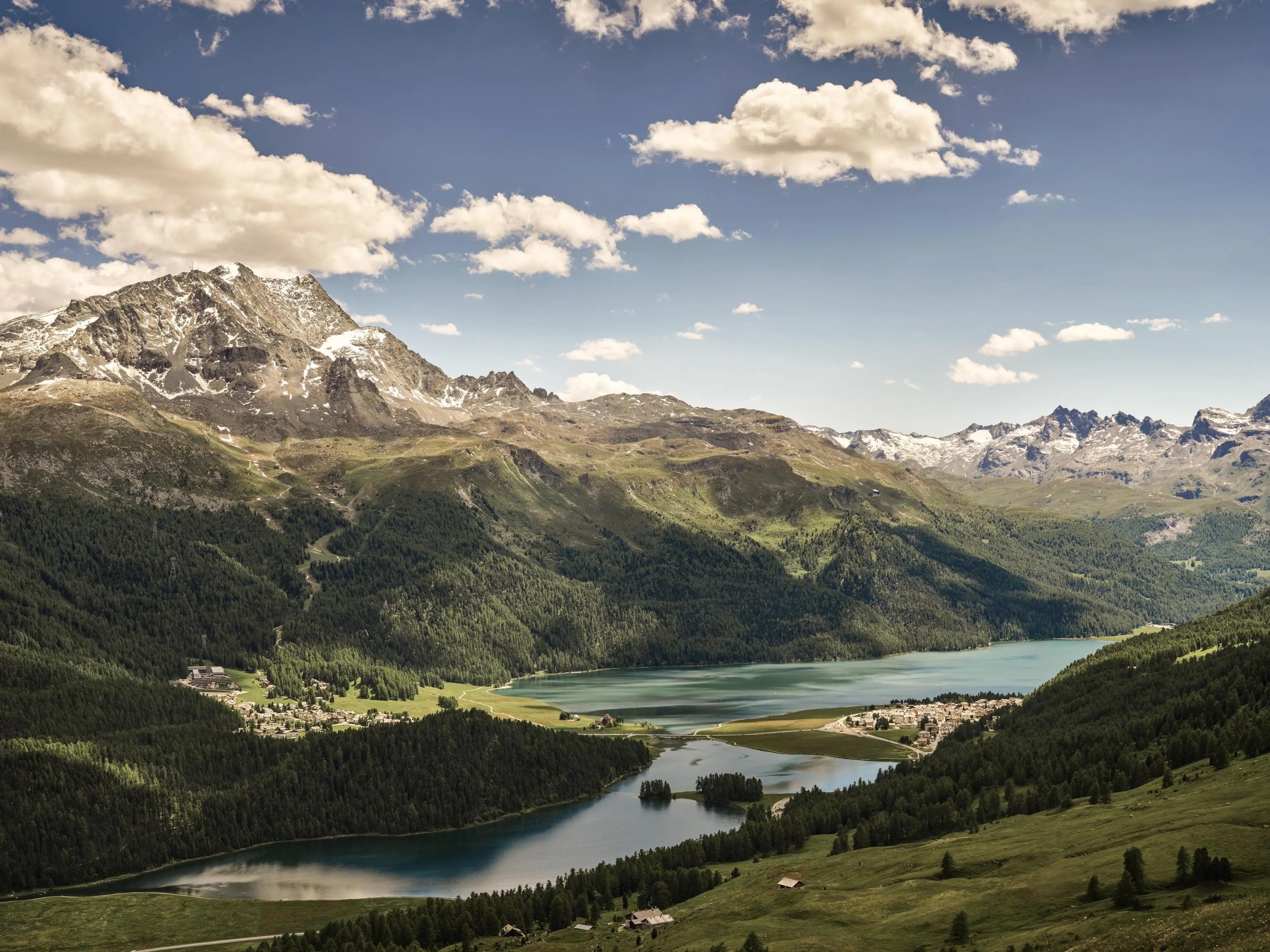
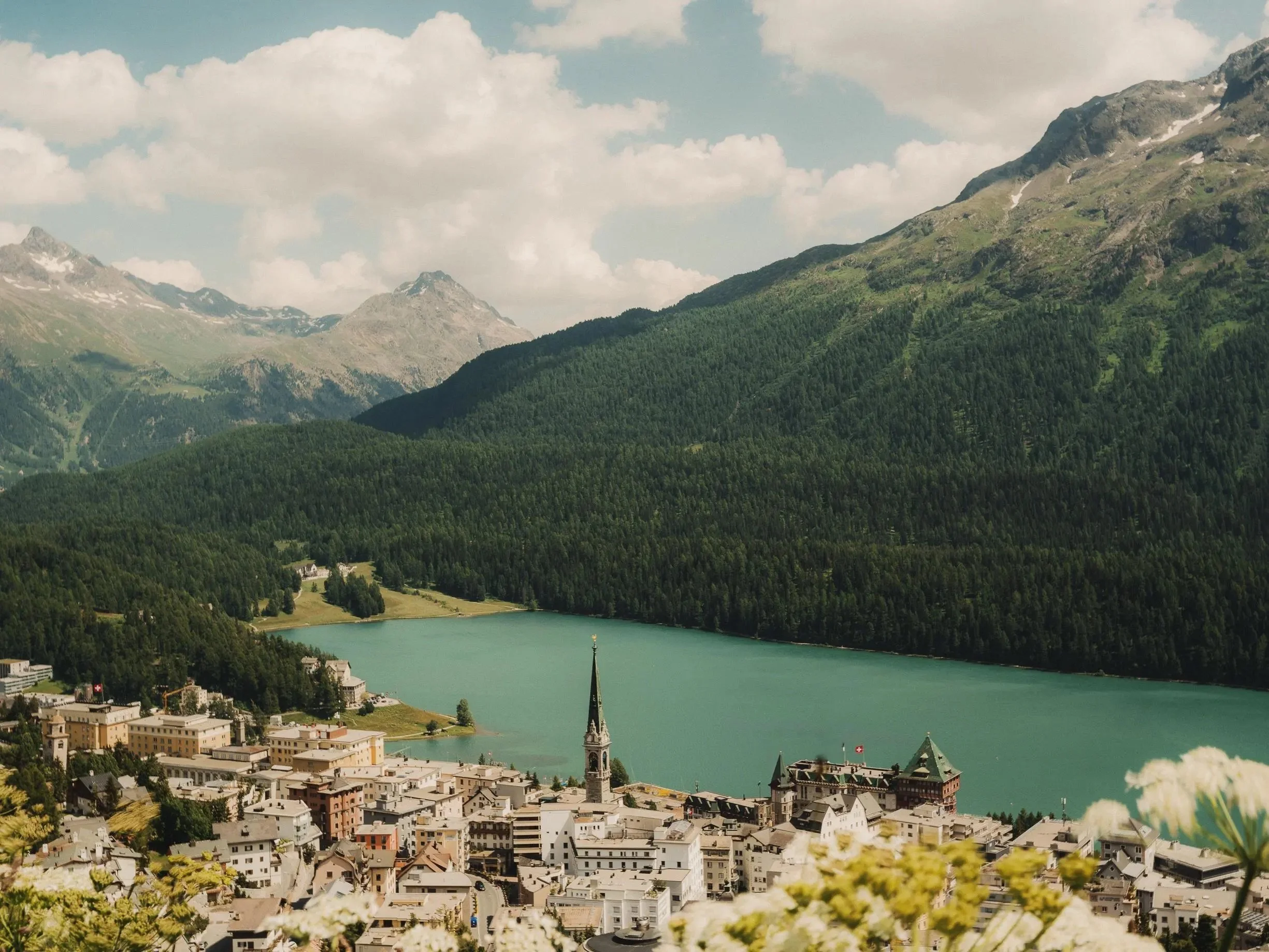
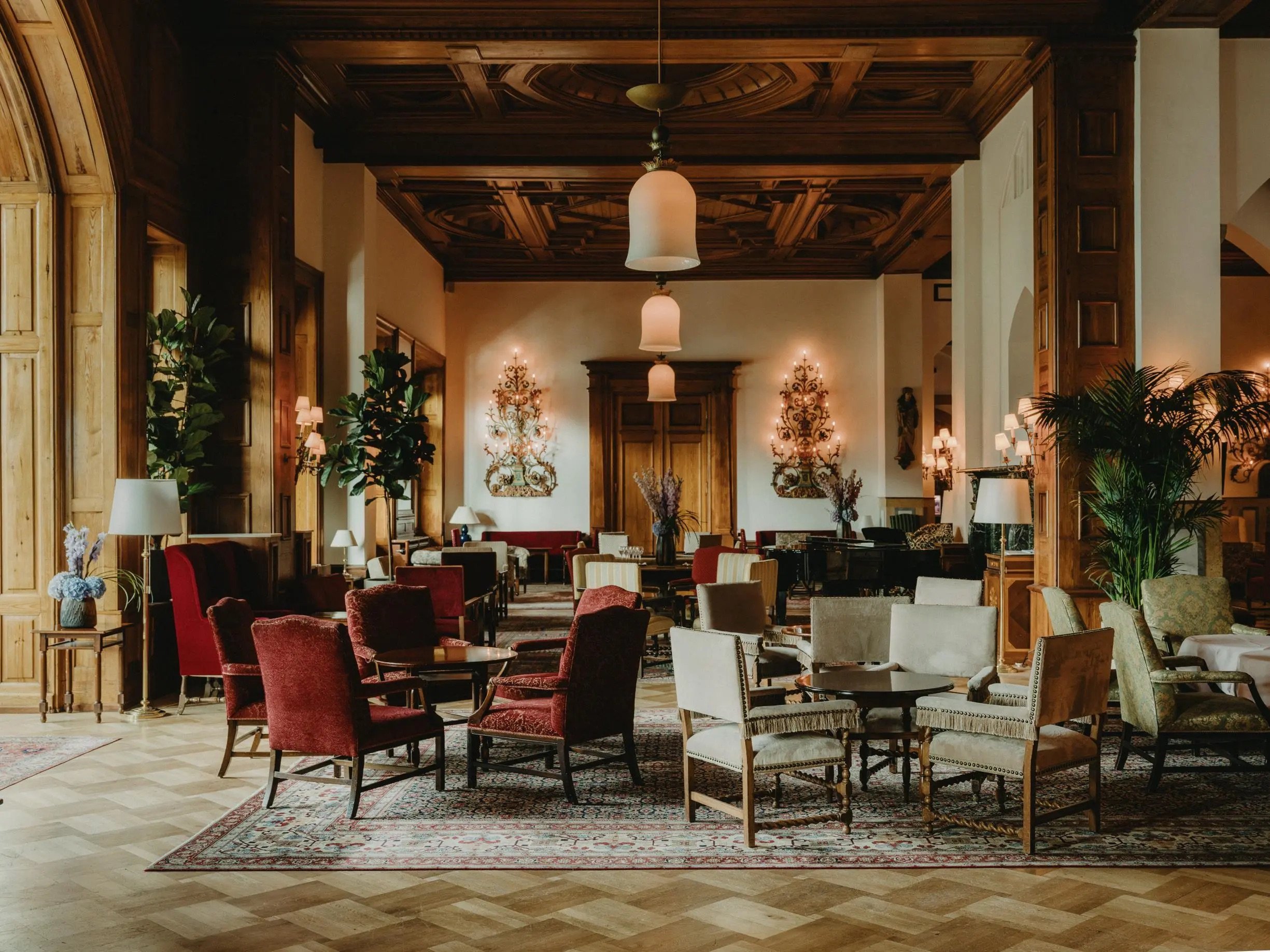
Afternoon tea at Badrutt’s Palace offers a good introduction to the hotel. Beyond the windows of Le Grand Hall, Lake St. Moritz and the surrounding mountains fill the view. Inside, piano music accompanies conversations between travelers returning from the slopes, meeting friends, or settling into an afternoon with nowhere else to be. The room has the formality of a grand hotel, but its purpose is wonderfully ordinary: it gives people a place to gather.
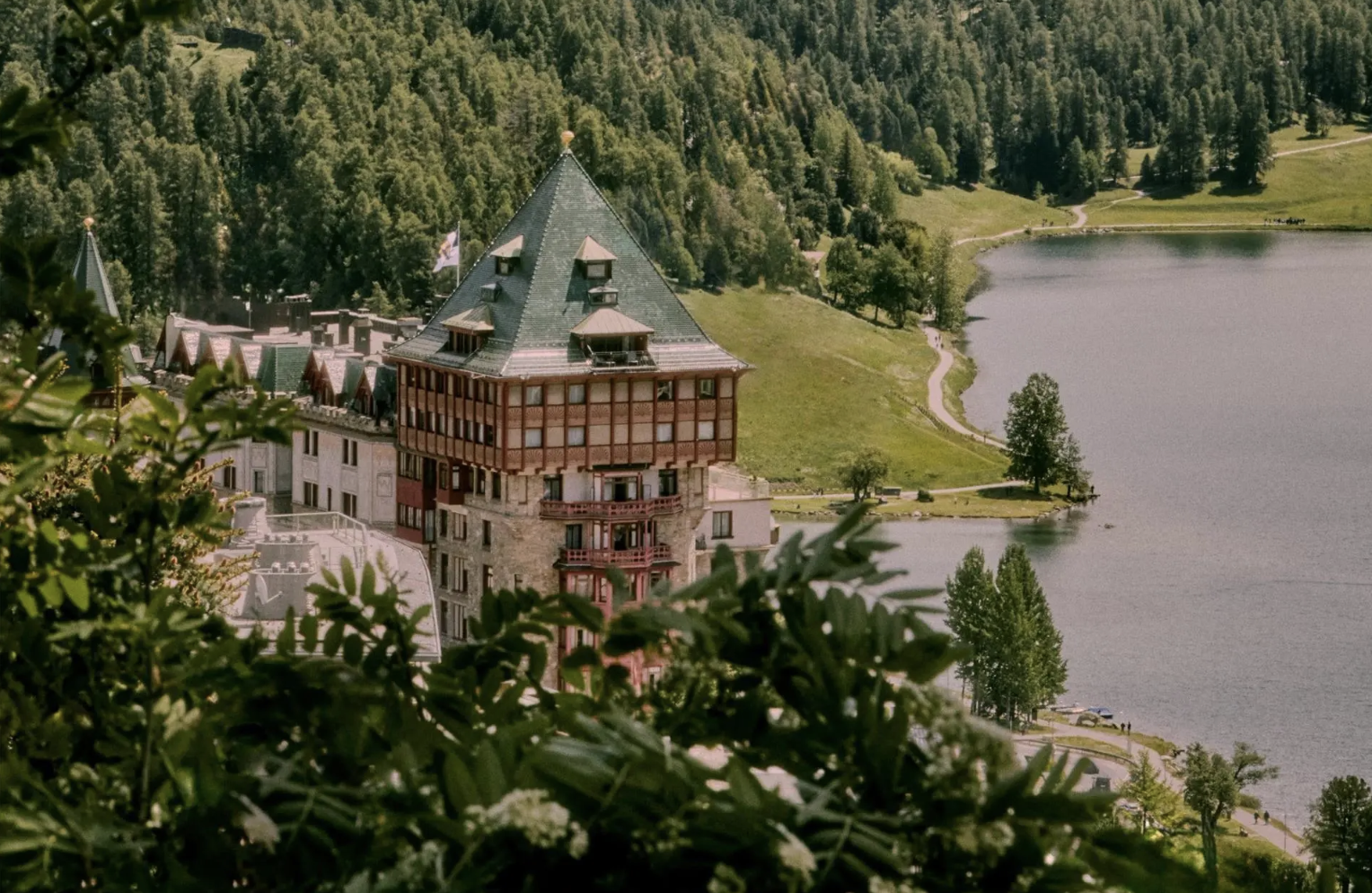
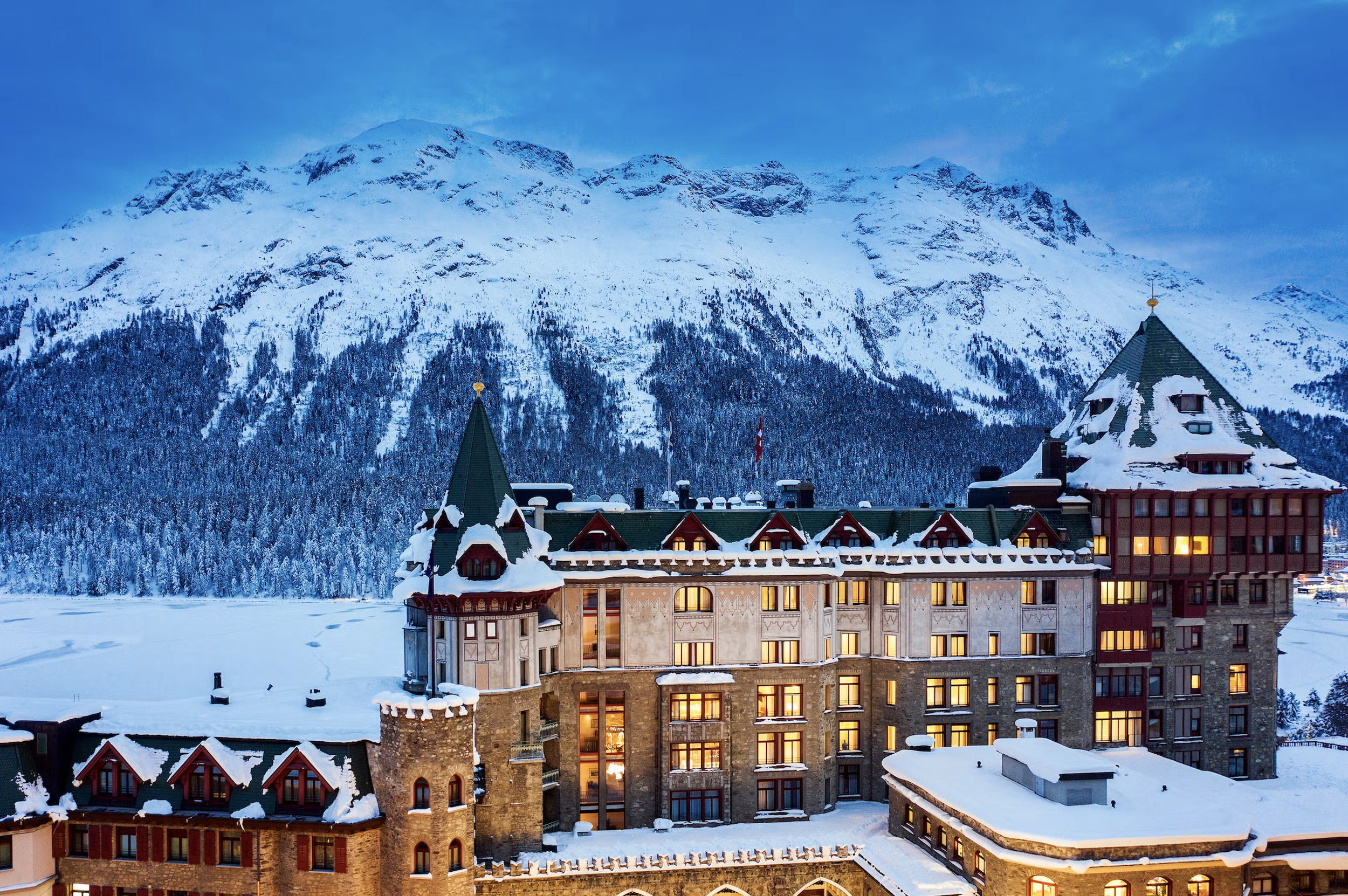
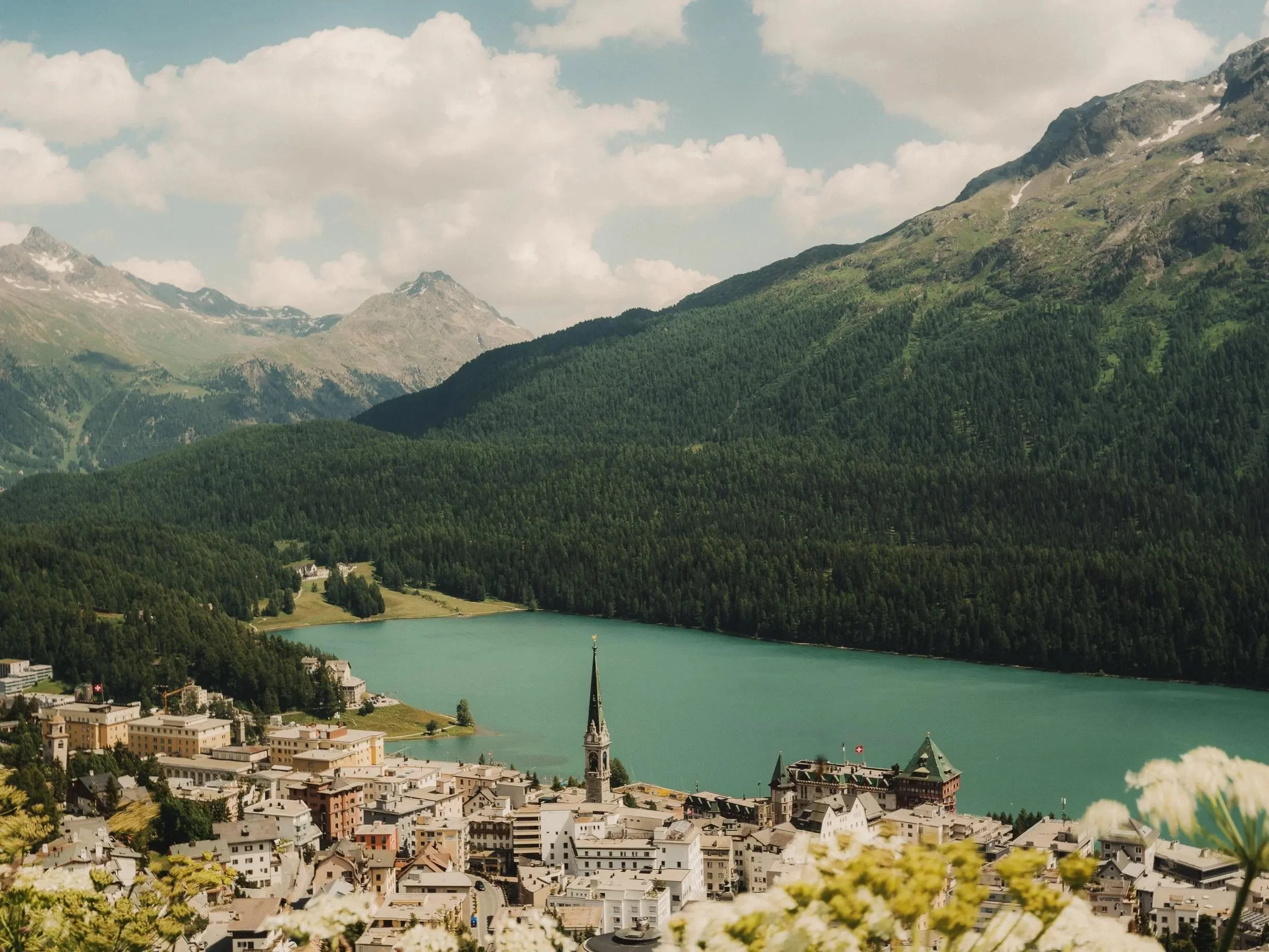
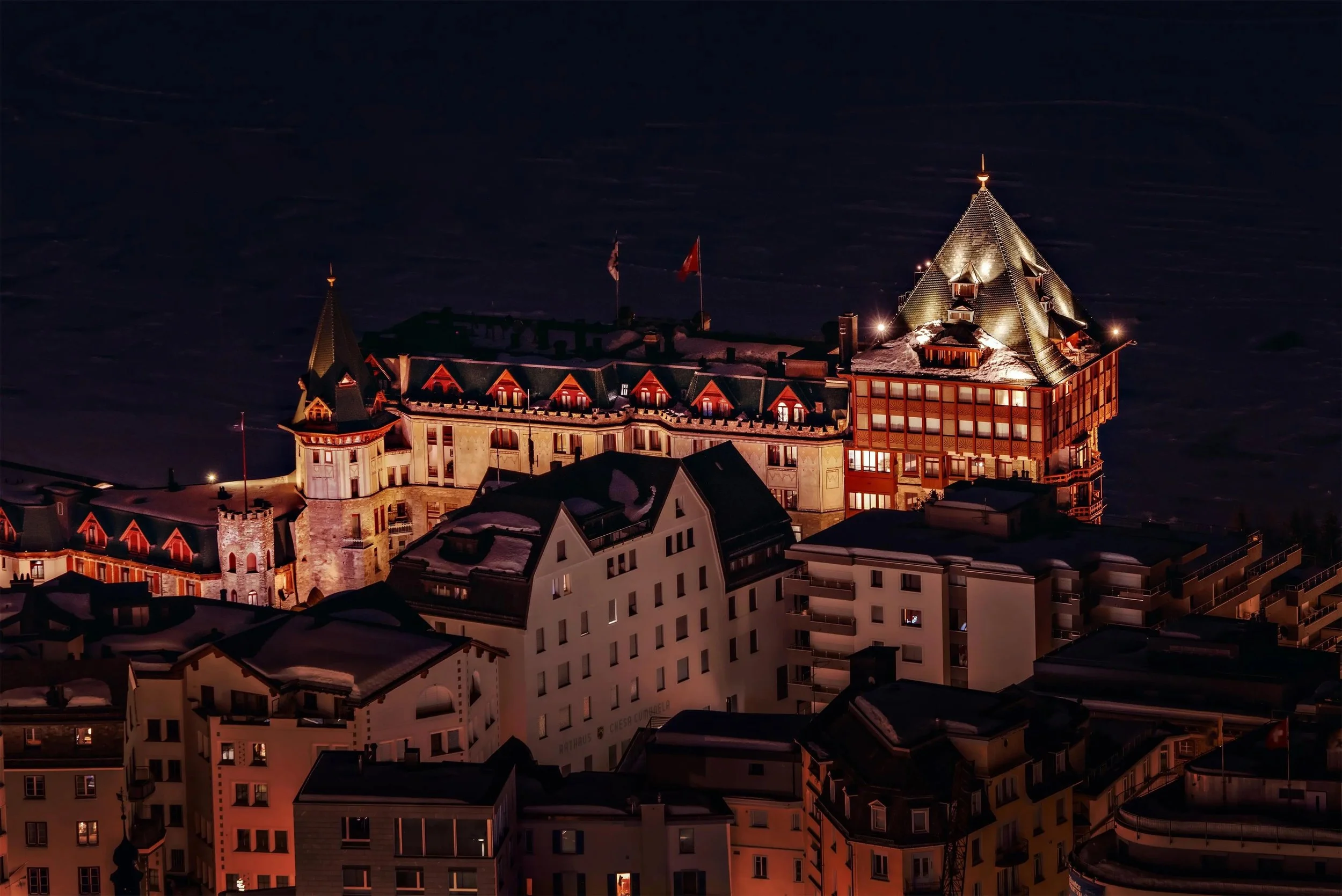
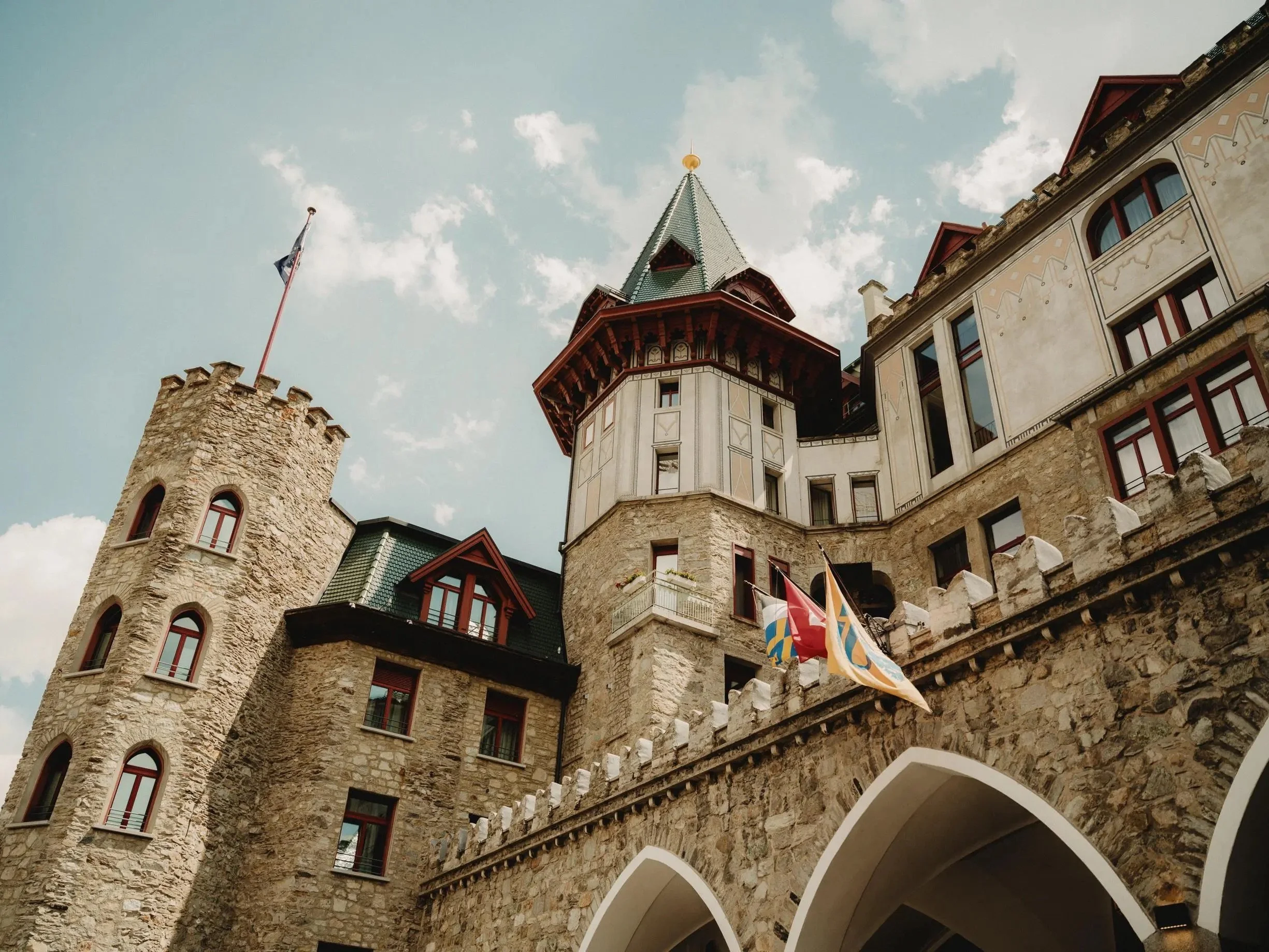
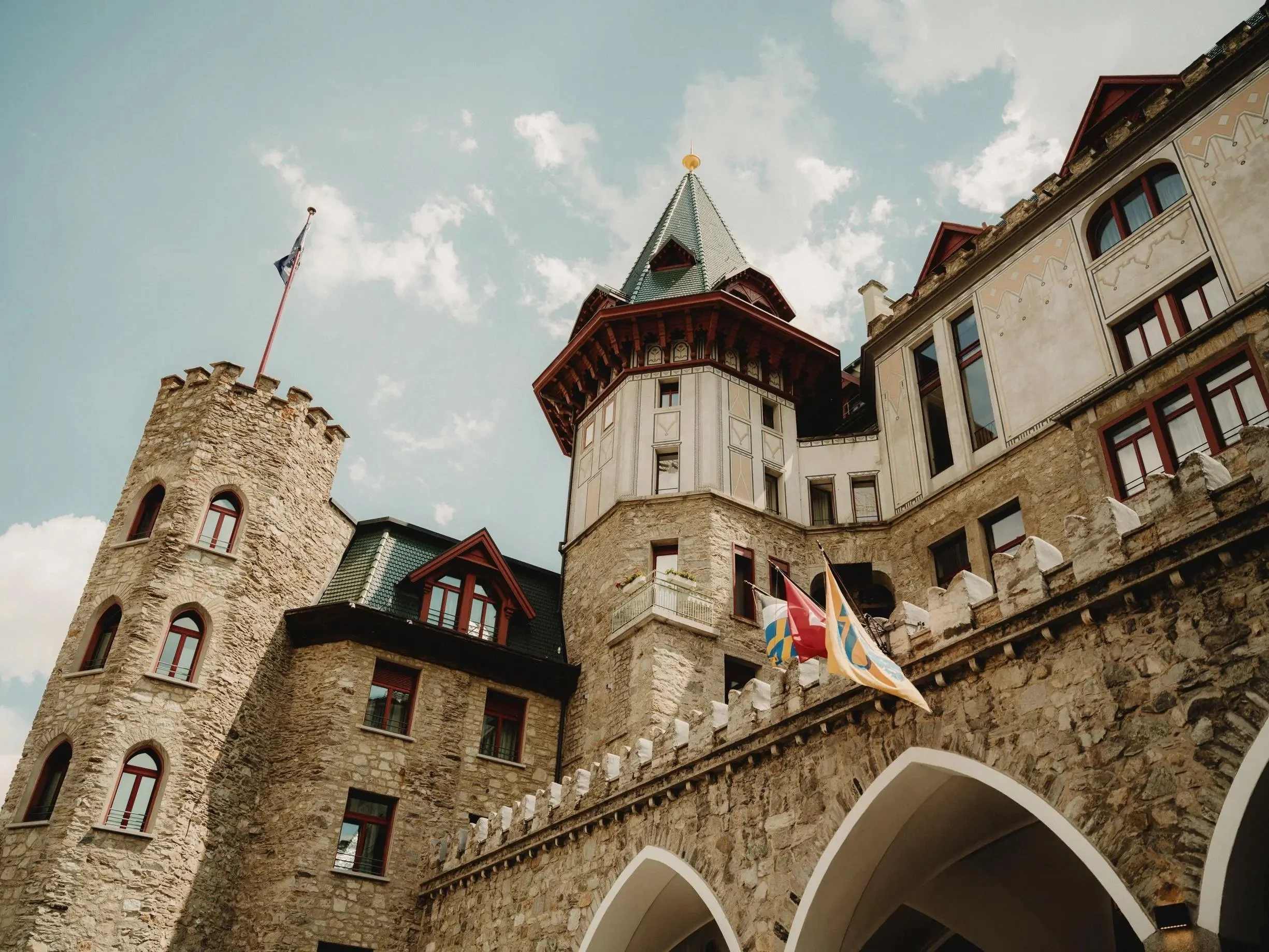
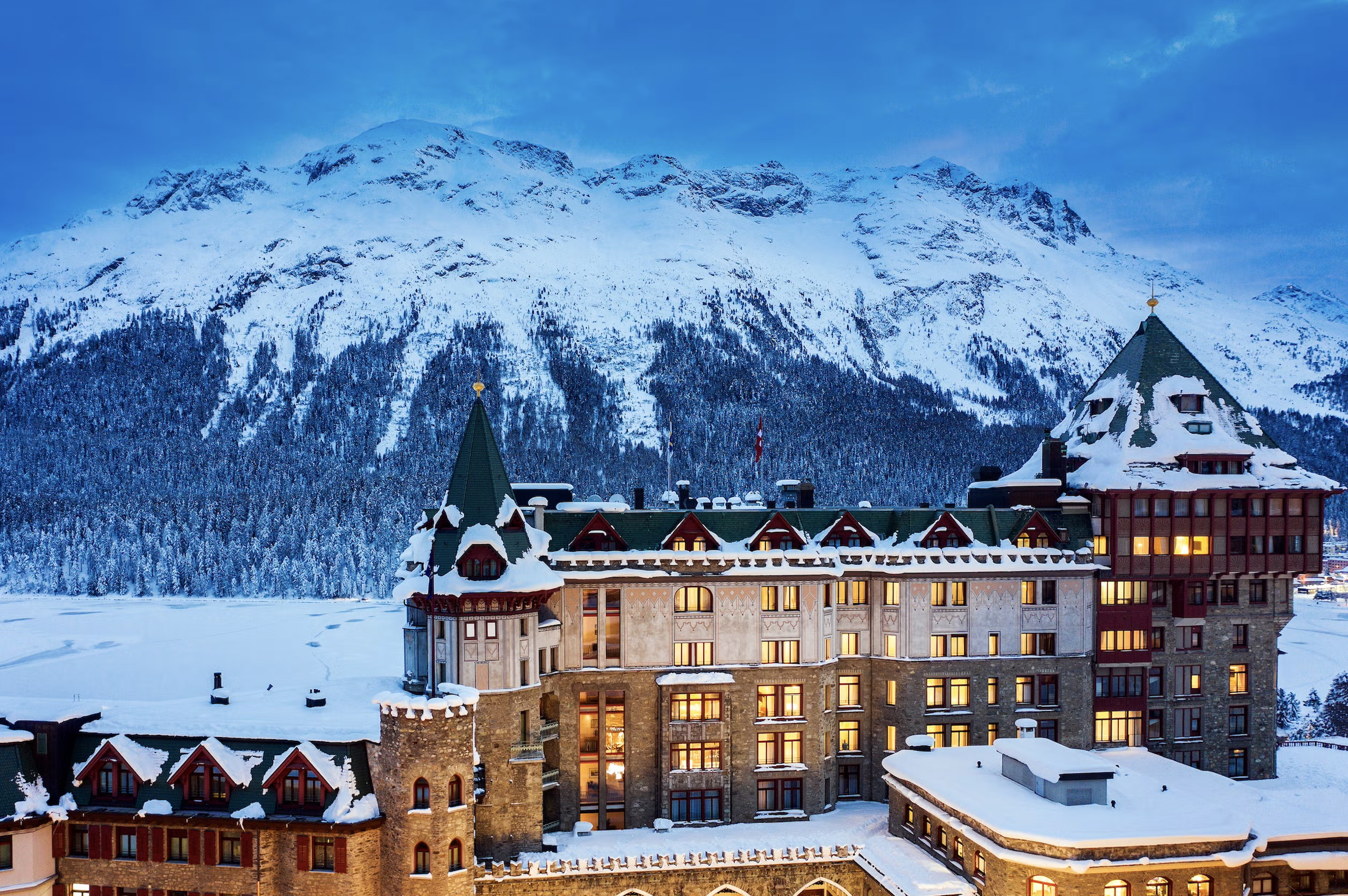
That social energy runs throughout the Palace. On Via Serlas, in the center of St. Moritz, the hotel brings together mountain pursuits, substantial dining options, shopping, and an evening scene that can continue well beyond dinner. Its recognizable tower has become part of the town’s identity, while successive renovations have introduced new ways to stay within its historic surroundings.
We see Badrutt’s Palace as particularly well suited to travelers who want an active connection with St. Moritz. A day can encompass skiing, a long mountain lunch, time in the spa, and a lively evening, with equally appealing possibilities for those who prefer a gentler pace.
A Family Name Woven into Alpine History
Badrutt’s Palace officially opened on July 29, 1896, following Caspar Badrutt’s transformation of the existing Beau Rivage hotel. The project belonged to a broader family tradition: his father, Johannes Badrutt, was the hotelier behind the nearby Kulm and a central figure in the development of St. Moritz as a winter destination.
Architects Chiodera and Tschudi gave the Palace its theatrical architectural character. Further additions followed, including expanded accommodation and an indoor tennis hall that would eventually take on a very different role as a restaurant.
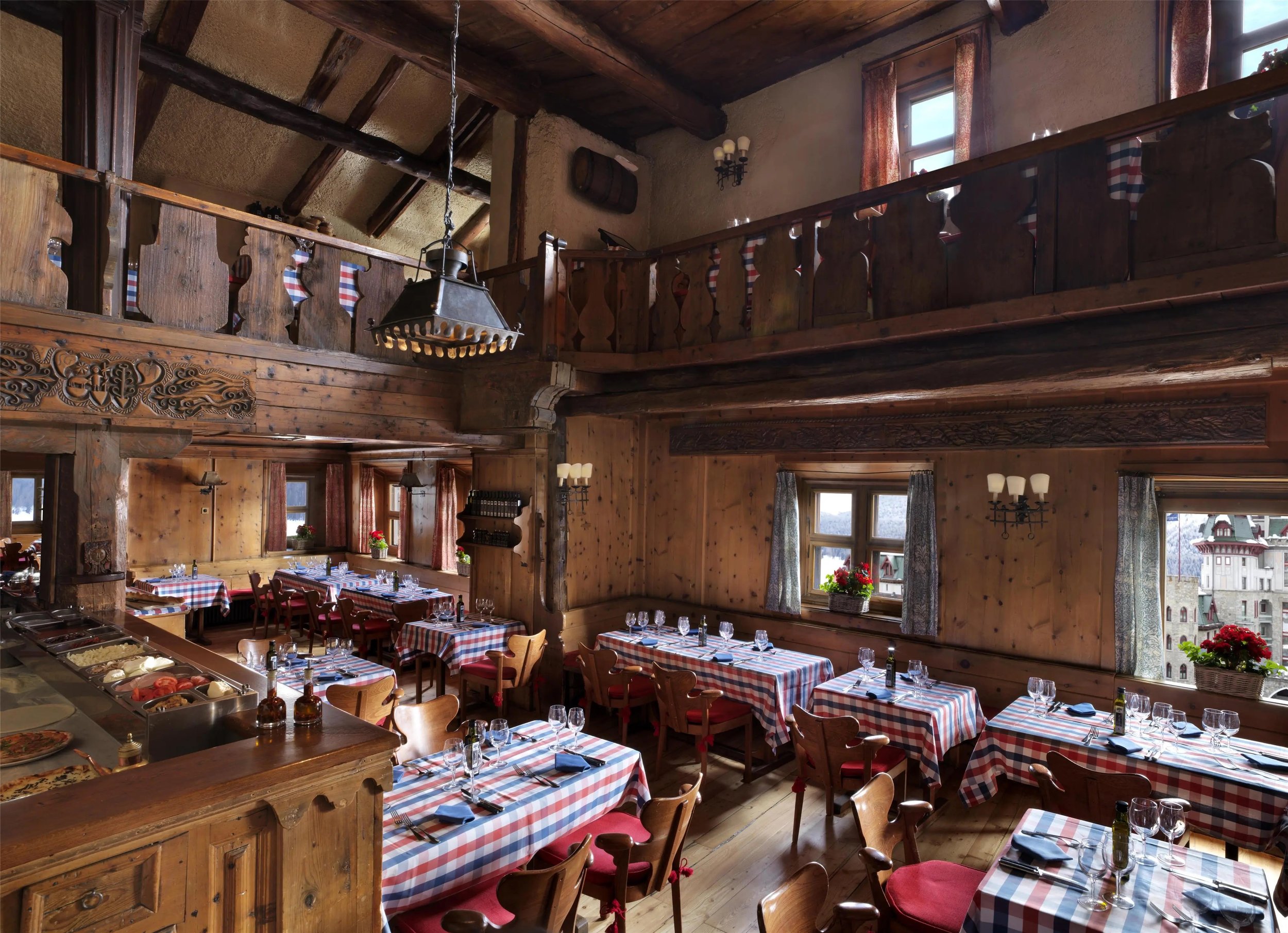
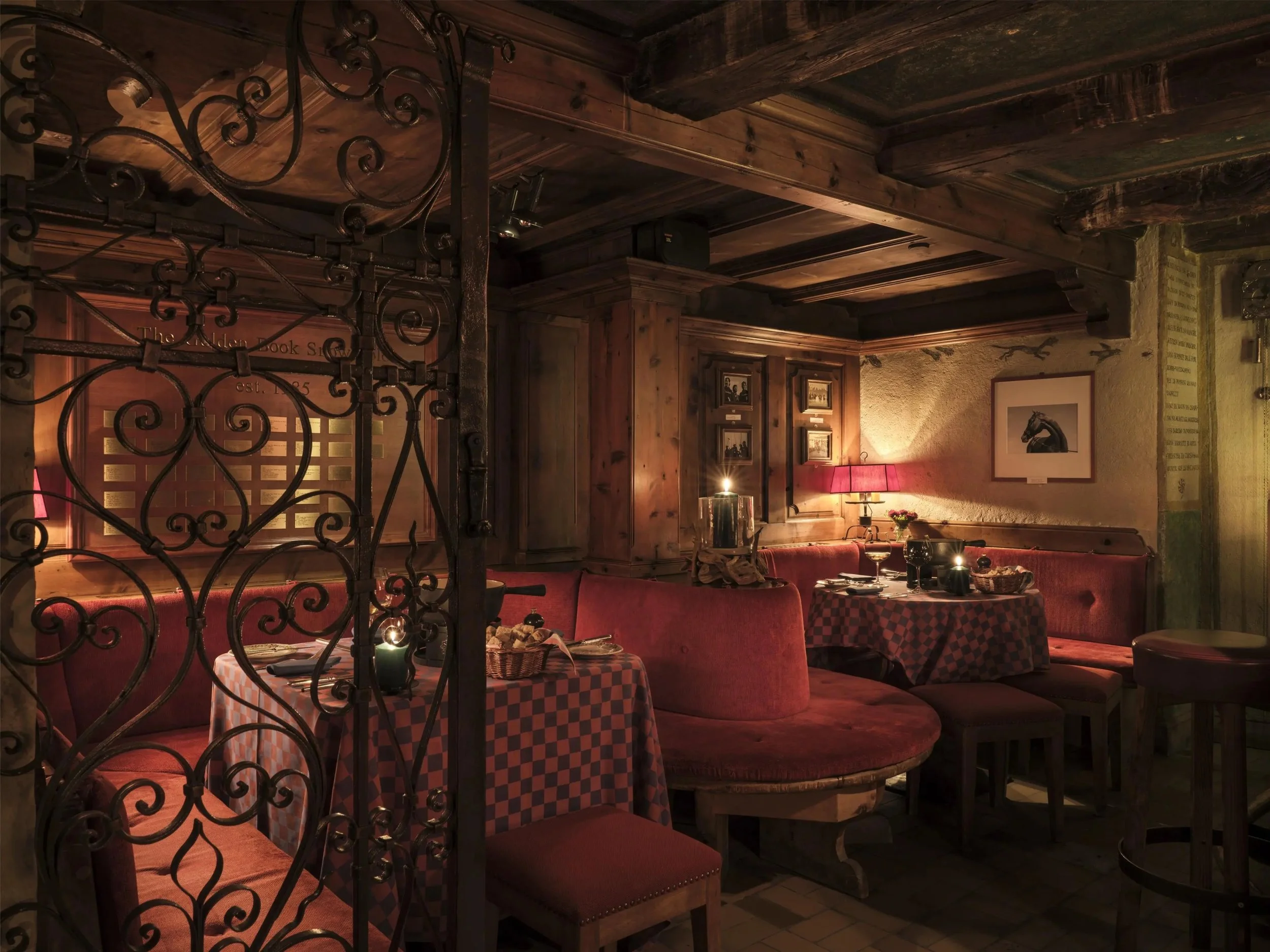
The hotel’s history also extends across the street. Acquired in 1935–36, Chesa Veglia is a former Engadin farmhouse dating to 1658, now home to several Palace dining venues. Its low ceilings and intimate rooms preserve a much older architectural chapter than the grand hotel itself.
Over the decades, the Palace welcomed figures including Charlie Chaplin, Marlene Dietrich, Coco Chanel, and Alfred Hitchcock. The latter’s connection remains especially visible in the suite bearing his name. More recent milestones include the redesigned outdoor pool in 2024 and the opening of the Serlas Wing in 2025, continuing a long pattern of additions rather than leaving the hotel fixed in one period.
Grand Rooms and a Contemporary New Address
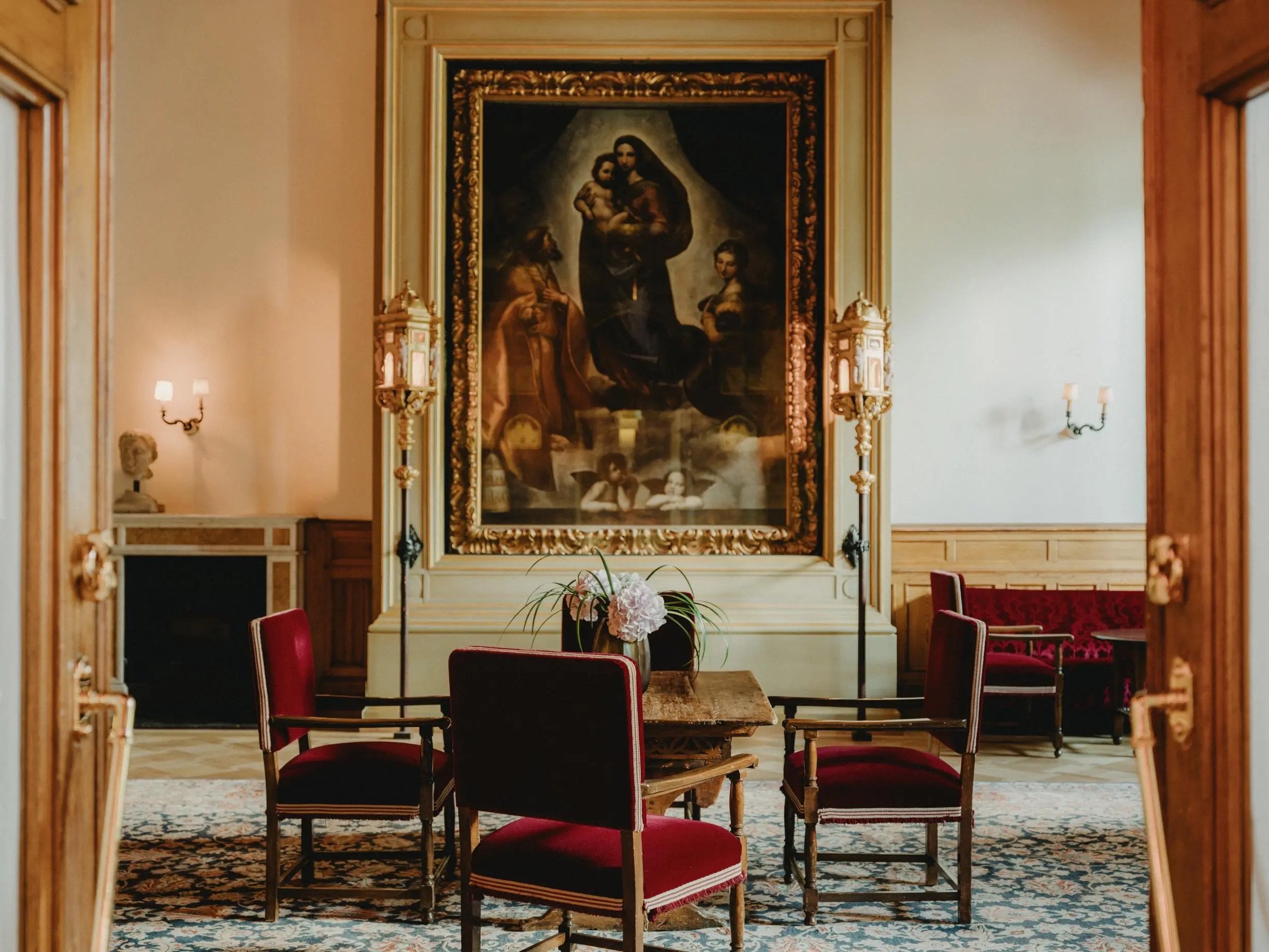
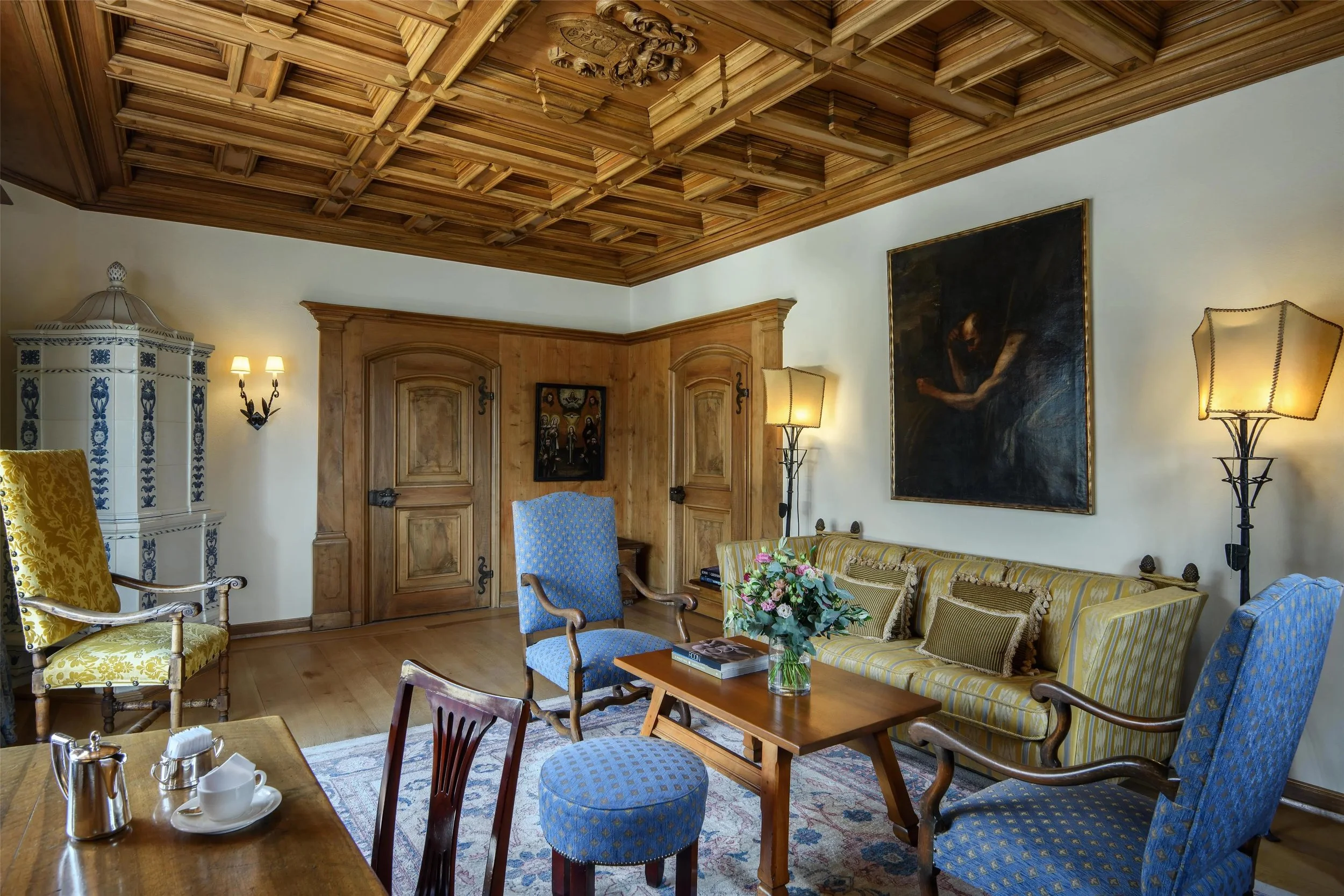
The original building makes an unmistakable impression through its towers, stonework, and decorative interiors. Carved wood, coffered ceilings, and large public rooms establish a sense of occasion, while windows repeatedly bring the lake and mountains back into view.
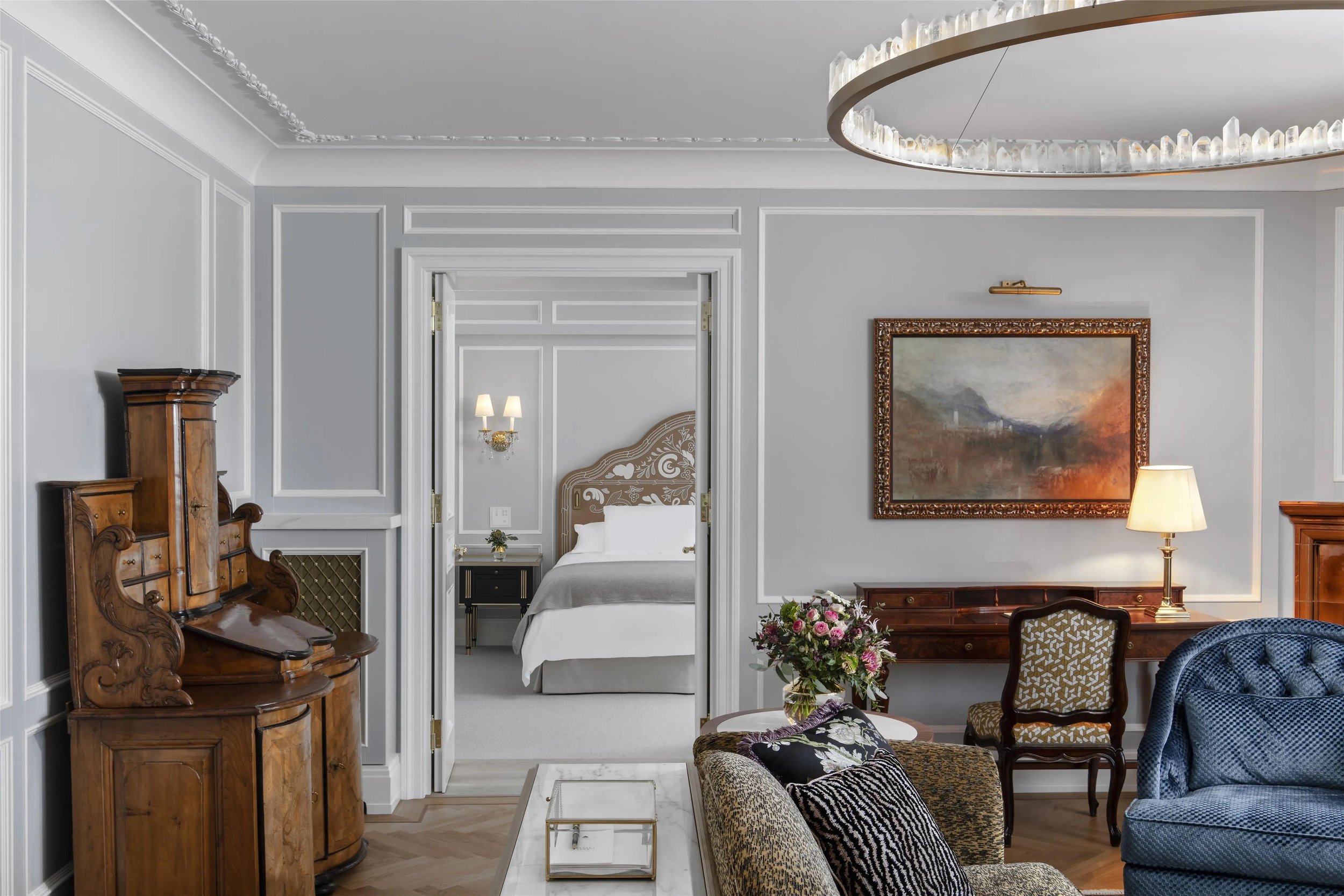
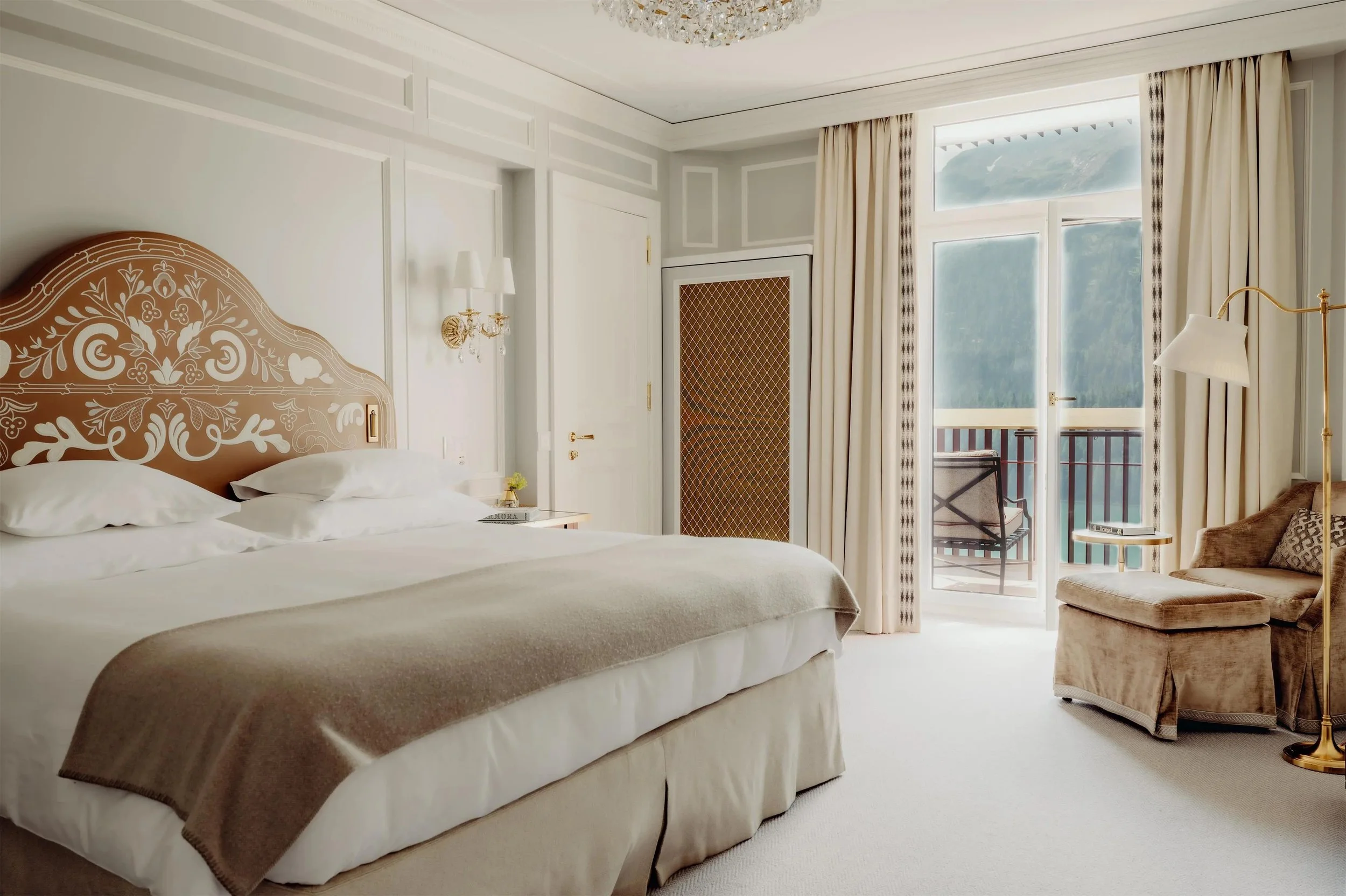
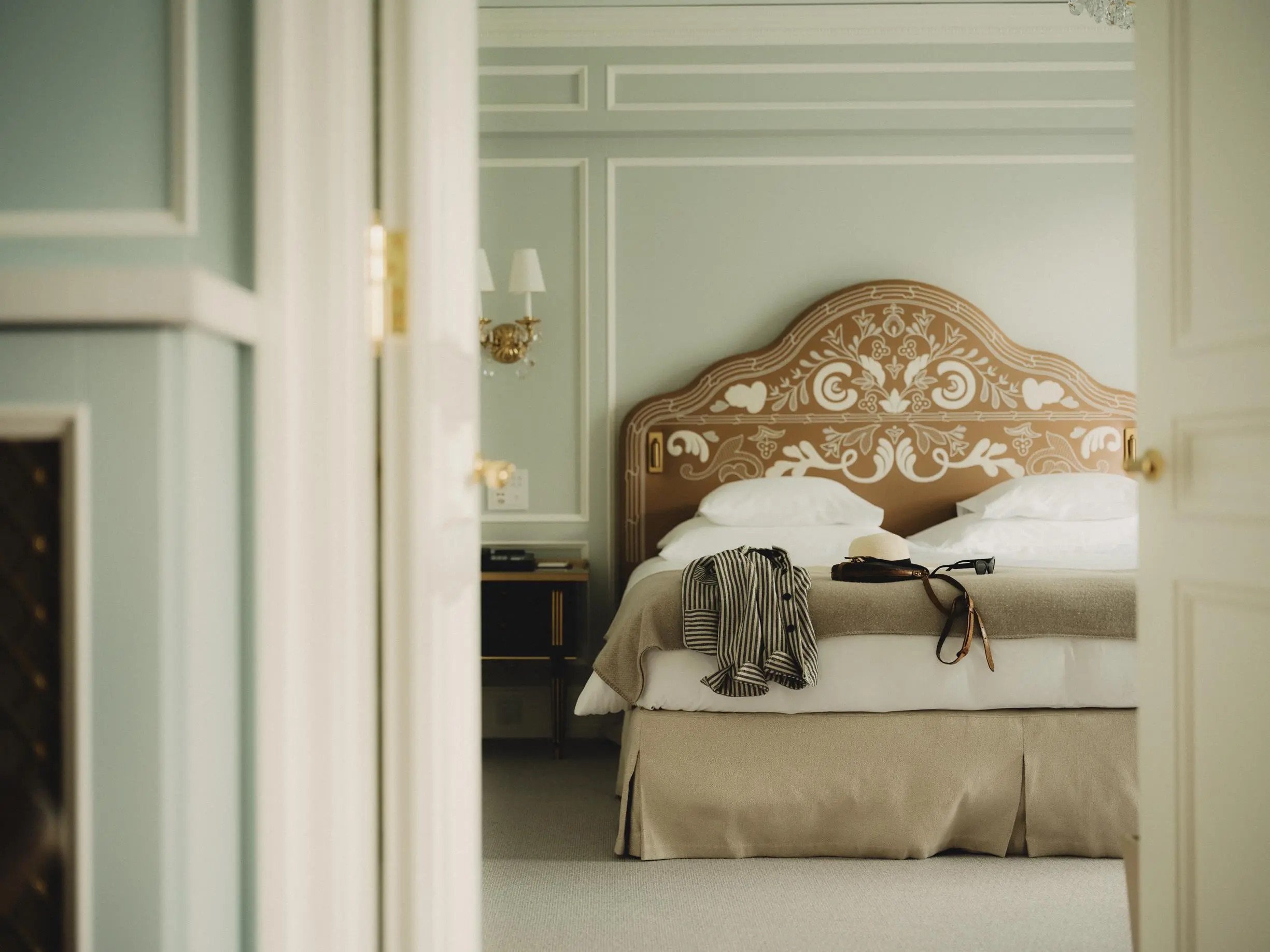
Guestroom renovations by Champalimaud Design have introduced a more restrained treatment of the historic accommodation. Individual layouts remain part of its character, making room selection more nuanced than simply choosing a category.
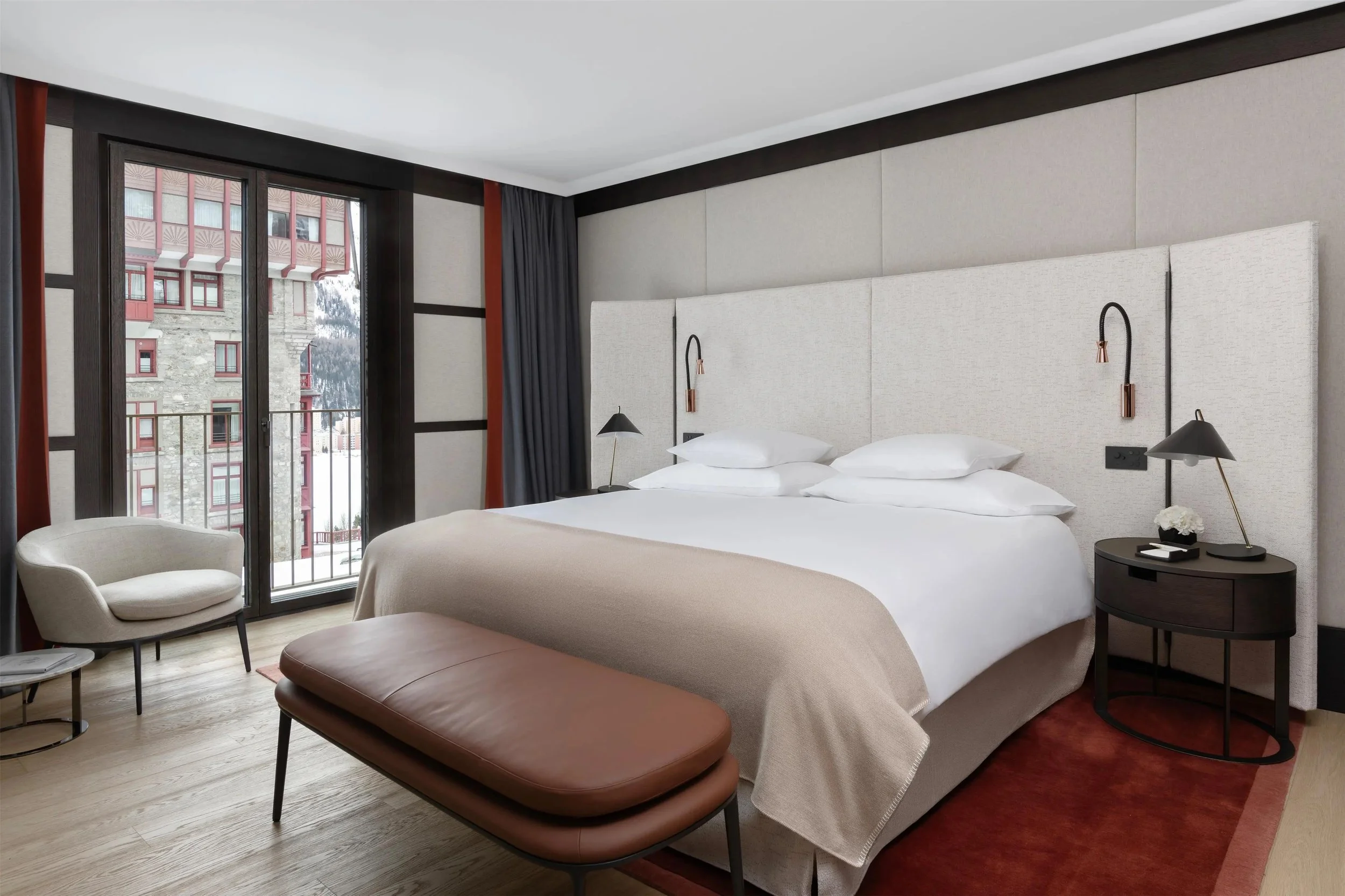
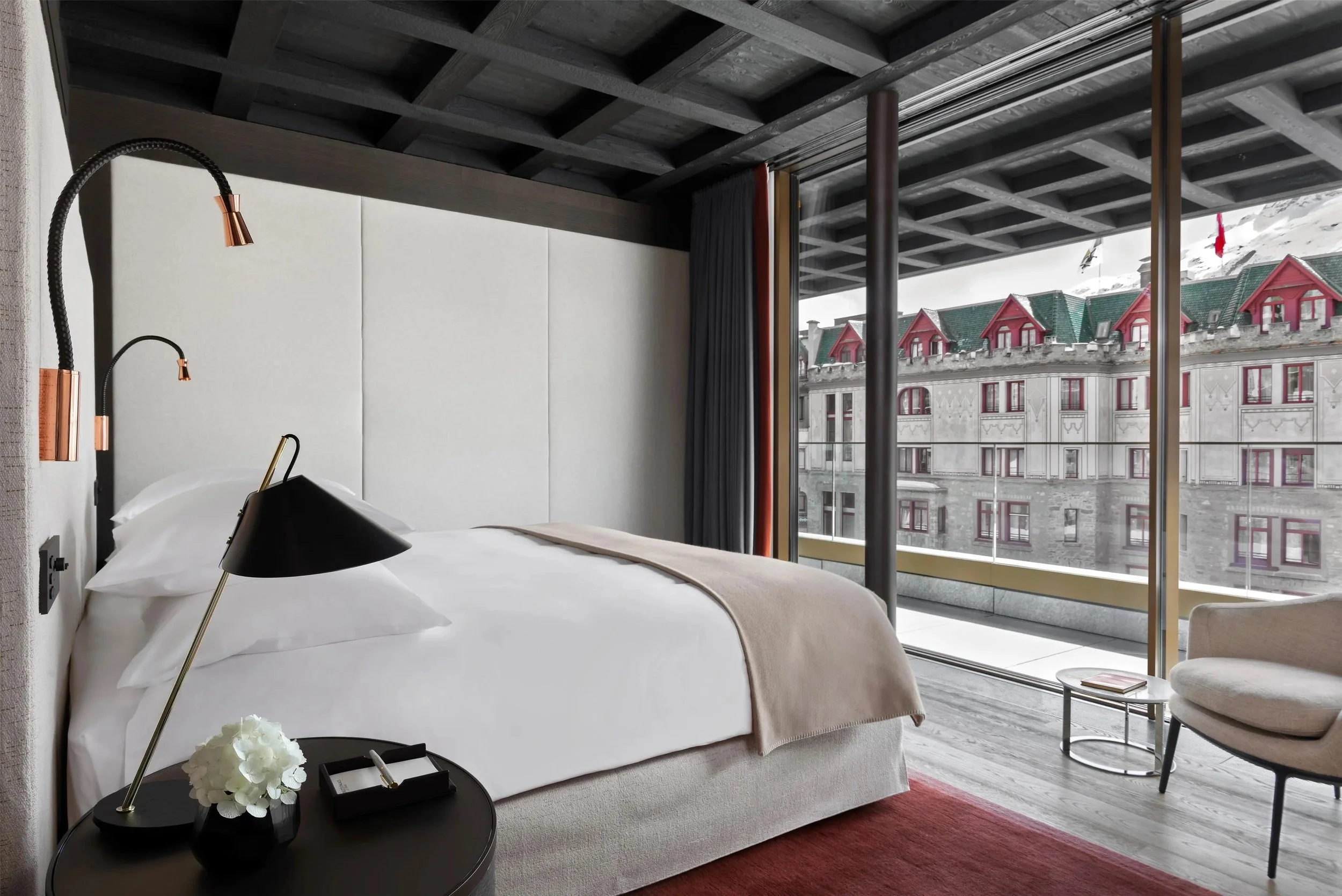
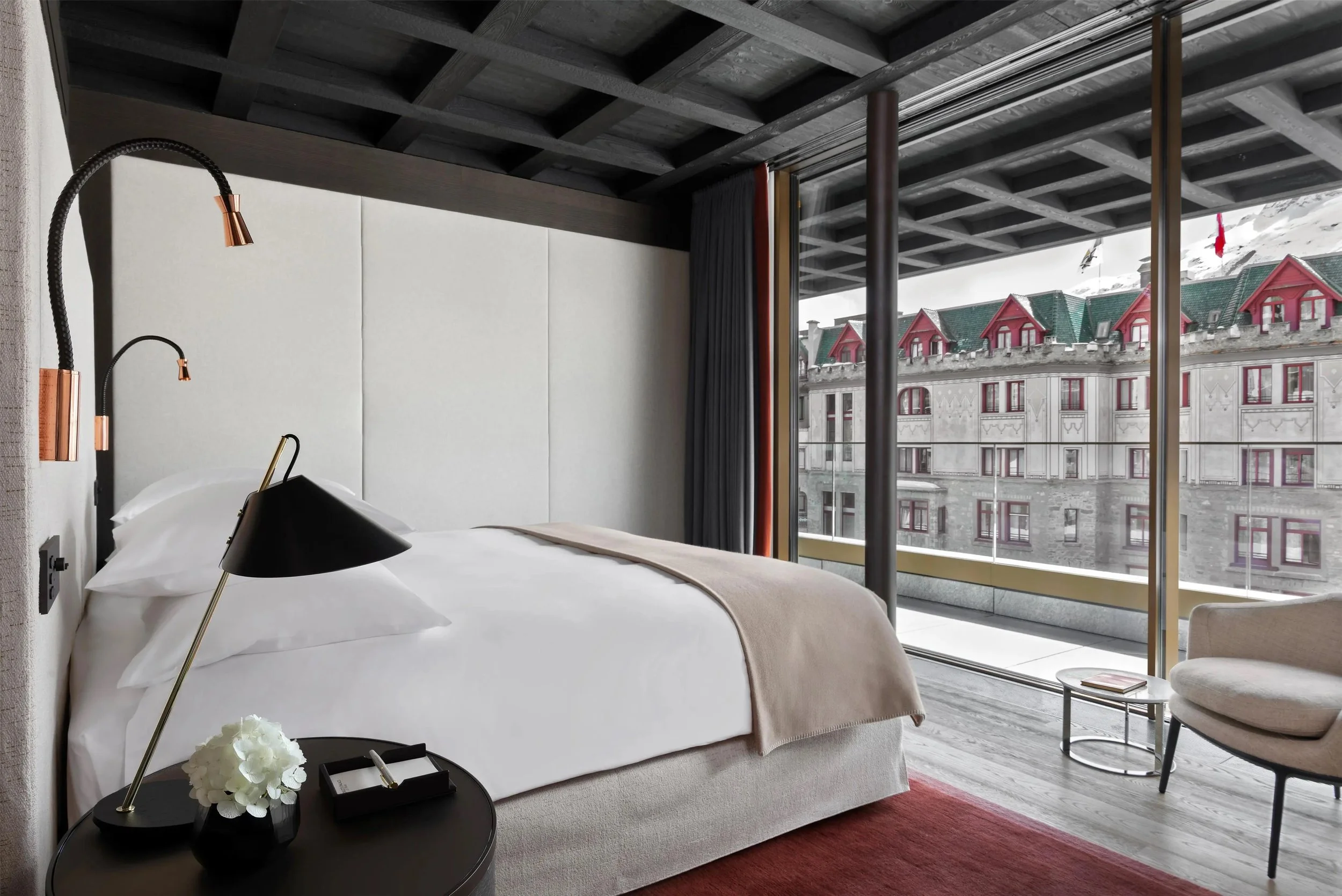
Across Via Serlas, the 25-room-and-suite Serlas Wing presents a distinctly contemporary interpretation of Alpine hospitality. Designed by ACPV ARCHITECTS Antonio Citterio Patricia Viel, it uses oak, Dorato Valmalenco stone, and Loro Piana fabrics to create interiors with warmth and texture. Underground connections link the addition with the wider Palace complex and Chesa Veglia.
The choice between the original hotel and Serlas is therefore partly a question of atmosphere. We would consider the historic building for its traditional detailing and lake-facing accommodation, and Serlas for its contemporary interiors, generous bathrooms, and more residential feel.
Choosing Your Place in the Palace
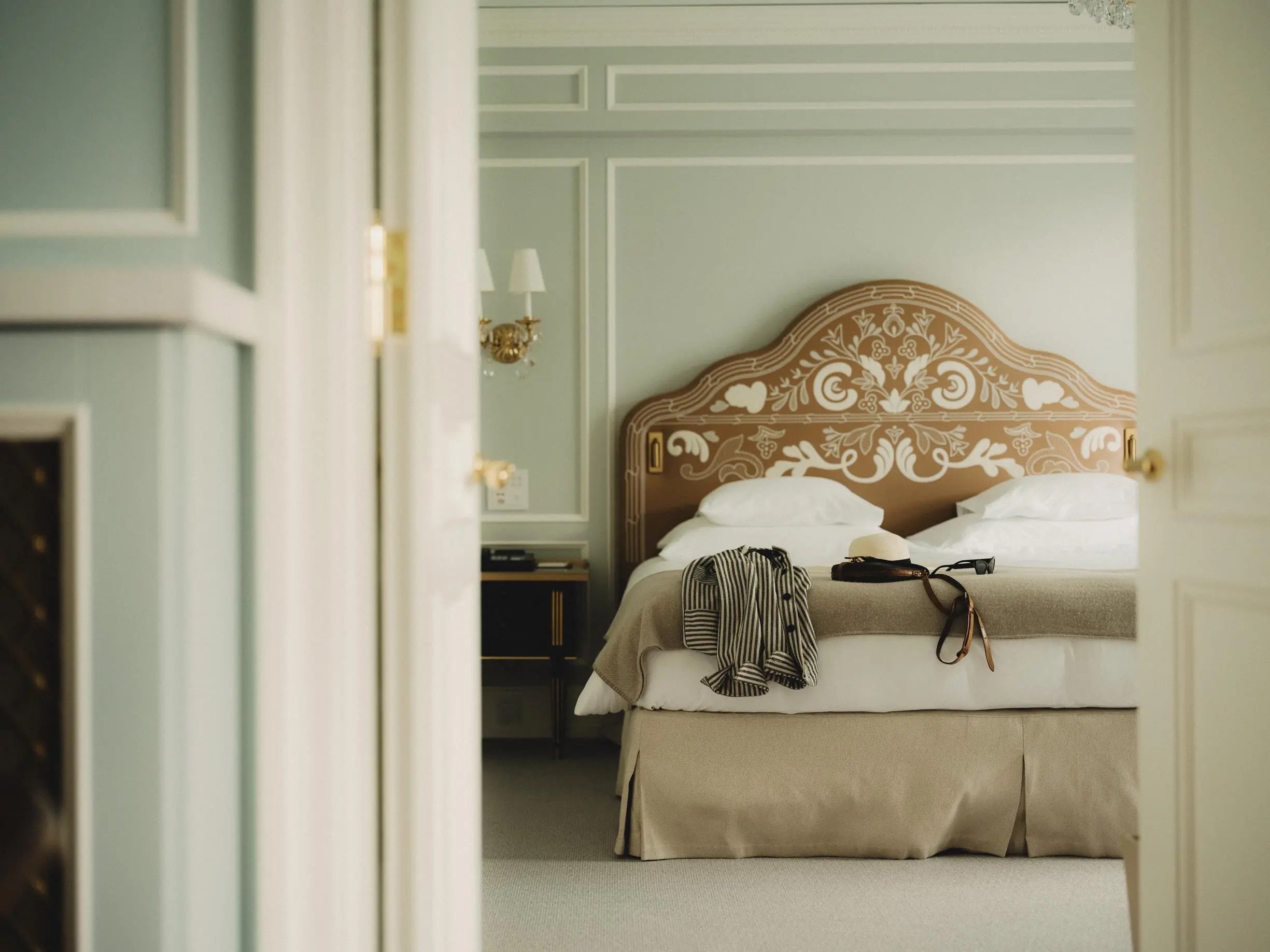
Views, connecting arrangements, and the distinction between the original hotel and Serlas Wing deserve particular attention. A village-facing room provides a different experience from one looking directly across the lake, while a balcony adds another way to enjoy the setting.
The approximate sizes below are converted from the hotel’s published metric areas; individual room dimensions and layouts vary.
Superior Single Room Village Side: Approximately 226 sq. ft., with a single bed, traditional furnishings, and views toward the village or surrounding mountains, offering a compact option for a traveler who values having a private room.
Superior Double Room Village Side: Approximately 269 sq. ft., with a king bed or twin beds, individually arranged classic interiors, and windows overlooking the village side of St. Moritz and the Corviglia mountain landscape.
Deluxe Double Room Village View: Approximately 398 sq. ft., with a king bed or twin beds, a more generous layout, and individually selected furnishings in soft colors, oriented toward the village rather than the lake.
Deluxe Double Room Lake View: Approximately 366 sq. ft., with a king bed or twin beds and windows framing Lake St. Moritz, the surrounding forest, and mountain slopes, making the outlook the defining feature of the room.
Signature Double Room Lake View with Balcony: Approximately 409 sq. ft., with a king bed or twin beds, bright interiors, and a private balcony opening toward the lake and mountains for an outdoor extension of the room.
Junior Suite: Approximately 484–592 sq. ft., with a king bed, a generous open-plan living area, ample storage, and space for an additional bed, providing more flexibility than a standard guestroom without a fully separate lounge.
Palace Suite: Approximately 753 sq. ft., with one bedroom, a separate living room, an oversized bathroom, and classic residential interiors, complemented by butler service and views toward the village and mountain surroundings.
St. Moritz Suite: Approximately 926 sq. ft., with one bedroom, a spacious living room, a balcony overlooking the lake, and butler service, with connecting-room possibilities in many suites for families requiring additional accommodation.
Two-Bedroom St. Moritz Suite: Approximately 1,292 sq. ft., with two bedrooms, two bathrooms, a shared living room, lake and mountain views, and butler service, allowing a family to spend time together while retaining separate sleeping spaces.
Hitchcock Suite: Approximately 893 sq. ft., with one bedroom, a separate living room, original furnishings, a lake-facing balcony, and butler service, preserving the character of accommodation closely associated with Alfred Hitchcock’s visits.
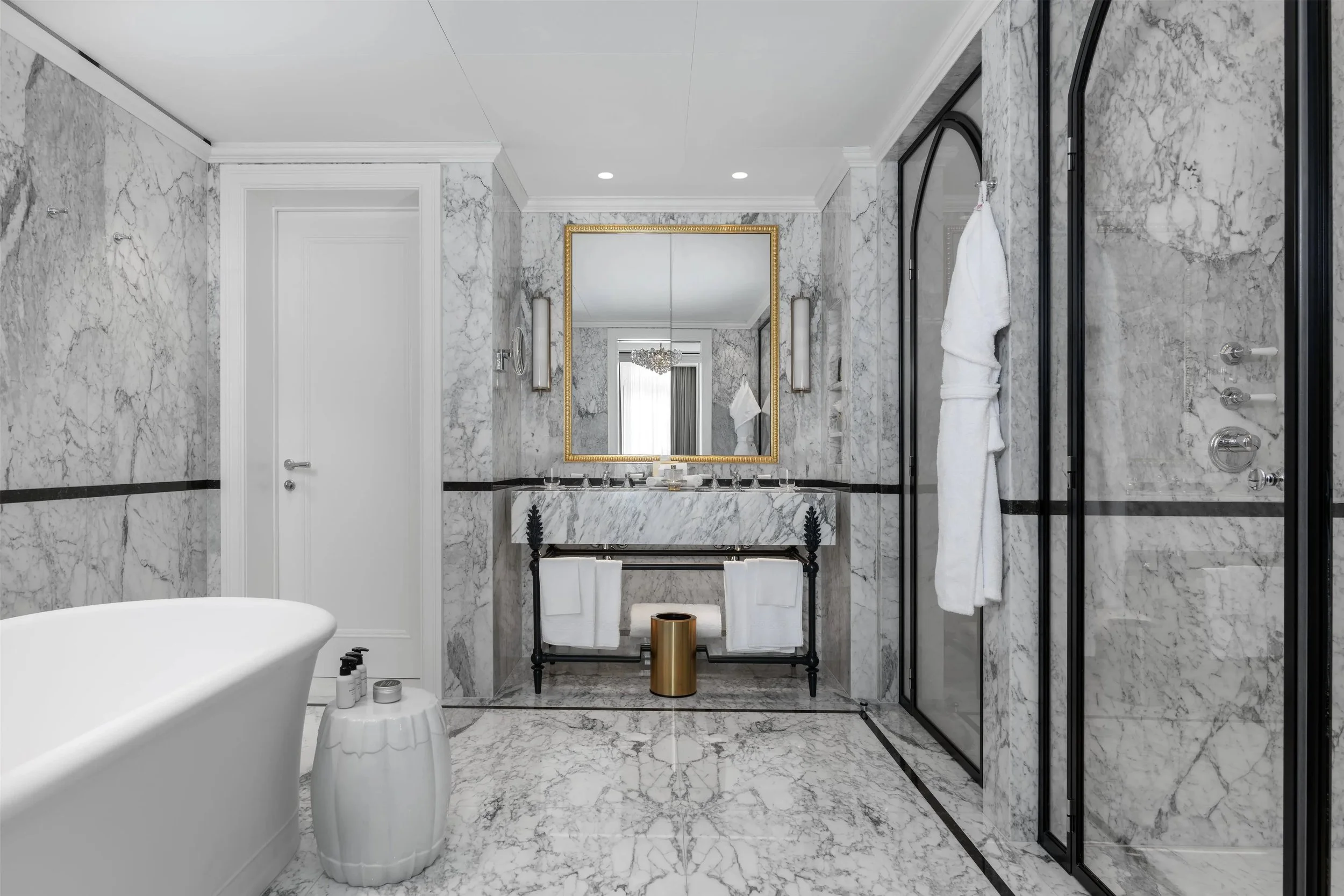
Helen Badrutt Suite: Approximately 1,582 sq. ft., with one bedroom, a drawing room, a kitchenette, a lake-facing balcony, and an Italian-marble bathroom with a whirlpool bath and steam bath, with connecting options for a larger arrangement.
Hans Badrutt Suite: Approximately 1,873 sq. ft., with one bedroom, a marble entrance hall, a living room with a grand piano, a pine-paneled library, and butler service, with additional connecting accommodation available for larger parties.
Tower Penthouse Apartment: Approximately 3,692 sq. ft., occupying three levels of the hotel’s tower with four en-suite bedrooms, a fully equipped kitchen, living and dining spaces, balconies, and Engadin pinewood detailing throughout the private residence.
Serlas Room: Approximately 474 sq. ft., with a king bed, oak and stone finishes, wool-covered wall panels, a walk-in closet, and a bathroom equipped with double basins, a soaking bathtub, and a separate shower.
Serlas Grand Room: Approximately 495 sq. ft., with a king bed, large windows, Loro Piana upholstery and textiles, a walk-in closet, and a bathroom with a double vanity, soaking bathtub, and separate shower.
Serlas Suite: Approximately 1,001 sq. ft., with one bedroom and a separate living room, combining contemporary furnishings, generous natural light, and a warm palette of timber, stone, and textiles within the newer wing.
Serlas Prestige Suite: Approximately 1,055 sq. ft., with one bedroom, an expansive living room illuminated by two large windows, and B&B Italia furnishings upholstered in Loro Piana fabrics, emphasizing space and carefully selected materials.
Serlas Two-Bedroom Suite: Approximately 1,711 sq. ft., with two en-suite bedrooms, two walk-in closets, a large living room, a kitchenette, and a dining area, creating a practical residential arrangement for families or longer stays.
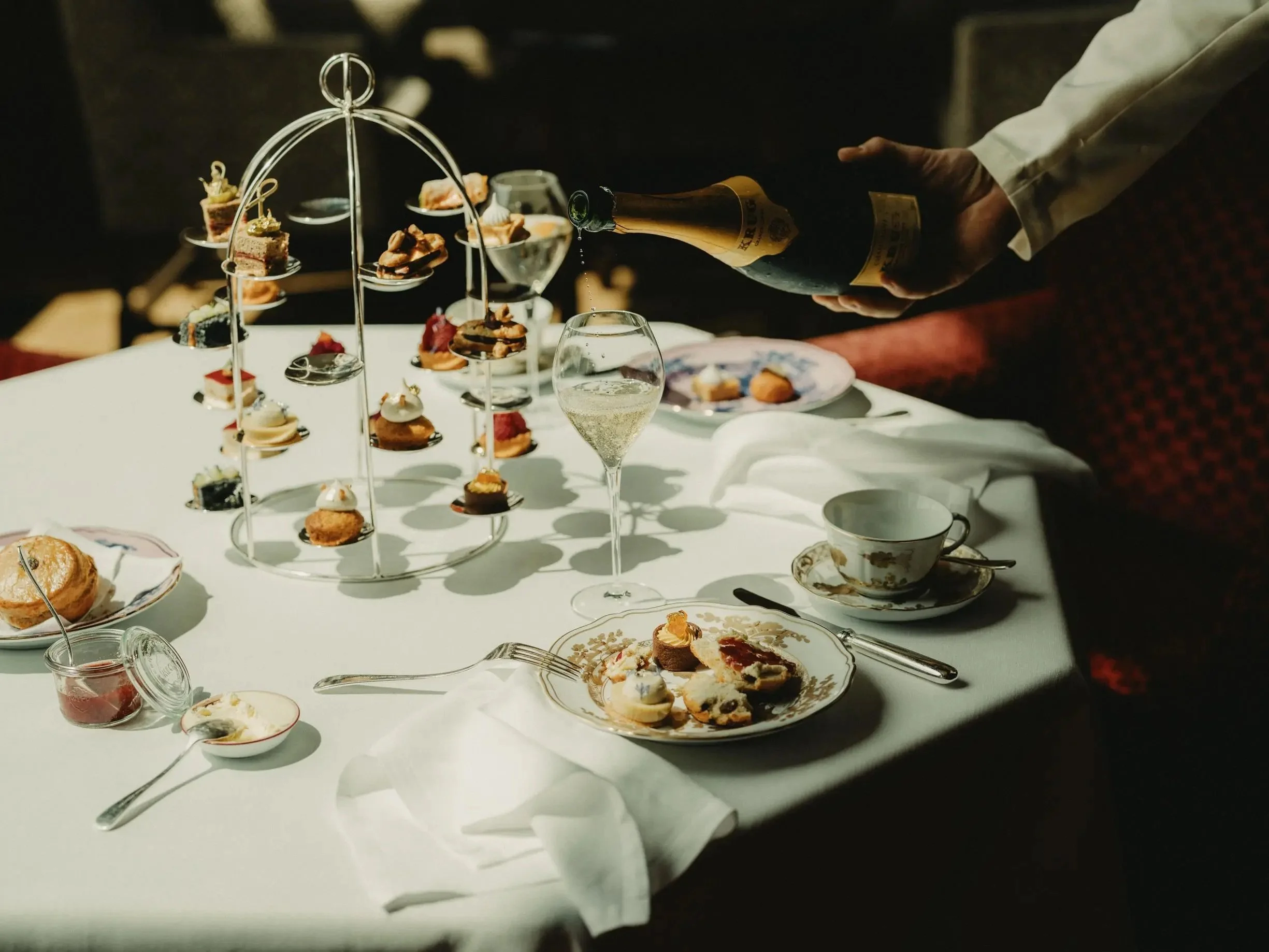
From Afternoon Tea to Dinner and Dancing
Dining is a substantial part of the Palace experience, encompassing the main hotel, nearby Chesa Veglia, and Paradiso on the mountain. Restaurant schedules vary between the summer and winter seasons, and temporary culinary collaborations can supplement the established venues.
Le Grand Hall: The hotel’s principal gathering place serves afternoon tea, light dishes, international favorites, and cocktails, with piano music and broad views across the lake contributing as much to the experience as the menu.
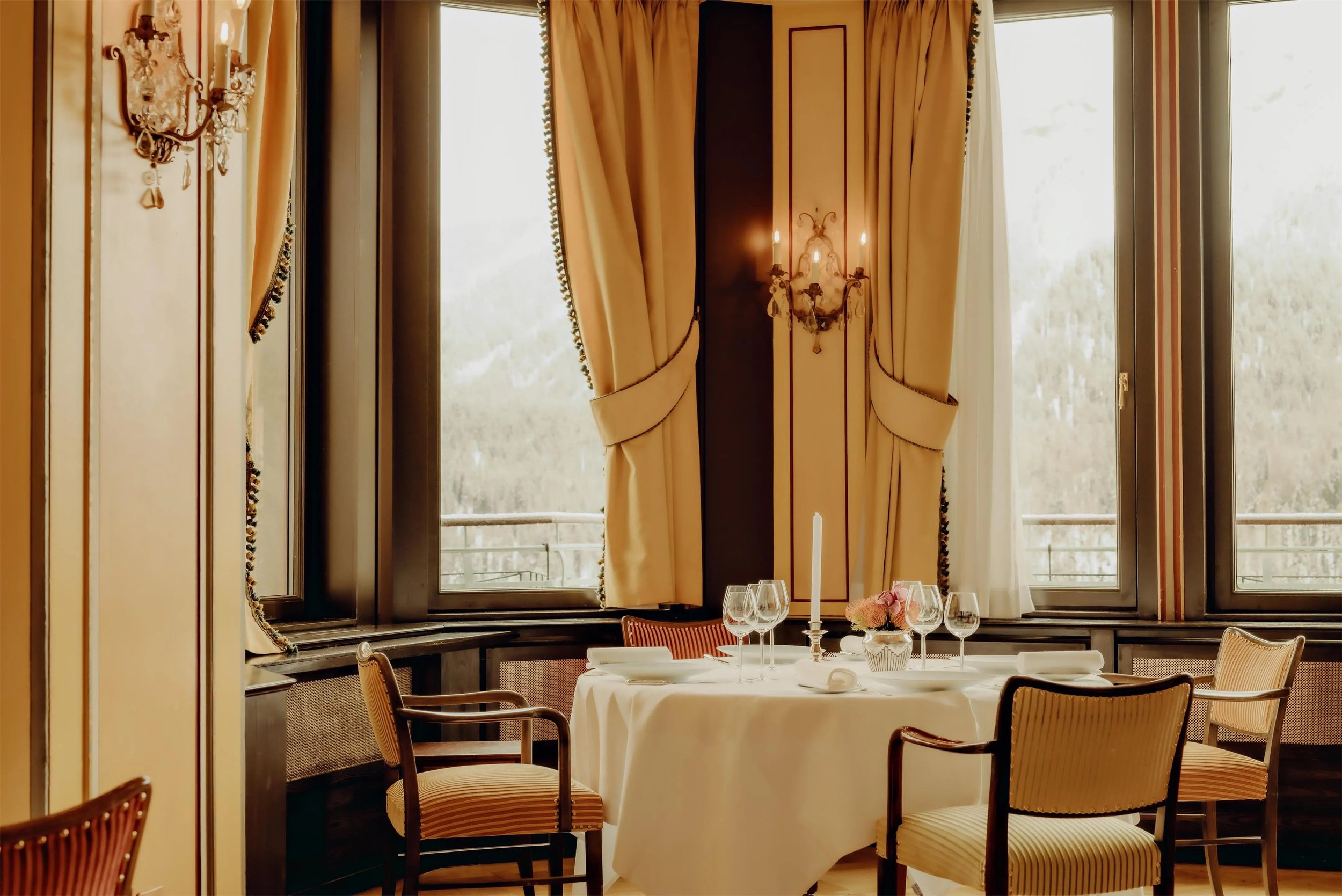
Le Restaurant: A grand setting for breakfast, with tall windows overlooking the lake and mountains, formal table settings, and a substantial buffet that makes the morning meal an occasion in its own right.
Le Relais: Belle Époque interiors, lake views, and tableside preparation define this dinner venue, where traditional service and the adjoining veranda lend themselves to a leisurely evening.
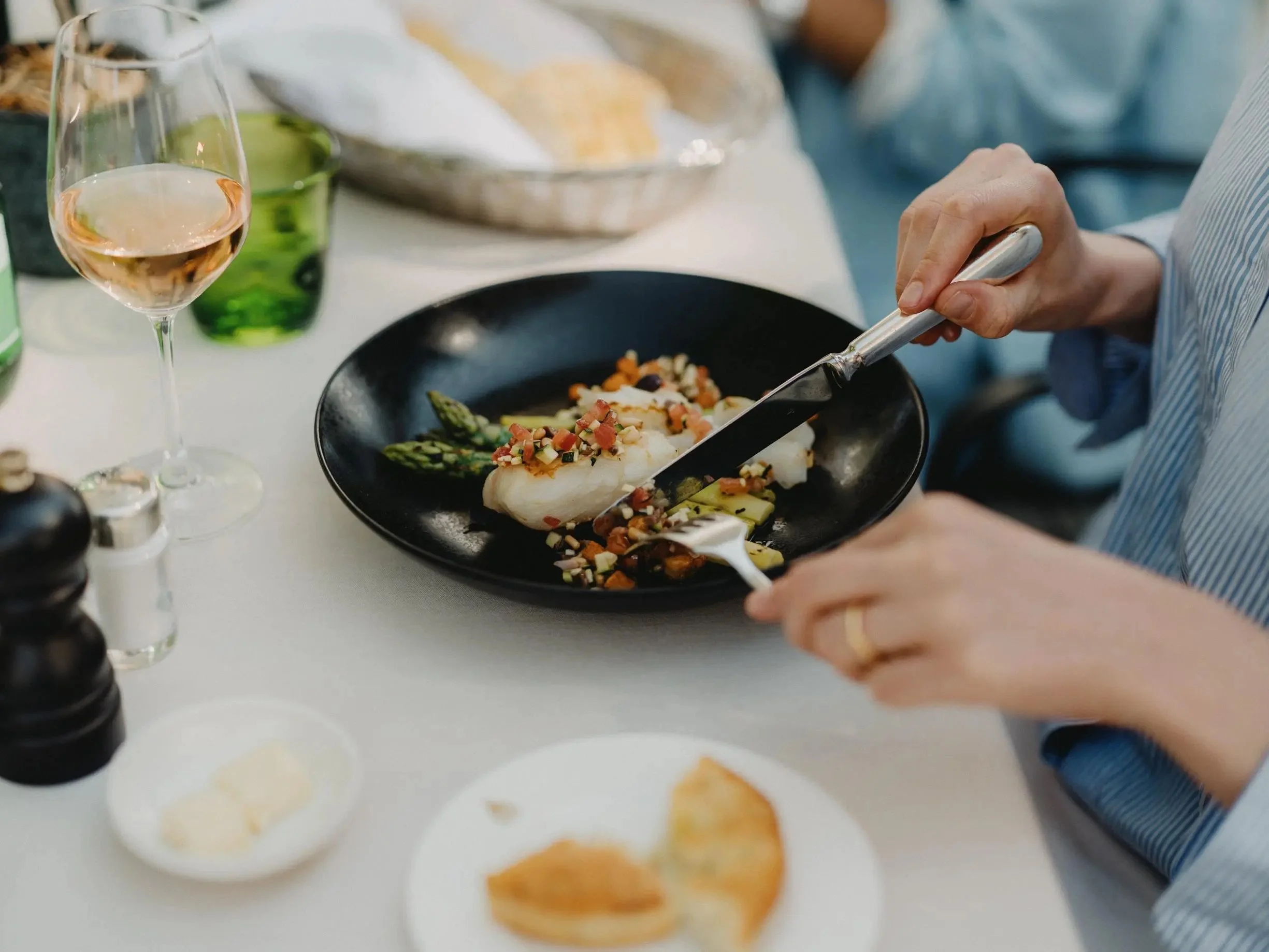
La Coupole – Matsuhisa: Located in the hotel’s former indoor tennis hall, this restaurant serves Nobuyuki Matsuhisa’s Japanese-Peruvian cuisine beneath a glass dome, with sushi, cocktails, and private dining among its offerings.
La Diala: Within Palace Wellness, this relaxed restaurant focuses on lighter dishes and fresh ingredients, making it a convenient choice between treatments or for an informal family meal.
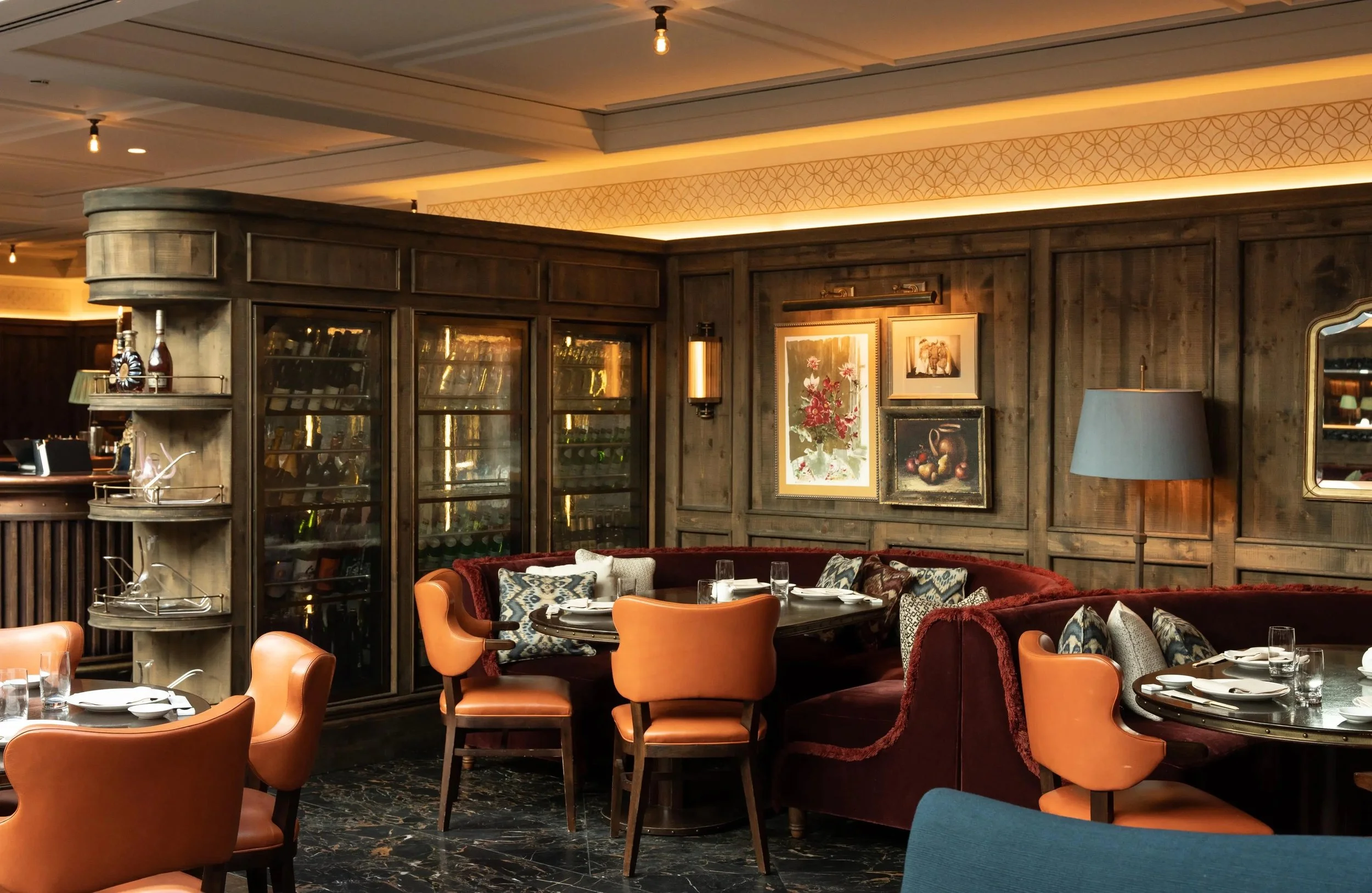
King’s Social House: Jason Atherton’s interpretation of bistro cooking anchors an evening that moves from dinner and cocktails into dancing, with DJs giving the venue its late-night character.
Pizzeria Heuboden: Set in the former hayloft of Chesa Veglia, this informal restaurant serves brick-oven pizzas and Italian specialties in a rustic space that works particularly well for an easygoing dinner.
Patrizier Stuben: Traditional Swiss cooking is served in intimate, wood-paneled rooms within Chesa Veglia, connecting the meal with the building’s Engadin farmhouse origins.
Grill Chadafö: Also within Chesa Veglia, this restaurant concentrates on grilled specialties, pairing a more formal dinner with the warmth and character of the historic building.
Carigiet Fondue Stübli: An intimate private dining setting in Chesa Veglia dedicated to Swiss fondue, suited to a small gathering centered on a traditional Alpine meal.
Paradiso Mountain Club & Restaurant: Located on Corviglia rather than at the hotel, Paradiso combines Alpine dishes, international favorites, a mountain-view terrace, and a lively social atmosphere, with access and programming dependent on the season.
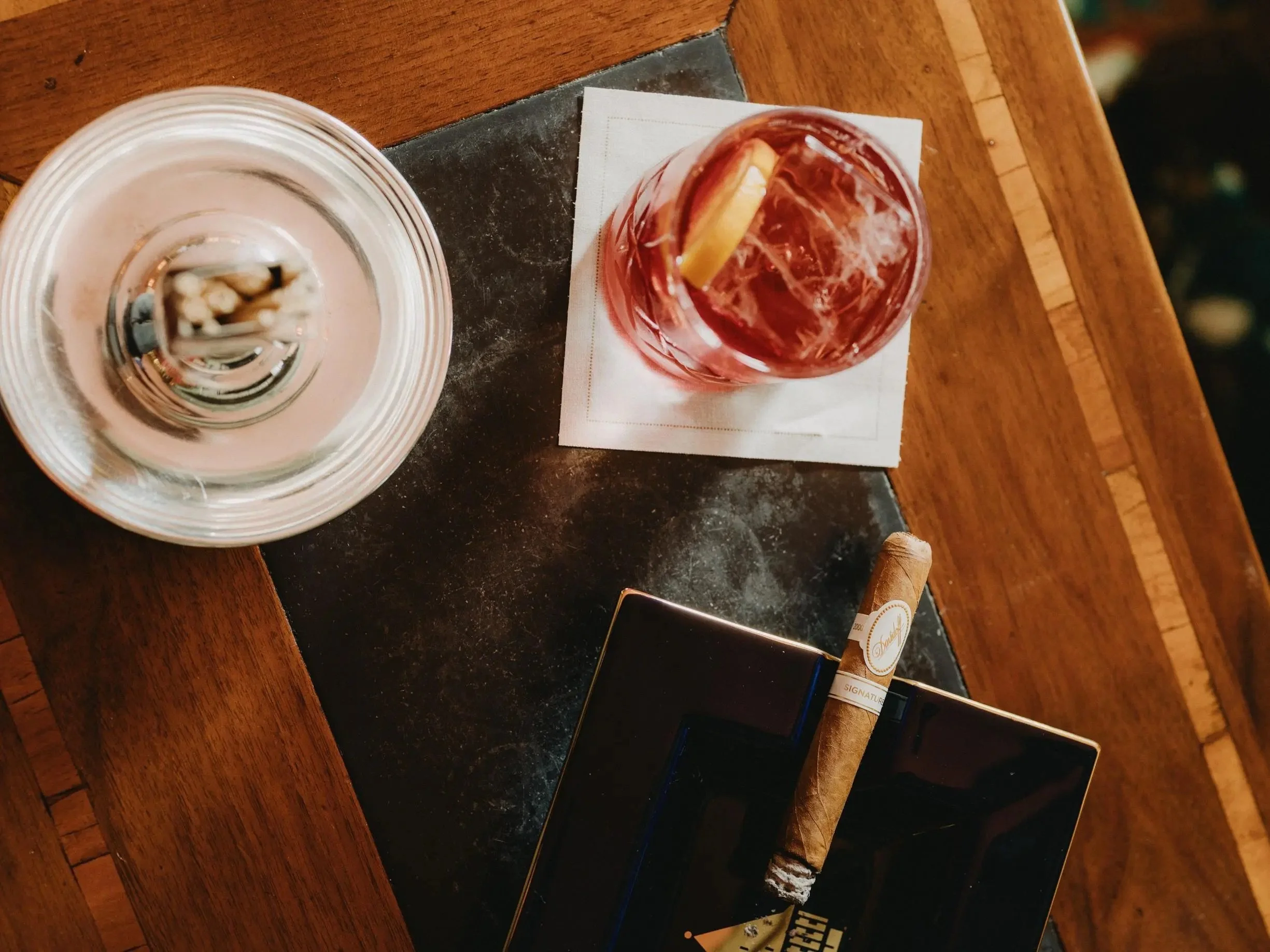
For a drink before or after dinner, the Renaissance Bar offers another setting within the hotel, with cocktails, whiskies, and cigars. We would vary the dining plan across a stay, leaving room for both the ceremony of Le Relais and the simpler pleasure of pizza at Chesa Veglia.
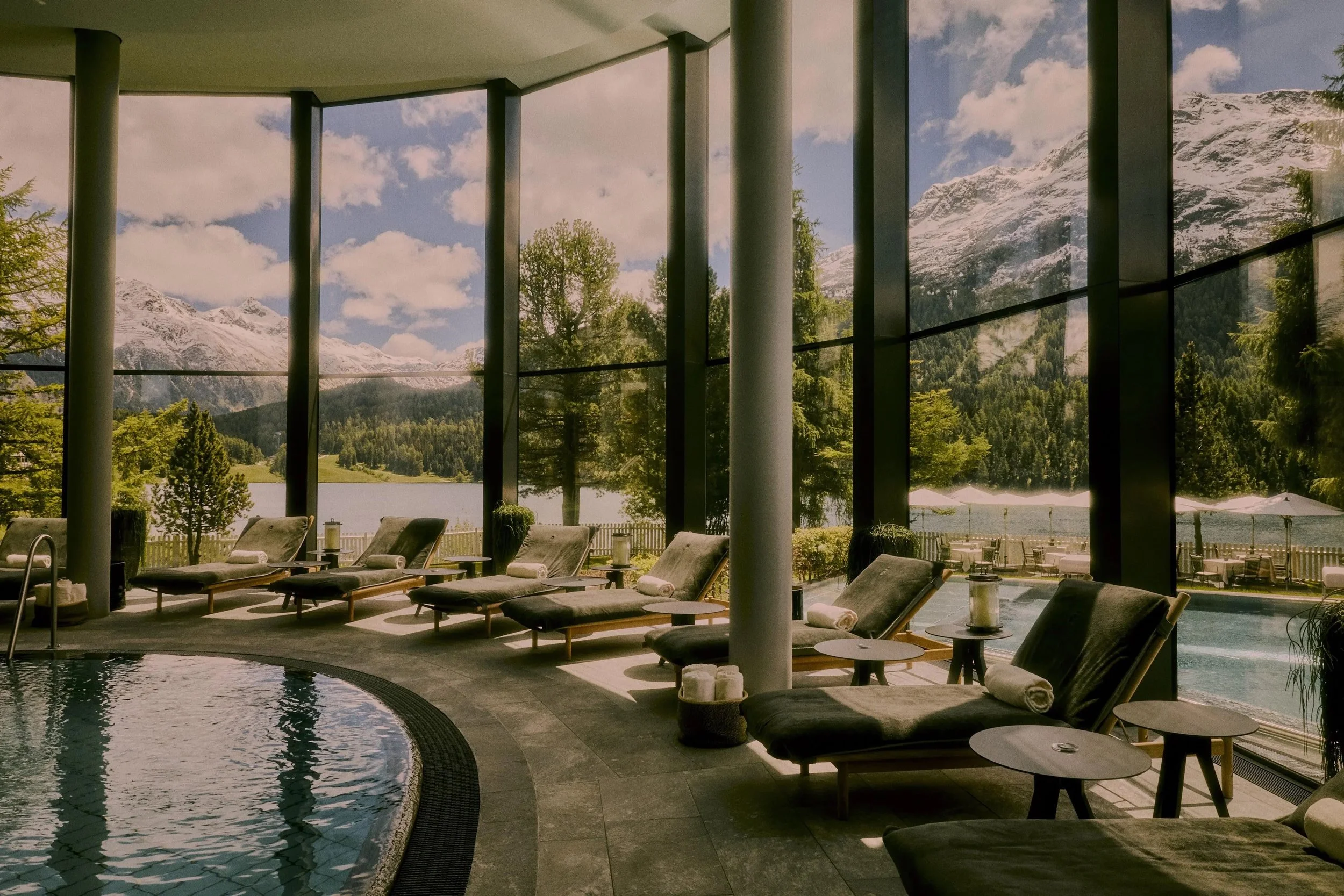
Warm Water, Mountain Air
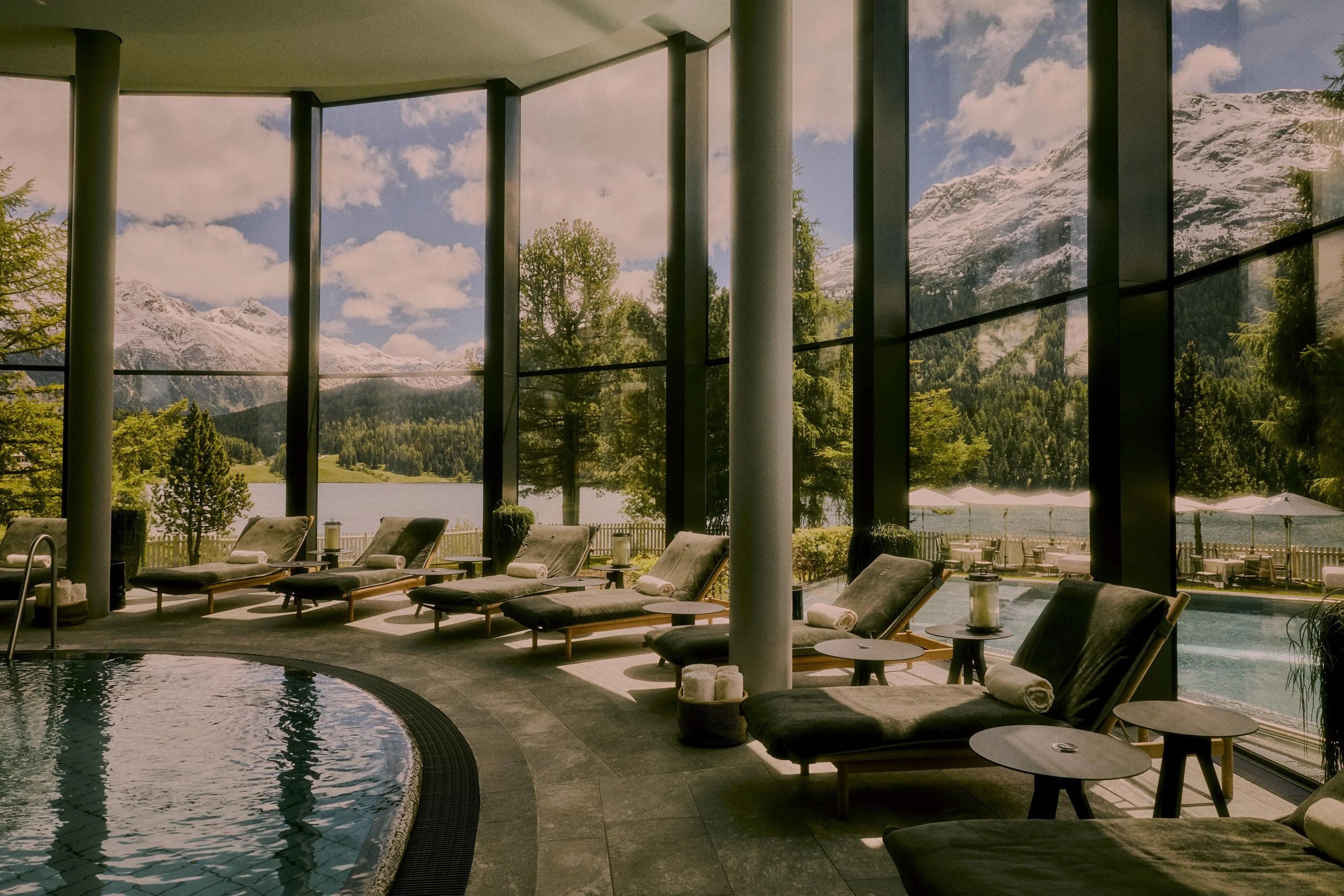
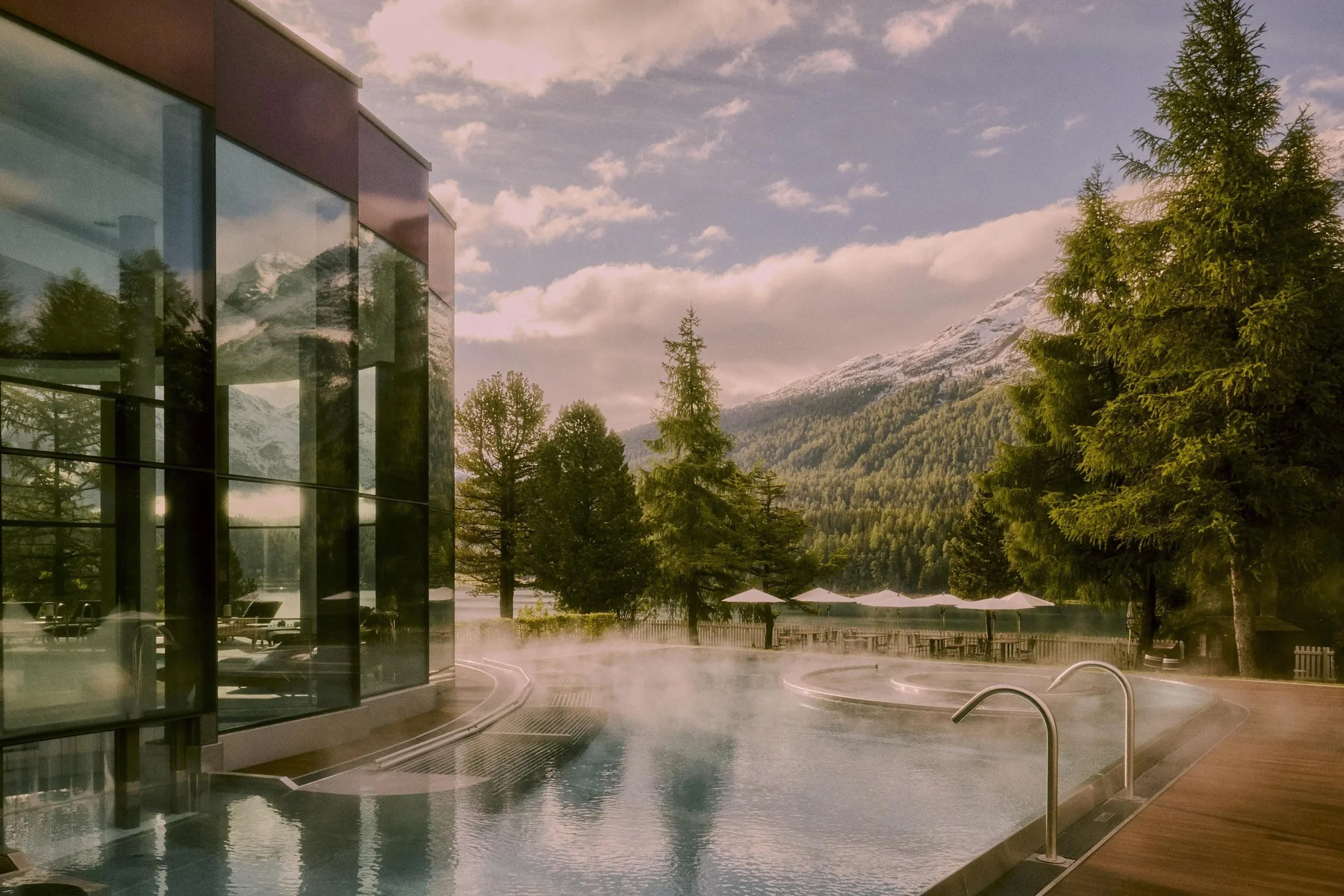
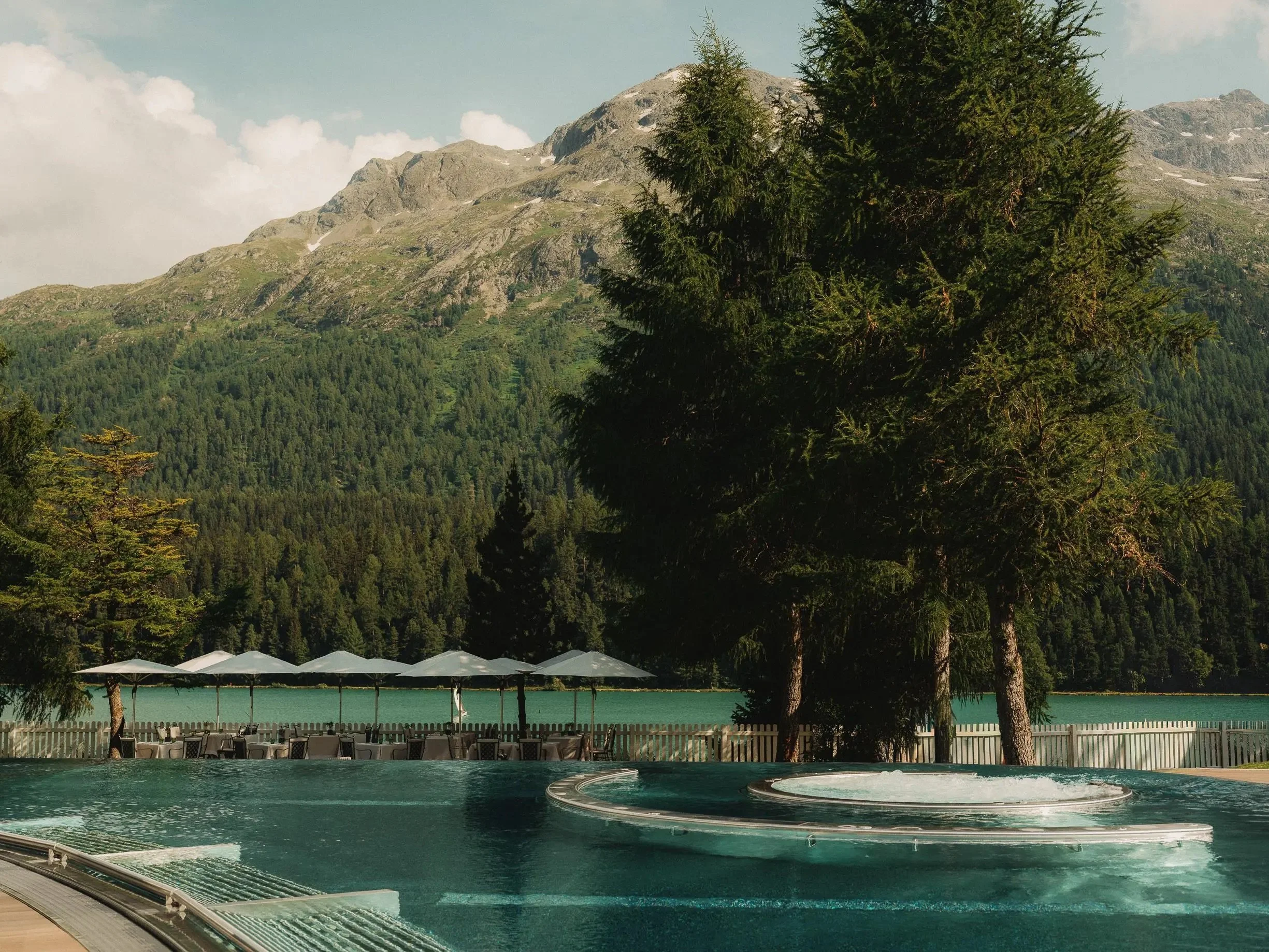
Palace Wellness provides a quieter counterpart to the hotel’s social spaces. The approximately 82-foot indoor pool, with its distinctive granite rock feature, offers room for a proper swim, while the heated outdoor infinity pool brings the mountains into closer view. In winter, the contrast between warm water and cold Alpine air is particularly appealing.
The wider facilities include saunas, steam rooms, a fitness center, and private spa suites. Treatments range from massage and Ayurvedic therapies to facials and beauty services, with personal training and yoga adding options for travelers who want to maintain an exercise routine.
We would leave enough time around a treatment to use the pools or simply settle into the spa’s slower pace. Following a morning on the mountain, an afternoon here can provide a welcome pause before dinner. La Diala makes it easy to keep that part of the day unhurried.
A Different Mountain Holiday in Every Season
Winter brings skiing to the forefront, with Corviglia an obvious starting point for time on the slopes. The hotel offers ski services and assistance with lessons, along with a complimentary shuttle to the cable car. Its central village location is worth understanding: this is a town-based ski stay, with transport forming part of the morning routine.
There is plenty to enjoy away from downhill skiing. The hotel’s winter ice rink, carriage outings, and the wider region’s winter activities allow days to take different forms. A mountain lunch at Paradiso can be a focal point of the itinerary rather than simply a break between runs.
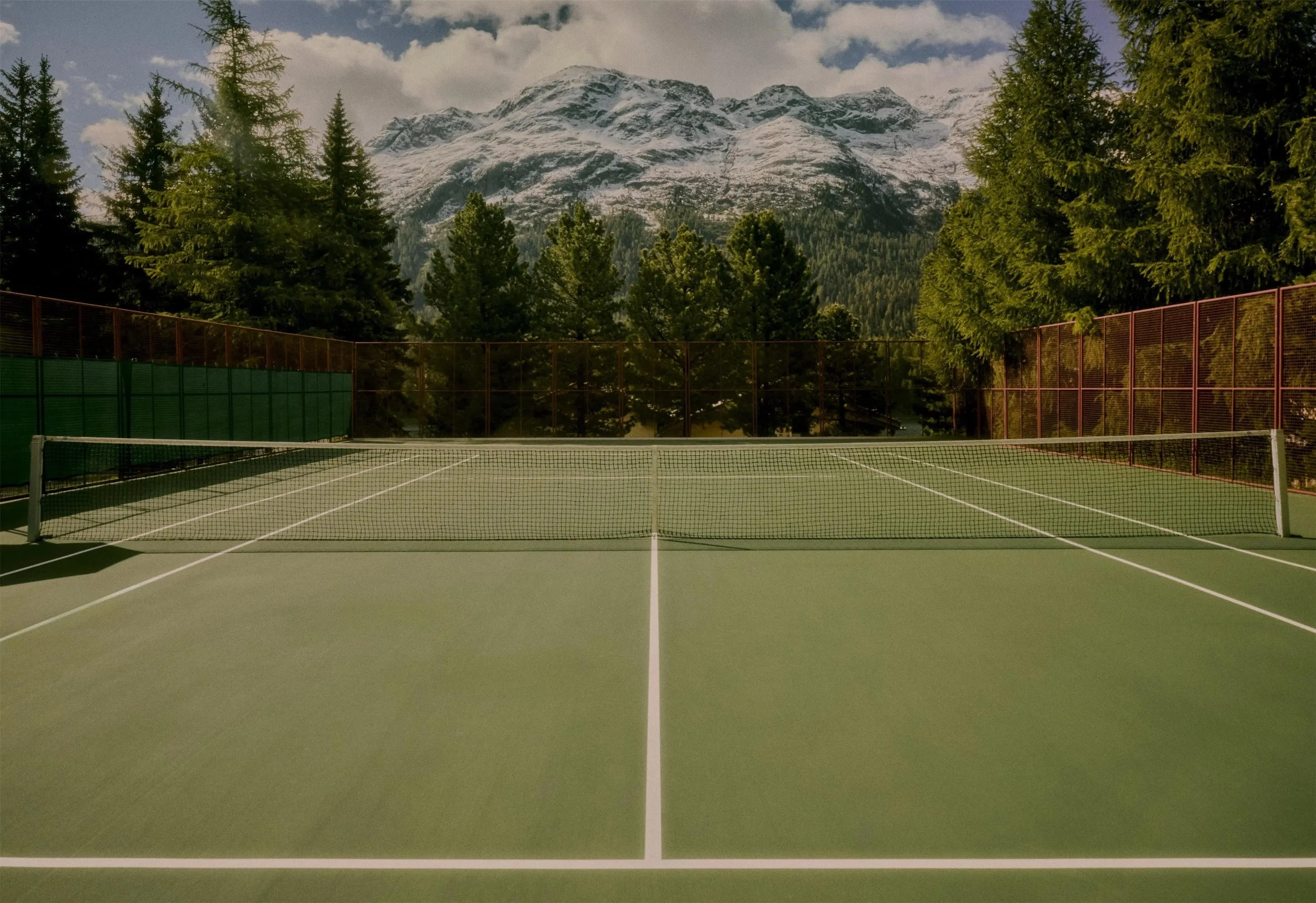
Summer shifts attention to walking, hiking, cycling, and the lakes. Tennis and padel add sporting options at the hotel, while carriage rides provide a more leisurely introduction to the Engadin landscape. The concierge can help match outings to fitness levels and interests, from a relatively gentle day outdoors to a more demanding mountain excursion.
The Palace operates separate summer and winter seasons, with closures between them. We recommend choosing dates around the activities that matter most and checking the operating periods of individual venues when planning the stay.
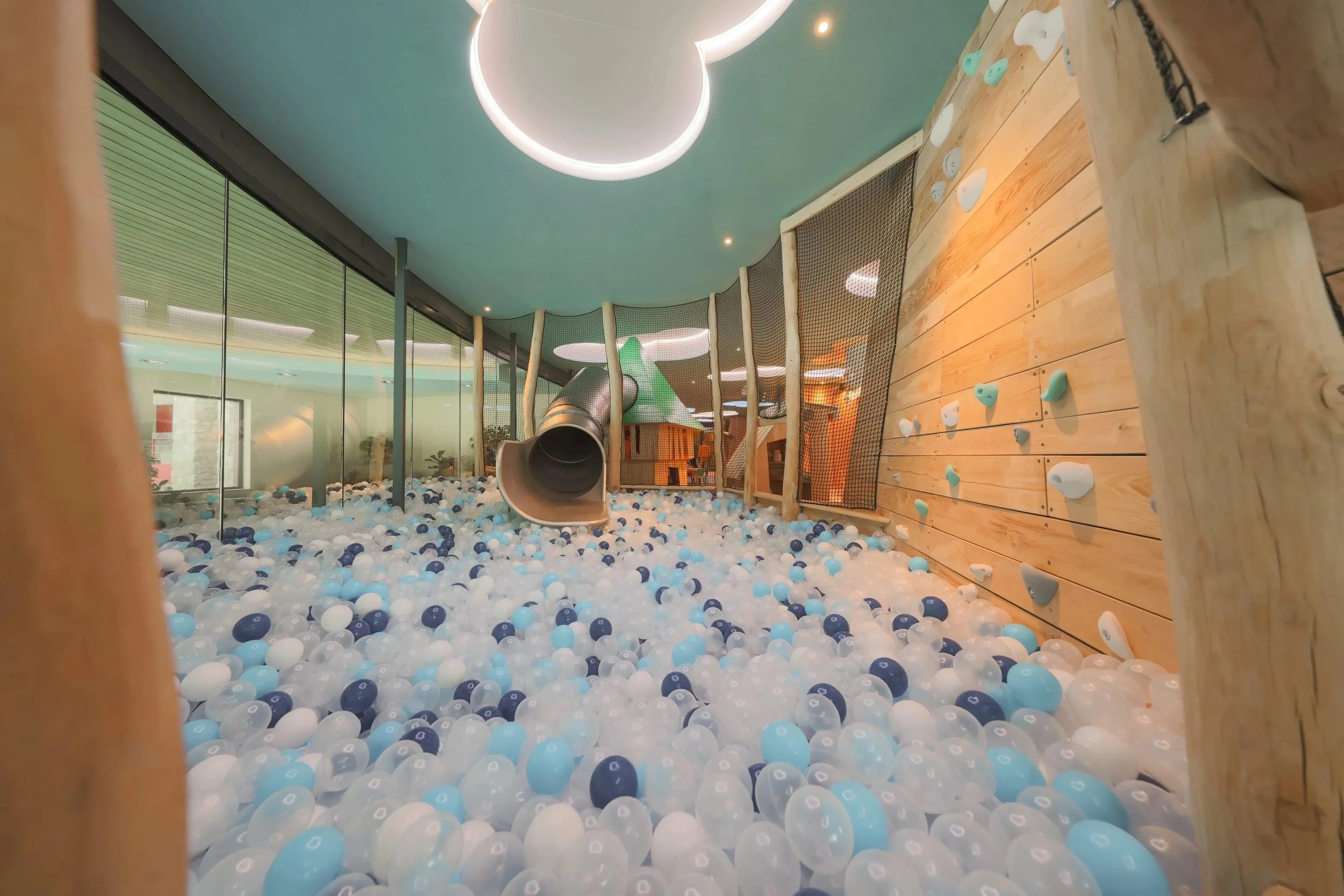
A Palace for Younger Travelers, Too
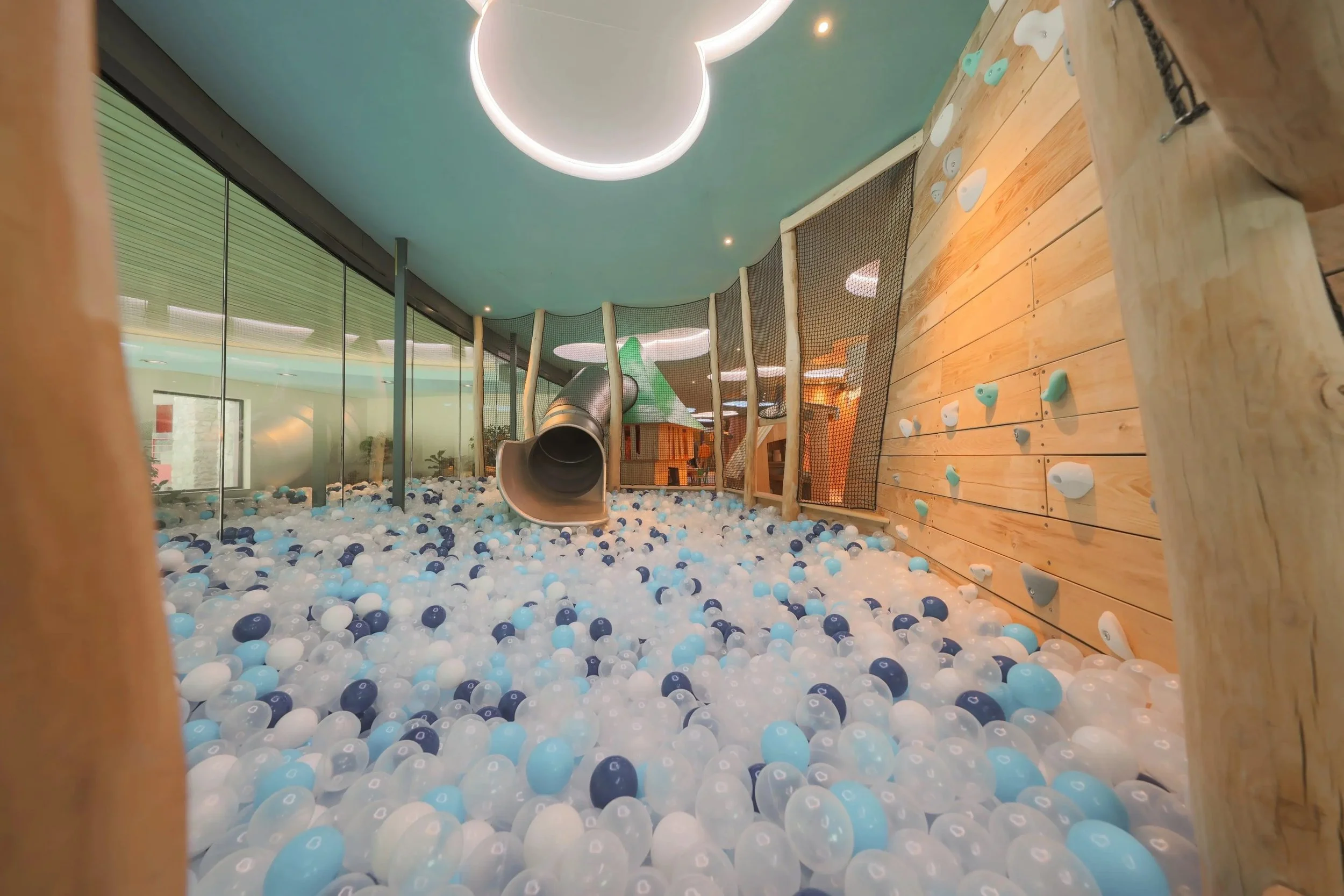
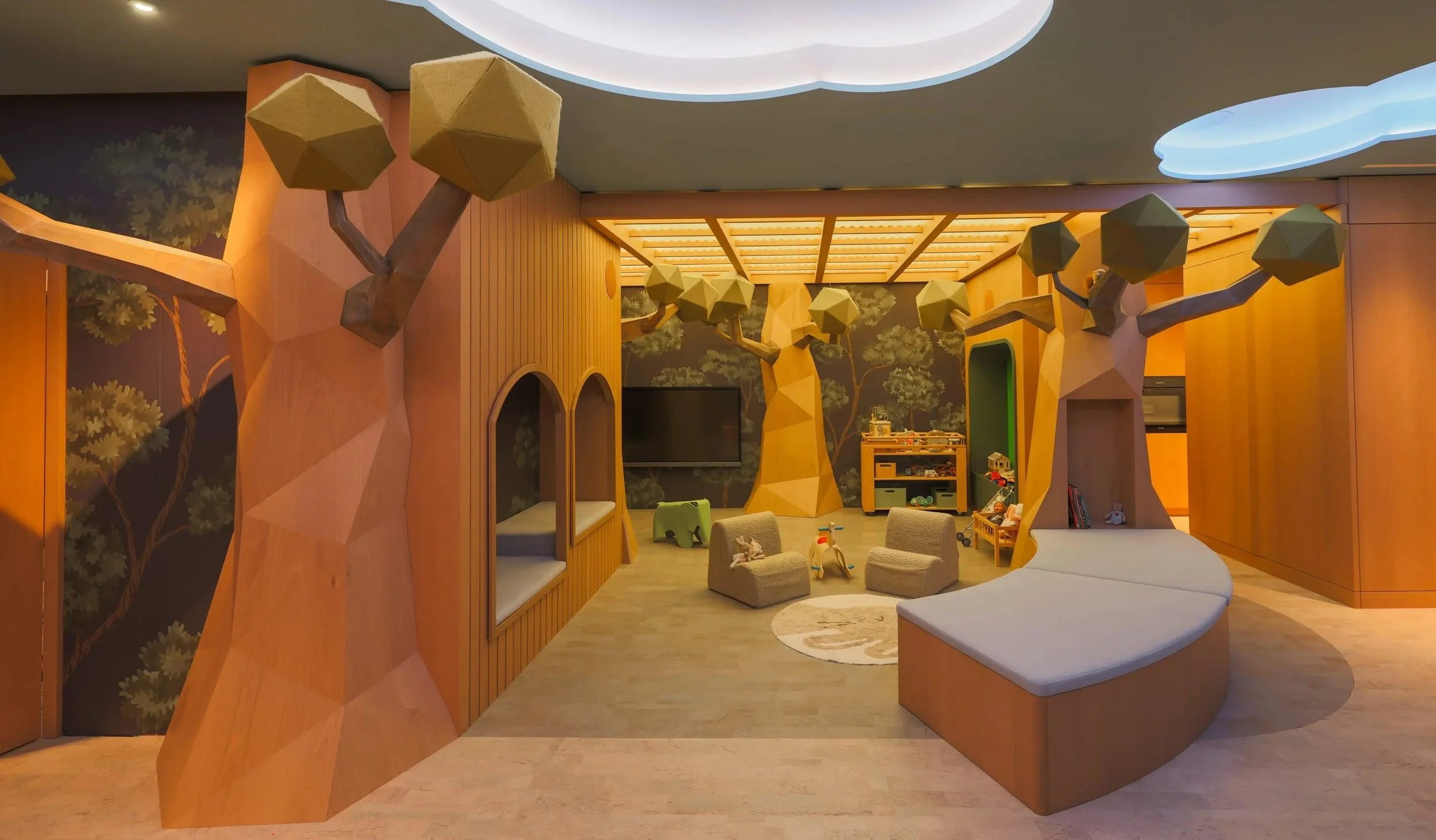
Palazzino Kids Club welcomes children aged three to twelve with supervised play and educational activities. It is complimentary for hotel guests, with advance reservations required. Children under three may attend when accompanied by a supervising adult, with one adult required per child.
This gives families flexibility to combine shared mountain experiences with time apart. Parents might arrange a spa appointment while younger children spend time at the club, then regroup for a swim or an early dinner.
Accommodation planning remains important. Connecting rooms and the two-bedroom suites provide useful alternatives to placing everyone in a single room, while the larger signature suites can be expanded through adjoining accommodation. We would confirm the exact configuration, including bedroom separation and access between rooms, before choosing a category for a family.
Drawing Energy from the Lake
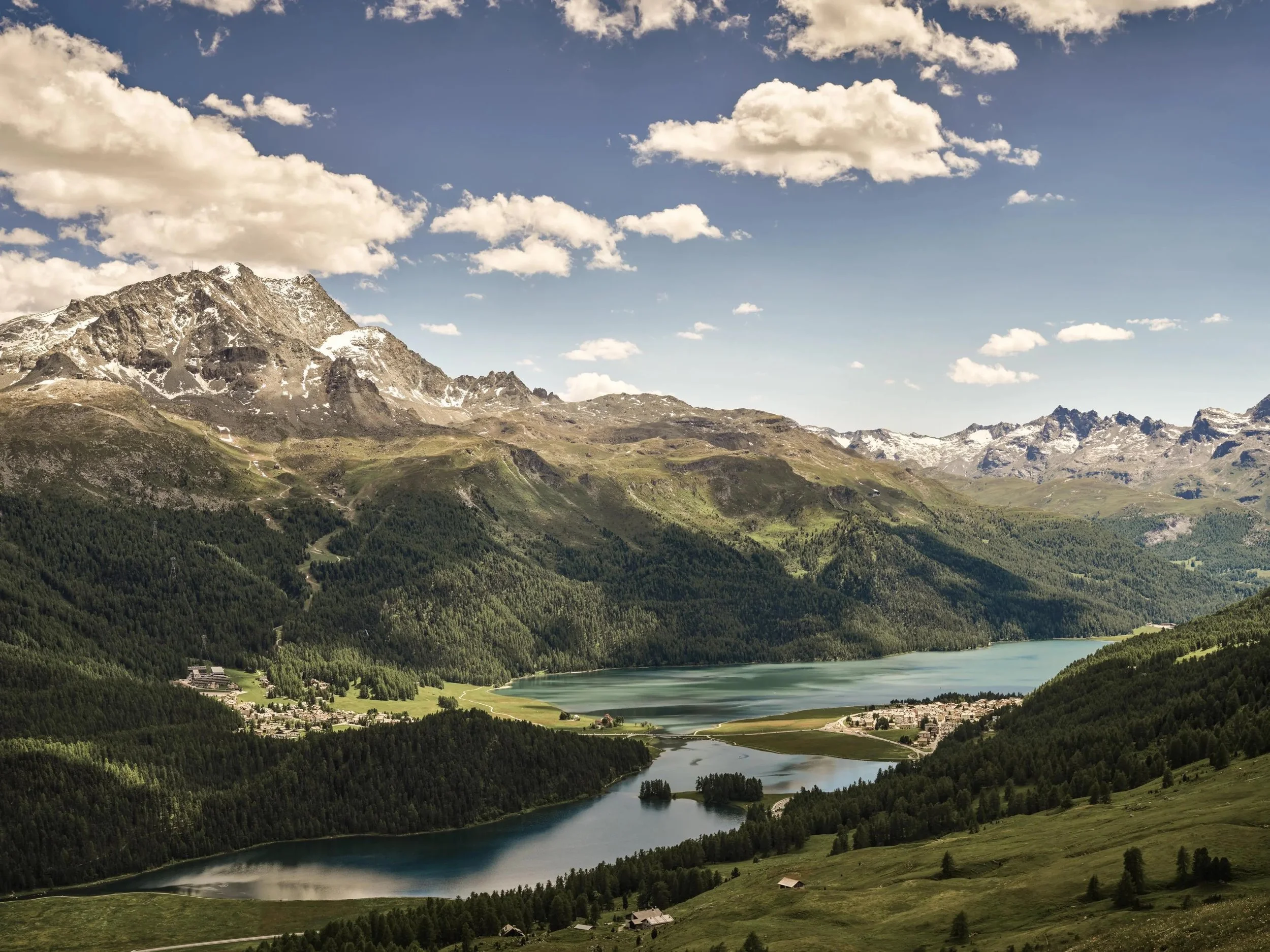
The lake is part of the hotel’s infrastructure as well as its outlook. Badrutt’s Palace uses a heat-pump system drawing on water from Lake St. Moritz to support heating and cooling, an established initiative within its environmental program.
Its published sustainability policy also addresses efficient lighting and controls, water-saving fixtures, waste reduction, recycling, and alternatives to single-use plastics. Responsible procurement and staff training form part of the operational approach.
The social side includes apprenticeships, employee development, and support for regional projects through the Badrutt’s Palace Foundation. The hotel also works with EarthCheck on sustainability management and benchmarking. These measures are particularly relevant to a historic property whose continued operation involves substantial energy use and ongoing maintenance.
Planning for a Comfortable Stay
Adapted accommodation is available, but accessibility should be reviewed against the individual traveler’s requirements. Published information describes rooms with features such as roll-in showers, grab bars, and additional wheelchair turning space; the precise room and current configuration should be confirmed directly.
The historic hotel, newer wing, and separate dining venues have different layouts. We would establish suitable routes between the chosen room, restaurants, spa, and transport pickup points, and confirm pool access arrangements where needed. Chesa Veglia and mountain outings require particular consideration rather than assuming that access is consistent throughout the stay.
Beyond the Palace Doors
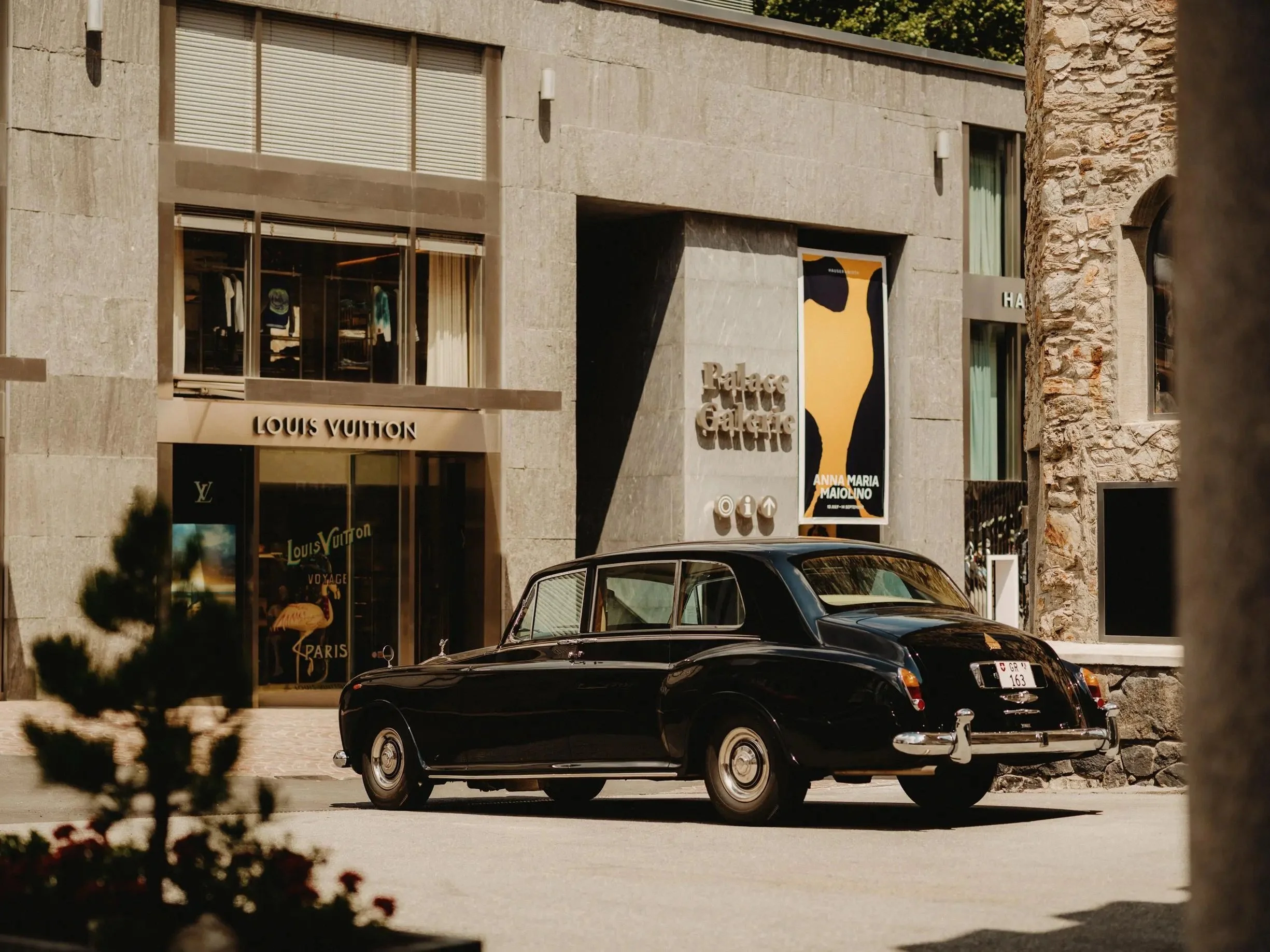
St. Moritz is compact enough for shopping, galleries, and cafés to become part of an ordinary afternoon. Via Serlas begins at the hotel’s doorstep, but the destination also rewards looking beyond its boutiques.
The Segantini Museum provides a particularly meaningful introduction to the region. Giovanni Segantini’s paintings explore Alpine light, landscape, and rural life, offering another way to understand the mountains encountered outdoors. Pairing a museum visit with time beside the lake gives a day off the slopes a different focus.
Winter events can substantially change the town’s atmosphere. White Turf’s horse racing on the frozen lake is one of its best-known traditions, though attendance should be planned around confirmed event dates and conditions. In summer, time exploring the wider Engadin can be balanced with afternoons back in St. Moritz.
For us, the most satisfying itinerary allows both sides of the destination to emerge: the energetic social life of the town and the quieter landscape surrounding it.
Getting There
From Zurich Airport (ZRH): A private road transfer takes approximately 2½–3½ hours, depending on traffic, routing, and weather, with additional time advisable during winter conditions.
From Milan Malpensa Airport (MXP): Allow approximately 3–4 hours by private car, depending on the chosen route, traffic, and mountain-road conditions.
By Private Aviation: Engadin Airport in Samedan (SMV) is approximately 10–15 minutes from the hotel by car, with flight operations subject to Alpine weather and airport requirements.
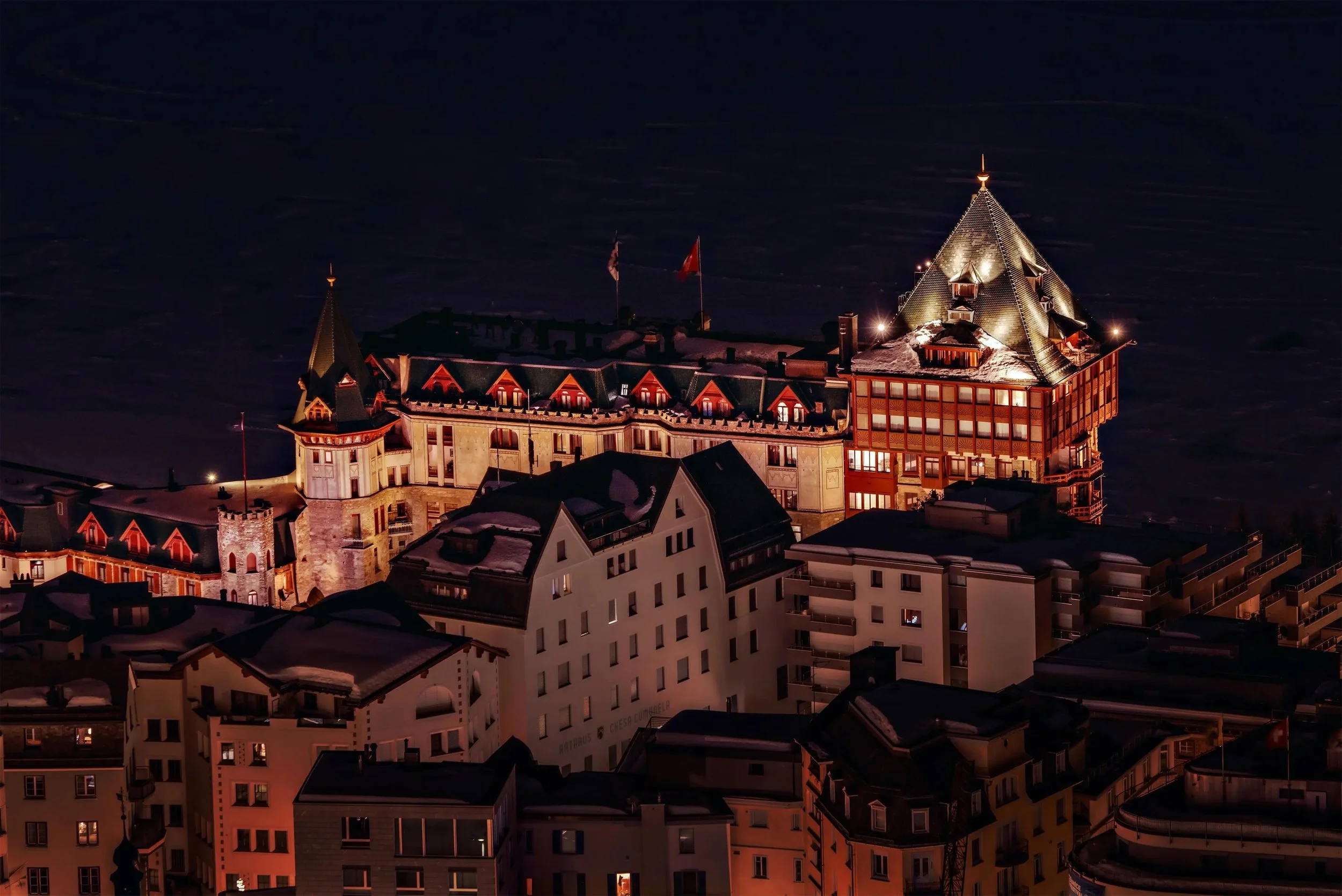
When the Mountains Fade into Evening
As daylight leaves the lake, the Palace turns inward. Afternoon conversations give way to dinner plans, the windows begin to reflect the rooms behind them, and the mountains recede into silhouette. Some travelers head toward music and a late evening; others return upstairs after a day in the open air.
This daily transition is part of what gives Badrutt’s Palace its character. The mountain landscape sets the pace outside, while generations of hotel life continue within: breakfast tables laid, friends reunited, and another evening unfolding beneath the carved ceilings of Le Grand Hall.