The Red Sea, Saudi Arabia | Nujuma, a Ritz-Carlton Reserve
Where the Red Sea Opens to the Stars
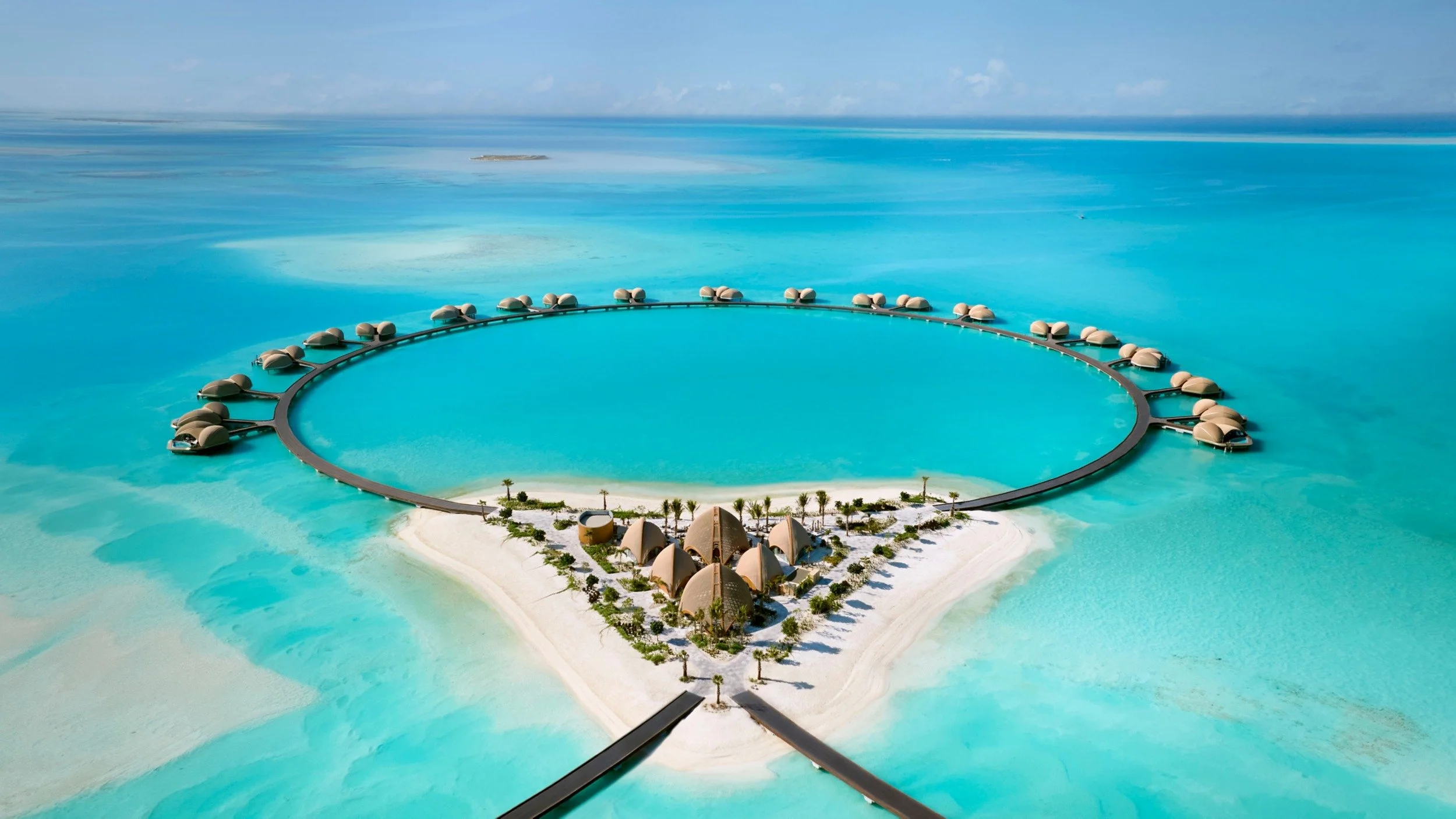
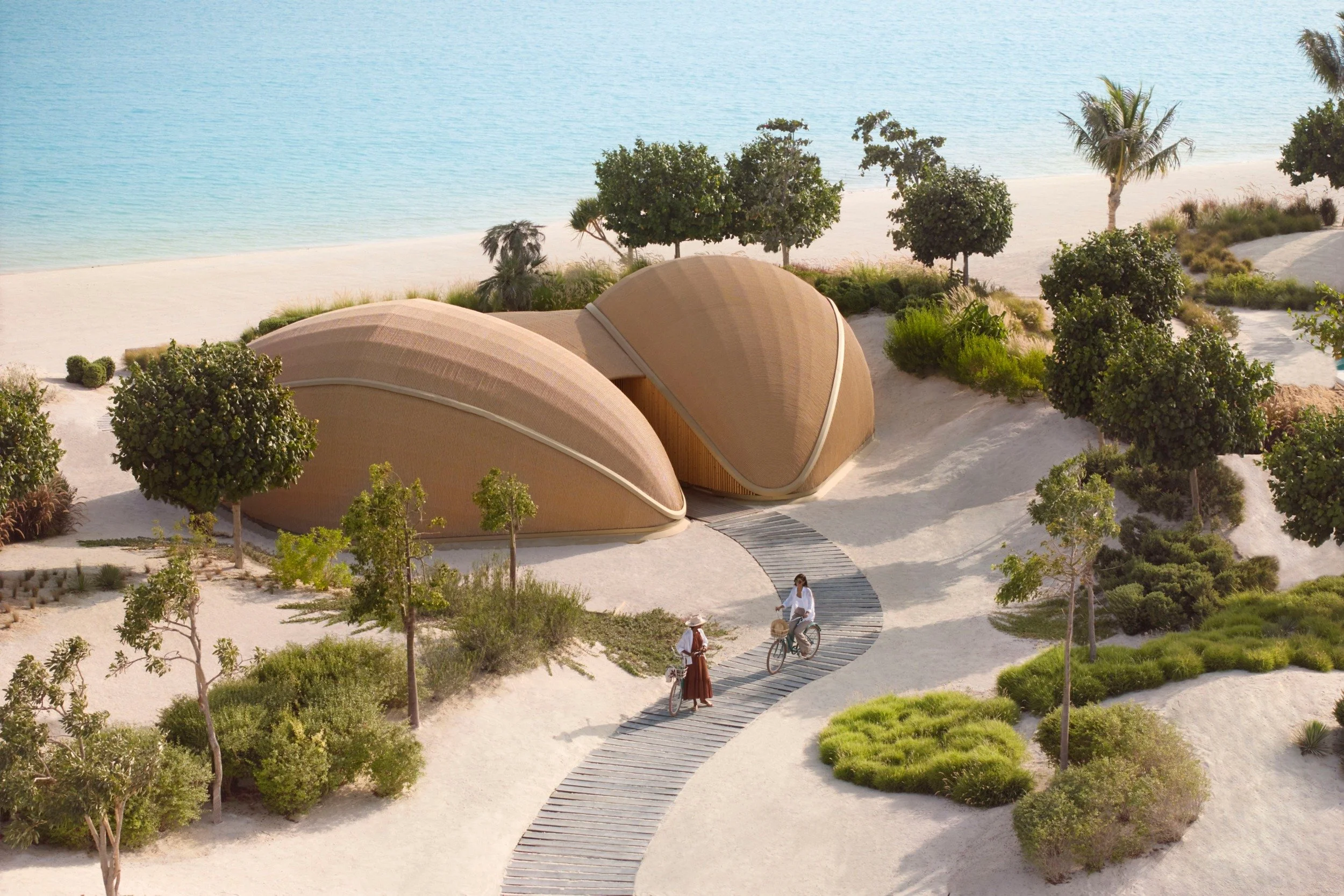
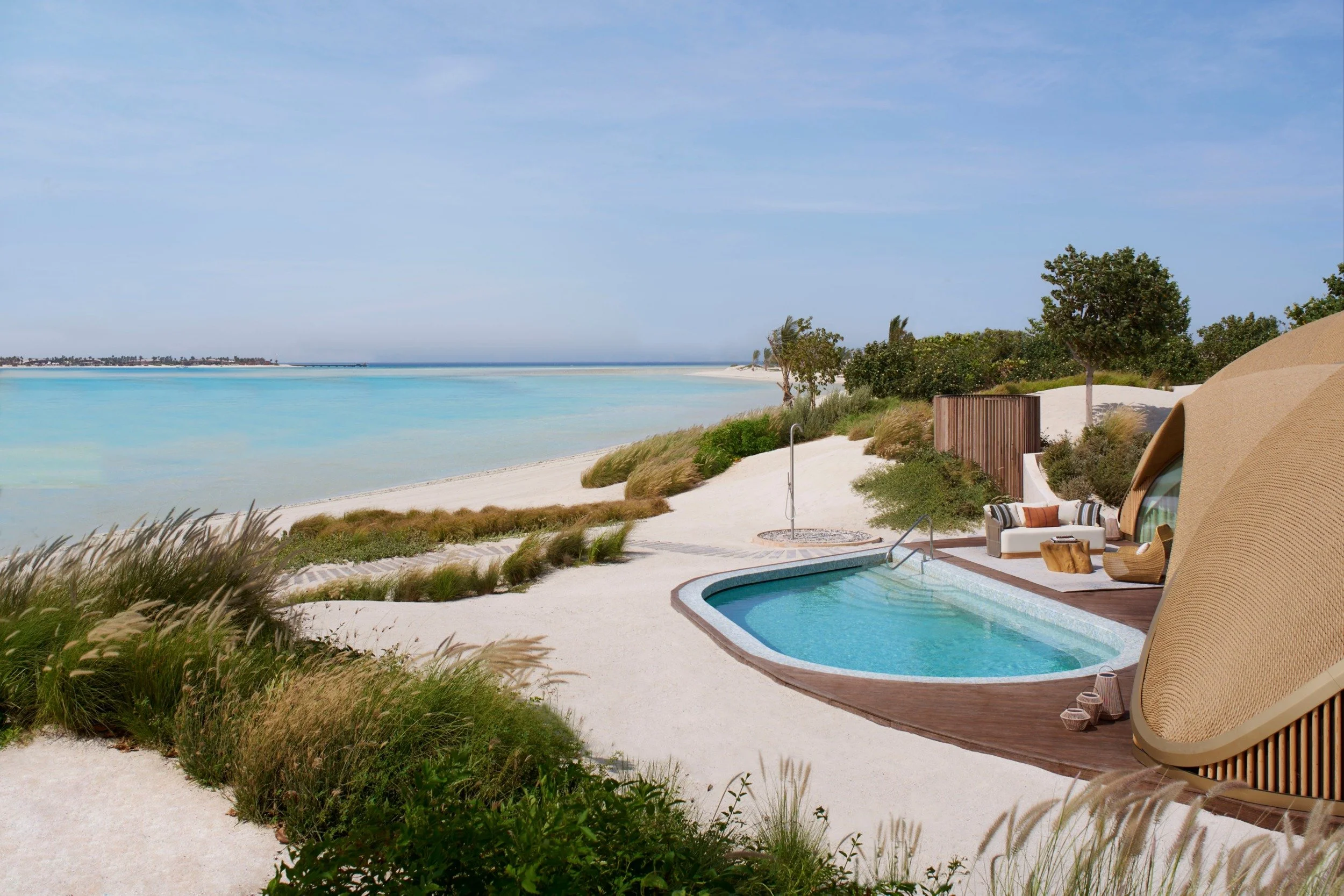
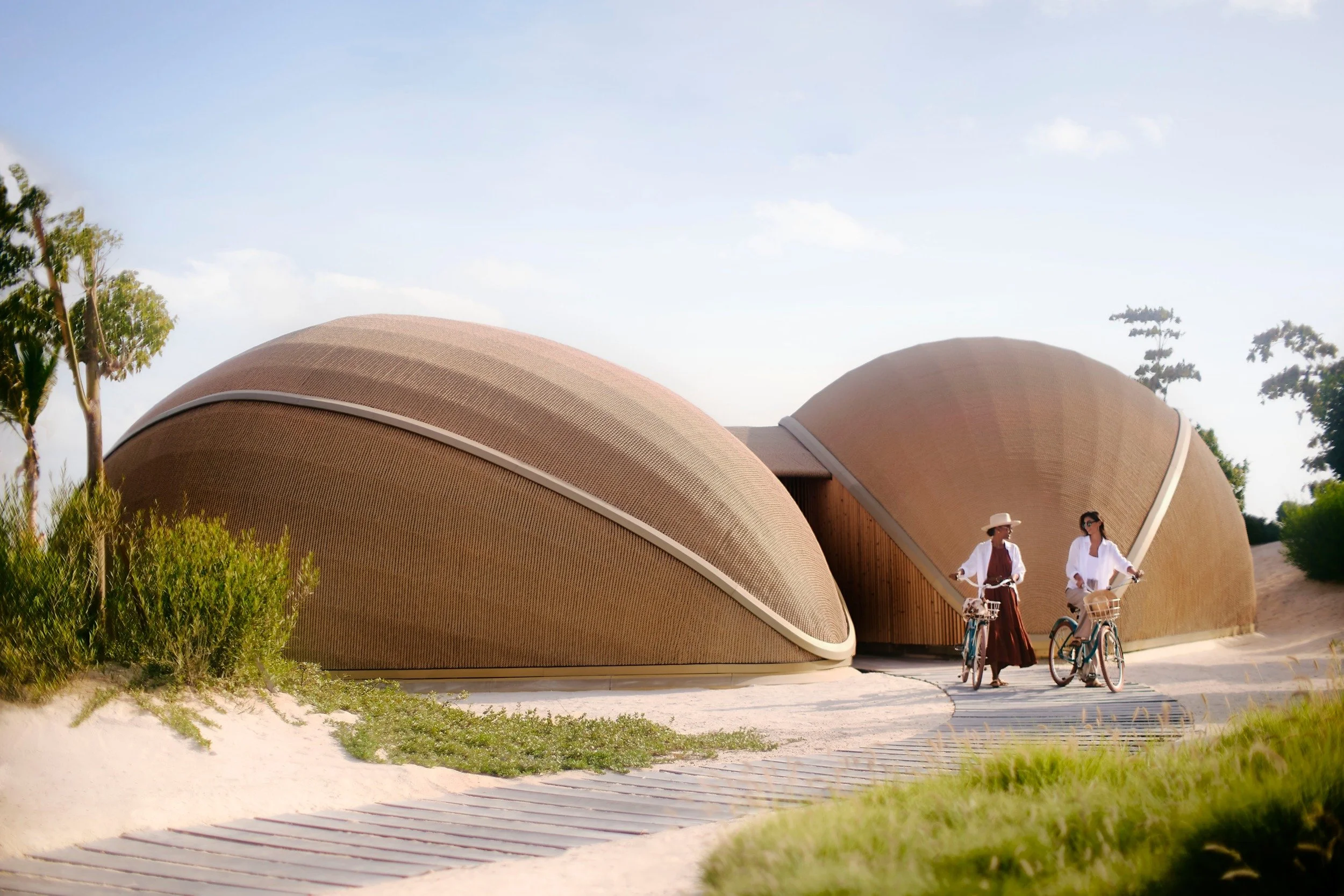
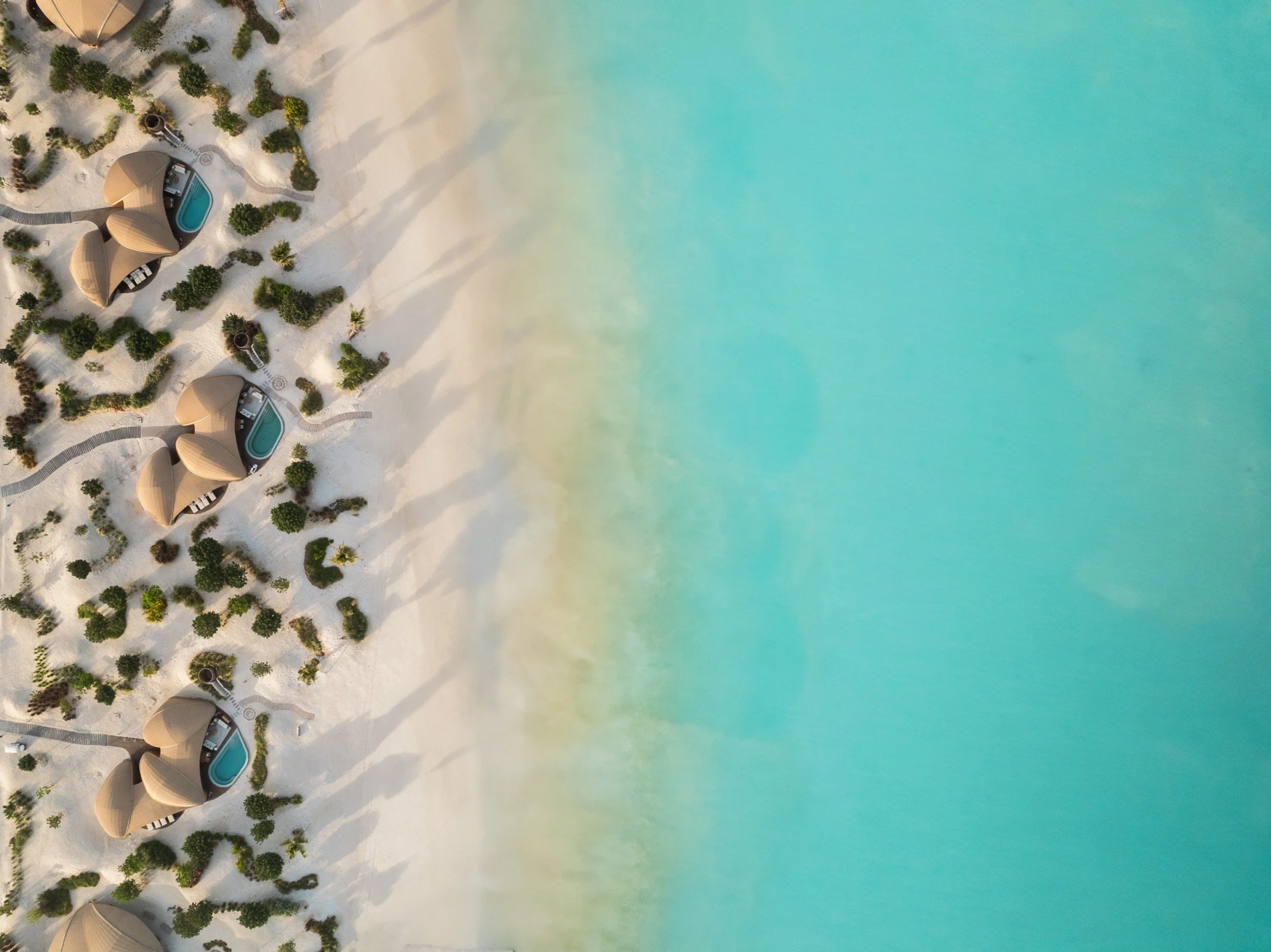
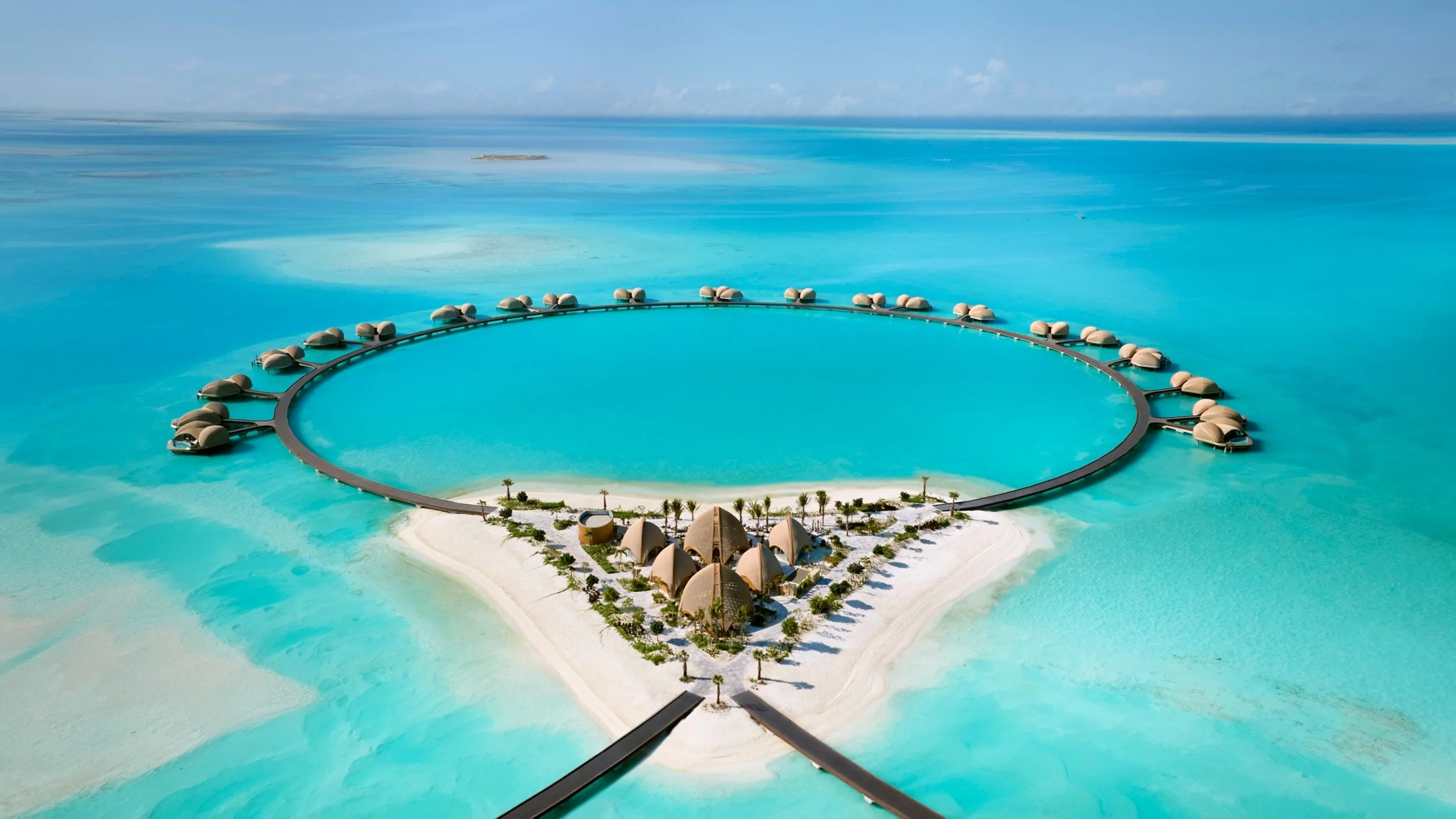
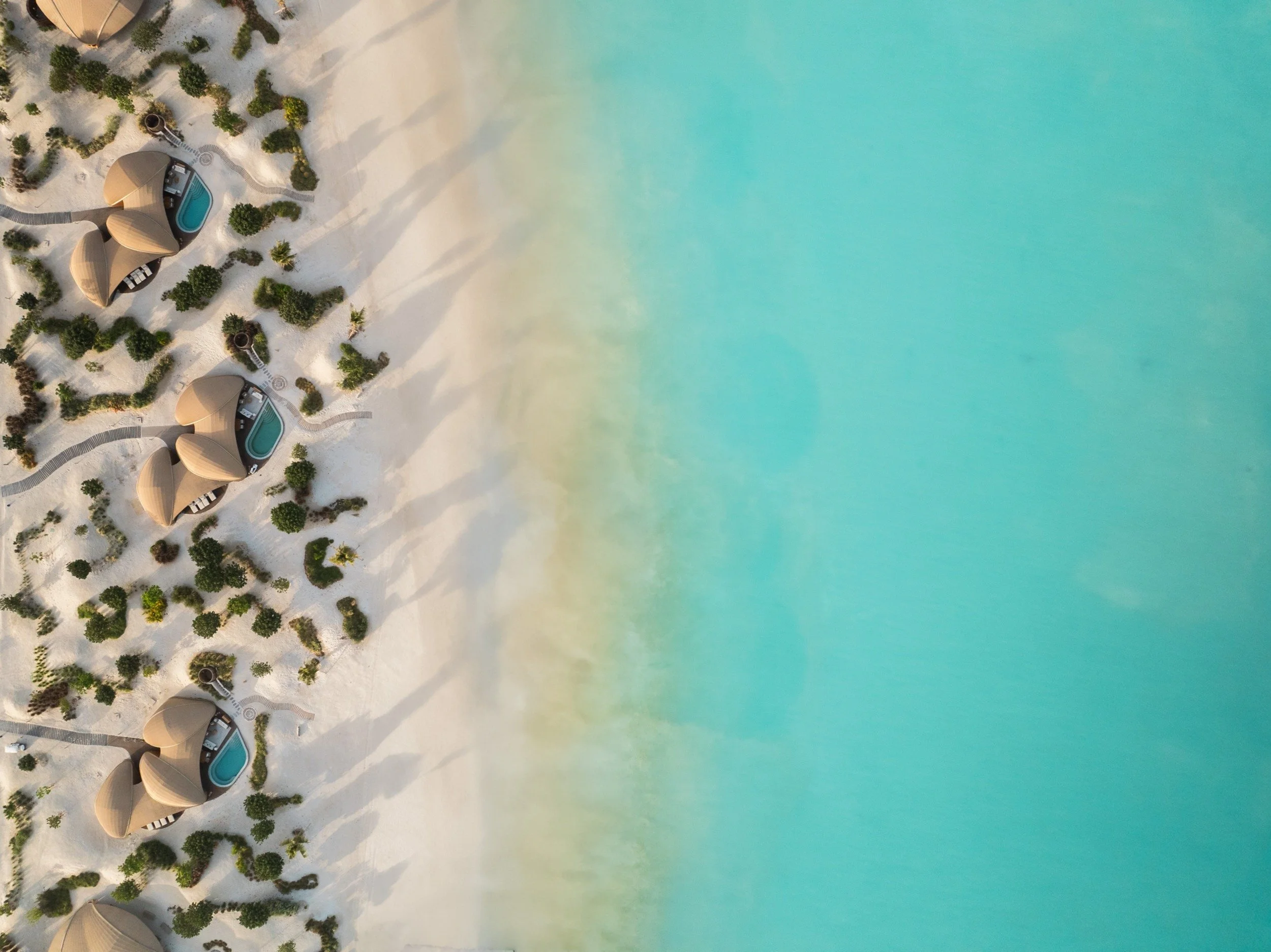
From above, Nujuma’s overwater villas trace a circle across the Red Sea, their rounded roofs resembling shells resting just beyond the shoreline. Between the buildings, the water shifts from pale turquoise to deeper blue. On the beach, another collection of villas follows the sand, with private pools facing the sea.
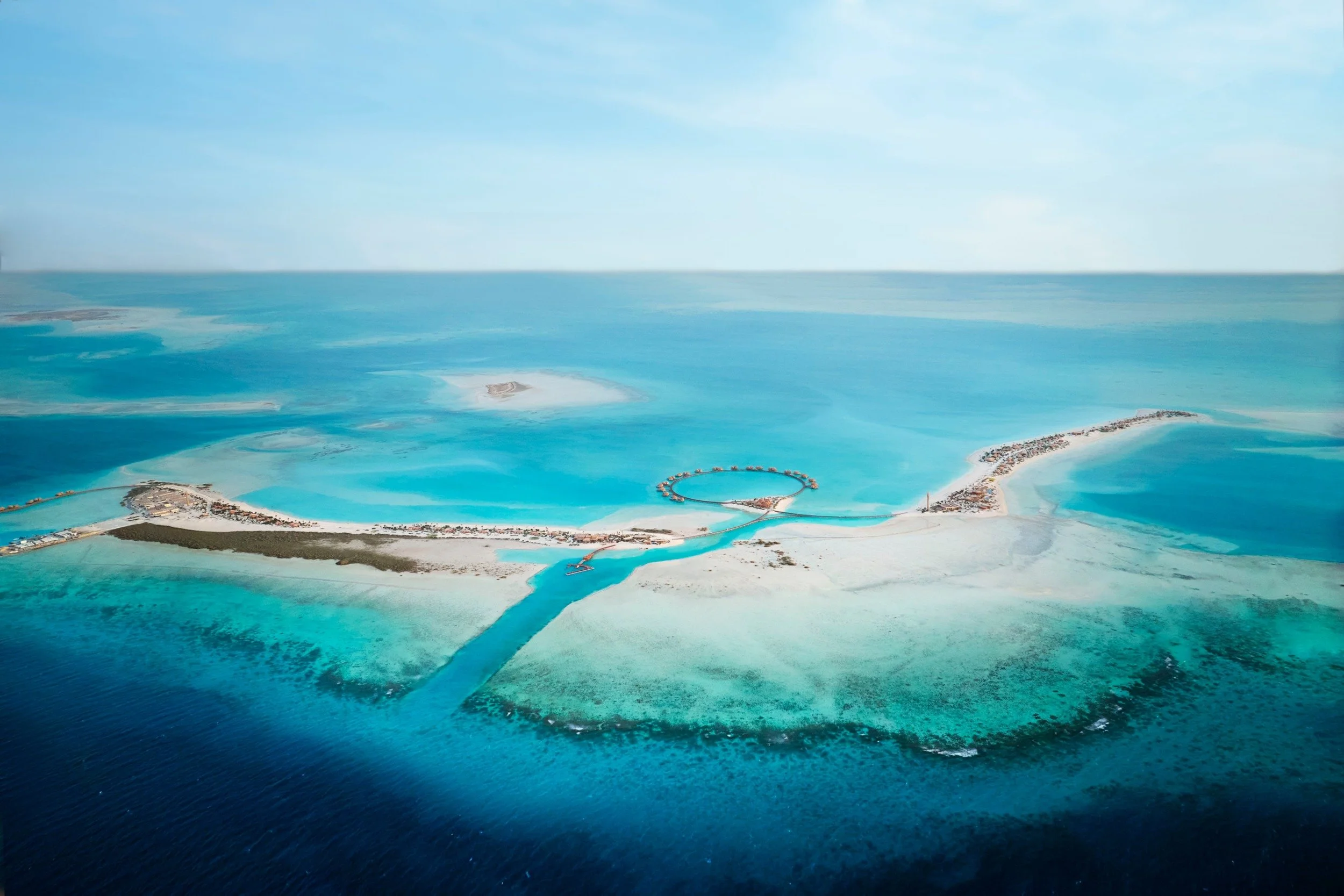
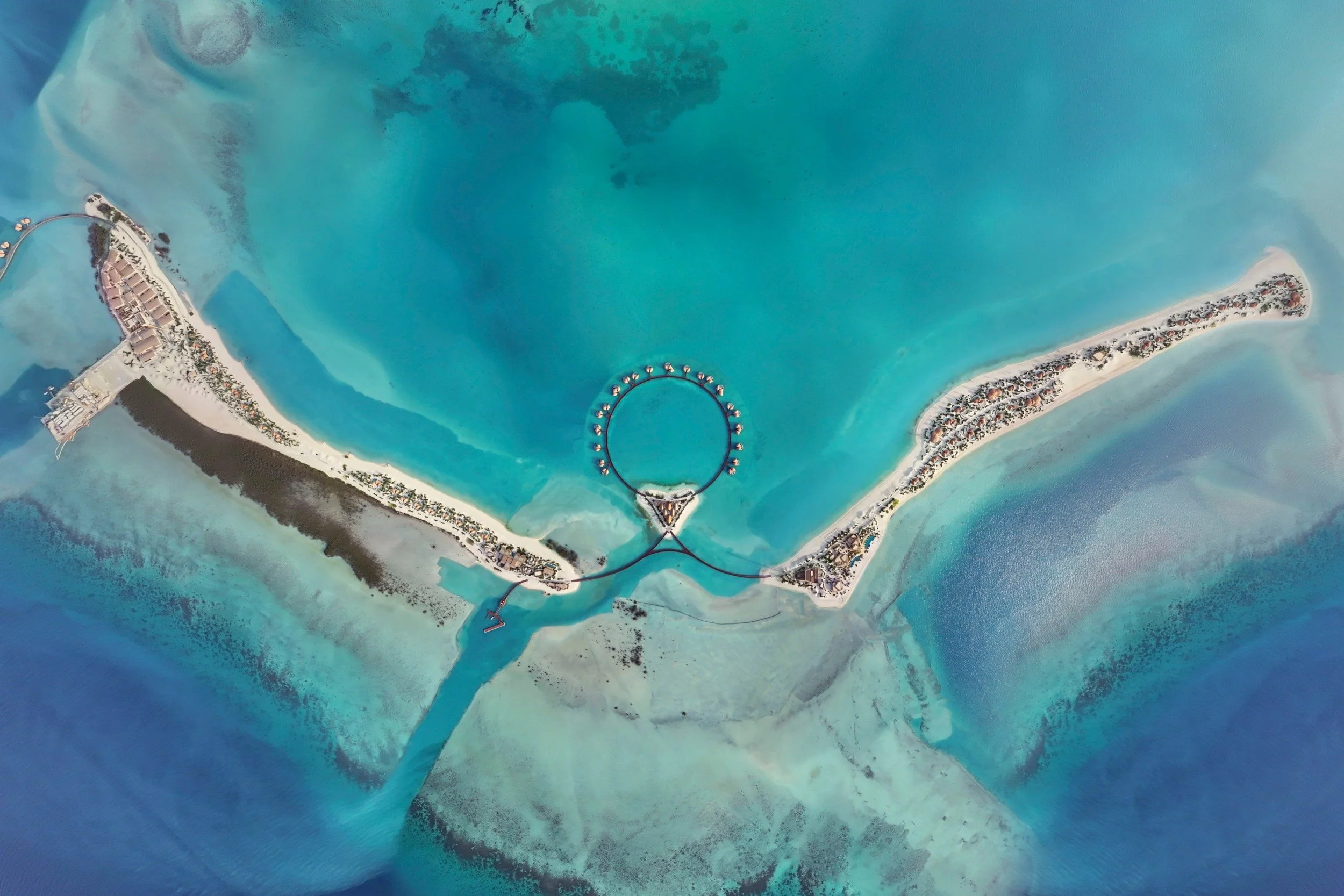
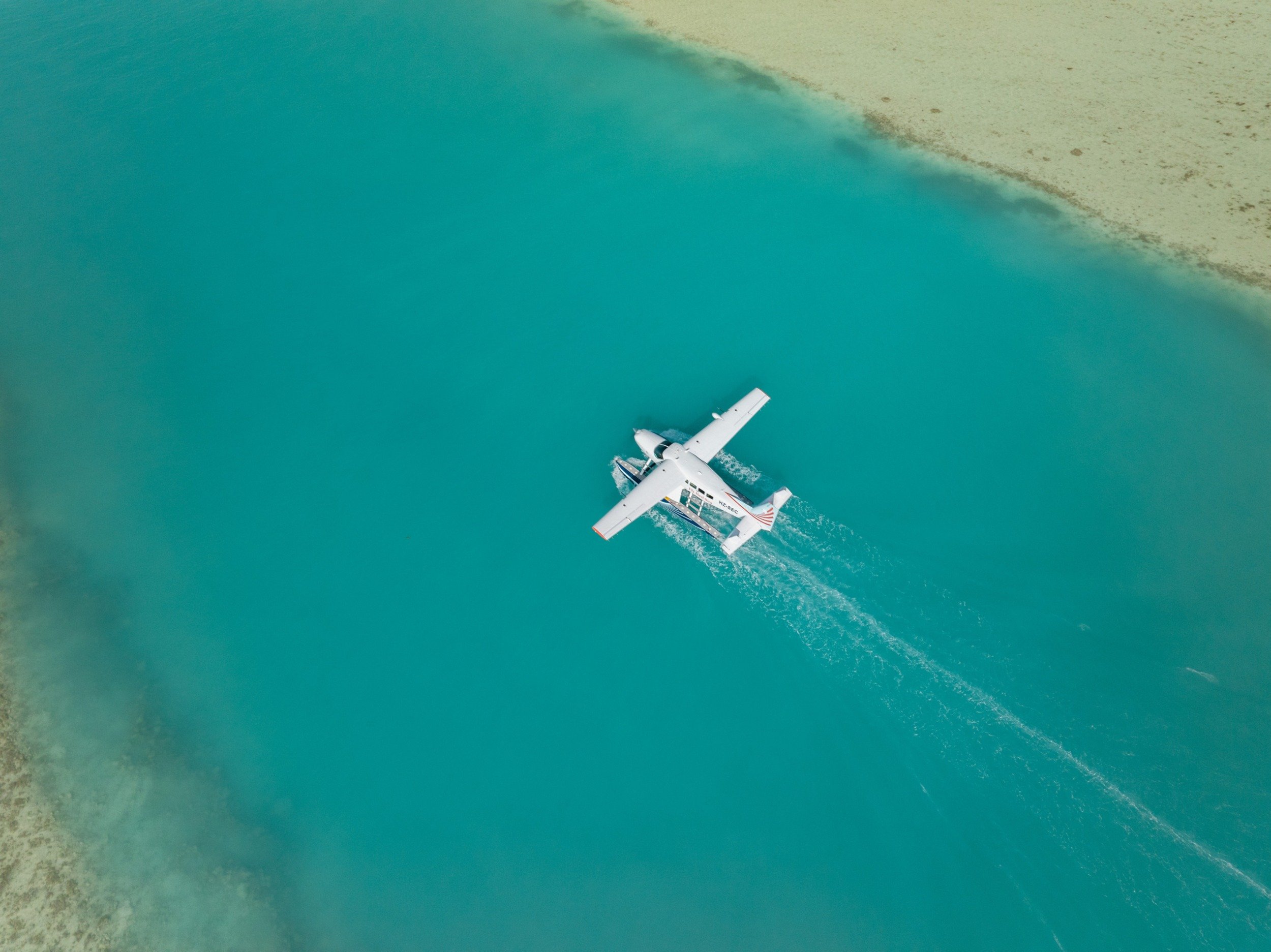
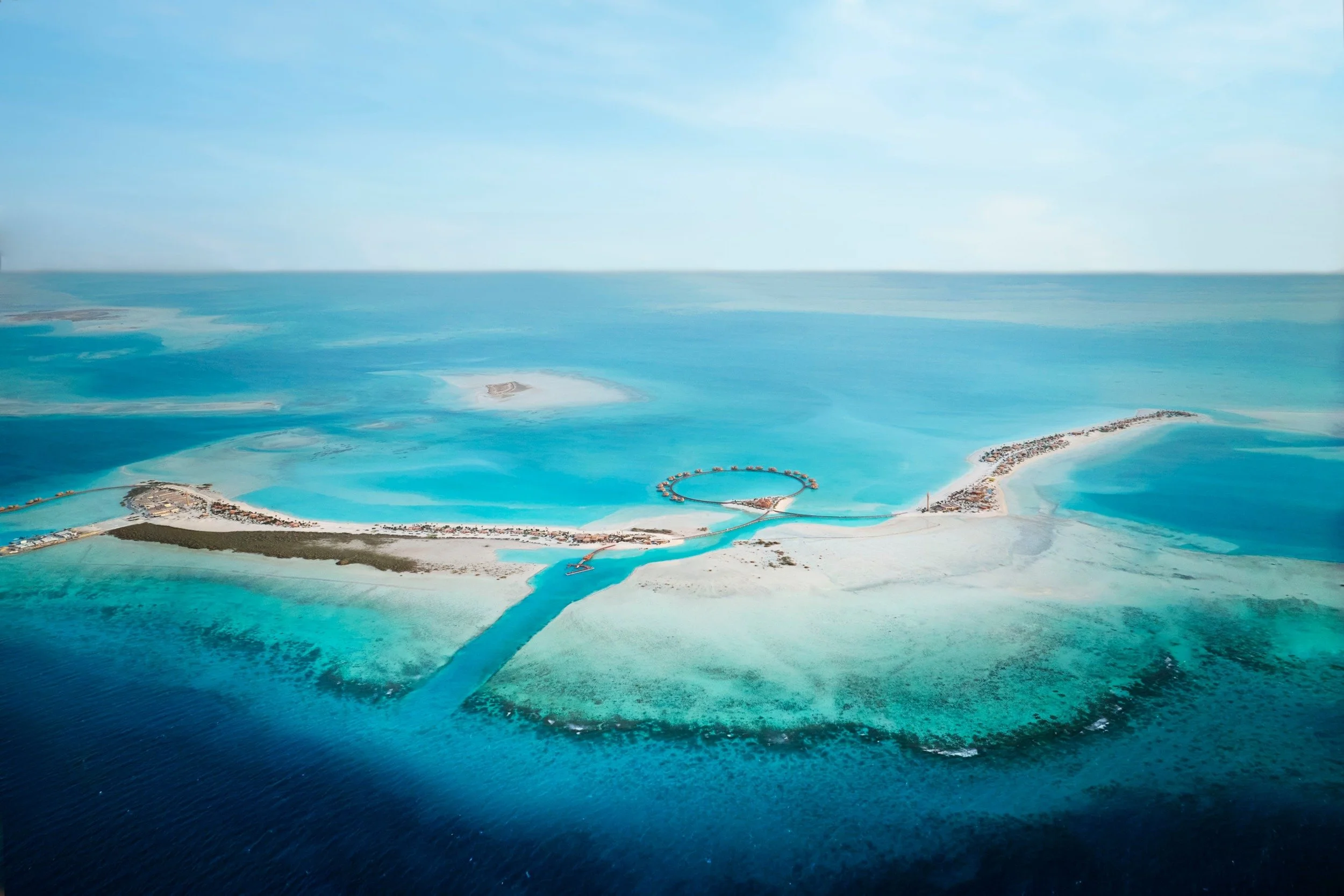
Nujuma, a Ritz-Carlton Reserve occupies the Ummahat Islands off Saudi Arabia’s western coast, within The Red Sea destination. Reaching it requires a boat or seaplane, and that final passage establishes the character of the stay. This is an island retreat where the surrounding water, reef life, and night sky provide much of the interest.
The resort’s 65 villas range from one-bedroom hideaways to a three-bedroom beachfront villa. Personal hosts help shape the days, whether that means arranging a dive, finding time for a longer spa treatment, or bringing dinner to the villa. The strongest reason to come, however, is the opportunity to experience this stretch of the Saudi coast with enough time to appreciate what lies above and below the surface.
A New Chapter on an Ancient Maritime Coast
Nujuma opened in May 2024 as the first Ritz-Carlton Reserve in the Middle East. Its arrival formed part of The Red Sea’s emergence as a tourism destination, bringing a small-scale, villa-based interpretation of the brand to a coastline long associated with fishing, seafaring, and the exchange of goods and ideas.
The property is purpose-built, with its cultural connections expressed through design, food, and encounters with local experts. Its name draws inspiration from the Arabic word for stars, a reference that extends into telescopes, astronomy sessions, and stories about navigation across desert and sea.
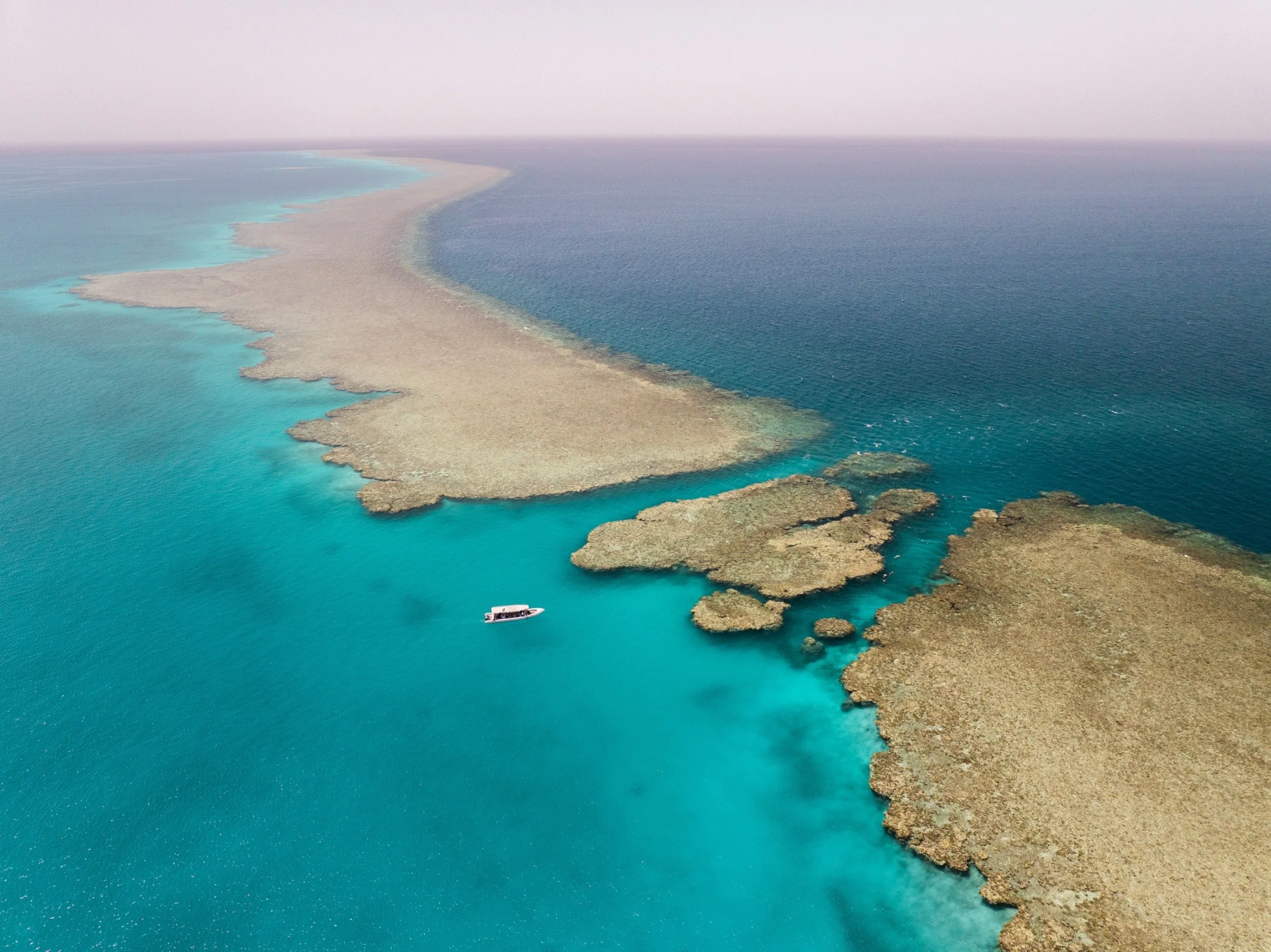
The surrounding islands belong to a much larger archipelago. That geography helps explain why a stay here feels different from a mainland beach hotel: the shoreline is part of a wider marine landscape, and exploring it requires attention to conditions, habitats, and distances.
Recognition followed quickly. Nujuma received Two Michelin Keys in the 2025 selection and earned a Forbes Travel Guide Five-Star rating in 2026, distinctions that acknowledge the hotel experience rather than individual restaurants.
Shell Forms and the Language of Saudi Craft
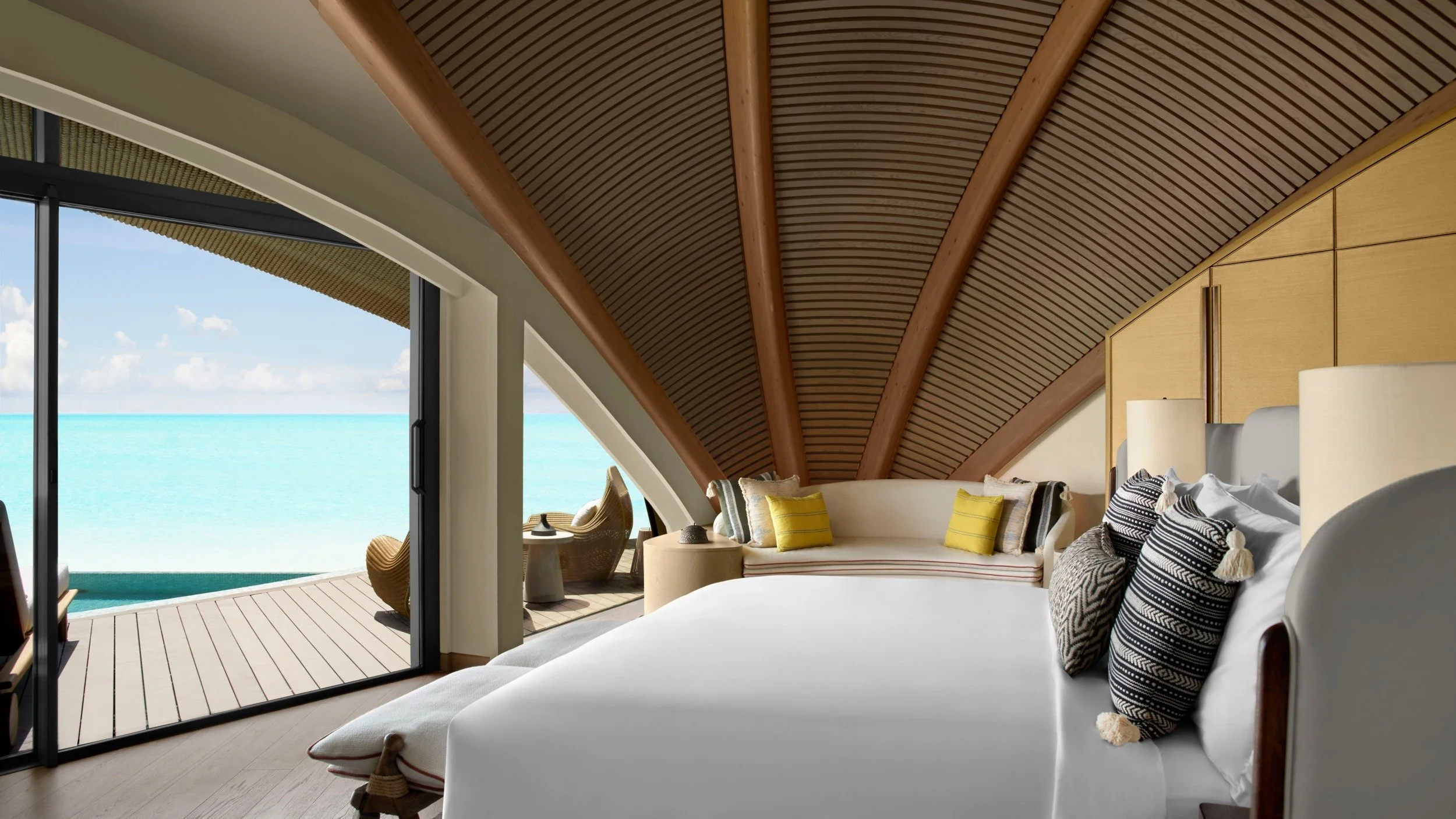
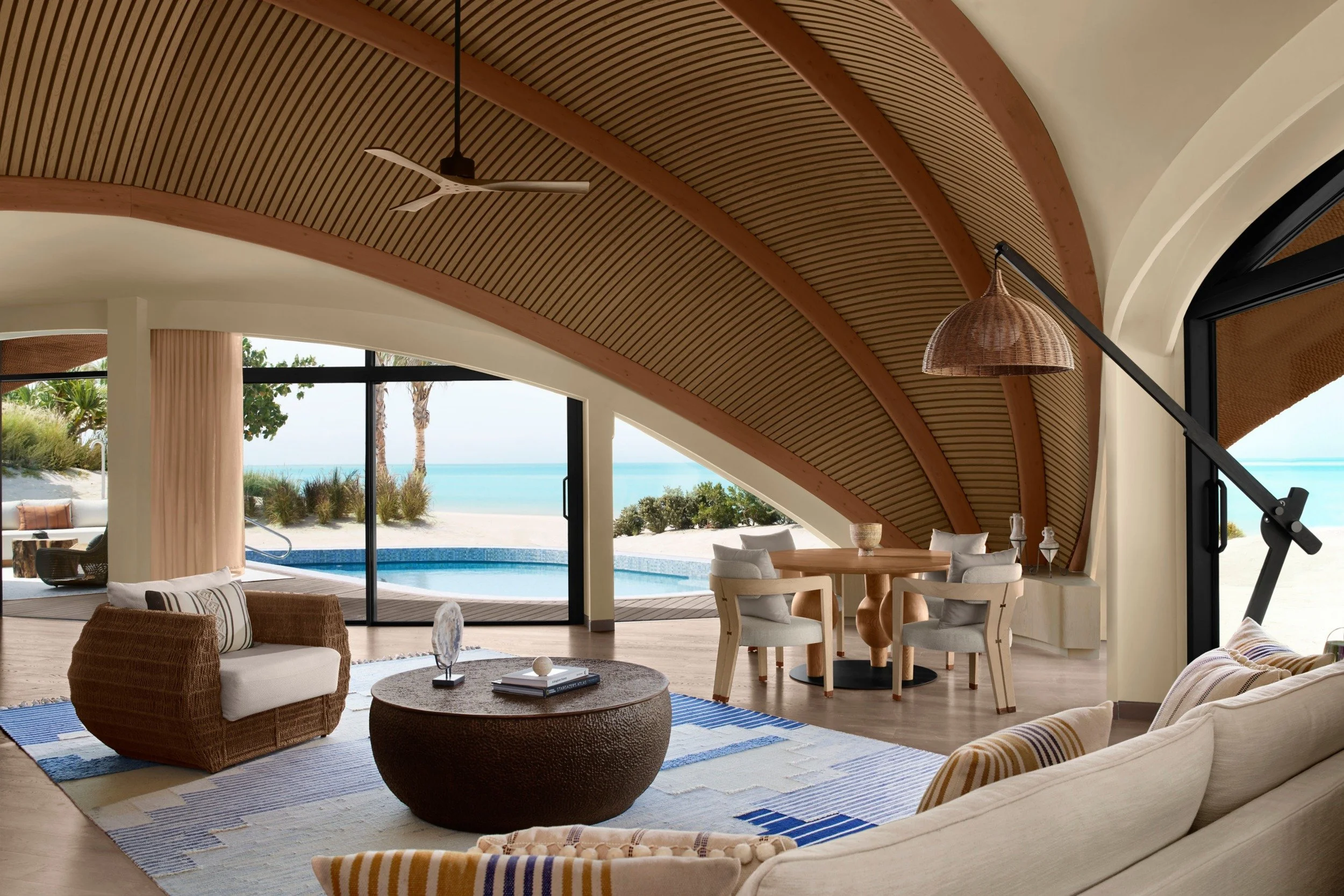
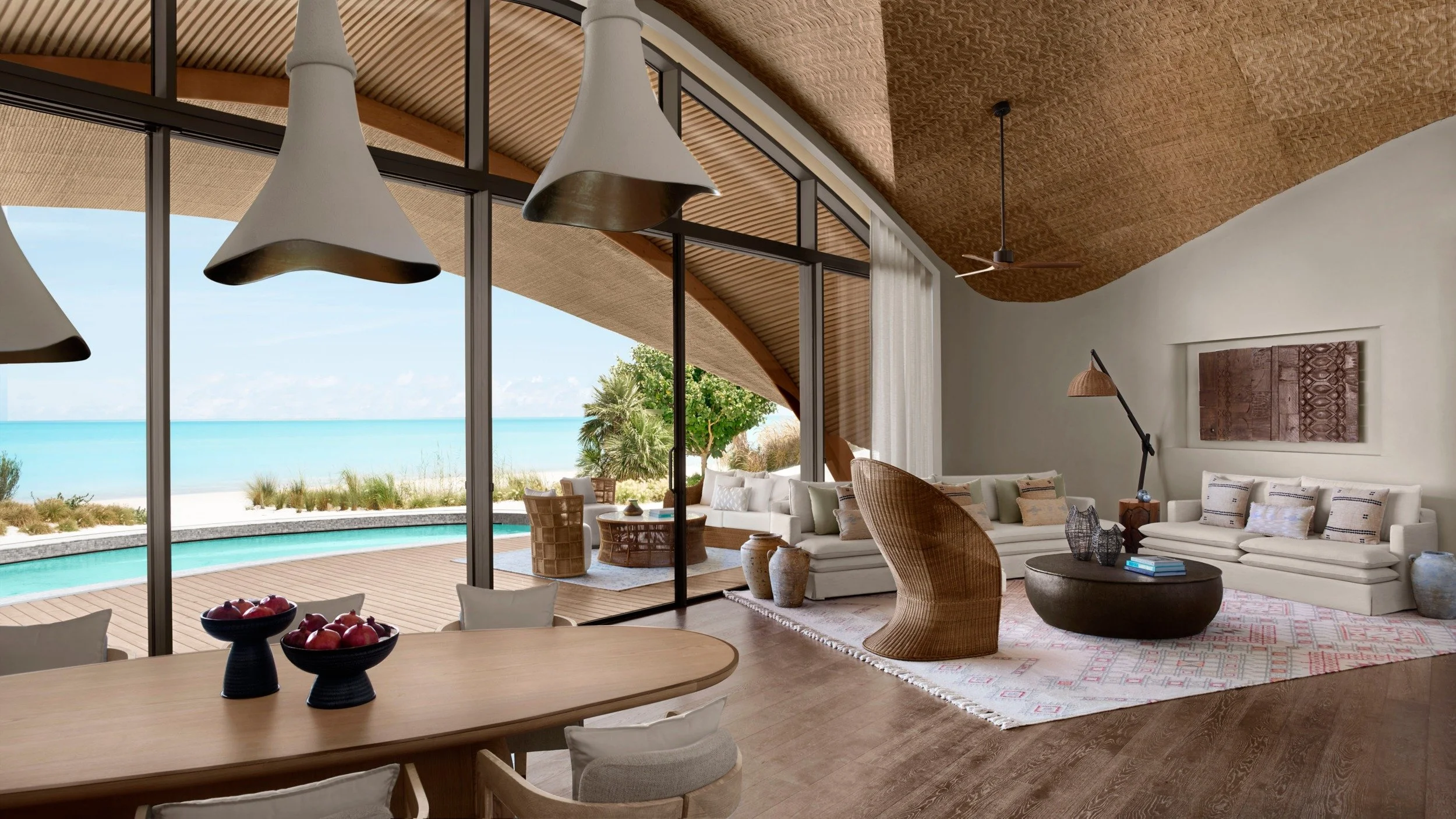
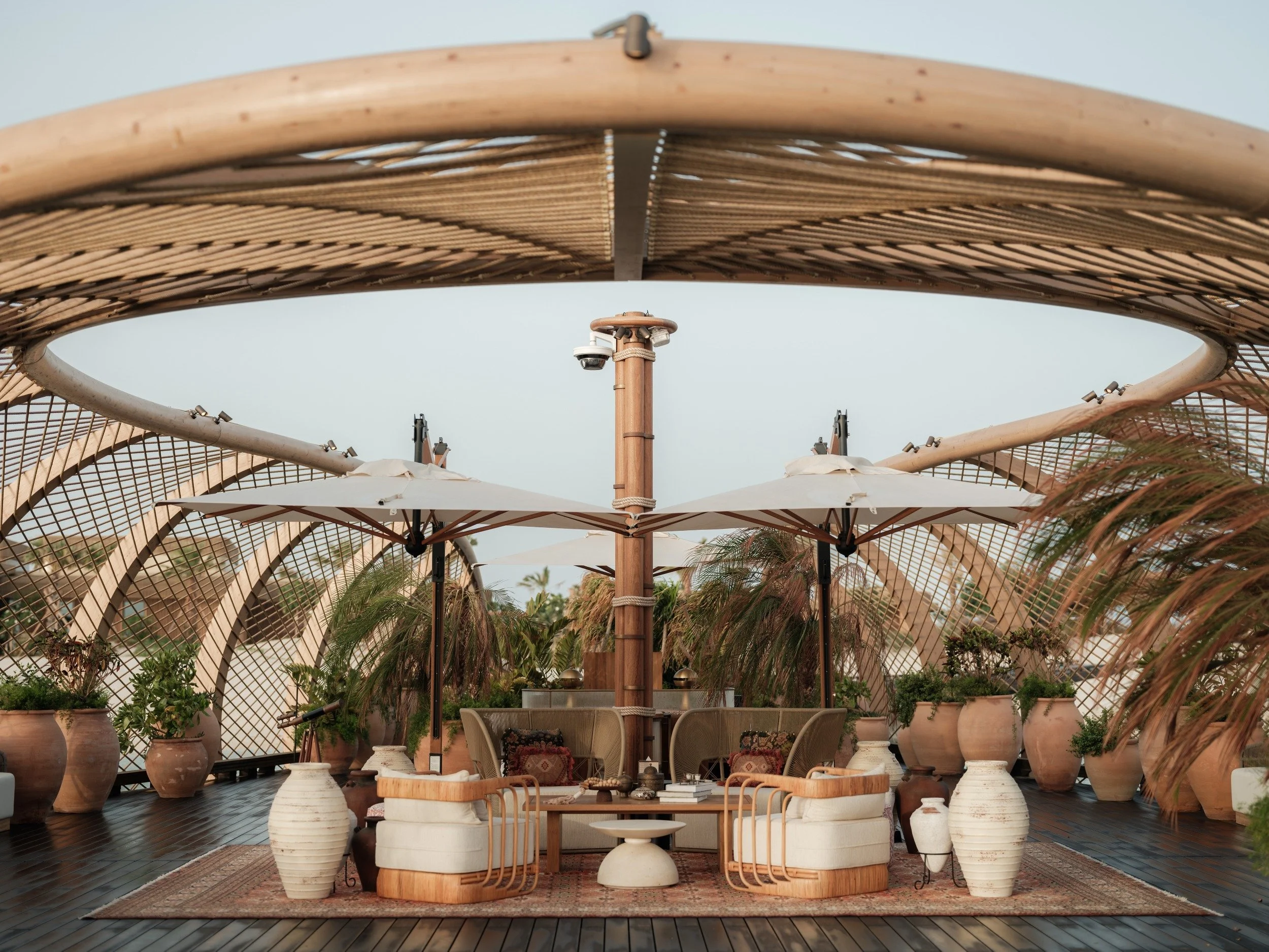
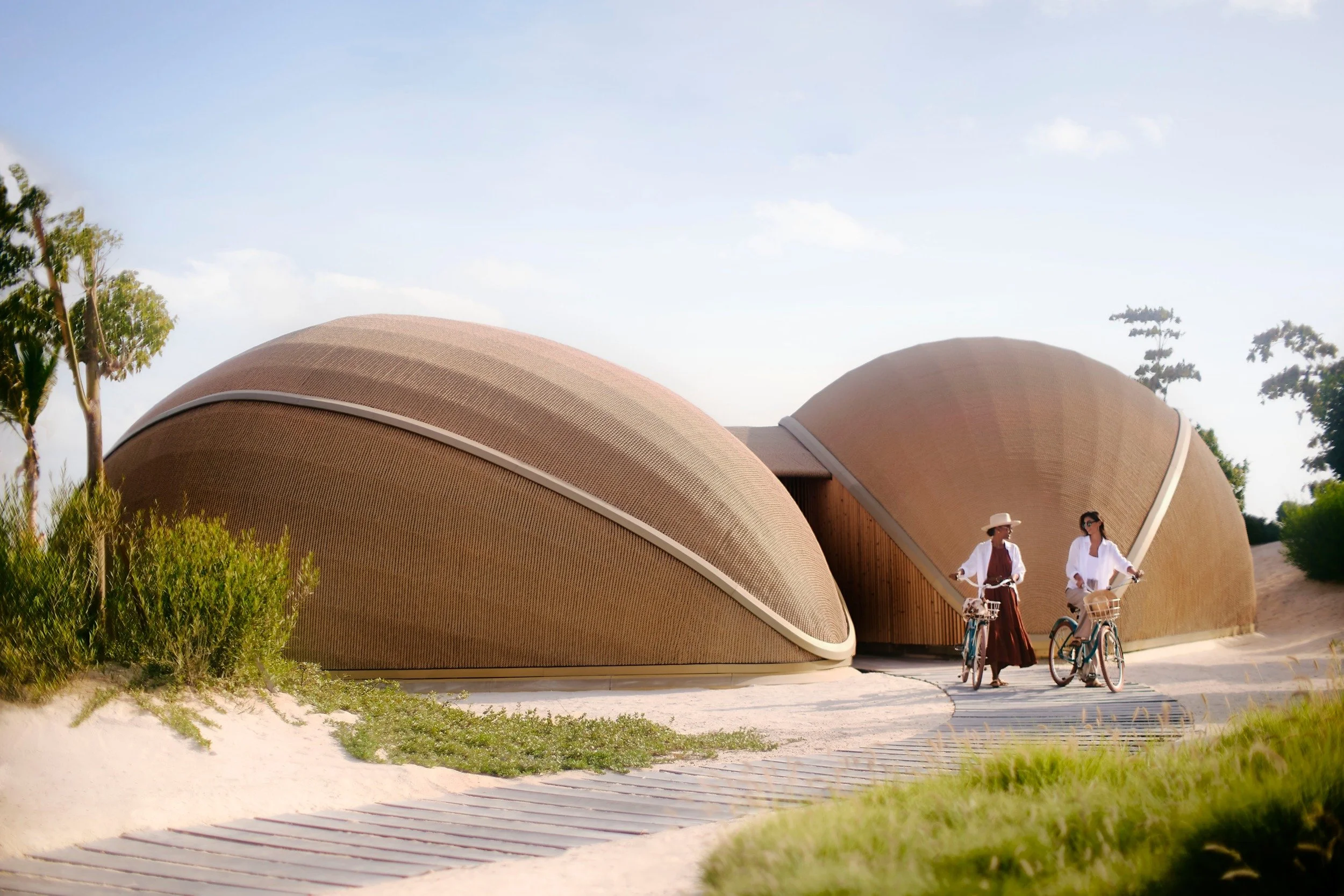
Foster + Partners designed the resort’s shell-inspired architecture, using curved forms that give the buildings a recognizable silhouette without introducing a conventional hotel tower. The overwater villas connect along an elevated circular walkway, while beach villas establish a closer relationship with the sand and planting.
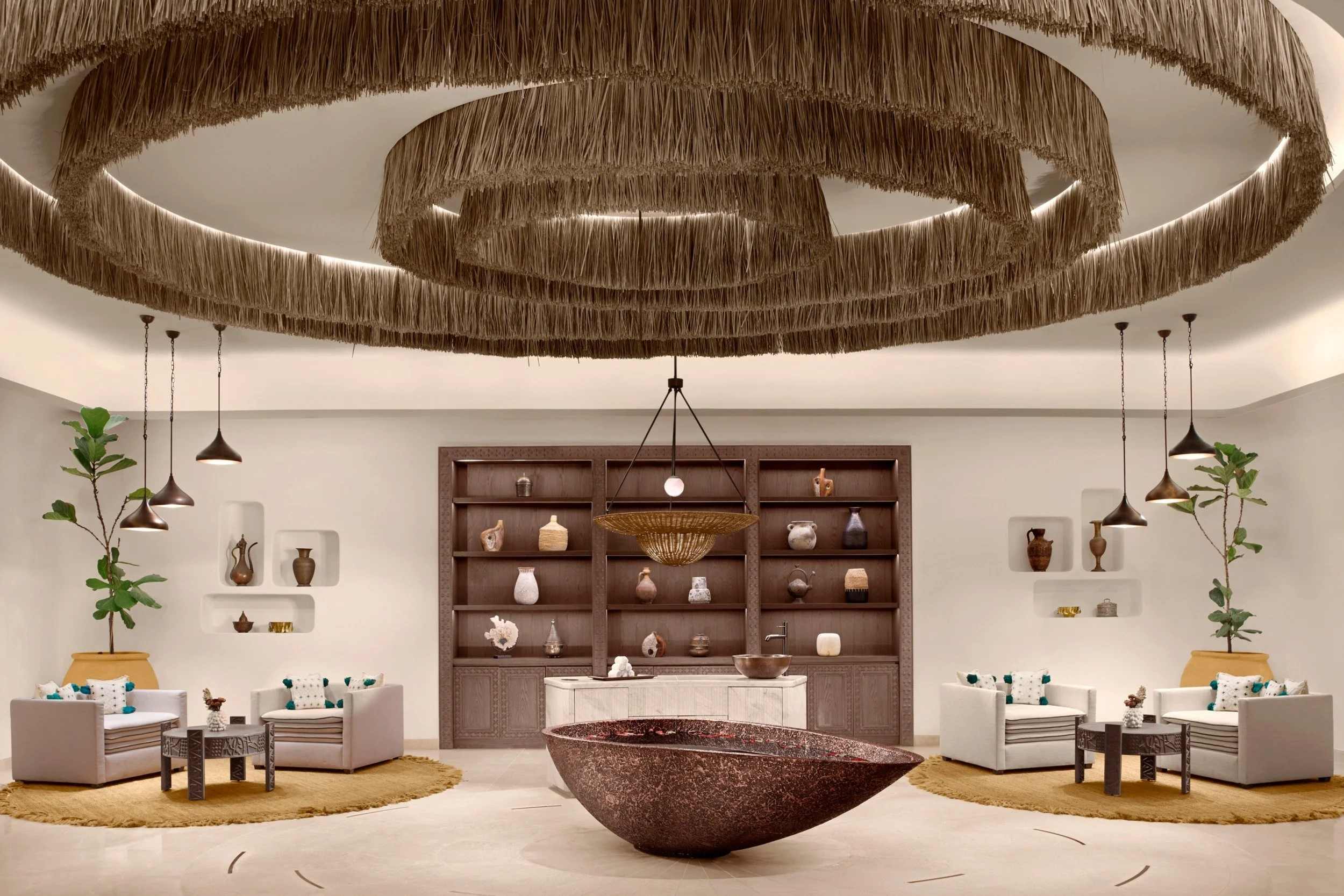
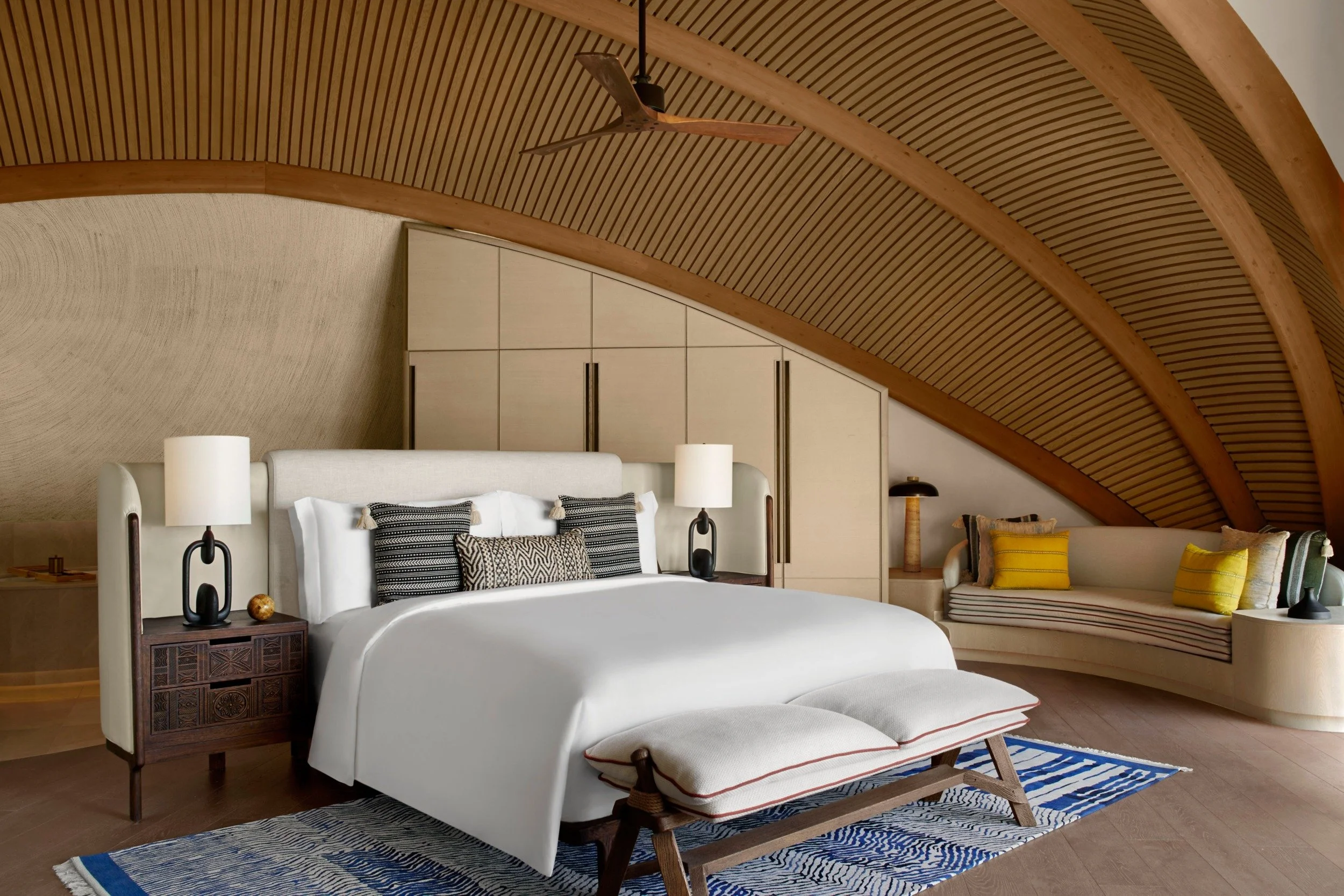
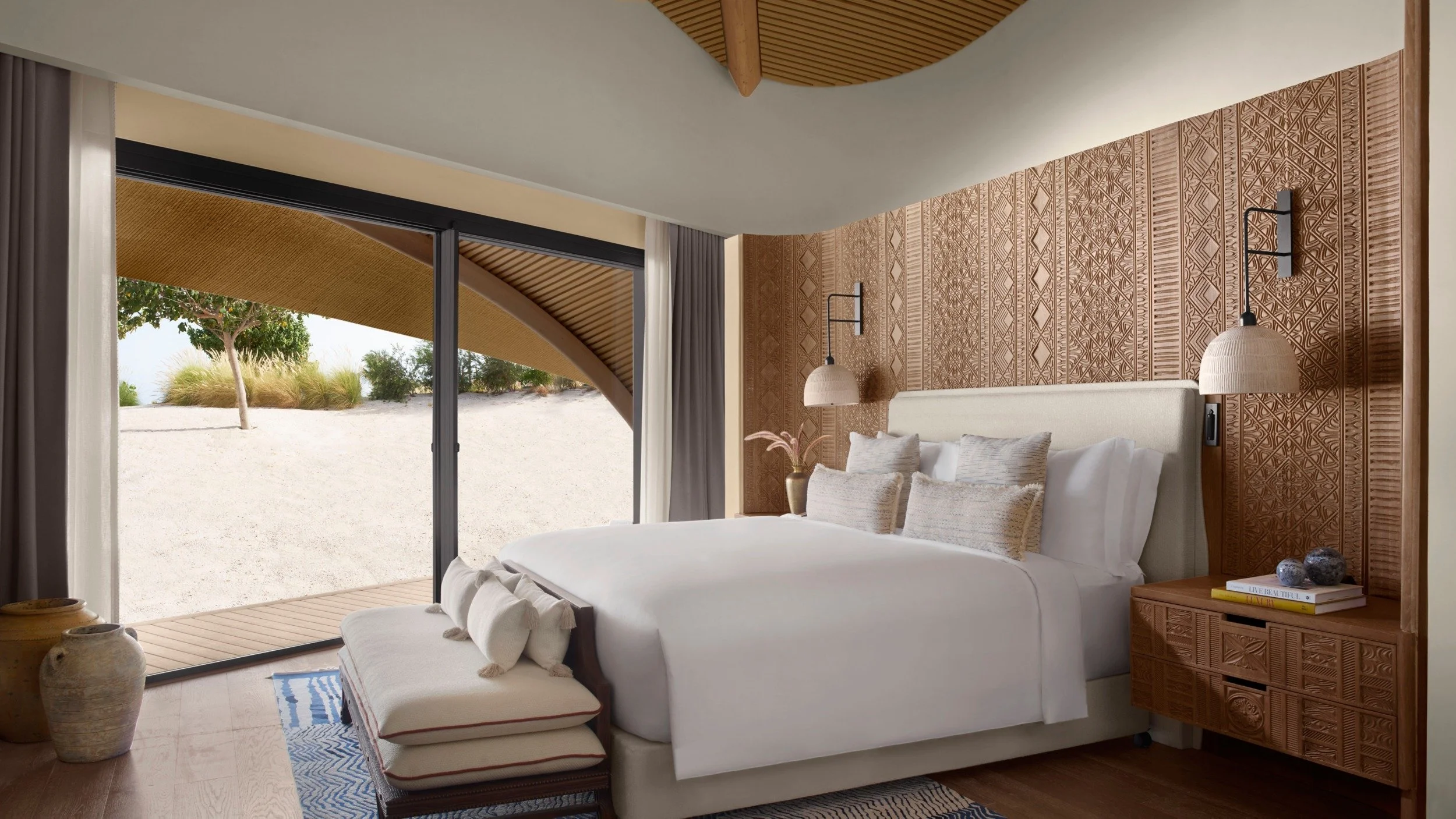
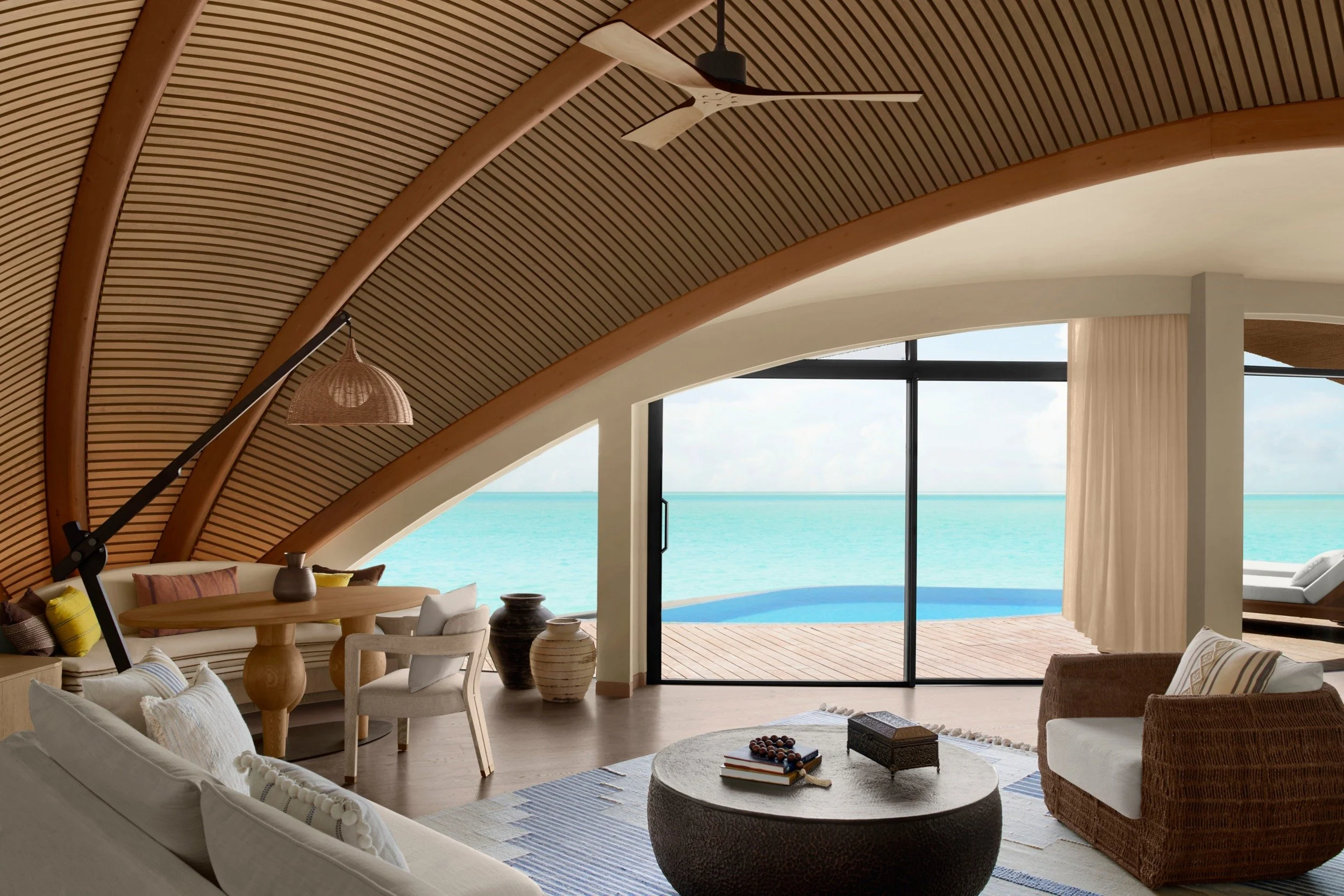
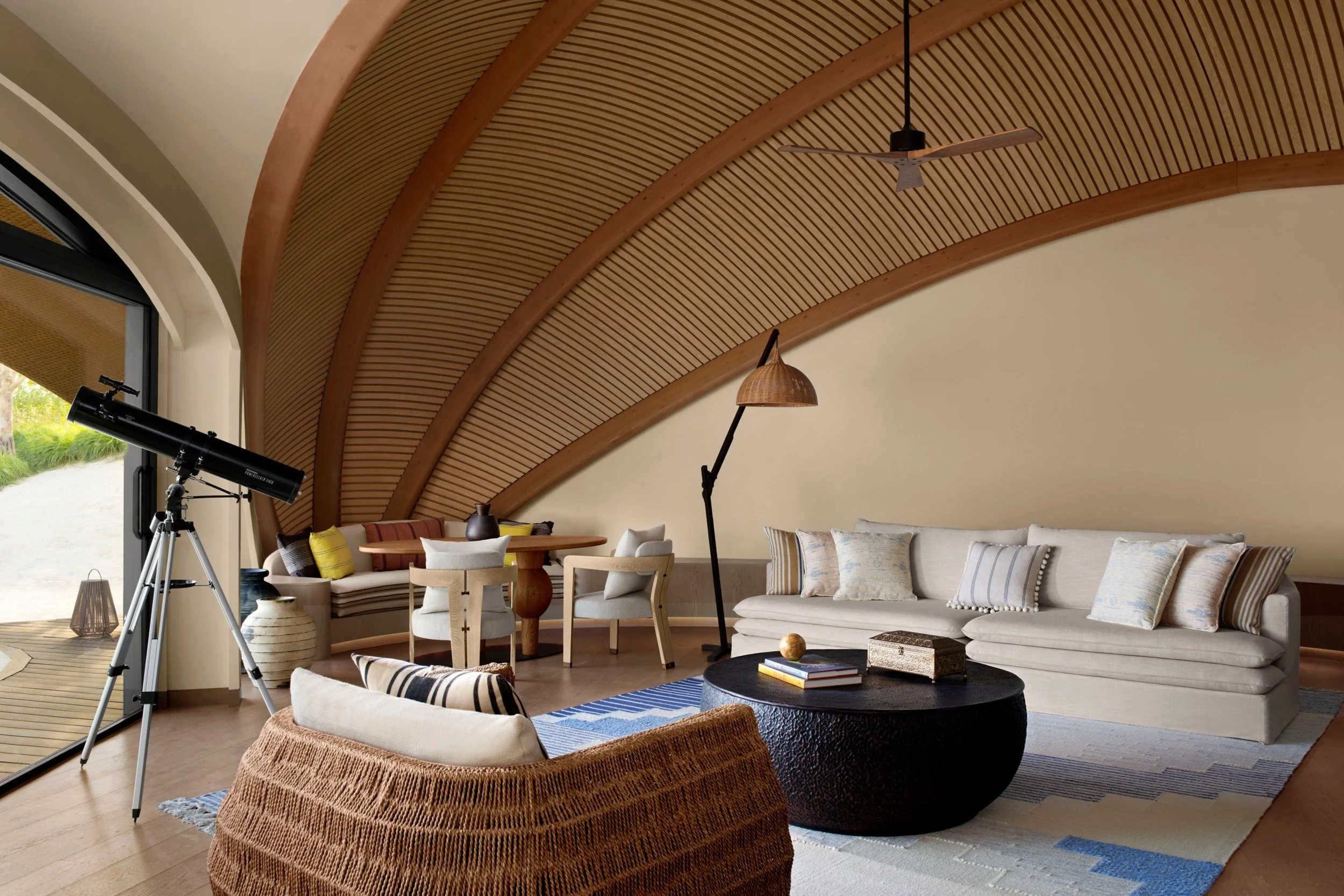
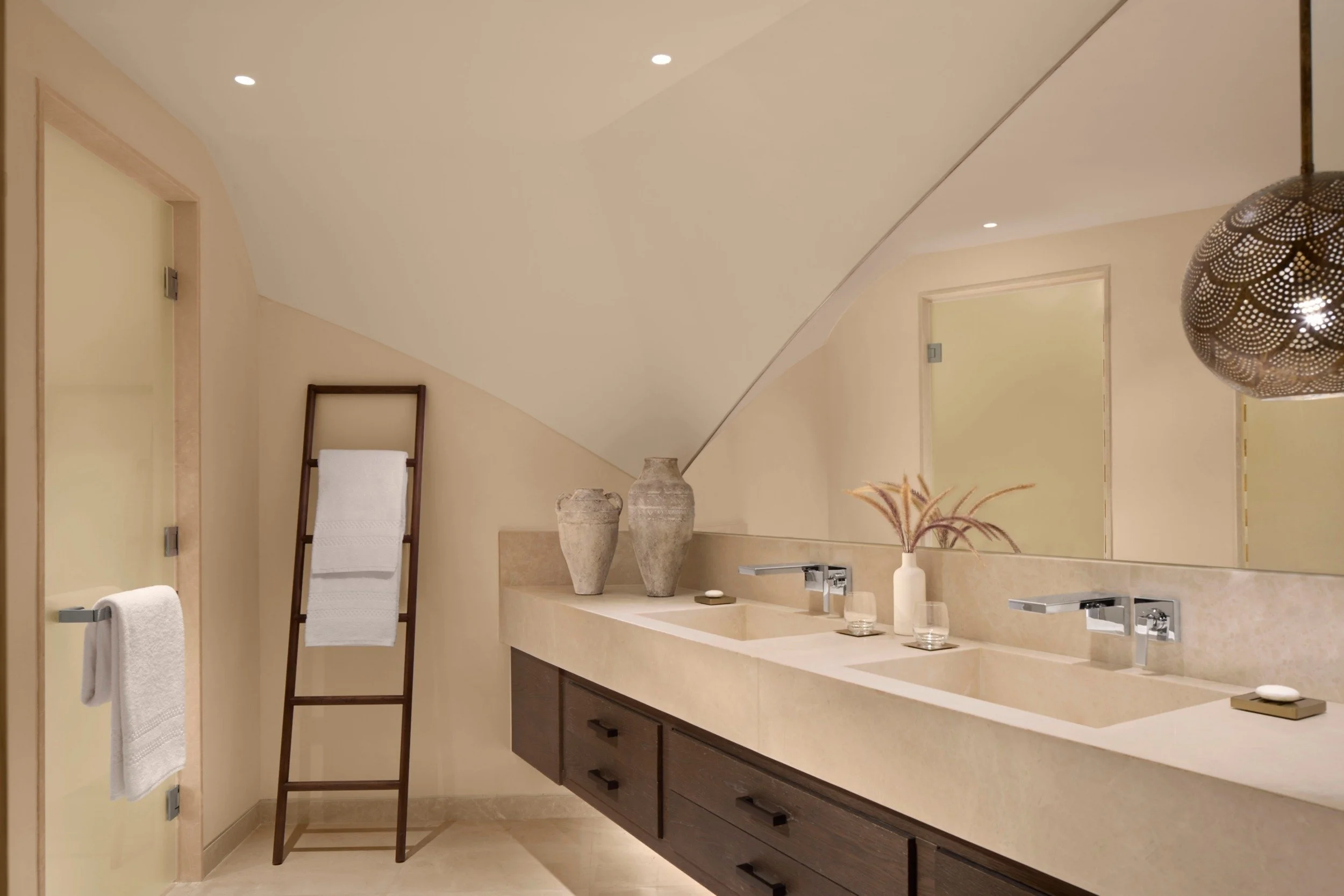
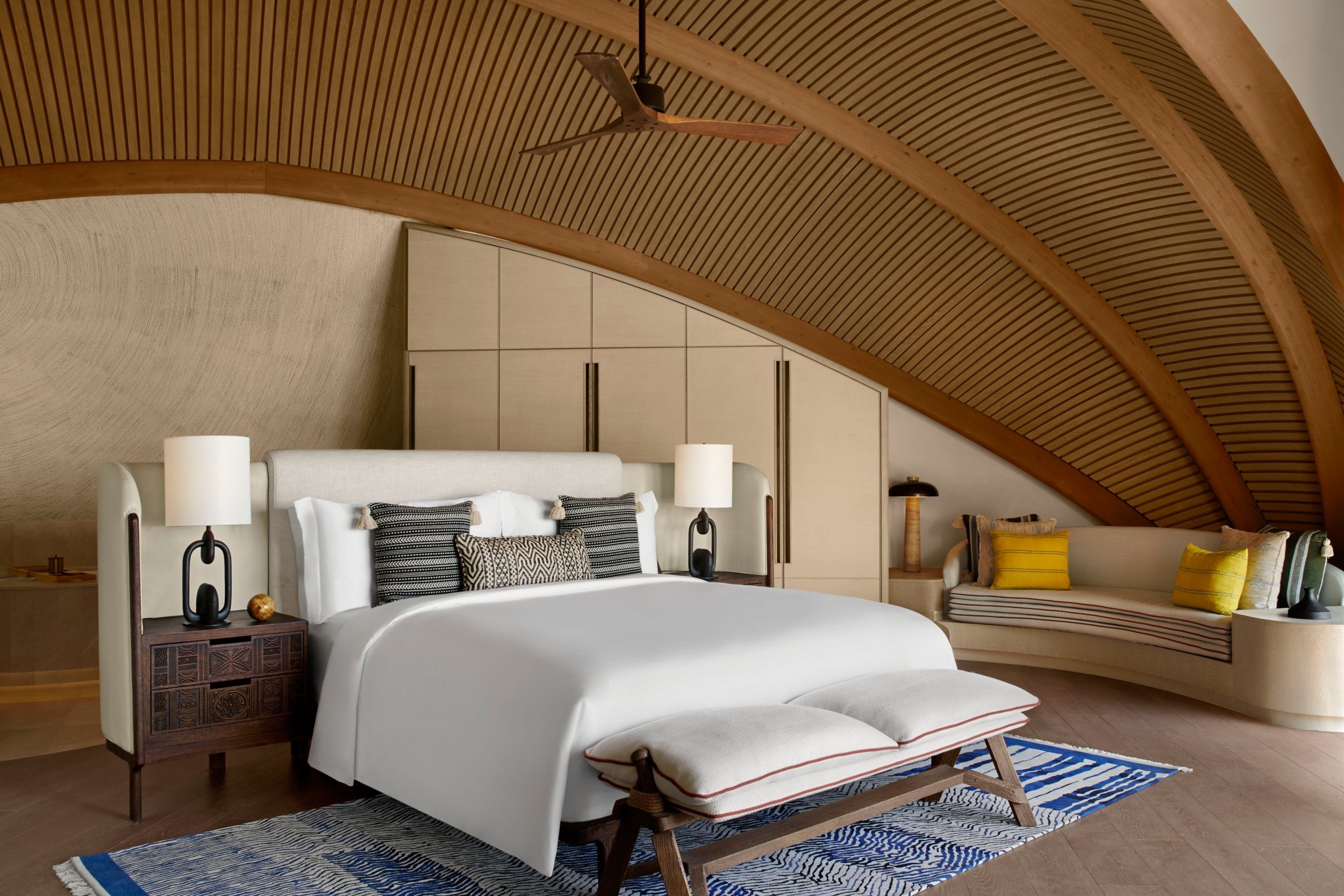
Wimberly Interiors designed the villa interiors and Neyrah Spa. Their work responds to the curved structures with furniture arrangements that follow the room’s geometry, keeping the eye moving toward the sea. Living and sleeping areas occupy distinct zones, an important detail when several people share an accommodation.
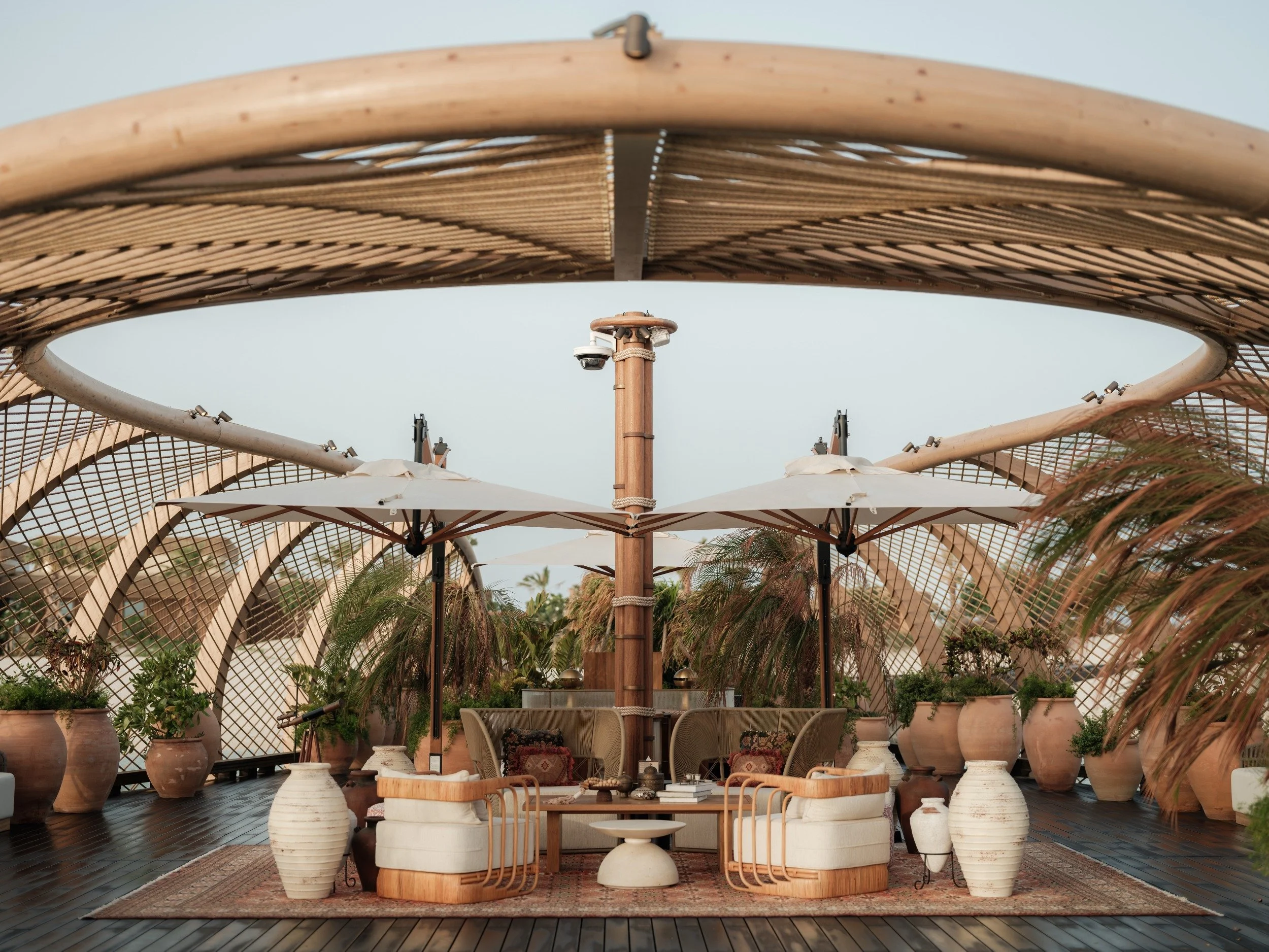
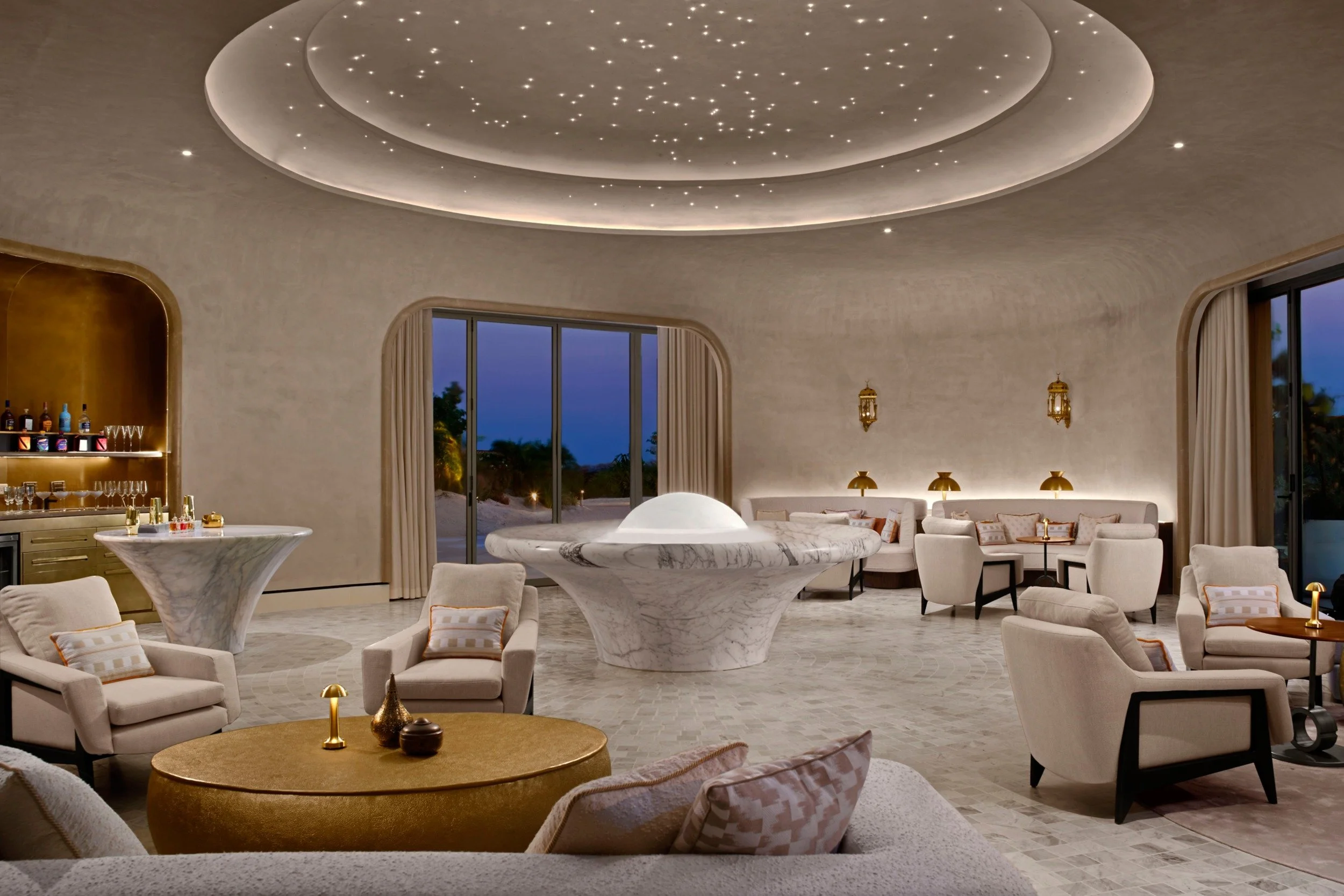
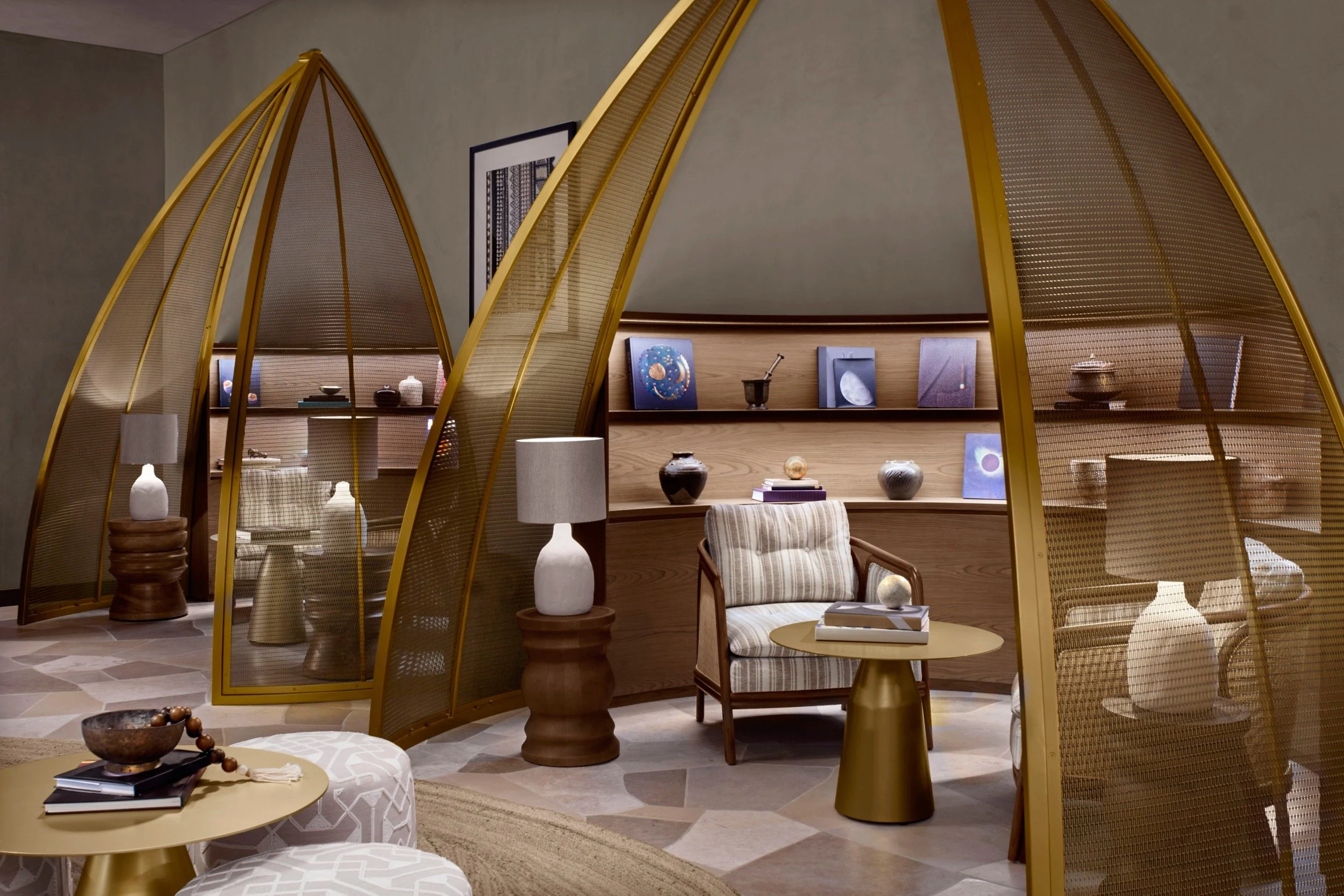
Stone, carved timber, and burnished metal bring depth to the restrained palette. Handwoven rugs reference Bedouin patterns, bed benches take cues from traditional camel saddles, and artwork draws on the desert sky. These elements reward attention without competing with the broad outlook through the windows.
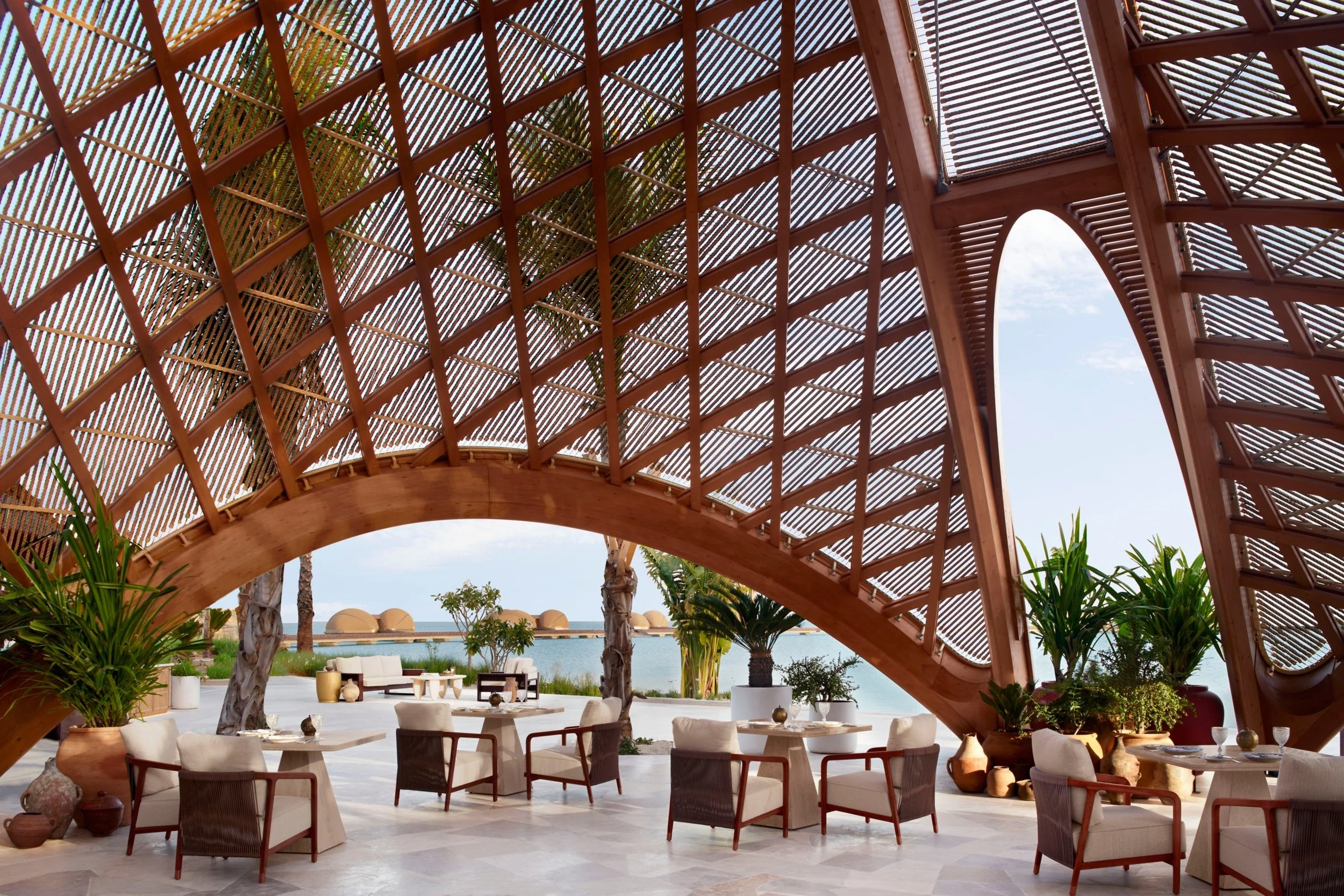
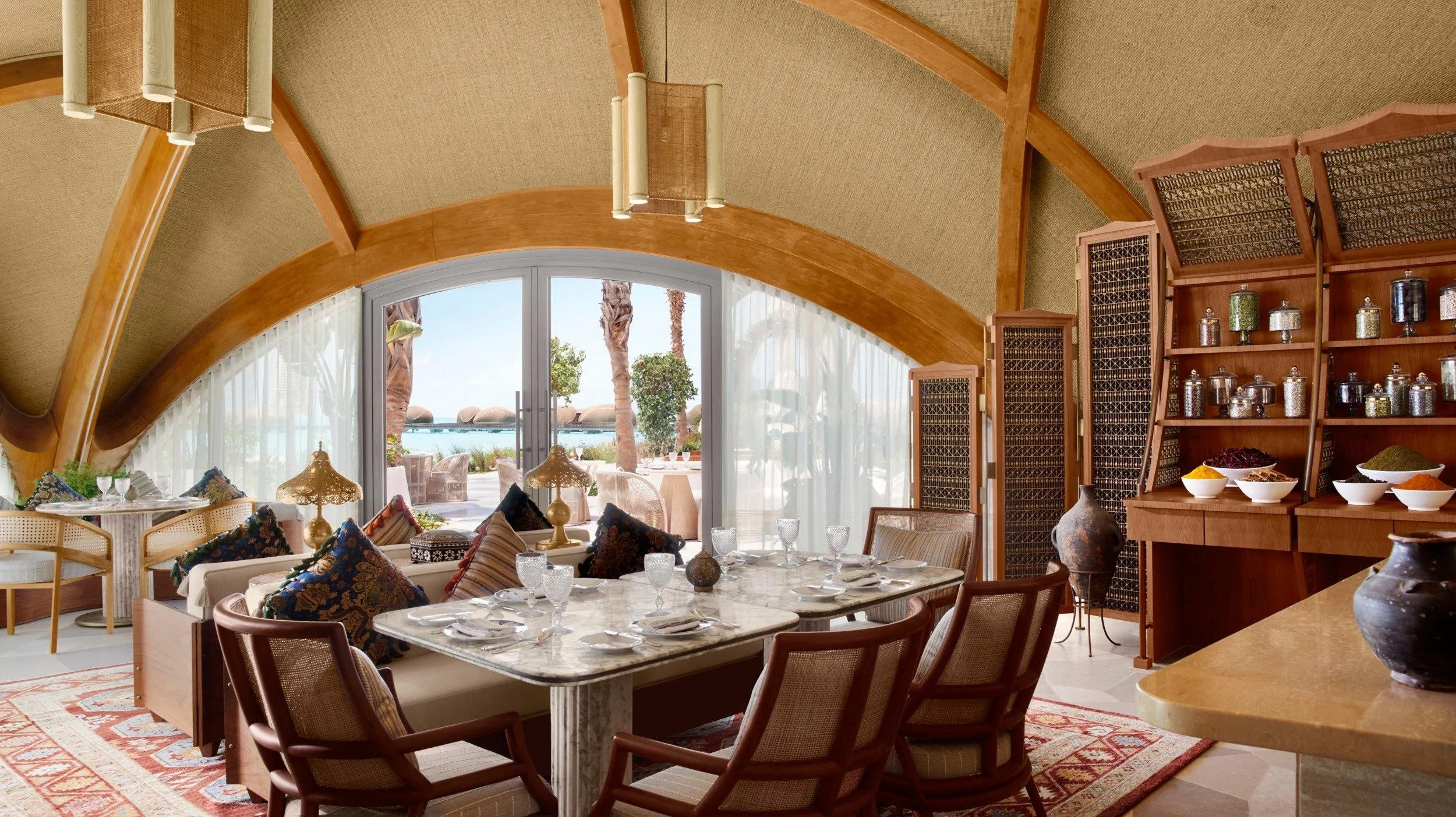
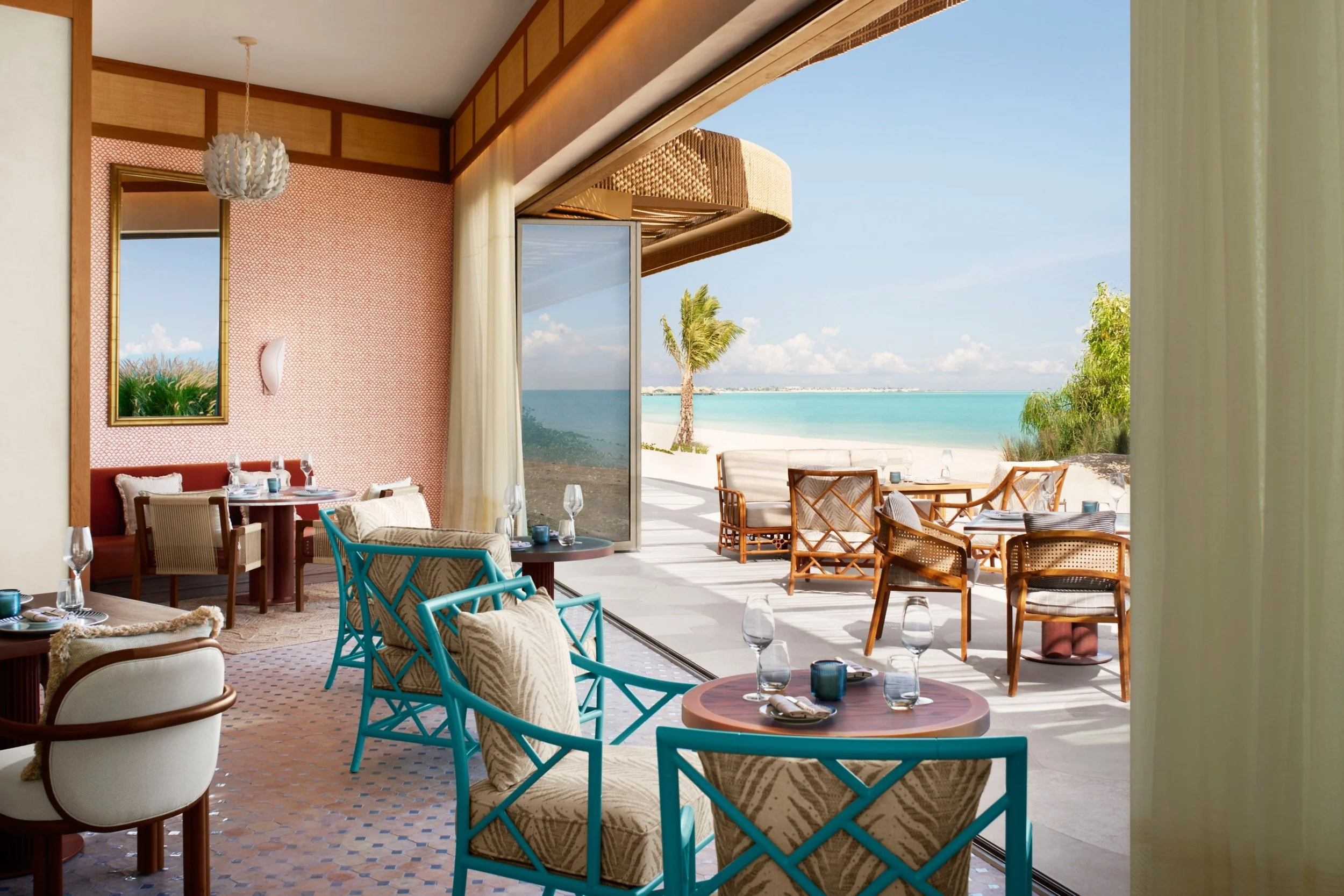
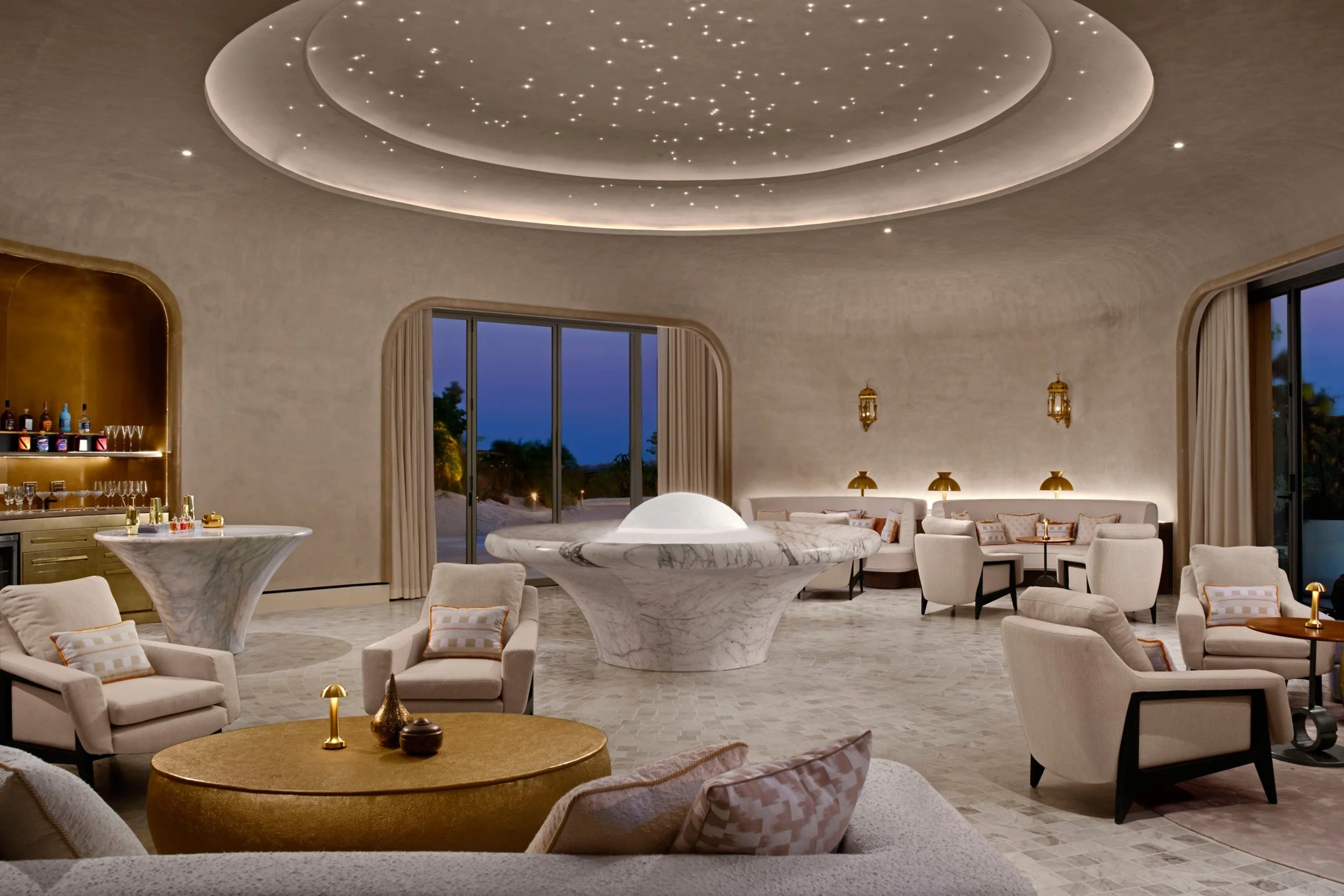
Elsewhere, the atmosphere changes with the setting. Sita’s pavilions and central fountain recall the gathering and discovery associated with a bazaar. At Tabrah, blue-tiled arches, rattan, and timber make the dining room feel connected to the water just beyond it.
Choosing Between the Beach and the Water
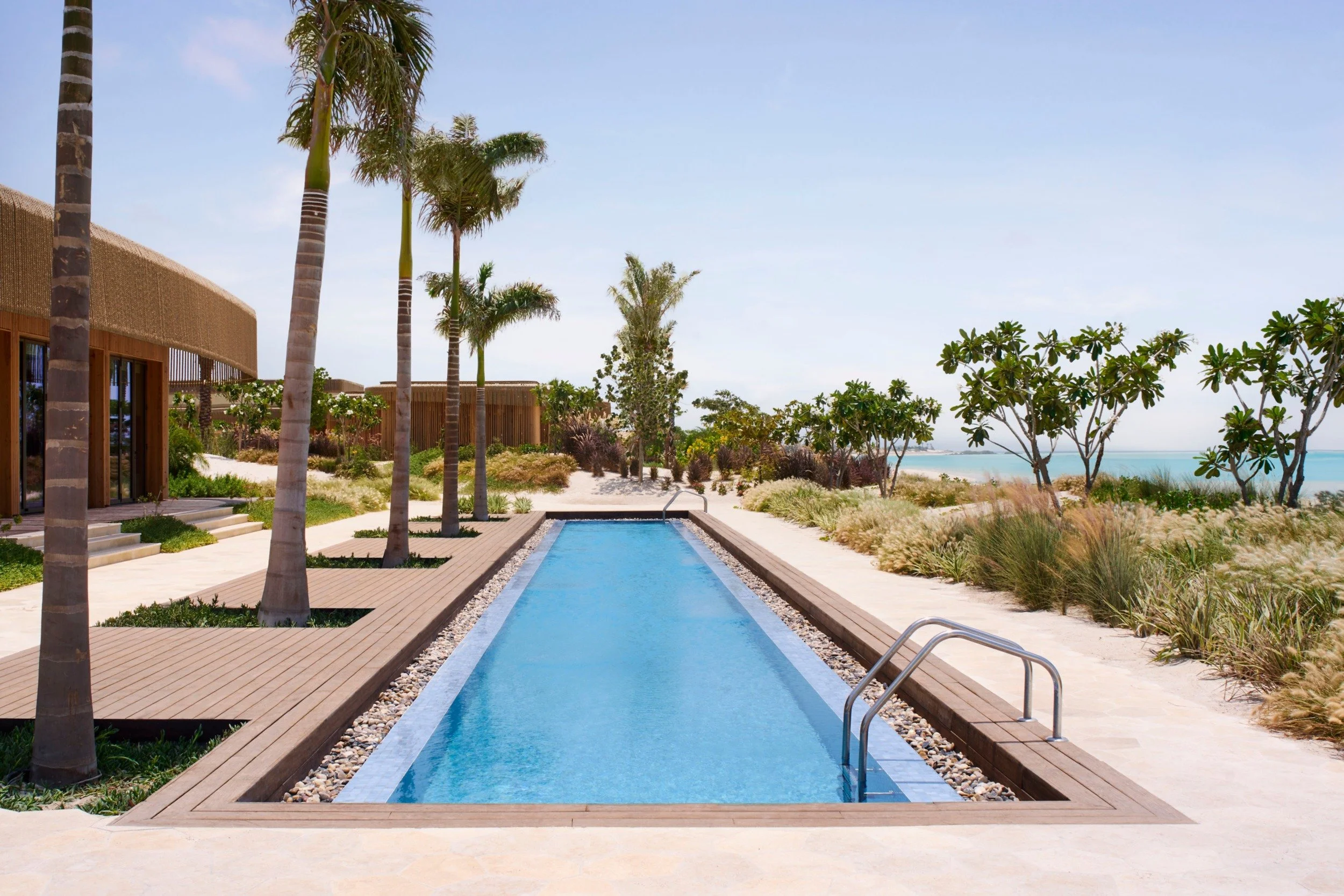
Every villa has a private pool, outdoor space, and the services of a personal host. The main decisions are location, bedroom count, and outlook: beach villas connect directly with the shoreline, while water villas place the sea around the accommodation itself.
Approximate square footage below is converted from the published villa measurements. Outdoor features are described separately; the figures should not be read as the total size of the surrounding beach or garden.
Sunset Beach Villa: Approximately 1,625 sq. ft., with one king bedroom, a separate living room, kitchen facilities, panoramic windows, and a private pool and sundeck beside the beach, combining a sunset-facing outlook with easy movement between the villa and the sand.
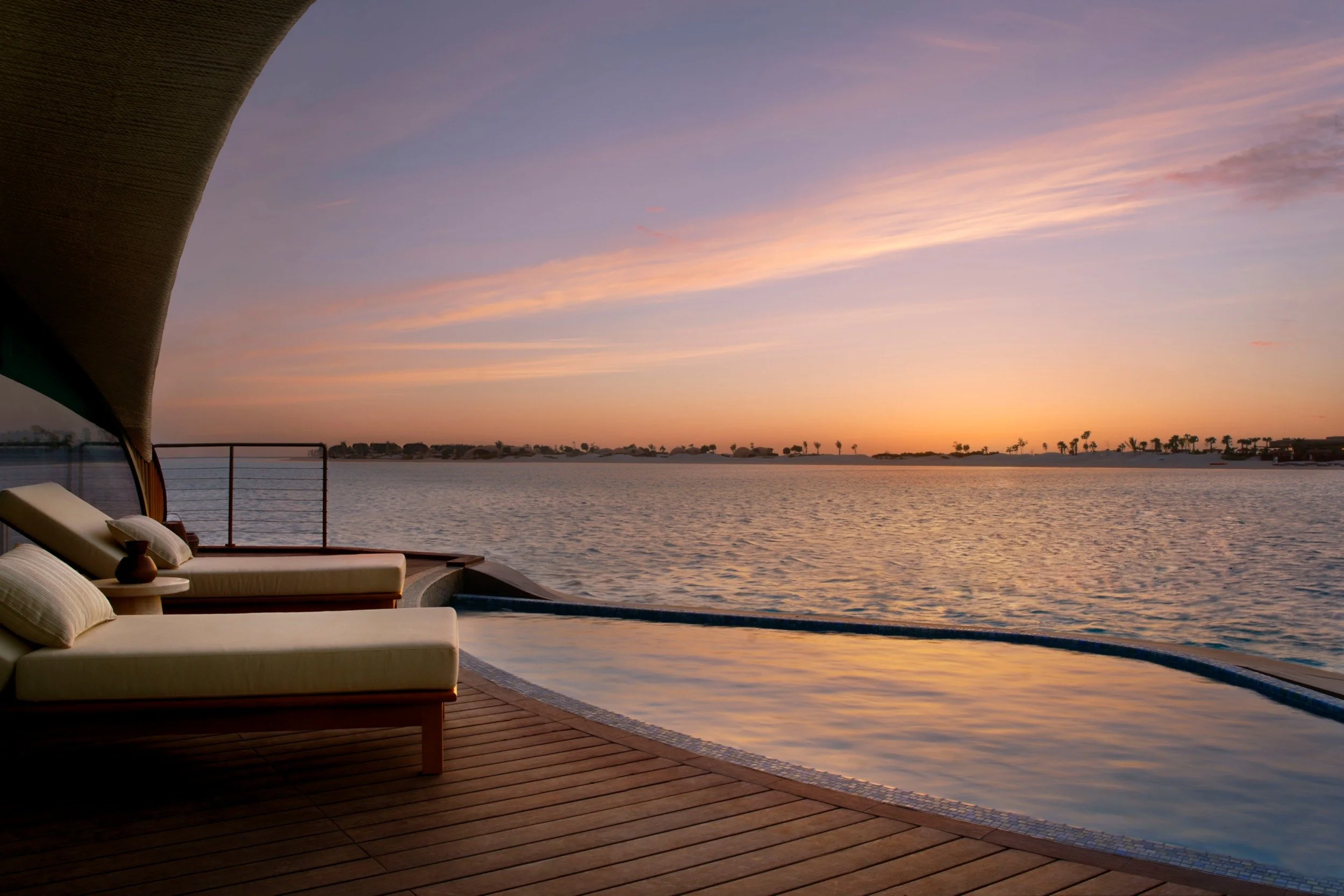
Water Villa: Approximately 1,625 sq. ft., with one king bedroom, a separate living room, kitchen facilities, and a private pool and sundeck above the sea, offering broad water views within the resort’s distinctive ring of overwater accommodations.
Sunset Water Villa: Approximately 1,625 sq. ft., with one king bedroom, separate living space, kitchen facilities, and a private pool on the overwater deck, retaining the Water Villa’s layout while adding the evening-facing outlook that distinguishes this category.
Reserve Beach Villa – Sea View: Approximately 2,465 sq. ft., with two bedrooms containing one king bed and two queen beds, private bathrooms, shared living and dining space, kitchen facilities, and a private pool and sundeck in a beachside setting.
Reserve Beach Villa – Sunset View: Approximately 2,465 sq. ft., with a king bedroom and a second bedroom containing two queen beds, shared living and dining areas, kitchen facilities, and a private pool, combining the two-bedroom beach arrangement with a sunset-facing position.
Reserve Water Villa – Sea View: Approximately 2,465 sq. ft., with two bedrooms containing one king bed and two queen beds, two private bathrooms, shared living and dining space, kitchen facilities, and an overwater pool deck suited to spending substantial time at the villa.
Reserve Water Villa – Sunset View: Approximately 2,465 sq. ft., with a king bedroom and a second bedroom with two queen beds, separate communal living and dining areas, kitchen facilities, and a private pool and sundeck oriented toward the evening light.
Royal Nujuma Villa: Approximately 3,865 sq. ft., with three bedrooms containing two king beds and two queen beds, three bathrooms, a full kitchen, living and dining areas, and a private pool, sundeck, and garden extending toward a secluded stretch of beachfront.
For a family, the two-bedroom beach categories deserve particular consideration. They bring separate sleeping spaces together with a straightforward relationship to the shore. Overwater stays require a closer discussion of children’s ages, swimming confidence, and the open relationship between deck and sea. The most useful upgrade is the one that changes how comfortably the group can spend its time.
Bread, Seafood, and Evenings at Maia
Nujuma’s four principal dining venues provide different settings across the day. The food draws on Arabian hospitality and the coast’s fishing traditions, while the French-style pâtisserie at Sita introduces another direction for breakfast or a quiet coffee.
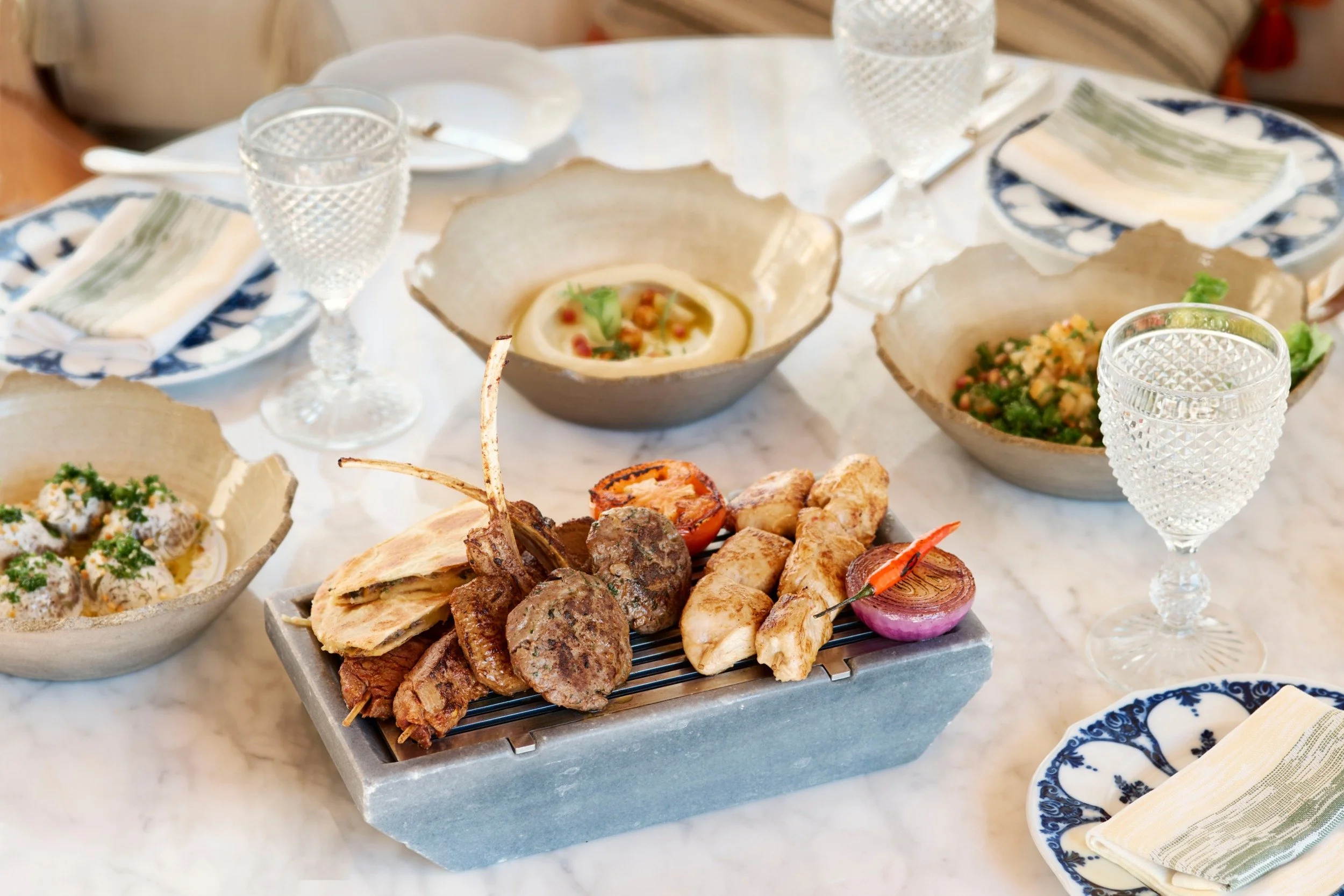
Sita: A Levantine restaurant and French-style pâtisserie arranged around six pavilions, with a clay oven, freshly prepared hummus, and a spice library giving the experience a lively culinary focus that extends to hands-on bread-making classes.
Tabrah: The seafood restaurant interprets the warmth of a fisherman’s home through shared meals and a sea-facing setting, with blue-tiled arches and relaxed indoor and outdoor seating lending an intimate character to dinner.
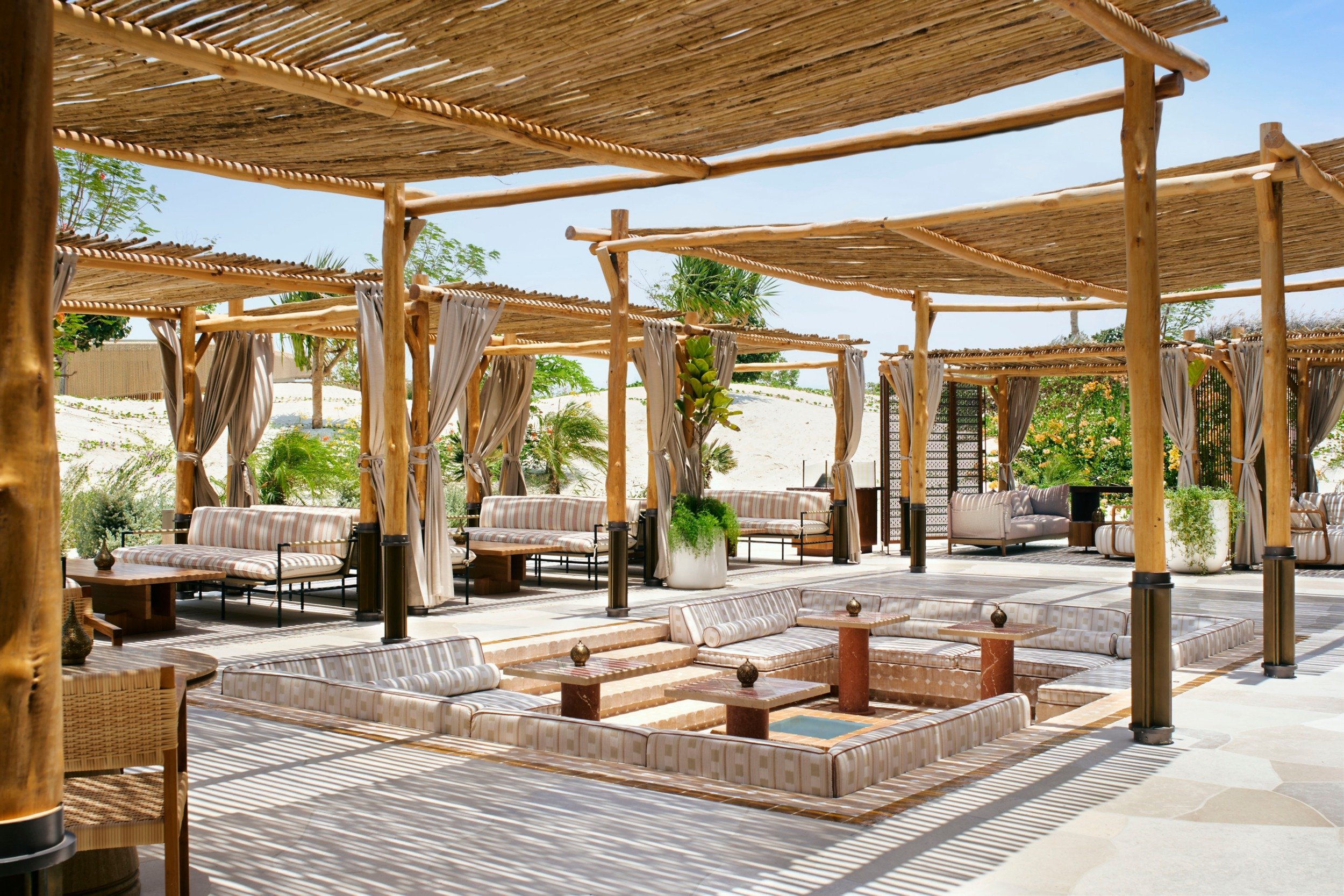
Jamaa: An informal outdoor restaurant associated with the pool and beach, serving light dishes and refreshing drinks in a shaded setting that works naturally for lunch or a break between time in the water.
Maia: An evening gathering place where alcohol-free drinks draw inspiration from the night sky, bringing together a terrace, astronomy-led storytelling, and a more contemplative end to the day.
In-Villa and Private Dining: Personally arranged meals make use of villa terraces, kitchen facilities, and selected beach settings, with menus discussed in advance for anything from a quiet family dinner to a more elaborate celebration.
Restaurant schedules vary, and some venues close on selected days. Planning a longer stay allows more opportunity to experience the collection; private dining, culinary classes, and any meal-plan inclusions should be confirmed with the chosen reservation.
Neyrah’s Gardens, Hammam, and Sea-Facing Rooms
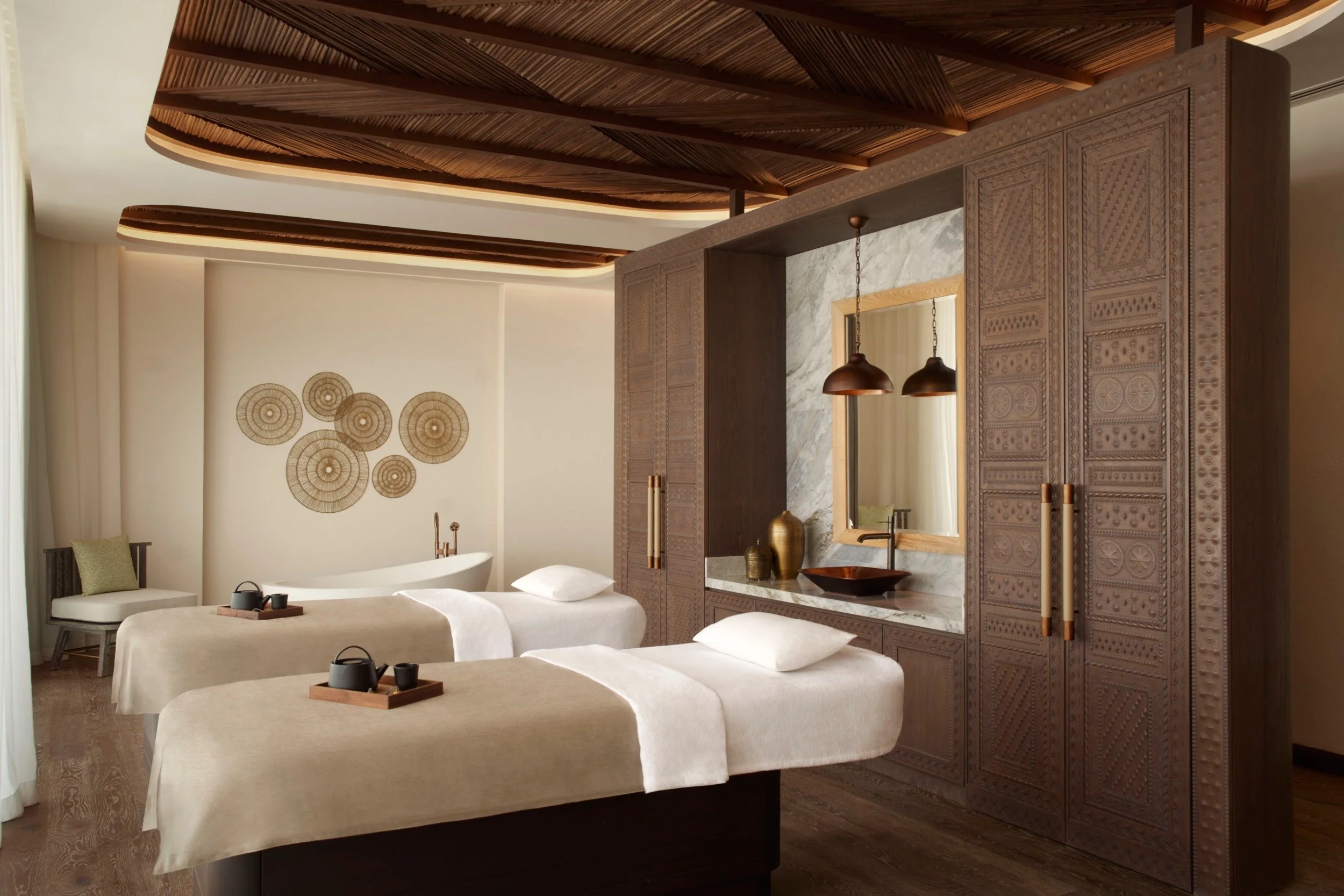
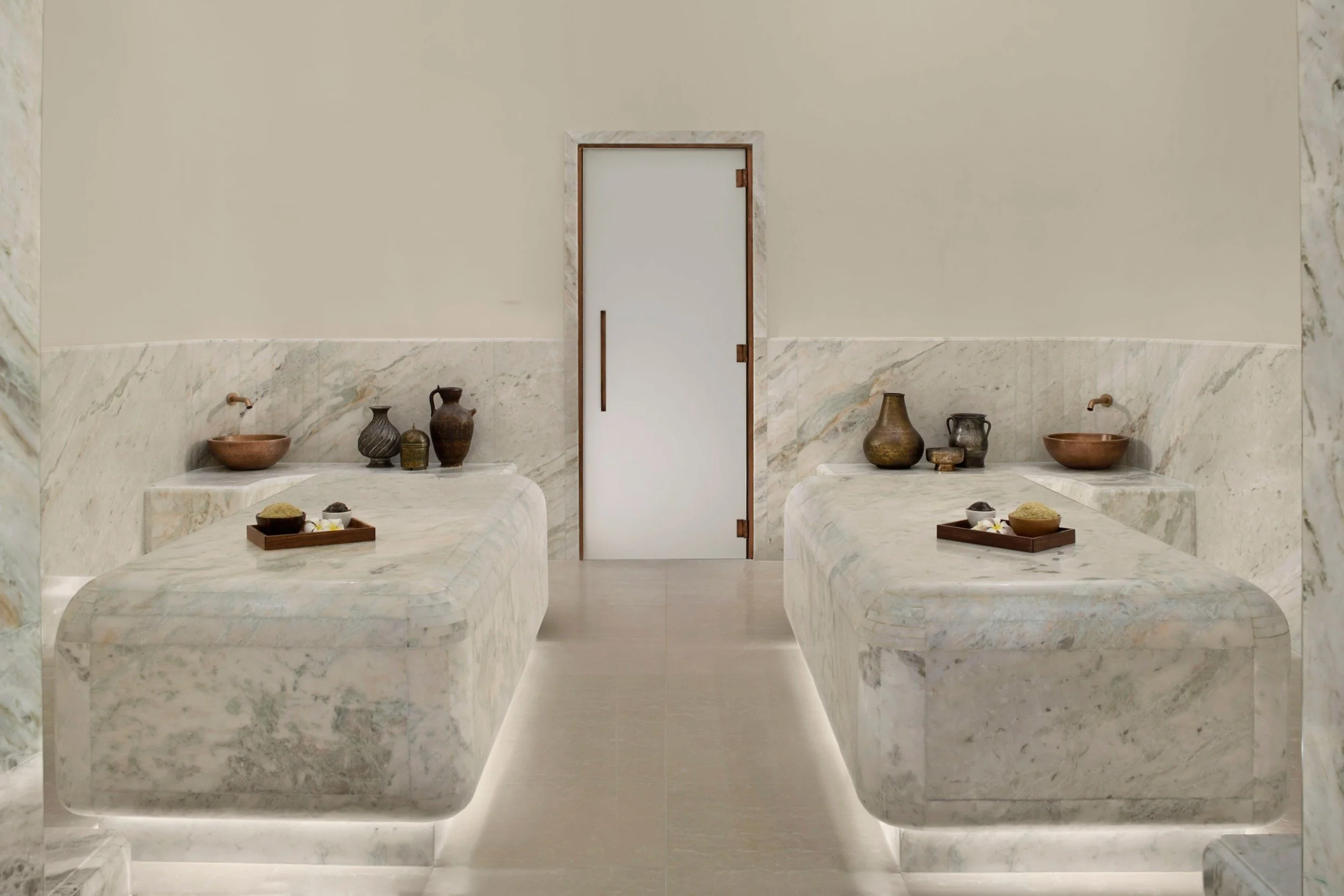
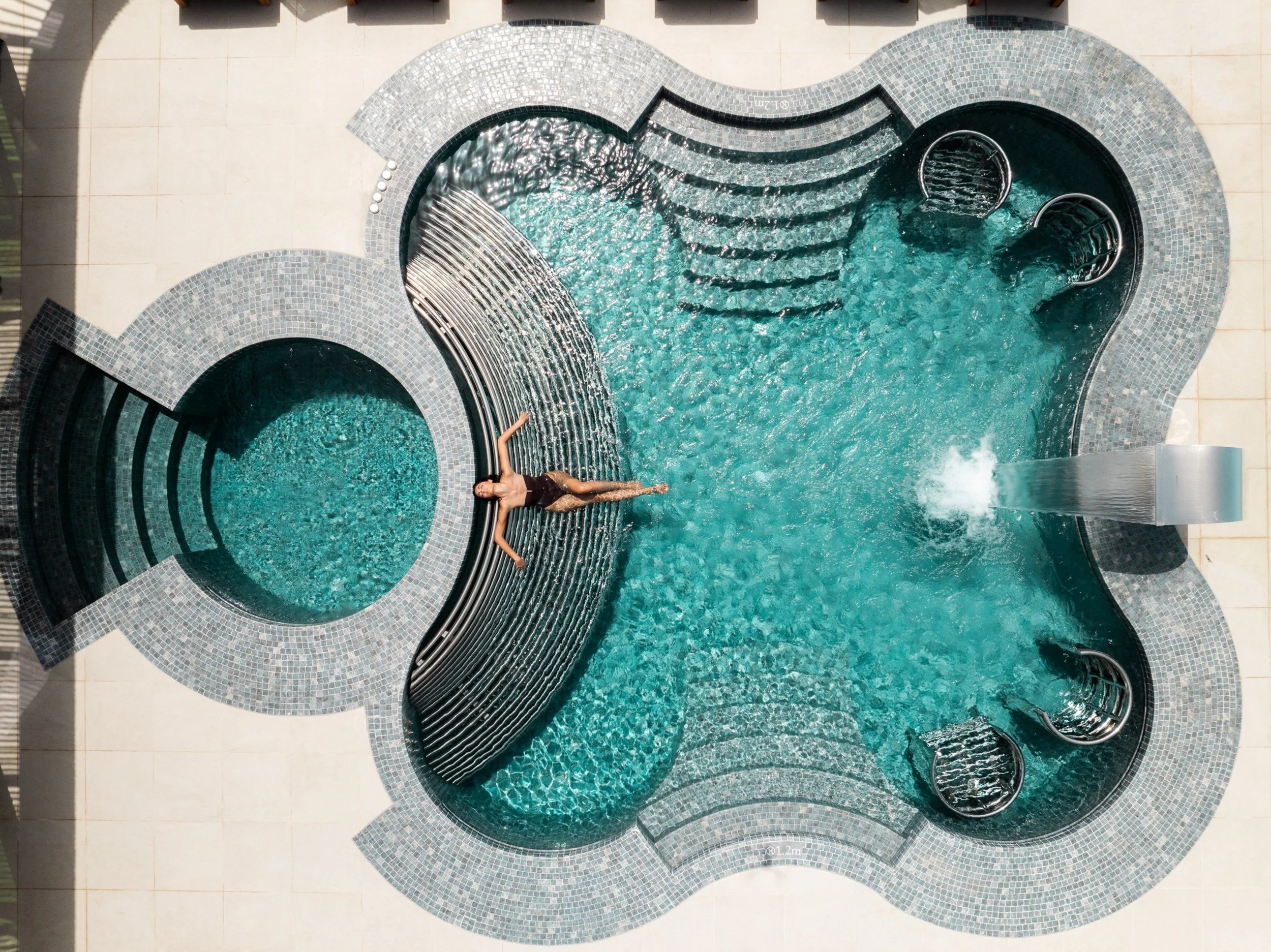
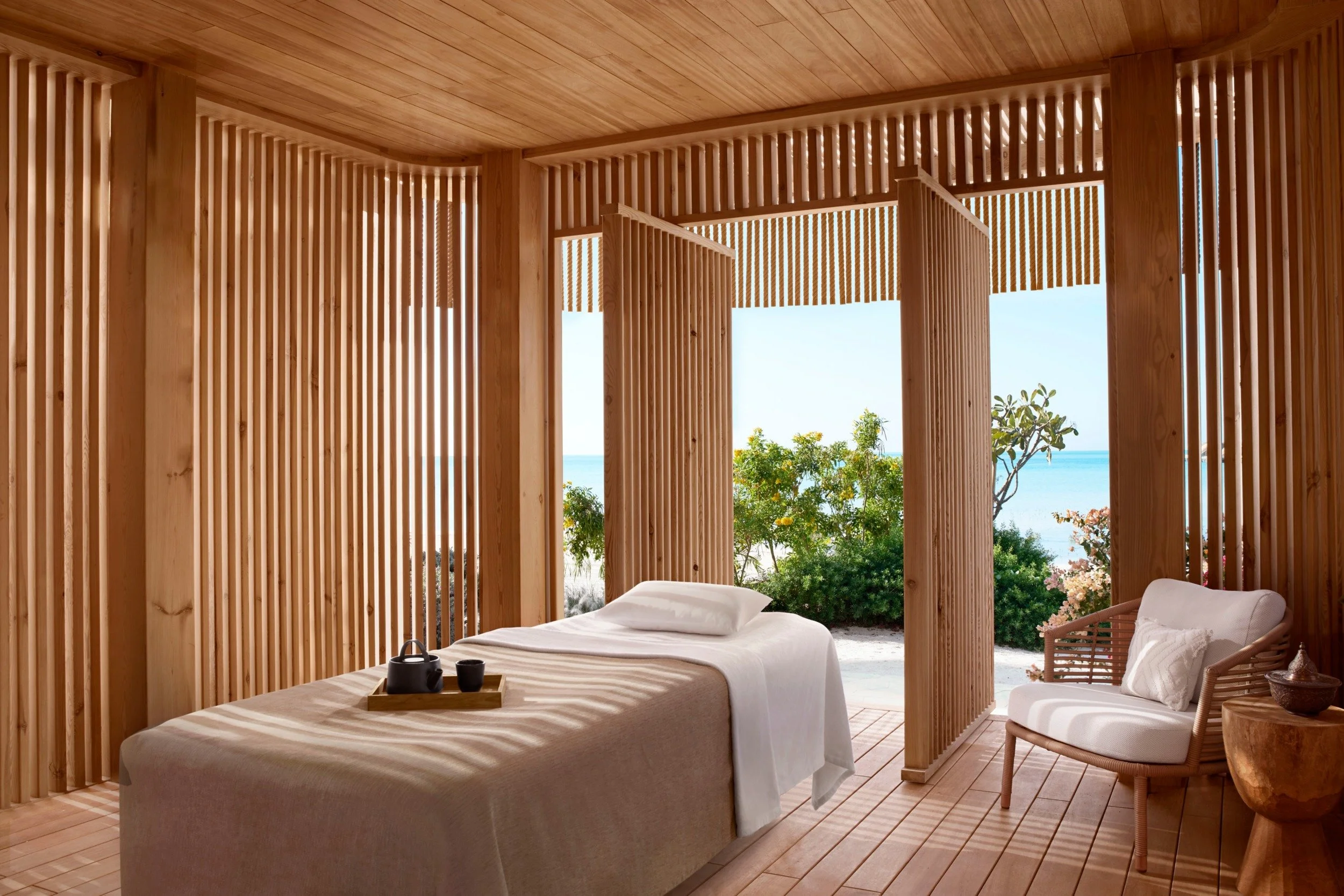
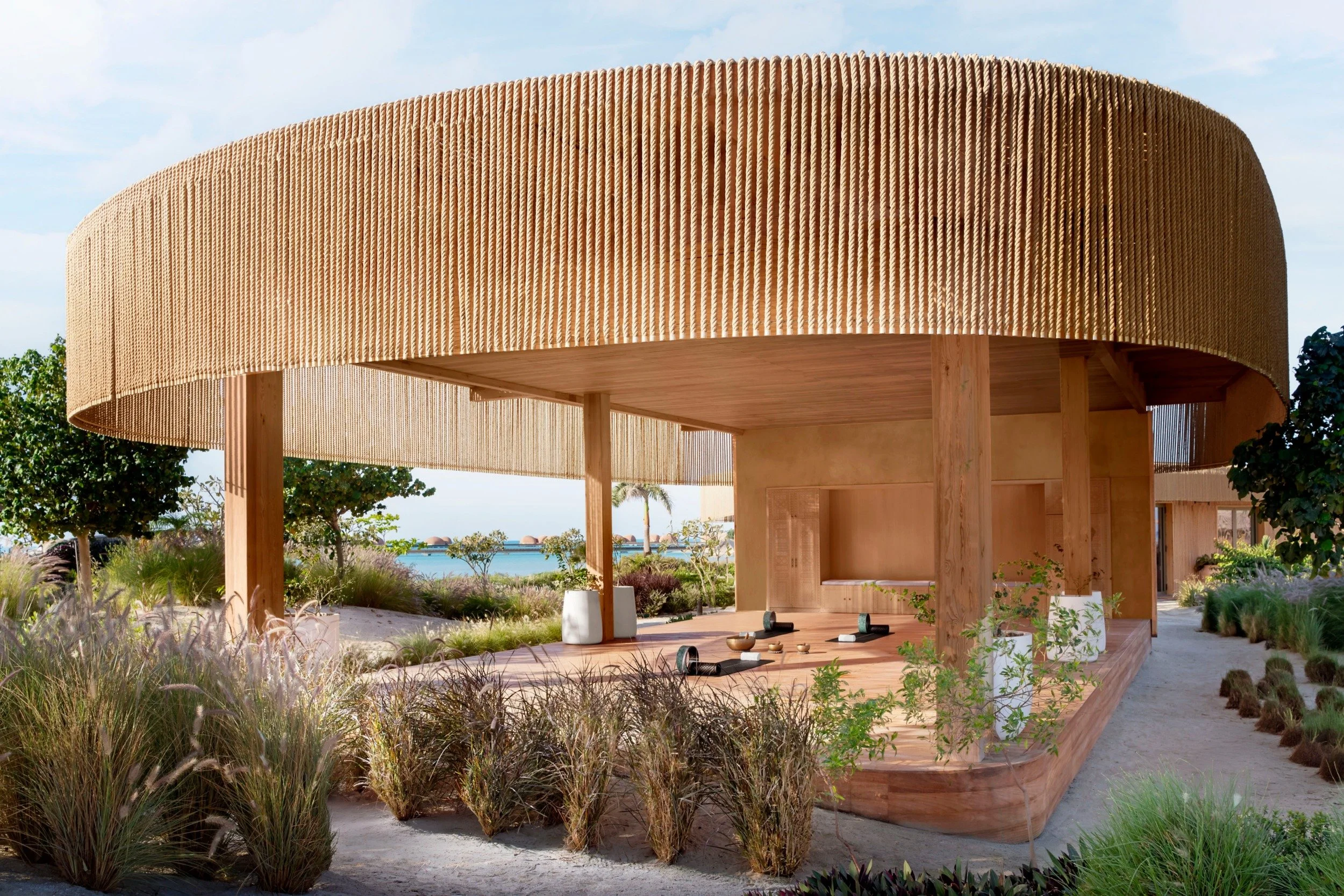
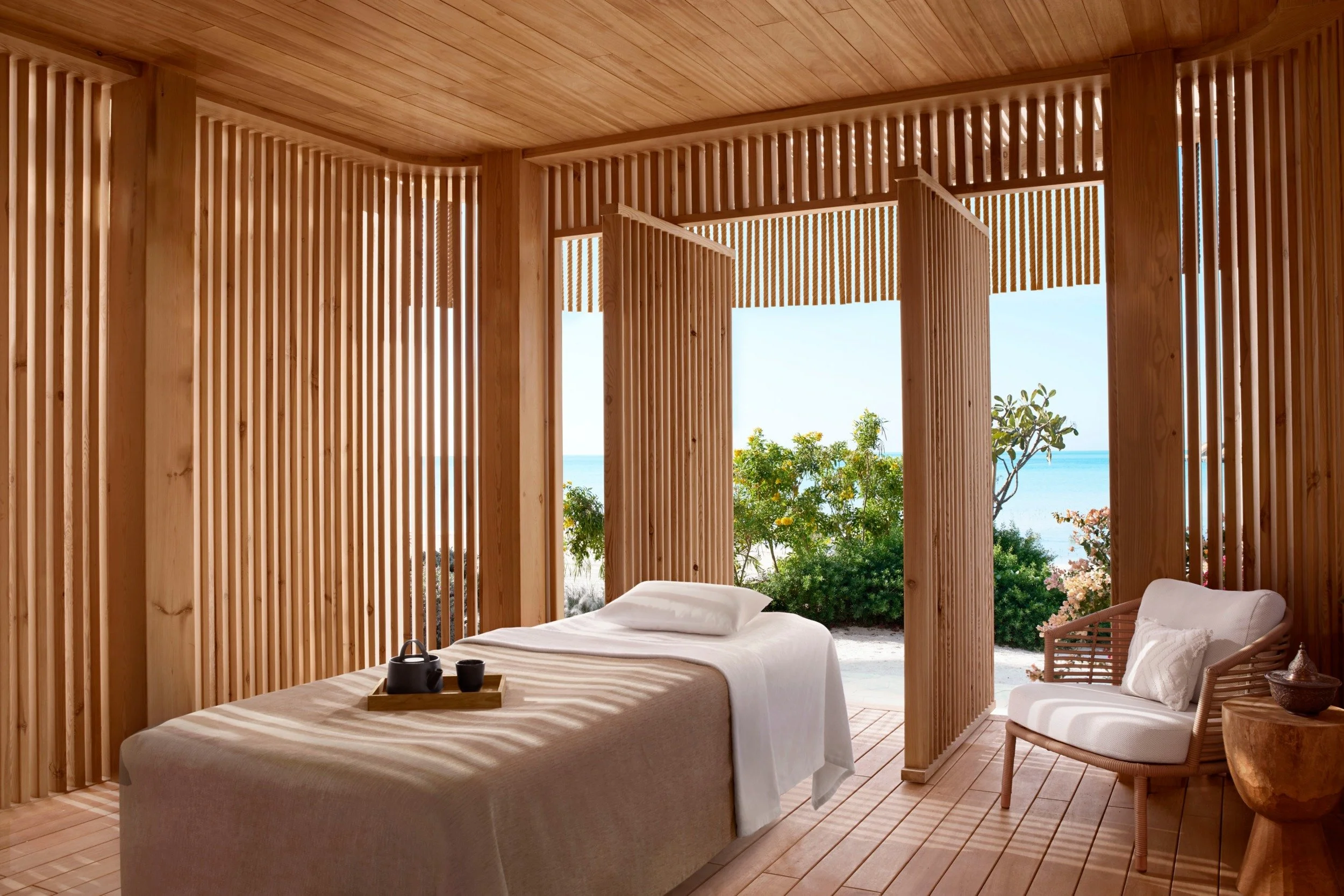
Neyrah Spa occupies a series of indoor and outdoor spaces where the resort’s timber, rope, and curved architectural forms continue. Sea-facing treatment rooms and garden cabins provide distinct settings, while vitality and lap pools, a hammam, and yoga spaces make it possible to spend more than a single appointment here.
The treatment approach brings together international spa traditions and regional ingredients, including moringa peregrina oil associated with AlUla. Three outdoor cabins offer semi-private settings for selected treatments. For couples, the Royal Neyrah Suite adds a private arrangement with a Jacuzzi, bathtub, and steam shower.
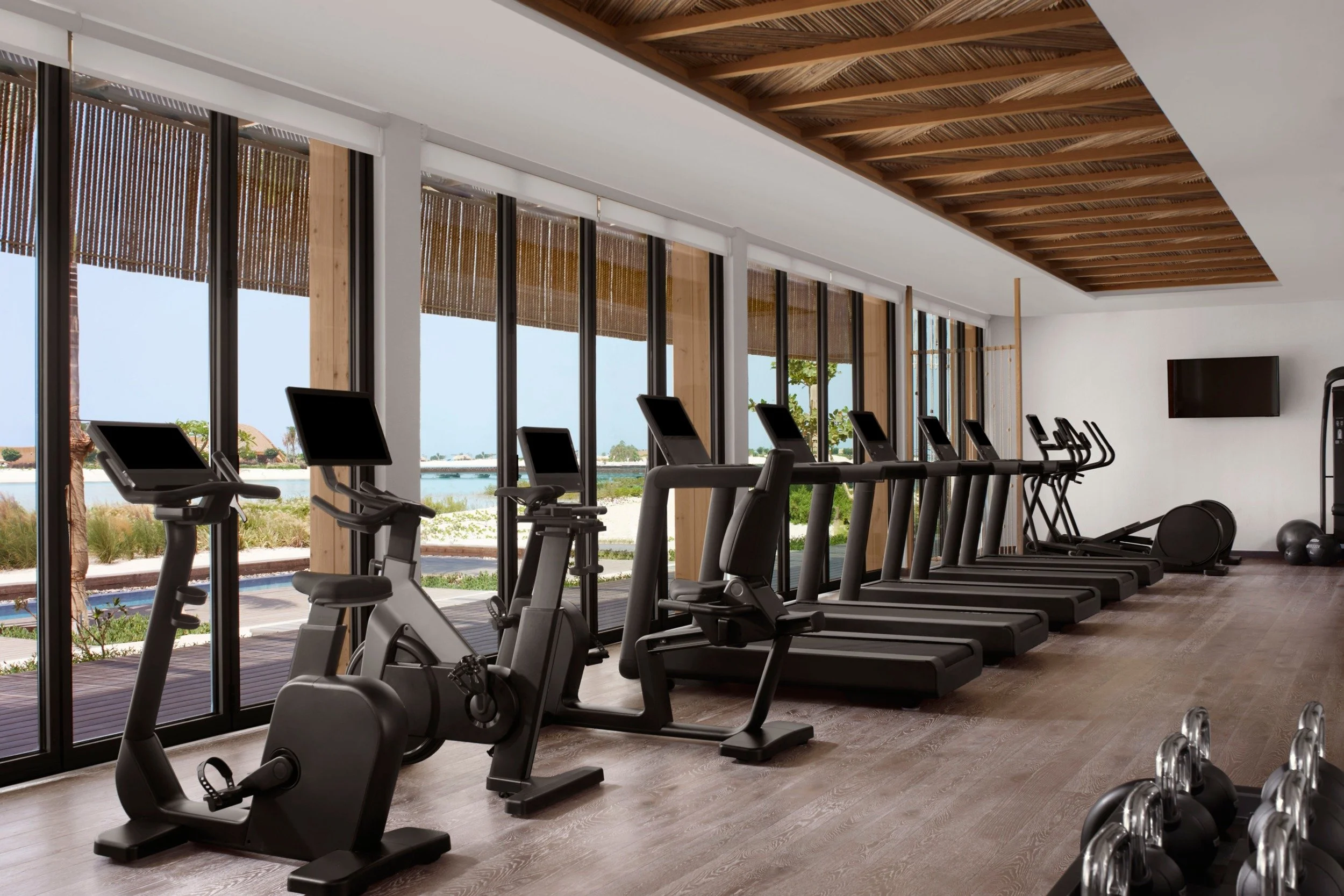
Yoga can be incorporated around sunrise or sunset, and the fitness center supports a more familiar daily routine. The appeal is the flexibility: a morning on the reef can lead into a quieter afternoon, while travelers seeking a wellness-focused stay can arrange a more sustained program.
Specific treatments and guided sessions require advance arrangements. Spa journeys, personal instruction, and other specialist services should be considered individually when planning the stay.
Following the Reef by Day and Constellations by Night
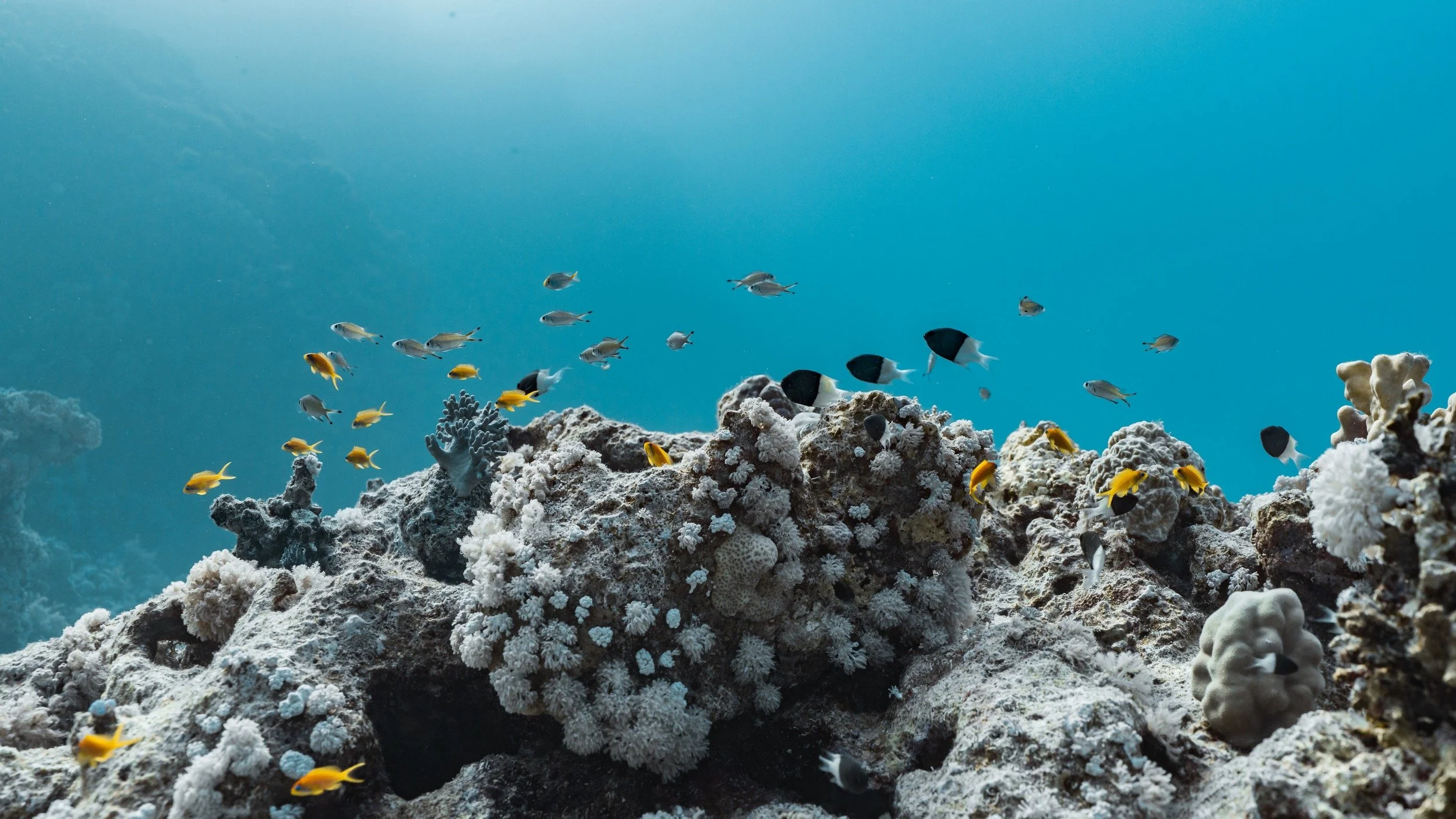
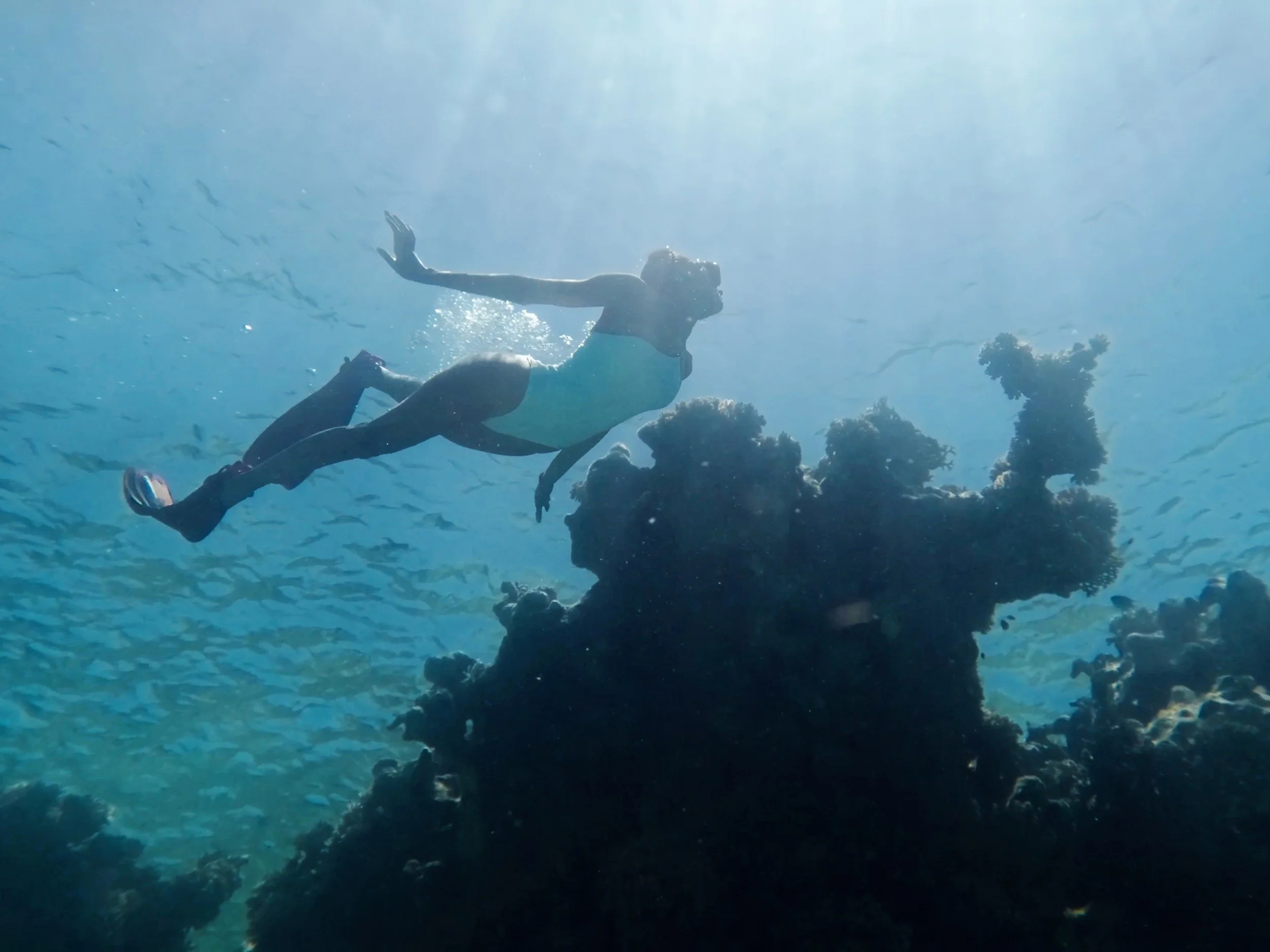
Marine exploration is central to Nujuma. Galaxea Dive Center provides access to guided diving, learning opportunities, and certification, allowing experienced divers and those approaching the activity for the first time to engage with the Red Sea at different levels.
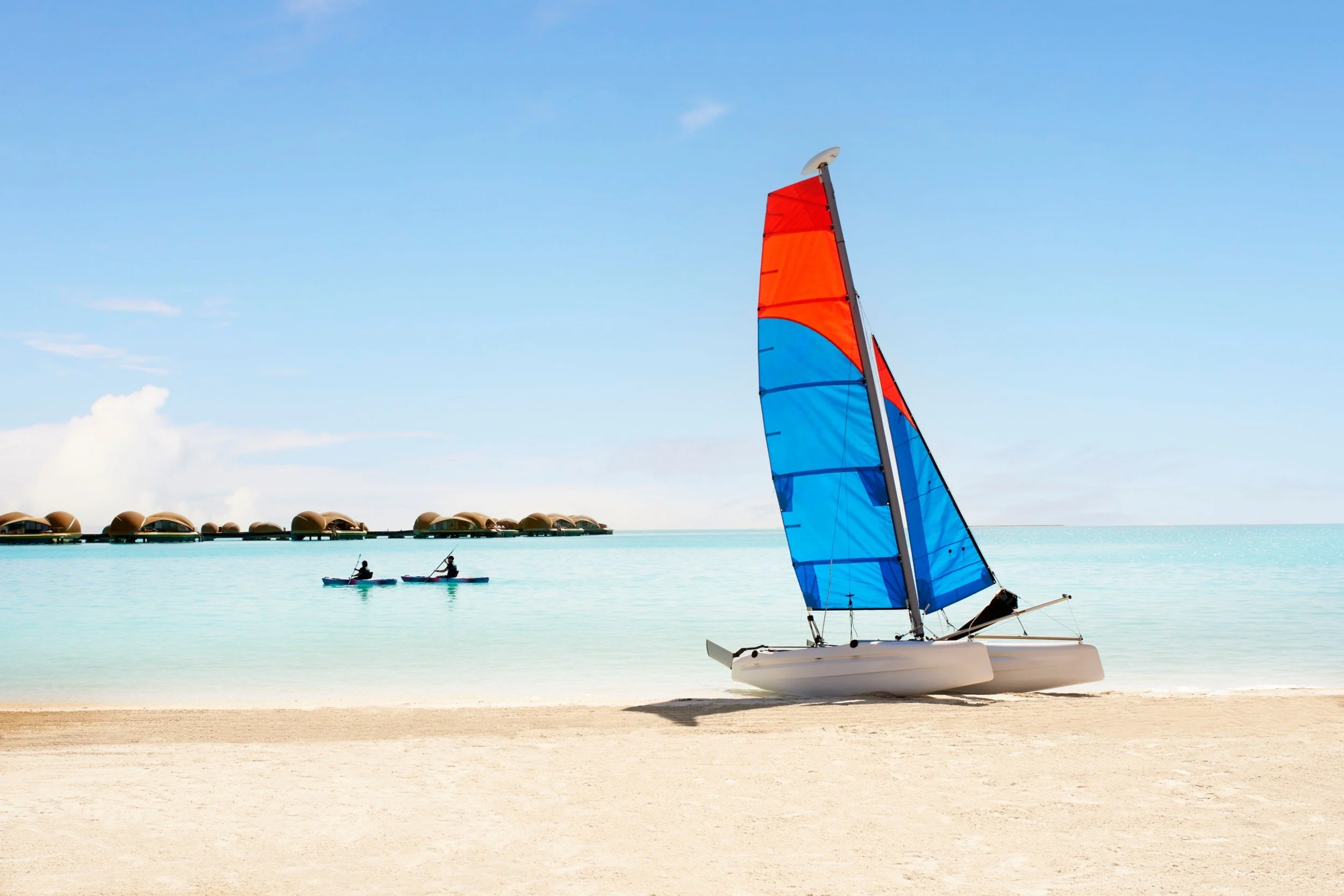
Snorkeling offers another way to encounter the coral environment. Kayaking, sailing, and windsurfing add options above the surface, although the day’s conditions determine what is appropriate. A clear distinction matters here: a photograph of a turtle or dolphin conveys the region’s biodiversity, not a wildlife encounter that can be promised.
The Conservation House gives that outdoor experience context. Resident specialists introduce marine life, nature, astronomy, and Saudi culture through hands-on activities and conversation. It provides a useful starting point for understanding the habitats encountered on an excursion.
After dark, the focus shifts upward. A resident astronomy expert combines stargazing with stories about how the sky helped earlier travelers navigate. The villa telescopes allow that interest to continue privately, though guided observation brings an explanation that the equipment alone cannot provide.
We would leave some flexibility in the schedule for water-based activities. Choosing the most suitable conditions is more valuable than fixing every excursion to a particular morning, especially when diving is a central reason for the trip.
An Island Classroom for Younger Travelers
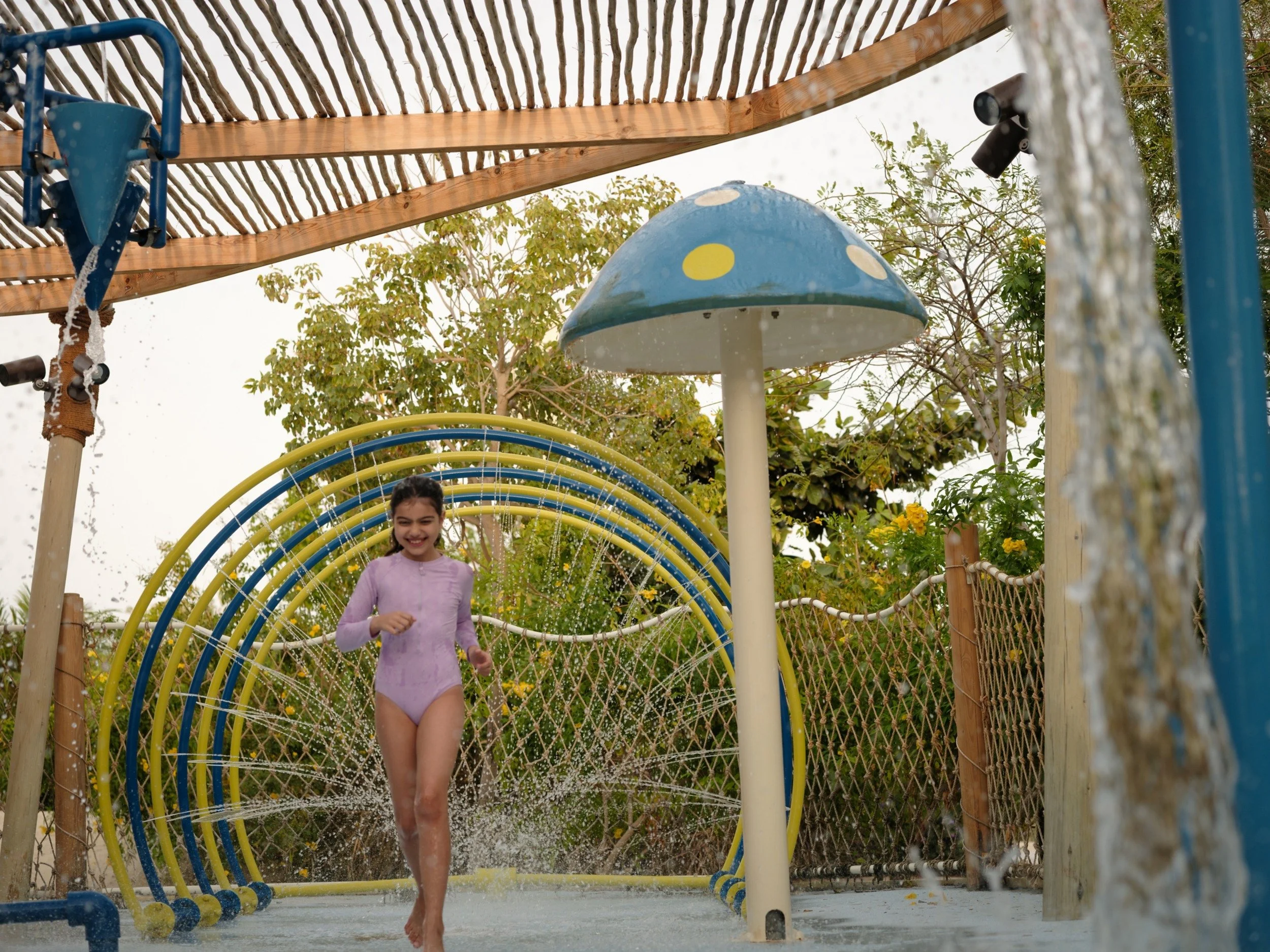
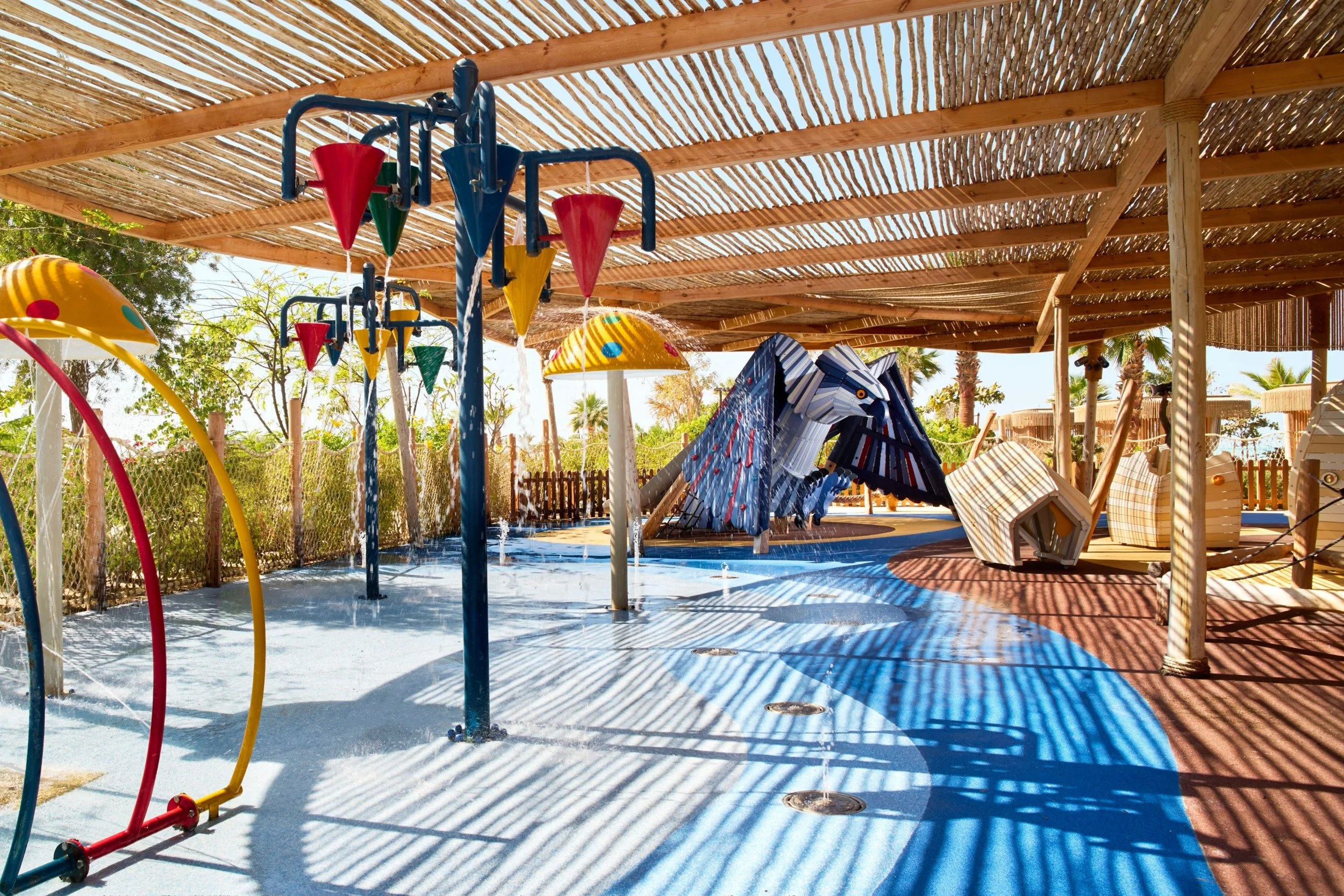
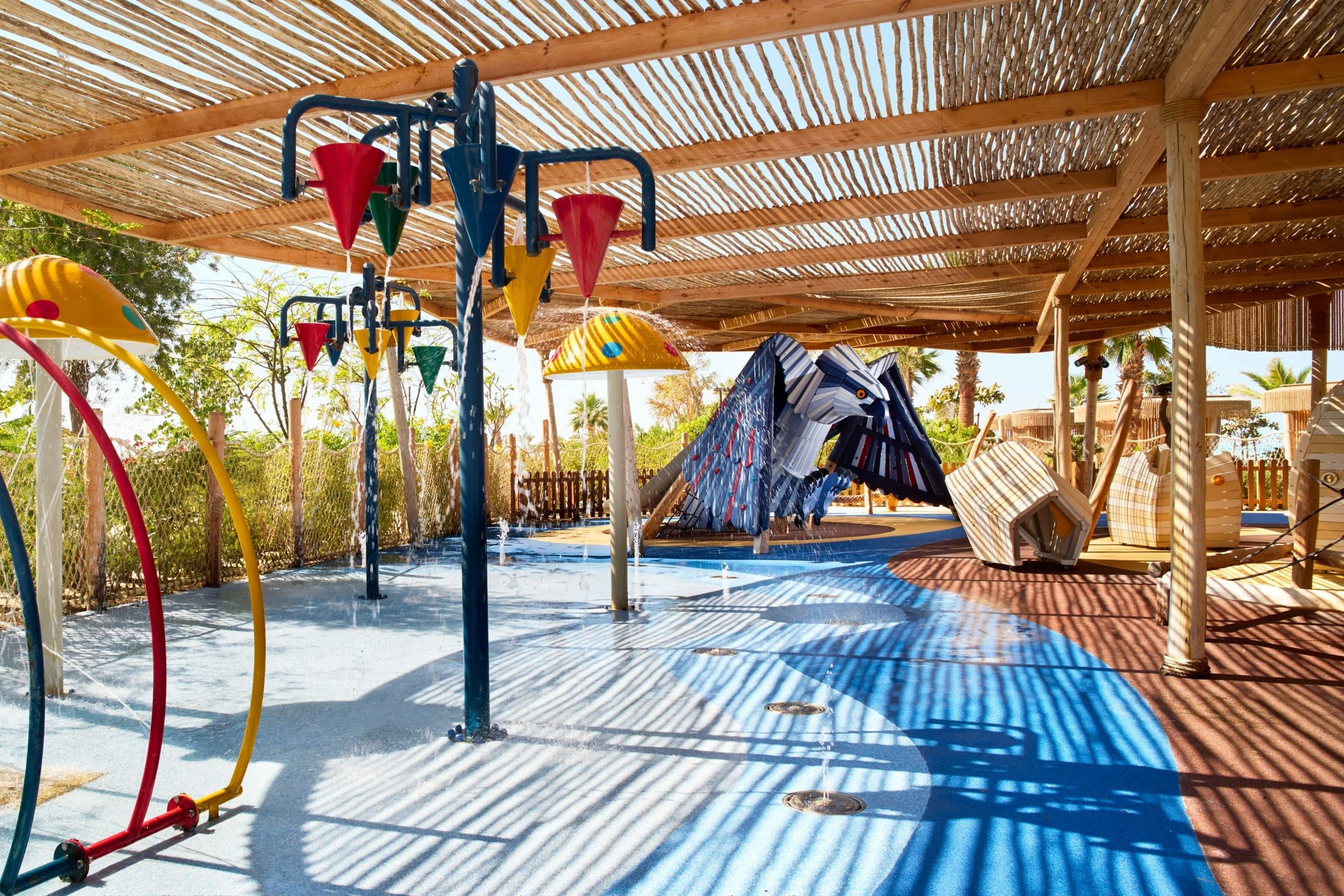
Nujuma’s Kids and Teens Club offers activities connected to nature, history, and local culture. Despite the name, the resort’s published description specifies children aged twelve and under; arrangements for older teenagers should therefore be discussed separately.
Marine discovery, creative activities, and time with the resort’s specialists give families opportunities to share an interest in the destination. The wider experience can be paced around the children, with villa meals and separate bedrooms helping parents preserve familiar routines between outings.
Minimum ages for unaccompanied participation, supervision arrangements, babysitting, schedules, and any charges require direct confirmation. The same applies to pool access rules and age or ability requirements for excursions. A private pool and an overwater deck each call for active supervision, making the precise villa configuration an important part of choosing a family stay.
Protecting the Habitats That Define the Stay
Nujuma reports that it operates on solar power and holds LEED Platinum certification. Its documented environmental measures include support for mangrove restoration, protection of turtle nesting sites, and raised nesting platforms intended to support ospreys.
Local sourcing also has a practical role. The resort works with suppliers in the Tabuk region, including the Tamala farming cooperative, for selected produce. This is a more specific contribution than a general claim that all food is local, particularly at a resort serving a varied international menu.
The night sky has received formal attention as well. In August 2026, DarkSky International announced Nujuma and Desert Rock among the first recipients of its new DarkSky Approved Resort certification, recognizing responsible outdoor lighting.
These property-level practices sit within Red Sea Global’s wider environmental program. Regional planting targets and future ambitions should be understood separately from results achieved at Nujuma itself. For travelers, the most immediate contribution is following the guides’ instructions around reefs, wildlife, and sensitive shoreline habitats.
Planning Access from the Mainland to the Villa
The resort lists mobility-accessible accommodation, hearing-accessible rooms or kits, roll-in showers, bathroom grab rails, and accessible routes to principal public facilities. Its published information also identifies a pool lift or sloped entry. The exact villa and equipment should be confirmed for the traveler’s needs rather than inferred from the category alone.
Arrival deserves equal attention. Fly Red Sea’s published conditions place restrictions on travelers unable to enter and exit the seaplane independently. Boat boarding, vehicle transfers, and movement between jetties and villas therefore need to be discussed before the journey is finalized.
For hearing, vision, or other access requirements, request specific information about communication support, orientation, and suitable activities. A clear plan covering the entire journey is more useful than a general assurance about the hotel.
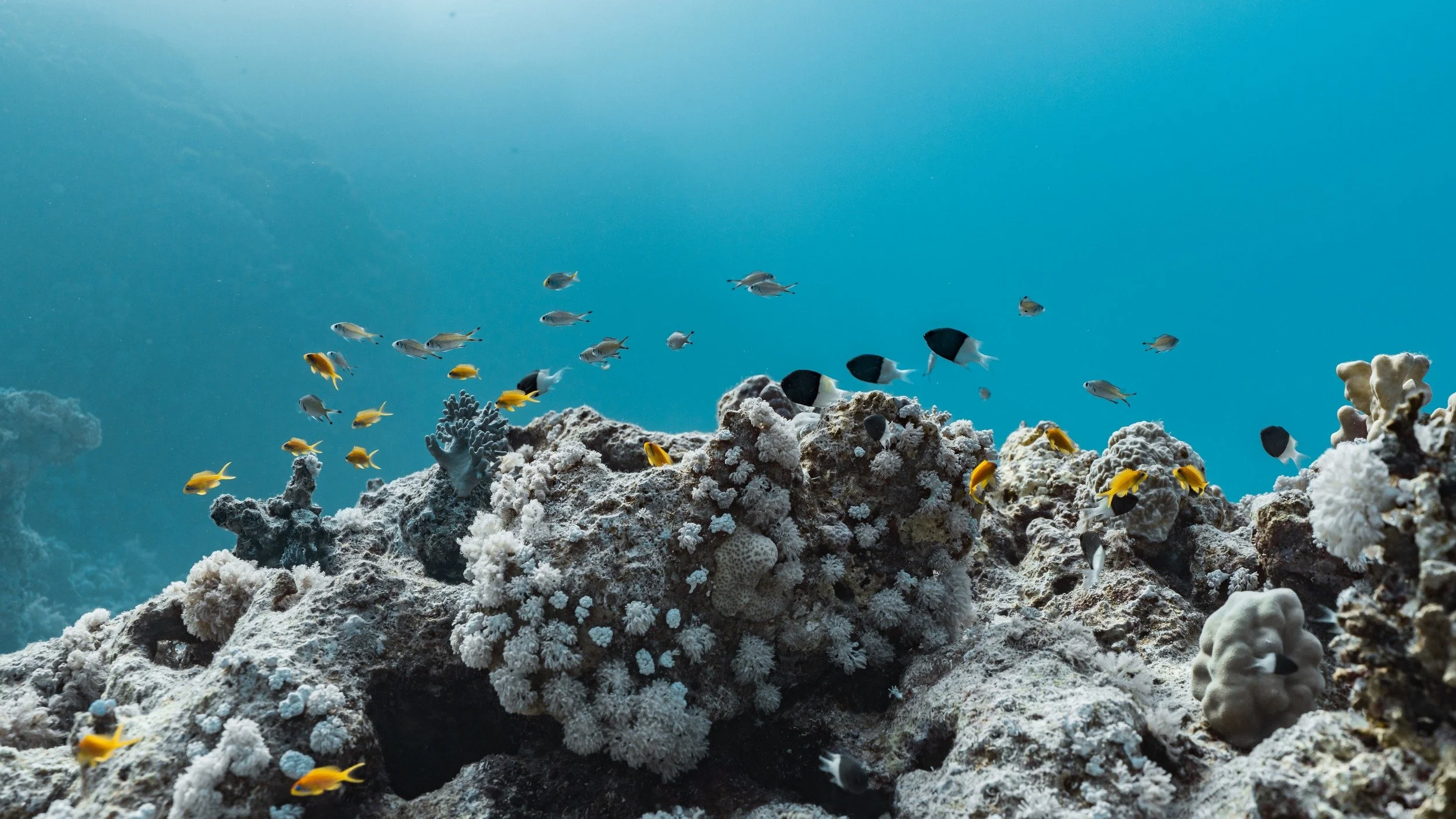
Beyond the Villas: An Archipelago Worth Understanding
The surrounding destination is primarily a seascape. Reefs, mangroves, channels, and islands replace the streets and landmarks that usually structure a day of sightseeing. A guided outing can reveal differences between those habitats, turning a stretch of apparently uniform blue water into a more legible landscape.
The Red Sea’s coastal mainland offers another perspective, with desert terrain beyond the shore. Exploring it involves leaving the island and arranging onward transport, so mainland activities deserve a planned excursion rather than being treated as something to fit casually between lunch and a spa appointment.
For a broader Saudi Arabian journey, the destination can be paired with AlUla. Its inland landscapes and archaeological heritage offer a substantial change of setting, but it is best approached as a separate stay with its own transfers and time to explore. Keeping those experiences distinct allows Nujuma to retain the unhurried island character that makes it appealing.
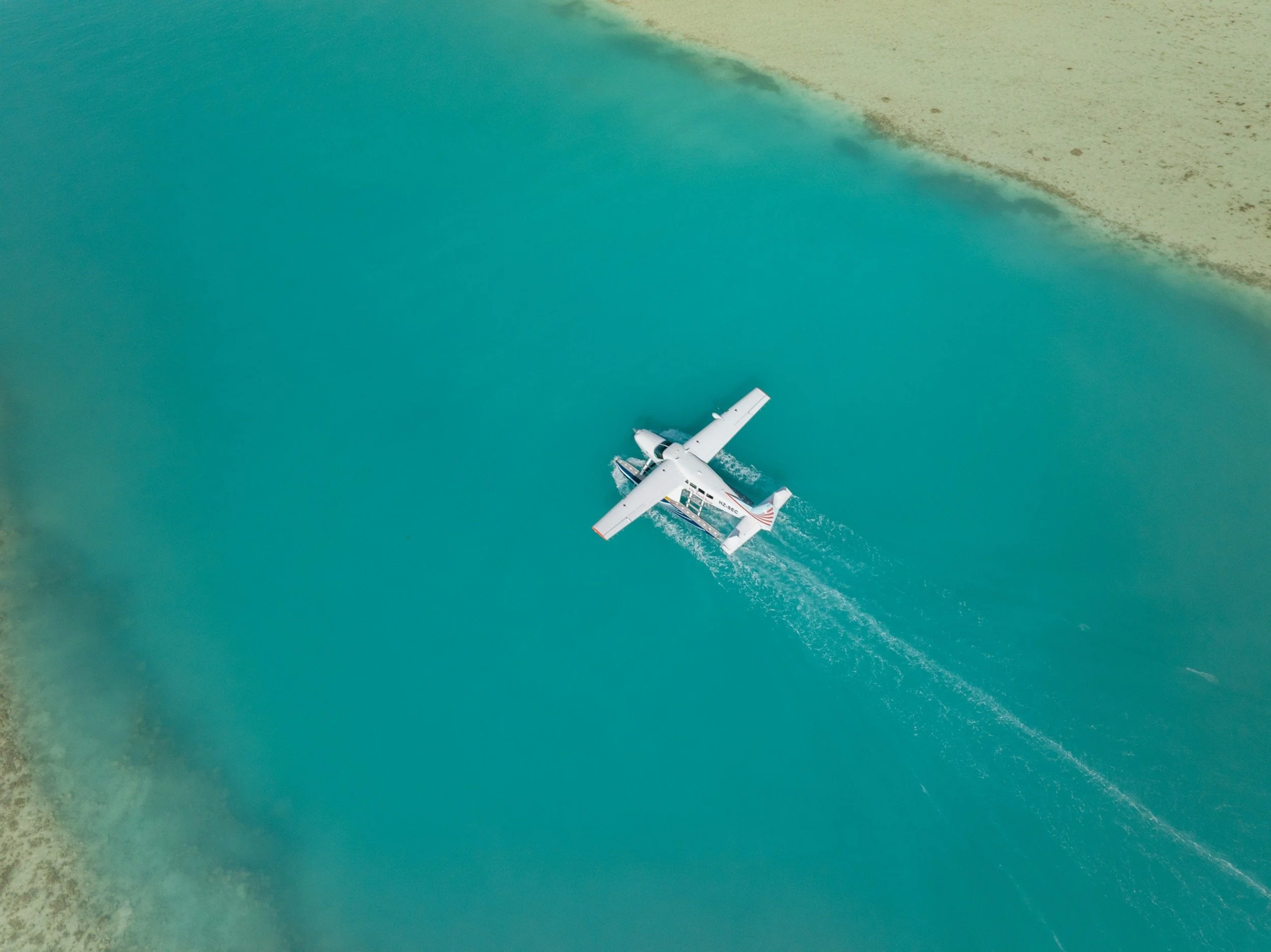
Getting to the Ummahat Islands
Through Red Sea International Airport: RSI is the principal gateway for Nujuma; the onward island transfer must be arranged in advance, with flight selection coordinated around the confirmed boat or seaplane connection.
By Road and Boat from RSI: Allow approximately 30 minutes by road to Turtle Bay, followed by about one hour by boat, for roughly 90 minutes of transfer time before any waiting; the road leg is private, while the boat may be shared or privately arranged.
By Seaplane from RSI: Allow approximately 27–30 minutes of flying time, plus check-in and boarding; availability, operating conditions, and baggage arrangements need to be confirmed, and Fly Red Sea requests bookings at least seven days ahead.
Arriving at Turtle Bay by Car: Travelers reaching the mainland independently can arrange the approximately one-hour boat journey from Turtle Bay, where the destination operator lists parking; there is no road access onto the resort island.
All durations are estimates affected by conditions and operations. Leave adequate time on departure day, and carry essentials separately if luggage must travel by a different transfer. Airport transfers, excursions, and meal plans should be checked against the specific package booked.
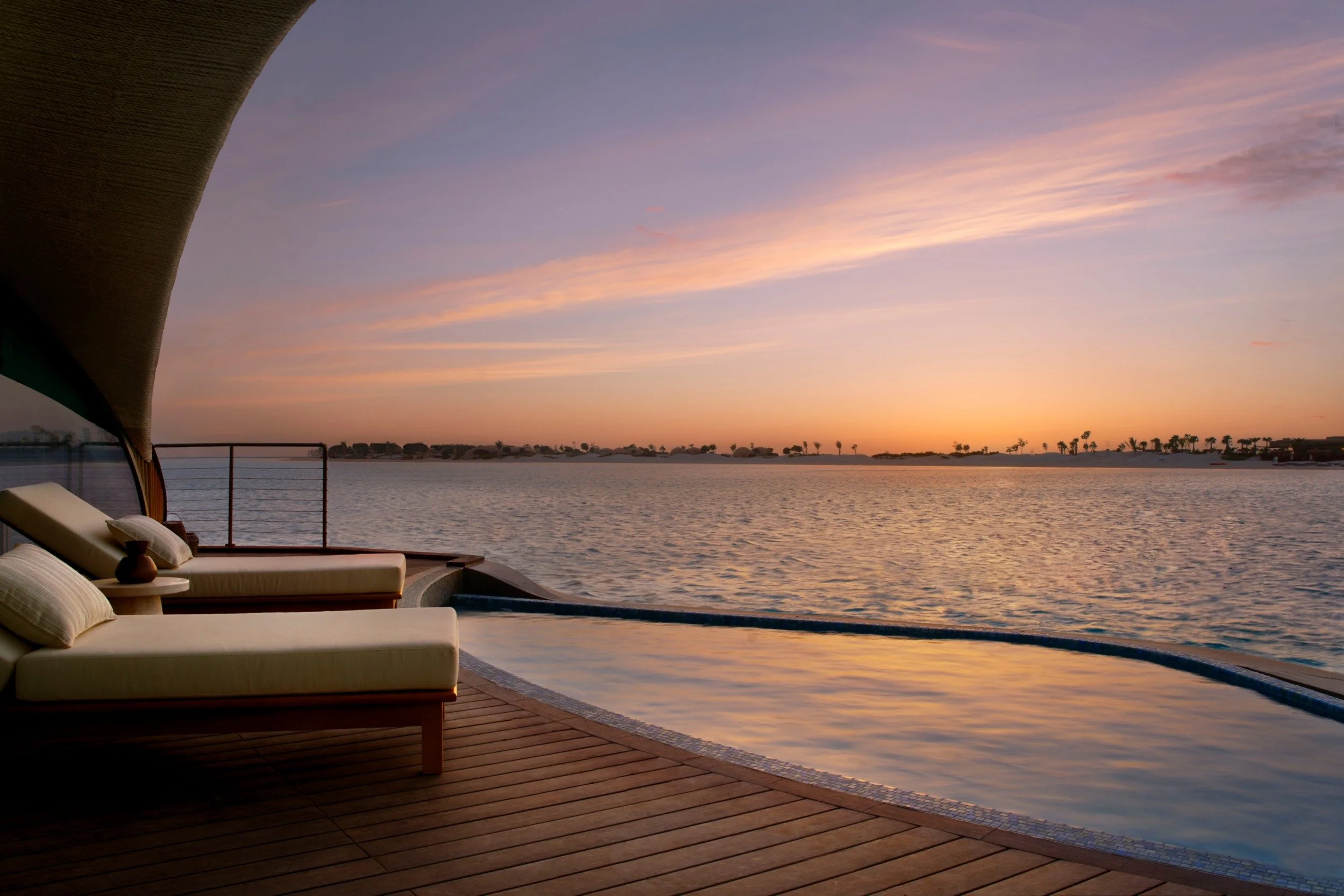
The View After the Light Changes
Nujuma’s setting invites a different kind of attention at different hours. Daylight reveals the shallow water around the villas and the shapes of the reef. Later, the sea becomes a darker backdrop, and the architecture yields to the sky that helped inspire it.
That progression gives the stay its coherence. The shell-shaped rooms, marine encounters, Saudi craft references, and evenings with an astronomy guide all return to the same place. Given enough unhurried time, the island becomes a landscape that travelers have begun to understand, from the life beneath its water to the constellations above it.