Uyuni, Bolivia | Casa Gastón
Art and Altitude on the Edge of the Salar
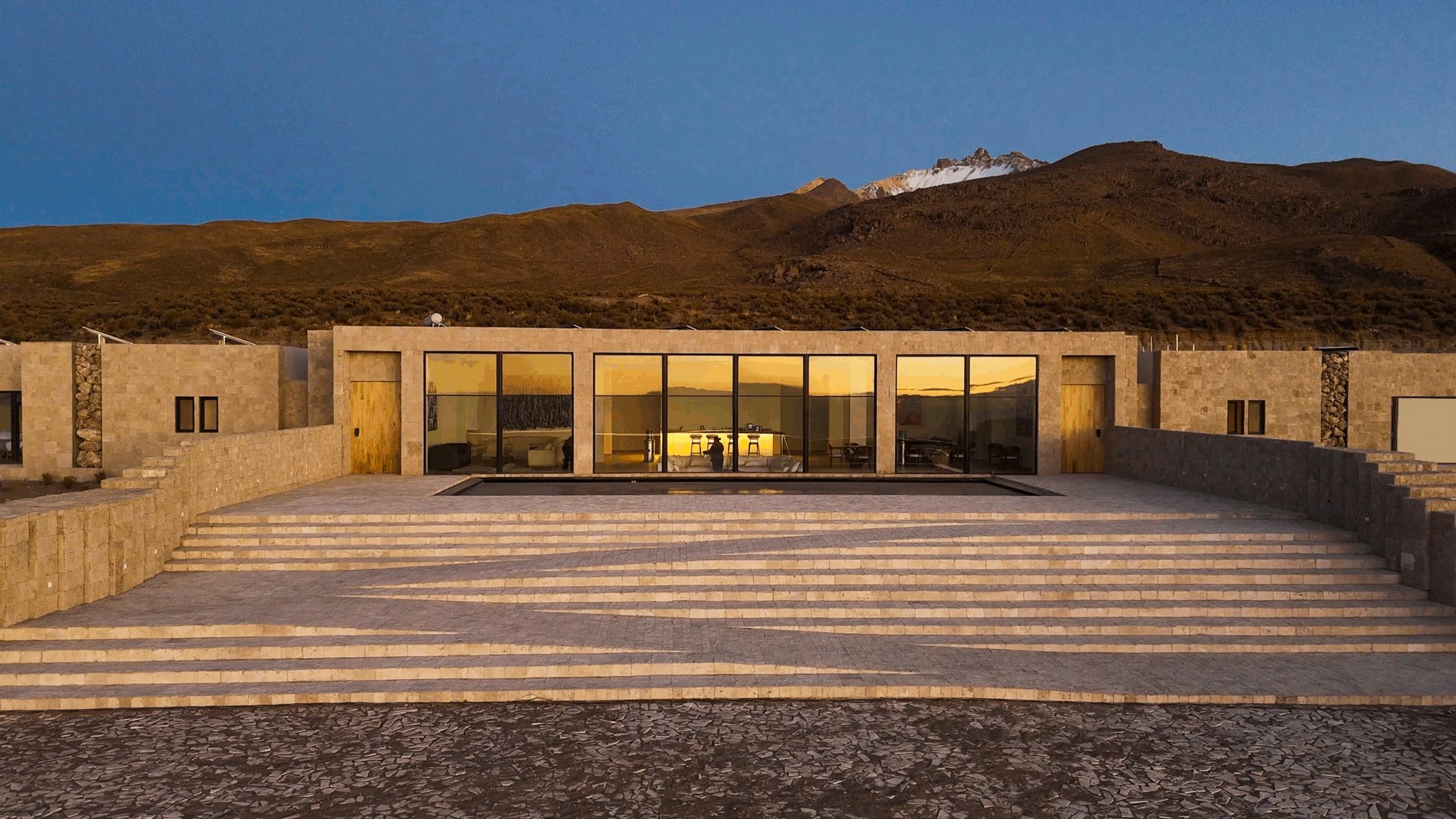
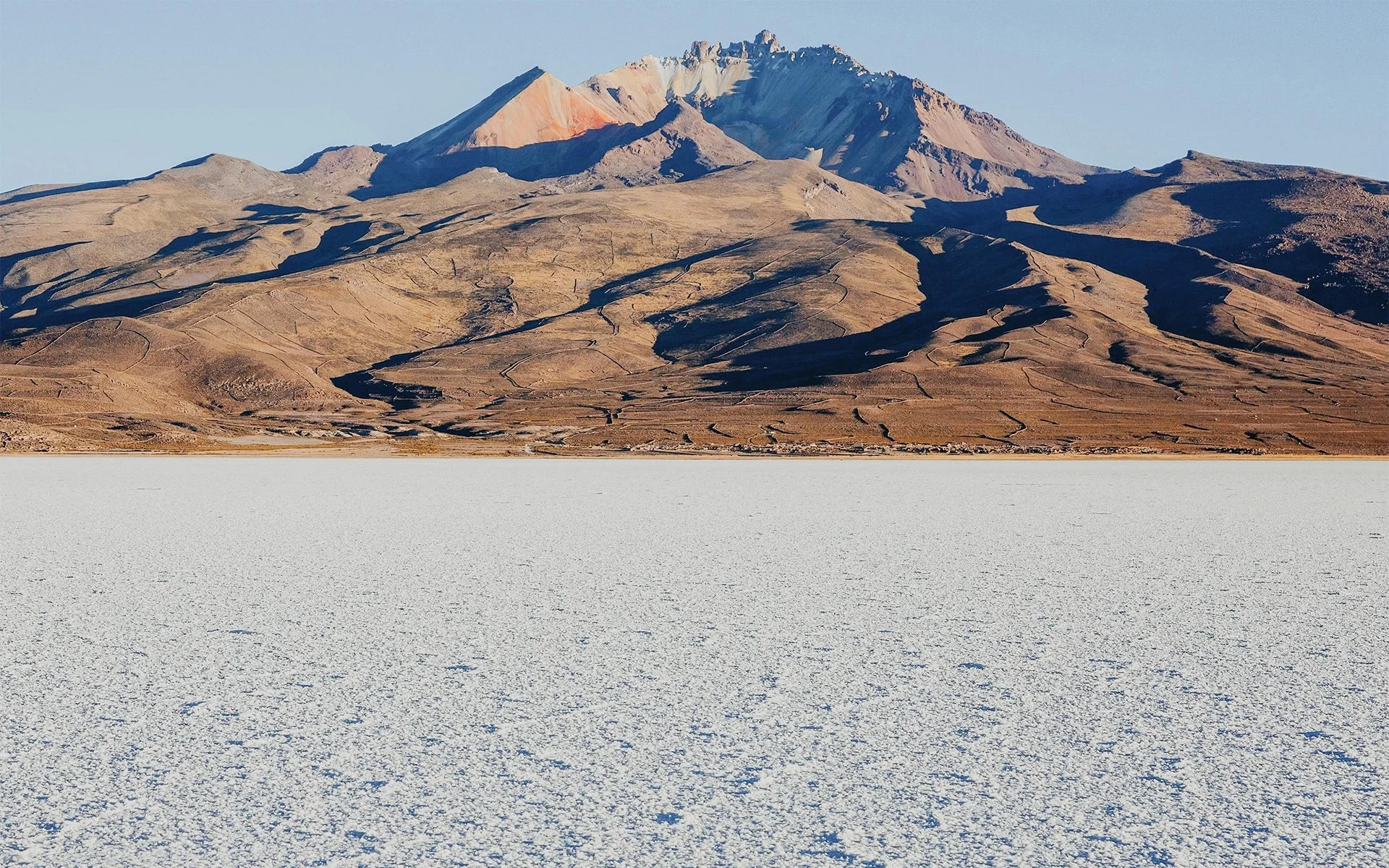
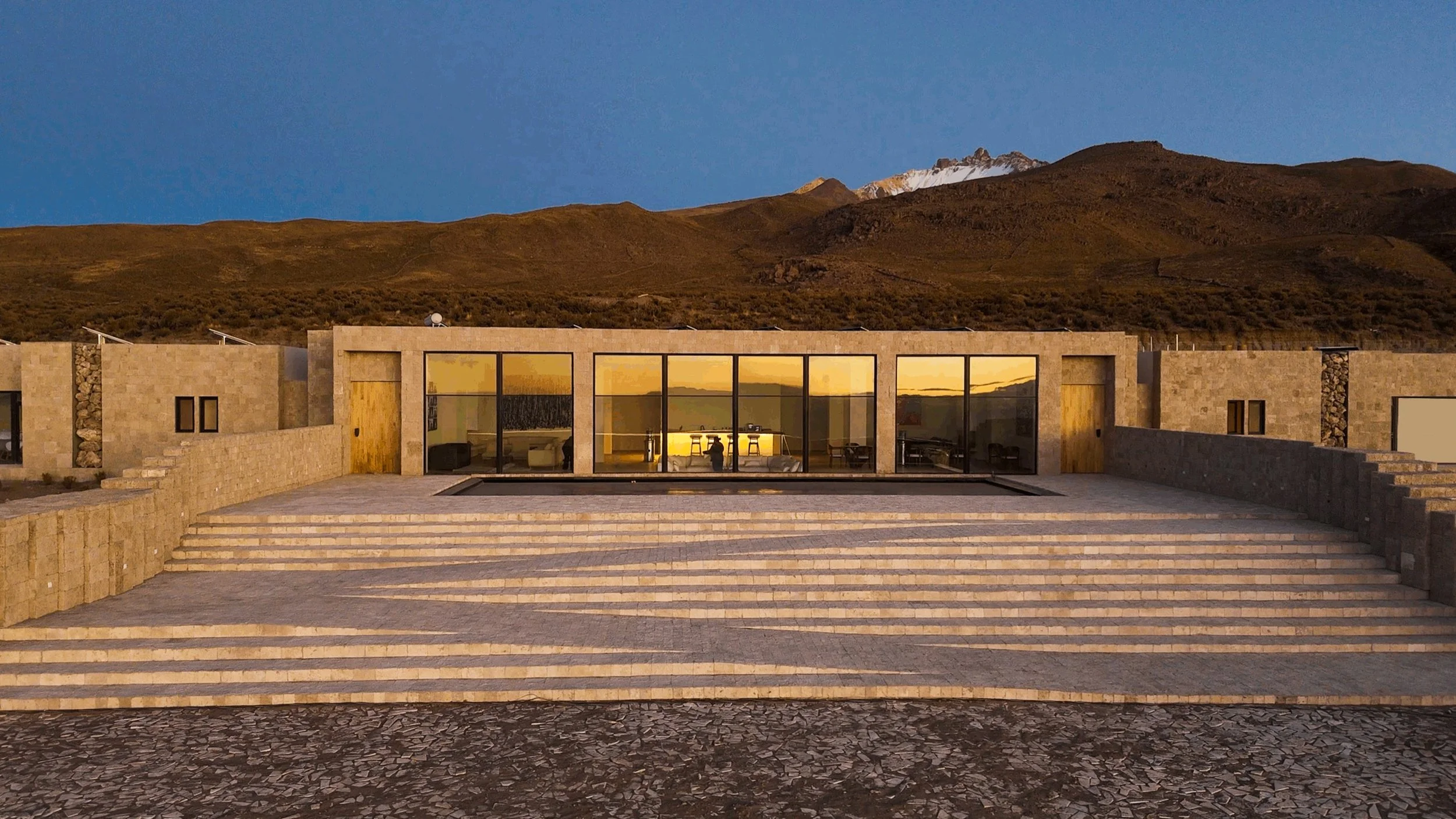
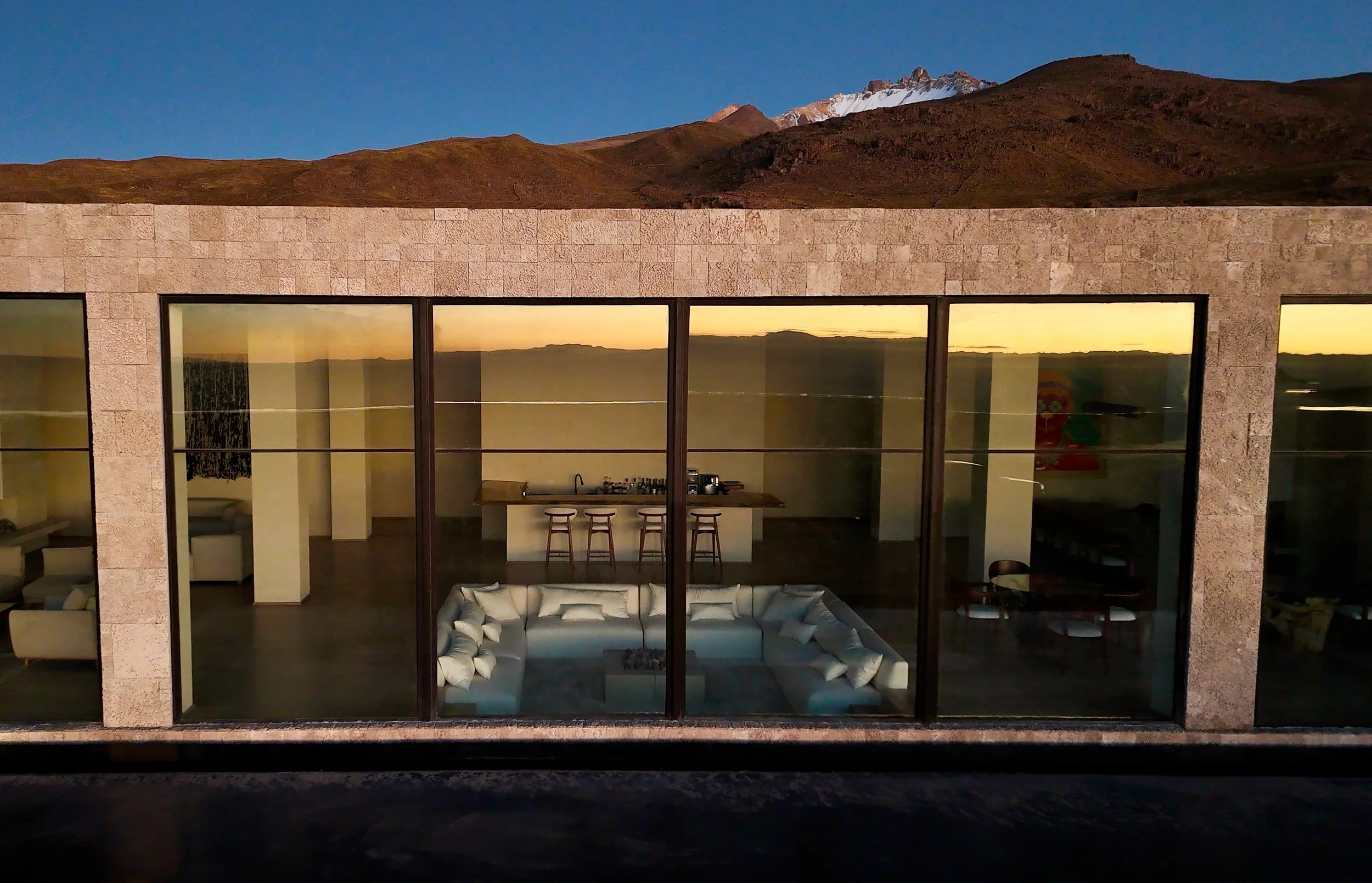
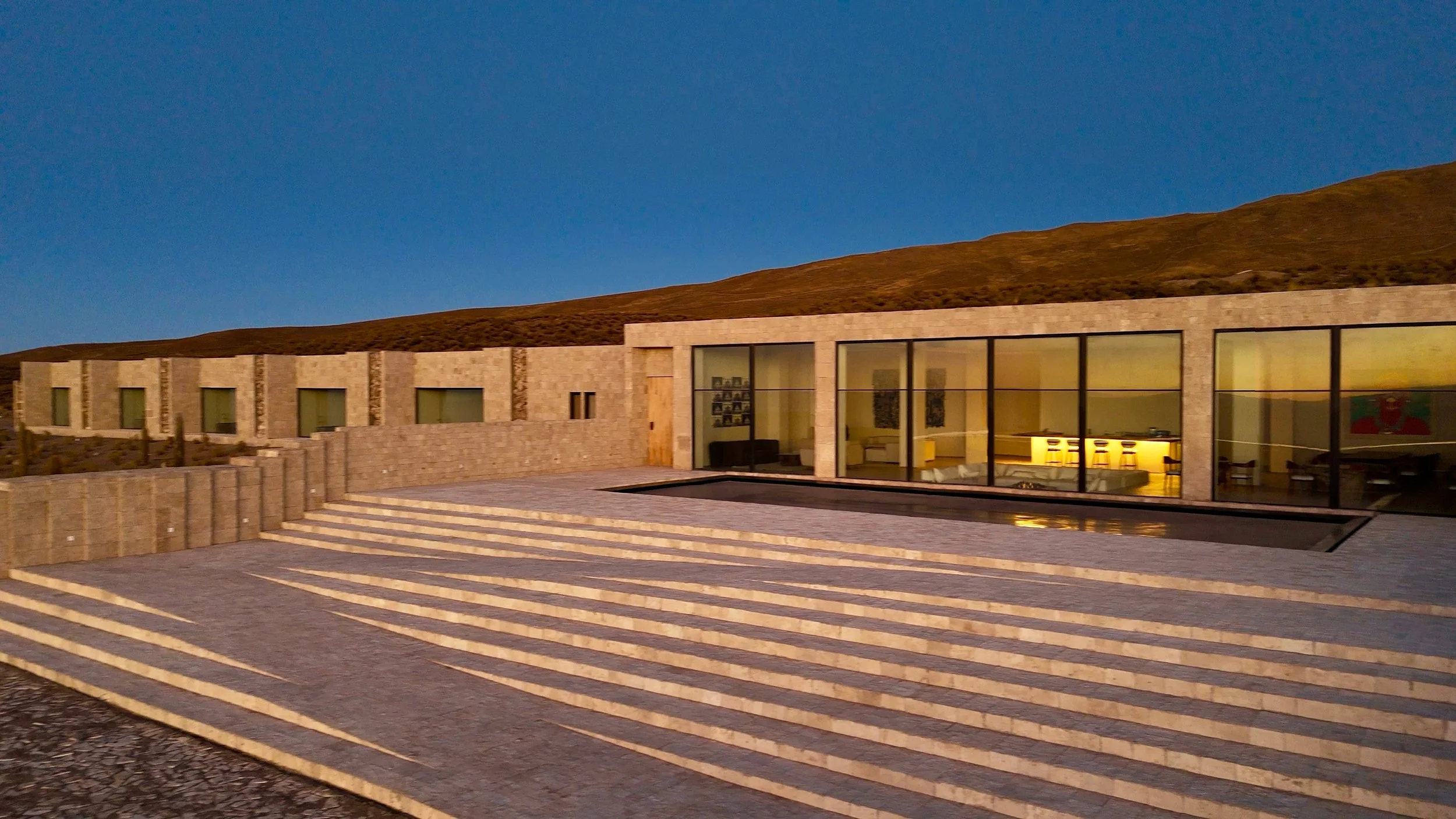
At Casa Gastón, the view is almost impossible to separate from the experience of staying. Beyond the windows, the Salar de Uyuni stretches toward a distant horizon; behind the hotel, the slopes of Tunupa introduce ochre, rust, and volcanic contours to an otherwise remarkably spare landscape. The setting changes with the light, the weather, and the season, giving even an unhurried afternoon something to hold your attention.
This ten-room hotel stands in Jirira, a small village on the northern edge of Bolivia’s salt flats. Although Uyuni provides the familiar destination name, the property is well removed from the town itself. Its position favors a longer encounter with the salar: early departures, evenings outdoors, and time to understand the communities living around its margins.
Named for the late Bolivian artist Gastón Ugalde, Casa Gastón brings contemporary art, regional cooking, and guided exploration into a small, highly individual hotel. TIME included it in its World’s Greatest Places of 2026. For us, the interest lies in how thoroughly its identity belongs to this particular corner of Bolivia, from the materials underfoot to the landscapes beyond the glass.
The Continuation of Gastón Ugalde’s Vision
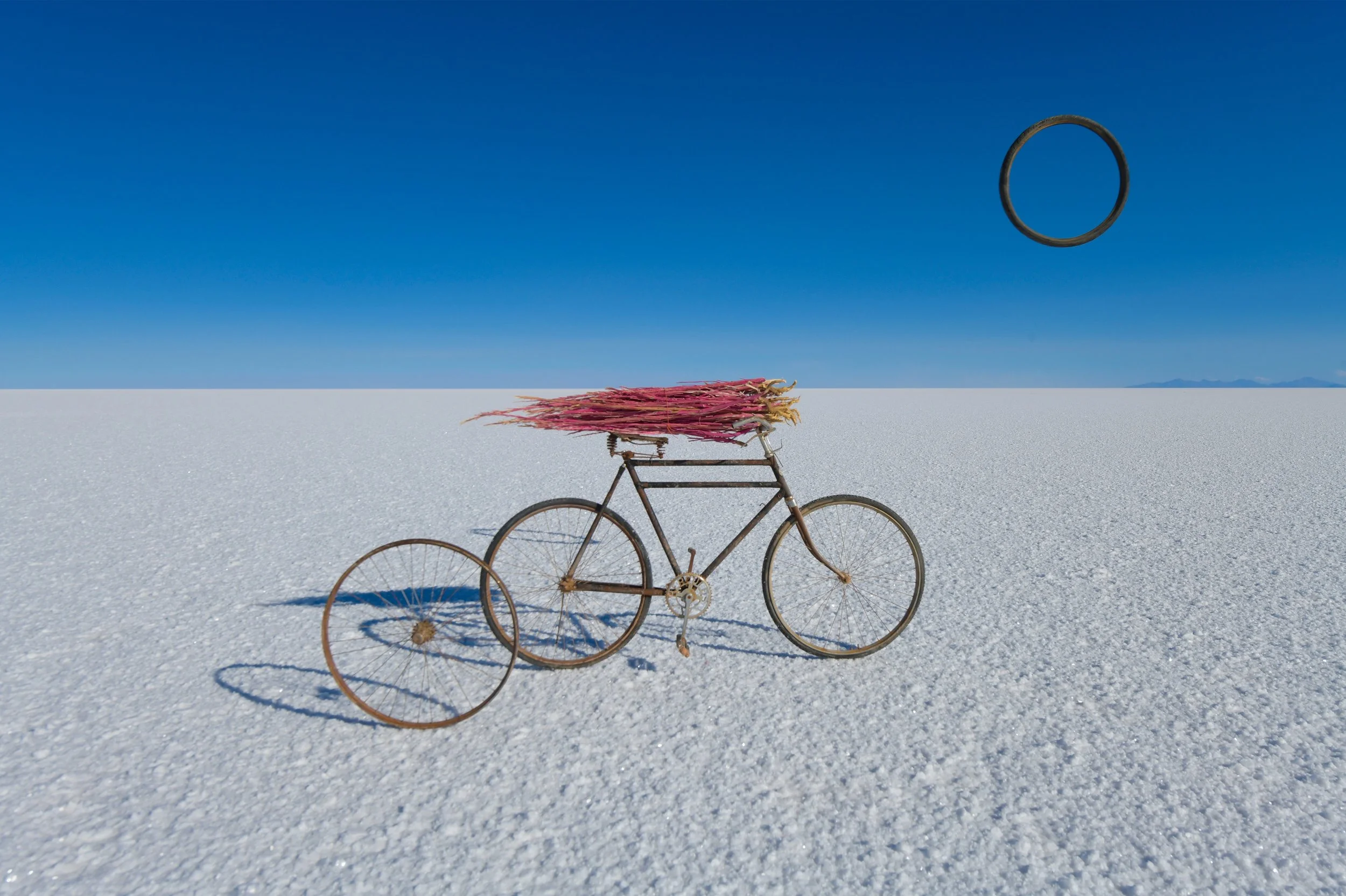
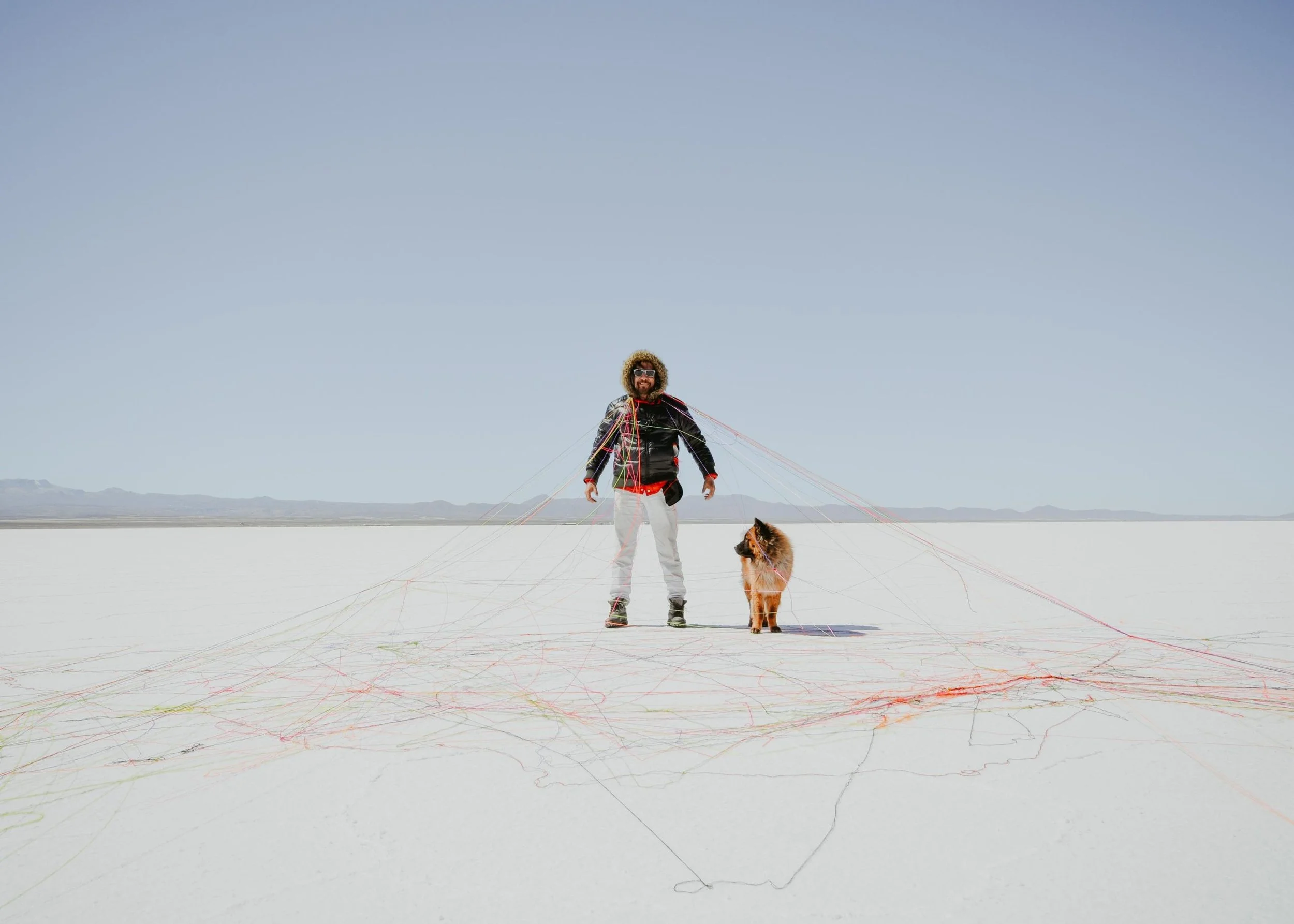
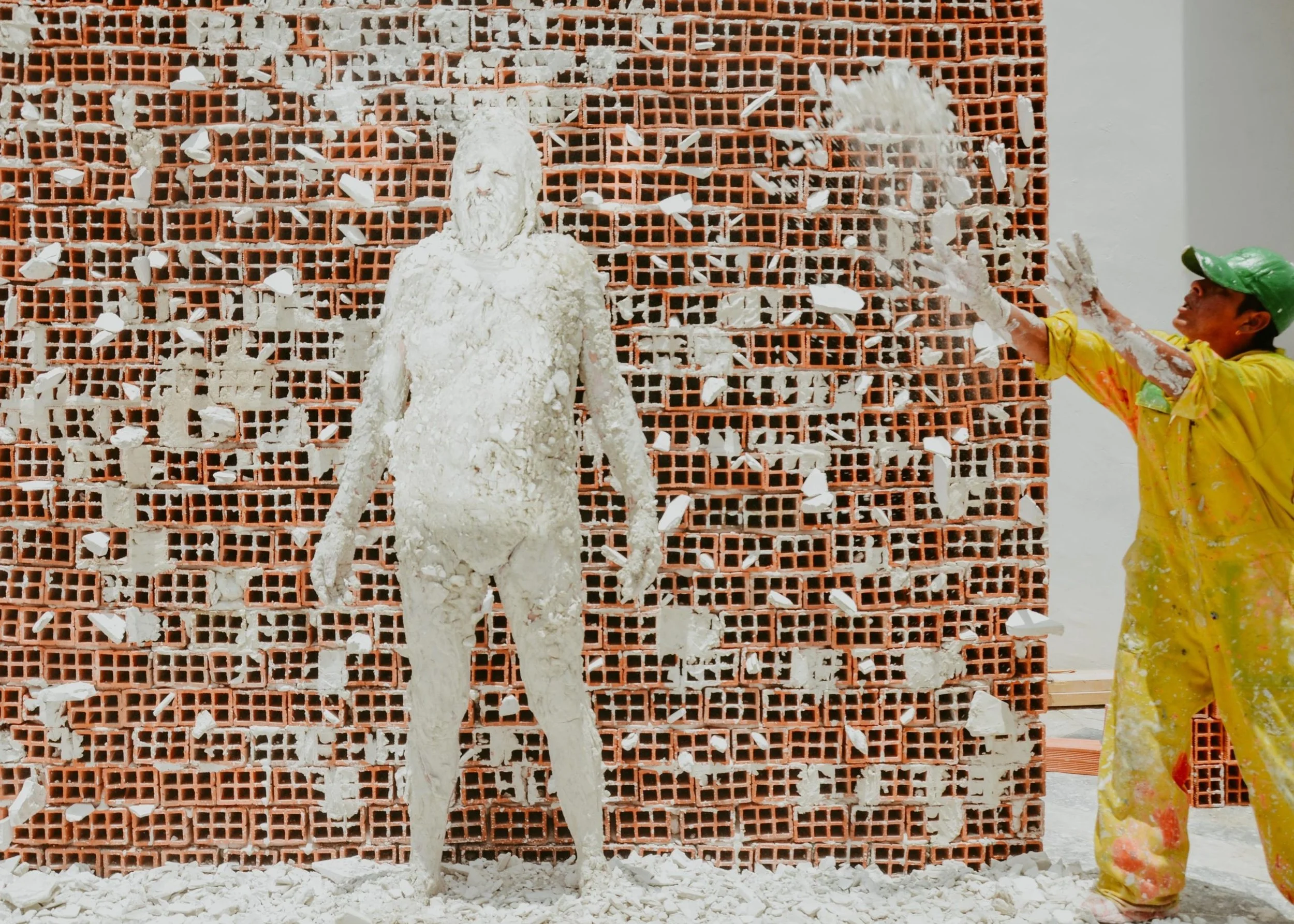
Gastón Ugalde, who lived from 1944 to 2023, worked across photography, painting, sculpture, performance, installation, and video. His relationship with the Uyuni salt flats extended back to the late 1960s, making the landscape a recurring part of his artistic practice rather than simply an impressive backdrop.
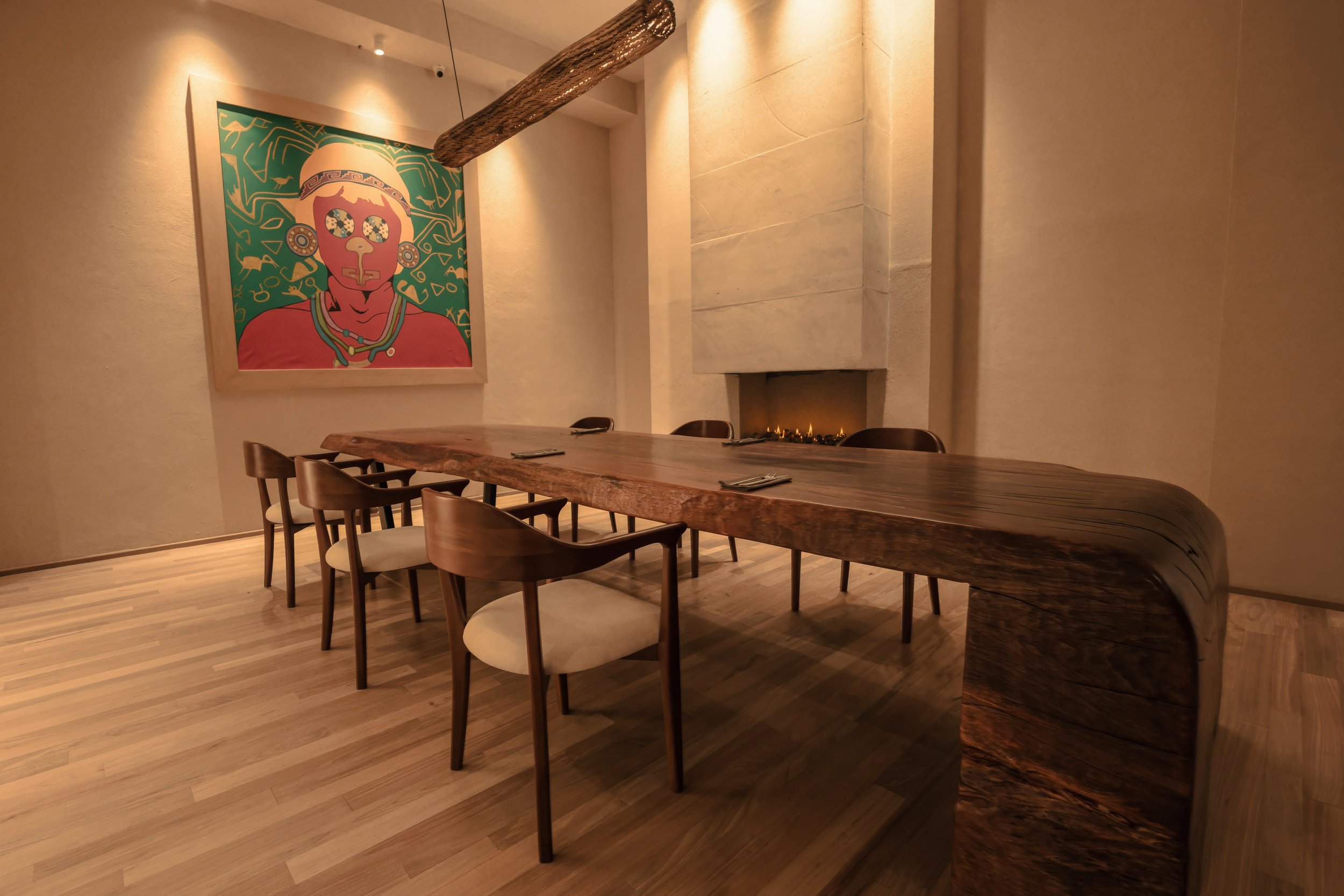
Casa Gastón carries that relationship into hospitality. The project grew from his vision of a place where art could be experienced through daily life: sitting in a room, observing a changing horizon, encountering materials, or sharing a meal. His work remains central to the property’s identity.
The hotel is operated by Panorama Hospitality Group, whose Bolivian portfolio also includes Atix and MET Hotel in La Paz. The Gastón Ugalde Foundation and Salar Galería de Arte, managed by the artist’s children, provide the wider institutional connection to his legacy.
This is a contemporary hotel with an artistic inheritance, rather than a converted historic mansion. Its sense of history comes from the person behind it, the traditions of the surrounding highlands, and the ongoing relationship between the two.
Stone, Reflection, and a Deliberate Restraint
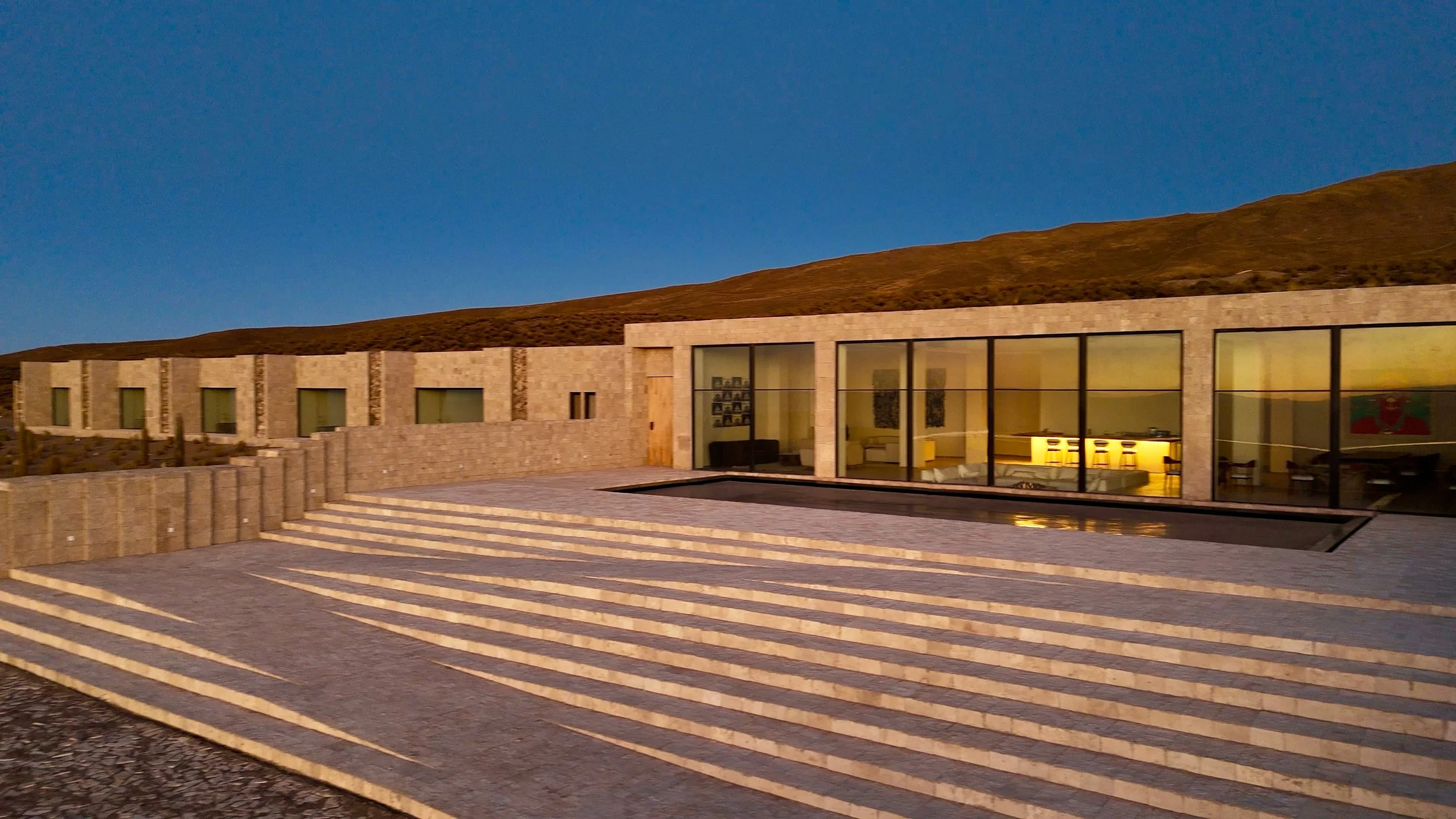
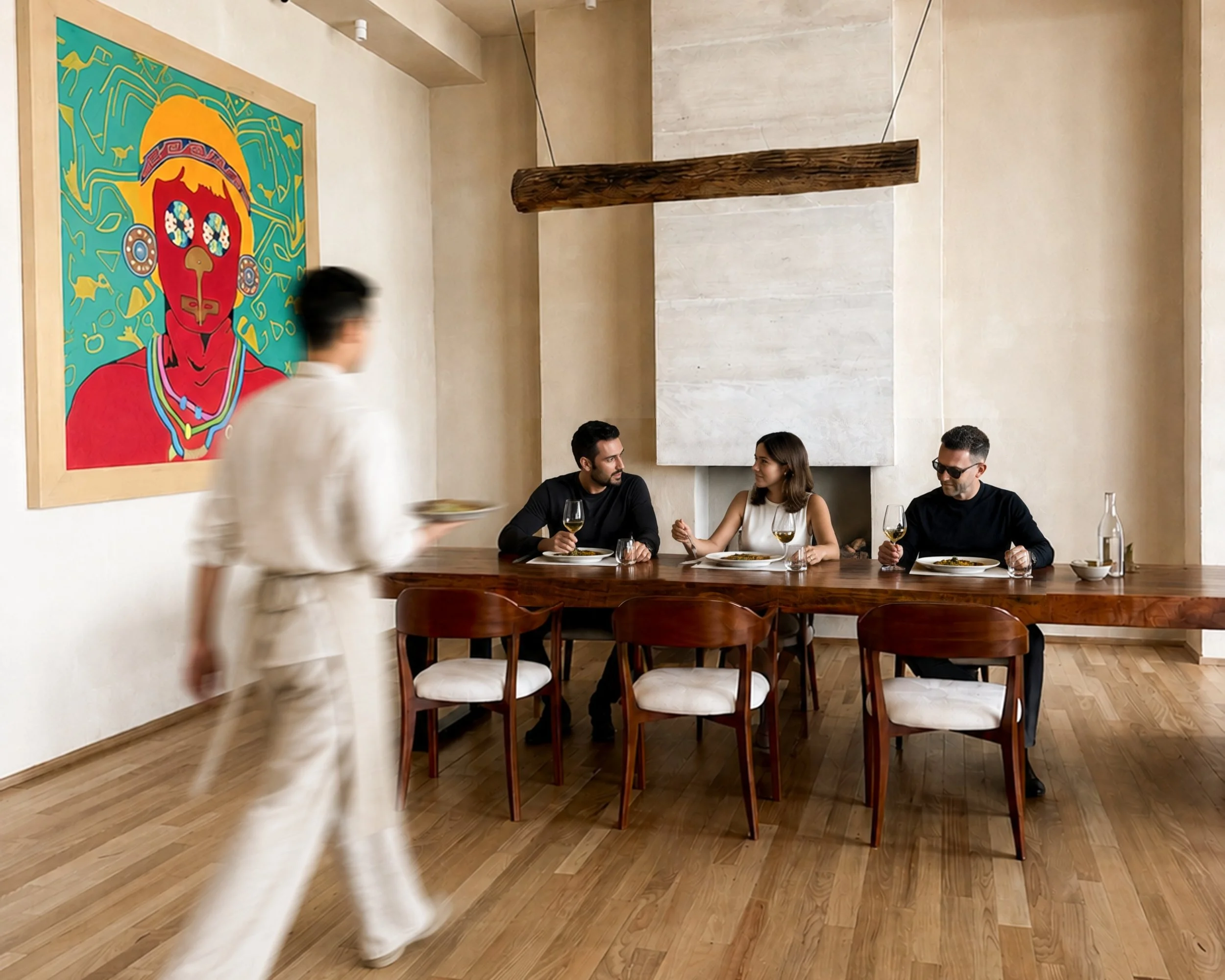
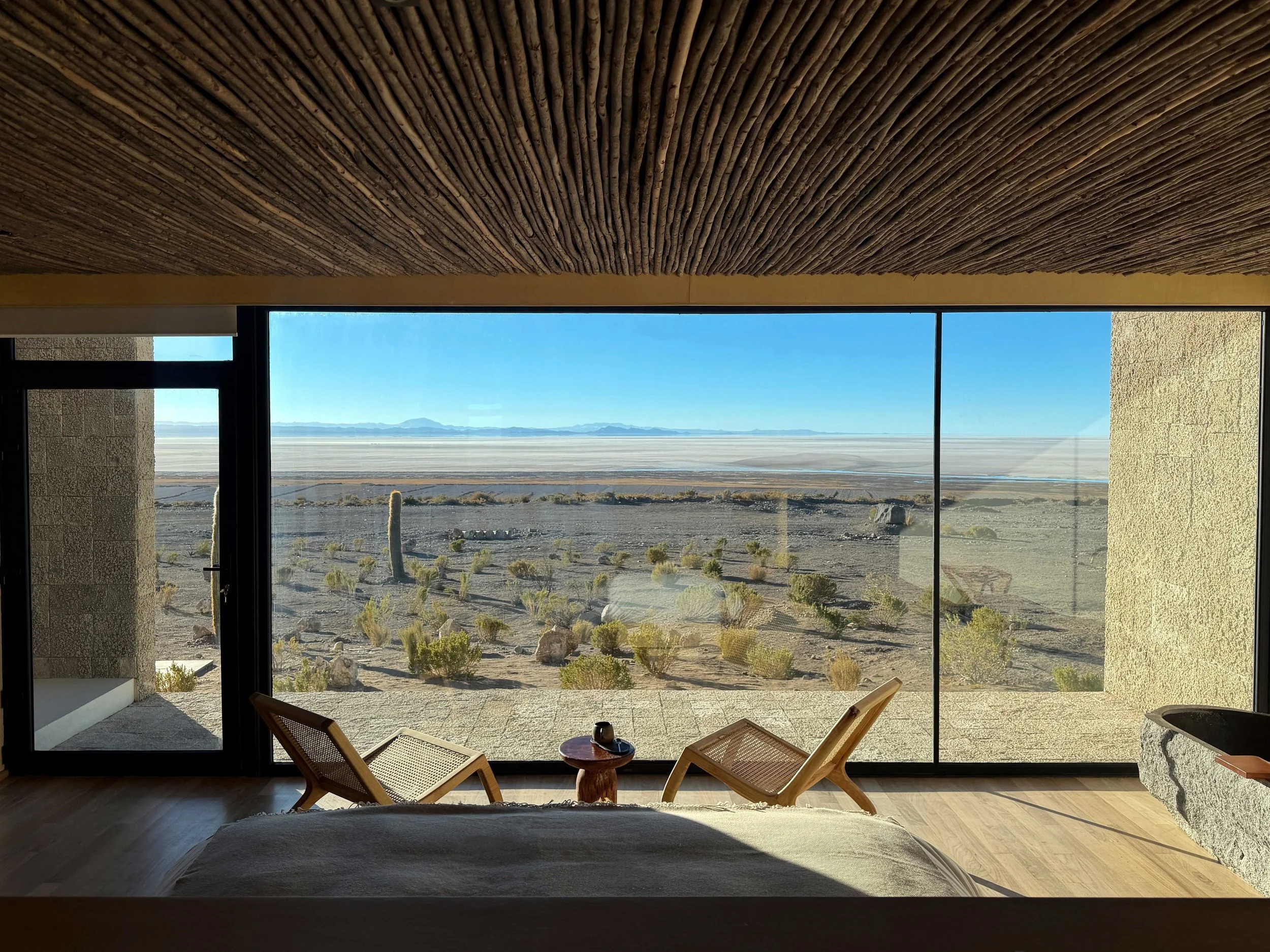
The interiors take their colors and textures from the landscape. Natural materials, textured walls, substantial stonework, and wooden floors establish a grounded atmosphere, while softer furnishings keep the spaces comfortable. Large areas of glazing give the salt flats a constant presence.
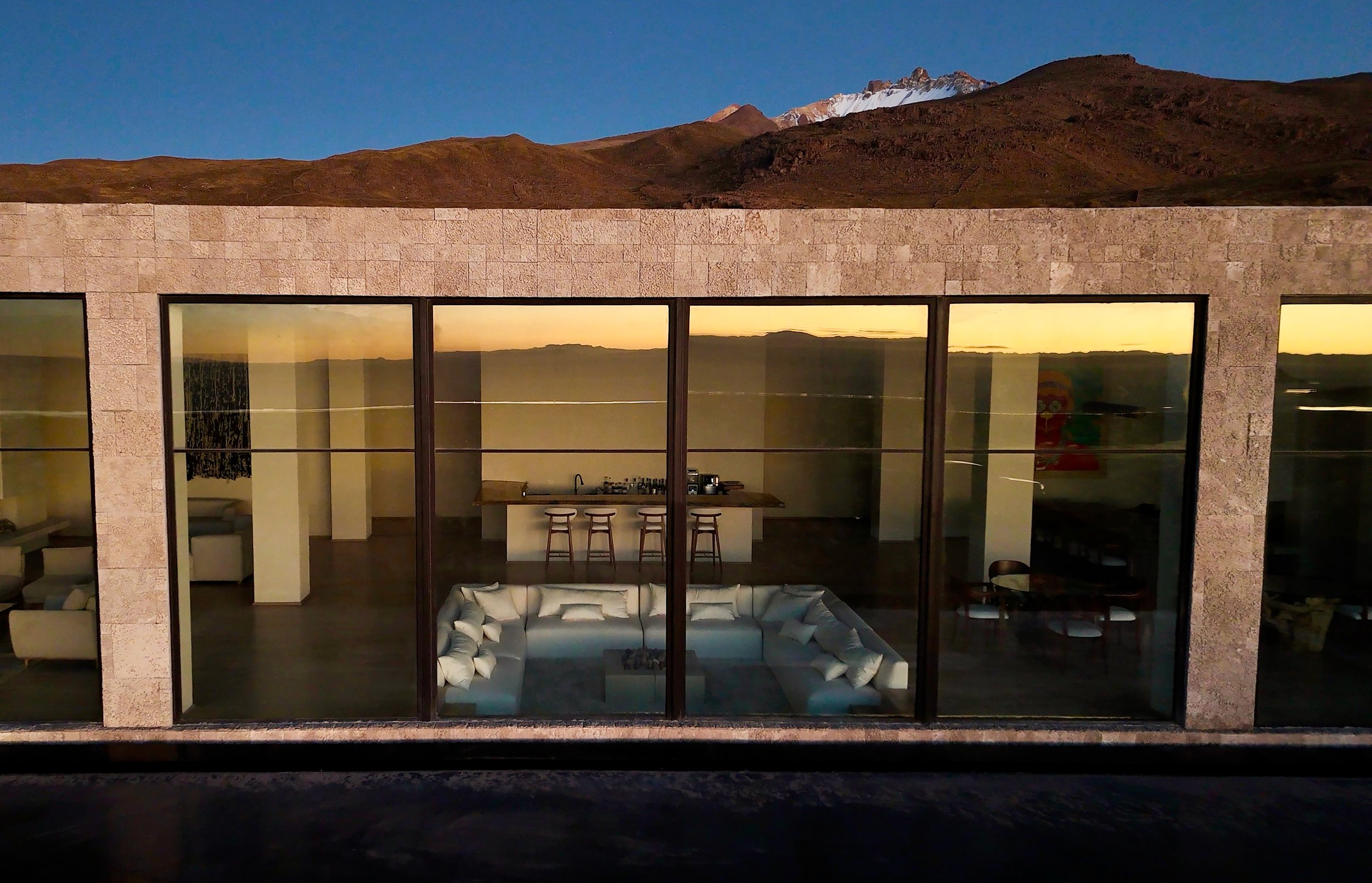
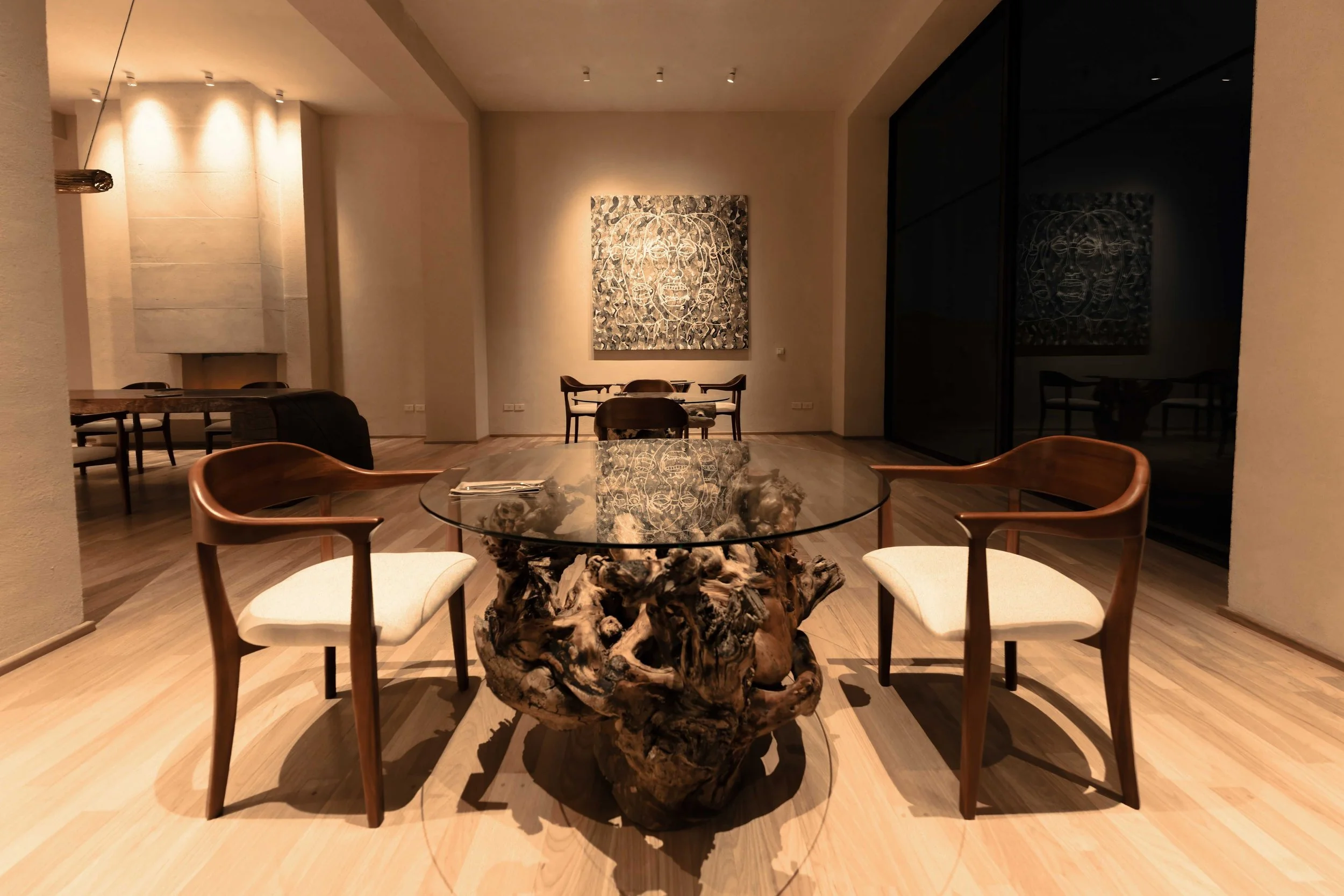
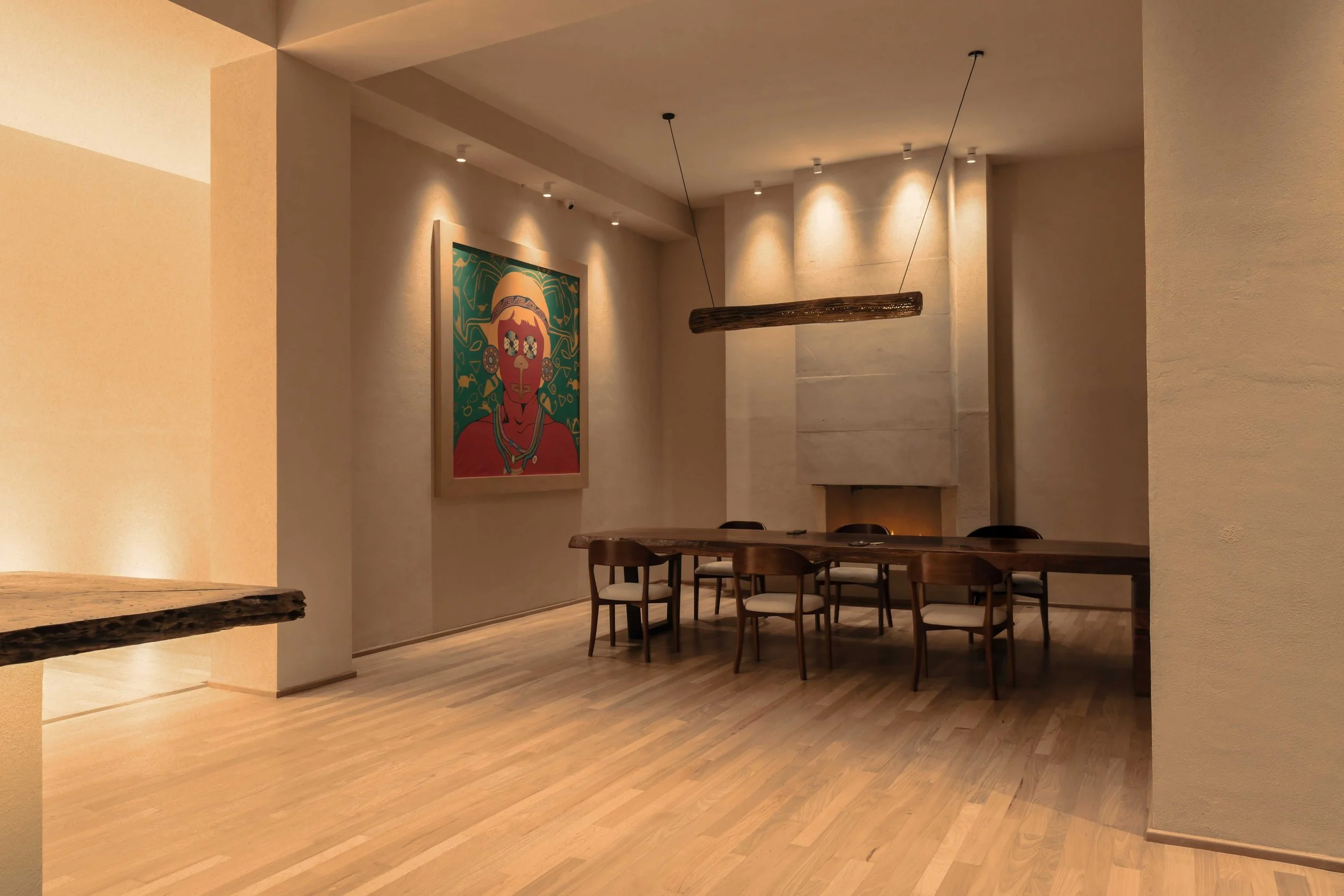
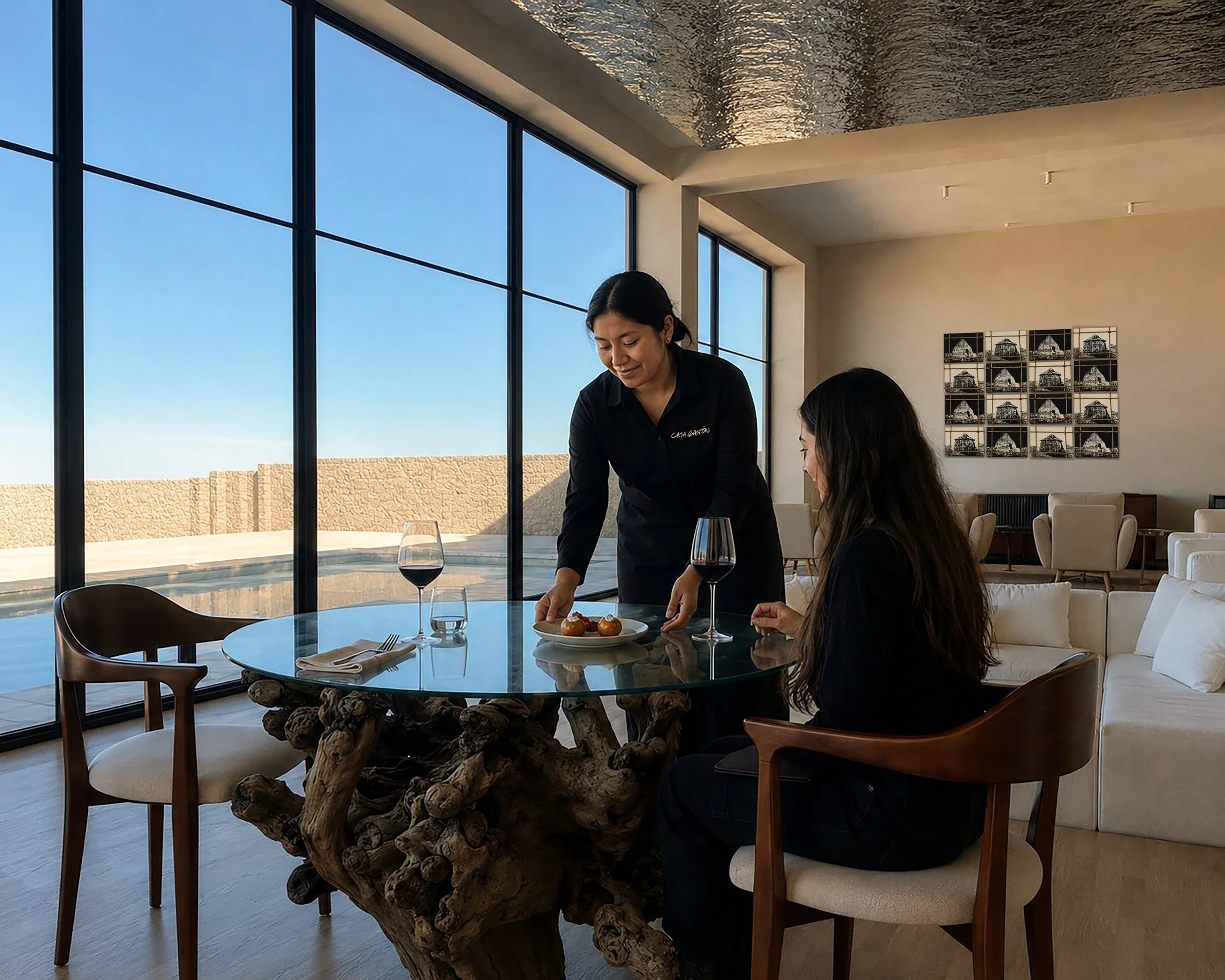
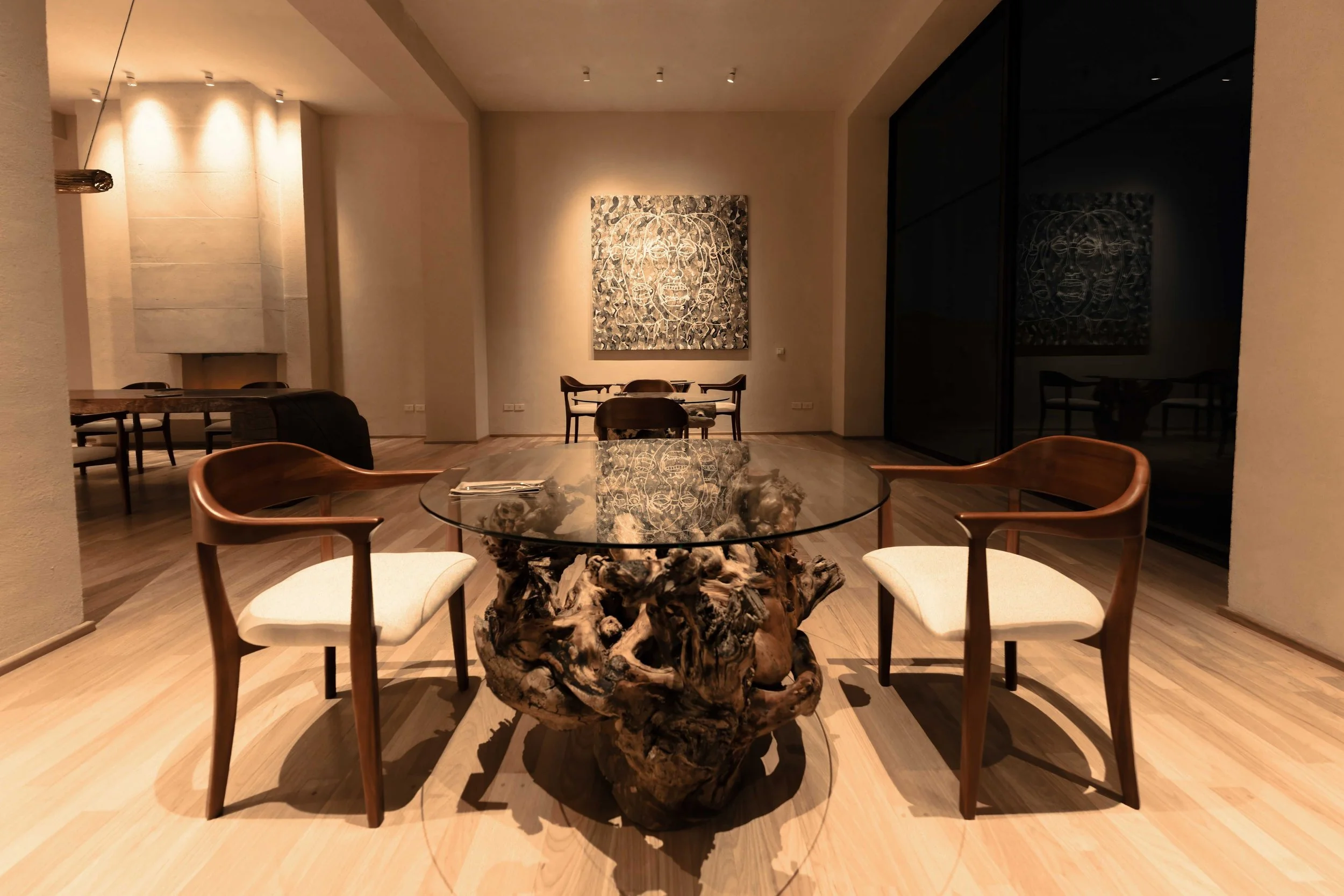
In the communal living room, sculptural furniture and original Ugalde artworks share space with a reflective ceiling and carefully considered lighting. The contrast between rough surfaces and polished details introduces enough complexity to reward a closer look without overwhelming the setting.
The hotel’s art program extends beyond decorative objects. Its published concept includes art pavilions and a planned residency program connecting artistic work with local communities. Individual exhibitions and residency activity should be checked for the dates of a visit; they are part of an evolving cultural project rather than a fixed entertainment calendar.
We find this especially compelling for travelers who enjoy architecture and contemporary art but do not want every encounter to feel like a formal gallery visit. Here, much of the experience happens simply by spending time in the spaces and noticing how their appearance changes through the day.
A Private Terrace Above the Salt Flats
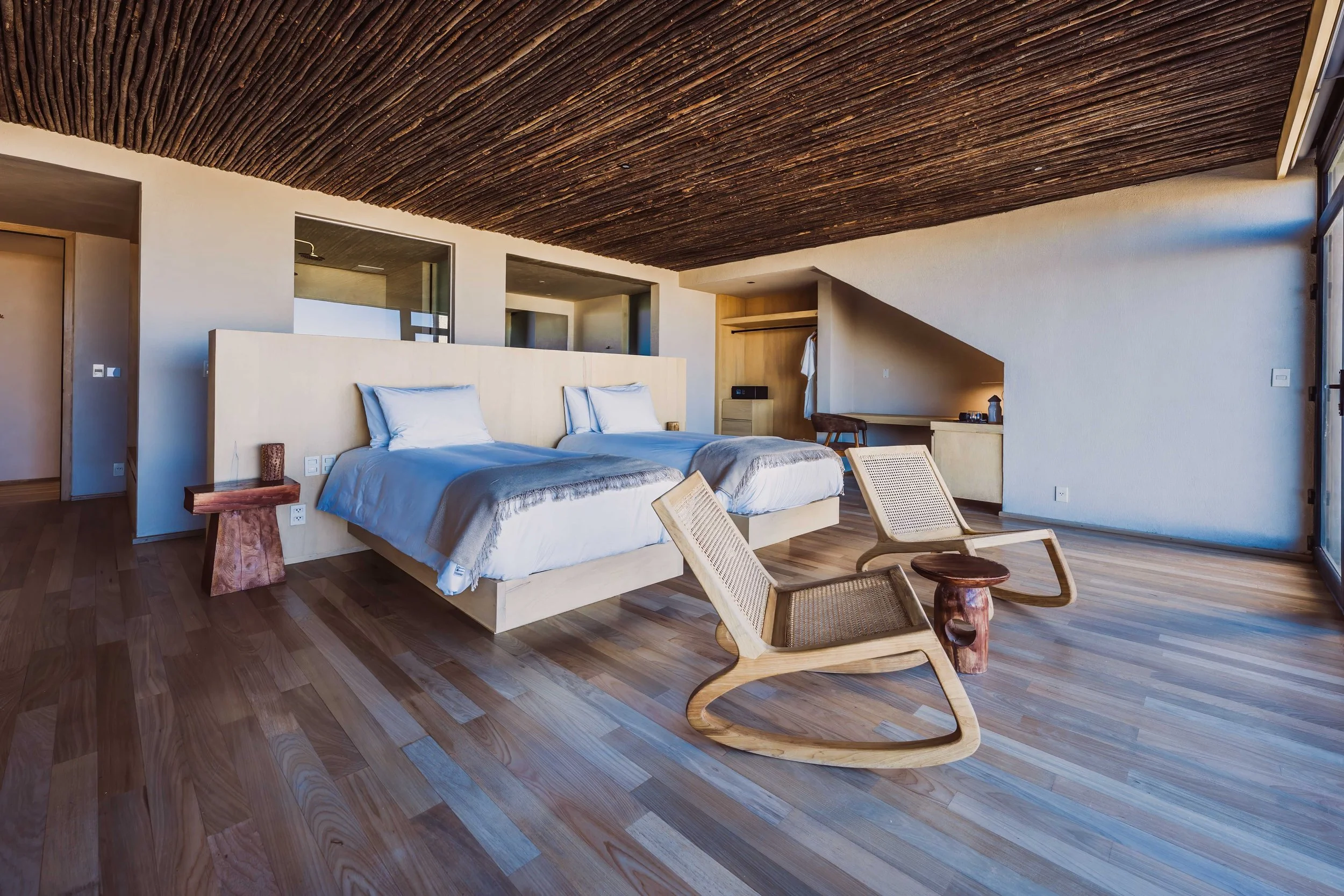
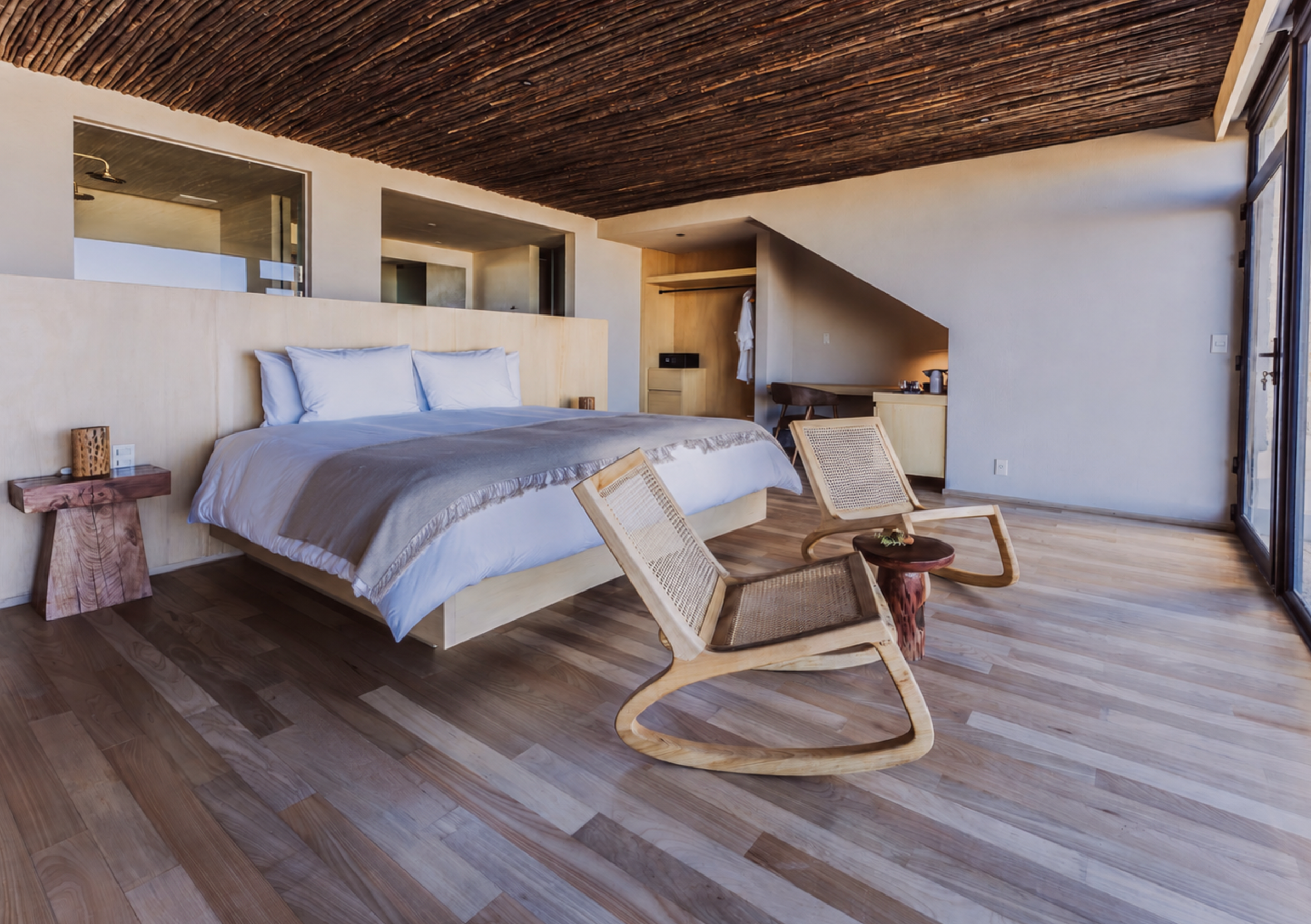
Casa Gastón publishes a single accommodation specification across its intimate collection. The distinction between indoor space and terrace area matters: the rooms measure approximately 646 sq. ft. indoors, increasing to approximately 1,292 sq. ft. when the terrace area is included.
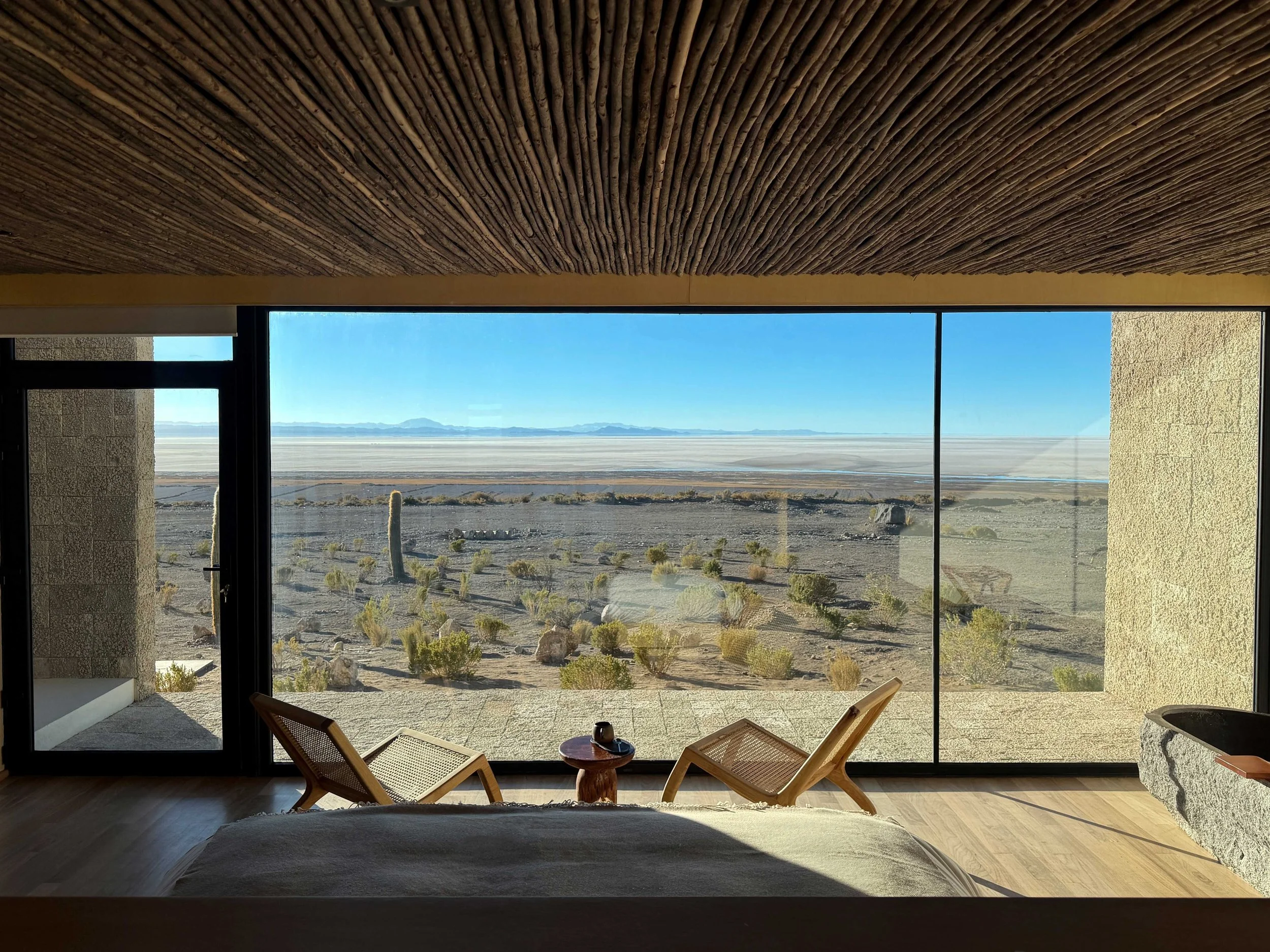
Guest Room: Approximately 646 sq. ft. indoors, or 1,292 sq. ft. including terrace space, the published king-bed configuration combines salt-flat views with two rain showers, a hand-carved stone bathtub, and a private upper-level terrace with a fire pit and mineral bath.
The rooms favor natural finishes and a muted palette, with space to sit, work, and enjoy the view. An outdoor bistro set provides another place to pause, while the upper terrace creates a particularly private relationship with the open sky.
High-speed Wi-Fi, room service, turndown service, and concierge assistance are listed among the amenities. The hotel also lists oxygen assistance, an important practical detail in this high-altitude setting that should be discussed in advance when relevant to a traveler’s needs.
With only ten rooms, the accommodation offering is intentionally straightforward. Choosing Casa Gastón is primarily a decision about the setting and style of the stay, rather than selecting among a long hierarchy of suites and villas.
Bolivia at the Table
Culinary director Marsia Taha gives the dining experience a clear Bolivian identity. Named Latin America’s Best Female Chef in 2024 by Latin America’s 50 Best Restaurants, she is known for her work with the country’s biodiversity, ingredients, and food traditions. Her involvement is in culinary direction; a stay should not be understood as a guarantee that she will personally be cooking on-site.
Travel + Leisure also included Casa Gastón in its 2026 selection of 25 standout hotel restaurants and bars.
The dining offering is concentrated around the hotel’s shared spaces, with excursions adding opportunities to eat outdoors:
The Hotel Dining Space: Seasonal menus developed under Marsia Taha’s culinary direction explore Bolivian ingredients and regional food traditions, bringing a sense of place to meals in a setting designed for lingering conversations and views of the surrounding landscape.
The Living Room Bar: Signature cocktails, regional spirits, and a selection emphasizing Bolivian wines make this a natural gathering place before dinner, with singani forming an important part of the beverage program alongside bottles from the country’s wine-growing regions.
Meals and Sundowners in the Landscape: Selected guided outings incorporate a prepared lunch or a sunset drink, extending the culinary experience beyond the hotel while allowing the day’s route, weather, and chosen activity to determine the setting.
Casa Gastón markets an all-inclusive stay. Before travel, the booking should clearly set out the included meals, beverages, excursions, and transfers, together with any supplements or exclusions. That clarity is especially useful at a remote property where a stay is organized around a coordinated program rather than nearby independent restaurants and transport options.
Quiet Hours at High Elevation
The rooms’ bathing spaces are among Casa Gastón’s most distinctive features. A bathtub carved from a single block of stone provides an indoor retreat, while the upper terrace’s mineral bath brings the experience into the open air. Their appeal is immediate and sensory: warmth, privacy, and the ability to look out across an unusually expansive landscape.
The hotel’s broader wellness plans include spa spaces with dry and wet saunas and massage facilities. Early reporting described these as forthcoming, so current operation, treatments, and private-use arrangements should be confirmed for the intended stay.
At approximately 12,300 feet above sea level, the location also calls for an itinerary that leaves room for rest. We would keep the arrival day light and avoid making a demanding volcano hike the centerpiece of the first morning. A quiet breakfast, a short outing, and time back at the hotel can be valuable parts of the experience in their own right.
Following the Light Across Uyuni
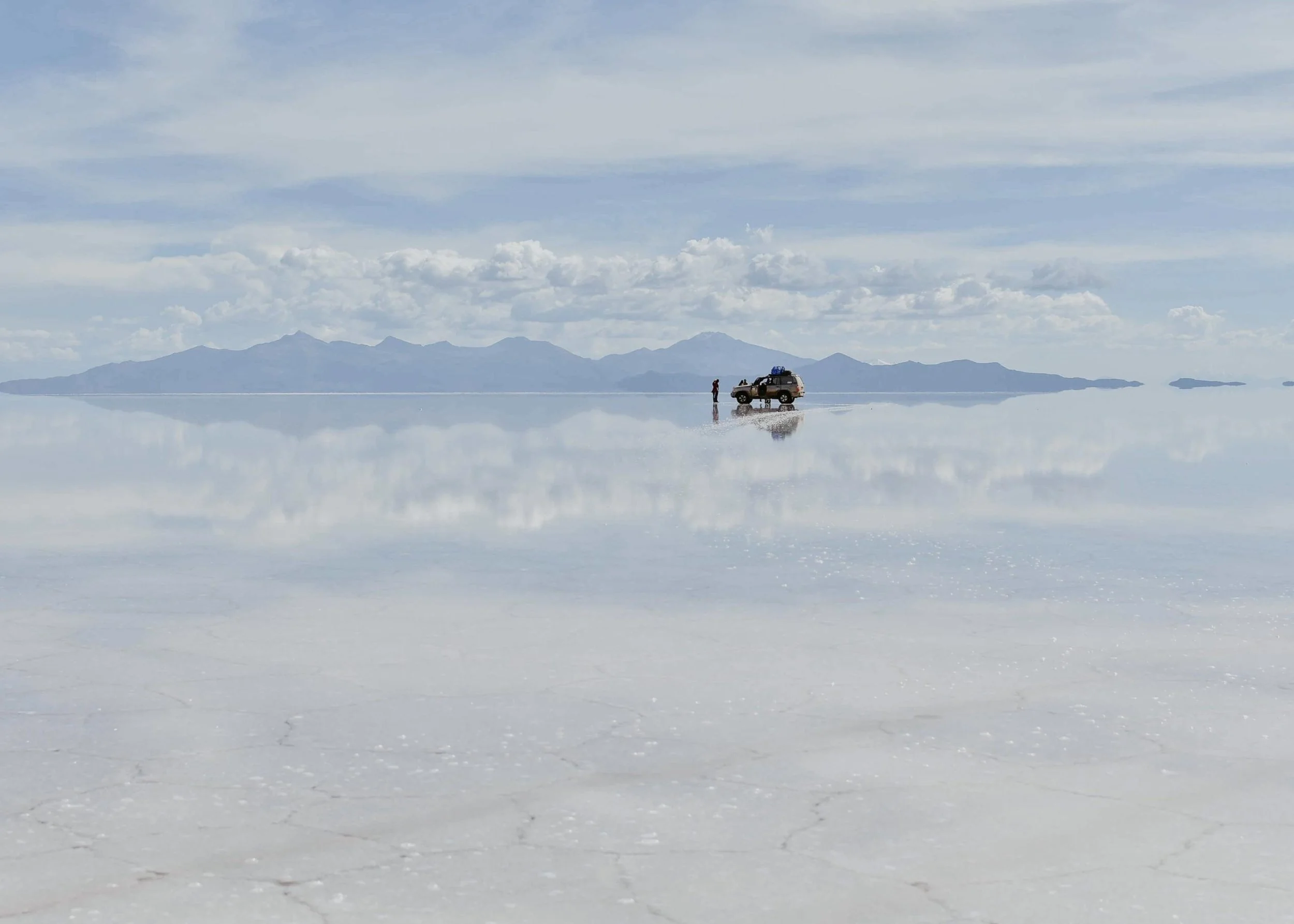
Casa Gastón’s activities vary in both intensity and duration, allowing the experience to extend from gentle observation to more demanding exploration. The hotel’s sunrise outings combine vehicle access with a choice of walks or viewpoints, while evening excursions head onto the salar for changing colors and a sunset drink. Full-moon departures offer a different atmosphere again, although the moon phase and weather naturally determine what is possible.
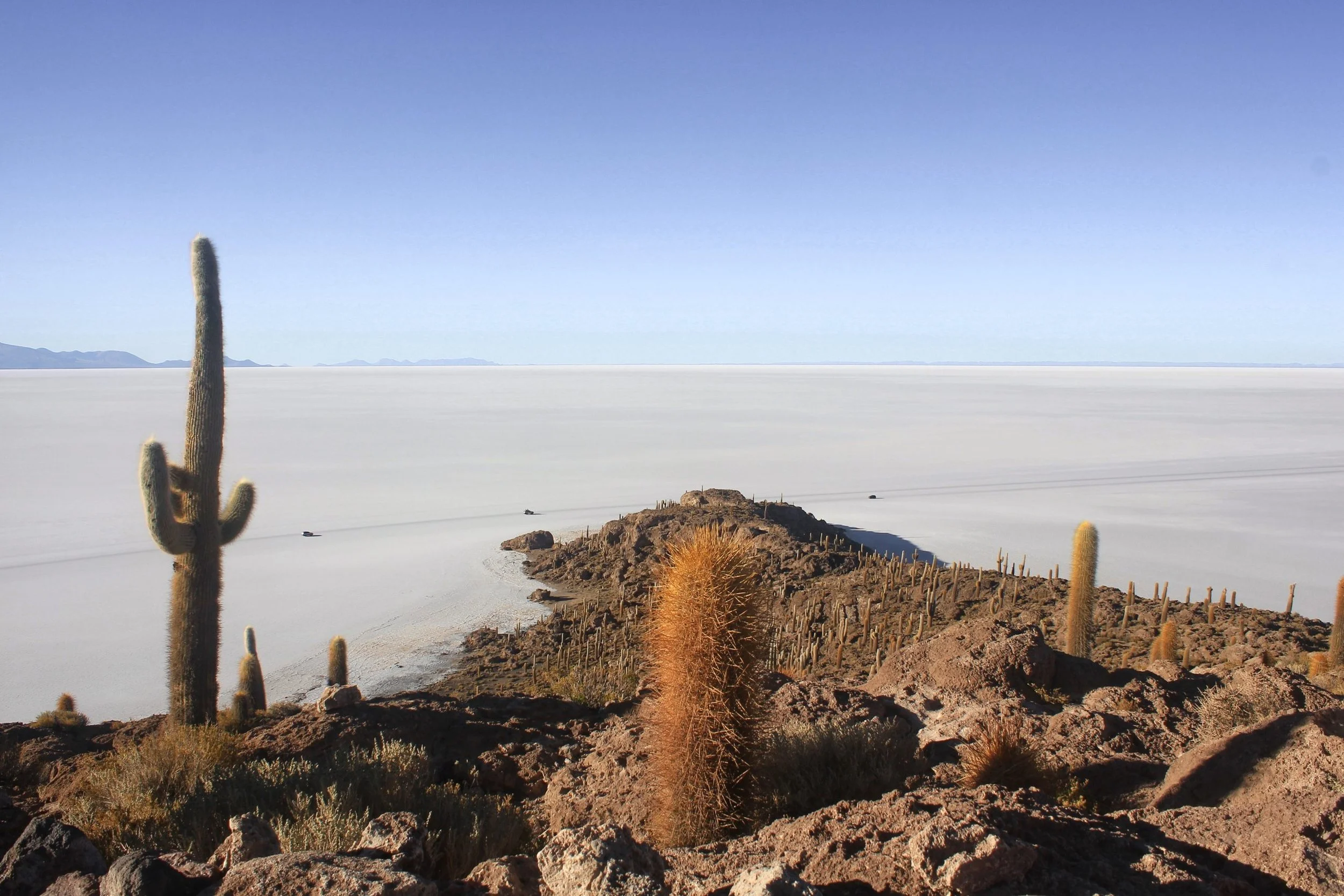
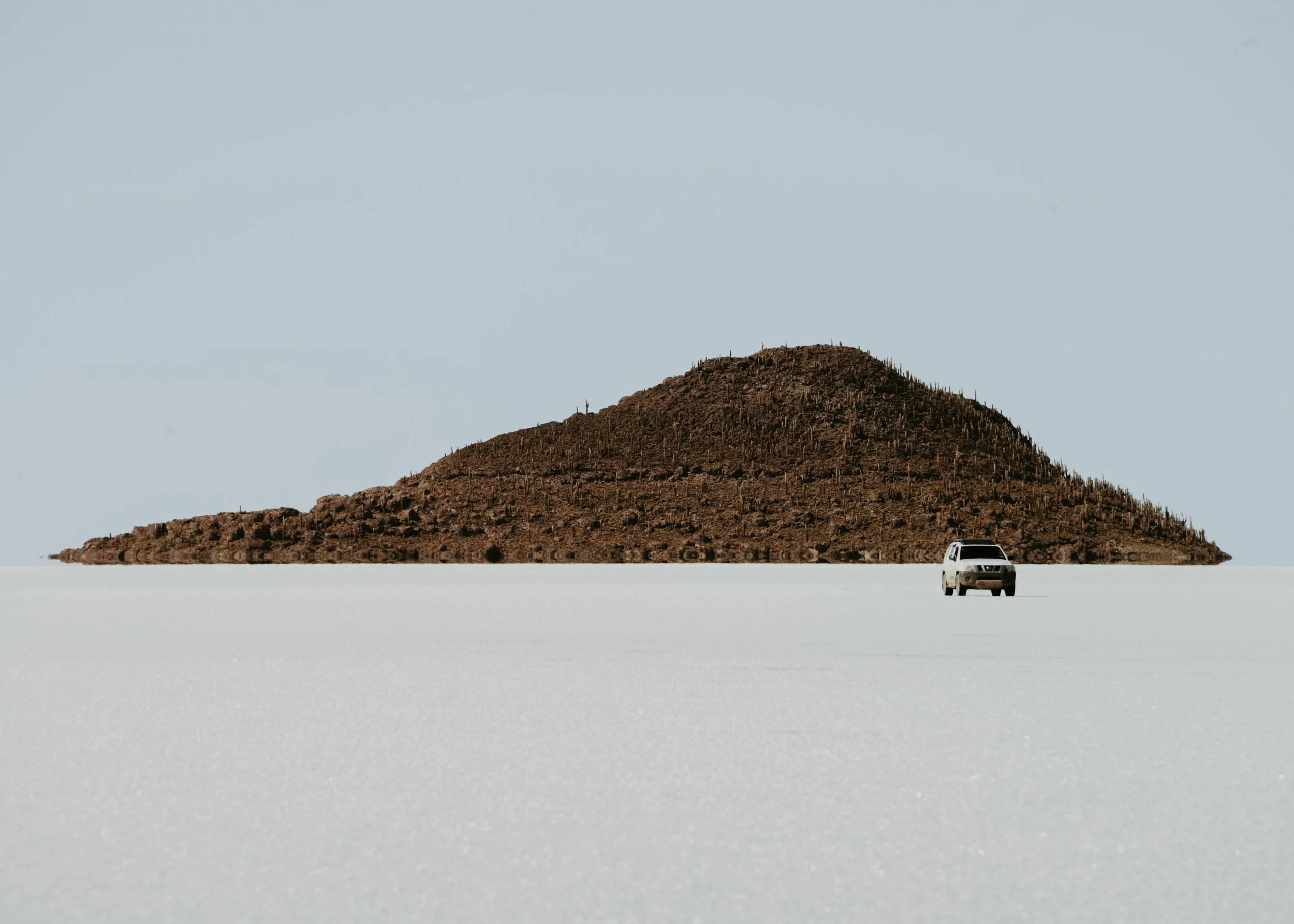
A cactus-island excursion introduces a more textured landscape within the vast salt basin. Stone paths pass tall cacti and geological formations before reaching elevated views across the flats. The hotel describes this as a moderate outing, with the climb forming only part of the experience.
Tunupa is a more substantial undertaking. Casa Gastón classifies its volcano excursion as advanced, combining a vehicle approach with hiking at elevations considerably above the hotel. It should be selected for the travelers involved, rather than treated as an obligatory stop simply because the mountain is so prominent in the view.
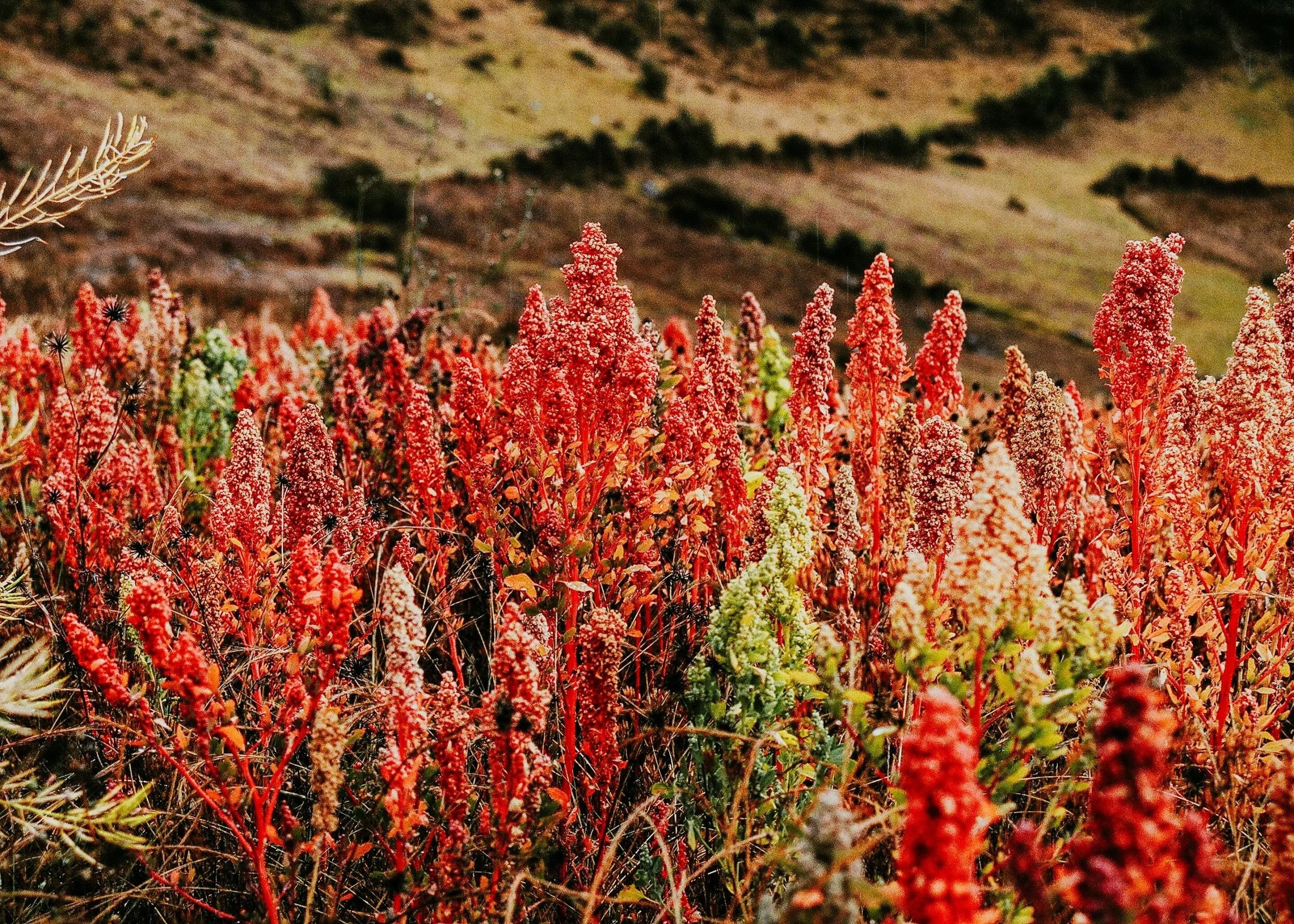
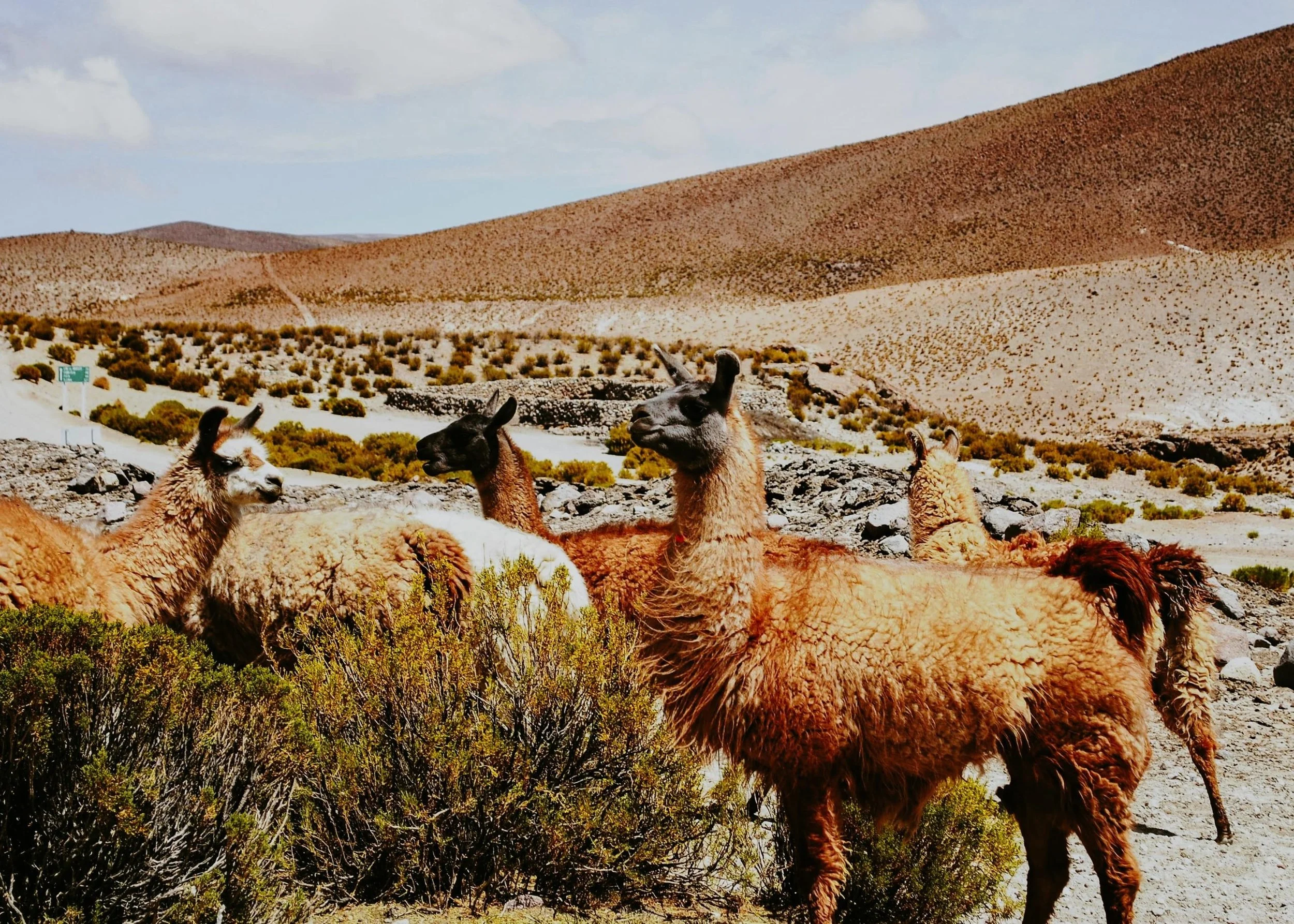
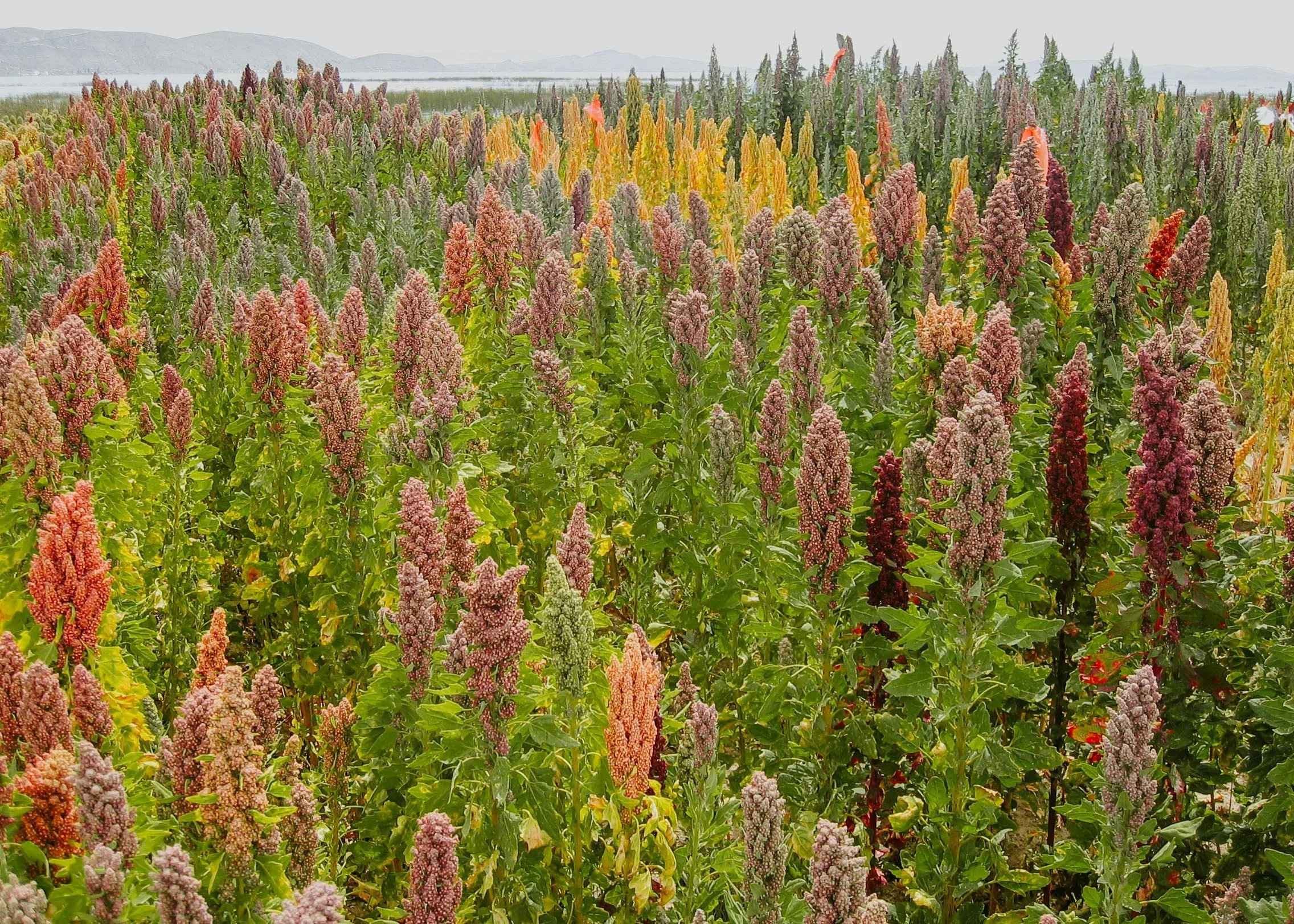
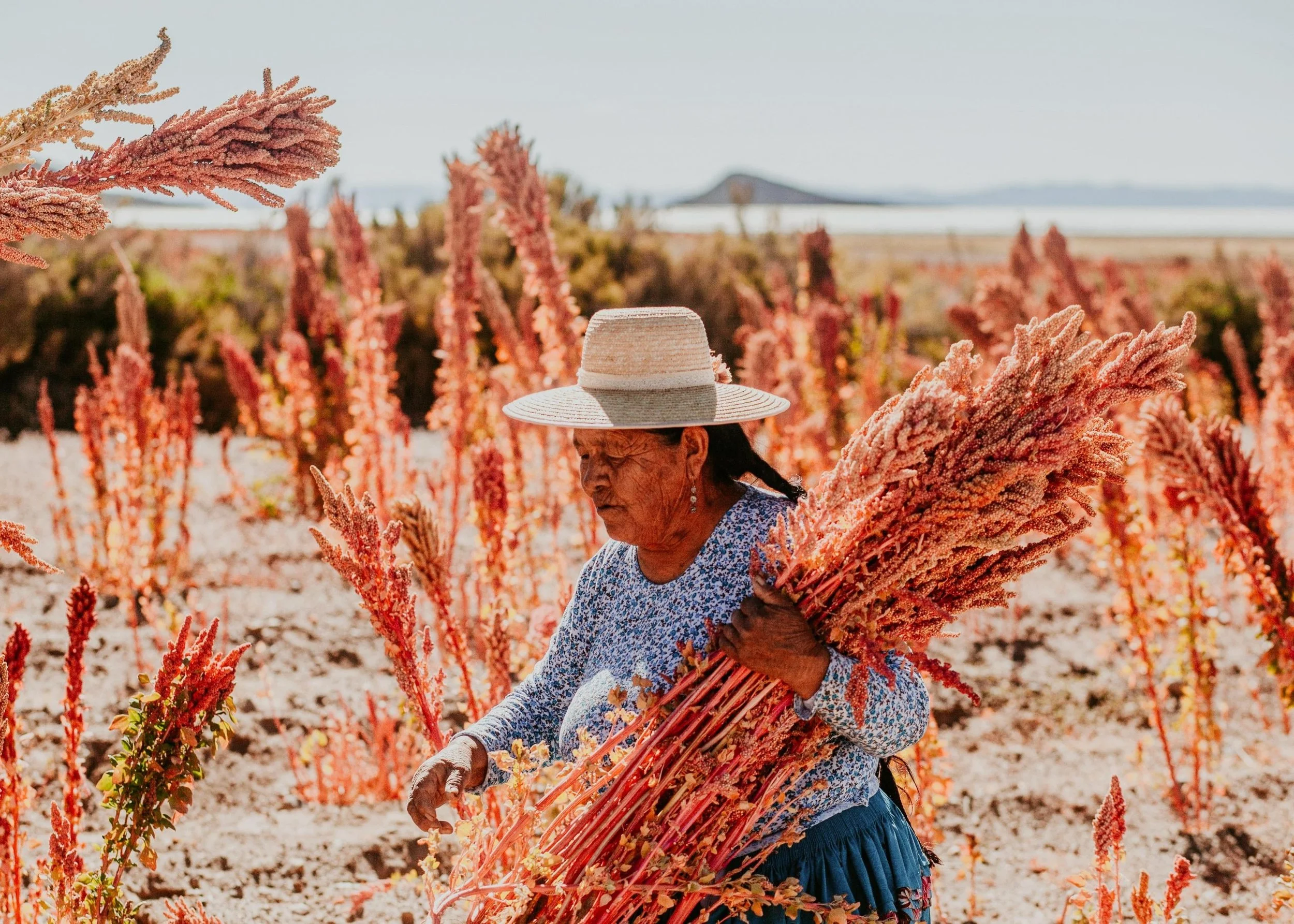
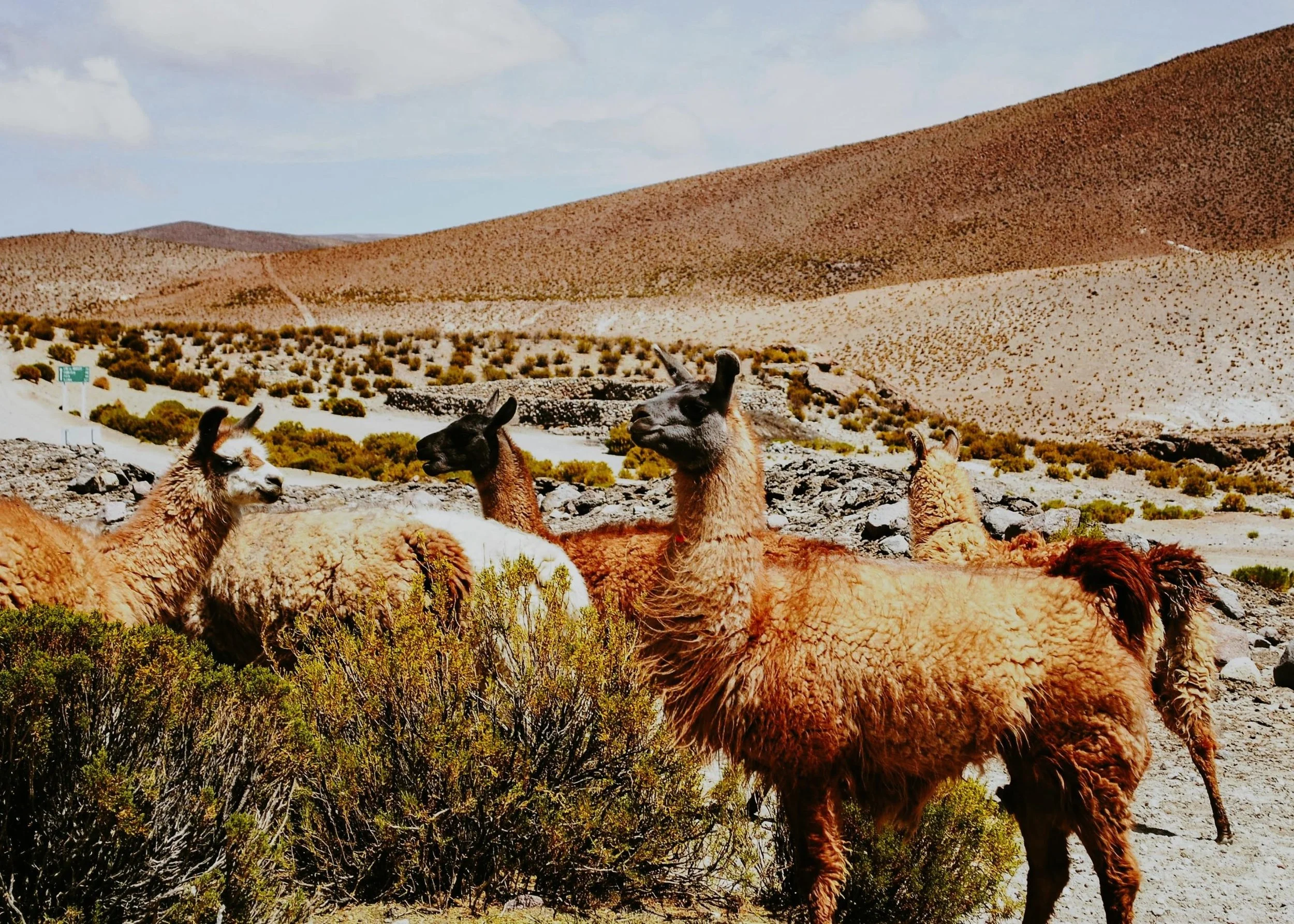
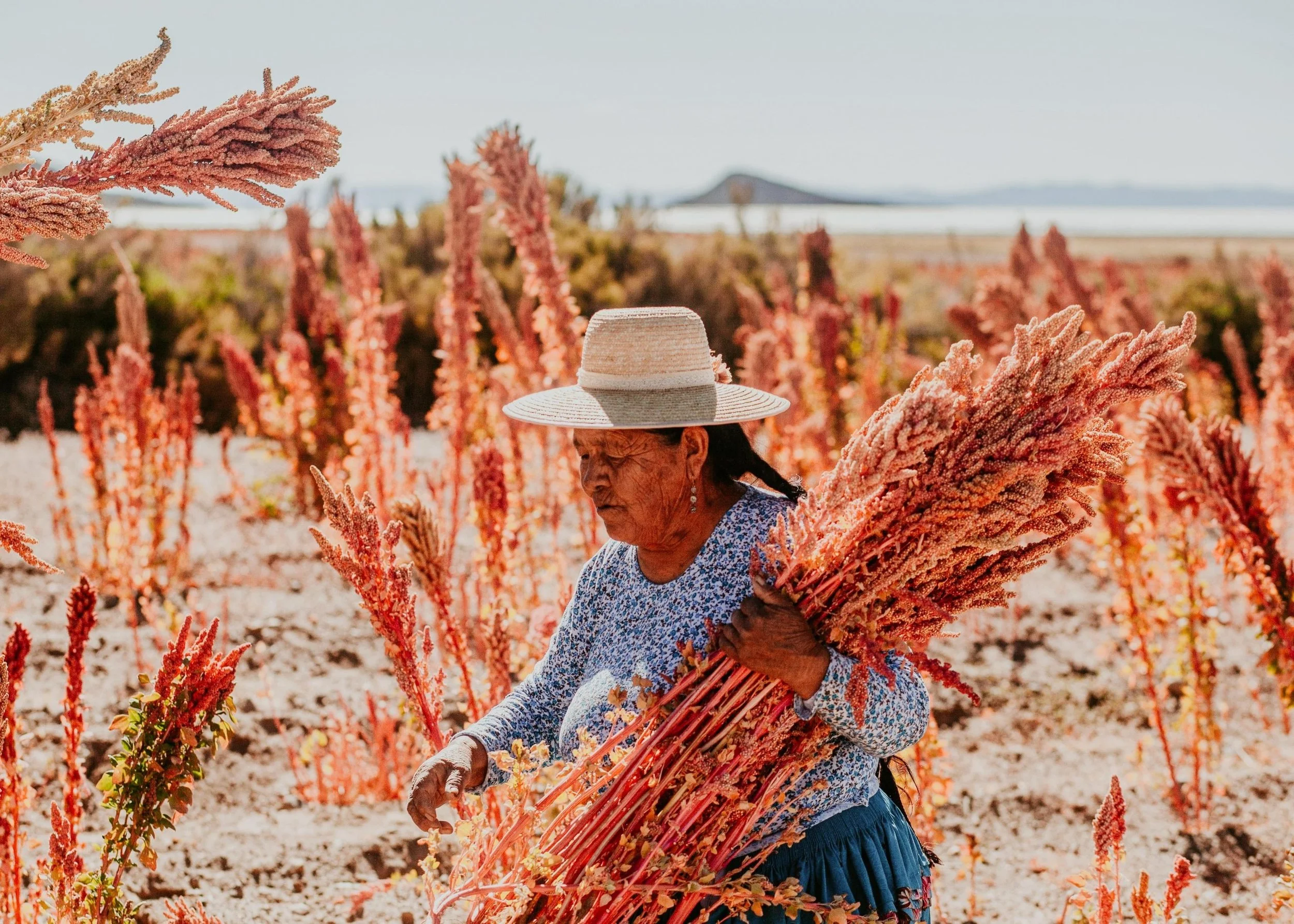
Closer to Jirira, visits to quinoa fields and llama herds introduce the agricultural knowledge that sustains life around the salar. The experience can include conversations about cultivation, harvesting techniques, and the changing conditions facing local families.
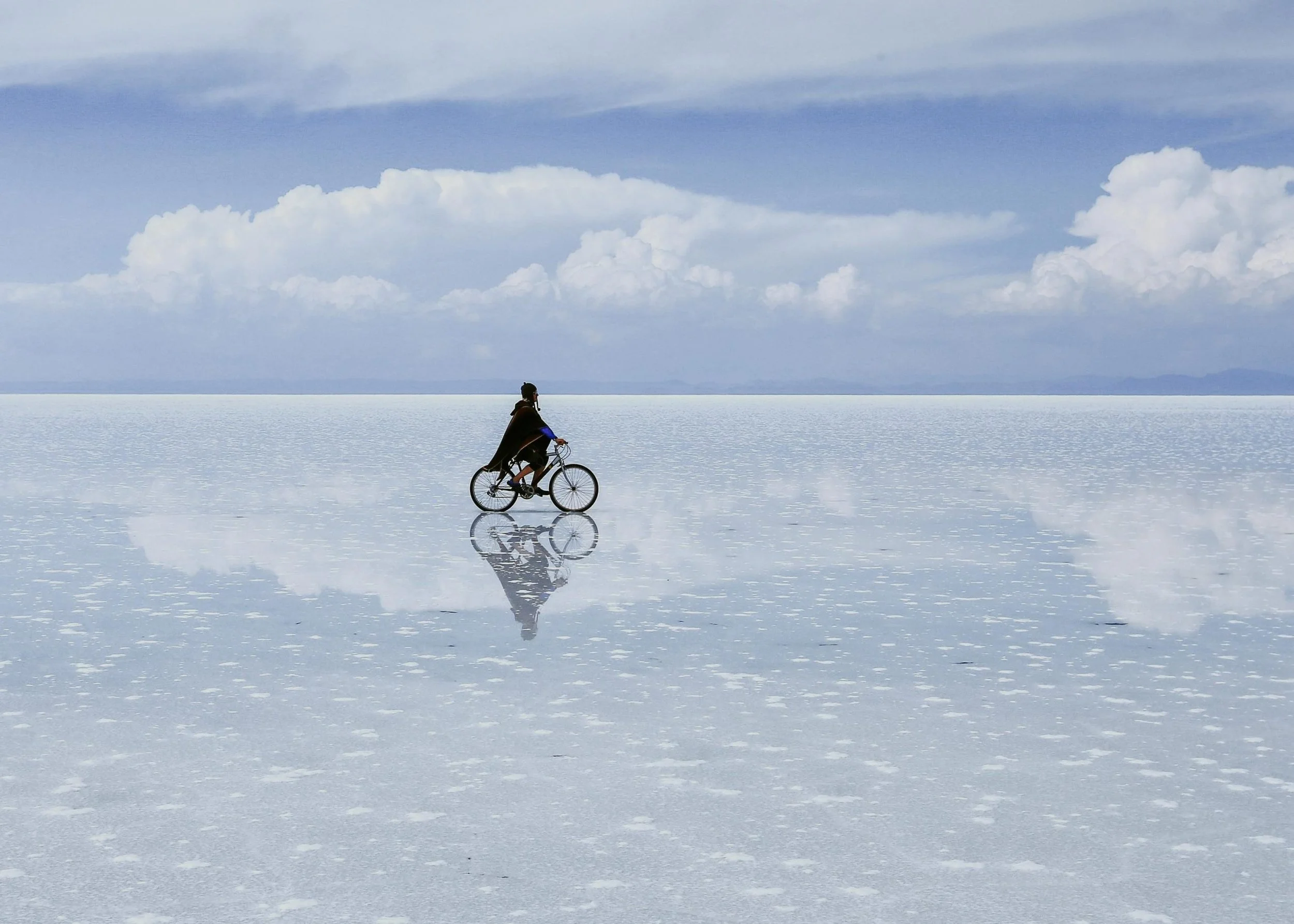
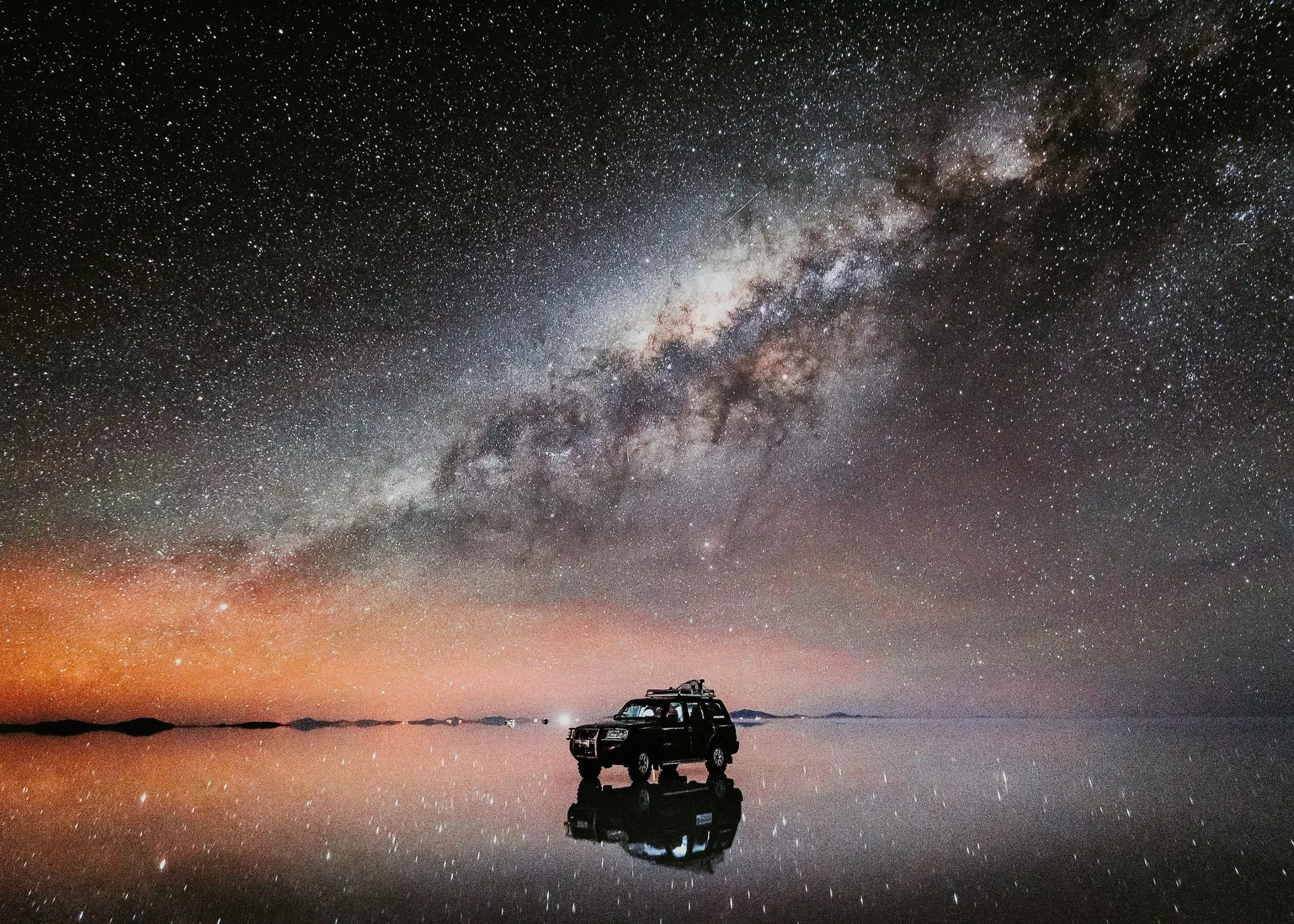
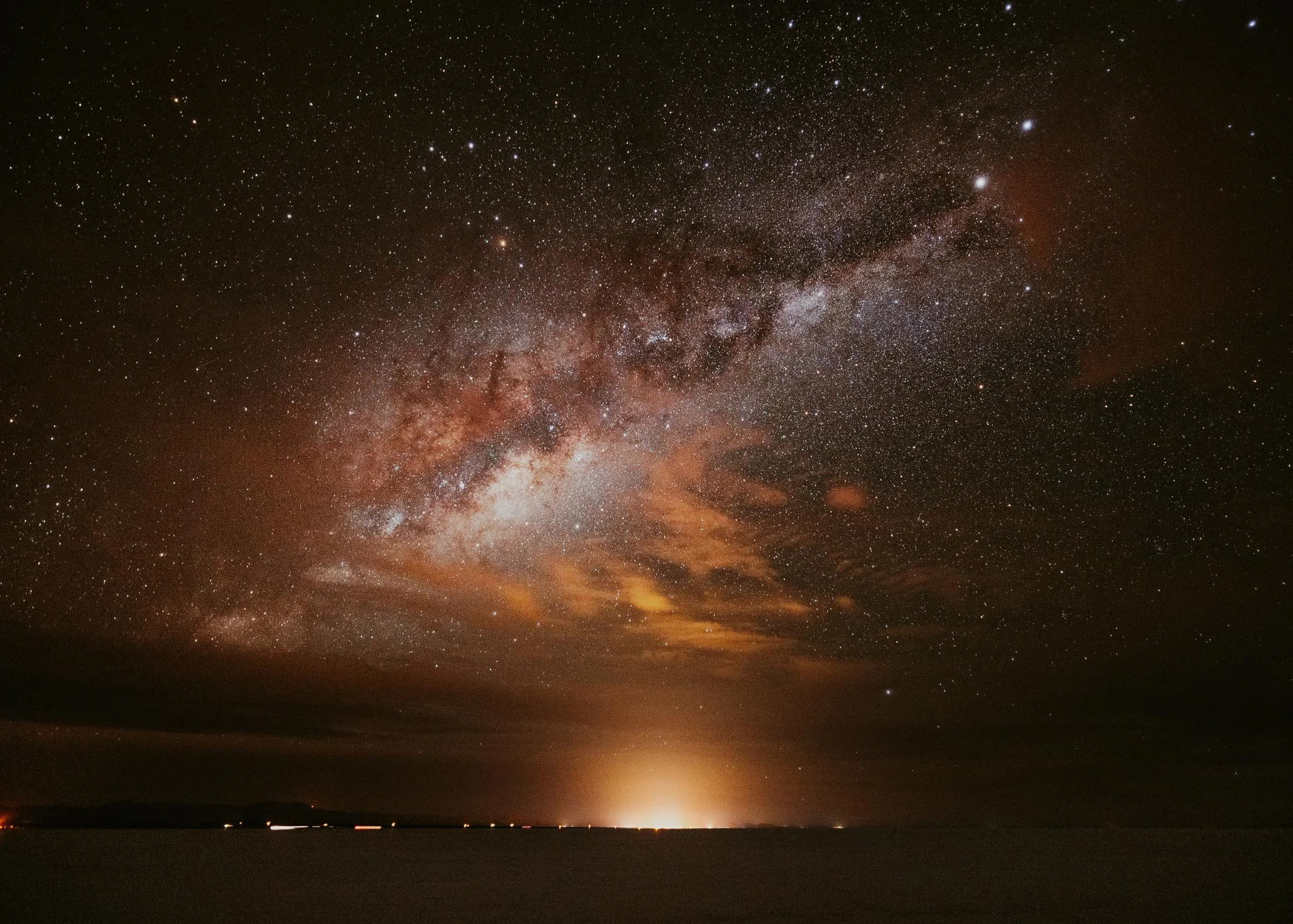
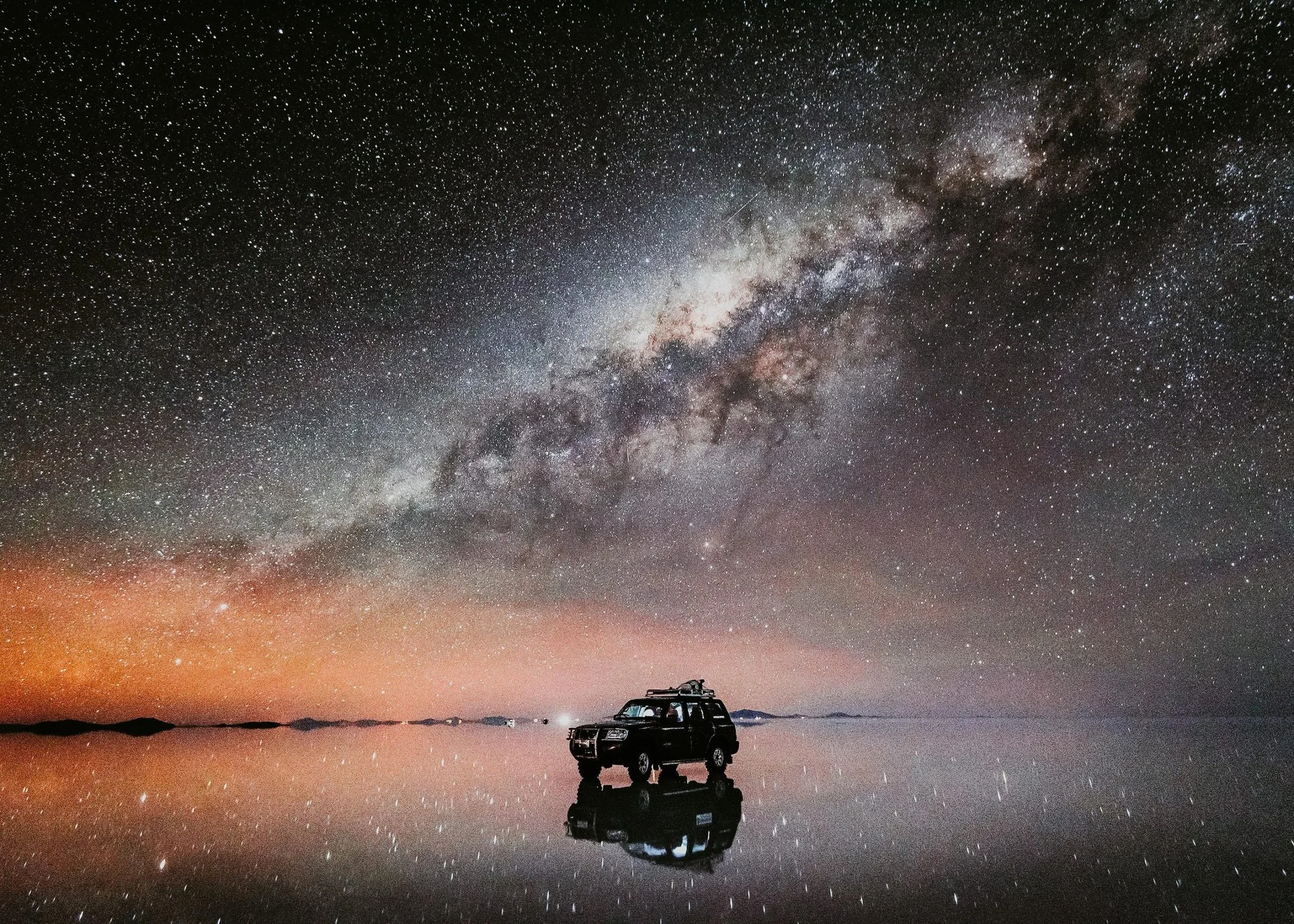
Mountain biking provides another way to explore when the surface and weather allow. After dark, telescope sessions turn attention to the Southern Hemisphere sky. Clear skies and a suitable moon phase matter for stargazing, just as still water and favorable light matter for reflection photography; neither experience is identical from one night to the next.
A Shared Adventure for Curious Families
Casa Gastón welcomes families, with the setting particularly appealing to older children and teenagers interested in nature, photography, and unusual landscapes. The activities offer several different points of connection: learning about llamas, seeing quinoa cultivation, experimenting with perspective photographs, or looking through a telescope after dinner.
The emphasis is on shared exploration rather than a conventional resort children’s program. No dedicated kids’ club is advertised in the hotel’s published facilities, and family occupancy, additional bedding, babysitting, and age requirements for individual excursions should be confirmed before booking.
A family itinerary also benefits from variety. A shorter community visit can balance a longer drive across the salt flats, while time in the room provides a welcome break between early mornings and evening outings. For younger children, the upper terraces, bathing arrangements, altitude, and remoteness all deserve consideration alongside the destination’s visual appeal.
Local Materials and a Longer-Term Commitment
Casa Gastón places community engagement and environmental responsibility at the center of its stated philosophy. Its use of locally sourced materials, presentation of Bolivian art, and culinary focus create visible connections to the country. Excursions involving Jirira’s agricultural community add another opportunity for travelers to hear directly from people who live in the region.
The hotel also describes an ambition to support the village’s future by encouraging younger generations to return. Its proposed artist-residency program is intended to foster exchange with local communities, linking contemporary creative work with regional knowledge and traditions.
Environmental claims require a distinction between goals and achieved results. Casa Gastón states an ambition relating to carbon neutrality and EDGE certification; these should be understood as targets unless the property supplies current evidence that they have been attained. The most useful account of sustainability here is therefore specific: local materials, cultural continuity, community relationships, and the measures the hotel can document as its operations develop.
Considering Access in a Remote Landscape
The hotel has been reported to have an entrance ramp and guest rooms arranged on one level. Those features do not establish that every area is step-free, particularly the upper-level private terraces. Travelers with mobility requirements should confirm the exact room layout, bathroom fittings, terrace access, and routes through the shared spaces.
Vehicle-based excursions can reduce walking, but getting into a four-wheel-drive vehicle and navigating salt, stone, or uneven ground remain separate considerations. Advance arrangements should address those details, as well as distances from assistance and the realities of the high-altitude location, rather than relying on a general accessibility label.
Two Seasons, Two Very Different Landscapes
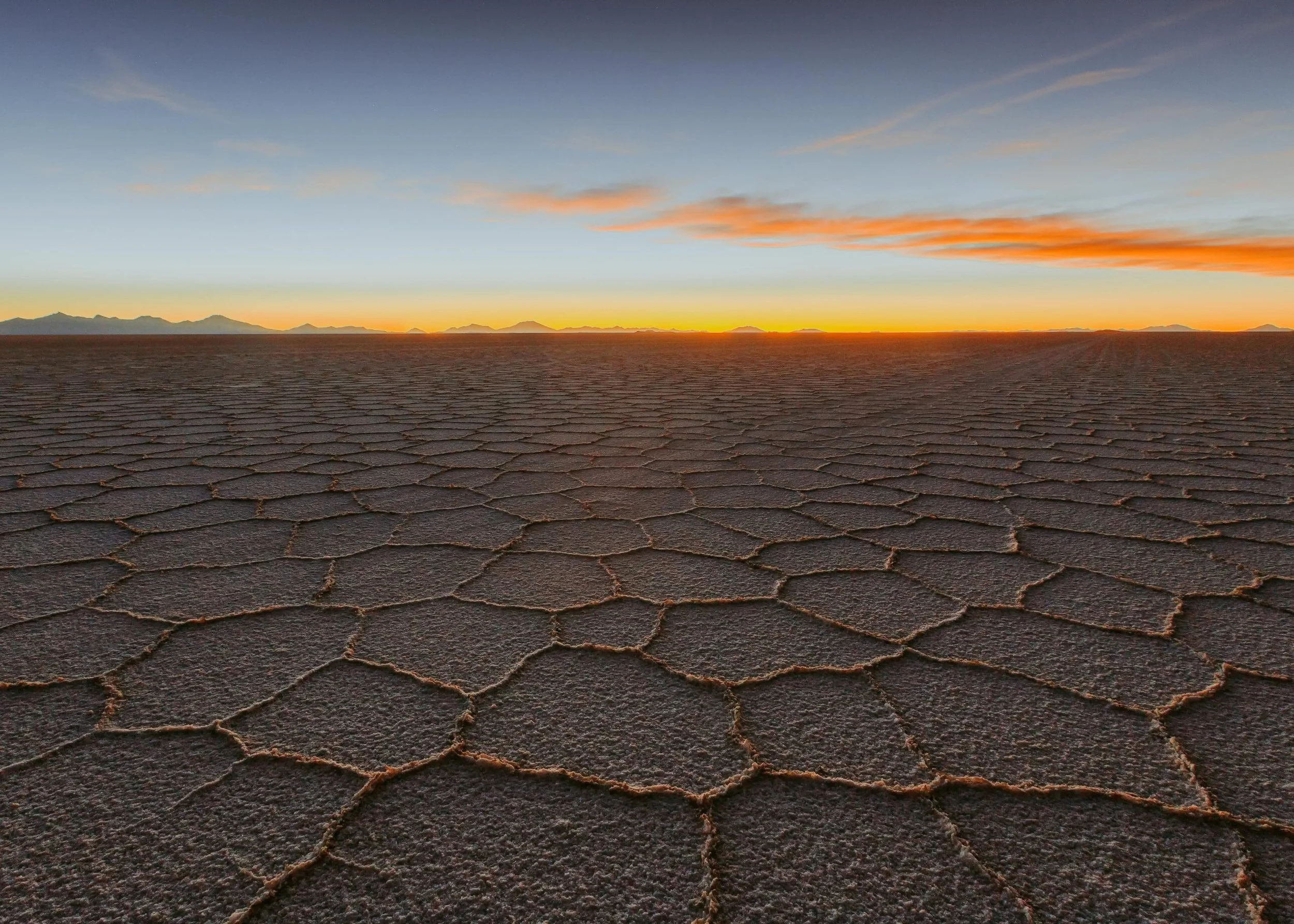
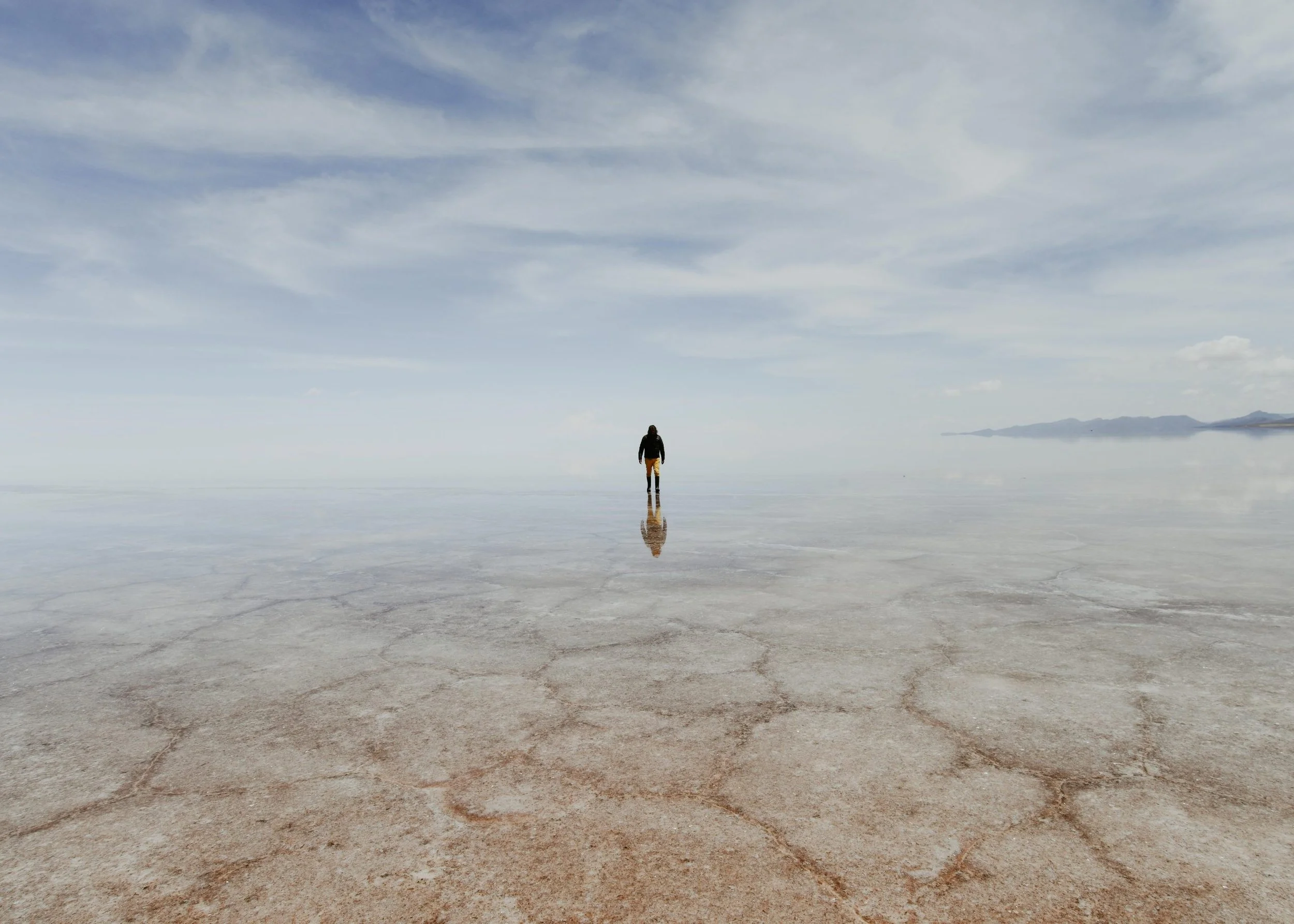
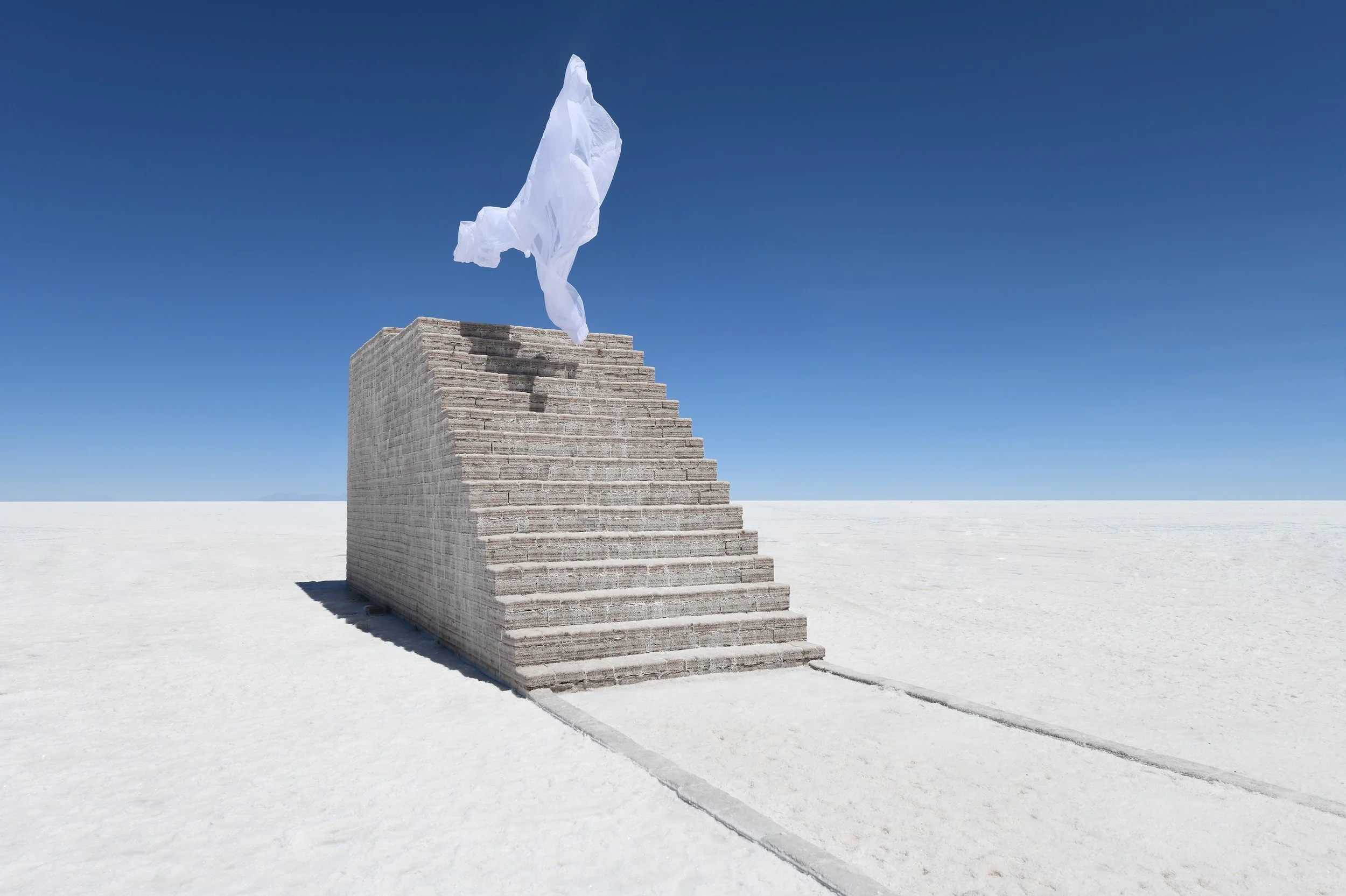
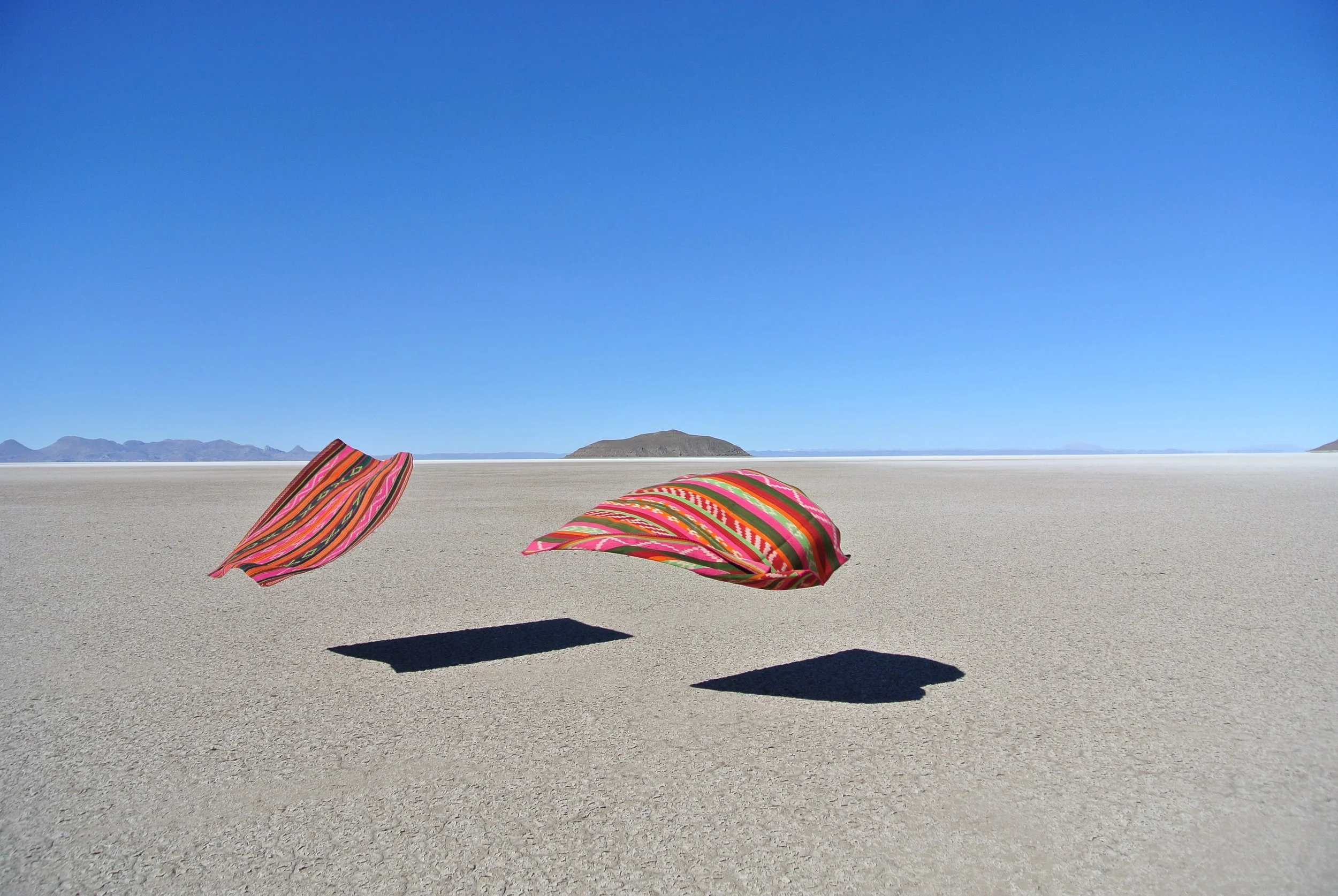
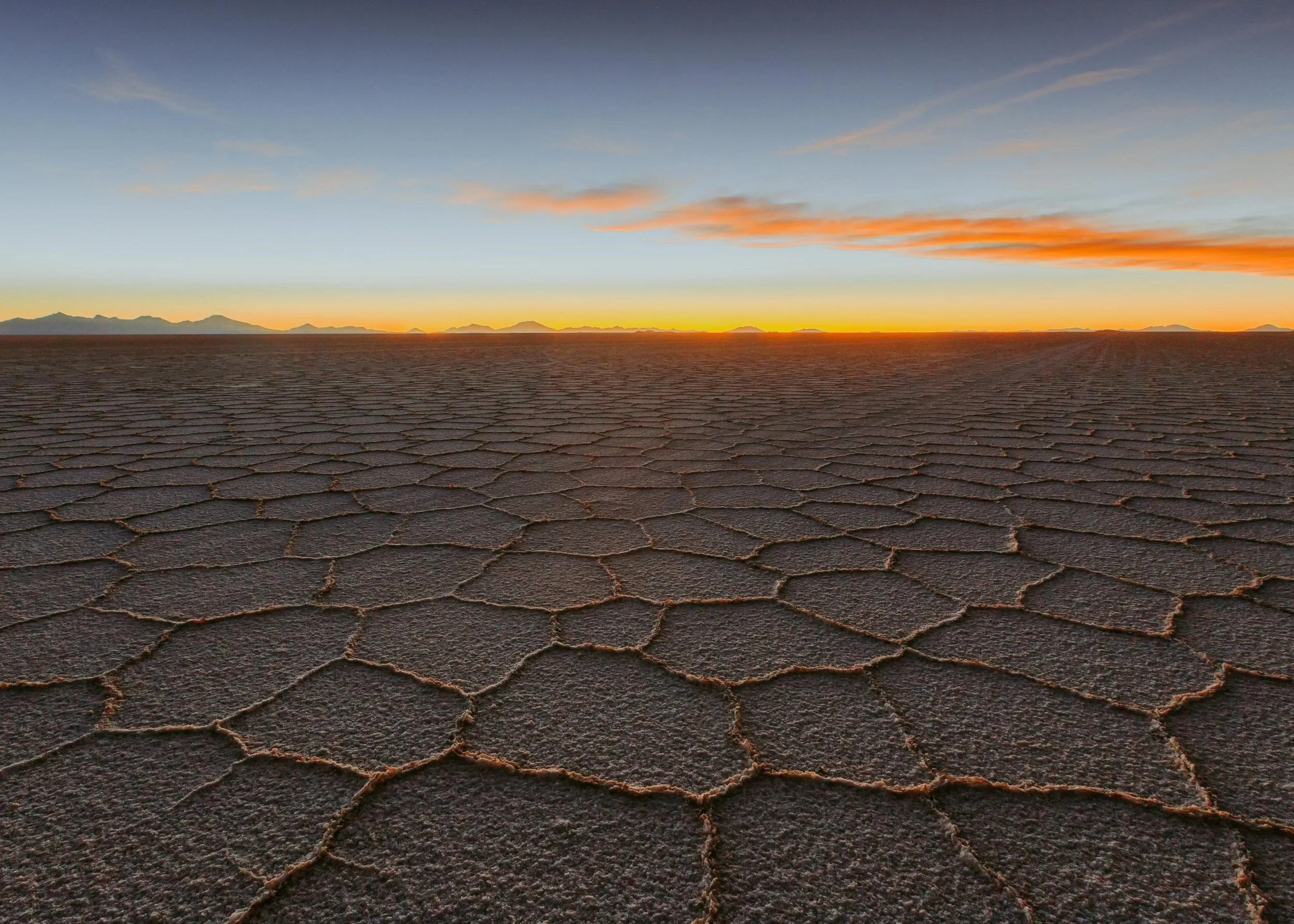
Uyuni’s changing surface is central to deciding when to visit. During the drier part of the year, the salt crust’s patterns and white expanse become the defining images. Conditions generally allow more straightforward exploration across the salar, with broad horizons and islands appearing sharply against the surrounding flats.
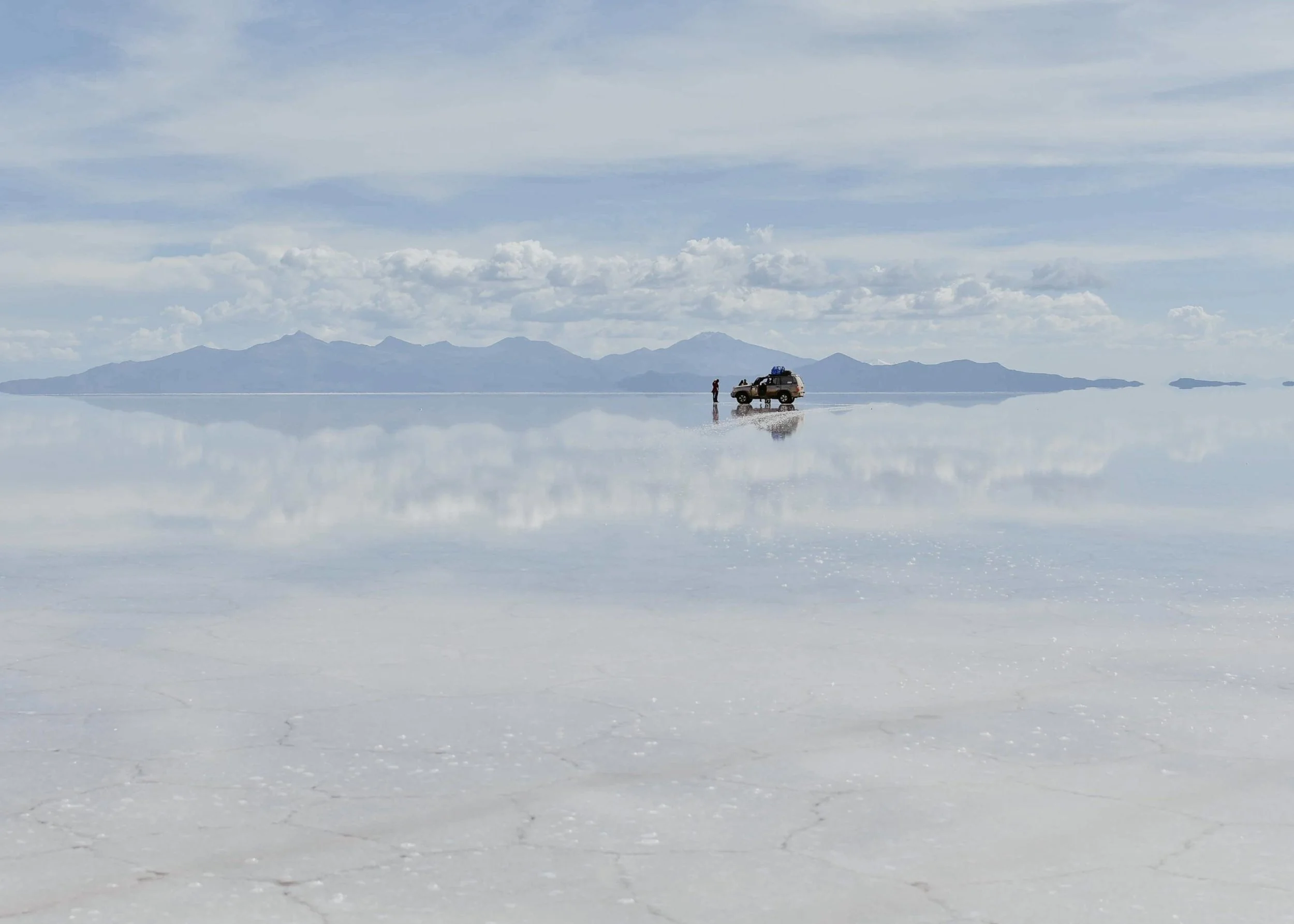
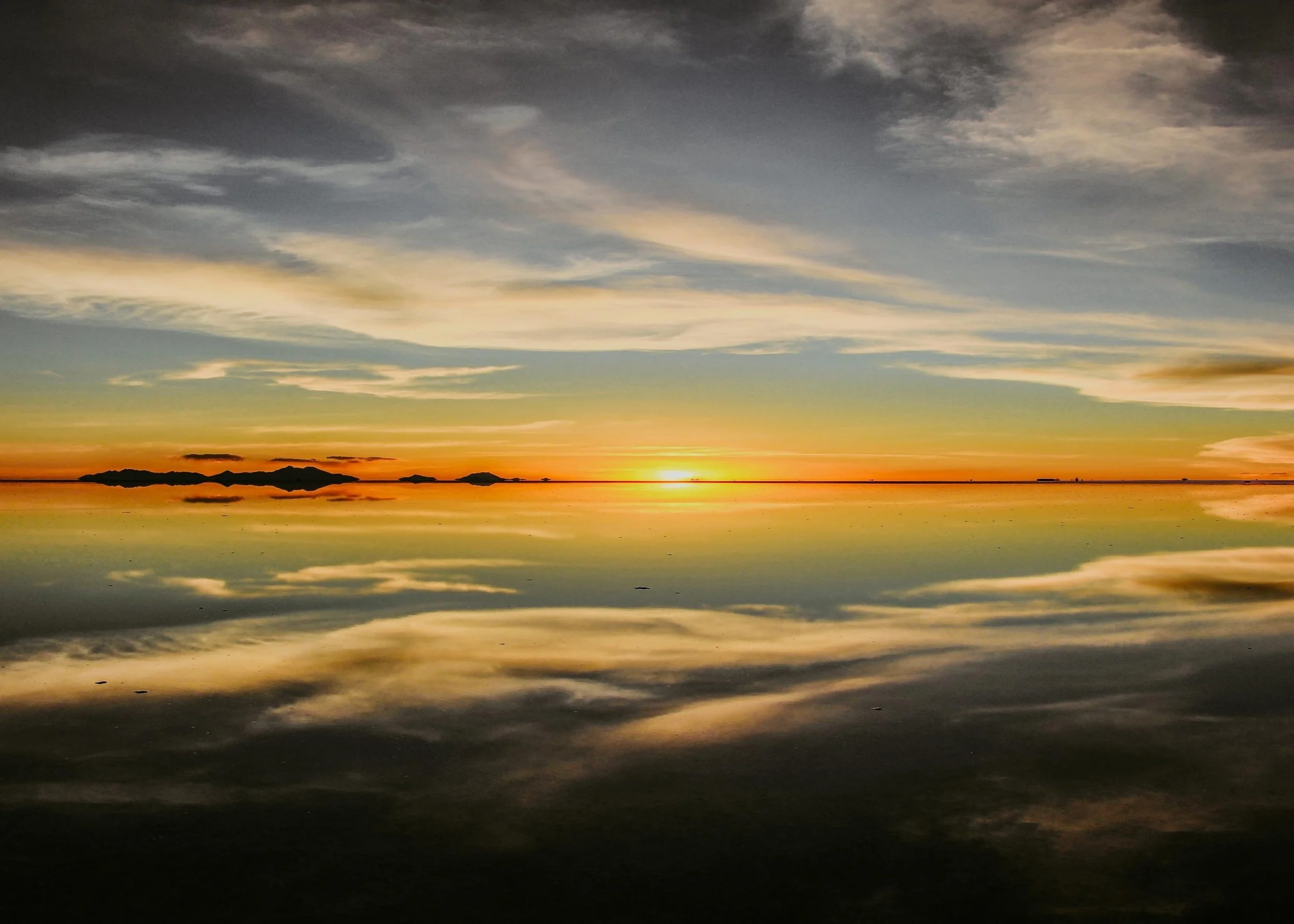
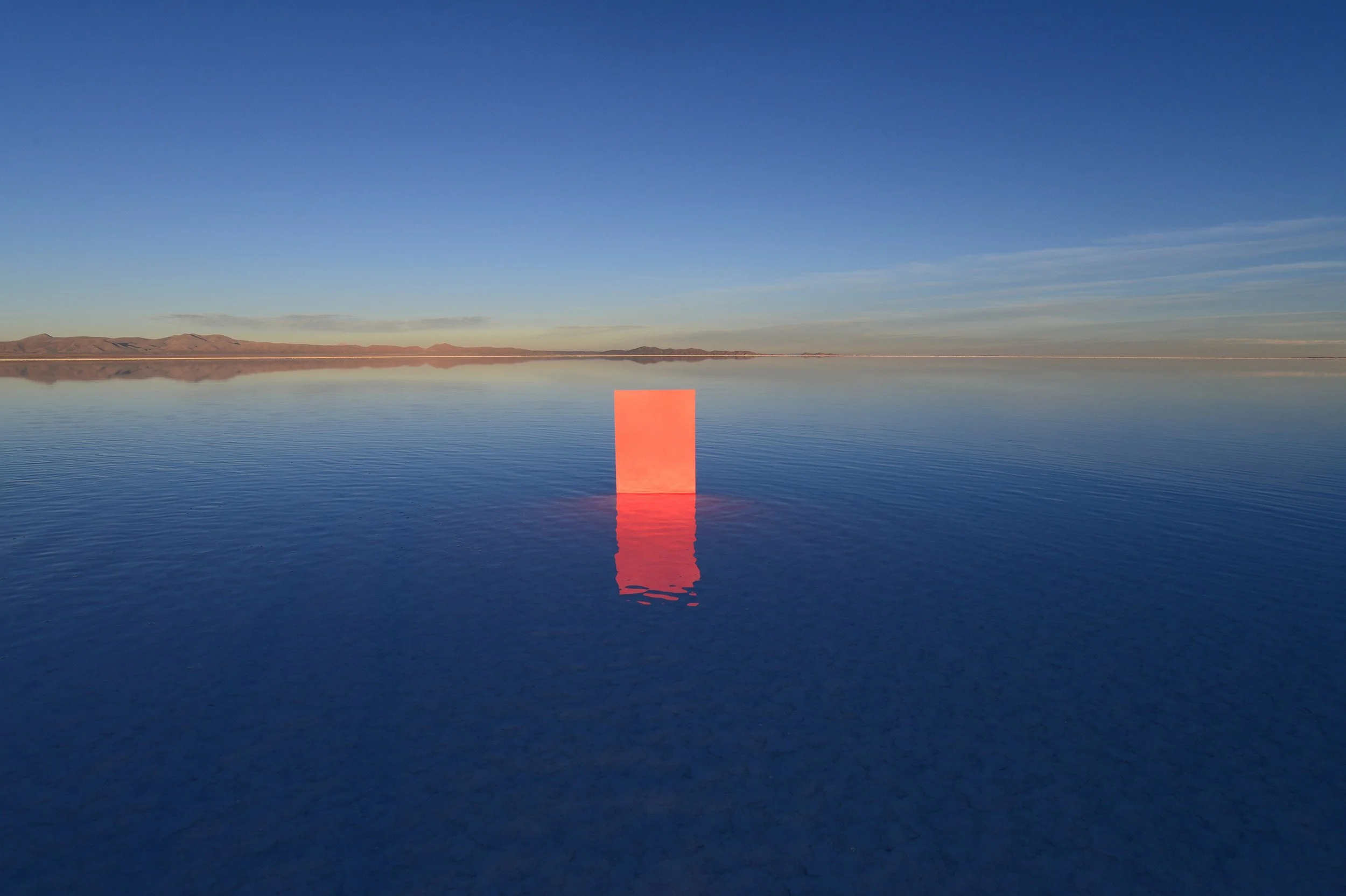
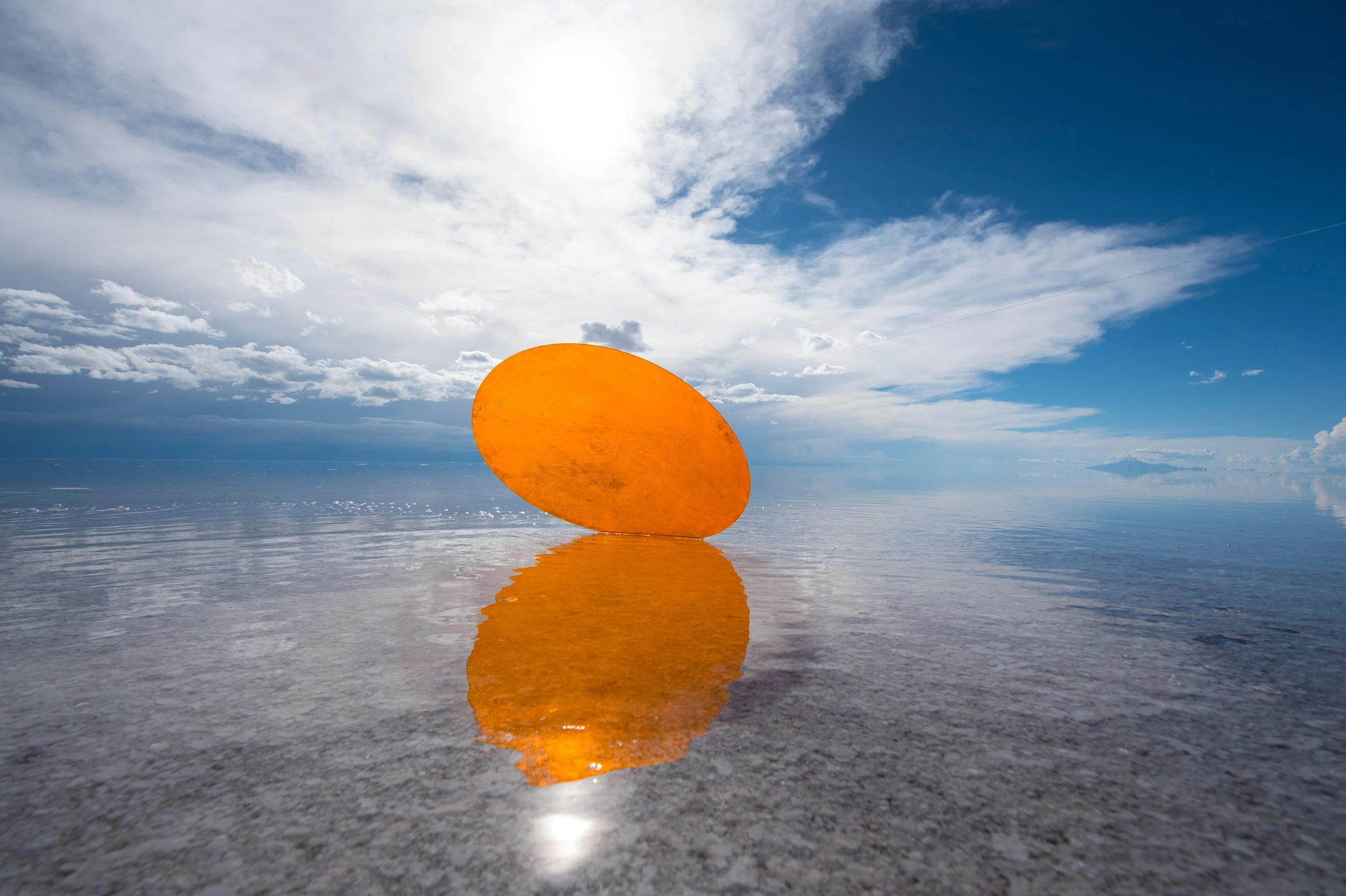
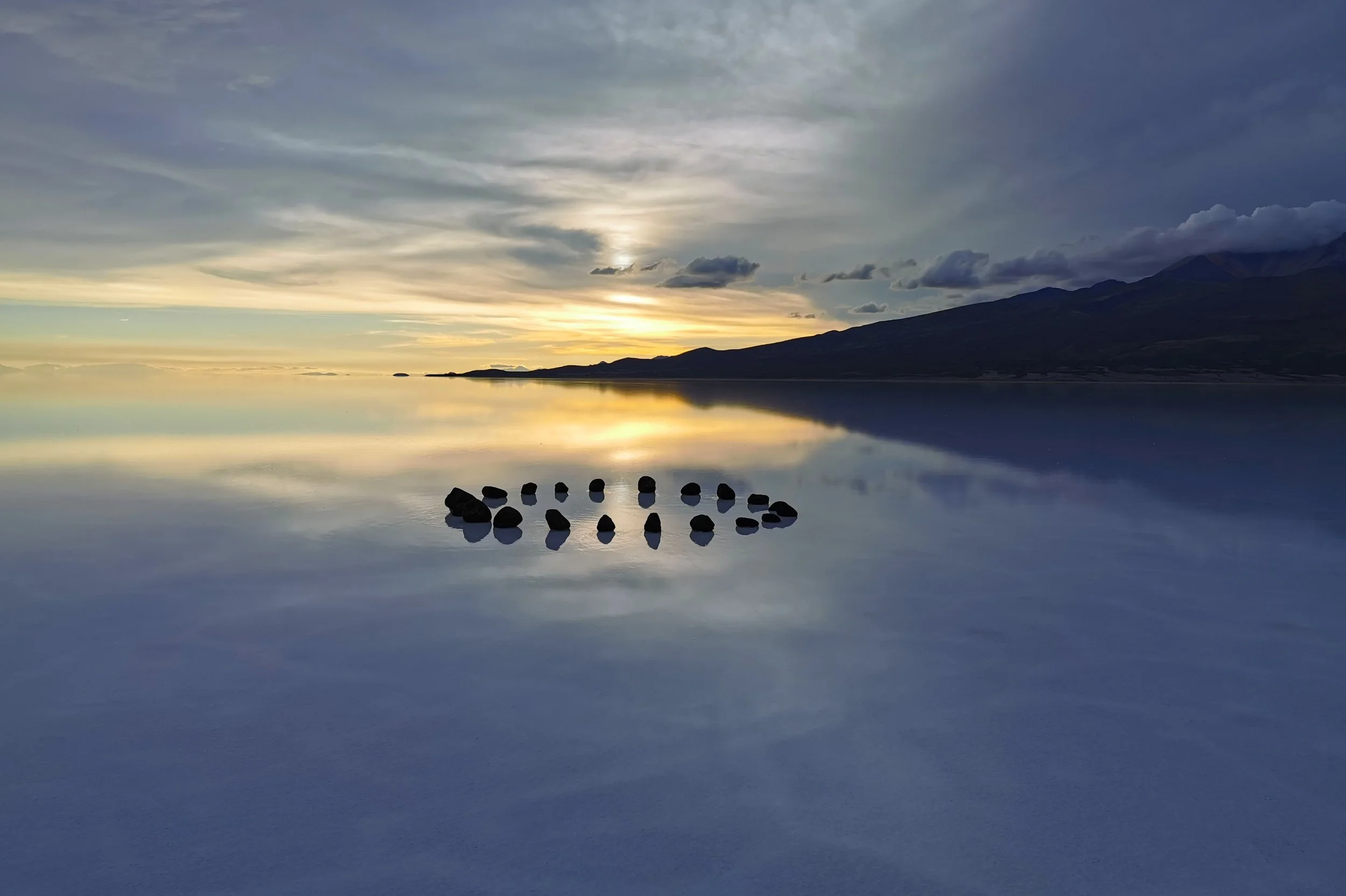
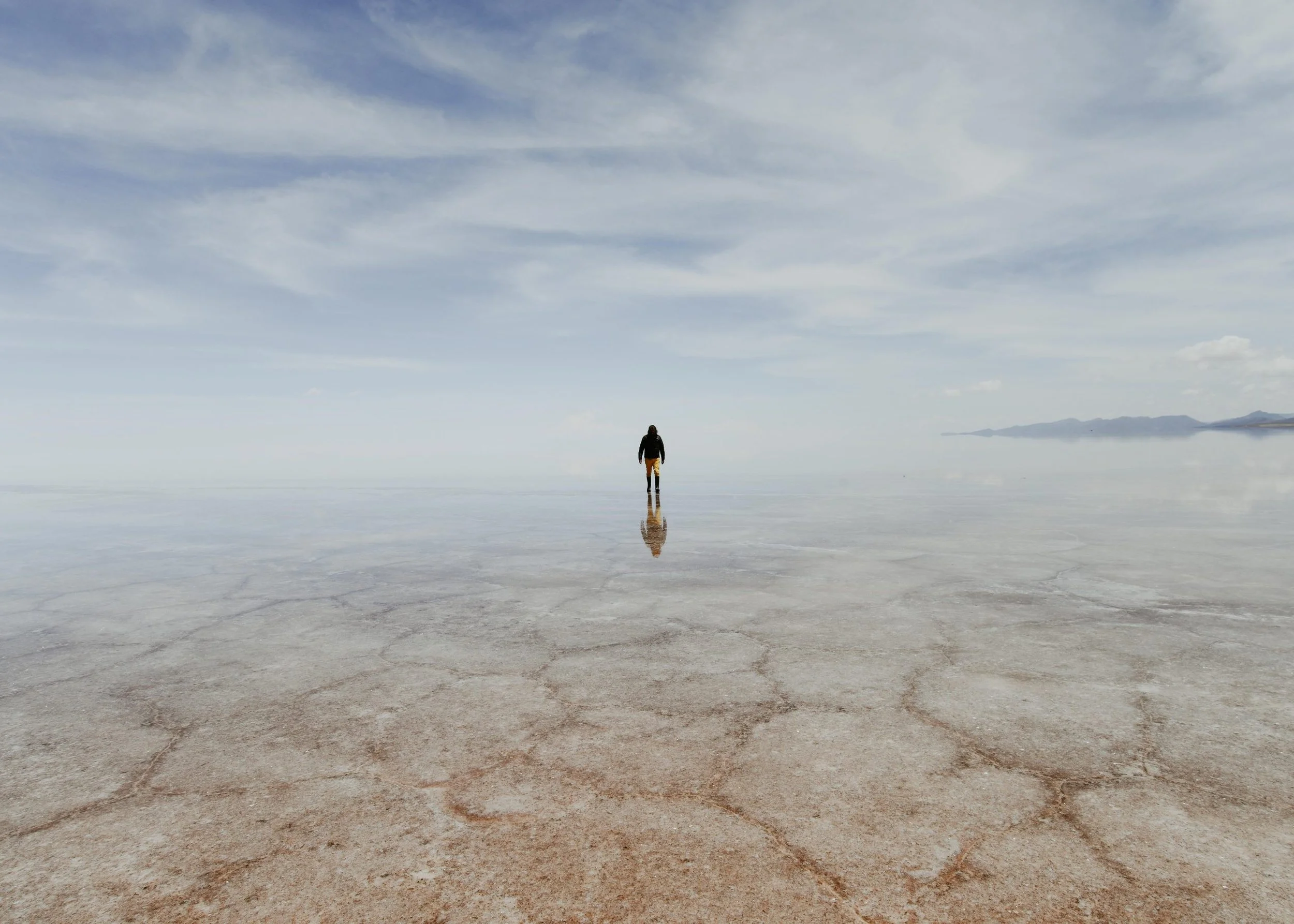
During the rainy season, shallow water can create the celebrated reflections that blur the boundary between earth and sky. January through March is the period Casa Gastón specifically identifies for rainy-season transfer planning, although rainfall and the formation of a usable reflective surface vary from year to year.
Those mirror-like scenes come with practical trade-offs. Water can alter driving routes, restrict access to particular islands, and change what can be visited on a given day. A reflection-focused trip should retain flexibility rather than depend on one precisely timed photograph.
We would also give Jirira and the northern shore time within the itinerary. Tunupa, cultivated fields, herding traditions, and the village itself provide context that is easy to miss when the salt flats are treated only as a spectacular photo stop. Staying at their edge makes that slower approach possible.
Reaching Jirira and the Northern Shore
By Air: Uyuni Airport (UYU) is the principal arrival point, with access through La Paz according to the hotel’s current guidance; flight operating days and connections should be reconfirmed when building the wider itinerary.
From Uyuni Airport: Casa Gastón quotes approximately 1½ hours by vehicle, covering roughly 62 miles when the direct route across the salt flats is usable, with the transfer coordinated around local conditions.
From Oruro: The hotel gives an approximate four-hour drive, offering an overland alternative for travelers whose journey already includes this part of Bolivia.
During the Rains: Alternative routes are arranged when the salt-flat crossing is unsuitable, so arrival and departure planning should allow for a longer journey rather than rely on the dry-season estimate.
The Landscape After Everyone Has Left
The most memorable part of Casa Gastón may be the time when there is nowhere else to go. After the day’s excursion, the horizon remains outside the window, the mountain changes color, and the room becomes a place from which to keep watching.
Ugalde’s artistic legacy gives that attention a particular meaning. Materials, light, and familiar objects invite a second look, while the surrounding landscape resists any single, definitive image. A stay leaves room for both: the dramatic view that first drew you to Uyuni, and the quieter details that become apparent only when you remain a little longer.