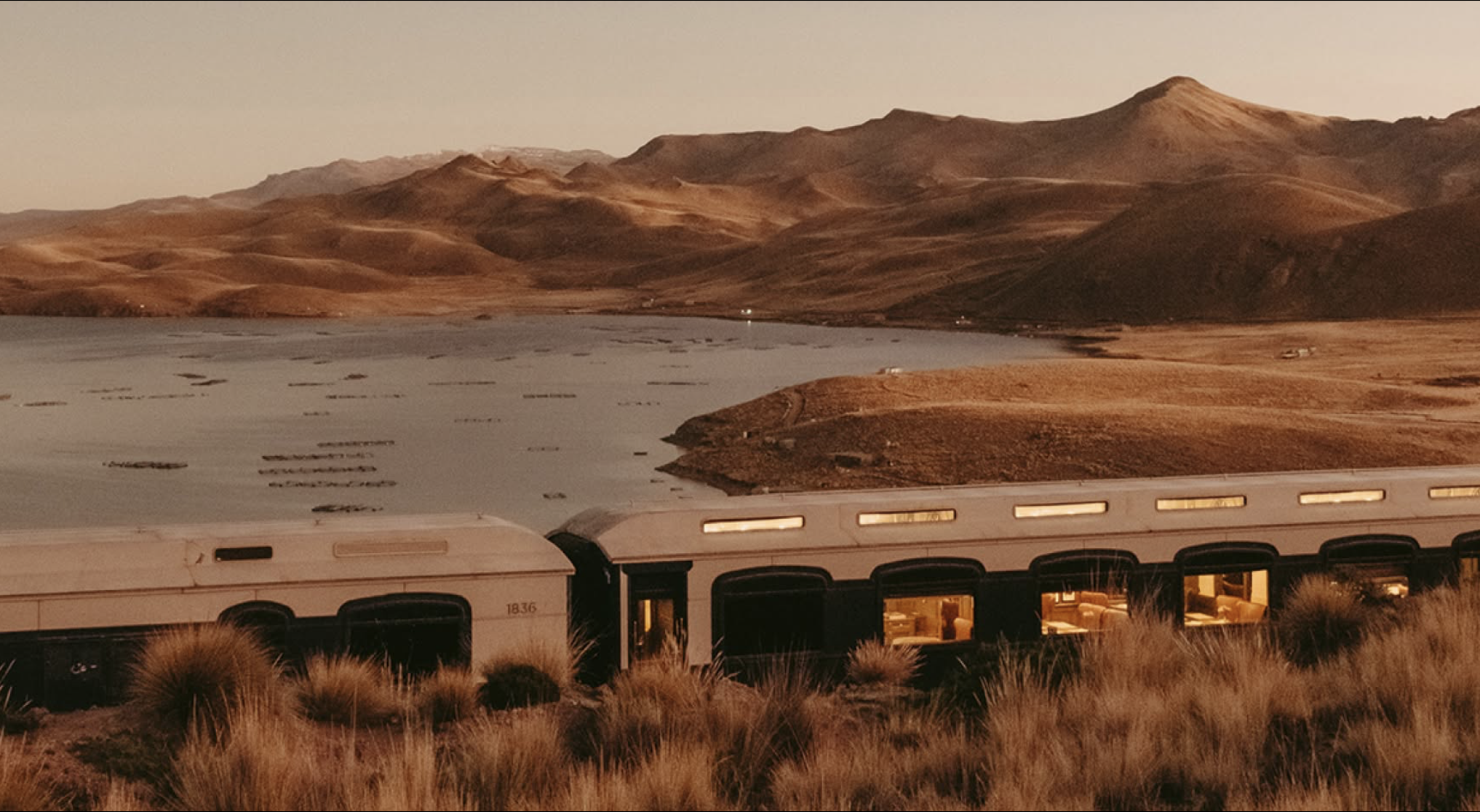
Peru | Andean Explorer, A Belmond Train
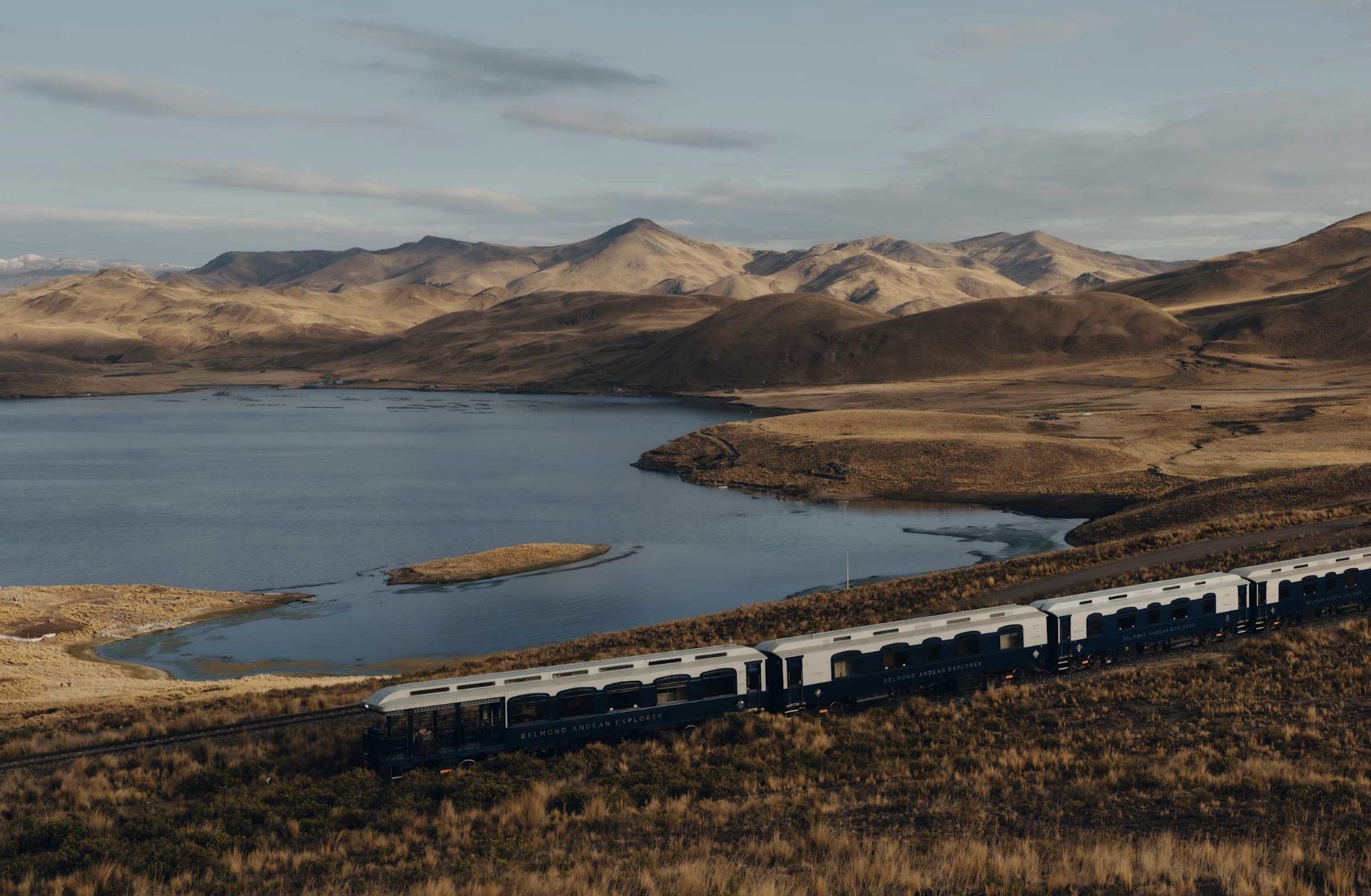
Across the Peruvian Andes by Rail
Peru is a country where distance changes the experience.
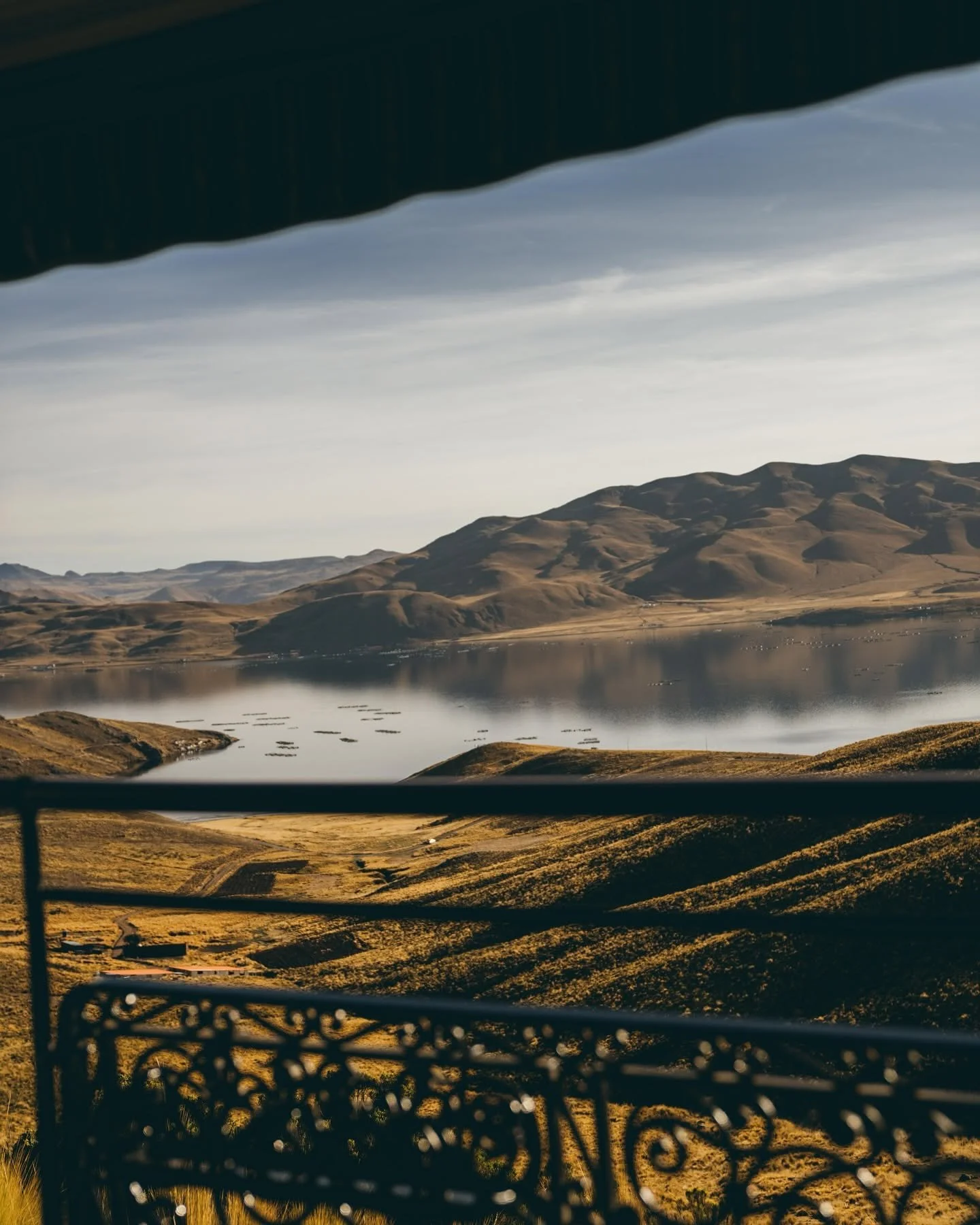
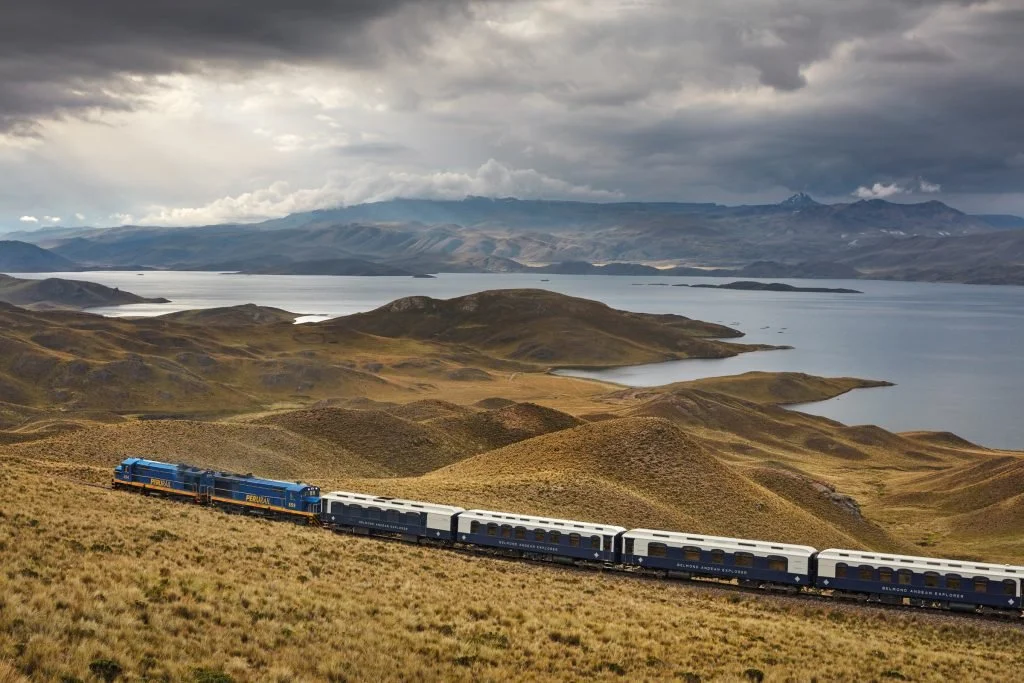
Cusco sits among mountains shaped by Inca history. Lake Titicaca opens across the Altiplano at more than 12,000 feet above sea level, and farther south the landscape becomes increasingly stark before the railway descends toward Arequipa and the volcanic terrain surrounding the city.
Andean Explorer connects those places slowly.
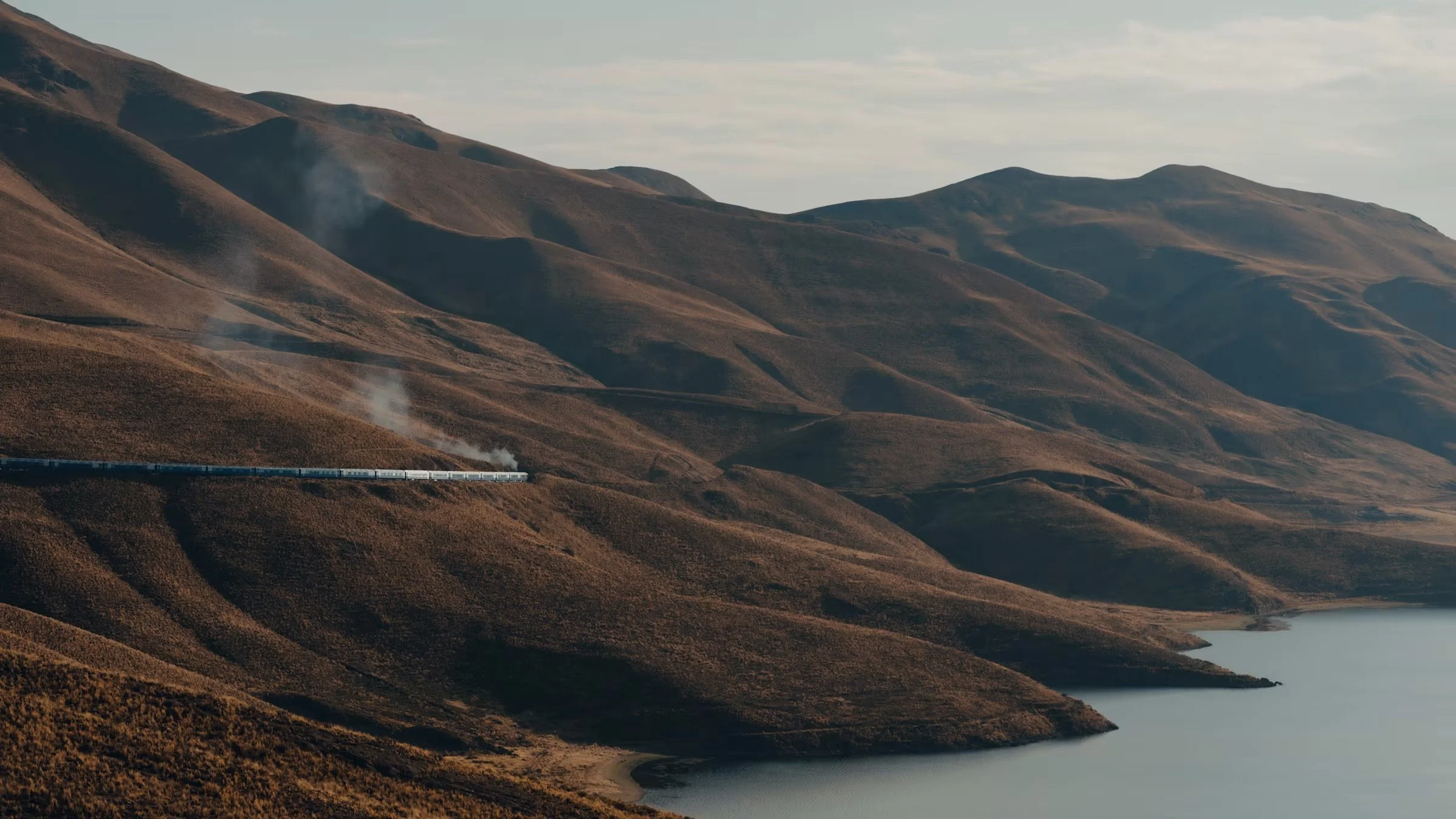
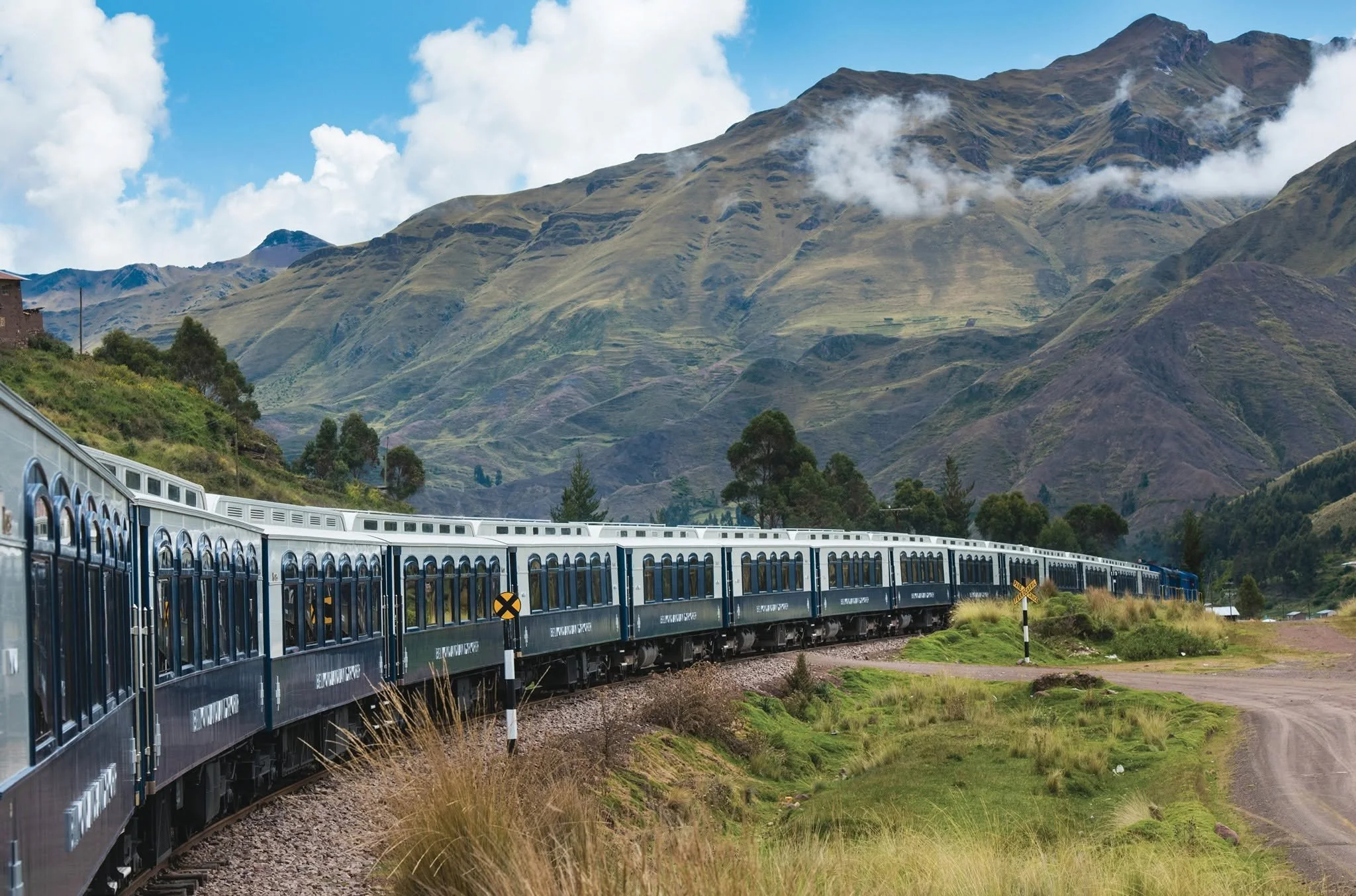
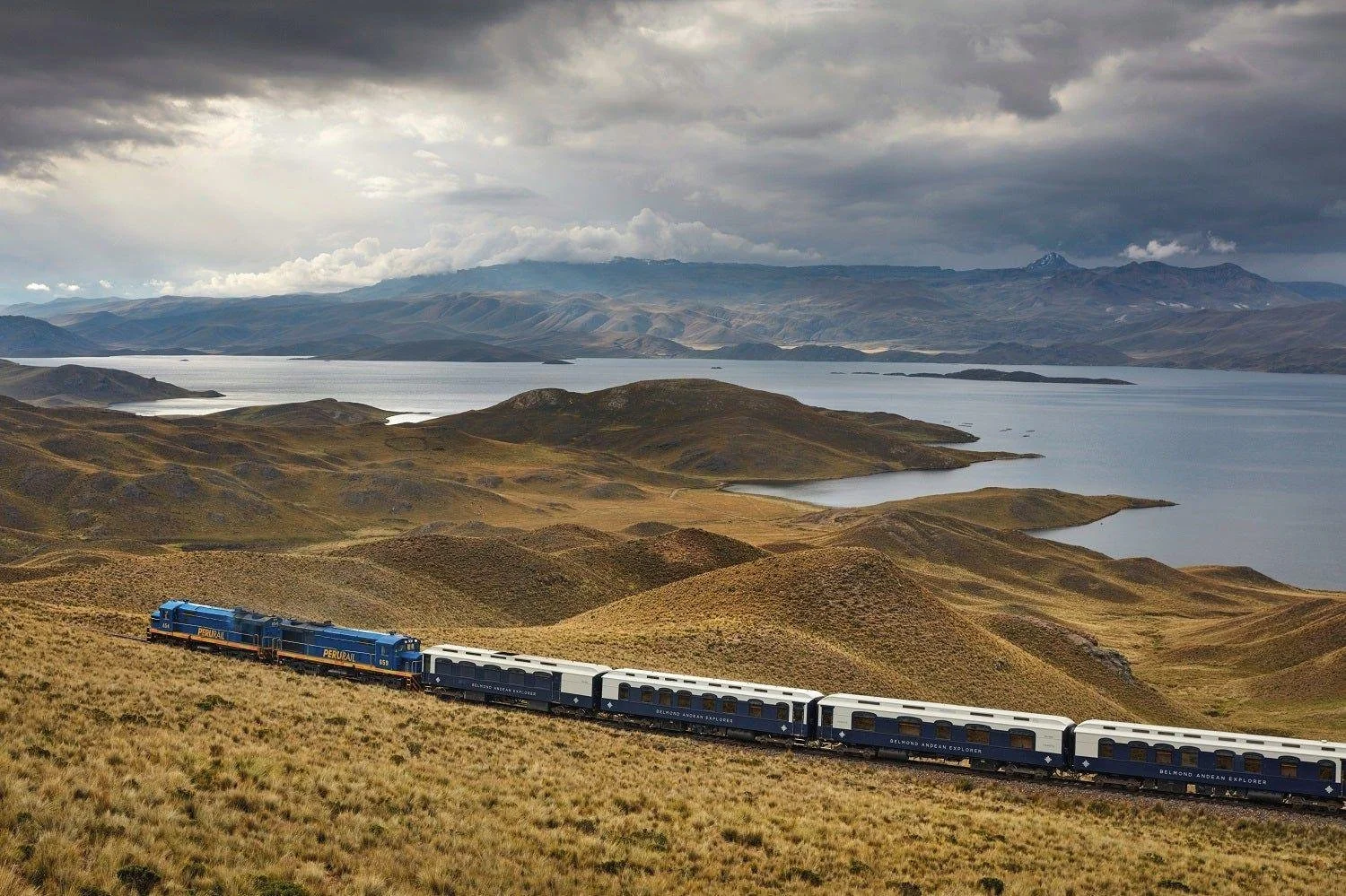
Launched in 2017 as South America’s first luxury sleeper train, the Belmond journey travels between Cusco, Puno and Arequipa along one of the highest railway routes in the world, climbing through sections of the Peruvian Andes approaching 15,000 feet.
For us, that is what makes the train compelling.
The journey is not simply transportation between major stops on a Peru itinerary. Much of the experience takes place in landscapes that would otherwise be crossed more quickly by air or experienced only in fragments by road.
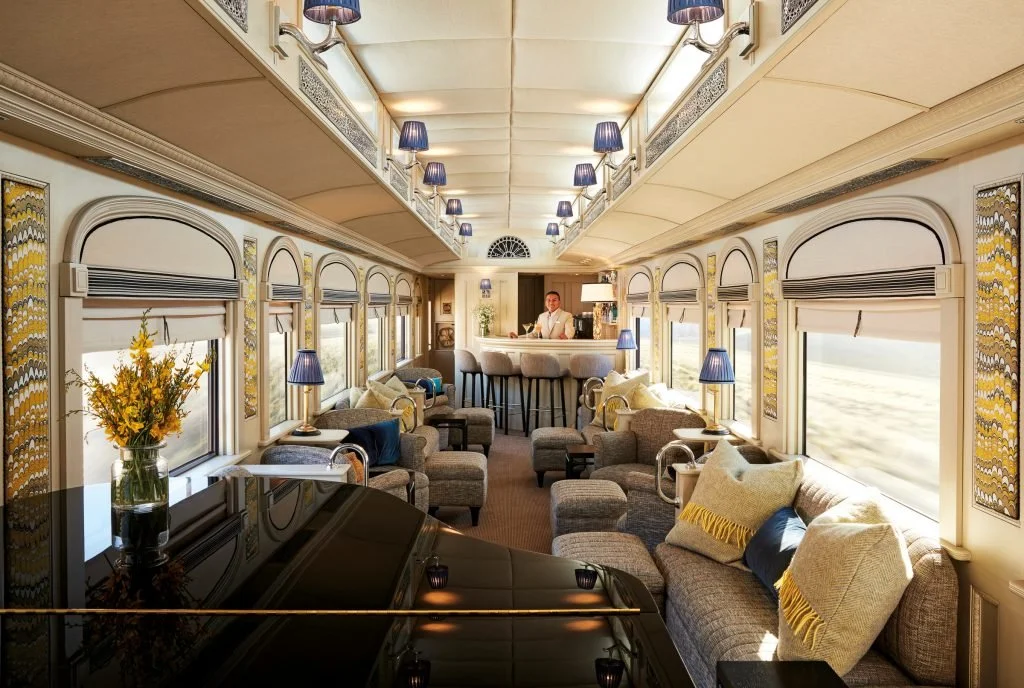
There are 35 sleeper cabins, two dining cars, a Piano Bar Car, an open-air Observation Car and the Picaflor Spa Car. Meals, drinks, onboard entertainment and the principal scheduled excursions are incorporated into the longer itineraries.
Outside the windows, however, the scenery remains the defining feature.
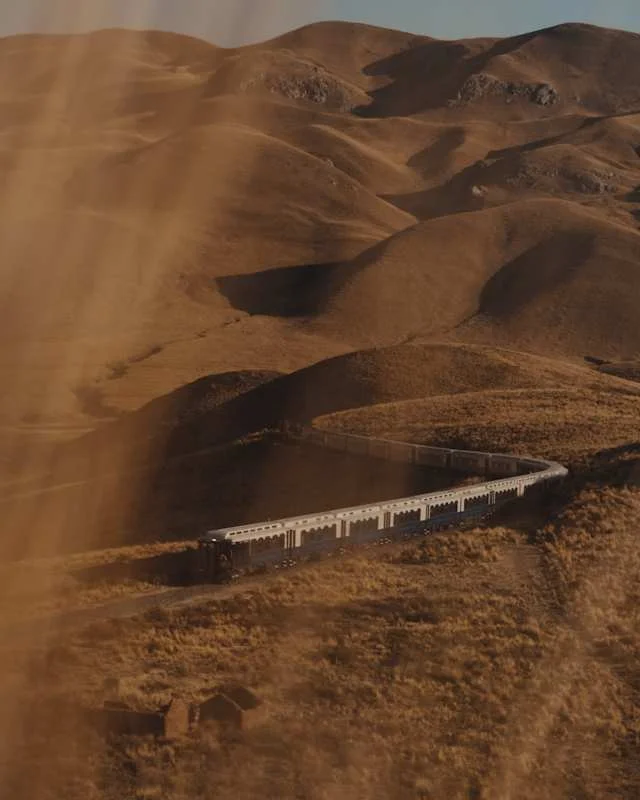
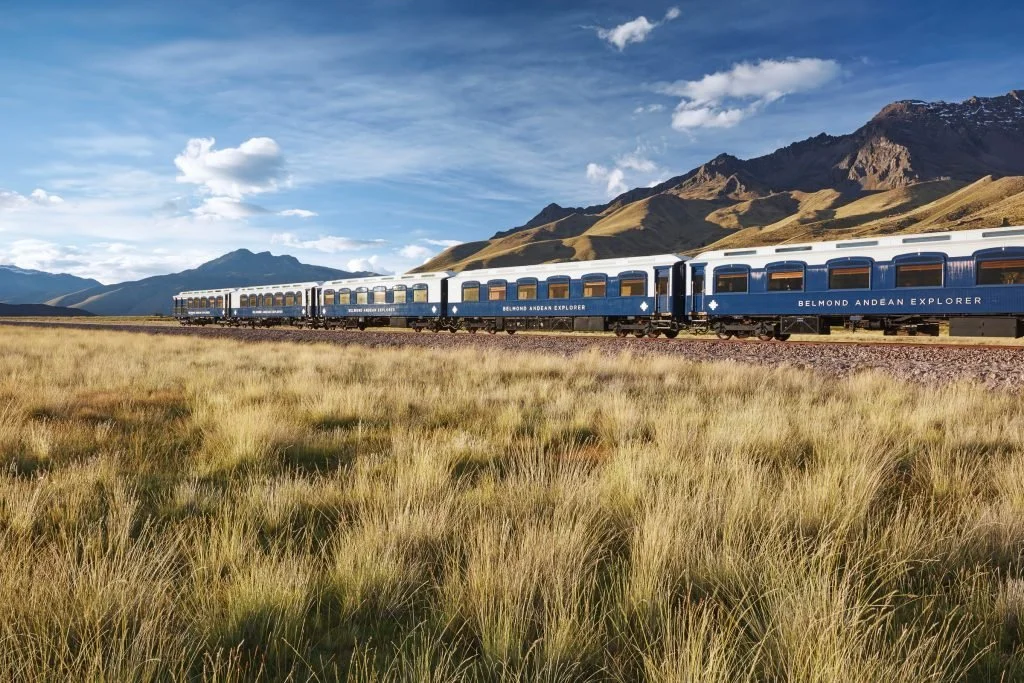
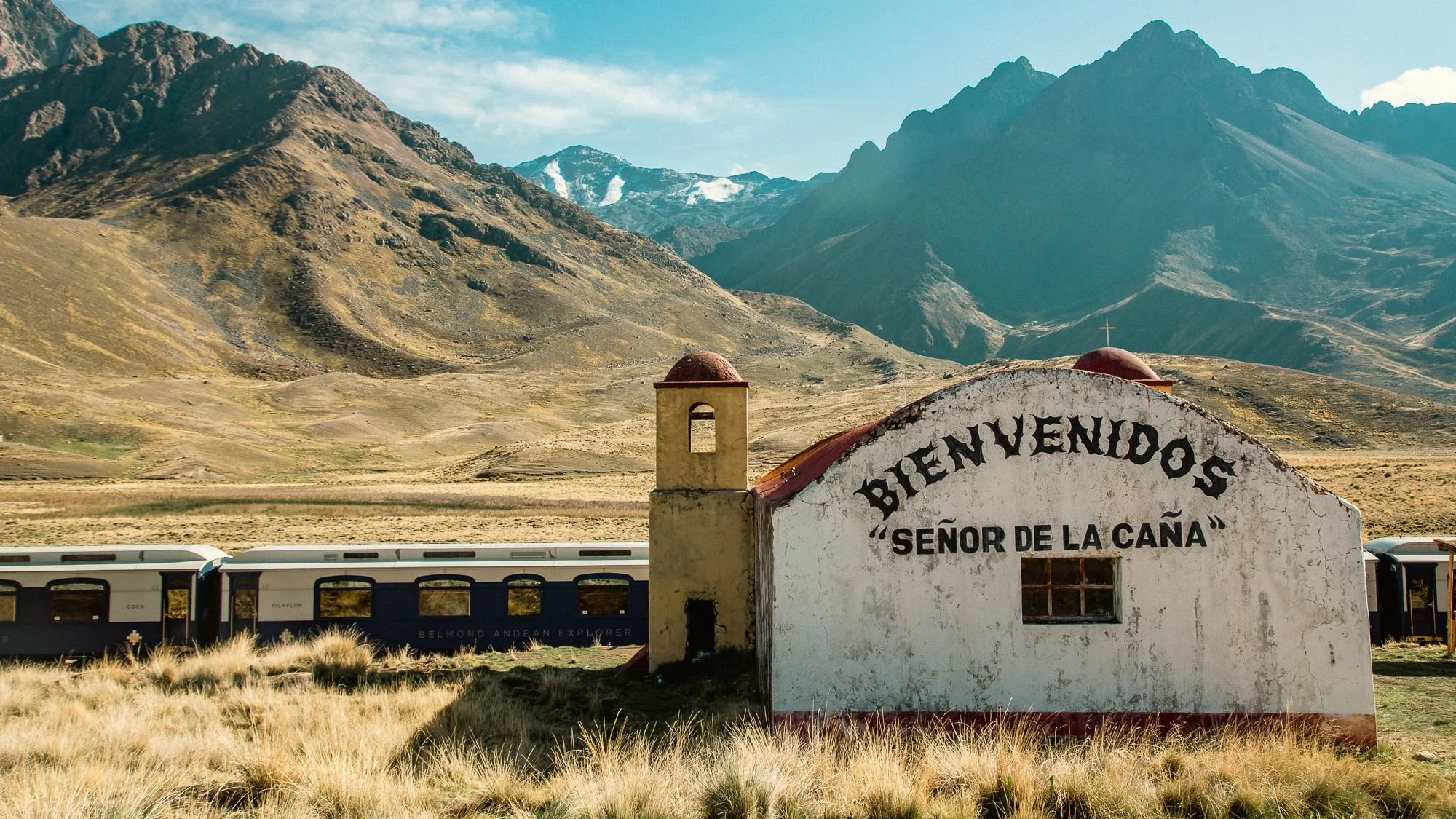
Dry high-altitude grasslands, snow-dusted peaks, small settlements, grazing alpacas and enormous stretches of open sky pass slowly enough to become part of the journey rather than scenery glimpsed between destinations.
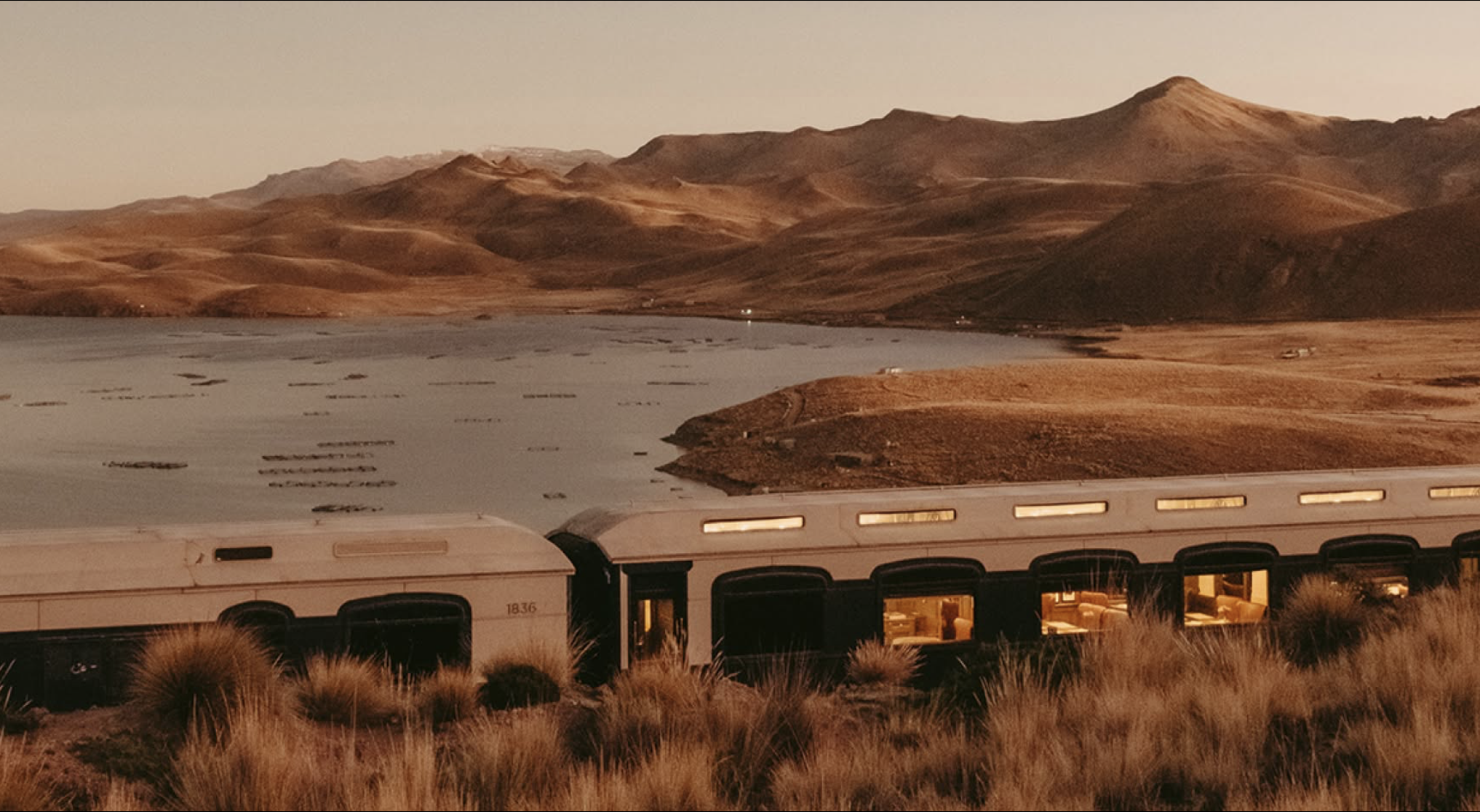
South America’s First Luxury Sleeper Train
Andean Explorer entered service in May 2017, but the story of its carriages began much farther from Peru.
The train was created from rolling stock that had previously operated as the Great South Pacific Express in Australia. After that service ended, the carriages were eventually transported to Peru and extensively reworked for their new life in the Andes.
Belmond’s concept was ambitious.
Peru already had celebrated rail journeys, including the route between Cusco and Machu Picchu, but there was no luxury sleeper train linking the major destinations of southern Peru over multiple days.
Andean Explorer changed that.
Rather than treating Cusco, Lake Titicaca and Arequipa as isolated points in an itinerary, the train connected them through the Altiplano, turning the geography between them into an essential part of the experience.
The principal two-night Peruvian Highlands journey travels from Cusco to Arequipa via Lake Titicaca, while Andean Plains and Islands of Discovery operates in the reverse direction.
Shorter one-night routes allow guests to travel individual sections between Cusco, Puno and Arequipa.
For us, the two-night journey makes the strongest case for the train.
It provides enough time for the rhythm of rail travel to become part of the trip rather than feeling like an unusually elaborate overnight transfer.
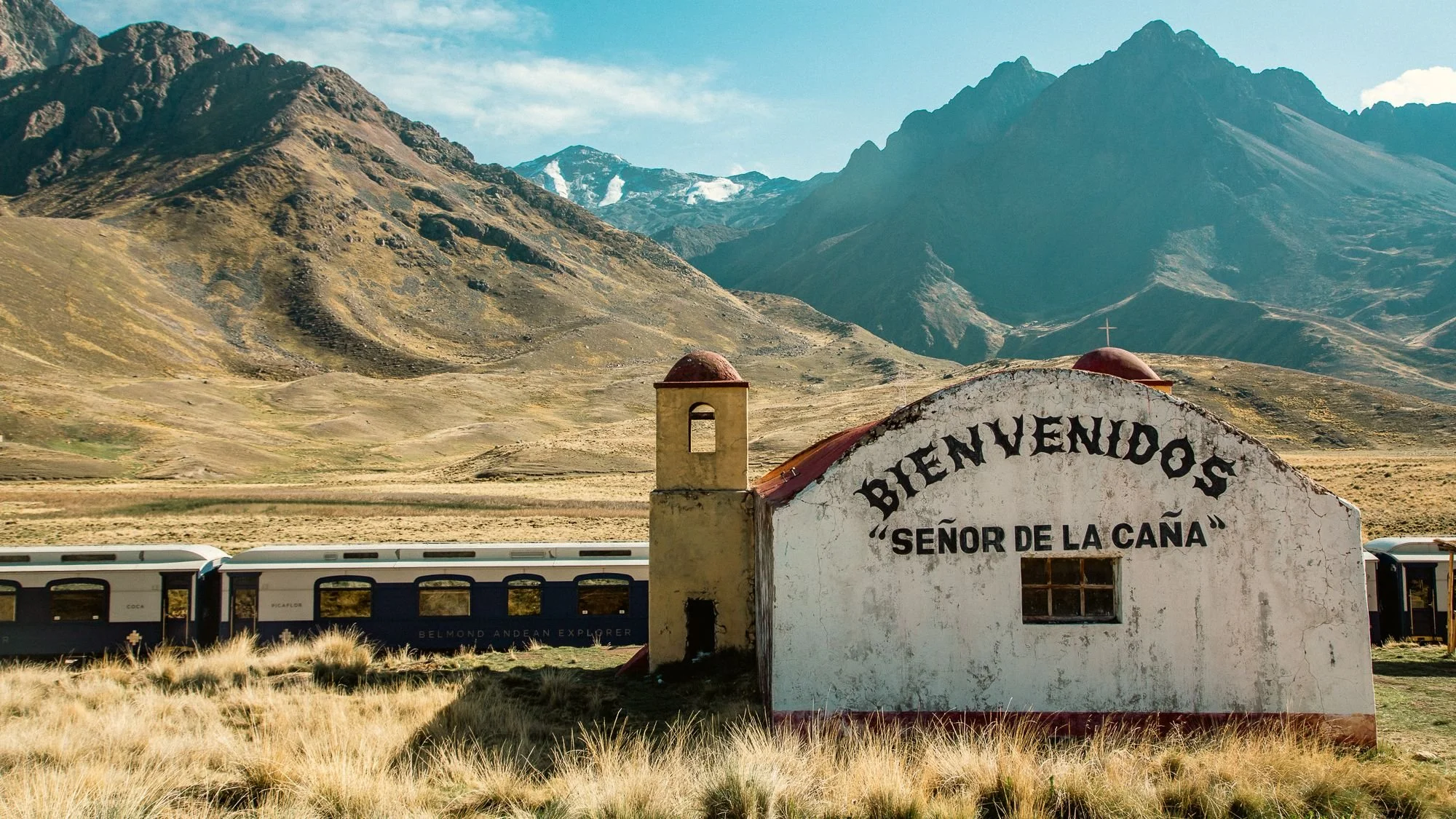
Peruvian Design Moving Through the Landscape
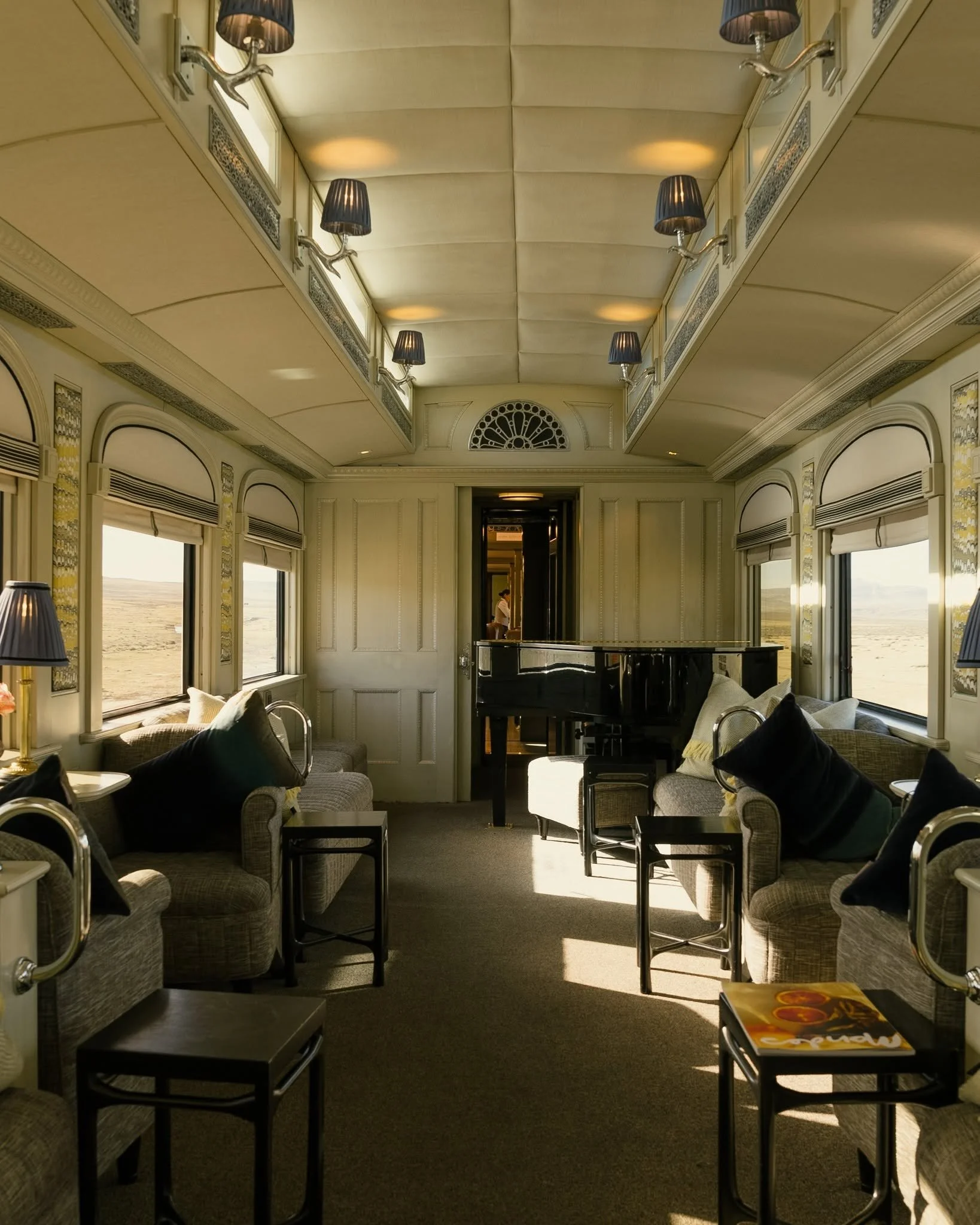
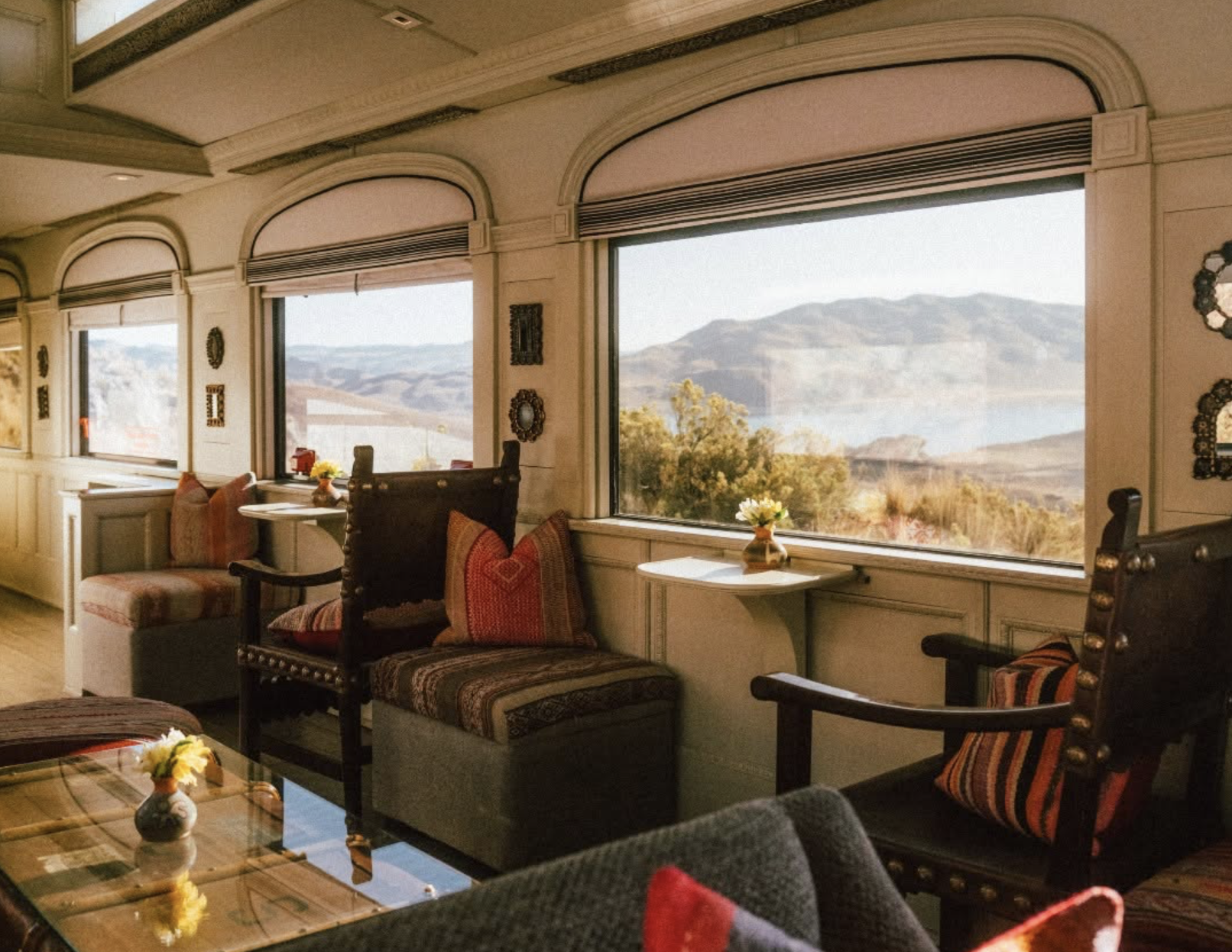
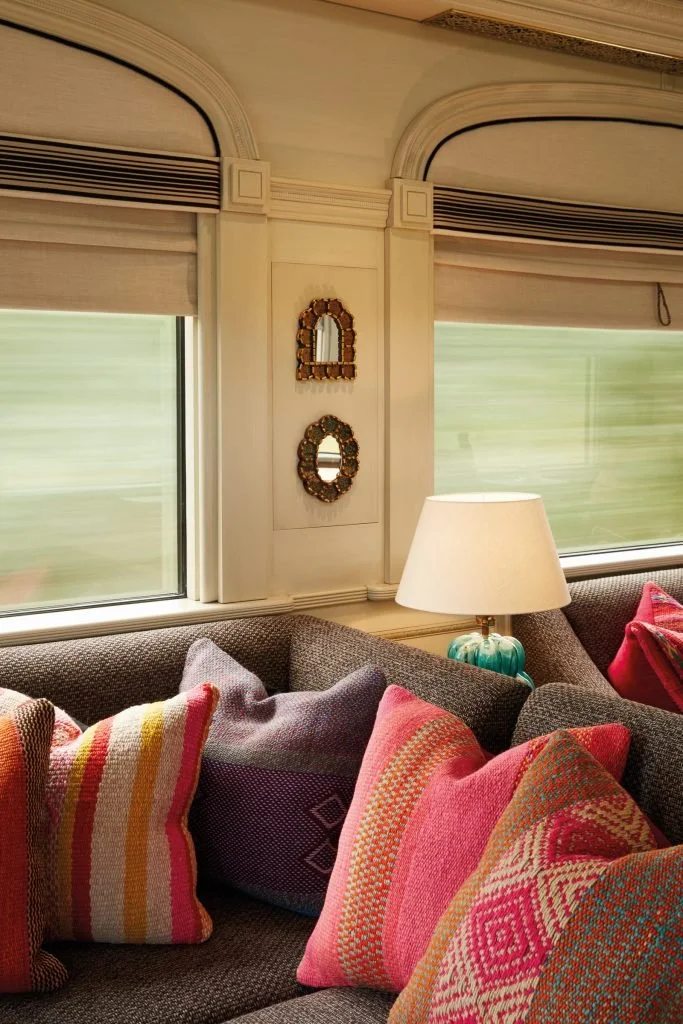
The interiors were created by Inge Moore and Muza Lab, with the design intended to remain closely connected to Peru rather than reproduce the heavy decorative style associated with some historic luxury trains.
The approach is noticeably restrained.
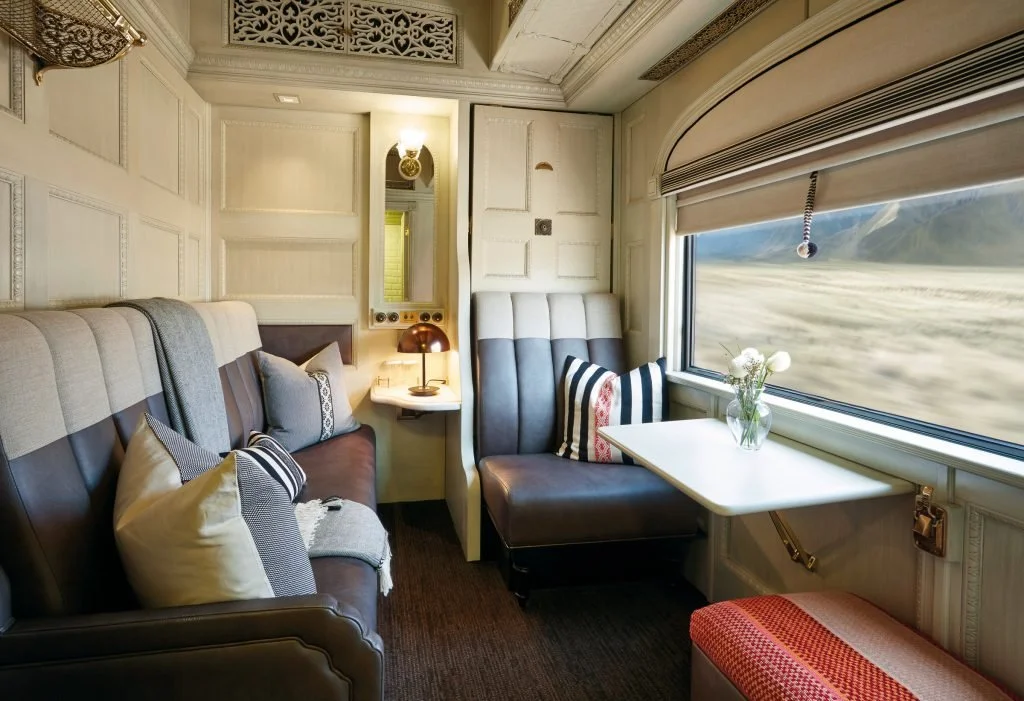
Soft shades drawn from alpaca wool and Andean stone create the base palette, while hand-woven textiles introduce stronger colors and patterns.
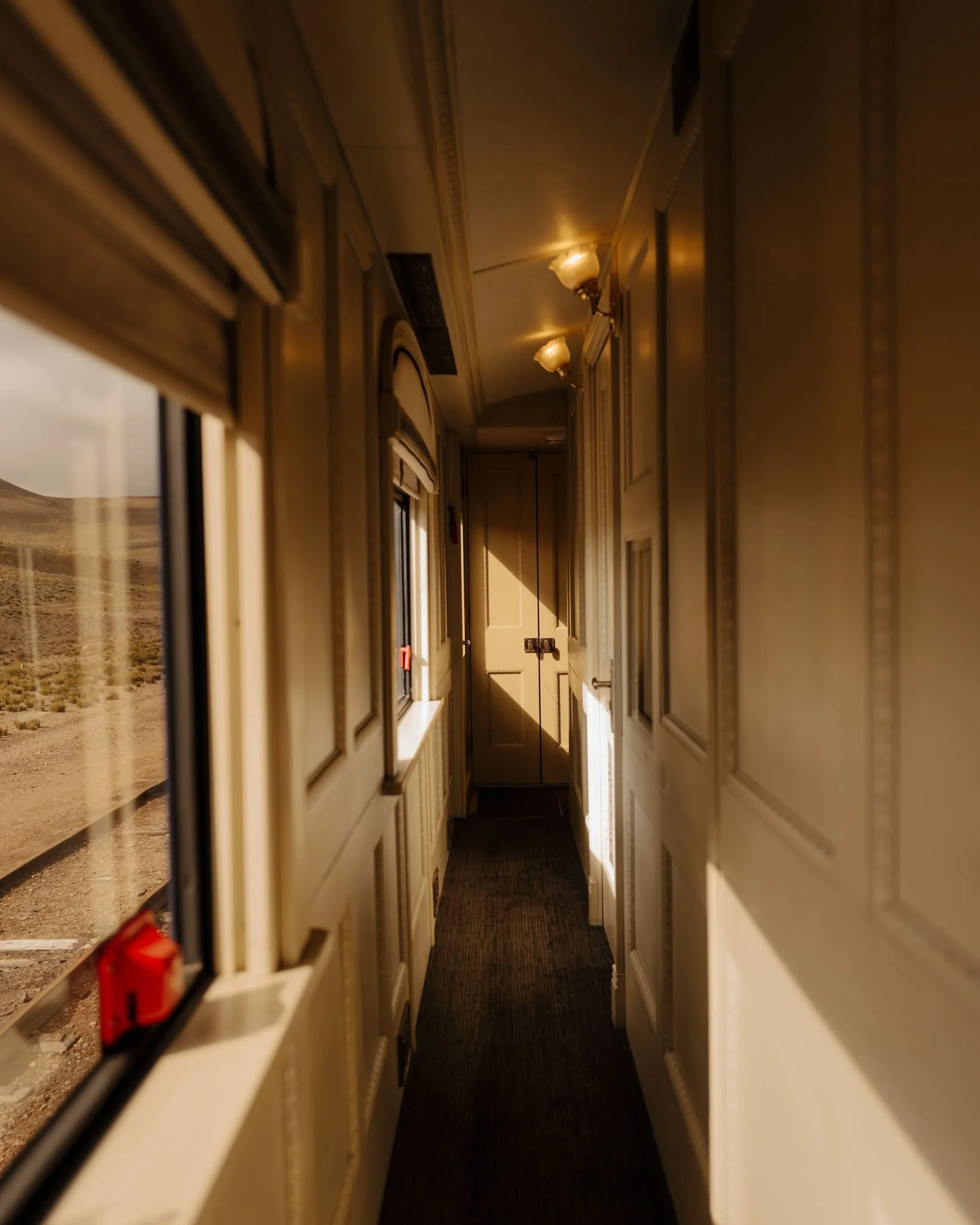
Timber flooring, linen blinds, leather and locally influenced artwork add texture without overwhelming the relatively compact proportions of a railway carriage.
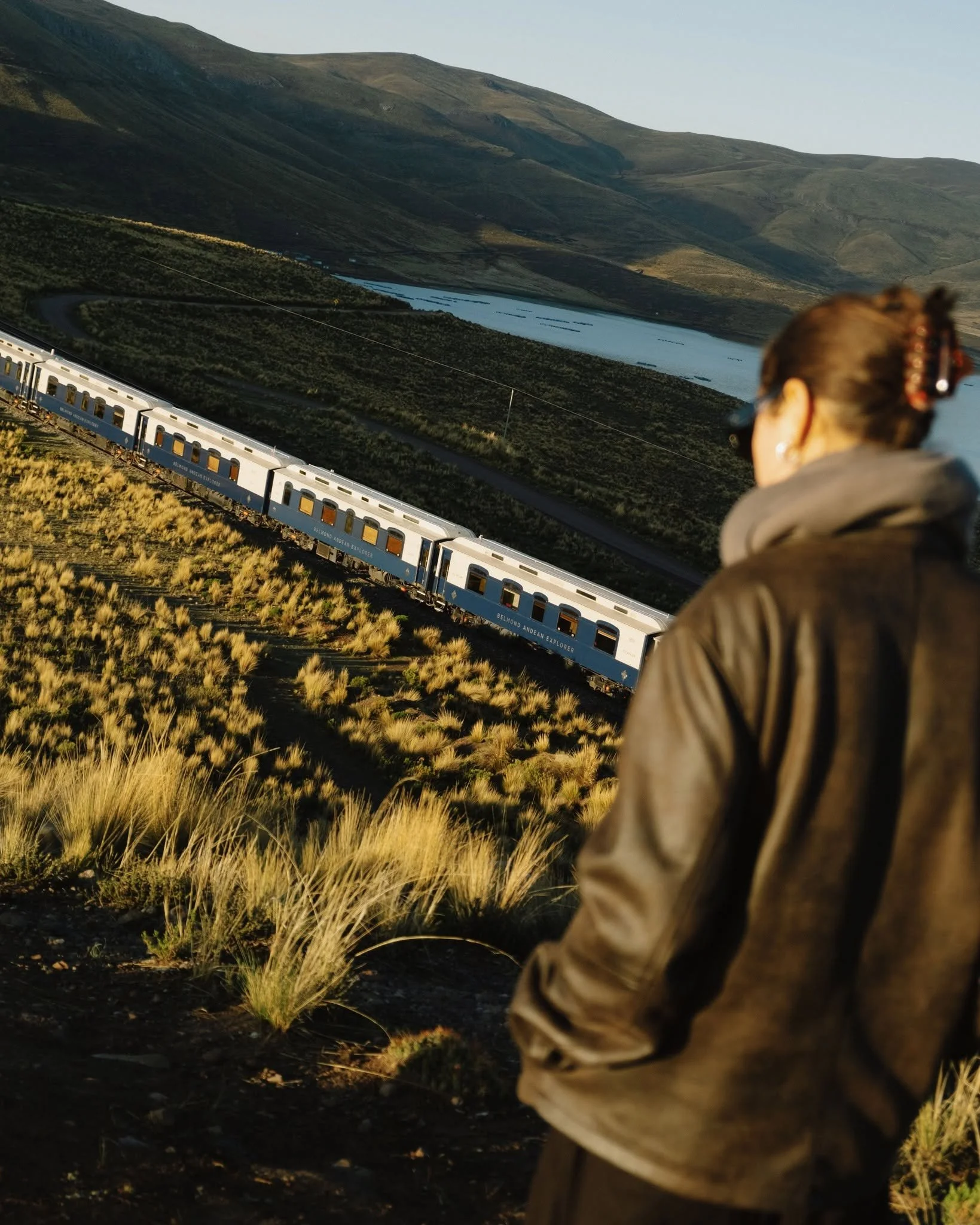
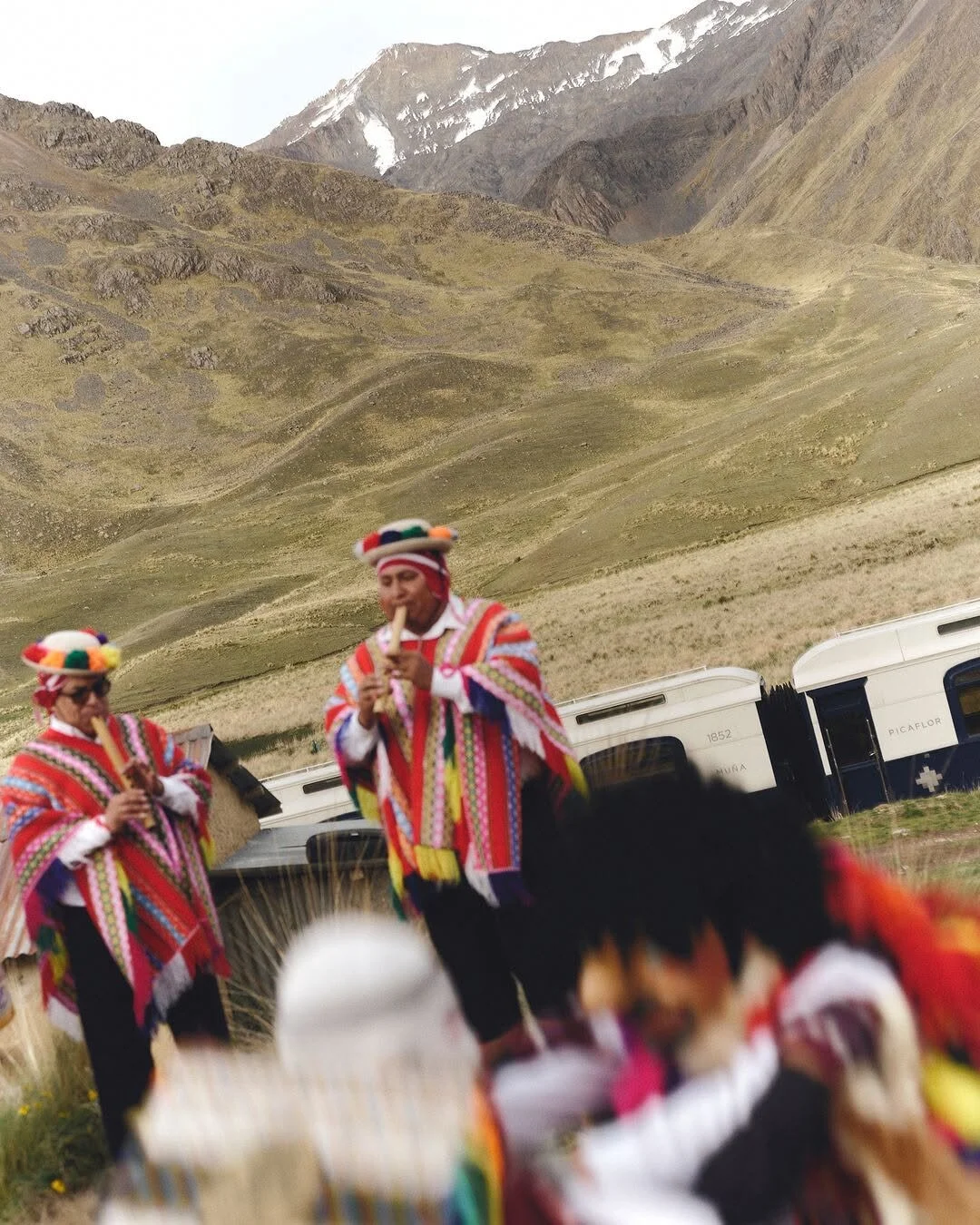
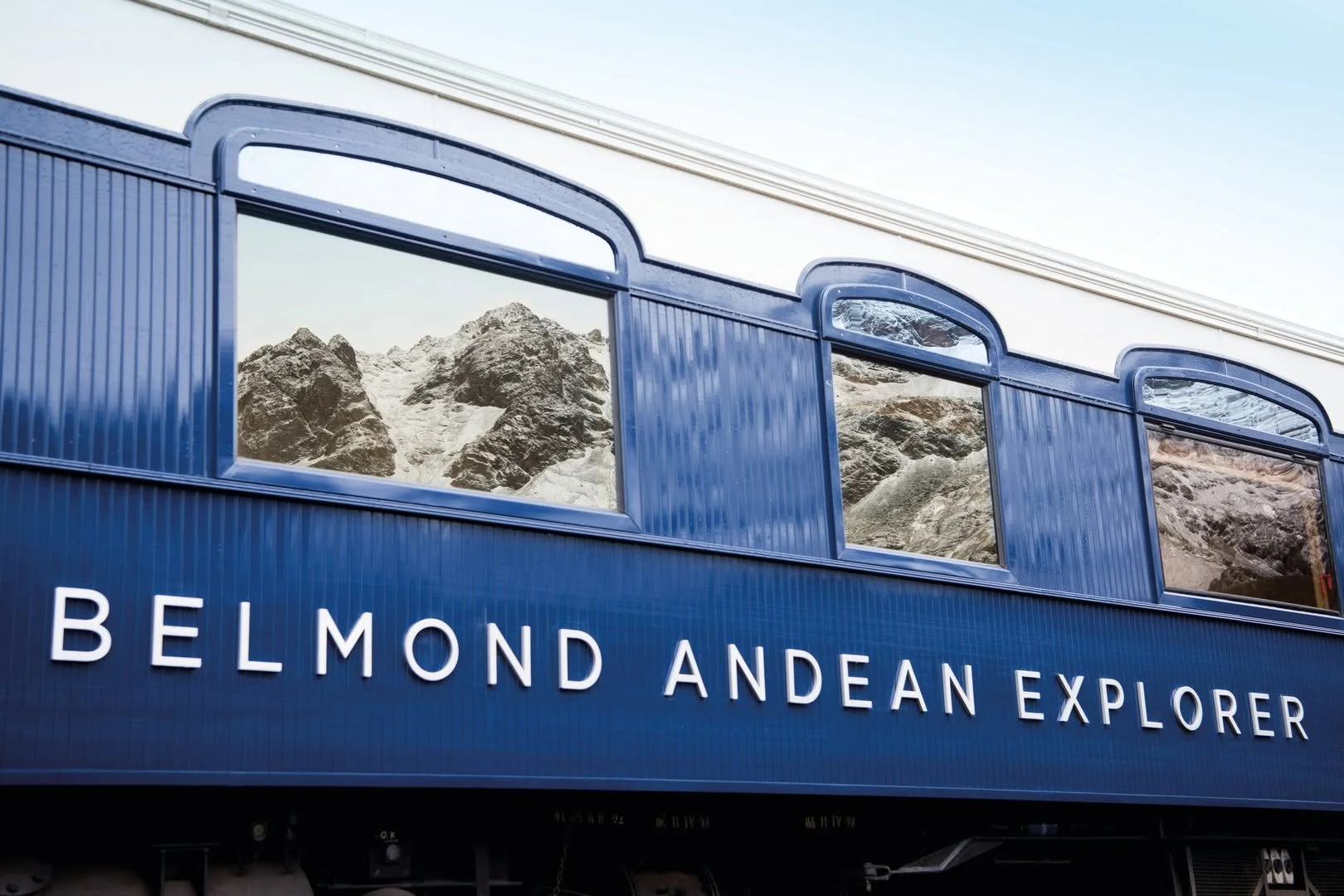
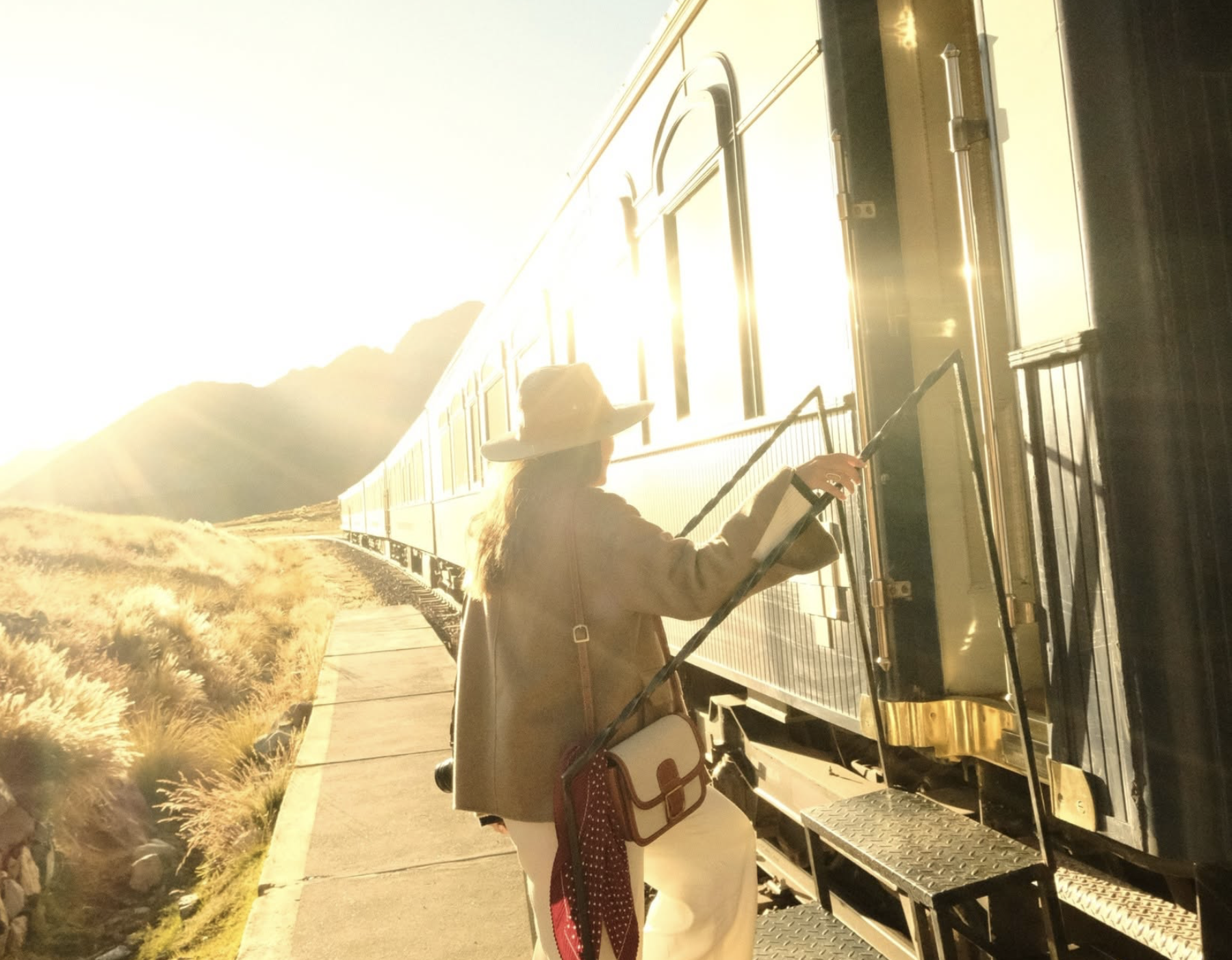
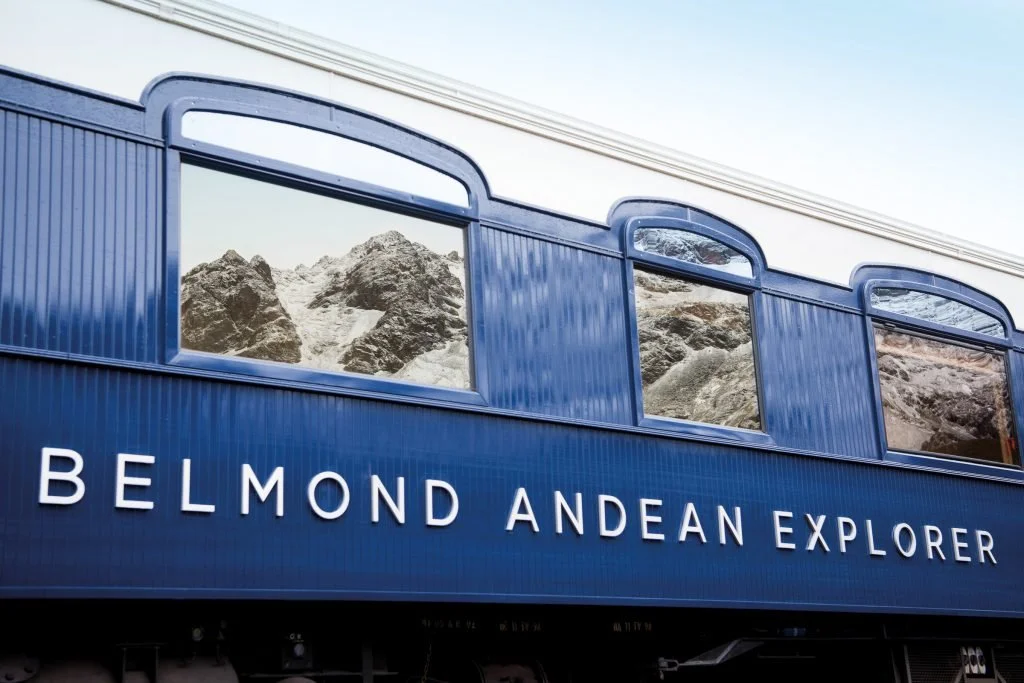
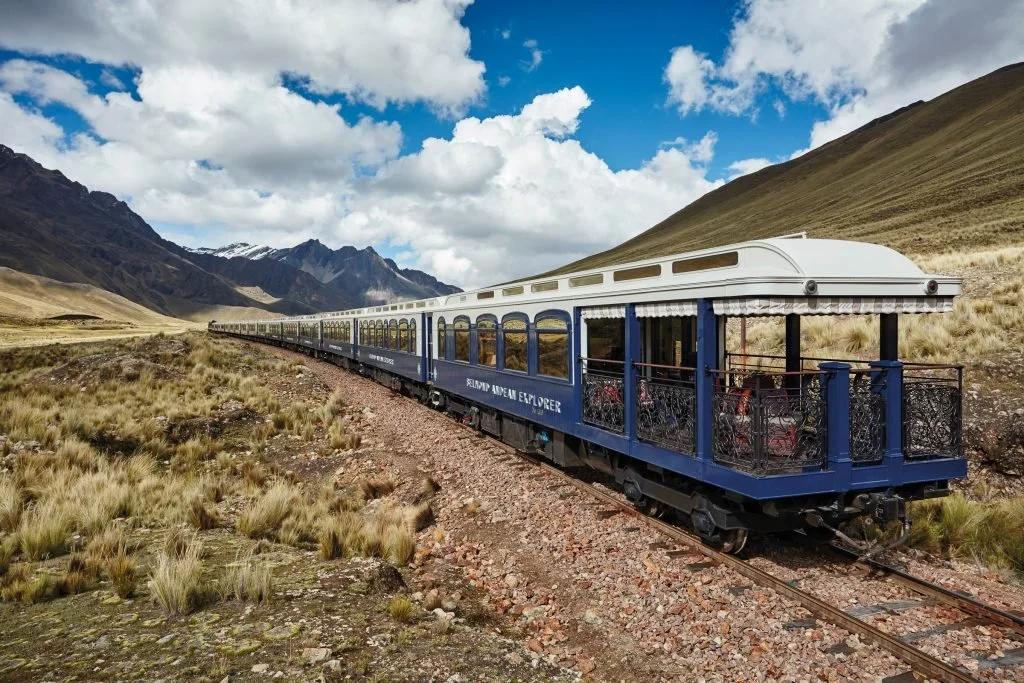
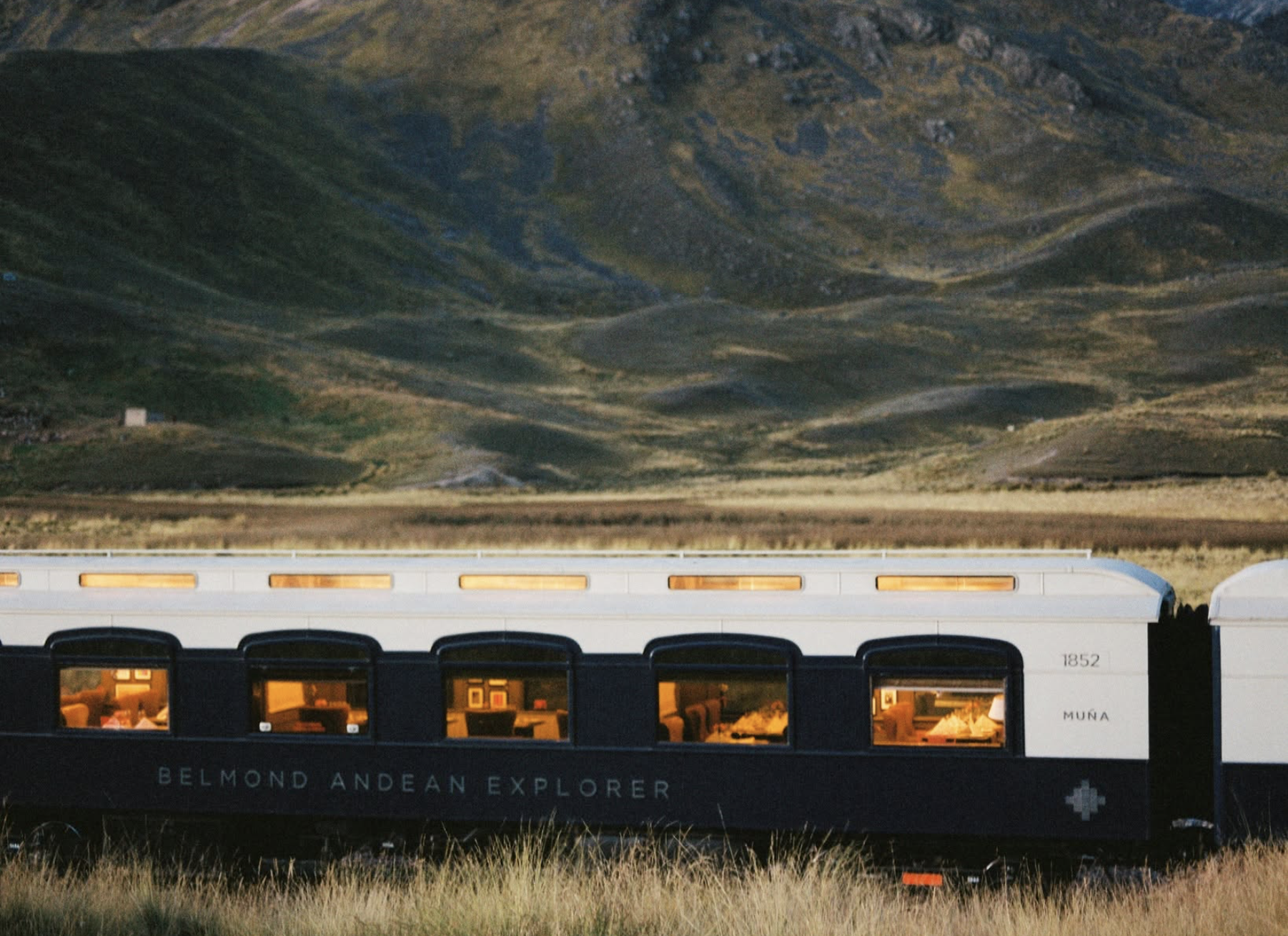
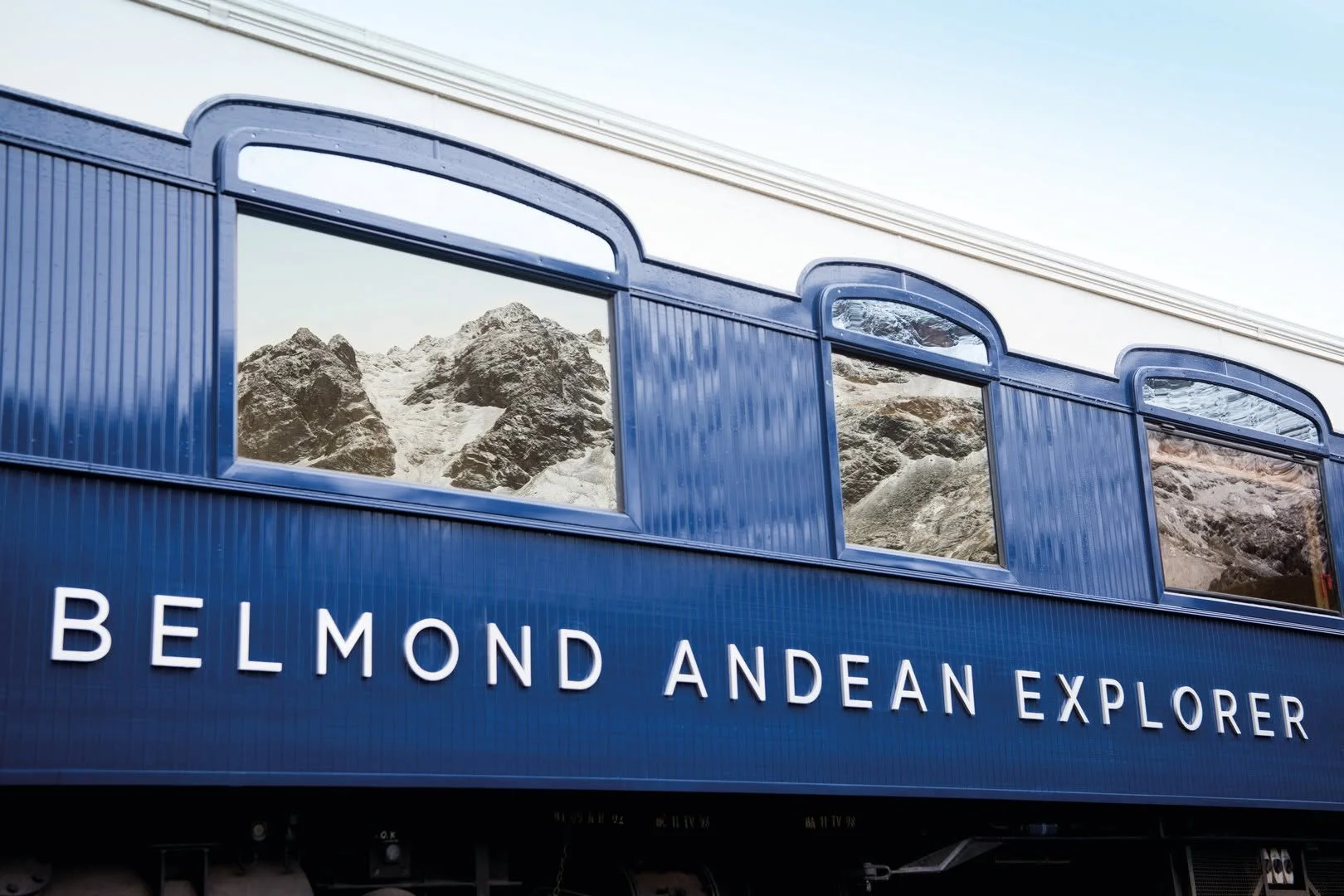
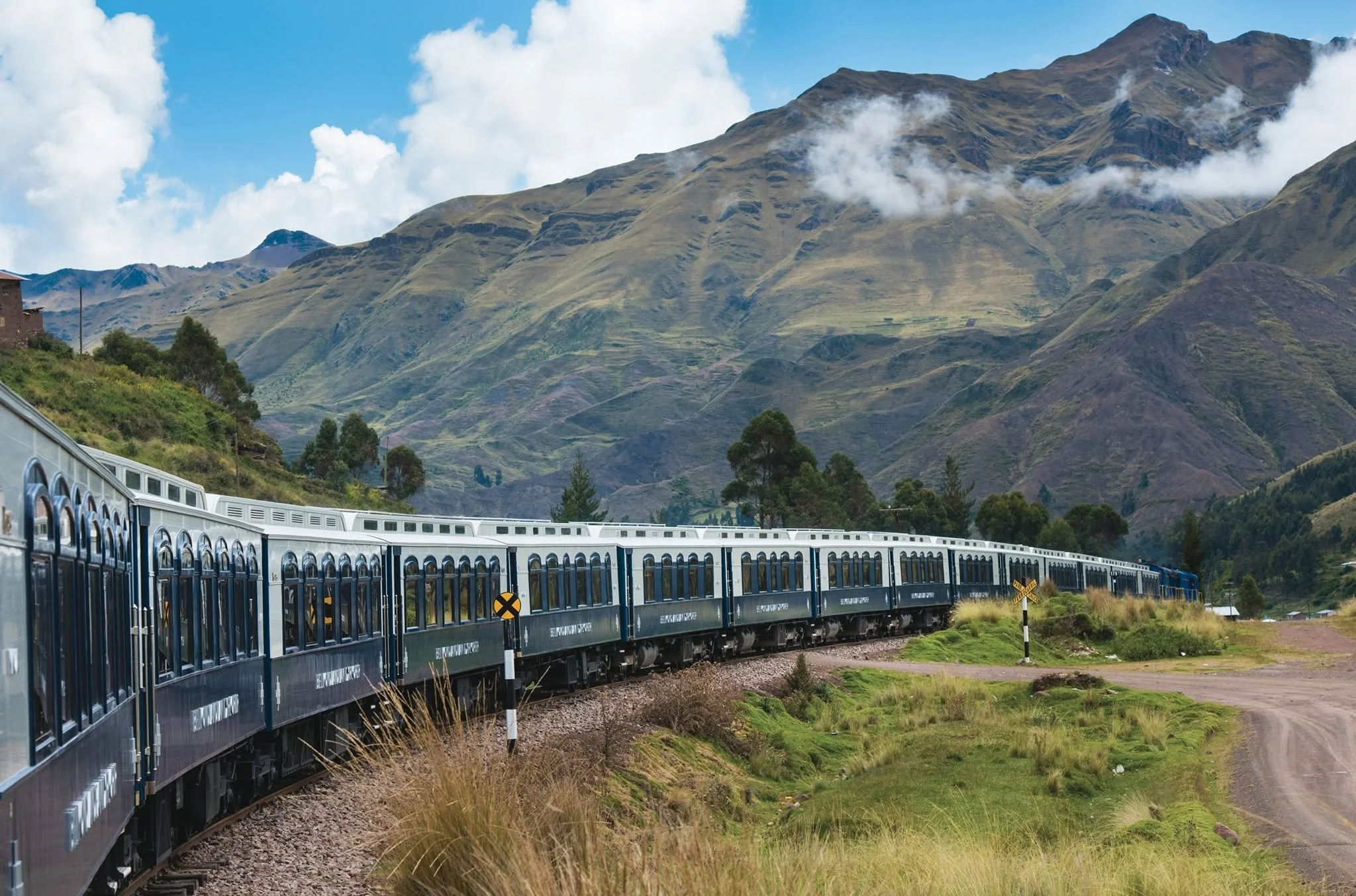
The train’s midnight-blue exterior creates another deliberate contrast.
Against the ochre grasslands and pale mountain scenery of the Altiplano, the carriages appear almost theatrical, while inside the palette becomes calmer and more residential.
The shared cars have distinct personalities.
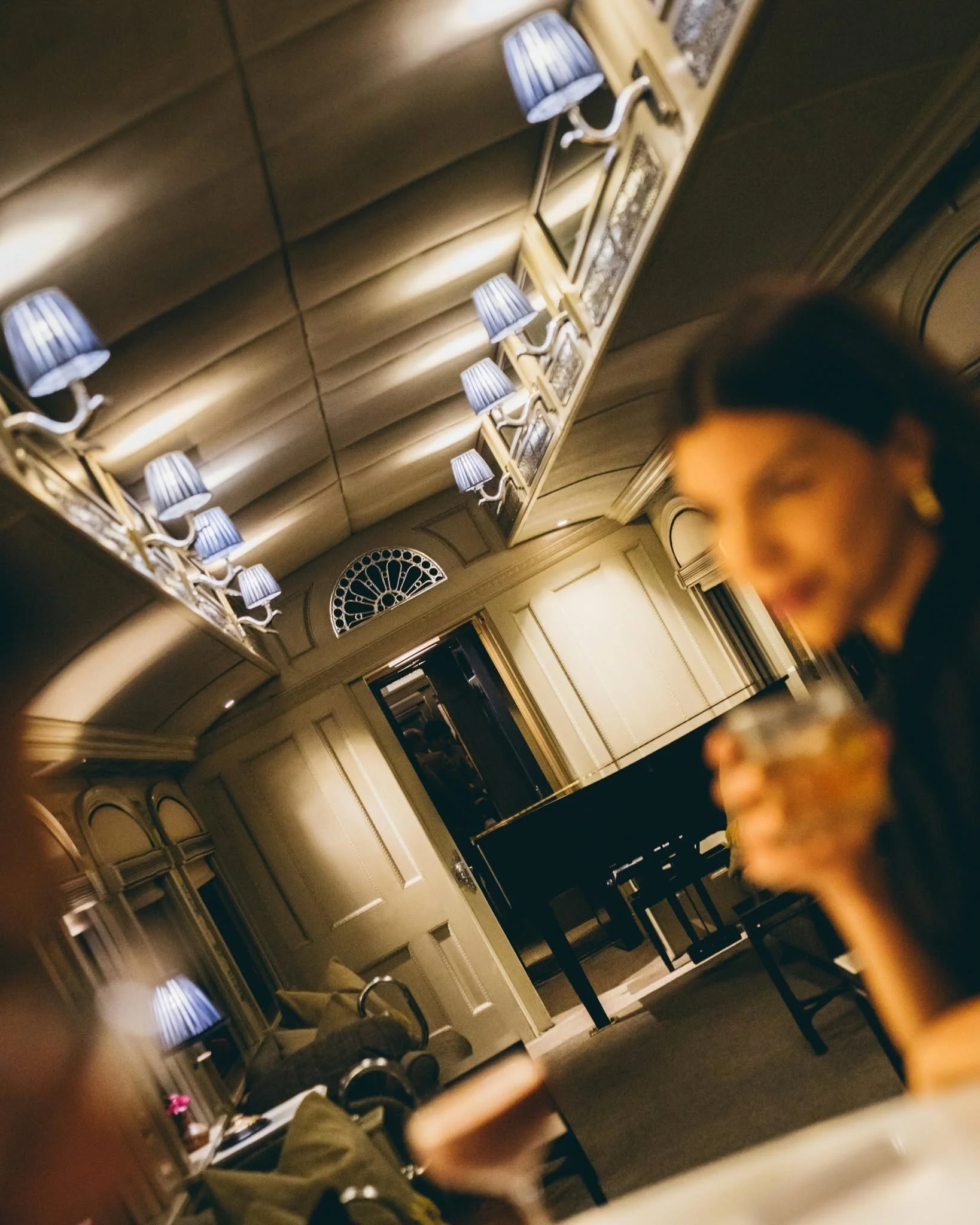
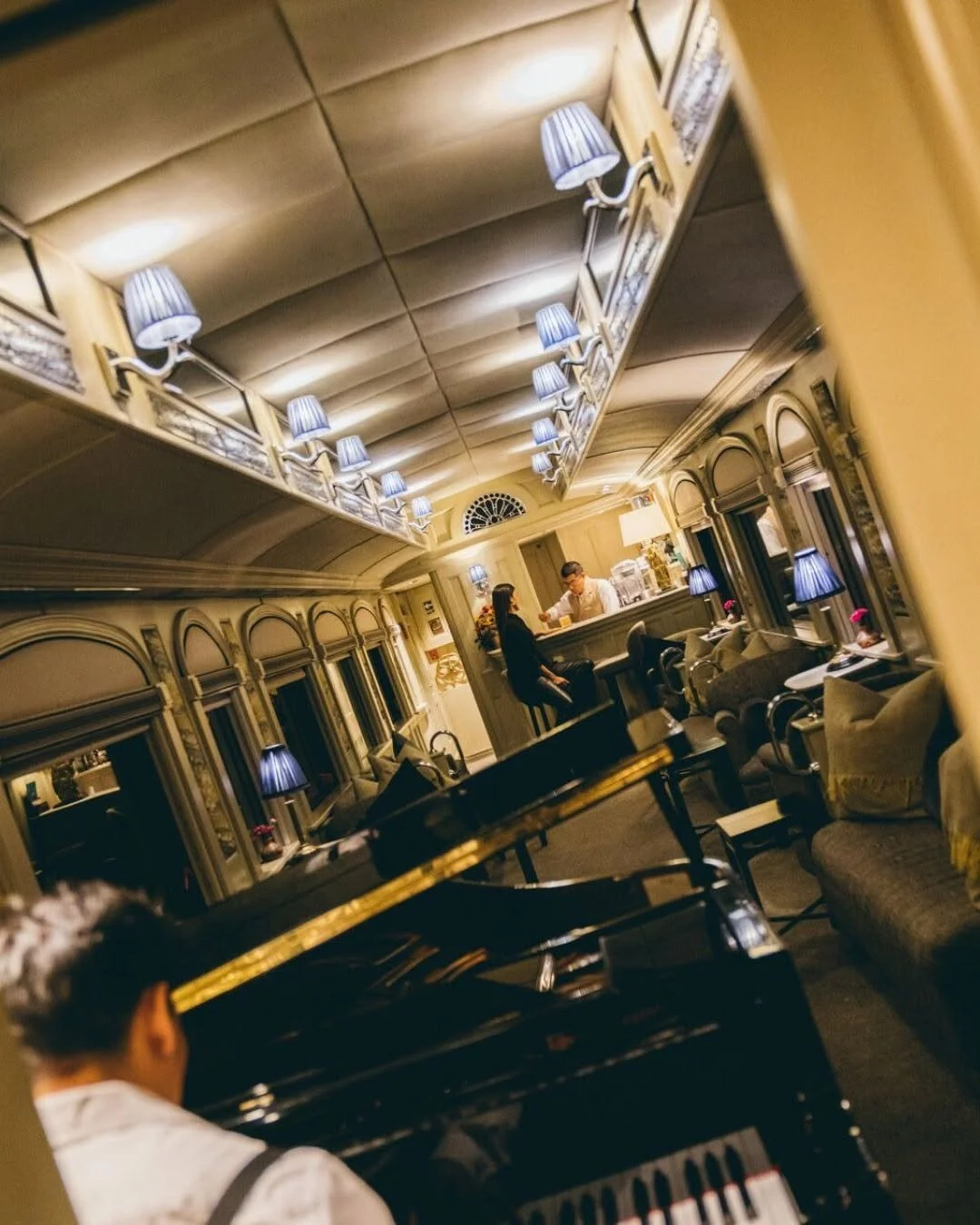
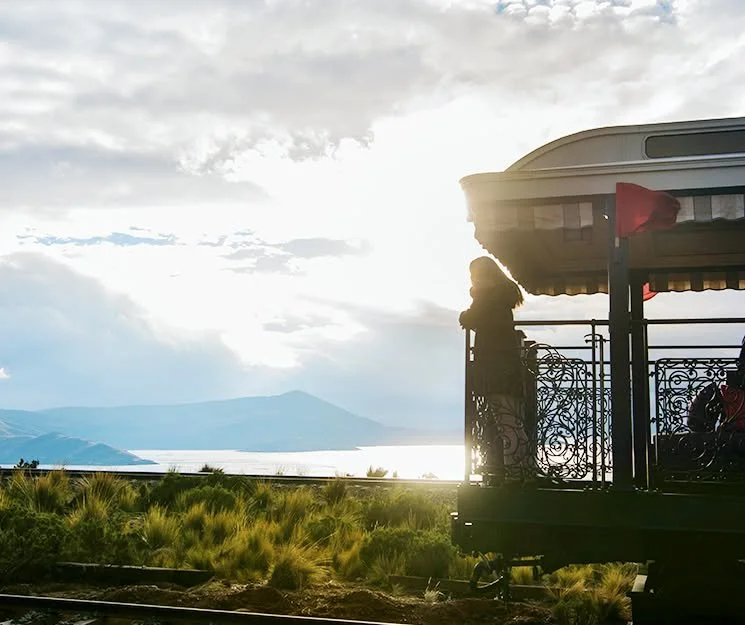
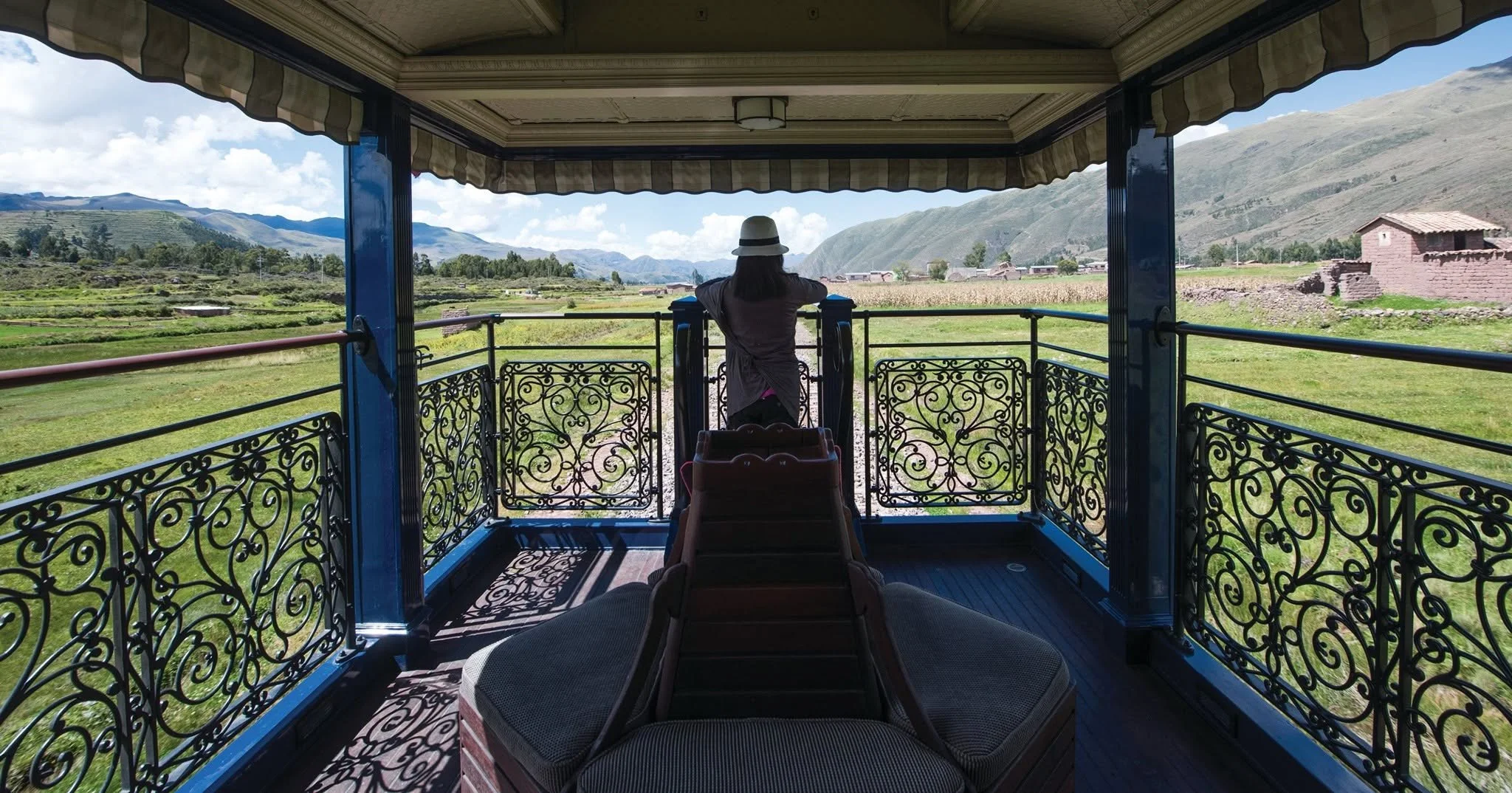
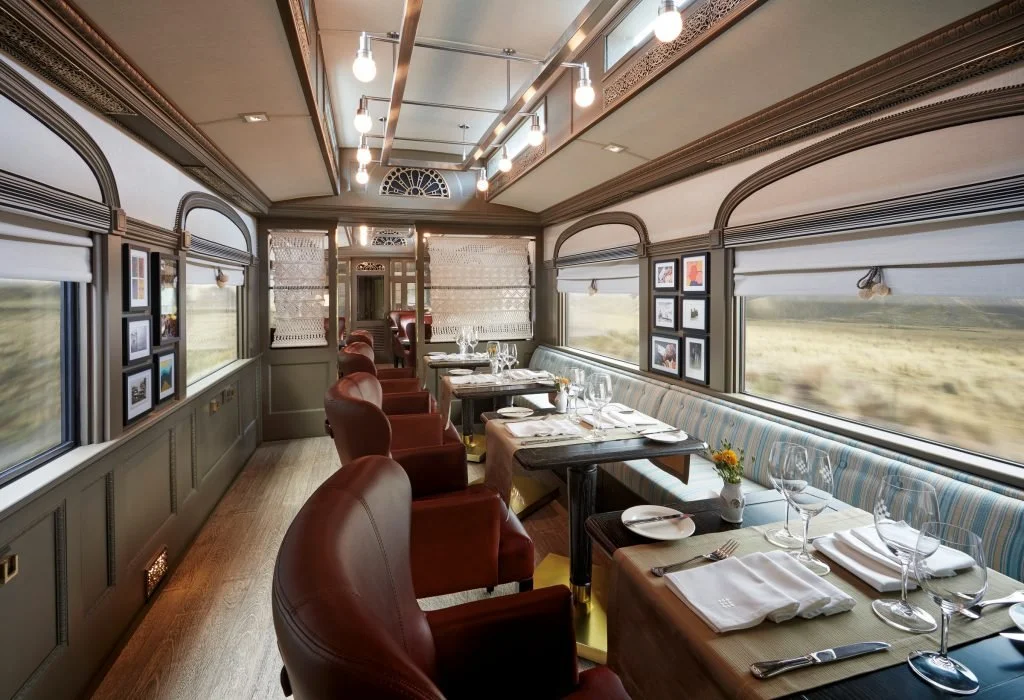
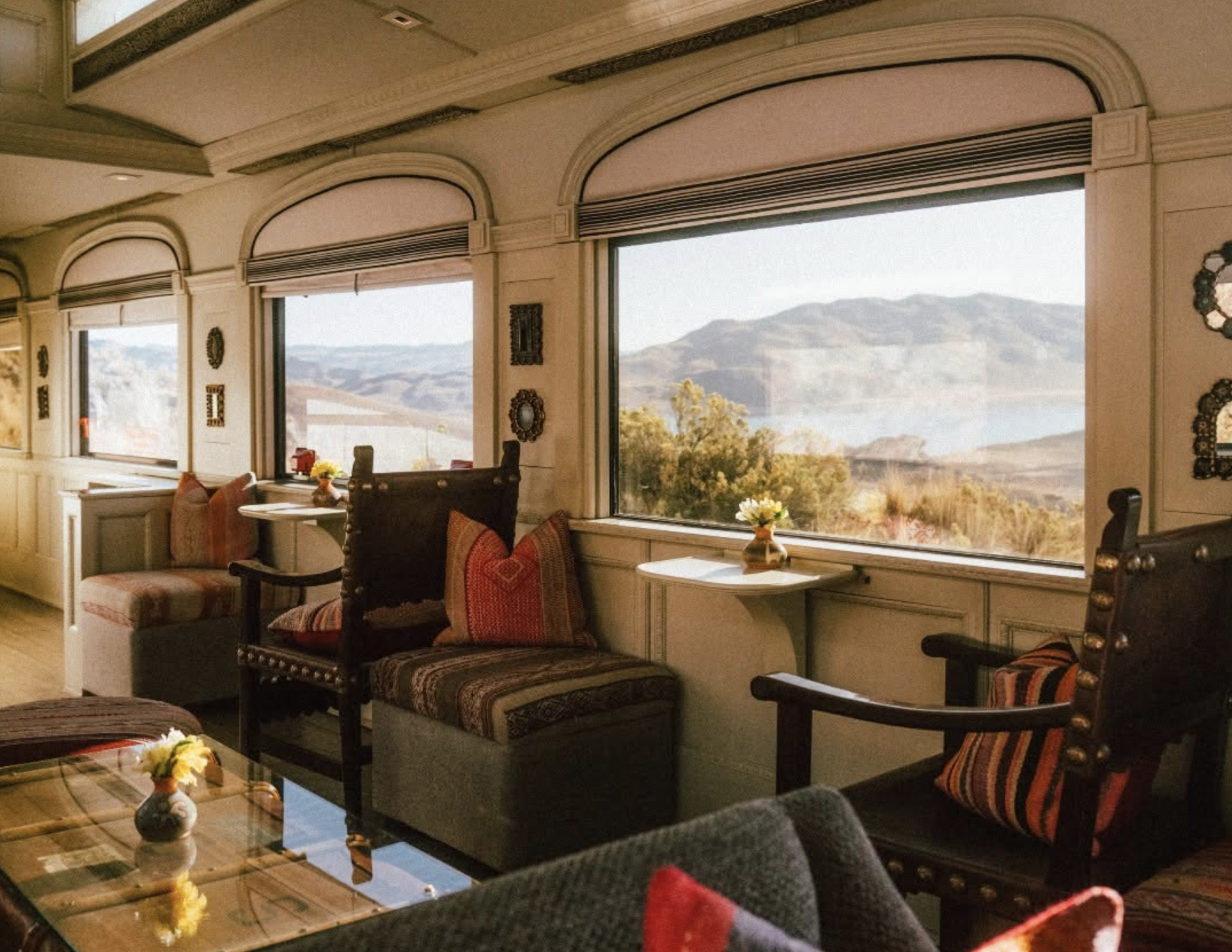
The Llama and Muña dining cars use richly upholstered seating and polished tables for formal meals, while the Piano Bar Car feels more social. The Observation Car opens completely at the rear, allowing guests to stand outside while the track disappears into the landscape behind them.
For us, that open deck is the design feature that matters most.
Luxury trains can easily become overly focused on their interiors.
Andean Explorer works because its strongest spaces repeatedly direct attention back outside.
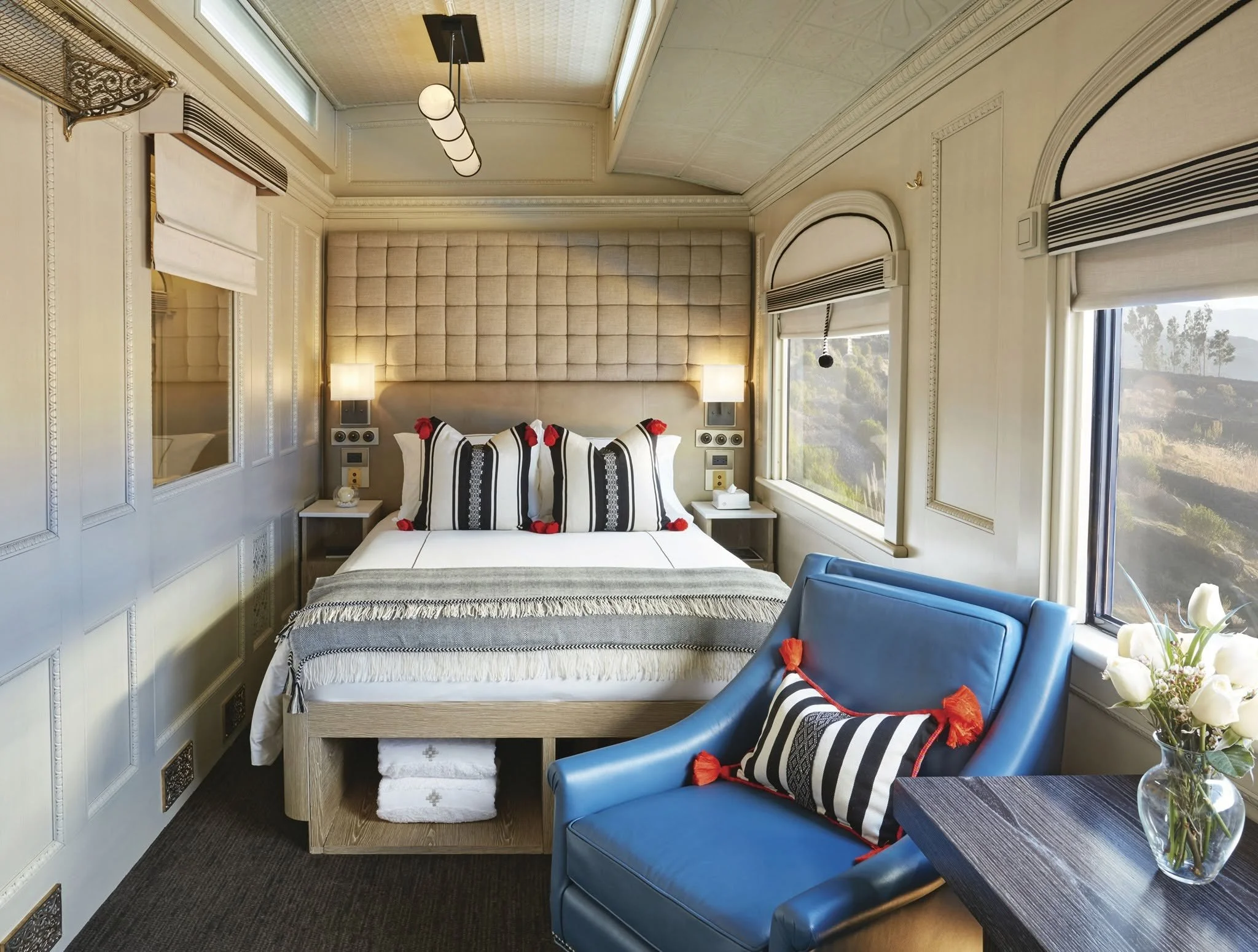
Choosing Between Suite, Twin and Bunk Cabins
Andean Explorer offers three principal accommodation categories, all designed for two guests and all with private en-suite bathrooms.
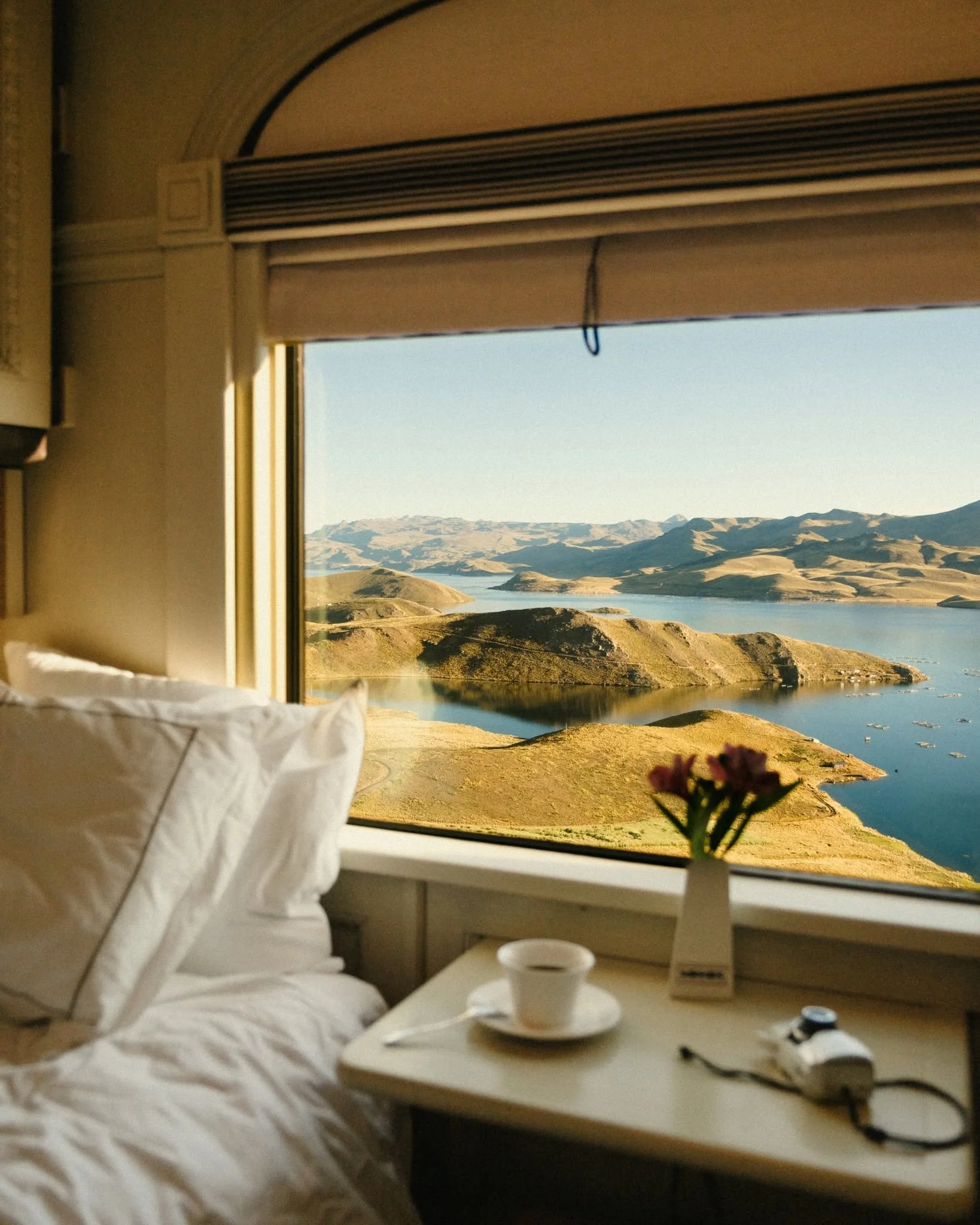
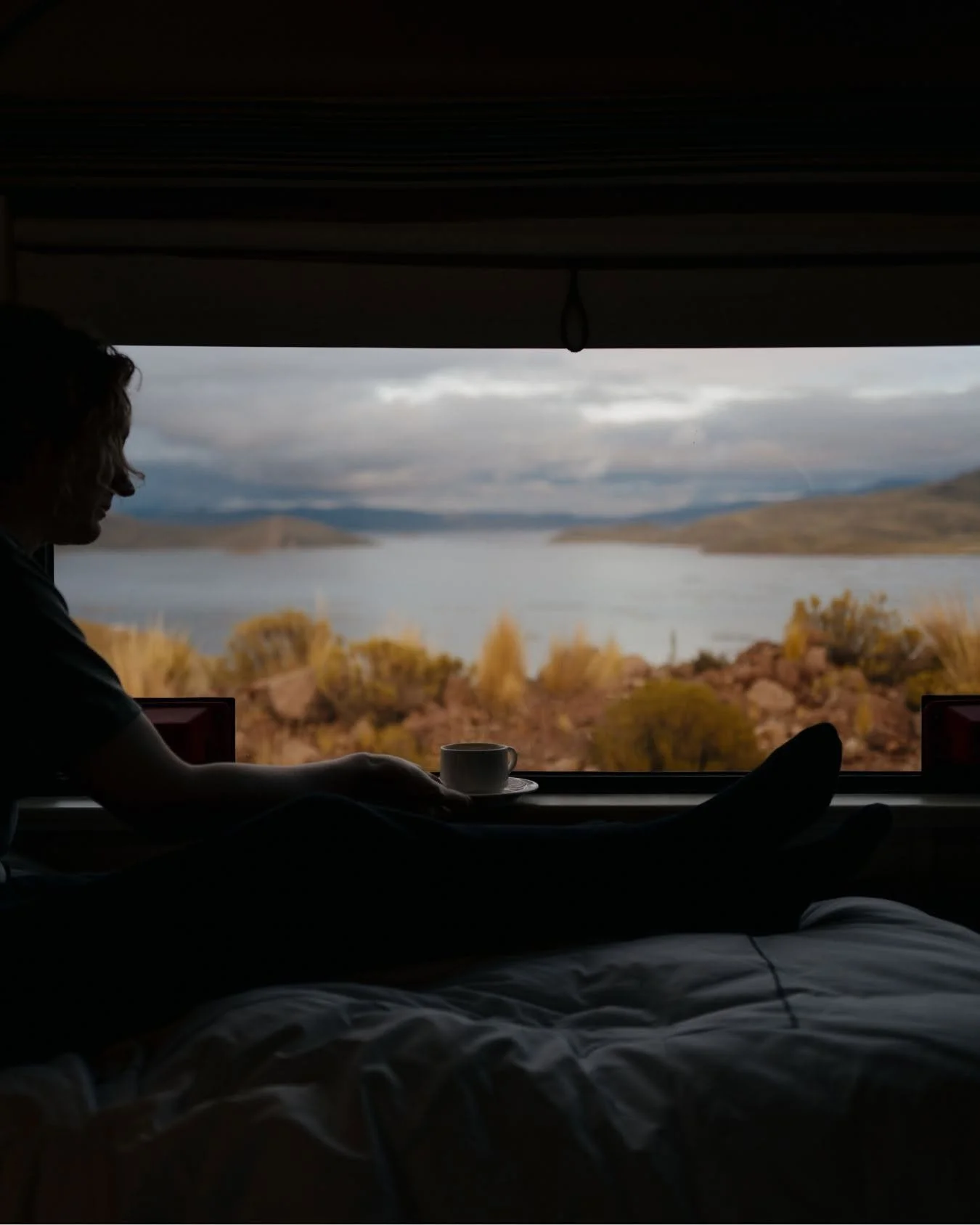
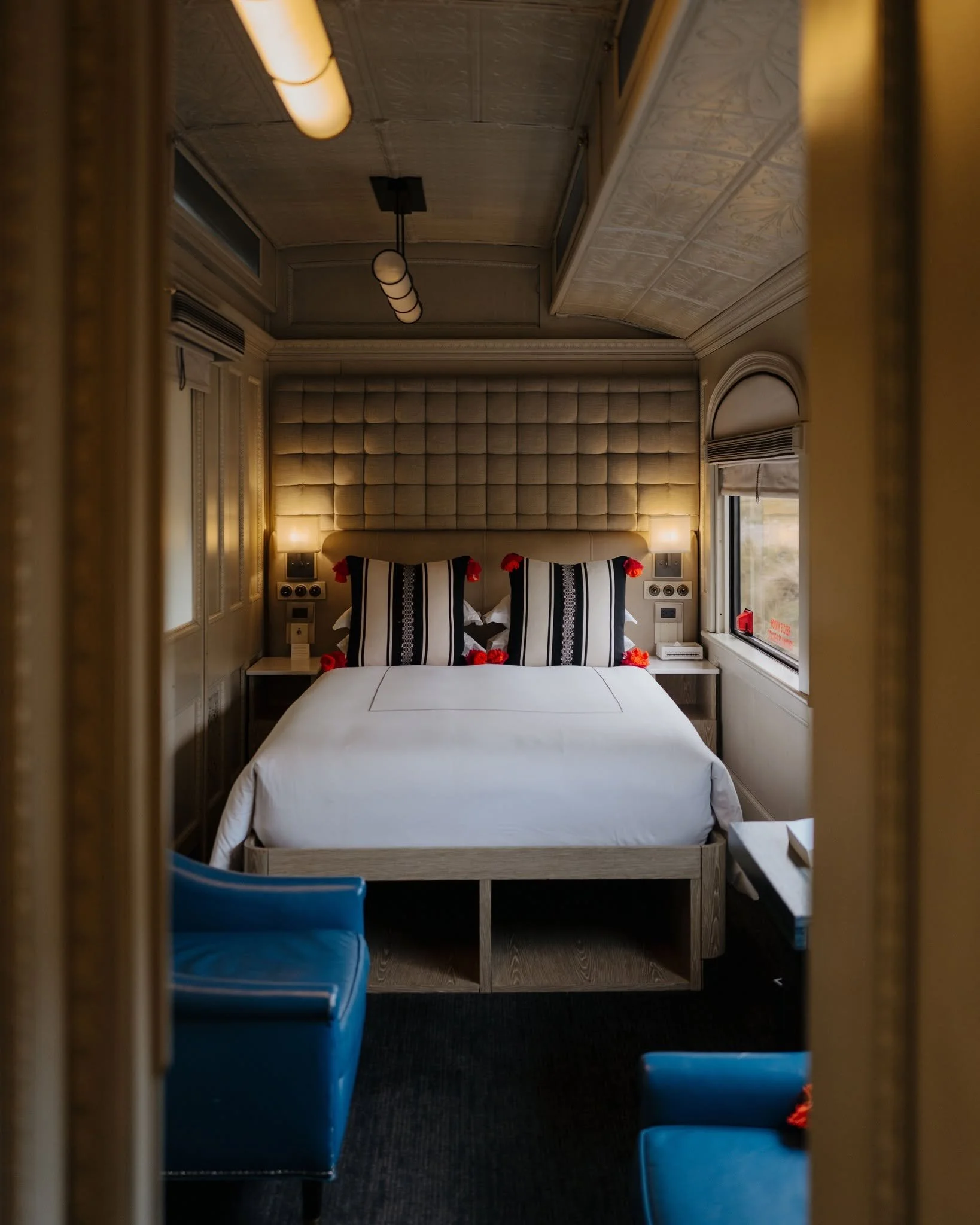
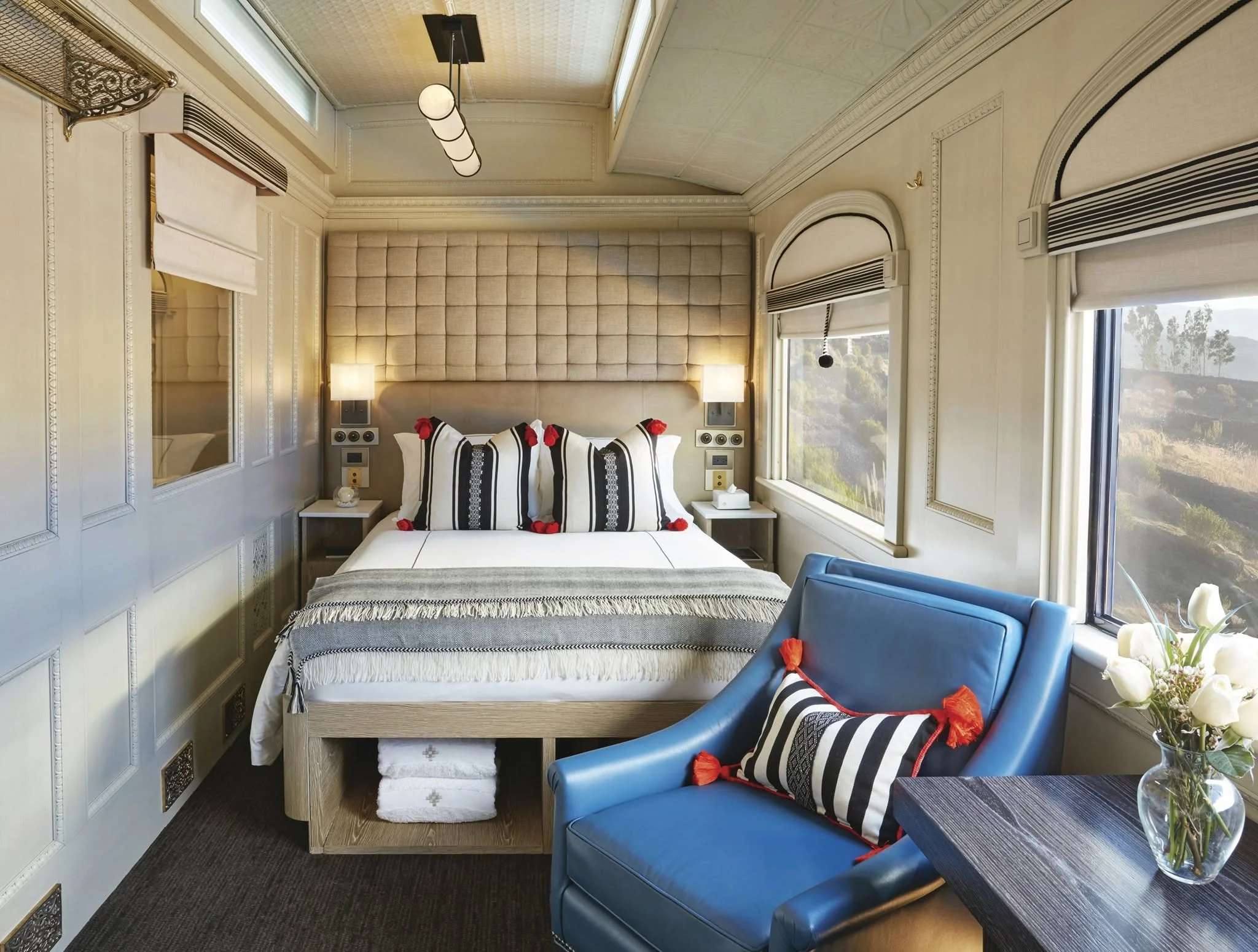
Suite Cabin: At approximately 141 sq. ft., the train’s largest cabin features a fixed double bed, two-chair sitting area with a table, wardrobe and private bathroom with shower, washbasin and WC, making it the most comfortable option for couples who want the cabin itself to remain usable without converting furniture between day and night.
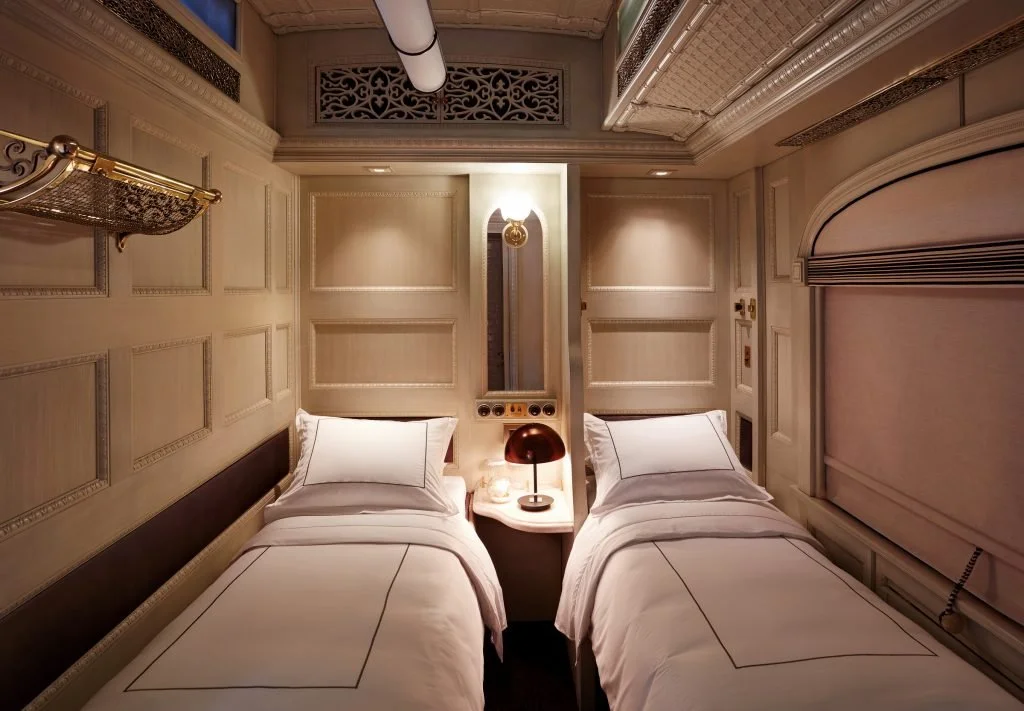
Twin Cabin: At approximately 80 sq. ft., this flexible cabin is arranged during the day with a long banquette and separate seat before being transformed by the crew into two ground-level single beds at night, with a wardrobe, safe and private bathroom with shower, washbasin and WC.
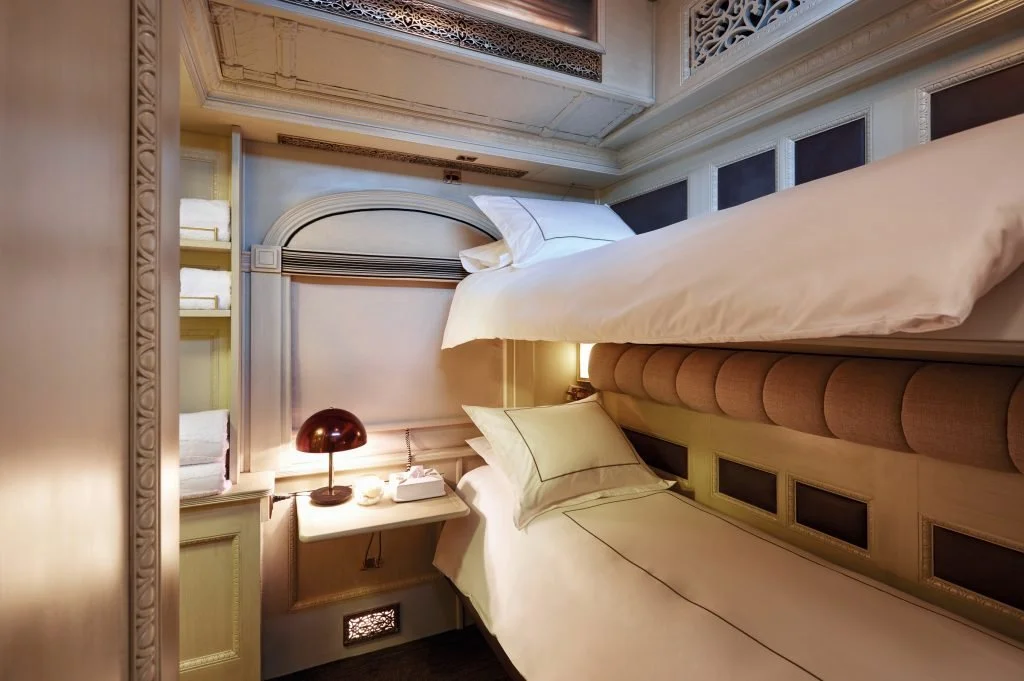
Bunk Bed Cabin: At approximately 59 sq. ft., the most compact category provides a traditional sleeper-train layout in which the daytime banquette converts into upper and lower single berths, while still including a wardrobe, safe and private en-suite shower room.
For us, the Suite Cabin is the category to choose whenever availability and budget allow.
The difference is not simply the additional floor space. A fixed double bed and separate sitting area mean the room does not need to change function throughout the day, which becomes increasingly valuable on a multi-night journey.
The Twin Cabin is a strong alternative for friends or couples who prefer separate beds.
The Bunk Bed Cabin has more nostalgic railway character, but the considerably tighter floor plan makes it better suited to travelers who expect to spend most of their waking hours in the shared cars.
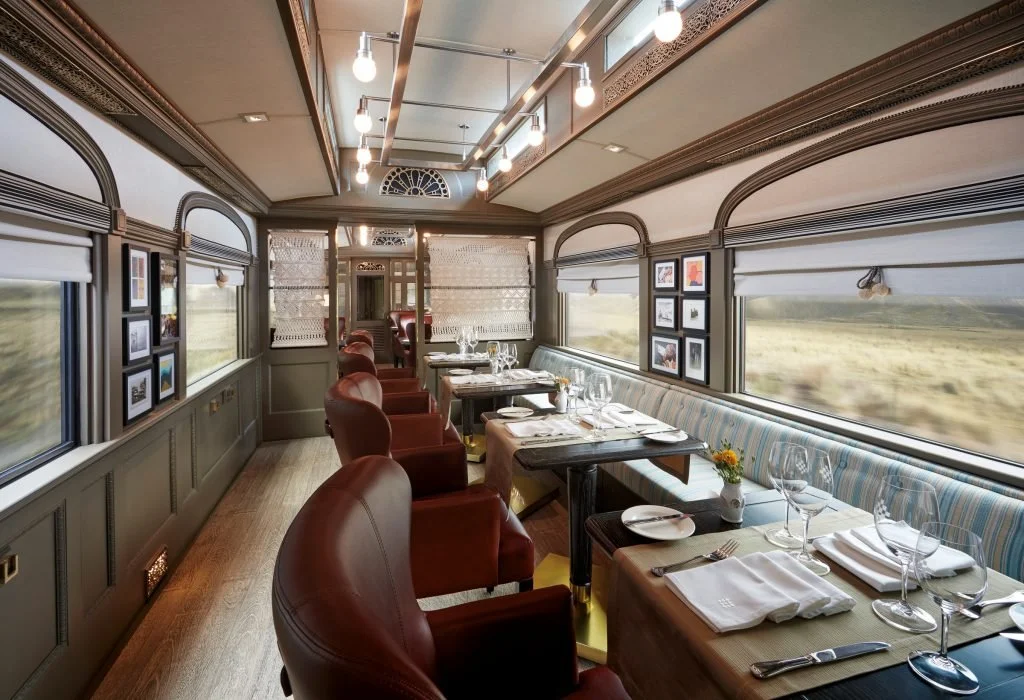
Peru Served Between Cusco and Arequipa
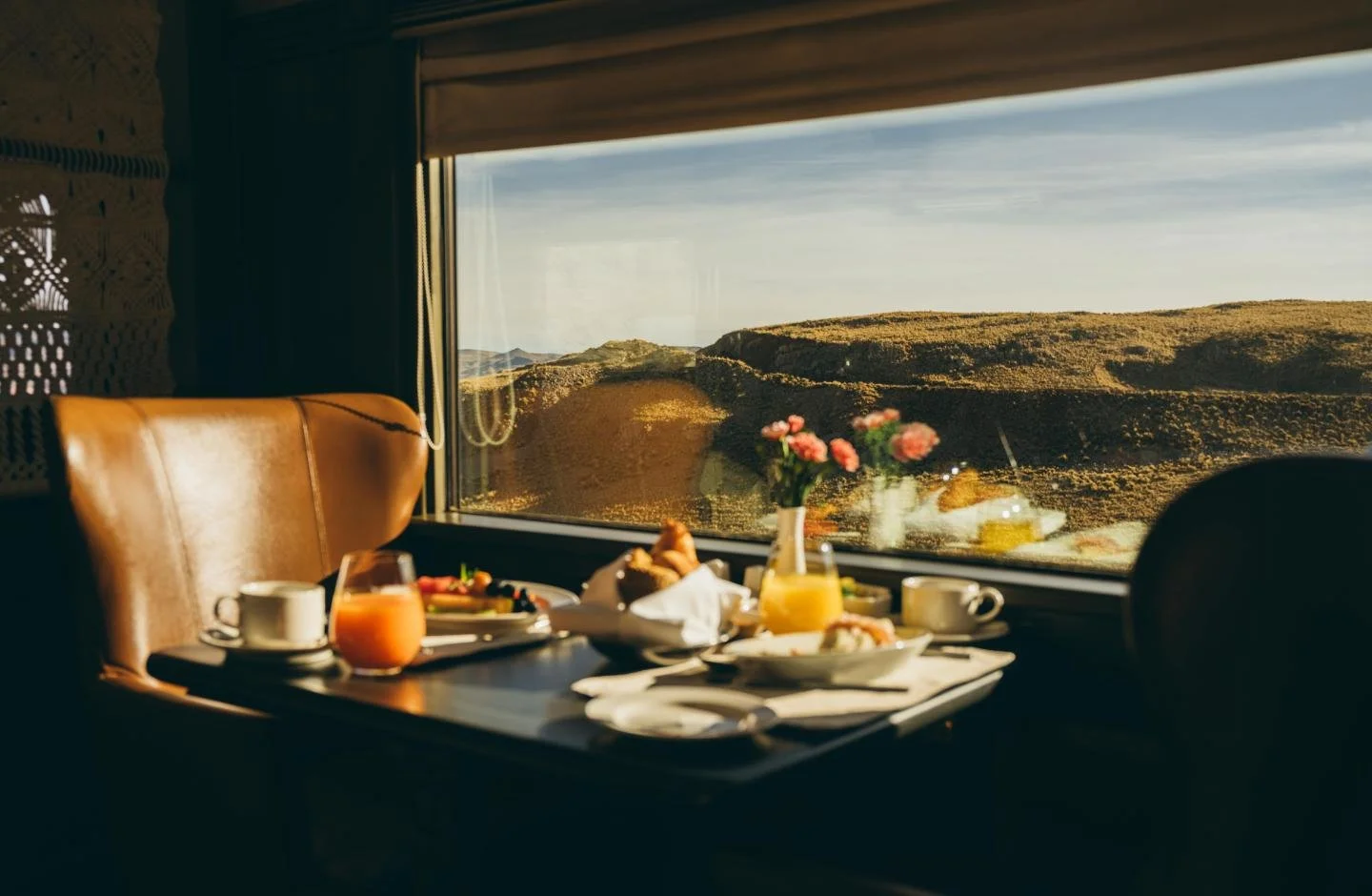
Dining is a substantial part of the onboard experience, particularly because the principal journeys include meals and beverages.
Two restaurant cars provide the main setting.
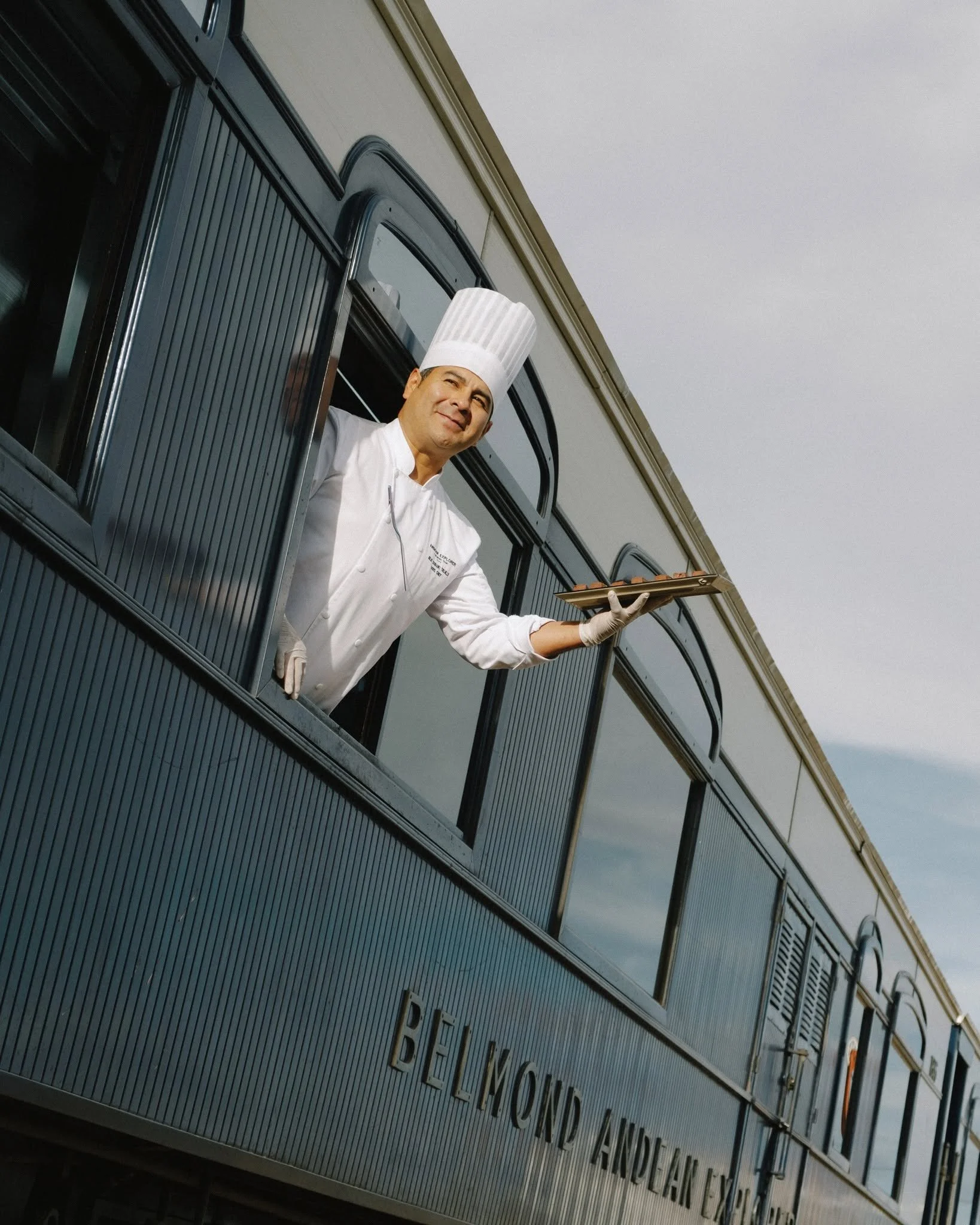
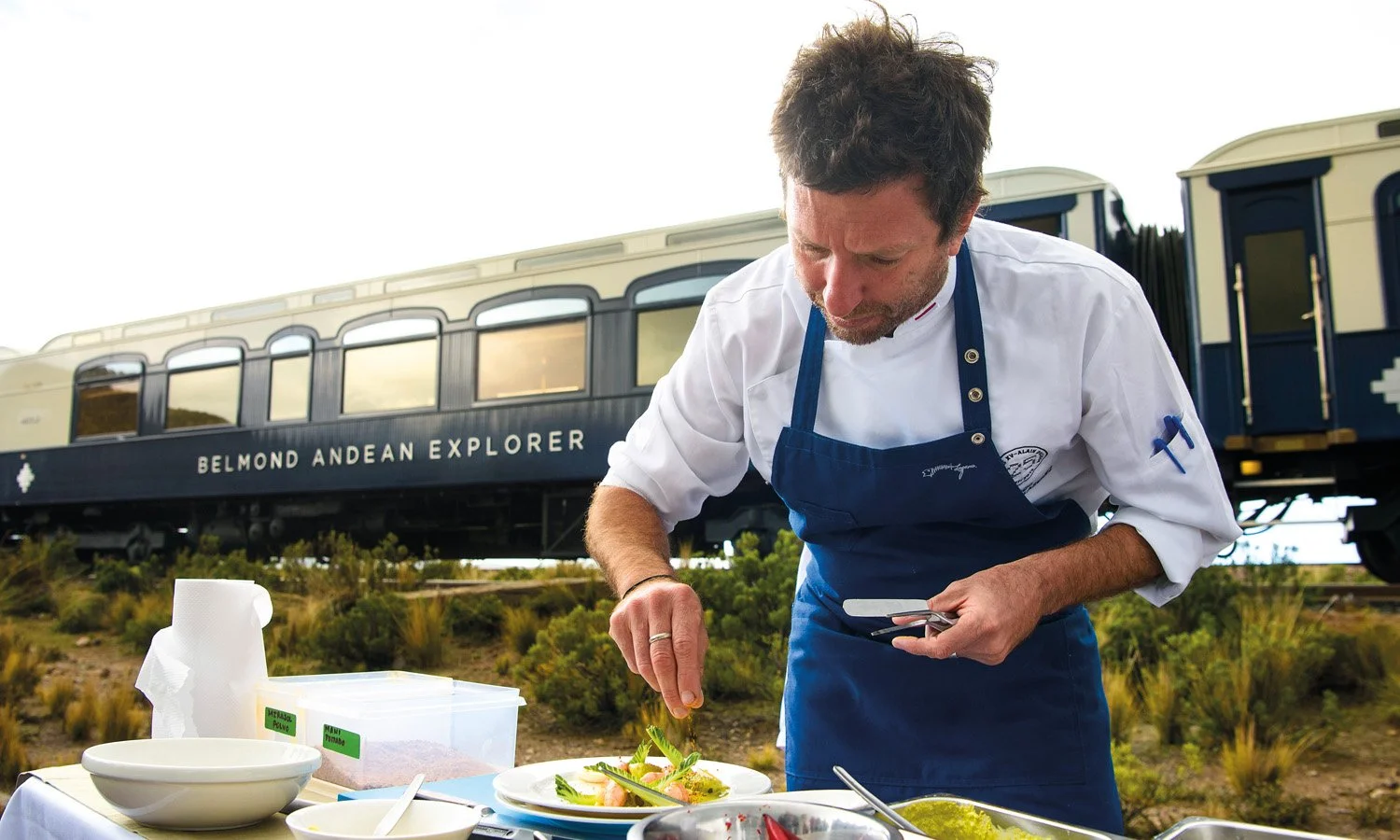
Llama Dining Car: Named after one of the most recognizable animals of the Andes, Llama combines polished table settings and large windows with menus built around Peruvian ingredients and the changing landscapes outside.
Muña Dining Car: Taking its name from an aromatic Andean herb traditionally associated with the highlands, Muña provides a second refined dining room where breakfast, lunch and dinner continue the train’s focus on regional produce.
Piano Bar Car: The social center of the train serves cocktails, wines and canapés alongside live music, creating the natural place to gather before dinner or after returning from an excursion.
Menus change seasonally.
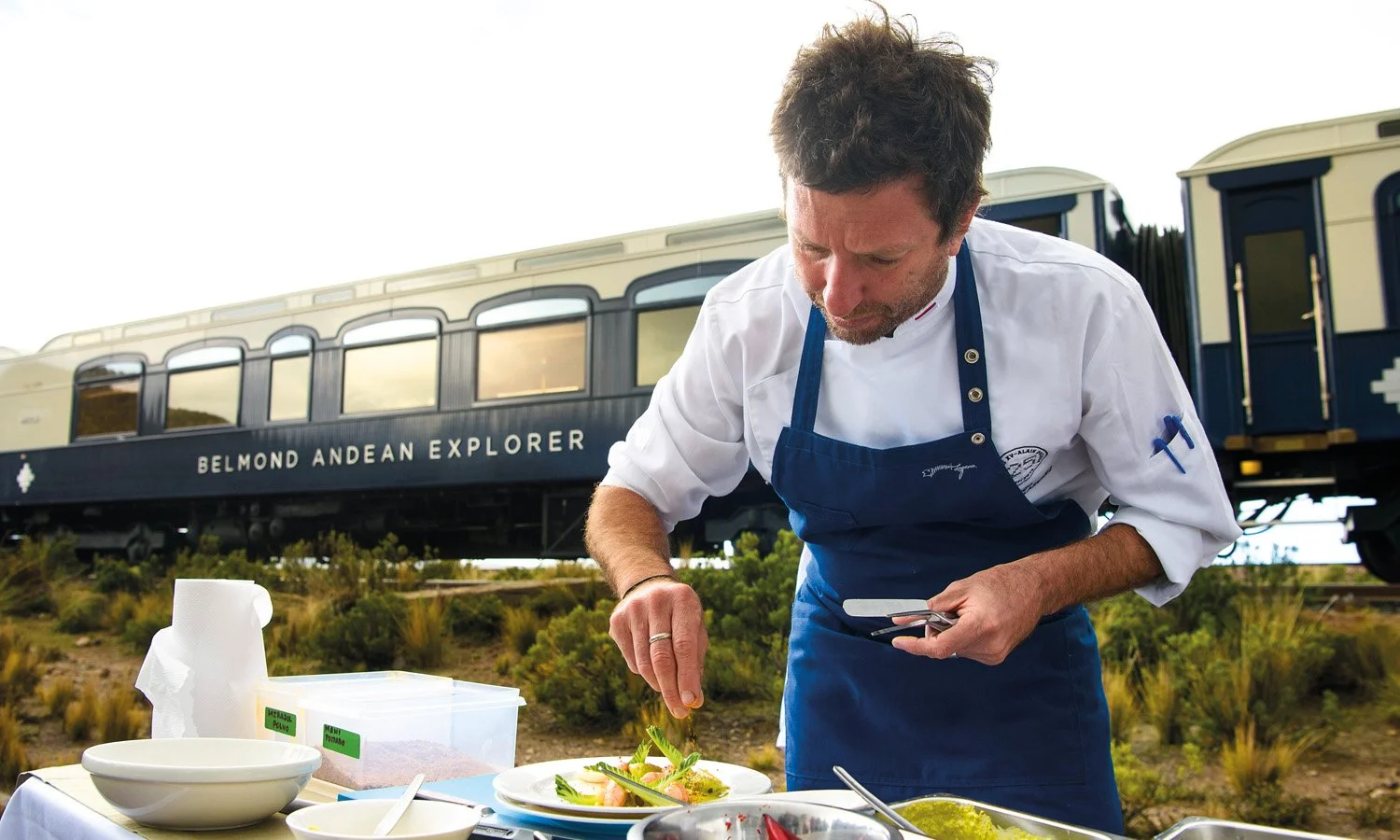
Breakfast may include native grains, Peruvian fruits and local cold cuts, while lunch and dinner can move between ceviche, freshwater fish, quinoa, Andean vegetables, cured trout, suckling pig and other interpretations of Peruvian cuisine.
Vegetarian and alternative menus can be arranged with advance notice, and children’s meals are also available.
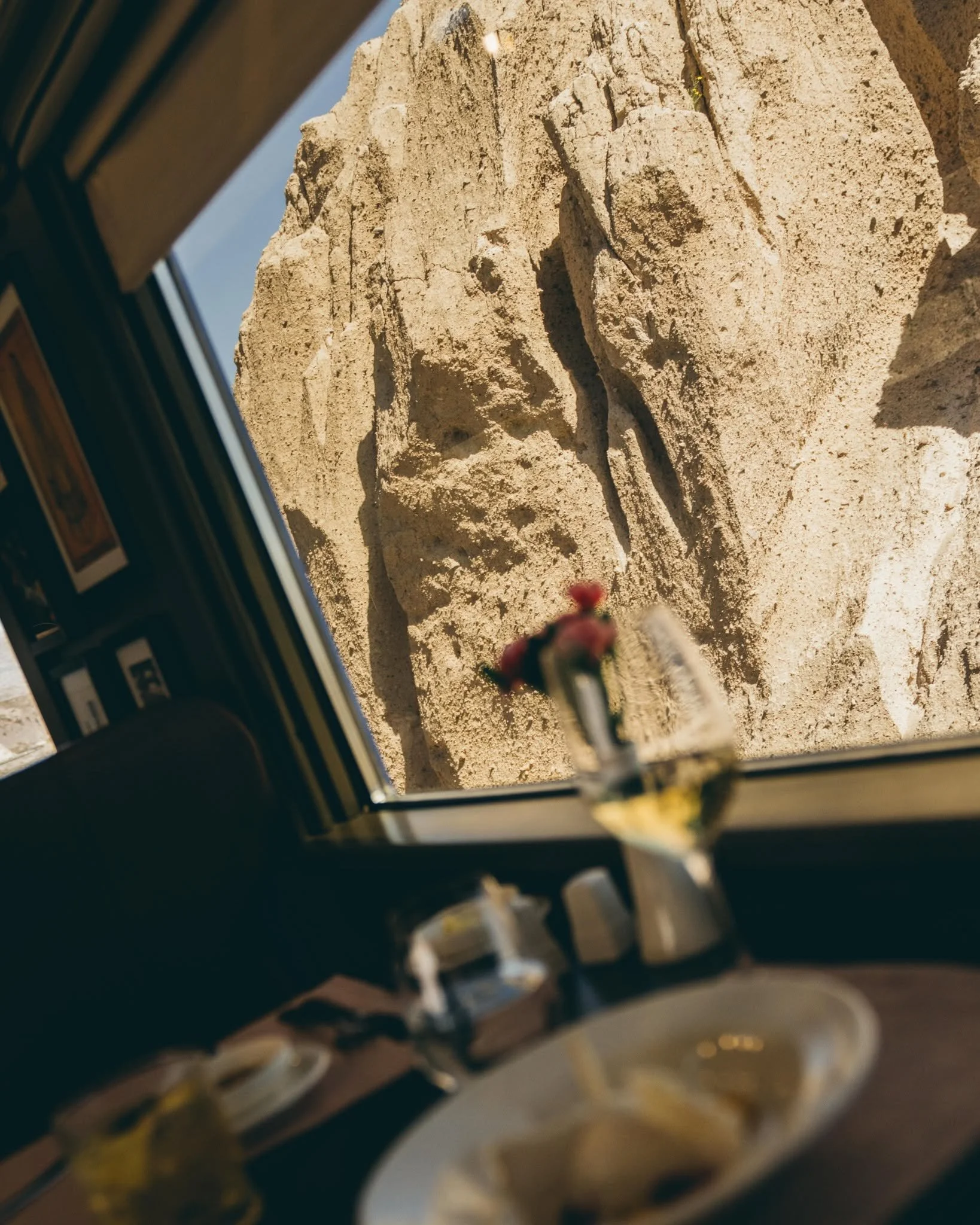
For us, the dining experience is strongest when the scenery is treated almost like another course.
Lunch while crossing the Altiplano feels entirely different from a restaurant meal in Lima or Cusco because the geography producing many of the ingredients is visible beyond the window.
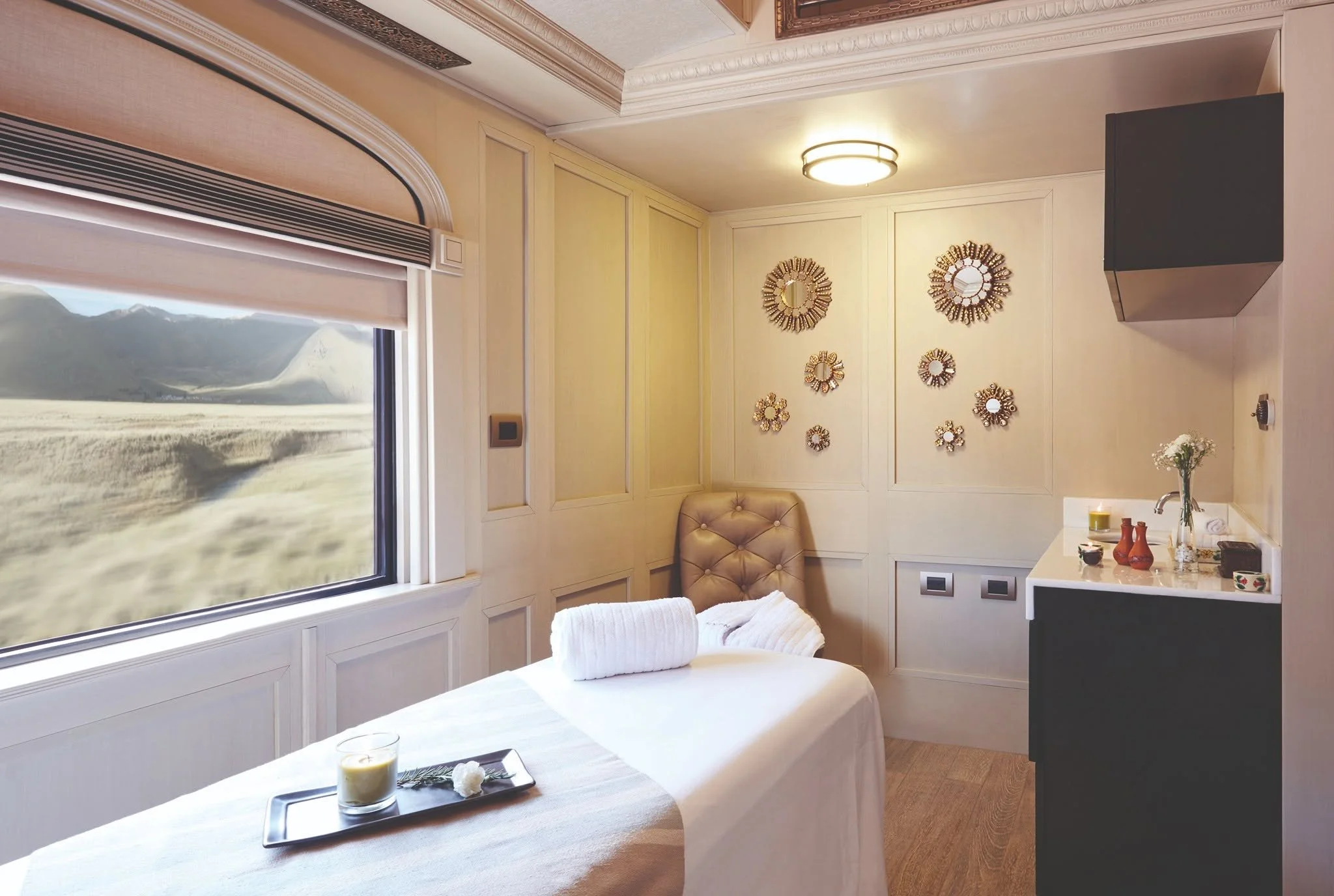
A Spa Car at High Altitude
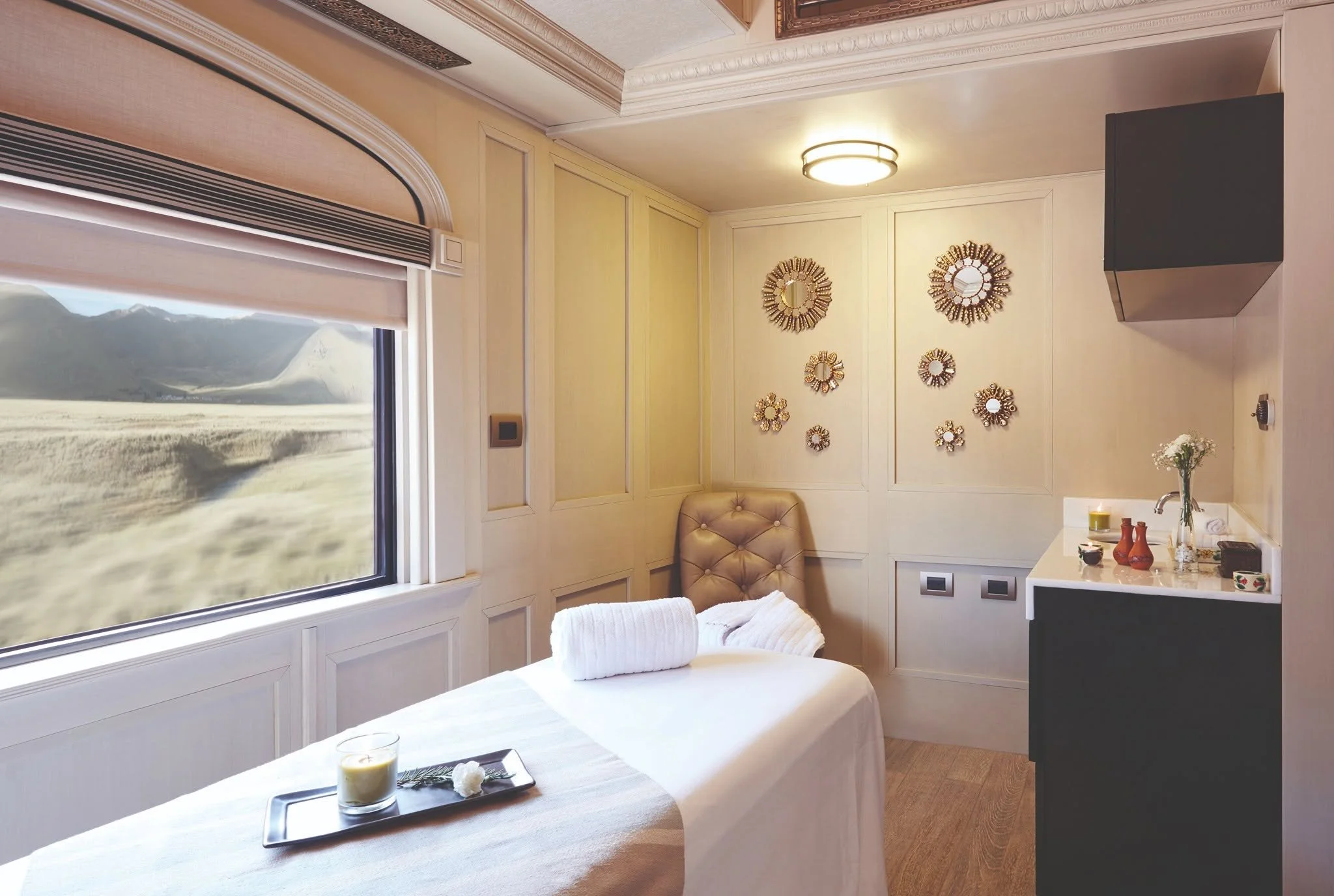
The Picaflor Spa Car gives Andean Explorer one of the more unusual wellness programs in luxury rail travel.
Named for the hummingbird, a recurring symbol in Peruvian art and craft traditions, the carriage contains dedicated treatment space where massages and facials take place while the train moves through the Andes.
Treatments use Germaine de Capuccini skincare alongside an Andean collection incorporating botanicals and natural ingredients associated with the region.
The menu has been designed partly around the realities of high-altitude travel.
An Altitude Acclimatizing Massage is particularly relevant for guests adjusting to the elevation, while Obsidian Massage, leg-recovery treatments and facials provide options that feel more restorative than destination-spa focused.
Supplemental oxygen is also available to guests who need it.
That is worth taking seriously.
Sections of the journey reach extremely high elevation, and even travelers accustomed to active trips may respond differently to altitude.
For us, the spa works best as part of that adaptation rather than as a reason to fill the timetable.
A treatment after Lake Titicaca or during a quieter stretch of the journey feels much more natural than sacrificing time on the Observation Car simply to spend more time indoors.
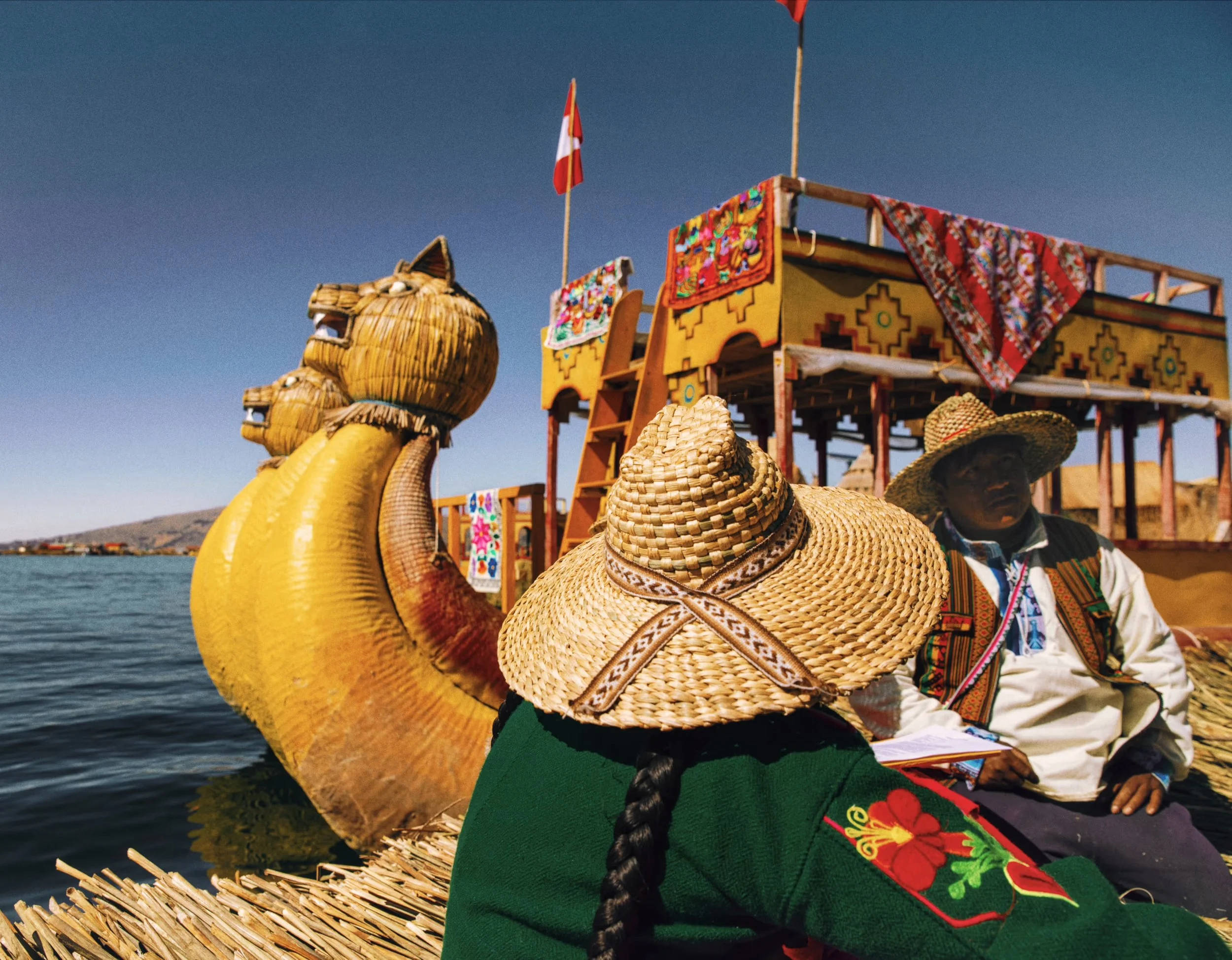
Lake Titicaca, Raqch’i and the Altiplano
The strongest experiences on Andean Explorer happen both aboard and away from the train.
On the Peruvian Highlands journey from Cusco to Arequipa, the train moves through the La Raya mountain range before reaching the Lake Titicaca region.
The lake is one of the defining experiences of the route.
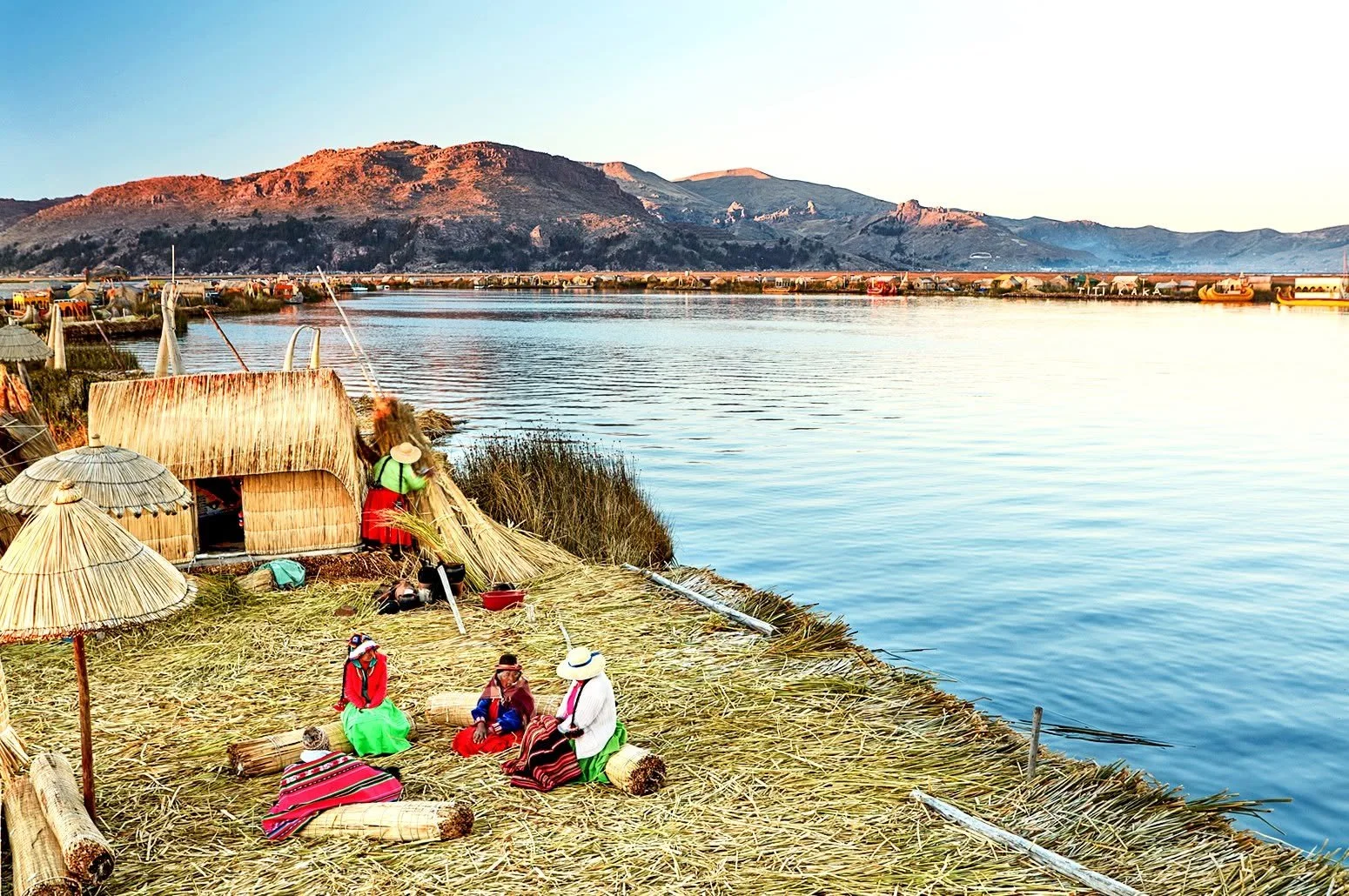
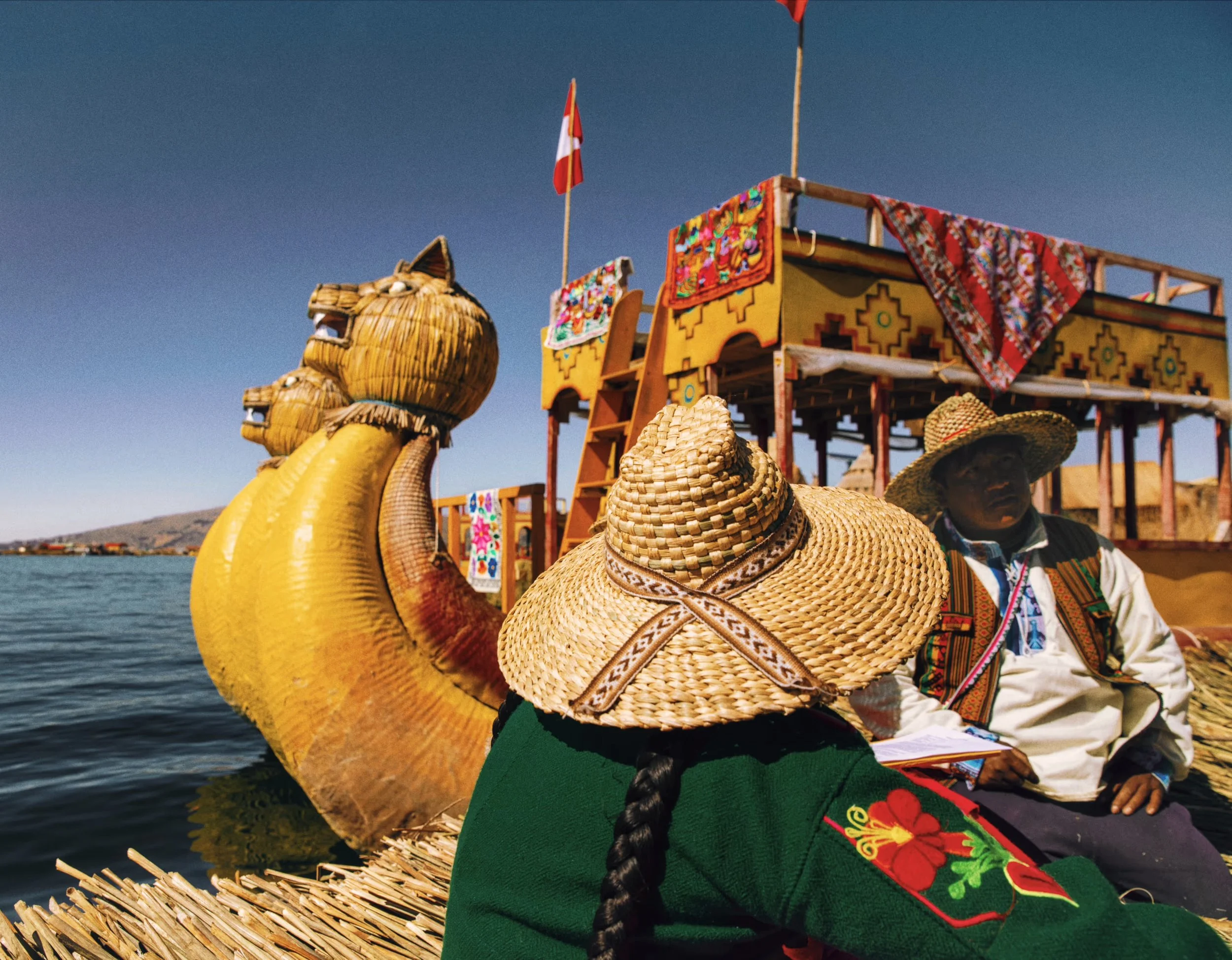
Excursions can introduce guests to the floating islands of the Uros, constructed from layers of totora reeds, and to communities whose relationship with the lake predates modern tourism by centuries.
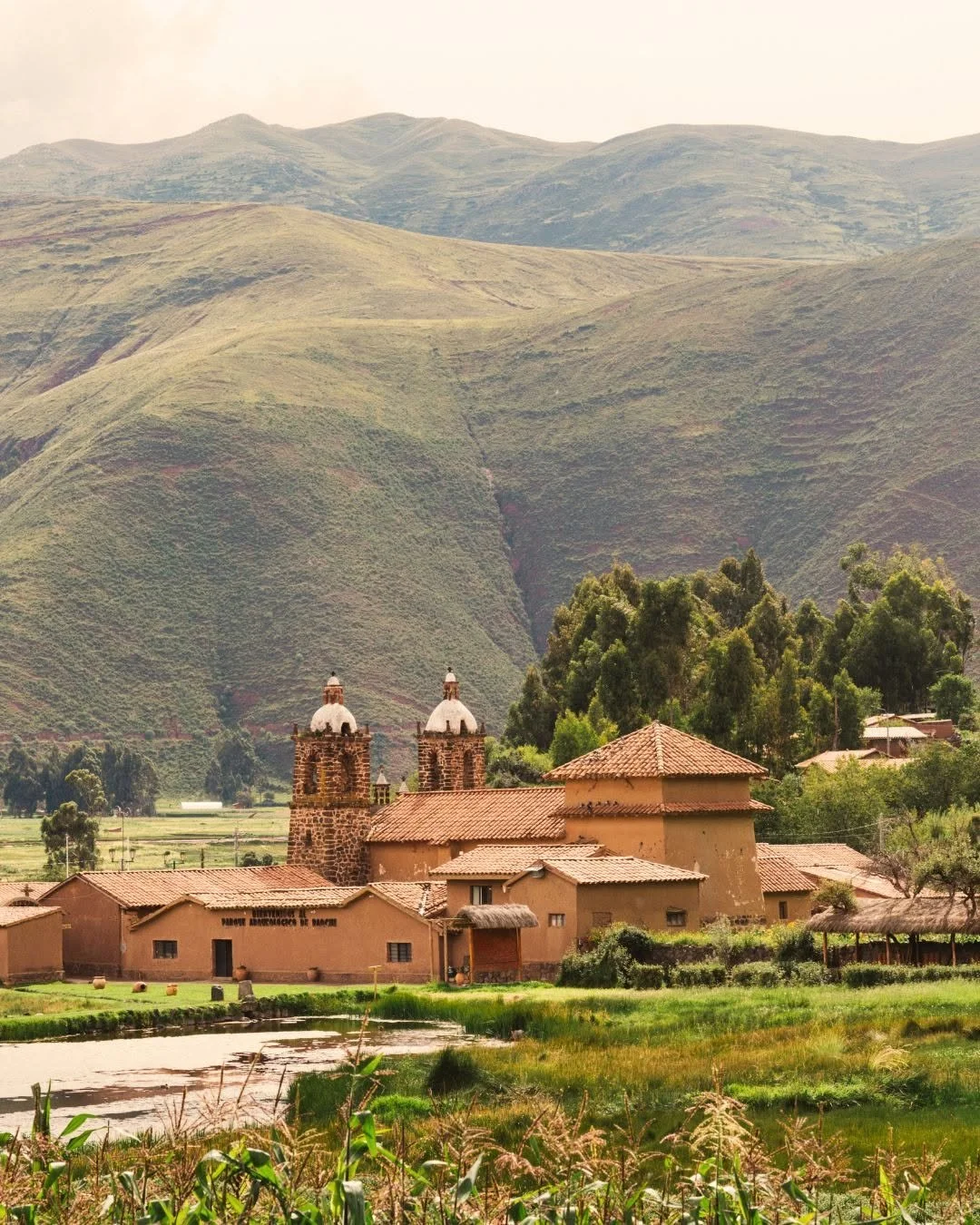
Other itineraries incorporate Raqch’i, the important Inca archaeological complex southeast of Cusco.
Farther south, Lake Saracocha and Lake Lagunillas reveal another version of the Andes: wider, drier and more sparsely populated.
Selected journeys also include the Sumbay Caves, known for prehistoric rock paintings, before the landscape transitions toward Arequipa.
Evenings provide their own experiences.
The train may stop overnight rather than continuing to move while guests sleep, creating opportunities for stargazing in locations with remarkably little artificial light.
For us, these stops are important because they prevent the train from becoming an enclosed luxury bubble moving through Peru.
The landscapes outside are not simply viewed through glass.
Guests repeatedly step into them.
A Different Kind of Family Journey
Andean Explorer can accommodate families, but it should not be approached like a family resort or a train designed primarily around children.
Children under three years old travel without charge when sharing a cabin with an adult, while children older than three are charged the full adult fare and must travel with an adult.
Children’s meals can be arranged.
The train does not, however, provide dedicated children’s equipment such as cribs or highchairs.
There is also no kids’ club or formal daily children’s program.
For us, the journey is therefore best suited to older children and teenagers who already enjoy history, landscapes and cultural experiences and who are comfortable spending extended periods aboard a train.
The Observation Car can be particularly engaging, while excursions around Lake Titicaca and archaeological sites create natural breaks from time onboard.
Cabin planning also matters.
Because each cabin accommodates two guests, families will generally require multiple cabins, which should be arranged as early as possible.
This is less a conventional family holiday and more a shared adventure through Peru.
For the right family, that distinction is exactly what makes it memorable.
Slow Travel Across a Sensitive Landscape
The environmental story of Andean Explorer needs to be understood within Belmond’s broader sustainability program rather than through unsupported assumptions about rail travel.
Belmond organizes its environmental and social strategy around three principal areas: Gastronomy, Habitat and People.
Across its global portfolio of hotels, trains, boats and lodges, the company reports work involving responsible sourcing, renewable energy, biodiversity protection, community partnerships and employee environmental training.
Belmond’s 2025 reporting also recorded a significant reduction in greenhouse-gas emissions across its wider portfolio compared with 2023.
That does not mean every group-wide achievement should automatically be attributed directly to Andean Explorer.
For us, the more visible local connection is through food, culture and the itinerary itself.
Andean ingredients appear throughout the menus, while guided excursions introduce communities, archaeological heritage and landscapes that require careful management as visitor numbers grow.
Travelers who want detailed information about the train’s own fuel consumption, emissions, waste systems or current environmental certifications should request the latest property-specific information directly.
That is more meaningful than assuming that a train is automatically sustainable simply because it travels by rail.
Planning Carefully for Accessible Rail Travel
Andean Explorer publishes unusually specific information about accessibility, but travelers should understand that the train was not designed throughout for wheelchair access.
There is one accessible Bunk Bed Cabin, which must be requested specifically when booking.
That cabin includes a wet-room bathroom and a corridor that can accommodate a special wheelchair provided for use onboard.
The remainder of the train does not offer the same level of accessible infrastructure.
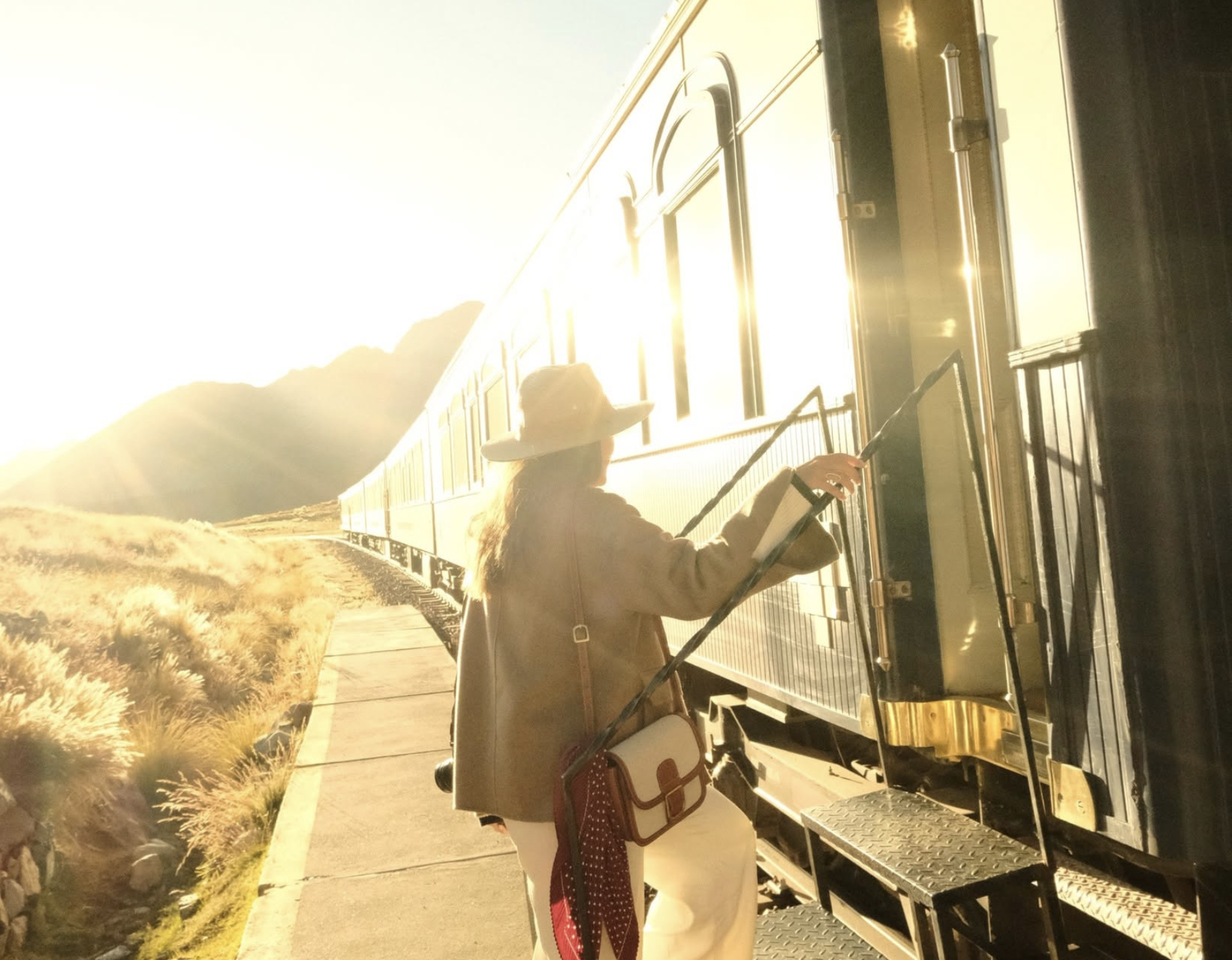
Standard wheelchairs cannot move through many cabin corridors, connections between carriages can be uneven, and the boarding ramp may be steep depending on the station.
Guests with walking difficulties can participate in many of the scheduled excursions, although the Sumbay Caves excursion is not recommended for travelers with limited mobility.
Off-train excursions are not fully adapted for wheelchair users.
For us, this is a journey where accessibility planning needs to happen before the reservation is finalized rather than after a cabin has been selected.
We would review the cabin, boarding arrangements, station access, excursions and the complete pre- and post-train itinerary with Belmond before confirming.
Choosing Where to Board the Andean Explorer
Andean Explorer operates between Cusco, Puno and Arequipa, with the precise departure point determined by the chosen journey.
Cusco – Wanchaq Station: The principal Cusco departure point places guests close to the historic city center and works naturally after several nights in Cusco or the Sacred Valley.
Puno – Lago Titicaca Station: Puno provides the boarding point for one-night journeys toward Cusco or Arequipa and is the natural connection for travelers already spending time around Lake Titicaca.
Arequipa Station: Arequipa serves as the southern terminus and the starting point for journeys traveling north through the Altiplano toward Puno and Cusco.
By Air – Cusco: Alejandro Velasco Astete International Airport connects Cusco with Lima and other domestic destinations, with a private transfer continuing to a hotel or Wanchaq Station.
By Air – Puno: Travelers generally access Puno through Juliaca before continuing by road toward Lake Titicaca and the station.
By Air – Arequipa: Rodríguez Ballón International Airport provides the principal air gateway for Arequipa, with private transfers easily arranged between the airport, city hotels and the station.
As Part of a Larger Peru Itinerary: The train combines particularly well with Lima, the Sacred Valley and Machu Picchu before or after the rail journey, allowing the Altiplano to connect several major regions rather than requiring separate return flights through Lima.
For us, the two-night journey from Cusco to Arequipa is especially satisfying when it comes after time in the Sacred Valley and Cusco.
Travelers begin already acclimatized to elevation, cross Lake Titicaca and the high plains slowly, and finish in a city that feels entirely different from where the journey began.
When the Journey Matters as Much as the Destination
Andean Explorer works because it changes what would otherwise be travel time into one of the defining experiences of a Peru itinerary.
The cabins are comfortable, the food is ambitious and the Picaflor Spa Car is unusual enough to justify attention.
But none of those elements is ultimately the reason to board.
The reason is the Andes.
A morning can begin with sunrise over high-altitude plains, continue with an excursion beside Lake Titicaca and end with dinner while the train sits beneath an enormous night sky.
Another day may bring archaeological sites, grazing alpacas and volcanic landscapes before arriving in Arequipa.
Inside, life becomes deliberately slow.
Meals take time. Cocktails stretch into conversation. Guests return repeatedly to the Observation Car because there is always another change in the landscape outside.
For us, the Suite Cabin is the strongest accommodation choice, but the real luxury has less to do with floor area than with perspective.
Flying between Cusco and Arequipa would be faster.
Andean Explorer makes the distance itself worth experiencing.