Amsterdam, Netherlands | Rosewood Amsterdam
Rosewood Amsterdam: A Palace Reimagined Along the Prinsengracht
There are hotels that enter a city quietly, and then there are properties that arrive carrying several centuries of history with them. Rosewood Amsterdam belongs firmly in the latter category.
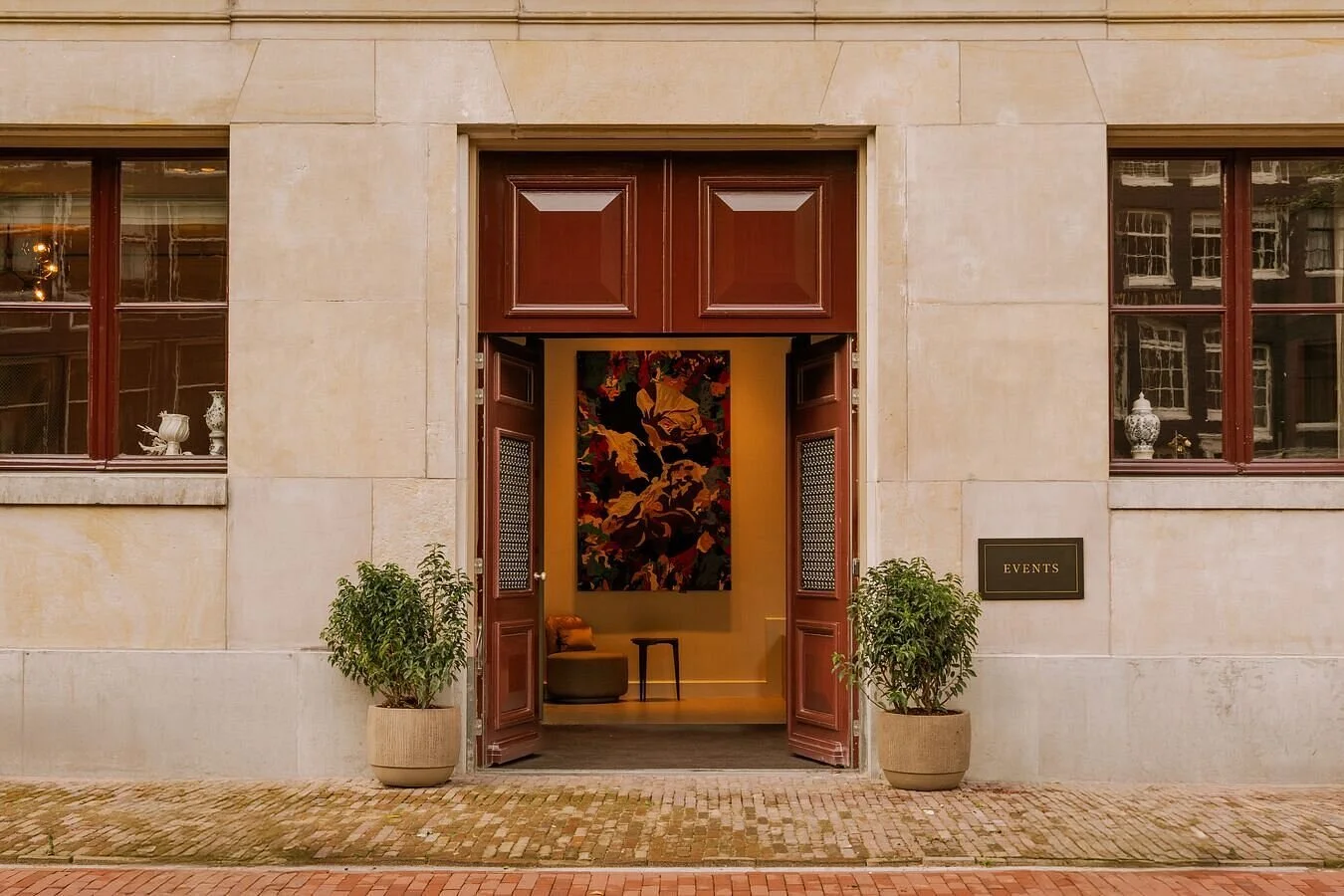
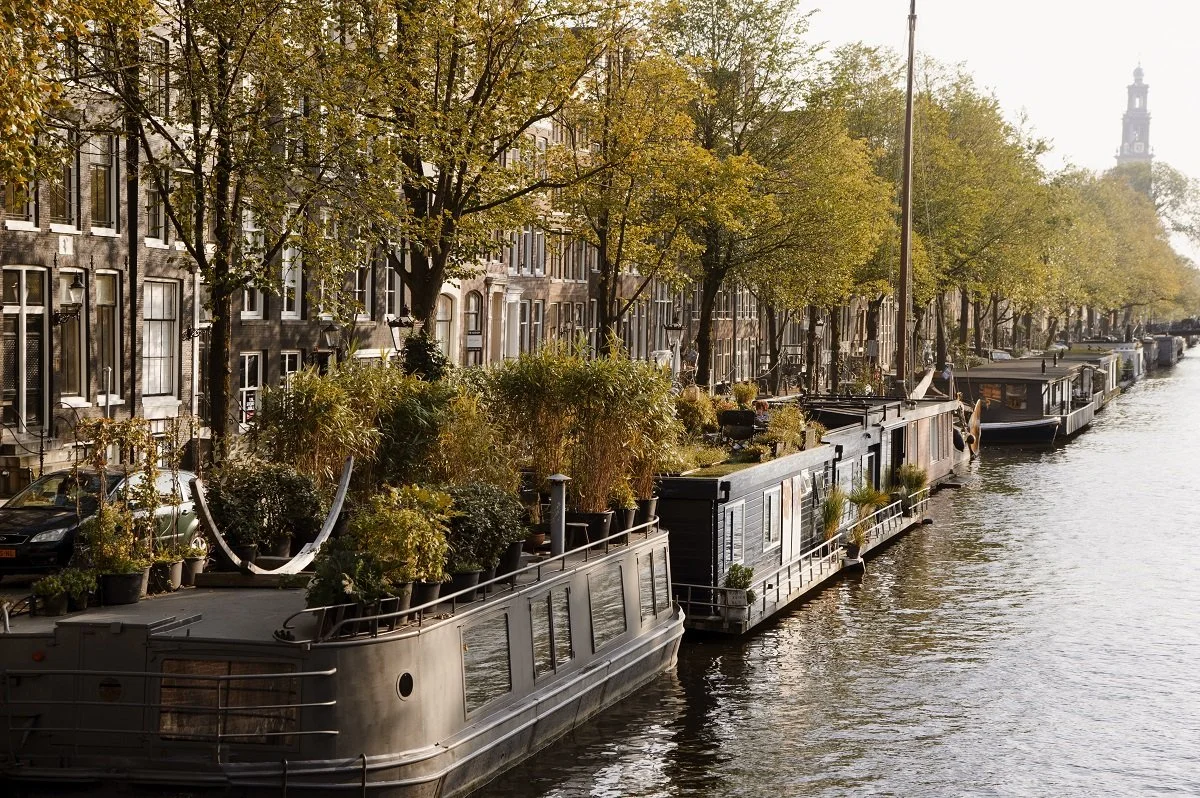
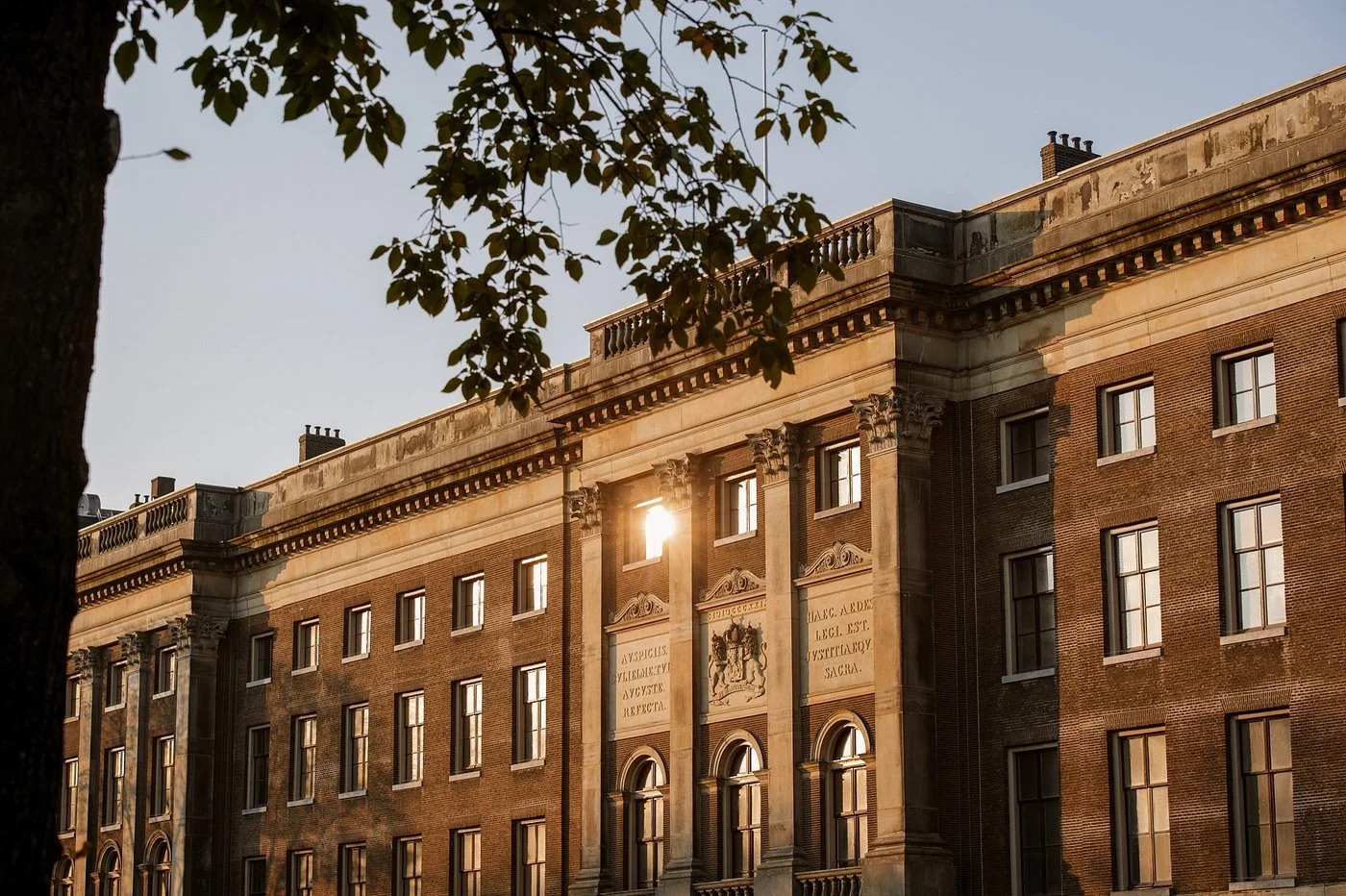
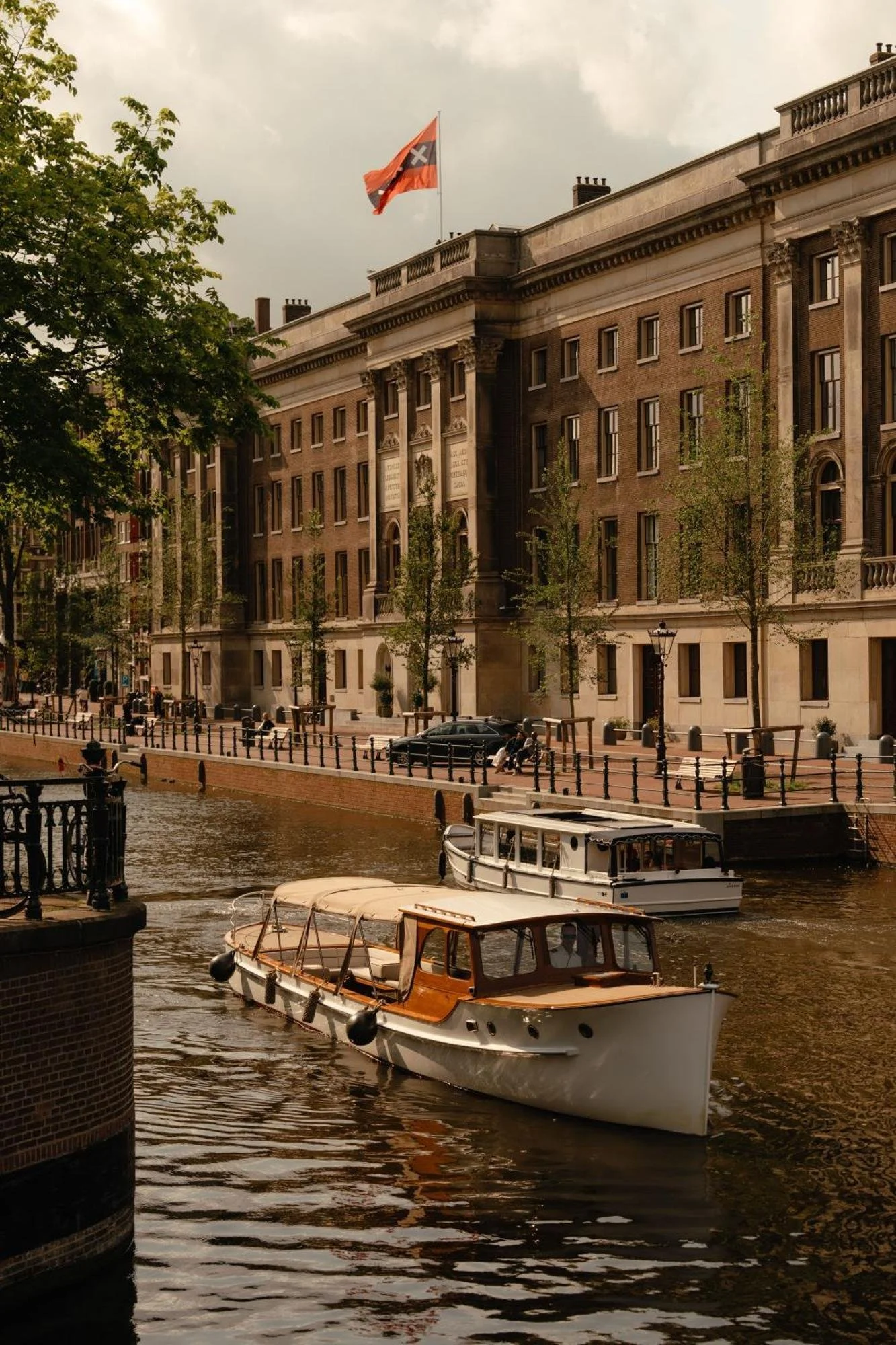
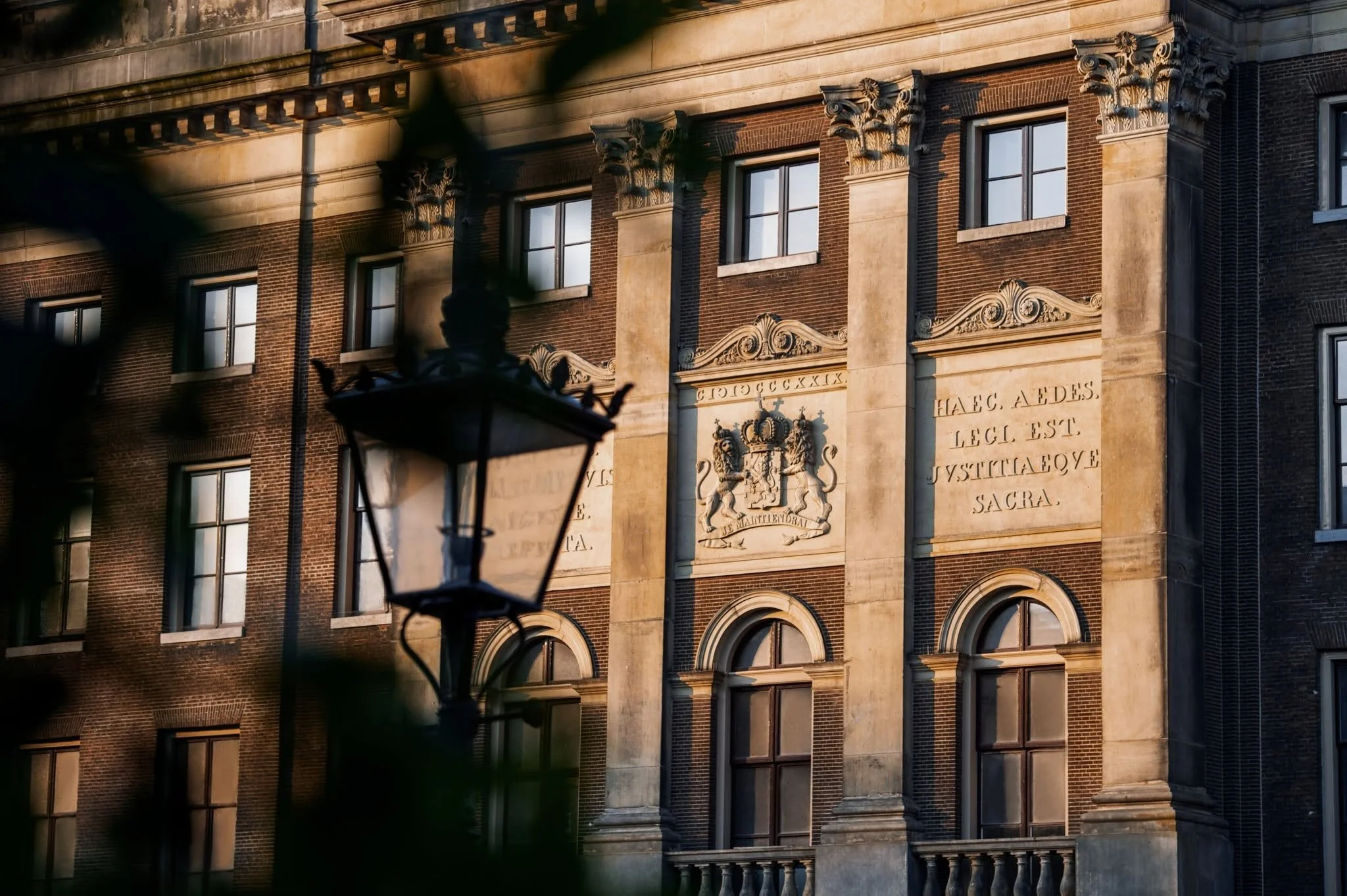
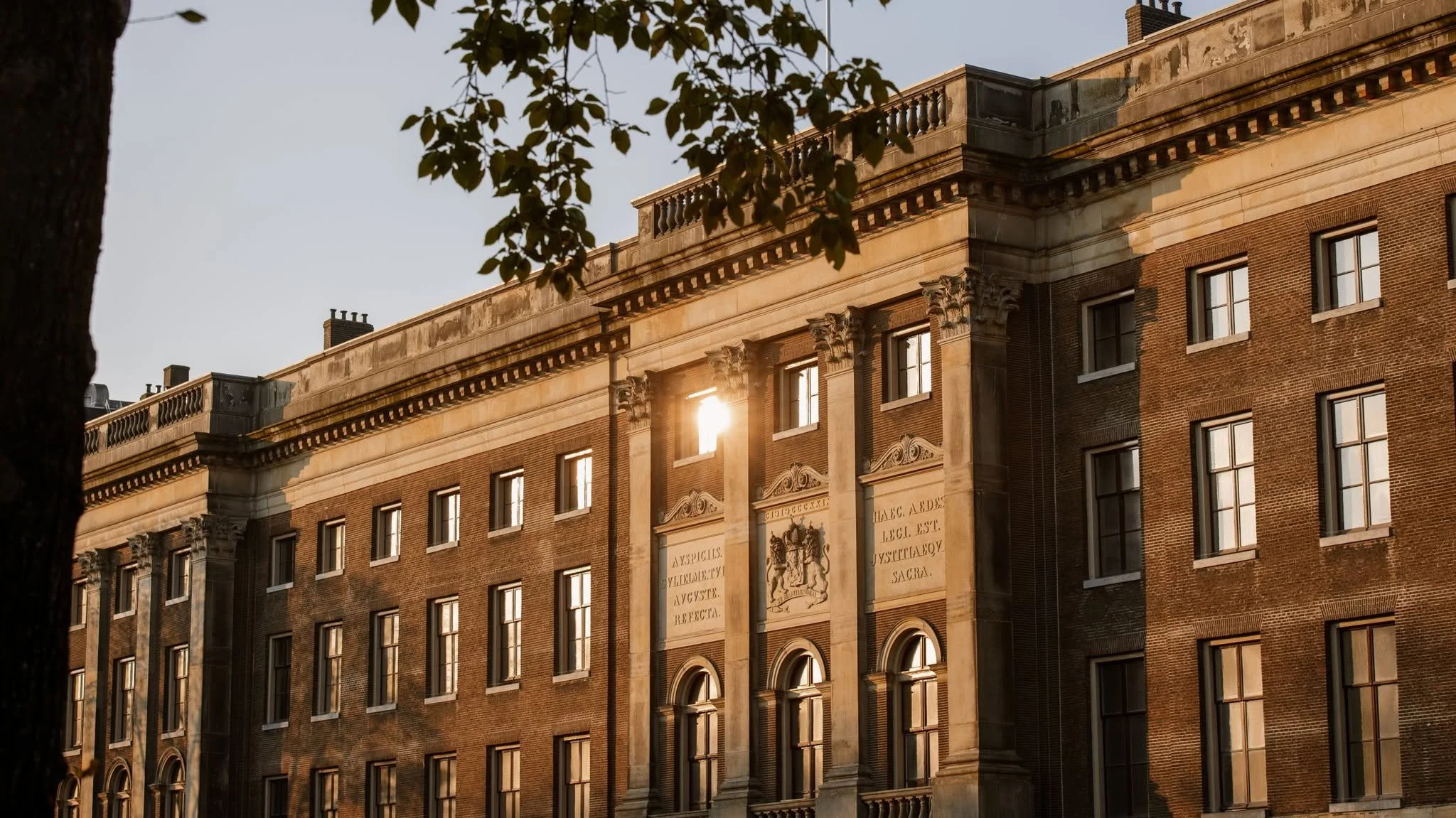
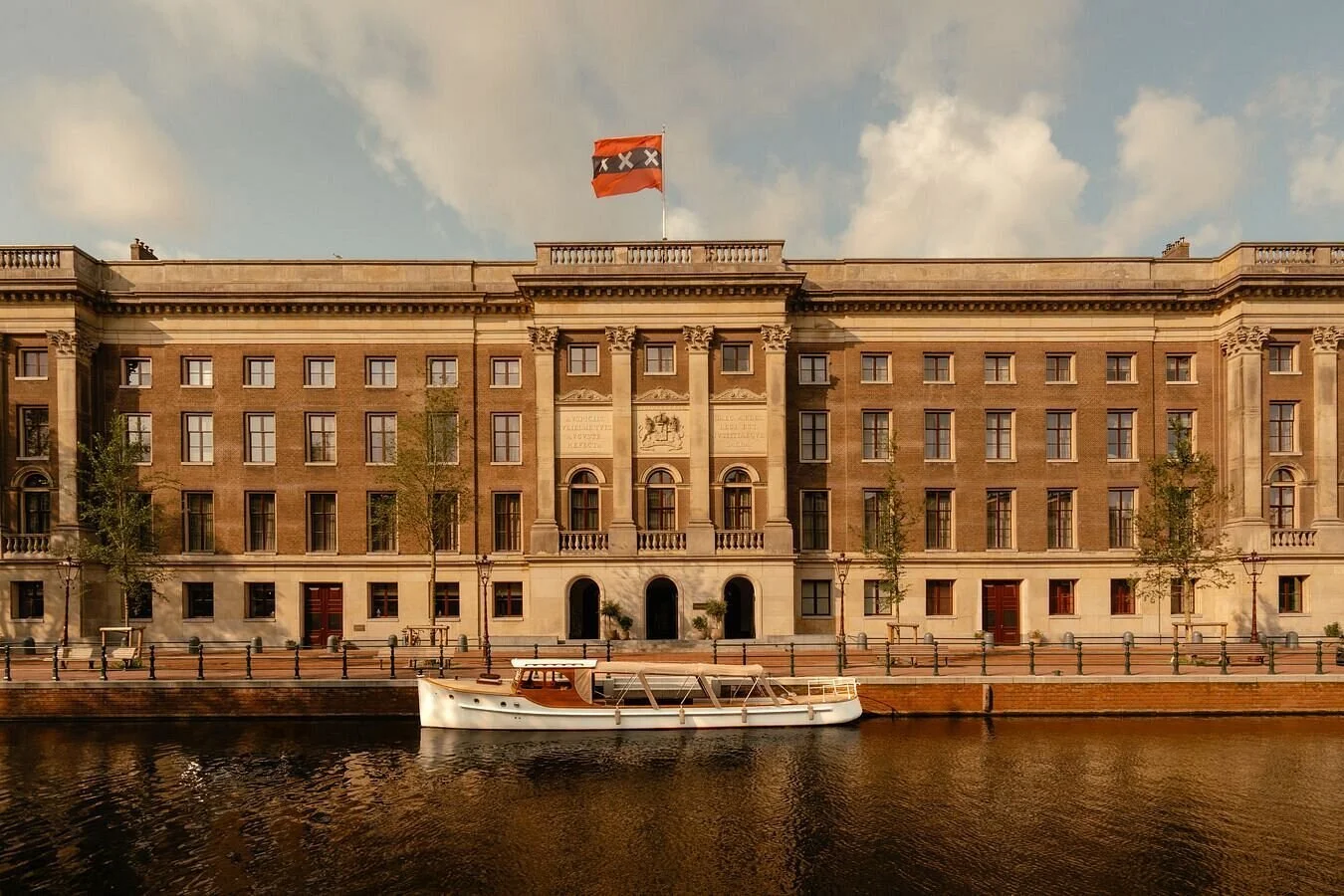
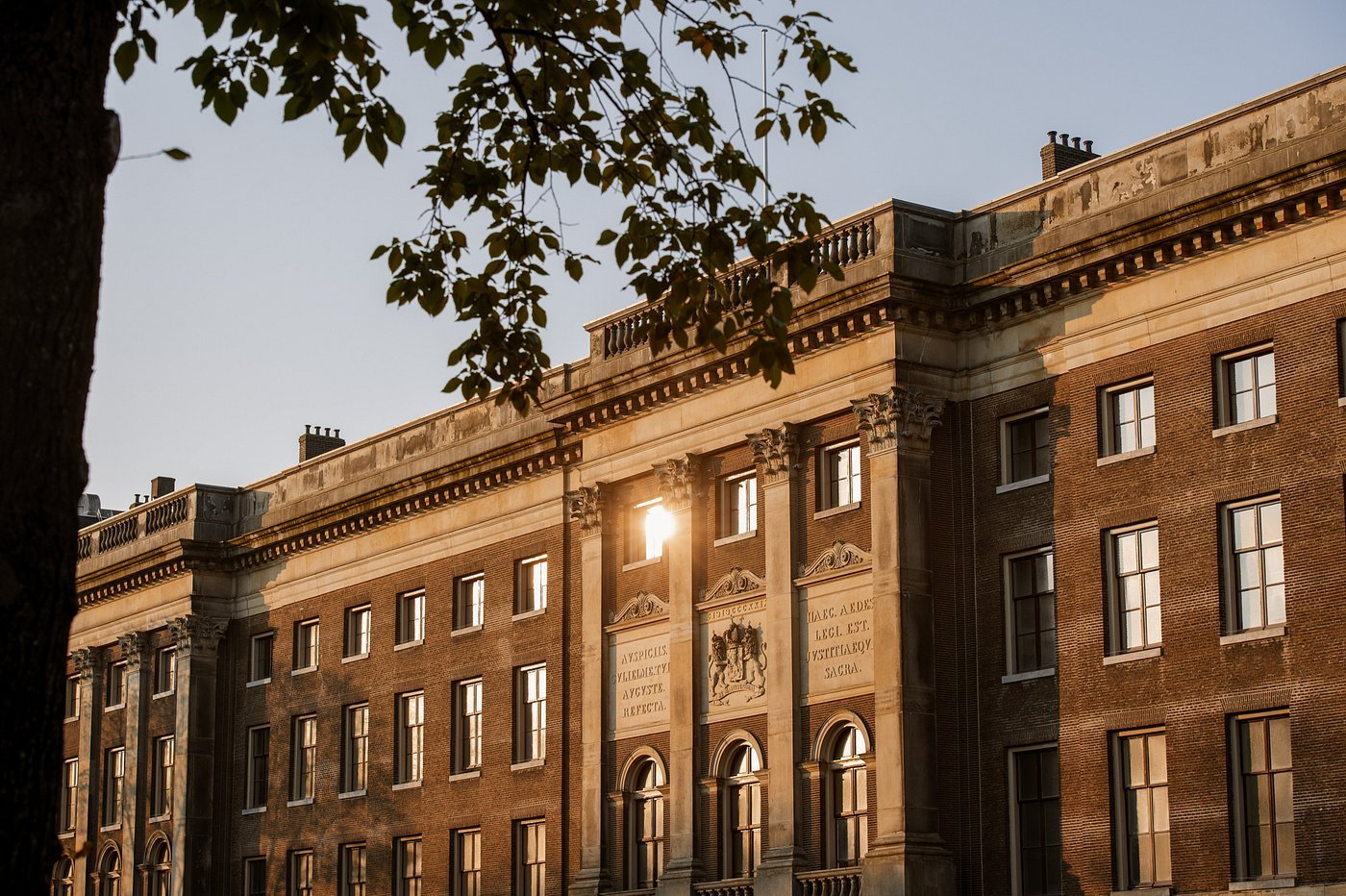
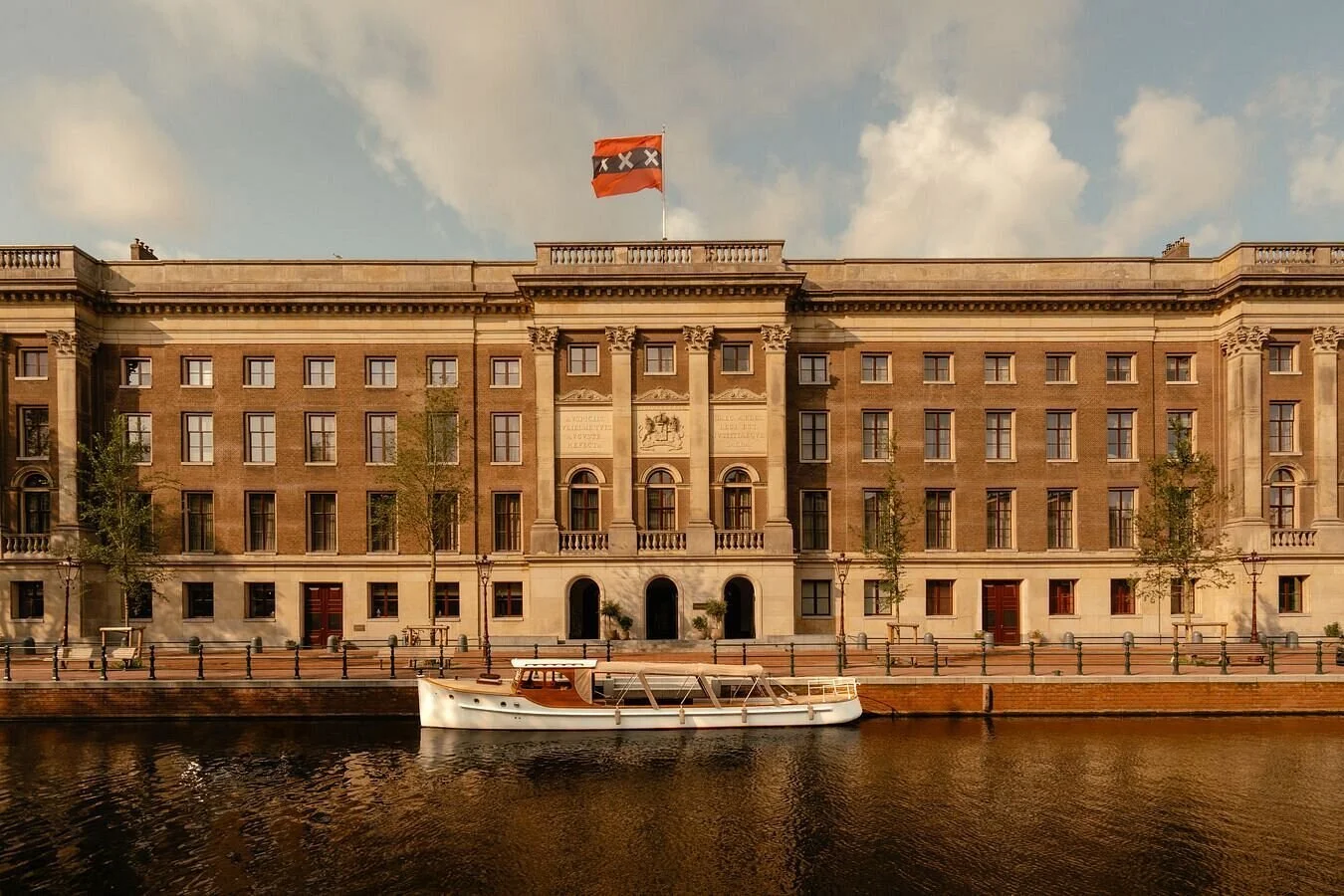
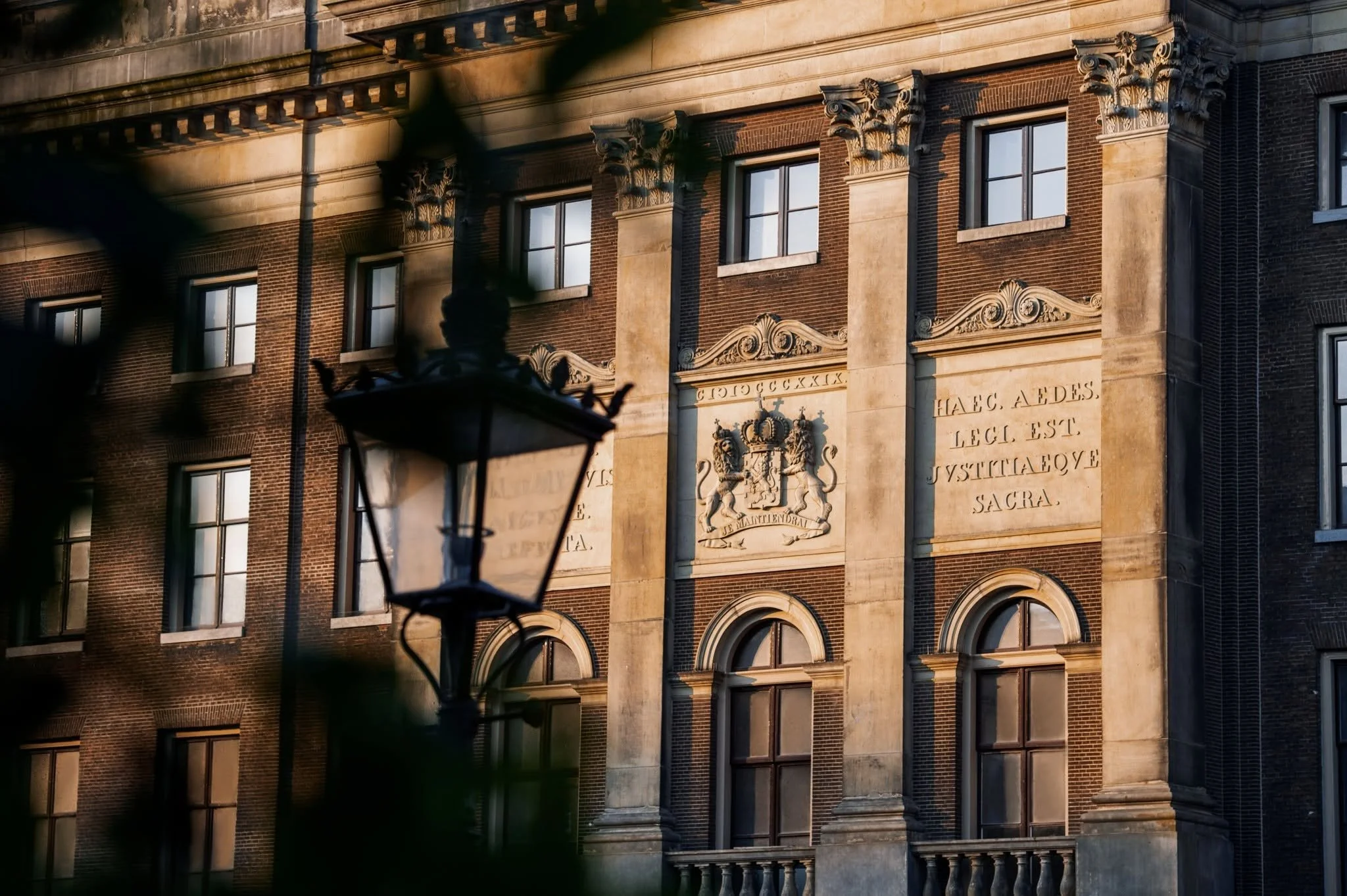
Opened in May 2025, the hotel occupies Amsterdam’s former Palace of Justice along the Prinsengracht, within the city’s UNESCO-listed Canal District. The building dates to 1665, was expanded in the 19th century and served as Amsterdam’s principal courthouse for more than 175 years before beginning its transformation into a hotel.
Today, the property contains 134 rooms and suites, including five highly individual Houses, three principal restaurants and bars, Asaya Spa, a private salon boat and a substantial collection of Dutch and international art.
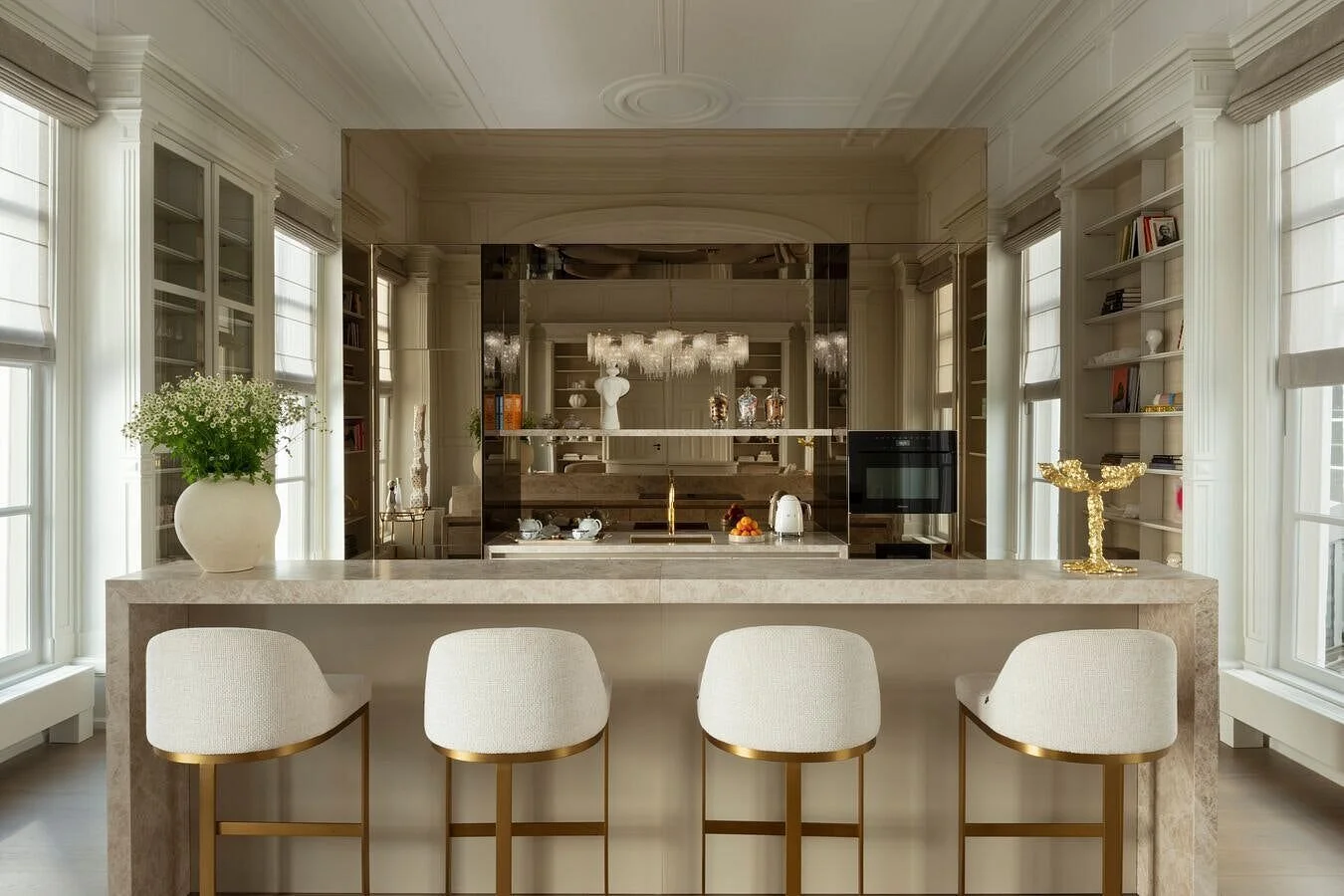
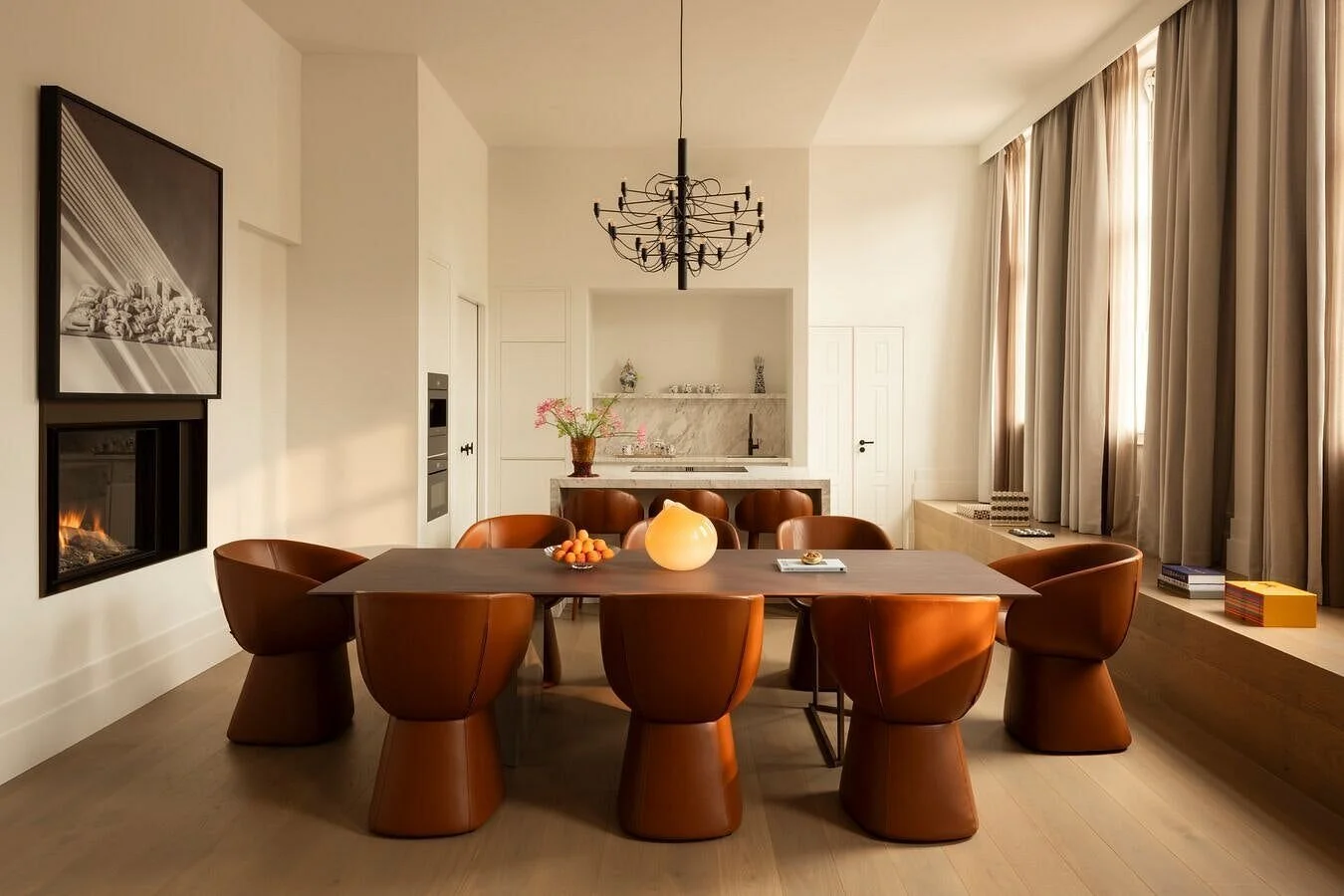
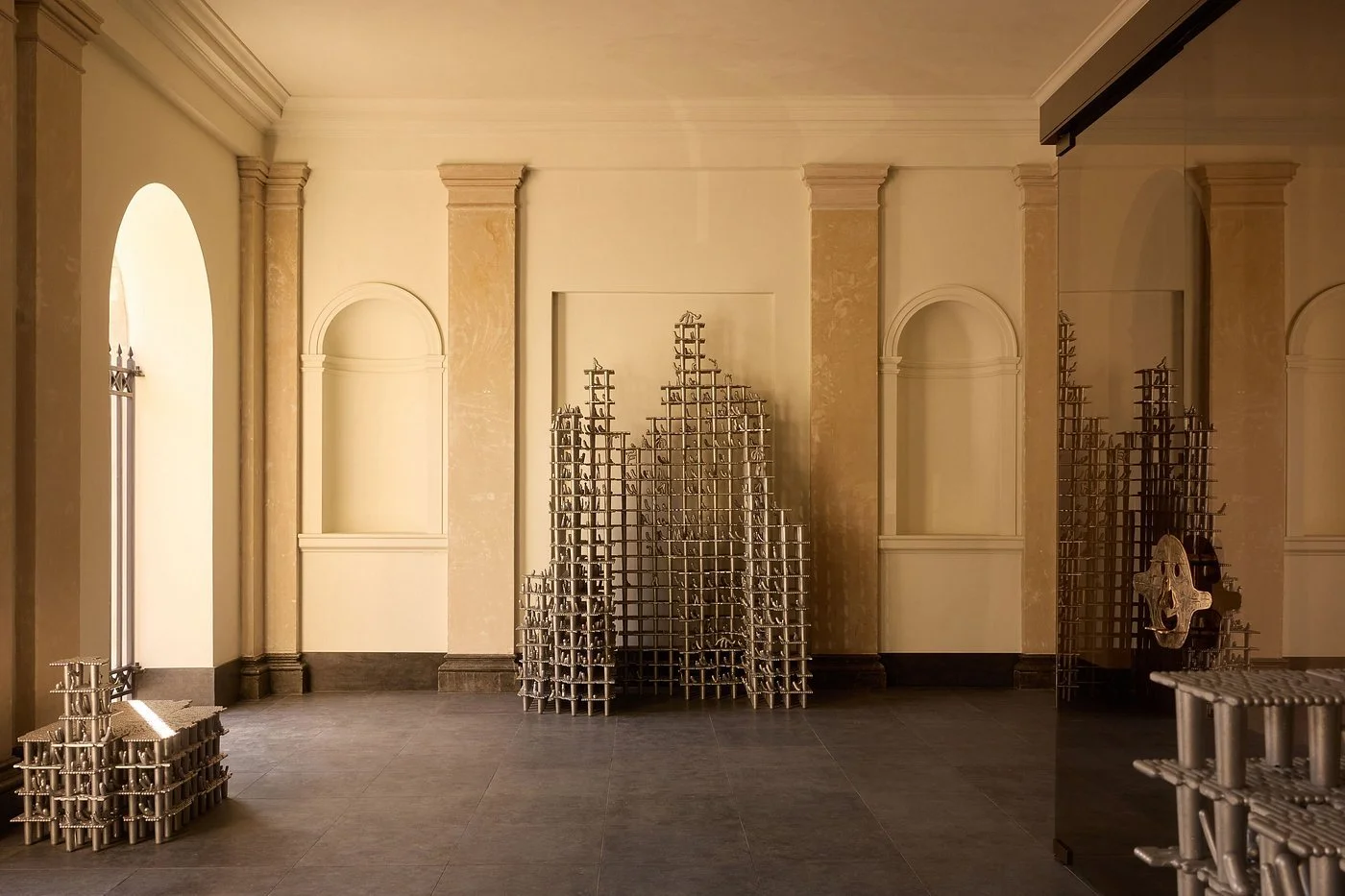
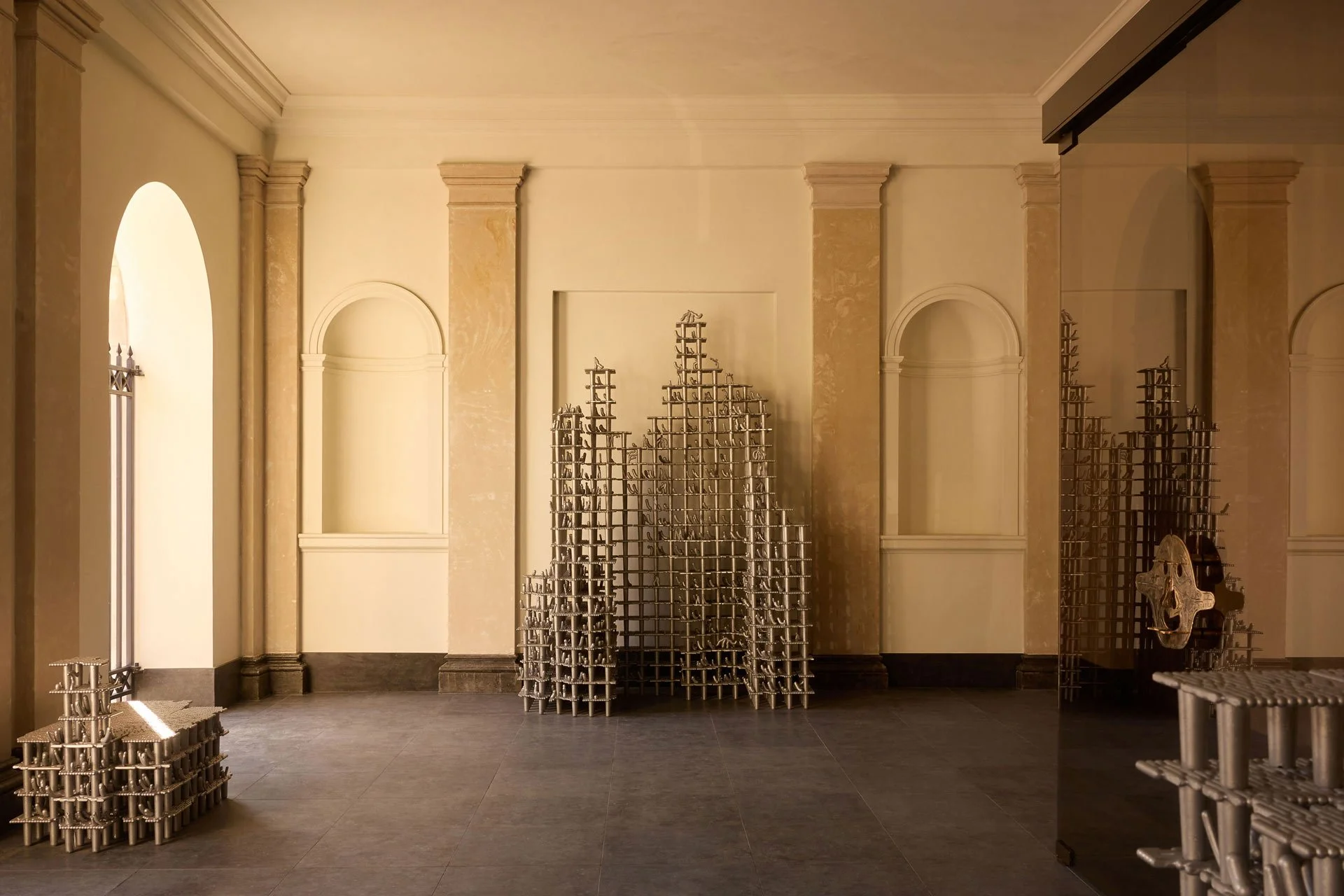
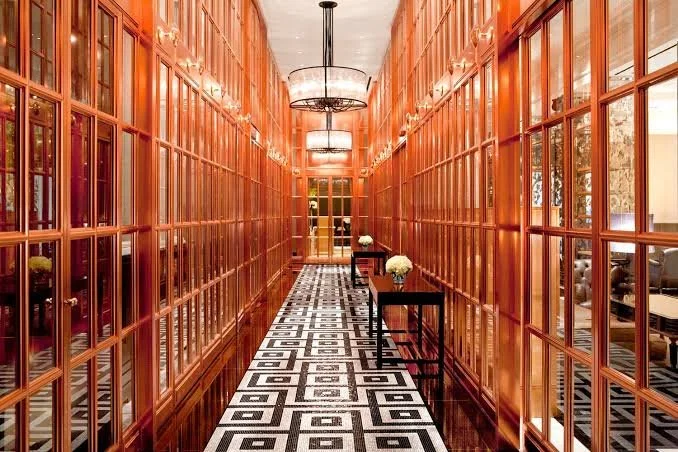
What interests us most is how little Rosewood has attempted to erase the building that came before it. Courtrooms, corridors, monumental proportions and architectural details remain important to the experience, while Dutch contemporary design, art and landscape architecture introduce an entirely different layer.
The result is neither a traditional grand hotel nor an exercise in historical preservation. It feels more like a contemporary Amsterdam residence constructed within the bones of one of the city’s most important civic buildings.
From Palace of Justice to Canal-Side Hotel
Understanding Rosewood Amsterdam begins with the building itself.
The original structure dates to 1665, while Dutch architect Jan de Greef oversaw a significant expansion in 1836. De Greef had been influenced by time spent in Paris and Rome, and the resulting architecture gave the Palace of Justice the formal presence expected of one of Amsterdam’s most important institutions.
For more than 175 years, the building functioned as the city’s principal courthouse.
Its conversion into Rosewood Amsterdam took approximately a decade and required close attention to the monumental fabric of the property. Original architectural elements were retained wherever possible, while former spaces associated with the judiciary were adapted for hospitality.
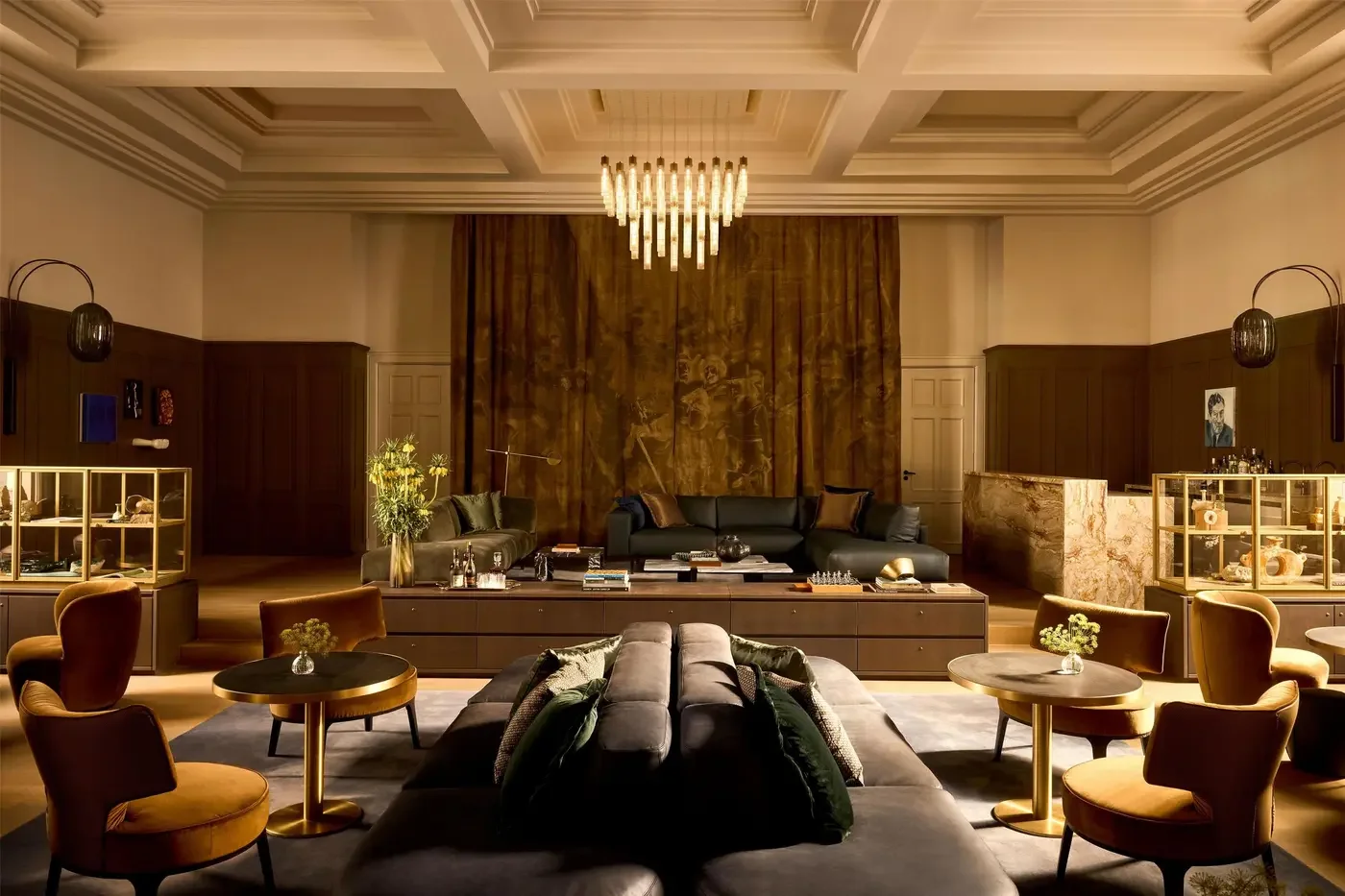
That past is still visible rather than merely referenced. The hotel’s corridors, high ceilings, old stonework and formal proportions retain something of the building’s institutional character, but the experience has been deliberately softened.
This is an important distinction. Rosewood Amsterdam does not feel like a historic building with hotel furniture inserted into it. The transformation is much more complete, yet there are enough reminders of the former Palace of Justice to make the property feel inseparable from its history.
Dutch Design Inside a Historic Framework
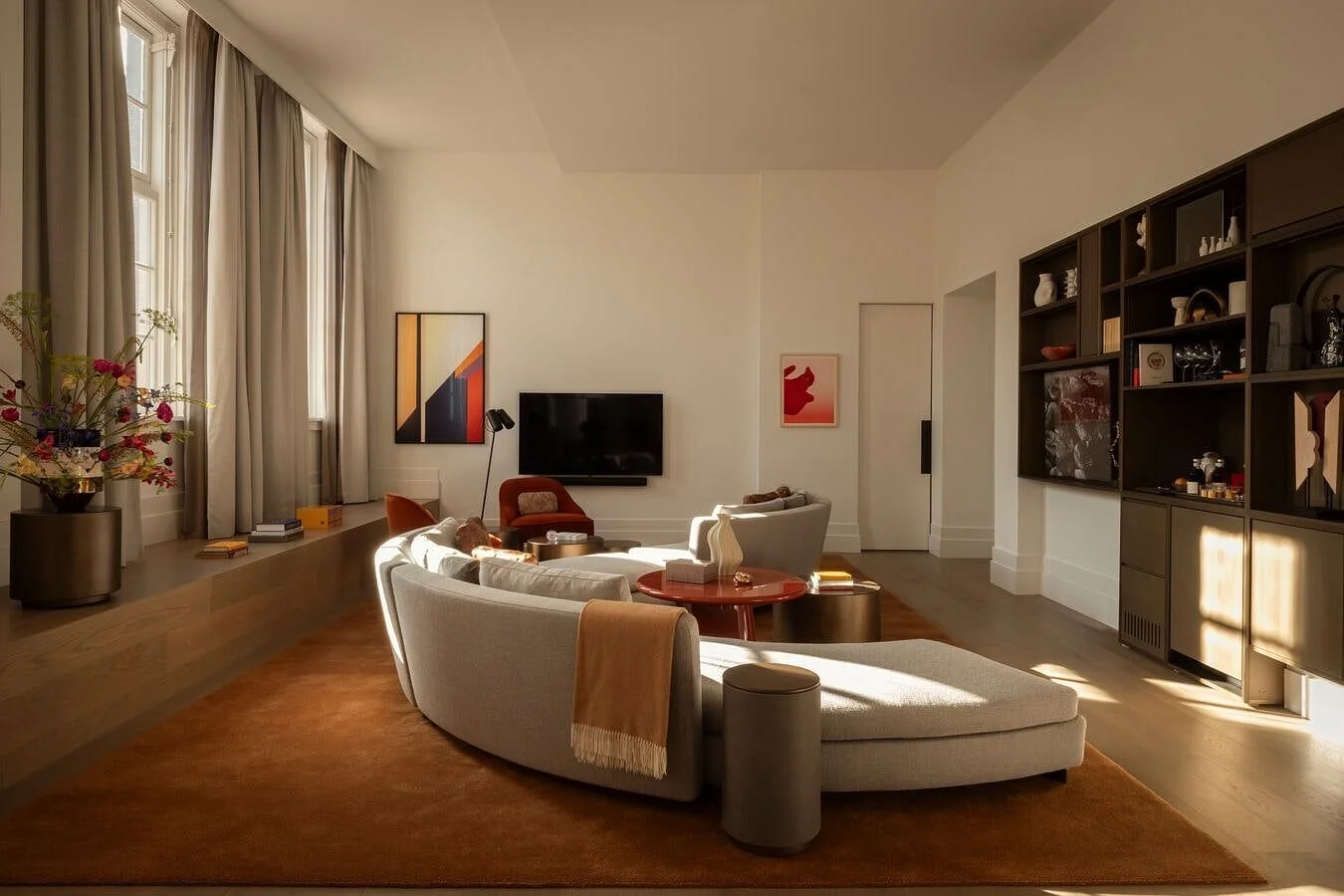
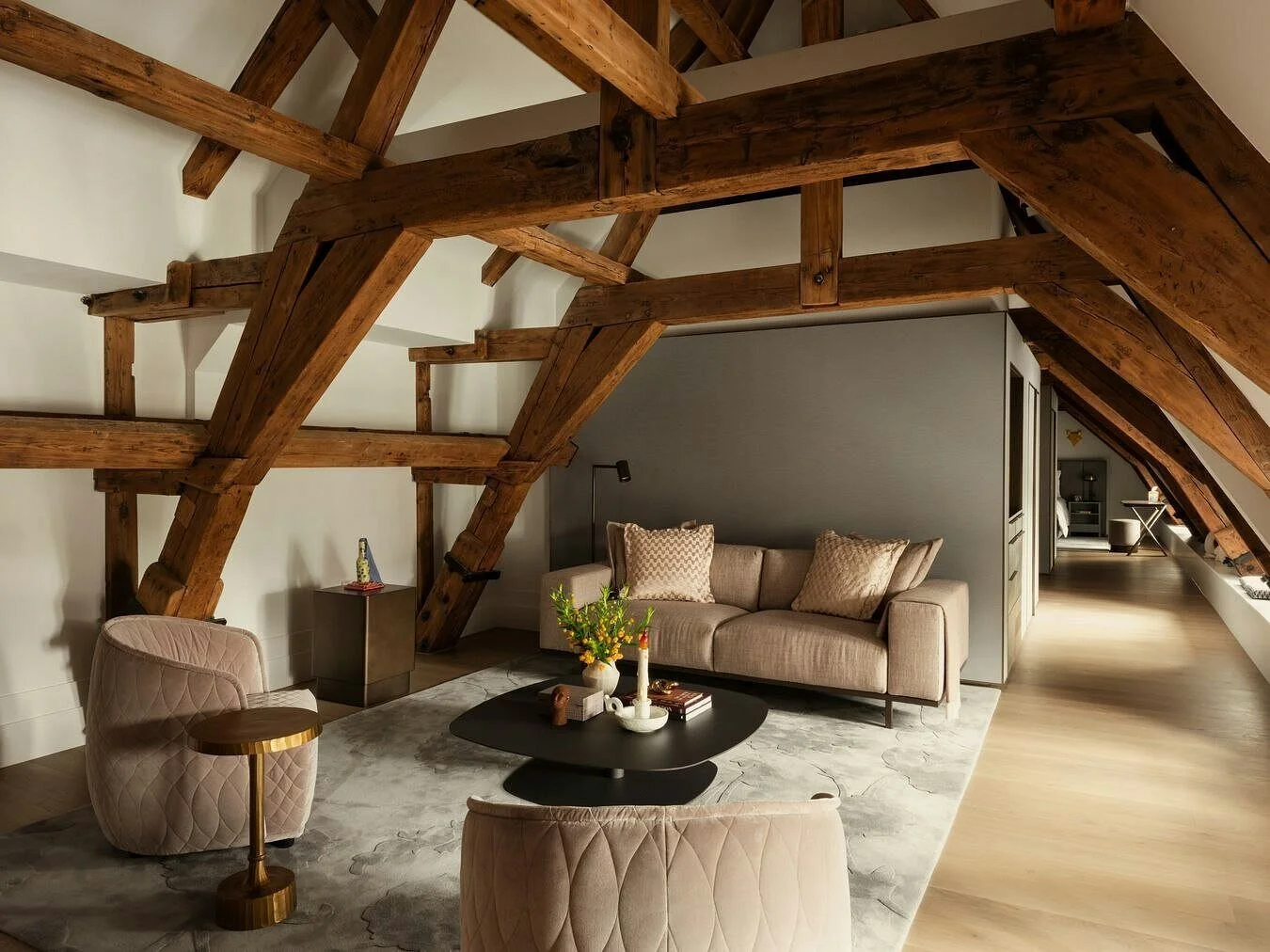
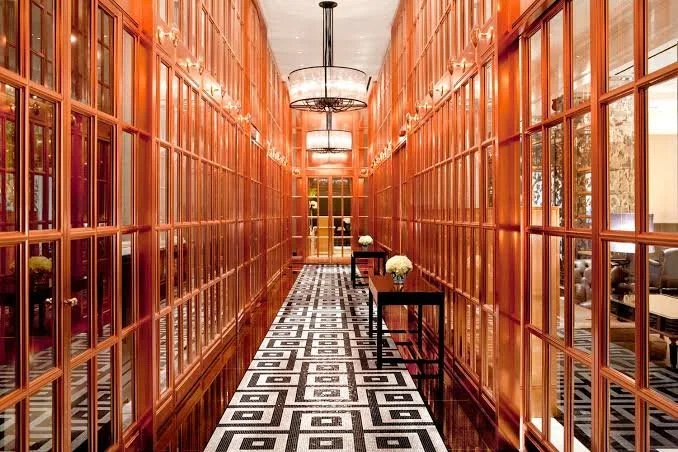
The interiors were led by Studio Piet Boon, whose approach combines the monumentality of the former courthouse with a quieter residential language.
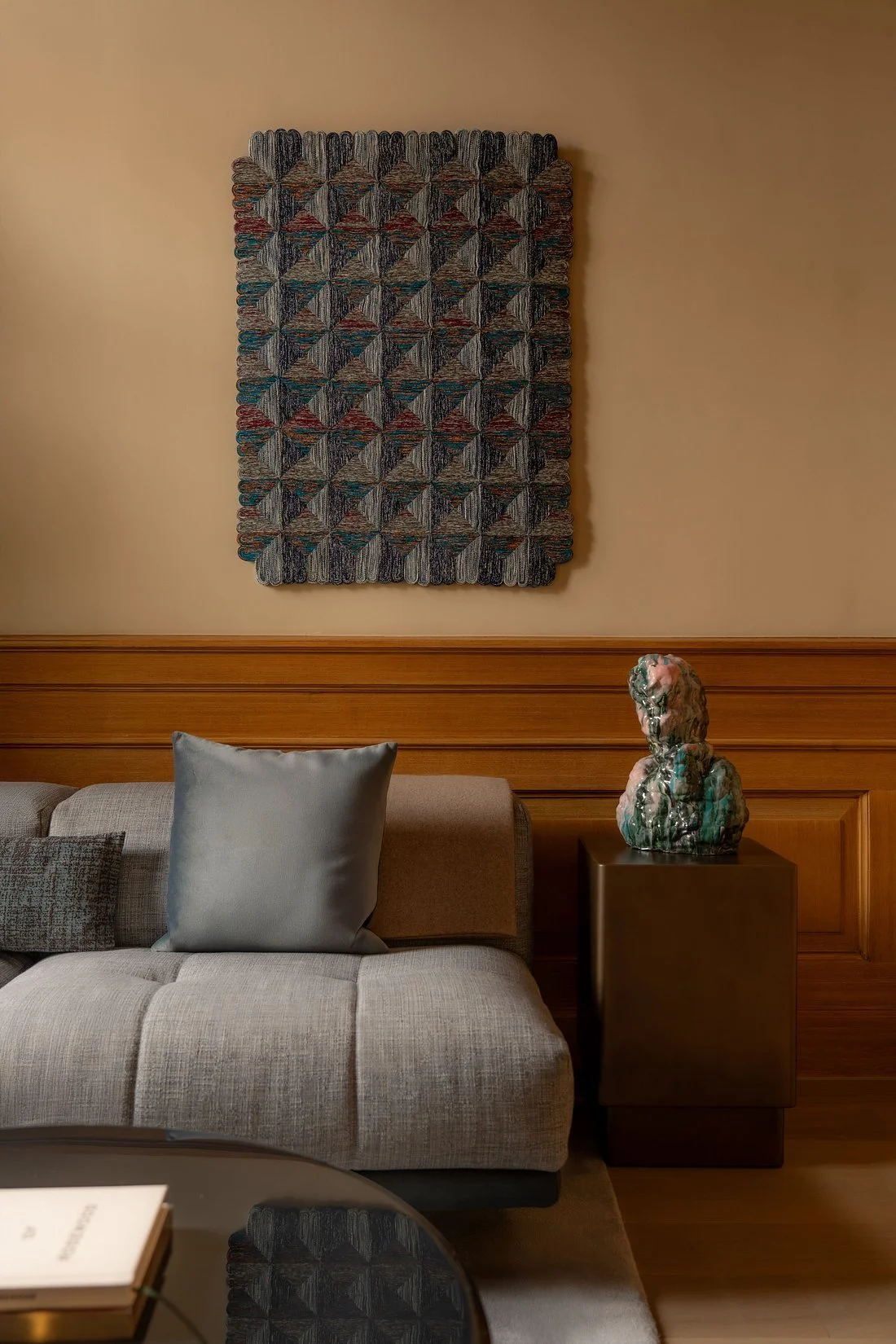
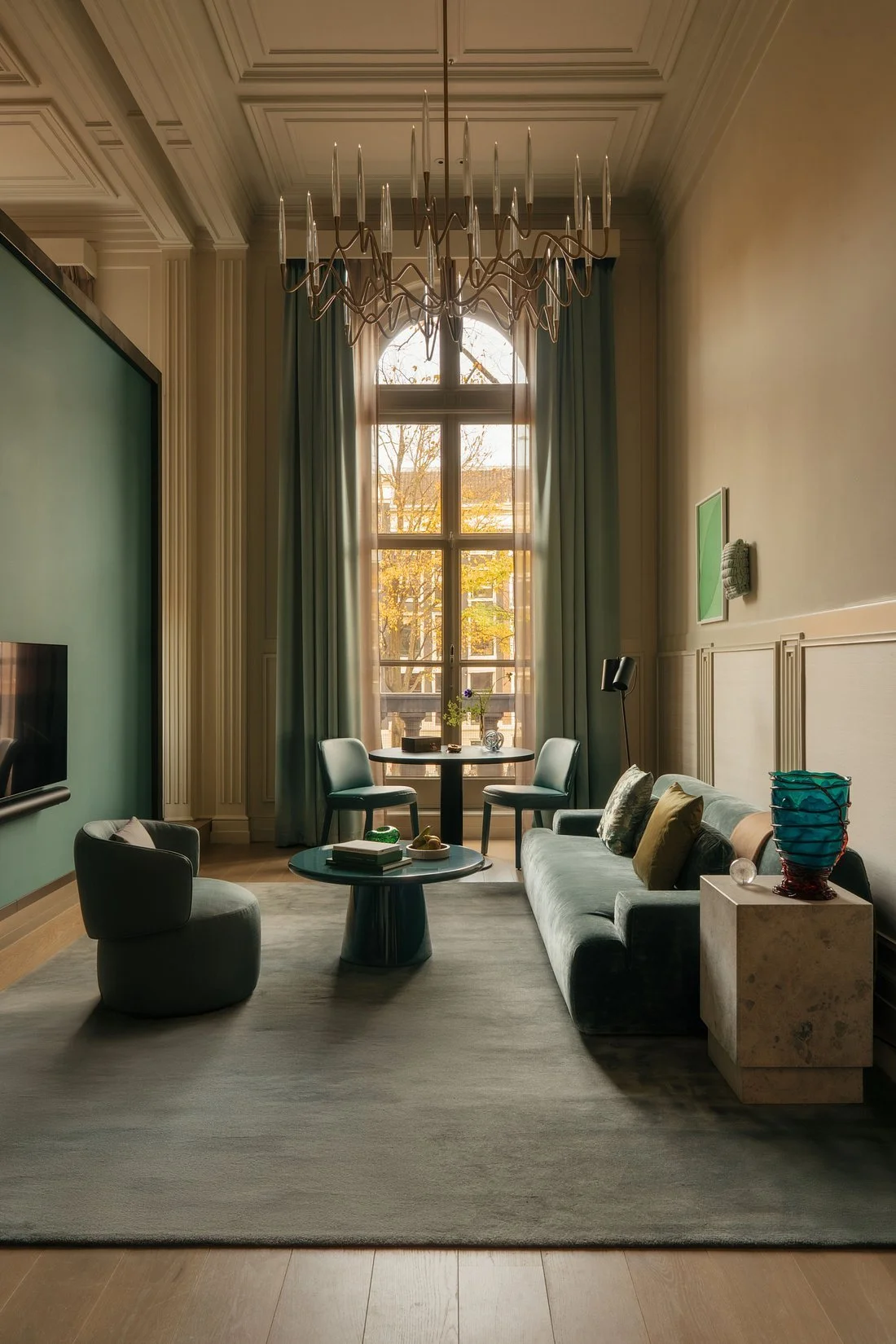
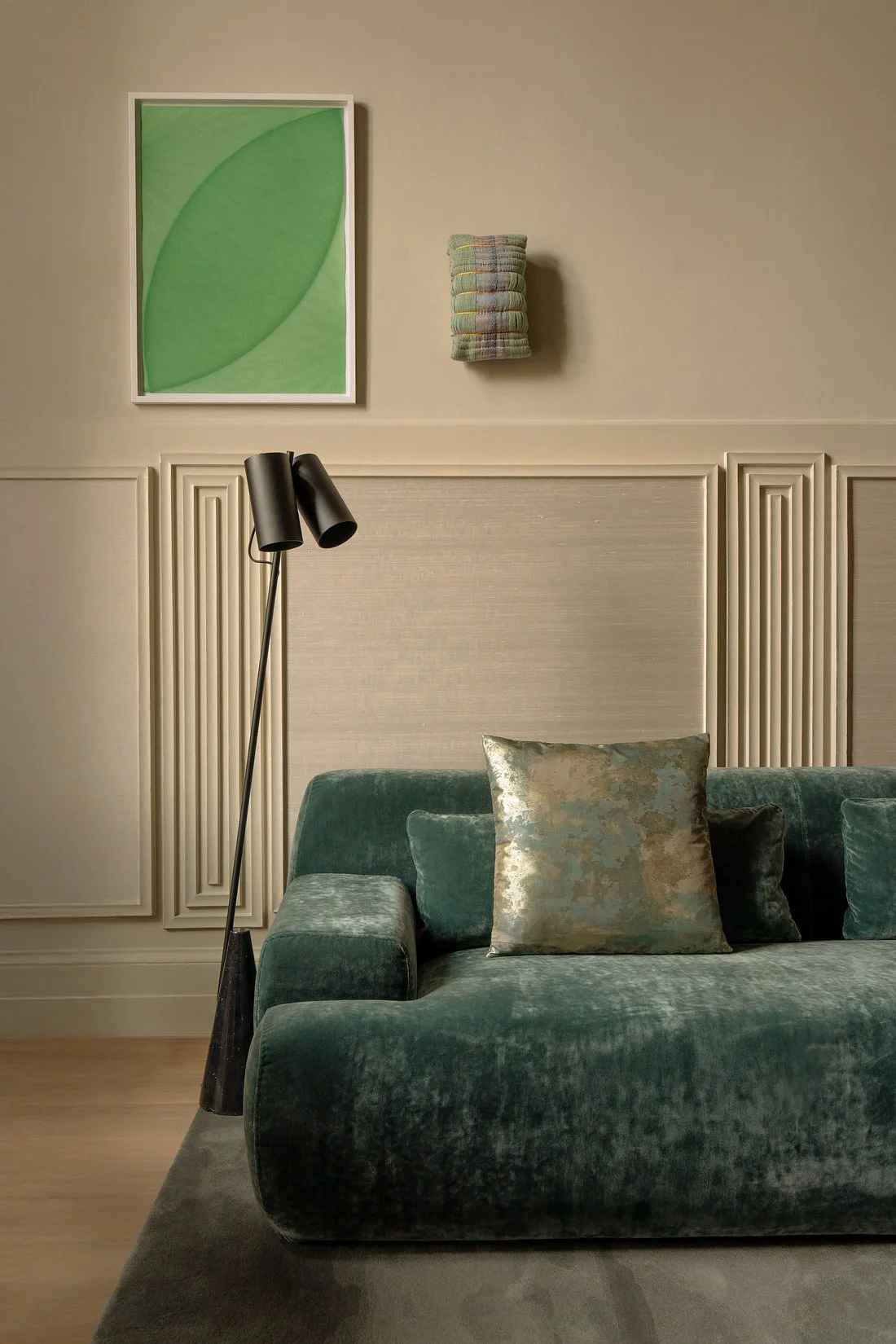
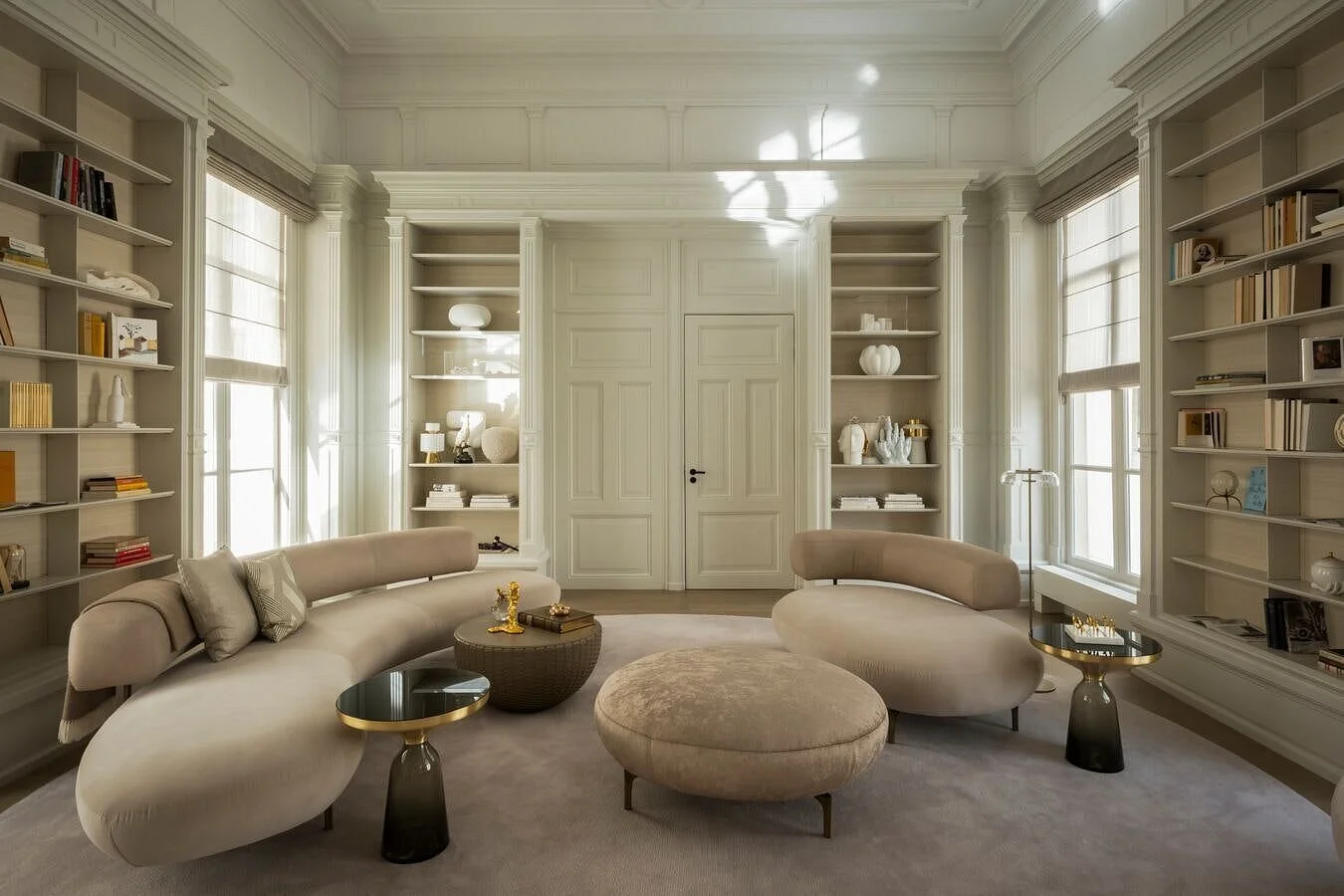
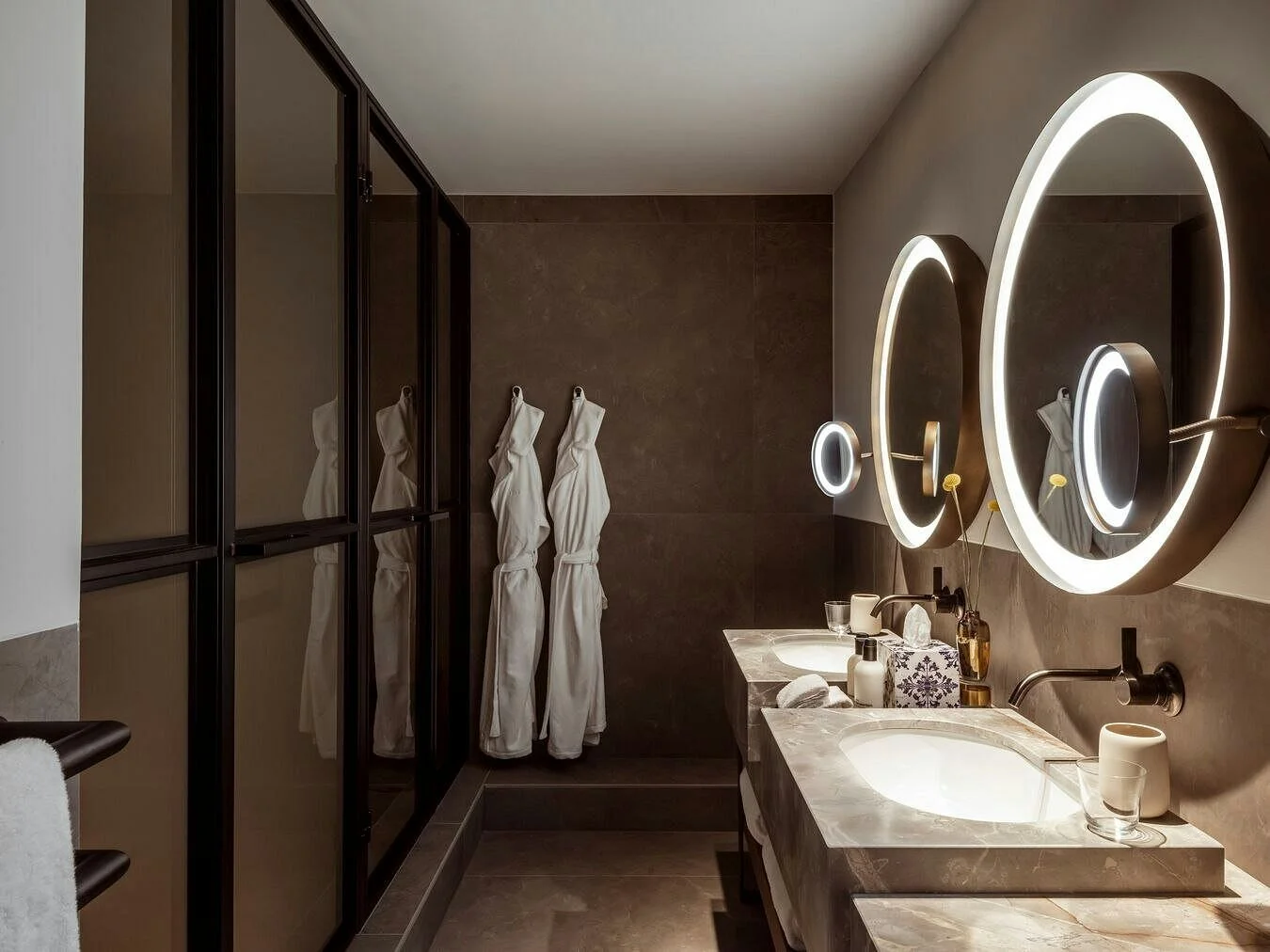
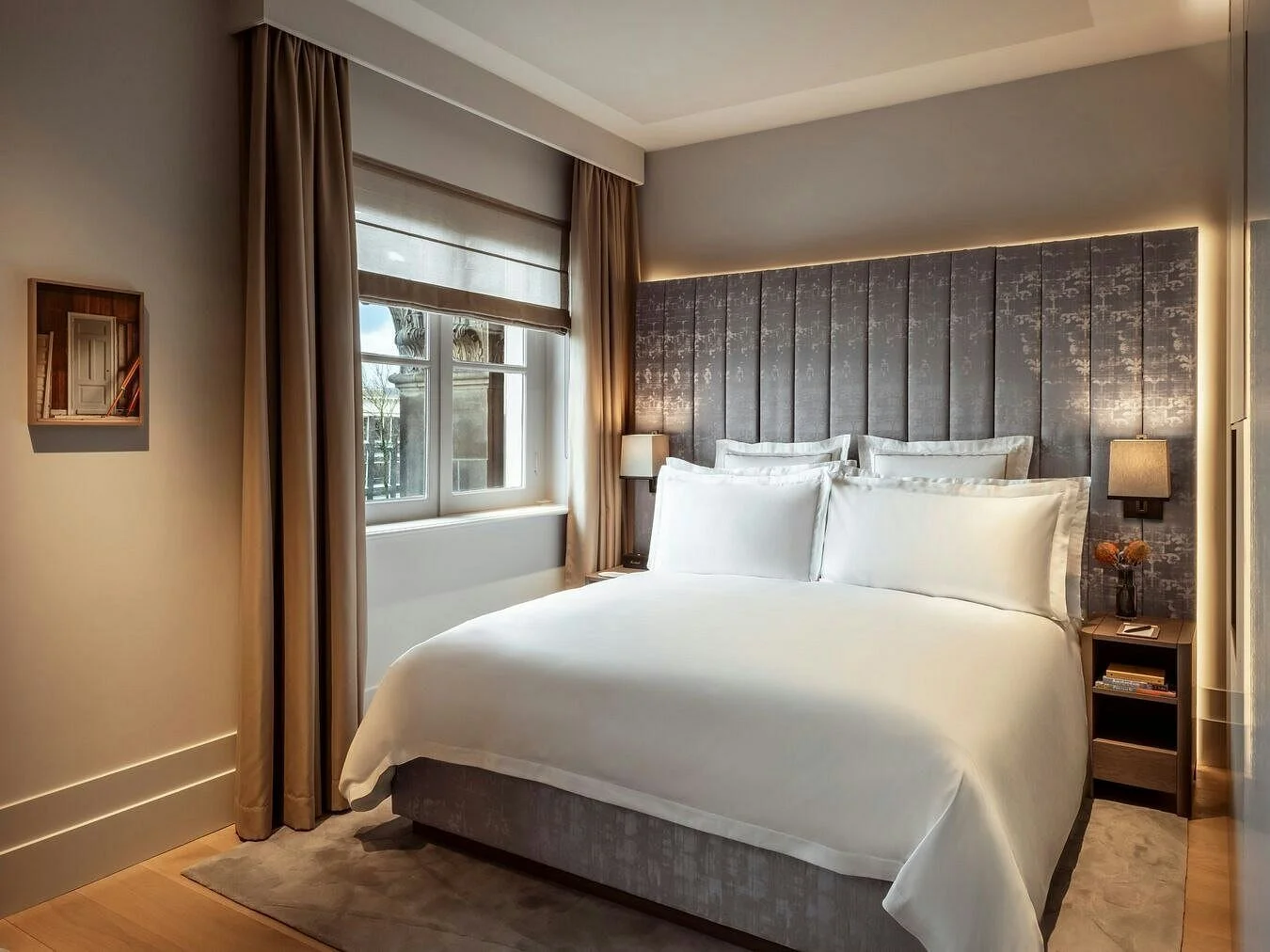
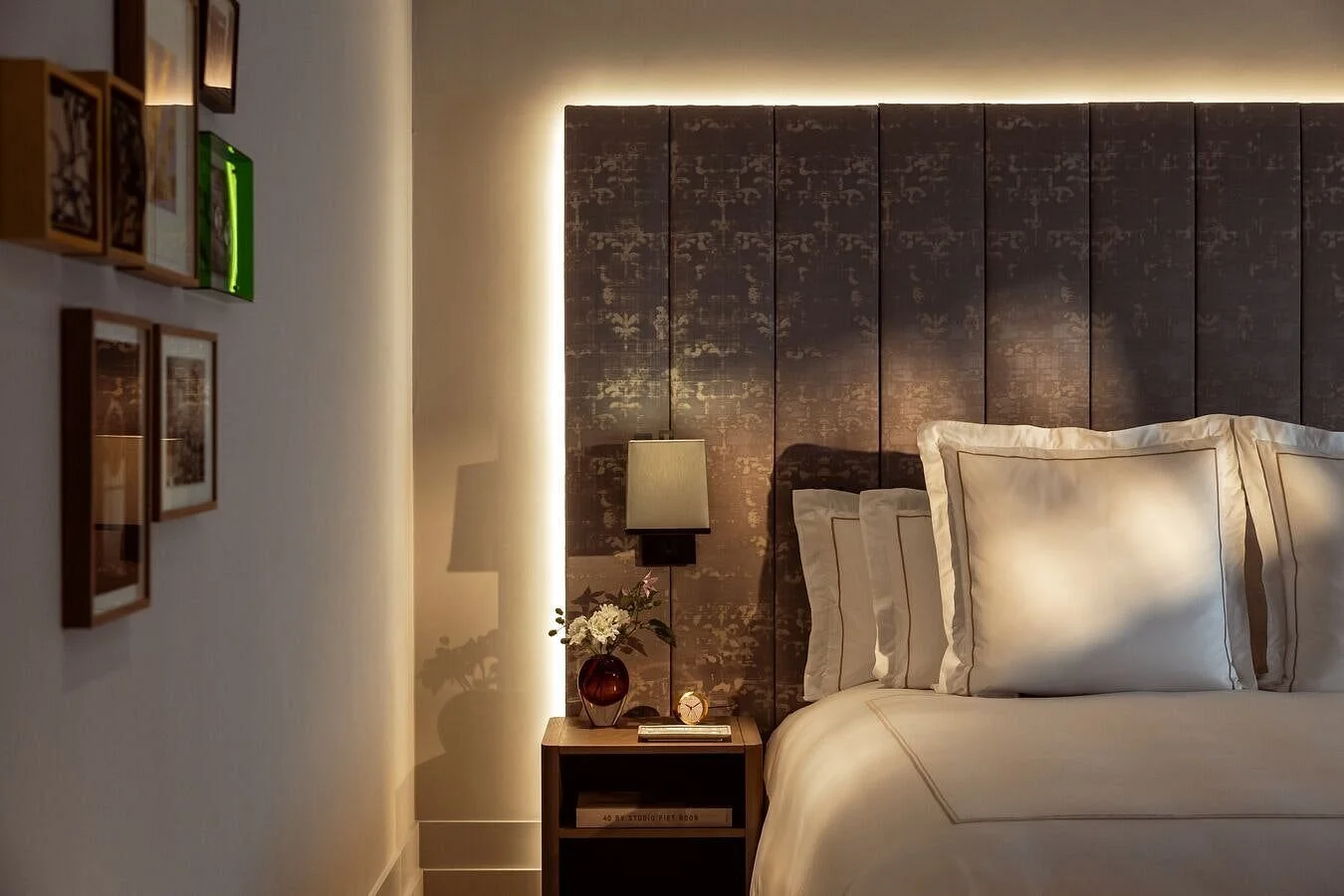
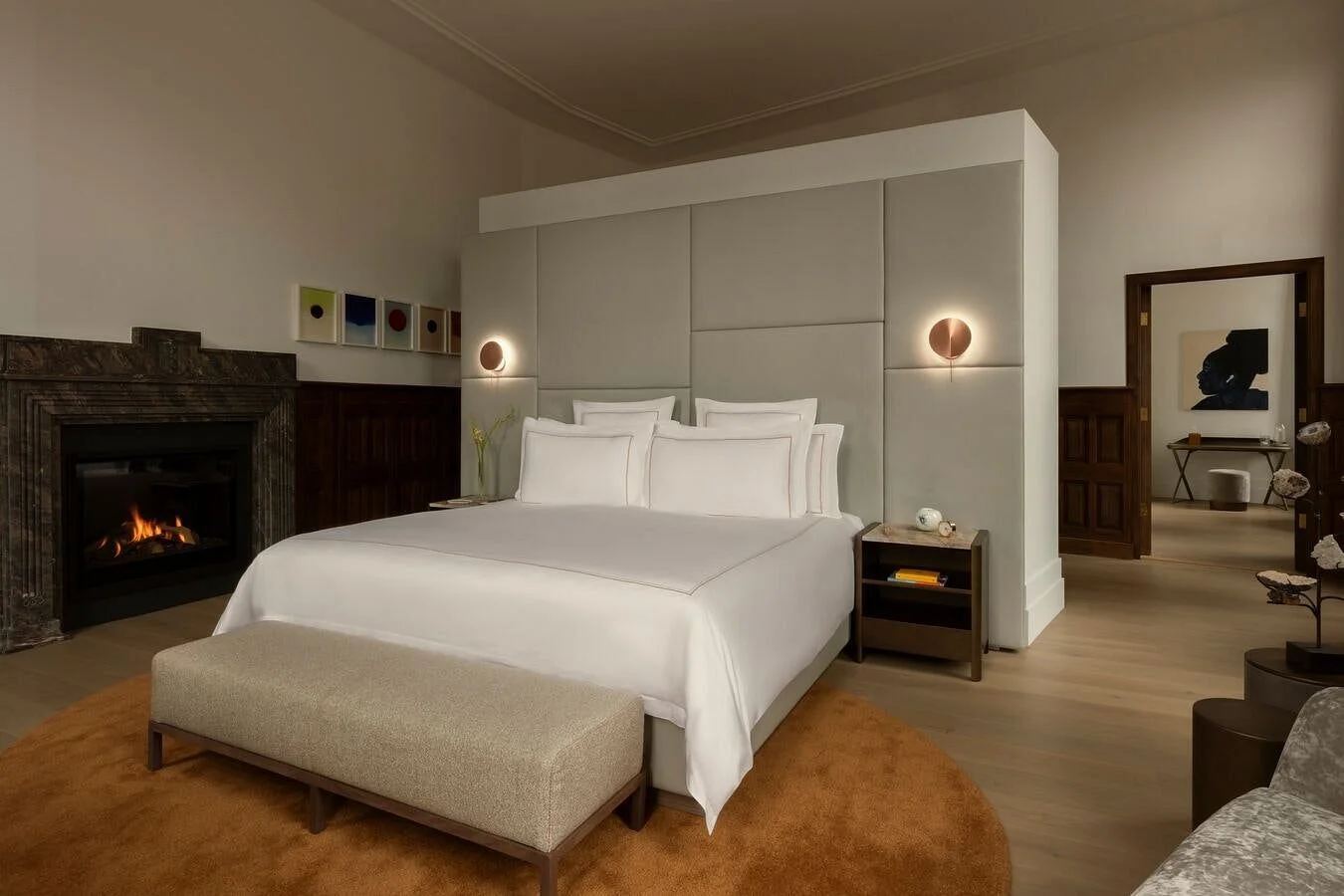
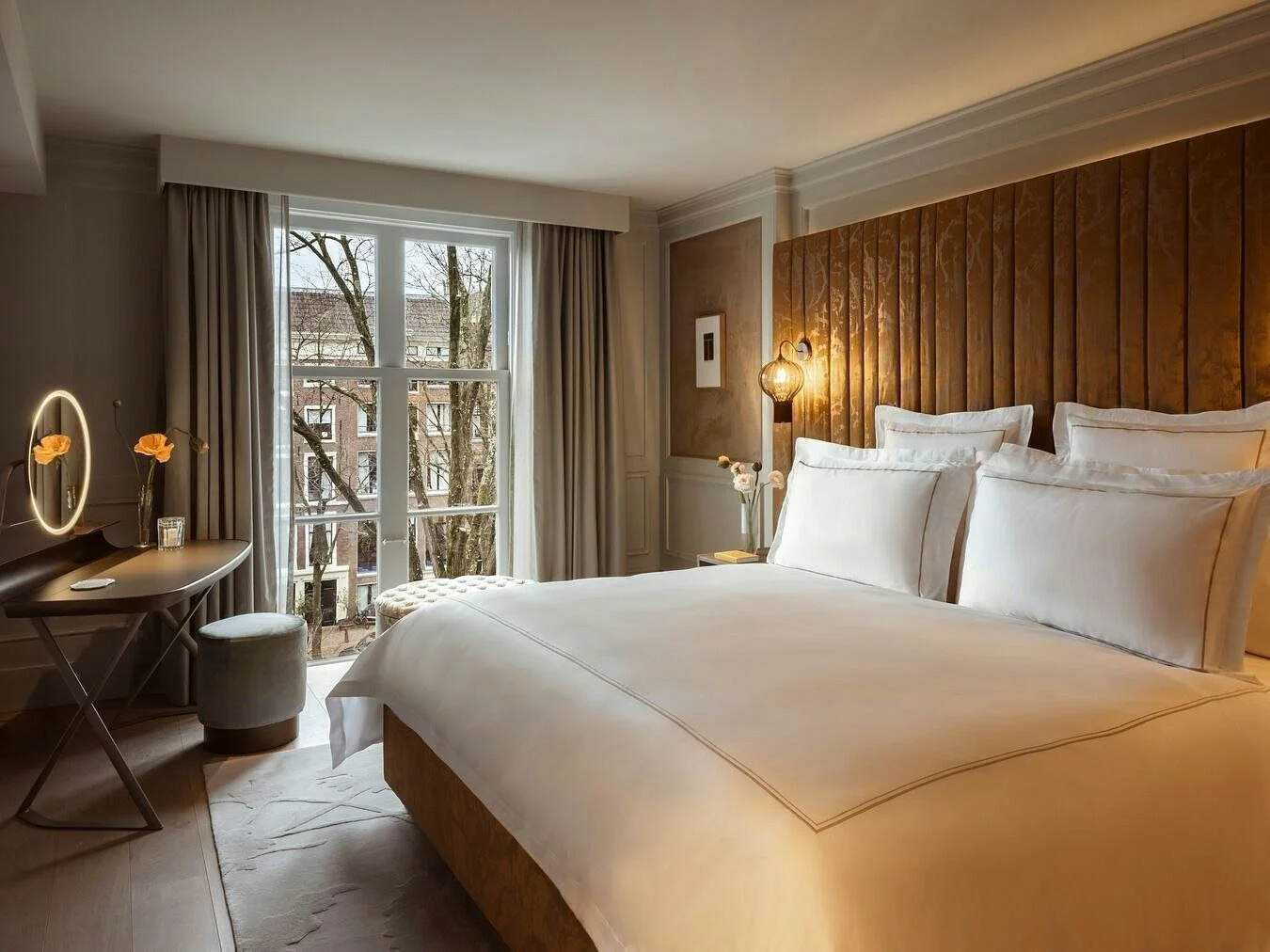
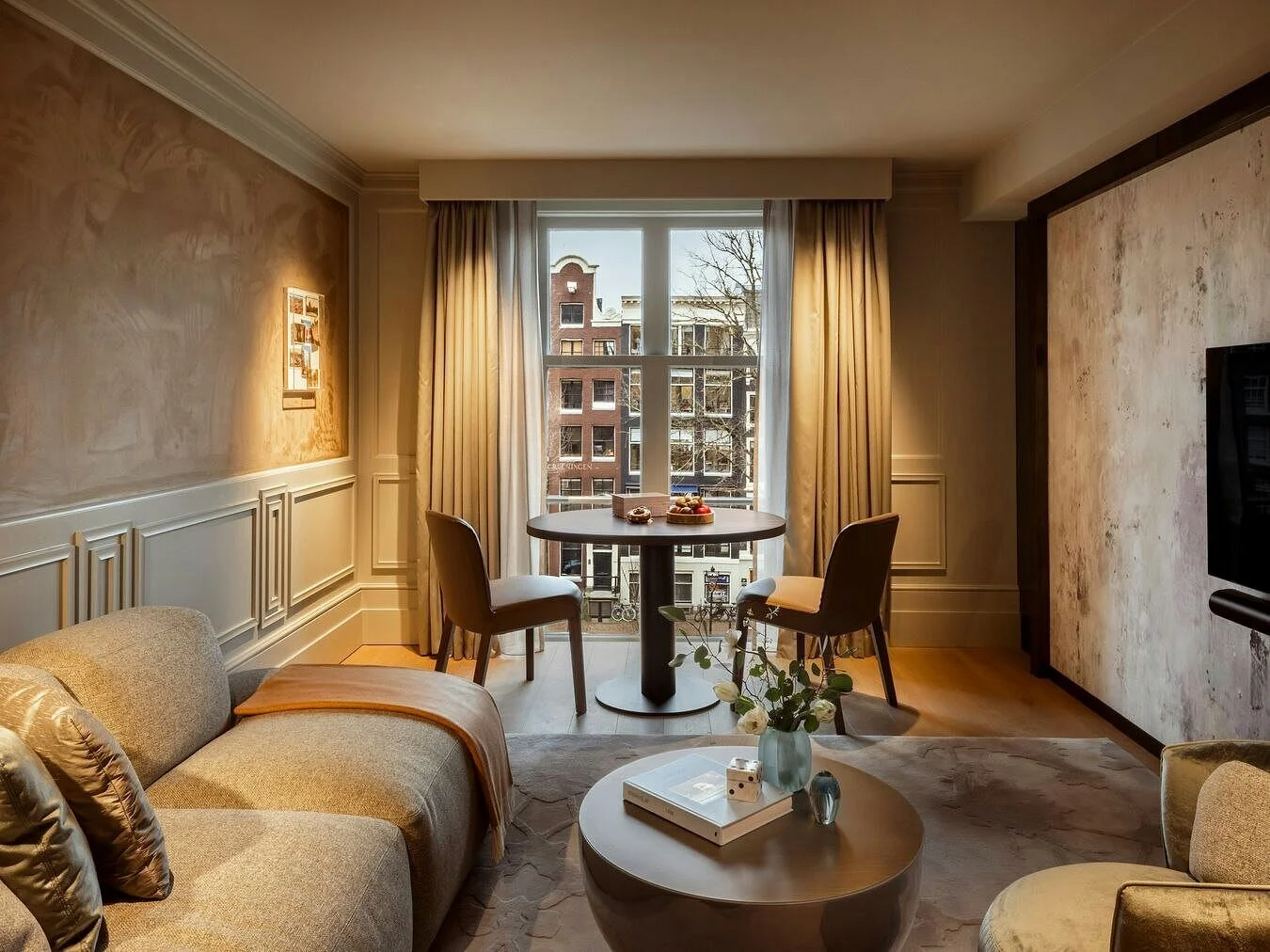
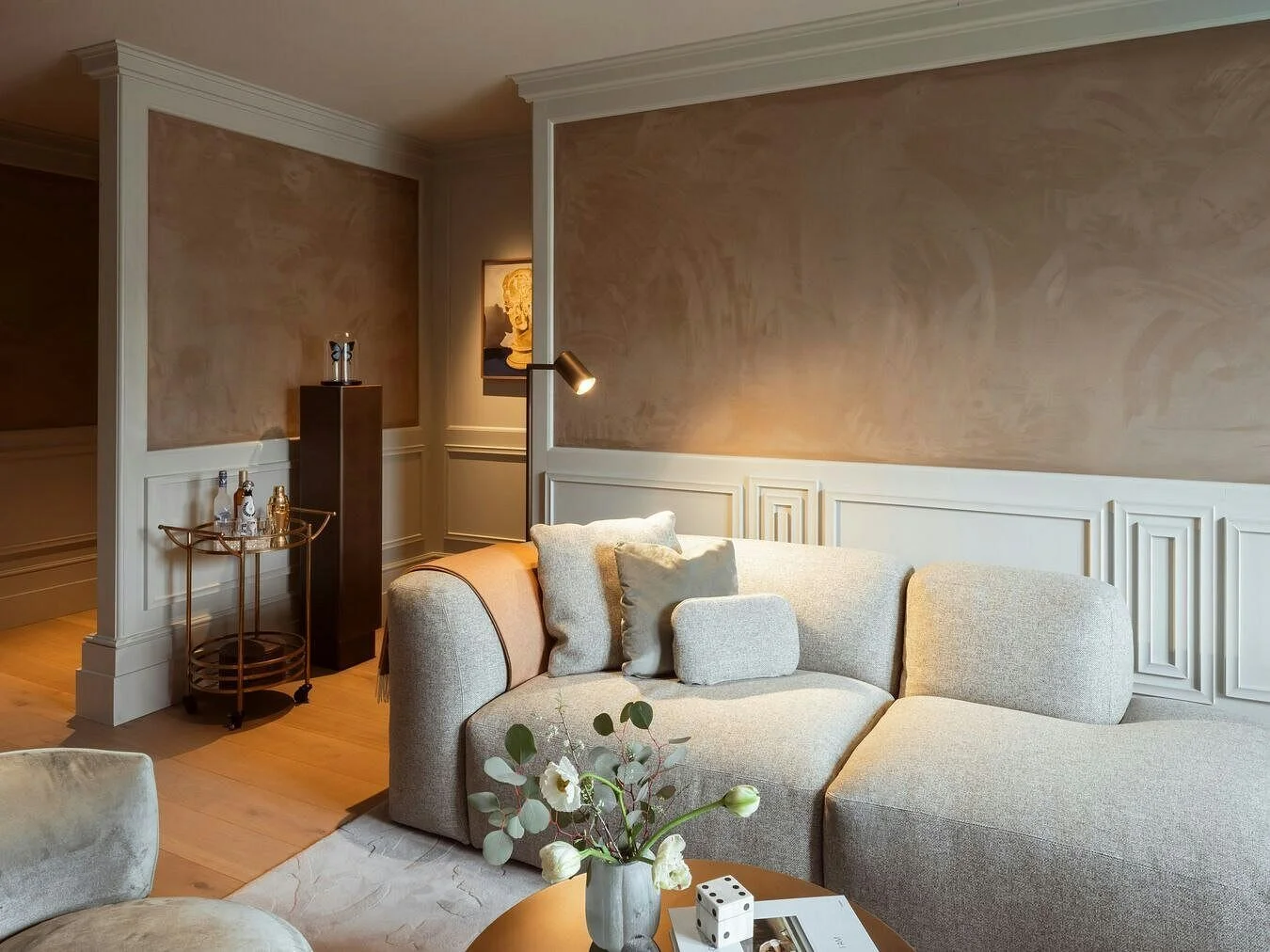
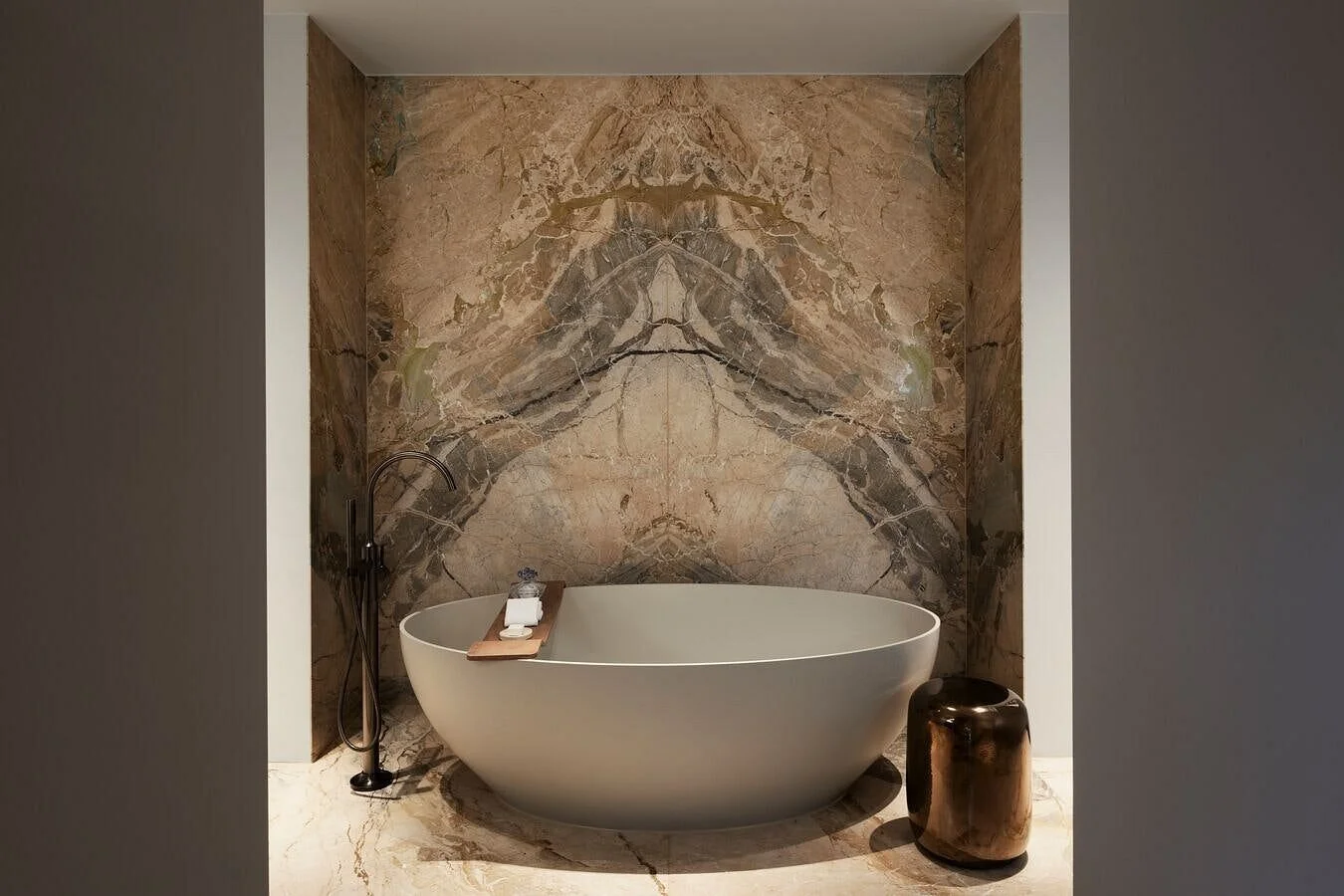
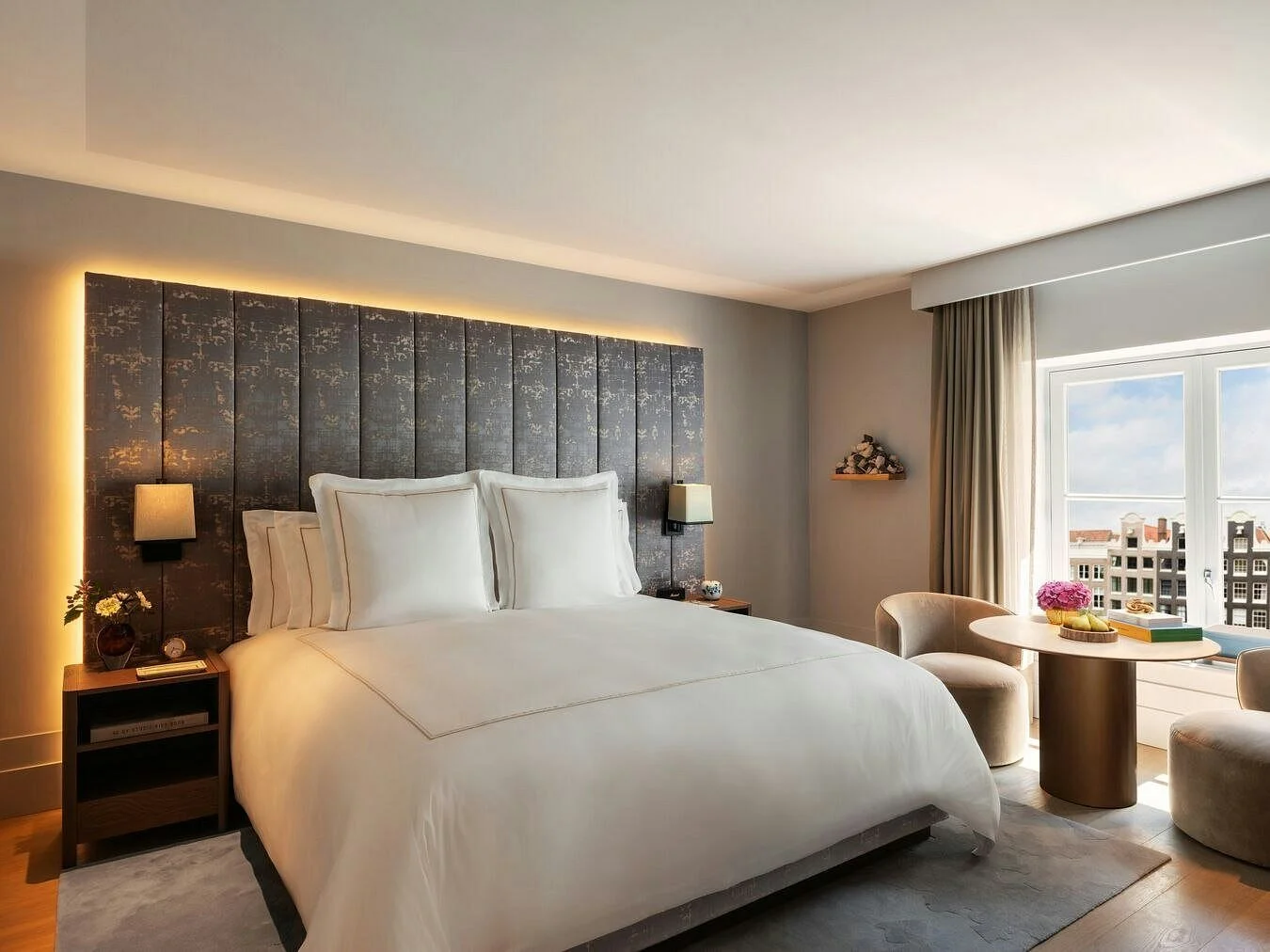
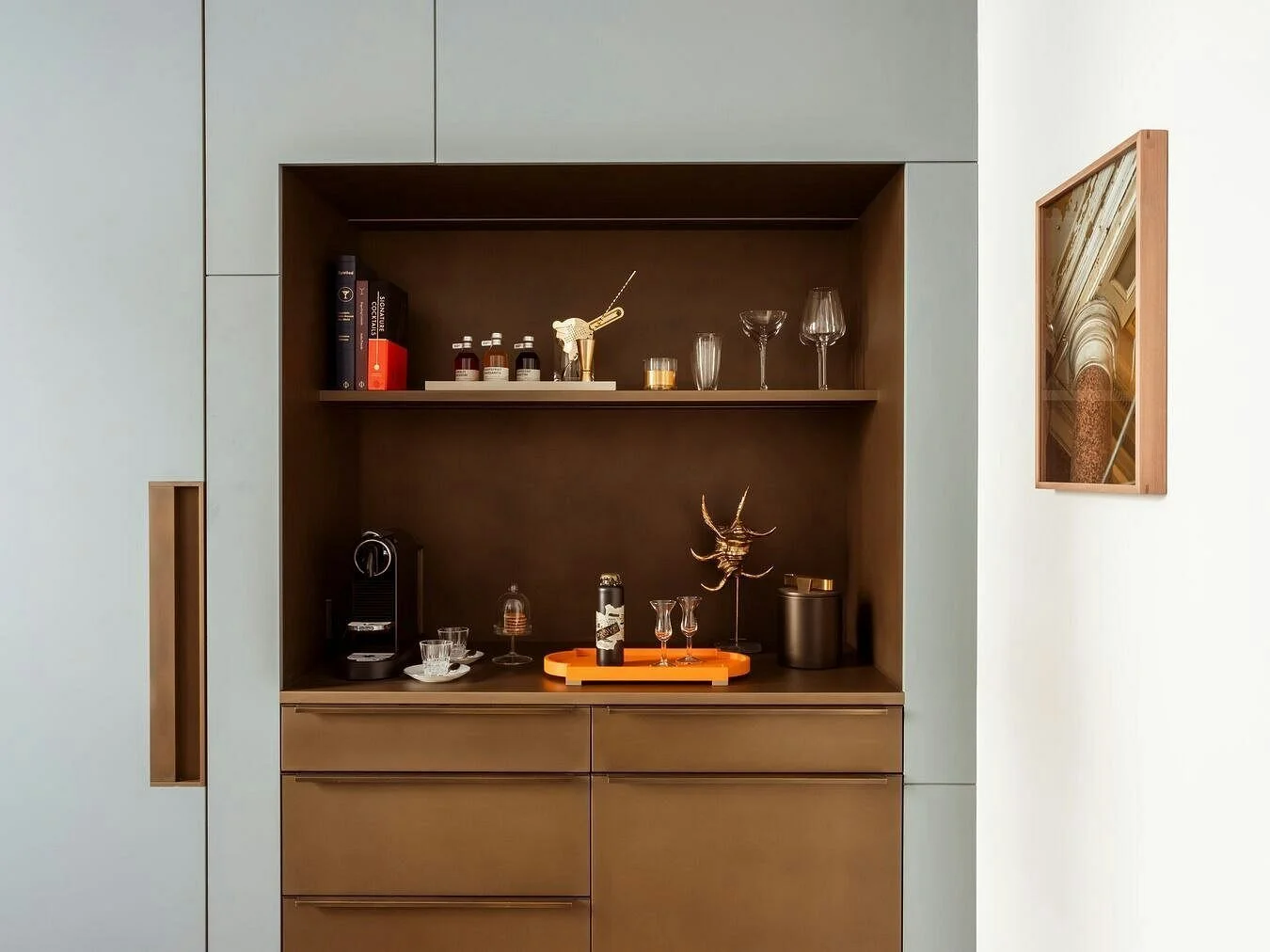
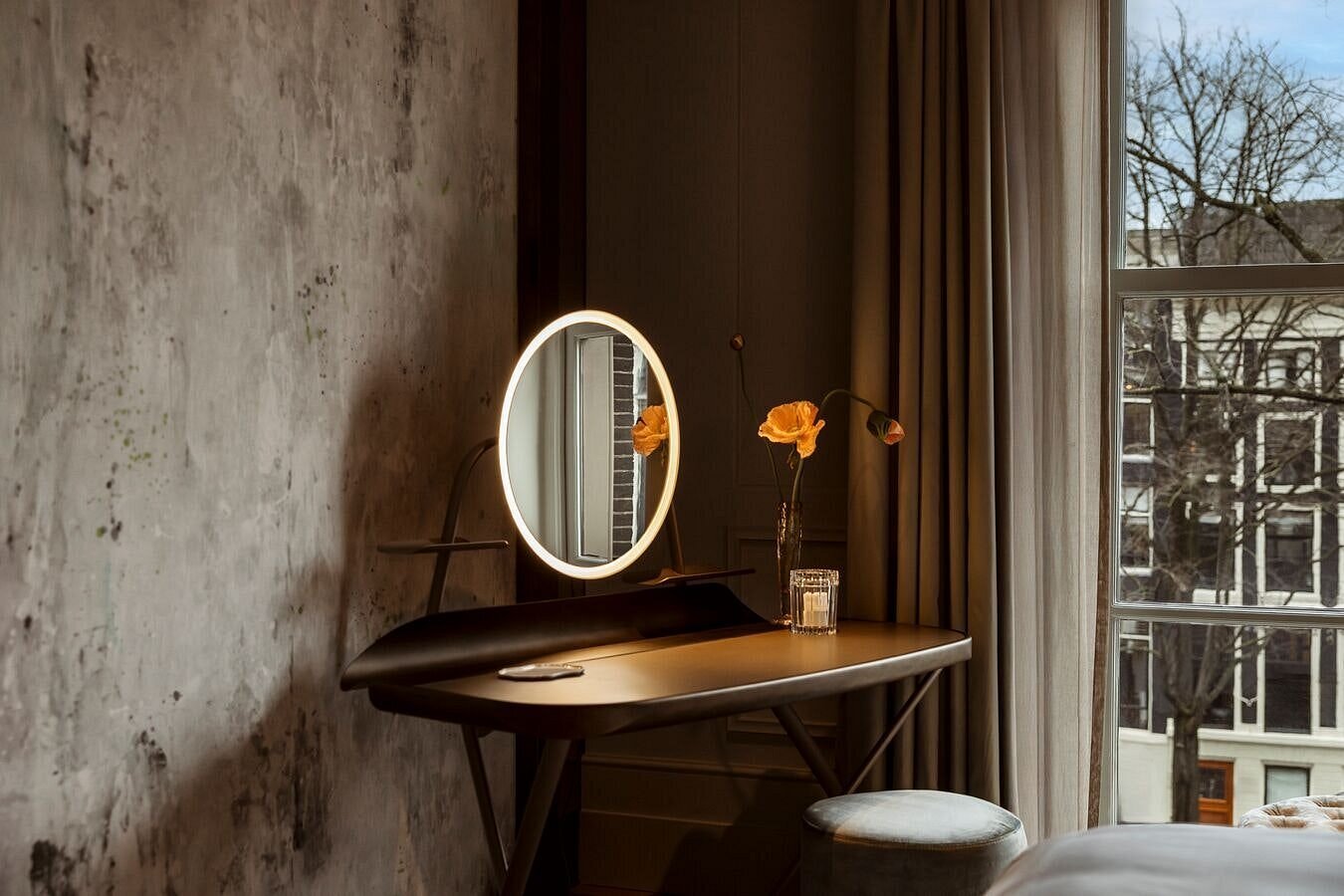
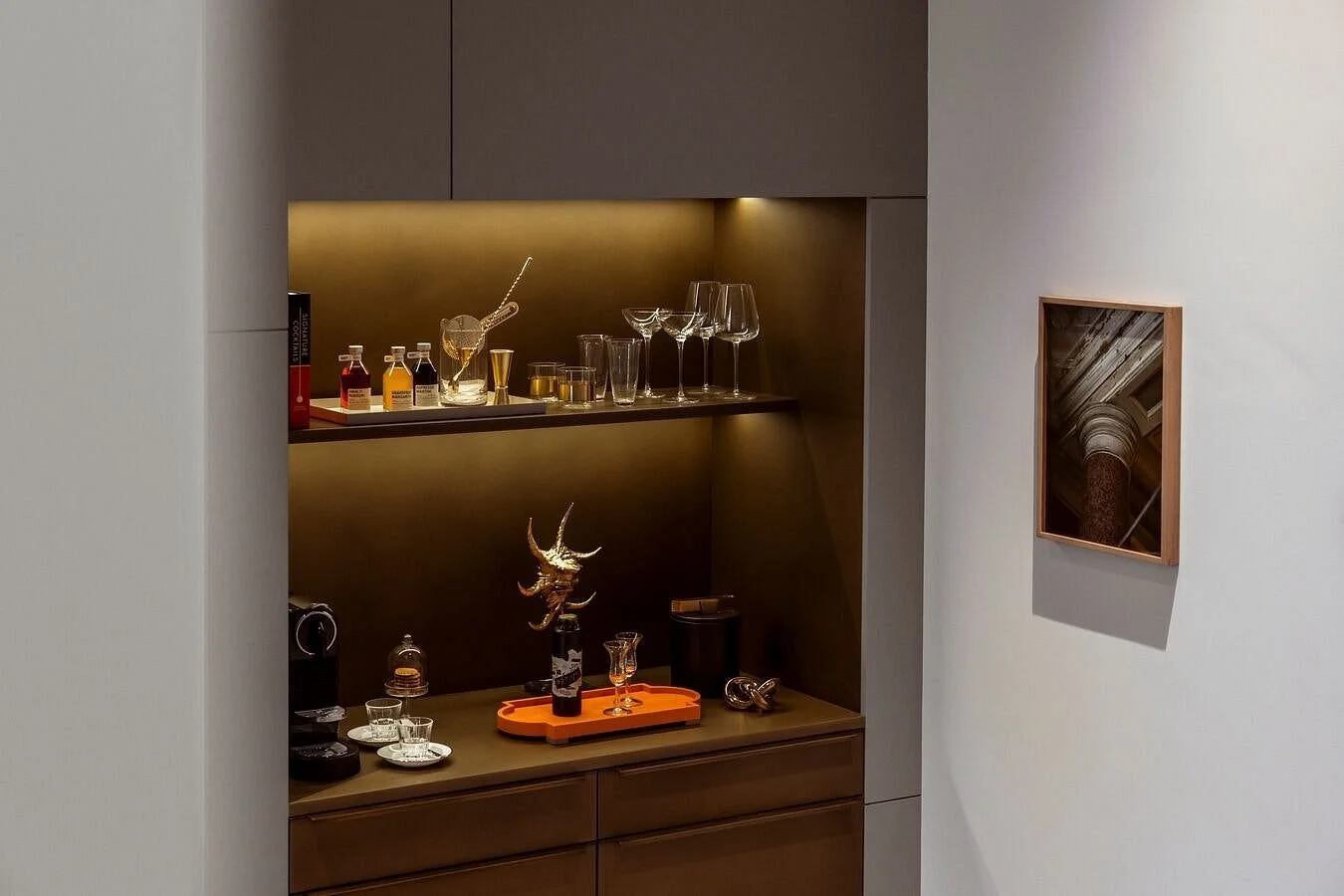
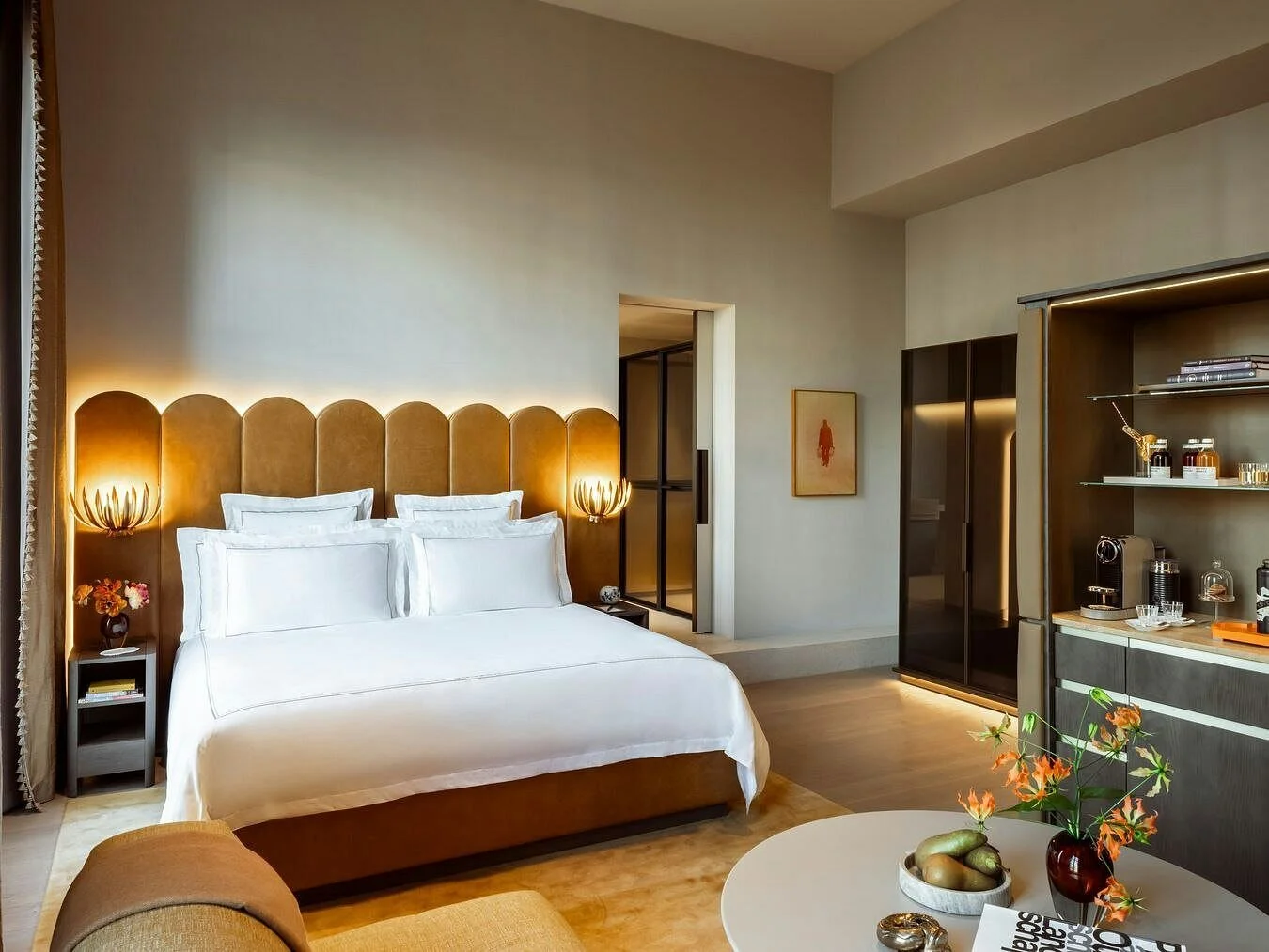
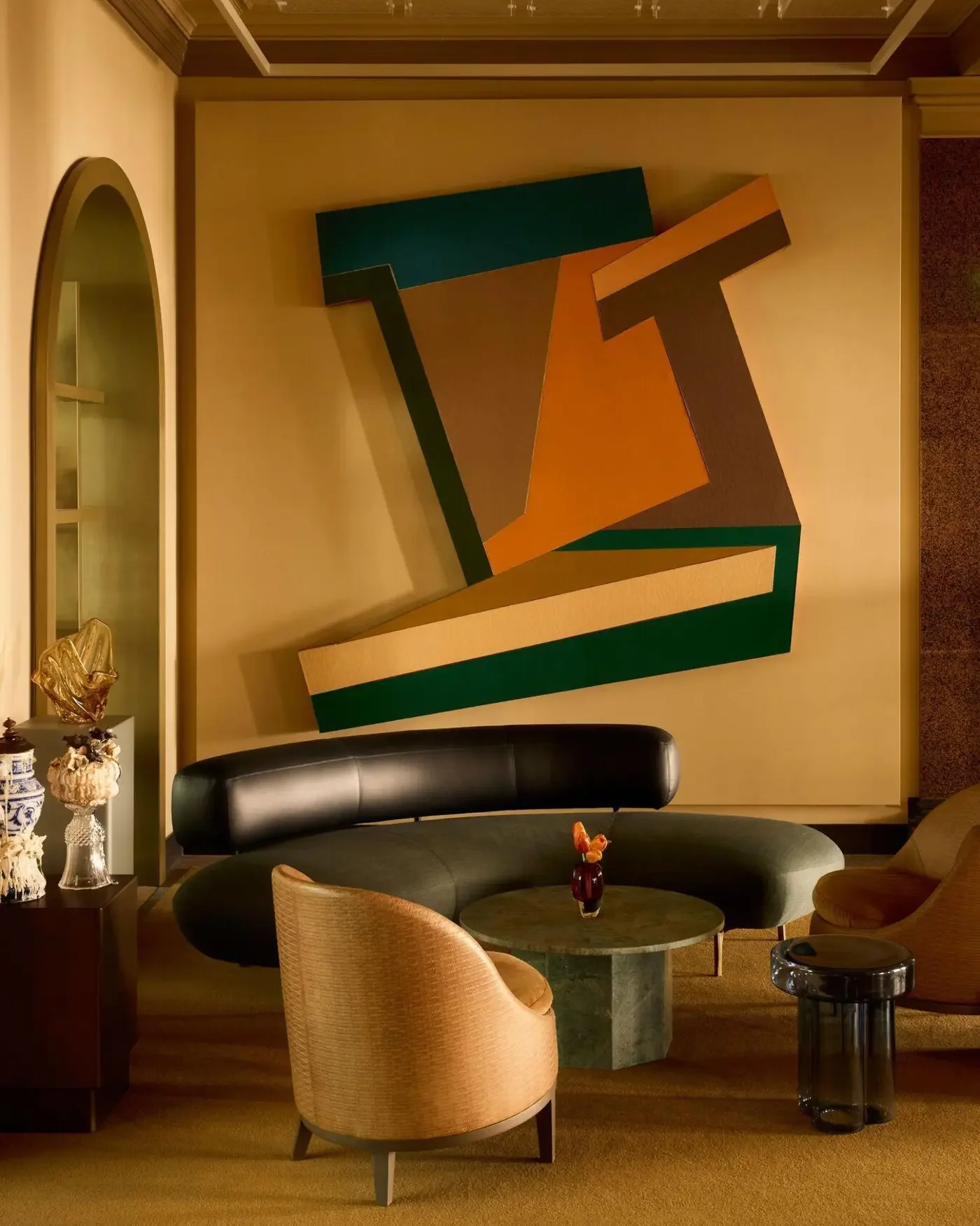
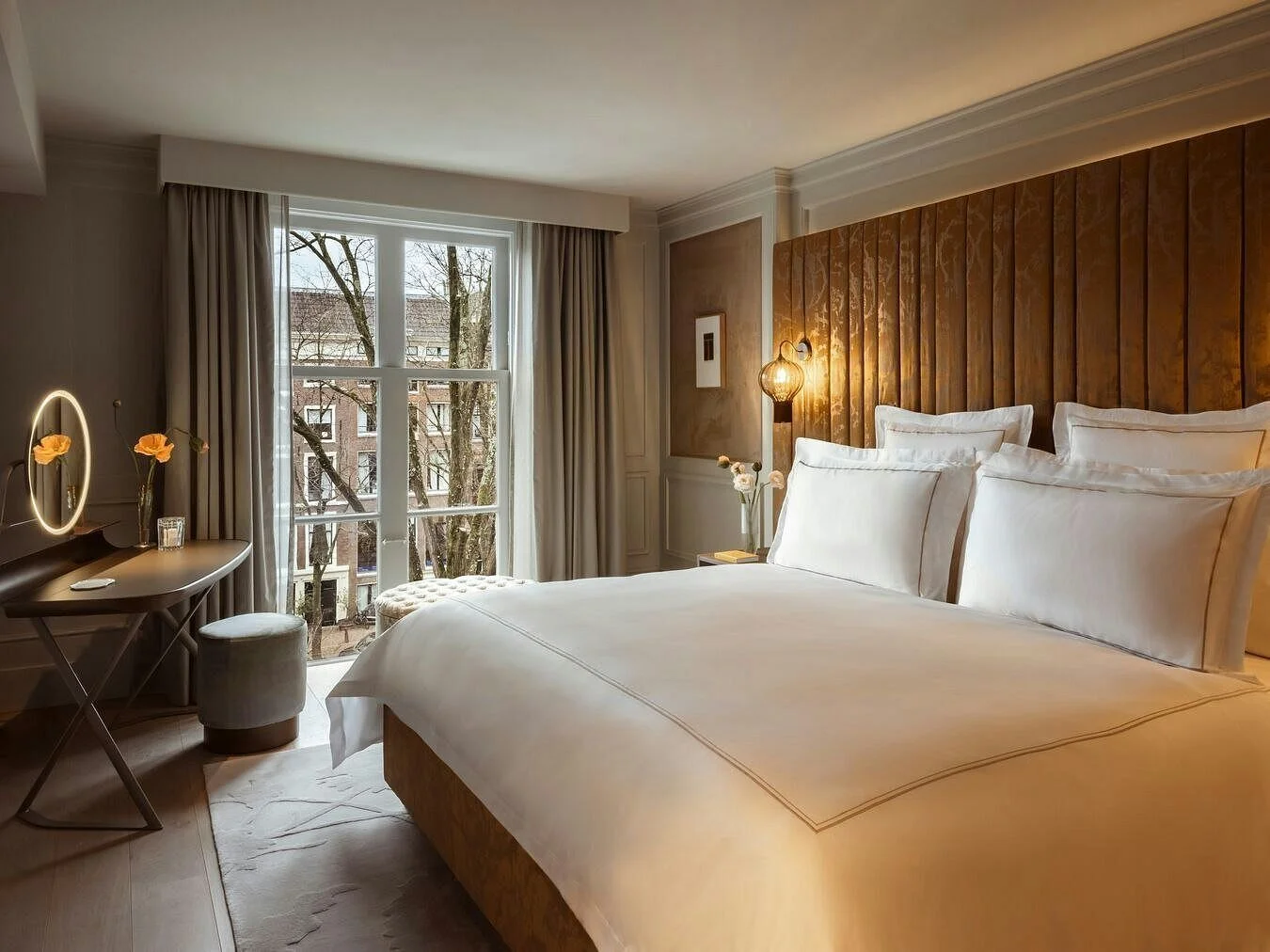
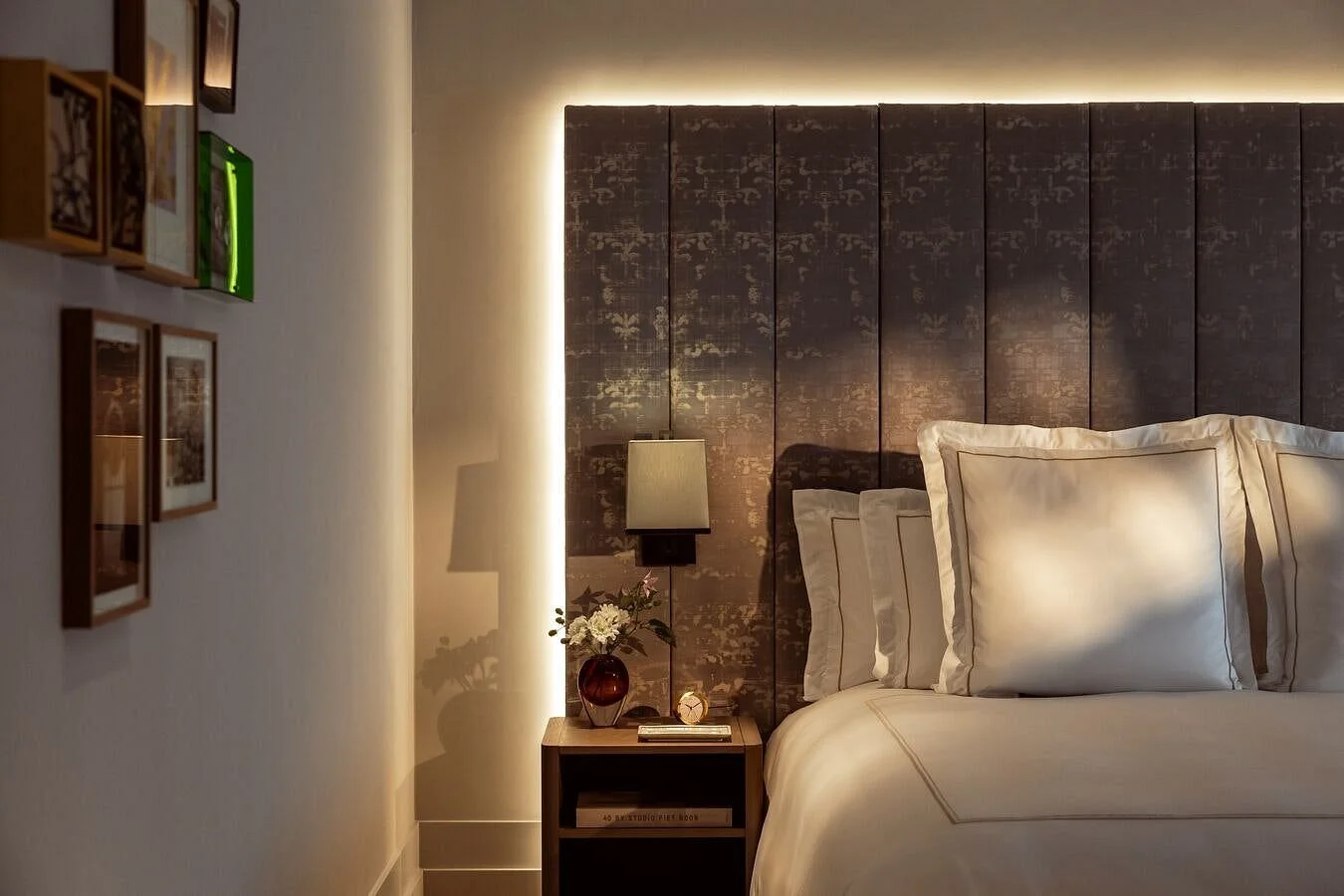
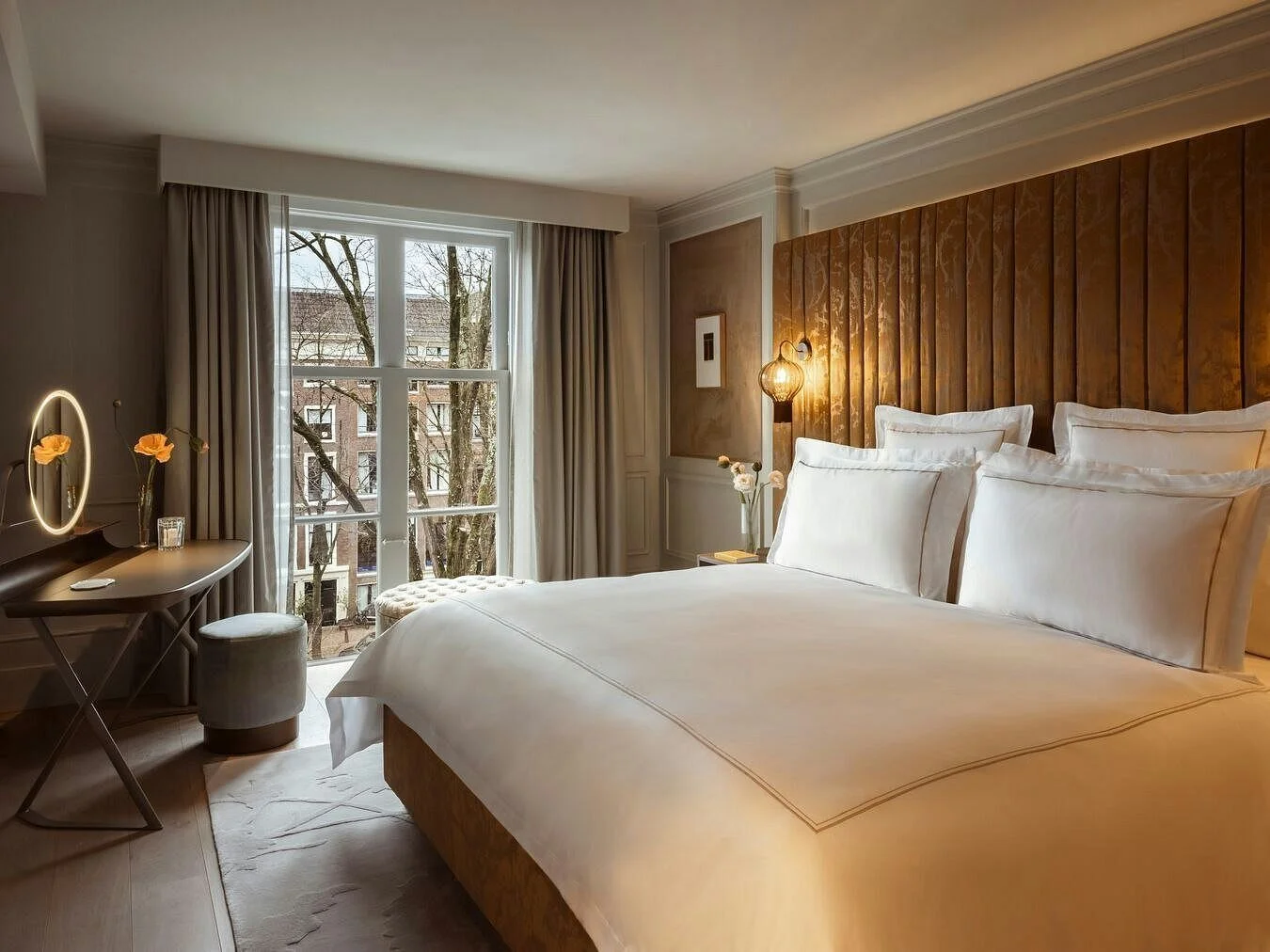
Materials play an important role. Oak paneling, bronze accents, natural stone and layered textiles are set against original 19th-century elements including granite columns and ornate door surrounds. In some places, references to the judicial past are deliberately subtle: pleated headboards, for example, draw inspiration from the collars traditionally associated with judges.
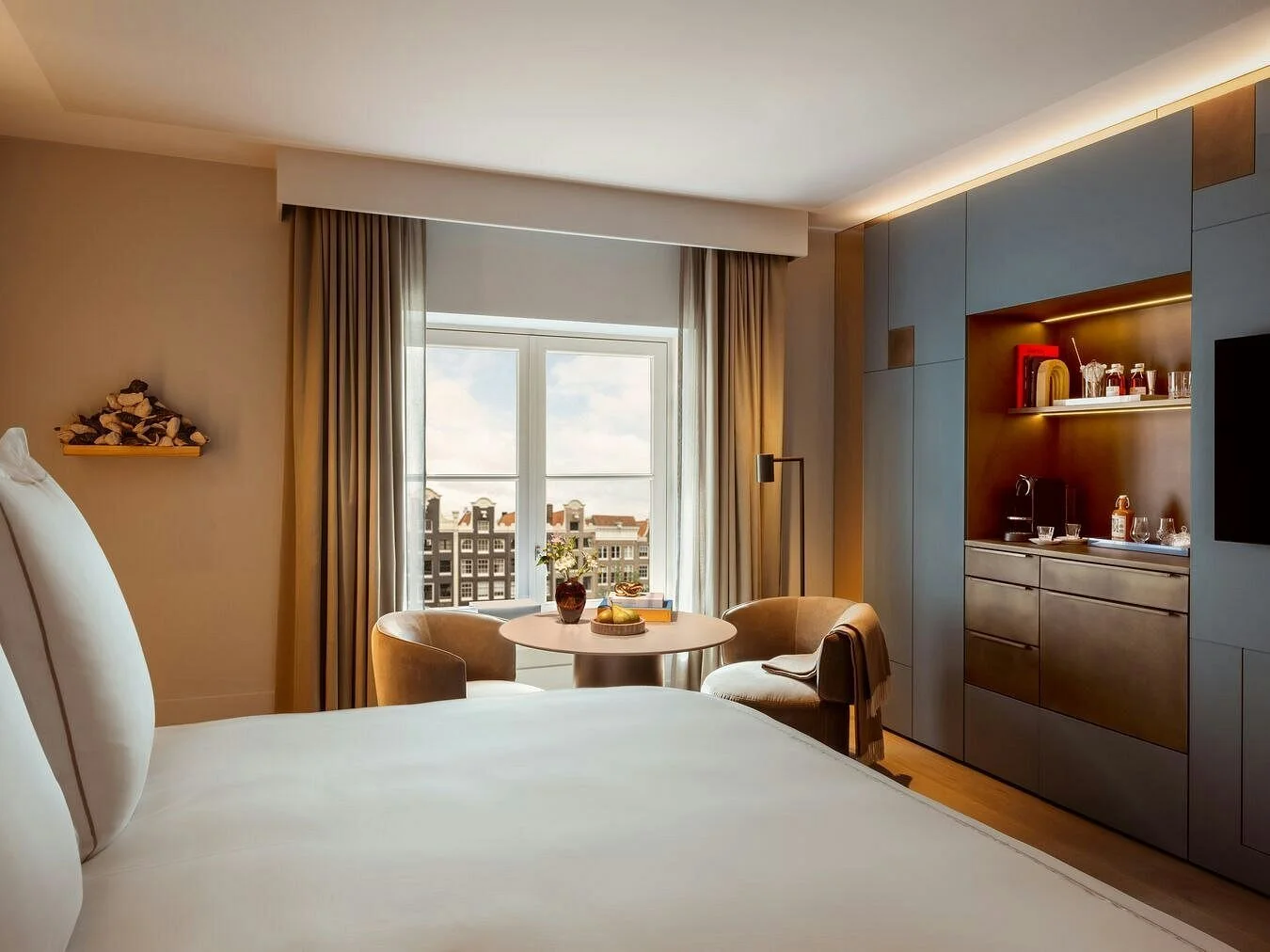
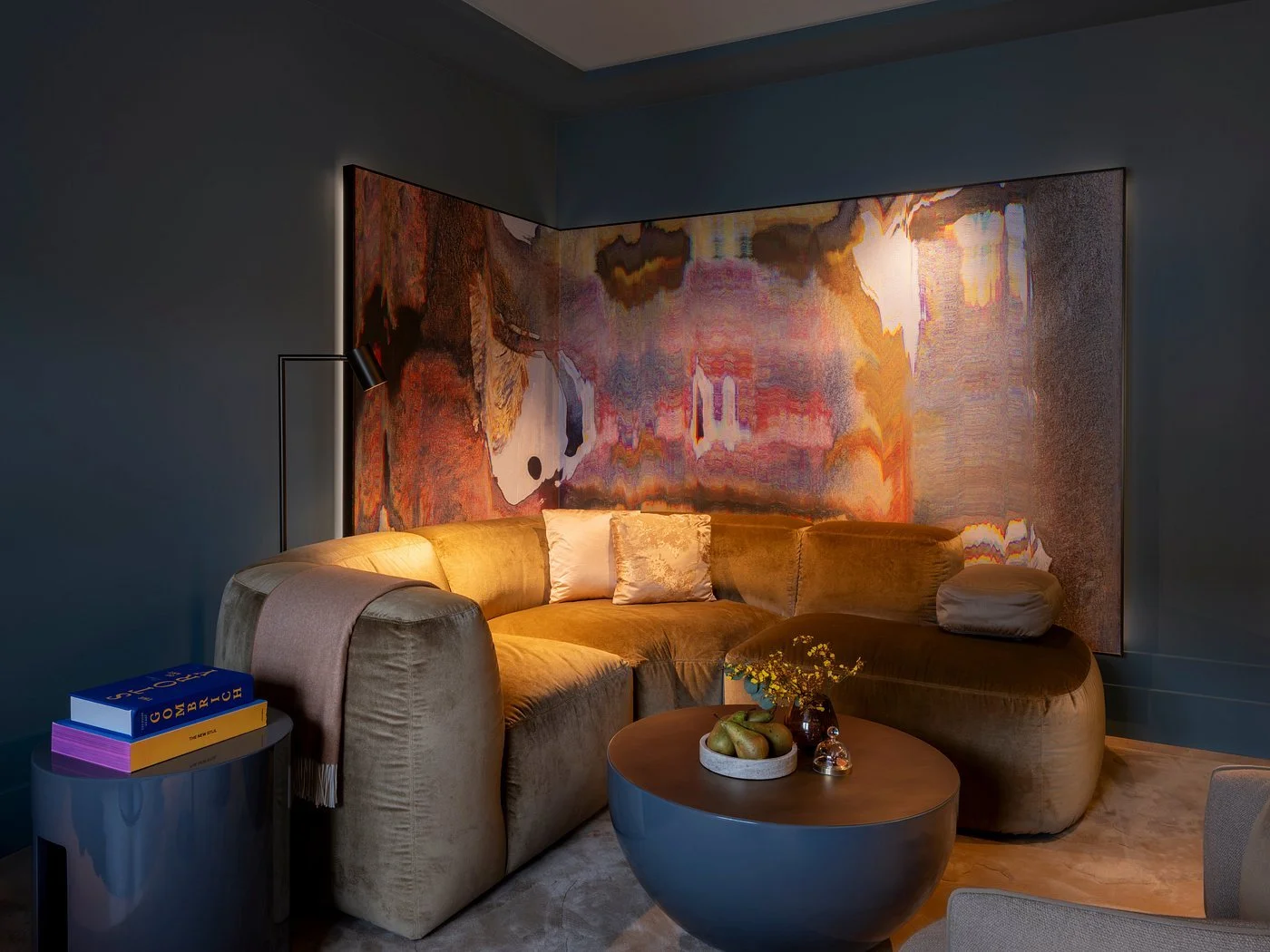
Color is equally restrained. Rich greys, deep blues and warmer neutral tones echo the changing Dutch sky, while individual rooms are differentiated through art, decorative objects and variations in layout.
No two guestrooms are entirely identical.
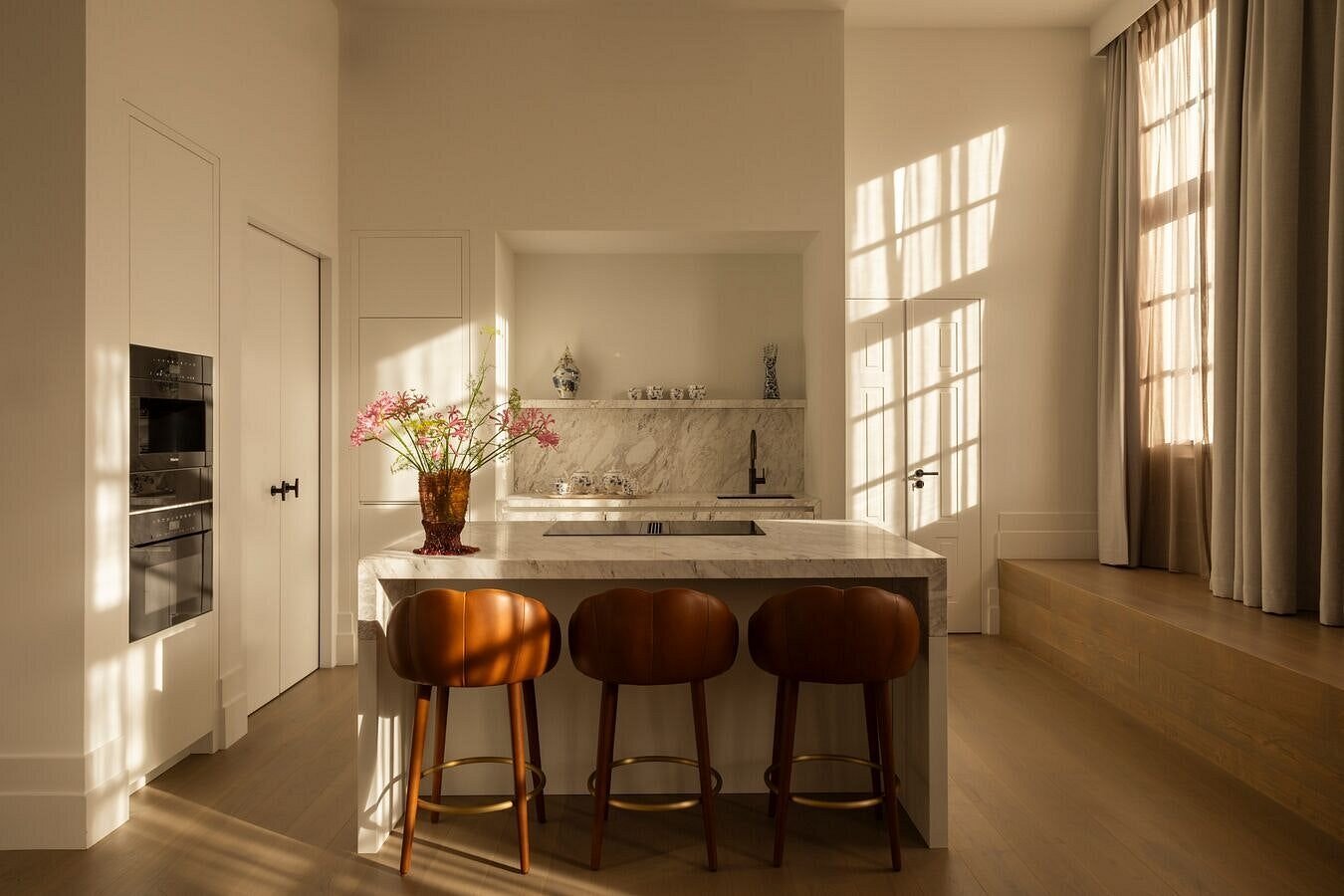
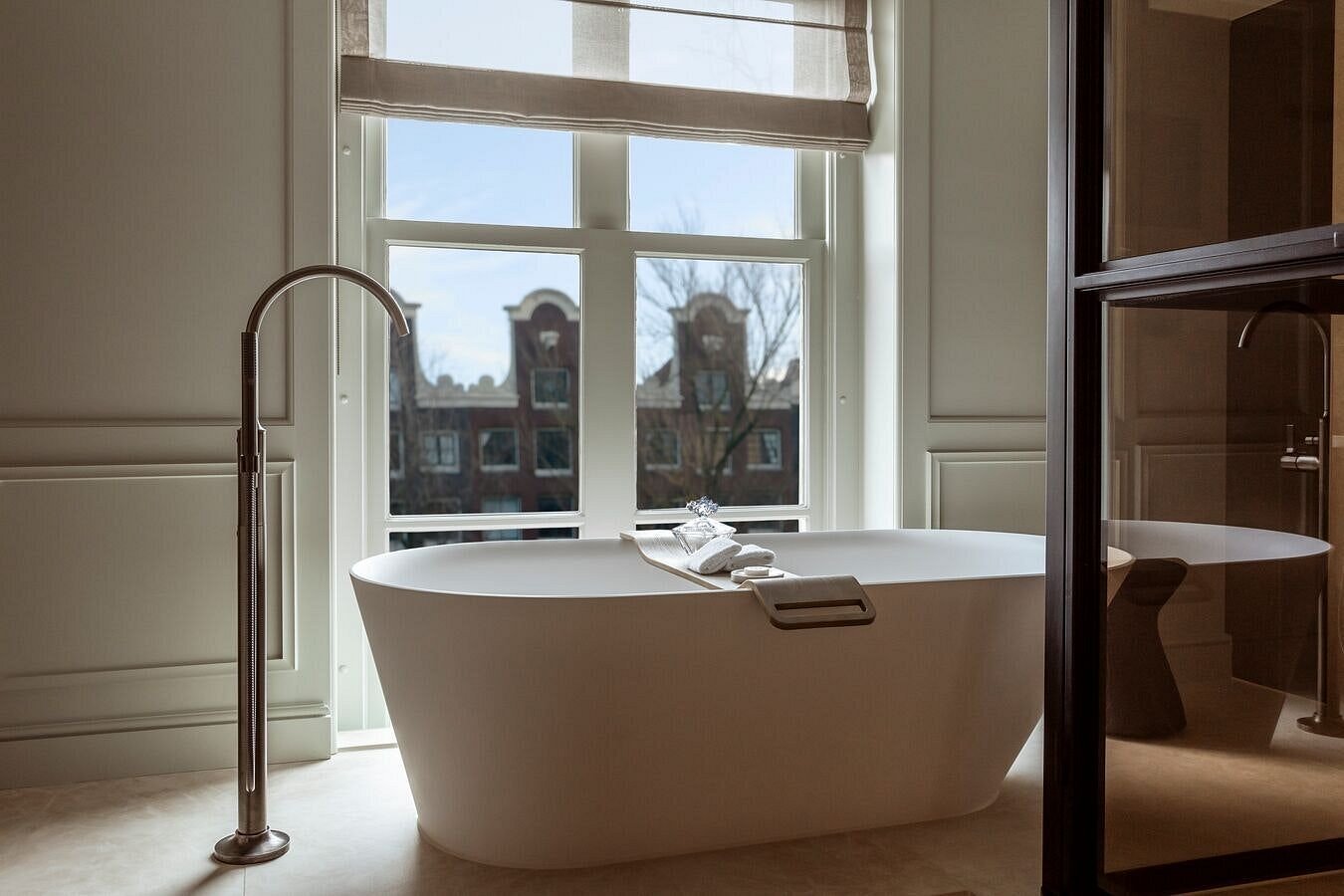
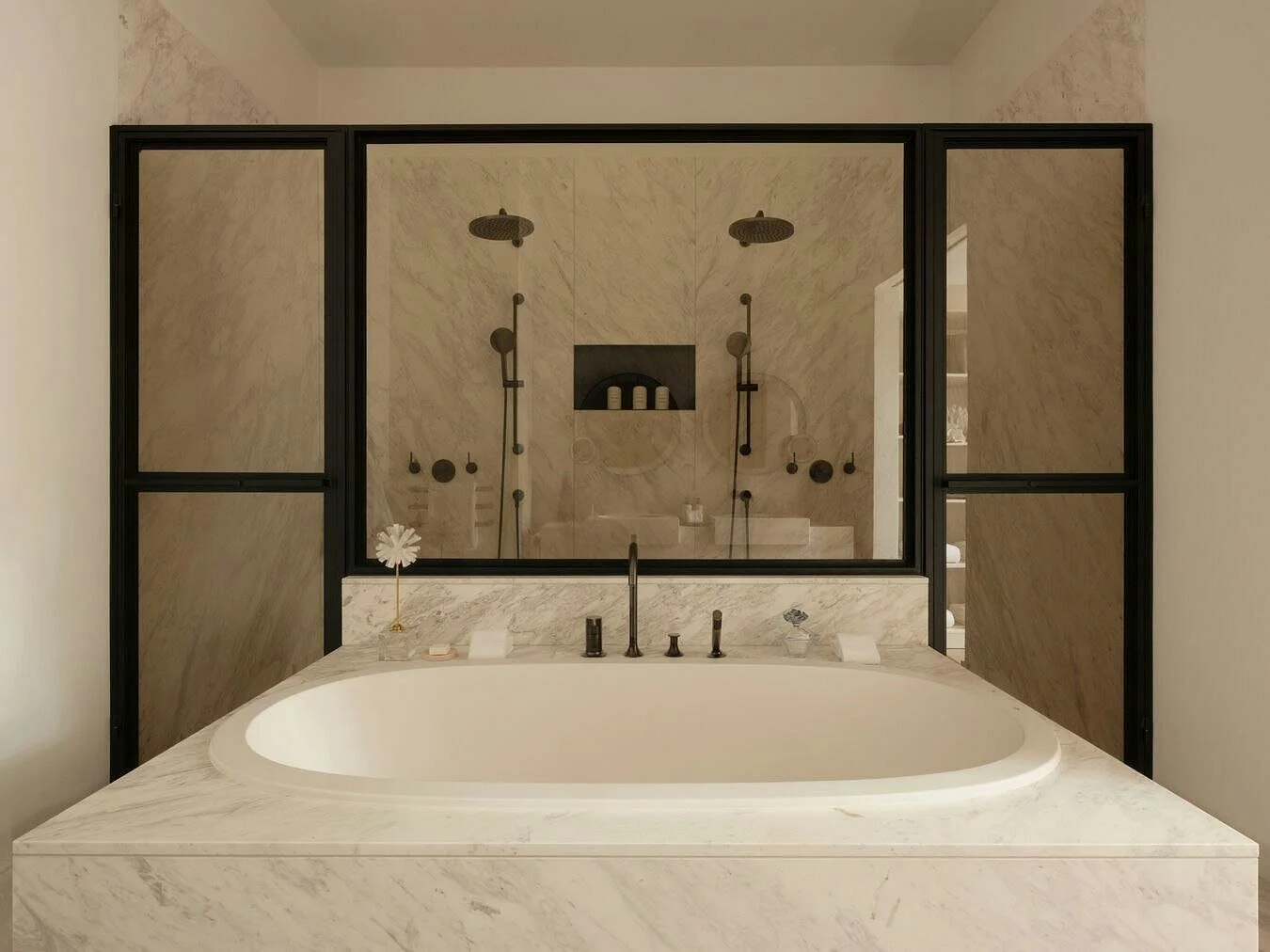
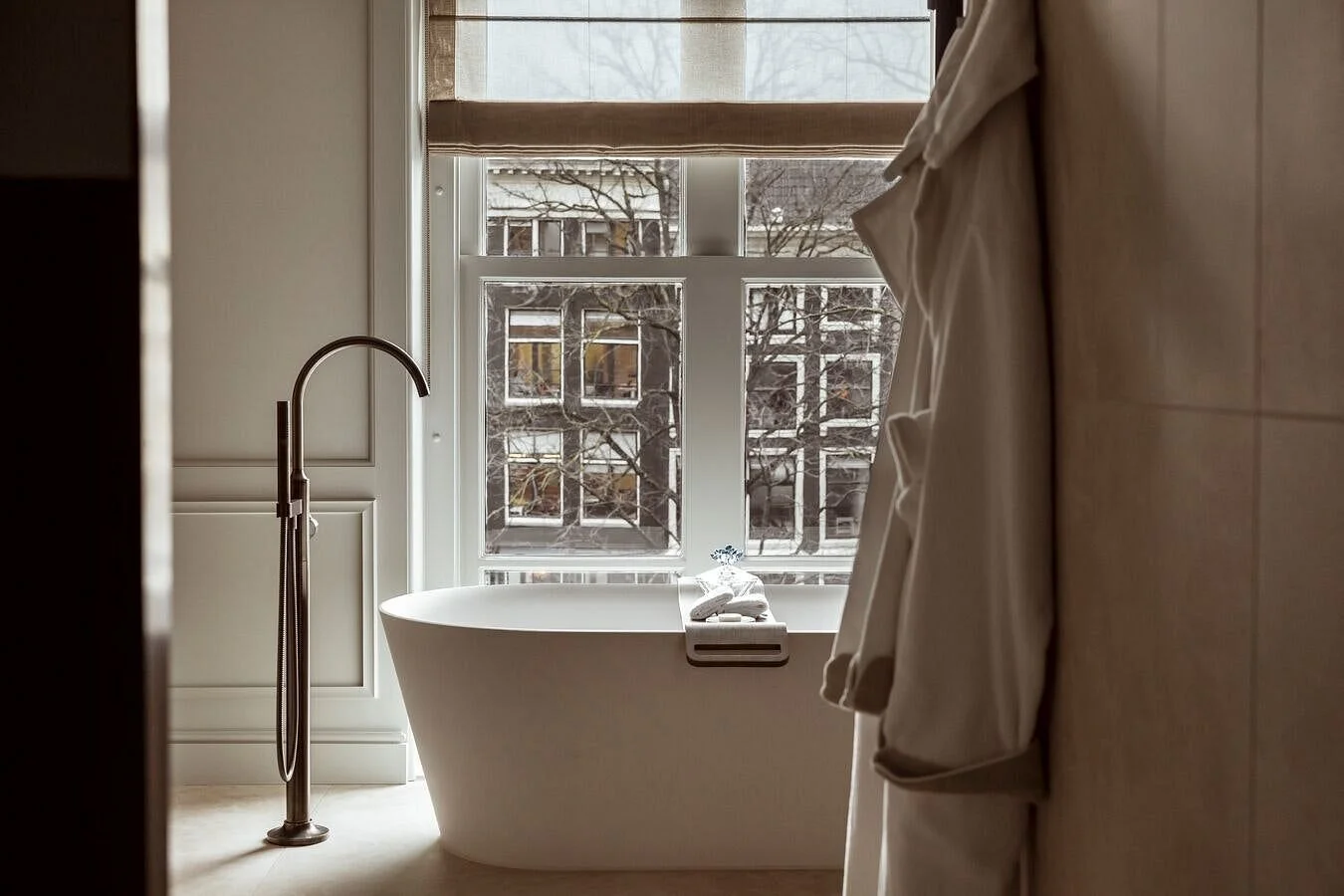
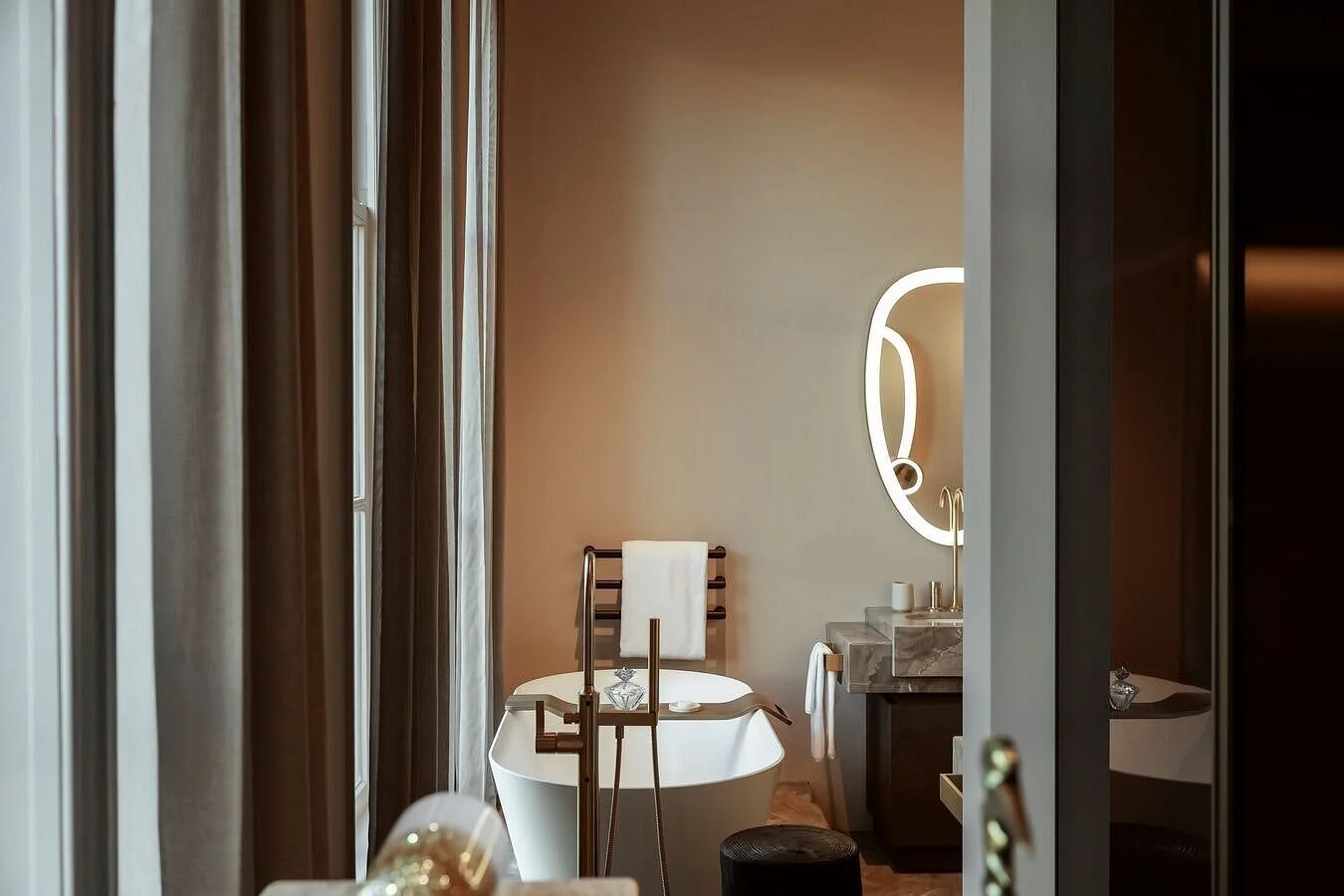
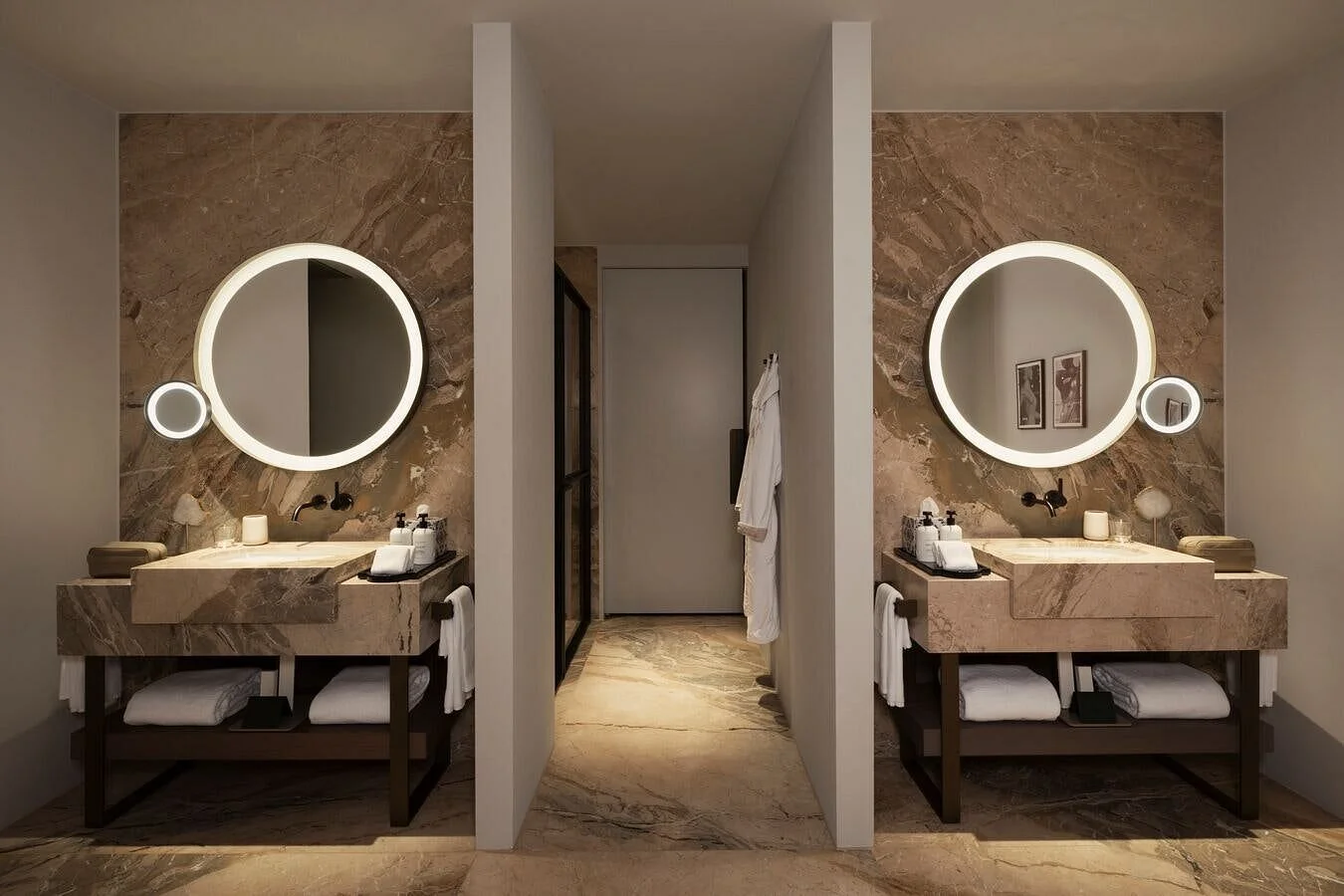
Bathrooms are conceived almost as independent rooms within the existing architecture, allowing the historic structure around them to remain legible while creating a more contemporary sanctuary inside.
Art is another defining component. Rosewood Amsterdam contains more than 1,000 works, ranging from contemporary interpretations of Dutch masters to urban art, photography and new media. The collection was curated with Kunstmest Consulting and extends throughout the guestrooms, public spaces and Houses.
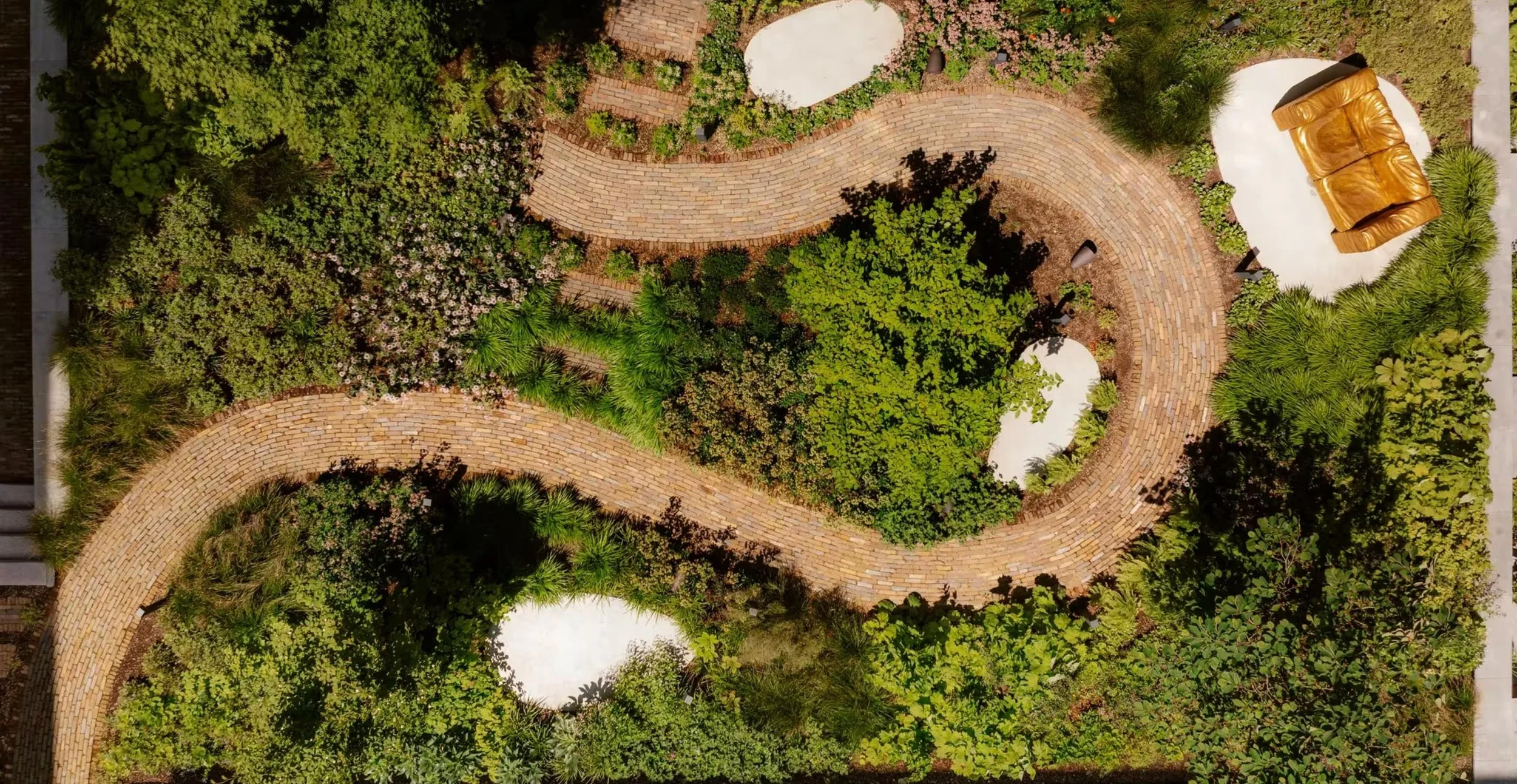
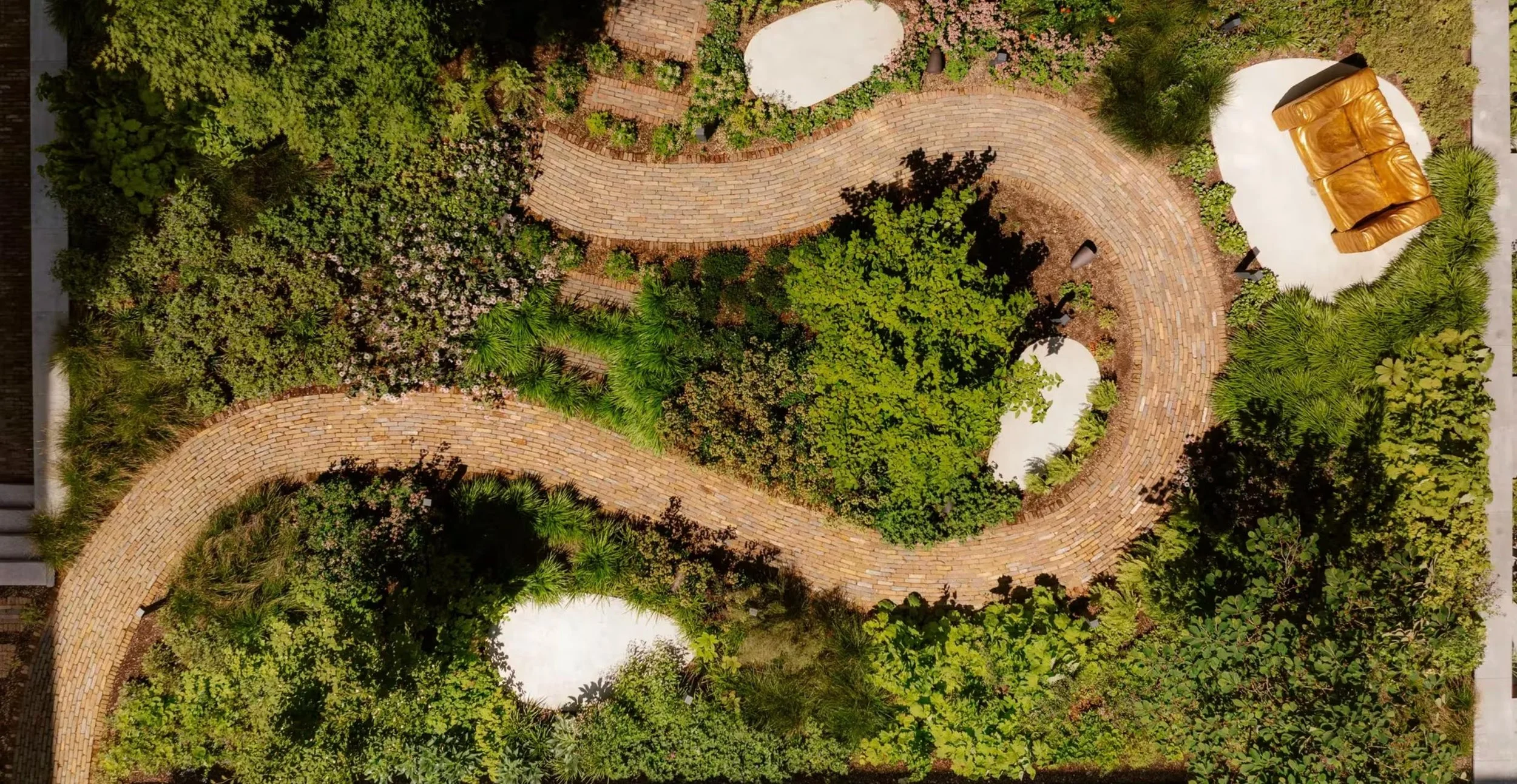
Outside, celebrated Dutch landscape designer Piet Oudolf created De Tuin, the hotel’s courtyard garden. The planting emphasizes biodiversity, seasonal change and indigenous flora rather than formal symmetry, creating a deliberately natural counterpoint to the surrounding architecture.
Rooms, Suites and Houses Along the Canals
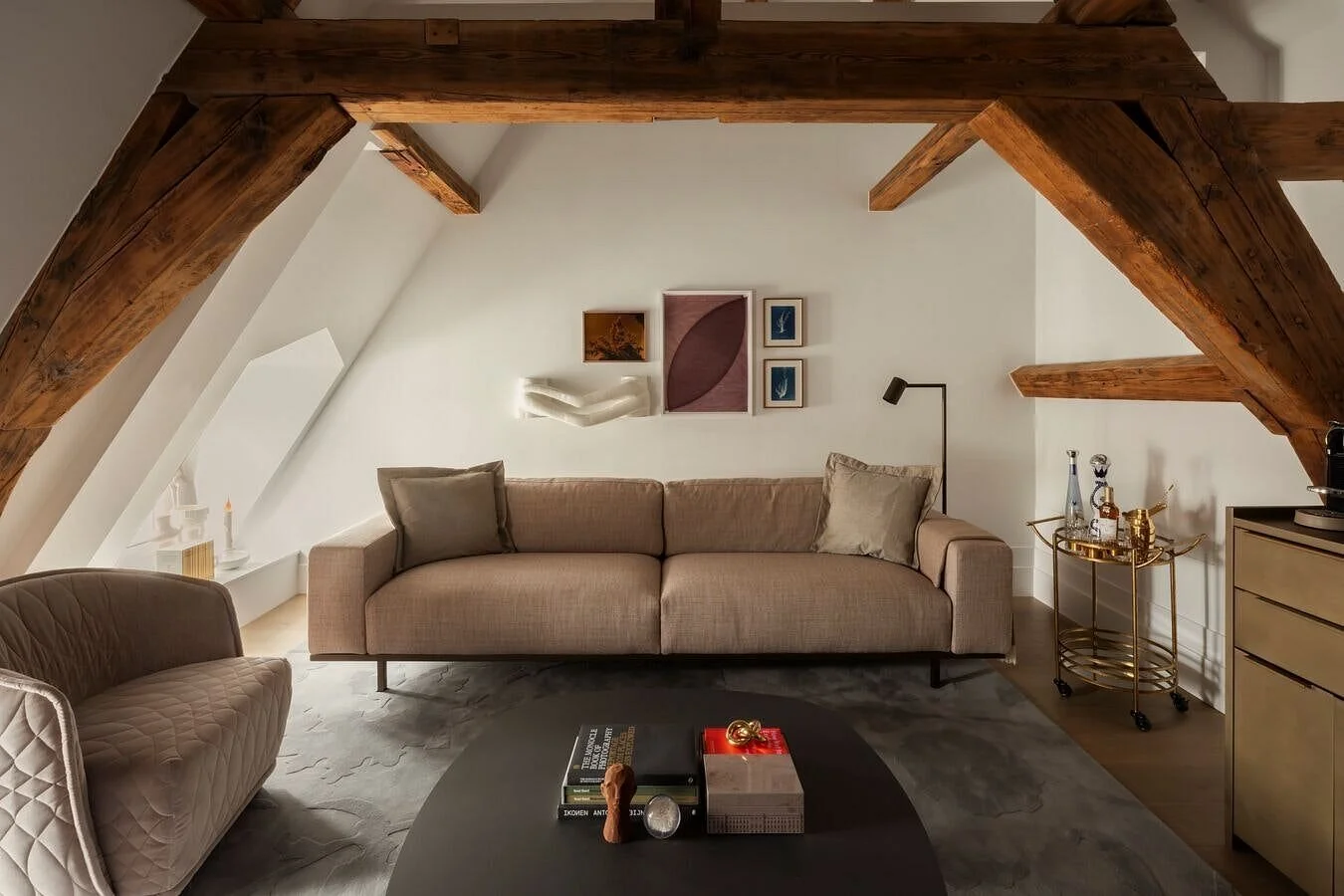
Rosewood Amsterdam’s accommodations are divided among guestrooms, suites, signature accommodations and five Houses. Rooms vary considerably because of the historic architecture, so location, outlook and configuration matter almost as much as category.
The principal categories include:
Deluxe Room: The entry accommodation, combining warm timber, stone and curated Dutch art within approximately 31 to 42 square meters.
Premier Room: Approximately 35 to 41 square meters, with one king or two twin beds and a residential palette of warm woods, layered fabrics and contemporary art.
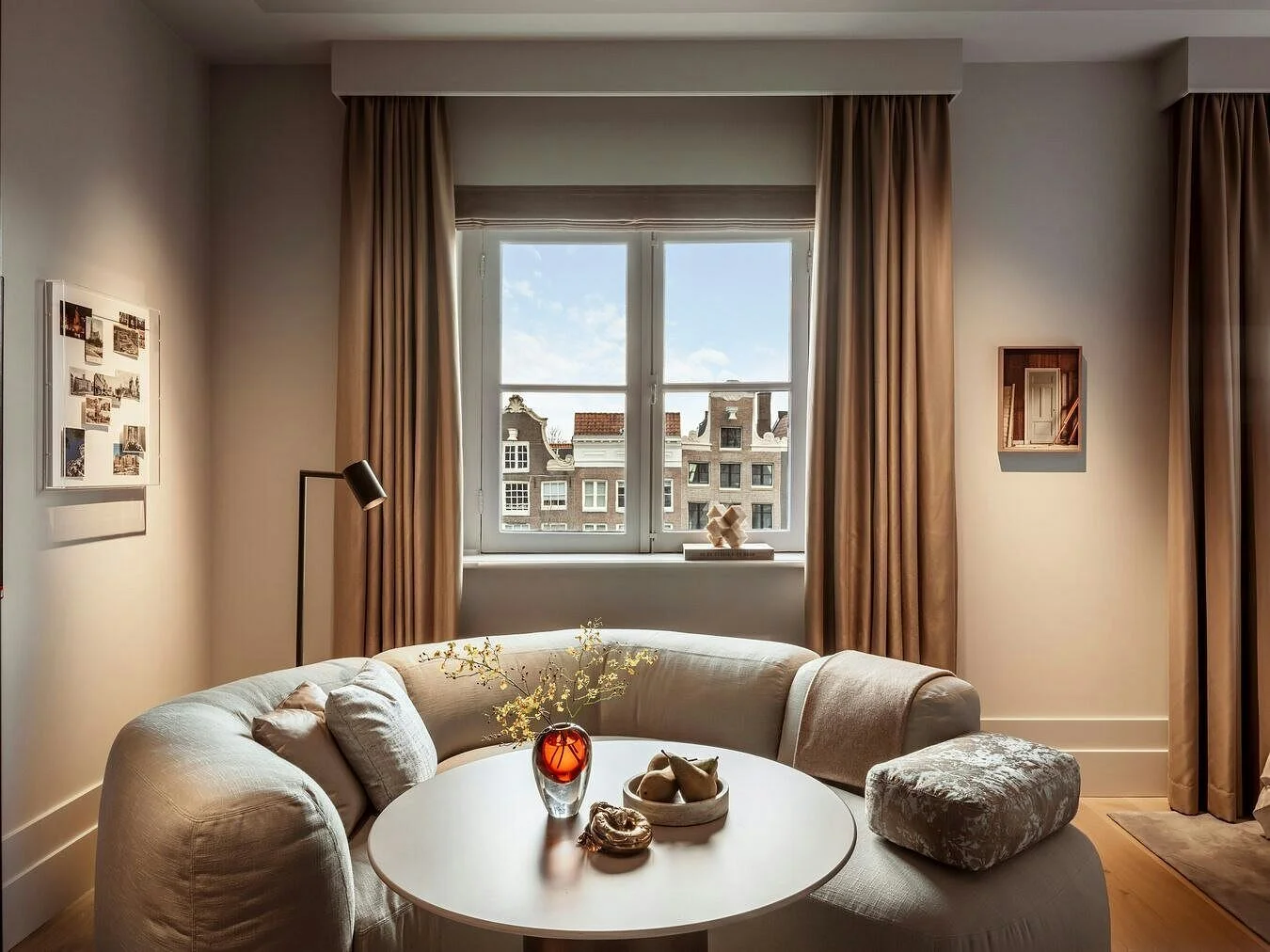
Premier Canal View Room: Similar in scale to the Premier Room but positioned to provide views across Amsterdam’s canals.
Grand Premier Room: Approximately 45 to 52 square meters, offering more generous proportions and additional living space.
Grand Premier Canal View Room: The Grand Premier layout paired with canal views, making it particularly appealing for travelers who want the sense of place to continue inside the room.
Two-Bedroom Premier Room: Two connecting rooms creating approximately 70 square meters of accommodation, particularly useful for families.
Two-Bedroom Canal View Premier Room: Approximately 70 square meters with two king bedrooms and canal outlooks.
Two-Bedroom Grand Premier Room: Approximately 90 square meters, combining two Grand Premier rooms for families or friends traveling together.
The hotel also offers a substantial suite collection, with 41 suites currently represented across the property. These introduce larger living rooms, more distinctive architecture and, in selected categories, private terraces or canal views.
Among the larger accommodations is the Two-Bedroom Rooftop Terrace Suite, measuring approximately 135 square meters and pairing generous interior space with a private terrace overlooking the canal cityscape.
The most individual accommodations, however, are the five Houses.
Prinsengracht House: Inspired by the freedom and individuality associated with Amsterdam, with a more playful, eclectic use of color and objects.
Keizersgracht House: Draws on the artistic and cultural history of the Keizersgracht, combining historic references with contemporary detailing.
Herengracht House: More classically residential in character, reflecting the grandeur associated with Amsterdam’s historic merchant houses.
Library House: Occupies what was once the Palace of Justice library, retaining high ceilings, bookshelves and details connected to the building’s intellectual and legal history.
Huis 020: Named after Amsterdam’s telephone area code, this approximately 177-square-meter canal-level residence feels the most like an independent city home, with large windows, contemporary art and direct visual connection to the water.
For longer stays, families or guests who value privacy, the Houses are among the most interesting accommodations in the property.
Dining Rooted in the Dutch Seasons
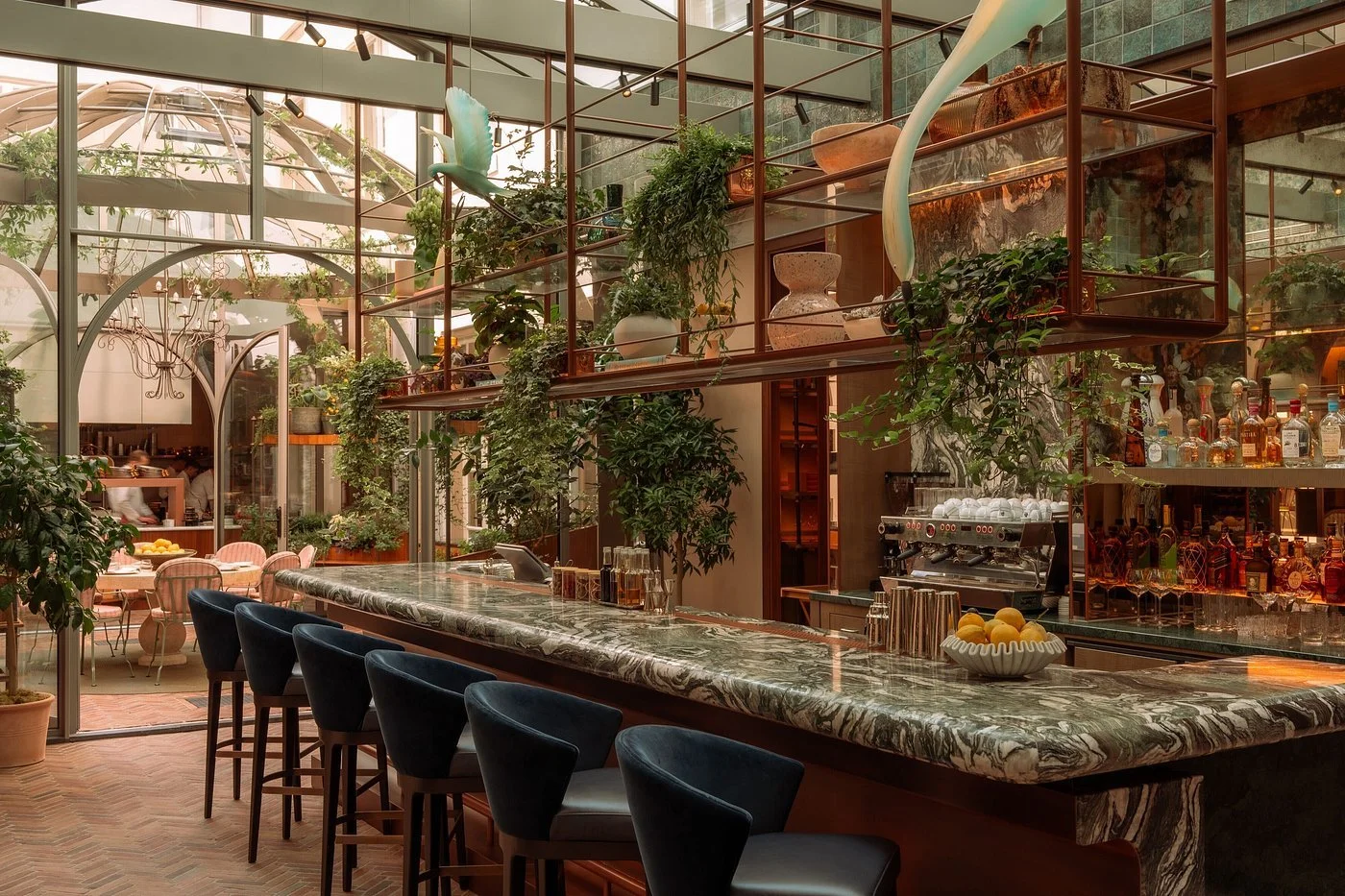
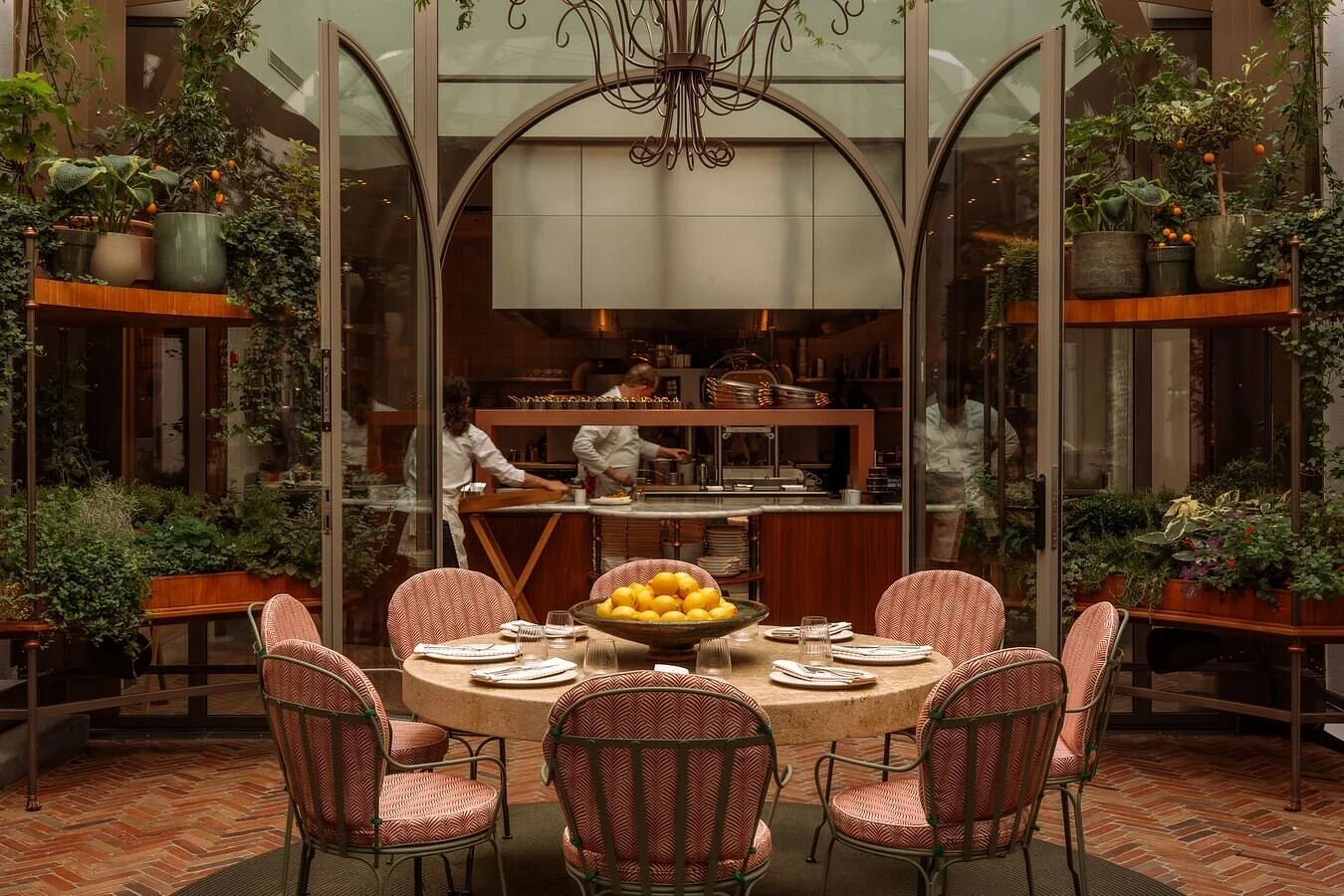
Rosewood Amsterdam keeps its dining program relatively focused, with three principal venues rather than a large collection of restaurants.
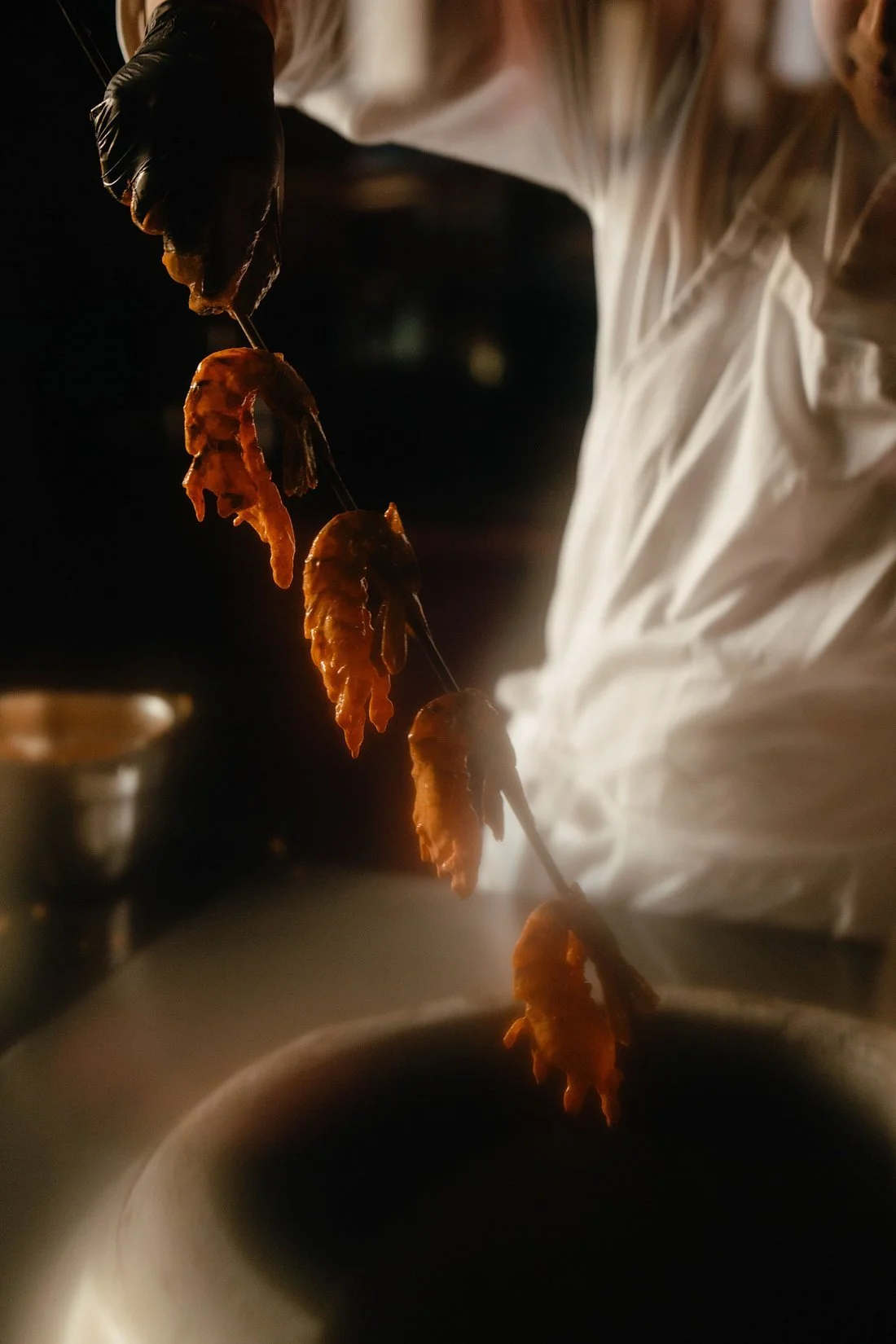
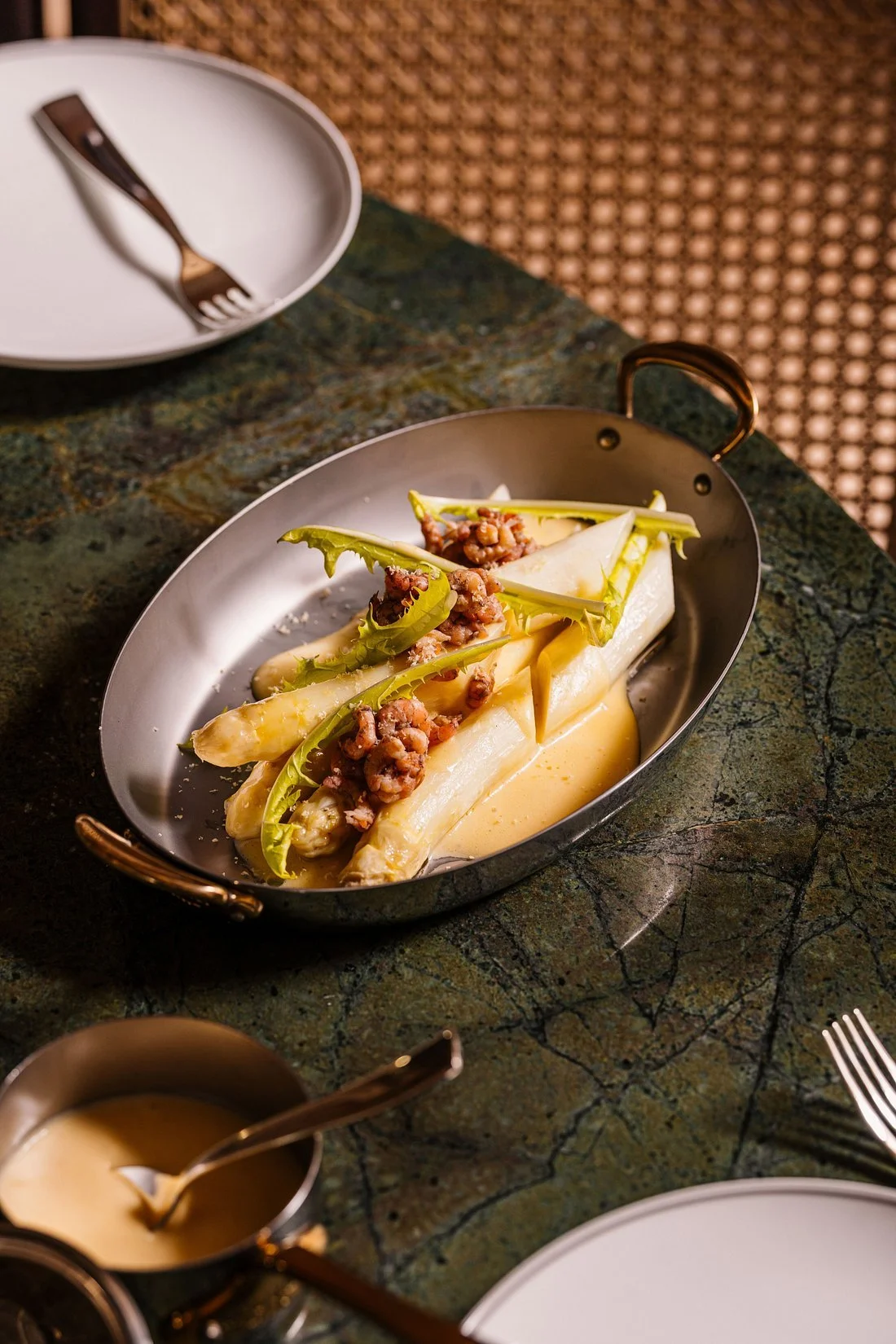
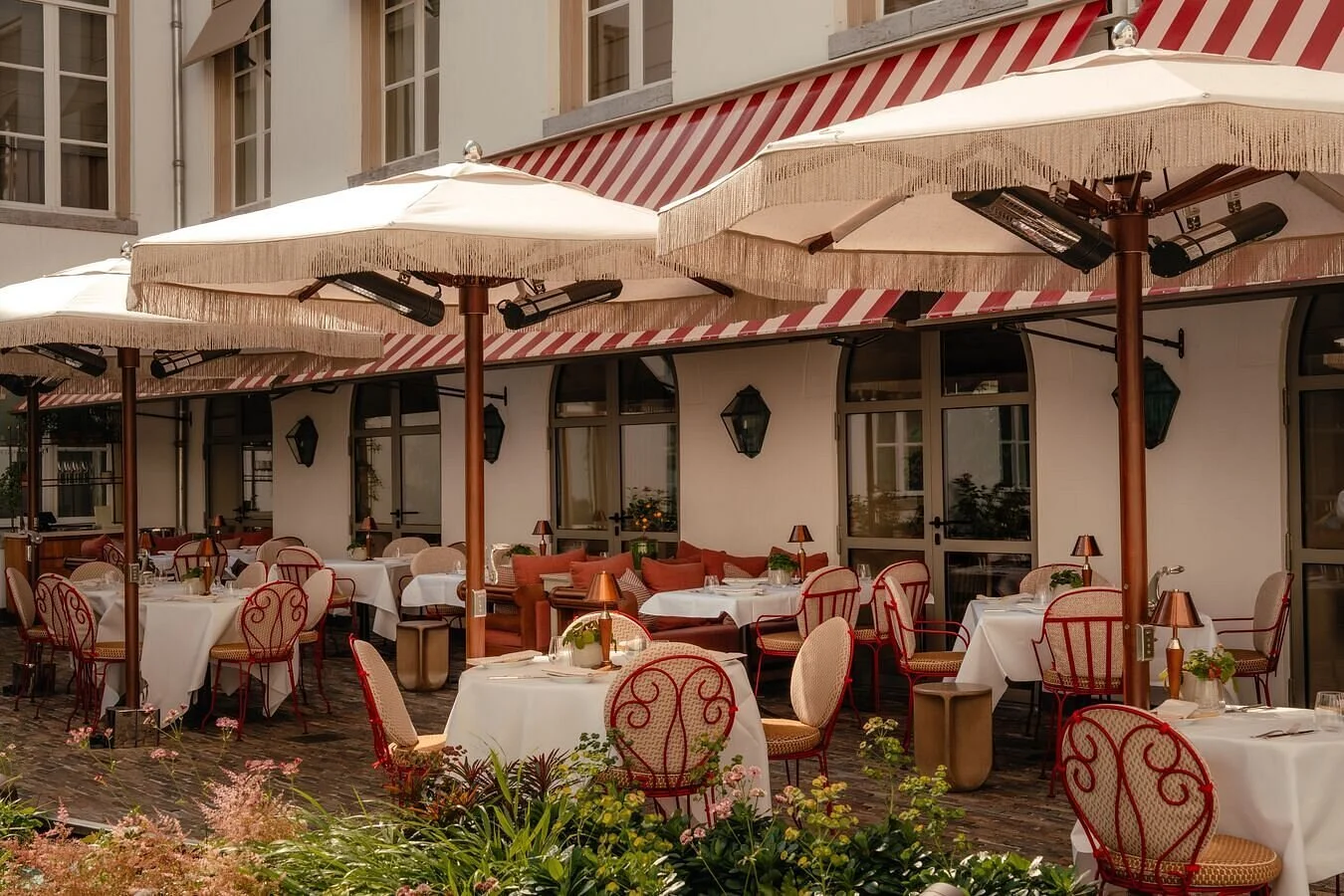
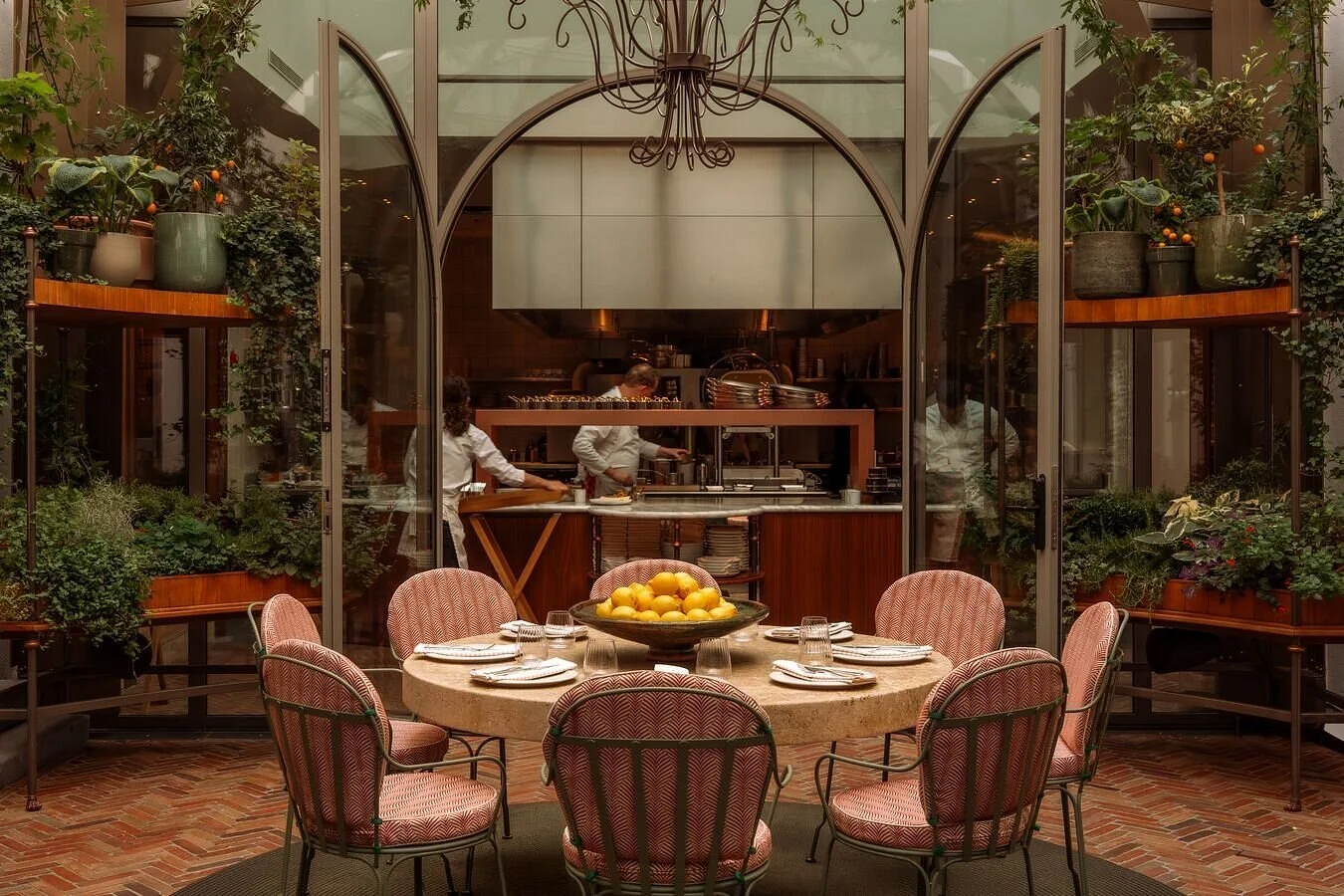
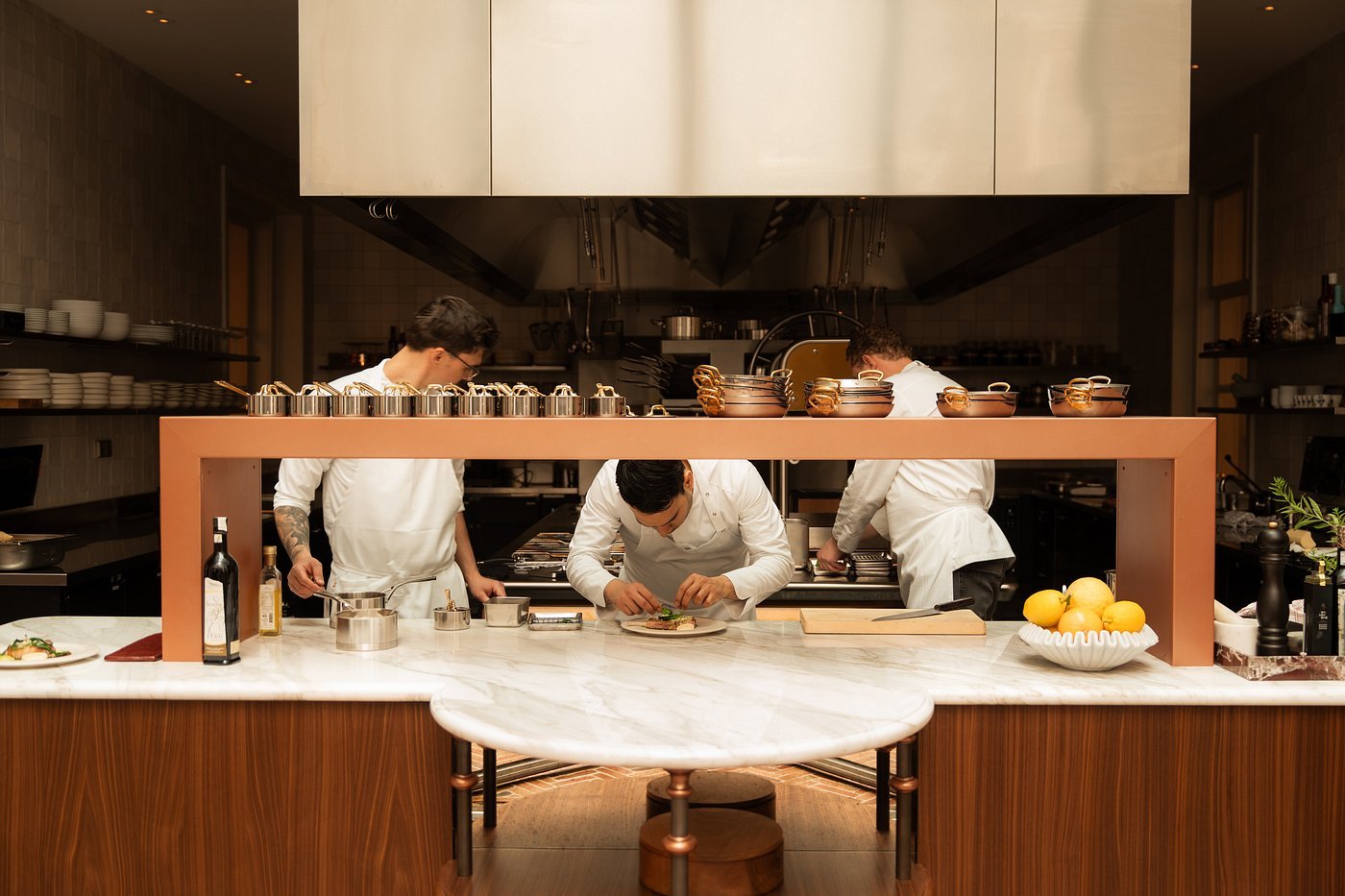
Eeuwen: The hotel’s main restaurant is built around seasonality. Produce from the Netherlands and surrounding regions shapes menus that change with the agricultural calendar. The concept feels deliberately connected to Dutch farms, fisheries and horticultural traditions rather than relying on a fixed luxury-hotel formula.
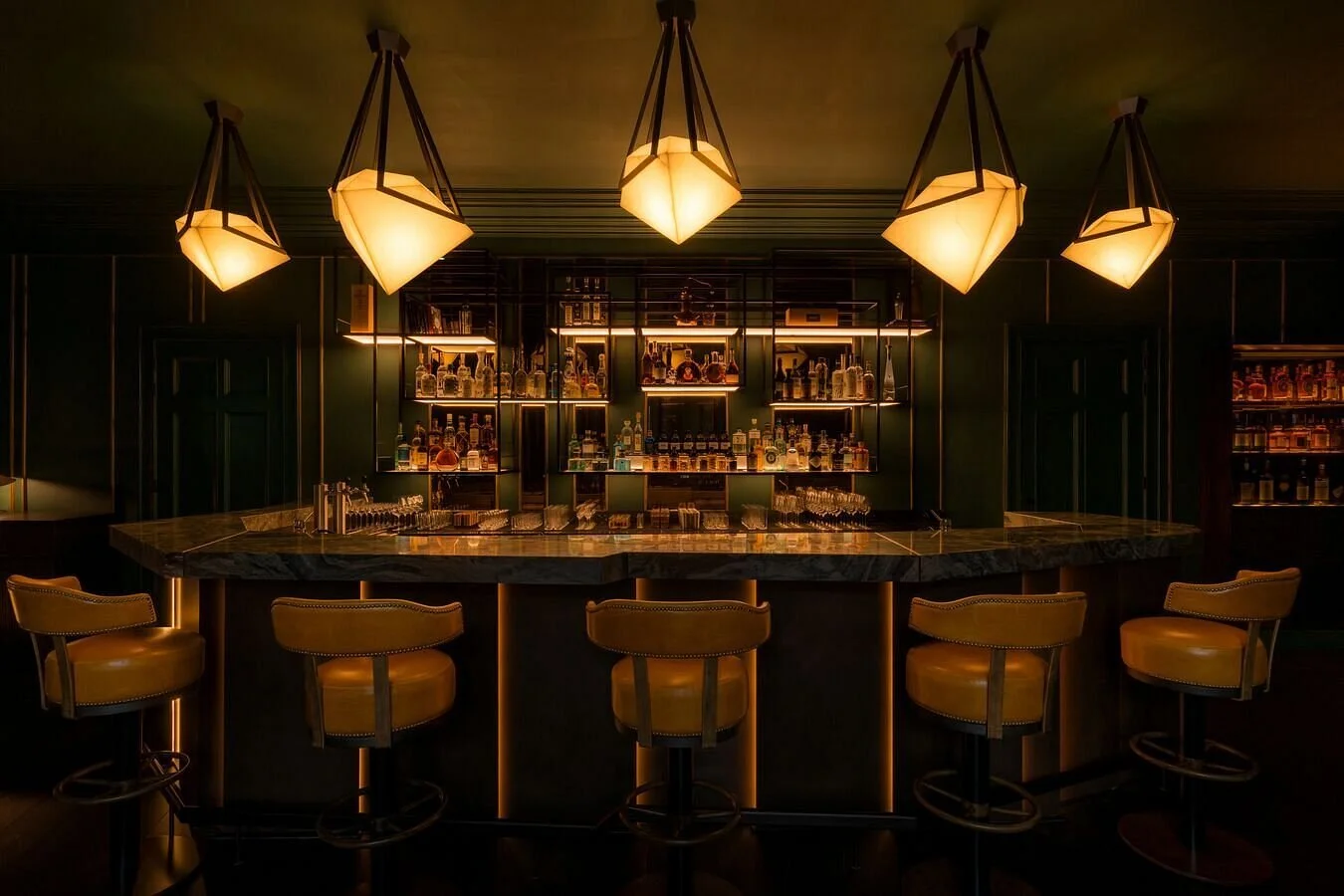
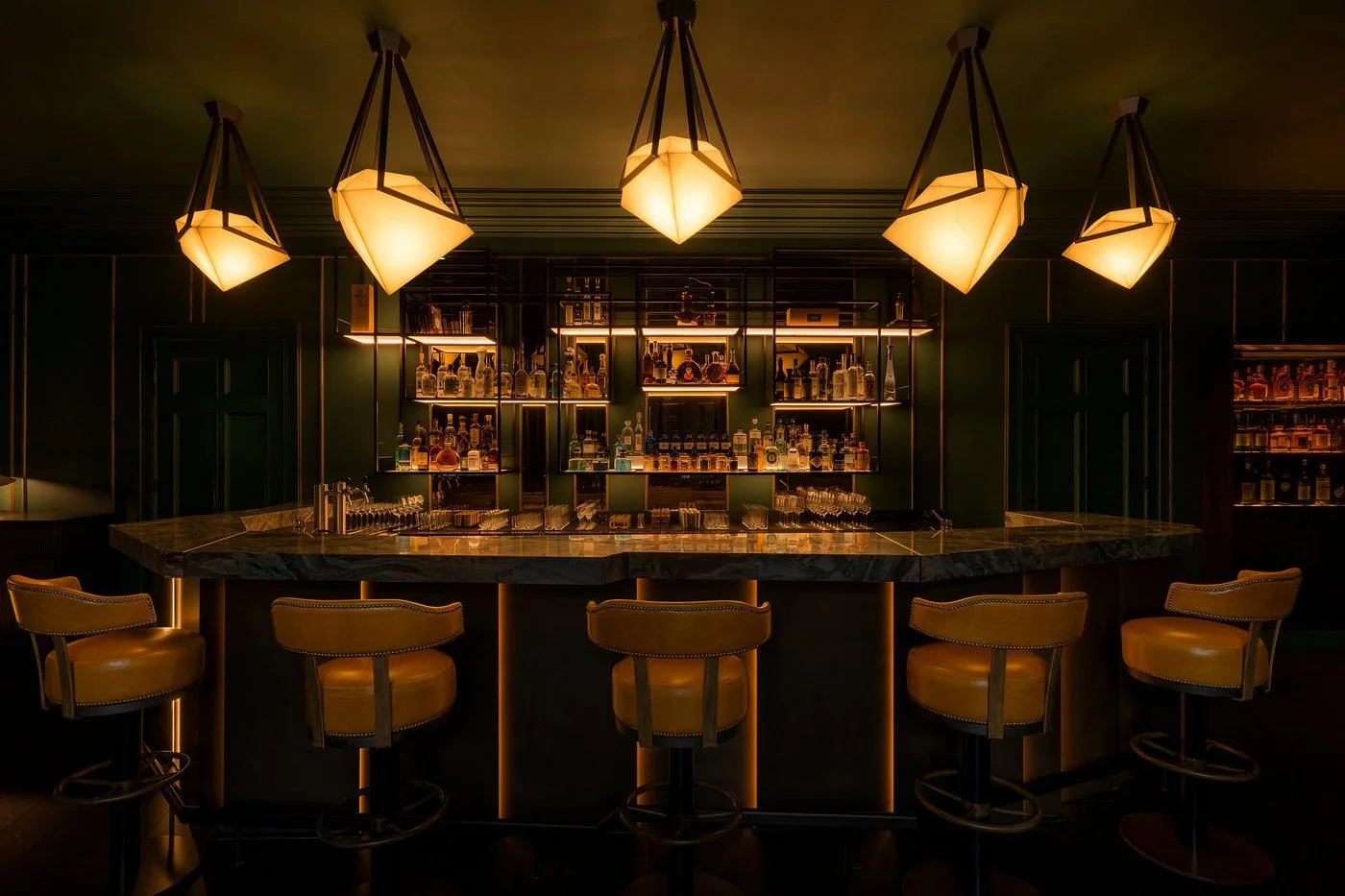
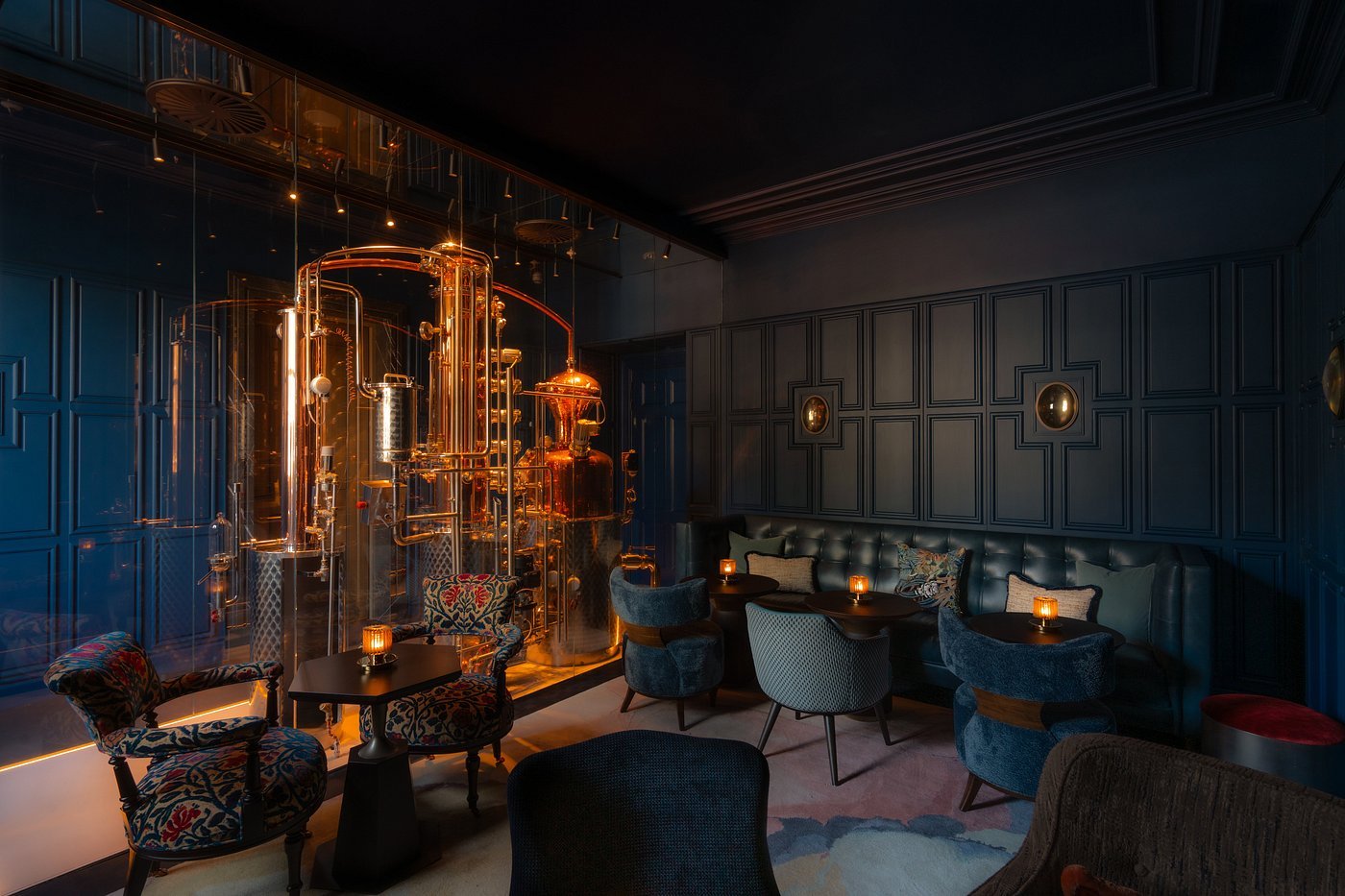
Advocatuur: Named after the Dutch word connected to the legal profession, this bar plays directly with the property’s courthouse history. The darker interiors draw on the tones of Dutch Golden Age painting, while the bar’s most distinctive feature is its in-house distillery, producing the hotel’s own PRØVO jenever. Cocktails, music and a slightly more rebellious design language give Advocatuur an identity separate from the rest of the hotel.
The Court: The most relaxed of the three venues, The Court moves through the day from coffee and pastries to afternoon tea, light dining and aperitivo. It functions as the hotel’s social living room rather than a formal restaurant.
Rosewood also offers 24-hour in-room dining, while private dining and seasonal experiences extend the food program into other areas of the hotel.
For us, Eeuwen is the venue that most clearly reflects the property’s wider philosophy. The restaurant is not simply about Dutch ingredients; it treats seasonality as the organizing principle of the meal.
Asaya Below the City
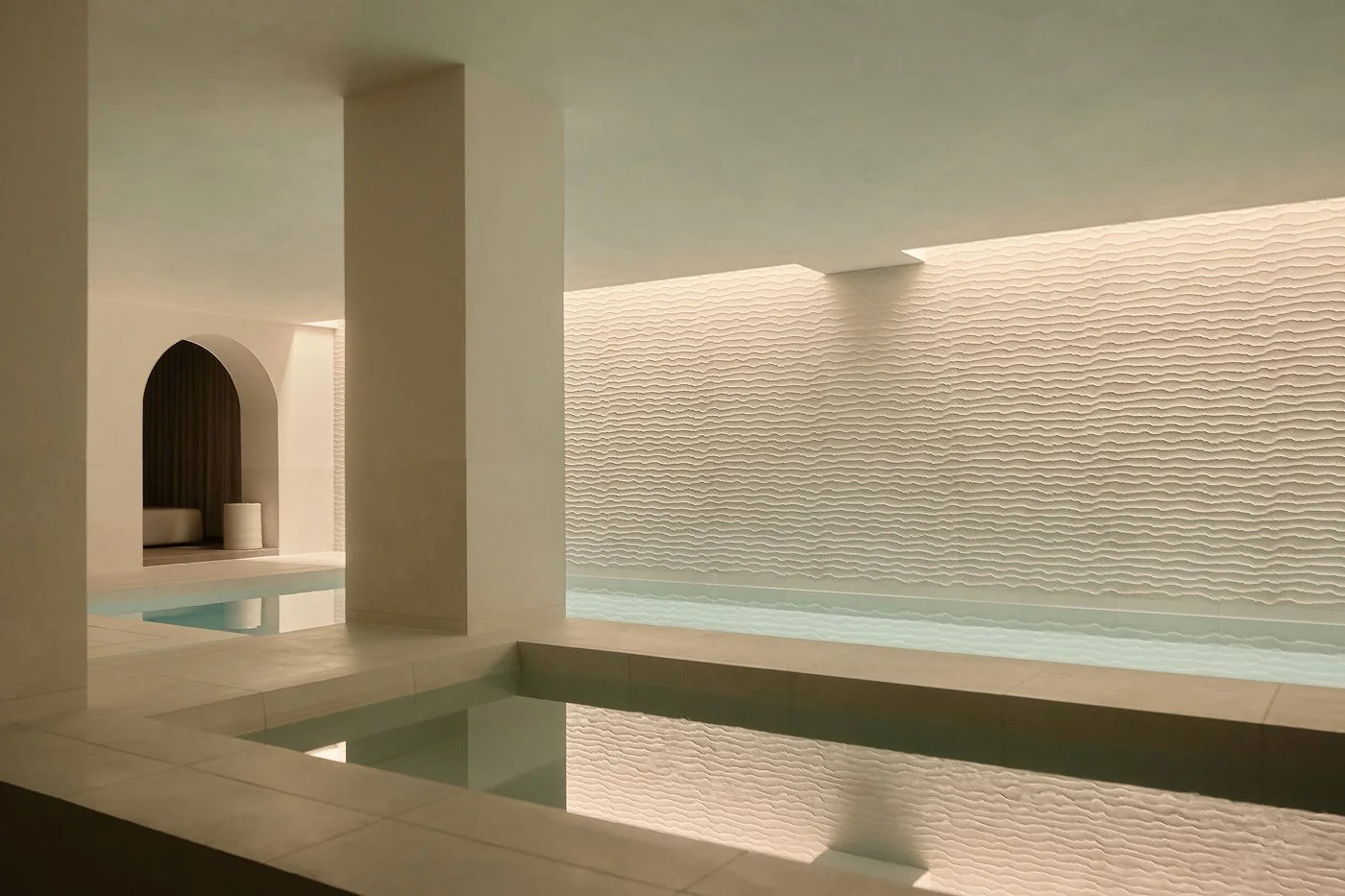
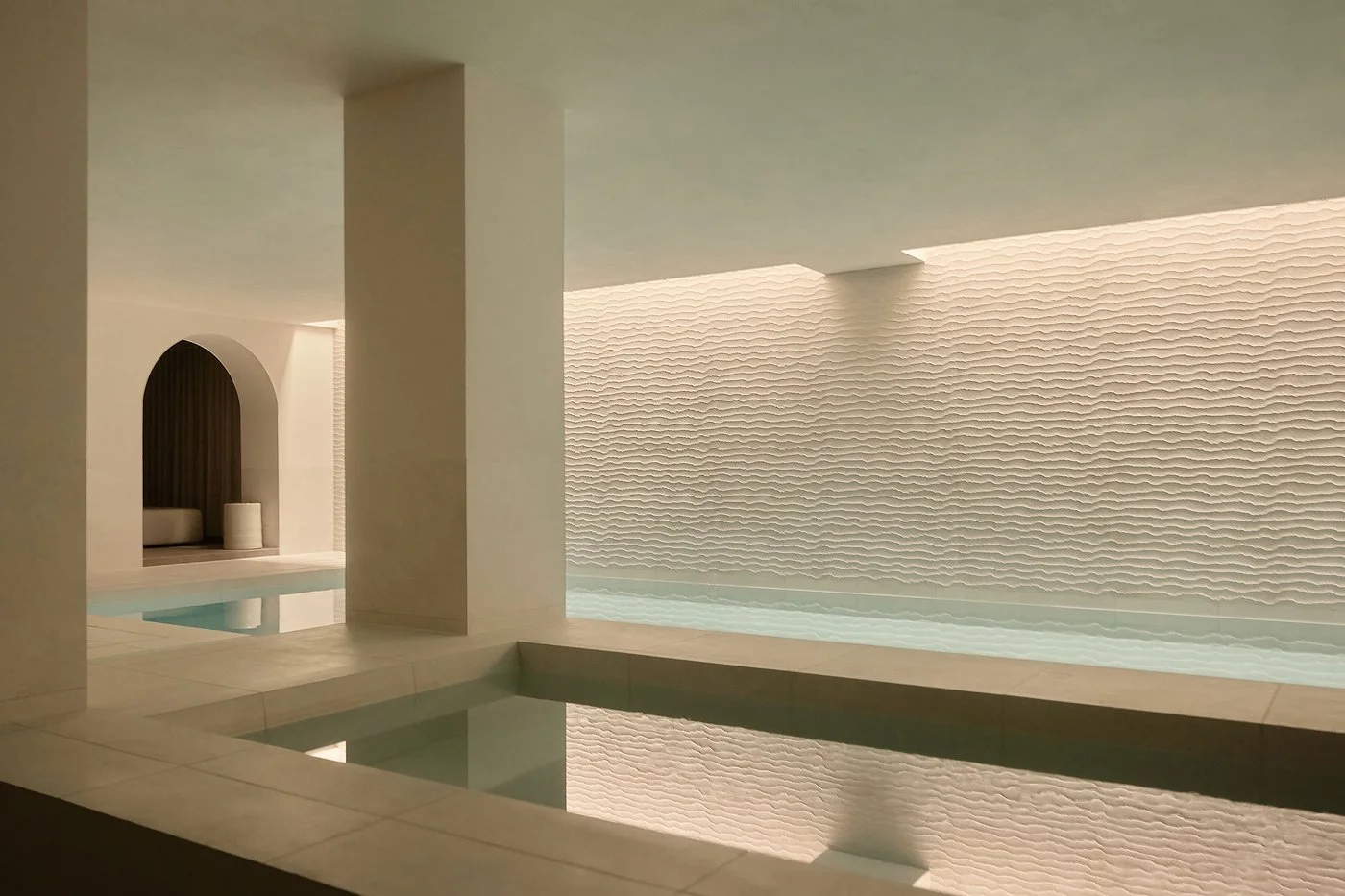
Asaya Spa provides a very different atmosphere from the historic public rooms above.
The design is quieter and deliberately cocooning, using pale stone, curved forms and filtered natural light. Wellness combines Eastern traditions, including Ayurvedic influences, with contemporary treatments and fitness.
Facilities include treatment rooms, a 12-meter indoor swimming pool, Jacuzzi, sauna, steam room, relaxation spaces and a fitness studio that remains open around the clock.
Programming extends beyond conventional spa treatments. Depending on the season, guests can participate in rooftop yoga, Pilates, sound healing and retreat-style experiences.
We particularly like the way the spa functions within an urban itinerary. Amsterdam invites long days on foot or bicycle, so a morning in the museums can transition naturally into an afternoon treatment, swim or sauna without requiring an entire wellness-focused stay.
Art as Part of the Stay
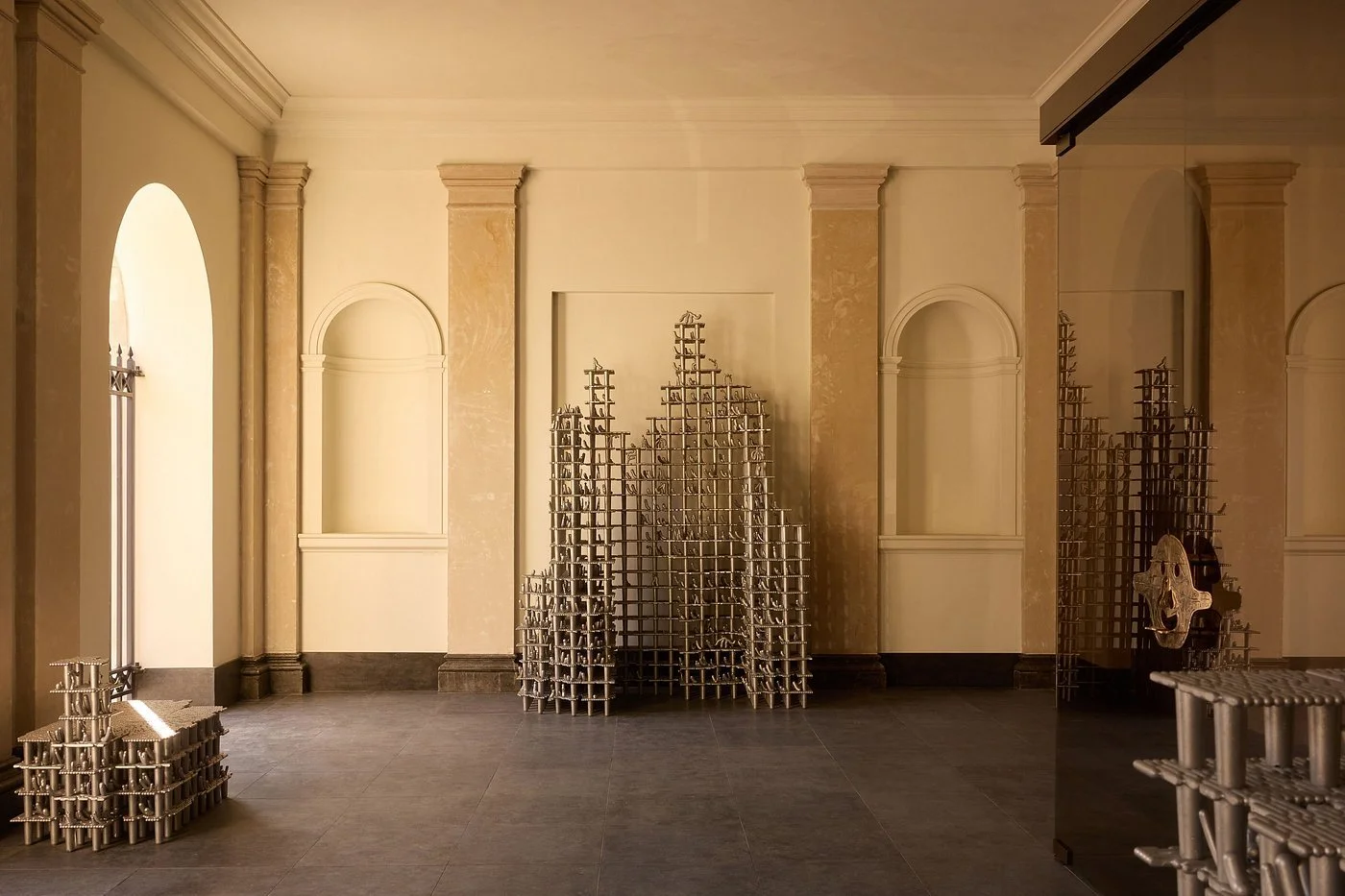
Rosewood Amsterdam is unusually serious about art for a city hotel.
The collection is not restricted to corridors and public spaces. Works are placed throughout guestrooms, Houses, event spaces and shared areas, while The Gallery operates as a changing cultural venue with exhibitions devoted to contemporary art and Dutch design.
The hotel also offers curated art tours, allowing guests to understand how historic Dutch references interact with newer artistic voices.
This programming gives Rosewood an identity beyond accommodation. Depending on the timing of a stay, a guest might encounter a rotating design exhibition, a talk, a contemporary installation or works from artists connected to Amsterdam’s creative community.
For travelers who already plan to spend considerable time at the Rijksmuseum, Stedelijk Museum or galleries elsewhere in the city, the hotel’s own collection becomes an interesting continuation rather than a substitute.
Amsterdam From the Water
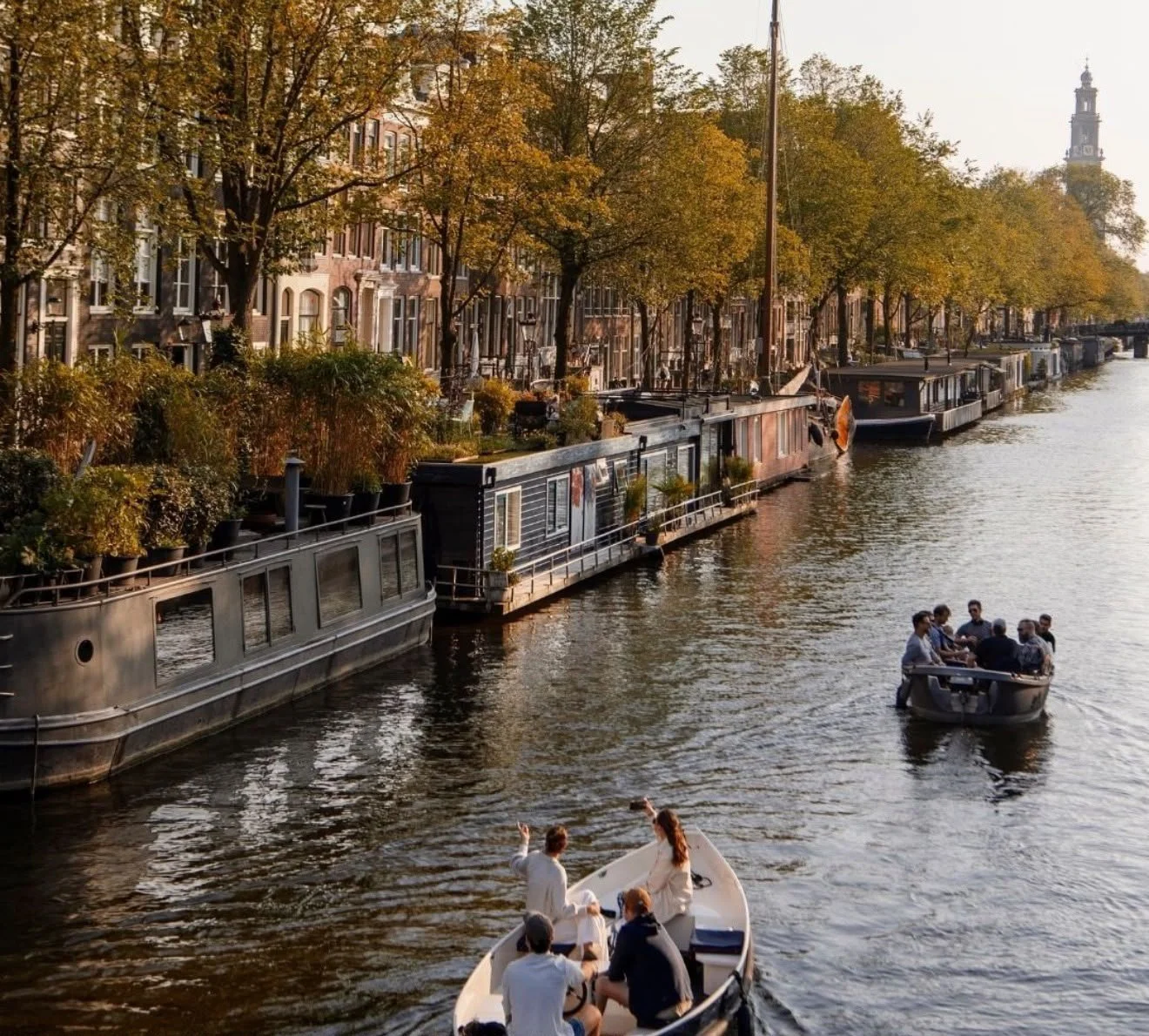
One of Rosewood Amsterdam’s strongest experiences is also one of the simplest: seeing the city from its canals.
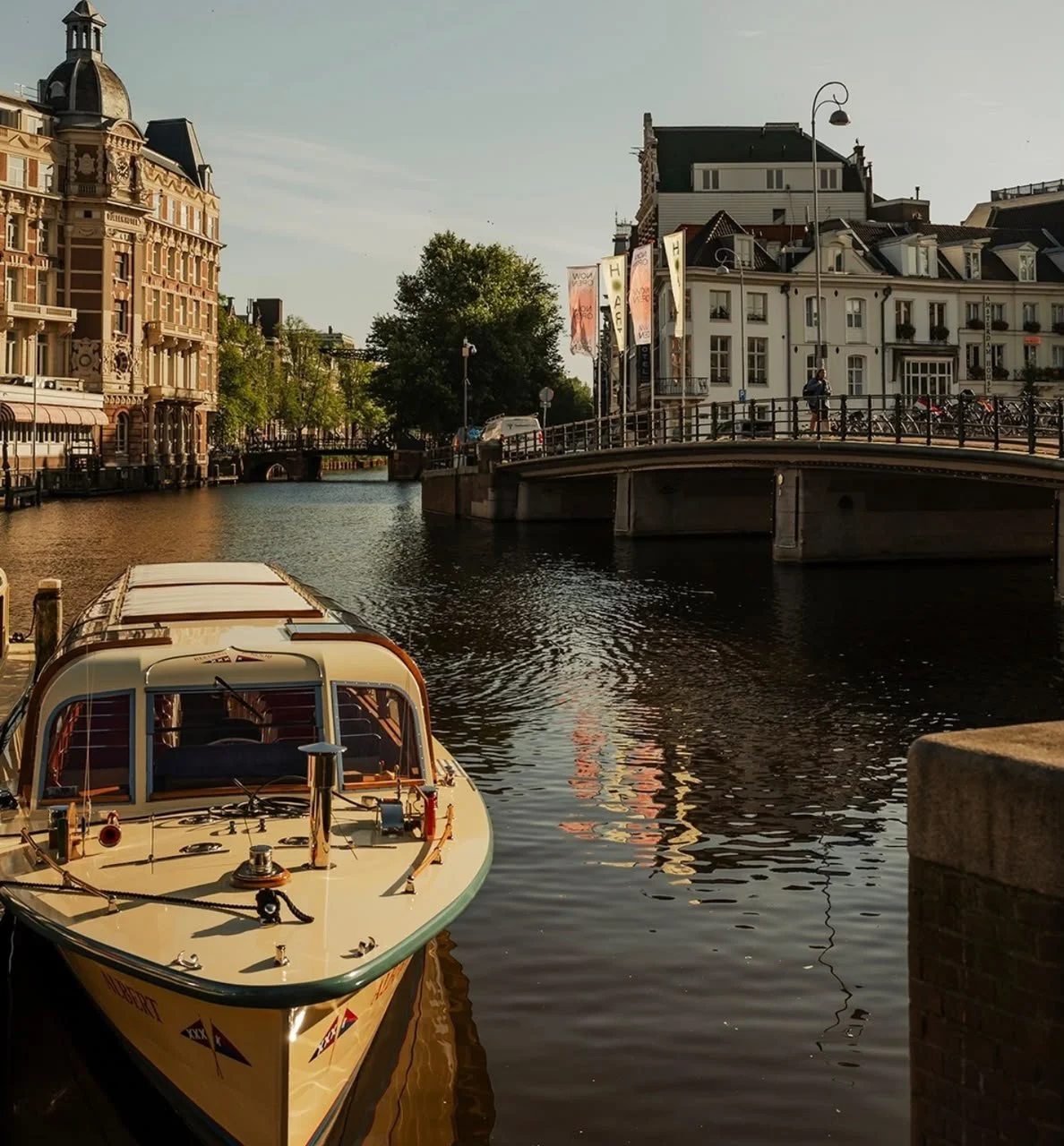
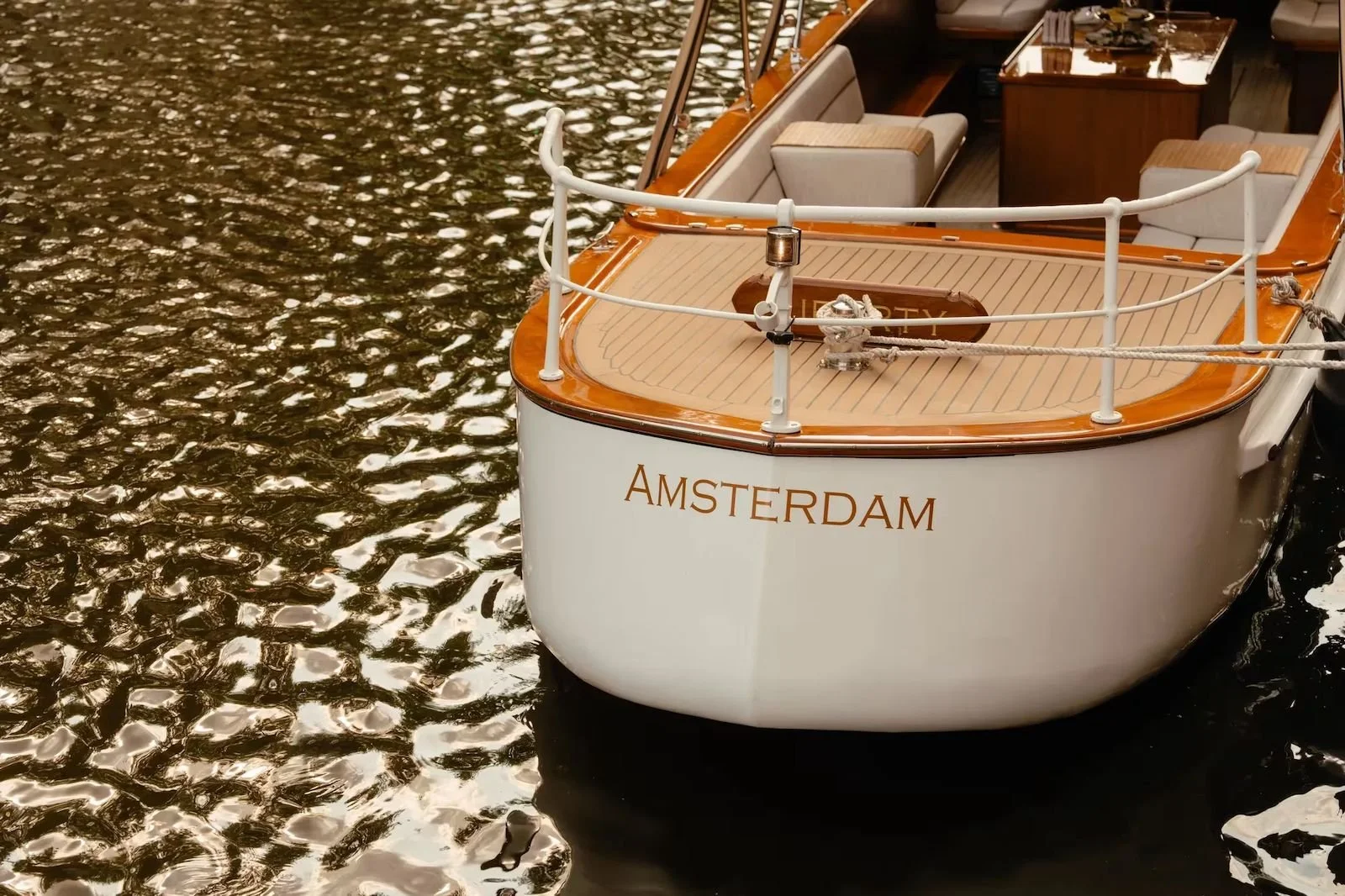
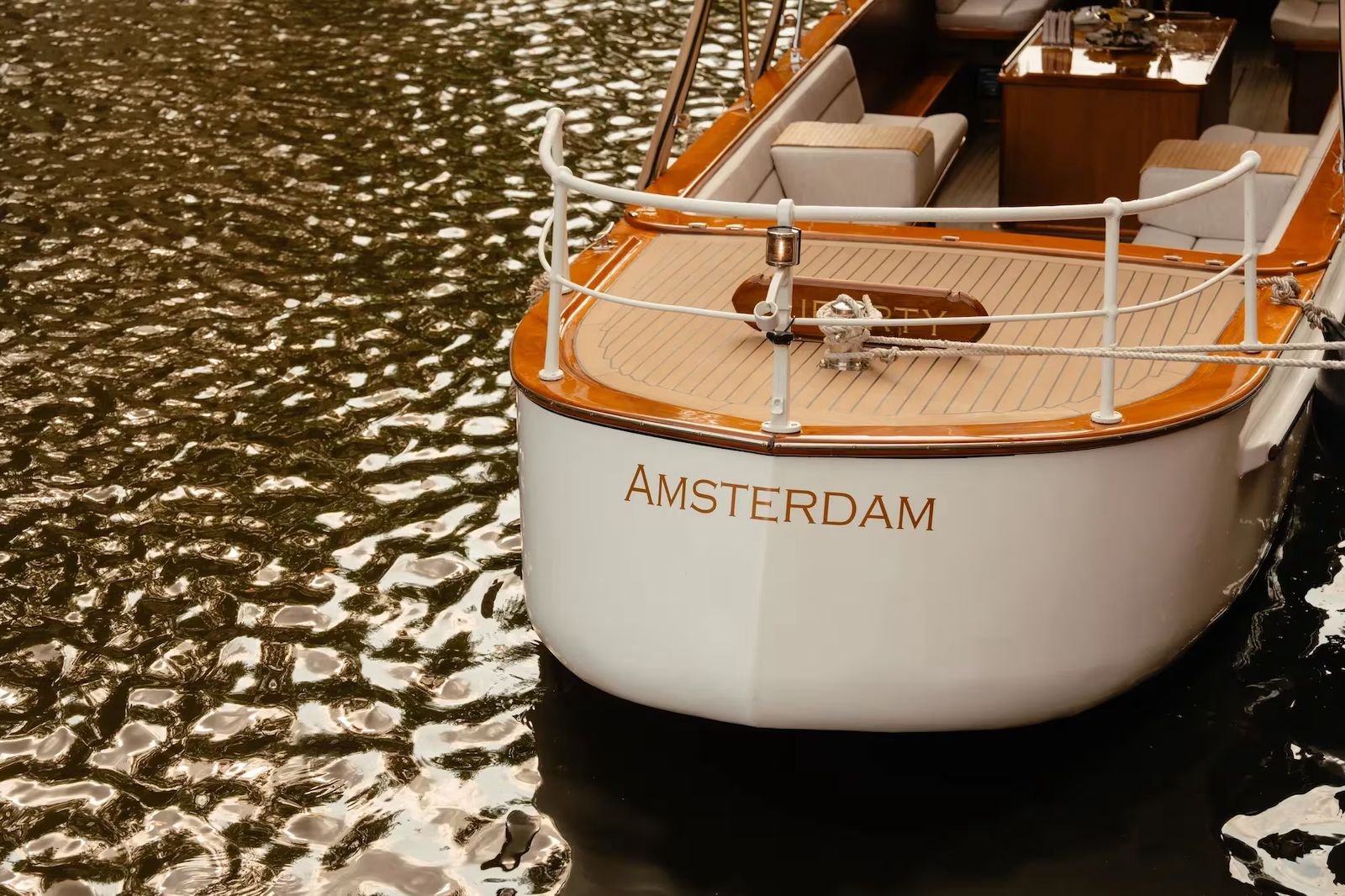
The hotel operates its own historic salon boat, Liberty, with an interior designed by Studio Piet Boon. Private outings can be arranged through Amsterdam’s Canal District with Dutch food and drinks served on board.
This is an especially fitting experience from this property because the hotel sits directly within the canal network rather than treating the water as something to visit elsewhere.
Beyond the boat, Rosewood can arrange city-focused art and cultural experiences, bicycle outings and excursions outside central Amsterdam.
One of the more interesting options leads to Durgerdam, a former fishing village northeast of the city that offers a much quieter contrast to Amsterdam’s busiest neighborhoods.
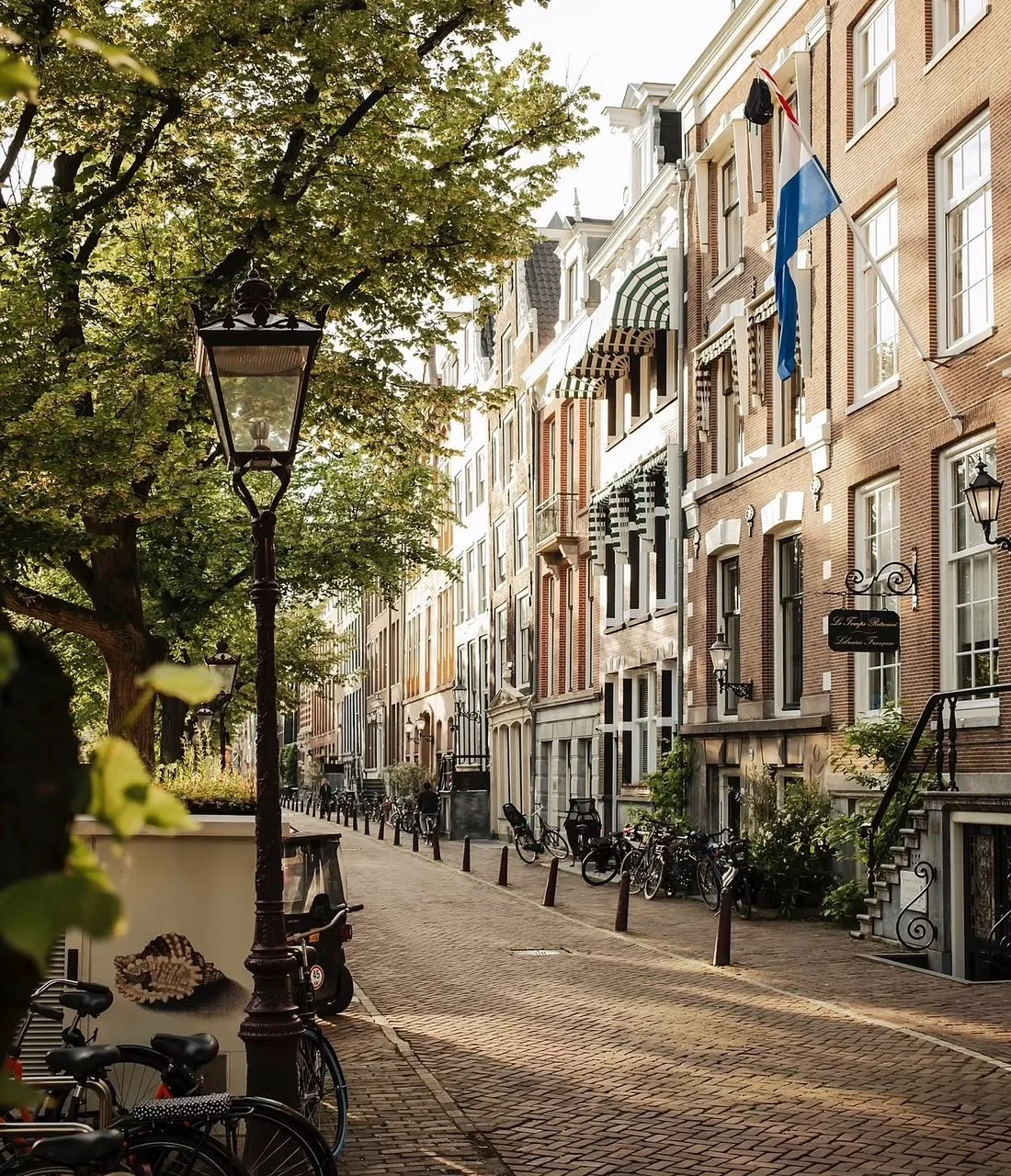
The hotel’s location also makes independent exploration easy. The Nine Streets, Jordaan, Museum Quarter, De Pijp and many of the city’s principal galleries, restaurants and shops can all form part of an itinerary without requiring guests to treat the hotel as an isolated destination.
Rosewood Explorers in the City
Rosewood Amsterdam is also more family-friendly than its historic setting might initially suggest.
The property offers Rosewood Explorers, along with family accommodations, connecting rooms and tailored amenities for younger guests.
The current family program includes welcome touches and interactive activities, while larger suites and adjoining rooms give parents substantially more flexibility than a standard city-hotel setup.
Families can also incorporate canal cruising, cycling, museums and Amsterdam’s parks into a stay without making the itinerary feel overly programmed.
For us, the strongest family setup here is likely to be one of the two-bedroom configurations or a larger House. These allow the property to retain its sophisticated residential feel while giving families enough physical separation for longer stays.
A More Circular Approach to a Historic Building
Sustainability at Rosewood Amsterdam begins with the reuse of the property itself.
Rather than replacing the former Palace of Justice, the project restored and repurposed an existing monumental structure, preserving significant architectural elements and adapting them for a new function.
The hotel describes its wider philosophy as circular hospitality, with local collaborations, thoughtful material use and long-term reuse forming part of the property’s development approach.
De Tuin also contributes to this story. Piet Oudolf’s planting emphasizes biodiversity and seasonal evolution rather than a manicured ornamental landscape, creating habitat within one of Amsterdam’s densest historic districts.
Food sourcing provides another connection. Eeuwen’s menus are built around seasonal produce from Dutch farms and surrounding regions, allowing the kitchen to respond to what is available rather than maintaining the same ingredients year-round.
The result is a sustainability story that feels closely tied to the building and destination rather than added separately to the guest experience.
Beyond the Canal Ring
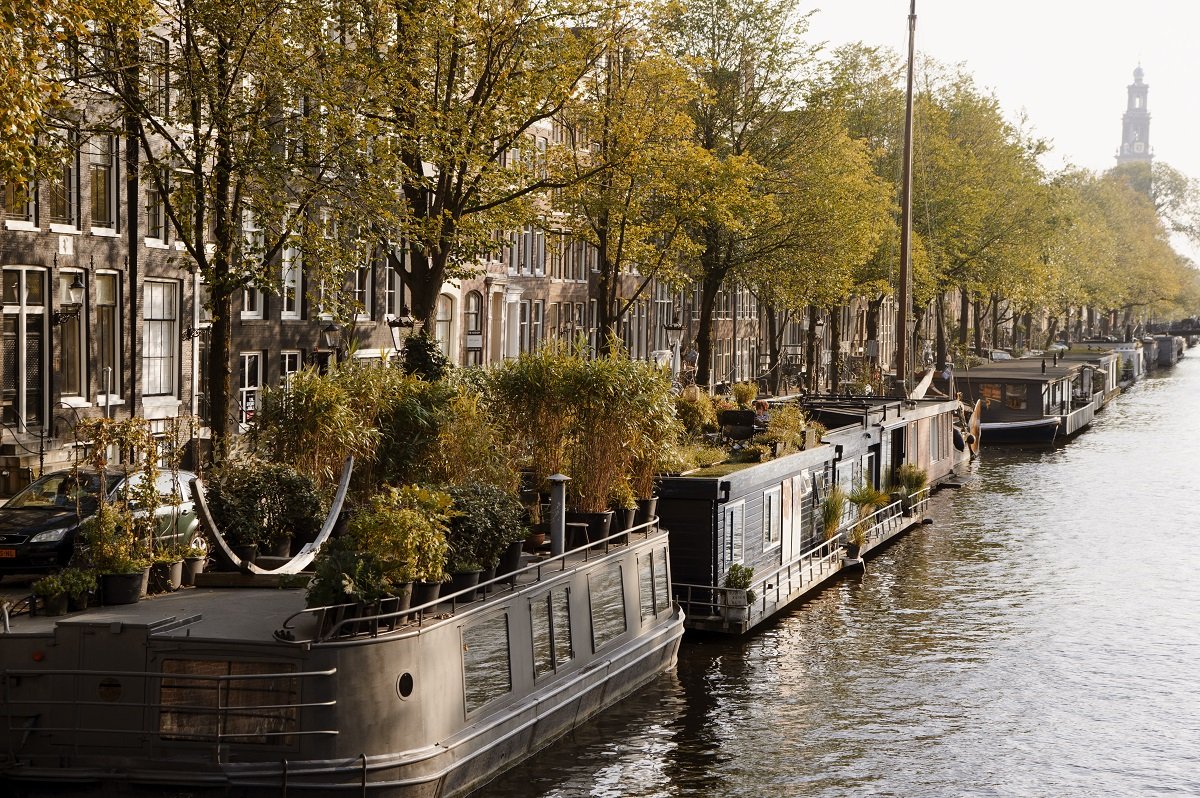
Rosewood Amsterdam sits in one of the most convenient parts of the city for travelers who want to explore widely.
The Rijksmuseum, Van Gogh Museum and Stedelijk Museum anchor the Museum Quarter to the south, while the Jordaan and Nine Streets provide smaller galleries, independent shops, cafés and restaurants closer to the hotel.
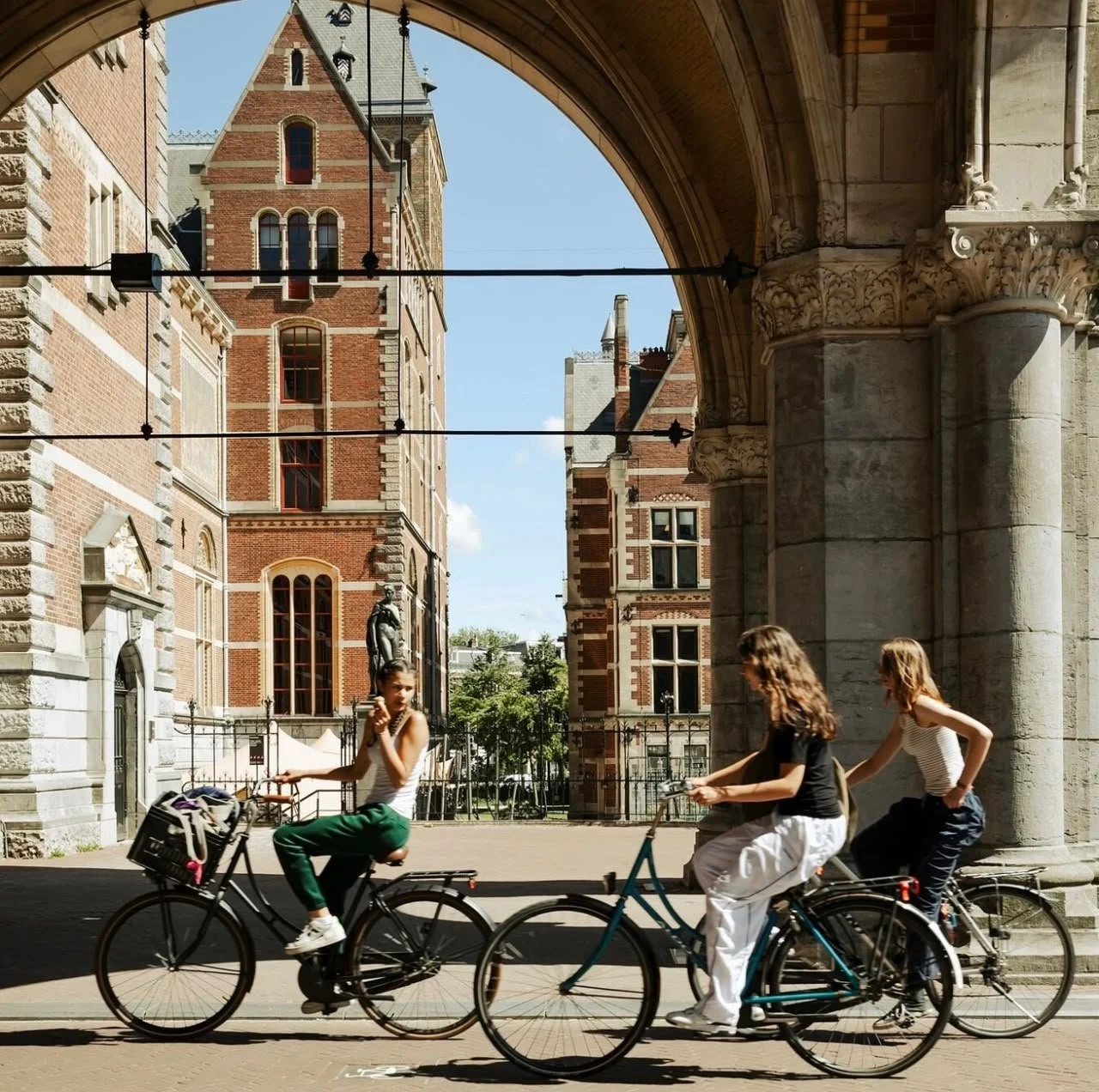
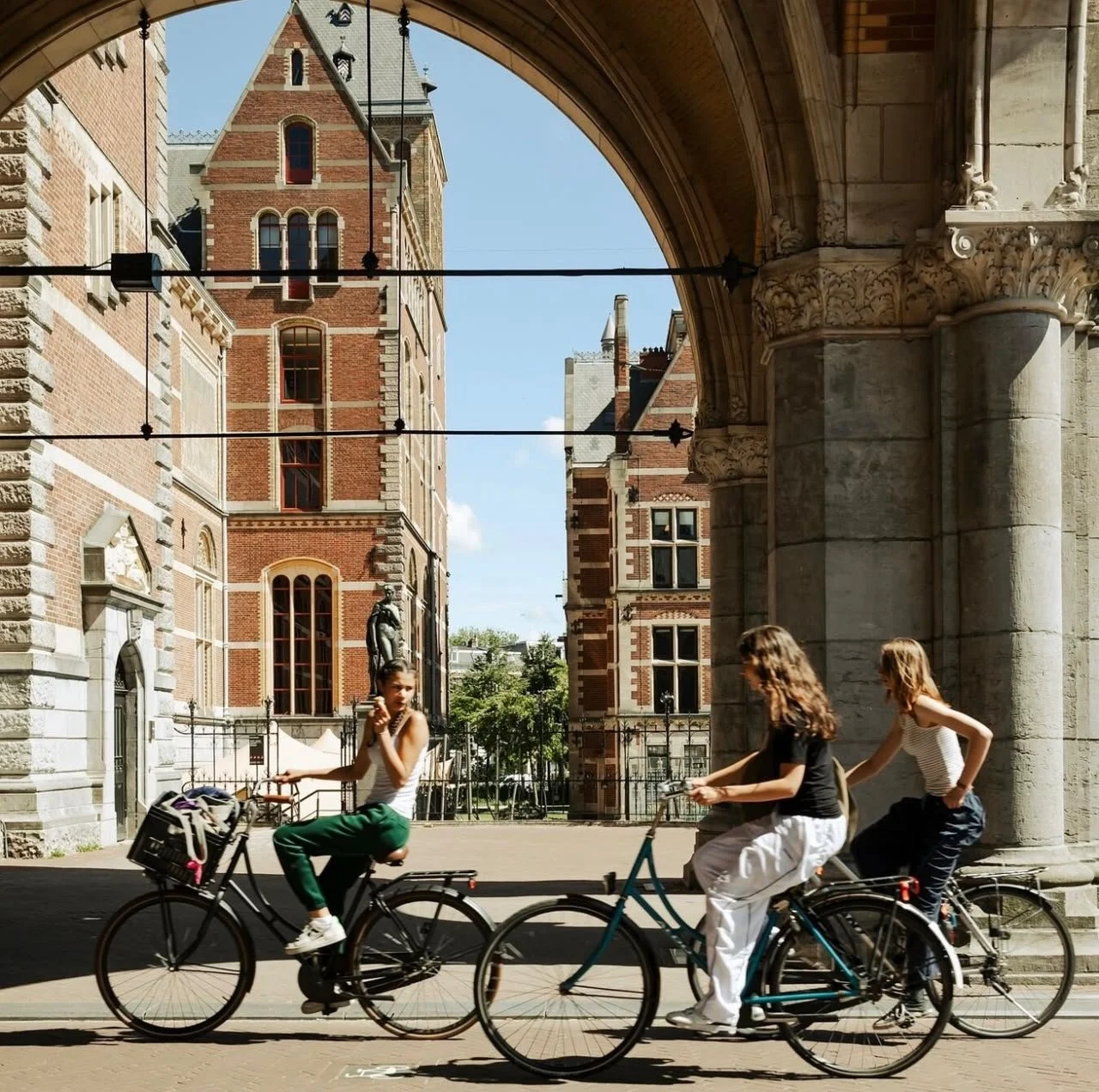
Amsterdam is also a city where cycling genuinely changes the way a visitor experiences it. Rosewood offers bicycles, making it possible to move beyond the immediate canal streets toward neighborhoods that many first-time travelers overlook.
A longer stay also creates room for excursions outside central Amsterdam. Durgerdam, the countryside north of the city and the wider Dutch landscape provide useful counterpoints to the dense architecture of the Canal Ring.
That contrast is part of the appeal. Amsterdam works best when an itinerary alternates between major cultural institutions, neighborhood wandering, time on the water and slower moments without a formal agenda.
Getting to Rosewood Amsterdam
Rosewood Amsterdam is located directly within the historic Canal District.
From Amsterdam Airport Schiphol: The airport is approximately 15 kilometers from the hotel. Private chauffeured transfers can be arranged through Rosewood, while taxis are readily available at the airport.
From Amsterdam Centraal: The city’s principal railway station is approximately 2.5 kilometers from the hotel.
From Amsterdam Zuid: The station is approximately 3 kilometers away and is particularly useful for travelers arriving from Schiphol or connecting through the wider Dutch rail network.
By Tram: The nearest tram stop is Prinsengracht, approximately 110 meters from the hotel.
Once checked in, much of central Amsterdam can be explored on foot, by bicycle or by boat.
A New Chapter for One of Amsterdam’s Oldest Addresses
Rosewood Amsterdam is most interesting because it does not depend on a single feature.
The former courthouse gives the hotel architectural weight. Studio Piet Boon’s interiors bring the building into the present. Piet Oudolf’s garden softens the monumentality. The art collection connects it to contemporary Amsterdam, while Eeuwen, Advocatuur and Asaya each interpret a different aspect of Dutch culture and modern urban life.
For us, the property works especially well for travelers who want their hotel to be part of the destination rather than simply a base inside it.
A morning might begin with coffee in The Court, continue through the Rijksmuseum, move onto the canals aboard Liberty and finish with dinner at Eeuwen or a jenever in Advocatuur. Another day might be slower: breakfast, Asaya, a walk through De Tuin, time in the hotel’s art collection and an afternoon exploring the Jordaan by bicycle.
That flexibility is what makes Rosewood Amsterdam particularly compelling.
The building has already lived several lives. Its newest one does not attempt to recreate the Amsterdam of 1665 or the Palace of Justice that followed. Instead, Rosewood has allowed history, contemporary Dutch design and the rhythms of the city outside to coexist in the same place.
For a hotel occupying one of Amsterdam’s most significant addresses, that feels like the right approach.