Con Dao, Vietnam | Six Senses Con Dao
Six Senses Con Dao: A Private Island Retreat Shaped by Nature, History and the Sea
Con Dao feels removed from the version of Vietnam most travelers encounter first. The archipelago sits off the country’s southern coast, surrounded by protected waters, coral reefs and forested hills, while its largest island, Con Son, carries a history that is considerably more complex than its beaches suggest.
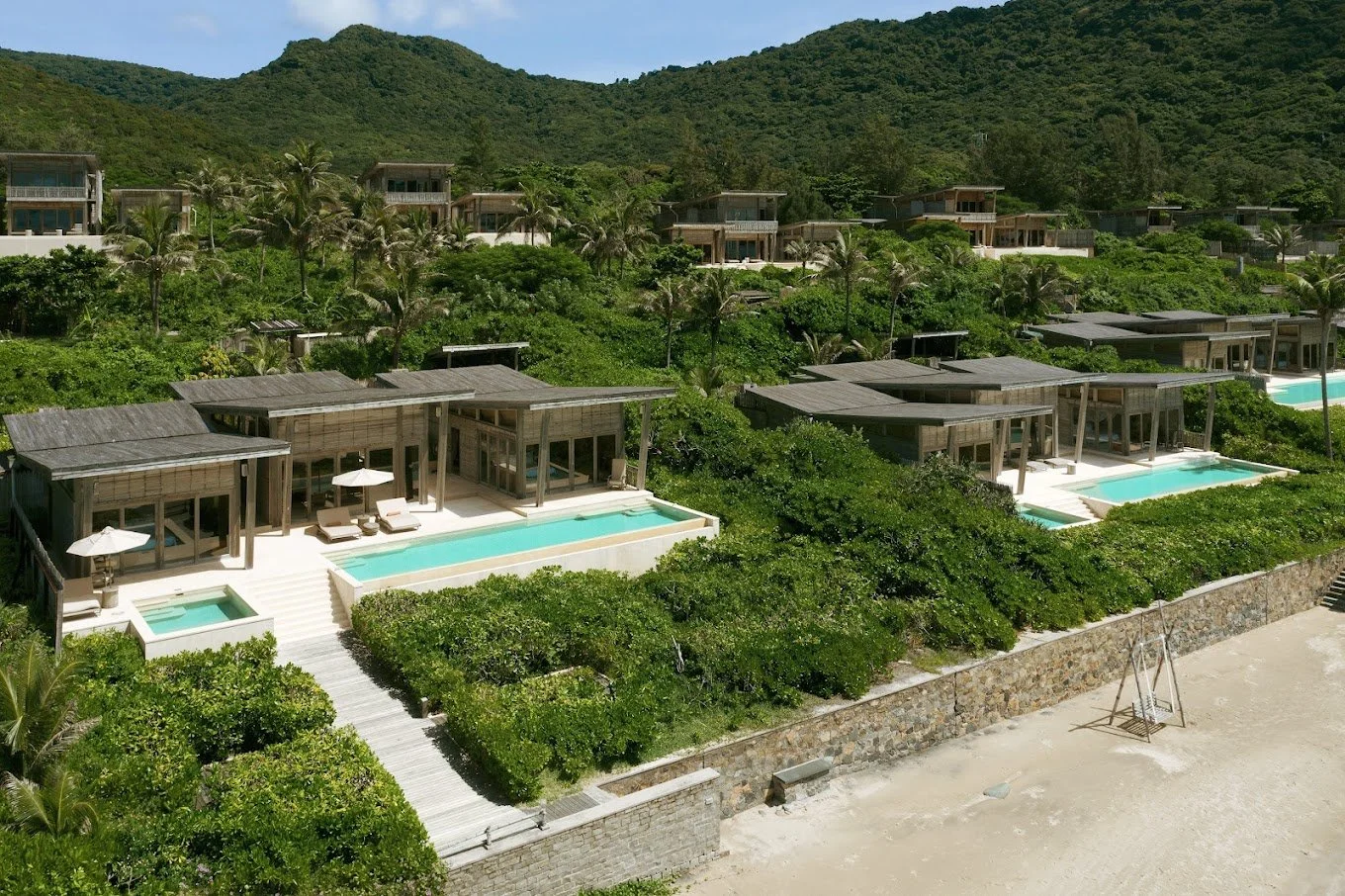
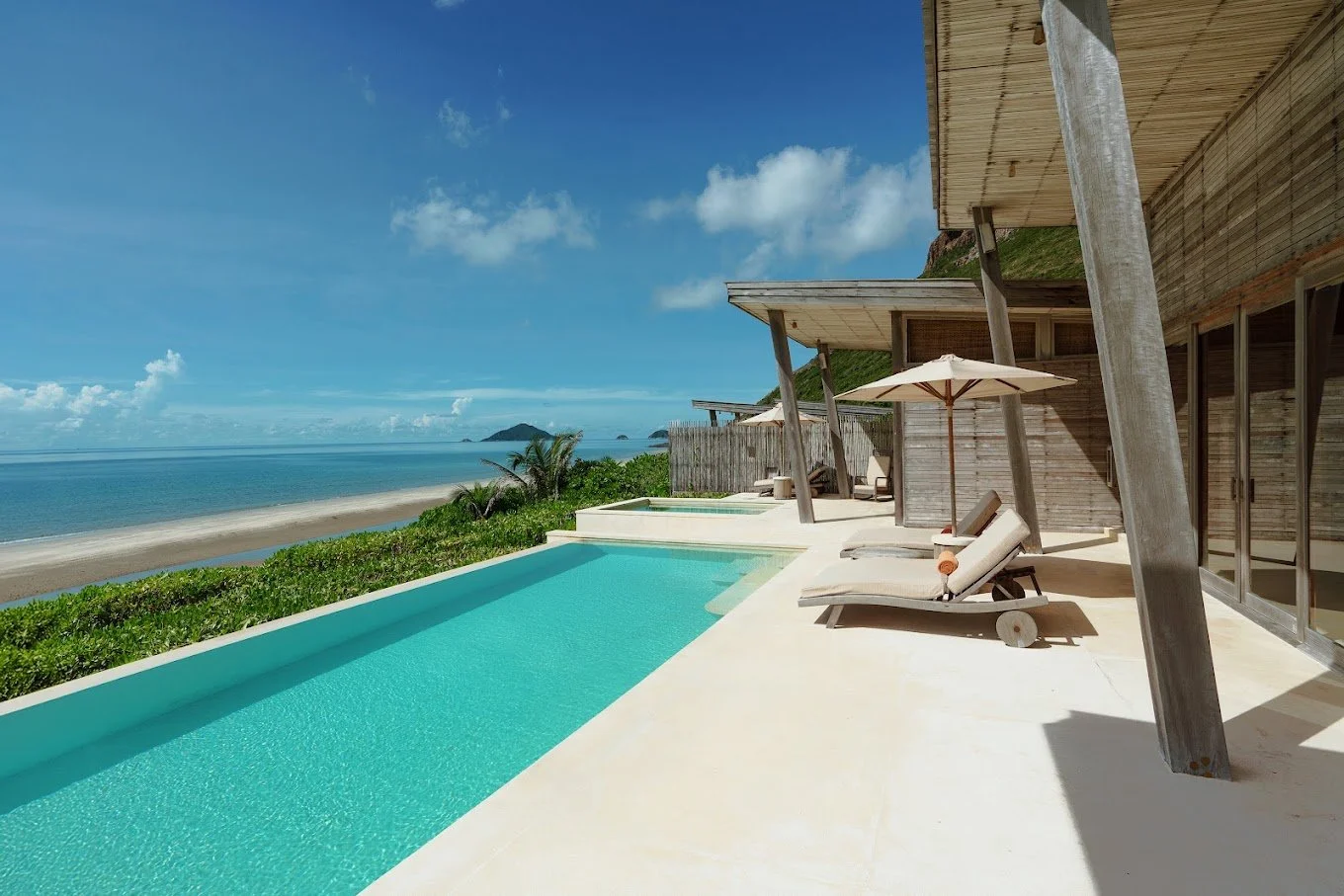
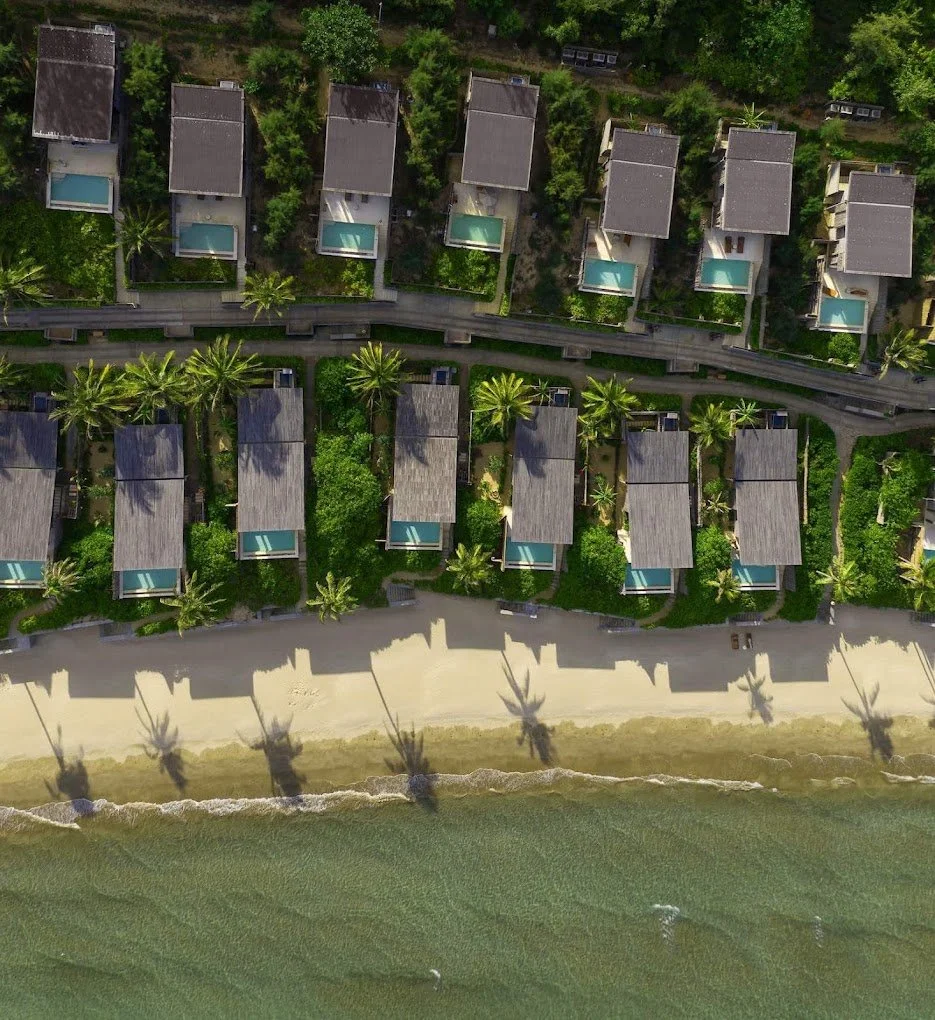
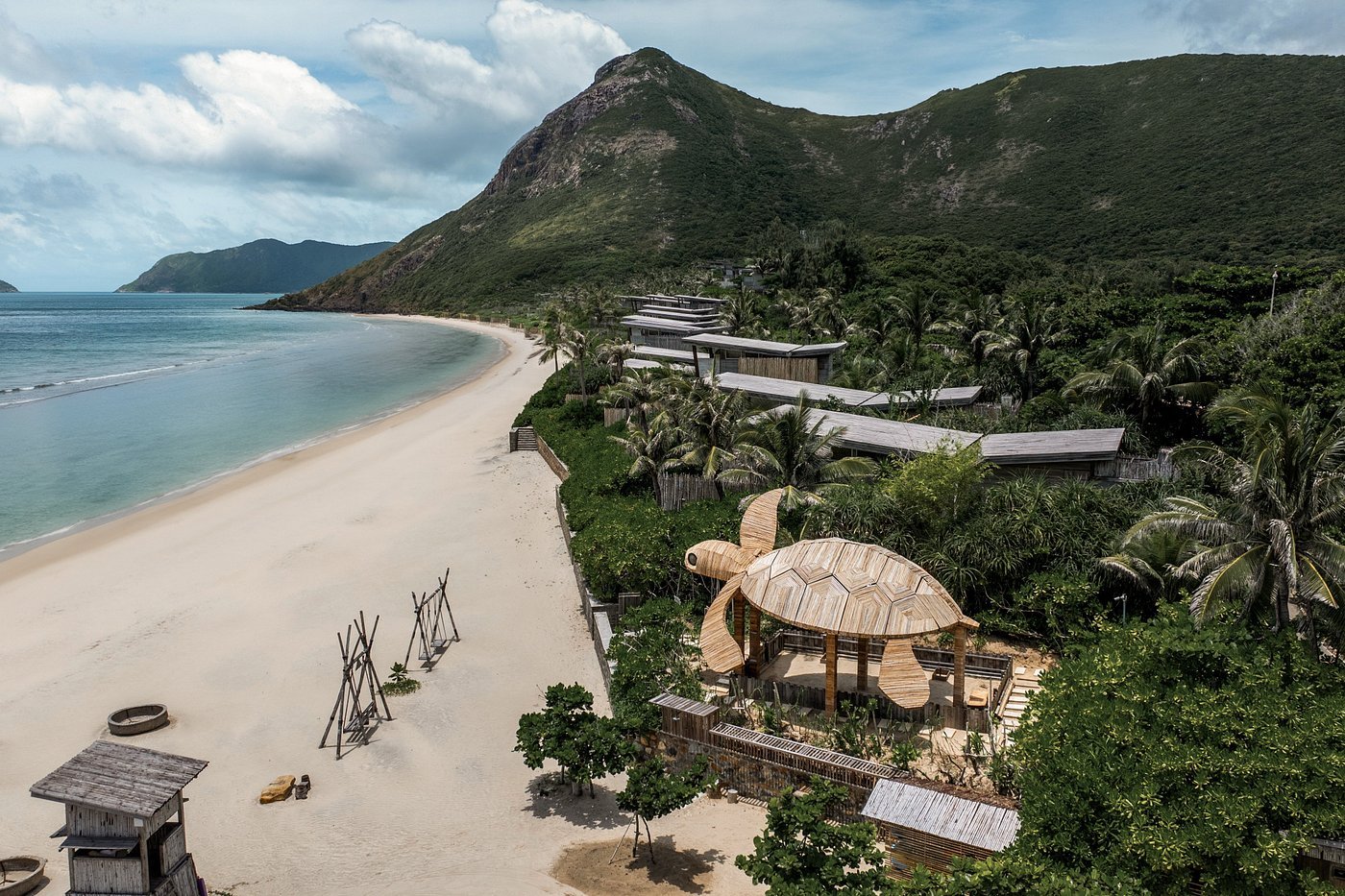
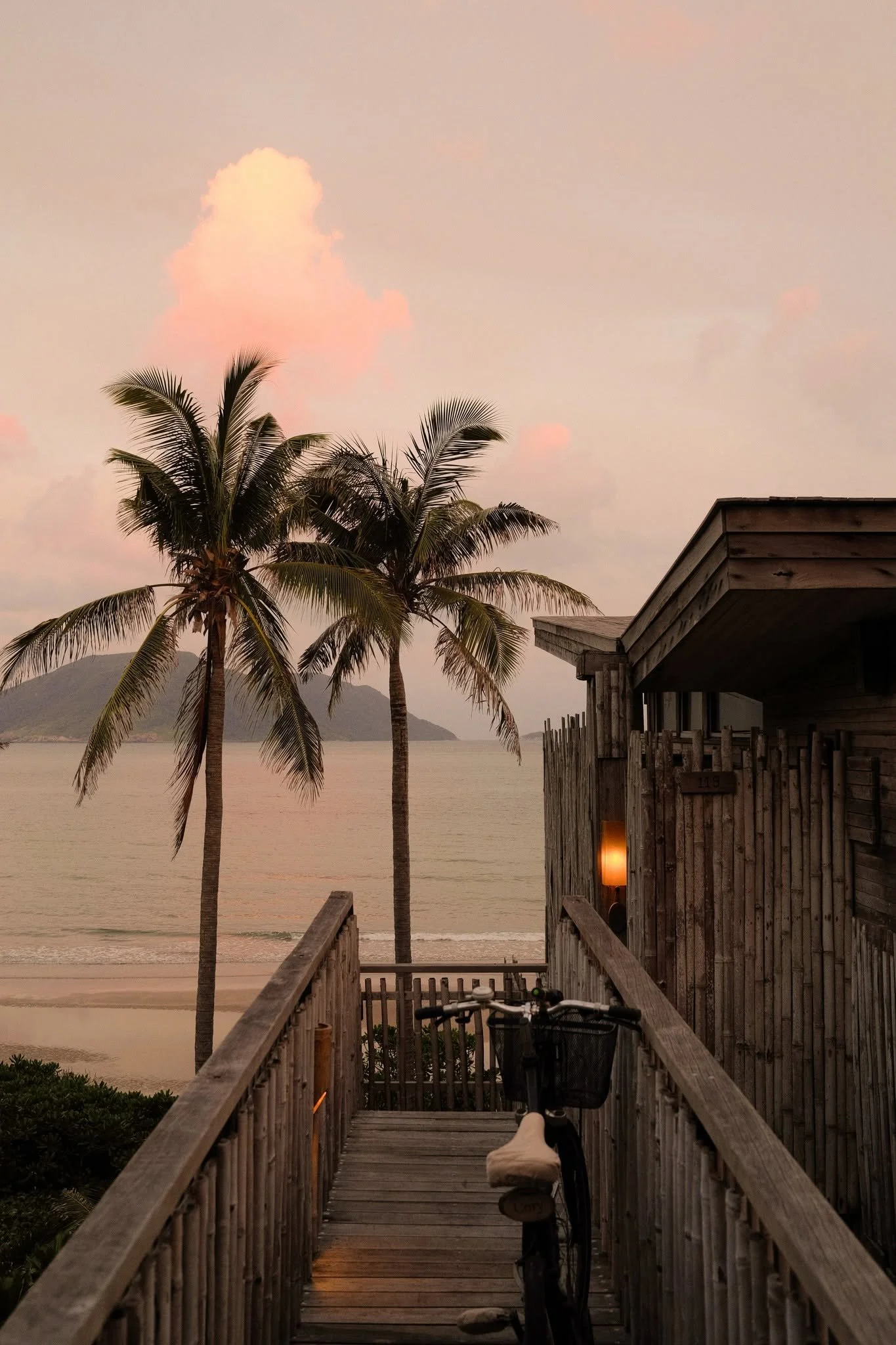
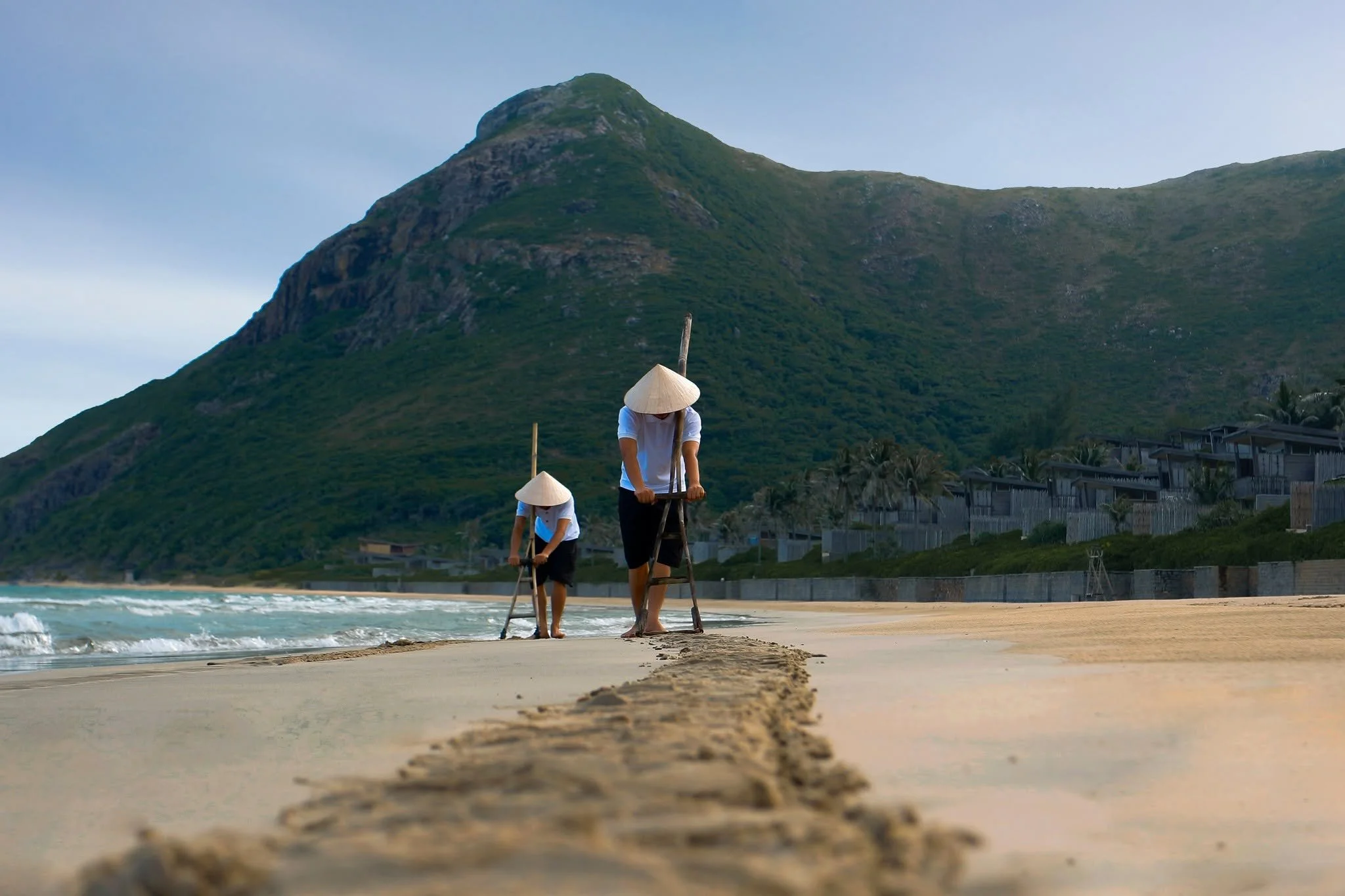
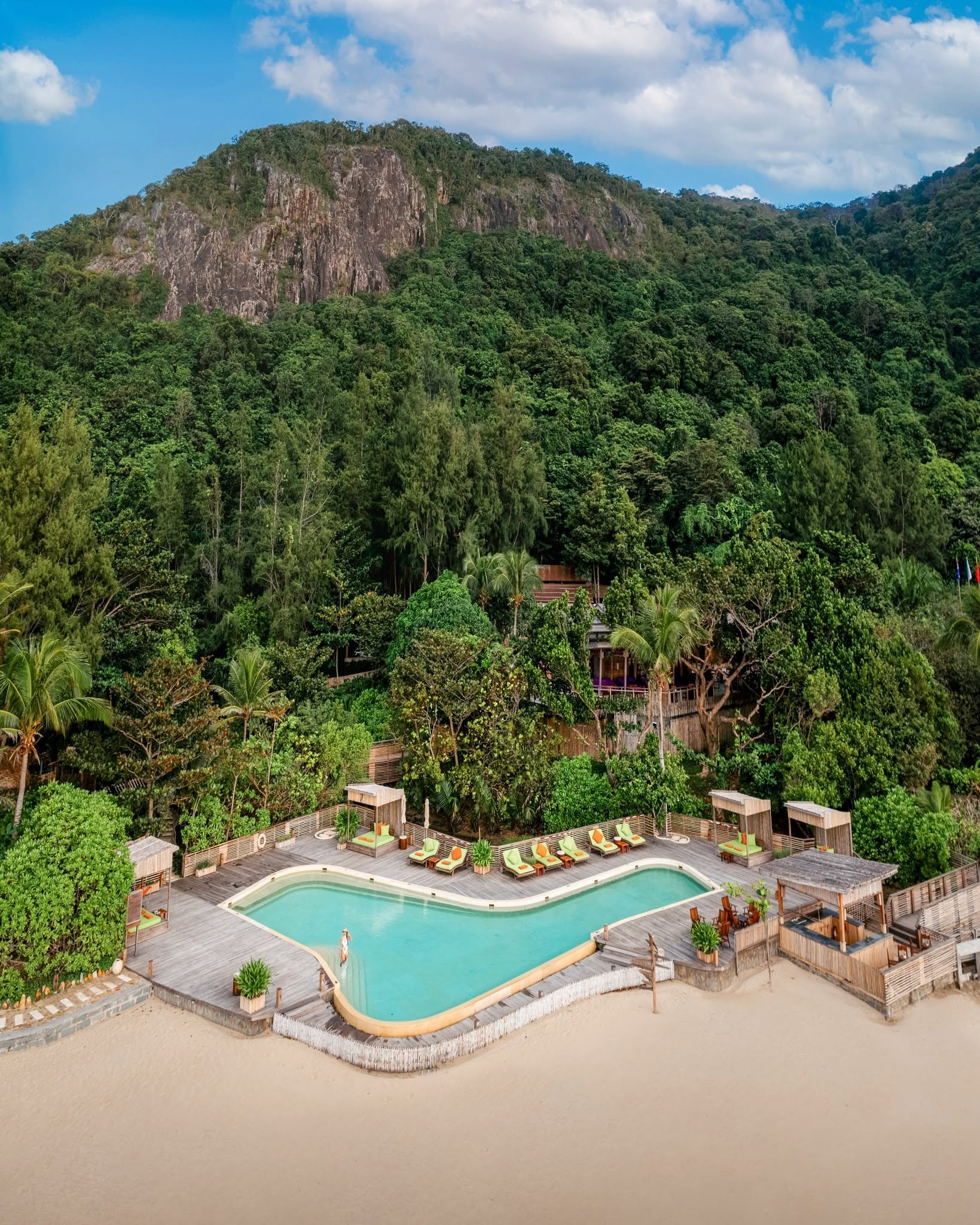
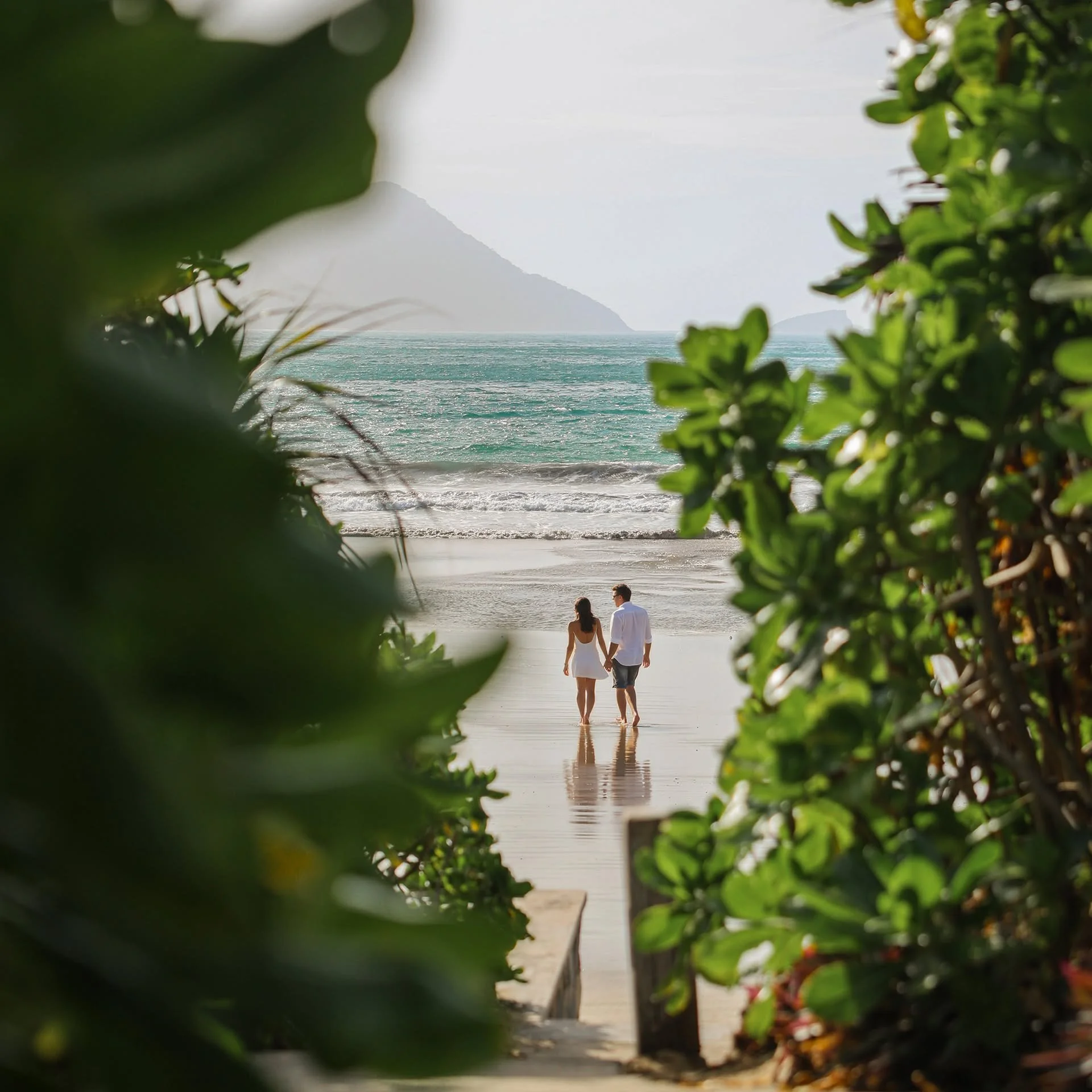
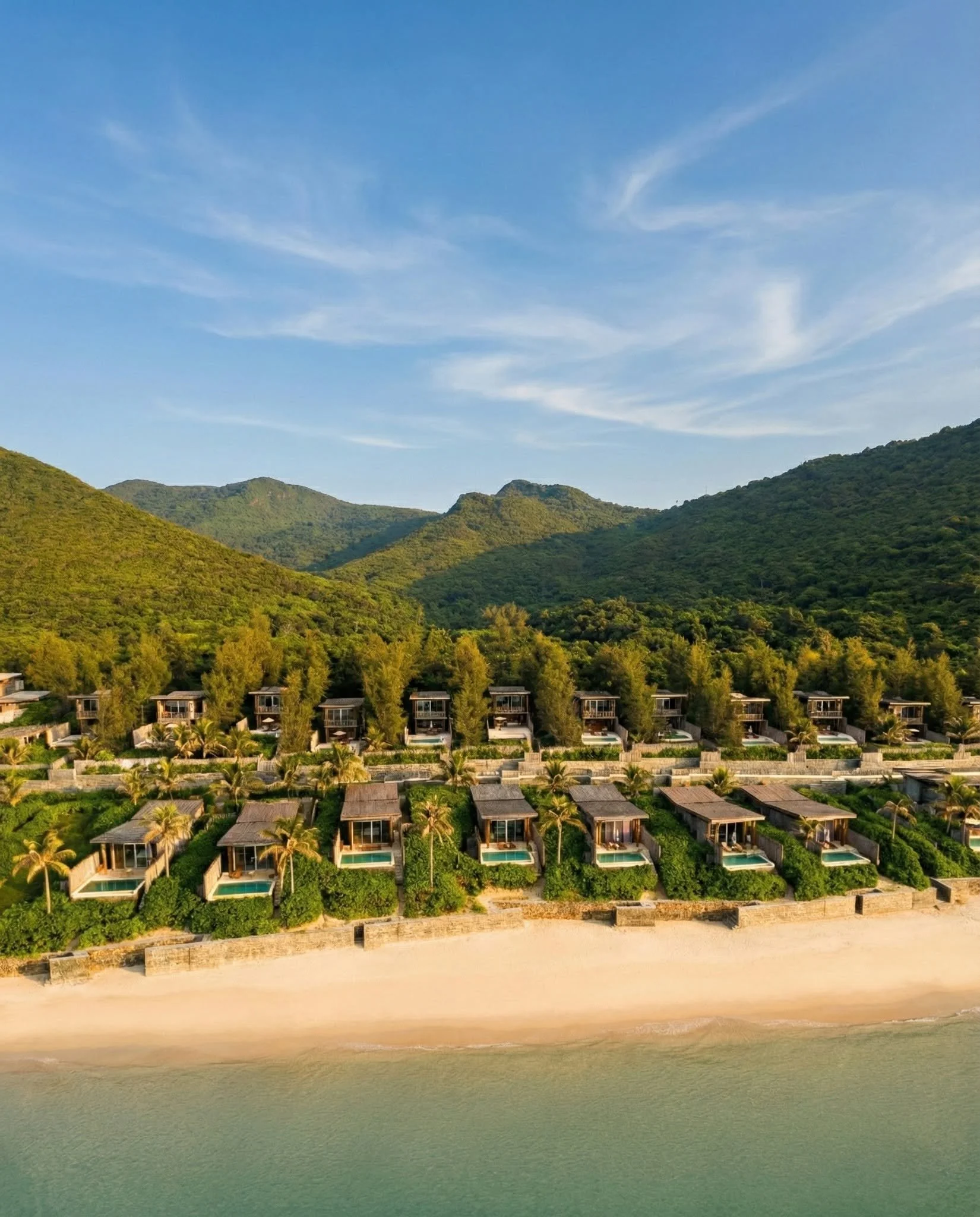
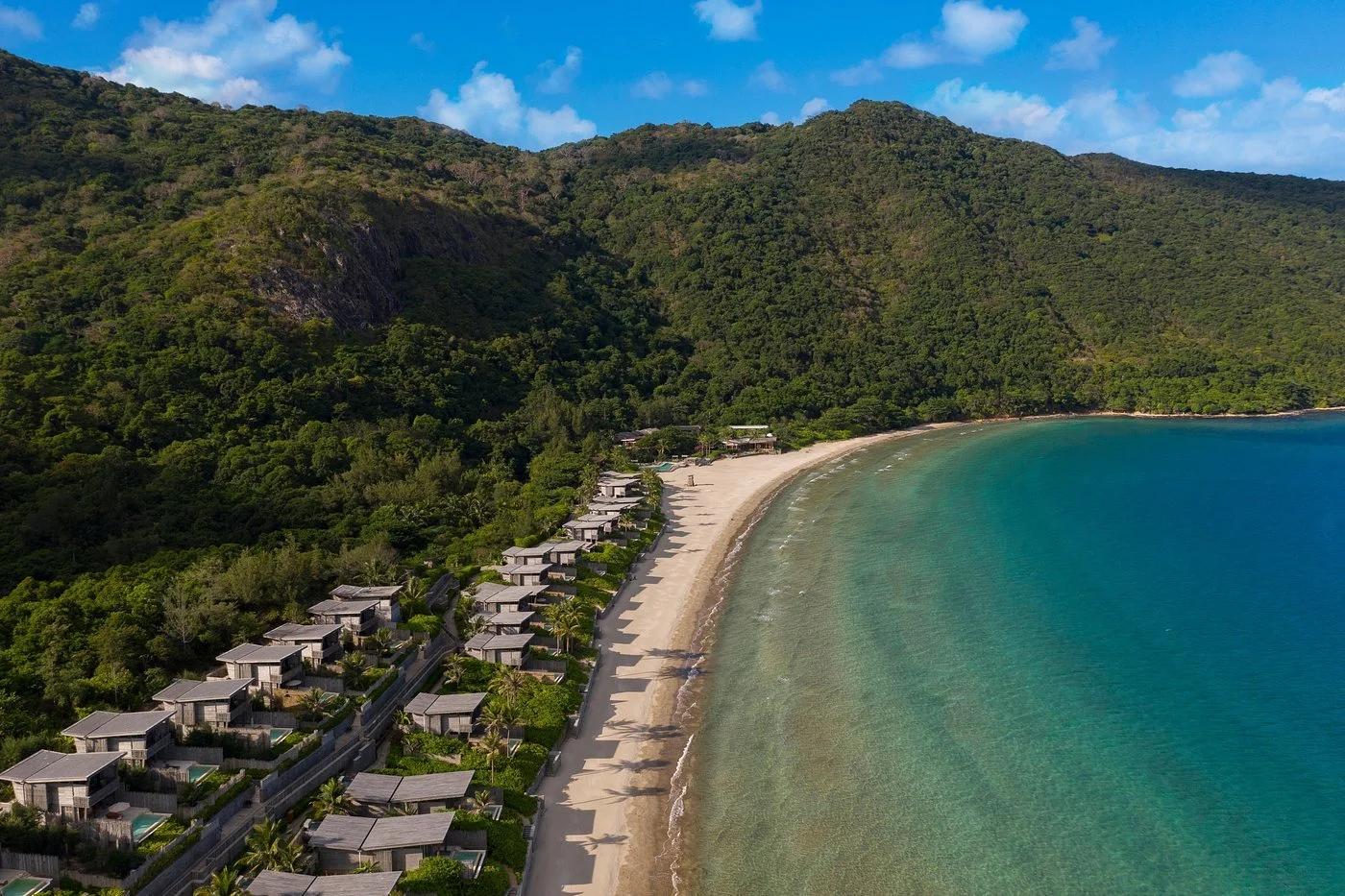
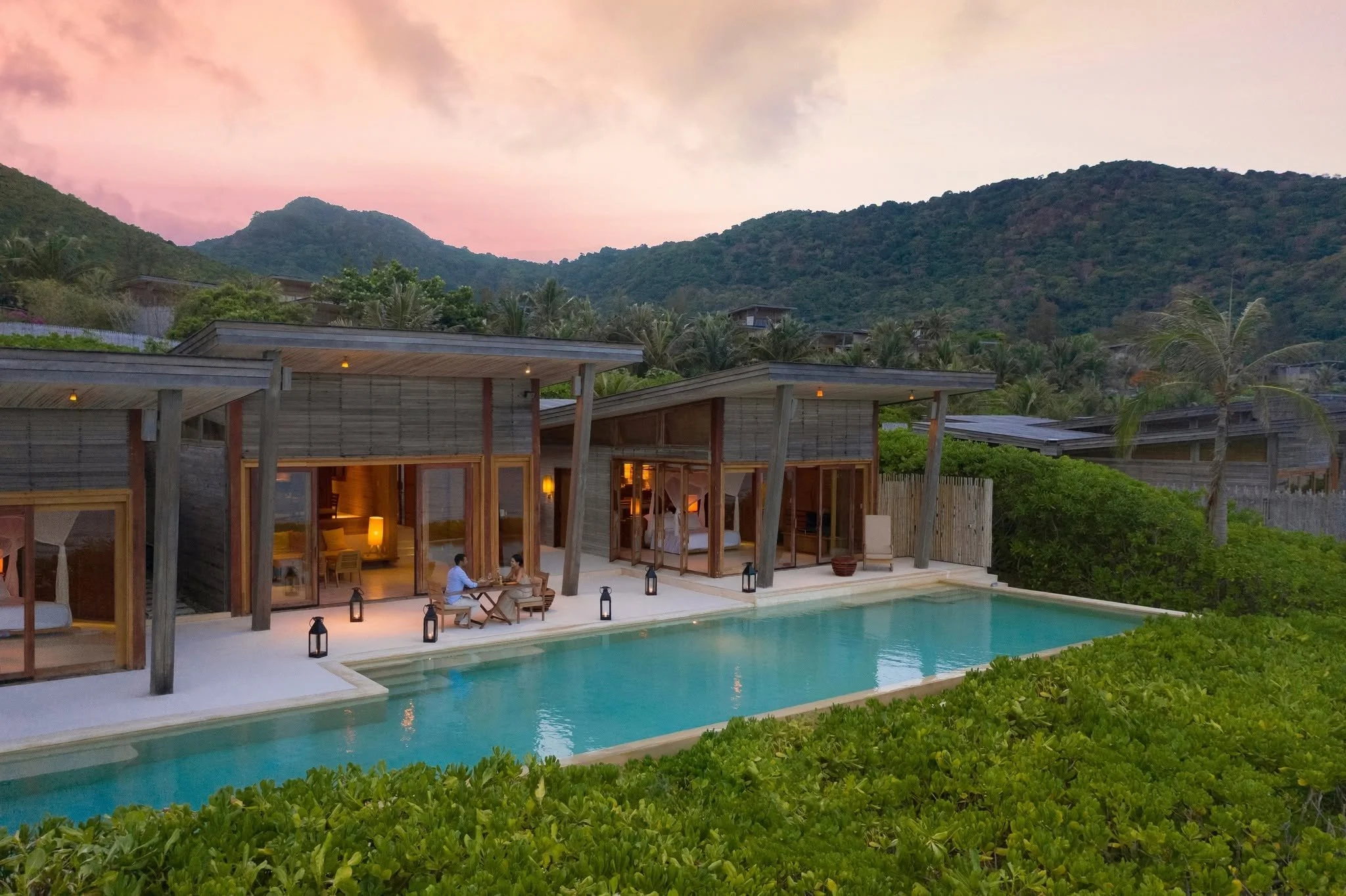
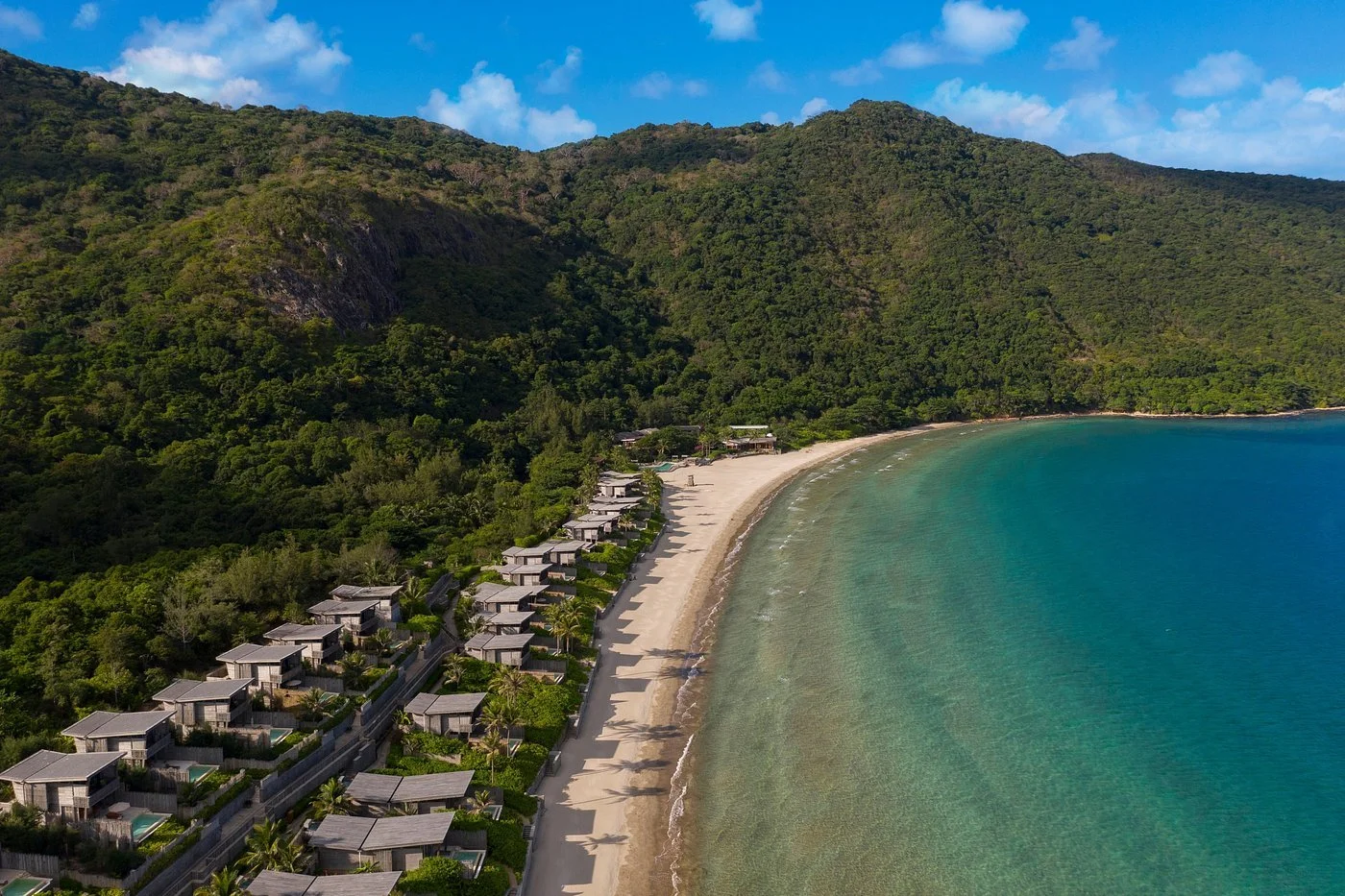
Six Senses Con Dao opened in 2010 on Dat Doc Beach and remains one of the destination’s defining luxury resorts. The property comprises 50 private pool villas and residences, all positioned close to the sand and designed around the landscape rather than apart from it. The private stretch of Dat Doc Beach runs for approximately 1.6 kilometers, backed by the Lo Voi Mountains and the protected ecosystems of Con Dao.
What makes the resort particularly interesting for us is that the experience does not stop at the villa. Con Dao is a place of marine conservation, Vietnamese history, forest trails, fishing traditions and some of the country’s most rewarding underwater experiences. Six Senses uses all of those elements to shape a stay that can move easily between the beach, the spa, cultural exploration and the surrounding national park.
A Penal Colony, a Protected Landscape
Understanding Con Dao requires looking beyond its tropical setting.
The archipelago is made up of 16 islands, with Con Son as the largest. For more than a century, Con Dao was associated with a brutal prison system established under French colonial rule and later continued during the Vietnam War era. The first prison on Con Son was established in 1862, and the island’s prison network remained in operation until 1975.
Today, the former prisons, Con Dao Museum and Hang Duong Cemetery preserve an important part of modern Vietnamese history.
That history now exists alongside one of Vietnam’s most environmentally important island landscapes. Much of Con Dao is protected within Con Dao National Park, with dense forest, coral reefs, beaches and marine habitats supporting sea turtles and other wildlife. For travelers, the contrast between the island’s past and present is one of the reasons Con Dao deserves more time than a conventional beach stop.
Six Senses arrived in this setting in 2010, bringing a resort model built around low-density villas, conservation and a strong connection to place. The result feels less like a self-contained destination resort and more like a base for understanding the island itself.
A Fishing Village Reimagined
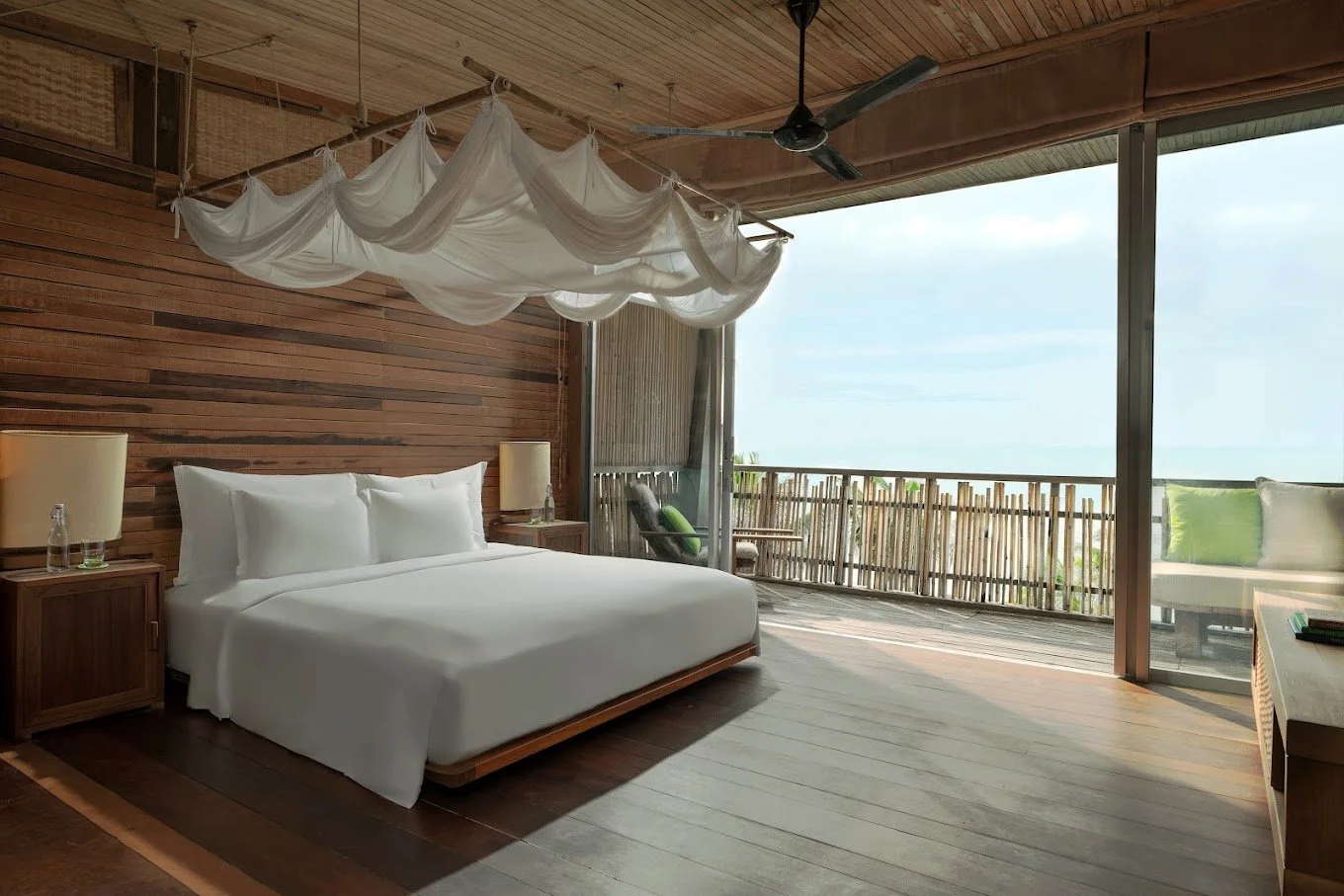
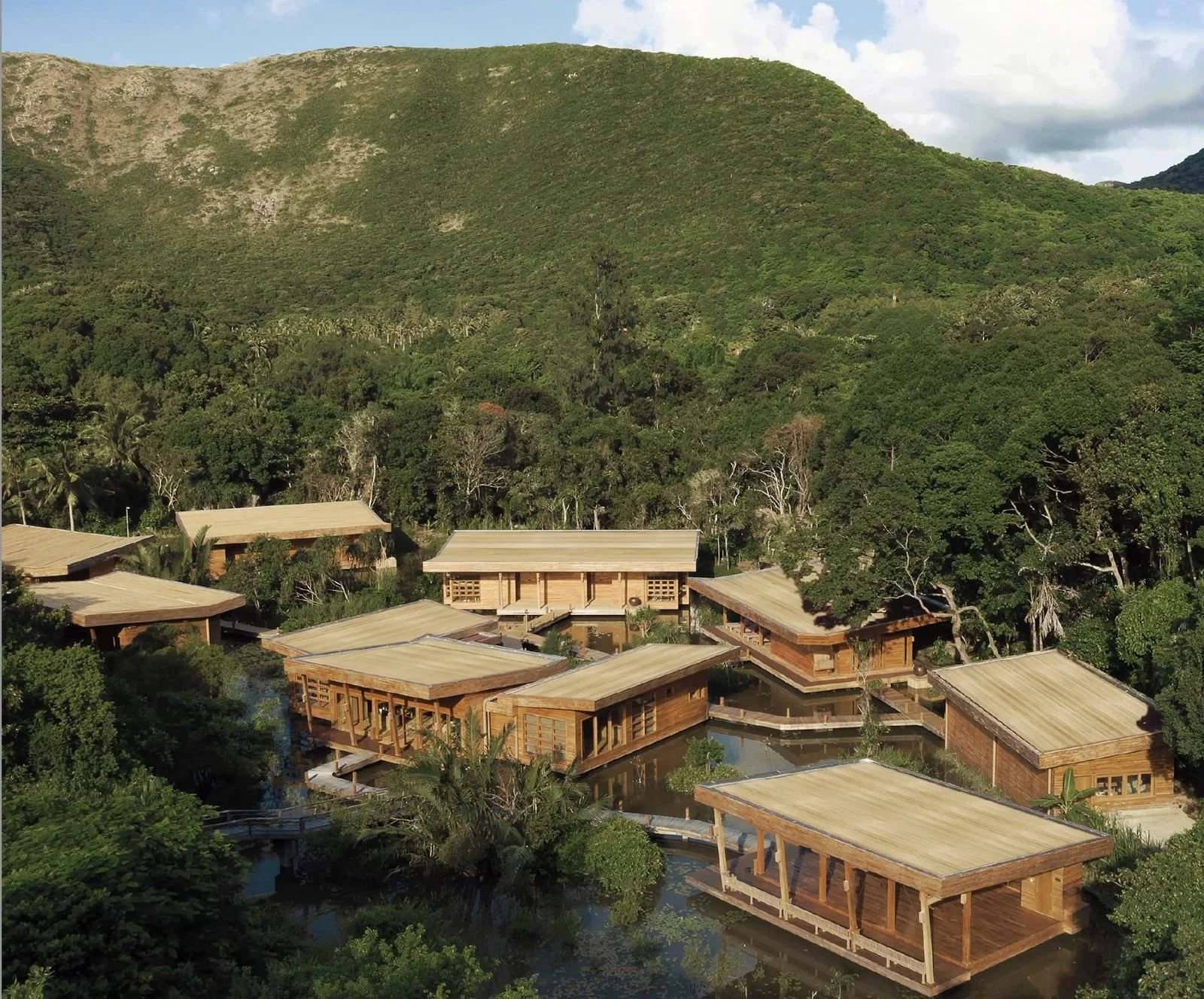
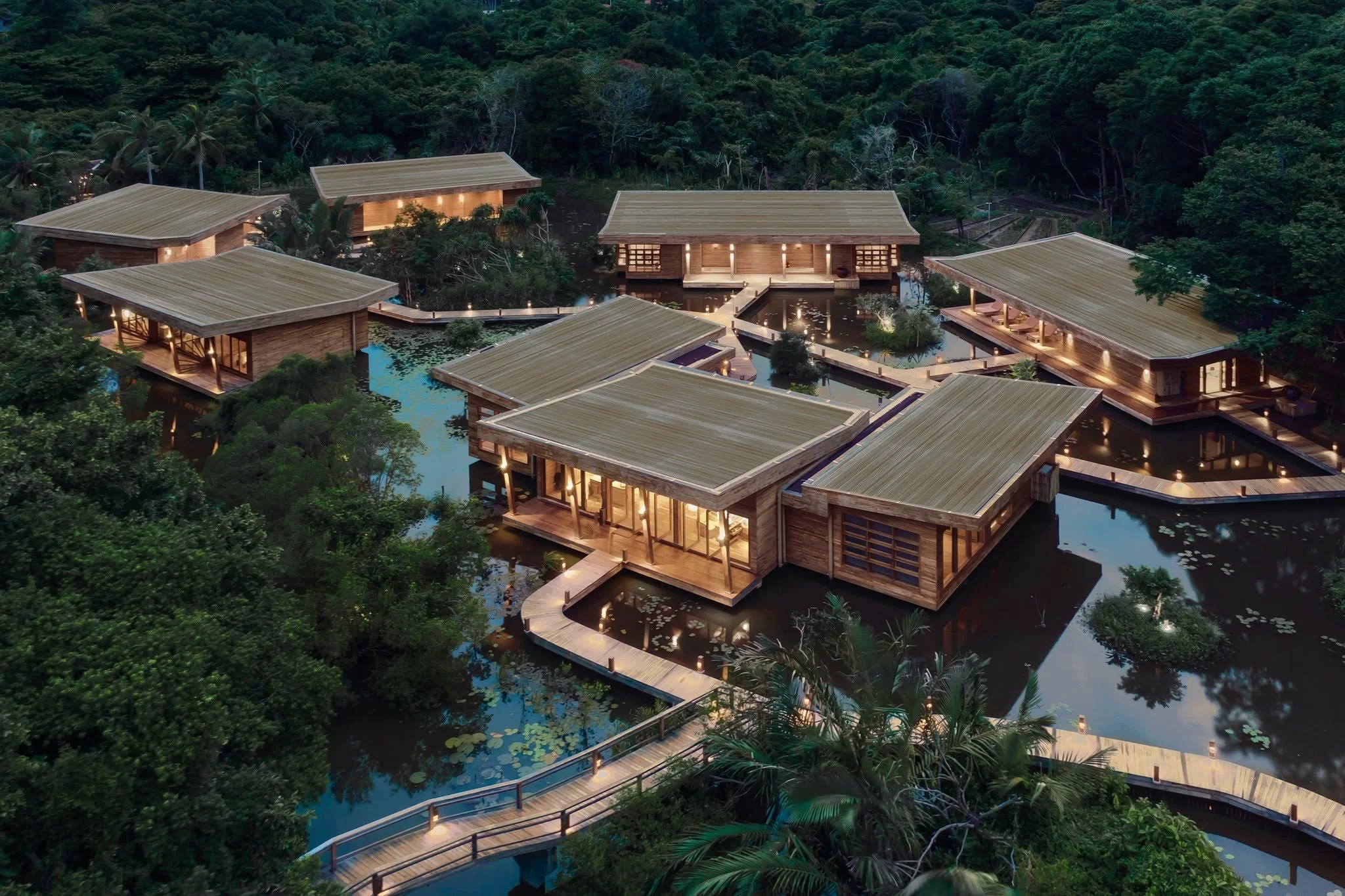
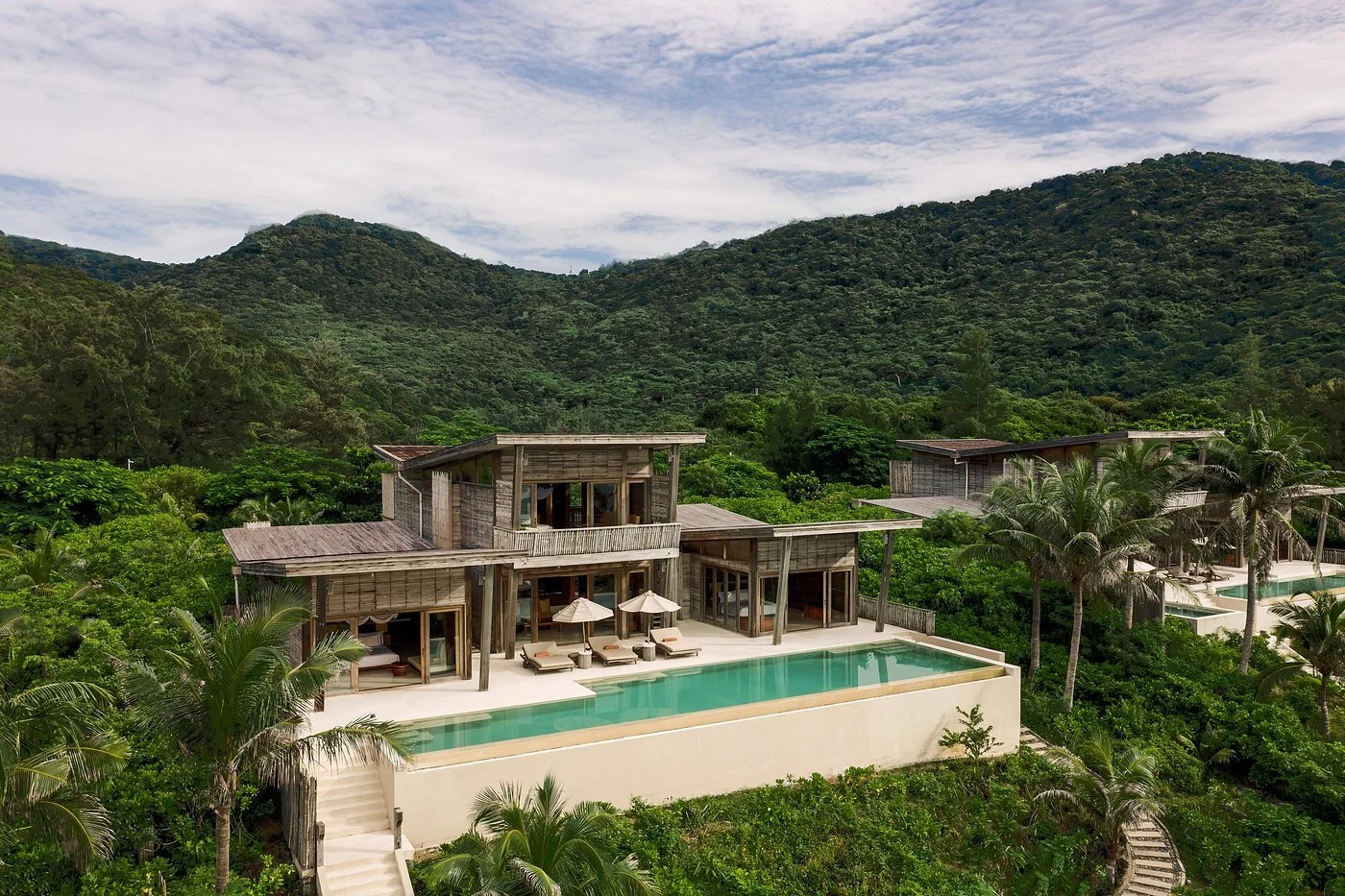
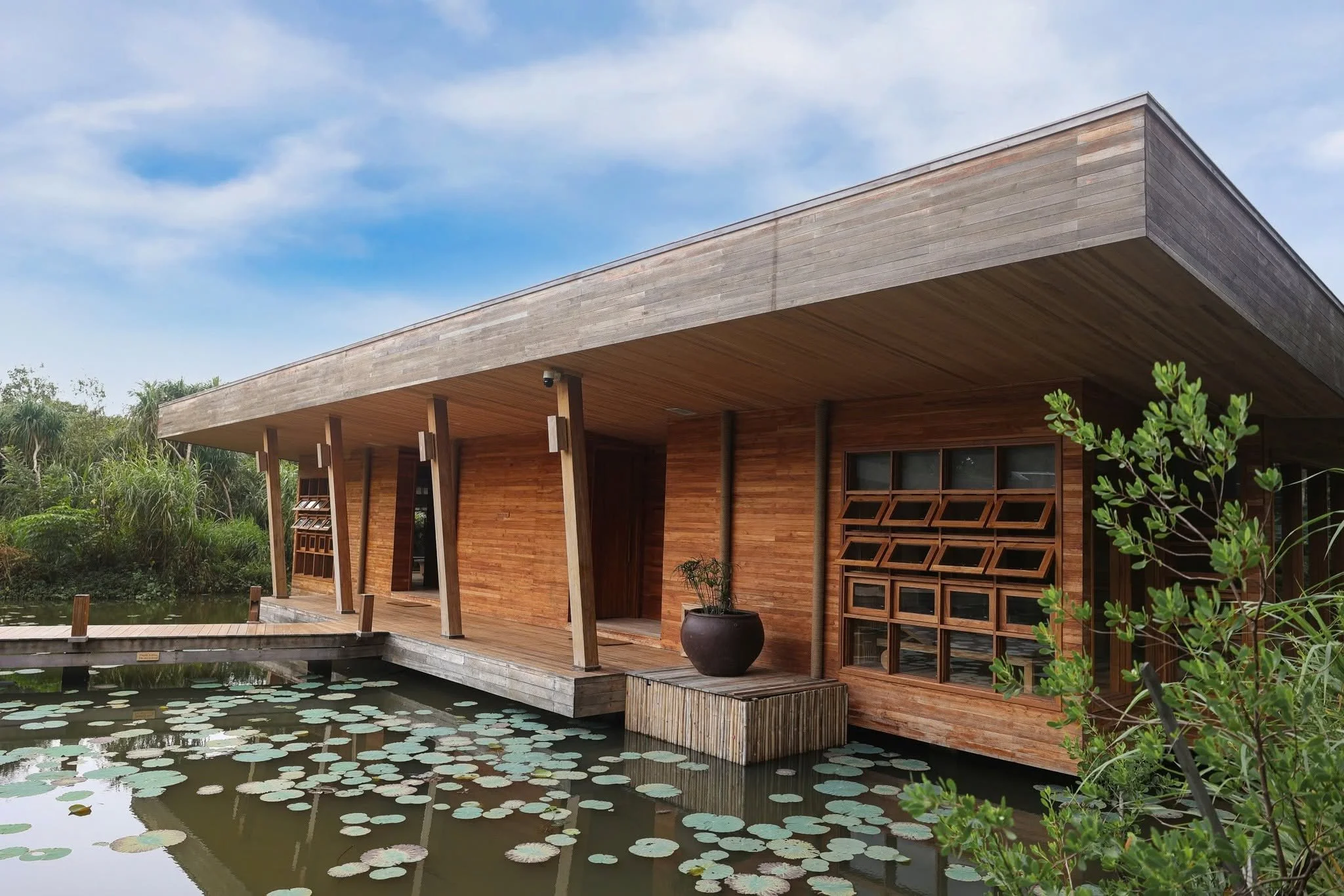
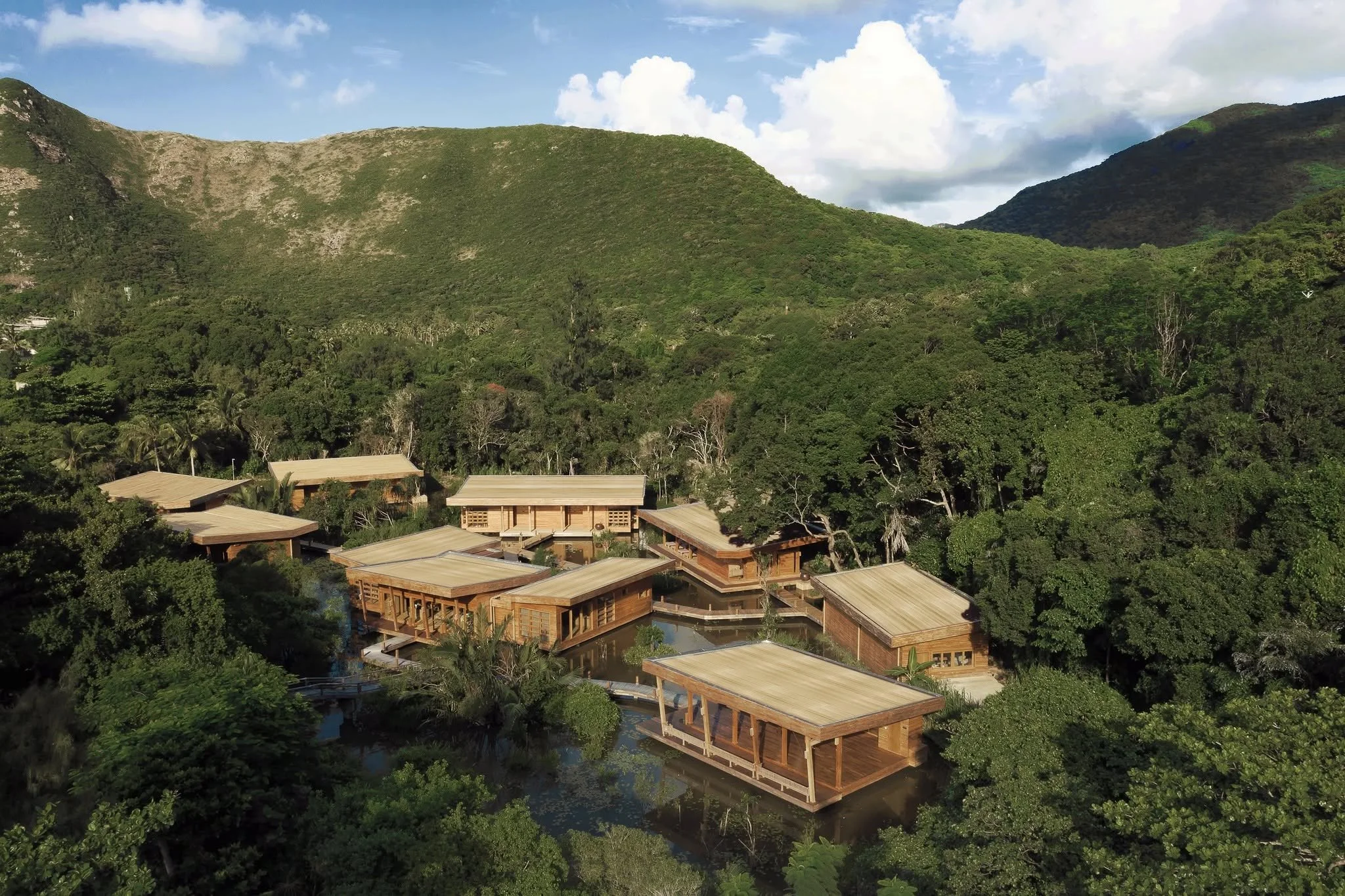
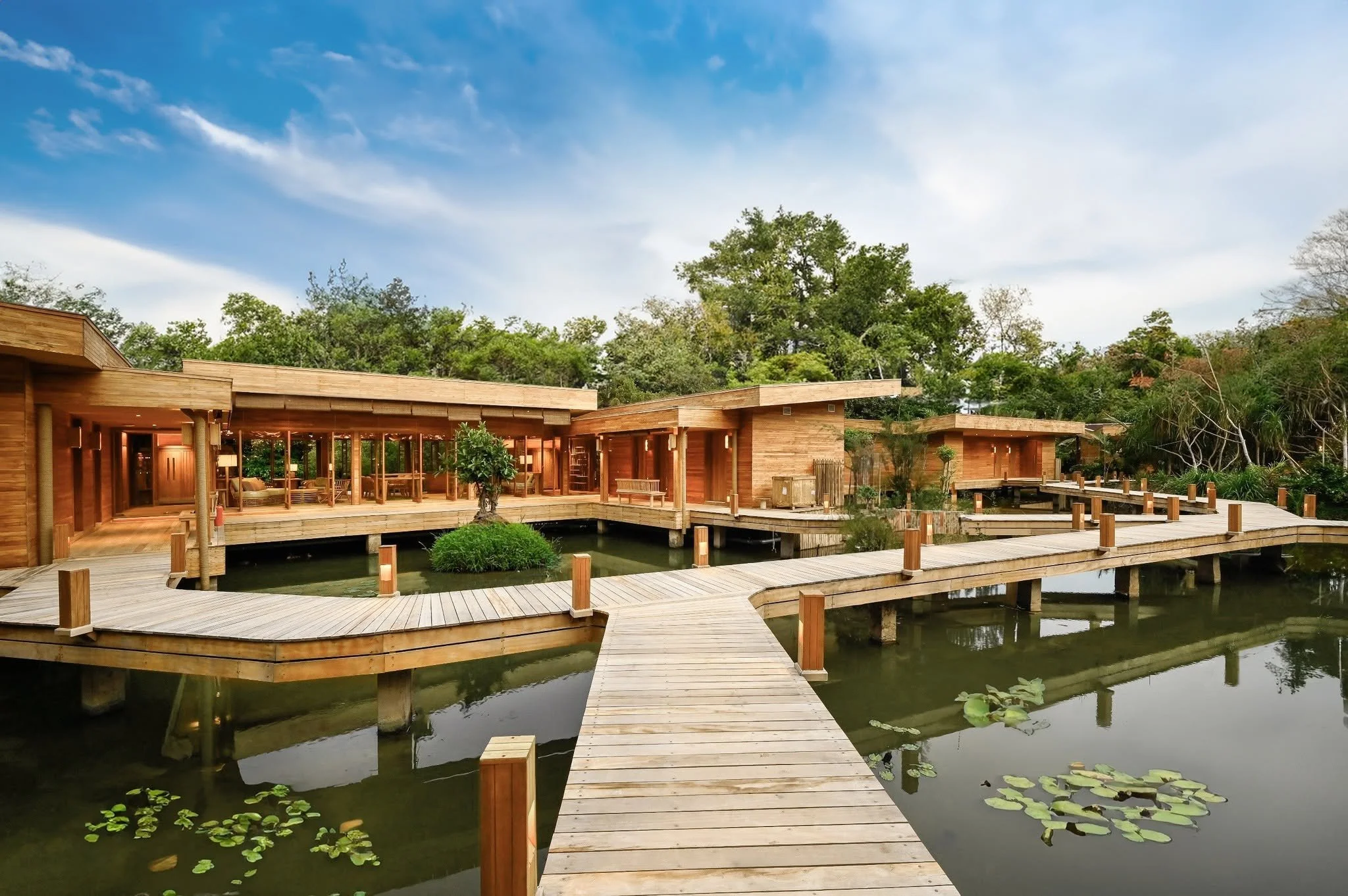
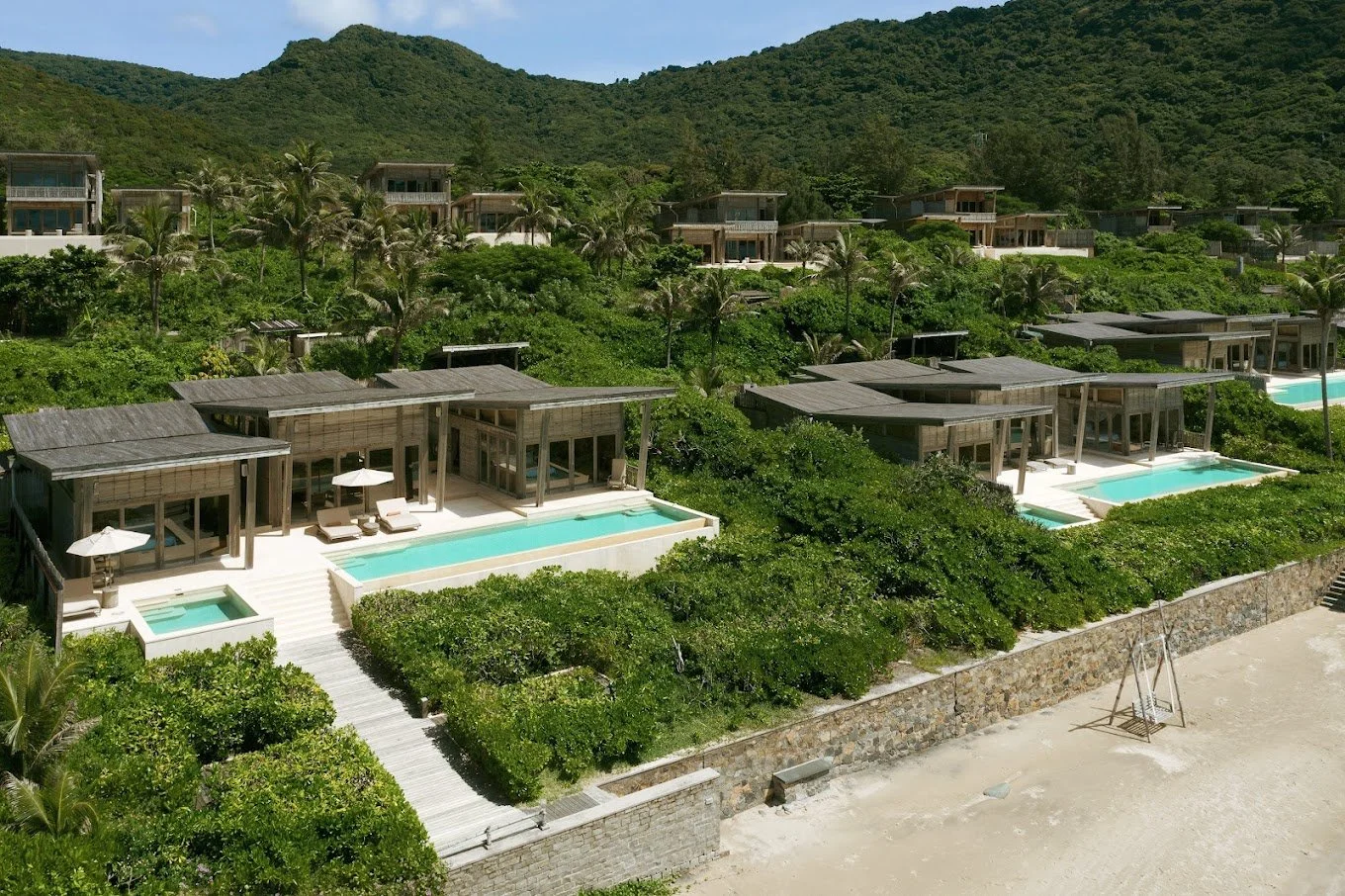
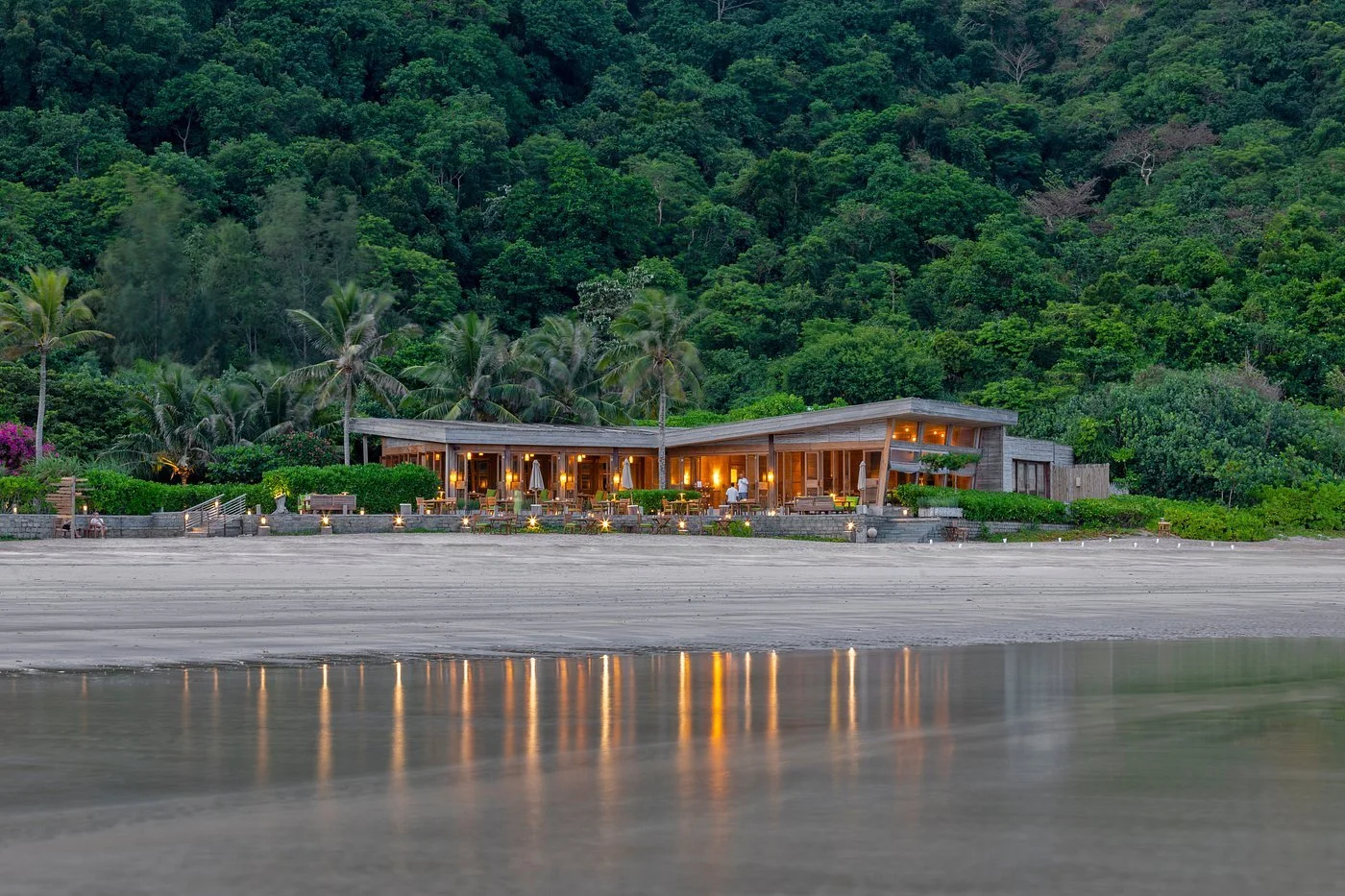
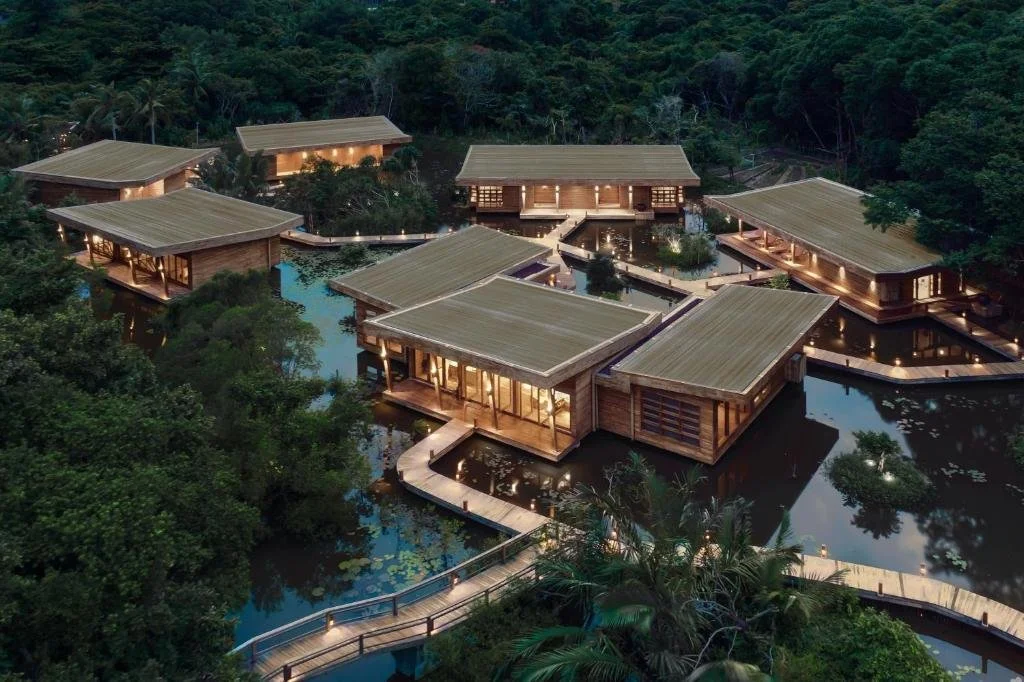
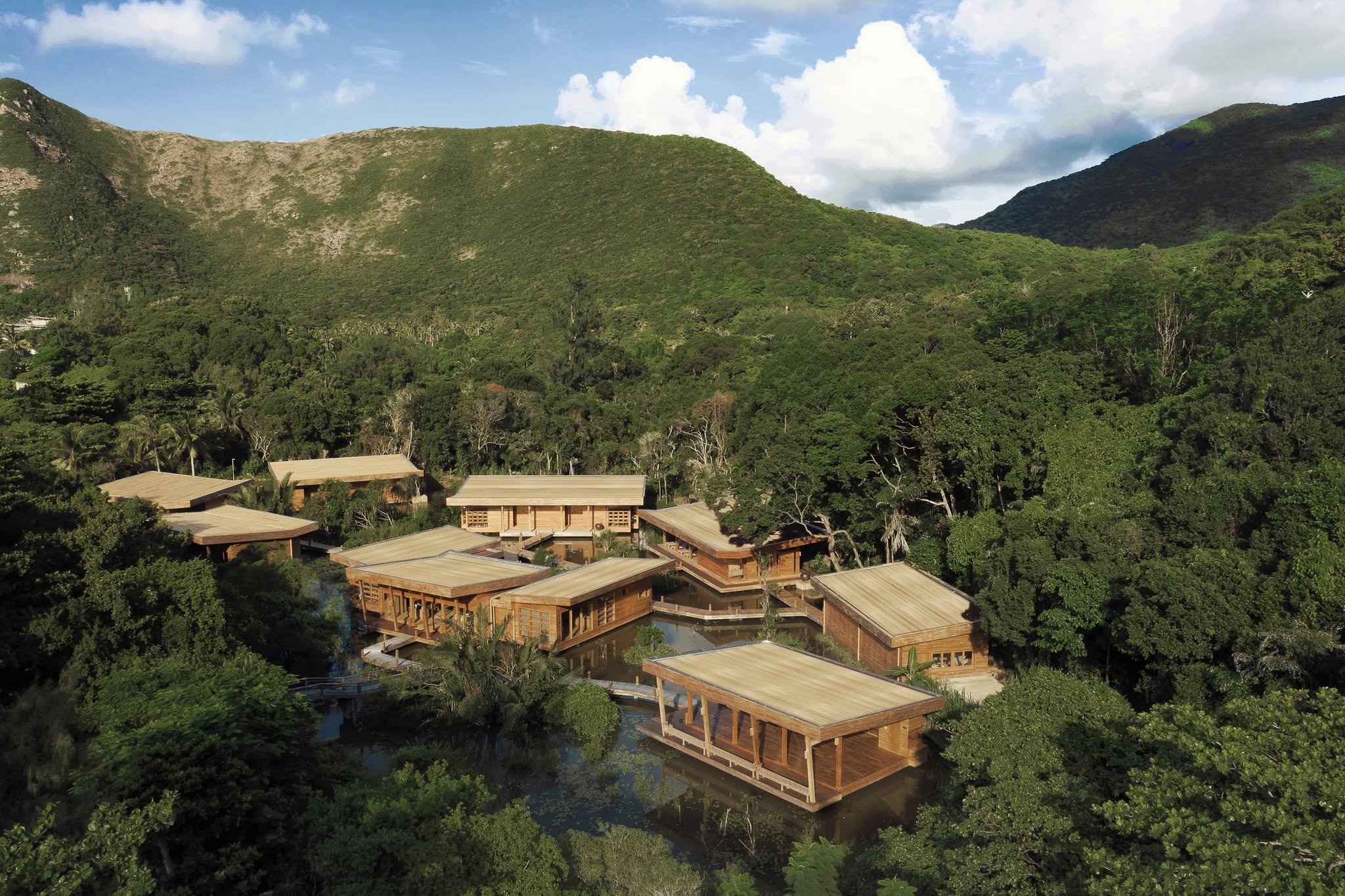
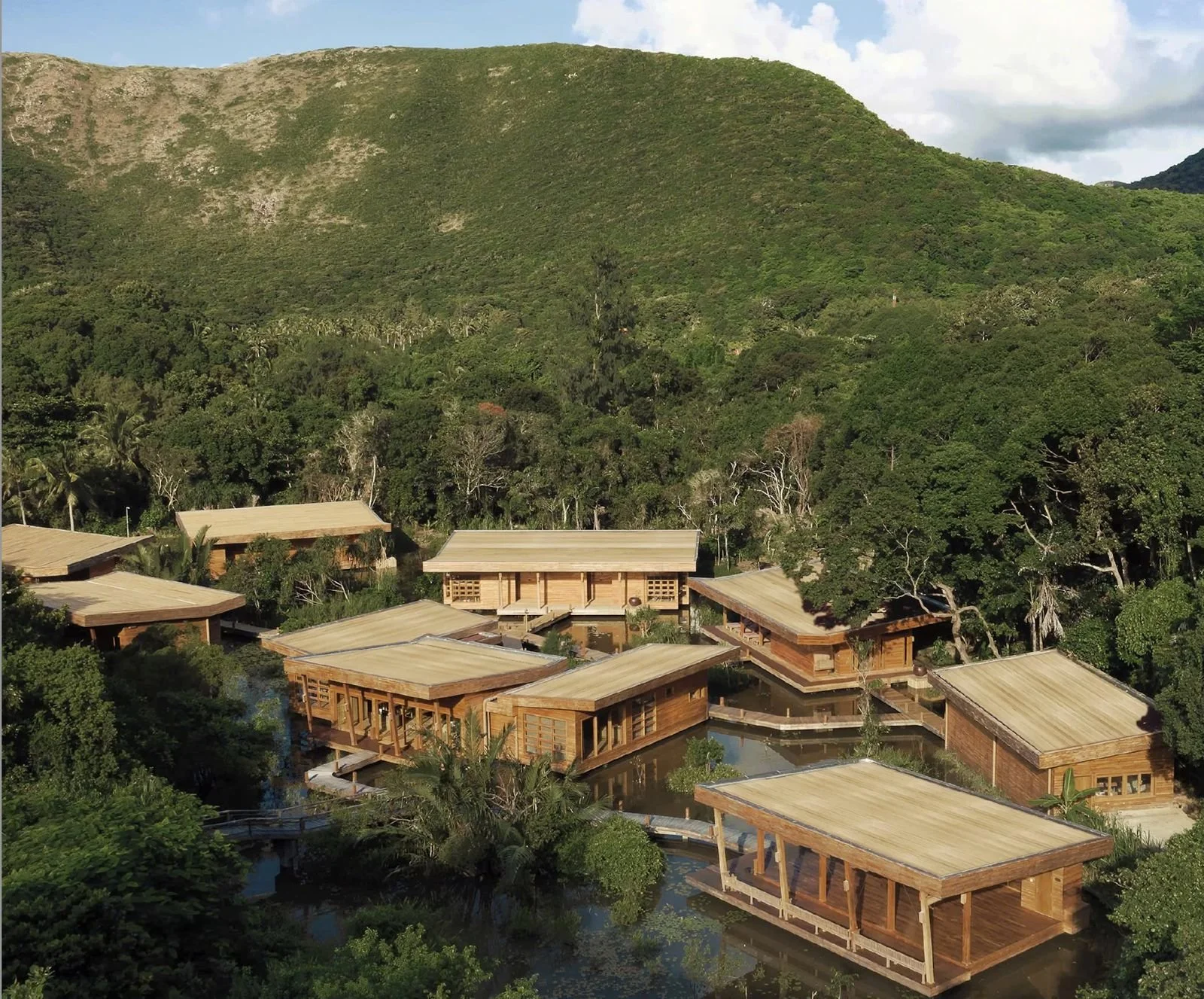
The resort was designed by AW², the Paris-based architecture and masterplanning practice. The concept draws from the form and rhythm of a traditional Vietnamese fishing village, using reclaimed teakwood, timber screens, pitched and butterfly-style roofs and natural ventilation to reduce reliance on air-conditioning.
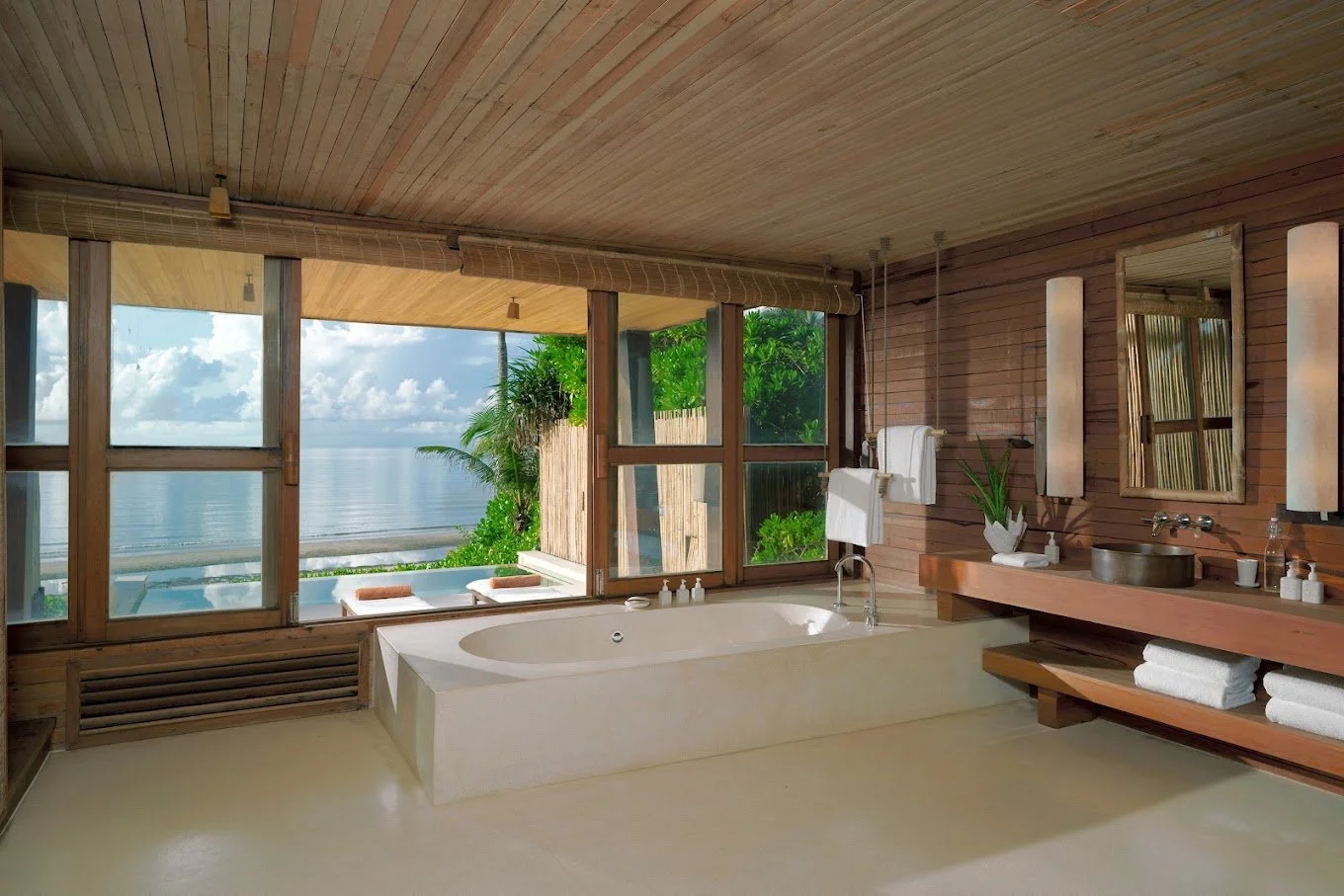
Rather than placing one large building along the beachfront, the property is spread through tropical planting in a sequence of villas and pavilions. Wood paneling, open bathrooms and shaded outdoor areas keep the interiors simple and closely connected to the climate.
The architecture works particularly well because it does not compete with the scenery. Villas frame either the gardens, hills or sea, while pools and terraces become extensions of the landscape. The visual language is contemporary, but the materials and proportions keep the resort grounded in the character of Con Dao rather than making it feel interchangeable with another tropical resort.
Private Pools From One to Four Bedrooms
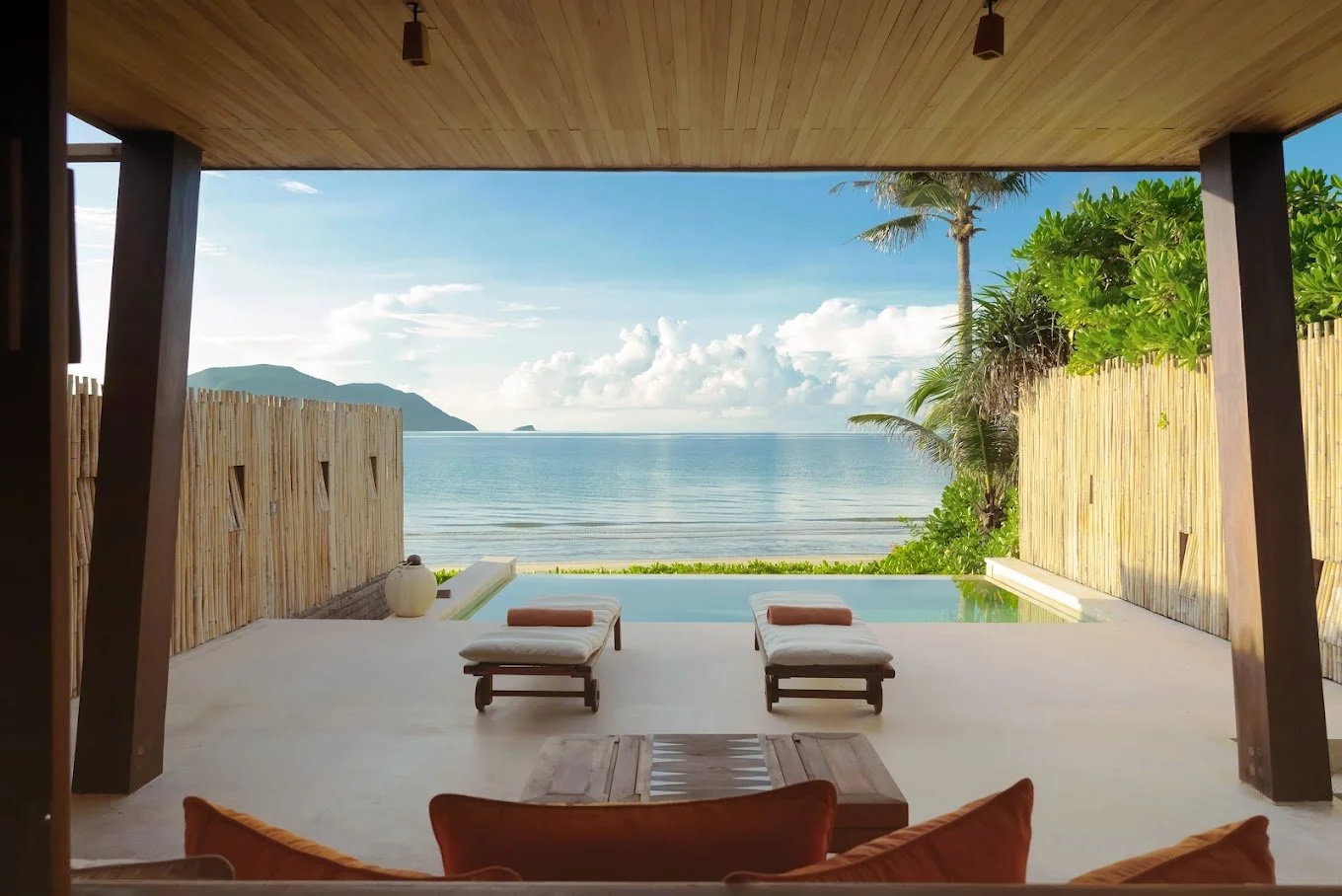
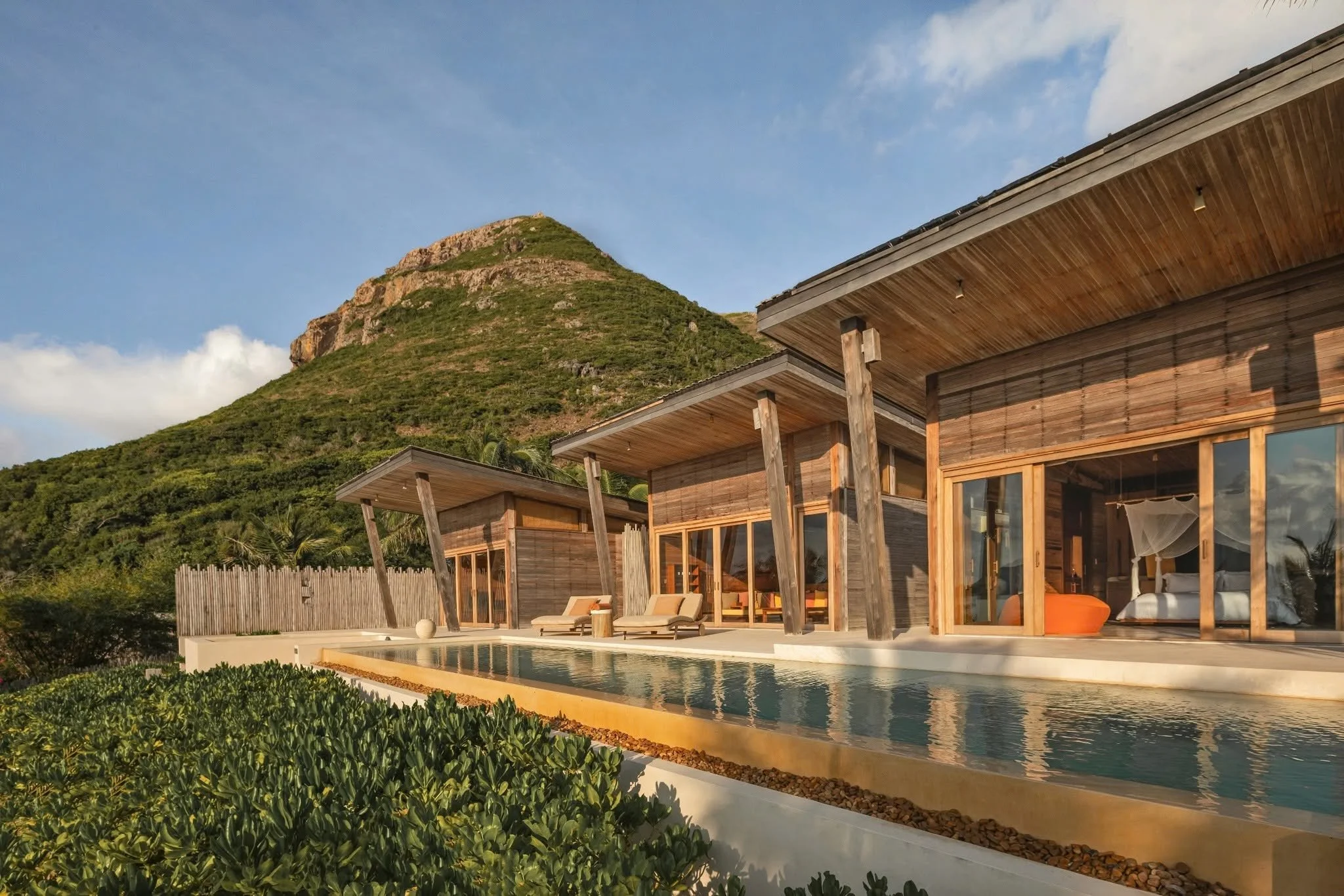
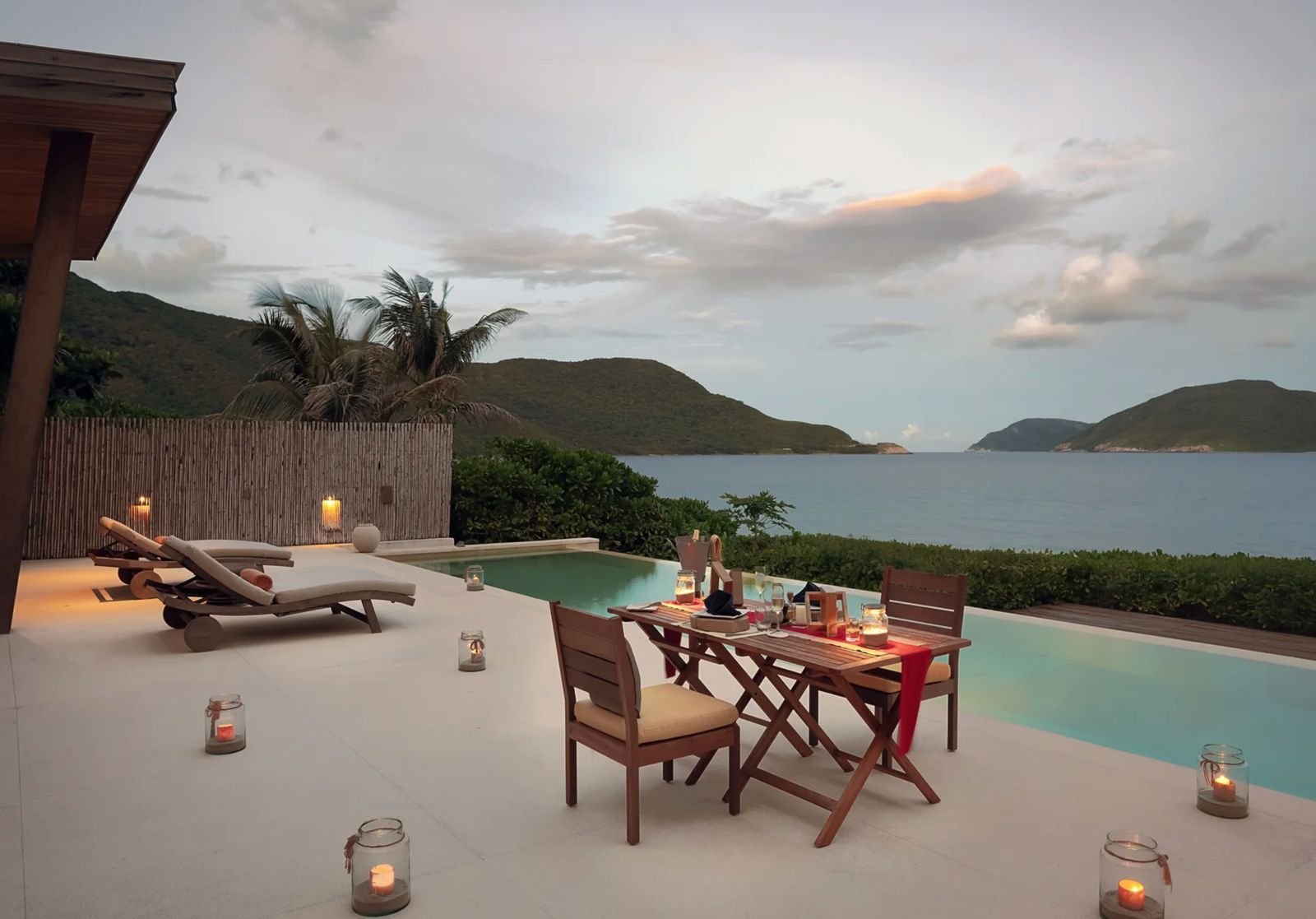
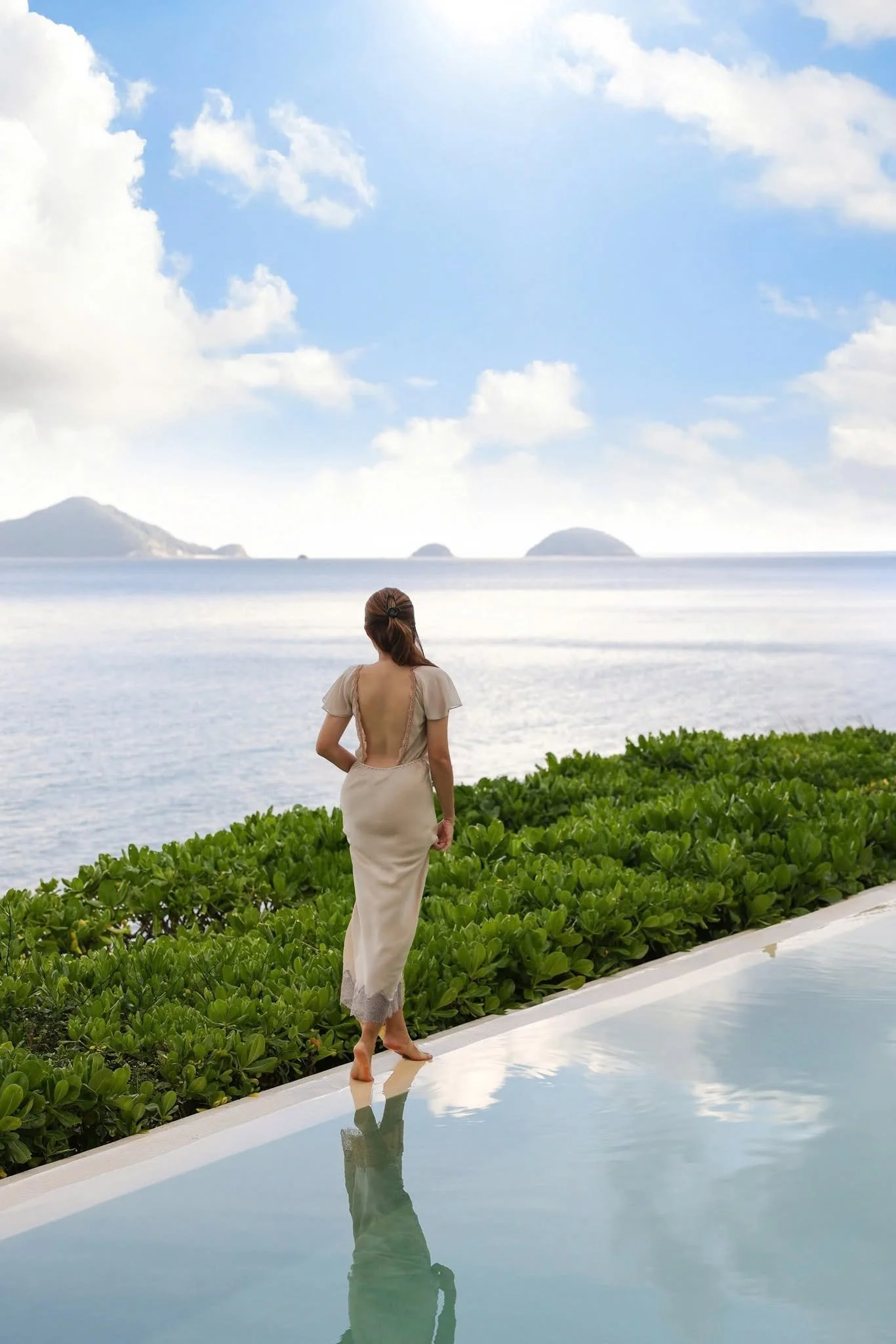
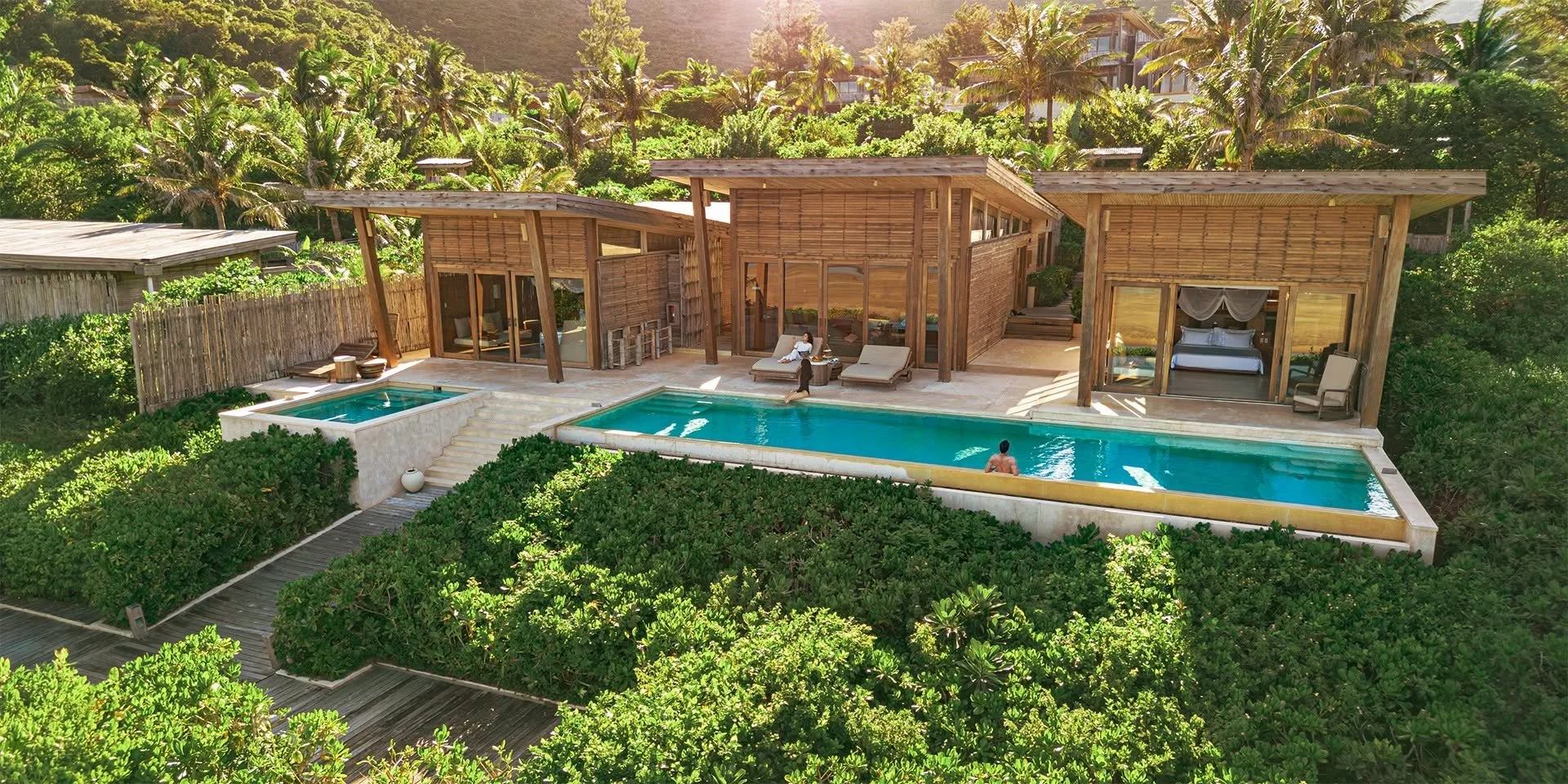
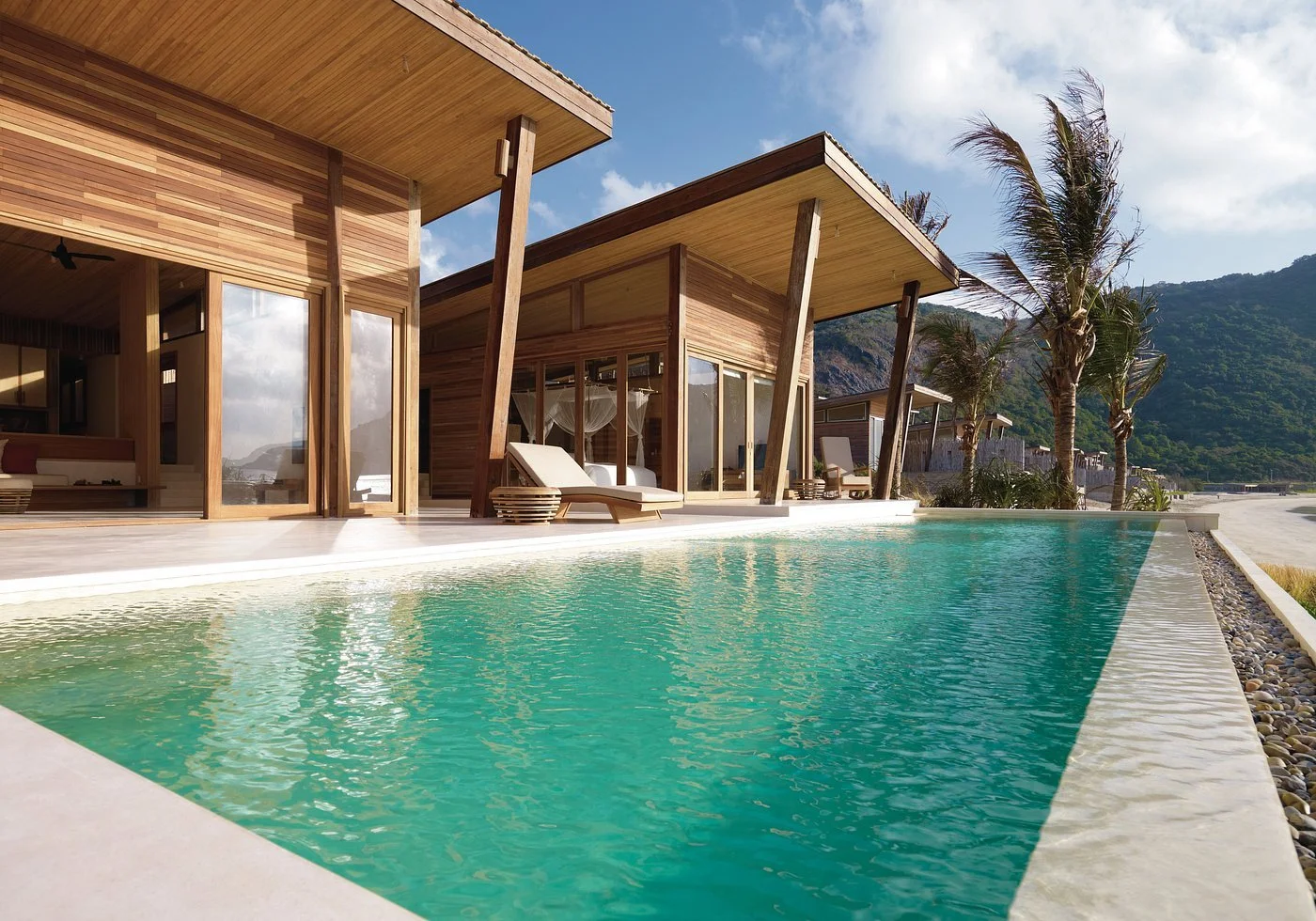
Six Senses Con Dao currently offers 50 villas and residences, all with private infinity pools and outdoor bathrooms. The choice is less about escalating levels of luxury and more about deciding between ocean views, direct beach access and the amount of space required for couples or families.
Ocean View Duplex Pool Villa: Approximately 194 square meters, this two-level one-bedroom villa places the bedroom upstairs for broader ocean views, while the open-plan bathroom sits on the ground floor. A private infinity pool, terrace and outdoor shower make it a strong option for couples who want privacy without being directly on the sand.
Beachfront Duplex Pool Villa: Also approximately 194 square meters, this split-level villa follows the same general layout but adds direct beach access. The upper-level bedroom looks over the sea, while the private pool and terrace sit only steps from the shoreline.
Beachfront Deluxe Pool Villa: At approximately 150 square meters, this is a single-level one-bedroom category with direct access to the beach, a private infinity pool, terrace, bathtub and outdoor shower. It is especially appealing for travelers who prefer everything on one floor.
Ocean View Two-Bedroom Family Pool Villa: Approximately 194 square meters, with one king bedroom on each level, an expansive pool and panoramic views from the upper floor. The configuration works particularly well for parents traveling with older children who want more separation than a standard one-bedroom villa provides.
Beachfront Two-Bedroom Pool Villa: Approximately 522 square meters, this larger residence is arranged across three pavilions with two ocean-facing king bedrooms, a living and dining area, private infinity pool and direct access to the beach.
Ocean View Three-Bedroom Pool Villa: Approximately 542 square meters, comprising three pavilions with two ocean-facing king bedrooms, one twin room, living and dining areas and an expansive private pool. It is a natural fit for families or friends traveling together.
Beachfront Three-Bedroom Pool Villa: Also approximately 542 square meters, this category follows a similar three-pavilion arrangement but brings the residence directly onto the beach, with ocean views and immediate access to the sand.
Ocean View Four-Bedroom Pool Villa: Approximately 671 square meters, with three king bedrooms, one twin bedroom, large indoor living and dining spaces and a private infinity pool. The scale makes it particularly useful for multigenerational stays.
Beachfront Four-Bedroom Pool Villa: Also approximately 671 square meters, this is the largest beachfront option, arranged across three pavilions with three ocean-facing master bedrooms, one twin room, generous living spaces, private garden, pool and direct access to the beach.
Vietnamese Flavors Beside the Sea
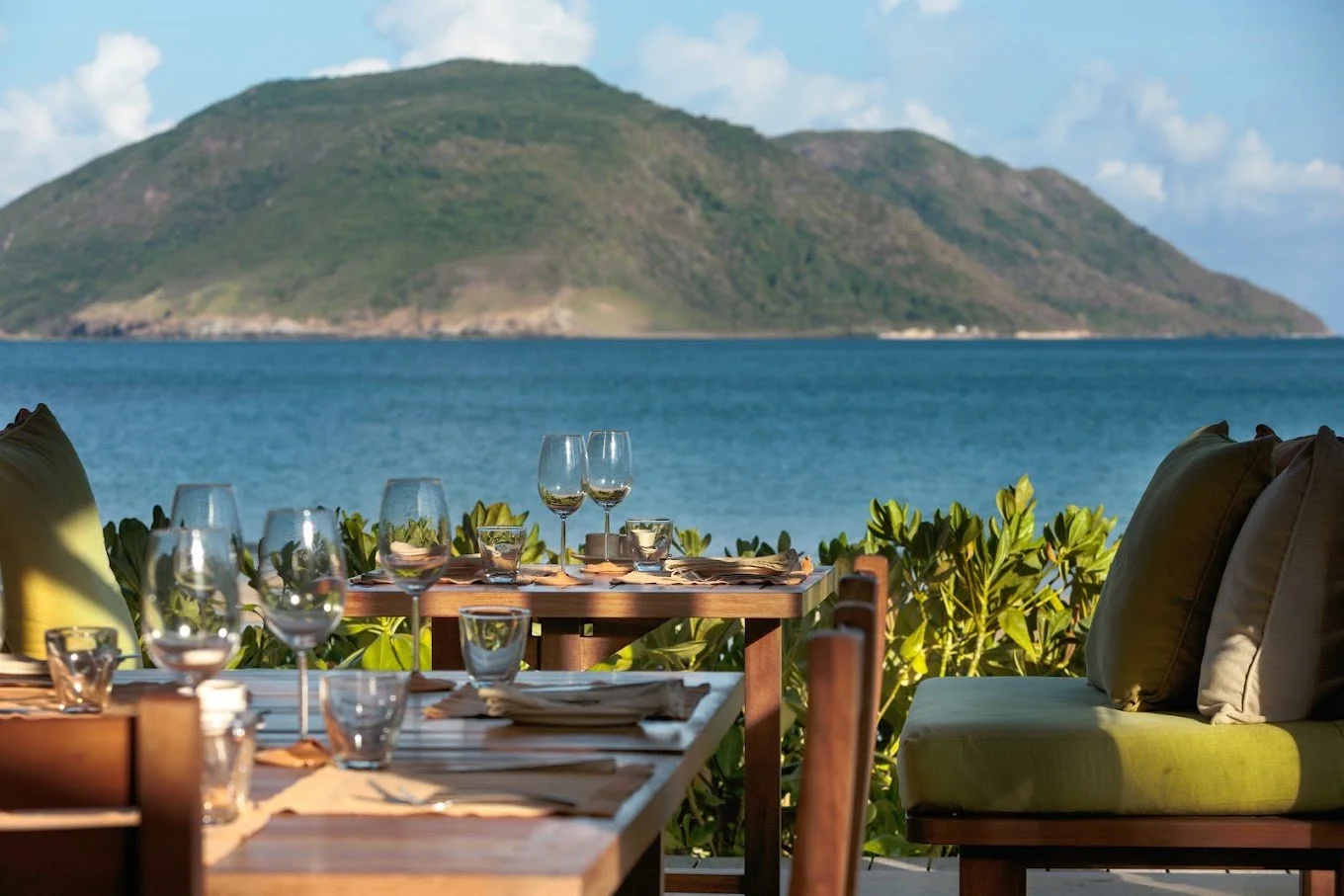
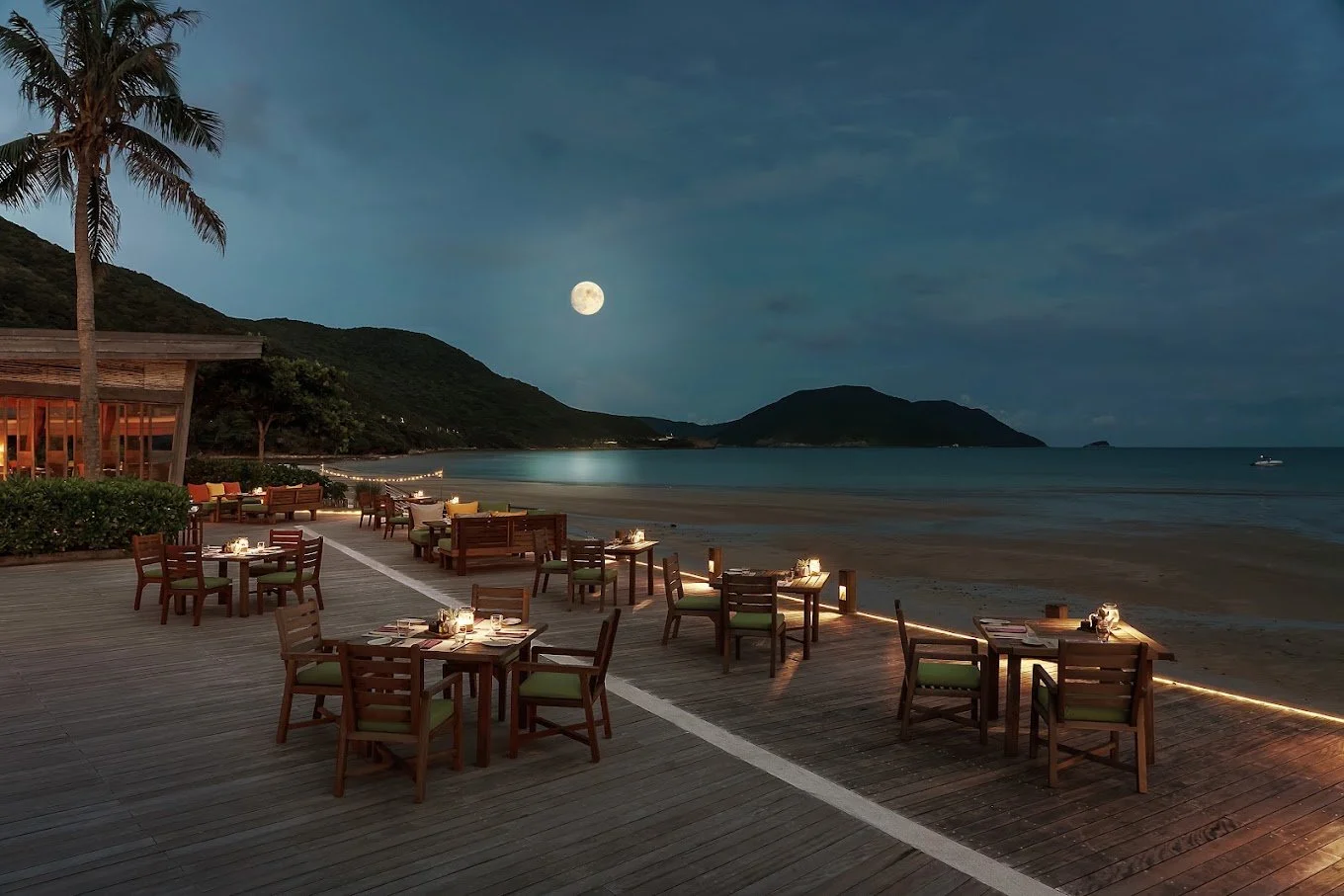
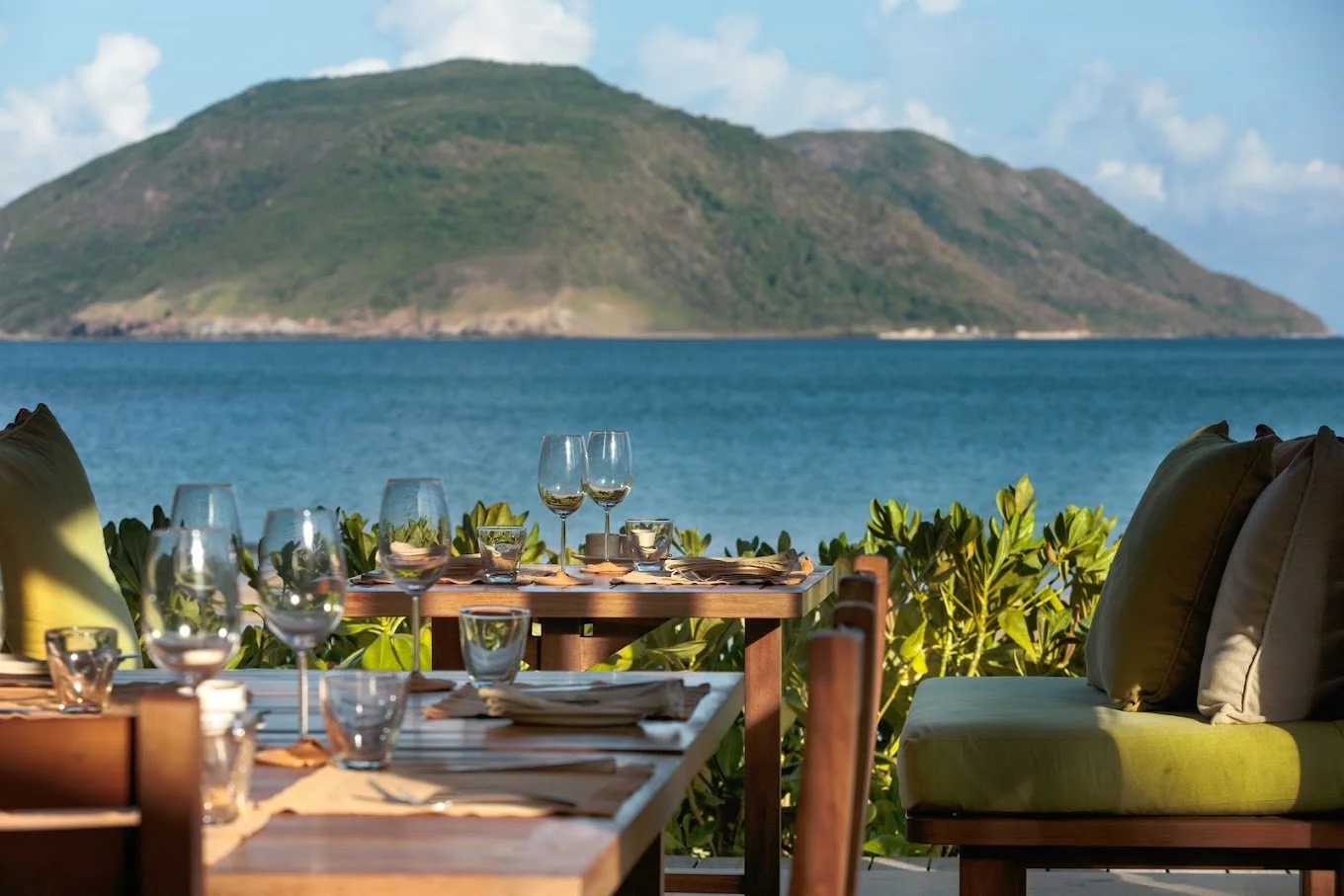
Dining at Six Senses Con Dao is divided between casual beachfront meals, traditional Vietnamese cooking and more private experiences.
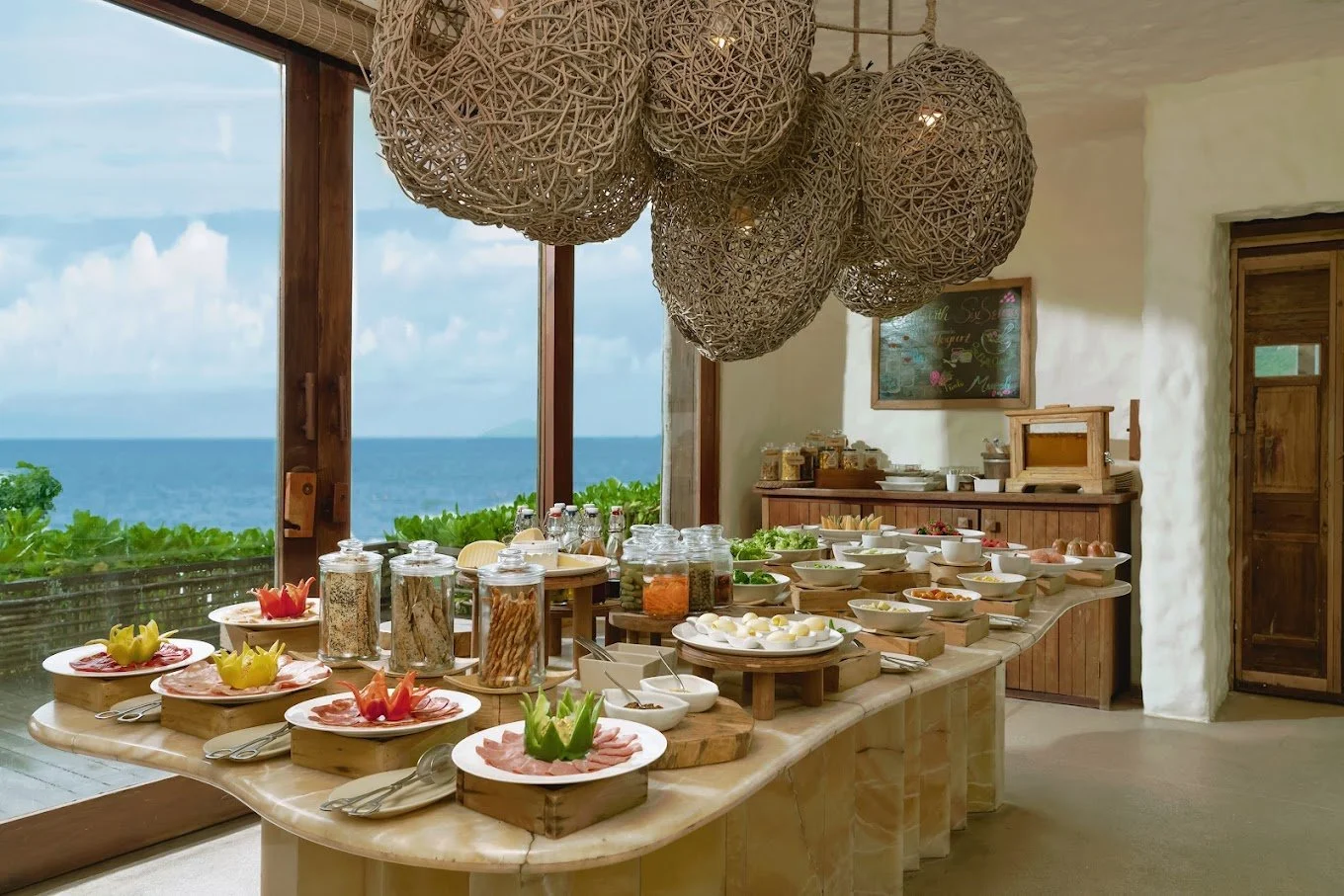
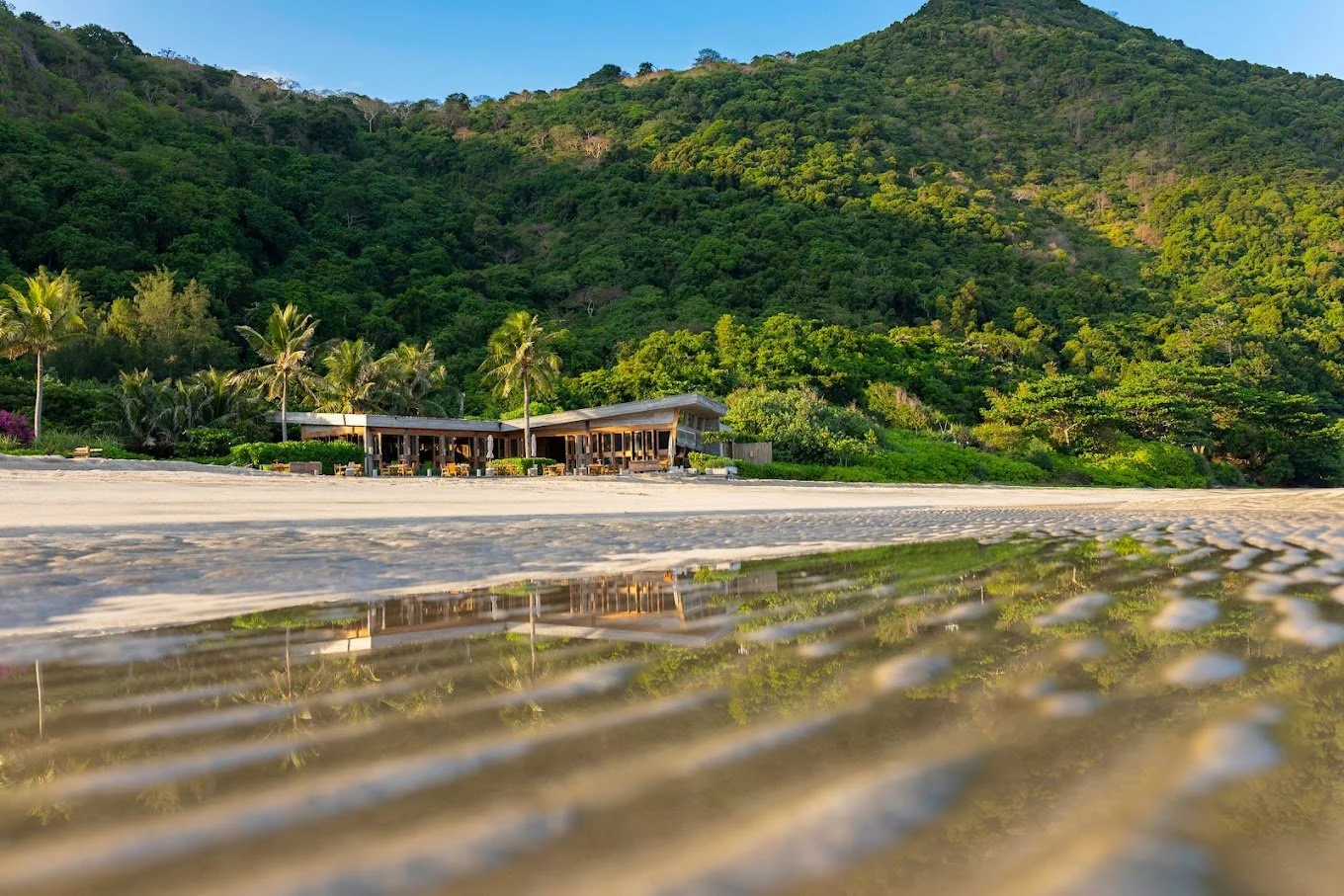
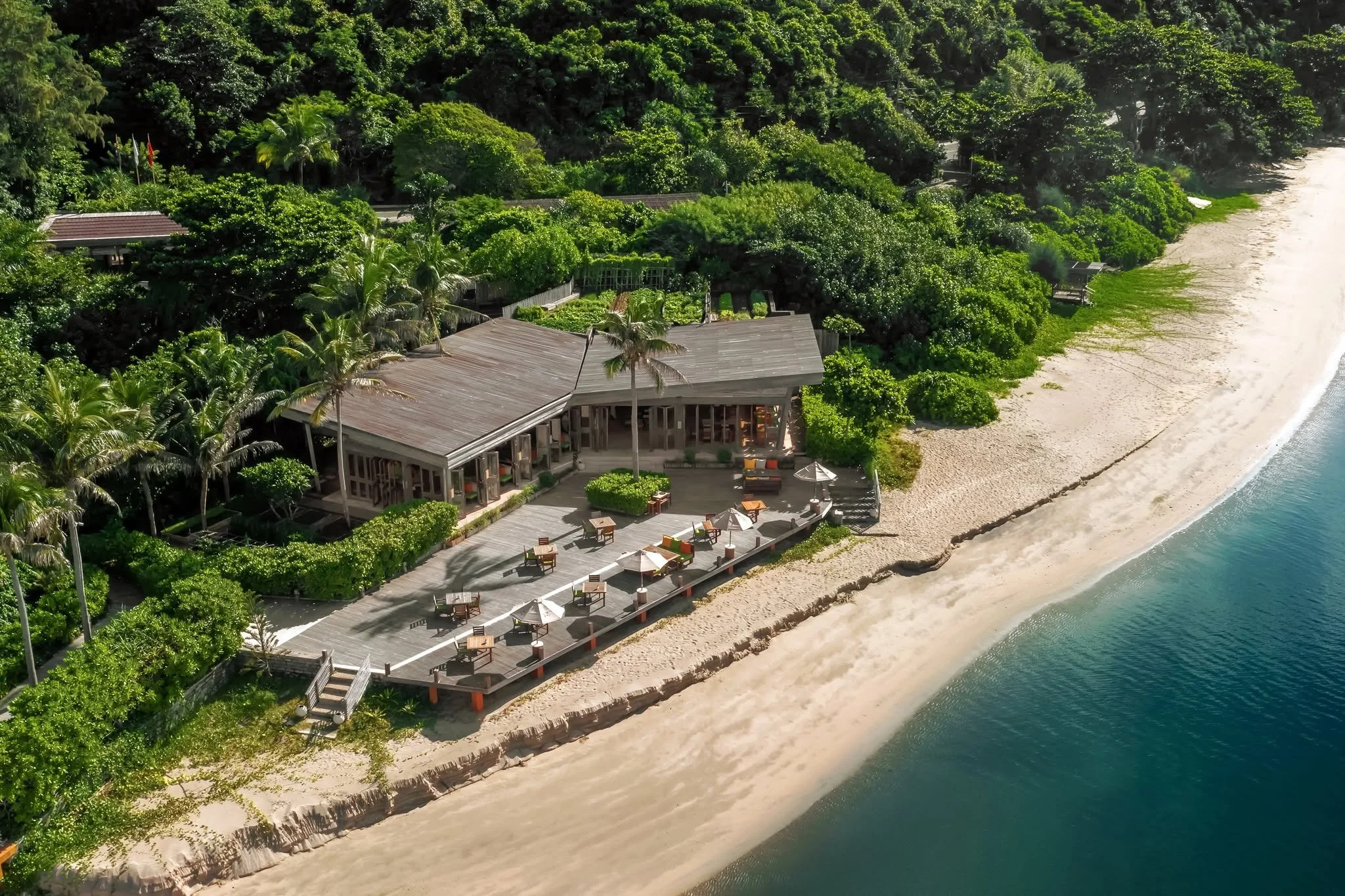
By The Beach: The resort’s principal international restaurant, serving buffet breakfast, lunch and dinner beside the sea. Breakfast includes a Vietnamese street-food section, while later meals move toward contemporary international cooking.
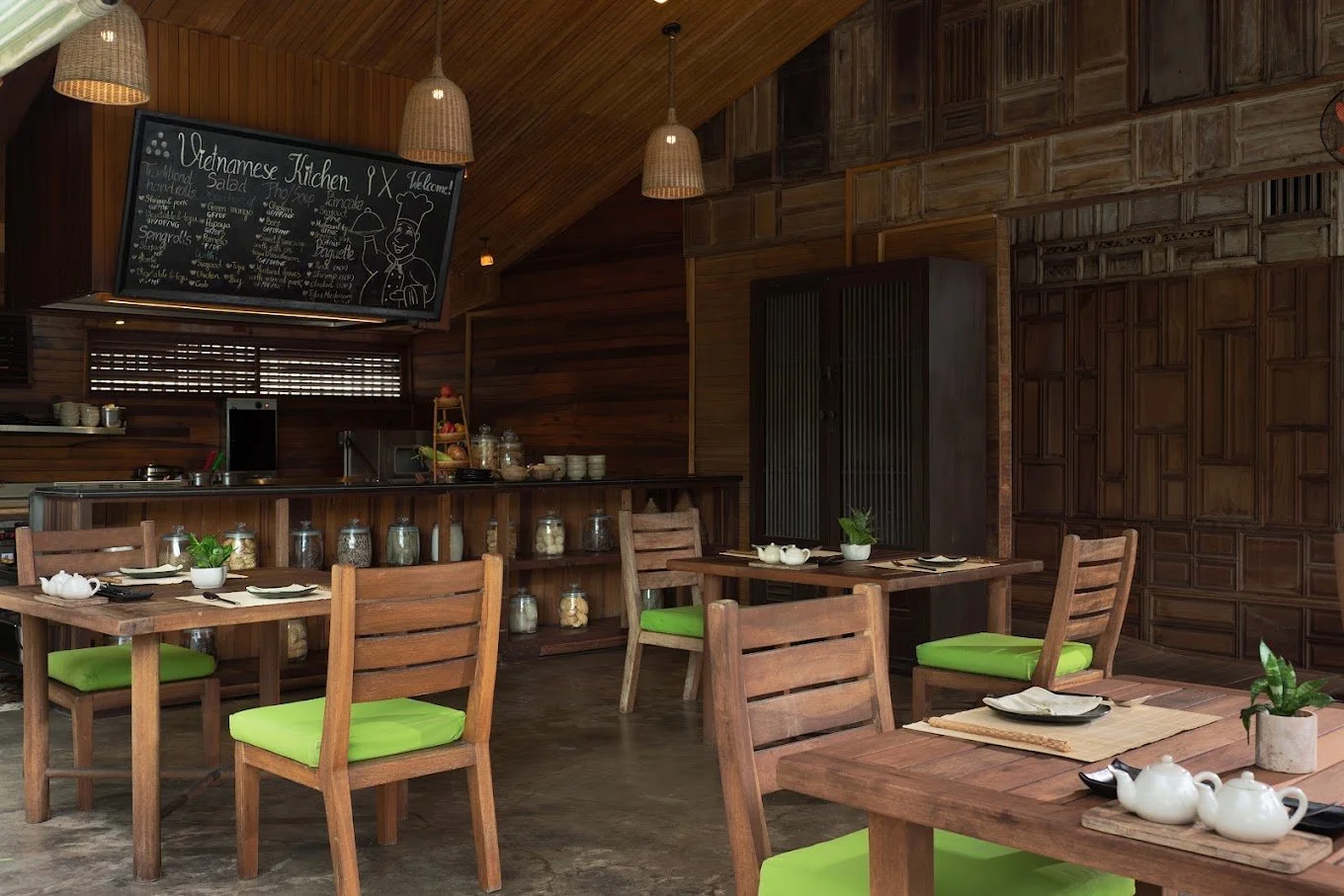
Vietnamese By The Market: The clearest expression of local food at the resort. Chef No, who is from Con Dao, leads the kitchen with traditional Vietnamese dishes and rotating daily specials.
Elephant Bar: Located near The Market, this relaxed bar serves light food and cocktails throughout the day, with swing seating adding a playful touch.
Splash Bar: Positioned beside the main pool and overlooking the beach, Splash Bar is designed for daytime drinks, light snacks and sundowners.
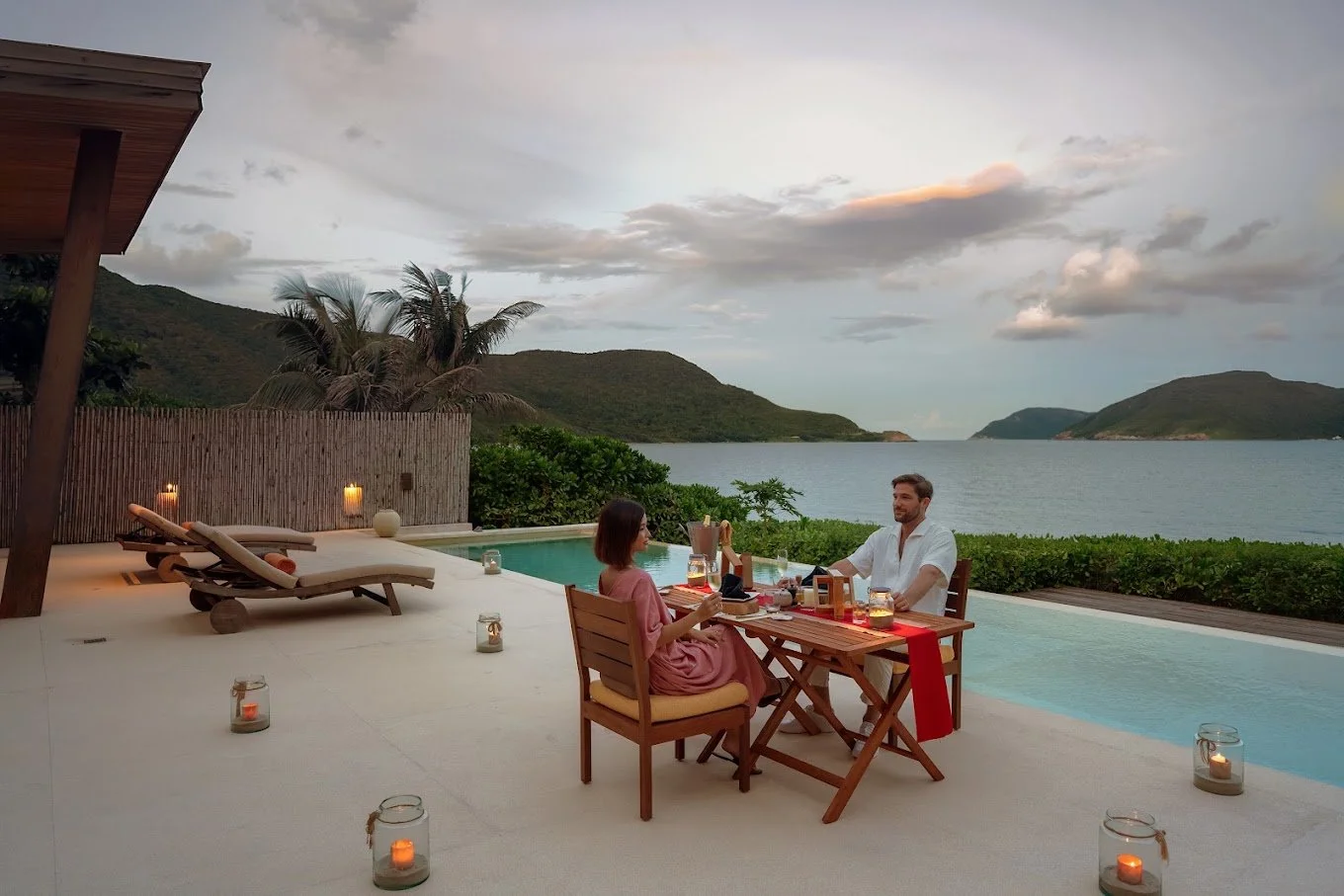
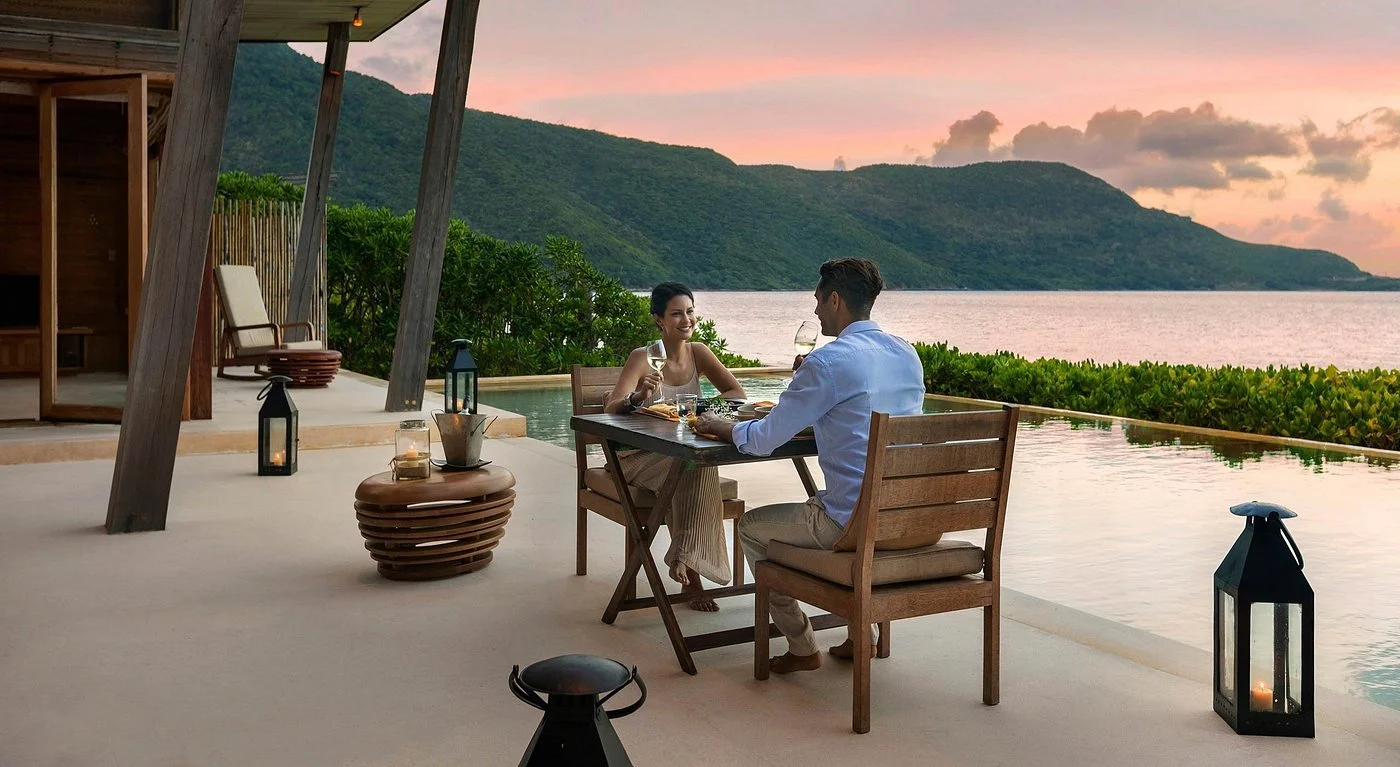
Destination Dining: Private dining can be arranged on the beach, beneath the stars or within a villa, with menus tailored around the setting and guest preferences.
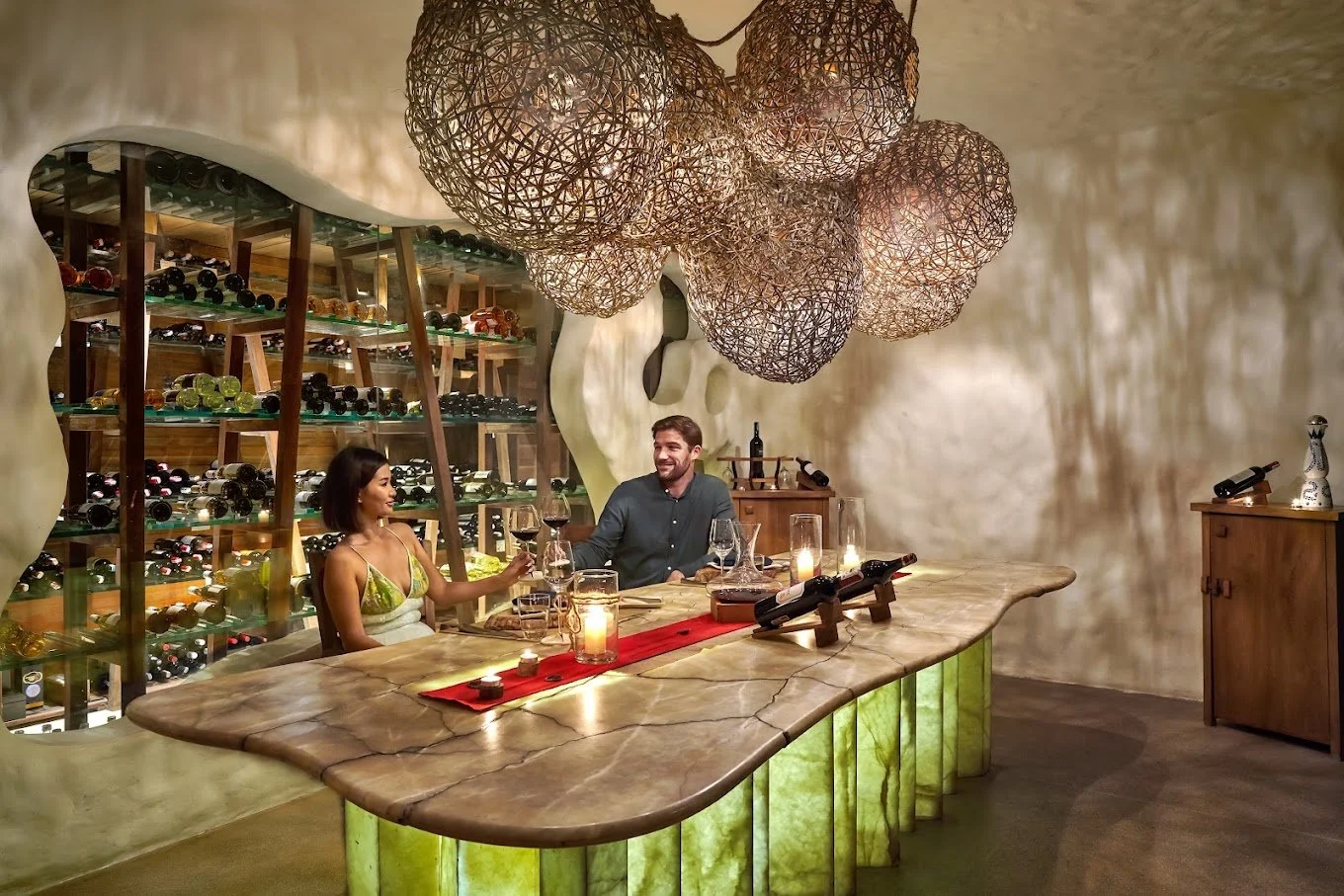
By the Cellar: A private wine-cellar experience built around pairings and communal dining at a central table surrounded by the resort’s wine collection.
By the Kitchen – Chef’s Table: A more interactive dinner beside the main kitchen, with menus shaped around seasonal ingredients and guest preferences.
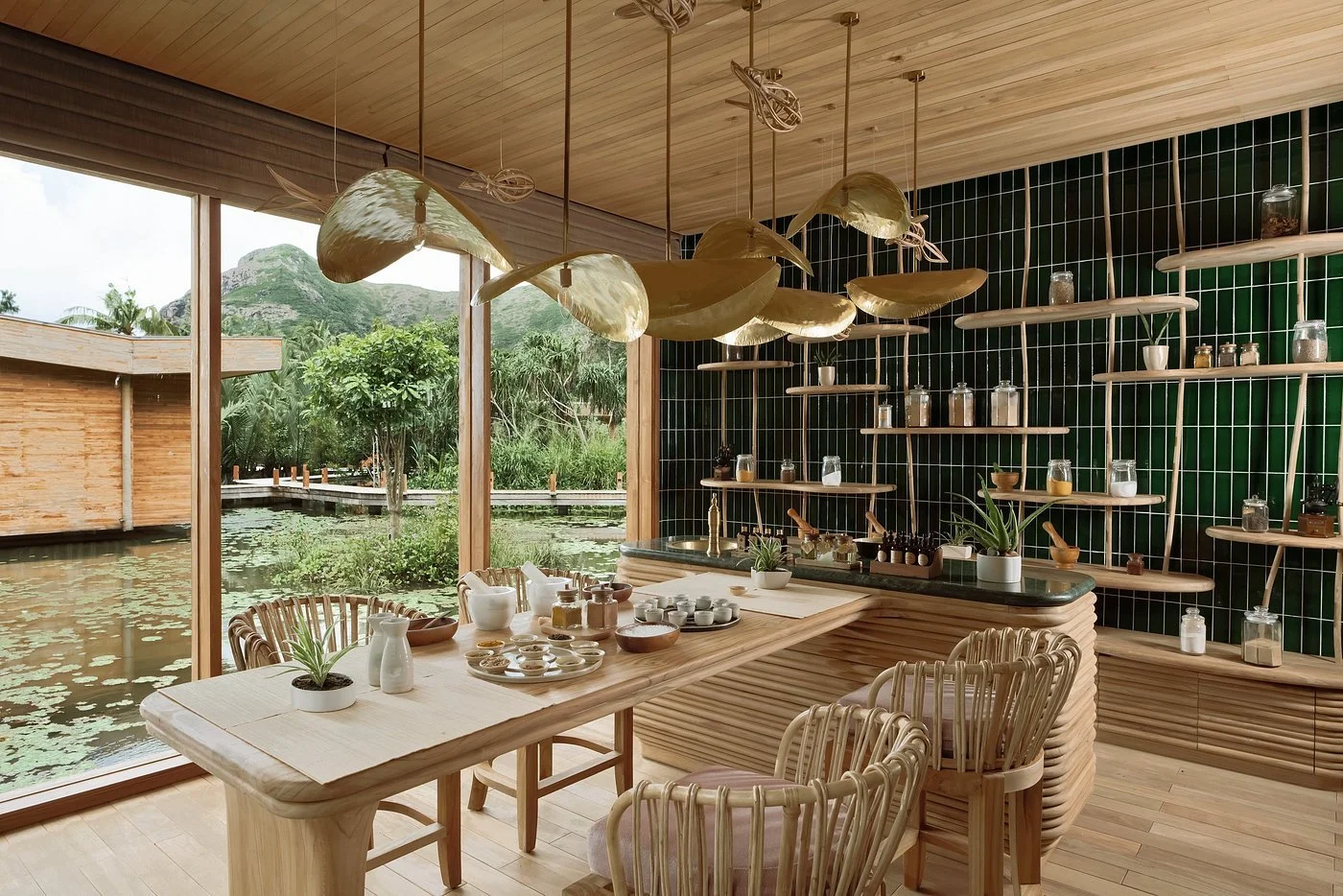
The resort also offers a Plant-to-Plate cooking experience, beginning in the organic garden before moving into the garden kitchen to prepare Vietnamese dishes using herbs and vegetables grown on-site.
A New Chapter for Six Senses Spa
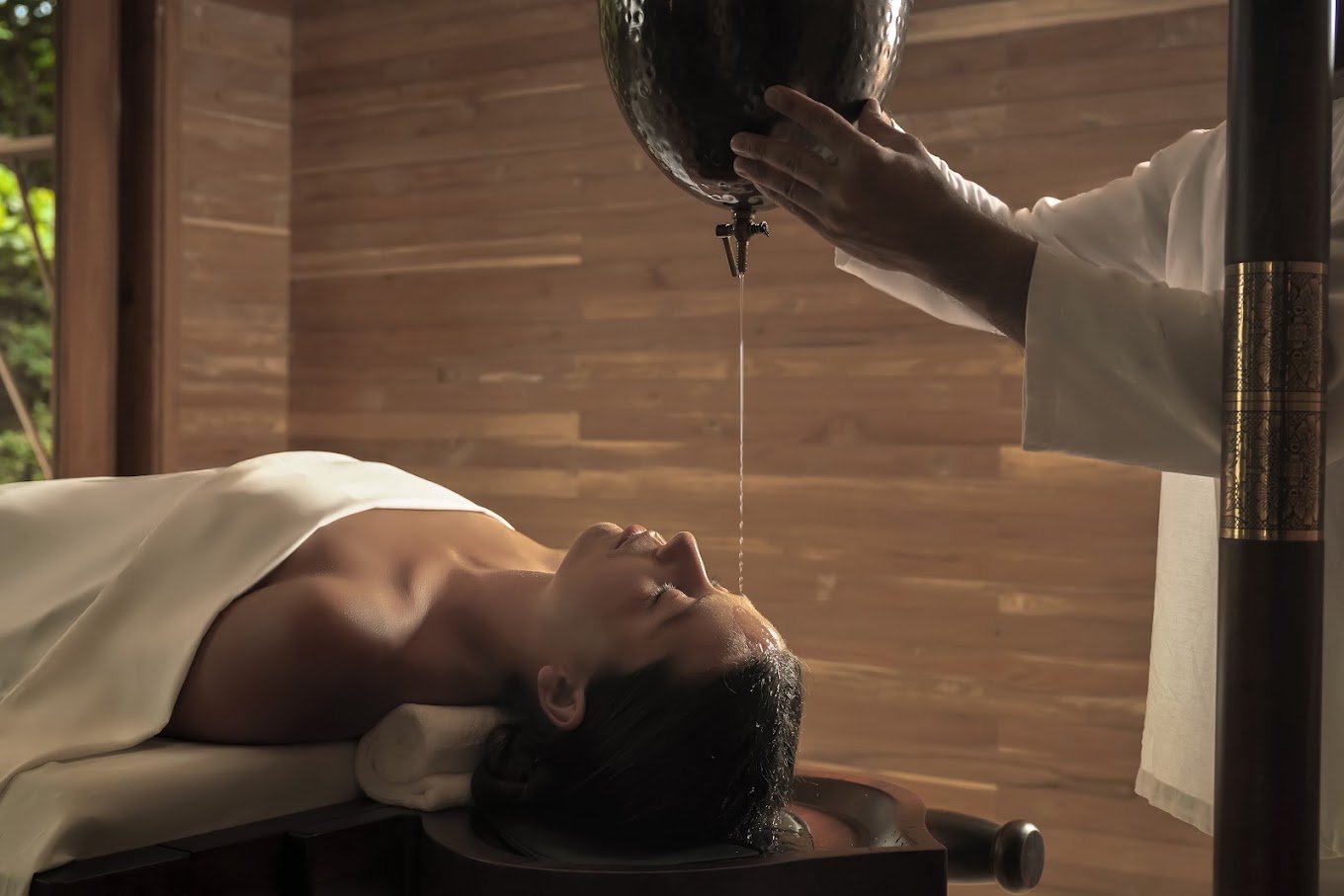
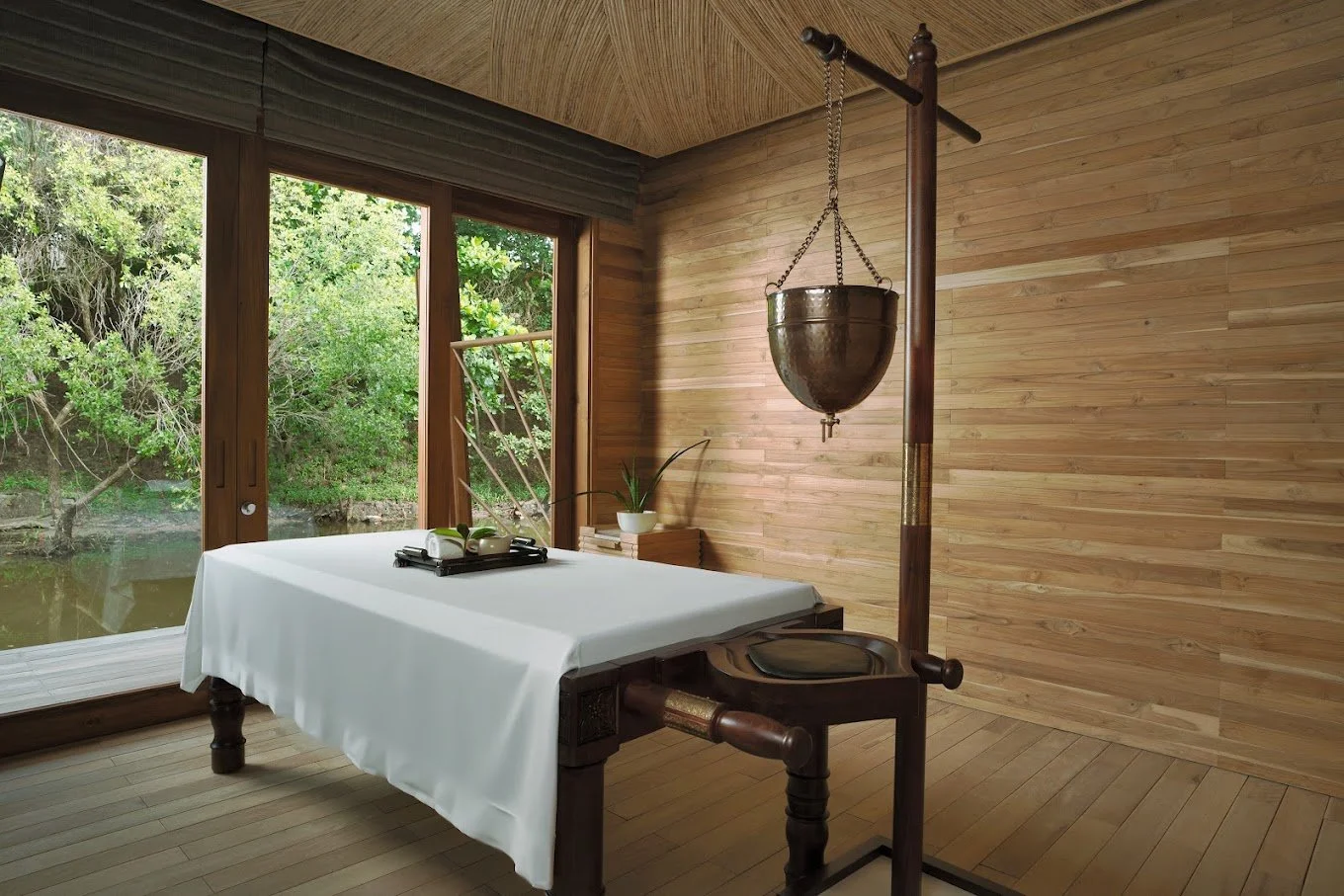
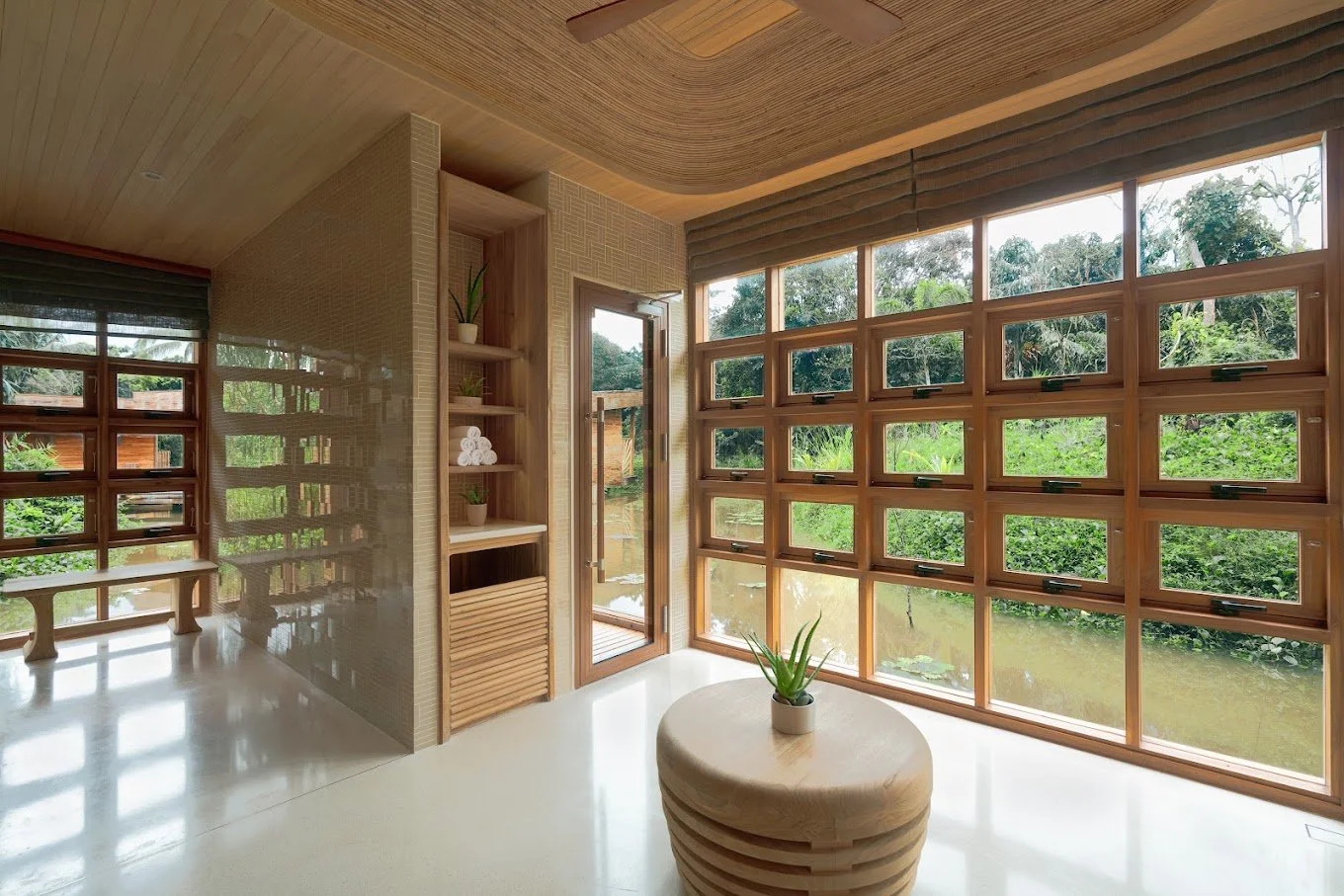
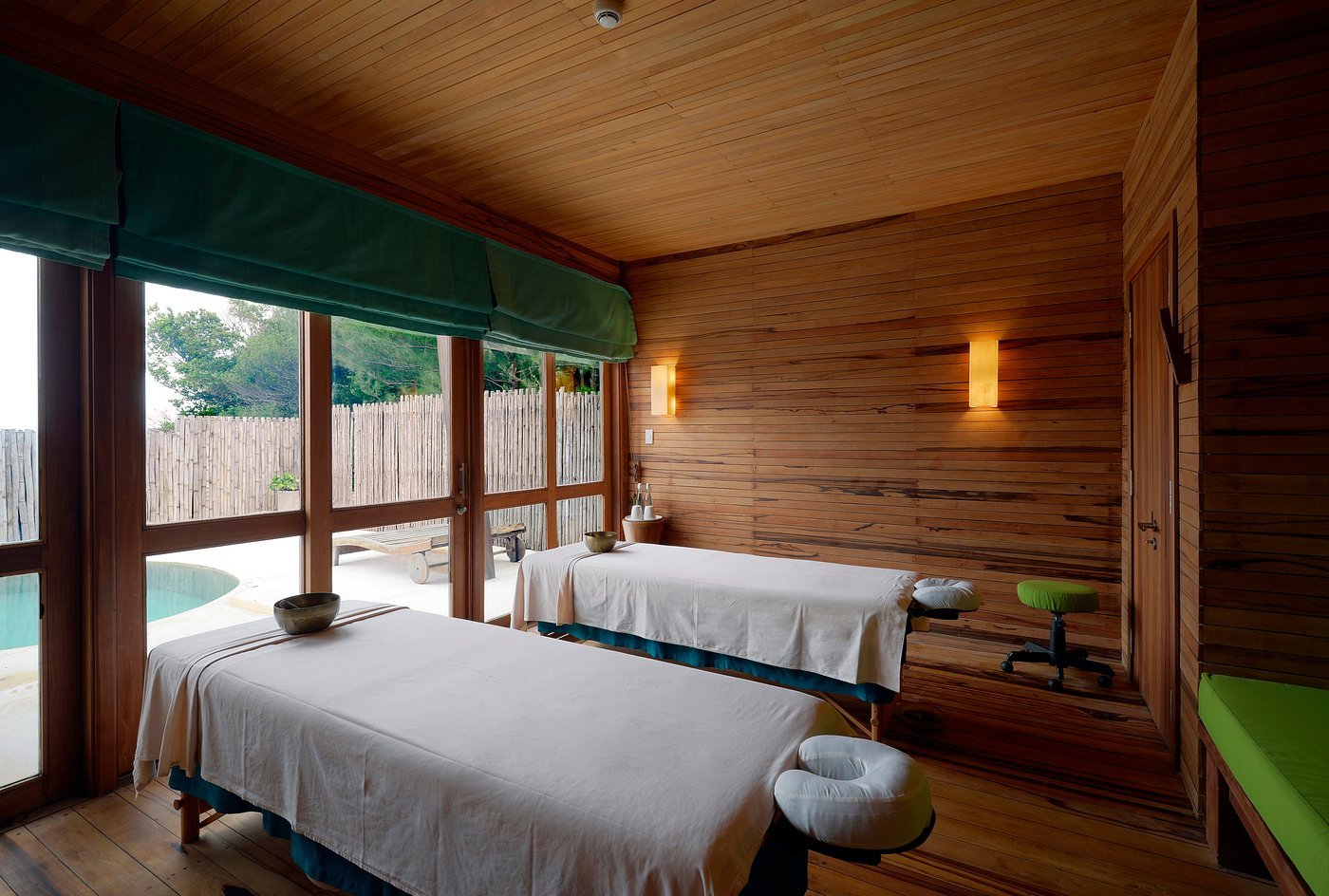
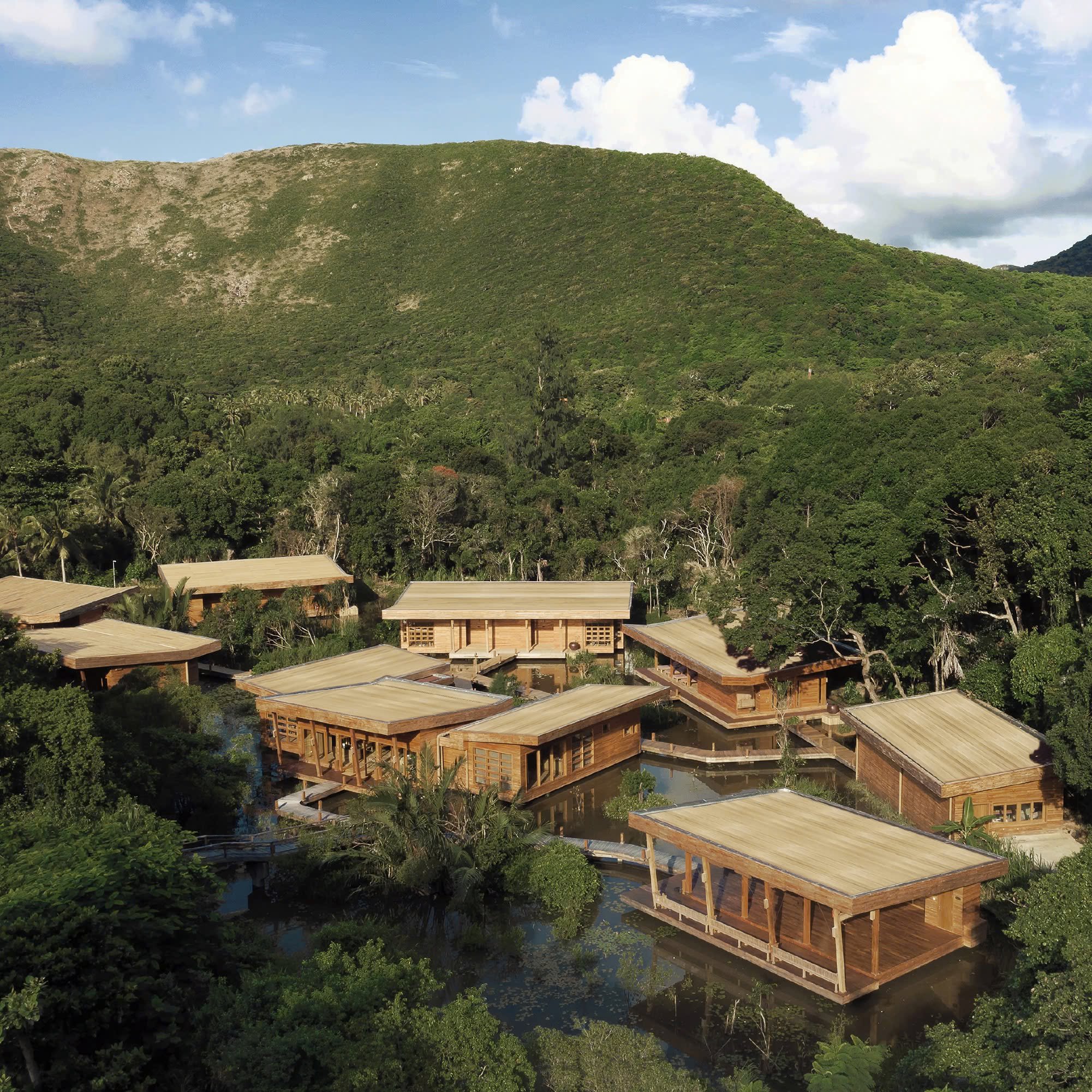
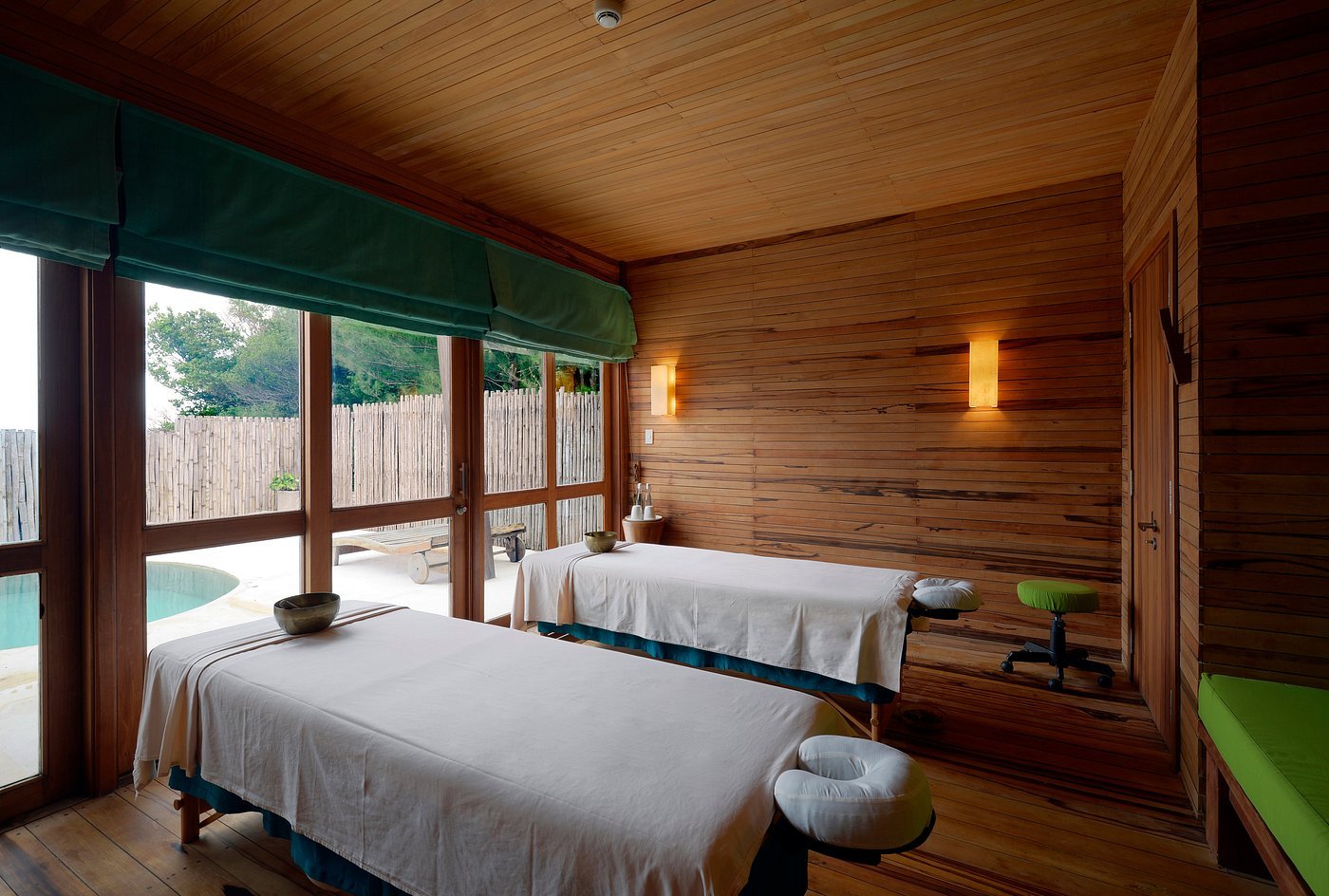
The spa underwent a major transformation in 2024, creating one of the most substantial wellness facilities in the Six Senses portfolio.
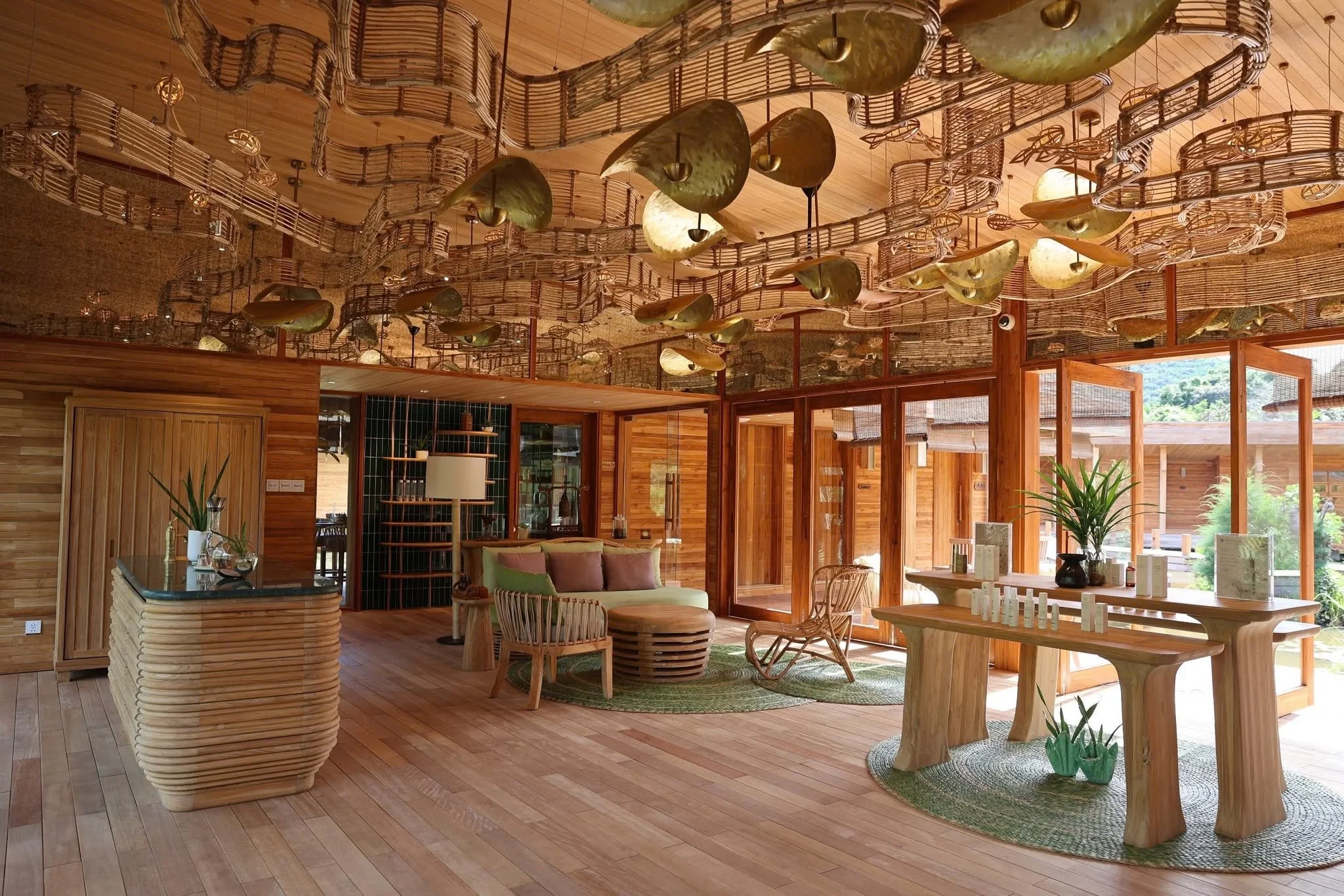
The architecture again draws from the natural setting. Bamboo, timber and water features create a softer interpretation of the fishing-village concept used elsewhere in the resort.
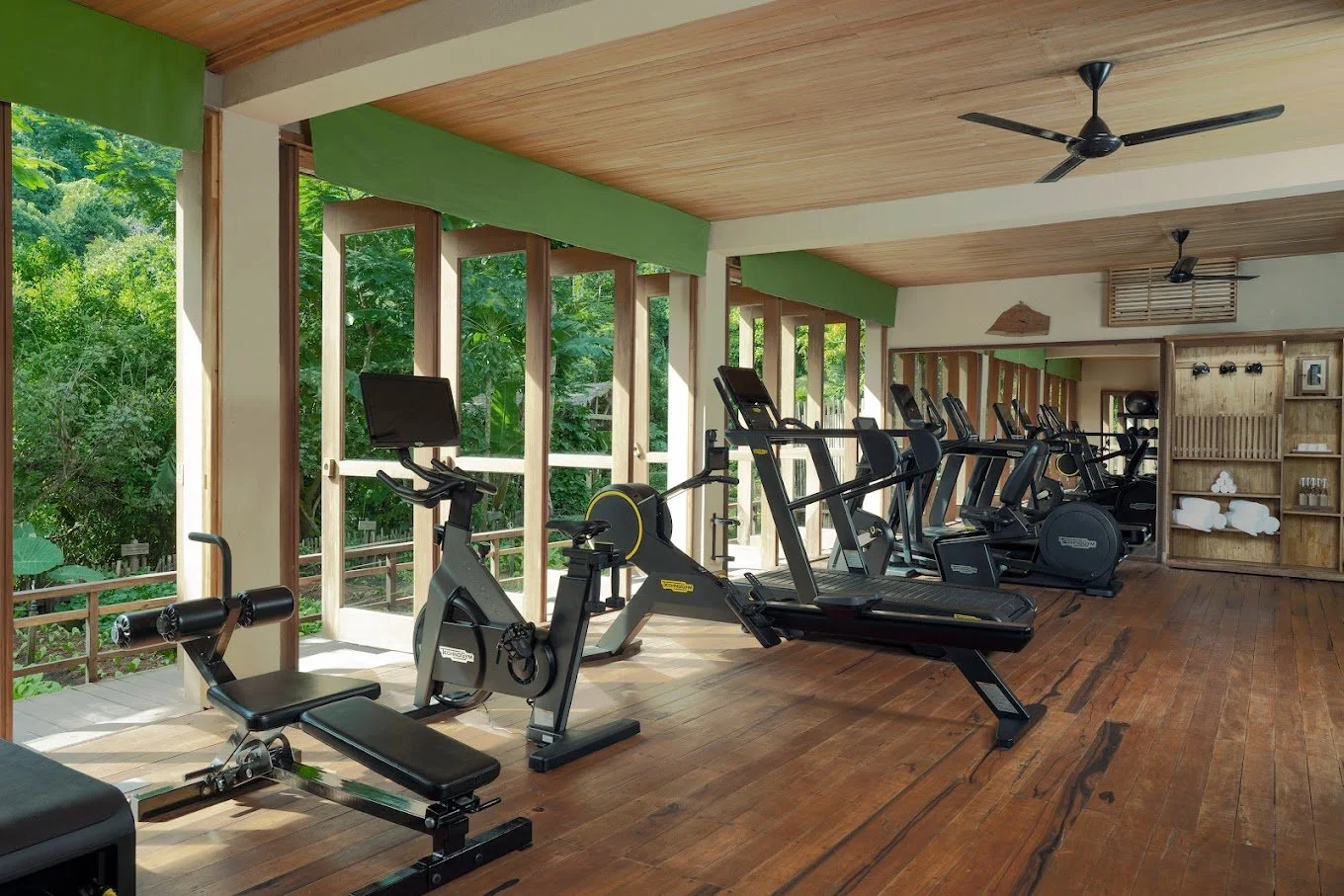
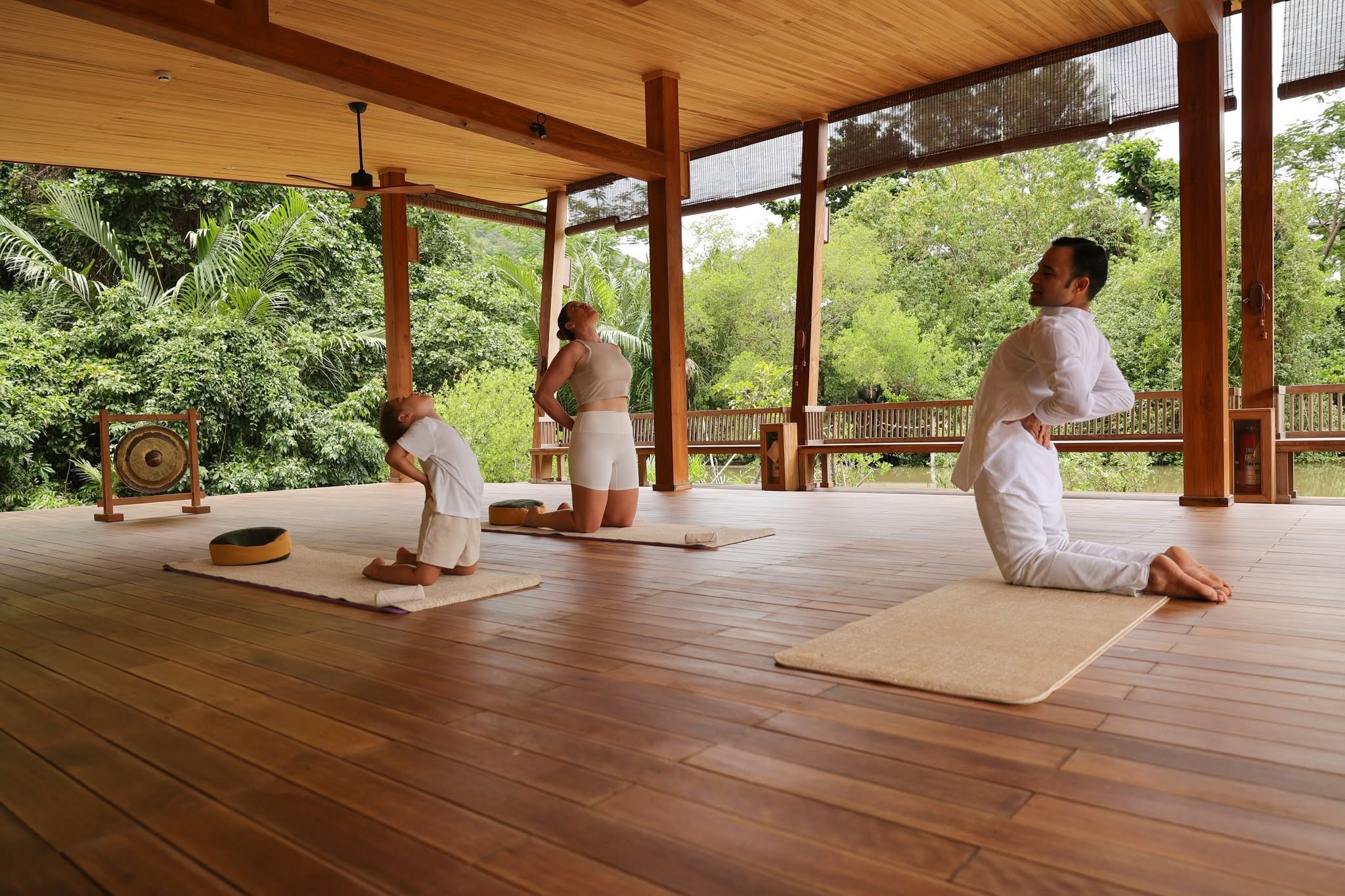
Facilities include two VIP couples suites with bubble pools, Finnish and infrared saunas, steam room, ice-bucket showers, Biohack Recovery Lounge, Alchemy Bar, fitness center, yoga pavilion and meditation sala.
Wellness programs can be more structured for guests who want them to be. Sleep, Detox and Discover Yoga combine treatments with movement, meditation, nutrition or recovery-focused therapies, while locally inspired treatments draw from Vietnamese healing traditions.
The Sea as Part of the Itinerary
Con Dao’s water is one of the main reasons to travel this far south.
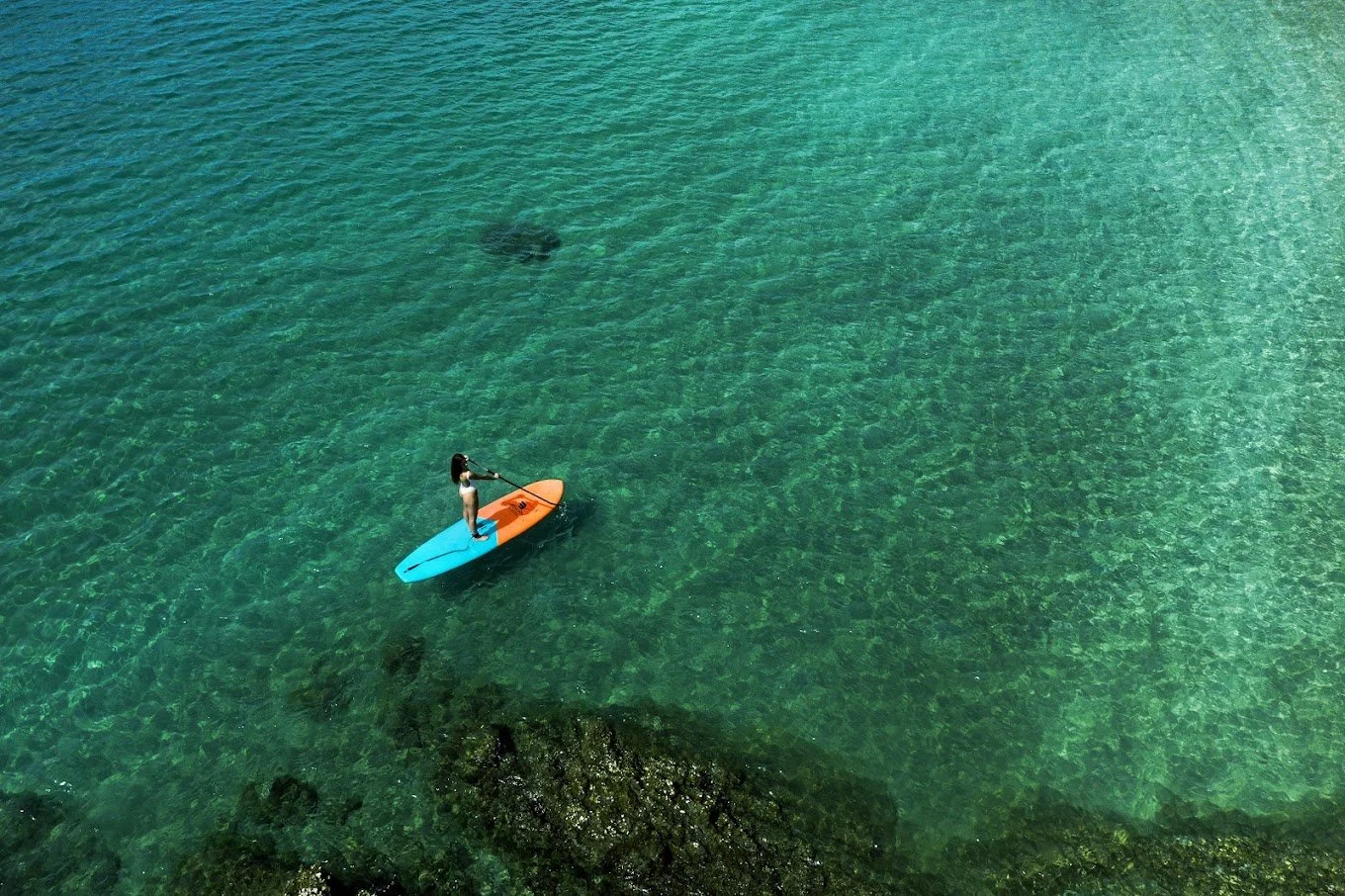
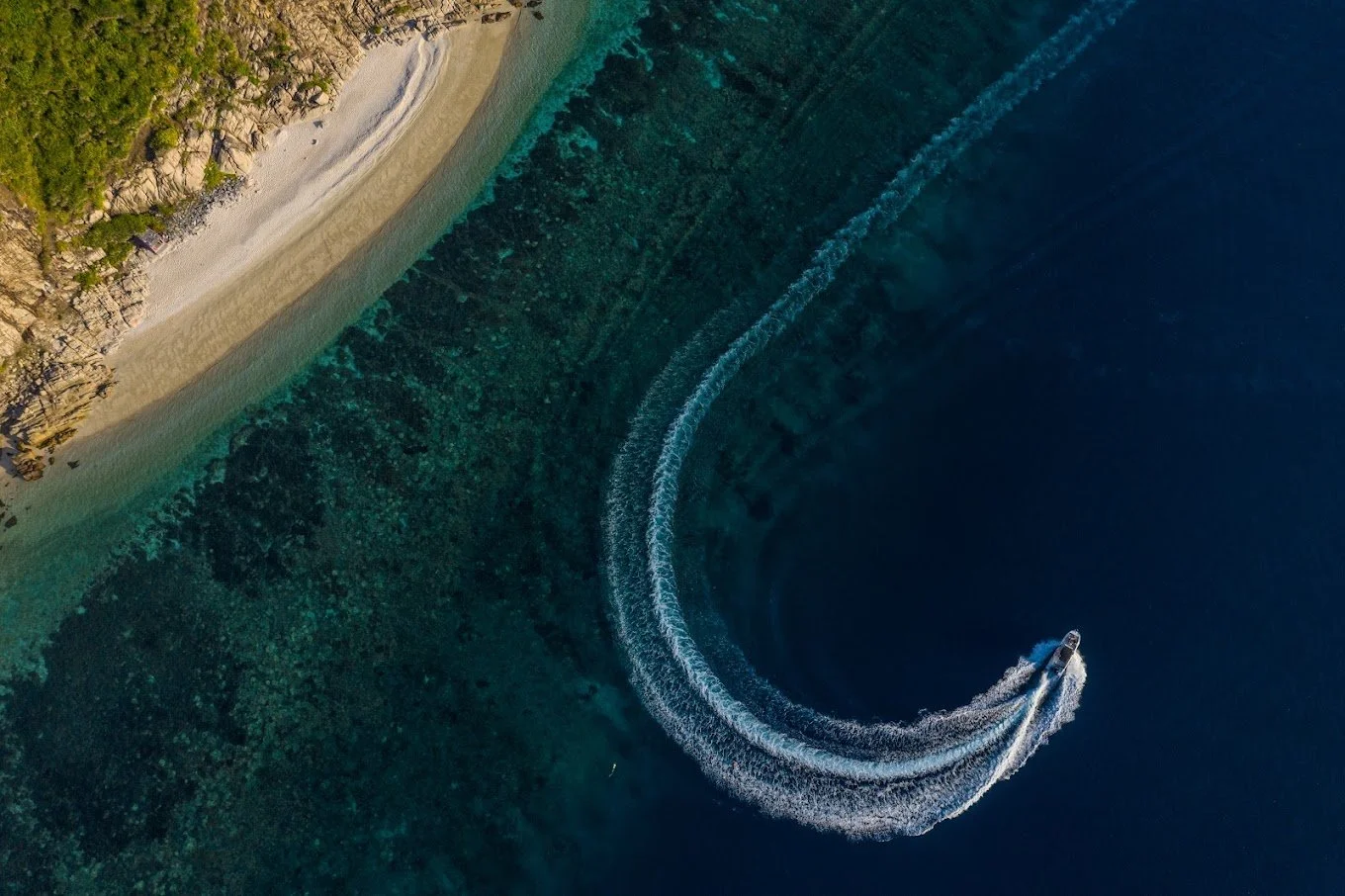
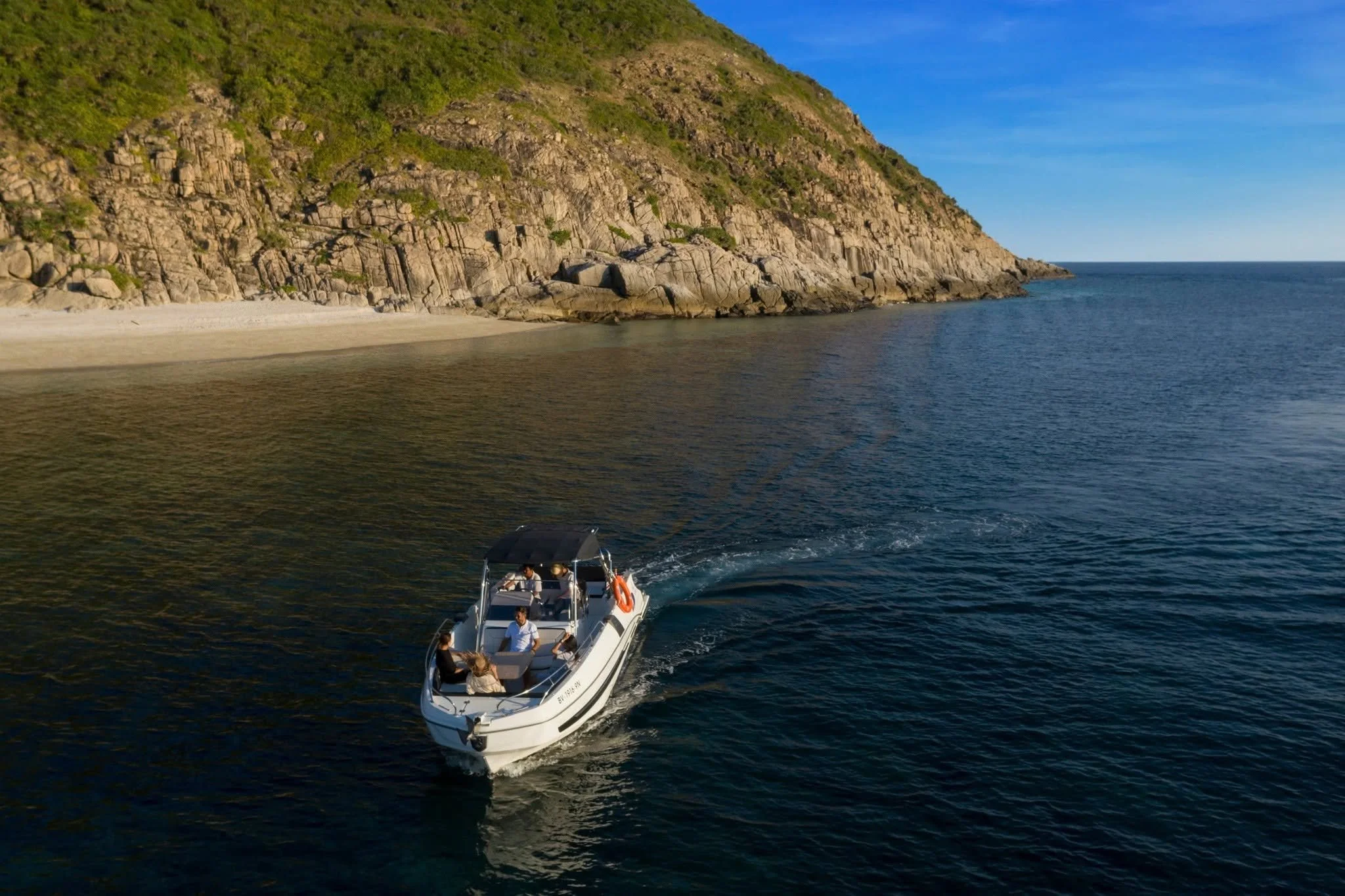
The resort organizes snorkeling, watersports, island-hopping and private boat charters, while February through July is generally the strongest period for diving, when underwater visibility can be especially good.
Hiking and trekking add another side to the destination. Much of Con Son is forested, and guided routes can lead through national-park landscapes or toward viewpoints and coastal areas.
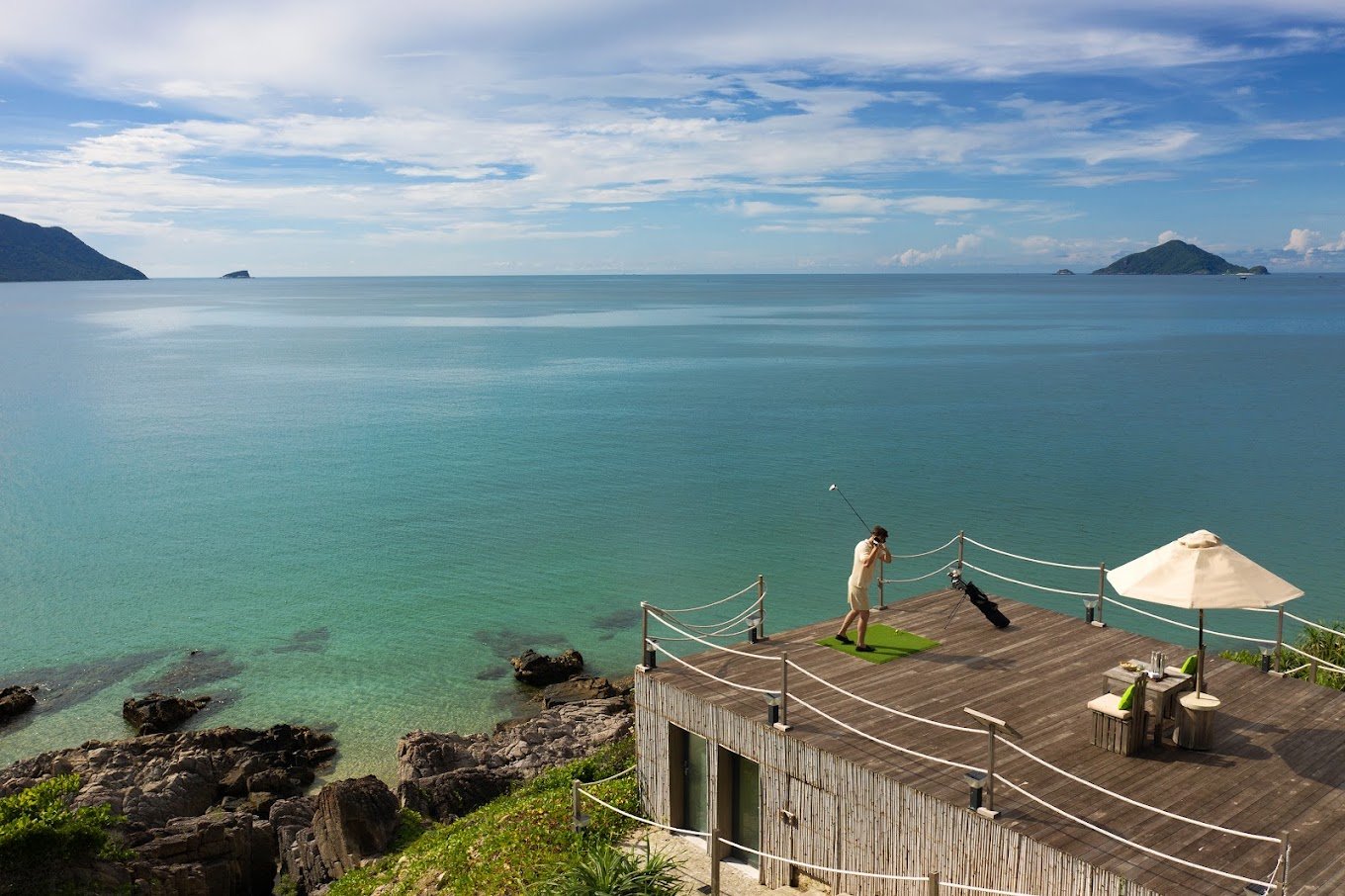
Guests can also join traditional fishing experiences, bicycle through the island’s town and historical sites, or travel by boat to neighboring islands. The resort’s experiences program is useful here because it treats nature, culture and history as equally important rather than building the stay entirely around the beach.
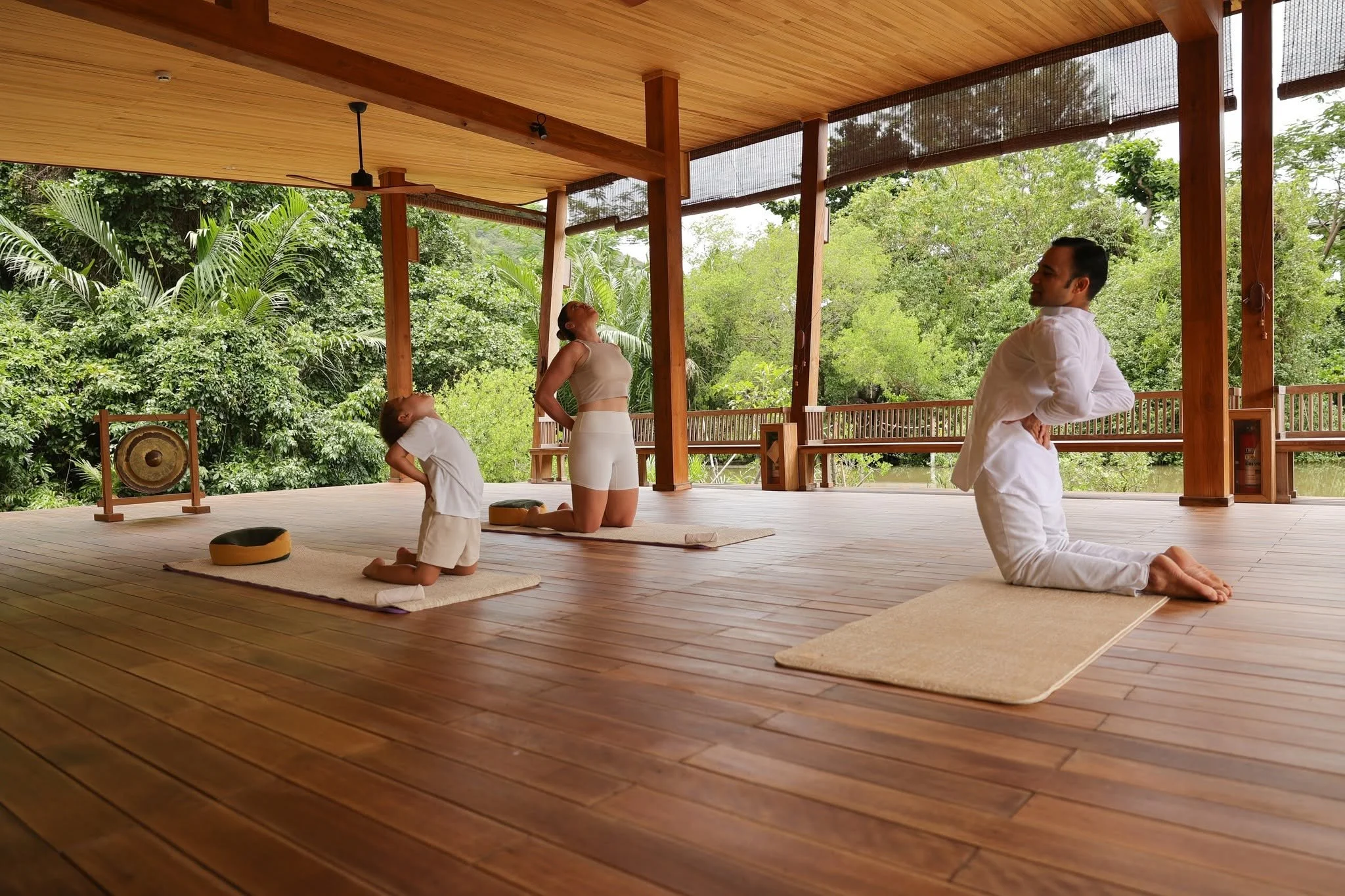
Grow With Six Senses
Families are much more deliberately catered to here than they are at many remote island resorts.
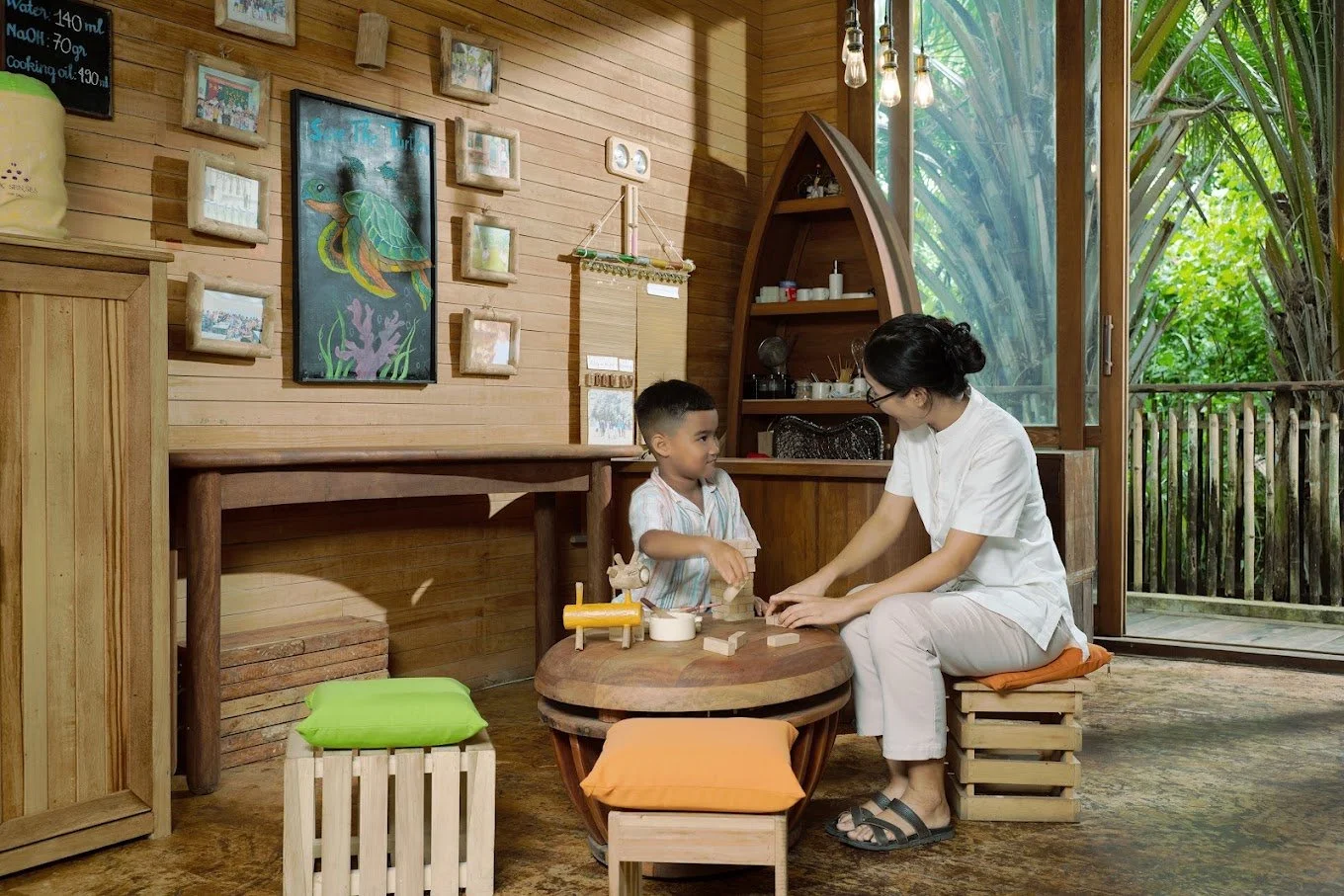
The Sense of Laughter Children’s Club is complimentary for children aged four to twelve, while the wider Grow With Six Senses program uses activities to introduce younger guests to the destination, nature and sustainability.
Family activities can include Vietnamese cooking, bicycle rides and nature-based programming. The multi-bedroom villas are another major advantage, particularly the two-, three- and four-bedroom categories that provide separate sleeping spaces and private pools without requiring families to split across several independent rooms.
For us, this is one of the properties where the family experience works best when children are old enough to engage with the island rather than simply needing a kids club. Turtle conservation, snorkeling, cycling and cooking give families something meaningful to do together.
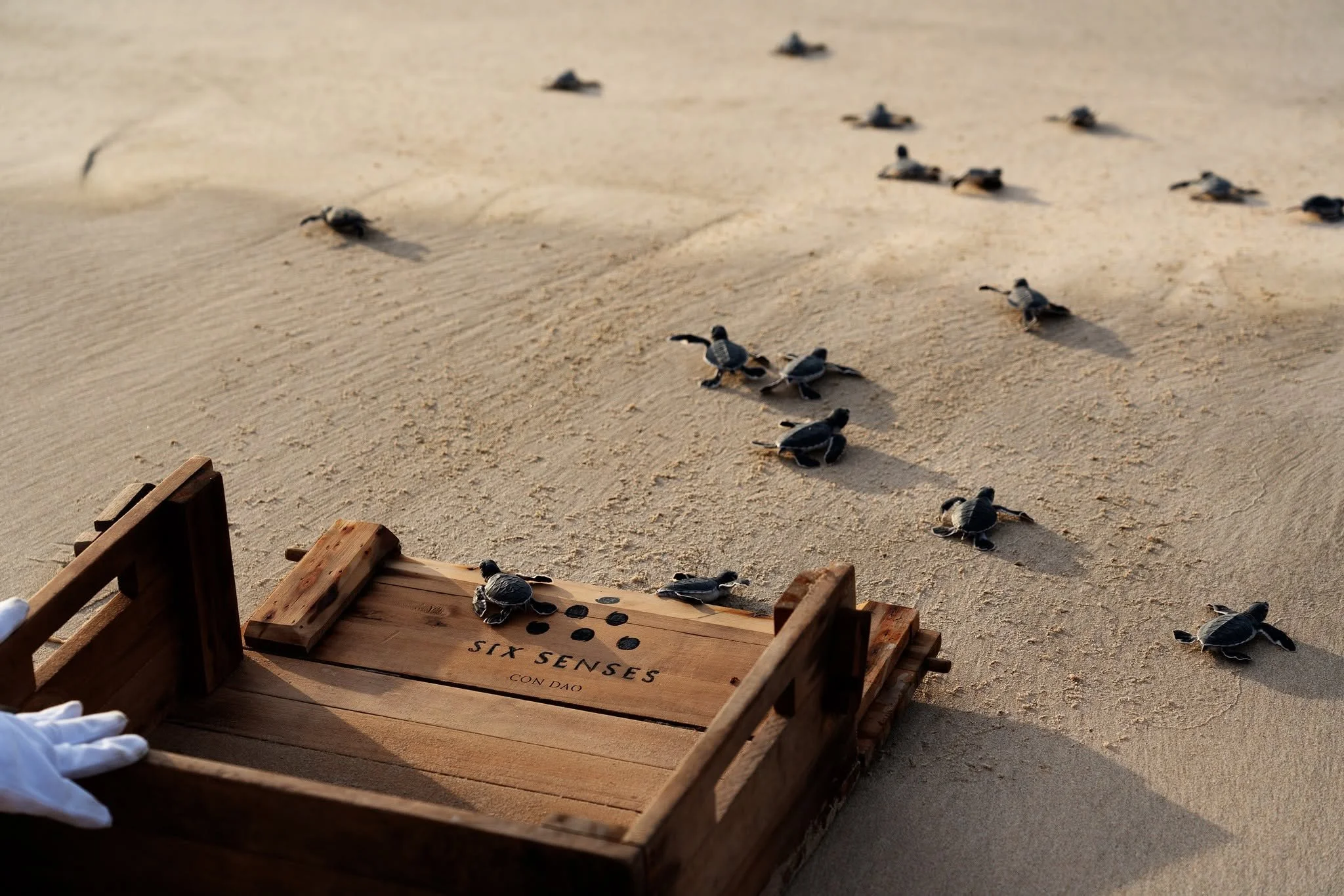
The Beach Where Turtles Return
Sustainability is one of Six Senses Con Dao’s strongest property-specific stories.
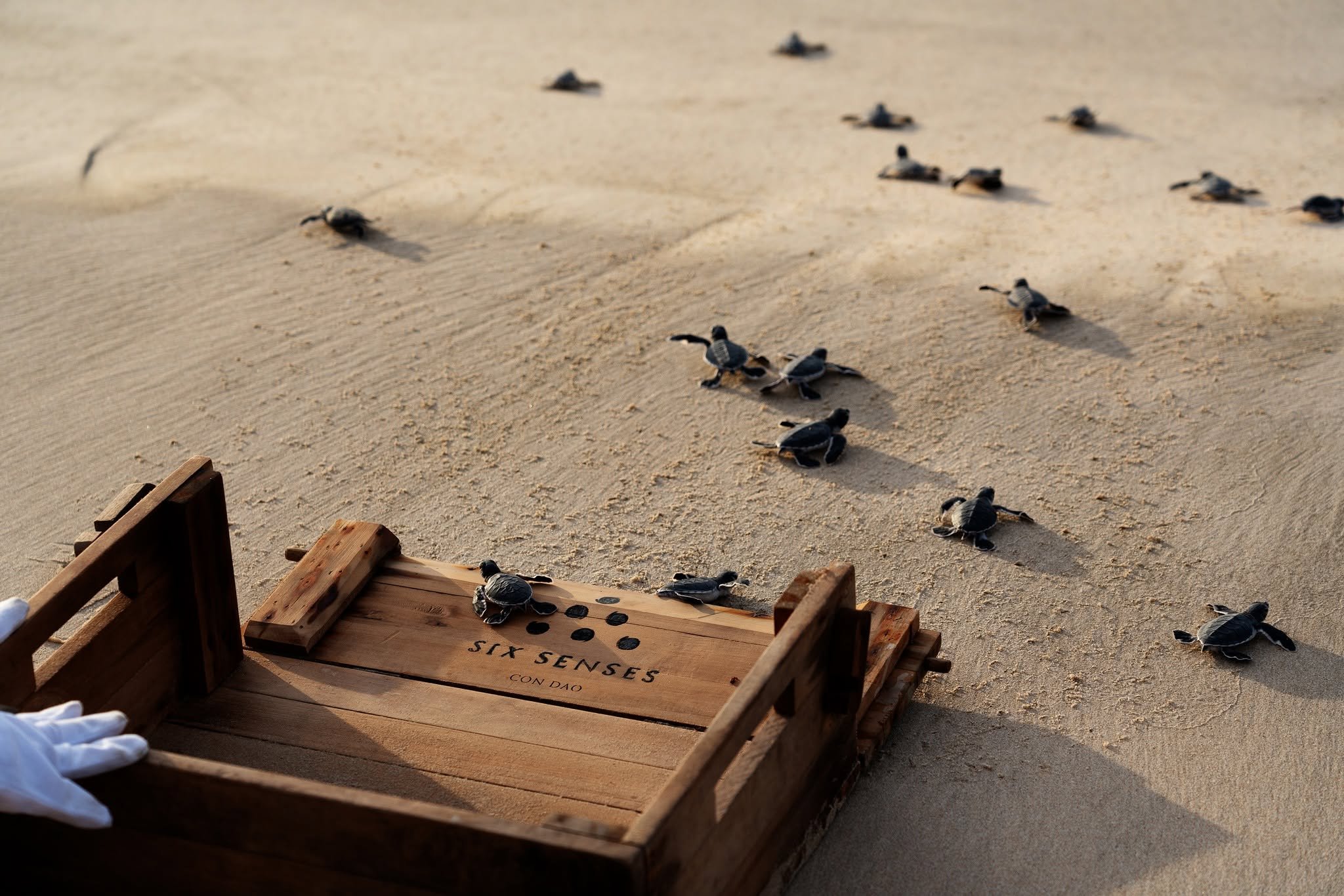
In partnership with Con Dao National Park, the resort protects selected clutches of endangered green sea turtle eggs in a dedicated incubation area on its beach. Since 2018, the resort’s “Let’s Get Cracking” program has released more than 30,000 green sea turtles, with 3,818 hatchlings released in 2025 alone. Guests may participate in supervised hatchling releases according to the national park’s code of conduct.
The resort also operates approximately 3,000 square meters of organic gardens, alongside a chicken villa and mushroom hut that contribute ingredients to its kitchens. In 2025, those gardens produced more than 5,600 kilograms of vegetables.
Waste reduction and community work are equally visible. Six Senses reports avoiding more than 97,000 plastic bottles in 2025 through reusable glass water bottles, while local initiatives include beach cleanups, English classes for children and access to filtered drinking water through its community programs.
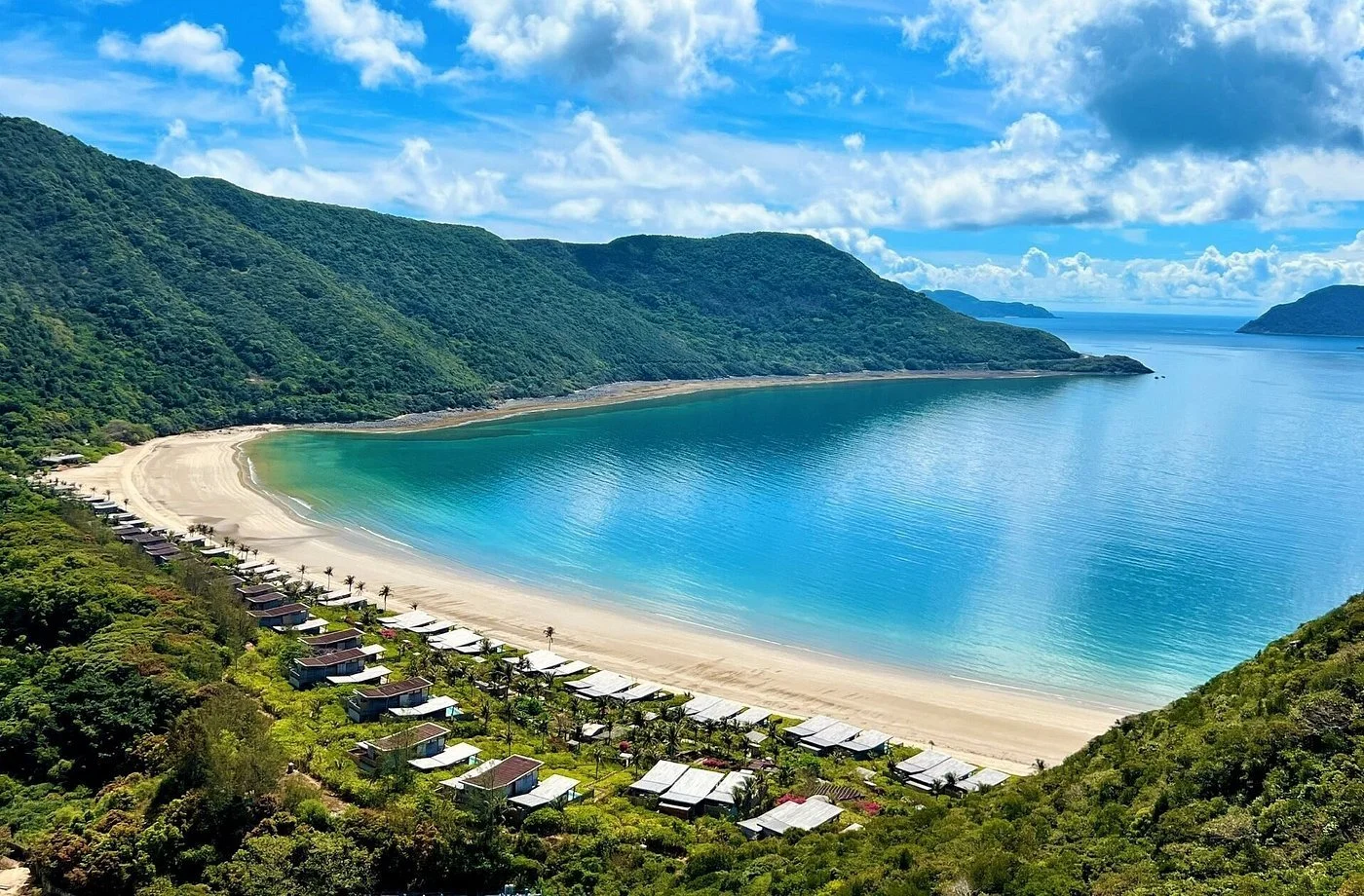
Con Dao Beyond the Resort
A stay at Six Senses should include time away from Dat Doc Beach.
The Con Dao Museum is the most useful starting point for understanding the island’s history, followed by one or more former prison sites. The prison system operated for more than a century, and its preserved cells and “tiger cages” remain among the island’s most confronting historical sites.
Hang Duong Cemetery is equally significant. More than 1,900 graves are located there, including that of Vo Thi Sau, the young Vietnamese resistance fighter whose grave remains an important pilgrimage site.
Nature offers a very different experience. Travelers can hike within Con Dao National Park, snorkel off quieter beaches, explore neighboring islands or spend time at Dam Trau Beach and other sections of the coastline.
The strongest Con Dao itineraries leave room for both sides of the island: its difficult history and the protected natural environment that now defines much of its appeal.
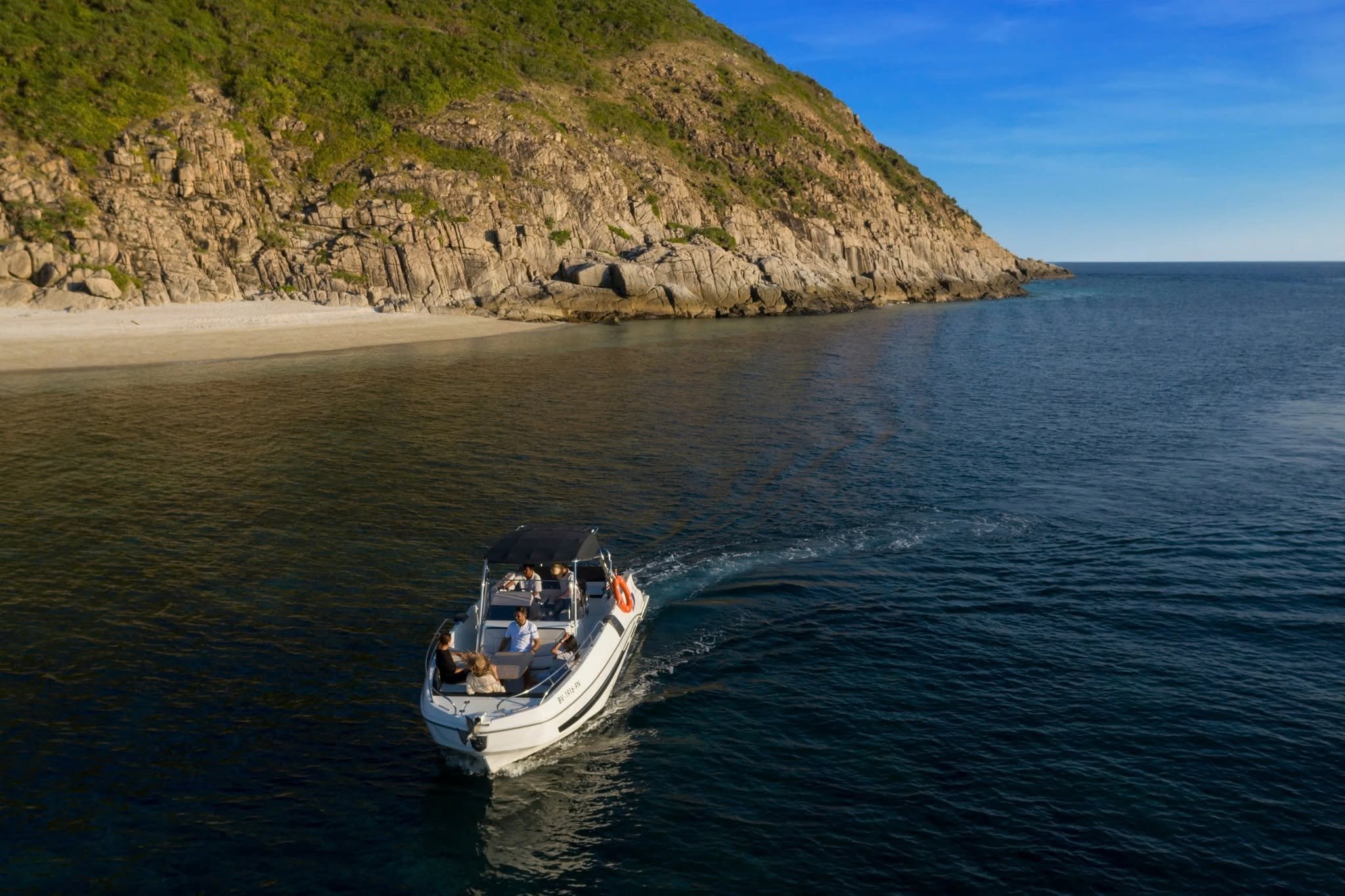
Getting to Six Senses Con Dao
Con Dao is remote, but the final journey is relatively straightforward.
From Ho Chi Minh City: The flight to Con Dao takes approximately 45 minutes, making Ho Chi Minh City the most practical gateway for most international travelers.
From Con Dao Airport: Six Senses provides meet-and-greet airport arrival assistance and can coordinate onward transportation to the resort.
For most travelers, we would build Con Dao into a wider Vietnam itinerary rather than treat it as the sole destination. A few days in Ho Chi Minh City before or after the island creates an easy contrast between urban Vietnam and one of the country’s most protected coastal environments.
A Different Side of Vietnam
Six Senses Con Dao works because the resort never completely separates itself from the island.
The villas are private, the beach is quiet and the spa can easily absorb an afternoon, but Con Dao gives travelers reasons to leave the pool. A morning might begin with snorkeling, continue through a visit to the island’s historical sites and finish back at the resort with Vietnamese food or a treatment overlooking the landscape.
The property’s environmental work also feels unusually tangible. Sea turtles hatch on the same beach guests walk each morning, produce from the organic gardens reaches the restaurants and conservation is incorporated into activities rather than treated as a background message.
For us, that balance is the reason to travel here. Six Senses Con Dao offers the space and privacy expected of a remote island resort, while the surrounding history, marine life and protected landscapes ensure the stay never feels disconnected from Vietnam itself.