Herceg Novi, Montenegro | Mamula Island by Banyan Tree
Mamula Island by Banyan Tree: A Fortress Between Boka Bay and the Adriatic
There are hotels built to take advantage of a remarkable setting, and then there are properties where the setting, architecture and history are impossible to separate. Mamula Island by Banyan Tree belongs firmly to the latter.
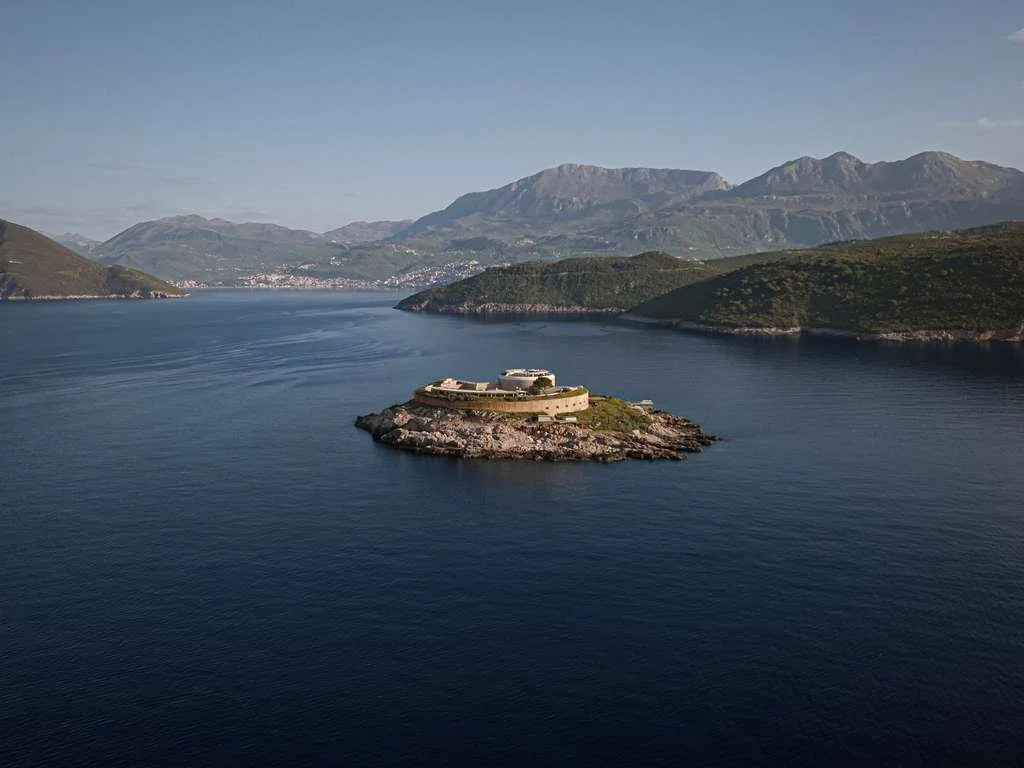
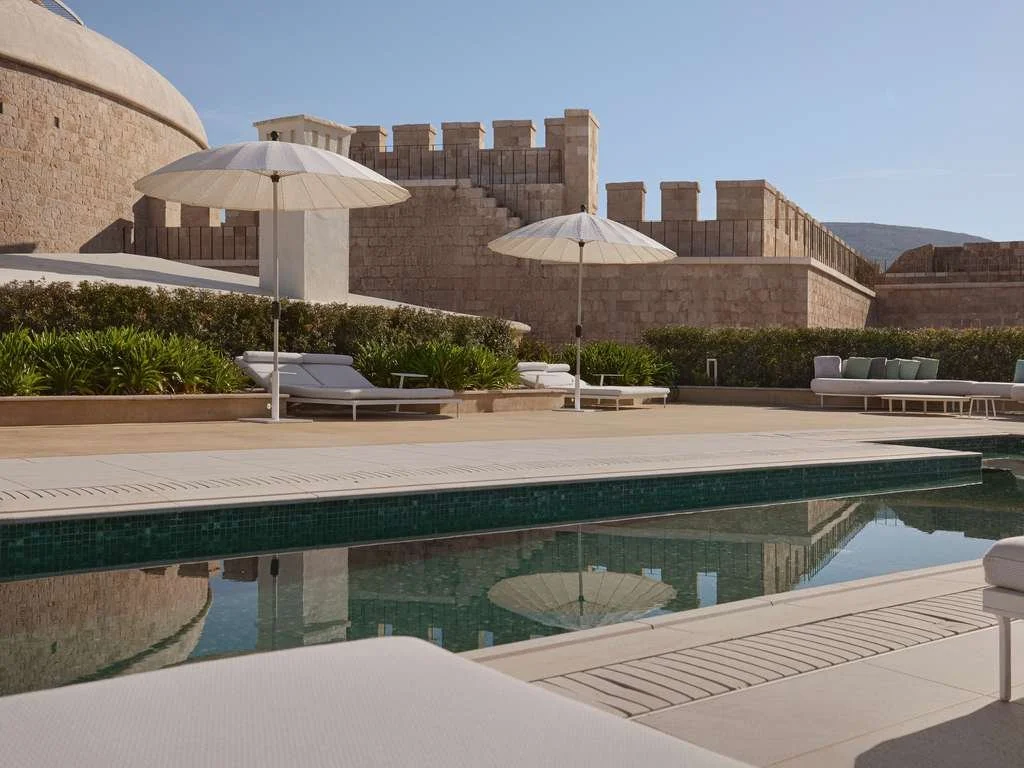
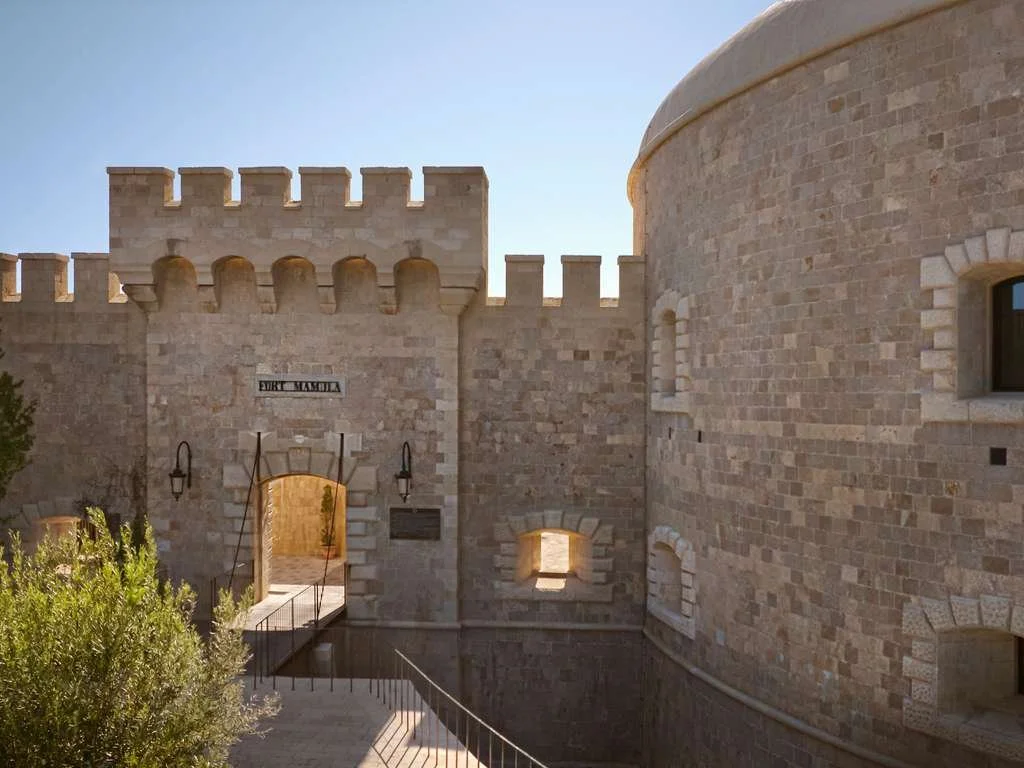
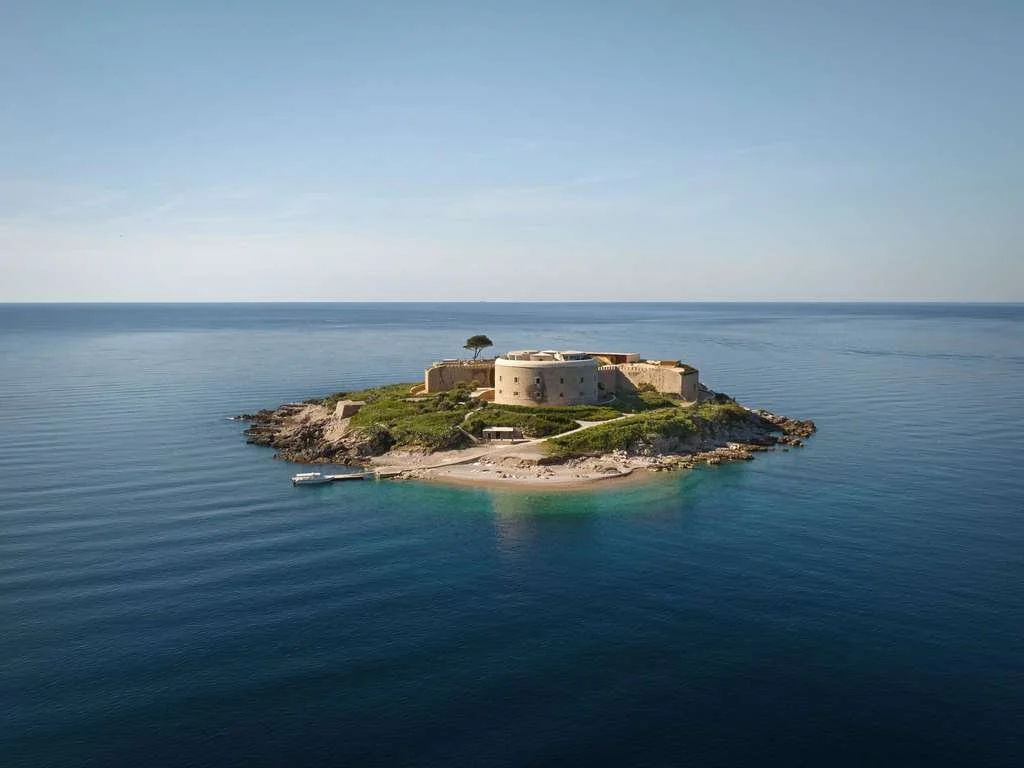
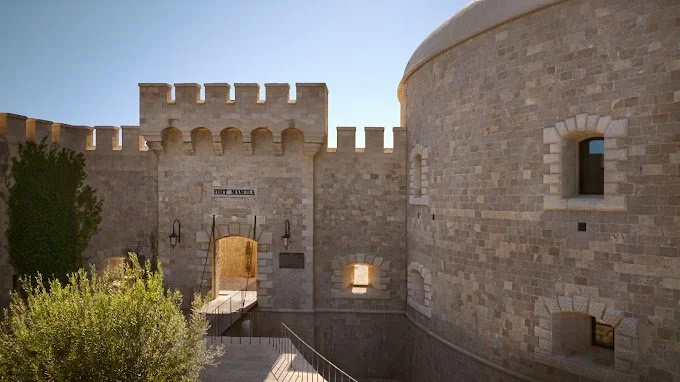
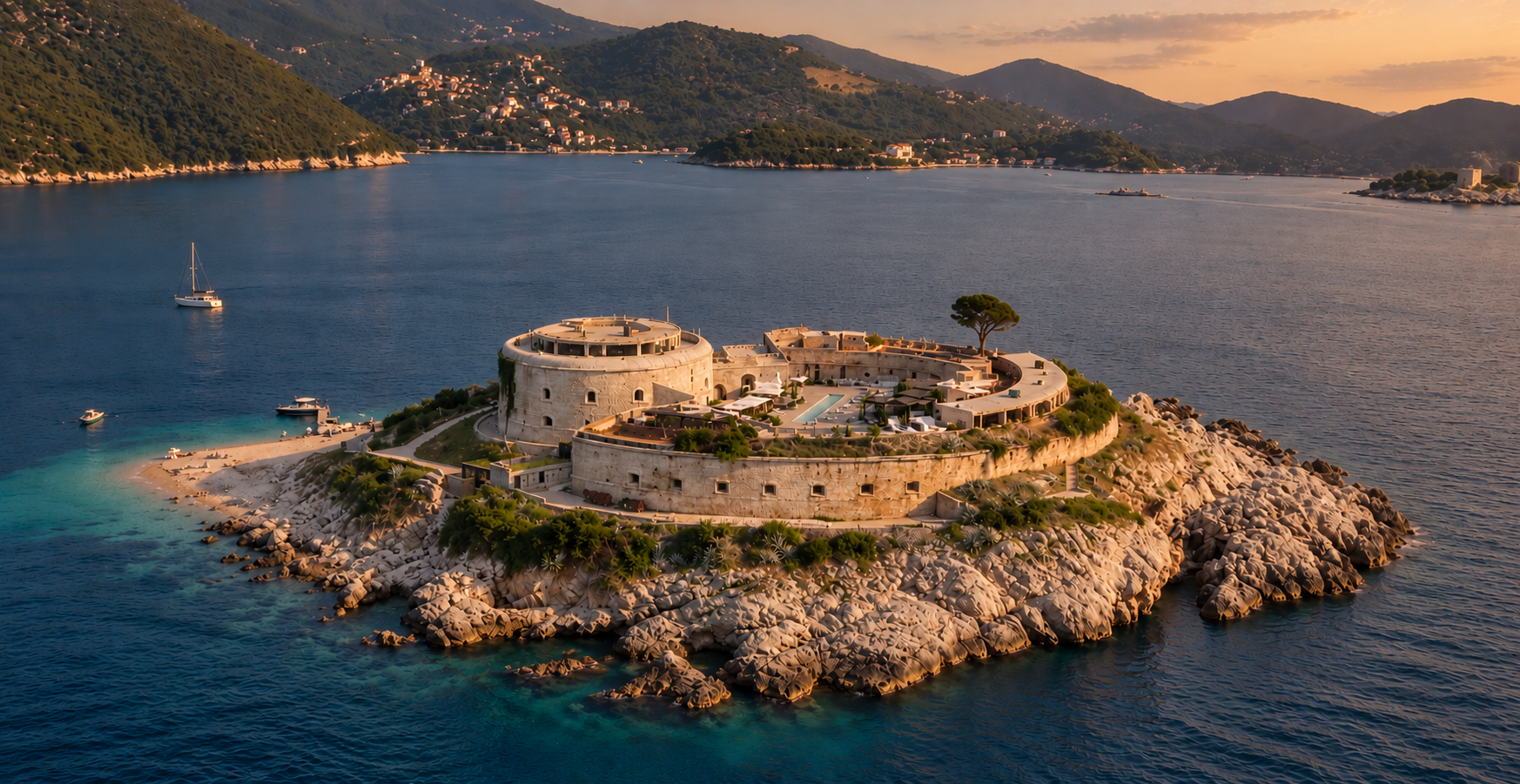
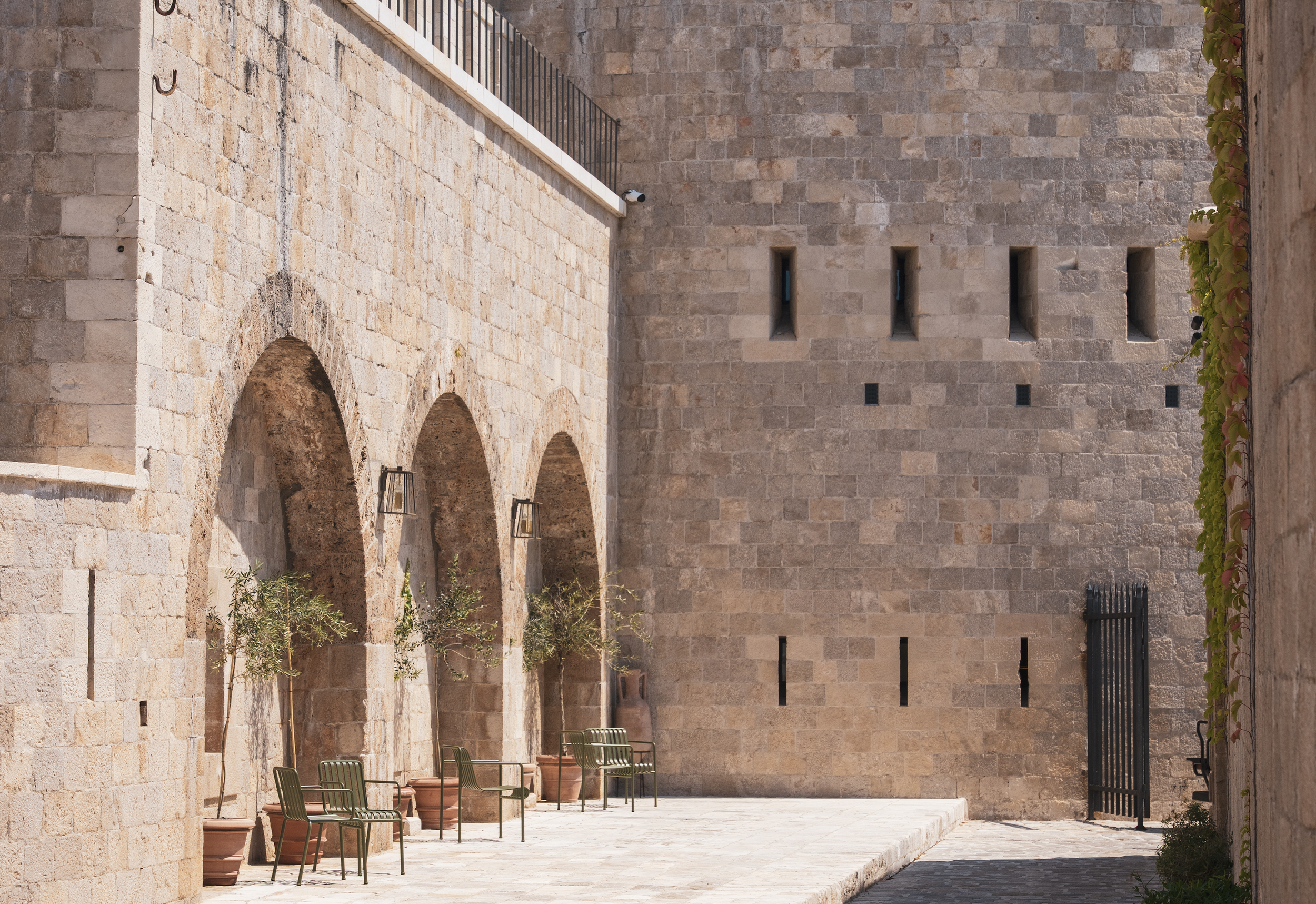
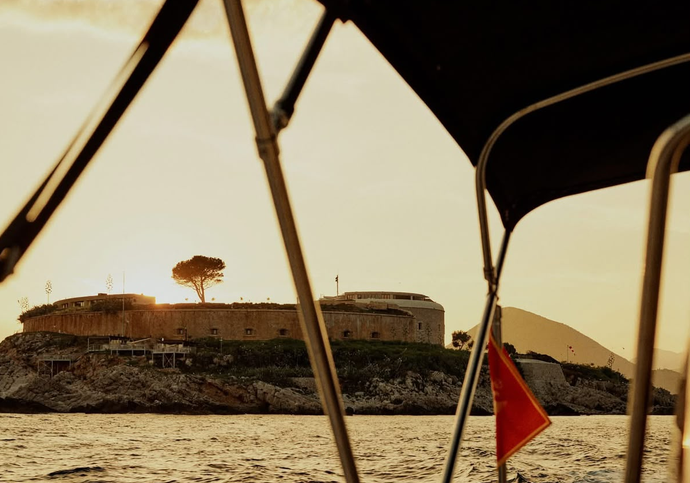
The small island sits at the entrance to Boka Bay, where Montenegro’s protected waters meet the open Adriatic. At its center is a circular 19th-century fortress whose stone walls have watched over this stretch of coastline for more than 170 years. Today, the island is home to just 32 rooms and suites, several restaurants and bars, a Banyan Tree Spa, swimming pools, a private beach and a growing program of cultural and destination experiences.
The hotel entered a new chapter in 2026, when it began its first full season under the Banyan Tree flag, becoming Banyan Tree’s first resort in Europe. The change brought Banyan Tree’s spa and wellbeing philosophy to an already unusual property while retaining the architecture, contemporary interiors and connection to Montenegro that shaped the original restoration.
For us, this is not a resort that makes sense only as a place to stop and sunbathe for a few days. Its position at the mouth of Boka Bay gives travelers access to Herceg Novi, the Luštica Peninsula, historic villages, local food traditions and some of the most beautiful water in the Adriatic.
A Fortress With a Complicated Past
Mamula Island was historically known as Lastavica. Its fortress was constructed between 1850 and 1854 as part of a wider defensive system guarding the entrance to Boka Bay. The project was overseen by Austrian general and Dalmatian governor Lazar Mamula, whose name eventually became associated with both the fortress and the island.
Together with the nearby fortifications at Arza and Oštro, Mamula formed part of an ambitious 19th-century military network designed to protect one of the Adriatic’s most strategically important natural harbors.
The island’s history later became considerably darker.
During the First World War, the fortress was used as a prison. During the Italian occupation of Montenegro in the Second World War, a concentration camp was established at Mamula in March 1942. Political prisoners, resistance members, sympathizers and civilians were interned there until the camp ceased operating in September 1943.
That history is not absent from the hotel today. A historical and memorial gallery on the island documents the fortress’s past, including the wartime period, ensuring that the restoration does not present Mamula simply as an attractive piece of military architecture.
Following the war, the island and fortress were largely abandoned and deteriorated for decades. A long-term lease for the restoration of Lastavica Island and Mamula Fortress was eventually concluded with Orascom Development, with the project required to preserve the historic structure while incorporating a memorial component.
The hotel opened following an extensive reconstruction and restoration, and in 2026 Mamula Island entered its current phase as Mamula Island by Banyan Tree.
Restoring the Fortress Without Erasing It
The transformation of Mamula required an approach very different from designing a resort on an empty site.
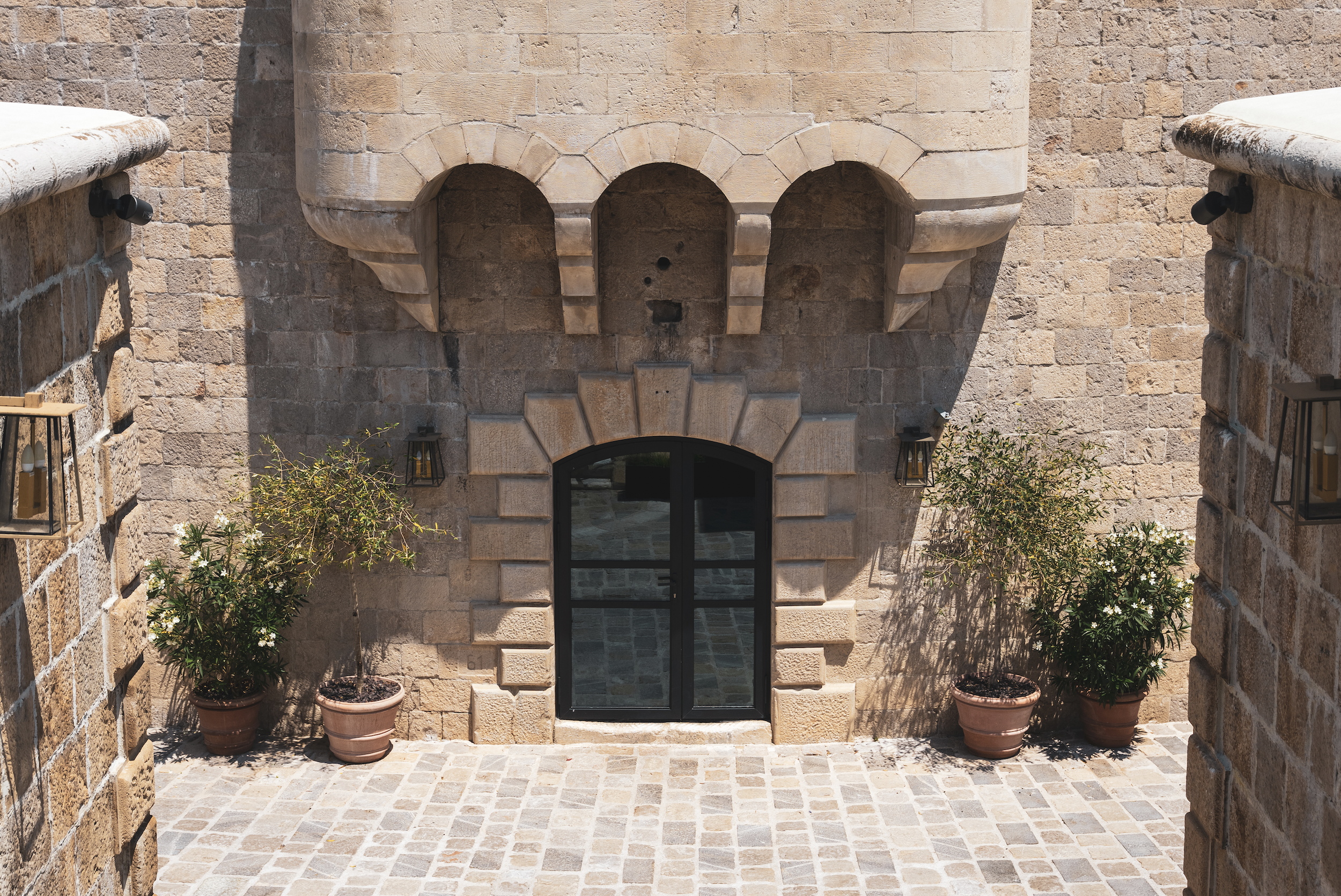
Architectural design was led by Miguel Cancio Martins and MCM, while Berlin-based weStudio, led by Piotr Wisniewski, developed the interiors. The aim was not to disguise the fort but to create contemporary spaces within and alongside its existing geometry.
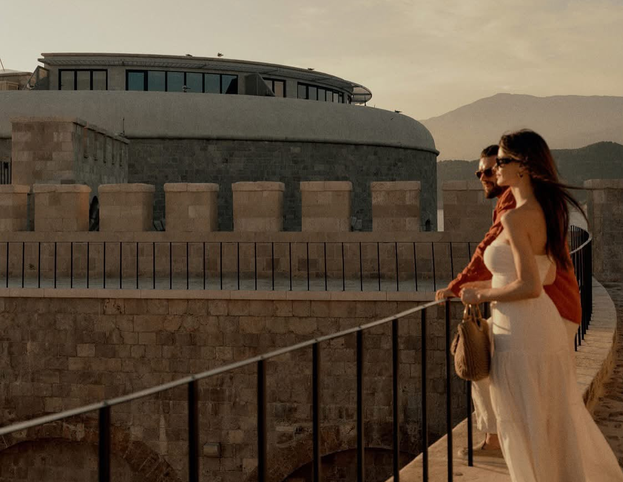
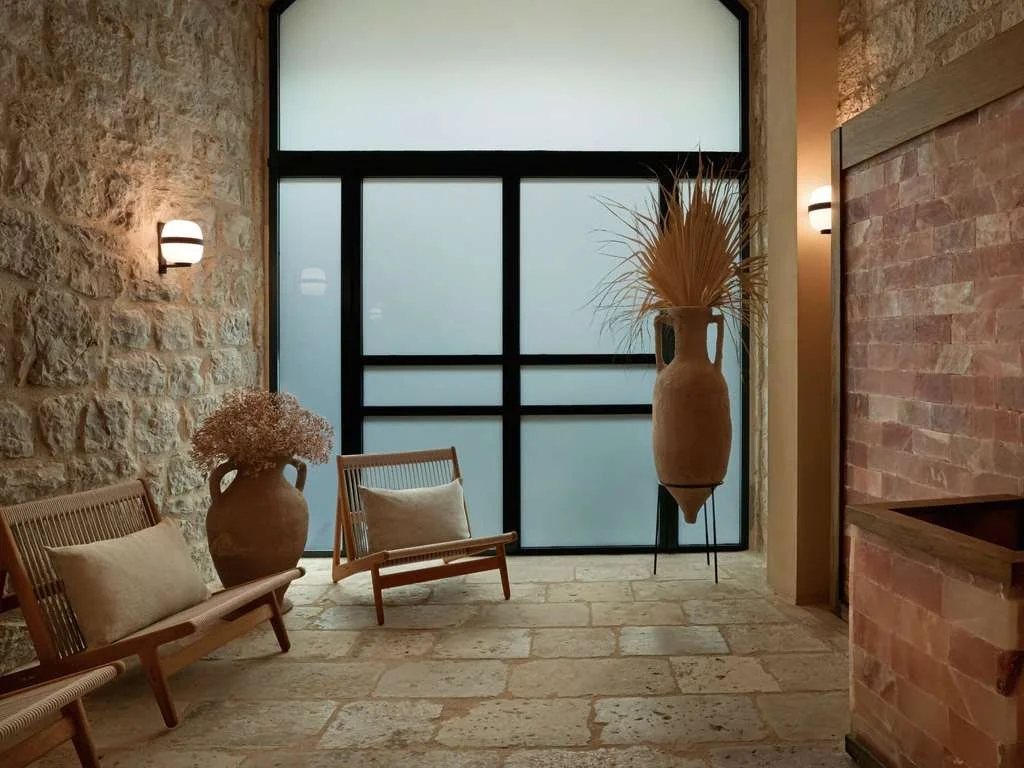
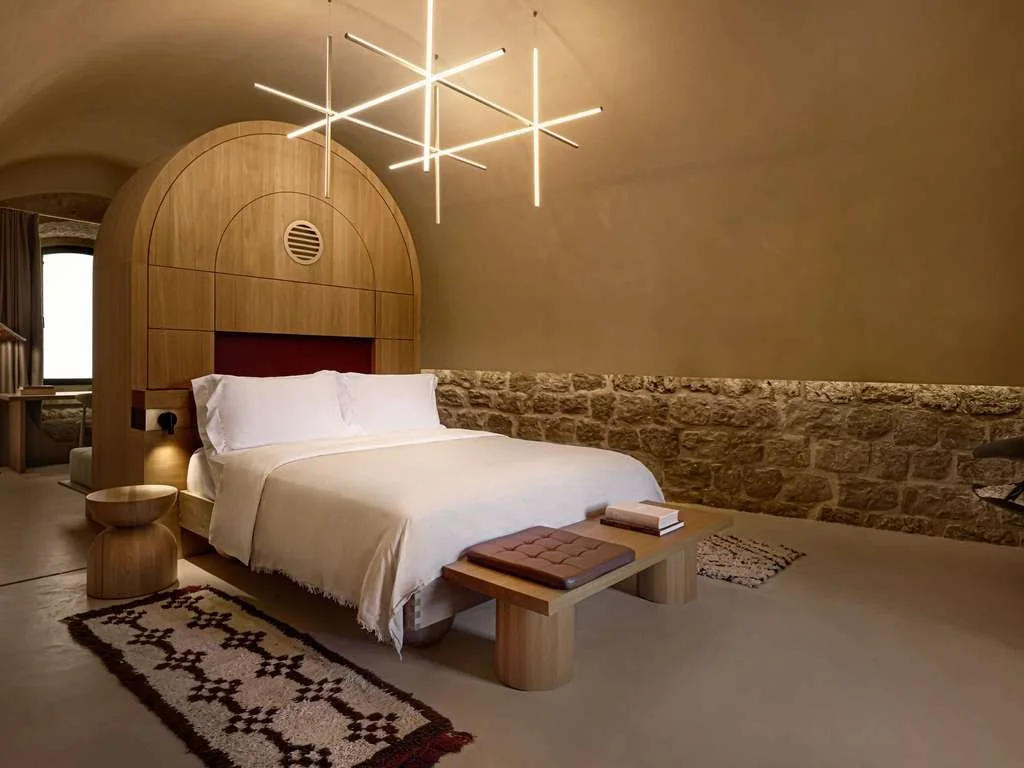
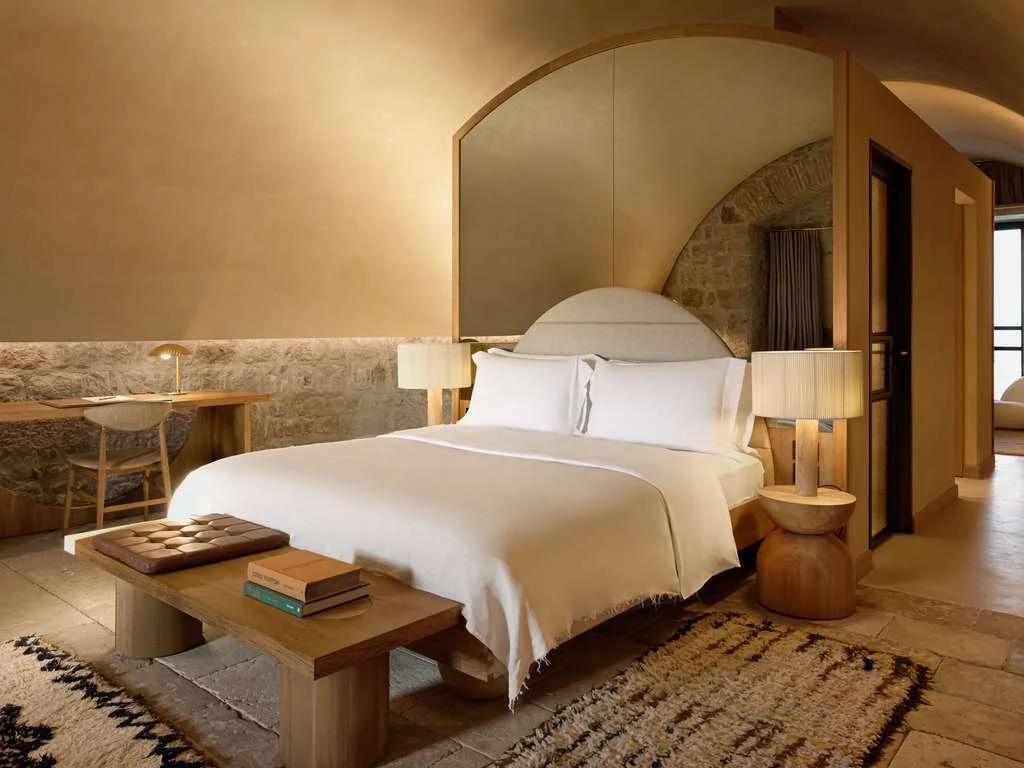
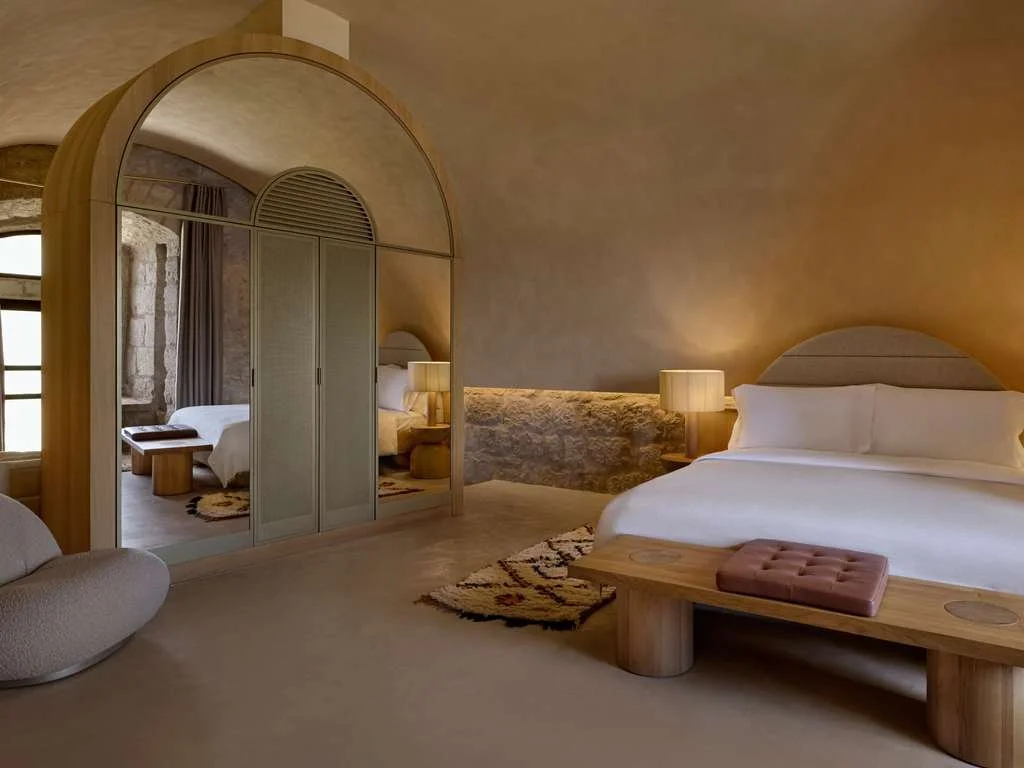
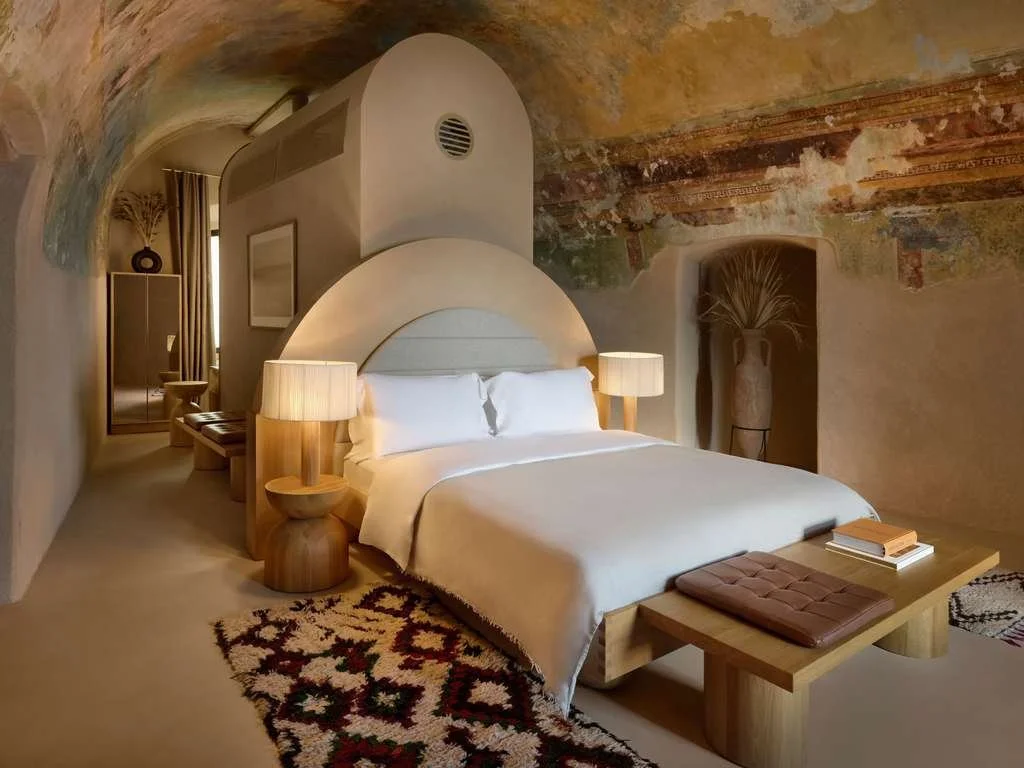
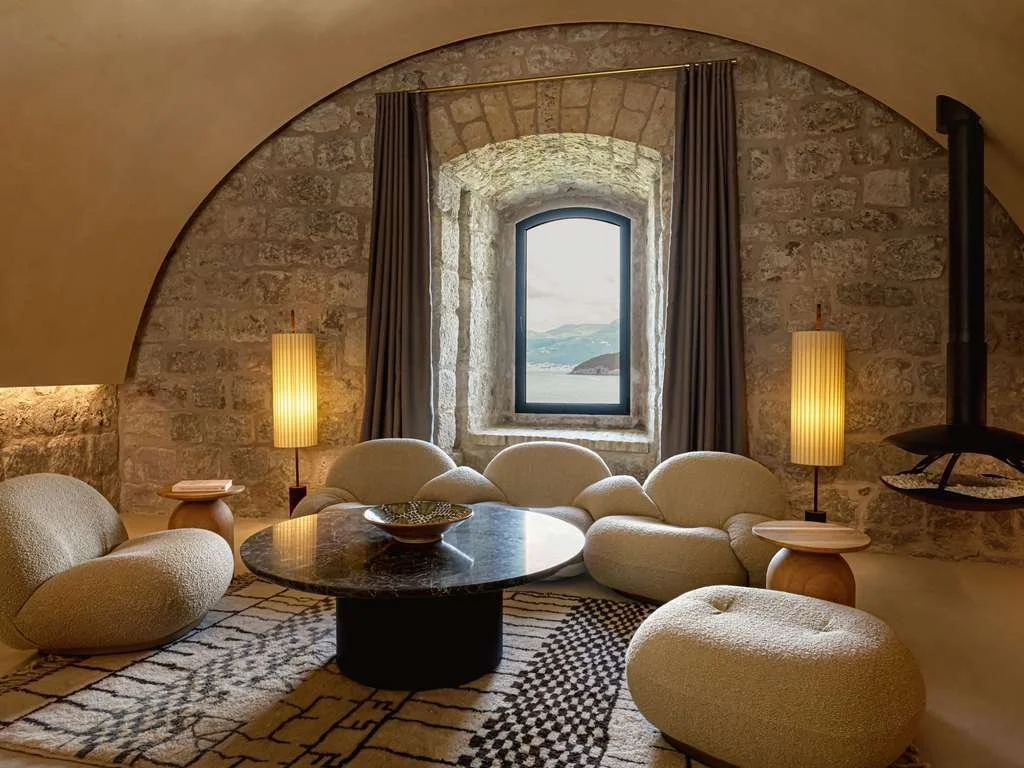
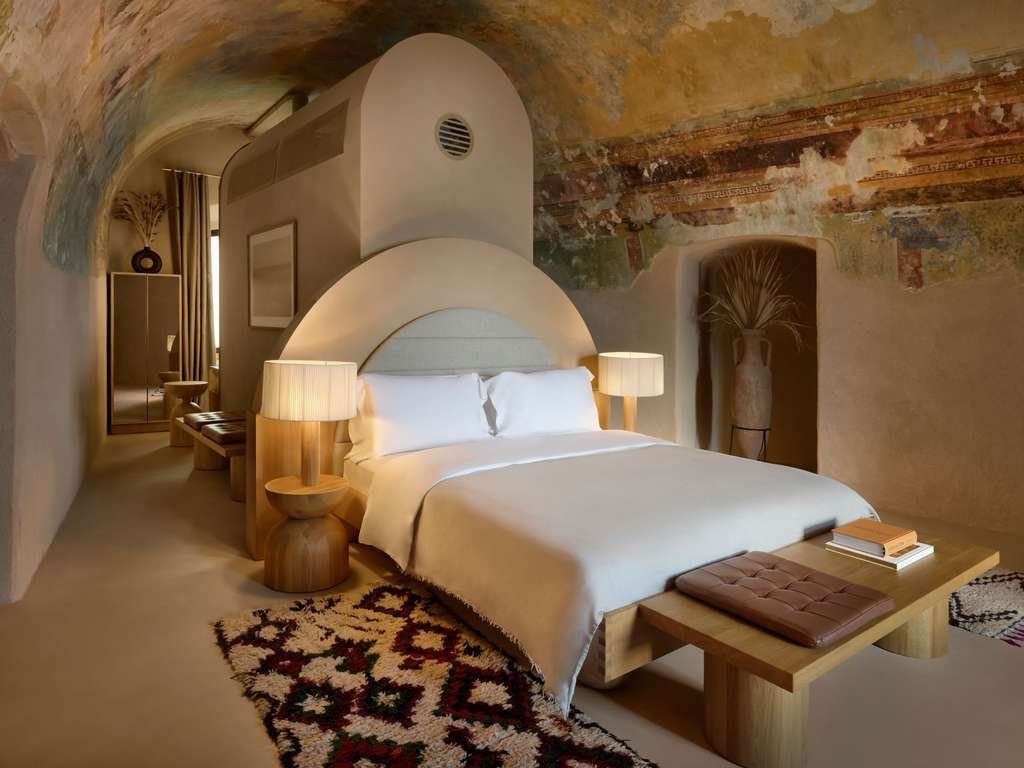
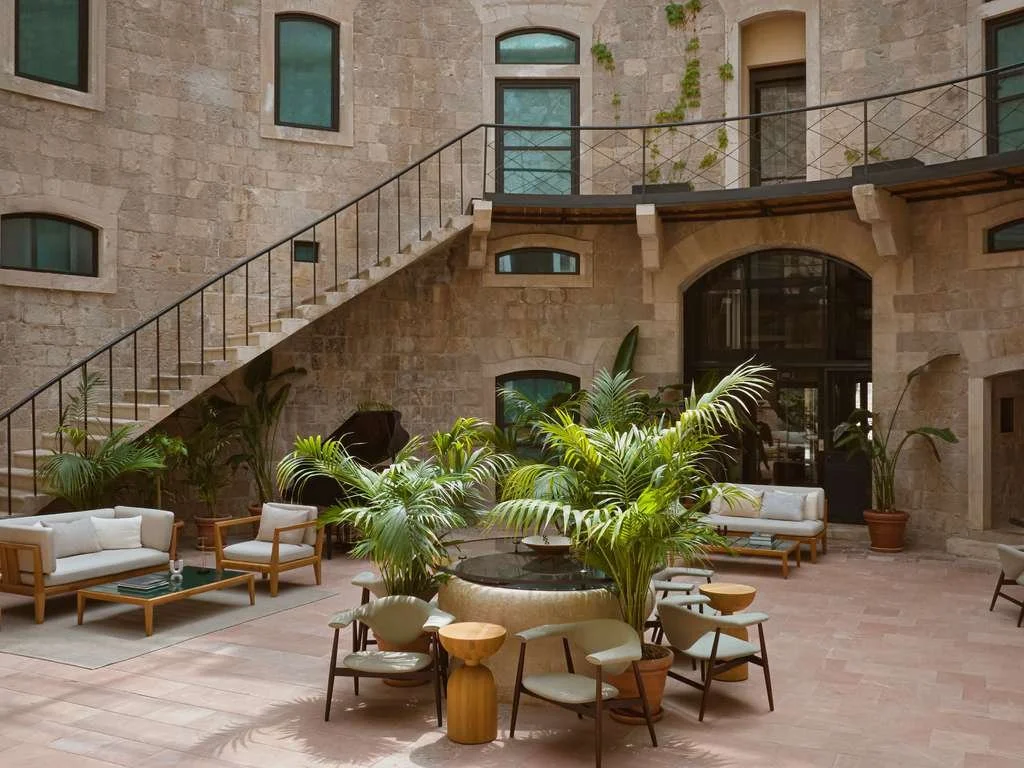
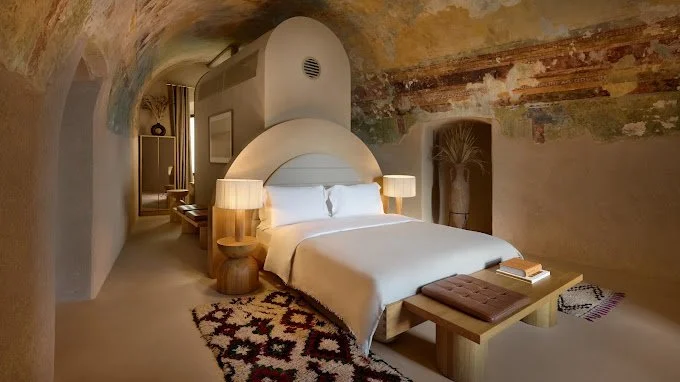
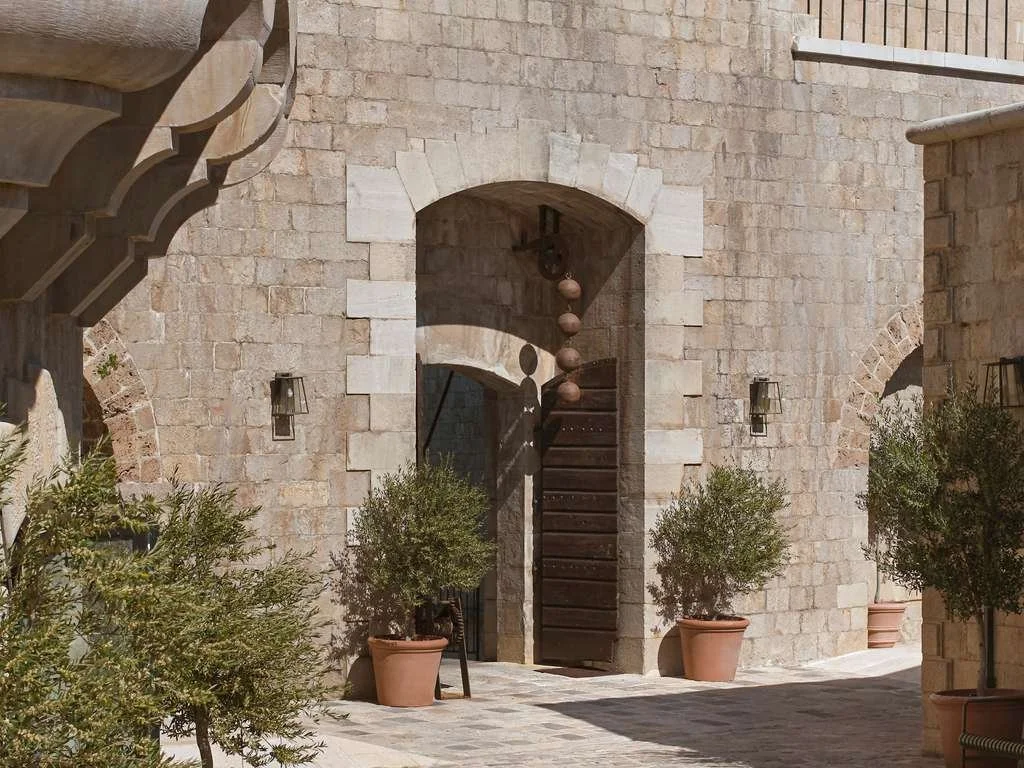
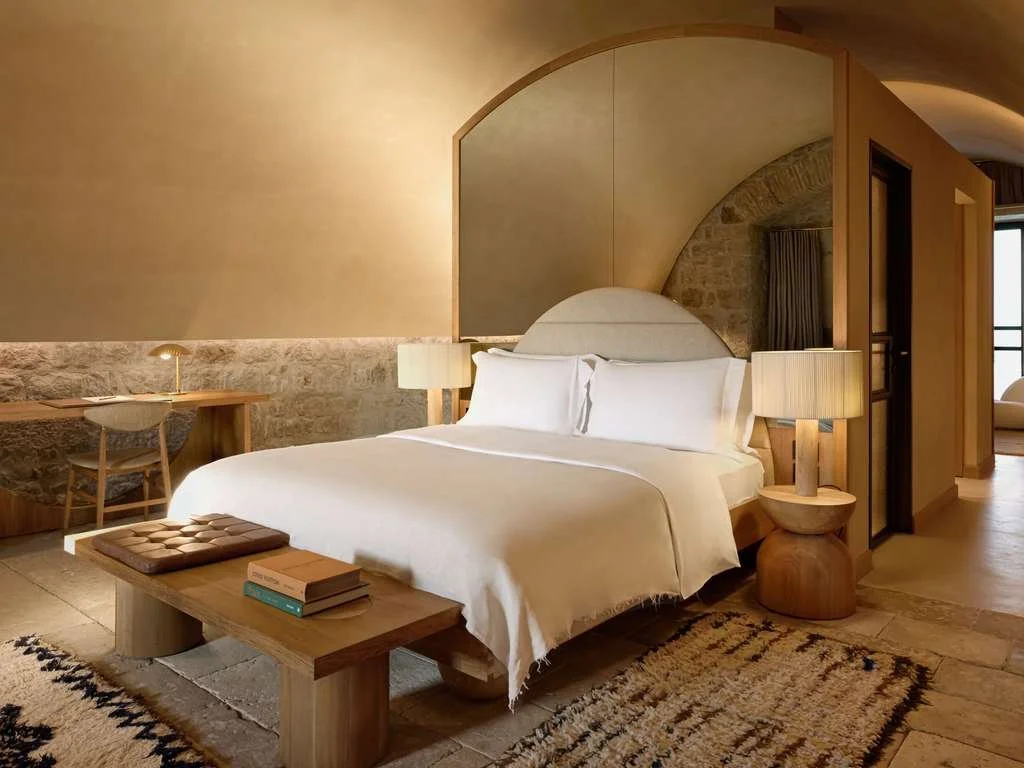
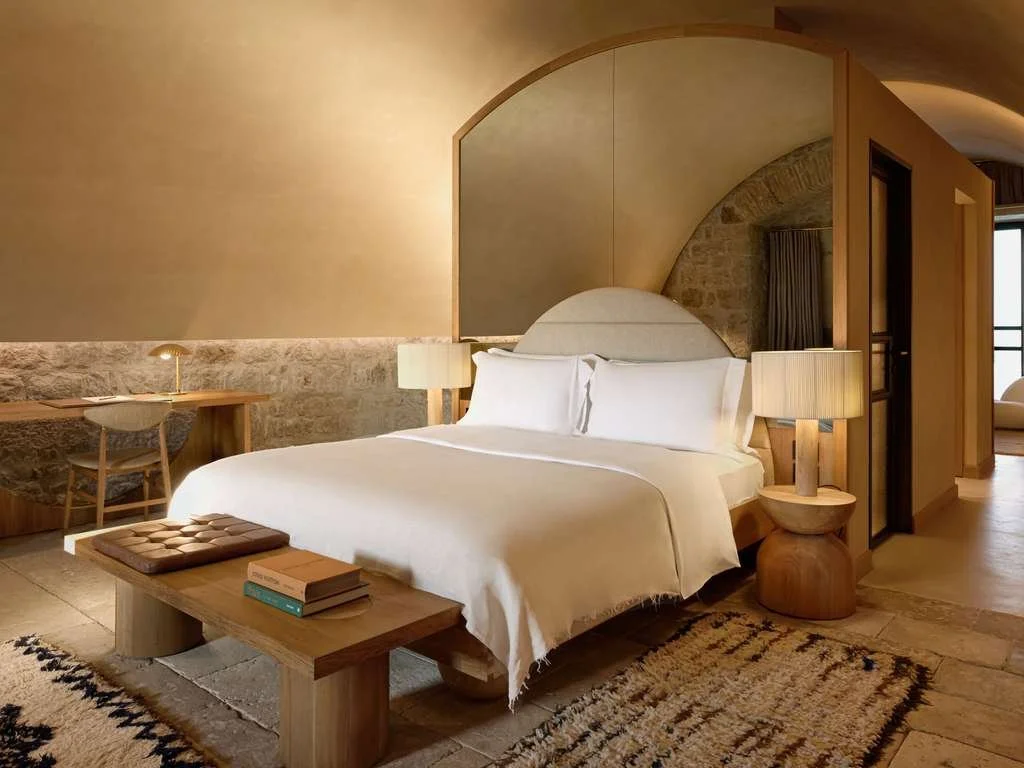
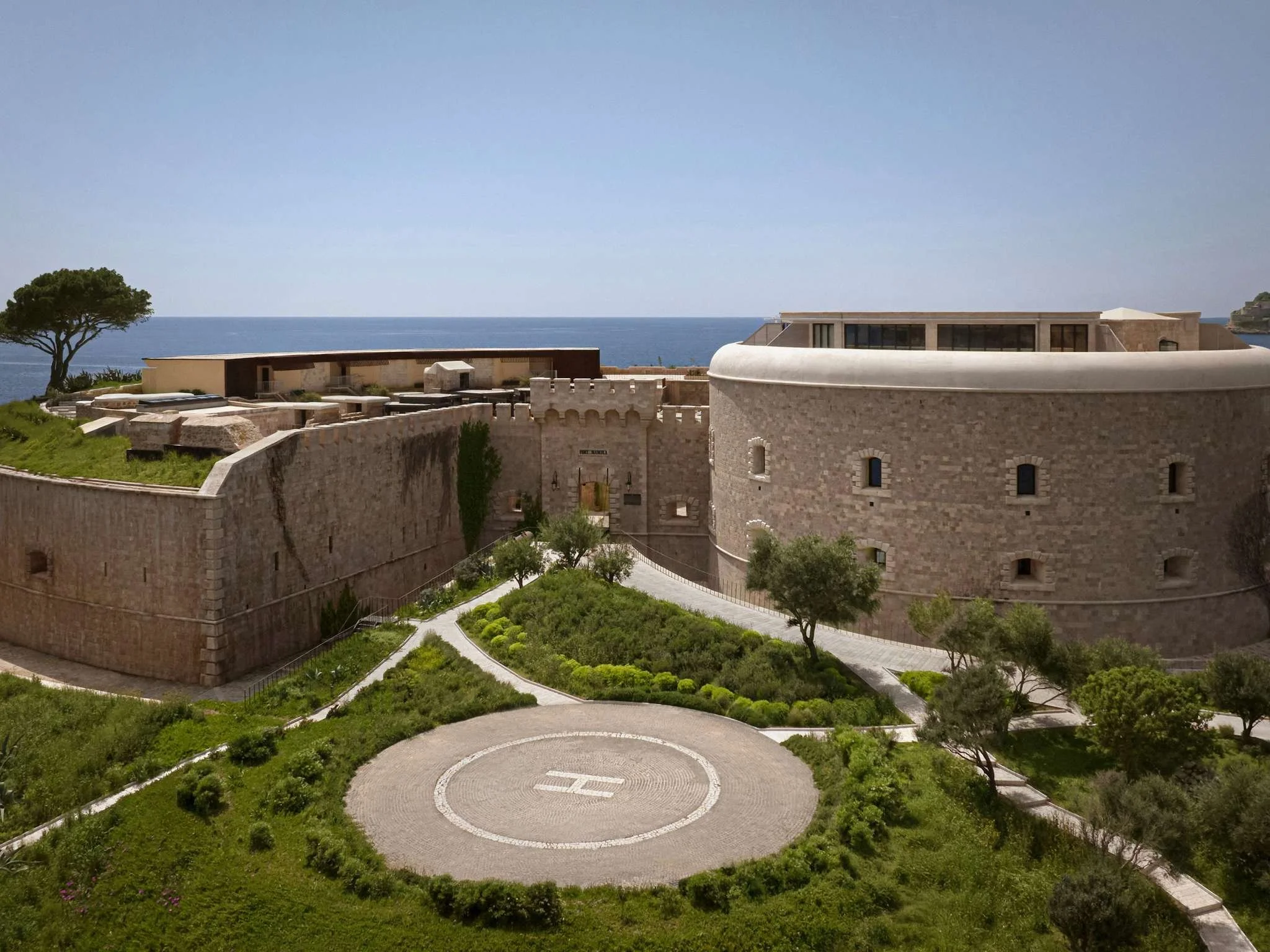
The original circular stone structure remains central to the experience. Historic arches, heavy masonry and the fort’s curved forms are contrasted with oak, aged brass, natural textiles and locally influenced materials. In parts of the main tower, original frescoes were uncovered beneath layers of paint and carefully restored. Some can now be seen in the Sky Suites.
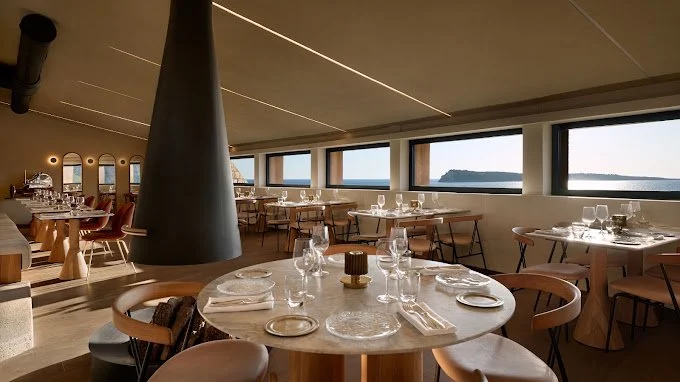
Newer architectural interventions are noticeably lighter. Glass, restrained contemporary furnishings and broad openings toward the sea prevent the interiors from feeling museum-like. The architecture constantly shifts between enclosure and openness: one moment you are walking through thick stone passages, and the next the Adriatic occupies almost the entire view.
The restoration also incorporates local craft traditions and artwork, while the historical gallery gives context to a building whose past cannot responsibly be reduced to its aesthetic appeal.
32 Rooms and Suites Surrounded by Water
Mamula Island by Banyan Tree has 32 accommodations across five current categories. The inventory is small enough that even the more contemporary rooms remain closely connected to the fort and surrounding sea.
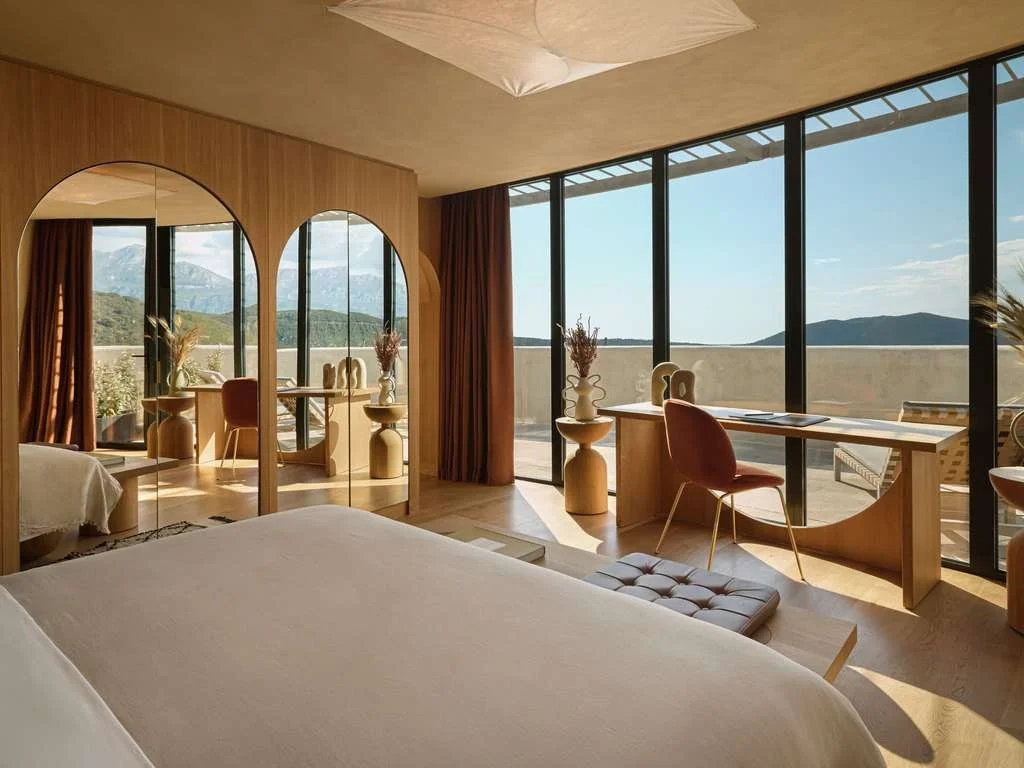
Adriatic Balcony Room: At approximately 46 square meters, these are the most compact accommodations on the island. Eight rooms sit amid greenery a short walk from the fort’s center, with floor-to-ceiling windows and private outdoor space oriented toward the Adriatic. They work well for couples who plan to spend most of the day exploring the island rather than using the room as a larger living space.
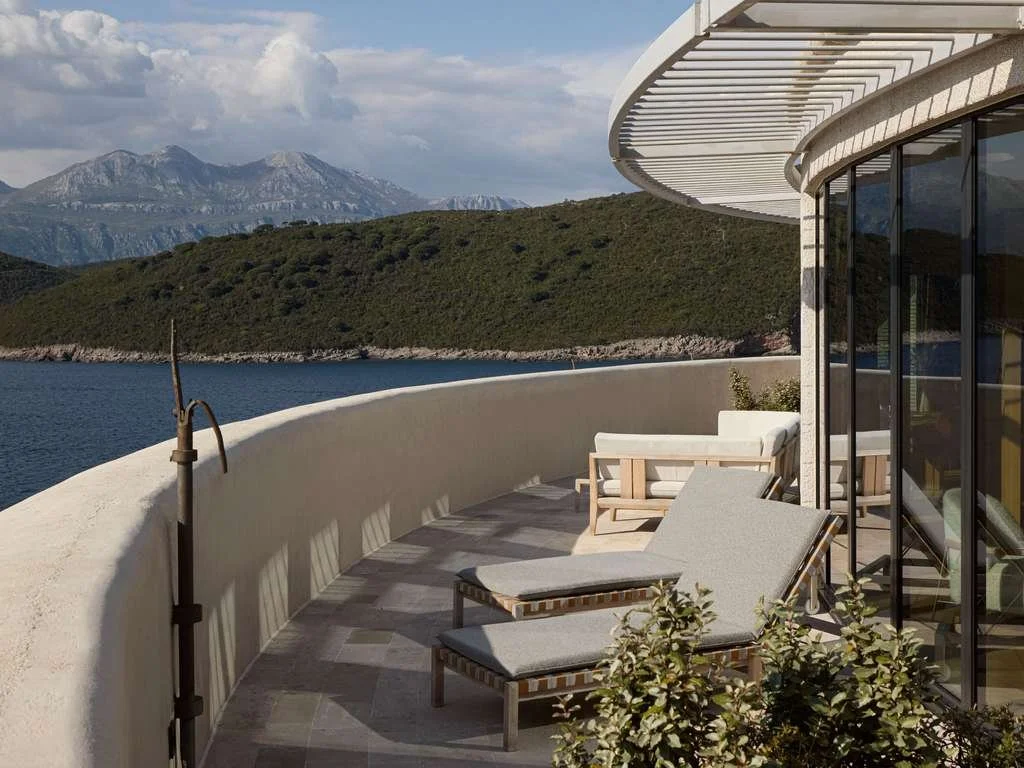
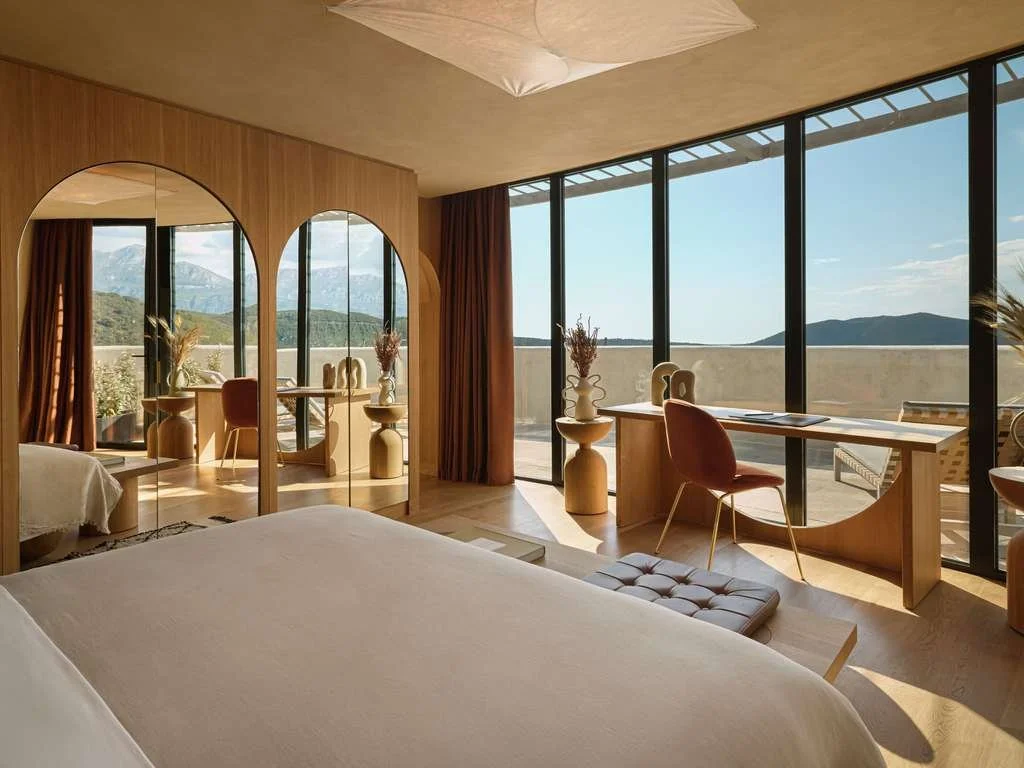
Panoramic Room: Measuring approximately 61 square meters, Panoramic Rooms occupy the upper level of the fortress tower. Private terraces extend along the rooms, creating a stronger indoor-outdoor experience and giving travelers broad views across the sea.
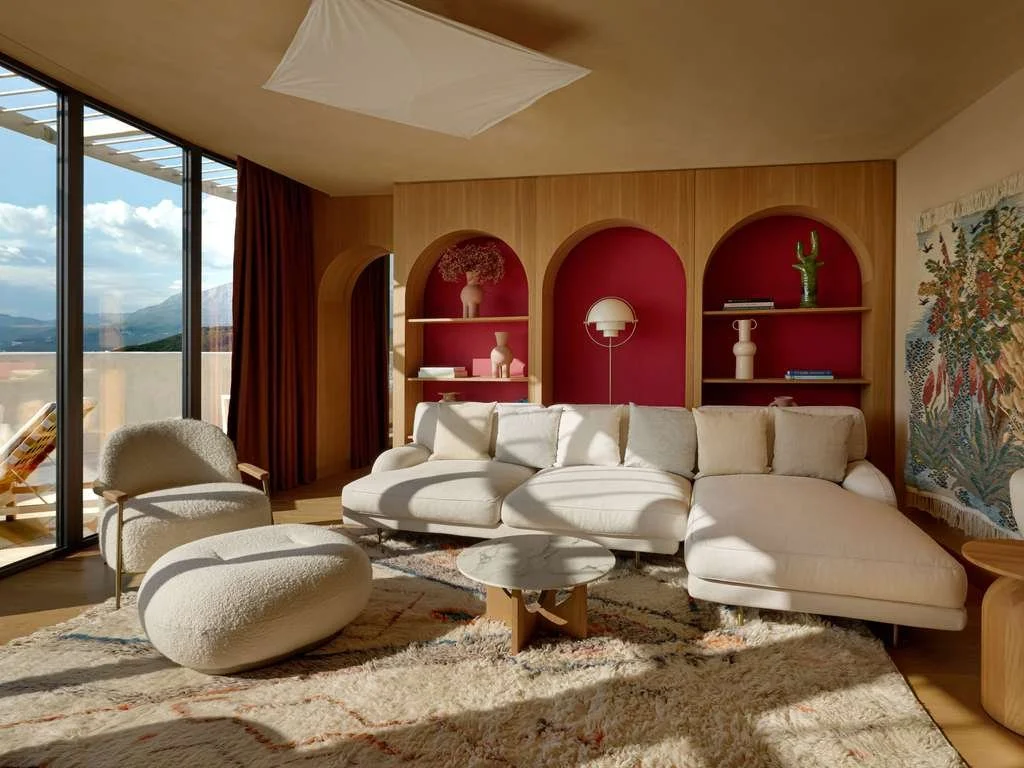
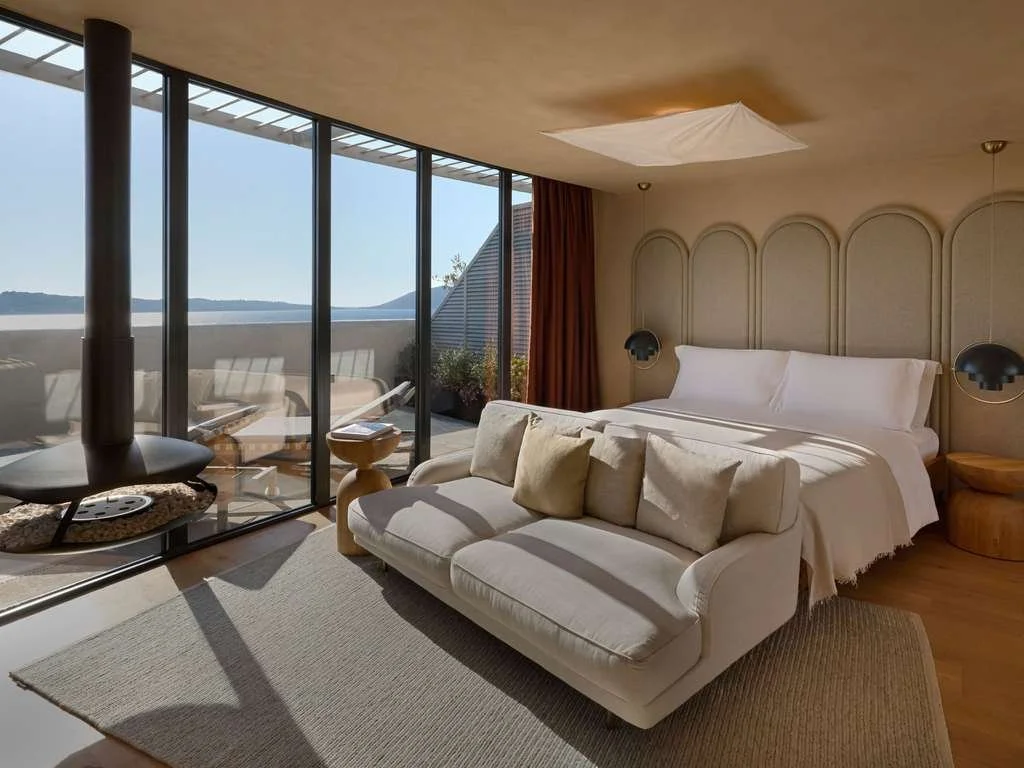
Junior Suite: Approximately 69 square meters, Junior Suites provide more separation between sleeping and living areas. Picture windows frame the Adriatic, while a floating fireplace adds another layer of character during cooler parts of the season. A sofa bed allows the category to accommodate up to three guests.
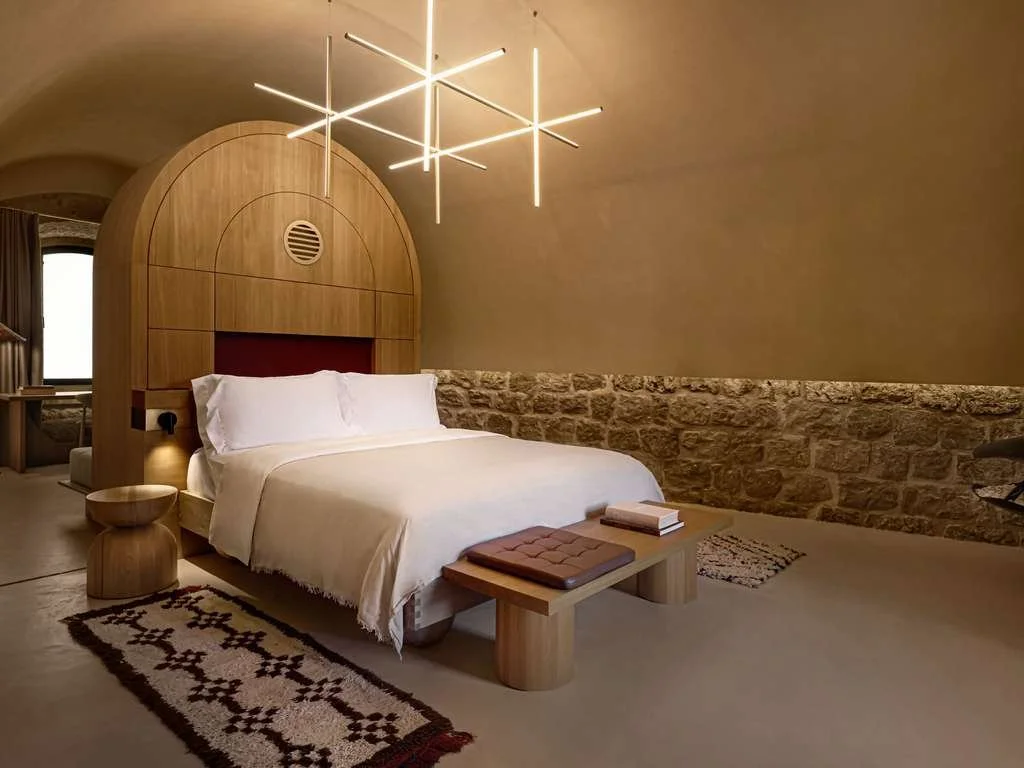
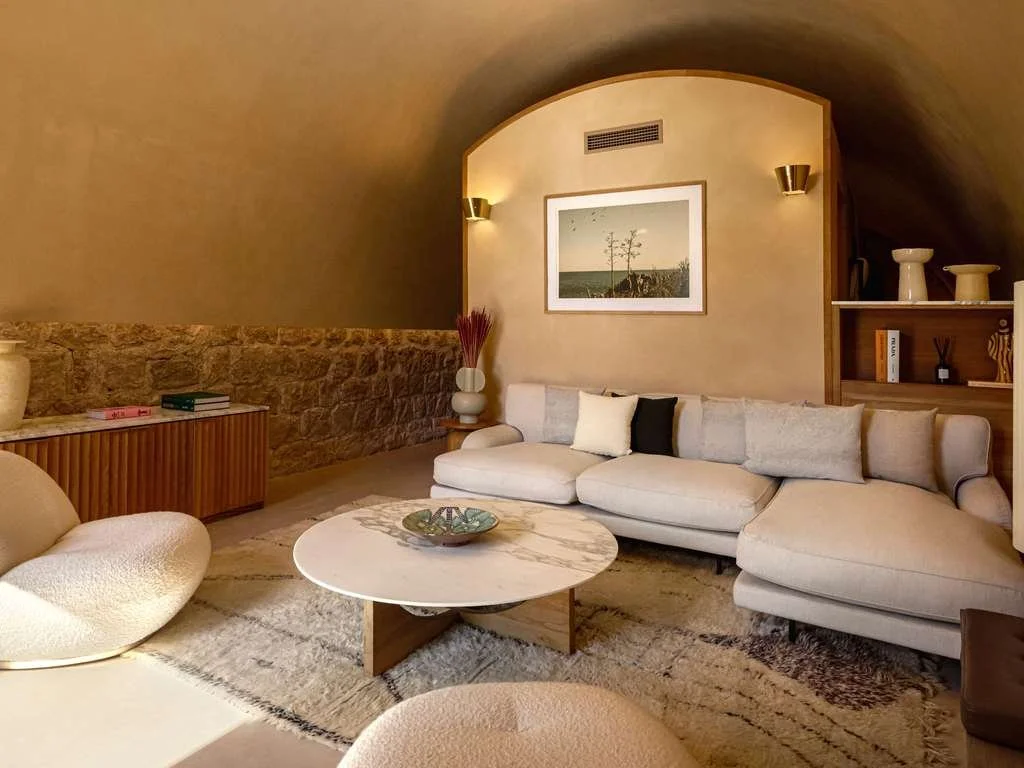
Sky Suite: At approximately 94 square meters, these suites sit within the historic tower and feel more closely connected to the original fortress architecture. Stone walls, oak and natural fabrics define the interiors, while some suites retain restored historic ceiling frescoes. The layout separates sleeping and living areas, and select suites have a passage connecting toward the spa.
Panoramic Suite: The largest category at approximately 122 square meters. Located at the crown of the main tower, these suites pair floor-to-ceiling glass with generous private terraces. For travelers who want the strongest combination of space, privacy and wide Adriatic views, this is the category we would look at first.
Dining Between the Fort and the Sea
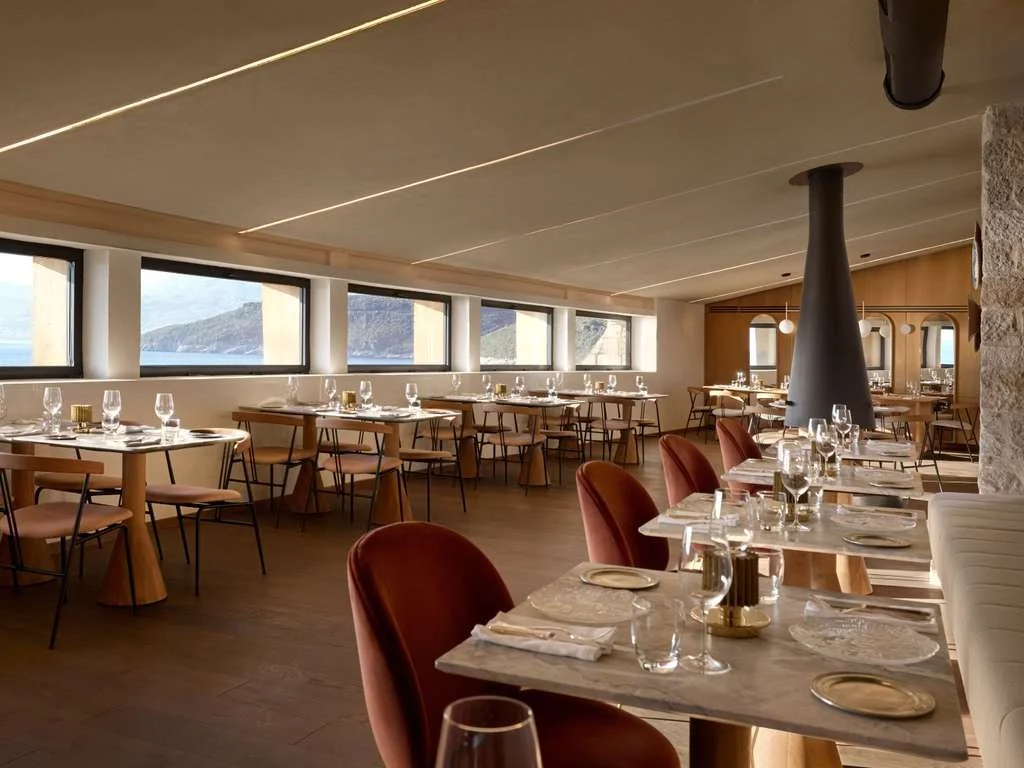
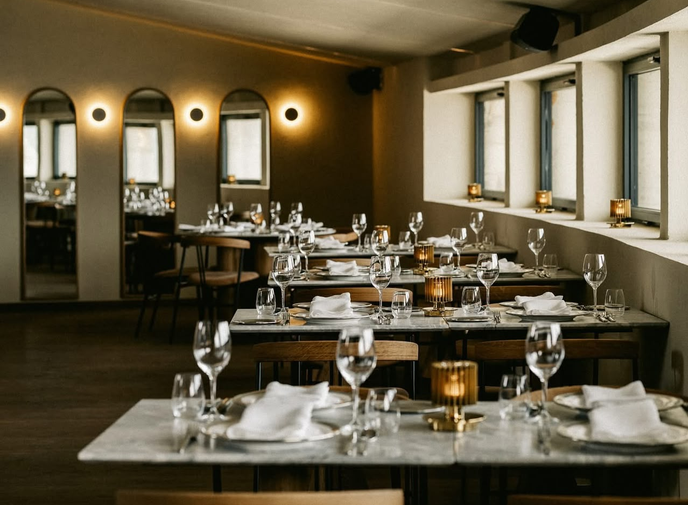
The current dining program moves between Montenegrin ingredients, Mediterranean cooking and broader coastal influences.
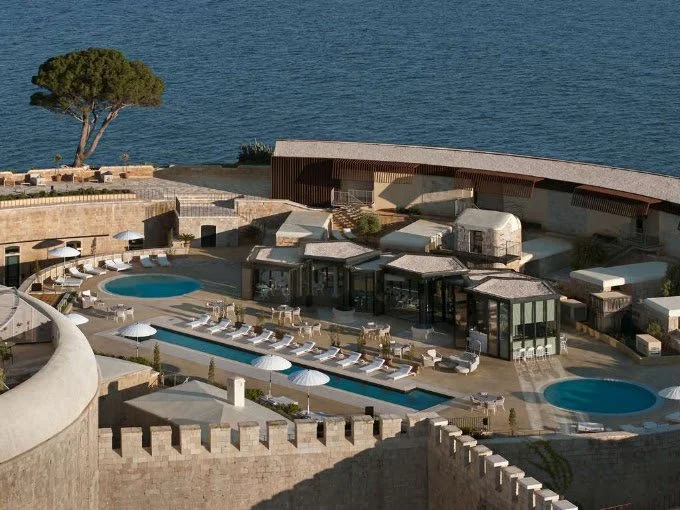
Parasol: Set around the island’s pool area within the protection of the fortress walls, Parasol is an easygoing daytime-to-evening restaurant focused on Mediterranean cooking, seafood and local ingredients. Raw preparations such as ceviche, sashimi and tartare are used to showcase fresh catches, while plant-based dishes receive equal attention.
Kamena: The restaurant most closely tied to the local harvest, Kamena serves breakfast, lunch and dinner. Its menus draw from Montenegro’s produce, seafood and Mediterranean traditions, making it a natural place to understand the culinary identity of the region without leaving the island.
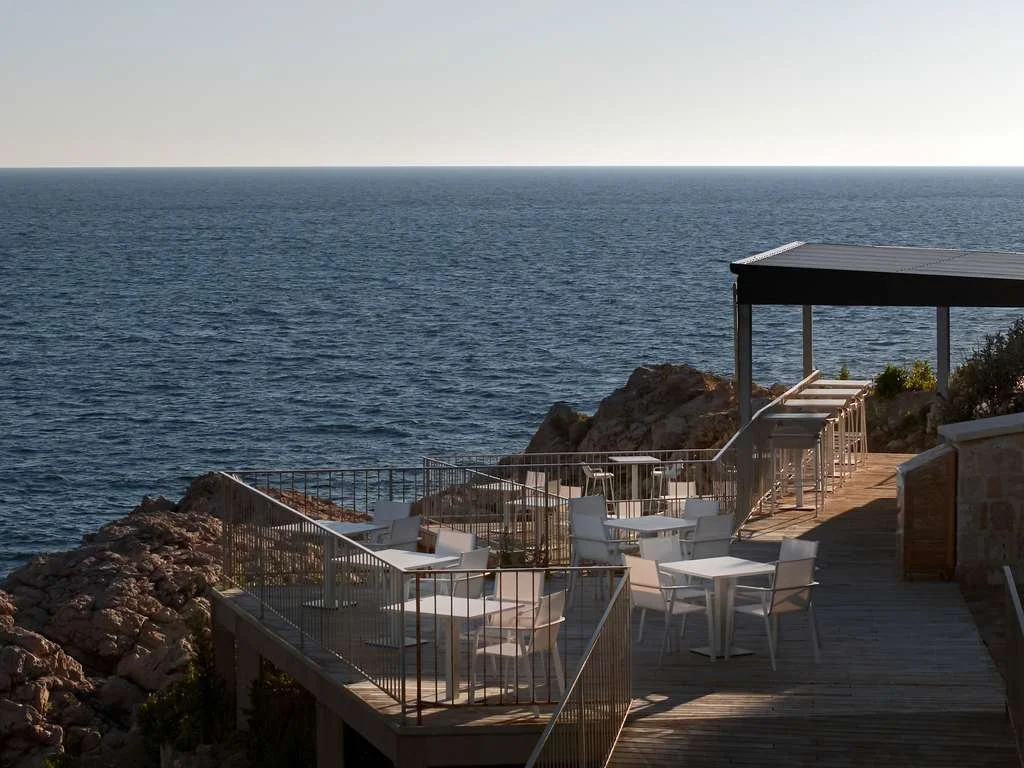
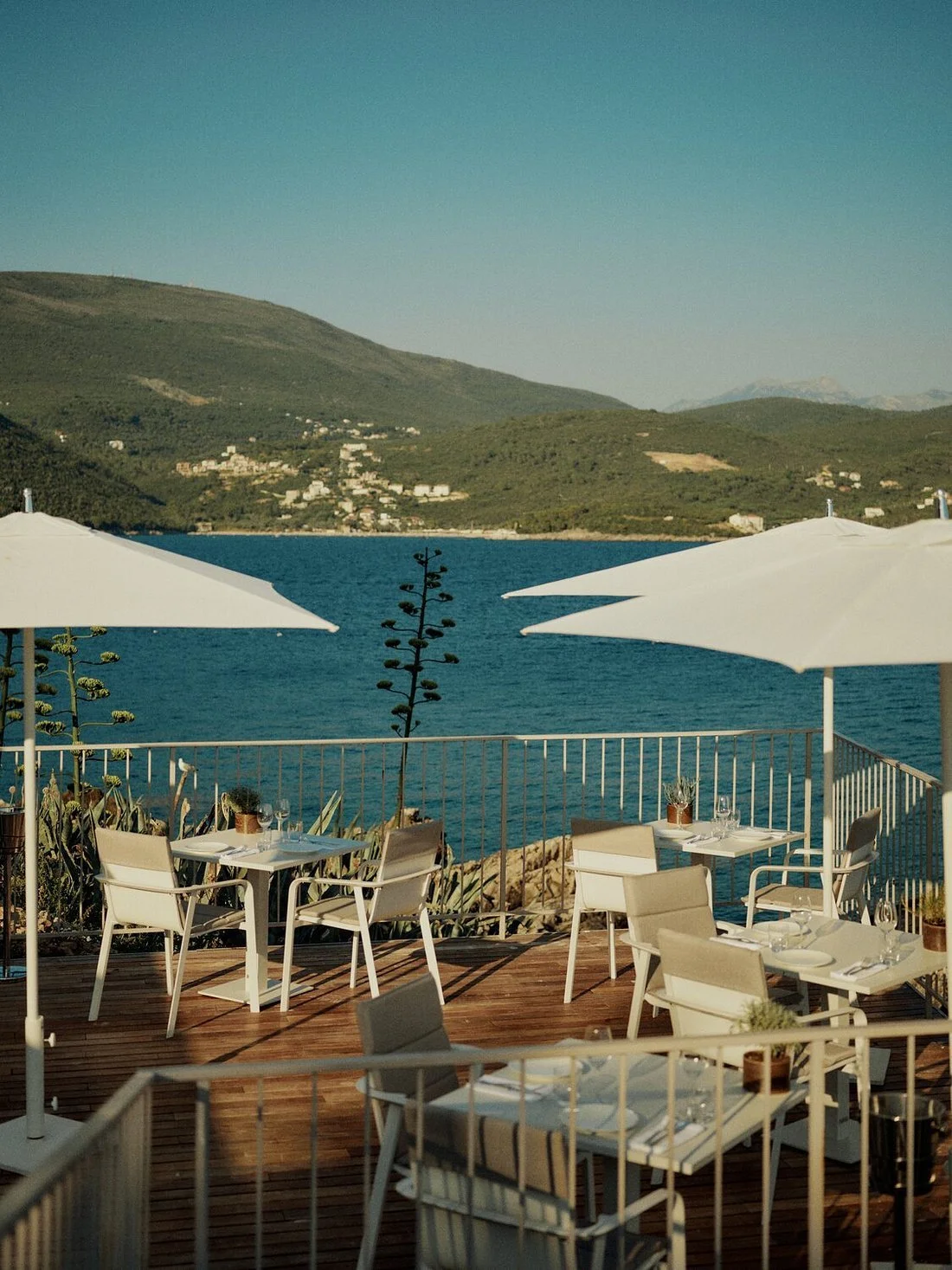
Celeste: An outdoor terrace restaurant overlooking the Adriatic, Celeste takes a more international approach. The kitchen borrows techniques from several coastal regions, including Italy, the Caribbean and the Levant. Music and the elevated waterside setting give it a more social atmosphere as the afternoon moves toward evening. Celeste operates seasonally.
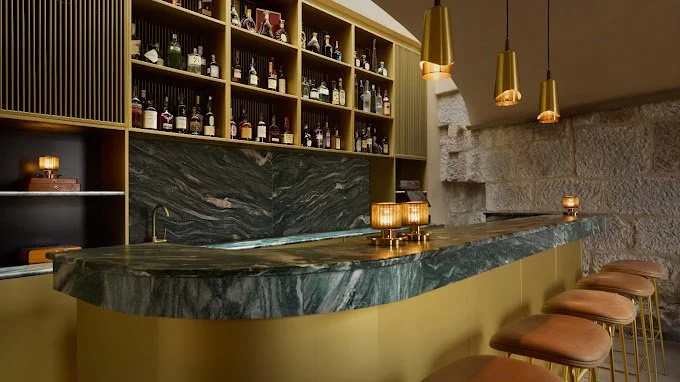
Pinea Mixology Bar: A low-lit cocktail bar with the mood of a small speakeasy, Pinea is best suited to aperitifs and late-evening drinks. The name references the black pine that has become one of the island’s visual and symbolic landmarks.
The island also offers more private culinary experiences. Guests can arrange cooking sessions, mixology classes, or reserve settings such as the Love Nest, where a private candlelit dinner for two is arranged at the edge of the island.
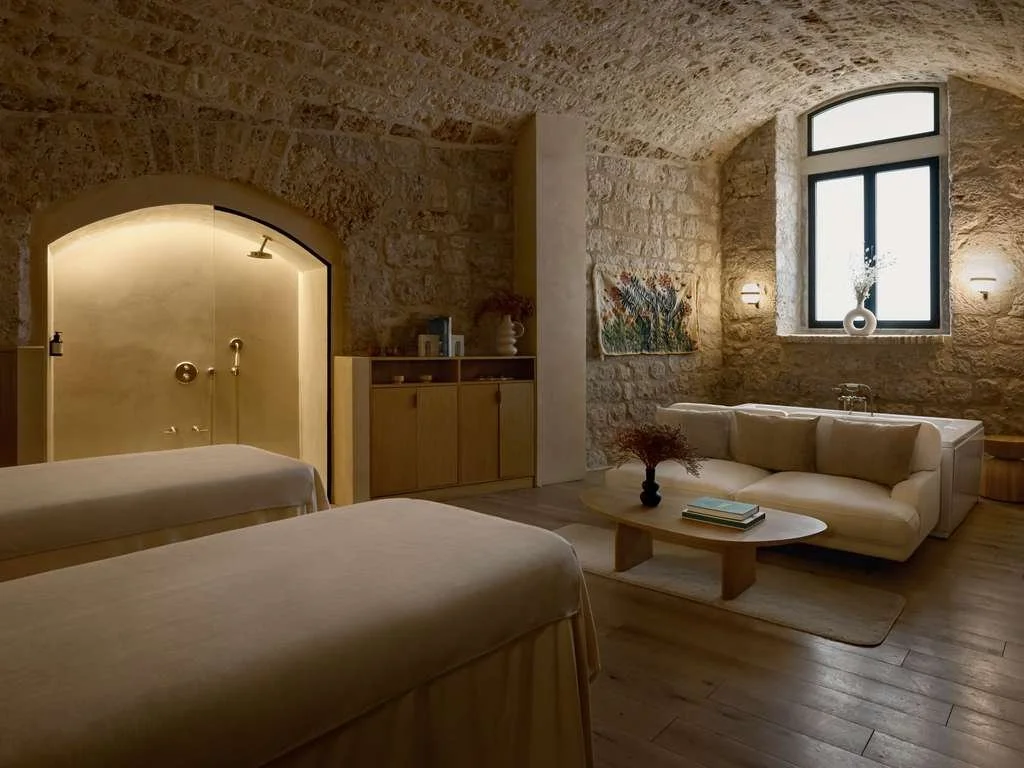
Banyan Tree Spa Inside the Fortress
Wellbeing has taken on greater importance since the property joined Banyan Tree.
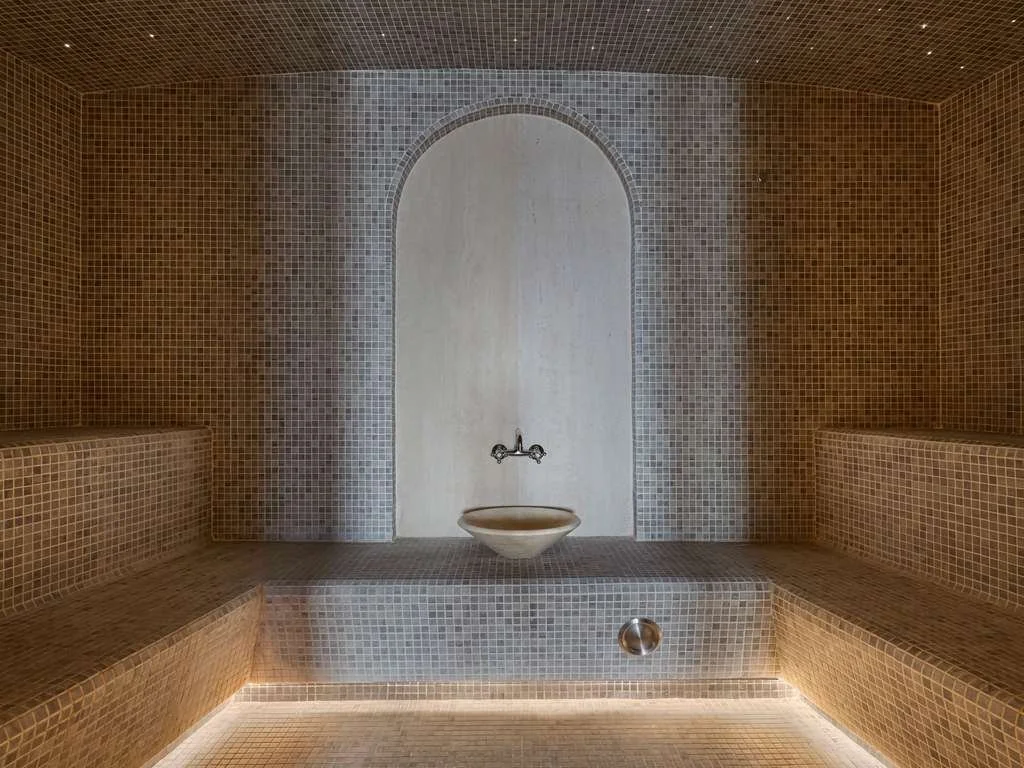
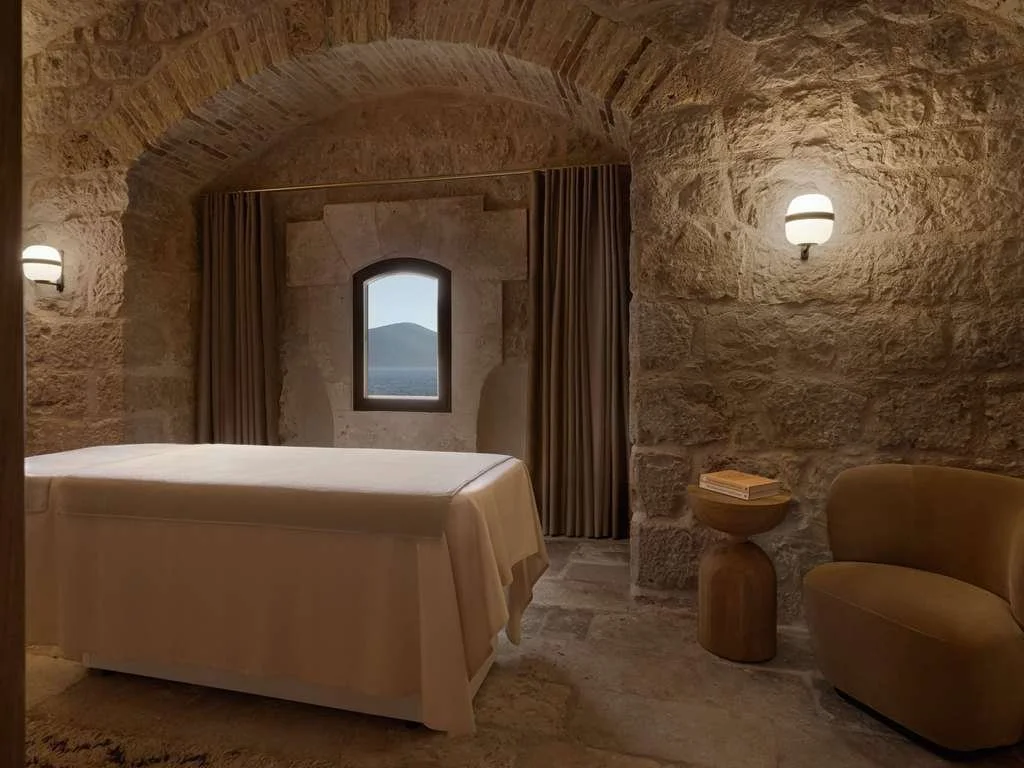
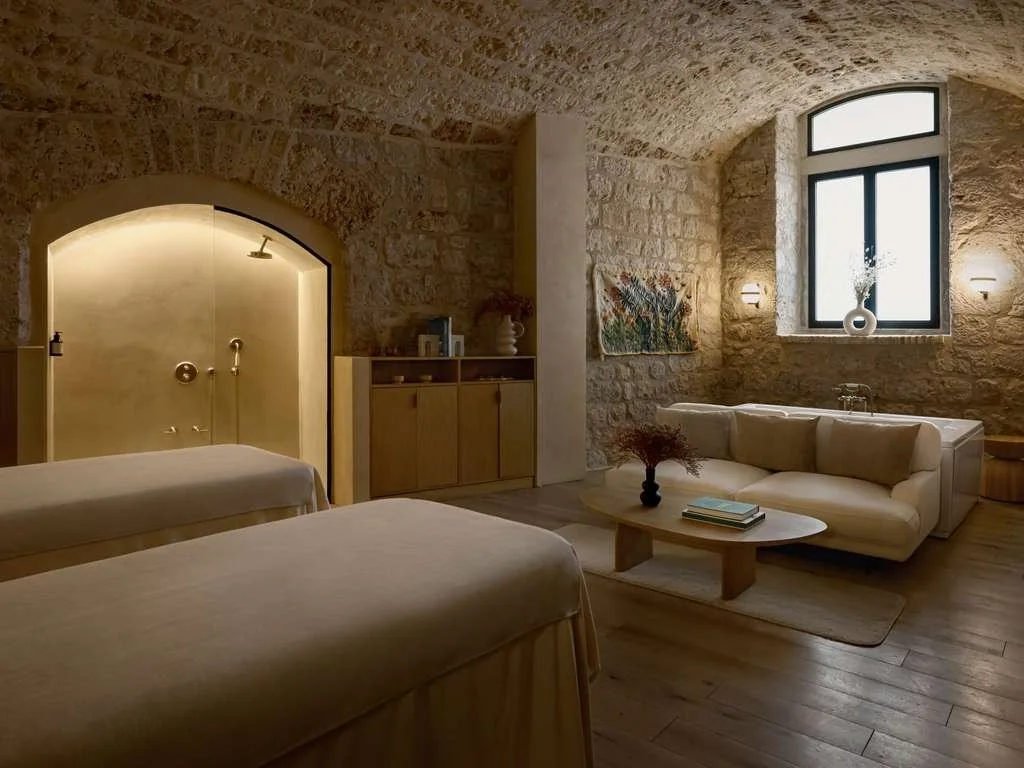
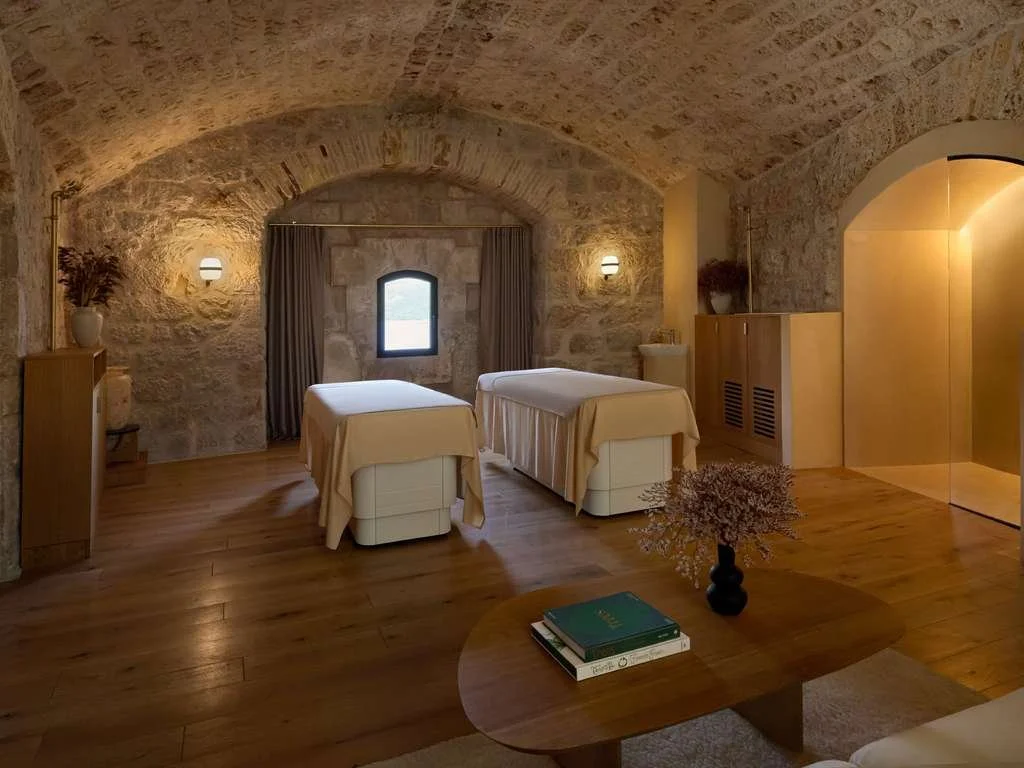
The Banyan Tree Spa occupies a circular atrium within the historic complex and currently includes two single treatment rooms and one couples treatment suite, together with ritual rooms and a substantial wet-spa offering.
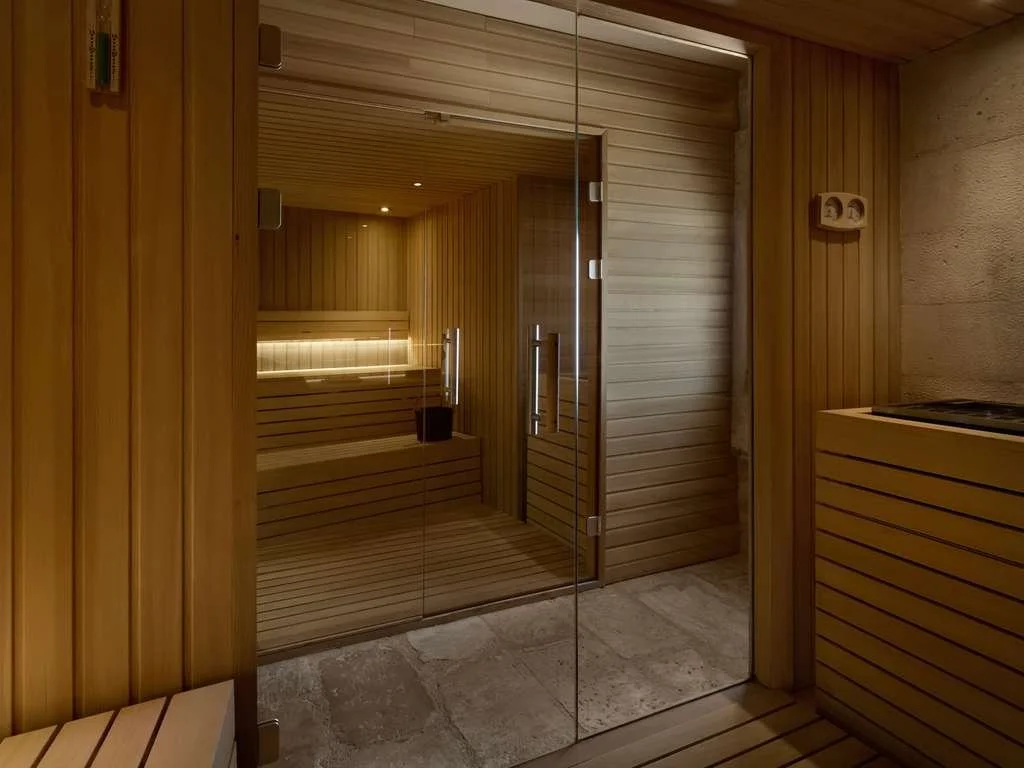
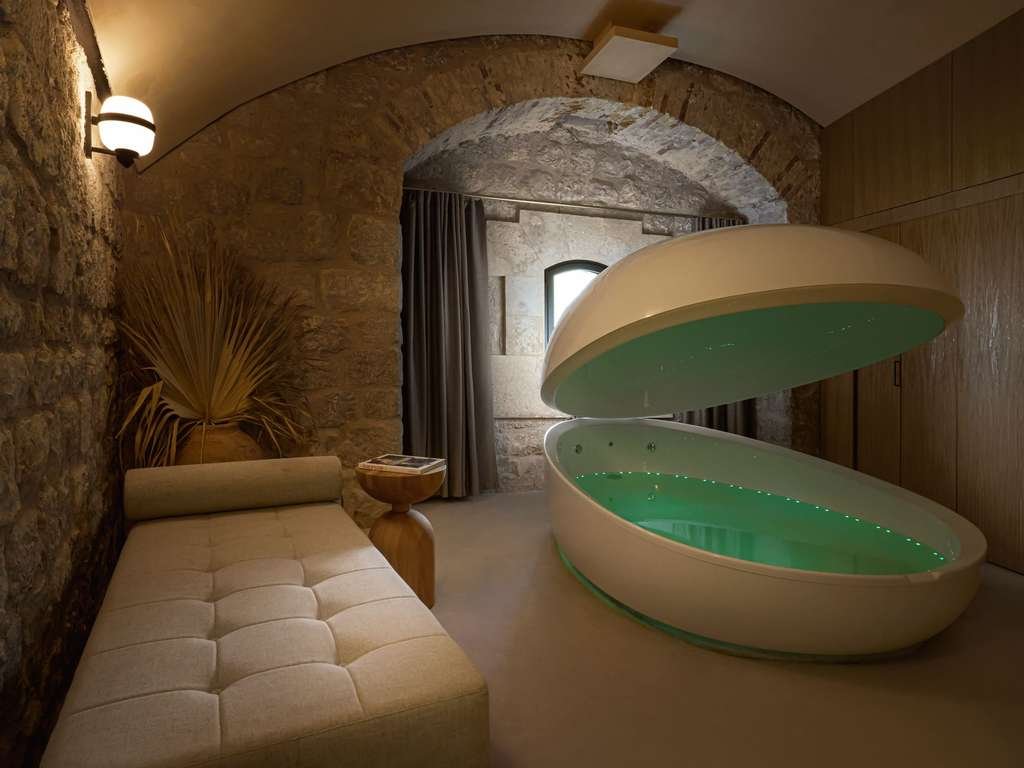
Facilities include Finnish and herbal saunas, a steam room, halotherapy room, experience showers, relaxation areas and an aqua flotation zone. The flotation experience is particularly well suited to the island’s overall atmosphere, using sensory reduction and stillness rather than adding another layer of activity.
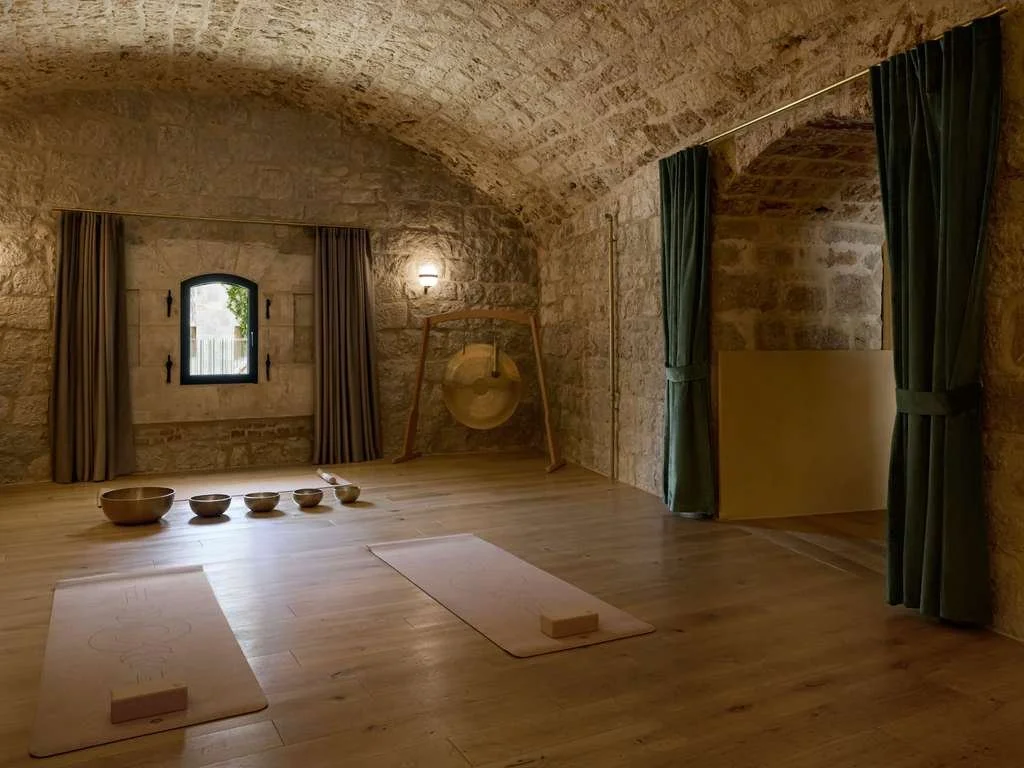
Treatments incorporate Banyan Tree’s Asian spa heritage alongside local plants and oils. The wider program follows the brand’s Eight Pillars of Wellbeing and extends beyond massages into yoga, Pilates, meditation, breathwork and sound healing.
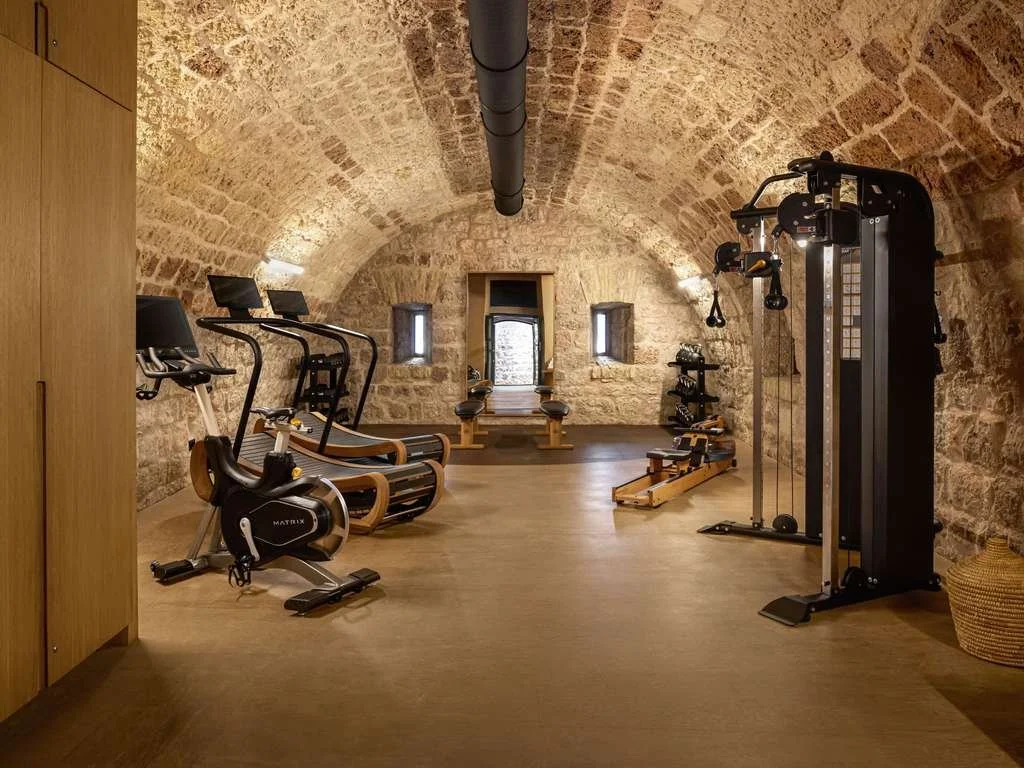
There is also a fully equipped indoor gym for guests who prefer a conventional training session.
For travelers who want wellness to be more than a single spa appointment, the resort offers dedicated wellbeing experiences that combine movement, treatments and time in the wet-spa facilities.
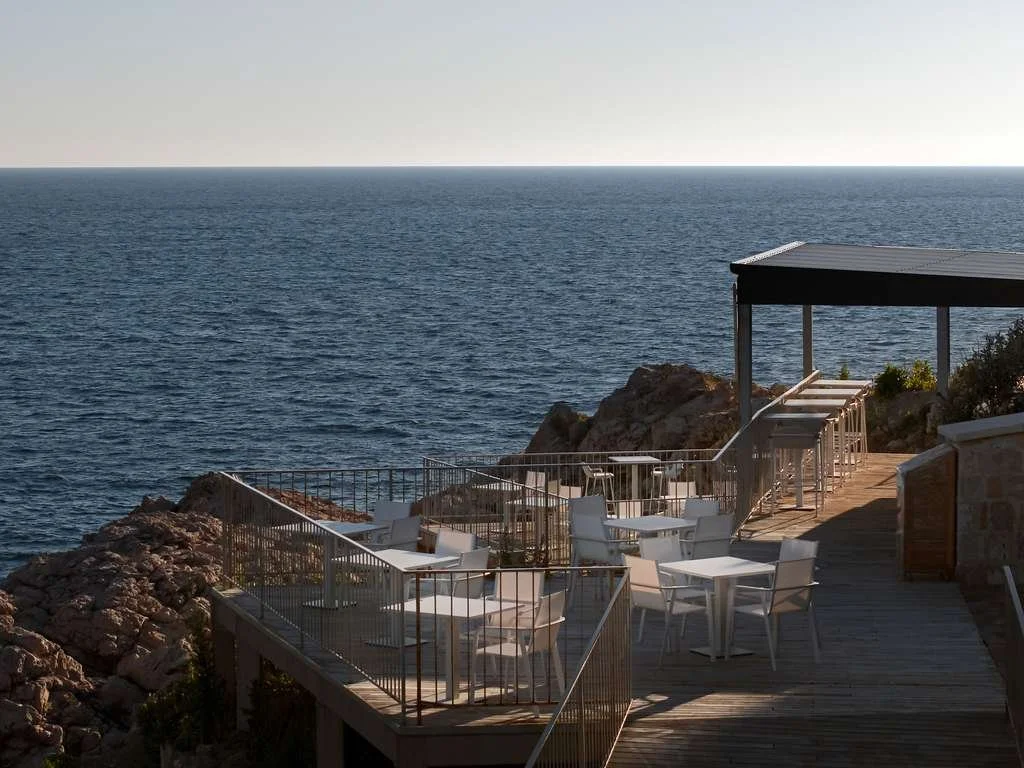
Life on the Water
It is difficult to spend time at Mamula without eventually organizing the day around the sea.
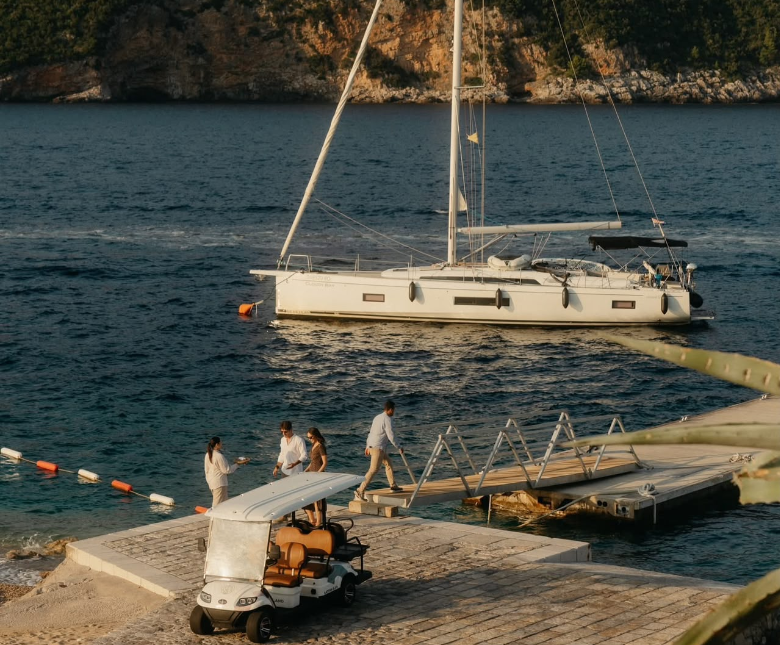
Kayaks, stand-up paddleboards and water bikes allow guests to explore the shoreline immediately around the fortress. Snorkeling is another easy option, while boat outings can take guests farther along the coast.
One of the most appealing excursions is the Blue Cave, particularly earlier in the day when boat traffic is lighter and sunlight illuminates the water inside.
Boka Bay itself deserves more time than a single cruise through it. Private boat trips can include Perast, the small island church of Our Lady of the Rocks and historic settlements along the bay, while the defensive fortifications around Mamula provide another perspective on the region’s maritime history.
The Luštica Peninsula introduces a completely different rhythm. E-bike excursions move through small villages and inland landscapes, while gastronomic outings can include locally produced olive oil, prosciutto, cheese and wine.
Back on the island, seasonal cultural programming has included live music, art events and performances connected to Montenegro’s creative community. The setting naturally lends itself to programming that uses the fort itself rather than treating it simply as a backdrop.
An Island Experience for Families
Mamula Island does not currently advertise a conventional kids club or a large schedule of dedicated children’s programming, and we would not position it in the same way as a traditional family beach resort.
Its small scale, historic architecture and strong emphasis on spa, dining and cultural programming naturally create a more intimate environment.
That said, some accommodations can host a third guest, including the Junior Suites and Sky Suites, and families with older children may particularly enjoy kayaking, paddleboarding, snorkeling, boat trips, cooking experiences and exploring Boka Bay.
For multigenerational or family travel, we would confirm sleeping arrangements, age policies and any available children’s services directly with the hotel before booking, particularly because the public-facing information currently focuses much more heavily on couples, wellbeing and experiential travel than dedicated children’s facilities.
Preserving an Island as Well as a Building
The most visible sustainability story at Mamula is the reuse of the fortress itself.
Rather than replacing the historic structure, the development restored and repurposed a building that had stood abandoned for decades. Original architectural elements were retained wherever possible, historic frescoes were recovered, and the island’s history was incorporated into a permanent memorial and historical gallery.
Banyan Tree also states that the property’s sustainability work extends to supply-chain decisions and lower-carbon operations. At group level, Banyan Group measures areas including energy, emissions, water, waste and chemical use through its sustainability framework and work with EarthCheck.
The hotel’s public materials do not currently provide extensive property-level figures for energy reduction, water consumption or waste diversion at Mamula itself, so we would avoid attaching specific environmental performance claims to the island without further documentation.
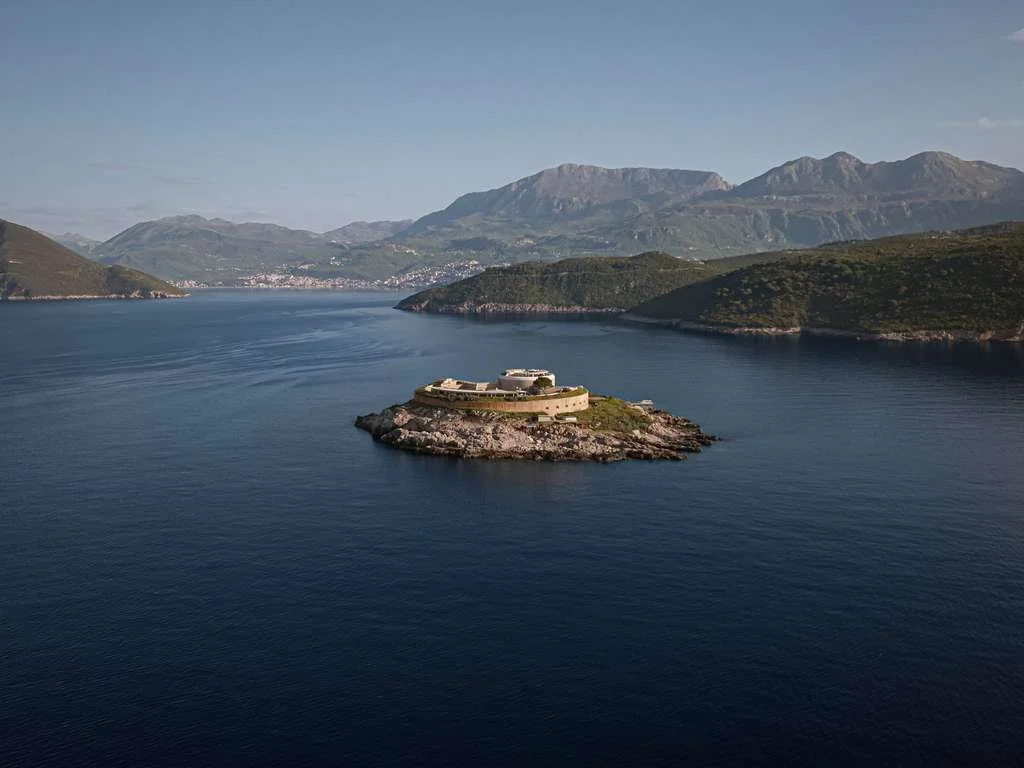
Across Boka Bay and the Luštica Peninsula
Mamula works well as a retreat, but staying entirely on the island would miss much of what makes this part of Montenegro interesting.
Herceg Novi sits deeper inside the bay, known for its steep streets, fortifications and waterfront. Farther into Boka, Perast is one of the region’s most atmospheric historic settlements, with stone palazzi lining the waterfront and boats crossing to Our Lady of the Rocks.
Kotor is the best-known historic town in the bay, with medieval walls, narrow lanes and dramatic mountain scenery. Its UNESCO-listed old town can become busy during cruise-call hours, making timing important.
The Luštica Peninsula is closer to Mamula and offers a more rural counterpoint. Olive groves, villages, small coves and local producers make it particularly worthwhile for guests interested in food and landscape rather than conventional sightseeing.
For travelers with more time, Montenegro can also be combined with Dubrovnik across the Croatian border, making Mamula an interesting bridge between two Adriatic itineraries.
Getting to Mamula Island by Banyan Tree
Because the hotel occupies an island, every arrival ultimately includes the water unless guests arrive by helicopter.
From Tivat International Airport (TIV): This is the closest airport, approximately 22 kilometers from the resort. The journey can be made by road toward the Luštica Peninsula followed by the short resort boat transfer from Mirišta. A direct boat transfer from the Tivat airport water terminal may also be arranged on request.
From Dubrovnik International Airport (DBV): Located in neighboring Croatia, Dubrovnik can work particularly well for travelers combining Montenegro with southern Croatia. The journey includes a road transfer and onward boat connection, with border crossing times potentially affecting the overall journey.
From Podgorica International Airport (TGD): Podgorica is farther inland and generally requires a longer road journey, making Tivat the more convenient option when flight schedules allow.
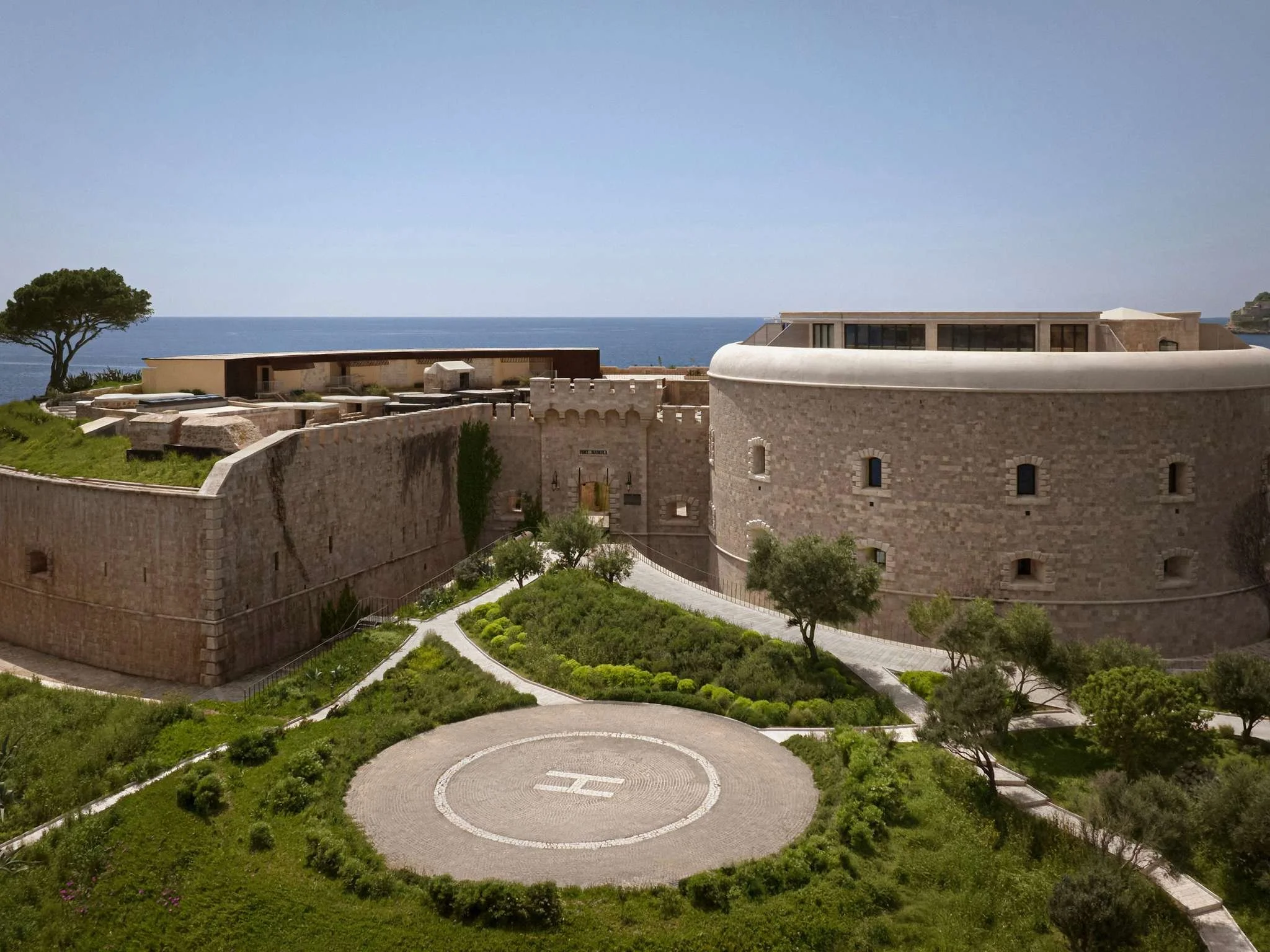
By Helicopter: Mamula has its own helipad, making private helicopter transfers possible from regional airports and other points along the Adriatic.
By Private Transfer: The hotel can coordinate land and boat transfers, and complimentary boat transfers operate from the designated Mirišta pick-up point.
A Different Way to Experience Montenegro
Mamula Island is difficult to compare neatly with Montenegro’s conventional coastal resorts.
The hotel has only 32 rooms and suites, no sprawling resort grounds and very little separation between the architecture and the sea. Thick fortress walls sit beside contemporary terraces; a morning in the spa can be followed by a paddle around the island; dinner might focus on local seafood before drinks inside a former military structure.
Its history also requires a level of awareness that would be easy to overlook somewhere less complicated. The memorial gallery matters because the building’s beauty and its wartime history exist in the same place.
For us, Mamula makes the most sense as part of a wider Adriatic journey rather than simply a fly-and-flop beach holiday. Spend time on the island, but also cross to Luštica, take a boat deeper into Boka Bay, walk through Perast or Kotor and understand the landscape the fortress was originally constructed to guard.
Under Banyan Tree, the property now has a stronger wellness identity, but its defining feature remains unchanged: this is a small island with an unusually large story, positioned exactly where Montenegro’s mountains, bay and open Adriatic meet.