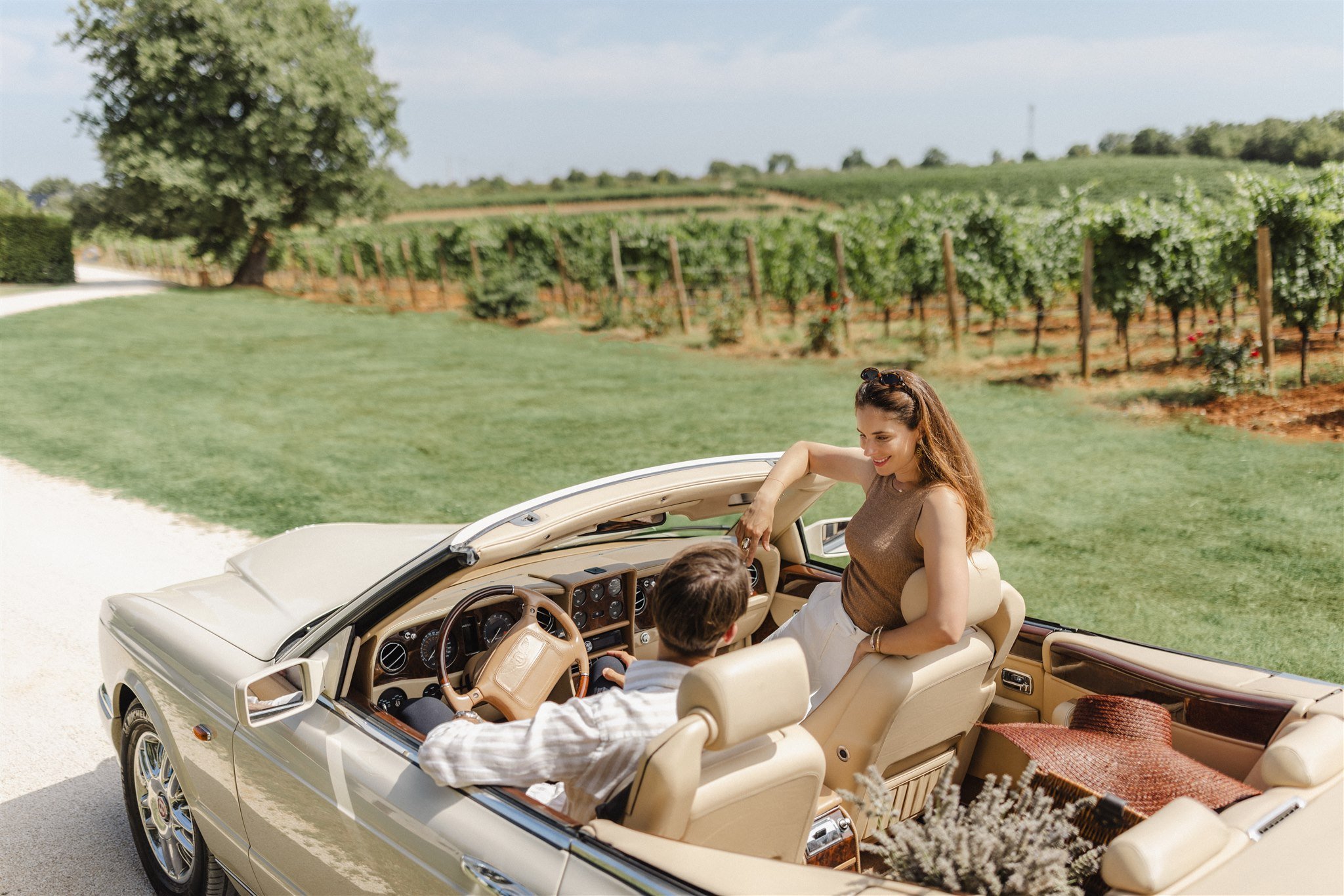
Istria, Croatia | Meneghetti Wine Hotel & Winery
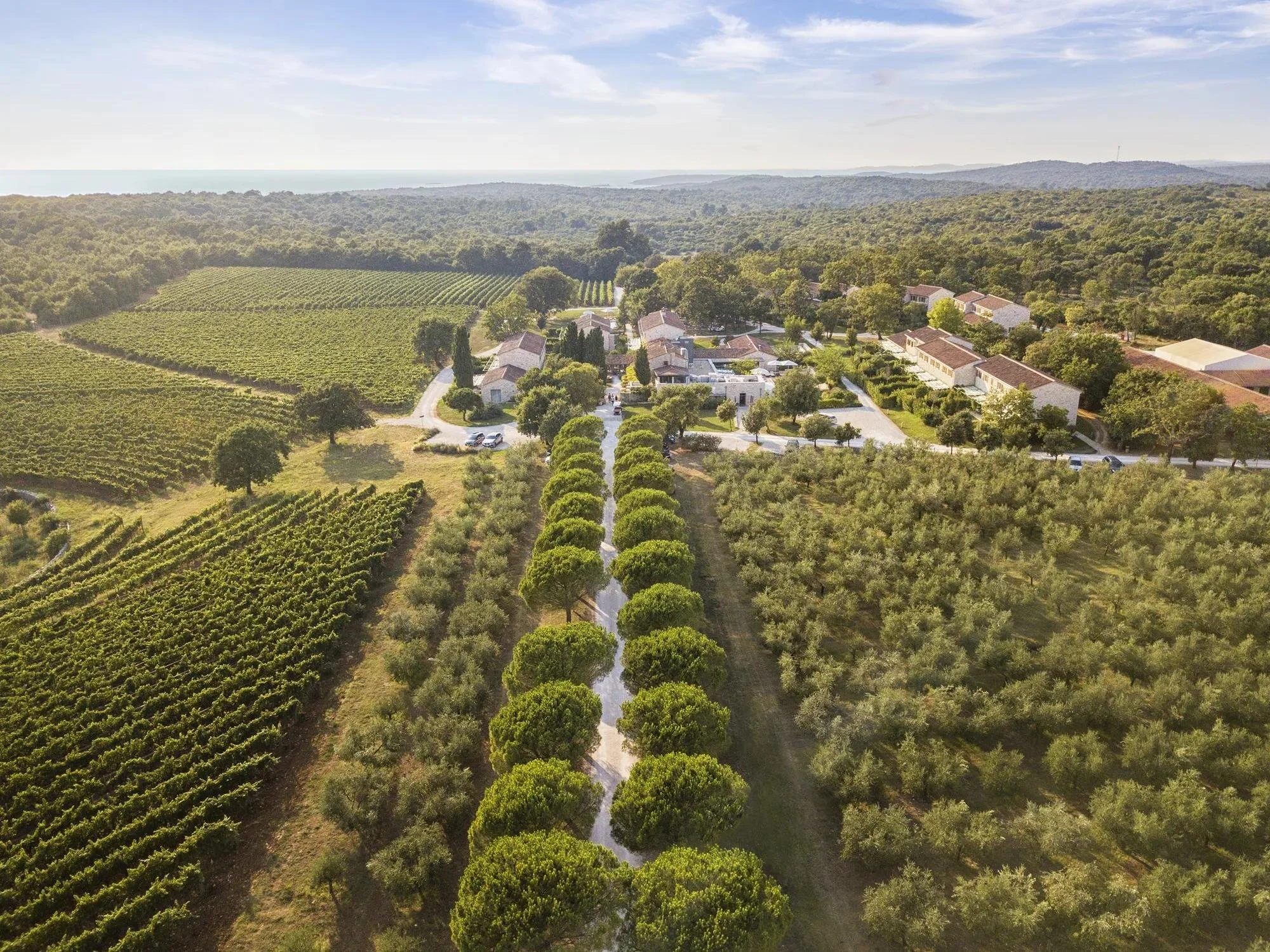
Where the Vineyard Meets the Adriatic
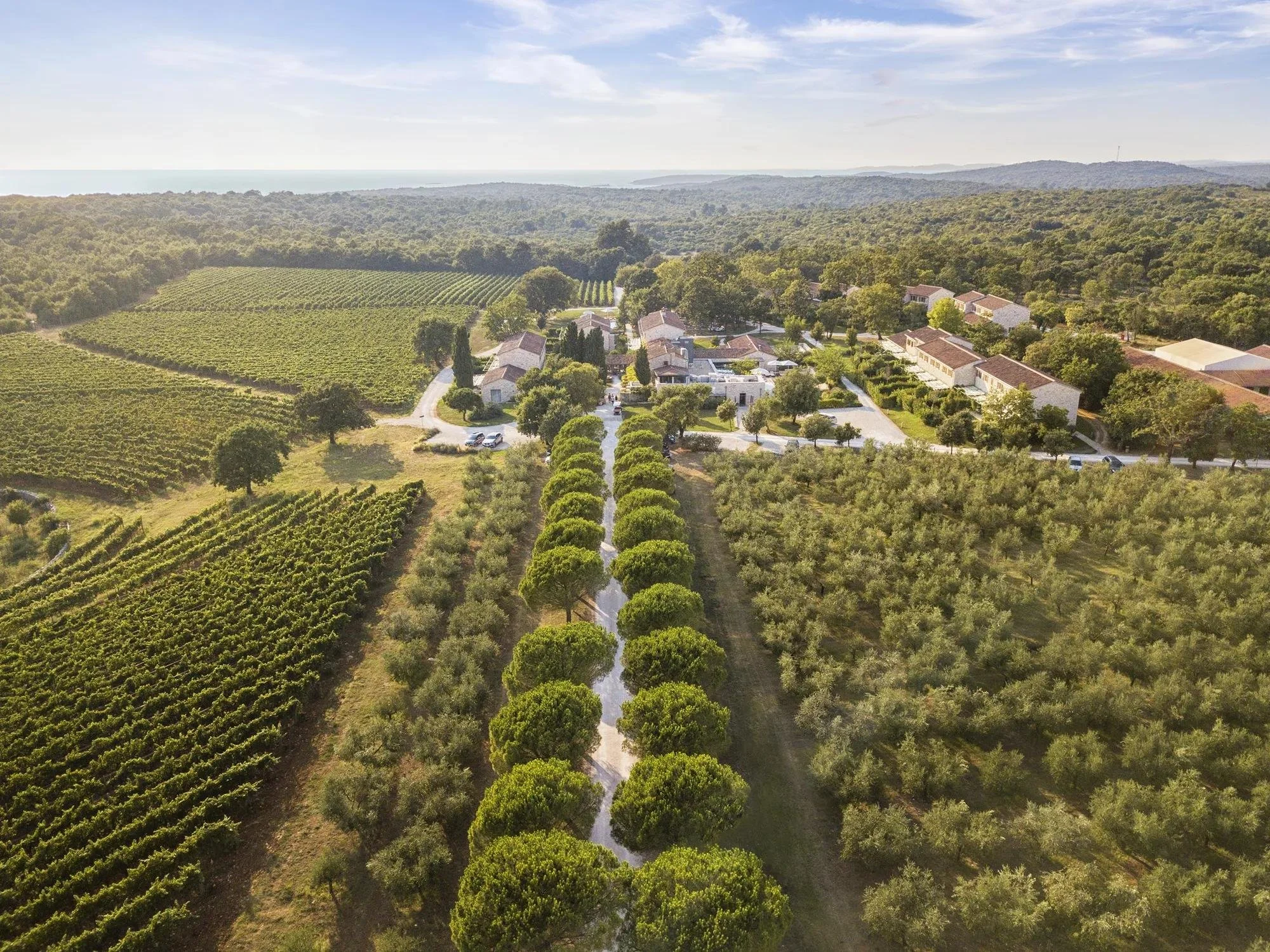
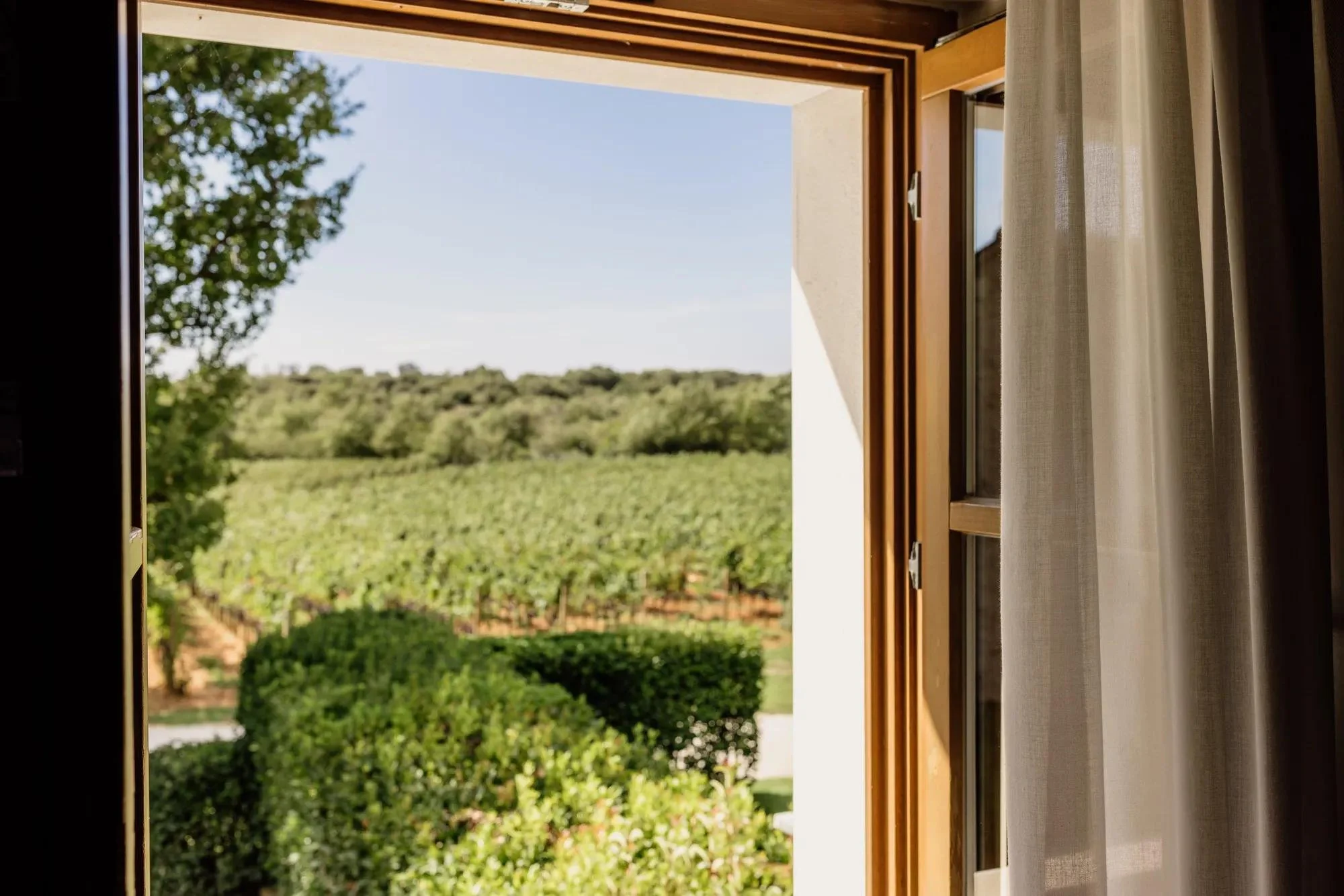
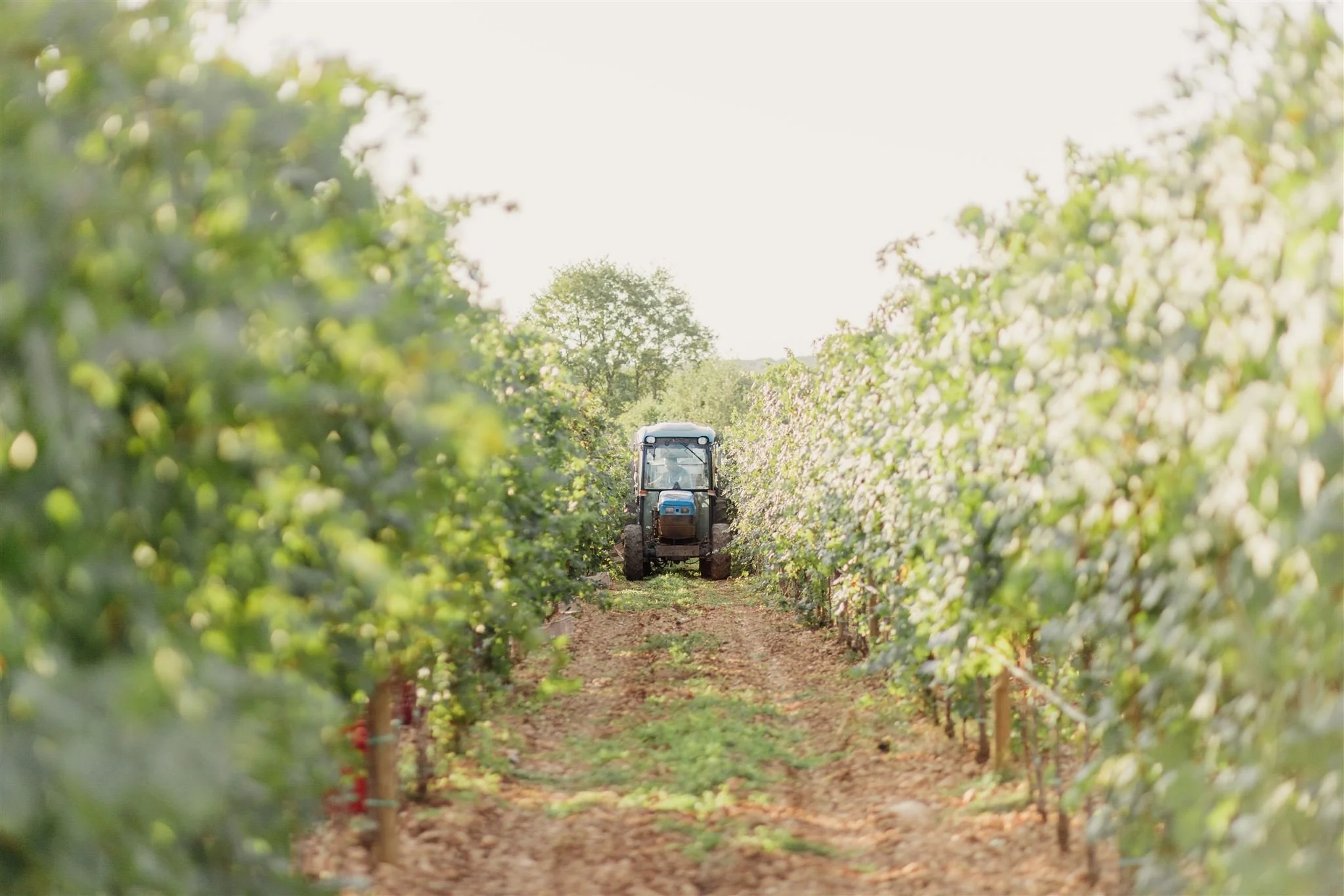
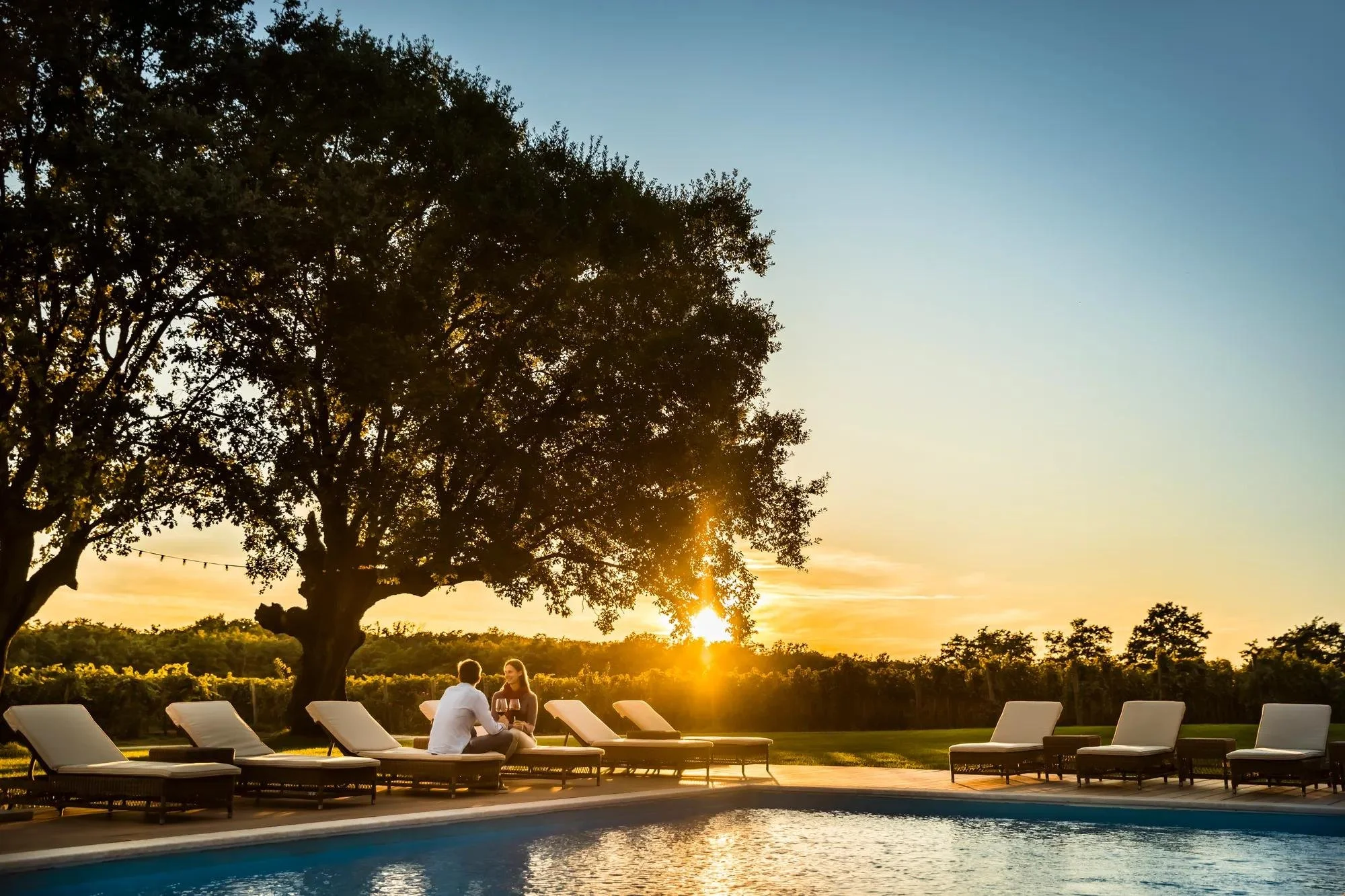
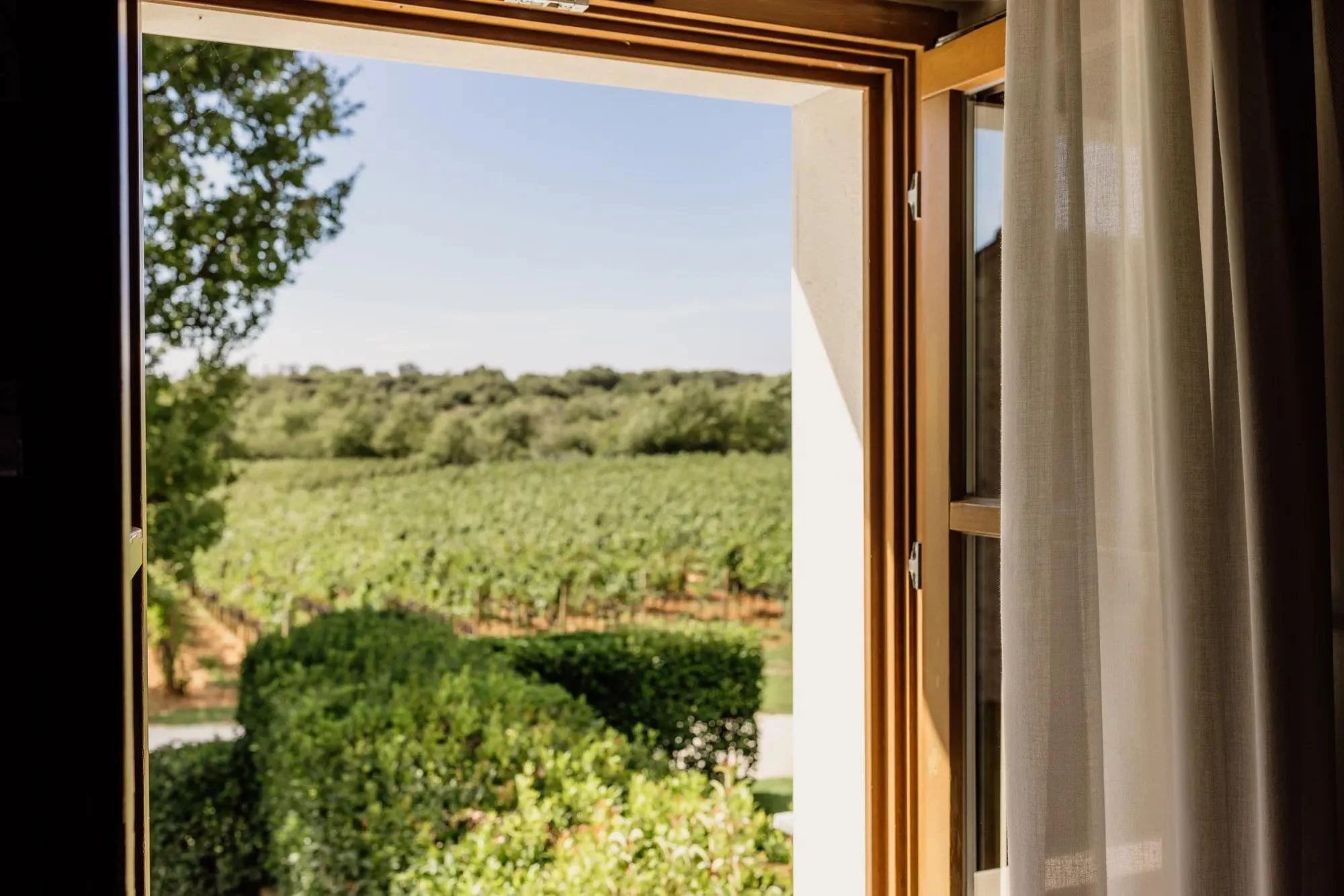
A stay at Meneghetti begins with the landscape: rows of vines, olive trees, pale stone buildings and the sea a short journey beyond the estate. Near the town of Bale in southwestern Istria, Meneghetti Wine Hotel & Winery brings together a working wine estate and a country hotel with a distinctly generous range of places to stay. A room in the historic house creates one kind of visit; a residence with its own garden or pool creates another.
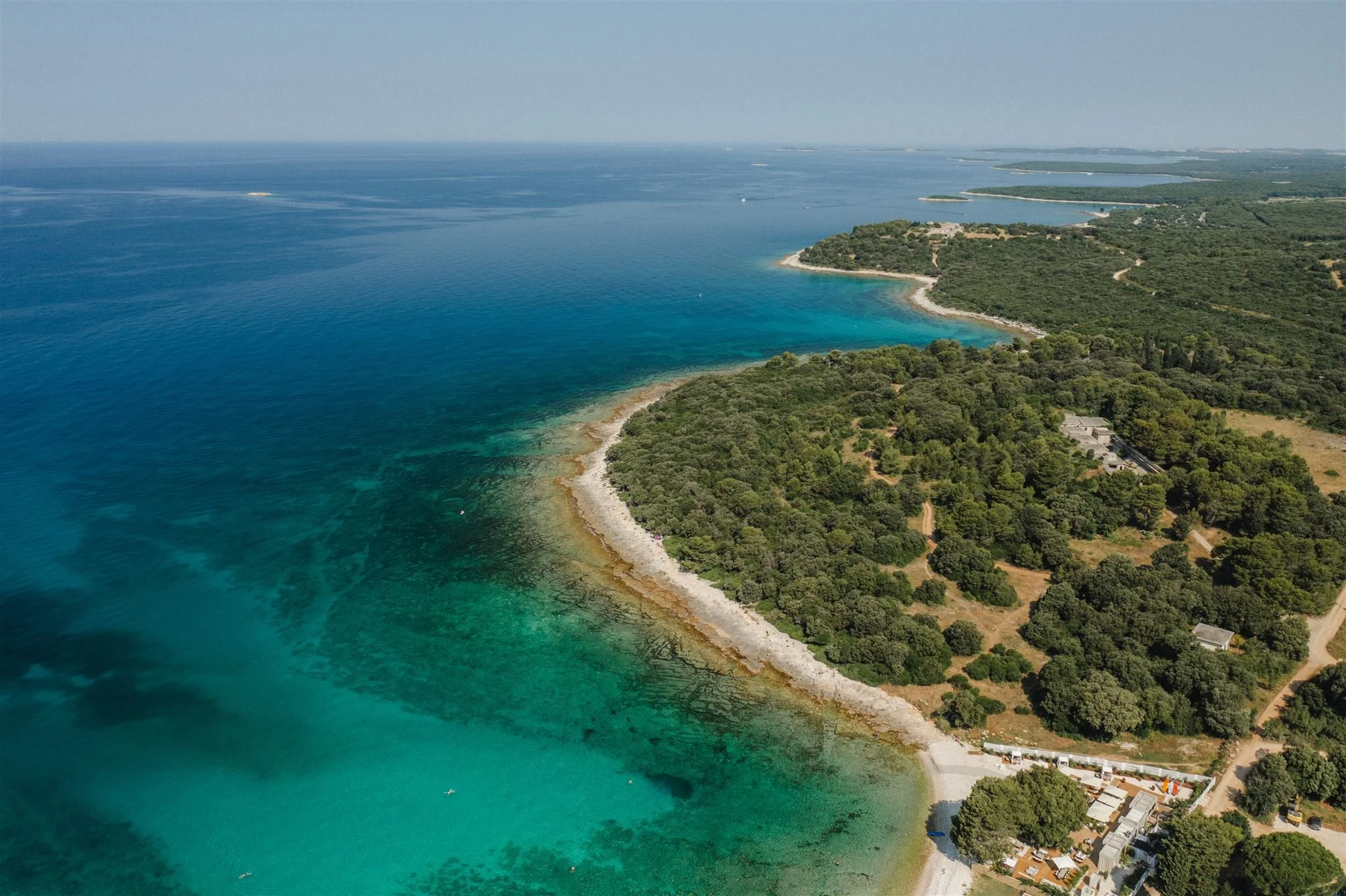
The appeal lies in how easily these different elements fit into a day. Breakfast leads to a walk through the grounds, a tasting gives the surrounding vineyards more meaning, and the beach club makes an afternoon beside the Adriatic possible without changing hotels. Rovinj and Pula offer contrasting excursions, while Bale supplies a smaller, quieter introduction to Istrian town life. We would leave space between outings: the estate itself deserves more than the hours before breakfast and after dinner.
A Working Estate, Restored to Life
Meneghetti’s origins lie in the agricultural estates that supported this part of Istria during the Austro-Hungarian period. Its early landowner established vineyards, olive groves and stone farm buildings near a military garrison, linking the property’s fortunes to the naval activity along the coast. Years of abandonment followed in the twentieth century.
Miroslav Plišo and Romana Kajfež rediscovered the property in 2000 and began its restoration. The winery opened in 2001; a hotel with just four rooms and a restaurant followed in 2004. Meneghetti joined Relais & Châteaux in 2013, and successive additions broadened the accommodation considerably. The current collection encompasses rooms, suites, residences, villas and an independent house, offering considerably more variety than the original four-room hotel.
That progression helps explain the property today. The old stancija, or rural estate, remains an important part of its identity, but the hotel has developed beyond a small converted farmhouse. Wine production, independent accommodation and an expanded wellness offering now share the grounds.
Stone Walls and Sculpture Walks
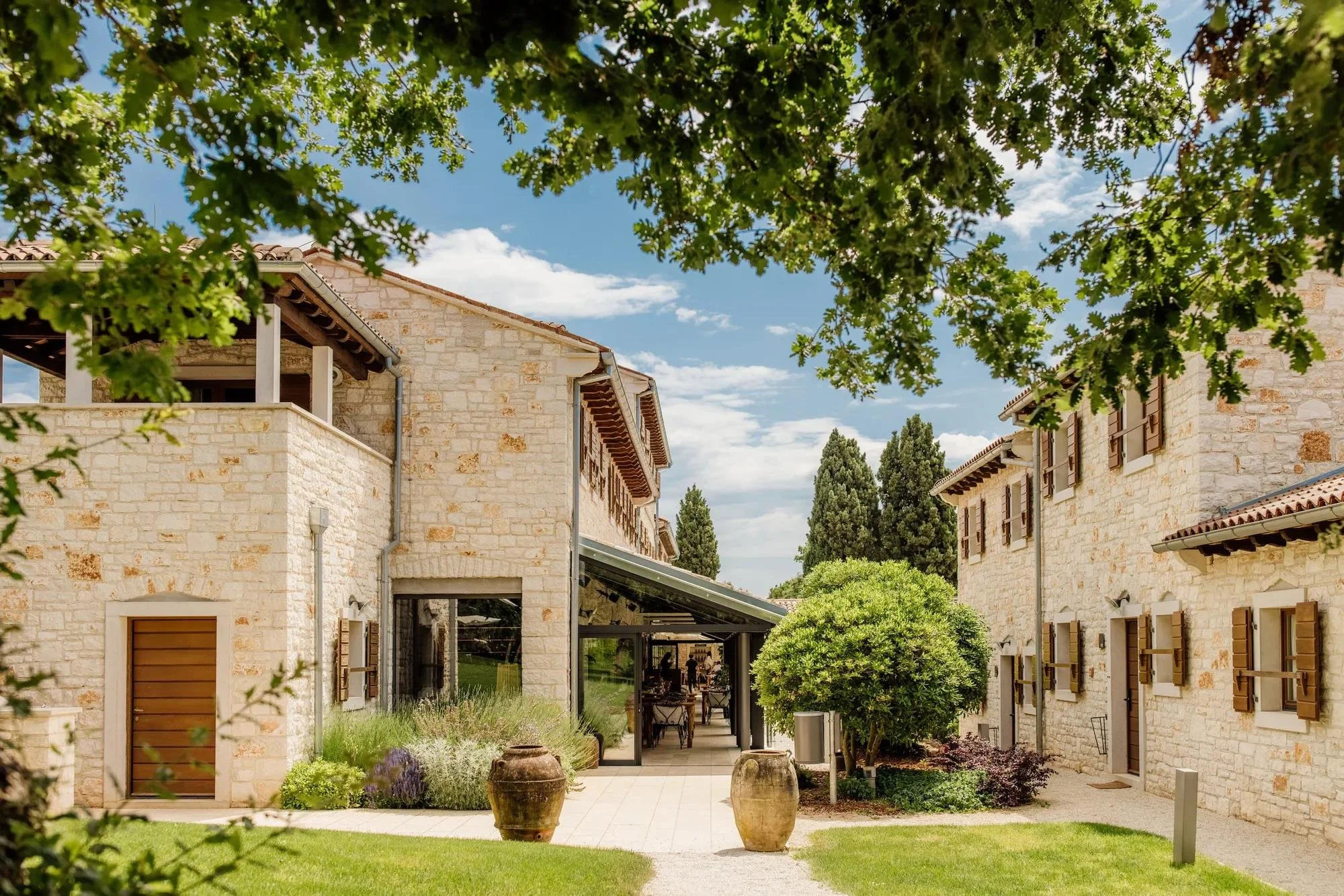
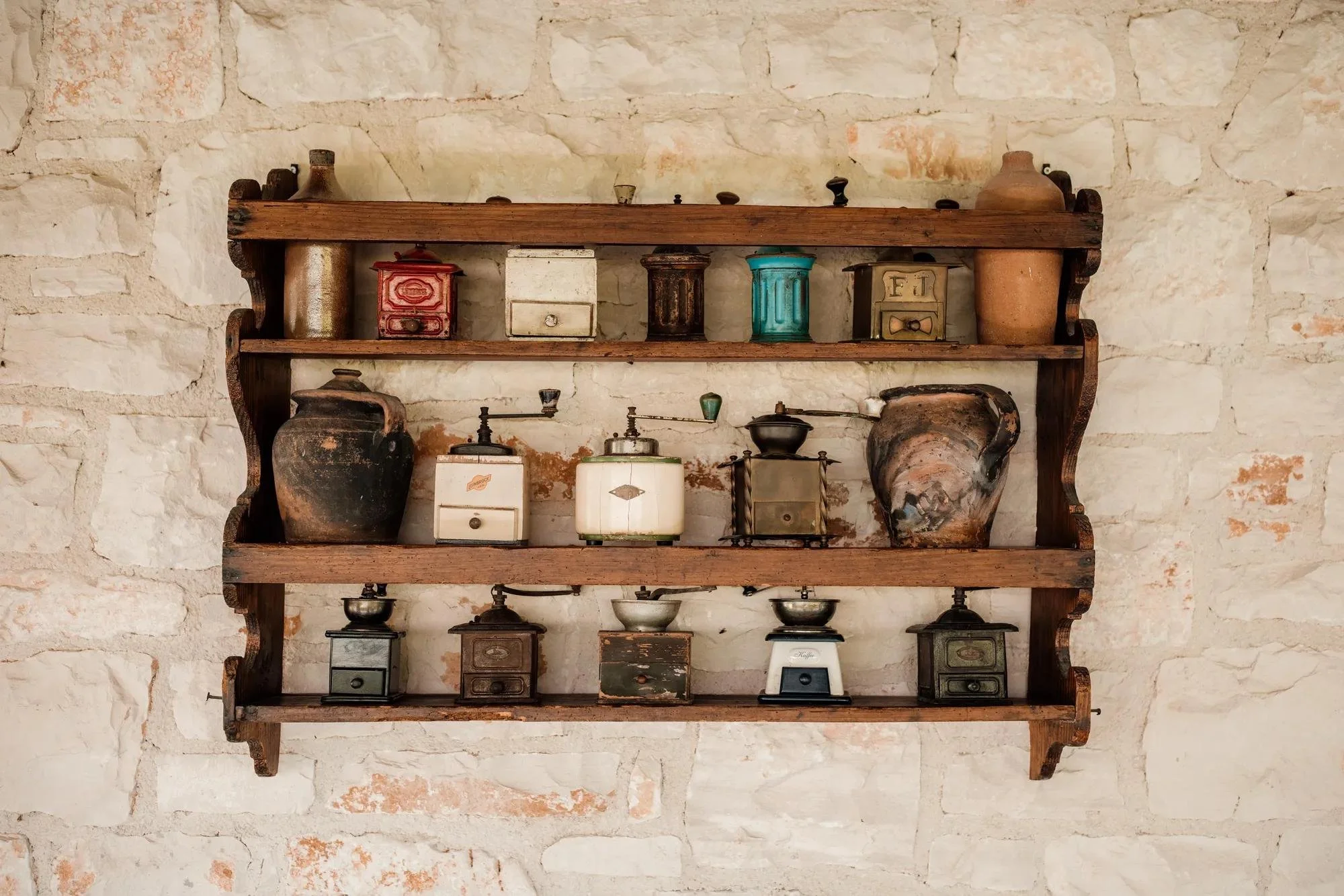
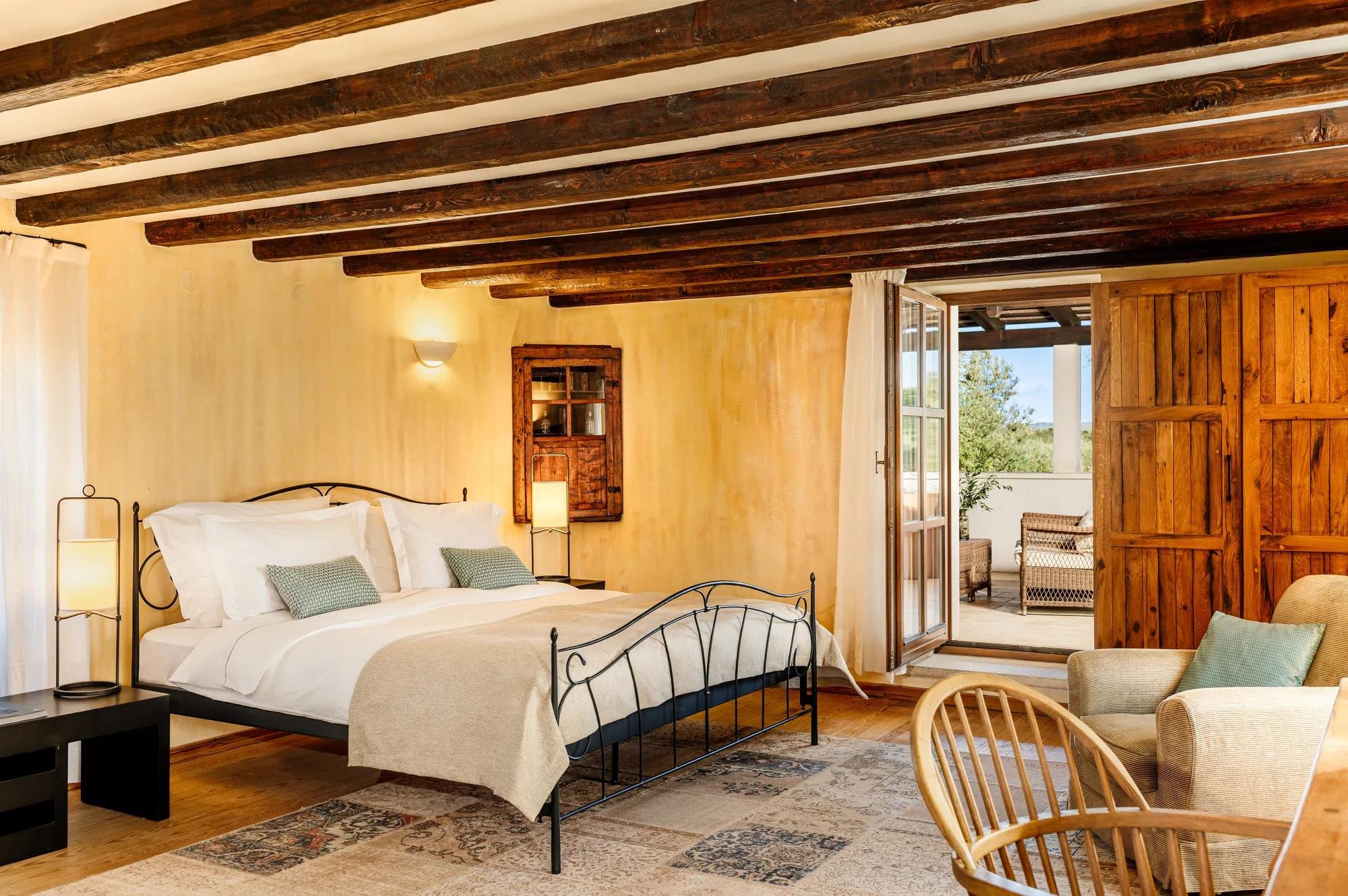
The historic buildings establish the architectural tone through traditional stonework and a domestic scale. Inside, natural materials and restrained colors keep the rooms connected to that setting. The newer residences extend the accommodation into the gardens, where private outdoor spaces matter as much as the interiors. Choosing between the house and the residential areas is therefore a decision about atmosphere as well as square footage.
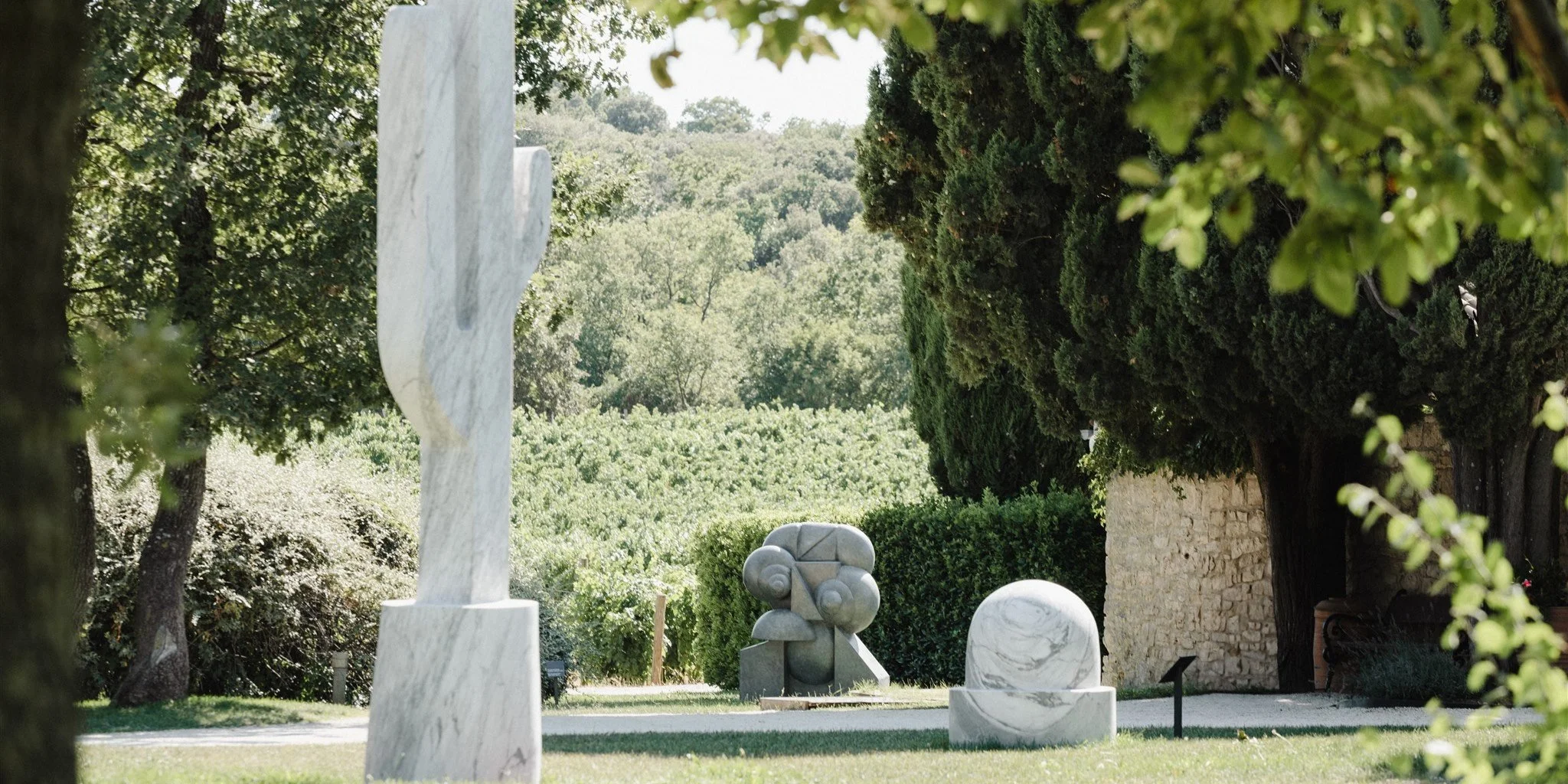
Contemporary sculpture introduces a different visual language. Meneghetti’s Made for Outdoors exhibition was developed with Berlin’s König Galerie and curated by Reiner Opoku, placing works across the estate’s vineyards, olive groves and open spaces. Artists represented include Claudia Comte, Jeppe Hein, Arne Quinze and David Zink Yi.
The range is deliberately varied: Comte’s marble cactus forms, Hein’s experiments with familiar objects and Zink Yi’s stainless-steel palms invite a closer look at both the work and its surroundings. A walk between buildings becomes an opportunity to notice changing reflections, unexpected silhouettes and the relationship between cultivated land and contemporary art.
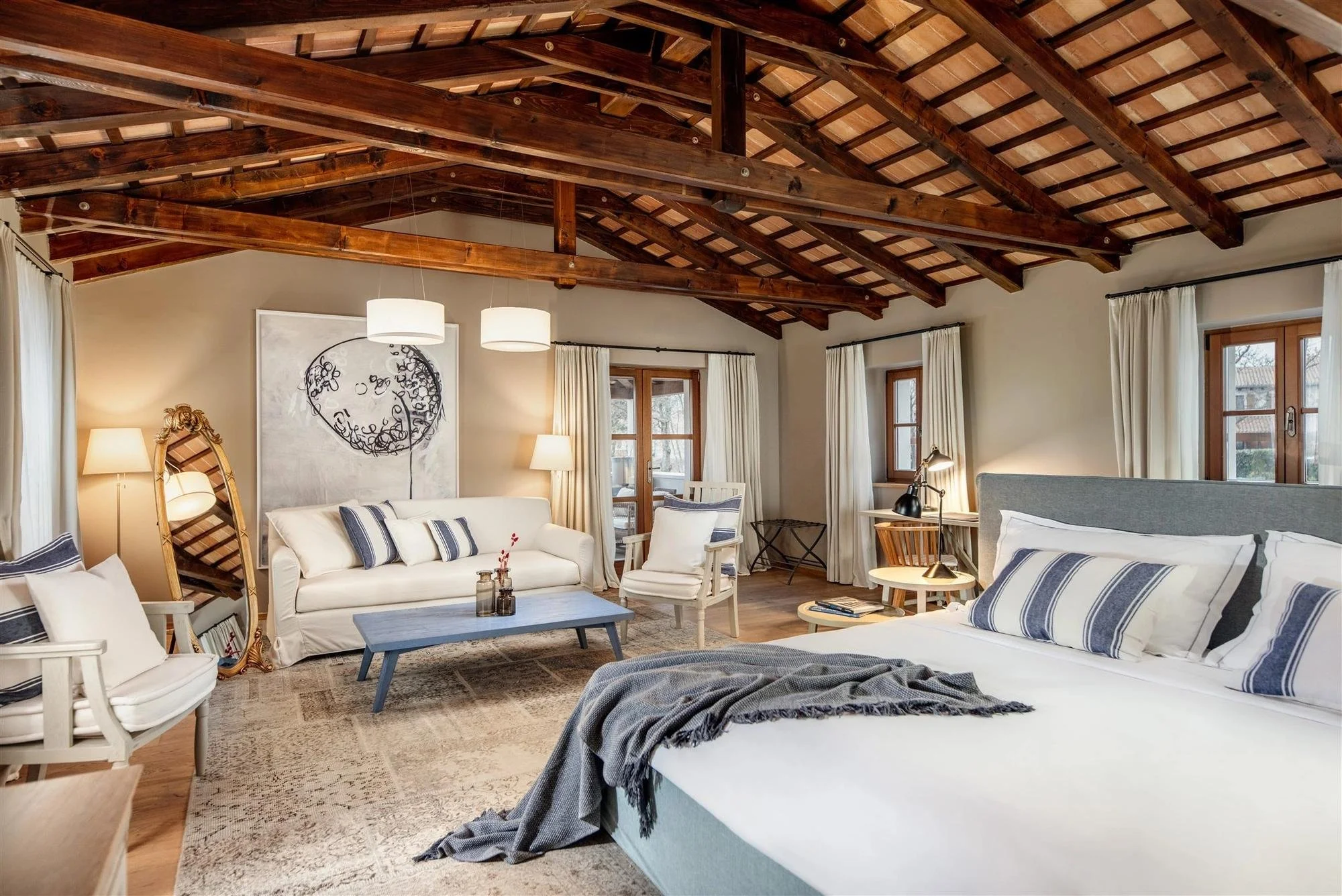
From the Historic House to a Private Pool
Accommodation runs from compact rooms to a substantial independent house. The current category names distinguish garden and pool options clearly, making it worth choosing the specific outdoor arrangement you want. Approximate square footage below converts the hotel’s published measurements; the Vintage Suite’s separately listed terrace is identified accordingly.
Classic Room: At approximately 300 sq. ft., this intimate room pairs a double bed with a seating area, writing desk and bathroom with a walk-in shower, making it a practical choice for a couple spending much of the day around the estate.
Vintage Room: Approximately 450 sq. ft. provides more breathing room within the historic accommodation, with a double bed, seating area, writing desk and walk-in shower, while heritage details give the room a stronger connection to the original house.
Superior Room: With approximately 300 sq. ft. and a courtyard outlook, this category suits two people seeking the scale of a traditional hotel room and convenient access to the shared estate spaces, without the extra footprint of a residence.
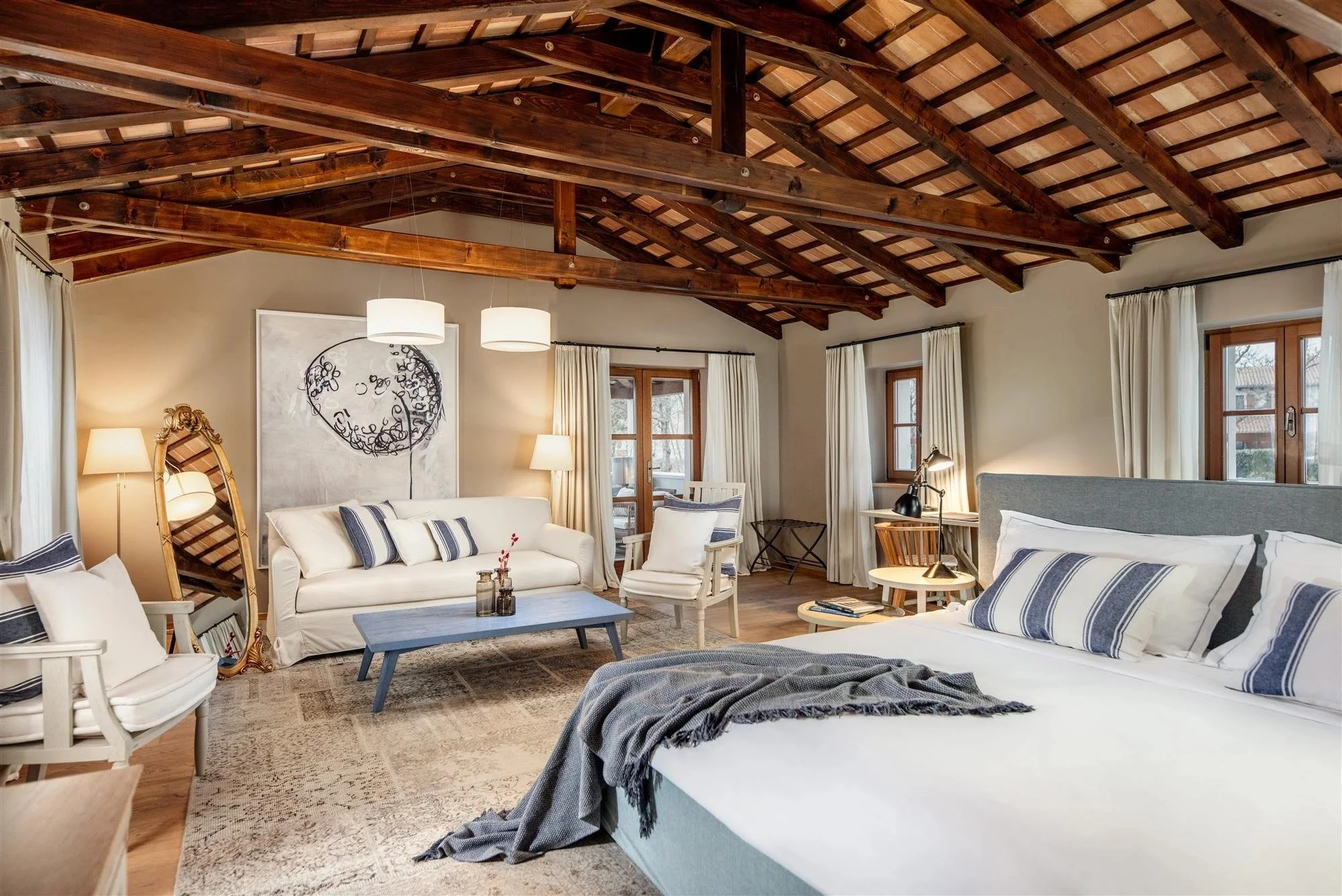
Executive Suite: Approximately 700 sq. ft. includes a double bed, separate living area and a balcony or loggia, with a bathroom offering a walk-in shower or bathtub depending on the allocation, so particular preferences should be specified when booking.
Vintage Suite: Approximately 700 sq. ft. of interior space is complemented by a separately listed terrace of about 805 sq. ft., with a loggia, double bed and distinct seating area creating a generous option within the historic accommodation.
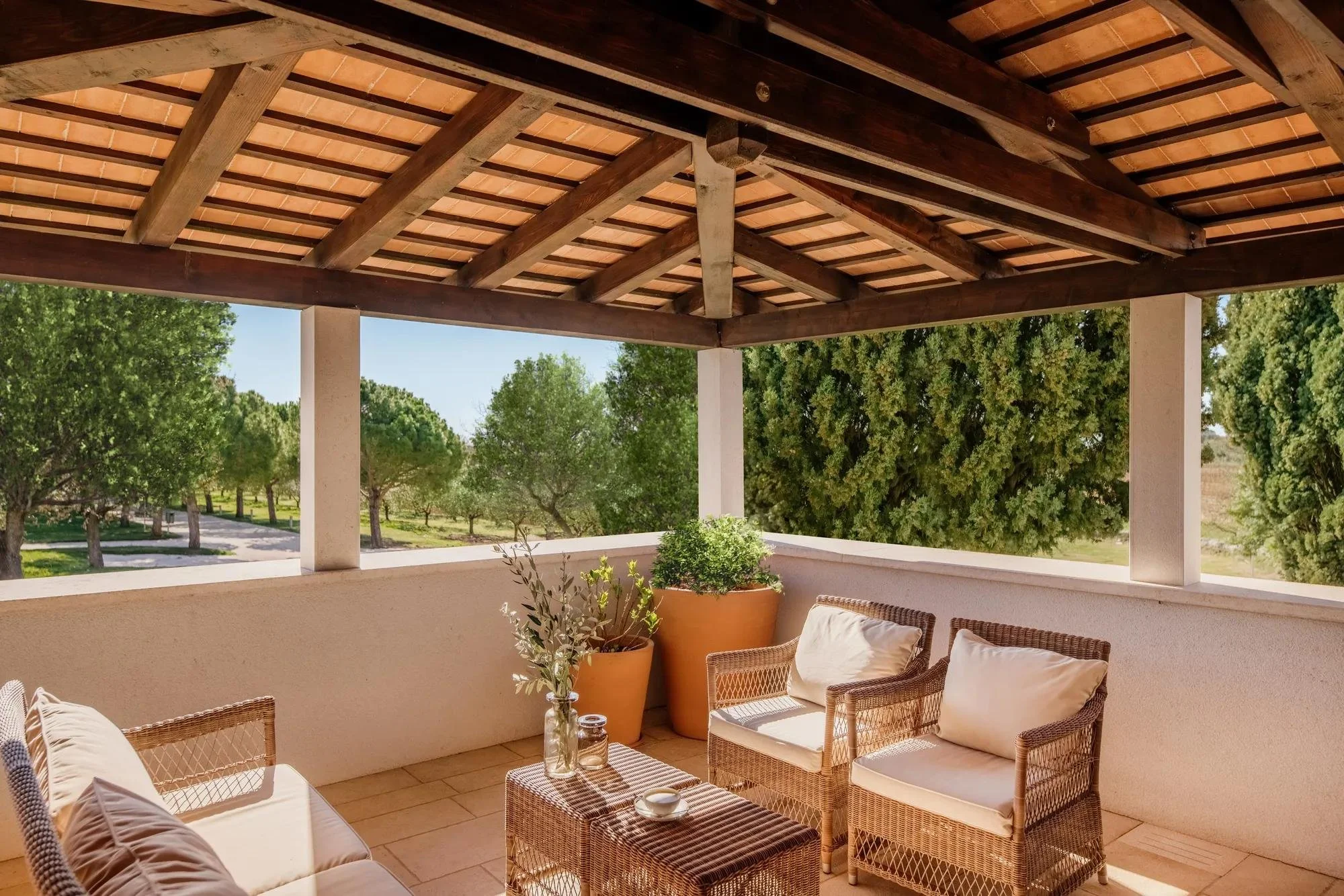
Estate Garden Residence: At approximately 805 sq. ft., this residence combines a double bed, separate living area and walk-in shower with a private garden, giving couples or families more space to spread out and an outdoor setting for quiet time together.
Vineyard Garden Residence: Approximately 805 sq. ft. combines the residential layout of a double bed, separate living area and walk-in shower with a private garden and vineyard views, making the surrounding landscape a particularly immediate part of the stay.
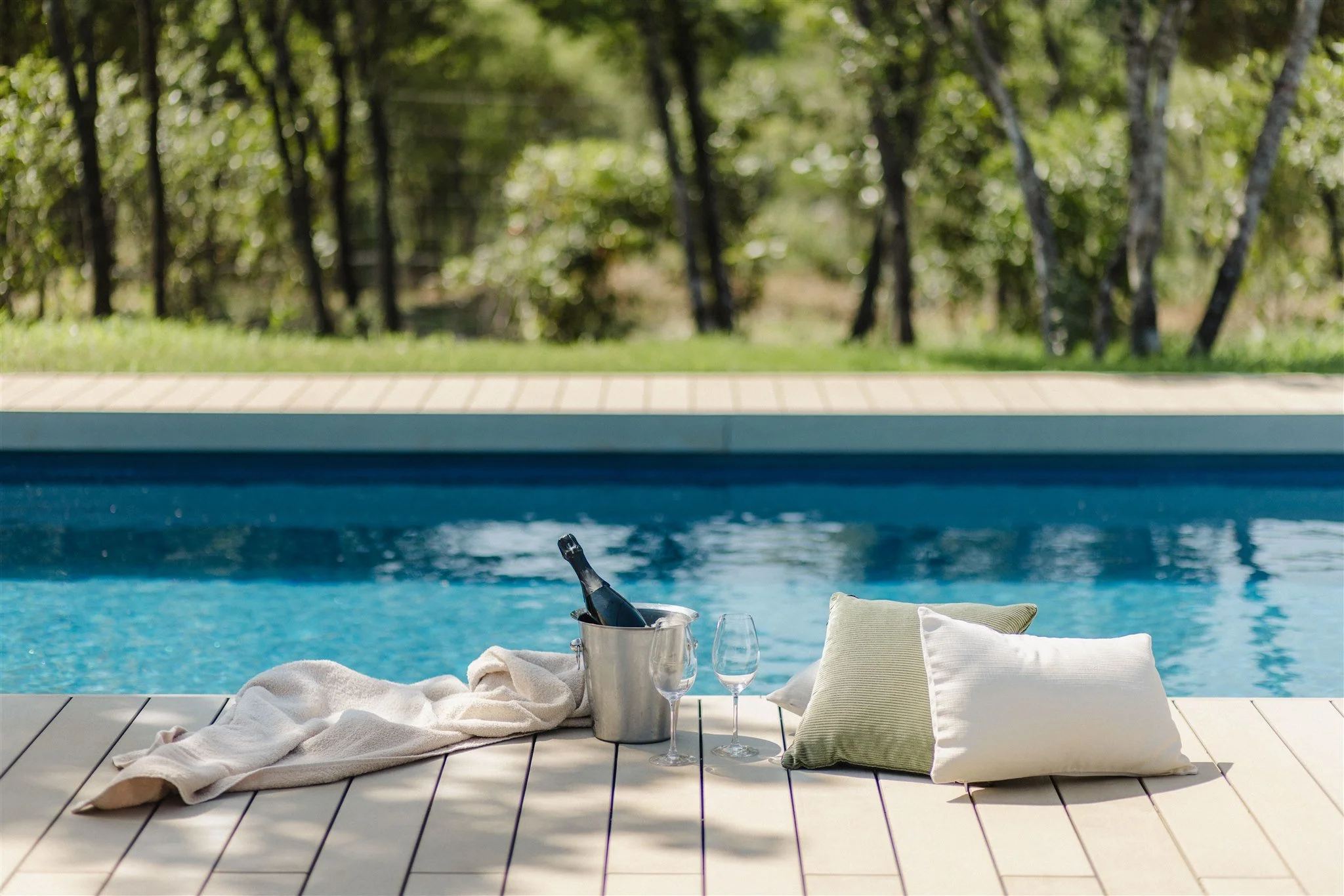
Estate Pool Residence: Approximately 805 sq. ft. pairs a double bed and separate living area with a private pool, offering a convenient balance of independent outdoor living and access to the estate’s restaurants, tastings and shared leisure facilities.
Estate Pool Residence – Loggia: This category, at approximately 805 sq. ft., adds a loggia to its private-pool arrangement, alongside a double bed and separate living area, for travelers who want an additional outdoor sitting space as part of their residence.
Colossal Garden or Pool Residence: Approximately 1,615 sq. ft. brings more substantial living and dining areas and a choice of private garden or private pool, with the exact outdoor configuration worth confirming before reserving this larger option for a shared stay.
Estate Pool Villa – La Bassa: Approximately 1,075 sq. ft. offers a double bed, separate living area, walk-in shower, private garden and private pool, combining a larger interior than the standard residences with a self-contained setting for time outdoors.
Estate Pool Villa – La Alta: Also approximately 1,075 sq. ft., La Alta provides a double bed, separate living area, walk-in shower, private garden and pool, offering another villa arrangement whose particular position can be discussed with the reservations team.
Il Capo Meneghetti Pool Villa: Approximately 2,420 sq. ft. accommodates three bedrooms and three bathrooms, with spacious living and dining areas, a private garden and private pool, making it the clearest villa choice for several adults traveling together.
Casa Del Bosco: At approximately 3,500 sq. ft., this independent house provides two bedrooms, two bathrooms, expansive living and dining areas, a private garden and pool, with a published capacity of four and an emphasis on seclusion within greenery.
The accommodation pages list à la carte breakfast, a nonalcoholic minibar selection replenished once daily, estate bicycles, parking and electric-car charging among the included services. Alcohol and minibar snacks carry charges. For families, confirm the actual beds and permitted ages for any additional occupants, rather than treating a published maximum capacity as a description of the sleeping arrangements.
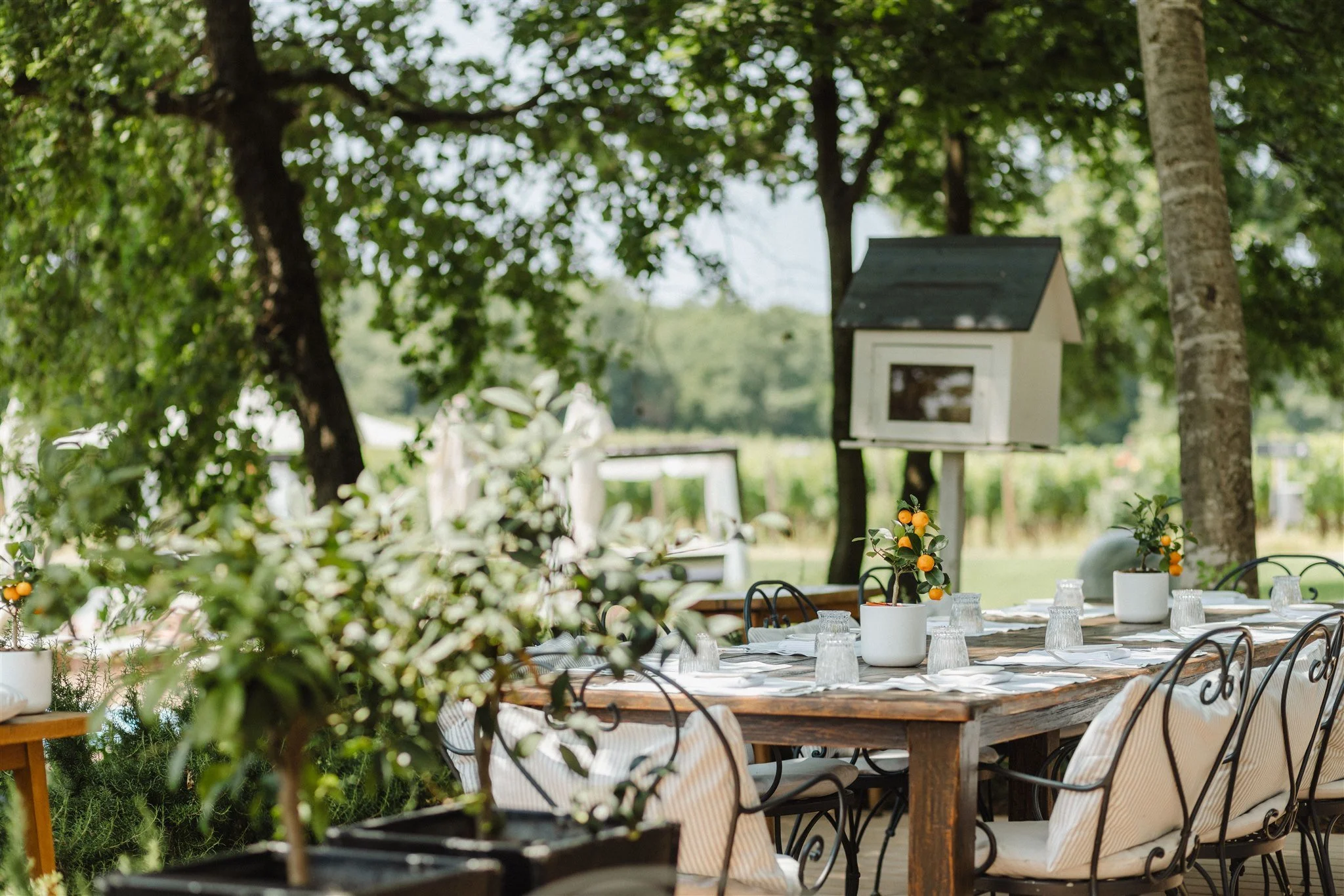
Istria at the Table
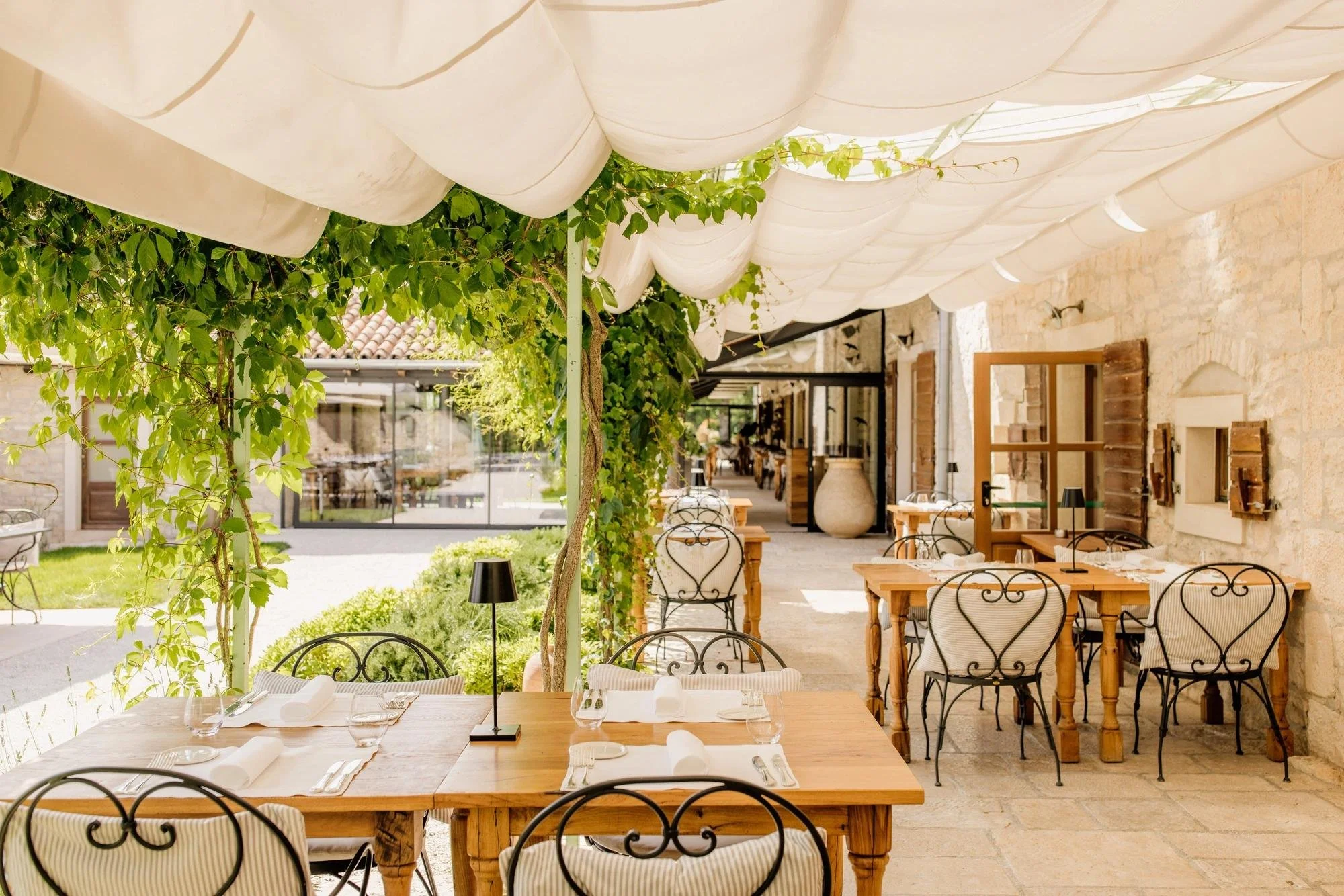
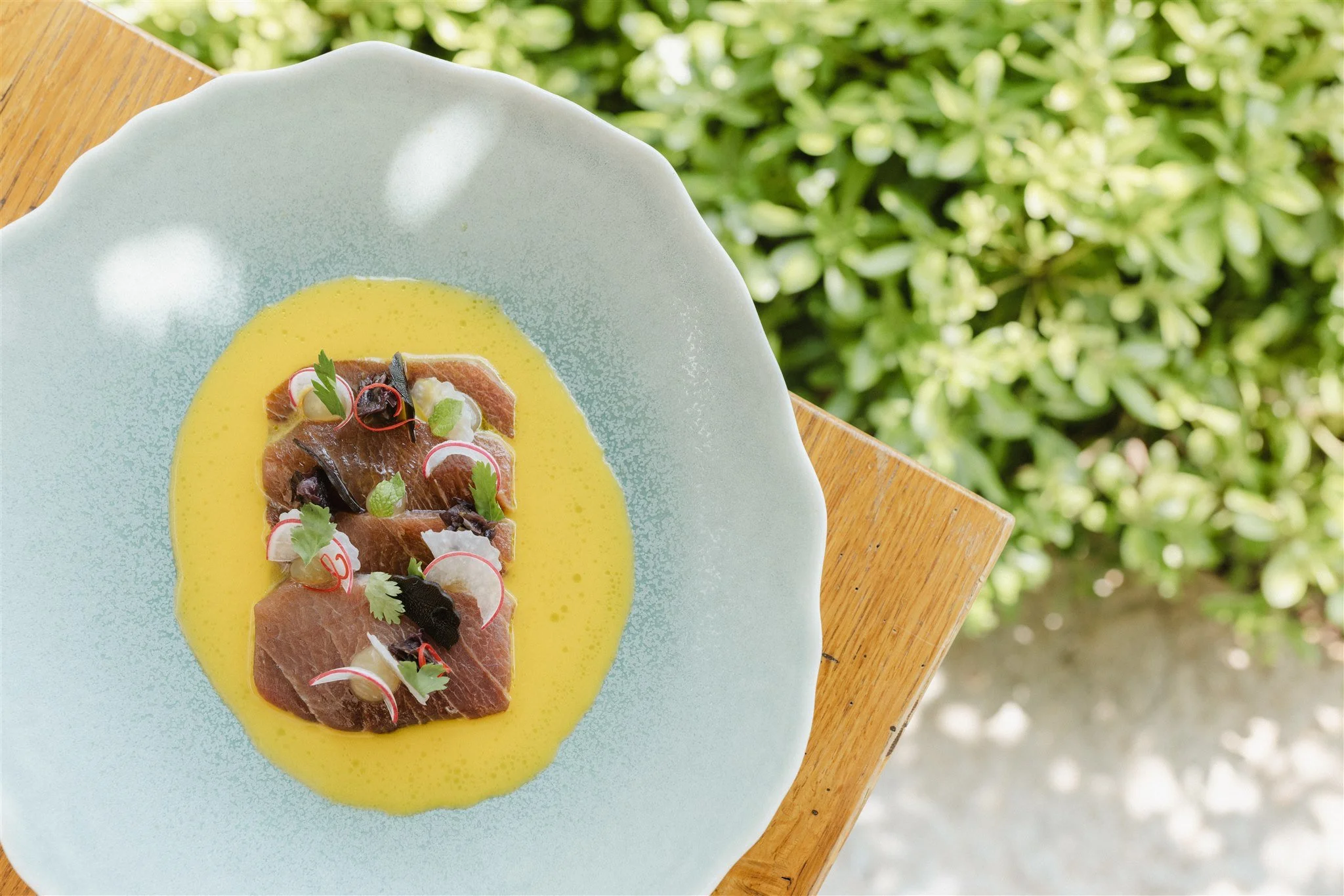
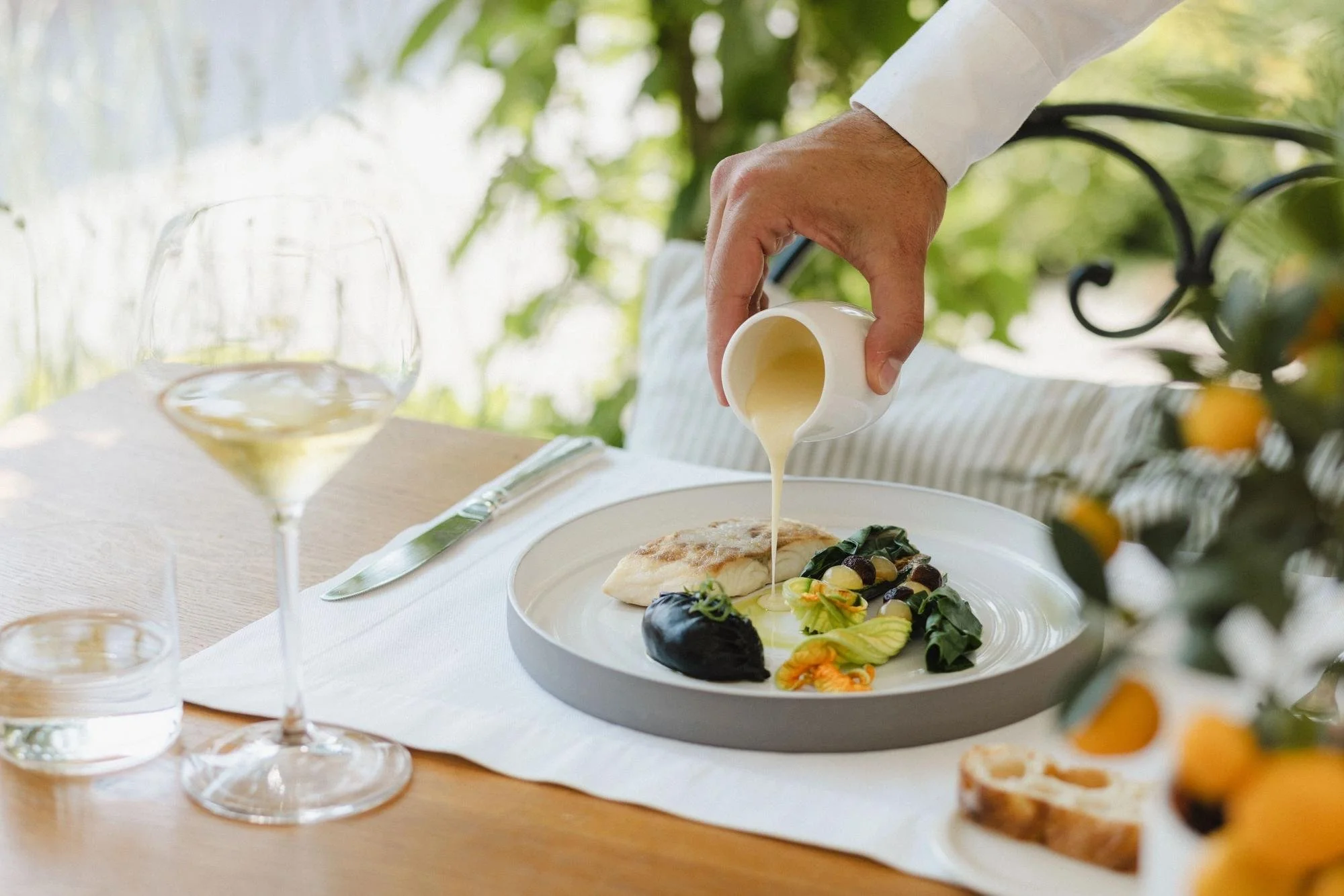
Dining connects the hotel to both its cultivated land and the Adriatic. Estate olive oils and wines are central to the experience, while the kitchen’s seasonal approach gives the garden a practical role beyond its appearance. The main restaurant is included in the Michelin Guide, which highlights its Mediterranean cooking, home-produced wines and courtyard setting.
Meneghetti Restaurant & Bar: The estate’s principal restaurant brings Istrian ingredients and Mediterranean traditions into a more considered dining setting, with the historic stone building and courtyard providing a fitting backdrop for an evening that gives food and wine equal attention.
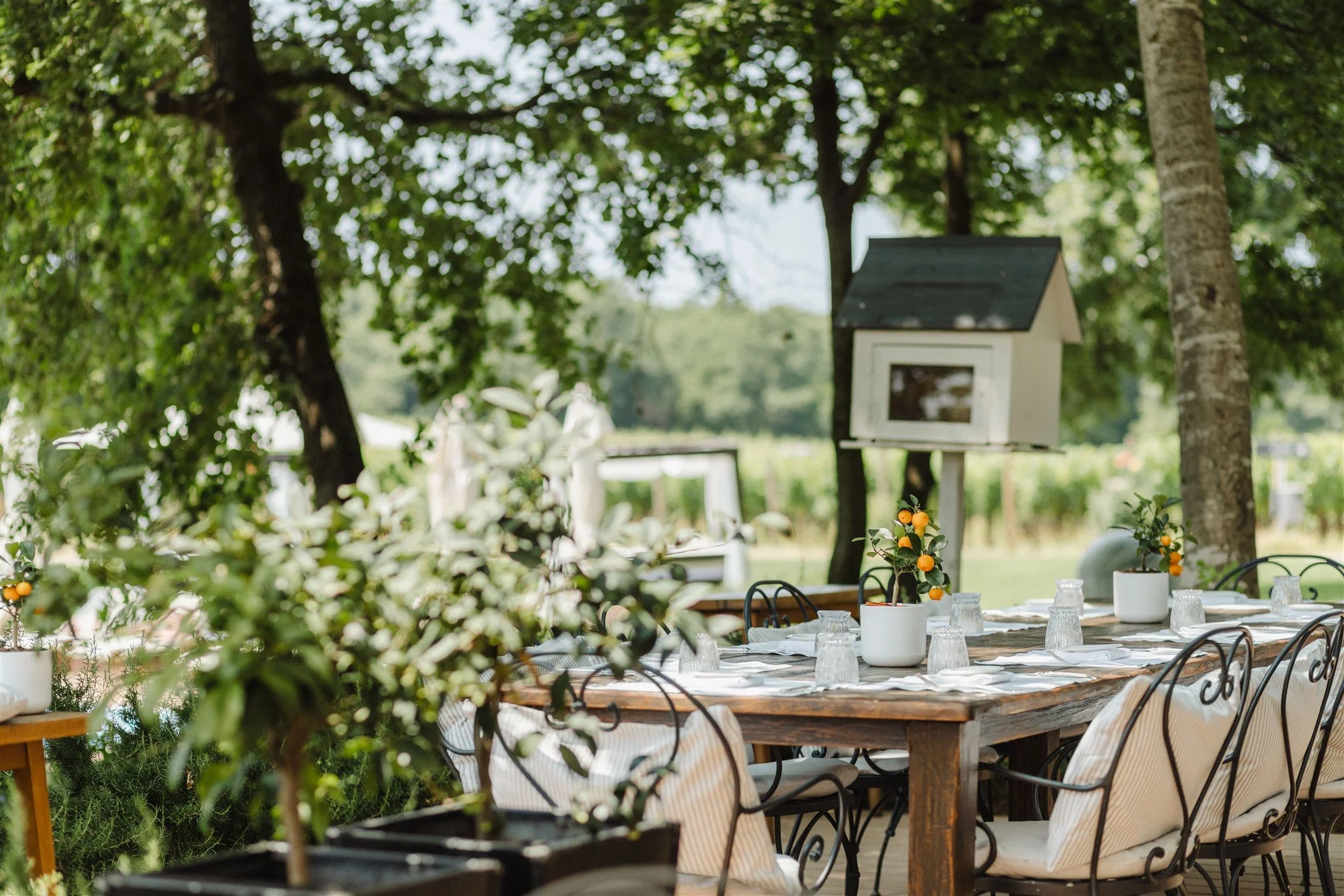
Oliveto Restaurant & Lounge Bar: This seasonal venue takes a more informal approach to Mediterranean cooking, with an outdoor setting overlooking the pool and vineyards that lends itself to a leisurely lunch or an evening spent close to the gardens.
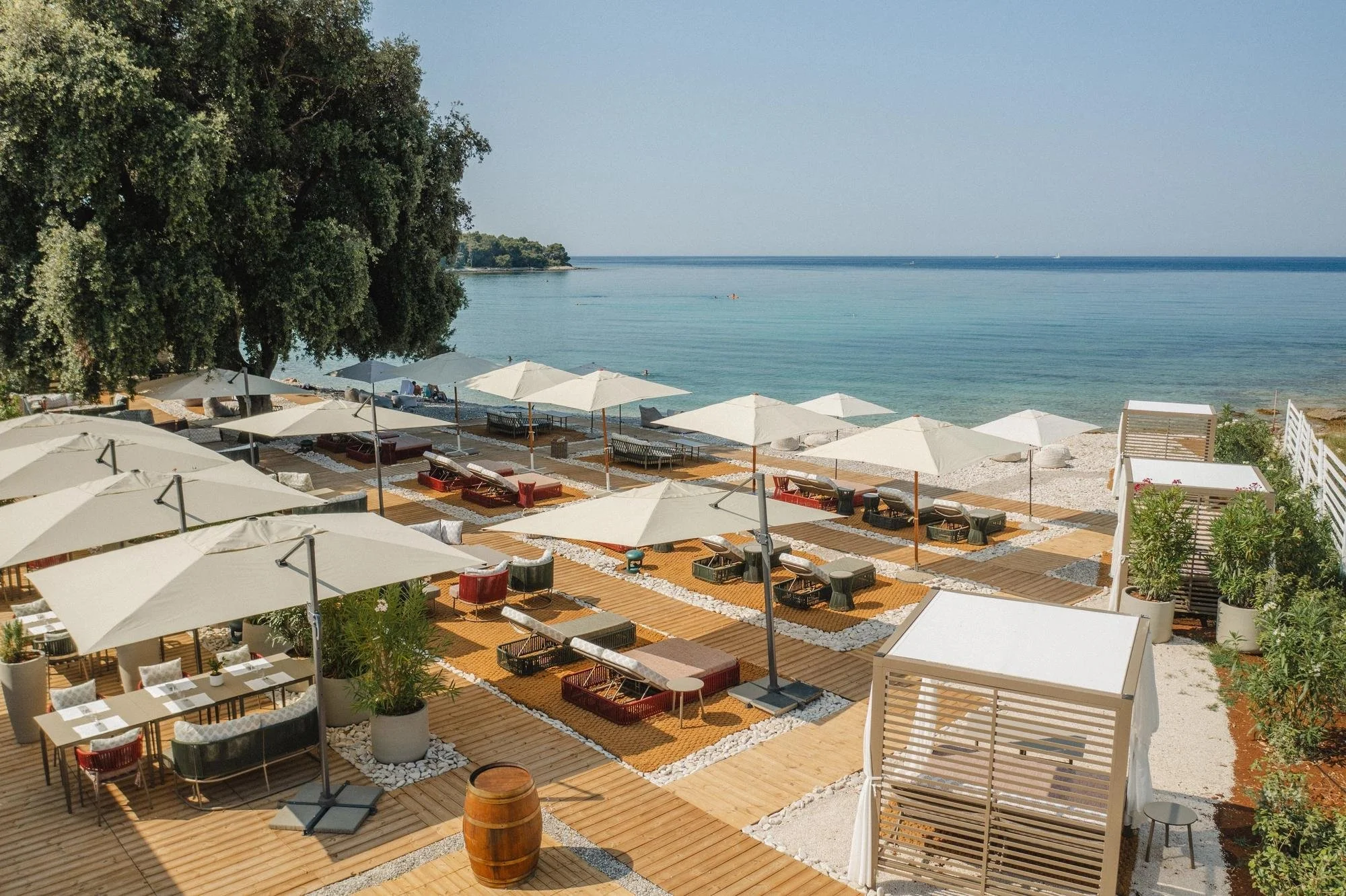
Meneghetti Beach Club: The coastal restaurant and bar serve seasonal Mediterranean dishes, seafood and drinks beside the Adriatic, allowing a beach day to include lunch without returning to the main estate, subject to the club’s seasonal schedule.
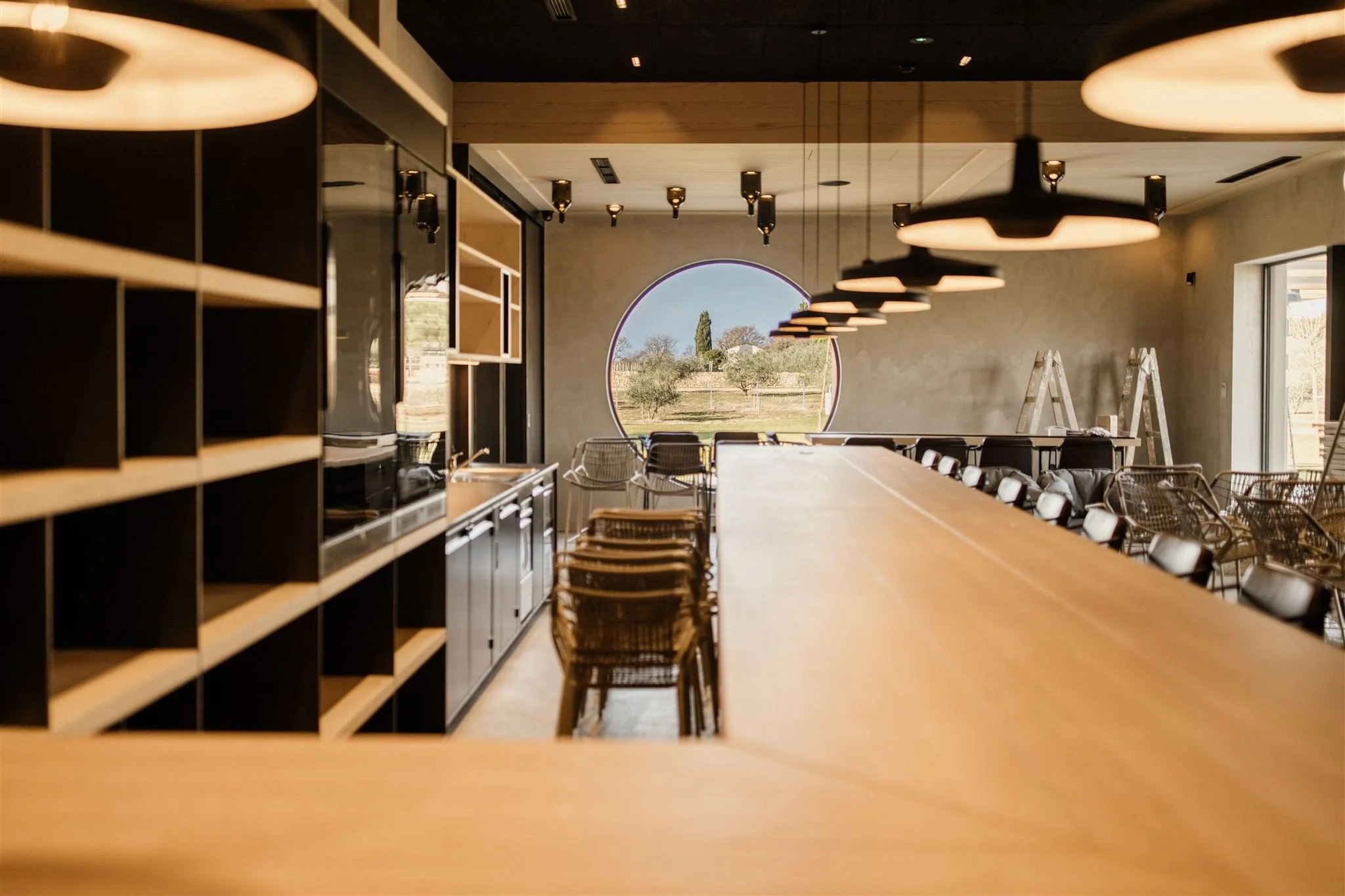
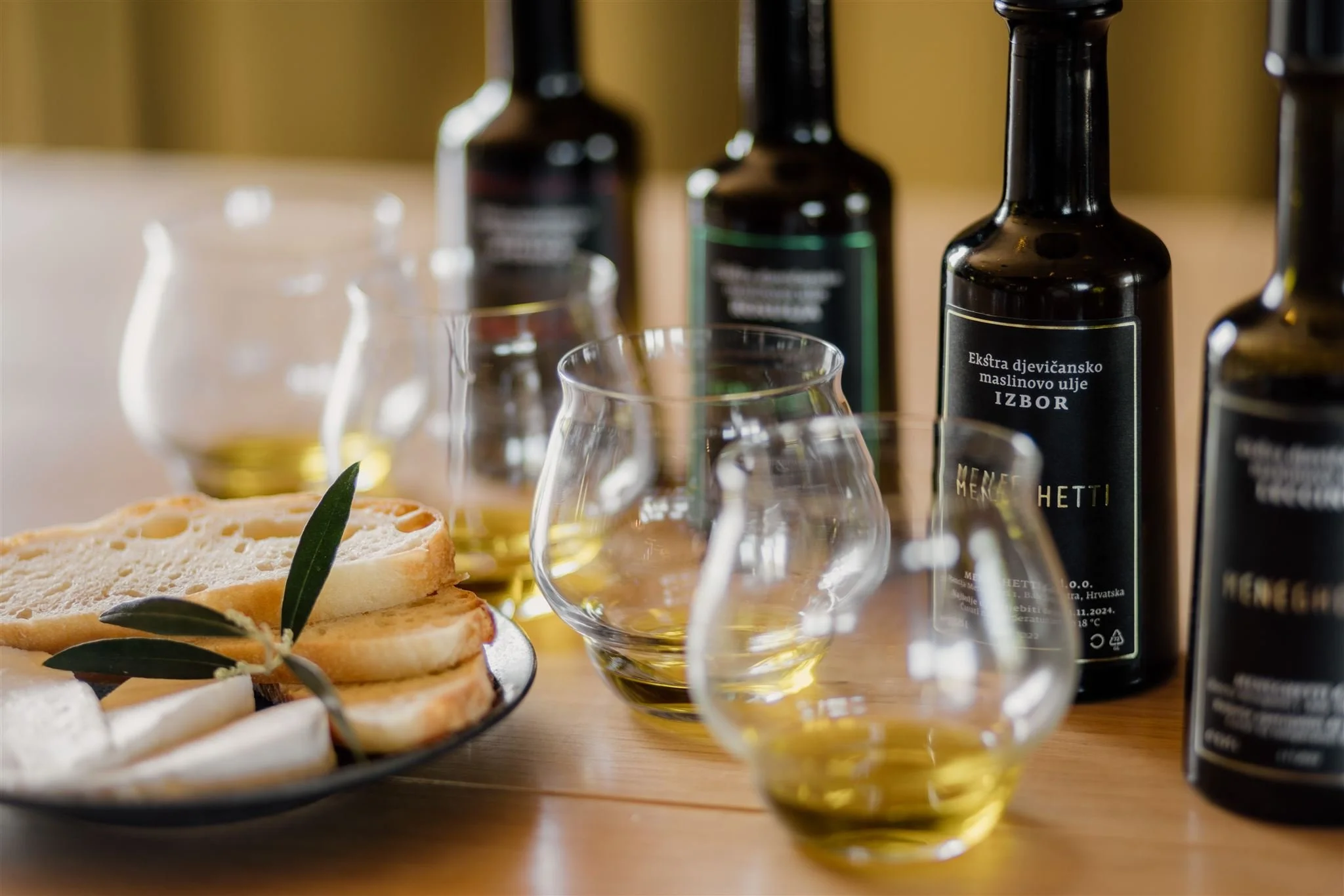
Meneghetti Wine Lounge: Set within the winery, the lounge focuses on guided tastings of estate wines, olive oils and distillates, with vineyard views and the possibility of accompanying local cheeses and charcuterie making it a natural starting point for understanding production.
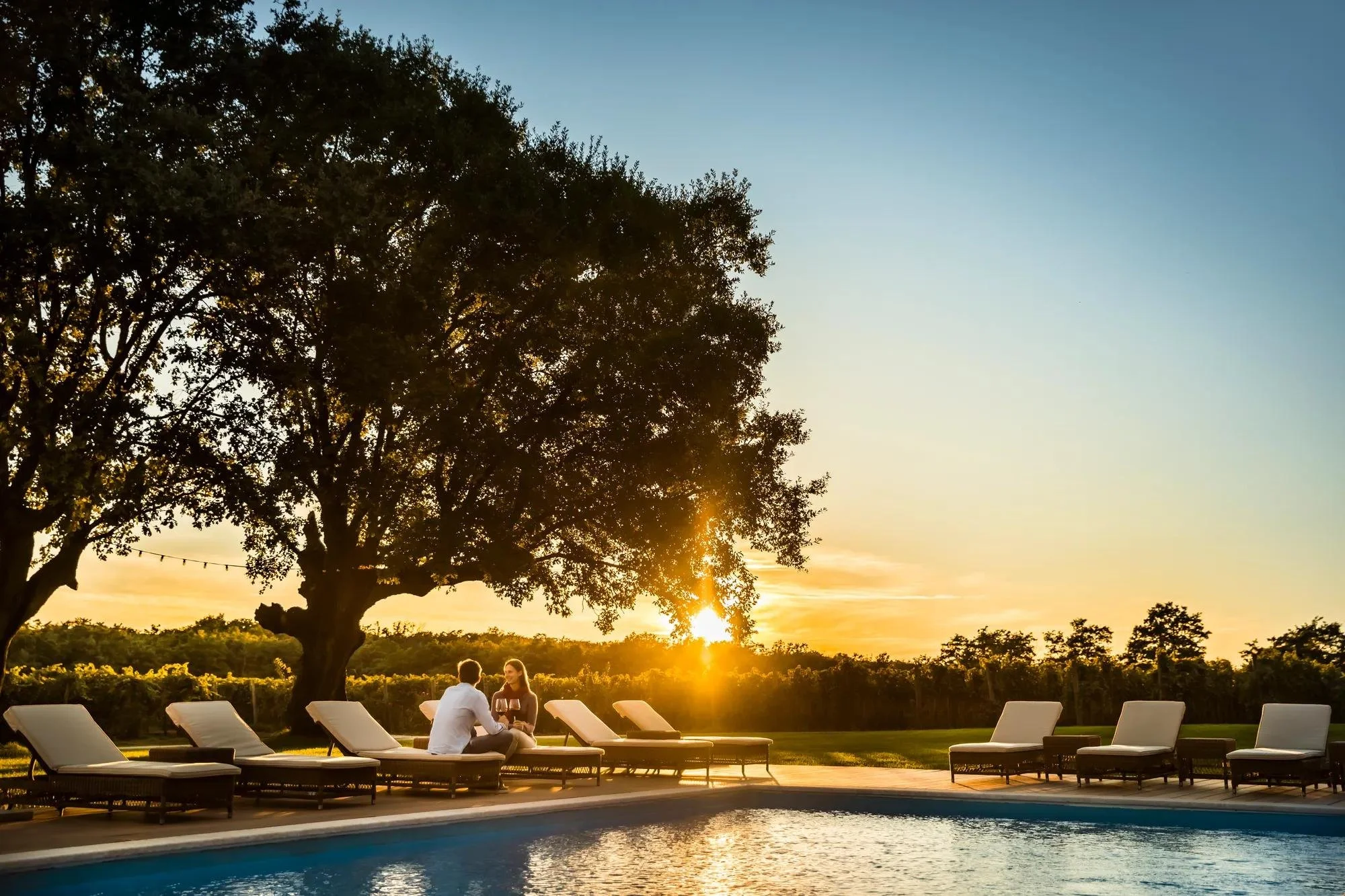
Reserve tastings and special dinners separately, and check which venues will operate during your dates. A private dinner beneath the oaks is also among the estate’s arranged experiences, offering a different setting for a celebration.
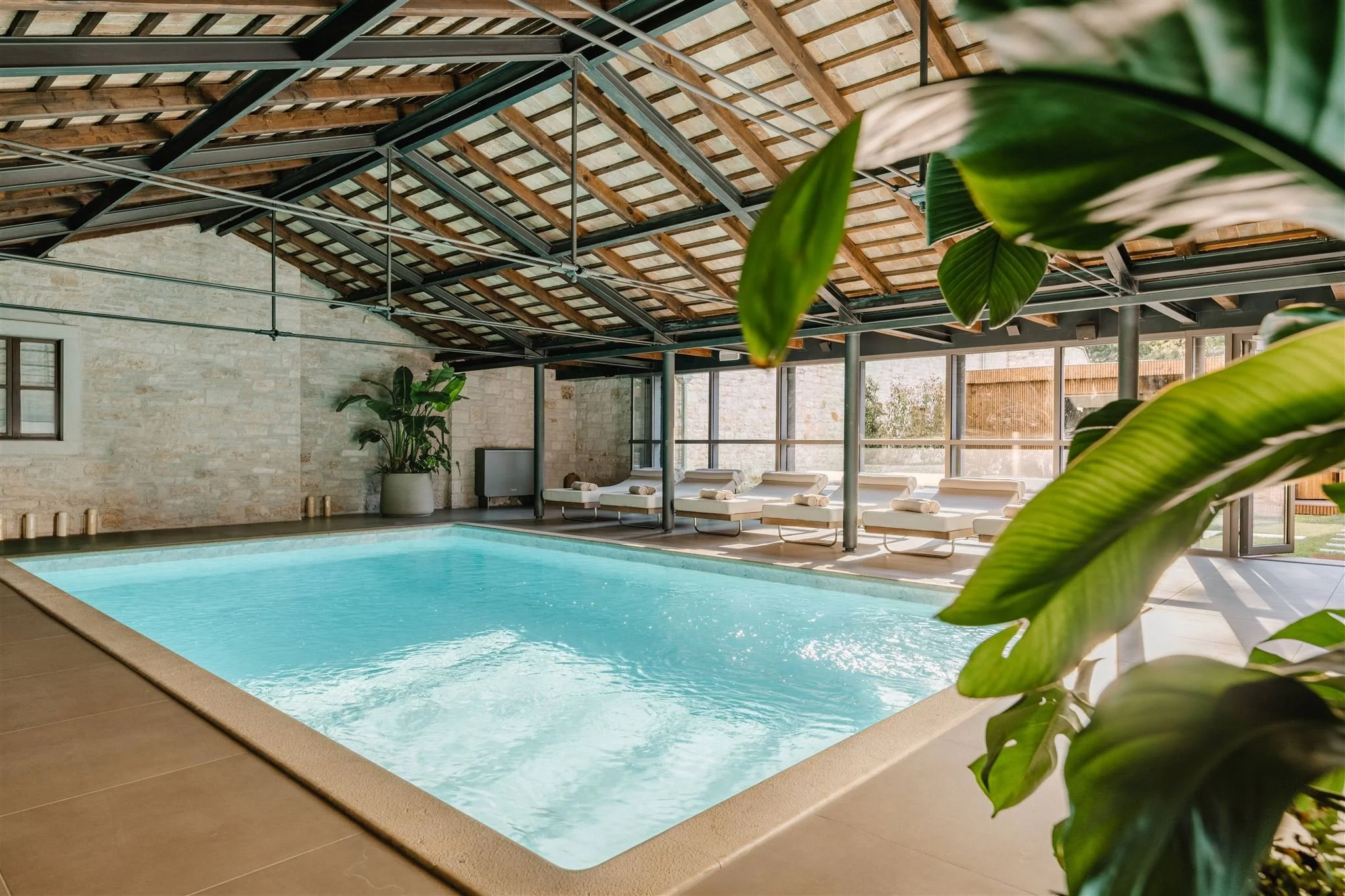
Olive Oil, Warm Water and Garden Air
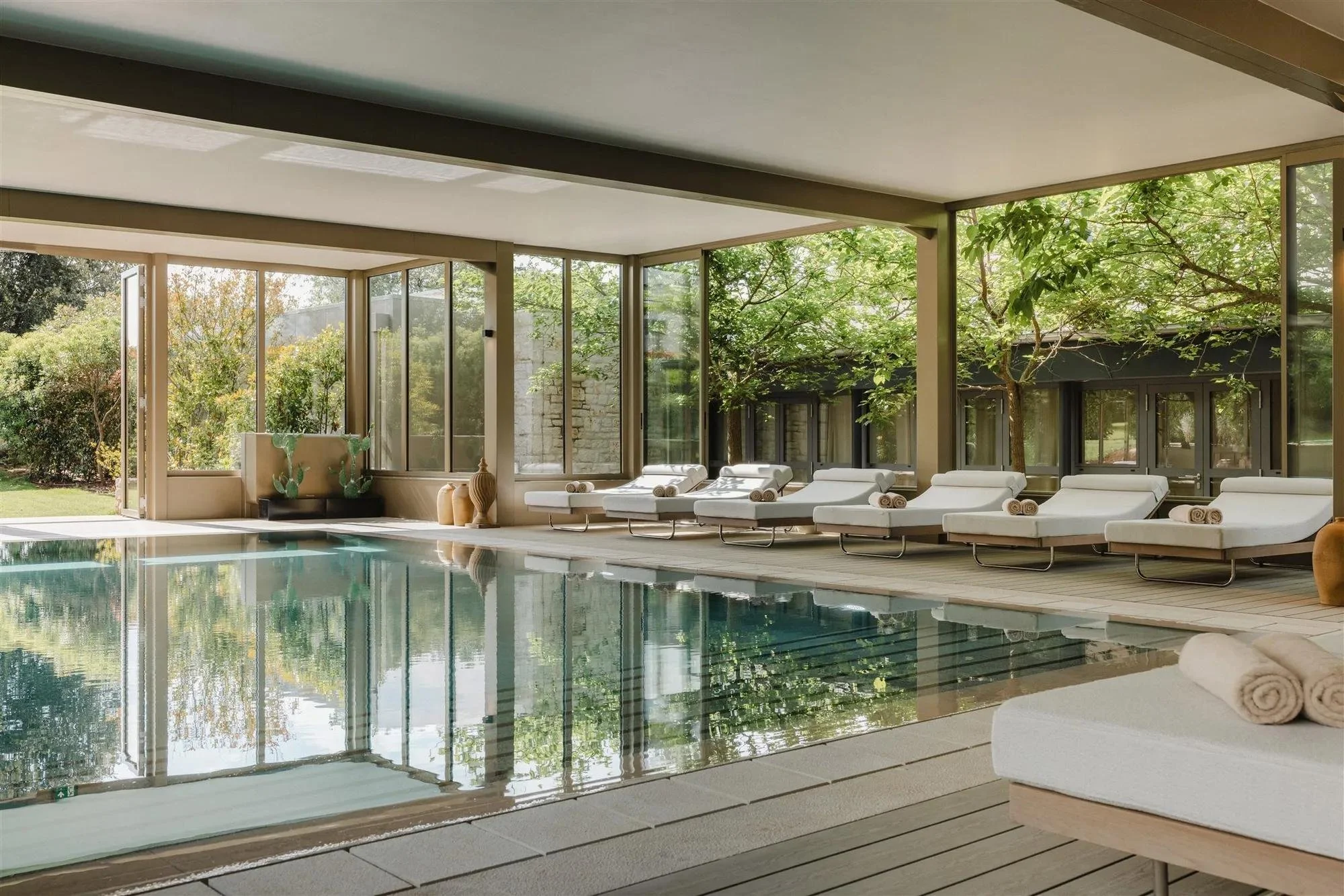
Meneghetti’s spa carries the agricultural identity indoors through treatments incorporating estate olive oil, grape extracts and Mediterranean botanicals. Its expanded facilities allow for a longer visit than a single massage, with time between treatment, heat experiences and relaxation.
The Tranquility Zone is reserved for adults aged 18 and over. It includes a heated indoor pool, Finnish bio sauna, steam room, rainfall shower and a lounge with waterbeds. The Garden Spa adds an outdoor Finnish sauna, cold plunge and garden relaxation space. A separate heated indoor Family Pool welcomes families during dedicated hours, so pool choice matters when planning a visit with children.
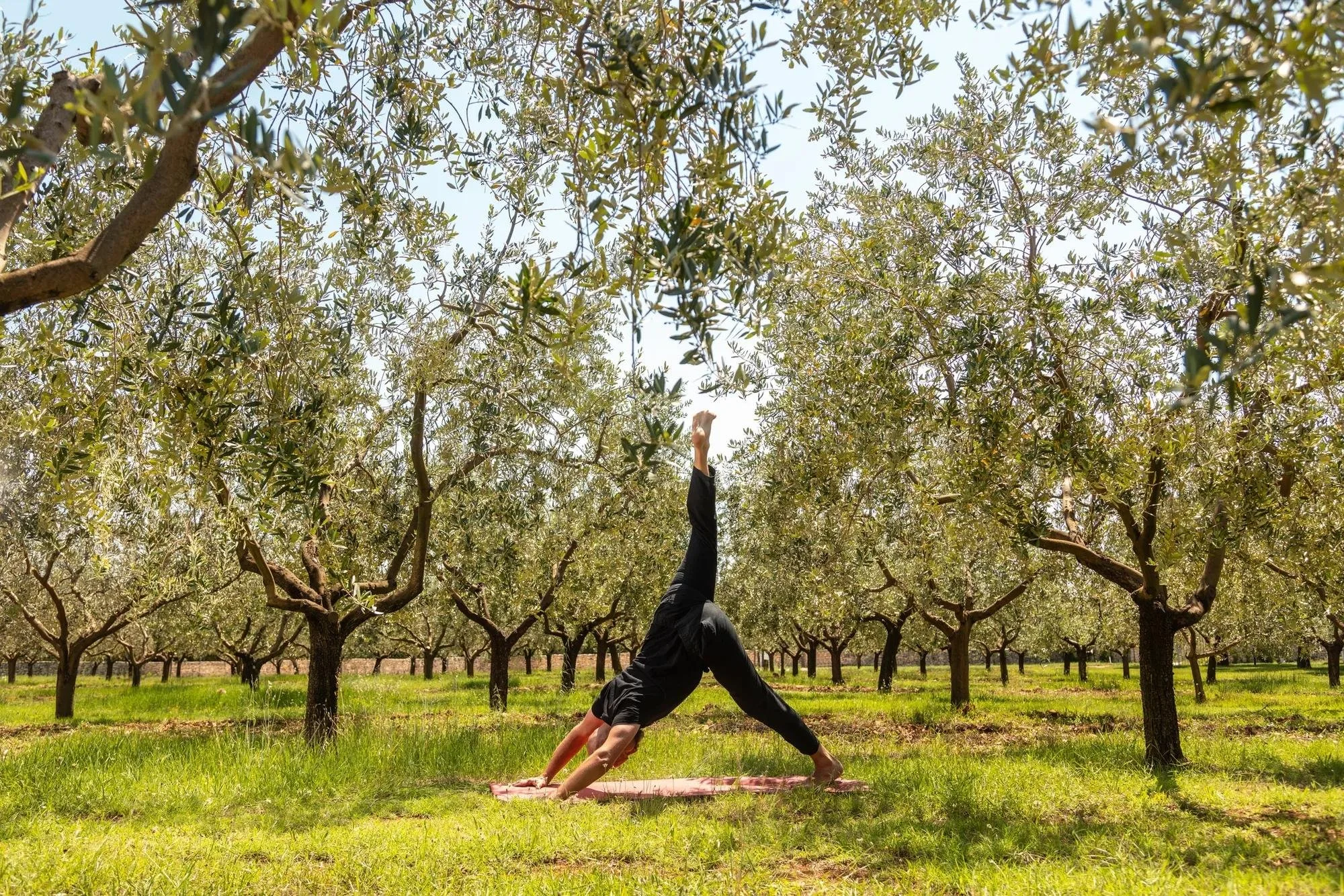
There is also a fitness studio, while private training and yoga can be arranged. For a stay built around wellness, it is sensible to reserve treatment times ahead and leave enough space around them to use the facilities. Specific therapies, lessons and private sessions should be priced separately from general spa access.
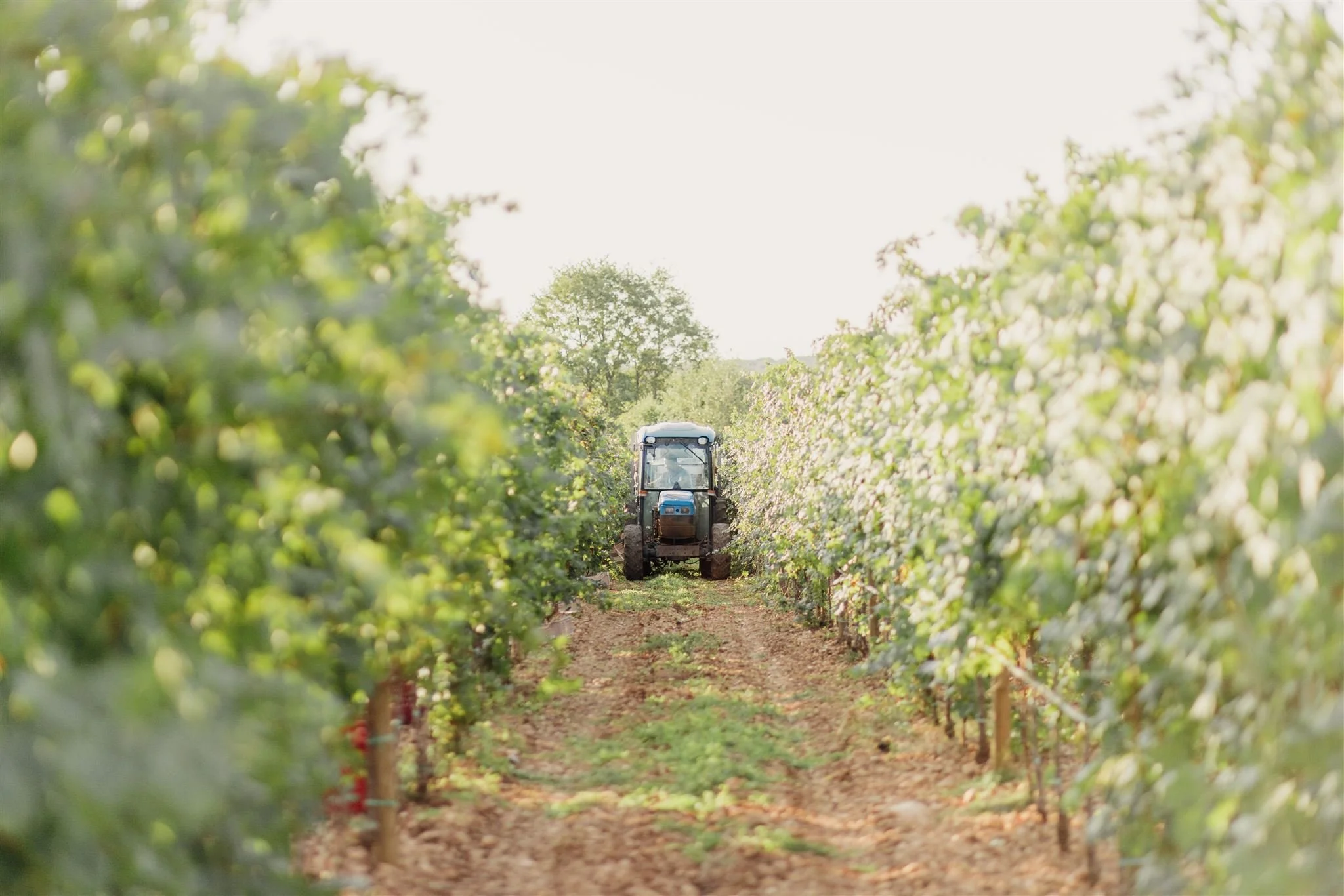
Follow the Wine from Vine to Glass
A winery visit gives the estate’s landscape a practical context. Guided tours and tastings introduce the cellar and the decisions behind the wines, while an olive-oil tasting offers another way into Istria’s agricultural traditions. Comparing oils side by side can be as revealing as comparing vintages, especially before encountering them again at dinner.
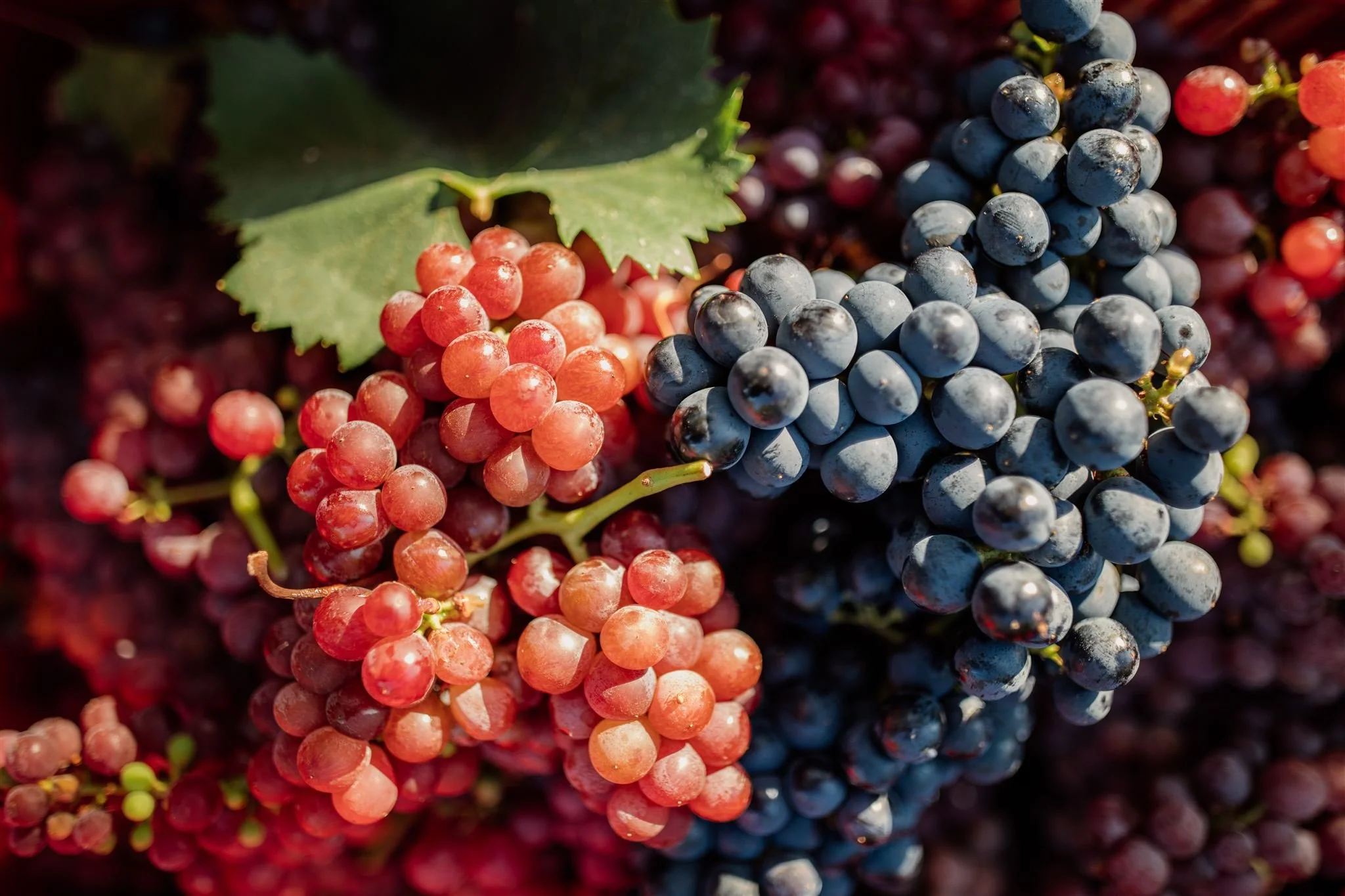
The winery works with both red and white grape varieties. Its Meneghetti Red brings together Merlot, Cabernet Sauvignon and Cabernet Franc; Meneghetti White combines Chardonnay and Pinot Blanc. These blends broaden the picture beyond the regional wines a visitor may already know and make a guided tasting worthwhile even for experienced wine travelers.
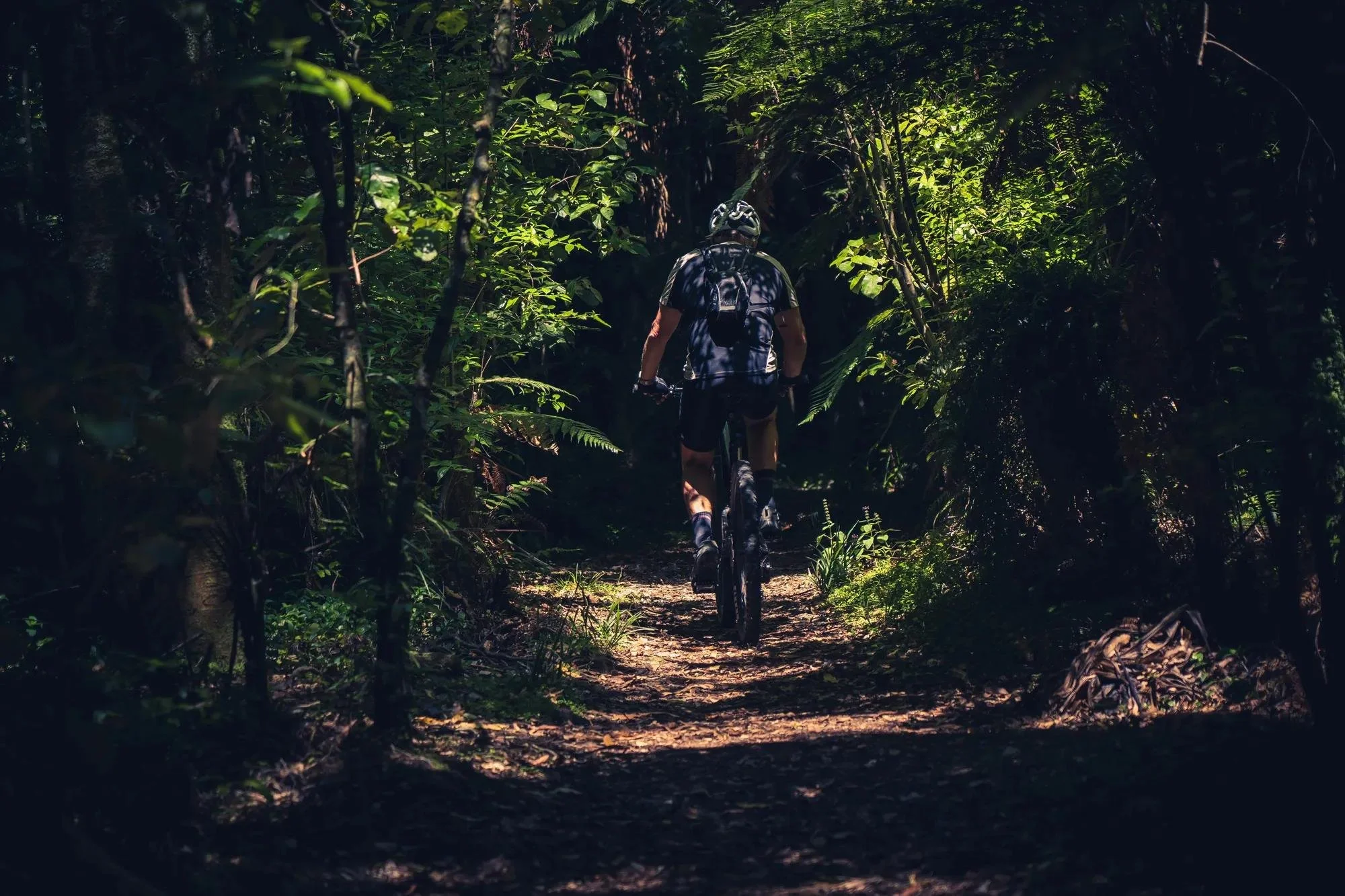
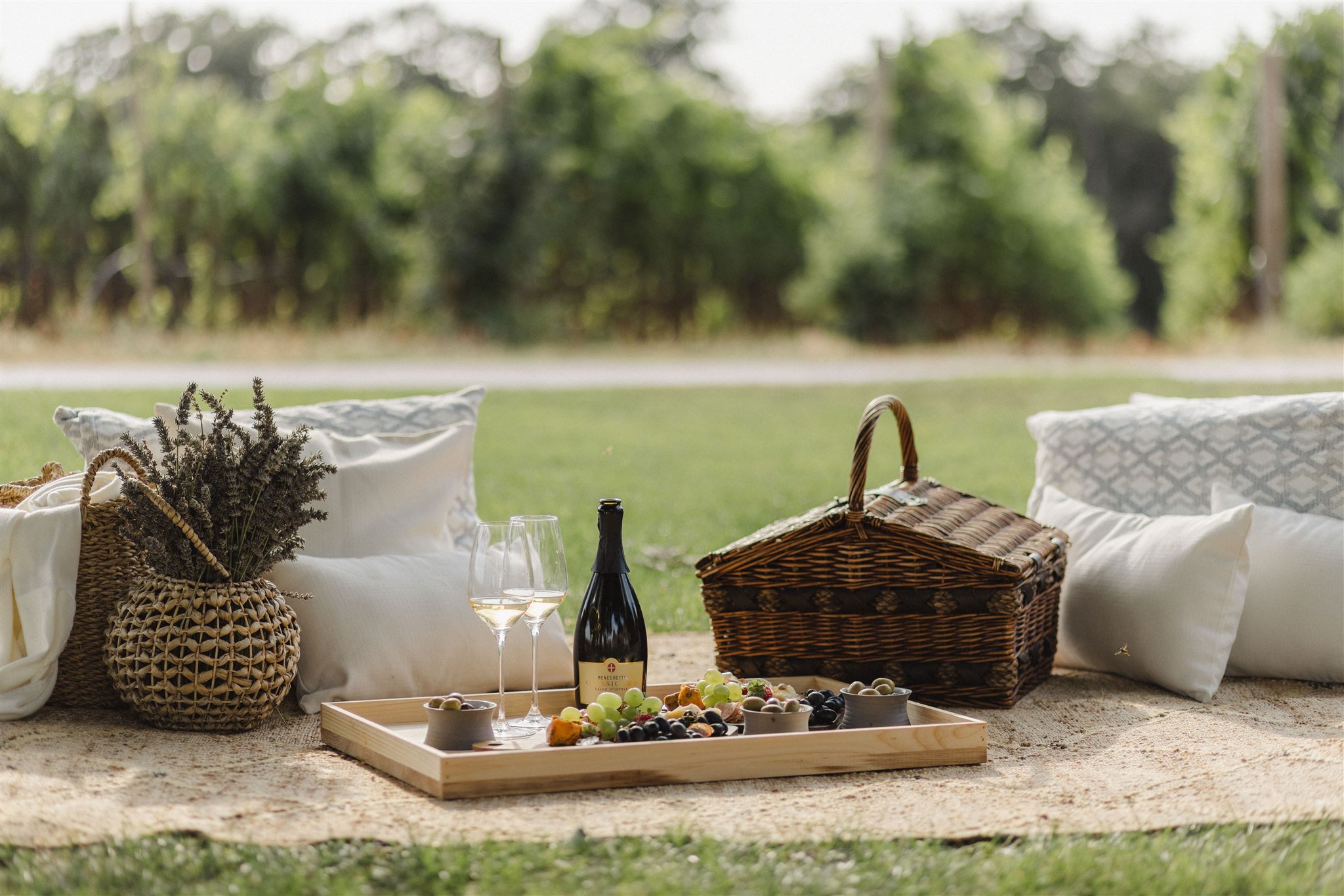
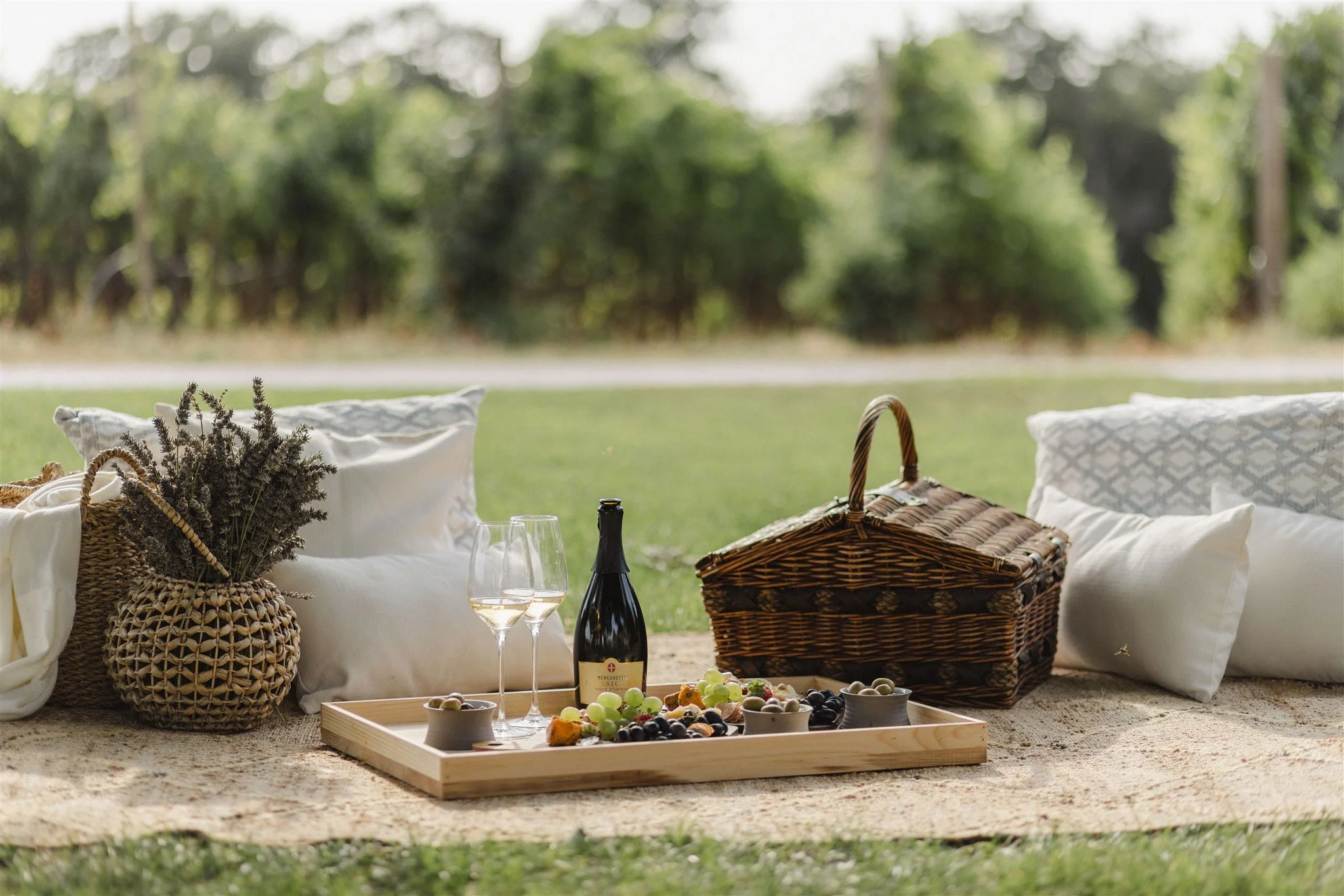
For more active days, the estate offers a tennis court, bicycles and a golf driving range. Golf here is practice and instruction rather than a full course. Picnics among the vines and seasonal harvest experiences add other ways to spend time outdoors; availability depends on the estate’s schedule and the agricultural season.
The beach club is approximately two kilometers from the hotel, on a natural pebble shoreline. Standard sun loungers are complimentary for hotel guests, with cabanas excluded from that inclusion. Confirm the operating dates and transport arrangements, particularly outside the main summer period.
Room for a Family Rhythm
The residences and larger villas make Meneghetti a viable family stay, especially when separate living space matters. A garden residence may be more useful than a compact room for afternoons spent together, while Il Capo’s three bedrooms suit a larger party. Families choosing a private pool should discuss its layout and any available child-safety arrangements before committing.
The estate lists a children’s playground, and the dedicated family swimming provision is a useful complement to outdoor activities. Confirm the Family Pool’s current hours before shaping the day around it. The adults-only Tranquility Zone remains a separate experience.
The published offering does not establish a regular supervised kids’ club. Babysitting, children’s meals, cots, additional beds and associated charges should be arranged directly. This is a particularly appealing format for families who enjoy spending time together outdoors and exploring the region at their own pace.
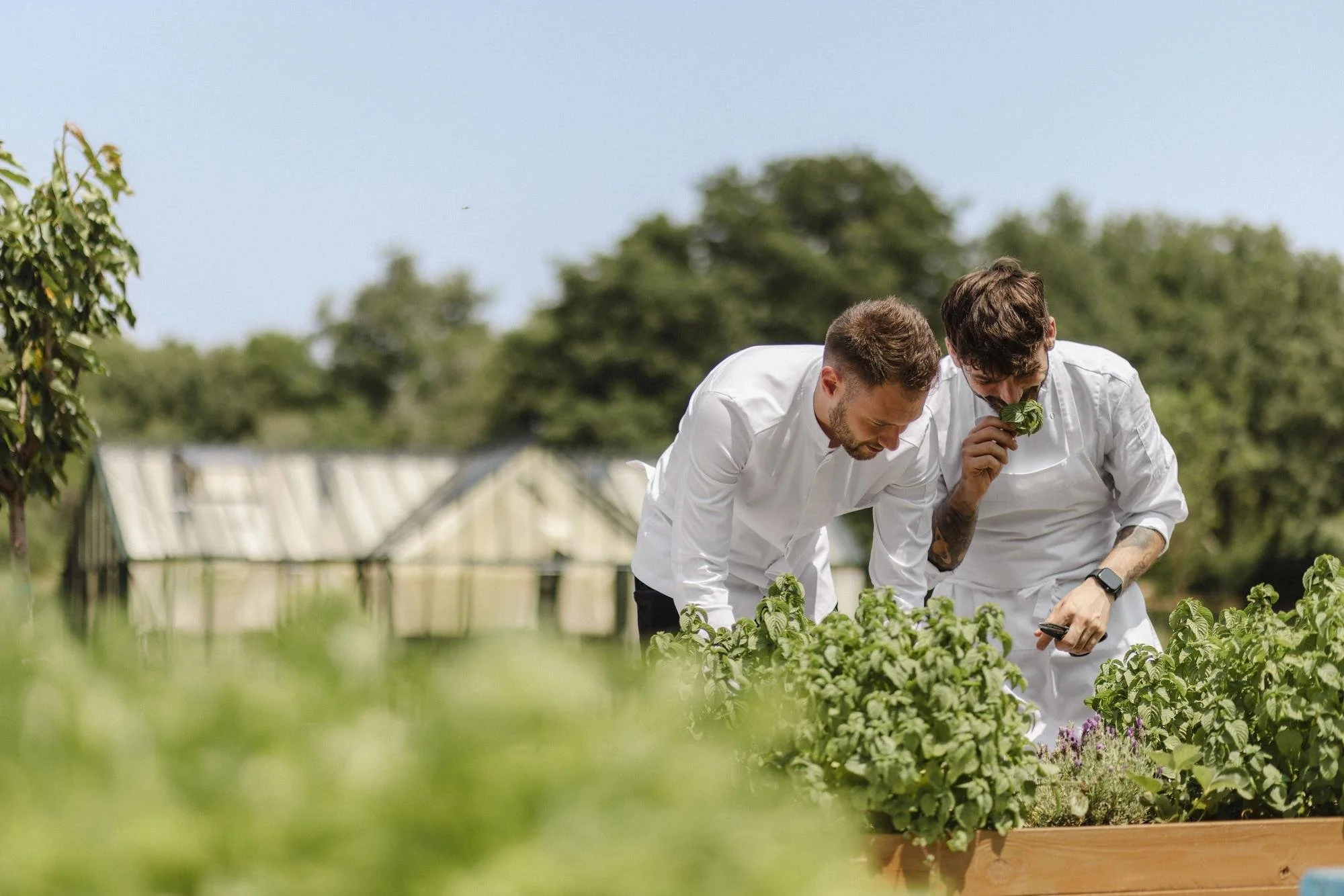
A Garden That Feeds the Kitchens
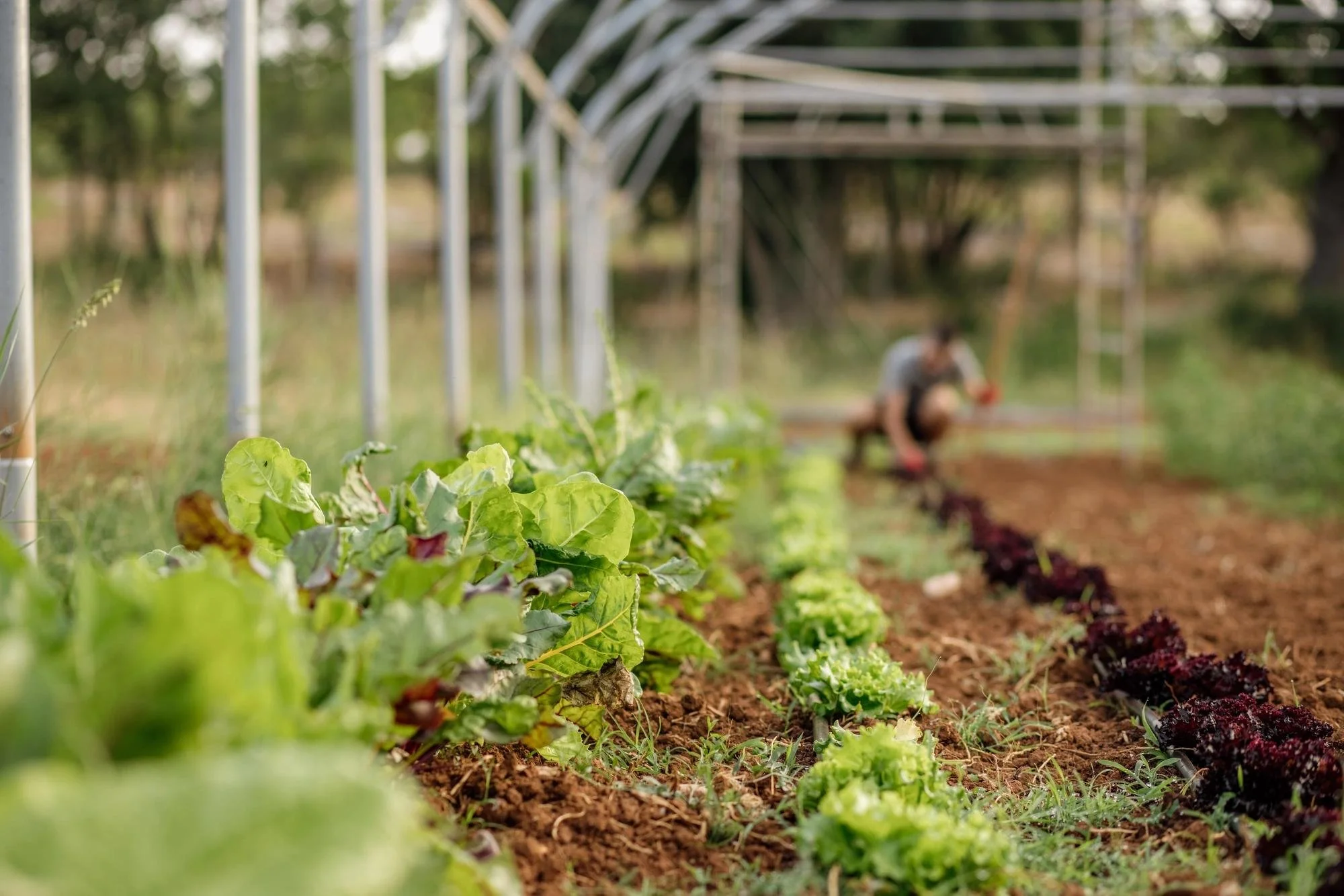
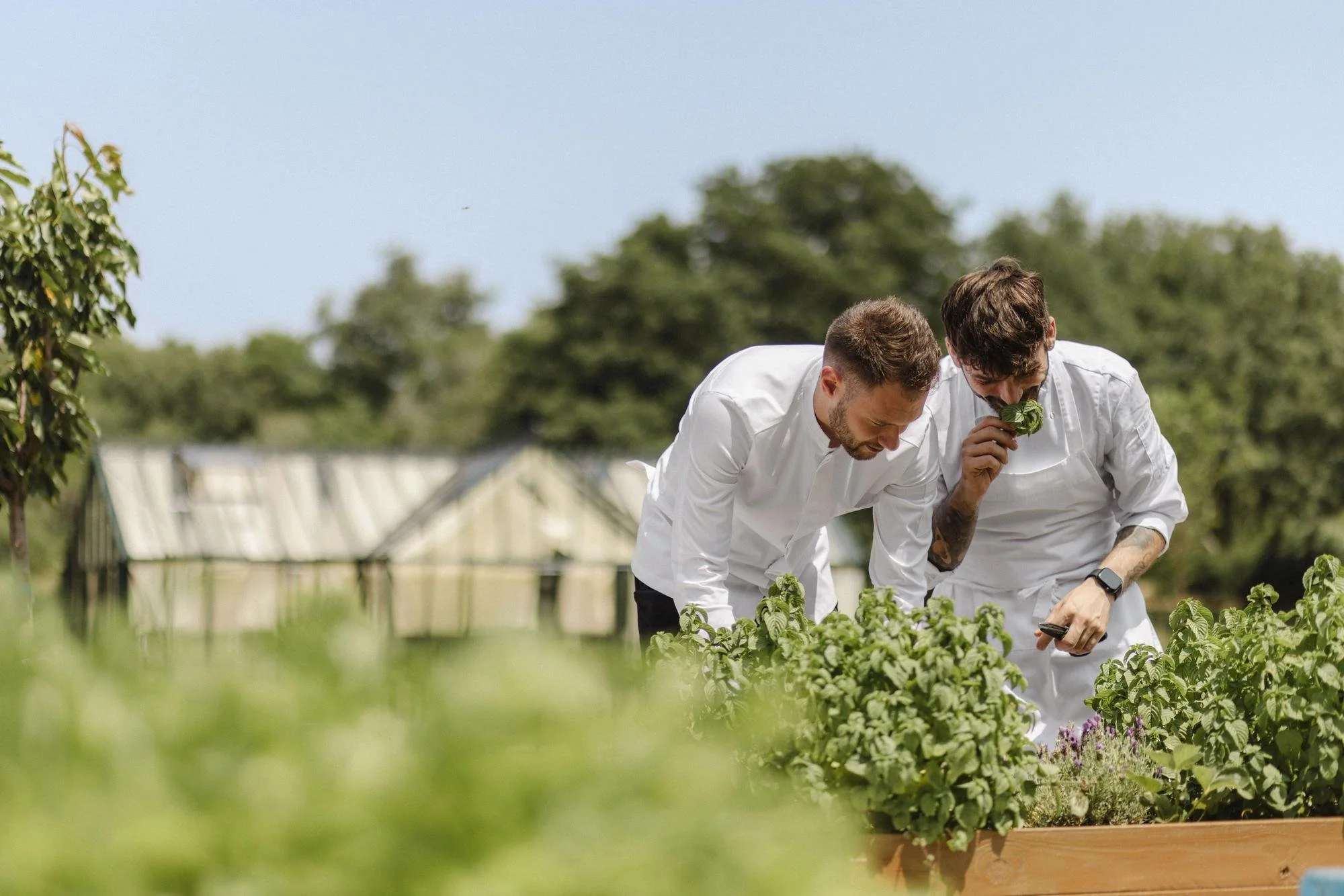
Meneghetti’s most concrete environmental practices center on its Bio Garden. The estate describes a one-hectare growing area with more than 120 varieties of fruit, vegetables and herbs supplying its restaurants. It also reports composting organic kitchen waste for use in the garden and drawing irrigation water from its own wells.
Those are specific operational practices; they do not, by themselves, establish a measured carbon footprint or a water-saving result. The garden offers a tangible connection between cultivation and the kitchen, while the restoration of existing estate buildings gives another dimension to the property’s relationship with its setting. Travelers seeking a particular environmental certification should request the current documentation rather than infer one from the rural surroundings.
Planning a Comfortable Route Through the Estate
Accessibility needs a room-specific conversation here. The public accommodation descriptions identify walk-in showers in several categories, but do not establish wheelchair turning space, shower thresholds, grab rails or step-free access throughout the property. A walk-in shower alone is insufficient evidence of an adapted bathroom.
Before booking, ask the hotel to confirm the full route from arrival to the chosen bedroom, restaurants and spa, including any steps, gradients or uneven surfaces. Recent photographs and measurements can help establish whether a particular arrangement will work. Pool entry, the beach route and vehicle access should be discussed separately; the natural pebble shore presents different considerations from the main estate.
Bale, Rovinj and the Roman Coast
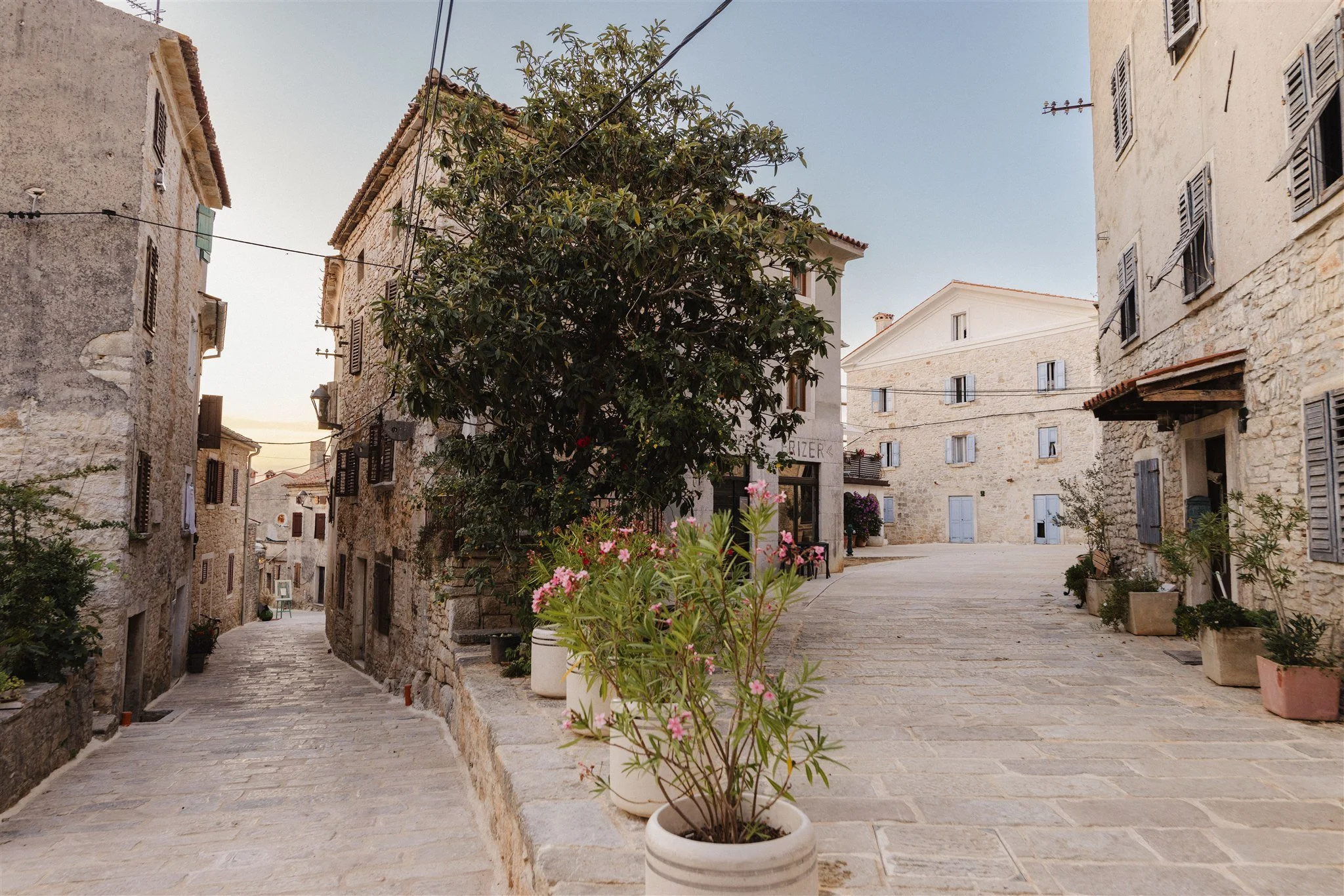
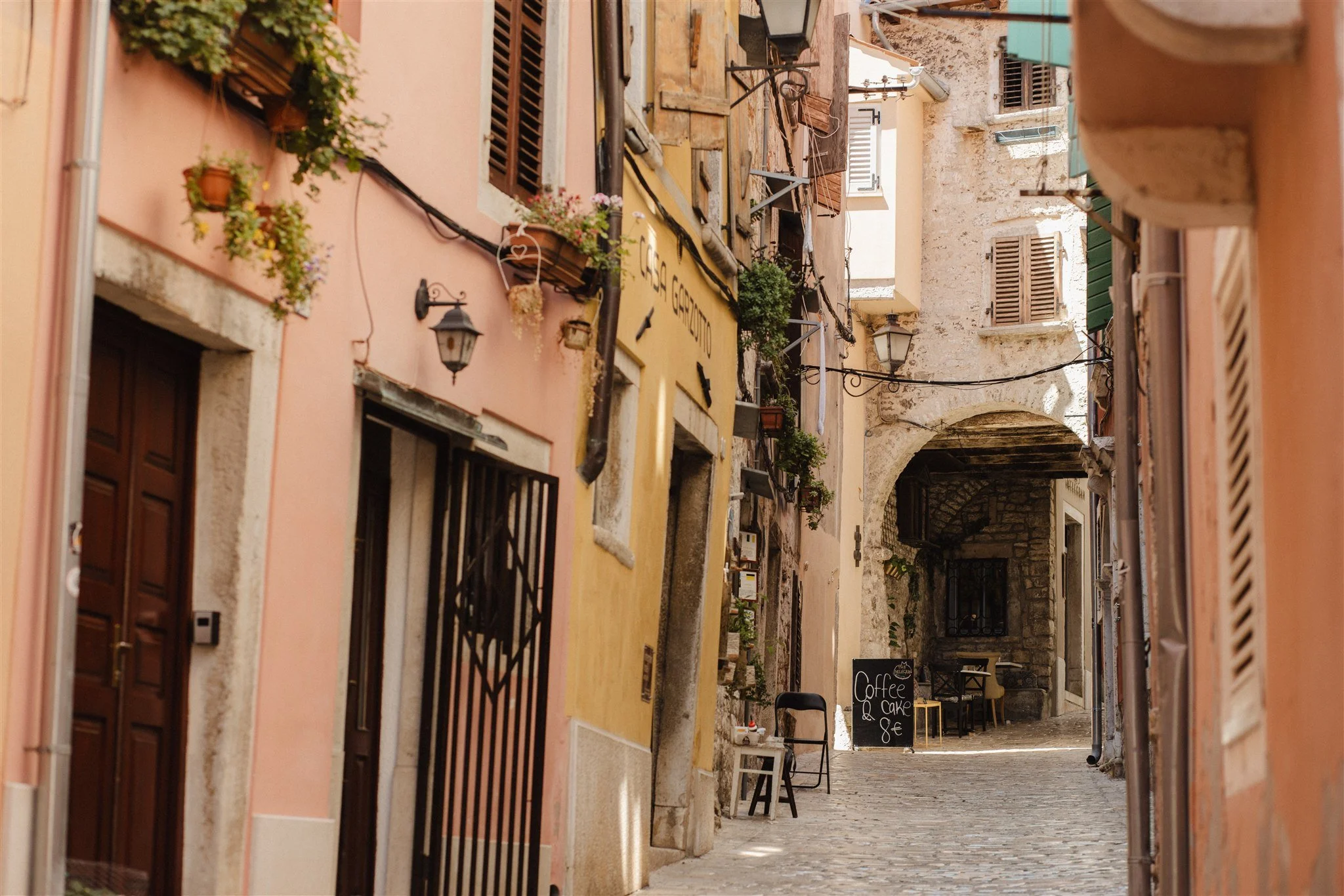
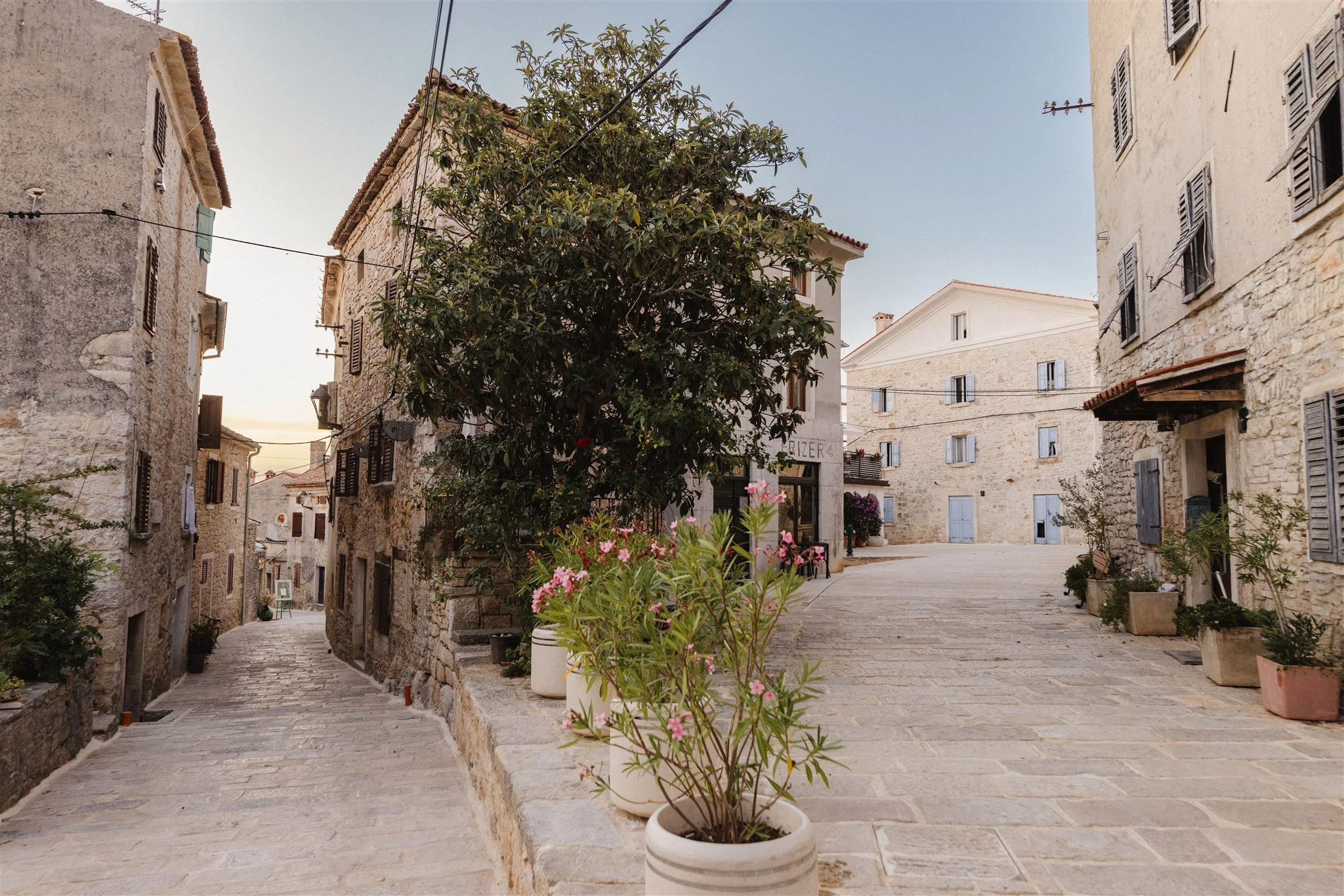
Bale rewards an unhurried visit. Its compact stone center and narrow streets lead to the Soardo-Bembo Palace, whose Gothic-Renaissance facade is one of the town’s defining sights. The scale makes it a welcome counterpart to a longer excursion: time for a walk and a pause in town, without turning the day into a checklist.
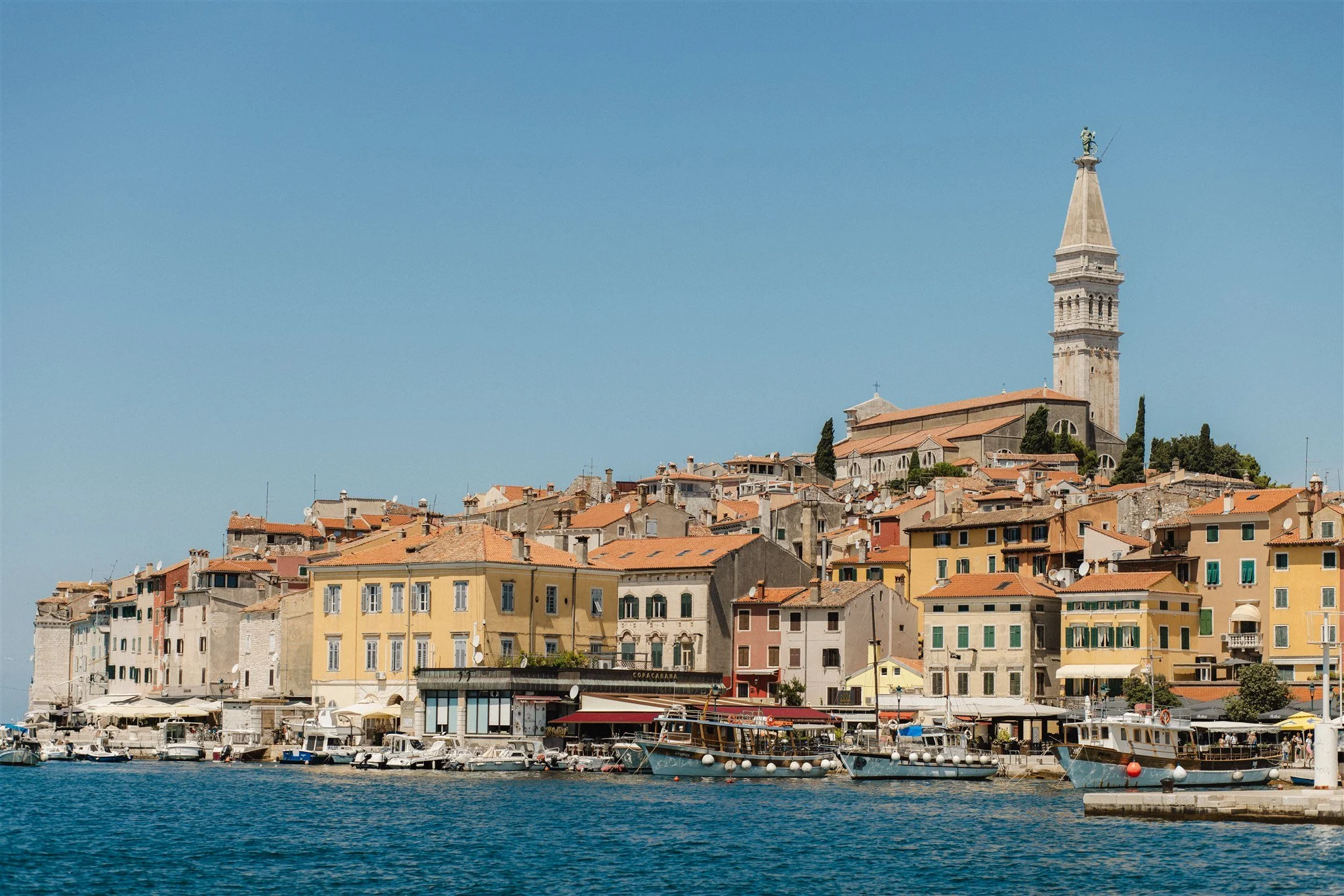
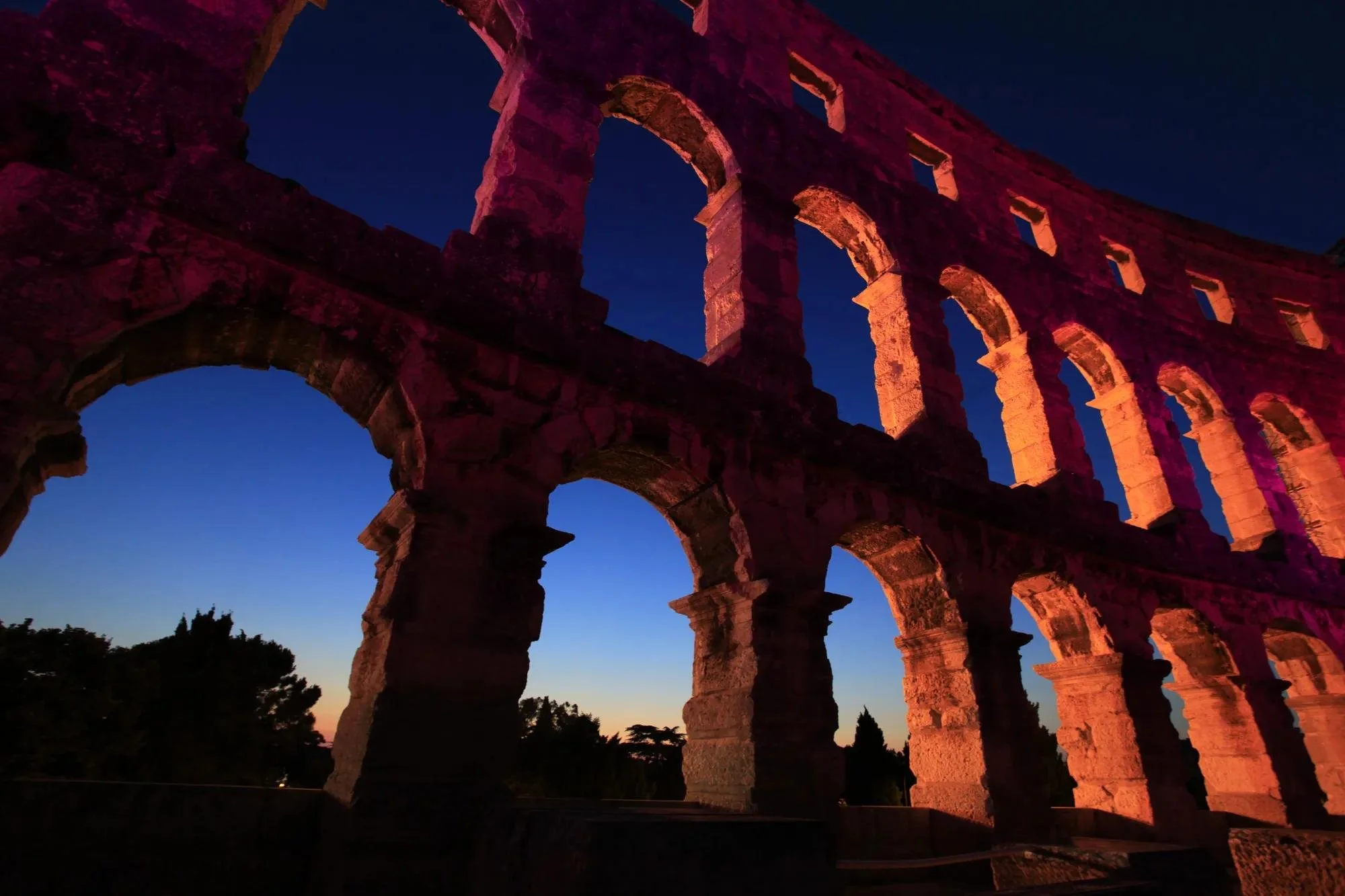
Rovinj brings the coast into sharper focus, with lanes climbing toward the Church of St. Euphemia and openings between buildings revealing the sea. Pula offers a different historical scale through its Roman amphitheater and surviving ancient monuments. Choosing one town at a time leaves room to enjoy it before returning to the estate.
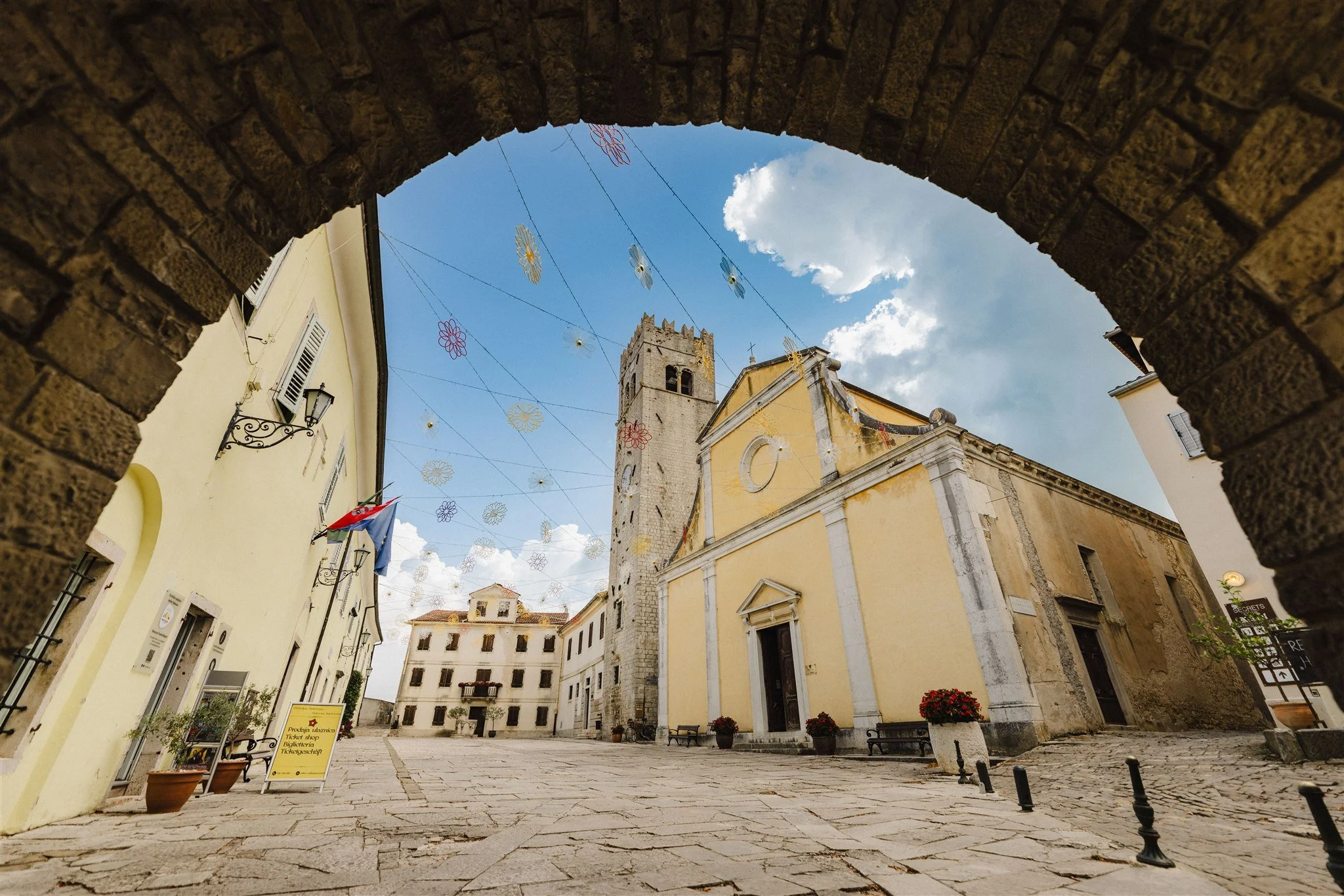
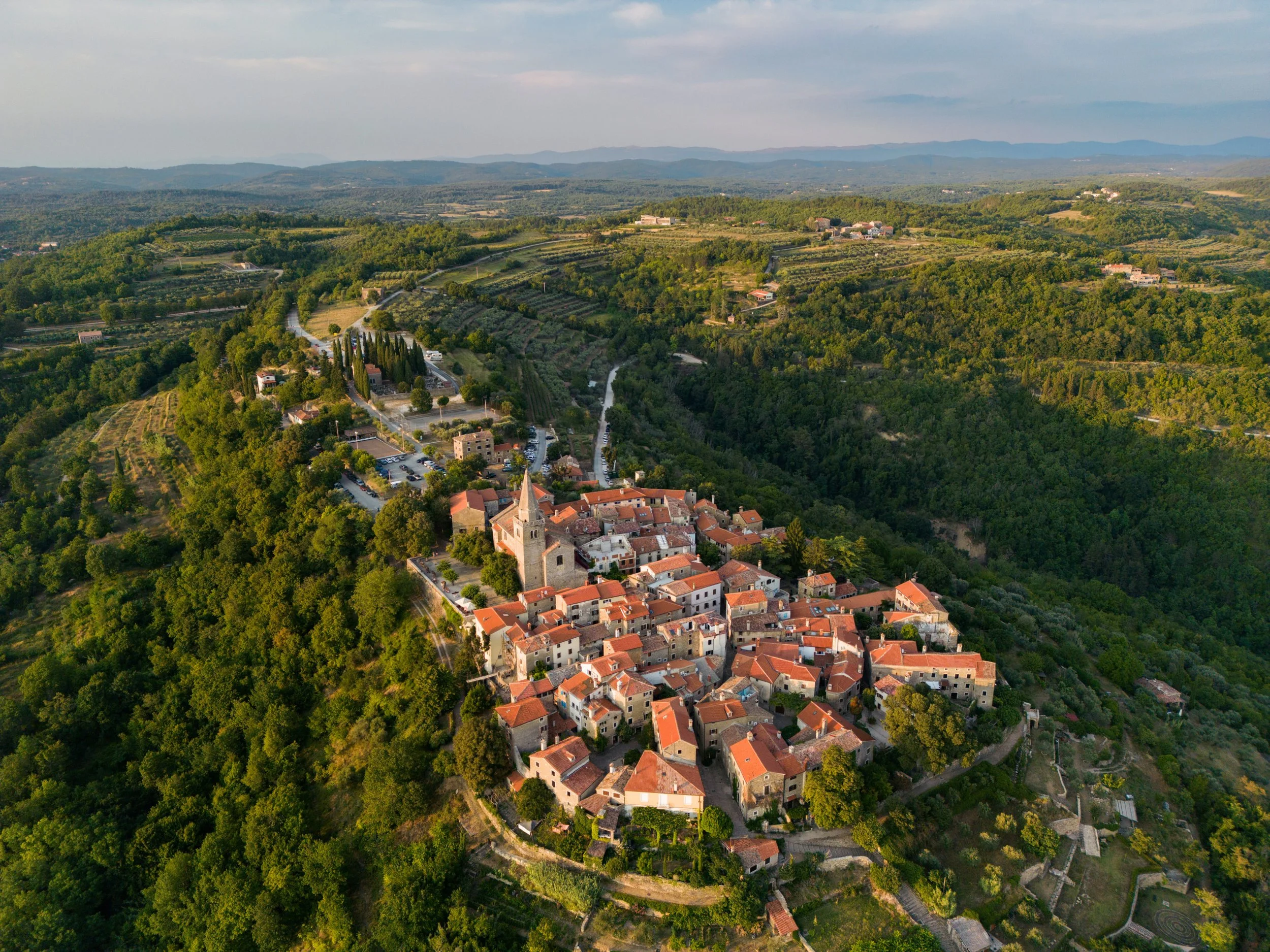
Farther inland, Motovun and Grožnjan introduce hilltop settlements, valley views and an artistic tradition. Truffle hunting belongs to the forested interior and is best arranged with a local specialist around the relevant season. For a day on the water, the Brijuni archipelago offers another perspective on Istria, while Cape Kamenjak combines coastal paths and coves. Boat trips and outdoor excursions require suitable weather and advance arrangements.
The Final Turn Is Through Bale
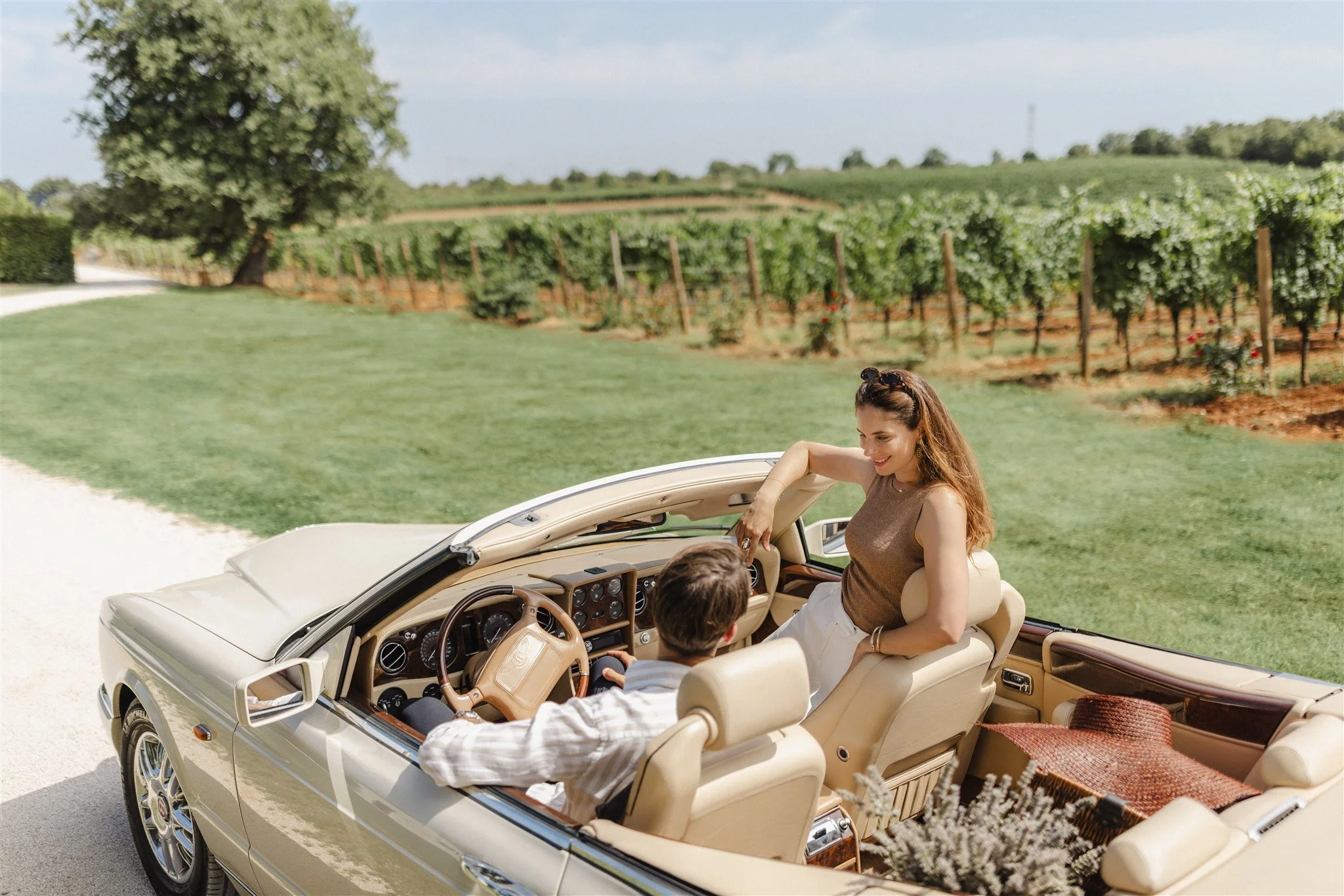
A car or arranged transfer is the most straightforward way to reach the estate and explore beyond it. Allow extra time in busy travel periods, and confirm the exact pickup point when booking a driver.
Pula: The closest practical arrival gateway, with a road transfer of roughly 30 minutes from the Pula area; confirm the airport-specific quotation and journey time with the hotel.
Trieste: Allow approximately 1 hour 40 minutes from the city under favorable conditions, with additional time needed for an airport pickup and possible traffic.
Ljubljana: The hotel estimates approximately 2 hours 15 minutes by road from the city, making it a possible connection for a wider Slovenia and Istria itinerary.
Venice: Allow approximately 2 hours 45 minutes from the Venice area in favorable conditions, with the precise journey depending on the departure point and traffic.
Final approach: Follow the hotel’s recommended route through Bale from the E751, rather than a navigation suggestion through Barbariga, where the property warns of a poor unpaved road.
What Remains After the Tasting
Meneghetti’s strongest quality is the relationship between its parts: the vineyard outside, the wine poured at dinner, the garden behind the ingredients and the stone buildings that connect the present estate with its earlier life. The range of accommodation allows that experience to be intimate or shared, with a private garden or pool changing the pace of each day.
A stay works best with enough freedom to follow those connections. Spend a morning beyond the gates, return for a tasting, and leave the next afternoon open. Istria provides plenty to discover; Meneghetti gives the return journey a place in the pleasure of the trip.