Rapa Nui (Easter Island), Chile | Explora Rapa Nui
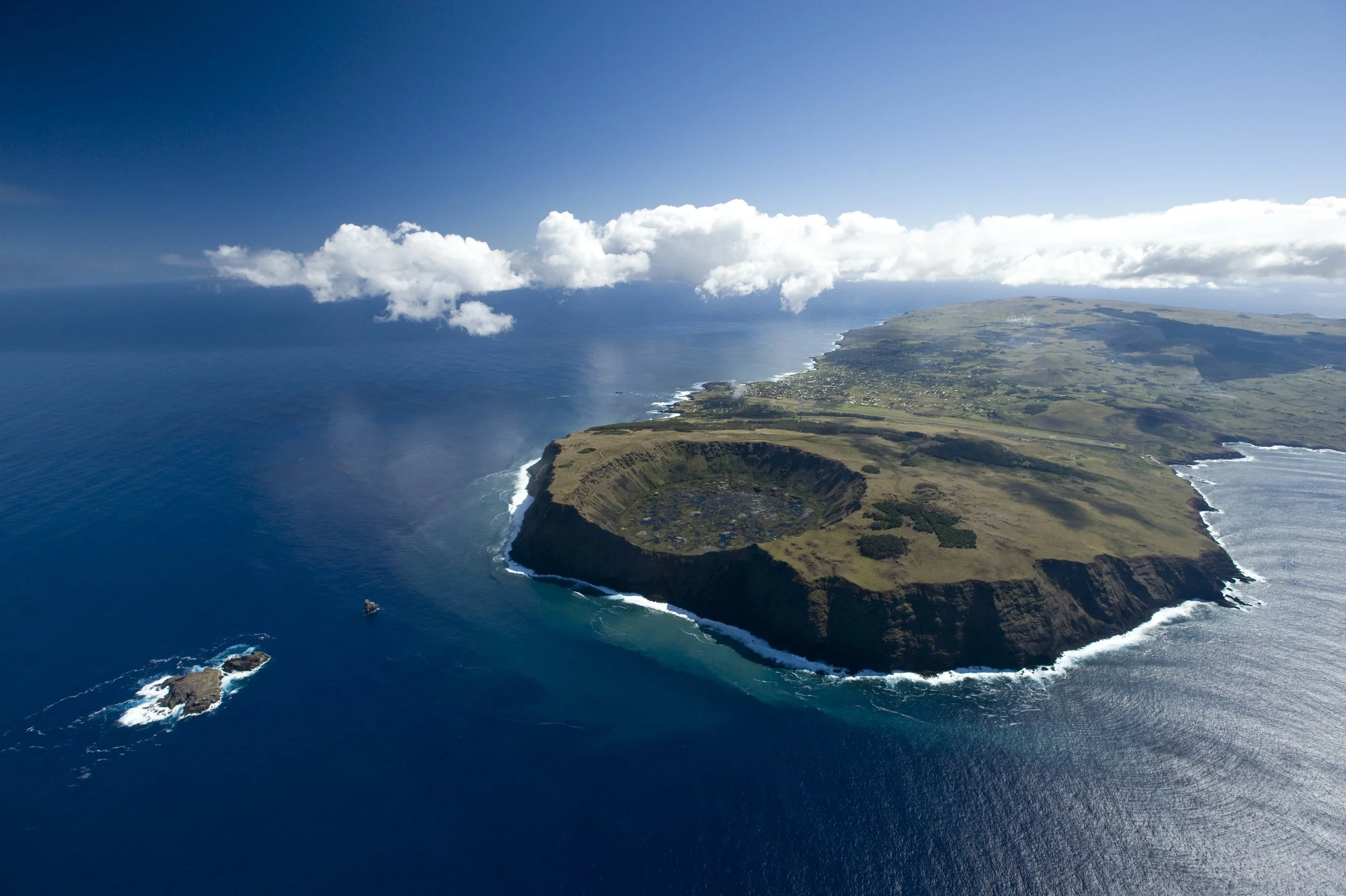
An Island Beyond the Horizon
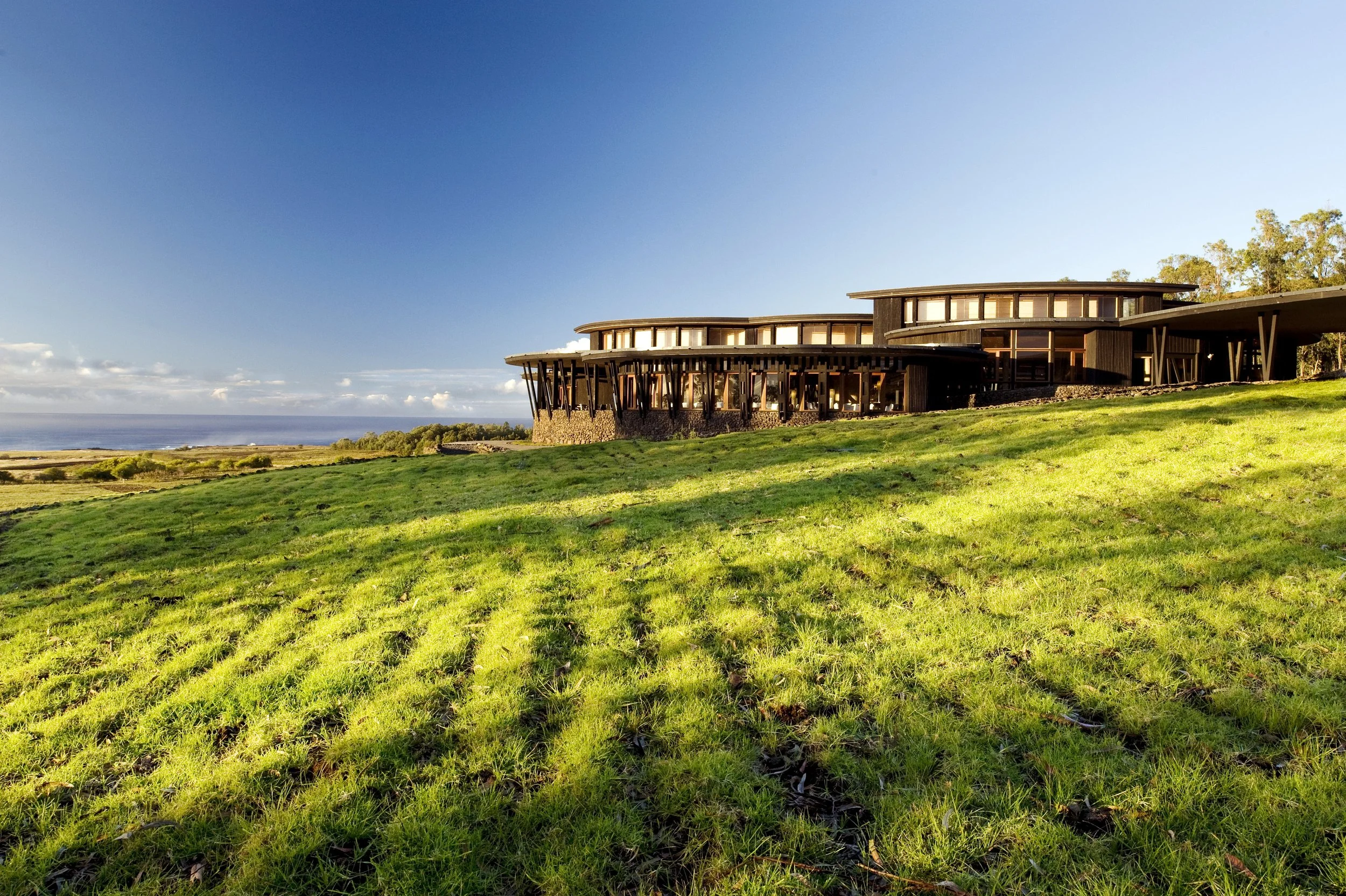
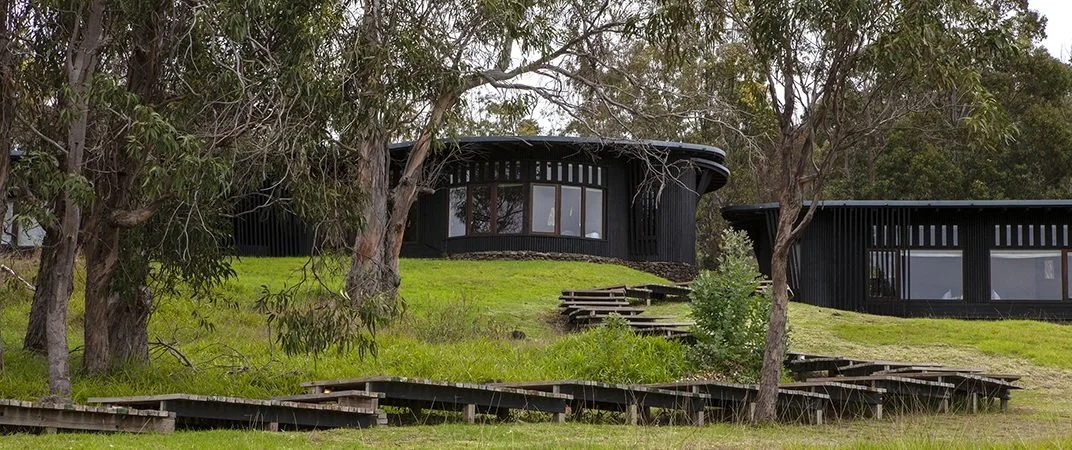
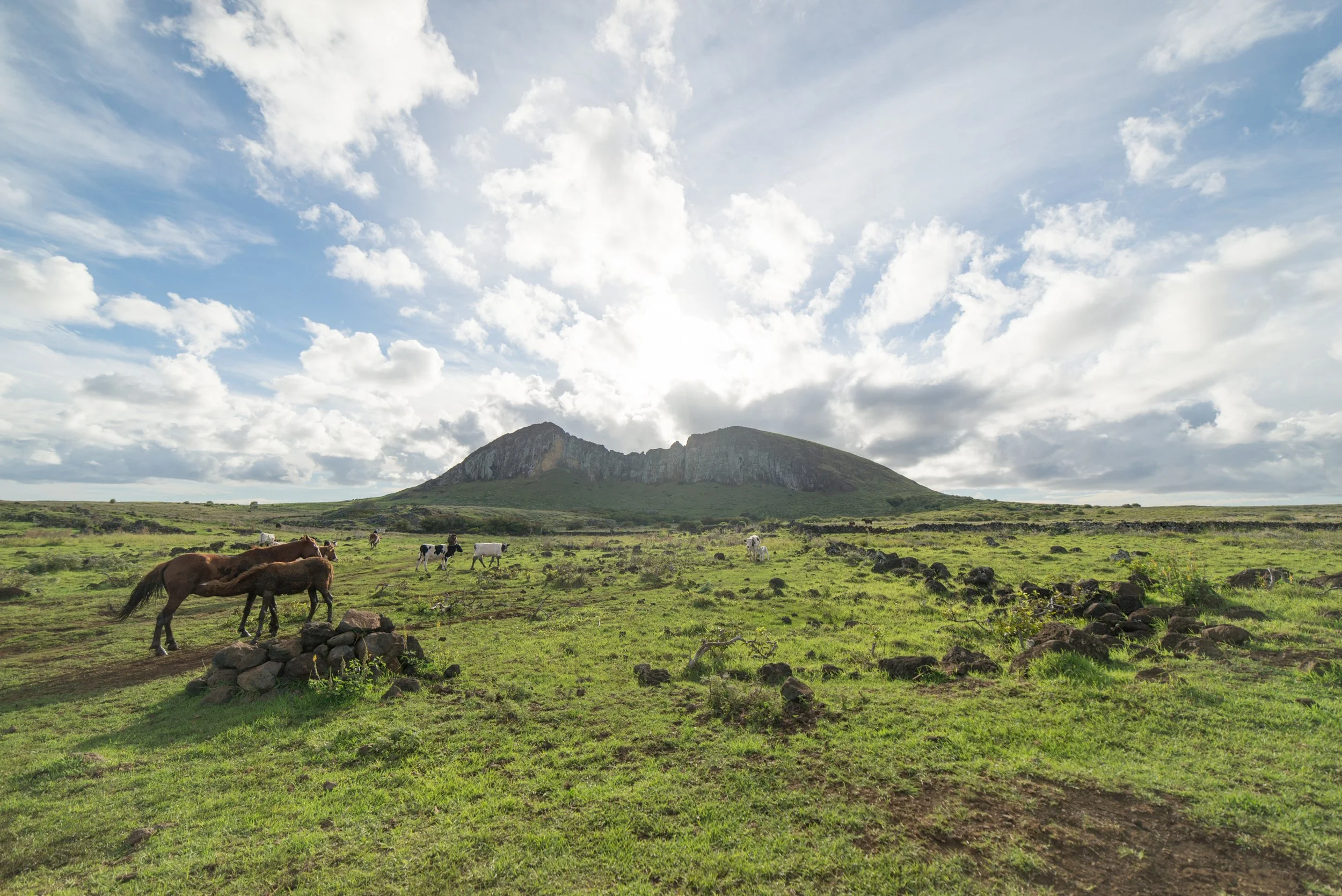
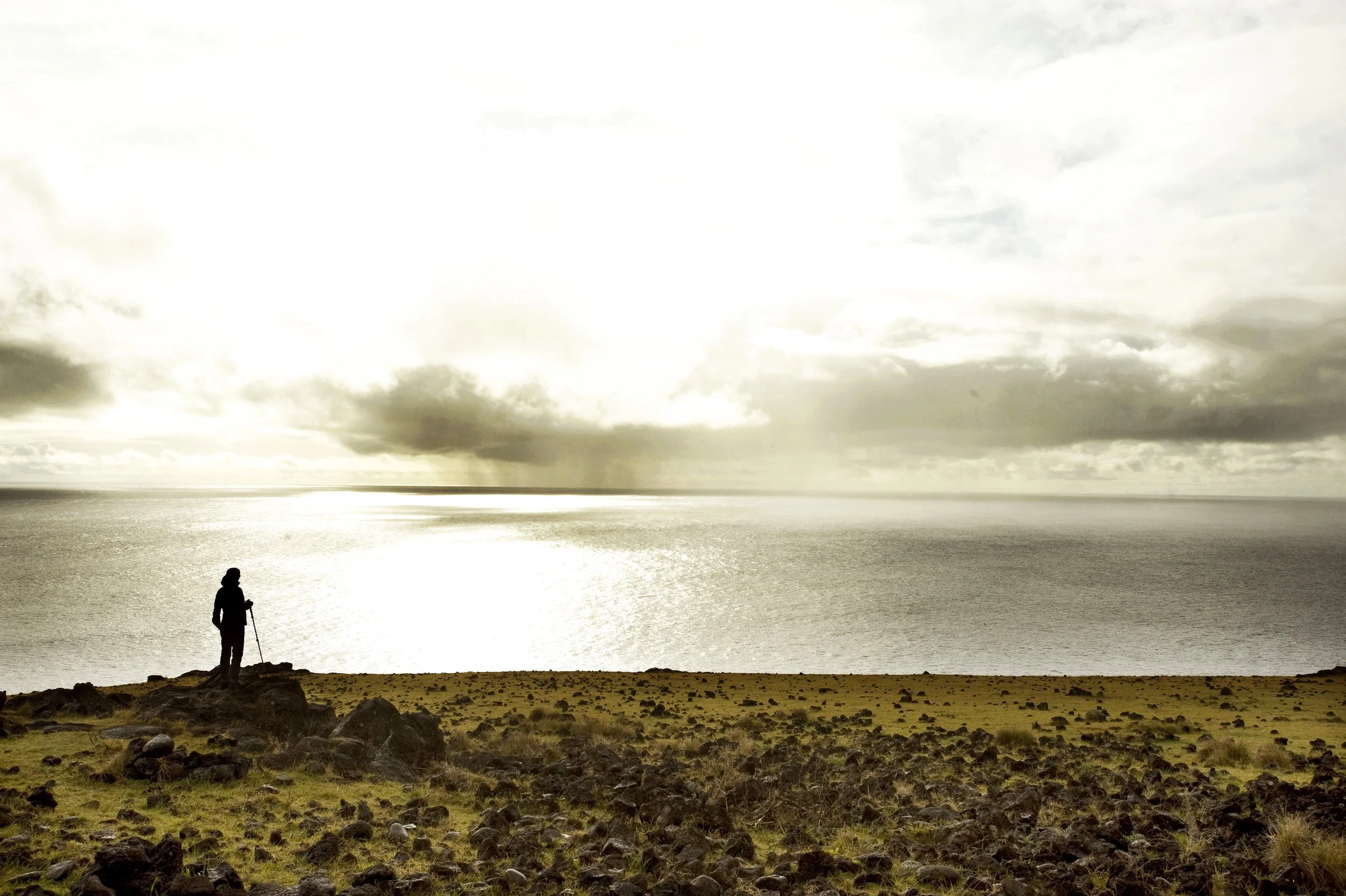
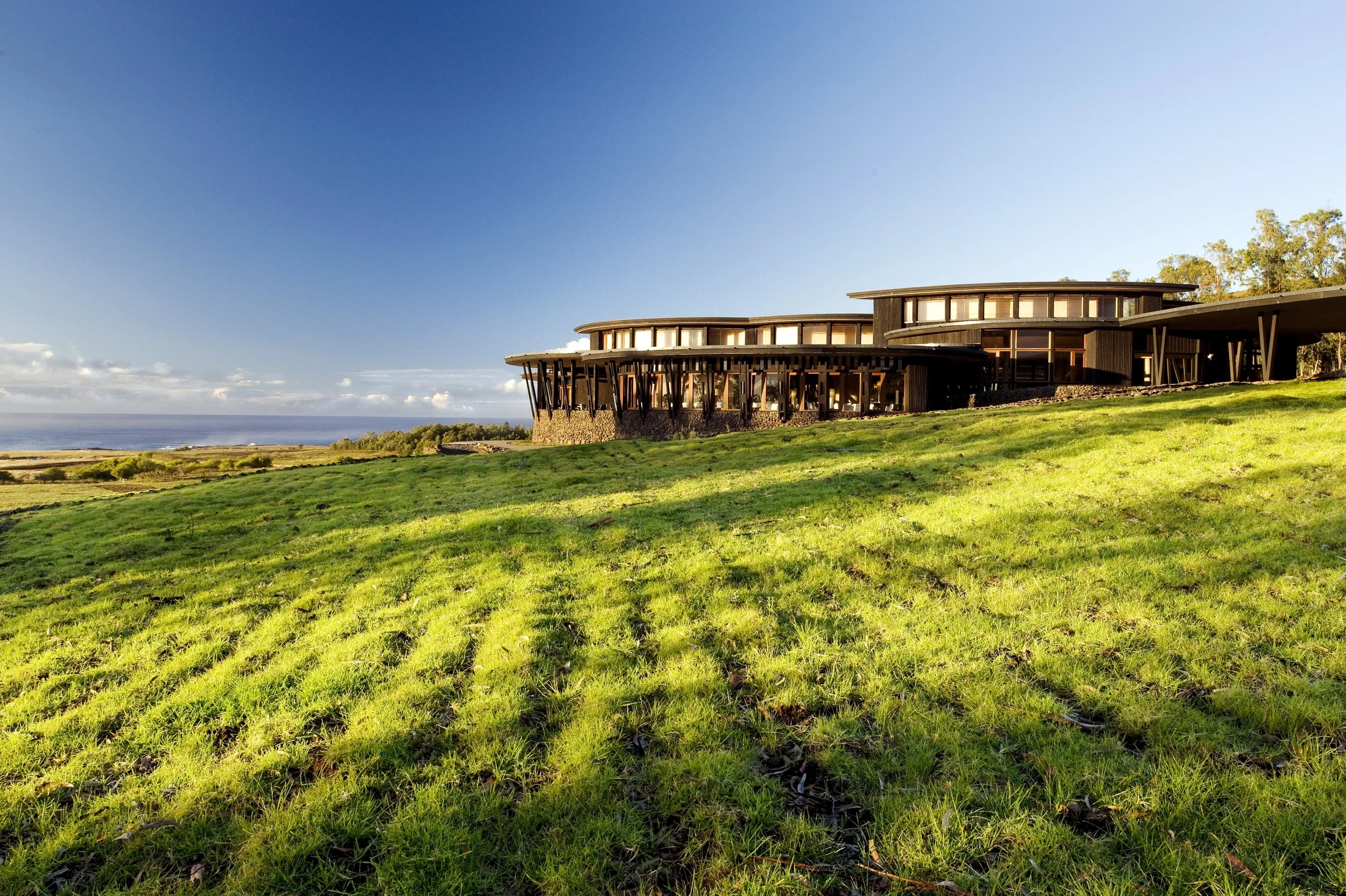
At Explora Rapa Nui, the view begins with grass and ends with the Pacific. Low buildings follow the open landscape outside Hanga Roa, giving the sea and sky room to dominate. There is no busy resort frontage or procession of beach loungers. The setting suits a different kind of island journey: days spent walking volcanic ground, listening to local history and returning with a clearer sense of where you are.
Rapa Nui lies roughly 2,300 miles west of continental Chile, yet its cultural identity is Polynesian. That distinction shapes a visit far more than the distance on a flight map. Explora’s appeal is the way it organizes time here. Accommodation, meals, national park entry and a substantial guided exploration program come together in one stay, leaving more attention for the island itself. For travelers who want both thoughtful interpretation and a comfortable place to recover between outings, the approach makes particular sense.
A Lodge Built Around Exploration
The property opened in December 2007 as Posada de Mike Rapu, extending an approach Explora had established in Patagonia in 1993: a lodge as a base for understanding a destination through time outdoors. Its present name places it within the wider Explora collection, but the island remains the organizing idea.
That history helps explain why an evening conversation with a guide matters as much as the room assignment. The next day takes shape around interests, energy and conditions, rather than a fixed sequence of sightseeing stops. Four or five nights allow this rhythm to develop. A shorter stay can introduce the principal sites, but it leaves fewer opportunities to follow an unexpected interest, revisit a landscape in different light or balance a demanding walk with an easier day.
The lodge is best approached with curiosity about a living community. Rapa Nui’s monuments belong to an enduring culture, and contemporary island life deserves attention alongside the archaeological record.
Timber, Stone and Long Views
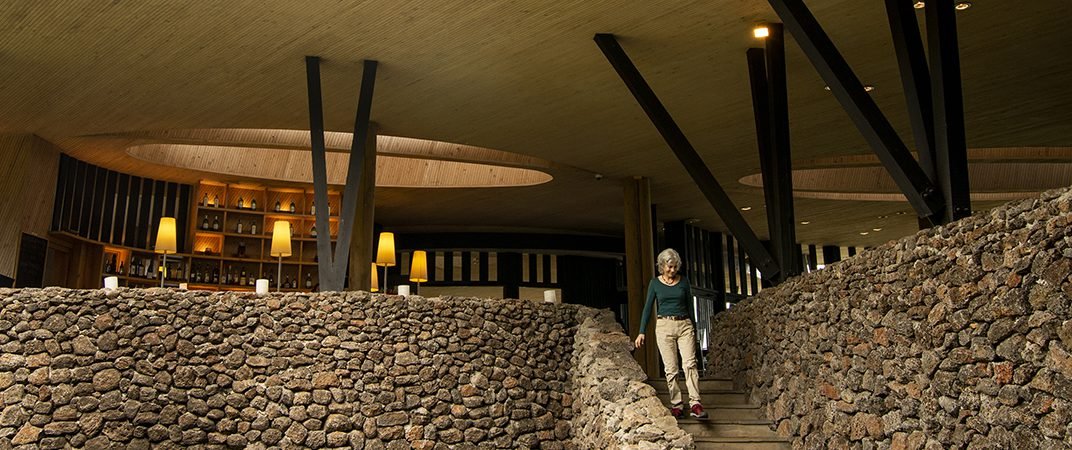
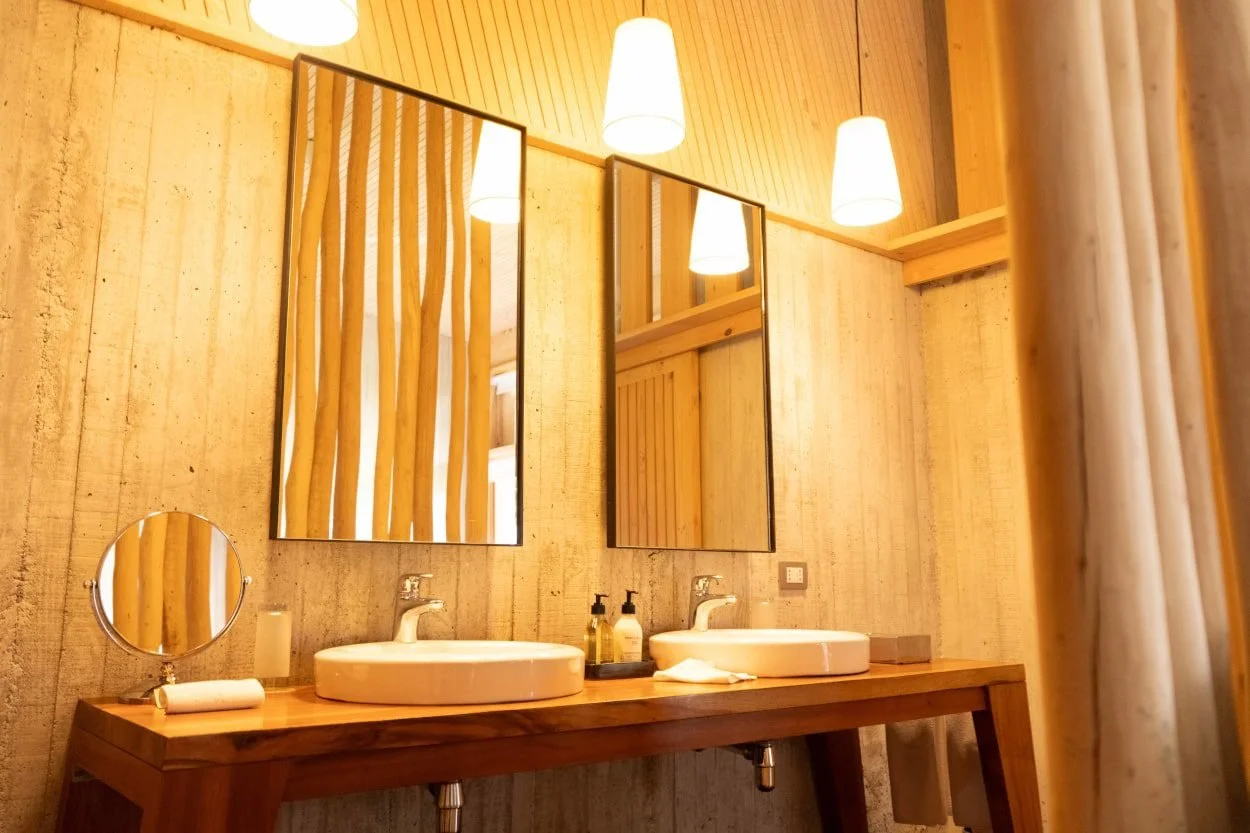
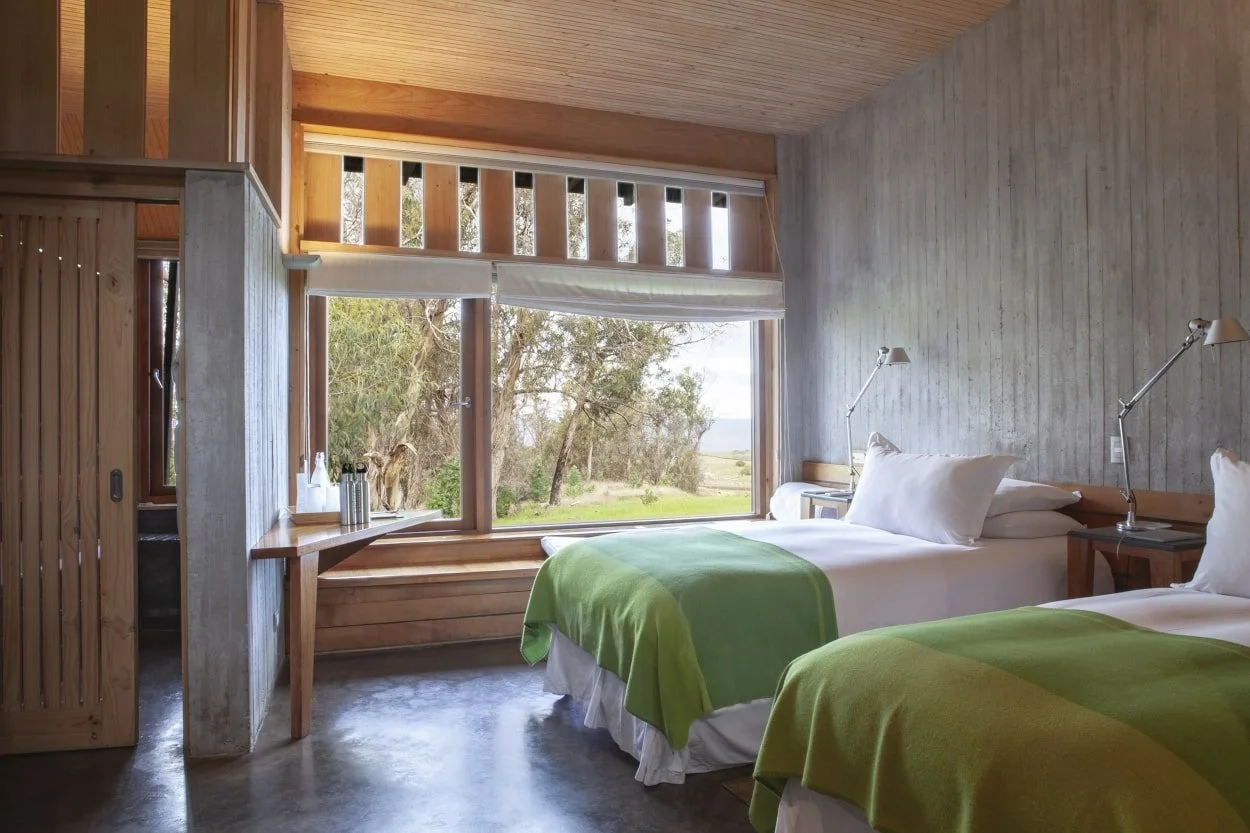
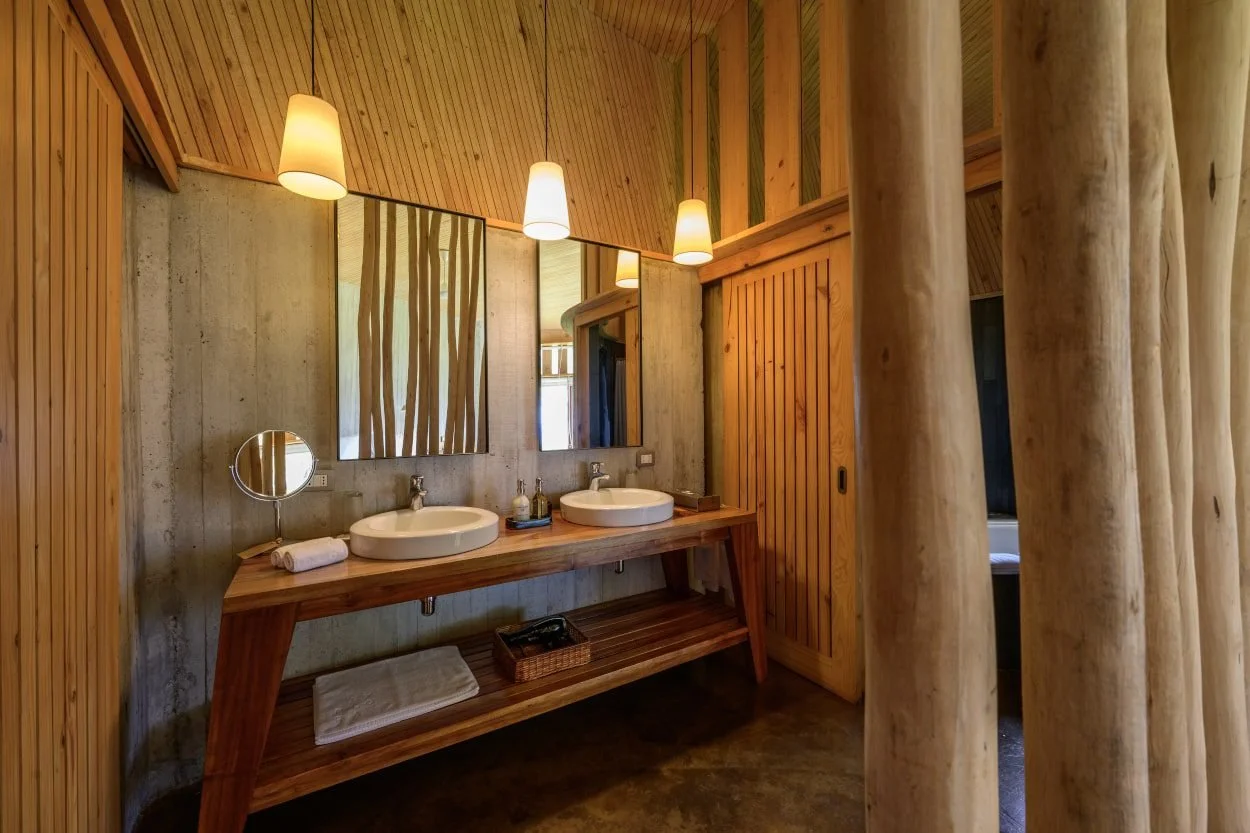
Chilean architect José Cruz Ovalle designed the lodge as a series of connected volumes that respond to the terrain. Timber gives the interiors warmth, while stone anchors the buildings to the ground. The architecture’s interest comes through its changing proportions, angled surfaces and relationship with daylight, rather than ornamental excess.
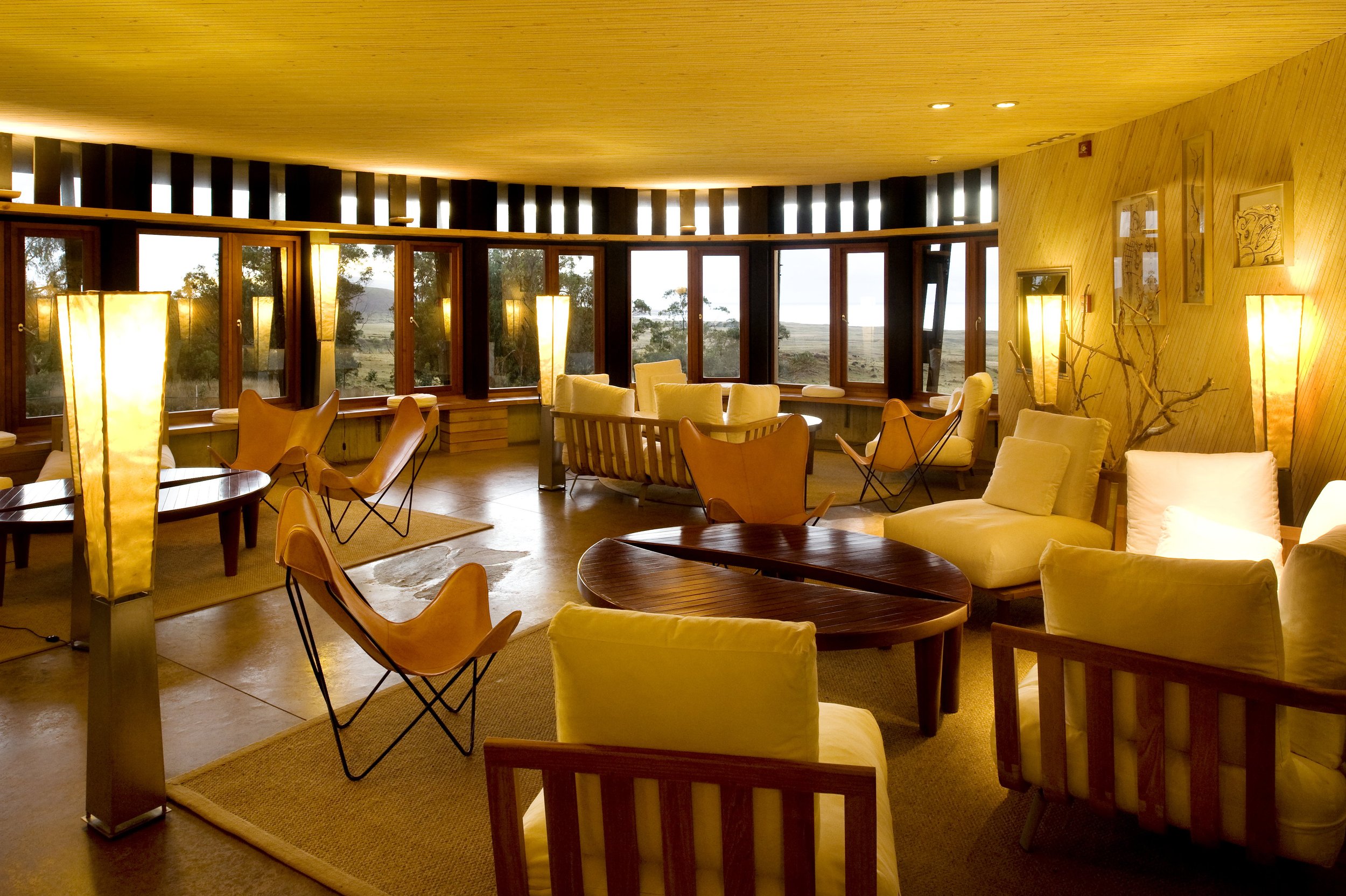
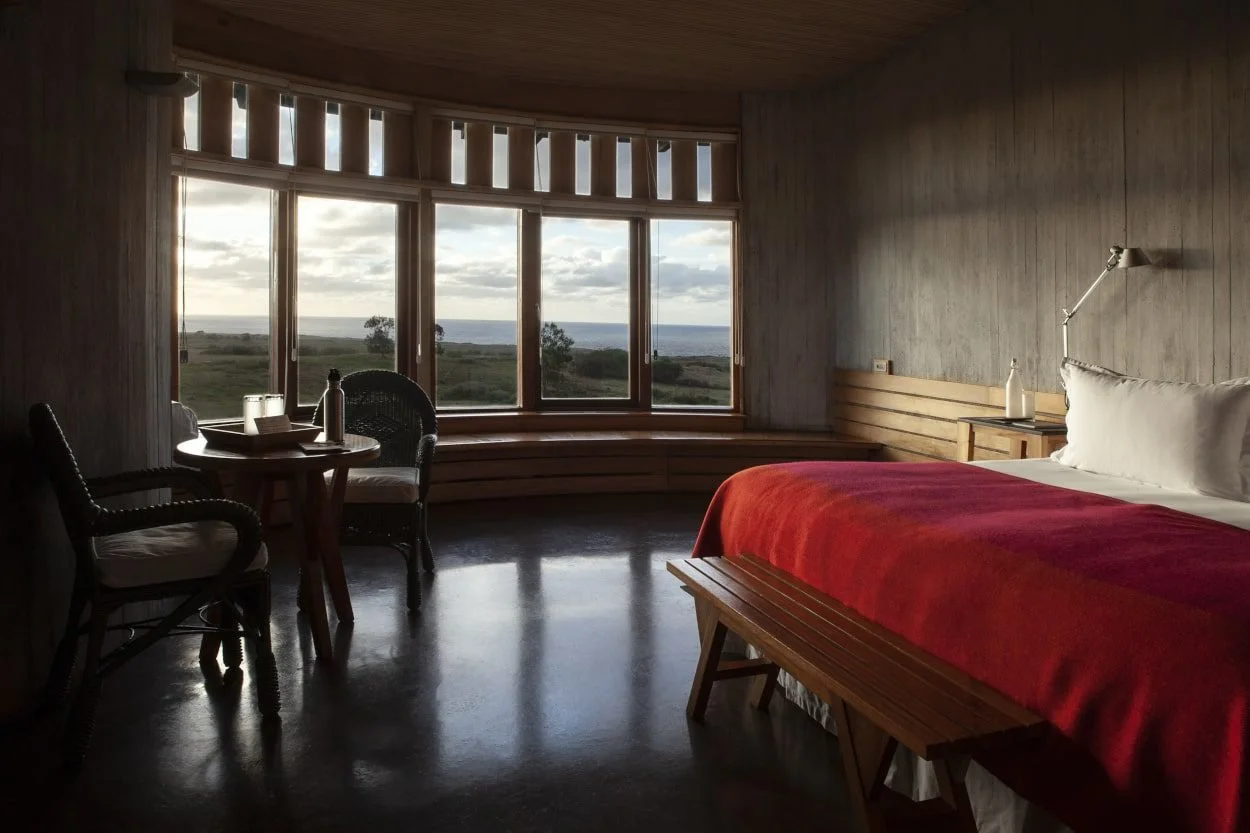
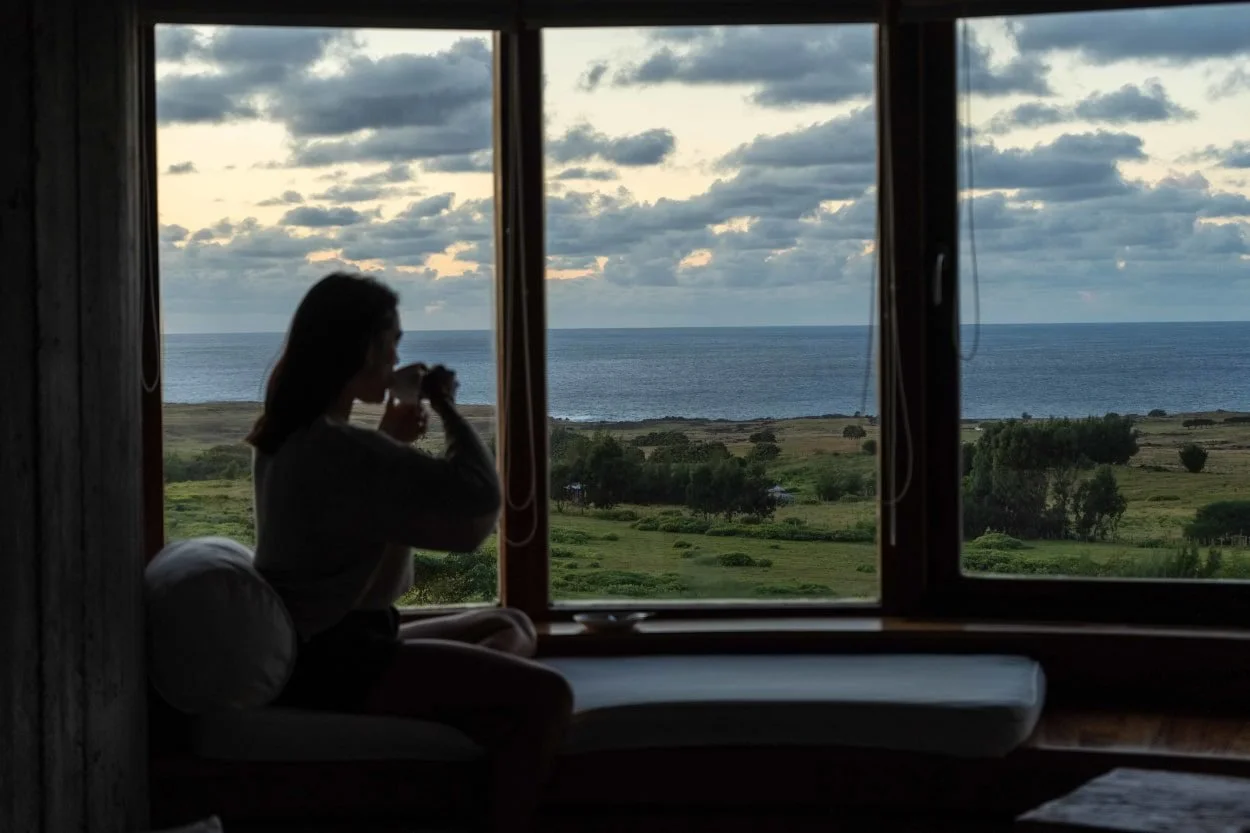
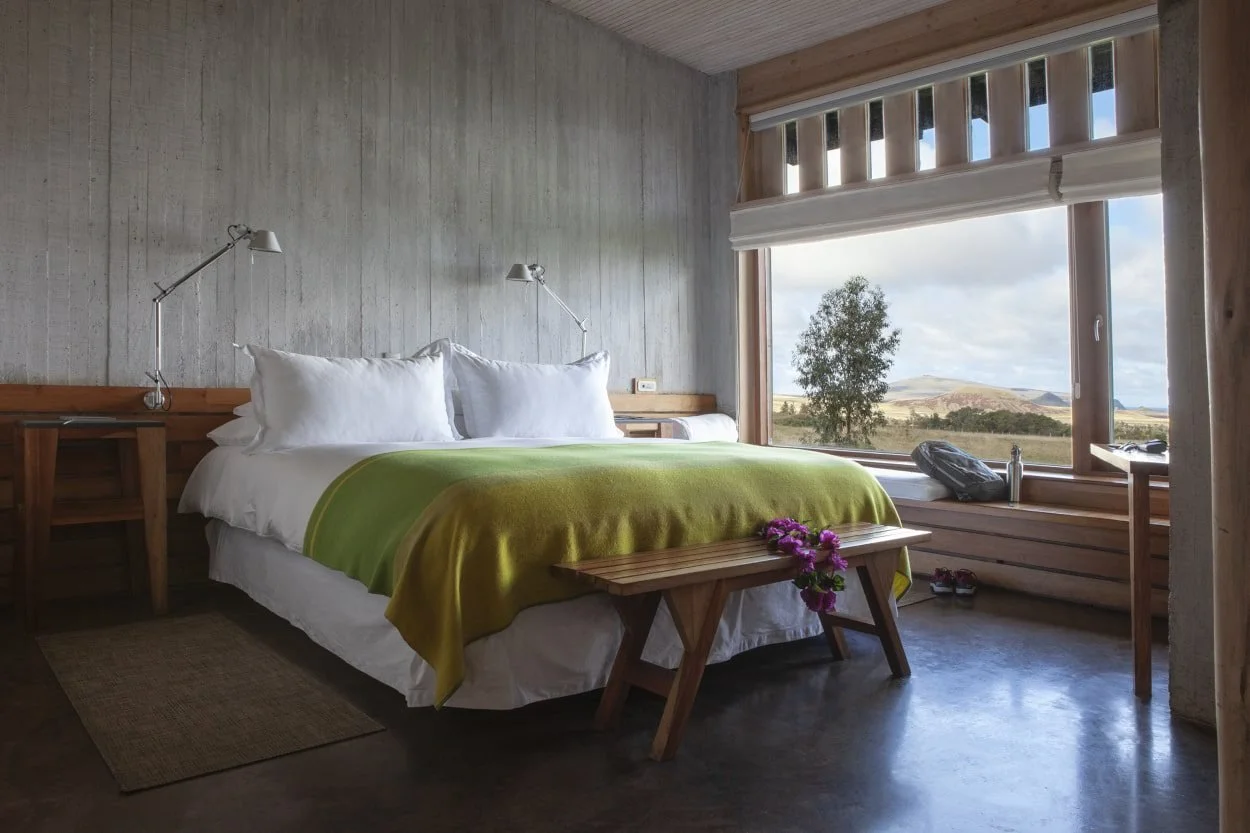
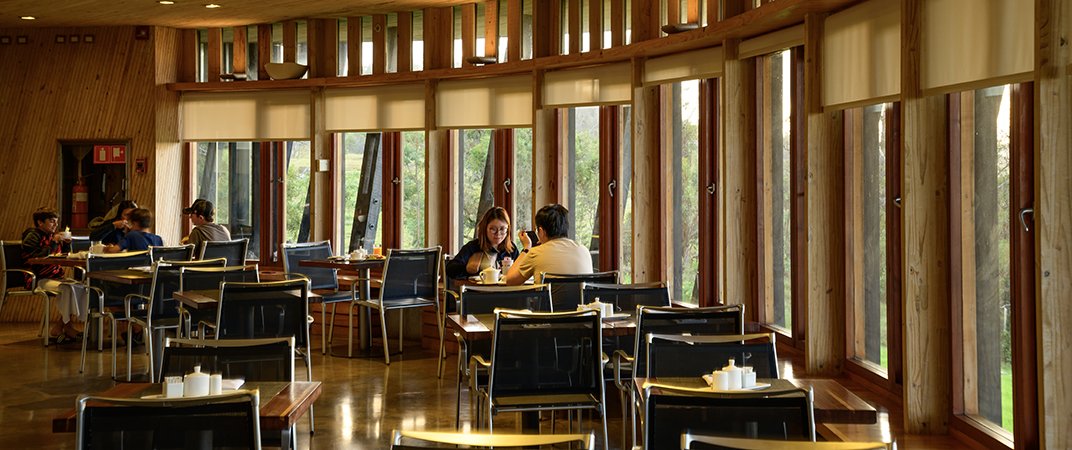
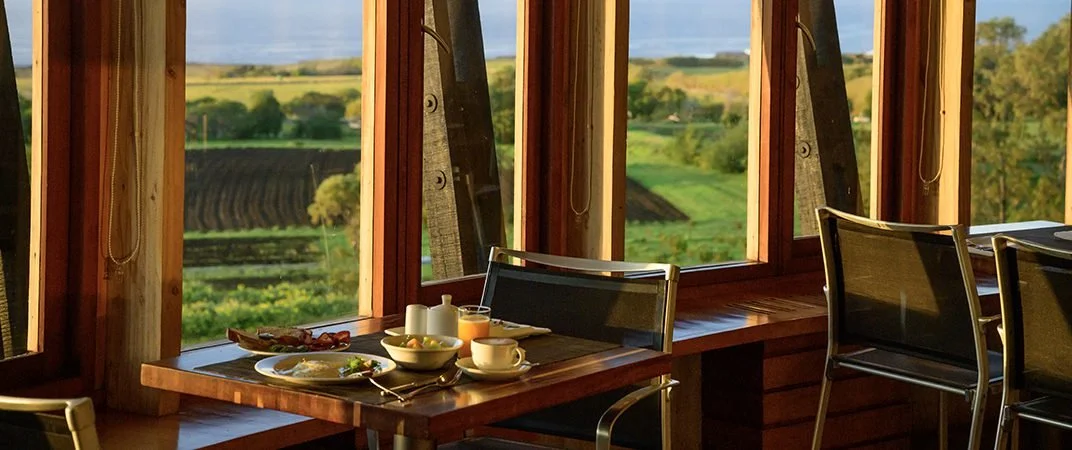
Large windows draw the eye across grassland toward the ocean. Inside, shared spaces retain a human scale: places to sit, talk over the day’s discoveries and watch the weather move across the landscape. The building offers shelter without shutting the island out.
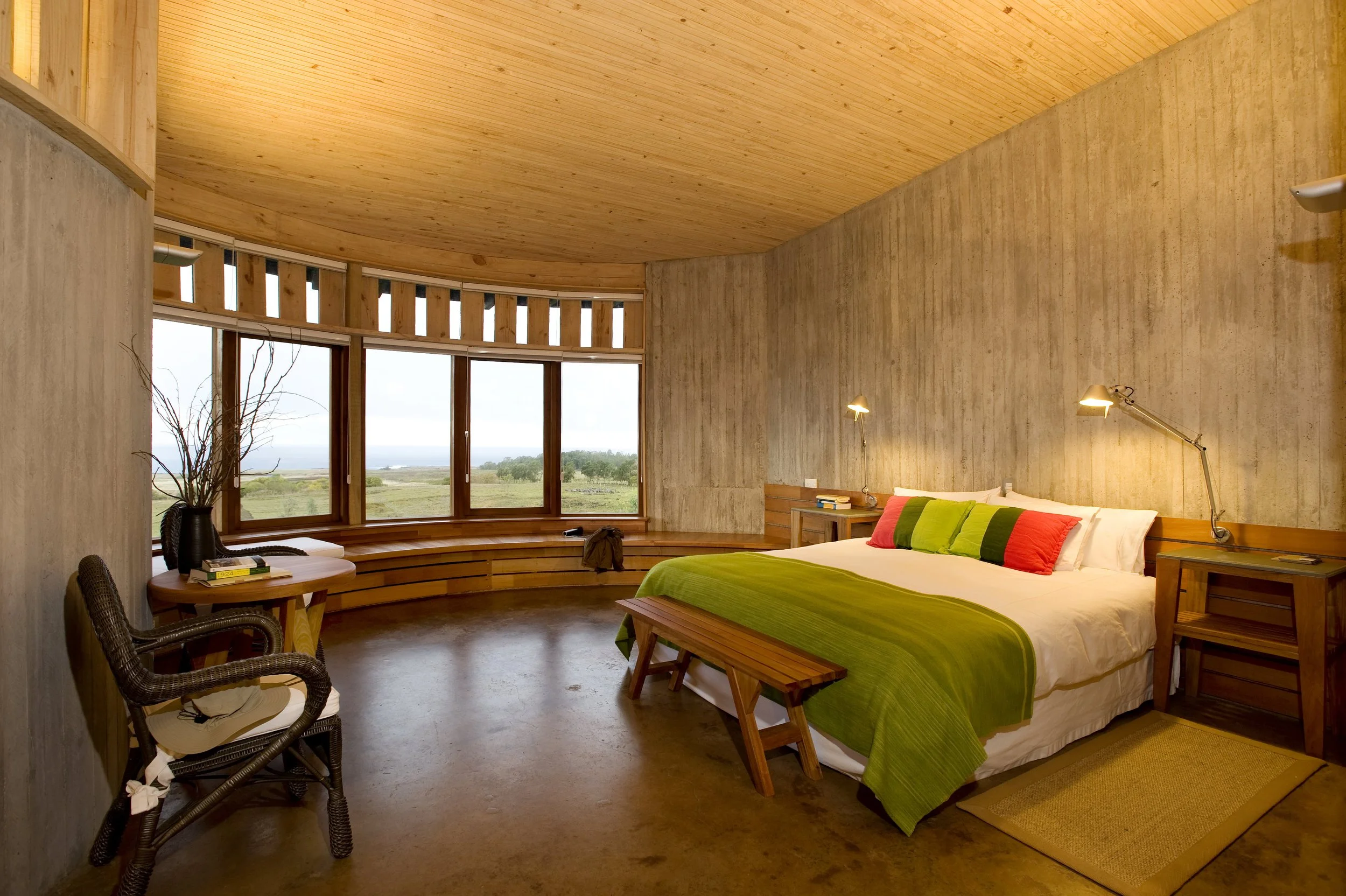
Its most persuasive design feature is continuity. Wood, light and the distant horizon recur as you move from communal rooms to private accommodation. The effect is restrained and restful after hours outdoors. Travelers seeking an elaborate decorative scheme or a major hotel art collection should understand that the architectural experience here rests principally on form, materials and setting.
Thirty Rooms, Two Considered Choices
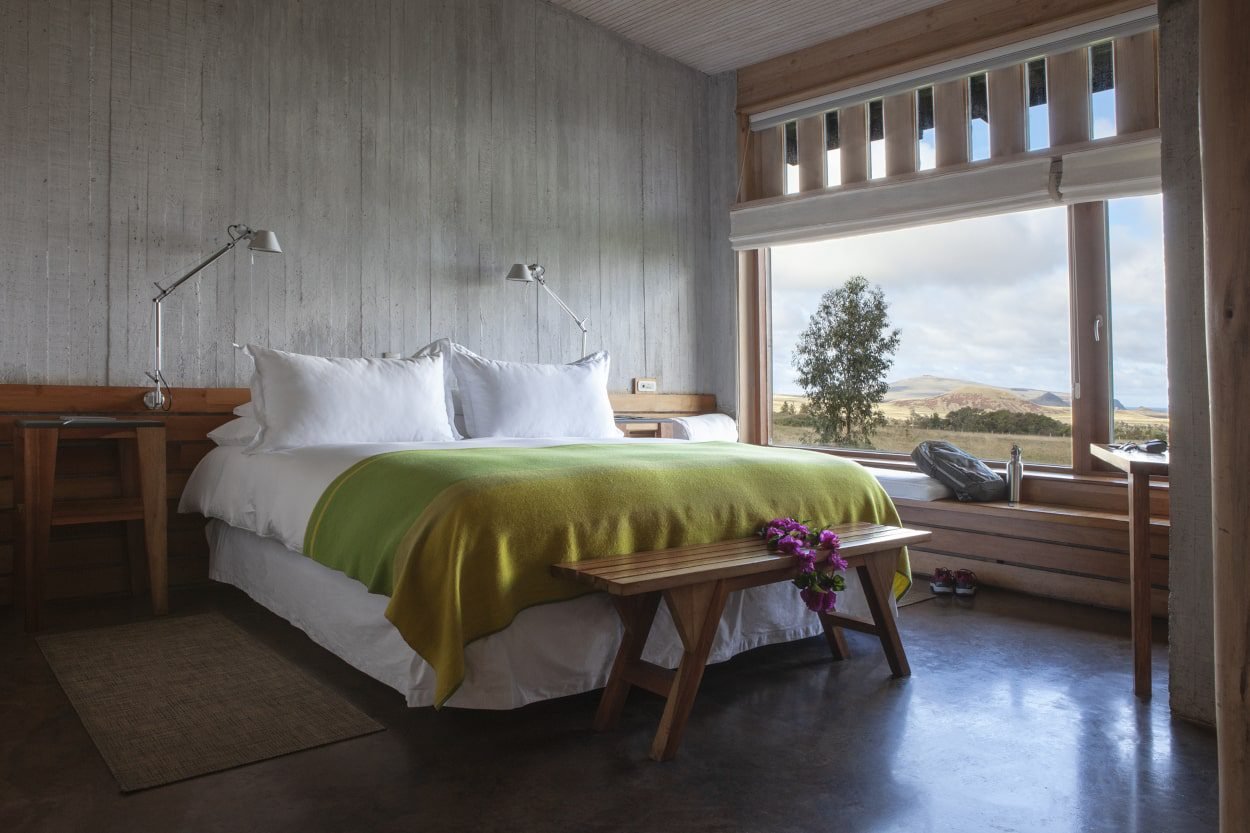
Explora Rapa Nui has 26 Varúa Rooms and four Raa Suites. The choice is straightforward: both categories offer the essentials for an active stay, while the suite adds useful floor space. Garden and ocean views are advertised across the accommodation; the precise outlook depends on the room’s position.
Varúa Room: Approximately 345 square feet, or 32 square meters, with a king bed or twin beds, garden and ocean outlooks, air conditioning, heating and a jetted bathtub; a crib may be requested, making this the practical base for couples and traveling companions.
Raa Suite: Approximately 474 square feet, or 44 square meters, with a king bed or twin beds, garden and ocean outlooks, air conditioning, heating and a jetted bathtub, plus space for a child’s extra bed or crib on request and subject to availability.
The larger category is especially relevant for families considering shared accommodation. Neither room description should be read as a promise of a separate bedroom, a private pool or direct beach access. The pleasure is simpler: a comfortable retreat with enough separation from the day’s activity to rest properly before setting out again.
Island Ingredients at the Table
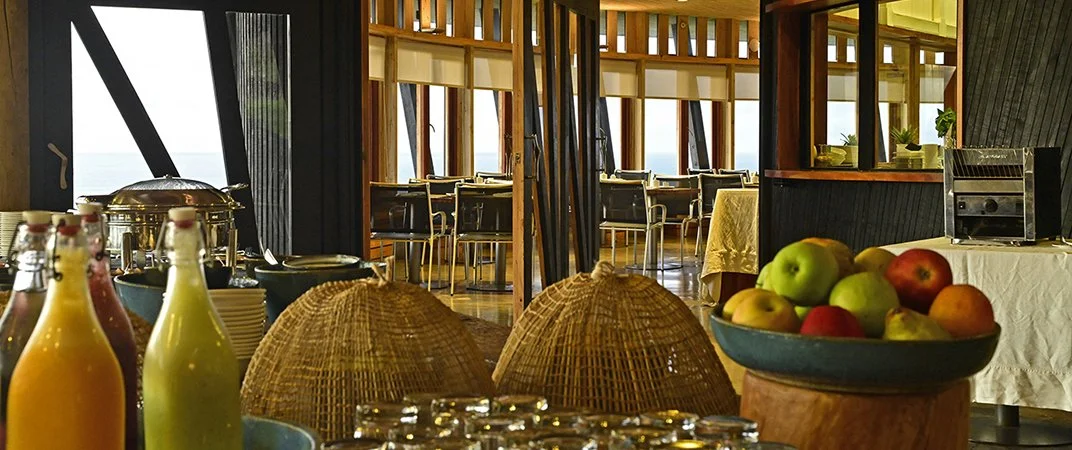
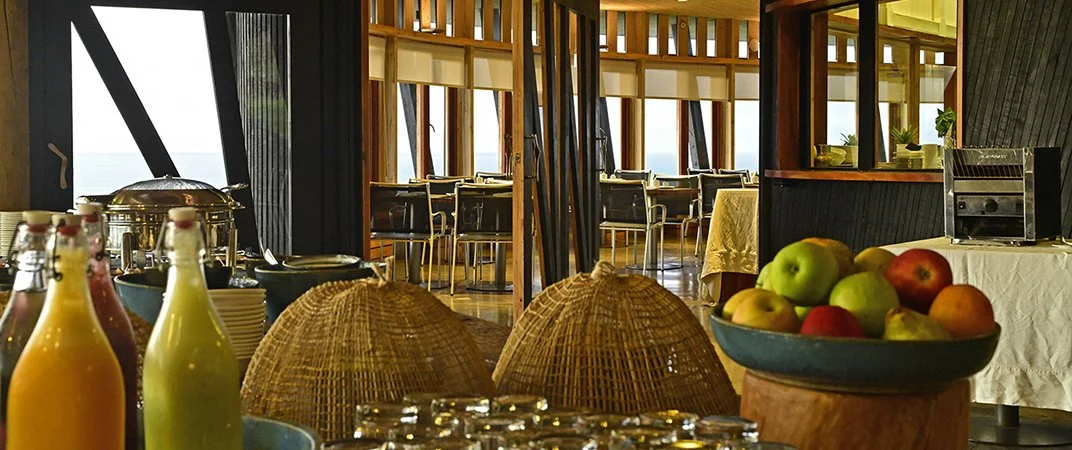
Dining follows the pace of exploration, with breakfast before departure, lunch at the lodge or out on a full-day route, and dinner after the return. The kitchen’s published approach draws on island produce and Pacific seafood, including ingredients such as sweet potato, taro and pineapple. Menus respond to availability, an appropriate consideration in a place so far from mainland supply chains.
Dining Room: The lodge’s main restaurant serves breakfast, lunch and dinner, with meals built around the needs of active days and flavors connected to the island; the dining experience belongs to the inclusive stay rather than a collection of separately booked restaurants.
Explorer’s Bar: A sociable place for Chilean wine, an evening drink and conversations with guides about the next day, with the regular beverage selection included in the program and a separate premium wine selection whose pricing should be confirmed.
Dietary requirements are best discussed before arrival. Standard programs include meals and drinks, but the departure-day lunch has separate terms and is listed as an additional charge. That small distinction is useful when a flight schedule leaves time at the lodge.
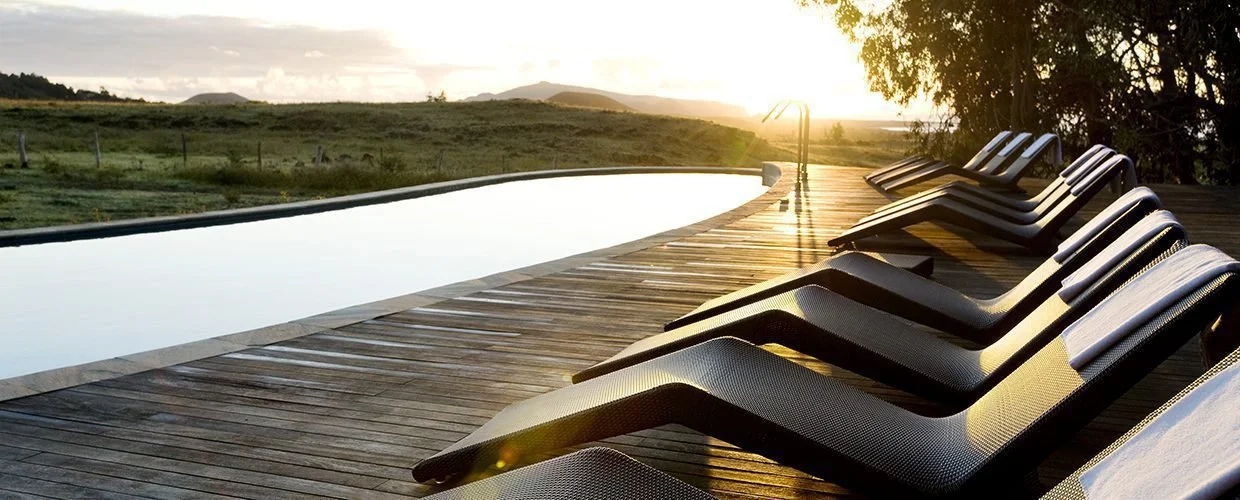
A Quiet Pause at Hare Vaka
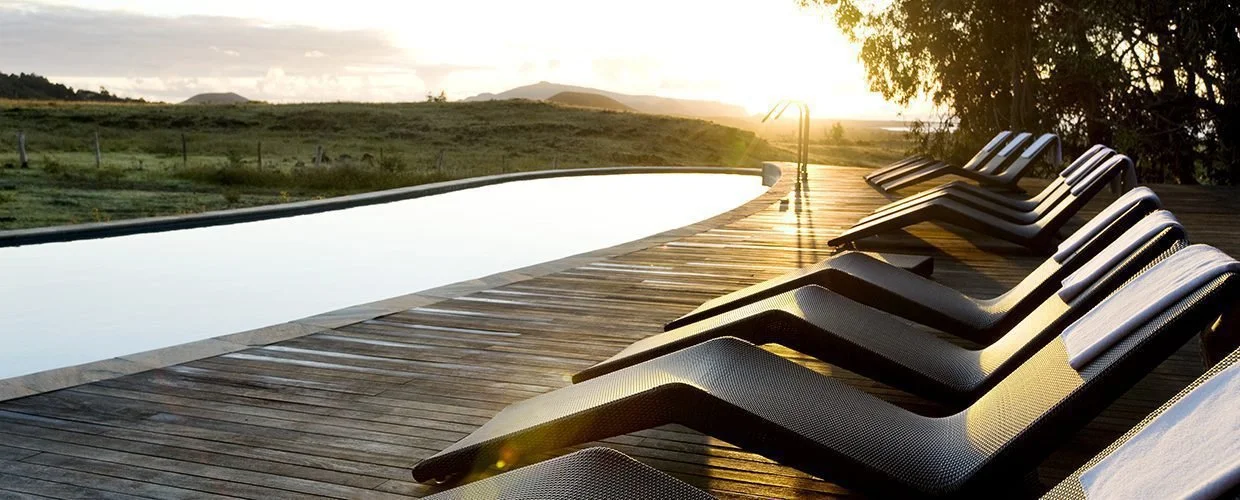
Hare Vaka provides the counterpoint to a full day on foot or by bicycle. The spa facilities include an outdoor pool, hot tub and sauna, with massages and body treatments available at an additional charge. Access to the facilities is included in the lodge’s standard program; treatments should be booked and priced separately.
The most satisfying use of this part of the property may be deliberately modest: a swim, time in warm water and an unhurried interval before dinner. Build that pause into the itinerary rather than treating every free hour as another opportunity to add an excursion. A demanding coastal walk followed by a quieter afternoon can make a longer stay feel balanced.
Anyone traveling with children should confirm current pool and spa supervision requirements directly. The published descriptions do not provide enough detail to assume that every facility or treatment is appropriate for every age.
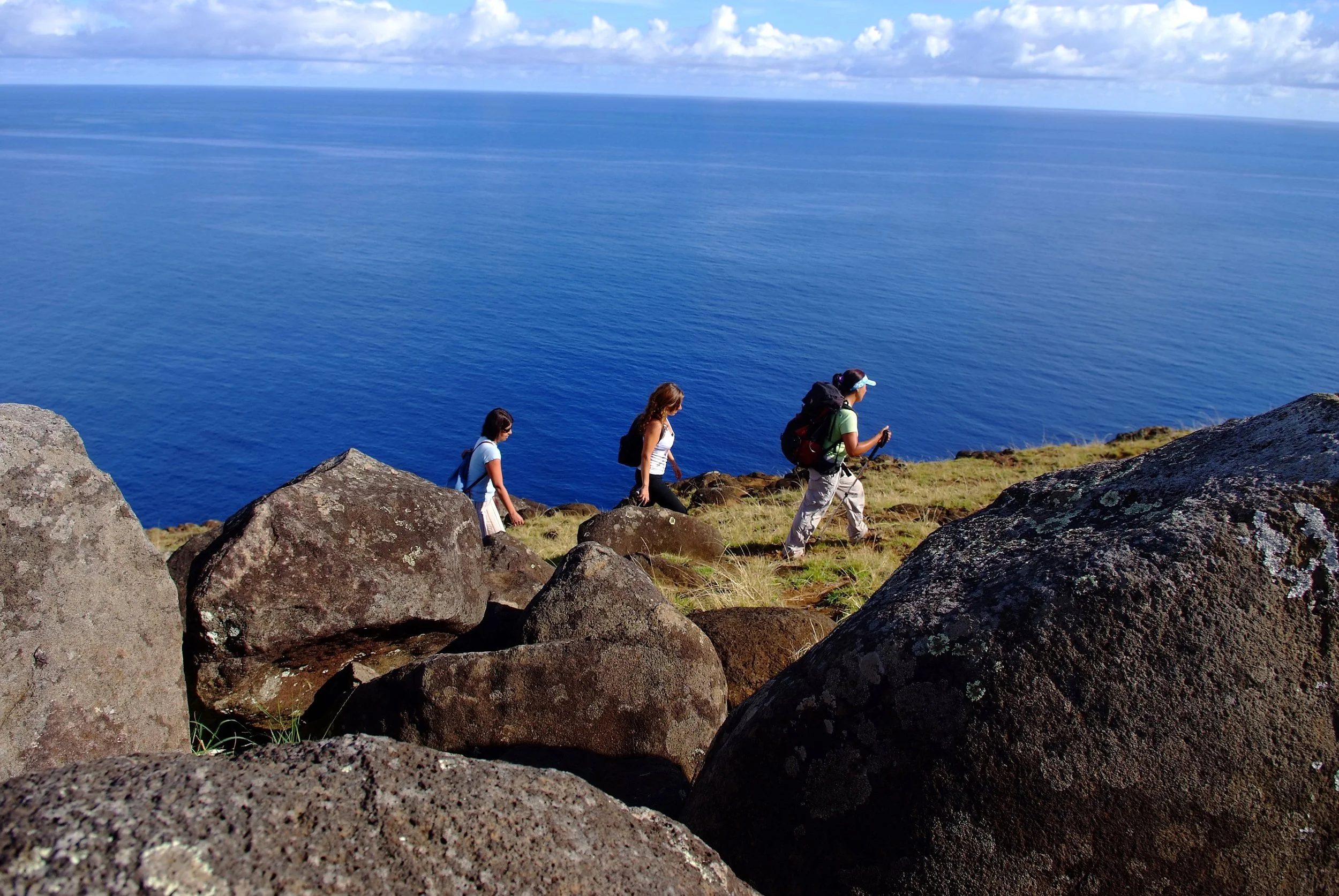
Reading the Island on Foot and from the Water
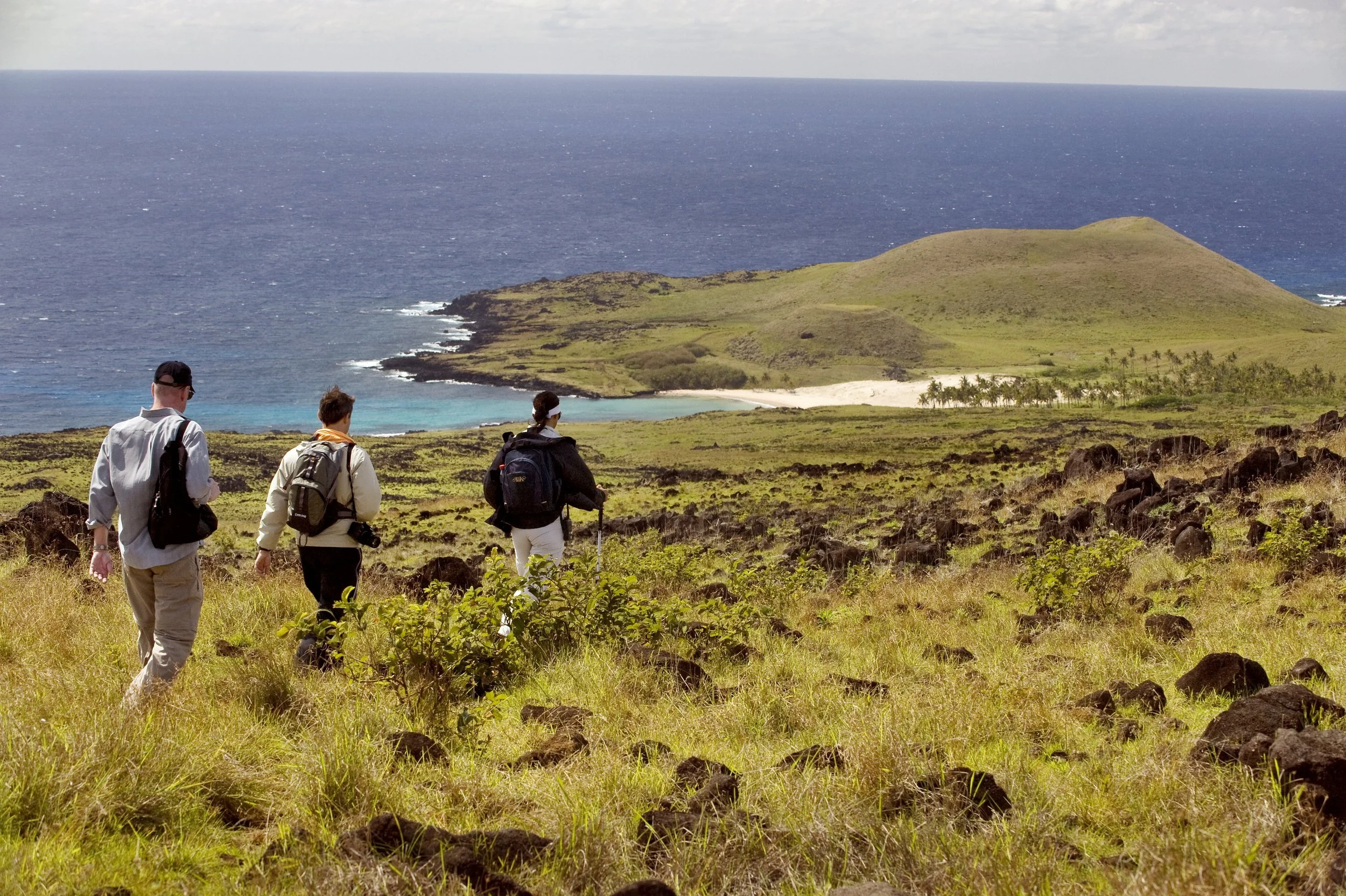
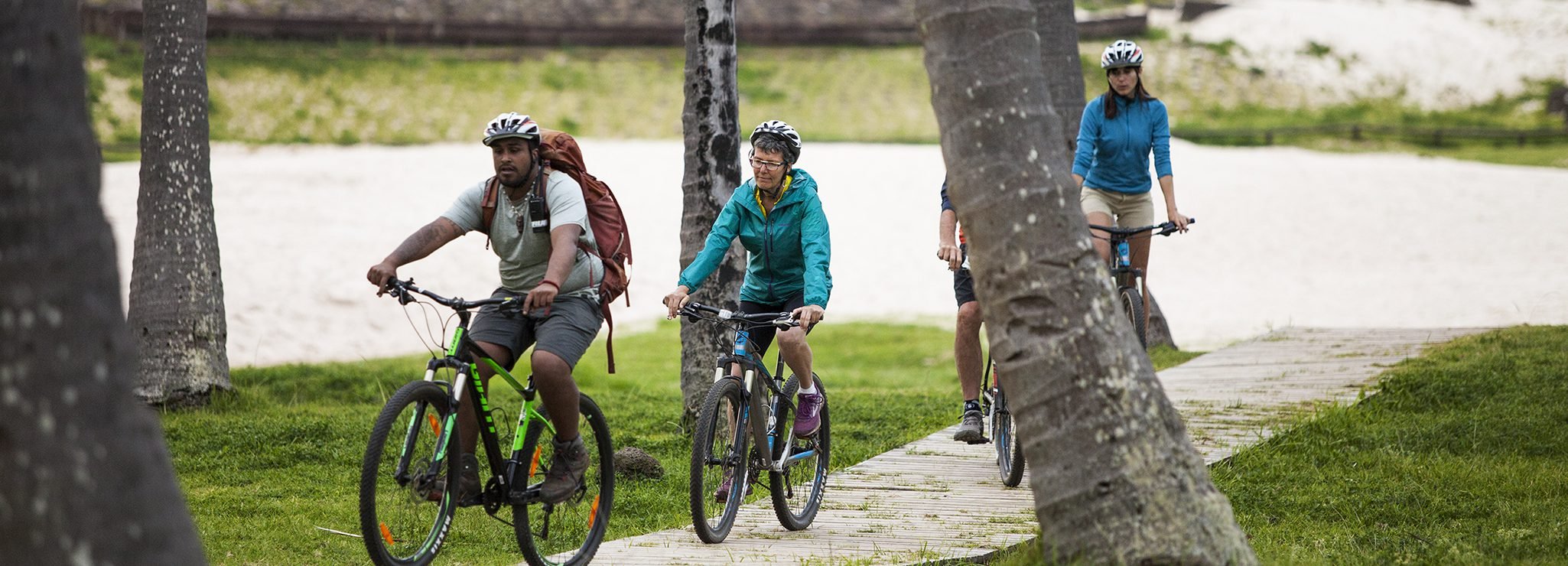
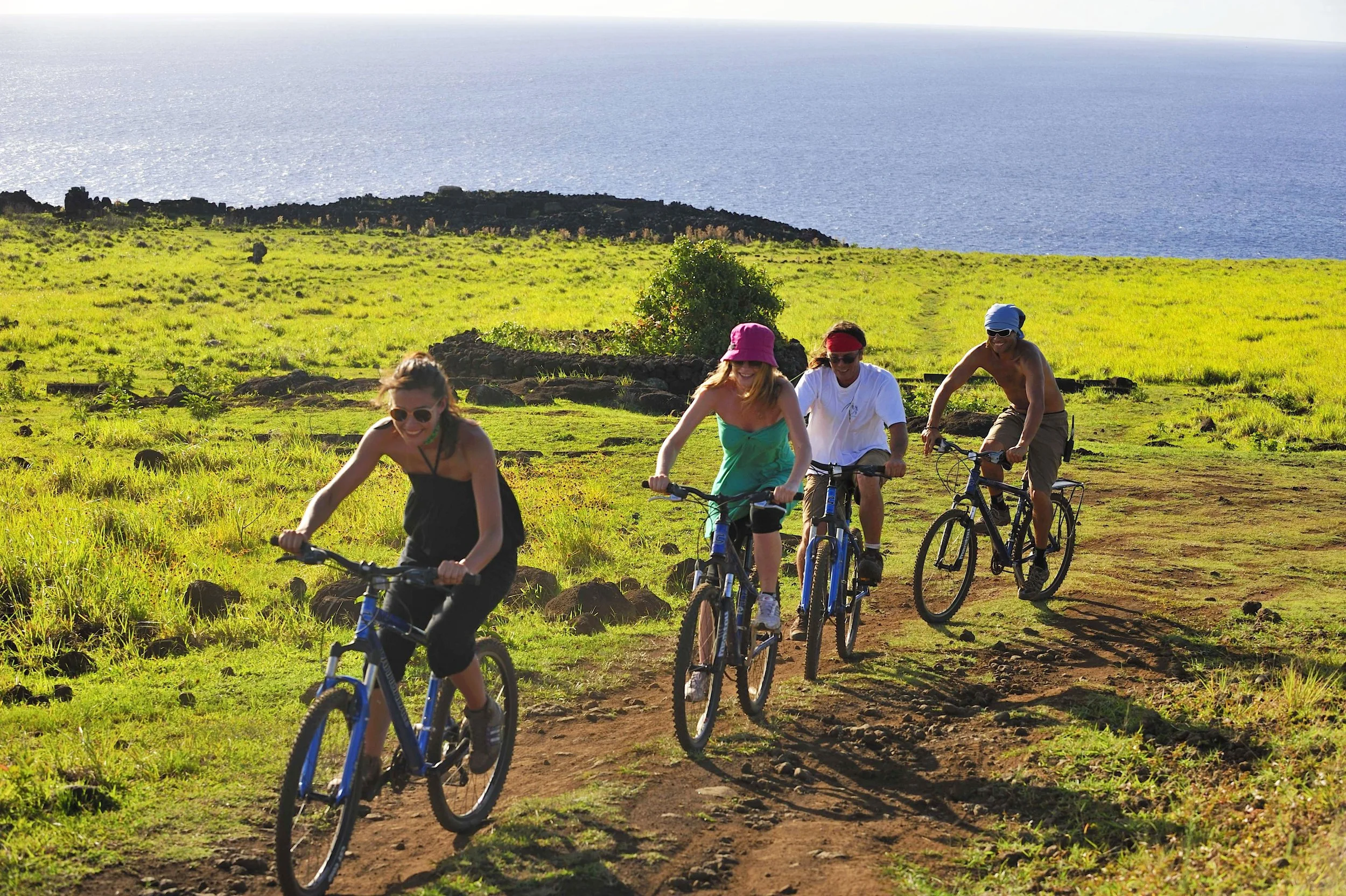
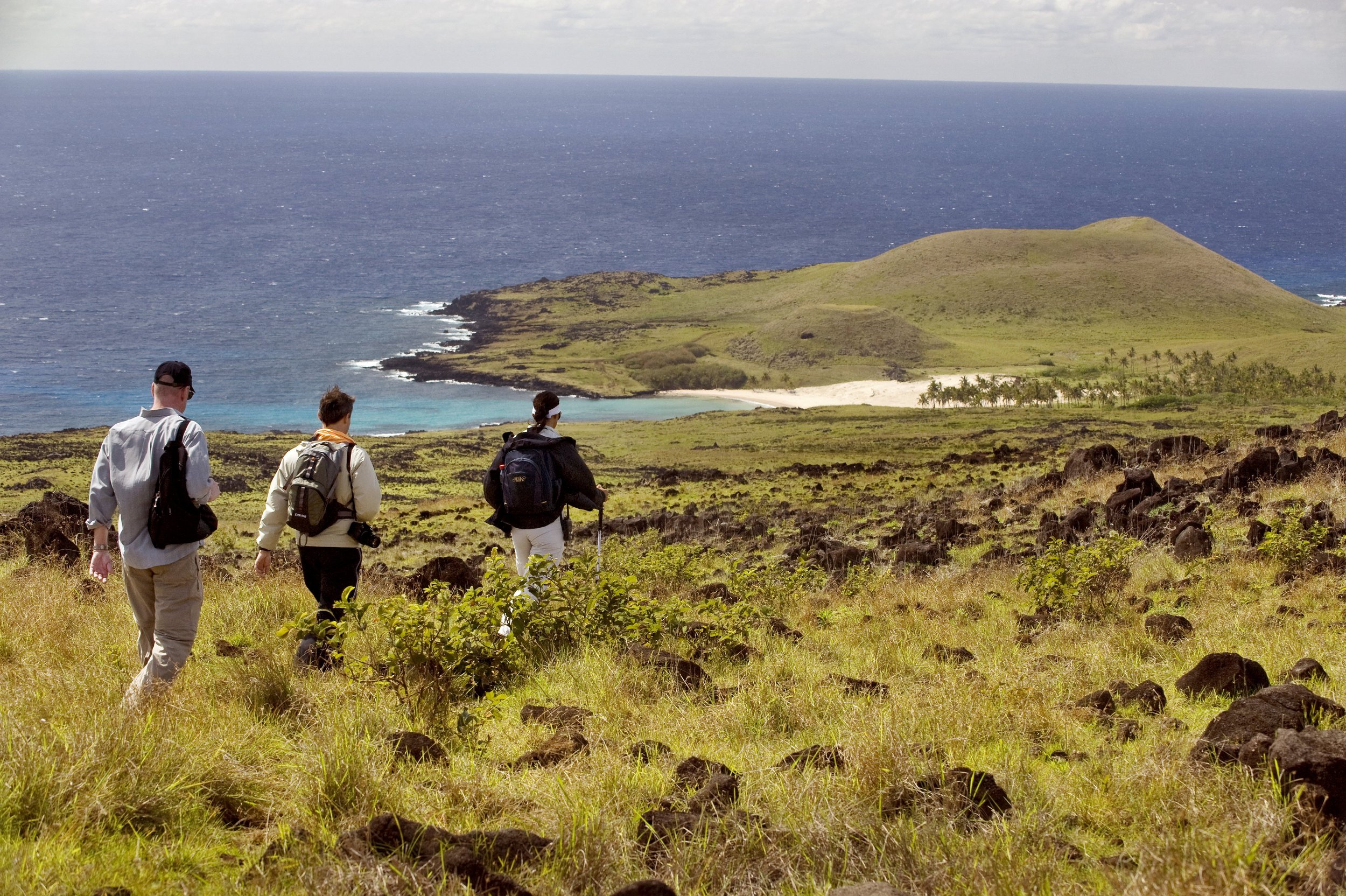
Explora offers a broad range of half-day and full-day experiences, from gentler overland visits to more demanding hiking and cycling routes. Shared guided outings operate in groups of up to eight travelers, with English- and Spanish-speaking guides. Plans are discussed around interests and fitness, with weather and sea conditions influencing what is sensible on the day. Private guiding carries a separate charge.
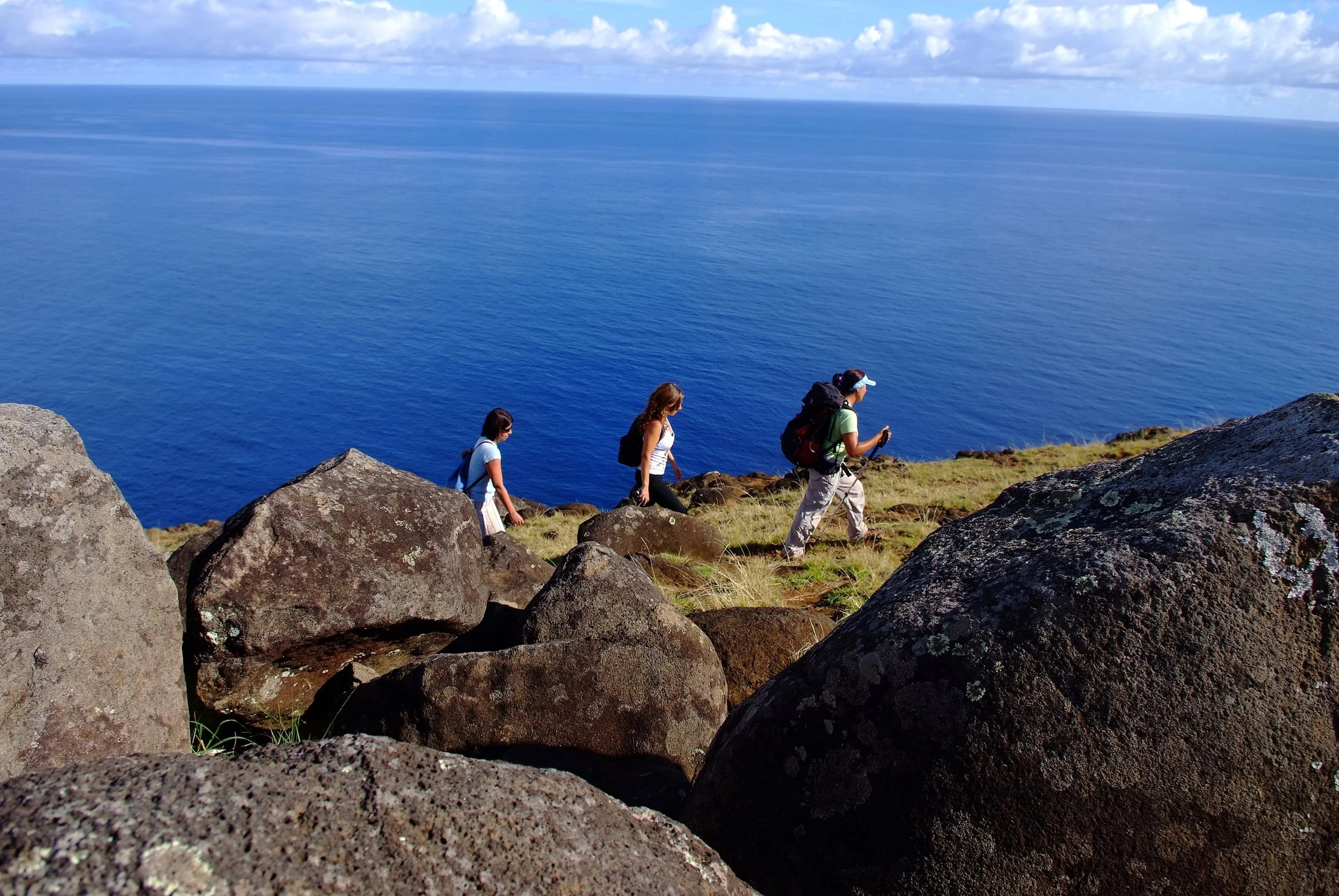
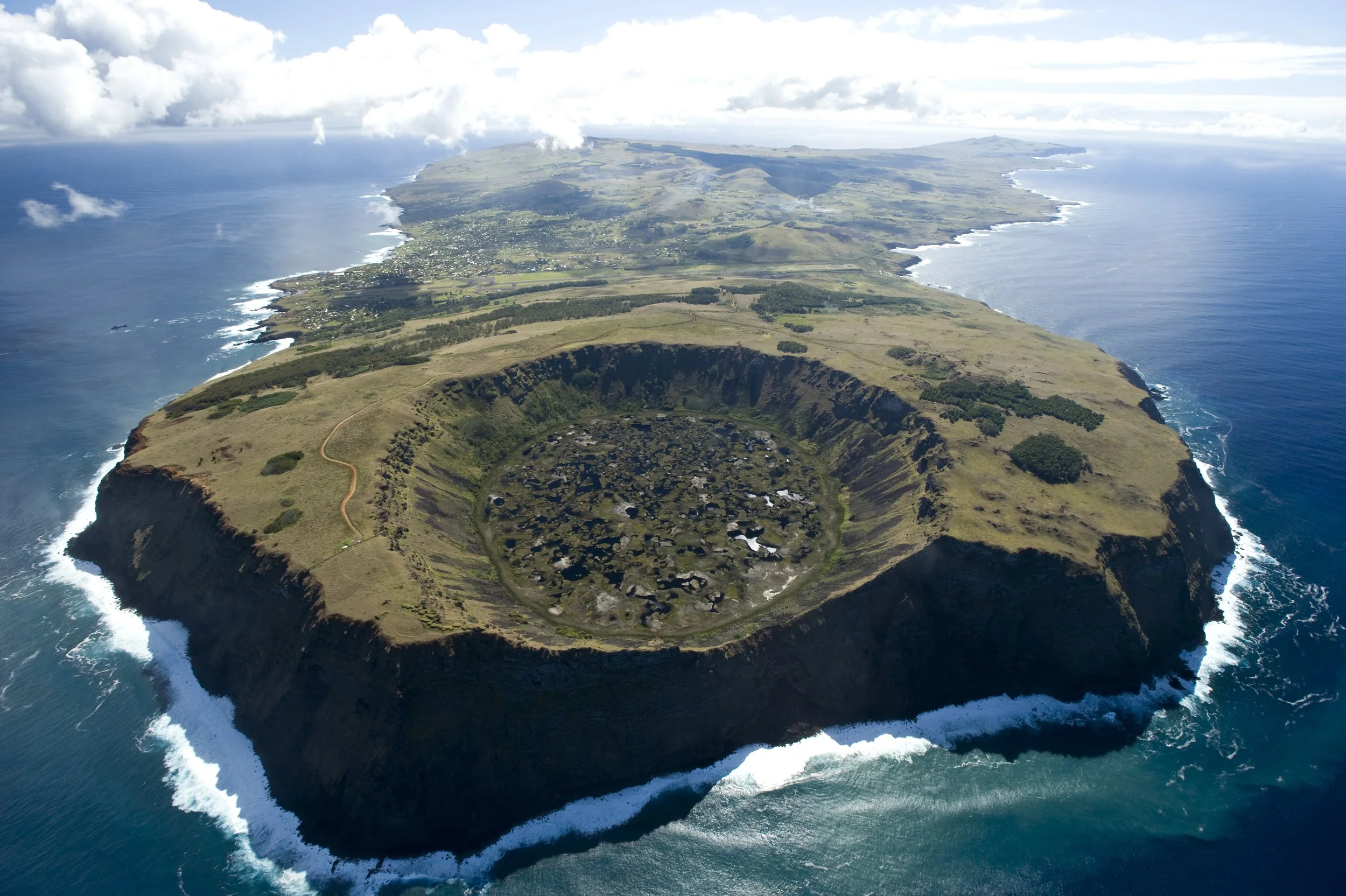
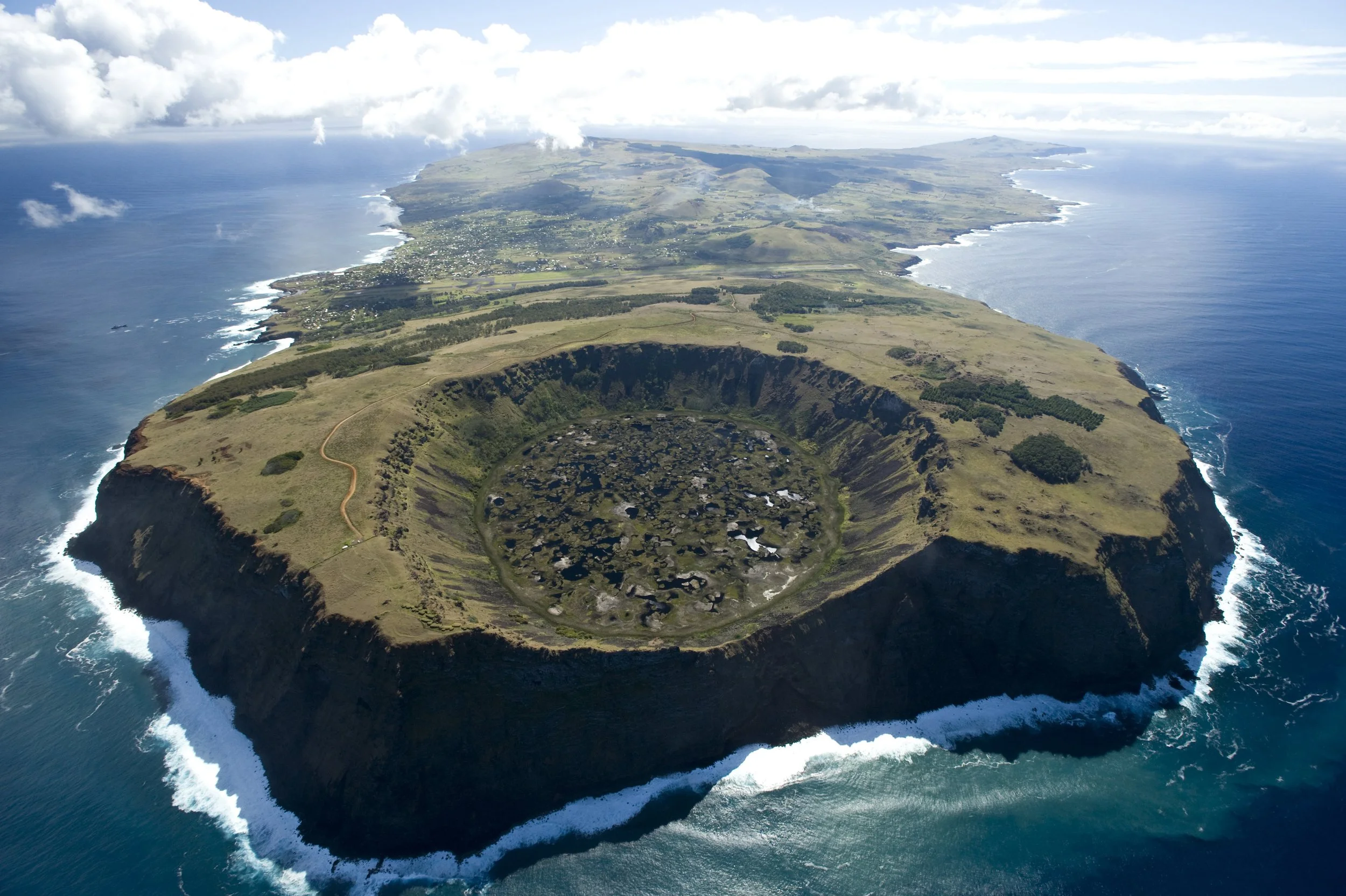
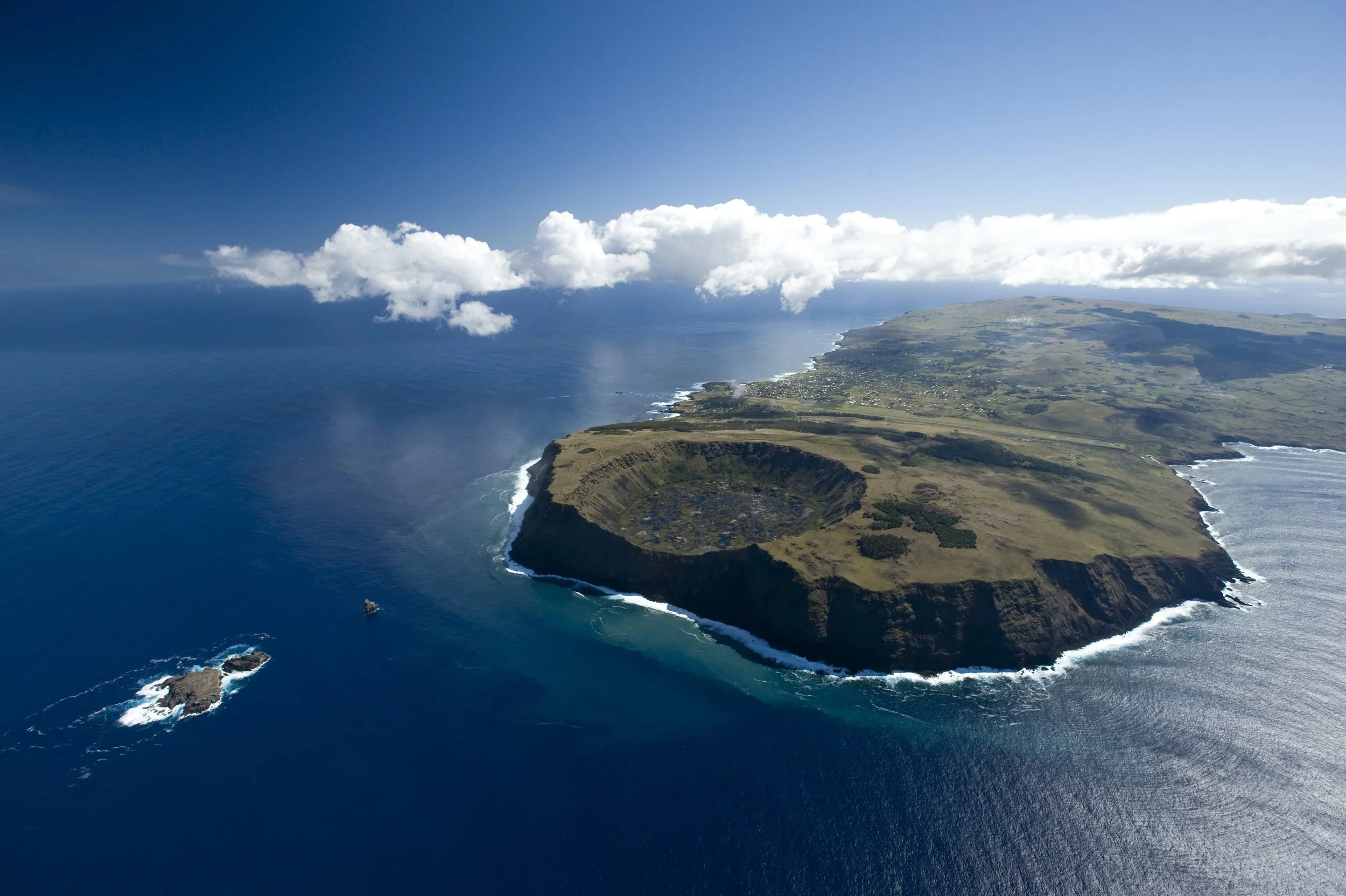
The variety is valuable because the island rewards different ways of looking. An overland itinerary can connect archaeological sites efficiently; walking allows more time to notice changes in the ground, coastline and vegetation. The lodge’s Rapa Nui Sanctuaries route combines Ahu Akivi with the Roiho lava field and Ana Te Pahu cave, while Bird Cult links Vinapu, Rano Kau and the ceremonial village of Orongo.
For a longer day, The Miru explores the less-visited northern coast through archaeological remains, petroglyphs and volcanic landscapes. These are outings to choose for their content as well as their physical demands. A route’s easy or advanced label is only the beginning of the conversation: duration, uneven footing, exposure and personal confidence all matter.
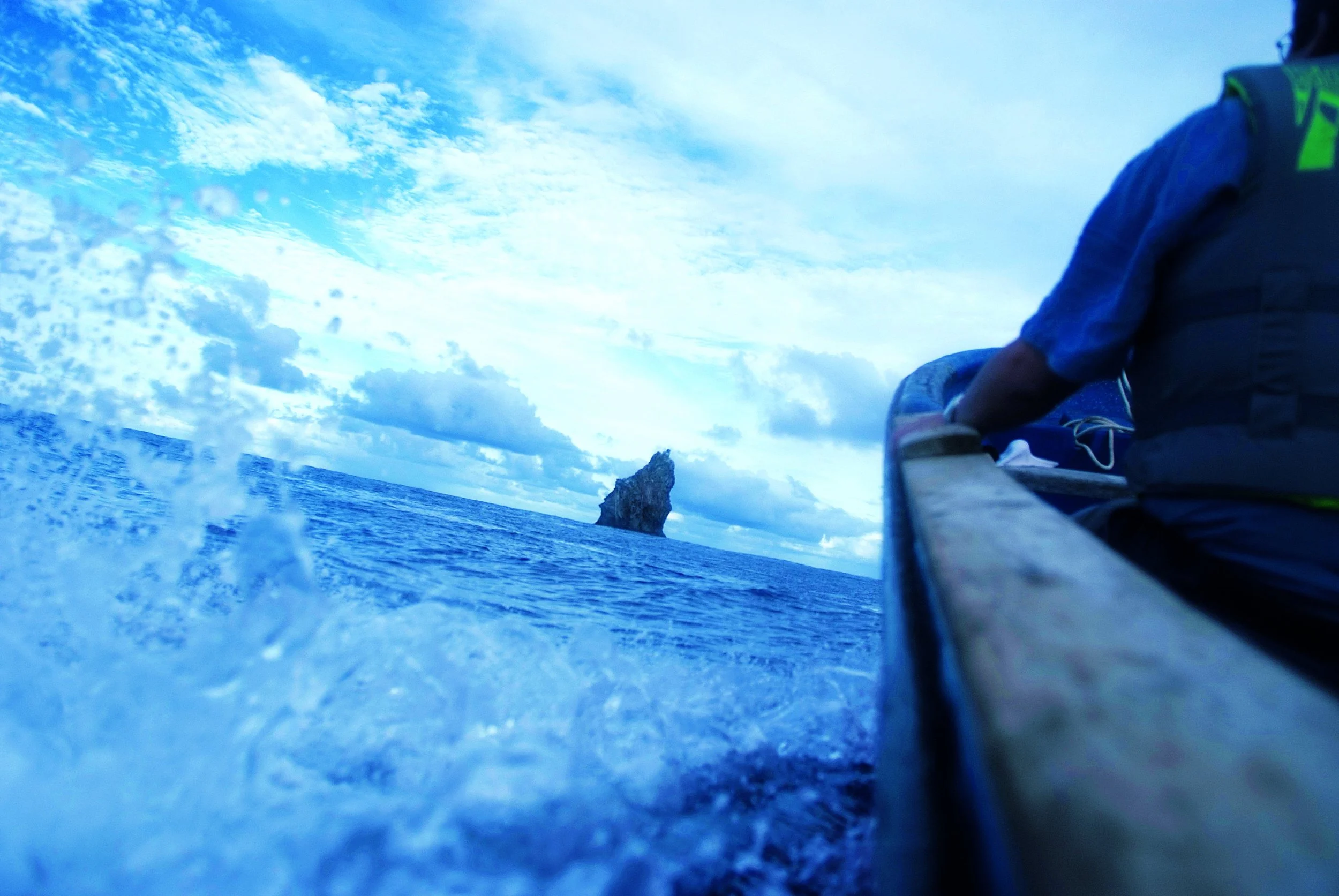
Kayaking and snorkeling add another perspective where conditions permit. Scuba diving is arranged through outside operators at an additional cost, even though it appears within the wider exploration catalog. Supplied equipment includes items for cycling and snorkeling, but footwear, sun protection and a waterproof layer remain essential personal packing choices.
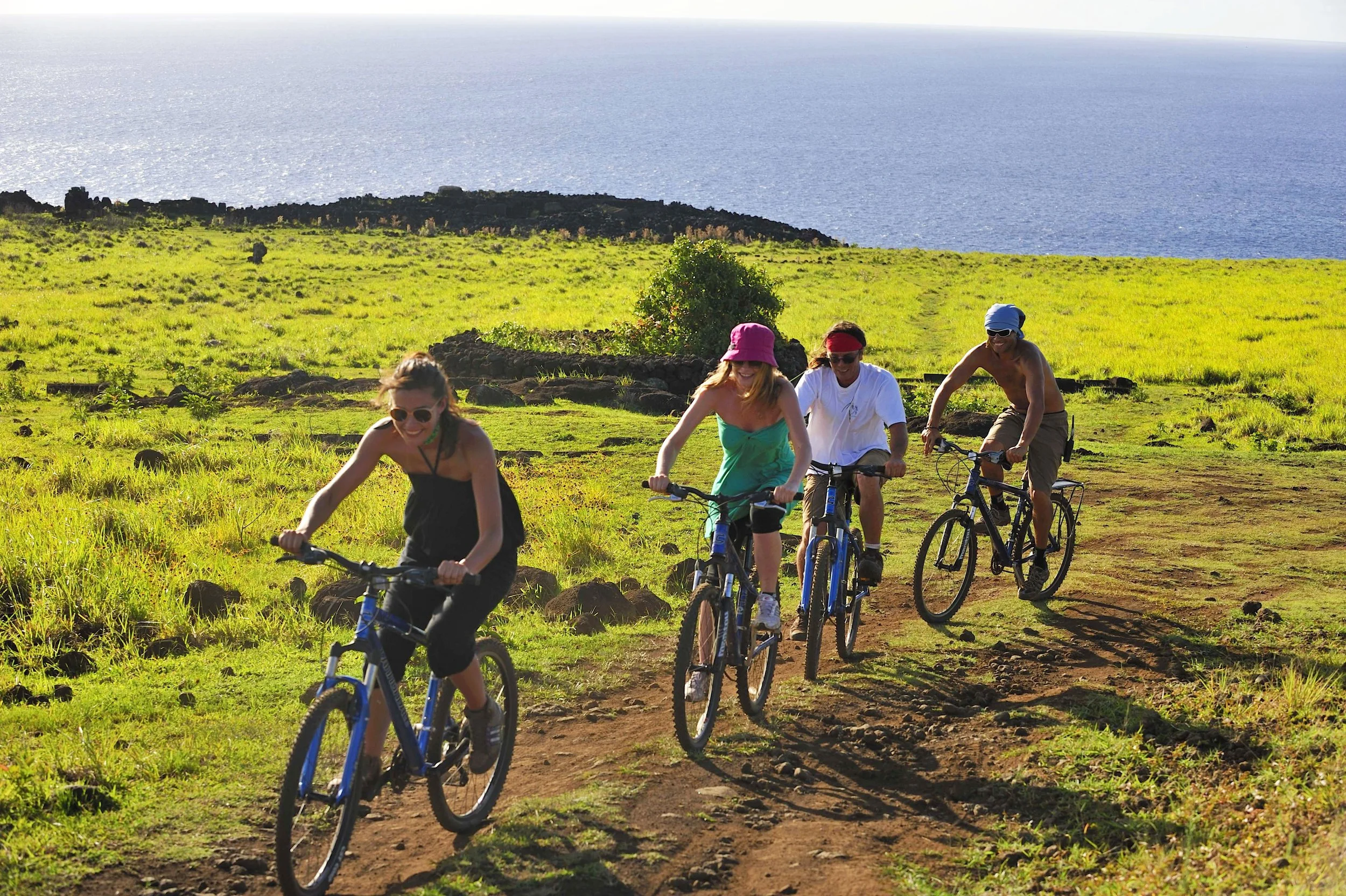
Shared Discoveries Across Generations
For families, the strongest attraction is the chance to experience the island together. Ahu, lava formations and the changing coastline provide plenty to discuss without every day becoming a lesson. The balance works best when parents describe their children’s walking experience, attention span and comfort around water before choosing routes.
Explora’s published children’s benefit allows children under two to stay without charge when sharing their parents’ room. For ages two through twelve, one child may share on an extra bed under the family terms; at Rapa Nui this arrangement is available in a suite and depends on availability. Teenagers aged thirteen through seventeen have a family rate in an additional room, with a minimum charge for two even when only one teenager occupies it. Current charges and the exact configuration should be confirmed for the travel dates.
Do not assume that two children can automatically share one suite or that connecting rooms will be available. This is a family exploration holiday, and planning should center on shared activities. There is no verified children’s club program on which to base the stay.
Local Relationships with Lasting Value
On an island with finite resources and a long supply line, sustainability is most meaningful when tied to specific work. Explora documents a local farmers initiative begun in 2021, supporting families through training in organic production, water management and traditional crops. The project provides a more concrete point of reference than a broad claim that all food is locally sourced.
The company also identifies support for Terevaka Archaeological Outreach, connecting its conservation approach with archaeological education on Rapa Nui. At company level, Explora was recertified as a B Corporation in 2025. That is a group credential and should be understood separately from the performance of any single lodge.
Travelers contribute through ordinary decisions: following guides’ instructions, staying on authorized routes, respecting site boundaries and treating cultural places as more than photographic settings. These habits matter particularly where a landscape is simultaneously a visitor destination, a fragile archaeological record and a community’s inherited home.
Planning Access with Specific Needs in Mind
Accessibility requires an individual conversation before booking. The public room descriptions do not establish doorway widths, roll-in shower availability or a continuous step-free route between accommodation, dining and the spa. Anyone who needs those features should request a detailed written assessment of the proposed room and the routes they will use.
The same care applies beyond the lodge. Volcanic surfaces, grassy slopes and uneven archaeological terrain can make a short walk more demanding than its distance suggests. An overland outing may reduce walking without providing wheelchair access throughout. Ask about vehicle entry, transfer assistance, walking surfaces, seating opportunities and alternatives at each intended stop.
Good planning starts with precise requirements rather than a general request for an accessible stay. The lodge’s ability to discuss different exploration options is helpful, but it does not replace confirmation of the physical facilities and transport arrangements a particular traveler needs.
Beyond the Lodge, a Living Cultural Landscape
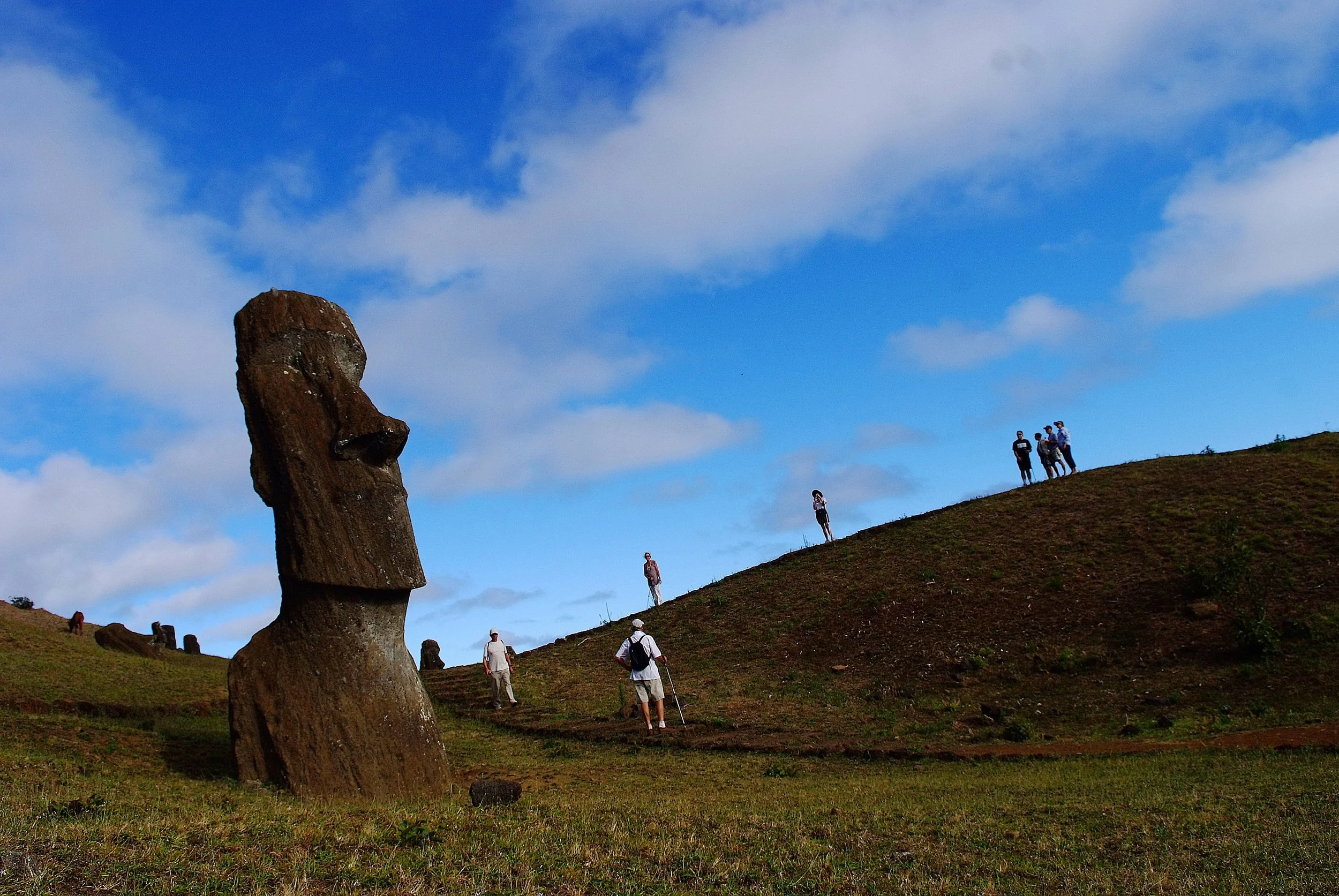
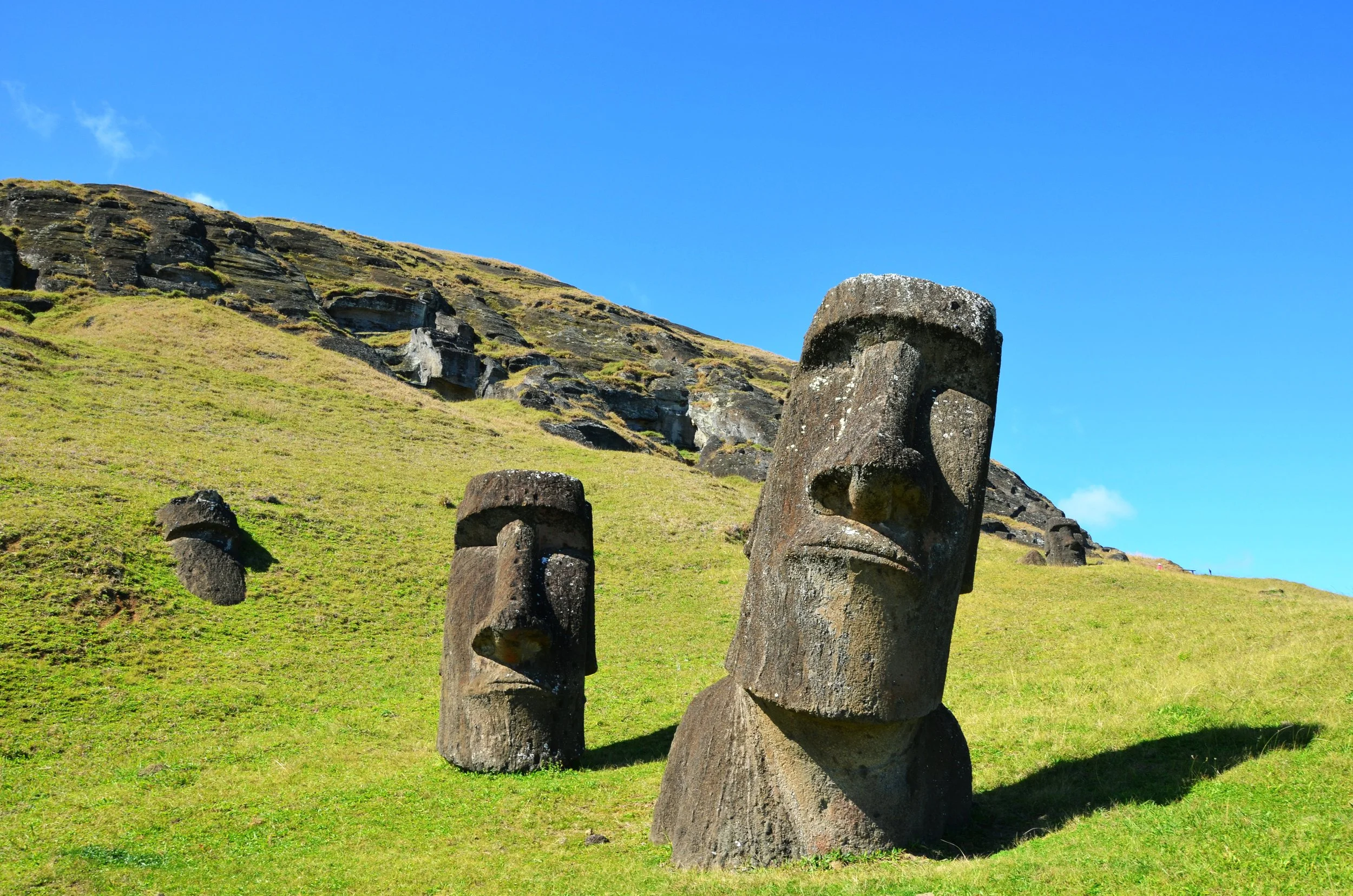
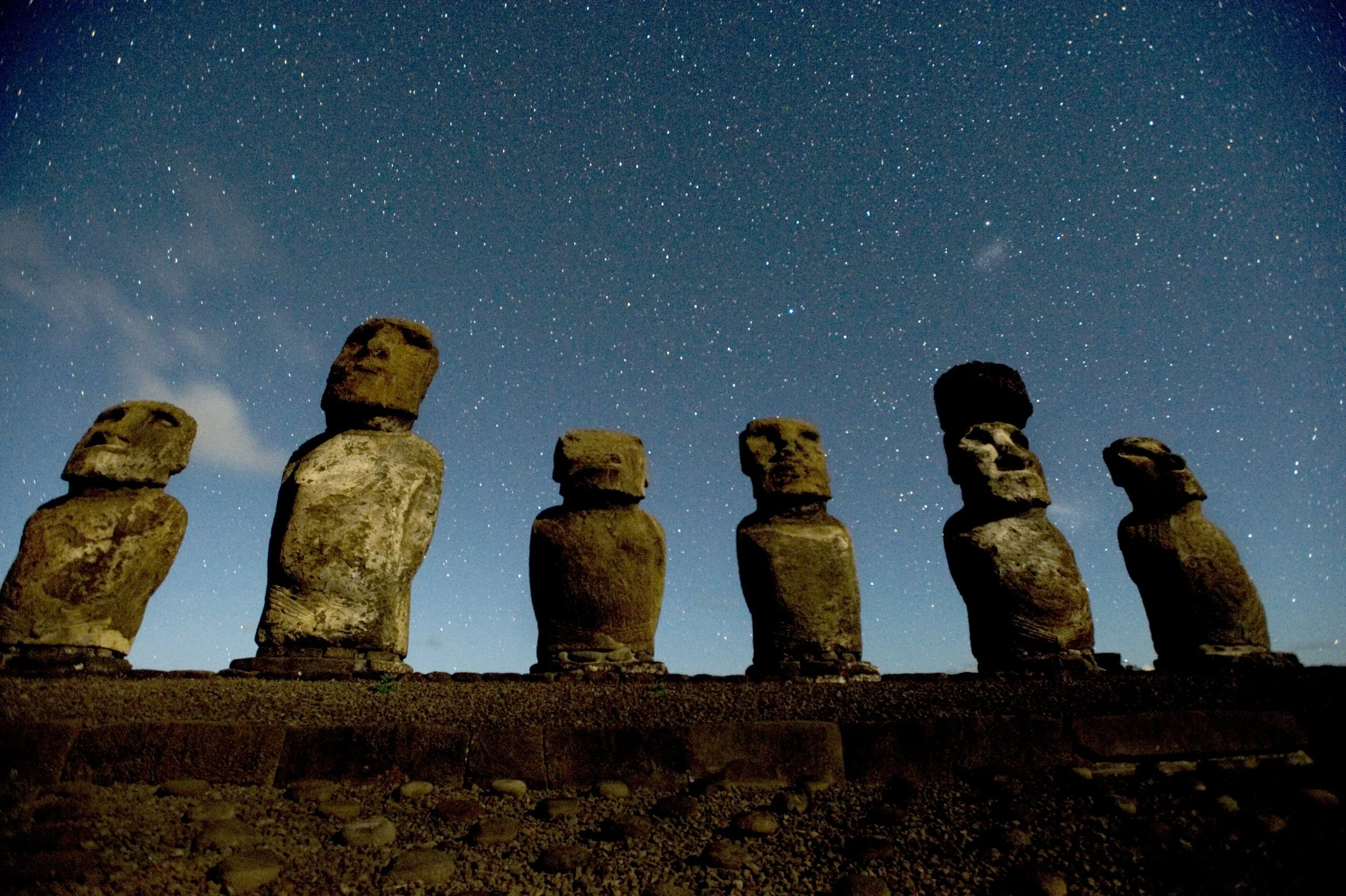
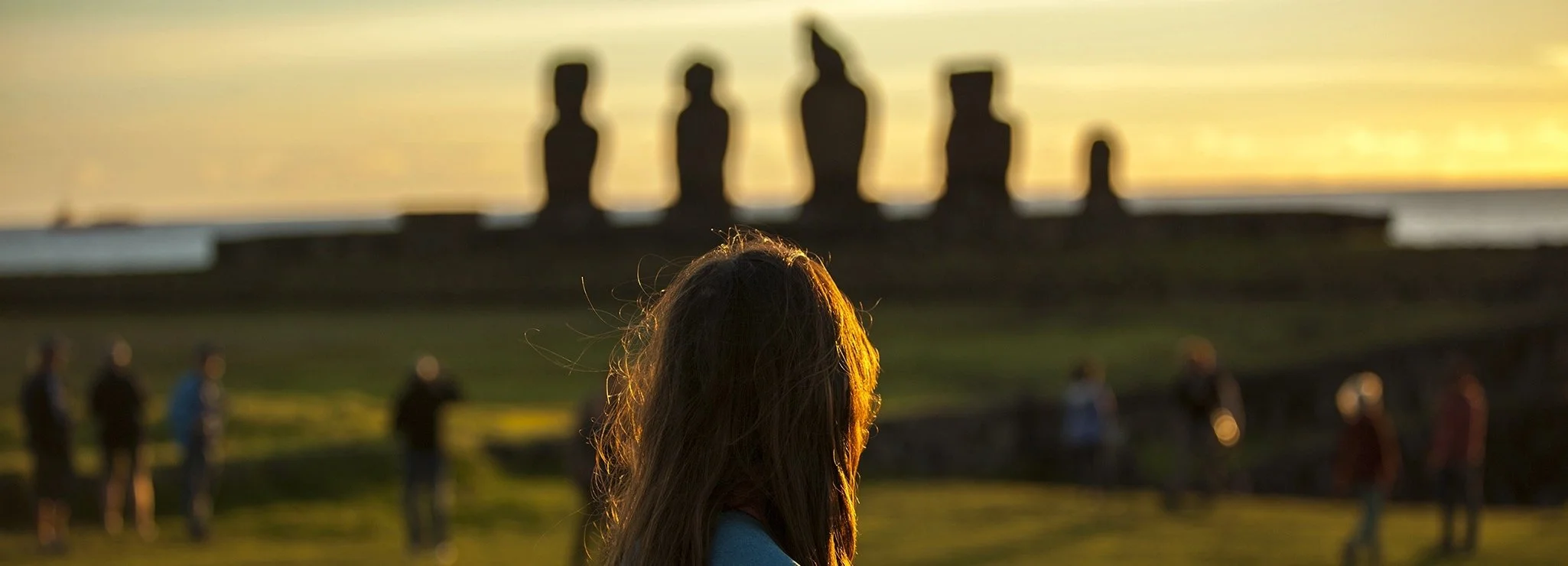
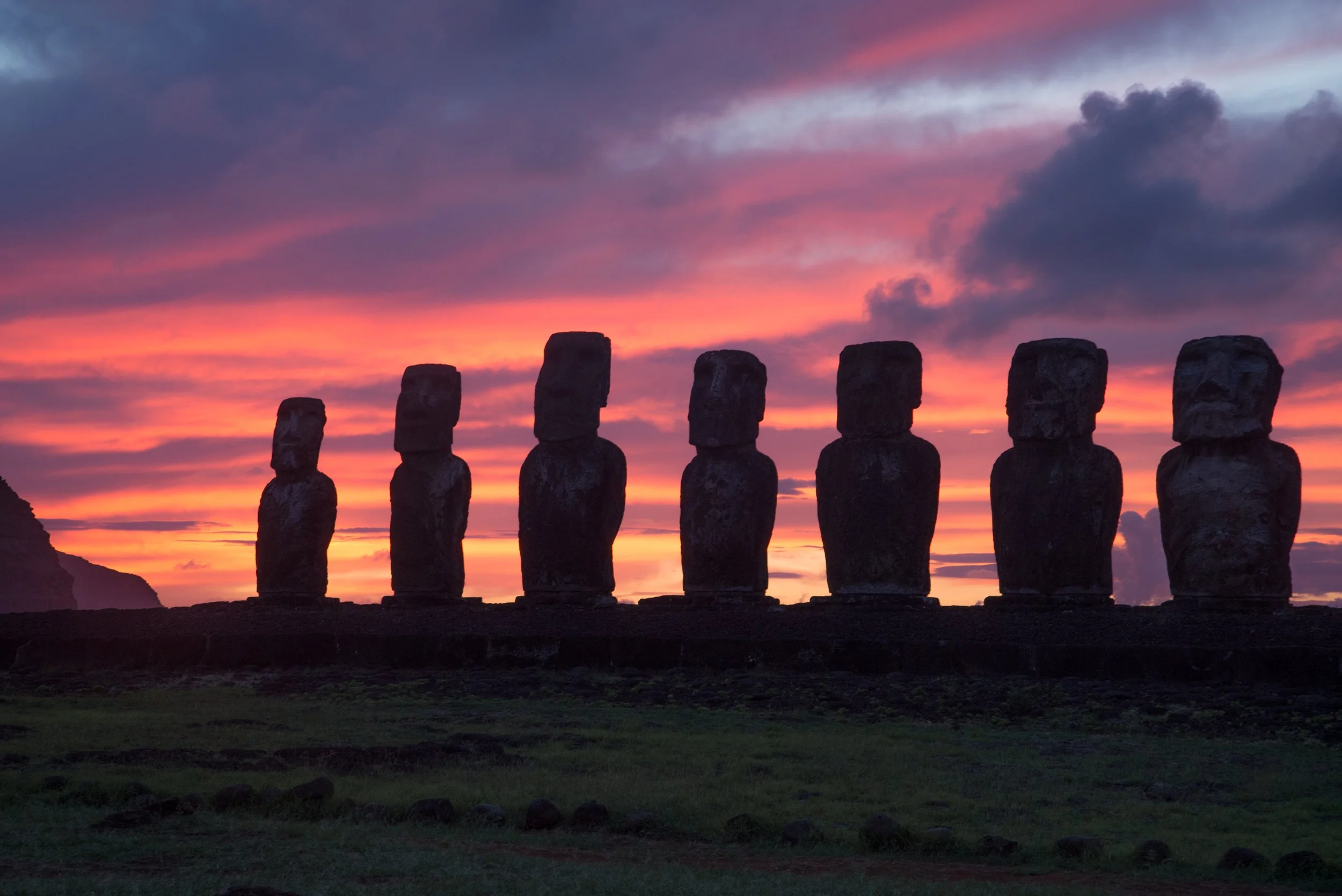
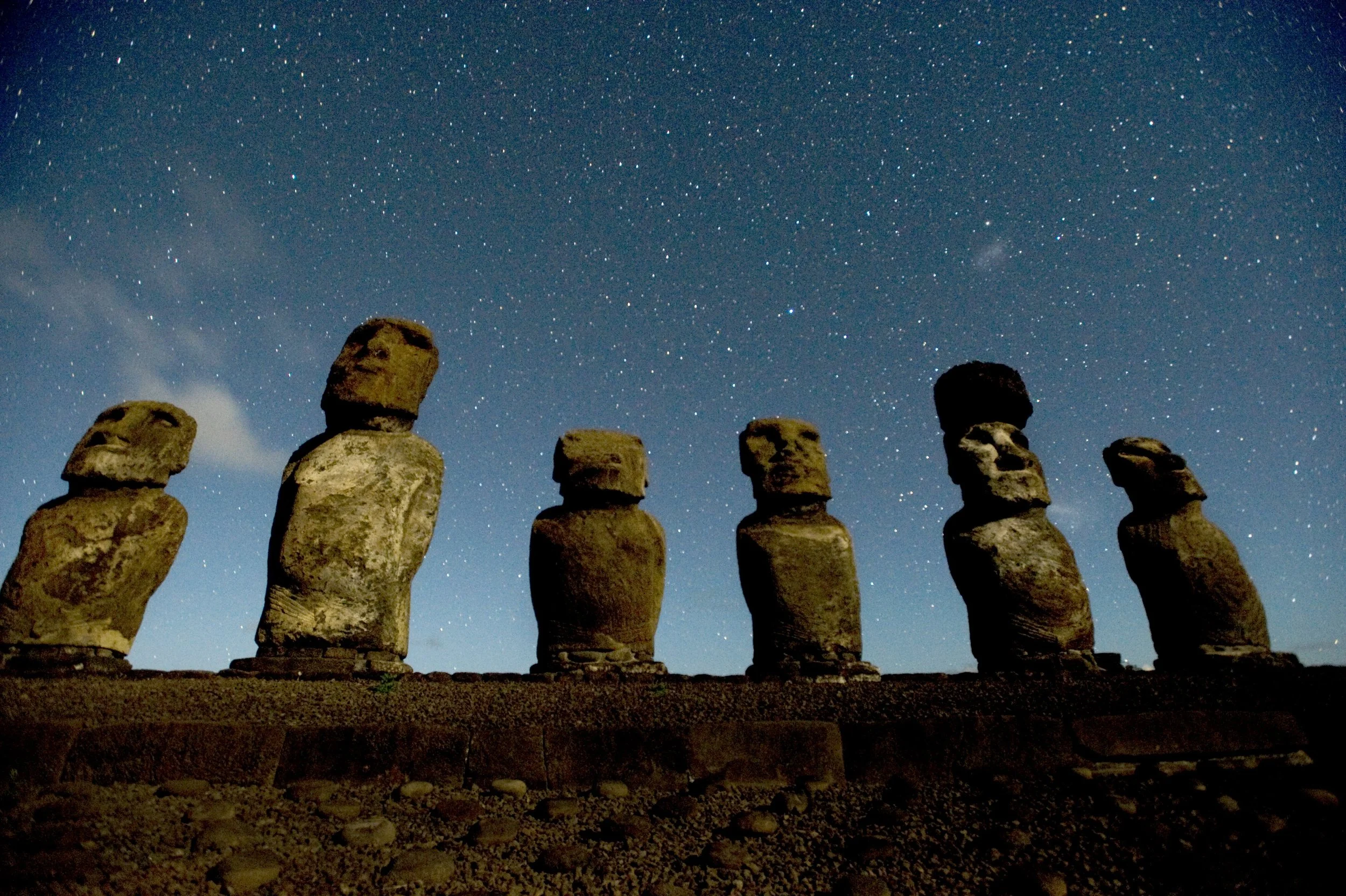
Rapa Nui National Park became a UNESCO World Heritage Site in 1995. Its moai, ceremonial platforms and other archaeological remains make visible an extraordinary Polynesian tradition of sculpture and construction. The island’s significance extends beyond its most familiar image of figures standing against the sea.
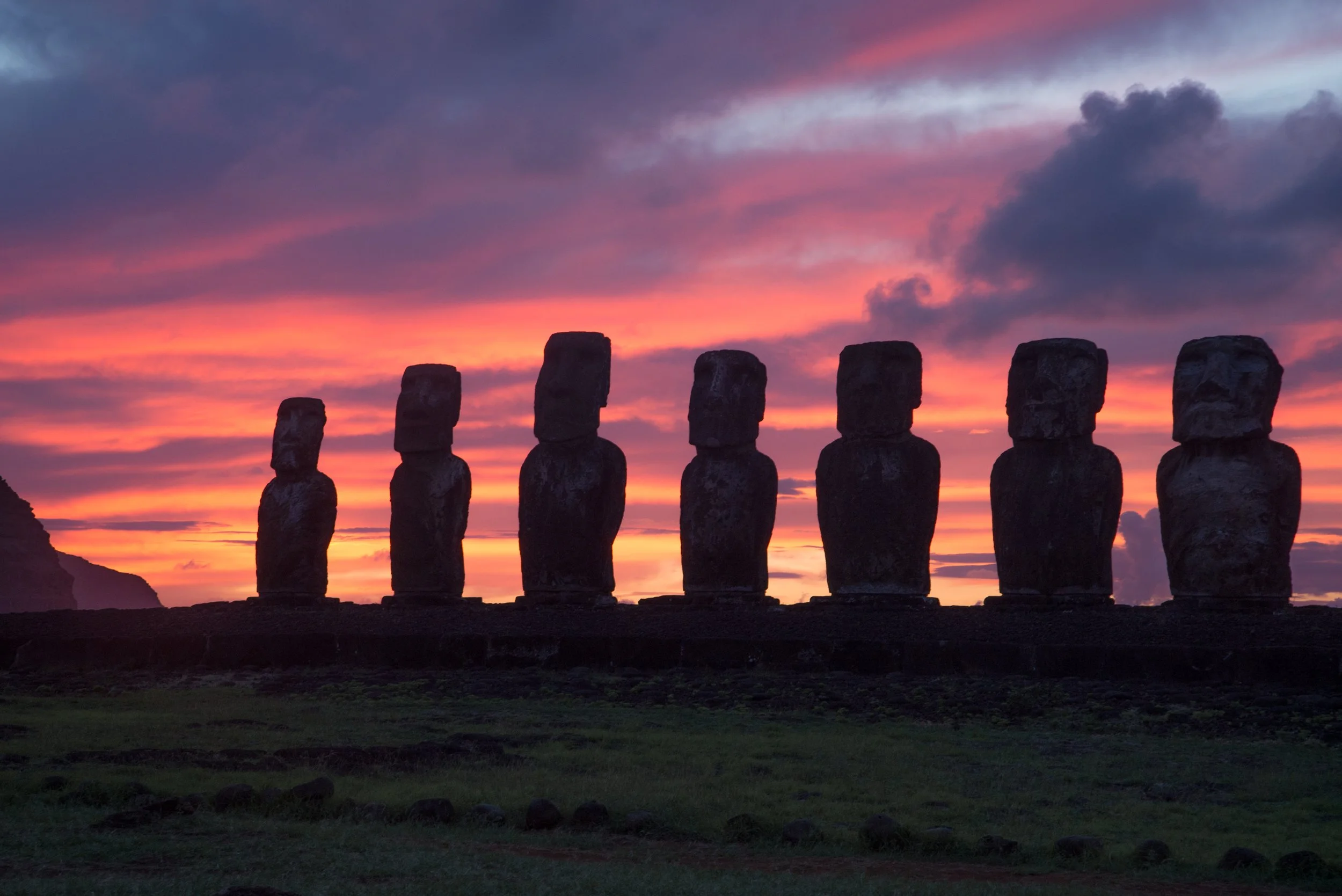
Ahu Tongariki’s fifteen moai convey the scale of that achievement. At Rano Raraku, the quarry setting shifts attention toward the work of carving and moving the figures. Rano Kau and Orongo introduce another landscape and another chapter of ceremonial life. Seeing these places with informed interpretation helps their differences emerge, rather than allowing them to blur into a series of scenic stops.
Leave room for Hanga Roa as well. Time in town gives the journey a contemporary dimension beyond the lodge and the park. The national park is managed by the Indigenous Ma’u Henua community, and visits to its regulated sites require the appropriate ticket and accredited guiding. Follow current local instructions about access and behavior, and let respect for the people who live here shape the visit.
The Journey Across the Pacific
Most international itineraries connect through Santiago. Allow enough flexibility around that connection to accommodate a long journey and possible schedule changes, especially when pairing Rapa Nui with another Chilean destination.
Santiago to Rapa Nui: Allow approximately five hours for the flight to Mataveri International Airport, with actual scheduled duration varying by service and conditions; check the operating timetable before fixing onward arrangements.
Airport to Explora: The lodge lists approximately fifteen minutes by road from Mataveri, with shared round-trip airport transfers included in standard programs that provide transportation; private transfer arrangements incur an additional charge.
Time on the Island: Allow approximately four to five nights for a varied first stay, giving space for major cultural sites, longer outings and rest without making every day dependent on one tightly scheduled activity.
Entry Preparation: Complete Chile’s Rapa Nui entry form within the required forty-eight-hour window before the flight and carry the necessary accommodation and return-ticket documentation; the ordinary visitor limit is thirty days, subject to current government rules.
Pack for sun, wind and passing rain rather than a single forecast. Reliable walking shoes matter more than a large wardrobe, and remote island connectivity should not be the foundation of a work-heavy itinerary.
Enough Time to Look Again
Explora Rapa Nui’s strongest quality is the relationship between the lodge and the days beyond it. The rooms, meals and warm water make sustained exploration comfortable; the guides help turn individual places into a more connected understanding of the island.
The stay has its greatest value when there is time to absorb what each outing reveals. A return across open grassland, a conversation after dinner or a quiet hour facing the Pacific belongs to the experience as fully as a visit to a celebrated monument. Rapa Nui asks for attention, and this small lodge gives that attention a useful rhythm.