São Paulo, Brazil | Palácio Tangará
São Paulo, Seen Through the Trees
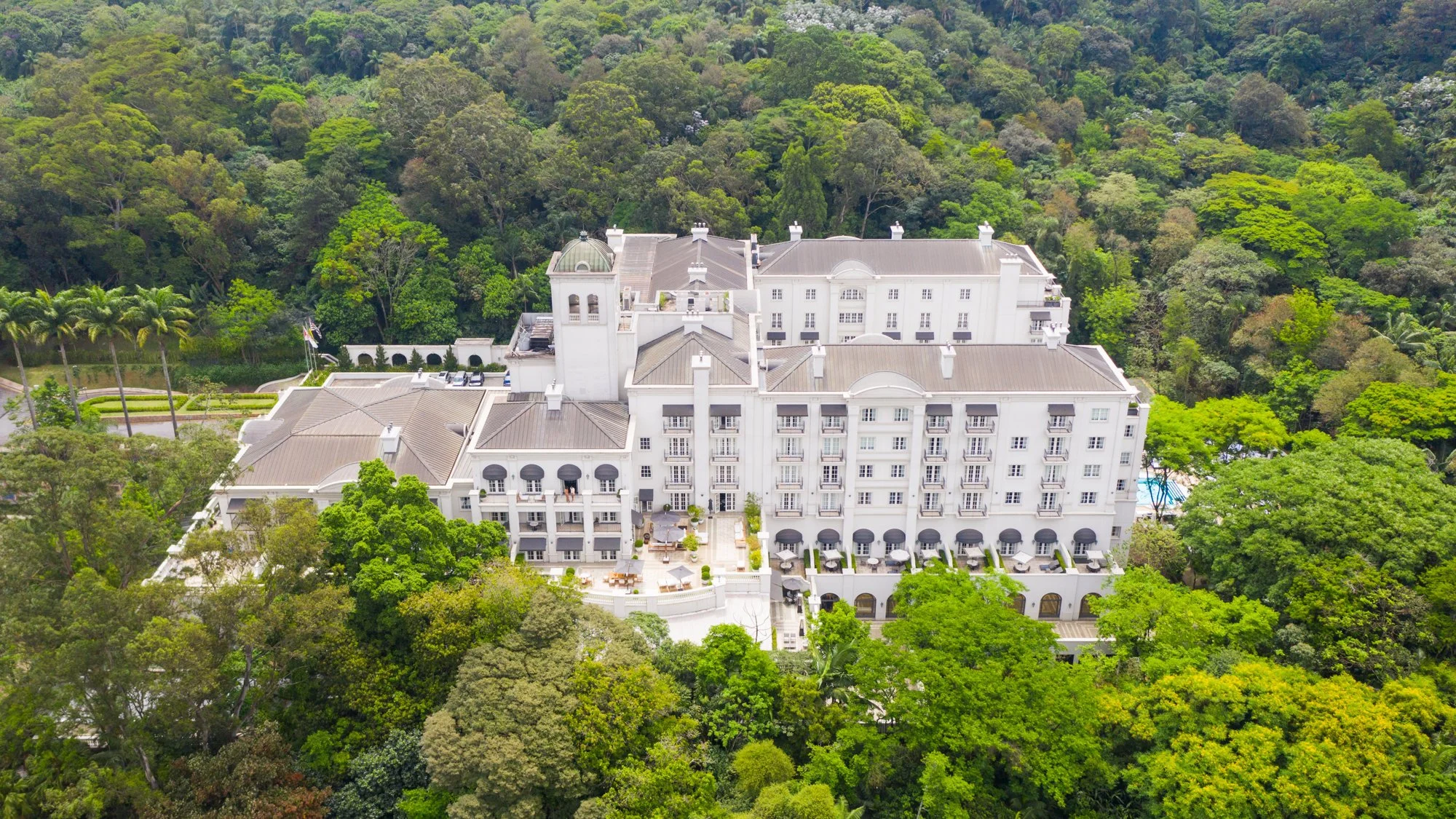
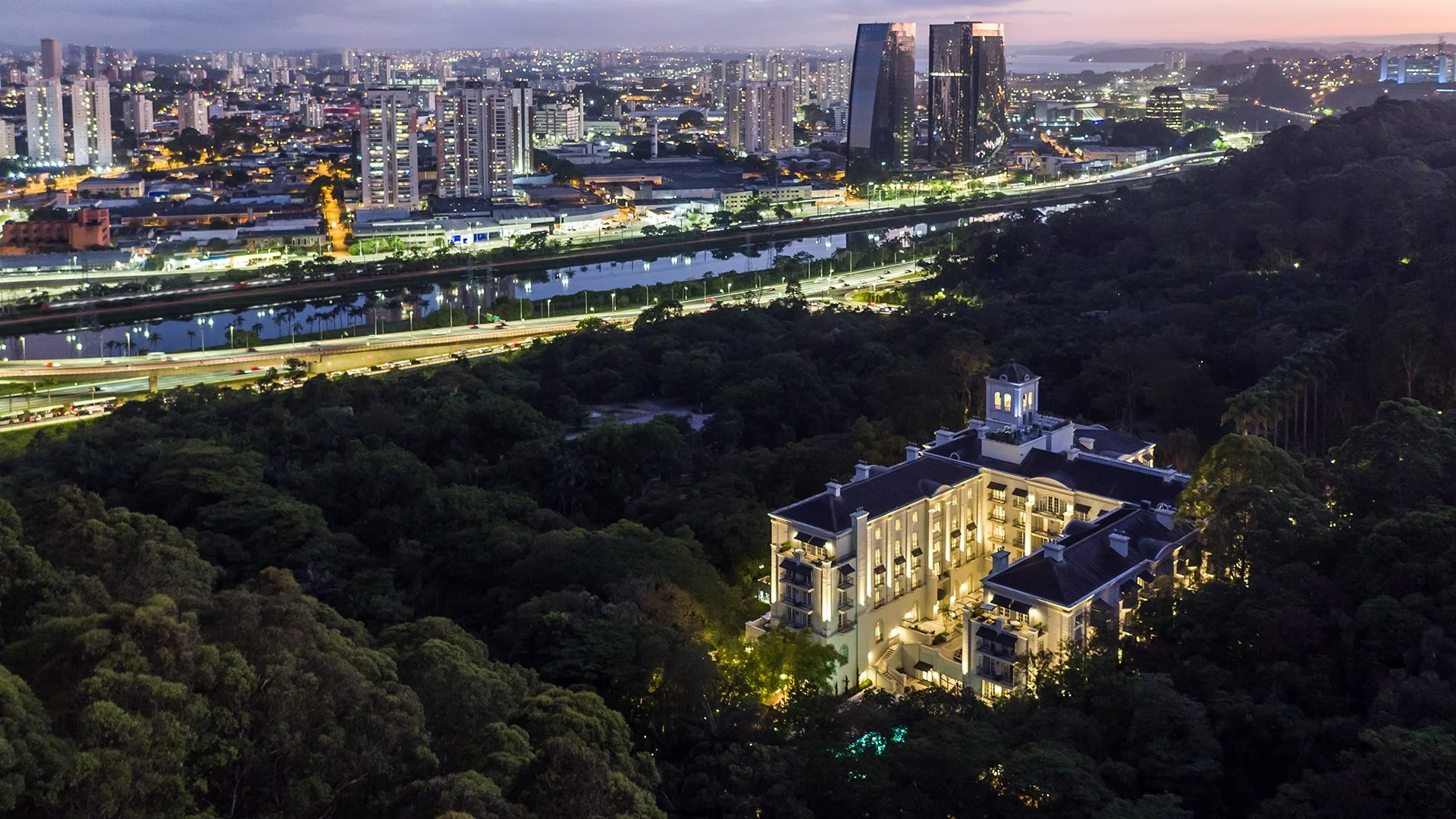
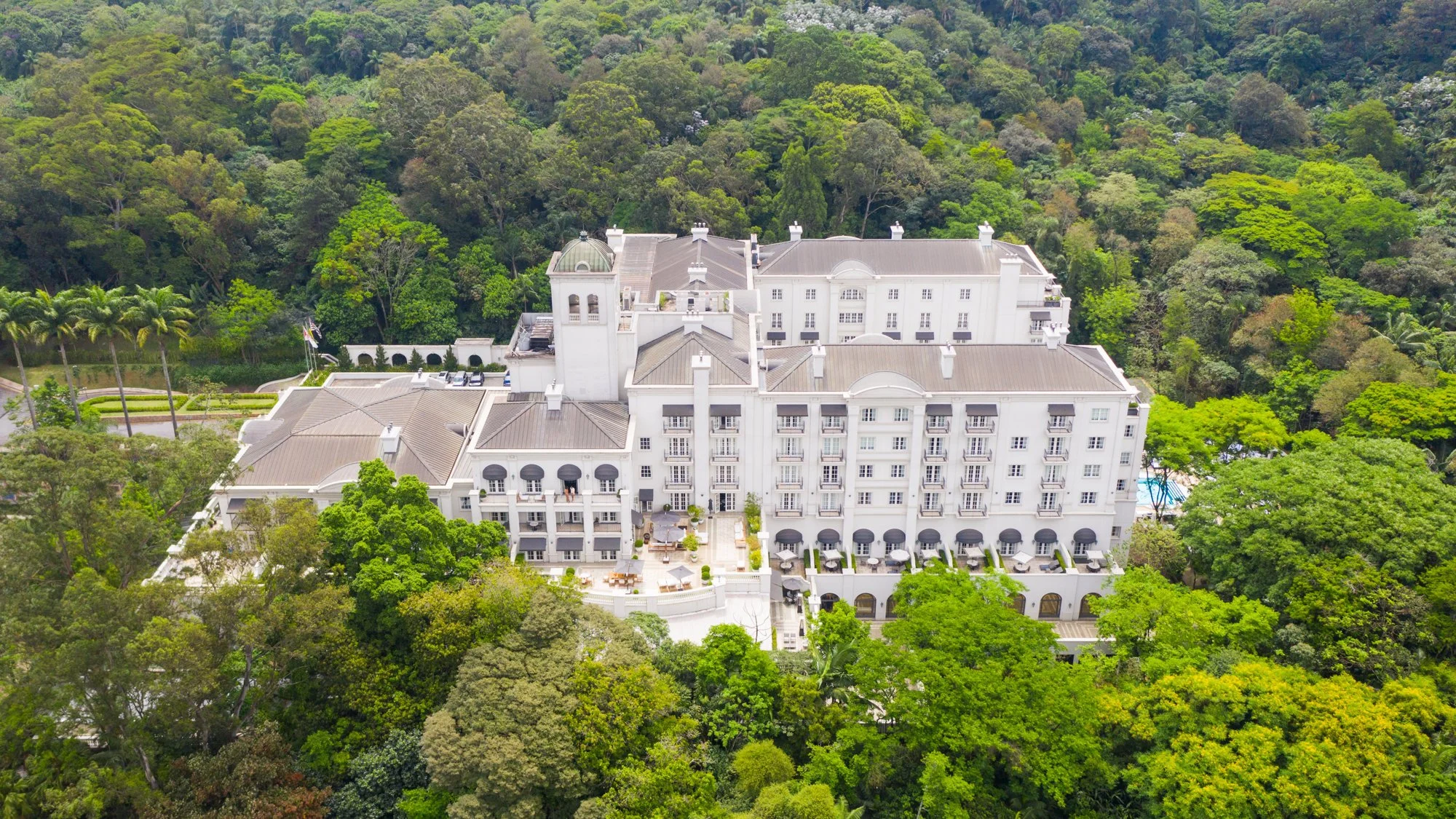
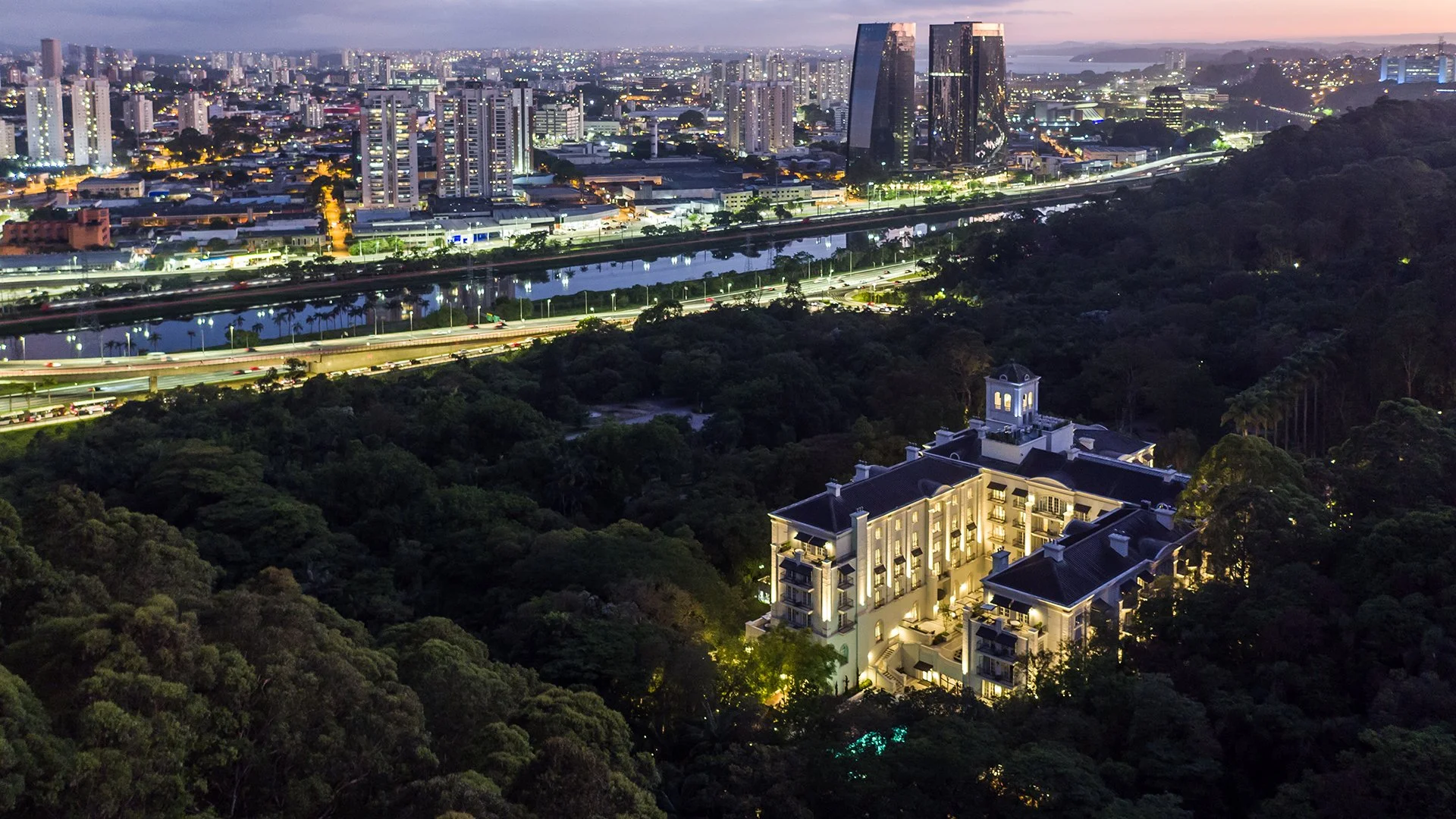
São Paulo usually announces itself in traffic, towers and an almost inexhaustible appetite for work, food and culture. Palácio Tangará offers a quieter point of arrival. In Panamby, beside Burle Marx Park, its pale façade gives way to terraces, generous rooms and views filled with foliage. The city remains close enough to shape the itinerary, while the hotel provides space to step away from its intensity.
This is a particularly appealing address for travelers who want São Paulo to include time at the hotel itself. A long lunch, an afternoon by the pool and an evening at Tangará Jean-Georges all have a place alongside museums, architecture and appointments across town. The location calls for thoughtful transport planning, especially at busy times, but the reward is a stay with a distinctly residential pace. With 141 rooms, including 59 suites, Palácio Tangará has the facilities of a substantial city hotel and the atmosphere of a retreat.
A Long-Imagined Retreat Comes to Life
The story of the site begins with Brazilian industrialist Francisco “Baby” Pignatari and his ambition for a grand private residence surrounded by gardens. Oscar Niemeyer and Roberto Burle Marx were associated with that earlier vision, linking the property’s background to two defining figures in Brazilian architecture and landscape design.
The project’s history was far from straightforward. The earlier house did not survive, the gardens became part of the area’s parkland, and a later hotel scheme was abandoned in 2001. The hotel operating today opened under Oetker in 2017, giving the site a new purpose after decades of changing plans.
That sequence matters to the experience. Palácio Tangará draws on the idea of a grand Brazilian residence while functioning as a contemporary hotel, with restaurants, a spa and spaces designed for entertaining. Its history lends context to the setting without turning the stay into an exercise in period reconstruction.
Brazilian Design Behind a Classical Façade
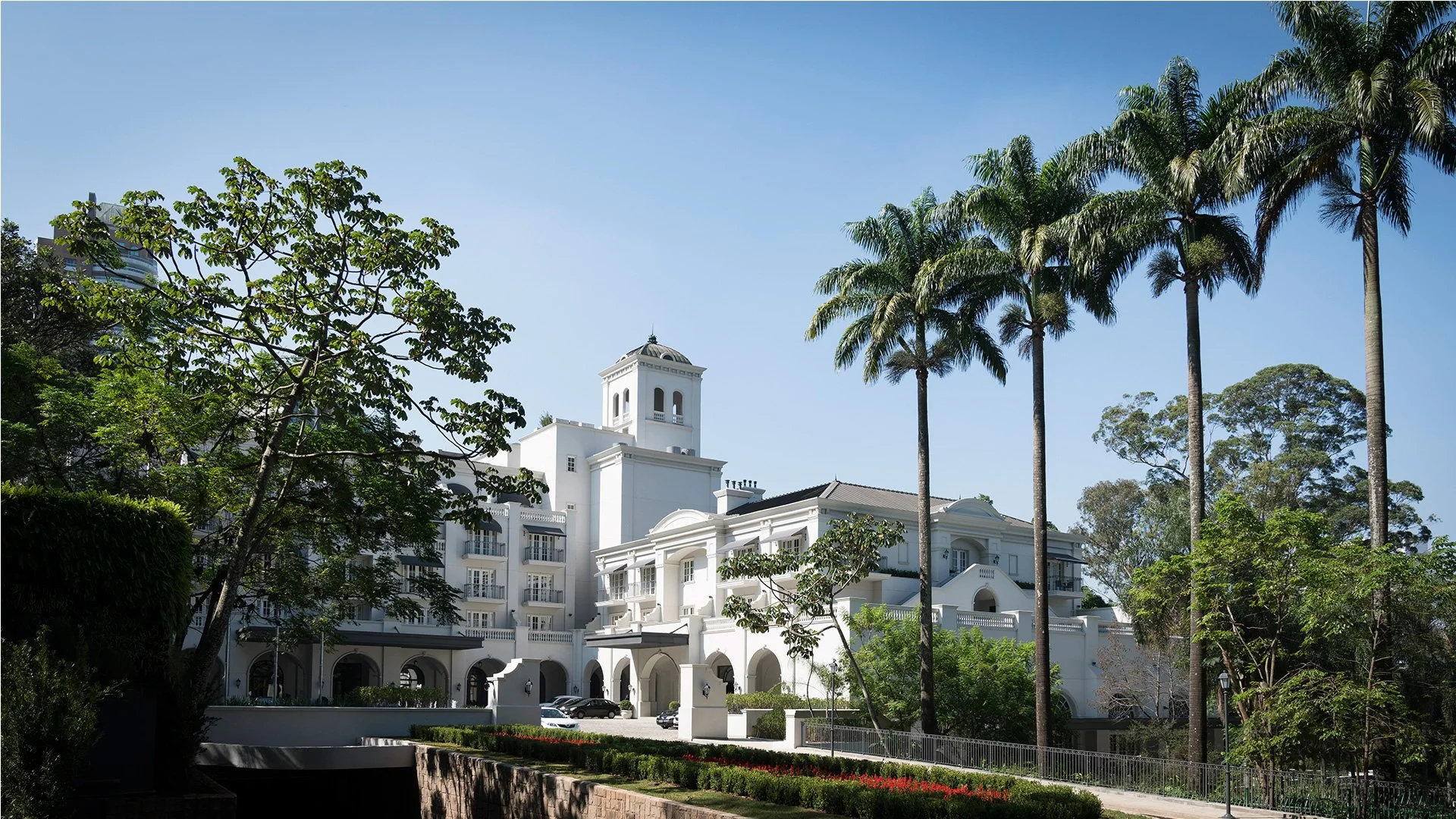
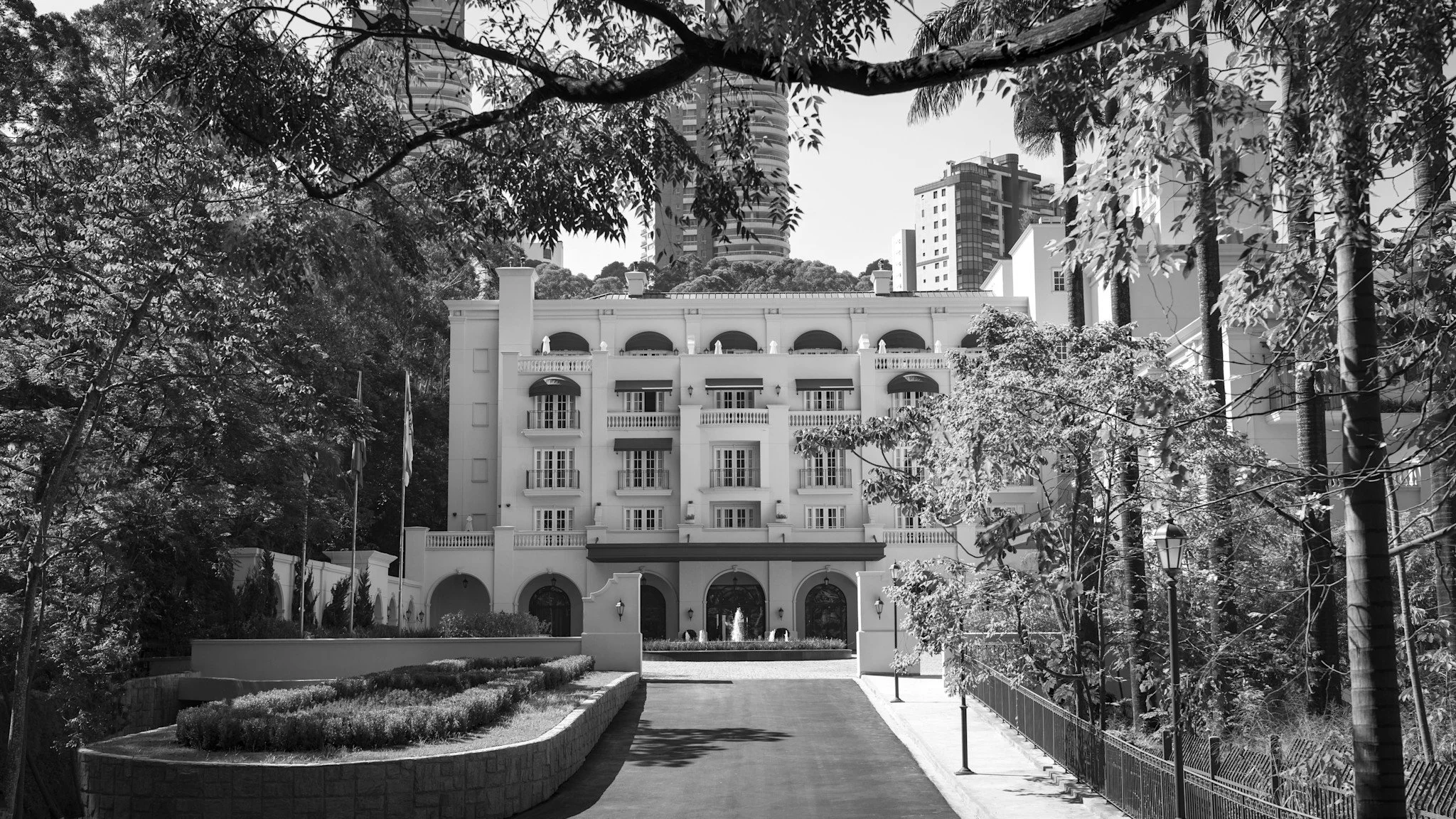
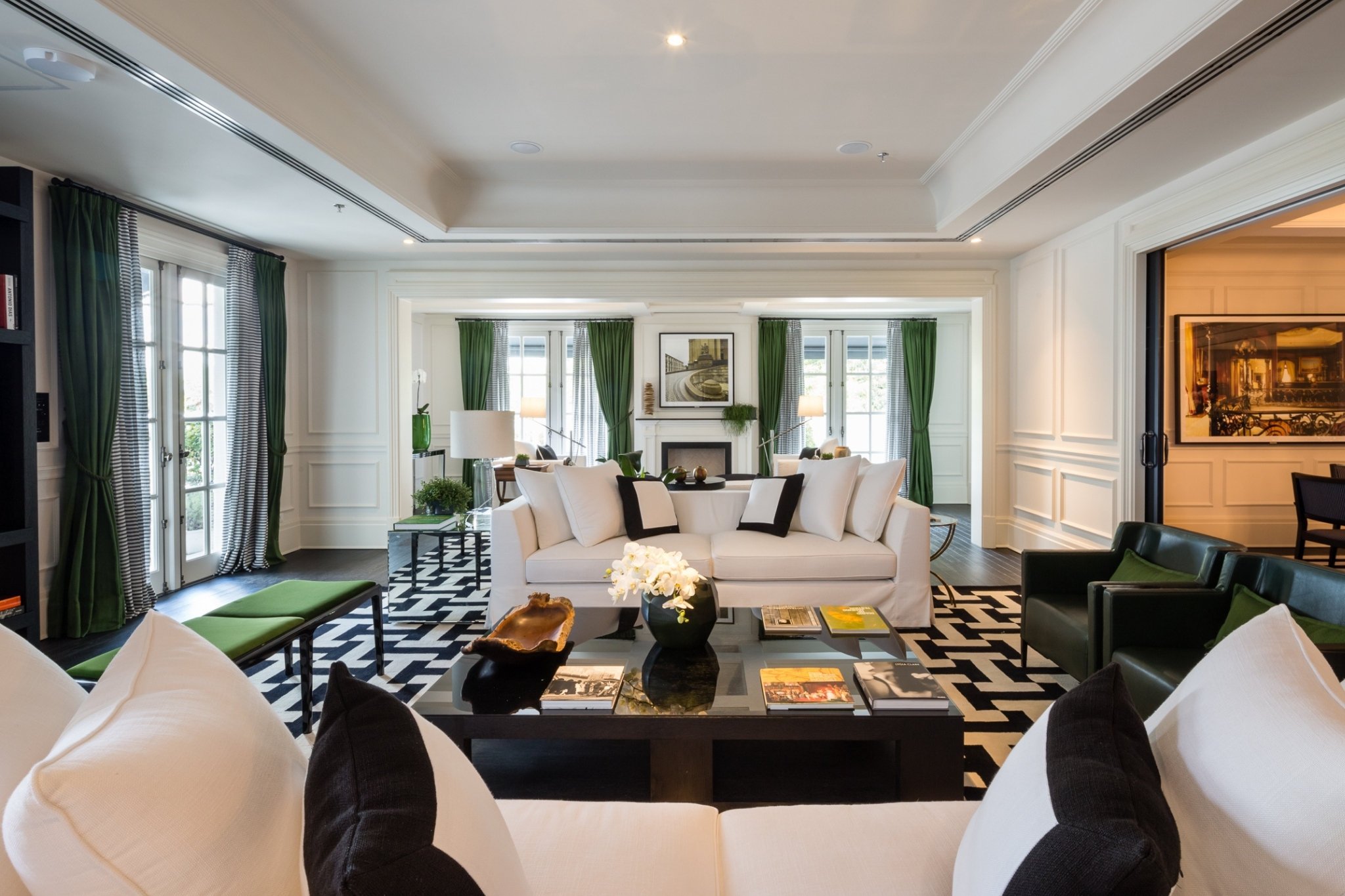
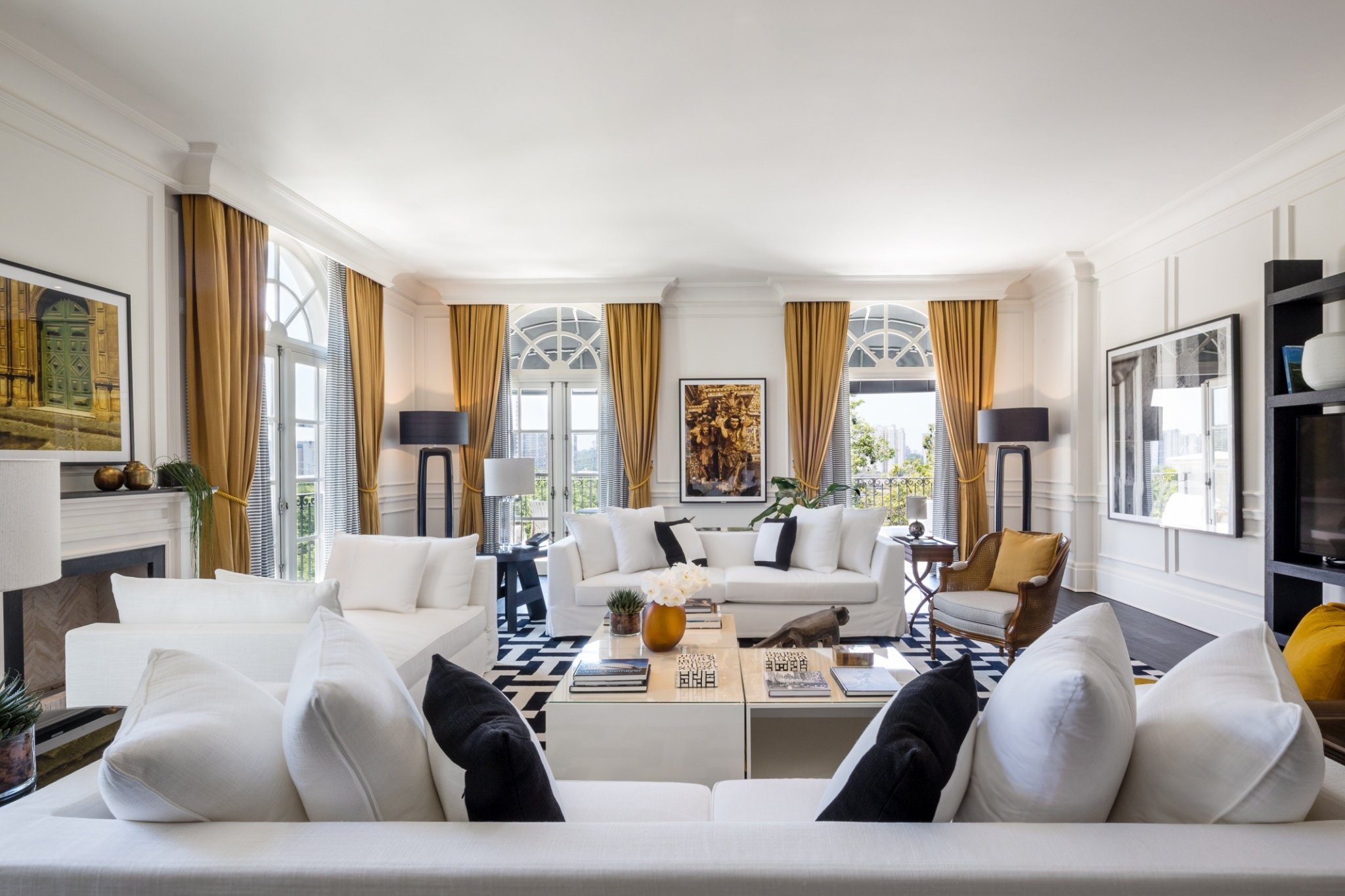
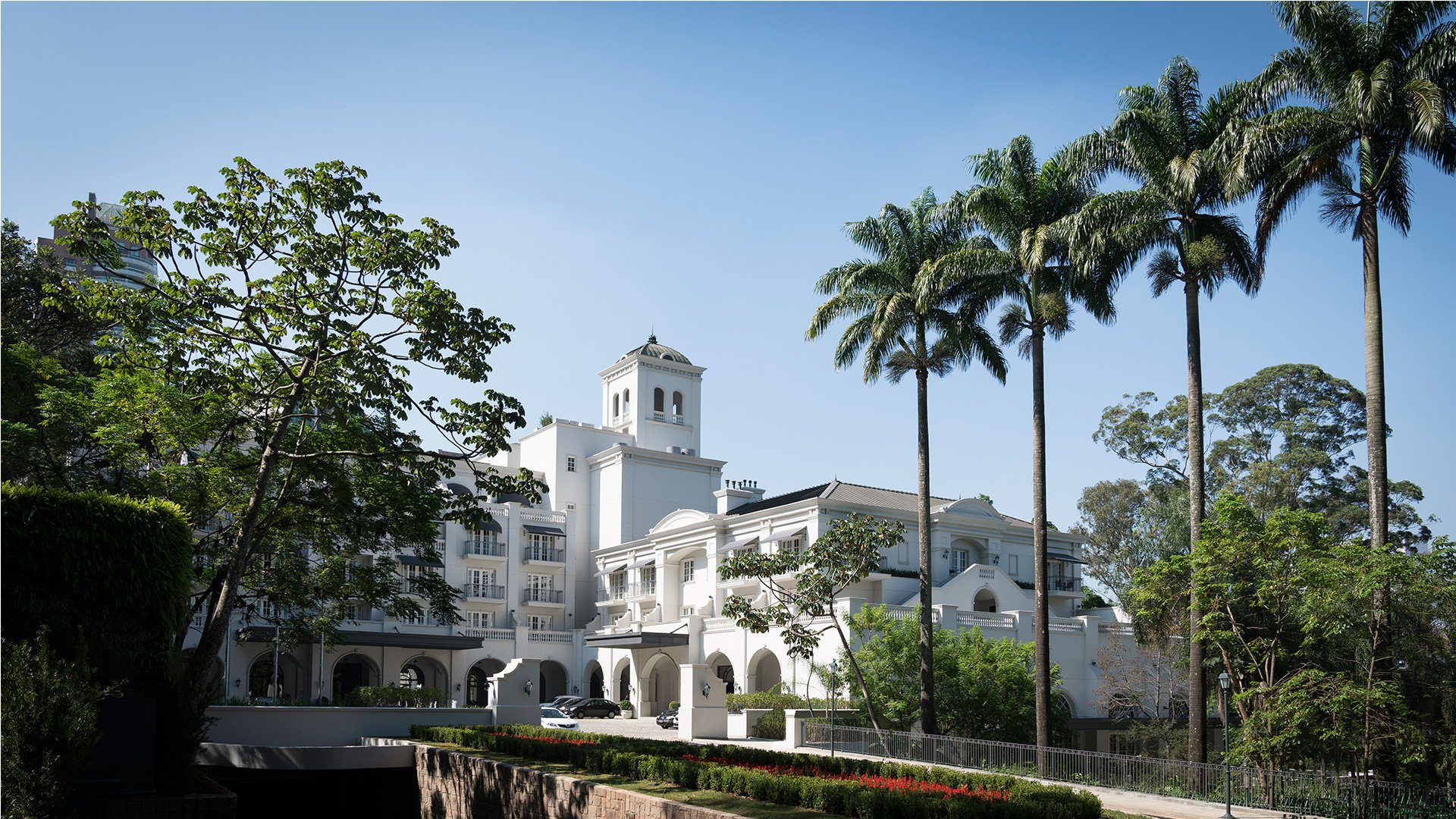
The exterior establishes a formal tone through its pale façade, symmetry and tall windows. Inside, Brazilian designers give the rooms their character. Anastassiadis Arquitetos shaped the public spaces, while Bick Simonato worked on the guestrooms and corridors, creating a conversation between international hotel traditions and local materials, art and craftsmanship.
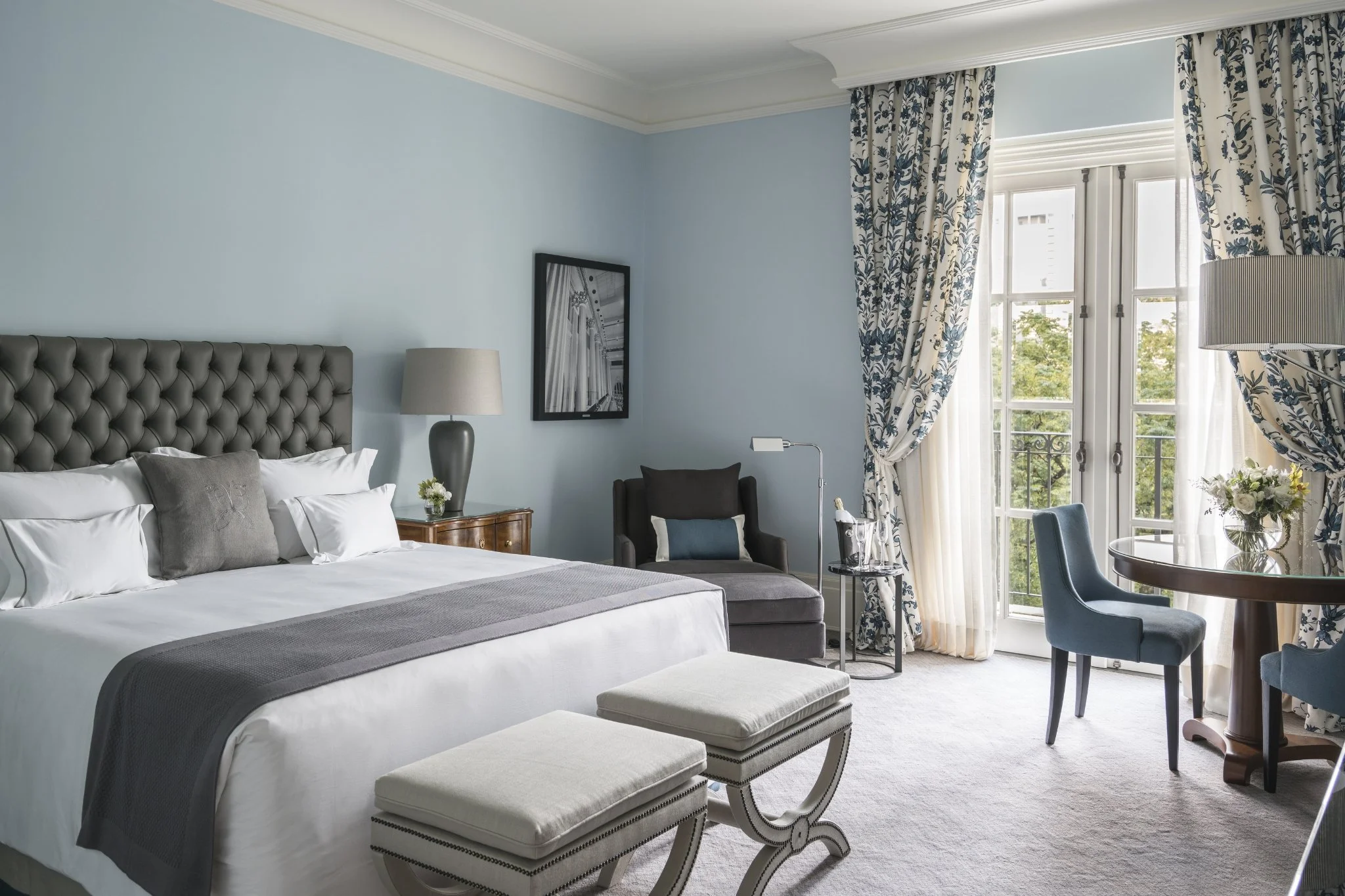
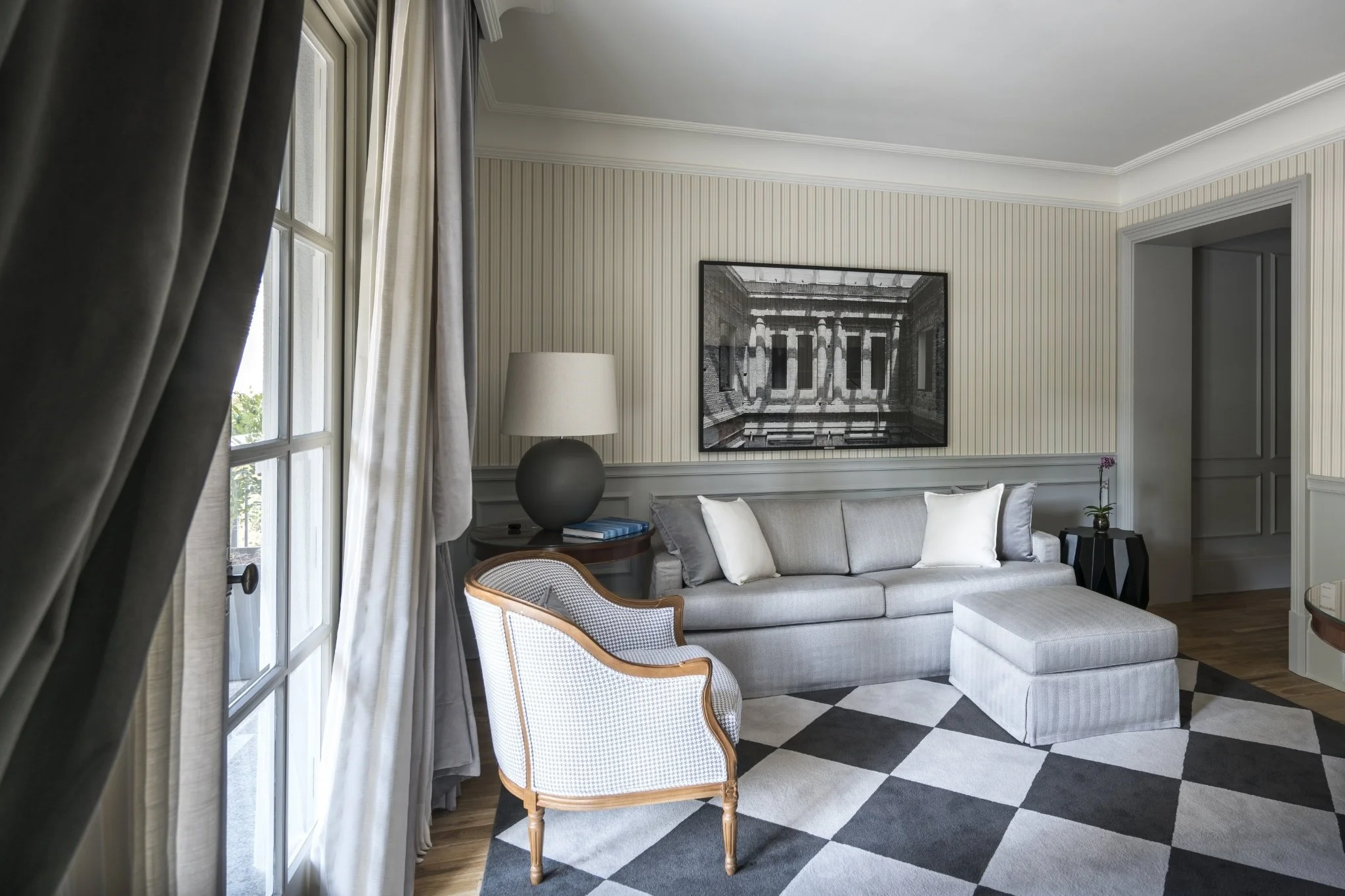
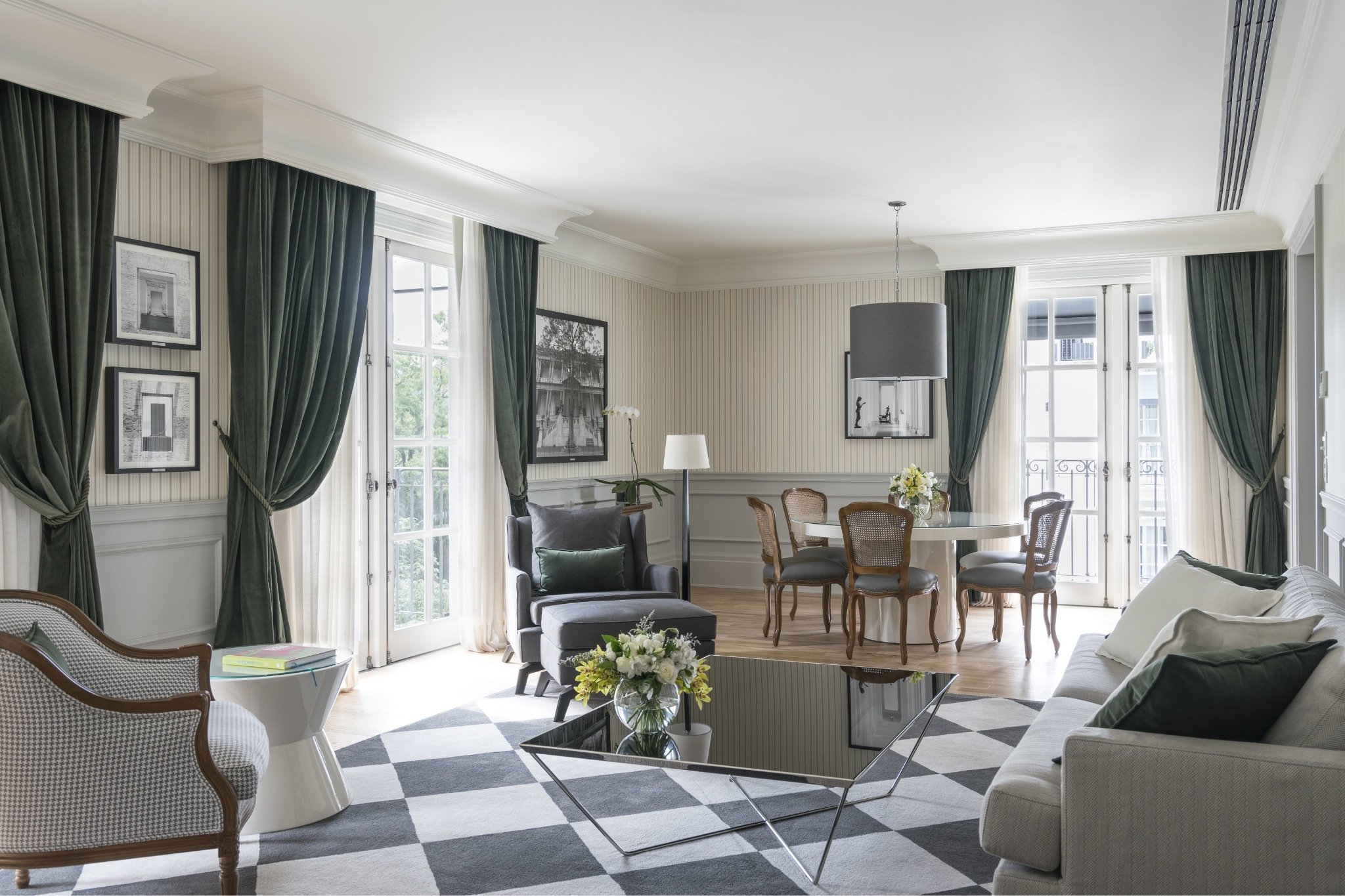
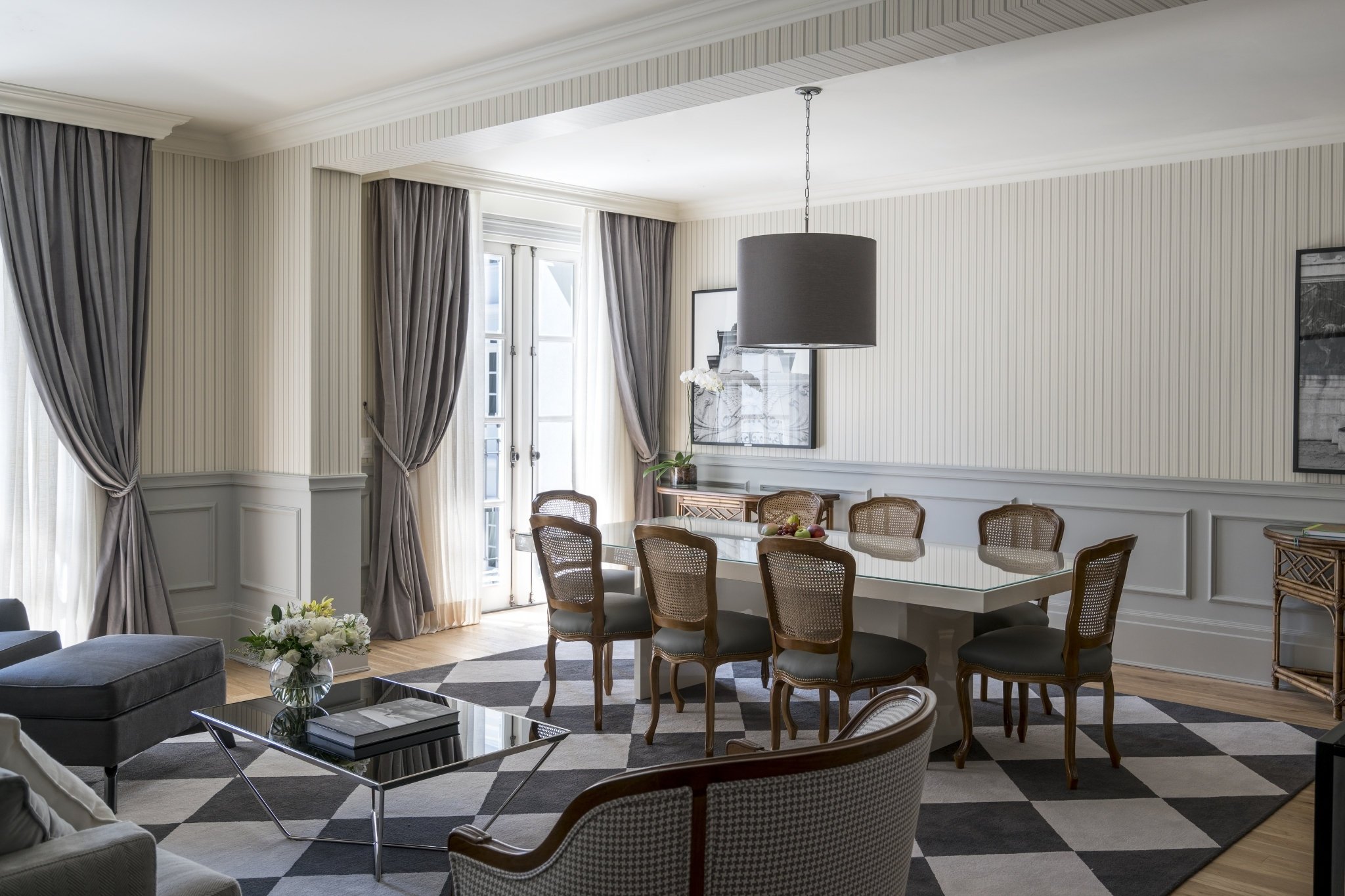
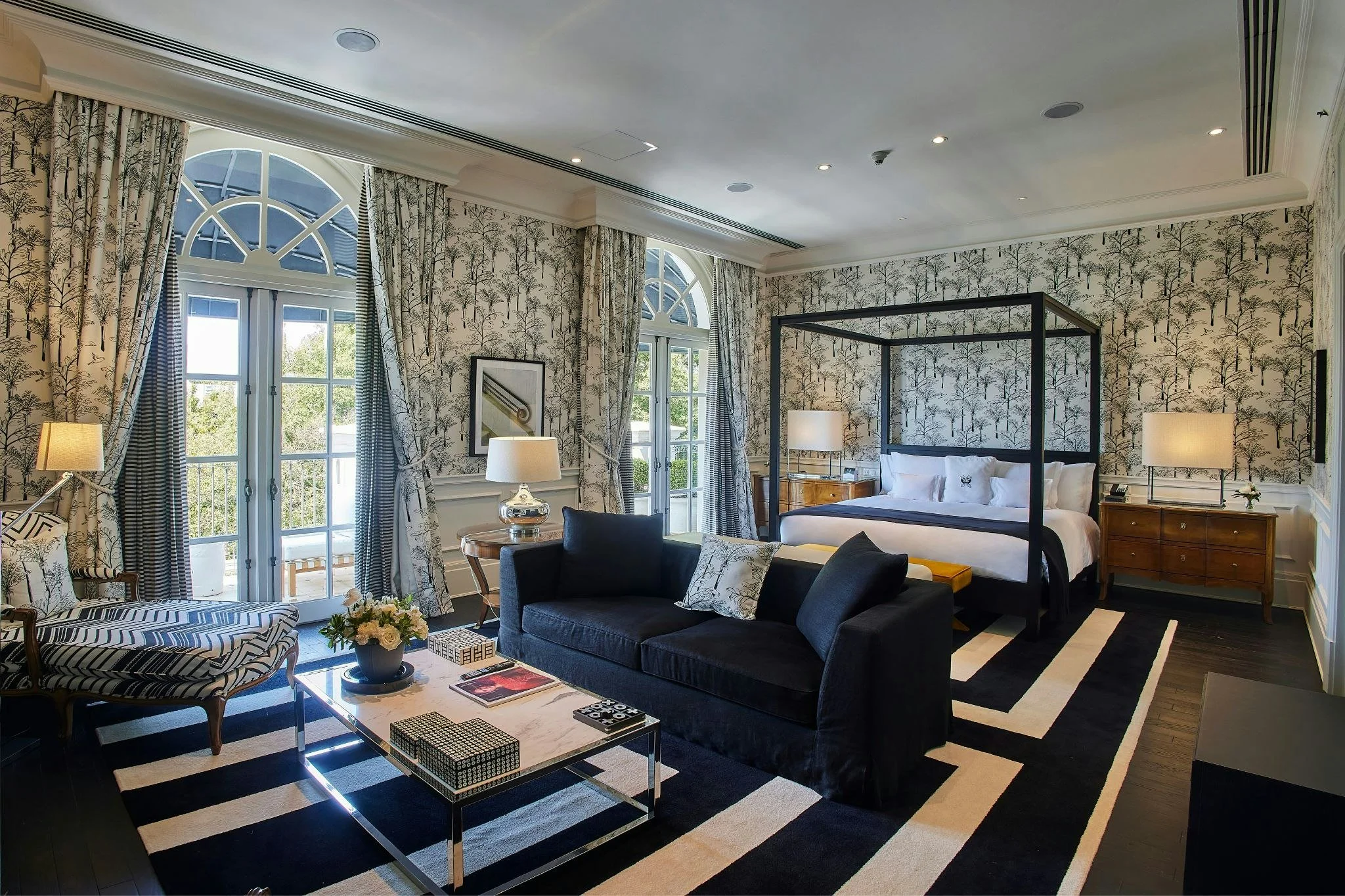
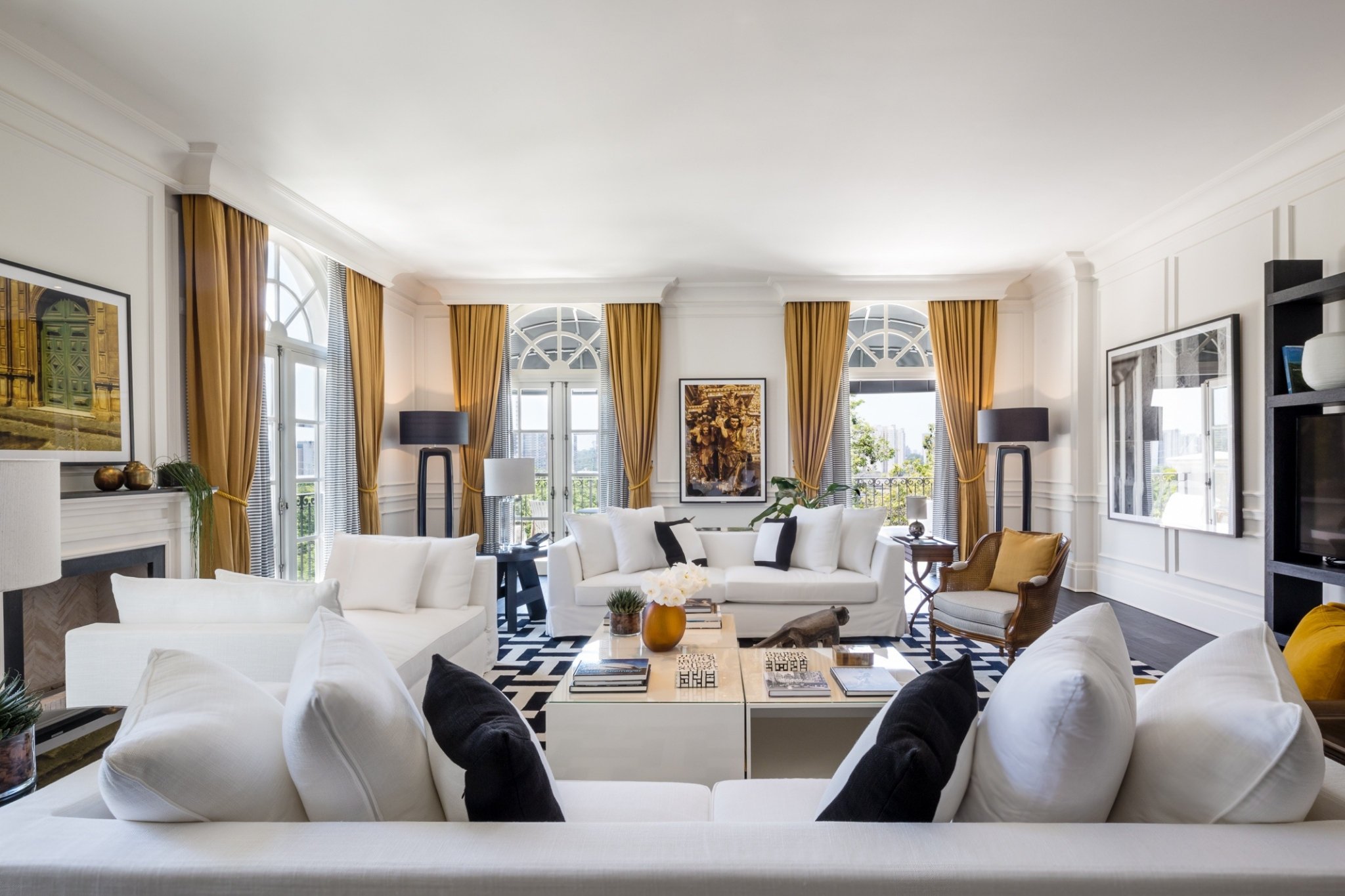
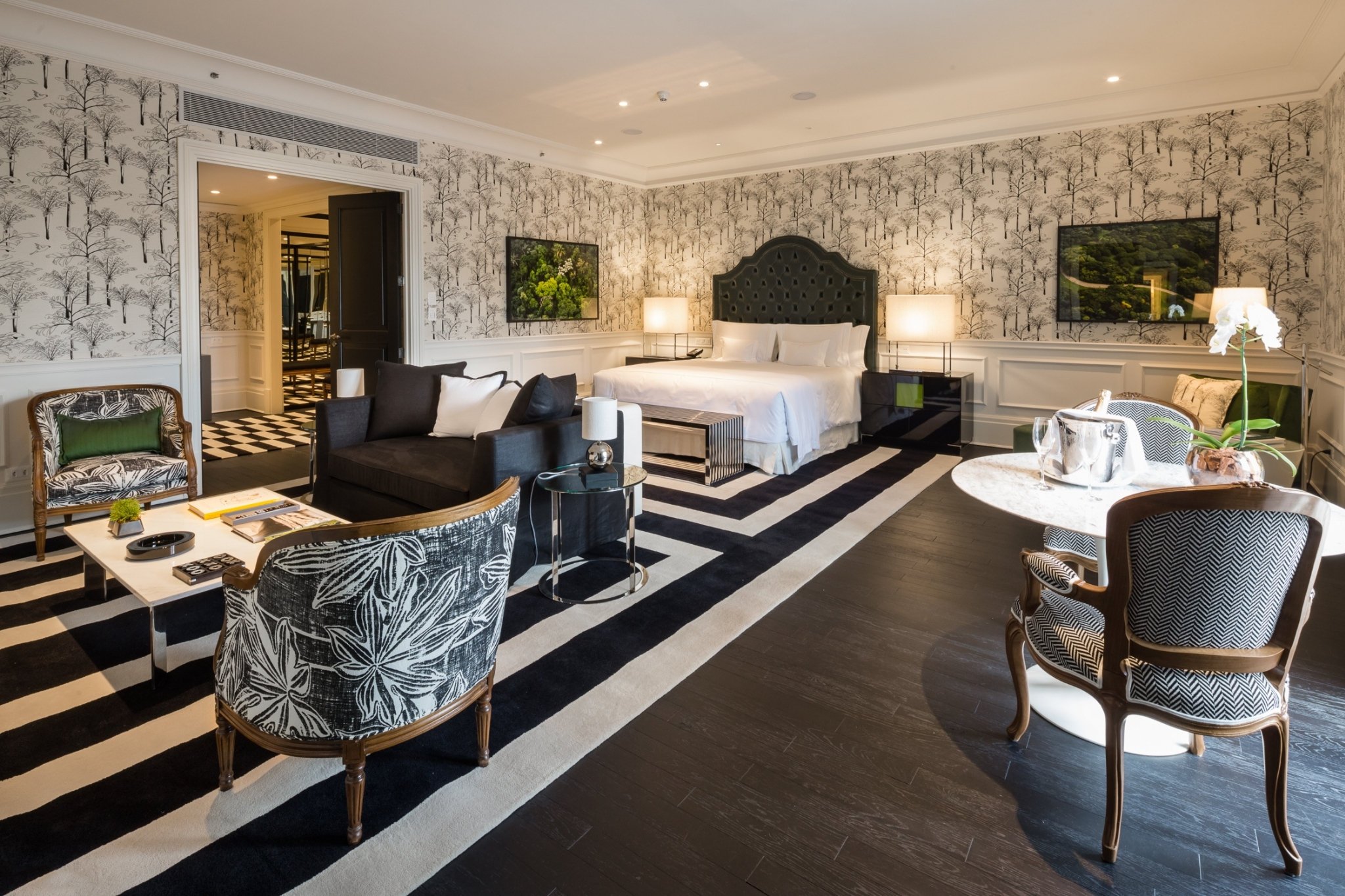
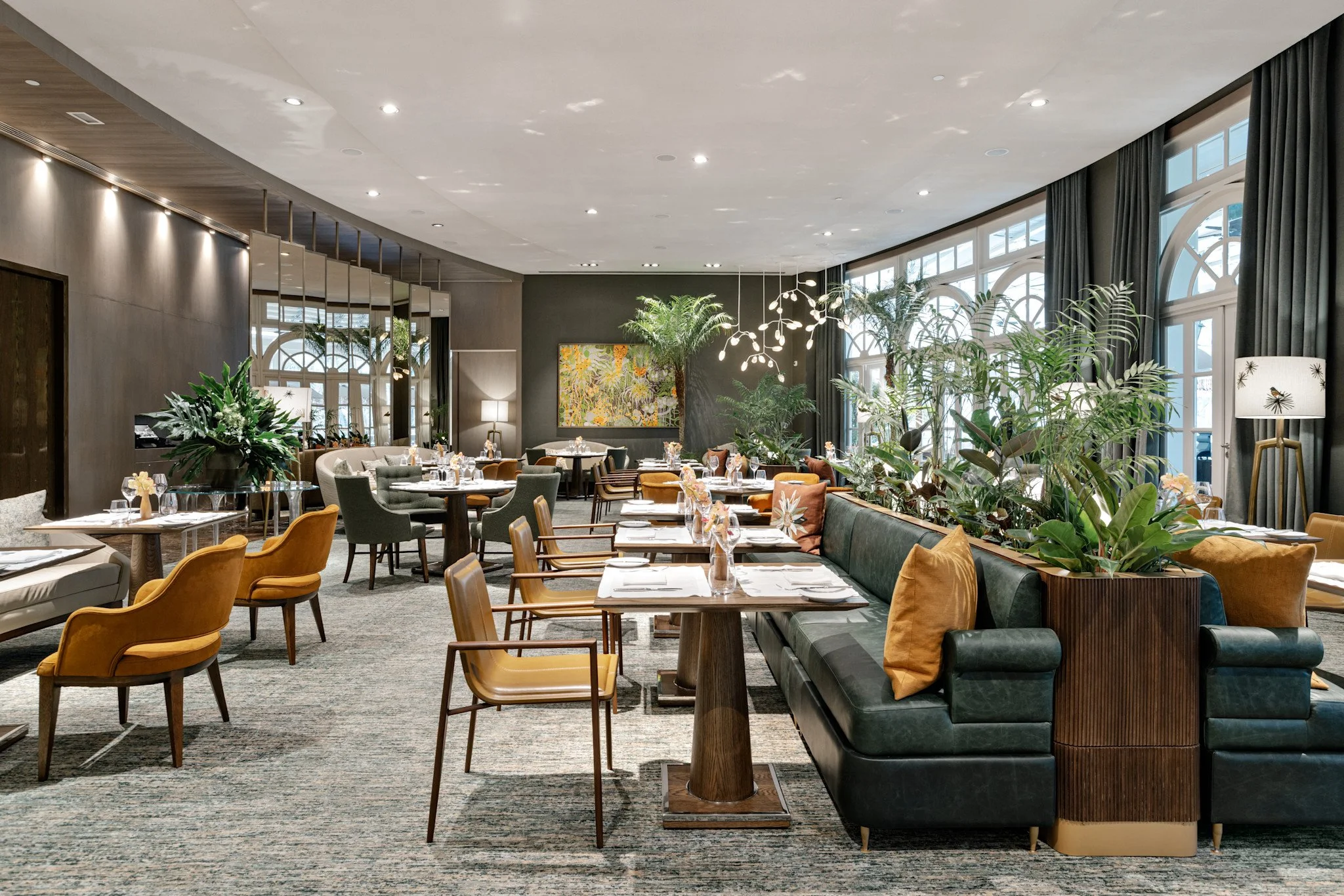
The palette is measured: creams, soft greys, muted greens and blues, punctuated by polished surfaces and stronger geometric patterns. Windows and French doors keep the park in view, and the quieter colors allow the foliage outside to become part of the interior composition.
Art provides some of the most distinctive moments. Laura Vinci’s suspended gilded installation above reception introduces movement and light into the formal lobby. Elsewhere, the design’s references to Brazilian natural resources and landscapes give the hotel a sense of place that extends beyond its address. There is enough detail to reward a slower look, whether in a sculptural object, a patterned floor or the way a seating area is arranged to face the trees.
Rooms with Space to Settle In
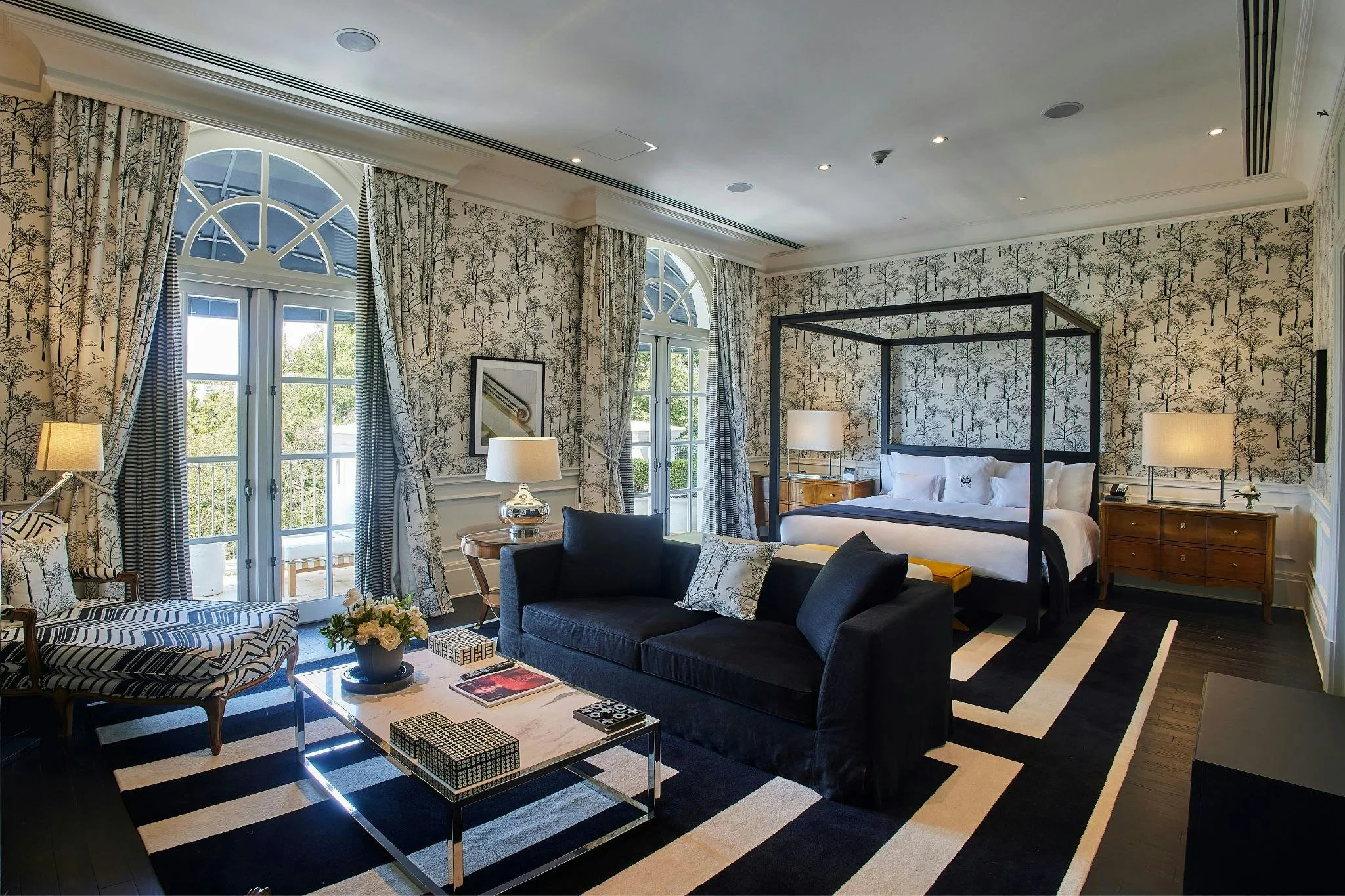
The accommodation ranges from generous king rooms to signature suites equipped for private dining and meetings. Balconies and terraces are a recurring feature, although their dimensions and outlooks vary. Room selection is therefore as much about layout and outdoor space as the category name.
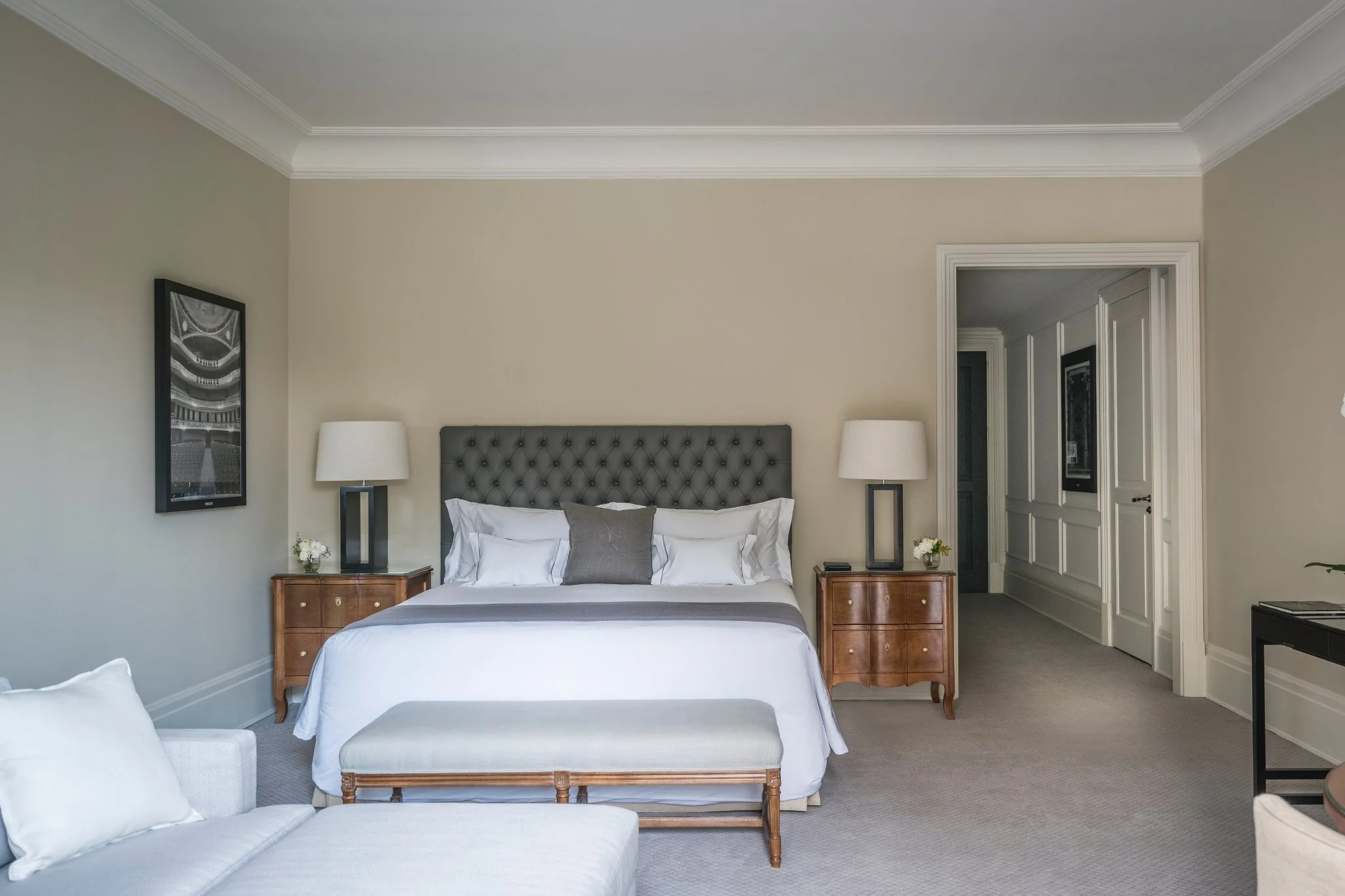
Deluxe Room: Approximately 506 sq. ft., with a king bed, a small entrance hall, a dining table for two and a writing desk, plus French windows opening onto a balcony; selected rooms connect to other accommodation for a more flexible arrangement.
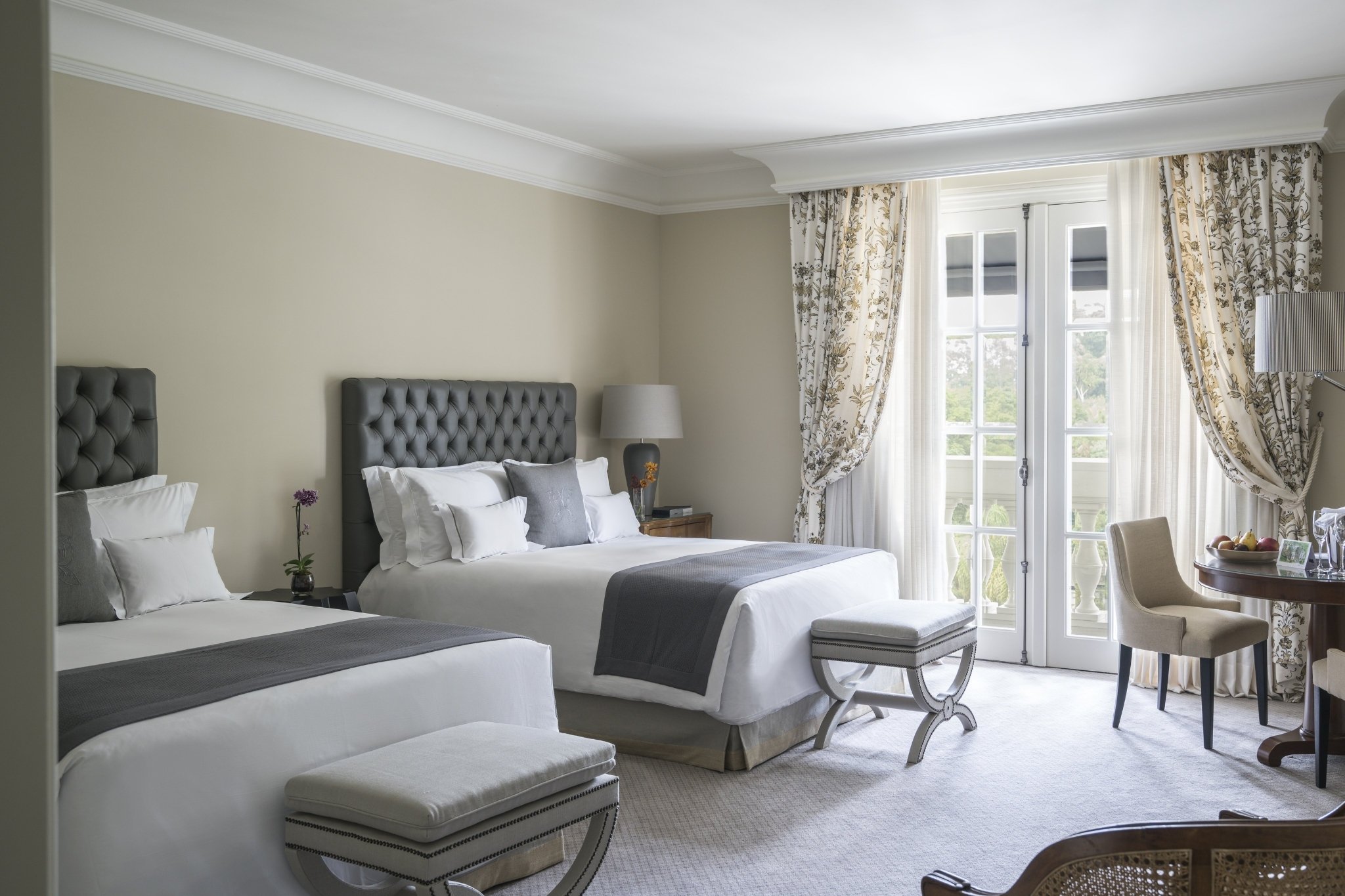
Deluxe Double Double: Approximately 550 sq. ft. according to the hotel’s published room specification, with two double beds, a balcony, a walk-in closet and a spacious bathroom, offering a useful starting point for families who prefer to share one room.
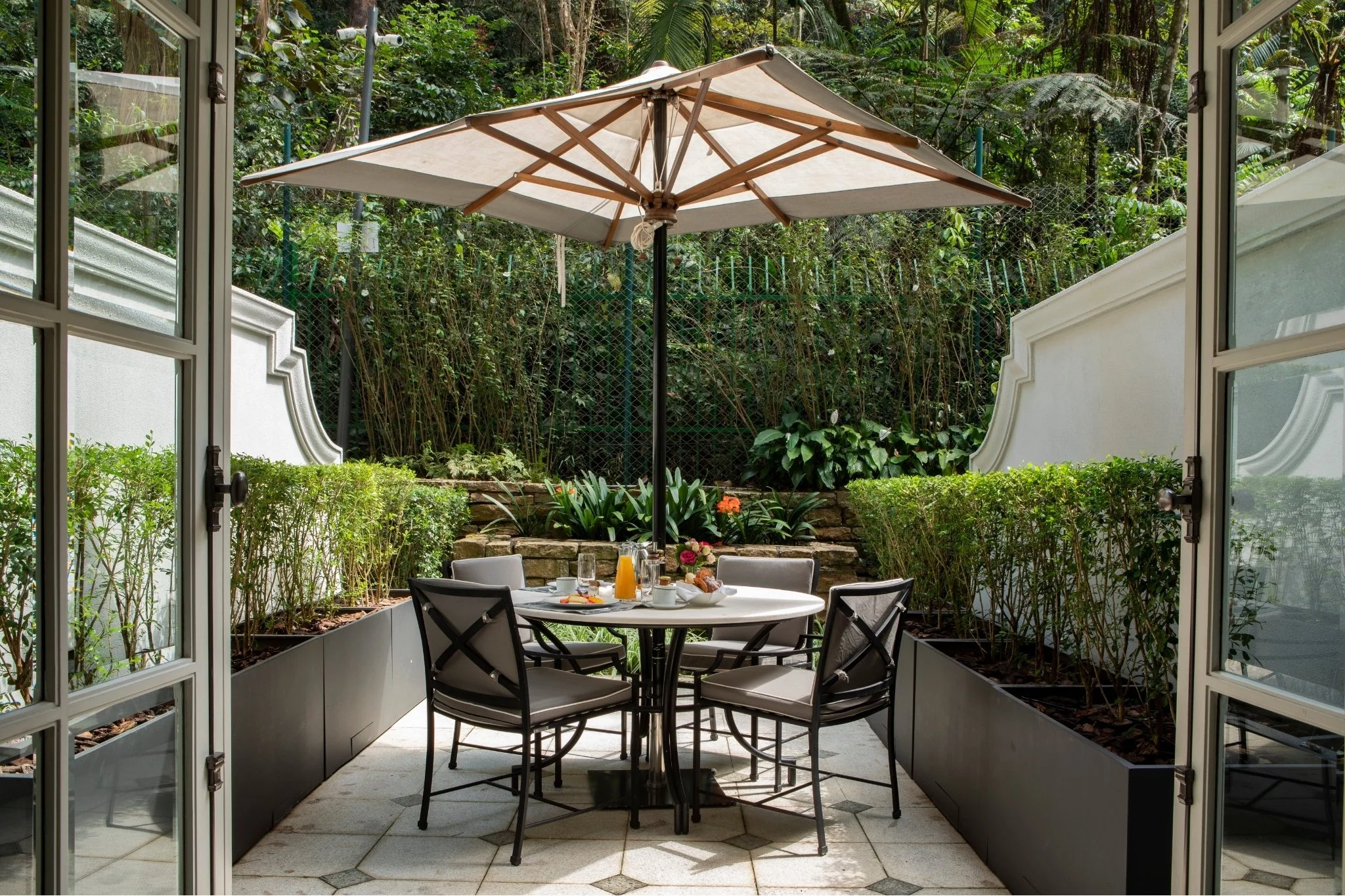
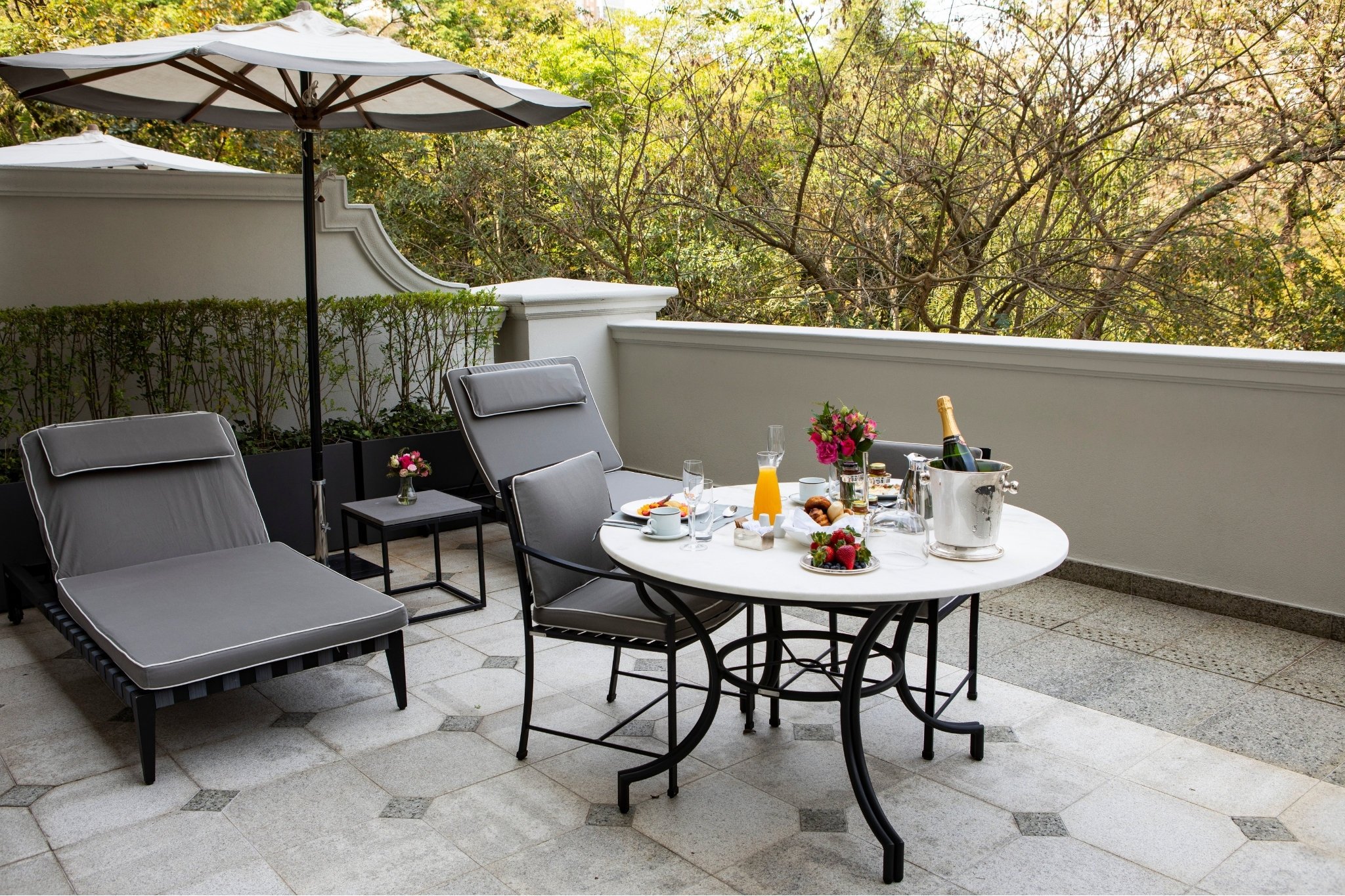
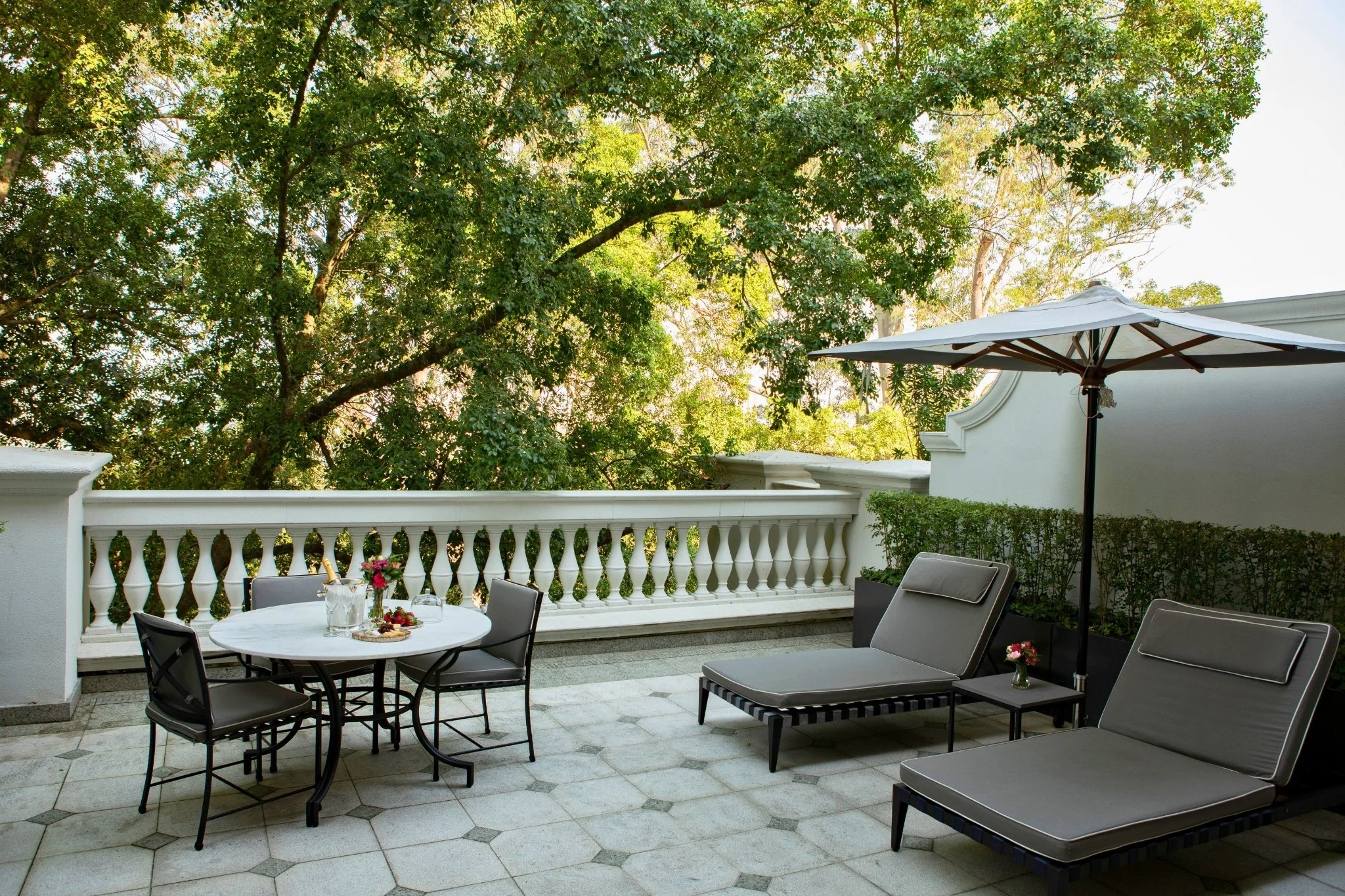
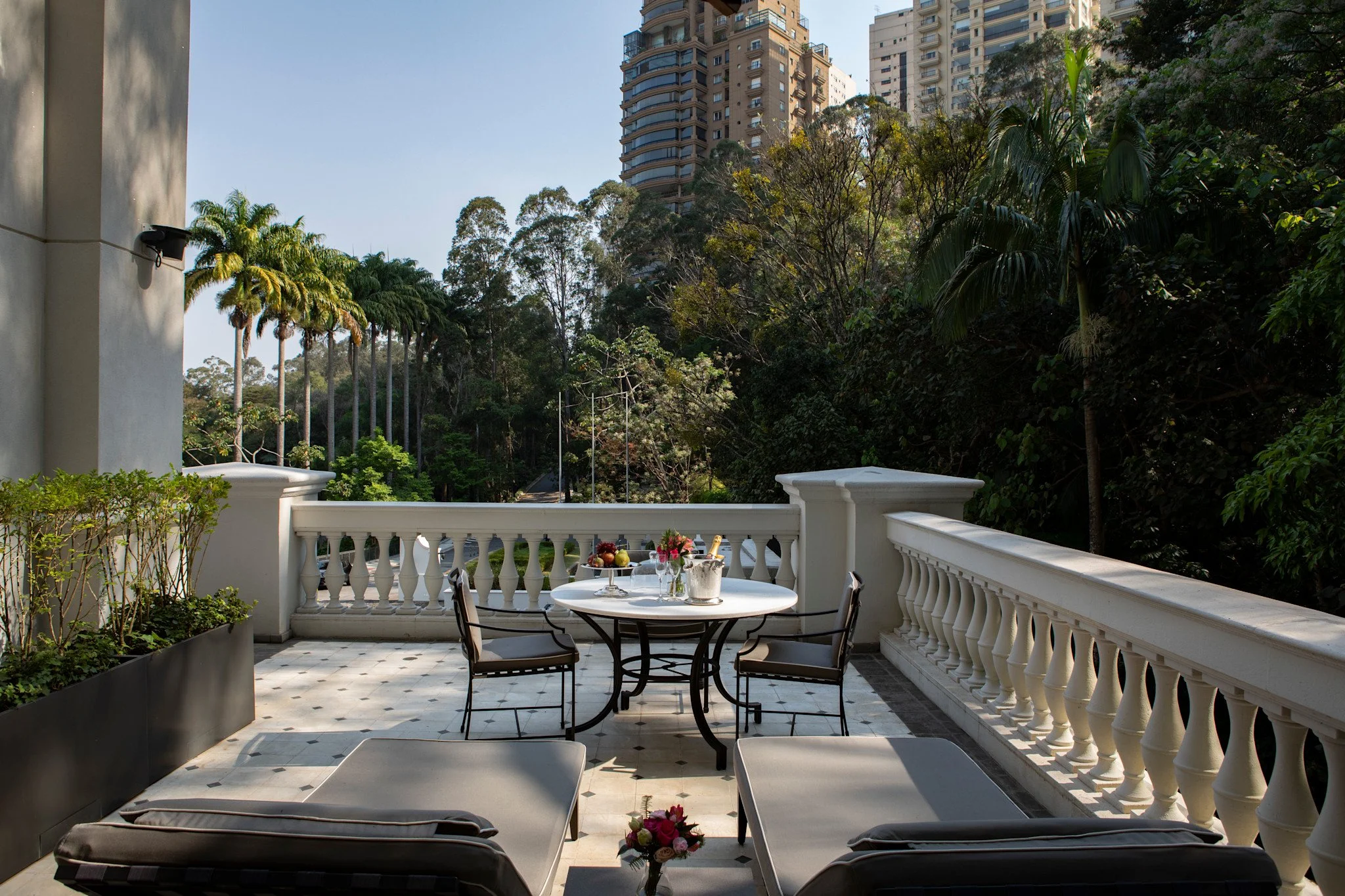
Prestige Room Terrace: Approximately 581 sq. ft., with a king bed, dining table and writing desk, distinguished by a furnished patio accessed through French windows, giving couples an outdoor setting for breakfast or a quiet drink after exploring São Paulo.
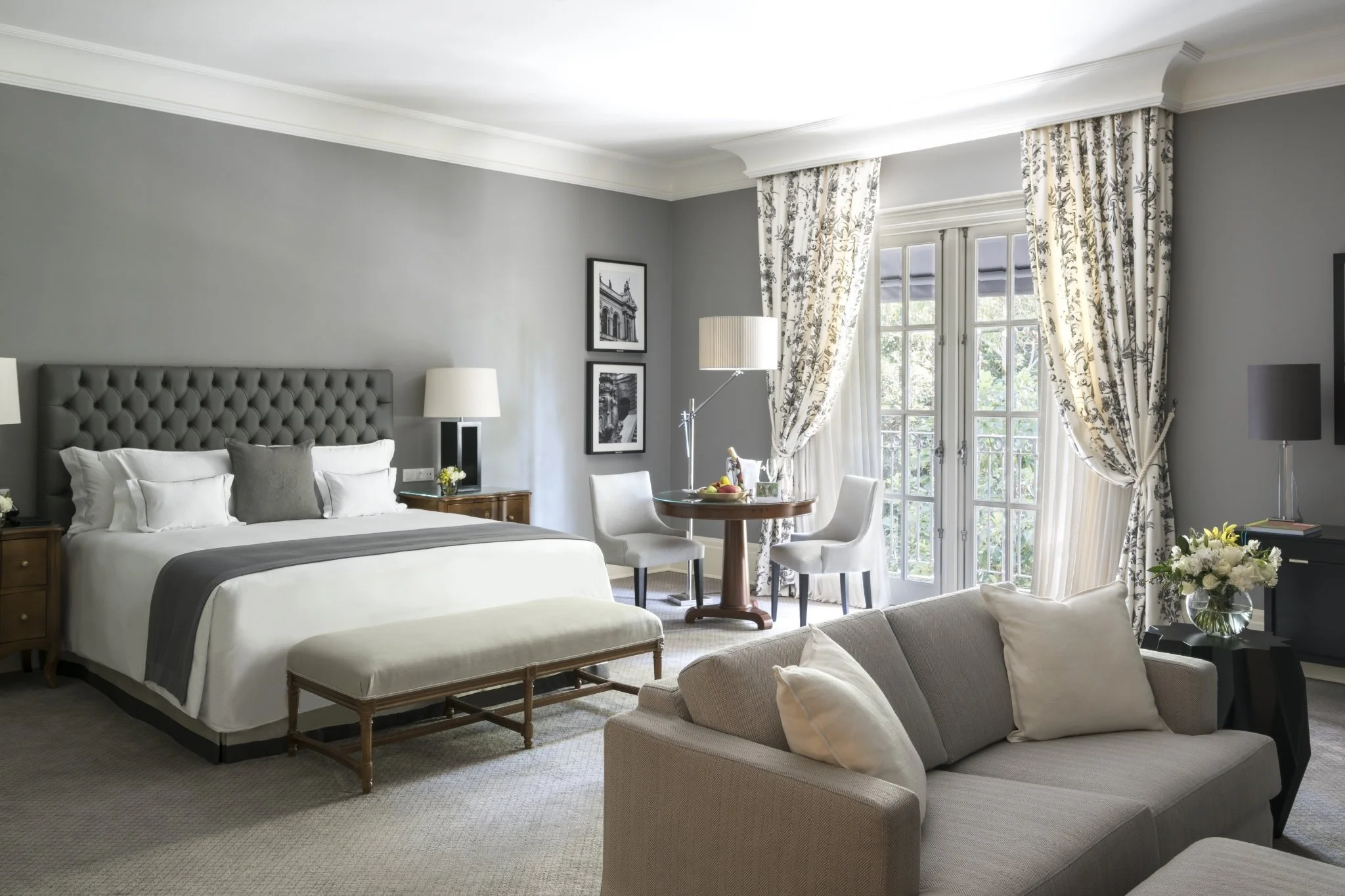
Junior Suite: Approximately 603 sq. ft., with a king bed, a lounge area with a sofa, a dining table for two and a balcony overlooking the park, with selected suites connecting to a Deluxe Double Double for family stays.
Deluxe Junior Suite: Approximately 700 sq. ft., arranged with an open-plan sitting area, dining table for two and generous desk, together with a walk-in closet, separate shower and bathtub, and a balcony that brings the park into daily view.
Deluxe Junior Suite Terrace: Approximately 700 sq. ft., with a king bed, lounge area, dining table and workspace, complemented by a furnished terrace overlooking Burle Marx Park; terrace configurations vary, with some providing an additional outdoor dining table.
Superior Suite: Approximately 883 sq. ft., with a king bedroom, a separate living area with a sofa bed, dining for four and a park-facing balcony, making it a practical choice for families or couples who value distinct spaces for rest and conversation.
Superior Suite Terrace: Approximately 883 sq. ft., with a separate living area, sofa bed and dining table for four, enhanced by a furnished terrace for outdoor meals; most also have an additional guest bathroom with a shower.
Deluxe Suite: Approximately 1,087 sq. ft., with a separate bedroom, substantial living space, a sofa bed and dining for six, plus a terrace and generous storage, with connecting Superior Suites available on request for larger family arrangements.
Prestige Suite: Approximately 1,173 sq. ft., with a furnished balcony overlooking the pool, a lounge with a sofa bed, a dining room seating eight and a bar, as well as a second bathroom that makes private entertaining more comfortable.
The Suite Panamby: Approximately 2,303 sq. ft., with a contemporary four-poster king bed, separate living and dining spaces, a table for ten and a private office, complemented by a covered terrace and an optional connection to a Junior Suite.
The Grand Suite São Paulo: Approximately 3,003 sq. ft., with a king bedroom, separate living room, office and dining room seating twelve, opening onto a furnished terrace with outdoor dining, and connecting on request to a Superior Suite Terrace.
The most useful distinction is between open-plan junior suites and the larger categories with separate living areas. We would also establish the exact connecting configuration before confirming a multigenerational stay, since those arrangements depend on the rooms available together.
From Jean-Georges to a Long Terrace Lunch
Food is central to Palácio Tangará’s appeal, with enough variety to make an evening at the hotel feel like a deliberate choice. Executive Chef André Mendes leads the culinary operation, and the restaurants attract local diners as well as residents.
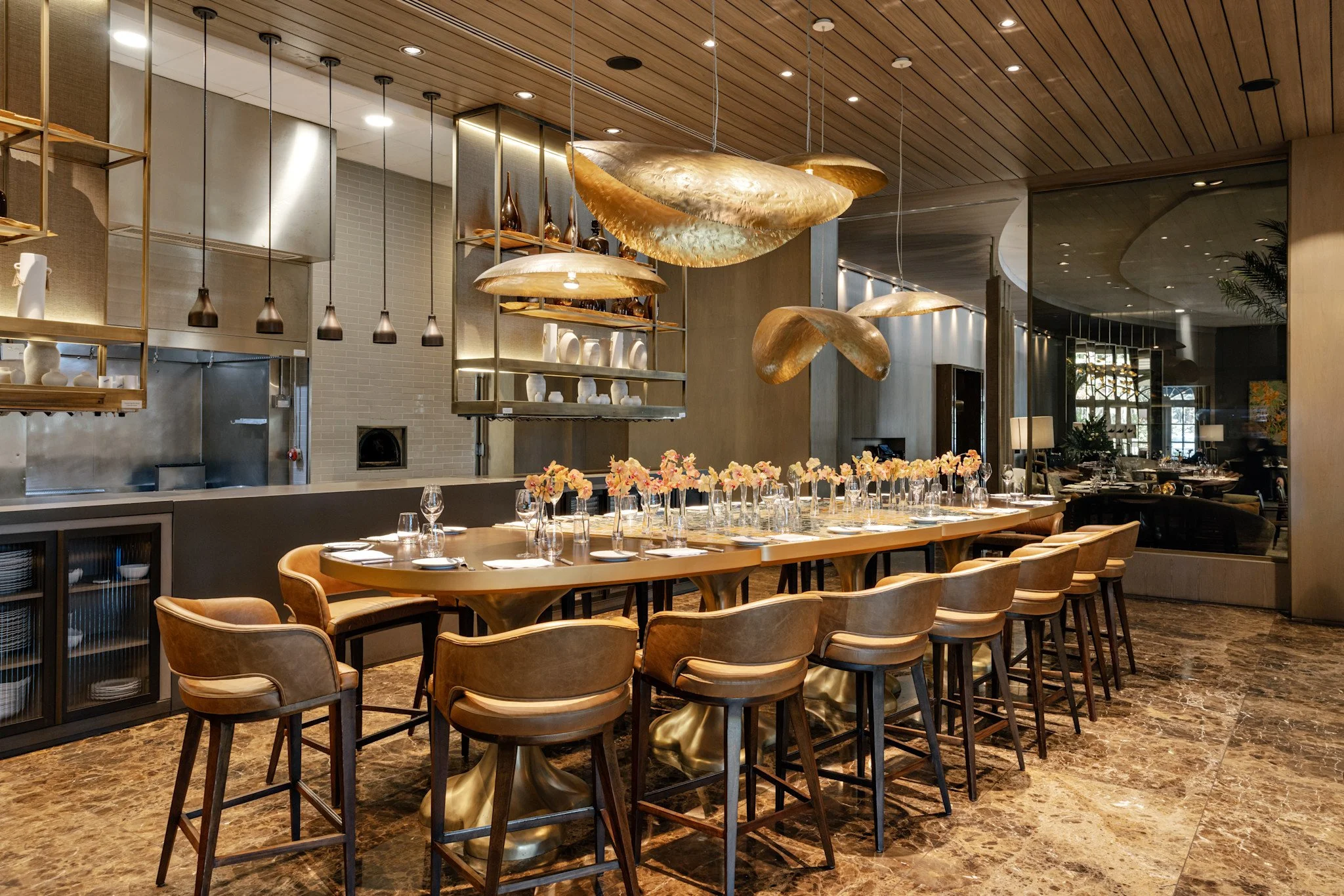
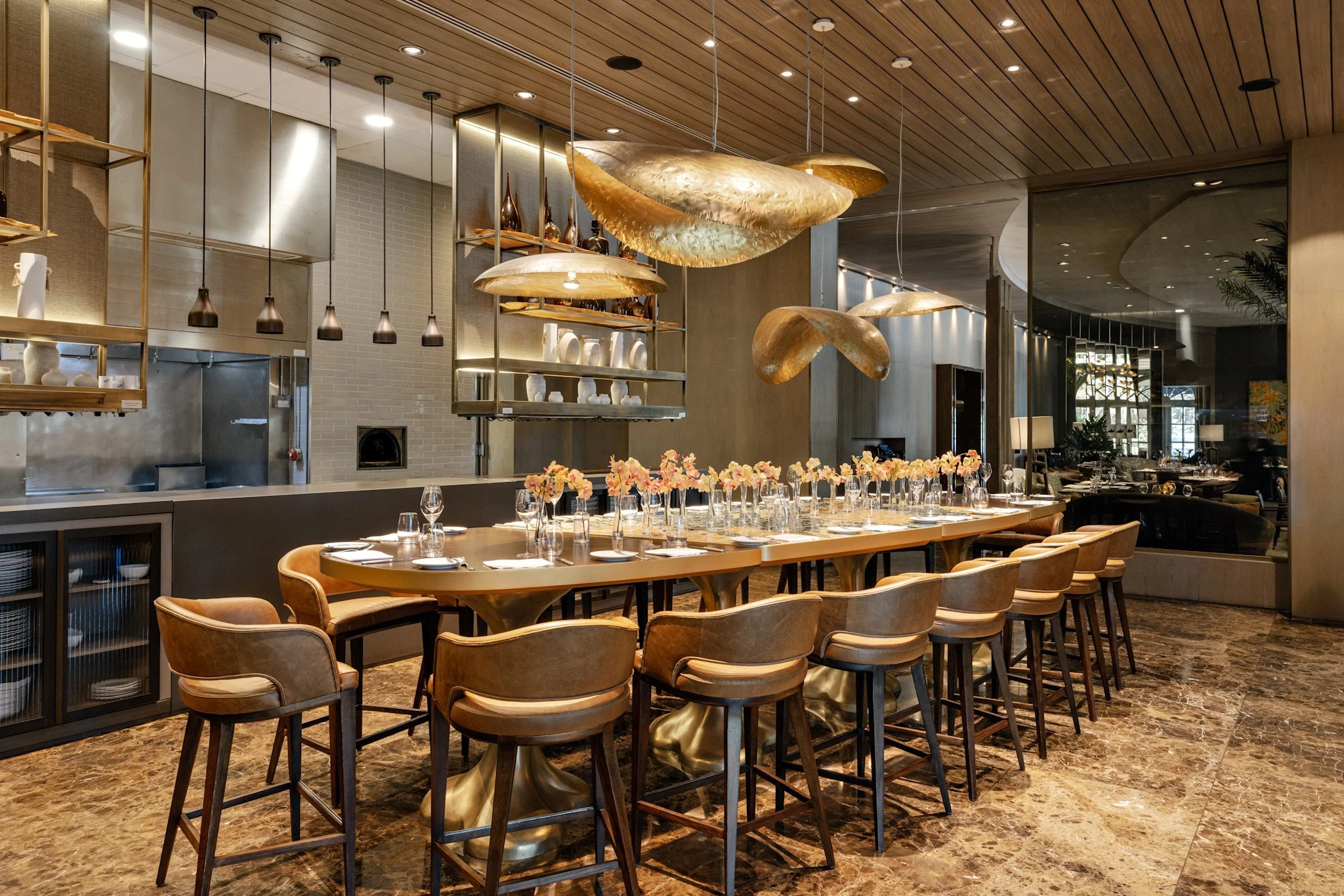
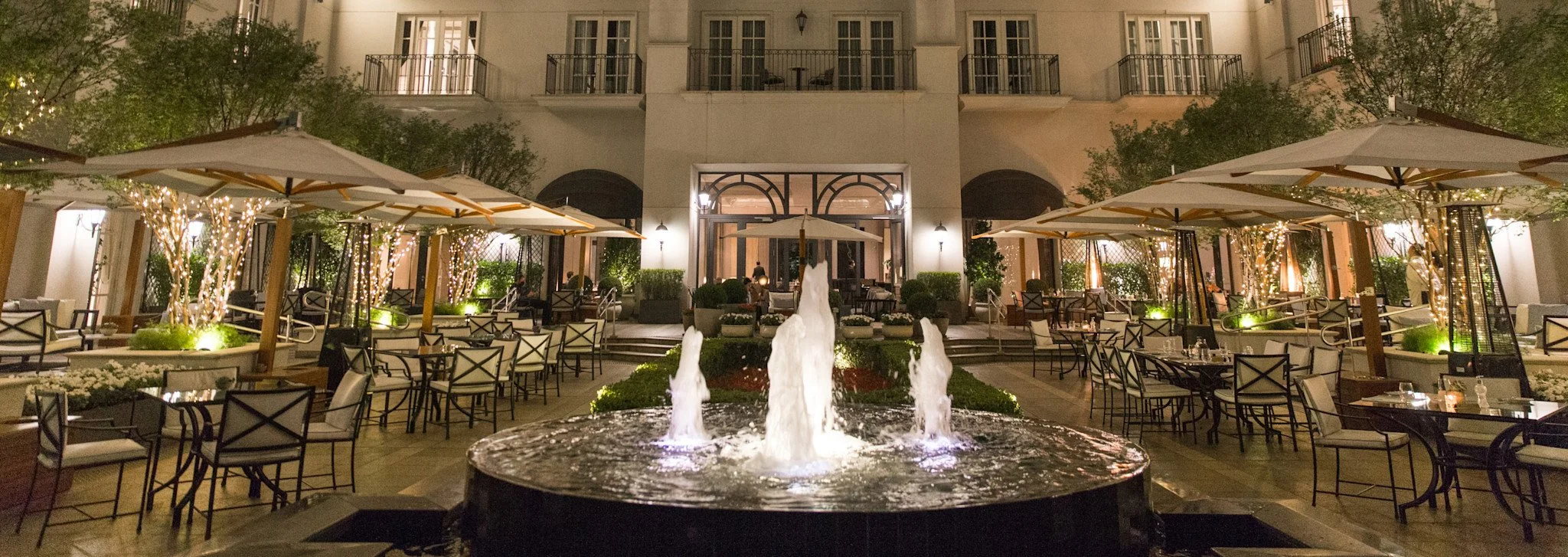
Tangará Jean-Georges: The hotel’s one-Michelin-star restaurant combines French technique, Asian influences and Brazilian ingredients through à la carte and tasting menus, with views toward the park and an intimate Chef’s Table for a more private dining experience.
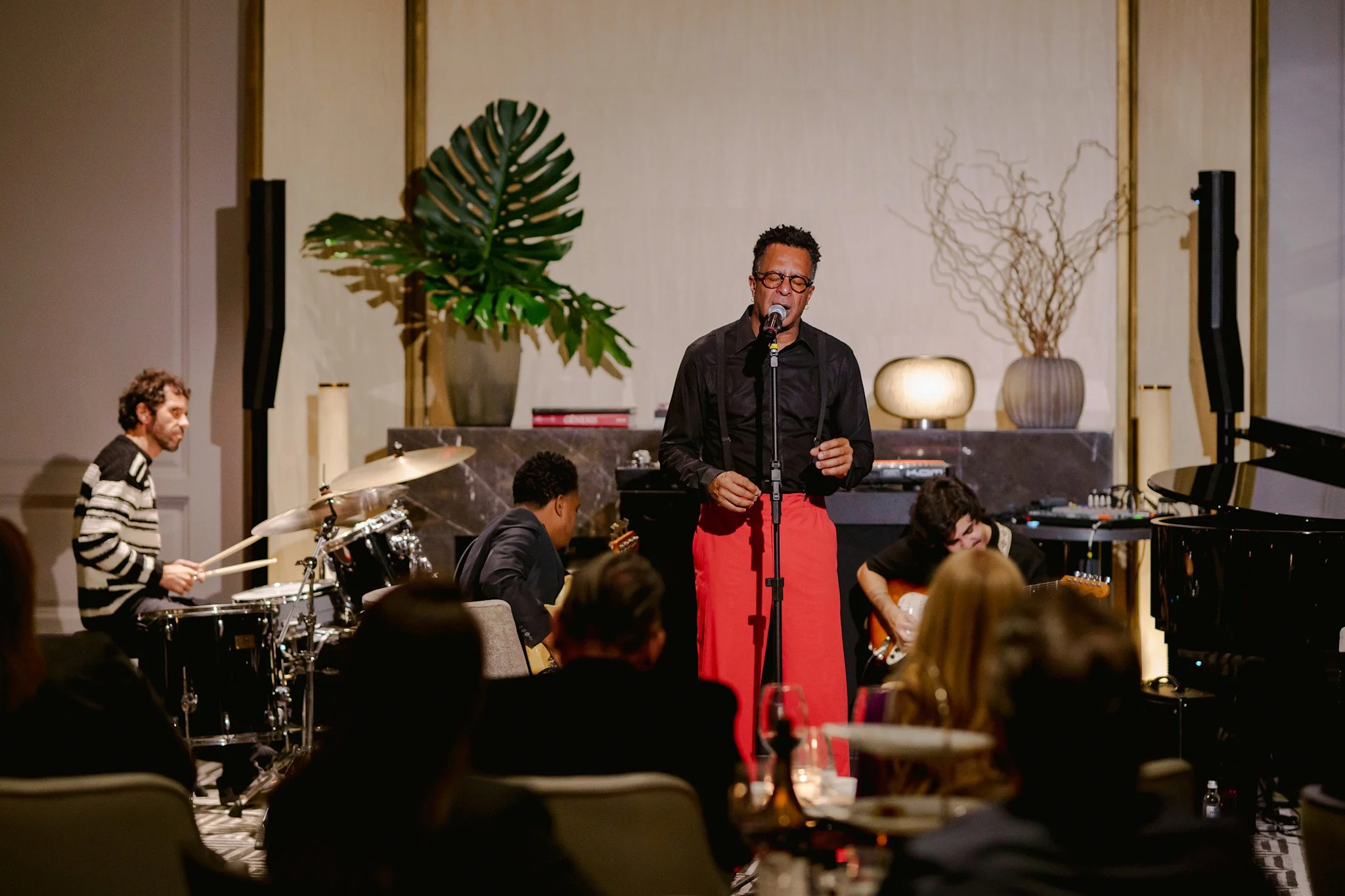
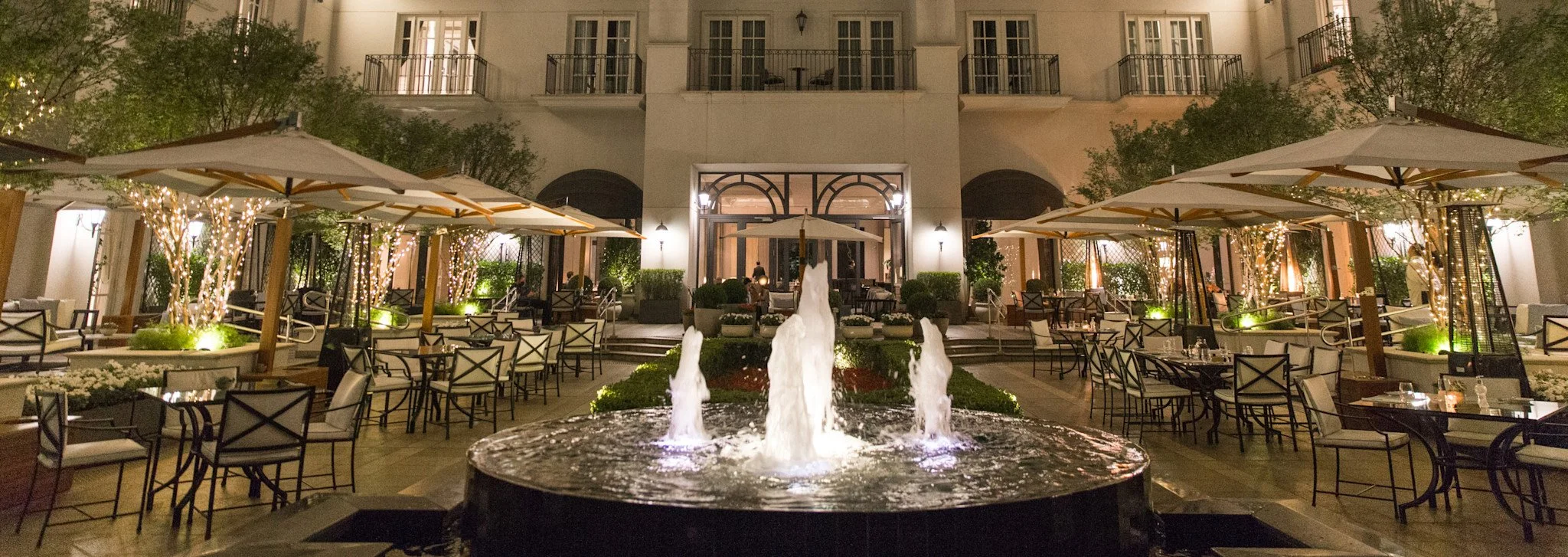
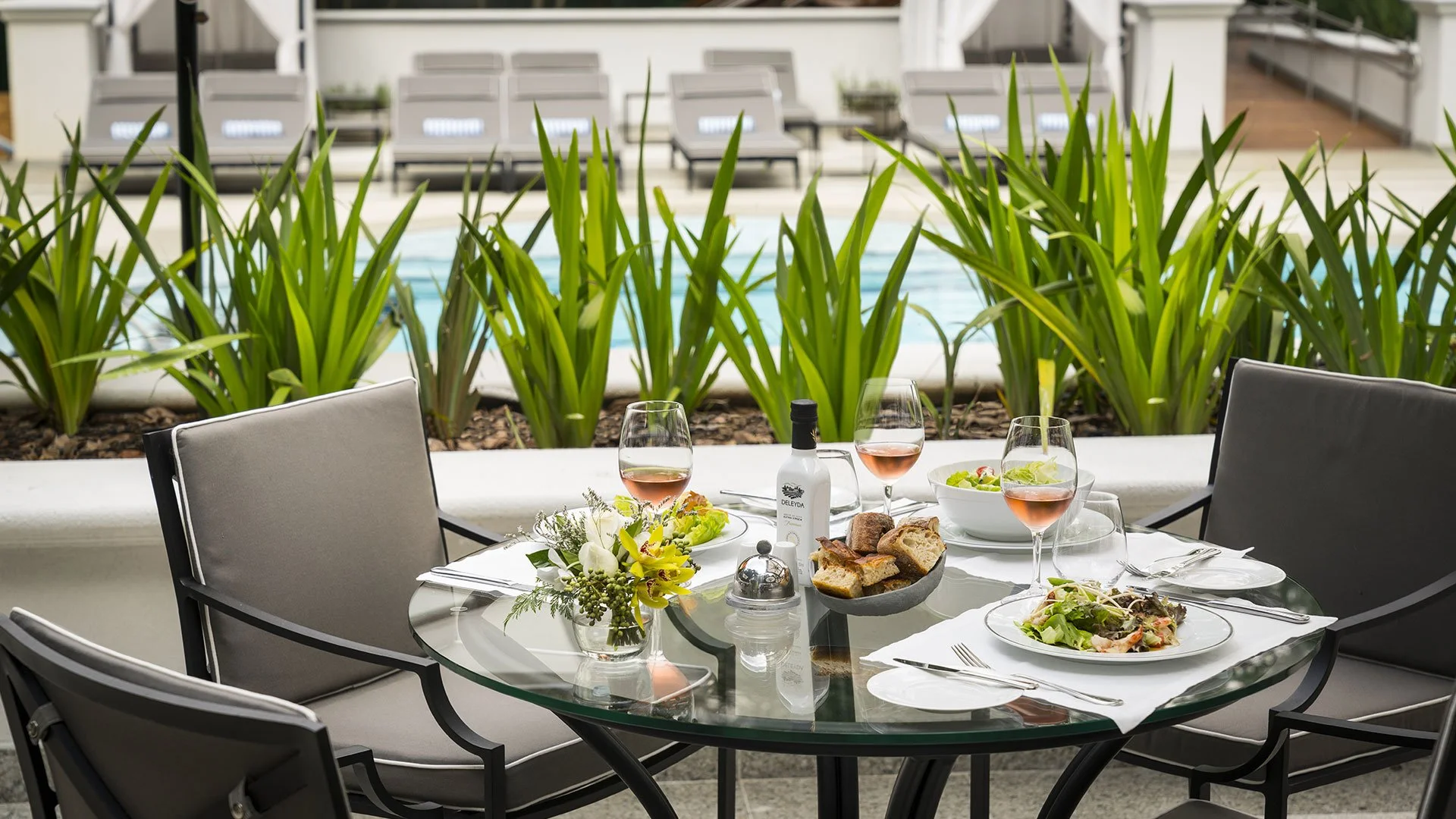
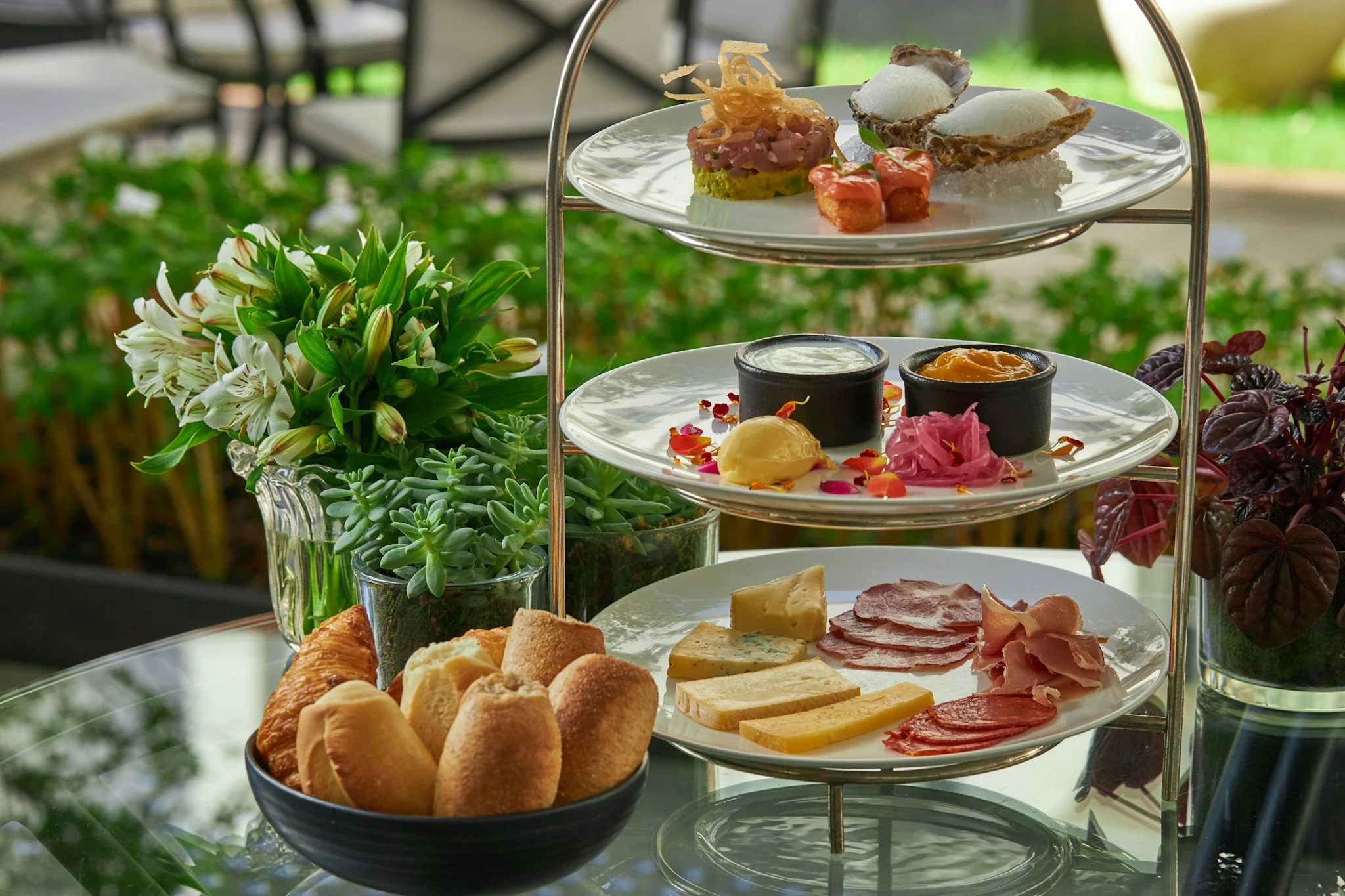
Pateo do Palácio: A more relaxed restaurant with indoor seating and a garden terrace overlooking the pool and park, serving Mediterranean-inspired dishes, pizzas, afternoon tea and Sunday brunch, with live music adding to its social atmosphere.
Pool Bar: Reserved for hotel guests, this outdoor venue serves freshly squeezed juices, wines, cocktails and food through the day, with a Saturday barbecue program, weather permitting, that brings grilled seafood, meats and vegetables to the poolside setting.
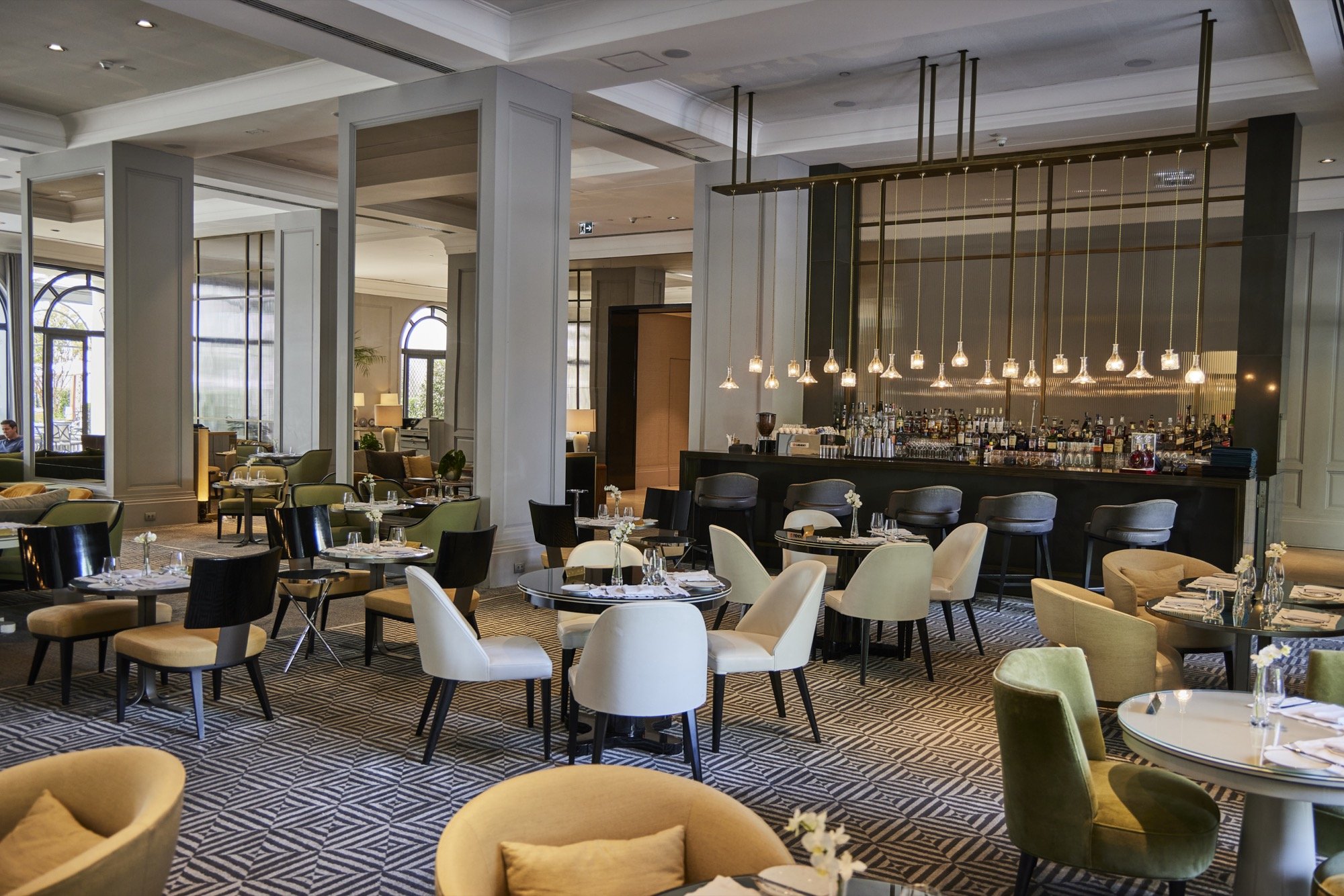
Lobby Bar: The hotel’s lobby cocktail bar offers a comfortable setting for a drink before dinner or an unhurried conversation after a day in the city, extending the public rooms’ relaxed social life beyond the restaurant table.
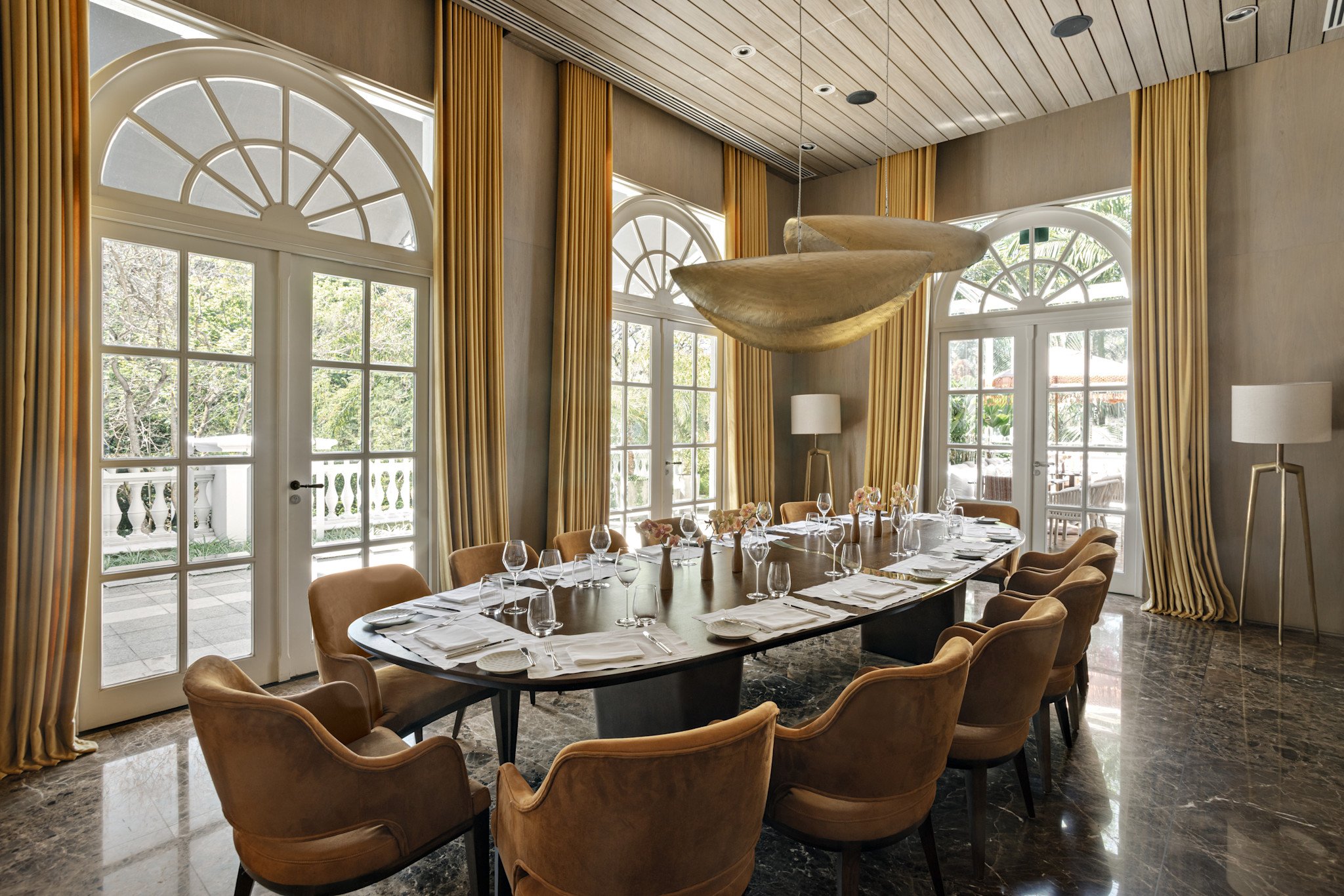
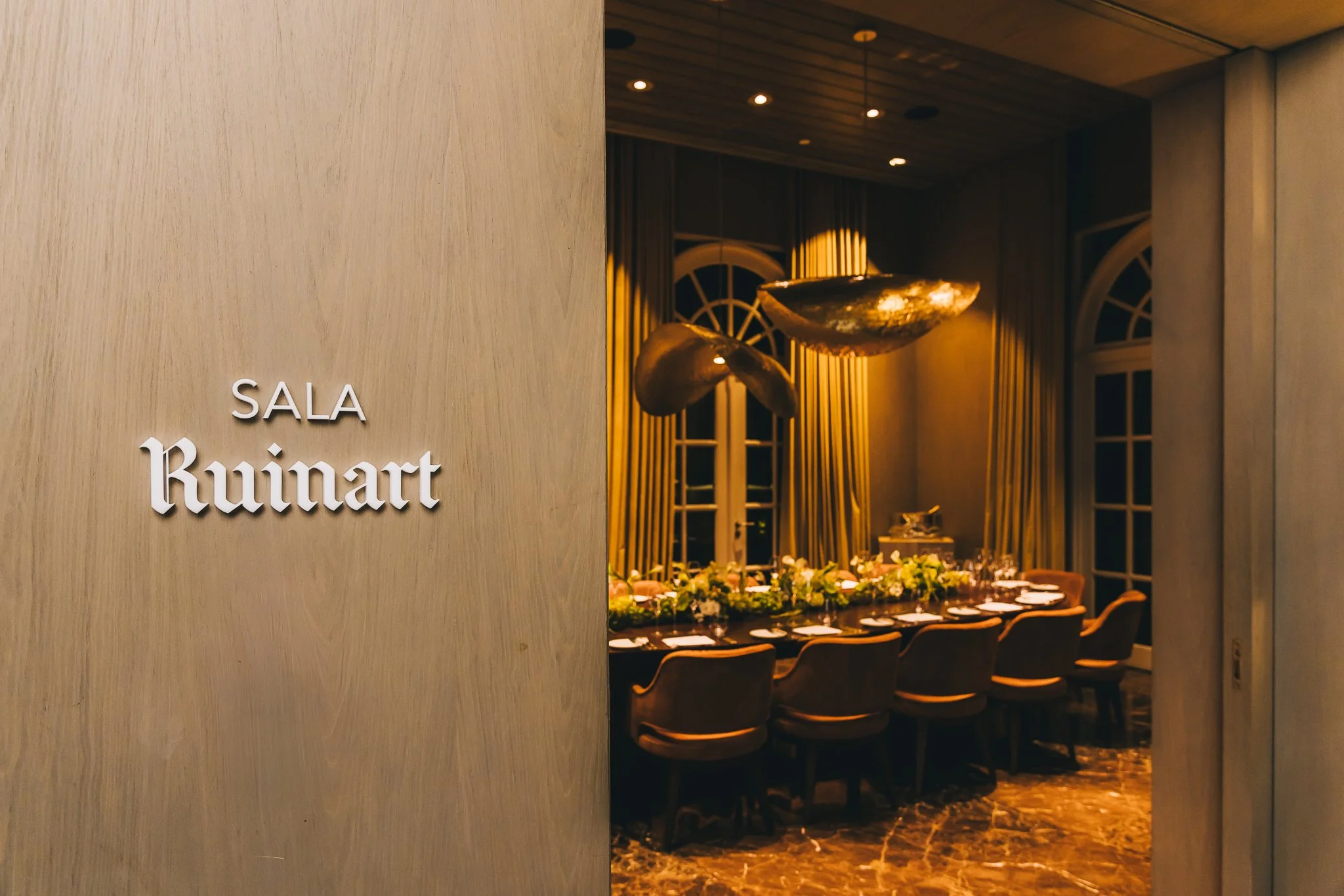
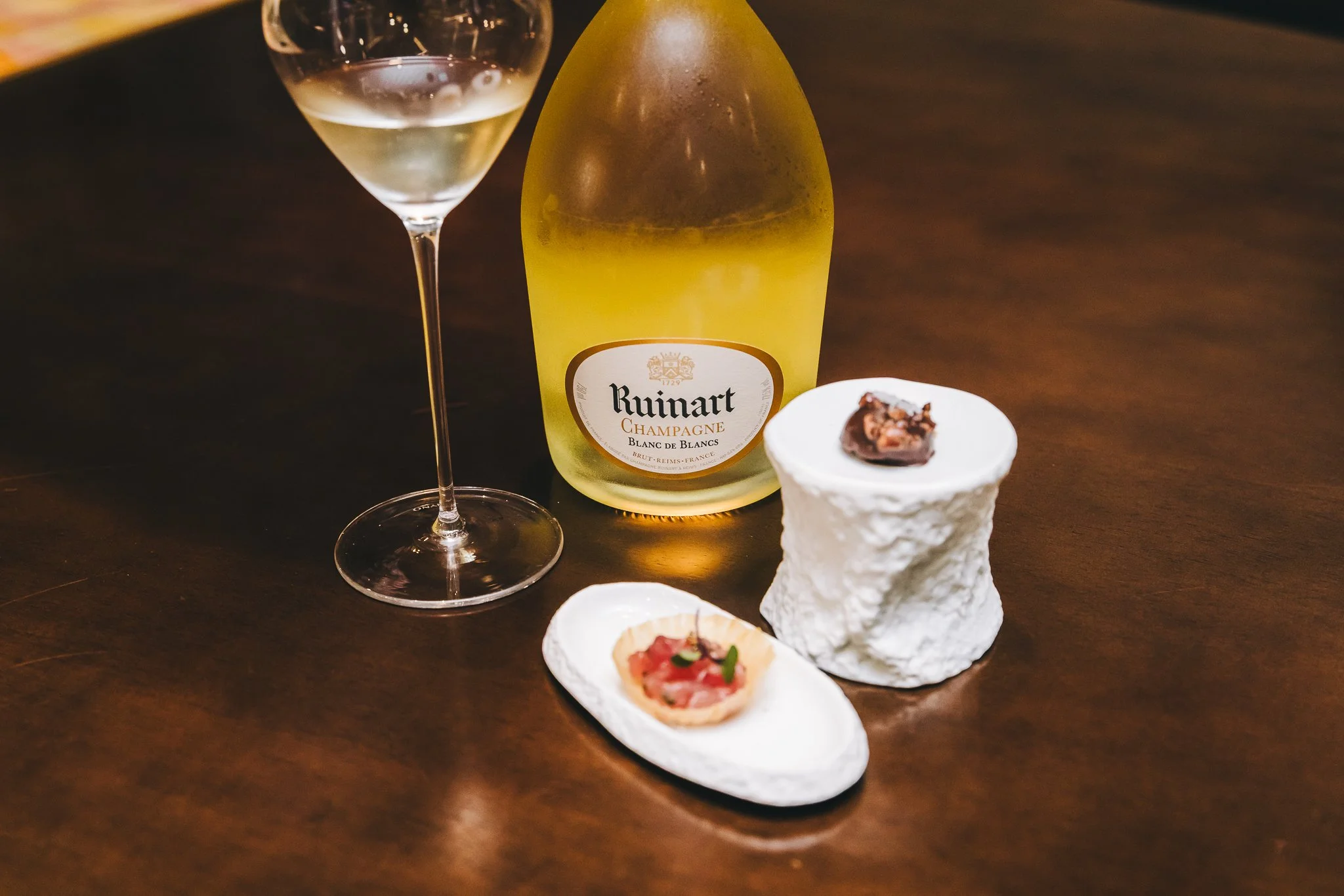
Tangará Jean-Georges also houses the Ruinart Room, a private space for up to fourteen people centered on Champagne and curated food pairings. Dinner service currently runs Wednesday through Saturday, so it is worth matching a short stay to the intended dining experience. Pateo’s Saturday feijoada and Sunday brunch provide a different reason to linger over the weekend.
Time Restored at Lancôme Absolue Spa
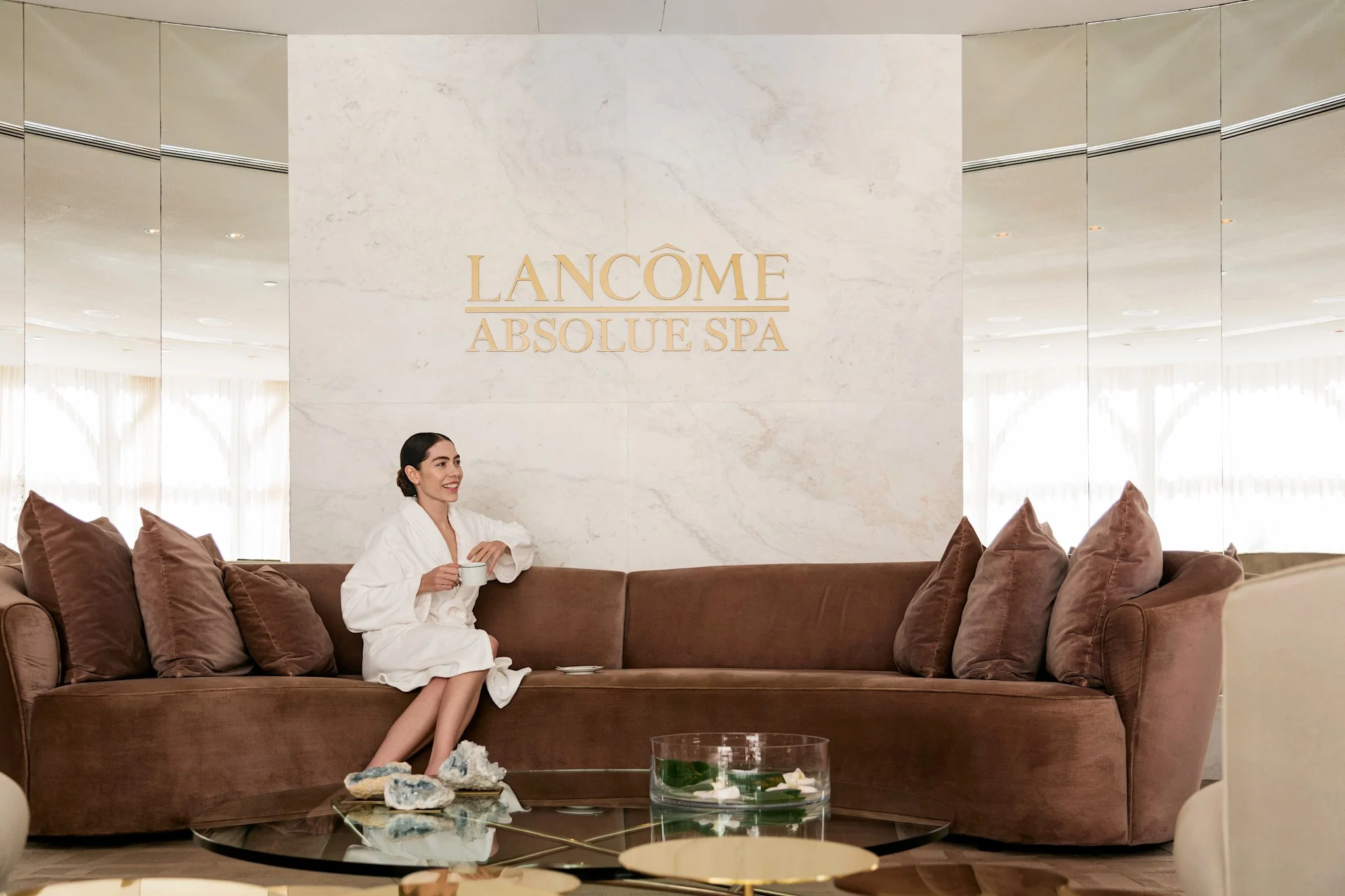
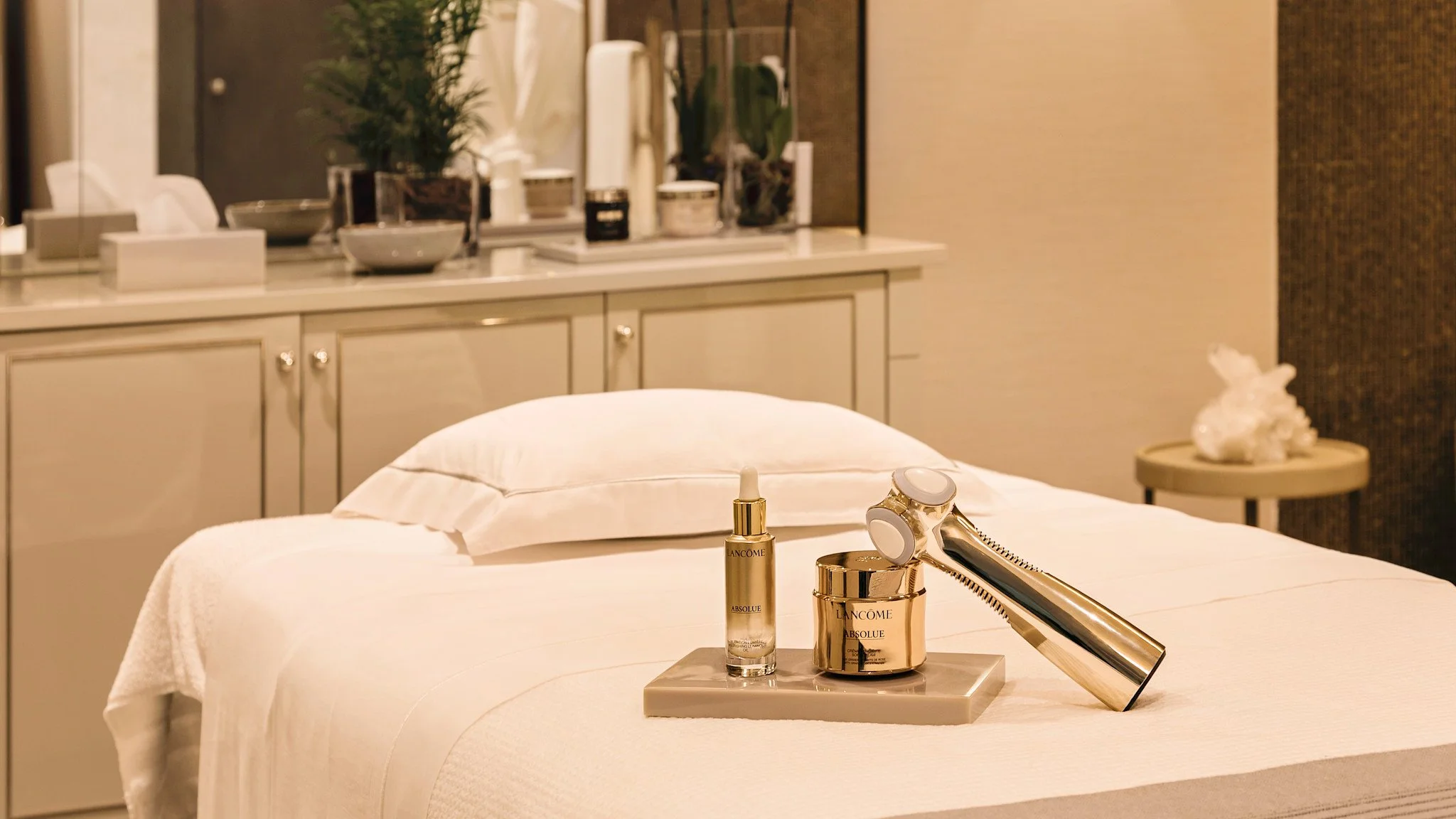
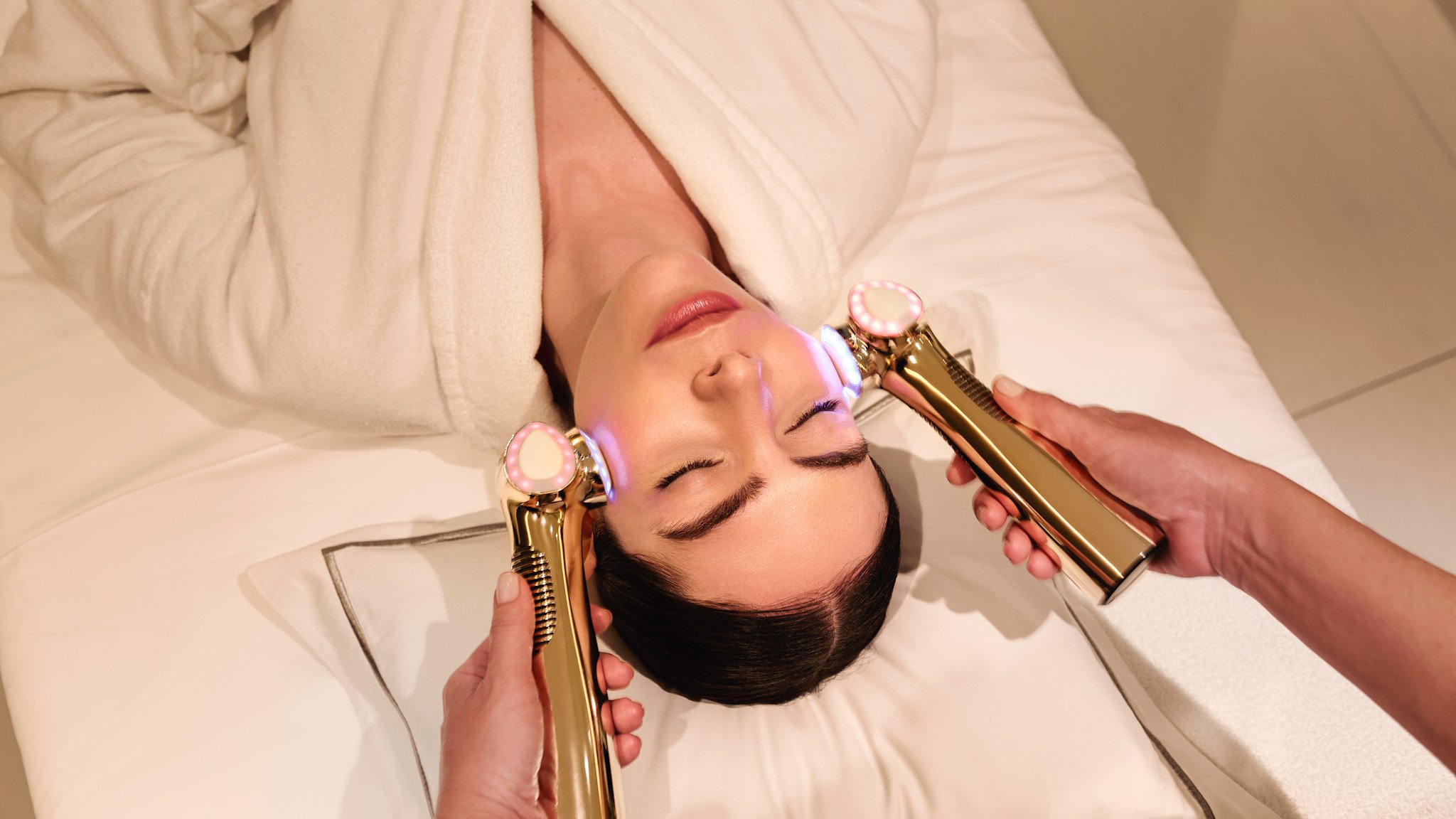
The Lancôme Absolue Spa continues the hotel’s connection to its green surroundings with a calm interior and five treatment rooms, including one for couples. The treatment menu spans body massages and signature facials, with dry and steam saunas and a relaxation area completing the experience.
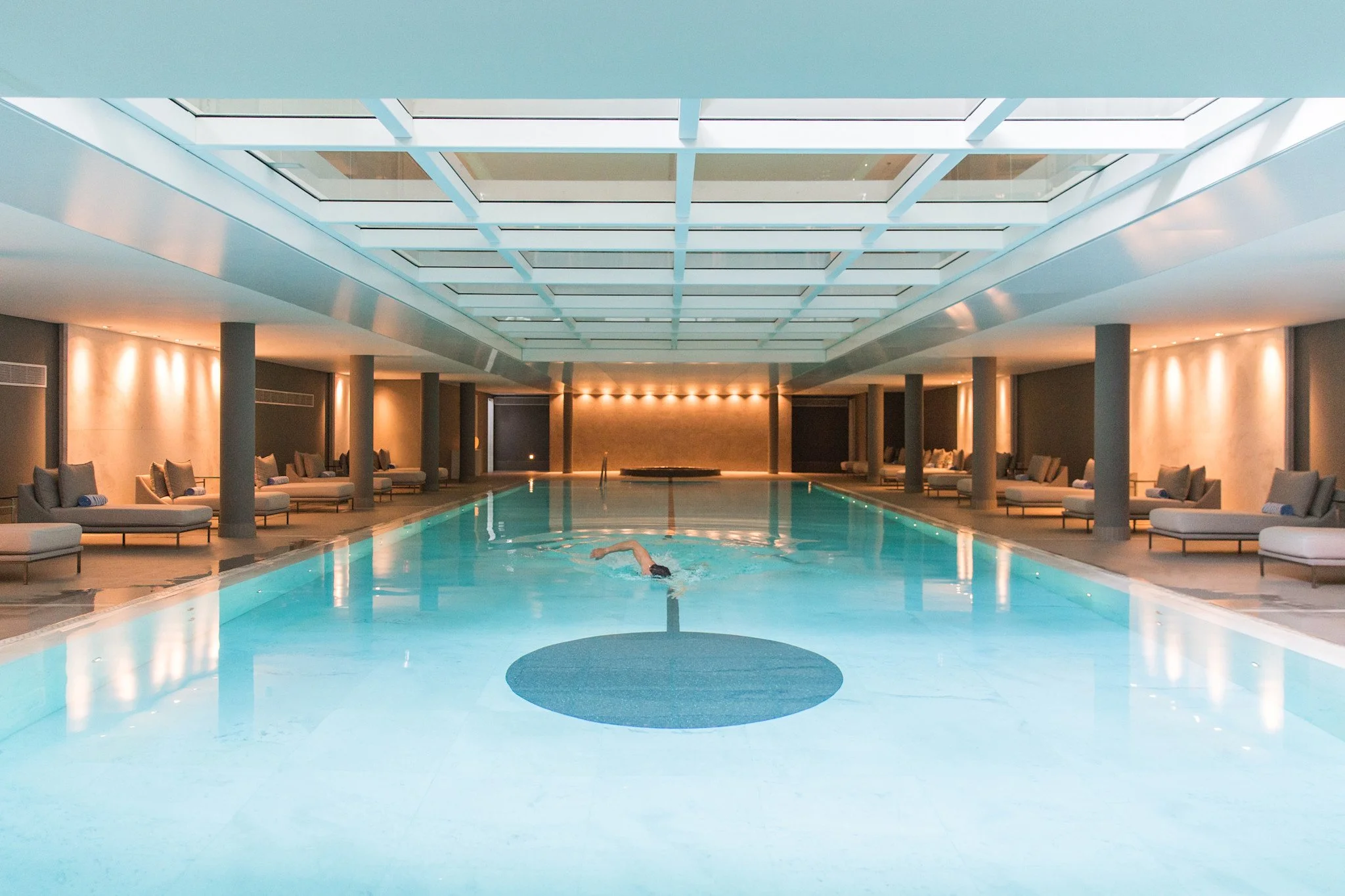
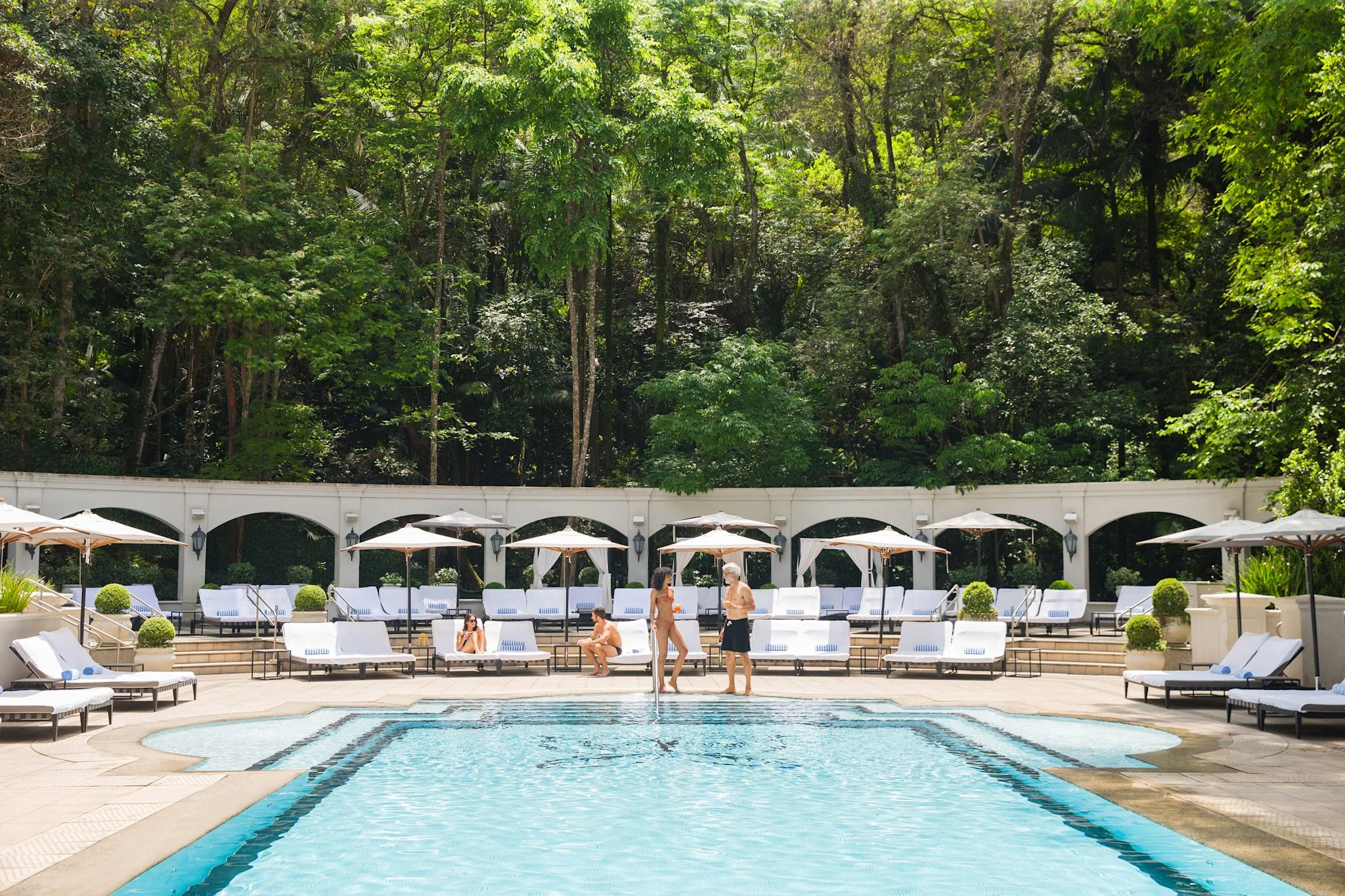
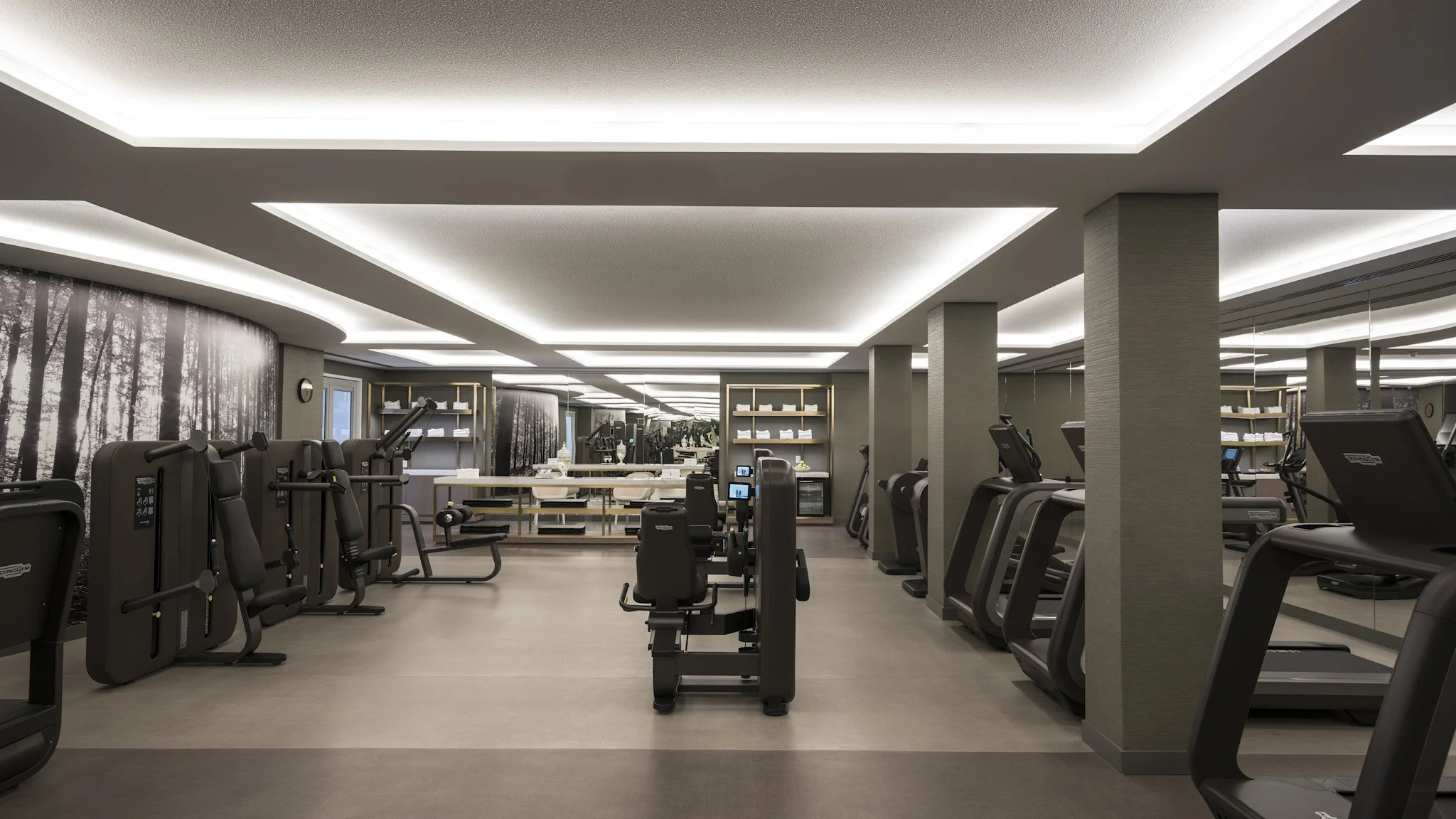
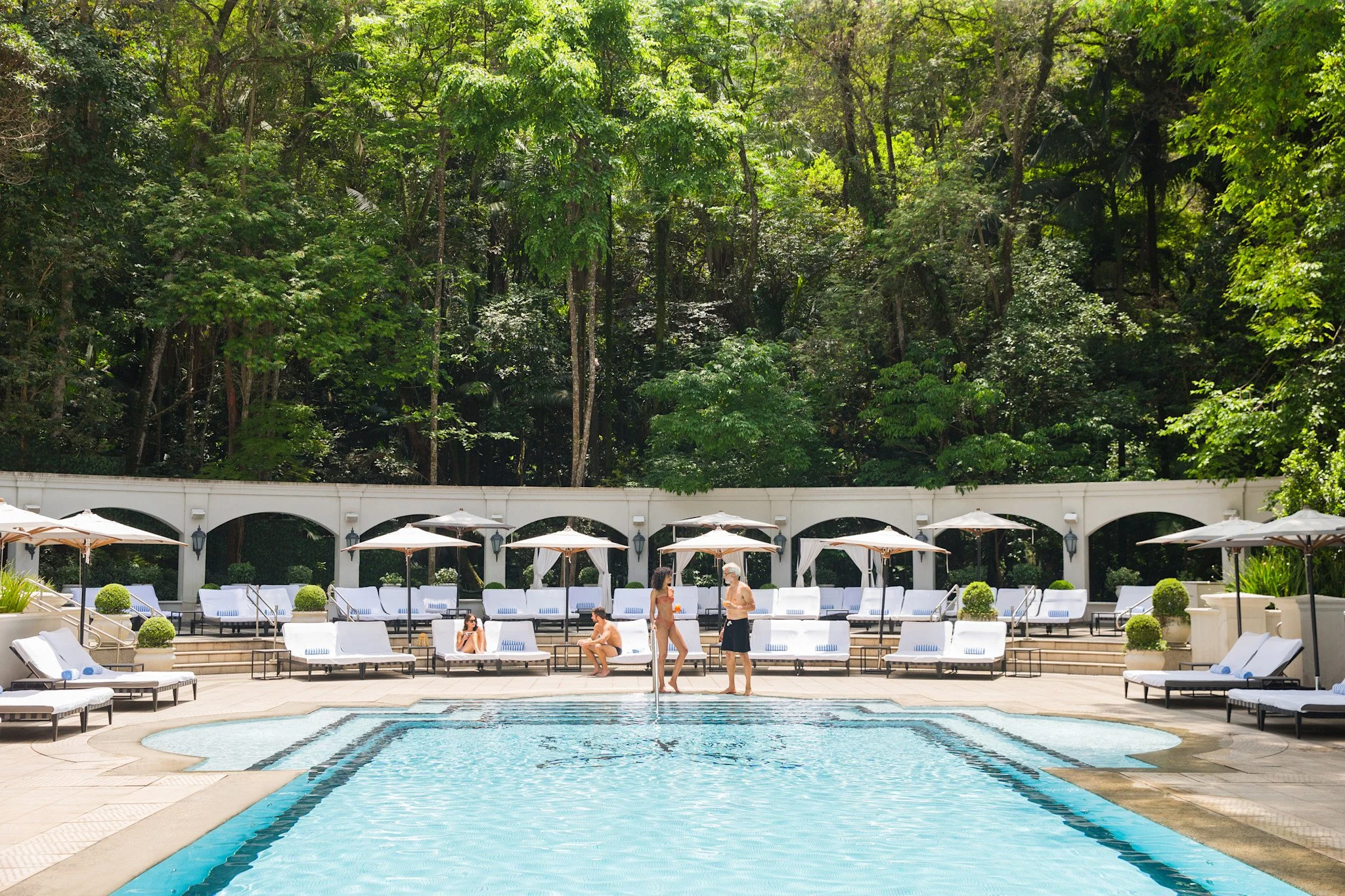
Water is a substantial part of the hotel’s appeal. The heated indoor pool allows a proper swim regardless of the weather, while the outdoor pool, marked by its butterfly design, creates a more leisurely setting beneath the trees. A hot tub and a Technogym-equipped fitness center, open around the clock, add flexibility for early arrivals and travelers working across time zones.
US3 Hair provides salon services, including styling, manicures and pedicures. Treatments and salon appointments should be arranged separately from the room booking, and the spa’s Monday closure matters when planning a wellness-focused visit. A quiet swim and a booked treatment fit especially well between an overnight flight and the first evening in town.
A Day That Leaves Room for the Hotel
Palácio Tangará works best with an itinerary that acknowledges the pleasure of returning to it. Begin with a walk through Burle Marx Park, let lunch stretch into the afternoon, or keep a few hours free for the pool before dressing for dinner. The public park’s gardens and wooded paths offer a natural starting point for understanding the setting.
The concierge can help coordinate restaurant bookings, transport and cultural visits. For active travelers, the hotel also advertises access to tennis and beach tennis at the nearby BTG Arena during designated hours. This is an off-property arrangement, so court availability and the applicable conditions should be confirmed in advance.
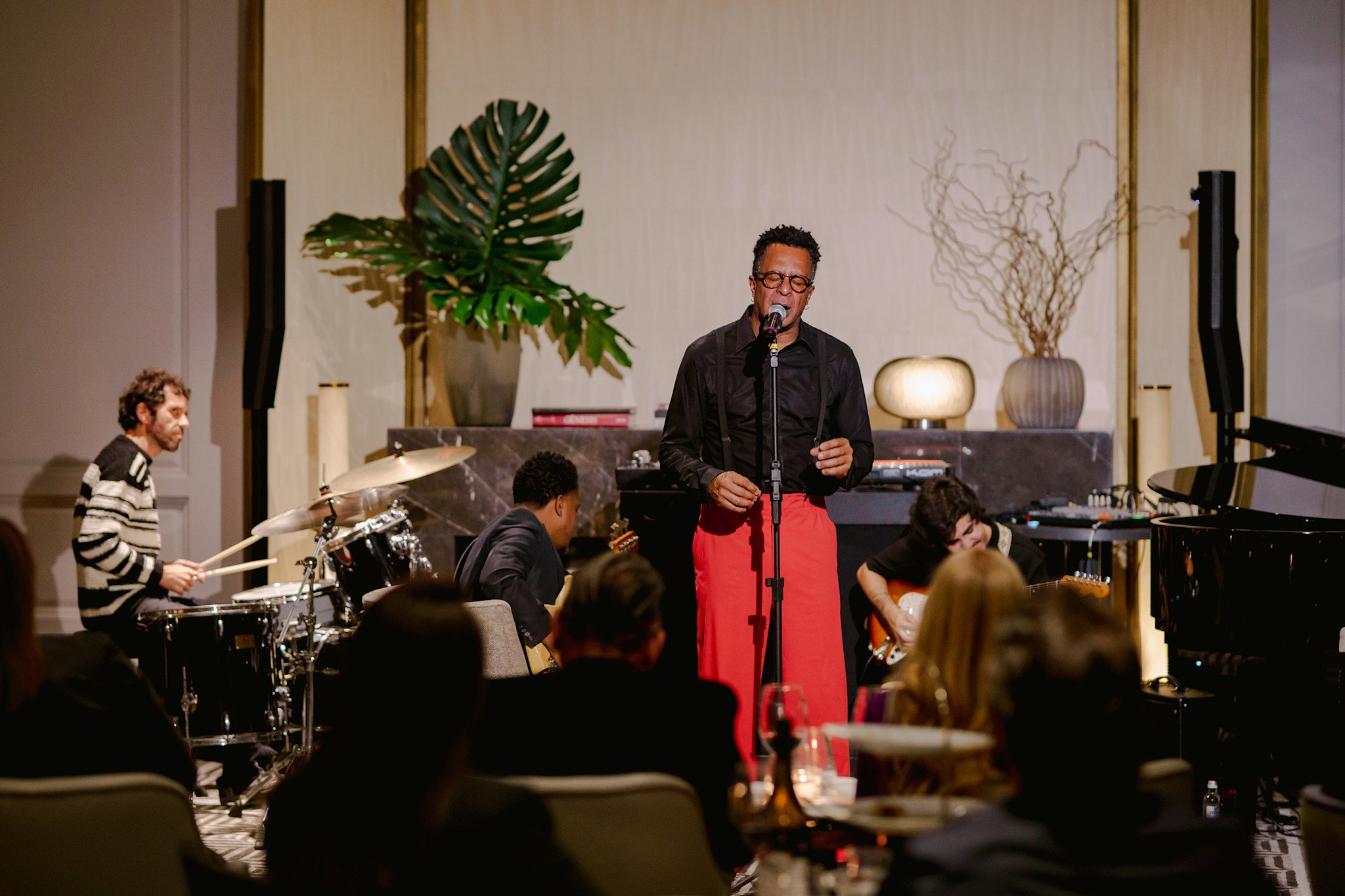
Music gives the evenings another dimension, particularly around Pateo do Palácio. Rather than relying on a particular artist or recurring performance, check the program for the dates of the stay. The mix of dining, music and outdoor space also makes the property attractive for local weekends and celebrations, which can bring a livelier atmosphere to the restaurants than the tranquil rooms might suggest.
A City Stay with Space for Children
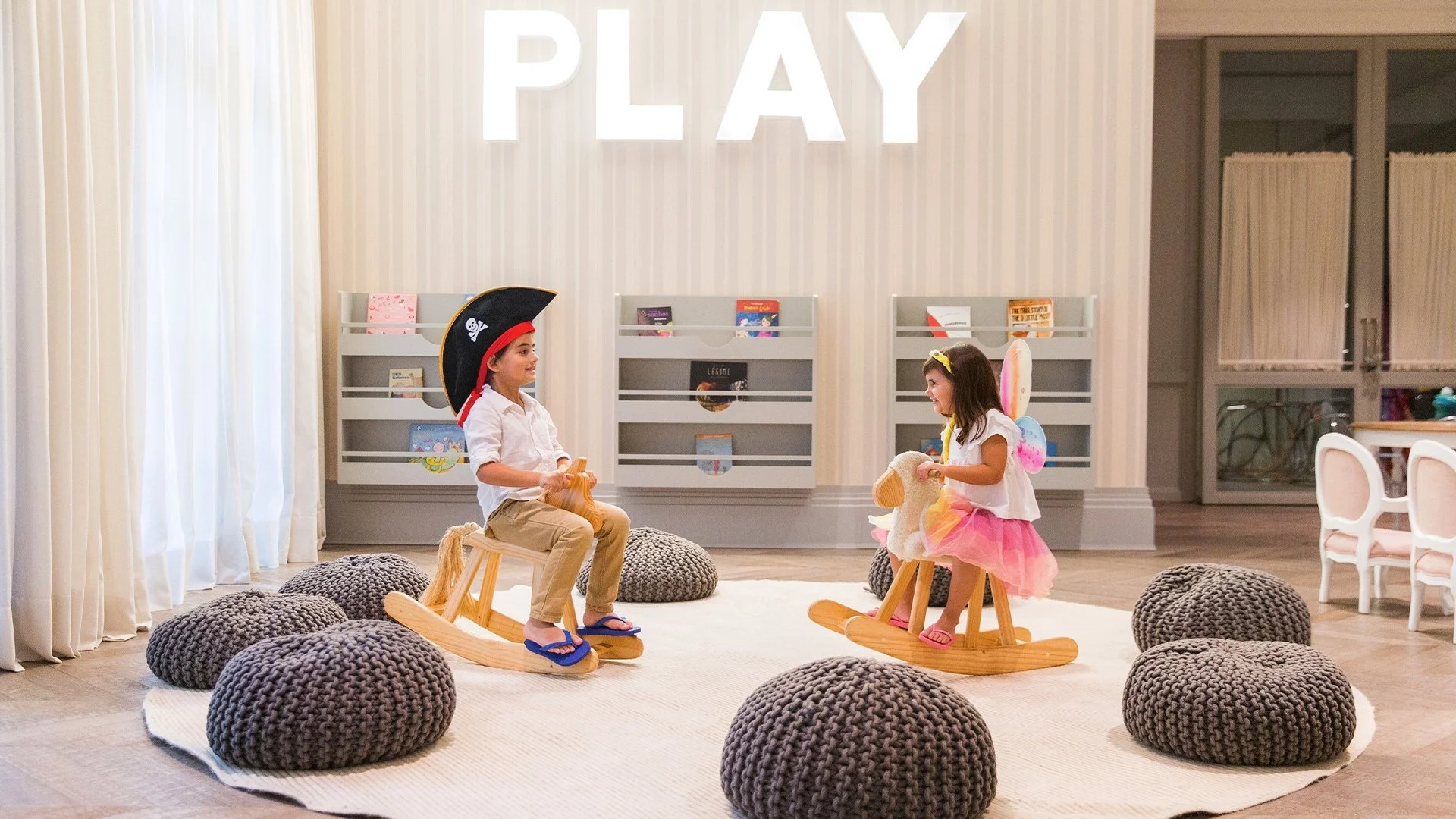
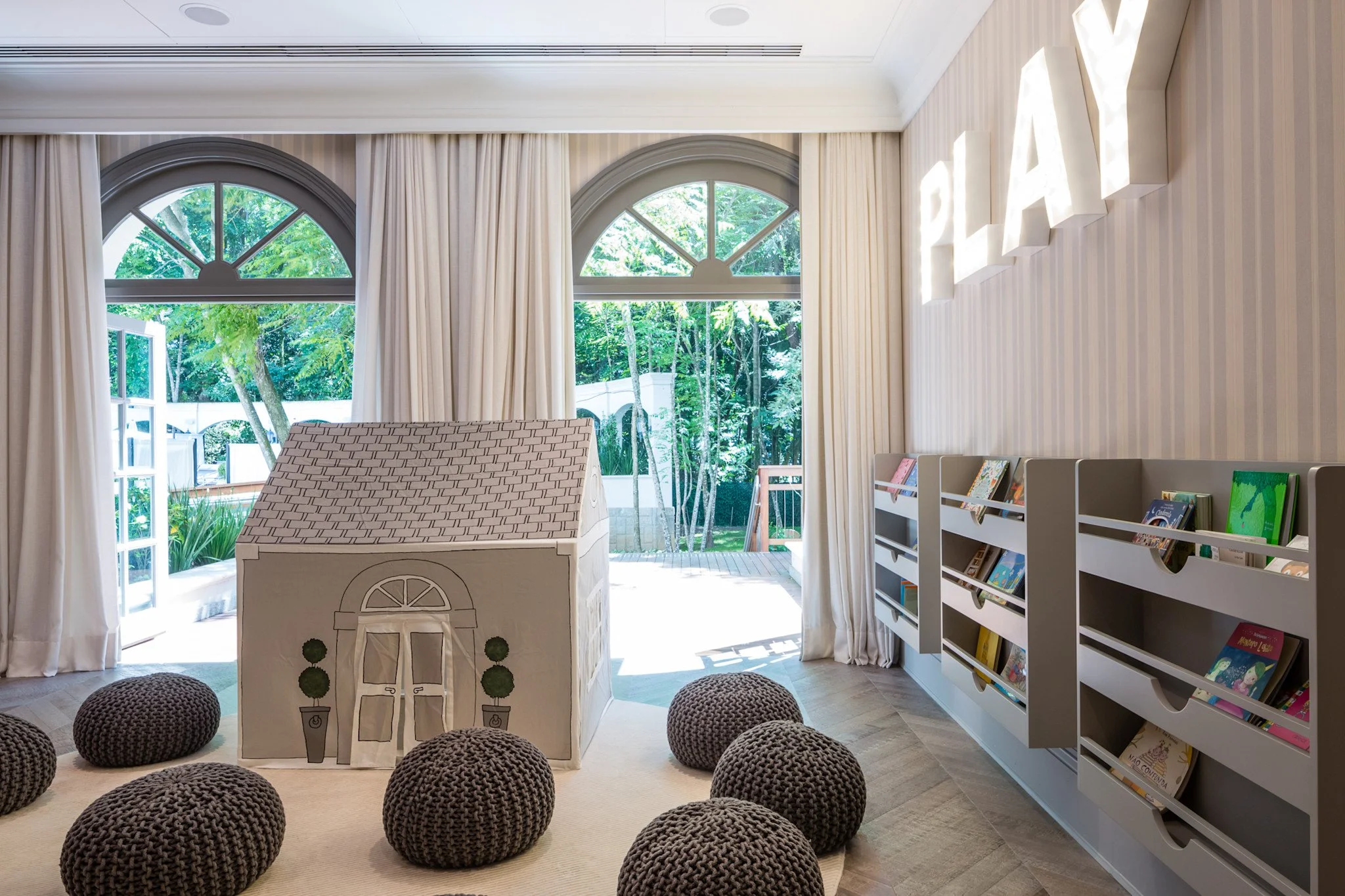
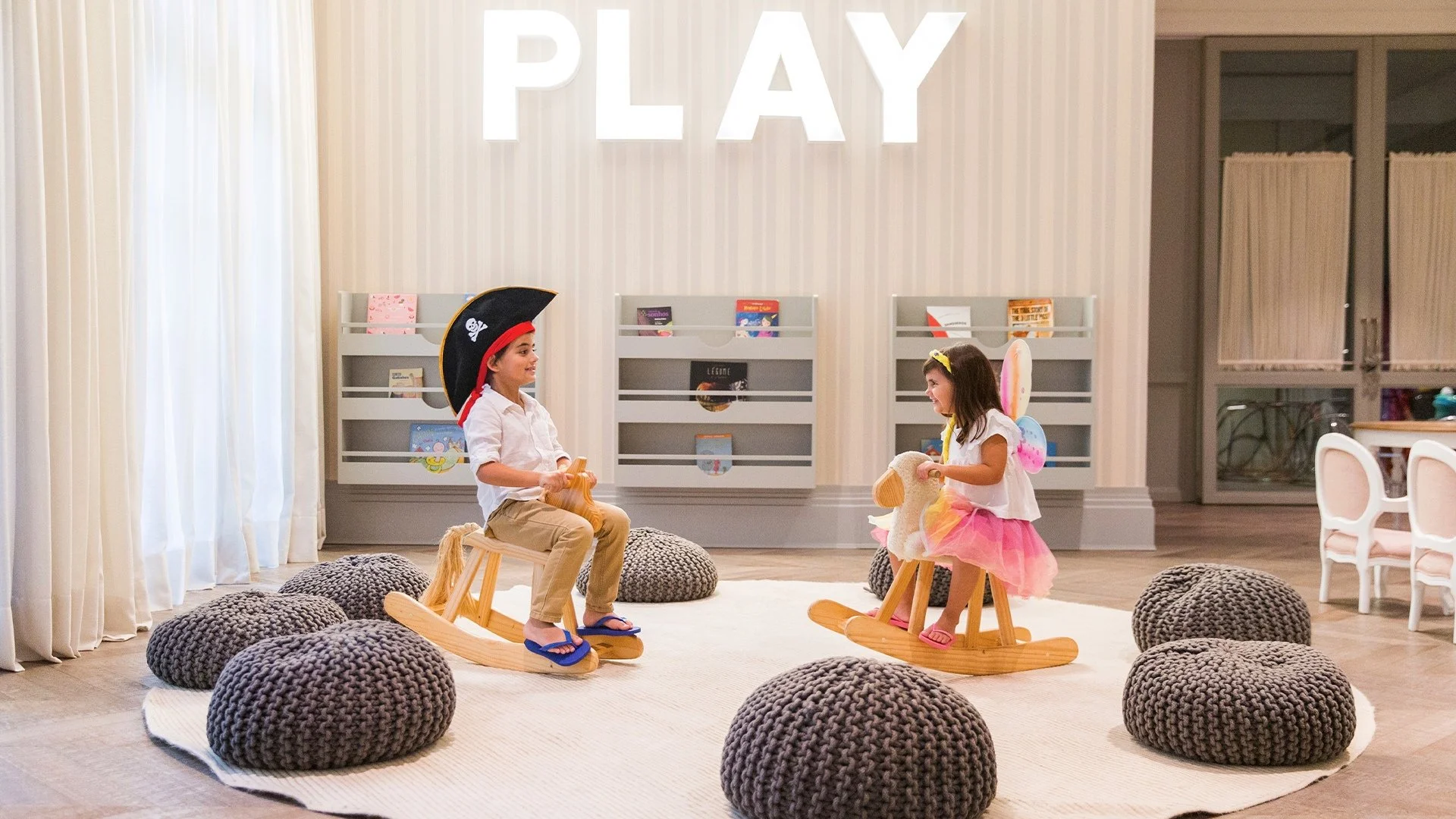
The hotel welcomes families of all ages, and its Kids Club gives younger travelers a dedicated place for toys and interactive games. The club is aimed at children aged four and above; younger children are welcome when accompanied by their parents. Weekend activities with recreation coordinators can be reserved, so the distinction between an open play space and organized supervision is worth establishing before arrival.
Accommodation planning is one of the hotel’s strengths. A Deluxe Double Double offers two beds, while larger suites provide living areas and selected connecting combinations. Parents should confirm the permitted occupancy, bedding and any additional charges for their exact room and children’s ages rather than assuming that every suite accommodates the same number.
The indoor and outdoor pools give families options across changing weather, although supervision and current facility rules still need to be followed. The combination is particularly useful for a city itinerary that alternates adult interests with genuine downtime for children.
Small, Specific Commitments Beyond the Guestroom
Palácio Tangará’s sustainability work is coordinated by its BurleBirds team, whose members represent different hotel departments. The property documents a stingless-bee hive maintained in its outdoor grounds since 2019, alongside more operational measures such as optional linen changes, LED lighting and a contractor based on site to improve waste sorting and recycling.
Its car park includes an electric-vehicle charging point, while employee refillable bottles and water fountains are intended to reduce single-use plastic. The social program includes training and mentoring for young people from the local community and support for Amigos do Bem, an organization working on education and broader social development in northeastern Brazil.
These are concrete initiatives through which to assess the hotel’s approach. The surrounding greenery is part of its attraction, but the stronger sustainability story lies in what the property does with its resources, purchasing decisions and relationships beyond the hotel.
Confirming the Details That Make Access Work
The hotel’s published Deluxe Room information identifies an accessible-room option, and the Michelin Guide lists wheelchair access at Tangará Jean-Georges. These are useful starting points for planning a stay, with the precise accommodation and routes best confirmed directly against each traveler’s requirements.
Ask for the bathroom configuration, doorway clearances and any thresholds between the room and balcony, together with the route to dining, the spa and the pools. Pool entry arrangements require a separate check; general access to the wellness area does not establish whether a lift or assisted entry is available.
For outings, request transport suited to the traveler and discuss walking distances and surfaces at the selected attractions. The aim is a clear plan for the actual stay, supported by specific information rather than a broad accessibility label.
Modernism, Museums and São Paulo’s Creative Life
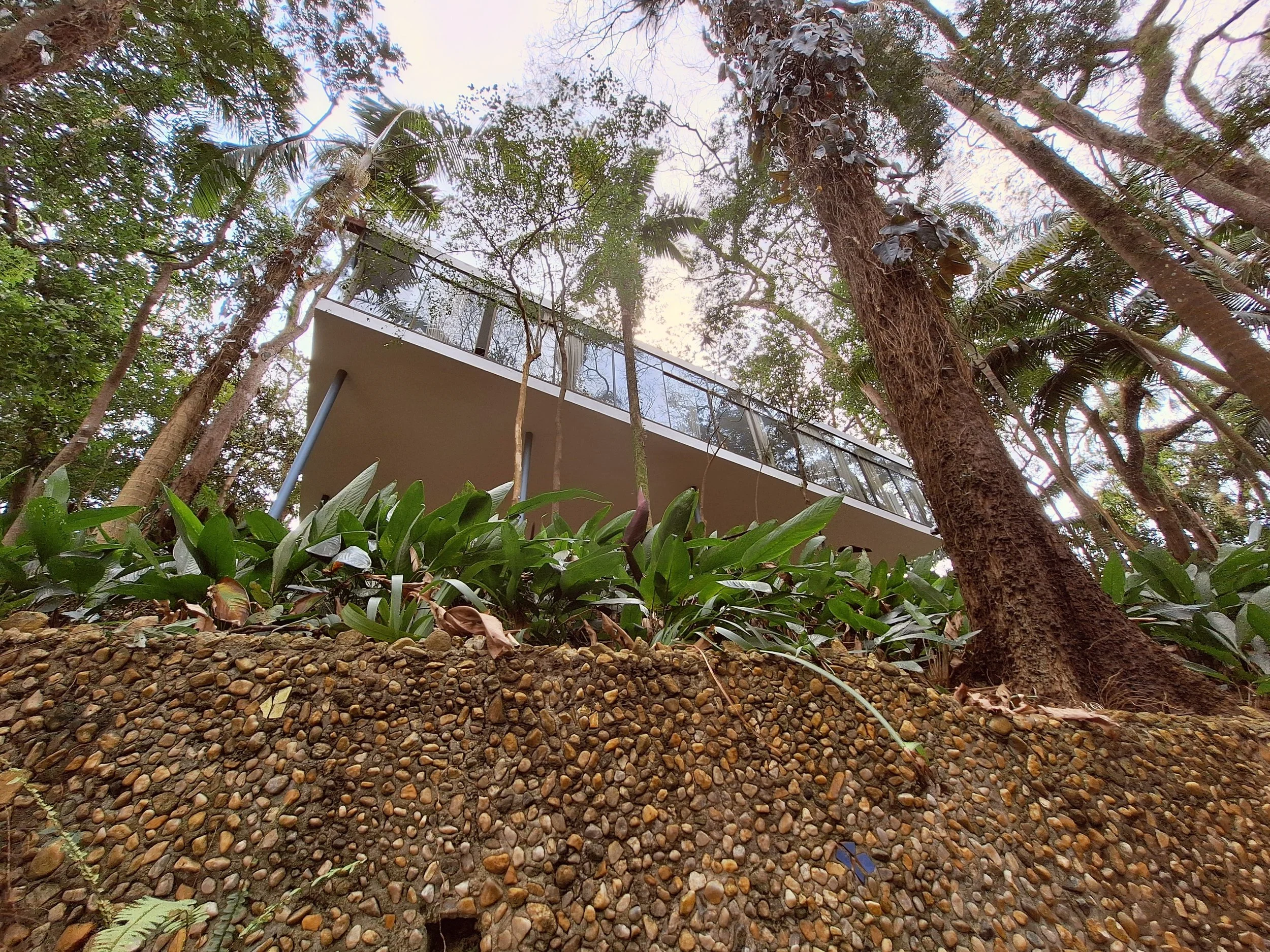
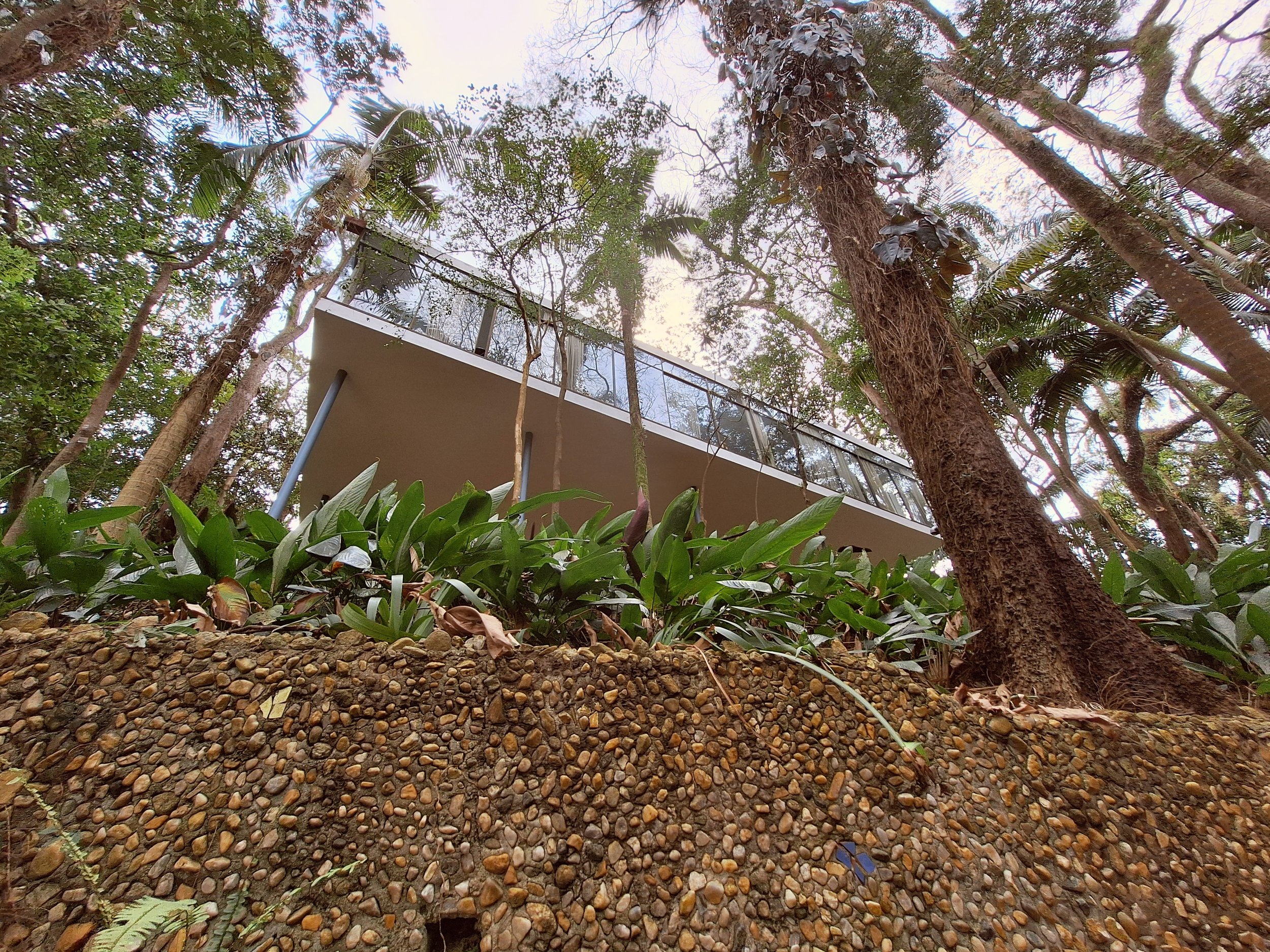
The park provides a natural connection to Brazil’s design history, and nearby Casa de Vidro extends it. Designed by Lina Bo Bardi in 1951 as her home, the glass-walled house is now the base of Instituto Bardi. Visits require advance planning, making it a rewarding appointment to organize before arrival rather than leave to chance.
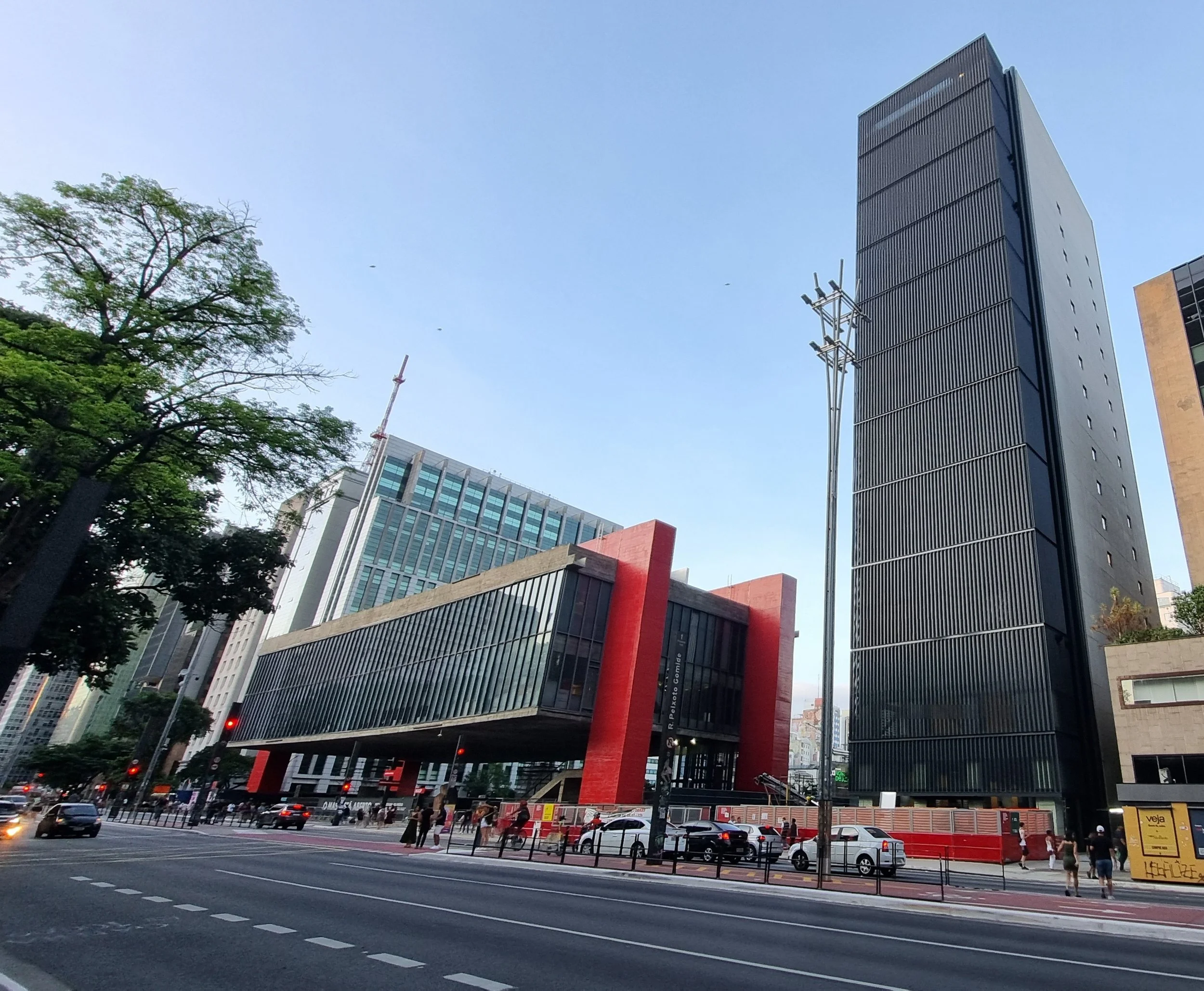
On Avenida Paulista, MASP offers another encounter with Bo Bardi’s architecture alongside a major art collection. Its original suspended building was joined by the Pietro Maria Bardi building in 2025, adding a new chapter to the museum’s history. The current exhibition program should shape how much time to allocate.
Elsewhere, Ibirapuera Park brings together open space and cultural institutions, while Vila Madalena and Beco do Batman offer a more informal view of the city’s artistic energy. Dining deserves its own place in the itinerary, reflecting São Paulo’s Brazilian, Japanese, Italian and Lebanese influences. Grouping visits geographically makes a noticeable difference: this is a city where a well-planned day leaves more time for the places that drew you here.
Arriving in Panamby
Palácio Tangará sits in southwestern São Paulo, so arrival times should be planned around traffic as well as distance. The concierge arranges transfers and other transport services; confirm the vehicle, meeting point and charges in advance.
São Paulo–Guarulhos International Airport (GRU): Allow approximately sixty to ninety minutes by car in ordinary conditions, with substantially longer journeys possible during heavy traffic; this is the principal gateway for many long-haul international arrivals.
São Paulo–Congonhas Airport (CGH): Allow approximately twenty to forty minutes by car, depending on traffic, making it the more convenient airport for many domestic connections when the flight schedule suits the itinerary.
Private Car Around the City: Allow generous buffers between appointments and confirm journey times on the day, particularly when combining the hotel with Avenida Paulista, Jardins or the historic center; a driver can make a full day of visits considerably easier.
For an early arrival after an overnight flight, guaranteed immediate room access needs to be arranged rather than assumed. The standard check-in time is 3 p.m., with any earlier access subject to the hotel’s availability and terms.
A Softer Rhythm for a Remarkable City
Palácio Tangará gives São Paulo a different rhythm. The city supplies the art, architecture, restaurants and restless creative energy; the hotel gives those experiences space to settle, through rooms with generous proportions, meals facing the trees and afternoons that need no elaborate plan.
Its appeal is strongest when both parts of the stay receive attention. Venture out with a purpose, then return with enough time for the terrace, the pool or a carefully paced dinner. In a city that can fill every hour, that room to pause is a meaningful luxury.