Taipei, Taiwan | Capella Taipei
A Modern Mansion in the Heart of Taipei
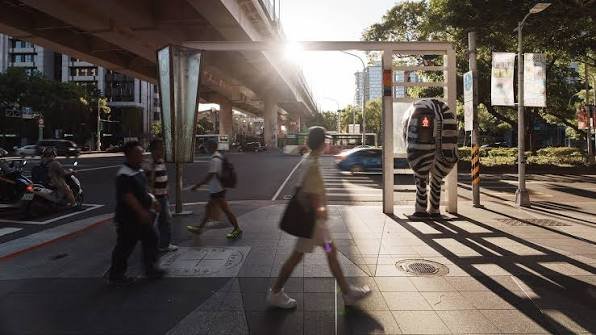
Taipei is a city that rarely reveals itself all at once. Glass towers rise beside temple roofs, mountain ridgelines appear between city blocks, and some of its most interesting neighborhoods are defined less by landmarks than by food stalls, tea shops, tree-lined streets and the daily rhythms of local life.
Capella Taipei approaches the city from that quieter perspective.
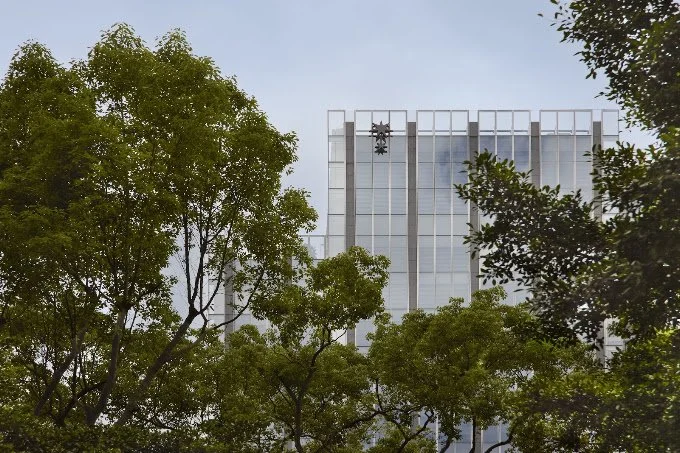
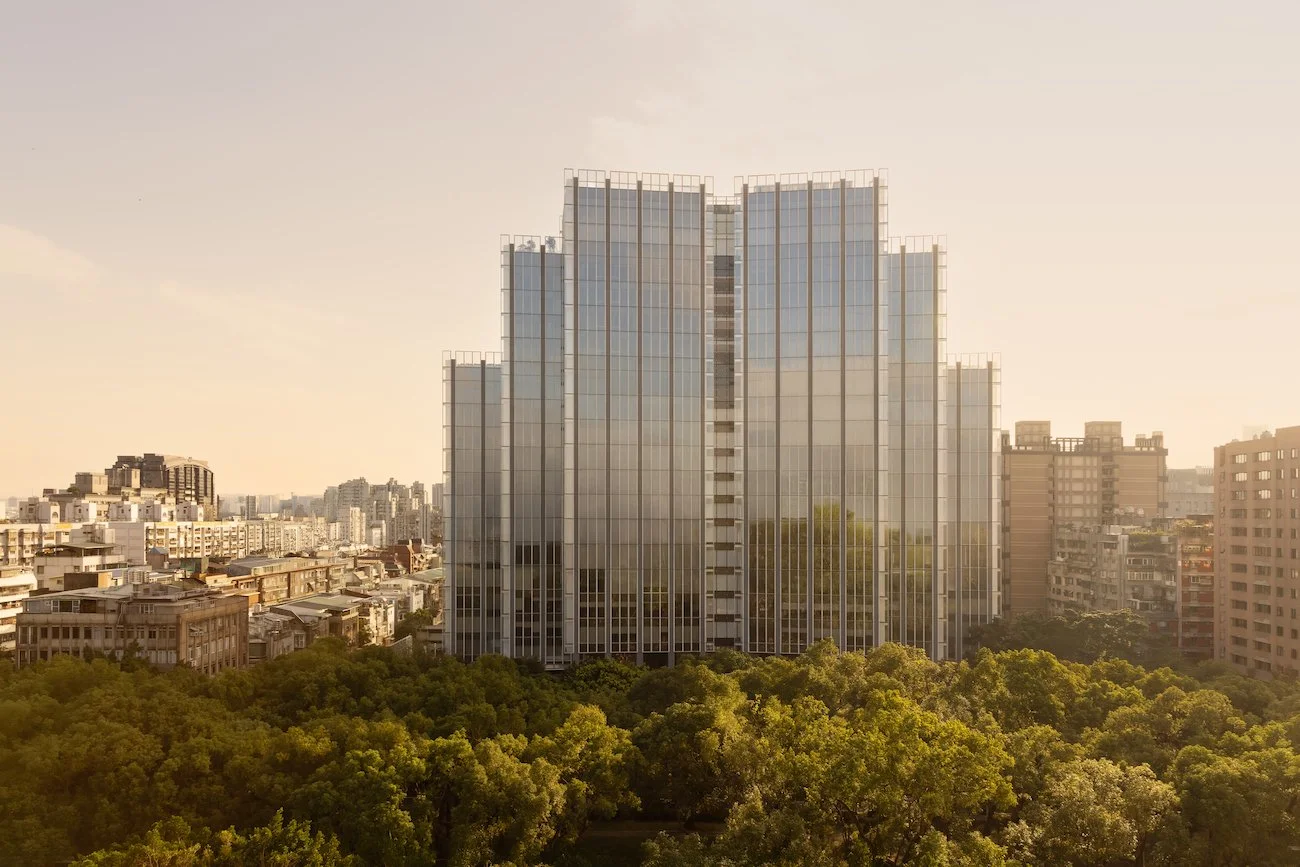
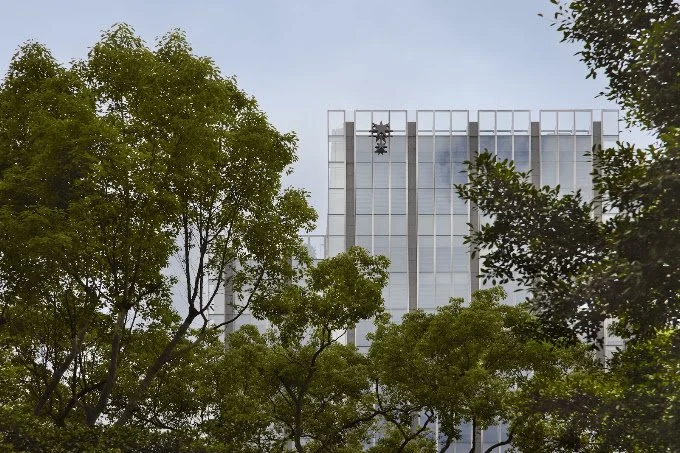
Opened in April 2025 on Dunhua North Road in the Songshan district, the hotel is Capella Hotels and Resorts’ first property in Taiwan. Its 86 rooms and suites sit within one of Taipei’s greener urban corridors, close to Taipei Arena and Songshan Airport while remaining connected to the residential neighborhoods and cultural pockets that give this side of the city much of its character.
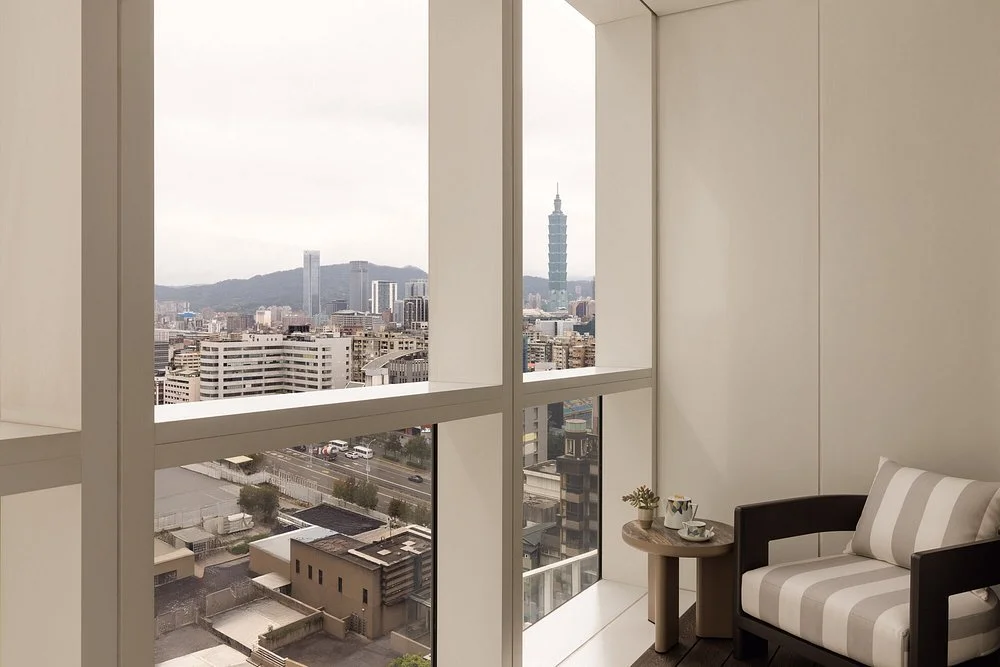
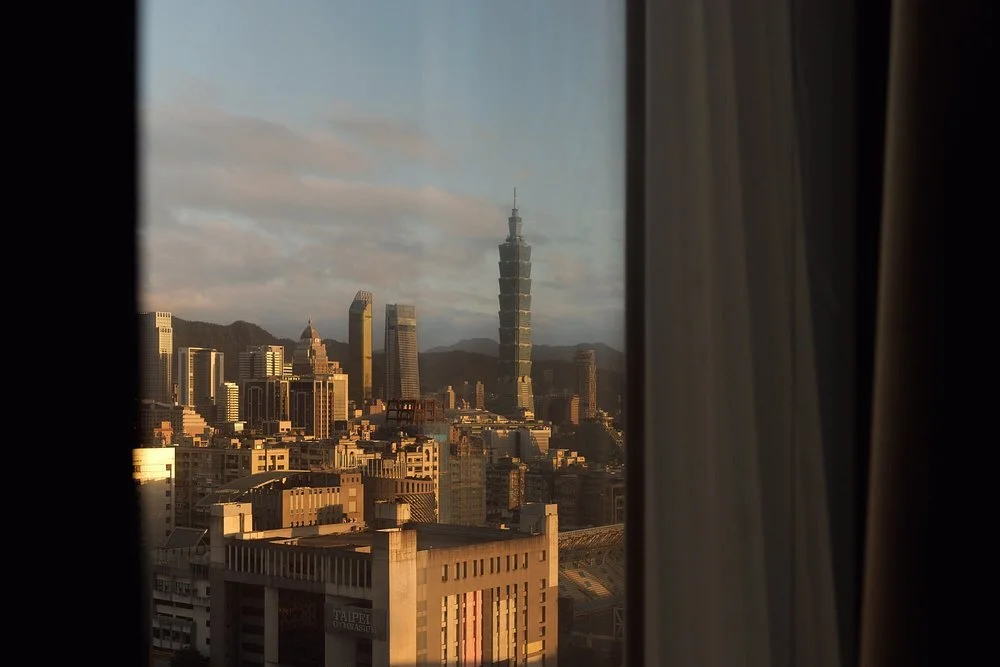
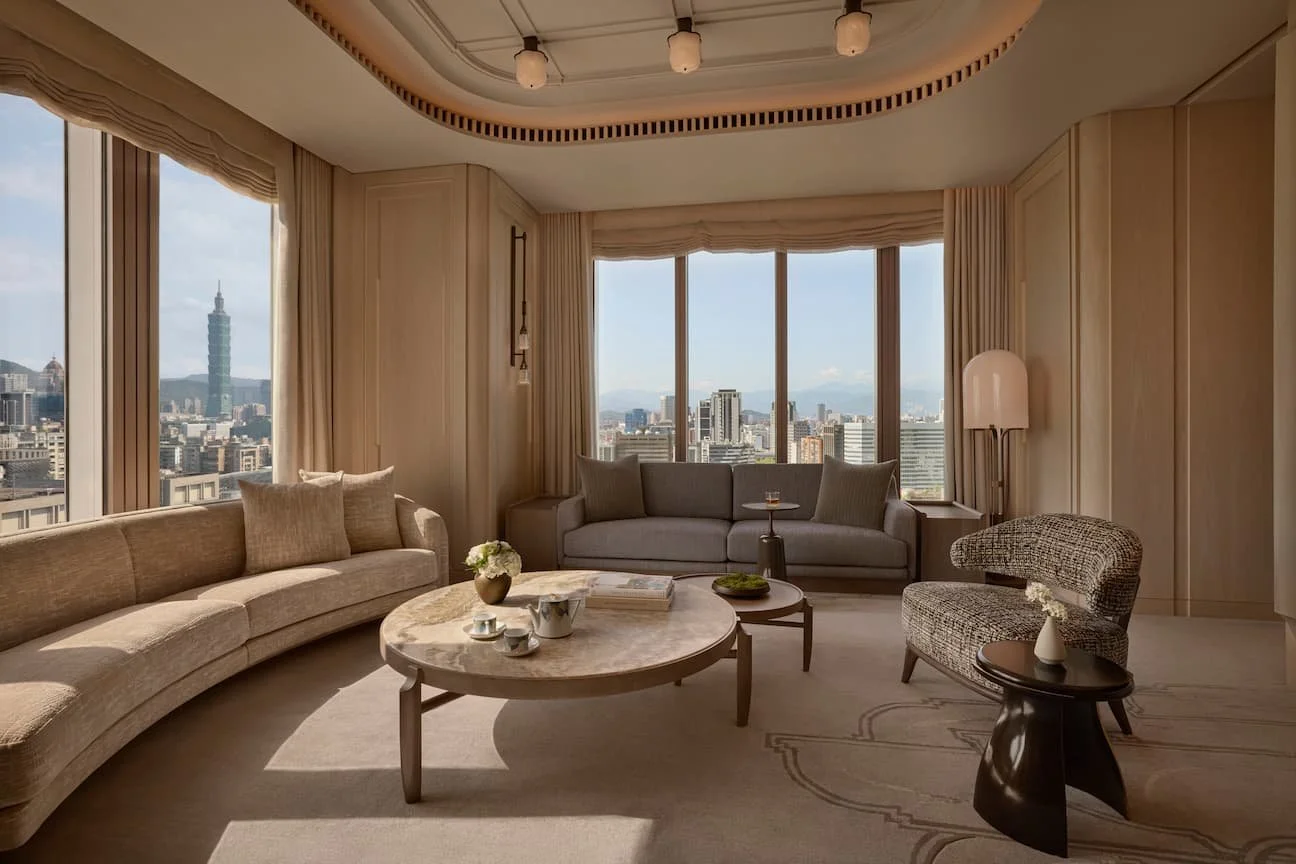
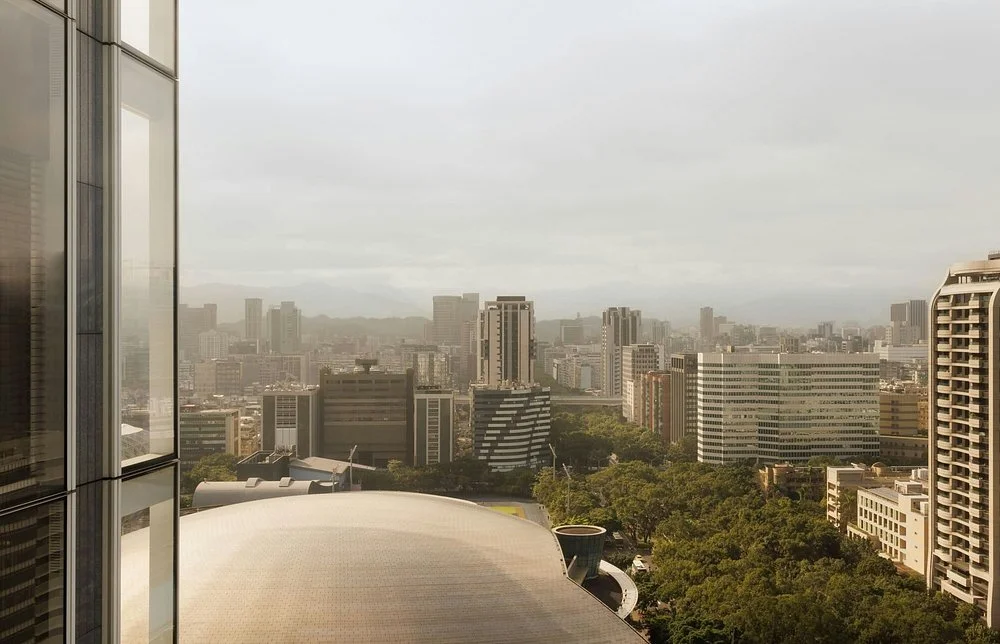
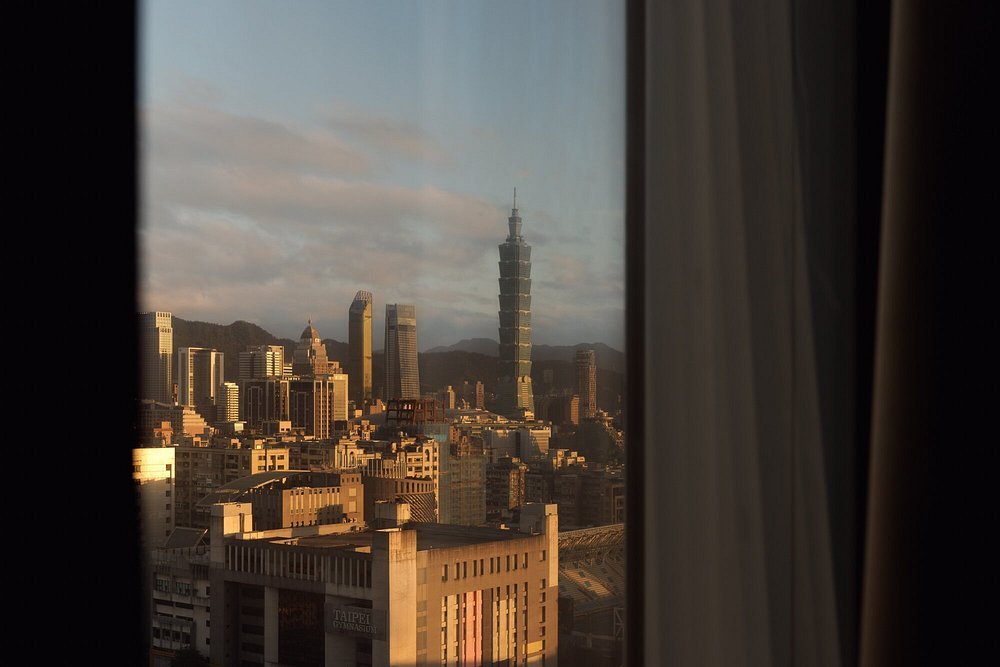
For us, the appeal is the combination of scale and location. The hotel is substantial enough to support serious dining, wellness and cultural programming, but at 86 accommodations it still feels far removed from a conventional city tower. Floor-to-ceiling windows look toward Taipei 101, distant mountains and the tree canopy below, while Capella’s Culturists use the hotel as a starting point for exploring the city rather than treating it as a world apart.
That balance makes Capella Taipei especially interesting for travelers who want a highly polished hotel without losing the sense that they are actually in Taipei.
From a Changing Songshan to Capella’s First Taiwan Address
The hotel may be new, but the part of Taipei surrounding it carries several layers of history.
The area around Dunhua North Road and nearby Minsheng Community developed into one of Taipei’s more open and leafy urban districts. Songshan itself has changed significantly over time, and the neighborhood today blends residential streets, mature trees, cultural institutions and the convenience of nearby Songshan Airport.
Capella opened the property in April 2025, bringing the brand to Taiwan for the first time. Its arrival added a new kind of luxury hotel to Taipei: less focused on monumental scale and more interested in the idea of a private residence shaped by the character of its surroundings.
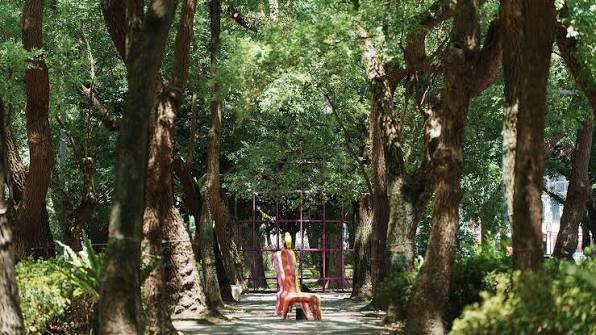
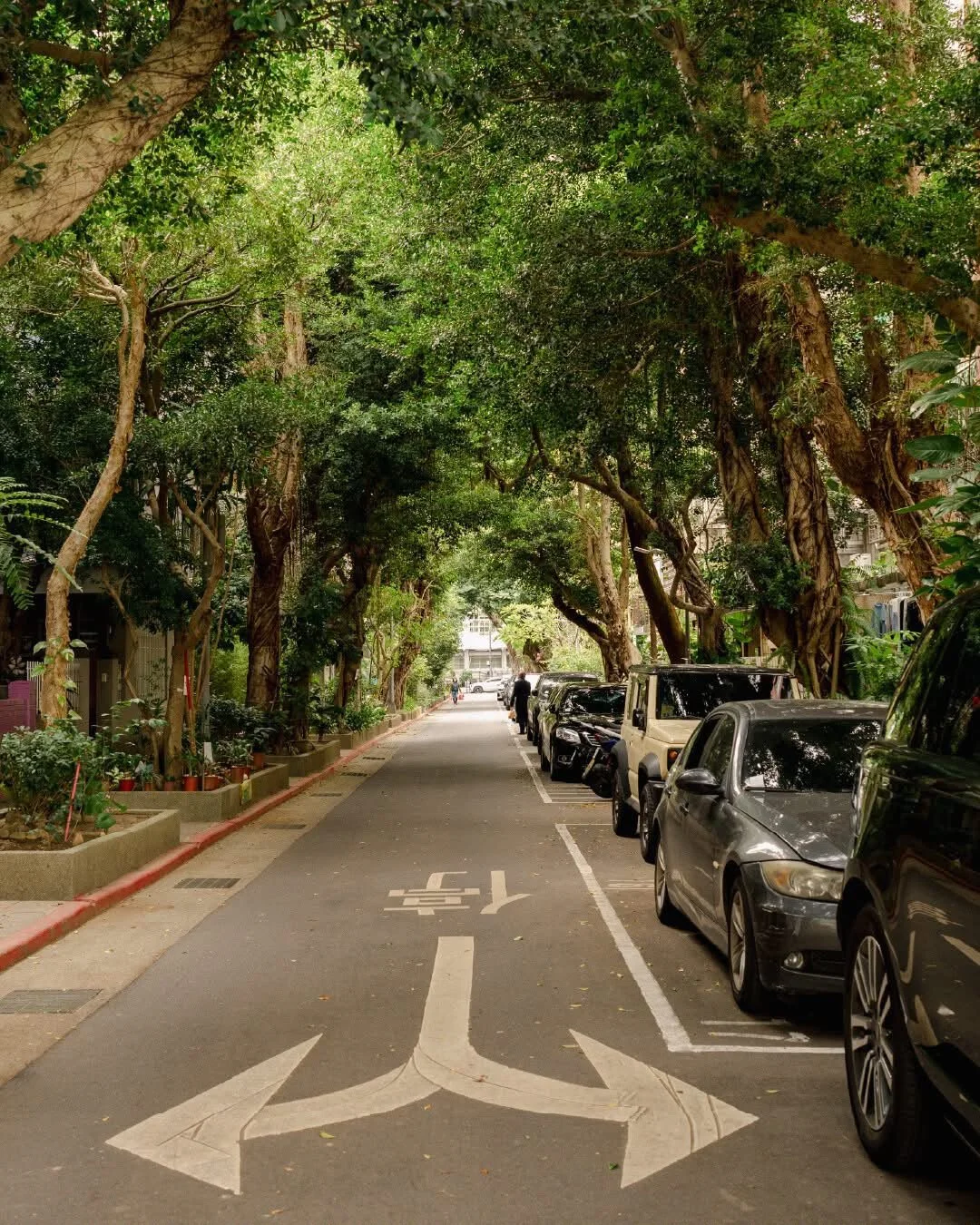
That context matters because the property’s location is not incidental to its identity. Dunhua North Road’s mature trees and broad boulevard became one of the starting points for the hotel’s design, while the Culturist program continues the connection through neighborhood walks, tea experiences and introductions to Taipei’s creative community.
André Fu’s Interpretation of a Taipei Mansion
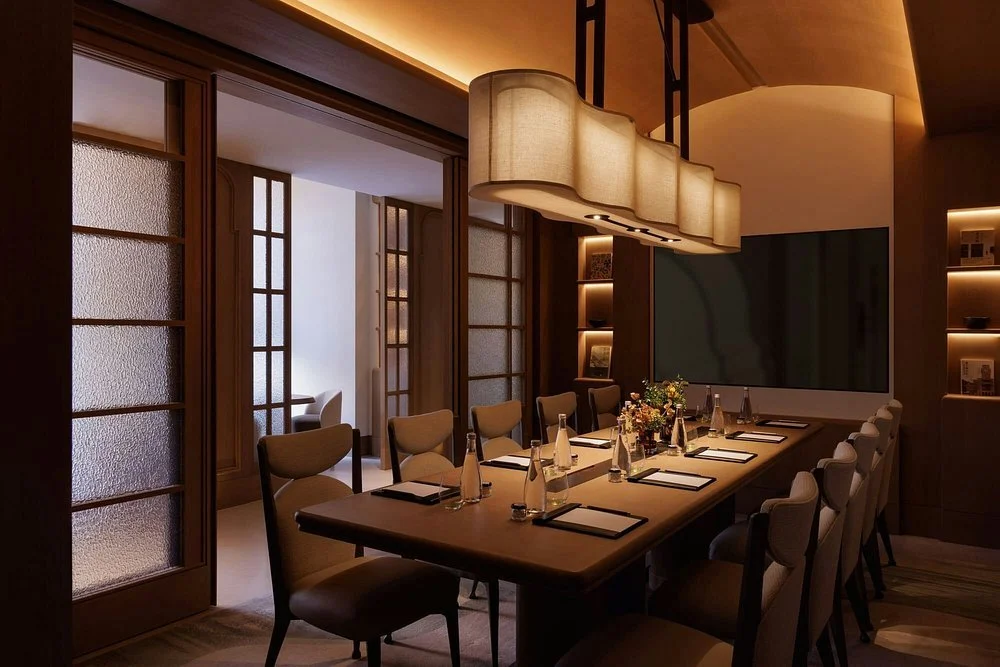
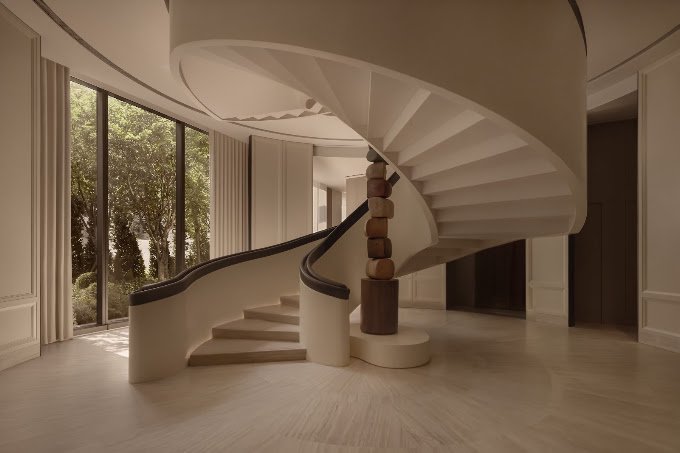
Interior architect André Fu approached Capella Taipei as a modern mansion.
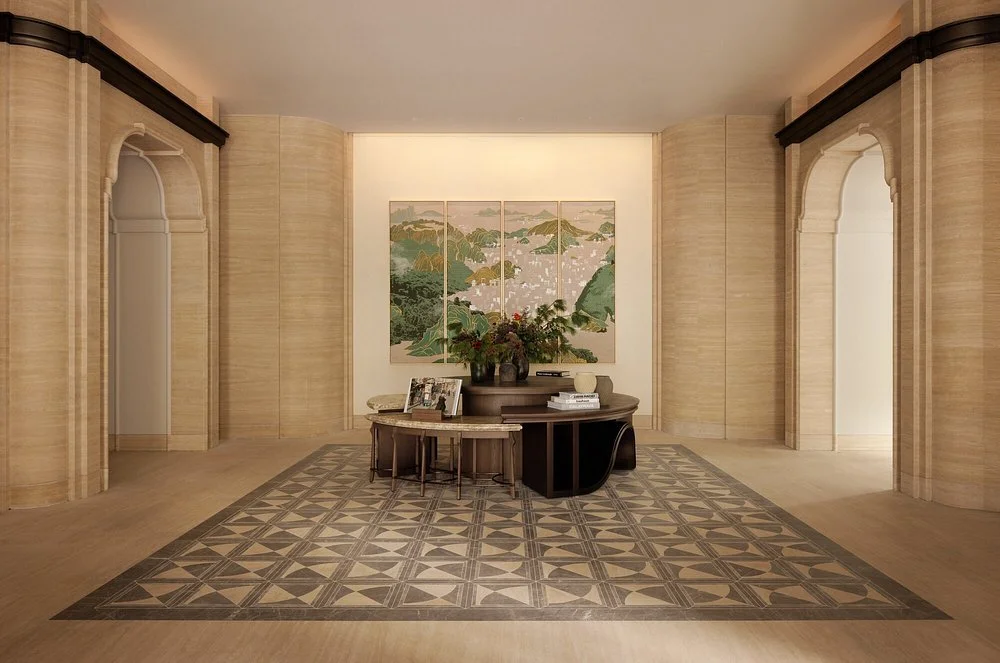
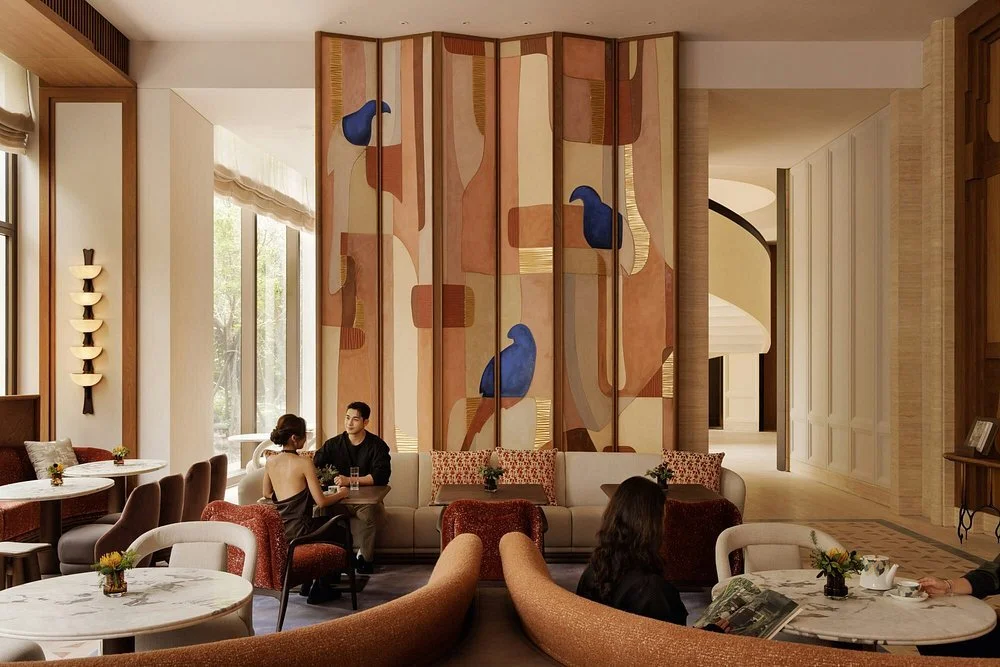
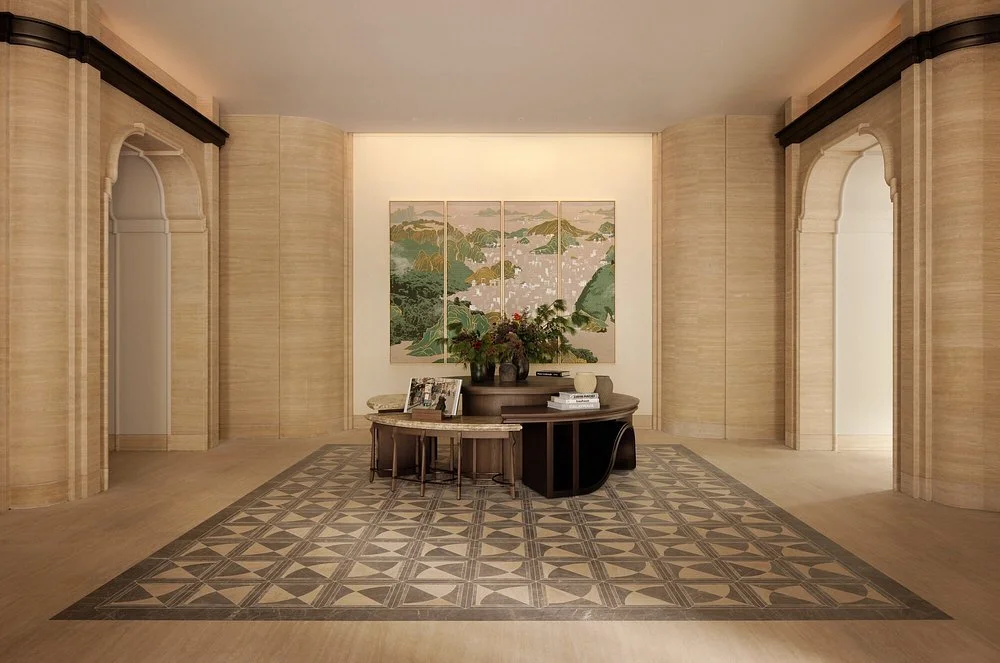
His inspiration came from walking through Taipei and, in particular, from the contrast between the city’s urban energy and the unexpectedly calm environment of tree-lined Dunhua North Road. Rather than reproducing a purely Taiwanese historical style, Fu combines European residential references with subtler Eastern influences, allowing the property to feel international without becoming disconnected from place.
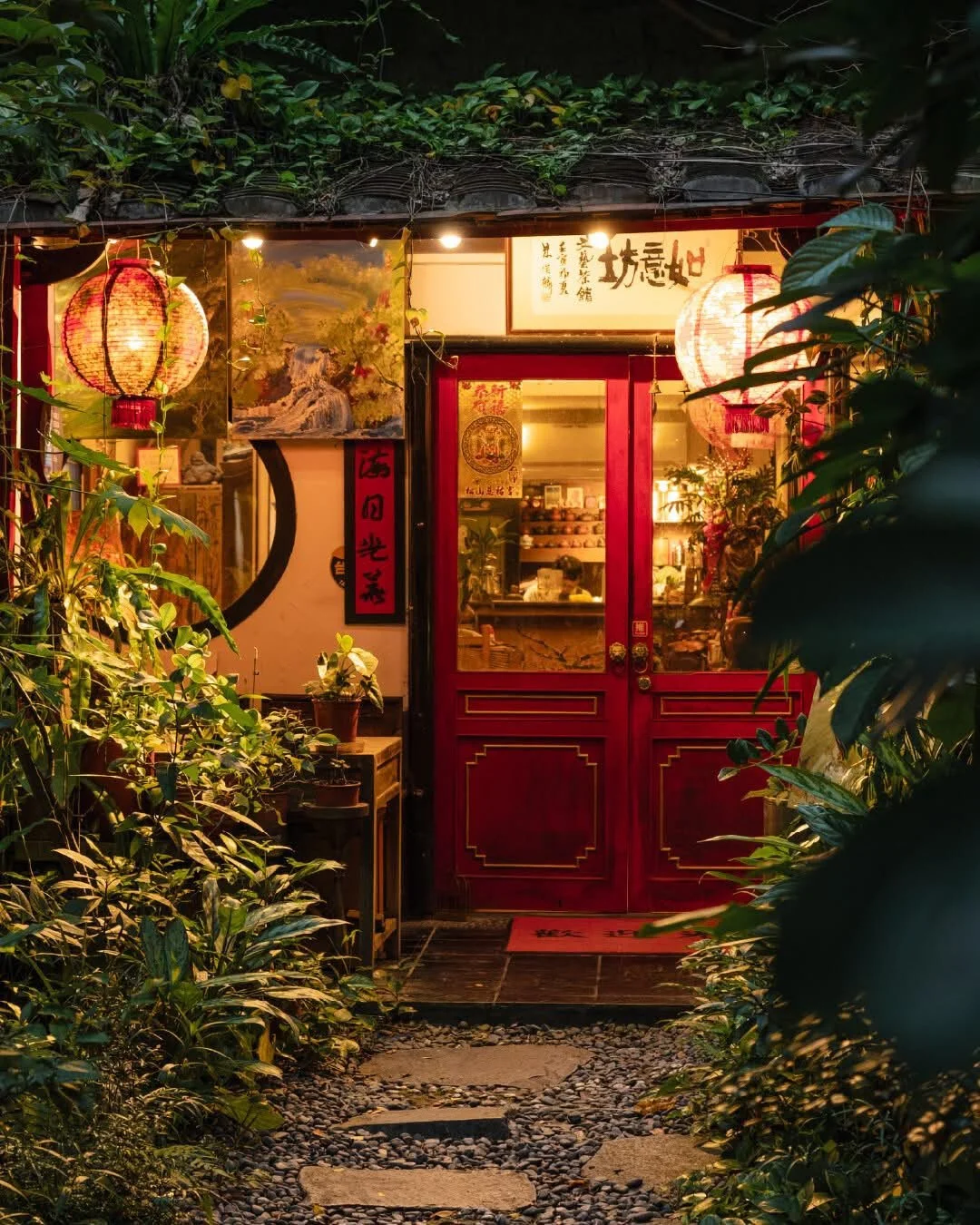
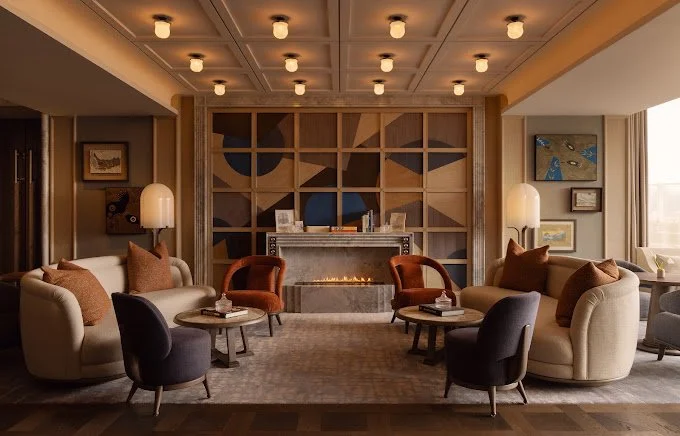
The arrival sequence reinforces that residential idea. A landscaped approach leads to substantial entrance doors, after which the hotel unfolds through a series of smaller salons rather than one oversized lobby.
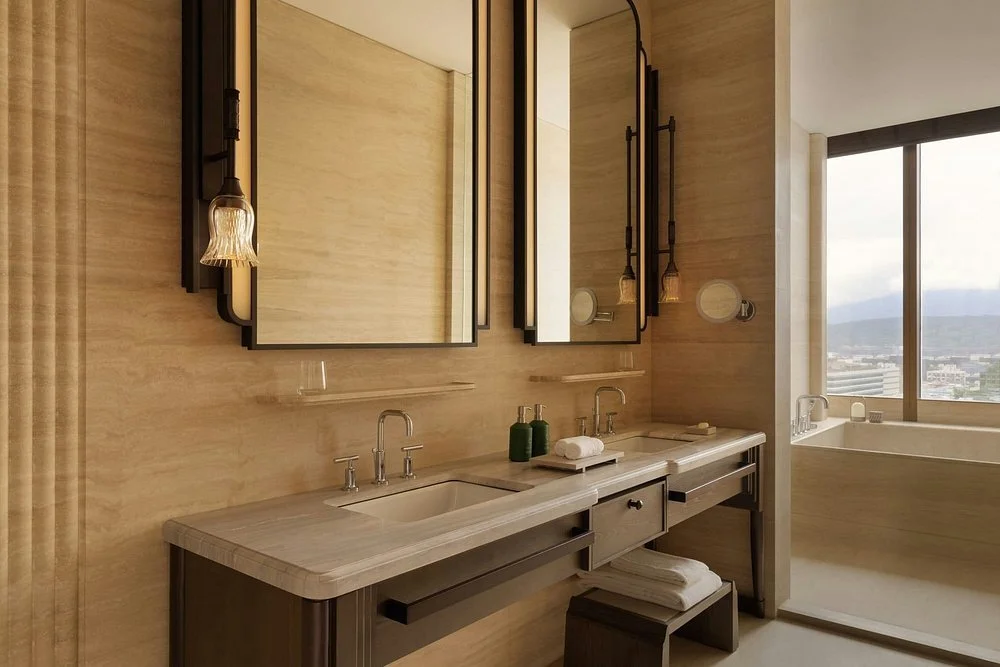
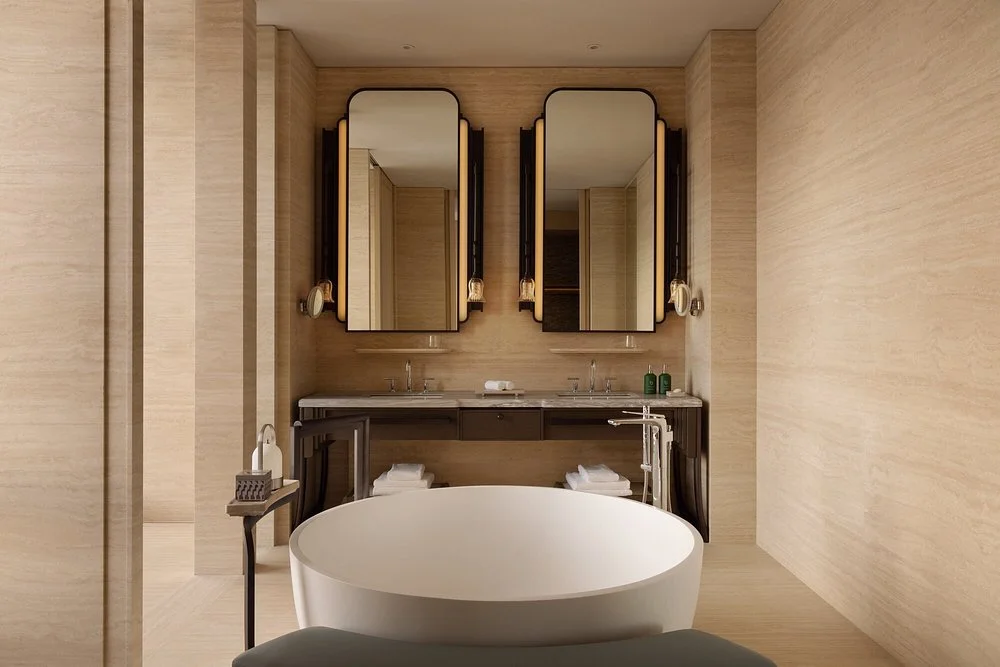
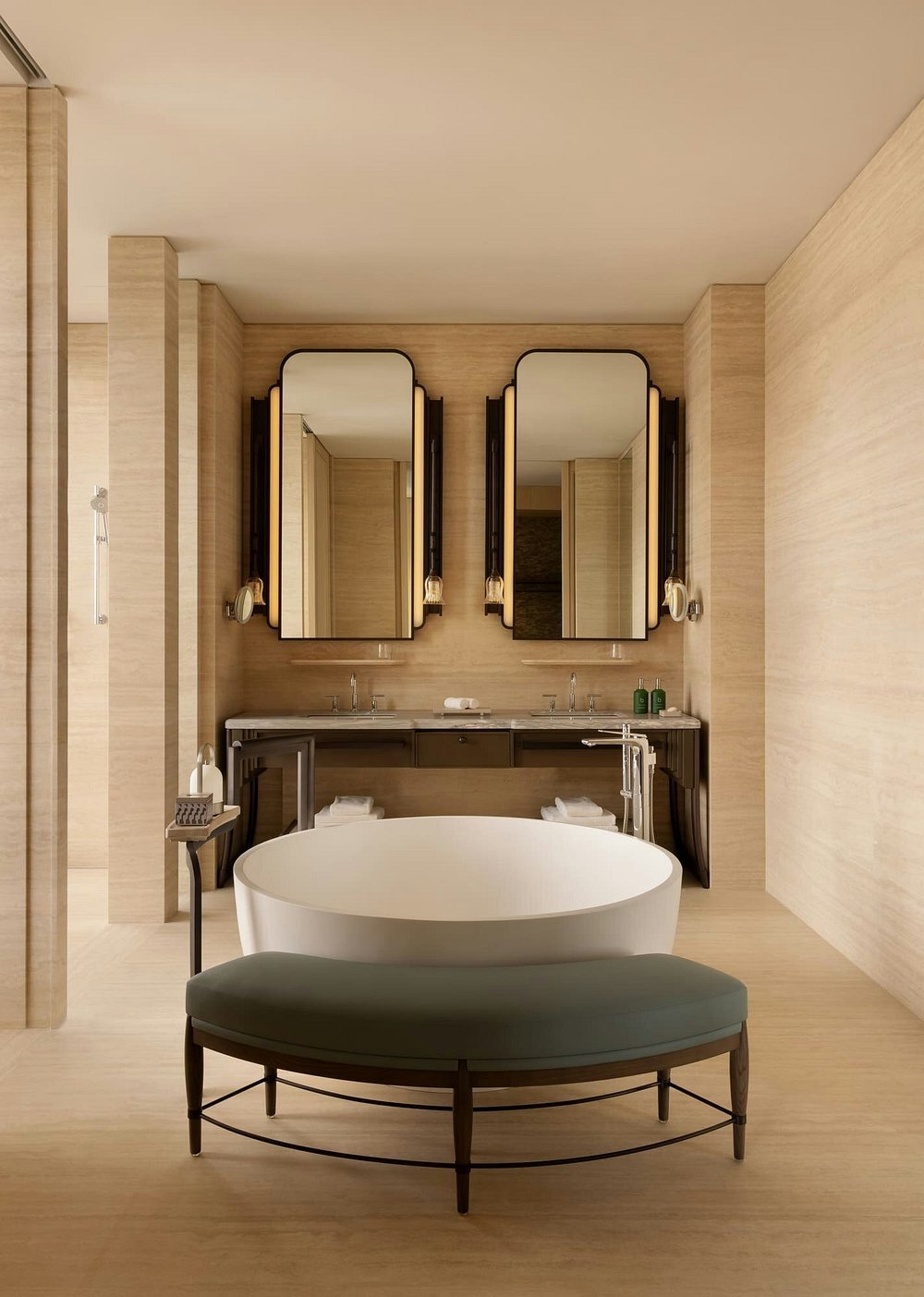
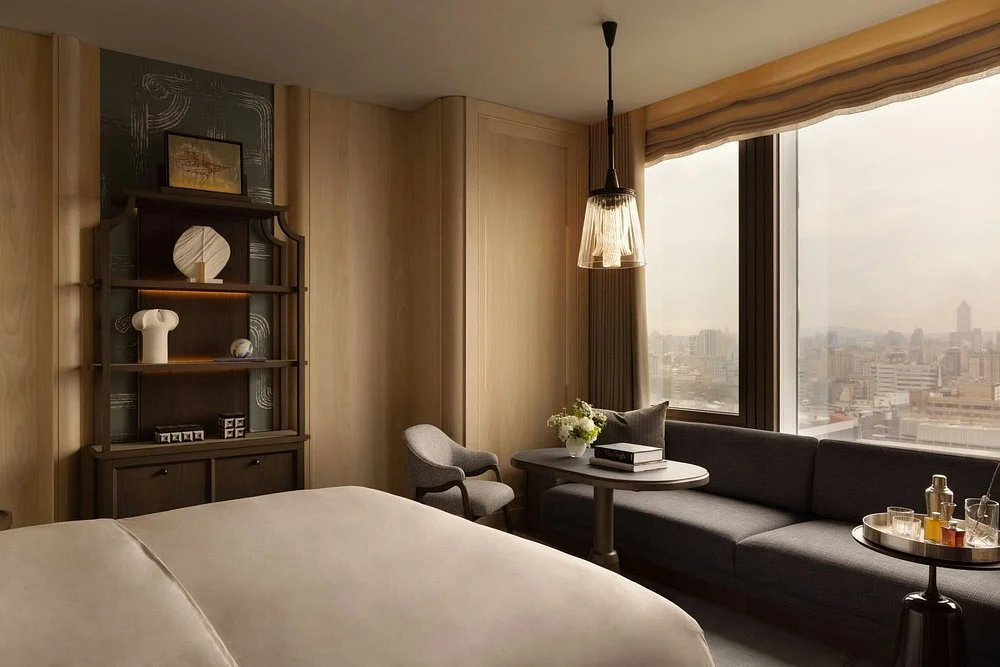
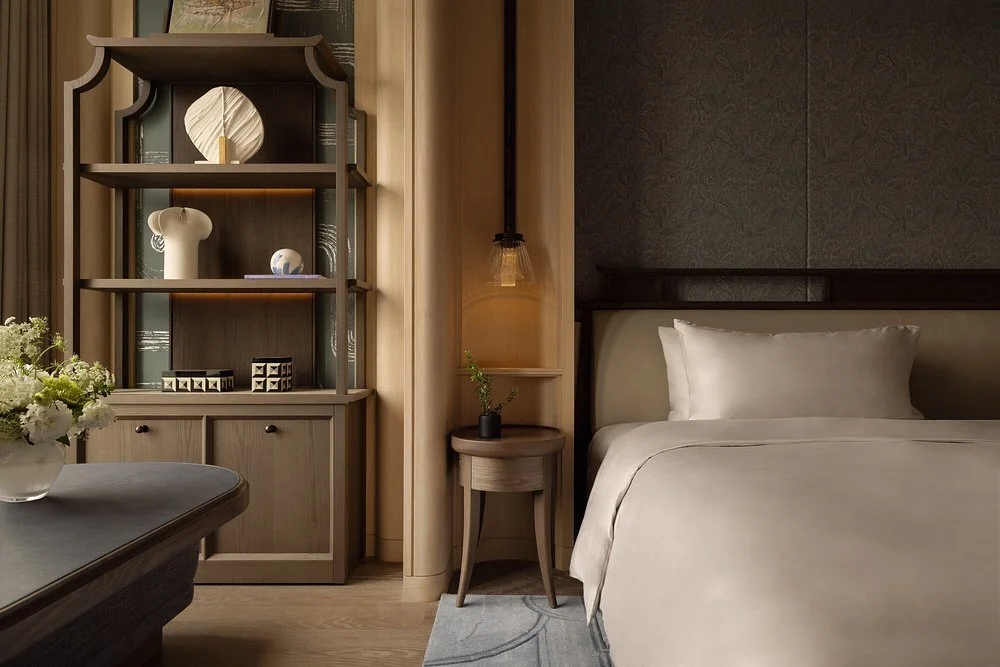
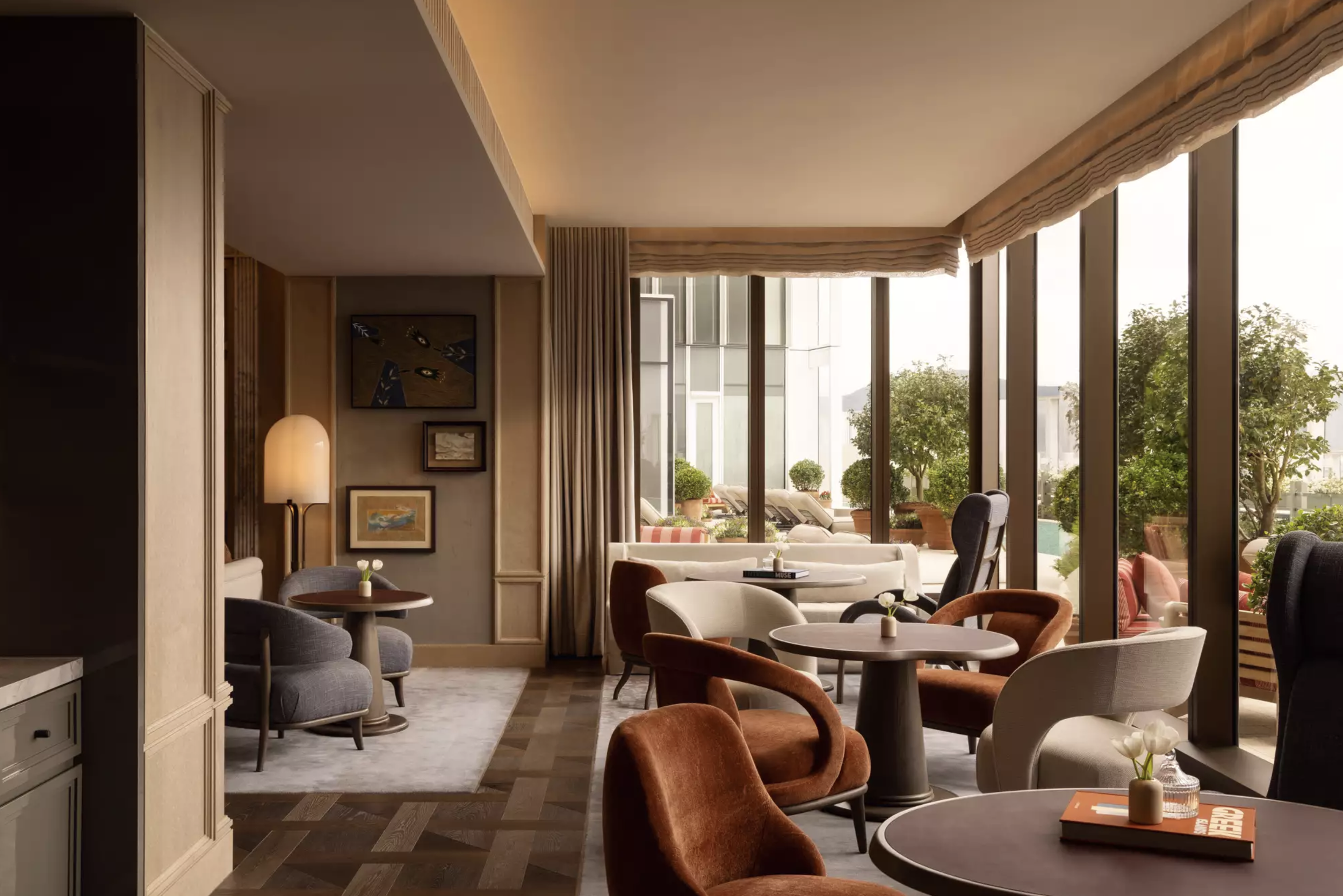
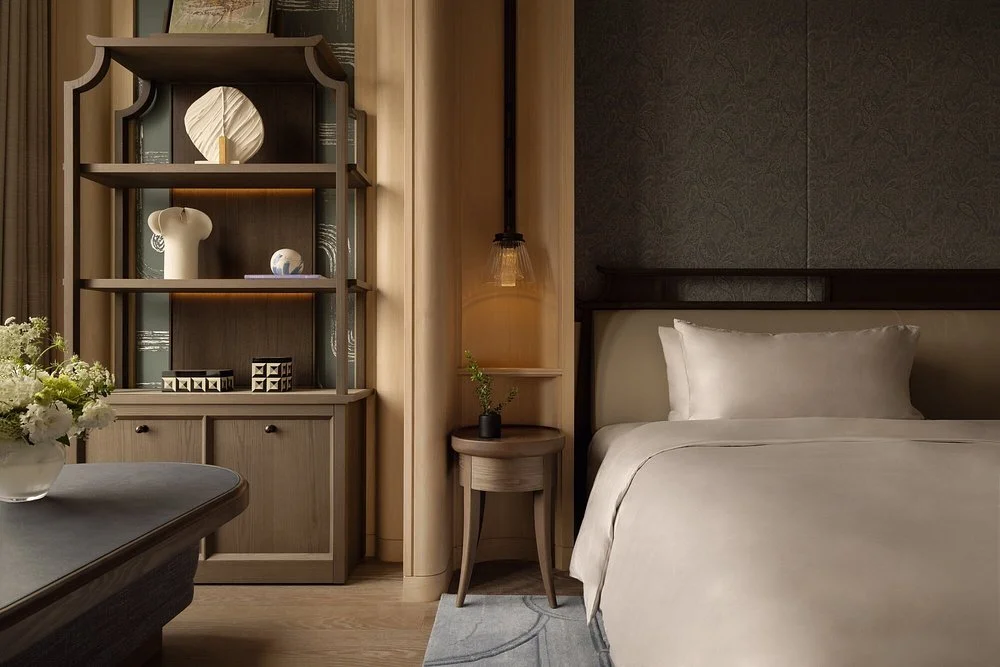
Inside the guestrooms, Eastern-inspired curio shelving sits beside European-style chandeliers. Mineral blues, warm neutral tones, tailored furniture and carefully framed city views create interiors that are polished without feeling overly ceremonial. Floor-to-ceiling glazing becomes one of the most important elements because Taipei itself is constantly present in the rooms.
For us, the most successful part of the design is that it does not compete with the city. Taipei 101, the mountains and the changing light become part of the interior composition rather than simply a view outside the window.
Rooms Above the City
Capella Taipei has 86 rooms and suites, with the most important distinctions being the view, whether outdoor space is included, and whether a private plunge pool is part of the accommodation.
Current principal categories include:
Superior Room: A 48-square-meter room with one king or two beds, floor-to-ceiling windows and views across Taipei.
Superior Skyline Room: A 48-square-meter category positioned toward Taipei 101, with two beds and panoramic skyline and mountain views.
Deluxe Room: Approximately 53 square meters, with a king bed, dedicated sitting area and expansive city-facing windows.
Deluxe Skyline Room: Approximately 53 square meters, adding a southern-facing outlook toward Taipei 101 and the surrounding mountains.
Premier Room: Approximately 60 square meters including a private balcony, with a king bed and views over the city.
Premier Skyline Room: Approximately 60 square meters including a balcony, positioned to frame Taipei 101 and the mountain ranges beyond.
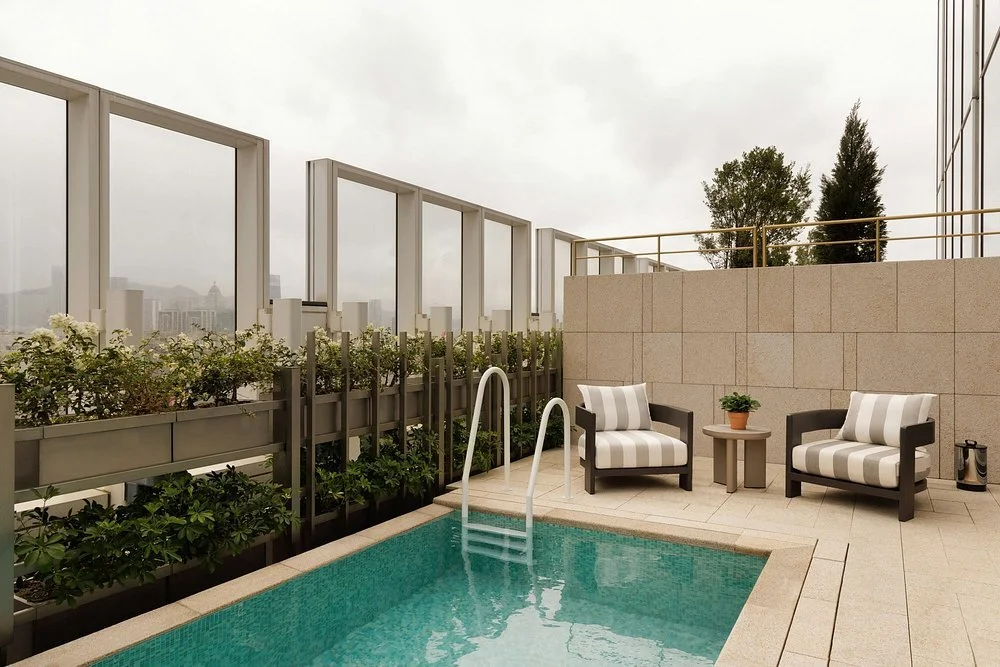
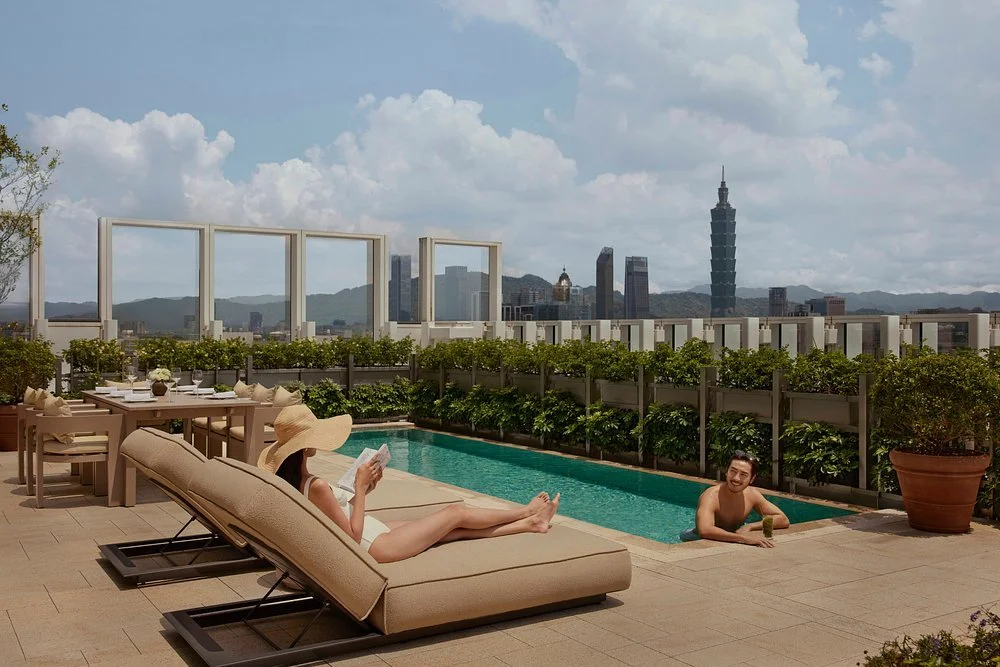
Pool Terrace Room: Approximately 78 square meters including a private terrace and plunge pool overlooking the city.
Pool Terrace Skyline Room: Approximately 78 square meters with its own plunge pool terrace and views toward Taipei 101.
Deluxe Skyline Suite: Approximately 106 square meters, with larger living space and expansive floor-to-ceiling views toward Taipei 101.
Capella Suite: Approximately 228 square meters with living and dining areas, a private fitness room and commanding Taipei 101 views.
Pool Terrace Suite: Approximately 270 square meters including a large private terrace with plunge pool, Jacuzzi, sunbeds and outdoor sitting areas.
Pool Terrace Skyline Suite: Approximately 270 square meters, combining the same outdoor pool-and-Jacuzzi setup with views toward Taipei 101.
For couples, the decision will often come down to whether a balcony or plunge pool matters more than additional interior space. For longer stays, larger suites begin to make much more sense, particularly when time in the hotel is intended to be part of the trip rather than simply where each day begins and ends.
Five Dining Rooms, Five Different Personalities
Capella Taipei presents five principal dining concepts, each with a clearly distinct identity.
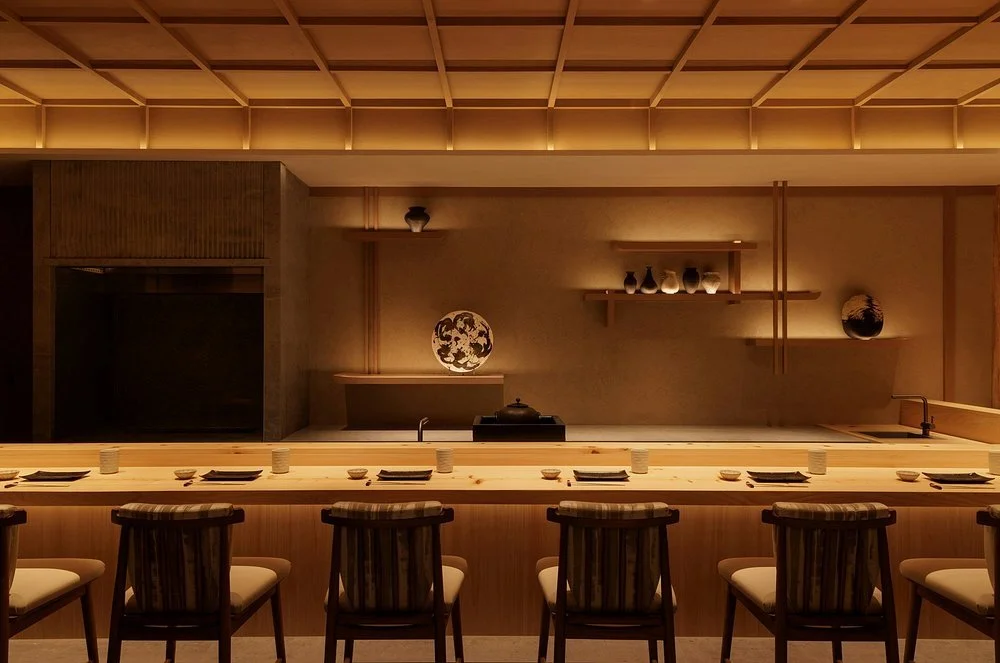
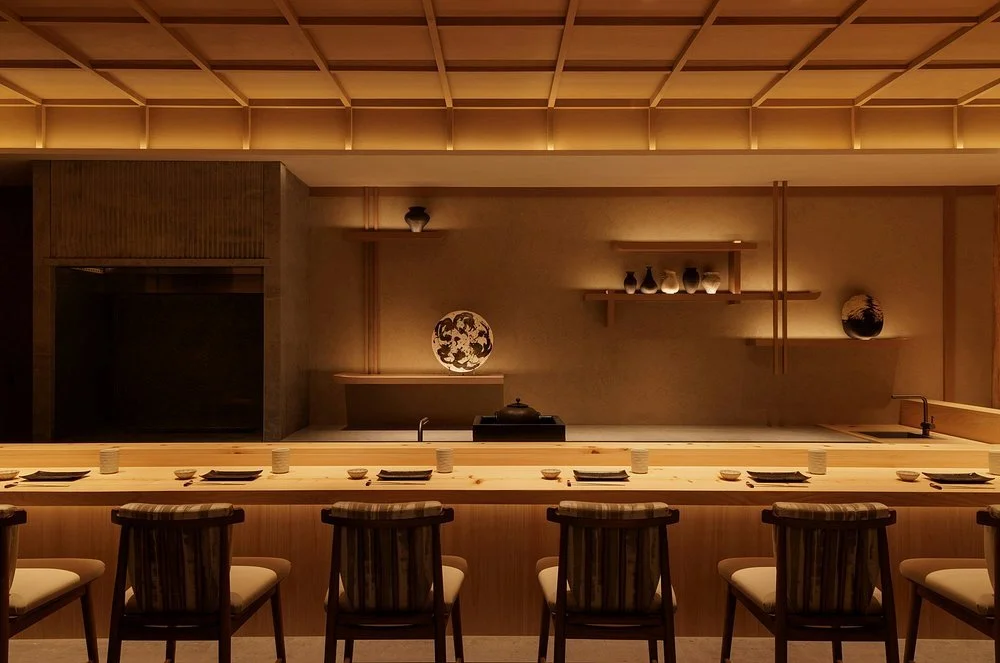
Mizue: An intimate Japanese omakase restaurant influenced by traditional ryokan design and wabi-sabi philosophy.
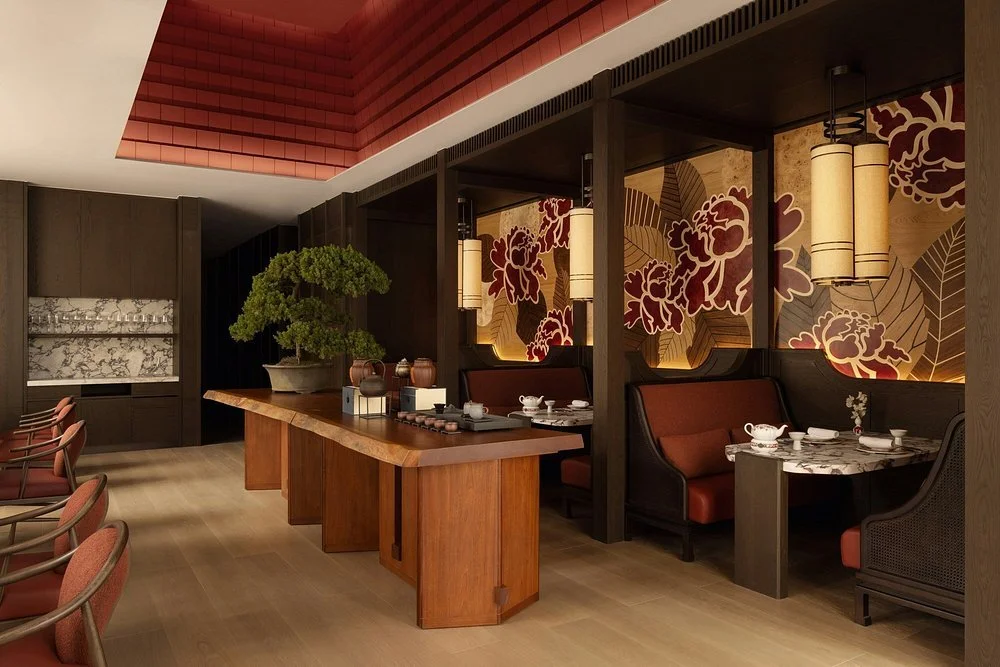
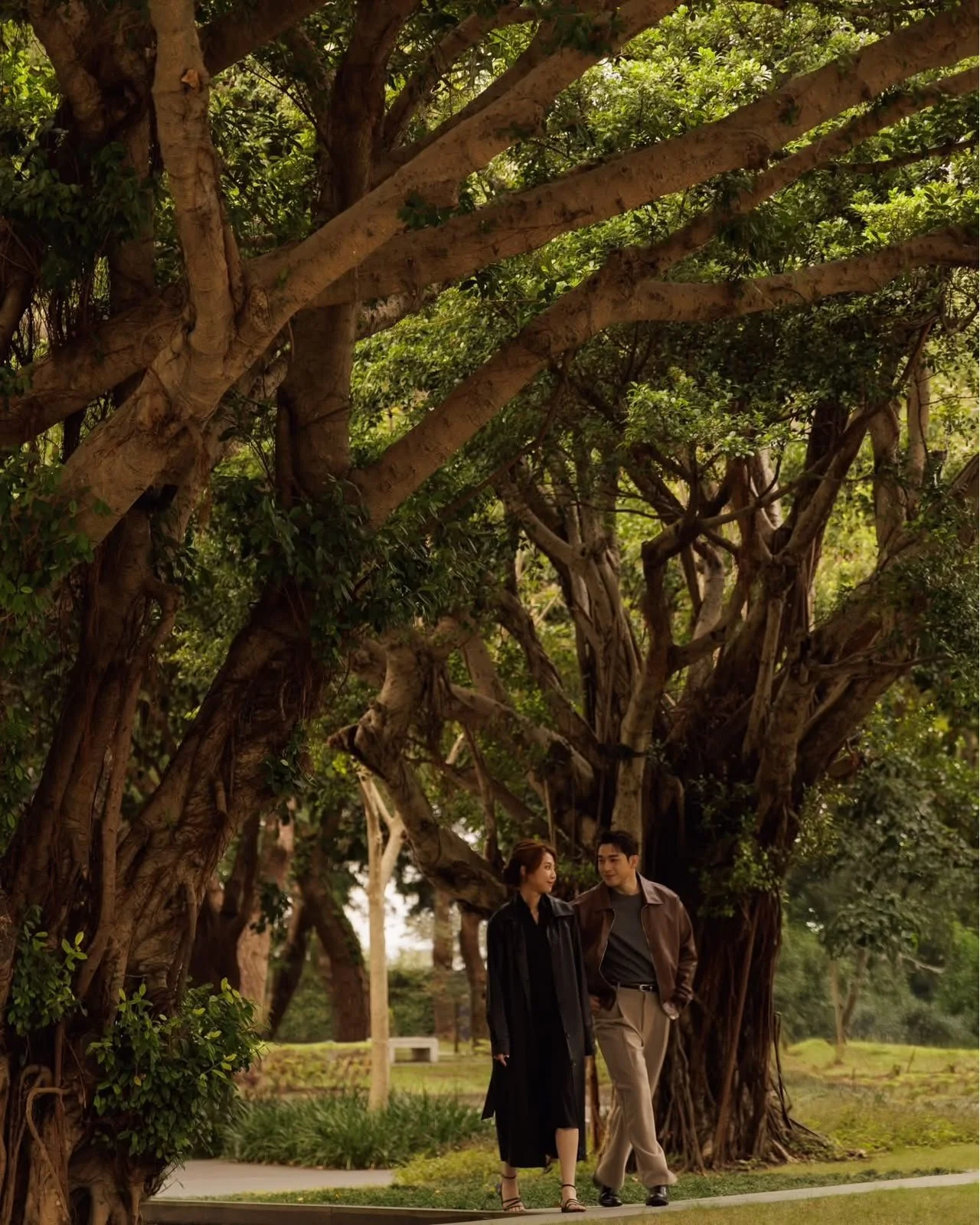
Rong Ju: A refined Cantonese restaurant inspired by the banyan trees of the surrounding area, combining traditional techniques with a contemporary setting.
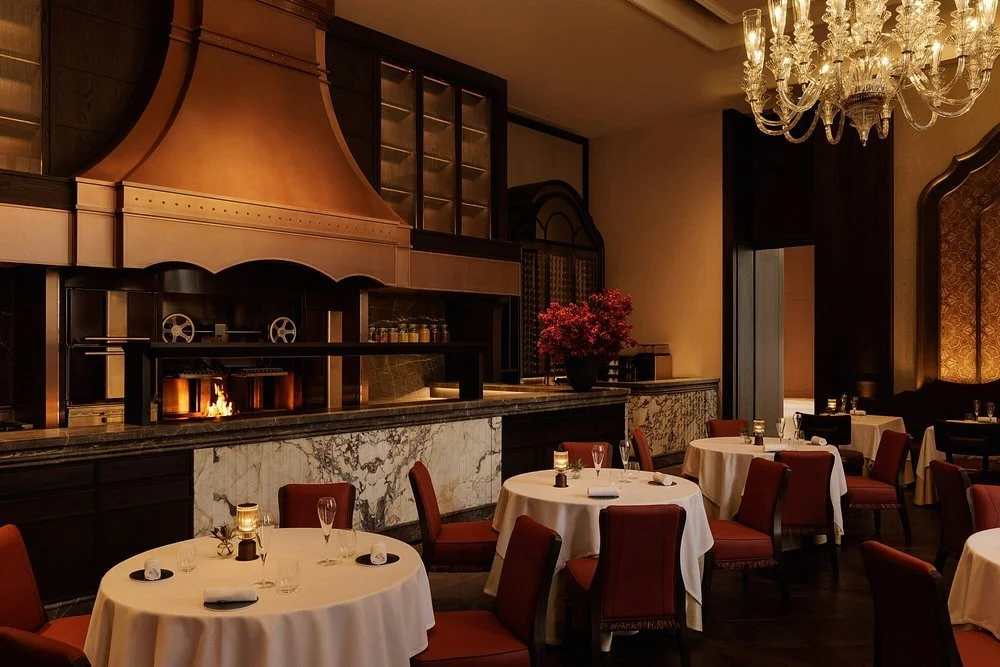
Ember 28: A modern grill centered on fire cooking, dry-aged prime cuts and seafood prepared over flame and embers.
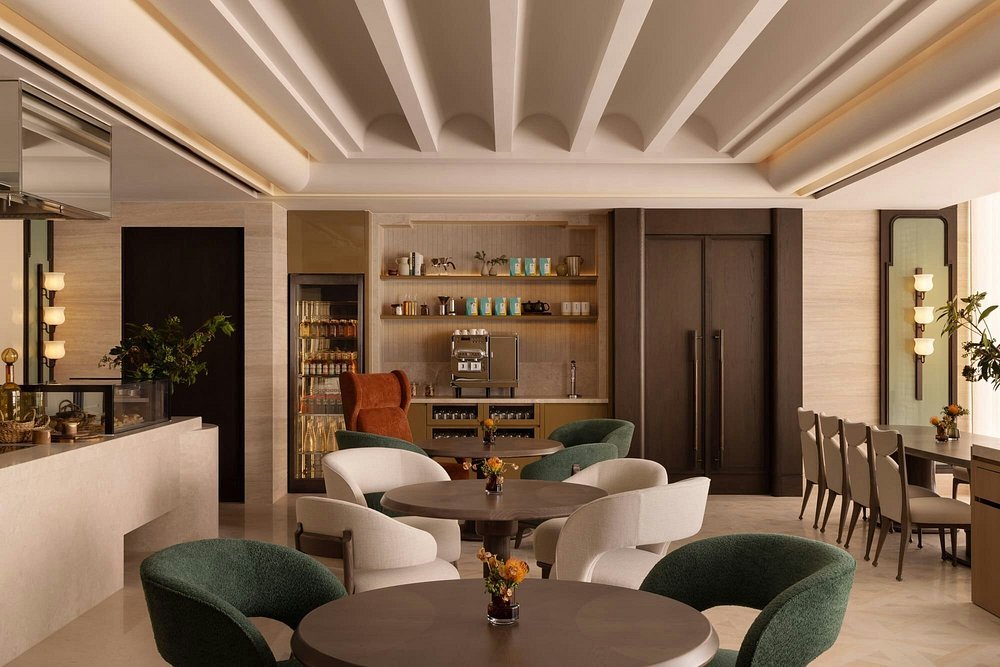
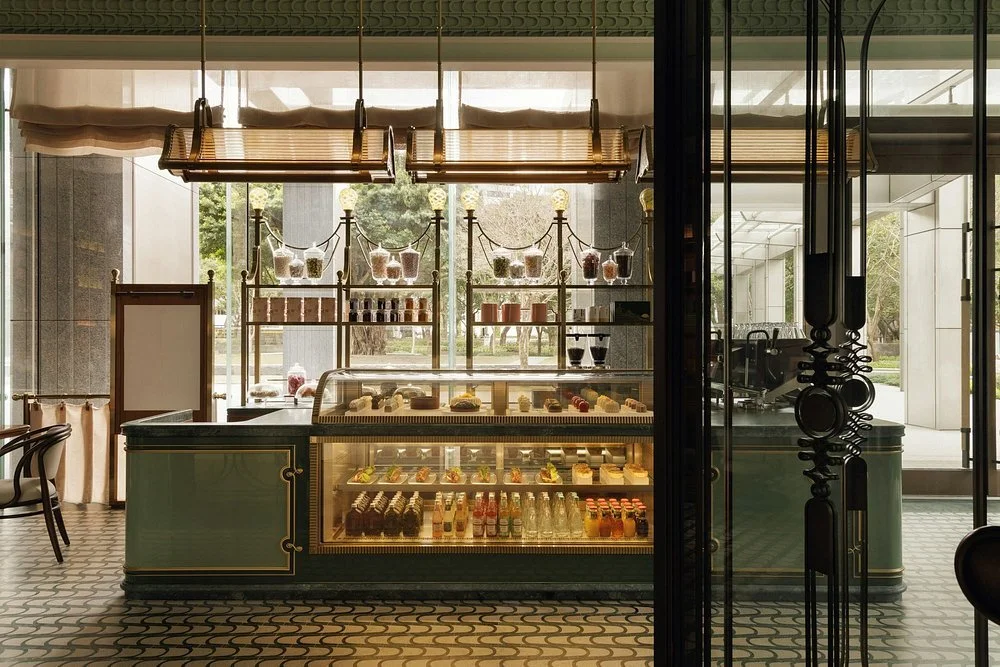
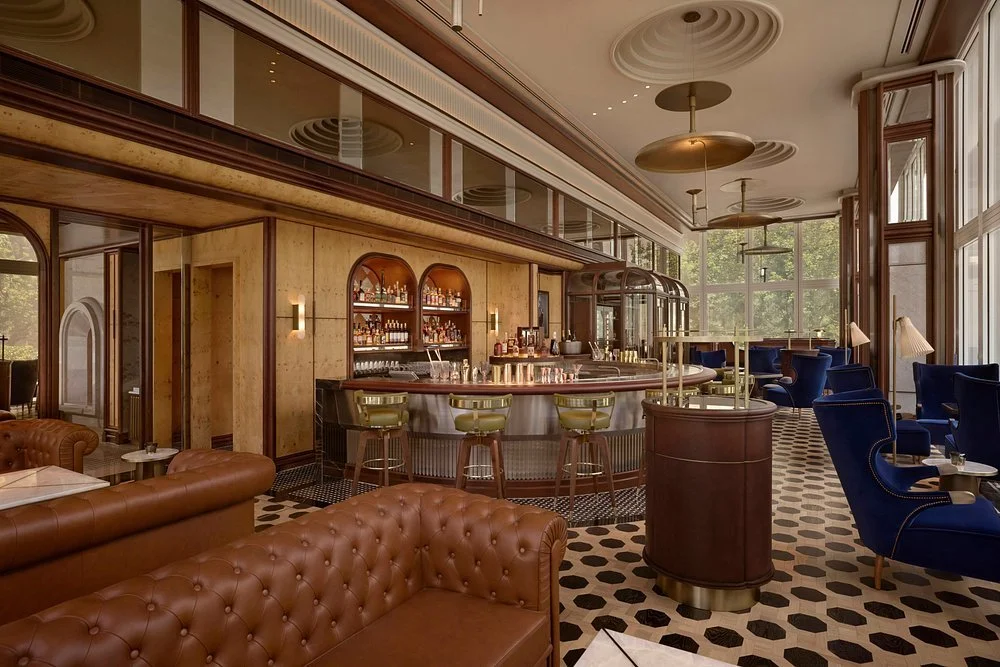
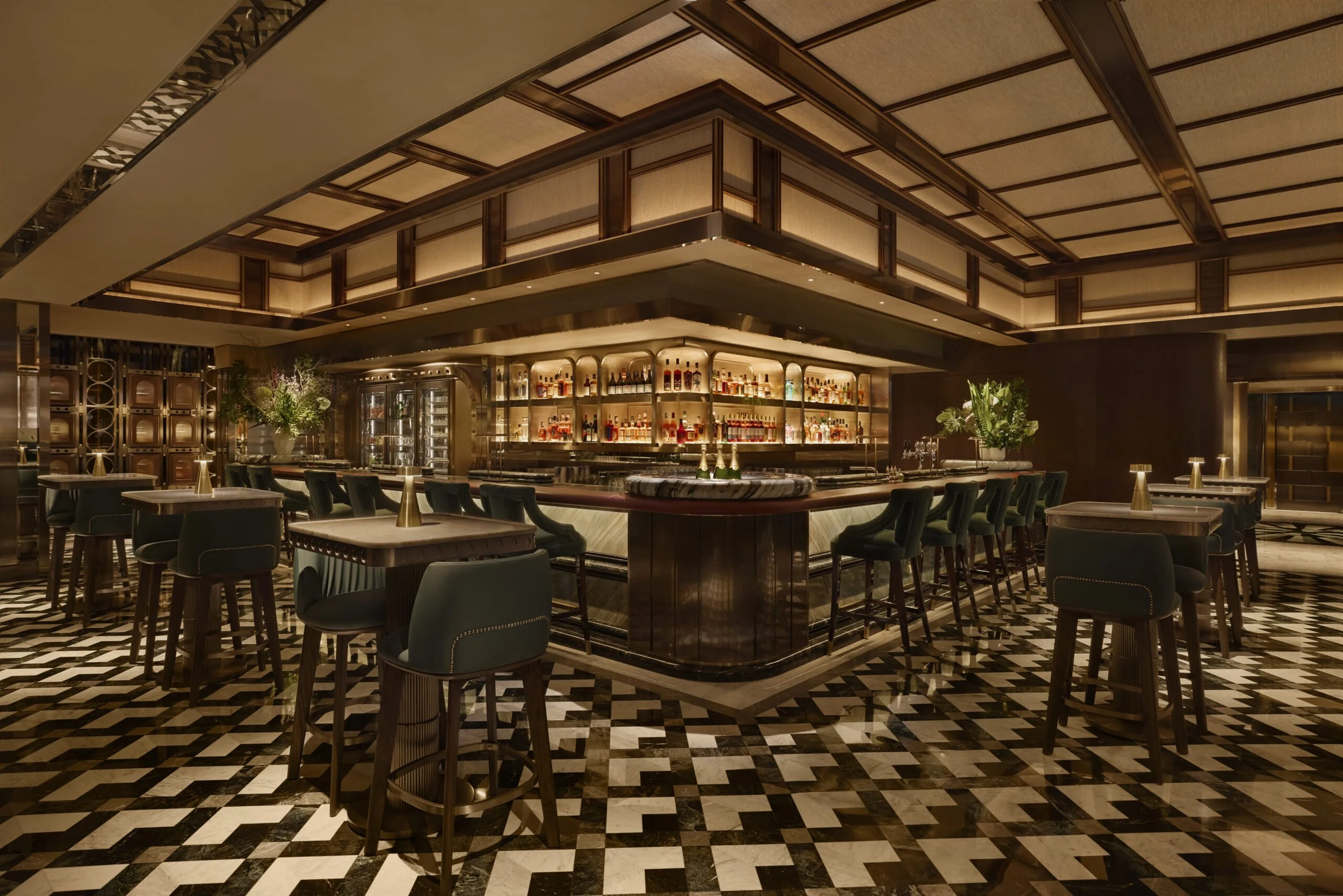
Plume: The hotel’s all-day lobby lounge, moving from breakfast into afternoon tea before becoming a champagne- and cocktail-focused destination later in the day.
Atelier Plume: A dedicated patisserie combining French pastry techniques with seasonal Taiwanese ingredients.
The range works particularly well in a city where eating is already one of the main reasons to travel. Rather than trying to replace Taipei’s restaurant scene, the hotel provides enough variety that staying in for one or two meals still feels worthwhile.
For us, Mizue and Rong Ju would be the two restaurants to plan most deliberately, while Plume works naturally around arrival, breakfast or a slower afternoon.
Wellness Guided by the Moon
Capella Wellness takes its inspiration from lunar rhythms, using different phases of the moon as a framework for activity, renewal and rest.
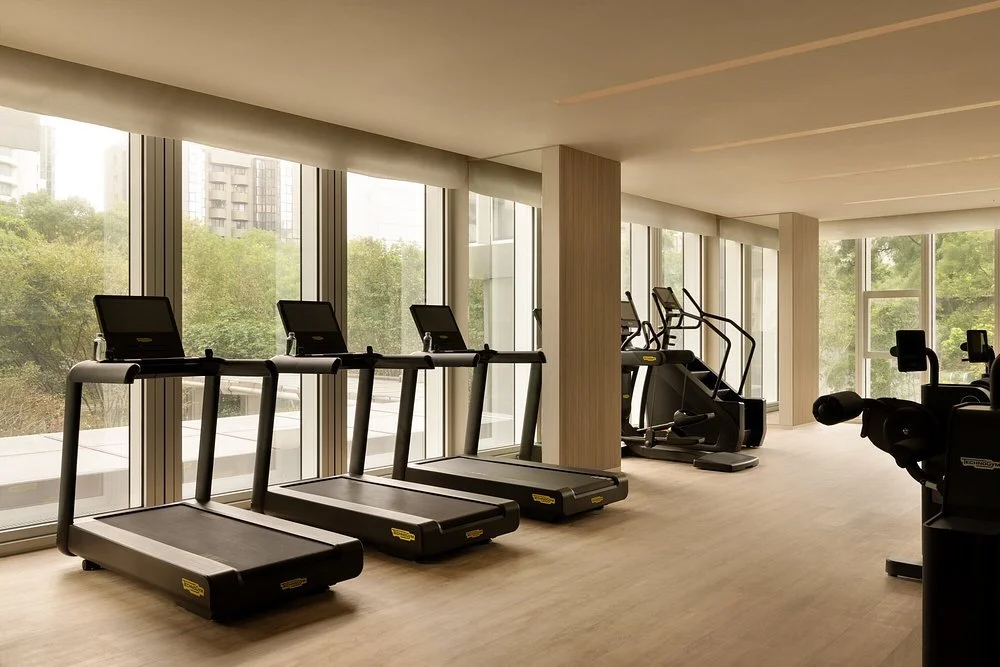
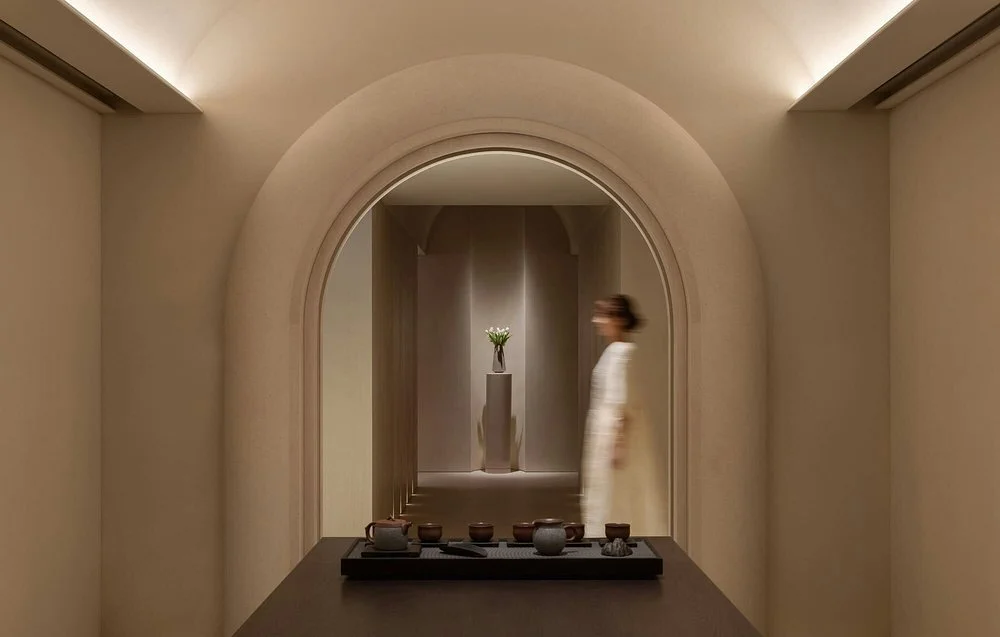
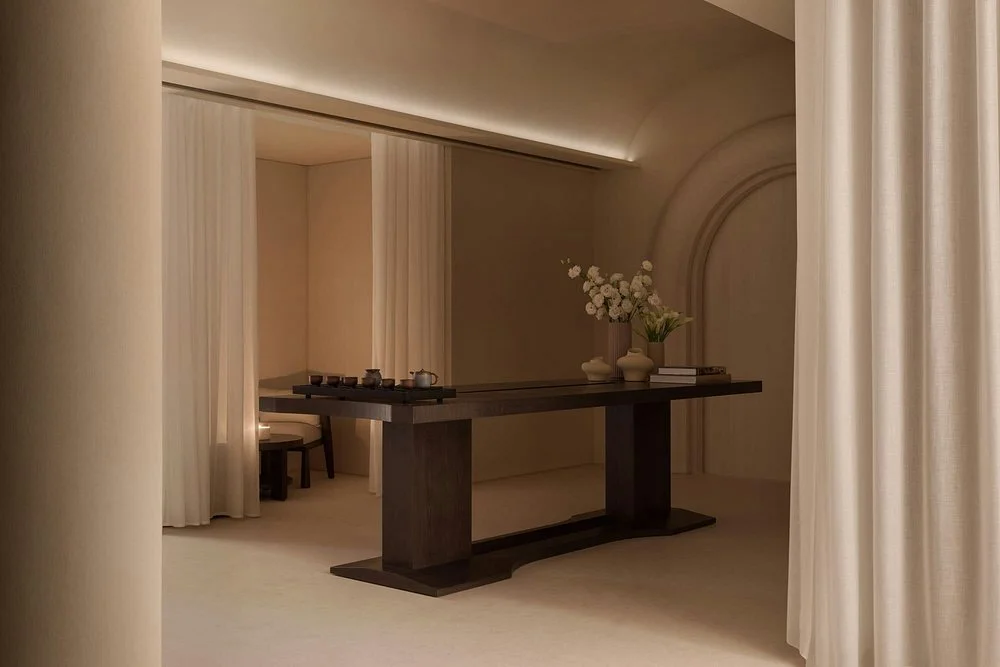
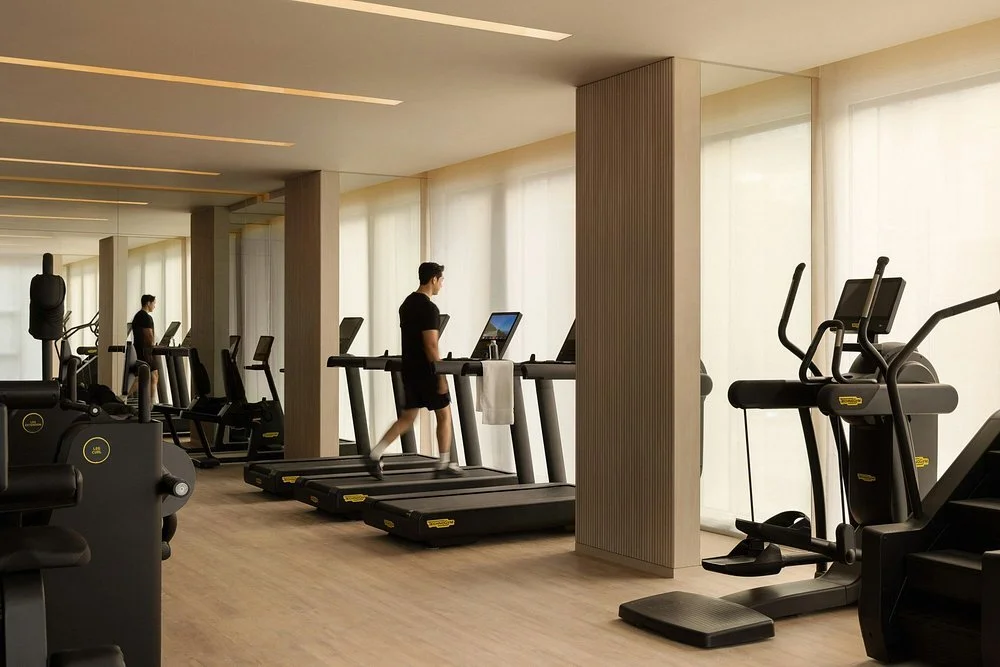
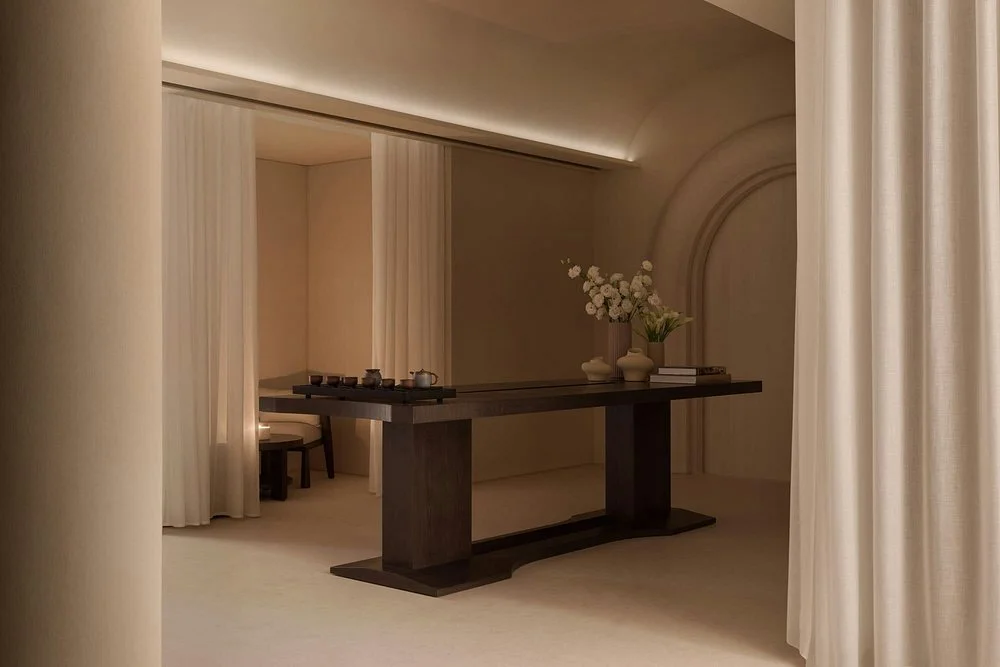
The spa includes four single treatment suites, one double suite with a Hinoki bathtub, a flotation pod, relaxation lounge, movement and mindfulness studio, sauna and steam rooms. The fitness center uses Technogym equipment and can incorporate personal training and more structured wellness programming.
One of the more unusual elements is the flotation pod, which introduces a more contemporary wellness component alongside conventional massage, skincare and restorative treatments.
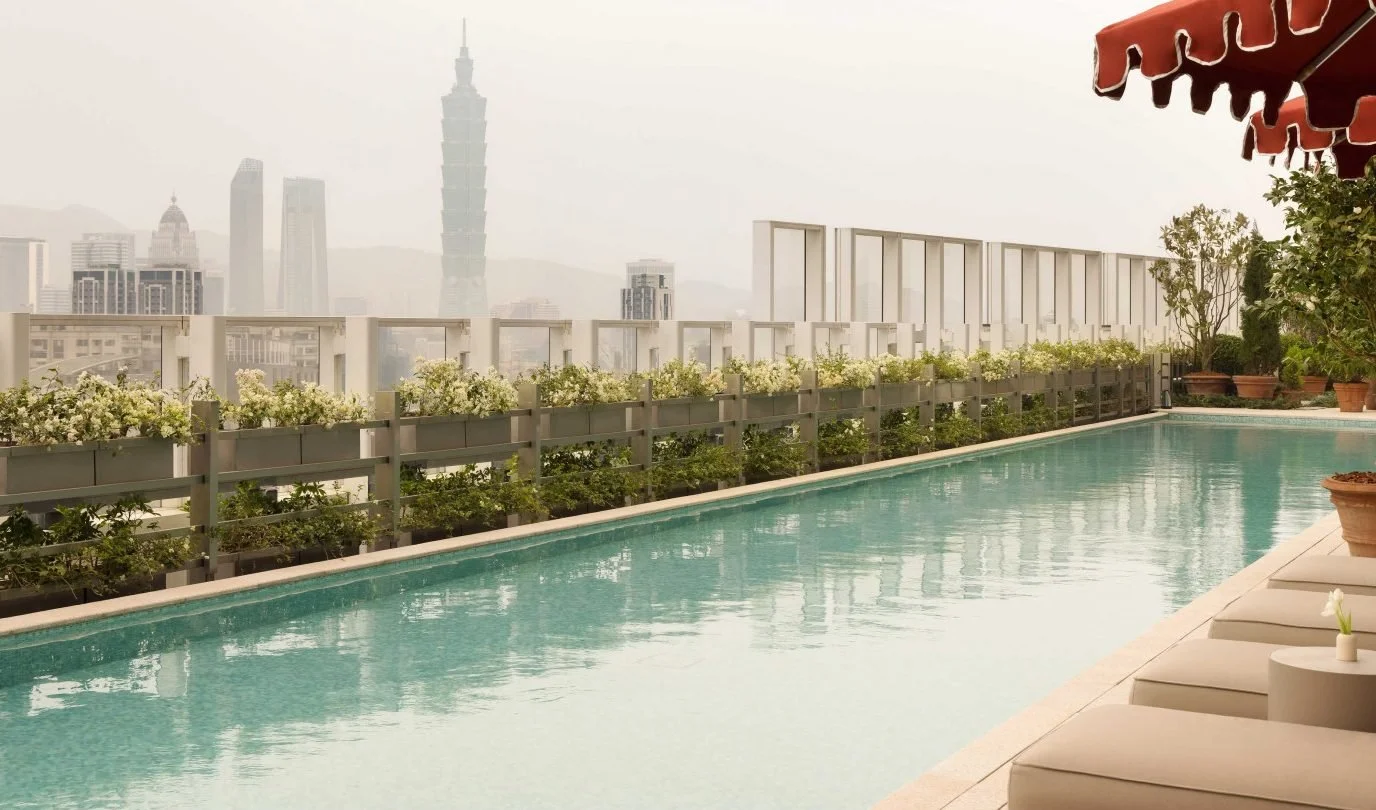
The outdoor pool sits high above the city, creating a quieter setting and giving the hotel something closer to a small urban resort feel than many Taipei properties can offer.
For a city stay, we would treat the wellness program as something to build into one slower morning or afternoon rather than attempting to turn the entire itinerary into a retreat.
Taipei Through a Culturist’s Perspective
Capella’s strongest experiences are designed to move guests beyond the hotel.
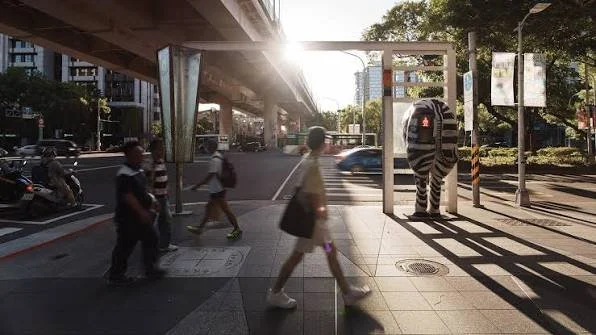
Songshan-focused experiences explore the immediate neighborhood with a Culturist, tracing local history through Dunhua North Road, nearby residential districts and the evolution of the area. These can incorporate Taiwanese tea, language, design and other cultural encounters rather than focusing only on major monuments.
Tea experiences can also take guests beyond central Taipei to learn more about Taiwan’s tea traditions, production methods and ceremony.
For us, this is where Capella Taipei separates itself from a hotel chosen purely for a skyline view. Taipei rewards travelers who look beyond the obvious attractions, and the Culturist model provides a way to do that without turning the experience into a conventional sightseeing tour.
Little Stars in Taipei
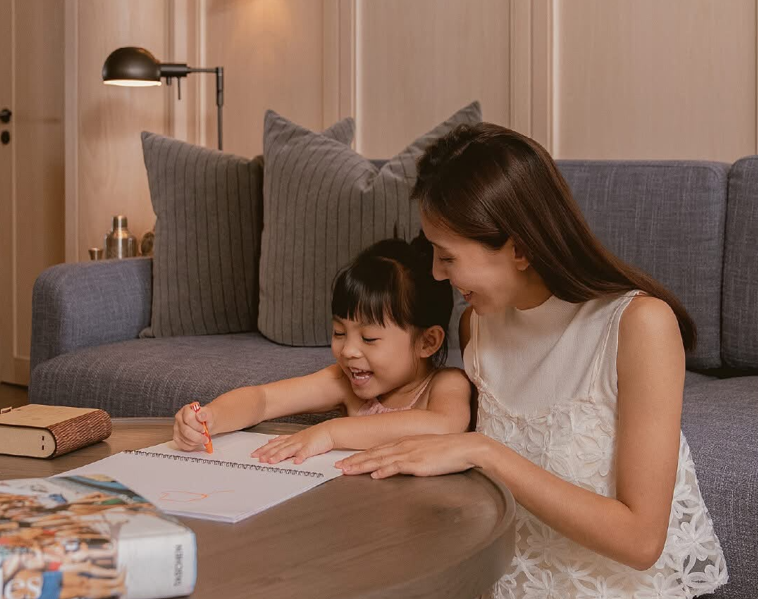
Capella Taipei is not designed as a resort for children, but its family programming is more developed than the sophisticated city setting might suggest.
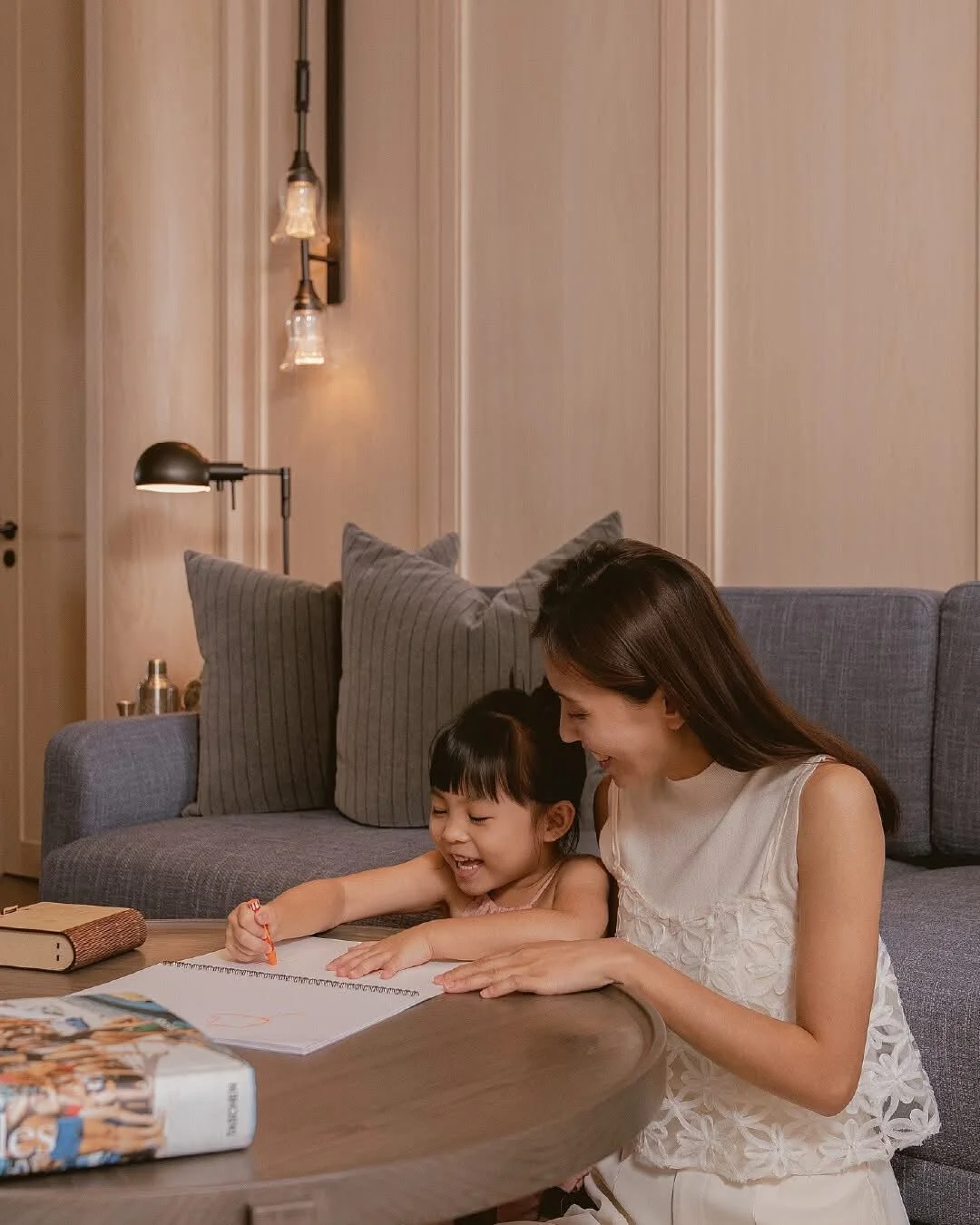
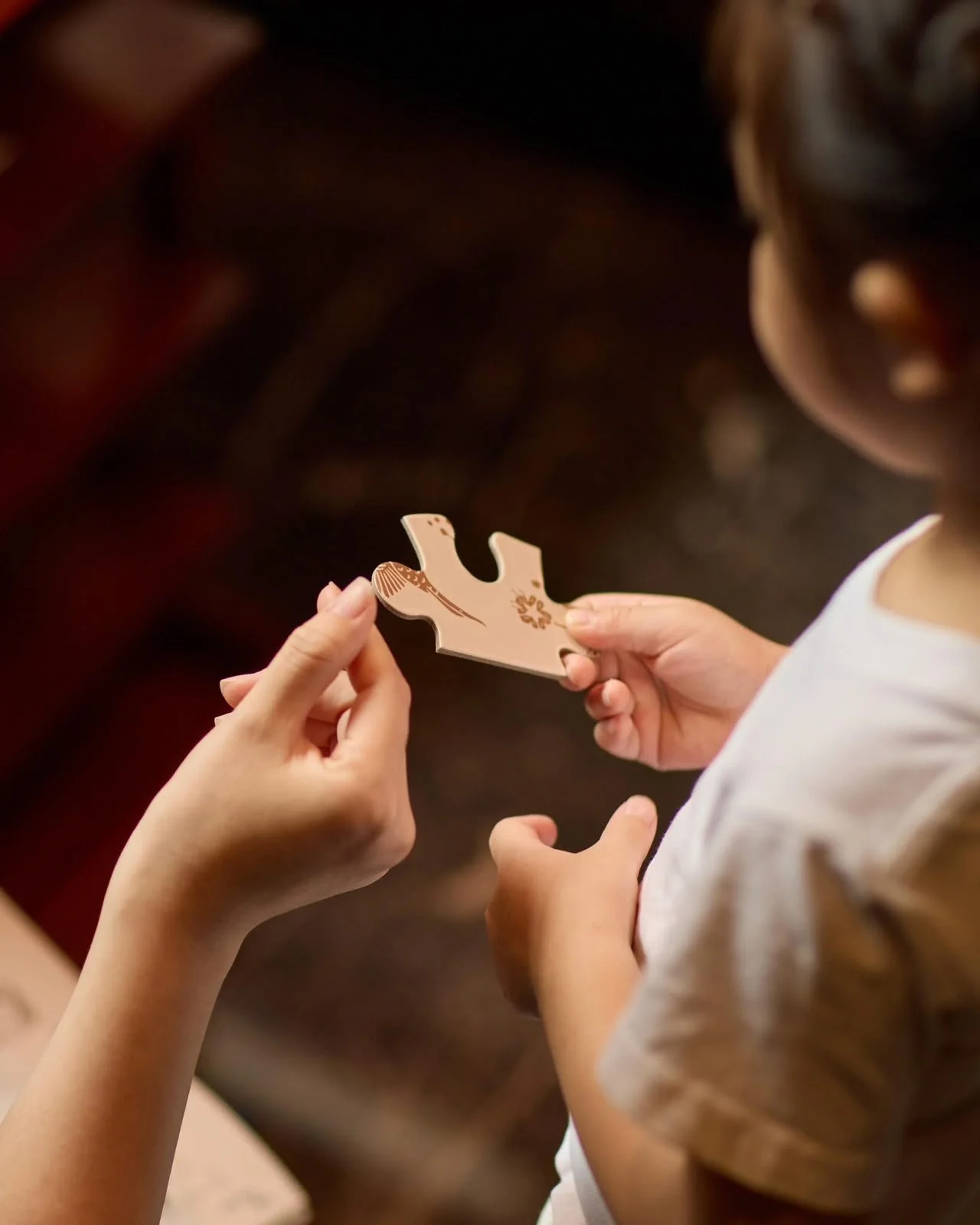
The Little Stars program introduces Taiwanese culture through hands-on activities. Children may take part in culinary and cultural experiences designed to make local traditions more accessible and engaging.
For families, connecting accommodation layouts and the larger suites will generally be more useful than choosing solely by view. The hotel’s location also makes it relatively easy to combine structured activities with parks, museums and independent time elsewhere in the city.
We would keep the family itinerary light: one hotel-led activity, one cultural excursion and enough unplanned time to experience Taipei without making every day feel scheduled.
A More Considered Urban Hotel
Capella Taipei incorporates sustainability through building operations, sourcing, waste reduction and local partnerships.
The property has received EarthCheck certification, placing its sustainability program within an independently assessed framework. Operational measures include reducing single-use plastics, using reusable water solutions and working with local producers and artisans where possible.
The cultural program is another part of that story. Experiences around local tea production, neighborhood history and Taiwanese crafts create economic and cultural connections beyond the property itself.
In a dense urban setting, sustainability is less visible than it might be at a remote island resort. Here, it is better understood through sourcing, building operations, local partnerships and the way guests are encouraged to engage with Taipei.
Planning for Comfortable Access
Travelers with mobility or other accessibility requirements should review the details of the specific room before booking.
The hotel provides elevator access throughout its public areas, and accessible accommodation options are available. Because bathroom configuration, transfer space and exact room layout can matter considerably, we would confirm the specific accessible room specifications directly with the hotel rather than relying only on a general category description.
Airport assistance, vehicle requirements and any mobility support needed for off-property experiences should also be arranged in advance.
Arriving on Dunhua North Road
Capella Taipei is located on Dunhua North Road in Taipei’s Songshan District.
By Air – Taipei Songshan Airport: The hotel is located in the same district, making Songshan the most convenient airport for regional arrivals.
By Air – Taiwan Taoyuan International Airport: Taoyuan is Taipei’s principal international gateway, with private transfer providing the most seamless arrival.
By High-Speed Rail: Travelers arriving from elsewhere in Taiwan can connect through Taipei Main Station and continue to the hotel by private car or taxi.
By Private Transfer: Airport and station transfers can be arranged in advance, with exact inclusions varying by room category and reservation type.
For an international arrival, we would normally arrange a private transfer and leave the first afternoon relatively open. Taipei is a city where the transition from airport to neighborhood can be part of the experience, and there is little reason to rush immediately into sightseeing.
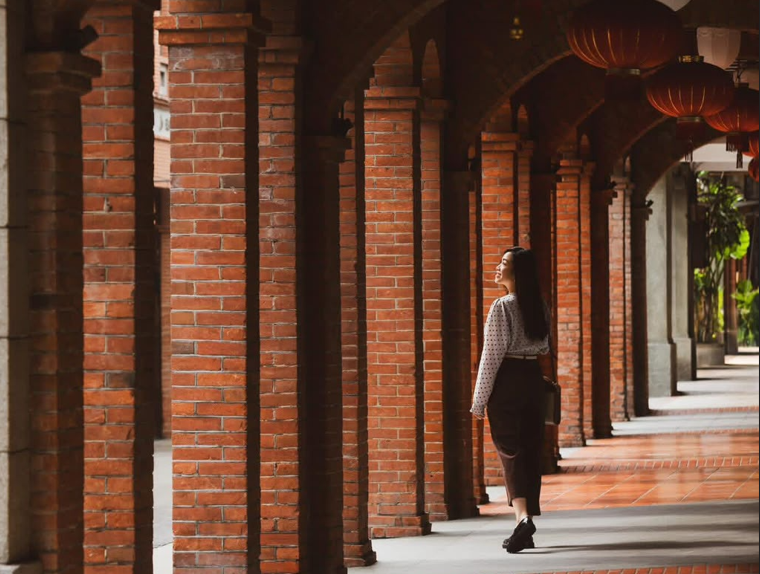
A Quieter Way to Experience Taipei
Capella Taipei works because it does not attempt to define the city with a single idea.
There is the Taipei of contemporary architecture and Taipei 101. There is the quieter Taipei of tree-lined streets and residential neighborhoods. There is another city expressed through tea, Cantonese dining, Japanese culinary tradition, local language and the mountains that remain visible beyond the skyline.
The hotel connects those versions through design rather than spectacle.
A morning might begin with breakfast at Plume before heading out for a tea experience. Another day could stay entirely within the city: a walk through Songshan, lunch at Rong Ju, an afternoon in Capella Wellness and dinner at Mizue. A slower stay might leave an entire morning free for the pool before heading out to explore Taipei independently.
For us, that flexibility is what makes the property compelling.
Capella Taipei is polished enough to feel like a destination in its own right, but its strongest quality is that it continues to point outward. The rooms frame the skyline, the design reflects the streets below, and the Culturists use the hotel as a gateway into the city.
For travelers who want Taipei to remain central to the experience, that is exactly where the balance should be.