Tokyo, Japan | Janu Tokyo
Tokyo, With Room to Join In
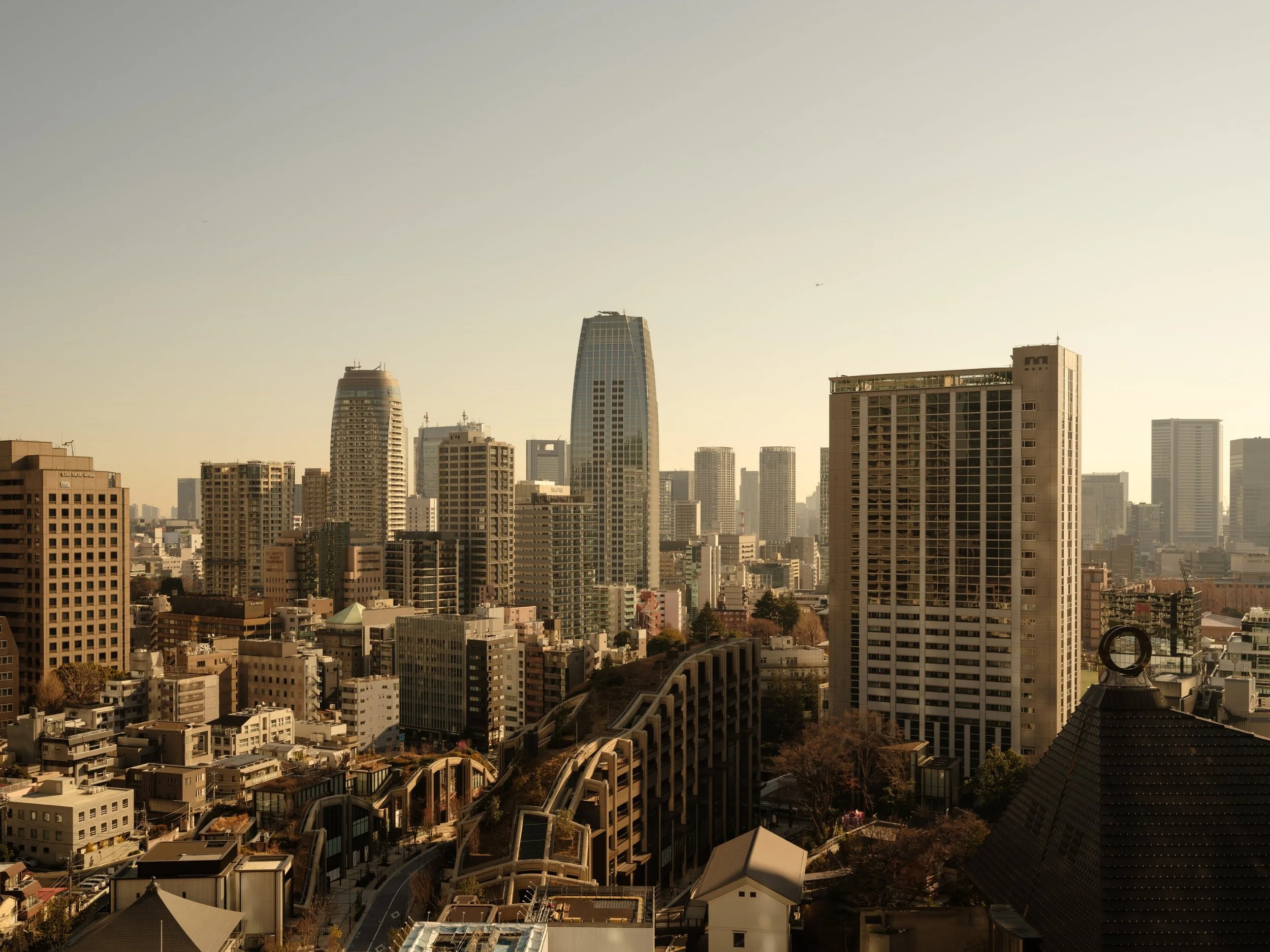
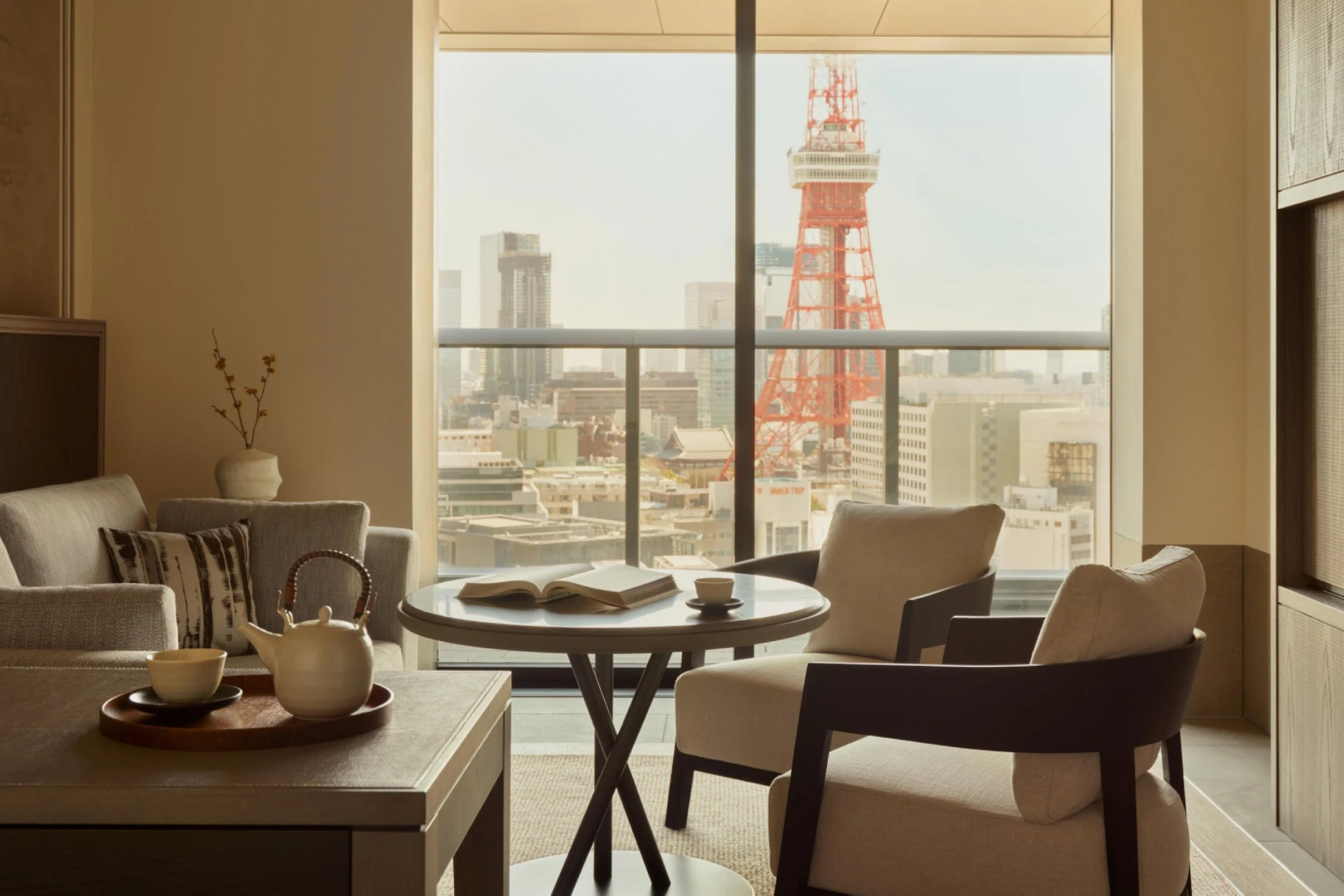
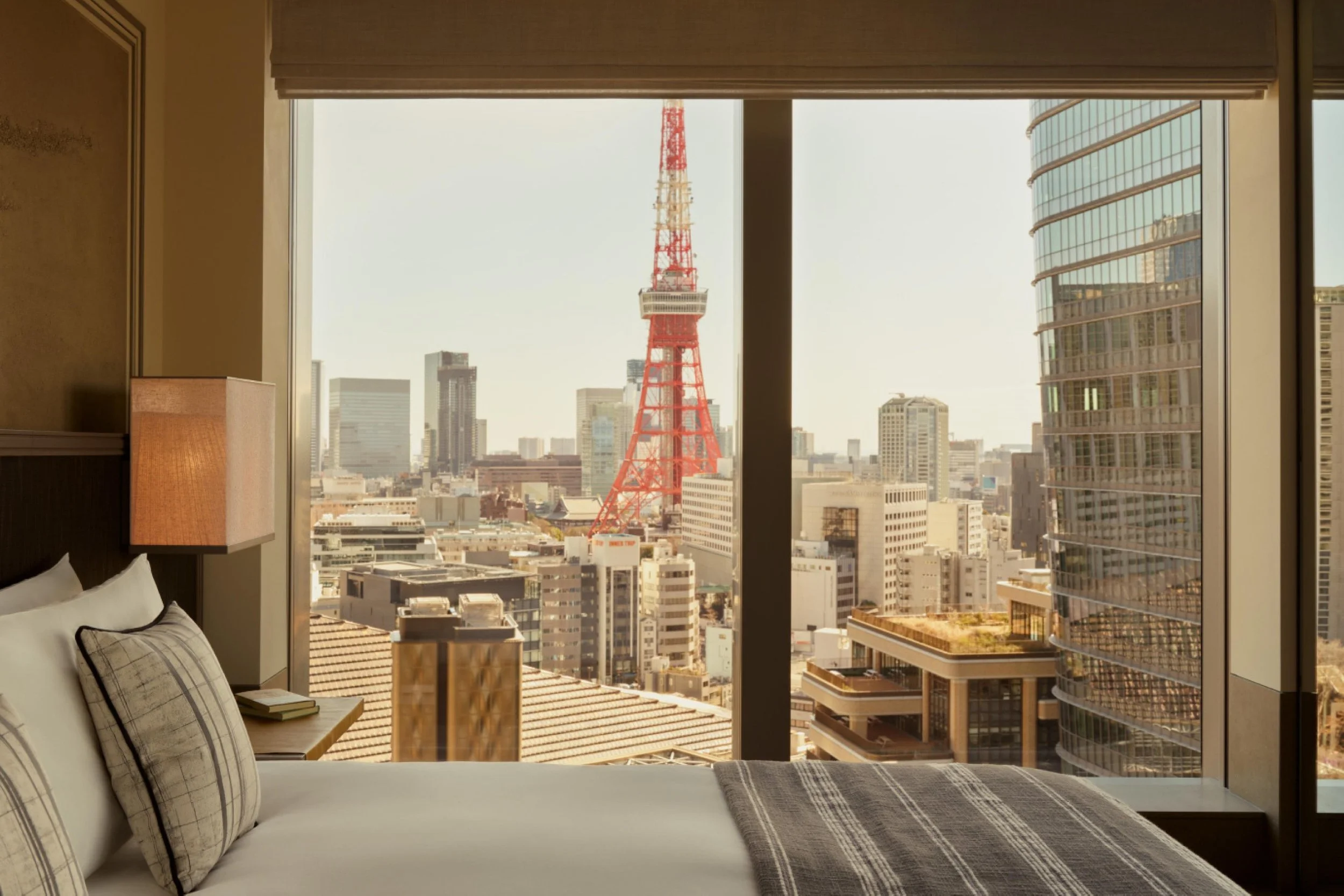
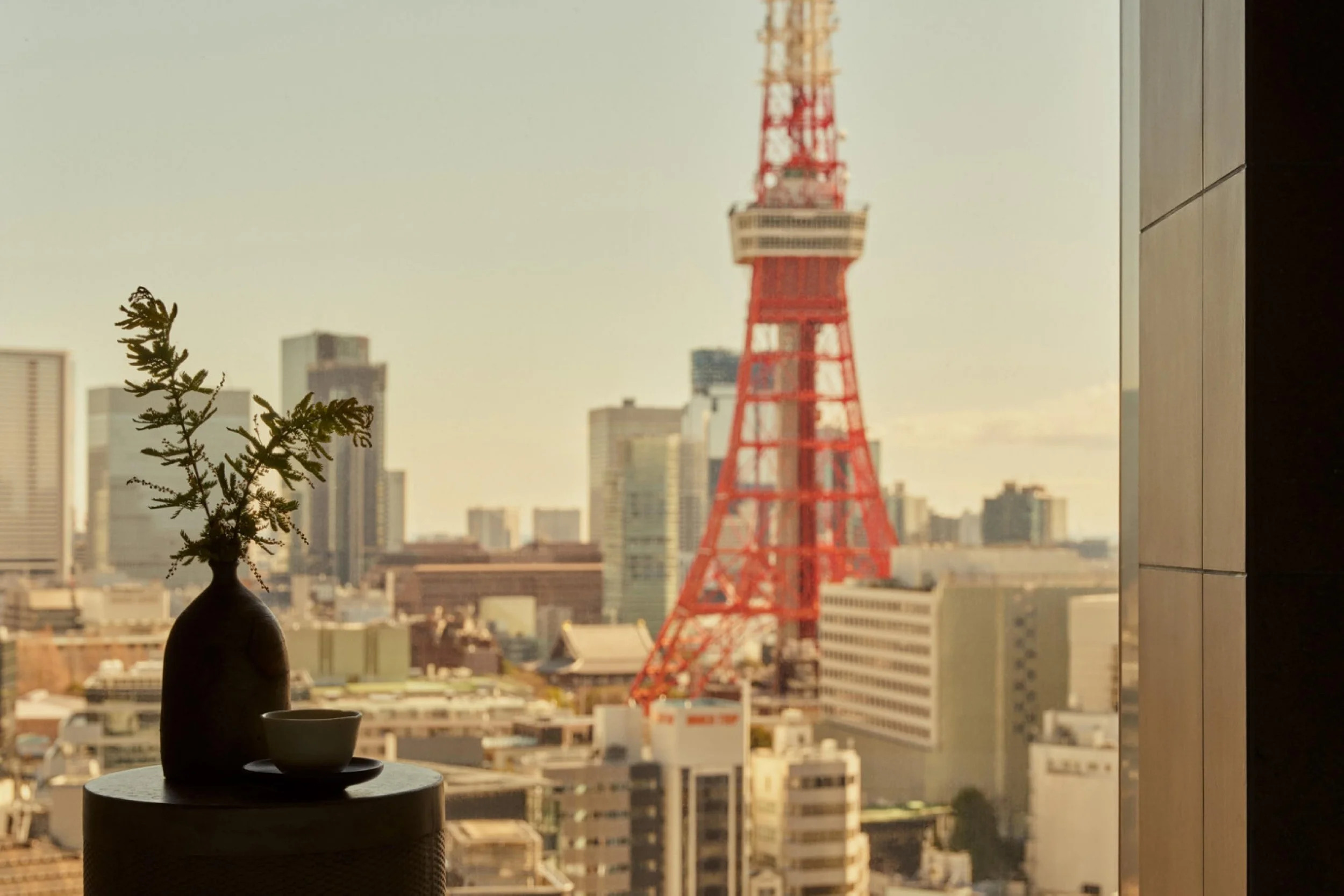
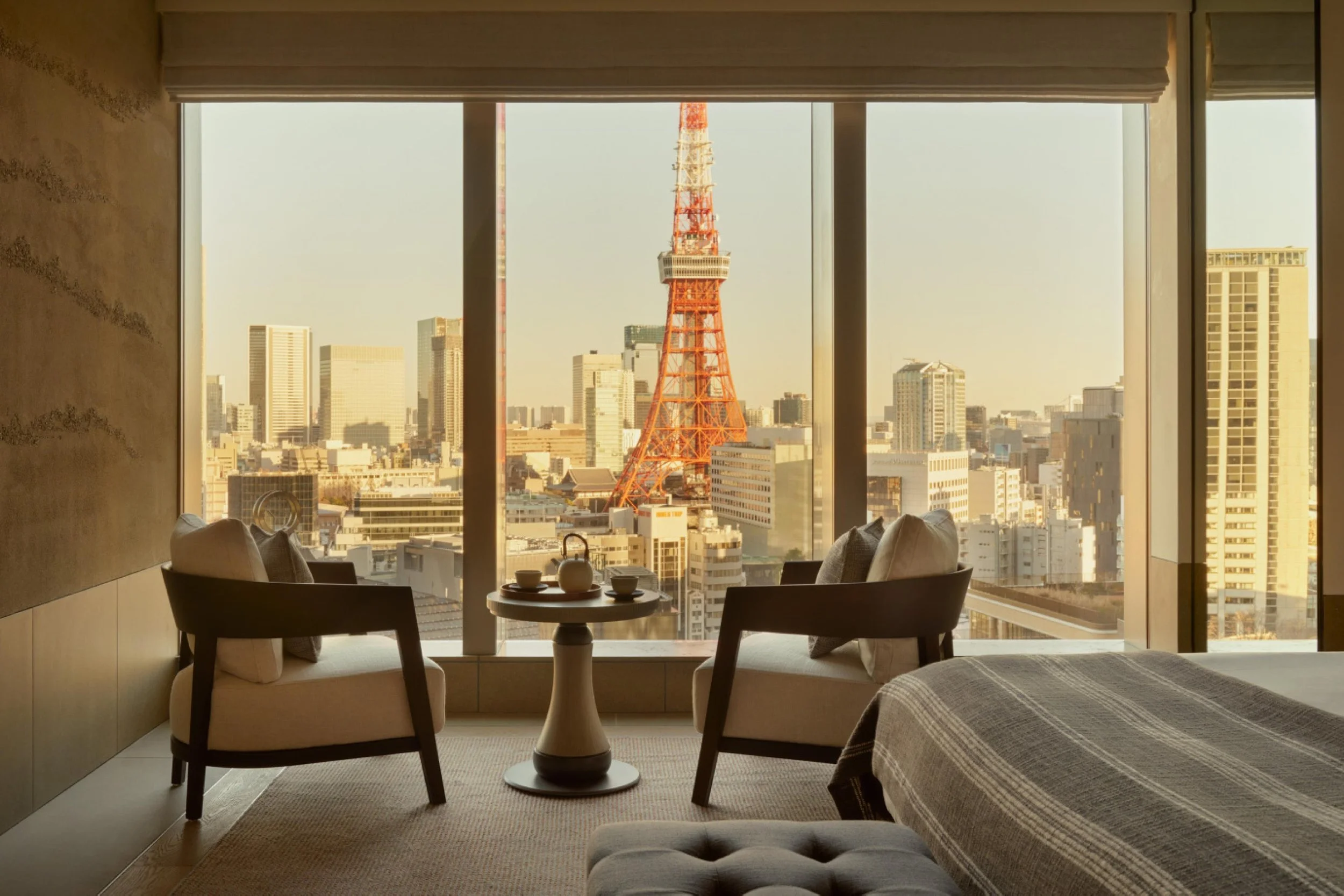
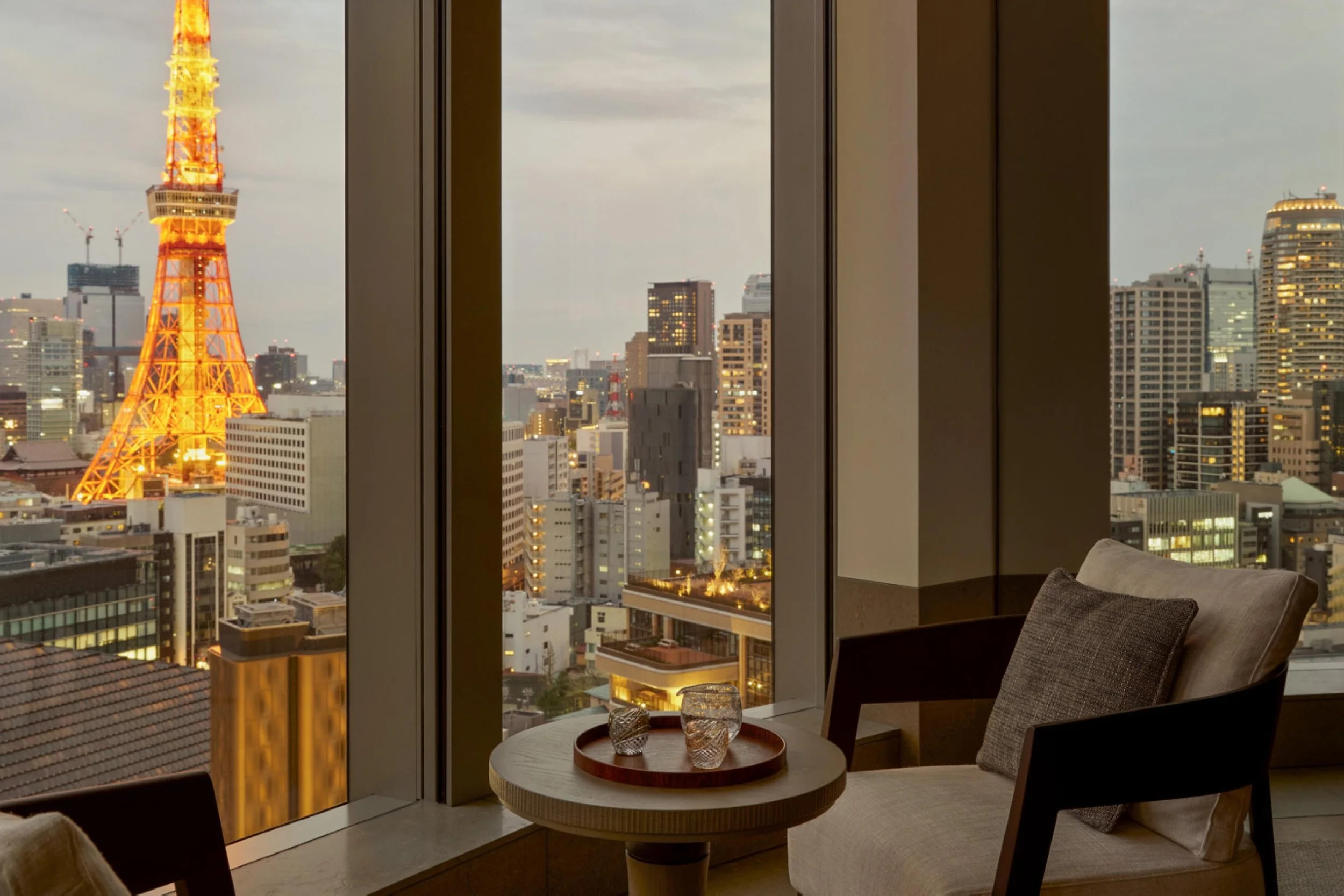
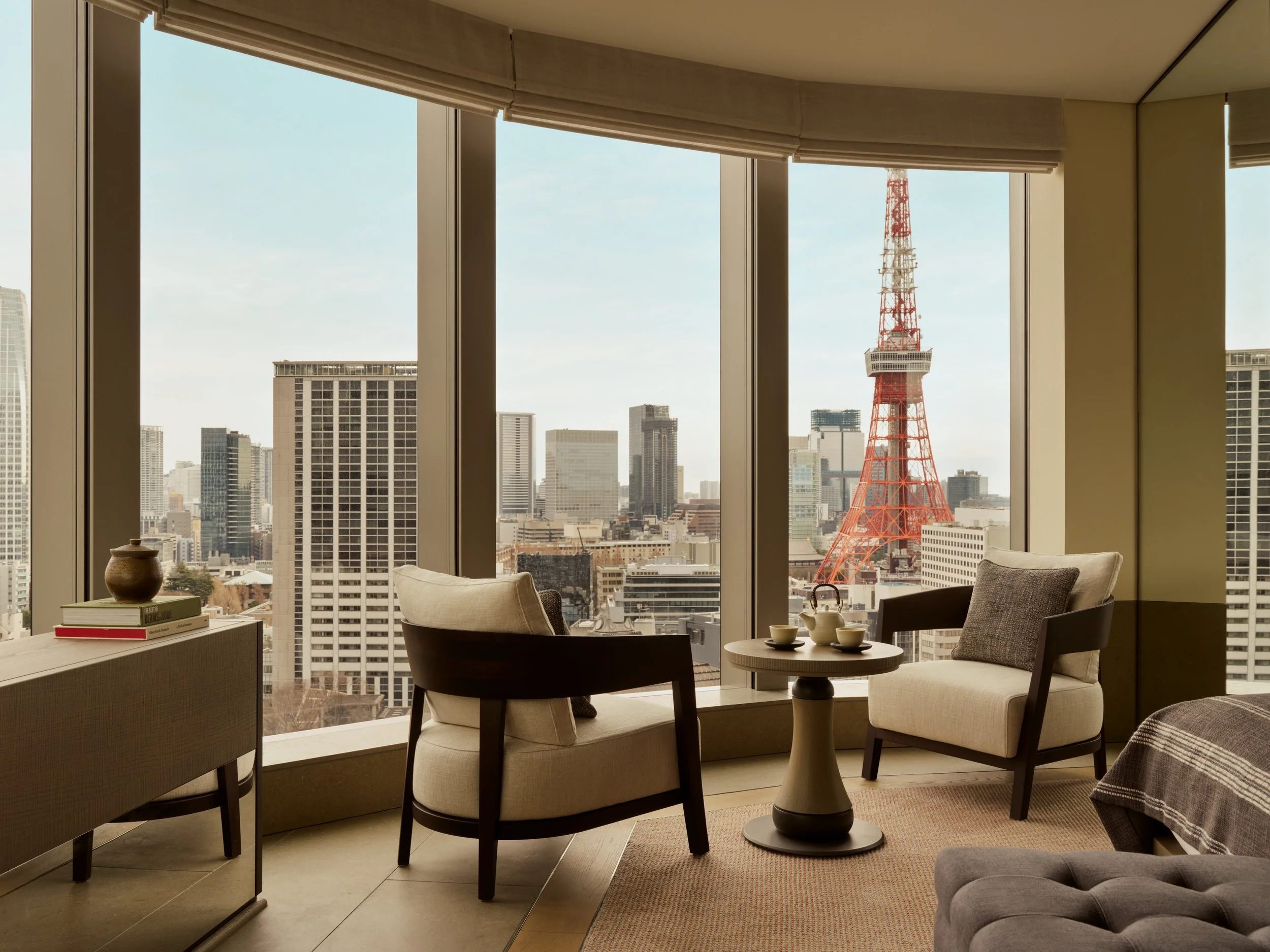
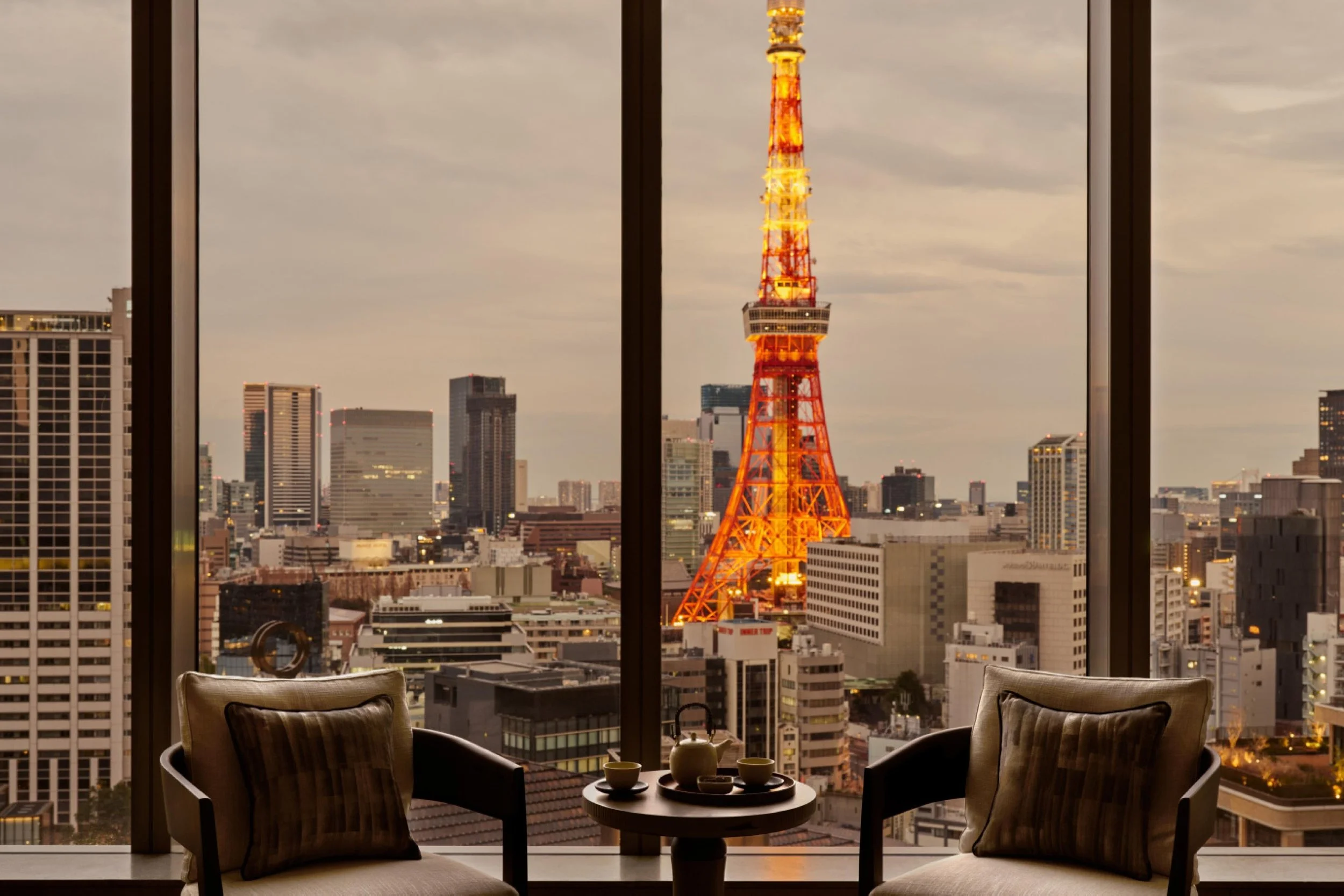
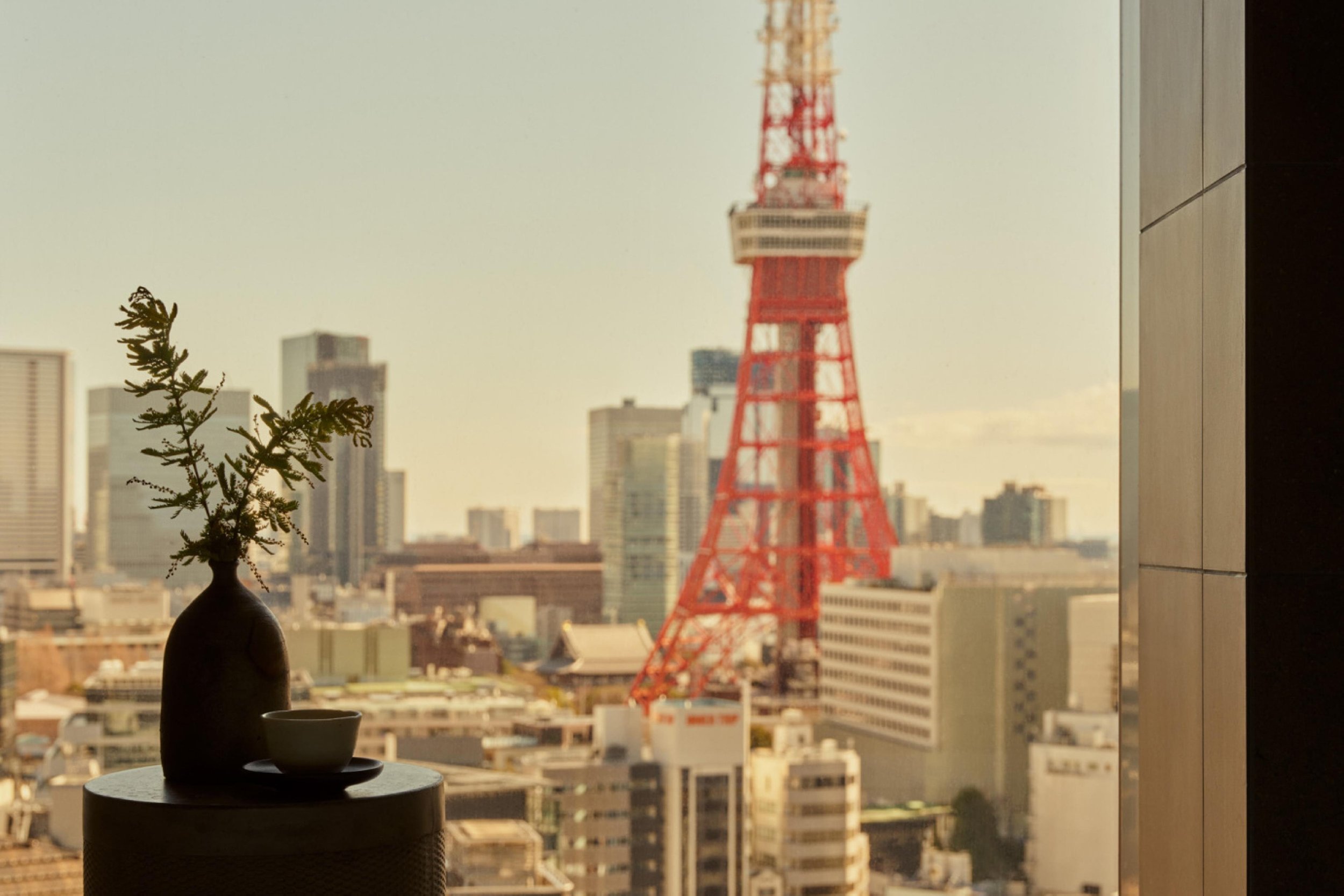
Janu Tokyo puts the city close at hand. In Azabudai Hills, planted terraces, galleries, restaurants and pedestrian routes form a neighborhood around the hotel, with Tokyo Tower appearing between buildings and beyond selected guestroom windows. The setting gives a stay an immediate sense of place: coffee, an exhibition or an afternoon walk can begin without first arranging a car.
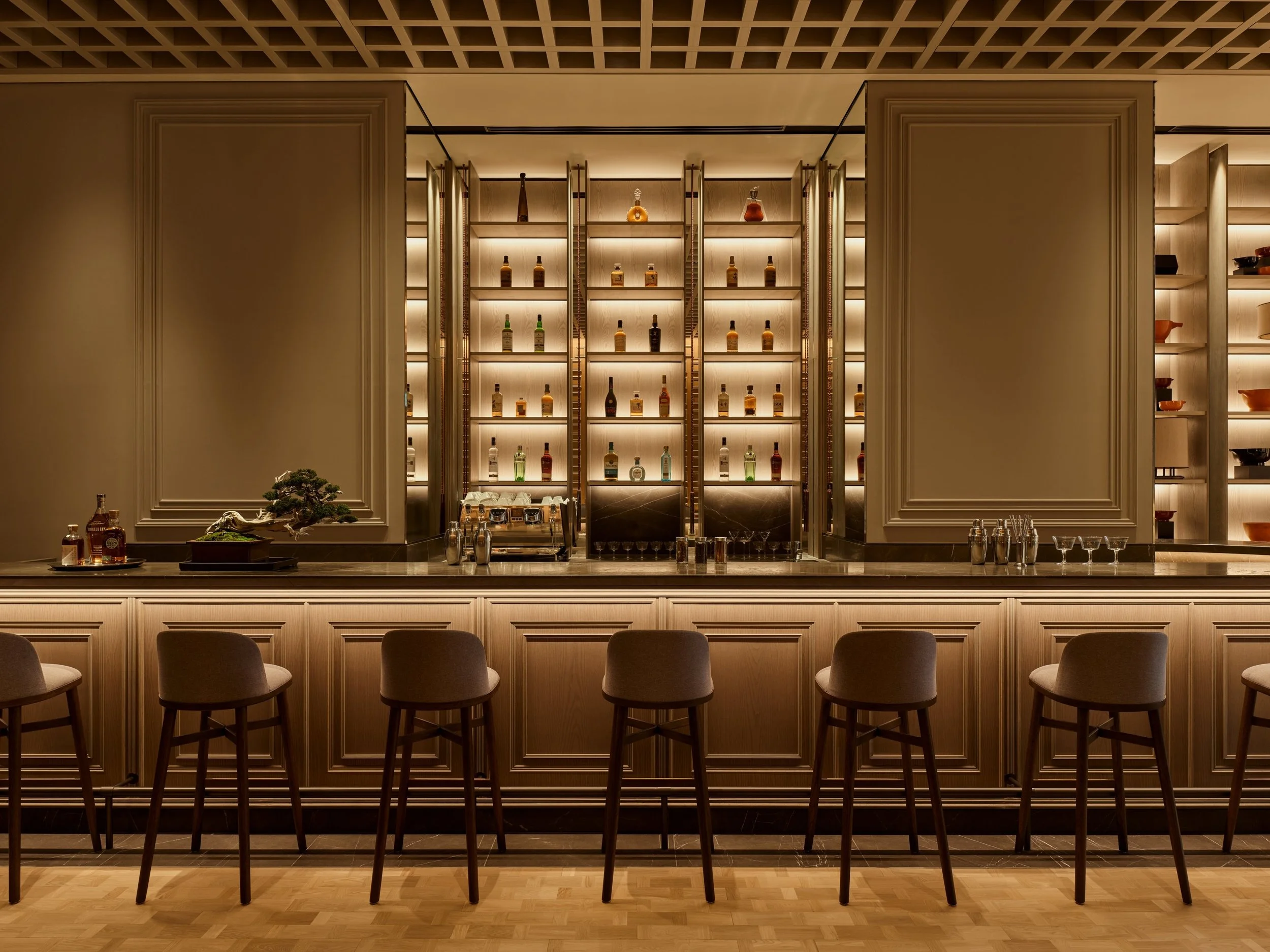
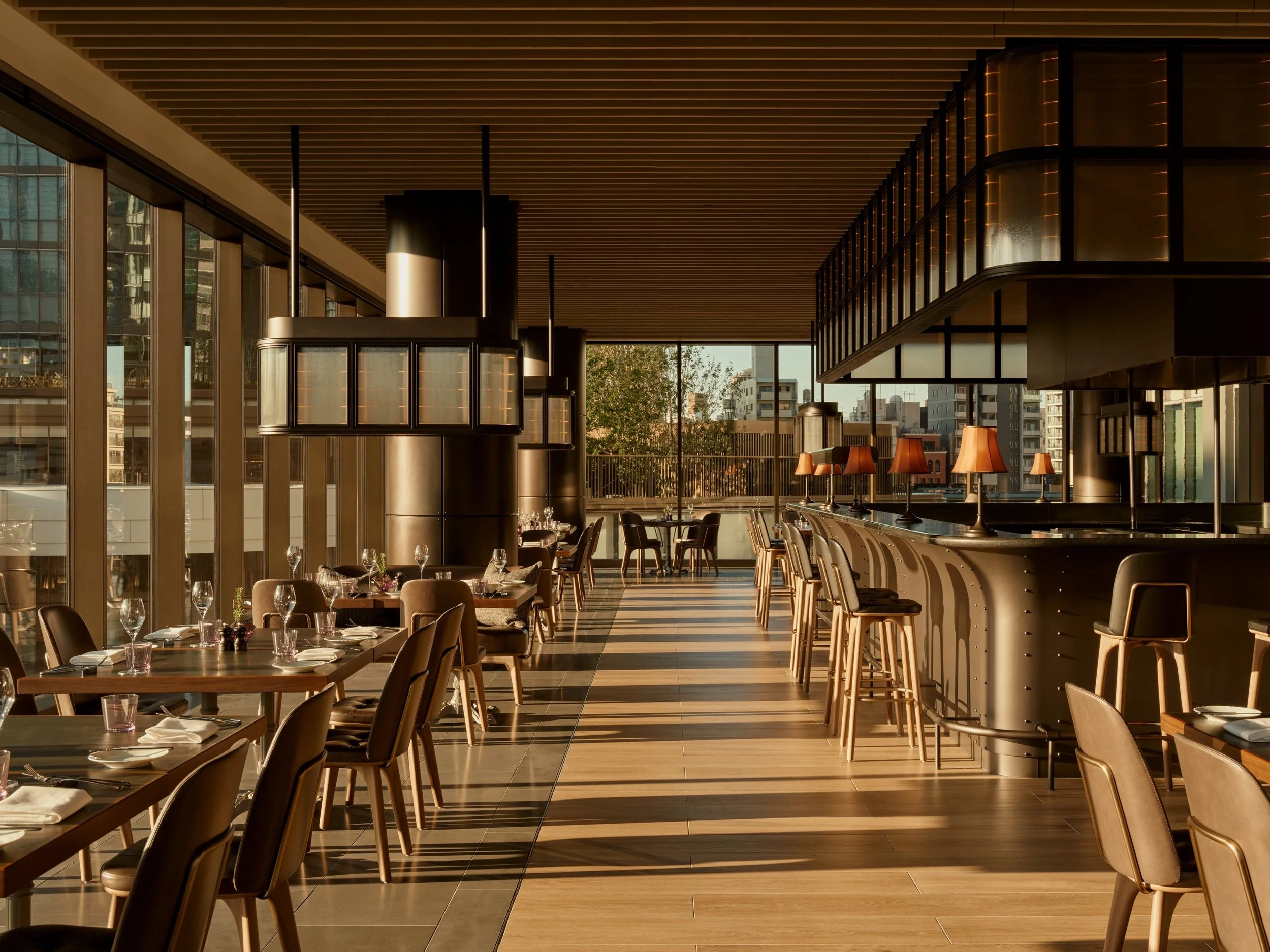
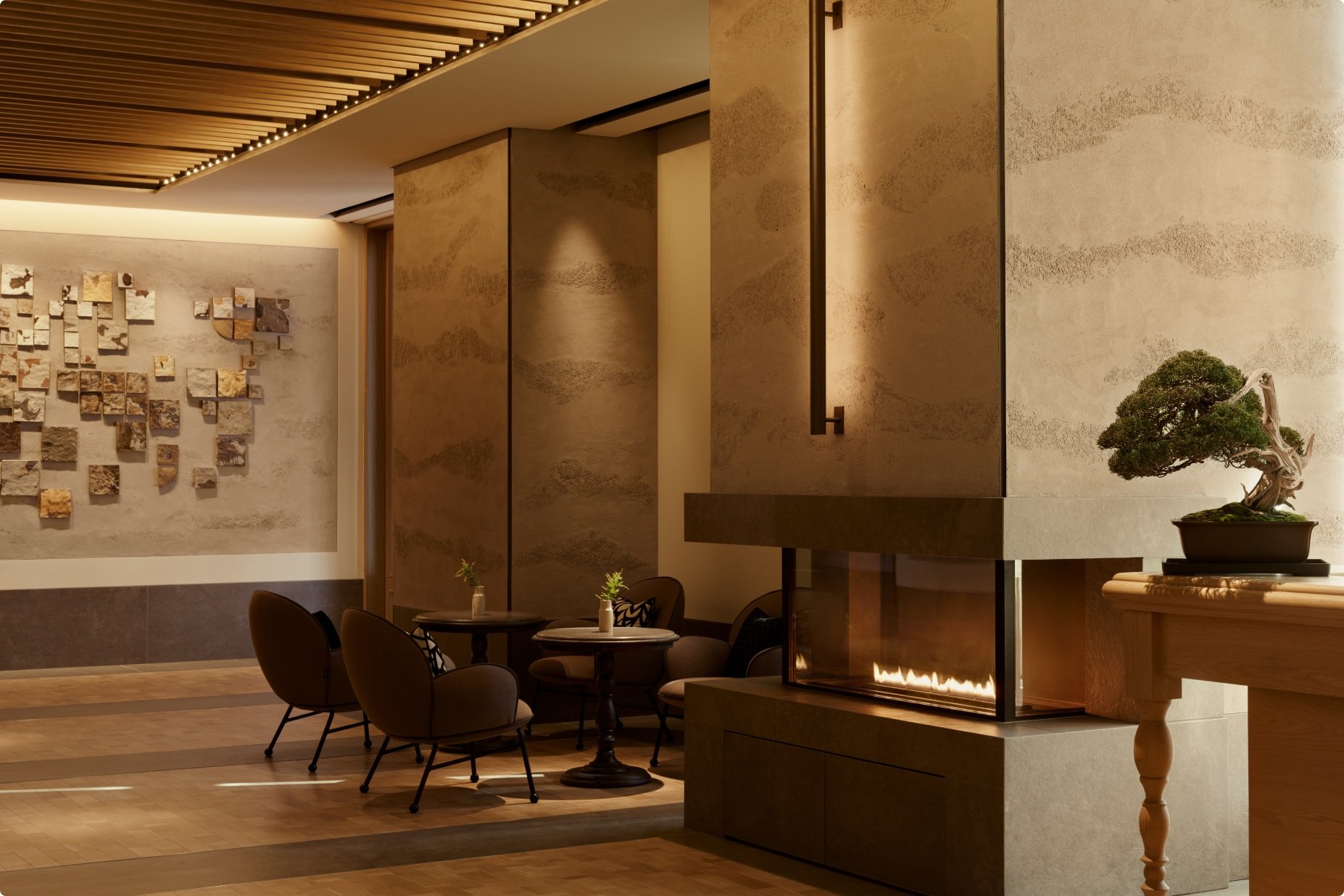
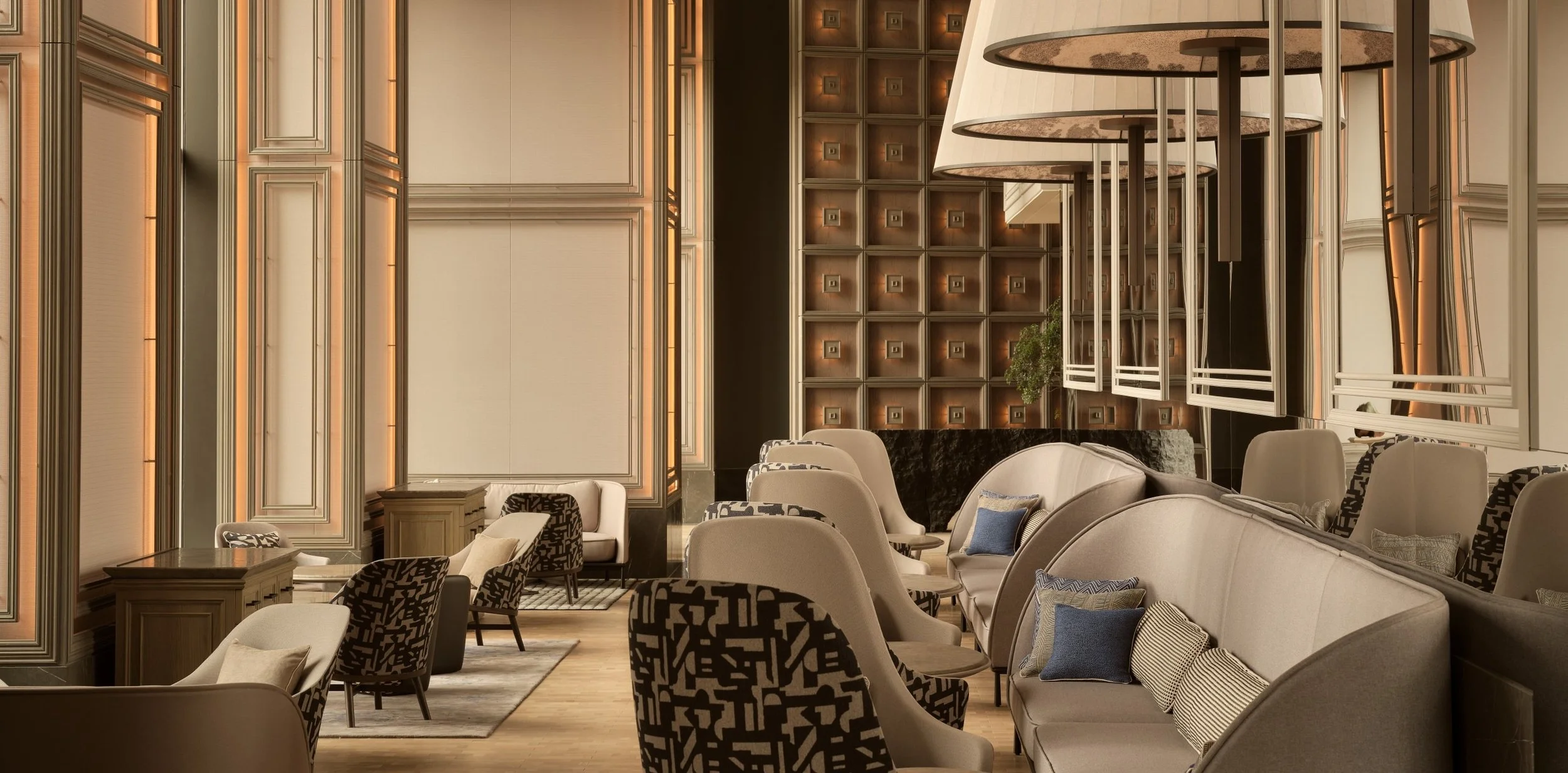
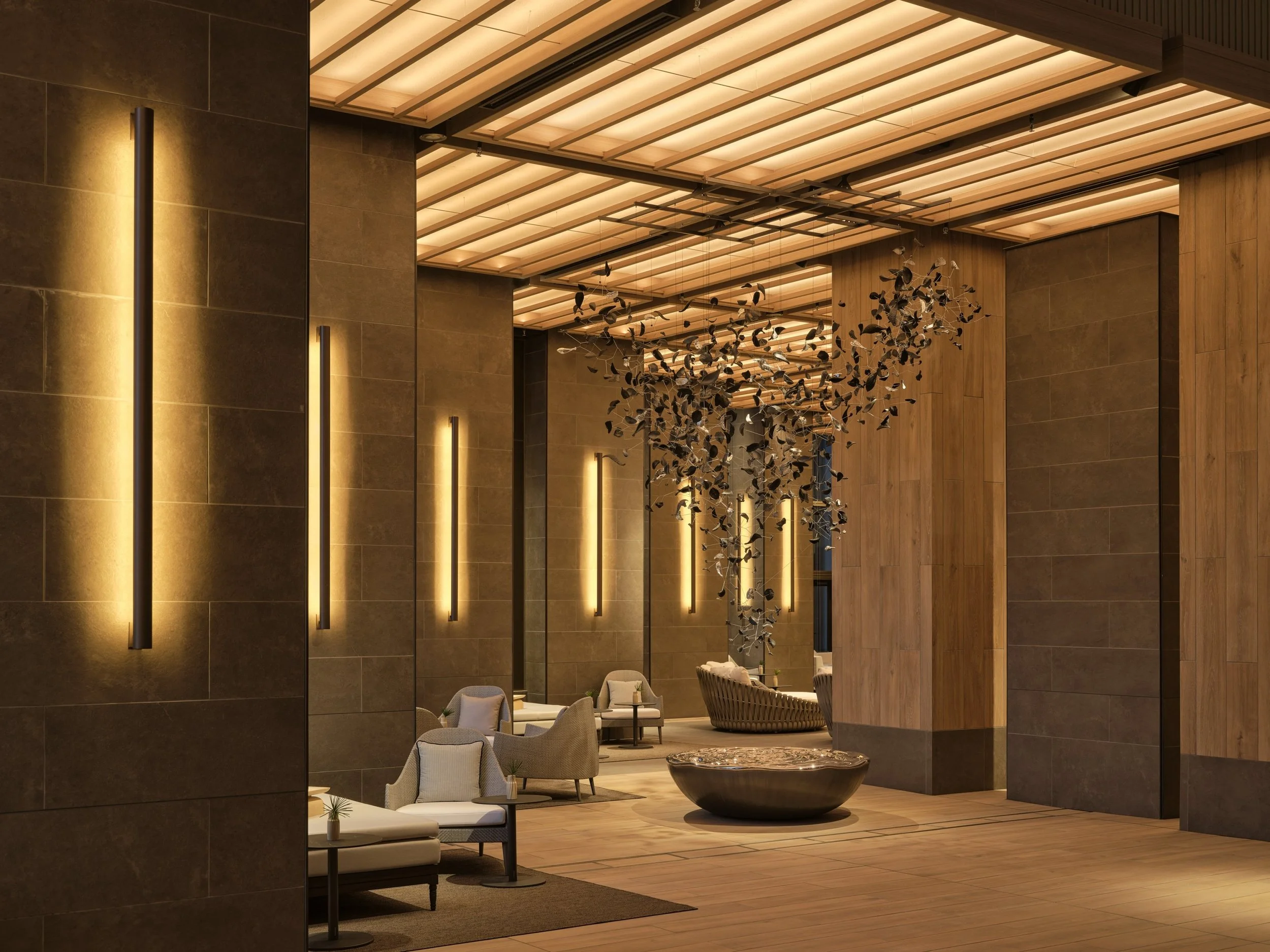
Inside, the scale is generous and the mood sociable. Eight dining and drinking venues make the hotel a destination for people who live in Tokyo as well as those visiting it. A substantial wellness center brings the same approach to exercise and recovery, while 122 rooms and suites provide a quieter place to return.
Janu works particularly well for travelers who want a hotel to participate in the life of a neighborhood. It suits a first visit with a thoughtfully planned itinerary, a return trip focused on food and design, or a family stay that benefits from connecting accommodation and easy access to the surrounding district.
Aman Group’s First Janu Finds Its City
Opened in March 2024, Janu Tokyo was the debut of Janu, Aman Group’s sister hotel brand. Its arrival gave physical form to a concept built around shared experiences, dining and wellbeing. Janu Tokyo and Aman Tokyo are separate hotels, with distinct addresses and personalities; the relationship lies in the group behind them.
The location was integral to that launch. Mori Building’s Azabudai Hills development brought residences, workplaces, shops, cultural venues and public greenery into a new urban district. Janu occupies the first 13 floors of Residence A, placing the hotel within the neighborhood rather than above it in a detached tower-top retreat.
That arrangement shapes the stay. Restaurants bring people into the building, the surrounding public spaces invite exploration, and the hotel’s own calendar adds reasons to spend time together. It is a considered fit for Tokyo, where the pleasure of a visit often comes from moving between very different settings within a single day.
Jean-Michel Gathy’s Interiors, Heatherwick’s Streetscape
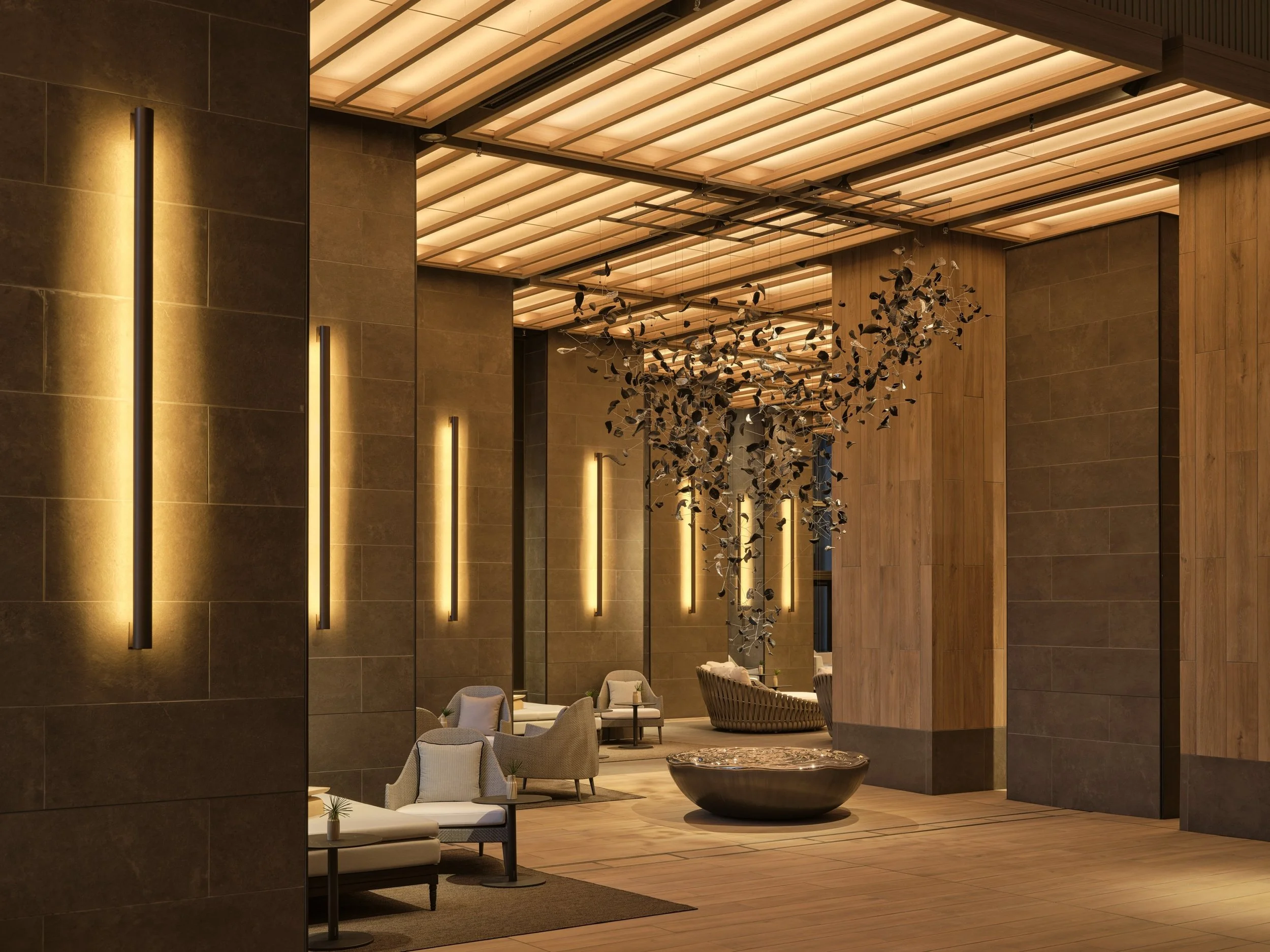
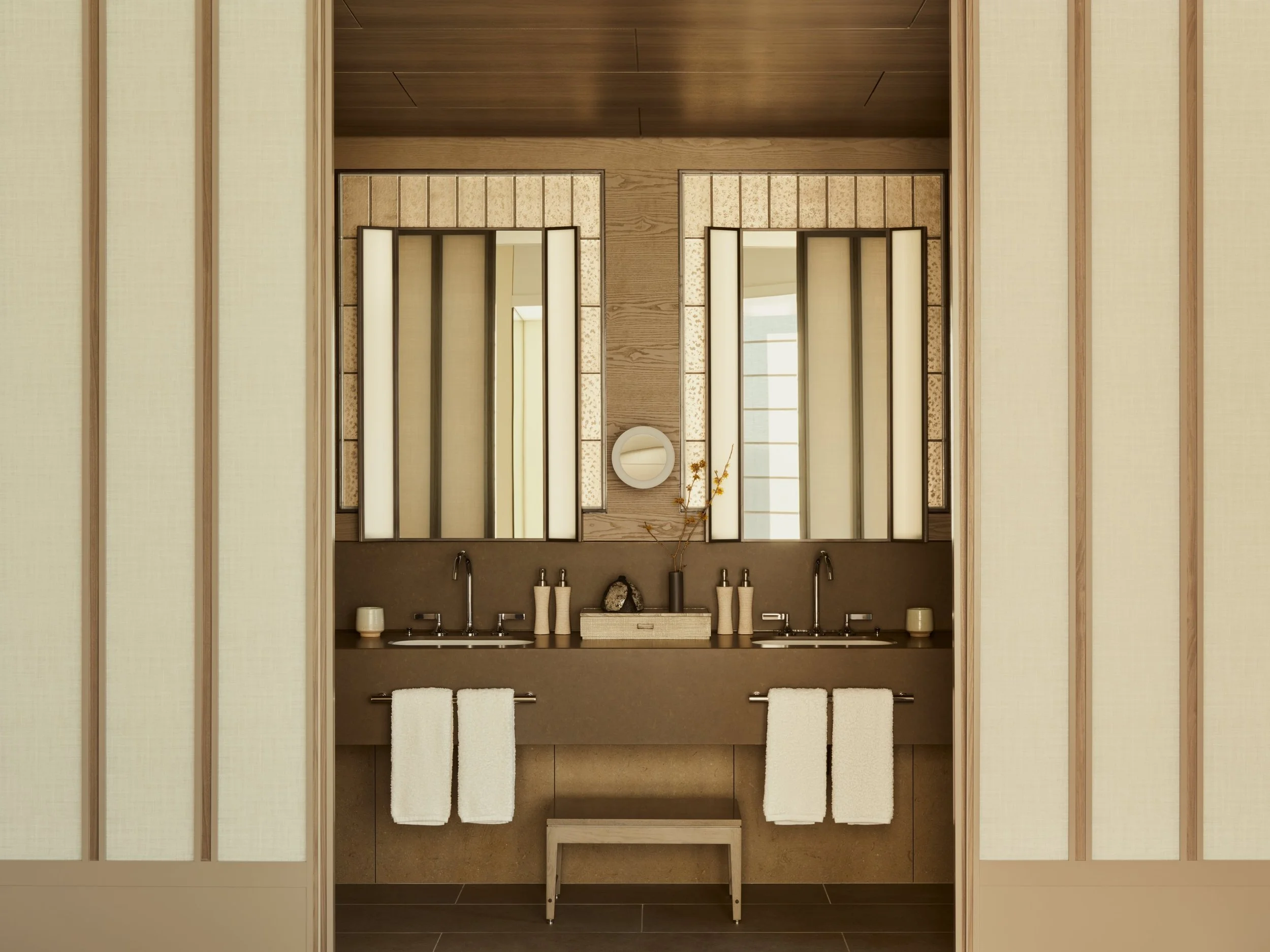
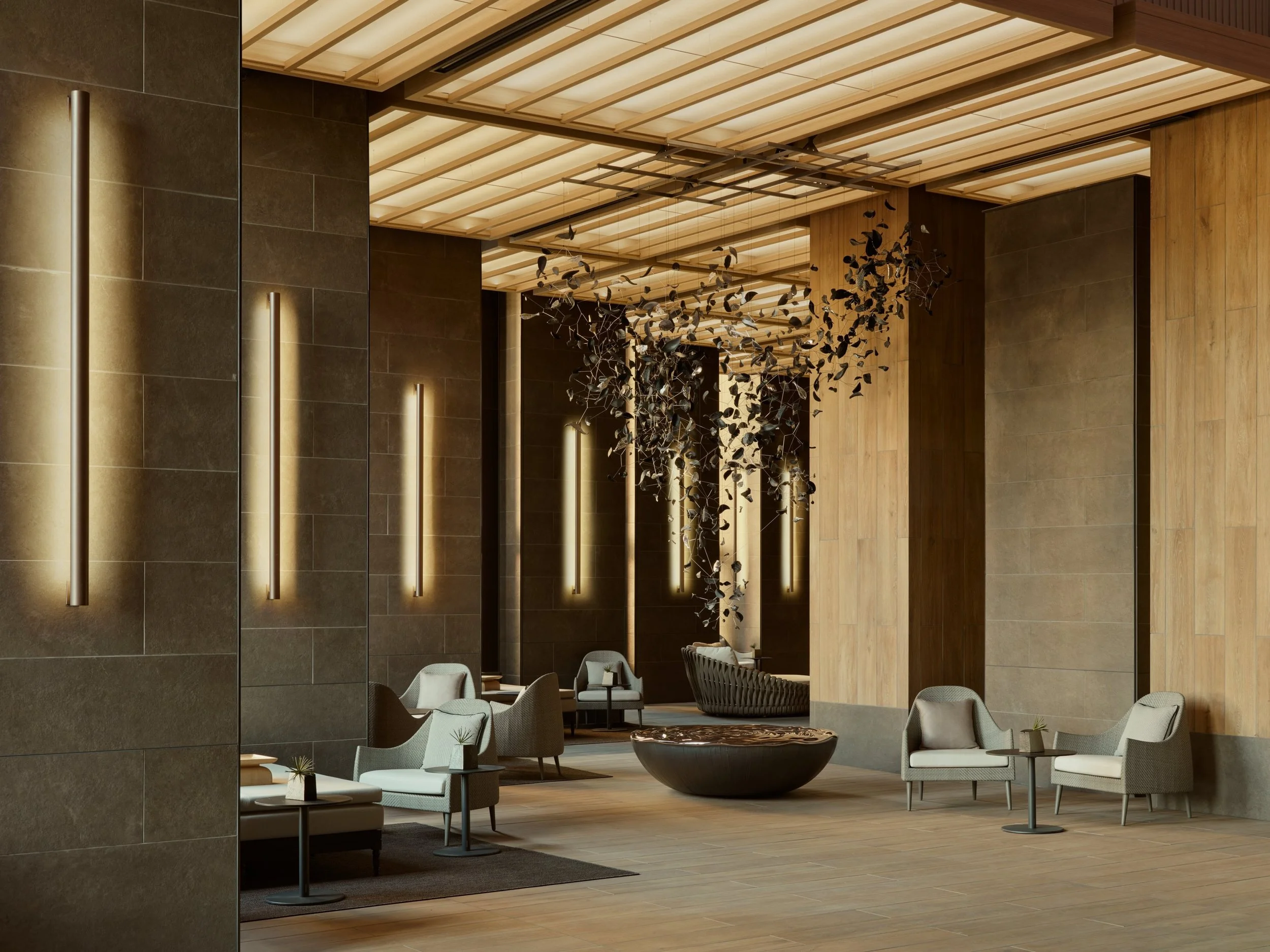
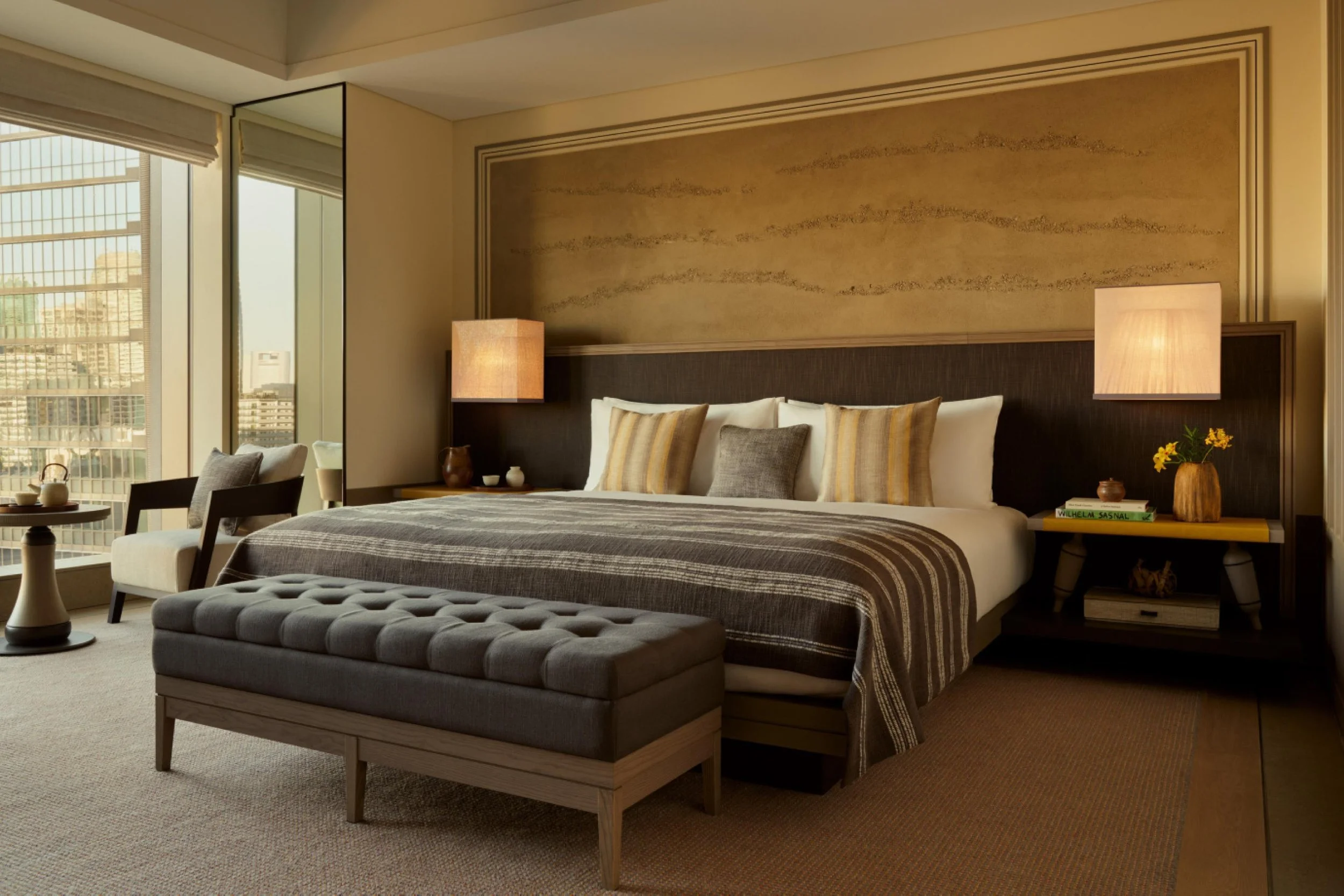
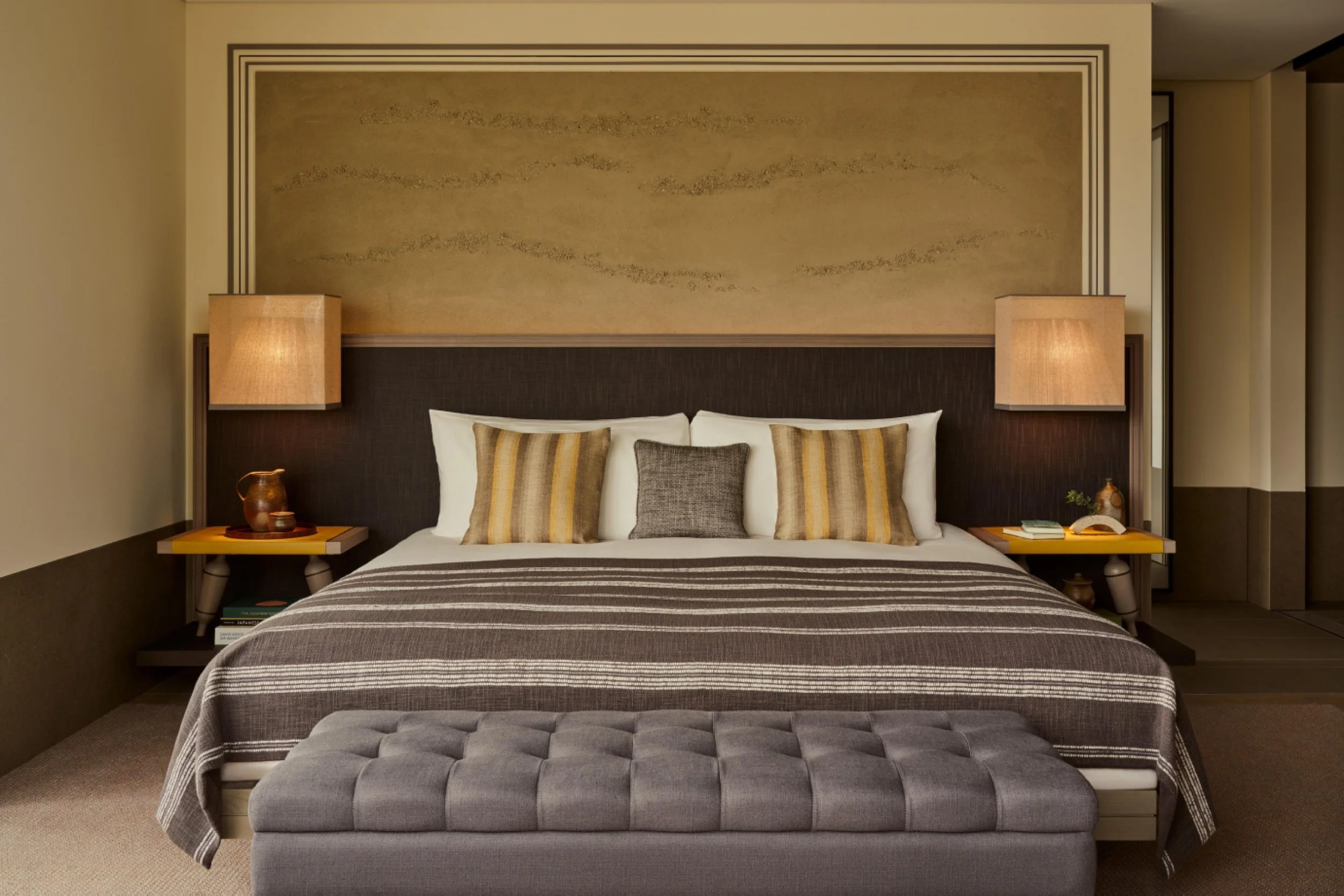
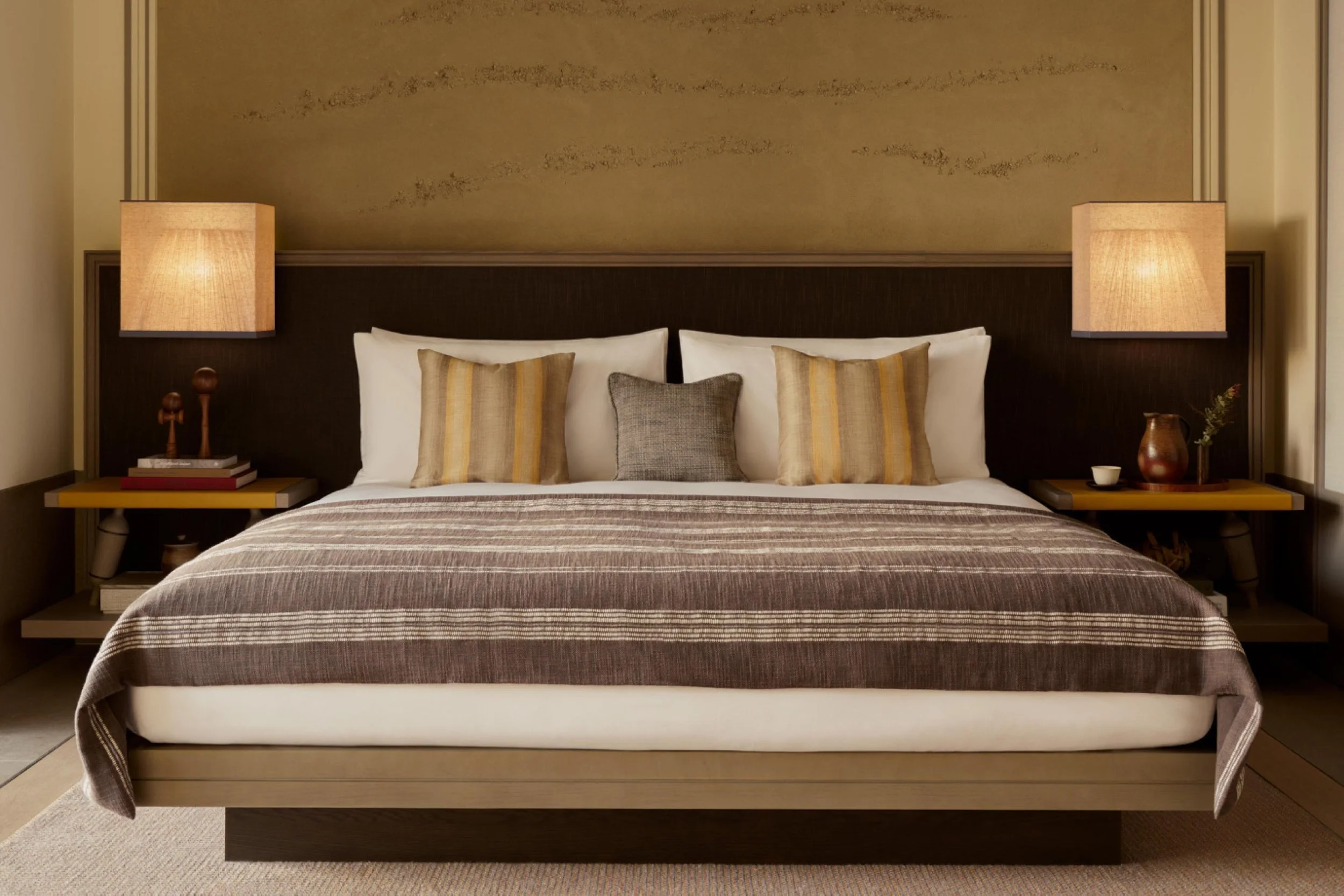
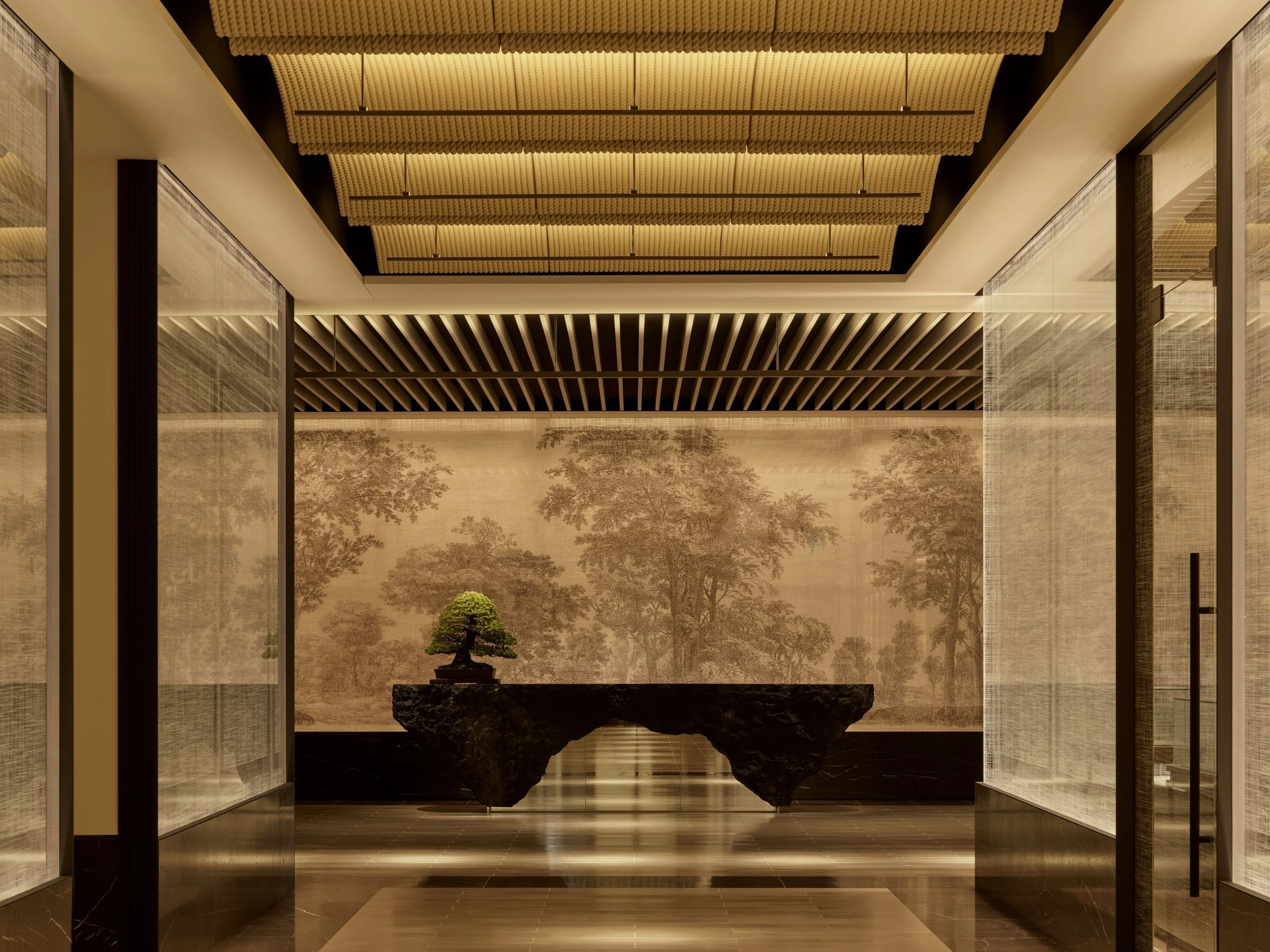
Jean-Michel Gathy of Denniston designed the interiors, combining Asian influences with contemporary European detailing. Timber, stone, textured fabrics and carefully controlled geometry give the rooms a composed character. Floor-to-ceiling windows prevent the palette from feeling enclosed, while many accommodations extend onto private balconies.
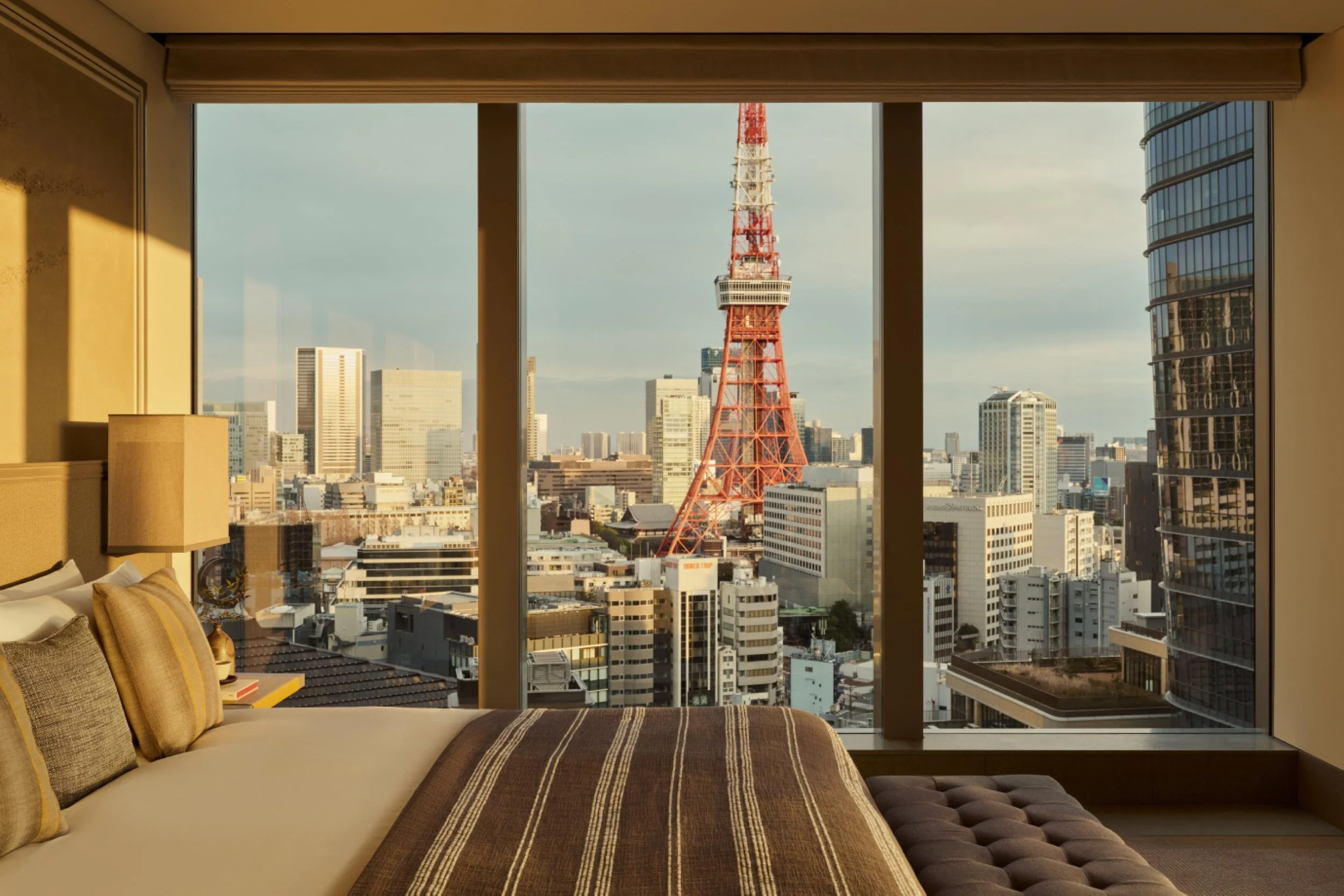
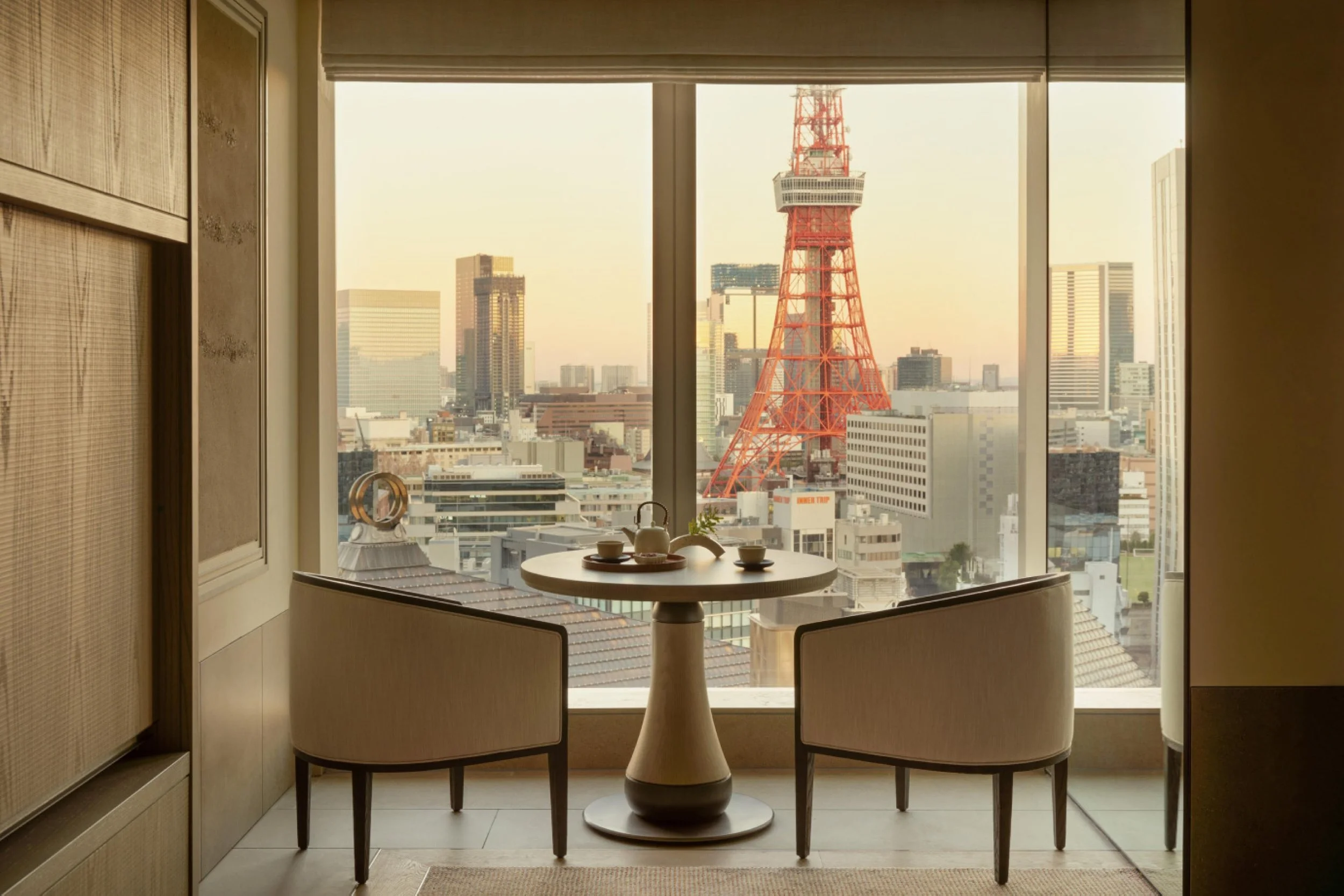
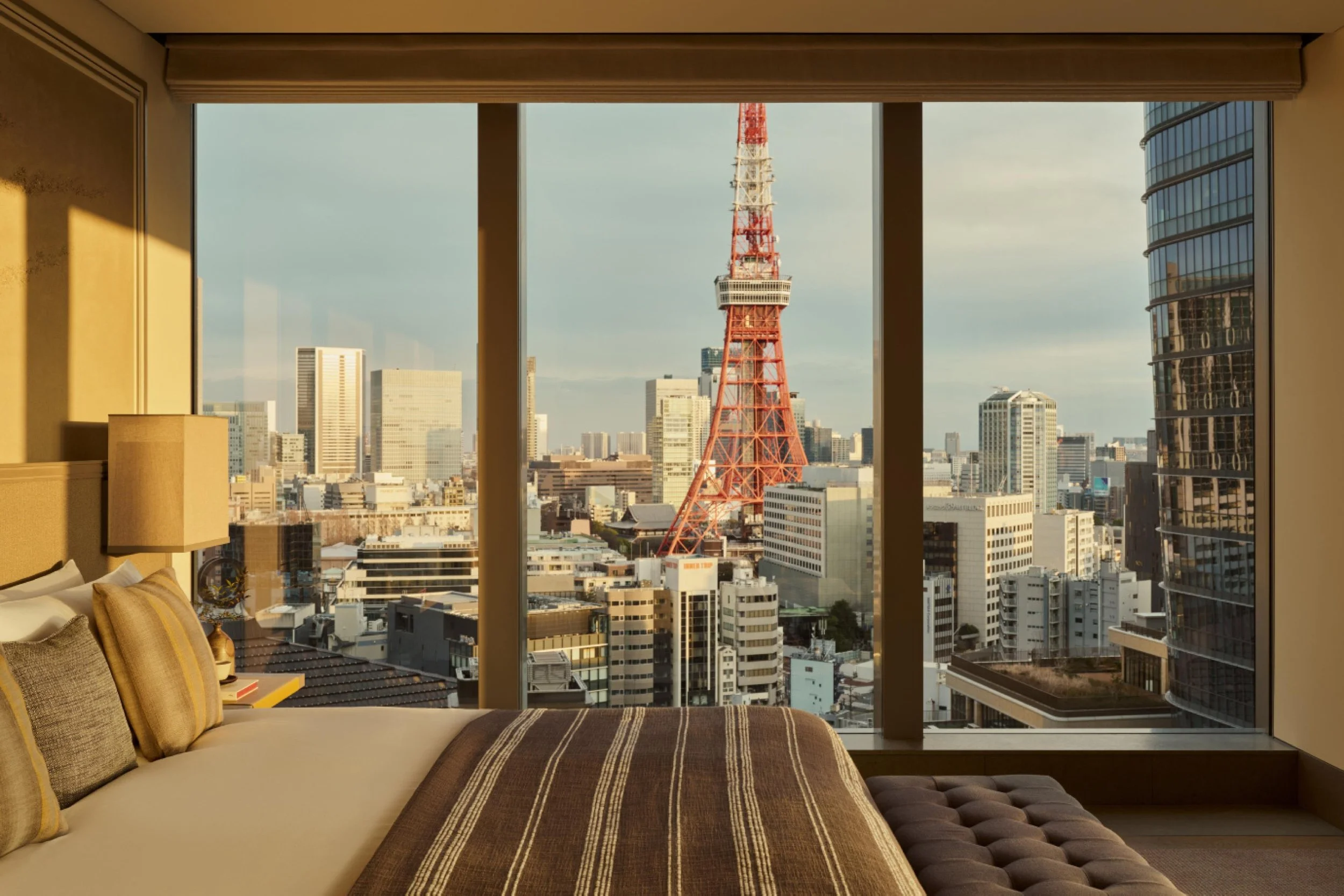
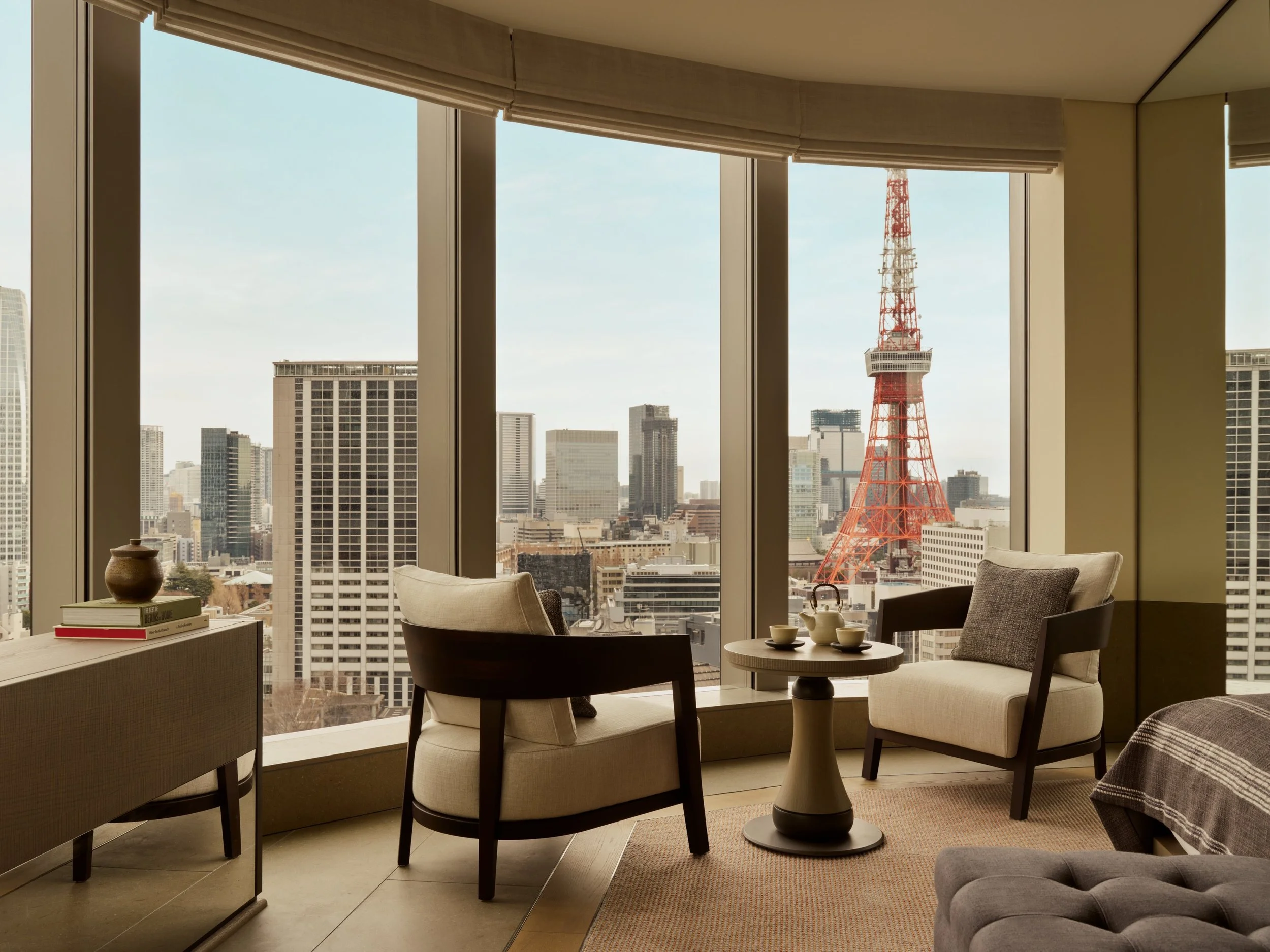
The guestrooms occupy floors six through 13, keeping their relationship to the surrounding city relatively close. A view may take in landscaped areas, neighboring architecture or Tokyo Tower, depending on the category and position. Choosing the outlook deliberately is more useful than assuming that every room delivers the same skyline.
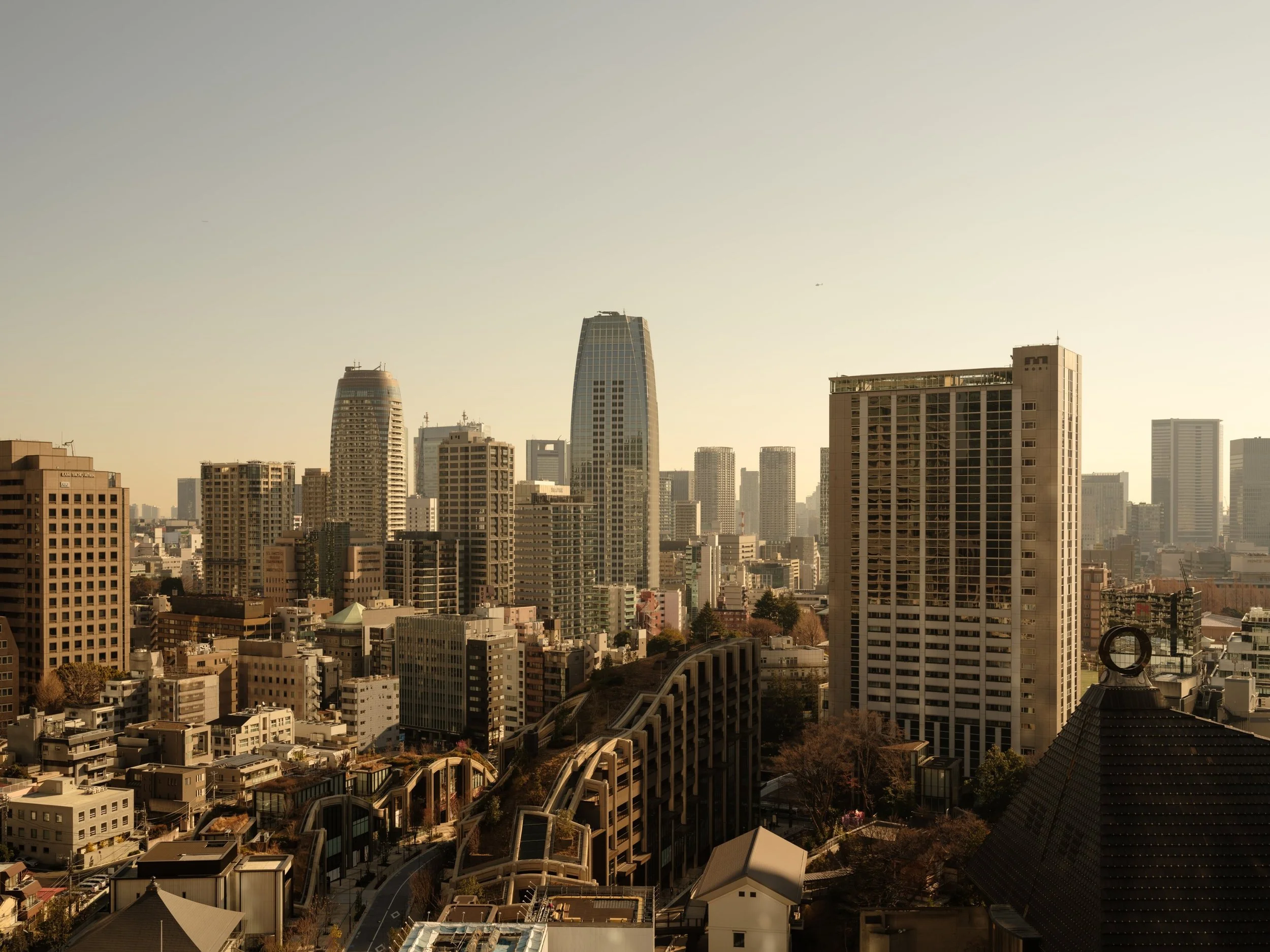
Outside, Azabudai Hills brings together the towers of Pelli Clarke & Partners and the sculptural lower-level architecture of Heatherwick Studio. Curving forms, planted roofs and changes in level give the neighborhood a distinctive walking experience. The hotel’s restrained interiors provide a complementary setting for returning after time among those more expressive public spaces.
From Balcony Rooms to the Janu Suite
The ten categories progress from three guestrooms through suites and signature suites. The order follows the hotel’s category structure, which is not determined by floor area alone: the Junior Suite is larger than the Deluxe Suite, while several higher categories share the same area and differ principally in outlook and position.
Deluxe Room: 592 sq. ft., with a king or twin beds, integrated living space, a private balcony and a bathroom with double vanity, rainfall shower and soaking tub.
City Room: 667 sq. ft., with a king or twin beds, floor-to-ceiling windows, a private skyline-facing balcony and an integrated sitting area.
Premier Room: 700 sq. ft., with a king or twin beds, a generous seating area and daybed, a private balcony and several possible connecting configurations.
Junior Suite: 1,033 sq. ft., with a king bedroom, separate living room, walk-in wardrobe and additional guest WC, with a connecting twin Deluxe Room available as a two-bedroom arrangement.
Deluxe Suite: 807 sq. ft., with a king bedroom, separate living room, additional guest WC and two balconies, creating a compact full-suite arrangement with outdoor space.
Premier Suite: 1,130 sq. ft., with a separate bedroom and living room, private balcony and additional guest WC, with a twin City Room available as a connecting option.
Corner Suite: 1,130 sq. ft., with Tokyo Tower views through floor-to-ceiling windows, a separate living room, private balcony and flexible connections to neighboring accommodation.
City View Suite: 1,130 sq. ft., with a king or twin beds, a separate living room, a large bathroom and additional guest WC, with connecting options for a larger traveling party.
Tower View Suite: 1,130 sq. ft., with a king or twin beds, Tokyo Tower outlook, a private balcony, separate living room and additional guest WC.
Janu Suite: 3,057 sq. ft., with one king bedroom, two balconies, substantial living and dining space, a kitchen, library and private study, expandable through connecting accommodation to four bedrooms and approximately 5,587 sq. ft.
The Janu Suite is the principal choice for a residential stay or for entertaining privately. For a couple, the decision among the 1,130 sq. ft. suites is more nuanced: views, balcony arrangements and the precise room position matter. Our team aligns those details with the purpose of the visit and confirms the availability of the required connecting configuration before booking.
Eight Places to Make an Evening of It
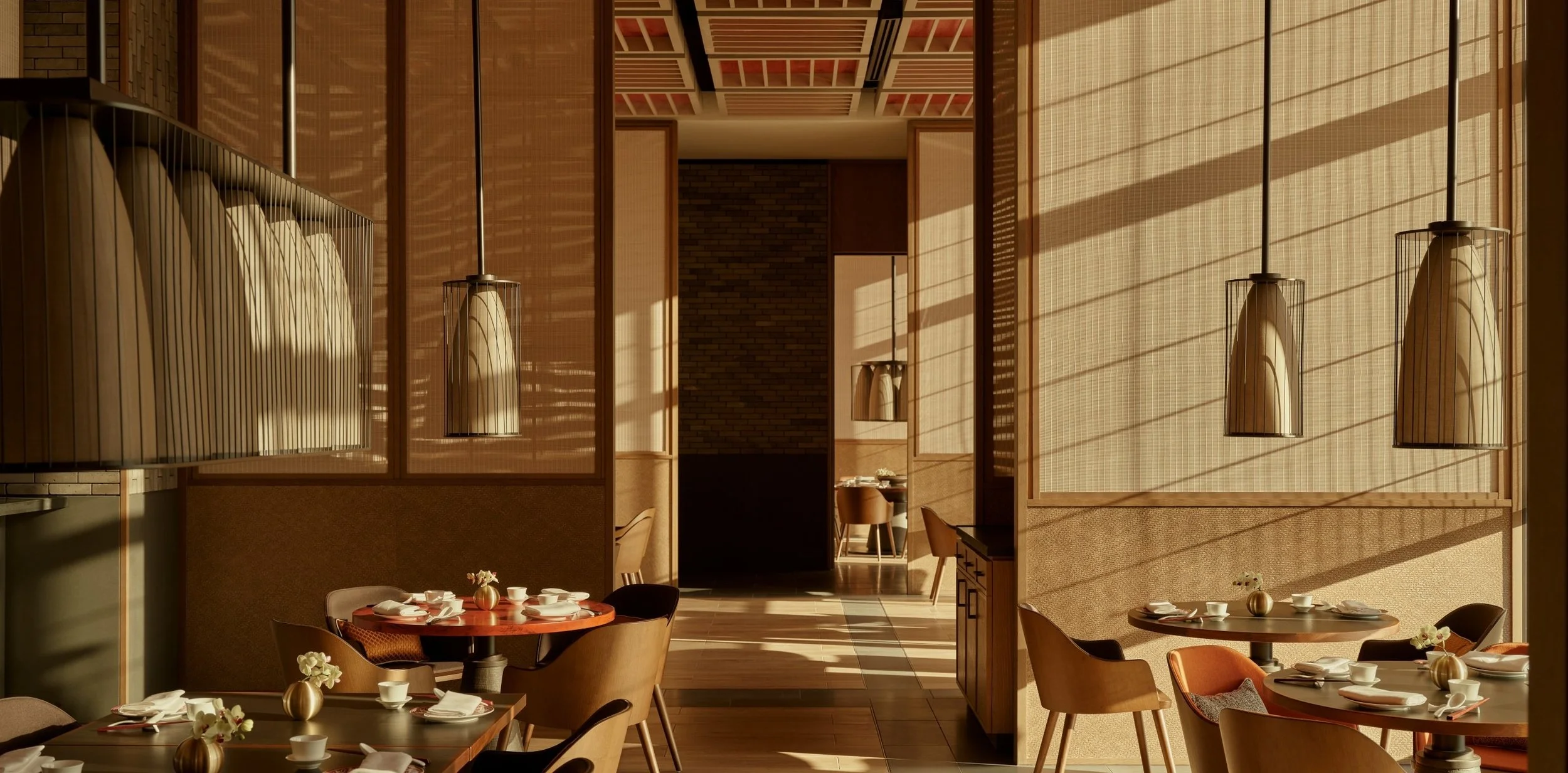
Dining gives Janu much of its energy. The collection ranges from intimate Japanese counters to a lively Italian restaurant, with enough variety to make a longer stay comfortable without suggesting that Tokyo’s wider food scene should be overlooked.
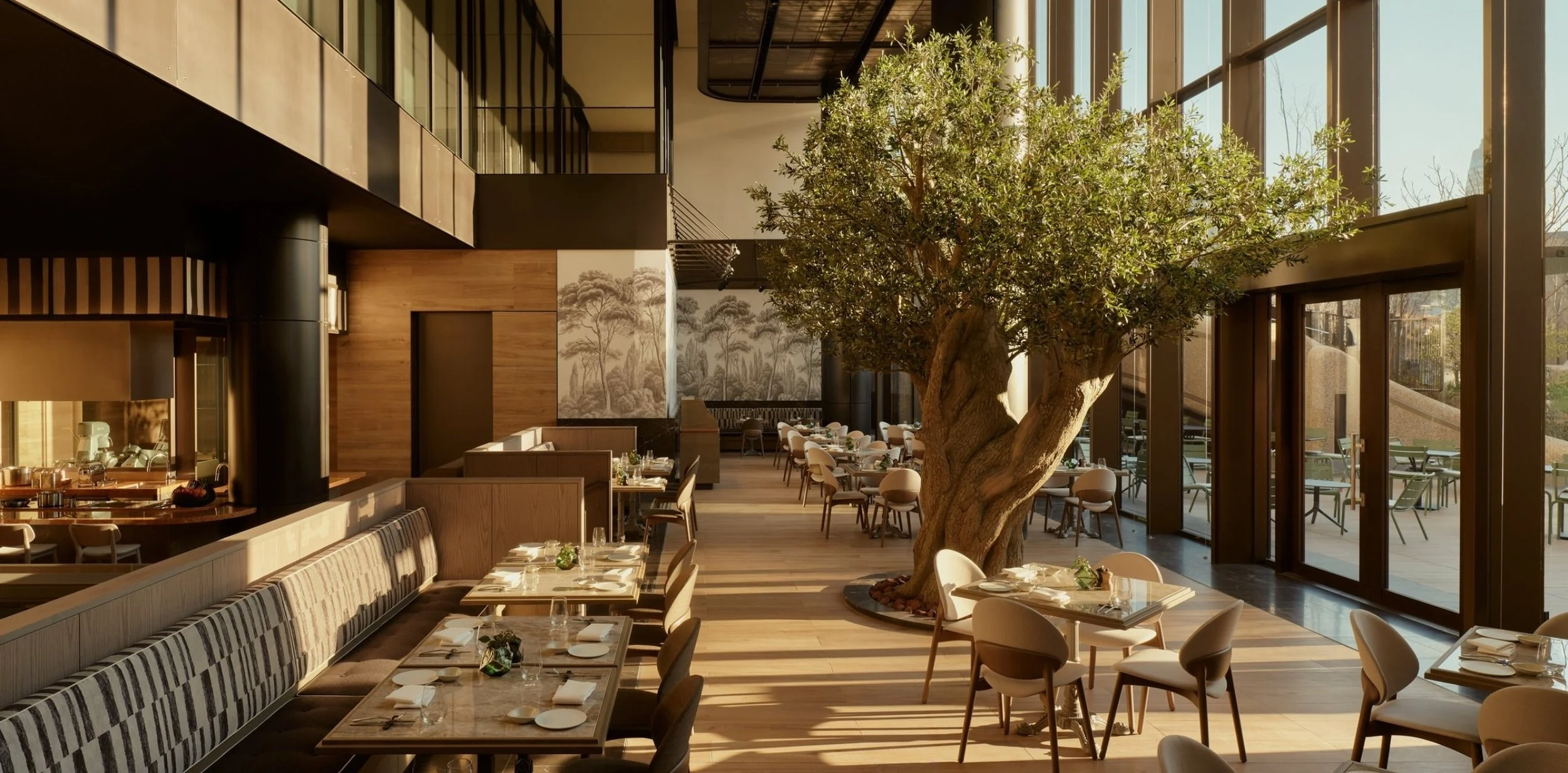
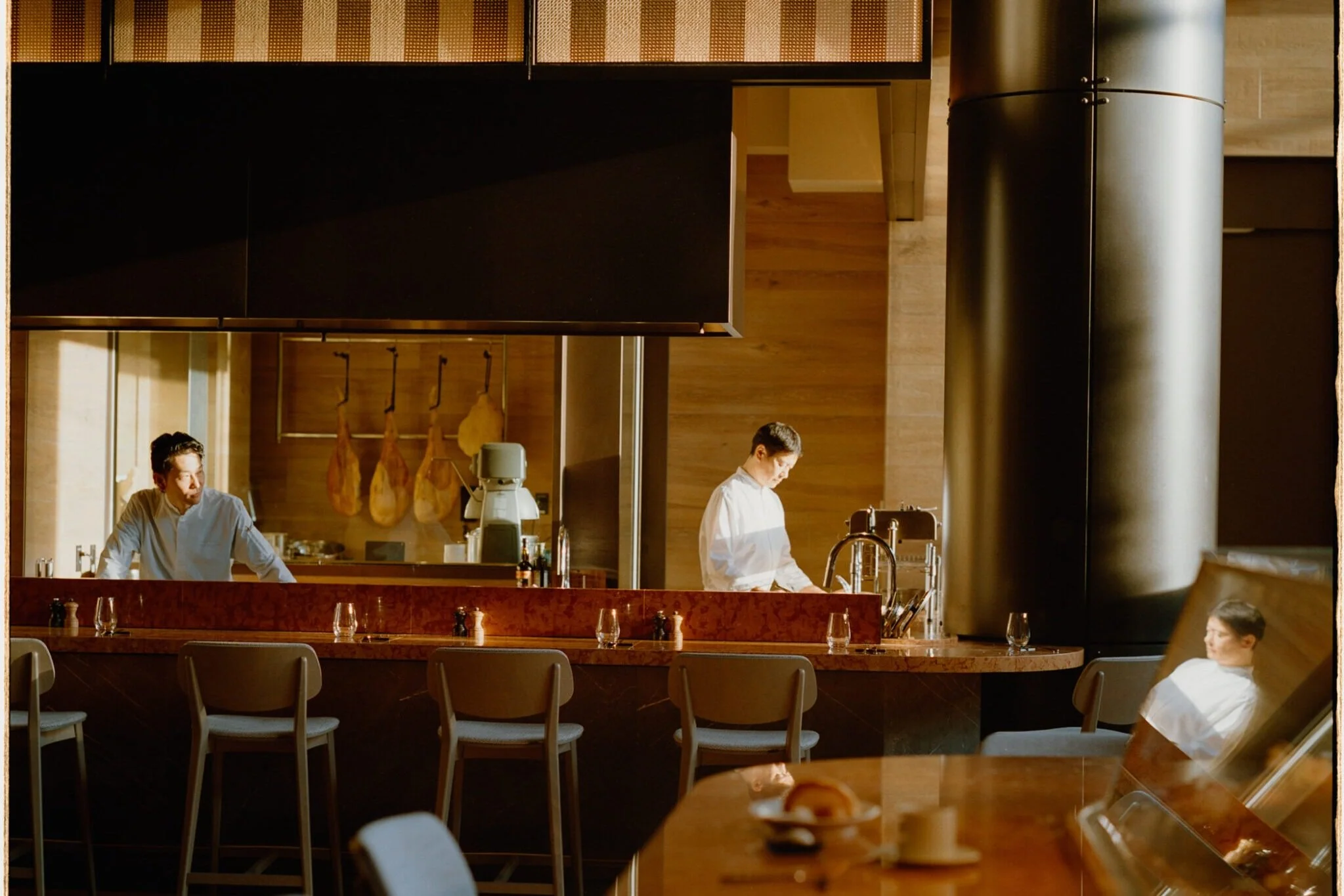
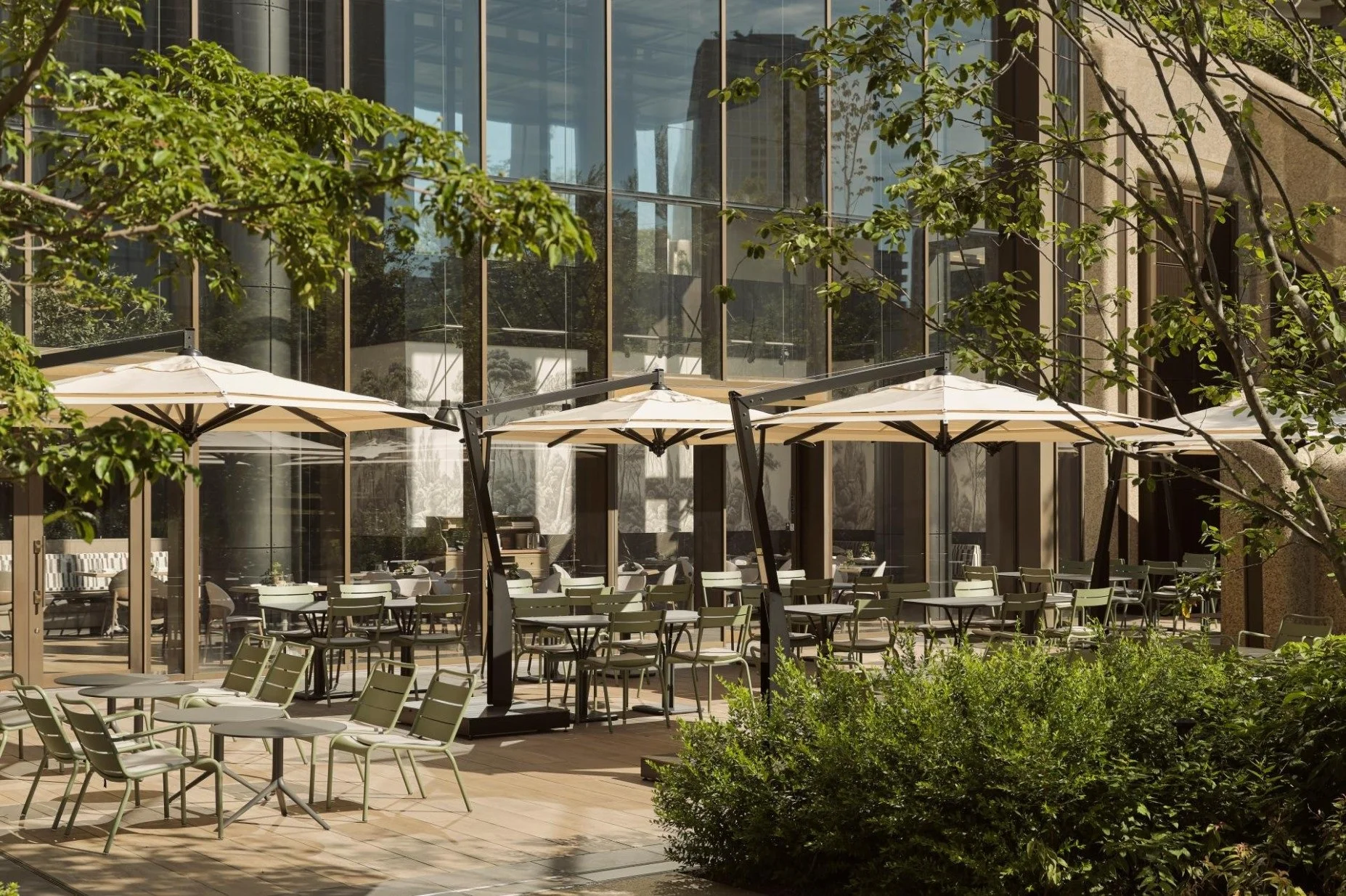
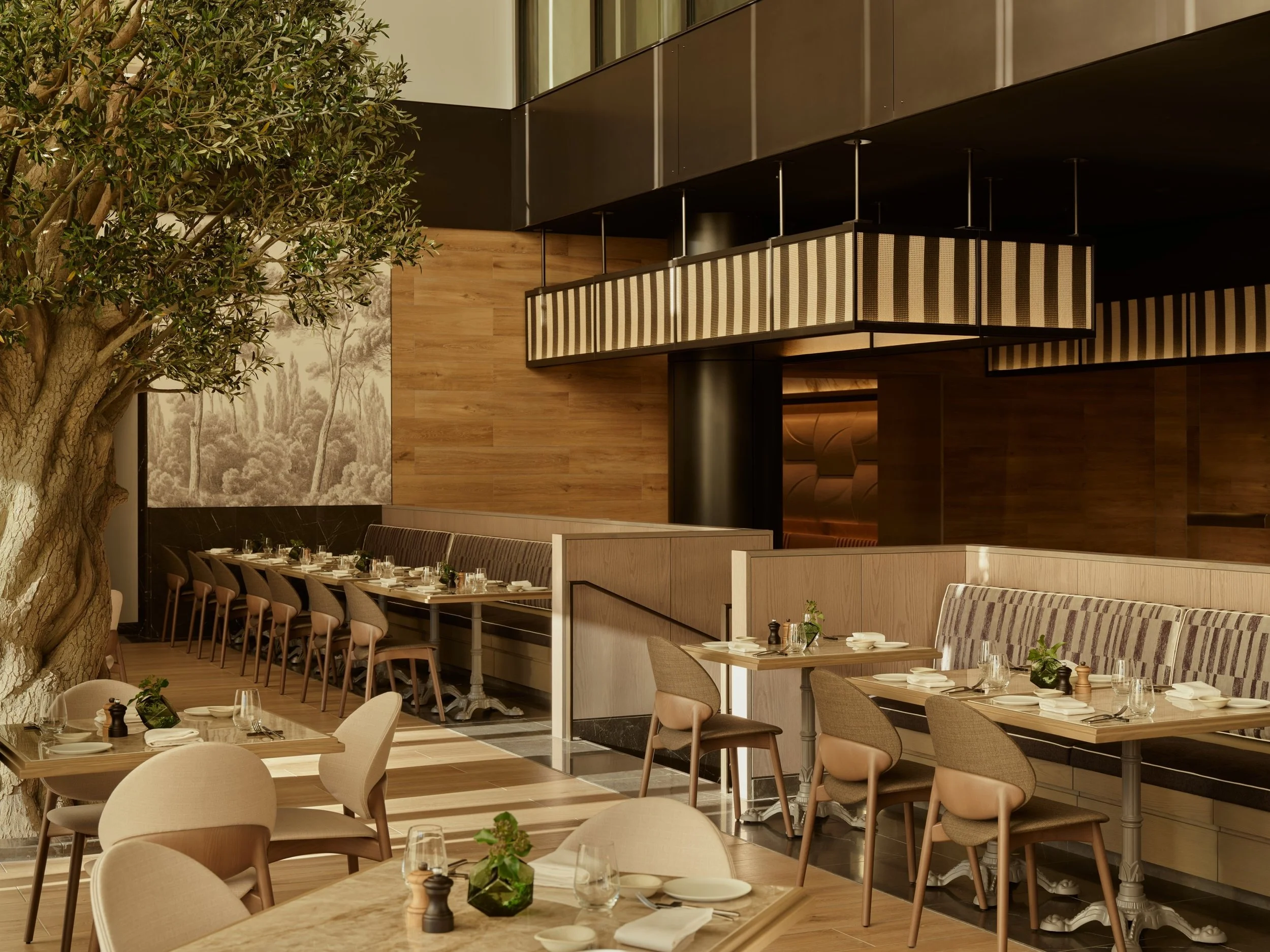
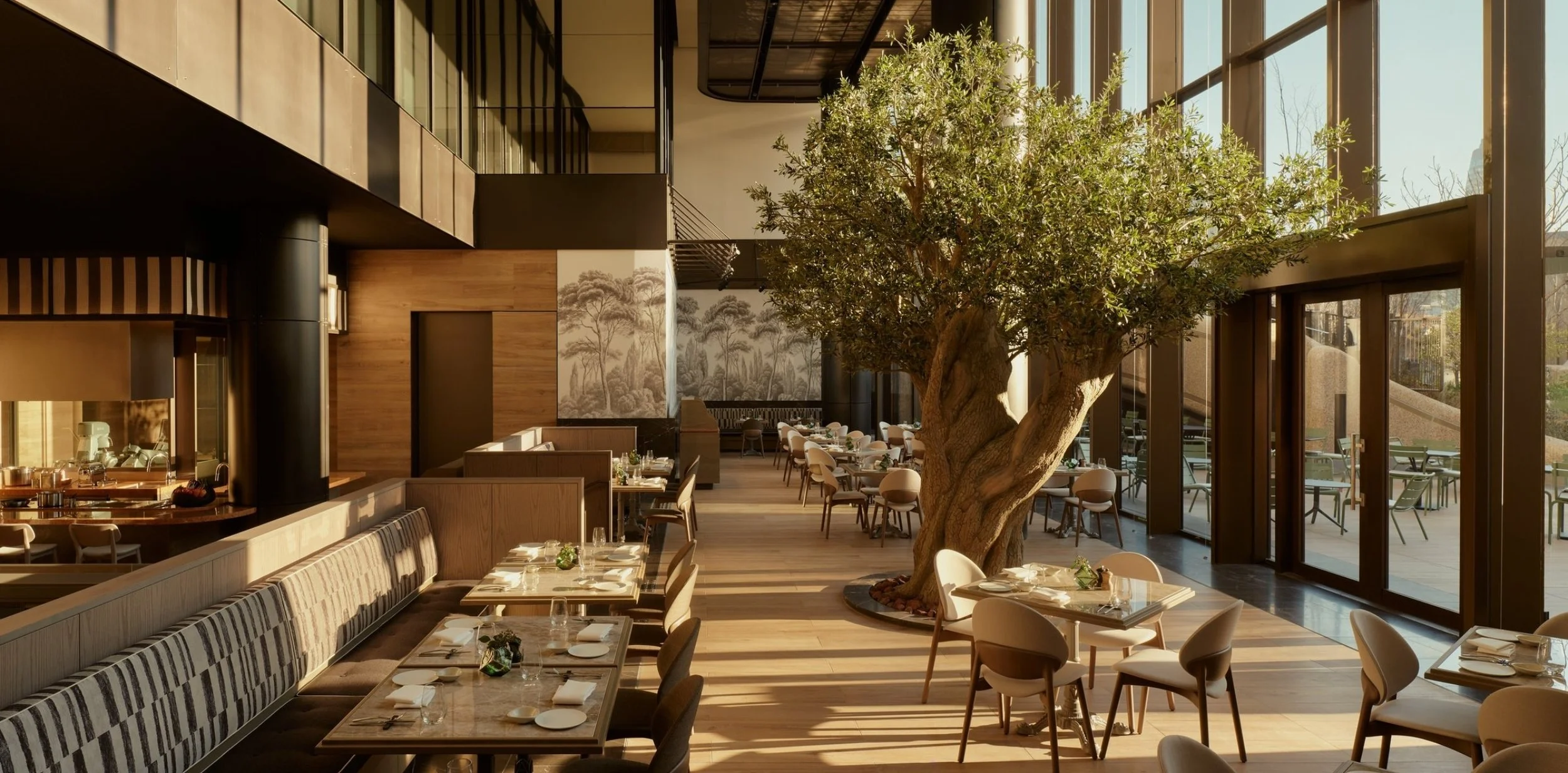
Janu Mercato: Italian cooking, fresh pasta and market-inspired dishes unfold in an animated setting with an outdoor terrace and service that extends across much of the day.
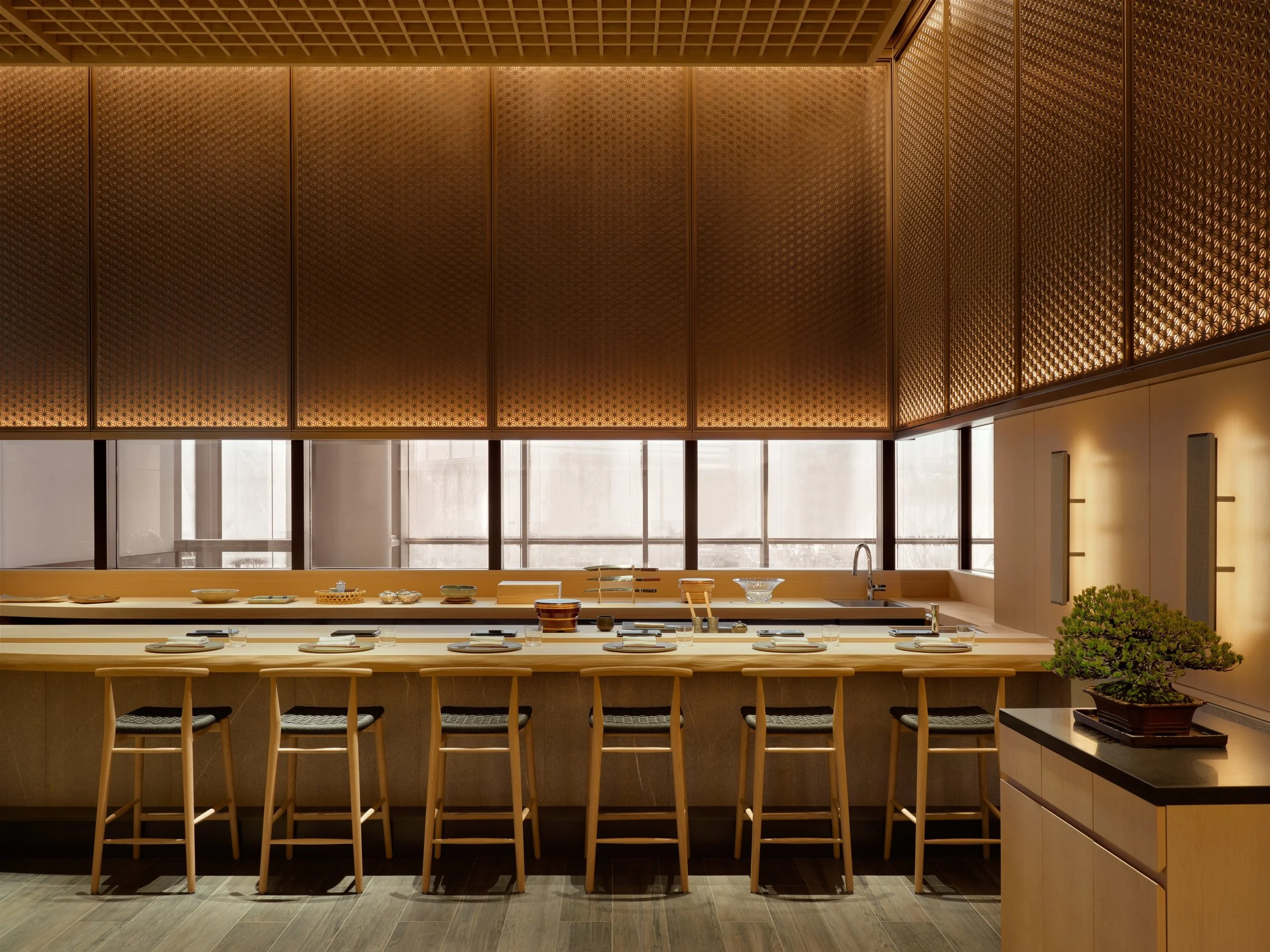
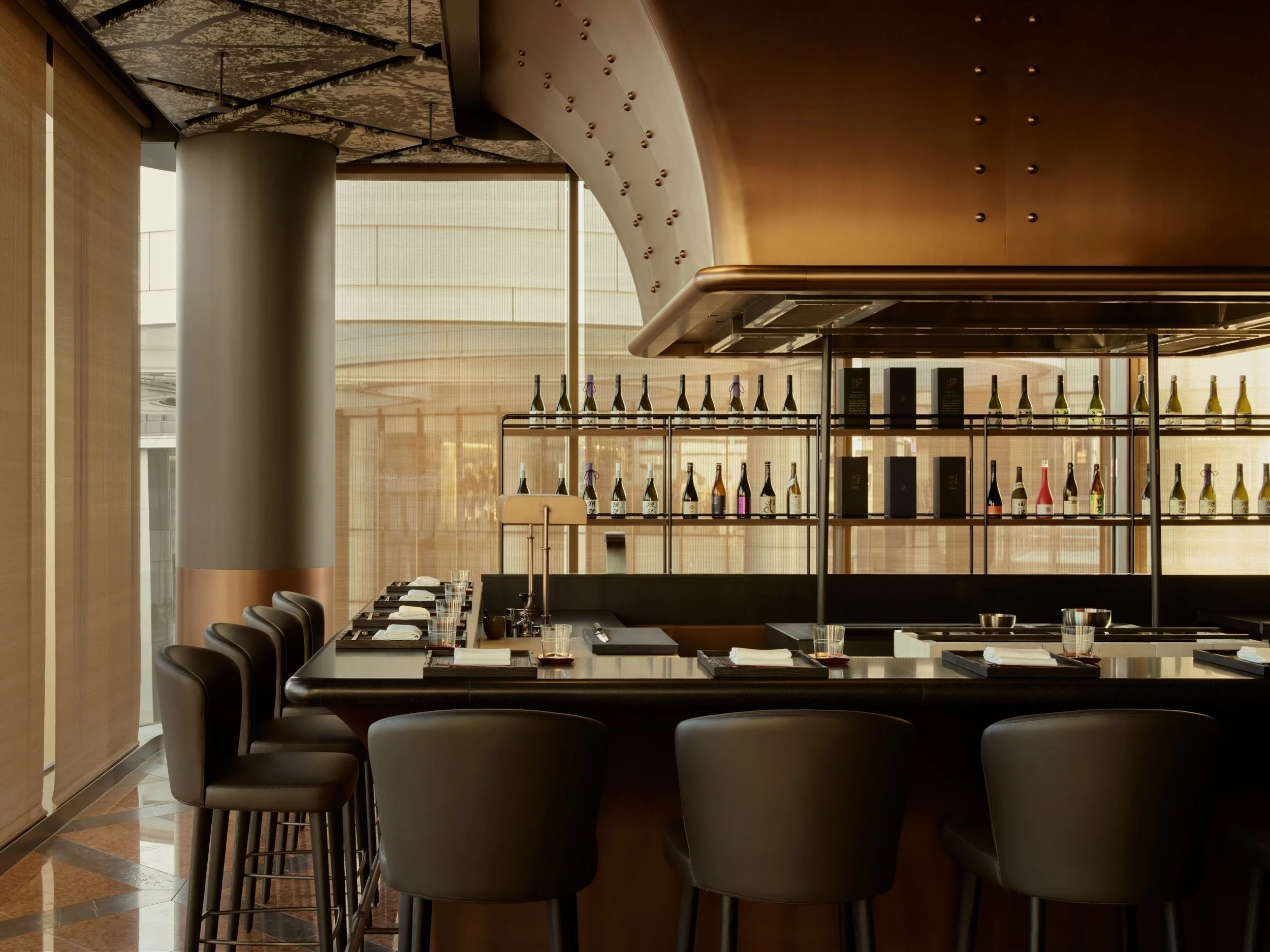
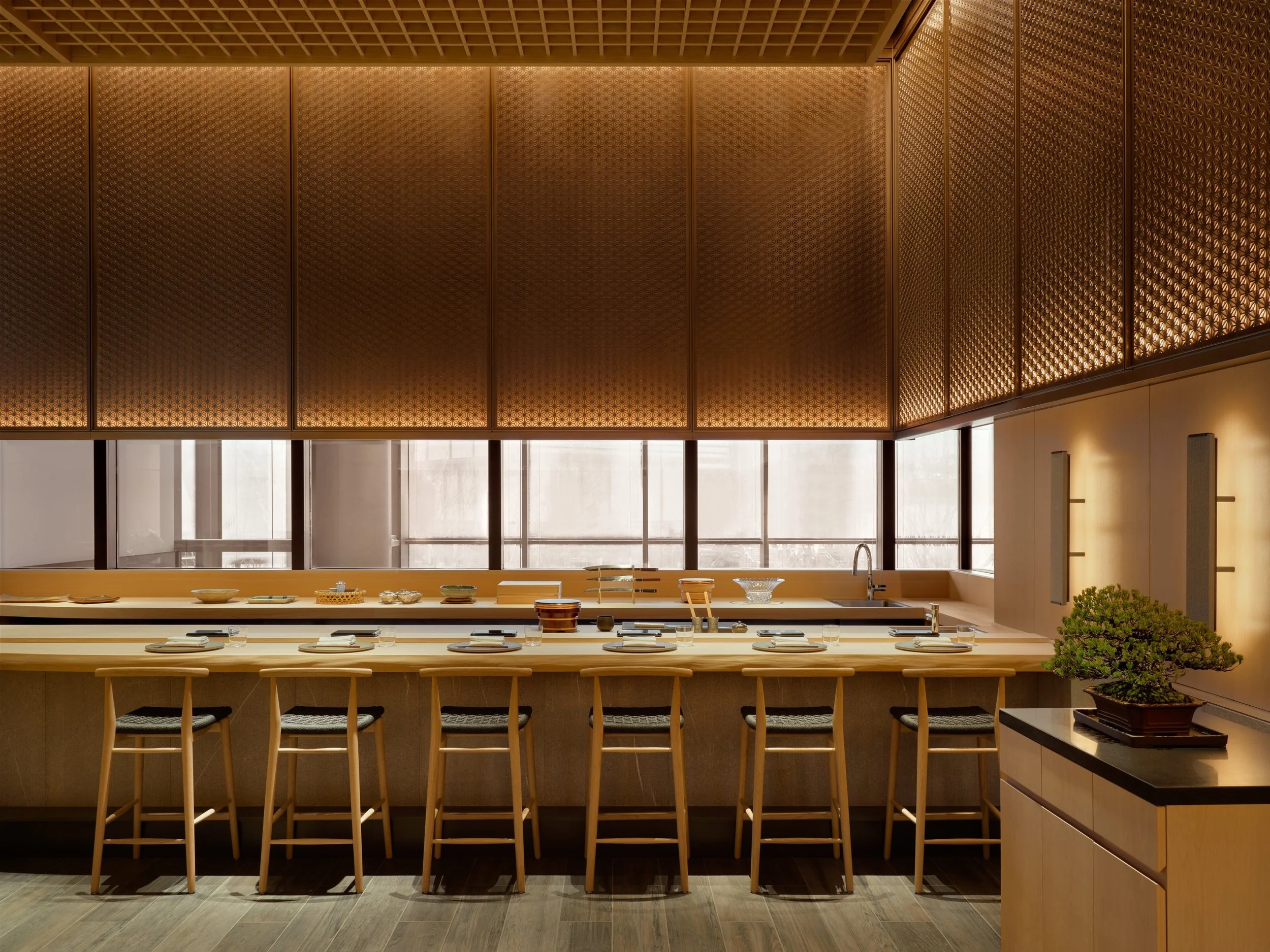
Iigura: Edomae-style sushi and kappo cuisine are served through a six-seat omakase counter and table dining, with seasonal small plates complementing the sushi.
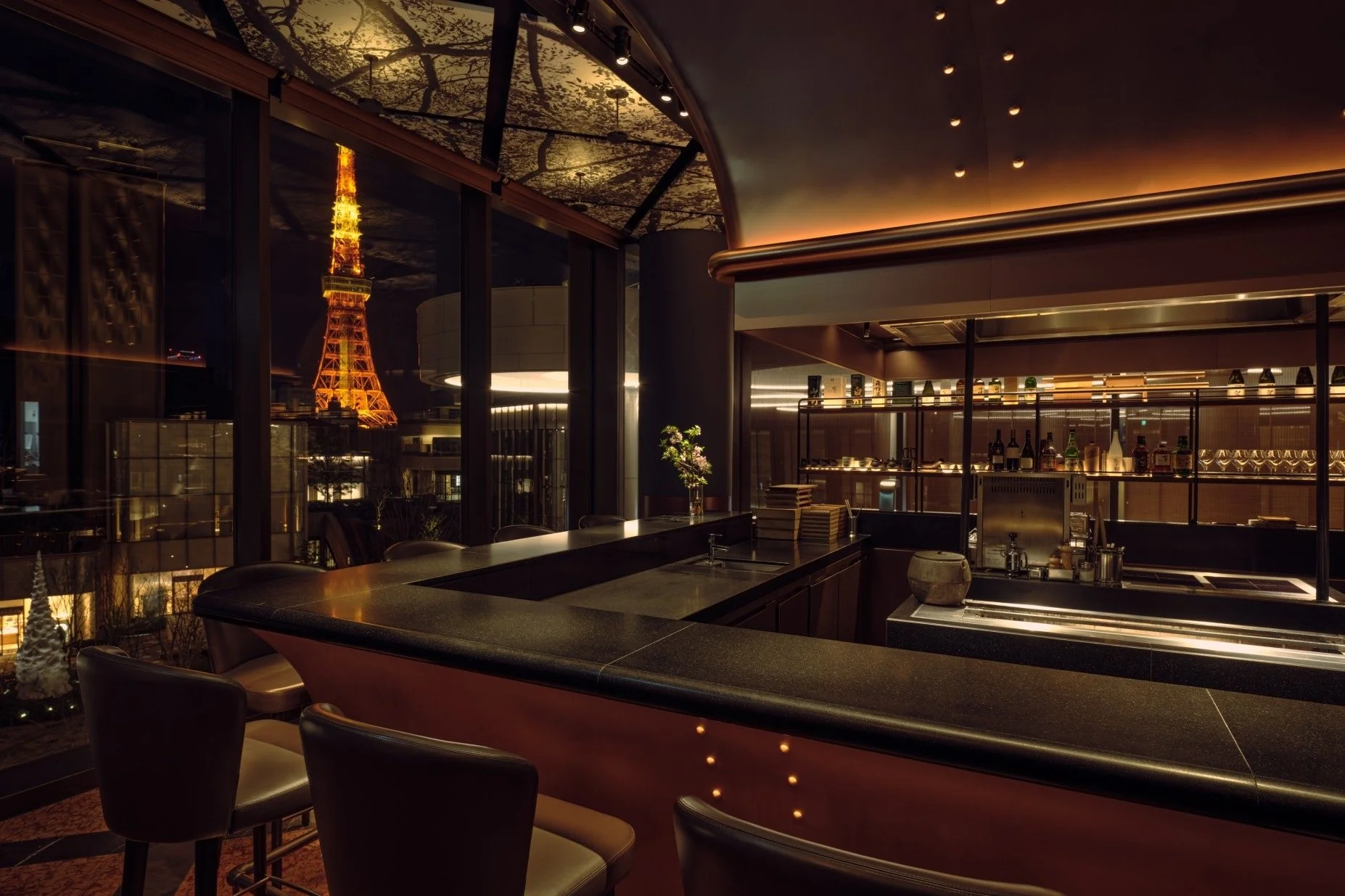
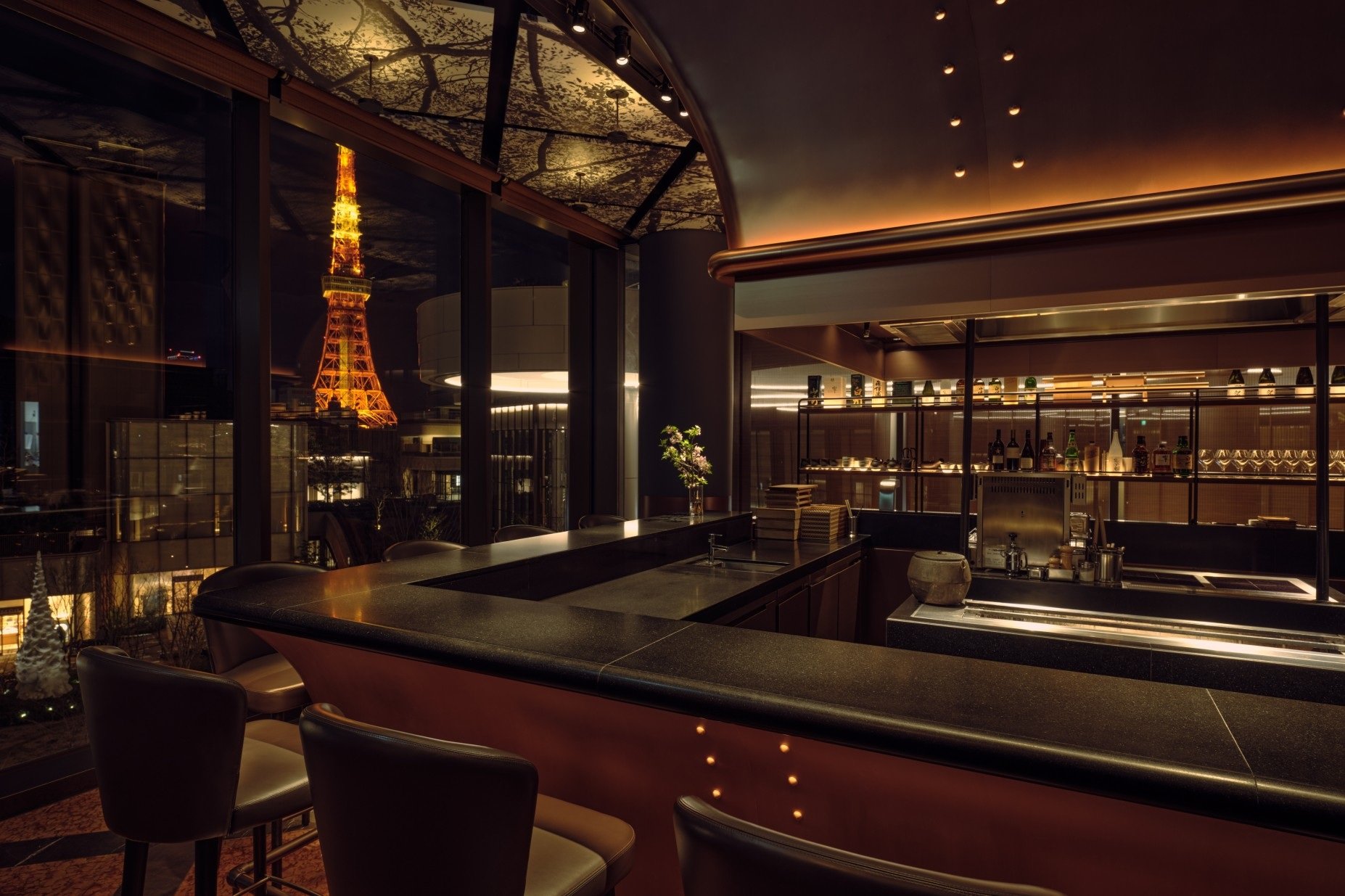
Sumi: A charcoal-centered Japanese dining experience places 13 counter seats around a live grill, with omakase menus and views toward Tokyo Tower and the Azabudai skyline.
Hu Jing: Contemporary Chinese cooking draws on Cantonese traditions, with Peking duck, dim sum and private dining rooms suited to a shared meal or celebration.
Janu Grill: Meat and seafood are prepared around an open kitchen, with a bar, wine cellars and private dining options adding flexibility for different occasions.
Janu Bar: Cocktails developed with Shuzo Nagumo take inspiration from Tokyo’s districts, creating an evening setting with a strong connection to the city.
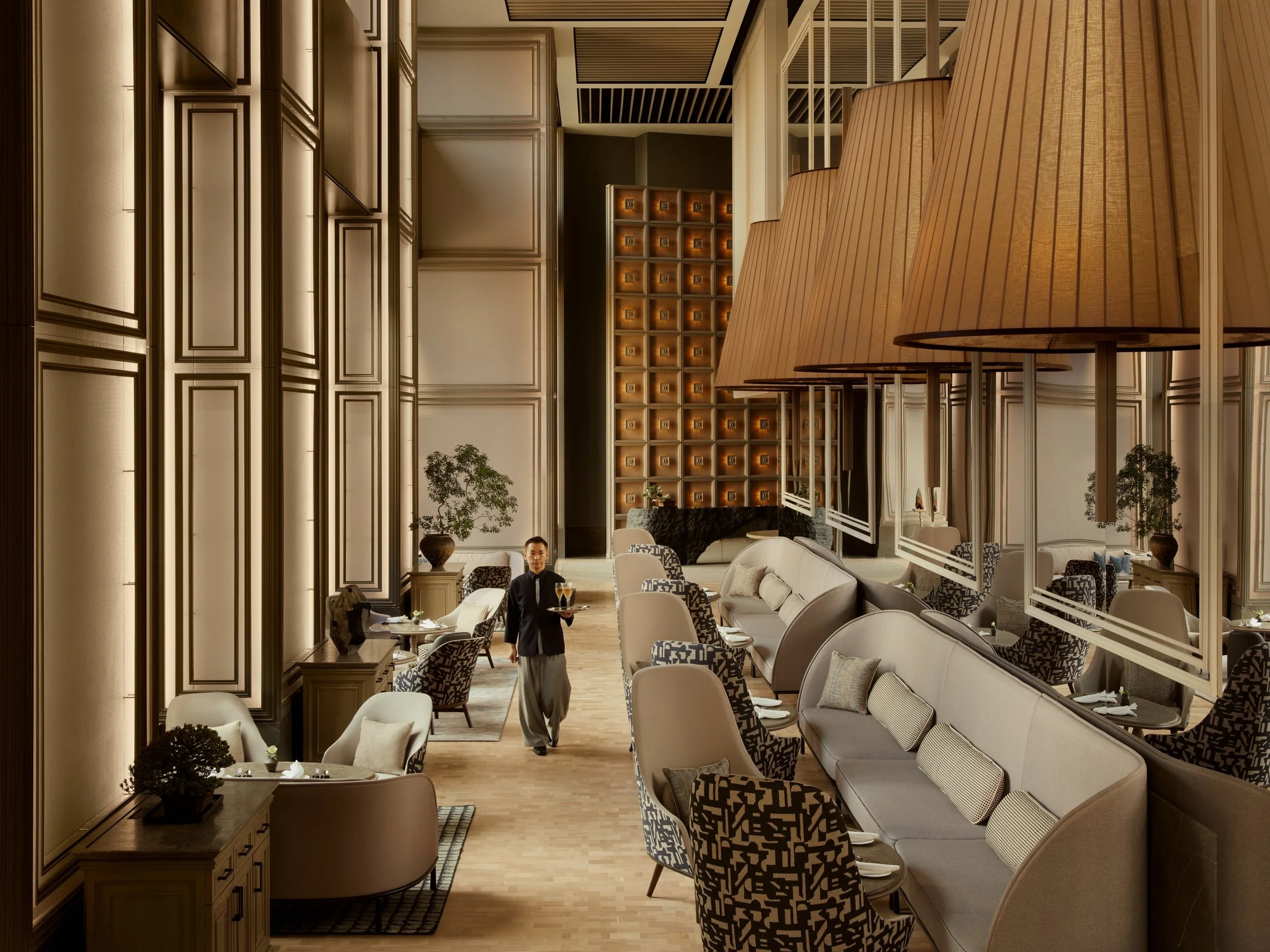
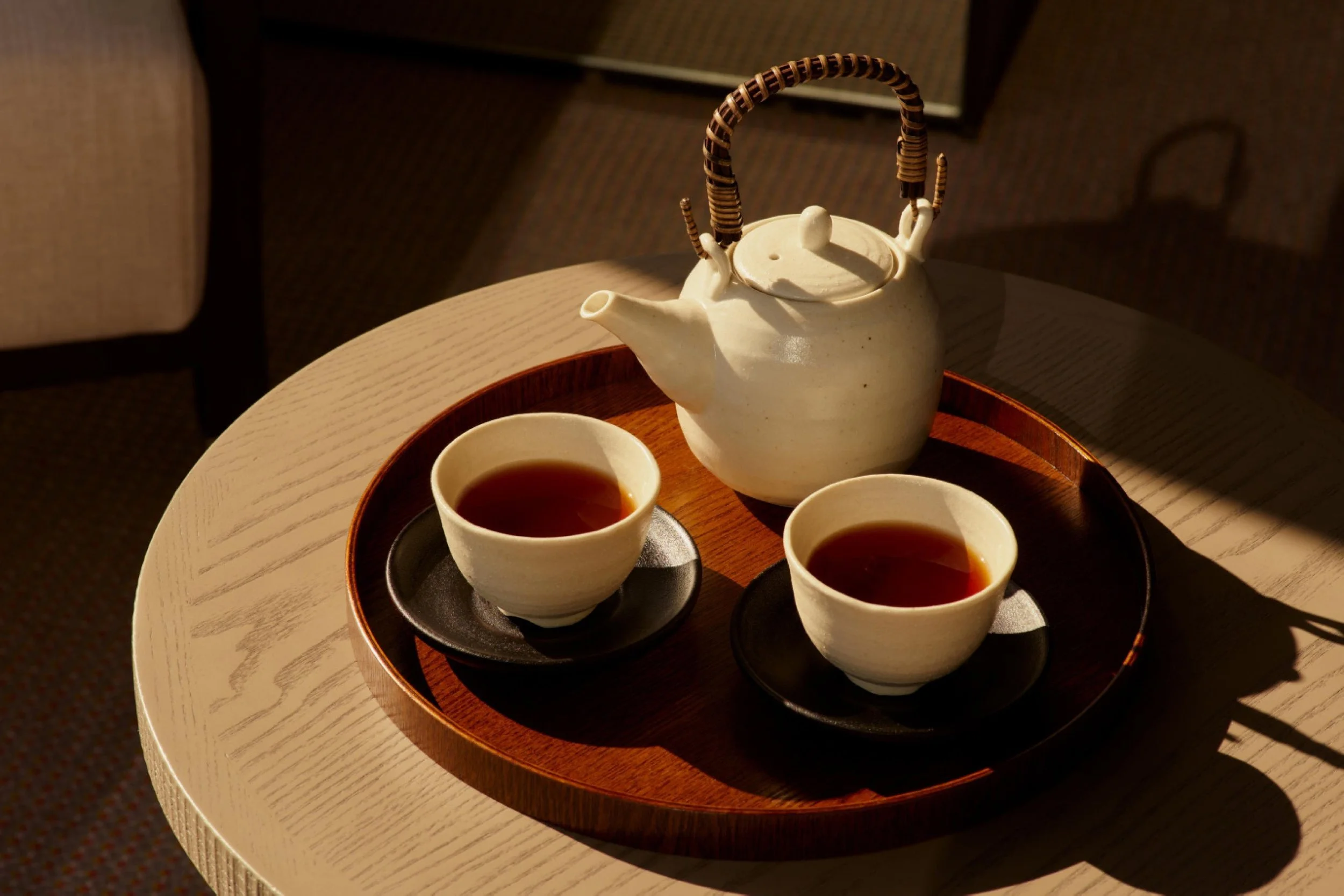
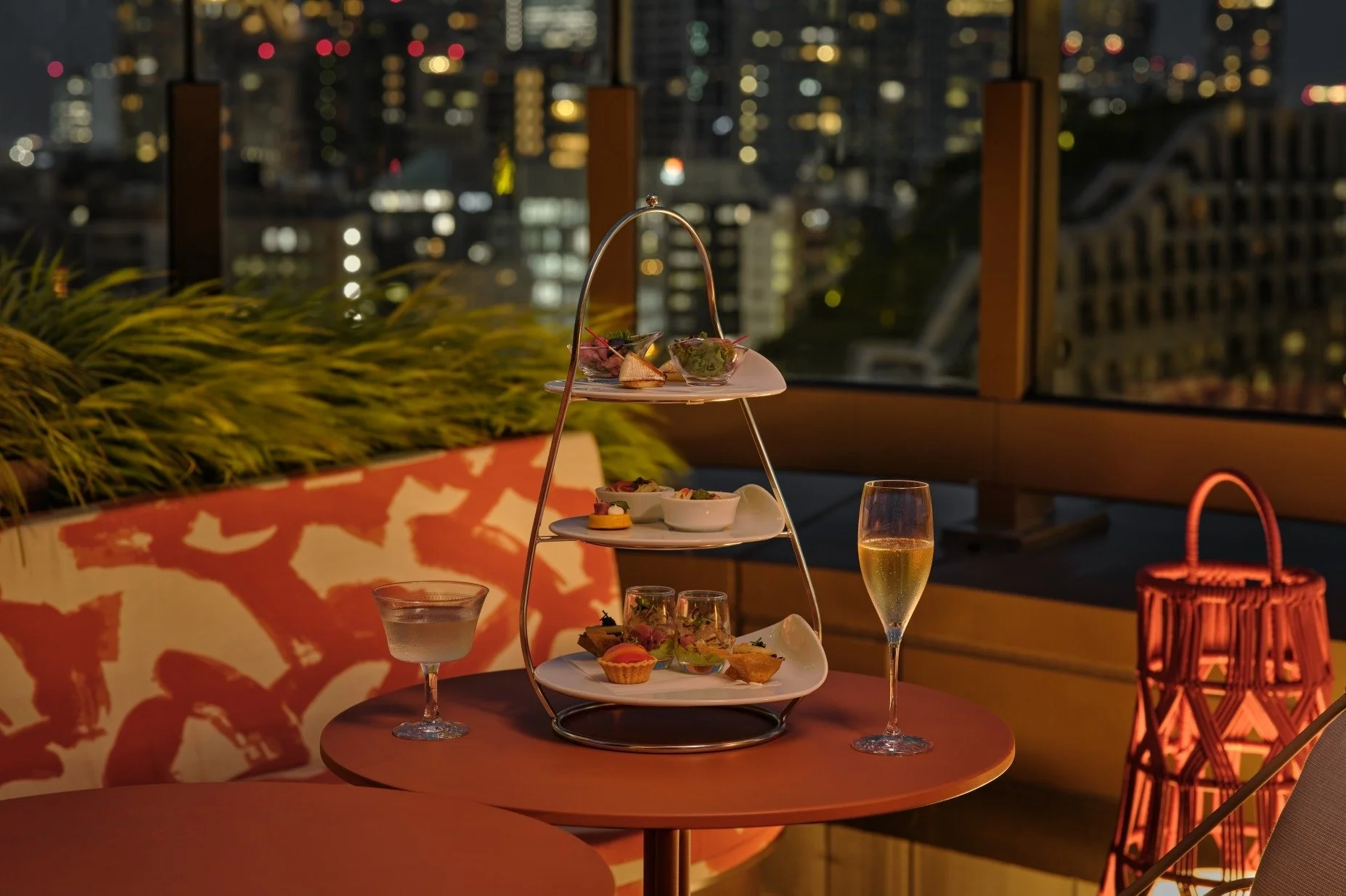
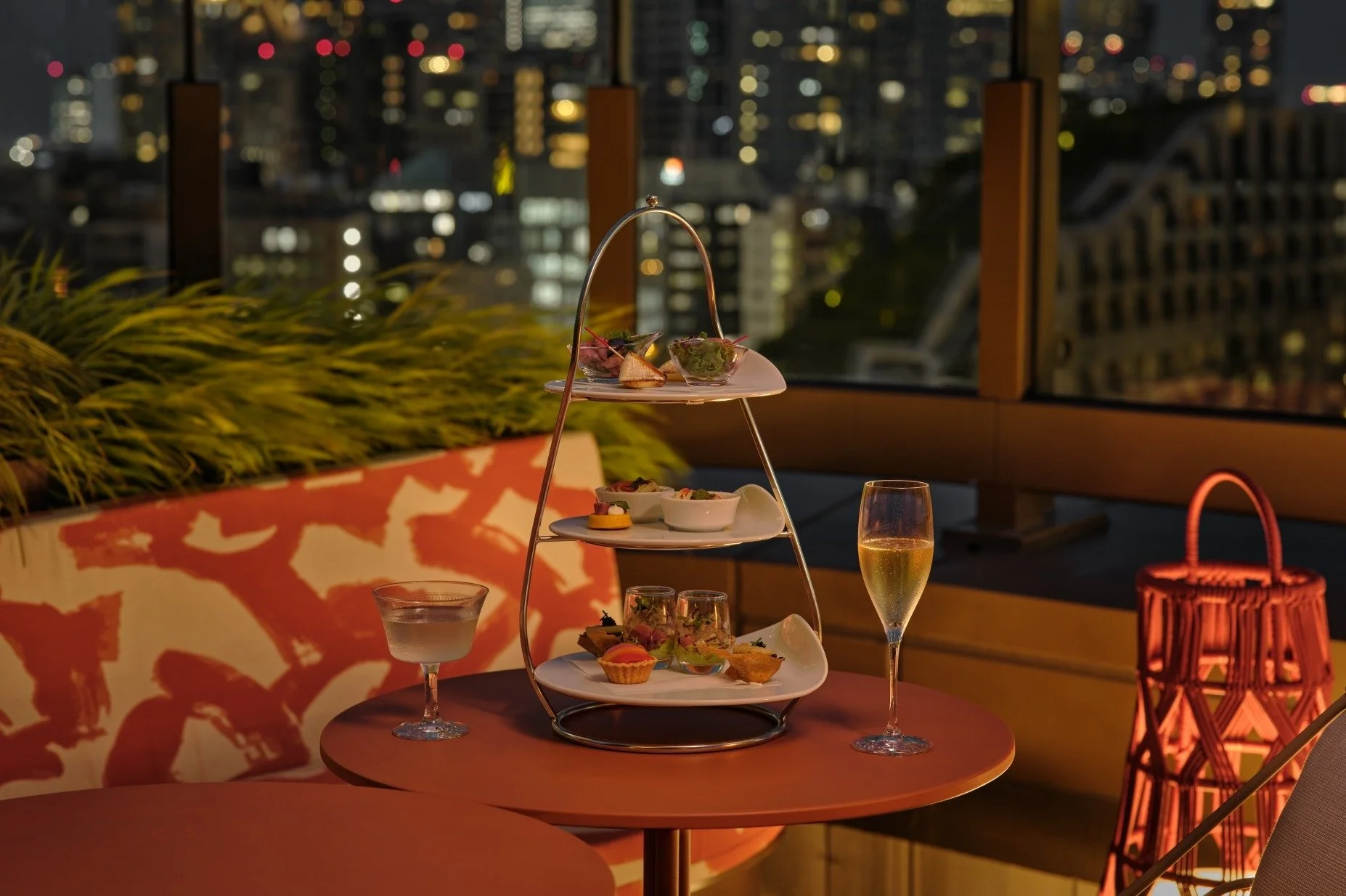
Janu Lounge & Garden Terrace: Afternoon tea, light dining and evening high tea are served with views of Tokyo Tower, either within the lounge or on the adjacent terrace.
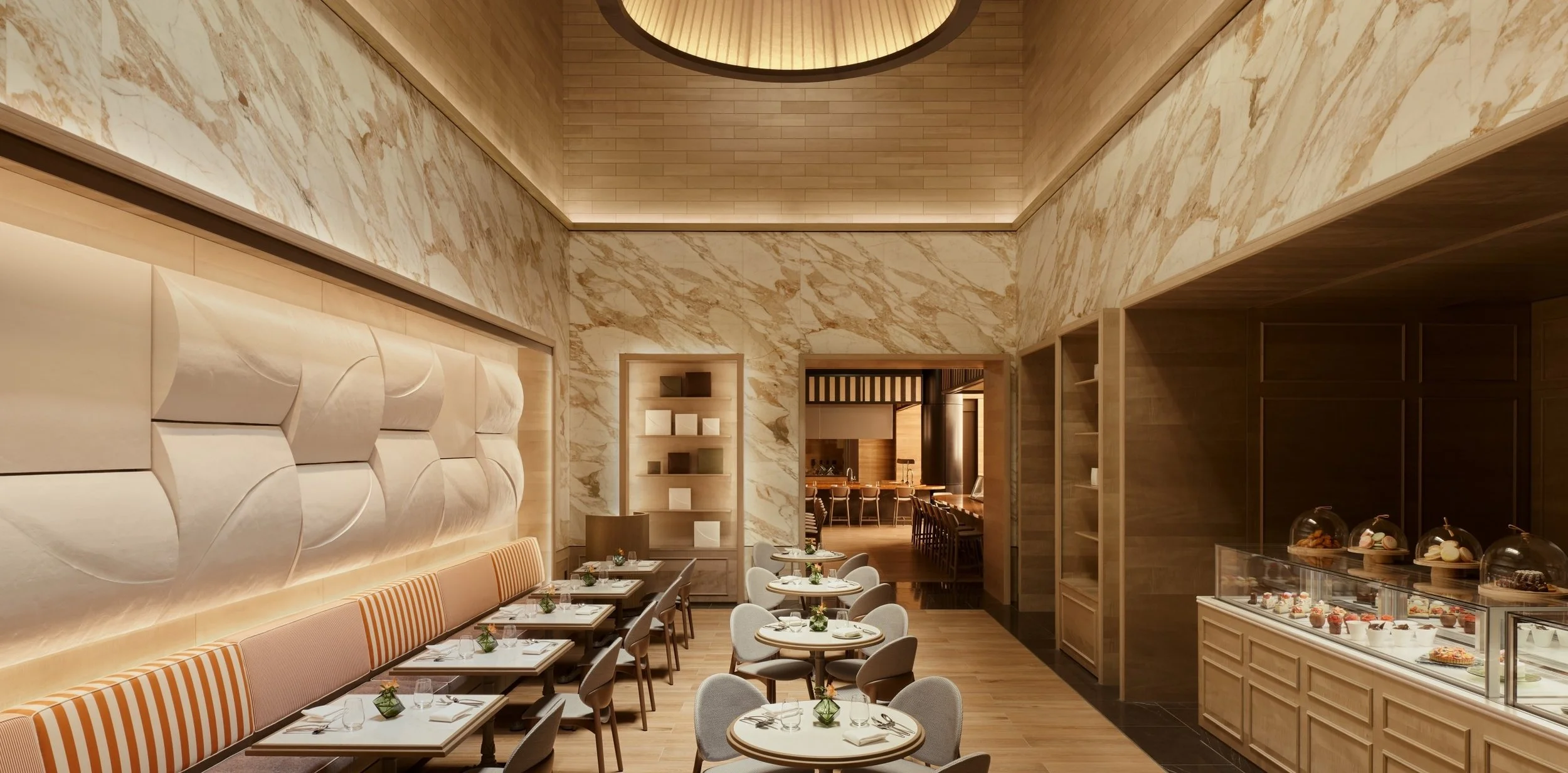
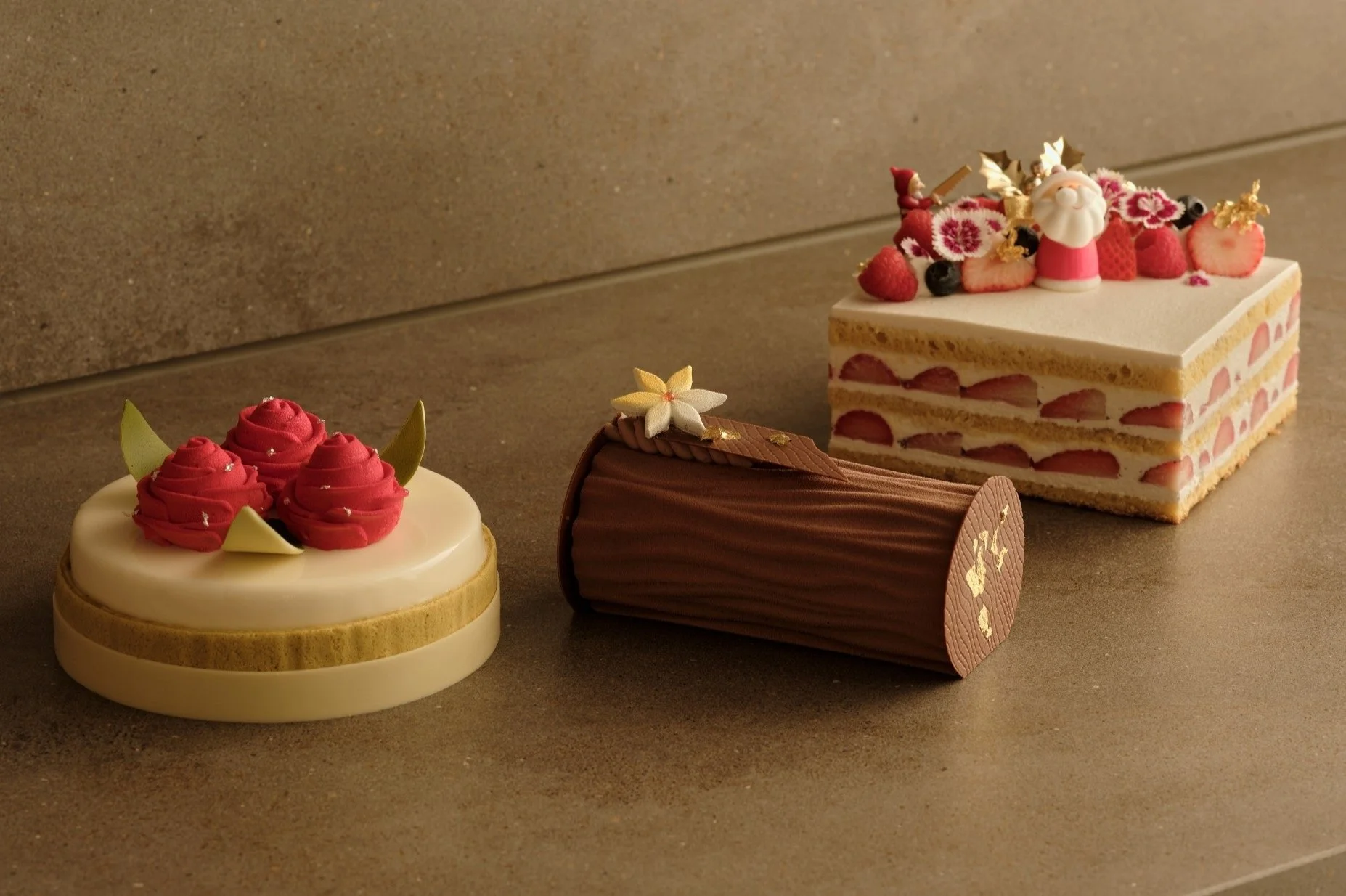
Janu Patisserie: European pastry traditions meet seasonal ingredients in cakes, parfaits, chocolates and baked goods to enjoy on-site or take away.
The small Japanese counters warrant early planning. A reservation there creates a different evening from an informal meal at Mercato or drinks in Janu Bar. Our team builds hotel dining into the wider itinerary, leaving space for restaurants elsewhere in the city and avoiding a succession of overly similar meals.
A Wellness Center Worth Making Time For
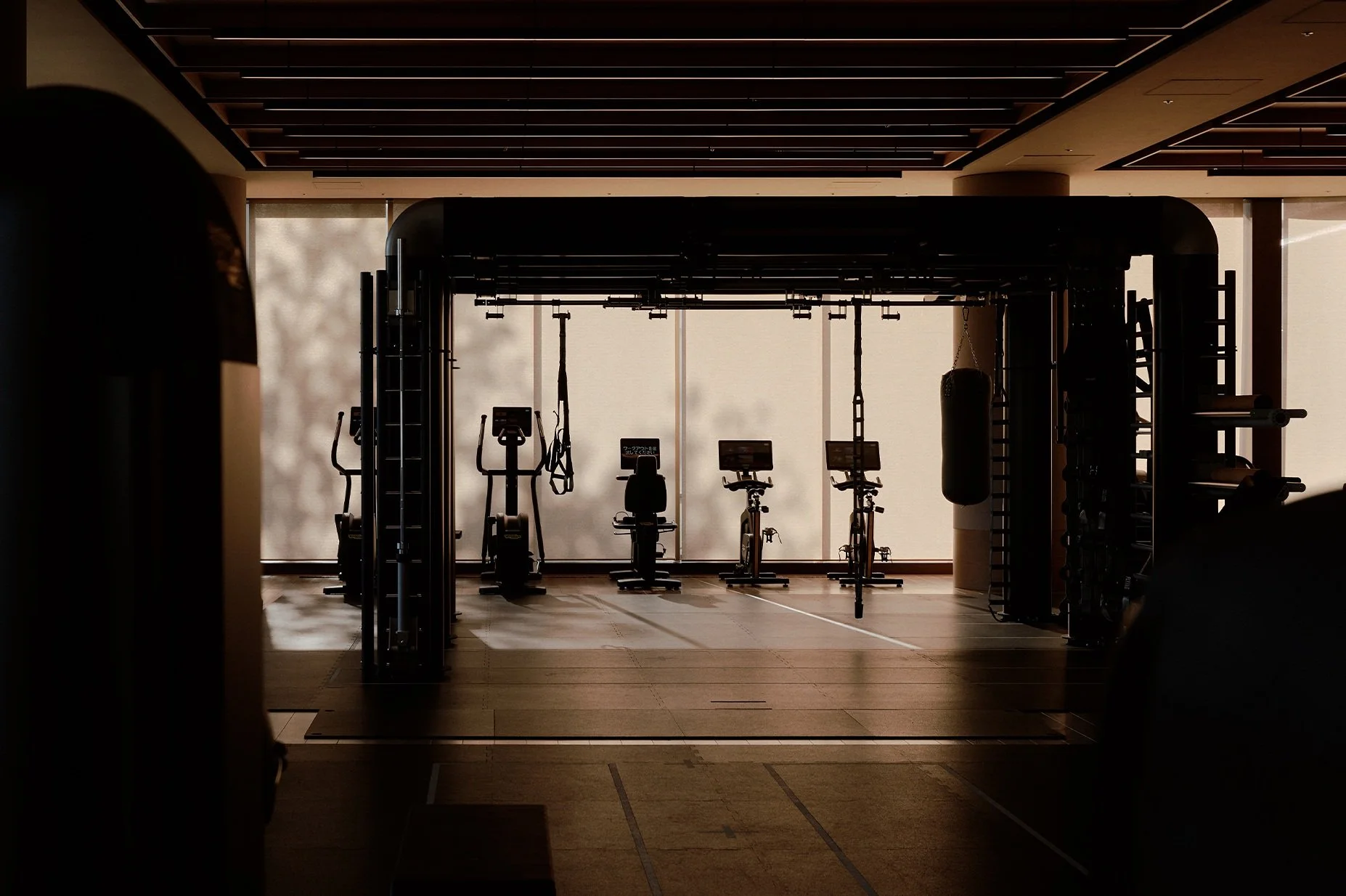
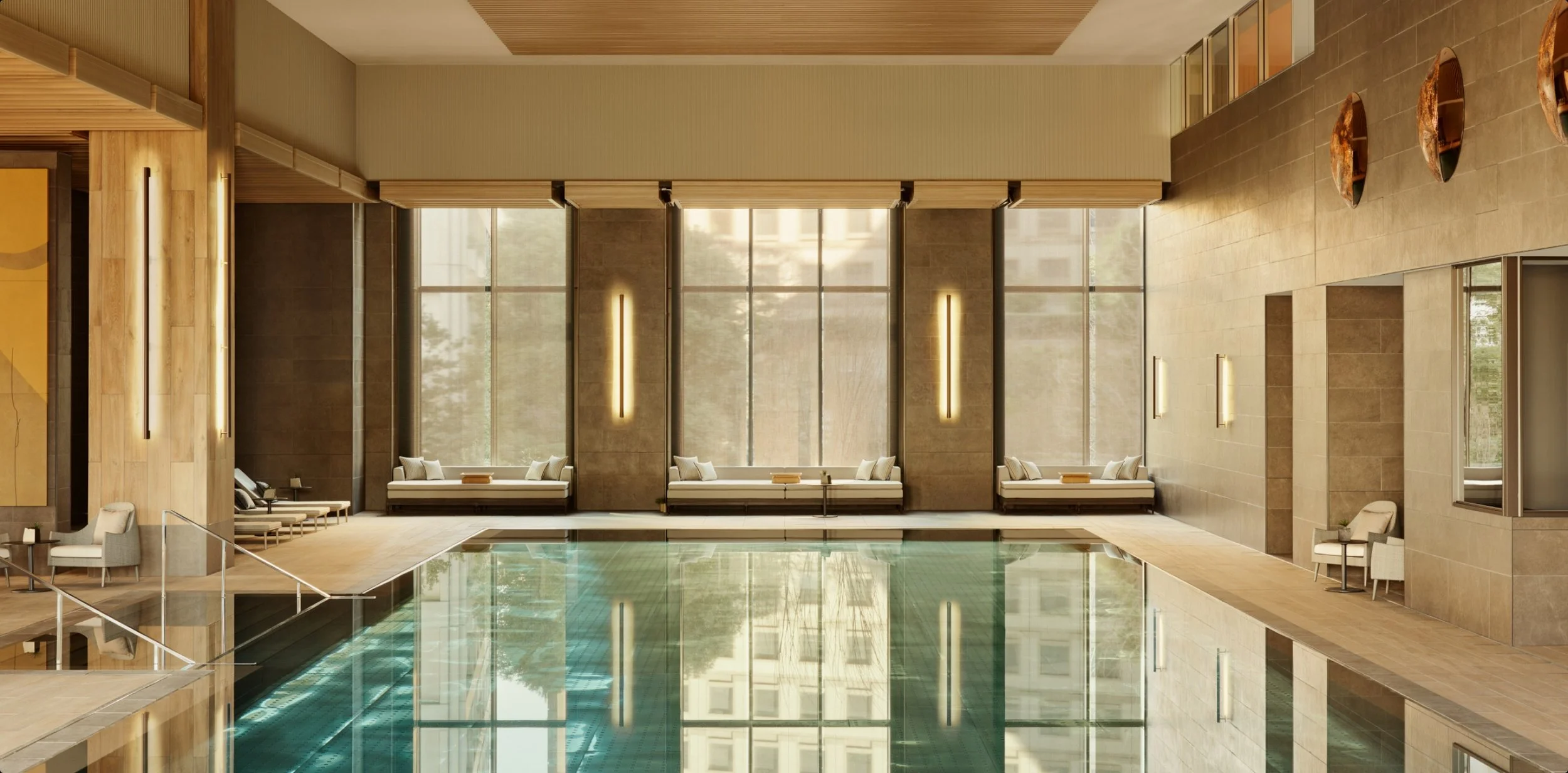
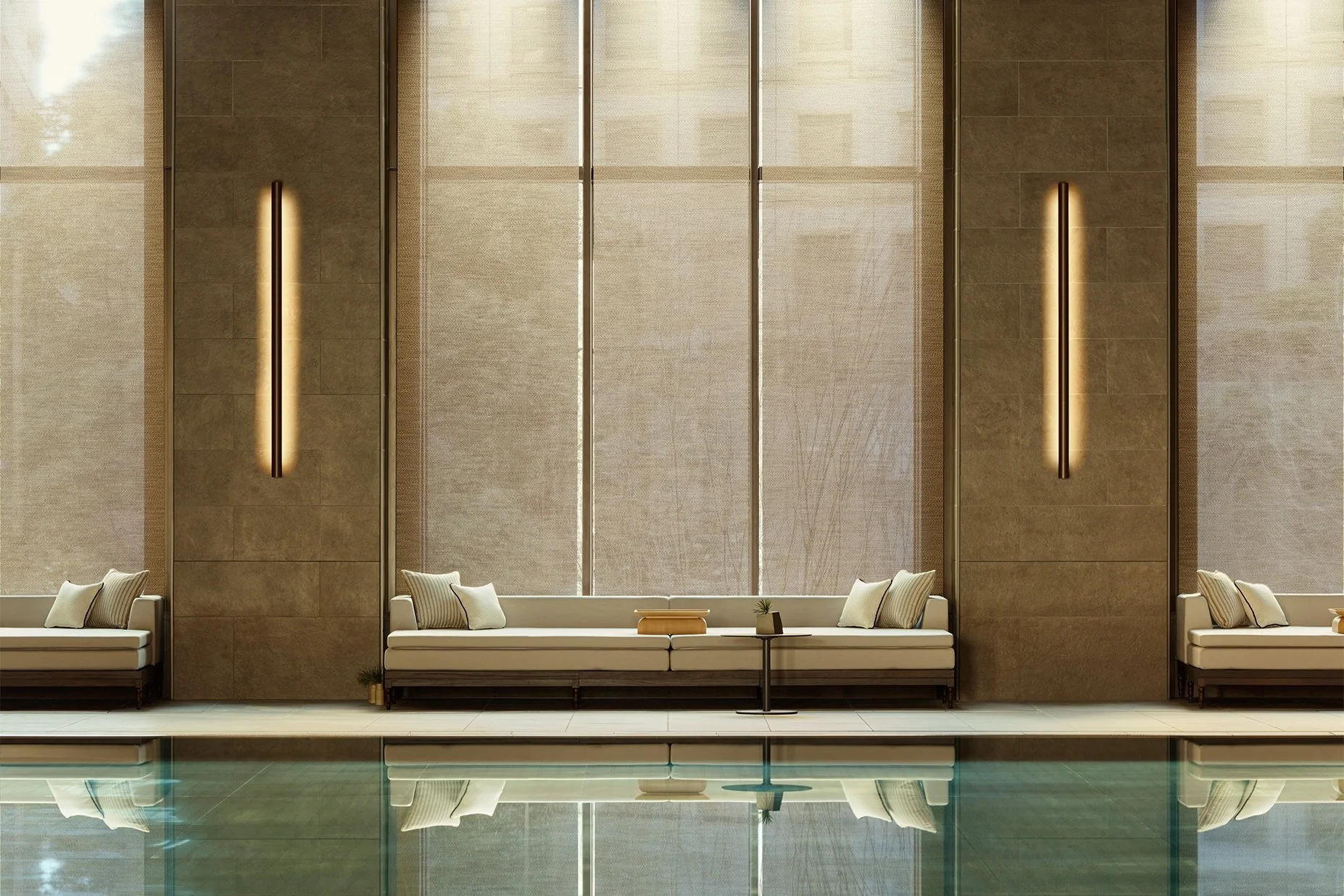
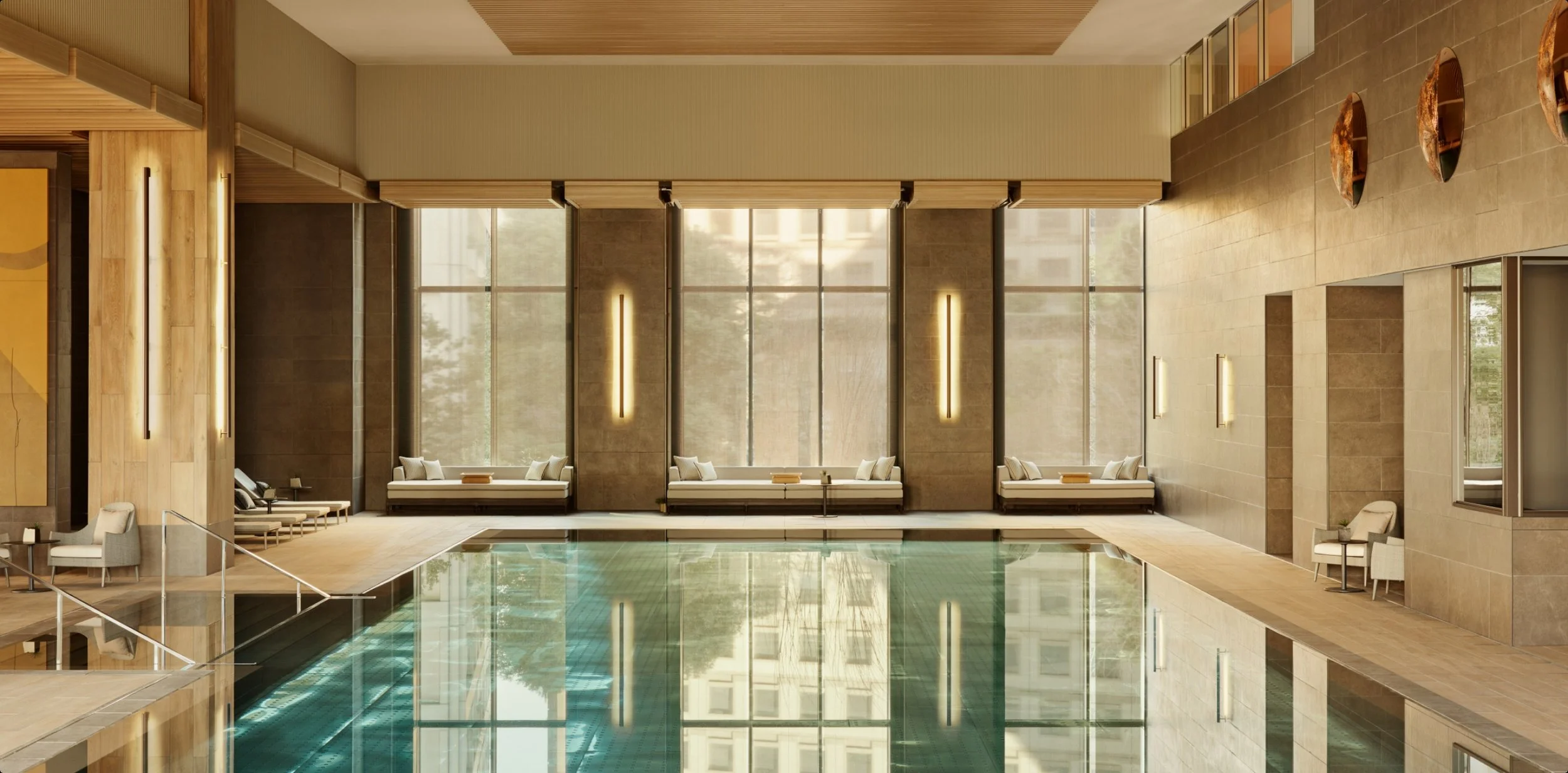
Janu’s wellness facilities cover approximately 43,000 sq. ft., giving exercise and recovery an unusually substantial role in a city-hotel stay. The 25-meter indoor lap pool is accompanied by a separate heated lounge pool, while a large gym and movement studios support more than a quick workout between appointments.
The range includes spinning, martial arts, yoga, personal training and a golf simulator. Group sessions can add a social dimension; individual training provides a more focused alternative. For travelers arriving after a long flight, the practical value is having several ways to move without leaving the hotel.
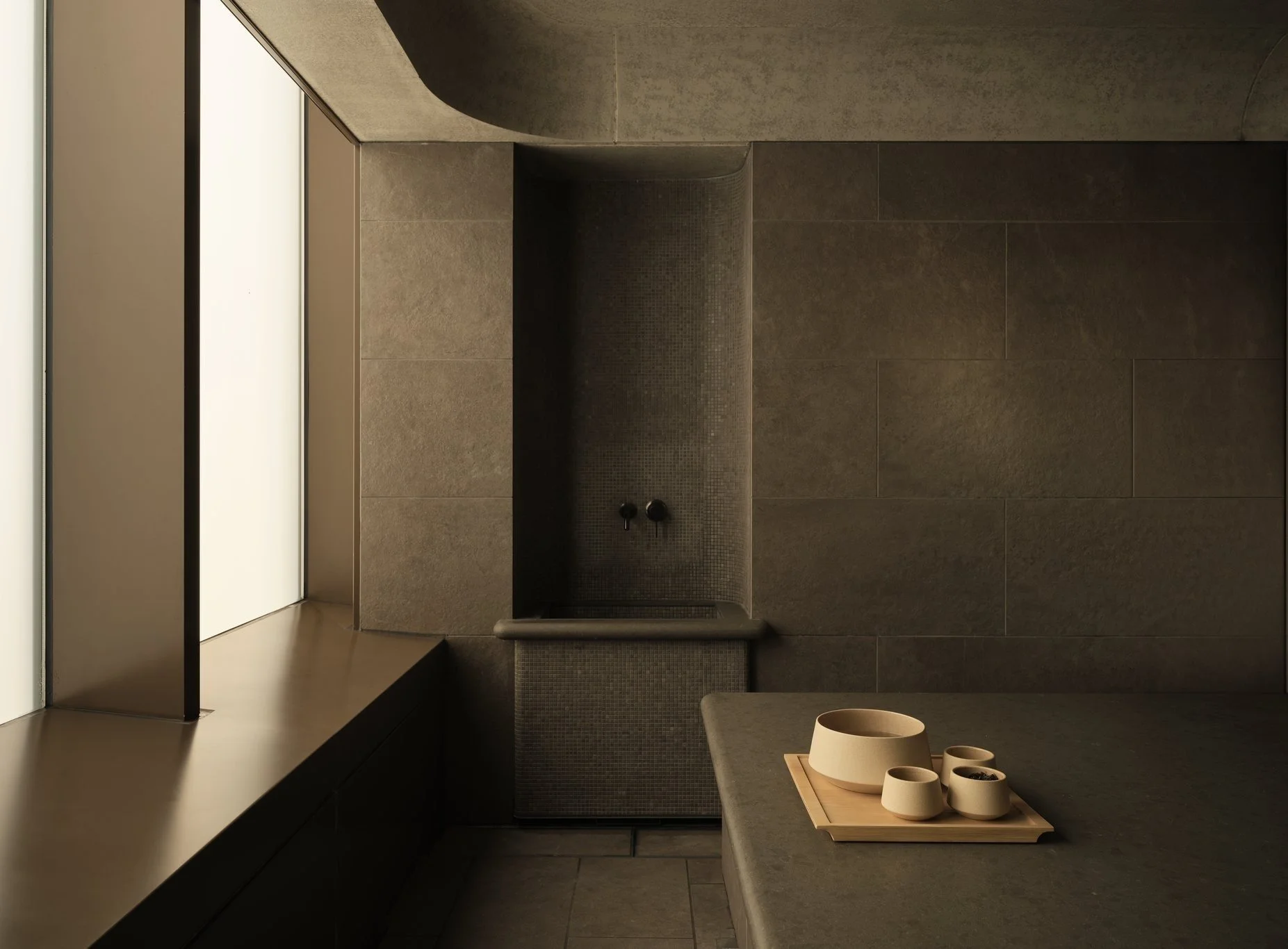
Treatments and two private Spa Houses provide a slower counterpoint. The Spa Houses incorporate hot and cold bathing, treatment and relaxation spaces, with a banya or hammam experience. Their private setting makes them worth considering as a planned part of the stay rather than an addition squeezed into a spare hour.
The wellness center also has a membership community, so its atmosphere extends beyond overnight hotel guests. Access rules vary by age and facility, and treatments or private experiences should be reserved ahead when timing is important.
Art and Craft Beyond the Lobby
Azabudai Hills is a useful starting point for an art-focused visit. teamLab Borderless, the Mori Building Digital Art Museum, sits within the development, alongside galleries and a wider mix of design, retail and food. Book the museum as a deliberate part of the day, allowing time for the experience rather than treating it as a quick stop between appointments.
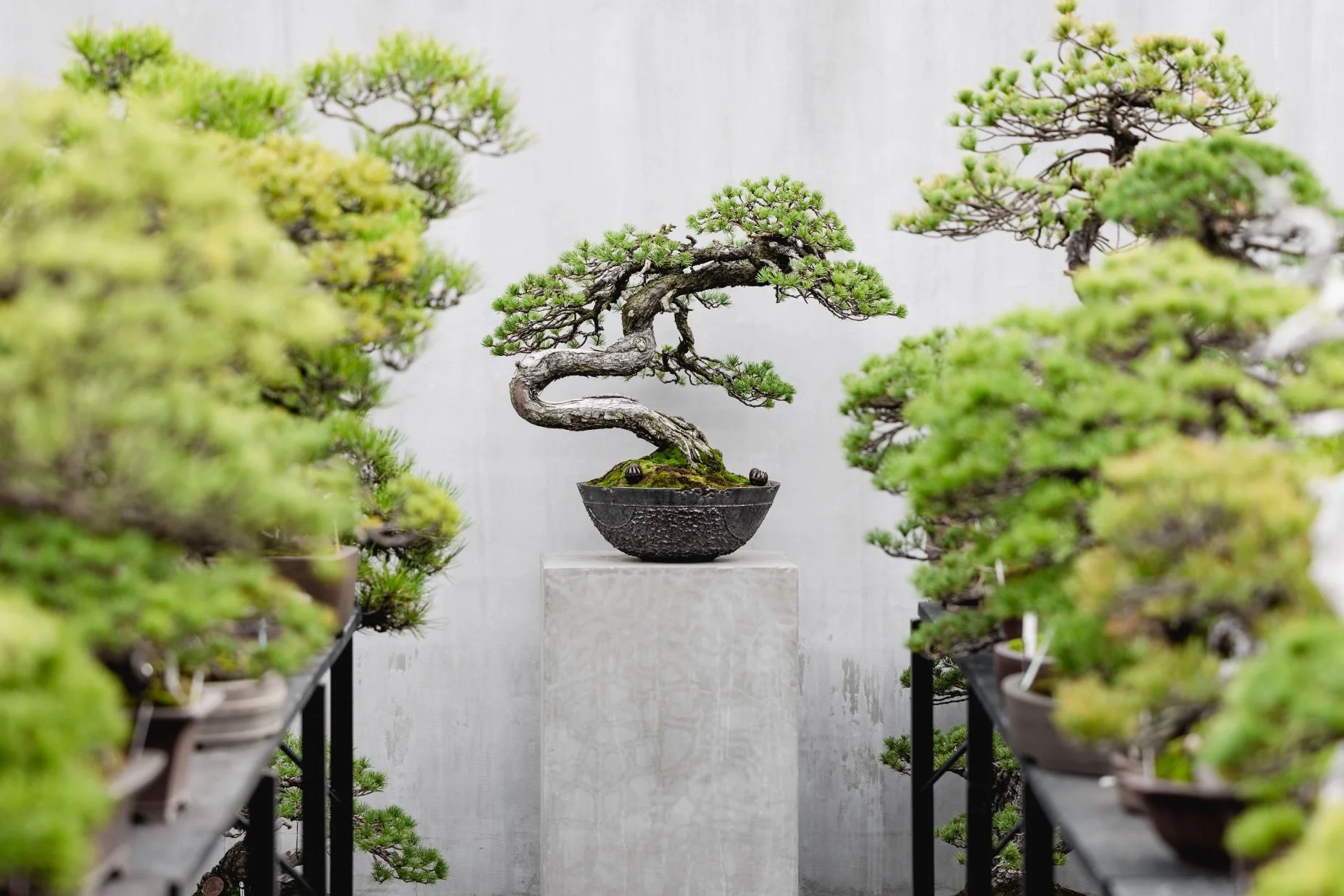
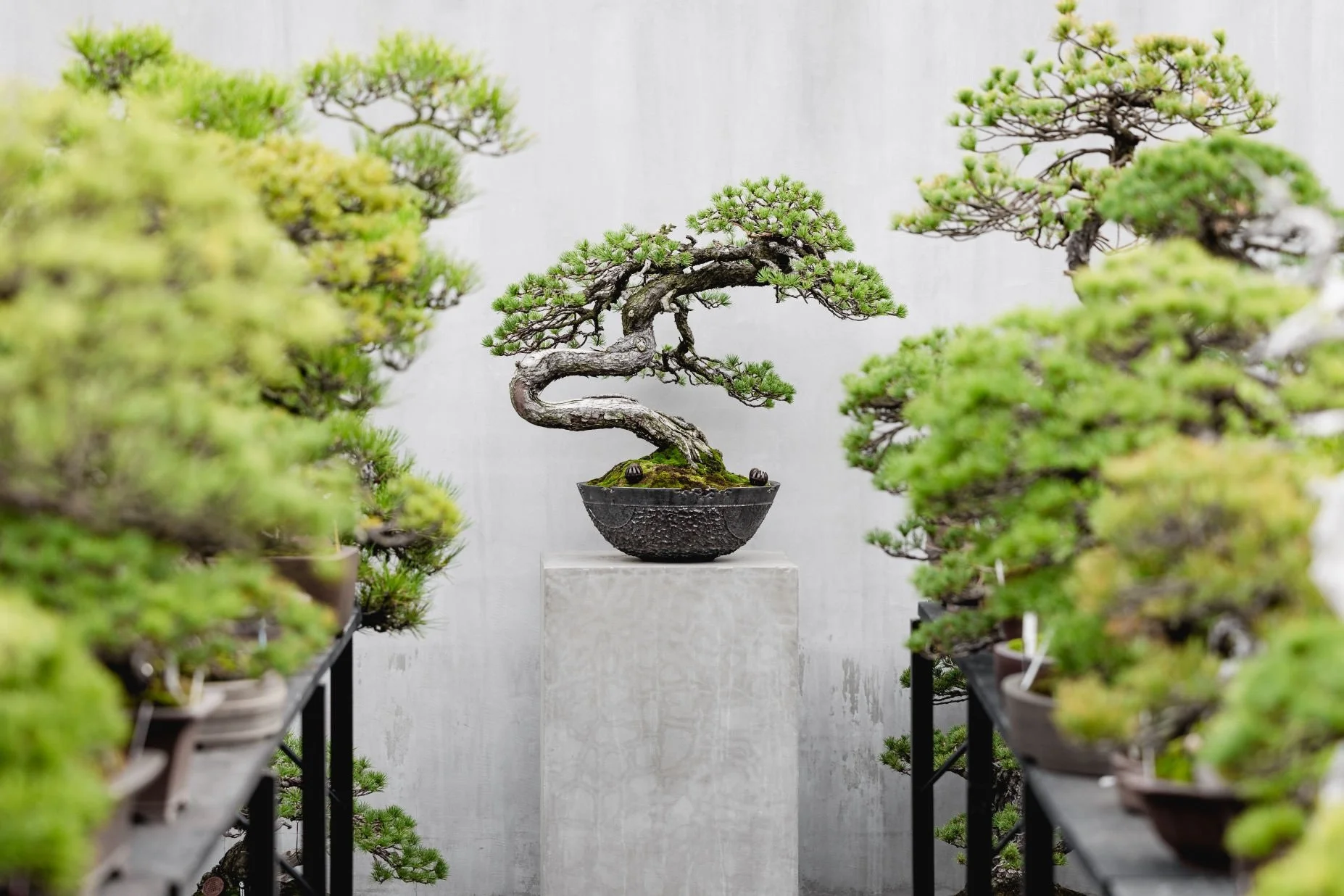
Janu’s own cultural experiences introduce traditions through the people who practice them. A workshop at Domyo explores kumihimo, the Japanese art of silk braiding, with time in the studio and a bracelet to take away. A separate private experience with TRADMAN’S BONSAI offers an introduction to shaping and caring for a miniature tree.
These encounters provide a useful balance to Tokyo’s larger sights. They can be combined with neighborhood exploration, shopping or a guided city day, but they are strongest when given enough time to become an experience in their own right. Our team coordinates the pace and travel between appointments so that the city remains enjoyable rather than exhausting.
A Tokyo Stay That Works Across Generations
Connecting accommodation is a particular strength. Two-bedroom arrangements start with a Junior Suite and twin Deluxe Room, while larger combinations link signature suites and Premier Rooms. At the top of the collection, the Janu Suite can form a four-bedroom arrangement, allowing a family to share substantial living space while retaining separate bedrooms.
The pool welcomes children aged four and above who are no longer in diapers, from 6:30 a.m. to 6 p.m. Families with children under 16 use the family changing room; the other wellness facilities, including the hydrotherapy areas and spa, are reserved for guests aged 16 and over.
For family days, the surrounding district offers room to walk, informal dining choices and cultural outings that can be adapted to different attention spans. Hands-on craft experiences may suit older children, subject to the provider’s requirements. Our team plans around the ages and interests of the travelers, with realistic pauses between the museum, meals and excursions.
A Greener District and Living Traditions
Janu’s setting contributes to its sustainability story. Mori Building reports that all electricity supplied to the Azabudai Hills complex comes from renewable sources. The development also incorporates extensive planted public space, bringing greenery into roofs, courtyards and pedestrian routes. Together, these district-level initiatives make the public realm an integral part of the hotel’s appeal.
The cultural program adds another dimension. Working with practitioners such as Domyo and TRADMAN’S BONSAI creates opportunities for guests to engage directly with established skills and their contemporary expression. The emphasis is on participation and understanding, with the craft remaining in the hands of the people who practice it.
For a visitor, the neighborhood’s walkability is useful in its own right. Several meals, galleries and experiences can be reached within the development, making it possible to enjoy a full afternoon without a series of car journeys.
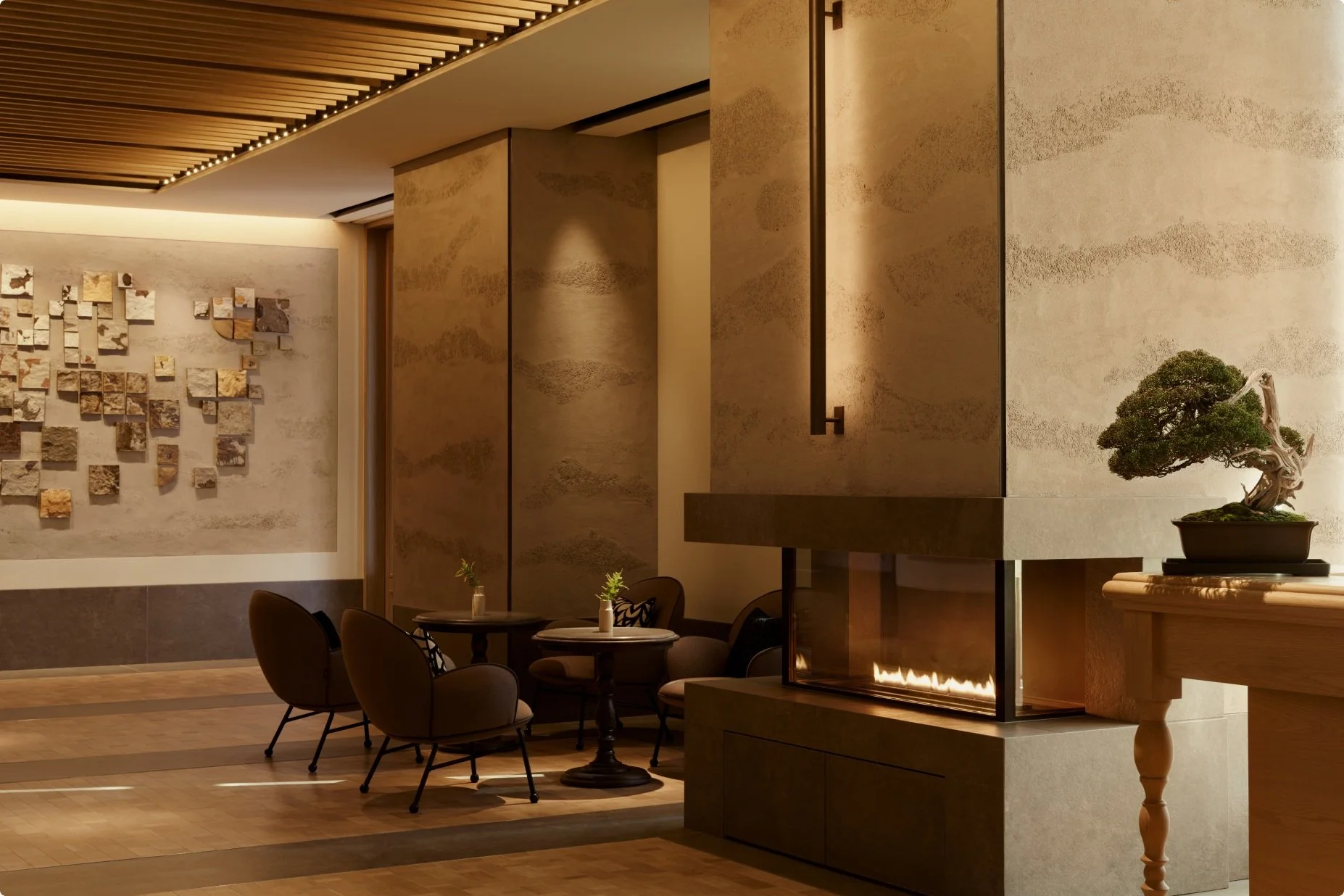
Comfortable City Access, Planned in Detail
Janu Tokyo offers accessible accommodation within the Premier King category, with features including wider showers, bathroom support rails and sliding doors. For a traveler with mobility requirements, selecting the appropriate room is the first step in planning a comfortable stay.
Our team coordinates the specific bathroom configuration, circulation space, balcony access and any required assistance with the hotel. The same attention extends to wellness appointments and the route into the surrounding district, where landscaped terraces and changes in level make the choice of route important.
Airport vehicles and private touring should be matched to the traveler’s mobility, hearing or vision needs before arrival. That coordination allows the hotel, driver and guides to work from a clear plan rather than leaving essential arrangements to the day of travel.
Tokyo’s Seasons, Framed From Azabudai
Spring and autumn are appealing for walking and spending time on the terraces. Blossom season adds another reason to visit Tokyo, although flowering dates vary and should never be treated as a fixed hotel amenity. Autumn brings a different palette to the city and an emphasis on seasonal ingredients across the dining venues.
Summer can be hot and humid, making the indoor pool, galleries and well-spaced excursions especially useful. Winter often suits travelers who enjoy crisp city days, shopping and dining, with outdoor time balanced against warm interiors.
The hotel operates as a year-round city base. Choose dates around the wider Japan itinerary, special exhibitions and restaurant priorities, then allow the season to shape the daily schedule. A well-timed morning walk or a longer indoor afternoon can make a considerable difference to how Tokyo feels.
Plan Your Tokyo Stay With Destinations by David
Janu Tokyo participates in Virtuoso. Booking through Destinations by David combines that affiliation with our team’s attention to room selection, dining and the wider journey through Japan. Eligible arrangements and any applicable benefits are discussed privately for your dates and chosen accommodation.
The details matter here: a particular view, a confirmed connecting suite, a counter reservation and the right airport vehicle each contribute to the experience. Our team brings those decisions together and coordinates them with guides, onward trains and the next destination.
Contact Destinations by David to plan and book Janu Tokyo, whether as the opening chapter of a first journey through Japan or a fresh perspective on a city you already know.
Arriving in Azabudai Hills
Via Haneda Airport (HND): Allow approximately 30 minutes by car in favorable traffic, with a prearranged private transfer or taxi providing a direct arrival at the hotel.
Via Narita International Airport (NRT): Allow approximately 90 minutes by car, with additional time during busy traffic periods; our team can coordinate an appropriate vehicle for your party and luggage.
Via Tokyo Station: The hotel is approximately 15–20 minutes away by car, making a taxi or private transfer straightforward after a Shinkansen journey.
By Tokyo Metro: Kamiyacho on the Hibiya Line and Roppongi-itchome on the Namboku Line serve the district, with the hotel approximately three to five minutes away on foot depending on the station and exit.
Hotel Address: Janu Tokyo is at 1-2-2 Azabudai, Minato-ku, Tokyo, Japan; use the hotel name and arrival entrance when arranging a driver within the larger Azabudai Hills development.
A Place in the Life of Tokyo
Janu Tokyo gives a city stay a generous home base without losing contact with what is happening around it. The strongest visit makes use of both sides of that arrangement: time in the neighborhood, a meal worth lingering over, a cultural encounter and a return to a room chosen with care. Its appeal lies in how comfortably those experiences can fit together, leaving you with a clearer sense of Tokyo and room to enjoy it.